HIGHLAND REHABILITATION & HEALTH CARE CENTER
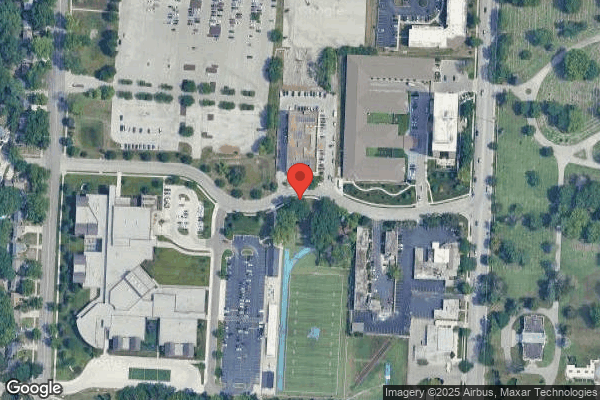
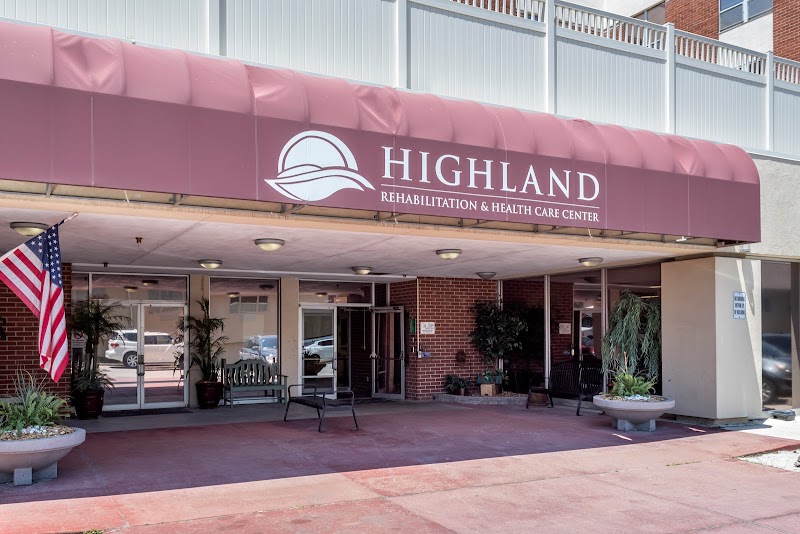
904 EAST 68TH STREET, KANSAS CITY, MO 64131 (816) 333-5485
For profit - Limited Liability company 162 Beds TUTERA SENIOR LIVING & HEALTH CARE Data: November 2025 1 Immediate Jeopardy citation
Trust Grade
46/100
#156 of 479 in MO
Last Inspection: February 2025

Within standard 12-15 month inspection cycle. Federal law requires annual inspections.

Overview

Highland Rehabilitation & Health Care Center has received a Trust Grade of F, indicating significant concerns about the facility's quality of care. It ranks #156 out of 479 nursing homes in Missouri, placing it in the top half of facilities statewide, and #8 out of 38 in Jackson County, meaning there are only a few local options that are better. However, the facility is worsening, with the number of issues increasing from 1 in 2024 to 11 in 2025. Staffing is a concern, receiving a 2 out of 5 stars and having a turnover rate of 46%, which, while below the state average, suggests staff stability is not strong. Additionally, the facility faced a critical incident where a resident suffered a severe injury due to inadequate supervision, highlighting serious safety lapses, along with concerns regarding food safety and infection control practices. Overall, while the facility has some positive aspects, such as decent quality measures, the significant issues raise red flags for potential residents and their families.

Trust Score
D
46/100
In Missouri
#156/479
Top 32%
Safety Record
High Risk
Review needed
Inspections
Getting Worse
1 → 11 violations
Staff Stability
⚠ Watch
46% turnover. Above average. Higher turnover means staff may not know residents' routines.
Penalties
✓ Good
$24,651 in fines. Lower than most Missouri facilities. Relatively clean record.
Skilled Nurses
⚠ Watch
Each resident gets only 15 minutes of Registered Nurse (RN) attention daily — below average for Missouri. Fewer RN minutes means fewer trained eyes watching for problems.
Violations
⚠ Watch
34 deficiencies on record. Higher than average. Multiple issues found across inspections.
★★★☆☆
3.0
Overall Rating
★★☆☆☆
2.0
Staff Levels
★★★★☆
4.0
Care Quality
★★★☆☆
3.0
Inspection Score
Stable
2024: 1 issues
2025: 11 issues

The Good

  • 4-Star Quality Measures · Strong clinical quality outcomes
  • Full Sprinkler Coverage · Fire safety systems throughout facility
  • No fines on record

Facility shows strength in quality measures, fire safety.

The Bad

3-Star Overall Rating

Above Missouri average (2.5)

Meets federal standards, typical of most facilities

Staff Turnover: 46%

Near Missouri avg (46%)

Higher turnover may affect care consistency

Federal Fines: $24,651

Below median ($33,413)

Minor penalties assessed

Chain: TUTERA SENIOR LIVING & HEALTH CARE

Part of a multi-facility chain

Ask about local staffing decisions and management

The Ugly 34 deficiencies on record

1 life-threatening
Mar 2025 1 deficiency 1 IJ
CRITICAL (J) 📢 Someone Reported This

A family member, employee, or ombudsman was alarmed enough to file a formal complaint

Immediate Jeopardy (IJ) - the most serious Medicare violation

Accident Prevention (Tag F0689)

Someone could have died · This affected 1 resident

**NOTE- TERMS IN BRACKETS HAVE BEEN EDITED TO PROTECT CONFIDENTIALITY** Based on interview and record review, the facility failed to provide adequate supervision of residents to prevent accidents. Fac...

Read full inspector narrative →
**NOTE- TERMS IN BRACKETS HAVE BEEN EDITED TO PROTECT CONFIDENTIALITY** Based on interview and record review, the facility failed to provide adequate supervision of residents to prevent accidents. Facility staff failed to develop and implement interventions for one resident (Resident #8) who was at risk of elopement and who made statements regarding his/her intent to leave. The facility failed to ensure adequate supervision of residents during the smoke break, resulting in the resident not returning into the building at the end of the break. The resident climbed a fence and pushed him/herself off the ledge from the second floor smoke deck and broke his/her left tibia with a compound fracture which required immediate surgery and will require a second surgery. The facility census was 136. On 3/27/25 the Administrator and Director of Nursing (DON) were notified of past non-compliance Immediate Jeopardy (IJ) which occurred on 3/24/25. On 3/24/25 the facility administrator was notified of the incident and the investigation was started. The resident was sent to the hospital for evaluation and treatment. Staff were reeducated immediately. The IJ was corrected on 3/24/25. Review of the facility's Smoking Policy, dated December 2024, showed all residents will be supervised when they smoke. Review of the facility's Elopement Policy, dated December 2025 showed: -It is the policy of the facility that all residents are afforded adequate supervision to provide the safest environment. -All residents identified will have these issues addressed in their individual care plans. -All staff are responsible. -Wandering defined as aimless travel within the facility and enclosed courtyard areas. -Residents who are at risk for elopement shall be provided with at least one of the following safety precautions by the facility. --Door Alarms on facility exits. --A personal safety device that will alert facility staff when the resident had left the building without supervision. --Staff supervision. -Should a resident attempt an elopement, a review of their individualized care plan shall be triggered for possible changes in care practices of safety precautions for that resident. Review of Resident #8's admission Record showed he/she was admitted to the facility on [DATE] with the following diagnoses: -Schizophrenia (a chronic mental illness that interferes with a person's ability to think clearly, to distinguish reality from fantasy, to manage emotions, make decisions and relate to others). -Bipolar disorder (a mental health condition causes extreme mood swings that include emotional highs, called mania and lows, known as depression). -Depression (a mental health condition characterized by persistent feelings of sadness, loss of interest, and low energy levels that can significantly impact daily life). -Attention-deficit/hyperactivity disorder (ADHD - a mental health disorder that includes a combination of persistent problems, such as difficulty paying attention, hyperactivity and impulsive behavior). -Anxiety disorder (a mental health condition characterized by excessive, persistent, and often irrational worry, fear, and nervousness). -Stimulant: Methamphetamine (a highly addictive central nervous system stimulant), cocaine (highly addictive for the nervous system) and ecstasy (a drug that affects the brain's chemistry by releasing a high level of serotonin, which plays a role in regulating mood, energy level and appetite) abuse Review of the resident's Preadmission Screening and Resident Review Level II (PASRR - provides a comprehensive review of the resident's past and current behavioral health conditions and the services needed to ensure their health and safety) evaluation, dated 10/8/24, showed the following Psychiatric diagnoses: -Schizophrenia. -Bipolar disorder. -Anxiety disorder. -ADHD disorder. -Unspecified Psychosis not due to a substance or known physiological condition. -Cannabis use disorder. -Severe methamphetamine use disorder. -discharged from hospital to accepting facility, while in route, he/she escaped from the transportation vehicle and was homeless for a while. -He/she required ongoing assessment of mood, thought process and behaviors for early recognition of changes to promote early intervention and proactive modifications to plan of care. -A crisis plan should be developed to create clear steps for elopement precautions. -Guardians were concerned he/she needed higher level of care due to failed attempts at living independently in the community and inability to maintain medication/treatment compliance and substance use. -He/she does not want to admit to this facility, and it makes him/her upset. Review of the resident's Elopement Assessment, dated 10/15/24, showed: -cognitive impairment and independently mobile. -a history of elopement and desires to leave the facility. -had an active mental illness with changes in psychotropic medications in the past 90 days. -Based on the answers above the resident was an elopement risk. -Interventions: --Moved resident to a secure unit. --Picture in elopement book. Review of the resident's quarterly Minimum Data Set (MDS-a federally mandated assessment tool completed by staff and used for care planning), dated 1/20/25, showed he/she: -was cognitively intact. -had no behaviors or wandering. Review of the resident's Care Plan, dated 10/16/24 and revised on 10/25/24, showed: -he/she was a smoker and was to be supervised while smoking. -behavior problem care area revised on 2/4/25 due to resident exit seeking per charge nurse. --Monitor/record occurrence of target behavior symptoms (specify; pacing and wandering) and document per facility protocol. -Elopement risk/Wanderer revised on 2/4/25 due to exhibiting exit seeking behaviors. --He/she will not leave facility unattended through the review date. --Distract resident from wandering by offering pleasant diversions, structured activities, food, conversation, television, and book. --Provide structured activities; toileting, walking inside and outside, reorientation strategies including signs, pictures and memory boxes. --Resident not allowed outside of community independently. Review of the resident's medical record for February 2025 showed no documentation of exit seeking behaviors as documented on the care plan. Review of the resident's Nurse Practitioner (NP) Encounter Note, dated 3/23/25 at 11:00 P.M., showed: -Resident was outside to smoke per facility smoke time. -After all residents completed smoking, the resident hid out and waited until everyone was coming back inside the building. -He/she had jumped outside the patio barrier wall which was about seven feet tall. -He/she stood on the top of the barrier wall then jumped down to the ground. -He/she lived on the second floor. -The NP was notified that he/she had multiple traumas on one of his/her legs (ankle, upper femur, and hand open visible broken bone). -Emergency Medical Services (EMS) was called and the resident was sent to the hospital for further surgery and treatment. Review of the facility's Resident Abuse Investigation Report, dated 3/24/25, showed: -This event took place during the 9:30 A.M. smoke break. -Resident #8 was on the 2nd floor patio on 3/24/25 when he/she eloped. -Injuries required medical attention. -Summary of interviews: --At the end of the smoke break all residents were directed into the building. --Resident #11 came outside towards the end of the smoke break and was the last resident known to be out on the patio smoking. --While outside Resident #8 darted out from the side of the building startling Resident #11. --Resident #8 told Resident #11 that he/she was going to jump the fence. --Resident #11 told Resident #8, you don't want to do that; you will hurt yourself. --Resident #8 took off running and jumped onto the fence. --While out smoking Resident #11 alerted staff the Resident #8 had jumped the fence. --Maintenance worker A alerted the management team of an event occurring in the front outside of the building. --Maintenance worker A reported that while he/she was going to his/her vehicle Certified Nurse Aide (CNA) C who was outside yelled out wait, wait, stop and was pointing up. --Maintenance worker A looked up and saw Resident #8 on the ledge of front of the building, dangling from the fence on the 2nd floor. --Resident #8 then jumped backwards onto the sidewalk of the parking lot. -The findings for this event: --There was no supervision of residents during the smoke break. --Resident #8 did not return into the building at the end of the break. --Resident #8 hid on the side of the building out of view as other residents returned into the building. --Once everyone was in the building Resident #8 jumped the fence from the 2nd floor attempting to elope, but was not successful. Review of the resident's Health Status Note, dated 3/24/25 at 12:54 P.M., showed: -Resident #8 went out for smoke break. -Residents came back in the building after smoke break was over. -Resident #8 hid out and waited for everyone to come back in. -Resident #11 had came out a little later due to ear drops. -Resident #11 stated that he/she seen Resident #8 come from the side and climb the fence and jump. -Resident #11 went looking for staff and finally found the Registered Nurse (RN) A and notified RN A. -RN A went out to the parking lot and saw Resident #8 surrounded by the Administrator, DON, Assistant Director's of Nursing (ADON), Maintenance Director, and Social Service. -Resident #8 had apparent fractures, NP, and family notified. -Will continue to assess. Review of the resident's hospital report, dated 3/24/25, showed: -Abrasions to the right and left palms. -Superficial abrasion to the left lateral lower extremity. -Left distal tibia (shinbone) fracture. -CT scan showed comminuted mildly displaced distal (lower part) tibia fracture extending into the tibia talar joint (connects the tibia to the ankle) with multiple small bone fragments in the joint space. -First surgery was on 3/25/25 and a second surgery will be needed to fix left [NAME] (a type of break that occurs at the bottom of the tibia and involves the weight bearing surface of the ankle joint) fracture. During an interview on 3/26/25 at 2:49 P.M., Licensed Practical Nurse (LPN) B said: -He/she had witnessed Resident #8 exit seeking while out on the smoke deck before this incident. -He/she charted the exit seeking behavior on Resident #8's care plan back on 2/4/25. -Resident #8 would walk along the fence on the second-floor smoke deck looking through the squares at the top of the fence down at the ground below. -Residents have designated smoking times and must always be supervised on the smoke deck. -Certified Nurse Assistant (CNA) A notified him/her of Resident #8 stating he/she was going to be the next person over the fence. -That is when he/she charted on Resident #8's care plan about Resident #8 exiting seeking. -The same day he/she seen Resident #8 looking through the openings at the top of the fence. During an interview on 3/27/25 at 11:18 A.M., CNA A said: -Staff are supposed to always be with the residents during the smoke break until the last resident is done smoking. -Staff are to walk around the smoke deck to ensure all residents are accounted for. -Resident #8 expressed to him/her that he/she was going to jump over the fence several times in the last month. -He/she reported this to his/her charge nurse, LPN B. -Resident #8 did not get any extra monitoring after notifying the charge nurse, LPN B. Review of Resident #11's annual MDS, dated [DATE], showed he/she was cognitively intact. During an interview on 3/26/25 at 3:21 P.M., Resident #11 said: -He/she got out to 9:30 A.M. smoke break late. -When he/she arrived, there was no staff on the second-floor smoke deck monitoring residents. -He/she stayed on the smoke deck after all the other residents went back inside to finish smoking without supervision. -Resident #8 came up to him/her and said that he/she was going to jump over the fence. -He/she tried to talk Resident #8 out of going over the fence, telling Resident #8 he/she would get caught. -Resident #8 ran and jumped over the fence on the second-floor smoke deck anyway. -He/she was traumatized from Resident #8 jumping over the fence, because he/she was unsure if Resident #8 was dead or alive. -He/she ran into the facility to find RN A and tell RN A Resident #8 jumped over the fence. -No staff member was on the smoke deck at the time Resident #8 jumped over the fence. During an interview on 3/27/25 at 11:45 A.M., Certified Medication Technician (CMT) A said: -Resident #11 was the only resident on the smoke deck at the time of the incident. -He/she was passing medications while the residents were on smoke break. -He/she would have expected staff to always be with the residents on the smoke deck. During an interview on 3/27/25 at 12:40 P.M., LPN A said: -He/she was the charge nurse on shift when Resident #8 jumped over the fence on the second-floor smoke deck. -He/she saw the resident when they went out on a smoke break. -He/she thought agency CNA B would go out on the smoke deck and monitor the residents while they smoked, since agency CNA B was following him/her when he/she unlocked the door to the smoke deck. -He/she had not told CNA B to monitor the residents on smoke break. -He/she was unsure of the smoking policy. -He/she was doing a treatment on another resident in that resident's room at the time Resident #8 jumped over the fence. -Resident #11 came and found him/her and reported that Resident #8 had jumped over the fence to the ground below. -He/she should have made sure a staff member was out on the smoke deck. -That staff that are responsible for supervising residents during a smoke break is any staff on shift on the floor who were not assigned to the 1 to 1's as they had 2 staff sitting with 2 different residents that day. CMT was passing meds and another CNA were out of the building on an appointment with a resident. That left 2 CNAs and LPN A responsible for watching the residents. During an interview on 3/27/25 at 2:03 P.M., Agency CNA B said: -On 3/24/25 around 9:30 A.M., he/she decided to take his/her morning break and was not watching the residents on the smoke deck. -He/she watched LPN A pass out cigarettes to the residents who smoked, but he/she had not been told to watch the residents during the smoke break. -He/she saw the resident when they went out on a smoke break. -He/she had his/her back to the window overlooking the smoke deck by the door. -He/she did not know a resident had jumped until LPN A said they had. During an interview on 3/27/25 at 2:30 P.M., CNA C said: -He/she was on break in his/her car in the parking lot. -He/she saw Resident #8 on the ledge of the second-floor smoke deck. -He/she yelled at Maintenance worker A, because he/she was closer to the resident. -Resident #8 jumped before either of the staff could get to the resident. -Smoke deck doors are always to be locked unless residents are out smoking with supervision. During an interview on 3/27/25 at 2:47 P.M., Maintenance worker A said: -He/she went to get his/her lunch out of his/her car when he/she heard CNA C yelling wait. -He/she turned around and saw Resident #8 jump to the ground from the second-floor smoke deck. -Resident #8 started to walk away stating his/her mom and dad were waiting for him/her. -He/she knocked on the conference room window as the Administrator, DON, ADON and Social Services were in morning meeting. -Residents were to be supervised when smoking. During an interview on 3/27/25 at 3:00 P.M., the DON said: -He/she was finishing up morning meeting when Maintenance worker A knocked several times on the window to the conference room. -He/she and other staff went outside to see what was going on. -He/she went to Resident #8 who was sitting on the ground and assessed the resident for injuries. -Resident #8 had a deformity on the lower leg. -Resident #8 stated he/she wanted to go home. -EMS was called and the resident was sent to the hospital for evaluation and treatment. -Residents are to be supervised while out on the smoke decks. -On 3/24/25 he/she was not aware that no staff were supervising the resident on the smoke deck. -He/she expected staff to supervise residents out on the smoke deck. -He/she expected staff to chart in a resident's medical record if a resident expressed or was seen exit seeking. During an interview on 3/27/25 at 3:45 P.M., the Administrator said: -He/she was in morning meeting when Maintenance worker A knocked several times on the conference room window. -He/she went outside to see what he/she needed. -Resident #8 was sitting on the ground outside the front of the facility in the parking lot. -The resident was assessed and EMS was called to take the resident to the hospital for evaluation and treatment. -Supervision was always required for all residents during smoke breaks. -The resident hid away around the corner and then ran away. -He/She expected the resident to always be observed on the smoke deck by the staff assigned to that floor on shift. During an interview on 3/27/25 at 8:55 A.M., Resident #8 said: -He/she had planned on going over the fence on the second-floor smoke deck for a while. -He/she did not know how long he/she planned this. -He/she did not tell anyone including staff that he/she planned on going over the fence. -He/she has had one surgery and will be having another surgery on his/her broken leg. During an interview on 3/27/25 at 4:10 P.M., Resident #8's Family Member A said: -He/she was notified of the incident. -He/she wondered why the resident was left unsupervised. -Resident #8 was admitted to the facility because he/she always needed supervision and this was told to the facility. The facility should have done that so this would have not happened. MO00251597
Feb 2025 10 deficiencies
CONCERN (D)

Potential for Harm - no one hurt, but risky conditions existed

Resident Rights (Tag F0550)

Could have caused harm · This affected 1 resident

Based on observation, interview, record review, and facility policy review, the facility failed to provide a privacy cover for a urinary catheter drainage bag for 1 (Resident #63) of 1 resident review...

Read full inspector narrative →
Based on observation, interview, record review, and facility policy review, the facility failed to provide a privacy cover for a urinary catheter drainage bag for 1 (Resident #63) of 1 resident reviewed for dignity. Findings included: A facility policy titled, Resident Rights Policy, dated 12/2024, indicated, Each resident residing in this community has the right and will be afforded the right to a dignified existence, self-determination, and communication with and access to persons and services inside and outside the community without interference, coercion, discrimination, or reprisal. The policy also indicated, Resident rights include but are not limited to: Privacy and confidentiality. 1. On 02/07/2025 at 2:34 PM, the Administrator stated the facility did not have a policy that addressed protecting the resident's dignity with the use of a privacy cover for a catheter drainage bag. An admission Record indicated the facility admitted Resident #63 on 09/01/2024. According to the admission Record, the resident had a medical history that included diagnoses of vascular dementia and obstructive and reflux uropathy. A quarterly Minimum Data Set (MDS), with an Assessment Reference Date of 12/06/2024, revealed Resident #63 had moderate impairment in cognitive skills for daily decision-making and had a short-term and long-term memory problem per a Staff Assessment of Mental Status (SAMS). The MDS indicated the resident had an indwelling urinary catheter. Resident #63's care plan included a focus area revised 10/03/2024, that indicated the resident had a suprapubic catheter related to obstructive neuropathy. Interventions directed staff to provide catheter care every shift and as needed (initiated 07/10/2023). Resident #63's Order Summary Report, with active orders as of 02/07/2025, contained an order dated 01/09/2025 for the use of a suprapubic urinary catheter every 24 hours as needed for blockage or dislodgement. Observations on 02/03/2025 from 11:30 AM until 1:18 PM, revealed Resident #63 was seated in a wheelchair in the dining area. The observation revealed the resident's catheter drainage bag contained approximately 100 cubic centimeters (cc) of yellow urine. The observation revealed the catheter drainage bag with urine was not contained in a privacy cover. The resident's catheter drainage bag with urine was visible to staff, residents, and visitors. During an interview on 02/05/2025 at 3:12 PM, Licensed Practical Nurse (LPN) #20 stated that he/she was the assigned nurse for Resident #63 on Monday (02/03/2025) and he/she forgot to put a privacy cover over the resident's catheter drainage bag. LPN #20 stated that there was no privacy cover over the catheter drainage bag when the resident was sitting out in the common area. LPN #20 stated that the nurse was responsible for ensuring that the catheter drainage bag was covered. The Interim Director of Nursing (IDON) was interviewed on 02/07/2025 at 9:24 AM. The IDON stated that when staff provided catheter care, the catheter drainage bag should be placed in a privacy cover. The IDON stated that the catheter drainage bag should be kept covered for the dignity of the resident and that nobody needed to know that the resident had a catheter. The IDON stated that all staff should monitor to ensure the catheter drainage bag was kept in a privacy bag. During an interview on 02/07/2025 at 9:50 AM, the Administrator stated the charge nurse and unit coordinator should monitor to ensure resident catheter drainage bags were kept in a privacy cover when the resident was in a community area. The Administrator stated the resident's assigned Certified Nurses Aide (CNA) should make sure the privacy cover was in place to provide the resident with dignity.
CONCERN (D)

Potential for Harm - no one hurt, but risky conditions existed

Safe Environment (Tag F0584)

Could have caused harm · This affected 1 resident

Based on observation, interview, record review, and facility document review, the facility failed to ensure resident room floors and equipment were cleaned and maintained for 1 (Resident #103) of 4 re...

Read full inspector narrative →
Based on observation, interview, record review, and facility document review, the facility failed to ensure resident room floors and equipment were cleaned and maintained for 1 (Resident #103) of 4 residents reviewed for environmental concerns. Specifically, the facility failed to ensure tube feeding formula was cleaned off the resident's tube feeding pump, pole, and floor. Findings included: 1. An admission Record revealed the facility originally admitted Resident #103 on 11/20/2023 and readmitted Resident #103 on 01/09/2025. According to the admission Record, Resident #103 had a medical history that included diagnoses of dysphagia (difficulty swallowing) and gastrostomy status (presence of a surgically created opening in the stomach). An annual Minimum Data Set (MDS), with an Assessment Reference Date (ARD) of 11/18/2024, revealed Resident #103 had a short-term memory problem but was independent with cognitive skills for daily decision making per a Staff Assessment for Mental Status (SAMS). The MDS indicated Resident #336 utilized a feeding tube while a resident at the facility and received 51 percent (%) or more of their total calories through parenteral or tube feeding. Resident #103's care plan included a focus area, initiated 11/21/2023, that indicated the resident required tube feeding. Resident #103's Order Summary Report contained orders dated 01/09/2025 addressing enteral feedings (by way of feeding tube). An observation on 02/03/2025 at 10:43 AM revealed Resident #103's feeding tube pump had multiple dried splatters in the same color (beige) as their tube feeding formula. The four feet of the metal feeding tube pole also had beige-colored splatters on them, and the floor beneath the feeding tube pole had beige splatters. An observation on 02/04/2025 at 2:13 PM revealed Resident #103's feeding tube pump had splatters on the sides and underneath in the same color (beige) as the resident's tube feeding formula. An observation on 02/07/2025 at 9:33 AM revealed tube feeding formula was on the floor under Resident #103's tube feeding pump and pole. An undated facility document titled, Housekeeper 4 {4} Daily Job Routine revealed, 7:30 [AM] Do morning walk-through of your area addressing spills. The document indicated housekeepers completed a 7 Step Room Cleaning that included 3. Spot Clean Vertical Surfaces and 7. Mop Floor. The document directed housekeeping staff to clean specific rooms using the 7 step method daily, including Resident #103's room. During an interview on 02/07/2025 at 9:37 AM, Registered Nurse (RN) #26 acknowledged the tube feeding formula on the resident's tube feeding pump and floor and stated housekeeping needed to clean it. During an interview with the Interim Director of Nursing (IDON) and the Administrator on 02/07/2025 at 3:22 PM, the IDON stated tube feeding formula spills should be cleaned by the nurses and Certified Nurses Aides (CNA), or any staff member that saw the spills; however, the IDON said housekeeping staff should not clean the tube feeding pump when it was in use.
CONCERN (D) 📢 Someone Reported This

A family member, employee, or ombudsman was alarmed enough to file a formal complaint

Potential for Harm - no one hurt, but risky conditions existed

Deficiency F0604 (Tag F0604)

Could have caused harm · This affected 1 resident

Based on observation, record review, facility document and policy review, and interview, the facility failed to ensure facility staff honored a resident's right to be free from a physical restraint th...

Read full inspector narrative →
Based on observation, record review, facility document and policy review, and interview, the facility failed to ensure facility staff honored a resident's right to be free from a physical restraint that was not required to treat the resident's medical symptoms for 1 (Resident #386) of 3 residents reviewed for abuse. Specifically, a facility staff member picked up and carried Resident #386 off the smoking patio and back into the facility, thereby restricting the resident's freedom of movement when the resident attempted to grab another resident's cigarette. Findings included: The facility policy titled, Restraint Policy, dated 12/2024, indicated, Physical Restraints are defined as any manual method or physical or mechanical device, material or equipment attached or adjacent to the resident's body that the individual cannot remove easily, which restricts freedom of movement or restricts normal access to one's body. The policy also specified, Emergency use of restraints is permitted if their use is immediately necessary to prevent the resident from injuring himself/herself or others and/or to prevent the resident from interfering with life sustaining treatment, and no other less restrictive interventions are feasible. The Director of Nursing Services has the authority to order the use of emergency restraints. The Attending Physician must be notified of such use and the reason for the order. The State Operations Manual - Appendix PP definitions at F604 defined a physical restraint as, any manual method, physical, or mechanical device, equipment, or material that meets all of the following criteria: - is attached or adjacent to the resident's body; - cannot be removed easily by the resident; and - restricts the resident's freedom of movement or normal access to his/her body. The definitions at F604 also indicated, Manual method means to hold or limit a resident's voluntary movement by using body contact as a method of physical restraint. 1. An admission Record revealed the facility admitted Resident #386 on 01/30/2025. According to the admission Record, the resident had a medical history that included diagnoses of Huntington's disease (a progressive inherited neurodegenerative disorder that affects the brain, causing uncontrolled movements, cognitive decline, and psychiatric symptoms), gastrostomy status, and anxiety disorder. An annual Minimum Data Set (MDS) with an Assessment Reference Date of 01/30/2025, indicated it was in progress. A Nursing Admission/readmission Data Collection tool, dated 01/30/2025, revealed Resident #386 had the ability to express ideas and wants, had the ability to understand verbal content, did not use a mobility device, and did not require assistance to transfer, walk in room, walk in corridor, or walk on the unit. According to the tool, the resident's current weight was 77.4 pounds and the resident's level of consciousness was alert and oriented to person, place and time. The tool indicated the resident did not use restraints, had adequate hearing and vision, and did not exhibit any verbal or physical behaviors in the last 14 days or have a history of harming self or others. Resident #386's Care Plan included a focus area initiated 01/30/2025 that indicated the resident was a smoker. Interventions directed staff to keep smoking materials secured and to encourage smoking per facility protocol (initiated 01/30/2025). An Initial Report dated 01/31/2025 indicated the facility admitted Resident #386 to the facility on 1/30/2025 and informed the resident about the smoking policy. The report indicated a skin assessment completed on 01/30/2025 noted bruises and scratches to the resident's arms, but that the resident reported to the Administrator that the bruises resulted from being manhandled by staff on 01/31/2025. The report indicated the resident had displayed agitation when the resident went behind the nurse's station to get a cigarette and required staff redirection. The report indicated that the resident then went to the smoking patio and tried to take a lit cigarette from another resident, and a certified medication technician (CMT) wrapped their arms around the resident to keep the resident from harming another resident or harming self. The report revealed that the resident tried to get on the elevator but was redirected. The report indicated the CMT provided the facility with a written statement and was suspended pending the outcome of the investigation. On 02/03/2025 at 12:06 PM, Resident #386 was observed ambulating independently on the second floor secure unit, with an unidentified staff member providing one-to-one monitoring. During an interview at this time, Resident #386 stated that at another facility (prior to admission to this facility), a staff member had manhandled them, causing bruises and scratches on both arms. During the interview, Resident #386 showed their arms to the surveyor, but no bruises were visible. Resident #386 then stated the incident occurred at the current facility over the weekend. The surveyor asked Resident #386 to clarify which weekend and what day of the weekend this occurred. Resident #386 stated, The weekend. The surveyor asked Resident #386 what time the incident occurred, and Resident #386 stated, In the morning. Resident #386 further stated that they were new to the facility, and staff on the third floor grabbed the resident's arms and threw the resident on the bed. Resident #386 stated they did not know the names of the staff. The resident stated this incident occurred on the third floor and after it occurred, the resident was moved to the second floor. The resident also stated that they reported the incident to the nurse on the second floor and then told the Administrator, who said the incident would be investigated. During an interview on 02/04/2025 at 3:11 PM, Licensed Practical Nurse (LPN) #1 stated Resident #386 was moved to the second floor on 02/01/2025 around 10:30 AM, before lunch and before the 11:30 AM smoke break. LPN #1 stated that after the 11:30 AM smoke break, Resident #386 asked him/her to get a sandwich the resident had left on the third floor, and when LPN #1 returned with the sandwich, the resident stuck their wrists out and told LPN #1 that staff on the third floor grabbed the resident and threw them on the bed. LPN #1 stated that the resident's wrists were both red and had old bruising but did not have the color of fresh bruising. The resident reported to LPN #1 that they were aggressive with third floor staff and that third-floor staff were aggressive to them. LPN #1 stated he/she then called the Administrator to notify him/her of the resident's allegation. He/She stated the ADM instructed him/her to write a statement and place Resident #386 on one-to-one monitoring. During a telephone interview on 02/05/2025 at 9:37 AM, CMT #5 stated he/she worked the 6:45 AM - 2:45 PM shift on 02/01/2025 and met Resident #386 for the first time that day. CMT #5 stated that during the shift, Resident #386 asked LPN #2 for a cigarette. The nurse gave the resident a cigarette, and the resident went to the smoking patio and smoked it. After the resident completed the cigarette, the resident tried to take Resident #64's cigarette. Resident #64 tried to keep the cigarette from Resident #386, but the resident stood over Resident #64 and continued to try and take it. CMT #5 stated when the resident would not stop trying to take Resident #64's cigarette, the only other option was to pick the resident up and bring the resident inside. CMT #5 stated he/she did not see any physical contact between the residents, but when Resident #386 would not stop trying to take Resident #64's cigarette, CMT #5 opened the patio door, grabbed Resident #386 by the waist from behind, picked the resident up, and put the resident back inside. CMT #5 stated Resident #386 was a small-framed resident and when he/she picked the resident up, he/she carried the resident inside about five feet and put the resident down on their feet. CMT #5 stated he/she blocked the patio door because the resident kept trying to go back outside. CMT #5 stated he/she received a phone call from the Administrator around 1:30 PM and was told to write a statement, clock out, and go home. The CMT denied that he/she threw the resident in bed or grabbed the resident by the wrists. During a telephone interview on 02/05/2025 at 10:30 AM, Certified Nursing Assistant (CNA) #4 stated on 02/01/2025, an incident occurred around 9:30 AM when staff tried to get Resident #386 to calm down. CNA #4 stated he/she was at the nurse's desk charting when Resident #386 tried to go out to smoke and tried to take a cigarette from Resident #64. CNA #4 stated staff went outside, and CMT #5 grabbed Resident #386 around the waist, picked the resident up, and carried the resident back inside while the resident snatched, grabbed, punched, and swung their hands at staff. CNA #4 stated that once the resident was back inside, they calmed down, then CMT #5 and CNA #4 walked with the resident to the resident's room, but on the way to the resident's room, the resident turned around to go back toward the door, so CMT #5 picked the resident up from behind by the waist again, carried the resident to the resident's room, and sat the resident on the bed. CMT #5 asked the resident to calm down and to come out of the room once they calmed down, and staff then left the room. CNA #4 stated staff were trained not to put their hands on residents. CNA #4 stated that when CMT #5 carried the resident inside from the smoking patio, the distance was a few feet, and the second time CMT #5 picked the resident up to take them to the room, the distance was the width of one resident's room. During a follow-up telephone interview on 02/07/2025 at 10:35 AM, CNA #4 stated that if a resident became combative, it would be best to walk away and go get the nurse but not to pick up the resident. During an interview on 02/05/2025 at 3:46 PM, LPN #2 stated that on 02/01/2025 around 9:30 AM, Resident #386 came to the nurse's desk and asked for a cigarette. He/She gave the resident a cigarette, and the resident went to the third-floor smoking patio to smoke. LPN #2 stated that when the resident came back into the third-floor dining room, the resident asked for cigarettes to smoke again. LPN #2 stated he/she told the resident to wait until the next smoke break, and Resident #386 came around the nurse's desk and took the cigarette box. LPN #2 stated he/she was able to retrieve the cigarette box, but then Resident #386 went back to the smoking patio and physically tried to take a lit cigarette from Resident #64. LPN #2 stated that CMT #5 went onto the smoking patio and told the resident not to take the cigarette from Resident #64. LPN #2 stated he/she went onto the smoking patio to help, held the door open, and witnessed CMT #5 put his/her hands around Resident #386's waist from behind and walk the resident back inside. During an interview on 02/06/2025 at 8:46 AM, the Interim Director of Nursing (IDON) stated he/she looked through the facility's investigation on 02/03/2025, and he/she did not believe CMT #5's intention was to abuse or harm the resident but felt the CMT was trying to deescalate the situation. The IDON indicated the CMT could have stood between the residents, grabbed another staff member to help redirect, or offered food or medicine and try to get to the root cause of why the resident was so upset. During an interview on 02/06/2025 at 10:03 AM, the Administrator stated during his/her investigation, he/she spoke with CMT #5, who stated that Resident #386 tried to take a cigarette from Resident #64 during a smoke break on the third-floor patio and would not stop when asked by Resident #64 and by staff to stop. The Administrator stated that CMT #5 reported he/she then lifted the resident up by the waist and brought the resident back inside but denied that he/ threw the resident on the bed. The Administrator stated CMT #5 said he/she just picked Resident #386 up by the waist and brought them back inside for redirection, to keep them from taking the cigarette from Resident #64, and to prevent anything from happening to Resident #64. The Administrator stated that during his/her investigation, it was determined that CMT #5 did not intend to abuse or harm Resident #386, but that when he/she picked Resident #386 up, he/she violated the resident's right to move independently and the right not to be physically redirected to a different space. The ADM stated CMT #5's response to the resident was a poor method of redirection. During a telephone interview on 02/07/2025 at 10:46 AM, CMT #6 stated that he/she worked the 7:00 AM to 3:00 PM shift on the third floor on 02/01/2025. He/She did not witness the incident involving Resident #386 and Resident #64 but stated he/she witnessed Resident #386 cursing and yelling when CMT #5 walked the resident to their room. CMT #6 stated that when CMT #5 walked Resident #386 to their room, CMT #5 held the resident by the shoulders as they walked. CMT #6 denied witnessing CMT #5 pick the resident up. CMT #6 stated that if he/she witnessed a staff member pick up a resident, he/she would report this to the Director of Nursing, the Administrator, or the nurse. CMT #6 indicated that staff were not trained to pick up a resident or put hands on them. CMT #6 also stated, If they [residents] are able to walk and you pick them up, now they can't walk. That's a restraint and we can't put them in a restraint, period. They would not be walking on their own. During a follow-up interview on 02/07/2025 at 11:39 AM, the IDON read the facility's Restraint Policy and stated he/she agreed with the definition of a restraint as recorded in the policy. The IDON stated that a restraint would be anything hindering a resident's ability to move about freely. He/She stated in an emergency, the nurse would need to alert the DON, and the DON could give the authority for restraint use, and the attending physician would have to be notified and would need to sign orders within 48 hours of the emergency. The IDON stated that in his/her opinion, when CMT #5 picked Resident #386 up, that was a poor choice but did not meet the definition of a restraint because the resident was let go and their arms and legs remained free. When asked if the IDON agreed that Resident #386 could ambulate independently prior to being picked up by staff but could not do so while being carried by CMT #5, he/she stated that the resident could not ambulate when they were picked up by staff, but that this was a poor choice, not a restraint. The IDON stated staff were expected to use other means to intervene like moving other residents away from an aggressive resident or attempting to corral the aggressive resident elsewhere, trying to talk to the aggressive resident to diffuse the situation, or trying to get the focus of the aggressive resident on staff rather than on everybody else. The IDON stated the expectation would be for staff to deescalate the situation by staying calm, making eye contact with the aggressive resident, and talking with the resident in a calm voice, while other staff moved other residents away from the situation to avoid any harm. During a follow-up interview on 02/07/2025 at 12:33 PM, the Administrator read the definition of a restraint per the facility policy and stated that he/she agreed with the definition. The Administrator stated that if a resident could not remove a device applied by staff or anything that restricted the resident's physical ability to move, that would be considered a restraint and would require an assessment, documentation in the medical record, and a physician's order prior to its use. The Administrator stated CMT #5 used poor judgement and that he/she did not agree with the way CMT #5 handled the situation, as the resident had the right to move on their own and not be redirected to a different place. The Administrator stated that CMT #5 should have used better techniques to deescalate the situation, like telling Resident #386 the goals and why the resident should calm down. The Administrator stated that he/she would expect CMT #5 to avoid putting his/her hands on a resident and to redirect the resident with verbal cues and guide the resident in a safe direction. MO00248912
CONCERN (D) 📢 Someone Reported This

A family member, employee, or ombudsman was alarmed enough to file a formal complaint

Potential for Harm - no one hurt, but risky conditions existed

Investigate Abuse (Tag F0610)

Could have caused harm · This affected 1 resident

Based on interview, record review, and facility document and policy review, the facility failed to thoroughly investigate 1 of 3 entity self-reported incidents reviewed. Specifically, the facility fai...

Read full inspector narrative →
Based on interview, record review, and facility document and policy review, the facility failed to thoroughly investigate 1 of 3 entity self-reported incidents reviewed. Specifically, the facility failed to thoroughly investigate an incident involving a missing resident (Resident #96). Findings included: A facility policy titled, Abuse, Prevention and Prohibition Policy, revised 10/2022, revealed the section titled Investigation, included, The facility Administrator will ensure a thorough investigation of alleged violations of individual rights and document appropriate action. The policy further revealed, Every employee will be interviewed who was working on the specific hall/wing that the affected resident resides on. If the allegation occurred on a specific shift, all staff for the identified shift only will complete a questionnaire and complete a statement if indicated. The policy revealed the facility was to Complete the investigation summary of statements and summary of investigation within five business days. 1. Resident #96's admission Record indicated the facility admitted the resident on 03/25/2024. According to the admission Record, the resident had a medical history that included diagnoses of orthopedic aftercare following surgical amputation, assistance with personal care, muscle weakness, abnormalities of gait and mobility, alcohol abuse, and psychoactive substance abuse. A quarterly Minimum Data Set (MDS), with an Assessment Reference Date (ARD) of 12/27/2024, revealed Resident #96 had a Brief Interview for Mental Status (BIMS) score of 15, which indicated the resident had intact cognition. The MDS further indicated the resident used a manual wheelchair for locomotion independently. The MDS revealed the resident was independent with eating, oral hygiene, and toileting hygiene. The MDS revealed the resident required supervision or touching assistance with showering/bathing and personal hygiene and required setup or clean-up assistance with upper and lower body dressing. Resident #96's care plan included a focus area initiated 01/12/2025, that indicated the resident had a current diagnosis of a substance use disorder related to alcoholism and had been leaving the facility, drinking, and returning inebriated. Interventions (initiated 01/12/2025) directed staff to allow one-on-one time to discuss behaviors and reasons for use of alcohol in a non-judgmental way; to ask the resident if they have ingested medications or drugs that were not prescribed to them; to assess and support respiratory and cardiovascular function; to assess mental status and determine if there was a change from the resident's baseline; and to assess the resident for the following symptoms and report as they present: stumbling, nodding off mid-conversation, incoherent speech, slurred speech, rambling, sleepy, erratic behavior, hyperactive, threatening, hostile, bloodshot eyes, pinpoint pupils, pale face sweaty unruly appearance, fumbling, nervous, jerky movements, and eating candy or sweets. A sign-out sheet used by Resident #96 to leave the facility on 01/24/2025 revealed the resident placed their initials on the sheet and identified a date of 1-26. The sheet revealed the resident had marked the Time Out to be 10:40 AM. The sheet revealed that the resident did not fill out the Time Planned to Return and marked the Visit Location to be the library. During an interview on 02/04/2025 at 12:40 PM, the Administrator stated Resident #96 had signed out at 10:40 AM on 01/24/2025 to go to the Downtown Library and had not returned. He/She stated the resident had dated the sign-out sheet for 01/26/2025; however, the date was 01/24/2025. Resident #96's Progress Notes, revealed a Health Status Note, dated 01/25/2025 at 11:35 PM, that indicated Resident #96 had left the facility the day before and still had not returned. The note revealed the Administrator and unit manager were notified and had asked staff to look for the resident throughout the facility. The note revealed that when Resident #96 was not found, the Administrator notified the police, who came to the facility to ask questions, obtained a Face Sheet, and called the local hospital. The note revealed the police notified the Administrator the resident had been discharged from the hospital around 11:30 PM (the evening prior). The note revealed the police left an emergency number with instructions to call and have the resident's name removed from the missing persons list if they arrived back at the facility. The note revealed Resident #96's Nurse Practitioner (NP) was notified and asked to be notified if the resident returned to the facility. Resident #96's Progress Notes revealed a Health Status Note dated 01/28/2025 at 7:53 PM, that indicated Resident #96 had returned to the facility with another person. The note revealed the person that accompanied Resident #96 back to the facility stated they found the resident wandering around 39th and Main [street] and Resident #96 asked for a ride back to the facility. The note revealed this person pushed Resident #96 in the wheelchair from 39th street to the facility. The note revealed Resident #96 was alert, not in distress, and had no complaints of pain or discomfort. The note revealed the resident's clothes were visibly soiled, so staff assisted to get the resident toileted, changed, and offered them snacks and fluids. The note revealed the resident had no recollection of being gone for four days. The note revealed Resident #96's physician and NP were notified of the resident's safe return. During an interview on 02/05/2025 at 1:30 PM regarding investigative efforts into the event involving Resident #96, the Administrator stated, There are no other interviews written anywhere, or additional information. He/She stated, Every incident that is called into the State [Survey Agency] has an initial investigation and then we have to send in our final five-day investigation for each one as well. He/She stated, All the information for that incident is in the folder I gave to you. A folder containing a copy of the investigation completed for Resident #96 included an initial report submitted to the State Survey Agency (SSA); the sign-out sheet filled out by Resident #96 prior to the leave of absence; timelines to show the dates and times phone calls were placed to the police, local hospitals, detention centers, and jails; and the in-service sign-in sheets for the education provided on the sign-out process for residents given to the staff following Resident #96's departure from the facility. No interviews from staff or residents were present in the folder presented as the investigation, and a follow-up five-day final report was not completed or submitted to the SSA for this incident. During an interview on 02/07/2025 at 10:17 AM, the Administrator stated, In hindsight, I should have interviewed everyone. We are learning, and no one has ever said anything about that [interviewing everyone] before. He/She also stated, Any incidents that we send into the State [Survey Agency] should have an initial investigation and a final five-day investigation sent in for each. MO00248567
CONCERN (D)

Potential for Harm - no one hurt, but risky conditions existed

PASARR Coordination (Tag F0644)

Could have caused harm · This affected 1 resident

Based on interview and record review, the facility failed to ensure Level I Preadmission Screening and Resident Reviews (PASRRs) were completed when 2 (Resident #45 and Resident #23) of 4 residents re...

Read full inspector narrative →
Based on interview and record review, the facility failed to ensure Level I Preadmission Screening and Resident Reviews (PASRRs) were completed when 2 (Resident #45 and Resident #23) of 4 residents reviewed for PASRR requirements were diagnosed with new mental disorders. Findings included: During an interview on 02/07/2025 at 1:53 PM, the Administrator stated the facility did not have a policy that addressed the completion of PASSRs. 1. Resident #45's admission Record indicated the facility admitted the resident on 01/13/2017. According to the admission Record, the resident had a medical history that included diagnoses of paranoid schizophrenia. The admission Record indicated an additional diagnosis of recurrent major depressive disorder was added on 06/24/2024. Resident #45's Level One Nursing Facility Pre-admission Screening for Mental Illness/Mental Retardation or Related Condition, dated 01/12/2017, indicated the resident was diagnosed with a major mental disorder, specifically schizophrenia, paranoia type. The screening indicated the resident did not have any serious problems with their level of functioning in the six months prior to the screening and had not received intensive psychiatric treatment in the prior two years. According to the results of the screening, the resident did not require a PASRR Level II evaluation. Resident #45's care plan included a focus area, initiated 04/27/2018 and revised 04/22/2024, that indicated the resident had behaviors related to a diagnosis of schizophrenia. The care plan also included a focus area, initiated 08/29/2022 and revised 04/22/2024, that indicated the resident was at risk for depression due to history of voicing feeling depressed. A quarterly Minimum Data Set (MDS), with an Assessment Reference Date (ARD) of 11/06/2024, revealed Resident #45 had a Brief Interview for Mental Status (BIMS) score of 12, which indicated the resident had moderate cognitive impairment. According to the MDS, at the time of the assessment, Resident #45 had active diagnoses that included depression and schizophrenia. Resident #45's medical record revealed no documented evidence a new PASRR was completed when Resident #45 was diagnosed with major depressive disorder. During an interview on 02/07/2025 at 1:53 PM, the Administrator and Interim Director of Nursing (IDON) stated Resident #45's PASRR should have been updated. 2. An admission Record revealed the facility admitted Resident #23 on 06/25/2021. According to the admission Record, the resident had a medical history that included diagnoses of major depressive disorder (onset 02/01/2023) and psychotic disorder with delusions (onset 3/15/2023). Resident #23's Level One Nursing Facility Pre-admission Screening for Mental Illness/Mental Retardations or Related Condition, dated 01/04/2013, indicated Resident #23 had not been diagnosed with a major mental disorder. A Psychiatric Periodic Evaluation, dated 06/14/2022, indicated Resident #23 was evaluated for follow-up for medication management for potential psychiatric conditions. The evaluation indicated the resident was diagnosed with major depressive disorder. A Psychiatric Periodic Evaluation, dated 03/28/2023, indicated Resident #23 had a Chief Complaint of Depression. The evaluation indicated the resident was diagnosed with major depressive disorder and delusional thoughts. Resident #23's Care Plan Report included a focus area, initiated 03/27/2023, that indicated the resident had symptoms of depression. A quarterly Minimum Data Set (MDS), with an Assessment Reference Date (ARD) of 11/20/2024, revealed Resident #23 had a Brief Interview for Mental Status (BIMS) score 12, which indicated the resident had moderately impaired cognition. According to the MDS, at the time of the assessment, the resident had active diagnoses that included psychotic disorder and depression. Resident #23's medical record revealed no documented evidence the facility completed a new PASRR after the resident was diagnosed with major depressive disorder or psychotic disorder. During an interview on 02/07/2025 at 1:53 PM, the Administrator and Interim Director of Nursing (IDON) stated Resident #23's PASRR was not updated when Resident #23 received new major mental illness diagnoses.
CONCERN (D)

Potential for Harm - no one hurt, but risky conditions existed

Comprehensive Care Plan (Tag F0656)

Could have caused harm · This affected 1 resident

Based on interview, record review, and facility policy review, the facility failed to develop and implement a comprehensive person-centered care plan that included measurable objectives and timeframes...

Read full inspector narrative →
Based on interview, record review, and facility policy review, the facility failed to develop and implement a comprehensive person-centered care plan that included measurable objectives and timeframes to meet a resident's mental and psychosocial needs for 1 (Resident #73) of 2 residents reviewed for mood/behavior. Findings included: A facility policy titled, Trauma Informed Care, approved 12/2024, revealed, It is the policy of this facility to consider residents past traumatic experiences in developing person-centered care plans designed to avoid re-traumatization through the application of the principles of trauma-informed care. The policy revealed, Trauma: Informed Care: An approach to delivering care that involves understanding, recognizing, and responding to the effects of all types of trauma; recognizing the widespread impact and signs and symptoms of trauma; and avoiding re-traumatization. The policy further revealed, Procedure: Identification of Trauma Survivors included During the admission/intake process, residents and/or residents' representatives are given the voluntary opportunity to answer questions regarding trauma and to discuss their experiences to the extent they are comfortable. The policy revealed, Care Planning for Trauma Survivors, included, - Interdisciplinary staff work together with the resident/resident's representatives to assess the resident's needs and to identify triggers that may cause the survivor to remember the traumatic event and induce a reaction similar to when the resident was originally traumatized. - Care plan should describe the resident's cultural preferences, values, and practices and include approaches to meet the resident's cultural needs. - Care plan should describe interventions which consider the resident's experiences and preferences in order to eliminate or mitigate triggers that may cause re-traumatization and psychosocial harm. - Care plans are reviewed and revised as needed on at least a quarterly basis. 1. Resident #73's admission Record indicated the facility admitted the resident on 05/29/2024. According to the admission Record, the resident had a medical history that included diagnoses of psychotic disorder not due to a substance or known physiological condition, anxiety, insomnia, post-traumatic stress disorder (PTSD), major depressive disorder with severe psychotic symptoms, and schizophrenia. A quarterly Minimum Data Set (MDS), with an Assessment Reference Date (ARD) of 12/04/2024, revealed Resident #73 had a Brief Interview for Mental Status (BIMS) score of 15, which indicated the resident had intact cognition. The MDS indicated the resident was independent with all activities of daily living. The MDS revealed the resident had diagnoses of anxiety disorder, depression, psychotic disorder, schizophrenia, PTSD, other psychiatric disorder not due to a substance, and insomnia. The MDS revealed the resident was taking antipsychotic and antidepressant medications during the assessment lookback period. Resident #73's care plan revealed there was no focus area related to the diagnosis of PTSD. A Psychiatric Periodic Evaluation dated 08/27/2024 revealed Resident #73 had a history of PTSD stemming from childhood abuse by a nanny and reports associated memory problems. The evaluation revealed the resident expressed intermittent anxiety and ongoing nightmares related to the childhood trauma and had been treated for PTSD in the past, with current treatment including Lexapro, mirtazapine, trazodone, and Abilify. Recommendations revealed, Pt [patient] can benefit from the behavioral modification strategies. Nursing care plan for this recommended. During an interview on 02/06/2025 at 9:07 AM, Certified Nursing Assistant (CNA) #18 stated he/she was unaware of Resident #73 having a diagnosis of PTSD. During an interview on 02/06/2025 at 9:19 AM, CNA #19 stated Resident #73 did not have a diagnosis of PTSD that he/she knew of. During an interview on 02/06/2025 at 11:09 AM, the MDS Registered Nurse (RN) stated care plans were triggered by the admission assessments and baseline care plans completed. He/She stated they were set up to auto feed into a care plan based on triggers within the system. He/She stated he/she did not know Resident #73 well, but did know the resident had a diagnosis of PTSD. The MDS RN acknowledged there was no care plan generated to address Resident #73's diagnosis of PTSD. He/She stated he/she was responsible for the oversight of the care plans, and it was too much to keep up with. He/She stated he/she relied on what others put into the computer to be accurate, and there were a lot of things that might not be right or not have care plans that should be care planned. During an interview on 02/07/2025 at 10:40 AM, the Interim Director of Nursing (IDON) stated residents with a diagnosis of PTSD needed to have their triggers listed on their care plan so that staff knew what they were. He/She stated staff should know how to approach the residents as to not create behaviors as well as how to de-escalate a situation when it should arise. During an interview on 02/07/2025 at 10:42 AM, the Administrator stated his/her expectation was for staff to complete care plans per the facility policy. The Administrator stated staff should know how to care for residents with a diagnosis of PTSD and how to approach them without triggering them.
CONCERN (D) 📢 Someone Reported This

A family member, employee, or ombudsman was alarmed enough to file a formal complaint

Potential for Harm - no one hurt, but risky conditions existed

Accident Prevention (Tag F0689)

Could have caused harm · This affected 1 resident

**NOTE- TERMS IN BRACKETS HAVE BEEN EDITED TO PROTECT CONFIDENTIALITY** Based on interview, record review, and facility document and policy review, the facility failed to provide adequate supervision ...

Read full inspector narrative →
**NOTE- TERMS IN BRACKETS HAVE BEEN EDITED TO PROTECT CONFIDENTIALITY** Based on interview, record review, and facility document and policy review, the facility failed to provide adequate supervision for 1 (Resident #96) of 6 residents reviewed for accidents. Findings included: A facility policy titled, Signing Residents Out, reviewed by the facility 10/2022, indicated, 1. Each resident leaving the premises (excluding transfers/discharges) must sign out or be signed out. 2. A sign-out log is located in designated areas within the facility. Logs will include the following: - Resident Name - Person Name accompanying resident if resident is not taking self out - Date and Time leaving - Date and Time of anticipated return - If anticipated return date and time is not documented on the log, the facility will initiate the steps after 4 hours of the residents signing out - Where the resident is going - Date and Time of Return - Signature of responsible party or resident 3. Resident or person accompanying the resident will sign resident back into the community upon return and notify the nurse [sic] 4. In the event there is inclement weather (rain, snow, extreme temperatures)facility [sic] staff will educate the resident on the risks of exposure and encourage them to wait until the weather is favorable. 5. If the resident does not return within an hour of anticipated return time, the community will initiate the following process until resident is contacted. - Notify Administrator and DON [Director of Nursing] - Contact the resident or person accompanying resident if have known phone number - Contact the location the resident was going - Contact the resident representative - Notify Provider - Contact Local Emergency Department - Notify Local Police Department. The policy revealed, 6. Staff observing a resident leaving the premises, [sic] and having doubts about the resident being properly signed out, should notify their supervisor at once. Resident #96's admission Record indicated the facility admitted the resident on 03/25/2024. According to the admission Record, the resident had a medical history that included diagnoses of orthopedic aftercare following surgical amputation, assistance with personal care, muscle weakness, abnormalities of gait and mobility, alcohol abuse, and psychoactive substance abuse. A quarterly Minimum Data Set (MDS), with an Assessment Reference Date (ARD) of 12/27/2024, revealed Resident #96 had a Brief Interview for Mental Status (BIMS) score of 15, which indicated the resident had intact cognition. The MDS further indicated the resident used a manual wheelchair for locomotion independently. The MDS revealed the resident was independent with eating, oral hygiene, and toileting hygiene. The MDS revealed the resident required supervision or touching assistance with showering/bathing and personal hygiene and required setup or clean-up assistance with upper and lower body dressing. 1. Resident #96's care plan included a focus area initiated 01/12/2025, that indicated the resident had a current diagnosis of a substance use disorder related to alcoholism and had been leaving the facility, drinking, and returning inebriated. Interventions (initiated 01/12/2025) directed staff to allow one-on-one time to discuss behaviors and reasons for use of alcohol in a non-judgmental way; to ask the resident if they have ingested medications or drugs that were not prescribed to them; to assess and support respiratory and cardiovascular function; to assess mental status and determine if there was a change from the resident's baseline; and to assess the resident for the following symptoms and report as they present: stumbling, nodding off mid-conversation, incoherent speech, slurred speech, rambling, sleepy, erratic behavior, hyperactive, threatening, hostile, bloodshot eyes, pinpoint pupils, pale face sweaty unruly appearance, fumbling, nervous, jerky movements, and eating candy or sweets. The care plan revealed a focus area initiated on 03/26/2024, that indicated Resident #96 had an activity of daily living self-care performance deficit. Interventions (revised 12/30/2024) directed staff that the resident was able to reposition themselves, allow sufficient time for dressing and undressing with assistance for lower body dressing at times, the resident could feed themselves, brush their teeth, wash their hand, wipe self and adjust clothing independently, take themselves to the bathroom, transfer independently, and self-propel in the wheelchair. Resident #96's Order Summary Report, with active orders as of 02/07/2025, revealed an order dated 01/09/2025 for May go LOA [leave of absence] independently without meds [medications]. Resident #96's Progress Notes, revealed a Health Status Note dated 01/25/2025 at 11:35 PM, that indicated Resident #96 had left the facility the day before and still had not returned. The note revealed the Administrator and unit manager were notified and had asked staff to look for the resident everywhere in the facility. The note revealed that when Resident #96 was not found, the Administrator notified the police, who came to the facility to ask questions, obtained a Face Sheet, and called the local hospital. The note revealed the police notified the Administrator the resident had been discharged from the hospital around 11:30 PM (the evening prior). The note revealed the police left an emergency number with instructions to call and have the resident's name removed from the missing persons list if they arrived back at the facility. The note revealed Resident #96's Nurse Practitioner (NP) was notified and asked to be notified if the resident returned to the facility. A sign-out sheet used by Resident #96 to leave the facility on 01/24/2025 revealed the resident placed their initials on the sheet and identified a date of 1-26. The sheet revealed the resident had marked the Time Out to be 10:40 AM. The sheet revealed that the resident did not fill out the Time Planned to Return and marked the Visit Location to be the library. On 02/05/2025 at 2:45 PM, the Administrator provided the name of the library Resident #96 went to frequently. The library website revealed they closed at 6:00 PM on Fridays. During an interview on 02/04/2025 at 12:40 PM, the Administrator stated Resident #96 had signed out at 10:40 AM on 01/24/2025 to go to the Downtown Library and had not returned. He/She stated the resident had dated the sign-out sheet for 01/26/2025; however, the date was 01/24/2025. The Administrator stated an Assistant Director of Nursing (ADON) was made aware by the evening shift nurse that Friday night (01/24/2025) Resident #96 had not returned from the library, but he/she was unsure of the exact time and would have an ADON answer to that. The Administrator stated Licensed Practical Nurse (LPN) #7 notified him/her on 01/25/2025 at 9:07 AM that Resident #96 had not returned to the facility. The Administrator called the Regional Director of Operations (RDO), and phone calls to the police department, local hospitals, detention centers, and jails were started. The Administrator stated that just prior to lunch, the police notified him/her that Resident #96 had been to the ER (emergency room), got violent with the nurses, and left AMA (against medical advice). The Administrator stated when he/she called the hospital to get a full report, he/she was told the resident was verbally aggressive and left the ER to get a cab and go to a hotel. The Administrator stated during the afternoon on 01/25/2025, he/she went to the facility and started education on what should be written in the sign-out books going forward and when to respond or act and stated the facility did have a policy regarding residents signing in and out of the facility. The Administrator stated the decision to report the incident to the State Agency was made because he/she was told it was the facility's policy to report a resident who left and choose to not return, and he/she was guided by her RDO to report to the State Agency. He/She stated they reported the incident not as an elopement, but as a person that did not return. He/She stated that per their regional office, their guidance was to report a person that did not return to the facility, even after signing themselves out. The Administrator stated an interim Director of Nursing (IDON) from the corporate office was covering the building; however, there was no on-site DON during the time of this incident. The Administrator stated that he/she made the IDON aware Resident #96 had not returned to the facility right after he/she was notified on Saturday morning (01/25/2025). During an interview on 02/06/2025 at 3:01 PM, Certified Medical Technician (CMT) #8 stated it was supper time (on Friday 01/24/2025) and Resident #96 was not at the table ready to eat. He/She stated that he/she went to the resident's room, checked the bathroom, and looked all over the third floor in places the resident would normally go. He/She stated that when he/she could not find Resident #96, she/he told the floor nurse, who was an agency nurse and was unsure exactly what to do. CMT #8 stated he/she then called the Staffing Coordinator, who was the manager on call for the weekend. CMT #8 stated he/she saw the resident had signed out to go to the library that morning and relayed that to the Staffing Coordinator. He/She stated that while the Staffing Coordinator was on the phone with an ADON, letting him/her know, he/she called the Administrator and told him/her Resident #96 had not returned from the library. CMT #8 stated the Administrator told him/her to go check the sign-out books as well, and no further instructions were given to him/her that evening. CMT #8 stated Resident #96 did not return to the facility during the remainder of the shift. During a telephone interview on 02/05/2025 at 11:08 AM, the Staffing Coordinator stated he/she received a phone call from CMT #8 between 6:30 PM and 7:00 PM on Friday (01/24/2025). The Staffing Coordinator stated CMT #8 said they had not seen Resident #96, so he/she had him/her check the sign-out books to see where the resident had gone. He/She stated that he/she then told CMT #8 that he/she would call an ADON and let him/her know. The Staffing Coordinator stated when he/she spoke to an ADON, the ADON gave the same instructions to check the sign-out book to see where Resident #96 had gone. The Staffing Coordinator stated the ADON did not give any other instructions or ask him/her to notify anyone else and stated he/she did not hear anything more about the situation again after that. During an interview on 02/04/2025 at 12:53 PM, ADON #41 stated he/she received a call from the Staffing Coordinator at 7:00 PM on 01/24/2025 and was told CMT #8 had called and stated Resident #96 was not at the facility. ADON #41 stated he/she instructed the Staffing Coordinator to check both sign-out books and to call the Administrator and to keep him/her updated. He/She stated he/she did not hear from anyone else that night about Resident #96. During a telephone interview on 02/05/2025 at 11:15 AM, LPN #7 stated he/she had worked on Thursday (01/23/2025), and Resident #96 was at the facility. He/She stated he/she had Friday (01/24/2025) off and returned to work on Saturday (01/25/2025) for the dayshift. He/She stated when he/she arrived at work, he/she printed out the shower list for the day, and Resident #96 was on the list. LPN #7 stated the certified nursing assistant (CNA) working with him/her stated the resident was not there. LPN #7 stated an agency nurse had worked on Friday night (01/24/2025) and probably did not know the residents, so they did not know Resident #96 was not in the building. LPN #7 stated he/she sent the CNAs to look around the building for the resident room to room and all the places the resident liked to go when in the facility. He/She stated he/she saw the resident had signed out at 10:40 AM, but the date was written wrong. He/She stated he/she called the Administrator early on 01/25/2025 and told him/her the staff had looked around the building, and the resident had signed out the day before to go to the library. LPN #7 stated the police came to the building to ask questions and notified them Resident #96 went to the hospital and was discharged at 11:20 PM on Friday (01/24/2025) night but did not return to the facility. LPN #7 stated the police took a copy of Resident #96's Face Sheet and were going to do a street search and place the resident on the missing persons list. LPN #7 stated the police officer gave the facility an emergency phone number to call if the resident came back. He/She stated he/she was the nurse on duty when Resident #96 returned to the facility on [DATE], and called the phone number to let the police department know the resident had come back. Resident #96's Progress Notes revealed a Health Status Note dated 01/28/2025 at 7:53 PM, that indicated Resident #96 had returned to the facility with another person. The note revealed the person that accompanied Resident #96 back to the facility stated they found the resident wandering around 39th and Main [street] and Resident #96 asked for a ride back to the facility. The note revealed this person pushed Resident #96 in the wheelchair from 39th street to the facility. The note revealed Resident #96 was alert, not in distress, and had no complaints of pain or discomfort. The note revealed the resident's clothes were visibly soiled, so staff assisted to get the resident toileted, changed, and offered them snacks and fluids. The note revealed the resident had no recollection of being gone for four days. The note revealed Resident #96's physician and NP were notified of the resident's safe return. A Progress Note dated 01/28/2025 at 11:00 PM revealed a visit from Resident #96's NP. The note revealed the Chief Complaint was a visit after returning from leave. The note revealed Resident #96 went out to the library after signing out on 01/24/2025 via self-check-out and came back on 01/28/2025. The note revealed Resident #96 was intoxicated, sent to the ER, and then discharged to the street. The note revealed the resident was known to drink alcohol, refused treatment for alcoholic addiction, and was reported to be under the influence when they arrived back at the facility the day before; but that day was A&Ox3 [alert and oriented times three; person, place, and time], got out of bed, and was propelling their wheelchair. The note revealed It appears difficult to control the patient's alcoholism. The note revealed Resident #96 was Entitled to self-check-out. Refused AA [Alcoholics Anonymous] or other medical treatment for history of alcoholism. During an interview on 02/07/2025 at 10:25 AM, the Interim Director of Nursing (IDON) stated his/her expectation was if they had a missing person, the staff would check to see if the resident had signed out, and if the resident was not back within an hour of the return time, management would start calling family and any other contacts they could find. The IDON stated management would also call the police, detention centers, and hospitals. During an interview on 02/07/2025 at 10:17 AM, the Administrator stated his/her expectation, if a resident was missing, was for the staff to look at the sign-out log. The Administrator stated an hour after the time the resident said they were going to return, the staff were to contact her and the phone tree would begin with calling the location they said they were going to, calling the doctor and power of attorney, and start going place by place where the resident would go. He/She stated they should have acted sooner with Resident #96 and that was why he/she came in and provided more education to the staff after this incident on following the one-hour rule and ensuring the residents were filling out the sign out book completely. MO00248567
CONCERN (D)

Potential for Harm - no one hurt, but risky conditions existed

Deficiency F0760 (Tag F0760)

Could have caused harm · This affected 1 resident

Based on interview, record review, and facility document and policy review, the facility failed to provide physician-ordered medications to meet the needs of 1 (Resident #339) of 1 resident reviewed f...

Read full inspector narrative →
Based on interview, record review, and facility document and policy review, the facility failed to provide physician-ordered medications to meet the needs of 1 (Resident #339) of 1 resident reviewed for significant medication errors. Findings included: A facility policy titled, admission Policy, approved 12/2024, revealed, Procedure: Prior to or at the time of admission, the resident's Attending Physician must provide the facility with information needed for the immediate care of the resident, including orders covering at least: b. Medication orders, including (as necessary) a medical condition or problem associated with each medication; and e. [sic] Routine care orders to maintain or improve the resident's function until the physician can care planning team can conduct a comprehensive assessment and develop a more detailed interdisciplinary Care Plan. A facility policy titled, 2.6A: Ordering Medications (Electronic), dated 05/2019, revealed, Policy: Medications and related products are ordered from [pharmacy vendor] on a timely basis. The policy revealed, Procedure: 1. New medication orders (excluding controlled substances) that are less than 140 characters are accomplished through the electronic medical record system. The entry is electronically transmitted and includes: - Date ordered - Name of medication, strength of medication, dosage, time or frequency of administration, route of administration, quantity or duration, and diagnosis or indications for use. New medication orders (excluding controlled substances) that are 140 characters or greater must be faxed to the pharmacy and must include: - Date ordered. - Name of medication, strength of medication, dosage, time or frequency of administration, route of administration, quantity or duration, and diagnosis or indications for use. The policy also indicated, 4. New medications needed prior to regular delivery. - Check your convenience and emergency box (Med [medication]-Dispense Unit). If the medication is available, use that supply for the first dose. If applicable, follow Controlled Substance Emergency Dispensing Kit (EDK) Usage Protocol. A facility policy titled, 5.2: Medication Administration, dated 05/2019, revealed the section titled Procedure, included, 23. If medication is ordered but not present, call the pharmacy or supervisor to obtain the medication. 1. An admission Record revealed the facility admitted Resident #339 on 01/31/2025. According to the admission Record, the resident had a medical history that included diagnoses of hypothyroidism, hyperlipidemia, hypertension, and bradycardia. Resident #339's Discharge Medications list from their hospital admission beginning on 01/22/2025 revealed the resident's Updated Home Medication List included the following: -Amlodipine (a calcium channel blocker)10 milligrams (mg) were to be administered daily at 9:00 AM, and the last dose was administered on 01/31/2025 at 8:32 AM. -Levothyroxine (thyroid hormone) 50 micrograms (mcg) were to be administered daily at 9:00 AM, and the last dose was administered on 01/31/2025 at 5:34 AM. -Lovastatin (statin to treat high cholesterol) 40 mg were to be administered daily at 9:00 AM and was not recorded as administered. -Metoprolol succinate XL (extended release) (a beta blocker to slow down the heart rate) 50 mg were to be administered daily at 9:00 AM, and the last dose was administered on 01/31/2025 at 8:32 AM. -The Discharge Medications list revealed, Above is the list of medications to take at home until told to stop doing so by your doctor. Resident #339's Order Summary Report, with active orders as of 02/07/2025, contained an order dated 01/31/2025, for amlodipine besylate oral tablet 10 mg with instructions to give one tablet by mouth one time a day hypertension (HTN). The Order Summary Report contained an order dated 01/31/2025, for metoprolol succinate ER (extended release) 24-hour 50 mg with instructions to give one tablet by mouth one time a day for HTN and to hold the administration of the medication if the resident's pulse was less than 60 beats per minute. The Order Summary Report contained an order dated 01/31/2025, for lovastatin oral tablet 40 mg with instructions to give one tablet by mouth at bedtime for HLD (hyperlipidemia). The Order Summary Report revealed an order dated 01/31/2025, for levothyroxine sodium oral tablet 50 mcg with instructions to give one tablet by mouth one time a day for hypothyroidism. Resident #339's February 2025 Medication Administration Record [MAR], revealed the following: - Certified Medical Technician (CMT) #6 documented a code of 6 for the administration of lovastatin oral tablet 40 mg at bedtime on 02/01/2025. The MAR revealed a code of 6 meant Other - See Progress Notes. - CMT #22 documented a code of 6 for the administration of amlodipine 10 mg the mornings of 02/01/2025 or 02/02/2025. - CMT #22 documented a code of 6 for the administration of metoprolol succinate ER oral tablet 50 mg the mornings of 02/01/2025 and 02/02/2025. - Levothyroxine sodium oral tablet 50 mcg scheduled to be administered at 6:00 AM was blank for 02/01/2025, 02/02/2025, and 02/03/2025. The MAR revealed there was no code charted for each of the missed doses. Resident #339's Progress Notes, revealed an Orders Administration Note, dated 02/01/2025 at 8:42 PM and entered by CMT #6, that indicated, Lovastatin Oral Tablet 40 MG Give 1 tablet by mouth at bedtime for HLD IN ROTUTE [sic]. Resident #339's Progress Notes, revealed an Orders Administration Note, dated 02/01/2025 at 12:35 PM and entered by CMT #22, that indicated, amlodipine Besylate Oral Tablet 10 MG Give 1 tablet by mouth one time a day for HTN not in stock. Resident #339's Progress Notes, revealed an Orders Administration Note, dated 02/02/2025 at 12:33 PM and entered by CMT #22, that indicated, amlodipine Besylate Oral Tablet 10 MG Give 1 tablet by mouth one time a day for HTN not in stock. Resident #339's Progress Notes, revealed an Orders Administration Note, dated 02/01/2025 at 12:34 PM and entered by CMT #22, that indicated, Metoprolol Succinate ER Oral Tablet Extended Release 24 Hour 50 MG Give 1 tablet by mouth one time a day for HTN Hold if pulse is less than 60 not in stock. Resident #339's Progress Notes, revealed an Orders Administration Note, dated 02/02/2025 at 12:33 PM and entered by CMT #22, that indicated, Metoprolol Succinate ER Oral Tablet Extended Release 24 Hour 50 MG Give 1 tablet by mouth one time a day for HTN Hold if pulse is less than 60 not in stock. Resident #339's Progress Notes for the timeframe from 02/01/2025 to 02/03/2025 revealed no notes documenting a reason for the missed doses of levothyroxine for Resident #339. During an interview on 02/06/2025 at 6:11 PM, CMT #6 confirmed he/she worked on 02/01/2025 on the fourth floor for the second shift from 2:45 PM to 10:45 PM. CMT #6 did not recall entering the progress note or anything about Resident #339. CMT #6 stated if a medication were not available, he/she would order it through the electronic MAR. CMT #6 stated he/she would choose the action available on the electronic MAR to reorder a medication if the medication was not available. CMT #6 stated he/she would then enter a progress note to show the medication was en route from the pharmacy. CMT #6 stated he/she would notify the nurse if a medication was not available. CMT #6 stated the nurse would notify the doctor of the missing medication. CMT #6 could not recall who the nurse was that evening that he/she talked to about the missing medication. During an interview on 02/07/2025 at 10:09 AM, CMT #22 stated Resident #339's medications were not found on both carts and the medication room on both days (02/01/2025 and 02/02/2025). CMT #22 told a nurse about the missing medications on both days. CMT #22 could not recall the name of the nurses. CMT #22 stated that when a medication was not available, the CMTs let the charge nurse know. CMT #22 stated that when they informed the nurse and the nurse faxed the order to the pharmacy, the CMT would document in the MAR en route from pharmacy. During a follow-up interview on 02/07/2025 at 10:33 AM, CMT #6 stated the night nurse, not the CMTs, would administer levothyroxine. A Manifest: 4, dated 01/31/2025, revealed delivery of Resident #339's medications on 01/31/2025. The Manifest revealed delivery on 01/31/2025 of nine amlodipine 10 mg tablets, nine levothyroxine 50 mcg tablets, nine lovastatin 40 mg tablets, and nine metoprolol succinate ER 50 mg tablets. The Manifest revealed the Clinical Liaison signed the Manifest for the receipt of the medications on 01/31/2025 at 11:19 PM Central Standard Time (CST). During an interview on 02/06/2025 at 6:27 PM, the Clinical Liaison confirmed working the night shift on 01/31/2025 and signing the Manifest for the delivery of Resident #339's medications on 01/31/2025. The Clinical Liaison stated that typically when medications were received, they would go on the cart (CMT cart). The Clinical Liaison stated he/she did not know which CMT cart to put Resident #339's medications in so the medications were left in the nurses' room (locked room at nurse station). The Clinical Liaison stated the oncoming nurse was notified of the medications in the nurses' room. The Clinical Liaison stated he/she told the oncoming nurse (Registered Nurse [RN] #23) of the receipt of Resident #339's medications and where they were located. The Clinical Liaison stated Resident #339's medications were not placed in the CMT's cart because Resident #339 was new to the facility and there was no spot in the cart for their medications. The Clinical Liaison stated that when medications were not available in the cart, the nurse could try the emergency kit to retrieve medication if available, and the nurse could fax the order to the pharmacy. During an interview on 02/07/2025 at 10:20 AM, RN #23 confirmed working the day shifts on 02/01/2025 and 02/02/2025. RN #23 stated that when a medication was not available in the CMT's cart, the CMT should ask the nurse for the medication, and the nurse would reorder the medication by contacting the pharmacy. RN #23 stated the physician would only be called if the resident was missing a narcotic. He/She stated that when the medication was a house stock medication such as Tylenol, then it would be in the medication room. RN #23 stated he/she did not remember being asked by CMT #22 on either morning for Resident #339's missing medications and stated if medications were not available, he/she would have taken care of it. During an interview on 02/07/2025 at 5:14 PM, Licensed Practical Nurse (LPN) #24 stated that she worked on 02/01/2025 and 02/02/2025. LPN #24 stated RN #23 did not inform him/her of medications not being available for administration or the medications delivered by the pharmacy for Resident #339. LPN #24 stated RN #23 worked the shift prior to the shift he/she worked and then came back to relieve him/her from his/her shift. LPN #24 stated if he/she had been made aware of the medications not being available, he/she would have notified the pharmacy when he/she contacted the pharmacy about another resident's medications. LPN #24 stated he/she cleaned the nurses' cart and the treatment cart that weekend and did not see any medications on the carts for Resident #339. LPN #24 stated he/she did not go into the CMT carts and did not have access to the emergency kit because he/she was an agency nurse. LPN #24 stated nothing on the MAR flagged for Resident #339 because the CMTs would normally give all the medications except for the narcotics and the thyroid medication. He/She stated the CMTs would not administer the thyroid medication because it was a 6:00 AM medication. LPN #24 stated if he/she did not administer the thyroid medication, he/she would have told the CMT so they could administer the medication on their shift. During an interview on 02/07/2025 at 10:59 AM, the Nurse Practitioner (NP) stated that he/she was notified that Resident #339 missed ordered medications, and that the medications were delivered and available for administration. The NP stated he/she saw Resident #339 several times since admission. The NP stated he/she monitored Resident #339's blood pressure and it was around 130 (millimeters of mercury [mmhg]) systolic, and the NP had no concerns. The NP stated that when medication was not available, the nurse should go to the emergency kit or call the pharmacy. The NP stated once the medication was ordered, then the nurse or CMT would document en route since they were getting it delivered. The NP stated levothyroxine is administered by the nurse, not the CMT. The NP stated he/she ordered labs and the potential side effects of Resident #339 not receiving the medications would be sluggishness or tachycardia, or the resident's heart rate going up. He/She stated missing the medications would not jeopardize Resident #339's well-being and that Resident #339 was stable. During an interview on 02/07/2025 at 1:51 PM, Assistant Director of Nursing (ADON) #42 stated CMTs should tell the charge nurse when a medication was not available to administer. ADON #42 stated the nurse should call the pharmacy. ADON #42 stated not all nurses had access to the emergency kit; however, agency nurses would be able to ask somebody (a nurse on shift who was an employee). ADON #42 stated that on 02/03/2025 Resident #339 told him/her no medications were administered. ADON #42 stated the pharmacy confirmed the delivery of the medications on 01/31/2025. ADON #42 stated he/she found the medications in the bottom of the nurses' cart. ADON #42 stated the Clinical Liaison put the medications in the nurses' cart, and the medications should have been placed in the CMTs' cart. A list of medications found in the facility's emergency drug kit revealed lovastatin was not listed as a drug available to retrieve from the emergency drug kit. The list revealed five metoprolol succinate ER 25 mg tablets, five amlodipine 5 mg tablets, and five levothyroxine .05 mg tablets were available. During an interview on 02/06/2025 at 3:54 PM, the Interim Director of Nursing (IDON) confirmed metoprolol, amlodipine, and levothyroxine were not removed from the emergency drug kit on 02/01/2025 and 02/02/2025. The IDON confirmed lovastatin was not an available drug provided in the emergency drug kit. During an interview on 02/07/2025 at 3:04 PM, the IDON stated his/her expectation of CMTs was for them to go to the nurse when a medication was not available to administer, and the nurse would investigate and get the medication. The IDON stated the nurse could call the pharmacy or could check for the medication in the emergency kit. The IDON stated the nurse should call the doctor to let them know of the missed doses of medication. The IDON stated the medications should go into the CMT's medication cart. The IDON stated the nurses should have administered Resident #339's levothyroxine. During an interview on 02/07/2025 at 3:20 PM, the Administrator stated that when the medication was in the facility, the physician orders should be followed to administer that medication.
CONCERN (E)

Potential for Harm - no one hurt, but risky conditions existed

Infection Control (Tag F0880)

Could have caused harm · This affected multiple residents

Based on observation, interview, record review, facility document and policy review, and review of the Centers for Disease Control and Prevention (CDC) enhanced barrier precaution (EBP) signage, the f...

Read full inspector narrative →
Based on observation, interview, record review, facility document and policy review, and review of the Centers for Disease Control and Prevention (CDC) enhanced barrier precaution (EBP) signage, the facility failed to provide care in accordance with infection control standards for 2 (Resident #336 and Resident #103) of 9 residents reviewed for the infection control task. Specifically, the facility failed to ensure staff implemented enhanced barrier precautions (EBP), including appropriate hand hygiene and personal protective equipment (PPE) use, when providing care to Resident #336 and Resident #103. In addition, the facility failed to ensure Resident #336's indwelling urinary catheter drainage bag and tubing were not on the floor. Findings included: An undated facility policy titled, Infection Prevention and Control Manual - Enhanced Barrier Precautions revealed, Enhanced Barrier Precautions are an infection control intervention designed to reduce transmission of multidrug-resistant organisms (MDROs) in nursing homes. Enhanced Barrier Precautions involve gown and glove use during high-contact resident care activities for residents known to be colonized or infected with a MDRO as well as those at increased risk for MDRO acquisition (such as residents that have wounds or indwelling medical devices). This is because devices and wounds are risk factors that place these residents at higher risk for carrying or acquiring a MDRO and may [sic] residents colonized with a MDRO are asymptomatic or not presently known to be colonized. Enhanced Barrier Precautions expand the use of gown and gloves beyond the anticipated blood and body fluid exposures. They focus on use of gown and gloves during high-contact resident care activities that have been demonstrated to result in transfer of MDROs to hands and clothing of healthcare personnel, even if blood and body fluid exposure is not anticipated. The policy specified EBP was recommended for, 2) A wound or indwelling medical device, even if the resident is not known to be infected or colonized with a MDRO. Indwelling medical devices include central venous catheters, urinary catheters, feeding tubes, tracheostomies/ventilators. The policy further specified, High-contact resident care activities where a gown and gloves should be used include: -Transferring residents from one position to another and -Caring for or using an indwelling medical device. 1. An observation on 02/03/2025 at 10:26 AM revealed Resident #103's and Resident #336's room (shared room) had a CDC sign posted on the door that indicated the residents required EBP. The undated CDC signage indicated, ENHANCED BARRIER PRECAUTIONS EVERYONE MUST: Clean their hands, including before entering and when leaving the room. PROVIDERS AND STAFF MUST ALSO: Wear gloves and a gown for the following High-Contact Resident Care Activities. Dressing, Bathing/Showering, Transferring, Changing Linens, Providing Hygiene Changing briefs or assisting with toileting, Device care or use: central line, urinary catheter, feeding tube, tracheostomy, Wound Care: any skin openings requiring a dressing. A facility policy titled, Catheter Care, Urinary, dated 12/2024, revealed the section titled Infection Control specified, b. Be sure the catheter tubing and drainage bag are kept off the floor. An admission Record revealed the facility originally admitted Resident #336 on 01/09/2025 and readmitted Resident #336 on 01/28/2025. According to the admission Record, Resident #336 had a medical history that included diagnoses of gastrostomy status (presence of a surgically created opening in the stomach) and acute kidney failure. An admission Minimum Data Set (MDS), with an Assessment Reference Date (ARD) of 01/16/2025, revealed Resident #336 had a Brief Interview for Mental Status (BIMS) score of 3, which indicated the resident had severe cognitive impairment. The MDS indicated Resident #336 utilized a feeding tube while a resident at the facility and received 51 percent (%) or more of their total calories through parenteral or tube feeding. Resident #336's care plan included a focus area, initiated 01/09/2025, that indicated the resident required a feeding tube related to dysphagia (difficulty swallowing). Resident #336's care plan did not address the need for EBP. A Nursing Admission/readmission Data Collection, dated 01/28/2025, revealed Resident #336 was readmitted to the facility with an indwelling urinary catheter. Resident #336's Order Summary Report contained an order dated 01/27/2025 for a urinary catheter. The Order Summary Report also contained orders dated 02/05/2025 addressing enteral feedings (by way of feeding tube). During a concurrent observation and interview on 02/03/2025 at 10:30 AM, Resident #336 was in a low bed, with the resident's catheter drainage bag and tubing lying on the right side of the bed on the floor. Certified Nursing Assistant (CNA) #14 entered the resident's room wearing a mask and gloves but no gown. CNA #14 pulled the catheter drainage bag and tubing off the floor and emptied the catheter bag. Without washing hands or changing gloves, CNA #14 verified the positioning of Resident #336's catheter by lifting the resident's bedding and touching the resident. During an interview on 02/03/2025 at 10:36 AM, CNA #14 confirmed he/she did not wear a gown when emptying Resident #336's catheter bag and said he/she missed the sign that was posted regarding EBP. An observation on 02/03/2025 at 10:47 AM revealed Resident #336's catheter tubing was on the floor. During an interview on 02/03/2025 at 10:48 AM, CNA #14 confirmed Resident #36's catheter tubing was on the floor and stated catheter tubing was not supposed to be on the floor. An observation on 02/05/2025 at 11:20 AM revealed Registered Nurse (RN) #25 was providing care to Resident #336. RN #25 was not wearing a gown while utilizing the resident's feeding tube. During an interview on 02/05/2024 at 11:50 AM, RN #25 stated she should have worn a gown while providing care to Resident #336 but he/she did not. During an interview on 02/07/2025 at 2:17 PM, Assistant Director of Nursing (ADON) #41 stated that when a resident required EBP, staff should wash their hands before entering and when leaving the resident's room and should wear a gown and gloves when providing resident care. ADON #41 further stated that when performing catheter care, staff should wash their hands before initiating the care and after finishing, prior to touching the resident. During an interview with the Interim Director of Nursing (IDON) and the Administrator on 02/07/2025 at 3:22 PM, the IDON stated for a resident that required EBP, staff should perform hand hygiene prior to entering the room to provide care and when leaving the room. The IDON further stated that after providing catheter care, staff should wash their hands and change gloves before touching the resident. 2. An admission Record revealed the facility originally admitted Resident #103 on 11/20/2023 and readmitted Resident #103 on 01/09/2025. According to the admission Record, Resident #103 had a medical history that included diagnoses of dysphagia (difficulty swallowing) and gastrostomy status (presence of a surgically created opening in the stomach). An annual Minimum Data Set (MDS), with an Assessment Reference Date (ARD) of 11/18/2024, revealed Resident #103 had a short-term memory problem but was independent with cognitive skills for daily decision making per a Staff Assessment for Mental Status (SAMS). The MDS indicated Resident #336 utilized a feeding tube while a resident at the facility and received 51 percent (%) or more of their total calories through parenteral or tube feeding. Resident #103's care plan included a focus area, initiated 07/31/2024, that indicated the resident required EBP due to the presence of a feeding tube. Resident #103's Order Summary Report contained orders dated 01/09/2025 addressing enteral feedings (by way of feeding tube). The Order Summary Report also included an order dated 01/09/2025 for EBP. During an observation on 02/04/2025 at 2:05 PM, the Admissions Coordinator (AC) entered Resident #103's room without performing hand hygiene. Without donning a gown or gloves, the AC assisted Resident #103 by placing the resident's leg back into the bed and repositioning the resident. In addition, the AC assisted the resident by rearranging the resident's pillows and repositioning a pillow under the resident's head. The AC then left the room without performing hand hygiene. During an interview on 02/04/2025 at 2:08 PM, the AC stated he/she should have performed hand hygiene before entering Resident #103's room and should have washed his/her hands after assisting the resident. The AC further stated she guessed he/she should have also worn a gown while assisting Resident #103. During an interview on 02/07/2025 at 2:17 PM, Assistant Director of Nursing (ADON) #41 stated that when a resident required EBP, staff should wash their hands before entering and when leaving the resident's room and should wear a gown and gloves when providing resident care. During an interview with the Interim Director of Nursing (IDON) and the Administrator on 02/07/2025 at 3:22 PM, the IDON stated for a resident that required EBP, staff should perform hand hygiene prior to entering the room to provide care and when leaving the room.
CONCERN (F)

Potential for Harm - no one hurt, but risky conditions existed

Food Safety (Tag F0812)

Could have caused harm · This affected most or all residents

4. A facility policy titled, Foods Brought by Family/Visitors, reviewed 01/2017, revealed, 5. Perishable foods must be stored in re-sealable containers with tightly fitting lids in the refrigerator. C...

Read full inspector narrative →
4. A facility policy titled, Foods Brought by Family/Visitors, reviewed 01/2017, revealed, 5. Perishable foods must be stored in re-sealable containers with tightly fitting lids in the refrigerator. Containers will be labeled with the resident's name and dated. The policy also indicated, 6. The nursing and/or food service staff must discard any foods prepared for the resident that show obvious signs of potential foodborne danger (for example, foul odor, past due package expiration dates). A concurrent interview and observation on 02/07/2025 at 8:29 AM of the fourth-floor dining room refrigerator revealed a pizza box not labeled with a name or date. Staff who were present did not know who the pizza belonged to. Certified Nursing Assistant (CNA) #17 said the pizza should have been labeled with the name of who it belonged to. During an interview on 02/07/2025 at 9:25 AM, Resident #98 stated they ordered the pizza on the evening of 02/06/2025. An observation of the refrigerator in the fourth-floor dining room on 02/07/2025 at 1:42 PM revealed a sandwich consisting of what appeared to be two pieces of bread and a jelly-like substance. The sandwich was inside a plastic bag labeled with a date of 01/03/2025 but no name to indicate who it belonged to. A small plastic container with a white substance inside was also observed inside the refrigerator without a label identifying what it was, when it was prepared, opened, or placed in the refrigerator, or who it belonged to. During an interview on 02/07/2025 at 1:48 PM, Assistant Director of Nursing (ADON) #42 stated that whoever placed items in the refrigerator was supposed to label the items with a name and date. ADON #42 stated he/she thought housekeeping was responsible for maintaining the items in the refrigerator but was not sure. Based on observations, interviews, and facility document and policy review, the facility failed to ensure food was prepared, stored, and served in accordance with professional standards for food safety as evidenced by the following: 1. Staff were not wearing beard guards to cover facial hair when in food preparation areas; 2. Food items, including sausage patties and chocolate chips, were not stored in closed containers; 3. Open food items, including preboiled eggs, diced pineapple, honey, and sausage gravy, were not dated; and 4. Residents' personal food items stored by the facility were not labeled with a resident's name and date and were not discarded when indicated. These failures had the potential to affect all 129 residents receiving meals from the dietary department at the time of the survey. Findings included: 1. An undated facility policy titled, Hair Restraints indicated, 1. Staff shall wear hair restraints in all food production, dishwashing, and when serving food from steam or cold table areas. 2. Hair restraints, hats, and/or beard guards shall be used to prevent hair from contacting exposed food. Facial hair is discouraged. Any facial hair that is longer than the eyebrow shall require coverage with a beard guard in the production and dishwashing areas. An observation on 02/07/2025 at 8:34 AM revealed the Building Engineer entered the kitchen without using hair restraints to cover their long hair and long facial hair. While in the kitchen, the Building Engineer entered the food preparation area where there was an uncovered pot of oatmeal and an uncovered pan of scrambled eggs. During an interview on 02/07/2025 at 8:59 AM, the Building Engineer stated staff were expected to cover their hair and facial hair anytime they entered the kitchen. The Building Engineer stated he/she forgot to cover his hair when he/she entered the kitchen on the morning of 02/07/2025. The Dietary Manager (DM) was interviewed on 02/07/2025 at 8:45 AM. The DM stated he/she expected staff to wear hair restraints to cover hair on their head and their face. 2. During a concurrent observation and interview on 02/03/2025 at 9:10 AM with Dietary Aide (DA) #32, an open box of frozen sausage patties, approximately three-fourths full, was observed in the freezer. The box was not closed, and the contents were open to air. DA #32 stated the box of sausage patties should have been closed. During a concurrent observation of the dry storage area and an interview on 02/03/2025 at 9:37 AM with the Dietary Manager (DM), a 25-pound box of chocolate chips was not closed, which exposed the contents to the air. The DM stated the box should have been closed. 3. An undated facility policy titled, Food Storage (Dry, Refrigerated and Frozen) indicated, 1. General storage guidelines to be followed: a. All food items will be labeled. The label must include the name of the food and the date by which it shall be sold, consumed, or discarded. During a concurrent observation of the walk-in refrigerator and an interview on 02/03/2025 at 9:15 AM with Dietary Aide (DA) #32 and the Dietary Manager (DM), eight boiled eggs wrapped in plastic wrap and a plastic container of diced pineapple were stored without a date to indicate when the items were prepared, opened, or when they should be discarded. The DM and DA #32 stated that each food item should be labeled with the date of storage. During a concurrent observation of the dry storage area and an interview on 02/03/2025 at 9:20 AM with the Dietary Manager (DM), an open package of peppered sausage gravy mix and five open bottles of honey were observed without a date to indicate when the items were opened or when they should be discarded. The DM stated the items should have been labeled with the dates they were opened. During an interview on 02/07/2025 at 9:12 AM, the Interim Director of Nursing (IDON) stated dietary staff were expected to date and label all foods with a label to record the date the food was made or opened prior to storing the food.
Apr 2024 1 deficiency
CONCERN (D) 📢 Someone Reported This

A family member, employee, or ombudsman was alarmed enough to file a formal complaint

Potential for Harm - no one hurt, but risky conditions existed

ADL Care (Tag F0677)

Could have caused harm · This affected 1 resident

**NOTE- TERMS IN BRACKETS HAVE BEEN EDITED TO PROTECT CONFIDENTIALITY** Based on observation, interview and record review, the facility failed to ensure bathing was completed and staff used a speciali...

Read full inspector narrative →
**NOTE- TERMS IN BRACKETS HAVE BEEN EDITED TO PROTECT CONFIDENTIALITY** Based on observation, interview and record review, the facility failed to ensure bathing was completed and staff used a specialized shower chair; and to ensure the care plan was updated for the need of a specialized shower chair for one sampled resident (Resident #2) out of 5 sampled residents. The facility census was 136 residents. A policy for bathing or Activities of Daily Living (ADLs-grooming, bathing, hygiene) was requested and not receive at time of exit. 1. Review of Resident #2's admission Face Sheet showed he/she was admitted to the facility on [DATE] with diagnosis of Cerebral Palsy (CP, is a group of disorders that affect a person's ability to move and maintain balance and posture). Review of the resident's admission Minimum Data Set (MDS-a federally mandated assessment tool to be completed by facility staff for care planning) dated 2/8/24, showed the resident: -Was alert and oriented able to make his/her needs and wishes known. -Had no documentation related to rejection of cares. -Was dependent on staff for dressing, toileting, transferring, hygiene and used a wheelchair for mobility. -Had no documentation related to bathing assistance. Review of the resident's Care Plan revised on 2/21/24 showed the resident: -Had an ADLs self-care performance deficit, limited mobility and range of motion. -Needed the facility staff to clean the resident's nails on bath days. -Provided skin care daily to keep clean and prevent skin breakdown. -Had no documentation related to the resident requiring a specialized shower chair and he/she prefers to have showers. Review of the resident's facility Electronic Audit Report from 2/1/24 to 2/29/24 showed: -The documented times the bathing was completed. -The resident first documented bath/shower was on 2/7/24 at 3:25 P.M., the fifth day after his/her admission to the facility. -Had no documentation of shower/bathing was completed on 2/14/24 and 2/17/24. Review of the resident's printed report of the Shower/Bathing Task Sheet documentation from 3/1/24 to 3/16/24 showed: -The resident shower/bath schedule was on Saturdays and Wednesdays during the evening shift. -The resident had bath on 3/2/24. -The resident had no documentation of bath/shower on 3/9/24. -The resident did not have a bath /shower on 3/16/24. -Note: The resident was in the hospital 3/3/24 to 3/14/24. Review of the resident's Nursing admission Assessment for ADLs dated 3/14/24 showed the resident required a one person assist for bathing and preferred showers. Review of the resident's printed report Shower/Bathing Task Sheet from 3/20/24 to 3/30/24 showed: -The resident did not have a bath/shower on 3/20/24. -Note: The resident was in the hospital 3/22/24 to 3/28/24. Review of resident's Nursing Assessment for ADLs dated 3/28/24 and 4/3/24 showed the resident required a one person assist for bathing and preferred showers. Review of the resident's printed report of Shower/Bathing Task Sheet from 4/3/24 to 4/8/24 showed: -The resident had a bath on 4/3/24. -The resident did not have a bath /shower on 4/6/24. -Note: The resident was in the hospital 3/29/24 to 4/2/24. During an interview and observation on 4/8/24 at 10:30 A.M., showed: -The resident was laying in his/her bed with a hospital gown on. -He/she had no lingering odors noted. -His/her hair was not combed and he/she had brown flakes around his/her neck area. -He/she said that he/she had one shower since admitted to the facility. -He/she preferred showers, not bed baths. Observation of the 4th floor shower rooms on 4/8/24 at 1:50 A.M., showed no specialized shower chair for the resident. During an interview on 4/8/24 at 1:55 P.M., the resident said: -He/she had a shower one time in the specialized shower chair. -The facility had provided bed baths prior to getting him/her the specialized shower chair. -He/she did not receive a shower or bed bath on Saturday 4/6/24. During an interview on 4/8/24 at 10:41 A.M. Certified Nurses Aide (CNA) A said: -He/she was not able to find the resident bathing task schedule in the electronic record. -The CNAs check electronic records daily for resident assigned to them for showers/bathing. -The resident was scheduled for showers/bathes during the evening shift. -CNAs were to document in the electronic record ADLs provided during shift to include bathing. -The Assistant Director of Nursing (ADON) would be responsible for the residents' bathing schedule and monitoring if bathes were being completed. During an interview on 4/8/24 10:45 A.M., with Agency Registered Nurse (RN A) said: -He/she unaware how to access the resident's bath schedule. -CNAs would report to him/her of any refusal of care. During an interview on 4/8/24 at 12:50 P.M., the Director of Nursing (DON) said: -He/she had just completed a shower/bathing audit for the facility and changed the resident's shower days around, so they were more evenly distributed for CNAs able to complete the task. -He/she had reviewed the resident's shower/bath schedule and it showed the bath schedule changed to a shower/bath on Wednesday and Thursday. -The resident was scheduled for shower/bath on 4/6/24 but the resident's bathing task was not documented as completed, documented or refused. -The facility had to order a specialized shower chair that leans back, due to the resident unable to sit upright in regular shower chair. -He/she expected the staff to use the specialized shower chair. During an interview on 4/8/24 at 1:35 A.M., CNA C and CNA E said: -They were not aware of the resident having specialized shower chair. -They had not seen the resident's specialized shower chair on that unit. -The resident did get showers/bathing on the evening shift. During an interview on 4/8/24 at 2:00 P.M., CNA C said he/she looked in the shower room on the 400 hallway and did not find the specialized shower chair. During an interview on 4/8/24 at 2:05 P.M., Central Supplies staff said: -The resident had received the specialized shower chair in 2/2024. -He/she had looked in the shower rooms for specialized shower chair on 4th floor and 3rd floor and it was not found. -A tour of the 2nd floor shower room showed no specialized shower chair for the resident. -Recently the specialized shower chair was left in hallway by a shower room. -He/she would search the facility for the specialized shower chair. During an interview and observation on 4/8/24 at 2:26 P.M., Central Supplies staff showed: -Central supplies staff found the resident's specialized shower chair in locked room on 4th floor. -Evening staff had placed the special ized shower chair in that room. -The specialized shower chair should be kept in the shower room when not in use. -The specialized shower chair had a blue netting and the back of the chair was in a reclining position. During a phone interview on 4/8/24 at 2:55 A.M., evening CNA B said: -He/she had no issue be able to complete care task for his/her assigned residents. -When the resident first came to the facility they provided bed baths due to the resident inability to sit in a regular shower chair. -The resident's shower days changed to Wednesday and Saturdays during the evening shift. -The facility had ordered a specialized shower chair for the resident. -The specialized shower chair was in hallway on 4th floor, by the shower room. During an interview on 4/8/24 at 3:35 P.M., the DON said: -He/she was not aware of the resident being left unkept. -The resident had been to hospital several times in 3/2024. -The resident had not voiced any concern to him/her or Administrator related to bathing. -He/she would expect the residents to be offered a shower/bath at least two times a week. -He/she would expect care staff to document in electronic record under CNA task, if type of shower or bath was given, document if the resident had refused or if was unable able to provide care due to the resident out of the facility. -He/she would expect the refusal of care to reported to the resident charge nurse. -He/she would expect the resident care plan to reflect the resident's current needs to include bathing preference and any special equipment to be used. COMPLAINT # MO00233956
Dec 2023 1 deficiency
CONCERN (D) 📢 Someone Reported This

A family member, employee, or ombudsman was alarmed enough to file a formal complaint

Potential for Harm - no one hurt, but risky conditions existed

Deficiency F0624 (Tag F0624)

Could have caused harm · This affected 1 resident

**NOTE- TERMS IN BRACKETS HAVE BEEN EDITED TO PROTECT CONFIDENTIALITY** Based on interview and record review, the facility failed to arrange a safe and orderly discharge for one sampled resident (Resi...

Read full inspector narrative →
**NOTE- TERMS IN BRACKETS HAVE BEEN EDITED TO PROTECT CONFIDENTIALITY** Based on interview and record review, the facility failed to arrange a safe and orderly discharge for one sampled resident (Resident #2) and failed to have a policy in place for the disposition of medication when transferring to another facility out of three sampled residents. The facility census was 121 residents. Review of the facility's Discharge Summary and Plan revised 11/2022 showed the discharge plan will include resident and family/caregiver education needs and will initiate or maintain collaboration between the nursing facility and other post-acute care providers to support resident transition. 1. Review of Resident #2''s Quarterly Minimum Data Set (MDS- a federally mandated assessment tool that facility's complete for care planning) dated 11/15/23 showed: -He/She was admitted to the facility on [DATE]. -He/She was cognitively intact. -He/She was receiving an anti-depressant, anti-coagulation (blood thinner) and an anti-platelet (stops blood cells from sticking together to prevent blood clots) medication. Review of the resident's electronic Physician Order Summary Report for 11/23 showed: -His/Her active medications on discharge: --Vitamin D one time a day for Vitamin D deficiency for seven days. Start date 11/28/23 and end date 12/5/23. --Tylenol 500 mg by mouth every four hours as needed. Start date 8/3/23. --Amlodipine Besylate 10 mg by mouth one time a day. Start date 8/3/23. --Aspirin 81 mg by mouth one time a day. Start date 8/3/23. --Baclofen (a skeletal muscle relaxant) 5 mg by mouth two times daily. Start date 10/30/23. --Ergocalciferol (Vitamin D Supplement) 5000 UNIT one by mouth one time a day every Tuesday, Friday for Vitamin D deficiency for eight weeks. Order date 11/28/23. End date 1/26/24. --Fluoxetine (a medication used for depression) 20 mg by mouth one time a day. Start date 11/29/23. --Folic Acid 1 mg give 4 mg by mouth one time a day. Start date 8/4/23. --Gabapentin (a medication that can treat pain) 300 mg alternating doses of one/two capsules by mouth three time a day. One cap in the A.M., One cap in the P.M., and Two caps at bedtime. Start date 8/15/23. --Rosuvastatin Calcium (a medication used for high cholesterol) 10 mg by mouth daily. Start date 8/4/23. --Orphenadrin Citrate 100 mg by mouth twice daily. Start date 8/3/23. --Tizanidine (a medication that treats muscle spasms) 4 mg one by mouth every six hours as needed. Start date 8/9/23. Review of resident 's electronic Discharge Summary Recapitulation of Stay dated 11/29/23 showed: -He/She was diagnosed with: --Stroke; --Hypertension (high blood pressure); --Muscle spasms; --Depression and --Hyperlipidemia (high cholesterol). -He/She was receiving: --Folic Acid (a Vitamin B9 supplement) 1 milligram (mg) one time a day by mouth; --Aspirin 81 mg one time a day by mouth; --Amlodipine Besylate (a medication for high blood pressure) 10 mg one time a day by mouth; --Orphenadrine Citrate (a medication used for muscle relaxation) Extended Release 100 mg two times a day and --Tylenol 500 mg by mouth every 4 hours as needed. During an interview on 11/29/23 at 8:01 P.M., the Admitting Facility said: -The resident arrived after an uncoordinated transfer. -The driver left the resident in the lobby without any belongings. -The resident had no medication, no paperwork and no report was called in. -The facility was contacted and the Director of Nurses (DON) told them to not send the resident's medications. During an interview 12/1/23 at 12:05 P.M., the DON said: -He/She normally did not send medications when the resident's transferred to another facility. -He/She did not tell the Charge Nurse who discharged the resident he/she could not send the medications. -He/She had e-mailed the resident's medication list on 11/29/23 at 1:38 P.M. to the receiving facility. During an interview on 12/1/23 at 12:40 P.M., the Administrator said: -He/She would expect that medications be sent with residents with a physician's order on a resident's discharge. -He/She was not aware the resident did not have his/her medications when he/she was sent to the receiving facility. -He/She or a staff member would take resident's medication to the receiving facility on 12/1/23. During an interview on 12/6/23 at 9:37 A.M., Licensed Practical Nurse (LPN) A said: -He/She was informed that all resident items were packed up and ready for transfer to the new facility. -He/She was told by DON that he/she could not send medications to the receiving facility. During an interview on 12/8/23 at 2:54 P.M. the facility Pharmacy Consultant Manager said it was the facility's policy's not the pharmacy policy's on whether medications should be transferred with a resident from facility to facility no matter what the resident payment status is. MO00228102
Jul 2023 6 deficiencies
CONCERN (D)

Potential for Harm - no one hurt, but risky conditions existed

Deficiency F0582 (Tag F0582)

Could have caused harm · This affected 1 resident

Based on interview and record review, the facility failed to provide and/or failed to provide an accurate Notice of Medicare Provider Non-Coverage (NOMNC, form CMS-10123) for two sampled residents (Re...

Read full inspector narrative →
Based on interview and record review, the facility failed to provide and/or failed to provide an accurate Notice of Medicare Provider Non-Coverage (NOMNC, form CMS-10123) for two sampled residents (Resident #107 and #181) out of three sampled residents who were discharged from Medicare part A services. The facility census was 125 residents. Review of the Centers for Medicare and Medicaid Services Survey and Certification memo (S&C-09-20), dated 1/9/09 showed the following: -The Notice of Medicare Provider Non-Coverage (NOMNC, form CMS-10123) was issued when all covered Medicare services end for coverage reasons. -If the skilled nursing facility (SNF) believed on admission or during a resident's stay that Medicare would not pay for skilled nursing or specialized rehabilitative services and the provider believed that an otherwise covered item or service may be denied as not reasonable or necessary, the facility must inform the resident or his/her legal representative in writing why these specific services may not be covered and the beneficiary's potential liability for payment for the non-covered services. The SNF's responsibility to provide notice to the resident can be fulfilled by the use of either the SNFABN (form CMS-10055) or one of the five uniform denial letters. -The SNFABN provides an estimated cost of items or services in case the beneficiary had to pay for them him/herself or through other insurance they may have. -If the SNF provided the beneficiary with either the SNFABN or a denial letter at the initiation, reduction, or termination of Medicare Part A benefits, the provider had met the obligation to inform the beneficiary of his/her potential liability for payment and related standard claim appeal rights. Issuing the NOMNC to a beneficiary only conveys notice to the beneficiary of his/her right to an expedited review of a service termination. A policy was requested from the facility related to NOMNCs and not provided. 1. Review of Resident #107's SNF Beneficiary Protection Notification Review showed: -The last Medicare part A skilled day was 6/1/23. -The NOMNC was provided to the resident or resident's responsible party. Review of the resident's NOMNC showed: -The last Medicare part A skilled day was 6/1/23. -A phone call was made to the resident's responsible party on 5/31/23 and on 6/2/23 to notify them of the discharge from Medicare Part A services. 2. Review of Resident #181's SNF Beneficiary Protection Notification Review showed: -The last Medicare part A skilled day was 5/9/23. - A NOMNC was not provided to the resident or the resident's responsible party. 3. During an interview on 7/7/23 at 8:52 A.M. the Social Services Director (SSD) said: -He/she was responsible for providing NONMCs to the residents. -The NOMNCs were provided 48 hours prior to the residents' discharge off Medicare part A services. -He/she did not issue a NOMNC for Resident #181. -He/she did issue a NOMNC to Resident #107. He/she had called the resident's representative to notify them on 5/31/23 but had not documented he/she had tried calling prior to 5/31/23. Also, the discharge date was also wrong on the NOMNC. The resident actually discharged from Medicare part A services on 6/2/23. During an interview on 7/7/23 at 12:07 P.M. the Assistant Director of Nursing (ADON) and Regional MDS Coordinator said: -The Interim DON (also MDS Coordinator) was not available for interview. -The SSD was responsible for providing the NOMNCs to the residents or residents' responsible party 48 hours prior to the last skilled day. -The NOMNCs should have been provided timely and accurately to the resident or residents' responsible party. -An in-service had been completed when issues were recently discovered but the SSD had not been in-serviced yet on completing NOMNCs.
CONCERN (D)

Potential for Harm - no one hurt, but risky conditions existed

Deficiency F0645 (Tag F0645)

Could have caused harm · This affected 1 resident

Based on interview and record review, the facility failed to ensure a resident with a mental disorder diagnoses had a DA-124 Level I screen (used to evaluate for the presence of psychiatric conditions...

Read full inspector narrative →
Based on interview and record review, the facility failed to ensure a resident with a mental disorder diagnoses had a DA-124 Level I screen (used to evaluate for the presence of psychiatric conditions to determine if a preadmission screening/resident review (PASRR) level II screen was required) as required, for care planning for one sampled resident (Resident #10) out of 26 sampled residents. The facility census was 125 residents. A policy was requested and not received by the facility. 1. Review of Resident #10's admission Assessment showed he/she was admitted to the facility with the following diagnoses: -Paranoid Schizophrenia (characterized by predominantly positive symptoms of schizophrenia, including delusions and hallucinations. These debilitating symptoms blur the line between what is real and what isn't, making it difficult for the person to lead a typical life). -Depressive disorder (a mental disorder characterized by a feeling of profound and persistent sadness or despair and is frequently accompanied by a loss of interest in things that were once pleasurable). -Schizoaffective disorder bipolar type (People with the condition experience psychotic symptoms, such as hallucinations or delusions, as well as symptoms of a mood disorder - either bipolar type (episodes of mania and sometimes depression) or depressive type (episodes of depression). -Panic disorder (an overreaction of fear and anxiety to daily life stressors). Review of the resident's annual Minimum Data Set (MDS-a federally mandated assessment tool required to be completed by facility staff for care planning) dated 12/15/22 showed the resident: -Was moderately cognitively impaired. -Had not been evaluated with a Level I screening to determine if a Level II needed to be completed by the State Agency (SA). -Did not have a Level II PASRR. Review of the resident's Care Plan dated 5/29/23 showed the resident: -Had a history of behavior problems related to diagnoses of paranoid schizophrenia, panic disorder, and depressive disorder. -Had a history of agitation secondary to panic disorder and schizophrenia, potential for depression, and anxiety, and potential for verbal aggression towards staff of another race. -Had little interaction with his/her peers. Record review of the resident's electronic medical record on 6/30/23 showed no documentation of a PASRR being completed. During a telephone interview on 7/5/23 at 11:55 A.M. Registered Nurse Supervisor with the Central Office Medical Review Unit (COMRU) said: -The resident had a Level II PASRR prior to admission to this facility. -This should have been obtained from the COMRU unit and kept in the resident's medical record to guide the resident's care. During an interview on 7/7/23 at 10:01 A.M. Licensed Practical Nurse (LPN) A said: -Nursing staff was not involved with the resident PASRR process. -If a resident had mental status change of condition he/she would notify the Assistant Director of Nursing (ADON) and Director of Nursing (DON). During an interview on 7/7/23 at 10:27 A.M. the Social Services Director (SSD) said: -The DON handled all PASRR submissions with changes of condition. -He/she was not sure who monitored to ensure PASRR information for the residents was completed and in the residents' medical record. During an interview on 7/7/23 at 12:07 P.M. the ADON and Regional MDS Coordinator said: -When a resident came to the facility from a hospital or another facility, the Level I should be started prior to admission. -The DON would get the code for online and pull the residents' PASRR from the COMRU website. -If not one found then they start a Level I immediately. -The Interim DON was responsible for monitoring to ensure all PASRR information was in place for the residents. -The Interim DON was not available for interview.
CONCERN (D)

Potential for Harm - no one hurt, but risky conditions existed

Deficiency F0646 (Tag F0646)

Could have caused harm · This affected 1 resident

**NOTE- TERMS IN BRACKETS HAVE BEEN EDITED TO PROTECT CONFIDENTIALITY** Based on interview and record review, the facility failed to notify the appropriate state-designated authority for a Level II Pr...

Read full inspector narrative →
**NOTE- TERMS IN BRACKETS HAVE BEEN EDITED TO PROTECT CONFIDENTIALITY** Based on interview and record review, the facility failed to notify the appropriate state-designated authority for a Level II Preadmission Screening and Resident Review (PASRR) to ensure residents with diagnoses of a mental disorder or intellectual disability had a DA-124 level I screen (used to evaluate for the presence of psychiatric conditions to determine if a preadmission screening/resident review (PASRR) level II screen was required) for one sampled resident (Resident #1) out of 26 sampled residents. The facility census was 125 residents. A PASRR policy was requested and not received by the facility. 1. Review of Resident #1's admission Record showed he/she had the following diagnoses: -Schizoaffective disorder bipolar type (People with the condition experience psychotic symptoms, such as hallucinations or delusions, as well as symptoms of a mood disorder - either bipolar type (episodes of mania and sometimes depression) or depressive type (episodes of depression). -Anxiety Disorder (a psychiatric disorder causing feelings of persistent anxiety). -Disorganized schizophrenia (associated with symptoms like disorganized speech, thinking, and behavior. These can make it difficult to carry out daily tasks and communicate with others). -Bipolar disorder with severe psychotic features: (the loss of contact with reality in which the person cannot distinguish between real and imagined. Symptoms include delusions (believing something that is not real) and/or hallucinations (seeing, hearing, touching, smelling, or tasting something that is not real). Review of the resident's Nurses Notes dated 3/13/22 showed: -The resident was arguing with another resident. -The situation was deescalated by staff. -The resident spoke of killing other residents. -The resident was experiencing a change of condition. Review of the resident's quarterly Minimum Data Set (MDS-a federally mandated assessment tool required to be completed by facility staff for care planning) dated 3/14/22 showed the resident: -Was severely cognitively impaired. -Had inattention and disorganized thinking daily. Review of the resident's Nurses Notes dated 3/14/22 to 3/15/22 showed the resident was monitored for behaviors. Review of the resident's Nurses Notes dated 3/16/22 showed: -The resident continued to display anxious behaviors including yelling and screaming at the staff. -The resident's physician and responsible party were notified. -The resident was sent to the hospital for psychiatric needs. Review of the resident's Annual MDS dated [DATE] showed the resident: -Was moderately cognitively impaired. -Had not been evaluated for a Level II. Review of the resident's Care Plan dated 5/26/23 showed: -The resident had behavioral problems. -The behaviors included yelling, hitting and he/she was impatient. Review of the resident's electronic medical record on 6/30/23 showed no information a Level I PASRR screening had been submitted to the State Agency (SA) to determine if a Level II needed to be completed. During a telephone interview on 7/5/23 at 11:55 A.M. Registered Nurse Supervisor with the Central Office Medical Review Unit (COMRU) said: -There was no record of a Level I being submitted after the resident's change of condition. -The Level I was required with the behavioral event on 3/16/22 due to the resident's change of mental condition and hospital admission. During an interview on 7/7/23 at 10:01 A.M. Licensed Practical Nurse (LPN) A said: -Nursing staff was not involved with the resident PASRR process. -If a resident had a mental status change of condition he/she would notify the Assistant Director of Nursing (ADON) and Director of Nursing (DON). During an interview on 7/7/23 at 10:27 A.M. the Social Services Director (SSD) said: -The DON handled all PASRR submissions with changes of condition. -He/she was not sure who monitored to ensure these were submitted to the SA. During an interview on 7/7/23 at 12:07 P.M. the ADON and Regional MDS Coordinator said: -The Interim DON was not available for interview. -A meeting was held to talk about all residents with mental health changes of condition. -The Interim DON, SSD, nurse managers, psychiatric nurse practitioner, and behavioral health specialist were involved in the meetings. -Resubmitting the Level I to the SA was the responsibility of the DON. -The DON was responsible for ensuring these were being completed. -The interim DON was not available for interview.
CONCERN (D)

Potential for Harm - no one hurt, but risky conditions existed

Deficiency F0688 (Tag F0688)

Could have caused harm · This affected 1 resident

**NOTE- TERMS IN BRACKETS HAVE BEEN EDITED TO PROTECT CONFIDENTIALITY** Based on observation, interview and record review, the facility failed to ensure restorative services were provided per therapy ...

Read full inspector narrative →
**NOTE- TERMS IN BRACKETS HAVE BEEN EDITED TO PROTECT CONFIDENTIALITY** Based on observation, interview and record review, the facility failed to ensure restorative services were provided per therapy recommendations to maintain, improve, or prevent decline in Range of Motion (ROM the range on which a joint can move) for one sampled resident (Resident #1) out of 26 sampled residents. The facility census was 125 residents. Record review of the facility's undated policy Restorative Nursing Policy and Procedure showed: -The facility provided restorative nursing to promote the residents' abilities and to adjust to living as independently and safely as possible. -Restorative therapy focuses on achieving and/or maintaining optimal, physical, mental, and the psychological function of the resident. -Any resident discharged from therapy should be assessed for the need of restorative therapy. 1. Review of Resident #1's admission Record showed he/she had the following diagnoses: -Cerebrovascular accident (CVA, stroke-Cerebral artery occlusion with infarct (a blockage in the one or more of the arteries supplying blood to the brain resulting in a stroke). -Left sided hemiplegia (total or partial paralysis of one side of the body that results from disease of or injury to the motor centers of the brain). Review of the resident's quarterly Minimum Data Set (MDS-a federally mandated assessment tool required to be completed by facility staff for care planning) dated 10/4/22 showed the resident: -Was severely cognitively impaired. -Had functional limitations of ROM on one side of his/her upper and lower extremities. Review of the resident's undated care plan showed the resident had a self-care performance deficit related to limited range of motion due to a stroke. Review of the resident's Occupational Therapy Discharge summary dated [DATE] showed: -The resident discharged from Occupational Therapy. -The restorative nursing staff should carry out a functional maintenance program including wearing a hand splint (a device applied for support and stability for the contracture area) and contracture (a permanent tightening of the muscles, tendons, skin, and nearby tissues that causes the joints to shorten and become very stiff) management to his/her left upper extremity (left hand). Observation on 6/29/23 at 11:37 A.M. showed: -The resident was in his/her specialized wheelchair in the resident common area. -The resident's left hand was contracted into a closed position. -No positioning hand splint was seen. Observation on 6/30/23 at 1:47 P.M. showed: -The resident was in his/her specialized wheelchair in the resident common area. -The resident's left hand was contracted into a closed position. -No positioning hand splint was seen. Observation on 7/5/23 at 8:50 A.M. showed: -The resident was in bed in his/her room. -The resident's left hand was contracted into a closed position. -No positioning hand splint was seen. During an interview on 7/5/23 at 8:51 A.M. the resident said: -He/she had a stroke and could not use his/her left side. -His/her left hand was contracted. -He/she had a hand splint for his/her left hand but the staff never applied the hand splint. -No ROM was being performed on his/her left hand. During an interview on 7/7/23 on 9:55 A.M. Certified Nurses Assistant (CNA) A said: -Restorative Aide (RA) A was responsible for completing restorative therapy for the residents. -He/she had not seen RA A work with the resident. -He/she had not been instructed to place a hand splint on the resident's hand. -The resident had not been using a hand splint for his/her left hand for a long time period. During an interview on 7/7/23 at 10:01 A.M. Licensed Practical Nurse (LPN) A said: -The nurses were responsible for identifying a decline in a resident and notifying the therapy department. -The therapy department completed the assessments. -The resident did have a splint for his/her left hand but was not sure if the resident was receiving restorative therapy. -He/she was not sure how long the resident was without a left hand splint for his/her contractures. During an interview on 7/7/23 at 10:13 A.M. RA A said: -After therapy assessed the resident, he/she would receive a restorative therapy plan. -The resident had not been on his/her restorative program caseload. -He/she had become aware on 7/3/23 that the resident was supposed to have a left hand splint. During a telephone interview on 7/7/23 at 10:53 A.M. the Therapy Director said: -The resident was assessed by therapy and a plan was given to continue restorative therapy on 10/19/22. -The resident was supposed to have a left hand splint placed daily. During an interview on 7/7/23 at 12:07 P.M. the Assistant Director of Nursing (ADON) and Regional MDS Coordinator said: -The Interim Director of Nursing (DON) was not available for interview. -The therapy department would assess and write a restorative nursing plan for the residents. -The DON was responsible for monitoring to ensure the restorative nursing plans were implemented. -The resident's restorative plan should have been followed including the use of the left hand splint.
CONCERN (D)

Potential for Harm - no one hurt, but risky conditions existed

Tube Feeding (Tag F0693)

Could have caused harm · This affected 1 resident

**NOTE- TERMS IN BRACKETS HAVE BEEN EDITED TO PROTECT CONFIDENTIALITY** Based on observation, interview and record review, the facility failed to ensure the physician ordered bolus feeding (Bolus feed...

Read full inspector narrative →
**NOTE- TERMS IN BRACKETS HAVE BEEN EDITED TO PROTECT CONFIDENTIALITY** Based on observation, interview and record review, the facility failed to ensure the physician ordered bolus feeding (Bolus feeding - a type of feeding method using a syringe to deliver formula) was administered accurately through the resident's Percutaneous Endoscopic Gastrostomy tube (PEG-tube - a tube that is placed into a patient's stomach as a means of feeding them when they are unable to eat), to administer water flushes (keeps tube clean and patient hydrated) per professional standards of practice prior to and after medication administration per the resident's PEG tube, to follow up with the physician related to new Registered Dietician (RD) recommendations, to provide/offer by mouth diet as ordered by physician and to follow physician orders for PEG tube site care on one sampled resident (Resident #34) out of 26 sampled resident's. The facility census was 125 residents. Requested facility policy for PEG-tube care and maintenance and PEG-tube medication administration and it was not provided prior to facility exit on 7/7/23. Review of facility policy titled Enteral Tube Feeding review date of 1/2022 showed to check physician order to verify the type of formula, amount and method of administration. 1. Review of Resident #34's face sheet showed he/she was admitted to the facility on [DATE] with the diagnoses: -Cerebral Palsy (a condition marked by impaired muscle coordination and/or other disabilities, typically caused by damage to the brain before or at birth). -Dementia (a condition characterized by progressive or persistent loss of intellectual functioning, especially with impairment of memory and abstract thinking). Review of the resident's care plan dated 11/2/22 showed: -He/she required PEG tube feeding for nutritional support. -The PEG tube site would be free of signs and symptoms of infection. -Staff were to provide PEG tube feeding and water flushes per physician orders. -Staff were to provide local care to the PEG tube site as ordered by physician. -The Registered Dietician (RD) was to evaluate quarterly and as needed to monitor caloric intake, estimate needs and make recommendations for changes to the PEG tube feeding as needed. -He/she was on a mechanically altered diet. -Diet was to be provided and served as physician ordered. -Monitor/document/report to physician for signs and symptoms of dysphagia (difficulty swallowing), pocketing food (holding food cheeks), choking, coughing, drooling, holding food in mouth, several attempts at swallowing, refusing to eat and appears concerned during meals. Review of the resident's significant change Minimum Data Set (MDS-a federally mandated assessment tool required to be completed by facility staff for care planning) dated 5/16/23 showed he/she: -Was severely cognitively impaired. -Required nutrition by PEG-tube. Review of the resident's RD recommendation progress note dated 6/1/23 showed he/she suggested running Fibersource 1.2 (a type of PEG tube feeding) at 75 milliliters (mls) an hour for 24 hours, 200 mls of water flushes three time per day, reduce Pro-Stat (a protein supplement) to once per day. Review of the resident's Physician Order's dated 7/2023 showed: -Apply split gauze sponge to PEG tube site daily and as needed if soiled. -Every four hours PEG tube water flush. 300 mls every four hours. -Evening Fibersource HN 1.2 at 70 mls an hour per PEG tube on at 5:00 P.M. with water flush of 300 mls every six hours. -Morning Fibersource HN 12 at 70 mls an hour per PEG tube of at 9:00 A.M. -Fibersource 325 mls bolus feed three times per day with meals for weight maintenance. -Regular diet, Pureed (food that has been ground, pressed and/or strained to a soft, smooth consistency, like a pudding) texture, Regular liquids. -Pro-Stat oral liquid 30 mls via PEG tube two times a day for wound healing. Observation on 6/29/23 at 10:30 A.M., showed: -A bag of Fibersource HN 1.2 dated 6/28/23 start time of 5:00 P.M. running at 70 mls per hour with 300 mls water flush every six hours. -The resident's PEG tube site was without a split gauze. During an interview on 7/5/23 at 11:43 A.M., the RD said: -He/she would email his/her resident recommendations the next day after assessing to the Administrator and the Director of Nursing (DON). -He/she was unaware who followed through with his/her recommendations after he/she emailed them. -He/she would follow up with the DON, Floor Nursing Staff to see why recommendations were not followed. -He/she did not know why the resident's 6/1/23 PEG tube Fibersource 1.2 feeding and Pro-Stat recommendations were not followed. Observation on 7/5/23 at 12:10 P.M., showed: -The resident's Pureed diet was not delivered or offered. -His/her PEG tube site was without split gauze. Observation on 7/6/23 at 8:51 A.M., showed: -The resident's Pureed diet was not delivered or offered. -His/her PEG tube site was without split gauze. Observation on 7/6/23 at 11:01 A.M., Licensed Practical Nurse (LPN) E showed: -He/she did not flush the resident's PEG tube with 30 mls of water prior to and after administrations of Pro-Stat 30 mls. -He/she did not give 325 mls bolus of Fibersource via PEG-tube. --He/she administered only one carton of Fibersource with 250 mls. -PEG tube site without split gauze. During an interview on 7/7/23 at 10:28 A.M., Certified Nursing Aide (CNA) D said: -He/she had worked at facility for four years. -He/she kept the resident's head of bed elevated to 45 degrees. -He/she had charge nurse turn PEG tube feeding off prior to giving the resident any cares. -He/she did not feed the resident by mouth because he/she received tube feeding. -He/she had not had any recent PEG tube education from the facility. During an interview on 7/7/23 at 10:45 A.M., LPN C said: -He/she cleaned the PEG tube site with warm soap and water and placed a split sponge. -He/she would check the PEG tube placement and provide 30 mls of water flush prior and after medication administration. -He/she unhooked the PEG tube feeding to do cares to prevent aspiration (the inhalation of fluid or solid objects into the lower airways or lungs). -He/she followed physician orders for PEG tube feeding and water flushes to maintain resident's nutrition and hydration. -He/she monitored the resident weights who received tube feeding. -He/she was made aware of dietary recommendations through e-mails, the DON printed them out and gave them to the physician to review. If physician ok's the recommendations the nurses or DON would put the orders in the resident chart. It should be documented in the resident progress notes if the physician did not agree with the RD recommendations. -The DON was responsible for RD recommendations. -He/she was not aware why the resident did not have a split gauze on the PEG tube insertion site. -He/she did not know cartons of Fibersource were only 250 mls and should be measured prior to administration. -He/she was not aware that the resident was not being offered the physician ordered pureed diet. -He/she knew the resident had not been opening his/her mouth and was pocketing food and should have been documented in progress notes along with physician notification. During interview at 7/7/23 at 12:01 P.M., the Assistant Director of Nursing (ADON) said: -He/she would expect the resident be provided and offered pureed diet as physician ordered. -He/she would expect PEG tube care to be completed, assessed and documented in the resident's Treatment Administration Record (TAR) and a split sponge be on PEG tube insertion site. -He/she would expect physician ordered amount of bolus tube feedings be followed. -He/she would expect 30 mls of water flushes be done prior to and after administration of PEG tube medications. -The DON, MDS nurse and ADON were responsible for RD recommendations, follow-up and audits.
CONCERN (D)

Potential for Harm - no one hurt, but risky conditions existed

Deficiency F0694 (Tag F0694)

Could have caused harm · This affected 1 resident

**NOTE- TERMS IN BRACKETS HAVE BEEN EDITED TO PROTECT CONFIDENTIALITY** Based on observation, interview and record review, the facility failed to ensure intravenous (IV) services were provided consist...

Read full inspector narrative →
**NOTE- TERMS IN BRACKETS HAVE BEEN EDITED TO PROTECT CONFIDENTIALITY** Based on observation, interview and record review, the facility failed to ensure intravenous (IV) services were provided consistently with professional standards of practice by failing to ensure staff obtained physician's orders for a Peripherally Inserted Central Catheter (PICC - a thin, soft, long tube that is inserted into a vein in an arm, leg or neck. The tip of the catheter is positioned in the superior vena cava, a large vein that carries blood into the heart) by not identifying PICC brand and number of lumens (the PICC splits into one, two, or three smaller tubes outside your body called lumens), assessing PICC insertion site, measuring and documenting the length of the PICC and left arm circumference and changing of needleless connectors during weekly dressing changes for one sampled resident (Resident #6) out of 26 sampled residents. The facility census was 125 residents. Requested facility policy and procedure for Intravenous Services and it was not provided prior to exit from facility on 7/7/23. 1. Review of Resident #6's face sheet showed he/she was admitted to the facility on [DATE] with a re-admission on [DATE] with the following diagnoses: -Quadriplegia (a paralysis of all four limbs). -Urinary Tract Infection (an infection in any part of the urinary system). Review of the resident's care plan revised on 5/5/23 showed: -He/she had an IV access to his/her left arm. -He/she would not have any complications from IV access. -Staff were to monitor/document/report to the physician as needed for signs and symptoms of infiltration (when fluid leaks out of the vein into surrounding soft tissue) at the site, tight or stretched skin, blanching or coolness of the skin, slowing or stopping of the infusion, leaking of fluid out of the insertion site. -Staff were to check the dressing site daily. -Staff were to check the IV site daily for redness, swelling, or drainage and to report any findings to the nurse. -Staff were to monitor/document/report to the physician as needed for signs and symptoms of infection at the site: drainage, swelling, redness and warmth. Review of the resident's quarterly Minimum Data Set (MDS - a federally mandated assessment tool required to be completed by facility staff for care planning) dated 5/25/23 showed he/she: -Was cognitively intact. -Required total assist with activities of daily living. Review of the resident's Physician Orders dated 7/2023 showed: -Change IV dressing weekly; and as needed if soiled. -Change IV dressing weekly; and as needed every day shift on Thursday. -Sodium Chloride Solution 0.9% (a solution used to clear out IV lines) 10 milliliters (mls) intravenously every evening shift for flush to keep IV patent. Observation on 6/29/23 at 1:05 P.M., showed: -The resident had an IV line in his/her left upper arm. -The cover dressing on the IV was not dated. -The single lumen with clamp engaged. -No redness, swelling, or leaking. During an interview on 6/29/23 at 1:05 P.M., the resident said: -Nursing had been changing the IV dressing weekly. -Nursing had been flushing the IV daily. During an interview on 7/7/23 at 10:05 A.M., Certified Nursing Aide (CNA) E said: -He/she had worked at the facility for eight months. -He/she was given daily report from the nurse on the residents. -He/she would immediately notify the nurse if the resident had issues with his/her PICC line. During an interview on 7/7/23 at 10:45 A.M., Licensed Practical Nurse (LPN) E said: -Admitting nurses were responsible for putting in IV physician orders. -He/she would make sure physician orders for weekly dressing changes, measuring, assessing and monitoring and flushes for IV's. -He/she would document in the nursing progress notes daily on IV and weekly with dressing changes. -He/she had education on IV services in the past year. -He/she did not know where to find the policy and procedures for IV services. During an interview on 7/7/23 at 12:01 P.M., the Assistant Director of Nursing (ADON) said: -He/she would expect all IV physician orders be obtained upon the resident's admissions. -He/she would expect IV documentation/assessment/measurements/dressing changes/needleless connector changes be in the resident's Treatment Administration Record (TAR) or progress notes. -The DON and Unit Manager were responsible for IV physician order audits.
Feb 2023 1 deficiency
CONCERN (D) 📢 Someone Reported This

A family member, employee, or ombudsman was alarmed enough to file a formal complaint

Potential for Harm - no one hurt, but risky conditions existed

Free from Abuse/Neglect (Tag F0600)

Could have caused harm · This affected 1 resident

**NOTE- TERMS IN BRACKETS HAVE BEEN EDITED TO PROTECT CONFIDENTIALITY** Based on observation, interview and record review, the facility failed to protect one sampled resident (Resident #1) from reside...

Read full inspector narrative →
**NOTE- TERMS IN BRACKETS HAVE BEEN EDITED TO PROTECT CONFIDENTIALITY** Based on observation, interview and record review, the facility failed to protect one sampled resident (Resident #1) from resident to resident abuse when on 1/19/23 Resident #2 hit Resident #1 out of four sampled residents. The facility census was 123 residents. On 2/1/23 the Administrator was notified of the past noncompliance which occurred on 1/19/23. On 1/19/23 the facility administration was notified of the incident and the investigation was started. Families and physicians were notified. The residents had no prior history of physical violence toward each other. The residents were separated. Both residents were placed on 1:1 observation and then 15-minute face checks for 48 hours. Care plans for both residents were updated to reflect interventions based on this event. Resident #2 was subsequently moved to a different floor. All employees received reeducation regarding resident abuse/neglect, which began on 1/19/23. All employees received reeducation on behavior management on 1/31/23. The deficiency was corrected on 1/31/23. Record review of the facility's Abuse, Prevention and Prohibition policy dated 10/22 showed: -The resident had the right to be free from verbal, mental, sexual, exploitation or physical abuse. -Resident behaviors would be monitored for changes, which trigger abusive behaviors. -The facility would reassess care plan interventions on a regular basis. -Intervention strategies based on resident screenings would be implemented to prevent occurrences of abuse. -The facility would identify residents whose personal histories render them at risk for abusing other residents through the prescreening process. -When another resident was the alleged perpetrator of the abuse, a licensed professional should immediately evaluate the resident's physical and mental status, care plan, monitor behaviors and notify the physician for a determination regarding treatment and/or discharge options. -Residents would be referred for behavior management when indicated. -Changes in room assignments and seating arrangements would be recommended as needed. -The safety of the other residents and employees of the facility was of primary concern. -Resident to resident abuse included the term willful, which meant the individual's action was deliberate, not inadvertent or accidental, regardless of whether the individual intended to inflict harm or injury. 1. Record review of Resident #1's admission Record face sheet showed he/she was admitted to the facility on [DATE] with the following diagnoses: -Malignant neoplasm of frontal lobe (a growth of abnormal cells that have formed in the brain). -Cerebral edema, (a life threatening condition that causes fluid to develop in the brain). -Fracture of base of skull with routine healing, (a break in the cranial bone). -Epidural hemorrhage without loss of consciousness, (bleeding between the inside of the skull and the other covering of the brain). -Hemiplegia, affecting left, non-dominant side, (weakness or inability to move on one side of the body). Record review of Resident #1's Level One Nursing Facility Pre-admission Screening for Mental Illness/Mental Retardation or Related Condition dated 7/16/21 showed: -The resident had no signs or symptoms of a major mental disorder. -He/she had not been diagnosed with having a major mental disorder. -The primary reason for his/her placement in a nursing facility was for dementia and brain tumor. Record review of Resident #1's Care Plan updated on 1/19/23 showed: -He/she had a behavior problem of removing food items from other residents' tables or plates. -Interventions included: offering him/her extra helpings of food at meals and rearranging table settings so other residents' food was not within his/her reach. -He/she had a behavior issue where he/she would slap at other residents who intervened. -Interventions included reminding him/her that hitting others was inappropriate. -He/she should be separated from the resident he/she was upset with. -Staff should intervene as necessary to protect the rights and safety of others. -Staff should speak to him/her in a calm manner and diverting his/her attention. -Staff should remove him/her from the situation and taking him/her to alternative location, as needed. -After the event, he/she was placed on 15-minute checks for 48 hours. -If reasonable, staff would discuss his/her behavior and why the behavior was inappropriate or unacceptable. Record review of Resident #2's admission Record face sheet showed he/she was admitted to the facility on [DATE] with the following diagnoses: -Altered mental status, (a change in mental function that stems from illnesses, disorders and injuries affecting the brain). -Alzheimer's disease. -Unspecified dementia, (loss of memory, language, problem solving and other thinking abilities, which interfere with daily life), severe, with agitation, (a feeling of irritability or restlessness). -Depression, (a mood disorder that causes a persistent feeling of sadness). -Posterior reversible encephalopathy syndrome, (a rare condition in which parts of the brain are affected by swelling, usually as a result of an underlying cause). Record review of Resident #2's Level One Nursing Facility Pre-admission Screening for Mental Illness/Mental Retardation or Related Condition dated 2/23/22 showed: -He/she did not have any serious mental impairment. -He/she had a stable mental condition and no mood or behavior symptoms observed and no reported psychiatric conditions. -He/she had no issues with cognition, memory, mental function or ability to be understood. Record review of Resident #2's Care Plan updated on 1/19/23 showed: -He/she hit another resident and required staff intervention to stop and remove him/her from the situation. -He/she would yell, curse and call other residents names. -Interventions included: his/she should inform nursing staff when he/she had a concern regarding another resident; he/she should ask nursing staff to resolve the issue, rather than trying to intervene him/herself. -He/she would be removed from the vicinity of other residents if physically aggressive. -Staff should intervene as necessary to protect the rights and safety of others. -Staff should speak to him/her in a calm manner and divert his/her attention. -Staff should remove him/her from the situation and take him/her to an alternative location, as needed. -He/she was placed on 15 minutes checks for 48 hours. -Behaviors and potential underlying causes were to be monitored and documented by staff. -If reasonable, staff would discuss his/her behavior and why the behavior was inappropriate or unacceptable. Record review of the facility's Resident Abuse Investigation Report dated 1/19/23 showed: -The event was a physical occurrence between Resident #1 and Resident #2. -Staff report said Resident #2 and Resident #1 hit each other. -The two residents were immediately separated. -The two residents were in the dining room following the breakfast meal. -Resident #2 said he/she saw Resident #1 take food from another resident and he/she thought that was wrong. He/she went over to get the food back. -Resident #2 said Resident #1 hit him/her on the arm while he/she was getting food, and he/she hit back. -Resident #2 sustained no injuries, which was concluded by a skin assessment was completed by nursing. -Resident #1 sustained no injury which was concluded by a skin assessment completed by nursing and a right sided face x-ray. -The two residents were separated and placed on 1:1 observation. -The investigation concluded with a finding of a resident to resident event that fell under physical abuse. During an interview on 2/1/23 at 12:55 P.M., Certified Medication Technician, (CMT) A said: -When he/she looked up and turned around, Resident #1 and Resident #2 were at it. -Resident #2 will go after other residents who could not defend themselves. -Resident #1 did not speak. -He/she was standing at the edge of the nurses' station when it happened. -Resident #2 started it and Resident #1 defended him/herself. -Resident #1 was crying and said his/her face was hurt. During an interview on 2/1/23 at 1:00 P.M., Resident #2 said he/she didn't remember hitting Resident #1. Observation on 2/1/23 at 1:03 P.M. showed Resident #1: -Was not able to speak. -There was no swelling noted to his/her face. -He/she was able to gesture that he/she had been hit. During an interview on 2/1/13 at 1:05 P.M., Certified Nursing Assistant (CNA) A said: -He/she was out sitting in the dining room. -He/she saw Resident #2 wheeling him/herself forward and thought he/she was heading to the bathroom. -Resident #2 turned and hit Resident #1. -He/she jumped up and separated the two residents. During an interview on 2/1/13 at 1:10 P.M., CNA B said: -Resident #2's behaviors were on his/her care plan. -He/she had just walked to the nurses' station because he/she was going to take a break. -He/she saw Resident #2 roll up to Resident #1 and tried to push him/her. -Resident #1 grabbed at Resident #2's wheelchair. -Resident #2 hit Resident #1 and then Resident #1 started swinging back. -Resident #1 did not take anyone's food. -Resident #1 and Resident #2 sat at different tables across the room from each other. -The staff separated the two residents. -Resident #1 was crying and his/her face had some swelling. There was no bruising. During an interview on 2/1/23 at 1:20 P.M., CMT B said: -He/she was passing medications and did not see Resident #2 actually hit Resident #1. -Resident #1 was crying and his/her face was swollen. -He/she approached the two residents because of the noise. -The residents were separated and placed on 1:1 observation. During an interview on 2/1/23 at 1:40 P.M., CNA C said: -He/she was charting behind the nurses' station. -He/she heard some noise that made him/her look up. -He/she saw Resident #1 and Resident #2 both swinging one arm at each other. -He/she jumped up; when he/she got to the residents, Resident #2 had landed a punch on the right side of Resident #1's face. -He/she pulled Resident #2's wheelchair back and moved him/her toward his/her table. -Resident #1 was tearful. -Both residents were put on 1:1 observation. During an interview on 2/1/23 at 2:00 P.M., the Administrator said the root cause was Resident #1 taking food from another resident's plate and Resident #2 thought stopping him/her was the right thing to do. During an interview on 2/1/23 at 2:35 P.M., the Director of Nursing (DON) said: -There were enough staff present and the staff acted appropriately. -The residents were separated and physicians and families were called. -The residents were placed on 1:1 observation for a while. -He/she didn't think anything could have been done to prevent this. -He/she couldn't really say there was a root cause for the event except dementia or another mental disorder. -They have tried to guard against these events, but could not always prevent them. During an interview on 2/10/23 at 11:40 A.M., Physician A said: -Resident #2 was a sort of motherly figure who would act if he/she saw something going on he/she did not think was appropriate, and then not recall the event. -Staff would keep Resident #2 on 1:1 observation until psychiatry evaluated the resident and released them from 1:1. -He/she thought the staff acted appropriately in this case. -Residents with dementia didn't always know what they were doing and the staff did not always know when something like this would happen. MO00212284
Dec 2022 3 deficiencies
CONCERN (D) 📢 Someone Reported This

A family member, employee, or ombudsman was alarmed enough to file a formal complaint

Potential for Harm - no one hurt, but risky conditions existed

Quality of Care (Tag F0684)

Could have caused harm · This affected 1 resident

**NOTE- TERMS IN BRACKETS HAVE BEEN EDITED TO PROTECT CONFIDENTIALITY** Based on observation, interview, and record review, the facility failed to provide wound care and to do preventative skin care a...

Read full inspector narrative →
**NOTE- TERMS IN BRACKETS HAVE BEEN EDITED TO PROTECT CONFIDENTIALITY** Based on observation, interview, and record review, the facility failed to provide wound care and to do preventative skin care as ordered by the physician, or do weekly skin checks for one sampled resident (Resident # 113) out of 18 sampled residents. The facility censes was 124 residents. Record review of the facility's policy Clean (Aseptic) Treatment Technique dated 3/2022 showed: -Identify the resident's physicians order for the treatment. -Cleanse the wound. -Observe the wound for any changes in condition, signs of healing or deterioration. -If there were significant changes in the condition of the wound or if was time to complete a weekly wound assessment continue with the assessment. -Apply creams or ointments. Record review of the facility's policy, Skin Checks, dated 3/2022 showed: -It is the policy of the facility to complete weekly skin checks by the licensed nurses for all residents. -The staff nurse or wound care nurse would implement weekly skin checks for all residents. -The nurse would assess the individual resident's skin from head to toe, to determine if there were any new or additional skin issues present. -At the time the wound or skin condition was identified, the physician and resident representative would be notified of the newly identified issues. -Treatment orders would be obtained and new treatment would be started as ordered. -The wound care nurse would follow up to ensure all interventions were in place. 1. Record review of Resident #113's face sheet showed the resident was re - admitted on [DATE] with the following diagnoses: -Non pressure chronic ulcer of the right heel and midfoot (areas on the legs, ankles or feet where underlying tissue damage has caused skin loss). -Peripheral Vascular Disease (PVD - a circulatory condition in which narrowed blood vessels reduce blood flow to the limbs). -Diabetes with circulatory complications (damage to circulation and the nerves in the foot and legs can increase the risks of developing foot ulcers and could lead to amputation). -Acquired absence of left leg below the knee (amputation of a leg). Record review of the resident's care plan dated 9/9/22 showed: -The resident had actual impairment to skin integrity related to chronic diabetic ulcer right heel (present on admission) and to sitting for extended periods of time at dialysis. -Staff to administer treatment as ordered and monitor for effectiveness dated 7/19/22. -Document location of wound, amount of drainage, peri-wound (outside) area, pain, edema, and circumference dated 7/19/22. -Evaluate the wound for size, depth, margins, peri-wound skin, sinuses, undermining(tunneling), exudates ( a mass of cells and fluid that has seeped out of blood vessels), edema (swelling), granulation (part of the healing process in which lumpy pink tissue forms around the edges of a wound), infection, necrosis (death of tissue due to a lack of blood supply), eschar (injury to skin and underlying tissue resulting from prolonged pressure on the skin), and gangrene (dead tissue caused by an infection or lack of blood flow). -Document progress in wound healing on an ongoing basis, dated 7/19/22. Record review of the resident's September 2022 Treatment Administration Record (TAR) showed: -A physician's order for Balsam Peru Castor Oil Ointment (used to promote healing and treat certain types of skin ulcers and wounds) to flex (bendable part of ankle) topically two times a day for Wound care, apply to buttocks, dated 7/19/22. -Not done (blank) 23 out of 60 opportunities. -A physician's order for Eucerin Lotion (hydrating lotion with vitamins) to be applied to abdomen topically two times a day for dry skin, dated 8/10/22. -Not done (blank) 20 out of 60 opportunities. -A physician's order for Barrier cream (used to keep body fluids away from the skin) to buttocks every shift for prevention of skin breakdown, dated 7/29/22. -Not done (blank) 15 out of 90 opportunities. -A physician's order for betadine (used to prevent infections) to be applied to wound on right outer side of foot and leave open to air daily every day shift for wound care dated 7/30/22. -Not done (blank) 17 out of 30 opportunities. -A physician's order for Providone-Iodine solution 10% (helps to kill germs in minor cuts, scraps and burns) to be applied to right lateral foot topically at bedtime for wound care apply and leave open to air, dated 9/9/22. -Not done (blank) four out of 22 opportunities. Record review of the resident's October 2022 TAR showed: -A physician's order for Providone-Iodine solution 10% to be applied to right lateral foot topically at bedtime for wound care apply and leave open to air, discontinued 10/13/22. -Not done (blank) eight out of 12 opportunities. -A physician's order for Balsam Peru Castor Oil Ointment to flex topically two times a day for Wound care, apply to buttocks, discontinued 10/13/22. -Not done (blank) 21 out of 25 opportunities. -A physician's order for Eucerin Lotion to be applied to abdomen topically two times a day for dry skin, discontinued 10/13/22. -Not done (blank) 21 out of 25 opportunities. -A physician's order for Barrier cream to buttocks every shift for prevention of skin breakdown, discontinued 10/13/22. -Not done (blank) 28 out of 37 opportunities. -A physician's order to apply santyl (an ointment that removes dead tissues from wounds so they can heal) to right lateral foot wound, apply silver calcium Alginate (used for treatment in chromic wounds), cover with foam dressing daily and as need every day shift for wound care, dated 9/30/22 and discontinued on 10/13/22. -Not done (blank) 11 out of 13 opportunities. -A physician's order to apply Santyl ointment 250 units per gram additional directions topically every day shift for wound care apply to right lateral foot, dated 9/30/22 and discontinued 10/13/22. -Not done (blank) 11 out of 13 opportunities. Record review of the resident's quarterly Minimum Data Set (MDS - a federally mandated assessment tool completed by the facility for care planning) dated 10/3/22 showed: -He/she was moderately cognitively impaired with a Brief interview for mental status (BIMS) of 12 out of 15. -He/she had a diabetic foot ulcer (an open wound or sore that occurs in a patient with diabetes, usually on the bottom of the foot). Record review of the resident's November 2022 TAR showed: -A physician's order to apply Calzime skin protectant (used to protect skin from moisture) past to Sacrum (bony structure located at the base of the spine) and buttock topically two times a day for incontinence and as needed, dated 11/6/22. -Not done (blank) three out of 50 opportunities. -A physician's order to wash wound to right lateral foot with Dakins (used to prevent skin and tissue infections), apply sure prep (solution which forms a protective film over the skin) to good skin around wound, apply collagen (fiber like structure used to make connective tissue) and abdominal pad and wrap with kerlix (a type of gauze dressing) every day and evening shift for wound care, dated 11/8/22. -Not done (blank) five out of 23 opportunities. Record review of the resident's entry assessment MDS dated [DATE] showed: -His/Her BIMS score was 15 out of 15 and was cognitively intact. -Needed extensive assistance for mobility. -Medically complex. -Had recent surgery. During an interview on 11/29/22 at 1:00 P.M. Licensed Practical Nurse (LPN) B said: -He/she knew the resident had a wound on his/her leg. -The wound care company comes in on Thursdays. -Currently there was no wound nurse at the facility. -The nurses did their own wound cares, it should have been charted on the the resident's TAR when completed. -Staff should chart what they have done in the resident's chart on the TAR, or Nurses' Notes. -He/she did not know if there was anyone who did weekly skin checks. -He/she did not know where it would have been charted if a skin check was done. -If there was a problem with the resident's skin the Certified Nursing Assistant (CNA) would tell him/her after a bath. -You should follow the physicians orders. -If a treatment was not documented it wasn't done. During an interview on 11/29/22 at 1:40 P.M. the resident said: -The wound was not a pressure sore. -His/her other leg had been amputated because of diabetes. -The nurse does the dressing change on his/her right foot. -They were supposed to do the dressing change twice a day but it only gets done every few days. -Look at the old dressing it says 11/26 so it has not been changed for three days. -He/she has been at the facility several months and was now seeing the wound physician in the last couple of weeks. Observation of wound care for the resident on 11/29/22 at 1:45 P.M. showed: -The old dressing on the wound on the right ankle said 11/26/22. -The wound was dime size pink and clean. During an interview on 11/29/22 at 1:55 P.M. Registered Nurse (RN) B said: -The wound company comes on Thursdays but he/she did not know why the resident was not seen the week the physician's order was written. -Staff should have documented the treatment if it was done on the TAR. -If it was not documented it was not done. -Sometimes if he/she stays late he/she will do the dressing change twice in one day. -He/she could not say if other nurses were doing the dressing change or documenting it. -He/she did not know if anyone was doing weekly skin checks he/she was not. -They do not have a wound nurse at the facility. -The Director of Nursing (DON) was responsible for checking the documentation. Record review of the resident's December 2022 Physicians Order Sheet (POS) showed: -Admit to skilled nursing facility for wound care, dated 11/5/22. -Wound care company to consult for evaluation and treatment dated 11/8/22. Record review of the resident's wound company notes on 12/1/22 showed: -The resident was seen on 11/23/22. -Documentation from the wound company showed a right lateral foot wound related to Diabetes, which measured length 3.3 centimeters (cm) by width 2.0 cm by 0.5 depth. -The resident was seen on 11/30/22. -Documentation from the wound company showed a right lateral foot wound related to Diabetes, which measured length 3.1 centimeters (cm) by width 1.9 cm by 0.5 depth. -There was no documentation why the wound care company did not see the resident on 11/10/22. -There was no documentation why the wound care company did not see the resident on 11/17/22. -The wound care company comes to the facility on Thursdays. Weekly skin assessments were requested from the facility and not supplied. During an interview on 12/2/22 at 2:20 P.M. the DON said: -Skin assessments should be done daily on residents with pressure sores. -Assessments should be done during baths by a licensed nurse. -The staff should follow the physician's orders. -The nurse should document the treatment on the TAR. -If it was not documented it was not done. -The charge nurses were doing the wound treatments. -The wound company should have seen the resident the week the order was written.
CONCERN (D) 📢 Someone Reported This

A family member, employee, or ombudsman was alarmed enough to file a formal complaint

Potential for Harm - no one hurt, but risky conditions existed

Safe Environment (Tag F0921)

Could have caused harm · This affected 1 resident

Based on observation, interview, and record review, the facility failed to ensure the rooms with COVID 19 (a respiratory virus identified in 2019 which is spread through droplets when a person coughs ...

Read full inspector narrative →
Based on observation, interview, and record review, the facility failed to ensure the rooms with COVID 19 (a respiratory virus identified in 2019 which is spread through droplets when a person coughs or sneezes) residents were cleaned daily for two sampled residents (Resident #109 and Resident #110), and failed to ensure there was soap in the soap dispenser in the only bathroom that two COVID rooms shared out of 19 sampled residents. The facility census was 124 residents. Policies on Housekeeping were requested and not provided. During an interview on 11/22/22 at 9:30 A.M., the Administrator said: -There were five residents who were currently positive with COVID 19 and were in isolation rooms, which included Resident #109 and Resident #110 who were tested positive on 11/18/22. -The positive COVID 19 rooms were on the third floor next to each other on one side of the hallway. -Other residents who were not COVID 19 positive were across the hallway. 1. Record review of Resident #109 Annual Minimum Data Set (MDS - a federally mandated assessment tool completed by the facility for care planning) Assessment, dated 9/22/22, showed the resident's Brief Interview for Mental Status (BIMS) score was 13 out of 15 and was cognitively intact. Observation of the resident's room on 11/22/22 at 10:35 A.M., showed: -The floor was dirty with brown colored debris. -There were small pieces of paper on the floor. -The resident's breakfast tray still in his/her room from breakfast and it was on regular plates not disposable ones. -There was no soap in the bathroom for the residents from the two adjoining COVID 19 rooms to use. -The sink and toilet were stained from use with brown streaks in the toilet. -There were yellow areas around the toilet which appeared to have been urine. During an interview on 11/22/22 at 10:45 A.M., the resident said: -He/she and his/her roommate share the bathroom with the two residents next door. -He/she washes up at the sink in the bathroom that was shared with the room next door. -He/she and his/her roommate and the two people in the next room were on isolation as they all have COVID 19. -While they are on isolation they have to stay in their room. -The staff brings their meals to them in the room on regular plates not disposable ones. -He/she had been on isolation since 11/18/22 for COVID 19 and the nursing staff have not cleaned his/her room. -Housekeeping had cleaned the room, but since they have COVID 19 they do not come into the room to clean. -The floor was dirty. -There were used salt and pepper packets on the floor. -He/she was able to walk to the bathroom and has washed up at the sink once or twice since he/she was on isolation. -The Certified Nursing Assistants (CNA)s should have been cleaning the room but they don't always. -The room had not been cleaned for more than a week. Observation of the resident's room on 11/22/22 at 2:00 P.M., showed: -The floor was dirty with brown colored debris. -There were small pieces of paper on the floor. -There was no soap in the bathroom to wash hands or clean up with after using the restroom. -Housekeeping was observed cleaning the other non COVID 19 rooms. 2. Record review of Resident #110's Annual MDS Assessment, dated 9/22/22, showed: -The resident's BIMS score was 14 out of 15 and was cognitively intact. Observation of the resident's room on 11/22/22 at 10:55 A.M., showed: -The room number on the wall on the outside of the room was covered with a red jelly-like substance. -There was an area two foot by three foot with a red-brown substance on the wall appeared to have been food. -The floor was dirty with brown dirt and empty sugar packets. -The bathroom shared by the four COVID 19 residents showed there was no soap in the soap dispenser. -There was no bag that held the liquid soap inside the soap dispenser. -The sink was dirty with gray streaks in it. During an interview on 11/22/22 at 11:10 A.M., the resident said: -Housekeeping has not cleaned the room since they had COVID 19. -He/she did not like it and it has been a week since it was cleaned. -Meals were served on real plates not the throw away kind. -They do not have any hand soap in the shared bathroom. -Staff wears gloves, gowns, and masks usually when they come into the room. -There was no hand soap in the bathroom between two of the COVID - 19 rooms (two rooms with two residents each shared one bathroom between them) and has not had any for a couple of days. -He/She did not report to staff there was not soap in his/her bathroom. -The bathroom was shared by four COVID 19 residents and had not been cleaned in a week. -He/she was able to walk to the bathroom. Observation on 11/22/22 at 2:00 P.M., showed: -The floor was dirty with brown colored debris. -There were small pieces of paper on the floor. -There was no soap in the only bathroom between the COVID 19 rooms. 3. During an interview on 11/22/22 at 10:50 A.M. Certified Medication Technician (CMT) E said: -He/she knew what PPE to wear when he/she entered the rooms with COVID 19 positive residents in it. -He/she did not know if there was any hand soap in the residents' bathroom, but there should have been. -There should have been hand soap in the residents' bathroom. During an interview on 11/22/22 at 11:30 A.M. Housekeeper A said: -The facility had provided him/her with training on COVID 19. -He/she knows to wear a mask and gloves when doing his/her job. -The COVID 19 positive resident were to stay in their rooms. -He/she was instructed by his/her supervisor not to go into the rooms with positive COVID 19 residents. -Nursing should have cleaned the COVID 19 rooms. -He/she did not go into the COVID 19 rooms. During an observation on 11/22/22 at 11:35 A.M. showed: -Housekeeper A cleaned the floor in the hallway. -Housekeeper A cleaned the other non-COVID 19 rooms. During an interview on 11/23/22 at 11:30 A.M., Licensed Practical Nurse (LPN) B said: -He/she has had COVID 19 training from the facility. -There were currently five resident who were in isolation for COVID 19. -The rooms should have been cleaned daily with disinfectants by the CNAs. -The CNAs were to clean the floors and any other surface that needed it. -The residents clean up at the sink in the bathroom between the rooms or were washed by the CNAs with no soap in the one bathroom which there should have been soap in the bathroom. During an interview on 11/23/22 at 12:00 P.M., CNA Q said: -He/she has not had any education on what to do in the COVID 19 rooms. -Resident #110 plays with his/her toilet paper and liquid hand soap. -He/she had slipped on the soap and fell on the floor so he/she took the soap out of the room last Friday (11/18/22). -He/she brings the soap in when they need washed up. -Soap was not available to wash their hands before meals. -Soap was not available for the two residents who could wash themselves up. During an interview on 11/23/22 at 1:00 P.M., CNA Q said: -It was housekeeping's responsibility to fill the soap dispensers. -The CNAs were responsible for cleaning the room. -The CNAs were to sweep, mop, and sanitize the COVID 19 rooms. -He/she has not had any education on what to clean or which products to use. -He/she would just do the same things I would do at home. -He/she was not able to name any cleaning agents that he/she was supposed to use in the COVID 19 rooms. -He/she had not had any education on food service to the COVID 19 rooms. -Other CNAs don't clean. -The rooms should have been cleaned daily. -The mess on the resident's walls had been there for weeks. -The residents would get mad and throw their food on the walls. -CNAs or Housekeeping should have cleaned it (food on the walls). Housekeeping should have cleaned it (the food on the walls) because it happened before the residents became positive with COVID 19. -The CNAs clean the COVID 19 rooms, pass trays, and do cares on the residents. -The resident did play in the hand soap. -Somebody had taken the soap from the soap dispenser out on Monday. --NOTE: an earlier interview with the same CNA, he/she said he/she took the soap dispenser out of the resident's room on the previous Friday. -The residents in those two rooms would not have been able to clean their hands or bath since Friday as there was no soap. -The CNAs were expected to sweep, mop the floor, clean the toilet, clean the sink, wipe off the walls if it was needed, and empty the trash. It had been her responsibility to clean on Friday when she fell on the soap. -The floors in the COVID 19 rooms today were filthy. -The discoloration on the walls had been there a long time. -It was probably food smeared on the wall by the resident. -You should wear a gown, gloves, mask, and goggles every time you go into a COVID 19 room. -When you leave the room you should wash your hands or use ABHR. During an interview on 12/2/22 at 1:00 P.M., the Housekeeping Supervisor said: -Nursing was to clean the COVID 19 rooms. -He/she has done verbal inservices with the CNAs. -The training included what the CNAs should clean and which product should have been used. -There was a separate cart from housekeeping they were to use that was kept in the North shower room as that shower was not working. -Housekeeping cleans the shower room first thing in the morning. -After residents shower the CNA was expected to clean the shower. -In the COVID 19 rooms the CNA should have used RX 75 (a disinfectant) to clean showers, faucets, sinks, and the toilets, and floors. -The CNA should clean the COVID 19 rooms daily. -The soap in all resident rooms should be checked daily so they don't run out. -Staff was just inserviced on cleaning the COVID 19 rooms on last Friday. -His/her staff was given a list of rooms to clean at the start of a shift. -When housekeeping was done cleaning a room they would sign the list stating they had cleaned the rooms. -At the end of the day he/she would also check the resident's rooms to ensure they had been cleaned. -He/she did not know if there was a checklist given to the CNAs for the COVID 19 rooms or if anyone checked the rooms to ensure they had been cleaned. During an interview on 12/1/22 at 1:50 P.M., the Infection Preventions/RN A said: -The residents should have had soap and paper towels in their bathrooms. -Along with hand soap in the bathrooms there should have been gloves and ABHR available on the isolation carts. -The residents who were COVID 19 positive should stay in their rooms and had a bed bath there. -He/she was not sure if the nursing staff had education on how to clean the COVID 19 rooms. -Housekeeping does not clean the COVID 19 rooms. During an interview on 12/2/22 at 2:20 P.M. the Director of Nursing (DON) said: -Nursing staff was expected to clean the COVID 19 rooms daily. -He/she did not know if anyone ensured the CNAs had cleaned the rooms. -The CNAs have had training what to clean and which products to use. -There should have been hand soap in the residents bathrooms. -The CNA who was designated to the COVID 19 rooms should have cleaned them and made sure they had supplies in the room and on the isolation cart. -The CNA should have cleaned the wall and the jelly like substance off of the room number.
CONCERN (E) 📢 Someone Reported This

A family member, employee, or ombudsman was alarmed enough to file a formal complaint

Potential for Harm - no one hurt, but risky conditions existed

Infection Control (Tag F0880)

Could have caused harm · This affected multiple residents

**NOTE- TERMS IN BRACKETS HAVE BEEN EDITED TO PROTECT CONFIDENTIALITY** Based on observation, interview, and record review, the facility failed to maintain an infection prevention and control program ...

Read full inspector narrative →
**NOTE- TERMS IN BRACKETS HAVE BEEN EDITED TO PROTECT CONFIDENTIALITY** Based on observation, interview, and record review, the facility failed to maintain an infection prevention and control program designed to provide a safe, sanitary and comfortable environment and to help prevent the development and transmission of communicable diseases and infections, when the facility failed to ensure staff washed their hands and put on Personal Protective Equipment (PPE - included gown, gloves, N-95 mask (a close fitting respiratory protective device designed to achieve an efficient filtration of airborne particles) and/or eye protection such as goggles) when entering and exiting COVID 19 positive residents rooms, failed to ensure one sampled resident (Resident #110 ), a COVID 19 positive resident stayed in his/her room, and failed to perform a dressing change in a sanitary method for one sampled resident (Resident # 113) out of 19 sampled residents. The facility census was 124 residents. Record review of the facility's policy Handwashing, dated 1/2022, showed: -Hand hygiene in the healthcare environment is critical. -It is the most important way to break the chain of infection because the hands are the most common mode of transmissions, meaning the way germs are spread from on person to another. Record review of the facility's policy, Clean (Aseptic)Treatment Technique, dated 3/2022, said: -Wash your hands or use hand-sanitizing gel as per your policy. -Gather the necessary supplies; ensure that you have everything you need prior to beginning. -Clean the surface of the table prior to setting up the clean field. -Apply gloves. -Remove the soiled dressing. -Wash or sanitize your hands per your policy. -Apply clean gloves. -Apply creams or ointments. -Date and initial dressing. -Discard soiled gloves. -Wash or sanitize your hands per your policy. Record review of the facility's COVID 19 polices showed: -The residents who were COVID 19 positive should stay in their rooms unless medically necessary. 1. During an interview on 11/22/22 at 9:30 A.M., the Administrator said there were five residents who were currently positive with COVID 19 and were in isolation rooms, which included Resident #109 and Resident #110 who tested positive on 11/18/22. Record review of Resident #109 Annual Minimum Data Set (MDS - a federally mandated assessment tool completed by the facility for care planning), dated 9/22/22, showed the resident's Brief Interview for Mental Status (BIMS) score was 13 out of 15 and was cognitively intact. During an interview on 11/22/22 at 10:45 A.M., the resident said: -Staff were supposed to wear a mask, gown, and gloves when they come into the room. -They were supposed to stay in their room. Record review of Resident #110's Annual MDS, dated [DATE], showed: -The resident's BIMS score was 14 out of 15 and was cognitively intact. During an interview on 11/22/22 at 11:10 A.M., the resident said: -Staff wears gloves, gowns, and masks usually when they come into the room. -The residents were supposed to stay in their room unless they went to the hospital or physicians's appointment. Observation on 11/23/22 at 12:05 P.M., with Certified Nursing Aide (CNA) Q showed: -He/she delivered the lunch meal to two COVID 19 positive rooms. -He/she set the lunch tray up for the residents so they could eat. -He/she was wearing a KN 95 mask but no gloves or gown. -He/she did not cleanse his/her hands when he/she left the rooms. -He/she served lunch to a resident across the hall who was not COVID 19 positive. -He/she served lunch to the residents in the third COVID 19 positive room. -He/she did not wear gloves or a gown. -He/she did not cleanse his/her hands. During an interview on 11/23/22 at 1:00 P.M., CNA Q said: -Staff should wear a gown, gloves, mask, and goggles every time you go into a COVID 19 room. -When you leave the room you should wash your hands or use alcohol based hand rub. Observation on 11/23/22 at 2:00 P.M., showed: -Resident #110 walking down the hall to the shower with CNA Q. -There was only one shower working on the floor and all of the non-COVID 19 residents use it. -The resident was not wearing a mask. -CNA Q was accompanying the resident to the shower room and holding his/her towel up to cover the resident. -CNA Q was not wearing a gown or gloves. -CNA Q did have a KN 95 mask on. -CNA Q set the room up for a shower. -CNA Q went into wash the resident's back. -CNA Q accompanied the resident back to his/her room after the shower. -CNA Q was not wearing a gown or gloves. -CNA Q held the resident's towel to cover the resident as he/she walked down the hall to his/her room. -CNA Q did not cleanse his/her hands after taking the resident to his/her room. During an interview on 11/22/22 at 10:50 A.M. Certified Medication Technician (CMT) E said: -He/she knew what PPE to wear when he/she entered the rooms with COVID 19 positive residents. -He/she had education provided by the facility on COVID 19 and knew to wear full PPE which included gown, gloves, N-95 mask (a close fitting respiratory protective device designed to achieve an efficient filtration of airborne particles) eye protection such as goggles whenever entering the rooms where COVID 19 residents were. During an interview on 11/22/22 at 11:30 A.M. Housekeeper A said: -The facility had provided him/her with training on COVID 19. -He/she knows to wear a mask and gloves when doing his/her job. -The COVID 19 positive residents were to stay in their rooms. During an interview on 11/23/22 at 11:30 A.M., Licensed Practical Nurse (LPN) B said: -He/she has had COVID 19 training from the facility. -There were currently five resident who were in isolation for COVID 19. -If you go into the COVID 19 isolation rooms you should wear a N-95 mask, gown, gloves, and shoe coverings. -The CNAs should put on the appropriate PPE when they take the resident's meal trays into the COVID 19 rooms. -The COVID 19 positive residents should stay in their room. 2. Record review of Resident #113's face sheet showed the resident had been admitted with the following diagnoses: -Non-pressure chronic ulcer of the right heel and midfoot with unspecified severity (skin and tissues of the feet that are opens [NAME] that will not heal over a long period of time). -Peripheral vascular disease (PVD - a circulatory condition in which narrowed blood vessels reduce blood flow to the limbs). -Diabetes with circulatory complications (damage to circulation and the nerves in the foot and legs can increase the risks of developing foot ulcers and could lead to amputation). Record review of the resident's care plan, dated 9/9/22, showed: -He/she had the potential or actual impairment to skin integrity related to chronic diabetic ulcer right heel (present on admission) and to sitting for extended periods of time at dialysis. -Administer treatments as ordered. Record review of the resident Treatment Administration Record for November 2022 showed on 11/8/22 the physician had written an order to wash wound to right lateral foot with Dakins (a solution used to treat and prevent infections on the skin), apply sure prep (a fast drying skin protectant) to good skin around the wound, apply collagen (a protein found in tissues) and abdominal pad and wrap with kerlix (a bandage roll) every day and evening shift for wound care. Observation on 11/29/22 at 1:45 P.M., of wound care for Resident #113 with Registered Nurse (RN) B showed: -The nurse did not clean the bedside tray table he/she was using before putting down the dressings or medications. There was no clean barrier. -He/she did not wash his/her hands before putting on gloves. -He/she removed the old dressing. -He/she did not remove the soiled gloves. -He/she left the room to get the dressing. -He/she touched the door knob to the room when he/she left. -When he/she came back, he/she changed gloves. -He/she did not cleanse his/her hands before putting on new gloves. -While he/she was holding the gauze onto the resident's foot he/she reached into the resident's drawer and took out a pair of scissors that belonged to the resident. -He/she cut the gauze with the scissors without cleaning the scissors first. -He/she touched the resident's nightstand, and the doorknob to the room with the gloves before leaving the room. -He/she left the room went out to the computer took off the gloves. -He/she did not cleanse his/her hands as he/she started to chart on his/her computer. During an interview on 11/29/22 at 2:30 P.M., RN B said: -He/she should have cleaned the resident's scissors before using them. -He/she should have washed his/her hands every time he/she changed gloves. -He/she should have had a paper towel (barrier) down. 3. During an interview on 12/1/22 at 1:50 P.M., the Infection Preventions/RN A said: -Staff should wash their hands before and after cares with a resident or if the gloves were visibly soiled. -Staff should wash their hands whenever they change gloves. -Staff should have on full PPE (gloves, gown, mask, and goggles) when they enter a COVID 19 positive room. -Staff should wash hands between delivering meals to COVID 19 rooms and non COVID 19 rooms. -The residents who were COVID 19 positive should stay in their rooms and have a bed bath there. -The resident who was walking down the hall should have had a mask on. During an interview on 12/2/22 at 2:20 P.M. the Director of Nursing (DON) said: -The staff should wear gowns, gloves and a KN 95 mask to deliver trays in the COVID 19 rooms. -The CNA should not have delivered meal trays to the non COVID 19 rooms when delivering trays to the COVID 19 rooms. -Staff should always cleanse their hands after going into a residents room. -The COVID 19 resident who walked down the hall to the shower room should have had a mask on. -The nurse who did the wound change should have washed his/her hands before and after the dressing change, as well as after each glove change. -The nurse should have ensured there was a clean place for supplies or put down a barrier. -The nurse should have used his/her own scissors and cleaned them with alcohol before using them on a resident.
Nov 2021 11 deficiencies
CONCERN (D)

Potential for Harm - no one hurt, but risky conditions existed

Deficiency F0625 (Tag F0625)

Could have caused harm · This affected 1 resident

**NOTE- TERMS IN BRACKETS HAVE BEEN EDITED TO PROTECT CONFIDENTIALITY** Based on interview and record review, the facility failed to ensure bed hold agreements were provided to the residents' represen...

Read full inspector narrative →
**NOTE- TERMS IN BRACKETS HAVE BEEN EDITED TO PROTECT CONFIDENTIALITY** Based on interview and record review, the facility failed to ensure bed hold agreements were provided to the residents' representatives with Durable [NAME] of Attorney (DPOA) (a person who has the legal authority and responsibility to make decisions for another person) for two closed sampled residents (Resident #55 and #56) out of three sampled closed record residents. The facility census was 121 residents. Record review of the facility's Bed Hold Policy and Agreement Form, dated 2/2014, showed: -The bed hold agreement had to be obtained for each occurrence, hospital or therapeutic home leave. -When hospital or therapeutic home leave was reported on the facility's midnight census, the business office would notify the resident or responsible party to sign the bed hold agreement. -When a resident went to the hospital or out of the facility for overnight visitation, the bed could be held by paying the rate identified in the bed hold agreement. -A telephone call could be documented as notification on the bed hold agreement. -If the resident did not want the bed to be held, then the bed would be released. 1. Record review of Resident #55's admission Record showed he/she was admitted to the facility on [DATE] with the following diagnoses: -End stage renal disease (inability of the kidneys to excrete wastes, concentrate urine, and conserve electrolytes). -Type 2 Diabetes Mellitus (a complex disorder of carbohydrate, fat, and protein metabolism that is primarily a result of a deficiency or complete lack of insulin secretion in the pancreas or resistance to insulin). -Dependence on Renal Dialysis (process of cleansing the blood by passing it through a special machine - necessary when the kidneys are not able to filter the blood). -Infection and inflammatory reaction due to other cardiac and vascular devices, implants and grafts (Invasion and multiplication of organisms within the body and the body's protective response to implanted devices). -Methicillin resistant staphylococcus aureus infection as the cause of diseases classified elsewhere (MRSA - a type of bacteria that is resistant to many antibiotics). Record review of the resident's Progress Note dated 11/13/21 showed: -The resident was secured to pick up at the facility at 9:45 A.M. for dialysis at an outside dialysis center, with a chair time at 10:30 A.M. -The resident was picked up from the facility at 11:11 A.M. and transported to a local hospital for dialysis. The resident did not return to the facility. Record review of the resident's medical record showed no documentation the resident or the resident's representative received a bed hold notice upon discharge from the facility. 2. Record review of Resident #56's admission Record showed he/she was admitted to the facility on [DATE] with the following diagnoses: -Chronic kidney disease, stage 4 (a serious condition in which the kidneys are damaged and not working as they should). -Type 2 Diabetes Mellitus. -Right knee effusion (accumulated fluid around the knee). -Pain in right knee. -Generalized muscle weakness. -Unspecified abnormalities of gain and mobility. Record review of the resident's Progress Notes dated 11/12/21 showed the resident was sent to the hospital due to critical lab results. Record review of the resident's medical record showed no documentation the resident or the resident's representative received a bed hold notice upon discharge from the facility. 3. During an interview on 11/23/21 at 12:09 P.M., the Administrator said: -In a discharge process, the Administrator and the social worker would have a discussion. -They would talk with the family and resident representative. -When the facility sent a resident to the hospital, the nurse sent the bed hold notice with the resident. During an interview on 11/23/21 at 12:13 P.M., the Licensed Social Worker said: -If there was an unplanned discharge, such as a hospitalization, the bed hold form would go with the resident. -A record of this paperwork was what the facility could not find, and it was not sent to the residents' representative. During an interview on 11/23/21 at 12:20 P.M., the Social Services Designee said: -The bed hold notices did not get done for these two residents. -Bed hold notices were done any time a resident left the facility. -He/she had not been aware of the facility policies regarding discharges, including bed hold notices, because he/she had only worked at the facility two weeks. During an interview on 11/23/21 at 12:30 P.M., LPN A said: -When a resident went to the hospital, the facility sends an Interact (a computer program used for giving report on the resident to the receiving facility) report sheet, the resident's face sheet, and a bed hold form. -All of this paperwork should go with the resident. -Copies would go to the social worker and the social worker would send them to the family or the resident's representative. -The nurse was also supposed to notify the resident's family of the discharge. During an interview on 11/23/21 at 12:40 P.M., the 3rd Floor Unit Manager said: -When facility staff discharging the resident used, Interact, it created a report form, the bed hold form was included with that, and the responsible party or family was notified of the discharge. -Within 24 hours, the social worker would mail a copy of the bed hold to the resident, if he/she was his/her own person, or to the resident's family or representative. -The nurse would fill out the initial discharge paperwork, and the social worker would follow up with the family and send it out. -Both social workers at the facility were new, and this paperwork was not done for these residents.
CONCERN (D)

Potential for Harm - no one hurt, but risky conditions existed

Deficiency F0645 (Tag F0645)

Could have caused harm · This affected 1 resident

**NOTE- TERMS IN BRACKETS HAVE BEEN EDITED TO PROTECT CONFIDENTIALITY** Based on interview and record review, the facility failed to ensure the Pre-admission Screening and Resident Review (PASRR) Leve...

Read full inspector narrative →
**NOTE- TERMS IN BRACKETS HAVE BEEN EDITED TO PROTECT CONFIDENTIALITY** Based on interview and record review, the facility failed to ensure the Pre-admission Screening and Resident Review (PASRR) Level I and Level II were completed for one sampled resident (Resident #11) diagnosed with Developmental Disabilities out of 24 sampled residents. The facility census was 121 residents. Record review of https://health.mo.gov/seniors/nursinghomes/pasrr.php, updated 10/2021 showed: -The Pre-admission and Screening and Resident Review (PASRR) is a federally mandated screening process for individuals with serious mental illness and/or intellectual/developmental disability or related diagnosis who apply or reside in Medicaid certified beds in a nursing facility regardless of the source of payment. - The screening assures appropriate placement of persons known or suspected of having mental impairment(s) and also assures that the individual needs of mentally impaired persons can be and are being met in the appropriate placement environment. - The online PASRR training provides the following information: contact information, overview, types of admissions, DA-124 A/B and DA-124C form explanations, special admission categories, assessed needs, and much more. Record review of the Missouri Department of Health and Senior Services Division of Regulation and Licensure Initial Assessment - Social and Medical (DA-124A/B), dated 9/2017 and updated 10/2021 showed: -When persons transfer from one skilled/intermediate nursing facility to another, the sending facility furnishes a copy of their DA-124A/B and C forms to the receiving facility. -The receiving facility then notifies their local Family Support Division (FSD, Department of Social Services - DSS). -When persons transfer from one skilled/intermediate nursing facility to another and application for Medicaid is not indicated, then the ORIGINAL DA-124C form must follow to the next facility. Record review of the Missouri Department of Health and Senior Services (DHSS) Division of Senior Services and Regulation Level One Nursing Facility Pre-admission Screening for Mental Illness/Intellectual Disability or Related Condition (DA-124C) guide, dated 9/2017 and updated on 10/2021, showed if the individual is known or suspected to have a diagnosis of Intellectual Disability that originated prior to age [AGE] (refer to the DA-124C form, Section C #1) or has a Developmental Disability or Related Condition that developed before the age of 22 which is likely to continue indefinitely and three or more functional limitations (refer to the DA-124C form, Section C #2), a Level 2 screening would be indicated. 1. Record review of Resident #11's DHSS Level One Nursing Facility Pre-admission Screening for Mental Illness/Mental Retardation or Related Condition, signed by the Hospitalist 2/24/20 showed: -The resident had not had serious problems related to mental illness within the last six months or intensive psychiatric treatment within the past two years. -The resident was known or suspected of having Mental Retardation (Intellectual Disability) originating before the age of 18. -A Level II screening is indicated for Mental Retardation or Related Condition. Record review of the resident's DHSS Initial Assessment - Social and Medical, dated 2/25/20 showed: -The resident was oriented to self, was moderately withdrawn and was supervised for safety. -The resident had moderate needs for assistance with nutrition, restorative services to include range of motion (ROM - amount of movement in a joint), and redirection due to difficulties understanding related to developmental delays. -The resident required maximum assistance with bathing, hygiene, drug administration and obtaining labs and weights. Record review of the resident's Intellectual Disability and Developmental Disabilities DA-124C form, Guide #7, dated 2/25/20 showed: -The resident had a diagnosis which affects intellectual or adaptive functioning. -The resident was diagnosed with Mental Retardation (Intellectual Disability) since birth. -The resident had substantial functional limitations in self-care, self-direction, capacity for independent living, and learning. Record review of the resident's PASRR/Level II Evaluation, dated 3/19/20 and revised 3/20/20 showed the resident: -Had a severe Intellectual Disability and as a result had substantial limitations in self-care, learning, self-direction, understanding of language, and capacity for independent living. -Was in the special education system through school. -Was taken to the Department of Mental Health (DMH) Division of Developmental Disabilities Regional Office on 11/12/13 for determination of his/her disability. -Was uncooperative with hygiene, medications and treatments. -Needed verbal or physical assistance with most living skills. -Had been living at his/her parent's home prior to his/her hospitalization on 2/22/20. He/she was brought to the hospital for worsening confusion. -Short term Nursing Facility Level of Service was being considered for medical follow-up, Occupational Therapy (OT), Speech Therapy (ST) and Physical Therapy (PT) for 120 days. The plan was for Skilled Nursing Facility (SNF) level of care to participate in a PT, OT and ST program and to have appropriate support when possible from the Regional Office of DMH/Division of Developmental Disabilities with a goal of admitting to an Individualized Supported Living (ISL) program as soon as possible. Record review of the resident's Conditional Temporary Approval letter, dated 3/23/20 showed: -The resident met the federal definition of Intellectual Disability/Related Condition (ID/RC) but did not require specialized services. Please incorporate the lesser intensity services into the resident's care plan. -The DHSS Central Office Medical Review Unit (COMRU) temporarily approved the resident for SNF placement from 3/23/20 through 7/18/20 only. The admitting nursing facility must submit new DA-124 forms on 7/1/20. -The Conditional Temporary Approval letter, the DA-124s and the Level II determination must be sent with the client if transferring to another nursing facility. Record review of the resident's Face Sheet showed he/she was admitted to the facility on [DATE] with a diagnoses of: -Severe Intellectual Disabilities (ID - a disability characterized by significant limitations in conceptual skills (reading, math, and reasoning), social skills (empathy, judgment, and communication) and practical skills (independence in managing money, organizing school and work tasks, and personal cares) needed for everyday situations). -Dementia (loss of cognitive functioning such as remembering and reasoning to the extent it interferes with the person's daily life and activities). -Restlessness and agitation. -Psychotic disorder not due to substance or known physiological condition. Record review of the resident's Communication Deficit Related to ID Care Plan, initiated 6/21/21, showed he/she: -Was shy to warm up to others and covered himself/herself with covers or pillows when in bed. -Required simple instructions. Record review of the resident's Activities of Daily Living (ADLs - toileting, grooming, bathing) Care Plan, initiated 6/21/21 showed he/she: -Had cognitive deficits related to ID, psychosis, poor reasoning and judgement, poor safety awareness, restlessness, non-compliance with medication/treatment, and depression. -Required extensive assistance with bathing, personal hygiene and oral care. Record review of the resident's Behavioral Care Plan, initiated 11/5/21 showed he/she exposed himself/herself out his/her room window, requiring a decorative covering on the bottom half of his/her room window for privacy. Record review of the resident's quarterly Minimum Data Set (MDS - an assessment tool used for care planning), dated 9/24/21 showed the resident: -Had unclear speech and rarely understood others. -Was severely cognitively impaired. -Was easily annoyed nearly every day. -Had physical behaviors towards others (hitting, grabbing, kicking). -Had verbal behaviors directed towards others (screaming at others, yelling) on a daily basis. -Rejected cares on a daily basis. -Required extensive assistance of one staff for personal hygiene (oral care, shaving, showering). 2. During an interview on 11/19/21 at 7:55 A.M. COMRU Facility Advisory Nurse (FAN) IIII said: -If a facility bed is Medicaid certified or dually certified Medicare and Medicaid it falls under the PASRR rule regardless of payer source; whereas if a bed is Medicare or private pay only it does not fall under the PASRR rule. The bed certification status, not the actual payer source, determines the need for a DA-124. -The previous facility should have submitted new DA-124 forms by 7/1/20. Since they did not do that the admitting facility should have submitted new DA-124 forms. The Level I form would show the Level II was indicated and all forms should have been submitted within the resident's first 30 days of admission. During an interview on 11/22/21 at 12:55 P.M. the Licensed Social Worker said if the PASRR information is not submitted before or upon admission the MDS Coordinator and Business Office Manager (BOM) were responsible for ensuring the DA-124 forms were submitted. During an interview on 11/22/21 at 1:05 P.M. the DON said the MDS Coordinator completed the clinical portion of the PASRR and the BOM was responsible for sending it to the State. During an interview on 11/22/21 at 1:11 P.M. the BOM said: -Forty one or 42 residents were admitted to the facility from another facility, mostly in June 2021. The resident was admitted from the other facility. -Corporate Office was supposed to follow up on the PASRRs with residents who were admitted from the other facility. -He/she didn't know to whom Corporate Office sent the PASRR information, but it was likely the MDS Coordinator or the Administrator. -Someone had just scanned the PASRR information into the residents' electronic charts (e-charts) this week. -If Corporate Office had a more recent PASRR for the resident they would have sent it. During an interview on 11/23/21 at 9:53 A.M. the MDS Coordinator said: -The BOM lets him/her know when he/she needed to complete the DA-124 paperwork for a resident. -Once the DA-124 paperwork is sent to COMRU it is scanned into the residents' e-chart. -He/she didn't know who was responsible for checking to see who needed the DA-124 forms for the residents who came from the other facility in June 2021. Normally the BOM let him/her know when a resident needed the forms completed. -He/she was responsible for filling out the DA-124 forms and doing the research to complete the forms such as documenting resident diagnoses and dates of seizure onset. -The process for submitting DA-124's had recently changed and as of 11/1/21 he/she was responsible for submitting DA-124 forms to the State electronically. -He/she filled out the resident's DA-124A/B and DA-124C form that morning (11/23/21) and COMRU will notify the facility's BOM of their decision. During an interview on 11/23/21 at 12:08 P.M. with the MDS Coordinator and the Administrator: -The Administrator said the resident's previous facility should have updated the DA-124 paperwork and they should have received an updated PASRR from the resident's previous facility. -The MDS Coordinator said: --As part of the admission process the BOM normally contacted COMRU and will let him/her (the MDS Coordinator) know if he/she needed to fill out DA-124 forms. --He/she was responsible for initiating the DA-124A/B form. The hospital normally completes the DA-124C form. Otherwise, he/she completes the DA-124C form if the resident needs it. --All facility beds were dually certified Medicare and Medicaid. --He/she electronically sent in sections A, B, and C of the DA-124 for the resident this morning (11/23/21).
CONCERN (D)

Potential for Harm - no one hurt, but risky conditions existed

Drug Regimen Review (Tag F0756)

Could have caused harm · This affected 1 resident

**NOTE- TERMS IN BRACKETS HAVE BEEN EDITED TO PROTECT CONFIDENTIALITY** 2. Record review of Resident #57's admission Record showed he/she was admitted to the facility on [DATE] with the following diag...

Read full inspector narrative →
**NOTE- TERMS IN BRACKETS HAVE BEEN EDITED TO PROTECT CONFIDENTIALITY** 2. Record review of Resident #57's admission Record showed he/she was admitted to the facility on [DATE] with the following diagnoses: -Dysphagia, unspecified (difficulty or discomfort in swallowing). -Gastroesophageal reflux disease (GERD), (when stomach acid or bile flows into the food pipe and irritates the lining) without esophagitis (inflammation that damages the tube running from the throat to the stomach). Record review of the Medication Administration Record (MAR) from 9/23/21 to 10/22/21 showed: -Senna Docusate Sodium 8.6-50 mg, 1 tablet, twice a day for constipation (difficulty passing solid waste) charted as given to the resident. -Senna 8.6 mg, 1 tablet one time day, for constipation, charted as given to the resident. -Pantoprazole, (a medication used to treat gastroesophageal reflux disease and a damaged esophagus), 40 mg daily, 1 tablet by mouth was charted as given to the resident. Record review of the resident's Note to Attending Physician/Prescriber completed by the pharmacist dated 9/27/21 showed: -The resident had an order for Pantoprazole, 40 mg daily. --The pharmacist recommended administration of a lower dose might be effective for symptom suppression. --Long-term use was associated with vitamin B-12 deficiency, hypomagnesemia (a low level of magnesium in the blood), and an increased incidence of clostridium difficile infections (c. difficile bacterial infection of the intestine). --There was no indication of physician acknowledgement of this recommendation on this form. -The resident had an order for Senna Docusate Sodium 8.6-50 mg, 1 tablet, twice a day. --The pharmacist recommended administration of two tablets of this medication once a day was just as effective and would save nursing time. --There was no indication of physician acknowledgement of this recommendation on this form. -The resident had potentially duplicate orders. -The resident had orders for Senna Docusate Sodium 8.6-50 mg, 1 tablet, twice a day., and Senna 8.6 mg, 1 tablet one time day for constipation. --There was no indication of physician acknowledgement of this recommendation on this form. During an interview on 11/19/21 at 11:00 A.M., the DON said: -He/she had placed the pharmacy recommendations in a file for the physician to review. -He/she had never sent the pharmacy recommendations to the physician. During an interview on 11/19/21 at 1:29 P.M., Certified Medication Technician (CMT) B said: -If a medication was duplicated on the MAR, in order to clear the computer screen of this medication, they would have to select yes to show the medication had been given, because if they selected no, it would be recorded as not given. -On the MAR, a medication could appear to be given on both orders, but the medication was really only given one time. -This did not mean the medication was given twice at the time. -The CMT should notify the charge nurse of the duplicate order. During an interview on 11/22/21 at 11:40 A.M., CMT C said: -If there is a duplicate order, the CMT should check the physician's orders on the chart to see how the medication was supposed to be given. -The CMT should notify the charge nurse or the unit nurse manager of the duplicate order. -The medication should be held until the order is clarified by the physician. This was the protocol. -He/she did not remember if he/she noticed the duplicate order. 3. During an interview on 11/23/21 at 12:09 P.M., the Regional Nurse, Interim Director of Nursing (DON) and Administrator said: -When the pharmacy made their recommendation reports, those reports should be given to the appropriate physicians. -The DON was responsible for seeing that the physicians received the pharmacy recommendation reports. -After receiving the physician responses, the unit coordinators should verify any changes in orders. -When the orders were entered into the residents' electronic medical records, that date was also entered. This was done for each individual resident. -If a physician had a disagreement with the pharmacy recommendation, he/she had to write a rationale for that disagreement. -The typical time it should take a physician to respond to a pharmacy recommendation would be a week. -If a duplicate order were found, the CMT should notify the charge nurse who would notify the resident's physician to get clarification. -The Unit Manager was responsible for writing a note on the pharmacy request to show this was done. -The physician should respond with a rationale within one week. Based on interview and record review, the facility failed to ensure resident monthly pharmacy drug regimen recommendations were reviewed and acted upon by the physician and to ensure the pharmacy requests were completed for two sampled residents (Resident #125 and #57) out of 24 sampled residents. The facility census was 121 residents. Record review of the facility policy Medication Regimen Review, undated, showed: -A consultant pharmacist would review the resident's medications for irregularities. -If the consultant pharmacist identifies a concern or irregularities, a report would be given to the physician and Director of Nursing (DON). Record review of the facility policy Distribution of the Medication Regimen Review Report undated showed: -The report (of concerns/irregularities) would review the report and respond. -If the physician did not agree, the physician must respond with a rationale. -The DON would follow up with any nursing actions needed relative to the physician's responses. 1. Record review of Resident #125's admission Record showed he/she was admitted to the facility on [DATE] had the following diagnoses: -High blood pressure. -Pain in the left leg. -Stroke. Record review of the resident's Note to Attending Physician/Prescriber completed by the pharmacist dated 1/24/21 showed: -The resident had a physician's order for Metoprolol (a medication to treat high blood pressure medication) and there were no hold parameters associated with this medication. -The suggestion was to consider adding to monitor the resident's blood pressure and pulse (heart rate). Hold medication and notify the physician for a blood pressure below 90 or above 200, or a pulse below 50. -There was no response from the resident's physician. Record review of the resident's Note to Attending Physician/Prescriber completed by the pharmacist dated 2/21/21 showed: -The resident had been receiving medications without a Federal Drug Administration (FDA) approval diagnosis. Please review the following medications and update the diagnosis to support continued therapy. --Amiodarone for high blood pressure: could this medication be for arrhythmia (a problem with the rate or rhythm of the heart). --Aspirin for high blood pressure: could this be for prophylaxis (prevention). -The physician's order for Gabapentin (for pain) was increased to 600 milligrams (mg) three times daily. A new physician's order was started for Gabapentin 800 mg at bedtime which increased the bedtime dose to 1400 mg. Please review to determine if this was correct or represents a transcription error. -There was no response from the physician clarifying the Gabepentin dosage or the correct diagnoses related to the administration of Amiodarone or Aspirin. Record review of the resident's quarterly Minimum Data Set (MDS-a federally mandated assessment tool required to be completed by staff for care planning) dated 3/5/21 showed the resident: -Was cognitively intact. -Had high blood pressure. -Experienced pain constantly. Record review of the resident's Note to Attending Physician/Prescriber completed by the pharmacist dated 3/22/21 showed: -A second request: -The physician's order for Gabapentin was increased to 600 milligrams (mg) three times daily. A new physician's order was started for Gabapentin 800 mg at bedtime which increased the bedtime dose to 1400 mg. Please review to determine if this was correct or represents a transcription error. -There was no response from the physician clarifying the Gabepentin dosage. Record review of the resident's Care Plan revised 11/17/21 showed: -The resident had a diagnosis of heart failure. -The resident had pain on his/her left side of his/her body. During an interview on 11/22/21 at 10:17 A.M. Registered Nurse (RN) B said: -The Unit Manager handled pharmacy recommendations and not the nursing staff. -The physician was responsible for reviewing pharmacy recommendations and responding with a rationale to the recommendations. During an interview on 11/22/21 at 10:49 A.M. the 2nd Floor Unit Manager said: -He/she would receive the pharmacy recommendations and contact the physician for general recommendations. -He/she would give the physician the pharmacy recommendations that needed a rationale on why changes were not made to a residents' medications. -He/she would write a note on the pharmacy recommendation form when he/she completed the review and updates had been made based on the recommendations. -The pharmacy recommendations had not been responded to.
CONCERN (E)

Potential for Harm - no one hurt, but risky conditions existed

Safe Environment (Tag F0584)

Could have caused harm · This affected multiple residents

Based on observation, interview, and record review, the facility failed to maintain the ceiling tiles and the ceiling vents in the second and fourth floor dining room, free of a heavy dust buildup. Th...

Read full inspector narrative →
Based on observation, interview, and record review, the facility failed to maintain the ceiling tiles and the ceiling vents in the second and fourth floor dining room, free of a heavy dust buildup. This practice potentially affected at least 70 residents who used those dining rooms for eating and activities. The facility census was 121 residents. 1. Observation on 11/16/21 at 9:08 A.M. during breakfast and at 12:23 P.M., during lunch, showed a buildup of dust on the ceiling tiles and on the ceiling vents of the fourth floor dining room. 2. Observation on 11/17/21 at 11:39 A.M., showed a buildup of dust on the ceiling tiles and on the ceiling vents of the second floor dining room. During an interview on 11/17/21 at 11:40 A.M., the Housekeeping Account Manager said that the cleaning of the ceiling and the vents, was performed by the maintenance department, because the housekeepers do not have the tools to clean the vents. During an interview on 11/17/21 at 11:41 A.M., the Maintenance Director said the maintenance personnel have been so busy that they have not had a chance to clean the ceiling tiles in the dining room. During an interview on 11/17/21 at 12:24 P.M., the Housekeeping Account Manager said after the previous Maintenance Director left employment at the facility In August 2021, it was just the Maintenance Assistant at the facility, and it was hard for that person to keep up with everything on his/her own. During an interview on 11/18/21 at 10:08 A.M., the Maintenance Assistant said when he/she was working by himself/herself, since the previous maintenance director left in August 2021, it was pretty hard to keep up with maintenance projects. 3. Observation on 11/18/21 at 12:09 P.M. showed a heavy buildup of dust on the ceiling tiles and vent over the south end of the third floor dining room affecting four residents who were waiting for their meals. During an interview on 11/18/21 at 12:11 P.M., Licensed Practical Nurse (LPN) B said he/she had not seen anyone from housekeeping and /or maintenance clean the ceiling tiles in the fourth floor dining room. During a phone interview on 11/22/21 at 1:11 P.M., the Housekeeping Account Manager said another hindrance to the housekeeping department cleaning the vents on the fourth and second floors is that filters are used with these ceiling vents and the housekeeping department does not have access to those filters. Record review of the 1999 and 2009 Food and Drug Administration (FDA) Food Code and Missouri Food Codes, showed: - In Chapter 6-501.14, part A, Intake and exhaust air ducts shall be cleaned and the filters changed so they are not a source of contamination by dust, dirt, and other materials.
CONCERN (E)

Potential for Harm - no one hurt, but risky conditions existed

Transfer Notice (Tag F0623)

Could have caused harm · This affected multiple residents

**NOTE- TERMS IN BRACKETS HAVE BEEN EDITED TO PROTECT CONFIDENTIALITY** 2. Record review of Resident #55's admission Record showed he/she was admitted to the facility on [DATE] with the following diag...

Read full inspector narrative →
**NOTE- TERMS IN BRACKETS HAVE BEEN EDITED TO PROTECT CONFIDENTIALITY** 2. Record review of Resident #55's admission Record showed he/she was admitted to the facility on [DATE] with the following diagnoses: -End stage renal disease (inability of the kidneys to excrete wastes, concentrate urine, and conserve electrolytes). -Type 2 Diabetes Mellitus (a complex disorder of carbohydrate, fat, and protein metabolism that is primarily a result of a deficiency or complete lack of insulin secretion in the pancreas or resistance to insulin). -Dependence on Renal Dialysis (process of cleansing the blood by passing it through a special machine - necessary when the kidneys are not able to filter the blood). -Infection and inflammatory reaction due to other cardiac and vascular devices, implants and grafts (Invasion and multiplication of organisms within the body and the body's protective response to implanted devices). -Methicillin resistant staphylococcus aureus infection as the cause of diseases classified elsewhere (MRSA - a type of bacteria that is resistant to many antibiotics). Record review of the resident's Progress Note dated 11/13/21 showed: -The resident was secured to pick up at 9:45 A.M. from the facility for dialysis at an outside dialysis provider, with a chair time at 10:30 A.M. -The resident was picked up at 11:11 A.M. from the facility and transported to a local hospital for dialysis. Record review of the resident's Health Status note dated 11/16/21 showed: -The social worker met with the resident's representative to give him/her the rest of the resident's belongings. -The social worker asked if the resident would be returning to the facility. -The resident's representative said he/she was still in the hospital and would not be returning to the facility. Record review of the resident's medical record on 11/22/21 showed no documentation of a discharge notice being sent to the resident's representative or the Ombudsman. During an interview on 11/23/21 at 9:40 A.M., the 2nd Floor Unit Manager said: -The resident was supposed to go to an outside dialysis provider for dialysis on 11/13/21. -The resident's representative was at the facility at the time and wanted the resident to go to the hospital, because his/her blood oxygen saturation (the fraction of the hemoglobin molecules in a blood sample that are saturated with oxygen at a given partial pressure of oxygen) was low and because he/she had missed two previous dialysis appointments. -The resident's representative felt it would be best for the resident to go to the hospital. 3. Record review of Resident #56's admission Record showed he/she was admitted to the facility on [DATE] with the following diagnoses: -Chronic kidney disease, stage 4 (a serious condition in which the kidneys are damaged and not working as they should). -Type 2 Diabetes Mellitus. -Right knee effusion (accumulated fluid around the knee). -Pain in right knee. -Generalized muscle weakness. -Unspecified abnormalities of gain and mobility. Record review of the resident's Progress Notes dated 11/12/21 showed the resident was sent to the hospital due to critical lab results. Record review of the resident's Social Service Note dated 11/15/21 showed: -The social worker received a call from a different facility requesting paperwork for the resident. -He/she called the resident's family to follow up. -The resident's family member said the family wanted the resident closer to the family and there were no concerns at that time. Record review of the resident's medical record on 11/22/21 showed no documentation of a discharge notice being sent to the resident's representative or the Ombudsman. 4. During an interview on 11/23/21 at 12:09 P.M., the Administrator said: -In a discharge process, the Administrator and the social worker would have a discussion. -They would talk with the family and resident representative. -They would also send written notification to the resident's responsible party and the ombudsman. -They would issue a 30-day discharge notice. -When the facility sent a resident to the hospital, the nurse sent the discharge notice with the resident. -If the resident was not returning to the facility because the resident or representative initiated the discharge, sometimes the facility didn't get the information the resident was not coming back. During an interview on 11/23/21 at 12:13 P.M., the Licensed Social Worker said: -If there was an unplanned discharge, such as a hospitalization, the discharge form went with the resident. -A record of this paperwork was what the facility could not find, and it was not sent to the resident's representative. During an interview on 11/23/21 at 12:20 P.M., the Social Services Designee said: -The discharge notices did not get done for these two residents. -Discharge notices were done any time a resident left the facility. -These two residents were not coming back to the facility. -He/she was not aware of the facility policy regarding discharges, because he/she had only worked at the facility two weeks. During an interview on 11/23/21 at 12:30 P.M., LPN A said: -When a resident went to the hospital, the facility sends an Interact report sheet (a computer program used for giving report on the resident to the receiving facility), the resident's face sheet and the discharge notice. -All of this paperwork should go with the resident. -Copies of all discharge paperwork, including the discharge notice, would go to the social worker and the social worker would send them to the family or the resident's representative. -The nurse was also supposed to notify the resident's family. During an interview on 11/23/21 at 12:40 P.M., the 3rd Floor Unit Manager said: -When facility staff discharging the resident used, Interact, it created a report form, and the responsible party or family was notified of the discharge. -Within 24 hours, the social worker would mail a copy of the notification of discharge to the resident, if he/she was his/her own person, or to the resident's family or representative. -The nurse would fill out the initial discharge paperwork, and the social worker would follow up with the family and send it out. -Both social workers at the facility were new, and this paperwork was not done for these residents. Based on interview and record review, the facility failed to ensure an emergency discharge letter was provided to the resident's court appointed legal guardian (someone who has the legal authority and responsibility to make decisions) and/or the resident's representatives with Durable [NAME] of Attorney (DPOA) (a person who has the legal authority and responsibility to make decisions for another person) for three closed record sampled residents (Resident #13, #55, and #56) and to ensure the Ombudsman (a person who investigates, reports on, and helps settle complaints) was notified for a resident discharge for one closed record sampled resident (Resident #13) out of three closed sampled residents. The facility census was 121 residents. Record review of the facility's guidance information for discharge requirements, undated, showed: -The resident could be discharged from the facility due to the health and safety of the individuals would otherwise be endangered. -Before a resident could be transferred, a discharge notice must be sent to the resident's responsible party and the Ombudsman. 1. Record review Resident #13's admission Record showed the resident was admitted to the facility on [DATE] with the following diagnoses: -Traumatic Brain Injury (TBI-a form of acquired brain injury, occurs when a sudden trauma causes damage to the brain). -Schizophrenia (a chronic mental illness that interferes with a person's ability to think clearly, to distinguish reality from fantasy, to manage emotions, make decisions, and relate to others). -Major depressive disorder (a state of intense sadness or despair that has advanced to the point of being disruptive to an individual's social functioning and/or activities of daily living). Record review of the resident's Quarterly Minimum Data Set (MDS-a federally mandated assessment required to be completed by facility staff for care planning) dated 9/1/21 showed the resident: -Was severely cognitively impaired. -Had disorganized thinking and inattention. Record review of the resident's change of condition note dated 11/9/21 at showed: -The resident had an altercation with another resident. -The resident was placed on one on one monitoring. -The resident's legal guardian was contacted and options were discussed for alternate placement and agreed upon due to the facility not being suitable for the resident any longer. Record review of the resident's Nurses Notes on 11/12/21 showed the resident discharged to another facility and the resident's legal guardian was notified. Record review of the resident's medical record on 11/22/21 showed no documentation of a 30 day/emergency discharge notice being sent to the resident's legal guardian or the Ombudsman. During an interview on 11/19/21 at 10:22 A.M., Registered Nurse (RN) A said: -The resident was discharged to another facility due to behaviors. -This was a facility initiated discharge. -The Administrator and Social Services were responsible for completing the emergency discharge notices. During an interview on 11/19/21 at 10:35 A.M. the 2nd floor Unit Manager said: -The resident had worsened behaviors. -An emergency discharge was completed due to a recent increase in behaviors. -The Administrator and Social Services were responsible for completing the emergency discharge notices and providing these notices. During an interview on 11/22/21 at 10:04 A.M. the Licensed Social Worker and the Social Services Designee said: -The resident had increased behaviors and these trends were continuing. -The resident was discharged from the facility due to increased behaviors. -The Administrator handled this situation and was responsible for providing the emergency discharge notices to the resident's legal guardian and the Ombudsman. During an interview on 11/22/21 at 12:34 P.M. the Administrator said: -The resident had a behavioral emergency and was transferred to another facility. -He/she was responsible for providing the emergency discharge notices to the resident's legal guardian and the Ombudsman. -An emergency discharge notice was not provided to the legal guardian or the Ombudsman.
CONCERN (E)

Potential for Harm - no one hurt, but risky conditions existed

Staffing Information (Tag F0732)

Could have caused harm · This affected multiple residents

Based on observation, interview and record review, the facility failed to post complete staffing information to include the facility name, the facility census, and the actual hours worked for Register...

Read full inspector narrative →
Based on observation, interview and record review, the facility failed to post complete staffing information to include the facility name, the facility census, and the actual hours worked for Registered Nurses (RN's), Licensed Practical Nurses (LPN's), and Certified Nursing Assistants (CNA's)/Certified Medication Technicians (CMTs) directly responsible for resident care for each shift, in locations throughout the facility easily accessible for view by residents and the public. The facility census was 121 residents. Record review of the facility's Posting Direct Care Staffing Numbers policy, dated 2/2021 showed: -The facility will post the staffing on a daily basis at the beginning of each shift. -Each sheet will have a daily census listed. -Each of the following staff will be listed on the sheet: RN, LPN, and CNA, and their actual and total number of hours worked will be posted. -The information should be clear and legible and posted in a prominent place, readily accessible to residents and visitors. 1. Record review and observation of the staff posting for 11/15/21, 11/16/21, 11/17/21, 11/18/21, 11/19/21, 11/22/21 and 11/23/21 showed: -The staffing was posted near the receptionist's desk on the first floor of the facility. It was not posted in a prominent place accessible to residents on the second, third, or fourth floors where residents resided. -The staff postings showed the day's date and the number of RNs, LPNs, CMTs and CNAs on duty for the 24 hour day, but did not show the total numbers of hours worked on each shift for the RNs, LPNs, CMTs and CNAs. Additionally, the posting sheets did not contain the facility's name or each day's resident census. During an interview on 11/22/21 at 9:31 A.M. LPN A said: -He/she was responsible for putting CNA assignments in the Assignment Sheet book each day, but did not post staffing by discipline and hours worked on the floor. -There was no staff posting accessible for residents and their visitors to view on the fourth floor. During an interview on 11/22/21 at 9:43 A.M. the third floor Unit Manager said: -There were assignment sheets showing which rooms each CNA was responsible for which were placed in the Assignment Sheet book. -There was no staffing information posted on the third floor. During an interview on 11/22/21 at 9:49 A.M. LPN B said: -Staffing was not posted on the third floor for the residents to view. -There was a floor assignment sheet for staff use which was placed in a book showing CNA assignments. During an interview on 11/22/21 at 9:57 A.M. RN B said: -There was no staffing information posted for the residents on the second floor. -The only staffing information they had on the floor were assignments for CNAs which were kept in the Assignment Sheet book. During an interview on 11/23/21 at 9:03 A.M. the Administrative Staffing Coordinator said: -He/she had been the Administrative Staffing Coordinator for approximately three months. -He/she posted staffing showing only the date and numbers of RNs, LPNs, CMTs, and CNAs working at the facility for each 24 hour period. -The information did not show the facility name, daily census, or total number of hours worked per shift for RNs, LPNs, CMTs, and CNAs. -He/she posted the staffing numbers for the day near the receptionist's desk every morning by 8:00 A.M. and changed the staffing information if the number of staff working on that day changed. -He/she had never posted staffing information anywhere else in the building, including the resident floors. -Nobody had ever told him/her the staffing information was not filled out or posted correctly. During an interview on 11/23/21 at 10:38 A.M. the Administrator said: -The staff posting information should include the facility's name, census and date, and designate the number of hours worked by different licensed and unlicensed nursing staff for each shift. -It should be posted in the main lobby and in locations accessible for all residents to view. During an interview on 11/23/21 at 12:16 P.M. the Administrator said the Administrative Staffing Coordinator was responsible for making sure the staffing information was accurate and complete and posted prominently for residents and visitors.
CONCERN (E)

Potential for Harm - no one hurt, but risky conditions existed

Food Safety (Tag F0812)

Could have caused harm · This affected multiple residents

Based on observation, interview and record review, the facility failed to do the following: maintain the nozzles of the automated dishwasher free of debris inside the nozzles; date a package of sliced...

Read full inspector narrative →
Based on observation, interview and record review, the facility failed to do the following: maintain the nozzles of the automated dishwasher free of debris inside the nozzles; date a package of sliced cheese as to when it was opened; maintain the utensil storage containers free of debris; maintain three cutting boards free of numerous nicks and grooves and stains; maintain the floors under the dishwasher and the ice machine free of food debris; maintain the cover of the food processor in good repair; ensure three mittens were free of damaged areas; failed to ensure the third compartment of the three compartment sink had sanitizer to sanitize utensils; maintain the dietary food delivery carts in proper condition so that the doors to those containers closed. This practice potentially affected at least 116 residents who ate food from the kitchen. The facility census was 121 residents. 1. Observations on 11/16/21, showed the following: - At 9:51 A.M., there was debris in upper nozzles of the automated dishwasher. - At 9:54 A.M., the absence of a date the sliced cheese was opened that was in the refrigerator next to small chest freezer close to entrance door of the kitchen. - At 9:57 A.M., food debris was present in all four utensil storage containers. - At 9:58 A.M., dust and food debris was present on the floor of the dry good storage room - At 10:00 A.M., there was debris on floor under the dishwasher and behind fridge and ice machine. -At 10:05 A.M., three cutting boards (the red, the brown and the green) were not in an easily cleanable condition with numerous nicks and stains. - At 10:46 A.M., three oven mittens with damage and holes. - At 10:47 A.M., the Dietary Account Manager said the mittens do not last long and he/she usually placed a date on the mittens. - At 10:57 A.M., the Dietary Account Manager said he/she expected the dietary staff to look for the grime and debris at the bottom of the utensil storage containers. - At 11:04 A.M., an eight inch (in.) long by 5 in. wide area of melted rubber, was present on one of the food delivery trays which rendered that particular cart, not easily cleanable. -At 11:57 A.M., and 12:13 P.M. and 1:12 P.M., showed the absence of sanitizer in the sanitizing sink of the three compartment sink as evidenced by testing the water with a quat ammonia (a commonly used disinfectant in the food industry, which is a positively charged surface-active agents that impact cell walls and membranes after relatively long contact times. QACs are used at concentrations ranging from 200 to 400 ppm for various food-contact surfaces) test strips showed no change in color - At 1:14 P.M., Dietary Aide (DA) B said he/she was not sure what was wrong with the pump action of the sanitizing solution - At 12:01 P.M. the lid for the food processor had a 2.5 in. hole in it. - At 12:05 P.M., the Dietary Account Manager said the food processor cover has had that hole for about a year. - At 12:12 P.M., three food delivery carts had door that did not close because the clips were broken. - At 12:13 P.M., Dietary [NAME] (DC) A said the food delivery carriers have been like that for at least six months. 2. Observations of the fourth floor dining during the lunch meal on 11/16/21 at 12:29 P.M., showed the steam tables were not turned on, the steam tables had a buildup of debris in between the steam table wells, and dirty water with food debris was present inside the steamer wells. During a group interview on 11/16/21 the following was said: - At 1:26 P.M. The Dietary Account Manager said he/she expected dietary staff to sweep and mop the storage room daily. - At 1:39 P.M. the Dietary District Manager said the dietary carts were not the property of the contract entity, that day (11/16/21) was the first time he/she saw that those carts did not close. - The Dietary Account Manager said he/she spoke with the previous Maintenance Director a few months ago, but that maintenance person left employment at the facility in August 2021, and he/she did not speak not speak with administration about the food delivery carts. - At 1:43 P.M., the Dietary Account Manager said he/she expected dietary staff to clean the dishwasher nozzles at least one per week. - At 1:46 P.M., The Dietary Account Manager said he/she expected the dietary staff to wipe down the steam tables on the various floor after they are finished servicing for each meal. During interviews on 11/18/21 the Administrator and the Dietary Account Manager said: - At 10:35 A.M., the Administrator said no one from dietary came to him/her about the food delivery carts. - At 10: 37 A.M., the Dietary Account Manager said the latches of the dietary delivery carts have been broken for about six months and the previous maintenance director ended up leaving before the task or repairing the clips of the dietary carts, could be completed. Record review of the 1999 and 2009 Food and Drug Administration (FDA) Food Code and Missouri Food Codes, showed: - In Chapter 3-305.14, During preparation, unPACKAGED FOOD shall be protected from environmental sources of contamination, -In Chapter 3-501.17 Ready-to-Eat, Time/Temperature Control for Safety Food, Date Marking. A)Except when PACKAGING FOOD using a REDUCED OXYGEN PACKAGING method as specified under 3-502.12, and except as specified in paragraphs (E) and (F) of this section, refrigerated, READY-TO -EAT, TIME/TEMPERATURE CONTROL FOR SAFETY FOOD prepared and held in a FOOD ESTABLISHMENT for more than 24 hours shall be clearly marked to indicate the date or day by which the FOOD shall be consumed on the PREMISES, sold, or discarded when held at a temperature of 41ºF or less for a maximum of 7 days. The day of preparation shall be counted as Day 1, - In Chapter 4-202.11, regarding Food-Contact Surfaces; Multi-use FOOD-CONTACT SURFACES shall be: (1) SMOOTH; (2) Free of breaks, open seams, cracks, chips, inclusions, pits, and similar imperfections; (3) Free of sharp internal angles, corners, and crevices; and 4) Finished to have SMOOTH welds and joints; - In Chapter 4-501.11, showed Good Repair and Proper Adjustment. A) EQUIPMENT shall be maintained in a state of repair and condition that meets the requirements specified under Parts 4-1 and 4-2. - In Chapter 4-501.12, Surfaces such as cutting blocks and boards that are subject to scratching and scoring shall be resurfaced if they can no longer be effectively cleaned and SANITIZED, or discarded if they are not capable of being resurfaced. Surfaces such as cutting blocks and boards that are subject to scratching and scoring shall be resurfaced if they can no longer be effectively cleaned and SANITIZED, or discarded if they are not capable of being resurfaced. - In Chapter 4-601.11, EQUIPMENT FOOD-CONTACT SURFACES and UTENSILS shall be clean to sight and touch. - In Chapter 4-602.13, nonFOOD-CONTACT SURFACES of EQUIPMENT shall be cleaned at a frequency necessary to preclude accumulation of soil residues; - In Chapter 6-501.12, paragraph A, The physical facilities shall be cleaned as often as necessary to keep them clean.
CONCERN (E)

Potential for Harm - no one hurt, but risky conditions existed

Deficiency F0813 (Tag F0813)

Could have caused harm · This affected multiple residents

Based on observation, interview and record review, the facility failed to ensure food in two refrigerators were labeled with a resident's name that the food belonged to. This practice potentially affe...

Read full inspector narrative →
Based on observation, interview and record review, the facility failed to ensure food in two refrigerators were labeled with a resident's name that the food belonged to. This practice potentially affected an unknown number of residents. The facility census was 121 residents. Record review of portions of the facility's policy entitled Foods Brought by Family/Visitors dated 1/2017, showed: -Family members should inform nursing staff of their desire to bring foods into the facility. -The dietitian or a Nurse Supervisor should assure that the food is not in conflict with the resident's prescribed diet plan. -Perishable foods must be stored in resealable containers with tightly fitting lids in the refrigerator. -Containers will be labeled with the resident's name and dated. 1. Observation on 11/18/21 at 12:42 P.M. showed there were two items of food (a TV dinner and a covered dish of rice and beans) that were not labeled with a resident's name in the third floor visitor food's refrigerator. During an interview on 11/18/21 at 12:44 P.M., Licensed Practical Nurse (LPN) B said the aides may know whose food it is. Further observation showed no aides were available at that time. Observation on 11/18/21 At 12:48 P.M. showed there was one item without a date or a name in the second floor visitor foods refrigerator During an interview on 11/18/21 at 12:49 P.M., LPN C said he/she was not sure if that food item was for a resident or a staff person.
CONCERN (E)

Potential for Harm - no one hurt, but risky conditions existed

Garbage Disposal (Tag F0814)

Could have caused harm · This affected multiple residents

Based on observation, interview and record review, the facility failed to ensure the outdoor dumpsters on the north side of the facility could be closed on 11/15/21 and 11/16/21. This practice affecte...

Read full inspector narrative →
Based on observation, interview and record review, the facility failed to ensure the outdoor dumpsters on the north side of the facility could be closed on 11/15/21 and 11/16/21. This practice affected the outdoor area on the north side of the facility. The facility census was 121 residents. 1. Observations on 11/15/21 at 1:21 P.M. and 3:58 P.M. and on 11/16/21 at 11:15 P.M., showed: -Two dumpsters open on the north side of facility. -One dumpster had a lid with 14 inch (in.) crack and the other dumpster had a damaged lid closing apparatus that could not be closed. During an interview on 11/16/21 at 11:15 A.M. Dietary Aide (DA) A said the dumpsters have been in that condition for at least two years. During an interview on 11/18/21 at 10:40 A.M., the Administrator said no one brought to his/her attention that the dumpsters were not closing properly and the current Maintenance Director was hired about a month ago. Review of the 1999 and 2009 Food and Drug Administration (FDA) Food Code and Missouri Food Codes, showed: 5-501.113 Covering Receptacles. Receptacles and waste handling units for refuse, recyclables, and returnables shall be kept covered: (A) Inside the Food establishment if the receptacles and units contain food residue and are not in continuous use; or (2) After they are filled; and B) With tight-fitting lids or doors if kept outside the Food Establishment - In Chapter 5-501.15, receptacles and waste handling units for refuse, recyclable's, and returnables used with materials containing food residue and used outside the food establishment shall be designed and constructed to have tight-fitting lids, doors, or covers; and receptacles and waste handling units for refuse and recyclable's such as an on-site compactor shall be installed so that accumulation of debris and insect and rodent attraction and harborage are minimized and effective cleaning is facilitated around, and if the unit is not installed flush with the base pad, under the unit.
CONCERN (E)

Potential for Harm - no one hurt, but risky conditions existed

Safe Environment (Tag F0921)

Could have caused harm · This affected multiple residents

**NOTE- TERMS IN BRACKETS HAVE BEEN EDITED TO PROTECT CONFIDENTIALITY** Based on observation and interview, the facility failed to maintain the drainage area on the floor under and around dishwasher t...

Read full inspector narrative →
**NOTE- TERMS IN BRACKETS HAVE BEEN EDITED TO PROTECT CONFIDENTIALITY** Based on observation and interview, the facility failed to maintain the drainage area on the floor under and around dishwasher to ensure water drained properly from that area of the kitchen; failed to maintain the commode seats firmly attached to the commodes in resident rooms 218, 209, 206, and 205; failed to maintain a wooden bench used by residents in the second floor smoking area in good repair; and failed to maintain the door frame to the room labeled marketing storage, in good repair so it (the door frame) did not move, when the door was opened. This practice potentially affected at least 25 residents who resided on the second floor. The facility census was 121 residents. 1. Observations on 11/16/21 at 10:32 A.M., and at 1:43 P.M. showed a 43 inch (in.) long by 8 feet (ft.) wide section of standing water, was present under dishwasher. During an interview on 11/16/21 at 10:35 A.M., the Dietary Account Manager said the drain is covered by tiles, the tile needs to be removed for water to drain properly and that standing water has been there for at least six months, and the drain was clogged at that time of the survey. During an interview on 11/17/21 at 2:48 P.M., the Corporate Maintenance person said the issue of the poor drainage in the kitchen was brought up to facility leadership two weeks ago in a stand up meeting. 2. Observations with the Maintenance Director and the Housekeeping Account Manager on 11/17/21, showed: - At 11:12 A.M., the commode seat was loose from the commode in resident room [ROOM NUMBER]. - At 12:01 P.M., the commode seat was loose from the commode in resident room [ROOM NUMBER]. - At 12:12 P.M., the commode seat was loose from the commode in resident room [ROOM NUMBER]. - At 12:14 P.M., the commode seat was loose from the commode in resident room [ROOM NUMBER]. During an interview on 11/17/21 at 12:15 P.M., the Housekeeping Account Manager said: -The housekeeping staff should check the commodes and let the maintenance department know that the commodes need to be repaired. -After the previous Maintenance Supervisor left in August 2021, the Maintenance Assistant was at the facility by himself/herself and it was difficult for the Maintenance to keep up with everything on his/her own. During an interview on 11/17/21 at 1:42 P.M., Housekeeper A said he/she knew about the commode seat in resident room [ROOM NUMBER] and told the Maintenance Assistant last month. 3. Observation of the resident smoking area with the Maintenance Director on 11/17/21 at 11:45 A M., showed a damaged wooden bench with several missing slats of the back support missing and wobbly legs. During an interview on 11/17/21 at 11:47 A.M., the Maintenance Director agreed that the bench could be an unsafe seating area for the residents at that smoke area and said he/she would discard that bench. During an interview on 11/18/21 at 10:08 A.M., the Maintenance Assistant said it was hard to keep up with maintenance projects during the time he/she was by himself/herself from August 2021, after the previous director left until the new maintenance director got hired in October 2021. 4. Observations on 11/17/21 at 2:59 P.M., showed the frame of the door to the marketing closet separate from the wall every time the door was swung open. During an interview on 11/17/21 at 3:00 P.M., the Corporate Maintenance Person said he/she had no idea that the door frame of the marketing closet was coming apart from the surrounding wall. Record review of the 2017 Food and Drug Administration (FDA) Food Code and Missouri Food Codes, showed: -In Chapter 5-202.11 Approved System and Cleanable Fixtures. A) A PLUMBING SYSTEM shall be designed, constructed, and installed according to law. - In Chapter 5-403.12 Other Liquid Wastes and Rainwater. Condensate drainage and other non-sewage liquids and rainwater shall be drained from point of discharge to disposal according to law.
CONCERN (F)

Potential for Harm - no one hurt, but risky conditions existed

Infection Control (Tag F0880)

Could have caused harm · This affected most or all residents

**NOTE- TERMS IN BRACKETS HAVE BEEN EDITED TO PROTECT CONFIDENTIALITY** Based on observation, interview, and record review, the facility failed to establish and maintain a comprehensive, facility-spec...

Read full inspector narrative →
**NOTE- TERMS IN BRACKETS HAVE BEEN EDITED TO PROTECT CONFIDENTIALITY** Based on observation, interview, and record review, the facility failed to establish and maintain a comprehensive, facility-specific infection prevention and control program designed to help prevent the development and transmission of waterborne pathogens (a bacterium, virus, or other microorganism that can cause disease), failed to have the hot water boilers set to a high enough temperature to prevent the growth of waterborne pathogens, and failed to provide documented assessments for such an outbreak, in accordance with Centers for Medicare and Medicaid Services (CMS) guidelines. This deficient practice had the potential to affect all residents and staff who reside in, use, or work in the facility. The facility census was 121 residents. Record review of the Legionella Environmental Assessment (a form which enables public health officials to gain a thorough understanding of a facility's water systems and assist facility management with minimizing the risk of legionellosis) form produced by the Centers for Disease Control and Prevention (CDC) dated 6/2015, showed: Keep in mind that conditions promoting Legionella amplification include water stagnation and warm temperatures (77-108 degrees Fahrenheit (°F) or 25-42 degrees Celsius (°C) Record review of CMS's Requirement to Reduce Legionella Risk in Healthcare Facility Water Systems to Prevent Cases and Outbreaks of Legionnaires' Disease (LD -A [NAME] of pathogenic Gram-negative bacteria that includes the species L. pneumophila, causing legionellosis (all illnesses caused by Legionella) including a pneumonia-type illness called Legionnaires' disease and a mild flu-like illness called Pontiac fever), revised 7/6/18, showed facilities are expected to have a water management policy and procedures in place to reduce the risk of growth/spread of Legionella and other opportunistic pathogens in the building water systems. The facilities must do the following: - Conduct a facility risk assessment to identify where Legionella and other opportunistic waterborne pathogens could grow and spread in the facility water system. - Implement a water management program that considers the American Society of Heating, Refrigerating, and Air Conditioning Engineers (ASHRAE) industry standard and the Centers for Disease Control (CDC) toolkit, and includes control measures such as physical controls, temperature management, disinfectant level control, visual inspections, and environmental testing for pathogens; - Specify testing protocols and acceptable ranges for control measures, and document the results of testing and corrective actions taken when control limits are not maintained. 1. Record review of the facility's Water Management Worksheet, reviewed on 3/20/19, showed an absence of the following: - A facility-specific risk assessment that considers the ASHRAE industry standard. - A completed CDC toolkit including control measures such as physical controls, temperature management, disinfectant level control, visual inspections, and environmental testing for pathogens. - A facility-specific infection prevention program or plan on how to manage outbreaks of Legionella and/or other waterborne pathogens. - A program and flowchart that identified and indicated specific potential risk areas of growth, such as vacant resident rooms and unused janitor's closets, as areas that were at potential risk of legionella growth or spread within the building. - Assessments of each individual potential risk level. - Facility-specific interventions or action plans for when control limits are not met. During an interview on 11/19/21 at 10:23 A.M., about how the facility was checking for acceptable ranges for control measures and identifying control points and limits the Maintenance Director said the following: -The shower room water temperatures were being checked once per week. -They have not really gotten to that point to do the temperature checks of the shower rooms, regularly for about a month since October 2021. -He/She was surprised by some of the water temperatures that were found in the showers during the survey. During a group interview between the Maintenance Director and the Facility Administrator about how the facility would account for changes in water quality, due to water main breaks or construction on 11/19/21, the following was said: -At 10:24 A.M., the facility Maintenance Director said the Corporate Maintenance Person was at the facility with him/her for a week on an intermittent basis and he/she received no training in waterborne illness prevention. -At 10:26 A.M., the Administrator said he/she did not receive much training in waterborne illness prevention. During interviews on 11/19/21 at 10:39 A.M., about what specific actions the facility personnel would conduct, in response to a legionella positive water sample, License Practical Nurse A said he/she had been trained in recognizing symptoms of legionellosis back in nursing school but not specifically since she has been at the facility. During interview on 11/19/21 at 11:21 A.M., about who were members of the Water Management Program team, the Corporate Maintenance Person said the facility did not have a water management team operational at the time of the survey. Observations with the Administrator, the Corporate Maintenance Person and the Facility Maintenance Director on 11/19/21 from 11:01 A.M. through 11:20 A.M., showed the following: -The temperature of Boiler #1 was set at 104 °F, -At an internal thermometer set into a pipe from Boiler #1, about 10 feet (ft.) away from the boiler showed the temperature of the water was between 90 °F and 95 °F. -The temperatures Boiler #1 was set at 130 °F for one side and 101 °F for the other side, but the internal thermometer set into a pipe about 10 ft. away from Boiler #2, showed a temperature of about 94-95 °F. During a phone interview on 11/22/21 at 1:14 P.M., the Facility Maintenance Director said the following about the boiler temperatures: -Before the survey, they had not contacted the boiler service company. -The boiler service company said they were going to place new thermometers on the pipes from the boilers. -The boiler service company is going to recalibrate the temperature setting knobs because even though the temperature was set at 140 °F, the water that was coming out of the faucets was not reflective of what the temperature setting was. 2. Observations on 11/15/21 between 10:35 A.M. and 3:25 P.M., during a segment of the facility's environmental/life safety tour with the Maintenance Supervisor (MS), showed water temperatures in the following resident areas to be: -At 11:40 A.M. in resident room [ROOM NUMBER], after allowing only the hot water to run for five minutes, 76.2 (°F). -At 11:45 A.M. in resident room [ROOM NUMBER], after allowing only the hot water to run for five minutes, 92.4 º F. -At 11:52 A.M. in resident room [ROOM NUMBER], after allowing only the hot water to run for five minutes, 66.5 º F. -At 12:08 P.M. in resident room [ROOM NUMBER], after allowing only the hot water to run for five minutes, 77.2 º F. -At 12:17 P.M. in resident room [ROOM NUMBER], located near resident room [ROOM NUMBER], after allowing only the hot water to run for five minutes, 95.1 º F. -At 2:44 P.M. in resident room [ROOM NUMBER], after allowing only the hot water to run for five minutes, 98.2 º F. Observations on 11/15/21 at 1:19 P.M. showed the hot water temperatures in the third floor shower room, after letting the water run for just over two minutes, was 89.2 °F. During an interview on 11/15/21 at 1:20 P.M., Certified Nurse's Aide (CNA) A said cold water in the shower room has been a complaint from residents from time to time. Observations on 11/15/21 at 1:44 P.M., the recorded hot water temperature in the third floor shower room, was 102.1 °F. Observations on 11/15/21 showed the following hot water temperatures in the second floor shower rooms: -At 2:06 P.M., after letting the water in the second floor shower room next to resident room [ROOM NUMBER], run for more than five minutes, the recorded temperature was 105.8 °F. -At 2:08 P.M., the recorded hot water temperature after letting the water run for more than two minutes in the second floor shower room, next to the second floor south exit, was 77.3 °F. During an interview on 11/15/21 at 2:12 P.M., CNA D said: -Some residents have complained that the shower water temperatures were cold. -Every now and again the shower room next to the second floor south exit, may get hot, but they do not use that shower room as much. During an interview on 11/15/21 at 2:17 P.M., CNA C said the shower water is cold and that is when they notify the maintenance personnel. Observations on 11/15/21 at 3:11 P.M., the recorded hot water temperature recorded in the third floor shower room, was 97.1 °F Observations on 11/15/21 at 3:19 P.M., showed the recorded hot water temperature after letting the water run for more that two minutes in the second floor shower room, next to the second floor south exit, was 81.3 °F. Observation with the Housekeeping Supervisor on 11/17/21 at 12:11 P.M., showed the hot water temperature in the second floor north shower room was 83.8 °F after the water was allowed to run for more than four minutes. During a phone interview on 11/22/21 at 1:14 P.M., the Facility Maintenance Director said the following about checking water temperatures: -Presently, the facility Maintenance Personnel was playing catch up. -The maintenance personnel went at least a month (up until the date of the interview) without checking water temperatures.
Understanding Severity Codes (click to expand)
Life-Threatening (Immediate Jeopardy)
J - Isolated K - Pattern L - Widespread
Actual Harm
G - Isolated H - Pattern I - Widespread
Potential for Harm
D - Isolated E - Pattern F - Widespread
No Harm (Minor)
A - Isolated B - Pattern C - Widespread

Questions to Ask on Your Visit

  • "What changes have you made since the serious inspection findings?"
  • "Can I speak with families of current residents?"
  • "What's your RN coverage like on weekends and overnight?"

Our Honest Assessment

Strengths
  • • Licensed and certified facility. Meets minimum state requirements.
Concerns
  • • Multiple safety concerns identified: 1 life-threatening violation(s). Review inspection reports carefully.
  • • 34 deficiencies on record, including 1 critical (life-threatening) violation. These warrant careful review before choosing this facility.
  • • $24,651 in fines. Higher than 94% of Missouri facilities, suggesting repeated compliance issues.
  • • Grade D (46/100). Below average facility with significant concerns.
Bottom line: Trust Score of 46/100 indicates significant concerns. Thoroughly evaluate alternatives.

About This Facility

What is Highland Rehabilitation & Health's CMS Rating?

CMS assigns HIGHLAND REHABILITATION & HEALTH CARE CENTER an overall rating of 3 out of 5 stars, which is considered average nationally. Within Missouri, this rating places the facility higher than 99% of the state's 100 nursing homes. This mid-range rating indicates the facility meets federal standards but may have areas for improvement.
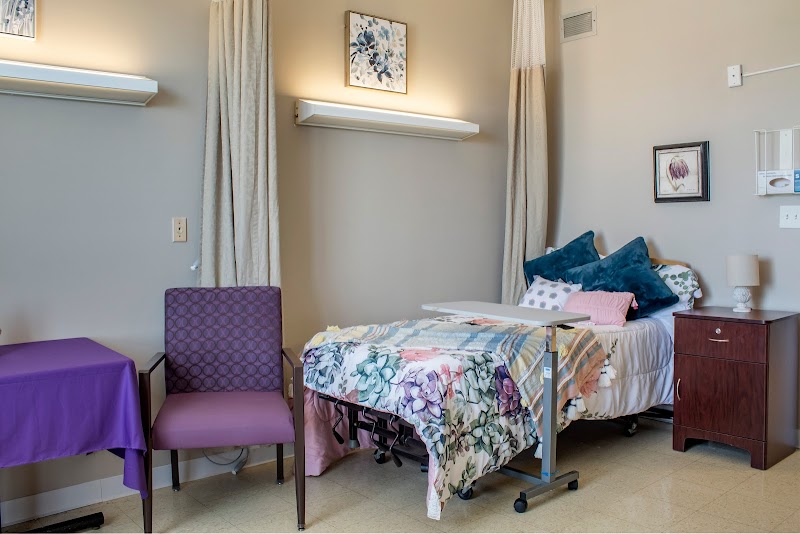
How is Highland Rehabilitation & Health Staffed?

CMS rates HIGHLAND REHABILITATION & HEALTH CARE CENTER's staffing level at 2 out of 5 stars, which is below average compared to other nursing homes. Staff turnover is 46%, compared to the Missouri average of 46%.

What Have Inspectors Found at Highland Rehabilitation & Health?

State health inspectors documented 34 deficiencies at HIGHLAND REHABILITATION & HEALTH CARE CENTER during 2021 to 2025. These included: 1 Immediate Jeopardy (the most serious level, indicating potential for serious harm or death) and 33 with potential for harm. Immediate Jeopardy findings are rare and represent the most serious regulatory concerns. They require immediate corrective action.
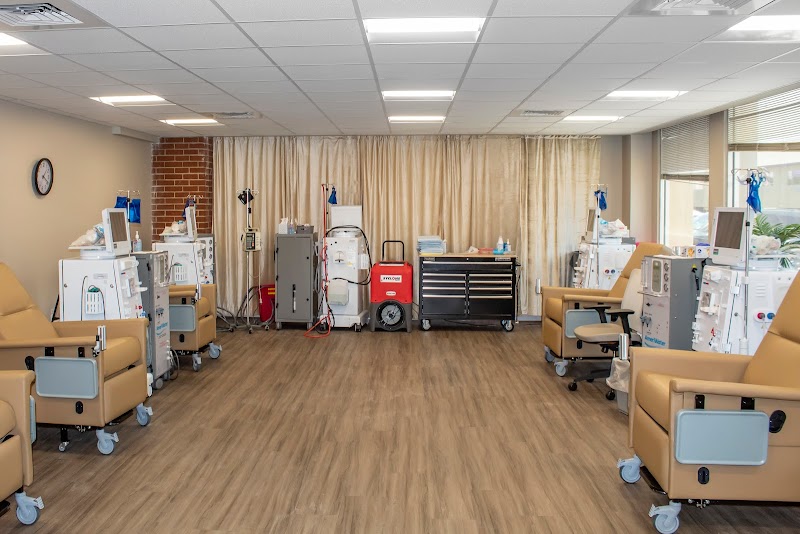
Who Owns and Operates Highland Rehabilitation & Health?

HIGHLAND REHABILITATION & HEALTH CARE CENTER is owned by a for-profit company. For-profit facilities operate as businesses with obligations to shareholders or private owners. The facility is operated by TUTERA SENIOR LIVING & HEALTH CARE, a chain that manages multiple nursing homes. With 162 certified beds and approximately 128 residents (about 79% occupancy), it is a mid-sized facility located in KANSAS CITY, Missouri.
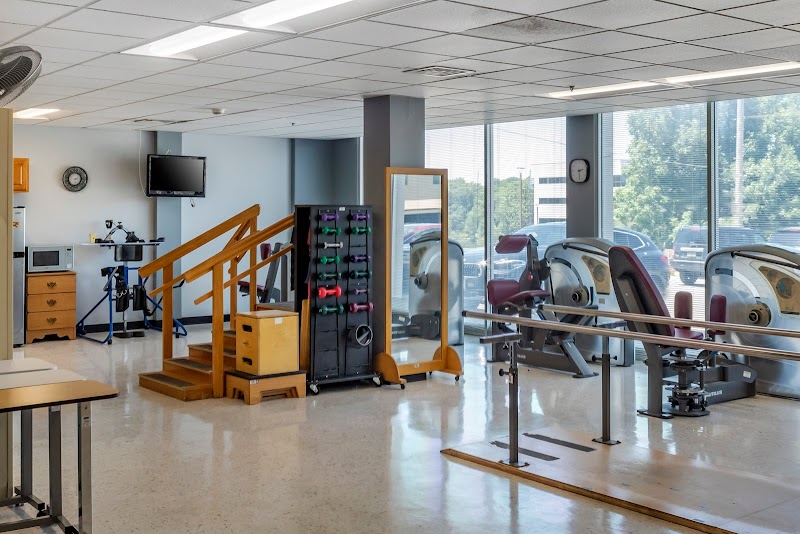
How Does Highland Rehabilitation & Health Compare to Other Missouri Nursing Homes?

Compared to the 100 nursing homes in Missouri, HIGHLAND REHABILITATION & HEALTH CARE CENTER's overall rating (3 stars) is above the state average of 2.5, staff turnover (46%) is near the state average of 46%, and health inspection rating (3 stars) is at the national benchmark.

What Should Families Ask When Visiting Highland Rehabilitation & Health?

Based on this facility's data, families visiting should ask: "What changes have been made since the serious inspection findings, and how are you preventing similar issues?" "Can you walk me through typical staffing levels on day, evening, and night shifts?" "Can I visit during a mealtime to observe dining assistance and food quality?" "How do you handle medical emergencies, and what is your hospital transfer rate?" These questions are particularly relevant given the facility's Immediate Jeopardy citations and the below-average staffing rating.

Is Highland Rehabilitation & Health Safe?

Based on CMS inspection data, HIGHLAND REHABILITATION & HEALTH CARE CENTER has documented safety concerns. Inspectors have issued 1 Immediate Jeopardy citation (the most serious violation level indicating risk of serious injury or death). The facility has a 3-star overall rating and ranks #1 of 100 nursing homes in Missouri. Families considering this facility should ask detailed questions about what corrective actions have been taken since these incidents.

Do Nurses at Highland Rehabilitation & Health Stick Around?

HIGHLAND REHABILITATION & HEALTH CARE CENTER has a staff turnover rate of 46%, which is about average for Missouri nursing homes (state average: 46%). Moderate turnover is common in nursing homes, but families should still ask about staff tenure and how the facility maintains care continuity when employees leave.

Was Highland Rehabilitation & Health Ever Fined?

HIGHLAND REHABILITATION & HEALTH CARE CENTER has been fined $24,651 across 2 penalty actions. This is below the Missouri average of $33,325. While any fine indicates a compliance issue, fines under $50,000 are relatively common and typically reflect isolated problems that were subsequently corrected. Families should ask what specific issues led to these fines and confirm they've been resolved.

Is Highland Rehabilitation & Health on Any Federal Watch List?

HIGHLAND REHABILITATION & HEALTH CARE CENTER is not on any federal watch list. The most significant is the Special Focus Facility (SFF) program, which identifies the bottom 1% of nursing homes nationally based on persistent, serious quality problems. Not being on this list means the facility has avoided the pattern of deficiencies that triggers enhanced federal oversight. This is a positive indicator, though families should still review the facility's inspection history directly.