HILLTOP AT BLUE RIVER, THE

10425 CHESTNUT DR, KANSAS CITY, MO 64137 (816) 763-4444
For profit - Corporation 160 Beds EL DORADO NURSING AND REHABILITATION Data: November 2025
Trust Grade
25/100
#397 of 479 in MO
Last Inspection: March 2025

Within standard 12-15 month inspection cycle. Federal law requires annual inspections.

Overview

Hilltop at Blue River in Kansas City has received a Trust Grade of F, indicating significant concerns about the facility's quality and care. It ranks #397 out of 479 in Missouri, placing it in the bottom half of nursing homes in the state, and #30 out of 38 in Jackson County, suggesting limited options for better care nearby. The facility is worsening, with issues increasing from 1 in 2024 to 12 in 2025, and has a concerning total of 51 deficiencies, including serious incidents related to resident injuries and inadequate monitoring of weight and hydration needs. Staffing has a low turnover rate of 40%, which is better than the state average, but the overall staffing rating is still poor at 1 out of 5 stars. Additionally, the facility has incurred average fines of $34,704, indicating some compliance issues, and while RN coverage is average, two serious incidents included a resident sustaining a fractured wrist from a tipped-over cabinet and another resident experiencing significant weight loss without timely intervention. Overall, while there are some strengths in staffing stability, the facility's serious deficiencies and trend towards worsening care are concerning.

Trust Score
F
25/100
In Missouri
#397/479
Bottom 18%
Safety Record
Moderate
Needs review
Inspections
Getting Worse
1 → 12 violations
Staff Stability
○ Average
40% turnover. Near Missouri's 48% average. Typical for the industry.
Penalties
○ Average
$34,704 in fines. Higher than 53% of Missouri facilities. Some compliance issues.
Skilled Nurses
⚠ Watch
Each resident gets only 17 minutes of Registered Nurse (RN) attention daily — below average for Missouri. Fewer RN minutes means fewer trained eyes watching for problems.
Violations
⚠ Watch
51 deficiencies on record. Higher than average. Multiple issues found across inspections.
★☆☆☆☆
1.0
Overall Rating
★☆☆☆☆
1.0
Staff Levels
★★★★☆
4.0
Care Quality
★★☆☆☆
2.0
Inspection Score
Stable
2024: 1 issues
2025: 12 issues

The Good

  • 4-Star Quality Measures · Strong clinical quality outcomes
  • Full Sprinkler Coverage · Fire safety systems throughout facility
  • No fines on record
  • Staff turnover below average (40%)

    8 points below Missouri average of 48%

Facility shows strength in quality measures, fire safety.

The Bad

1-Star Overall Rating

Below Missouri average (2.5)

Significant quality concerns identified by CMS

Staff Turnover: 40%

Near Missouri avg (46%)

Typical for the industry

Federal Fines: $34,704

Above median ($33,413)

Moderate penalties - review what triggered them

Chain: EL DORADO NURSING AND REHABILITATIO

Part of a multi-facility chain

Ask about local staffing decisions and management

The Ugly 51 deficiencies on record

2 actual harm
Mar 2025 11 deficiencies
CONCERN (D)

Potential for Harm - no one hurt, but risky conditions existed

Transfer Notice (Tag F0623)

Could have caused harm · This affected 1 resident

**NOTE- TERMS IN BRACKETS HAVE BEEN EDITED TO PROTECT CONFIDENTIALITY** Based on interview and record review, the facility failed to ensure a facility transfer/discharge notice was completed in detail...

Read full inspector narrative →
**NOTE- TERMS IN BRACKETS HAVE BEEN EDITED TO PROTECT CONFIDENTIALITY** Based on interview and record review, the facility failed to ensure a facility transfer/discharge notice was completed in detail and provided to the resident and the resident's responsible party for one closed record sampled resident (Resident #142) out of three closed record sampled residents. The facility census was 140 residents. Review of the facility Transfer and Discharge policy and procedure, revised dated 6/2020 showed: -The purpose is to provide the residents with reasonable advance notice of the transfer or discharge before it occurs if possible. -Documentation of written or telephone acknowledgment of the resident ' s transfer by the residents personal representative may occur after the transfer in emergency situations. -The facility may use Notice of Transfer/Discharge or another comparable form to provide the resident of his/her personal representative with advance notice of the transfer or discharge. The notice will include the following information: --The reason the resident is being transferred/discharge; --The effective date of the transfer/discharge; --The name, complete address and telephone number to which the resident is being transferred; --A statement that the resident has the right to appeal the action to the state, contact information for the state entity which receives appeal hearing requests, and information for how to request an appeal; --The name, address, and telephone number of the State Long Term Care Ombudsman; --For residents with intellectual or developmental disabilities, the mailing address and telephone number of the agency responsible for the protection and advocacy of developmentally disabled individuals; and --For residents with a mental disorder, the mailing address and telephone number of the agency responsible for the protection and advocacy for individuals with mental disorders. -The facility will also send a copy of the Notice of Transfer/Discharge to the State Long Term Care Ombudsman for facility initiated changes. -Emergency Transfer/Discharge to a hospital or other related institution the facility will: --Notify the resident's Attending Physician; --Notify the receiving facility that the transfer is being made; --Prepare the resident for transfer --Prepare a transfer form to send with the resident; --Notify the resident's personal representative; and --Assist in obtaining transportation. 1. Review of Resident #142's Face Sheet showed the resident was admitted to the facility on [DATE]. Review of the resident's Progress Notes dated 12/14/24 showed: -The resident had a medical emergency. -The resident was sent to the hospital. -The resident's responsible party was notified. Review of the resident's Notice of Proposed Discharge form dated 12/14/24 showed: -The resident's name was written on the top of the form. -The form was not signed by the resident or the resident's responsible party. -The name/relationship of the person notified was not completed. -The date the discharge took place was not completed. -The reason for the discharge was not completed. Review of the resident's Progress Notes dated 12/21/24 showed: -The resident had a medical emergency and was sent to the hospital. -The guardian of the resident was notified. -The Physician was notified. Review of the resident's Notice of Proposed Discharge form dated 12/21/24 showed: -The resident's name was written on the top of the form. -The form was not signed by the resident or the resident's responsible party. -The name/relationship of the person notified was not completed. -The date the discharge took place was not completed. -The reason for the discharge was not completed. During an interview on 3/14/25 at 11:17 A.M., the Social Services Designee (SSD) said: -Nurses and Social Services were responsible for completing the Notice of Discharge form and providing it to the resident and the resident's responsible party as soon as possible. -The form should be signed before the resident leaves the facility if possible. -A copy of the filled out form would be mailed to the resident's responsible party. During an interview on 3/14/25 at 1:05 P.M., Registered Nurse (RN) A said: -Nurses were responsible for sending the Notice of Proposed Discharge forms with the resident upon discharge to the hospital. -He/she was not able to fill out the forms because in emergency situations they were too busy to remember them. -He/she said it was more important to get nursing forms, like the list of medications sent with the residents. -He/she was supposed to send the form with the resident but had not been completing these upon discharge for the residents. During an interview on 3/14/25 at 3:36 P.M., the Director of Nursing (DON) said: -Nurses were responsible for getting the documentation started. -Then the SSD would make sure the form was filled out to its entirely. -The SSD would send it to the resident's responsible party.
CONCERN (D)

Potential for Harm - no one hurt, but risky conditions existed

Deficiency F0625 (Tag F0625)

Could have caused harm · This affected 1 resident

**NOTE- TERMS IN BRACKETS HAVE BEEN EDITED TO PROTECT CONFIDENTIALITY** Based on interview and record review, the facility failed to ensure a bed hold agreement was completed in detail and provided to...

Read full inspector narrative →
**NOTE- TERMS IN BRACKETS HAVE BEEN EDITED TO PROTECT CONFIDENTIALITY** Based on interview and record review, the facility failed to ensure a bed hold agreement was completed in detail and provided to the resident and resident's responsible party for one closed record sampled resident (Resident #142) out of three closed record sampled residents. The facility census was 140 residents. Review of the facility bed hold policy and procedure, revised dated 6/2020 showed: -The purpose was to advise residents or his/her representatives in writing that the facility has a bed hold policy and will hold the resident's bed for the state specified period, if the resident is transferred to a general acute care hospital, as long as the resident or their representative notifies the facility within 24 hours of the transfer that they wish to have the facility hold the bed. -The facility notifies the resident or his/her representative, in writing, of the bed hold policy anytime the resident is transferred to general acute care hospital. -When the resident or their representative provides notice within 24 hours of transfer that the resident elects their right to have the bed held, the facility keeps that bed available for the state specified time period. --The resident and/or representative must complete the Bed Hold Agreement. 1. Review of Resident #142's Face Sheet showed the resident was admitted to the facility on [DATE]. Review of the resident's Progress Notes dated 12/14/24 showed: -The resident had a medical emergency. -The Physician was notified. -The resident was sent to the hospital. -The resident's responsible party was notified. Review of the resident's Bed Hold Agreement dated 12/14/24 showed: -The resident's name was written on the top of the form. -The form was not signed by the resident or the resident's responsible party. -The bed hold rate per day was not completed. -The effective date of the bed hold was not completed. -The expiration date of the bed hold was not completed. Review of the resident's Progress Notes dated 12/21/24 showed: -The resident had a medical emergency and was sent to the hospital. -The resident's responsible party was notified. -The physician was notified. Review of the resident's Bed Hold Agreement dated 12/21/24 showed: -The resident's name was written on the top of the form. -The form was not signed by the resident or the resident's responsible party. -The bed hold rate per day was not completed. -The effective date of the bed hold was not completed. -The expiration date of the bed hold was not completed. During an interview on 3/14/25 at 11:17 A.M., the Social Services Designee (SSD) said: -Nurses and Social Services were responsible for completing the Bed Hold Agreement documentation. -The form should be signed before the resident leaves the facility. -A copy of the completed form would be mailed to the residents responsible party. During an interview on 3/14/25 at 1:05 P.M., Registered Nurse (RN) A said: -Nurses were responsible for the Bed Hold Agreement forms. -He/she was not able to fill out the forms because in emergency situations they were too busy to remember them. -He/she said it was more important to get nursing forms, like the list of medications sent with the residents. -He/she said they did not know what the bed hold rate per day amount was so he/she could not fill this form out. During an interview on 3/14/25 at 3:36 P.M., the Director of Nursing (DON) said: -Nurses were responsible for getting the documentation started. -Then the SSD would make sure the form was filled out to its entirely. -The SSD would send it to the resident's responsible party.
CONCERN (D)

Potential for Harm - no one hurt, but risky conditions existed

Deficiency F0679 (Tag F0679)

Could have caused harm · This affected 1 resident

**NOTE- TERMS IN BRACKETS HAVE BEEN EDITED TO PROTECT CONFIDENTIALITY** Based on observation, interview and record review, the facility failed to ensure an individualized activity plan that was goal d...

Read full inspector narrative →
**NOTE- TERMS IN BRACKETS HAVE BEEN EDITED TO PROTECT CONFIDENTIALITY** Based on observation, interview and record review, the facility failed to ensure an individualized activity plan that was goal directed and incorporated the interest and ability of two sampled residents with dementia (Resident #22 and #90) out of 29 sampled residents. The facility census was 140 residents. Record review of the facility Activity policy and procedure dated 6/2020, showed: -The purpose was to encourage residents to participate in activities to make life more meaningful, to stimulate and support physical and mental capabilities to the fullest extent, and to enable the resident to maintain the highest attainable social, physical and emotional functioning. -The facility provides and activity program designed to meet the needs, interests and preferences of residents. -The activities are varied and work to address the needs and interests identified through the assessment process. -Activities are developed for individual, small group and large group participation. -The interdisciplinary team evaluates the activity assessment and considers the resident's medical condition and prognosis in identifying relevant recreational and cultural activities. -As needed activities are tailored to meet the needs of residents with cognitive impairment or other special needs. -Once the interdisciplinary team has identified relevant activities for the resident, the resident is given an opportunity to choose when, where and how they will participate in activities and social events. If the resident prefers not to attend organized group programs, room visits will be provided based on the assessed interests of the resident. 1. Review of Resident #22's Face Sheet showed the resident was admitted to the facility on [DATE], with diagnoses including Alzheimer's Disease (a progressive brain disorder, the most common cause of dementia, that gradually destroys memory and thinking skills, leading to difficulties with daily tasks and eventually, the inability to carry out even the simplest activities), failure to thrive, hemiplegia (paralysis) of the right dominant side, muscle wasting of the upper extremities, and cognitive communication deficit. Review of the resident's quarterly Minimum Data Set (MDS-a federally mandated assessment tool to be completed by facility staff for care planning) dated 1/9/25, showed the resident: -Had inattention, disorganized thoughts and significant memory loss. -Had no behavioral concerns. -Needed total assistance with bathing, dressing, toileting, transfering and eating and used a wheelchair for mobility. -The resident's activity preferences were not identified on this assessment. Review of the resident's Care Plan dated 12/18/24, showed the resident was dependent on staff for meeting emotional, intellectual, physical and social needs due to cognitive deficits and had little or no activity involvement related to disinterest and physical limitations. The goal was for the resident to express satisfaction with type of activities and level of activity involvement when asked through the review date. It showed the resident enjoyed church services, listening to music, playing bingo and was usually good at calling out the numbers, liked snacks and socializing. The resident said he/she also enjoyed watching football, participating in exercise groups, watching movies (comedies and westerns) and hobbies included shopping and his/her favorite colors are red, pink and white. Interventions showed: -The resident participated in activities weekly. -Invite/encourage the resident's family members to attend activities with resident in order to support participation. - Staff will provide Neen with activities she enjoys ie; Ice cream socials, monthly events, exercise groups, movies and television, music (Jazz and Blues). -Remind the resident that he/she may leave activities at any time, and was not required to stay for entire activity. -The resident needed one to one bedside/in-room visits and activities if unable to attend out of room events. -The resident needed a variety of activity types and locations to maintain interests. -The resident needed assistance/escort to activity functions. -Establish and record the resident's prior level of activity involvement and interests by talking with the resident, caregivers, and family on admission and as necessary. -Introduce the resident to residents with similar background, interests and encourage/facilitate interaction. -Invite the resident to scheduled activities. -Provide a program of activities that is of interest and empowers the resident by encouraging/allowing choice, self-expression and responsibility. -Provide with activities calendar. Notify resident of any changes to the calendar of activities. -Review resident's activity needs with the family/representative. -Thank resident for attendance at activity function. Review of the resident's Special Programming One to One Log showed: -One to one activities for the resident occurred one time per week. -1/8/25-chair exercise arm movement; 1/15/25-played Connect 4 (game) dropping pieces in.; 1/22/25-no activity-resident sleeping; 1/29/25-listened to calming music. -2/5/25- had lunch and talked; 2/12/25-brushed hair and cleaned nails; 2/19/25-called out bingo numbers; 2/26/25-watched tv. -3/5/25-watched tv and talked about church; 3/12/25 went outside. Observation on 3/10/25 at 10:13 A.M., showed the resident was sitting in a high back wheelchair on the locked dementia unit with a daily chronicle (facility news paper) in front of him/her. The resident's hands was over his/her face and he/she was resting. There were no directed activities and no staff engagement in activities at this time. On the activity calendar on the wall showed 9:30 A.M. -daily chronicle; 10:00 A.M. IS (spirometer-a medical device used to measure the volume of air a person can breathe in and out) Program; 10:30 A.M. Waffle Social. From 10:13 A.M. to 12:21 P.M. showed there was no waffle social activity. Observation on 3/12/25 at 2:15 P.M., showed the resident was dressed and laying down in his/her bed. The television was on, the resident was awake but was resting. The activity calendar showed 2:30 P.M. Plant Making. The resident was not invited to any activity. There were no plant making activities that occurred at 2:30 P.M. on the unit. At 2:50 P.M. activity staff came onto the unit and provided popcorn to residents who accepted the snack. The resident had some popcorn and a drink. Observation on 3/13/25 at 11:10 A.M., showed the resident was sitting up in his/her high backed wheelchair dressed for the weather, and was sitting in front of the television in the sitting area. He/She was not watching the television. There was a group activity going on at this time that the resident was not invited to or brought over to passively participate in. The activity calendar showed there was no scheduled activity at this time. During an interview on 3/13/25 at 11:20 A.M., Hospice Nurse A said: -The resident was hard of hearing and had visual impairment and the staff took care of the resident, but he/she did not see them doing many activities with him/her. -The staff usually sat the resident in the television area, but the resident does not watch it. -He/She had spoken with the activity staff about having the resident sit with the group during activities. -He/She told the staff that the resident should be engaged and could participate in activities on the unit. -He/She had not seen anyone giving one to one activities to the resident, but earlier in the week they were playing Bingo and the resident was sitting in the tv area and he/she brought the resident to the table and the activity staff had the resident assist with calling out the numbers. -The resident liked jazz and would participate in activities. Observation on 3/13/25 at 2:45 P.M., showed the resident was laying down in his/her bed with his/her eyes closed resting comfortably. Activity staff came onto the unit and began gathering residents to play a bowling pong game. The resident remained resting in his/her room. The activity calendar showed Movie and Popcorn at 2:30 P.M. During an interview on 3/13/25 at 2:47 P.M., Certified Nursing Assistant (CNA) B said: -The resident does not really participate in activities due to his/her confusion. -They tried to bring the resident to activities daily. -The resident did not receive one to one activities and he/she had not seen activity staff do one to one activities with the resident. -This week the resident was able to assist with calling out the numbers during bingo. He/she repeated the number when the activity staff called it out. Observation 03/14/25 at 9:21 A.M., showed the resident was sitting up in his/her wheelchair in the tv area. The tv was on and there were three other residents sitting in front of the tv. The resident was not watching the tv, he/she was looking down at his/her hands and clothes. There was no activity at this time (the activity at 9:30 A.M. was Daily Chronicles). Nursing staff did not start an activity on or around 9:30 A.M. During an interview on 3/14/25 at 9:37 A.M., CNA C said: -They have activities on the unit daily, but most of the activities were group activities. -Some residents can participate in the activities and some cannot due to their cognitive status. -The resident does not participate in activities usually. They will give him/her snacks and he/she likes those but he/she slept a lot. -When the resident was up, he/she was usually in the tv area. -The resident does not have any one to one activities. -He/She had not seen the resident in any one to one activity provided by activity staff. -The activity staff follow the activity calendar and provide the activities listed on the calendar most of the time. -Nursing staff have papers and crayons that they have for the residents to color during the day or when the activity staff is not there to conduct activities. -There was usually the CNA and a nurse on the unit. -At 9:46 A.M., the CNA passed out snacks to residents that wanted or accepted one to include the resident. -There was no activity initiated. 2. Review of Resident #90's Face Sheet showed the resident was admitted on [DATE], with diagnoses including dementia with agitation, lack of coordination, impulse disorder, and cognitive communication deficit. Review of the resident's annual MDS dated [DATE], showed the resident: -Had inattention, disorganized thoughts and significant memory loss. -Had no behavioral concerns. -Needed supervision with bathing, dressing, toileting, transferring and eating and ambulated independently without using an assistive device. -Activity preferences that were very important to the resident included, listening to music, animals, going outside, keeping up with the news and participating in groups. Review of the resident's Care Plan dated 1/20/25, showed the resident was dependent on staff for meeting emotional, intellectual, physical, and social needs related to cognitive deficits. It showed the resident enjoyed listening to and dancing to music, physical games where he/she is moving around, watching tv and movies, and going outside. The goal was for the resident to maintain involvement in cognitive stimulation, social activities as desired through review date. Interventions showed staff would: -Encourage ongoing family involvement. Invite the resident's family to attend special events, activities, meals. -Ensure that the activities the resident is attending are compatible with physical and mental capabilities; compatible with known interests and preferences; adapted as needed (such as large print, holders if resident lacks hand strength, task segmentation), compatible with individual needs and abilities; and are age appropriate. -Introduce the resident to residents with similar background, interests and encourage/facilitate interaction. -Invite the resident to scheduled activities. -Provide with activities calendar. Notify resident of any changes to the calendar of activities. -Provide a program of activities that is of interest and empowers the resident by allowing choice, self-expression and responsibility. -Escort resident to activities, thank resident for attendance at activity function. Review of the resident's Special Programming One to One Log showed: -The resident was provided with one activity per week. -1/6/25 coloring page with number matching; 1/13/25 played duck in the pond game; 1/20/25 danced to music; 1/27/25 danced and listened to music -2/3/25 resident was sleeping; 2/10/25 played choice in music and dancing; 2/17/25 walked around the building; 2/24/25 painted nails and brushed hair. -3/3/25 large print reading-recognized several words; 3/10/25 walked around the building. Observation on 3/10/25 at 10:15 A.M., showed the resident was dressed and ambulating on the locked dementia unit. There were no directed activities and no staff engagement in activities at this time. On the activity calendar on the wall showed 9:30 A.M. -daily chronicle; 10:00 A.M. IS Program; 10:30 A.M. Waffle Social. From 10:15 to 12:21 P.M. showed there was no waffle social activity. Observation on 3/11/25 at 9:54 A.M., showed the resident was sitting in the dining area in front of the nursing station. The resident got up and began wandering on the unit and into resident rooms. Staff immediately re-directed the resident back to the dining area where the resident sat down in a chair. Staff did not provide the resident with an activity or anything to occupy him/her. On the activity calendar showed 9:30 A.M. Daily Chronicle; 10:30 A.M., IS Program. There was no activity occurring and no staff engagement with the residents. Observation on 3/12/25 at 2:14 P.M., showed the resident was wandering on the unit up and down the hall. There were no activities occurring on the unit. At 2:28 P.M. staff provided residents with a choice of snack and beverage. The resident chose a snack and ambulated with his/her snack on the hall. At 2:50 PM activities staff came onto the unit and passed out popcorn to residents who wanted it and asked if they wanted to go play cards. The resident received popcorn and staff sat the resident down at the table and the resident ate his/her snack. After eating, he/she continued to wander on the unit. The activity calendar showed plant making activity At 2:30 P.M. and fresh air break at 3:30 P.M. Observation on 3/12/25 at 4:03 P.M. showed the resident participated in the fresh air activity (going outside). Observation on 3/13/25 at 11:02 A.M., showed the resident was ambulating on the unit. There was a group activity occurring on the unit that other residents were participating in. The resident would sit down for a while then would get up and begin ambulating around the unit again. The resident ambulated into another resident's room and staff immediately went to get the resident and walked with him/her on the unit, but did not bring him/her to the activity. Staff provided the resident a drink and the resident sat down and drank. Once he/she was finished, he/she began to wander on the unit. Observation on 3/13/25 at 2:41 P.M., showed the resident was wandering up and down the hall on the unit. The activity staff came onto the unit and asked residents who wanted to play a game yard pong. Nursing staff gave the resident a snack that he/she ate while standing at the nursing station. The resident did not participate in the activity and continued to wander on the unit after eating his/her snack. During an interview on 3/13/25 at 2:47 P.M., CNA B said: -The resident will only sit for a few minutes at a time and it was difficult to get him/her to participate in organized activities because he/she always walks. -They primarily will give the resident snacks and they will walk with him/her on the unit. -The resident was not on one to one activities and he/she had not seen the activity staff conduct one to one activities with the resident. -They really don't have any one to one activities on the unit. -The activity staff provide activities on the unit daily, but the resident rarely participates. - At 3:05 P.M., the activity staff stopped the resident and handed him/her a ball to toss into the bucket. The resident did so and then continued to wander on the hall while other residents took turns playing the game. Observation on 3/13/25 at 3:30 P.M., showed activity staff was walking with resident outside on the front patio with other residents (this was a planned activity). Observation on 3/14/25 at 9:20 A.M., showed the resident was wandering on the unit, ambulating up and down the hall. The activity Daily Chronicle was supposed to start at 9:30 AM. There was no activity staff on the unit and nursing staff was assisting residents with toileting and personal care. During an interview on 3/14/25 at 9:37 A.M., showed CNA C said: -They do have activities on the unit daily, but most of the activities are group activities. -Some residents can participate and some cannot due to their cognitive status. -The resident wandered all day long and sometimes would sit down during an activity but only for a very short period of time. -The resident does not receive one to one activities and he/she had not seen activity staff conduct one to one activities with the resident. -The resident participated in snacks, but would still wander on the unit. -They had to watch the resident to keep him/her from going into other resident rooms. -At 9:47 A.M., CNA C passed out snacks and was able to get the resident to sit down long enough to eat it, but then the resident got up when he/she was finished and continued to wander the hall. 3. During an interview on 3/14/25 at 10:17 A.M., the Activity Director said: -They have 3 activity staff-the Activity Director and two activity assistants. -He/She completes activities on the locked dementia unit and the assistants are on the other units. -They usually have three activity staff during the week and two on weekends. -The IS Program is a spirometer breathing program they initiated to try to encourage resident participation with breathing exercises. -They also have hydration station which is to encourage residents to drink water or some beverage. -They incorporate snacks which gets more participation with the activities. -On the locked unit he/she will do similar activities like bingo, [NAME] the table (dice rolling game) that are simple activities that the residents can participate in. He/She will modify the activity for the dementia residents. -He/She will also take residents outside to enjoy the weather and sometimes he/she will incorporate an activity while outside. - They do not have very much documentation of resident participation in activities on the locked unit. -He/She documented the one to one activities on the locked unit on paper and not in the electronic record. -Regarding Resident #22, he/she does more talking and listening activities like singing, karaoke and activities that do not require seeing because the resident does not see very well. He/She said he/she conducted one to one activities with the resident twice weekly. Placing the resident in the tv area was more for him/her to be able to listen to that to watch. He/She said he/she did not conduct one to one activities with the resident in his/her room and the only time the resident was in his/her room was when he/she was sleeping, so the one to one activities were done in the common area on the unit. He/She said he/she will turn on church activities for the resident and other shows he/she liked to watch and talks to the resident about them. -Regarding Resident #90, he/she conducts one to one activities with him/her twice weekly. He/She said the resident walked a lot so he/she does a lot of walking with the resident on the unit. He/She said the resident liked music so he/she ensures that they have music going. He/She said every other Thursday the beautician comes in and the resident gets his/her hair done. He/She said he/she will sit with the resident during his/her appointment and ask what hair style he/she wants. He/She said he/she did not know how much the resident understood this but is aware that he./she was getting his/her hair done. He/She said he/she tried to get the resident to participate in the group activities, and sometimes he/she will participate for short periods. The resident does participate in snacks. -When he/she is not in the building the assistant is supposed to do the activities in his/her absence. During an interview on 03/14/25 at 2:26 P.M., the Director of Nursing (DON) said: -There should be an activity program in place and activities should be done at the time scheduled. -Activities should be done per individual preference, likes and abilities. -For those residents with dementia or who have special needs he/she would expect staff to assess the individual and their activities should be individualized based on likes and what they used to do-they would get this information from family if possible. -Activities should be goal oriented and specific to the resident. -The spirometer is not the only activity on the unit but, they do use it as a group activity to encourage compliance and resident participation increasing breathing health-they do that activity along with snacks. -If the Activity Director was not in the building, there were two activity assistants who are expected to continue the activities and they should be following the activity calendar. -Resident #22 should have an individualized activity plan based on his/her ability and likes, and should be invited to all of the activities. -Resident #90 should have an individualized activity plan that should be time sensitive due to his/her ambulation and wandering, limited attention span. The resident may only participate in activities in short periods or in certain activities. He/She would expect the activities to be on the care plan and should be goal oriented specifically for this resident's ability to participate. -He/She expected all activity participation for each resident to be documented.
CONCERN (D) 📢 Someone Reported This

A family member, employee, or ombudsman was alarmed enough to file a formal complaint

Potential for Harm - no one hurt, but risky conditions existed

Accident Prevention (Tag F0689)

Could have caused harm · This affected 1 resident

**NOTE- TERMS IN BRACKETS HAVE BEEN EDITED TO PROTECT CONFIDENTIALITY** 2. Review of Resident #103's face-sheet showed he/she was admitted with diagnosis to include: stroke, Psychosis (a person's thou...

Read full inspector narrative →
**NOTE- TERMS IN BRACKETS HAVE BEEN EDITED TO PROTECT CONFIDENTIALITY** 2. Review of Resident #103's face-sheet showed he/she was admitted with diagnosis to include: stroke, Psychosis (a person's thoughts and perceptions are disrupted and they may have difficulty recognizing what is real and what is not), vascular Dementia (refers to changes to memory, thinking, and behavior resulting from conditions that affect the blood vessels in the brain), Major Depressive disorder (is a mood disorder that causes a persistent feeling of sadness and loss of interest and can interfere with your daily). Review of the resident's quarterly MDS dated [DATE] showed: -The resident was cognitively intact able to make his/her needs known. -The resident did not have documentation during the look back period related to smoking. Review of the resident's POS dated 2/11/25 showed the resident: -The resident resides on secure unit due to diagnosis of Dementia. -May attend activities in dining area and other parts of the facility. Review of the resident's Alert charting dated 3/7/25 at 4:31 P.M., written by ADON A showed: -While the resident was outside on smoking break, staff noted the resident holding a 2 x 4 board with nails sticking out one end. -The resident attempted to bring the board into the building and staff informed him/her that could not bring board into the building. -The resident attempted to push pass then and staff ran into building closed the door. -The resident proceeded to punch the door glass window and cracked it. -Facility staff attempted to calm the resident and gave the resident another cigarette. -While the resident was smoking, the nurse was able to encourage the resident to give the nurse the board. -Facility staff called 911. -Police had arrived and spoke with the resident and the resident proceeded to shove the police officer. -The resident was sat down by the police while they attempted to speak to the resident. -Facility staff noted three large rocks and broken call light cord on the resident walker. -Police officer asked the resident if they could check his/her pockets and resident agreed. -The police officer obtained broken toothbrush, broken medical reacher (a device used to pick up items without bending or reaching) and broken plastic hanger. -He/she was ask why had these items and said because. -Emergency Medical Services (EMS) arrived and transported the resident to hospital. -The resident family member called with no answer. Review of the resident's Care Plan revision on 3/10/25 showed: -The resident has actual/potential to demonstrate physical behaviors related to the announcing of new administration for the United State on 11/6/24. -Intervention include monitoring, document and report to physician any danger to self or others. Analyze of key times, places, circumstances, triggers and what de-escalates behavior and document. Observation on 3/12/25 at 10:46 A.M., the outside smoke area showed: -A total of 13 residents and one staff member in the smoking area. -A few feet away was a maintenance garage, with broken medical equipment in front of garage door which residents would have access to. During an interview and observation on 3/13/25 at 2:50 P.M., with Maintenance staff A showed: -There were residents and staff outside smoking at that time. -The facility smoke area was located out back door by kitchen area and maintenance garage/shed. -The maintenance had pile of broken metal medical equipment in front of garage doors, which was only few feet away from where the resident's smoke. -The broken equipment would be assessable by the resident while in the smoking area. -There was a sidewalk between garage and facility building. -The walkway goes to backside of the facility and toward the dumpster area and parking area. -There were small to medium sized rocks placed between the building and sidewalk. -The smoking area was not a fenced off area. -Maintenance staff A said was not sure how the resident was able to bring in rocks the size of bricks, into the building. -He/she had previously found rocks in the resident room and he/she had remove the rocks found reported to nursing staff. -He/she felt the facility staff were not always watching the resident during smoke breaks. -He/she had seen the resident walk down the sidewalk toward dumpster area and back without staff monitoring the resident. During interview on 3/11/25 at 10:50 A.M., Director of Nursing (DON) said the resident during a smoke break obtained a board with nails and rocks. During an interview on 3/13/25 11:27 A.M., CNA G said: -The hospitality aid had brought the resident outside from the locked unit. -He/she was outside in smoke area while on his/her break. -He/she went inside and closed the door quickly before the resident could enter the building with the board. -The resident then punched the window with his/her fist and shattered the door glass. -He/she had called the DON and then police arrived took over the incident. -Resident was verbally and physically aggressive and police had taken broken call light cord, rocks and other items that the resident had on himself/herself and on the walker. -At the time of the incident there were other facility staff in the smoking area along with other resident. -He/she had not seen the resident go get the board with the nails. -He/she had received training on how calm a resident or to de-escalate the situation. During an interview on 3/13/25 at 11:48 A.M., Licensed Practical Nurse (LPN) B said: -He/she was notified of incident smoke area and that needed licensed nursing staff immediately to smoke area. -He/she went out and calmly ask the resident for the 2 x 4 board. -He/she obtain a cigarette to calm the resident down. -Police arrive and escorted the resident form smoking area and out of the front door of the building. -Hospitality staff were responsible for supervise the resident while on smoke breaks. During an interview on 3/13/25 at 3:38 P.M., Administrator said: -Due to recent behavioral during smoke breaks and collection of potential weapons such as rocks and other broken, the resident was not safe to be at the facility for his/her safety and for the safety other resident at the facility. During an interview on 3/14/25 at 11:59 A.M., Medical Record staff A said: -The facility uses smoking breaks to assist in calming the resident. -The resident required monitoring while outside. -He/she had not seen the resident wander away from the smoke section when he/she was outside. -Medical record staff would also assist in monitoring the residents on locked unit. During an interview on 3/14/25 at 12:05 P.M., CNA H said: -The facility's hospitality staff were responsible for taking the the resident out to smoke and monitor the resident while in the smoking area. -He/she had completed the facility dementia care training on handling resident with behaviors. During an interview on 3/14/25 at 12:19 P.M., Assistant Director of Nursing (ADON) B said: -The resident from the locked unit should be monitored at all the times on and off the unit. - He/she was not aware of the resident wandering away or walking down sidewalk during smoking breaks. -The facility was not aware how the resident obtained rocks and board with nails and had been brought into the facility. -Since the election in November the resident mental status changed and increase delusion and paranoid. During an interview on 3/14/25 at 2:30 P.M., DON said: -The facility hospitality aid would be responsible for monitoring of the resident during smoking breaks and would be provided the same training as Certified Nursing Assistant (CNA) on how to monitoring/redirection of the resident during smoking times and to notify their supervisor of incident occur while monitoring the resident. -The DON was not aware the resident had wandered down the sidewalk to the dumpster area or over to the maintenance garage area during a smoking break. -Maintenance staff would be responsible for cleanness of the area around the garage. -All facility staff would be responsible to ensure safety of the resident while outside smoking and known whereabouts all resident outside during smoking breaks. -Resident from locked unit were required to have supervised smoke breaks and should ensure those residents do not wander outside the assigned smoking area. COMPLAINT# MO 00250871 Based on observation, interview and record review, the facility failed to ensure one sampled resident(Resident #104) did not keep smoking materials including cigarettes and a lighter in his/her room, and failed to ensure the resident was only smoking in the smoke area not in his/her room; and failed to ensure to protective oversite and supervision to maintain a safe environment during smoking breaks, and to failed ensure resident assigned smoking area was free of potential hazards including wood, nails and broken equipment for one sampled resident (Resident #103) out of 29 sampled residents. The facility census was 140 residents. Review of the facility's policy, Smoking by Residents, dated November 2023 showed: -Smoking was not allowed anywhere inside the facility. -The facility permits smoking only in the areas designated by the facility's Safety Committee. -The facility discourages smoking by residents and ensures that those resident who choose to smoke did so safely. -Residents who wanted to smoke would have been assessed for their ability to smoke safely prior to being allowed to smoke independently in those areas. -Residents who were not able to smoke independently and safely would have been accompanied by facility staff while smoking. -The facility would have created a Smoking Care Plan for the resident. -All smoking materials would have been stored in a secure area to ensure they were kept safe. -Example of a secure areas included; a labeled box in a locked medication room and clearly identified with the resident's name and room number. -Residents were prohibited from soliciting smoking materials from staff and visitors. -Response to resident non-compliance with smoking rules included: -First offense was a written letter issued to the resident and /or family regarding non-compliance. -Second offense was a written letter issued to the resident and/or family referencing the first offense letter and advising that a third offense results in the loss of smoking privileges. -Third offense was a letter issued to the resident and/or family outlining the non-compliant behavior. At this time the resident lost their smoking privileges. 1. Review of Resident #104's face sheet showed he/she was admitted to the facility on [DATE] with the following diagnoses: -Lack of coordination. -Need for assistance with personal cares. -Hemiplegia (weakness on one side of the body) and Hemiparesis (muscle weakness on one side of the body) following Cerebral Infarction (Stroke - a condition where blood flow to the brain was interrupted causing brain cells to die) affecting right dominant side. Review of the resident's quarterly Minimum Data Set (MDS - a federally mandated assessment tool completed by the facility for care planning) dated 1/20/25 showed: -The resident was moderately cognitively impaired. -He/She put other residents at risk was not checked. -He/She put self at risk was not checked. -He/She had a stroke. -He/She had hemiplegia. Review of the resident's care plan dated 2/25/25 showed: -He/She was a smoker. -He/She would not smoke without supervision. -He/She would follow all facility smoking rules. -Staff would educate family members to go to the nurse when smoking items were brought into the the facility. -They (smoking materials) have to have been given to nursing to follow smoking policy and facility rules. -Staff was to notify Assistant Director of Nursing (ADON), Director of Nursing (DON), Social Services (SS), Physician, Nurse Practitioner (NP), and Administrator it rules were broken for smoking. -A copy of the smoker's contract was signed and in the resident's medical record. -Cigarettes or other smoking materials and lighter were required to have been stored at the nurses' station. -Staff was to instruct the resident about the facility policy on smoking; location, times, safety concerns. Review of the resident's Safe Smoking Evaluation dated 3/12/25 showed: -He/She was a smoker. -He/She knew the location of the designated areas for smoking. -He/She was able to get to those areas independently. -He/She was able to independently light smoking materials safely when observed. -He/She was able to extinguish smoking materials completely in an appropriate receptacle. -He/She was able to dispose of ashes or other tobacco related residue appropriately. -He/She was safe to smoke with minimal supervision. Observation on 3/13/25 at 1:05 P.M. showed: -There was a smell of smoke in the hallway outside of the resident's room. -The resident came out of the restroom and smoke flowed out of the resident's restroom. -The resident went over to his/her side of the room and opened the window. -The resident was alone in the room. -The Wound Care Nurse was down the hallway and was notified of the smell of smoke. -The Nurse smelled smoke from the resident's room. -The Nurse entered the resident's room. -Cigarette ashes were observed on the toilet seat in the resident's restroom. -The Nurse asked the resident if he/she had been smoking in the room. -The resident said no. -The Nurse asked if the resident's roommate had been smoking in the room and he/she said no. -The Nurse asked the resident if he/she had any cigarettes or a lighter in the room. -The resident gave the Nurse a pack of opened cigarettes, a pack of cigars, and a lighter. -The resident said he/she knew that he/she was not supposed to have smoking materials in the room, the smoking materials were to have been kept by the staff and locked in the smoking cart. -The resident said he/she knew he/she was not supposed to smoke in his/her room but he/she had smoked in the restroom. -The resident's roommate also had a pack of cigarettes sitting on his/her bedside tray table. -The Nurse said the resident had smoked in his/her room before. -If a resident was found smoking in their rooms they ask if they can come in and look for the cigarettes. -They take the cigarettes and lighter. -The Nurse provided education to the resident about smoking in his/her room. -The Nurse told the DON. -The residents were evaluated to smoke on their own and this resident was able to smoke without supervision. -They can only smoke in the smoking area in the back of the building. -The resident's family members most likely brought the smoking material into the building and did not give it to the nurse to have been stored securely. -There were residents in the same hallway who were on oxygen and it was dangerous to smoke around oxygen. During an interview on 3/13/25 at 1:25 P.M. the resident said: -He/She knew he/she was not supposed to have smoked in his/her room or had smoking material in his/her room but he/she had smoked and kept smoking material in his/her room. -They were only to smoke in the smoking area. -Nursing was to have kept his/her smoking material and they would hand out the smoking materials when the residents went out to smoke. -He/She would not say how he/she came to have had the smoking materials. -He/She had signed a smoking contract when he/she first came into the facility. -He/She would not say if he/she had been caught smoking in his/her room before. -He/She did not think he/she had received a letter from the facility about smoking in his/her room. -His/Her roommate was also a smoker but would not comment on the roommate smoking in the room or keeping smoking materials in their room. -He/She had seen cigarettes on the roommates side of the room. During an interview on 3/13/25 at 1:40 P.M. the resident's roommate said: -He/She was a smoker. -He/She declined to say if he/she or the roommate ever smoked in the room. -He/She denied that they kept smoking materials in the room. -The nurses were supposed to keep smoking materials at the nurses 'station. Review of the resident's chart on 3/13/25 at 2:00 P.M. did not show that he/she had previously been sent a letter concerning not smoking in the designated area. During an interview on 3/14/25 at 10:30 A.M. Certified Nursing Assistant (CNA) A said: -The resident was a smoker. -Residents were only to have smoked in the designated smoking area. -Residents were not supposed to have kept smoking material in their rooms. -Staff was to have kept smoking materials (cigarettes and lighters) locked in the cigarette cart. -When it was time to smoke the staff would hand the residents their smoking materials. -There was a staff member assigned to watch the smokers on their smoking breaks. -At the end of the smoke break the resident's should have handed the smoke materials back to the staff member for them to have locked it in the smoking cart. -The resident had been found smoking in his/her room before. -If he/she had found a resident smoking he/she would have taken the smoking materials away from the resident -He/She had to take smoking materials away from residents whose family had brought in the smoking materials and the residents had them in their rooms. -He/She then would have told the DON about the resident having smoking materials in their room or if they had been smoking anywhere in the building. -There were residents in that hall that were on oxygen and it would be dangerous if someone was smoking around them. During an interview on 3/14/25 at 11:10 A.M. Registered Nurse (RN) A said: -Residents were to have kept smoking materials in the cigarette cart not in their rooms. -Residents were not to have smoked in their rooms. -If a resident was found smoking in their rooms staff should have confiscated the smoking materials. -Staff should have told the DON if a resident had smoking materials in their room or had been found smoking in their room. -The resident should then have been educated about the smoking policy. -Smoking assessments should have been done quarterly. -The resident was able to smoke without supervision. -He/She did not know anything about the residents getting letters regarding their smoking. -He/She did not see that the resident had received a letter regarding smoking in his/her chart. -The resident had been caught smoking previously and had received education but nothing else. -There were other residents on that hallway where the resident resided that were on oxygen and it would have been dangerous if they were smoking in their rooms. During an interview on 3/14/25 at 2:25 P.M. the DON said: -If a resident was found smoking anywhere but the designated smoking area he/she expected staff to have told him/her and confiscate the smoking material and then tell him/her. -Smoking material should be locked in the smoking cart then handed out to the residents' at smoking time. -After smoking time the residents should have given the smoking material back to the staff to lock in the smoking cart. -Residents should not have had smoking materials in their rooms. -Social Services would educate the resident and family about their smoking policy. -The resident was able to smoke without supervision. -At this time they educated the resident about smoking he/she did not know anything about a letter. -There were residents on the same hallway who were on oxygen and that was why they were only supposed to have smoked in the designated area.
CONCERN (D)

Potential for Harm - no one hurt, but risky conditions existed

Deficiency F0692 (Tag F0692)

Could have caused harm · This affected 1 resident

**NOTE- TERMS IN BRACKETS HAVE BEEN EDITED TO PROTECT CONFIDENTIALITY** Based on observation, interview and record review, the facility failed to serve the physician ordered texture and portion size t...

Read full inspector narrative →
**NOTE- TERMS IN BRACKETS HAVE BEEN EDITED TO PROTECT CONFIDENTIALITY** Based on observation, interview and record review, the facility failed to serve the physician ordered texture and portion size to one sampled resident (Resident #22) with swallowing difficulties and who was at risk for weight loss out of 29 sampled residents. The facility census was 140 residents. Review of the facility's Therapeutic Diet policy and procedure dated 12/2020, showed: -The purpose was to ensure that the facility provided therapeutic diets to residents that meet nutritional guidelines and physician orders. -Therapeutic diets would not be given without a physician's order. -The therapeutic diet would be reflected on the resident's diet tray card. -The Nutrition Services Manager was responsible for ensuring each food item was pureed and served separately for a pureed diet per the menu and recipe and food portions are equal to the written portion sizes. -The Nutrition Services Manager would periodically review the resident's tray card and the physician's nutrition orders to ensure the information is consistent. 1. Review of Resident #22's Face Sheet showed the resident was admitted to the facility on [DATE], with diagnoses including Alzheimer's Disease (a progressive brain disorder, the most common cause of dementia, that gradually destroys memory and thinking skills, leading to difficulties with daily tasks and eventually, the inability to carry out even the simplest activities), failure to thrive, hemiplegia (paralysis) of the right dominant side, muscle wasting of the upper extremities, and cognitive communication deficit. Review of the resident's quarterly Minimum Data Set (MDS-a federally mandated assessment tool to be completed by facility staff for care planning) dated 1/9/25, showed the resident: -Had inattention, disorganized thoughts and significant memory loss. -Needed total assistance with bathing, dressing, toileting, transferring and eating and used a wheelchair for mobility. -Received a mechanically altered therapeutic diet. -There was no documentation showing the resident had a chewing or swallowing concern. Review of the resident's Care Plan dated 12/18/24, showed: -The resident had nutritional problem or potential nutritional problem. Interventions showed: -Invite the resident to activities that promote additional intake. -The resident would eat all meals in the main dining room at assisted tables, staff to assist as needed. -Obtain and monitor lab/diagnostic work as ordered. Report results to the physician and follow up as indicated. -Provide and serve supplements as ordered: House supplement, house shake. -Provide, serve diet as ordered. Monitor intake and record every meal. -Registered Dietician to evaluate and make diet change recommendations as needed. -Weigh per facility protocol/physician order and as needed. Make every effort to do same time of day and use same method. Review of the resident's Physician's Order Sheet (POS) dated 3/2025, showed physician's orders for: - Regular diet, puree (food texture is finely ground like that of baby food or mashed potatoes) texture, thin consistency, comfort whole foods when requested by hospice (1/3/25). -House 2.0 Supplement one time a day 100 milliliters (ml) consistency (1/3/25). -Resident is at risk for malnutrition related to new admission and diagnosis; will weigh monthly thereafter. Dietician to consult as needed, per orders (12/11/24). -Use of a plate guard at meal time to promote independence with eating (12/2/24). Observation and record review on 3/10/25 at 12:06 P.M., showed the resident was in his/her high backed wheelchair sitting at the dining room table. The resident was served a pureed diet with potatoes, green vegetable, and brown pureed meat and vanilla pudding. Review of the resident's diet card showed a regular pureed diet with large portions. The portions on the resident's plate were a regular, not large portion size. Observation on 3/14/25 at 11:34 A.M., showed the resident was sitting in the TV area. At 11:54 A.M., nursing staff brought the resident to the dining table to feed the resident. The resident received a pureed diet of meat, mashed potatoes with gravy and peas. The resident was served a regular fruit cup of oranges. The resident did not receive large portions. Certified Nursing Assistant (CNA) E began feeding the resident. Review of the diet card showed resident was to receive pureed diet with large portions. Observation and interview on 3/14/25 at 12:00 P.M., showed CNA E said: -The resident was served a regular dessert and it was supposed to be pureed and he/she was supposed to be served large portions and was not. -He/She was going to page dietary to have them bring the correct dessert. At 12:00 PM he/she paged dietary. He/She informed the Dietary Manager that they had not provided the resident with a pureed dessert and had not provided large portions for the resident. -The dietary staff rarely served the resident large portions. -They really need to begin to look at the diet cards. During an interview on 3/14/25 at 12:21 P.M., showed CNA C said: -The resident normally received regular portions and rarely received large portions. -The resident was supposed to receive a pureed diet with large portions according to his/her diet card. -They feed the resident and the resident would usually eat most if not all of his/her meal. During an interview on 3/14/25 at 12:34 P.M., the Dietary Manager said: -When they are preparing the resident plates in the kitchen, the cook is supposed to prepare it by what is on the resident's diet card. -They made a mistake and did not give the pureed dessert. -The resident was supposed to receive large portions and they corrected this also today. -Nursing staff was also supposed to check the resident's diet card to ensure he/she received the correct diet and if the diet was wrong, they should notify the dietary staff. -Nursing staff had not informed them that the resident had not been receiving large portions. -He/She will ensure the resident's diet order is correct. During an interview on 3/14/25 at 2:26 P.M., the Director of Nursing (DON) said: -He/She expected the resident's physician ordered diet order to be followed. -The diet card should show the resident's ordered diet including dietary initiatives of the Registered Dietician. -If the resident's diet card showed double or large portions, he/she expected that to be followed. -The nursing staff was supposed to document the resident's meal consumption so they would be able to see if the resident was eating large portions. -Large portions usually was a Dietitian intervention so they should continue the intervention and let the Dietitian know what the resident is eating so he/she could decide whether to continue the intervention or not. -He/She expected nursing staff would document concerns about the resident's diet order to be documented in the resident's medical record. -He/She was made aware of the resident not receiving the correct diet and the dietary staff would correct it.
CONCERN (D)

Potential for Harm - no one hurt, but risky conditions existed

Respiratory Care (Tag F0695)

Could have caused harm · This affected 1 resident

**NOTE- TERMS IN BRACKETS HAVE BEEN EDITED TO PROTECT CONFIDENTIALITY** Based on observation, interview, and record review, the facility failed to provide a nebulizer (a machine that turns liquid medi...

Read full inspector narrative →
**NOTE- TERMS IN BRACKETS HAVE BEEN EDITED TO PROTECT CONFIDENTIALITY** Based on observation, interview, and record review, the facility failed to provide a nebulizer (a machine that turns liquid medicine into a mist that could have been easily inhaled) was available for respiratory treatments for one sampled resident, (Resident #10); failed to ensure the Continuous Positive Airway Pressure (CPAP a machine that delivers enough air pressure to a mask to keep the upper airway passages open during sleep) mask was correctly placed for one sampled resident, (Resident # 126) and failed to ensure oxygen equipment was stored in a sanitary manner for two sampled residents, (Resident #68 and Resident #126) out of 29 sampled residents. The facility census was 140 residents. Review of the facility's policy, Oxygen Administration, dated 6/2020 showed: -A physician's order was required to intiate oxygen therapy. -All oxygen tubing, humidifiers (a container for distilled water), masks, and cannulas (oxygen tubing) used to deliver oxygen would have been changed weekly and when visibly soiled. -Oxygen items would have been stored in a plastic bag to protect the equipment from dust and dirt when not in use. -Oxygen was to have been stored in a clean dry place. -For a face mask staff was to have placed the mask on face, applying it from the nose and over the chin. -Adjust the metal rim over the nose and contour the mask to the face. 1. Review of Resident #10's face sheet showed he/she was re-admitted on [DATE] with a diagnosis of Chronic Obstructive Pulmonary Disease (COPD a group of lung diseases that block airflow and make it difficult to breathe). Review of the resident's quarterly Minimum Data Set (MDS - a federally mandated assessment tool completed by the facility for care planning) dated 1/21/25 showed: -He/She was cognitively intact. -He/She had resistor failure. -He/She had COPD. -Did not show any respiratory treatments. Review of the resident's March 2025 Physician's Order Sheet (POS) showed the following order Ipratroplum-Albuterol Inhalation Solution (a combination of medications used to open your airways and reduce inflammation in your lungs to breathe easier) 0.5 - 2.5 (3) milligram (mg)/3 mililter (ml) inhale orally every four hours as needed for shortness of air, dated 3/6/25. Review of the resident's care plan dated 3/6/25 showed: -He/She had COPD. -Staff was to give aerosol as ordered, dated 12/4/24. During an interview on 3/11/25 at 11:02 A.M. the resident said: -He/She had a bad night a couple of nights ago and it was hard to breathe. -He/She had asked for a nebulizer treatment. -The nurse had given him/her a inhaler treatment (breathing treatment) instead as there was no nebulizer in his/her room. -Two months ago he/she had moved from the 400 hall into his/her current room. -When the staff moved him/her they had brought the nebulizer machine and put it in his/her nightstand drawer. -Staff had not brought the mouthpiece with the machine so he/she was not able to use it. -He/She slept better at night after a nebulizer treatment. -He/She has asked several times for the staff to go back to his/her old room and look for the rest of the nebulizer, which they have not done. Observation on 3/11/25 at 11:05 A.M. showed: -The resident had a nebulizer machine in his/her nightstand. -The nebulizer was missing the tubing and mouthpiece. During an interview on 3/12/25 at 3:20 P.M. the resident said: -He/She had asked the staff again to look for the missing pieces of the nebulizer or could they get him/her a new one. -Staff did not provide the missing pieces nor did they obtain a new nebulizer. Observation on 3/12/25 at 3:25 P.M. showed the nebulizer was still in his/her nightstand without the missing pieces. During an interview on 3/13/25 at 11:00 A.M. Assistant Director of Nursing (ADON) A said: -There was a mouth piece to the nebulizer and it was in a bag in the resident's room. -He/She changed the mouthpiece out every week. -He/She gave the resident a breathing treatment with the nebulizer yesterday. Observation on 03/13/25 at 11:03 A.M. showed: -The nebulizer was still in the drawer of the nightstand. -There was no mouth piece anywhere in the room. During an interview on 3/13/25 at 11:05 A.M. the resident's roommate said: -The resident had woke him/her up trying to catch his/her breath the other night. -Nursing gave the resident a hand held puffer (inhaler) treatment. -They never brought the mouthpiece for the nebulizer after he/she had moved from the other hall. -The resident had asked staff a couple of times to look for the rest of his/her breathing machine in the old room. During an interview on 3/14/25 at 10:00 A.M. the resident said he/she did not have the tubing or mouth piece for his/her nebulizer until last night when staff finally brought a new one. 2. Review of Resident #126's face sheet showed he/she was admitted to the facility on [DATE] with a diagnosis of Obstructive Sleep Apnea (intermittent airflow blockage during sleep. Review of the resident's annual MDS assessment dated [DATE] showed: -He she was cognitively intact. -Pulmonary (breathing) issues was not checked. -CPAP was not checked. Review of the resident's care plan dated 2/19/25 showed: -He/She had altered respiratory status/ difficulty breathing related to Sleep Apnea dated 11/19/24. -He/She was to use the CPAP at bedtime and as needed when sleeping. -Staff was to monitor placement of mask, dated 2/10/25. Review of the resident's March 2025 POS showed the following orders: -Monitor placement of mask as needed for Sleep Apnea, dated 1/5/25. -Monitor placement of mask at bedtime for Sleep Apnea, dated 1/5/25. During an interview on 3/11/25 at 11:10 A.M. the resident said: -They have never cleaned the CPAP mask or nebulizer mouthpiece. -The jug of water on the floor was for CPAP. -He/She had a hard time keeping the CPAP mask on when he/she slept because of his/her facial hair. Observation on 03/11/25 11:14 AM showed he/she had a CPAP machine sitting on his/her nightstand. Observation on 3/11/25 at 1:40 P.M. showed: -The resident was asleep wearing the CPAP mask. -The CPAP mask was askew, not sitting straight on his/her face the oxygen was leaking out of the sides of the mask. Observation on 3/11/25 at 3:00 P.M. showed: -The resident was asleep wearing CPAP mask. -The resident's mask was askew, with oxygen leaking out the sides of the mask. Observation on 3/14/25 at 1:20 P.M. showed: -The resident was asleep in bed wearing the CPAP mask. -The mask was askew with oxygen leaking out of the sides. During an interview on 3/14/25 at 10:30 A.M. Certified Nursing Assistant (CNA) A said: -The Nurses take care of the oxygen equipment. -It was hard to keep the CPAP on Resident #126, he/she had a beard and it slips off sometimes when he/she sleeps. -If you wake him/her up to put the mask on he/she gets mad. -He/She had not seen the parts for Resident #10 nebulizer, if they moved from a different hall all their belongings should have came with them. -He/She had not been asked to look in the resident's old room for the nebulizer parts. During an interview on 3/14/25 at 11:00 A.M. Registered Nurse (RN) A said: -He/She would have expected a nebulizer to have all the pieces and been available for the resident to use as soon as there was a physician's order. -They have all the pieces for a nebulizer and would take less than five minutes to ensure all of the pieces were there or to get a new nebulizer with all the pieces. -The Nurses were in charge of the oxygen equipment. -The ADON goes around each week and checks on the oxygen equipment. During an interview on 3/14/25 at 2:25 P.M. the Director of Nursing (DON) said: -The Nursing staff was responsible for the oxygen equipment. -The ADON makes rounds on Mondays to audit the oxygen equipment. -There should have been all the components with the nebulizer or staff should have obtained a new one. -Staff were expected to follow the physician's orders. -If a resident did not have a CPAP mask on correctly it would not have been effective. 3. Review of Resident #68's face sheet showed he/she was admitted to the facility on [DATE] with the following diagnoses: -Respiratory failure (when the lungs can not properly exchange gases). -Malignant neoplasm of Larynx (cancerous cell in the voice box which helps you breathe and make noises). -Malignant neoplasm of left lung (cancerous cells in the lung). -Tracheostomy status (a surgical procedure to create an opening in the neck and into the windpipe to help a person breathe). Review of the resident's quarterly MDS dated [DATE] showed: -He/She was cognitively intact. -He/She had respiratory failure. -Staff were to complete tracheostomy cares. -Oxygen therapy was not checked. Review of the resident's care plan dated 1/31/25 showed: -He/She had altered respiratory status/difficulty breathing. -Staff was to maintain a clear airway by encouraging resident to cough. If secretions could not be cleared, suction as ordered. -His/Her oxygen setting was oxygen via mask (a mask that provides a method to transfer breathing oxygen gas from a storage tank to the lungs) at two liters per minute. Review of the March 2025 Physicians' Order Sheet (POS) showed the following orders: -May suction every hour as needed for tracheostomy cares. -Oxygen at two liters per minute per trachea shield (a form of oxygen mask that delivers oxygen to a tracheostomy or stoma - the hole that remains after tracheostomy tube was removed) as needed for shortness of air. Observation on 3/10/25 at 10:35 A.M. showed: -The resident had a stoma with a trachea shield over it with oxygen turned on. -The oxygen was delivered by a concentrator (a medical device that delivers 95% pure oxygen) which had a humidifier reservoir (distilled water - purified water, which combines with the oxygen to decrease dryness when using oxygen). -There was no date on the oxygen tubing or trachea shield which showed when it had been changed. -The distilled water jug was sitting on the floor, there was no date which showed when the water jug had been opened. -The suction machine was sitting on the floor not in a bag. -The tubing to the suction machine was in a bag without a date on it. Observation on 3/11/25 at 10:40 AM showed: -The resident had a stoma with a trachea mask delivering oxygen. -There was no date which showed when it was changed. -The oxygen concentrator had a humidifier for distilled water. -The water jug was sitting on the floor, there was no date the jug of distilled water had been opened. -There was a suction machine sitting on the floor. -The suction machine was sitting on the floor not in a bag. -The tubing to the suction machine was in a bag without a date on it. Observation on 3/13/25 at 11:48 A.M. showed: -The resident was out of the room. -The oxygen mask and tubing was wrapped around the oxygen concentrator. -There was no bag for the oxygen tubing or mask. -The was a jug of water for the humidifier sitting on the floor with no opened date written on it. -The suction machine was sitting on floor, not in a bag. -The tubing that was attached to the suction machine was in a bag with no date on it. Observation on 3/13/25 at 1:35 P.M. showed: -The resident was lying in bed. -The resident had a stoma with a trachea mask delivering oxygen. -There was no date which showed when it was changed. -The oxygen concentrator had a humidifier for distilled water. -The water jug was sitting on the floor, there was no date the jug of distilled water had been opened. -There was a suction machine sitting on the floor. -The suction machine was sitting on the floor not in a bag. -The tubing to the suction machine was in a bag without a date on it. During an interview on 3/13/25 at 1:40 P.M. the resident: -Declined to talk as it was too hard for him/her. -He/She nodded his/her head yes that was the normal oxygen set up for him/her. -He/She shrugged his/her shoulders when asked if staff changes the oxygen equipment.
CONCERN (D)

Potential for Harm - no one hurt, but risky conditions existed

Deficiency F0790 (Tag F0790)

Could have caused harm · This affected 1 resident

**NOTE- TERMS IN BRACKETS HAVE BEEN EDITED TO PROTECT CONFIDENTIALITY** Based on observation, interview, and record review, the facility failed to ensure one sampled resident (Resident # 12) had recei...

Read full inspector narrative →
**NOTE- TERMS IN BRACKETS HAVE BEEN EDITED TO PROTECT CONFIDENTIALITY** Based on observation, interview, and record review, the facility failed to ensure one sampled resident (Resident # 12) had received dental care out of 29 sampled residents. The facility census was 140 residents. Review of the facility's undated policy, Dental Services, showed: -All residents would receive appropriate oral cares if applicable on a daily basis. -It was the responsibility of each staff member within the nursing department to have ensured good oral care for each resident. -Assessment of the oral cavity and teeth was to have been performed upon admission and as necessary. -Observe mouth for any adverse conditions such as bleeding, swelling, unusual mouth odor or any complaint of pain or discomfort. -Note any such condition in the resident's chart and report the problem to the charge nurse. -Refer and or assist residents to obtain dental services as indicated for routine and emergency dental care including making appointment for the resident, if needed or requested and arranging transportation to and from the dentist's office. -Routine services included but were not limited to; -Annual inspections. -Dental cleaning, x-rays as needed. -Smoothing of broken teeth. -Emergency dental services included but were not limited to: -Acute or intolerable pain in teeth, gums, or palate. -Broken or damaged teeth. 1. Review of Resident #12's face sheet showed he/she had originally admitted to the facility on [DATE], re-admitted on [DATE], with the following diagnoses: -Severe protein-calorie malnutrition (a condition in which a person does not consume enough protein and calories to meet their body's needs). -Hypokalemia, (a blood level that was below normal in potassium that could result in fatigue, muscle cramps, and abnormal heart rhythms). -Vitamin D deficiency (not getting enough vitamin D from foods or sunlight). -The facility had listed a dentist under care providers. Review of the resident's Dental Note, dated 1/17/23 showed: -Per the resident's request a limited intraoral (within the mouth), assessment was completed. -The resident had root fragments fractured at or below gumline. -Lone remaining tooth was in a poor state. -The resident had requested edentulation (teeth pulled) and dentures made. -A surgical access may have been indicated to remove residual fragments. -This should have been accomplished under a controlled setting for the safety of the patient. -Once (teeth) were removed and patient was well healed, an on site denture fabrication (denture impressions made) by the Dentist was possible. -Referral as noted to an Oral Surgery at nearby hospital. Review of the resident's re-admission Evaluation, dated 9/13/24 showed: -He/She was on a regular diet/mechanical soft (foods that were soft easy to chew and swallow, requiring minimal chewing) with chopped meat. -The evaluation did not address broken or missing teeth. Review of the resident's quarterly Minimum Data Set (MDS - a federally mandated assessment tool completed by the facility for care planning) dated 1/8/25 showed: -He/She was moderately cognitively impaired. -Was at risk for malnutrition. -No natural teeth or tooth fragments was not checked. Review of the resident's care plan, dated 1/31/25 showed: -He/She had a self care deficit. -Staff was to assist with oral cares every shift. -He/She had the potential nutritional problem and was at risk for malnutrition. -Staff was to explain and reinforce to the resident the importance of maintaining the diet ordered. -Staff was to encourage the resident to comply, explain consequences of refusal such as malnutrition risk factors. -There was no documentation which addressed the resident's broken or missing teeth. Review of the resident's March 2025 Physician's Order Sheet (POS) showed: -Regular diet, regular texture, thin consistency. -There was no order to see the dentist. Record review of the resident's electronic medical record on 3/11/25 showed no information regarding dental services regarding teeth extractions and dentures. Observation and interview with the resident on 3/11/25 at 10:11 A.M. showed: -The resident only had one tooth on the bottom of his/her mouth. -He/She said he/she has only had one tooth on the bottom of his/her mouth for a couple of years. -He/She had not seen the dentist in the last year. -He/She said it was hard to eat regular food and most of the time his/her mouth hurts. -Observation of the resident's breakfast tray showed he/she had been served a regular tray. -He/She had told a staff member a couple of times that he/she would like to have his/her one tooth pulled as well as the broken teeth, then get a set of dentures. During an interview on 3/14/25 at 10:10 A.M. Certified Nursing Assistant (CNA) A said: -The resident only had a couple of teeth on the bottom. -The resident had problems eating sometimes. -The resident should have had dentures but did not have any. -He/She had not said anything to the nurse. During an interview on 3/14/25 at 10:20 A.M. CNA F said: -He/She had to help with the resident with oral cares. -He/She only had a couple of teeth on the bottom of his/her mouth. -He/She had problems eating and maybe should have had dentures. -He/She did not know if the resident had seen a dentist. -There was a dentist who came to the facility. -He/She had not said anything to the nurse because the resident had always had teeth issues. During an interview on 3/14/25 at 11:10 A.M. Registered Nurse (RN) A said: -He/She was not aware that the resident was missing any teeth or had any dental issues. -The residents should have been seen by the dentist at least once a year. -If a resident did not have any teeth the facility should have helped them obtain dentures. -The dentist came to the facility monthly. -Nursing should have documented in the resident's chart if he/she was missing teeth. -He/She did not see an order for the resident to see the dentist. -The Director of Nursing (DON) was ultimately responsible for ensuring the residents received the cares they needed. During an interview on 3/14/25 at 2:55 P.M. the DON said: -When a resident came into the facility or came back to the facility a complete head to toe assessment should have been performed by the admitting nurse, which should have included looking into their mouth and documenting the findings on the assessment sheet. -If a resident was missing teeth that should have been documented also on the resident's care plan. -The resident should have seen a dentist twice a year. -He/She would have expected the nursing staff to know if a resident was missing teeth especially if they had to help the resident do oral cares. -The resident should have seen the dentist within the first six months that they were admitted to the facility. -The dentist had seen the resident and the Social Worker (SW) should have made the appointment at the hospital to have his/her teeth pulled and fitted for dentures, this was missed somehow. -He/She would have expected the SW to have made the appointment for the resident with the oral surgeon within a couple of days. -There should have been an order to see the Dentist if the Dentist was on the face sheet listed as a provider and it was not done. -He/She was ultimately responsible for ensuring residents received the cares they needed and appointments were kept.
CONCERN (D)

Potential for Harm - no one hurt, but risky conditions existed

Infection Control (Tag F0880)

Could have caused harm · This affected 1 resident

**NOTE- TERMS IN BRACKETS HAVE BEEN EDITED TO PROTECT CONFIDENTIALITY** Based on observation, interview and record review, the facility failed to ensure Enhanced Barrier Precautions (EBP-an infection ...

Read full inspector narrative →
**NOTE- TERMS IN BRACKETS HAVE BEEN EDITED TO PROTECT CONFIDENTIALITY** Based on observation, interview and record review, the facility failed to ensure Enhanced Barrier Precautions (EBP-an infection control intervention designed to reduce the transmission of multidrug-resistant organisms (MDROs) by expanding the use of gowns and gloves during high-contact resident care activities) were implemented for one sampled resident (Resident #82) with a foot wound and receiving intravenous (IV-a way of giving a drug or other substance through a needle or tube inserted into a vein) antibiotic therapy; and out of 29 sampled residents. The facility census was 140 residents. Review of the facility's Standard and Enhanced Precautions policy and procedure dated 4/1/24, showed the purpose was to ensure the use of appropriate personal protective equipment (PPE-protective clothing, helmets, goggles, or other garments or equipment designed to protect the wearer's body from injury or infection) to improve infection control as required in the care of residents. The policy showed: -Enhanced barrier precautions should be used for any residents who meet the above criteria wherever they reside in the facility. -EBP refers to an infection control intervention designed to reduce transmission of MDRO organisms that employs targeted gown and glove use when contact precautions do not otherwise apply and/or transmission such as presence of a medical device and wounds. -For residents whom EBP is indicated, EBP should be used when performing the following high contact resident care activities-dressing, bathing, providing hygiene, changing linens, changing briefs or assisting with toileting, device care or use, wound care or any skin opening requiring a dressing. -EBP are intended to be in place for the duration of the resident's stay in the facility or until resolution of the wound or discontinuation of the medical device that placed them at high risk. -Use of EBP are not recommended when performing transfers in common areas such as dining or activity rooms where contact is anticipated to be shorter in duration and not in the resident's environment (room). 1. Review of Resident #82's Face Sheet showed the resident was admitted on [DATE], with diagnoses including stroke with paralysis, diabetes, high blood pressure, seizures, malnutrition, peripheral vascular disease (a circulatory condition characterized by the narrowing, blockage, or spasm of blood vessels outside the heart and brain, leading to reduced blood flow and potential tissue damage) and aphasia (a communication disorder that affects the ability to speak and write). Review of the resident's quarterly Minimum Data Set (MDS-a federally mandated assessment tool to be completed by facility staff for care planning) dated 1/24/25, showed the resident: -Was alert with significant memory problems. -Was totally dependent on staff for bed mobility, transfers, toileting, bathing dressing, eating and mobility. -Did not show the resident had any wounds, but showed the resident had ointments and dressings that were applied during the look back period. Review of the resident's Care Plan dated 2/14/25, showed the resident had a vascular wound (a wound on the skin that develops due to poor blood circulation) to his/her right heel due to vascular insufficiency (poor blood circulation). Interventions showed: -Follow physician's orders. Monitor/document side effects and effectiveness. -Inspect the resident's feet daily, especially between the toes. Report changes to the nurse. -Monitor/document wound: size, depth, margins, signs and symptoms of infection. Document progress in wound healing on an ongoing basis. Notify physician as indicated. -Observe extremities for signs/symptoms of poor tissue improvement. Document changes Report significant findings to physician. -Teach the resident/family/caregiver to avoid risks for skin injury and decreased circulation. -Weekly treatment documentation to include measurement of each area of skin breakdown's width, length, depth, type of tissue and exudate (fluid that leaks out of blood vessels) and any other notable changes or observations. Review of the resident's Treatment Administration Record (TAR) dated 2/2025 and 3/2025, showed treatment orders for: - Wound care to right heel: clean with normal saline (salt water)/wound cleaner, pat dry, apply calcium alginate to wound bed, cover with dry dressing daily and as needed every day shift and every 8 hours as needed (2/21/25). -The TAR showed the resident was receiving treatment as ordered daily. -There were no physician's orders for EBP. Review of the resident's Physician's Order Sheet (POS) updated 3/11/25, showed physician's orders for: -Enhanced Barrier Precautions related to the resident's right heel: Staff members will wear a clean gown and gloves while performing high contact resident care activities to include: dressing, bathing/showering, transferring, providing hygiene, changing linens, changing briefs or toileting assistance, and/or caring for indwelling medical devices every shift for peripheral vascular disease (3/11/25). Observation 3/11/25 at 10:14 A.M., showed there was no EBP sign or PPE on the door or around it. The resident was in bed and there was a bandage on his/her right ankle (undated) and the resident had a dressing on his upper left arm that was dated 2/26/25 (IV access area). There was an IV pole beside his bed but there was no bag. At 10:17 A.M., Certified Nursing Assistant (CNA) D came in to check on the resident. He/She was not wearing any PPE. He/She adjusted the resident's position in bed, rolled the resident to the side to check him/her for incontinence, straightened the linens and bed pad. He/She then gathered the resident's trash and soiled linen and left the room. During an interview on 3/11/25 at 10:21 A.M. CNA D said: -The resident was on an IV for an infection in his/her wound. -He/She was not sure how often the nurse changed the dressing on the resident. -He/She did not always work with the resident. Observation on 3/12/25 at 2:03 P.M., showed there was no EBP sign on the door and no PPE for staff to use when providing care to the resident. The resident was in his/her room in bed. The resident's right ankle was wrapped with dressing dated 3/12/25. The resident no longer had a dressing on his/her arm where the IV access was. Observation and interview on 3/13/25 at 9:42 A.M., showed there was no EBP sign on the resident's door nor was there PPE for staff to use when providing direct care to the resident. The resident was laying down in his bed and the dressing was on his/her right foot. At 9:45 A.M., CNA E went to the resident's room and placed a EBP sign on the resident's door and began hanging a rack with PPE supplies on the door. CNA E said: -He/She had just received the updated wound report and went to place this on the resident's door. -The resident has had a wound, but there was no EBP sign and PPE on the resident's door until now. -He/She said they were to put the signage and PPE on the door whenever a resident had a wound, ostomy (any artificial opening in the body), IV or infection and staff were to put PPE on whenever they interacted with the resident. -He/She did not know why the resident had not had an EBP sign on the door or PPE available prior to today. Observation and interview on 3/13/25 at 9:47 A.M., showed CNA D went into the resident's room as CNA E was hanging the EBP sign and PPE on the resident's door. CNA D did not put on a gown or gloves before or upon entering the resident's room and checked on the resident. He/She took a clean cloth and wiped the resident's face then gathered his/her trash and sanitized his/her hands before leaving the resident's room. CNA D said: -He/She was unaware that the resident was supposed to be on EBP and the resident did not have a sign on the door or PPE prior to just now. -Those residents who were on EBP had signs on the door and PPE so the nursing staff knew they needed to put on gowns and gloves when providing care and interacting with the resident. -No one had communicated that the resident should have been on EBP since he/she had a wound. -The resident has had the wound on his/her foot for a couple weeks and he also had the IV, but it was not communicated that he/she was also on EBP, so he/she provided cares to the resident as he/she normally would without putting on PPE. -Usually if a resident had a wound or any openings on the body, they were supposed to wear PPE. -He/She had just transferred the resident into bed so that the nurse could do his/her wound care but he/she had not worn a gown or gloves. -Now that the resident has the EBP sign and PPE he/she would put the PPE on upon entering the resident's room. During an interview on 3/13/25 at 1:06 P.M., Certified Medication Technician (CMT) A said: -EBP signs are on the doors with the PPE for any resident with any open orifices or wounds. -They are supposed to put on PPE if they are going in to provide care to the resident. -The resident has had wounds for a while on his/her toes and on his/her foot that have been getting treated daily. -He/She had not seen nursing staff wearing PPE when providing care to the resident. -The resident probably should have had the EBP sign on the door and PPE available for the staff to wear prior to this week. During an interview on 3/14/25 at 2:26 P.M., the Director of Nursing (DON) said: -Residents on EBP are those residents who have openings, any kind of devices, wounds, catheters, ostomies IV and residents on dialysis. -The protocol is to assess the resident, put up the EBP equipment and sign on the door and they also put the order for EBP on the resident's POS and let the staff know that the resident is on EBP. -Staff has been educated on EBP protocol. -He/She was informed yesterday there was a resident with a wound and the EBP was not in place and should have been. They notified Central Supply who put the EBP in place and put the sign on the door. -Any of the staff can place the EBP sign and PPE for those residents who they have identified.
CONCERN (E)

Potential for Harm - no one hurt, but risky conditions existed

Deficiency F0725 (Tag F0725)

Could have caused harm · This affected multiple residents

**NOTE- TERMS IN BRACKETS HAVE BEEN EDITED TO PROTECT CONFIDENTIALITY** Based on interview and record review, the facility failed to have sufficient staff on the weekends to provide care and services ...

Read full inspector narrative →
**NOTE- TERMS IN BRACKETS HAVE BEEN EDITED TO PROTECT CONFIDENTIALITY** Based on interview and record review, the facility failed to have sufficient staff on the weekends to provide care and services for residents and for one sampled resident (Resident #10) out of 29 sampled residents. The facility census was 140 residents. Review of the facility's policy, Staffing, Scheduling, and Posting, dated 06/2020 showed: -Staffing an adequate number of nursing service personnel, scheduling would have been done as needed to met the residents' needs and would have accounted for the number, acuity and diagnoses of the facility resident populations. -The facility would have submitted to the Centers for Medicare and Medicaid Services (CMS - a federal agency that administers programs along with other health related initiatives) complete and accurate direct care staffing information based on payroll and other verifiable and auditable data in a uniform format according to specifications established by CMS. -The Director of Nursing (DON) or designee was responsible for validating the accuracy of data on such staffing and census forms. 1A. Review of the CMS Payroll Based Journal (PBJ) for the period of January 1, 2024 through March 31, 2024 showed the report was triggered for excessively low weekend staffing. 1B. Review of the Daily Staffing Sheets for January 2024 showed the following shortages for weekend staffing: -1/6/24 - Day shift short two Certified Nursing Assistants (CNA)s. -Evening shift short four CNAs. -1/7/24 -Evening shift short three CNAs. -Night shift short one CNA. -1/13/24 - Evening shift short three CNAs. -1/20/24 -No documentation. -1/21/24 -No documentation. -1/27/24 -Evening shift short three CNAs. -Night shift short one CNA. -1/28/24 -Day shift short two CNAs. -Evening shift short one CNA. -Night shift short one CNA. 1C. Review of the Daily Staffing Sheets for February 2024 showed the following shortages for weekend staffing: -2/3/24 - Day shift short two CNAs. -Evening shift after 8:00 P.M. short eight CNAs. -Night shift short one CNA. -2/4/24 -Evening shift after 8:00 P.M. short three CNAs. -Night shift short one CNA. -2/10/24 Day shift short two CNAs. -Evening shift short four CNAs. -Night shift short one CNA. -2/11/24 Day shift short one CNA. -Evening shift after 7:00 P.M. short four CNAs. -Night shift short one CNA. -2/17/24 Day shift short three CNAs. -Evening shift after 7:00 P.M. short seven CNAs. -Night shift short two CNAs. -2/18/24 Day shift short three CNAs. -Evening shift after 7:00 P.M. short seven CNAs. -Night shift short two CNAs. -2/24/24 Day shift short four CNAs. -Evening shift after 7:00 P.M. short seven CNAs. -Night shift short one CNA. -2/25/24 Day shift short one Certified Medication Technician (CMT) and three CNAs. -Evening shift short five CNAs. -Night shift short one CNA. 1D. Review of the Daily Staffing Sheets for March 2024 showed the following shortages for weekend staffing: -3/2/24 Day shift short two CNAs. -Evening shift short five CNAs. -Night shift short two CNAs. -3/3/24 Day shift short one CNA. -Evening shift short five CNAs. -Night shift short three CNAs. -3/9/24 Day shift short two CNAs. -Evening shift short three CNAs. -Night shift short three CNAs. -3/10/24 Day shift short one CNA. -Evening shift short one CMT and two CNAs. -Night shift short two CNAs. -3/16/24 Day shift short two CNAs. -Evening shift short three CNAs. -Night shift short two CNAs. -3/17/24 Day shift short two CNAs. -Evenings short five CNAs. -Night shift short one Nurse and two CNAs. -3/23/24 Day shift short two CNAs. -Evening shift after 7:00 P.M. short one Nurse and five CNAs. -3/24/24 Day shift short three CNAs. -Evening shift short five CNAs. -Night shift short one CNAs. 3/30/24 Day shift short one CNA. -Evening shift short two CNAs. -Night shift short four CNAs. -3/31/24 Day shift short six CNAs. -Evening shift short seven CNAs. -Night shift short one CNA. 2A. Review of the CMS PBJ for the period of April 1, 2024 through June 30, 2024 showed the report was triggered for excessively low weekend staffing. 2B. Review of the Daily Staffing Sheets for April 2024 showed the following shortages for weekend staffing: -4/6/24 Day shift short four CNAs. -Evening shift short four CNAs. -Night shift short one CNA. -4/7/24 Day shift short five CNAs. -Evening shift short four CNAs. -4/13/24 Day shift short two CNAs. -Evening shift short seven CNAs. -Night shift short two CNAs. -4/14/24 Day shift short four CNAs. -Evening shift after 8:00 P.M. short six CNAs. -Night shift short one CNA. -4/20/24 Evening shift short four CNAs. -4/21/24 Day shift short two CNAs. -Evening shift after 7:00 P.M. short three CNAs. -4/27/24 Evening shift short three CNAs. -Night shift short one CNA. -4/28/24 Day shift short two CNAs. -Evening shift short three CNAs. 2C. Review of the Daily Staffing Sheets for May, 2024 showed the following shortages for weekend staffing: -5/4/24 Day shift short one CNA. -Evening shift after 7:00 P.M. short four CNAs. -5/5/24 Evening shift after 8:00 P.M. short six CNAs. -5/11/24 Day shift short two CNAs. -Evening shift after 7:00 P.M. short one nurse, after 8:00 P.M. short one CMT and six CNAs. -5/12/24 Day shift short two CNAs. -Evening shift after 7:00 P.M. short one Nurse, one CMT and six CNAs. -5/18/24 Evening shift after 7:00 P.M. short six CNAs. -5/19/24 Evening shift after 7:30 P.M. short four CNAs. -Night shift short two CNAs. 5/25/24 Day shift after 12:00 P.M. short two CNAs. -Evening shift short four CNAs. -Night shift short two CNAs. 5/26/24 Day shift short three CNAs. -Evening shift short five CNAs. -Night shift short one CNA. 2D. Review of the Daily Staffing Sheets for June, 2024 showed the following shortages for weekend staffing: -6/1/24 Day shift short three CNAs. -Evening shift short five CNAs. -Night shift short two CNAs. -6/2/24 Day shift short two CNAs. -Evening shift short five CNAs. -6/8/24 Day shift short three CNAs. -Evening shift after 7:00 P.M. short five CNAs. -Night shift short one CNA. -6/9/24 Day shift short five CNAs. -Evening shift short six CNAs. -Night shift short two CNAs. -6/15/24 Evening shift after 6:30 P.M. short five CNAs. -Night shift short two CNAs. -6/16/24 Day shift short one CNA. -Evening shift after 7:00 P.M. short one Nurse, after 8:00 P.M. short seven CNAs. -6/22/24 Day shift short four CNAs. -Evening shift after 7:00 P.M. short four CNAs. -6/23/24 Day shift short five CNAs. -Evening shift short five CNAs. -Night shift short two CNAs. -6/29/24 Day shift short one CNA. -Evening shift short four CNAs. -6/30/24 Day shift after 12:30 P.M. short three CNAs. -Evening shift short three CNAs. -Night shift short two CNAs. 3. During an interview on 3/14/25 at 8:58 A.M. the Staffing Coordinator said: -The was not always enough staff to have the quota needed for staffing the floors. -They try to ask people to come in to work extra or to work a double. -Sometimes the managers would work on the floors. -He/She did not have any documentation if the managers helped out on the floors. -They were always advertising for more help. -He/She was always to staff the nursing units with the following amount of staff: -Day shift four Nurses, four CMTs, and 13 CNAs. -Evening shift three or four Nurses, four CMTs, and 13 CNAs. -Night shift three Nurses, and eight CNAs, no CMTs. -The Staffing Coordinator would tell the DON if they needed more staff. 4. Review of Resident #10's face sheet showed he/she was admitted on [DATE] with the following diagnoses: -Traumatic Brain Injury (a brain dysfunction caused by a violent blow to the head). -Lack of coordination. -Heart Failure (a condition in which the heart does not pump blood effectively). -Muscle Weakness. -Need for assistance with personal cares. Review of the resident's Quarterly Minimum Data Set (MDS) dated [DATE] showed: -He/She was cognitively intact. -Staff were to use the mechanical lift to transfer him/her from bed to wheelchair. Review of the resident's Care Plan dated 2/19/25 showed: -He/She had a self care deficit. -He/She required the Mechanical Aid Hoyer (a mechanical device that would safely transfer a person from one place to another) lift for transfers. A minimum of two staff members must complete transfers. During an interview on 3/14/25 at 10:00 A.M. the resident said: -Many times there was not enough staff on the weekends to do cares. -He/She needed help to get out of bed with a hoyer lift and two staff. -Many times on the weekend staff does not get him/her out of bed until 2 P.M. and she likes to get up to eat breakfast. -If there was not enough staff meals were served late. 5. During an interview on 3/14/25 at 10:20 A.M. CNA F said: -The facility was short staffed almost every weekend. -Some of the resident's cares were not done when they should have been like moving them out of bed especially if it took two staff members like using a hoyer lift. -The facility has asked him/her to work extra about five times a month. -He/She has picked up extra shifts when he/she was able to but sometimes they were still short staffed. During an interview on 3/14/25 at 10:30 A.M. CNA A said: -Many times on the weekends they were short staffed. -He/She was not always able to get cares done when they were short staffed. -Sometimes the residents did not get a bath when they were scheduled to. -They try to offer a bath on a different day. -Evening weekend staff was short staffed maybe twice a month. -Night shift was short staffed more than twice a month. During an interview on 3/14/25 at 11:10 A.M. Registered Nurse (RN) A said: -On the weekends they were short staffed at least once a month. -Evening weekends were short every other weekend. -When they were short residents cares were delayed such as assistance with feeding and a few times baths were skipped. -He/She was asked to work extra every week. During an interview on 3/14/25 at 2:25 P.M. the Director of Nursing (DON) said: -He/She was not aware there was not enough staff according to the PBJ. -The payroll sheets were sent to CMS by someone in the Corporate Office. -He/she did not monitor the PBJ reports. -If they were triggered for low staff that was something the Administrator should have taken care of. -If there was not enough staff on the Daily Staffing sheets then the Staffing Coordinator would notify him/her. -If they were notified that there was not sufficient staff the Managers would help out on the floors. -There was no documentation if Manager helped out with Nursing tasks. -If they were short staffed the facility offered incentives, posted open shifts, and were continuously hiring more staff. -He/She had not been notified by the nursing staff that resident cares were not done because they did not have enough staff.
CONCERN (E)

Potential for Harm - no one hurt, but risky conditions existed

Deficiency F0804 (Tag F0804)

Could have caused harm · This affected multiple residents

Based on observation, interview and record review, the facility failed to use the liquid to maintain the nutritive value of pureed carrots and pureed chicken for residents who received pureed diets. T...

Read full inspector narrative →
Based on observation, interview and record review, the facility failed to use the liquid to maintain the nutritive value of pureed carrots and pureed chicken for residents who received pureed diets. This deficient practice potentially affected residents who received pureed diets. The facility also failed to ensure the temperature of carrots and ham was maintained throughout the meal service for residents who consumed food out of the kitchen. The facility census was 140 residents. Review of the facility's Therapeutic Diet policy and procedure dated 12/2020, showed the purpose was to ensure that the facility provided therapeutic diets to residents that meet nutritional guidelines and physician orders. It showed: -The Nutrition Service Manager was responsible for ensuring the correct type and amount of food is purchased to meet the needs of residents receiving therapeutic diets. -The Nutrition Services Manager was responsible for ensuring each food item is pureed and served separately for a pureed diet per the menu and recipe. Review of the facility Food Temperatures policy and procedure dated 12/2020, showed the purpose was to provide the nutrition services department with guidelines for food preparation and service temperatures. The policy showed: -When measuring food temperature .take the temperature of each pan of product before serving. -The acceptable serving temperatures for vegetables, and pureed foods showed at or above 135 degrees Fahrenheit. -If temperatures are not at acceptable levels and cannot be corrected at the time of the meal service, an appropriate substitution should be implemented. Review of the facility recipe for completing pureed vegetables and meats, showed the facility could use vegetable broth or vegetable paste mixed with water to add to the pureed vegetable. It showed before chicken broth or paste mixed with water prior to adding to the puree for beef, chicken or pork puree. 1. Observation on 3/12/25 at 10:21 A.M., showed: -Cook A was prepping the lunch menu food items. -On the steam table were pureed food items (chicken, carrots, and mashed potatoes).The steam table was turned on and there was steam coming from the cells on the table indicating it was in working order. -Cook A took the ham out of the oven and regular food items, that had already been prepared. -Cook A was chopping ham for the mechanical (ground meat) diets. When he/she was done, he/she placed the food items on the steam table. -At 11:03 A.M., [NAME] A had placed ham slices, cooked carrots, mashed potatoes, mechanical ham, gravy, pureed chicken, pureed carrots, cream of chicken soup with chicken chunks, and chili on the steam table. [NAME] A placed serving utensils in all food items and then took out baked potatoes from the oven and placed them on steam table . -At 11:15 A.M. [NAME] A began serving plates, to include pureed diets, from the steam table without taking the temperatures of the food items prior to serving. -At 12:10 P.M., showed all meals were served. The test tray showed the temperatures of the following food items: pureed carrots 140 degrees Fahrenheit, pureed chicken 139 degrees Fahrenheit, mashed potatoes 138 degrees Fahrenheit, Chili 139 degrees Fahrenheit, baked potato 135 degrees Fahrenheit, chicken soup 130 degrees Fahrenheit, carrots 111 degrees Fahrenheit and ham slices 104 degrees Fahrenheit. -The test of the pureed carrots and pureed chicken showed the texture was that of mashed potatoes, but the taste was bland and without flavor or seasoning. During an interview on 3/12/25 at 12:10 P.M., the Dietary Manager said: -The temperatures of the carrots and ham were below the acceptable serving temperature of 120 degrees Fahrenheit. -Either he/she or the [NAME] usually take the temperatures of the food right before serving. -He/She didn't know if they were taken today before the service, or why the temperatures were not taken before the service started. -At 12:20 P.M. the Dietary Manager tasted the pureed carrots and chicken and said the puree tasted bland and without any seasoning. -He/She said they did not usually taste the pureed foods, but they should taste like the food item being served and should have some seasoning or butter to add to the flavor. -They should add broth, chicken base or milk as the liquid for making the puree. During an observation and interview on 3/12/25 at 12:21 P.M., with [NAME] A and the Dietary Manager showed [NAME] A tasted the pureed carrots and chicken and said: -The pureed carrots and chicken had no seasoning and was not good. -He/She used water as the liquid to add to the puree and was not aware that he/she should have used chicken base, broth or milk. -He/She had not looked at the recipe. -The Dietary Manager said they can add honey, butter, broth to season the puree and should not use water. He/She said they have chicken paste they could have added to the puree to thin and add flavor to it.
CONCERN (E)

Potential for Harm - no one hurt, but risky conditions existed

Food Safety (Tag F0812)

Could have caused harm · This affected multiple residents

Based on observation, interview and record review, the facility failed to ensure kitchen was kept clean and kitchen devices were free from caked on grease, soil and food debris. This deficient practic...

Read full inspector narrative →
Based on observation, interview and record review, the facility failed to ensure kitchen was kept clean and kitchen devices were free from caked on grease, soil and food debris. This deficient practice potentially affected all residents who ate out of the kitchen. The facility census was 140 residents. 1. Observation on 3/12/25 at 10:21 A.M., showed: -The dishwasher had yellowish, dried on food debris on outside of washer. -The tray containing covered bowls of dry cereal on the prep table in front of the oven showed spilled cereal debris on and around the tray and floor. -The toaster on top of the prep table had dried food debris and grease on the outside of the toaster. The mechanical parts inside the toaster had food debris that was caked on the roller mechanism. -The convection oven had baked on grease and debris on the knobs, panel front and sides of the oven and there was dark brown and black, thick, greasy debris on the top of the oven and backsplash. -The well cookers (two) showed the outside of the right cooker was soiled with dried food debris. -The floor throughout the kitchen showed soil and food debris and stains that were over time. During an interview on 3/12/25 at 10:42 A.M., [NAME] A said: -They clean the wells daily and they use them for cooking eggs. -At this time he/she looked at the pots and said they needed to be wiped down. -They had a cleaning schedule, but the dietary staff were supposed to clean after every meal and cleaning consisted of making sure everything-countertops, shelves, and cooking equipment, were all wiped down and cleaned off before they start the next meal. -The final cleaning occurred after the last meal of the day. -Cook A used a wet scrubber to scrub the wells and then wiped them down. During an interview on 3/12/25 at 12:31 P.M., the Dietary Manager: -Looked at the tray with food debris and said the dietary staff should have cleaned this off after breakfast. -The cook and dietary staff were supposed to wipe everything (all kitchen equipment and countertops) down after each meal. -The cook was responsible for cleaning the stove and they should do a deep cleaning at least weekly. -The cook or dietary staff should wipe down the toaster after each use, but they had not taken the toaster roller apart to clean it thoroughly and that should be done at least weekly. -The floors were dirty and they were waiting for the cleaning team to come in to clean the floors. He/ She said the dietary staff sweep and mop at the end of the day, but the floors needed a deep cleaning and they were just waiting for the vendor to come in.
Jan 2025 1 deficiency
CONCERN (D) 📢 Someone Reported This

A family member, employee, or ombudsman was alarmed enough to file a formal complaint

Potential for Harm - no one hurt, but risky conditions existed

Deficiency F0554 (Tag F0554)

Could have caused harm · This affected 1 resident

**NOTE- TERMS IN BRACKETS HAVE BEEN EDITED TO PROTECT CONFIDENTIALITY** Based on observation, interview, and record review, the facility failed to obtain a physician order for self-administration of m...

Read full inspector narrative →
**NOTE- TERMS IN BRACKETS HAVE BEEN EDITED TO PROTECT CONFIDENTIALITY** Based on observation, interview, and record review, the facility failed to obtain a physician order for self-administration of medication at bedside and failed to evaluate and document the ability to self-administer medication for one sample resident (Resident #3) out of 12 sampled residents. The facility census was 137 residents. Review of the facility's policy titled Resident Self-Admin Meds Clinically Appropriate dated August 2020 showed: -If a resident desired to self-administer medications, an assessment was conducted by the interdisciplinary team of the resident's cognitive, physical, and visual ability to carry out the responsibility during the care planning process. -For residents who self-administer, the interdisciplinary team verified the resident's ability to self-administer medications by means of skill assessment conducted on a monthly basis or when there was a significant change in condition. -The results of the interdisciplinary team assessment of resident skills and of the determination regarding bedside storage were recorded in the resident's medical record on the care plan for each medication authorized for self-administration, the label would contain a notation that it may be self-administered. -If the resident demonstrated the ability to safely self-administer medications, a further assessment of the safety of bedside medication storage would be conducted. -When the interdisciplinary team determined that the bedside or in-room storage of medications would be a safety risk to other residents, the medications of the residents permitted to self-administer would be stored in the central medication cart or medication room. 1. Review of Resident #3's face sheet showed he/she readmitted to the facility on [DATE] with the following diagnoses: -Insomnia (persistent problems falling and staying asleep) Due to Other Mental Disorder. -Scoliosis (abnormal lateral curvature of the spine). -Spondylosis (a general term for age-related wear and tear of the spinal discs). Review of the resident's Prospective Payment System (PPS) five-day Minimum Data Set (MDS- a federally mandated assessment instrument completed by facility staff for care planning) assessment dated [DATE] showed the resident was cognitively intact. Review of the resident's care plan dated 12/24/24 showed: -No focus or intervention related to self-administration of medications. -He/She received pain medications. Review of the resident's Physician Order Sheet dated January 2025 showed: -No order for the resident to be able to self-administer any medication. -An order for Melatonin (a sleep supplement) tablet three milligrams (mg), give two tablets by mouth at bedtime for Insomnia. -An order for Tylenol (Acetaminophen- used to treat pain and reduce fevers) tablet 325 mg, give two tablets by mouth every six hours as needed for pain. Observation on 1/9/25 at 10:56 A.M. of the resident's room showed: -A bottle of Melatonin 10 mg. -An empty bottle of Extra Strength Tylenol 500 mg. -Both bottles were in the bottom drawer of his/her nightstand. During an interview on 1/9/25 at 10:56 A.M. the resident said: -He/She thought a staff person came around and had him/her sign something related to his/her medications, but he/she was unsure of what it was. -The staff were not aware that he/she had medication stored in his/her room. -His/Her family gave him/her the medication. -He/She had taken the last of his/her Tylenol that day. During an interview on 1/9/25 at 12:27 P.M. Certified Medication Technician (CMT) A said: -He/She had previously found medications at the resident's bedside. -The staff had found pill bottles in his/her room previously and removed them. -The resident did not have an order to self-administer medications. -He/She did not think that the resident had any medications in his/her room at that point in time. -The resident had an order for Tylenol 325 mg, take two for a total of 650 mg, as needed for pain. -He/She was unsure about the resident's dosage of Melatonin. -He/She had never seen the resident's family member before, so he/she was unsure if the he/she had brought medications to the resident in the past. -The resident should not have any medications at his/her bedside or stored in his/her room. -An assessment needed to be completed by the nurses and an order needed to be obtained in order for residents to keep medications at their bedside. -He/She did not think the resident would qualify as a candidate to have medications stored in his/her room. During an interview on 1/9/25 at 12:50 P.M. the Director of Nursing (DON) said: -The resident did not have a current order for the resident to keep any medications at bedside. -The resident did not have a current assessment for the resident to keep medication at bedside. -The resident should not have any medication stored in his/her room. -He/She was unaware that the resident had medications in his/her room until he/she had only just been told about them. During an interview on 1/9/25 at 1:33 P.M. the resident said: -He/She had taken the Tylenol that was in his/her room at least two times a day for the pain in his/her back. -He/She had taken two tablets of his/her Melatonin and what the facility gave him/her equaling 26 mg of Melatonin at night, every night since she has had the bottle of the Melatonin in his/her room. -He/She had been given the bottles of medication after he/she had gotten back from the hospital on [DATE]. During an interview on 1/9/25 at 1:38 A.M. Licensed Practical Nurse (LPN) A said: -The resident was not allowed to keep any medication at his/her bedside. -The resident would need to have a doctor's order to have medication stored at his/her bedside. -He/She was unsure if the resident had any medication stored in his/her room at that point in time. -He/She was unaware that medications had been taken out of the resident's room previously. -He/She was unsure of how the resident could have received the bottles of medication to keep in his/her room. -He/She was unaware that the resident had been giving himself/herself extra doses of Tylenol and Melatonin. -The bottles of medication needed to be taken out of the resident's room. During an interview on 1/9/25 at 1:48 P.M. the DON said: -Residents who wanted to self-administer any medication needed to have an assessment completed. -The nurses were responsible for completing the self-administration assessment. -There is a form in the facility's electronic charting system that nurses can use to complete the assessment. -Residents were able to ask for an assessment to be completed if they wanted to keep any medications at their bedside. -He/She was responsible for ensuring the completion of self-administration assessments. -The resident had not expressed that he/she wanted to have any medications kept at his/her bedside. -If the resident had expressed that he/she wanted to keep medications at his/her bedside, then the facility would have informed the physician and completed an assessment. -He/She did not think the resident would be a candidate to keep medications at his/her bedside due to being non-compliant with other policies in the facility. During an interview on 1/10/25 at 12:17 P.M. the Psychiatric Nurse Practitioner (NP) said: -It was not appropriate for the resident to have medication at his/her bedside. -He/She expected the staff to watch the residents take all medication. -No resident should have medications at their bedside unless there is an assessment. -He/She did not believe that the facility let residents keep medications at their bedside. MO00247016
Nov 2024 1 deficiency
CONCERN (D) 📢 Someone Reported This

A family member, employee, or ombudsman was alarmed enough to file a formal complaint

Potential for Harm - no one hurt, but risky conditions existed

Accident Prevention (Tag F0689)

Could have caused harm · This affected 1 resident

**NOTE- TERMS IN BRACKETS HAVE BEEN EDITED TO PROTECT CONFIDENTIALITY** Based on interview, and record review, the facility failed to ensure the Transportation Driver (TD) A followed protocol related ...

Read full inspector narrative →
**NOTE- TERMS IN BRACKETS HAVE BEEN EDITED TO PROTECT CONFIDENTIALITY** Based on interview, and record review, the facility failed to ensure the Transportation Driver (TD) A followed protocol related to safely securing a resident's wheelchair according to facility policy and training, affecting one sampled resident (Resident #3), who fell backwards in his/her wheelchair during transport, out of seven sampled residents. The facility census was 134 residents. On 11/8/24, the Administrator was notified of the past noncompliance which took place on 10/18/24. TD A reported the accident to his/her supervisor who provided immediate training. Drivers received documented education on 10/21/24 related to wheelchair safety during transport. The facility did an investigation and found TD A did not follow facility policy, protocols, and training related to securing the resident's wheelchair and the employee was disciplined. The deficiency was corrected on 10/21/24. Review of the facility's Vehicle Safety Program, undated showed the Administrator was responsible for ensuring the training of drivers prior to authorized driving privileges, including the proper use of restraint systems and wheelchair lifts. Review of the facility's Vehicle and Driver Safety policy, undated, showed: -All drivers and passengers operating or riding in company vehicles must wear seat belts. -All drivers must ensure that proper vehicle restraint system is used for all passengers in wheelchairs. -Report any mechanical or repair needs immediately to the Administrator. 1. Review of Resident #3's admission Record showed he/she was admitted to the facility on [DATE] with diagnoses that included: -Stroke -Amputation below his/her left knee. -Amputation above his/her right knee. Review of the resident's admission Minimum Data Set (MDS - a federally mandated assessment instrument completed by facility staff for care planning), dated 9/26/24 showed the resident: -Was cognitively intact. -Had lower extremity impairments on both sides. -Used a manual wheelchair. Review of the resident's internal Incident Investigation, dated 10/18/24 showed: -A Fall report showing: --The resident stated he/she fell on the bus, but he/she didn't acquire any new injuries. --The nurse performed a full-body asses and gathered vital signs (measures basic body functions including body temperature, heart rate, respiration rate and blood pressure). Resident has full range of motion (ROM) and no new skin issues. No injuries. Resident has chronic pain and no acute pain due to the fall. --No injuries observed at the time of the fall. --Pain level was zero on a scale of zero to 10, with zero being no pain at all. --The resident was oriented to self, place, time, and situation. --Neurological evaluations (assessments of the resident's mental status, sensory and motor function) were within normal limits. Lower extremities were generally weak. --A progress note, written on 10/21/24 showed the resident had a fall during transport with his/her wheelchair tipping backwards. Resident assessment was completed with no new injuries. Resident has chronic pain with no acute pain due to fall. Assessment of transportation van completed with statement obtained from bus driver. --It was identified that the resident was not appropriately strapped in the vehicle per protocol. Education and training to both van drivers. Checklist in place for transportation to utilize prior to daily transport. Resident has pain medication available. During an interview on 10/31/24 at 9:50 A.M. the resident's Nurse Practitioner (NP) said: -He/She was notified when the resident fell backwards hitting the floor of the facility van when it was being driven. -He/She visited the resident most recently on 10/24/24 and found he/she had no injuries from the fall. Review of a statement, undated, by the Transportation Coordinator (TC) showed: -On 10/18/24 he/she received a call from TD A stating he/she was turning and hit a bump, causing the resident to fall backwards. TD A stated he/she only used three harness straps when four are provided. -He/She re-educated TD A on how to properly use the harness straps and how to use the lift safety features. During an interview on 11/8/24 at 10:08 A.M. the TC said: -The resident had a manual wheelchair which should have been secured with four belt locks. Two attached to the right and left sides of the front of the wheelchair and two attach to the right and left sides of the back of the wheelchair. There was also a cross body seat belt. -TD A normally drove the facility bus, but the bus wheelchair lift was messed up on 10/18/24 so he/she had to drive the van that day. The bus lift was currently fixed. -He/She got a call from TD A on 10/18/24 saying he/she was transporting the resident and the resident's wheelchair fell backwards. TD A said he/she had gotten a call to pick up another resident that was close to the area. The resident was already in the van. The other resident also uses a wheelchair. TD A tried to make room for the other resident. It took eight belts to secure two wheelchairs, but TD A couldn't find one of the belts and used only three belts to secure the resident's wheelchair instead of four. -He/She alerted the resident's charge nurse of the incident who was ready to assess the resident when he/she arrived back to the facility. There were no injuries reported. -The resident was laughing upon his/her return and acting like his/her regular self. -He/She wasn't aware of any other time a wheelchair had ever fallen over. -He/She ended up finding the eighth wheelchair attachment belt in a bag on the van. -Besides the four wheelchair attachment belts there was also a seat belt that went over each resident being transported in a wheelchair. He/She didn't know if the resident was wearing the seat belt at the time of the accident. Review of a statement dated 10/21/24 by TD A showed: -On 10/18/24 he/she was waiting for the resident to finish his/her appointment when he/she received a call that another resident wasn't feeling well and needed to be picked up early from his/her treatment appointment at a different location. -He/She texted his/her supervisor, TC to inform him/her about the early pick up. -When the resident was done with his/her appointment he/she made room for the second resident he/she was to pick up. The resident's wheelchair was missing the fourth strap. -As he/she was pulling off from a stop sign the resident fell back in his/her wheelchair. He/She pulled over immediately to check on the resident and position it upright. -The resident said he/she was OK and nothing hurt. -He/She moved the resident to a secure position on the vehicle. -He/She immediately headed back to the facility and had informed his/her supervisor so he/she could let nursing know. During an interview on 11/8/24 at 10:55 A.M. TD A said: -He/She normally drove the bus, but also drove the van. -On 11/18/24 he/she took the van and was waiting on the resident to get out of his/her appointment when he/she got a call that another resident was sick and needed to be picked up early from his/her appointment at a center nearby. When the resident came out to the van he/she positioned his/her wheelchair closer to the front of the van to make room for the resident he/she was about to pick up who also used a wheelchair. -He/She noticed there were only seven wheelchair belt straps when there should have been eight to secure the two wheelchairs. He/She used only three of the four wheelchair straps to secure the resident's wheelchair, assuming three straps would be sufficient to secure the resident's wheelchair. He/She tightened all three straps as normal. -He/She had always had the correct number of wheelchair straps to secure wheelchair before 10/18/24. -He/She drove out of the office parking lot and soon came to a stop sign. -When he/she took off from the stop sign the resident fell backwards. All three straps were still in place. He/She assumed the wheelchair wiggled a little bit and loosened the front strap. He/She didn't realize the eighth strap was in the van at the time and didn't know there were full body seatbelts he/she was to use. -TD B trained him/her on how to use equipment. The same type of wheelchair belt straps were used in both the van and bus to secure wheelchairs. TD B had never told him/her about the full body seat belt straps that were in both vehicles. At the time he/she first started his/her supervisor was the Activities Director. He/She never showed him/her the full body seat belts either. -After the resident fell backwards he/she moved the resident's wheelchair back and secured it with four straps. -He/She called the facility and brought the resident back without picking up the other resident. During an interview on 11/8/24 at 11:28 A.M. the resident said: -The incident in the van happened on October 18th. -Following a doctor's appointment TD A put him/her on the van and said he/she was going to pick up another resident. -TD A pushed his/her wheelchair up towards the front of the van. -They were heading west and came to a stop sign. When the driver took off there was a slight hill. The next thing he/she knew he/she fell backwards. The whole wheelchair went backwards. -TD A pulled over, opened the back door, and put him/her in an upright position in his/her wheelchair. -He/She thought TD A had put the straps on his/her wheelchair. He/She was eating a bag of chips at the time and didn't pay much attention. -TD A positioned his/her wheelchair at the back of the van after the fall and said he/she would take him/her back to the facility. -His/Her head, neck and shoulders hurt a few days after the fall and he/she went to the emergency room (ER). During an interview on 11/8/24 at 12:55 P.M. the Director of Nursing (DON) said: -The resident went to the ER on his/her own. -The hospital hadn't sent any reports of the ER visit. -Had there been any negative findings the hospital would have contacted them. -The resident was out of the facility on leave and had been for several days and he/she wasn't sure if the resident was coming back. They were trying to contact the resident, but he/she wouldn't answer their calls. -They were unable to request the resident's medical record because they didn't know if the resident would be returning to the facility. During an interview on 11/8/24 at 1:17 P.M. Licensed Practical Nurse (LPN) A said: -He/She assessed the resident when he/she returned from his/her appointment on 10/18/24. The resident said he/she was not in pain at the time and he/she started neurological checks. The resident stated he/she never hit his/her head and didn't complaint of any pain. -The resident called the paramedics himself/herself several days after the fall. The paramedics asked if he/she was in pain and the resident said he/she wasn't in pain, but wanted paperwork related to the fall. The resident never complained of head, neck, shoulder, or any other pain prior to calling the paramedics. -The resident never complained of new pain to him/her after the fall in the van. As long as he/she had a cigarette he/she was alright. During an interview on 11/8/24 at 1:28 P.M. the Activity Director said: -He/She educated both TD A and TD B on securing wheelchairs in the van upon hire. Both drivers also had training several months ago at the same time from the Corporate HR person on van safety. -There were four straps used to secure each wheelchair which had to be attached to the wheelchair itself, not on the wheels of the wheelchair. All four straps should always be used. Straps were attached to the right and left front of the wheelchair and the left and right back of the chair. Each strap had a lever in which the strap could be tightened. There were also seat belts that went over the resident's body as well when they are riding in a wheelchair. Both drivers were educated on all these safety precautions. -They also went to the van and both drivers were asked to do a return demonstration of how to attach the wheelchair straps and seat belts. The Corporate HR person showed them how there could be movement with the wheelchair if the straps were attached to the wheels instead of the wheelchair itself. He/She also showed them how to tighten the wheelchair straps and to always put the wheelchair breaks on during transport. -The seat belt prevents residents from falling forward, but didn't prevent the wheelchairs from falling backward. The four wheelchair floor straps prevented the wheelchair from falling backwards as well as from falling forwards. -A wheelchair shouldn't fall backwards if it was strapped in correctly. During an interview on 11/8/24 at 1:50 P.M. the DON said: -There were four straps and a wheelchair seat belt that were used to secure each wheelchair during transport. -Drivers were expected to follow the policy/procedure and training's related to properly securing wheelchairs. MO00244138
Sept 2023 1 deficiency
CONCERN (D) 📢 Someone Reported This

A family member, employee, or ombudsman was alarmed enough to file a formal complaint

Potential for Harm - no one hurt, but risky conditions existed

Pharmacy Services (Tag F0755)

Could have caused harm · This affected 1 resident

**NOTE- TERMS IN BRACKETS HAVE BEEN EDITED TO PROTECT CONFIDENTIALITY** Based on interview and record review, the facility failed to ensure controlled substances (is generally a drug or chemical whose...

Read full inspector narrative →
**NOTE- TERMS IN BRACKETS HAVE BEEN EDITED TO PROTECT CONFIDENTIALITY** Based on interview and record review, the facility failed to ensure controlled substances (is generally a drug or chemical whose manufacture, possession and use is regulated by a government, such as illicitly used drugs or prescription medications that are designated by law) were counted during change of shift or when keys were transferred to another responsible party resulting in a total of 60 tablets Oxycodone Immediate Release (a narcotic pain medication) 30 milligram (mg) that were not accounted for for one sampled resident (Resident #3) out of the three sampled residents. The facility census was 126 residents. On 9/20/23, the Administrator was notified of the past noncompliance which took place on 9/1/23. Licensed Practical Nurse (LPN) reported unaccounted for controlled substances to Human Resources (HR) on 9/1/23. HR then informed the Director of Nursing (DON). DON and the Administrator completed a full in house audit of controlled substances on 9/1/23. Education related to controlled substances count was provided to facility staff on 9/1/23. The problems with controlled substances documentation were identified with Resident #3. The deficiency was corrected on 9/2/23. Record review of the Facility's Policy titled Storage of Controlled Substances with a revision date of October 2020 showed: -The DON, in collaboration with the consultant pharmacist, maintained the facility's compliance with federal and state laws and regulations in the handling of controlled substances. -Only authorized licensed nursing and pharmacy personnel would have access to controlled substances. -The medication nurse on duty maintained possession of the key to controlled substance storage areas. -At each shift change, or when keys are transferred, a physical inventory of controlled substances, including refrigerated items, was conducted by two licensed personnel and it was documented. -Any discrepancy in the controlled substance counts would be reported to the Director of Nursing immediately and/or in accordance with the facility policy. 1. Review Resident #3's admission Record showed he/she was admitted to the facility on [DATE] with the following diagnoses: -Nondisplaced fracture (one in which the bone cracks or breaks but retains its proper alignment) of shaft of left clavicle (collarbone), subsequent encounter for fracture (broken bone) with routine healing. -Wedge compression fracture (the front of the vertebral body collapses but the back does not, meaning that the bone assumes a wedge shape) of T11-T12 (vertebra of the chest numbered 1-12) vertebra, subsequent encounter for fracture with routine healing. Review of the resident's undated facility pharmacy services report showed: -One card of Oxycodone 30 mg was received by the facility on 9/1/23. -One card of Oxycodone 20 mg was received by the facility on 9/1/23. Review of Verification of Controlled Substances for September 2023 for the North hall showed: -Three sections, one for each shift. Each section had columns for date, shift time, +/- card, card count, on-coming nurse signature, and off-going nurse signature. -On 9/1/23 no shift time documented for two shifts. -On 9/1/23 number of cards was not listed for two shifts. -On 9/1/23 for first shift only one count of controlled substances was performed. -No documentation two cards of Oxycodone was received during the shift for Resident #3. Review of facility investigation dated 9/1/23 showed: -Initial Report Form showed: --A staff member reported to Human Resources (HR) that he/she discovered two cards of Oxycotin (a narcotic pain medication) were missing from the 100/200 medication cart. --The nurse did not report the missing medications to the DON or the Administrator. --Medications were delivered by the pharmacy at 1:00 A.M. and placed in the medication cart by the night shift nurse. --The day shift nurse accepted the medication cart without counting the narcotics. --The day shift nurse placed a narcotic order to the pharmacy alleging the Medical Director had given her the order. The Medical Director denied giving the order. --Law Enforcement was contacted. --Staff were suspended pending facility investigation. -Certified Medication Technician (CMT) A's written statement showed: --He/she counted the medication cart with the night nurse (LPN) A. --The day nurse (LPN B) came to the medication cart and was asked if he/she would like to recount the medication cart and he/she said no. -LPN A's written statement showed: --He/she received a delivery from the pharmacy of approximately six blue bags. --He/she signed the pharmacy copy of the medications and returned it to the driver. --There were two cards of narcotics for Resident #3, he/she placed them in medication cart. --He/she counted the medication cart with the CMT and left the facility. -LPN B's written statement showed: --LPN A was the night nurse and had already left for the day and had counted the medication cart with CMT A (prior to his/her arrival for the day shift). --He/she called the pharmacy to reorder medications that needed to be refilled. --The pharmacy said the medications that he/she requested had been delivered the night before. --There were no cards and no paper for the medications requested. --He/she went to HR to report the missing medications. --HR told him/her to call the pharmacy and reorder the missing medications. -Pharmacy delivery records of narcotics from 1/1/23 thru 9/1/23 including the Oxycodone 20 /mg and Oxycodone 30 mg for Resident #3 was delivered on 9/1/23 and signed for by LPN /A. Review of facility in-services performed on 9/1/23 showed: -Medication cart management. -Counting of narcotics cards. -Narcotic cards verification. During an interview on 9/20/23 at 9:00 A.M., LPN B said: -He/she had been on vacation the past week. -He/she was running late on 9/1/23, when he/she arrived at the facility he/she saw a LPN A and CMT A counting the controlled substances. -He/she was asked if he/she wanted to recount the controlled substances; he/she said no and took the controlled substances keys. -He/she discovered controlled substances were missing and went to HR office. -He/she informed the HR person that he/she had the sign out sheet for narcotic cards, but did not have the corresponding card for the sign out sheets and that he/she had two cards of narcotics that were missing. -He/she did not notify the DON or Administrator because he/she felt that neither person would have done anything about it. -He/she called the pharmacy to reorder the missing medication. -He/she seemed to be the only person who ordered the controlled medications. -He/she denied taking any controlled substances. During an interview on 9/20/23 at 9:10 A.M., LPN A said: -He/she accepted the narcotics from the pharmacy on 9/1/23. -He/she signed for the narcotics but did not verify the narcotics in the pharmacy bag. -He/she locked the bag in the medication cart. -Then about 5:30 A.M., he/she opened the bag and put the sign out cards in the narcotic book and put the narcotic cards in the card. -He/she did not update the Narcotic Count Sheet to reflect the addition of the two cards for Resident #3, just put the narcotic sign sheets in the book. -The two additional cards would have been reflected in the count due to the card would match the sign out sheet. -LPN B was not at the facility at shift change and time to count the medication, so he/she counted the controlled substances with CMT A. -All narcotics were accounted for at the time of the count. -Approximately 6:30 A.M., as CMT A and him/her were finishing the count, LPN B arrived. -LPN B refused to recount the controlled substances and just took the keys for the controlled substances. -He/she knew you were supposed to count the controlled substances anytime you took possession of controlled substances. -He/she denied taking any controlled substances. -He/she was unsure how the controlled substances came up missing. During an interview on 9/20/23 at 9:58 A.M., CMT A said: -LPN A was the off going nurse, and he/she was the on-coming CMT. -LPN B was not at the facility at the time shift change was to have occurred. -He/she counted the controlled substances with LPN A. -All the controlled substances were accounted for and no controlled substances were missing. -The narcotic count included the two new cards that were added and was reflected in the narcotic count. -The night nurse did not add the new cards to the +/- column of the narcotic count sheet, but the sign out forms were in the book and the medications were accounted for. -LPN B arrived at the facility as the count was being finished. -He/she asked LPN B if he/she wanted to recount the controlled substances, and LPN B said no he/she saw the count was done and just took the keys. -He/she knew that anytime you took possession the controlled substances a count was supposed to be performed to ensure all controlled substances were accounted for. -He/she denied taking any of the controlled substances. -He/she was unsure how the controlled substances came up missing. During an interview on 9/20/23 at 10:08 A.M., HR staff person said: -LPN B came to his/her office and reported that controlled substances were missing. -He/she was unsure of the time LPN B came to his/her office, but it was still morning. -He/she asked why LPN B did not go to the DON or the Administrator. -LPN B told him/her that if anything was going to be done that staff should go to him/her because he/she made sure things got done. -Once LPN B left his/her office he/she immediately went to the DON to report this. During an interview on 9/20/23 at 10:32 A.M., LPN C said: -Staff were were supposed to add or subtract any new cards to the count sheet then count all the cards to make sure the numbers matched. -Then staff would count the cards and verify with sign out sheets to ensure the each card had the correct number of pills per cards. -On 9/1/23 he/she received an in-service on controlled substance count as to when it was to be done and how to do it. -Controlled substances were to be counted at the beginning of the shift and end of shift with another nurse or CMT. During an interview on 9/20/23 at 10:37 A.M., Registered Nurse (RN) A said: -Staff were were supposed to add or subtract any new cards to the count sheet then count all the cards to make sure the numbers matched. -Then staff would count the cards and verify with sign out sheets to ensure the each card had the correct number of pills per cards along with the correct resident. -Controlled substances were to be counted at the beginning and end of the shift with another nurse, or whoever was taking possession of the medication cart. -He/She had received an in-service on 9/1/23 about controlled substances count. During an interview on 9/20/23 at 10:39 A.M., CMT B said: -Controlled substances were to be counted at the beginning and end of the shift, and anytime you gave your keys to someone to watch the medications cart. -He/she had received an in-service on controlled substances count. During an interview on 9/20/23 at 10:50 A.M., the acting DON said: -The facility immediately performed an inventory of all the controlled substances to discover what was missing. -The facility interviewed the nurses who were responsible for the North medication cart where the missing controlled substances were discovered. -The facility called the police and reported the missing controlled substances to them. -The facility also notified the Drug Enforcement Agency (DEA) of the missing medication. -Education was started for all nurses and CMT's on controlled substances count. -It was his/her expectation that staff would verify the medications delivered when pharmacy delivered the medications before accepting and signing the delivery receipt form. -It was his/her expectation that the nurse who received the medications would immediately take the medications to the medication cart and put the medications up, and to update the narcotic count sheet adding any new cards in the +/- column of the count sheet. -It was his/her expectation that the nurses would count the narcotics before his/her shift and at the end of his/shift with the on-coming off going nurse. -It was his/her expectation that the nurses would first count all the cards to ensure the numbers matched, and then count each card with residents name, medication and number of pills per each sign out sheet and medication card to ensure all the numbers matched. MO00223910 - -
Jul 2023 28 deficiencies 2 Harm
SERIOUS (G)

Actual Harm - a resident was hurt due to facility failures

Accident Prevention (Tag F0689)

A resident was harmed · This affected 1 resident

**NOTE- TERMS IN BRACKETS HAVE BEEN EDITED TO PROTECT CONFIDENTIALITY** Based on observation, interview, and record review, the facility failed to put measures in place to prevent further injury follo...

Read full inspector narrative →
**NOTE- TERMS IN BRACKETS HAVE BEEN EDITED TO PROTECT CONFIDENTIALITY** Based on observation, interview, and record review, the facility failed to put measures in place to prevent further injury following an incident in which one sampled resident (Resident #120) out of 27 sampled residents knocked over a large, heavy metal activity cabinet, resulting in the resident sustaining a fractured wrist. The facility also failed to complete a smoking assessment and care plan for one sampled resident (Resident #15) who smoked cigarettes to ensure a safe smoking plan out of 27 sampled residents. The facility census was 125 residents. Review of the facility's Accidents and Incidents - Investigating and Reporting policy statement, undated showed: -All accidents and incidents involving residents, employees, visitors, vendors, etc, occurring on the premises shall be investigated and reported to the administrator. -The nurse supervisor/charge nurse or the department director or supervisor shall promptly initiate and document investigation of accidents and incidents. -The nurse supervisor/charge nurse and/or the department director or supervisor shall complete a Report of Incident/Accident form and submit the original to the director of nursing services within 24 hours of the incident or accident. -The director of nursing services shall ensure the administrator receives a copy of the Report of Incident/Accident form for each occurrence. -Incident/Accident reports will be reviewed by the safety committee for trends related to accident or safety hazards in the facility and to analyze any individual resident vulnerabilities. Review of the facility policy Care Planning revised 6/2020 showed: -A comprehensive person-centered care plan would be developed for every resident. -Changes may be made to the care plan on an on-going basis. Record review of the facility's undated Alzheimer's Special Care Services Disclosure showed the program philosophy as: The Special Care Program team will strive towards attaining the highest physical, mental, social, and spiritual well-being of the residents while also providing a safe and secure environment for individuals requiring cares and services individualized to the needs of each person and those of the unit's residents as a whole. 1. Review of Resident #120's Face sheet showed the resident was admitted to the facility on [DATE] . The resident's diagnoses included: -Alzheimer's disease (a slowly progressive disease of the brain that is characterized by impairment of memory and eventually by disturbances in reasoning, planning, language, and perception). -Psychotic disorder (a mental disorder in which there is a severe loss of contact with reality) with hallucinations (sensory perceptions that do not result from an external stimulus and that occurs in the waking state). -Displaced comminuted fracture (bone broken in a least two places) of shaft of radius (slightly thicker of two forearm bones), right arm onset 4/6/23. Review of the resident's internal Fall Investigation, dated 4/5/23 at 10:15 A.M. showed: -Incident Description: The Certified Nurse Assistant (CNA) stated he/she was in a resident's room when he/she heard a boom. He/She came out into the hallway and the resident (Resident #120) was sitting with his/her back against the wall and noticed the activity shed (large metal cabinet) was lying on the floor about a foot away from the resident. The CNA immediately got the licensed nurse. Upon arrival the resident was noted to be holding his/her foot and wrist. No obvious injury was noted. The resident was unable to give a description. -Immediate Action Taken: The resident was assessed head to toe. Range of motion (ROM - the range on which a joint can move) times four extremities with no problem. Assisted to a standing position by two nursing staff. Walking with no issues. Resident complained of right foot and wrist pain. The physician was notified. Orders were obtained for a stat (immediate) x-ray to the right foot to rule out injury. The resident was educated on falls and safety precautions and a message was left for the resident's responsible party and the Director of Nursing (DON) was notified. The resident was not taken to the hospital immediately following the incident. -Mental Status: The resident was forgetful, oriented to self, impulsive, and lacked safety awareness. -Injuries: No injuries were noted post incident. -Predisposing Environmental Factors: Furniture. -Predisposing Physiological Factors: Confusion. -Predisposing Situational Factors: admitted within last 72 hours and wandering. -Witnesses: No witnesses found. -There were no recommendations or follow-up plans showing what staff were to do to prevent similar accidents in the future. Review of the resident's nursing note dated 4/5/23 at 10:37 P.M. showed the resident complained of right wrist pain after recent fall. New orders received for x-ray. Review of the resident's radiology report, dated 4/6/23 showed a comminuted fracture (bone that is broken in two or more places) involving the distal radius (portion of the radius bone closest to the thumb) with six millimeter (mm) displacement. There is associated soft tissue swelling and osteopenia (low bone mass). Review of the resident's Fall Care Plan, initiated 4/6/23 showed: -The resident had a fall with a major injury to his/her right distal radius with osteopenia. -Details of the fall showed the CNA heard a boom. The CNA saw the resident in the hallway with his/her back against the wall. The activity shed was lying on the floor about a foot from the resident. The CNA got the nurse and the resident was noted to be holding his/her head and foot (Note: the fall incident note showed the resident was holding his/her foot and wrist). No obvious injury was noted. Resident assessed head to toe. ROM times four with no problems. Resident complained of right foot pain. -Interventions initiated 4/6/23 included: --Order for stat x-ray of right foot to rule out injury. --Resident educated on fall and safety precautions. --Neurological checks (neurological checkpoints to monitor level of consciousness, ability to move extremities, eye responses and change in pupils and vital signs). --Promote activities that promote exercise and strength building when possible. -Note: The care plan did not mention if the activity cabinet was removed or secured or if other items on the unit might need to be secured for the resident's safety. The care plan and the resident's other care plans did not mention if the resident was observed to have behaviors and/or cognitive issues which might contribute to similar future accidents. Review of the resident's nursing note written 4/6/23 at 4:56 P.M. showed the resident came back from the medical center with a cast (type of cast is not identified) and a splint (holds bones or injured areas still and can be removed) and a sling (supports an injured area). The resident was stable and complained of no pain at that time. The resident was at the table eating dinner with some feeding assistance due to issues with immobilization. Review of the resident's nursing notes dated 4/8/23 showed: -A note written at 4:54 P.M. showed the resident was unable to keep splint on broken arm. He/She kept taking it off. -The physician gave orders to send to the emergency room (ER) and see if they will put on a different cast considering he/she has dementia (a progressive organic mental disorder characterized by chronic personality disintegration, confusion, disorientation, stupor, deterioration of intellectual capacity and function, and impairment of control of memory, judgment, and impulses). Paramedics took resident to the hospital ER. Review of nursing notes from 4/6/23 through 7/11/23 showed there were no notes showing any interventions or actions taken to prevent similar accidents in the future. Review of the resident's admission Minimum Data Set (MDS - a federally mandated assessment instrument completed by facility staff for care planning), dated 4/11/23 showed the resident: -Was severely cognitively impaired. -Wandered four to six days during the past seven. -Had one fall since his/her admission with a major injury. -Was diagnosed with having a fracture. During an interview on 7/18/23 at 10:04 A.M., Family Member A said: -The resident had an accident right after his/her admission. -He/She had been told the following by the facility: --The resident was trying to open a locked cabinet. When the resident pulled on the cabinet it fell and staff heard the noise. --He/She was told the resident fell backward or moved away from the cabinet and might have put his/her hands out to break the fall. The fall was unwitnessed. --The ER put the resident in a fiberglass cast or brace, but the resident kept talking it off so an orthopedic specialist had to put the resident in a regular cast. During an interview on 7/19/23 at 2:29 P.M., CNA B said: -He/She was the CNA who was on the unit when the activity cabinet fell in April. (At this point CNA B pointed to a metal cabinet in the resident's hallway and said it was the cabinet that the resident had tipped over.) -He/She hadn't seen the accident, but heard a loud noise when the cabinet fell. It landed with the cabinet doors facing downward on the floor. -The cabinet was so heavy that he/she and the nurse were barely able to set it back upright. -There was nothing he/she was made aware of staff needed to do to prevent the resident from further accidents except to redirect him/her. -The resident wanders about the unit. Staff were just supposed to redirect the resident if he/she goes into other resident rooms or wanders unsafely. -He/She didn't know if the cabinet had been secured to prevent further injury. Observation on 7/19/23 at 2:30 P.M. of the cabinet in the resident's hallway showed: -It was made of metal and measured approximately five to five and one-half feet high, three feet wide and one to one and one-half feet deep. -The cabinet doors were locked. -The surveyor placed a hand on the top of the cabinet and was able to rock it forward. It was heavy when attempting to lift the cabinet. -The cabinet had not been secured to the wall or in any other manner. During an interview on 7/20/23 at 3:43 P.M., CNA F said: -He/She had worked at the facility for about a month, but had not heard that the resident knocked the activity cabinet down or what staff were to do to keep the resident from getting hurt from similar accidents. -The resident wandered around the unit and sometimes would go into other resident rooms. Staff are just supposed to watch for that and redirect him/her. During an interview on 7/21/23 at 9:10 A.M., the resident's physician said: -He/She was aware of the accident in which the resident sustained a broken arm when the cabinet fell. -The cabinet had to be secured on the unit to ensure the resident's and other residents' safety; otherwise, it could fall on residents. -The facility was responsible for ensuring the residents were safe. During an interview on 7/21/23 at 9:32 A.M., Assistant Director of Nursing (ADON) B said: -The Interdisciplinary Team (IDT) discussed the accident with the cabinet after the incident. He/She couldn't recall if they discussed securing the cabinet or removing it from the unit. Staff were supposed to monitor and keep a close eye on the resident to prevent further accidents. -The cabinet should have either been removed from the unit if not needed or secured to the wall. He/She was not sure if a work order had been submitted for maintenance to do that. During an interview on 7/21/23 at 10:33 A.M. the Administrator said: -He/She and the Director of Nursing (DON) look at all falls with injuries. Those with injuries of unknown origin are reported to the State. -The falls and injuries are discussed in morning clinical meetings to develop plans and interventions to prevent further falls and accidents. -Interventions should be appropriate for the residents. -If a resident is on a locked unit, their dementia would be severe and education might not be an appropriate or effective intervention for them. -Falls and accidents are investigated and the investigation should show what should be done going forward to prevent further accidents and injuries. -If a resident is climbing on or unsafely touching furniture the furniture should either be secured or removed immediately. -The cabinet in the resident's hall was supposed to have been secured by the Maintenance Director who left the facility three weeks ago. The previous Maintenance Director reported to him/her the cabinet had been secured. During an interview on 7/21/23 at 1:10 P.M., the Director of Nursing (DON) said: -The accident involving the activity cabinet was discussed by the IDT in April, 2023. At the time they discussed maintenance would secure the cabinet to the wall on the unit. -His/Her expectation was the maintenance work would have been done immediately to secure the cabinet. -The Administrator is the main person responsible for environmental audits to make sure the environment is safe. -Staff were to monitor the resident's wandering closely and provide redirection as needed. -The facility had a Quality Assurance and Performance Improvement (QAPI) meeting on 7/20/23 and discussed securing the cabinet at the time. -He/She knew the cabinet had been secured on 7/20/23 because he/she checked that it had been completed himself/herself. 2. A smoking policy was requested from the facility but not received. Review of Resident #15's quarterly Minimum Data Set (MDS-a federally mandated assessment tool required to be completed by facility staff for care planning) dated 3/1/23 showed the resident was cognitively intact. Review of the resident's Safe Smoking Evaluation dated 5/9/23 showed the resident did not smoke. Record review of the resident's care plan revised on 5/9/23 showed the resident was a former smoker. Observation on 7/17/23 at 10:30 A.M. showed the resident in his/her wheelchair in the front outside area smoking a cigarette attended by staff and other residents. Observation on 7/18/23 at 9:25 A.M. showed the resident in his/her wheelchair in the front outside area smoking a cigarette attended by staff and other residents. During an interview on 7/19/23 at 9:38 A.M. the resident said he/she did smoke cigarettes outside and was always attended by staff. During an interview on 7/20/23 at 11:55 A.M. CNA C said: -The resident went through periods when he/she stayed in his/her room and did not smoke cigarettes outside. -The resident has been smoking outside for the last two months. During an interview on 7/20/23 at 2:16 P.M. Licensed Practical Nurse (LPN) A said: -When a resident was smoking outside, they had to be attended by the staff for safety. -Nurses did not complete smoking assessments or the care plans. -The smoking assessments were completed to ensure any risks for the resident. -The ADONs would complete the smoking assessments and the care plans. -The resident was a smoker and would smoke outside attended by staff members. During an interview on 7/21/23 at 8:41 A.M. the MDS Coordinator said: -He/She was responsible for care planning for the residents. -Nurses can update care plans and sometimes they update care plans. -Sometimes the ADONs updated the care plans based on physician's orders. -He/She reviewed the care plans quarterly to update and ensure they are complete and reflect current condition of the resident. -The resident should have a smoking care plan. During an interview on 7/21/23 at 9:00 A.M. Assistant Director of Nursing (ADON) B said: -He/She was responsible for completing the smoking assessments. -The MDS Coordinator was responsible for care planning. -He/She did not update the care plans very much. -The resident did not smoke cigarettes all the time. -He/She would occasionally smoke. -The smoking assessment should have been updated and a care plan created since the resident was smoking. During an interview on 7/21/23 at 1:10 P.M. the Director of Nursing (DON) said: -The ADONs completed the smoking assessments for the residents. -The MDS Coordinator was responsible for updating the care plans for the residents. -The resident should have a smoking assessment showing they smoked cigarettes and a care plan for smoking.
SERIOUS (G)

Actual Harm - a resident was hurt due to facility failures

Deficiency F0692 (Tag F0692)

A resident was harmed · This affected 1 resident

**NOTE- TERMS IN BRACKETS HAVE BEEN EDITED TO PROTECT CONFIDENTIALITY** Based on observation, interview, and record review, the facility failed to monitor weights upon admission for one sampled reside...

Read full inspector narrative →
**NOTE- TERMS IN BRACKETS HAVE BEEN EDITED TO PROTECT CONFIDENTIALITY** Based on observation, interview, and record review, the facility failed to monitor weights upon admission for one sampled resident (Resident #10) who had a significant weight loss of 28 pounds, a 13.96% loss in 3 1/2 weeks, to notify the resident's physician of the Registered Dietician's (RD) recommendations in a timely manner so the recommendations could be implemented before the resident's weight loss became significant, and to have an individualized comprehensive dietary care plan; to monitor and record weights and notify the resident's physician in a timely manner for one sampled resident (Resident #11) with a gradual significant weight loss; and to ensure hydration opportunities and assistance were provided to three sampled residents (Residents #6, #120, and #104) who were dependent upon staff for their hydration needs out of 27 sampled residents. The facility census was 125 residents. Review of the facilities Nutrition/hydration Management policy and procedure, not dated, showed: -Each resident maintains acceptable parameters of nutrition status, such as body weight; -Ongoing assessment, monitoring, evaluation and identifying new instances of unplanned weight loss or gain; -Residents are weighed upon admission and re-admission and then at least weekly for four weeks then monthly if weight is stable; -A comprehensive care plan is developed by the interdisciplinary team that addresses nutrition/hydration and an individualized nutrition/hydration management program based on individualized assessed needs; -The facility is responsible for ensuring timely medical/dietary consultation with unplanned weight loss and if the nutrition/hydration management program is no longer effective; -Residents shall receive assistance with meals in a manner that meets the individual needs of each resident; -Based on clinical judgement licensed nurses would weigh residents as needed based on clinical presentation. 1. Review of Resident #10's Face Sheet showed he/she was admitted to the facility on [DATE], with the following diagnoses: -Alzheimer's Disease (a progressive mental deterioration that can occur due to generalized deterioration of the brain). -Muscle wasting (a weakening, shrinking and loss of muscle caused by disease or lack of use) and atrophy (a wasting away of body tissue) in left and right hand. -Cognitive and communication impairment. -Mild protein-calorie malnutrition (lack of dietary protein and calories). Review of the resident's electronic medical record weights showed: -On 6/29/23 he/she weighed 182 pounds (lbs.). -On 7/20/23 he/she weighed 156.6 lbs. --NOTE: A 13.96% weight loss in less than a month. -There was no documentation by the facility staff of the resident's weight being obtained or monitored weekly upon admission to the facility, Review of the resident's electronic medical record for eating: Self Performance showed he/she was independent with no help or staff set-up for all meals 6/30/23 through 7/19/23. Review of the resident's admission Minimum Data Set (MDS-a federally mandated assessment tool to be completed by the facility staff for care planning) dated 7/1/23 showed he/she: -Was severely cognitively impaired. -Had short term and long term memory loss. -Had severely impaired decision making and inattention. -Needed set-up, supervision, over sight, encouragement and cueing with meals. -Had weight loss of 5% or more in the last month or 10% or more in the last six months. -Was eating 25% or less of meals. Review of the resident's dietary care plan dated 7/3/23 showed: -He/she had nutritional problem or potential nutritional problem and was at risk for malnutrition. -Staff were to provide regular diet. -Registered Dietitian (RD) was to evaluate and make diet change recommendations as needed. -Staff were to alert the RD if consumption is poor for more than 48 hours. -Staff were to monitor and evaluate any weight loss. Determine percentage lost and follow facility protocol for weight loss. -Staff were to offer substitutes as requested or indicated. -He/she was independent with eating after set-up assist. Review of the resident's electronic medical record. Meal Intake showed: -He/she consumed 0-25% of meals on 7/9/23. -He/she consumed 0-25% of meals on 7/10/23. -He/she refused meals on 7/11/23. -He/she consumed 0-25% of meals on 7/14/23. -He/she consumed 0-25% of meals on 7/15/23. -He/she refused meals on 7/16/23. Review of the resident's Nutrition assessment dated [DATE] by RD showed: -Per hospital records he/she had history of 18 pound (9%) weight loss in 4 months. -He/she had in-adequate intake as evidenced by facility intake record and staff report. -RD recommended to add Ensure (a liquid dietary supplement) 8 ounces (oz.) twice a day or 2.0 supplement (a liquid dietary supplement) 120 milliliters (mls) twice a day to aid in weight maintenance due to history of weight loss and current inadequate meal intake. Review of the resident's Medical Director Progress note dated 7/11/23 showed staff were to monitor his/her weights weekly, give multi-vitamin and health shakes as ordered due to weight loss risk. Review of the resident's Physician Order Sheet dated 7/2023 showed there were no physician orders for RD recommended dietary supplements. Observation on 7/20/23 at 11:35 A.M., showed: -There were three staff in the dining room and resident's were eating at the dining tables. -The resident was sitting in the dining room, not at the table, watching television. -He/she was approached by staff and asked resident if he/she wanted to eat and the resident responded Don't come up on me that way! and No I'm not eating! -The staff did not re-approach him/her, did not try to accommodate the resident and set meal up in front of where he/she sat. The staff did not encourage or cue the resident. -He/she did not eat lunch. During an interview on 7/20/23 at 1:32 P.M. the RD said: -All RD recommendations are sent in an email to the facility Administrator, Director of Nursing (DON) and Dietary Manager. -The facility is responsible for following up with the physician with his/her recommendations. -He/she did not know what the facility policies were regarding weight monitoring. -The facility is responsible for developing the individualized comprehensive dietary care plan. -He/she was not made aware by the facility that the resident was not eating and not receiving his/her recommended supplements. During an interview on 7/20/23 at 3:00 P.M. the Nurse Practitioner said: -He/she would expect facility to notify the medical practice if a resident is not eating and/or having weight loss. -He/she would expect the facility to weigh residents on admission and weekly for four weeks. -He/she was not aware if a Practitioner was notified of the resident's poor intake, weight loss and RD recommendations. -His/her expectation is that facility would document when a provider is notified. -The facility RD recommendations are placed in the physicians folder at the facility to be addressed and returned to the DON. Observation on 7/21/23 at 7:35 A.M., showed: -Two staff members were in the dining room. -The resident was sitting up in his/her wheelchair at a dining room table with a food tray in front of him/her. -He/she was attempting to open up his/her butter packet from 7:35 A.M. to 7:39 A.M., then put back on tray un-opened. -At 7:55 A.M., he/she finished eating one sausage patty with his/her fingers and drank two glasses of fluid independently. -He/she took the lid off of the hot cereal, was unable to locate spoon and sat there not eating. Staff were not encouraging or cueing the resident. -At 7:59 A.M., a staff member came to remove him/her from the table to get his/her blood pressure so he/she could administer the resident's medication. The resident became upset. No staff encouraging, cueing or assisting the resident with his/her meal. -At 8:09 A.M., the resident was at the table not eating. No staff encouraging, cueing or assisting the resident with his/her meal. -At 8:14 A.M., the resident was at the table and fell asleep. -At 8:18 A.M., staff took his/her food tray away. Staff did not ask resident if he was finished or if he needed assistance. Toast, hot cereal and scrambled eggs were not eaten. -No supplements were on his/her tray, he/she consumed less than 25 percent (%) of his/her meal. Review of the resident's electronic medical record showed no documentation the resident's physician and/or responsible party were notified of the resident's significant weight loss. During an interview on 7/21/23 at 9:07 A.M., Certified Nursing Assistant (CNA) A said: -He/she has worked at the facility for 8 or 9 years and is familiar with the resident's care. -The resident eats his/her meals in the dining room. -He/she provides assist, encouragement and cues if the resident is not eating. -He/she currently does not give the resident dietary supplements. -He/she communicates to the nurse if a resident is not eating. -He/she was not aware the resident was having weight loss. -The nurse is responsible for monitoring residents' weights. During an interview on 7/21/23 at 9:48 A.M., Certified Medical Technician (CMT) A said: -He/she is familiar with the resident's care. -He/she provides setup and encouragement to the resident when he/she is not eating. -He/she reports to the nurse if a resident is not eating. -He/she is not aware of the resident losing weight. -The nurse and Assistant Director of Nursing (ADON) are responsible for monitoring the resident weights; -He/she was not aware of the facility weight policies. During an interview on 7/21/23 at 12:35 P.M., Licensed Practical Nurse (LPN) A said: -He/she is not responsible for the resident's dietary recommendations, weights and meal intake monitoring. The DON and ADON are responsible. -He/she was not aware of the resident's weight loss or poor intake. -He/she would get resident care updates through shift report or from the ADON. During an interview on 7/21/23 at 1:11 P.M., the DON said: -He/she would expect residents to weigh on admission followed by weekly weights times four weeks then monthly if no weight or nutritional concerns are identified. -He/she would expect nursing to notify the physician if resident is not eating, refusing meals, poor intake or weight loss. -He/she receives the dietary recommendations, provides them to the physician for orders and the DON and ADON are responsible for implementing orders in the resident's medical record. -He/she was not aware of the resident's weight loss or inadequate meal intake. -He/she would expect an individualized comprehensive dietary care plan. -He/she is responsible for residents weight, food intake and care plan audits. During a phone interview on 7/24/23 at 9:51 A.M., Resident #10's responsible party said he/she has visually noticed that resident has lost weight. 2. Review of Resident #11's admission Record showed he/she admitted to the facility on [DATE] with the following diagnoses: -Dysphagia (inability or difficulty swallowing). -Hypokalemia (low Potassium). -Muscle weakness. -Vitamin D deficiency. -Pressure-induced deep tissue damage (purple or maroon localized area of discolored intact skin or blood-filled blister due to damage of underlying soft tissue from pressure and/or shear). Review of the resident's Physician Orders showed: -House shake three times a day after meals for weight loss order dated 7/5/20. -Offer bedtime snack for supplement order dated 9/16/20. -The resident's diet order was regular diet mechanical soft texture regular/thin consistency, for difficulty in chewing dated 12/4/20. Review of the resident's Quarterly MDS dated [DATE] showed: -He/she had severe cognitive impairment. -He/she required extensive assistance from staff with activities of daily living. -The resident need set up help with meals. -The resident's weight was stable no gain or loss of 5% or greater from previous assessment. -The resident's weight was 92 pounds. Review of resident's weights showed: -On 6/8/22 the resident weighed 89.2 pounds. --No weights were document from 6/9/22 through 9/21/22. -On 9/22/22 the resident weighed 93.4 pounds. --The resident had a 4.71% weight gain over 90 days. --No weights documented from 9/23/22 through 12/4/22. -On 12/5/22 the resident weighed 87.6 pounds. --The resident had a 6.21% weight loss over 90 days. --No documentation that physician or RD were informed or weight loss, or new orders. --No weights were documented from 12/6/22 through 2/21/23. -On 2/22/23 the resident weighed 84.0 pounds. --The resident had a 4.11% weight loss over 90 days. --No weights were documented from 2/23/23 through 5/18/23. Review of the resident's Quarterly MDS dated [DATE] showed: -He/she had severe cognitive impairment. -He/she required extensive assistance from staff with activities of daily living. -The resident need set up help with meals. -The resident had a weight loss of 5% or greater from previous assessment and not on a weight loss regimen. -The resident's weight was 84 pounds. Review of the resident's May 2023 Physician Orders showed: -No order for weights to be taken or frequency of weights. -The resident was on a house supplement 120 milliliters (ml) with meals dated 5/24/23. -Prostat (protein supplement) two times a day order dated 5/11/23. Review of resident's weights showed: -On 5/19/23 the resident weighed 79.4 pounds. --The resident had a 5.48 pound weight loss over 90 days. --Physician notified and house supplement started to be given with each meal and protein supplement to be given twice a day. --No RD notes for this time frame. -On 6/15/23 the resident weighed 80.8 pounds. --No weights were documented from 6/16/23 thru the end of the survey. Review of the resident's meal intake from 6/19/23 through 7/19/23 showed the facility staff documented the resident consumed 75% of his/her meals. Review of the resident's Nutrition/Dietary Notes dated 6/28/23 showed: -He/she was underweight. -His/her body mass index (BMI - a number calculated from one's height and weight that is a fairly reliable indicator of most adults' body fat (excluding athletes and the elderly. According to the American Dietetic Association, a BMI of less than 18.5 is underweight, a normal BMI range is 18.5-24.9, a BMI range of 25-29.9 is considered overweight and a BMI of over 30 is considered obese) was 15.3. -He/she had dietary supplements ordered. Observation on 7/19/23 at 8:33 A.M. showed the resident was feeding himself/herself breakfast. A CNA was standing at bedside encouraging the resident to eat when the resident became distracted and stopped eating. The resident ate 100% of the meal and consumed approximately 50% of his/her supplement drink. During a phone interview on 7/17/23 at 8:57 A.M., the representative said he/she was concerned with the resident's weight and that he/she did not think the facility was tracking the resident's weight related to the resident's weight loss. The representative said he/she had told the nurse about his/her concerns of the resident's weight, but was unsure of the nurse's name. During an interview on 7/20/23 at 8:53 A.M., CNA E said: -It was his/her expectation that residents would be weighed by the doctors' orders. -The CNA's were responsible for weighing the residents. -He/she knew who was due for weights because it came up on the task listing that the CNA's do. -He/she was unsure if this resident had a weight change. -He/she was unsure if this resident had refused weights. -All residents would be weighed monthly at a minimum. -If a resident had no weight orders, the charge nurse would be notified. -He/she did not know this resident did not have a weight order. -When a resident had a change in weight he/she would notify the nurse. During an interview on 7/20/23 at 9:11 A.M., LPN B said: -The CNA's were responsible for weighing the residents. -It comes up in the CNA's task listing who is due for weights by the order that is put in the computer. When a resident did not have a weight order it would not trigger the CNA's to weigh the resident. -He/she was unaware if the resident had a weight change. -He/she was unaware if the resident refused weights, but the resident did refuse other cares. The resident needed a lot of re-education at times. -He/she knew that the resident had lost weight in the past and was started on nutritional supplements. -The doctor is notified of any significant weight loss. -He/she thought RD was notified and involved in residents care. -Some residents were weekly weights and some were monthly weights most residents were monthly weights. -At a minimum a resident would have had a monthly weight. -A resident would have a weight order in the physician orders and this order would have stated the frequency. -A resident with no orders for weights, the doctor would be called to request an order for weights. -There was no order when do weights for the resident. During an interview on 7/21/23 at 1:10 P.M., DON said: -It was his/her expectation that resident would be weighed monthly. -The CNA's were responsible for weighing residents. -The CNA's know who is supposed to weighed because it populates on the task listing based on the order that was entered in the system. -If the resident did not have a weight order, the system could not populate the task listing for the CNA's to do. -The system would generate a notice if a resident had a significant weight loss. -He/she was knew the resident had a weight loss. -He/she did not know if the resident refused weights, but this resident would refuse cares. -When a resident had a significant weight loss the physician and RD would be notified. -RD was involved with residents current weight loss. -It was his/her expectation that the company policy would be followed. -The company policy was that a resident would be weighed weekly times four weeks then monthly. -He/she was responsible for auditing weights. -It was his/her expectation that all residents would have a weight order on the residents chart. -It was his/her expectation that if a resident did not have an order for weights to be performed that the charge nurse would call the doctor and get an order for weights. -It was best nursing practice that all residents have a weight performed monthly if there were no medical conditions that would dictate more frequent weights. 3. Review of Resident #6's Face Sheet showed he/she was admitted to the facility on [DATE] with the following diagnoses: -Unspecified Dementia (a progressive organic mental disorder characterized by chronic personality disintegration, confusion, disorientation, stupor, deterioration of intellectual capacity and function, and impairment of control of memory, judgment, and impulses). -Unspecified psychosis (a mental state involving loss of contact with reality and causing deterioration of normal social functioning). Review of the resident's quarterly MDS, dated [DATE] showed the resident: -Was severely cognitively impaired. -Was rarely understood and rarely could understand others. -Had trouble concentrating 12 to 14 days out of 14. -Required supervision and oversight for cuing and/or encouragement during meals. Review of the resident's Impaired Cognition Care Plan, revised on 5/2/23 showed: -The resident required cueing, reorientation, and supervision as needed. -Staff were to present one thought, idea, question or command at a time. Review of the resident's Physician Order Sheet dated 7/2023 showed the resident was on a regular diet, regular texture with thin (regular) liquids. Observation on 7/19/23 between 11:50 P.M. and 12:30 P.M. showed: -At 12:08 P.M. the resident's eight ounce glass (the only beverage which the resident had been given) was empty. -At 12:13 P.M. the resident looked up and said he/she was still thirsty and asked for something else to drink while CNA B was leaving the dining room and briefly going into a resident room. CNA B did not appear to hear the resident's request. CMT C was at the nursing station near the dining area and did not appear to hear the resident. CNA B moved back and forth between the dining area and resident rooms. -At 12:22 P.M. the resident raised his/her cup and looked into the bottom of the glass and sat the glass back down. The resident was not offered any other beverage. Observation on the unit on 7/20/23 between 11:40 A.M. and 12:40 P.M. showed: -CMT C was at the nursing station near the dining area in front of the computer. -The resident was at the dining table with his/her food and one eight ounce glass of a thin liquid beverage; -At 11:56 A.M. the resident's glass was empty. The resident picked the glass up, looked inside the glass and set it back down on the table. -At 11:59 A.M. Hospitality Aide (HA) A passed by the resident without checking for the empty glass and sat behind the nursing station. -At 12:03 P.M. the resident picked up his/her empty glass a second time, looked into the bottom of it and then sat it back on the table. -CNA B had been going in and out of resident rooms between times spent in the dining area. -None of the three staff offered the resident another beverage. 4. Review of Resident #104's Face Sheet showed he/she was admitted to the facility on [DATE] with the following diagnoses: -Unspecified Dementia. -Severe protein-calorie malnutrition. -Schizophrenia (a chronic mental illness that interferes with a person's ability to think clearly, to distinguish reality from fantasy, to manage emotions, make decisions, and relate to others). Review of the resident's Activities of Daily Living (ADL - dressing, grooming, bathing, eating, and toileting) Care Plan, dated 2/9/23 showed: -The resident had self-care performance deficits related to dementia. -The resident required assistance of one staff for set up and encouragement to maximize independence with eating. He/she is on a regular diet, regular texture and thin liquids. Review of the resident's annual MDS, dated [DATE] showed the resident: -Was severely cognitively impaired. -Was sometimes understood by others. -Had trouble concentrating and had disorganized thinking. -Could eat and drink without staff assistance when food and drink was provided. Review of the resident's Physician Order Sheet dated 7/2023 showed the resident was on a regular diet, regular texture with thin liquids. Observation on 7/19/23 at 8:30 A.M. and between 10:15 A.M. and 11:05 A.M., showed: -At 10:20 A.M. the resident was standing near the nursing station and told the surveyor he/she wanted ice water and soda. -The resident had an empty plastic container in his/her hands which he/she wanted filled. -CMT C, who was sitting behind the nursing station at the time, responded we got it under control and then told the resident staff would get his/her money for a soda. CNA B was in a resident's room at the time. -When CNA B came back out of the resident's room and to the nursing station a few minutes later CMT C did not tell CNA B of the resident's request for ice water and soda and did not get the resident anything to drink. During an interview on 7/20/23 at 8:22 A.M. HA A said: -If the resident is hungry or thirsty he/she will ask staff to go to the vending machine for him/her. When the resident says he/she is thirsty that means he/she wants a soda. -He/she didn't work the previous day and didn't know who, if anyone, goes to the vending machine for the resident when he/she wasn't there. 5. Review of Resident #120's Face Sheet showed he/she was admitted to the facility on [DATE] with the following diagnoses: -Alzheimer's disease. -Psychotic disorder (a mental disorder in which there is a severe loss of contact with reality) with hallucinations (sensory perceptions that do not result from an external stimulus and that occurs in the waking state). Review of the resident's quarterly MDS, dated [DATE] showed the resident: -Was severely cognitively impaired. -Sometimes was able to make himself/herself understood. -Had fluctuating inattention and fluctuating disorganized thinking. -Was able to eat and drink independently when provided food and beverages. Review of the resident's Impaired Cognition Care Plan, initiated 4/18/23 showed: -Cue, reorient, and supervise resident as needed. -Keep the resident's routine consistent. -Present one thought, idea, question or command at a time. Review of the resident's Physician Order Sheet dated 7/2023 showed the resident was on a regular diet, regular texture with thin liquids. Observation on 7/19/23 between 11:50 P.M. and 12:30 P.M. showed: -At 12:04 P.M. CNA B told the resident to come to the table to eat. -He/she gave the resident a six ounce glass of water filled to approximately five ounces and an eight ounce glass filled to approximately six ounces of what looked like juice or drink mix. -By 12:18 P.M., the resident had eaten some of his/her food, but had not reached for his/her beverages. -The resident was not asked if he/she wanted his/her beverages and the beverages were not moved within a closer reach of the resident to encourage him/her to drink. During an interview on 7/20/23 at 8:22 A.M. HA A said: -The resident didn't usually need any prompting to eat or drink. -If he/she notices the resident isn't drinking during his/her meal he/she puts a straw in the resident's cup to encourage him/her to drink. 6. Observation on 7/17/23 between 5:10 A.M. and 7:40 A.M. and between 8:15 A.M. and 8:35 A.M. showed there was no water container in any residents' room, no cups in residents' rooms with which to get water, and no hydration station or pitcher of water at the nursing station or anywhere else on the unit except on the medication cart. None of the residents were offered beverages except during meal times. Observation on 7/18/23 between 1:00 P.M. and 1:20 P.M., showed there was no water container or cups in any residents' room and no hydration station or pitcher of water at the nursing station. None of the residents were offered beverages. Observation on 7/19/23 between 2:05 P.M. and 2:50 P.M. showed: -There was no water container or cups in any residents' room and no hydration station or pitcher of water at the nursing station. -During this time none of the residents on the unit were offered any beverages. Observation on 7/20/23 between 8:20 A.M. and 10:25 A.M. showed: -There was no water container or cups in any residents' room and no hydration station or pitcher of water at the nursing station. -At 10:00 A.M. a Dietary staff person set down a snack tray on the nursing desk. He/she did not bring beverages. -During this time none of the residents on the unit were offered any beverages. During an interview on 7/20/23 at 8:22 A.M. HA A said he/she didn't check with residents related to hydration at any certain time, but he/she gave residents water if they specifically asked for it. During an interview on 7/20/23 at 10:02 A.M. CNA B said: -Dietary does not bring beverages when they bring the snacks. Dietary used to bring mini cans of soda, but they haven't brought that in a while. -The only times the residents on the unit drank fluids was at meal times because if staff brought ice water to the residents' rooms they would spill it. -Dietary brings coffee, water and juice at meal times. -If there was water left over from lunch he/she will keep it on the unit at the nursing station for residents to have later; -The Hospitality Aide fills the ice chest some time during the shift. Sometimes it is earlier in the shift and sometimes later. There may or may not be ice in it right now. If he/she was working by himself/herself he/she had to wait for another staff to come to get ice. The ice was not accessible to residents, so staff had to get it for them if they ask for it. Observation on the unit on 7/20/23 between 11:00 A.M. and 11:20 A.M. and 3:40 P.M. and 4:30 P.M., showed no residents were offered water during that time. During an interview on 7/20/23 at 3:40 P.M. CNA F said: -They kept a cooler with ice in it and sometimes had a pitcher of water at the nursing station. -If a resident asks for water staff will give it to them. Only bedridden residents were actually offered water because the others on the unit could ask for it. During an interview on 7/21/23 at 9:32 A.M. ADON B said: -Staff should offer water or juice to residents on the special care unit throughout the day, at least every two to three hours. -There should always be a pitcher of ice water and juice on the unit. -The ice chest should be filled every shift so that there is always ice in it. -If residents ask for something to drink, staff should be getting them a drink right away. -At meal times if the resident has finished their drink staff should assist them in getting another one. During an interview on 7/21/23 the DON said: -Staff should offer water to residents on the special care unit on a regular basis. -If they give the resident a snack they should have something available to drink with it as well. -Staff should be prompting and assisting residents on the special care unit with hydration during meals and between meals.
CONCERN (D)

Potential for Harm - no one hurt, but risky conditions existed

Deficiency F0553 (Tag F0553)

Could have caused harm · This affected 1 resident

**NOTE- TERMS IN BRACKETS HAVE BEEN EDITED TO PROTECT CONFIDENTIALITY** Based on interview and record review, the facility failed to notify residents and/or family/representative of care plan (written...

Read full inspector narrative →
**NOTE- TERMS IN BRACKETS HAVE BEEN EDITED TO PROTECT CONFIDENTIALITY** Based on interview and record review, the facility failed to notify residents and/or family/representative of care plan (written out plan for the care of the resident) meetings or have care plan meetings for one sampled resident (Resident #52) out of 26 sampled residents. The facility census was 125 residents. Review of the facility's policy titled Care Planning Nursing Manual-Nursing Administration dated 6/2020 showed: -The facility would invite the resident, if capable, and the resident's family to care plan meetings and used its best efforts to have scheduled care planning meetings at times that are were convenient for the resident and family. -When a resident did not have family, or if the resident/family requested it, the Interdisciplinary team (IDT) would invite the Ombudsman to attend the care planning meeting. 1. Review of Resident #52's admission Record showed he/she was admitted to the facility on [DATE] with the following diagnoses: -Diabetes Mellitus (a chronic condition that affects the way the body processes blood sugar). -Contracture, left hand (an abnormal usually permanent condition of a joint, characterized by flexion and fixation) -Chronic Obstructive Pulmonary Disease (COPD-a lung disease that block air flow and make it difficult to breathe). -Schizophrenia (a chronic mental illness that interferes with a person's ability to think clearly, to distinguish reality from fantasy, to manage emotions, make decisions, and relate to others). Review of the resident's assessments from August 2022 through July 2023 showed the last Care Plan Conference Summary was documented on 8/9/22. No further assessments were documented. Review of the resident's progress notes from January 2023 through July 2023 showed there was no documentation of the resident's invitation to his/her care plan meetings, or the resident refusing to attend a care plan meeting. Review of the resident's Quarterly Minimum Data Set (MDS-a federally mandated assessment instrument completed by facility staff for care planning) dated 7/10/23 showed: -He/she was cognitively intact. -He/she required extensive assistance from staff with activities of daily living. -He/she participated in the assessment. -His/her family or representative did not participate in the assessment. Requested documentation from the Director of Nursing (DON) on 7/18/23 at 2:21 P.M. of any care plan documentation from 8/9/22 to current date and no documentation was received at the time of exit. During an interview on 7/17/23 at 8:05 A.M., the resident said he/she has not been invited to a care plan meeting since he/she could remember. During an interview on 7/21/23 at 7:47 A.M., the MDS Coordinator said: -Residents should be invited to and have care plan meetings quarterly, as needed, and when requested. -Social Services were responsible for inviting residents and/or the resident's responsible party to care plan meetings and document this in resident's medical record. -He/she has not been inviting residents to care plan meetings. -He/she said that Social Services was given a calendar of when MDS were due so care plan meetings would be scheduled. -He/she could not show when any care plan meetings had been performed or documented in the resident's medical record. During an interview about the resident on 7/21/23 10:54 A.M., Social Services Director (SSD) said: -Care plan meetings are performed by the Social Services Department. -The previous social worker was responsible for care plan meetings for residents in long term care. -MDS provided a calendar and then social services would have scheduled care plan meetings. -Care plan meetings were documented under care plan summaries assessment. -No care plan meeting was documented by the previous SSD and the residents have had care plan meetings, but they were not documented. -It was his/her expectation that the SSD would be monitoring the care plan meetings. -MDS also monitored the care plans. -When a resident refused to attend or have a care plan meeting it would documented in the care plan. During interview on 7/21/23 at 1:10 P.M. the Director of Nursing (DON) said: -He/she expected the residents would have had care plan meetings each quarter or as needed. -He/she expected all residents and/or responsible parties would be invited to care plan meetings. -It was his/her expectation that the resident would be in the care plan meeting. -There should be documentation that residents and/or responsible parties were invited to care plan meetings and had the care plan meetings and the SSD was responsible for this. -Social Services Director was responsible to invite residents and/or responsible parties to care plan meetings and to chart the meeting.
CONCERN (D)

Potential for Harm - no one hurt, but risky conditions existed

Notification of Changes (Tag F0580)

Could have caused harm · This affected 1 resident

Based on observation, interview and record review, the facility failed notify the physician when behaviors became excessive for one sampled resident (Resident #15) out of 27 sampled residents. The fac...

Read full inspector narrative →
Based on observation, interview and record review, the facility failed notify the physician when behaviors became excessive for one sampled resident (Resident #15) out of 27 sampled residents. The facility census was 125 residents. Review of the facility Change of Condition policy updated 6/2020 showed: -The nurses were responsible for notifying the residents' physician of a significant change including a deterioration in mental health. -The physician should be notified timely with a change of condition. 1. Review of Resident #15's admission Record showed he/she had the following diagnoses: -Anxiety (anticipation of impending danger and dread accompanied by restlessness, tension, fast heart rate, and breathing difficulty not associated with an apparent stimulus). -Depression (a state of intense sadness or despair that has advanced to the point of being disruptive to an individual's social functioning and/or activities of daily living). -Dementia (a progressive organic mental disorder characterized by chronic personality disintegration, confusion, disorientation, stupor, deterioration of intellectual capacity and function, and impairment of control of memory, judgment, and impulses). Review of the resident's quarterly Minimum Data Set (MDS - a federally mandated assessment instrument completed by facility staff for care planning) dated 5/26/23 showed the resident: -Was cognitively intact. -Did not have any behaviors. -Had little interest in doing things nearly every day. -Felt down, depressed and hopeless nearly every day. -Felt tired or had little energy nearly every day. Review of the resident's Behavior Note dated 7/3/23 showed: -The resident was upset about not receiving his/her medications at 5:30 A.M. -The staff explained to the resident that he/she would receive his/her medications around breakfast time with the medication pass. -The resident insisted it was breakfast time. -The resident was not able to be re-directed, ended up leaving the area, was yelling and inconsolable. -The clinical team was aware of the resident's behaviors. -There was no documentation the staff had notified the physician of any behavioral changes. Review of the resident's Physician's Progress Notes dated 7/4/23 showed: -The resident denied any depression, anxiety, sleeplessness, or poor concentration. -There was no documentation the staff had notified the physician of any behavioral changes. Review of the resident's Nurses Notes dated 7/6/23 showed: -The resident was in his/her room jabbing a cane in the air towards the bathroom yelling get out of here, you don't belong here, leave. -Staff checked the bathroom and there was nothing but clothing on the floor. -The resident informed the nurse he was not supposed to be there and he/she wanted him to leave. -The nurse assured the resident he/she would not him to leave and not come back. -The nurse asked him to leave in front of the resident so this could be witnessed. -The resident asked where he went and the nurse replied to his/her office so he/she could speak with him to not come back into the resident's room. -The resident was satisfied at that time. -There was no documentation the staff had notified the physician of any behavioral changes or increased hallucinations. Observation and interview on 7/17/23 at 7:12 A.M. showed: -In the resident's room: --An excessive amount of clothing on the floor belongings of clothing, pillows, and other items stacked high on the bed. --Towels and other belongings all over the floor and there was not pathway to walk in the room without stepping on items. --Two large Rubber Maid tubs full of water and clothing with a plunger in one of the tubs. --Two bedside tables full of Styrofoam cups with jewelry and other items in them. --There were no visible mice droppings in the room. -The resident said: --He/she had to sweep the room due to the mice droppings all over from two years ago. --The resident kept pointing to the floor and showed the mice droppings but none were there. --He/she had been blind for two days and he/she had prayed that his/her vision was restored. --The resident was very angry and agitated, escalating his/her voice during the conversation. Review the resident's care plan on 7/20/23 showed: -The care plan was last revised 3/23/22. -The resident had a behavior of refusing to let staff remove food trays from his/her room. -There were no other behaviors or issues on the care plan. During an interview on 7/20/23 at 2:16 P.M. Licensed Practical Nurse (LPN) A said: -When a resident had behaviors, the nurses would document this in a nurses note. -With extreme changes of behavior, the nurses were responsible for notifying the physician. During an interview on 7/21/23 at 9:00 A.M. Assistant Director of Nursing (ADON) B said: -The nurses were responsible for adding a behavioral note in the residents' medical record when behaviors occur. -The nurses were responsible for notifying the physician for behavioral changes. -He/she was not sure if the physician had been notified. During an interview on 7/21/23 at 9:14 A.M. Registered Nurse (RN) A said: -The resident had some behavioral changes a few weeks ago. -The nurses were responsible for notifying the physician for changes of condition related to behaviors. -He/she was not sure if the resident's physician had been notified. During an interview on 7/21/23 at 10:20 A.M. the ADON A said: -The nurses were responsible for notifying the physician for behavioral changes. -The resident had behavioral changes a few weeks ago and the nurses were responsible for notifying the physician. -The resident had a change of condition with behaviors and the nurses should have notified the physician. During an interview on 7/21/23 at 1:10 P.M. the Director of Nursing (DON) said: -He/she had been informed today the resident was washing his/her clothes in Rubber Maid totes. -He/she expected the nursing staff to notify the resident's physician when the resident's behaviors were out of baseline.
CONCERN (D)

Potential for Harm - no one hurt, but risky conditions existed

Transfer Notice (Tag F0623)

Could have caused harm · This affected 1 resident

**NOTE- TERMS IN BRACKETS HAVE BEEN EDITED TO PROTECT CONFIDENTIALITY** Based on interview and record review, the facility failed to notify the ombudsman (a resident advocate who provides support and ...

Read full inspector narrative →
**NOTE- TERMS IN BRACKETS HAVE BEEN EDITED TO PROTECT CONFIDENTIALITY** Based on interview and record review, the facility failed to notify the ombudsman (a resident advocate who provides support and assistance with problems and/or complaints regarding the facility) of a resident discharge from the facility for one sampled resident (Resident #41) and two closed sampled residents (Resident's #126 and #129) and to ensure that written notice of transfer or discharge was provided to the resident and/or family for one sampled resident (Resident#41) and for one closed sampled resident (Resident #126) out of three closed record sampled residents. The facility census was 125 residents. Review of the facility policy and procedure Transfer and Discharge, revised 8/2020 showed: -To ensure that residents are transferred and discharged from the facility in compliance with state and federal laws and to provide a complete, safe, and appropriate discharge planning and necessary information to the continuing care provider. -Documentation relating to resident's transfer/discharge will be maintained in the resident's medical record. -The facility will also send a copy of the Notice of Transfer/Discharge to the State Long Term Care Ombudsman for facility initiated discharges. 1. Review of Resident #129's discharge Minimum Data Set (MDS-a federally mandated assessment tool required to be completed by facility staff) dated 6/30/23 showed a discharge, return not anticipated. Review of the resident's electronic medical record on 7/20/23 showed no documentation of ombudsman notification.2. Review of Resident #41's discharge MDS dated [DATE] showed he/she was sent to the hospital return anticipated. Review of the resident's admission MDS dated [DATE] showed the resident returned to the facility. Review of the resident's electronic medical record on 7/20/23 showed no documentation of the transfer/discharge notice or ombudsman notification of discharge. 3. Review of Resident #126's admission MDS dated [DATE] showed he/she was admitted to the facility for skilled services. Review of the resident's discharge MDS dated [DATE] showed the resident was discharged from the facility return not anticipated. Review of the resident's electronic medical record on 7/20/23 showed no documentation of the transfer/discharge notice or ombudsman notification of discharge. 4. During an interview on 7/20/23 at 2:16 P.M. Licensed Practical Nurse (LPN) A said: -The nurses sent a transfer form with the resident upon discharge. -The transfer form was medical information including the medication list. -He/she was not aware of the transfer/discharge form or who sent this with the resident. -The SSD was responsible for notifying the ombudsman or resident discharges or transfers. During an interview on 7/21/23 at 9:00 A.M. Assistant Director of Nursing (ADON) B said: -The SSD was responsible for notifying the ombudsman of the residents' discharge or transfer. -The nurses were responsible for sending a transfer/discharge form upon discharge with the resident. During an interview on 7/21/23 at 10:20 A.M. the Assistant Director of Nursing (ADON) A said: -He/she did not know the ombudsman needed to be notified of discharges or transfers. -The nurses only do a medical transfer form and not an actual transfer/discharge form including the ombudsman information. During an interview on 7/21/23 at 10:55 A.M. the Social Services Director (SSD) said: -He/she was not made aware until yesterday a transfer/discharge notice needed to be sent with the resident upon transfer or discharge or that the ombudsman needed to be notified of transfers and discharges. -These had not been completed at the facility. During an interview on 7/21/23 at 1:10 P.M. the Director of Nursing (DON) said: -He/she was not aware of the requirements for the transfer/discharge notices. -He/she was not aware of the requirement of ombudsman notification upon discharge. -These were not being done at the facility.
CONCERN (D)

Potential for Harm - no one hurt, but risky conditions existed

Deficiency F0625 (Tag F0625)

Could have caused harm · This affected 1 resident

**NOTE- TERMS IN BRACKETS HAVE BEEN EDITED TO PROTECT CONFIDENTIALITY** Based on interview and record review, the facility failed to notify the resident and/or the resident's representative(s) of the ...

Read full inspector narrative →
**NOTE- TERMS IN BRACKETS HAVE BEEN EDITED TO PROTECT CONFIDENTIALITY** Based on interview and record review, the facility failed to notify the resident and/or the resident's representative(s) of the facility's bed-hold policy before transferring or discharging the resident to the hospital for one sampled resident (Resident #41) out of 33 sampled residents. The facility census was 125 residents. Record review of the facility's Bed Hold policy revised 6/2020 showed the facility would notify the resident or his/her representative in writing of the bed hold policy any time a resident was transferred to an acute care hospital. 1. Review of Resident #41's discharge MDS dated [DATE] showed the resident was sent to the hospital return anticipated. Review of the resident's Nurses Notes dated 5/1/23 showed: -The resident was found unresponsive. -The resident's physician was notified. -The resident was sent to the hospital. -There was not documentation showing a bed hold policy was provided. Review of the resident's electronic medical record on 7/20/23 showed no documentation of the bed hold policy being given to the resident and/or the resident's representative. During an interview on 7/20/23 at 2:16 P.M. Licensed Practical Nurse (LPN) A said: -The nurses were responsible for ensuring the resident or resident representative received a bed hold policy upon transfer to the hospital. -This was required to be sent with the resident. During an interview on 7/21/23 at 9:00 A.M. Assistant Director of Nursing (ADON) B said the nurses were responsible for ensuring the resident or resident representative received a bed hold policy upon transfer to the hospital. During an interview on 7/21/23 at 9:14 A.M. Registered Nurse (RN) A said: -The nurses only send a transfer form when the resident went to the hospital. -He/she was not aware a bed hold policy was sent with the resident or provided to the residents' responsible party. During an interview on 7/21/23 at 10:20 A.M. the ADON A said: -Upon transfer to the hospital, the nurses were responsible for providing the resident and resident representative a copy of the bed hold policy. During an interview on 7/21/23 at 1:10 P.M. the Director of Nursing (DON) said: -He/she was not aware the bed hold policy needed to be provided to the resident and/or residents' representative upon discharge. -The facility was not providing this document upon transfer to the hospital.
CONCERN (D)

Potential for Harm - no one hurt, but risky conditions existed

Comprehensive Care Plan (Tag F0656)

Could have caused harm · This affected 1 resident

**NOTE- TERMS IN BRACKETS HAVE BEEN EDITED TO PROTECT CONFIDENTIALITY** Based on interview and record review, the facility failed to include one sampled resident's (Resident #5) diagnosis of Post-Trau...

Read full inspector narrative →
**NOTE- TERMS IN BRACKETS HAVE BEEN EDITED TO PROTECT CONFIDENTIALITY** Based on interview and record review, the facility failed to include one sampled resident's (Resident #5) diagnosis of Post-Traumatic Stress Disorder (PTSD - a mental health condition triggered by a terrifying event - either experiencing it or witnessing it; symptoms may include flashbacks, nightmares and severe anxiety, as well as uncontrollable thoughts about the event) in his/her comprehensive care plan out of 27 sampled residents. The facility census was 125 residents. Review of the facility's Care Planning policy revised June 2020 showed: -The facility would develop a comprehensive person-centered care plan for each resident. -The care plan would include measurable objectives and timetables to meet a resident's medical, nursing, mental and psychosocial needs. -Each resident's comprehensive care plan would describe the services that would be furnished to attain or maintain the resident's highest practicable physical, mental and psychosocial well-being, and specialized services including rehabilitative service 1. Record review of the resident's admission Record showed: -He/she was admitted to the facility on [DATE]. -He/she had a diagnosis of PTSD. Review of the resident's care plan, review start date 3/15/23 showed: -No mention of or interventions to address his/her PTSD. -No identification of interventions and services to address the residents need for trauma informed care. During an interview on 7/21/23 at 12:58 P.M. the Minimum Data Set (MDS-a federally mandated assessment instrument completed by facility staff for care planning) Care Plan Coordinator said: -The resident's care plan did not address his/her diagnosis of PTSD. -The resident's PTSD should have been addressed in his/her care plan without revealing anything that might be too private for the resident. During an interview on 7/21/23 at 1:31 P.M. the Director of Nursing (DON) said: -The residents care plan should have addressed his/her diagnosis of PTSD. -Trauma informed care interventions including identification of past trauma triggers should have been included in the residents care plan.
CONCERN (D)

Potential for Harm - no one hurt, but risky conditions existed

Deficiency F0688 (Tag F0688)

Could have caused harm · This affected 1 resident

**NOTE- TERMS IN BRACKETS HAVE BEEN EDITED TO PROTECT CONFIDENTIALITY** Based on observation, interview and record review, the facility failed to perform restorative nursing services, and to apply a t...

Read full inspector narrative →
**NOTE- TERMS IN BRACKETS HAVE BEEN EDITED TO PROTECT CONFIDENTIALITY** Based on observation, interview and record review, the facility failed to perform restorative nursing services, and to apply a therapeutic splint for one sampled resident (Resident #52) out of 27 sampled residents. The facility census was 125 residents. Review of the facility's policy titled Restorative Nursing Program Guidelines dated 6/2020 showed: -A resident would be started on a Restorative Nursing program when a resident was discharged from formulized physical, occupational, or speech rehabilitation therapy. -General restorative nursing care was that which did not require the use of a qualified professional therapist to render such care. -Basic restorative nursing categories include: --Active range of motion. --Passive range of motion. --Splinting or bracing. --Dressing or grooming. 1. Review of Resident #52's admission Record showed he/she was admitted to the facility on [DATE] with the following diagnoses: -Diabetes Mellitus (a chronic condition that affects the way the body processes blood sugar). -Contracture, left hand (an abnormal usually permanent condition of a joint, characterized by flexion and fixation) -Chronic Obstructive Pulmonary Disease (COPD-a lung disease that block air flow and make it difficult to breathe). -schizophrenia (a chronic mental illness that interferes with a person's ability to think clearly, to distinguish reality from fantasy, to manage emotions, make decisions, and relate to others). Review of resident's Quarterly Minimum Data Set (MDS-a federally mandated assessment instrument completed by facility staff for care planning) dated 1/19/23 showed: -He/she was cognitively intact. -He/she required extensive assistance from staff with activities of daily living. -He/She participated in therapy for five days in the past seven days. -He/she participated in restorative therapy for zero days in the past seven days. Review of the resident's Order Summary Report dated 3/16/23 showed resident was to wear bilateral (Both sides) palm guards daily or as tolerated. Review of the resident's March 2023 and April 2023 Medication Administration Record (MAR) and Treatment Administration Record (TAR) showed: -No orders for the resident's bilateral palm guards. -No documentation by the facility staff the palm guards were applied daily as per physician orders. Review of the resident's care plan dated 3/16/23 and revised on 4/10/23 showed staff were to offer and assist the resident with bilateral palm guards. Review of the resident's May 2023 MAR and TAR showed: -No orders for the resident's bilateral palm guards. -No documentation by the facility staff the palm guards were applied daily as per physician orders. Review of the resident's progress notes dated May 2023 showed no documentation as to when the resident was or was not wearing the bilateral palm brace/splints. Review of the resident's June 2023 MAR and TAR showed: -No orders for the resident's bilateral palm guards. -No documentation by the facility staff the palm guards were applied daily as per physician orders. Review of the resident's progress notes dated June 2023 showed no documentation as to when the resident was or was not wearing the bilateral palm brace/splints. Review of the resident's occupational therapy Discharge summary dated [DATE] showed: -The resident was to continue in restorative therapy program for strength/mobility exercises to maintain function, to prevent injury, and improve safety. -The resident had been established in a splint and brace program staff were trained and educated along with the resident on the use of palm guards. Review of the resident's July 2023 MAR and TAR showed: -No orders for the resident's bilateral palm guards. -No documentation by the facility staff the palm guards were applied daily as per physician orders. -No documentation facility staff completed restorative therapy exercises with the resident. Review of the resident's Quarterly MDS dated [DATE] showed -He/she was cognitively intact. -He/she required extensive assistance from staff with activities of daily living. -He/she participated in restorative therapy for zero days in the past seven days. Observation on 7/17/23 at 8:09 A.M. showed: -The resident was not wearing the bilateral palm brace/splints. -The brace/splints were not seen in the residents room. Review of the resident's progress notes dated 7/17/23 showed no documentation as to why the resident was not wearing the bilateral palm brace/splints. During an interview on 7/18/23 at 2:45 P.M., the resident said: -He/she had no problem wearing the palm guards and will wear them when the facility staff put them on him/her. -The staff are not very good at remembering to put the brace/splints on him/her. -He/she has not gotten structured therapy since he/she was discharged from from therapy. -Staff did do some exercises when he/she was dressed, but not like he/she received in therapy. Observation on 7/18/23 at 9:11 A.M. showed the resident was not wearing the bilateral palm brace/splints. The brace/splints were on the residents bedside table. Review of the resident's progress notes dated 7/18/23 showed no documentation as to why the resident was not wearing the bilateral palm brace/splints. Review of the resident's Order Summary Report dated 7/19/23 showed no orders for the resident to be enrolled in the restorative nursing program and to have received the therapy. Observation on 7/19/23 at 10:22 A.M. showed the resident was not wearing the bilateral palm brace/splints. No brace/splint could be seen in the residents room. Review of the resident's progress notes dated 7/19/23 showed no documentation as to why the resident was not wearing the bilateral palm brace/splints. During an interview on 7/20/23 at 9:06 A.M., Certified Nursing Assistant (CNA) E said: -When a resident had a splint or brace the CNA would apply them on the resident. -When the resident refused application of the splint/brace then the charge nurse would be informed. -He/she would put the splint/brace on the resident. -There was no person that did the restorative program since the last person left, but any CNA could do it when the resident was dressed for the day. -The restorative therapy was performed, but there was no place to chart that it was done. -He/she did range of motion in arms and hands when he/she got the resilient dressed for the day. -He/she did this every morning. During an interview on 7/20/23 at 9:21 A.M., Licensed Practical Nurse (LPN) B said: -There is no person that was responsible for restorative therapy since the last person left a month ago. -There should be orders for restorative therapy once therapy recommended it. -There is a separate task listing for restorative therapy that the restorative person charted in. -The CNA's were supposed to have provided restorative therapy when the resident was gotten up for the day. -He/she was was unsure who ensured this was done. -He/she thought this resident wore his/her brace/splints. -He/she was responsible to ensure the CNA's put the splints on. -When a resident had an order for a splint/brace, it would be applied unless the resident refused. -When the resident refused it would be documented in a progress note. -A CNA or nurse can apply a simple splint. -The application of a splint/brace would be charted in the TAR. -When a resident refused to wear a splint/brace, the resident would be reeducated and this would be charted in a progress note. -He/she could not find any documentation by the staff the resident's brace was applied, the resident' refused his/her brace, or any education related to the brace application. Observation on 7/20/23 at 10:34 A.M. showed the resident was sleeping in his/her room with no splints applied to either palm. No brace/splint was visible in residents room. During interview on 5/5/23 at 12:53 P.M. the Director of Nursing (DON) said: -It was his/her expectation that when a resident had an order for a splint that it would be applied. -It was the nurses responsibility to ensure the resident had the brace/splint on. -It was his/her expectation that when a resident was discharged from therapy and therapy put in the discharge summary for the resident to receive restorative services that resident would have received that therapy. -It was the nurses responsibility when a resident is recommended restorative therapy that the nurse contacts the doctor and get the order. -It was his/her expectation when a resident was to receive restorative services that there would be an order for this in the resident's chart. -There was no one person responsible for the restorative program, and all CNA's would do this. -The DON and MDS coordinator were responsible for overseeing the restorative program.
CONCERN (D)

Potential for Harm - no one hurt, but risky conditions existed

Deficiency F0698 (Tag F0698)

Could have caused harm · This affected 1 resident

Based on observation, interview, and record review, the facility failed to ensure coordination of care between the facility and the dialysis (a process for removing waste and excess water from the blo...

Read full inspector narrative →
Based on observation, interview, and record review, the facility failed to ensure coordination of care between the facility and the dialysis (a process for removing waste and excess water from the blood, and is primarily used to provide an artificial replacement for lost kidney function in people with renal failure) center was maintained to ensure the continuum of care for one sampled resident (Resident #47) out of 27 sampled residents. The facility census was 125 residents. Review of the facility's Dialysis Care undated policy showed: -The facility would communicate and collaborate in writing with the dialysis clinic. -This should include any medication changes, changes of condition and tolerance of the resident's procedure. 1. Review of Resident #47's admission Record showed the resident had the following diagnoses: -End stage renal disease (the gradual loss of kidney function). -Dependent on dialysis. Review of the resident's Care Plan revised 1/12/23 showed: -The resident received dialysis services on Monday, Wednesday and Friday. -There was no documentation in the care plan related to communicating with the dialysis clinic. Review of the resident's quarterly Minimum Data Set (MDS-a federally mandated assessment tool required to be completed by staff) dated 1/23/23 showed the resident: -Was cognitively intact. -Received dialysis services. Review of the resident's Order Summary Report (OSR) showed the following physician's orders dated 2/15/23: Dialysis services on Monday, Wednesday and Friday. Review of the resident's Nurses Dialysis Communication Records for 4/2023 showed: -4/27/23: The top half of the form was not completed by the facility and the bottom part of the form was completed by the dialysis clinic. -There were no other dialysis communication sheets for this month. -There should have been a total of twelve communication sheets in this month. Review of the resident's Nurses Dialysis Communication Records for 5/2023 showed: -5/26/23: The top half of the form was not completed by the facility and the bottom part of the form was not completed by the dialysis clinic. -There were no other dialysis communication sheets for this month. -There should have been a total of fourteen communication sheets in this month. Review of the resident's Nurses Dialysis Communication Records for 6/2023 showed: -6/9/23, 6/14/23, and 6/16/23: The top half of the form was not completed by the facility and the bottom part of the form was completed by the dialysis clinic. -There were no other dialysis communication sheets for this month. -There should have been a total of thirteen communication sheets in this month. Observation on 7/18/23 at 11:55 A.M. showed the resident had a fistula (a direct connection of an artery to a vein to perform dialysis) in his/her right inner arm. During an interview on 7/18/23 at 11:56 A.M. the resident said he/she brought a dialysis communication sheet to dialysis and then returned it to the facility nurse after dialysis services. During an interview on 7/20/23 at 2:16 P.M. Licensed Practical Nurse (LPN) A said: -He/she was responsible for completing the top portion of the dialysis communication form including any fluid restriction and medication changes. -The dialysis communication sheet was sent with the resident to the dialysis clinic. -The dialysis clinic staff would fill out the bottom portion of the form which included the pre and post dialysis weights, changes of condition that happened during dialysis and attached any new laboratory information. -Some residents do not return the form. -If the resident did not return with the dialysis communication form he/she would call the dialysis center and obtain the form. During an interview on 7/21/23 at 9:00 A.M. Assistant Director of Nursing (ADON) B said: -The nurses were responsible for filling out the top portion which included the residents' blood pressure any changes of condition. -The nurse then sent the form with the resident to the dialysis center. -The dialysis nurses would complete the bottom portion of the form and including pre and post weights and any changes of condition. -The nurses were responsible for ensuring the form was received back from the resident after dialysis and review the form. During an interview on 7/21/23 at 1:10 P.M. the Director of Nursing (DON) said: -The nurses were responsible for completing the top portion of the dialysis communication form including any changes from their baseline and sending it with the resident to dialysis. -The dialysis nurse completed the bottom portion of the form including pre and post weights and any medical concerns. -The nurses were responsible for obtaining the form and reviewing the information. -The nurses were responsible for making sure the dialysis communication form was returned.
CONCERN (D)

Potential for Harm - no one hurt, but risky conditions existed

Deficiency F0740 (Tag F0740)

Could have caused harm · This affected 1 resident

**NOTE- TERMS IN BRACKETS HAVE BEEN EDITED TO PROTECT CONFIDENTIALITY** Based on observation, interview and record review, the facility failed to provide necessary behavioral health care services for ...

Read full inspector narrative →
**NOTE- TERMS IN BRACKETS HAVE BEEN EDITED TO PROTECT CONFIDENTIALITY** Based on observation, interview and record review, the facility failed to provide necessary behavioral health care services for a resident's psychosocial well-being when staff did not address the resident's behaviors, monitor behaviors, and intervene when behaviors became excessive for one sampled resident (Resident #15) out of 27 sampled residents. The facility census was 125 residents. Review of the facility Behavior Management policy revised 6/2020 showed: -The purpose of the policy was to implement the most desirable and effective interventions to change, modify decrease, or eliminate behaviors that were distressing to the resident. -The staff were to identify residents with behaviors that may pose a risk to self or others. -Develop individual and practical care strategies based on assessed needs. -Implement a behavior management program. -Complete on-going assessments, monitoring, and evaluation of the effectiveness of medications. -The goal was to improve the residents' quality of life. -As part of the behavior management process staff would provide ongoing assessment, monitoring and evaluation of the effectiveness of the behavior management program. -Nursing staff will continue to monitor the resident's behavior to determine what event(s), if any, precipitated the behavior and document details related to the behavior including interventions used and their effect. 1. Review of Resident #15's admission Record showed he/she had the following diagnoses: -Anxiety (anticipation of impending danger and dread accompanied by restlessness, tension, fast heart rate, and breathing difficulty not associated with an apparent stimulus). -Depression (a state of intense sadness or despair that has advanced to the point of being disruptive to an individual's social functioning and/or activities of daily living). -Dementia (a progressive organic mental disorder characterized by chronic personality disintegration, confusion, disorientation, stupor, deterioration of intellectual capacity and function, and impairment of control of memory, judgment, and impulses). Review of the resident's mood evaluation dated 3/1/23 showed: -The mood evaluation was completed by the Social Services Director (SSD). -The resident had trouble concentrating on things nearly every day. Review of the resident's quarterly Minimum Data Set (MDS-a federally mandated assessment tool required to be completed by facility staff for care planning) dated 3/1/23 showed the resident: -Was cognitively intact. -Had trouble concentrating nearly every day. -Did not have any behaviors. Review of the resident's mood evaluation dated 5/26/23 showed: -The mood evaluation was completed by the SSD. -The resident: --Had little interest in doing things nearly every day. --Felt down, depressed and hopeless nearly every day. --Felt tired or had little energy nearly every day. --Had trouble falling asleep or sleeping too much. Review of the resident's quarterly MDS dated [DATE] showed the resident: -Was cognitively intact. -Did not have any behaviors. -Had little interest in doing things nearly every day. -Felt down, depressed and hopeless nearly every day. -Felt tired or had little energy nearly every day. Review of the resident's Therapy Note dated 5/29/23 showed: -The management team met to discuss the resident's weight loss. -The resident had been self-isolating himself/herself. -The resident declined speech therapy. -No further documentation was found related to self-isolating. Review of the resident's Behavior Note dated 7/3/23 showed: -The resident was upset about not receiving his/her medications at 5:30 A.M. -The staff explained the resident would receive his/her medications around breakfast time with the medication pass. -The resident insisted it was breakfast time. -The resident was not able to be re-directed, ended up leaving the area, was yelling and inconsolable. -The clinical team was aware of the resident's behaviors. Review of the resident's Nurses Notes dated 7/6/23 showed: -The resident was in his/her room jabbing a cane in the air towards the bathroom yelling get out of here, you don't belong here, leave. -He/she checked the bathroom and there was nothing but clothing on the floor. -The resident informed the nurse he was not supposed to be there and he/she wanted him to leave. -The nurse assured the resident he/she would ask him to leave and not come back. -The nurse asked him to leave in front of the resident so this could be witnessed. -The resident asked where he went and the nurse replied to my office so he/she could speak with him to not come back into the resident's room. -The resident was satisfied at that time. Review of the resident's Nurses Notes dated 7/12/23 showed: -The resident approached the Director of Nursing (DON) and claimed he/she was going to the hospital soon, had fallen and had been blind for three days. -The resident further stated he/she needed a brain scan and would get one when I'm damn ready and would call 911. -He/she did not need any fake doctors lying or telling him/her what to do. -The DON tried to continue conversation and educate the resident. -The resident said he/she stated his/her piece and would not be repeating himself/herself. -The resident's physician was notified. Observation and interview on 7/17/23 at 7:12 A.M. showed: -In the resident's room: --An excessive amount of clothing on the floor belongings of clothing, pillows, and other items stacked high on the bed. --Towels and other belongings all over the floor and there was not pathway to walk in the room without stepping on items. --Two large Rubber Maid tubs full of water and clothing with a plunger in one of the tubs. --Two bedside tables full of Styrofoam cups with jewelry and other items in them. --There were no mice droppings in the room. -The resident said: --He/she had to sweep the room due to the mice droppings all over from two years ago. --The resident kept pointing to the floor and showed mice droppings but none were there. --He/she had been blind for two days and he/she had prayed and the vision was restored. --The resident was very angry and agitated, escalating his/her voice during the conversation. Observation and interview on 7/18/23 at 11:49 A.M. showed: -In the resident's room: --An excessive amount of clothing on the floor belongings of clothing, pillows, and other items stacked high on the bed. --Towels and other belongings all over the floor and there was not pathway to walk in the room without stepping on items. --Two large Rubber Maid tubs full of water and clothing with a plunger in one of the tubs. --Two bedside tables full of Styrofoam cups with jewelry and other items in them. -The resident said he/she did the laundry in the room because they label his/her clothing. Observation and interview on 7/18/23 at 11:49 A.M. showed: -In the resident's room: --An excessive amount of clothing on the floor belongings of clothing, pillows, and other items stacked high on the bed. --Towels and other belongings all over the floor and there was not pathway to walk in the room without stepping on items. --One large Rubber Maid tubs full of water and clothing with a plunger in the tub. --Two bedside tables full of Styrofoam cups with jewelry and other items in them. -A large pile of wet clothing was overflowing from the sink with water all over the floor. -The resident had removed all of his/her shoes from the large door hanging show rack and stated it was full of mice droppings. -There were no mice droppings in the shoe rack. -The resident had a bottle of soap in his/her hand that was 2/3 full and proceeded to the hallway by wheelchair. -The resident would squeeze the bottle over and over for the fragrance to come out stating it smelled in the hallway. -There were no odors in the hallway. -The resident appeared to be very agitated. Review the resident's care plan on 7/20/23 showed: -The care plan was last revised 3/23/22. -The resident had a behavior of refusing to let staff remove food trays from his/her room. -There were no other behaviors on the care plan. During an interview on 7/20/23 at 11:55 A.M. Certified Nurses Assistant (CNA) C said: -About three months ago, around April 2023, the resident would not come out of his/her room. -Then the resident started filling Rubber Maid totes with water and washing his/her clothes with a plunger. -The resident's family member had come and helped with cleaning the room and the resident took everything out of the totes again. -The resident kept trying to show the CNA mouse droppings but there were none in the room. -The nurses and the Social Services Director (SSD) were aware of the resident's behaviors. During an interview on 7/20/23 at 2:16 P.M. Licensed Practical Nurse (LPN) A said: -When a resident had behaviors, the nurses would document this in a nurses note. -He/she was unsure of the process of how behaviors were monitored by management. -The SSD should be notified for changes in behaviors. During an interview on 7/21/23 at 8:41 A.M. the MDS Coordinator said: -He/she was responsible for care planning for the residents. -He/she reviewed the care plans quarterly to update and ensure they are complete and reflect current condition of the resident. -When residents had behaviors, the SSD was responsible for updating the care plans. During an interview on 7/21/23 at 9:00 A.M. Assistant Director of Nursing (ADON) B said: -The nurses were responsible for adding a behavioral note in the residents' medical record when behaviors occur. -Behavioral notes would trigger on the dashboard of the electronic medical record for the Director of Nursing (DON) to review. -The resident had attention seeking behaviors including tearing up his/her room, had clothes and belonging everywhere, and was doing crazy stuff now. -The staff had reported to him/her the resident was now doing laundry in buckets in the room but he/she had not been in the room in the past couple weeks. -The resident recently had been staying up all night and mopping his/her floor with wet clothing. -He/she was not sure if the SSD was involved. -These behaviors had recently been occurring and prior to this the resident just stayed in his/her room. During an interview on 7/21/23 at 9:14 A.M. Registered Nurse (RN) A said: -The resident has periods of time when he/she would not come out of his/her room. -The resident had changed a few weeks ago. -The resident had behaviors, had dementia, and very argumentative with staff and peers. -The resident was doing his/her laundry in his/her room with buckets. -If asked to clean up his/her room, the resident would become hostile. -The SSD was aware of the resident's behaviors. During an interview on 7/21/23 at 10:20 A.M. the ADON A said: -The resident goes into hibernation for three months then she comes out of her room. -The resident had stacked his/her bed high with belongings and was not able to sleep in his/her bed. -The resident had been washing clothes in his/her room and also saw mice droppings that were not there. -The SSD was involved and was responsible for care planning the behaviors. During an interview on 7/21/23 at 10:55 A.M. the SSD said: -The resident had spurts of time he/she would stay in his/her room and not come out. -Behaviors were discussed in morning meetings. -The resident thought his/her clothes were being stolen. -The staff clean his/her room and he/she would mess it up again. -He/she was responsible for updating behavioral care plans. During an interview on 7/21/23 at 1:10 P.M. the Director of Nursing (DON) said: -He/she had been informed today the resident was washing his/her clothes in Rubber Maid totes. -The resident's bed was piled high with clothing. -The staff were to come to his/her office and inform him/her of behaviors. -The nurses should notify the SSD when a resident was having behaviors so he/she could offer medical based interventions. -There was no system process for monitoring behaviors.
CONCERN (D)

Potential for Harm - no one hurt, but risky conditions existed

Deficiency F0744 (Tag F0744)

Could have caused harm · This affected 1 resident

**NOTE- TERMS IN BRACKETS HAVE BEEN EDITED TO PROTECT CONFIDENTIALITY** Based on observation, interview, and record review, the facility failed to ensure staff consistently and accurately documented r...

Read full inspector narrative →
**NOTE- TERMS IN BRACKETS HAVE BEEN EDITED TO PROTECT CONFIDENTIALITY** Based on observation, interview, and record review, the facility failed to ensure staff consistently and accurately documented resident behaviors and/or monitored the effectiveness of interventions for two sampled residents (Residents #120 and #6) out of 27 sampled residents. The facility census was 125 residents. Review of the facility Behavior Management policy revised 6/2020 showed: -The purpose of the policy was to implement the most desirable and effective interventions to change, modify decrease, or eliminate behaviors that were distressing to the resident. -The staff were to identify residents with behaviors that may pose a risk to self or others. -Develop individual and practical care strategies based on assessed needs. -Implement a behavior management program. -Complete on-going assessments, monitoring, and evaluation of the effectiveness of medications. -The goal was to improve the residents' quality of life. -As part of the behavior management process staff would provide ongoing assessment, monitoring and evaluation of the effectiveness of the behavior management program. -Nursing staff will continue to monitor the resident's behavior to determine what event(s), if any, precipitated the behavior and document details related to the behavior including interventions used and their effect. 1. Review of Resident #120's Face Sheet showed he/she was admitted to the facility on [DATE] with the following diagnoses: -Alzheimer's disease (a slowly progressive disease of the brain that is characterized by impairment of memory and eventually by disturbances in reasoning, planning, language, and perception). -Psychotic disorder (a mental disorder in which there is a severe loss of contact with reality) with hallucinations (sensory perceptions that do not result from an external stimulus and that occurs in the waking state). Review of the resident's Comprehensive Care Plan, revised on 4/6/23 showed: -The resident had the potential to be physically aggressive related to poor impulse control. Staff were to analyze the time of day, places, circumstances, triggers and what de-escalates the behavior and document. Provide physical and verbal cues to alleviate anxiety, give positive feedback, assist the resident in verbalizing the source of agitation, and encourage the resident to seek out staff when agitated. Monitor the resident's triggers for physical aggression. -The resident has been noted to urinate in his/her peers' rooms, trash cans, and other places. Offer redirection. -There was no mention of the resident's wandering behaviors or interventions to address wandering into other resident rooms. Review of the resident's quarterly Minimum Data Set (MDS - a federally mandated assessment instrument completed by facility staff for care planning), dated 5/3/23 showed the resident: -Was severely cognitively impaired. -Sometimes was able to make himself/herself understood. -Had fluctuating inattention and fluctuating disorganized thinking. -Had verbal behaviors directed towards others one to three days out of seven. -Had behaviors not directed towards others one to three days out of seven. -Wandered one to three days out of seven. Review of the Certified Nursing Assistant (CNA) Behavior Monitoring and Interventions task sheet for 6/22/23 through 7/20/23 showed: -On 7/1/23 the resident screamed and cussed at others. -On 7/12/23 the resident was physically aggressive towards others, accusatory of others, screamed at others and threatened others. -On 7/15/23 the resident had the following behaviors: grabbing, hitting, pushing, cursing at, screaming at others and entering other resident rooms. -No other behaviors were documented. -Interventions attempted were not documented. Review of Nursing and Behavioral Notes to cover 6/22/23 through 7/20/23 did not show the resident had any behaviors during this time period. Observation on 7/17/23 at 6:19 A.M. showed the resident was squatting with his/her pants down and urinating on the floor of his/her restroom while facing the toilet. During an interview on 7/17/23 at 6:15 A.M. CNA G said: -The resident is usually up all night and goes in and out of everybody's room. -During the night on 7/16/23 one of the other residents complained about that. -Staff are supposed to take him/her out of other resident rooms when he/she wanders into them. During an interview on 7/20/23 at 8:22 A.M., Hospitality Aide (HA) A said: -The resident will wander into other residents' rooms and staff are supposed to redirect him/her. He/She didn't think the wandering was getting any better or worse. Sometimes other residents yell or cuss at him/her and he/she yells and cusses back. -The resident sometimes will reach for other residents' trays if they are set down before his/hers is. He/She can be redirected verbally. -Every morning the resident will have urinated on the floor in front of his/her toilet. The puddle is wet when the day shift gets there so the resident does it right before 6:30 A.M. During an interview on 7/20/23 at 9:26 A.M., CNA B said: -Staff have to keep an eye on the resident because he/she wanders into other residents' rooms. He/She will go through their closets and drawers and move things around. He/She might take other residents' shoes or clothes and he/she will have to return the items to the right rooms. -The resident will wander into someone else's room about once per day on the day shift. Staff are usually able to redirect him/her before he/she gets to another resident room, although the resident might argue with or yell at staff while being redirected. -When other residents yell at the resident he/she cusses them back. -About a month ago the resident grabbed another resident's arm and said it was his/her house and told the other resident to get out. Staff immediately heard it and the residents were easily separated and redirected. During an interview on 7/20/23 at 3:40 P.M. CNA F said: -The resident goes into other resident rooms a lot. He/She does it a couple of times on most evening shifts. -Other residents get upset and staff have to intervene. The other residents will either come and get staff or tell the resident to leave. The resident will say he/she doesn't understand because he/she isn't bothering anyone. -One resident will tell the resident he/she will call the police if he/she doesn't get out of their room. Observation on 7/20/23 at 4:14 P.M. showed: -When standing near the nursing station the resident pulled his/her shirt up over his/her head and was redirected by CNA F. -Then the resident pulled down his/her sweatpants and started to squat. -CNA F verbally redirected the resident and assisted him/her to the shower room restroom. During an interview on 7/20/23 at 7:18 P.M. CNA F said: -The resident had a behavior of urinating on the floor. When the resident pulls his/her pants down it means he/she has to go to the bathroom. -If staff toilet the resident frequently it will cut down on the number of times the resident urinates on the floor. During an interview on 7/21/23 at 9:32 A.M. Assistant Director of Nursing (ADON) B said: -Staff are to keep a close eye on the resident and monitor his/her movements related to wandering. -The resident's urinating in inappropriate places was a behavior. Staff should be taking him/her to the restroom proactively to try to decrease the behavior. -The resident wanders into other resident rooms at some point every week. CNAs and nurses should be documenting that. During an interview on 7/21/23 at 1:10 P.M. the Director of Nursing (DON) said if the resident is urinating on the floor and toileting helps to reduce that behavior, staff should be providing needed toileting assistance to reduce the behavior. 2. Review of Resident #6's Face Sheet showed he/she was admitted to the facility on [DATE] with the following diagnoses: -Unspecified dementia (a progressive organic mental disorder characterized by chronic personality disintegration, confusion, disorientation, stupor, deterioration of intellectual capacity and function, and impairment of control of memory, judgment, and impulses). -Unspecified psychosis (a mental state involving loss of contact with reality and causing deterioration of normal social functioning). Review of the resident's quarterly MDS, dated [DATE] showed the resident: -Was severely cognitively impaired. -Was rarely understood and rarely could understand others. -Had fluctuating inattention and disorganized thinking. -Had trouble concentrating 12 to 14 days out of 14. -Had behaviors not directed towards others one to three days out of the past seven. -Wandering was not exhibited in the past seven days. Review of the resident's Elopement Risk/Wanderer Care Plan, revised 4/4/23 showed: -Avoid events and triggers that lead to wandering whenever possible. -Distract resident from wandering by offering pleasant diversions, structured activities, food, conversation, television, books, and other activities the resident prefers. -Use a calm voice and visual cues to re-enforce words. -Monitor for exit-seeking behaviors and document. Review of the resident's History of Socially and Sexually Inappropriate Behavior Care Plan showed: -Explain and reinforce why the behavior is inappropriate or unacceptable. -Intervene as necessary to protect the rights and safety of others, approaching and speaking in a calm manner. Divert resident's attention and remove from the situation. -Provide a program of activities that is of Interest and accommodates the resident. -Monitor behavioral episodes and attempts to determine underlying cause. Consider the location, time of day, persons involved and situation. -Document behavior and potential causes. -Note: The care plan did not show the resident's specific behaviors related to the problem. Review of the resident's Behavior Monitoring and Interventions task sheet covering 6/22/23 through 7/20/23 showed: -On 7/1/23 and 7/9/23 the resident disrobed in public. -On 7/18/23 the resident disrobed in public and entered into another resident's room or personal space. -On 7/19/23 the resident entered another resident's room or personal space, cursed at others and screamed at others. -There was no documentation of interventions used. Note: Documentation doesn't show if both behaviors on 7/18/23 happened at the same time. Review of the Nursing and Behavioral Notes for the time period of 6/22/23 through 7/20/23 showed: -There was no documentation of behaviors mentioned on the CNAs' Behavioral Monitoring and Interventions task sheet. -Precursors to behaviors, the extent of the behaviors, interventions used and their effectiveness were not documented. During an interview on 7/17/23 at 6:15 A.M. CNA G said the resident was usually up at night and wandered the halls and into other resident rooms. Staff were to redirect the resident when he/she goes into another resident's room. During an interview on 7/20/23 at 8:22 A.M. HA A said: -The resident wandered the unit, but did not usually go into other residents' rooms during the day. -When the resident did wander into another resident's room and is yelled at or cussed at by another resident he/she will respond by cussing back. -The resident is usually easily redirected and hasn't acted out physically. During an interview on 7/20/23 at 9:26 A.M. CNA B said: -The resident will wander and go through other residents' things. -He/she has found multiple dolls in the resident's room that belong to other residents. The resident has no dolls that belong to him/her. He/She has to return the dolls to the other residents. -The resident will wander into another resident's room about once a week on the day shift. Staff usually notice when the resident is heading into another resident's room and for the most part staff can easily redirect the resident, although he/she will sometimes argue back. Staff try to explain why the resident can't be in the room. -When other residents holler at the resident he/she will cuss them out. -The resident never physically acts out and so far no other resident has physically acted out with him/her. During an interview on 7/20/23 at 3:40 P.M. CNA F said: -The resident will wander in and out of other resident rooms, but lately hasn't done it that much. Now the resident mainly wanders up and down the halls. -The resident will go into another resident room maybe twice each week on the evening shift. -When other residents get upset the resident will usually leave the room, but will sometimes put up a fuss and say the room is his/hers or a certain family member's. -Staff can always get the resident to leave, but it isn't always easy if the resident is thinking it is his/her room. 3. During an interview on 7/21/23 at 9:32 A.M. ADON B said: -CNAs should be documenting behaviors on the task section of their electronic chart. All behaviors such as yelling and cussing should be documented. It will trigger the communication board and nurses should talk with the CNAs about the resident's behaviors and what intervention was used. Nurses are responsible for documenting the resident's behaviors, behavioral triggers and interventions in the nursing behavioral notes each time a behavior is documented by CNAs. During an interview on 7/21/23 at 1:10 P.M. the DON said if the resident has behaviors CNAs should document that in the task section of their record and the nurses should be following up with the CNAs and documenting the behaviors in the resident's behavioral notes.
CONCERN (D)

Potential for Harm - no one hurt, but risky conditions existed

Deficiency F0745 (Tag F0745)

Could have caused harm · This affected 1 resident

**NOTE- TERMS IN BRACKETS HAVE BEEN EDITED TO PROTECT CONFIDENTIALITY** Based on observation, interview, and record review, the facility failed to provide medically related social services to attain t...

Read full inspector narrative →
**NOTE- TERMS IN BRACKETS HAVE BEEN EDITED TO PROTECT CONFIDENTIALITY** Based on observation, interview, and record review, the facility failed to provide medically related social services to attain the highest practical physical, mental and psychosocial well-being of one resident by not providing supportive services for one sampled resident (Resident #15) who exhibited changes in behaviors, such as excessively stacking belongings all over his/her room and bed, using Rubber Maid totes and a plunger to wash clothing, believing he/she had gone blind for a few days, and sweeping up mice droppings daily which were not present in the room. In addition, the facility failed to monitor and provide practical care strategies based on assessment needs out of 27 sampled residents. The facility census was 125 residents. Review of the facility Social Services policy revised 08/2020 showed: -Medically related social services were provided to residents in order to maintain and improve the residents' well-being. -The resident was assessed for factors that may have a negative impact on his/her life. -Make supportive visits to the residents. -As appropriate, the Social Services Director (SSD) would coordinate with the Director of Activities, arrange for services, activities and support groups to meet the residents' needs. 1. Review of Resident #15's admission Record showed he/she had the following diagnoses: -Anxiety (anticipation of impending danger and dread accompanied by restlessness, tension, fast heart rate, and breathing difficulty not associated with an apparent stimulus). -Depression (a state of intense sadness or despair that has advanced to the point of being disruptive to an individual's social functioning and/or activities of daily living). -Dementia (a progressive organic mental disorder characterized by chronic personality disintegration, confusion, disorientation, stupor, deterioration of intellectual capacity and function, and impairment of control of memory, judgment, and impulses). Record review of the resident's mood evaluation dated 3/1/23 showed: -The mood evaluation was completed by the SSD. -The resident: --Had little interest in doing things nearly every day. --Felt down, depressed and hopeless nearly every day. --Felt tired or had little energy nearly every day. --Had trouble falling asleep or sleeping too much. Review of the resident's quarterly Minimum Data Set (MDS - a federally mandated assessment instrument completed by facility staff for care planning) dated 5/26/23 showed the resident: -Was cognitively intact. -Did not have any behaviors. -Had little interest in doing things nearly every day. -Felt down, depressed and hopeless nearly every day. -Felt tired or had little energy nearly every day. Review of the resident's quarterly MDS dated [DATE] showed the resident: -Was cognitively intact. -Did not have any behaviors. -Had little interest in doing things nearly every day. -Felt down, depressed and hopeless nearly every day. -Felt tired or had little energy nearly every day. Review of the resident's Therapy Note dated 5/29/23 showed: -The management team met to discuss the resident's weight loss. -The resident had been self-isolating himself/herself. -The resident declined speech therapy. -No further documentation was found related to self-isolating. Review of the resident's Behavior Note dated 7/3/23 showed: -The resident was upset about not receiving his/her medications at 5:30 A.M. -The staff explained the resident would receive his/her medications around breakfast time with the medication pass. -The resident insisted it was breakfast time. -The resident was not able to be re-directed, ended up leaving the area, was yelling and inconsolable. -The clinical team was aware of the resident's behaviors. Review of the resident's Nurses Notes dated 7/6/23 showed: -The resident was in his/her room jabbing a cane in the air towards the bathroom yelling get out of here, you don't belong here, leave. -He/she checked the bathroom and there was nothing but clothing on the floor. -The resident informed the nurse he was not supposed to be there and he/she wanted him to leave. -The nurse assured the resident he/she would ask him to leave and not come back. -The nurse asked him to leave in front of the resident so this could be witnessed. -The resident asked where he went and the nurse replied to my office so he/she could speak with him to not come back into the resident's room. -The resident was satisfied at that time. Review of the resident's Nurses Notes dated 7/12/23 showed: -The resident approached the Director of Nursing (DON) and claimed he/she was going to the hospital soon, had fallen and had been blind for three days. -The resident further stated he/she needed a brain scan and would get one when I'm damn ready and would call 911. -He/she did not need any fake doctors lying or telling him/her what to do. -The DON tried to continue conversation and educate the resident. -The resident said he/she stated his/her piece and would not be repeating himself/herself. Observation and interview on 7/17/23 at 7:12 A.M. showed: -In the resident's room: --An excessive amount of clothing on the floor belongings of clothing, pillows, and other items stacked high on the bed. --Towels and other belongings all over the floor and there was not pathway to walk in the room without stepping on items. --Two large Rubber Maid tubs full of water and clothing with a plunger in one of the tubs. --Two bedside tables full of Styrofoam cups with jewelry and other items in them. --There were no mice droppings in the room. -The resident said: --He/she had to sweep the room due to the mice droppings all over from two years ago. --The resident kept pointing to the floor and showed mice droppings but none were there. --He/she had been blind for two days and he/she had prayed and the vision was restored. --The resident was very angry and agitated, escalating his/her voice during the conversation. Review of the resident's electronic medical record on 7/17/23 showed: -No documentation of SSD assessments or notes regarding the resident's behaviors. -No documentation of supportive services or offering of supportive services to the resident. -No documentation of management team reviewing the residents behaviors or providing supportive services. During an interview on 7/20/23 at 2:16 P.M. Licensed Practical Nurse (LPN) A said when a resident had changes in behaviors, the nurses were responsible for notifying the SSD to offer supportive services. During an interview on 7/21/23 at 9:00 A.M. Assistant Director of Nursing (ADON) B said: -The resident had an increase in behaviors. -The nurses were responsible for notifying the SSD. -He/she was unsure if the SSD had been notified. During an interview on 7/21/23 at 9:14 A.M. Registered Nurse (RN) A said: -The SSD was aware of the resident's behaviors. -The SSD was responsible for offering supportive services. During an interview on 7/21/23 at 10:20 A.M. the ADON A said: -The resident did have behavioral changes. -The nurses were responsible for notifying the SSD. -The SSD was responsible for assessing the behavioral changes of condition by talking and visiting with the resident. -The SSD would offer supportive services including psychiatry and behavioral health services. During an interview on 7/21/23 at 10:55 A.M. the SSD said: -He/she had a master's degree in Social Worker. -He/she was responsible for offering supportive behavioral health services and support to the residents. -The resident had behaviors and this was discussed in morning meetings with management. -There was no documentation that showed the discussions related to the residents behaviors. -The resident would stay in his/her room for three months at a time then start coming out of his/her room. -The resident would mess up his/her room and thought people were stealing his/her clothing. -He/she visited with the resident every day having a general conversation. -The resident would state there were mice dropping in his/her room when none were there. -He/she had was not aware the resident was doing his/her laundry in Rubber Maid tubs with a plunger or the resident had claimed to be blind for a few days. -He/she had not offered supportive services, visits related to behaviors, or supportive services to the resident. -He/she should have offered supportive services to the resident. During an interview on 7/21/23 at 1:10 P.M. the Director of Nursing (DON) said: -The SSD was responsible for offering supportive services and medical based interventions for the residents who exhibit behaviors. -The resident had a diagnosis of bi-polar and had changes to his/her behaviors. -The resident was being seen by psychiatry related to the behaviors.
CONCERN (D)

Potential for Harm - no one hurt, but risky conditions existed

Medication Errors (Tag F0758)

Could have caused harm · This affected 1 resident

**NOTE- TERMS IN BRACKETS HAVE BEEN EDITED TO PROTECT CONFIDENTIALITY** Based on interview and record review,the facility failed to ensure one sampled resident's (Resident #5) drug regimen was free fr...

Read full inspector narrative →
**NOTE- TERMS IN BRACKETS HAVE BEEN EDITED TO PROTECT CONFIDENTIALITY** Based on interview and record review,the facility failed to ensure one sampled resident's (Resident #5) drug regimen was free from antipsychotic (a type of medication used treat a severe mental condition in which thought and emotions are so affected that contact is lost with external reality) medication without adequate indications for use as demonstrated by identification of and monitoring of target behaviors, and by monitoring for adverse reactions for use and without monitoring for adverse effects, out of 27 sampled residents. The facility census was 125 residents. A policy for antipsychotic medications was requested and not received. 1. Review of Resident #5's admission Record showed: -He/she was admitted to the facility on [DATE]. -He/she had diagnoses of hallucinations (hearing, seeing, feeling, smelling, or tasting things that are not real), psychosis (a severe mental condition in which thought and emotions are so affected that contact is lost with external reality), and paranoid schizophrenia (a serious mental illness that interferes with a person's ability to think clearly, manage emotions, make decisions and relate to others and in which a person has an extreme fear and distrust of others). Review of the resident's Pharmacy Note dated 5/20/22 showed please ensure target behavior and side effect monitoring are in place in order to evaluate the continued appropriateness of the resident's antipsychotic medication - Clozapine (antipsychotic medication). Review of the resident's Pharmacy Note dated 7/19/22 showed please ensure target behavior and side effect monitoring are in place in order to evaluate the continued appropriateness of the resident's antipsychotic medication - Clozapine. Review of the resident's Pharmacy Note dated 8/26/22 showed please complete an AIMS (a scale completed to assess severity of involuntary, erratic, writhing movements of the face, arms, legs or trunk that may occur from use of antipsychotic medications) assessment quarterly while the resident is taking antipsychotic medication. Review of the resident's electronic medical record (EMR) showed no record of AIMS assessments from 8/26/22 through 7/20/23 showed no evidence of completion of AIMS assessments for the resident. Review of the resident's quarterly Minimum Data Set (MDS - a federally mandated assessment instrument completed by the facility staff for care planning) dated 7/1/23 showed: -He/she was cognitively intact. -Had no hallucinations (perceptual experiences in the absence of real external stimuli) or delusions ((misconceptions or beliefs that are firmly held contrary to reality). -Had no behavioral symptoms. -He/she received antipsychotic medications daily. Review of the resident's Medication Administration Record (MAR) and Treatment Administration Record (TAR) dated 7/1/23 showed. -No target behavior monitoring for his/her antipsychotic medication. -No side effect monitoring for his/her antipsychotic medication. During an interview on 7/211/23 at 1:20 P.M. the Director of Nursing (DON) said: -Residents receiving psychoactive medications should have target behaviors monitoring in place. -All pharmacist recommendations regarding psychoactive medications should be followed up on. -He/she was responsible to ensure follow-up regarding pharmacist recommendations. -He/she would have to check regarding if there had been any specific pharmacist recommendations regarding the resident's psychoactive medications.
CONCERN (D)

Potential for Harm - no one hurt, but risky conditions existed

Unnecessary Medications (Tag F0759)

Could have caused harm · This affected 1 resident

**NOTE- TERMS IN BRACKETS HAVE BEEN EDITED TO PROTECT CONFIDENTIALITY** Based on observation, interview, and record review, the facility failed to ensure a medication error rate of less than 5 percent...

Read full inspector narrative →
**NOTE- TERMS IN BRACKETS HAVE BEEN EDITED TO PROTECT CONFIDENTIALITY** Based on observation, interview, and record review, the facility failed to ensure a medication error rate of less than 5 percent (%). Out of 34 observed medication opportunities, two errors occurred resulting in an error rate of 5.88%. One error involved an eye drop medication (Resident #16), one error involved an inhaler medication (Resident #33). The facility census was 125 residents. Review of facility policy and procedure for Eye Drop Administration, revised 8/2020 showed: -Put on examination gloves. -Remove the cap, taking care to avoid touching the dropper tip. Place the cap on the barrier or a clean, dry surface. -Tilt the resident's head back slightly. -With a gloved finger, gently pull down the lower eyelid to form a pouch while instructing the resident to look up. Place your other hand against the resident's forehead to steady. Hold the inverted medication bottle between the thumb and index finger and press gently to instill the prescribed number of drops into the pouch near the outer corner of the eye. Do not let the tip of the dropper touch the eye or any other surface. If the resident blinks or a drop lands on their cheek, repeat administration. -Instruct the resident to close their eyes slowly to allow for even distribution over the surface of the eye. The resident should refrain from blinking or squeezing their eyes shut. -While the eye is closed, use one finger to compress the tear duct in the inner corner of the eye for 1-2 minutes. This reduces systemic absorption of the medication. Alternatively, the resident may keep their eyes closed for approximately three minutes. A policy and procedure was requested from the facility for Metered Dose Inhaler Administration and was not received prior to facility exit on 7/21/23. Review of https: MedlinePlus.gov information regarding How to use an inhaler with no spacer, revised 1/8/22 showed: -Take the cap off of inhaler. -Look inside the mouthpiece and make sure there is nothing in it. -Shake the inhaler hard 10-15 times before use. -Breath out all the way. Try to push out as much air as you can. -Hold inhaler with the mouthpiece down. Place your lips around the mouthpiece so that you form a tight seal. -As you start to slowly breathe in through your mouth, press down on the inhaler one time. -Keep breathing in slowly as deep as you can. -Take the inhaler out of your mouth. If you can, hold your breath as you slowly to 10. This lets the medicine deep into your lungs. -Pucker your lips and breathe out slowly through your mouth. -If you are using inhaled, quick-relief medicine (beta-agonists), wait 1-2 minutes before you take your next puff. -Put cap back on mouthpiece and make sure it is firmly closed. -After using your inhaler, rinse your mouth with water, gargle, and spit. Do not swallow the water. This helps reduce side effects from your medication. Review of the facilities Clinical Competency Validation check list for Metered Dose Inhaler Administration not dated showed: -Remove cap and hold inhaler upright. -Shake inhaler before administering. -Correctly position inhaler, open mouth with inhaler one to two inches away, use spacer with inhaler, place spacer in mouth, position inhaler in mouth, close lips around inhaler. -Press down on inhaler to release medication -Instruct resident to breath in slowly 3-5 seconds. -instruct resident to hold breath for 10 seconds. -Repeat number of puffs ordered, wait one minute before next puff. 1. Review of Resident #33 Face Sheet showed admission to the facility on [DATE] with a diagnosis of Chronic Obstructive Pulmonary Disease (COPD - a condition involving constriction of the airways and difficulty or discomfort in breathing). Review of the resident's electronic medical record: Physician Orders dated 7/2023 showed a physician order for Albuterol Sulfate (a medication that is inhaled and helps to open up airways) HFA Inhalation Solution 108 (90-base). Give two puffs orally every six hours as needed for shortness of air. Observation on 7/19/23 at 8:09 A.M., showed: -Certified Medication Technician (CMT) B did not shake the resident's inhaler. -CMT B administered one puff of the inhaler and rapidly administered the second puff without waiting one minute between puffs. -CMT B did not instruct patient to rinse, gargle and spit out water after inhaler administration. During interview on 7/19/23 at 8:11 A.M., CMT B said: -He/she has worked at the facility for four or five years. -He/she should have waited 5-10 seconds before giving second puff of inhaler. -He/she should have shaken inhaler before use, had resident slowly inhale and rinse out his/her mouth. -He/she has had recent education on inhalers. --NOTE: CMT B had Clinical Competency Validation for Metered Dose Inhaler Administration completed on 7/13/23 and met the critical elements. 2. Review of Resident #16's Face Sheet showed he/she was admitted to the facility on [DATE] with diagnosis of Glaucoma (an eye disease that can cause vision loss). Review of the resident's electronic medical record: Physician Orders dated 7/2023 showed a physicians order dated 5/6/22 for Cosopt (an eye drop for the treatment of glaucoma) Solution 22/3-6.8 milligrams (mg) per milliliter (ml). Instill one drop in both eyes two times a day for glaucoma. Observation on 7/19/23 at 8:22 A.M., showed: -CMT B instilled one drop of Cosopt into each of the resident's eyes. -CMT B did not compress tear duct of inner corner of the resident's left or right eye for 1-2 minutes. During an interview on 7/19/23 at 8:24 A.M., CMT B said: -He/she should have held pressure to inner eye for at least 30 seconds. -He/she has had recent education on instilling eye drops. --NOTE: CMT B had Clinical Competency Validation for Eye and Ear Medication completed on 7/13/23 and met the critical elements. During an interview on 7/21/23 at 9:48 A.M., CMT A said: -He/she has worked at the facility for three to four months. -He/she would hold the tear duct of the inner eye for at least 30 seconds after administering eye drops. -He/she would wait at least five minutes between drops if a resident had more than one eye drop to administer. -He/she would administer one puff of inhaler to resident, have them take a drink and then administer the second puff. -He/she should shake inhaler before use. -He/she has had recent education on eye drop and inhaler administration less than a month ago. During an interview on 7/21/23 at 12:35 P.M. Licensed Practical Nurse (LPN) A said: -He/she would give one eye drop at a time allow two minutes between each eye drop if had more than one and dab eye with a tissue. -He/she would give one puff of inhaler at a time and wait three minutes between each puff. -He/she should shake inhaler before use and rinse mouth out after use. -He/she would think that nurse management, Director of Nursing (DON) and Assistant Director of Nursing (ADON) are responsible for education and competencies for Inhalers and eye drops. He/she has not had any recent education. During an interview on 7/21/23 at 12:50 P.M., ADON said: -He/she along with the DON are responsible to conduct clinical competencies with staff. -He/she has not given any recent competencies related to eye drops and inhalers. -The DON is responsible for auditing that competencies are completed. During an interview on 7/21/23 at 1:11 P.M., DON said: -He/she would expect staff to hold the tear duct for eye drops, shake, slow inhale, and rinse for inhalers. -The facility has set policy and procedures for administering eye drops and inhalers and would expect that staff would follow those policy and procedures. -He/she is responsible to audit staff competencies.
CONCERN (E) 📢 Someone Reported This

A family member, employee, or ombudsman was alarmed enough to file a formal complaint

Potential for Harm - no one hurt, but risky conditions existed

Resident Rights (Tag F0550)

Could have caused harm · This affected multiple residents

Based on observation, interview, and record review, the facility failed to ensure the staff treated one sampled resident (Resident #102) with dignity when two staff members used disrespectful profanit...

Read full inspector narrative →
Based on observation, interview, and record review, the facility failed to ensure the staff treated one sampled resident (Resident #102) with dignity when two staff members used disrespectful profanity towards the resident and around other residents out of 27 sampled residents. The facility census was 125 residents. Review of facility policy Resident Rights revised 8/2020 showed: -All residents have the right to a dignified existence. 1. Review of Resident #102's Face Sheet showed an admission to the facility on 3/19/22 with diagnoses of: -Dementia (a progressive or persistent loss of intellectual functioning, especially with impairment of memory and abstract thinking, and often with personality change). -Cognitive communication deficit. -Schizoaffective Disorder (a combination of symptoms often followed by periods of improvement, symptoms may include delusions, hallucinations depressed episodes and manic periods of high energy). -Anxiety Disorder. Review of the resident's quarterly Minimum Data Set (MDS - a federally mandated assessment instrument completed by the facility staff for care planning) dated 4/25/23 showed that he/she: -Was severely cognitively impaired. -Had short term and long term memory loss with impaired decision making. -Needed extensive assist with toileting. -Was incontinent of bowel and bladder. Observation on 7/19/23 at 9:42 A.M., showed: -The resident walking down hall with exam gloves on both hands. -Certified Nursing Assistant (CNA) A walked on the unit and said What the fuck! to the resident. -There were four other residents around. Observation on 7/20/23 at 12:01 P.M. showed: -Housekeeper A leaving the Memory Care Unit and yelling across the dining room were five residents were seated to CNA A who was with the resident, I'm going to go in and clean his/her bathroom, he/she has shit all over the floor! During an interview on 7/21/23 at 9:00 A.M., CNA A said: -He/she did not recall saying that (using profanity), but was frustrated so he/she believes he/she could have said that. -He/she does not usually respond that way to the residents and should not have said that around residents. -He/she would not say that if he/she would have done something differently. -He/she had education on resident rights last month during CNA week. During an interview on 7/21/23 at 9:31 A.M., Housekeeper A said: -He/she recalls saying that (using profanity) and that he/she was just frustrated because he/she had just cleaned the floors. -He/she would have pulled the CNA aside and told him/her if had to do over again. -He/she should not have said comment around residents. -He/she has not had resident right's education since coming to the facility four months ago. During an interview on 7/21/23 at 10:20 A.M. the Assistant Director of Nursing (ADON) A said: -The staff should not be cussing or yelling around residents. -He/she thought this was a dignity issue. -The residents were our elders and should not be treated this way. -This was very disrespectful. During an interview on 7/21/23 at 1:11 A.M., the Director of Nursing (DON) said: -He/she would expect staff to treat all residents with respect and dignity. -Resident Rights are gone over almost monthly in staff monthly meetings. -He/she has not heard any concerns from residents related to staff profanity or disrespect. Complaint MO00220774
CONCERN (E)

Potential for Harm - no one hurt, but risky conditions existed

Deficiency F0578 (Tag F0578)

Could have caused harm · This affected multiple residents

**NOTE- TERMS IN BRACKETS HAVE BEEN EDITED TO PROTECT CONFIDENTIALITY** Based on interview and record review, the facility failed to ensure six sampled residents (Resident #52, #119, #50, #41, #15, #4...

Read full inspector narrative →
**NOTE- TERMS IN BRACKETS HAVE BEEN EDITED TO PROTECT CONFIDENTIALITY** Based on interview and record review, the facility failed to ensure six sampled residents (Resident #52, #119, #50, #41, #15, #47) were offered the right to formulate and/or obtain existing advanced directives (legal documents that provide instructions for medical care and only go into effect if you cannot communicate your own wishes) out of 27 sampled residents. The facility census was 125 residents. Review of the facility's policy Advanced Directives revised 8/2020, showed: -At the time of admission, admission Staff or designee would inquire about the existence of an Advanced Directive. -If no Advanced Directive exists, the Facility provided the resident with the opportunity to complete the Advance Directive upon resident request. -Assistance was provided as necessary to execute an Advance Directive. -A copy of the Advance Directive was maintained as part of the resident's medical record. -If the resident had an Advance Directive, admission staff or designee would place a copy of the Advance Directive in the resident's medical record, and would notify the Director of Social Services of the existence of the Advance Directive. -The Social Services would validate the advance directive. -If the resident did not wish to complete the Advance Directive, the admission Staff or designee would notify the Administrator for further review. -Each resident was informed that his/her choice to complete the Advance Directive. -The Advance Directive was reviewed annually with the resident to ensure that the selections still reflected the wishes of the resident. 1. Review of the Resident #52's Quarterly Minimum Data Set (MDS-a federally mandated assessment instrument completed by facility staff for care planning) dated 7/10/23 showed he/she was cognitively intact. During an interview on 7/17/23 at 10:06 A.M. the resident said: -He/she had not been offered the right to formulate advanced directives. -He/she was unsure if he/she had an advanced directive. -He/she wanted everything possible done if he was found nonresponsive. Review of the resident's care plan on 7/18/23 showed: -The care plan last revised 1/29/23. -Promote opportunities for the resident and/or healthcare decision maker to participate in decisions regarding care. -Inform resident and/or healthcare decision maker of any change in status or care needs. Review of the resident's electronic medical record on 7/18/23 showed no documentation related to trying to obtain and/or offer the right to formulate advanced directives. 2. Review of Resident #119's quarterly MDS dated [DATE] showed he/she was cognitively intact. Review of the resident's care plan on 7/18/23 showed: -The care plan last revised 3/15/23. -Promote opportunities for the resident and/or healthcare decision maker to participate in decisions regarding care. -Inform resident and/or healthcare decision maker of any change in status or care needs. Review of the resident's electronic medical record on 7/18/23 showed no documentation related to trying to obtain and/or offer the right to formulate advanced directives. During an interview on 7/18/23 at 11:49 A.M. the resident said: -He/she had not been offered the right to formulate advanced directives. -He/she did not have a healthcare directive or Durable Power of Attorney (DPOA- a person previously identified to make decisions for an individual in the event of inability to make wishes known). 3. Review of Resident #50's quarterly MDS dated [DATE] showed he/she was cognitively intact. Review of the resident's care plan on 7/18/23 showed: -The care plan last revised 1/27/23. -Advanced Directive and resident wishes would be honored. -Physician would be notified of resident's wishes and any needed physician's order would be obtained. -Resident has completed the following advanced directive full code (a person's heart stopped beating and/or they stopped breathing, all resuscitation procedures will be provided to keep them alive.). Review of the resident's electronic medical record on 7/18/23 showed no documentation related to trying to obtain and/or offer the right to formulate advanced directives. During an interview on 7/18/23 at 11:49 A.M. the resident said: -He/she had not been offered the right to formulate advanced directives. -He/she did not have a healthcare directive or Durable Power of Attorney (DPOA- a person previously identified to make decisions for an individual in the event of inability to make wishes known). -He/she had a family member that should be his/her DPOA in the event he/she could not make healthcare decisions. 4. Review of Resident #15's quarterly MDS dated [DATE] showed he/she was cognitively intact. Review of the resident's care plan on 7/18/23 showed: -The care plan last revised 12/16/22. -Promote opportunities for the resident and/or healthcare decision maker to participate in decisions regarding care. -Review advanced directives with resident and/or healthcare decision maker. Review of the resident's electronic medical record on 7/18/23 showed no documentation related to trying to obtain and/or offer the right to formulate advanced directives. During an interview on 7/18/23 at 11:49 A.M. the resident said: -He/she had not been offered the right to formulate advanced directives. -He/she did not have a healthcare directive or Durable Power of Attorney (DPOA- a person previously identified to make decisions for an individual in the event of inability to make wishes known). -He/she had a family member that should be his/her DPOA in the event he/she could not make healthcare decisions. 5. Review of Resident #47's quarterly Minimum Data Set, dated [DATE] showed he/she was cognitively intact. Review of the resident's electronic medical record on 7/18/23 showed no documentation related to trying to obtain and/or offer the right to formulate advanced directives or a care plan regarding advanced directives. During an interview on 7/19/23 at 1:45 P.M. the resident said: -He/she had not been offered the right to formulate advanced directives. -He/she would like to have a healthcare directive and a DPOA in case he/she could no longer make decisions for himself/herself. During a telephone interview on 7/19/23 at 1:47 P.M. the resident's family member said: -The staff had not offered the right to formulate advanced directives. -He/she would like advanced directives for the resident in case of a medical emergency. 6. Review of Resident #41's significant change MDS dated [DATE] showed he/she was cognitively intact. Record review of the resident's care plan reviewed on 7/20/23 showed: -The care plan was last revised 1/16/23. -The resident's advanced directives would be honored. Review of the resident's electronic medical record on 7/18/23 showed no documentation related to trying to obtain and/or offer the right to formulate advanced directives. During an interview on 7/18/23 at 12:14 P.M. the resident said: -He/she had not been offered the right to assign a DPOA or make a healthcare directive by the facility. -He/she had a family member that came weekly to help him/her and was involved with his/her care. 7. During an interview on 7/20/23 at 2:16 P.M. Licensed Practical Nurse (LPN) A said: -The nurses do not obtain or formulate advanced directives. -The Social Services Director (SSD) was responsible for advanced directives with the assistance of the ADON. During an interview on 7/21/23 at 9:00 A.M. Assistant Director of Nursing (ADON) B said: -The nurses did not complete or obtain advanced directives. -The SSD was responsible for advanced directives. During an interview on 7/21/23 at 10:55 A.M. the SSD said: -At the initial care plan meetings when the resident was admitted he/she would ask if they had a DPOA. -He/she had asked about advanced directives during care plan meetings to see if they had a healthcare directive or DPOA. -He/she had not been offering the right to formulate advanced directives on-going to the residents. -He/she was responsible for completing audits of advanced directives but had not been auditing for healthcare directives or auditing to see if the resident had a DPOA. -He/she was educated extensively yesterday including obtaining and offering advanced directives. During an interview on 7/21/23 at 1:10 P.M. the Director of Nursing (DON) said: -The SSD was responsible for offering and formulating advanced directives during care plan meetings. -The SSD should be documenting this was being completed in the residents' electronic medical record.
CONCERN (E)

Potential for Harm - no one hurt, but risky conditions existed

Abuse Prevention Policies (Tag F0607)

Could have caused harm · This affected multiple residents

Based on interview and record review, the facility failed to ensure the Employee Disqualification List (EDL - a listing of individuals who have been determined to have abused or neglected a resident),...

Read full inspector narrative →
Based on interview and record review, the facility failed to ensure the Employee Disqualification List (EDL - a listing of individuals who have been determined to have abused or neglected a resident), Criminal Background Checks (CBC) and Nurse Aide (NA) Registry checks were completed to ensure potential employees did not have a Federal Indicator (FI - a marker given to a potential employee who has committed abuse, neglect, or misappropriation of property against residents) in accordance with the state and federal regulation prior to hire on ten out of ten employees sampled. The facility census was 125 residents. Review of the Missouri Revised Statute Chapter 660, Section 660.317 showed, prior to allowing any person who has been hired as a full time part time or temporary position to have contact with any patient or resident, the provider shall, or in the case of temporary employees hired through or contracted for an employment agency, the employment agency shall prior to sending a temporary employee to a provider: -Request a criminal background check as provided in section 43.540, RSMo. Completion of an inquiry to the highway patrol for criminal records that are available for disclosure to a provider for the purpose of conducting an employee criminal records background check shall be deemed to fulfill the provider's duty to conduct employee criminal background checks pursuant to this section. -Make an inquiry to the department of health and senior services whether the person is listed on the EDL as provided in section 660.315. Record review of State Statute 192.2495.3 (2) showed: -Prior to allowing any person who has been hired as a full-time, part-time or temporary position to have contact with any patient or resident the provider shall, or in the case of temporary employees hired through or contracted for an employment agency, the employment agency shall prior to sending a temporary employee to a provider make an inquiry to the department of health and senior services whether the person is listed on the EDL. Record review of the facility policy Staff Screening revised 8/2020 showed: -The facility would utilize reasonable and prudent criminal background screenings for prospective staff. -The policy did not show the EDL and NA registry should be checked. 1. Review of Employee A's employment file on 7/20/23 showed: -He/she was hired on 4/1/23 as a housekeeper. -There was no documentation showing an EDL, CBC, or a NA Registry check had been completed. Review of Employee B's employment file on 7/20/23 showed: -He/she was hired on 2/27/23 as the Admissions Coordinator. -The EDL was completed 2/28/23, after date of hire. -The CBC was completed 2/28/23, after the date of hire. -There was no documentation showing the NA Registry check had been completed. Review of Employee C's employment file on 7/20/23 showed: -He/she was hired on 7/27/22 as a Certified Nurses Assistant (CNA). -There was no documentation showing the NA Registry check had been completed. Review of Employee D's employment file on 7/20/23 showed: -He/she was hired on 10/20/22 as a CNA. -There was no documentation showing the NA Registry check had been completed. Review of Employee E's employment file on 7/20/23 showed: -He/she was hired on 4/1/23 as a floor technician. -There was no documentation showing an EDL, CBC, or a NA Registry check had been completed. Review of Employee F's employment file on 7/20/23 showed: -He/she was hired on 3/23/23 as a Licensed Practical Nurse (LPN). -There was no documentation showing the NA Registry check had been completed. Review of Employee G's employment file on 7/20/23 showed: -He/she was hired on 4/21/23 as a CNA. -There was no documentation showing the EDL or NA Registry check had been completed. Review of Employee H's employment file on 7/20/23 showed: -He/she was hired on 1/4/23 as a Certified Medication Technician (CMT). -The CBC was completed 1/22/23, after the date of hire. -There was no documentation showing the EDL or NA Registry check had been completed. Review of Employee I's employment file on 7/20/23 showed: -He/she was hired on 10/20/22 as a Registered Nurse (RN). -There was no documentation showing the NA Registry check had been completed. Review of Employee J's employment file on 7/20/23 showed: -He/She was hired on 6/7/23 as a transportation driver. -There was no documentation showing the NA Registry check had been completed. 2. During an interview on 7/20/23 at 2:45 P.M. the Human Resources Director said: -He/she was responsible for completing all background checks for the new hired employees. -The pre-offer was made to the potential employee pending background checks, then he/she would offer the position when the background checks cleared. -The facility used an outside company for background checks. -He/she no longer pulled any background checks. -He/she would wait for the background checks to come back from the corporate human resources department. -He/she did not check the EDL for the potential new hire employees. -He/she had stopped checking the EDL when the new company took over in 12/2022. -He/she did not check the NA Registry to see if the potential new hire had a FI. -He/she was unaware what the NA Registry check was. -He/she thought the NA Registry check was a new background check that may have just come into effect. -The background checks were not completed correctly.
CONCERN (E)

Potential for Harm - no one hurt, but risky conditions existed

Deficiency F0679 (Tag F0679)

Could have caused harm · This affected multiple residents

**NOTE- TERMS IN BRACKETS HAVE BEEN EDITED TO PROTECT CONFIDENTIALITY** Based on observation, interview and record review, the facility failed to ensure four sampled residents (Residents #6, #12, #104...

Read full inspector narrative →
**NOTE- TERMS IN BRACKETS HAVE BEEN EDITED TO PROTECT CONFIDENTIALITY** Based on observation, interview and record review, the facility failed to ensure four sampled residents (Residents #6, #12, #104, and #120), who were dependent upon staff for activity participation, had opportunities for activities of personal interest on a daily basis out of 27 sampled residents. The facility census was 125 residents. Review of the facility's Activities Program policy and procedure, dated 6/2020 showed: -Residents will be encouraged to participate in activities to make life more meaningful, to stimulate and support physical and mental capabilities to the fullest extent, and to enable the resident to maintain the highest attainable social, physical and emotional functioning. -A variety of activities should be offered on a daily basis, including weekends and evenings. -Activities are developed for individual, small group and large group participation. -The activity schedule is posted in large print in a location accessible to residents, their families and staff. -The Director of Activities or his/her designee will conduct an interview or gather information to complete the assessment for section F of the Minimum Data Set (MDS - a federally mandated assessment instrument completed by facility staff for care planning). -After completion of the initial Activity Assessment and the MDS, an individual Care Plan will be developed and implemented for each resident. -Activities are tailored to meet the needs of residents with cognitive impairments or other special needs. -Room visits will be provided based on the assessed interests of the resident. -The facility will provide equipment and supplies for independent and group activities and for residents who have special needs. -Activity participation will be documented on a daily basis. 1. Review of Resident #6's Face Sheet showed he/she was admitted to the facility on [DATE] with the following diagnoses: -Unspecified dementia (a progressive organic mental disorder characterized by chronic personality disintegration, confusion, disorientation, stupor, deterioration of intellectual capacity and function, and impairment of control of memory, judgment, and impulses) -Unspecified psychosis (a mental state involving loss of contact with reality and causing deterioration of normal social functioning). Review of the resident's Activities Evaluation, dated 3/29/23 showed: -The resident found strength in religion. -The resident enjoyed group discussions, movies, and music. The resident thought music made the facility feel more home-like. -The resident was described as social. Review of the resident's initial MDS, dated [DATE] showed the resident: -Was able to hear conversation without hearing aids and able to see fine detail without corrective lenses. -Was severely cognitively impaired. -Had trouble concentrating 12 to 14 days out of 14. -Had little interest in doing things 12 to 14 days out of 14. -Felt down or depressed 12 to 14 days out of 14. -Thought it was very important to engage in the following activities: --Listening to music --Keeping up with the news. --Doing things with groups of people. --Going outside, weather permitting. --Participating in religious services. --Participating in favorite activities. Review of the resident's Activities Care Plan, dated 4/4/23 showed: -The resident was continuing to adjust to the facility. -The goal was the resident would participate in independent and group activities with Recreation Department (Activities Department) support. -Recreation was to do the following: -Invite resident to leisure and diversionary programs and observe for recreation and leisure patterns. -Post calendar in resident's room. -Provide leisure materials and support independent leisure choices. Review of the resident's One-to-One activity log for April, 2023 showed the resident participated in the following: -4/7/23: Easter coloring. -4/19/23: Talked about clothing the resident needed. -4/27/23: Played BINGO. Review of the resident's One-to One activity log for May, 2023 showed the resident participated in the following: -5/10/23: Talked about family. -5/17/23: Walked around the building. -5/30/23: Jewelry making in the building. Review of the resident's One-to One activity log for June, 2023 showed the resident participated in the following: -5/6/23: Ate fruit salad. -5/15/23: Sit and stretch. -5/20/23: Talked about drinks the resident didn't like. -5/30/23: Karaoke. -Note: All dates for the June activity log showed as May dates. Review of the resident's One-to-One activity log for July, 2023 showed the resident participated in the following: -7/10/23: Talked about his/her doctor's appointment. -7/17/23: Listened to the radio for a while. During an interview on 7/20/23 at 3:40 P.M., Certified Nursing Assessment (CNA) F said the resident liked to do the following: -Wipe surfaces with his/her hand. -He/She had seen the resident fold things. -Listen to music like the Temptations. 2. Review of Resident #12's Face Sheet showed he/she was admitted to the facility on [DATE] with diagnoses that included: -Displaced fracture of neck of left femur (bone break at top portion of thigh bone, frequently referred to as a hip fracture), onset 7/10/23. -Alzheimer's disease (a slowly progressive disease of the brain that is characterized by impairment of memory and eventually by disturbances in reasoning, planning, language, and perception). -Major depression (a state of intense sadness or despair that has advanced to the point of being disruptive to an individual's social functioning and/or activities of daily living). -Schizoaffective disorder (a mental condition that causes loss of contact with reality and mood problems). Review of the resident's Activities Evaluation, dated 5/2/22 showed the evaluation was blank. Review of the resident's annual MDS, dated [DATE] showed the resident: -Was able to hear conversation without hearing aids and able to see fine detail without corrective lenses. -Was severely cognitively impaired. -Had continuous inattention and disorganized thinking. -Had trouble concentrating 12 to 14 days out of 14. -Had little interest in doing things 12 to 14 days out of 14. -Felt down or depressed 12 to 14 days out of 14. -Thought it was somewhat important to engage in the following activities: --Listening to music --Keeping up with the news. --Participating in religious services. --Participating in favorite activities. Review of the resident's Activity Care Plan, dated 4/27/23 showed: -The resident had a goal of participating in activities of choice. -Staff were to encourage the resident's family members to attend activities with the resident in order to support participation. -The resident needed assistance with and escorting to activities. Review of the resident's One-to One activity log for April, 2023 showed the resident participated in a pretzel social on 4/27/23. Staff read facts about pretzels. Talked about the resident's favorite healthy snacks. The resident listened but did not eat pretzels or talk about pretzels. Review of the resident's One-to-One activity log for May, 2023 showed the resident participated in the following: -5/4/23: Talked about different types of cake. The resident's favorite is white cake. -5/16/23: Jewelry making. Tried to get the resident to choose different beads for bracelet. The resident spelled his/her name for the bracelet. He/She didn't really enjoy the activity, but liked the bracelet. -5/26/23 Tried to get the resident to go to birthday party. He/She didn't want to come, but ate the cake. -6/2/23: Tic-Tac-Toe. The resident said he/she didn't like the game because he/she wasn't a good writer. 3. Review of Resident #104's Face Sheet showed he/she was admitted to the facility on [DATE] with the following diagnoses: -Unspecified Dementia -Schizophrenia (a chronic mental illness that interferes with a person's ability to think clearly, to distinguish reality from fantasy, to manage emotions, make decisions, and relate to others). Review of the resident's Impaired Vision Function Care Plan, dated 5/6/22 showed the resident might require a magnifying glass or increased lighting and for staff to let the resident know where items are placed. Review of the resident's annual MDS, dated [DATE] showed the resident: -Could hear adequately with hearing aids and see fine detail without corrective lenses (this information contrasted with the resident's Impaired Vision Care Plan). -Was severely cognitively impaired. -Had continuous inattention and disorganized thinking. -Had trouble concentrating 12 to 14 days out of 14. -Thought it was very important to engage in the following activities: --Listening to music. --Being around animals. --Doing things with groups of people. --Going outside for fresh air, weather permitting. --Engaging in favorite activities. Review of the resident's Activities Evaluation, dated 5/3/22 showed: -The resident found strength in his/her faith. -He/She enjoyed family visits, games, movies, BINGO and activities with prizes and loved music. Review of the resident's One-to-One activity log for April, 2023 showed the resident participated in the following: -4/13/23: The resident did not want to be bothered. -4/20/23: Played the game [NAME] the Table. -4/27/23: Played BINGO. Review of the resident's One-to-One activity log for May, 2023 showed the resident participated in the following: -5/5/23: Talked about the resident being a jokester. -5/11/23: Had iced coffee. -5/18/23: Talked about what he/she was going to get from McDonald's. -5/25/23: Played BINGO. Review of the resident's Activity Care Plan, dated 5/16/23 showed: -The resident's goals included: --The Recreation Department will support the resident in identifying and participating in independent and group activities. --The resident will express satisfaction with the type and level of activity involvement when asked. -Invite the resident's family members to activities with resident for supportive participation. -The Recreation Department was responsible for: --Inviting the resident to leisure and diversionary programs and observing for recreation and leisure patterns. --Posting a calendar in the resident's room. Review of the resident's One-to One activity log for June, 2023 showed the resident participated in the following: -6/5/23 Listened to the radio. -6/15/23: Had popcorn. -6/22/23: Cake walk. -6/28/23: Talked about resident's family. Review of the resident's One-to-One activity log for July, 2023 showed the resident participated in the following: -7/7/23: Played BINGO. -7/13/23: Talked about getting the resident lunch. During an interview on 7/20/23 at 3:40 P.M. CNA F said he/she worked the evening shift starting at 2:30 P.M. and had seen the resident be taken off the Secure Care Unit (SCU) hall into the main part of the facility a few times for activities. During an interview on 7/21/23 at 11:58 A.M. Activity Aide (AA) A said: -Sometimes Activities would bring the resident and two others off their SCU hall to do activities in the main part of the facility. -The resident liked to play BINGO, go outside, get snacks from the vending machine, and cracks jokes when he/she was feeling social. He/She also liked his/her bible. 4. Review of Resident #120's Face Sheet showed he/she was admitted to the facility on [DATE] with the following diagnoses: -Alzheimer's disease. -Psychotic disorder (a mental disorder in which there is a severe loss of contact with reality) with hallucinations (sensory perceptions that do not result from an external stimulus and that occurs in the waking state). Review of the resident's admission MDS, dated [DATE] showed the resident: -Could see fine detail without corrective lenses and hear adequately without hearing aids. -Was severely cognitively impaired. -Thought it was very important to participate in religious services, go outside for fresh air, and do his/her favorite activities. -Thought it was somewhat important to listen to music, keep up with the news, and do things with groups of people. Review of the resident's Activities Care Plan, dated 4/18/23 showed: -The resident's goal was to identify and participate in independent and group activities with Recreation Department support. -The Recreation Department would be responsible for the following: --Inviting the resident to leisure and diversionary programs and observing for recreation and leisure patterns. --Posting the calendar in the resident's room. --Providing adaptations to activities as needed to allow maximum participation in activities. --Provide leisure materials and support independent leisure choices. During an interview on 7/18/23 at 10:04 A.M., Family Member A said: -The resident liked gospel music and listening to ministers. -The resident liked to watch some of the game shows that are on TV. During an interview on 7/20/23 at 8:22 A.M., Hospitality Aide (HA) A said the only activity he/she knew that the resident liked was talking about baking. The resident had mentioned he/she baked pies, cakes and made lasagna. 5. Observation and review of the July, 2023 calendar showed: -Daily activities were scheduled weekdays at 9:30 A.M., 10:00 A.M., 10:30 A.M., 1:00 P.M., 2:00 P.M., 3:30 P.M. and 5:00 P.M. and four times a day on Saturdays and Sundays. -The calendar was posted outside the Activities Department office in the main hall, but was not posted on the locked SCU in any resident room or in the common areas for residents, visitors and staff to view. Observation on the SCU 300 Hall on 7/18/23 between 1:00 P.M. and 1:20 P.M. showed: -Residents on the hall weren't taken outside for fresh air at 1:00 P.M. as shown on the calendar and no alternate activity was going on. -No one-to-one or individualized activities were being provided at the time. Observation on the SCU 300 Hall on 7/19/23 between 10:40 A.M. and 12:30 P.M. showed: -The residents on the unit did not participate in the Daiquiri tasting activity that was shown on the schedule as starting at 10:30 A.M. -No alternative activity such as juice bar or another activity was taking place on the unit at the time. -No one-to-one or individualized activities were taking place. Observation on the SCU 300 Hall on 7/20/23 between 9:17 A.M. and 10:25 A.M. showed: -At 9:30 A.M. there was no activity taking place on the unit. Daily Chronicles was scheduled on the calendar at the time. -At 10:00 A.M. the residents were not taken out for a fresh air break as was reflected on the activity calendar and no alternate activity was taking place. -No one-to-one or individualized activities were taking place. Observation on the SCU 300 Hall on 7/20/23 between 3:40 P.M. and 4:30 P.M. showed: -Residents had not been taken outside on a fresh air break as was scheduled on the activity calendar at 3:30 P.M. and an alternate activity was not taking place on the unit. -No one-to-one or individualized activities were taking place on the unit. Observations throughout the day on 7/17/23, 7/18/23, 7/19/23, and 7/20/23 showed no activities such as doing puzzles, looking at books or magazines, toss or table games, coloring pictures, stretching exercises, sitting and visiting with residents/discussions, reading to residents, or one-to-one activities with residents were observed. 6. During an interview on 7/19/23 Certified Medication Technician (CMT) C said: -There was no activity calendar on the unit and he/she didn't know what activities were scheduled. -The Activities Department did activities. Nursing did not do activities on the unit. During an interview on 7/19/23 at 2:00 P.M. the Activity Director said: -There was no calendar specifically for the two Special Care Unit halls. -Hospitality Aides were supposed to do whatever the activity was on the main calendar on the Special Care Unit halls as well. During an interview on 7/19/23 at 2:21 P.M. CNA B said: -He/she had never seen the Hospitality Aides do activities on the unit and had never seen the Activities Department do any activities on the unit. -There were three residents on the SCU 300 Hall that Activities would take off the hall every now and then to do BINGO or get their nails done. During an interview on 7/20/23 at 8:22 A.M. HA A said: -He/she worked out of the Activities Department, but he/she didn't have responsibilities related to activities. -His/her job was to make beds, pass out meal trays, and get towels and supplies ready for showers. He/She worked as an assistant to the CNAs. -The Activities Department sometimes took a few residents off the unit to do activities in the main part of the facility. During an interview on 7/20/23 CNA F said: -He/she started his/her shift on the SCU 300 Hall at 2:30 P.M. -He/she had never seen an Activities person or anyone else do activities with residents on the hall. Activities did sometimes pass snacks to residents in the afternoons like hot dogs, popcorn, ice cream or popsicles. They tell the residents what they are handing them and give them a spoon. -The activity cabinet was always locked and he/she didn't know who, other than Activities, had a key for it. During an interview on 7/21/23 at 9:32 A.M. the Assistant Director of Nursing (ADON) said: -Residents on the SCU halls should get activities every day. Some of the residents on the halls need one-to-one activities daily such as providing music or spending time with the resident at their bedside. -If the resident is asleep, activities should be offered later in the day. -The Activities Department is responsible for the activities that take place on the SCU unit and he/she thought the Hospitality Aides assisted with the activities on the SCU halls. During an interview on 7/21/23 at 11:58 A.M., AA A said: -Hospitality Aides were supposed to do activities on the two SCU halls. -Activities provided on the SCU halls depended on the resident. Some can play BINGO or do puzzles. The Activities Department brought food-related activities to the SCU halls which were prepared off the unit such as yogurt parfaits, ice cream, fruit salad and cookies. -Any activities the Hospitality Aides do should be documented on the residents' activity logs. -Bedside activities could include card games or talking to the resident about their family or past work life. -If a resident was non-verbal they could look at picture books, magazines or staff could talk to them about photos on their wall. -For residents who wandered or were restless they could focus on a puzzle, dance or clap to music, toss a ball or balloon, shoot balls into child-height basketball hoops, or something else that lets them use up energy. During an interview on 7/21/23 at 1:10 P.M. the Director of Nursing (DON) said: -He/she had seen activities bring food to the Special Care Unit halls like yogurt parfaits. -Activities on the SCU halls should be personalized and the residents' participation should be documented. -If the resident declines to participate, efforts to engage the resident such as offering activities should be documented. -Each resident should be offered activities on a daily basis. -The Activity Director was responsible for ensuring activities were offered on the SCU halls.
CONCERN (E)

Potential for Harm - no one hurt, but risky conditions existed

Drug Regimen Review (Tag F0756)

Could have caused harm · This affected multiple residents

**NOTE- TERMS IN BRACKETS HAVE BEEN EDITED TO PROTECT CONFIDENTIALITY** 3. Review of Resident #58's Face Sheet showed he/she was admitted to the facility on [DATE] with diagnoses of: -Major Depressive...

Read full inspector narrative →
**NOTE- TERMS IN BRACKETS HAVE BEEN EDITED TO PROTECT CONFIDENTIALITY** 3. Review of Resident #58's Face Sheet showed he/she was admitted to the facility on [DATE] with diagnoses of: -Major Depressive Disorder (a mental condition characterized by a persistently depressed mood). -Dementia (a condition characterized by a progressive or persistent loss of intellectual functioning, especially with impairment of memory and abstract thinking, and often with personality changes). Review of the resident's care plan dated 10/25/23 with revision on 2/23/23 showed staff to consult with pharmacy, medical physician to consider dosage reduction when clinically appropriate at least quarterly. Review of the resident's annual MDS dated [DATE] showed: -He/she was severely cognitive impaired. -He/she received an antipsychotic medication six days of the seven day during of the look back period. -He/she received an antidepressant seven days out of seven days of the look back period. Review of the resident's Physician orders dated 7/2023 showed he/she: -Had a physician order for Quetiapine Fumarate Tablet (a psychoactive medication). -Had a physician order for Sertraline (a medication used for depression). Review of the resident's Monthly Medication Reviews from November 2022 thru July 2023 showed: -No medication review for December 2022. -No medication review for January 2023 -No medication review for February 2023 -No medication review for April 2023 4. Review of Resident #101's Face Sheet showed he/she was admitted to the facility on [DATE] with diagnoses of: -Dementia with behavioral disturbance. -Paranoid personality disorder (a mental health condition marked by a pattern of distrust and suspicion of other with adequate reason to be suspicious). -Major depressive disorder. -Anxiety. Review of the resident's care plan initiated 1/2/23 showed staff to consult with pharmacy, Medical physician to consider dosage reduction when clinically appropriate at least quarterly. Review of the resident's Physician Orders dated 7/2023 showed: -He/she had a physician order for Aripiprazole (a medication used for psychosis). -He/she had a physician order for Buspirone (a medication used for anxiety). -He/she had a physician order for Risperdal (a medication used for psychosis). -He/she had a physician order for Sertraline (a medication used for depression). Review of the resident's annual MDS dated [DATE] showed he/she: -Was severely cognitively impaired. -Had received an antipsychotic, antidepressant and antianxiety seven days out of seven days of the look back period. Review of the resident's Monthly Medication Reviews from October 2022 thru July 2023 showed: -No medication review for October 2022. -No medication review for November 2022. -No medication review for December 2022. -No medication review for January 2023. -No medication review for February 2023. -No mediation review for April 2023. 5. Review of Resident #88's Face Sheet showed he/she was admitted to the facility on [DATE] with the following diagnoses: -Dementia with psychotic disturbances. -Anxiety. -Restlessness and agitation. Review of the resident's care plan dated 6/2/23 showed staff to consult with pharmacy, Medical physician to consider dosage reduction when clinically appropriate at least quarterly. Review of the resident's admission MDS dated [DATE] showed he/she: -Was moderately cognitively impaired. -Had received an antipsychotic and antidepressant four days out of the seven day look back period. Review of the resident's Monthly Medication Review from May 2023 thru July 2023 showed: -No May 2023 admission medication review. -No medication review for June 2023. Based on interview and record review, the facility failed to perform monthly medications reviews and/or responded to pharmacy recommendations for six sampled residents (Resident #52, #5, #120, #58, #101, and #88) out of 27 sampled residents. The facility census was 125 residents. Review of the facility's policy titled Medication Regimen Review (MRR) dated 8/2020 showed: -The consultant pharmacists performed a comprehensive review of each resident's medication regimen and clinical record at least monthly. -All findings and recommendations were reported to the Director of Nursing (DON), the attending physician, the medical director, and the administrator or in accordance with facility policy -The MRR are phoned, faxed, or emailed within 24 hours, or in accordance with the facility policy, to the DON or designee and are documented and stored with the other consultant pharmacist recommendation in the resident's active record. 1. Review of Resident #52's admission Record showed he/she was admitted to the facility on [DATE] with the following diagnoses: -Diabetes Mellitus (a chronic condition that affects the way the body processes blood sugar). -Contracture, left hand (an abnormal usually permanent condition of a joint, characterized by flexion and fixation) -Chronic Obstructive Pulmonary Disease (COPD-a lung disease that block air flow and make it difficult to breathe). -Schizophrenia (a chronic mental illness that interferes with a person's ability to think clearly, to distinguish reality from fantasy, to manage emotions, make decisions, and relate to others). Review of the resident's Quarterly Minimum Data Set (MDS-a federally mandated assessment instrument completed by facility staff for care planning) dated 7/10/23 showed: -He/she was cognitively intact. -He/she had taken antipsychotics medications (a group of psychoactive drugs (pertaining to a drug or other agent that affects such normal mental functioning as mood, behavior, or thinking processes) commonly but not exclusively used to treat psychosis) four out of the past seven days. -He/she required extensive assistance from staff with activities of daily living. -He/she participated in the assessment. Review of the resident's Monthly Medication Reviews from June 2022 thru July 2023 showed: -No medication review for June 2022. -No medication review for July 2022. -No medication review for August 2022. -No medication review for September 2022. -No medication review for October 2022. -No medication review for November 2022. -No medication review for January 2023. -No medication review for March 2023. During an interview on 7/20/23 at 9:24 A.M., Licensed Practical Nurse (LPN) B said: -Medication reviews should be done monthly by the pharmacists. -He/she did not have any part of monthly medication reviews or changes -The DON received the reports and gave the recommendations to doctors. -He/she was unsure how the medication reviews were handled. During an interview on 7/21/23 at 1:10 P.M., the DON said: -The system is not set up where pharmacy can enter the MMR into the resident's electronic medical record. -When the medication reviews are received from the pharmacy, he/she placed them in the doctor's mailboxes. -When the doctor has completed the medication reviews, he/she entered them in the resident's electronic medical record. -The medication reviews were done as soon as possible, within a week. -He/she, as well as the pharmacy, audit to ensure the reviews were completed. -When the pharmacy has a recommendation it was out in the system as a new order. -The monthly medication reviews are not uploaded to the system. -When a pharmacist has an irregularity that is urgent the pharmacist he/she would call him/her. -He/she was responsible for the audits of the monthly reviews. -The medication reviews are done monthly or as needed. -He/she was to have a years' worth or reviews on hand. 2. Review of Resident #5's admission Record showed: -He/she was admitted to the facility on [DATE]. -He/she had diagnoses of hallucinations (hearing, seeing, feeling, smelling, or tasting things that are not real), psychosis (a severe mental condition in which thought and emotions are so affected that contact is lost with external reality), and paranoid schizophrenia (a serious mental illness that interferes with a person's ability to think clearly, manage emotions, make decisions and relate to others and in which a person has an extreme fear and distrust of others). Review of the resident's Pharmacy Note dated 5/20/22 showed please ensure target behavior and side effect monitoring are in place in order to evaluate the continued appropriateness of the resident's antipsychotic medication - Clozapine (antipsychotic medication) . Review of the resident's Pharmacy Note dated 7/19/22 showed please ensure target behavior and side effect monitoring are in place in order to evaluate the continued appropriateness of the resident's antipsychotic medication - Clozapine. Review of the resident's Pharmacy Note dated 8/26/22 showed please complete an AIMS (a scale completed to assess severity of involuntary, erratic, writhing movements of the face, arms, legs or trunk that may occur from use of antipsychotic medications) assessment quarterly while the resident is taking antipsychotic medication. Review of the resident's electronic medical record (EMR) showed no record of AIMS assessments from 8/26/22 through 7/20/23 showed no evidence of completion of AIMS assessments for the resident. Review of the resident's quarterly MDS dated [DATE] showed: -He/she was cognitively intact. -Had no hallucinations or delusions (misconceptions or beliefs that are firmly held contrary to reality). -Had no behavioral symptoms. Review of the resident's Medication Administration Record (MAR) and Treatment Administration Record (TAR) dated 7/1/23 showed. -No target behavior monitoring for his/her antipsychotic medication. -No side effect monitoring for his/her antipsychotic medication. Review of the resident's physician's orders showed: -Clozapine 200 milligrams (mg) at bedtime for schizophrenia, dated 7/10/23. -Clozapine 50 mg at bedtime for schizophrenia, dated 7/10/23. -No physician's order for behavioral and side effect monitoring related to his/her antipsychotic medication.
CONCERN (E)

Potential for Harm - no one hurt, but risky conditions existed

Deficiency F0847 (Tag F0847)

Could have caused harm · This affected multiple residents

**NOTE- TERMS IN BRACKETS HAVE BEEN EDITED TO PROTECT CONFIDENTIALITY** Based on interview and record review, the facility failed to ensure three sampled residents (Resident #10, #119, and #120) signe...

Read full inspector narrative →
**NOTE- TERMS IN BRACKETS HAVE BEEN EDITED TO PROTECT CONFIDENTIALITY** Based on interview and record review, the facility failed to ensure three sampled residents (Resident #10, #119, and #120) signed arbitration agreements (a private process where disputing parties agree that one or several individuals can make decisions about the dispute after receiving evidence and hearing arguments) after this was explained in a manner they understood and the resident had the right to communicate with state officials out of three sampled residents out of three sampled residents for arbitration. The census was 125 residents. Record review of the facility Arbitration Agreement policy revised 10/24/22 showed: -To provide a lawful opportunity for a provider of health services and residents/responsible parties to enter into an enforceable written contract to settle a dispute outside the court through and arbitration process. -The healthcare arbitration agreement should comply with federal and state laws. -The person tasked with obtaining signatures for arbitration agreements need to clearly explain the agreement. 1. Review of Resident #10's admission Minimum Data Set (a federally mandated assessment tool required to be completed by facility staff for care planning showed the resident was admitted to the facility on [DATE] and was severely cognitively impaired. Review of Resident #10's Arbitration Agreement 7/13/23 showed: -The resident's responsible party signed the agreement. -There was no documentation showing the agreement contained information the resident and/or responsible party could contact local, state and federal official including the state surveyors, health department and/or the office of the Ombudsman (a state official who works to resolve resident issues related to health, safety, welfare and rights). 2. Review of Resident #119's admission MDS showed the resident was admitted to the facility on [DATE] and was moderately cognitively impaired. Review of the resident's Arbitration Agreement dated 4/13/23 showed: -The resident signed the arbitration agreement. -There was no documentation showing the agreement contained information the resident and/or responsible party could contact local, state and federal official including the state surveyors, health department and/or the office of the Ombudsman. 3. Review of Resident #10's admission MDS showed the resident was admitted to the facility on [DATE] and was severely cognitively impaired. Review of Resident #120's Arbitration Agreement dated 5/2/23 showed: -The resident's responsible party signed the agreement. -There was no documentation showing the agreement contained information the resident and/or responsible party could contact local, state and federal official including the state surveyors, health department and/or the office of the Ombudsman. During an interview on 7/20/23 at 11:29 A.M. the Admissions Coordinator said: -He/she did explain the arbitration agreement to the resident or resident's responsible party. -He/she understood arbitration meant a mediator could be used if they were unhappy. -The mediator would come into the facility and assist the resident or responsible party to advocate for them. -He/She was not aware arbitration meant if an event occurred at the facility, they used arbitration versus the legal court system. -He/she had not been explaining arbitration in a meaning that was correct to the residents' or responsible parties. -The agreement did not contain the resident/resident's responsible party could still contact local, state and federal officials including the Ombudsman. -He/she had received the agreement from the corporate office and arbitration had not been explained. During an interview on 7/21/23 at 12:36 P.M. the Administrator said: -The Admissions Coordinator should be able to explain the meaning of arbitration. -The arbitration agreement means you agree to have a third party complete the dispute related to resident issues like cares and billing versus going to court. -The agreement was from the new company which was out of state. -The agreement did not contain the resident/resident's responsible party could still contact local, state and federal officials including the Ombudsman during arbitration.
CONCERN (E)

Potential for Harm - no one hurt, but risky conditions existed

Deficiency F0848 (Tag F0848)

Could have caused harm · This affected multiple residents

**NOTE- TERMS IN BRACKETS HAVE BEEN EDITED TO PROTECT CONFIDENTIALITY** Based on interview and record review, the facility failed to ensure three sampled residents (Resident #10, #119, and #120) signe...

Read full inspector narrative →
**NOTE- TERMS IN BRACKETS HAVE BEEN EDITED TO PROTECT CONFIDENTIALITY** Based on interview and record review, the facility failed to ensure three sampled residents (Resident #10, #119, and #120) signed arbitration agreements (a private process where disputing parties agree that one or several individuals can make decisions about the dispute after receiving evidence and hearing arguments) that contained the selection of a neutral arbitrator would be agreed upon by both parties (resident and facility) out of three sampled residents for arbitration. The census was 125 residents. Record review of the facility Arbitration Agreement policy revised 10/24/22 showed: -To provide a lawful opportunity for a provider of health services and residents/responsible parties to enter into an enforceable written contract to settle a dispute outside the court through and arbitration process. -The healthcare arbitration agreement should comply with federal and state laws. 1. Review of Resident #10's admission Minimum Data Set (a federally mandated assessment tool required to be completed by facility staff for care planning showed the resident was admitted to the facility on [DATE] and was severely cognitively impaired. Review of Resident #10's Arbitration Agreement 7/13/23 showed: -The resident's responsible party signed the agreement. -There was no documentation showing the agreement contained information showing the selection of a neutral arbitrator would be agreed upon by both parties. 2. Review of Resident #119's admission MDS showed the resident was admitted to the facility on [DATE] and was moderately cognitively impaired. Review of the resident's Arbitration Agreement dated 4/13/23 showed: -The resident signed the arbitration agreement. -There was no documentation showing the agreement contained information showing the selection of a neutral arbitrator would be agreed upon by both parties. 3. Review of Resident #10's admission MDS showed the resident was admitted to the facility on [DATE] and was severely cognitively impaired. Review of Resident #120's Arbitration Agreement dated 5/2/23 showed: -The resident's responsible party signed the agreement. -There was no documentation showing the agreement contained information showing the selection of a neutral arbitrator would be agreed upon by both parties. During an interview on 7/20/23 at 11:29 A.M. the Admissions Coordinator said: -He/she did explain the arbitration agreement to the resident or resident's responsible party. -The agreement did not contain the selection of a neutral arbitrator would be agreed upon by both parties. During an interview on 7/21/23 at 12:36 P.M. the Administrator said: -The agreement was from the new company which was out of state. -The agreement did not contain the selection of a neutral arbitrator would be agreed upon by both parties. -This should be in the arbitration agreement.
CONCERN (E)

Potential for Harm - no one hurt, but risky conditions existed

QAPI Program (Tag F0867)

Could have caused harm · This affected multiple residents

Based on interview and record review, the facility failed to implement an effective quality assurance (QA)/quality assurance performance improvement (QAPI) program when they failed to ensure they impl...

Read full inspector narrative →
Based on interview and record review, the facility failed to implement an effective quality assurance (QA)/quality assurance performance improvement (QAPI) program when they failed to ensure they implemented appropriate interventions to correct on-going, systemic issues regarding weights not being completed or correctly completed and fall interventions not being implemented; and to complete effective audits for weights and falls after issues were determined in QA. The facility census was 125 residents. Review of the facility's policy QAPI Program, revised 10/24/2022, showed: -The facility implemented and maintained an ongoing, facility-wide QAPI program designed to monitor and evaluate the quality of resident care, pursue methods to improve care quality, and resolved identified problems. -Provided a means to identify and resolve present and potential negative outcomes related to resident care and safety. -Established and implemented plan to correct deficiencies and monitored the effects of action plans on resident outcomes. -The Quality Assessment and Assurance (QAA) committee oversaw implementation of the QAPI Program. -The QAA chairperson, or designee, coordinated the QAA Committee activities. -The QAA committee would make a good faith attempt to identify and corrected quality deficiencies. -The QAA committee oversaw and authorized QAPI activities, included data-collection tools, monitoring tools, and the effectiveness of QAPI activities. -The facility obtained feedback from direct care staff, other staff, residents, and resident representatives, as well as other sources to identified problems that are high-risk, high-volume, and/or problem-prone, as well as opportunities for improvement. -The facility collected and monitored its data and assessed performance outcomes, included adverse events and medical errors. -As part of the routine review and revision of the QAPI Plan, the QAA committee would identify areas considered to be high-risk, high-volume, and problem-prone. -These areas would be prioritized for data collection and monitoring as part of the QAPI Program. -The QAA committee would collaborate to set standards for data collection for each identified risk area. 1. Review of the facility's Resident Census and Condition dated 7/17/2023, showed the facility had 28 residents who had a unplanned significant weight loss or gain. Review of the facility Minimum Data Set Resident Matrix dated 7/17/23 showed the facility identified ten residents with falls or injury falls. During an interview on 7/21/23 at 10:33 A.M., the Administrator said: -The QAPI committee included nursing management, Social Services, the Infection Control Preventionist, the Minimum Data Set (MDS a federally mandated assessment tool completed by facility staff for care planning) Coordinator and other department heads. -The Medical Director came to meetings on a quarterly basis. -The QAPI team met monthly. -The facility management team met daily during the week to go over clinical areas including falls and weight loss. -During the daily meeting an issue with falls and weight loss was discovered. -The weight problem was brought forward by the MDS Coordinator after it was discovered that the weights were the same as the previous weights in April 2023. -The QAPI was started on weights in April 2023. -The facility had an ongoing QAPI for falls due to all falls being different and having different root causes. No one correction plan could work for all falls. -All residents were reweighed to establish an accurate base line. One of the Assistant Directors of Nursing (ADON) was put in charge of the Performance Improvement Plan (PIP) in APRil 2023. -This ADON was to audit the weights and falls ongoing. -Weights had been correct since April 2023. -The ADON who was performing the audits had left the facility. -The weight issues should have been caught earlier through the audits. -The facility should have been following the facility policy on weights. -Falls with major injury were called to the Administrator immediately. -Falls were discussed in the morning meeting with management and resolutions were brought forward and implemented. -The administrator would trust the interventions from the morning meeting would be implemented and they were not. -He/she should have followed through and checked that the interventions discussed were carried out he/she had just trusted that the inventions would have been implemented. -He/she said that going forward he/she would follow through and ensure interventions were implemented or the Director of Nursing (DON) would emsure that discussed interventions were followed through. During an interview on 7/21/23 at 1:10 P.M., the Director of Nursing (DON) said: -He/she made sure all the nursing interventions for falls were implemented. -The administrator was responsible for non-nursing interventions. -It was his/her expectation that weights would follow the facility policy. -The clinical team would meet daily and go over all falls and residents that were triggered by the system for weight loss. -An action plan was put into place for weights in April 2023 when the issue was discovered. -Residents did not always have physician's orders for weights. -He/she had conducted audits on the residents who had physician's orders for weights. -He/she completed had a facility wide audits of resident's weights when the issue was discovered. -He/she had not captured residents who did not have physician's orders for weights. -Falls had an ongoing action plan and were discussed in morning meetings for proper interventions to be implemented. -The ADON had recently quit and the audits were not being completed. -He/she was responsible for ensuring the QA audits for falls and weights were being completed.
CONCERN (E)

Potential for Harm - no one hurt, but risky conditions existed

Infection Control (Tag F0880)

Could have caused harm · This affected multiple residents

Based on interview and record review, the facility failed to maintain an effective infection control program that included tracking and trending of facility resident infections. The facility census wa...

Read full inspector narrative →
Based on interview and record review, the facility failed to maintain an effective infection control program that included tracking and trending of facility resident infections. The facility census was 125 residents. Review of the facility Infection Prevention and Control Program, revised October 24, 2022 showed: -The facility must establish an Infection Prevention and Control Program under which it identifies, investigates, controls, and prevents infections in the facility and maintains a record of incidents and corrective actions related to infections. -The Infection Preventionist (IP) collects, analyzes, and provides infection data and trends to nursing staff, physicians. -The IP will determine specific sites and pathogen trends. -The IP will at least on a monthly basis conduct an infection control audit to identify trends. -Infection data is analyze to identify trends. -Infection rates are compared to previous months in the current year and to the same month in previous years to identify trends, patterns, or problems that reflect the development of healthcare-associated infections. 1. During an interview on 7/21/23 at 8:17 A.M., the Director of Nursing (DON) said: -The IP had resigned and had given one month notice but left employment after one week, his/her last work being 7/14/23. -Two facility employees were currently completing IP certification. -The previous IP had kept a notebook with infection control logs. Review of the facility infection notebooks showed: -McGeer Criteria (standardized infection surveillance checklists) forms only separated by month and dated 4/1/22 through 8/2/22 and 1/25/23 through 6/24/23. -No information regarding facility infections for a five month period from 8/3/22 through 1/24/23 (five months). -No information regarding or record of analysis of infection data including no trends/patterns in location/types/rates of infection and no comparison of previous months/years infection data. During an interview on 7/21/23 at 11:32 A.M., the DON said: -The facility reviews infections weekly with corporate compliance every week. -Information regarding weekly infection reviews was not maintained at the facility. -No information was available regarding review of facility infection data for identification of trends/patterns/rates of facility infections. -The IP used a laminated facility map for monthly review of locations of infections which was erased and reused on a monthly basis for infection corporate compliance review. -No permanent data was retained at the facility regarding trends/patterns/rates of facility infections. During an interview on 7/21/23 at 1:30 P.M. the DON said he/she expected the IP to have maintained in the facility at least one year of resident infection data including an analysis of trends/patterns/infection rates.
CONCERN (E)

Potential for Harm - no one hurt, but risky conditions existed

Antibiotic Stewardship (Tag F0881)

Could have caused harm · This affected multiple residents

Based on interview and record review, the facility failed to ensure they completed an antibiotic stewardship program over the past 12 months. The facility census was 125 residents. Review of the facil...

Read full inspector narrative →
Based on interview and record review, the facility failed to ensure they completed an antibiotic stewardship program over the past 12 months. The facility census was 125 residents. Review of the facility Antibiotic Stewardship Program revised June 2020 showed: -The Antibiotic Stewardship Program (ASP) was designed to promote appropriate use of antibiotics while optimizing the treatment of infections, and reduce the possible adverse events associated with antibiotic use. -The infection control committee (ICC) would review and monitor antibiotic usage patterns on a regular basis and would obtain and review results from microbial cultures, resistant organisms, alerts and antibiograms (reports that show how susceptible subtypes of disease causing organisms are to a variety of antibiotics) tables showing how susceptible a series of organisms are to different antimicrobials) from the lab for trends of antibiotic resistance. -The IP would report on the number of antibiotics prescribed (days of therapy) and the number of residents treated each month and would collect and analyze the infection surveillance data and monitor the adherence to the (ASP). -The IP would collect and analyze infection surveillance data and monitor the adherence to the ASP and create a report on antibiotics that did not meet criteria for active infection. -The IP would be responsible for surveillance of Multi-Drug Resistant Organism (MDRO) using an Antibiotic Tracking Sheet. -The IP would measure and report outcomes and success rates and monthly/quarterly ICC meetings. 1. During an interview on 7/21/23 at 8:17 A.M., the Director of Nursing (DON) said: -The IP had resigned and had given one month notice but left employment after one week, his/her last work being 7/14/23; two facility employees were currently completing IP certification. -The previous IP had kept a notebook with infection control logs and antibiotic use information. Review of the facility infection/antibiotic use notebooks showed: -McGeer Criteria (standardized infection surveillance checklists) forms only separated by month and dated 4/1/22 through 8/2/22 and 1/25/23 through 6/24/23. -No information regarding facility infections for a five month period from 8/3/22 through 1/24/23 (five months). -No information regarding analysis of data regarding antibiotic use and no measures to assist the ICC in determining judicious use of antibiotics. During an interview on 7/21/23 at 11:32 A.M., the DON said: -The facility reviews infections weekly with corporate compliance every week. -Information regarding antibiotic use reviews was not maintained at the facility. -No information was available regarding review of facility antibiotic use data for analysis of antibiotic use. -There was antibiotic stewardship analysis retained at the facility. During an interview on 7/21/23 at 1:30 P.M., the DON said he/she expected the IP to have maintained in the facility at least one year of antibiotic stewardship information.
CONCERN (E)

Potential for Harm - no one hurt, but risky conditions existed

Deficiency F0883 (Tag F0883)

Could have caused harm · This affected multiple residents

**NOTE- TERMS IN BRACKETS HAVE BEEN EDITED TO PROTECT CONFIDENTIALITY** Based on interview and record review, the facility failed to ensure two sampled residents (Resident #47 and #104) received teach...

Read full inspector narrative →
**NOTE- TERMS IN BRACKETS HAVE BEEN EDITED TO PROTECT CONFIDENTIALITY** Based on interview and record review, the facility failed to ensure two sampled residents (Resident #47 and #104) received teaching regarding the benefits and risks of influenza and pneumococcal vaccination, and that the resident's consent/declination was retained in the resident's medical record for two of five residents selected for review for vaccination. The facility census was 125 residents. Policies were requested for resident influenza and pneumococcal vaccination were requested and not received. 1. Review of Resident #47's electronic medical record (EMR) dated 8/23/22 through 7/21/23 showed: -His/her Immunization Report showed that he/she had refused the pneumococcal and influenza vaccines with no documented dates of his/her refusal refusals. -No documentation regarding teaching regarding the benefits and risks of influenza and pneumococcal vaccination. -No documentation that the resident had refused/consented the influenza and pneumococcal vaccines. Review of the resident's quarterly Minimum Data Set (MDS-a federally mandated assessment tool required to be completed by facility staff for care planning) dated 4/26/23 showed: -He/she was admitted to the facility on [DATE]. -He/she was cognitively intact. -He/she was at least [AGE] years old. -He/she was offered and refused the influenza and pneumococcal vaccine. 2. Review of Resident #104's admission Record showed: -He/she was admitted to the facility on [DATE]. -He/she had a legal guardian. Review of the resident's annual MDS dated [DATE] showed: -He/she was age eligible for the vaccinations. -Was severely cognitively impaired. -Influenza and pneumococcal vaccines were offered and declined. Record review of the resident's EMR date 4/26/22 through 7/21/23 showed: -No record regarding teaching provided to the resident's guardian regarding the benefits and risks of influenza and pneumococcal vaccination. -No signed declination for influenza and pneumococcal vaccination. 3. During an interview on 7/21/23 at 11:32 A.M. the Director of Nursing (DON) said: -Pneumococcal vaccination is addressed as part of residents' admission process. -If a newly admitted resident had not previously received the pneumococcal vaccination they were to be offered the pneumococcal vaccination at the time of admission. -All residents who had not received pneumococcal vaccination were offered the pneumococcal vaccination during flu season vaccination. -Residents were offered yearly flu vaccination. -Every resident offered a pneumococcal or influenza vaccination was to have received teaching regarding the risks and benefits of vaccination and requested to sign for consent or decline of vaccination. During an interview on 7/21/23 at 1:30 P.M. the DON said he/she expected all residents' consent/decline for pneumococcal and influenza vaccines be kept as part of their EMR.
CONCERN (F)

Potential for Harm - no one hurt, but risky conditions existed

Deficiency F0800 (Tag F0800)

Could have caused harm · This affected most or all residents

Based on observation, interview, and record review, the facility's dietary staff failed to sanitize their work areas before, during and after preparing food; to take food temperatures at the foods' he...

Read full inspector narrative →
Based on observation, interview, and record review, the facility's dietary staff failed to sanitize their work areas before, during and after preparing food; to take food temperatures at the foods' heat source; to sanitize the juice and beverage apparatuses nozzle; and to wear the appropriate hair restraints while in the kitchen. The facility census was 125 residents. 1. Observations on 7/17/23 between 5:03 A.M. and 7:55 A.M. in the kitchen showed: -At 5:05 A.M. the beverage/juice gun was not disassembled, soaking in a sanitizing solution mixture. -The beverage/juice gun's nozzle appeared to have various beverage and juice sediment stuck to the inside and out and, was actually sticky to the touch. -The Dietary [NAME] (DC) had a full beard with sideburns and a mustache, and did not have his/her entire facial hair covered. -At 5:10 A.M. the DC prepared sausage patties on the food prep table without sanitizing it first. -After the DC prepared and placed the trays of sausage patties in the oven, he/she proceeded prepare the hot cereal on the same food preparation table in the same area. -At 5:35 A.M. the DC removed the sausage patties from the oven and placed them in a pan on the steam table without taking the temperatures of the sausage patties. -At 5:38 A.M. the Assistant Dietary Manager (ADMGR) prepared the sanitizing solution mixture in a bucket and placed it on a shelf, under the food preparation table. -At 6:10 A.M. a Dietary Aide (DA) was in the kitchen without total covering of his/her beard, mustache and sideburns. -The DA prepared cold cereal on a food preparation table and did not sanitize his/her work area before doing so. -The sanitizing solution mixture was not used for two hours until DA B used it to sanitize counter space outside of the kitchen near the ice machine. During an interview on 7/21/23 at 10:33 A.M., the ADMGR said he/she: -Expected all staff to cover their facial hair using the supplied beard guards and hair nets. -Knew some of the staff members decided to shave and be clean shaven when they worked. -Expected staff to use the sanitizing solution mixture before, during and after they prepped food. -Thought that the DC's conduct of not taking temperatures of food at its source would not be an issue because he/she was a cook in the kitchen for many years. -The staff was supposed to be soaking the beverage/juice nozzle in a sanitizing solution mixture overnight, but remind them again to do so. Review of the 2013 edition of the Food and Drug Administration (FDA) Food Code Chapter 2-402.11, showed, (A) Except as provided in (paragraph) (B) of this section, FOOD EMPLOYEES shall wear hair restraints such as hats, hair coverings or nets, beard restraints, and clothing that covers body hair, that are designed and worn to effectively keep their hair from contacting exposed FOOD; clean EQUIPMENT, UTENSILS, and LINENS; and unwrapped SINGLE-SERVICE and SINGLE-USE ARTICLES. This section does not apply to FOOD EMPLOYEES such as counter staff who only serve BEVERAGES and wrapped or PACKAGED FOODS, hostesses, and wait staff if they present a minimal RISK of contaminating exposed FOOD; clean EQUIPMENT, UTENSILS, and LINENS; and unwrapped SINGLE-SERVICE and SINGLEUSE ARTICLES. Review of the 2013 edition of the Food and Drug Administration (FDA) Food Code Chapter 3-202.11, showed: (A) Except during preparation, cooking, or cooling, or when time is used as the public health control as specified under Section 3-501.19, and except as specified under paragraph (B) and in paragraph (C) of this section, TIME/TEMPERATURE CONTROL FOR SAFETY FOOD shall be maintained: (1) At 57 ºC (Celsius) (135 ºF) or above (for hot foods), except that roasts cooked to a temperature and for a time specified in paragraph 3-401.11(B) or reheated as specified in paragraph 3-403.11(E) may be held at a temperature of 54 ºC (130 ºF) or above; or (2) At 5 ºC (41 ºF) or less (for cold foods). Review of the 2013 Food and Drug Administration (FDA) Chapter 3-401.11, showed: (A) Except as specified under paragraphs B, C, and D of this section, raw animal FOODS such as EGGS, FISH, MEAT, POULTRY, and FOODS containing these raw animal FOODS, shall be cooked to heat all parts of the FOOD to a temperature and for a time that complies with one of the following methods based on the FOOD that is being cooked: (1) 145ºF (degrees Fahrenheit) or above for 15 seconds for Raw EGGS that are broken and prepared in response to a CONSUMER'S order and for immediate service, (2) 155 ºF or above for 15 seconds or the temperature specified in the following chart that corresponds to the holding time for MECHANICALLY TENDERIZED, and INJECTED MEATS; the following if they are COMMINUTED: FISH, MEAT, GAME ANIMALS commercially raised for FOOD as specified under Subparagraph 3-201.17(A)(1), and raw EGGS that are not prepared as specified under Subparagraph (A)(1)(a) of this section, and (3) 165 ºF or above for 15 seconds for POULTRY, wild GAME ANIMALS as stuffed MEAT, stuffed pasta, stuffed POULTRY, or stuffing containing FISH, MEAT, POULTRY. Review of the 2013 edition of the Food and Drug Administration (FDA) Food Code Chapter 4-601.11, showed, (A) EQUIPMENT FOOD-CONTACT SURFACES and UTENSILS shall be clean to sight and touch. (B) The FOOD-CONTACT SURFACES of cooking EQUIPMENT and pans shall be kept free of encrusted grease deposits and other soil accumulations. (C) Non-FOOD-CONTACT SURFACES of EQUIPMENT shall be kept free of an accumulation of dust, dirt, FOOD residue, and other debris. Review of the 2013 edition of the Food and Drug Administration (FDA) Food Code Chapter 4-602.11, showed, (A) EQUIPMENT FOOD-CONTACT SURFACES and UTENSILS shall be cleaned: (1) Except as specified in (paragraph) (B) of this section, before each use with a different type of raw animal FOOD such as beef, FISH, lamb, pork, or POULTRY; (2) Each time there is a change from working with raw FOODS to working with READY-TO-EAT FOODS; (3) Between uses with raw fruits and vegetables and with TIME/TEMPERATURE CONTROL FOR SAFETY FOOD; (4) Before using or storing a FOOD TEMPERATURE MEASURING DEVICE; and (5) At any time during the operation when contamination may have occurred. Review of the 2013 edition of the Food and Drug Administration (FDA) Food Code Chapter 4-602.11, showed, Non-FOOD-CONTACT SURFACES of EQUIPMENT shall be cleaned at a frequency necessary to preclude accumulation of soil residues. Review of the 2013 edition of the FFDA Food Code, Chapter 6-702.11, showed, UTENSILS and FOOD-CONTACT SURFACES of EQUIPMENT shall be SANITIZED before use after cleaning.
CONCERN (F)

Potential for Harm - no one hurt, but risky conditions existed

Garbage Disposal (Tag F0814)

Could have caused harm · This affected most or all residents

Based on observation, interview, and record review, the facility failed to ensure the lids of the dumpster's were closed for two days during the survey. The facility census was 125 residents. 1. Obser...

Read full inspector narrative →
Based on observation, interview, and record review, the facility failed to ensure the lids of the dumpster's were closed for two days during the survey. The facility census was 125 residents. 1. Observations on 7/17/23 at 8:33 A.M., 9:30 A.M. and on 7/19/23 at 9:37 A.M., and 1:06 P.M., showed: -The facility had two dumpster's for trash, each with two lids attached to them. -One lid on each dumpster was open. -On 7/19/23 at 1:06 P.M. two employees placed trash bags into the dumpster and did not close the lid. During an interview on 7/21/23 at 10:33 A.M., the Assistant Dietary Manager said : -Each and every individual person that uses the dumpster is responsible for closing the lids after they use the dumpster to discard trash. -There are several people and facility departments that use the dumpster's for trash. -Will speak with the Administrator about in-servicing all of the departments regarding the use of the dumpster and their lids. During an interview on 7/21/23 at 11:33 A.M., the Administrator said that all of the departments use the dumpster's for trash and would in-service all of the departments about using the dumpster's and closing their lids. Review of the 2013 Food and Drug Administration (FDA) Food Codes and Missouri Food Codes, in Chapter 5-501.15, showed, Receptacles and waste handling units for refuse, recyclable's, and returnables used with materials containing food residue and used outside the food establishment shall be designed and constructed to have tight-fitting lids, doors, or covers; and receptacles and waste handling units for refuse and recyclable's such as an on-site compactor shall be installed so that accumulation of debris and insect and rodent attraction and harborage are minimized and effective cleaning is facilitated around, and if the unit is not installed flush with the base pad, under the unit. Review of the 2013 FDA Food Codes and Missouri Food Codes, in Chapter 5-501.113, showed, Receptacles and waste handling units for refuse, recyclables, and returnables shall be kept covered: (A) Inside the Food establishment if the receptacles and units (1) contain food residue and are not in continuous use; or (2) After they are filled; and (B) With tight-fitting lids or doors if kept outside the Food Establishment.
CONCERN (F)

Potential for Harm - no one hurt, but risky conditions existed

Deficiency F0838 (Tag F0838)

Could have caused harm · This affected most or all residents

Based on observation, interview and record review, the facility failed to complete a Facility Assessment to determine resources necessary to meet the needs of the residents, such as assessment of the ...

Read full inspector narrative →
Based on observation, interview and record review, the facility failed to complete a Facility Assessment to determine resources necessary to meet the needs of the residents, such as assessment of the resident population, staff competencies needed to provide resident care, physical plant requirements, services needed, technology resources and facility and community based risk assessment. A total of 27 residents were sampled. The facility census was 125 residents. Facility Assessment policy was requested and not received by day of exit 7/21/23. Review of the facility's Resident Census and Condition dated 7/17/23 showed the following resident demographics in the building: -Six residents with indwelling catheters (a tube with retaining balloon passed through the urethra into the bladder to drain urine). -85 residents were frequently incontinent. -Six residents had an intellectual disability (when a person has certain limitations in cognitive functioning and skills, including conceptual, social and practical skills, such as language, social and self-care skills) and/or developmental disability .a group of conditions due to an impairment in physical, learning, language, or behavior areas). -Eight residents had pressure ulcers (localized injury to the skin and/or underlying tissue usually over a bony prominence, as a result of pressure, or pressure in combination with shear and/or friction). -55 residents had contractures (an abnormal usually permanent condition of a joint, characterized by flexion and fixation). -37 residents had a diagnosis of dementia (a progressive organic mental disorder characterized by chronic personality disintegration, confusion, disorientation, stupor, deterioration of intellectual capacity and function, and impairment of control of memory, judgment, and impulses). -24 residents had behavioral health needs. -Five residents received dialysis services dialysis (process of cleansing the blood by passing it through a special machine - necessary when the kidneys are not able to filter the blood). -Three residents received nutrition from a tube feeding (a medical device used to provide nutrition to patients who cannot obtain nutrition by swallowing). -28 residents had a significant weight loss/gain. 1. Review of Facility Assessment showed there was not a completed Facility Assessment. During observation and record reviews 7/17/23 thru 7/21/23 the facility showed: -Having a specialized memory care unit (a type of long-term care geared toward those living with Alzheimer's Disease or another form of progressive-degenerative dementia). -Residents with wounds. -Residents with enteral feedings (a medical device used to provide nutrition to people who cannot obtain nutrition by mouth or have difficulty swallowing) -Residents with wandering and elopement risks. -Residents with falls. -Residents with behaviors. -Residents receiving intravenous therapy (medications and fluids sent directly into your vein using a needle or tube). -Resident receiving dialysis (a substitute for the normal function of the kidney). -Residents receiving hospice care (a special kind of care that focuses on quality of life for people who are experiencing and advanced, life-limiting illness). During an interview on 7/21/23 at 12:38 P.M. the Administrator said: -The Facility Assessment should be completed annually and with any changes in facility status. -The Administrator, Director of Nursing (DON), department heads, floor staff and line staff should be involved in developing The Facility Assessment. -He/she is responsible to ensure The Facility Assessment is up to date and completed.
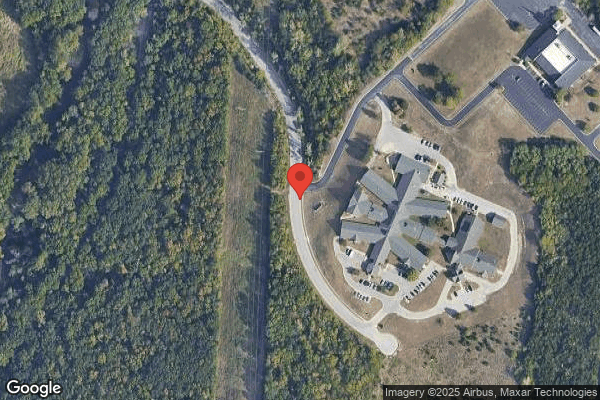
May 2023 3 deficiencies
CONCERN (D) 📢 Someone Reported This

A family member, employee, or ombudsman was alarmed enough to file a formal complaint

Potential for Harm - no one hurt, but risky conditions existed

Free from Abuse/Neglect (Tag F0600)

Could have caused harm · This affected 1 resident

**NOTE- TERMS IN BRACKETS HAVE BEEN EDITED TO PROTECT CONFIDENTIALITY** Based on interview and record review, the facility failed to ensure three sampled residents (Resident's #1, #7 and #9) were free...

Read full inspector narrative →
**NOTE- TERMS IN BRACKETS HAVE BEEN EDITED TO PROTECT CONFIDENTIALITY** Based on interview and record review, the facility failed to ensure three sampled residents (Resident's #1, #7 and #9) were free from abuse out of 14 sampled residents. On 4/1/23 Resident #2 had hit and scratched Resident #1; on 4/6/23 Resident #13 hit Resident #7 with a plastic cup and on 4/7/23 Resident #8 pushed Resident #9 down to the floor. The facility census was 128 residents. Record review of the facility's abuse policy dated as revised March 2018 showed: -Abuse was defined as the willful infliction of injury, unreasonable confinement, intimidation, or punishment with resulting physical harm, pain or mental anguish. Instances of abuse of all residents, irrespective of any mental or physical condition, cause physical harm, pain or mental anguish. -Willful was defined as used in the definition of abuse, means the individual must have acted deliberately, not that the individual must have intended to inflict injury or harm. -Risk factors for abuse within the facility will be identified such as significant numbers of residents with unmanaged problematic behavior. 1. Record review of Resident #1's admission Record showed he/she was admitted to the facility on [DATE] and readmitted on [DATE] with the following diagnosis: -Vascular (blocked or reduced blood flow to various regions of the brain) Dementia (a progressive organic mental disorder characterized by chronic personality disintegration, confusion, disorientation, stupor, deterioration of intellectual capacity and function, and impairment of control of memory, judgement, and impulses) with agitation. -Delusional (fixed false beliefs) disorder. -Psychosis (a mental state involving loss of contact with reality and causing deterioration of normal social functioning) -Anxiety disorder. -Cognitive communication deficit. Record review of Resident #1's care plan dated 3/18/22 showed: -He/she resided on the memory care unit. -Staff were to monitor resident per protocol to ensure safety. -He/she had impaired cognitive function/dementia or impaired thought processes. -Facility staff were to monitor/document/report any changes in cognitive function, specifically changes in decision making ability, memory, recall and general awareness, difficulty expressing self, difficulty understanding others, level of consciousness, mental status. Record review of Resident #1's quarterly Minimum Data Set (MDS-a federally mandated assessment instrument completed by facility staff for care planning) dates 1/6/23 showed he/she was severely cognitively impaired. Record review of Resident #2's admission Record showed he/she was admitted to the facility on [DATE] with a diagnosis of Dementia with behaviors. Record review of Resident #2's admission MDS dated [DATE] showed he/she was severely cognitively impaired. Record review of Resident #2's undated Care Plan showed: -He/she resided on the memory care unit. -He/she was monitored per protocol to ensure safety. -He/she had the potential to be verbally aggressive related to dementia and poor impulse control. -Was verbally abusive to staff, hurling unprintable curse words. -Administer medications as ordered. -Monitor/document for side effects and effectiveness. -Analyze of key times, places, circumstances, triggers, and what de-escalates behavior and document. -Assess resident's coping skills and support system. -Assess the resident's understanding of the situation. -Allow time for the resident to express self and feelings towards the situation. Record review of the facility's Incident Report dated 4/1/23 showed: -Description: --Resident #2 had become very agitated and caused harm to Resident #1. --Resident #2 was scratching and hitting Resident #1 and had to be separated. --Both residents were kept separated for safety. --Resident #2 stated he/she told Resident #1 not to come in his/her room. -Actions Taken: --Resident #2 refused assessment or vital signs and was very agitated, cursing and threatening staff. --Resident #1 was assessed and provided first aid. Record review of Resident #2's Incident Note dated 4/1/23 showed: -He/she had become very agitated and caused harm to Resident #1. -He/she scratched and hit Resident #1. -Resident #1 and Resident #2 had to be pulled apart by facility staff. -Resident #2 stated he/she warned Resident #1 to not enter or get close to his/her room. Record review of Resident #1's Incident Note dated 4/1/23 showed he/she received injuries to his/her right face and right upper arm due to a resident to resident altercation with Resident #2. During an interview on 5/18/23 at 9:06 A.M., the Director of Nurses (DON) said: -Resident #2 hit and scratched Resident #1 when Resident #1 wandered near Resident #2's door. -Resident #2 did not want anyone in his/her room. -Resident #2 hit and scratched Resident #1 with intentional action. 2. Record review of Resident #7's admission Record showed he/she was admitted to the facility on [DATE] and readmitted on [DATE] with the following diagnosis: -Dementia with behaviors. -Alzheimer's disease (a slowly progressive disease of the brain that is characterized by impairment of memory and eventually by disturbances in reasoning, planning, language and perception). -Cognitive Communication Deficit. -Mood [Affective] disorder (are mental disorders that primarily affect a person's emotional state, in pacts thinking, feel and go about daily life). -Psychosis (a mental state involving loss of contact with reality and causing deterioration of normal social functioning). -Anxiety. Record review of Resident #7's Annual MDS dated [DATE] showed he/she was severely cognitively impaired. Record review of Resident #7's undated Care Plan showed: -He/she resided on the memory care unit. -He/she had a resident to resident altercation. -He/she would be monitored for confrontational behavior. -He/she would be placed on list for psychiatry evaluation and counseling. -He/she had potential to be verbally aggressive related to dementia and poor impulse control Record review of Resident #13's admission Record showed he/she was admitted to the facility on [DATE] with the following diagnosis: -Alzheimer's disease. -Schizoaffective disorder. -Major depressive disorder. -Restlessness and agitation. -Violent behaviors. -Anxiety disorder. -Dementia with behaviors. -Resident discharged to the hospital on 4/6/23 due to the incident and the facility will not take the resident back. Record review of Resident #13's significant change MDS dated [DATE] showed: -He/she was severely cognitively impaired. -He/she rarely/never made self-understood and rarely/never under understood others. -His/her cognitive skills for daily decision making was moderately impaired. -He/she had inattention and disorganized thinking continuously present. Record review of the resident's undated Care Plan showed he/she: -Resides on the memory care unit. -Refused to take prescribed medications. - Was resistive to care related to anxiety, dementia, schizoaffective disorder, and has a history of violent behaviors. -Has impaired cognitive function/dementia or impaired thought processes related to Alzheimer's, impaired decision making, and psychotropic drug use. Record review of the facility's Incident Report dated 4/6/23 showed: -Resident #13 attempted to enter the room of Resident #7. -Resident #13 was informed by Resident #7 that he/she could not enter the room. -Resident #13 proceeded to physically assault Resident #7. -Resident #13 and Resident #7 were separated. -Resident #13 was placed on one to one monitoring until Emergency Medical Services (EMS) arrived to transport him/her to the hospital. Record review of Resident #13's Nurse's Note dated 4/6/23 showed: -The resident was the aggressor of a physical resident to resident altercation on the memory care unit with Resident #7. -The Resident #13 and Resident #7 were separated and provided first aid. During an interview on 4/7/23 at 9:05 A.M., the facility Social Worker said: -Resident #13 hit Resident #7 with a plastic cup. -Resident #7 had a red scratch to his/her upper left forehead. During an interview on 5/18/23 at 8:59 A.M., the DON said: -Resident #13 assaulted Resident #7. Resident #7 said Resident #13 hit and pushed him/her. -Resident #13 struck Resident #7 after a hallucination. -Resident #13 had no capacity of orientation, he/she thought he/she and the angels was defending him/herself. -Resident #13 struck Resident #7 with intention because of his/her hallucination. 3. Record review of Resident #8's admission Record showed he/she was admitted to the facility on [DATE] with the following diagnosis: -Dementia without behaviors. -Cognitive Communication Deficit. -He/she was discharged from the facility on 4/10/23. Record review of Resident #8's admission MDS dated [DATE] showed he/she was mildly cognitively impaired. Record review of Resident #8's undated Care Plan showed: -He/she had impaired cognitive function/dementia or impaired thought processes due to dementia. -He/she would develop skills to cope with cognitive decline and maintain safety. Record review of Resident #9's admission Record showed he/she was admitted to the facility on [DATE] and readmitted on [DATE] with the following diagnosis: -Schizoaffective disorder (a mental condition that causes loss of contact with reality and mood problems). -Cognitive communication deficit -Anxiety. Record review of of Resident #9's quarterly MDS dated [DATE] showed he/she was mildly cognitively impaired. Record review of of Resident #9's undated Care Plan showed he/she: -Used anti-anxiety medications related to adjustment issues and anxiety and facility staff was to monitor/document/report any adverse reactions. -Used psychotropic medications related to schizoaffective disorder. Record review of the facility's Incident Report dated 4/7/23 showed: -Incident description: --Resident #9 was involved in a physical altercation with Resident #8. --Resident #9 stated his/her roommate walked over to his side of the room got up in his/her face about his/her television. --Resident #8 pushed Resident #9 down on the floor. -Actions taken: --Head to toe assessment was done, no apparent injuries. Record review of Resident #8's Incident Note dated 4/8/23 showed: -He/she was involved in a physical altercation with Resident #9. -He/she was immediately moved to another room. -He/she had a small scrapes/bruises to his/her forehead. -He/she voiced no complaints of pain at the time of the altercation. -He/she stated Resident #9 attacked him/her. Record review of of Resident #9's Incident Note dated 4/8/23 showed: -On 4/7/23, this resident was involved in a physical altercation with Resident #8. -He/she stated Resident #8 walked over to his/her side of the room got up in his/her face about his/her television, then pushed him/her down on the floor. During an interview on 4/18/23 at 12:40 P.M., Resident #9 said: -He/she was lying in bed with no apparent injuries. -He/she did not like Resident #8. During an interview on 5/18/23 at 8:44 A.M., the DON said: -Resident #8 said Resident #9 had got in his/her face about the television. -Resident #9 had an unsteady gait and fell so both Resident #8 and Resident #9 ended up on the floor. -Resident #9 had a busted lip after falling face forward. -Resident #8 said Resident #9 attacked him/her. -Resident #9 was unable to report how he/she had injuries to his/her face. -During facility interviews neither Resident #8 or Resident #9 reported intention to harm the other, both indicated the issue was around television. -Resident #9 and Resident #8 had an escalation of behavior. -Resident #9 did not intend to push Resident #8, Resident #9 fell into Resident #8 because he/she was ambulating without his/her walker. -Resident #9's action of walking across the room to Resident #8 about the television was done with intention. -The facility policy was to report any resident to resident altercation when there was an injury. -Resident always have the right to be free abuse and it is the facility responsibility to ensure the resident environment is free from abuse with the systems in place. During an interview on 5/18/23 10:07 A.M., the Administrator said Abuse is the willful infliction of harm on another person. Residents should be free of abuse. MO00216371 MO00216372 MO00216637 MO00216690
CONCERN (E) 📢 Someone Reported This

A family member, employee, or ombudsman was alarmed enough to file a formal complaint

Potential for Harm - no one hurt, but risky conditions existed

Deficiency F0658 (Tag F0658)

Could have caused harm · This affected multiple residents

**NOTE- TERMS IN BRACKETS HAVE BEEN EDITED TO PROTECT CONFIDENTIALITY** Based on interview and record review, the facility failed to implement orders and obtain weights for residents routinely, result...

Read full inspector narrative →
**NOTE- TERMS IN BRACKETS HAVE BEEN EDITED TO PROTECT CONFIDENTIALITY** Based on interview and record review, the facility failed to implement orders and obtain weights for residents routinely, resulting in residents weights not being obtained and monitored for three sampled residents (Resident #4, #10, and #12), and to ensure staff accurately documented the administration of medications for one sampled resident (Resident #3) out of 18 sampled residents. The facility census was 128 residents. Record review of the facility Assessment and Management of Resident Weights dated 6/20 showed: -Purpose: --To ensure that each resident maintains acceptable parameter of weight and nutritional status, such as body weight and protein levels, unless the resident's clinical condition demonstrates that this is not possible based on the resident's comprehensive assessment. --To ensure that a resident receives a therapeutic diet when there is a nutritional problem. -Policy: --Weights are obtained upon admission and/or re-admission, then weekly for four weeks and monthly thereafter. -Procedure: --Weights will be entered into the clinical record on that shift. --A physician order is required to discontinue weights as appropriate. --The Interdisciplinary Team care plan will be updated to reflect individualized goals and approaches for managing weight change. Record review of the undated facility Medication Administration Policy showed: -Mediation will be administered by a Licensed Nurse per the order of an attending physician or licensed independent practitioner, or as consistent with state law. -The Licensed Nurse will chart the drug, time administered and initial his/her name with each medication administration and sign full name and title on each page of the Medication Administration Record (MAR). -Whenever a medication is held for any reason, the Licensed Nurse will initial the appropriate area on the MAR and circle his/her initials. -The Licensed Nurse will document the reason the medication was held on the back of the MAR. -The time and dose of the drug or treatment administered to the resident will recorded in the resident's individual MAR by the person who administers the drug or treatment. -Initials may be used, provided that the signature of the person administering the medication or treatment is also recorded on the MAR or Treatment Administration Record (TAR). 1. Record review of Resident #4's admission Record showed he/she was admitted on [DATE] with the diagnosis of muscle wasting and chronic pulmonary edema (a condition caused by too much fluid in the lungs). Record review of the resident's documented weights from 2/14/23 through 4/18/23 showed: -Staff documented the resident's weight upon admission. -No documentation of the resident's weight after his/her admission to the facility. -No weights documented five out of the six expected weights to be obtained and documented. Record review of the resident's undated Care Plan showed: -The resident has dehydration or potential fluid deficit related to mildly thickened liquids and need for intravenous fluids while in hospital. -Resident also is diagnosed with pulmonary edema. -Weigh at the same time of day and record as ordered. -Notify Registered Dietician (RD) and physician of weight loss greater than five pounds. Record review of the resident's admission Minimum Data Set (MDS - a federally mandated assessment instrument completed by facility staff for care planning) dated 2/21/23 showed the resident: -Was severely cognitively impaired. -Required extensive staff assistance with eating. -Had a diagnosis of malnutrition (condition that develops when the body does not get the right amount of the vitamins, minerals, and other nutrients it needs to maintain healthy tissues and organ function). Record review of the resident's Quarterly MDS dated [DATE] showed the resident: -Was severely cognitively impaired. -Required limited assistance with eating. -Had a diagnosis of stroke and aphasia (loss of ability to produce or comprehend language due to brain injury). -Had a swallowing disorder that caused the loss of liquids and solids from the he mouth when eating or drinking. -The resident had coughing or choking during meals. Record review of the resident's Order Summary report dated 4/13/23 showed: -Resident at risk for malnutrition related to hypertension (high blood pressure), urinary tract infection, aphasia (loss of ability to understand or express speech, caused by brain damage), Gastroesophageal Reflux Disease (GERD - back-up of stomach acid/heartburn) and mechanically altered diet. -Facility to monitor weights and/or refer to RD per protocol. 2. Record review of Resident #10's admission Record showed he/she was admitted on [DATE] with the diagnosis of osteomyelitis (an infection in a bone) of vertebra, muscle wasting, and need for assistance with personal care. Record review of the resident's documented weight from 4/3/23 through 4/18/23 showed: -Staff documented the resident's weight upon admission. -No documentation of the resident's weight after his/her admission to the facility. -No weights documented one out of the two expected weights to be documented. Record review of the resident's admission MDS dated [DATE] showed the resident: -Was cognitively intact. -Was independent with eating, required set up only. -Had diagnosis of multiple fractures, Gastroesophageal Reflux Disease (GERD-back-up of stomach acid/heartburn), sepsis (a blood stream infection) and wound infections. Record review of the resident's Order Summary report dated 4/13/23 showed no active orders to obtain resident's weight but as per facility policy to include: -Weight obtained upon admission. -Weekly weight for the first four weeks of admission. -Monthly weight thereafter. Record review of the resident's undated Care Plan showed no plan for weight monitoring. 3. Record review of Resident #12's admission Record showed he/she was admitted on [DATE] with the diagnosis of paraplegia (loss of movement of both legs and generally the lower trunk), osteomyelitis (an infection in a bone) and pressure ulcer (any lesion caused by unrelieved pressure that results in damage to the underlying tissues). Record review of resident weights from 1/9/23 through 4/18/23 showed: -Staff documented the resident's weight upon admission. -No documentation of the resident's weight after his/her admission to the facility. -No weights documented five out of the six expected weights to be obtained and documented. Record review of the resident's Quarterly MDS dated [DATE] showed the resident: -Was cognitively intact. -Was independent with eating, required set up only. -Had coughing or choking during meals. -Complained of difficulty or pain with swallowing. Record review of the resident's Order Summary report dated 4/13/23 showed no active orders to obtain resident's weight but per facility policy to include: -Weight obtained upon admission. -Weekly weight for the first four weeks of admission. -Monthly weight thereafter. Record review of the resident's undated Care Plan showed no plan for weight monitoring. 4. During an interview on 4/18/23 at 10:21 A.M. ,the Nurse Practitioner said: -He/she expected the facility to monitor weights as ordered. -Some residents were weighed weekly. -Everyone was supposed to be weighed monthly. -Some residents had special orders related to their diagnosis and may require being weighed daily or weekly. -Weights were to be documented in the electronic medical record. -When a resident had a weight gain or loss it flags in the computer for the physician and/or RD to review. During an interview on 4/18/23 at 1:15 P.M., the MDS Coordinator said: -Resident weight loss was marked in the MDS. -In order for weight changes to be flagged, the weight must be documented in the electronic medical record. -If there was no weight documented, then he/she fills the space with a dash and it is not calculated into the assessment. -He/she expected staff to enter the weights obtained into the the medical record for review during the MDS review time frame. During an interview on 4/18/23 at 4:30 P.M. the Director of Nursing (DON) said: -There was a Restorative Aide (RA) who was supposed to be doing weights and was terminated due to not fulfilling his/her job duties. -The RA was terminated and his/her replacement was in training. -He/she expected monthly weights to be completed and documented by or before the 5th of each month. -He/she was responsible for ensuring the weights were being obtained and documented as per policy and physician orders. -There were no routine orders for weights to be obtained monthly. -He/she expected weights to be obtained and documented monthly. -Weights should be documented by the end of shift once they were obtained. 5. Record review of Resident #3's admission Record showed the resident was admitted on [DATE] with the diagnosis of malignant neoplasm of colon (colon cancer). Record review of the resident's undated Care Plan showed: -The resident was receiving an intravenous (IV- in the vein) antibiotic therapy. --3/30/23 Piperacillin (an antibiotic), use 3.375 gram intravenously every eight hours for sepsis (a blood stream infection) until 4/12/23. --Administer antibiotic medications as ordered by physician. -The resident is on IV medications per his/her left upper peripherally inserted central catheter (PICC). --The resident will have not had any complications related to IV therapy through the review date. --Administer medication as ordered. -The resident has COPD (Chronic Obstructive Pulmonary Disease, a progressive lung disease that makes it hard to breathe)., asthma and lung cancer. --The resident will be free of signs and symptoms of respiratory infections through review date. --Give aerosol or bronchodilators as ordered. Record review of the resident's Medication Review Report dated 4/13/23 showed: -Admit to facility with diagnosis of malignant neoplasm of the colon. -Normal Saline flush IV every eight hours before and after administration of IV medication. -Piperacillin, use 3.375 grams every eight hours for sepsis for two days dated 3/24/23. -Piperacillin, use 3.375 grams every eight hours for sepsis dated 3/30/23. -Ipratropium-Albuterol, inhale one vial orally every six hours for COPD. ( Record review of the resident's MAR dated 3/1/23 through 3/31/23 showed: -NS flush intravenously (IV) every eight hours for flushing before and after administration of IV medication not documented two out six opportunities. -Piperacillin, use 3.375 grams every eight hours for sepsis (a blood stream infection) for two days dated 3/24/23, not documented two out of six opportunities. NOTE: initial dose not given due to not received from pharmacy. -Piperacillin, use 3.375 grams every eight hours for sepsis dated 3/30/23, not documented one out of five opportunities. -Ipratropium-Albuterol, inhale one vial orally every six hours for COPD not documented six out of 29 opportunities. During an interview on 4/13/23 at 1:51 P.M., Licensed Practical Nurse (LPN) B said: -The resident was on IV antibiotics. -He/she did give the resident antibiotics, but could not recall how many times. -He/she should have documented administration on the MAR/Treatment Administration Record (TAR). -He/she was the nurse responsible for the resident on 3/25/23 and 3/30/23. -He/she was unable to confirm whether or not IV medications were administered on those dates as they were not documented as administered. -If there was a blank spot in the MAR/TAR it means it was not done. -He/she was not informed the 6:00 A.M. 3/25/23 dose of IV antibiotic was not given and therefore did not administer the dose when he/she came on shift at 6:30 A.M. -He/She must have forgotten to come back and sign off medications on the MAR/TAR. During an interview on 4/13/23 at 2:32 P.M., LPN C said: -During shift change the nurses exchanged information about medications. -If there were medications not signed off, he/she would contact the nurse to verify if was given. -Denied any complaints or concerns from the resident or the resident's family. During an interview on 4/13/23 at 3:02 P.M., Certified Medication Technician (CMT) B said: -He/she administers medications to the resident -A blank spot of the MAR means someone didn't sign out the medication. -If the medication was not signed out, it was not given. -A good reason to leave a blank would be because the resident did not want the medication. -If the resident did not want the medication, there should be a note on the MAR saying the medication was refused. -The charge nurse should have been notified if a resident refused a medication. -When asked why he/she did not sign out medications for the resident, he/she must of forgot. -He/she said it could not be proven he/she gave the medications since he/she did not sign the medications as administered on the MAR. During an interview on 4/18/23 at 10:21 A.M. the NP said: -He/she was not informed the resident did not receive three of the six doses of IV antibiotic as ordered upon admission. -The nursing staff should have requested an adjustment to the medication order to ensure the resident received the medication as prescribed by the discharging physician from the hospital. During an interview on 4/18/23 at 10:30 A.M. the Medical Director said: -While reviewing the MAR/TAR for the resident, the resident did not receive the number of doses intended by the discharging physician. -There should have been communication and documentation by the facility staff about the missed doses of medication. -He/she noted the second order for the IV antibiotic and the missed dose. -He/she was concerned about medication administration due to the blank spaces left of the MAR/TAR, which may mean the resident was not receiving the medications as ordered. -He/she was not aware of the discrepancy on the MAR/TAR for the resident and should have been notified. -Due to the resident's fragile status at the time of admission and continued fragile status, it was impossible to determine the missed doses of medications caused any decline. During an interview on 4/18/23 at 4:30 P.M. the DON said: -He/she expects documentation in the MAR/TAR to be done at the soonest opportunity, definitely within the shift. -If something was not documented is was not done. -The pharmacy has delivered medications within about six hours with most admissions. -If there was a delay with delivery of medications, the pharmacy has been contacted. -If the resident was to miss a dose of medication due to the delay, the physician should have been contacted. -The resident missed the initial dose of IV antibiotics on 3/24/23 due to not having the medication from the pharmacy and the physician was not contacted. -The doses for the IV antibiotic were not documented as administered on 3/25/23 at 6:00 A.M. and 2:00 P.M. and on 3/26/23 at 2:00 P.M., the physician was not contacted. -He/she expected the staff to contact the doctor and document. MO00216444 MO00216985
CONCERN (E) 📢 Someone Reported This

A family member, employee, or ombudsman was alarmed enough to file a formal complaint

Potential for Harm - no one hurt, but risky conditions existed

Safe Environment (Tag F0921)

Could have caused harm · This affected multiple residents

**NOTE- TERMS IN BRACKETS HAVE BEEN EDITED TO PROTECT CONFIDENTIALITY** Based on observation, interview and record review, the facility failed to ensure residents had access to hot water for personal ...

Read full inspector narrative →
**NOTE- TERMS IN BRACKETS HAVE BEEN EDITED TO PROTECT CONFIDENTIALITY** Based on observation, interview and record review, the facility failed to ensure residents had access to hot water for personal care and bathing in resident rooms on 400 hall and in the 200 hall shower room,and to maintain a working and accessible shower for the 200 hall due to the handheld showerhead leaking water at the base and hose. The facility census was 128 residents. 1. Observation on 4/18/23 at 12:21 P.M., of the 200 hall shower room showed: -A broken cabinet door, broken bedside table and a privacy curtain rod with screws covered in sheetrock protruding upward. -The shower head in the 200 hall shower room was broken with tape and plastic wrapped around the tubing and base of the shower head. -Broken bedside table, privacy curtain rod laying over shower chairs and soiled wheelchairs with screws covered in sheetrock protruding upward. During an interview on 4/18/23 at 12:36 P.M., the Maintenance Supervisor said: -The privacy curtain was pulled down by a resident and he/she was to put it back up. -He/She had not been informed of the shower head being broken and in need of repair. -He/She was not aware of the items being stored in the shower room. Observation on 4/18/23 at 1:35 P.M. in resident room [ROOM NUMBER] showed: -A hospice (end of life) staff person was in the room with a resident. -The water was ran for approximately two minutes resulting in a water temperature of 95 degrees Fahrenheit (°F). Observation on 4/18/23 at 4:15 P.M. showed: -Water temperature to be 91 °F for the 200 hall shower after running for approximately two minutes. -The shower head in 200 hall shower was broken and spraying water all over the Maintenance Director. 2. Record review of Resident #5's admission Record showed he/she was admitted on [DATE] with the diagnosis of asthma, difficulty walking and unsteadiness on feet. Record review of the resident's Quarterly Minimum Data Set (MDS- a federally mandated assessment instrument completed by facility staff for care planning) dated 3/1/23 showed a Brief Interview for Mental Status (BIMS, an assessment tool that shows a score between 3 of 15 which shows the resident's mental status. This tool helps determine the resident's attention, orientation and ability to register and recall new information. These items are crucial factors in care planning decisions.) score of 15. During an observation and interview on 4/18/23 at 1:54 P.M. showed: -The water temperature in the resident's room reached 98.1 °F before the sink filled and the water had to be shut off to prevent spilling over onto the floor. -The water ran for approximately two minutes before the sink was too full to run the water for further testing and observation. -The sink was not draining properly during the observation. -The resident said his/her water is not hot enough when asked how he/she felt about the water temperature. 3. Record review of Resident #10's admission Record showed he/she was admitted on [DATE] with the diagnosis of osteomyelitis (an infection in a bone) of vertebra, muscle wasting, and need for assistance with personal care. Record review of the resident's admission MDS dated [DATE] showed the resident to be of sound mind with a BIMS Score of 15. During an observation and interview with the resident on 4/18/23 at 2:06 P.M. showed: -The water temperature to be 88 °F after running for approximately two minutes. -The resident said the water is not hot in his/her room when asked how he/she felt about the water temperature in the room. During an interview on 4/18/23 at 2:40 P.M., the Maintenance Director said: -He/she thought there was hot water on the 400 hall. -He/she was not informed there were continued complaints of no hot water in areas of the facility since the hot water heater was replaced. 4. During an interview on 4/13/23 at 3:35 P.M., the Maintenance Supervisor said: -There have been prior complaints in reference to the water temperature in the facility. -There was a new water heater placed to resolve the concerns of no hot water in the facility. -It hasn't been very long ago when the facility was cleared for the hot water concerns. -He/she has not had further complaints of no hot water in the facility. During an interview on 4/18/23 at 3:00 P.M., Licensed Practical Nurse (LPN) A said: -There have been a lot of issues with hot water in the facility. -The hot water issues are facility wide and have occurred off and on for some time. -The concerns have been reported verbally to the maintenance person, Director of Nursing (DON), and placed in the book at the nurses station for maintenance. During an interview on 4/18/23 at 3:27 P.M., Certified Nursing Assistant (CNA) A said: -The hot water has been and issue. -The 200 hall shower gets luke warm. -At times residents refuse to bathe due to the water not being hot enough. -Some residents have complained recently the water was not hot enough. -The shower rooms are like storage units. -The 200 hall shower does not drain well and the shower head was leaking. -The concerns have been reported verbally to the charge nurse and placed in the book at the nurses station for maintenance. During an interview on 4/18/23 at 4:30 P.M., the DON said: -Water temperatures are expected to be within regulatory range for bathing. -91 °F was too cold for bathing. -He/she was not aware of the ongoing concerns with the water temperatures. -There were concerns in the past, but he/she thought it had been resolved. -Staff is supposed to write any maintenance concerns in the maintenance book at each nurses station. -Maintenance is supposed to check the book and resolve concerns. During an interview on 4/8/23 at 4:45 P.M. the Administrator said: -He/she knew there had been concerns about the hot water in the facility before, but that the issue had already been looked in to. -The hot water heater has been replaced. -There have not been any concerns brought to him/her about the hot water. Record review on 5/2/23 of the facility Maintenance Work Orders showed: -On 3/11/23 300 Hall hot water still not working in shower. -On 4/11/23 room [ROOM NUMBER]A, hot water missing. -Did not receive requested copies of work orders noting hot water not working as far back as 5/2022. MO00216985 MO00216589
Mar 2023 1 deficiency
CONCERN (D) 📢 Someone Reported This

A family member, employee, or ombudsman was alarmed enough to file a formal complaint

Potential for Harm - no one hurt, but risky conditions existed

Deficiency F0761 (Tag F0761)

Could have caused harm · This affected 1 resident

**NOTE- TERMS IN BRACKETS HAVE BEEN EDITED TO PROTECT CONFIDENTIALITY** Based on interview and record review, the facility failed to ensure the safety of one sampled resident's medication (Resident #7...

Read full inspector narrative →
**NOTE- TERMS IN BRACKETS HAVE BEEN EDITED TO PROTECT CONFIDENTIALITY** Based on interview and record review, the facility failed to ensure the safety of one sampled resident's medication (Resident #7) when his/her 30 count card of Oxycodone (an opioid) (a Schedule II narcotic medication used to treat severe pain, and required by law to be locked behind two locks at all times when not in use),was delivered to unlicensed facility staff by the pharmacy and the resident's Oxycodone was never located. Ten residents were sampled. The facility census was 127 residents. Record review of the Policy and Procedure from the pharmacy, which the facility is to follow for receipt of controlled substances showed: -Medications classified by the Drug Enforcement Administration (DEA) as controlled substances and medications classified as controlled substances by state law, are subject to special ordering, receipt, and record keeping requirement by the facility in accordance with federal and state laws and regulations. -The Director of Nursing, in collaboration with the consultant pharmacist, maintains the facility's compliance with federal and state laws and regulations in the handling of controlled substances. Only authorized, licensed nursing and pharmacy personnel have access to controlled substances. -Controlled Substances listed in Schedules II, III, IV and V are stored under double lock. -The access key to controlled substances is not the same key that allows access to other medications. -The medication nurse on duty maintains the possession of a key to controlled substances. -The Director of Nursing (DON) and pharmacy keep back-up keys to all medication storage areas, including controlled substance storage. -Only licensed personnel may receive controlled substances from the pharmacy courier. -Procedures for receiving controlled substances include: --A nurse signs for the medications, including the controlled substances, on the pharmacy delivery ticket and inspects the medications. --The receiving nurse transfers medications and accompanying inventory sheets to an authorized nurse on the unit (if different than the nurse who received the medication) or in accordance with facility policy. --Two nurses, and/or in accordance with facility policy, witness placement of the controlled substances in the secured compartment of the medication cart. 1. Record review of Resident #7's facility face sheet showed he/she admitted to the facility on [DATE], with the following diagnoses: --Congestive Heart Failure (a chronic condition in which the heart doesn't pump blood as well as it should). --Diabetes Mellitus (a group of diseases that result in too much sugar in the blood). --Ischemic Cardiomyopathy (the heart muscle can become enlarged, dilated and weak). --Chronic Kidney Disease (longstanding disease of the kidneys leading to renal failure). --Right Bundle Branch Block (a problem with the hearts ability to conduct electrical signals). --Atrial Fibrillation (An irregular, often rapid heart rate that commonly causes poor blood flow). Record review of resident's quarterly Minimum Data Set (MDS-a federally mandated assessment tool used by facilities for careplanning) dated 3/1/23 showed his/her Brief Interview for Mental Status (BIMS score) was 15, which reflected the resident was cognitively intact. Record review of resident's Physician Orders dated 3/28/23 showed: -Oxycodone HCL tablet 10 milligrams (mg) give one tablet by mouth every six hours as needed for pain. -Oxycodone HCL tablet 10 mg give one tablet by mouth every eight hours as needed for pain. During an interview on 3/28/23 at 10:00 A.M., the DON said: -The pharmacy delivered the resident's medication during the evening shift, to unlicensed staff. -During the count toward the end of evening shift, the resident's card of Oxycodone was unaccounted for. -The count sheet was present, but the card of medication was missing. -The card of medication was signed for at 2:30 P.M., according to the pharmacy manifest. -The medication went missing between 2:30 P.M. and 10:00 P.M. -Statements from interviews were obtained from all staff on the unit. -The facility follows the pharmacy policy and procedures for receipt of the medications including narcotics. -The policy showed the medication should have been delivered to licensed staff only. -Certified Medication Technician (CMT) B should not have signed for the narcotics and he/she should not have left it on the medication cart. -CMT B should have notified the nurse that the narcotic had been delivered. -Police were called and came out to the facility, but no report was made. -The Oxycodone for the resident had been replaced by the facility. During an interview on 3/28/23 at 4:08 P.M., CMT B said: -The resident's card of Oxycodone was on the nurses desk by CMT C. -He/she was instructed to place the narcotics on the nurses cart by Licensed Practical Nurse (LPN) A. -That was between 3:00 P.M., and 10:00 P.M. -CMT C signed for the narcotics. -He/she said CMTs could sign for the narcotics. During an interview on 3/29/23 at 9:15 A.M., Pharmacy Representative A said: -The resident's Oxycodone 10 mg was delivered on 3/27/23. -According to the pharmacy records, the medication was signed for at the facility, by CMT C on 3/27/23 at 2:16 P.M. During an interview on 3/29/23 at 9:45 A.M., with local police department, the desk clerk said: -No report of the Oxycodone 10 mg missing from the facility was generated at the time of the allegation. -The facility representative was instructed to call the police department back when the investigation was completed, to ascertain if a report should be generated. During an interview on 3/29/23 at 10:20 A.M., CMT D said: -He/she heard the resident's medication was missing. -He/she would have handed the medication directly to the nurse after signing for the card. -He/she thought he/she could sign for any medication. During an interview on 3/29/23 at 10:35 A.M., LPN A said: -He/she had walked to the nurses desk and saw the count sheet for the Oxycodone, but no medication were there at the desk. -He/she started asking everyone where the pills were and checking everywhere. -CMT C signed for the resident's medication. -CMT C should have brought him/her the medication to lock it up. -He/she immediately called the DON. -He/she was unaware that the policy stated only a licensed nurse could sign for the medication. During an interview on 3/29/23 at 10:45 A.M., the Administrator said: -The Pharmacy should not have delivered and or allowed an unlicensed staff to sign for the resident's medication. -Staff should have known the policy and the facilty was working on re-education. During an interview on 3/29/23 at 3:10 P.M., CMT C said: -He/she signed for the Oxycodone and gave the card of medication to CMT B, who put them on the nurses desk. -After signing for the medication, the nurse was supposed to lock the medications in the cart or in the medication room. MO00216102
Dec 2022 1 deficiency
CONCERN (D) 📢 Someone Reported This

A family member, employee, or ombudsman was alarmed enough to file a formal complaint

Potential for Harm - no one hurt, but risky conditions existed

Free from Abuse/Neglect (Tag F0600)

Could have caused harm · This affected 1 resident

**NOTE- TERMS IN BRACKETS HAVE BEEN EDITED TO PROTECT CONFIDENTIALITY** Based on observation, interview and record review, the facility failed to protect one sampled resident (Resident #4) from physic...

Read full inspector narrative →
**NOTE- TERMS IN BRACKETS HAVE BEEN EDITED TO PROTECT CONFIDENTIALITY** Based on observation, interview and record review, the facility failed to protect one sampled resident (Resident #4) from physical abuse when he/she had an altercation with Resident #5 resulting in a skin tear to his/her left arm out of four sampled residents. The facility census was 118 residents. On 12/29/22 the Administrator was notified of the past noncompliance which occurred on 12/20/22. On 12/20/22 the facility administration was notified of the incident and the investigation was started. The facility staff immediately separated Resident #4 and Resident #5. Staff had been educated on the resident behaviors and abuse preventions. The deficiency was corrected on 12/21/22. Record review of the facility's abuse policy dated as revised March 2018 showed: -Abuse was defined as the willful infliction of injury, unreasonable confinement, intimidation, or punishment with resulting physical harm, pain or mental anguish. Instances of abuse of all residents, irrespective of any mental or physical condition, cause physical harm, pain or mental anguish. -Willful was defined as used in the definition of abuse, means the individual must have acted deliberately, not that the individual must have intended to inflict injury or harm. -Risk factors for abuse within the facility will be identified such as significant numbers of residents with unmanaged problematic behavior. 1. Record review of Resident #5's Level One Preadmission Screening and Resident Review (PASRR-A screening used to identify a resident who has a mental illness or is suspected of having a mental illness, an intellectual/developmental disability, or a related condition to determine if specialized services are needed during their stay in a long-term care facility) dated 1/21/22 showed: -The resident had no major mental illness. -Had a diagnosis of dementia (a progressive mental disorder characterized by memory problems, impaired reasoning and personality changes). Record review of Resident #4's Level One PASRR dated 9/27/22 showed: -The resident had diagnoses of anxiety disorder (nervousness, fear, apprehension, and worrying), major depressive disorder (depressed mood most of the day and a loss of interest in normal activities and relationships), Post-traumatic Stress Disorder (PTSD) can develop after experiencing or witnessing a traumatic event in which symptoms can include flashbacks, nightmares, severe anxiety and uncontrollable thoughts about the event) and paranoid personality disorder (displays long-term pattern of distrust and suspicion of others without adequate reason). Record review of Resident #5's annual Minimum Data Set (MDS-a federally mandated assessment tool completed by facility staff for care planning) dated 11/16/22 showed the following staff assessment of the resident: -Moderately cognitively impaired. -Some of his/her diagnoses included dementia, anxiety, depression (a mood disorder that consists of intense sadness and a loss of interest or loss of pleasure in activities and/or life) and sleep apnea (a condition that occurs when the airway becomes narrow as the muscles relax during sleep which reduces oxygen in the blood and causes arousal from sleep and can cause loud snoring). -Required limited assistance with walking. -Used a walker for assistance with walking. -Not steady when walking. -Had no range of motion impairment. Record review of Resident #5's current care plan for admission date of 12/15/22 showed: -The resident resided on a memory care unit. -The resident had the potential to be physically aggressive. -The resident had impaired cognitive function, impaired decision-making and impaired thought processes related to dementia. -The resident experienced anxiety. Record review of Resident #4's quarterly MDS dated [DATE] showed the following staff assessment of the resident: -Severely cognitively impaired. -Some of his/her diagnoses included Alzheimer's Disease (a progressive loss of brain cells that leads to memory loss and the decline of other thinking skills), dementia, anxiety, depression, post-traumatic stress disorder (PTSD-can develop after experiencing or witnessing a traumatic event in which symptoms can include flashbacks, nightmares, severe anxiety and uncontrollable thoughts about the event) and paranoid personality (displays long-term pattern of distrust and suspicion of others without adequate reason). -Able to walk with supervision. -Not steady when walking. -Had no range of motion impairment. Record review of the undated incident investigation summary showed: -On 12/20/22 at approximately 11:00 P.M., Resident #4 approached a Certified Nursing Assistant (CNA) stating that Resident #5 pushed him/her down. -Resident #4 was noted to have a skin laceration on his/her left arm which was approximately 10 centimeters (cm) x 2 cm x 0.5 cm. -Resident #5 apologized for pushing Resident #4 stating that the resident was acting crazy and accusing him/her of making (his/her) teeth fall out and that he/she was killing (him/her) and everyone there with (his/her) disease. -Resident #5 stated he/she did not mean to push Resident #4 so hard as to injure him/her and that he/she just wanted Resident #4 to get out of (his/her) face. -Resident #5 said he/she just wanted to be left alone so he/she could rest. During an interview on 12/29/22 at 10:39 A.M., the Social Services Director said Resident #4 told him/her a woman attacked him/her for no reason. During an interview on 12/29/22 at 10:58 A.M., the Director of Nursing (DON) said: -Staff heard Resident #5 yelling. -Resident #4 said Resident #5 attacked him/her. -Resident #4 had a scratch from the incident. During an observation and interview on 12/29/22 at 11:57 A.M., Resident #4 said: -He/she was getting ready to get in bed and asked Resident #5 if he/she could help him/her by keeping it quiet so he/she could sleep because Resident #5 snored. -Resident #5 leapt from the room door and beat him/her up. -Resident #5 attacked him/her and his/her ribs and ear hurt. -Resident #5 punched him/her twice in his/her face and once in his/her side. -Resident #5 knocked his/her teeth out and he/she could not find his/her teeth. -Observation showed the resident had a small red area on his/her left arm that looked like a healing scratch that was about a couple of inches long. During an interview on 12/29/22 at 12:23 P.M., Resident #5 said: -Resident #4 said his/her teeth were falling out and it was his/her fault. -Resident #4 said he/she was killing him/her because the resident could not sleep due to him/her snoring. -He/she was tired of hearing the resident complaint about his/her teeth and the food being so bad. -The resident was hollering about how he/she snored and how he/she didn't let the resident get any sleep. -He/she and the resident did not physically fight and did not push each other. During an interview on 12/29/22 at 1:30 P.M., CNA A said: -He/she heard screaming on the hall. -He/she saw Resident #5 sitting on the floor with a bedside table over him/her. -Resident #4 told him/her that Resident #5 hit him/her. -Resident #4 had a scratch on his/her arm that wasn't really bleeding. -Resident #5 told him/her that Resident #4 told him/her to be quiet because Resident #5 snored. -Resident #5 told him/her that Resident #4 hit him/her first. Attempts to contact Licensed Practical Nurse (LPN) A, who was on duty during the resident to resident incident were made on 12/29/22 at 1:36 P.M., 12/30/22 at 2:50 P.M. 1/3/23 at 10:45 A.M. and 1/3/23 at 12:12 P.M. and were unsuccessful. MO00211492
Nov 2022 1 deficiency
CONCERN (F) 📢 Someone Reported This

A family member, employee, or ombudsman was alarmed enough to file a formal complaint

Potential for Harm - no one hurt, but risky conditions existed

Administration (Tag F0835)

Could have caused harm · This affected most or all residents

Based on interview and record review, the facility management company failed to ensure payments were issued or issued in a timely manner, to the facility's electric, gas, and water companies who provi...

Read full inspector narrative →
Based on interview and record review, the facility management company failed to ensure payments were issued or issued in a timely manner, to the facility's electric, gas, and water companies who provide services for the needs of residents. The facility census was 128 residents. 1. Record review of Vendor A's invoice and facility payment information, provided on 11/28/22 at 10:03 A.M., showed: -Invoice, dated 11/2/22, current amount due $2,042.65. -Invoice, dated 11/2/22, previous balance due $1,015.76. -Invoice, dated 11/2/22, total amount due by 11/23/22, $3058.65 and after 11/23/22, amount due $3,180.17. -Facility did not provide any other invoices for Vendor A. -No payments issued to vendor for the invoice dated 11/2/22. During an interview on 11/30/22 at 9:29 A.M., Vendor A said: -The total amount due 11/23/22 was $3,058.41 and was eligible for shut off. -Last payment was made on 9/9/22 in the amount of $11,965.87. 2. Record review of Vendor B's invoice and facility payment information, provided 11/28/22 at 10:03 A.M., showed: -Invoice, dated 11/3/22, current amount due $7,488.82. -Invoice, dated 11/3/22, previous balance due $17,450.30. -Invoice, dated 11/3/22, payment received 10/25/22 in the amount of $9,060.18. -Invoice, dated 11/3/22, total amount due by 11/18/22, $15,878.94. During an interview on 11/30/22 at 9:02 A.M., Vendor B said: -The total amount due 11/18/22 was $15,878.94, need to be paid immediately to avoid shut off. -Shut off notice was mailed out on 11/30/22. -The facility has seven to ten days to pay the amount due or the facility service will be turned off. -Last payment was made on 10/25/22 in the amount of $9,060.18. 3. Record review of Vendor C's invoice and facility payment information, provided 11/28/22 at 10:03 A.M., showed: -Invoice, dated 10/28/22, current amount due $1,361.10. -Invoice, dated 10/28/22, previous balance due $3,756.53. -Invoice, dated 10/28/22, partial payment was received 10/14/22 in the amount of $1,289.63. -Invoice, dated 10/28/22, total amount due by 11/14/22, $3,828.00. During an interview on 11/30/22 at 9:21 A.M. Vendor C said: -The total amount due 11/14/22 was $5,353.37. -Past due amount of $2,466.90 was to be paid by 11/28/22. -The facility was set to have services turned off on 11/30/22 or the next nice day. -Utility company was not in the area to turn off the utility on 11/30/22 but cannot guarantee the utility will not get shut off on 11/30/22. -Corporations do not qualify for the cold weather rule (11/1/22 thru 3/31/22 utility cannot be shut off when the predicted temperature is to drop below 32 degrees during a 24 hour period). -The corporation can get set up on a general payment arrangement plan for three month to get the bill paid in full. During an interview on 11/28/22 at 9:30 A.M., the Administrator said: -The utilities were still on and have not been shut off. -The residents have not been affected by the bills not being paid. MO00209902
Mar 2021 3 deficiencies
CONCERN (D)

Potential for Harm - no one hurt, but risky conditions existed

Deficiency F0578 (Tag F0578)

Could have caused harm · This affected 1 resident

Based on interview and record review, the facility failed to obtain consent prior to the administration of the coronavirus disease 2019 (COVID-19-a respiratory disease caused by a new coronavirus, nam...

Read full inspector narrative →
Based on interview and record review, the facility failed to obtain consent prior to the administration of the coronavirus disease 2019 (COVID-19-a respiratory disease caused by a new coronavirus, named SARS-CoV-2 and the disease it causes has been named coronavirus disease 2019) vaccine from the resident's Durable Power of Attorney (DPOA- a person previously identified to make decisions for an individual in the event of inability to make wishes known) for one supplemental resident (Resident #11) out of seven residents sampled for vaccinations. The overall sample was 21 residents. The facility census was 105 residents. The facility did not have a policy regarding obtaining consent. 1. Record review of Resident #11's care plan initiated 2/5/20 showed the resident was cognitively impaired. Record review of the resident's DPOA activation letter dated 2/18/20 showed the resident was deemed incapable of making appropriate healthcare decisions by two physicians and the resident's DPOA was activated. Record review of the resident's notes in the electronic health record dated December 2020 to February 2021 showed no documentation of the DPOA giving consent for the resident to receive the COVID-19 vaccines. Record review of the resident's COVID-19 Vaccine Intake Consent Form dated 1/11/21 showed: -Verbal consent was obtained from the resident's DPOA on 12/31/20. -The facility's Social Worker and Social Services Director both signed beneath the line that documented verbal consent was obtained from the DPOA. Record review of the resident's vaccine documentation showed the resident received the first dose of the COVID-19 vaccine on 1/11/21. Record review of the resident's COVID-19 Vaccine Intake Consent Form dated 2/8/21 showed: -Verbal consent was obtained from the resident's DPOA on 12/31/20. -The facility's Social Worker and Social Services Director both signed beneath the line that documented verbal consent was obtained from the DPOA. Record review of the resident's vaccine documentation showed the resident received the second dose of the COVID-19 vaccine on 2/8/21. During an interview on 3/3/21 at 2:54 P.M., the resident's representative said: -He/she is the resident's DPOA. -The resident's DPOA is active. -The facility failed to contact him/her to obtain consent for both COVID-19 vaccines. Record review of the resident's quarterly Minimum Data Set (MDS-a federally mandated assessment tool completed by facility staff and used for care planning) dated 3/9/21 showed the following staff assessment of the resident: -Severely cognitively impaired. -Had a diagnosis of dementia (a progressive mental disorder characterized by memory problems, impaired reasoning and personality changes). Record review of the resident's nurse's note dated 3/10/2021 showed the DPOA was informed the resident had not had any adverse reactions to the COVID-19 vaccines the resident received in January 2021 and February 2021. Record review of the resident's face sheet during the facility's annual survey ending 3/16/21 showed the resident had a DPOA. During an interview on 3/16/21 at 9:13 A.M.: -The Administrator said: --It was reported to him/her that consent was not given for the resident to receive the COVID-19 vaccines. --They did an audit after receiving the information that consent was not given for the resident to receive the COVID-19 vaccines. --Through the audit, they found that consent was not obtained from the resident's DPOA for the resident to receive the COVID-19 vaccines. -The Director of Operations said: --They had less than one week to obtain consent for the residents to receive the COVID-19 vaccine so they had to obtain verbal consent rather than mailing out consent forms. --They did an audit of consents received for the COVID-19 vaccines. --They suspended the Social Services staff who made the phone calls to obtain verbal consent. --As the Social Service staff made the phone calls to obtain verbal consent, they should have written it on a consent form. --Instead of documenting verbal consent on the form, they went down a resident list and made notes regarding consent. --There were three residents on the unit the resident was on that all had the same first name. --There was a mix up and the consent obtained was mistakenly written down next to the resident when it should not have been. MO 00182284
CONCERN (E)

Potential for Harm - no one hurt, but risky conditions existed

Deficiency F0679 (Tag F0679)

Could have caused harm · This affected multiple residents

**NOTE- TERMS IN BRACKETS HAVE BEEN EDITED TO PROTECT CONFIDENTIALITY** Based on observation, interview and record review, the facility failed to provide residents with activities to meet the interest...

Read full inspector narrative →
**NOTE- TERMS IN BRACKETS HAVE BEEN EDITED TO PROTECT CONFIDENTIALITY** Based on observation, interview and record review, the facility failed to provide residents with activities to meet the interests and abilities of four sampled residents (Residents #4, #18, #62, and #153) out of four residents sampled for activities. There were 21 residents sampled overall. The facility census was 105 residents. Record review of the facility's Activities Program policy dated June 2020 showed: -Instructions to encourage residents to participate in activities to make life more meaningful, to stimulate and support physical and mental capabilities to the fullest extent and to enable the resident to maintain the highest attainable social, physical and emotional functioning. -Provide an activity program to meet the needs, interests and preferences of the residents. -Complete an initial activity assessment within seven days of admission. -Complete the activity preference section of the Minimum Data Set (MDS-a federally mandated assessment tool completed by facility staff and used for care planning) after completion of the activity assessment. -Develop an individualized activity plan after completion of the activity assessment and activity preference section of the MDS. -Provide independent and group activities. -Review the activity plan quarterly and with any significant change. -Document quarterly activity progress notes. -Document each resident's participation in group, independent and room visit involvement. 1. Record review of Resident #4's room visits for February 2021 showed the resident was visited in his/her room seven times (no details provided). Record review of the resident's Record of One-on-one Activities for February 2021 showed the resident was provided snacks once, conversation once, snack and conversation once and balloon toss once. Record review of the resident's Activity Attendance for February 2021 showed the resident did not participate in any group activities. Record review of the resident's Activity Participation Review dated 2/18/21 showed: -It was very important to the resident to do his/her favorite activities (no details were provided) and participate in religious activities. -It was somewhat important to the resident to have books, newspapers and magazines to read; to listen to music; keep up with the news; do things with groups of people; and going outside. -No details were provided as to what kind of music, reading, etc. the resident preferred. -The resident preferred in room activities. Record review of the resident's annual Minimum Data Set (MDS a federally mandated assessment tool completed by facility staff for care planning) dated 2/26/21 showed the following staff assessment of the resident: -Sometimes understood others. -Sometimes was understood by others. -Was severely cognitively impaired. -Had disorganized thoughts. -Was independent with walking. -Some of his/her diagnoses included depression (a state of intense sadness or despair that has advanced to the point of being disruptive to an individual's social functioning and/or activities of daily living) and a stroke. -Reading, music, pets, keep up with the news, do things with groups of people and going outside were somewhat important to him/her. -No details were provided as to what kind of music, reading, etc. the resident preferred. -Participating in religious activities was very important to him/her. Record review of the resident's Room Visits for March 2021 (3/1/21-3/15/21) the resident was provided one room visit. Record review of the resident's Record of One-on-One Activities for March 2021 (3/1/21-3/15/21) showed the resident was offered coloring once and the resident declined to participate. Record review of the resident's activity attendance for March 2021 (3/1/21-3/15/21) showed the resident was visited once (no details provided) and provided a snack once. Observation on 3/8/21 showed: -At 9:45 A.M., the resident was sitting in the hall with no activity. -At 2:07 P.M., the resident pushed another resident out an alarmed exit door. Observation on 3/9/21 showed: -At 9:21 A.M., the resident was awake in his/her room in bed with the lights on and no activity. -At 10:50 A.M., the resident was in bed in his/her room with no activity. During an interview on 3/9/21 at 12:37 P.M., the resident's Durable Power of Attorney (DPOA- a person previously identified to make decisions for an individual in the event of inability to make wishes known) said: -The resident was struggling because he/she could not see any of his/her family (due to the coronavirus disease 2019 (COVID-19-a respiratory disease caused by a new coronavirus, named SARS-CoV-2 and the disease it causes has been named coronavirus disease 2019) pandemic). -One of the nurses told him/her about a week ago that the resident had not gone outside since the beginning of the COVID-19 pandemic (March 2020). Observation on 3/11/21 showed: -At 6:47 A.M., the resident was asleep in bed. -At 9:50 A.M., the resident was awake in bed. Record review of the resident's activity care plan revised 3/11/21 showed instructions to: -Engage the resident in activities that involve arts and crafts, music, nail care, movies, reading and watching football and talk shows. -Invite the resident to church services and singing groups. Observation on 3/12/21 at 10:46 A.M. showed the resident was awake in bed with the lights on with no activity. During an interview on 3/16/21 at 8:45 A.M., the Activity Director said: -The resident likes ice cream and popcorn. -Social Services assisted the family with Skype visits during COVID-19 pandemic. -The resident was an artist in the past but will not participate in it now. During an interview on 3/16/21 at 10:40 A.M., Unit Manager A said: -Sometimes the resident will sit out on the unit with other residents. -The resident will rarely watch television. -The resident has always mostly kept to himself/herself. -The resident doesn't really do anything in his/her room. 2. Record review of Resident #18's annual MDS dated [DATE] showed the staff indicated the resident was not interviewable and the resident did not prefer any activities listed on the assessment. Record review of the resident's care plan dated 12/7/20 showed: -The resident would benefit from opportunities to be involved in self-directed meaningful activities such as playing with baby dolls, reading daily chronicles, painting and arts and crafts. -Interventions included inviting the resident to scheduled activities such as ice cream socials, bingo and nail care. -Staff were to provide: --Baby dolls for the resident to carry around with him/her. --Daily activities. --Arts pages, crafts and coloring supplies. --Music. --In room activities of choice. --Structured activities, food, conversation, television, books, walking inside and outside, pictures and memory boxes. --Alternative methods of communications with family/visitors. -The resident was at risk for psychosocial well-being concern related to restrictions related to COVID-19 precautions. -The resident had depression as evidence by her being tearful and crying. Record review of the resident's quarterly MDS dated [DATE] showed the following staff assessment of the resident: -Had clear speech. -Rarely understood others and was rarely understood by others. -Had short-term and long-term memory impairment. -Had moderately impaired decision-making skills. -Had disorganized thinking. -Showed signs of feeling or appearing down or depressed. -Had trouble concentrating. Record review of the resident's Physician's Progress Note dated 2/10/21 showed the resident had been more tearful and had diagnoses of depression with anxiety and dementia (a progressive mental disorder characterized by memory problems, impaired reasoning and personality changes). Record review of the resident's nurse's note dated 2/20/21 showed: -The resident had aggressive behaviors, refused breakfast, slammed his/her walker on the floor, was pacing, screaming, crying, and refusing to take all medications. -Staff contacted the resident's friend and the resident calmed down for about 15 minutes before his/her aggressive behavior started again. Record review of the resident's Room Visits for February 2021 showed the resident was visited in his/her room seven times (no details provided). Record review of the resident's Record of One-on-one Activities for February 2021 showed the resident participated in group chat once, balloon toss twice and coloring once. Record review of the resident's activity attendance for February 2021 showed the resident did not attend any group activities. Record review of the resident's Activity assessment dated [DATE] showed: -It was very important to him/her to listen to music he/she liked (no details provided). -It was somewhat important to him/her to be around animals, keep up with the news, do things with groups of people, do his/her favorite activities, go outside and participate in religious activities (no details provided). -The resident would participate in some group activities or accept snacks from activity staff. -The resident enjoyed playing with his/her baby dolls. Observation on 3/8/21 showed: -At 12:29 P.M., the resident came out of his/her room and sat on the couch in the hall and there was no activity. -At 1:55 P.M., the resident was sitting on the couch in the hall and there was no activity. Four other residents were in the area in the hall. -At 2:08 P.M., the resident was sitting on the couch crying. -At 2:21 P.M., the resident was sitting on the couch crying. Observation on 3/9/21 showed: -At 9:24 A.M., the resident was asleep in bed. -At 9:59 A.M., the resident was sitting on the side of his/her bed, putting stockings on. -At 10:11 A.M., the resident walked toward the nurses' station, turned around and sat down on a chair in the hall and there was no activity. -At 10:46 A.M., the resident was asleep in a chair in the hall and there was no activity. Observation on 3/11/21 showed: -At 5:42 A.M., the resident was asleep in his/her room in a chair, hugging a stuffed animal. -At 6:40 A.M., the resident was asleep in his/her room in a chair, hugging a stuffed animal. -At 7:56 A.M., the resident was walking around in his/her room, holding his/her communication book and crying. -At 7:58 A.M., the resident walked out of his/her room and sat down in a chair in the hall by another resident. -At 8:09 A.M., the resident walked to his/her room to eat breakfast. -At 9:48 A.M., the resident was sitting in a chair in his/her room asleep. Observation and interview on 3/12/21 showed: -At 9:38 A.M., the resident was in his/her room crying. Unit Manager A used the resident's communication book with the resident. The resident looked at the pictures and words but continued crying, shaking his/her head no, talking in a foreign language and raising his/her arms in the air. Unit Manager A left the resident's room stating he/she was going to go get a snack to bring it back to the resident. -At 9:48 A.M., Licensed Practical Nurse (LPN) B said the resident used to speak to the staff in English. The resident understands English but now the resident only speaks to the staff in Russian. -At 10:20 A.M., Unit Manager A said he/she called the resident's contact that speaks Russian and he/she said the resident told him/her that he/she was just depressed and didn't want anyone to bother him/her. -At 10:41 A.M., the resident was sitting on the couch in the hall holding a baby doll. -At 11:42 A.M., the resident was sitting on the couch, crying and holding a baby doll. Continuous observation on 3/15/21 showed: -At 10:09 A.M., the resident was sitting on the couch in the hallway asleep while holding two baby dolls. -At 10:29 A.M., staff were passing out snacks. The resident took a banana. The resident tried to feed the two baby dolls the banana. The resident then ate the banana. -At 10:51 A.M., the resident was crying while sitting on the couch. -At 11:45 A.M., a staff member turned music on and the lunch cart arrived. During an interview on 3/16/21 at 8:45 A.M., the Activity Director said: -The resident understands English and can speak English a little bit. -The resident's baby dolls are the resident's main focus. -The resident cries if he/she doesn't have his/her baby dolls. -The resident attended socials, parties and music off of the dementia unit before COVID-19 restrictions. -The resident does not have any family. Observation on 3/16/21 at 10:39 A.M. showed the resident was sitting in his/her room on his/her chair looking into his/her closet. Record review of the resident's Room Visits for March 2021 (3/1/21-3/15/21) showed the resident was visited in his/her room twice (no details provided). Record review of the resident's Record of One-on-one Activities for March 2021 (3/1/21-3/15/21) showed the resident colored with very little participation once. Record review of the resident's Activity Attendance for March 2021 (3/1/21-3/15/21) showed the resident participated in arts and crafts twice and participated in snacks once. 3. Record review of Resident #62's annual Activity Participation Review dated 1/25/21 showed: -The resident said reading, listening to music, being around animals, keeping up with the news, doing things with groups of people, doing his/her favorite activities, going outside and participating in religious activities were all somewhat important to the resident (no details were given for any of the resident's interests). -The resident enjoyed talking with other residents and snack time. Record review of the resident's annual MDS dated [DATE] showed the resident said reading, listening to music, animals, keeping up with the news, doing things with groups, doing his/her favorite activity, going outside and religious activities were somewhat important to him/her. Record review of the resident's care plan dated 2/8/21 showed: -The resident was independently capable of pursuing his/her own activities without intervention from the community. -Instructions to provide the resident with activities/materials he/she enjoyed such as drawing materials, paint supplies, arts and crafts and watching television and movies. Record review of the resident's Room Visits for February 2021 showed the resident received five room visits (no details provided). Record review of the resident's Record of One-on-One Activities for February 2021 showed the resident participated in four activities which included group chat once, balloon toss twice and a snack once. Observation on 3/8/21 showed: -At 9:45 A.M., the resident was sitting in the hall with no activity. -At 12:10 P.M., the resident was sitting in the hall with no activity. -At 12:15 P.M., the resident was served lunch. -At 1:56 P.M., the resident was sitting in the hall with no activity. Four other residents were in the area in the hall. -At 1:58 P.M., the resident walked to his/her room and entered his/her bathroom. -At 2:01 P.M., the resident came back out of his/her room and sat down in the hall with no activity. -At 2:22 P.M., the resident was sitting in the hall and one resident was sitting across from him/her with no activity. Continuous observation on 3/9/21 from 9:08 A.M. to 10:48 A.M., showed: -At 9:08 A.M., the resident was sitting in the hall and one other resident was present with no activity. -At 9:18 A.M., a staff member stopped and talked to the resident briefly while the resident was sitting in the hall. -At 9:23 A.M., the resident was sitting in the hall and one other resident was present with no activity. -At 9:25 A.M., the resident was playing balloon ball with one other resident in the hallway. -At 9:36 A.M., the resident said he/she she didn't want to play ball anymore and he/she stopped playing. -At 9:40 A.M., a staff member turned on some music and the resident said, Oh yes! Observation on 3/11/21 showed the resident was sitting on the couch in the hallway by his/her room from 6:43 A.M. to 6:52 A.M. Continuous observation on 3/11/21 showed: -At 7:20 A.M., the resident was on the couch in the hall and asked staff for coffee. -At 7:28 A.M., the resident was on the couch in the hall with no other residents around. Unit Manager A gave the resident coffee. -At 7:34 A.M., Unit Manager A asked the resident if he/she wanted to listen to music. The resident said, Sure, I like music. Unit Manager A turned on some music. -At 7:46 A.M., the resident was on the couch when another resident wheeled himself/herself over by the couch where the resident was seated. They said a few words to each other. -At 8:06 A.M., the resident went to his/her room. -At 8:09 A.M., the resident was served breakfast in his/her room. Observation on 3/11/21 at 8:48 A.M., the resident came out of his/her room and sat on a chair in the hall with no activity. Continuous observation on 3/11/21 showed: -At 8:59 A.M., the resident was sitting in the hall and Unit Manager A asked if he/she needed anything else. The resident said he/she would like some more coffee. Unit Manager A left the unit to get coffee. -At 9:02 A.M., a staff member handed the resident an envelope that had come in the mail. -At 9:22 A.M., Unit Manager A brought the resident coffee and the Food Service Director offered the resident a snack. The resident selected chocolate chip cookies and chips. -At 9:30 A.M., Unit Manager A asked the resident if he/she wanted the music back on. The resident replied yes. Unit Manager A turned on the music and the resident said he/she loved it. -At 9:32 A.M., a staff member went over the menu for upcoming meals and asked the resident what he/she wanted. -At 9:50 A.M., the resident remained in a chair in the hall. Observation on 3/12/21 showed: -At 10:44 A.M., the resident was sitting in the hall listening to music, moving his/her head to the music and singing along at times. -At 11:13 A.M., the resident was sitting in the hallway with no activity. Continuous observation and interview on 3/15/21 from 10:00 A.M. to 10:53 A.M. showed: -At 10:00 A.M., the resident was sitting in the hall and music was playing. The resident had a banana for a snack. -At 10:20 A.M., the resident said: --He/she liked to paint and asked how he/she could do art work there. --He/she liked every day family magazines but he/she can't get them there. --He/she liked to listen to music. -At 10:31 A.M., staff offered the resident a snack. The resident took an apple and started eating it. -At 10:53 A.M., the resident got up and left the sitting area. Observation on 3/15/21 at 11:06 A.M. showed: -The resident returned to the chair in the hall. -Music was playing in the hall. -The lunch cart arrived on the unit. Record review of the resident's Room Visits for March (3/1/21-3/15/21) 2021 showed the resident received three room visits (no details provided). Record review of the resident's Activity Attendance for March 2021 (3/1/21-3/15/21) showed the resident did not attend any group activities. Record review of the resident's Record of One-on-one Visits for March 2021 (3/1/21-3/15/21) showed the resident was offered coloring once and the resident declined to participate. During an interview on 3/16/21 at 8:45 A.M., the Activity Director said: -The resident loves snacks. -The resident usually will not participate in the activities but he/she sits on the couch and will comment now and then. -The resident will socialize with others. -The care plan included the resident being independent because he/she can answer whether he/she wants to participate or not. -The resident's family visited a couple times a week before COVID-19 restrictions. 4. Record review of Resident #153's care plan dated 7/19/19 showed: -The resident would benefit from opportunities to be involved in self-directed meaningful activities such as painting, reading greeting cards, Motown and gospel music and watching westerns. -To ensure that the activities the resident is attending are: --Compatible with physical and mental capabilities. --Compatible with known interests and preferences. --Adapted as needed (such as large print, holders if resident lacks hand strength, task segmentation). --Compatible with individual needs and abilities. --Age appropriate. -Instructions to invite the resident to scheduled activities such as ice cream socials, exercise, painting, reading greeting cards, Motown and music gospel and watching westerns. -To provide one-on-one bedside/in-room visits and activities if unable to attend out of room events. -To provide the resident with materials for individual activities as desired. -To provide the resident independent activities: greeting cards, magazines and books. -An update on 3/15/21 that the resident exhibited a decline in social enjoyment by self-isolating in his/her room. -To ensure that purposeful activities were offered daily. Record review of the resident's annual MDS dated [DATE] showed reading, listening to music, being around animals, keeping up with the news, doing things with groups, doing his/her favorite activities and participating in religious activities were all somewhat important to him/her. Record review of the resident's Room Visits for February 2021 showed the resident received four room visits (details not included). Record review of the resident's Record of One-on-one Activities for February 2021 showed: -The resident refused conversation once, coloring once and balloon toss once. -The resident was provided a snack three times and conversation once. Record review of the resident's quarterly Activities Participation Review dated 3/3/21 showed: -Reading, listening to music, being around animals and keeping up with the news were very important to him/her. -Doing things with groups of people, going outside, participating in religious activities and doing his/her favorite activities were all somewhat important to him/her. -No details were included such as the types of music or reading he/she liked. -An intervention of providing weekly room visits. Observation and interview on 3/8/21 showed: -At 9:45 A.M., the resident was sitting in his/her room in his/her chair with no activity. -At 12:19 P.M., the resident said he/she doesn't hear well. -At 1:59 P.M. and 2:22 P.M., the resident was in his/her room in his/her chair with his/her eyes closed. Continuous observation on 3/9/21 showed: -At 9:17 A.M., the resident was sitting in his/her room in his/her chair with no activity. -At 10:24 A.M., the resident stood up and got in bed. -At 10:44 A.M., the resident got out of bed and went into his/her bathroom. Record review of the resident's quarterly MDS dated [DATE] showed the following staff assessment of the resident: -Severely cognitively impaired. -Walked with supervision. -Some of his/her diagnoses include dementia, bipolar disease (a disorder characterized by extreme mood swings from depression to mania), psychotic disorder (a mental disorder in which there is a severe loss of contact with reality) and schizophrenia (a chronic mental illness that interferes with a person's ability to think clearly, to distinguish reality from fantasy, to manage emotions, make decisions, and relate to others). Continuous observation on 3/11/21 showed: -At 5:43 A.M., the resident was asleep in bed. -At 7:29 A.M., Unit Manager A knocked on the resident's door and asked if he/she wanted coffee. The resident said yes. A staff member went inside the resident's room and closed the door behind him/her. -At 7:36 A.M., Unit Manager A gave the resident coffee in his/her room. -At 7:58 A.M., the resident was served breakfast in his/her room. -At 8:54 A.M., laundry was delivered to his/her room. -At 9:29 A.M., Unit Manager A went into the resident's room and then walked the resident down the hall to the television area. The resident sat down on the couch. -At 9:48 A.M. the resident was sitting on the couch with his/her eyes closed and head down. Observation on 3/12/21 showed: -At 10:45 A.M., the resident was sitting in his/her room with no activity. -At 11:08 A.M., the resident was in his/her room while a housekeeper cleaned the resident's room. -At 11:28 A.M., the resident was sitting in a chair in the television area. A 1990's sitcom was on the television. The resident was not looking at the television. -At 11:42 A.M., the resident remained seated on the couch in the television area. The resident was not looking at the television. Continuous observation and interview on 3/15/21 showed: -At 10:00 A.M., the resident was sitting on a couch in the hall asleep. Music on was on in the hallway. The resident opened his/her eyes every once in a while. -At 10:15 A.M., the resident said he/she can't hear very well and he/she is blind in one eye. -At 10:30 A.M., the resident was given a snack. -At 11:46 A.M., the music playing ended and the lunch cart arrived on the unit. Observation on 3/15/21 at 2:23 P.M., the resident was lying on his/her bed watching the game show Jeopardy. Record review of the resident's Activity Attendance for March 2021 (3/1/21-3/15/21) showed the resident was provided snacks once. Record review of the resident's Room Visits for March 2021 (3/1/21-3/15/21) showed the resident was provided a room visit once (no details provided). Record review of the resident's Record of One-on-one Activities for March 2021 (3/1/21-3/15/21) showed the resident was provided ice cream once, conversation in his/her room once and group conversation once. During an interview on 3/16/21 at 8:45 A.M., the Activity Director said: -The resident mostly stayed in his/her room. -The resident was an artist but when they provided the resident with drawing supplies, the resident didn't want to do it. -The resident will participate in some activities. -The resident liked to have mail read to him/her, even old mail he/she's read before. -The resident was not interested in social groups. -The resident would come out of his/her room for certain people. -The resident liked ice cream and popcorn. -Social Services assisted Skype visits with family during COVID-19 restrictions. During an interview on 3/16/21 at 10:40 A.M., Unit Manager A said the resident: -Loved watching television. -Would listen to music some times. -Would sometimes color. 5. During an interview on 3/16/21 at 8:45 A.M., the Activity Director said: -They leave coloring utensils, board games, cards, dominoes and stuffed animals in a locked cabinet for the staff to use with the residents. -He/she goes to residents' rooms to deliver snacks. During an interview on 3/16/21 at 10:40 A.M., Unit Manager A said: -He/she tried to make sure the residents had music and drinks. -He/she talked to the residents. -He/she asked families what the residents liked to do. -The Certified Nursing Assistants (CNA)s should help provide activities when they can. -They have a cabinet with activity supplies such as magazines, coloring books and puzzles. -There's a library up front, off the unit. MO00181026
CONCERN (E)

Potential for Harm - no one hurt, but risky conditions existed

Deficiency F0761 (Tag F0761)

Could have caused harm · This affected multiple residents

3. Observation on 3/11/21 at 6:33 A.M. of the 800 hall medication cart showed: -One bottle of ketorolac 0.5% eye drop (medication is used to temporarily relieve itching eyes caused by seasonal allerg...

Read full inspector narrative →
3. Observation on 3/11/21 at 6:33 A.M. of the 800 hall medication cart showed: -One bottle of ketorolac 0.5% eye drop (medication is used to temporarily relieve itching eyes caused by seasonal allergies. It is also used to prevent and treat eye swelling due to a certain type of eye surgery (cataract removal)) box opened 2/27/21, bottle not dated nor labeled with residents name. -One bottle of prednisone 1% eye drop (medication is used to treat certain eye conditions due to inflammation or injury) not dated nor labeled with residents name. -Albuterol inhaler (medication used to prevent and treat wheezing and shortness of breath caused by breathing problems ) no date on box, and the actual inhaler was not labeled with residents name on it. - A bottle of pro-Stat (nutritional support liquid to promote healing) with dried sticky liquid on all sides of the bottle. Observation on 3/11/21 at 6:40 A.M. of the 800 hall medication room refrigerator showed a quarter sized dried brown substance on the inside of the refrigerator. During an interview on 3/11/21 at 6:57 A.M. the ADON said: -The actual bottle should identify which resident the bottle belonged to. -Inhalers should have the residents name on it. -The bottle of pro-Stat should be clean and not sticky. -The medication refrigerator should be clean with no substances dried on it. -He/she would contact housekeeping to clean the medication room refrigerator. -He/she would label the unlabeled medication. During an interview on 3/15/21 at 10:03 A.M. the DON said: -Eye drops bottles and inhalers should be labeled with the date opened and the residents name on the bottle itself. -The bottle of pro-Stat should be cleaned and have no sticky residue on the outside. -The medication room refrigerator should be clean with no dried substances in it. Based on observation, interview and record review, the facility failed to label medications with dates when they were first opened; failed to maintain cleanliness of medication bottles; failed to remove a medication that was discontinued from the medication cart, and dispose of it appropriately; and failed to ensure the medication refrigerator was maintained and clean. The facility census was 105 residents. Record review of facilities undated Medication Storage policy showed: -Medication storage areas are kept clean, well-lit, and free of clutter and extreme temperature and humidity. -Certain medications or package types, such as intravenous (IV) solutions, multiple dose injectable vials, ophthalmics (relating to the eye and its diseases), nitroglycerin tablets (medication used to prevent chest pain (angina) in people with a certain heart condition (coronary artery disease)), once opened, require an expiration date shorter than the manufacture's expiration date to insure medication purity and potency. Once any medication or biological package is opened, the facility should follow manufacturer/supplier guidelines with respect to expiration dates for opened medications. Facility staff should record the date opened on the medication container when medication has a shortened expiration date once opened. Record review of facilities undated Medication Labels policy showed: -Medications are labeled in accordance with facility requirements and state and federal laws. -Labels are permanently affixed to the outside of the prescription container. No medication is accepted with the label inserted into a vial. If a label does not fit directly onto the product, e.g., eye drops, the label may be affixed to an outside container or carton, but the resident's name must be maintained directly on the actual product container. 1. Observation on 3/11/21 at 5:45 A.M. of the 600 hall licensed nurses' medication cart showed: -One bottle of Ferrous Sulfate liquid (a supplement used to treat iron deficiency) had been opened, but had no opened date written on the bottle. -The lid and top of a bottle of Ferrous Sulfate were sticky and had gray matter on it. -A container of bleach wipes was stored in the same drawer as liquid Maalox, (a medication used to treat symptoms of excess stomach acid), and liquid Mylanta, (a medication used to treat symptoms of excess stomach acid). During an interview on 3/11/21 at 5:45 A.M., Licensed Practical Nurse (LPN) A said: -The bleach wipes should not be stored with medications. -The medications should be dated when opened. -The bottles should not be sticky. 2. Observation on 3/11/21 at 6:40 A.M. of the 100 hall Certified Medication Technician (CMT) medication cart showed: -Nystatin mouth wash suspension, (a medication used to treat fungus or yeast ), had been opened, but was not dated. --This medication had been discontinued on 2/23/21. -A Sani-Cloth germicidal wipes container was stored in a drawer with resident medications. -One box of Combivent rescue inhaler, (a quick acting inhaled medication for breathing difficulty), had been opened, but was not dated. During an interview on 3/15/21 at 10:25 A.M., CMT A said: -Discontinued medications should be removed from the medication cart. -The physician's orders should be checked to make sure the medication is discontinued. -The medication should be given to the nurse, then it would either sent back to the pharmacy or destroyed, depending on the medication. -The nurses or the Director of Nursing ( DON ) would destroy the medications During an interview on 3/15/21 at 10:30 A.M., Assistant Director of Nursing (ADON) B said: -The opened undated Nystatin mouth wash had been discontinued. -Discontinued medications should be removed from the medication cart. -Discontinued medications should either be destroyed or returned to the pharmacy. -Depending on the medication, the ADON or the DON would destroy it. During an interview on 3/15/21 at 10:40 A.M., the DON said: -Discontinued medications should be removed from the cart. -Ordered medications should be sent back to the pharmacy. -Over the counter medications would go in the Drug Buster, (a medication disposal system which deactivates and contains the active ingredients in non-hazardous medications. It breaks down medications into a chemically inactive substance), that would destroy them.
Understanding Severity Codes (click to expand)
Life-Threatening (Immediate Jeopardy)
J - Isolated K - Pattern L - Widespread
Actual Harm
G - Isolated H - Pattern I - Widespread
Potential for Harm
D - Isolated E - Pattern F - Widespread
No Harm (Minor)
A - Isolated B - Pattern C - Widespread

Questions to Ask on Your Visit

  • "Can I speak with families of current residents?"
  • "What's your RN coverage like on weekends and overnight?"

Our Honest Assessment

Strengths
  • • 40% turnover. Below Missouri's 48% average. Good staff retention means consistent care.
Concerns
  • • 51 deficiencies on record, including 2 serious (caused harm) violations. Ask about corrective actions taken.
  • • $34,704 in fines. Higher than 94% of Missouri facilities, suggesting repeated compliance issues.
  • • Grade F (25/100). Below average facility with significant concerns.
Bottom line: Trust Score of 25/100 indicates significant concerns. Thoroughly evaluate alternatives.

About This Facility

What is Hilltop At Blue River, The's CMS Rating?

CMS assigns HILLTOP AT BLUE RIVER, THE an overall rating of 1 out of 5 stars, which is considered much below average nationally. Within Missouri, this rating places the facility higher than 0% of the state's 100 nursing homes. A rating at this level reflects concerns identified through health inspections, staffing assessments, or quality measures that families should carefully consider.

How is Hilltop At Blue River, The Staffed?

CMS rates HILLTOP AT BLUE RIVER, THE's staffing level at 1 out of 5 stars, which is much below average compared to other nursing homes. Staff turnover is 40%, compared to the Missouri average of 46%. This relatively stable workforce can support continuity of care.

What Have Inspectors Found at Hilltop At Blue River, The?

State health inspectors documented 51 deficiencies at HILLTOP AT BLUE RIVER, THE during 2021 to 2025. These included: 2 that caused actual resident harm and 49 with potential for harm. Deficiencies causing actual harm indicate documented cases where residents experienced negative health consequences.

Who Owns and Operates Hilltop At Blue River, The?

HILLTOP AT BLUE RIVER, THE is owned by a for-profit company. For-profit facilities operate as businesses with obligations to shareholders or private owners. The facility is operated by EL DORADO NURSING AND REHABILITATION, a chain that manages multiple nursing homes. With 160 certified beds and approximately 141 residents (about 88% occupancy), it is a mid-sized facility located in KANSAS CITY, Missouri.

How Does Hilltop At Blue River, The Compare to Other Missouri Nursing Homes?

Compared to the 100 nursing homes in Missouri, HILLTOP AT BLUE RIVER, THE's overall rating (1 stars) is below the state average of 2.5, staff turnover (40%) is near the state average of 46%, and health inspection rating (2 stars) is below the national benchmark.

What Should Families Ask When Visiting Hilltop At Blue River, The?

Based on this facility's data, families visiting should ask: "Can you walk me through typical staffing levels on day, evening, and night shifts?" "Can I visit during a mealtime to observe dining assistance and food quality?" "How do you handle medical emergencies, and what is your hospital transfer rate?" "Can I speak with family members of current residents about their experience?" These questions are particularly relevant given the below-average staffing rating.

Is Hilltop At Blue River, The Safe?

Based on CMS inspection data, HILLTOP AT BLUE RIVER, THE has a clean safety record: no substantiated abuse findings (meaning no confirmed cases of resident harm), no Immediate Jeopardy citations (the most serious violation level indicating risk of serious injury or death), and is not on the Special Focus Facility watch list (a federal program monitoring the lowest-performing 1% of nursing homes). The facility has a 1-star overall rating and ranks #100 of 100 nursing homes in Missouri. While no facility is perfect, families should still ask about staff-to-resident ratios and recent inspection results during their visit.

Do Nurses at Hilltop At Blue River, The Stick Around?

HILLTOP AT BLUE RIVER, THE has a staff turnover rate of 40%, which is about average for Missouri nursing homes (state average: 46%). Moderate turnover is common in nursing homes, but families should still ask about staff tenure and how the facility maintains care continuity when employees leave.

Was Hilltop At Blue River, The Ever Fined?

HILLTOP AT BLUE RIVER, THE has been fined $34,704 across 1 penalty action. The Missouri average is $33,426. While any fine indicates a compliance issue, fines under $50,000 are relatively common and typically reflect isolated problems that were subsequently corrected. Families should ask what specific issues led to these fines and confirm they've been resolved.

Is Hilltop At Blue River, The on Any Federal Watch List?

HILLTOP AT BLUE RIVER, THE is not on any federal watch list. The most significant is the Special Focus Facility (SFF) program, which identifies the bottom 1% of nursing homes nationally based on persistent, serious quality problems. Not being on this list means the facility has avoided the pattern of deficiencies that triggers enhanced federal oversight. This is a positive indicator, though families should still review the facility's inspection history directly.