KINGSWOOD

10000 WORNALL ROAD, KANSAS CITY, MO 64114 (816) 942-0994
Non profit - Corporation 86 Beds Independent Data: November 2025 1 Immediate Jeopardy citation
Trust Grade
36/100
#258 of 479 in MO
Last Inspection: September 2023

Over 2 years since last inspection. Current conditions may differ from available data.

Overview

Kingswood nursing home has received a Trust Grade of F, indicating significant concerns about the quality of care provided. They rank #258 out of 479 facilities in Missouri, placing them in the bottom half, and #18 out of 38 in Jackson County, meaning only 17 local options are better. Although the facility is showing an improving trend, with issues decreasing from 17 in 2023 to 6 in 2025, they still reported a total of 39 issues, including a critical incident where a resident fell and sustained serious injuries due to improper use of a mechanical lift. Staffing is a relative strength with a 4 out of 5 rating and a turnover rate of 45%, which is better than the state average, but the facility has also accumulated $14,069 in fines, suggesting some compliance problems. Additionally, concerns related to cleanliness and the management of a resident's pressure ulcer highlight areas needing significant improvement despite some good staffing metrics.

Trust Score
F
36/100
In Missouri
#258/479
Bottom 47%
Safety Record
High Risk
Review needed
Inspections
Getting Better
17 → 6 violations
Staff Stability
○ Average
45% turnover. Near Missouri's 48% average. Typical for the industry.
Penalties
⚠ Watch
$14,069 in fines. Higher than 81% of Missouri facilities, suggesting repeated compliance issues.
Skilled Nurses
○ Average
Each resident gets 32 minutes of Registered Nurse (RN) attention daily — about average for Missouri. RNs are the most trained staff who monitor for health changes.
Violations
⚠ Watch
39 deficiencies on record. Higher than average. Multiple issues found across inspections.
★★☆☆☆
2.0
Overall Rating
★★★★☆
4.0
Staff Levels
★★★★☆
4.0
Care Quality
★★☆☆☆
2.0
Inspection Score
Stable
2023: 17 issues
2025: 6 issues

The Good

  • 4-Star Staffing Rating · Above-average nurse staffing levels
  • 4-Star Quality Measures · Strong clinical quality outcomes
  • Full Sprinkler Coverage · Fire safety systems throughout facility
  • No fines on record
  • Staff turnover below average (45%)

    3 points below Missouri average of 48%

Facility shows strength in staffing levels, quality measures, fire safety.

The Bad

2-Star Overall Rating

Near Missouri average (2.5)

Below average - review inspection findings carefully

Staff Turnover: 45%

Near Missouri avg (46%)

Typical for the industry

Federal Fines: $14,069

Below median ($33,413)

Minor penalties assessed

The Ugly 39 deficiencies on record

1 life-threatening
May 2025 1 deficiency
CONCERN (D) 📢 Someone Reported This

A family member, employee, or ombudsman was alarmed enough to file a formal complaint

Potential for Harm - no one hurt, but risky conditions existed

Resident Rights (Tag F0550)

Could have caused harm · This affected 1 resident

Based on observation, interview and record review, the facility failed to ensure one sampled resident (Resident #1) was treated with dignity and respect when on 5/14/25 Registered Nurse (RN) A grabbed...

Read full inspector narrative →
Based on observation, interview and record review, the facility failed to ensure one sampled resident (Resident #1) was treated with dignity and respect when on 5/14/25 Registered Nurse (RN) A grabbed the resident's arm, held it in place while the resident was resisting care resulting in a moon shaped skin tear out of three sampled residents. The facility census was 55 residents. The Administrator was notified on 5/22/25 at 5:12 P.M. of the past noncompliance which began on 5/14/25. The facility in-serviced all staff on the facility's resident rights, abuse and neglect policies. RN A was terminated on 5/16/25. The deficiency was corrected on 5/14/25. Review of the facility Resident Rights Policy dated 2001, revised in 2/2021 showed: -Employees shall treat all residents with kindness, respect, and dignity. -These rights include but not limited to: --A dignified existence. --Self-determination. --Exercise his/her rights as a resident as a resident of the facility and as a resident or citizen of the United States. --Exercise his/her rights without interference, coercion, discrimination or reprisal from the facility. 1. Record review of Resident #1's Profile Face Sheet showed he/she had the following diagnoses: -Hemiplegia (a condition characterized by paralysis affecting one side of the body, typically the face, arm, and leg) following a stroke affecting his/her right dominant side. -Major Depressive Disorder (a state of intense sadness or despair that has advanced to the point of being disruptive to a individual's social functioning and/or activities of daily living). -Reduced mobility. -Aphasic (is an impairment in a person's ability to comprehend or formulate language because of damage to specific brain regions). Review of the resident's undated Care Plan showed: -He/She had impaired decision making related to hemiplga following a stroke and major depressive disorder. --Provide cues and supervision for safety awareness. --Avoid use of restraints. --Respect resident's rights to make decisions. -He/She is aphasic related to history of a stroke. --Allow to lip read. --Staff to speak slowly and calmly. --Offer a quite environment to allow for effective communication. --He/She was able to communicate needs through gestures and can effectively wave and use his/her left arm as needed to shoo you away. -He/She was max assist for all transfers and cares. Review of the resident's Quarterly Minimum Data Set (MDS - a federally mandated assessment instrument completed by facility staff for care planning) dated 5/8/25 showed he/she: -Was severely cognitively impaired. -Was rarely/never understood by others. -Was able to understand others. -Had no behaviors. -Did not reject cares. Review of the facility's Suspected Abuse Investigation dated 5/14/25 showed: -On 5/14/25, at approximately 11:00 A.M., agency Certified Nurses Aide (CNA) A went and got RN A to assist him/her with attempting to get the resident out of bed as the resident had previously refused. -Policy was to get the nurse and if the resident refuses after multiple attempts allow the resident to refuse and document the refusal and notify the physician. -CNA A and RN A went into the resident's room to attempt to get him/her out of bed. -The resident refused to get out of bed and began to swing his/her left arm wildly towards both staff members. -RN A grabbed the resident's left arm to stop him/her from flailing his/her arm. -When RN A grabbed the resident's left arm he/she caused a small moon shaped skin tear by the resident's elbow. -The resident calmed down and eventually agreed to get out of bed. -CNA A notified the Director of Nursing (DON) of the incident around 1:30 P.M. -RN A indicated he/she put a note into the resident's medical record stating what had happened. -A skin assessment was completed on the resident and showed a small moon shaped skin tear on his/her left arm by the elbow. -The resident was interviewed by social services. -When asked what happened the resident pointed to his/her left arm. -Resident shook his/her head back and forth when asked if it hurt. -When asked if the encounter with staff was aggressive or rough the resident stated yes, did this staff member hurt you he/she stated yes. -The resident was asked if he/she was upset over the incident, and he/she stated no. -The resident was asked if he/she understood what he/she was being asked and he/she stated yes and pointed at an open area on his/her arm and stated 1 - 2 at the two red marks on his/her left arm. -When asked if he/she wanted RN A to stay out of his/her room he/she stated yes. -Resident appeared to be very irritated with each question. Review of the resident's Interdisciplinary Note dated 5/14/25 at 11:3 A.M. by RN A showed: -Resident resistant to care this morning. -Resistant to incontinent care and Activities of Daily Living management. -Resident verbally and physically aggressive to him/her. -Resident attempted to hit him/her with closed hand. -Resident deflected from action. -Resident said he/she was sorry and caressed the RN A's arms. -Two open areas were noted by CNA A on resident's left arm. -Covered with dressing. -Assistant Director of Nursing (ADON) aware of sites. -Resident compliant with completing care and placed in mobile wheelchair. During an interview on 5/28/25 at 1:05 P.M., RN A said: -He/she had told CNA A several times that morning the resident needed to be up and out of bed. -He/She and CNA A went into the resident's room to change the resident and get the resident up for lunch. -The resident can not stay in bed all day. -The resident did not want to get up and kept saying no, no, no. -The resident hit him/her in the face and hit the side rail on the bed. -He/She held the resident's arms to keep the resident from hurting his/herself. -The resident had two small skin tears on his/her left arm. -He/she should have walked away. Review of CNA A's written statement dated 5/14/25 showed: -About 10:30 A.M. or 11:00 A.M., RN A told him/her to get the resident up. -He/she went into the resident's room and asked the resident if he/she wanted to get up, the resident told him/her no. -He/she then went to RN A to explain the resident told him/her no on getting up. -RN A told him/her the resident needed to get up for lunch. -He/she said he/she would get another aide to help, and RN A said no he/she would help him/her with the resident. -In the resident's room RN A told the resident that he/she needed to get up and the resident said no. -The resident grabbed the turning hoop (rail). -RN A grabbed the resident's arm off the turning hoop (rail) and then held both arms on the bed resulting in two small skin tears. -The resident then said he/she was sorry and RN A stated he/she should be sorry, that was ridiculous. -RN A asked the resident if he/she wanted to give RN A some sugar. -The resident said no. -RN A said then he/she would get the resident a coke. -The resident did get up in the wheelchair after he/she was changed. During an interview on 5/22/25 at 2:00 P.M., agency CNA A said: -He/She went into the resident's room to get the resident up before lunch. -The resident said no. -He/She went and told RN A the resident did not want to get up before lunch. -RN A said the resident needed to get up and went into the resident's room with him/her. -He/She went to change the resident, and the resident grabbed the half rail. -RN A pulled the resident's hands off the half rail and held down the resident's arms. -The resident was trying to get his/her arm loose from the hold. -The resident never swung his/her arms at RN A. -RN A never gave the resident an option to get changed and stay in bed. -RN A told the resident he/she was getting up for lunch. -RN A then asked the resident if the resident wanted him/her to give a kiss (some sugar), the resident said no. -RN A then offered to buy the resident a coke. During an interview on 5/22/25 at 2:23 P.M., the resident said: - I have no words to say, over and over. -Observation showed a moon shaped scab area on the resident's left arm by his/her elbow. During an interview on 5/22/25 at 3:16 P.M., the Administrator said: -He/She was notified of the incident on 5/22/25 around 1:30 P.M. -The resident has the right to stay in bed if he/she wanted to. -RN A should have just walked away from the resident because the resident was safe in bed. -The resident received a skin tear on his/her left arm by the elbow. -He/she educated for both abuse and resident rights, dignity to all staff but felt this instance with RN A was a customer service dignity issue. MO00254273 MO00254294
Mar 2025 1 deficiency 1 IJ
CRITICAL (J) 📢 Someone Reported This

A family member, employee, or ombudsman was alarmed enough to file a formal complaint

Immediate Jeopardy (IJ) - the most serious Medicare violation

Accident Prevention (Tag F0689)

Someone could have died · This affected 1 resident

**NOTE- TERMS IN BRACKETS HAVE BEEN EDITED TO PROTECT CONFIDENTIALITY** Based on interview and record review, facility staff failed to follow facility policy for using mechanical lifts for one sampled...

Read full inspector narrative →
**NOTE- TERMS IN BRACKETS HAVE BEEN EDITED TO PROTECT CONFIDENTIALITY** Based on interview and record review, facility staff failed to follow facility policy for using mechanical lifts for one sampled resident, (Resident #1) out of five sampled residents. Facility staff failed to use two staff to transfer the resident using a Hoyer lift (a medical device used to assist lifting and transferring individuals with limited mobility) and failed to inspect the lift sling for safety on 2/26/25. During the transfer, the sling strap broke and the resident fell to the floor. The resident sustained a subdural hematoma (a type of bleeding that occurs inside the skull in the outermost membrane surrounding the brain) and a fractured right hip and was admitted to the hospital intensive care unit (ICU). The facility census was 59 residents. The Director of Nursing (DON) was notified on 3/4/25 at 5:12 P.M. of the past noncompliance Immediate Jeopardy (IJ) which began on 2/26/25. The administrator and DON inspected all lift slings being used by residents. The administrator and maintenance director inspected all lifts to ensure they were working properly. The facility in-serviced all staff on the facility's mechanical lift policy. Certified Nurse Aide (CNA) A received one-on-one training regarding the facility's mechanical lift policy. The facility policy of inspecting lift slings was changed from quarterly to monthly. The IJ was corrected 2/27/25. Review of the facility's undated Using a Mechanical Lifting Machine policy showed: -A general guideline that at least two nursing assistants were needed to safely move a resident with a mechanical lift. -Staff should make sure all necessary equipment, (slings, hooks, chains, straps and supports) were on hand and in good condition. -Any worn, frayed or ripped slings should be discarded. Review of CNA A's facility Orientation Check list, dated 8/21/23, showed the initialed check list did not include the use of lift devices. 1. Review of Resident #1's Profile Face Sheet showed the resident was admitted to the facility on [DATE] with the following diagnoses: -Cerebral palsy, unspecified, (a group of disorders which affect movement, posture and balance). -Spinal Stenosis, unspecified, (a condition where spaces between the spine narrow and put pressure on the nerves that travel through it). -History of falling. -Primary osteoarthritis, (a joint disease that causes pain, stiffness and loss of movement), both hands. Review of the resident's undated Physician's Orders showed an order for Eliquis (a medication which thins the blood) 5 milligrams (mg) tablet by mouth twice a day for cerebral palsy with a start date of 12/31/24. Review of the resident's undated Care Plan showed: -The resident had impaired functional status regarding bed mobility, transfers, walking, toileting, and locomotion. Interventions were that he/she was a two-person transfer using a Hoyer lift with two assists. The start date was 1/4/23. -The resident was at risk for falling related to the extensive need for assistance with activities of daily living and transfers. The resident had fall on 6/12/24 during a transfer using a sit-to-stand device, per his/her request, with two staff members present. Interventions were that the resident and staff were educated to use a Hoyer lift as he/she was unable to stand or assist with transfers. The start date was 6/20/24. -The resident was on anticoagulant therapy (medications that prevent blood clots) for deep vein thrombosis (a condition in which a blood clot forms in a deep blood vessel). Interventions were to assess and monitor for signs and symptoms of bleeding, abnormal bruising, blood in urine, blood in stools, bloody vomit, and nose bleeds. The start date was 12/30/24. Review of the resident's Incident Report, dated 2/26/25, showed: -The incident happened on 2/26/25 at 9:15 A.M. -The resident fell out of a Hoyer lift. -The Hoyer sling broke. -He/She was safely assisted up in his/her chair. -He/She was noted with a hematoma on the back left side of his/her head after assessment. -He/She had a suspected closed head injury. -He/She was supervised by staff. Review of the resident's Interdisciplinary Notes, dated 2/26/25 at 10:55 A.M., showed: -The resident fell out of the Hoyer lift that morning. -The Hoyer strap broke. -The resident hit his/her head; hematoma noted of the left side back of the resident's head. -Orders received to send the resident out to the emergency room (ER) to be further evaluated. -The resident was taking Eliquis, twice a day, 5 mg orally. -The resident's family emergency contact was contacted and the doctor noted. -The resident went to the hospital. Review of the facility undated Suspected Abuse Investigation showed: -The occurrence type was a mechanical lift error. -The occurrence was first known on 2/26/25 at approximately 10:00 A.M. -On Wednesday, 2/26/25 CNA A attempted to transfer the resident with a mechanical lift. -CNA A admitted to not having a second person for assistance, knowing that was the facility policy. -During the transfer, a strap on the mechanical lift sling broke causing the resident to bump the back of his/her head. -CNA A immediately notified his/her nurse, Licensed Practical Nurse (LPN) A and the Director of Nursing (DON) who assessed the resident for injury and pain. -The resident complained of no pain after the initial fall and only had a small bump on the back of his/her head. Review of the resident's Interdisciplinary Note, dated 2/27/25 at 7:14 A.M., showed. -The resident arrived back at the facility on 2/26/25 after lunch. -He/She was transferred back to his/her bed by paramedics and two staff. -He/She did not want to be bothered. -He/She appeared to be in no apparent distress or discomfort. -At the hospital several tests were done, however the resident returned from the hospital with only the finding of constipation. -He/She was treated for constipation and returned to the facility. Review of the resident's Interdisciplinary Note, dated 2/27/25 at 12:54 A.M., showed: -The resident was sent back to the hospital on 2/26/25 due to altered level of consciousness at approximately 7:45 P.M. He/She was not able to keep his/her eyes open and was non-verbal. -He/She was admitted to the ICU with a left hip fracture and brain bleed per the ER charge nurse. -6:00 A.M. follow up on resident in neuro department; his/her vital signs were stable, repeat computerized tomography (CT) scan (a medical imaging technique that uses x-rays to create detailed images of inside the body) was done; results were pending. Review of the resident's hospital CT abdomen and pelvis scan report, dated 2/26/25 at 9:30 P.M., showed a left femoral neck fracture with severe varus angulation (a condition in which a limb angles inward at the joint). Review of the resident's hospital radiology report, dated 2/26/25 at 11:15 P.M., showed a left femoral subcapital fracture (a type of hip fracture that occurs just below the head of the thigh bone), with severe varus angulation with no dislocation. Review of the resident's hospital orthopedic (a branch of medicine that focuses on the musculoskeletal system) consult note, dated 2/27/25, showed: -The resident was returned to the hospital ED on the evening of 2/26/25 due to altered mental status. -He/She initially presented to the ED that morning after a fall from a Hoyer lift at his/her facility. -Per chart review at that time showed he/she was evaluated and returned to the facility. -Repeated imaging showed he/she had a left hip fracture as well as a subdural hematoma. -Orthopedics was consulted for evaluation of his/her fracture. -On exam, the patient was non-responsive to questioning/commands. -Per nursing staff, the patient had been non-verbal since admission. Review of the resident's hospital diagnosis assessment plan, dated 2/26/25 at 10:33 P.M., showed: -The resident had a history of cerebral palsy and was not able to walk at baseline. -He/She presented in the morning as a trauma activation due to a fall from a Hoyer lift, on Eliquis. -He/She was subsequently discharged back to his/her nursing facility. -He/She presented this evening secondary to continued lethargy (state of mental or physical fatigue, lack of energy or sluggishness) throughout the day. -ED evaluation demonstrated a new moderate to large left sided subdural hematoma without midline shift. -On exam the patient occasionally responded to questioning and localized stimuli, but was not following commands. During an interview on 3/4/25 at 10:50 A.M., CNA A said: -He/She got the resident up and put the sling under him/her. -He/She lifted the resident up a few inches and one of the lift straps broke. -The resident was still over the bed when the strap broke, but he/she fell and went down on the floor. -He/She went to go get the nurse and they got the resident up in his/her wheelchair. -He/She decided to lift the resident by him/herself, because the other staff were busy. -There were enough staff, but they were all getting the other residents up. -He/She was getting the resident up for breakfast and was not in a hurry for any reason. -The resident was not hitting or combative. -He/She probably should have waited until other staff were available, but he/she had other residents he/she also had to get up. -This was the only time he/she used the Hoyer with just one person. -The resident did not say anything while he/she and the nurse were getting him/her into the wheelchair. -When the resident was in the wheelchair, they could feel a bump on his/her head. -They brought the resident up to the front area to wait for the paramedics to arrive. -He/She did not notice the sling was not in good condition; it did not seem like anything was wrong with it or anything that might break. He/She did not really look at it. -The sling was the right size for the resident. He/she did not need a special size; the one he/she had was adequate. -It would be the responsibility of the person using the sling to inspect it before using it. -He/She had previously been educated to use two people when using the Hoyer lift. -It had probably been a year since he/she had any training about lifts. During an interview on 3/4/25 at 10:40 A.M., LPN A said: -It was the day shift when the resident fell. -CNA A came and got him/her and told him/her the resident fell. -He/She went into the room and the resident was laying on the floor. -He/She assessed the resident and LPN A and CNA A began to get him/her up into his/her wheelchair. That is when when they noticed a bump on his/her head. -The bump was about the size of a half dollar, but was not red or bleeding. -He/She called the Nurse Practitioner and told him/her the resident fell. He/She was told to send the resident to the hospital. -The resident was on a blood thinner. -The resident was in his/her wheelchair and placed in the hallway. -The resident was taken to the hospital due to the bump on his/her head. -The hospital sent the resident back within a few hours and said he/she was fine, except for being constipated and he/she had been given an enema. -The hospital ran a lot of tests on the resident, including a CT of the head and concluded everything was normal. -Later, the night nurse noticed a change in the resident's condition and had him/her sent back to to the hospital. -CNA A said he/she put the resident on the lift without assistance, but did not say why. -It was not common for only one person to use the lift and it was against policy. -There was always someone to help. He/She would have gotten another staff person before he/she went into the resident's room. If another staff person was not available at the time, other cares could be done until they were. -The staff had been trained to inspect the slings before using them. It was the staff person's responsibility who was using the sling to check and see if it was in good condition. -Staff were educated there were supposed to be two staff when using a mechanical lift; they received education every year. During an interview on 3/4/25 at 11:50 A.M., Maintenance Staff A said: -Prior to the resident's fall, the maintenance staff had not been involved in checking the slings to make sure they were in good condition. -He/She did not know who would have been responsible for that. Observation on 3/4/25 at 1:30 P.M., showed the resident was observed in the hospital ICU lying on his/her back. He/She had some purple blotches visible on both arms. He/She appeared partially conscious and would slightly open his/her eyes at times. He/She could not speak. During an interview on 3/4/25 at 4:40 P.M., LPN B said: -He/She worked on 2/26/25 and was a nurse on the facility's east hall. -There probably would have been someone to help CNA A with the transfer if they were not busy. -CNA A should have waited for help. -While waiting, he/she could have put the Hoyer sling under the resident or gotten him/her dressed until help was available. -He/She had training that there should be two people to use a Hoyer, at orientation and possibly one other time. -Staff were also trained prior to this event to inspect the Hoyer sling and if a problem was seen to report it to the charge nurse, DON or Administrator. During an interview on 3/4/25 at 5:00 P.M., CNA B said: -He/She was working on 2/26/25. -All of the staff were busy, but there were people around if someone needed assistance. -He/She usually helped CNA A, but they were really busy that day. -If there was not someone available to assist at the moment, a staff person could get the resident dressed, place the Hoyer sling under the resident and hook it to the lift, but wait to lift until assistance was available. -He/She had been taught that there should always be two people using the lifts. -He/She had not previously checked the integrity of the slings prior to the accident, but would be doing so now. -He/She was trained on using the lifts when he/she started his/her employment at the facility, but did not remember if he/she had additional training prior to the incident. During an interview on 3/5/25 at 9:00 A.M., LPN C said: -He/She worked from 7:00 P.M. on 2/26/25 to 7:00 A.M. on 2/27/25. -He/She thought the resident was sleeping, but he/she would open his/her eyes and close them. -The resident's blood pressure was low and pulse was high, and in his/her judgment that could indicate a bleed. -The resident was usually responsive and took medications well. -He/She called the nurse practitioner and got an order to send the resident out to the hospital. -Some of the paramedics who had taken the resident out earlier in the day came and they stated he/she seemed different. -He/She checked on the residents at the beginning of the shift, between 7:00 P.M. and 7:30 P.M. The resident was sent out by 7:45 P.M. -He/She had previously been trained to use two people when using the Hoyer lift. -He/She told the CNAs if they needed help to come and get him/her. During an interview on 3/4/25 at 1:30 P.M., the resident's Family Member A said: -First the family was informed the resident fell and then the Hoyer lift broke. -The resident was not weight bearing, due to cerebral palsy. -The resident had been able to make his/her wishes known. -If he/she was unable to get his/her hip stabilized, he/she would have to go on hospice (end of life care). -The resident was receiving tube feedings now. -He/She had total cognitive ability prior to the fall. -The hip repair became secondary to the head trauma. During an interview on 3/4/25 at 3:20 P.M., the DON said: -CNA A was oriented to his/her position at the facility in 8/23. -He/She did not have the information on CNA A's last training on the use of mechanical lifts and Human Resources could not provide it either. -If there were other staff in the room they would be witnesses if he/she was not performing a duty correctly and be able to assist the CNA. -CNA was getting the resident up for breakfast. -There was no reason for him/her not to wait for assistance; there was no emergency. -His/Her expectation was that staff would always utilize two people for a mechanical transfer of a resident and to follow the facility policy, and that was what he/she told them. -Staff had been told if a sling was not looking good to bring it to his/her attention or the charge nurse or the Administrator. -The lift slings came in small, medium, large and extra-large sizes; use was determined by how tall or short the resident was. The facility used medium and large sizes. -The resident's sling was the appropriate size. -He/She thought the fraying on the sling's straps would have been noticeable, because it was pretty visible. -CNA A should have brought the condition of the sling to someone's attention. -All staff knew transfers were to be done with two people. -He/She could not say whether it would have made a difference if another staff person would have made a difference in preventing the fall. During an interview on 3/13/25 at 2:10 P.M., Nurse Practitioner A said: -The facility staff called on 2/26/25 to let him/her know the resident had fallen from a Hoyer lift. He/She did not know the circumstances of that. -It was reported to him/her the resident had hit his/her head and had a bump, so he/she ordered the resident to be sent to the ED to be evaluated. -The resident was released back to the facility the same day. -Later that evening, the nurse called and let him/her know the resident was lethargic and had a change of condition to get an order to send the resident back to the hospital, which he/she gave. -That was all he/she knew about it except he/she found out later the resident had a broken hip and a brain bleed. -He/She would expect the facility staff would follow their policy for safety using mechanical lifts. MO00250373 MO00250214
Jan 2025 4 deficiencies
CONCERN (D) 📢 Someone Reported This

A family member, employee, or ombudsman was alarmed enough to file a formal complaint

Potential for Harm - no one hurt, but risky conditions existed

Notification of Changes (Tag F0580)

Could have caused harm · This affected 1 resident

**NOTE- TERMS IN BRACKETS HAVE BEEN EDITED TO PROTECT CONFIDENTIALITY** Based on interview and record review, the facility failed to notify the physician, Administrator, Director of Nursing (DON) and/...

Read full inspector narrative →
**NOTE- TERMS IN BRACKETS HAVE BEEN EDITED TO PROTECT CONFIDENTIALITY** Based on interview and record review, the facility failed to notify the physician, Administrator, Director of Nursing (DON) and/or the resident representative of one resident's (Resident #1) changes in skin condition resulting in a delay in treatment out of four sampled residents. The facility census was 67 residents. Review of the facility Change in a Resident's Condition or Status dated 2/2021 showed: -Our facility promptly notifies the resident, his/her attending physician, and the resident representative of changes in the resident's medical/mental condition and/or status. -The nurse will notify the resident's attending physician or physician on call when there has been a(n) significant change in the resident's physical, emotional, or mental condition and the need to alter the resident's medical treatment significantly. -Unless otherwise instructed by the resident, a nurse will notify the resident's representative when there is a significant change in the resident's physical, mental, or psychosocial status. -Except in medical emergencies, notifications will be made within 24 hours of a change occurring in the resident's medical or mental condition or status. 1. Review of Resident #1's Face Sheet showed the resident was admitted on [DATE] with diagnoses including altered mental status, acute kidney failure, cellulitis of the lower limbs, and abnormalities of gait and mobility. Review of the resident's admission Minimum Data Set (MDS- a federally mandated assessment instrument completed by facility staff for care planning) dated 10/8/24 showed the resident was severely cognitively impaired. Review of the resident's Interdisciplinary Notes dated: -10/13/24, 10/16/24, 10/17/24, 10/19/24, 10/24/24 and 10/25/24 Licensed Practical Nurse (LPN) A documented wounds were found. -No documentation was found of notification to the resident's physician and or family from 10/13/24 through 10/25/24 in the interdisciplinary notes. **NOTE**The medical record showed no notification to the physician until 10/28/24 and showed no notification to the family until 11/7/24. During an interview on 12/19/24 at 9:21 A.M. Family Member #3 said: -Upon admission on [DATE], to the facility the resident did not have any open wound on his/her body. -On 11/18/24, the resident's spouse received notification the resident was being sent to the hospital due to coughing up blood. -Upon arrival at the hospital the resident was assessed to have many open wounds to his/her body. -He/she was not told of the resident having any wounds. During an interview on 1/13/25 at 2:31 P.M. LPN A said: -He/She documented new pressure injuries to heels and left ankle, which were not present the day of admission. -He/She reported to someone, but unable to state who he/she reported the pressure injury to or when, and did not document in the nursing notes. -Confirmed documenting the pressure injury to heels and left ankle on 10/13/24, 10/16/24, 10/17/24, and 10/21/24. -He/She did not notify the physician of the pressure injuries observed and documented. -He/She did not notify the family of the pressure injuries observed and documented. -He/She did not notify the nurse accepting the resident on the second floor for LTC on 10/21/24 of the pressure injuries. -When identifying a new wound, it should be documented, notify the wound nurse and put something protective in place. -Wounds should be measured, the physician should be notified, and family notified if they are not aware. -He/She did not know why he/she did not notify the physician or the family of the resident's wounds. -The physician would be notified by nursing when in the facility, including him/herself. During an interview on 1/14/25 at 12:13 P.M. the Nurse Practitioner (NP) said: -There was no notification on 10/13/24 of wounds from the nursing staff. -Confirmed there was no notification of the documented wounds from 10/13/24 through 10/21/24 while on the first floor for skilled services. -Confirmed there was no notification of any skin conditions or concerns from 10/21/24 through 10/28/24 after moving to the second floor for LTC. -He/She expects to be notified when wounds are discovered to put treatments as well as preventative measures in place. During an interview on 1/14/25 at 1:28 P.M. Assistant Director of Nursing (ADON) B said: -If any changes were noted the nurses were to notify the ADONs. -The nurses should have called the doctor or NP and the family. -On 10/28/24 he/she was notified by Certified Nurses Aide (CNA) A of the resident having wounds. -He/She believed the resident had six to eight wounds on 10/28/24. -He/She did not notify the family of the wounds or new orders at any time. During an interview on 1/14/25 at 3:08 P.M. LPN D said when identifying new wounds the nurses were expected to document, give the information to wound nurse, contact the doctor and contact the family after talking to the doctor. During an interview on 1/15/25 at 5:15 P.M. LPN E said: -He/She thought the resident had a coccyx wound while on the skilled unit. -For new wounds he/she would use standing orders, measure the wound and document, contact the doctor and notify the DON. -He/She has never been told to notify the family unless sending the resident out of the facility. During an interview on 1/16/25 at 11:25 A.M. LPN B said: -He/She cared for the resident was on the first floor for skilled services. -He/She documented pressure injury to the ankle on 10/19/24. -He/She notified the Director of Nursing (DON) and wound nurse/ADON, although it was not documented. -He/She felt the family probably already knew, so he/she did not contact the family. During an interview on 1/16/24 at 12:48 P.M. the DON said: -He/She was first notified of the resident's wounds to the inside of his/her knee by ADON B on 10/28/24. -When a new wound is discovered the nurses were to report to DON, ADON A or ADON B and let them decide the next steps. -His/Her expectation was the nurses notify him/her by phone, text, something and then he/she will decide the process. -Nurses may contact the doctor without DON direction, he/she just wanted notified. -As a nurse they should be notifying the physician with any change. -The delayed notification and treatment of the resident's wounds was one that got missed as a result of bad decisions and poor choices by the staff. During an interview on 1/16/25 at 1:39 P.M. ADON A said: -On 10/21/24 when the resident was transferred to the second floor LTC, information related to the wounds and any other relevant information should have been given in a report from LPN A to the LPN D. -He/She expected staff to notify someone when a new wound is discovered, DON, ADON, Administrator, or physician, and put a treatment in place. -He/She still expected the provider to be called. During an interview on 1/16/24 at 4:30 P.M. the Administrator said: -He/She expected CNAs to notify the charge nurse when new wounds are discovered. -He/She expected the nurses to notify the doctor and get orders for treatment or interventions and to notify the family. -After the doctor and family were notified the nurse should notify the ADON, DON and administrator. -Braden assessments are to be done according to policy and quarterly. -He/She was aware the resident's wounds were not reported. -He/She expected family to be notified of any changes before the end of shift. During an interview on 1/21/25 at 10:44 A.M. Family Member #1 said: -The resident was transferred from the hospital to the facility on [DATE] with no skin issues. -He/She was not aware of any wounds until after the resident was sent to the hospital on [DATE]. During an interview on 1/21/25 at 10:51 A.M. Family Member #2 said at no time prior to the resident being sent to the hospital on [DATE] was the family made aware of the resident's wounds or any changes in the resident's care. MO00246983
CONCERN (D) 📢 Someone Reported This

A family member, employee, or ombudsman was alarmed enough to file a formal complaint

Potential for Harm - no one hurt, but risky conditions existed

Deficiency F0657 (Tag F0657)

Could have caused harm · This affected 1 resident

**NOTE- TERMS IN BRACKETS HAVE BEEN EDITED TO PROTECT CONFIDENTIALITY** Based on interview and record review, the facility failed to ensure care plans were reviewed, updated and/or revised for two sam...

Read full inspector narrative →
**NOTE- TERMS IN BRACKETS HAVE BEEN EDITED TO PROTECT CONFIDENTIALITY** Based on interview and record review, the facility failed to ensure care plans were reviewed, updated and/or revised for two sampled residents (Residents #1 and #3) out of four sampled residents. The facility census was 67 residents. Review of the facility Care Plans, Comprehensive Person-Centered dated 03/2022 showed: -A comprehensive, person-centered care plan that includes measurable objectives and timetables to meet the resident physical, psychosocial and functional needs is developed and implemented for each resident. -The comprehensive, person-centered care plan: --Includes measurable objectives and timeframe's. --Describes the services that to be furnished to attain or maintain the resident's highest practicable physical, mental and psychosocial well-being. --Reflects currently recognized standards of practice for problem areas and conditions. -Assessments of residents are ongoing and care plans are revised as information about the residents and the resident's conditions change. Review of the facility Pressure Injury Risk assessment dated 3/2020 showed: -The purpose of this procedure is to provide guidelines for the structured assessment and identification of residents at risk of developing new pressure injuries or worsening of existing pressure injuries (PI). -The purpose of injury risk assessment is to identify all risk factors and then to determine which can be modified and which cannot, or which can be immediately addressed, and which will take time to modify. -Once the assessment is conducted and risk factors are identified and characterized, a resident-centered care plan can be crated to address the modifiable risks for pressure injuries. Review of the facility Prevention of Pressure Injuries dated 4/2020 showed: -The purpose of this procedure is to provide information regarding identification of pressure injury risk factors and intervention for specific risk factors. -Review the resident's care plan and identify the risk factors as well as the interventions designed to reduce or eliminate those considered modifiable. 1. Review of Resident #1's Face Sheet showed the resident was admitted on [DATE] with diagnoses including altered mental status, acute kidney failure, cellulitis of the lower limbs, and abnormalities of gait and mobility. Review of the resident's admission Minimum Data Set (MDS- a federally mandated assessment instrument completed by facility staff for care planning) dated 10/8/24 showed the resident: -At risk for pressure ulcers. -Moisture Associated Skin Damage (MASD) identified. -Pressure reducing device for chair and bed. -Turn and repositioning program. -Nutrition and hydration intervention to manage skin problems. -Application of ointment and medications other than to feet. Review of the resident's undated Care Plan showed the resident: -Dietary needs are risk for weight loss, risk for swallowing problems related to oral status of edentulous (no teeth) as well as mechanical soft no added salt diet with thin liquids and two liter fluid restriction, 10/2/24. -At risk for pressure ulcers related to decrease in function mobility and incontinence, 10/2/24. --Skin would remain intact with no new open areas by pressure or friction for the following 90 days. ---Skin assessment Braden Scale weekly for four weeks upon admission/readmission then quarterly, 10/2/24. ---Use pressure reducing mattress, cushion when in bed, wheelchair and float heels when in bed as needed, 10/2/24. ---Low air loss mattress to be in place, 10/14/24. ---MASD to buttock, barrier cream after each incontinent episode and as needed, 10/14/24. ---Treatments as ordered,11/4/24. ---Turn and position as needed, 11/4/24. ---Dietician to evaluate and treat as needed, 11/4/24. ---Pillow between knees while in bed, 11/4/24. ---Staff to monitor for changes in mental status and functional abilities and report concerns to physician, 11/4/24. ---Resident is dependent for all cares, staff to anticipate needs, 11/4/24. -Had alteration in circulation resulting in edema, related to congestive heart failure. --Keep limb elevated as necessary to minimize edema, reduction in edema or not increased. ---Monitor skin condition daily to ensure no pressure or vascular wound present. *NOTE: the care plan did not directly address any current acquired pressure injuries. 2. Review of Resident #3's Face Sheet showed the resident was admitted on [DATE] with diagnoses including wedge compression fractures to the second and fifth lumbar, age related osteoporosis, and muscle weakness. Review of the resident's undated Care Plan showed it did not reflect the resident's facility acquired deep tissue injury (DTI) to his/her right heel. During an interview on 1/13/25 at 11:46 A.M. the Assistant Director of Nursing (ADON) B said he/she was responsible for ensuring care plans are in place for all residents on the second floor. 3. During an interview on 1/14/25 at 12:13 P.M. the Nurse Practitioner (NP) said he/she expected care plans to be updated to reflect the current pressure injuries to Resident #1 and Resident #3. During an interview on 1/14/25 at 1:28 P.M. ADON B said: -The ADONs were responsible for updating care plans. -Resident #1's care plan was not updated to reflect the pressure injuries, treatments and other interventions. -Resident #3's care plan was not updated to reflect the DTI to his/her right heel and should have been updated on 11/20/24. During an interview on 1/16/25 at 1:39 P.M. ADON A said: -He/She was responsible for ensuring care plans are in place for all residents on the first floor. -He/She would have updated the Resident #1's care plan if the wounds had been addressed before the resident was moved to the second floor for long-term care (LTC). During an interview on 1/22/25 at 11:25 A.M. the Director of Nursing (DON) said: -The ADONs were responsible for updating care plans for the residents. -He/She expected care plans for all residents to be updated with one week of any noted changes. During an interview on 1/22/25 at 11:45 A.M. the Administrator said he/she expected all care plans to be updated as needed, quarterly and per regulatory standard. MO00246983
CONCERN (D) 📢 Someone Reported This

A family member, employee, or ombudsman was alarmed enough to file a formal complaint

Potential for Harm - no one hurt, but risky conditions existed

Pressure Ulcer Prevention (Tag F0686)

Could have caused harm · This affected 1 resident

**NOTE- TERMS IN BRACKETS HAVE BEEN EDITED TO PROTECT CONFIDENTIALITY** Based on observation, interview and record review, the facility failed to ensure weekly skin/wound assessments, wound assessment...

Read full inspector narrative →
**NOTE- TERMS IN BRACKETS HAVE BEEN EDITED TO PROTECT CONFIDENTIALITY** Based on observation, interview and record review, the facility failed to ensure weekly skin/wound assessments, wound assessments included a detailed description and measurements of the pressure ulcer/injury (localized injury to the skin and/or underlying tissue usually over a bony prominence, as a result of pressure, or pressure in combination with shear and/or friction), and to notify the resident's physician of a new pressure ulcer to obtain treatment orders in a timely manner for one sampled resident (Resident #1) out of four sampled residents. The facility census was 67 residents. Review of the facility Pressure Injury Risk assessment dated 3/2020 showed: -The risk assessment should be conducted as soon as possible after admission, but no later than eight hours after admission is completed. -Once the assessment is conducted and risk factors are identified and characterized, a resident-centered care plan can be created to address the modifiable risks for pressure injuries. -Repeat the risk assessment weekly for the first four weeks, if there is a significant change in condition, or as often as is required based on the resident's condition. -When conducting a risk assessment, if a new skin alteration is noted, initiate a pressure or non-pressure form related to the type of alteration in skin. -The following should be recorded in the resident's medical record utilizing facility forms: --The type of assessment conducted. --Date, time, and type of skin care provided, if appropriate. --Condition of the resident's skin, if identified. --Initiation of a pressure form if new skin alteration noted. --Documentation in medical record addressing physician notification if new skin alteration noted with change of plan of care, if indicated. --Documentation in medical record addressing family, guardian or resident notification if new skin alteration noted with change of plan of care, if indicated. Review of the facility Prevention of Pressure Injuries dated 4/2020 showed: -Review the resident's care plan and identify the risk factors as well as the interventions designed to reduce or eliminate those considered modifiable. -Assess the resident on admission (within eight hours) for existing pressure injury risk factors. -Repeat the risk assessment weekly and upon any changes in condition. -Conduct a comprehensive skin assessment upon (or soon after) admission, with each risk assessment, as indicated according to the resident's risk factors, and prior to discharge. -Inspect the skin on a daily basis when performing or assisting with personal care or activities of daily living (ADL's). -Skin Care includes: --Keep the skin clean and hydrated. --Use a barrier product to protect skin from moisture. --Use facility-approved protective dressings for at risk individuals. -Mobility/Repositioning: --Reposition all resident with or at risk of pressure injuries on an individualized schedule, as determined by the interdisciplinary care team. -Select appropriate support surfaces based on the resident's risk factors, in accordance with current clinical practice. -Evaluate, report and document potential change in the skin. Review of the facility Pressure Ulcers/Skin Breakdown Clinical Protocol dated 4/2020 showed: -The nursing staff and practitioner will assess and document an individual's significant risk factors for developing pressure ulcers, for example immobility, recent wight loss, and history of pressure ulcers. -In addition, the nurse shall describe and document/report the following: --Full assessment of pressure sore including location, stage, length, width, and depth, presence of exudate (drainage) or necrotic (dead) tissue. --Pain assessment. --Resident's mobility status. --Current treatments, including support surfaces. --All active diagnoses. -The staff and practitioner will examine the skin of newly admitted resident for evidence of existing pressure ulcers or other skin conditions. -The physician will assist the staff to identify the type and characteristics of an ulcer. -The physician will help identify factors contributing or predisposing resident to skin breakdown, for example medical comorbidities, and macerated or friable skin. -The physician will clarify the status of relevant medical issues. -The physician will order pertinent wound treatment, including pressure reduction surfaces, wound cleansing and debridement approaches, dressings, and application of topical agents. -The physician will help identify medical interventions related to wound management. -The physician will help staff characterize the likelihood of wound healing, based on a review of pertinent factors. -As needed the physician will help identify medical and ethical issues influencing would healing. -During resident visits, the physician will evaluate and document the progress of wound healing, especially for those with complicated, extensive, or poorly-healing wounds. -The physician will guide the care plan as appropriate, especially when wounds are not healing as anticipated or new wounds develop despite existing interventions. 1. Review of Resident #1's Face Sheet showed the resident was admitted on [DATE] with diagnoses including altered mental status, acute kidney failure, cellulitis of the lower limbs, and abnormalities of gait and mobility. Review of the resident's admission Minimum Data Set (MDS- a federally mandated assessment instrument completed by facility staff for care planning) dated 10/8/24 showed the resident: -Was severely cognitively impaired. -Impaired functional mobility to one upper extremity. -Impaired functional mobility to both lower extremities. -Used a wheelchair for mobility. -Required substantial to maximum assistance with shower/bath and personal hygiene. -Was dependent for toileting. -Was dependent for all mobility. -Was incontinent with bowel and bladder. -At risk for pressure ulcers. -MASD (moisture associated skin damage) identified. -Pressure reducing device for chair and bed. -Turn and repositioning program. -Application of ointment and medications other than to feet. Review of the resident's undated Care Plan showed the resident: -Impaired functional status: bed mobility, transfers, toileting, eating, personal hygiene and bathing, 10/2/24. --One to two person assist will all ADL's. -Had incontinence issues, 10/2/24. --Required assistance with staff to manage bowel and bladder incontinence. --Used incontinence briefs. -At risk for pressure ulcers related to decrease in function mobility and incontinence, 10/2/24. --Skin would remain intact with no new open areas by pressure or friction for the following 90 days. ---Skin assessment Braden Scale weekly for four weeks upon admission/readmission then quarterly, 10/2/24. ---Use pressure reducing mattress, cushion when in bed, wheelchair and float heels when in bed as needed, 10/2/24. ---Low air loss mattress to be in place, 10/14/24. ---MASD to buttock, barrier cream after each incontinent episode and as needed, 10/14/24. ---Treatments as ordered,11/4/24. ---Turn and position as needed, 11/4/24. ---Dietician to evaluate and treat as needed, 11/4/24. ---Pillow between knees while in bed, 11/4/24. -Resident is dependent for all cares, staff to anticipate needs, 11/4/24. -Had alteration in circulation resulting in edema, related to congestive heart failure. --Keep limb elevated as necessary to minimize edema, reduction in edema or not increased. ---Monitor skin condition daily to ensure no pressure or vascular wound present. Review of Interdisciplinary Note dated 10/2/24 at 2:59 P.M. showed Licensed Practical Nurse (LPN) A documented the resident was admitted to the facility and no skin assessment documented at that time. Review of the resident's Braden Scale (a clinically validated tool that allows nurses and other health care providers to reliably score a patient/client's level of risk for developing pressure ulcers) Assessment on 10/2/24 showed a score of 10, indicating the resident was at risk for pressure injury development. Review of the resident's Physician's Orders dated 10/3/24 showed Low Air Loss (LAL) mattress to bed for wound prevention. Review of Interdisciplinary Note dated 10/3/24 at 10:43 A.M. showed the resident was assessed by the physician with no noted skin conditions. Review of the resident's shower sheet dated 10/5/24 showed no concerns. Review of Interdisciplinary Note dated 10/8/24 at 11:01 A.M. showed the resident was assessed by the Nurse Practitioner (NP) with no noted skin conditions. Review of the resident's Certified Nursing Assistant (CNA) shower sheet dated 10/9/24 showed pressure area to left buttock, skin evaluation form showed MASD to right buttock and barrier cream treatment. No documentation of a detailed description of the left buttock, no documentation the resident's family or physician was notified. Review of the resident's Braden Scale Assessment on 10/9/24 showed a score of 11, indicating the resident was at risk for pressure injury development. Review of the resident's Interdisciplinary Note dated 10/10/24 at 10:41 A.M. showed the resident was assessed by the physician with no noted skin conditions. Review of the resident's Interdisciplinary Note dated 10/13/24 at 3:47 P.M. showed LPN A documented: -Pressure areas to bilateral heels and left inner ankle. No documentation of measurements, staging, or detailed descriptions for the identified Pressure Injuries on the resident's right heel, left heel, and left ankle. No documentation the resident's physician or family were notified. Review of the resident's Interdisciplinary Note dated 10/15/24 at 10:20 A.M. showed the resident was assessed by NP with no noted skin conditions. Review of the resident's Interdisciplinary Note dated 10/16/24 at 2:55 P.M. showed LPN A documented: -Pressure areas to bilateral heels and left inner ankle. No documentation of measurements, staging, or detailed descriptions for the identified Pressure Injuries on the resident's right heel, left heel, and left ankle. No documentation the resident's physician or family were notified. Review of the resident's Interdisciplinary Note dated 10/17/24 at 11:43 A.M. showed the resident was assessed by NP with no noted skin conditions. Review of the resident's Interdisciplinary Note dated 10/17/24 at 1:07 P.M. showed LPN A documented: -Pressure areas to bilateral heels and left inner ankle. No documentation of measurements, staging, or detailed descriptions for the identified Pressure Injuries on the resident's right heel, left heel, and left ankle. No documentation the resident's physician or family were notified. -Low Air Loss (LAL) bed with proper settings and pillows in place to offload pressure areas. Review of the resident's Interdisciplinary Note dated 10/19/24 at 11:19 A.M. showed LPN B documented resident's pressure areas noted. No documentation where these pressure areas were located on the resident's skin. No documentation of measurements, staging, or detailed descriptions for the identified Pressure Injuries on the resident's right heel, left heel, and left ankle. No documentation the resident's physician or family were notified. Review of the resident's Interdisciplinary Note dated 10/21/24 at 2:15 P.M. showed LPN A documented: -Pressure areas to bilateral heels and left inner ankle. No documentation of measurements, staging, or detailed descriptions for the identified Pressure Injuries on the resident's right heel, left heel, and left ankle. No documentation the resident's physician or family were notified. -LAL mattress will be taken upstairs and placed on resident's bed with proper settings. Review of the resident's Physician's Orders dated 10/25/24 showed Silvadene (a topical, antibacterial cream) Twice daily apply to sacrum and coccyx and as needed (PRN) incontinence for wound care. No documentation of treatment orders for the resident's right and left heel wounds and left ankle wound. Review of the resident's Interdisciplinary Note dated 10/25/24 AT 5:33 A.M. showed LPN C documented: -No documentation of the previously identified pressure injuries to the resident's right and left heel and left ankle, identified on 10/13/24. Review of the resident's Physician's Orders dated 10/28/24 showed: -Arginaid 4.5 gram/156 milligram/9.2 gram oral powder packet by mouth twice daily for wound healing. -Pro-stat Renal Care 15 gram-100 kilocalorie/30 milliliters oral liquid by mouth twice daily for wound healing. Review of the resident's skin evaluation form dated 10/28/24 showed: . -Sacrum pressure injury, 1 cm x 0.5 cm x 0.3 cm, Stage III (full thickness tissue loss; subcutaneous fat may be visible but bone, tendon or muscle is not exposed; slough may be present but does not obscure the depth of tissue loss; it may include undermining or tunneling) type 2 granulation, light serous drainage, treatment of Silvadene. -No documentation of the previously identified pressure injuries to the resident's right and left heel and left ankle, identified on 10/13/24. Review of the resident's Interdisciplinary Note dated 10/28/24 at 6:52 P.M. showed Registered Nurse (RN) A documented: -Wound care nurse (Assistant Director of Nursing (ADON) B) assessed today for new wounds note to inner bilateral knees and buttock. No documentation of measurements, staging, or detailed descriptions for the identified Pressure Injuries on the resident's right knee, left knee, and buttock. No documentation the resident's physician or family were notified. -No documentation of the previously identified pressure injuries to the resident's right and left heel and left ankle, identified on 10/13/24. Review of the resident's Physician's Orders dated 10/29/24 showed: -Aquacel Ag (a dressing that is indicated for moderate to high exuding wounds which are infected or at risk of infection) Extra, 4 inch x 5 inch bandage (Hydrocolloid dressing) 4 inch x 5 inch topical, Once daily cleanse inner knees with wound cleanser, apply Aquacel to wound bed, cover with border foam, change daily and as needed (PRN). -No documentation of treatment orders for the resident's pressure injuries to his/her right and left heel and left ankle discovered on 10/13/24. Review of the resident's skin evaluation form dated 10/29/24: -Right knee pressure injury, 3 cm x 2 cm x 0 cm, healing Stage II (partial thickness loss of dermis presenting as a shallow open ulcer with a red/pink wound bed, without slough. It may also present as an intact or open/ruptured blister) with light serous (watery, clear, or slightly yellow/tan/pink drainage) drainage, treatment of Aquacel Ag. -Left knee pressure injury, 3 cm x 1.5 cm x 0.1 cm, healing Stage II with light serous drainage, treatment of Aquacel Ag. -No documentation of the previously identified pressure injuries to the resident's right and left heel and left ankle, identified on 10/13/24. Review of the resident's wound assessment document dated 10/29/24 showed: -Right inner knee, eschar, 4.5 cm x 2.0 cm x 0.1 cm. -Left inner knee, eschar, 3.5 cm x 1.5 cm, x 0.1 cm. -No documentation of staging, or detailed descriptions for the identified Pressure Injuries on the resident's right and left knees. No documentation of the previously identified pressure injuries to the resident's right heel, left heel, and left ankle. Review of the resident's Interdisciplinary Note dated 11/1/24 at 9:36 P.M. showed LPN C documented: -Resident had wounds in the knee area and around the coccyx. No documentation of measurements, staging, or detailed descriptions for the identified wounds. -No documentation of the Pressure Injuries on the resident's right heel, left heel, and left ankle identified on 10/13/24. Review of the resident's Physician's Orders dated 11/3/24 showed: -Paint area to left medial foot with betadine and cover with abdominal pad, wrap with kerlix and secure with tape every other day. -Paint area to right medial heel with betadine and cover with abdominal pad, wrap with kerlix and secure with tape every other day. -Heel protectors on bilateral feet at all times except for personal cares. --NOTE: the resident's right and left heels/ankles were identified to have pressure injuries on 10/13/24. These treatment orders were obtained 21 days after the wounds were initially identified. Review of the resident's skin evaluation form dated 11/3/24: -Right inner heel 6 cm x 8 cm x 0 cm, betadine and cover with abdominal pad, wrap with kerlix and secure with tape every other day. -Pressure reducing mattress and chair documented. -No documentation of staging, or detailed descriptions for the right heel. Review of the resident's Interdisciplinary Note dated 11/3/24 at 11:12 A.M. showed RN A documented: -Noted to have dark purple blisters to left medial foot 3.0 centimeters (cm) X 3.0 cm with no drainage. -Noted new area to right medial heel with purple blister measuring 6.0 cm x 8.0 cm. -Both periwound areas noted to have dark purple discoloration. -Center of both wounds are soft and boggy. -Treatment done: --Pain both areas with betadine, cover with abdominal pads and wrap with kerlix and secure with tape every other day. -All other treatments done as ordered. Review of the resident's wound assessment document dated 11/7/24 showed: -Right heel, Deep Tissue Injury (DTI - Deep tissue injury may be characterized by a purple or maroon localized area of discolored intact skin or a blood-filled blister due to damage of underlying soft tissue from pressure and/or shear. Presentation may be preceded by tissue that is painful, firm, mushy, boggy, and warmer or cooler as compared to adjacent tissue), bruise. -Right outer foot, 2.0 cm x 1.0, bruise. -Right fifth digit, 1.5 cm x 1.5 cm, maceration. -Left lateral foot, 1.5 cm x 1.3, bruise. -Left ankle, 2 cm x 2 cm, bruised. -Left inner heel, 2.5 cm x 3.5 cm, bruised. Review of the resident's Physician's Orders dated 11/7/24 showed: -Consult wound team. -CBC (complete blood count) and CMP (comprehensive metabolic panel) next lab day. -House supplement 240 cubic centimeter (cc) by mouth three times a day for wound healing. Review of the resident's Interdisciplinary Note dated 11/7/24 at 11:15 A.M. showed NP documented: -Resident seen for general decline. -Developed pressure wound to bilateral heels, bilateral inner knees, bilateral hips and sacrum. -Start Remeron for appetite. -Continue topical wound care. -Offload pressure as much as possible and turn frequently. -LAL mattress. -Repeat labs and push fluids. --NOTE: No documentation by facility staff of a pressure injury to the resident's right hip. No documentation of treatment orders for the resident's right hip. Review of the resident's Interdisciplinary Note dated 11/7/24 at 1:36 P.M. showed Director of Nursing (DON) documented: -Continues to have skin issues. -Waiting for therapy orders to manage contracture issues. -New abductor wedge ordered for management of wounds on inside of knees. -LAL mattress and will get a roho cushion (an air-filled cushion that's designed to distribute pressure and support the body while sitting) for the resident. -Will be getting wound consult. Review of the resident's Interdisciplinary Note dated 11/7/24 at 2:25 P.M. showed ADON B documented: -Resident continues with multiple wounds to sacrum, coccyx, buttocks, bilateral inner knees, and area to lateral left and right feet. -NP here to see resident and new orders. -Wounds: right and left heels, right and left inner knees, right and left lateral feet, left foot 5th digit, left and right hips, left lower buttocks, left buttocks, left upper buttocks, sacrum, left upper buttocks, left lower buttocks, please see wound reporting log. No documentation a skin/wound assessment was completed on 11/14/24. The resident was discharged to the hospital on [DATE]. During an interview on 12/19/24 at 9:21 A.M. Family Member #3 said: -Upon admission on [DATE], to the facility the resident did not have any open wound on his/her body. -On 11/18/24, the resident's spouse received notification the resident was being sent to the hospital. -Upon arrival at the hospital the resident was assessed to have many open wounds to his/her body. -The infection from the wounds spread to the bone. -On 11/22/24 the resident was admitted to hospice (end of life). -On 11/27/24 the resident succumbed to the infection. During an interview on 1/13/25 at 11:46 A.M. the Assistant Director of Nursing (ADON) B said: -He/She is the ADON for the second floor and wound care nurse for the facility. -He/She was not tracking wounds until the end of October 2024. -There was no wound clinic or third party wound care providers. -He/She does weekly wound care assessments and charts those assessments on the following Monday. -He/She saw the resident for the first time on 10/28/24 when CNA A informed him/her of the resident having wounds. -The resident was on skilled services on the first floor from 10/2/24 through 10/21/24, when he/she was moved to the second floor for long-term care (LTC). -He/She felt the resident should have had skin assessments documented in the skilled nursing documentation while on skilled services. -He/She was concerned the floor nurses were not doing thorough assessments, specifically skin assessments. -When he/she noted the wounds on the resident, the NP was in the facility and assessed the wounds the same day. -He/She discussed his/her concerns about the resident's wounds with the DON. -He/She asked the physician for a diagnosis of unavoidable wounds due to the rate of wound development. -He/She was not aware of the resident having wounds prior to 10/28/24, although the resident's electronic medical record (EMR) Pressure Injury on 10/13/24. During an interview on 1/13/25 at 2:04 P.M. the DON said: -Confirmed the resident was on the first floor for skilled services from 10/2/24 through 10/21/24, then moved to the second floor for LTC. -Confirmed there was Pressure Injury documented by LPN A on 10/13/24, while the first measurement and initiation of treatment was documented on 10/28/24 by ADON B. -Expects the nurse to assess the resident when transferred from one floor to another floor and report to be given. During an interview on 1/13/25 at 2:31 P.M. LPN A said: -He/She was the admitting nurse for the resident on 10/2/24. -Due to the resident's contractures upon admission, he/she recommended a LAL mattress. -Confirmed he/she did the admission assessment on 10/3/24 and there no skin concerns at that time. -He/She documented new PI to heels and left ankle, which were not present the day of admission. -He/She reported to someone, but unable to state who he/she reported the PI's to or when, and did not document in the nursing notes. -Confirmed documenting the PI's to heels and left ankle on 10/13/24, 10/16/24, 10/17/24, and 10/21/24. -He/She did not notify the physician of the PI's observed and documented. -He/She did not notify the family of the PI's observed and documented. -He/She did not notify the nurse accepting the resident on the second floor for LTC on 10/21/24 of the PI's. -There were no treatment orders in place for PI or other skin concerns while the resident was on the first floor for skilled services from 10/13/24 through 10/21/24. -He/She was doing treatments consisting of wound cleanser and border foam, although there was no orders in place. He/She did not document these treatments. -The resident went without appropriate treatment for 15 days to open wounds. -When identifying a new wound, it should be documented, notify the wound nurse and put something protective in place. -Wounds should be measured, the physician should be notified, and family notified if they are not aware. -He/She did not know why he/she did not notify the physician or the family of the resident's wounds. -The physician would be notified by nursing when in the facility, including him/herself. During an interview on 1/14/25 at 12:13 P.M. the NP said: -He/She recalls seeing the resident on the second floor LTC for wounds. -When the resident was on the first floor skilled, he/she does not recall the resident having any wounds. -Recalled the resident having diagnoses including failure to thrive and congestive heart failure (CHF). -Recalled seeing the resident wearing booties while on the skilled unit. -There was no notification on 10/13/24 of wounds from the nursing staff. -Did not recall any wounds until after the resident was moved to the second floor LTC. -No documentation from the physician related to skin concerns or wounds while the resident was on skilled services on the first floor. -Expects nurses to document wounds, use standing orders when appropriate or call the provider if the standing orders do not meet the criteria. -Standing orders were available to al the nurses for skin tears, wounds or development of wounds, and other minor concerns, so it is not necessary to call. -If standing orders are used, the nurse should put the order on the Physician's Orders in the EMR and print for signature, which also serves as notification. -From the initial noted PI's on 10/13/24 through 10/28/24 there was no documentation of notification or treatment in the interdisciplinary notes in which timeframe he/she expected the wounds to monitored daily and not have been without treatment or interventions. -Review of the POS showed a treatment order on 10/25/24 for Silvadene, which was from the list of approved standing orders. -Review of the POS showed treatment orders from 11/3/24 were from the approved standing orders. -He/She did not recall the standing orders from 10/25/24 and 11/3/24 being printed to be signed. -When he/she saw the resident on 11/7/24 he/she ordered lab and appetite stimulant due to not eating likely contributing to wounds. -Confirmed there was no notification of the documented wounds from 10/13/24 through 10/21/24 while on the first floor for skilled services. -Confirmed there was no notification of any skin conditions or concerns from 10/21/24 through 10/28/24 after moving to the second floor for LTC. -The resident had documented open wounds from 10/13/24 until sent out of the facility on 11/18/24 and no antibiotics were initiated. -There was an increased risk for infection due to no treatment for open PI's from 10/13/24 through 10/28/24. -He/She expects to be notified when wounds are discovered to put treatments as well as preventative measures in place. -If he/she would have been notified sooner and interventions could be put in place sooner, however, the resident was prone to wounds due to comorbidities and overall decline. During an interview on 1/14/25 at 1:28 P.M. ADON B said: -He/She was doing wound care once weekly and the floor nurses were expected to do wound care the other six days per week. -If any changes noted, the nurses were to notify the ADONs. -He/She was not aware of standing orders. -The nurses should have called the doctor or NP. -On 10/28/24 he/she was notified by CNA A of the resident having wounds. -He/She believes the resident had six to eight wounds on 10/28/24. -On 10/28/24 he/she did not see any wounds to the heels, but did recall the resident had wounds to his/her knees and sacrum. -No treatment to open PI's for 15 days could have led to the resident's deterioration. During an interview on 1/14/25 at 2:02 P.M. CNA A said: -He/She took care of the resident at times throughout the resident's stay. -He/She notified ADON B about the resident's skin condition concerns on 10/28/24. -If new wounds are noticed during care he/she will report to the charge nurse, then the nurse will address the wound and tell the CNAs what to do. During an interview on 1/14/25 at 2:49 P.M. CNA B said: -He/She works on the second floor LTC. -Recalls the resident moving to the second floor LTC and was in bed most of the time. -He/She noticed wounds to the resident's knees, hip, buttocks and heels. -The resident came from the first floor with the wounds. -When he/she noticed the dressings to the buttocks and hip wounds, he/she thought the nurses were aware due to dressings in place. -When he/she observed new wounds to the toe and heel, he/she reported to his/her charge nurse, but could not recall what day it was. -When he/she finds new wounds, the first step is to notify the charge nurse, then the nurse will let him/her know what to do. -Every shower the residents should have a skin check, but at least once a week the nurse is supposed to come to the shower room and assess the resident's skin per the shower/skin check schedule. During an interview on 1/14/25 at 3:08 P.M. LPN D said: -He/She did not recall being the nurse who accepted the resident to the second floor LTC. -Review of the interdisciplinary notes showed he/she was the nurse on 10/21/24. -He/She could not recall when he/she assessed the resident after moving to the second floor LTC. -The resident had skin prep to the toes and boots on from day one of transferring to LTC. -He/She did not assess the resident, just followed the orders from being on skilled services. -Nobody particular said the resident had wounds. -Wounds were already known when the resident came to LTC and if the bandages came off he/she would replace them. -Could not recall how long the resident was on the LTC before orders for wound care were obtained. -When identifying new wounds the nurses are expected to document, give the information to wound nurse, contact the doctor and contact the family after talking to the doctor. During an interview on 1/15/25 at 5:15 P.M. LPN E said: -He/She took care of the resident while the resident was on the first floor for skilled services. -He/She recalled the resident was contracted but did not recall doing any kind of skin assessment during that time. -He/She thought the resident had a coccyx wound while on the skilled unit. -For new wounds he/she would use standing orders, measure the wound and document, contact the doctor and notify the DON. -He/She has never been told to notify the family unless sending the resident out of the facility. During an interview on 1/15/25 at 5:29 P.M. LPN F said: -He/She recalled taking care of the resident while on the skilled unit. -Did recall the resident developing wounds, but unable to recall any other details related to the wounds. -He/She did not know if anything was done for the wounds from 10/13/24 through 10/21/24. -For new wounds he/she would notify the wound nurse/ADON and also notify the doctor and family. -He/She would follow up on new wounds and check for wound care orders. -The nurses on night shift fill out a sheet and chart in the EMR for skin integrity assessments. During an interview on 1/15/25 at 5:40 P.M. Registered Nurse (RN) B said: -When new wounds are discovered the nurse was expected to call the doctor, family and DON and document in the EMR. -Treatment orders are to be put in the EMR to be performed as ordered. During an interview on 1/16/25 at 8:06 A.M. LPN C said: -He/She recalls taking care of the resident on the first floor for skilled care. -He/She did not recall the resident having wounds. -While on skilled services residents are to have a head to toe assessment to include a skin assessment. -He/She moved to the second floor LTC before the resident moved from the first floor. -He/She only saw the resident around three times while passing medications. -He/She thought the resident had been on the second floor for some time bef
CONCERN (D) 📢 Someone Reported This

A family member, employee, or ombudsman was alarmed enough to file a formal complaint

Potential for Harm - no one hurt, but risky conditions existed

Deficiency F0801 (Tag F0801)

Could have caused harm · This affected 1 resident

**NOTE- TERMS IN BRACKETS HAVE BEEN EDITED TO PROTECT CONFIDENTIALITY** Based on interview and record review, the facility failed to ensure a Registered Dietitian (RD) was in the facility to perform d...

Read full inspector narrative →
**NOTE- TERMS IN BRACKETS HAVE BEEN EDITED TO PROTECT CONFIDENTIALITY** Based on interview and record review, the facility failed to ensure a Registered Dietitian (RD) was in the facility to perform dietary assessments and to consult with dietary staff in the kitchen. This practice affected two sampled residents (Residents #1 and #2) who needed dietary assessments during the time span when there was no RD coming to the facility out of four sampled residents. The facility census was 67 residents. Review of the facility Dietitian policy dated 11/2022 showed: -A qualified dietitian or other clinically qualified nutrition professional will help oversee food and nutrition services provided to the residents. -The dietitian or nutrition professional may be a full time or part time consultant or an employee depending on the current requirements of the facility. --The requirements are based on: ---Assessments and care plans of resident nutritional needs. ---The over all facility assessment of the number, acuity and diagnoses of the resident population. -Our facility's dietitian is responsible for, but not necessarily limited to: --Assessing nutritional needs of residents. --Developing and evaluating regular and therapeutic diets. 1. Review of Resident #1's Face Sheet showed the resident was admitted on [DATE] with diagnoses including altered mental status, acute kidney failure, cellulitis of the lower limbs, and abnormalities of gait and mobility. Review of the resident's undated Care Plan showed the resident: -Dietary needs are risk for weight loss, risk for swallowing problems related to oral status of edentulous (no teeth) as well as mechanical soft no added salt diet with thin liquids and two liter fluid restriction, 10/2/24. ---Dietician to evaluate and treat as needed, 11/4/24. Review of Interdisciplinary Note dated 11/7/24 at 11:15 A.M. showed Nurse Practitioner (NP) documented: -Resident seen for general decline. -Weight loss of 21 pounds since admission at the beginning of October. -Developed pressure wound to his/her bilateral heels, bilateral inner knees, bilateral hips and sacrum. -Start Remeron (appetite stimulate) for appetite. Review of Interdisciplinary Note dated 11/7/24 at 1:36 P.M. showed Director of Nursing (DON) documented the resident triggered for weight loss in 30 days. **NOTE**The resident medical record showed no RD note and/or assessments. During an interview on 1/14/25 at 12:13 P.M. the NP said there should have been a Dietitian consult for failure to thrive, abnormal labs and newly acquired wounds, but there were issues with having a RD in facility. 2. Review of Resident #3's Face Sheet showed the resident was admitted on [DATE] with diagnoses including Type II Diabetes, hypomagnesemia, hyperkalemia and anemia. Review of the resident's undated Care Plan showed: -Resident was edentulous (had no teeth). -Resident will be provided diet per physician's order, regular NAS (no added salt), thin liquid diet with a two liter fluid restriction in place. -Educate on diet allowances and restrictions, need for compliance and ill effect of non-compliance, encourage and praise compliance. -Liberalized diet and mealtimes as possible for acceptance and blood glucose stabilization with safe parameters. -Offer bedtime nourishment per recommendations of RD or physician. **NOTE**The resident medical record showed no RD note and/or assessment. 3. During an interview on 1/22/25 at 10:17 A.M. the Director of Nursing (DON) said: -They had not had a RD for a while, although there was one onsite on 1/13/25. -Prior to the recent RD, there had been several weeks where there was not a RD consistently. -He/She was unable to provide any RD notes/consultations for Resident #1 and Resident #3. -He/She expected a RD consult any time something occurs then to follow RD recommendations for the resident. During an interview on 1/22/25 at 11:01 A.M. the Administrator said: -There had been issues with the company in keeping a RD in the facility. -Confirmed with invoices there had been no RD in the facility from 11/3/24 through 12/6/24. -Upon his/her hire in 10/24 there were challenges with having a RD in the facility consistently. MO00246983
Sept 2023 16 deficiencies
CONCERN (D)

Potential for Harm - no one hurt, but risky conditions existed

Resident Rights (Tag F0550)

Could have caused harm · This affected 1 resident

**NOTE- TERMS IN BRACKETS HAVE BEEN EDITED TO PROTECT CONFIDENTIALITY** Based on observation, interview and record review, the facility failed to provide justification for re-implementing an elopement...

Read full inspector narrative →
**NOTE- TERMS IN BRACKETS HAVE BEEN EDITED TO PROTECT CONFIDENTIALITY** Based on observation, interview and record review, the facility failed to provide justification for re-implementing an elopement risk device (a bracelet that the resident wears that is used to keep track of resident and provides the facility an additional layer of security that allows sensors on doors to alarm when the resident attempts to exit) and to care plan the device for one sampled resident (Resident #46) out of 15 sampled residents. The facility census was 58 residents. Review of the facility's undated elopement risk device policy and procedure showed: -Wander guard placement was determined by resident assessment, history of wandering or getting lost or turned around. -Assessments should be done quarterly or as needed. -Residents were provided a bracelet by the facility. -Wander guard placement would be care planned. 1. Review of Resident #46's Face Sheet showed he/she was admitted on [DATE], with diagnoses including: -Alzheimer's Disease (a brain disorder that slowly destroys memory and thinking skills and, eventually, the ability to carry out the simplest tasks). -Kidney disease (a condition in which the kidneys are damaged and cannot filter blood as well as they should). -Irregular heartbeat. -Arthritis. -High blood pressure. -Heart disease. -Depression (a common and serious medical illness that negatively affects how you feel, the way you think and how you act). -History of falling. -Cognitive communication deficit. -Dementia (a condition characterized by progressive or persistent loss of intellectual functioning, especially with impairment of memory and abstract thinking, and often with personality change, resulting from organic disease of the brain). Review of the resident's Medical Record showed there was no elopement risk assessment documented upon admission or prior to August 2023. There was no documentation showing the resident had a history of elopement or wandering documented. Review of the resident's Nursing Notes showed: -On 5/7/23 nursing staff placed a elopement risk device on the resident's right wrist. There was no documentation showing the resident received an assessment for the elopement risk device nor was there any documentation showing why the resident needed the elopement risk device (there were no wandering or exiting behaviors identified to justify the device). -On 5/9/23 The nurse documented the resident was adjusting well to new environment and facility routines. The resident had poor short term memory with repetitive questions during a conversation. He/She was wearing the elopement risk device for safety since his/her daughter stated the resident became confused at times and wandered from the bathroom. The resident was independent in his/her room and was able to change into his/her bed clothes and put himself/herself to bed. -On 5/13/23 the nurse documented the resident was adjusting well to his/her new environment. The resident had no wandering or elopement attempts. -On 5/30/23 the nurse documented the resident has acclimated well to being admitted to the health center. He/She had not been wandering nor exit seeking. The resident's elopement risk device was discontinued at that time and the resident was very grateful. -On 5/31/23 the resident had an episode of confusion tonight. After dinner, the resident turned left and ended up near the dining bistro in the assisted living center. The assisted living staff called to let the skilled facility staff know resident had gotten turned around. -From 5/31/23 to 8/7/23 there was no documentation showing the resident had any episodes of exit seeking or wandering within the facility. Review of the resident's Physician's Telephone order dated 6/5/23 showed a physician's order dated 6/5/23, to monitor the elopement risk device every shift. The order did not show where the elopement risk device to be placed, how the facility would monitor it or monitoring frequency. Review of the resident's Medical Record did not show any documentation showing any wandering or elopement behaviors that would justify placement of the elopement risk device after it was discontinued on 5/30/23. There were no elopement risk assessments completed after 5/30/23 through 8/7/23, to determine if the resident was at risk for elopement. Review of the resident's Physician's Order Sheet (POS) dated 8/2023 showed there were no physician's orders for the resident to have a elopement risk device nor were there any orders for monitoring for placement, timeframe or frequency of the device. Review of the resident's Care Plan dated 8/6/23, showed: -The resident had cognitive loss and impaired functional status regarding bed mobility, transfers, walking, toileting, personal hygiene and bathing. -The resident had impaired decision making and wandering due to dementia. -The care plan did not show that the resident had a elopement risk device or where it was located, but it showed the staff should monitor the elopement risk device every shift for placement and functioning. Review of the resident's Elopement Risk assessment dated [DATE] showed the resident: -Was disoriented but did not have wandering. -Had no history of elopement and made no attempts to elope, had no behaviors, was fully ambulatory, and had over 120 days of residence without an elopement attempt. -The instructions showed a score of 10 or more showed the resident was at risk for elopement. The resident scored zero. -The intervention options showed the resident would have an elopement risk device intervention (to coincide with the door alarm). -There was no documentation in the comments showing any justification for re-initiating the elopement risk device. Review of the resident's Medical Record showed there were no additional elopement risk assessments showing the resident had been re-assessed for elopement or wandering since 8/7/23 (prior to the elopement risk device placement on 9/14/23) that showed the resident was at risk of elopement. Review of the resident's Nursing Notes showed: -On 9/15/23, the Administrator, Social Worker and nursing staff met with the resident's adult child to discuss the resident's move to the second floor dementia neighborhood. The resident accompanied his/her spouse to numerous activities in the independent living facility, including meals, and the family was concerned that when the resident was with his/her spouse (out of the skilled facility), the spouse was responsible for getting the resident from the skilled facility to the independent living facility. The family did not feel that the spouse should be responsible for that. Staff educated the family on signing the resident out of the skilled facility and stated if the spouse took the resident out of the skilled facility, he/she was responsible for the resident. Facility staff told the resident's spouse to sign out each time they left the skilled facility. They provided options to the family that the resident could move to the second floor and the spouse could remain on the first floor, or they could both move to the second floor locked unit. They showed the family (and resident and spouse) the room on the second floor they would live in. The resident's adult child said he/she had to discuss with other siblings, but was told that this move needed to happen sooner rather than later. Nursing staff documented a new elopement risk device was placed on the resident yesterday (9/14/23). Review of the resident's Social Service Notes showed: -On 9/15/23, the Social Worker, Administrator and nursing staff met with the resident's daughter to discuss the resident's move to the dementia neighborhood on the second floor (a locked Unit). It was documented that the resident accompanied his/her spouse to activities in the independent living center and the family was concerned that when he/she was with his/her spouse, the spouse was responsible for the resident. The resident's family did not feel the spouse should be responsible. The facility staff educated the family on when the spouse signed the resident out of the skilled facility, he/she was responsible for the resident. The note showed that a new elopement risk device was placed on the resident yesterday (on 9/14/23). -On 9/20/23 documentation showed the resident moved from the first floor of the skilled facility to the locked unit on the second floor. All of the resident's medications and personal belongings moved with him/her. Per the Administrator, the resident was allowed to leave the second floor as long as he/she was signed out and accompanied by his/her spouse. The resident and spouse preferred to eat meals in the main dining room. The resident's spouse signed the resident out at 5:40 P.M., and requested nursing staff to cut off resident's elopement risk device. Staff informed the resident's spouse that resident's elopement risk device needed to remain in place for his/her own safety. The resident and his/her spouse then exited the second floor to walk to the main dining room. Observation and interview on 9/25/23 at 10:08 A.M., showed the resident was alert with some confusion, in his/her room laying on his/her bed. He/She was friendly and was wearing the elopement risk device on his/her right wrist. The resident's spouse was also in the room ambulating independently with a cane. The resident said: -He/she felt like a prisoner because he/she was on the locked unit and did not have the freedom he/she had when he/she and his/her spouse lived on the first floor. -He/she denied wandering or trying to leave the facility without his/her spouse. -The resident's spouse said he/she and the resident initially lived in an apartment in the independent living facility for 11 years, but he/she fell and broke his/her hip and moved to the skilled facility for rehabilitation. -The resident was unable to continue to live in the apartment independently and moved into the skilled facility with him/her. -Shortly after moving into the skilled facility, the resident fell and fractured his/her rib so he/she was also receiving rehabilitation. -Last week they met with facility staff and their power of attorney (also their adult child) and it was decided that they would move to the second floor which is also a locked unit. -He/she did not want to live apart from the resident so he/she moved to the second floor. -The reason they moved to the locked unit was due to safety regarding the resident (dementia). -The resident wore an elopement risk device, but he/she did not think the resident needed it because he/she did not wander on the unit and was not exit seeking. -The only time the resident exited the unit was when he/she signed them both off of the unit and went over to the independent living facility for some meals and activities. -He/She did not think the resident needed an elopement risk device and had asked the staff to remove it but they said it was for the resident's safety. -The resident had not tried to elope from the facility and the resident had an elopement risk device placed when they were on the first floor, but they removed it because the resident did not try to leave the facility and did not wander while they were on the first floor. -Facility staff did not complete another elopement assessment on the resident since they came to the second floor. Observation on 9/26/23 at 8:11 A.M., showed the resident was ambulating with his/her walker, wearing his/her elopement risk device, down the hallway toward the dining room with his/her spouse. The resident's spouse said he/she forgot something and walked back to their room, leaving the resident standing in the hallway. The resident's spouse came back down the hallway and the resident then followed him/her into the dining room. Once in the dining room, The resident sat down at the dining table and staff brought his/her meal. Observation on 9/27/23 at 1:27 P.M., showed the resident and his/her spouse were ambulating onto the elevator to go up to the second floor (they had eaten lunch in the independent living dining room) the resident was wearing his/her elopement risk device on his/her right wrist and seemed to be very pleasant and friendly. During an interview on 9/28/23 at 2:35 P.M., Certified Nursing Assistant (CNA) F said: -The resident came from the first floor to the second floor last week and he/she was wearing an elopement risk device when he/she came onto the locked unit. -He/she did not work on the first floor, but he/she heard that the resident was wandering while on the first floor and that was why the elopement risk device was placed. -Since the resident has been moved to the second floor, he/she had not seen the resident wander nor was he/she exit seeking. -The resident stayed with his/her spouse and did not usually mobilize on the unit without him/her. -The resident's spouse does take the resident off of the unit and signs the resident and themselves out daily. -There was not a standard protocol to place a elopement risk device on residents that moved to the locked unit. During an interview on 9/27/23 at 8:10 A.M., the Director of Nursing (DON) said: -The resident moved to the facility after his/her spouse came to live in the facility when he/she broke his/her hip. -They had been living in the independent living apartments prior to the spouse getting injured, but they ran out of money and the assisted nor independent living does not take Medicaid for payment. -The resident has confusion and wore an elopement risk device. -The resident's spouse was alert and oriented and able to go out independently. She/he liked to go to the activities in the independent living facility and he/she wanted to take the resident with him/her but he/she will walk off from the resident once he/she is at the independent living and the resident cannot be left alone unattended. -They have explained to the resident, spouse and family that this was why the resident had to wear the elopement risk device and this was why they were on the second floor. -Neither the resident or his/her spouse liked the resident having to wear the elopement risk device or that they were on the second floor. -They had tried to explain to the resident's adult child that once the spouse signed the resident out of the skilled facility, they could not ensure that the resident wouldn't walk off from the independent living facility, and the spouse would need to ensure his/her safety once they were signed out. Observation and interview on 9/29/23 at 9:28 A.M., showed the resident was sitting in the dining room with his/her spouse. Registered Nurse (RN) C was giving the resident's medications. The resident's spouse left the dining room. When the nurse was finished, the resident asked if it was okay to leave the dining room and RN C said yes. The resident got up and ambulated out of the dining room and was heading in the opposite direction from his/her room. The nurse informed the resident that his/her spouse had gone back to their room and pointed the resident in the right direction. The resident turned to look to see if his spouse was sitting in a small group that was in the main area outside of the nursing station. He/She then ambulated toward his/her room. RN C said: -The resident and his/her spouse came to the locked floor from the rehabilitation unit on the first floor. -They had only been on this floor for a week or so. -The resident had an elopement risk device because he/she wandered and was at risk for elopement. -Since the resident had been on the locked unit, he/she had not been exit seeking and he/she primarily stayed with his/her spouse, but the resident was confused. -He/she thought the elopement risk device was placed due to the resident's prior attempts to exit when he/she was on the rehabilitation unit. -At this time he/she asked the resident's spouse if the resident had wandered since he/she was on the unit and the spouse said that there had only been two times that the resident tried to exit and once was when they were on the rehabilitation unit on the first floor and the other time was when they were in the independent living apartment. He/she said most of the time the resident was with him/her and does not try to exit the doors or go anywhere independently. -RN C said there was a physician's order dated 6/5/23 to monitor the resident's elopement risk device every shift. -He/she did not know why the elopement risk assessment showed the resident was not an elopement risk, but he/she thought it was because the resident wandered while he/she was on the rehabilitation unit. -He/she did not know if there would be any documentation to justify why the resident's elopement risk device was re-ordered or was still in effect once the resident moved to the locked unit. -He/she did not know whether they would re-assess the resident for elopement risk once he/she was moved to this unit. -He/she did not know if it was protocol for them to place an elopement risk device on residents as a precaution once they move to the locked unit until they determine the resident was not an elopement risk. During an interview on 9/29/23 at 9:45 A.M., CNA D said: -The resident had only been on the unit for about a week and since he/she has been on the locked unit he/she had not been exit seeking. -The resident did not wander. He/She follows his/her spouse everywhere but rarely walked about the facility independently. -The resident came to the locked unit wearing the elopement risk device. During an interview on 9/29/23 at 9:48 A.M., Licensed Practical Nurse (LPN) F said: -The resident and his/her spouse were on the unit and the resident's spouse left the unit to go over to the independent living facility. The resident was looking for his/her spouse and went to the door but they redirected him/her back to his/her room. -The resident wore the elopement risk device because he/she was at risk for elopement and wandered in the facility. -The resident and his/her spouse came from the independent living then they moved to the rehabilitation unit then they moved to the locked unit about a week ago due to the resident's mental status. -There should be a physician's order for the elopement risk device. -The elopement risk should have showed that the resident was at risk for elopement but their electronic system does not allow them to put the accurate score on the form. There is a space for the nurse to document in the comment section and they can document the score and justification for the elopement risk device placement there. -Usually if the resident did not score high enough to be at risk for elopement, then an elopement risk device was not placed. -They had residents who have dementia that are not exit seeking and do not wear an elopement risk device. -He/She thought the resident wore an elopement risk device because the resident was wandering when he/she was on the rehabilitation unit. -The resident's spouse signed the resident out when he/she took him over to the independent living facility. -Whenever the resident went out of the doors the elopement risk device sounded and they reset the door alarm. -The resident was not living on the locked unit when the physician's order for the elopement risk device was obtained or when the elopement risk was completed. -They should have re-assessed the resident for elopement risk once the resident came to the locked unit. -They should show justification for the elopement risk device when the risk assessment did not show the resident was at risk and the facility thinks the resident should have an elopement risk device. -They should have tried other interventions prior to placement of the elopement risk device and that should be documented either in the resident's nursing notes or in the care plan (somewhere in the resident's medical record). During an interview on 9/29/23 at 1:57 P.M., with the Director of Nursing (DON) and Administrator, the DON said: -They complete an elopement assessment on everyone that comes into the facility and if they were at risk, they determine how they will address it, which can include adding an elopement risk device. -if they know the resident has a past history of elopement, they will place the elopement risk device. -They complete quarterly assessments thereafter to determine continued need. -If the elopement risk does not show risk but they still feel the resident needs an elopement risk device, they should document the justification for placement. -The Administrator said the nursing note dated 9/15/23, was not regarding a reinstatement of the resident's elopement risk device. They replaced it due to the one the resident was wearing had stopped working. -The DON said that the resident had the elopement risk device because he/she was wandering while on the first floor and they determined that because of his/her confusion and wandering, he/she needed to be moved to the second floor locked unit. -The resident was wearing the elopement risk device when he/she was transferred to the second floor.
CONCERN (D)

Potential for Harm - no one hurt, but risky conditions existed

Deficiency F0568 (Tag F0568)

Could have caused harm · This affected 1 resident

**NOTE- TERMS IN BRACKETS HAVE BEEN EDITED TO PROTECT CONFIDENTIALITY** Based on interview and record review, the facility failed to include the amount of $4,281.75 in the reconciliation (the process ...

Read full inspector narrative →
**NOTE- TERMS IN BRACKETS HAVE BEEN EDITED TO PROTECT CONFIDENTIALITY** Based on interview and record review, the facility failed to include the amount of $4,281.75 in the reconciliation (the process of verifying two sets of records to ensure consistency and accuracy) calculations which were completed in June 2023 for one discharged resident (Resident #500) and to obtain a resident signature or other evidence of the resident's approval for a check written for $375.00 for one sampled resident (Resident #2) account. This practice affected one discharged resident (Resident #500) and one sampled resident (Resident #2) out of two sampled residents who allowed the facility to hold funds. The facility census was 58 residents. 1. Review of Resident #500's discharge records showed he/she moved away from the facility on 1/10/23. Review of the resident's trust fund monthly statement showed a check dated 6/16/23, which was written for $4,281.75 to return the resident's money to Social Security. Review of the reconciliation worksheet dated 6/1/23 through 6/30/23, showed the $4,281.75, was not accounted for as an outstanding check in the calculations of the reconciled balance for that month. During an interview on 9/26/23 at 11:43 A.M., the Director of Finance said: -It was an oversight that caused him/her to not to account for that check during the reconciliation process for $4,281.75 in June 2023. -The check for $4,281.75 was written by the Accounts Receivable person, and -He/She (the Director of Finance) did not know that the check was sent out in June but was not cashed until July 2023. 2. Review of Resident #2's Care Plan dated 1/27/21 showed: -A care plan regarding the resident's dementia was developed. - Problem: The resident has impaired decision-making related to dementia - Goal: The resident will have positive experiences in daily routine without overly demanding tasks and without becoming overly stressed. - Implementation ideas included respecting the resident's rights to make decisions, support and reassure resident in new situations, allow the resident to practice problem solving techniques, give feedback when inappropriate decisions are made and discuss future options to improve decision-making skills. Review of the resident's Care Area Assessment Summary on the annual Minimum Data Set (MDS- a federally mandated assessment tool completed by the facility staff for care planning), dated 4/11/23, showed the care area of Cognitive loss/Dementia was not triggered and there was no decision to develop a Care Plan for the area of Cognitive loss/Dementia. Review of the resident's quarterly MDS dated [DATE], showed the resident was cognitively intact with a Brief Interview for Mental Status (BIMS-an assessment tool that shows a score between 3 of 15 which shows the resident's mental status, determines the resident's attention, orientation and ability to register and recall new information. These items are crucial factors in care planning decisions) of 13 out of 15. Review of the resident's transaction register dated August 2023, showed a check was written for $375.00. During an interview on 9/26/23 at 10:52 A.M., the Director of Finance said: -The check was written for the resident to give to his/her relative. -The facility did not have a signature form for the resident to sign for the disbursement of the funds. -He/she had not obtained receipts from the resident's relative for any money that relative has spent on the resident's behalf. During an interview on 9/26/23 at 1:09 P.M., the Social Worker said: -The resident had a dementia diagnosis but the resident scored a 13 on most recent BIMS in July. -The resident could recall history and write notes. -The resident had a routine. During an interview about her approval of the check for $375.00, on 9/27/23 at 11:41 A.M., the resident said: -The facility sent his/her check to the facility from Social Security Administration (SSA). -He/she did not know about approval of the $375.00 from his/her account -The money comes from Social Security. -He/She said the state surveyor would have to go the office, the resident was asked about his/her approval of the $375.00 disbursement. During an interview on 9/27/23 at 3:19 P.M., MDS Coordinator said: -The resident really scored a 13 on the BIMS. -The resident had been able to track with conversations from his/her observations during conversations with the resident.
CONCERN (D)

Potential for Harm - no one hurt, but risky conditions existed

Deficiency F0569 (Tag F0569)

Could have caused harm · This affected 1 resident

**NOTE- TERMS IN BRACKETS HAVE BEEN EDITED TO PROTECT CONFIDENTIALITY** Based on interview and record review, the facility failed to submit a Third Party Liability (TPL) form within 30 days of death, ...

Read full inspector narrative →
**NOTE- TERMS IN BRACKETS HAVE BEEN EDITED TO PROTECT CONFIDENTIALITY** Based on interview and record review, the facility failed to submit a Third Party Liability (TPL) form within 30 days of death, to Missouri Health Net for one deceased resident (Resident #501). The facility census was 58 residents. 1. Review of Resident #501's medical records showed the resident passed away on [DATE], which was 113 days prior to the resident fund review on [DATE]. During an interview on [DATE] at 11:23 the Director of Finance said: -The resident received Medicaid as a part of his/her funding for his/her stay at the facility. - A TPL form should have been filled out since the resident passed away.
CONCERN (D)

Potential for Harm - no one hurt, but risky conditions existed

Deficiency F0570 (Tag F0570)

Could have caused harm · This affected 1 resident

Based on interview and record review, the facility failed to maintain a surety bond sufficient to ensure the protection of resident funds. The facility census was 58 residents. 1. Review of the facili...

Read full inspector narrative →
Based on interview and record review, the facility failed to maintain a surety bond sufficient to ensure the protection of resident funds. The facility census was 58 residents. 1. Review of the facility maintained Resident Trust Reconciliation on 9/29/23, showed an average monthly balance of $ 7,894.03. During an interview on 9/26/23 at 10:42 A.M., the Director of Finance said the surety bond was updated two years ago and he/she would really have to look at the balances. Review of the facility's Surety Cancellation and Nonrenewal Notice on 10/19/23, showed the Notice was dated 7/1/23, received by the Department of Health & Senior Services on 8/3/23 and cancelled the surety bond effective 10/2/23, making the surety bond insuffiecient by $12,000.
CONCERN (D)

Potential for Harm - no one hurt, but risky conditions existed

Deficiency F0676 (Tag F0676)

Could have caused harm · This affected 1 resident

Based on interview and record review, the facility failed to provide restorative therapy (therapy given to either reach a higher level or maintain a current level of functioning) services as ordered f...

Read full inspector narrative →
Based on interview and record review, the facility failed to provide restorative therapy (therapy given to either reach a higher level or maintain a current level of functioning) services as ordered for one sampled resident (Resident #48) out of 15 sampled residents. The facility census was 58 residents. Review of the facility's policy, titled Restorative Nursing Services dated July 2017, showed: -Restorative therapy may or may not be accompanied by formal rehabilitation services such as Physical Therapy (PT-therapy that is used to preserve, enhance, or restore movement and physical function impaired by disease, injury, or disability), Occupational Therapy (OT-therapy that is used to promote independence in activities of daily living), and Speech Therapy (ST-therapeutic treatment of impairments related to communication and swallowing). 1. Review of Resident #48's face sheet showed he/she was admitted with a diagnosis of muscle wasting of his/her right and left lower leg. Review of the resident's PT Progress and Discharge Summary, signed 7/12/23, showed: -The Physical Therapist educated the resident to continue his/her restorative therapy. -The resident was cognitively intact. Review of the resident's Physician Order Sheet dated September 2023 showed the physician ordered restorative therapy six times a week, with no end date, on 7/21/23. Review of the resident's restorative therapy documentation dated August 2023 showed no documentation on the following days: -8/1/23 to 8/8/23. -8/10/23 to 8/15/23. -8/17/23 to 8/21/23. -8/23/23 to 8/28/23. -8/30/23 to 8/31/23. Review of the resident's Social Services Designee (SSD) notes, dated 8/3/23, showed during a care plan meeting, the resident and his/her family requested to restart therapy. Review of the resident's Treatment Administration Record (TAR) dated September 2023, showed restorative therapy was not provided 23 out of 30 days. Review of the resident's restorative therapy documentation dated September 2023 showed no documentation on the following days: -9/1/23 to 9/5/23. -9/7/23 to 9/19/23. -9/21/23. -9/23/23 to 9/25/23. -9/27/23 to 9/30/23. During an interview on 9/25/23 at 1:53 P.M., the resident said he/she wanted restorative therapy but rarely received it. During an interview on 9/28/23 at 9:55 A.M., the Restorative Therapy Aide said: -The resident's treatment record accurately reflected the days the resident received restorative therapy. -The resident frequently refused but he/she had no place to document refusals. -He/she would tell the nurse when the resident refused and the nurse was to write a note as he/she did not have access to that portion of the electronic chart. -He/she was unsure why the dates on the treatment record and his/her restorative therapy documentation did not match. -He/she could not say when or why the resident refused therapy since there was no documentation. During an interview on 9/28/23 at 11:54 A.M., Certified Nursing Assistant (CNA) A said: -He/she was not aware of the resident receiving restorative therapy. -If a resident refused any care it was to be documented in a nurse's note. -CNA's did not have access to write a nurse's note. During an interview on 9/28/23 at 1:06 P.M., CNA B said: -He/she expected physician's orders to be followed. -He/she expected refusals of care to be documented in the nursing notes. During an interview on 9/28/23 at 1:22 P.M., Licensed Practical Nurse (LPN) A said: -He/she expected physician's orders to be followed. -He/she expected refusals of care to be documented in the nursing notes. During an interview on 9/28/23 at 2:16 P.M., Registered Nurse (RN) A said: -He/she expected physician's orders to be followed. -He/she expected refusals of care to be documented in the nursing notes. During an interview on 9/28/23 at 1:57 P.M., the Director of Nursing (DON) said: -He/she expected physician's orders to be followed. -He/she expected refusals of care to be documented in the nursing notes. -If the resident had restorative therapy ordered, he/she would expect restorative therapy to be given. During an interview on 9/29/23 at 9:31 A.M., the resident said: -He/she felt he/she was getting weaker. -He/she used to be able to move his/her legs but he/she could not move them at all any more.
CONCERN (D)

Potential for Harm - no one hurt, but risky conditions existed

Quality of Care (Tag F0684)

Could have caused harm · This affected 1 resident

**NOTE- TERMS IN BRACKETS HAVE BEEN EDITED TO PROTECT CONFIDENTIALITY** Based on observation, interview and record review, the facility failed to complete and document a comprehensive initial assessme...

Read full inspector narrative →
**NOTE- TERMS IN BRACKETS HAVE BEEN EDITED TO PROTECT CONFIDENTIALITY** Based on observation, interview and record review, the facility failed to complete and document a comprehensive initial assessment of the resident's leg wounds and comprehensive ongoing assessments of the resident's leg wounds; to care plan the resident had cellulitis that was being treated; and to use proper skin issues and treatments for one sampled resident (Resident #44) out of 15 sampled residents. The facility census was 58 residents. 1. Review of Resident #44's Face Sheet showed he/she was admitted to the facility on [DATE], with diagnoses including shortness of breath, respiratory failure, chronic obstructive pulmonary disease (COPD- a chronic inflammatory lung disease that causes obstructed airflow from the lungs), heart failure, kidney disease, fluid overload and cellulitis (a common bacterial skin infection that causes redness, swelling, and pain in the infected area of the skin). Review of the resident's Nursing Notes showed on 8/16/23, the resident's skin assessment was completed. The resident had edematous (abnormal swelling due to fluid in the tissues), weeping right lower extremity with multiple intact and ruptured blistered areas to the right lower extremity and an edematous left lower extremity with a ruptured blister. Resident remained on an antibiotic for cellulitis. The nurse notified the physician and received new treatment orders, which were implemented. The resident was encouraged to elevate his/her bilateral lower extremities as often as possible. Nursing would follow on wound rounds weekly. Review of the resident's admission Minimum Data Set (MDS-a federally mandated assessment tool to be completed by facility staff for care planning) dated 8/17/23, showed the resident: -Was alert and oriented. -Needed extensive assistance with bathing, limited assistance with hygiene and dressing and supervision with transfers and mobility. -Had no skin problems or other wounds. -Received ointment treatments and application of dressings to his/her feet and other areas (other than feet). Review of the resident's Nursing Notes dated 8/2023 showed he/she was admitted to the hospital on [DATE] to 8/28/23 for an unrelated health condition. Review of the resident's Physician's Order Sheet (POS) dated 8/2023, showed a teatment order to apply xerofoam (a non-adhesive dressing that was for no to low draining wounds) to the resident's right anterior (front) shin absorbed blister prior to applying the lymphedema (the build-up of fluid in soft body tissues when the lymph system is damaged or blocked) wrap application daily (the order was dated 8/28/23). Review of the resident's Skin Evaluation Form dated 8/30/23, showed the resident had a right leg blister (a small pocket of fluid in the upper skin layers). The description showed redness, edema (fluid in the skin tissue that causes swelling), blister, and cellulitis. The treatment order was for Xerofoam gauze, a gauze pad, wrap with a gauze and tubigrips (a tubular compression stocking/bandage used to provide tissue support). There was no further description of the skin to include measurement or exact location of the affected area. Documentation on the body description showed an x on the body diagram's right thigh indicating the location of the affected area. Review of the resident's Skin Evaluation Form dated 9/4/23, showed: -The resident had a right leg skin condition described as cellulitis. There was no further description of the exact location or treatment areas. It showed the treatment order was for xerofoam, a gauze pad, gauze wrap and an ace wrap. There was an x on the body diagram's right thigh, indicating the location of the affected area. There were no additional notes documented in the comment section of the form. -The resident had a left leg Other skin condition. The description was cellulitis. Treatment orders showed xerofoam, cover gauze pad wrap with gauze wrap, then ace wrap. There was no further description of the skin to include measurement of the area or the exact location of affected area (s). The body diagram showed an x on the diagram's left thigh indicating the affected area. Review of the resident's Nursing Notes dated 9/2023 showed on 9/5/23, the nurse documented he/she completed treatment to the resident's bilateral lower extremities. His/Her bilateral legs continued with a moderate amount of weeping, swelling was noted and his/her bilateral toes were red and swollen. The site was tender to touch. The nurse educated the resident on the importance of leg elevation. The resident stated understanding but remained non-compliant. Review of the resident's Skin Evaluation Form dated 9/6/23, showed: -The resident right leg skin condition type was described as a blister. The description showed there were multiple reabsorbed blisters (absorbed into the resident's right lower leg), with serous (a type of fluid that comes out of a wound with tissue damage), copious (moderate) drainage. There was no documentation showing any measurements, treatment orders (or if the treatment was not changed) or whether the area improved or not. There was an x on the body diagram's right thigh. -The resident's other skin condition showed there was edema and slight redness with moderate serous drainage. There was no further description of the area and there were no measurements documented. There was an x on the body diagram's left thigh indicating the affected area. Review of the resident's Skin Evaluation Form dated 9/7/23 showed a general skin condition assessment that showed there were no new issues. There was no documentation on any of the resident's skin nor treatments provided to the resident. Review of the resident's Nursing Notes dated 9/2023 showed on 9/7/23 the nurse documented the resident's dressings on his/her bilateral legs were changed. The resident's legs looked good and they were not oozing at this time. Review of the resident's Care Plan dated 9/15/23 showed he/she was at risk for wounds related to increased incontinence and decreased mobility. Interventions showed: -The resident would have a skin assessment for wounds for four weeks upon admission/re-admission and quarterly. -The resident would use pressure reducing mattress when in bed and float his/her heels as needed. -There was no documentation showing the resident had cellulitis, had any skin issues on his/her lower extremities or received any ointments or treatments to his/her legs or feet. -There were no further updates to the resident's care plan. Review of the resident's annual MDS dated [DATE], showed the resident: -Was alert and oriented. -Needed extensive assistance with bathing and hygiene, limited assistance with dressing and toileting. -Needed supervision with ambulation and was able to mobilize in a wheelchair. -Had no skin problems or other wounds. -Received ointment treatments and application of dressings to his/her feet and other areas (other than feet). Review of the resident's Skin Evaluation Form dated 9/21/23, showed the resident had a general skin check. It showed the resident's existing wounds noted no change. There were no descriptions of the wounds, treatments provided, measurements and did not show any care planning interventions. Review of the resident's Nursing Notes dated 9/2023 showed on 9/22/23, the nurse documented the resident continued on skilled services for fluid overload, heart failure and COPD and continued on a fluid restriction. He/She had dressings on his/her bilateral legs due to cellulitis that were clean, dry, and intact. The nurse educated the resident to elevate his/her legs at heart level to decrease edema. The resident verbalized understanding, but was non-compliant with elevating his/her legs (and was re-educated multiple times). Observation on 9/25/23 at 9:45 A.M., showed the resident was sitting in his/her wheelchair with oxygen on. He/She had a wound on his/her right lower leg (shin area) that looked like macerated (when the skin is exposed to moisture for extended periods) and excoriated (wearing off of the skin) skin area that was 5 inches long by 4 inches wide with redness. There was no dressing on his/her right or left leg at that time. The resident's left shin and calf looked like intact skin that was red, dry and flaky. During an interview on 9/25/23 at 9:45 A.M. the resident said: -He/she had edema on both of his/her legs that began to leak. -The nursing staff were able to heal his/her left leg, but were still working on the right leg. -He/she was waiting for the nurse to come in to complete his/her treatments and to put the dressings on. -After his/her legs were treated they re-wrap it. Observation on 9/27/23 at 10:40 A.M., showed the resident was sitting in his/her recliner with his/her legs elevated. Licensed Practical Nurse (LPN) C/Wound Care Nurse entered the resident's room and brought a container with wound supplies inside and placed it on the seat of the resident's wheelchair. LPN C washed his/her hands, turning off the faucet with his/her elbow. LPN C then completed the resident's wound treatments. He/She did not assess or measure any area of the resident's skin, but stated the resident's skin was getting better. During an interview on 9/28/23 at 10:00 A.M., LPN F said: -The residents received skin assessments weekly that were performed by the nurse. -Residents with wounds usually had weekly wound care treatments and as needed. -When the nursing staff observed any skin issue they were supposed to notify the nurse so the nurse could assess it. -If the skin issue was cellulitis or edema, the nurse was to still perform a skin assessment and write a detailed documentation of what the skin looked like in the nursing notes or on the skin assessment form. -Normally residents who had edema or cellulitis with treatments were assessed by the rehabilitation department, but this resident may no longer had them assessing his/her legs. -The nurses would complete the treatments as ordered but usually on Wednesdays, the wound nurse completed the assessment and treatment of the wounds. -Any nurse that was completing a skin assessment should document a full description of what they saw (the size, shape, color, odors) and if there was drainage at the site, or if it was infected or healing and what the surrounding skin looked like. -The nurses usually did not measure any wounds or skin areas, either the wound nurse or (in the case of skin associated to cellulitis, skin maceration) the Lymphologist (a doctor who specializes in the lymphatic system) will come in and complete the measurements. He/She said this doctor came in weekly. During an interview on 9/28/23 at 3:05 P.M., LPN C said: -With this resident it was very difficult to measure the blisters on his/her leg because they were varying and were all over his/her leg. -He/She documented his/her assessment on the resident's skin assessment form, but he/she would document a more detailed description of what he/she saw in the corresponding nursing note. -With this resident he/she measured the area on the resident's left leg but did not complete measurements on the right leg. -He/She could document a more detailed note, but the resident's skin was changing regularly. During an interview on 9/29/23 at 1:57 P.M., with the Director of Nursing (DON) and Administrator, the DON said: -The nurses do general skin assessments and if they find something they were to describe what it looked like size, color of the area, any drainage, and if it smelled or had an odor. -The nurse was then supposed to notify him/her or the Wound Care Nurse and they would come and complete a comprehensive assessment on the resident. -The Wound Care Nurse or himself/herself would fill out the skin assessment form. -His/her and the Wound Care Nurse's assessment would show more detail regarding the wound or skin area and would include the size, drainage, odor and details of the wound. -The skin assessment should be completed more comprehensively. -If they document the resident had blisters, each blister should be measured and they should be able to determine the number even if there was a cluster of blisters, it should be documented on the skin assessment form. -They should still document the size of the area or the wound and what it looked like until it was healed. -If the assessment showed the resident no longer had blisters, they should still document the areas measurements. -From week to week the documentation would show that the area(s) was healing. -The Wound Care Nurse's documentation should be on the skin assessment.
CONCERN (D)

Potential for Harm - no one hurt, but risky conditions existed

Deficiency F0698 (Tag F0698)

Could have caused harm · This affected 1 resident

Based on observation, interview, and record review, the facility failed to assess a resident prior to and after dialysis (a mechanical way to filter the blood and remove waste when the kidneys stop fu...

Read full inspector narrative →
Based on observation, interview, and record review, the facility failed to assess a resident prior to and after dialysis (a mechanical way to filter the blood and remove waste when the kidneys stop functioning) for one sampled resident (Resident #20) out of 15 sampled residents. The facility census was 58 residents. Review of the facility's undated policy, titled Pre/Post dialysis Nursing Assessment showed: -Staff were to create and fill out the Dialysis Nursing Pre/Post Assessment, print it out, and send it with the resident to dialysis. -Staff were to retrieve the form when the resident returned from dialysis and place it in the communication book. 1. Review of Resident #20's face sheet showed he/she was admitted with the following diagnoses: -End Stage Renal Disease (the kidneys no longer work as they should to meet the body's needs). -Type 2 Diabetes Mellitus (a condition that happens because of a problem in the way the body regulates and uses sugar as a fuel) Review of the resident's admission Minimum Data Set (MDS-a federally mandated assessment tool completed by facility staff for care planning), dated 7/6/23, showed the resident was cognitively intact. Review of the resident's Medication Record, dated September 2023, showed: -Staff were to complete the pre dialysis portion of the Pre/Post Dialysis Assessment Form, print and send to dialysis with the resident, then when the resident returned, staff were to complete the second half of the form and document the resident's weight. -Staff documented the pre/post dialysis form had been completed each day the resident went to dialysis. Review of the resident's Dialysis Nursing Pre/Post Assessment form, dated 9/1/23, showed on the post dialysis portion, staff failed to document when the resident returned, respirations, blood pressure, and no nurse's signature was present. Review of the resident's Dialysis Nursing Pre/Post Assessment form, dated 9/6/23, showed: -On the post dialysis portion, staff failed to document when the resident returned, respirations, blood pressure, and no nurse's signature was present. Review of the resident's Dialysis Nursing Pre/Post Assessment form, dated 9/13/23, showed on the post dialysis portion, staff failed to document when the resident returned, respirations, blood pressure, and no nurse's signature was present. Review of the resident's Dialysis Nursing Pre/Post Assessment form, dated 9/18/23, showed: -On the pre dialysis portion, staff failed to document the resident's blood sugar (level of sugar in the blood), amount of insulin received, and if the resident's fistula (a surgically created connection between an artery and a vein) was functioning. -On the post dialysis portion, staff failed to document the post dialysis respirations, blood pressure, and if the fistula was still functioning. Review of the resident's Dialysis Nursing Pre/Post Assessment form, dated 9/20/23, showed on the pre dialysis portion, staff failed to document the resident's blood sugar, amount of insulin received, and no nurse's signature was present. Review of the resident's Dialysis Nursing Pre/Post Assessment form, dated 9/22/23, showed on the post dialysis portion, staff failed to document the time the resident returned, respirations, blood pressure, and no nurse's signature was present. Observation on 9/26/23 at 9:16 A.M. showed: -Two staff members entered the resident's room to assist him/her in dressing. -The resident had two pressure dressings in place on his/her fistula. -Neither staff removed the pressure dressings or checked to ensure the fistula was working. During an interview on 9/26/23 at 10:05 A.M., the resident said: -He/she went to hemodialysis three times a week. -He/she took off the pressure dressing on his/her fistula. -The staff did not remove the resident's pressure dressings or check the fistula to ensure it was working. -If the fistula began bleeding when the pressure dressing was removed, he/she would call for help. Review of the resident's Dialysis Nursing Pre/Post Assessment form, dated 9/27/23, showed: -On the post dialysis portion, staff failed to document the time the resident returned, respirations, blood pressure, if the fistula was still functioning, an assessment of the fistula, changes in the resident, and no nurse's signature was present. During an interview on 9/28/23 at 11:54 A.M., Certified Nursing Assistant (CNA) A said the charge nurse was responsible for removing the resident's dressing after dialysis. During an interview on 9/28/23 at 1:22 P.M., Licensed Practical Nurse (LPN) A said: -Nurses were responsible for filling out the pre and post dialysis assessment form. -The form was to be filled out in its entirety and signed by a nurse. -He/she believed the nursing staff removed the resident's pressure dressings. During an interview on 9/28/23 at 2:16 P.M., Registered Nurse (RN) A said: -He/she had not seen the resident for a long time. -He/she did not know who was responsible for filling out the pre and post dialysis assessment form. During an interview on 9/28/23 at 2:39 P.M., LPN B said: -Nurses were responsible for completing the pre and post dialysis assessment form. -The form was to be filled out in its entirety and signed by a nurse. -Nurses were responsible for monitoring the resident's fistula daily. During an interview on 9/29/23 at 1:57 P.M., the Director of Nursing (DON) said: -Staff were to fill out the pre and post dialysis assessment form in its entirety and it was to be signed by a nurse. -Nurses were responsible for removing the resident's pressure dressings; the resident was not to take them off himself/herself. -Signatures on the Medication Record were not an indicator that the care was performed.
CONCERN (D)

Potential for Harm - no one hurt, but risky conditions existed

Dental Services (Tag F0791)

Could have caused harm · This affected 1 resident

**NOTE- TERMS IN BRACKETS HAVE BEEN EDITED TO PROTECT CONFIDENTIALITY** Based on observation, interview, and record review, the facility failed to obtain dental services, care plan dental problems, an...

Read full inspector narrative →
**NOTE- TERMS IN BRACKETS HAVE BEEN EDITED TO PROTECT CONFIDENTIALITY** Based on observation, interview, and record review, the facility failed to obtain dental services, care plan dental problems, and accurately record dental problems on the Minimum Data Set (MDS-a federally mandated assessment tool completed by facility staff for care planning) for one sampled resident (Resident #48) out of 15 sampled residents. The facility census was 58 residents. Review of the facility's undated policy titled Dental Services showed: -Staff were to ensure residents received routine and emergency dental services. -The Social Services Designee (SSD) was to assist residents with arranging appointments, transportation, and reimbursement of dental services, if eligible. -Staff were to record all dental services provided in the resident's medical record. Review of the facility's policy, titled Goals and Objectives, Care Plans dated April 2009, showed: -Staff were to enter goals and objectives on each resident's care plan so that all disciplines had access to such information and were able to report whether or not the desired outcomes were achieved. Review of the facility's policy, titled Care Planning-Interdisciplinary Team (IDT) dated March 2022 showed: -The IDT was to include the resident's physician, a Registered Nurse (RN) responsible for the resident's care, a Certified Nursing Assistant (CNA) responsible for the resident's care, a member of the food and nutrition services department, the resident, and the resident's family. 1. Review of Resident #48's face sheet showed he/she was admitted with the following diagnoses: -Severe protein-calorie malnutrition (a condition caused from not consuming enough protein and calories which leads to muscle wasting). -Muscle wasting of the right and left lower leg. Review of the resident's admission MDS, dated [DATE], showed staff marked the resident had no dental problems. Review of the resident's Interdisciplinary Notes, dated 6/12/23, showed the Dietary Manager (DM) documented the resident was missing teeth on the top and bottom jaw. Review of the resident's undated care plan showed: -On 9/8/23, staff identified nutrition as an issue for the resident. -Staff did not address the resident's teeth. Review of the resident's Quarterly MDS, dated [DATE], showed: -The resident was cognitively intact. -Dental status was not reviewed. Observation on 9/25/23 at 1:46 P.M. showed the resident was missing multiple teeth. During an interview on 9/25/23 at 1:46 P.M., the resident said: -He/she had no false teeth but would like some. -He/she had not seen a dentist since being at the facility. During an interview on 9/27/23 at 10:11 A.M., the Director of Nursing (DON) said the facility did not have any dental notes for the resident. During an interview on 9/28/23 at 9:40 A.M., the resident said: -He/she was unable to eat fruit due to his/her missing teeth and he/she really missed that. -He/she was unable to eat without having food cut into very small pieces. -He/she frequently choked on food while eating because he/she couldn't chew the food well enough. During an interview on 9/28/23 at 11:54 A.M., CNA A said: -He/she did not know the resident was missing any teeth. -He/she did not know if the resident had been referred to a dentist. -He/she did not know the resident had difficulty chewing and/or swallowing. -He/she regularly cut up the resident's food but only because the resident asked; he/she did not know it was required for the resident. -He/she believed the care plan should have included that the resident had missing teeth and required staff to cut up the food so all staff would be aware. During an interview on 9/28/23 at 2:39 P.M., Licensed Practical Nurse (LPN) B said: -He/she did not know the resident had difficulty chewing. -He/she did not know the resident was missing any teeth. -He/she expected to see something on the care plan if a resident had trouble chewing or swallowing. During an interview on 9/29/23 at 9:31 A.M., the resident said he/she felt he/she was getting weaker. During an interview on 9/29/23 at 9:48 A.M., the Registered Dietitian (RD) said: -The DM visited the residents on their first or second day of admission to evaluate food preferences, chewing/swallowing difficulties, and absence or presence of teeth. -He/she was not sure if the resident's teeth were ever discussed with the nursing staff. During an interview on 9/29/23 at 9:56 A.M., the DM said: -He/she was aware the resident was missing teeth. -The resident reported at admission that he/she was missing many teeth. -He/she was not sure if nursing had been notified of the missing teeth. -He/she had not told the nursing staff about the resident missing teeth. -Staff filled out their own portions of the MDS; oral and dental status was to be filled out by nursing. During an interview on 9/29/23 at 10:03 A.M., LPN C said the resident should have had dental issues addressed on the care plan. During an interview on 9/29/23 at 1:57 P.M., the DON said: -He/she expected the person filling out the MDS to do a full assessment of the resident and talk to other staff to ensure it was accurate. -He/she expected nursing staff to be notified if a resident was missing teeth upon admission. -He/she expected nursing staff to offer dental services once they were notified of an issue. -He/she did not know if the resident wanted non-natural teeth. -Staff had not referred the resident to a dentist. -He/she was unclear if the care plan should have addressed missing teeth as the resident was not losing weight.
CONCERN (D)

Potential for Harm - no one hurt, but risky conditions existed

Deficiency F0804 (Tag F0804)

Could have caused harm · This affected 1 resident

**NOTE- TERMS IN BRACKETS HAVE BEEN EDITED TO PROTECT CONFIDENTIALITY** Based on observation, interview, and record review, the facility failed to ensure the mechanical soft chicken was maintained at ...

Read full inspector narrative →
**NOTE- TERMS IN BRACKETS HAVE BEEN EDITED TO PROTECT CONFIDENTIALITY** Based on observation, interview, and record review, the facility failed to ensure the mechanical soft chicken was maintained at or close to a temperature of 120 ºF (degrees Fahrenheit) for one supplemental resident (Resident #9) on the steam table and at the time of service. This practice affected one resident. The facility census was 58 residents. 1. Review of Resident #9's face sheet showed diagnoses which included hemiplegia (paralysis on one side of the body), aphasia (having difficulty with their language or speech. It's usually caused by damage to the left side of the brain (for example, after a stroke), diabetes mellitus (when the body can't produce enough of a hormone called insulin, or the insulin it produces isn't effective in order to digest carbohydrates), generalized weakness, Review of the resident's Nutrition Risk assessment dated [DATE] showed: -A pertinent diagnosis of dysphagia (problems swallowing certain foods or liquids). -The resident was alert but unable to communicate. Review of the resident's annual Minimum Data Set (MDS-a federally mandated assessment tool completed by the facility staff for care planning), dated 8/16/23, showed: -The resident did not have a Brief Interview for Mental Status (BIMS-an assessment tool that shows a score which shows the resident's mental status, determines the resident's attention, orientation and ability to register and recall new information) score. -The resident had a short term and long term memory problem. -The resident was severely impaired in decision-making. Observation on 9/25/23 at 12:06 P.M., close to the beginning of the lunch meal service, showed the container the mechanical soft chicken was in, was a smaller container which was not as deep which caused the container to reach the water in the steam table well. Observation on 9/25/23 at 12:24 P.M., showed Dietary Aide (DA) A placed one serving of mechanical soft chicken on a plate with several other items for the resident. Observation on 9/25/23 at 12:26 P.M., showed the temperature of the mechanical soft chicken left in the container on the steam table was 106.7 ºF. During an interview on 9/25/23 at 12:36 P.M., the Dining Director said: -They would have to ask the kitchen staff to place the mechanical soft chicken on a plate and keep that plate in the food warmer. -The resident received mechanical soft meat, and pureed (food that has been ground, pressed, and/or strained to a soft, smooth consistency, like a pudding) vegetables per family requests. During an interview on 9/25/23 at 12:51 P.M., DA A said: -He/she should have checked the temperature of the mechanical soft chicken before serving it. -He/she sometimes checked the temperatures in the middle of service, but not every service. During an interview on 9/25/23 at 3:02 P.M.,: -The resident shook his/her head in a yes motion when he/she was asked if the food was cold when it got to his/her room. -The resident shook his/her head in a yes motion when he/she was asked if he/she would have preferred his/her food to be a little warmer. During an interview on 9/29/23 at 2:41 P.M., the Administrator said he/she would expect dietary staff to maintain room meal trays at a warm temperature.
CONCERN (D)

Potential for Harm - no one hurt, but risky conditions existed

Deficiency F0813 (Tag F0813)

Could have caused harm · This affected 1 resident

Based on observation, interview and record review, the facility failed to label foods in the resident use refrigerator, with the name of the resident(s) those foods belonged to. This practice potentia...

Read full inspector narrative →
Based on observation, interview and record review, the facility failed to label foods in the resident use refrigerator, with the name of the resident(s) those foods belonged to. This practice potentially affected two residents who had food in that resident use refrigerator. The facility census was 58 residents. Review of the facility's policy entitled Foods Brought by Family/Visitors dated 7/17, showed: -Policy Statement: Food brought to the facility by visitors and family was permitted. Facility staff would strive to balance resident choice and a homelike environment with the nutritional and safety needs of residents. -Family members and visitors were requested to inform nursing staff of their desire to bring foods into the facility. -Foods brought by family/visitors for individual residents may not be shared with or distributed to other residents. -Family/visitors were asked to prepare and transport food using safe food handling practices, including: safe cooling and reheating processes, holding temperatures, preventing cross-contamination with raw or undercooked foods; and hand hygiene. -Food brought by family/visitors that was left with the resident to consume later would be labeled and stored in a manner that was clearly distinguishable from facility prepared food. -Non perishable foods would be stored in re-sealable containers with tight fitting lids. -Perishable foods must be stored in re-sealable containers with tightly fitting lids in a refrigerator. -Containers would be labeled with the resident's name, the item and the use by date. 1. Observation on 9/25/23 at 12:43 P.M., with the Dining Director showed the following food items which were not labeled with a resident's name: Containers of mayonnaise, horseradish, mustard, and vanilla flavored dessert topping. During an interview on 9/25/23 at 12:46 P.M., the Dining Director said: -When facility staff got the food for the residents, they should place the name of the resident it was for on the food container. -There were two residents who had items in the refrigerator. -The container of the horseradish was the only item that he/she could not account for, because there was no name to identify which resident that item was for.
CONCERN (D)

Potential for Harm - no one hurt, but risky conditions existed

Deficiency F0925 (Tag F0925)

Could have caused harm · This affected 1 resident

Based on observation and interview, the facility failed to prevent the presence of gnats (small flies) around the condiment area on a food storage shelf and under the dishwashing sink. This practice a...

Read full inspector narrative →
Based on observation and interview, the facility failed to prevent the presence of gnats (small flies) around the condiment area on a food storage shelf and under the dishwashing sink. This practice affected the kitchen. The facility census was 58 residents. 1. Observation on 9/25/23, showed the following: -At 9:29 A.M., many gnats flew around the shelf where the condiments were stored and containers of cider vinegar with several gnats in the cider vinegar -At 11:22 A.M., many gnats flew around the area under the dishwasher area, where there was grime on the pipes and a 1 foot (ft.) by long by 1 ft. wide opening in the wall under the dishwashing sink. During an interview on 9/25/23 at 1:07 P.M., the Director of Dining Service said he/she was not sure of the last time that area under the dishwasher was treated for gnats. During an interview on 9/26/23 at 1:45 P.M., the Director of Facility Operations said the opening on the wall under sink had existed for about a week prior to the survey and he/she saw that the wall needed to be repaired. He/she did not know the last time that area was treated for gnats.
CONCERN (E)

Potential for Harm - no one hurt, but risky conditions existed

Safe Environment (Tag F0584)

Could have caused harm · This affected multiple residents

**NOTE- TERMS IN BRACKETS HAVE BEEN EDITED TO PROTECT CONFIDENTIALITY** Based on observation and interview, the facility failed to do or maintain the beauty shop ceiling vent free from a dust buildup;...

Read full inspector narrative →
**NOTE- TERMS IN BRACKETS HAVE BEEN EDITED TO PROTECT CONFIDENTIALITY** Based on observation and interview, the facility failed to do or maintain the beauty shop ceiling vent free from a dust buildup; to maintain the floor in the 1st floor east kitchenette free from a buildup of rust and water; maintain the restroom ceiling vent in resident room [ROOM NUMBER] free from a buildup of dust; to maintain resident rooms [ROOM NUMBERS] free from a buildup of cobwebs; to maintain the floor in the 2nd floor west kitchenette free from a a buildup of debris; failed to maintain hot water temperatures at or close to 105 ºF (degrees Fahrenheit) in resident rooms 123, 114, 212, 223 and 216 for two days of the survey. This practice potentially affected at least 35 residents who resided in or used those areas. The facility census was 58 residents. 1. Observation on 9/26/23 with the Director of Facility Operations showed: -At 1:55 P.M., there was a buildup of dust inside the ceiling vent in the beauty shop. -At 2:16 P.M., there was a buildup of water and rust behind the ice machine in the 1st floor East kitchenette. 2. Observation on 9/27/23 with the Director of Facility Operations showed: -At 8:40 A.M., there was a buildup of cobwebs between the bed and the wall in resident room [ROOM NUMBER]. -At 9:15 A.M., there was a buildup of dust on the table top fan in resident room [ROOM NUMBER]. -At 10:00 A.M., there was a buildup of dust inside the vent in resident room [ROOM NUMBER]. -At 10:27 A.M., there was a buildup of cobwebs in the corner between the bed and the wall in resident room [ROOM NUMBER]. -At 10:33 A.M., there was a buildup of cobwebs in the corner between the bed and the wall in resident room [ROOM NUMBER]. -At 11:06 A.M., there was a buildup of debris behind the refrigerator in the 2nd floor west kitchenette. During an interview on 9/27/23 at 10:00 A.M., the Director of Facility Operations said he/she did not know the last time the ceiling vent in resident room [ROOM NUMBER] was cleaned. During an interview on 9/28/23 at 1:05 P.M. the Assistant Housekeeping Supervisor said the following: -The housekeepers clean the kitchenettes after breakfast and the dietary staff were to clean the kitchenettes after the lunch and dinner meals. -A final decision had not been made as to which department, whether housekeeping or the dietary department was to clean the serving area of the kitchenettes. -Those duties needed to be discussed between the Assistant Dining Service Director and the Housekeeping Supervisor. -The cobwebs were something the housekeepers should look for. -The bed in resident room [ROOM NUMBER], needed to be pulled out to get at the cobwebs from a better angle. -The fan in resident room [ROOM NUMBER] should have been dusted because he/she saw the dust and expected the housekeepers to clean the fan once they saw the dust on the fan. During an interview on 9/29/23 at 2:42 P.M. the Administrator said he/she would expect the housekeeping staff to maintain the rooms free of cobwebs. 3. Observation on 9/28/23, of the resident room hot water temperatures showed the following temperatures. **Note: water temperatures were taken after letting the faucet run for two minutes or more. -At 8:38 A.M., the hot water temperature in resident room [ROOM NUMBER], was 89.4 ºF. -At 8:41 A.M., the hot water temperature in resident room [ROOM NUMBER], was 99.0 ºF. -At 9:14 A.M., the hot water temperature in resident room [ROOM NUMBER], was 92.8 ºF. -At 9:35 A.M., the hot water temperature in resident room [ROOM NUMBER], was 89.7 ºF. -At 9:39 A.M., the hot water temperature in resident room [ROOM NUMBER], was 94.4 ºF. 4. Observation on 9/29/23 of the resident room hot water temperatures , showed the following temperatures. -At 8:43 A.M., the hot water temperature in resident room [ROOM NUMBER], was 96.6 ºF. -At 8:44 A.M., the hot water temperature in resident room [ROOM NUMBER], was 90.5 ºF. -At 8:47 A.M., the hot water temperature in resident room [ROOM NUMBER], was 94.0 ºF. -At 8:54 A.M., the hot water temperature in resident room [ROOM NUMBER], was 96.4 ºF. -At 9:14 A.M., the hot water temperature in resident room [ROOM NUMBER], was 100.0 ºF. Observation on 9/29/23 at 8:59 A.M., with the Director of Facility Operations showed the following: -The hot water storage tank in the mechanical room was set at a temperature of 133.5 ºF. -The hot water heater was set to send out the water at 131 ºF. During an interview on 9/29/23 at 9:07 A.M., the Director of Facility Operations said: -The current mixing valve (a device that combines two or more fluid streams at different temperatures to produce a mixed stream at a desired temperature. Mixing valves are commonly used in plumbing systems to regulate water temperature for showers, baths) was preventing the water temperatures in some rooms from getting to at least 105 ºF. - Each faucet in each room had a mixing valve and some of those faucets needed to be changed.
CONCERN (E)

Potential for Harm - no one hurt, but risky conditions existed

Incontinence Care (Tag F0690)

Could have caused harm · This affected multiple residents

**NOTE- TERMS IN BRACKETS HAVE BEEN EDITED TO PROTECT CONFIDENTIALITY** 2. Review of Resident #35's face sheet showed he/she was admitted with retention of urine (when you are unable to fully empty yo...

Read full inspector narrative →
**NOTE- TERMS IN BRACKETS HAVE BEEN EDITED TO PROTECT CONFIDENTIALITY** 2. Review of Resident #35's face sheet showed he/she was admitted with retention of urine (when you are unable to fully empty your bladder). Review of the resident's undated care plan showed: -Staff documented the resident required a suprapubic catheter due to retention of urine. -Staff were to maintain the position of the drainage bag below the level of the bladder. -Staff were to store the drainage bag inside a protective dignity bag. Review of the resident's Physician's Orders dated September 2023 showed the physician entered an order for a suprapubic catheter, size 18-20 French with a 30 cc balloon (the balloon was inflated with saline or sterile water after insertion to keep the catheter in place). Review of the resident's Medication Record dated September 2023 showed: -Staff were to complete catheter care every shift. -Staff signed catheter care was completed every shift. Review of the resident's bath sheet, dated 9/9/23, showed staff documented the resident had no wounds or open areas to the skin. Review of the resident's bath sheet, dated 9/13/23, showed staff documented the resident had one surgical wound on his/her right hip. Review of the resident's Skin Evaluation Form, dated 9/13/23, showed LPN C documented the resident had no surgical wounds. Review of the resident's admission MDS, dated [DATE], showed: -The resident was cognitively intact. -The resident had an in-dwelling (remains inside the body) catheter. -The resident required supervision for personal hygiene. -The resident required extensive assistance for transferring and dressing. Review of the resident's Skin Evaluation Form, dated 9/20/23, showed LPN C documented the resident had no surgical wounds. Review of the resident's bath sheet, dated 9/23/23, showed staff documented the resident had no wounds or open areas to the skin. Review of the resident's Skin Evaluation Form, dated 9/23/23, showed LPN B documented the resident did not have a surgical wound. Observation on 9/25/23 at 1:24 P.M. showed the urine drainage bag was not in a dignity bag. During an interview on 9/27/23 at 9:29 A.M., the resident said: -Staff cleaned his/her stoma but not every day. -Staff cleaned his/her stoma when he/she mentioned it. -He/she cleaned the stoma twice a day when he/she lived independently, but staff at the facility had only cleaned it once since his/her admission. Observation on 9/27/23 at 9:29 A.M. showed the resident's stoma had a small amount of bloody drainage, blood crusting around the outer edge, and no gauze present. During an interview on 9/27/23 at 10:18 A.M., LPN D said staff did not clean the stoma for this resident as the resident had hospice services. Review of the resident's Medication Report, received from the DON on 9/27/23 at 11:04 A.M. showed staff had documented catheter care had been completed that day for the resident. During an interview on 9/27/23 at 1:19 P.M., LPN D said: -He/she was responsible for the resident that day. -He/she refused to answer if the resident's stoma had been cleaned. During an interview on 9/27/23 at 2:12 P.M., the resident said staff had not cleaned his/her stoma that day. Observation on 9/27/23 at 2:12 P.M. showed: -Crusted blood around the resident's stoma. -The top of the resident's brief had fresh blood where it had rubbed against the stoma. -The catheter in the resident was a 22 French with a 10 cc balloon. Observation on 9/27/23 at 2:39 P.M. showed: -LPN E and LPN C transferred the resident to his/her bed. -Once the resident was sat on the bed, LPN C, while standing over the resident, picked up the urine drainage bag and held it at his/her eye level, which was at the level of the resident's collar bone. -LPN C was asked by the resident if someone would clean his/her catheter stoma as blood was leaking onto his/her brief. -LPN C responded to the resident's request by saying he/she would ask LPN D to clean it as soon as he/she left the room. -LPN C left the resident's room, walked past LPN D, and did not relay the resident's request. 3. Review of Resident #19's face sheet showed he/she was admitted with a diagnosis of Overactive Bladder (a frequent and sudden urge to urinate that is difficult to control). Review of the resident's Annual MDS, dated [DATE], showed: -The resident had a severe cognitive deficiency. -The resident was totally dependent on staff for personal hygiene. -The resident had an in-dwelling catheter. Review of the resident's undated care plan showed staff had inserted an 18 French catheter with a 5 cc balloon to promote wound healing. Review of the resident's Physician's Orders, dated September 2023, showed the physician ordered the resident to have an 18 French catheter with a 5 cc balloon inserted through the urethra (a duct that allows urine to flow from the bladder out of the body) on 8/16/23. Review of the resident's Medication Record, dated September 2023, showed staff did not provide catheter care 9/11/23 and 9/14/23. Observation on 9/26/23 at 11:19 A.M. showed: -Staff had hung the drainage bag from the resident's bed without a dignity bag. -The drainage bag and urine was visible from the hallway. Observation on 9/27/23 at 9:41 A.M. showed: -Staff had hung the drainage bag from the resident's bed without a dignity bag. -The drainage bag and urine was visible from the hallway. -A note on a communication board in the resident's room read catheter leaks. Observation on 9/27/23 at 12:59 P.M. showed: -The drainage bag was not in a dignity bag and was still visible from the hallway. -The resident had a 16 French catheter with a 30 cc balloon inserted through the urethra. During an interview on 9/27/23 at 12:59 P.M., LPN C said the drainage bag should have been in a dignity bag. Observation on 9/28/23 at 9:25 A.M. showed the resident's drainage bag, not in a dignity bag, was visible from the hallway. 4. Review of Resident #4's face sheet showed he/she was admitted with: -Retention of urine. -UTI. Review of the resident's Quarterly MDS, dated [DATE], showed: -The resident was unable to make himself/herself understood. -The resident had an in-dwelling catheter. -The resident required extensive staff assistance for transferring and dressing. -The resident required supervision for personal hygiene. Review of the resident's undated care plan showed staff documented: -The resident was to have a 16 French suprapubic catheter with a 10 cc balloon. -The resident had frequent UTIs. -The resident was to have catheter care performed every shift. Review of the resident's Physician's Orders, dated September 2023, showed: -The resident was to have a suprapubic catheter, size 16 French with a 10 cc balloon. -Staff were to perform catheter care for the resident every shift. Review of the resident's Medication Record, dated September 2023, showed staff did not document cleaning the resident's catheter on the following dates: -9/8/23 during night shift. -9/10/23 during day shift. -9/11/23 during night shift. -9/12/23 during night shift. During an interview on 9/25/23 at 2:29 P.M., the resident's family member said: -The resident had a lot of UTIs. -The resident had previously had a catheter inserted through the urethra, but due to frequent UTIs, a suprapubic stoma had been created and the resident's catheter was now inserted through the stoma. Observation on 9/26/23 at 8:02 A.M. showed the resident was in the dining room with the drainage bag hanging from the seat of the wheelchair, without a dignity bag. Observation on 9/26/23 at 8:09 A.M. showed RN B told the resident that his/her drainage bag had to be in a dignity bag and moved the resident to a private room. Observation on 9/26/23 at 1:19 P.M. showed: -Staff had placed the resident's drainage bag in a dignity bag but the drainage bag was falling out and dragging on the floor. -The resident was attempting to wheel himself/herself in the wheelchair but kept getting stuck on the drainage tubing. Observation on 9/28/23 at 10:34 A.M. showed the resident had a 16 French suprapubic catheter with a 5 cc balloon inserted into his/her stoma. 5. During an interview on 9/28/23 at 11:54 A.M., CNA A said: -The catheter in the resident was to match the French size and balloon size on the physician's order and care plan. -A catheter that was a smaller French size than ordered could cause leaking. -Drainage bags could not be held above the level of the bladder because it could cause urine to flow back into the resident and possibly cause an UTI. -Drainage bags were always to be in a dignity bag. -The drainage bag and tubing were never to drag on the ground as it could cause an infection. -A blank on the Medication Record indicated the task was not done. During an interview on 9/28/23 at 1:22 P.M., LPN A said: -The catheter in the resident was to match the French size and balloon size on the physician's order and care plan. -A smaller catheter than ordered could cause leaking. -Staff were to complete catheter care per the physician's order. -A suprapubic site with drainage was to have gauze placed around it. -Drainage bags were never to be held above the resident's bladder because it could cause urine to flow back into the resident which could cause an infection. -Drainage bags were to be in a privacy bag any time the resident was in a public area or if it was visible from the hallway. -The drainage bag and tubing was not to drag on the ground. -Blanks on the Medication Record indicated the task was not done. During an interview on 9/28/23 at 2:16 P.M., RN A said: -The catheter in the resident was to match the French size and balloon size on the physician's order and care plan. -A smaller catheter than ordered could cause leaking. -Nurses were responsible for cleaning suprapubic catheters, all nursing staff could clean a catheter inserted through the urethra. -Drainage bags were never to be held above the resident's bladder because it could cause urine to flow back into the resident which could cause an infection. -Drainage bags were always to be in a dignity bag. -The drainage bag and tubing was never to drag on the ground as it may lead to an infection. -Blanks on the Medication Record indicated the task was not completed. During an interview on 9/29/23 at 1:57 P.M., the DON said: -The catheter in the resident was to match the French size and balloon size on the physician's order and care plan. -A smaller catheter than ordered could cause leaking; that included the catheter French size and the balloon size. -A suprapubic site with drainage was to have gauze placed around it. -Drainage bags were never to be held above the resident's bladder because it could cause urine to flow back into the resident which could cause an infection. -Drainage bags were always to be in a dignity bag. -The drainage bag and tubing was never to drag on the ground. -Blanks on the Medication Record did not mean the task wasn't done, and signatures did not mean the task was done; he/she could not say any task had been completed unless he/she had witnessed it. -Resident #35 had a history of UTIs. -Staff were only to chart an assessment of the stoma if there was an abnormality. -Staff were not to include healed stomas on the skin assessments because it's just part of them. -Staff were not expected to document the stomas appearance at admission if it was healed. Based on observation, interview and record review, the facility failed to document a comprehensive assessment for a suprapubic (S/P) catheter (a urinary bladder catheter inserted through the skin about one inch above the symphysis pubis) stoma (surgical opening) site weekly for two sampled residents (Resident #23 and #35); to document a suprapubic catheter change on 8/1/23 and on 9/1/23 for one sample resident (Resident #23); to ensure a dignity bag (a bag that the drainage bag is placed into to prevent contamination and other people seeing the urine) was placed for three sampled residents (Resident #19, #4, and #35); to complete physician's ordered cares to the catheter for three sampled residents (Resident #19, #4, and #35); to ensure the drainage bag was managed appropriately to prevent infection for two sampled residents (Resident #35 and #4); to ensure a comprehensive care plan included the type of catheter, location for one sampled resident (Resident #23); and to follow physician's orders regarding catheter size for three sampled residents (Resident #35, #19, and #4) out of 15 sampled residents. The facility census of 58 residents. Review of the facility suprapubic catheter policy revised on 10/2010 showed: -The purpose of this procedure was to prevent skin irritation around the stoma site and to prevent infection of the resident's urinary tract. -Review the resident care plan to assess for any special need for the resident. -The urinary drainage bag must be held or positioned lower than the bladder at all times in the tubing and drainage bag from flowing back into the urinary bladder. -Wash around the catheter site with soap and water. (Note: if the resident drainage sponge around the stoma site, remove the sponge before washing with soap and water.) Wash outer part of the catheter tube with soap and water. -Empty wash basin and then remove gloves and wash and dry hands thoroughly. -Staff should document the following into the resident's medical record: --The date and time the procedure was performed. --The name and title of the individual(s) who performed the procedure. --All assessment data obtained during the procedure. --How the resident tolerated the procedure. --If the resident refused the procedure, the reason(s) why and the interventions taken. --Results of skin assessment around the stoma site. --Character of urine such as color (straw-colored, dark, or red), clarity (cloudy, solid particles, or blood), and odor. --Any problems or complaints made by the resident during the procedure. --The signature and title of the person recording the data. -Notify the nurse supervisor if resident refused the procedure. -Notify the residents physician with any skin abnormalities in the skin assessment or characters in urine. -To change or remove supra pubic catheter verify physicians orders -Following information should be recorded in the resident's medical record for changing of supra pubic catheter: --The date and time the procedure was performed. --The name and title of the individual(s) who performed the procedure. --All assessment data obtained during the procedure. --How the resident tolerated the procedure. --If the resident refused the procedure, the reason(s) why and the intervention taken. --The type of tube removed. --The balloon size, the catheter size, and composition of replacement tube. --Method of stabilization. --Return of urine flow. --The signature and title of the person recording the data. -Notify the supervisor if the resident refused the procedure. -Notify the physician if resistance was met while replacing tube or if urine was cloudy, bloody, had a foul odor, etc. -Report other information in accordance with facility policy and professional standards of practice. 1. Review of Resident #23's Face Sheet showed he/she was admitted with following diagnoses: -Urinary Tract Infection (UTI - an infection of one or more structures in the urinary system). -Neurogenic Bladder (a disorder of urinary bladder control due to damage to the spinal cord or to the nerves supplying the bladder). Review of the resident's Urinary/Indwelling/Foley Catheter (a hollow tube that was inserted into the bladder to drain urine) care plan dated 5/17/23 showed: -The resident required indwelling urinary catheter care related to a neurogenic bladder. -The resident would have catheter care managed appropriately as evidenced by not exhibiting signs of infection or trauma. -Provide catheter care every shift and as needed to be completed by licensed nursing staff and Certified Nursing Assistants (CNA's). -Use a 16 French (FR a measure of the outer diameter of a catheter), Foley catheter per physician order. -His/her catheter drainage bag should be changed per physician order. -Do not allow the resident's catheter drainage tubing or any part of the drainage system to touch the floor. -Position the resident's catheter drainage bag below his/her bladder. -NOTE: No indication of the location and type of indwelling catheter (the resident had a suprapubic catheter). -NOTE: No specific intervention to monitor the suprapubic site for infections. -NOTE: No detailed instructions on how to care for and clean the suprapubic stoma site. Review of the resident's Medication Administration Record (MAR) dated 8/23 showed: -A Physician order for the resident's monthly suprapubic catheter change: 16 FR/10 cubic centimeter (cc) balloon catheter, to be changed on first of each month. --On 8/1/23 there was no documentation that indicated the suprapubic catheter had been changed during night shift. Review of the resident's medical record dated 8/1/23 showed there was no documentation in a nursing note related to changing the resident's suprapubic catheter or assessment of the stoma site on that date. Review of the resident's nursing note dated 8/14/23 at 3:51 P.M. as a late entry showed: -The Registered Nurse (RN) went to provide suprapubic catheter care and noted brown drainage around suprapubic insertion site. -The RN cleansed the site with normal saline and a gauze pad (open weave of gauze helps absorb fluid). -The RN noted reddened skin from where the drainage was and skin around catheter was bleeding. -There was an odor to the site. -The RN applied a new drain sponge. -The resident denied pain or discomfort. Able to make his/her need known. Review of the resident's nurse's note dated 8/15/23 at 1:16 P.M. showed the resident was seen by the Nurse Practitioner (NP) and the following orders were obtained: -Fluid culture from the suprapubic catheter site. -Mupirocin 2% topical ointment (an antibiotic. It works by stopping the growth of certain bacteria) was started to suprapubic site daily. -NOTE: There was no further documentation related to the treatment of potential infection at suprapubic site and progress or if healed. Review of the resident's MAR dated 8/16/23 showed: -New physician order for Mupirocin 2% topical ointment apply daily to suprapubic site for seven days prophylactic treatment to suprapubic site (ordered on 8/15/23) --Treatment was not documented as completed one out seven days ordered. Review of the resident's monthly Nursing Summary form dated 8/17/23 showed: -Check box under skin condition fair. -Check box under bladder had Foley catheter size 16 FR, urine color yellow and the resident was treated for UTI within the last 30 days. -Had no documentation or place to document the monitoring the resident suprapubic site. Review of the resident's weekly Skin assessment dated [DATE] showed: -No documentation related to the assessment of the suprapubic site. -The suprapubic stoma site location was not indicated on the body demographic. -No documentation under the nursing note section. Review of the resident's Physician Order Sheet (POS) dated 9/2023 showed: -The resident had a physician's order for a 16 FR Foley catheter, was to have Foley catheter care every shift and to empty catheter drainage bag every shift for urinary tract infection, (last dose 9/27/23) initial order dated 5/12/23. -Had a physician's order for weekly catheter drainage bag changes as needed every week. -Had a physician order for the resident's monthly suprapubic catheter change: 16 FR/10 cc balloon catheter, to be changed on first of each month on the night shift, related to infection control/to maintain patency of the catheter. -NOTE: Did not have specific order for the suprapubic catheter site care and monitoring. Review of the resident's MAR dated 9/2023 showed: -A physician's order for the monthly suprapubic catheter change: 16 FR/10 cc balloon catheter, to be changed on first of each month. --Nursing initials signed as catheter changed on 9/1/23 during night shift. -The resident had a physician's order for Foley catheter 16 FR, Foley catheter care every shift and to empty catheter drainage bag every shift for urinary tract infection, initial order dated 5/12/23. -Nine out 28 days had no documentation of amount of urine emptied from the catheter drainage bag. -Four out 28 days had no documentation indicating the catheter care was completed. Review of the resident's medical record dated 9/1/23 showed there was no nursing note related to changing the resident's suprapubic catheter or assessment of the stoma site on that date. Review of the resident's weekly skin evaluation forms dated 9/3/23, 9/9/23, 9/21/23 and 9/23/23 showed: -No documentation related to the assessment of the resident suprapubic site. -No nursing note documented on the form. -the location of the suprapubic stoma site was not indicated on the body demographic. Observation on 9/25/23 at 9:15 A.M. of the resident showed: -He/she was sitting in the television area. -His/her catheter drainage bag was under his/her wheelchair in a privacy bag. -The privacy bag was dragging on the ground. -At 9:28 A.M., the resident was still in the television area with the catheter bag under the wheelchair touching the ground with staff members in the area. Observation on 9/26/23 at 12:00 P.M., of the resident showed: -He/she was wheeled to the dining area. -The resident's catheter bag was under his/her wheelchair with catheter drainage tube dragging on the ground. -There was a thick creamy yellow substance in the catheter tube. Observation on 9/27/23 at 8:53 A.M., of the resident showed: -He/she was in the television area with the catheter tubing touching the floor under the wheelchair. -There was a cloudy thick substance in the catheter tube. -The catheter bag was in privacy bag between the wheel and a metal bar. During an interview on 9/27/23 at 9:12 A.M., the resident said: -The nursing staff and CNA's clean and monitor the resident's suprapubic site. -That morning, the CNA completed catheter care during peri care and said the doctor should look at the resident catheter site. The CNA was supposed to let the nurse know. -No nursing staff had assessed his/her suprapubic site yet. -He/she had a history of chronic UTI's. Observation on 9/27/23 at 1:47 P.M., of the resident's supra pubic site showed: -Licensed Practical Nurse (LPN) G removed the old dressing, there was a slight odor noted and had a brownish red drainage noted on the dressing and catheter tubing. -Suprapubic was located in lower middle abdominal fold, the skin area was a brownish color. -LPN G cleaned the site with wound cleanser and attempted to clean the tubing of the brownish drainage. -The resident said he/she was not sure when the last time the suprapubic catheter had been changed. -The catheter drainage tubing had a cloudy creamy yellow drainage in it. -The resident denied any pain at the suprapubic site. -LPN G had to check when last time the suprapubic catheter had been changed. -LPN G decided best to go ahead and change the catheter since so soiled. -LPN G removed his/her gloves and made the resident comfortable, washed his/her hands. -Left to check the physician's orders. -LPN G was going to get another nurse to complete the task. Review of the resident's nursing note dated 9/27/23 at 19:41 P.M. showed: -The resident's suprapubic catheter was changed that day along with his/her stat-lock and catheter bag. -The site had moderate bloody drainage and appeared to possibly have yeast in the folds of his/her [NAME] (lower skin fold of abdomen) along the catheter site. -The area was cleansed with wound cleanser and dried, a split sponge was applied to the finished area and [NAME] yeast was treated per resident's treatment orders. -Documented on TAR as changed. During an interview on 9/28/23 9:10 A.M., LPN F said: -The resident's suprapubic catheter site should be cleansed and the dressing changed every shift. -Should be documented on the resident's MAR. -The resident suprapubic catheter site was looking better. During an interview 9/29/23 at 9:04 A.M., RN C said: -He/she would expect the resident to have a physician's order for care and monitoring of the suprapubic site. -He/she would document suprapubic catheter care and monitoring of the site on the residents TAR and in the nursing notes. During an interview on 9/29/23 at 9:12 A.M., of the resident's Treatment Administration Record (TAR), MAR and POS dated 9/2023 with LPN F said: -He/she was not able to find a specific physician's order for monitoring and care of the resident's suprapubic site. -No detailed documentation found on the care of the site. -The facility electric medical record sometimes deleted or lost documentation, such as nursing notes. -He/she had been completing care on the resident's suprapubic site but had not been documenting in the resident's medical record any findings. During an interview on 9/29/23 at 10:43 A.M., CNA D and CNA E said: -He/she checked the resident's catheter bag every hour for placement of drainage bag and tubing, and if needed emptied. -He/she would empty the drainage bag before end each shift. -The catheter drainage bag and tubing should not be touching the floor. -CNA D said he/she had provided care for the resident and had cleaned from the navel area down around the suprapubic catheter site and down the catheter tube. On 9/27/23 was the first day he/she had noticed a drainage and odor from the suprapubic catheter site. -He/she had notified nursing staff that morning. During interview on 9/29/23 at 1:00 P.M., RN C said: -He/she would expect to find documentation on the resident's TAR or MAR for the catheter change and care of the suprapubic catheter. -He/she would have made a detailed note to include the how the resident tolerated the process, amount of urine, color, and type of catheter. -The Minimum Data Set (MDS a federally mandated assessment tool completed by facility staff for care planning) Coordinator would be responsible for updating the resident's care plan. During an interview on 9/29/23 at 1:58 P.M., the Director of Nursing (DON) said: -Suprapubic catheter site should be cleaned daily by the nursing staff and documented on the resident's MAR. -He/she would expect to have a physician's order for the care of the resident's suprapubic catheter site. -Which would not be a specific order for just suprapubic, but a basic order for Foley catheter care every shift. -Which would mean clean any catheter site with soap and water every shift. -Nurses should document the care of suprapubic catheters on the MAR, if there's something abnormal he/she would expect nursing staff to document in the progress notes. -For suprapubic catheters, the facility documents by exception. -The weekly skin assessments would not include those residents with healed surgical sites, because it's just a part of them. -The facility did not really document a healed stoma upon admission, they would just document that they had it. -When staff were cleaning the stoma site and noticed changes to the site, he/she would expect staff to document those changes. Again, charting done by exception only. -When nursing staff were changing the catheter, he/she would expect document when finding anything abnormal, but otherwise would be fine if nursing do not have detailed documentation of the changing of the catheter.
CONCERN (E)

Potential for Harm - no one hurt, but risky conditions existed

Respiratory Care (Tag F0695)

Could have caused harm · This affected multiple residents

**NOTE- TERMS IN BRACKETS HAVE BEEN EDITED TO PROTECT CONFIDENTIALITY** 3. Review of Resident #20's face sheet showed he/she was admitted with Obstructive Sleep Apnea (while sleeping, the muscles in t...

Read full inspector narrative →
**NOTE- TERMS IN BRACKETS HAVE BEEN EDITED TO PROTECT CONFIDENTIALITY** 3. Review of Resident #20's face sheet showed he/she was admitted with Obstructive Sleep Apnea (while sleeping, the muscles in the back of the throat relax too much to allow for proper breathing). Review of the resident's admission MDS dated [DATE], showed: -The resident was cognitively intact. -The resident used a Continuous Positive Airway Pressure (Cpap-a machine that is used to deliver a set pressure to the airways that is maintained throughout the respiratory cycle, both breathing in and out). -The resident required extensive assistance with bed mobility, dressing, and personal hygiene. Review of the resident's undated care plan showed staff had not entered any goals or interventions related to the use of a cpap machine. Observation on 9/25/23 at 11:57 A.M. showed: -The resident's cpap mask was lying on the cpap machine, uncovered and undated. -No bag was present for storage of the cpap mask. Observation on 9/26/23 at 9:16 A.M. showed: -Registered Nurse (RN) A and CNA C entered the resident's room and assisted the resident to get dressed. -The resident's cpap mask was lying on the resident's bedside table uncovered and undated. -After dressing the resident, CNA C made the resident's bed and placed the cpap mask on the bedding uncovered. During an interview on 9/26/23 at 10:11 A.M., the resident said: -He/she put on and took off his/her own cpap mask. -Staff had never told him/her that the cpap mask was to be covered when stored. Observation on 9/27/23 at 8:59 A.M. showed the resident's cpap mask was lying on the resident's bedside table, uncovered and undated. 4. Review of Resident #35's face sheet showed he/she was admitted with COPD. Review of the resident's undated care plan showed staff addressed the resident's oxygen use. Review of the resident's admission MDS, dated [DATE], showed: -The resident was cognitively intact. -The resident used oxygen. -The resident required extensive assistance for transferring and dressing. Observation on 9/26/23 at 8:33 A.M. showed the nasal cannula attached to the oxygen concentrator was lying on the floor. Observation on 9/27/23 at 9:13 A.M. showed: -CNA E was in the resident's room making the bed. -The nasal cannula, attached to the oxygen concentrator, was lying on the floor. -CNA E left the resident's room while the nasal cannula remained on the floor. Observation on 9/29/23 at 9:32 A.M. showed the nasal cannula, attached to the oxygen concentrator, was lying on the floor. 5. During an interview on 9/28/23 at 11:54 A.M., CNA A said: -Nasal cannulas and cpap masks were to be stored in a plastic bag on the corresponding machine. -Staff were to educate residents that removed their own nasal cannula and/or cpap mask on proper storage. -If he/she found a cpap mask that was not covered, he/she would get a bag and place it in the bag. -If he/she found a nasal cannula not covered, he/she would throw it away and get a new one. -Oxygen and cpap use were to be care planned. During an interview on 9/28/23 at 1:06 P.M., CNA B said: -Staff were to store all cpap masks and nasal cannulas in a plastic bag when not in use. -If he/she saw a nasal cannula or cpap mask not stored properly, he/she would replace it. -Staff were not to reuse the nasal cannula or cpap mask if found stored improperly because staff would not know if it had been contaminated. -Staff educated residents on storage of nasal cannulas and cpap masks if they were able to remove them themselves. -Oxygen and cpap use were to be care planned. During an interview on 9/28/23 at 1:22 p.m., LPN A said: -Staff were to store cpap masks and nasal cannulas in a plastic bag when not in use. -Staff educated residents on storage of nasal cannulas and cpap masks if they were able to remove them themselves. -He/she would replace any nasal cannula or cpap mask that he/she found stored improperly. -Oxygen and cpap use were to be care planned. During an interview on 9/28/23 at 1:26 P.M., RN A said: -Staff could lay nasal cannulas and cpap masks on the resident's bedside table when not in use as long as it wasn't on the floor. -He/she did not expect oxygen and cpap use to be care planned. During an interview on 9/28/23 at 2:39 P.M., LPN B said: -Nasal cannulas and cpap masks were to be stored in a bag when not in use. -He/she would replace a nasal cannula or cpap mask found stored improperly. -Oxygen and cpap use were to be care planned. During an interview on 9/29/23 at 1:57 P.M., the DON said: -Staff were to place nasal cannulas and cpap masks in a plastic bag when not in use. -Staff educated residents who removed their own cpap mask and/or nasal cannula on proper storage of the equipment. -All nasal cannulas and cpap masks were to be dated, as well as the bag they were stored in. -All staff were responsible for ensuring supplies were stored properly. -Staff were to replace any nasal cannula or cpap mask that was found on the floor. -He/she did not expect oxygen or cpap use to be included in the care plan. 2. Review of Resident #10 admission Face Sheet showed he/she had diagnosis of COPD. Review of the resident's Medication Administration Record (MAR) dated 8/2023 showed: -Nursing staff were to cleanse oxygen (O2) concentrator filter and change O2 tubing every week. --By nursing initials O2 tubing had been changed 4 out 4 weeks. Review of the resident's POS dated 9/2023 showed: -He/she had a physician order for oxygen to be on at a rate for 4 liters per nasal cannula to keep oxygen saturation (the fraction of the hemoglobin molecules in a blood sample that are saturated with oxygen at a given partial pressure of oxygen) above 90%, monitor every shift as needed for chronic respiratory failure with hypoxia. (Ordered on 6/12/23). -Cleanse oxygen concentrator filter and change tubing every week. Review of the resident's MAR dated 9/2023 showed: -Nursing staff were to cleanse oxygen concentrator filter and change O2 tubing every week. --By nursing initials O2 tubing had been changed 3 out 4 weeks. Last dated changed was on 9/24/23. Observation on 9/25/23 at 10:57 A.M., of the resident's room showed: -Oxygen nasal cannula and tubing laid on top of his/her O2 concentrator. -Had a plastic bag on concentrator with room number and no date. Observation on 9/25/23 at 12:43 P.M., showed the resident's O2 tubing remained uncovered on top of the O2 concentrator. During an interview on 9/26/23 at 7:53 A.M., CNA F said: -The resident did most of his/her own cares and he/she was able to remove his/her nasal cannula. -The resident did not normally use the O2 during the day time. Observation on 9/27/23 at 9:25 A.M., showed: -His/her O2 tubing was placed in the plastic bag taped to concentrator. -The plastic bag was labeled with resident's room number. -Did not have a date on the bag or the tubing. During an interview on 9/27/23 at 9:25 A.M. the resident said he/she did not use oxygen very often, only as needed. Observation on 9/28/23 at 9:31 A.M. showed: -The resident's O2 tubing was placed in an undated plastic bag. -The bag had the resident room number on the bag. During an interview on 9/29/23 at 10:43 A.M., CNA D said: -The resident O2 tubing should be stored in plastic bag when not in use. -The bag should be dated with the date when tubing was changed. During an interview on 9/29/23 at 1:57 P.M., the DON said: -Nursing staff were responsible for changing the O2 tubing, the bag and water weekly. -The resident removed his/her own O2 nasal cannula and he/she mainly used oxygen at night. -All staff should be checking to make sure the O2 tubing was stored in plastic bags when not in use. Based on observation, interview, and record review, the facility failed to ensure respiratory equipment was properly stored for four sampled residents (Resident #44, #10, #35, and #20), and failed to care plan the use of respiratory equipment for three sampled residents (Resident #44, #35, and #20) out of 15 sampled residents. The facility census was 58 residents. Review of the facility's policy, titled Continuous Positive Airway Pressure (CPAP-a method of respiratory therapy in which air is pumped into the lungs through the nose or nose and mouth during spontaneous breathing)/Bilevel Positive Airway Pressure (BiPap-a type of device that helps with breathing) Support dated March 2015, showed: -Staff were to clean Cpap and BiPap masks with warm, soapy water for five minutes, rinse with warm water, and allow it to air dry. A copy of the facility's respiratory equipment storage policy was not received at time of exit. Review of the facility's policy, titled Goals and Objectives, Care Plans dated April 2009, showed: -Staff were to enter goals and objectives on each resident's care plan so that all disciplines had access to such information and were able to report whether or not the desired outcomes were achieved. 1. Review of Resident #44's Face Sheet showed he/she was admitted to the facility on [DATE], with diagnoses including shortness of breath, respiratory failure, chronic obstructive pulmonary disease (COPD- a chronic inflammatory lung disease that causes obstructed airflow from the lungs), and heart failure. Review of the resident's annual Minimum Data Set (MDS-a federally mandated assessment tool completed by facility staff for care planning) dated 9/21/23, showed the resident: -Was alert and oriented. -Needed extensive assistance with bathing and hygiene, limited assistance with dressing and toileting. -Needed supervision with ambulation and was able to mobilize in a wheelchair. -Used oxygen. Review of the resident's Physician's Order Sheet (POS) dated 9/2023, showed physician's orders for: -Oxygen at 2 liters per minute to keep oxygen saturation levels between 90 and 93 percent due to hypoxia (a deficiency of oxygen reaching the tissues). -Ipratropium 3 milligrams (mg), inhalation every 4 hours as needed for wheezing. Observation on 9/27/23 at 9:00 A.M., showed the resident was sitting in his/her recliner, dressed for the weather. He/She was wearing his/her oxygen nasal cannula (a device used to deliver supplemental oxygen or increased airflow to a patient or person in need of respiratory help). There was a breathing treatment machine sitting next to his/her bed on the dresser. The face mask was uncovered and there was no bag beside it on the dresser. During an interview on 9/27/23 at 9:00 A.M. the resident said he/she was having a good day. Observation and interview on 9/27/23 at 1:22 P.M., showed the resident had just come from the bathroom. He/she was not wearing his/her oxygen. He/she transferred himself/herself into his/her recliner. The resident's nasal cannula and tubing were coiled on top of his/her tray table along with other personal belongings. The resident's breathing treatment machine was sitting on the dresser next to his/her bed and the face mask was still sitting beside the machine uncovered. There were no bags observed to store the face mask or cannula. The resident said: -The nurse came in to check his/her oxygen level earlier today and told him/her that since his/her oxygen level was at 100, he/she did not need to wear oxygen and the nurse told him/her to remove the nasal cannula. -He/she did not receive a bag or anything to place the nasal cannula and tubing in to prevent contamination. -He/she only used his/her breathing treatment machine when he/she had shortness of breath or as needed. -His/her breathing treatment face mask was always stored on top of his/her dresser. -He/she had never placed the face mask in a bag or storage container to prevent contamination. -Facility staff had not given him/her anything to store his/her face mask or oxygen tubing in. Observation on 9/28/23 at 9:35 A.M., the resident was in his/her wheelchair dressed for the weather, mobilizing down the hallway. In his/her room showed the resident's oxygen concentrator was on and running. There was a plastic bag attached to the concentrator (a medical device that gives you extra oxygen). His/her nasal cannula and tubing were laying on the floor beside his/her recliner, uncovered. On the dresser was his/her breathing treatment machine and beside it was the face mask that was uncovered. During an interview on 9/28/23 at 9:45 A.M., Certified Nursing Assistant (CNA) D said: -Nasal cannulas, face masks and other oxygen equipment was supposed to be stored in plastic bags when not in use. -They could obtain the plastic bags if there were none in the resident's room. -The nursing aides were supposed to check to ensure the bags were available and the nasal cannulas and face masks were stored properly every time they went to the resident's room to provide care. -If they saw a nasal cannula, face mask or oxygen tubing on the floor, they would have to notify the nurse who would give them new ones to replace the contaminated ones with. During an interview on 9/28/23 at 10:00 A.M., Licensed Practical Nurse (LPN) F said: -All face masks, nasal cannulas and oxygen tubing were supposed to be stored in a plastic bag when not in use and they are changed out every week on Sunday. -All nursing staff was responsible for making rounds and checking to see that the oxygen equipment was stored properly. -If a resident did not have storage bags, the nursing staff could provide it and were responsible for ensuring the bags were available for the resident to put their oxygen equipment in. During an interview on 9/29/23 at 1:57 P.M., the Director of Nursing (DON) said: -Oxygen nasal cannulas and facemasks should be in a bag hanging on the oxygen concentrator. -Face masks should be rinsed out and left on a towel to dry. -They should educate residents who are able to remove their own oxygen masks, nasal cannulas on storage and they do try to educate the residents on oxygen storage. -The storage bag should be labeled and dated and the date should also be on the nasal cannula. -The nursing staff should change oxygen nasal cannulas and face masks it if they go into the room and see it on the floor-they should get another one and put it in a bag. -All nursing staff have access to the plastic bags to provide for storage of the nasal cannulas and oxygen equipment. -Resident #44 removed his/her nasal cannula and would drop it on the floor regularly.
CONCERN (F)

Potential for Harm - no one hurt, but risky conditions existed

Food Safety (Tag F0812)

Could have caused harm · This affected most or all residents

Based on observation and interview, the facility failed to maintain the ceiling tiles, light fixtures, and sprinkler heads, which were over the food preparation table and the dishwasher area, free of ...

Read full inspector narrative →
Based on observation and interview, the facility failed to maintain the ceiling tiles, light fixtures, and sprinkler heads, which were over the food preparation table and the dishwasher area, free of a dust buildup. This practice potentially affected all residents who ate food prepared in the kitchen. The facility census was 58 residents. 1. Observation on 9/25/23 at 9:42 A.M., showed a buildup of dust on the sprinkler head on the ceiling close to the food preparation area. Observation on 9/25/23 at 9:43 A.M., showed a dust buildup on the ceiling tiles and on the light fixtures over the food preparation table. Observation on 9/25/23 at 9:47 A.M., showed a buildup on the ceiling tiles and on the light fixtures over the dishwasher area. During an interview on 9/25/23 at 1:01 P.M., the Director of Dining Services said there was a utility person that cleaned the ceiling tiles and light fixtures every month. During an interview on 9/25/23 at 1:03 P.M. the Dietary Utility Person said he/she had not yet cleaned the ceiling tiles and light fixtures over the dishwasher area.
CONCERN (F)

Potential for Harm - no one hurt, but risky conditions existed

Infection Control (Tag F0880)

Could have caused harm · This affected most or all residents

**NOTE- TERMS IN BRACKETS HAVE BEEN EDITED TO PROTECT CONFIDENTIALITY** 3. Review of Resident #19's face sheet showed he/she was admitted with a diagnosis of Alzheimer's Disease (a progressive disease...

Read full inspector narrative →
**NOTE- TERMS IN BRACKETS HAVE BEEN EDITED TO PROTECT CONFIDENTIALITY** 3. Review of Resident #19's face sheet showed he/she was admitted with a diagnosis of Alzheimer's Disease (a progressive disease that destroys memory and other important mental functions). Review of the resident's Quarterly MDS dated [DATE], showed: -The resident had a severe cognitive deficiency. -The resident was totally dependent on staff for personal hygiene. -The resident had one Stage III Pressure Ulcer (a full thickness wound with tissue loss; subcutaneous fat may be visible but bone, tendon or muscle is not exposed. Slough may be present but does not obscure the depth of tissue loss. May include undermining or tunneling.) Review of the resident's undated care plan showed staff documented the resident had a Stage III Pressure Ulcer on his/her coccyx (a small triangular bone at the base of the spinal column). Review of the resident's Physician's Orders, dated September 2023, showed the physician ordered staff to clean the wound daily with wound cleaner, apply medihoney (medical honey), cover wound bed with calcium alginate (a type of dressing to promote tissue rebuilding), and to apply a bordered foam dressing daily. During an interview on 9/27/23 at 11:09 A.M., LPN C said he/she wiped down the scissors after every use. Observation on 9/27/23 at 12:59 P.M. showed: -CNA C and LPN C entered the resident's room to perform wound care. -CNA C and LPN C washed their hands, put on gloves, and got supplies ready. -LPN C removed the resident's wound dressing. -LPN C, without removing soiled gloves, sprayed wound cleanser on the wound and used gauze to clean away debris. -LPN C then removed his/her gloves, washed his/her hands, and put on new gloves. -LPN C opened the rest of the supplies and applied the medihoney and calcium alginate to the resident's wound. -LPN C removed his/her gloves, and without hand hygiene, put on new gloves. -LPN C then placed the bordered foam dressing to the resident. -LPN C removed his/her gloves and placed the used, but not cleaned, scissors in his/her pocket. 4. During an interview on 9/27/23 at 12:59 P.M., LPN C said staff were to perform hand hygiene after every glove change. During an interview on 9/28/23 at 1:22 P.M., LPN A said staff were to perform hand hygiene after every glove removal. During an interview on 9/28/23 at 2:16 P.M., RN A said staff were to perform hand hygiene after every glove removal. During an interview on 9/29/23 at 1:57 P.M., the DON said: -Staff were to perform hand hygiene upon entering a room, leaving a room, between glove changes, and when going from a dirty to clean task. -He/she expected staff to perform hand hygiene when gloves were removed even if they had just put them on and hadn't touched anything. -The scissors should be cleansed before and after each use. Based on observation, interview, and record review, the facility failed to ensure they followed infection control practices by performing hand hygiene between glove changes for three sampled residents (Residents #13, #44, and #19) out of 15 sampled residents. The facility census was 58 residents. Review of the facility's policy, titled Hand washing/Hand Hygiene dated August 2019, showed: -Staff were to perform hand hygiene with soap and water or an alcohol-based hand rub before and after coming on duty, before and after direct contact with residents, after contact with a resident's intact skin, and after removing gloves. 1. Review of Resident #13's admission Face Sheet showed he/she had the following diagnoses: -Kidney failure (one or both of your kidneys no longer function well on their own.). -Neuromuscular dysfunction of bladder (or neurogenic bladder, is a disorder of urinary bladder control due to damage to the spinal cord or to the nerves supplying the bladder). Review of the resident's Care Plan dated 5/1/23 showed: -The resident required assistance of one staff member for toileting. -The resident frequently refused to let staff assist him/her in the bathroom. -The resident was readmitted with an indwelling catheter (a tube with retaining balloon passed through the urethra into the bladder to drain urine) related to urine retention, neurogenic bladder and infection in urine. Review of the resident's Quarterly Minimum Data Set (MDS-a federally mandated assessment tool completed by facility staff for care planning), dated 8/13/23, showed he/she: -Was cognitively intact with a Brief Interview for Mental Status (BIMS) score of 15. -He/she was able to understand others and make his/her needs known. -Required limited assistance of one staff member with personal cares. -Had an indwelling catheter. During an interview on 9/25/23 at 9:54 A.M., the resident said he/she was picky on who he/she would let assist with his/her personal cares. Observation on 9/25/23 at 9:54 A.M. showed there were no lingering odors noted in the resident's room. During an interview on 9/28/23 at 9:13 A.M., the resident said: -The day shift staff did not normally provide care to his/her private areas. -The resident did most of his/her own care. During an interview on 9/28/23 at 9:17 A.M., Certified Nursing Assistant (CNA) F said the resident did most of his/her own front private area care, but if he/she had a bowel movement then staff would assist the resident. Observation on 9/28/23 at 10:10 A.M., of the resident's peri care showed: -Registered Nurse (RN) D, CNA E and CNA F provided the care. -Staff washed their hands when they entered the resident's room and applied gloves to their hands. -The resident was able to transfer himself/herself to bed with stand by assist by the CNA's. -The resident required assistance with his/her legs being swung onto the bed to lay down. -RN D provided the resident's front genitalia care with gloved hands, used one wipe at a time for perineal peri care. -RN D, then prepared to remove the indwelling catheter by deflating the catheter balloon. -He/she withdrew 12 cubic centimeters (cc) of normal saline from catheter balloon (is inflated to hold indwelling catheter in place) with a clean empty syringe. -The indwelling catheter was removed and was intact. -RN D removed his/her gloves and sanitized his/her hands. -CNA F and CNA E assisted the resident to his/her right side to continue to provide personal peri care. -CNA F and CNA E had finished the resident's care, then removed their gloves and placed new gloves on their hands without sanitizing their hands. -RN D prepped the resident for a new indwelling catheter. -He/she had opened up the sterile catheter supplies and laid them on a clean barrier. -He/she sanitized his/her hands and placed new gloves on his/her hands. -RN D applied the lubricant to the tip of the new catheter and placed back in clean field container. He/she did not touch tip of the catheter. -RN D then removed his/her gloves, sanitized his/her hands and obtained sterile gloves from the package and betadine swabs. -RN D opened the sterile glove package and placed the sterile gloves on his/her hands, no issue noted. -RN D used his/her left hand as his/her dirty hand, held the genital area open and the right hand was his/her clean hand and proceeded to insert the new 16 French (FR a measure of the outer diameter of a catheter) indwelling catheter. -He/she inserted the indwelling catheter into the bladder and inflated the balloon with 5 cc of normal saline. -Clear yellow urine returned with a chunk of reddish brown sediment floating in the tubing. -RN D completed care then removed his/her gloves and washed his/her hands. -CNA's assisted the resident to his/her wheelchair and placed a new brief on the resident. -CNA F and CNA E removed their gloves and washed their hands before leaving room. During an interview on 9/29/23 at 11:36 A.M., CNA F said: -Should wash hands upon entering and exiting the residents room. -Wash or sanitize hands when moving from a dirty to a clean process and between each glove change. -He/she could not remember if he/she had sanitized his/her hands after he/she removed his/her gloves on 9/28/23. During an interview on 9/29/23 at 10:43 A.M., CNA E said: -Should wash hands before and after resident care. -He/she would sanitize his/her hands between each glove change. During interview on 9/29/23 at 1:00 P.M., RN C said: -Would expect staff to wash hands upon entering and exiting room. -Would expect staff to wash or sanitize hands when moving from a dirty to a clean process. -Should sanitize or wash hand between glove changes. During an interview on 9/29/231:58 P.M., Director of Nursing (DON) said: -He/she would expect hand hygiene when entering and exiting a resident room, before and after resident care, and when going from a dirty to a clean task. -He/she would expect hand hygiene to be performed in between each glove change. -During staff orientation they discussed handwashing. 2. Review of Resident #44's Face Sheet showed he/she was admitted to the facility on [DATE], with diagnoses including shortness of breath, respiratory failure, chronic obstructive pulmonary disease (COPD- a chronic inflammatory lung disease that causes obstructed airflow from the lungs), heart failure, kidney disease, fluid overload and cellulitis (a common bacterial skin infection that causes redness, swelling, and pain in the infected area of the skin). Review of the resident's annual MDS dated [DATE], showed the resident: -Was alert and oriented. -Needed extensive assistance with bathing and hygiene, limited assistance with dressing and toileting. -Needed supervision with ambulation and was able to mobilize in a wheelchair. -Had no skin problems or other wounds. -Received ointment treatments and application of dressings to his/her feet and other areas (other than feet). Observation on 9/25/23 at 9:45 A.M., showed the resident was sitting in his/her wheelchair with oxygen on. He/she had a wound on his/her right lower leg (shin area) that looked like a macerated (when the skin is exposed to moisture for extended periods) and excoriated (wearing off of the skin) skin area that was 5 inches long by 4 inches wide with redness. There was no dressing on his/her right or left leg at this time. The resident's left shin and calf looked like intact skin that was red, dry and flaky. During an interview on 9/25/23 at 9:45 A.M., the resident said: -He/she had edema on both of his/her legs that began to leak. -The nursing staff were able to heal his/her left leg, but were still working on the right leg. -He/she was waiting for the nurse to come in to complete his/her treatments and to put the dressings on. -After his/her legs were treated they re-wrap it. Observation on 9/27/23 at 10:40 A.M., showed the resident was sitting in his/her recliner with his/her legs elevated. Licensed Practical Nurse (LPN) C/Wound Care Nurse entered the resident's room and brought a container with wound supplies inside and placed it on the seat of the resident's wheelchair. LPN C washed his/her hands, turning off the faucet with his/her elbow. LPN C did the following: -He/She applied gloves then removed the tubigrip stocking from both of the resident's legs. -He/She discarded his/her gloves and then placed a barrier under both of the resident's legs. -He/She then, without using an alcohol wipe to clean the scissors, used a pair of scissors to cut the dressing off of the resident's left leg, then right leg. -He/She discarded the barrier, soiled dressings and gloves. -He/She re-gloved and using normal saline and a 4x4 gauze, cleaned the resident's left leg. There was a small red area to the side of the resident's upper calf. -He/She then discarded his/her gloves and the 4x4 gauze, and without washing or sanitizing his/her hands, he/she re-gloved, opened a package containing xerofoam and a new package of gauze wrap, placed the xerofoam on the resident's calf and wrapped it with gauze. -He/She then discarded his/her gloves and washed his/her hands. -He/She gloved then placed a clean barrier under the resident's right leg, removed and discarded the xerofoam dressing from the resident's right leg. -The resident's right leg was red and macerated on the middle front femur and his/her skin was shedding with beefy red underlying skin. -LPN C removed his/her gloves and discarded them. -After applying new gloves he/she then used normal saline and 4x4 gauze, cleaned the resident's skin. -He/She discarded the gauze and his/her gloves, and without washing or sanitizing his/her hands, he/she re-gloved, opened three packages of xerofoam, placed them on the residents wound, then removed and discarded his/her gloves. -He/She then discarded his/her gloves and washed his/her hands. -He/She gloved, opened a new gauze and wrapped the resident's right leg, discarded his/her gloves. -Without wiping the scissors with an alcohol wipe, he/she cut two tubigrip stockings then gloved, taped the gauze on both of the resident's legs and put the tubigrips on both legs. -He/She pulled the trash, de-gloved and discarded them then washed his/her hands. During an interview on 9/27/23 at 11:09 A.M., LPN C said: -He/She wiped down the scissors after every use. -He/She should have used an alcohol wipe to wipe the scissors after he/she used them to cut off the resident's dressing. -He/she would normally have hand sanitizer with him/her but forgot to get it during this treatment. -He/She knew he/she forgot to wash his/her hands after cleaning the resident's wound because he/she was nervous. -He/She was supposed to wash or sanitize his/her hands with every glove change and after every dirty task.
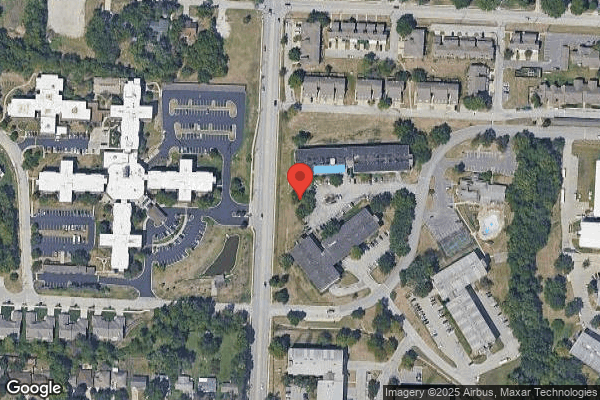
Jan 2023 1 deficiency
CONCERN (D) 📢 Someone Reported This

A family member, employee, or ombudsman was alarmed enough to file a formal complaint

Potential for Harm - no one hurt, but risky conditions existed

Deficiency F0602 (Tag F0602)

Could have caused harm · This affected 1 resident

**NOTE- TERMS IN BRACKETS HAVE BEEN EDITED TO PROTECT CONFIDENTIALITY** Based on observation, interview and record review, the facility failed to ensure three sampled residents (Residents #1, #2 and #...

Read full inspector narrative →
**NOTE- TERMS IN BRACKETS HAVE BEEN EDITED TO PROTECT CONFIDENTIALITY** Based on observation, interview and record review, the facility failed to ensure three sampled residents (Residents #1, #2 and #3) were free from misappropriation when Resident #2 had $1,914.47 of fraudulent charges on his/her credit/debit card, Resident #1 had $451.06 in fraudulent charges on his/her credit/debit cards and had $50 cash stolen and Resident #3 had $36 in cash stolen; and to ensure Resident #5's belongings were not rummaged through out of five sampled residents. The facility census was 52 residents. Record review of the facility's Abuse prevention program policy dated as updated February 2021 showed: -Misappropriation of resident property was defined as deliberate misplacement, exploitation, or wrongful, temporary or permanent use of residents' belongings or money without the resident's consent. -Every resident would be provided with an environment that was free from misappropriation of property. Record review of the facility's resident valuables policy dated as revised July 2007 showed: -The facility was unable to keep or hold residents' valuables. -Residents should make arrangements to have all valuables secured elsewhere. -Cash could not be accepted for resident purchases. -They had an in-house system which allowed residents to charge in the dining room, gift shop or beauty shop. -Cash could be signed for and billed for as a cash advance on their next statement. Record review of the facility's undated personal funds management policy showed: -Funds in excess of $50 would be deposited in a bank account. -Funds less than $50 would be kept in an account or petty cash fund dedicated specifically for resident use. 1. Record review of Resident #3's quarterly Minimum Data Set (MDS-a federally mandated assessment tool completed by facility staff for care planning) dated 11/7/22 showed he/she was cognitively intact. Record review of Resident #2's quarterly MDS dated [DATE] showed he/she was cognitively intact. Record review of Resident #1's 5-day MDS dated [DATE] showed he/she was cognitively intact. Record review of Resident #5's admission MDS dated [DATE] showed he/she was cognitively intact. Record review of the agency notifications to the facility Administrator showed: -Agency Certified Nursing Aide (CNA) A confirmed he/she would work 7:00 P.M. on 1/7/23 to 7:00 A.M. on 1/8/23 at the facility. -Agency CNA A checked in at the facility on 1/7/23 at 7:04 P.M. -Agency CNA A checked out of the facility on 1/8/23 at 6:55 A.M. -Agency CNA A applied to work on 1/10/23 from 7:00 A.M. to 7:00 P.M., on 1/11/23 from 7:00 A.M. to 7:00 P.M., on 1/13/23 from 7:00 P.M. to 1/14/23 7:00 A.M., on 1/15/23 from 7:00 A.M. to 7:00 P.M. and on 1/16/23 from 7:00 A.M. to 7:00 P.M. Record review of Resident #2's call light report showed: -Resident #2's call light was on from 5:51 P.M. to 6:18 P.M. on 1/7/23 and it was not turned on again until 9:15 A.M. on 1/8/23. -NOTE (see interview below on 1/23/23 at 9:41 A.M., where Resident #2 said agency CNA A was in his/her room sometime around 3:00 A.M. to 3:30 A.M. on 1/8/23). Record review of Resident #3's call light report showed: -Resident #3's call light was on from 12:06 A.M. to 12:07 A.M. on 1/8/23 and the resident's call light was not on again until 7:25 A.M. on 1/8/23. -NOTE (See the facility's investigation below where video showed agency CNA A went into Resident #3's room from 4:03 A.M. to 4:31 A.M. on 1/8/23). Record review of Resident #1's call light report showed: -Resident #1's call light was on from 3:32 A.M. to 4:27 A.M. on 1/8/23. -NOTE (See the observation of video below on 1/23/23 at 11:56 A.M. of video from the morning of 1/8/23 that showed the resident's call light was on from 3:32 A.M. to 4:27 A.M. and agency CNA A was in Resident #1's room from 4:34 A.M. to 5:01 A.M.). Record review of the undated facility's theft investigation showed: -On 1/8/23, Licensed Practical Nurse (LPN) A reported to the Director of Nursing (DON) that Resident #2 complained about an employee who was in his/her room and went through his/her drawers around 3:00 A.M. -Resident #2 was alert and oriented. -Resident #2 asked what the employee was doing and the employee replied that he/she was looking for briefs, which Resident #2 said were in plain sight. -LPN A asked agency CNA A what he/she was doing in Resident #2's drawers and he/she said Resident #2's call light was going off so he/she went in to assist Resident #2. -Call light reports were checked and Resident #2 had not called for help at that time. -Agency CNA A was not assigned to Resident #2's room. -They checked Resident #2's room and they did not identify that anything was missing from his/her room at that time. -Resident #2 said he/she did not originally think the person had gone in his/her closet. The Administrator found out Resident #2 kept a credit card in his/her purse in his/her closet on a shelf and when the Administrator and Social Worker were talking to Resident #2 about it on 1/16/23, they found his/her credit card was missing from Resident #2's closet. The bank was called and it was found that the resident had $1,914.47 that was charged to his/her credit/debit card between 1/8/23 and 1/10/23 and the bank had shut the credit card down based on possible fraudulent activity. The bank had been trying to get a hold of Resident #2 but they had the wrong number for Resident #2. -On 1/9/23, Resident #5 reported someone went through his/her stuff on the night of 1/7/23. -They checked Resident #5's room and they did not identify that anything was missing from his/her room at that time. -Resident #5's family member emailed the Administrator about the issue as well and the Administrator responded that they were already aware of the situation and investigating. -On 1/13/23, Resident #1, who admitted to the facility on [DATE] and discharged to home on 1/11/23, called the facility and said that at the time he/she was in the facility he/she was not sure that he/she had brought his/her credit cards with him/her but when he/she looked for them on 1/13/23 in the bag he/she had at the facility, the credit cards were missing. -Resident #1 called the two banks and found that there were charges on his/her cards that he/she said he/she did not make. -While interviewing all residents on the unit, Resident #3 said he/she was missing around $20-$30. -Agency CNA A was assigned to eight resident rooms that each had one resident residing in the room. -Observation of the facility video from some the night shift beginning 1/7/23 into the morning of 1/8/23 showed: --Agency CNA A went into six of his/her eight assigned rooms throughout the night shift. --Agency CNA A went into 12 rooms that he/she was not assigned to throughout the night shift. --Agency CNA A went into Resident #5's room for one minute beginning at 8:10 P.M. (which was around the time the resident said he/she was going through his/her drawers). --Resident #1's call light turned on at 8:55 P.M. Agency CNA A went into Resident #1's room at 8:57 P.M. and left at 8:59 P.M. --Agency CNA A went into Resident #3's room from 4:03 A.M. to 4:31 A.M. The resident's call light was not on and agency CNA A was not assigned to the room. -The fraudulent card charges began the day (1/8/23) agency CNA A finished his/her night shift from 7:00 P.M. on 1/7/23 ending at 7:00 A.M. on 1/8/23. Record review of an email sent from one of Resident #5's family members to the Administrator dated 1/10/23 showed: -Resident #5 reported that on 1/7/23 around 8:30 P.M., he/she was sitting in his/her recliner in his/her room when an employee came into the resident's room. -The employee started opening drawers in the resident's dresser and bedside dresser. -The resident asked what he/she was doing. -He/she said he/she was looking for the TV guide. -The resident showed him/her the TV guide and told him/her he/she had no need to go through the drawers. -The employee continued going through the resident's drawers and then finally left. -The resident reported it to the night nurse and to the day nurse the next day as well. Record review of Resident #1's fraud cardholder dispute form for transactions dated 1/11/23-1/13/23 showed: -The resident called and checked his/her transaction history. -The following charges: --1/11/23 $118.71 at a fresh fish and seafood store in Kansas City, Missouri (MO). --1/11/23 $35.26 at a fresh fish and seafood store in Kansas City, MO. --1/12/23 $100 at a nail salon in Kansas City, MO. --1/12/23 $3.31 at a Chinese restaurant in Kansas City, MO. --1/12/23 $52.47 at a retail store in Kansas City, MO. --1/12/23 $42.74 at a pizza restaurant in Kansas City, MO. --1/12/23 $25.20 at a gas station in Kansas City, MO. --1/13/23 $13.39 at a gas station in Kansas City, MO. --(Total amount was $391.08). -During the time of the above transactions, the credit card was stolen. -The resident had not used the credit card during the time of the transactions. -The resident did not give anyone else permission to use his/her card during the time of the transactions. Record review of Resident #1's card member services disputed charges dated 1/17/23 showed the following reported fraudulent charges: -$19.99 on 1/8/23 for Netflix. -$39.99 on 1/8/23 for Playstation Network. -(Total amount was $59.98). During an interview on 1/23/23 at 8:40 A.M., the Administrator said: -LPN A, who was the night shift charge nurse for 1/7/23 night into 1/8/23 morning, said Resident #2 reported agency CNA A was going through his/her stuff in his/her room and when the resident asked agency CNA A about it, agency CNA A said he/she was looking for briefs. -Resident #2 already had briefs sitting out. -Resident #2's call light was not on. -Agency CNA A was not assigned to Resident #2. -Resident #5 reported to the day shift nurse on 1/8/23 that agency CNA A went through his/her stuff the night before (1/7/23). -Resident #5 and Resident #2 initially found nothing missing. -Agency CNA A was an agency employee and 1/7/23 was his/her first shift working at the facility. Agency CNA A was not allowed to work at the facility again after the night shift on 1/7/23. -Resident #1, who was discharged from the facility on 1/11/23 called the facility on 1/13/23 and reported that he/she was unpacking on 1/13/23 and noticed two credit cards were missing and they both had fraudulent charges on them. -Then Resident #2 found that one of his/her credit cards was missing and there were fraudulent charges on it of almost $2,000 and the charges started on 1/8/23. -They looked at the facility cameras. -Agency CNA A was assigned to one hall and half of another hall. -Agency CNA A was observed on the facility video going into almost all of the resident's rooms on the floor, not just the ones he/she was assigned to. -They were still waiting for Resident #1's other bank statement to see the charges on it. -They were still waiting for Resident #2's statement of fraudulent charges. -He/she filed a police report and reported it to the Department of Health and Senior Services on 1/13/23. -The police were still investigating and said they might be able to pull video from place(s) charges were made. During an interview on 1/23/23 at 9:27 A.M., LPN A said: -Resident #2 reported to him/her on 1/8/23 that he/she was awakened by agency CNA A going through his/her stuff around 3:30 A.M. -Resident #2 said that when he/she asked agency CNA A what he/she was doing, agency CNA A said he/she was going to change Resident #2 and was looking for his/her briefs. -He/she asked agency CNA A about it and agency CNA A said the resident's call light was on and he/she was responding to that. -Resident #2 was not assigned to agency CNA A. -Resident #2 said he/she did not turn on his/her call light at that time. Observation and interview on 1/23/23 at 9:41 A.M., showed a sign on Resident #2's door with instructions to not wake the resident up until 6:00 A.M. for a brief change and Resident #2 said: -He/she woke up on Sunday morning, 1/8/23 around 3:00 A.M. and saw agency CNA A sitting on his/her floor going through his/her night stand. -He/She did not have his/her call light on. -Agency CNA A was not assigned to him/her. -Agency CNA A then went through his/her stuff in the corner of his/her room and moved items off of his/her trunk that were sitting on top of his/her trunk which included briefs. -He/she didn't know what agency CNA A was going to do next. -He/she was helpless in his/her bed. -He/she thought if he/she turned on his/her call light, agency CNA A would just turn it off and his/her phone was across the room so he/she could not reach it. -It made him/her nervous to have a stranger come into his/her room and go through his/her stuff. -Agency CNA A asked him/her if he/she needed his/her brief changed. -He/she usually didn't have his/her brief changed until 6:00 A.M. -He/she had a sign on his/her door that said not to wake him/her up until 6:00 A.M. for a brief change. -Agency CNA A moved a lot of his/her stuff around in his/her closet. -He/she didn't know his/her credit card was missing until the facility staff asked him/her if he/she was missing anything and they looked through his/her stuff. -His/her wallet was in his/her closet. -His/her credit card was missing from the wallet in the closet. -There were purchases on his/her credit card that he/she did not make. -The bank put a hold on his/her credit card. During an interview on 1/23/23 at 9:55 A.M., Resident #3 said: -An employee came in and asked him/her if he/she was missing anything. -He/she checked his/her wallet and found he/she was missing $36 dollars. -He/she received $10 from one family member, $20 from another family member and he/she won $6 playing bingo and that was what was missing. -He/she didn't see anyone take the missing money. During a telephone interview on 1/23/23 at 10:47 A.M., Resident #1 said: -A nursing staff member was rummaging through his/her papers one night (unsure of date). -The one rummaging might have been LPN C who gave him/her his/her pain pills (Record review of the time sheets showed LPN C did not work on 1/7/23 or 1/8/23). -He/she originally thought he/she had his/her credit cards with him/her at the facility but wasn't sure. -When he/she started unpacking two days after discharge, he/she noticed two credit cards were missing and they were not at home. -There were fraudulent charges on both credit cards. -The bank read him/her some of the charges over the phone and they were not his/hers. -One of the charges was for a nail salon and he/she did not get his/her nails done. During a telephone interview on 1/23/23 at 11:21 A.M., Resident #1 said: -There was a tall, thin, employee (who matched the gender and race description of agency CNA A) who he/she saw early morning he/she thinks it was on 1/8/23 and this employee woke him/her up. -The employee said he/she couldn't get into the computer so he/she had to write everything down and got paper off his/her dresser which is where he/she thought the envelope with his/her credit cards, driver's license and money were, to write a bunch of things down he/she was asking him/her about. -There were some times when his/her call light went off on its own and got stuck on. -He/she didn't remember his/her call light being on 3:32 A.M. to 4:27 A.M. on 1/8/23 (see observation of video from the morning of 1/8/23 showed that showed the resident's call light was on from 3:32 A.M. to 4:27 A.M. and agency CNA A went into Resident #1's room at 4:34 A.M. and exited at 5:01 A.M.). -His/her mother drove him/her home from the facility on 1/11/23. -He/she went straight home after being discharged from the facility. -He/she had not gone anywhere between being discharged to home on 1/11/23 and him/her noticing the missing credit cards on 1/13/23. -No one else went in his/her house between him/her arriving home on 1/11/23 and him/her noticing the missing credit cards on 1/13/23. -He/she thought he/she had his/her credit cards, driver's license and $50 in an envelope on top of his/her dresser at the facility and they were all gone. During an interview on 1/23/23 at 11:30 A.M., the DON said: -Resident #1 said LPN C shuffled through some of his/her papers. -LPN C did not work on 1/7/23 or 1/8/23. -He/she thought Resident #1 was a little bit mixed up on when and who shuffled through some of his/her papers. Observation of the facility video on 1/23/23 at 11:30 A.M. showed agency CNA A was skinny, wearing glasses, had a head wrap on, khaki pants and a blue (like jeans) shirt/jacket over another top throughout the footage of the night shift on 1/7/23. During an interview on 1/23/23 at 11:46 A.M., Resident #2 said the agency CNA A going through his/her stuff in the middle of the night was skinny, was wearing glasses and was maybe in his/her 30's (also matched the race and gender of agency CNA A). During an interview on 1/23/23 at 11:56 A.M., the Administrator and DON said: -There was misappropriation of property for three residents (Resident's #1, #2 and #3) and Resident #5 knew someone was in his/her room going through his/her stuff. -Resident #1 reported fraudulent charges on two credit cards after discharging to home. -Resident #2 initially thought nothing was missing but discovered his/her credit card was used by someone else (unauthorized) and the bank had been trying to reach him/her but they had the wrong phone number. -Resident #3 was alert and oriented and would know if he/she was missing money. -Their policy showed the facility would keep nominal funds for residents, anything over $50 should be kept in a resident trust fund and personal effects should be documented on their inventory of effects. Observation of the facility video on 1/23/23 at 11:56 A.M., from the morning of 1/8/23 showed: -Resident #1's call light was on from 3:32 A.M. to 4:27 A.M. -Agency CNA A went into Resident #1's room from 4:34 A.M. to 5:01 A.M. and the resident's call light was not on when he/she entered. During a telephone interview on 1/25/23 at 2:07 P.M., Registered Nurse (RN) A said: -On the morning of 1/8/23, Resident #5, who was alert and oriented said he/she was awake last night (1/7/23) around 8:30 P.M. when an employee (who was the same gender and race as agency CNA A), with no other description, went through her stuff in his/her room. -The employee opened his/her dresser drawers and then walked over to the night stand and started going through it and he/she said something to the employee asking what he/she was doing. The employee said he/she was looking for something. -When Resident #5 reported it to him/her, he/she sent the DON a message. -Resident #5 came back to the nurses' station again later and told LPN B, who said he/she was going to send the DON a message too. During a telephone interview on 1/25/23 at 2:18 P.M., the Admissions Coordinator said: -Resident #1 called him/her on 1/13/23 and said he/she thought a nursing staff member stole his/her stuff. -Resident #1 was discharged [DATE] and it was a couple days after he/she left when he/she called. -Resident #1 said a person who he/she thought was LPN C came in his/her room at night on an unknown date in the middle of the night around 10:00 P.M. to 1:00 A.M. -Resident #1 didn't say what night it was but he/she did say he/she asked LPN C for a bed pan that night. -Resident #1 said LPN C had an attitude and was rummaging through his/her stuff. -Resident #1 said LPN C said he/she was looking to make sure that someone had not already given him/her a bed pan. -Resident #1 said he/she found it odd that the employee was rummaging through his/her stuff. -Resident #1 said someone had made fraudulent charges on his/her credit cards. -He/She reported the incident immediately to the Administrator. During a telephone interview on 1/25/23 at 3:02 P.M., LPN B said: -Resident #5 reported that there was a person in his/her room in the middle of the night on 1/7/23 into the morning of 1/8/23. -Resident #5 didn't give him/her a description of the person. -Resident #5 didn't report anything missing. -Resident #5 reported it again to him/her during the day shift. -He/she told Resident #5 he/she would pass on the information. -He/she wasn't Resident #5's nurse that day and he/she was working with RN A and RN A already reported it to the DON. During a telephone interview on 1/26/23 at 8:00 A.M., Resident #5's family member said: -Resident #5 reported to him/her that on 1/7/23 around 8:30 P.M. an employee (who he/she was told was an agency CNA A) was opening his/her drawers. -Resident #5 asked the agency CNA A what he/she was doing. -The agency CNA A said he/she was looking for the TV guide. -Resident #5 told the agency CNA A the TV guide was right there. -The agency CNA A continued to look through Resident #5's drawers. During a telephone interview on 1/26/23 at 11:06 A.M., Resident #5 said: -An incident occurred on Saturday evening 1/7/23 around 8:00 P.M. to 8:30 P.M. -An employee came in his/her room and stood in front of him/her. -The employee was wearing big glasses, had something piled on his/her head, had a jean jacket on and was very thin (and fit the race and gender of agency CNA A). -He/she was sitting in front of his/her recliner in his/her room. -He/she had his/her little table in front of him/her with his/her TV remote and his/her TV schedule laying there by the remote on the table. -The employee came around and said how you? -He/She replied that he/she was ok but he/she would like to have a laxative. -The employee pulled open a drawer of his/her dresser that was by his/her chair. -The employee walked to his/her dresser several feet across the room and opened the top drawer. -He/she asked why the employee was opening his/her drawers. -The employee replied that he/she was looking for his/her TV schedule. -He/she told the employee it was right there on his/her table. -That didn't stop the employee. -The employee went to a third dresser by his/her bed and opened a drawer. -Then the employee went in front of him/her and asked What did you need? -He/she replied nothing because it frightened him/her and he/she just wanted the employee out of his/her room. -He/she told the nurse in the morning what happened. -A family member of his/hers emailed the Administrator. -The Administrator told him/her the employee was an agency worker. During a telephone interview on 1/26/23 at 11:22 A.M., LPN C said: -He/she did work with Resident #1 one night (he/she usually didn't work in that area of the facility). -Resident #1 was asking for a urinal that night. -He/she looked around Resident #1's room and did not see a urinal. -He/she went to the supply closet to get a urinal but there were none so he/she brought Resident #1 a bed pan. -He/she did not take anything from Resident #1. -He/she did not see anyone else that seemed suspicious. -No residents reported anything missing to him/her the past couple of weeks. During a telephone interview on 1/27/23 at 8:24 A.M., the Social Worker said: -Resident #2 asked him/her to help him/her go through his/her trunk and his/her room to make sure nothing was missing. -He/she and Resident #2 went through the resident's trunk and room on 1/9/23 and they did not find anything missing at that time. -He/she asked Resident #5 if he/she was missing anything and Resident #5 told him/her nothing was missing that he/she knew of. -He/she went back the next day or two to Resident #2's room and went through the resident's closet and that's when they found Resident #2's credit card was missing. -He/she called the bank with Resident #2. -The bank told Resident #2 that there were charges that they had already flagged as fraudulent charges and Resident #2 confirmed that he/she did not make those purchases. During a telephone interview on 1/27/23 at 7:44 P.M., CNA B said (regarding the night shift starting on 1/7/23 at 7:00 P.M. and into the morning of 1/8/23 at 7:00 A.M.): -He/she saw agency CNA A come out of Resident #2's room early morning, sometime around 3:00 A.M. -He/she asked agency CNA A why he/she was in Resident #2's room because agency CNA A was not assigned to Resident #2's room. -Agency CNA A said Resident #2's call light was on. -Resident #2's call light had not been on. -Resident #2 did not like to be bothered until 6:00 A.M. and he/she had a sign on his/her door that said not to go into his/her room until 6:00 A.M. -Resident #2 said agency CNA A went through his/her trunk in his/her room. -Resident #2's stuff, which included incontinent pads, had been moved off Resident #2's trunk. -He/she saw agency CNA A come out of Resident #3's room, which agency CNA A was not assigned to and Resident #3's call bell was not on. -Agency CNA A had no reason to go into those and other residents' rooms that were assigned to him/her (CNA B) and he/she was there and available. Record review of an email from the Administrator dated 1/27/23 showed: -He/she found that security may be able to copy some of their video from 1/7/23-1/8/23. -The video was only available for a certain length of time. -He/she would try to narrow down the timeframes that would be applicable and would provide an update. During an interview on 1/30/23 at 12:51 P.M. the agency contact for the agency CNA A worked for said: -Agency CNA A only worked one shift at the facility which was 1/7/23. -The facility did not accept any requests from agency CNA A to work any additional shifts after her first shift there due to reports of agency CNA A rummaging through residents' rooms. -He/She was informed that the facility contacted the police and a couple of credit cards had been charged at different places. -Agency CNA A was blocked on their platform so he/she could not work until they received additional information regarding the situation reported from the facility. Attempts to contact agency CNA A were made: -By telephone on 1/23/23 at 10:46 A.M., 1/24/23 at 8:38 A.M., 1/25/23 at 8:00 A.M., 1/26/23 at 7:30 A.M. and 1/27/23 at 7:59 A.M. -A certified letter was sent 1/24/23. MO00212598
Apr 2022 8 deficiencies
CONCERN (D)

Potential for Harm - no one hurt, but risky conditions existed

Transfer Notice (Tag F0623)

Could have caused harm · This affected 1 resident

**NOTE- TERMS IN BRACKETS HAVE BEEN EDITED TO PROTECT CONFIDENTIALITY** Based on interview and record review, the facility failed to notify the resident and the resident's representative(s) in writing...

Read full inspector narrative →
**NOTE- TERMS IN BRACKETS HAVE BEEN EDITED TO PROTECT CONFIDENTIALITY** Based on interview and record review, the facility failed to notify the resident and the resident's representative(s) in writing of a transfer or discharge to a hospital, including the reasons for the transfer and to provide the Ombudsman (a resident advocate who provides support and assistance with problems and/or complaints regarding the facility) a copy of the notification for one sampled resident (Resident #9) out of 13 sampled residents and one closed record (Resident #49) out of two closed records. The facility census was 52 residents. 1. Record review of Resident #9's Profile Face Sheet showed he/she was admitted to the facility on [DATE]. Record review of the facility investigation dated 12/21/21 showed the resident was sent to the hospital after stepping off a sit to stand lift (are designed to assist patients who have some mobility but need help to rise from a sitting position. They allow caregivers to easily move patients from one seated surface to another) during a transfer. Record review of the resident's Minimum Data Set (MDS-a federally mandated assessment tool required to be completed by staff for care planning) dated 12/21/21 showed he/she was discharged to the hospital. Record review of the electronic mail sent by the Social Worker to the Ombudsman on 1/3/22 showed: -The facility had three hospitalizations and two deaths at the facility for the month of January. -There was no documentation that showed the resident name, where they went or any attached discharge/transfer notices. Record review of the resident's medical record on showed no information that showed a transfer/discharge notice was provided to the resident/responsible party upon discharge. 2. Record review Resident #49's admission Record showed he/she was admitted to the facility on [DATE] and left the faciity on 2/26/22. Record review of the resident's admission MDS dated [DATE] showed the resident: -Was cognitively intact. -Had diagnoses that included: --Debility (physical weakness as a result of illness or medical conditions). --Cardiorespiratory (heart and lung) conditions. --Septicemia (sepsis - a blood stream infection). Record review of the resident's Nurses Notes, dated 2/26/22 showed: -The resident was noted with low blood pressure (BP - the force of circulating blood on the artery walls) of 63/37 (BP reading lower than 90 millimeters of mercury (mm Hg) for the systolic (top) number or 60 mm Hg for the diastolic (bottom) number is considered low) and feeling dizzy and light headed. -The family requested the resident be sent out to the hospital for further evaluation. -Paramedics transferred the resident out about 8:00 A.M. -The physician and resident's contact were notified of the resident's transfer to the hospital. Record review of the electronic mail sent by the Social Worker to the Ombudsman on 3/9/22 showed: -The facility had three hospitalizations and six deaths at the facility for the month of February. -There was no documentation that showed the resident name, where they went or any attached discharge/transfer notices. Record review of the resident's medical record on 4/21/22 showed no documentation of a written emergency discharge notice being sent with the resident or his/her emergency contact or the Ombudsman. 3. During an interview on 4/20/22 at 1:25 P.M. Licensed Practical Nurse (LPN) A said: -When a resident discharged to the hospital he/she was responsible for sending the residents' physician's orders and a face sheet to the hospital. -He/she did not provide a transfer/discharge notice to the resident. -He/she did not notify the Ombudsman of a residents' discharge or transfer. -He/she was not aware of these processes upon transfer or discharge. During an interview on 4/21/22 at 7:48 A.M. LPN B said: -When a resident was sent to the hospital he/she would send a medication list and call report to the hospital. -He/she was not aware of the process of sending transfer/discharge notices with the resident or resident's responsible party. -He/she was not aware the ombudsman was notified on transfers and discharges. During an interview on 4/21/22 at 8:01 A.M. the Social Worker said: -He/she did not provide transfer discharge notices to the resident/responsible party upon discharge. -The nurses were responsible for completing these and providing the notices to the resident and/or residents' responsible party. -He/she sent the Ombudsman and email around the 5th of each month. -He/she sent the number of hospitalizations and deaths each month. -He/she did not send the name and where they went in the email. -If a 30-day notice was given would only say one resident was given a 30 day notice but not the individuals' name. -The Ombudsman was not asking for the name but the notifications were given. -He/she would provide the names if the Ombudsman requested the names of the residents who discharged or passed away. During an interview on 4/21/22 at 1:45 P.M. the Director of Nursing (DON) said: -They did not give a written notice of transfer to the resident or his/her emergency contact. -They did not provide written information to the Office of the State Long Term Care (LTC) Ombudsman showing when and why the resident was transferred and the location where the resident was transferred. They only provide information to the Ombudsman's Office on the number of residents transferred or discharged on any given month, not the specific names of the residents who were transferred or discharged . During an interview on 4/22/22 at 9:58 A.M. the DON said: -He/she was not aware of transfer/discharge notices and the requirements. -This was very difficult for a nurse to do when a resident was being sent to the hospital. -The Social Worker did notify the Ombudsman of the discharges but did not list the names of the residents. -He/she did not provide the transfer sheets to the Ombudsman. -Notifications of transfer have been verbal to the family.
CONCERN (D)

Potential for Harm - no one hurt, but risky conditions existed

Deficiency F0625 (Tag F0625)

Could have caused harm · This affected 1 resident

**NOTE- TERMS IN BRACKETS HAVE BEEN EDITED TO PROTECT CONFIDENTIALITY** Based on interview and record review, the facility failed to notify the resident and the resident's representative in writing of...

Read full inspector narrative →
**NOTE- TERMS IN BRACKETS HAVE BEEN EDITED TO PROTECT CONFIDENTIALITY** Based on interview and record review, the facility failed to notify the resident and the resident's representative in writing of the facility bed hold policy at the time of transfer for one sampled resident (Resident #9) out of 13 sampled residents and one closed record (Resident #49) out of two closed records. The facility census was 52 residents. Record review of the facility's undated Bed Hold Policy showed: -If a resident was absent for up to 18 days, no additional costs would be charged. -The residence (bed) would be held for 18 days. 1. Record review of Resident #9's Profile Face Sheet showed he/she was admitted to the facility on [DATE]. Record review of the facility investigation dated 12/21/21 showed the resident was sent to the hospital after stepping off a sit to stand lift (are designed to assist patients who have some mobility but need help to rise from a sitting position. They allow caregivers to easily move patients from one seated surface to another) during a transfer. Record review of the resident's Minimum Data Set (MDS-a federally mandated assessment tool required to be completed by staff for care planning) dated 12/21/21 showed he/she was discharged to the hospital. Record review of the resident's medical record showed no information that showed a bed hold policy was provided to the resident/responsible party upon discharge. 2. Record review of Resident #49's Profile Face Sheet showed he/she was admitted to the facility on [DATE] and left the faciity on 2/26/22. Record review of the resident's admission MDS dated [DATE] showed the resident: -Was cognitively intact. -Had diagnoses that included: --Debility (physical weakness as a result of illness or medical conditions). --Cardiorespiratory (heart and lung) conditions. --Septicemia (sepsis - a blood stream infection). Record review of the resident's Nurses Notes, dated 2/26/22 showed: -The resident was noted with low blood pressure (BP - the force of circulating blood on the artery walls) of 63/37 (BP reading lower than 90 millimeters of mercury (mm Hg) for the systolic (top) number or 60 mm Hg for the diastolic (bottom) number is considered low) and feeling dizzy and light headed. -The family requested the resident be sent out to the hospital for further evaluation. -Paramedics transferred the resident out about 8:00 A.M. -The physician and resident's contact were notified of the resident's transfer to the hospital. Record review of the resident's medical record on 4/21/22 showed no information that a bed hold policy was provided to the resident upon transfer or within 24 hours of transfer to the hospital. 3. During an interview on 4/20/22 at 1:25 P.M. Licensed Practical Nurse (LPN) A said: -When a resident discharged to the hospital he/she was responsible for sending the residents' physician's orders and a face sheet to the hospital. -He/she did not provide the bed hold policy to the resident. -He/she was not aware of these processes upon transfer or discharge. During an interview on 4/21/22 at 7:48 A.M. LPN B said: -When a resident was sent to the hospital he/she would send a medication list and call report to the hospital. -He/she was not aware of the process of sending a bed hold policy with the resident or resident's responsible party. During an interview on 4/21/22 at 8:01 A.M. the Social Worker said: -He/she did not provide the bed hold policy upon resident transfers or discharges. -The nurses were responsible for completing these and providing the bed hold notice to the resident and/or residents' responsible party. During an interview on 4/21/22 at 1:45 P.M. the Director of Nursing (DON) said they did not provide the resident with a written bed hold policy when he/she was transferred to the hospital. They provide the information upon the resident's admission, but not at the time of transfer to the hospital. During an interview on 4/22/22 at 9:58 A.M. the DON said: -He/she was not aware of transfer/discharge notices and the requirements of the bed hold policy. -Everyone was given a bed hold policy upon admission.
CONCERN (D)

Potential for Harm - no one hurt, but risky conditions existed

Pressure Ulcer Prevention (Tag F0686)

Could have caused harm · This affected 1 resident

**NOTE- TERMS IN BRACKETS HAVE BEEN EDITED TO PROTECT CONFIDENTIALITY** Based on observation, interview and record review, the facility failed to ensure completion of one resident's (Resident #20) lef...

Read full inspector narrative →
**NOTE- TERMS IN BRACKETS HAVE BEEN EDITED TO PROTECT CONFIDENTIALITY** Based on observation, interview and record review, the facility failed to ensure completion of one resident's (Resident #20) left hip pressure ulcer (a localized injury to the skin and/or underlying tissue usually over a bony prominence, as a result of pressure, or pressure in combination with shear and/or friction) treatment and to clarify/discontinue a treatment for the resident's right hip once the wound was healed, out of 13 sampled residents. The facility census was 52 residents. Record review of the facility Pressure Ulcer/Skin Breakdown - Clinical Protocol, revised April 2018 showed: -The licensed nurse would document all current treatments. -The physician would order pertinent wound treatments, including wound cleansing and debridement (the removal of dead or infected skin tissue to help a wound heal) approaches, dressings, and application of topical agents (substances which are applied to a body surface/wound). 1. Record review of Resident #20's Profile Face Sheet showed his/her current admission date was 2/1/22. Record review of the resident's admission Minimum Data Set (MDS-a federally mandated assessment tool required to be completed by staff for care planning) dated 2/8/22 showed: -He/she was admitted to the facility on [DATE]. -He/she had three unstageable (not stageable due to covering of the wound bed by dead tissue) pressure ulcers. -He/she had skin treatments including pressure ulcer care, application of dressings and application of ointments/medication. Record review of the resident's wound clinic documentation dated 3/3/22 showed: -His/her right hip chronic unstageable pressure injury received an outcome of healed; wound order was to paint with Betadine (a topical antiseptic that provides infection protection against a variety of germs) and leave open to air (OTA). -His/her left hip had a chronic unstageable pressure injury obscured full-thickness skin and tissue loss pressure ulcer and had a status of not healed; measurements were 3.1 centimeters (cm) in length by 1.5 cm in width and a depth of 0.1 cm; there was no drainage; the wound bed had 76 - 100% eschar (a dry, dark scab); wound order was to paint with Betadine and leave OTA. Record review of the resident's wound clinic documentation dated 3/17/22 showed: -No treatment order for the resident's right hip. -His/her left hip had a chronic unstageable pressure injury obscured full-thickness skin and tissue loss pressure ulcer and had a status of not healed; measurements were 3.1 centimeters (cm) in length by 1.5 cm in width and a depth of 0.1 cm; there was no drainage; the wound bed had 76 - 100% eschar (a dry, dark scab). -The wound order was to paint the resident's left hip with Betadine and leave OTA. Record review of the resident's Treatment Record for March 2022 showed: -He/she had a treatment of Betadine swabsticks (disposable applicators) once daily; cleanse wounds to bilateral (both right and left) hips with normal saline (NS), pat dry, paint with Betadine daily, leave OTA for wound healing, dated 2/2/22. -His/her Betadine swabsticks to his/her bilateral hips was not documented as completed 10 out of 31 times. Record review of the resident's Physician's Orders showed a order for Betadine swabsticks 10% topical once daily - cleanse wounds to bilateral hips with NS, pat dry, paint with Betadine daily, leave OTA for wound healing dated 4/18/22. Record review of the resident's Treatment Record for April 2022 for the dates 4/1/22 through 4/18/22 showed: -He/she had a treatment of Betadine swabsticks once daily; cleanse wounds to bilateral hips with NS, pat dry, paint with Betadine daily, leave OTA for wound healing, dated 2/2/22. -His/her Betadine swabsticks to his/her bilateral hips was not documented as completed four out of 18 times. --Note: On 4/18/22, Licensed Practical Nurse (LPN) D documented providing treatments to both of the resident's left and right hip. Observation on 4/18/22 at 9:07 A.M. showed: -The resident had an unstageable pressure on his/her left hip. -LPN D cleansed the resident's left hip pressure ulcer with NS, painted the left hip pressure ulcer with a Betadine swabstik and left it open to air. --NOTE: LPN D did not complete the wound treatment per the resident's physician's orders on his/her right hip. Observation on 4/22/22 at 9:52 A.M. showed the resident had no current skin breakdown on his/her right hip. During an interview on 4/22/22 at 9:52 A.M. LPN D said: -The resident had a pressure ulcer on his/her left hip. -The treatment was to cleanse the pressure ulcer with NS, paint the pressure ulcer with Betadine and leave it open to air. -The resident had previously had a right hip pressure ulcer which had been healed for a while and which had a treatment of cleansing with NS, paint with Betadine and leave open to air. -The licensed nurses wanted the resident's treatment order for his/her bilateral hips to change to treatment to his/her left hip rather than treatment to his/her bilateral hips. During an interview on 4/22/22 at 9:58 A.M. the Director of Nursing (DON) said: -He/she looked at documentation regarding residents' wound treatments. -There was a place in the electronic medical record (EMR) to check if a resident had any missed medications or treatments. -After reviewing the EMR for missed medications or treatments, there were resident's treatments were not done. -He/she had recently told all the nurses again to routinely check each resident's EMR for missed medications and treatments so that nothing would be missed; he/she had ongoing discussions with licensed nurses regarding this reminder. -He/she should have clarified the resident's treatment order for his/her right hip. -The resident's order for treatment to his/her bilateral hips may still be there because the treatment would help the resident's previous right hip breakdown from opening up.
CONCERN (D)

Potential for Harm - no one hurt, but risky conditions existed

Deficiency F0760 (Tag F0760)

Could have caused harm · This affected 1 resident

**NOTE- TERMS IN BRACKETS HAVE BEEN EDITED TO PROTECT CONFIDENTIALITY** Based on observation, interview, and record review, the facility failed to ensure residents were free from significant medicatio...

Read full inspector narrative →
**NOTE- TERMS IN BRACKETS HAVE BEEN EDITED TO PROTECT CONFIDENTIALITY** Based on observation, interview, and record review, the facility failed to ensure residents were free from significant medication errors. One medication error occurred involving failure to properly prime an insulin pen (priming means removing the air from the needle and cartridge and ensures the pen is working correctly - if the pen is not primed before each injection, too little or too much insulin may be injected) prior to administration of insulin for one sampled resident (Resident #12). The facility census was 56 residents. Record review of the facility Insulin Administration policy, revised September 2014 showed: -The nursing staff will have access to specific instructions (from the manufacturer if appropriate) on all forms of insulin delivery system(s) prior to their use. -Forms of insulin delivery included insulin pens. Record review of the facility Administering Medications policy, revised April 2019 showed: -Medications are administered in accordance with prescriber orders -The individual administering medication checks the label three times to verify the right medication, right dosage, right time and right method (route) of administration before giving the medication. Record review of https://pi.lilly.com/insulin-Lispro-kwikpen-us-ifu.pdf copyright 2007, 2020 showed: -Push the capped needle straight onto the pen and twist the needle on until it is tight. -Prime before each injection. -Priming means removing the air from the needle and cartridge that may collect during normal use and ensures that the pen is working correctly. -If you do not prime before each injection, you may get too much or too little insulin. -To prime your pen, turn the dose knob to select 2 units. -Hold your pen with the needle pointing up. -Tap the cartridge holder gently to collect air bubbles at the top. -Continue holding your pen with needle pointing up; push the dose knob in until it stops, and 0 is seen in the dose window. -Hold the dose knob in and count to 5 slowly. -You should see insulin at the tip of the needle. -If you do not see insulin, repeat priming no more than 4 times; if you still do not see insulin, change the needle and repeat priming. Record review of the facility Competency Checklist Administration of Subcutaneous Insulin with Pen Device, undated showed: -Remove the protective pull tab from a new disposable pen needle and screw it onto the pen until snug. -Prime the pen with two (2) units prior to dialing the number of units to be delivered; this must be done prior to every dose. -A drop of insulin will be visible at the tip of the needle, if not, re-prime with two units. -Dial the ordered dose of insulin. 1. Record review of Resident #12's Detailed Summary showed: -He/she was admitted to the facility on [DATE]. -He/she had a diagnosis of Diabetes (a disease in which blood sugar levels are too high). Record review of the resident's Physician's Order's showed a physician order for Humalog (Lispro) U-100, 100 units/milliliter (ml) insulin (the body's messenger that regulates the amount of glucose in the blood), give 10 units three times a day with meals for diabetes, dated 3/20/22. Observation on 4/21/22 at 7:24 A.M. showed: -Certified Medication Technician (CMT) A removed the cap from the residents Lispro (Humalog) u-100 pen and wiped the rubber seal with alcohol. -CMT A then, without first putting on the needle, dialed the pen to 2 units and expelled the 2 units of insulin. -CMT A then put the needle on the resident's insulin pen and dialed the pen to 10 units. -CMT A then administered the resident's insulin injection. During an interview on 4/22/22 at 8:20 A.M. CMT A said: -He/she did not recall expelling two units of the resident's insulin without first putting the needle on the resident's insulin pen. -He/she said when he/she gave insulin with an insulin pen he/she puts the needle on then dialed to two units, expels the two units while looking at the needle to see if insulin comes out; then he/she dials the resident's dose of insulin. -He/she said, the purpose of priming the insulin pen is to get the right dose of insulin. During an interview on 4/22/22 at 9:58 A.M. the Director of Nursing (DON) said: -The facility was not supposed to have any insulin pens. -The facility was only to use vials (bottles) of insulin because it was less likely that an error would be made because Insulin pens have to be primed.
CONCERN (E)

Potential for Harm - no one hurt, but risky conditions existed

Pharmacy Services (Tag F0755)

Could have caused harm · This affected multiple residents

Based on interview and record review, the facility failed to ensure the shift change narcotic (a drug that in moderate doses dulls the senses, relieves pain, and induces profound sleep but in excessiv...

Read full inspector narrative →
Based on interview and record review, the facility failed to ensure the shift change narcotic (a drug that in moderate doses dulls the senses, relieves pain, and induces profound sleep but in excessive doses causes stupor, coma, or convulsions) count was completed and signed by both the on-coming and off-going nursing staff. The facility census was 52 residents. 1. Record review of the facilities Control Substances (a drug or other substance that is tightly controlled by the government because it may be abused or cause addiction) Policy revised December 2012 showed: -Nursing staff would count controlled medications at the end of each shift. -The nurse coming on duty and the nurse going off duty would make the count together. -They would document the count and reported and discrepancies to the Director of Nursing (DON). Record review of 100 Hall Narcotic Card Count sheet dated 1/8/22 thru 1/15/22 showed: -One out of 28 opportunities were not signed by either the oncoming or off going staff. -One out of 28 opportunities where the number of medication cards is not listed. Record review of 100 Hall Narcotic Card Count sheet dated 1/15/22 thru 1/23/22 showed four out of 28 opportunities were not signed by either the oncoming or off going staff. Record review of 100 Hall Narcotic Card Count sheet dated 1/23/22 thru 1/28/22 showed one out of 26 opportunities were not signed by either the oncoming or off going staff. Record review of 100 Hall Narcotic Card Count sheet dated 1/29/22 thru 2/5/22 showed: -Seven out of 26 opportunities were not signed by either the oncoming or off going staff. -Three out of 26 opportunities where the number of medication cards was not listed. Record review of 100 Hall Narcotic Card Count sheet dated 2/6/22 thru 2/11/22 showed: -Nine out of 22 opportunities were not signed by either the oncoming or off going staff. -One out of 22 opportunities where the number of medication cards was not listed. Record review of 100 Hall Narcotic Card Count sheet dated 2/12/22 thru 2/19/22 showed: -Eight out of 28 opportunities were not signed by either the oncoming or off going staff. -Two out of 28 opportunities where the number of medication cards was not listed. Record review of 100 Hall Narcotic Card Count sheet dated 2/20/22 thru 2/26/22 showed: -Three out of 28 opportunities were not signed by either the oncoming or off going staff. -Four out of 28 opportunities were the number of medication cards was not listed. Record review of 100 Hall Narcotic Card Count sheet dated 3/4/22 thru 3/10/22 showed two out of 28 opportunities where the number of medication cards was not listed. Record review of 100 Hall Narcotic Card Count sheet dated 3/11/22 thru 3/17/22 showed four out of 28 opportunities were not signed by either the oncoming or off going staff. Record review of 100 Hall Narcotic Card Count sheet dated 3/23/22 thru 3/29/22 showed: -Seven out of 26 opportunities were not signed by either the oncoming or off going staff. -Three out of 26 opportunities where the number of medication cards was not listed. Record review of 100 Hall Narcotic Card Count sheet dated 3/29/22 thru 4/5/22 showed: -Three out of 28 opportunities were not signed by either the oncoming or off going staff. -One out of 28 opportunities where the number of medication cards was not listed. Record review of 100 Hall Narcotic Card Count sheet dated 4/9/22 thru 4/11/22 showed one out of 26 opportunities were not signed by either the oncoming or off going staff. Record review of 100 Hall Narcotic Card Count sheet dated 4/12/22 thru 4/18/22 showed two out of 26 opportunities were not signed by either the oncoming or off going staff. Record review of 100 Hall Narcotic Card Count sheet dated 4/18/22 thru 4/21/22 showed two out of 12 opportunities were not signed by either the oncoming or off going staff. 2. Record review of 200 East Hall Narcotic Card Count sheet dated 1/8/22 thru 1/15/22 showed: -Five out of 28 opportunities were not signed by either the oncoming or off going staff. -Two out of 28 opportunities where the number of medication cards was not listed. Record review of 200 East Hall Narcotic Card Count sheet dated 1/15/22 thru 1/22/22 showed: -Two out of 28 opportunities were not signed by either the oncoming or off going staff. -Three out of 28 opportunities where the number of medication cards was not listed. Record review of 200 East Hall Narcotic Card Count sheet dated 1/22/22 thru 1/28/22 showed: -Two out of 26 opportunities were not signed by either the oncoming or off going staff. -Three out of 26 opportunities where the number of medication cards was not listed. Record review of 200 East Hall Narcotic Card Count sheet dated 1/29/22 thru 2/5/22 showed: -Five out of 28 opportunities were not signed by either the oncoming or off going staff. -One out of 28 opportunities where the number of medication cards was not listed. Record review of 200 East Hall Narcotic Card Count sheet dated 2/6/22 thru 2/13/22 showed: -Four out of 28 opportunities were not signed by either the oncoming or off going staff. -Two out of 28 opportunities where the number of medication cards was not listed. Record review of 200 East Hall Narcotic Card Count sheet dated 2/13/22 thru 2/21/22 showed: -Eight out of 28 opportunities were not signed by either the oncoming or off going staff. -Two out of 28 opportunities where the number of medication cards was not listed. Record review of 200 East Hall Narcotic Card Count sheet dated 2/28/22 thru 3/7/22 showed: -Six out of 28 opportunities were not signed by either the oncoming or off going staff. -Two out of 28 opportunities where the number of medication cards was not listed. Record review of 200 East Hall Narcotic Card Count sheet dated 3/7/22 thru 3/15/22 showed: -Seven out of 28 opportunities were not signed by either both the oncoming or off going staff. -Two out of 28 opportunities where the number of medication cards was not listed. Record review of 200 East Hall Narcotic Card Count sheet dated 3/16/22 thru 3/23/22 showed: -Six out of 28 opportunities were not signed by either the oncoming or off going staff. -Three out of 28 opportunities where the number of medication cards was not listed. Record review of 200 East Hall Narcotic Card Count sheet dated 3/24/22 thru 3/30/22 showed: -One out of 28 opportunities were not signed by either the oncoming or off going staff. -One out of 28 opportunities where the number of medication cards was not listed. Record review of 200 East Hall Narcotic Card Count sheet dated 3/30/22 thru 4/7/22 showed: -Six out of 28 opportunities were not signed by either the oncoming or off going staff. -Three out of 28 opportunities where the number of medication cards was not listed. Record review of 200 East Hall Narcotic Card Count sheet dated 4/8/22 thru 4/15/22 showed: -One out of 28 opportunities were not signed by either the oncoming or off going staff. -One out of 28 opportunities where the number of medication cards was not listed. Record review of 200 East Hall Narcotic Card Count sheet dated 4/15/22 thru 4/21/22 showed two out of 24 opportunities were not signed by either the oncoming or off going staff. 3. During an interview on 4/21/22 at 12:37 P.M., Licensed Practical Nurse (LPN) A said: - Narcotics were to be counted at the beginning and end of each shift by the nurse coming off or coming on duty. -Once the count was completed the narcotic sheet was signed by both nurses. During an interview on 4/22/22 at 8:08 A.M., LPN D said: -Narcotics were to be counted at the start and end of the shift. -The narcotic count book was then signed by both nurses. During an interview on 4/22/22 at 8:14 A.M., LPN C said: - Narcotics were counted at the start of the shift and then at the end of the shift with another nurse. -The narcotic sheet was then signed off by both nurses. During an interview on 4/22/22 at 9:58 A.M., DON said: -It was his/her expectation that nurses would count the narcotics at the beginning and end of shift with on coming or off going nurse. -The expectation was that both nurses would then sign the narcotics sheet in the book.
CONCERN (E)

Potential for Harm - no one hurt, but risky conditions existed

Unnecessary Medications (Tag F0759)

Could have caused harm · This affected multiple residents

**NOTE- TERMS IN BRACKETS HAVE BEEN EDITED TO PROTECT CONFIDENTIALITY** Based on observation, interview, and record review, the facility failed to ensure a medication error rate of less than 5 percent...

Read full inspector narrative →
**NOTE- TERMS IN BRACKETS HAVE BEEN EDITED TO PROTECT CONFIDENTIALITY** Based on observation, interview, and record review, the facility failed to ensure a medication error rate of less than 5 percent (%). Out of 26 observed medication opportunities, five errors occurred resulting in an error rate of 19.23%. One medication involved crushing contents of a timed release capsule (Resident #20); one error involved an inhaler medication (Resident #1), one error involved an eye drop medication (Resident #45), one error involved insulin administration (Resident #12) and one error involved time of administration (Resident #43). The facility census was 52 residents. Record review of eye drop and inhaler administration information from the Certified Medication Technician (CMT) Student Manual, revised 2008 showed: -Hold the lower eye lid away from the eye to form a pouch. -Instill the eye drop into the pouch. -With a finger, apply pressure to the inside corner of the eye for one minute. -Wait at least one minute before giving a second inhalation (if ordered) of the same inhaler medication.; Record review of the facility Insulin Administration policy, revised September 2014 showed: -The nursing staff will have access to specific instructions (from the manufacturer if appropriate) on all forms of insulin delivery system(s) prior to their use. -Forms of insulin delivery included insulin pens. Record review of the facility Administering Medications policy, revised April 2019 showed: -Medications are administered in accordance with prescriber orders -The individual administering medication checks the label three times to verify the right medication, right dosage, right time and right method (route) of administration before giving the medication. Record review of https://pi.lilly.com/insulin-lispro-kwikpen-us-ifu.pdf copyright 2007, 2020 showed: -Push the capped needle straight onto the pen and twist the needle on until it is tight. -Prime before each injection. -Priming means removing the air from the needle and cartridge that may collect during normal use and ensures that the pen is working correctly. -If you do not prime before each injection, you may get too much or too little insulin. -To prime your pen, turn the dose knob to select 2 units. -Hold your pen with the needle pointing up. -Tap the cartridge holder gently to collect air bubbles at the top. -Continue holding your pen with needle pointing up; push the dose knob in until it stops, and 0 is seen in the dose window. -Hold the dose knob in and count to 5 slowly. -You should see insulin at the tip of the needle. -If you do not see insulin, repeat priming no more than 4 times; if you still do not see insulin, change the needle and repeat priming. Record review of the facility Competency Checklist Administration of Subcutaneous Insulin with Pen Device, undated showed: -Prime the pen with two (2) units prior to dialing the number of units to be delivered; this must be done prior to every dose. -A drop of insulin will be visible at the tip of the needle, if not, re-prime with two units. -Dial the ordered dose of insulin. Record review of information at https://www.aao.org/eye-health/treatments/how-to-put-in-eye-drops dated 3/10/21 showed: -Hold the dropper directly over the pocket, gently squeeze the bottle and let the drop fall into the pocket. -Close your eye and do not blink. -Apply gentle pressure to your tear duct where the eyelid meets the nose. -Hold the tear ducts closed for a minute or two - or as long as your ophthalmologist recommends - before opening your eyes; this will give the drop time to be absorbed by the eye, instead of draining into your nose. Record review of https:MedlinePlus.gov information regarding Brimonidine , revised 7/15/18 showed: -Pull down the lower lid of your eye with your index finger to form a pocket. -Hold the dropper tip down with the other hand, as close to the eye as possible without touching it. -While looking up, gently squeeze the dropper so that a single drop falls into the pocket made by the lower eyelid. -Close your eye for two to three minutes and tip your head down as though looking at the floor. -Place a finger on the tear duct and apply gentle pressure. Record review of https:MedlinePlus.gov information regarding Omeprazole, updated March 25, 2022 showed: -Omeprazole should be taken at least an hour before a meal. -Omeprazole is a delayed-release capsule. -If you have difficulty swallowing the delayed-release capsules, open the capsule and empty the granules onto applesauce, mix the granules with the applesauce and swallow the mixture immediately with a glass of water. -Do not crush or chew the granules. 1. Record review of Resident #20's Profile Face Sheet (medical record face sheet) showed his/her current admission date was 2/1/22. Record review of the resident's Physician's Orders sheet (POS) showed a physician order for Omeprazole 40 milligrams (mg), delayed release twice daily for gastroesophageal reflux disease (GERD - a long-term digestive condition in which acid from the stomach comes up into the tube that connects the mouth to the stomach), dated 2/28/22. Observation and interview on 04/18/22 07:49 A.M. showed: -Licensed Practical Nurse (LPN) D opened the resident's Omeprazole capsule and emptied the contents into a medication cup with other medications and then put the medications into a small plastic bag and crushed the medications using a pill crusher (a levered device for crushing medication). -He/she then mixed the medications with apple sauce and administered the medication to the resident at the breakfast table. -He/she said all the resident's medications were crushed because he/she had difficulty swallowing his/her medication. -He/she usually gave the resident his/her Omeprazole before breakfast, closer to 7:00 A.M. 2. Record review of Resident #1's Detailed Summary showed: -His/her admission date was 4/9/20. -He/she had a diagnosis of Chronic Obstructive Pulmonary Disease (COPD - a lung disease that causes obstructed airflow from the lungs and that worsens over time - symptoms include breathing difficulty, cough, mucus production and wheezing). Record review of the resident's POS for 4/21/22 showed a physician order for Solto Aer 2.5-2.5 - inhale two puffs one time daily for COPD, dated 7/22/20. Observation on 4/20/22 at 9:01 A.M. showed: -LPN D attempted to administer the resident's inhaler but the resident reached out and took the inhaler, said he/she could do it and then took two puffs with a brief pause (a few seconds but less than one minute) between puffs. -LPN D did not instruct the resident to wait one minute between puffs of his/her inhaler. During an interview on 4/20/22 at 9:03 A.M. LPN D said: -He/she had not informed the the resident to wait for one minute between puffs of his/her inhaler. -He/she did not recall having ever seen any inhaler administration guideline to wait one minute between puffs of inhalers, including Solto. 3. Record review of Resident #45's Detailed Summary sheet showed: -His/her admission date was 7/1/17. -He/she had a diagnosis of glaucoma (a condition that damages eye's optic nerve and gets worse over time; it is linked to a buildup or pressure inside the eye). Record review of the resident's Physician's Orders for 4/21//22 showed a physician order for Brimonidine 0.15% - instill one drop in right eye two times daily, dated 1/30/18. Observation on 4/20/22 at 9:30 A.M. showed: -CMT B instilled one drop of Brimonidine in the resident's right eye. -CMT B then applied pressure to the inner corner of the resident's right eye for about 20 seconds. During an interview on 4/20/22 at 9:33 A.M. CMT B said: -He/she was supposed to hold pressure to the corner of the resident's eye for a minute after putting the eye drop in the resident's eye. -He/she usually counted to 60 to time one minute while holding pressure to the corner of resident's eyes after eye drop administration. -He/she could have held pressure to the corner of the corner of the resident's eye for a little longer this time. 4. Record review of Resident #12's Detailed Summary showed: -He/she was admitted to the facility on [DATE]. -He/she had a diagnosis of diabetes (a disease in which blood sugar levels are too high. Record review of the resident's Physician's Order's showed a physician order for Humalog U-100, 100 units/milliliter (ml) insulin (the body's messenger that regulates the amount of glucose in the blood), give 10 units three times a day with meals for diabetes, dated 3/20/22. Observation on 4/21/22 at 7:24 A.M. showed: -CMT A removed the cap from the residents Lispro u-100 pen and wiped the rubber seal with alcohol. -CMT A then, without first putting on the needle, dialed the pen to 2 units and expelled the 2 units of insulin. -CMT A then put the needle on the resident's insulin pen and dialed the pen to 10 units. -CMT A then administered the resident's insulin injection without priming the insulin pen needle to remove any possible air bubbles from the needle. During an interview on 4/22/22 at 8:20 A.M. CMT A said: -He/she did not recall expelling two units of the resident's insulin without first putting the needle on the resident's insulin pen. -He/she said when he/she gave insulin with an insulin pen he/she puts the needle on then dialed to two units, expels the two units while looking at the needle to see if insulin comes out; then he/she dials the resident's dose of insulin. -He/she said, the purpose of priming the insulin pen is to get the right dose of insulin. 5. Record review of Resident #43's Minimum Data Set ((MDS-a federally mandated assessment tool required to be completed by staff for care planning) tracking form showed he/she was readmitted to the facility on [DATE]. Record review of the resident's POS showed: -Diagnosis of elevated lipoprotein. -Atorvastatin (a lipid-lowering medication that should be taken at the same time every day, generally at bedtime) 80 mg by mouth at bedtime. Record review of the resident's Medication Administration Record (MAR) for April. 2022 showed his/her Atorvastatin 80 mg administration time was 7:00 P.M. to 11:00 P.M. Observation on 4/21/22 at 8:02 A.M. showed: -LPN E looked at the resident's electronic MAR and prepared his/her medications, including medications contained in automated packaging (packaging from a machine that groups and labels the medication for the resident according to times of administration. -LPN E included and administered the resident's bedtime dose of Atorvastatin 80 mg with his/her morning medications. -The resident's strip of electronically dispensed medications had his/her morning medications in one envelope, followed by Atorvastatin in a separate envelope; his/her Atorvastatin was labeled for bedtime administration. During an interview on 4/21/22 at 8:03 A.M. LPN E said he/she had given the resident his/her Atorvastatin scheduled for bedtime with his/her morning medications. During an interview on 4/21/22 at 9:21 A.M. LPN E said: -He/she looks at the MAR in the computer including the time of scheduled administration and also looks at the drug packaging for the time of administration. On this occasion he/she was bothered by the nearness of the surveyor, the questions being asked and that the surveyor wanted to see the packaging of the resident's medication. -He/she did not have time for all that because it would put him/her behind. -He/she did give the resident a medication that was to be given in the evening. 6. During an interview on 4/22/22 at 9:58 A.M. the Director of Nursing (DON) said: -He/she had looked at the glaucoma web site and found no instruction for putting pressure on the tear duct after eye drop administration. -If a time released capsule was separated, the contents were not to be crushed but could be place in the medication cup with the already crushed medications, mixed with apple sauce and then administered to the resident. -The facility was not supposed to have any insulin pens, he/she had gone over that with the pharmacy and with the nurses; the facility was only to use vials (bottles) of insulin because it was less likely that an error would be made because then the priming of the insulin pen was not an issue.
CONCERN (E)

Potential for Harm - no one hurt, but risky conditions existed

Deficiency F0761 (Tag F0761)

Could have caused harm · This affected multiple residents

Based on observation, interview, and record review, the facility failed to ensure breathing inhalers were labeled with resident's name on the inhaler; to ensure eye drop vials were dated and labeled w...

Read full inspector narrative →
Based on observation, interview, and record review, the facility failed to ensure breathing inhalers were labeled with resident's name on the inhaler; to ensure eye drop vials were dated and labeled when opened; to monitor the medication refrigerator temperatures to ensure temperatures were maintained at appropriate levels for one medication refrigerator out of two medication refrigerators and to ensure acidophilus (a supplement that is used to help maintain the number of healthy bacteria) was refrigerated after opening for one sampled resident, (Resident #1). The facility census was 52 residents. Record review of facilities policy on Labeling of Medication Containers revised April of 2019 showed all medications maintained in the facility were properly labeled in accordance with current state and federal guidelines and regulations. Record review of the facility Storage of Medication policy, revised April 2019 showed: -Drugs and biologicals used in the facility are stored under proper temperature, light and humidity controls. -Medications requiring refrigeration are stored in a refrigerator located in the drug room at the nurses' station or other secured location. A policy related to monitoring medication refrigerator temperatures was requested but not received at the time of exit. 1. Observation on 4/21/22 at 11:00 A.M., of 200 East Hall medication cart showed: -One vial of Timolol eye drops (a prescription medication used to lower pressure in the eyes in patients who have glaucoma (high pressure in the eyes that may damage nerves and cause vision loss) and ocular hypertension (pressure in the eyes that is higher than normal but not high enough to cause vision loss) with no resident name and no dated as to when the vial was opened on the vial. -One vial of Brimonidine eye drops (a prescription medication used to lower pressure in the eyes in patients who have glaucoma and ocular hypertension) no date as to when it was opened on the vial. -Azopt (a prescription medicine used to treat the symptoms of Ocular Hypertension of Open-Angle Glaucoma) no date as to when it was opened on the vial. -Budesonide (a prescription medication used to prevent difficulty breathing, chest tightness, wheezing, and coughing caused by asthma) inhaler with no resident name on the inhaler and was not stored in the original medication box. 2. Observation on 4/21/22 at 11:18 A.M., of the refrigerator in the medication room on the second floor showed the temperature log sheet was not filled out. There were several medications in the refrigerator. Record review of the facility medication refrigerator storage temperature logs for February 2022, March 2022, and April 2022 showed no documentation by facility staff the temperature logs were completed and none were located by facility staff as having been completed. 3. During an interview on 4/21/22 at 12:37 P.M., Licensed Practical Nurse (LPN) A said: -The Budesonide inhaler should have been stored in the box and not just placed in the tray next to the box. -He/she would not know who the inhaler belonged if it was not labeled with the resident's name. -The resident's name and date the inhaler was first accessed should have been placed on the inhaler. -Both the package and the vial the eye drops came in should be dated when the vial was opened. -The refrigerator that holds medication was supposed to be checked every shift by the nurse so the medication would stay at the correct temperature and documented on the temperature log on the refrigerator. During an interview on 4/22/22 at 9:58 A.M., the Director of Nursing (DON) said: -It was his/her expectation that the medication refrigerator temperature would be monitored and logged in on the monitoring sheet. -It was his/her expectation that inhalers would be labeled with the resident's name on the inhaler itself and it would also be dated. -It was his/her expectation that eye drops vials would be dated when opened and have the resident's name on it. 4. Record review of Resident #1's Detailed Summary (medical record face sheet) showed his/her admission date was 4/9/20. Record review of the residents Physician's Orders showed Probiotic 100 billion cell capsule (Lactobac) one capsule by mouth once daily, dated 1/28/21. Observation interview and record review on 4/20/22 at 9:01 A.M. showed: -LPN F removed a box of Lactobac from the unrefrigerated medication cart, placed one capsule in the resident's medication cup with his/her other medications and administered the resident's medications. -The Lactobac box label had instruction to refrigerate after opening and the box had an opened date of 4/3/22. -LPN F said that when he/she worked at other facilities he/she saw that Lactobac was stored in the refrigerator but at this facility the Lactobac was stored in the medication cart, not in the refrigerator. During an interview on 4/4/22 at 9:58 A.M. the DON said Lactobac should be stored in the refrigerator.
CONCERN (E)

Potential for Harm - no one hurt, but risky conditions existed

Food Safety (Tag F0812)

Could have caused harm · This affected multiple residents

Based on observation, interview and record review, the facility failed to: refrigerate open condiment containers; maintain in a sanitary condition a manual countertop can opener; keep cutting boards i...

Read full inspector narrative →
Based on observation, interview and record review, the facility failed to: refrigerate open condiment containers; maintain in a sanitary condition a manual countertop can opener; keep cutting boards in good repair; keep spice containers clean an up-to-date; store foods covered, labeled and dated; ensure there were lids on trash cans available to use; and to ensure all kitchen food preparation employees were wearing hair restraints. These deficient practices of not practicing good hygienic and sanitation techniques and procedures, could potentially, promote microorganisms and bacterial growth which could adversely affect the health and well-being of the residents and staff who partook of the meals prepared by the dietary staff. The facility census was 52 residents at the time of the survey. 1. Observations on 4/18/22 between 5:35 A.M. and 8:38 A.M., in the kitchen, showed: -A one-half gallon container of soy sauce approximately ½ full that read, refrigerate after opening for quality, on the label, on a food shelf rack in the unrefrigerated, dry goods area. -A 4½ pound (approximately 32-ounce) container of a sweet chili sauce measuring approximately ½ full that read, refrigerate after opening for quality, on the label, on a food shelf rack in the unrefrigerated, dry goods area. -A can opener blade had dried, crusted red debris accumulated on it. -Four various colored, cutting boards that had wear marks and streaks on the surfaces that would make it difficult to clean and sanitize. -Several herb and spice plastic containers were greasy and gritty to the touch and dated two years past their expiration dates. -The morning food preparation Dietary Assistant had no hairnet or cap on that covered the top of his/her hair with its appearance of approximately 1 inch in length. -There were three juice/beverage dispensing machines, with all machines having four separate nozzles connected to tubing dispensing beverages. --One beverage machine had the contents of orange juice, a lemon beverage, cranberry juice, tea. --The other beverage machine had the contents of orange juice, cranberry juice, a peach beverage and apple juice. --The third beverage machine had the contents of orange juice, cranberry juice, apple juice and a lemon aid drink. -These nozzles were sticky with multi-colored debris on the inside and outside of the all the nozzles. -In the refrigerated walk-in/reach-in cooler there were several foods not labeled, covered and/or dated. -All of the trash cans (four total) in the kitchen did not have lids accessible or in use. During an interview on 4/22/22 at 9:10 A.M., the Executive Chef said: -He/She would expect trash and garbage cans to have lids on them when not in use to reduce the likelihood of pests. -If the label on food items read, refrigerate after opening the item usually was stored in the refrigerated cooler by the staff. -The staff had an Easter buffet the night before and was probably running a little short on time to get all of the cleanup completed and food stored properly. -He/She was unaware that the staff was not wearing hair restraints and they knew better than that to do so. -The staff was supposed to soak the juice dispensing nozzles in sanitizing solution mixture overnight and thought they were doing so. -They had replaced some of the cutting boards recently but not all of them. -The spice containers were on the cleaning list but did not understand why they were overlooked in the cleaning cycles. -He/She did not understand why the refrigerated items were left out and stored in the dry good areas but would speak with the staff and store them in the proper places in the refrigerated coolers. Review of the dietary's cleaning schedule showedAfter meal checklist for Dietary Aid (undated), showed: -The juice dispenser was to be cleaned and wiped down. -The absence of any cleaning of the countertop manual can opener. Review of the 2013 edition of the Missouri Food Code, Chapter 4-601.11, showed, Equipment FOOD-CONTACT SURFACES and UTENSILS shall be clean to sight and touch, and the FOOD-CONTACT SURFACES of cooking EQUIPMENT and pans shall be kept free of encrusted grease deposits and other soil accumulations. Record review of the 2013 edition of the Food and Drug Administration (FDA) Food Code, Chapter 2-103.11, showed, The person in charge shall ensure that: (G) Employees are properly cooking potentially hazardous food (time/temperature control for safety food), being particularly careful in cooking those foods known to cause severe foodborne illness and death, such as eggs and comminuted [reduced in size by methods including chopping, flaking, grinding, or mincing] meats, through daily oversight of the employees' routine monitoring of the cooking temperatures using appropriate temperature measuring devices properly scaled and calibrated as specified under paragraphs 4-203.11 and 4-502.11(B). Review of the 2013 edition of the Food and Drug Administration (FDA) Food Code, Chapter 2-402.11, showed, (A) Except as provided in (B) of this section, FOOD EMPLOYEES shall wear hair restraints such as hats, hair coverings or nets, beard restraints, and clothing that covers body hair, that are designed and worn to effectively keep their hair from contacting exposed FOOD; clean EQUIPMENT, UTENSILS, and LINENS; and unwrapped SINGLE-SERVICE and SINGLE-USE ARTICLES. This section does not apply to FOOD EMPLOYEES such as counter staff who only serve BEVERAGES and wrapped or PACKAGED FOODS, hostesses, and wait staff if they present a minimal RISK of contaminating exposed FOOD; clean EQUIPMENT, UTENSILS, and LINENS; and unwrapped SINGLE-SERVICE and SINGLEUSE ARTICLES. Review of the 2013 edition of the Food and Drug Administration (FDA) Food Code, Chapter 3-302.12, showed, Except for containers holding FOOD that can be readily and unmistakably recognized such as dry pasta, working containers holding FOOD or FOOD ingredients that are removed from their original packages for use in the FOOD ESTABLISHMENT, such as cooking oils, flour, herbs, potato flakes, salt, spices, and sugar shall be identified with the common name of the FOOD. Review of the 2013 edition of the Food and Drug Administration (FDA) Food Code, Chapter 4-501.12, showed, Surfaces such as cutting blocks and boards that are subject to scratching and scoring shall be resurfaced if they can no longer be effectively cleaned and SANITIZED, or discarded if they are not capable of being resurfaced. Review of the 2013 edition of the Missouri Food Code, Chapter 4-601.11, showed, Equipment FOOD-CONTACT SURFACES and UTENSILS shall be clean to sight and touch, and the FOOD-CONTACT SURFACES of cooking EQUIPMENT and pans shall be kept free of encrusted grease deposits and other soil accumulations. Review of the dietary's cleaning schedule (undated) showed the kitchen microwave oven, serving carts, and food preparatory countertops were to be cleaned daily.
Sept 2019 8 deficiencies
CONCERN (D)

Potential for Harm - no one hurt, but risky conditions existed

Deficiency F0578 (Tag F0578)

Could have caused harm · This affected 1 resident

**NOTE- TERMS IN BRACKETS HAVE BEEN EDITED TO PROTECT CONFIDENTIALITY** Based on interview and record review, the facility failed to ensure the resident's current code status (whether or not the resid...

Read full inspector narrative →
**NOTE- TERMS IN BRACKETS HAVE BEEN EDITED TO PROTECT CONFIDENTIALITY** Based on interview and record review, the facility failed to ensure the resident's current code status (whether or not the resident wants to be resuscitated during respiratory or cardiac arrest) was accurate and clear on the resident's Physician's Order Sheet (POS) for one sampled resident (Resident #40) out of 15 sampled residents. The facility census was 56 residents. Record review of the facility Advanced Directives policy revised December 2016 showed: -Advance directives will be respected in accordance with state law and facility policy; -Upon admission, the resident will be provided with written information concerning the right to formulate an advanced directive if he/she choose to do so and -Prior to or upon admission of a resident, the Social Services Director or designee will inquire of the resident, his/her family members and/or his/her legal representative about the existence of any written advance directives. 1. Record review of Resident #40's Face Sheet showed he/she: -Was admitted to the facility on [DATE] and -Had diagnoses including dementia, cognitive communication deficit (problems with communication resulting from difficulty with the process of thinking). Record review of the resident's Out of the Hospital Do Not Resuscitate (OHDNR - documents the instructions in an out-of-hospital setting not to initiate resuscitation if a person suffers cardiac or respiratory arrest) showed it was signed on 8/17/18 by the resident's representative. Record review of the resident's care plan dated 7/7/19 showed: -He/she had an advanced directive of Do Not Resuscitate (DNR); and -He/she had a physician's order in place for DNR. Record review of the resident's discharge Minimum Data Set (MDS-a federally mandated assessment required to be completed by the facility staff for care planning) dated 7/10/19 showed he/she was discharged from the facility on 7/10/19 with a return anticipated. Record review of the resident's MDS entry tracking record showed he/she was readmitted to the facility on [DATE]. Record review of the residents admission MDS dated [DATE] showed he/she had moderate cognitive impairment. Record review of the resident's Advanced Directives Acknowledgment form dated 7/27/19 showed: -The form contained areas to indicate applicable items regarding advanced directives including if the resident had a signed DNR, the date the DNR was signed, and if there was a copy of the DNR; -The form was blank, including the area to indicate if the resident had a DNR and the date the DNR was signed and -The form contained the signature of the resident/responsible party dated 7/27/19. Record review of the resident's POS dated August 2019 showed: -The area of Advanced Directive on the top of the POS showed both DNR and Full Code and -The following page of the POS showed an area for Advance Directive(s) and a physician's order for full code with an order date of 7/17/19. During an interview on 9/30/19 at 10:57 A.M. the Director of Nursing (DON) said: -The resident was a Full Code; -As of July his/her POS showed he/she was a DNR; and -He/she would have to get more information regarding why the resident's POS showed he/she was a Full Code. During an interview on 9/30/19 at 10:59 A.M. the DON said: -The resident's POS showed both DNR and Full Code; -Prior to the resident's hospitalization, he/she had a code status of DNR; -When the resident returned from the hospital he/she was on skilled services so all the resident's paperwork had to be redone; -The physician's orders currently show both DNR and Full Code so the facility would have to talk with the resident's family/Designated Power of Attorney (DPOA) to verify the resident's current code status; and -The resident's family member/representative had signed the Advanced Directives Acknowledgment form dated 7/27/19 but nothing was checked on the form. During an interview on 9/3/19 at 12:31 P.M. with Licensed Practical Nurse (LPN) C said: -The Unit Manager, Registered Nurse (RN) C had just told him/her that he/she needed to check with the resident's family regarding the resident's code status and write a clarification physician's order regarding the resident's code status; -To determine the resident's code status he/she would have looked at the resident's chart back on which there was a red dot that indicated the resident was a DNR; and -He/she would then look inside the resident's chart and look for the resident's DNR form, which was located inside, at the front portion of the resident's chart. During an interview on 9/3/19 at 12:59 P.M. the DON said: -The resident's Advance Directives Acknowledgment form was signed at the time of his/her readmission to the facility on 7/27/19; -He/she did not know why the form was signed at that time; -There should not have been any paperwork for the resident's facility readmission for his/her code status, code status is discussed at care plan meetings; -He/she did not know how Full Code came to be on the resident's POS except that since the resident's Advanced Directives Acknowledgment form did not have DNR, then the nurse put in an order for Full Code; -The resident's POS at this time has both DNR and Full Code; -At the time of the resident's readmission, the licensed nurse should have looked at the resident's existing paper work regarding his/her code status; and -Facility staff would follow up regarding the resident's code status by contacting the resident's family member/DPOA and inquire regarding what the resident's code status is currently.
CONCERN (D)

Potential for Harm - no one hurt, but risky conditions existed

Deficiency F0582 (Tag F0582)

Could have caused harm · This affected 1 resident

Based on interview and record review, the facility failed to provide a completed Skilled Nursing Facility Advance Beneficiary Notice (SNFABN - form CMS-10055) at the termination of Medicare Part A ben...

Read full inspector narrative →
Based on interview and record review, the facility failed to provide a completed Skilled Nursing Facility Advance Beneficiary Notice (SNFABN - form CMS-10055) at the termination of Medicare Part A benefits for one sampled resident (Resident #53) out of two sampled residents who remained in the facility upon discharge from Medicare Part A services. The facility census was 56 residents. Record review of the Centers for Medicare and Medicaid Services Survey and Certification memo (S&C -09-20), dated 1/9/09, showed the following information: -The Notice of Medicare Provider Non-Coverage (NOMNC - form CMS-10123) is issued when all covered Medicare services end for coverage reasons; -If the Skilled Nursing Facility (SNF) believes on admission or during a resident's stay that Medicare will not pay for skilled nursing or specialized rehabilitative services and the provider believes that an otherwise covered item or service may be denied as not reasonable or necessary, the facility must inform the resident or his/her legal representative in writing why these specific services may not be covered and the beneficiary's potential liability for payment for the non-covered services. The SNF's responsibility to provide notice to the resident can be fulfilled by use of either the SNFABN (form CMS-10055) or one of the five uniform denial letters; -The SNFABN provides an estimated cost of items or services in case the beneficiary has to pay for them his/herself or through other insurance they may have and -If the SNF provides the beneficiary with either the SNFABN or a denial letter at the initiation, reduction, or termination of Medicare Part A benefits, the provider has met its obligation to inform the beneficiary of his/her potential liability for payment and related standard claim appeal rights. Issuing the NOMNC to a beneficiary only conveys notice to the beneficiary of his/her right to an expedited review of a service termination. 1. Record review of the facility's Admission, Discharge, and Transfer (ADT) report showed Resident #53 discharged from Medicare Part A services back to long term care on 7/15/19. Record review of the residents Skilled (SNF) Nursing Facility Beneficiary Notice showed: -The resident was admitted for Medicare Part A services on 6/13/19 and -The resident discharged from Medicare Part A services on 7/15/19. During an interview on 9/3/19 at 12:58 P.M., the Director of Nursing (DON) said: -The CMS-10055 was not located for this resident; -The Social Services Designee (SSD) was responsible for ensuring the ABNs were signed by the residents upon discharge from Medicare Part A services and stayed in the building and -The SSD was on vacation and unavailable for an interview.
CONCERN (D)

Potential for Harm - no one hurt, but risky conditions existed

Deficiency F0661 (Tag F0661)

Could have caused harm · This affected 1 resident

**NOTE- TERMS IN BRACKETS HAVE BEEN EDITED TO PROTECT CONFIDENTIALITY** Based on interview and record review, the facility failed to ensure a recapitulation of stay was completed upon a planned discha...

Read full inspector narrative →
**NOTE- TERMS IN BRACKETS HAVE BEEN EDITED TO PROTECT CONFIDENTIALITY** Based on interview and record review, the facility failed to ensure a recapitulation of stay was completed upon a planned discharge from the facility for one sampled closed record resident (Resident #56) out of two sampled closed records. The facility census was 56 residents. Record review of the facility's Discharge Summary and Plan revised 12/2016 showed: -When the facility anticipates a resident's discharge to home, skilled, and intermediate care, a post discharge plan would be developed and -The discharge summary would include a recapitulation of the resident's stay at the facility and a final summary of the resident's status at the time of discharge. 1. Record review of Resident #56's Face Sheet showed he/she was admitted to the facility on [DATE], discharged from the facility on 7/2/19 and had the following diagnoses: -Frequent falls and -Unspecified fracture of the left humerus (the long bone in the upper arm). Record review of the resident's entry tracking Minimum Data Set (MDS-a federally mandated tool required to be completed by the facility staff for care planning) dated 5/29/19 showed he/she admitted to the facility on [DATE]. Record review of the resident's Nurses Note dated 5/29/19 showed he/she was admitted to the facility from the hospital after a fall at home that resulted in a left arm humerus fracture. Record review of the resident's Nurses Note dated 7/2/19 showed he/she had discharged home after his/her stay at the facility with home health and took all his/her belongings with him/her upon discharge. Record review of the resident's discharge assessment MDS dated [DATE] showed the resident discharged from the facility on 7/2/19. During an interview on 9/3/19 at 9:04 A.M., Licensed Practical Nurse (LPN) A said: -The Unit Manager would let him/her know when a recapitulation of the resident's stay needed to be completed; -All departments filled out their part including, nursing, social services, and dietary and -Any staff member can start a recapitulation of the resident's stay in the e-chart. During an interview on 9/3/19 at 9:10 A.M., Registered Nurse (RN) B Unit Manager said: -When someone discharged from skilled services to home, social services would initiate a recapitulation in the resident's e-chart; -The recapitulation included why the resident was here and the discharge plans and -Each discipline at the facility was responsible for filling out their part of the recapitulation. During an interview on 9/3/19 at 12:58 P.M., the Director of Nursing (DON) said: -Social Services was responsible for initiating the recapitulation of the resident's stay upon discharge; -All departments fill out a portion of the recapitulation including, social services, dietary, nursing, and the therapy department; -The DON or nurse can also initiate a recapitulation in the residents' e-chart; -The Social Services Designee was on vacation and unavailable for interview and -The recapitulation should have been completed for this resident.
CONCERN (D)

Potential for Harm - no one hurt, but risky conditions existed

Deficiency F0700 (Tag F0700)

Could have caused harm · This affected 1 resident

**NOTE- TERMS IN BRACKETS HAVE BEEN EDITED TO PROTECT CONFIDENTIALITY** Based on observation, interview and record review, the facility failed to ensure side rails were assessed on an on-going basis; ...

Read full inspector narrative →
**NOTE- TERMS IN BRACKETS HAVE BEEN EDITED TO PROTECT CONFIDENTIALITY** Based on observation, interview and record review, the facility failed to ensure side rails were assessed on an on-going basis; to try prior assistive devices before placing the side rails; to have a consent signed by the resident or the resident's representative to notify them of the risks and/or benefits of the use of side rails and to care plan the side rails for one sampled resident (Resident #11) out of 15 sampled residents. The facility census was 56 residents. Record review of the facility's policy titled Proper Use of Side Rails revised 12/2016 showed: -An assessment needed to be made to determine the resident's symptoms, risk of entrapment, and the reason for using the side rails; -The use of side rail as an assistive device needed to be added to the resident's care plan and -A consent for using the side rails needed to be obtained from the resident or the resident's legal representative per the facility protocol after presenting the potential benefits and risks. 1. Record review of Resident #11's Face Sheet showed he/she was admitted to the facility on [DATE] with the following diagnoses: -Dementia (a progressive organic mental disorder characterized by chronic personality disintegration, confusion, disorientation, stupor, deterioration of intellectual capacity and function, and impairment of control of memory, judgment, and impulses); -Difficulty walking; -Lack of (muscle) coordination and -Dependent on wheelchair. Record review of the resident's quarterly Minimum Data Set (MDS-a federally mandated assessment required to be completed by the facility staff for care planning) dated 6/2/19 showed he/she: -Was moderately cognitively impaired; -Needed extensive assistance of two staff members for bed mobility and personal hygiene and -Needed total assistance of staff for transfers. Record review of the resident's Care Plan dated 8/29/19 showed he/she: -Needed the assistance of two staff members for Activities of Daily Living (ADL - dressing, grooming, bathing, eating, and toileting); -Required total assistance with bed mobility and -Did not have a care plan for the use of the side rails. Observation on 8/27/19 at 10:11 A.M. showed: -The resident was in his/her room seated in a wheelchair; -The resident's bed had on ½ side rail up on the left side of his/her bed and -The resident stated he/she had side rails so he/she would not fall out of bed. Observation on 8/28/19 at 11:13 A.M. showed the resident was in his/her bed with ½ side rails up on both sides of the bed. Observation on 8/29/19 at 12:01 P.M. showed the resident's bed had ½ side rails up on both sides of the bed. During an interview on 8/29/19 at 1:05 P.M., the Director of Nursing (DON) said he/she could not locate the resident's side rail assessments or side rail consent form. During an interview on 8/30/19 at 9:56 A.M., Certified Nurses Assistant (CNA) A said the resident's side rails were up to help him/her turn in the bed while the staff provide personal hygiene cares. During an interview on 8/30/19 at 10:09 A.M., CNA B said: -He/she was not sure why the resident had sided rails on his/her bed and -When he/she would turn the resident on his/her side to change his/her incontinence brief and complete care, the resident held onto the side rail to help turn. During an interview on 8/30/19 at 10:17 A.M., CNA C said: -The resident had side rails on his/her bed to hold onto the bar when we turn him/her during cares and -That was the only time the resident used the side rails. During an interview on 9/3/19 at 9:00 A.M., Registered Nurse (RN) A said: -He/she had been at the facility for three months; -The resident had side rails on his/her bed and used them for turning during cares and -He/she was not sure of the policy on side rails. During an interview on 9/3/19 at 9:04 A.M., Licensed Practical Nurse (LPN) A said: -We had done away with many of the residents' side rails; -There was an assessment that had to be done for the side rails; -The resident had ½ side rails up and used them for turning during cares and for safety; -Not sure if anything was tried prior to the placement of his/her side rails; -Sometimes bolsters are used; -Not aware of any signed consent form used including the risks and/or benefits of the side rails; -The side rails need to be care planned and -All nurses and the unit managers can update the care plans. During an interview on 9/3/19 at 9:10 A.M., RN B Unit Manager said: -An assessment needed to be done to see if side rails were needed; -The nurses needed to make sure the side rail was safe and not a restraint; -He/she was not sure if there was documentation that showed what alternative equipment was used prior to the placement of the side rails; -He/she was not sure if consents were used for side rails to show the risks and /or benefits of the side rails; -The side rails should be on the resident's care plan and -He/she was responsible for completing care plans and nurses were also supposed to update them as needed. During an interview on 9/3/19 at 12:58 P.M., the Director of Nursing (DON) said: -There have not been side rail consents used that show the risks and/or benefits of the side rails; -There was a side rail assessment completed on new admissions now; -The side rails that were already in place did not have an assessment completed; -All new residents get enabler bars instead of side rails; -There were no on-going assessments for side rails that already existed; -There was no process in place to review the existing side rails in the facility and -The side rails should have been care planned by the nurses or the unit manager.
CONCERN (D)

Potential for Harm - no one hurt, but risky conditions existed

Deficiency F0760 (Tag F0760)

Could have caused harm · This affected 1 resident

Based on observation, interview and record review, the facility failed to ensure one resident (Resident #16) was free of significant medication errors out of 15 sampled residents. The facility census ...

Read full inspector narrative →
Based on observation, interview and record review, the facility failed to ensure one resident (Resident #16) was free of significant medication errors out of 15 sampled residents. The facility census was 56 residents. Record review of the facility policy for use of Insulin Administration using an Insulin Pen, undated showed: -Remove the pen cap, look at the insulin; -Wipe the tip of the pen where the needle will attach with alcohol; -Remove the protective pull tab from the needle and screw it onto the pen until snug; -Remove both the plastic outer cap and the inner needle cap; -Look at the dose window and turn the dosage knob to two (2) units; -Holding the pen with the needle pointing upwards, press the button until at least a drop of insulin appears - this will prime the needle and remove any air from the needle, repeat this step if needed until a drop appears; -Dial the number of units ordered and -Administer the injection by inserting the needle and press the button all the way returning to zero. Record review of Humalog.com instruction for the Humalog KwikPen revised August 2019 showed: -Prime the KwikPen before each injection and -If you do not prime before each injection, you may get too much or too little insulin. 1. Record review of Resident #16's Physician's Order Sheet (POS) dated August 2019 showed: -Humalog insulin 10 units before lunch and -Humalog sliding scale insulin, including to give 12 units of sliding scale (sliding scale refers to the progressive increase in the pre-meal or nighttime insulin dose, based on pre-defined blood glucose ranges) Humalog insulin for a blood sugar reading of 349 before meals. Observation and interview on 8/29/19 at 11:37 showed without first priming the resident's Humalog Pen, LPN D dialed the pen to 22 units and administered the resident's insulin. During an interview on 8/29/19 at 11:59 A.M. LPN D said: -He/she did not first prime the resident's Humalog insulin pen with two units before he/she dialed the resident's insulin to 22 units, 10 units for his/her scheduled insulin and 12 units for his/her sliding scale insulin for a total of 22 units and -He/she did not first prime the resident's insulin pen because he/she had primed the resident's insulin pen with two units before giving the resident's morning insulin dose. During an interview on 9/3/19 at 12:59 A.M. the Director of Nursing (DON) said: -Insulin pens are to be primed with two units of insulin before administration of insulin and -It is the needle that is being primed so priming has to be done before each administration of insulin with an insulin pen.
CONCERN (E)

Potential for Harm - no one hurt, but risky conditions existed

Deficiency F0678 (Tag F0678)

Could have caused harm · This affected multiple residents

**NOTE- TERMS IN BRACKETS HAVE BEEN EDITED TO PROTECT CONFIDENTIALITY** Based on interview and record review, the facility failed to have a process in place to ensure Cardiopulmonary Resuscitation (CP...

Read full inspector narrative →
**NOTE- TERMS IN BRACKETS HAVE BEEN EDITED TO PROTECT CONFIDENTIALITY** Based on interview and record review, the facility failed to have a process in place to ensure Cardiopulmonary Resuscitation (CPR- an emergency procedure that combines chest compressions often with artificial ventilation in an effort to manually preserve intact brain function until further measures are taken to restore spontaneous blood circulation and breathing in a person who is in cardiac arrest) certified staff were available on all shifts. The facility census was 56 residents. Record review of the facility's undated Emergency Procedure - CPR showed: -Personnel have completed training on the initiation of CPR in the event of sudden cardiac arrest; -The goal of CPR was to maintain life until emergency medical response team arrived and -The nurse on each shift was responsible for coordinating the rescue effort and directing other team members during the rescue efforts. 1. Record review of the facility's list of CPR certified staff showed there were ten CPR certified staff employed in the building. Record review of the facility's weekly staffing list dated [DATE] showed: -There were two charge nurses on duty for the night shift; -There were seven Certified Nurses Assistants (CNA's) on duty for the night shift; and -None of the staff scheduled to work the night shift were CPR certified when compared to the list of CPR certified staff. During an interview on [DATE] at 7:42 A.M., the Staffing Coordinator said: -He/she thought all the charge nurses were CPR certified; -He/she did not look at the schedule to make sure there were CPR certified staff in the building on all shifts; and -He/she had not been told to ensure there were CPR trained staff in the building on all shifts. During an interview on [DATE] at 11:57 A.M., the Staffing Coordinator said: -He/she had reviewed the staffing schedule for [DATE] and could not locate any CPR certified staff for [DATE] on the night shift; and -He/she would start checking to ensure each shift had CPR certified staff when doing the staffing schedule. During an interview on [DATE] at 12:58 P.M., the Director of Nursing (DON) said: -The Staffing Coordinator was responsible for completing the staffing schedules; -The Staffing Coordinator did not have access to employee files to know which staff were CPR certified; and -The facility did not have a process in place to ensure CPR staff were in the building on all shifts.
CONCERN (E)

Potential for Harm - no one hurt, but risky conditions existed

Pharmacy Services (Tag F0755)

Could have caused harm · This affected multiple residents

**NOTE- TERMS IN BRACKETS HAVE BEEN EDITED TO PROTECT CONFIDENTIALITY** Based on observation, interview, and record review, the facility staff failed to witness the removal of Fentanyl (a narcotic pai...

Read full inspector narrative →
**NOTE- TERMS IN BRACKETS HAVE BEEN EDITED TO PROTECT CONFIDENTIALITY** Based on observation, interview, and record review, the facility staff failed to witness the removal of Fentanyl (a narcotic pain medication) patches and ensure proper destruction of the Fentanyl patches for three sampled residents (Resident #4, #12, and #13) out of 15 sampled residents. The facility census was 56 residents. Record review of Instructions for Use of Duragesic (Fentanyl Transdermal System) published by [NAME] Pharmaceutical, Inc. dated 2009 given to the survey team by the facility showed: -Disposing of a Duragesic Patch - Fold the used Duragesic patch in half so that the sticky side sticks to itself; -Flush the used Duragesic patch down the toilet right away and -A used Duragesic patch can be very dangerous for or lead to death in babies, children, pets and adults who have been prescribed Duragesic. Record review of the United States Drug Enforcement Administration (DEA) website showed Fentanyl to be a Schedule II controlled drug (a category of medications considered to have a strong potential for abuse or addiction, but that have a legitimate medical use). Record review of the National Institutes for Health and the Duragesic (Fentanyl transdermal patch) Full U.S. prescribing information website, showed a considerable amount of active Fentanyl remains in the Duragesic/Fentanyl patch even after use as directed. Death and other serious medical problems have resulted when children and adults were accidentally exposed to Fentanyl, and accidental or deliberate application or ingestion by a child or adolescent will cause respiratory depression that could result in death. Placing Fentanyl in the mouth, chewing it, swallowing it, or using it in ways other than indicated may cause choking or overdose that could result in death. Record review of the United States Department of Justice Drug Enforcement Administration (DEA) 21 Code of Federal Regulation (CFR) Parts 1300, 1301, 1304, et al. Disposal of Controlled Substances; Final Rule dated 8/25/14 showed: -Disposal of Controlled Substances; Final Rule, part C - Destruction of Controlled Substances, dated 8/25/14 showed: -The method of destruction shall be consistent with the purpose of rendering all controlled substances to a non-retrievable state in order to prevent diversion of any such substance to illicit purposes, and to protect the public health and safety; -Non-retrievable means, for the purpose of destruction, the condition or state to which a controlled substance shall be rendered following a process that permanently alters that controlled substance's physical or chemical condition or state through irreversible means and thereby renders the controlled substance unavailable and unusable for all practical purposes; -Two employees shall handle or observe the handling of any controlled substance until the substance is rendered non-retrievable and -Two employees of shall personally witness the destruction of the controlled substance until it is rendered non-retrievable. Record review of a commercial Healthcare waste management DEA pharmaceutical Waste question and answer (Q&A) dated 1/30/15 showed: -Cutting and disposing of Fentanyl patches in sharps containers does not meet DEA regulations; -The back of the patch, no matter how small, still contains the active controlled substance; -The patch needs to be put into a solution to chemically change it and -The sharps container does not change the physical or chemical portion of the substance. Record review of the Missouri Department of Health and Senior Services, Controlled Substances regulations, Disposing of Unwanted Controlled Substances dated 4/30/17 showed a controlled drug is required to be destroyed so that it is beyond reclamation (non-retrievable). Record review of the facility Discarding and Destroying Medications policy revised October 2014 showed: -Medications will be disposed of in accordance with federal, state and local regulations governing management of non-hazardous pharmaceuticals, hazardous waste and controlled substances; -Destruction of a controlled substance must render it 'non-retrievable, meaning that the process permanently alters the physical or chemical properties of the substance so that it is no longer available or usable, and cannot be illegally diverted and -The medication disposition record will contain the signature of witnesses. 1. Record review of Resident #4's Face Sheet showed: -He/she was admitted to the facility on [DATE] and -He/she had diagnoses including abnormal posture and chronic pain syndrome. Record review of the resident's Physician's Orders Sheet (POS) dated August 2019 showed an order for Fentanyl 25 micrograms (mcg)/hour (hr.) 72 hours for chronic pain syndrome, every three days starting on 1/30/19 and scheduled for administration for the 7:00 P.M. to 7:00 A.M. shift. Record review of the resident's Controlled Drug Receipt/Record/Disposition Forms dated 6/20/19 through 9/2/19 showed: -Areas on the form for Signature #1 and Signature #2 and -19 out of 20 Fentanyl patches had one licensed nurse's signature. 2. Record review of Resident #12's Face Sheet showed: -He/she was admitted to the facility on [DATE] and -He/she had diagnoses including chronic pain syndrome. Record review of the resident's POS dated August 2019 showed an order for Fentanyl 25 mcg/hr. 72 hours for chronic pain syndrome, every three days starting on 11/22/18 and scheduled for administration at 3:00 P.M. Record review of the resident's Controlled Drug Receipt/Record/Disposition Forms dated 7/14/19 through 8/31/19 showed: -Areas on the form for Signature #1 and Signature #2; -22 out of 23 Fentanyl patches had one licensed nurse's signature and -One Fentanyl patch had no licensed nurse signatures. 3. Record review of Resident #13's Face Sheet showed: -He/she was admitted to the facility on [DATE]; and -He/she had diagnoses including abnormal posture and chronic pain. Record review of the resident's POS dated August 2019 showed an order for Fentanyl 25 mg/hr. 72 hours for chronic pain, every three days starting on 1/30/19 and scheduled for administration for the 7:00 P.M. to 7:00 A.M. shift. Record review of the resident's Controlled Drug Receipt/Record/Disposition Forms dated 7/27/19 through 8/29/19 showed: -Areas on the form for Signature #1 and Signature #2 and -12 out of 12 Fentanyl patches had one licensed nurse's signature. During an interview on 8/30/19 at 7:11 A.M. Licensed Practical Nurse (LPN) D said: -When administering medication of a Fentanyl patch he/she takes off the old patch and checks the resident's skin; -He/she places the new patch on the resident in a new location; -He/she works the night shift and is the only nurse on duty when he/she changes the Fentanyl patch; -He/she usually just disposes of the used Fentanyl patch in the sharps container; -He/she placed a Fentanyl patch on a resident during the night and disposed of the old patch in the sharps container and -He/she was the only nurse on the floor when he/she works. During an interview on 8/30/19 at 7:27 A.M. LPN C said: -When changing Fentanyl patches, he/she takes off the old patch and washes the resident's skin; -He/she puts the new patch on in a different location; -He/she brings the old patch down to the nurse's station and shows it to the other nurse and then he/she puts the old Fentanyl patch in the sharps container and -Both nurses do not sign anything but he/she does have another nurse see the patch before he/she puts the old patch in the sharps container. During an interview on 8/30/19 at 9:13 A.M. LPN F said: -He/she did get another nurse to witness when he/she put a resident's used Fentanyl patch in the sharps container; -He/she placed the old Fentanyl patch in the sharps container and -There was not a signature page for witnessing the disposal of the Fentanyl patch, there was no sheet that the facility used that he/she knew of to sign for or witness the disposal of Fentanyl patches. Observation and interview on 9/3/19 at 12:09 P.M. with LPN B showed: -LPN B said the facility did have a Drug Buster (a proprietary medication disposal system that quickly turns unwanted medications into a non-toxic slurry that can be safely put in the trash, and which can accept pills, liquids, narcotics and transdermal patches); -A Dug Buster was observed stored under the sink in the first floor medication room; -LPN B said that when he/she removed Fentanyl patches, he/she had the patch verified and the placement of the patch into the Drug Buster witnessed by another licensed nurse and -The two nurses do not sign for the destruction of the Fentanyl patches. During an interview on 9/3/19 at 12:59 P.M. the Director of Nursing (DON) said: -For Fentanyl patch disposal, the licensed nurses would need to either place the Fentanyl patch in the sharps container or in the Drug Buster; -The facility was not currently doing a double check of two licensed nurses seeing the placement of the Fentanyl patch into the sharps container or into the Drug Buster but, he/she would expect two licensed nurses to witness the placing of used Fentanyl patches into the sharps container or into the drug buster; -The scheduled time of administration of Fentanyl patches had been recently changed to occur on the night shift; -The night shift has only one nurse on each of the floors so there is not a way for the licensed nurses to have another nurse witness when the used Fentanyl patch was placed into the sharps container or into the drug buster; -He/she would get the administration times for Fentanyl patches changed for the day shift so there was another licensed nurse available to witness the placing of the used Fentanyl patch into the sharps container or into the drug buster; -The form for the Fentanyl patch does have a place for the signature of two licensed nurses; -The form does not contain instructions for two licensed nurses to sign regarding the used Fentanyl patches; -For all other controlled substances, the controlled substance form is signed by two licensed nurses and -The facility policy does not really talk specifically about Fentanyl patches, there was not a facility policy specific to Fentanyl patches.
CONCERN (E)

Potential for Harm - no one hurt, but risky conditions existed

Unnecessary Medications (Tag F0759)

Could have caused harm · This affected multiple residents

Based on observation, interview, and record review, the facility failed to ensure medications were administered with an error rate of less than five percent (%). Five medication errors were detected o...

Read full inspector narrative →
Based on observation, interview, and record review, the facility failed to ensure medications were administered with an error rate of less than five percent (%). Five medication errors were detected out of 28 observed medication opportunities resulting in an error rate of 17.86%. The facility census was 56 residents. Record review of the facility policy titled Administering Medications through a Metered Dose Inhaler revised October 2010 showed: -Equipment and supplies included gargling solution and -The policy contained no instruction to provide the resident with a small cup of water and an empty cup and have the resident rinse his/her mouth with water and then spit out the water for administration of a steroid inhaler. Record review of the facility policy titled Instillation of Eye Drops dated January 2014 showed: -When administering two or more different eye drops allow three to five minutes between each application; -Gently pull the lower eyelid down; -Instruct the resident to look up; -Drop the medication into the mid lower eyelid; -Instruct the resident to slowly close his/her eyelid to allow for even distribution of the drops; -Instruct the resident not to blink or squeeze the eyelids shut, which forces the medicine out of e eye; -Gently dry the eyelid with cotton ball if dripping occurs and -No instruction that for some eye drops, depending on the manufacture's instruction, pressure should be applied to the corner of the resident's eye for two to three minutes. Record review of the facility policy for use of Insulin Administration using an Insulin Pen, undated showed: -Remove the pen cap, look at the insulin; -Wipe the tip of the pen where the needle will attach with alcohol; -Remove the protective pull tab from the needle and screw it onto the pen until snug; -Remove both the plastic outer cap and the inner needle cap; -Look at the dose window and turn the dosage knob to two (2) units; -Holding the pen with the needle pointing upwards, press the button until at least a drop of insulin appears - this will prime the needle and remove any air from the needle, repeat this step if needed until a drop appears; -Dial the number of units ordered and -Administer the injection by inserting the needle and press the button all the way returning to zero. Record review of MedlinePlus.gov information regarding brimonidine, brinzolamide (Azopt), and dorzolamide, (medications used to treat glaucoma, a condition in which increased pressure in the eye can lead to gradual loss of vision) updated 7/22/19 showed: -After instillation of brimonidine into your eye, close your eye for two to three minutes and tip your head down as though looking at the floor, try not to blink or squeeze your eyelids; -Place a finger on the tear duct and apply gentle pressure and -If you are to use more than one drop in the same eye, wait at least five minutes before instilling the next drop. Record review of Humalog.com instruction for the Humalog KwikPen revised August 2019 showed: -Prime the KwikPen before each injection and -If you do not prime before each injection, you may get too much or too little insulin. Record review of mysimbicort.com 2019 showed instruction to rinse your mouth with water without swallowing after using SYMBICORT (a combination of a steroid and a long-acting bronchodilator used to prevent bronchospasm in people with asthma) to help reduce your chance of getting thrush (a yeast/fungal infection in the mouth). 1. Record review of Resident #29's Physician's Order Sheet (POS) dated August 2019 showed his/her physician ordered: -Brimonidine two drops in the right eye three times daily and -Azopt one drop in the right eye three times daily. Observation on 8/29/19 at 8:24 A.M. showed Licensed Practical Nurse (LPN) C: -Administered two drops of brimonidine in the resident's right eye blotted the lower area of residents right eye but did not hold pressure to the corner of the resident's right eye and -Then without waiting between eye drops, LPN C administered one drop of Azopt into the resident's right, blotted the lower area of the resident's right eye but did not hold pressure to the corner of the resident's right eye. During an interview on 8/29/19 LPN C said; -After administration of the resident's brimonidine, he/she was supposed to wait a little while before administration of the resident's Azopt; -He/she could not say how long he/she should have waited between different types of eye drops; -When giving the resident his/her eye drops, he/she gives the first eye drop of brimonidine, blots the resident's right eye and then gives the resident his/her Azopt and blots the resident's right eye, without waiting between the brimonidine and the Azopt eye drops and -He/she did not hold pressure to the corner of the resident's eye after administering eye drops, he/she just blotted the resident's eye with a tissue. 2. Record review of Resident #16's POS dated August 2019 showed: -Orders for dorzolamide (glaucoma medication) one drop in the right eye three times daily; -Humalog insulin 10 units before lunch and -Humalog sliding scale insulin, including to give 12 units of sliding scale (sliding scale refers to the progressive increase in the pre-meal or nighttime insulin dose, based on pre-defined blood glucose ranges) Humalog insulin for a blood sugar reading of 349 before meals. Observation and interview on 8/29/19 at 11:37 showed: -LPN D administered one drop of dorzolamide into the resident's right eye, blotted the resident's right eye with a tissue and did not hold pressure to the corner of the resident's eye and -Without first priming the resident's Humalog Pen, LPN D dialed the pen to 22 units and administered the resident's insulin. During an interview on 8/29/19 at 11:59 A.M. LPN C said: -He/she blotted the resident's right eye after administering the resident's dorzolamide; -He/she did not hold pressure to the corner of the resident's right eye after administering dorzolamide; -He/she did not first prime the resident's Humalog insulin pen with two units before he/she dialed the resident's insulin to 22 units, 10 units for his/her scheduled insulin and 12 units for his/her sliding scale insulin for a total of 22 units and -He/she did not first prime the resident's insulin pen because he/she had primed the resident's insulin pen with two units before giving the resident's morning insulin dose. 3. Record review of Resident #105's POS dated August 2019 showed an order for administration of Symbicort, two puffs in the morning. Observation on 8/30/19 at 8:38 A.M. showed: -LPN D administered the resident's Symbicort two puffs and -LPN D did not provide the resident with a cup of water to rinse and then spit out the water after the administration of his/her Symbicort. During an interview on 8/30/19 at 8:42 A.M. LPN D said: -He/she had not provided the resident with water to rinse and then spit out after administration of his/her Symbicort; -He/she was aware he/she was supposed to provide water for the resident to rinse his/her mouth and spit out the water and -He/she thought the purpose of rinsing the mouth and spitting out the water after use of Symbicort was to get the taste out of the mouth. 4. During an interview on 9/3/19 at 12:59 A.M. the Director of Nursing (DON) said: -He/she would have to look at the medication to say if pressure should be applied to the corner of a resident's eye after administration of eye drops given for glaucoma; -After administration of a steroid inhaler the resident is to be given water to rinse his/her mouth; -Insulin pens are to be primed with two units of insulin before administration of insulin and -It is the needle that is being primed so priming has to be done before each administration of insulin with an insulin pen.
Understanding Severity Codes (click to expand)
Life-Threatening (Immediate Jeopardy)
J - Isolated K - Pattern L - Widespread
Actual Harm
G - Isolated H - Pattern I - Widespread
Potential for Harm
D - Isolated E - Pattern F - Widespread
No Harm (Minor)
A - Isolated B - Pattern C - Widespread

Questions to Ask on Your Visit

  • "What changes have you made since the serious inspection findings?"
  • "Can I speak with families of current residents?"
  • "What's your RN coverage like on weekends and overnight?"

Our Honest Assessment

Strengths
  • • 45% turnover. Below Missouri's 48% average. Good staff retention means consistent care.
Concerns
  • • Multiple safety concerns identified: 1 life-threatening violation(s). Review inspection reports carefully.
  • • 39 deficiencies on record, including 1 critical (life-threatening) violation. These warrant careful review before choosing this facility.
  • • $14,069 in fines. Above average for Missouri. Some compliance problems on record.
  • • Grade F (36/100). Below average facility with significant concerns.
Bottom line: Trust Score of 36/100 indicates significant concerns. Thoroughly evaluate alternatives.

About This Facility

What is Kingswood's CMS Rating?

CMS assigns KINGSWOOD an overall rating of 2 out of 5 stars, which is considered below average nationally. Within Missouri, this rating places the facility higher than 0% of the state's 100 nursing homes. A rating at this level reflects concerns identified through health inspections, staffing assessments, or quality measures that families should carefully consider.

How is Kingswood Staffed?

CMS rates KINGSWOOD's staffing level at 4 out of 5 stars, which is above average compared to other nursing homes. Staff turnover is 45%, compared to the Missouri average of 46%. This relatively stable workforce can support continuity of care.

What Have Inspectors Found at Kingswood?

State health inspectors documented 39 deficiencies at KINGSWOOD during 2019 to 2025. These included: 1 Immediate Jeopardy (the most serious level, indicating potential for serious harm or death) and 38 with potential for harm. Immediate Jeopardy findings are rare and represent the most serious regulatory concerns. They require immediate corrective action.

Who Owns and Operates Kingswood?

KINGSWOOD is owned by a non-profit organization. Non-profit facilities reinvest revenue into operations rather than distributing to shareholders. The facility operates independently rather than as part of a larger chain. With 86 certified beds and approximately 58 residents (about 67% occupancy), it is a smaller facility located in KANSAS CITY, Missouri.

How Does Kingswood Compare to Other Missouri Nursing Homes?

Compared to the 100 nursing homes in Missouri, KINGSWOOD's overall rating (2 stars) is below the state average of 2.5, staff turnover (45%) is near the state average of 46%, and health inspection rating (2 stars) is below the national benchmark.

What Should Families Ask When Visiting Kingswood?

Based on this facility's data, families visiting should ask: "What changes have been made since the serious inspection findings, and how are you preventing similar issues?" "Can I visit during a mealtime to observe dining assistance and food quality?" "How do you handle medical emergencies, and what is your hospital transfer rate?" "Can I speak with family members of current residents about their experience?" These questions are particularly relevant given the facility's Immediate Jeopardy citations.

Is Kingswood Safe?

Based on CMS inspection data, KINGSWOOD has documented safety concerns. Inspectors have issued 1 Immediate Jeopardy citation (the most serious violation level indicating risk of serious injury or death). The facility has a 2-star overall rating and ranks #100 of 100 nursing homes in Missouri. Families considering this facility should ask detailed questions about what corrective actions have been taken since these incidents.

Do Nurses at Kingswood Stick Around?

KINGSWOOD has a staff turnover rate of 45%, which is about average for Missouri nursing homes (state average: 46%). Moderate turnover is common in nursing homes, but families should still ask about staff tenure and how the facility maintains care continuity when employees leave.

Was Kingswood Ever Fined?

KINGSWOOD has been fined $14,069 across 1 penalty action. This is below the Missouri average of $33,220. While any fine indicates a compliance issue, fines under $50,000 are relatively common and typically reflect isolated problems that were subsequently corrected. Families should ask what specific issues led to these fines and confirm they've been resolved.

Is Kingswood on Any Federal Watch List?

KINGSWOOD is not on any federal watch list. The most significant is the Special Focus Facility (SFF) program, which identifies the bottom 1% of nursing homes nationally based on persistent, serious quality problems. Not being on this list means the facility has avoided the pattern of deficiencies that triggers enhanced federal oversight. This is a positive indicator, though families should still review the facility's inspection history directly.