PARKWAY HEALTH CARE CENTER
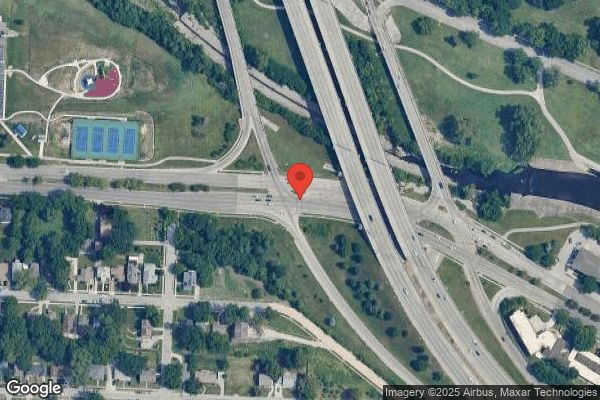
2323 SWOPE PARKWAY, KANSAS CITY, MO 64130 (816) 924-1122
For profit - Corporation 97 Beds RELIANT CARE MANAGEMENT Data: November 2025 1 Immediate Jeopardy citation
Trust Grade
18/100
#439 of 479 in MO
Last Inspection: October 2024

Within standard 12-15 month inspection cycle. Federal law requires annual inspections.

Overview

Parkway Health Care Center has received a Trust Grade of F, indicating significant concerns and a poor reputation. With a state rank of #439 out of 479 facilities in Missouri, they fall in the bottom half, and they are ranked #37 out of 38 in Jackson County, meaning there is only one other option in the area that is better. While the facility's trend is improving, reducing issues from 43 in 2024 to just 5 in 2025, the overall situation remains concerning with 97 total issues reported, including critical incidents of resident abuse. Staffing has a low turnover rate of 0%, which is a positive sign that staff remain consistent; however, they have incurred $39,112 in fines, higher than 78% of Missouri facilities, suggesting ongoing compliance problems. Specific incidents include a staff member throwing a meal tray at a resident, leading to hospital treatment, and multiple instances of resident-on-resident abuse, raising serious concerns about safety within the facility.

Trust Score
F
18/100
In Missouri
#439/479
Bottom 9%
Safety Record
High Risk
Review needed
Inspections
Getting Better
43 → 5 violations
Staff Stability
○ Average
Turnover data not reported for this facility.
Penalties
✓ Good
$39,112 in fines. Lower than most Missouri facilities. Relatively clean record.
Skilled Nurses
○ Average
RN staffing data not reported for this facility.
Violations
⚠ Watch
97 deficiencies on record. Higher than average. Multiple issues found across inspections.
★☆☆☆☆
1.0
Overall Rating
★☆☆☆☆
1.0
Staff Levels
★★☆☆☆
2.0
Care Quality
★☆☆☆☆
1.0
Inspection Score
Stable
2024: 43 issues
2025: 5 issues

The Good

  • Full Sprinkler Coverage · Fire safety systems throughout facility
  • No fines on record

Facility shows strength in fire safety.

The Bad

1-Star Overall Rating

Below Missouri average (2.5)

Significant quality concerns identified by CMS

Federal Fines: $39,112

Above median ($33,413)

Moderate penalties - review what triggered them

Chain: RELIANT CARE MANAGEMENT

Part of a multi-facility chain

Ask about local staffing decisions and management

The Ugly 97 deficiencies on record

1 life-threatening 1 actual harm
Apr 2025 5 deficiencies
CONCERN (D) 📢 Someone Reported This

A family member, employee, or ombudsman was alarmed enough to file a formal complaint

Potential for Harm - no one hurt, but risky conditions existed

Assessment Accuracy (Tag F0641)

Could have caused harm · This affected 1 resident

**NOTE- TERMS IN BRACKETS HAVE BEEN EDITED TO PROTECT CONFIDENTIALITY** Based on interview and record review, the facility failed to thoroughly complete an assessment for capacity to consent per the f...

Read full inspector narrative →
**NOTE- TERMS IN BRACKETS HAVE BEEN EDITED TO PROTECT CONFIDENTIALITY** Based on interview and record review, the facility failed to thoroughly complete an assessment for capacity to consent per the facility policy for one sampled resident (Resident #2) including coordination and participation with all health professionals out of 13 sampled residents who were known to engage in sexual activity. The facility census was 49 residents. Review of the facility Sexual Activity Abuse and Neglect Policy, dated 5/14/24, showed: -Residents that are wishing to engage in sexual activity will be allowed to participate in these activities as long as both parties consent and have the ability to consent. Nonconsensual acts and acts of impact negatively on the resident community such as public displays shall not be allowed. -If the resident has a guardian or cognitive impairment an assessment should be completed to determine the resident's ability to consent. This assessment will be completed by the interdisciplinary team with the assistance of the resident physician and or psychiatrist as needed. -The assessment shall include the following: 1) awareness of the relationship including the awareness of who is initiating the relationship and comfort level with sexual intimacy; 2) ability to avoid exploitation including resident's values and ability to refuse unwanted advances; 3) awareness of potential risk associated with the relationship. -The resident guardian will be invited to provide their guidance. 1. Review of Resident 1#'s admission Record showed the resident was admitted on [DATE] under the supervision of a legal guardian with diagnoses including Schizoaffective disorder (a mental condition that causes loss of contact with reality and mood problems), anxiety (anticipation of impending danger and dread accompanied by restlessness, tension, fast heart rate, and breathing difficulty not associated with an apparent stimulus) and depression (a state of intense sadness or despair that has advanced to the point of being disruptive to an individual's social functioning and/or activities of daily living). Review of Resident 1#'s Quarterly Minimum Data Set (MDS - a federally mandated assessment instrument completed by facility staff for care planning) dated 2/26/25 showed the resident was cognitively intact. Review of Resident 1#'s Preadmission Screening and Resident Review (PASRR, DA-124C, a required form to be submitted for any client who requests admission to a Medicaid certified bed regardless of the client's payment source; this includes dually certified beds both Medicare and Medicaid) dated 9/20/22 showed the resident: -Diagnoses including: schizophrenia, schizoaffective disorder, psychotic disorder, bipolar I disorder, major depressive disorder, polysubstance dependency, amphetamine abuse and malingering. -Recommended services included: --Behavior support plan. --Structured environment. --Activities of Daily Living (ADL) program. --Crisis intervention services. --Personal support network. -Behaviors to be addressed in nursing facility plan of care: --Verbal aggression. --Hallucinations. --Wandering. --Paranoia. --Abnormal thought process. --Structured environment. Review of Resident #1's undated Care Plan showed: -On 12/13/24 he/she was found to have a peer in his/her bed during the night. --He/she would have no adverse effects with having peers in his/her bed. --He/she was provided education on safe sex practices, guardian updated. -Capacity to consent was not identified. Review of Resident #2's admission Record showed the resident was admitted on [DATE] with diagnoses including spina bifida and mood disorder due to known psychiatric condition and major depression. Review of Resident #2's Annual MDS dated [DATE] showed the resident was cognitively intact. Review of Resident #2's undated Care Plan showed: -On 5/04/23 he/she was sexually active and refused birth control. --His/her goal was to not have unprotected sex. --Staff were educated on safe sex practices, offer birth control options and provide education to the resident. -On 12/13/24 he/she was found in a peer's bed. --His/her goal remained to have no adverse reactions related to sexual incidents with peers. --He/she was provided education on safe sex practices. -Capacity to consent was not identified. Review of the facility investigation dated 12/13/24 showed: -Certified Nurse Aide (CNA) F found Resident #1 and Resident #2 in bed together. -They admitted to having mutually consensual sex. -Resident #1 and Resident #2 completed capacity to consent forms and were found to be competent. *Note: The investigation did not have copies of the capacity to consent forms. Review of Resident #1's Capacity to Consent to Sexual Activity Form dated 12/13/24 showed: -He/she had a legal guardian. -He/she was able to communicate yes or no decisions. -He/she had the ability to understand relevant information. -He/she had the ability to appreciate the situation and its likely consequences. -He/she had the ability to manipulate information rationally. -The resident had the capacity to consent. -Only one signature was listed on the form. It was the Social Services Designee (SSD). -There was no signature for the resident, legal guardian, evaluator or Administrator. Review of the medical record for Resident #2 showed no capacity to consent form completed in December 2024. Review of Resident #2's Progress Note dated 12/16/24 showed: -SSD received an email from the legal guardian. -Resident #2 had been adjudicated as incapacitated and disabled by the courts. -Legally he/she does not have the legal capacity to consent to sex, nor is he/she allowed to sign any type of written consent or contract. -Only his/her legal guardian may sign consents and we (the guardian) cannot consent to sexual activity on behalf of our ward due to the aforementioned lack of capacity after adjudication. -Please ensure he/she is not left alone with opposite sex residents, as these types of situations jeopardize his/her safety, as it puts him/her in the position of possibly being accused of inappropriate behavior. Review of Resident #2's Progress Note dated 12/18/24 showed: -SSD documented the Director of Nursing (DON) and Administrator present, the legal guardian shared the resident had a history of sexual indecencies and felt that because he/she had been declared an incapacitated adult by the courts, he/she does not have the cognition to consent to sexual relations. -Guardian requested the resident be moved to a locked same sex unit to protect him/her. Review of Resident #1's Progress Note dated 3/25/25 said: -The resident verbalized concerns to SSD about his/he romantic relationship with Resident #2. -Therapy services were offered at that time. Review of Resident #2's Progress Note dated 3/31/25 showed: -He/She was visiting with SSD about bladder training due to the desire to be sexually active. -He/She disclosed he/she engaged in sexual activity with Resident #1 on 3/27/25. -He/She said the sexual encounter was mutually consensual. -He/She completed the sexual consent form. Review of Resident #1's Brief Interview for Mental Status (BIMS) dated 3/31/25 showed the resident was cognitively intact with a score of 13 out of 15. Review of Resident #1's Progress Note dated 3/31/25 showed: -He/She clarified that Resident #2 remained in his/her room from after the last smoke break of the night until approximately 2:00 A.M. -They both were unclothed in bed and engaged in penetration before falling asleep. -He/She was unaware Resident #2 planned to visit him/her after their last smoke break. Review of the Resident #1's Capacity to Consent to Sexual Activity Form dated 3/31/25 showed: -The resident had a legal guardian. -He/she was not able to communicate yes or no decision. -He/she did not have the ability to understand relevant information. -He/she did not have the ability to appreciate the situation and its likely consequences. -He/she did not have the ability to manipulate information rationally. -There was doubt about Resident #1's capacity to consent at this time and further evaluation was necessary. -The signature of the resident and the former Administrator. -There was no signature for the guardian, evaluator or SSD. Review of Resident #2's Capacity to Consent to Sexual Activity Form dated 3/31/25 showed: -The resident did not have a guardian. -Was able to communicate yes or no decision. -Had the ability to understand relevant information. -Had the ability to appreciate the situation and its likely consequences. -Had the ability to manipulate information rationally. -It was concluded the resident had the capacity to consent at that time. -Signature of resident and Administrator. -No signature for the evaluator or SSD. Review of Resident #2's Progress Note dated 3/31/25 showed: -Reported he/she engaged in sexual activity with another resident in the other resident's room from approximately 9:58 P.M. to 3:00 A.M. on the night of 3/27/25. -They had intercourse and he/she fell asleep and did not wake up until 3:00 A.M. -He/She was escorted back to his/her room by the other resident when he/she woke up unnoticed by staff. Review of Resident #1's Progress Notes dated 4/1/25 showed: -SSD communicated with the legal guardian. -Resident to be placed on a 30-day restriction as a result of having sex. -The legal guardian informed SSD while the resident has a legal right to sign a consent for sexual activity, the office policy/principal dictates, that due to the resident being under a Public Administrator and deemed incompetent, the office does not permit the reside to participate in or consent to sexual activity. -Resident signed consent to sexual activity with the understanding that he/she does not have the capacity to consent to sexual activity. Review of facility Incident Report dated 4/1/25 showed: -Alleged sexual contact on 3/27/25 between Resident #1 and Resident #2. -Statements received from witnesses and residents involved. -On 3/31/25 Resident #2 disclosed to the SSD that he/she and Resident #1 engaged in consensual sexual intercourse on 3/27/25. -Resident #2 stated the interaction was voluntary and mutual. -SSD and Registered Nurse (RN) approached Resident #1 to assess the resident's well-being and confirm the interactions was consensual. -Both residents were evaluated for cognitive capacity and understanding of consent. The report did not identify when Resident #1 or Resident #2 was evaluated or how they were evaluated. -After the investigation, it was determined the residents were able to consent but after reading the previous incident that took place on 12/13/24, it was determined by Resident #2's guardian that he/she was not able to consent. -There was no notation the interdisciplinary team was consulted about assessment and determination of the capacity to consent as indicated in the facility policy. During an interview on 4/10/25 at 11:30 the Director of Nursing (DON) said: -Resident #2 was transferred out of the facility to ensure no sexual activity would occur again with Resident #1. -The legal guardian was not in favor of consent for Resident #1 to engage in sexual activity mostly due to how the residents went about things, being sneaky. -There was a policy related to sexual activity and this was the second infraction for both residents. -Resident #2 disclosed sexual activity to the SSD. During an interview on 4/10/25 at 5:53 P.M. Resident #1 said: -He/She was trying to get a hold of someone because someone was supposed to follow up with him/her and Resident #2 about them being together from the last time they were sexually active in December 2024. -He/She just found out consensual sex was not allowed in the facility. -Staff said he/she could engage in consensual sexual activities if he/she signed papers. -He/She was told Resident #2 would get an assault charge if he/she did not sign papers, then he/she was given restrictions. -He/She was dating Resident #2. -They were caught before when a staff member walked in on them while they were in his/her bed. -A couple of weeks ago Resident #2 came into his/her room and exposed him/herself to him/her and they began making out. -He/She did not have any sex protection and Resident #2 was ok with engaging in intercourse without protection. -He/She has had a legal guardian after being homeless. -He/She admitted to having sexual relations with other residents in the past, one of which was no longer living in the facility. -He/She was told on 4/1/25 that he/she could not consent to sexual activity but was told to sign a paper saying he/she did not know consequences of sexual activity. -He/She did not understand why he/she was asked to sign if he/she had a legal guardian. During an interview on 4/16/25 at 1:20 P.M. Resident #2 said: -He/She had been having sex with his/her boyfriend and the first time they had sex they got caught and the facility staff had them sign a papers. A consent paper saying they consented to have sex and they also signed an abuse/neglect regarding sexual activity paper. -He/She had to sign a sex consent and then with Resident #1 was put on a 90 day restriction because Resident #1's guardian disapproved of them having sex. -He/She said the form they made Resident #1 sign was the consent to have sex. During an interview on 4/16/25 at 2:32 P.M. Nurse Practitioner (NP) A said: -He/She was aware of Resident #1 and Resident #2 engaging in sexual activity. -Due to his/her limited interaction with the residents, he/she could not confirm if the residents were competent to consent to sexual activity. -He/She was unaware of the sexual activity that occurred 12/13/24 until about a month ago. -Residents have the right to be sexually active. -If the resident is not competent and/or not their own guardian, he/she is not sure if a decision could be made for them to consent to sexual activity. -If the resident is competent to be his/her own guardian, then should be competent to decide to engage in sexual activity. -He/She has not conducted any assessments for competency to consent to sexual activity. During an interview on 4/17/25 at 11:44 A.M. the Physician said: -He/She expects that there are residents that are still young men and women with desires and the facility should sit down with each of them to explain the risks. -He/She does not support or condone sexual activity for residents. -There should be education and appropriate steps taken to prevent the spread of sexually transmitted disease. -Residents should engage in sexual activity at least in a semi-private room. -The most important thing for sexual activity is consent. -Felt like psych should be involved with assessing for competency to consent for sexual activity. During an interview on 4/17/25 at 4:18 P.M. the Former DON said: -He/She conducted a full investigation related to the sexual interaction between Resident #1 and Resident #2 on 12/13/24. -Based off the legal guardian statement Resident #1 was not able to consent to sexual activity as the guardian did not feel the resident had the capacity to consent. -Resident #1 was not assessed specifically for capacity to consent, something about legal ramifications. -Resident #1 said he/she had not been educated on that part of his/her guardianship. -The issue was Resident #2 was his/her own person. During an interview on 4/18/25 at 11:45 A.M. NP B said: -He/She was informed by the current administrator of Resident #1 and Resident #2 engaging in sexual activity. -Resident #1 and Resident #2 were aware of the risks and consequences of sexual activity. -He/she did not perform competency evaluations or was included in assessment. During an interview on 4/21/25 at 5:58 P.M. the Administrator in Training (AIT) said: -He/She was a part of the investigation began on 3/31/25 for Resident #1 and Resident #2 when Resident #2 disclosed the residents were engaging in sexual activity on 3/27/25. -He/She could not explain why Resident #1 had not been transferred to a secured same sex unit after Resident #1's legal guardian made the request in December 2024 to protect the resident. -Resident #1 was not moved as requested by the legal guardian and now the facility is dealing with the incident. -Both residents disclosed they were aware they were not to engage in sexual activity from the December incident during the interviews conducted on 4/1/25. -He/She did not feel the sexual encounter met the criteria of abuse or neglect. Resident #2 was able to spend from 10:00 P.M. until 2:00 A.M. in bed with Resident #1 and return to his/her own room unnoticed because staff were not doing what they were supposed to. -He/She said NP B was performing assessment for competency on a monthly basis, even though NP B state those assessments were done by the mental health team and not by the NP alone. -Assessments per the facility policy had not been completed for any residents who met the criteria for an assessment. -He/She thought NP B was assessing cognition and capacity during monthly mental health visits. -Since NP B was not performing cognition and capacity, then there were no cognition and capacity assessments for the residents that require determination for the ability consent, therefore they were not in compliance with the facility policy. MO00252031
CONCERN (D) 📢 Someone Reported This

A family member, employee, or ombudsman was alarmed enough to file a formal complaint

Potential for Harm - no one hurt, but risky conditions existed

Accident Prevention (Tag F0689)

Could have caused harm · This affected 1 resident

**NOTE- TERMS IN BRACKETS HAVE BEEN EDITED TO PROTECT CONFIDENTIALITY** Based on observation, interview and record review, the facility failed to ensure a broken window on a locked behavioral and ment...

Read full inspector narrative →
**NOTE- TERMS IN BRACKETS HAVE BEEN EDITED TO PROTECT CONFIDENTIALITY** Based on observation, interview and record review, the facility failed to ensure a broken window on a locked behavioral and mental health unit from 3/22/25 to 4/16/25 was replaced and cleaned up. Broken glass shards were left on the unit and accessible to all residents on the unit. All resident on the unit had the potential for harm with broken glass left unattended. The facility census was 49 residents. Review of the facility Incidents and Accidents Policy dated 5/18/24 showed: -It is the policy of this facility for staff to utilize Point Click Care Risk Management to report, investigate, and review any accidents or incidents that occur or allegedly occur, on facility property and may involve or allegedly involve a resident. -Accident refer to any unexpected or unintentional incident, which results or may result in injury or illness to a resident. -Incident is defined as an occurrence or situation that is not consistent with the routine care of a resident or with the routine operation of the organization. -Purpose of incident reporting can include: --Assuring the appropriate and immediate interventions are implemented and corrective actions are taken to prevent recurrences and improve the management of resident care. --Conducting root cause analysis to ascertain causative and contributing factors to avoid further occurrences. --Alert risk management and or administration of occurrences that could result in claims or further reporting requirements. --Meeting regulatory requirement for analysis and reporting of incidents and accidents. -Incidents that rise to the level of abuse, misappropriation or neglect will be managed and reported according to the facility's abuse prevention policy. -Incidents include but are not limited to falls, observed accident/incidents, and unobserved injuries require an incident report. -In the event of an incident or accident, immediate assistance will be provided or securement of the area will be initiated unless it places one at risk for harm. -Any injuries will be assessed by the license nurse or practitioner and the affected individual will not be moved until safe to do so. -First aid will be given for minor injuries such a as cuts or abrasions. -The supervisor or other designee will be notified of the incident/accident. -The nurse will contact the resident's practitioner to inform them of the incident/accident, report any injuries or there findings, and obtain orders, if indicated, which may include transportation to the hospital dependent upon the nature of injury. -In the event of an unwitnessed fall or a blow to the head, the nurse will initiate neurological checks per protocol and document on the neurological flow sheet. -The nurse will enter the incident/accident information into the appropriate form/system within 24 hours of occurrence and will document all pertinent information. -Documentation should include the date, time, nature of the incident, location, initial findings, immediate interventions, notifications and orders obtained or follow-up interventions. -If an incident/accident was witnessed by other people, the supervisor or designee will obtain written documentation of the event by those that witnessed it and submit that documentation to the Director of Nursing and/or Administrator. 1. Review of Resident #3's admission Record showed the resident admitted on [DATE] with diagnoses including diffuse traumatic brain injury with loss of consciousness of unspecified duration sequela and paranoid schizophrenia (a chronic mental illness that interferes with a person's ability to think clearly, to distinguish reality from fantasy, to manage emotions, make decisions, and relate to others). Review of Resident #3's Comprehensive Discharge Minimum Data Set (MDS- a federally mandated assessment instrument completed by facility staff for care planning) dated 3/10/24 showed the resident was severely cognitively impaired. Review of Resident #3's Preadmission Screening and Resident Review (PASRR, DA-124C, a required form to be submitted for any client who requests admission to a Medicaid certified bed regardless of the client's payment source; this includes dually certified beds both Medicare and Medicaid) dated 3/12/24 showed the resident: -Had diagnoses including paranoid schizophrenia, personality disorder (a mental health condition where people have a lifelong pattern of seeing themselves and reacting to others in ways that cause problems) , borderline intellectual functioning (a categorization of intelligence wherein a person has below average cognitive ability (generally an IQ of 70-85), but the deficit is not as severe as intellectual disability (below 70) and polysubstance dependence (condition where an individual meets the diagnostic criteria for substance use disorder (SUD) on two or more different classes of substances simultaneously and exhibit significant problems and impairments in their lives due to their use of multiple substances, such as alcohol, stimulants, opioids, or sedatives). -Recent physical altercation with another resident where he punched another resident in the face while out smoking on 2/19/24. -Recent multiple falls. -History of having a guardian. -Had chronic medical and psychological condition requires around the clock medical care and oversight. -Had multiple comorbidities requiring skilled care. -Had resided in a skilled facility for many years. -At that time he remained safest in a skilled nursing facility. -Behaviors to be addressed were aggression, mood liability, and impulsivity. -Required medication therapy and monitoring, structured environment for history of aggression towards other and high fall risk, and crisis intervention plan recommended due to aggression towards others. During an observation and interview with Administrator in Training (AIT) on 4/16/25 at 12:04 P.M. said: -room [ROOM NUMBER] had a broken window with glass shards on the windowsill. -He/she was not sure how long the window had been broken. -He/she noticed the window was broken about two weeks ago. -The Maintenance Director left last week and there have been Maintenance workers from sister facilities assisting. Review of Resident #13's Quarterly MDS dated [DATE] showed the resident was mildly cognitively impaired with no mood or behavior concerns documented. During an interview on 4/16/25 at 4:46 P.M. Resident #13 said: -He/She moved into room [ROOM NUMBER] about three to four weeks ago. -The window was broken after he/she moved in by his/her roommate, Resident #3. -Resident #3 broke the window in the afternoon before he/she was sent to the hospital the last time on 3/22/25. -He/She saw Resident #3 break the window. -The Administrator knew about the broken window and tried to blame him/her. Review of facility incident report dated 3/27/25 showed: -AIT noticed a broken window next to an empty bed in Resident #13's room. -Resident #13 denied breaking window. -No action required, waiting for window to be repaired. During an interview on 4/16/25 at 5:01 P.M. the AIT said: -He/She was working as a direct care staff nurse about two weeks ago when he/she noticed the window was broken in room [ROOM NUMBER]. -The Administrator advised him/her the window was being repaired. -He/She started on the investigation on 3/27/25 but had not completed it. During an interview on 4/17/25 at 10:56 A.M. the Regional Maintenance Director said: -He/She repaired the window, cleaned up the glass shards off the windowsill, and replaced the window shade in room [ROOM NUMBER] on 4/16/25. -He/She was not informed when the window was broken in room [ROOM NUMBER] until he/she came to the facility on 4/16/25. -There is a maintenance thread for all department heads, however, there was no information related to the broken window in room [ROOM NUMBER] sent in the thread. -He/She does not know how staff are communicating maintenance needs within the facility. -If he/she had been aware of the broken window when the AIT noticed it was broken on 3/27/25, the window would have been repaired immediately due to the broken glass being dangerous. During an interview on 4/17/25 at 4:18 P.M. the former Director of Nurses (DON) said: -He/She recalled the window in room [ROOM NUMBER] being broken about 3/25/25. -Resident #13 said the window was broken, but he/she could not recall when. -The Administrator and AIT had a conversation about the broken window in room [ROOM NUMBER], but he/she was not a part of that conversation. -He/She did not know if Resident #3 broke the window, however there were concerns about his/her behaviors. During an interview on 4/18/25 at 11:45 A.M. Nurse Practitioner (NP) B said: -He/She was not informed of the resident kicking or breaking any windows in the facility. -He/She was concerned about the broken window in room [ROOM NUMBER] left in disrepair for over twenty-one or more days. -The broken window was located in a locked facility with behavioral and mental health residents and any resident could use the broken glass for self-harm, harm to others or attempt to elope from the broken window which could result in serious injury. During an interview on 4/21/25 at 6:30 P.M. the AIT said: -He/She knew the window in room [ROOM NUMBER] was broken and the previous Administrator reported the window was fixed on 3/26/25. -He/she never followed up. -It was the Administrator's responsibility to ensure the window was repaired. MO00252201
CONCERN (E) 📢 Someone Reported This

A family member, employee, or ombudsman was alarmed enough to file a formal complaint

Potential for Harm - no one hurt, but risky conditions existed

Deficiency F0658 (Tag F0658)

Could have caused harm · This affected multiple residents

**NOTE- TERMS IN BRACKETS HAVE BEEN EDITED TO PROTECT CONFIDENTIALITY** Based on interview and record review, the facility failed to ensure six sampled residents (Resident #1, Resident #2, Resident #3...

Read full inspector narrative →
**NOTE- TERMS IN BRACKETS HAVE BEEN EDITED TO PROTECT CONFIDENTIALITY** Based on interview and record review, the facility failed to ensure six sampled residents (Resident #1, Resident #2, Resident #3, Resident #5, Resident #7 and Resident #11) received medications as prescribed by the physician out of 13 sampled residents. The facility census was 49 residents. Review of the facility's Medication Administration Policy dated 4/6/17 and revised on 6/26/24 showed: -Medications are administered by licensed nurses, or other staff who are legally authorized to do so in this state, as ordered by the physician and in accordance with professional standards of practice, in a manner to prevent contamination or infection. -It was the policy of this facility to ensure the safe and effective administration of all medications by utilizing best practice guidelines. -Sign Medication Administration Record (MAR) after administering medications. -For those medications requiring vital signs, record the vital signs onto the MAR. -Report and document any adverse side effects or refusals. 1. Record review of Resident #1's admission Record showed the resident was admitted on [DATE] under the supervision of a legal guardian with diagnoses including schizoaffective disorder (a psychotic disorder characterized by loss of contact with environment, by noticeable deterioration in the level of functioning in everyday life), anxiety and depression. Review of the resident's Quarterly Minimum Data Set (MDS-a federally mandated assessment tool required to be completed by facility staff for care planning) dated 2/26/25 showed the resident was cognitively intact. Review of the resident's MAR and Treatment Administration Record (TAR) dated March 2025 showed: -Atorvastatin Calcium 40 milligram (mg) Tablet, give 40 mg by mouth at bedtime for hyperlipidemia (high cholesterol). The resident did not receive this medication six out of 31 opportunities. -Clonazepam 1mg, give one tablet by mouth three times daily for anxiety related to schizophrenia (a chronic mental illness that interferes with a person's ability to think clearly, to distinguish reality from fantasy, to manage emotions, make decisions, and relate to others), schizoaffective disorder, bipolar (mood disorders characterized usually by alternating episodes of depression and mania) type. The resident did not receive this medication 18 out of 93 opportunities. -Trazodone 50 mg, given one tablet by mouth at bedtime for insomnia related to depression. The resident did not receive this medication six out of 31 opportunities. -Risperdal Consta intramuscular (IM) suspension Extended Release (ER) 50 mg, inject one application IM one time a day every 14 days for schizophrenia. The resident did not receive this medication one out of two opportunities. Review of the resident's MAR and TAR dated April 2025 showed: -Abilify 10 mg, give one tablet by mouth daily for schizoaffective disorder. The resident did not receive this medication eight out of 16 opportunities. All eight doses were consecutive doses from 4/1/25 to 4/8/25. -Clonazepam 1 mg, give one tablet by mouth three times daily for anxiety related to schizophrenia, schizoaffective disorder, bipolar type. The resident did not receive this medication six out of 48 opportunities. -Trazodone 50 mg, given one tablet by mouth at bedtime for insomnia related to depression. The resident did not receive this medication four out of 16 opportunities. -Risperdal Consta IM suspension ER 50 mg, inject one application IM one time a day every 14 days for schizophrenia. The resident did not receive this medication one out of one opportunities. During an interview on 4/10/25 at 5:53 P.M., Resident #1 said: -He/She does not get his/her medication consistently due to no staff to give his/her medications. -He/She does not refuse his/her medications. 2. Review of Resident #2's admission Record showed the resident was admitted on [DATE] with diagnoses including spina bifida (is a condition that occurs when the spine and spinal cord did not form properly), mood disorder (a serious mental illness that causes persistent and intense changes in a person's mood, energy, and behavior) due to known psychiatric condition and major depression. Review of the resident's Annual MDS dated [DATE] showed the resident was cognitively intact. Review of the resident's MAR and TAR dated March 2025 showed: -Clonazepam 0.5 mg, give 0.5 mg by mouth two times a day for Anxiety. This resident did not receive this medication seven out of 62 opportunities. -Haloperidol 5 mg, give 5 mg by mouth two times a day related to mood disorder due to known physiological condition with major depressive-like episode. This resident did not receive this medication four out of 62 opportunities. -Hydroxyzine Pamoate 25 mg, give 25 mg by mouth three times a day for Anxiety. This resident did not receive this medication eight out of 93 opportunities. -Trazodone 100 mg, give 100 mg by mouth at bedtime for depression. This resident did not receive this medication eight out of 31 opportunities. During an interview on 4/16/25 at 1:20 P.M. Resident #2 said he/she has missed several doses of medications due to them being on order or no nurse or Certified Medication Technician (CMT) to pass medications. 3. Review of Resident #3's admission Record showed the resident admitted on [DATE] with diagnoses including diffuse traumatic brain injury (TBI - a sudden injury that causes damage to the brain) with loss of consciousness of unspecified duration sequela and paranoid schizophrenia (a type of schizophrenia accompanied by paranoia, delusions and hallucinations). Review of the resident's Quarterly MDS dated [DATE], moderately cognitively impaired. Review of the resident's MAR and TAR dated February 2025 showed Cephalexin 500 mg Capsule (an antibiotic), give 500 mg capsule by mouth three times a day for five days for sepsis (severe infection) start date 2/26/25. This resident did not receive this medication seven out of seven opportunities. 4. Review of Resident #5's admission Record showed the resident was admitted on [DATE], readmitted on [DATE] with the following diagnosis: -Diabetes Mellitus Type II (a deficiency or complete lack of insulin secretion in the pancreas or resistance to insulin). -Chronic Kidney Disease (is when the kidneys are damaged and lose their ability to filter waste and fluid out of the body). -Schizophrenia. -Depression. -High blood pressure. -Chronic Obstructive Pulmonary Disease (COPD - a progressive lung disease that prevents airflow to the lungs, causing breathing problems). -Anxiety. Review of the resident's Quarterly MDS dated [DATE] showed the resident was cognitively intact. Review of the resident's MAR & TAR dated March 2025 showed: -Atorvastatin Calcium 80 mg Tablet, give 80 mg by mouth at bedtime for hyperlipidemia. The resident did not receive this medication five out of 19 opportunities. -Pantoprazole Sodium 40 mg Tablet, give 40 mg by mouth in the morning for gastroesophageal reflux disease (GERD - back-up of stomach acid/heartburn). The resident did not receive this medication nine out of 19 opportunities. -Prazosin HCI 2 mg Capsule, give 1 capsule by mouth at bedtime for high blood pressure. The resident did not receive this medication six out of 19 opportunities. -Tiotropium Bromide Monohydrate Inhalation Aerosol Solution 2.5 mcg/act, give 1 puff inhale by mouth at bedtime for shortness of air. The resident did not receive this medication six out of 19 opportunities. -Trazodone HCI 50 mg Tablet, give 50 mg by mouth at bedtime for insomnia secondary to organic mood disorder. The resident did not receive this medication four out of 19 opportunities. -Hydroxyzine HCI 50 mg Tablet, give 50 mg by mouth three times a day for anxiety. The resident did not receive this medication five out of 57 opportunities. -Lidoderm External Patch 5 %, Apply to low back topically every morning and at bedtime for back pain. The resident did not receive this medication 11 out of 38 opportunities. -Accuchecks (blood sugar monitoring) before meals and at bedtime for diabetes. The resident did not receive accuchecks eight out of 96 opportunities. -Novolog Injection Solution (Insulin Aspart - a fast acting insulin), inject as per sliding scale. If the blood sugar is: 150-200 = 1 unit; 201-250 = 2 units; 251-300 = 3 units; 301-350 = 5 units; 351-400 = 8 units; Greater than 400 call the NP, subcutaneously before meals and at bedtime for diabetes. The resident did not receive this medication 14 out of 76 opportunities. --Six of the missed doses was coded 2 due to resident refusing, blood sugars were within parameters and insulin was due to be given. No note of physician being notified. -Lantus Subcutaneously Solution (a long acting insulin) 100 unit/milliliter (ml), inject 45 units subcutaneously at bedtime for diabetes. Do not hold unless blood sugar is below 70. The resident did not receive this medication four out of 19 opportunities. Review of the resident's MAR & TAR dated April 2025 showed: -Atorvastatin Calcium 80 mg Tablet, give 80 mg by mouth at bedtime for hyperlipidemia. The resident did not receive this medication one out of 16 opportunities. -Pantoprazole Sodium 40 mg Tablet, give 40 mg by mouth in the morning for GERD. The resident did not receive this medication 10 out of 16 opportunities. -Prazosin HCI 2 mg Capsule, give 1 capsule by mouth at bedtime for high blood pressure. The resident did not receive this medication one out of 16 opportunities. -Tiotropium Bromide Monohydrate Inhalation Aerosol Solution 2.5 mcg/act, give 1 puff inhale by mouth at bedtime for shortness of air. The resident did not receive this medication two out of 16 opportunities. -Trazodone HCI 50 mg Tablet, give 50 mg by mouth at bedtime for insomnia secondary to organic mood disorder. The resident did not receive this medication two out of 16 opportunities. -Hydroxyzine HCI 50 mg Tablet, give 50 mg by mouth three times a day for anxiety. The resident did not receive this medication five out of 57 opportunities. -Lidoderm External Patch 5 %, Apply to low back topically every morning and at bedtime for back pain. The resident did not receive this medication four out of 32 opportunities. -Accuchecks before meals and at bedtime for diabetes. The resident did not receive accuchecks eight out of 76 opportunities. -Novolog Injection Solution (Insulin Aspart), inject as per sliding scale. If the blood sugar is: 150-200 = 1 unit; 201-250 = 2 units; 251-300 = 3 units; 301-350 = 5 units; 351-400 = 8 units; Greater than 400 call the NP, subcutaneously before meals and at bedtime for diabetes. The resident did not receive this medication 13 out of 64 opportunities. --Two of the missed doses was coded 2 due to resident refusing, blood sugars were within parameters and insulin was due to be given. No note of physician being notified. --One missed dose was code 4 due to the resident having blood sugar on 484, no progress not stating the physician was notified of the high blood sugar or action taken. -Lantus Subcutaneously Solution 100 unit/ml, inject 45 units subcutaneously at bedtime for diabetes. Do not hold unless blood sugar is below 70. The resident did not receive this medication two out of 16 opportunities. 5. Review of Resident #7's admission Record showed the resident admitted on [DATE] with diagnoses including schizoaffective disorder, dementia (is the loss of memory, language, problem-solving and other thinking abilities that are severe enough to interfere with daily life), and stroke. Review of the resident's Quarterly MDS dated [DATE] showed the resident was mildly cognitively impaired. Review of the resident's MAR and TAR dated March 2025 showed: -Atorvastatin 20 mg Tablet, give 20 mg by mouth at bedtime for hyperlipidemia. This resident did not receive this medication 10 out of 31 opportunities. -Buspirone HCI 10 mg Tablet, give 10 mg by mouth three times a day for anxiety disorder. This resident did not receive this medication 12 out of 93 opportunities. -Donepezil HCI10 mg Tablet, give 10 mg by mouth at bedtime for dementia. This resident did not receive this medication 10 out of 31 opportunities. -Invega Sustenna IM Suspension Prefilled Syringe 234 mg/1.5ml, inject 1.5 ml IM in the afternoon every 28 days for schizoaffective disorder, bipolar type. The resident did not receive this medication one out of one opportunities. The administration note dated 3/22/25 showed the medication was on order. -Levoxyl 88 mcg Tablet, give 88 mcg by mouth in the morning on an empty stomach without other medications for hypothyroidism (low thyroid). This resident did not receive this medication 26 out of 31 opportunities. -Melatonin 10 mg Tablet, give 10 mg by mouth at bedtime for insomnia. This resident did not receive this medication eight out of 31 opportunities. -Trazodone HCI 50 mg Tablet, give 50 mg by mouth at bedtime for insomnia secondary to mood disorder. This resident did not receive this medication six out of 26 opportunities. Review of the resident's MAR and TAR dated April 2025 showed: -Buspirone HCI 10 mg Tablet, give 10 mg by mouth three times a day for anxiety disorder. This resident did not receive this medication one out of 48 opportunities. -Levoxyl 88 mcg Tablet, give 88 mcg by mouth in the morning on an empty stomach without other medications for hypothyroidism. This resident did not receive this medication 11 out of 16 opportunities. 6. Review of Resident #11's admission Record showed the resident was admitted on [DATE], readmitted on [DATE] with the following diagnosis: -Diabetes Mellitus Type II (a deficiency or complete lack of insulin secretion in the pancreas or resistance to insulin). -Coronary Artery Disease (CAD-narrowing of the coronary arteries due to build up of plaque). -Chronic Systolic (Congestive) Heart Failure (CHF-heart failure in which the heart is unable to maintain adequate circulation of blood in the tissue of the body or to pump out the venous blood returned to it by the venous circulation). -Hyperlipidemia (HDL-high levels of lipids (fats) in the blood). -Thrombophilia (is a condition that increases the likelihoodof blood clots forming). -Bipolar Disorder (is a mental illness that causes unusual shifts in mood, energy, activity levels, concentration, and the ability to carry out day-to-day tasks). -Depression. -High blood pressure. -Anxiety. Review of the resident's Quarterly MDS dated [DATE] showed the resident was cognitively intact. Review of the resident's MAR & TAR dated March 2025 showed: -Gabapentin 100 mg Capsule, give 400 mg by mouth three times a day for polyneuropathy. The resident did not receive this medication four out of 57 opportunities. -Loratadine 10 mg Tablet, give 10 mg by mouth at bedtime for Prophylaxis related to CHF. The resident did not receive this medication three out of 19 opportunities. -Melatonin 3 mg Tablet, give 3 mg by mouth at bedtime for insomnia. The resident did not receive this medication three out of 19 opportunities. -Mirtazapine 15 mg Tablet, give 15 mg by mouth at bedtime related to mild cognitive impairment. The resident did not receive this medication three out of 19 opportunities. -Oxycodone 5 mg Tablet, give 5 mg by mouth every 12 hours for pain. The resident did not receive this medication four out of 38 opportunities. -Omeprazole 40 mg Capsule, give 40 mg by mouth in the morning for GERD. The resident did not receive this medication nine out of 19 opportunities. -Seroquel 200 mg Tablet, give 200 mg by mouth at bedtime for bipolar disorder. The resident did not receive this medication three out of 19 opportunities. -Seroquel 50 mg Tablet, give 50 mg by mouth at bedtime for bipolar disorder. The resident did not receive this medication three out of 19 opportunities. -Trazodone HCI 50 mg Tablet, give 50 mg by mouth at bedtime for insomnia secondary to depression. The resident did not receive this medication three out of 19 opportunities. -Accuchecks before meals and at bedtime for diabetes. The resident did not receive accuchecks eight out of 76 opportunities. -Lantus SoloStar Subcutaneously Solution Pen-Injector 100 unit/ml, inject 30 units subcutaneously at bedtime for diabetes. The resident did not receive this medication three out of 19 opportunities. -Lantus SoloStar Subcutaneously Solution Pen-Injector 100 unit/ml, inject 8 units subcutaneously in the afternoon for lunch for diabetes. Do not hold unless blood sugar (BS) is 70 or below. The resident did not receive this medication six out of 19 opportunities. --Four missed doses at 12:00 P.M. were coded 4 (vitals outside of parameters for administration) on 3/23/25 BS was 88, 3/26/25 BS was 110, 3/27/25 BS was 140, and 3/30/25 BS was 158. -Novolog Injection Solution (Insulin Aspart), inject 10 units subcutaneously in the afternoon for diabetes. The resident did not receive this medication five out of 19 opportunities. --Three missed doses at 12:00 P.M. were coded 4 (vitals outside of parameters for administration) on 3/23/25 BS was 88, 3/26/25 BS was 110, and 3/27/25 BS was 134, no parameters for this order. -Novolog Injection Solution (Insulin Aspart), inject 10 units subcutaneously in the evening for diabetes. The resident did not receive this medication four out of 19 opportunities. --Two missed doses at 4:00 P.M. were coded 4 (vitals outside of parameters for administration) on 3/22/25 BS was 102 and 3/23/25 BS was 244, no parameters for this order. Review of the resident's MAR & TAR dated April 2025 showed: -Eliquis 5 mg Tablet, give 5 mg by mouth two times a day for CAD. The resident did not receive this medication five out of 32 opportunities. --All five missed doses were blank and had no administration notes. -Glyburide 5 mg Tablet by mouth two times a day for diabetes. The resident did not receive this medication five out of 32 opportunities. -Gabapentin 100 mg Capsule, give 400 mg by mouth three times a day for polyneuropathy. The resident did not receive this medication seven out of 48 opportunities. -Melatonin 3 mg Tablet, give 3 mg by mouth at bedtime for insomnia. The resident did not receive this medication three out of 16 opportunities. -Mirtazapine 15 mg Tablet, give 15 mg by mouth at bedtime related to mild cognitive impairment. The resident did not receive this medication two out of 16 opportunities. -Oxycodone 5 mg Tablet, give 5 mg by mouth every 12 hours for pain. The resident did not receive this medication six out of 32 opportunities. -Omeprazole 40 mg Capsule, give 40 mg by mouth in the morning for GERD. The resident did not receive this medication eight out of 17 opportunities. -Omeprazole 40 mg Capsule, give 40 mg by mouth in evening for GERD. The resident did not receive this medication four out of 16 opportunities. -Seroquel 200 mg Tablet, give 200 mg by mouth at bedtime for bipolar disorder. The resident did not receive this medication two out of 16 opportunities. -Seroquel 50 mg Tablet, give 50 mg by mouth at bedtime for bipolar disorder. The resident did not receive this medication two out of 16 opportunities. -Trazodone HCI 50 mg Tablet, give 50 mg by mouth at bedtime for insomnia secondary to depression. The resident did not receive this medication two out of 16 opportunities. -Accuchecks before meals and at bedtime for diabetes. The resident did not receive accuchecks 14 out of 64 opportunities. -Lantus SoloStar Subcutaneously Solution Pen-Injector 100 unit/ml, inject 30 units subcutaneously at bedtime for diabetes. The resident did not receive this medication five out of 16 opportunities. -Lantus SoloStar Subcutaneously Solution Pen-Injector 100 unit/ml, inject 8 units subcutaneously in the afternoon for lunch for diabetes. Do not hold unless blood sugar (BS) is 70 or below. The resident did not receive this medication seven out of 16 opportunities. --Three missed doses at 12:00 P.M. were coded 4 (vitals outside of parameters for administration) on 4/1/25 BS was 168, 4/5/25 BS was 169, and 4/8/25 BS was 184. -Novolog Injection Solution (Insulin Aspart), inject 10 units subcutaneously in the afternoon for diabetes. The resident did not receive this medication five out of 16 opportunities. --Two missed doses at 12:00 P.M. were coded 4 (vitals outside of parameters for administration) on 4/1/25 BS was 168 and 4/8/25 BS was 184, no parameter on this order. -Novolog Injection Solution (Insulin Aspart), inject 10 units subcutaneously in the evening for diabetes. The resident did not receive this medication eight out of 16 opportunities. --Two missed doses at 4:00 P.M. were coded 4 (vitals outside of parameters for administration) on 4/6/25 BS was 104 and 4/8/25 BS was 94, and one was code 13 (blood sugar outside parameters) on 4/2/25 BS was 128. none of these doses were outside the parameter of 70 or below. During an interview on 4/15/25 at 4:54 P.M., Resident #11 said sometime he/she does not get his/her bedtime medications. 7. During an interview on 4/15/25 at 1:24 P.M. CMT A said: -Medications are to be administered to the residents as ordered by the physician. -If residents refuse medications he/she notifies the charge nurse. -Document why the medication was not given on the MAR & TAR and in the resident administration notes. During an interview on 4/15/25 at 3:03 P.M., Licensed Practical Nurse (LPN) A said: -If two CMTs are on shift they pass the medications and he/she does the nursing stuff like treatments. -If one or no CMTs, then he/she is in charge of passing medications to the residents. -Staff are to document why the medications was not given and notify the physician. During an interview on 4/17/25 at 4:18 P.M. the Director of Nursing (DON) said: -He/She was not aware there were medications that did not get passed, notified the NP or documented. -He/She expected the nurse and/or CMT to pass medication as ordered by the physician. During an interview on 4/18/25 at 11:45 A.M. Nurse Practitioner B said: -He/She was not aware medications were not being administered for any reason. -He/She expects staff to ensure medications are administered and if not administered to be notified as part of the resident's plan of care for mental health and behavioral disorders is medication management. During an interview on 4/21/25 at 5:58 P.M. the Administrator in Training (AIT) said: -He/she would expect medications to be given as ordered and document the medication was given or not given. -He/she would notify the physician or Nurse Practitioner of the missed medications. MO00252031 MO00252201
CONCERN (E) 📢 Someone Reported This

A family member, employee, or ombudsman was alarmed enough to file a formal complaint

Potential for Harm - no one hurt, but risky conditions existed

Deficiency F0725 (Tag F0725)

Could have caused harm · This affected multiple residents

**NOTE- TERMS IN BRACKETS HAVE BEEN EDITED TO PROTECT CONFIDENTIALITY** Based on interview and record review, the facility failed to have sufficient nursing staff with the appropriate competencies and...

Read full inspector narrative →
**NOTE- TERMS IN BRACKETS HAVE BEEN EDITED TO PROTECT CONFIDENTIALITY** Based on interview and record review, the facility failed to have sufficient nursing staff with the appropriate competencies and skill set to provide nursing and related services to ensure resident safety and attain or maintain the highest practicable physical, mental and psychosocial well-being for each resident. The facility assigned one nurse to be on a locked memory care unit and the Transitional Unit at the same time to pass medications, monitor resident behaviors and document such behaviors, leaving one other staff member on each unit, as a result medications were not given to the residents. The facility census was 49 residents. Review of the facility's Sufficient Staff Policy dated 5/18/24 showed: -It was the policy of the facility to provide sufficient staff with appropriate competencies and skill sets to assure resident safety and attain or maintain the highest practicable physical, mental and psychosocial well-being of each resident. -The facility's census, acuity and diagnoses of the resident population will be considered based on the facility assessment. -Must designate a licensed nurse to serve as a charge nurse on each tour of duty. -Was required to provide licensed nursing staff 24 hours a day, seven days a week. -Must ensure that licensed nurses have the specific competencies and skill set necessary to care for resident's needs as identified through resident assessments and described in the plan of care. -Providing care includes, but was not limited to, assessing, evaluating, planning and implementing resident care plans and responding to resident's needs. -Must ensure that nurse aides are able to demonstrate competency in skills and techniques necessary to care for residents' needs, as identified through resident assessments, and described in the care plan. -Except when waived, the facility must use the services of a Registered Nurse (RN) for at least eight consecutive hours a day, seven days a week. -The Director of Nursing (DON) may serve as a charge nurse only when the facility had an average daily occupancy of 60 or fewer residents. Review of the Facility assessment dated [DATE] showed: -The facility was licensed for 97 residents. -The average number of occupied beds during 1/2024 to 10/2024 was 48 residents. -The facility was a locked facility with two locked Specialty Unit inside the locked facility. -Skilled Acuity: --Four with extensive services. --Twenty-eight residents with high special care. --Thirty-two residents with behavioral symptoms and cognitive performance. -Resident acuity affecting licensed nurses: --Ninety-seven residents with Behavioral/Mental health. --Twenty residents' high risk or Intravenous (IV - in the vein)/intramuscular (IM - in the muscle) medications/infusions. --Two hospice residents. --Four wound care residents. -Resident acuity affecting Nurse Aides: --Twelve residents need assistance with dressing. --Sixteen residents need assistance with baths. --Five residents need assistance with transferring and mobility. --Four residents need assistance with eating. --Thirteen residents need assistance with toileting. --Forty-one residents need assistance with behavioral symptoms. -Staffing needs as per shift (adjust as needed). --Day Shift 7:00 A.M. to 7:00 P.M., one RN for 97 residents, one Licensed Practical Nurse (LPN) per 50 residents, One Certified Nursing Assistant (CNA) per 24 residents, and one Certified Medication Technicians (CMT) per 35 residents. --Night Shift 7:00 P.M. to 7:00 A.M., one RN for 97 residents, one LPN per 50 residents, one CNA per 12 residents and one CMT per 35 residents. 1. Review of the facility's Daily Staffing Sheet and Daily Punch In and Out for 3/13/25 from 7:00 P.M. to 7:00 A.M. showed: -One RN and two CNAs. -The facility census was not provided as requested. NOTE: 7:00 P.M. to 7:00 A.M. nurse did not administer 8:00 P.M. medications and 5:00 A.M. medications on 3/14/25 for the 13 sampled out of 29 residents who resided on the Transition Unit. 2. Review of the facility's Daily Staffing Sheet and Daily Punch In and Out for 3/15/25 from 7:00 P.M. to 7:00 A.M. showed: -One LPN, and two CNAs. -The facility census was not provided as requested. NOTE: 7:00 P.M. to 7:00 A.M. nurse did not administer 8:00 P.M. and 9:00 P.M. medications and 5:00 A.M. medications on 3/16/25 for the 13 sampled out of 29 residents who resided on the Transition Unit. 3. Review of the facility's Daily Staffing Sheet and Daily Punch In and Out for 3/17/25 from 7:00 P.M. to 7:00 A.M. showed: -One RN and two CNAs. -The facility census was 49 residents. NOTE: 7:00 P.M. to 7:00 A.M. nurse did not administer 5:00 A.M. medications on 3/18/25 for the 13 sampled out of 29 residents who resided on the Transition Unit. residents who resided on the Transition Unit. 4. Review of the facility's Daily Staffing Sheet and Daily Punch In and Out for 3/22/25 from 7:00 P.M. to 7:00 A.M. showed: -One RN and one CNA from 7:00 P.M. to 10:45 P.M A second CNA clocked in at 10:45 P.M. -The facility census was 50 residents. NOTE: 7:00 P.M. to 7:00 A.M. nurse did not administer 8:00 P.M. medications and 5:00 A.M. medications on 3/23/25 for the 13 sampled out of 29 residents who resided on the Transition Unit. 5. Review of the facility's Daily Staffing Sheet and Daily Punch In and Out for 3/23/25 from 7:00 P.M. to 7:00 A.M. showed: -One RN and two CNAs. -The facility census was 49 residents. NOTE: 7:00 P.M. to 7:00 A.M. nurse did not administer 8:00 P.M. medications and 5:00 A.M. medications on 3/24/25 for the 13 sampled out of 29 residents who resided on the Transition Unit. 6. Review of the facility's Daily Staffing Sheet and Daily Punch In and Out for 3/26/25 from 7:00 P.M. to 7:00 A.M. showed: -One RN, one LPN (until 11:36 P.M.), and three CNAs. -The facility census was 49 residents. NOTE: 7:00 P.M. to 7:00 A.M. nurse did not administer 8:00 P.M. medications and 5:00 A.M. medications on 3/27/25 for the 13 sampled out of 29 residents who resided on the Transition Unit. 7. Review of the facility's Daily Staffing Sheet and Daily Punch In and Out for 3/27/25 from 7:00 P.M. to 7:00 A.M. showed: -One RN and three CNAs. -The facility census was 49 residents. NOTE: 7:00 P.M. to 7:00 A.M. nurse did not administer 5:00 A.M. medications on 3/28/25 for the 13 sampled out of 29 residents who resided on the Transition Unit. 8. Review of the facility's Daily Staffing Sheet and Daily Punch In and Out for 3/29/25 from 7:00 P.M. to 7:00 A.M. showed: -One LPN and two CNAs. -The facility census was 48 residents. NOTE: 7:00 A.M. to 7:00 P.M. nurse did not administer 7:00 A.M., 8:00 A.M., 9:00 A.M., 2:00 P.M., and 4:00 P.M. medications on 3/29/25 for the 13 sampled out of 29 residents who resided on the Transition Unit. 9. Review of the facility's Daily Staffing Sheet and Daily Punch In and Out for 3/30/25 from 7:00 P.M. to 7:00 A.M. showed: -One LPN and two CNAs. -The facility census was 49 residents. NOTE: 7:00 P.M. to 7:00 A.M. nurse did not administer 8:00 P.M. medications for the 13 sampled out of 29 residents who resided on the Transition Unit. 10. Review of the facility's Daily Staffing Sheet and Daily Punch In and Out for 3/31/25 from 7:00 P.M. to 7:00 A.M. showed: -One RN and two CNAs. -The facility census was 49 residents. NOTE: 7:00 P.M. to 7:00 A.M. nurse did not administer 8:00 P.M. medications and 5:00 A.M. medications on 4/1/25 for the 13 sampled out of 29 residents who resided on the Transition Unit. 11. Review of the facility's Daily Staffing Sheet and Daily Punch In and Out for 4/4/25 from 7:00 P.M. to 7:00 A.M. showed: -One LPN and two CNAs. -The facility census was 49 residents. NOTE: 7:00 A.M. to 7:00 P.M. nurse did not administer 12:00 P.M. and 4:00 P.M. medications for the 13 sampled out of 29 residents who resided on the Transition Unit. 12. Review of the facility's Daily Staffing Sheet and Daily Punch In and Out for 4/5/25 from 7:00 P.M. to 7:00 A.M. showed: -One RN and three CNAs. -The facility census was 49 residents. NOTE: 7:00 P.M. to 7:00 A.M. nurse did not administer 5:00 A.M. medications on 4/6/25 medications for the 13 sampled out of 29 residents who resided on the Transition Unit. 13. Review of the facility's Daily Staffing Sheet and Daily Punch In and Out for 4/6/25 from 7:00 P.M. to 7:00 A.M. showed: -7:00 P.M. to 7:00 A.M. -One RN and three CNAs. -The facility census was 49 residents. NOTE: 7:00 P.M. to 7:00 A.M. nurse did not administer 8:00 P.M. and 9:00 P.M. medications and 5:00 A.M. medications on 4 /7/25 for the 13 sampled out of 29 residents who resided on the Transition Unit. 14. Review of the facility's Daily Staffing Sheet and Daily Punch In and Out for 4/7/25 showed: -One LPN and three CNAs from 7:00 A.M. to 7:00 P.M. NOTE: 7:00 A.M. to 7:00 P.M. nurse did not administer 7:00 A.M., 9:00 A.M., 12:00 P.M., 4:00 P.M., and 5:00 P.M. medications for the 13 sampled out of 29 residents who resided on the Transition Unit. -One LPN, one CMT, and three CNAs 7:00 P.M. to 7:00 A.M. -The facility census was 49 residents. NOTE: The 7:00 P.M. to 7:00 A.M. nurse did not administer 5:00 A.M. medications on 4/8/25 medications for the 13 sampled out of 29 residents who resided on the Transition Unit. 15. Review of the facility's Daily Staffing Sheet and Daily Punch In and Out for 4/9/25 from 7:00 P.M. to 7:00 A.M. showed: -One RN, one CMT, and two CNAs. -The facility census was 48 residents. NOTE: 7:00 P.M. to 7:00 A.M. nurse did not administer 8:00 P.M. 9:00 P.M. medications and 5:00 A.M. medications on 4/10/25 for the 13 sampled out of 29 residents who resided on the Transition Unit. 16. Review of the facility's Daily Staffing Sheet and Daily Punch In and Out for 4/10/25 showed: -One RN, one CMT, one CNA 7:00 P.M. to 7:00 A.M. and one LPN from 7:00 P.M. to 10:00 P.M. -The facility census was 48 residents. NOTE: 7:00 P.M. to 7:00 A.M. nurse did not administer 8:00 P.M. 9:00 P.M. medications and 5:00 A.M. medications on 4/11/25 for the 13 sampled out of 29 residents who resided on the Transition Unit. 17. Review of the facility's Daily Staffing Sheet and Daily Punch In and Out for 4/13/25 from 7:00 P.M. to 7:00 A.M. showed: -One CMT and two CNAs. -The facility census was 49 residents. NOTE: 7:00 P.M. to 7:00 A.M. nurse did not administer 8:00 P.M. 9:00 P.M. medications and 5:00 A.M. medications on 4/14/25 for the 13 sampled out of 29 residents who resided on the Transition Unit. 18. Review of the facility's Daily Staffing Sheet and Daily Punch In and Out for 4/14/25 from 7:00 P.M. to 7:00 A.M. showed: -One RN, and three CNAs 7:00 P.M. to 7:00 A.M. -The facility census was 49 residents. NOTE: 7:00 P.M. to 7:00 A.M. nurse did not administer 5:00 A.M. medications on 4/15/25 for the 13 sampled out of 29 residents who resided on the Transition Unit. 19. Review of Resident #13's admission Record showed the resident was admitted on [DATE] with diagnoses including schizoaffective disorder, insomnia, and anxiety. Review of the resident's Quarterly Minimum Data Set (MDS - a federally mandated assessment instrument completed by facility staff for care planning) MDS dated [DATE] showed the resident was mildly cognitively impaired with no mood or behavior concerns documented. During an interview on 4/16/25 at 4:46 P.M. Resident #13 said: -Sometimes he/she and the other residents do not get their medications because there is no nurse. -Although there have been staff in the facility, there were no staff on Transition Unit. 20, During an interview on 4/16/25 at 8:01 A.M. CNA C said: -He/She was not responsible for checking residents on the other hall (Transition Unit). -Residents should be checked every hour. -Everybody should be checked at least every two hours. -There have been times when there was no staff on the other hall (Transition Unit), once or twice per month. -Sometimes there was only one nurse and one CNA for the night shift. -Most of the time it was one CNA on the Transition Unit. During an interview on 4/16/25 at 8:37 A.M. CNA D said: -He/She does not usually work the Transition Unit. -CNA E would come to the memory care side to assist the staff in the early morning hours, leaving the Transition Unit unattended. -His/Her concerns were there was no staff on the Transition Unit. During an interview on 4/17/25 at 4:18 P.M. the DON said: -He/She was out of the facility from 3/12/25 to 3/25/25 on personal leave. -He/She expected there to be six direct care staff during the day shift including one nurse, two CMTs, and three CNAs. -He/She expected there to be four to five direct care staff during the night shift including one nurse, one CMT, and three CNAs. -He/She was aware there were medications that did not get passed, notified the Nurse Practitioner (NP) and not documented. -He/She expected staff to check residents hourly and document in the resident chart the face checks. During an interview on 4/18/25 at 9:41 A.M. CNA E said: -He/She is usually the only staff on the hall during the last smoke time for the residents at 9:00 P.M. -Most of the time he/she is the only staff and cannot allow the residents to use the microwave or vending machines. -There are times when there is a CNA for the Transitional Unit and a nurse on the memory care for the entire shift. -He/She goes to the memory care unit at around 4:00 A.M. to help get residents up and will return to the Transition Unit at 6:00 A.M. to smoke the residents. -There had never been a Code [NAME] (when a resident is having behavioral issues and need more staff support) called, but there would not have been enough staff to call a Code Green. -Residents should be checked every two hours. -There are about seven to eight residents who do not sleep through the night. During an interview on 4/18/25 at 10:53 A.M. CNA F said: -He/She has always worked on the Transition Unit and sometimes the whole facility by him/herself. -Residents should be checked every two hours, every hour and some are every 15 minutes. -Many times he/she was the only staff on the hall as the CMT leaves once they are done passing medications. -He/She sat in the hall where he/she could see everything as there were some residents that were out a lot. -There have been times when residents did not get their medications because there was no CMT or nurse for the Transition Unit. -Sometimes the nurse would not come in at all or come in late. -He/She would always go to the memory care side to help in the mornings until 6:00 A.M. when it was time to take the Transition Unit residents out to smoke. During an interview on 4/18/25 at 11:45 A.M. NP B said: -There are staffing concerns and not enough staff to manage the behaviors of the behavioral and mental health side of the Transition Unit. -He/She was not aware medications were not being administered for any reason. -There was not enough staff to do one on one supervision for residents who may need that kind of supervision. During an interview on 4/21/25 at 3:25 P.M. CNA G said: -He/She changed positions to activities but has not been able to perform that job due to not enough staff to work the floor. -He/She works on the floor as an CNA two to five days per week due to the lack of staff. During an interview on 4/21/25 at 5:58 P.M. the Administrator in Training (AIT) said: -When he/she started working in the facility, he/she was a weekend supervisor. -On or about 3/30/25 he/she became the AIT. -On 4/3/25 he/she came to the facility at 4:00 A.M. to pass the 5:00 A.M. and 6:00 A.M. medications and left the facility before 7:00 A.M. -He/She was the Administrator on 4/15/25. -The DON was off from 3/12/25 to 3/25/25. -The DONs last day in the facility was 4/11/25. -He/She was covering the DON position while he/she was off work. -He/She was the AIT, RN coverage and floor nurse on 4/12/25 and 4/13/25. -Interim DON started on 4/15/25. -Staffing for each shift should be one nurse, one CMT and three CNAs. One nurse and two CNAs for the Memory Care Unit and one CMT and one CNA for the transition Unit. If no CMT then two CNAs for the Transition Unit. -Memory Care CNAs take all residents who smoke out for smoke breaks. -He/She had worked when only three staff to help with coverage. -There should be two staff on the Transition Unit at all times to manage behaviors and ensure safety. MO00252031 MO00252201
CONCERN (E) 📢 Someone Reported This

A family member, employee, or ombudsman was alarmed enough to file a formal complaint

Potential for Harm - no one hurt, but risky conditions existed

Deficiency F0740 (Tag F0740)

Could have caused harm · This affected multiple residents

**NOTE- TERMS IN BRACKETS HAVE BEEN EDITED TO PROTECT CONFIDENTIALITY** Based on interview and record review, the facility failed to develop an individualized service care plan that identified residen...

Read full inspector narrative →
**NOTE- TERMS IN BRACKETS HAVE BEEN EDITED TO PROTECT CONFIDENTIALITY** Based on interview and record review, the facility failed to develop an individualized service care plan that identified resident triggers and de-escalation needs to maintain the resident's highest physical, mental and psychosocial well being for one sampled resident (Resident #3) out of 13 sampled residents. The facility census was 49 residents. Review of the facility Behavioral Contracts Policy dated 4/30/24 showed: -Residents who exhibit behaviors which could endanger themselves, other residents, or staff may benefit from a behavioral contract to ensure they are receiving appropriate services and interventions to meet their needs. -Mental disorder is a syndrome characterized by a clinically significant disturbance in an individual's cognition, emotion regulation, or behavior that reflects a dysfunction in a psychological, biological, or developmental processes underlying mental functioning. -Mental disorders are usually associated with significant distress or disability in social, occupational, or other important activities. -Substance use disorder is defined as recurrent use of alcohol and/or drugs that causes clinically and functionally significant impairment, such as health problems, disability, and failure to meet major responsibilities at work, school, or home. -The interdisciplinary team, including the resident, and as appropriate the resident's family, should develop a behavioral contract with identified behaviors. -Behaviors should be documented clearly and concisely by facility staff. -Documentation should include specific behaviors, time and frequency of behaviors, observation of what may be triggering behaviors, what interventions were utilized, and the outcomes of the interventions. -Behaviors should be identified and approaches for modification or redirection should be included in the comprehensive plan of care. -The plan of care and behavioral contract should be reviewed at least quarterly for continued need of behavior management and appropriate interventions. -A contract will only be used as a method of encouraging the resident to follow their plan of care, and not as a system of reward and punishment. -The contract will not conflict with resident rights or other requirements of participation. -The contract should include the recreation schedule, non-pharmacological interventions, and environmental adjustments needed to help the resident meet his/her highest practicable well-being. 1. Review of Resident #3's admission Record showed the resident admitted on [DATE] with diagnoses including diffuse traumatic brain injury with loss of consciousness of unspecified duration sequela define and paranoid schizophrenia (a form of schizophrenia [a chronic mental illness that interferes with a person's ability to think clearly, to distinguish reality from fantasy, to manage emotions, make decisions, and relate to others] characterized by persistent preoccupation with illogical, absurd, and changeable delusions, usually of a persecutory, grandiose, or jealous nature, accompanied by related hallucinations). Review of the resident's Pre-admission Screening Resident Review (PASRR) dated 3/12/24 showed the resident: -Had diagnoses including paranoid schizophrenia , personality disorder (mental health condition characterized by persistent, inflexible patterns of thinking, feeling, and behaving that deviate significantly from cultural expectations and cause significant distress or impairment in daily life), borderline intellectual functioning (a categorization of intelligence wherein a person has below average cognitive ability (generally an IQ of 70-85), but the deficit is not as severe as intellectual disability (below 70) and polysubstance dependence (condition where an individual meets the diagnostic criteria for substance use disorder (SUD) on two or more different classes of substances simultaneously, exhibiting significant problems and impairments in their lives due to their use of multiple substances, such as alcohol, stimulants, opioids, or sedatives). -Recent physical altercation with another resident where he/she punched another resident in the face while out smoking on 2/19/24. -Recent multiple falls. -History of having a guardian. -Had chronic medical and psychological condition requires around the clock medical care and oversight. -Had multiple comorbidities requiring skilled care. -Had resided in a skilled facility for many years. -At that time he remained safest in a skilled nursing facility. -Behaviors to be addressed were aggression, mood liability, and impulsivity. -Required medication therapy and monitoring, structured environment for history of aggression towards other and high fall risk, and crisis intervention plan recommended due to aggression towards others. Review of the resident's Quarterly Minimum Data Set (MDS- a federally mandated assessment instrument completed by facility staff for care planning) dated 12/17/24 showed the resident was moderately cognitively impaired. Review of the resident's Progress Note dated 3/1/25 at 6:32 P.M. showed: -The resident came out of room multiple times disrobed and had to be redirected multiple times. -The resident yelled and screamed at staff and other residents. -The resident was redirected and educated on the importance of being polite and respectful. -The resident attempted multiple times to get off the unit when others were trying to leave the unit. -The resident attempted multiple times to go on the smoke porch partially disrobed. -When asked if he needed any assistance the resident would try to manipulate the situation and had to be redirected. Review of the resident's Progress Note dated 3/2/25 at 3:30 A.M. showed: -The resident's peer came running out of his/her room to CNA hall monitor, that Resident #3 was naked in his/her bed. -The CNA assisted Resident #3 out of his/her peer's bed helped him/her to get dressed and placed back in his/her bed. -Called the DON to give report of resident's demeanor stated to send him/her out to ER for behavioral and undressing issues. Review of the resident's Care plan dated 3/2/25 showed the resident: -Had been disrobing and coming out of his/her room or going into other resident's rooms naked. -Staff were to ensure protective oversight was provided. -Interventions included: --Administering medications as ordered. --Education and re-education on the importance of dressing. --Staff were to intervene as necessary to protect the rights and safety of others. --He/she was sent to the ER for evaluation and treatment. Note: No triggers for the behavior of disrobing were identified. Note: No instruction for staff on how to redirect the resident's behavior of disrobing. Review of the resident's Progress Note dated 3/9/25 showed: -At 7:19 A.M. he/she did not want to put his/her pants on, he/she had defecated in another resident's room, put his/her urinal full of urine at the nursing station, was cursing at staff, and was difficult to redirect. -At 10:41 A.M. he/she was witnessed defecating and urinating on another resident's bed and on the floor of another resident's room. Nurse Practitioner A was notified and ordered the resident to be sent to ER for evaluation and treatment. Review of the resident's Hospital Record dated 3/9/25 showed: -The resident was given a laxative while at the facility and was throwing feces at the facility staff. The nursing facility had said the past four days the resident had been more aggressive, difficult to redirect, up urinating and defecating on the other residents' property in the facility. -He/she presented to the ED for altered mental status and abnormal behaviors and rapid heart rate. -He/she was admitted for medicine management of altered mental status. -He/she had a low lithium blood level, his/her thyroid stimulating hormone (TSH) was high 16.5, it was unclear if he/she was taking the levothyroxine appropriately or an insufficient dose. -He/she needed a sitter (one to one protective oversight) while in the hospital Review of the resident's Comprehensive Discharge MDS dated [DATE] showed the resident was severely cognitively impaired. Review of the resident's Hospital Discharge summary dated [DATE] showed: -On 3/10/25 hospital staff spoke with the facility staff and it was reported one of the Nurse Practitioners (PA) had stopped Haloperidol (medication for agitation related to paranoid schizophrenia and schizoaffective disorder) 5 mg twice daily, risperidone (medication for schizophrenia) 2 mg twice daily, lorazepam (medication for anxiety disorder ) 0.5 mg twice daily and citalopram (medication for major depressive disorder) 30 mg daily, and replaced with olanzapine (medication for paranoid schizophrenia) 5 mg in the morning and 10 mg at bedtime on 3/5/25 and this was when the behavioral disturbances started for the resident. -The hospital placed several calls to the facility to ascertain why the changes were made in the resident's psychiatric care. The staff at the facility mentioned there was concern about polypharmacy (the simultaneous use of multiple medications by a patient, often defined as five or more drugs) the resident was provided. -At that time the decompensation correlated with medication changes made on 3/5/25 could explain the sudden change in his/her presentation. -Hospital psychiatry recommended an increase in Olanzapine 10mg BID (twice a day) and ordered oral haloperidol 2mg every four hours with an IV as needed for acute agitation. -He/she was discharged back to the facility with adjusted medication regimen after he/she was removed from restraints. Review of the resident's medical record dated 3/14/25 showed: -He/she had returned from the hospital. Immediately began behaviors such as throwing self on the floor and was unable to be redirected. -The facility obtained an order for to the resident to go back to the hospital. Note: There was no update to the resident care plan or update from the hospital admission with new interventions. Review of the resident's Hospital Records dated 3/14/25 to 3/20/25 showed: -The resident was discharged earlier today and was brought back from the facility due to combative behavior. -During hospitalization 3/14/2025-3/20/2025, the patient continued to be managed on his/her mental health regimen. -He/She was seen by the inpatient psychiatric team who commented that the patient likely had a acute decompensation of his/her chronic mental illnesses. -There was no infectious or metabolic etiology identified for patient's increasing agitation. -Patient had presented multiple times to hospital for behavior related concerns recently, i.e. throwing feces in the room of his/her nursing facility. -Medical workup up complete and no reversible etiologies identified. -Psychiatry had evaluated the patient, no medication changes. -Patient was at baseline. -Waxing and waning mentation at times. -If nursing home unable to care for him/her, recommend they initiate placement to another facility. -No medications were changed at discharge. -On 3/20/2025 the patient was discharged in stable condition back to his facility. Review of the resident's Progress Note dated 3/20/25 showed the resident returned to the facility. Review of the resident's Progress Note dated 3/21/25 showed: -Clinical team met to review new orders from hospital including how and when to administer as needed (PRN) medications for behaviors to avoid re-hospitalization. -Discussed mild to moderate behaviors resistance to redirect and administer Haldol 2 mg po PRN and where behaviors have the potential for harm to self or others to use the Haldol IM. -Discussed plan with NP B who is in agreement and will be in to see resident. Note:There was no update to the resident care plan or update from the hospital admission with new interventions. Review of the resident's Hospital Records dated 3/22/25 showed: -He/she was brought to the emergency department due to multiple falls in his/her nursing home. -Assessment trauma activation status post fall at his/her nursing facility. -Reportedly, patient fell from his wheelchair, but he/she did not hit his/her head and there was no loss of consciousness. -He/She had a history of a traumatic brain injury and per emergency services has difficulty speaking. -He/She had a superficial abrasion beneath his/her left eye and above his/her left eyebrow but per nursing facility said these were present prior to this fall. -CT scan of the face showed acute fractures involving bilateral distal nasal bones, with moderate fragment displacement. Review of the resident's Care Plan dated 12/20/23 showed: -The resident was a moderate risk for falls related to psychoactive drug use. -Outcomes were the resident: --Would not sustain serious injury. --Would be free of falls. --Would keep his/her bed in low position to maintain accessibility in and out of bed. -Interventions included: --Anticipate and meet resident needs. --Review information on past falls and attempt to determine cause of falls. --Remove any potential causes and educate as to causes. --The resident needs a safe environment including even floors free from spills and/or clutter and glare free light. Review of the resident's Care Plan dated 2/15/25 showed: -The resident noted to be laying on the floor of room. -Resident to resume usual activities without further incident. -Interventions included: --For no apparent acute injury, determine and address causative factors of the fall. --Monitor, document, and report as needed for 72 hours to physician for signs and symptoms of pain, bruises, change in mental status, new onset of confusion, sleepiness, inability to maintain posture or agitation. Review of the resident's incident report dated 3/27/25 showed: -The Administrator in Training (AIT) noticed a broken window next to an empty bed in Resident #13's room. -Resident #13 denied breaking window. Review of the resident's Hospital Records dated 4/16/25 showed he/she has been rejected from his/her facility for re-admission and psychiatry was consulted due to concern for his/her continued agitation and for assistance with medications. During an interview on 4/10/25 at 3:03 P.M. the DON said: -He/She did not feel the facility would be able to meet the resident's needs. Note: Fall investigations for the resident were requested and not received. -Resident discharged on 3/22/25 and had not returned, there were no updates to the care plan after 3/22/25. Review of the resident's incident report dated 4/10/25 showed: -Physician was notified of the resident's fall on 3/22/25 at 1:00 A.M. -Disciplinary action required for nurse related to physician notification and fall protocol. -Resident was found on the floor by the nurse sitting on the floor in front of his/her wheelchair. -Full range of motion and appeared in no acute distress. -Resident assisted to wheelchair. -Later in the day, the resident was observed while sitting in wheelchair on the patio getting fresh air. -Reported that he/she fell forward to ground from his/her wheelchair and landed on the left side of body, sustaining two abrasions to his/her the left knee and hematoma to left side of his/her forehead. -Staff was within reach and could not get to the resident to stop the fall. -The resident appeared to be drowsy per staff report. -Note changes to mental and physical condition. -Resident was changing both cognitively and medically. -Resident sent to the hospital. During an interview on 4/15/25 at 11:55 A.M. CNA A said: -If a resident was to have behaviors he/she would tell the charge nurse and the nurse will come do his/her part. -His/Her first action would be to stop the residents from fighting, then get the charge nurse and the nurse does the rest. -Training for behavior management was done about a year ago, CPI (Crisis Prevention Institute) training in mental health equips staff with skills to prevent, de-escalate, and respond to crisis situations, prioritizing safety and well-being for both individuals and staff) and how to throw (put them down on the ground) them when having behaviors. -He/She would go to the charge nurse to know how to work with the resident. During an interview on 4/15/25 at 12:43 P.M. CNA B -He/She had not had any behavior management training in the facility. -If a resident was having behaviors, he/she would walk away, report to charge nurse, wait for the resident to calm down to revisit, and if the resident is out of control let the nurse handle it. -He/She was not aware of any place to find information related to the resident's behaviors, triggers or interventions. -If there is anything available for information related to resident specific behaviors, triggers and interventions, he/she had not seen it. -Sometimes when the CNAs have asked about behavior information for the residents, the nurses have said the aides need to stay in their lane. -All training he/she has received has been generalized training. -He/She would go to the charge nurse to know how to work with the resident. During an interview on 4/15/25 at 1:24 P.M. CMT A said: -He/She used to run the behavior unit that was closed for remodel. -He/She has not had any behavior specific training. -There were some dementia training's last year sometime. -The residents from the behavior unit have done okay, but some were out of control. -In order to know what he/she was supposed to do for a resident having behaviors, he/she must discuss with the charge nurse. -He/She can access the care plan for information, but the CNAs do not have that access. -He/She worked with the resident downstairs. -The resident's behavior was different since the move to the Transition Unit. -The change had been gradual. -The resident struggled with communication, which had gotten worse over time. -De-robe was a new behavior over the last three months and he/she was very difficult to redirect. -The resident was getting into other resident's bed's naked, upsetting those residents and putting him/her at risk to be harmed. -The resident started getting weak and really wasn't the same person. During an interview on 4/15/25 at 3:03 P.M. LPN A said: -He/She has not had any behavior management training in the facility since he/she started about two months ago. -He/She was trained on the job and had some behavior training the last time he/she worked in the facility. -Knowing about the residents and observing residents was how he/she knew resident triggers. -The licensed nurses had access to a [NAME] (a system for organizing and accessing information, used in nursing for quick patient-specific information, and by businesses for data storage and retrieval) for resident interventions for behaviors, the direct care staff do not have access. -He/She has been showing the CNAs interventions for resident triggers. During an interview on 4/15/25 at 5:08 P.M. LPN B said: -He/She started working at the facility on 4/10/25. -He/She did CALM and CPI training at orientation, but no other formal training for behavior management. -Interventions for resident behaviors depends on the behavior, then after the behavior is identified he/she will determine the intervention. -Sometimes information about the behavior, triggers and interventions were in the care plan or he/she would ask other staff. -He/She had no training on how to access resident specific behavior information. During an interview on 4/16/25 at 11:53 A.M. the SSD said: -Care plans were behind and he/she had been trying to update the best he/she could. -The regional care plan coordinator had been asked to come in to assist with updating care plans. There was not anyone in the facility to update the care plans. During an interview on 4/16/25 at 2:32 P.M. Nurse Practitioner (NP) A said: -Staff had reported a decline in the resident over the last few months. -Resident needed assistance with decisions. Review of Resident #13's Quarterly MDS dated [DATE] showed the resident was mildly cognitively impaired with no mood or behavior concerns documented. During an interview on 4/16/25 at 4:46 P.M. Resident #13 said: -He/She moved into room [ROOM NUMBER] about three to four weeks ago. -The window was broken after he moved in by his/her roommate, Resident #3, who returned today. -Resident #3 broke the window in the afternoon before he/she was sent to the hospital the last time on 3/22/25. -He/She saw Resident #3 break the window. -The Administrator knew about the broken window and tried to blame him/her. -Although there have been staff in the facility, there were no staff on the Transition Unit. During an interview on 4/17/25 at 9:40 A.M. the AIT said: -Resident #3 broke the window that was just repaired after returning from the hospital yesterday. -Resident was placed on one-on-one supervision and relocated in room away from the window. -He/She advised the resident's care plan was updated at admission. Review of the resident's Care Plan for 4/17/25 showed: -Problems listed on care plan include: --At risk for COVID. --admitted to facility for long term care. --Facility would follow resident's advanced directive for code status. --Had allergies that may put the resident at risk if used or given. --PASRR evaluation Level II. --Resident was on the stop program due to TBI and COPD. ---Approved five person CALM take down will not be used. NOTE: No care plan for behaviors or falls. During an interview on 4/17/25 at 4:18 P.M. the former DON said: -The resident had a very odd and sudden decline and was exhibiting bizarre behaviors. -There was indication of psychosis related to dementia and mental health diagnoses. -Falls were new for the resident as well and they have been added to the resident medical record as a behavior. -All of the residents medical records were in a box in the DON office. -He/She did not know if Resident #3 broke the window, however there were concerns about his/her behaviors. -Resident #3 was sent out initially for delirium and had a long hospital stay. -Resident #3 had several emergency room visits with falls. -There was discussion about medication changes and finding a good medication regimen for the resident. -He/She noticed the resident's decline the first time the resident was sent out at the beginning of March. There was no identified plan for the decline. -There resident was having bizarre behaviors and had several medications stopped and/or reduced. -When the resident returned he/she did well for a couple of days and then continued to decline with motor ability, mobility and task management. -The resident's decline was sudden and very odd. -There was an indication of psychosis related to dementia and mental health diagnosis per the physician. -The falls were new for the resident as well and had started laying on the floor prior to the delirium. -Behavior management training was mandated at the first of the year online. -CNAs were only able to observe and report behaviors. Direct care staff are to ask the nurses how to work with the residents behaviors. -People that have been with the residents for a while would know what to do for behaviors. -The nurse was responsible for relaying information to the staff on what to look for and what to do for each resident. -Interventions were to be guided by the nurse. During an interview on 4/18/25 at 9:41 A.M. CNA E said: -He/She has been working at the facility since January 2024 and has not had any behavior management training. -He/She has never seen anything for resident specific behaviors, triggers or interventions. -All information related to the residents' behaviors was by word of mouth or the nurse would tell the staff. During an interview on 4/18/25 at 10:53 A.M. CNA F said: -He/She has always worked on the Transition Unit, at times worked the whole building by him/herself. -He/She worked on the Transition Unit on 4/17/25 overnight when the resident had kicked the window out at around 10:00 P.M. -There was no CNA from dayshift to give report and he/she realized the resident had returned to the facility after taking the residents out to smoke at 7:30 P.M. so he/she was not notified the resident had returned by a nurse. -On 4/17/5 at 9:30 P.M. Resident #3 was beating the wall and yelling, the resident's roommate reported the resident had kicked out the window. -He/She reported the broken window to the AIT between 5:00 A.M. and 6:00 A.M. -Many times he/she was the only staff on the hall as the CMT leaves once they are done passing medications. -There were some behavior management videos online, but they had been down and unable to access. -Resident specific interventions have to be something that was written up, but he/she had not been trained on how to find that information. During an interview on 4/18/25 at 11:45 A.M. NP B said: -Around the beginning of March the resident was confused, was getting into things, there was not enough staff and he/she agreed to sent the resident out. -He/She felt the facility did not have enough staff to manage the resident. -There are staffing concerns that there was not enough staff to manage the behaviors of the behavioral and mental health side of the facility (Transition Unit). -There was not enough staff to do one on one for residents who may need that kind of supervision. -He/She was concerned there was not enough staff in the building to manage the behaviors for the residents on the Transition side who have histories of mental health and behavioral needs. -There was not enough staff to have one to one supervision for a resident if needed. -He/She was not aware of any behavior management training for the staff. -He/She expected the staff to be able to find behaviors, triggers and interventions for the residents. -He/She did not feel the PASRR was being utilized for all residents with mental health diagnoses. Review of Resident #3's Progress Note dated 4/20/25 showed: -6:06 A.M. --Resident agitated and keeps yelling out nurse. --Tried to change out dressings and resident refused said it could be done it tomorrow. --Residents and roommates keep getting into it with resident. --He/she keeps going down on the floor, acting helpless and difficult to redirect. --He/she keeps asking for water then spills it on the floor, snacks offered. -2:01 P.M. --Resident slid him/herself to the edge of wheelchair then slid to the floor landing on his/her buttock in the dining room. --Staff witnessed, however was not close enough to intervene. -There was no staff training, no additional information to the plan of care for the resident triggers or interventions. During an interview on 4/21/25 at 3:56 P.M. CNA G said: -He/She worked on the locked unit for the same gender before it closed due to flooding. -The resident was moved to the Transition Unit and it had more stimulation, such as loud music. -He/She had CPI training at the beginning of the year online, otherwise there was no other behavior management training. -When residents have behaviors he/she will try to de-escalate and if unable to do so call a code for help. -Resident specific behavior management information was shared by word of mouth. -He/She was not aware of any source of information for resident specific behaviors, triggers and intervention. During an interview on 4/21/25 at 6:30 P.M. the Administrator in Training (AIT) said: -When he/she started working in the facility, he/she was a weekend supervisor. -On or about 3/30/25 he/she became the AIT. -He/She was unable to give an exact date of the prior administrator's last day. -He/She was the administrator on 4/15/25. -He/She was AIT and being trained by the Administrator to conduct an investigation on 3/31/25. -Checks should have been done at 10:00 P.M., midnight and 2:00 A.M. -If the nurse had completed checks like he/she was supposed to for the midnight census, the residents would have been observed no later than midnight. -He/She expected the staff to do their checks and the charge nurse to ensure the checks were being done. -He/She was aware of Resident #3's behavior becoming erratic at the beginning of the year. -The resident was growling, yelling, screaming and putting self on the floor. -The resident had been on the Transition Unit for approximately three months at that time. -He/She noticed a rapid change in the resident from around Christmas to New Year. -There had been some medications changes and psychiatric evaluations. -By the beginning of March nothing was working and they were unable to manage the resident's behaviors no matter what they did. -The resident was sent out on 3/10, 3/14, and again on 3/22. -The resident returned to the facility on 4/16 and kicked out the window again that same day. -When the resident is sent out the staff sends a medication list and the face sheet, the rest of the information related to the resident's transfer is given to the ambulance crew and the hospital verbally. -The facility does not provide written documentation as to the change for which the resident was being transferred. -When residents are transferred or admit/readmit to the facility he/she expects the nurses to document in the progress notes clear and concise information so the staff providing cares were able to identify behaviors, triggers and interventions for the resident. -He/She knew the window in room [ROOM NUMBER] was broken and the Administrator reported the window was fixed on 3/26/25. -He/She did not who would have fixed the window on that date as there was no in house maintenance person. -It was the Administrator's responsibility to ensure the window was repaired, he/she was not the administrator until 4/15/25. -The Regional Director of Operations was supposed to help him/her as he/she transitioned into the position. -He/She was unable to identify the last day he/she worked for the Administrator. -The move to the memory care unit for Resident #3 was a great move as there was not as much chaos as the Transition Unit and more one-on-one engagement. -The one-on-one supervision has been discontinued as there was more staff and extra oversight. -Denied any knowledge of Resident #3 consuming chemicals on 3/14/25 resulting in his/her transfer to the hospital. During an interview on 4/24/25 at 2:17 P.M. LPN C said: -The resident was on the locked unit prior to moving to the Transition Unit. -Over the last couple of months, he/she started noticing changes with the resident. -The resident would not sleep at night, holler through the night, and would get into his/her wheelchair and argue with other residents. -There was a new psych doctor that she thought was working with the resident. -Since the resident was moved to the memory care unit on 4/21/25, the resident has done much better. -He/She tried to get the administration to move the resident to the memory care unit, unfortunately it did not happen right away. During an interview on 4/15/25 at 1:24 P.M. CMT A said: -He/She has not had any behavior specific training. -There were some dementia training's last year sometime. -The residents from the behavior unit have done okay, but some are out of control. -In order to know what he/she is supposed to do for a resident having behaviors, he/she must discuss with the charge nurse. -He/She can access the care plan for information for the resident, but the CNAs do not have that access. MO00252031 MO00252201
Oct 2024 35 deficiencies
CONCERN (D)

Potential for Harm - no one hurt, but risky conditions existed

Deficiency F0558 (Tag F0558)

Could have caused harm · This affected 1 resident

**NOTE- TERMS IN BRACKETS HAVE BEEN EDITED TO PROTECT CONFIDENTIALITY** Based on observation, interview, and record review, the facility failed to ensure one sampled resident (Resident #41) who was id...

Read full inspector narrative →
**NOTE- TERMS IN BRACKETS HAVE BEEN EDITED TO PROTECT CONFIDENTIALITY** Based on observation, interview, and record review, the facility failed to ensure one sampled resident (Resident #41) who was identified as a person with limited English proficiency was provided with a means of translating into his/her language so the resident could have been fully evaluated and participated in activities on his/her unit out of 12 sampled residents. The facility census was 50 residents. 1. Review of Resident #41's face sheet showed he/she was admitted to the facility on [DATE] with the following diagnoses: -Dementia (a group of thinking and social symptoms that interferes with daily functioning). -Cognitive communication deficit ( a communication impairment that was caused by an underlying cognitive deficit, rather than a speech or language deficit). -Need for assistance with personal care. -The resident had a guardian. -The resident resided on a locked Memory Care unit. Review of the resident's care plan dated 6/26/24 showed: -He/She was at risk for impaired communication due to language barrier. -Staff was to incorporate alternate means of communication such as music, song or visual demonstration, dated 10/18/23. -Staff was to incorporate visual prompting, cues or gestures. -Staff was to offer alternative communication needs by offering language cards or translating system, dated 10/18/23. -Staff was to give the resident as many choices as possible about care and activities, dated 7/8/21. -Staff was to identify pattern of wandering; was wandering purposeful, aimless, or escapist. Was he/she looking for something, did he/she need more exercise. -Staff was to provide positive feedback, stop and talk with him/her when walking by, dated 5/30/24. -Explain all procedures to the resident before starting, dated 5/30/24. -Provide a program of activities that was of interest and accommodated the residents status, dated 5/30/24. Review of the physician's notes on 8/14/24 showed: -Unable to fully assess. -He/She had difficulty responding to generalized and or open-ended questions. Review of the resident's quarterly Minimum Data Set (MDS - a federally mandated assessment tool completed by the facility for care planning) dated 9/18/24 showed: -The Brief Interview for Mental Status (BIMS) was blank, the area was checked that it should have been completed. -He/She never had anyone read instructions or other written material from the physician or pharmacy. -Assessment for memory area was blank. -Cognitive skills for daily decisions was blank. -Interview for daily and activity preferences was blank. -Dementia was not checked. -Pain assessment was checked that it should be done. -No pain was checked. -Current smoker not checked. Observation on 10/15/24 at 9:55 A.M. showed: -The resident laying in bed fully clothed. -He/She appeared to be of Asian descent. -He/She declined to be interviewed. During an interview on 10/15/24 at 1:35 P.M. the resident's guardian said: -He/She did not know where the resident was from or what language he/she spoke. -When he/she had talked to the resident he/she would just grunt. During an interview on 10/16/24 at 10:30 A.M. agency Licensed Practical Nurse (LPN) A said: -He/She did not know where the resident was from or what language he/she spoke. -If he/she knew which language the resident spoke he/she would have used the translator on his/her phone. -The resident understood some English and would respond with one word answers. During an interview on 10/18/24 at 6:20 A.M. Registered Nurse (RN) A said: -He/She did not know what language the resident spoke. -He/She had tried to use Spanish and French on his/her phone translator which did not work. -The resident had been at the facility for a couple of years and which language he/she spoke should have been in his/her care plan and it was not. -He/She could not find any documentation in the resident's chart of where he/she was from or what language he/she spoke. -The resident did understand some English but usually only grunted for an answer when asked a question. -Staff would make gestures to the resident but could not ask him/her questions. During an interview on 10/18/24 at 8:10 A.M. LPN B said: -The resident had been at the facility for a couple of years. -He/She could understand English but did not know what language the resident spoke. -The staff would gesture to the resident about food usually and he/she seemed to understand that. -The Social Service Director should have assessed the resident for his/her primary language upon admission. -The resident's care plan should have showed his/her preferences but those areas were blank. During an interview on 10/21/24 at 9:10 A.M. the facility physician said: -He/She was new to the facility and had not evaluated the resident. -He/She was not aware English was not the resident's primary language. -He/She would have expected the staff to have known which language the resident spoke and had a means of translation in place such as the translator on the phone or a sheet with pictures on it. During an interview on 10/21/24 at 9:50 A.M. Certified Medication Technician (CMT) C said: -He/She did not know where the resident was from or the language he/she spoke. -It was hard to communicate with the resident. -The facility did not have a translation/picture sheet, a translator phone, or translator available. -They could not get the resident to join in activities. During an interview on 10/22/24 at 10:30 A.M. agency LPN A said: -The resident would put on another resident's clothes and the staff had a hard time redirecting him/her related to the problem with communication. -The resident had never had any visitors to help with his/her history. During an interview on 10/22/24 at 1:00 P.M. the Social Service Director said: -He/She did not know where the resident was from or which dialect he/she spoke. -The resident's background should have been in his/her medical chart, it was not. -He/She did not know how the resident could have been evaluated if staff could not speak to him/her in a language he/she could fully understand. -No family was listed on the resident's chart. During an interview on 10/22/24 at 2:30 P.M. the Social Service Director said: -He/She had called the guardian who had family phone numbers so he/she could speak to them. -The family said the resident was from Korea and was able to understand some English. -The family said the resident had been abusive to them so they had distanced themselves from him/her and would not be involved with his/her cares. -Staff should have had a picture gram to communicate basic needs with the resident, they did not have one. -Staff had told him/her it was hard to toilet or shower the resident related to the communication difficulties. -The resident should have been evaluated upon admission which would have included which language he/she spoke and that should have been documented in his/her care plan. -The resident did not have a Brief Interview for Mental Status (BIMS -a test which showed if he/she was cognitively intact), which should have been completed upon admission. -The resident should have had a Pre admission Screening and Resident review (PASRR - a federally mandated program that requires all states to prescreen all people regardless of payer source or age seeking admission to a Medicaid certified nursing facility) done before admission, it was not done. -The facility needed to break the communication barrier. -The resident would need to see a Psychologist that had access to a translator to adequately evaluate the resident. -The facility would need to obtain a translator phone line, they do not have one at this time. -The facility did not know if the resident even had any form of identification. During an interview on 10/23/24 at 12:30 P.M. the Director of Nursing said: -If a resident's primary language was not English, the staff were expected to look at the care plan to know how to communicate with the resident. -Staff should have had a visual picture board, a translation phone or through pictures to communicate with this resident. -He/She was not sure if the facility had a contract with a translation company. -An activity and interest assessment should have been completed upon admission and documented in the computer on the resident's medical chart. -When the resident first came to the facility they were using paper charts and his/her language was on the paper chart but had not transferred to the computer chart. -There should have been a process in place to communicate with the resident in his/her own language.
CONCERN (D)

Potential for Harm - no one hurt, but risky conditions existed

Deficiency F0582 (Tag F0582)

Could have caused harm · This affected 1 resident

**NOTE- TERMS IN BRACKETS HAVE BEEN EDITED TO PROTECT CONFIDENTIALITY** Based on interview and record review, the facility failed to ensure a Notice of Medicare Provider Non-Coverage (NOMNC) ((Centers...

Read full inspector narrative →
**NOTE- TERMS IN BRACKETS HAVE BEEN EDITED TO PROTECT CONFIDENTIALITY** Based on interview and record review, the facility failed to ensure a Notice of Medicare Provider Non-Coverage (NOMNC) ((Centers for Medicare and Medicaid Services (CMS) form CMS-10123) and a Skilled Nursing Facility Advanced Beneficiary Notice (SNF ABN) (form (CMS)-10055) was provided to the resident or their representative for two sampled residents (Residents #2 and #19) out of two sampled residents who were discharged from Medicare part A (insurance that covers inpatient hospital care, skilled nursing facility, lab tests, surgery, home health care for individuals who are [AGE] years of age and above or disabled). The facility census was 50 residents. Review of the undated Form Instructions for the NOMNC CMS-10123 form showed the NOMNC must be delivered at least two calendar days before Medicare coverage services end. Review of the CMS memo (S&C-09-20), dated 1/9/09, showed: -The NOMNC, form CMS-10123 is issued when all covered Medicare services end for coverage reasons. -If the SNF believes on admission or during a resident's stay that Medicare will not pay for skilled nursing or specialized rehabilitative services and the provider believes that an otherwise covered item or service may be denied as not reasonable or necessary, the facility must inform the resident or his/her legal representative in writing why these specific services may not be covered and the beneficiary's potential liability for payment for the non-covered services. The SNF's responsibility to provide notice to the resident can be fulfilled using the SNF ABN (form CMS-10055). -The SNF ABN provides an estimated cost of items or services in case the beneficiary had to pay for them him/herself or through other insurance they may have. -If the SNF provides the beneficiary with either the SNF ABN or a denial letter at the initiation, reduction, or termination of Medicare Part A benefits, the provider has met its obligation to inform the beneficiary of his/her potential liability for payment and related standard claim appeal rights. Issuing the NOMNC to a beneficiary only conveys notice to the beneficiary of his/her right to an expedited review of a service termination. Review of the facility policy titled Resident's Rights dated as revised 7/5/23 showed the facility must inform the resident periodically during the resident's stay of services available and of charges for those services, including any charges for services not covered under Medicare. 1. Review of the facility's Beneficiary Notice - Residents discharged within the last six months form showed: -Two residents were discharged off Medicare Part A benefits in the facility over the last six months. -Resident #19 was discharged off Medicare Part A benefits on 9/17/24 and remained in the facility. -Resident #2 was discharged off Medicare Part A benefits on 10/10/24 and remained in the facility. Review of the residents' medical records showed there were no SNF ABNs and no NOMNCs for Residents #19 and #2. During an interview on 10/22/24 at 9:18 A.M., the Director of Nursing (DON) said: -The Social Services Director was the person responsible for providing the SNF ABNs and NOMNCs to the residents and/or their responsible parties. -The previous Social Services Director just quit and walked out of the facility so there was a period where they did not have a Social Services Director. -They also had a time period before the previous Social Services Director was hired where they did not have a Social Services Director. -They have a new Social Services Director now. -No one had sent the notices to Residents #2 and #19 and/or their responsible parties. -He/She just sent Resident #2's notice to his/her Public Administrator (a county official with the responsibility to handle the affairs of someone who has no known or available relative, friend, guardian, or executor). -Resident #19's notice was not done yet. During an interview on 10/23/24 at 8:55 A.M., the Social Services Director said: -He/She had been working at the facility for six weeks. -He/She just learned he/she was responsible for the sending the residents and/or their responsible parties the beneficiary notices. -They were supposed to give the beneficiary notices a couple days prior to services ending.
CONCERN (D) 📢 Someone Reported This

A family member, employee, or ombudsman was alarmed enough to file a formal complaint

Potential for Harm - no one hurt, but risky conditions existed

Report Alleged Abuse (Tag F0609)

Could have caused harm · This affected 1 resident

Based on interview and record review, the facility failed to ensure that an alleged allegation of abuse was reported to the state agency within the required time frame of no later than two hours after...

Read full inspector narrative →
Based on interview and record review, the facility failed to ensure that an alleged allegation of abuse was reported to the state agency within the required time frame of no later than two hours after the allegation was made for one sampled resident (Resident #23) out of 13 sampled residents. The facility census was 50 residents. Review of the facility's Abuse and Neglect Policy, dated 6/12/24, showed: -The facility reported all allegation of abuse/neglect/exploitation or mistreatment were reported immediately to the Administrator of the facility and other appropriate agencies in accordance with current state and federal regulations. -Abuse was defined as the willful infliction of injury, unreasonable confinement, intimidation or punishment with resulting physical harm, pain, or mental anguish. -Instances of abuse that caused physical harm, pain, or mental anguish. -This included verbal abuse, sexual abuse, physical abuse, and mental abuse. -Sexual abuse was defined as non-consensual touching of any kind. -Each resident had the right to personal privacy of not only his/her own physical body, but also his/her personal space. -When a suspicion of abuse/neglect/exploitation or reports of abuse/neglect/exploitation occur, the facility followed the following procedures: --Respond to the needs of the resident. --The administrator completed an investigation. --Notify the state survey agency a soon as possible, but no later than 24 hours after discovery of the incident. 1. Review of Resident #23's quarterly Minimum Data Set (MDS-a federally mandated assessment instrument completed by facility staff for care planning) dated 8/8/24 showed: -The resident was severely cognitively impaired. -The resident was diagnosed with dementia (loss of memory, language, problem-solving and other thinking abilities), anxiety (feelings of fear, dread, and uneasiness that may occur as a reaction to stress), and a stroke (something blocks blood supply to part of the brain or when a blood vessel in the brain bursts). Review of the resident's Electronic Health Record (EHR) progress notes dated 9/19/24 showed: -The resident's guardian reported that the resident stated another resident had been touching him/her. -The guardian was assured that the facility would take the matter seriously and do an investigation and take actions to remediate any concerns. Review of the ASPEN Complaints/Incidents Tracking System (ACTS-an automated computer system utilized by the state agency to track complaints and self-reports of abuse, neglect, and/or exploitation) showed no self-reports were called into the state from the facility regarding an incident with the resident on 9/19/24. During an interview on 10/18/24 at 9:05 A.M., the Administrator said: -There was a self-report complaint on 9/26/24. -There were no previous incidents regarding the resident. -The reason it was not reported was because the resident was unable to confirm what the guardian told the Director of Nursing (DON). During an interview on 10/18/24 at 10:41 A.M., the DON said: -He/She called the guardian back to review his/her concerns. -The guardian wasn't sure if what the resident said was true or not, regarding the other resident who came in the resident's room and touched him/her. -Conversations with the resident were vague. -He/She completed an investigation in a notebook. During a follow up interview on 10/23/24 at 12:32 P.M., the DON said: -No report was made to the state due to the resident not specifying any details of the incident. -There were no indications of being harmed. -All information was inconclusive.
CONCERN (D)

Potential for Harm - no one hurt, but risky conditions existed

Comprehensive Assessments (Tag F0636)

Could have caused harm · This affected 1 resident

**NOTE- TERMS IN BRACKETS HAVE BEEN EDITED TO PROTECT CONFIDENTIALITY** Based on interview and record review, the facility failed to ensure the comprehensive Minimum Data Set (MDS-a federally mandated...

Read full inspector narrative →
**NOTE- TERMS IN BRACKETS HAVE BEEN EDITED TO PROTECT CONFIDENTIALITY** Based on interview and record review, the facility failed to ensure the comprehensive Minimum Data Set (MDS-a federally mandated assessment instrument completed by the facility staff for care planning) was accurate for one sampled resident (Resident #46) out of 13 sampled residents. The facility census was 50 residents. 1. Review of Resident #46's Annual MDS, dated [DATE] showed: -His/Her Brief Interview for Mental Status (BIMS) should have been assessed. -The BIMS summary score for level of cognition was not scored. -He/She had the following diagnoses: --Anxiety (anticipation of impending danger and dread accompanied by restlessness, tension, fast heart rate, and breathing difficulty not associated with an apparent stimulus). --Depression (a state of intense sadness or despair that has advanced to the point of being disruptive to an individual's social functioning and/or activities of daily living). During an interview on 10/23/24 at 9:24 A.M., the MDS Coordinator said: -He/She was the temporary MDS Coordinator at this facility. -He/She covered two facilities and started doing this facility on 6/6/24. -The comprehensive MDS should be done on admission, annually, and when a significant change was identified. -All questions/areas should have been addressed if the section was marked that it needed to be assessed. During an interview on 10/23/24 at 12:32 P.M., the Director of Nursing said: -The MDS Coordinator was responsible for completing the MDS. -The comprehensive MDS was to be completed on admission, annually and when a significant change was identified. -A resident's level of cognition should have been addressed in the comprehensive MDS.
CONCERN (D)

Potential for Harm - no one hurt, but risky conditions existed

Deficiency F0637 (Tag F0637)

Could have caused harm · This affected 1 resident

Based on interview and record review, the facility failed to complete a significant change comprehensive assessment within 14 days after the resident was placed on hospice (end of life care) for one s...

Read full inspector narrative →
Based on interview and record review, the facility failed to complete a significant change comprehensive assessment within 14 days after the resident was placed on hospice (end of life care) for one sampled resident (Resident #45) out of 13 sampled residents. The facility census was 50 residents. Review of the facility's policy titled Minimum Data Set (MDS-a federally mandated assessment tool completed by facility staff for care planning) 3.0 Care Assessment Summary and Individualized Care Plans dated 11/6/23 showed it did not include any instructions related to a significant change. 1. Review of Resident #45's MDS showed a quarterly MDS was completed on 1/24/24. Review of the resident's current physician's order sheet showed the resident admitted to hospice on 2/16/24. Review of the resident's care plan dated 3/8/24 showed: -The resident had a terminal prognosis. -Hospice services/interventions were not included in the care plan. Review of the resident's MDS showed a quarterly MDS was completed on 4/25/24. Review of the resident's MDS showed a quarterly MDS was completed on 7/26/24. Review of the resident's MDS showed an annual MDS was completed on 10/24/24. During an interview on 10/23/24 at 9:34 A.M., the MDS Coordinator said: -He/She took over the MDS Coordinator position on 6/6/24. -A significant change MDS should have been done when the resident went on hospice. During an interview on 10/23/24 at 12:30 P.M. the Director of Nursing said a significant change MDS should have been completed within 14 days of the resident being placed on hospice.
CONCERN (D)

Potential for Harm - no one hurt, but risky conditions existed

PASARR Coordination (Tag F0644)

Could have caused harm · This affected 1 resident

**NOTE- TERMS IN BRACKETS HAVE BEEN EDITED TO PROTECT CONFIDENTIALITY** Based on interview and record review, the facility failed to ensure residents with a mental disorder and individuals with intell...

Read full inspector narrative →
**NOTE- TERMS IN BRACKETS HAVE BEEN EDITED TO PROTECT CONFIDENTIALITY** Based on interview and record review, the facility failed to ensure residents with a mental disorder and individuals with intellectual disabilities had a DA-124 level I screen (used to evaluate for the presence of psychiatric conditions to determine if a Preadmission Screening/Resident Review ((PASRR-a federal program implemented in 1987 to: Prevent individuals with mental illness (MI), intellectual disability (ID) or related conditions (RC) from being inappropriately placed in a Medicaid certified nursing facility (NF) for long-term care)) level II screen is required) and failed to ensure the follow-through of the PASRR recommendations and failed to integrate the recommendations into the care plan for two sampled residents (Resident #9 and #41) out of 13 sampled residents. The facility census was 50 residents. Review of the facility's PASRR Assessments & DA-124 A&B policy updated 7/9/2021, showed: -The purpose of this policy is to utilize the PASRR assessment to develop a plan of care that shows continuity from previous history of behaviors and placement. -Upon the resident's admission to the facility and upon the facility receiving the PASRR, the customer service consultant will make a copy of the PASRR with the clinical history of the previous behaviors and the services provided. -The Director of Nursing (DON), Social Services Director (SSD), and Minimum Data Set (MDS-A federally mandated assessment tool required to be completed by facility staff for care planning)/Care plan Coordinator will meet and develop a plan of care that shows continuity from previous history of behaviors and placements. -The PASRR will be utilized as an instrument to assist the facility in maintaining as much as possible, previous treatment modalities that were effective in the resident's life prior to placement at this facility. -The PASRR will be a guide in developing an assessment that will assist in the continuity of care and services in the best interest of the resident. 1. Review of Resident #9's PASRR dated 3/31/10 showed the resident had the following diagnoses: -Antisocial personality disorder (Sometimes called sociopathy, is a mental health condition in which a person consistently shows no regard for right and wrong and ignores the rights and feelings of others). -Depressive disorder (a mental disorder characterized by a feeling of profound and persistent sadness or despair and is frequently accompanied by a loss of interest in things that were once pleasurable). -Bipolar disorder (a mental illness that causes unusual shifts in a person's mood, energy, activity levels, and concentration). -Schizophrenia (a mental condition that causes both psychosis (a loss of contact with reality) and mood problems). -Mild mental retardation (mild intellectual disability (previously known as mild mental retardation) refers to deficits in intellectual functions pertaining to abstract/theoretical thinking). -Multiple suicidal attempts (when someone harms themselves with any intent to end their life, but they do not die as a result of their actions). -Self mutilation (self-harm/self-injury). -History: Multiple suicide attempts, 1st at the age of [AGE] years old by hanging. History of cutting self after mothers' death at the age of 25. The resident had history of abuse and trauma at the age of 3 years old. The resident was placed in foster care as a child and had been in institutions ever since. The resident's mother was diagnoses with schizophrenia when the resident was a child. The resident had a history of sexual assault of female RCF resident where probation was given to the resident and completed in 11/2008. -Current psychiatric treatment: Medication therapy, administration, and monitoring, inpatient psychiatric treatment, and group therapy/counseling. -Nursing home service needs: Implementation of systemic plans to change inappropriate behavior, provisions of a structured environment, medication therapy monitoring, implementation of Activity of Daily Living (ADL-bathing, dressing, grooming) programs, and development of personal support networks. -Resident may benefit from the following additional services: Community psychiatric rehabilitation program, guardianship, secured unit/facility, recreational therapy/activities evaluation, skills training, vocational rehabilitation, social services evaluation, and community resources. -NOTE: The facility did not have the resident's PASRR on site or in the resident's medical record until after the survey entrance and it was requested from the surveyor. Review of the resident's admission MDS dated [DATE] showed the resident: -Was admitted to the facility on [DATE]. -Was cognitively intact. -Had a PASRR completed and it was determined the resident had a serious mental illness condition. -Had no psychosis. -Had no behavioral symptoms. -Was not assessed for customary routine and activities. -Had a diagnosis of Traumatic Brain Injury (TBI-happens when a sudden, external, physical assault damages the brain). -Had a diagnosis of depression. -Was taking an anti-depressant (a prescription medications that can help treat depression and other mental health conditions). -NOTE: The MDS did not reflect a diagnosis of bipolar, schizophrenia, mild mental retardation, or suicidal attempts, all of which were reflected in the resident's PASRR. Review of the resident's undated Care Plan showed the resident: -Was admitted to the facility on [DATE]. -Had a diagnosis of TBI with loss of consciousness of unspecified duration. -Had a diagnosis of antisocial personality disorder. -Had a diagnosis of major depressive disorder. -Had a diagnosis of Borderline Personality Disorder (BPD-a personality disorder characterized by severe mood swings, impulsive behavior, and difficulty forming stable personal relationships). -Had a diagnosis of intellectual disabilities. -NOTE: The resident's care plan did not reflect a diagnosis of bipolar, schizophrenia, or suicidal attempts, all of which were reflected in the resident's PASRR. -NOTE: The resident's care plan did not include any of the resident's mental health diagnosis as a problem. Nor did the resident's care plan include desired outcomes or interventions for any of the resident's mental health diagnosis as indicated on the resident's PASRR or on the resident's list of diagnosis on his/her care plan. Review of the resident's Electronic Medical Record (EMR) on 10/18/24 at 8:30 A.M., showed the resident did not have a DA-124 level 1 screen or a PASRR level II screen in his/her medical record. During an interview on 10/18/24 at 8:42 A.M., the Director of Nursing (DON) said: -The facility had not received the resident's PASRR screening from his/her previous facility. -NOTE: The DON provided the PASRR to this surveyor on 10/18/24 at 10:27 A.M. During an interview on 10/22/24 at 1:00 P.M. the resident said: -He/she was molested as a child at the age of 3 years old. -His/her mother placed him/her in a mental facility at the age of 6 years old. -He/she felt neglected when his/her mom placed him/her in a mental facility and he/she did not know how to handle his/her emotions, so he/her started acting out. -He/she had been in and out of mental facilities and group homes from the age of 6. -His/her mother and brothers were emotionally abusive to him/her. -He/she had a mental breakdown in second grade and lost his/her ability to read. -He/she last attempted suicide after his/her mother passed away when he/she was [AGE] years old. -He/she lost contact with all his/her family when his/her mom passed away. -He/she had requested mental health therapy at the facility. -He/she had not received the requested mental health therapy since being at the facility. -He/she would greatly benefit from having mental health therapy. During an interview on 10/23/24 at 9:06 A.M., the MDS Coordinator said: -He/she was currently the one responsible for creating a resident's MDS assessment and care plan. -He/she was temporarily covering as the MDS Coordinator at this facility as they did not have a full time MDS Coordinator. -A MDS assessment should be completed upon a resident's admission to the facility and should have included information from a previous PASRR. -A baseline admission care plan should be created for each resident with 48 hours of admission into the facility and should have included information from a previous PASRR . -He/she would have expected that a resident's PASRR be utilized when creating a MDS assessment and care plan for a newly admitted resident. -He/she would expect all mental health diagnoses listed on a resident's PASRR to be reflected on a resident's MDS and care plan. -He/she would expect previous suicide attempts listed in a resident's PASRR to be reflected in a resident's care plan. -Social services would be responsible for getting a resident who had a PASRR upon admission the therapy and other services that the resident needed at the facility. -If a resident was admitted with a previous PASRR that stated the resident had past suicide attempts, then the resident's physician should have been notified by the MDS Coordinator. During an interview on 10/23/24 at 9:40 A.M., the Social Services Director said: -He/she worked as the Social Services Director at this facility part time. -He/she worked on average 2-3 days per week at the facility. -He/she was not aware of the resident's mental health diagnoses. -He/she was not aware of the resident's past trauma. -He/she was not aware of any of the resident's past suicidal attempts. -He/she would expect mental health diagnoses, past trauma, or suicidal attempts to be a part of the resident's care planning. -He/she would expect to have been notified by the MDS Coordinator or the DON about a newly admitted residents mental health conditions, trauma, and past suicidal attempts. -He/she was unsure the facility's process for identifying residents with a possible mental and/or intellectual disorder but he/she would assume that this would be the MDS Coordinators job. -He/she had never seen the resident's PASRR and did not know what was on it but stated that he/she would have suggested a different facility for the resident if he/she would have had the information from the resident's PASRR prior to admission to the facility. -There was currently no therapy being offered to the resident. -There was currently no process in place at the facility to help the resident. -He/she believed that the resident would benefit from being moved to a different facility that could accommodate his/her needs. During an interview on 10/23/24 at 12:34 P.M., the DON said: -The Social Services Director was responsible for setting up needed counseling and other mental health services for residents upon admission, if needed. -The MDS Coordinator was responsible for obtaining a residents PASRR and implementing the PASRR to create an initial MDS assessment and care plan. -He/she was unaware of the mental health diagnoses that were on the resident's PASRR. -He/she was unaware of the resident's past suicide attempts. -He/she would expect information from a residents PASRR be used when creating a MDS assessment and care plan for a newly admitted resident. -He/she would expect past suicide attempts to be on a residents care plan. -He/she would expect that every resident in the facility have a PASRR in their medical record, if warranted. 2. Review of Resident #41's face sheet showed he/she was admitted to the facility on [DATE] with the following diagnoses: -Dementia (a group of thinking and social symptoms that interferes with daily functioning). -Cognitive communication deficit. -The resident had a guardian. During an interview on 10/22/24 at 11:00 A.M. the Social Service Director said: -A PASRR should have been completed for the resident. -This resident's PASRR was missed. During an interview on 10/23/24 at 12:30 P.M. the DON said: -Every resident should have had a PASRR before they came to the facility or immediately upon admission. -This resident was missed. -He/She and the Social Service Director were responsible for ensuring the PASRR was completed.
CONCERN (D)

Potential for Harm - no one hurt, but risky conditions existed

Quality of Care (Tag F0684)

Could have caused harm · This affected 1 resident

Based on interview and record review, the facility failed to follow-up regarding the resident's responsible party's request for monitoring after chemotherapy and radiation treatment for cancer and fai...

Read full inspector narrative →
Based on interview and record review, the facility failed to follow-up regarding the resident's responsible party's request for monitoring after chemotherapy and radiation treatment for cancer and failed to clarify the resident's related diagnoses for one sampled resident (Resident #10) out of 13 sampled residents. The facility census was 50 residents. The facility did not have a policy related to this care area. 1. Review of Resident #10's census showed he/she admitted to the facility in January 2023. Review of the hospital emergency department provider note dated 1/16/24 showed the resident had a past medical history of liver cancer. Review of the resident's nurse's note dated 9/12/24 written by Licensed Practical Nurse (LPN) A showed the resident's responsible party had questions about an oncologist visit and prostate (a small gland in men that helps make semen) exam. Review of the resident's history and physical by the facility's physician dated 9/26/24 showed no diagnosis of cancer included. Review of the resident's annual Minimum Data Set (MDS-a federally mandated assessment tool completed by facility staff for care planning) dated 10/2/24 showed the following staff assessment of the resident: -The cognitive assessment interview was to be completed with the resident, but it was not assessed, and the facility staff assessment of the resident's cognition was not completed. -Some of the resident's diagnoses included benign prostatic hyperplasia (BPH-a non-cancerous condition that causes the prostate gland to enlarge), dementia (a progressive mental disorder characterized by memory problems, impaired reasoning and personality changes), schizophrenia (a chronic mental illness that interferes with a person's ability to think clearly, to distinguish reality from fantasy, to manage emotions, make decisions, and relate to others) and cognitive communication deficits. Review of the resident's care plan updated 10/2/24 showed nothing regarding liver cancer, prostate cancer or BPH. Review of the resident's diagnoses section in the electronic health record showed: -No diagnosis of prostate or liver cancer. -A diagnosis of BPH. Review of the resident's electronic health record showed no Prostate-Specific Antigen lab results (PSA-a blood test that's used to screen for prostate cancer). During an interview on 10/16/24 at 9:25 A.M., the resident's responsible party said: -The resident had prostate cancer. -The resident had radiation and chemotherapy for prostate cancer. -He/She had tried to ask staff about the resident seeing the oncologist but no one had talked to him/her about it. -It had been two years since the resident had seen the oncologist. During an interview on 10/21/24 at 10:07 A.M., LPN A said he/she forwarded the resident's responsible party's questions about oncology on to the Director of Nursing (DON). During an interview on 10/22/24 at 9:18 A.M., the DON said: -He/She didn't remember anything about the oncologist and prostate exam. -He/She did see the nurse's note dated 9/12/24 but he/she was more focused on something else that was going on with the resident at that time. -They were having trouble with their phone system around that time. -He/She would have to pull up old encounters from previous physician(s) and contact them to get a follow-up. During an interview on 10/23/24 at 10:21 A.M., the Doctor of Nursing Practice (DNP) who was president of the medical group that serviced the facility said: -They just recently began seeing patients at the facility. -An initial visit with the resident occurred on 9/26/24. -They ordered labs on 9/26/24 including a PSA and were awaiting results. -He/She found the resident had a diagnosis of BPH, but he/she could not find a diagnosis of prostate cancer. -He/She would let the resident's provider know and establish a correct diagnosis.
CONCERN (D)

Potential for Harm - no one hurt, but risky conditions existed

Deficiency F0685 (Tag F0685)

Could have caused harm · This affected 1 resident

**NOTE- TERMS IN BRACKETS HAVE BEEN EDITED TO PROTECT CONFIDENTIALITY** 2. Review of Resident #33's quarterly MDS dated [DATE] showed: -Vision adequate. -No use of corrective lenses during the assess...

Read full inspector narrative →
**NOTE- TERMS IN BRACKETS HAVE BEEN EDITED TO PROTECT CONFIDENTIALITY** 2. Review of Resident #33's quarterly MDS dated [DATE] showed: -Vision adequate. -No use of corrective lenses during the assessment. Review of the resident's care plan updated on 8/7/24 did not show the resident wore glasses. Review of the resident's Physician Progress Note dated 9/3/2024 showed no vision changes. During an interview on 10/15/24 at 1:50 P.M., the resident said: -He/she wore glasses all the time. -He/she could see ok but not the best with the glasses he/she had. -He/she felt he/she needed new glasses. -He/she would like to see an eye doctor. -He/she had not told anyone at the facility that he/she needed new glasses. During an interview on 10/15/24 at 2:00 P.M., Certified Nursing Assistant (CNA) H said the resident wore glasses. During an interview on 10/18/24 at 1:00 P.M., LPN A said: -The resident wore glasses. -He/she had not heard the resident mention he/she needed or wanted new glasses. Requested from the facility on 10/18/24 at 12:46 P.M., any documentation of the resident having received an eye exam or a vision assessment. Had not received any documentation as of 10/21/24 at 1:32 P.M. During an interview on 10/23/24 at 9:24 A.M., the MDS Coordinator said if a resident wore glasses it should show in the MDS and on the care plan. During an interview on 10/23/24 at 9:51 A.M., the DON said: -He/she was unaware that the resident had any issues with his/her glasses. -The resident had not seen an eye doctor. -The vision company came every three months and was last at the facility on 10/9/24. Based on observation, interview and record review, the facility failed to ensure two sampled residents (Resident #51 and #33) received a vision exam and glasses out of 13 sampled residents. The facility census was 50 residents. Review of the facility's Hearing and vision policy last revised on 6/26/24 showed: -Ensure all residents have access to vision services and receive adaptive equipment as indicated. -The facility will utilize the comprehensive assessment process for identifying and assessing a resident's vision abilities to provide person-centered care. -Employees should refer any identified need for vision services/appliances to the social worker/social service designee. -Once vision services have been identified, the social worker/social service designee will assist the resident by making appointments and arranging transportation. 1. Review of Resident #51's annual Minimum Data Set (MDS-a federally mandated assessment tool completed by facility staff for care planning) dated 9/18/24 showed no vision impairment and no use of corrective lenses during the assessment. Review of the resident's care plan updated on 9/18/24 did not address the resident's vision. Observation on 10/15/24 at 10:17 A.M. showed: -The resident did not have on any glasses. -The resident was looking at large playing cards that were on the dining room table. During an interview on 10/16/24 at 11:49 A.M., the resident's responsible party said the resident needed an eye exam and a pair of glasses. Observation on 10/18/24 showed the resident was not wearing glasses at 6:31 A.M., 7:04 A.M., and 7:31 A.M. Observation on 10/21/24 showed the resident was not wearing glasses at 9:16 A.M., 9:31 A.M., 9:40 A.M., 10:18 A.M., 10:27 A.M., 10:38 A.M., 10:51 A.M. to 11:19 A.M., and 1:24 P.M. Observation on 10/22/24 at 10:20 A.M. showed the resident was not wearing glasses. Review of the resident's electronic health record on 10/22/24 showed no documentation regarding the resident's vision. During an interview on 10/23/24 at 8:55 A.M., the Social Services Director said: -He/She had been at the facility six weeks. -He/She was collecting a list of all the residents who had been seen by the eye doctor, a list from the clinic of who had been seen and who needed to be seen, and progress notes from the eye doctor since he/she started at the facility. -The eye doctor came to the facility on 9/30/24 and the resident was not seen. During an interview on 10/23/24 at 10:01 A.M., Licensed Practical Nurse (LPN) B said he/she had not seen that the resident had any glasses. Observation on 10/23/24 at 10:14 A.M. showed no glasses in the resident's room. During an interview on 10/23/24 at 12:30 P.M., the Director of Nursing (DON) said: -The Social Services Director should be told about any residents that needed to be seen by the eye doctor. -The Social Services Director should keep track of when residents were seen and when they needed to be seen by the eye doctor.
CONCERN (D)

Potential for Harm - no one hurt, but risky conditions existed

Drug Regimen Review (Tag F0756)

Could have caused harm · This affected 1 resident

**NOTE- TERMS IN BRACKETS HAVE BEEN EDITED TO PROTECT CONFIDENTIALITY** Based on interview and record review, the facility failed to ensure the Medication Regimen Review (MRR) completed by the pharmac...

Read full inspector narrative →
**NOTE- TERMS IN BRACKETS HAVE BEEN EDITED TO PROTECT CONFIDENTIALITY** Based on interview and record review, the facility failed to ensure the Medication Regimen Review (MRR) completed by the pharmacist was reviewed and responded to by the facility physician(s) and failed to monitor for side effects of anti-psychotic (the main class of drugs used to treat people with schizophrenia) medications for two sampled residents (Resident #47 and #51) out of 13 sampled residents. The facility census was 50 residents. Review of the facility's Medication Regimen Review Policy, dated 6/26/24, showed: -Each resident was reviewed at least once a month by a licensed pharmacist. -The MRR was a thorough evaluation of the medication regimen of a resident with the goal of promoting positive outcomes and minimizing adverse consequences and potential risks associated with medication. -Review of the medical record was to prevent, identify, and resolve medication-related problems, medications errors and other recommendations. -The pharmacist communicated any irregularities to the facility physician, Director of Nursing (DON), or staff of any urgent needs. -The facility staff acted upon all recommendations according to procedure for addressing medication regimen review irregularities. Review of the facility's Use of Psychotropic Medication (used to treat mental health disorders) Policy, dated 6/26/24, showed: -A psychotropic drug was any drug that affected the brain activities associated with mental processes and behavior. -Psychotropic drugs included the following categories: anti-psychotics, anti-depressants, and anti-anxiety. -The effects of the psychotropic medications on the resident's physical, mental and psychosocial well-being will be evaluated on an ongoing basis: --Upon physician evaluation. --During the pharmacists monthly medication regimen review. --During Minimum Data Set (MDS- a federally mandated assessment instrument completed by facility staff for care planning) review. --During nurse assessments and medication monitoring parameters consistent with the resident's care plan (a document created for a person that is receiving healthcare, personal care, or other forms of support). 1a. Review of Resident #47's annual MDS, dated [DATE], showed: -The resident's diagnoses included anxiety (feelings of fear, dread, and uneasiness that may occur as a reaction to stress), depression (a low mood or loss of pleasure or interest in activities for long periods of time) and schizophrenia (a serious mental illness that affects how a person thinks, feels, and behaves). -The resident was cognitively intact. Review of the resident's Electronic Health Record (EHR) Progress Notes showed: -On 10/10/23 the resident had a Comprehensive Metabolic Panel (CMP-a blood test that gave doctors information about the body's fluid balance, levels of sodium and potassium, and how well the kidneys and liver are working). -On 1/11/24 the resident refused the blood test. Review of the resident's EHR Pharmacy Review Note, dated 8/17/24, showed the pharmacist recommended the resident have a blood draw for a current CMP. Review of the resident's EHR Pharmacy Review Note, dated 9/16/24, showed the pharmacist recommended to add current CMP (labs on file were past due). Review of the resident's Standing Order Daily Log, dated 10/23/24, showed the resident's blood for the CMP would be drawn in the morning. 1b. Review of the resident's annual MDS, dated [DATE], showed: -The resident's diagnoses included anxiety (feelings of fear, dread, and uneasiness that may occur as a reaction to stress), depression (a low mood or loss of pleasure or interest in activities for long periods of time) and schizophrenia (a serious mental illness that affects how a person thinks, feels, and behaves). -The resident was cognitively intact. Review of the resident's Medication Administration Record (MAR)/Treatment Administration Record (TAR) dated August 2024 showed no monitoring for psychotropic medication side effects. Review of the resident's MAR/TAR dated September 2024 showed no monitoring for psychotropic medication side effects. Review of the resident's MAR/TAR dated October 2024 showed no monitoring for psychotropic medication side effects. Review of the resident's Physician Order Summary (POS) dated October 2024 showed the resident had the following ordered: -Risperdal (a type of antipsychotic medication that treated schizophrenia), --Give 1 milligram (mg) by mouth every morning and at bedtime related to schizophrenia. Start date 5/22/24 --Antipsychotic medication monitoring: dry mouth, constipation, blurred vision, disorientation/confusion, difficulty urinating, hypotension, dark urine, yellow skin, lethargy, drooling, tremors, disturbed gain, increased agitation, restlessness, involuntary movement of the mouth or tongue. --Document 'Y' on the MAR/TAR if monitored, every shift. -Hydroxyzine (a medication to help control anxiety) --Give 50 mg by mouth in the evening related to anxiety disorder. Start date 5/23/24. --Anxiety medication monitoring: drowsiness, slurred speech, dizziness, nausea aggressive/impulsive behavior. --Document 'Y' on the MAR/TAR if monitored, every shift. Start date 7/22/22. 2. During an interview on 10/21/24 at 9:32 A.M., Agency Licensed Practical Nurse (LPN) A said: -The pharmacist reviewed all resident's medications. -The pharmacist provided a list of recommendations for the physician and the nurse made sure the physician had them. -Nurses monitored for medication side effects and documented on the MAR/TAR. During an interview on 10/21/24 at 10:11 A.M., Certified Medication Technician (CMT) A said: -The pharmacist reviewed residents monthly. -The Director of Nursing (DON) gave the reviews to the physician to sign off on. -It should be in the resident's record. -He/She monitored the resident every day. -Residents were monitored after they took their medications and he/she checked on them several times a day, -Sometimes it was documented in the nurses notes. -The DON put it on the side notes. -He/she monitored for side effects every day, twice a day and documented on the MAR/TAR. During an interview on 10/23/24 at 9:03 A.M., the MDS Coordinator said: -The pharmacist reviewed resident's medication regimens monthly. -The DON received the pharmacists recommendations. -Physicians received a pile to look over and sign off. -The nurse would make a note in the chart that the physician wrote on the recommendation. -Resident labs were usually done after the physician signed off on it. -Pharmacist recommended labs should be done before the end of the month or before the next pharmacy review. During an interview on 10/23/24 at 12:32 P.M. the DON said: -The resident should have had labs drawn this morning. -Pharmacist orders were not being scanned in. -The resident did not have labs drawn according to the pharmacist's recommendations. -The resident should be assessed for side effects of anti-psychotic medications. -Monitoring was done by nursing staff. -The residents should be monitored according to the physician orders. -The MAR/TAR should have the order for monitoring on it. -If the monitoring was a physician order and it was not on the MAR/TAR then it was an error in transcription and did not get moved from the orders to the MAR/TAR. 3. Review of Resident #51's pharmacy review note dated 8/17/24 showed: -Instructions to add a lipid panel (a blood test that measures the different types of cholesterol in the blood) for antipsychotic (class of medicines used to treat psychosis and other mental and emotional conditions) medication monitoring (individuals taking antipsychotic medications can be at higher risk for the development of lipid abnormalities). -Instructions to assess the medical risk versus benefit for elderly resident with dementia (a progressive mental disorder characterized by memory problems, impaired reasoning, and personality changes) with agitation and if the resident would benefit from a gradual dosage reduction of one or more therapy agents; or document that a change in the current therapy regimen was clinically contraindicated for: --Fluoxetine (an antidepressant) 20 milligrams (mg) every morning. --Trazodone (an antidepressant) 50 mg at bedtime. --Valproic acid (an anticonvulsant) 250 mg every six hours. Review of the resident's electronic health record (on 10/18/24) showed no response to the pharmacy review dated 8/17/24. Review of the pharmacy review notes dated 9/16/24 and 10/19/24 showed instructions to follow-up on the August 2024 recommendations. Review of the resident's annual MDS dated [DATE] showed the following staff assessment of the resident: -The mood section was not completed. -The resident had no behaviors. -Some of the resident's diagnoses included dementia, depression (a mood disorder that consists of intense sadness and a loss of interest or loss of pleasure in activities and/or life), psychotic disorder (severe mental disorders that cause abnormal thinking and perceptions), and insomnia (difficulty falling asleep or staying asleep). -The resident received antipsychotic medications on a routine basis with no gradual dose reduction and no documentation of clinical contraindication. -The resident received antidepressant medication., Review of the resident's care plan updated 9/18/24 showed: -The resident had mental illness with behaviors included yelling, combativeness, spitting at staff and refusal of cares. -Instructions for a pharmacy consultant to review medications monthly and as needed. Review of the resident's electronic health record (on 10/18/24) showed no response to the pharmacy review dated 8/17/24. Review of the resident's Physician's Order Sheet dated October 2024 showed the following physician's orders: -Lipid panel dated 10/21/24 (six days after the facility survey began). -Fluoxetine 20 mg, give one capsule in the morning related to major depressive disorder. -Trazodone 50 mg, give one tablet at bedtime related to related to major depressive disorder and insomnia. -Valproic acid 250 mg every six hours related to psychosis. -Quetiapine 50 mg, give 1.5 tablet at bedtime related to psychosis. The responses to the pharmacist's recommendations were requested from the facility on 10/22/24 and none were provided. During an interview on 10/21/24 at 10:11 A.M., Certified Medication Technician (CMT) A said: -The pharmacist reviewed residents' medications monthly. -The Director of Nursing (DON) gave the reviews to the physician to sign off on. -It should be in the resident's record. During an interview on 10/23/24 at 9:03 A.M., the MDS Coordinator said: -The pharmacist reviewed residents' medication regimens monthly. -The DON received the pharmacist's recommendations. -Physicians received a pile to look over and sign off. -The nurse would make a note in the chart that the physician wrote on the recommendation. -Resident labs were usually done after the physician signed off on it. -Pharmacist recommended labs should be done before the end of the month or before the next pharmacy review. During an interview on 10/23/24 at 10:01 A.M., LPN B said the pharmacy recommendations and responses went to the DON. During an interview on 10/23/24 at 12:30 P.M., the DON said: -The pharmacist documents monthly medication review notes in the medical records. -The follow-up should be in a progress note in the medical records. -If there were no progress notes regarding follow-up on the pharmacist's recommendations, then the physician most likely did not respond. -He/She needed to refine their medication regimen review process.
CONCERN (D)

Potential for Harm - no one hurt, but risky conditions existed

Deficiency F0790 (Tag F0790)

Could have caused harm · This affected 1 resident

**NOTE- TERMS IN BRACKETS HAVE BEEN EDITED TO PROTECT CONFIDENTIALITY** Based on observation, interview, and record review, the facility failed to ensure routine and emergency dental services to meet ...

Read full inspector narrative →
**NOTE- TERMS IN BRACKETS HAVE BEEN EDITED TO PROTECT CONFIDENTIALITY** Based on observation, interview, and record review, the facility failed to ensure routine and emergency dental services to meet the needs of residents were offered for two sampled residents, (Resident #9 and #17) out of 13 sampled residents. The facility census was 50 residents. Review of the facility policy titled Dental Services, updated on 6/26/24, showed: -It is the policy of the facility to assist residents in obtaining routine (to the extent covered under the State plan) and emergency dental care. -Emergency dental services include services needed to treat an episode of acute pain in teeth, gums, or palate; broken, or otherwise damaged teeth, or any other problem of the oral cavity that requires immediate attention by a dentist. -The dental needs of each resident are identified through the physical assessment and Minimum Data Set (MDS-a federally mandated assessment tool required to be completed by facility staff for care planning) assessment processes and are addressed in each resident's plan of care. -Referrals to dental providers shall be made as appropriate. -All actions and information regarding dental services, including any delays related to obtaining dental services, will be documented in the resident's medical record. 1. Review of Resident #9's admission Minimum Data Set (MDS-a federally mandated assessment instrument completed by facility staff for care planning) dated 6/5/24 showed the resident: -Was admitted to the facility on [DATE]. -Was cognitively intact. -Had no natural teeth or tooth fragments. -NOTE: The resident had his/her natural teeth and had a broken natural tooth upon admission. Review of the resident's concerns questionnaire dated 5/31/24 showed: -Dental services were needed. -The resident had a broken tooth. -The resident requested to see a dentist and to have his/her broken tooth pulled. Review of the resident's history and physical transfer note dated 6/5/24, showed: -The resident had a broken tooth. -The resident needed to see a dentist. Review of the resident's progress note dated 7/22/24, showed a dental referral was ordered on admission to the facility and was never completed. Observation on 10/16/24 at 10:30 A.M., showed the resident had a broken tooth. During an interview on 10/22/24 at 1:00 P.M., the resident said: -He/she had a broken tooth upon admission to the facility. -He/she informed the facility staff of the broken tooth upon admission to the facility. -He/she had informed the facility Social Services Director several times since admission that he/she needed to see a dentist. -He/she had not been offered to see a dentist since being admitted to the facility. -He/she had not been seen by a dentist since being admitted to the facility. -He/she believed that the same broken tooth also had a cavity in it now. -He/she has pain in the tooth when he/she ate or drank. -He/she was worried about the tooth getting infected. During an interview on 10/23/24 at 9:06 A.M., the MDS Coordinator said: -He/she was currently the one responsible for creating a resident's MDS assessment and care plan. -He/she was temporarily covering as the MDS Coordinator at this facility as they did not have a full time MDS coordinator. -A MDS assessment should have been completed upon a resident's admission to the facility and should have included a dental assessment. -He/she would expect a broken tooth to be reflected on a resident's MDS and care plan. -Social services would be responsible for getting a resident who had a broken tooth on admission the dental services that the resident needed at the facility. -A resident who had a broken tooth upon admission to the facility should have been set up to see a dentist promptly. During an interview on 10/23/24 at 9:25 A.M., Certified Nurse Assistant (CNA) D said: -He/she was not familiar with the resident. -He/she always worked on the locked unit and had never worked with the resident. -He/she would report a broken tooth to the charge nurse, if made aware of one. During an interview on 10/23/24 at 9:30 A.M., Certified Medication Technician (CMT) D said: -He/she was not aware that the resident had a broken tooth. -He/she was not aware how often the dentist came to the facility to see residents. -He/she was not aware of the process the facility takes to ensure that the residents get the dental care that they need. -He/she would report resident dental issues to the charge nurse. During an interview on 10/23/24 at 9:40 A.M., the Social Services Director said: -He/she worked as the social services director at this facility part time. -He/she worked on average 2-3 days per week at the facility. -He/she was not aware of the resident's broken tooth. -The Director of Nursing (DON) had been the one making appointments for residents who needed to see a dentist. -He/she wanted to change ways that appointments with Physicians were being made because many residents were being missed. -The admission nurse and the MDS Coordinator should have told the previous social worker about the resident having a broken tooth upon admission to the facility. -He/she was unsure how often the dentists saw residents at the facility. -He/she had not seen or scheduled any visits with a dentist since he/she took his/her position. -He/she would have expected a resident who had a broken tooth upon admission to the facility be able to see a dentist within a couple weeks. During an interview on 10/23/24 at 11:38 A.M., Licensed Practical Nurse (LPN) B said: -He/she did not know a lot about the resident. -He she was not aware the resident had any dental problems. -He/she would notify the Director of Nursing (DON) or the Social Services Director if he/she was made aware a resident had a broken tooth. During an interview on 10/23/24 at 12:34 P.M., the DON said: -A resident who had a broken tooth on their initial assessment should have been addressed on the MDS and care plan. -A resident with a broken tooth on their initial assessment should have been communicated to the Social Services Director. -He/she would have expected a resident who had a broken tooth on their initial assessment to be set up to see the dentist. -He/she was not aware of the resident having a broken tooth. -He/she was not aware of the documentation that reflected the resident having a broken tooth. -He/she was not sure why the information was not relayed to the Social Services Director or why an appointment with a dentist had not been made. 2. Review of Resident #17's admission Record showed a diagnosis of Dysphagia (inability or difficulty swallowing) on 3/1/2024. Review of the resident's dental record dated 5/16/24, no time noted showed: -Resident was last seen on 3/21/24. -Resident presented for his/her six-month exam and was edentulous (having no teeth). -Resident had dentures. -Resident didn't like the lower denture but had no ridge. -Adjusted fit. Review of the resident's Care Plan dated 6/14/24 showed: -The resident had a swallowing problem and was an aspiration risk (the likelihood of inhaling food, liquids, or vomit into the lungs). -He/She was on a mechanical soft diet (a diet that restricts foods that are difficult to chew or swallow, foods can be finely chopped, blended, or ground to make them smaller, softer and easier to chew). -The resident did have partial dentures (removable dental device that replaces one or more missing teeth and have a clasp that hooks around the remaining teeth). Review of the resident's Quarterly MDS dated [DATE] showed no loose fitting full or partial dentures. Review of the resident's Physicians Order Sheet (POS) dated October 2024 showed a dental consult was ordered on 4/22/24 regarding a nodule under the right side of the tongue due to dentures. Review of the resident's electronic medical record showed he/she had not been seen by the dentist after the 4/22/24 order. During an interview on 10/15/24 at 11:22 A.M., the resident said: -He/She had full dentures and the bottom one did not match up with the top denture. -Saw a dentist that came to the facility a long time ago who was supposed to fix the bottom denture. -The dentist had not fixed them yet. -Wore the bottom denture when eating but it was uncomfortable to wear. -Was put on ground up food to be able to chew easier. -Kept the bottom denture in a denture cup in his/her room when not eating. Observation on 10/15/24 at 12:30 P.M., during the lunch meal showed: -The resident took his/her lower denture from a denture cup and put it in his/her mouth to eat. -The resident finished eating and he/she removed the denture and placed it back in the denture cup -The resident took the denture cup to his/her room. Review of the resident's Health Status Note dated 10/18/24 at 1:22 P.M. showed: -The resident reported that his/her dentures needed to be shaved down, so they fit better. -The resident showed the nurse his/her dentures and he/she felt like they don't fit well because they were too thick. -The nurse offered adhesive to cushion and he/she declined. -The resident asked nurse for a file. -Notified the Social Service Director (SSD) for dental appointment. During an interview on 10/23/24 at 8:55 A.M., the SSD said: -Had been at the facility for six weeks. -Had been collecting all the ancillary visits including dental visits to keep track of what residents may need. -The SSD was supposed to be responsible for making appointments for the residents. -The DON had been the one making appointments for residents who needed to see a dentist. -He/she had not scheduled any visits with a dentist since he/she took his/her position. During an interview on 10/23/24 at 9:24 A.M., the MDS Coordinator said: -If a resident had dentures it should be reflected in the MDS and in the care plan. -He/She was the temporary MDS coordinator at this time. -MDS's were updated quarterly. -He/She updated the care plan when he/she did the MDS. During an interview on 10/23/24 at 12:32 P.M., the DON said: -The SSD was the person who should be making appointments for residents. -He/She had been making appointments when he/she knew that a resident needed an appointment. -The SSD was fairly new. -He/She would find out what appointments a resident may need from a resident self-report, or the resident told a staff member, or indication of eating problems or pain.
CONCERN (E) 📢 Someone Reported This

A family member, employee, or ombudsman was alarmed enough to file a formal complaint

Potential for Harm - no one hurt, but risky conditions existed

Safe Environment (Tag F0584)

Could have caused harm · This affected multiple residents

**NOTE- TERMS IN BRACKETS HAVE BEEN EDITED TO PROTECT CONFIDENTIALITY** Based on observation, interview, and record review, the facility failed to provide a safe, clean, homelike environment for resid...

Read full inspector narrative →
**NOTE- TERMS IN BRACKETS HAVE BEEN EDITED TO PROTECT CONFIDENTIALITY** Based on observation, interview, and record review, the facility failed to provide a safe, clean, homelike environment for residents in the resident rooms and shared bathrooms. Specifically, resident rooms on the locked dementia unit #104, #105, #102, #106, #103, #101 and #207 had no toilet paper, paper towels, or soap for the residents to utilize after toileting, resident rooms on the locked dementia unit #104, #102, #106, and #105 had broken toilet paper holders, broken or missing baseboards, broken drywall, broken or dirty door vents, missing molding, and resident rooms #104 and #207 were dirty with feces and a dark brown/blackish mold-like substance on the floors and walls. The facility census was 50 residents. Review of the facility's Safe and Homelike Environment policy dated 6/5/24 showed: -Housekeeping and maintenance services will be provided as necessary to maintain a sanitary and comfortable environment. -The facility will maintain bed and bath linens that are clean and in good condition. -Report any furniture disrepair to Maintenance promptly. 1. Observation on 10/15/24 at 12:50 P.M. of resident room [ROOM NUMBER] showed: -The room was equipped for three residents. -There were two residents that shared the room. -The mattress on bed 3 was ripped up and not in an easily cleanable condition, the privacy curtain was ripped, and the blinds were broken. -The toilet was missing a toilet bowl lid. -The bathroom did not have paper towels, toilet paper/toilet paper holder, or soap in the soap dispenser. -There was a large hole in the floor underneath the sink. -The walls were covered in a dark brown/black mold-like substance. -The floor vent was covered in a dark brown/black mold-like substance. -The bathroom had feces on the floor and wall, 2. Observation on 10/16/24 at 1:00 P.M. showed the resident's bathroom in room [ROOM NUMBER] there was no paper towels, soap, or toilet paper. There were four residents that shared the room. -There was feces on the floor and dirty underwear. -Feces was smeared on the stool. During an interview on 10/16/24 at 1:05 P.M., Housekeeper A said he/she had just finished cleaning the resident's room. 3. Observation on 10/18/24 at 9:00 A.M. showed resident rooms on the locked dementia unit: -Resident room [ROOM NUMBER] which housed four residents did not have paper towels, toilet paper/toilet paper holder, or soap in the soap dispenser. -Resident room [ROOM NUMBER] which housed four residents did not have paper towels, toilet paper/toilet paper holder, or soap in the soap dispenser. -Resident room [ROOM NUMBER] which housed four residents did not have paper towels, toilet paper/toilet paper holder, or soap in the soap dispenser. Observation on 10/18/24 between 12:59 P.M. and 1:41 P.M. on the locked dementia unit showed the following: -In resident room [ROOM NUMBER] the wall-mounted toilet paper holder holder only had one side present and there was no toilet paper present in the bathroom. -The resident room [ROOM NUMBER] bathroom had baseboard on the left wall left of the toilet coming off which revealed the broken drywall underneath and there were two pieces of dried shriveled food in the under-sink cabinet with one broken door hinge. -There was a dirty toilet paper roll on the back of the toilet in resident room [ROOM NUMBER] and inside the double closets most of the baseboards were missing. -In resident room [ROOM NUMBER] the outside bathroom door vent on its lower quarter was askew and the inside door vent of the other door to an adjoining room was the same way; the wall-mounted toilet paper holder bar was missing. Observation on 10/21/24 at 10:20 A.M. on the locked dementia unit showed resident rooms #101, #102, and #105 did not have toilet paper, paper towels, or hand soap in their rooms. Observation on 10/21/24 between 10:29 A.M. and 10:41 A.M. on the locked dementia showed the following: -In resident room [ROOM NUMBER] the south door jamb to a double closet had its left side molding missing approximately (app.) 18 inches (in.) from the floor up and the right side was completely gone. -The southeast upper wall vent in resident room [ROOM NUMBER] had excessive lint on its louvers (a set of angled slats or flat strips fixed at regular intervals in a vent, shutter, or screen to allow air to pass through). -The northeast upper wall vent in resident room [ROOM NUMBER] had excessive lint on its louvers. 4. During an interview on 10/18/24 at 10:10 A.M., Certified Medication Technician (CMT) B said: -Staff did not put paper towels or soap in the resident bathrooms on the locked dementia unit because the residents would eat the soap or flush the paper towels down the toilet. -There should be toilet paper in the rooms. During an interview on 10/21/24 at 9:50 A.M., CMT C said: -Staff did not put paper towels in the resident's restrooms on the locked dementia unit as they would flush them down the toilet and it would stop it up. -The rooms on the locked dementia unit should have toilet paper but they usually did not. -They did not stock hand soap in the resident rooms on the locked dementia unit as the residents would eat it. -He/She did not know how or when the residents cleaned their hands. During an interview on 10/21/24 at 10:30 A.M., Agency Licensed Practical Nurse (LPN) A said: -The residents on the locked dementia unit would get into everything so they could not put soap, paper towels, or toilet paper in the rooms as they flush it down the toilet or eat the soap. -He/She did not know if the residents cleaned their hands. -Most of the residents wore disposable briefs. -Staff should help them cleanse their hands before meals. During an interview on 10/23/24 at 12:30 P.M., the Director of Nursing (DON) said: -There should be toilet paper, paper towels and soap in each resident's bathroom. -He/She had not seen bathrooms with no paper towels. -If an item, such as a chemical, had not have around children, then he/she had told staff to use that same decision-making process and not let those items around residents. -The rooms should have trash cans. -Staff should do constant rounds and should assist residents with hand hygiene, including before the residents eat. -He/She would expect the resident beds to at least have a bedspread. The Certified Nursing Assistants (CNA) were responsible to ensure beds were made. -All walls should be cleaned, they should not have rust or red stuff on it. During an interview on 10/23/24 at 2:03 P.M. the Administrator said the following: -There were plans to fix any broken baseboards, doors, and jambs. -He/She had sent requests to their corporate office to finish renovations on occupied rooms. -He/She would expect bathroom fixtures and any vents to be complete, intact, and clean. MO00243433
CONCERN (E)

Potential for Harm - no one hurt, but risky conditions existed

Transfer Notice (Tag F0623)

Could have caused harm · This affected multiple residents

**NOTE- TERMS IN BRACKETS HAVE BEEN EDITED TO PROTECT CONFIDENTIALITY** Based on interview and record review, the facility failed to notify the resident and/or the resident's representative(s) of a tr...

Read full inspector narrative →
**NOTE- TERMS IN BRACKETS HAVE BEEN EDITED TO PROTECT CONFIDENTIALITY** Based on interview and record review, the facility failed to notify the resident and/or the resident's representative(s) of a transfer to a hospital, including the reasons for the transfer in writing for three sampled residents (Residents #14, #60, and #10) out of 13 sampled residents. The facility census was 50 residents. Review of the Facility's Notification of Changes Policy dated 5/14/2024 showed: -The purpose of the policy was to ensure that the facility promptly informed the resident, consulted the resident's physician; and notified, consistent with his/her authority, the resident's representative when there was a change requiring notifications. -The facility must have informed the resident, consulted with the resident's physician, and/or notified the resident's family member or legal representative when there was a change that required such notification. -Circumstances that required notification were a significant change in the resident's physical, mental, or psychosocial condition, such as deterioration in health, mental, or psychosocial status. -Circumstances that required notification were a transfer or discharge of the resident from the facility. 1. Review of Resident #14's discharge Minimum Data Set (MDS- a federally mandated assessment instrument completed by facility staff for care planning) dated 3/12/24, showed: -The resident was discharged to a hospital with his/her return anticipated. Review of the resident's discharge MDS dated [DATE], showed: -The resident was discharged to a hospital with his/her return anticipated. Review of the resident's quarterly MDS dated [DATE], showed: -The resident was moderately cognitively impaired. Review of the resident's admission record dated 10/18/24, showed: -The resident was his/her own responsible party. -The resident's original admission date was 9/8/16. -The resident's re-admission date was 6/12/24. Review of the resident's medical record on 10/21/24 at 11:30 A.M., showed: -No discharge notice dated 3/12/24. -No discharge notice dated 6/12/24. 2. Review of Resident #60's discharge MDS dated [DATE], showed the resident was discharged to a hospital with his/her return anticipated. Review of the resident's quarterly MDS dated [DATE], showed the resident was cognitively impaired. Review of resident's discharge MDS dated [DATE], showed the resident was discharged to a hospital with his/her return not anticipated. Review of the resident's medical record on 10/18/24 at 6:40 A.M., showed: -No discharge notice dated 6/30/24. -No discharge notice dated 8/13/24. 3. During an interview on 10/21/24 at 11:56 A.M., the Director of Nursing (DON) said: -A notice of transfer should have been given to a resident in writing when the resident was sent out to the hospital. -A notice of transfer was not given to Resident #14 at either time of the resident's hospital transfers. -He/she had no information on Resident #60's transfer notice and was not sure if it was done. -He/she was working on a plan to prevent this from happening in the future. During an interview on 10/23/24 at 11:38 A.M., Licensed Practical Nurse (LPN) B said: -The nurses were responsible for sending the transfer notices when a resident was transferred to the hospital. -The DON had been stepping in and helping with the transfer notices. -He/she was unsure why the transfer notices were not given to Resident's #14 and #60 and/or the resident's guardian's. 4. Review of Resident #10's discharge assessment with return-anticipated dated 1/2/24 showed the resident discharged to an acute hospital. Review of the resident's entry tracking forms showed the resident returned to the facility on 1/9/24. Review of the resident's discharge assessment with return-anticipated dated 1/16/24 showed the resident discharged to an acute hospital. Review of the resident's entry tracking forms showed the resident returned to the facility on 1/19/24. Review of the resident's medical record showed no transfer/discharge notice for 1/2/24 or 1/16/24. The transfer/discharge notices for 1/2/24 and 1/16/24 were requested on 10/21/24 but were not received. During an interview on 10/21/24 at 10:07 A.M., LPN A said the nurses were supposed to send the transfer/discharge notice when a resident was being discharged to the hospital. During an interview on 10/23/24 at 12:30 P.M., the DON said the nurses were responsible for sending the transfer/discharge notice when a resident was being discharged to the hospital.
CONCERN (E)

Potential for Harm - no one hurt, but risky conditions existed

Deficiency F0625 (Tag F0625)

Could have caused harm · This affected multiple residents

**NOTE- TERMS IN BRACKETS HAVE BEEN EDITED TO PROTECT CONFIDENTIALITY** Based on interview and record review, the facility failed to provide a bed hold notification to a resident or resident represent...

Read full inspector narrative →
**NOTE- TERMS IN BRACKETS HAVE BEEN EDITED TO PROTECT CONFIDENTIALITY** Based on interview and record review, the facility failed to provide a bed hold notification to a resident or resident representative upon transfer or discharge for three sampled residents (Resident #14, #60, and #10) out of 13 sampled residents. The facility census was 50 residents. Review of the facility's Bed Hold Policy, date 11/6/23, showed: -When a resident was admitted to the facility, they received a copy of the bed hold policy from the admission Packet. -When a resident was discharged to the hospital or went on therapeutic leave, the facility provided a copy of the Bed Hold Policy to the resident or resident representative. -When a resident was admitted following a hospitalization or therapeutic leave, the resident will be admitted to the facility if they continue to require services from the facility and was eligible for Medicare skilled nursing facility services or Medicaid nursing facility services. 1. Review of the facility's resident discharge list dated March 2024, showed: -Resident #14 was discharged on 3/12/24 to the emergency room (ER). -There was no bed hold documentation in the resident's medical record. Review of the facility's resident discharge list dated June 2024, showed: -The resident was discharged on 6/10/24 to the ER. -There was no bed hold documentation in the resident's medical record. Review of the resident's quarterly Minimum Data Set (MDS- a federally mandated assessment instrument completed by facility staff for care planning) dated 9/16/24, showed the resident was moderately cognitively impaired. Review of the resident's admission record dated 10/18/24, showed: -The resident was his/her own responsible party. -The resident's original admission date was 9/8/16. -The resident's re-admission date was 6/12/24. 2. Review of the facility's resident discharge list dated June 2024, showed: -Resident #60 was discharged on 6/30/24 to the ER. -There was no bed hold documentation in the resident's medical record. Review of the resident's discharge MDS dated [DATE], showed: -The resident was discharged return anticipated. -There was no bed hold documentation in the resident's medical record. Review of the resident's quarterly MDS dated [DATE], showed the resident was cognitively impaired. Review of the resident's nursing note dated 8/13/24, showed: -Emergency Medical Services (EMS) was called and the resident was sent to the ER. -There was no bed hold documentation in the resident's medical record. 3. During an interview on 10/21/24 at 11:56 A.M., the Director of Nursing (DON) said: -A bed hold notice was not given to Resident #14 at either time of the resident's hospital stay. -A bed hold notice was not given to Resident #60 at either time of the resident's hospital stay. During an interview on 10/23/24 at 11:38 A.M., Licensed Practical Nurse (LPN) B said: -The nurses were responsible for the bed hold policies when a resident is transferred to the hospital. -He/she was unsure why the bed hold notices were not given to Resident's #14 and #60. 4. Review of Resident #10's discharge assessment with return-anticipated dated 1/2/24 showed the resident discharged to an acute hospital. Review of the resident's entry tracking forms showed the resident returned to the facility on 1/9/24. Review of the resident's discharge assessment with return-anticipated dated 1/16/24 showed the resident discharged to an acute hospital. Review of the resident's entry tracking forms showed the resident returned to the facility on 1/19/24. Review of the resident's medical record showed no bed hold documentation for 1/2/24 or 1/16/24. The bed hold policy notifications for 1/2/24 and 1/16/24 were requested on 10/21/24 but were not received. During an interview on 10/21/24 at 10:07 A.M., LPN A said the nurses were supposed to send the bed hold policy when a resident was being discharged to the hospital. During an interview on 10/23/24 at 12:30 P.M., the DON said the nurses were responsible for sending the bed hold policy when a resident was being discharged to the hospital.
CONCERN (E)

Potential for Harm - no one hurt, but risky conditions existed

Comprehensive Care Plan (Tag F0656)

Could have caused harm · This affected multiple residents

**NOTE- TERMS IN BRACKETS HAVE BEEN EDITED TO PROTECT CONFIDENTIALITY** Based on observation, interview and record review, the facility failed to develop a comprehensive person-centered care plan for ...

Read full inspector narrative →
**NOTE- TERMS IN BRACKETS HAVE BEEN EDITED TO PROTECT CONFIDENTIALITY** Based on observation, interview and record review, the facility failed to develop a comprehensive person-centered care plan for three sampled residents (Residents #14, #9, and #41) out of 13 sampled residents. The facility census was 50 residents. Review of the facility policy titled Minimum Data Set (MDS-a federally mandated assessment instrument completed by facility staff for care planning) 3.0 Care Assessment Summary and Individualized Care Plans, revised 11/6/23, showed there were twenty (20) areas that could become triggered areas for concern and must be addressed with individualized interventions on the plan of care for the resident. Review of the facility's policy titled Comprehensive Care Plans dated as revised on 6/26/24 showed: -The facility staff would develop and implement a comprehensive, person-centered care plan for each resident to meet the resident's medical, nursing, mental, and psychosocial needs. -The care plan would include resident-specific objectives and time frames to meet the residents needs. 1. Review of Resident #14's care plan, initiated 3/19/24, showed no activity preferences. Review of the residents annual MDS dated [DATE], showed: -The resident was moderately cognitively impaired. -The resident was his/her own responsible party. -It was somewhat important to the resident to have material to read. -It was somewhat important to the resident to listen to music. -It was somewhat important to the resident to keep up with the news. -It was somewhat important to the resident to do things with groups of people. -It was somewhat important to the resident to go outside and get fresh air. -It was somewhat important to the resident to do his/her favorite activities. -It was somewhat important to the resident to participate in religious services and practices. Review of the resident's Activity Interest Survey, dated 7/5/24, showed: -The resident was interested in spades -The resident was interested in table games. -The resident was interested in dominoes. -The resident was interested in rock collecting. -The resident was interested in reading. -The resident was interested in bird watching. -The resident was interested in socials. -The resident was interested in going to the movie theater. 2. Review of Resident #9's concerns questionnaire dated 5/31/24 showed: -Dental services were needed. -The resident had a broken tooth. -The resident requested to see a dentist and to have his/her broken tooth pulled. Review of the resident's history and physical transfer note dated 6/5/24, showed: -The resident had a broken tooth. -The resident needed to see a dentist. Review of the resident's admission MDS dated [DATE], showed: -The resident was cognitively intact. -No activities preferences assessed. -No teeth problems assessed. Review of the resident's progress note dated 7/22/24, showed a dental referral was ordered on admission to the facility and was never completed. Review of the resident's undated care plan showed: -No activity preferences, -No broken teeth or any other dental issues. Observation on 10/16/24 at 10:30 A.M., showed the resident had a broken tooth. During an interview on 10/22/24 at 1:00 P.M., the resident said: -He/she had a broken tooth upon admission to the facility. -He/she informed the facility staff of the broken tooth upon admission to the facility. 3. During an interview on 10/23/24 at 9:06 A.M., the MDS Coordinator said: -He/she was currently the one responsible for creating a resident's MDS assessment and care plan. -He/she was temporarily covering as the MDS Coordinator at this facility as they do not have a full time MDS Coordinator. -He/she was unaware that Resident #14's activity preferences were not on his/her care plan. -He/she would expect activity preferences to be assessed on a resident's initial MDS assessment and transferred to the resident's care plan. -He/she would expect a broken tooth to be reflected on Resident #9's care plan. During an interview on 10/23/24 at 9:40 A.M., the Social Services Director said: -He/she worked as the Social Services Director at this facility part time. -He/she worked on average 2-3 days per week at the facility. -He/she was unaware that Resident #14's activities preferences were not on the resident's care plan. -He/she would expect that activity preferences be completed on Resident #14's care plan. -He/she was not aware of Resident #9's broken tooth. -He/she has not seen Resident #9's care plan. During an interview on 10/23/24 at 12:34 P.M., the DON said: -He/she was not aware of Resident #14's activity preferences not being completed on his/her care plan. -The activity preferences on the initial MDS assessment were supposed to be completed by the Social Service Director and transferred to the care plan. -A resident who had a broken tooth on their initial assessment should have been addressed on the care plan. -He/she was not aware of Resident #9 having a broken tooth. 4. Review of Resident #41's face sheet showed he/she was admitted to the facility on [DATE] with the following diagnoses: -Dementia (a group of thinking and social symptoms that interferes with daily functioning). -Cognitive communication deficit. -Need for assistance with personal cares. -The resident had a guardian. Review of the resident's Quarterly MDS dated [DATE] showed: -A Brief Interview for Mental Status (BIMS-a test which showed if he/she was cognitively intact) should have been completed. -BIMS score was blank. -The resident resided on a locked Memory Care Unit. Review of the resident's care plan dated 10/18/23 showed: -He/She was at risk for impaired communication due to language barrier. -Staff were to offer alternative communication needs by offering language cards and/or translating system. -The care plan did not reflect which country the resident was from or which language he/she spoke. Observation on 10/15/24 at 11:06 A.M. showed: -The resident appeared to have been of Asian descent. -The resident declined to be interviewed. -There was no translation phone number on the unit. -There were no language cards on the unit or in the resident's room. During an interview on 10/15/24 at 1:30 P.M. the guardian said: -He/She did not know where the resident was from or which language he/she spoke. -He/She said the resident only responded to questions with a grunt. -He/She seemed to understand what you asked him/her. -He/She did not know if the staff had a way to interact with the resident. -He/She had talked with the resident's children as they spoke English. -They do not interact with the resident. During an interview on 10/22/24 at 1:00 P.M. the Social Service Director said: -He/She did not know where the resident was from or which dialect he/she spoke. -The resident's background should have been in his/her medical chart and on the care plan, it was not. -He/She did not know how the resident could have been evaluated if staff could not speak to him/her in a language he/she could fully understand. -No family was listed on the resident's chart. During an interview on 10/22/24 at 2:30 P.M. the Social Service Director said: -He/She had called the guardian who had family phone numbers so he/she could speak to them. -The family said the resident was from Korea and was able to understand some English. -The family said the resident had been abusive to them so they had distanced themselves from him/her and would not be involved with his/her cares. -Staff should have had a picture gram to communicate basic needs with the resident, they did not have one. -Staff had told him/her it was hard to toilet or shower the resident related to the communication difficulties. -The resident should have been evaluated upon admission which would have included which language he/she spoke and that should have been documented in his/her care plan. -The resident did not have a BIMS, which should have been completed upon admission. -The facility needed to break the communication barrier. -The facility would need to obtain a translator phone line, they do not have one at this time. During an interview on 10/23/24 at 12:30 P.M. the DON said: -If a resident's primary language was not English, the staff were expected to look at the care plan to know how to communicate with the resident. -Staff should have had a visual picture board, a translation phone or picture cards to communicate with the resident. -He/She was not sure if the facility had a contract with a translation company. -An activity and interest assessment should have been completed upon admission and documented in the computer on the resident's care plan. -When the resident first came to the facility they were using paper charts and his/her language was on the paper chart but had not transferred to the computer chart. -There should have been a process in place to communicate with the resident in his/her own language and it should have been documented on the care plan for staff to use.
CONCERN (E)

Potential for Harm - no one hurt, but risky conditions existed

ADL Care (Tag F0677)

Could have caused harm · This affected multiple residents

**NOTE- TERMS IN BRACKETS HAVE BEEN EDITED TO PROTECT CONFIDENTIALITY** Based on observation and interview, the facility failed to ensure three sampled residents (Resident #5, #41, and #43) had assist...

Read full inspector narrative →
**NOTE- TERMS IN BRACKETS HAVE BEEN EDITED TO PROTECT CONFIDENTIALITY** Based on observation and interview, the facility failed to ensure three sampled residents (Resident #5, #41, and #43) had assistance by the staff for oral cares, out of 13 sampled residents. The facility census was 50 residents. Review of the facility's policy, Activies of Daily Living, dated 5/18/24 showed: -Care and services would have been provided for the following activities of daily living; -Bathing, dressing, grooming, and oral care. -A resident who was unable to carry out activities of daily living would have received the necessary services to maintain good oral hygiene. 1. Review of Resident #5's annual Minimum Data Set (MDS - a federally mandated assessment tool completed by the facility for care planning) dated 7/14/24 showed: -He/She was severely cognitively impaired. -He/She had Dementia (a group of thinking and social symptoms that interferes with daily functioning). -He/She had Parkinson's disease (a disorder of the central nervous system that affects movement, often including tremors). -He/She had Schizophrenia (a disorder that affects a person's ability to think, feel and behave clearly). -He/She was totally dependent on staff to do all of his/her oral cares. During an interview on 10/23/24 at 9:48 A.M. Licensed Practical Nurse (LPN) B said: -He/She did not know who was responsible for ensuring the residents brushed their teeth. -He/She thought that who ever helped the resident get dressed maybe would have brushed their teeth. -The residents on the locked memory care unit could not keep the toothpaste in their room, as some of them would have eaten it. -He/She did not know who was responsible to ensure teeth brushing was done, where the oral care/dental supplies were kept or where brushing teeth was documented. 2. Review of Resident #41's quarterly MDS dated [DATE] showed: -His/Her Brief Interview for Mental Status (BIMS) was blank. -He/She had Dementia. -He/She needed substantial help from staff with oral cares, dated 11/15/22. Observation and interview on 10/23/24 at 10:26 A.M. showed there was no toothbrush or toothpaste in the resident's room. During an interview on 10/23/24 at 10:26 A.M. LPN B and Certified Nursing Assistant (CNA) D said: -The resident should have been able to brush his/her teeth with direction from the staff. -It was unknown if the resident had a tooth brush or tooth paste in his/her room. -Both thought the resident's toothbrush should have been in his/her dresser. -Neither had not helped the resident with oral cares. 3. Review of resident #43's quarterly MDS, dated [DATE] showed: -He/She was moderately cognitively impaired. -He/She had Schizophrenia. -He/She needed supervision and assistance to complete oral hygiene. Observation on 10/23/24 at 11:00 A.M. with LPN B showed there was no toothbrush or toothpaste in residents room or bathroom. During an interview on 10/23/24 at 11:00 A.M. LPN B said: -Staff did not need to help the resident brush his/her teeth. -The resident could do it if he/she had a toothbrush and toothpaste but they were locked up. -He/She did not know where oral cares would have been documented. 4. Observation on 10/23/24 at 10:00 A.M. showed: -One unidentified resident in room [ROOM NUMBER] had an electric toothbrush and toothpaste in his/her drawers. -None of the other residents on the locked unit had a toothbrush or toothpaste. -There were 20 residents on the locked unit. 5. During an interview on 10/23/24 at 10:22 A.M. CNA D said: -The residents on the locked unit could not keep the toothpaste in their rooms as they would have eaten it. -He/She thought the residents had their name on the toothbrushes. -He/She could not find any toothbrushes that had the residents name on them or toothpaste. -In a locked closet there was a box of toothpaste and toothbrushes, still in their packaging. -He/She did not know if brushing teeth was documented anywhere when they performed oral cares with the residents. -He/She had worked at the facility for two years and had not helped any of the residents brush their teeth. During an interview on 10/23/24 at 12:30 P.M. the Director of Nursing (DON) said: -It should have been documented on the care plan if the resident needed assistance with oral cares. -All residents should have had their name on their own toothbrushes. -Tooth brushes and toothpaste should have been in the resident's bathroom. -Most of the residents needed at least prompting to do oral cares by the staff. -The staff should have documented when they assisted the residents with oral cares on the computer under Activities of Daily living.
CONCERN (E)

Potential for Harm - no one hurt, but risky conditions existed

Deficiency F0679 (Tag F0679)

Could have caused harm · This affected multiple residents

**NOTE- TERMS IN BRACKETS HAVE BEEN EDITED TO PROTECT CONFIDENTIALITY** 2. Review of Resident #14's Activity Interest Survey, dated 7/5/24, showed: -The resident was interested in spades -The resident...

Read full inspector narrative →
**NOTE- TERMS IN BRACKETS HAVE BEEN EDITED TO PROTECT CONFIDENTIALITY** 2. Review of Resident #14's Activity Interest Survey, dated 7/5/24, showed: -The resident was interested in spades -The resident was interested in table games. -The resident was interested in dominoes. -The resident was interested in rock collecting. -The resident was interested in reading. -The resident was interested in bird watching. -The resident was interested in socials. -The resident was interested in going to the movie theater. Review of the resident's Group Activity Participation Log dated August 2024, showed: -The resident participated in activities 0 out of 31 days. -31 days were blank. Review of the facility's August 2024 activities calendar showed no activities scheduled for Saturdays and Sundays. An activity log for September 2024 was requested from the facility and not provided. An activities calendar for September 2024 was requested and not provided. Review of the resident's quarterly MDS dated [DATE], showed the resident was moderately cognitively impaired. Review of the resident's Group Activity Participation Log dated October 2024, showed: -The resident participated in activities 0 out of 21 days. -21 days were blank. Review of the facility's October 2024 activities calendar showed no activities scheduled for Saturdays and Sundays. Observation on 10/16/24 at 9:04 A.M., showed: -The resident was laying in his/her bed. -The resident did not participate in any activities. Observation on 10/18/24 at 6:23 A.M., showed: -The resident was laying in his/her bed. -The resident did not participate in any activities. Observation on 10/18/24 at 8:16 A.M., showed: -The resident went to the dining room to eat breakfast and went back to his/her room and laid in his/her bed after breakfast. -The resident did not participate in any activities. During an interview on 10/23/24 at 9:25 A.M., CNA D said: -He/she did not see Resident #14 participate in activities much. -He/she was unaware of why Resident #14 did not participate in activities. -He/she was unaware that the facility did not have an activities director. -He/she was unaware of who oversaw facilitating the resident's activities. 3. Review of Resident #9's admission MDS dated [DATE], showed the resident was cognitively intact. Review of the resident's Activity Interest Survey, dated 7/5/24, showed: -The resident was interested in rummy. -The resident was interested in deal or no deal. -The resident was interested in bingo. -The resident was interested in board games. -The resident was interested in table games. -The resident was interested in pool. -The resident was interested in dominoes. -The resident was interested in sports. -The resident was interested in playing video games. -The resident was interested in helping others. -The resident was interested in going to the movie theater. -The resident was interested in listening to music. -The resident was interested in exercising. -The resident was interested in bible studies. -The resident was interested in learning to read. -The resident was interested in social events. -The resident was interested in bird watching. Review of the facility's August 2024 activities calendar showed no activities scheduled for Saturdays and Sundays. An activity log for August 2024 was requested from the facility and not provided. An activities calendar for September 2024 was requested and not provided. An activity log for September 2024 was requested from the facility and not provided. Review of the resident's Group Activity Participation Log for October 2024, showed: -The resident participated in activities 5 out of 21 days. -21 days were blank. -Saturdays and Sundays were marked out. Review of the facility's October 2024 activities calendar showed no activities scheduled for Saturdays and Sundays. Observation on 10/16/24 to 10/23/24 showed: -The resident to be in his/her room most of the time, playing his/her video game. -The resident did not participate in any activities. During an interview on 10/22/24 at 1:00 P.M. the resident said: -He/she did not participate in many activities due to the activities not being things he/she enjoyed. -The only thing he/she did was sit in his/her room most days, playing his/her video games. -He/she felt that he/she would benefit from more outdoor activities. During an interview on 10/23/24 at 9:25 A.M., CNA D said: -He/she did not see Resident #9 participate in activities much. -He/she was unaware of why #9 did not participate in activities. -He/she was unaware that the facility did not have an activities director. -He/she was unaware of who oversaw facilitating the resident's activities. During an interview on 10/23/24 at 9:30 A.M., CMT D said: -Resident #9 stayed in his/her room most of the time. -The activities director had been gone from the facility for a while now. -He/she and the rest of the staff were all pitching in and helping with activities. -He/she was unaware of the plans for an activity's director for the facility. During an interview on 10/23/24 at 12:34 P.M., The DON said: -There was no activities director for the facility. -He/she would expect activity calendars to be kept up to date and posted on all the units in the facility. -Since the last activities director walked out, activities have not been consistent for the residents. Based on observation, interview, and record review, the facility failed to provide an ongoing program of activities to meet the interests as well as the physical, mental, and psychosocial well-being for four sampled residents (Residents #8, #14, #9, and #41) out of 13 sampled residents. The facility census was 50 residents. Review of the facility's Activities policy, dated 7/19/23, showed: -The purpose of the policy was to ensure that all residents were provided an ongoing program of activities designed to meet their interests and their physical, mental, and psychosocial well-being. -The activities calendar was posted on each unit and included activities that were appropriate for the general population that met the specific needs, interests, and supported the quality of life. -The activities director documented each resident's activity within the facility daily. -Documentation noted each resident's participation in activities. 1. Review of Resident #8's quarterly Minimum Data Set (MDS- a federally mandated assessment instrument completed by facility staff for care planning) dated 7/9/24, showed the resident was moderately cognitively impaired. Review of the resident's Group Activity Participation Log dated August 2024, showed: -The resident participated in activities five out of 31 days. -There was an x on every Saturday and Sunday. -The remaining 26 days were blank. Review of the resident's Group Activity Participation Log dated September 2024 showed: -The resident participated in activities six out of 30 days. -There was an x on every Saturday and Sunday. -The remaining 24 days were blank. Review of the resident's Group Activity Participation Log dated October 2024 showed: -The resident participated in activities one day out of 23 days (day of exit). -There was an x on every day from the third to the 31st. Review of the facility's activities calendar dated October 2024 showed no activities scheduled for Saturdays and Sundays. Review of the resident's Activity Interest Survey, dated 10/4/24, showed: -The resident was interested in blues type music. -The resident was interested in going to parties. Observation on 10/16/24 to 10/23/24 showed: -The resident to be up and walking the halls. -The resident was not engaged in any activities. Observation on 10/16/24 to 10/22/24 showed no activities scheduled or being conducted. During an interview on 10/21/24 at 9:20 A.M., Certified Nursing Assistant (CNA) B said: -The resident came to activities. -The resident let him/her know what his/her needs were. -The resident walked around the halls a lot. -The Activities Director quit a few weeks ago. -No one was doing activities with the residents. During an interview on 10/21/24 at 9:32 A.M., agency Licensed Practical Nurse (LPN) A said: -The resident liked activities when food was served. -He/She was unsure who the activities director was. During an interview on 10/21/24 at 9:49 A.M., the Human Resources (HR) Director said: -There was no activities director at the facility. -All department heads pitched in and did what they could. -The administrator assigned staff to the activities on the halls. -The resident liked to draw and go to bingo. During an interview on 10/21/24 at 10:11 A.M., Certified Medication Technician (CMT) A said: -The activities director was no longer at the facility. -The resident's liked a routine. During an interview on 10/22/24 at 9:05 A.M., the Director of Nursing (DON) said: -The x on the Activity Participation Log meant nothing was planned. -The blank spaces meant there was no documentation. -Initials of the person conducting the activity meant the resident was there and participated. 4. Review of resident #41's quarterly MDS dated [DATE] showed: -He/She had Dementia (a group of thinking and social symptoms that interferes with daily functioning). -BIMS score was blank. -Assistance for memory was blank. -Interview for daily and activity preferences was blank. -The resident resided on the locked memory care unit. Review of the resident's undated Activity Evaluation showed: -He/She was admitted on [DATE]. -Interview for Daily Preferences was blank. -Interview for Activity Preferences was blank. -In the past the resident like music (did not specify what kind). -In the past the resident liked to attend social events. -The form was not dated or signed by a staff member. Review of the resident's participation in activities on the computer showed: -He/she had attended on 12/8/22, 12/2/22, and 3/5/22. -There was no documentation since then. Review of the resident's care plan dated 6/6/24 showed: -He/She had been admitted to the facility for long term care. -Staff were to encourage the resident to become engaged in facility life through group activities. -Staff were to give the resident as many choices as possible about care and activities. -Staff were to provide a program of activities that were of interest and accommodated the residents status. -He/She had a communication problem related to head injury and language barrier. Observation on 10/15/24 at 11:01 A.M. showed: -The resident was sitting in his/her room. -There was no communication board in his/her room. -The resident declined to be interviewed. Observation on 10/15/24 at 2:00 P.M. showed: -The resident was sitting in the dining room. -He/She was not interacting with other residents. -There was no activity calendar on the unit. Continuous observation on 10/15/24 from 10:00 A.M. to 2:00 P.M. showed: -There were no activities on the unit for the residents to be involved in. -At 2:30 P.M. a staff member brought out a large deck of cards and large sized dominos, which he/she handed out to the residents. -The residents picked up the cards but did not do anything with them and there was no one who lead the activity. Observation on 10/16/24 at 11:00 A.M. showed there was no activity calendar on the bulletin board. During an interview on 10/18/24 at 7:10 A.M. Registered Nurse (RN A) said: -It was hard to communicate with the resident. -The resident was able to understand some English. -He/She had tried to use his/her translator application on his/her phone. -He/She had tried French and Spanish and the resident had not responded. -He/She did not know the resident was Korean. -The facility did not have a picture board or translation phone line to communicate with the resident. -The resident had been in the facility a couple of years. -The facility has not had an Activity Director for a couple of weeks. -There should have been an Activity Calendar on the bulletin board but there had not been one for a month or so. -It was hard to communicate with the resident. -They did not have any kind of picture board or translation to use with the resident. -They did not have scheduled activities currently as there was no Activity Director. During an interview on 10/18/24 at 7:42 A.M. CNA C said: -He/she did not know what language the resident spoke. -The resident could understand some English. -He/She did not know what kind of things the resident liked to do. -The Activity Director would put the activity schedule up on the board. -Currently there was no schedule. -There was no Activity Director. -He/She did not know if the resident did activities. -The resident had been at the facility a couple of years. -When the resident first came they should have done an assessment for activities that he/she would have liked to do. -He/She had no idea who was responsible for doing an activity assessment or where it would have been charted. -There have not have not been any activities on the weekends for a long time and the residents got bored and would fuss with each other. Observation on 10/18/24 at 8:00 A.M. showed there was no activity calendar on the bulletin board. During an interview on 10/18/24 at 8:06 A.M. Licensed Practical Nurse (LPN) B said; -There should have been a schedule of activities on the bulletin board in the hall way. -There was not one for this month. -There was no Activity Director currently. -The CNA's were doing activities with the residents the other day. -The resident liked to play balloon ball. -The resident had not done any activities recently. -He/She did not know where activities would have been documented. -He/She did not know what language the resident spoke so he/she was not able to ask what the resident liked to do for an activity. -The resident understood some English. -There was no communication board on the unit to communicate with the resident. -They have not had any activities on the weekends for a while. During an interview on 10/18/24 at 1:00 P.M. the Social Services Director (SSD) said: -It was not listed on the resident's chart where he/she was from or which language he/she spoke and it should have been documented. -A quarterly assessment should have been completed to assist with the care plan which should have addressed the activities the resident was interested in. -The Activity Director had quit a few weeks ago and a couple of the staff have been trying to do a couple of things with the residents when they could. -Activities should have been documented in the computer. -The facility should have had a translation line to call so the staff could have talked with the resident. -The resident should have had a picture board to help communicate with the resident, they did not have that either. During an interview on 10/18/24 at 2:30 P.M. the SSD said: -He/She had called the resident's guardian who gave him/her the phone number for the resident's family member. -He/She had talked to a couple of the resident's children who said the resident understood some English but his/her primary language was Korean. -This should have been listed on the resident's face sheet when he/she was admitted . -The admitting nurse should have been responsible for ensuring the information was on his/her chart. Continuous observation on 10/21/24 from 9:00 A.M. to 12:00 P.M. showed no activities on the unit. During an interview on 10/21/24 at 8:50 A.M. the facility physician said: -The facility had recently switched practices and he/she was new to the facility. -He/She would have expected the facility to have known before they accepted the resident as a resident that English was not his/her first language and made accommodations for him/her such as a translation line and a picture gram. -He/She had not been aware the resident spoke Korean. Review of the resident's October 2024 Activity schedule showed: -He/She had attended seven activities. -There were no activities on Saturday or Sundays. -NOTE: Requested the resident's activity log to see what activities the resident had attended, it was not provided. During an interview on 10/23/24 at 12:30 P.M. the DON said: -The Activity Director was responsible for assessing the resident's interest in activities. -They have not had a Activity Director continuously since April. -The department heads were taking turns doing activities with the residents. -Residents should have been assessed quarterly for activities. -Residents should have been assessed for their interests in activities upon admission, quarterly, and if they had a significant change. -There should have been an activity calendar but it has not been done consistently. -If the resident was not able to answer then the SSD should have called the family for the information. -They had not known the resident was Korean.
CONCERN (E)

Potential for Harm - no one hurt, but risky conditions existed

Accident Prevention (Tag F0689)

Could have caused harm · This affected multiple residents

**NOTE- TERMS IN BRACKETS HAVE BEEN EDITED TO PROTECT CONFIDENTIALITY** Based on observation and interview, and record review, the facility failed to maintain a safe, functional, and comfortable envir...

Read full inspector narrative →
**NOTE- TERMS IN BRACKETS HAVE BEEN EDITED TO PROTECT CONFIDENTIALITY** Based on observation and interview, and record review, the facility failed to maintain a safe, functional, and comfortable environment by allowing tripping hazards to be created in at least four locations throughout the facility. This deficient practice had the potential to affect all residents, visitors, volunteers, and staff who resided, visited, used, or worked in the facility. Additionally the facility failed to supervise residents in the dining room, failed to safely transfer the resident off the floor and failed to have an appropriate wheelchair for one sampled resident (Resident #45) out of 13 sampled residents. The facility had a census of 50 residents with a licensed capacity of 97 residents at the time of the survey. 1. Observation on 10/18/24 between 12:59 P.M. and 1:41 P.M. showed the following: -In resident room [ROOM NUMBER] there were 6 laminate floor planks that were buckling up in an approximate (app.) 36 inch (in.) diameter bubble-like bump raised up to app. 1.5 in. in height located app. 54 in. inside the corridor door. -The bathroom floor linoleum in room [ROOM NUMBER] was ripped up leaving over half the bare floor visible. -The door to resident room [ROOM NUMBER] dragged heavily on the floor making it difficult to open and the bathroom floor was sticky to the point of ones' shoes continuing to be sticky when the room was left. -There was an unexpected sudden rise in the hallway flooring by resident rooms #203/204. Review of the Safe and Homelike Environment Policy, last reviewed 6/5/24 and provided by the Administrator, under Purpose, read, In accordance with residents' rights, the facility will provide a safe, clean, comfortable and homelike environment, and that the physical layout of the facility maximizes resident independence and does not pose a safety risk. During an interview on 10/23/24 at 2:03 P.M. the Administrator said the facility should be free from tripping hazards. 2. Review of the facility's policy titled Safety Program Policy dated 7/31/23 showed they would provide mechanical and physical safeguards to the maximum extent possible. Review of the facility's policy titled Safe Resident Handling Transfers Policy dated 5/14/24 showed: -All residents required safe handling when transferred to prevent or minimize the risk for injury. -While manual lifting techniques may be utilized dependent upon the resident's condition and mobility, the use of mechanical lifts were a safer alternative and should be used. Review of the facility's policy titled Use of assistive devices dated 5/18/24 showed: -Assistive devices were tools that helped performance of tasks and activities. -The used of assistive devices would be based on the resident's comprehensive assessment, in accordance with the resident's plan of care. -The facility would provide assistive devices for residents who needed them. -The interdisciplinary team or designee would evaluate and assess each resident's individual mobility needs, considering other factors as well, such as weight and cognitive status. -It was the policy of the facility to use gait belts with residents that could not independently ambulate or transfer for the purpose of safety. Review of Resident #45's quarterly Minimum Data Set (MDS-a federally mandated assessment tool completed by facility staff for care planning) dated 7/26/24 showed the following staff assessment: -Had clear speech. -Understood others and was usually understood by others. -Could not participate in the cognitive assessment because he/she was rarely understood. -Had short-term and long-term memory impairment. -Had severely impaired cognitive skills for decision-making. -Was independent when going from lying down to sitting up. -Required partial/moderate assistance with going from sitting to standing. -Did not walk. -Used a wheelchair. -Some of his/her diagnoses included dementia (a progressive mental disorder characterized by memory problems, impaired reasoning, and personality changes) and psychotic disorder (severe mental disorder that cause abnormal thinking and perceptions). -Had one non-injury fall since his/her last assessment. Review of the resident's care plan showed: -A fall care plan dated 6/25/24 that the resident was at risk for falls. -A care activities care plan updated 8/1/24 that the resident was independent with transferring. -A behavior care plan updated 8/1/24 that the resident had a behavior of lying on the floor with no instructions on how to assist the resident up off the floor. Review of the resident's health status note written by the Director of Nursing (DON) dated 9/10/24 showed: -The resident's wheelchair was broken on the right armrest. -Hospice (end of life care) was notified regarding the need to switch out wheelchairs because of safety. -Requested hospice to provide a full body mechanical lift and care planned for full body mechanical lift transfer. Observation and interview on 10/18/24 showed: -At 6:33 A.M., --The resident was sitting in a regular wheelchair on the scale in the dining room. --The resident kept leaning forward, trying to push himself/herself up out of the wheelchair. --There were no staff in the dining room. -At 6:38 A.M., due to the fear of the resident falling, the state surveyor went and found staff and informed him/her that the resident was trying to stand up. -At 6:41 A.M., --Registered Nurse (RN) A told Certified Nursing Assistant (CNA) J they couldn't have the resident in the wheelchair he/she was in because he/she needed to be in his/her bigger high-back chair. --Observation showed the resident's high-back wheelchair was missing the handrail/arm rest on the right side. --CNA J asked the surveyors what they should do because the nurse said the resident shouldn't be in the chair he/she's in but his/her bigger wheelchair was broken. --The surveyors responded that they should do what they would normally do without surveyor presence. --RN A said if the surveyors were not here, he/she would put the resident in the bigger chair (without the right-side armrest and rail) and put a belt around him/her but he/she didn't think that would be a restraint because the resident would be able to release it. --RN A said he/she didn't know the arm was broken off the resident's wheelchair and that the resident kept breaking things. --RN A said he/she would report the broken wheelchair to hospice. --RN A said he/she thought someone already reported the broken wheelchair. -At 6:49 A.M., CNA J said: --The resident's high-back wheelchair had been broken a couple of months. --He/She just now reported the high-back wheelchair was broken to RN A. --He/She was going to put the resident in his/her regular wheelchair and keep one-on-one observation of him/her until the next shift got there because the resident was difficult to get out of bed. --The resident tensed up during transfers sometimes and the resident won't sit in a sit to stand lift to transfer. -At 6:48 A.M., the resident was in his/her room in his/her wheelchair. -At 6:52 A.M., CNA J pushed the resident in his/her wheelchair out of his/her room and into the hall at the edge of the hall and the dining room. -At 6:56 A.M., CNA J put socks on the resident, then took the resident into his/her room and closed the door. -At 7:01 A.M., CNA J brought the resident out of his/her room and to the edge of the dining room in his/her regular wheelchair. -At 7:02 A.M., CNA J told the two oncoming CNA's that the resident's high-back wheelchair was broken so he/she suggested keeping the resident on one-on-one supervision for now. Observation on 10/21/24 showed: -From 9:19 A.M. to 9:33 A.M.: --The resident was sitting in the dining room in his/her regular wheelchair. --The resident was turning himself in his/her wheelchair with his/her feet. --The resident started to propel himself/herself forward. --Then the resident fell asleep sitting in his/her wheelchair in the dining room. -At 10:03 A.M.: --The resident was lying on his/her back on the floor in the dining room. --Licensed Practical Nurse (LPN) A and CNA J lifted the resident up off the floor without a gait belt, with each one of them with their hands under his/her armpits, one on each side and placed him/her in his/her wheelchair. --LPN A told the resident they would take him/her to bed. --CNA J took the resident to his/her room and closed the door. -At 10:07 A.M., LPN A said: --The resident liked to lie on the floor. --The resident got himself/herself out of his/her wheelchair and put himself/herself on the floor. --The resident could stand up but he/she didn't want to this time. --Normally they should use a gait belt but he/she she didn't think they would be able to get the resident up with a gait belt. During an interview on 10/23/24 at 10:01 A.M., LPN B said: -When transferring the resident off the floor, they had to let him/her lie there until he/she relaxed, and then get him/her up. -They had to get his/her wheelchair behind him/her, get their arm under his/her armpit and one hand on his/her pants and slide him/her back in the wheelchair. -The resident was strong. -He/She hadn't seen the resident stand up straight, he/she had only seen him/her stand up halfway. During an interview on 10/23/24 at 12:30 P.M., the DON said: -The nurse should be out on the floor directing care. -The staff should not put the resident in a restraint in his/her wheelchair. -The way to transfer the resident depended on how much he/she was processing and following directions. -Sometimes they had to use a full body mechanical lift or sometimes a gait belt to transfer the resident. -There were times when the resident could get himself/herself up off the floor. -They should not have picked him/her up off the floor the way they did. -They should have called him/her to assist with getting the resident up off the floor. -The resident's high-back wheelchair had been broken for over a month. -The steel rod of the arm of the resident's wheelchair was broken and could not be repaired. -It was a hospice wheelchair. -Hospice was notified about the wheelchair.
CONCERN (E)

Potential for Harm - no one hurt, but risky conditions existed

Staffing Information (Tag F0732)

Could have caused harm · This affected multiple residents

**NOTE- TERMS IN BRACKETS HAVE BEEN EDITED TO PROTECT CONFIDENTIALITY** Based on observation, interview and record review, the facility failed to ensure staffing was posted correctly at the beginning ...

Read full inspector narrative →
**NOTE- TERMS IN BRACKETS HAVE BEEN EDITED TO PROTECT CONFIDENTIALITY** Based on observation, interview and record review, the facility failed to ensure staffing was posted correctly at the beginning of each shift where residents and visitors could easily see it. The facility census was 50 residents. The facility staffing policy was requested and not received at the time of exit. 1. Review of the Facility assessment dated [DATE] showed the required daily nursing services was: -1 Registered Nurse (RN). -1 Licensed Practical Nurse (LPN). -4 Certified Medication Technician (CMT)'s. -13 Certified Nursing Assistant (CNA)'s. Observation on 10/15/24 at 8:30 A.M., showed: -No posted staffing sheet at the entrance reception desk and glass case near the door to the [NAME] hall. -No posted staffing sheet on the [NAME] or Cherry halls. Observation on 10/16/24 at 11:18 A.M., showed: -No posted staffing sheet at the entrance reception desk and glass case near the door to the [NAME] hall. -No posted staffing sheet on the [NAME] or Cherry halls. During an interview on 10/16/24 at 11:18 A.M., CMT A said: -There was no staffing sheet located at the [NAME] nurse's station. -Sometimes in the past it would be on the board that was now behind the construction plastic that was covering that wall. Observation on 10/18/24 at 6:16 A.M., showed: -A staffing sheet on the back wall at the receptionist desk. -This was not in a location that was visible for visitors. During an interview on 10/18/24 at 6:23 A.M., LPN C said: -He/She was not aware if staffing was posted up front at the entrance reception area. -Staffing was not posted at either of the two nurse's stations. During an interview on 10/18/24 at 7:04 A.M., CNA H said: -Staffing was at the reception desk. -Staffing was not posted at either of the two nurse's stations. Observation on 10/18/24 at 7:41 A.M., with the Director of Nursing (DON) showed: -The glass case near the door to the [NAME] hall did not have a posted staffing sheet. Observation on 10/21/24, 10/22/24 and 10/23/24 showed no posted staffing sheets at either of the two nurse's stations. During an interview on 10/23/24 at 11:46 A.M., the Staffing Coordinator said: -Posted staffing was in the glass case in the front by the entrance to [NAME] hall. -Hours for each position were listed. -Posted staffing was not on the units. During an interview on 10/23/24 at 12:32 P.M., the DON said staffing sheets: -Should be posted in the front entrance in the glass case. -Were not posted on each unit. -Should be posted up front and on each unit where residents and visitors could easily see them.
CONCERN (E)

Potential for Harm - no one hurt, but risky conditions existed

Pharmacy Services (Tag F0755)

Could have caused harm · This affected multiple residents

**NOTE- TERMS IN BRACKETS HAVE BEEN EDITED TO PROTECT CONFIDENTIALITY** 2. Review of the Nurses' Narcotic Count sheet on Cherry Lane dated August 2024 showed: -On August 31st there were two shifts per...

Read full inspector narrative →
**NOTE- TERMS IN BRACKETS HAVE BEEN EDITED TO PROTECT CONFIDENTIALITY** 2. Review of the Nurses' Narcotic Count sheet on Cherry Lane dated August 2024 showed: -On August 31st there were two shifts per day with two places for staff signatures which equaled four opportunities. --Three out of four opportunities were blank. --Number of liquid narcotics two out of two opportunities were blank. --Number of narcotics two out of two opportunities were blank. --Number of total narcotics two out of two opportunities were blank. 3. Review of the Nurses' Narcotic Count sheet on Cherry Lane dated September 2024 showed: -There were two shifts per day with two places for staff signatures which equaled 120 opportunities. --22 out of 120 opportunities were blank. --Number of liquid narcotics 43 out of 60 were blank. --Number of narcotics 31 out of 60 were blank. --Number of total narcotics 30 out of 60 were blank. -Started with 14 cards added one, destroyed 9 should have equaled 6. --Narcotic count sheet showed it started with 14 ended with 10 there was no documentation of addition or subtraction of narcotics. 4. Review of the Nurses' Narcotic Count sheet on Cherry Lane dated October 2024 showed: -10/1/24 to 10/21/24 there were two shifts per day with two places for staff signatures which equaled 84 opportunities. --13 out of 84 opportunities were blank. --Number of liquid narcotics 38 out of 42 were blank. --Number of narcotics 33 out of 42 were blank. --Number of total narcotics 7 out of 42 were blank. -Started with 10 cards added one liquid, should have equaled 11. --Narcotic count sheet showed it started with 10 added one liquid ended with 9. -On 10/3/24 showed a total of 10 cards. -On 10/4/24 showed a total of 6 cards no documentation of of subtraction of cards. -On 10/18/24 showed addition of one liquid which equaled 8 cards no documentation of an additional 2 cards. -On 10/20/24 showed 9 cards with addition of one liquid which should have equaled 10. -On 10/21/24 showed the nurse had presigned the narcotic count sheet. 5. Observation and interview on 10/18/24 at 6:15 A.M. Men's locked unit with Registered Nurse (RN) A showed: -He/She had pre-signed the narcotic count for both the nurses' cart and CMT cart before the day shift arrived at the facility. -He/she had presigned the narcotic sheets as the day staff was always late. -There were many blanks on the narcotic count sheet. -He/She had not told anyone about the blanks on the count sheet he/she should have told the DON. -He/She did not know that staff were to count with the oncoming nurse/CMT and sign at the time of the count. -He/She had not had any education on narcotic count and signing. Observation and interview on 10/21/24 at 9:50 A.M. with CMT C showed: -He/She had pre-signed the narcotic count sheet for the next shift without the oncoming shift. -He/She always signed the oncoming shift and the off going shift at the same time when he/she came onto his/her shift -There were a lot of blank areas where one or two staff members had not signed verifying that the count was correct. -He/She probably should have reported the blanks to the DON but had not done that. -The night shift pre-signed the narcotic count sheet about 50% of the time. -He/She did not know that they were to count together with the oncoming shift and sign the count sheet at the same time. During an interview on 10/21/24 at 10:30 A.M. agency Licensed Practical Nurse (LPN) A said: -A second nurse did not always sign the narcotic sheet. -He/She always pre-signed the narcotic count sheet. -He/She did not know that he/she was not supposed to do that. -There were a lot of blanks on the narcotic sign sheet which showed the count was correct. -He/She had never said anything to the DON about the blanks in the narcotic count sheet. 6. Review of Resident #24's face sheet showed he/she was admitted with the following diagnosis of Schizophrenia (a disorder that affects a person's ability to think, feel and behave clearly). Review of the resident's Medication Administration Record (MAR) dated September 2024 showed: -He/She had a physician's order for Clonazepam (for Anxiety)1 milligram (mg) three times a day. -9/1/24 at 8:00 A.M. and 2:00 P.M. were blank. -9/5/24 at 2:00 P.M. were blank. -9/9/24 at 8:00 A.M. and 2:00 P.M. were blank. -9/14/24 at 8:00 A.M. and 2:00 P.M. were blank. -9/18/24 at 8:00 A.M. and 2:00 P.M. were blank. -Nine out of 90 opportunities were not signed out. Review of the resident's Narcotics count sheet dated September 2024 showed the medication, Clonazepam, was not signed out on the following times: -9/6/24 at 8:00 P.M. -9/10/24 at 8:00 A.M. and 2:00 P.M. -9/19/24 at 2:00 P.M. -9/23/24 at 8:00 A.M. -9/23/24 two pills were signed out at 4:00 P.M. -9/24/24 at 2:00 P.M. and 10:00 P.M. -9/27/24 at 10 P.M. Review of the resident's October 2024 POS showed the following order Clonazepam (medication used for Schizophrenia) one milligram (mg) three times a day, dated 5/30/24. 7. Review of Resident #2's face sheet showed he/she was re-admitted to the facility on [DATE] with the following diagnosis of Anxiety. Review of the resident's POS dated September 2024 showed the following orders: -Lorazepam 0.5 mg two times a day for anxiety, dated 9/23/24. -Lorazepam 1.0 mg. once a day at bedtime for anxiety. Review of the resident's Narcotic Record from 10/12/24 to 10/20/24 showed: -The physician's order was for Lorazepam 1.0 mg tablet, one tablet by mouth at bedtime. -There was no second sheet for the Lorazepam 0.5 mg tablet twice a day. -On 10/13/24 the 8:00 A.M. dose and 4:00 P.M. dose should have been Lorazepam 0.5 mg not the Lorazepam 1.0 mg each time. -On 10/16/24 the 8:00 A.M. dose and 4:00 P.M. dose should have been Lorazepam 0.5 mg not the Lorazepam 1.0 mg each time. -On 10/17/24 the 8:00 A.M. dose and 4:00 P.M. dose should have been Lorazepam 0.5 mg not the Lorazepam 1.0 mg each time. No bedtime dose was given. -On 10/19/24 the bedtime dose of Lorazepam 1.0 mg was not given. -On 10/20/24 Lorazepam 0.5 mg was given not the ordered dose of Lorazepam 1.0 mg. -The count started at 30, nine whole pills (1.0 mg) were given, 12 half pills (0.5 mg) were given for a total of 15. The facility count showed 16 left. Review of the resident's MAR dated 10/12/24 to 10/20/24 showed: -The Lorazepam 0.5 mg dose should have been given 17 times. --There were two out of 17 opportunities the MAR was blank. -One half pill was not accounted for. -The Lorazepam 1.0 mg dose should have been given 9 times. 8. Review of Resident #11's face sheet showed he/she was admitted to the facility on [DATE] with the following diagnoses: -Low back pain. -Fracture of nasal (nose) bones. Review of the resident's Narcotic record showed the following order: -Tylenol with codeine (pain medication) every eight hours as needed. -From 9/22 to 10/4 the facility started with 60 pills. -30 pills were administered the ending count should have been 30. -The facility ending count was 28. 9. During an interview on 10/23/24 at 12:32 P.M., the DON said: -There should not be any blanks on the narcotic count sheet for the narcotic cards. -The narcotic card count should match the number of cards in the cart. -The count on the Narcotic Record should have been correct. -The nurses should not be pre-signing the on coming or the off going slots when they sign on for their shift. -Two nurses (on coming and off going) should have signed the narcotic sheets at the same time when they counted the narcotics. -If the count was not correct staff should have contacted him/her. -No staff should have left the facility until the error was found. -He/She had not been contacted about any discrepancies. -The MAR should have matched the amount that was given on the narcotic record. -The medication carts should have been locked if staff was not directly in front of it. -The charge nurse should have periodically looked at the narcotic count sheets to ensure they were accurate. -He/She was ultimately responsible to ensure the carts were locked when a staff member was not directly in front of it. -He/She was ultimately responsible for ensuring the narcotic count was completed by the on coming and off going nurses at the same time that they counted. Based on observation, interview, and record review, the facility failed to ensure the oncoming and off going nursing staff counted the narcotics at the same time, failed to ensure the nursing staff did not pre-sign the narcotic count sheets, failed to ensure the count was correct by totaling the narcotic cards daily, failed to ensure all nursing staff was counting the narcotics, and failed to ensure the narcotic count sheets were accurate for three sampled residents (Resident #24, #2, and #11) out of 13 sampled residents. The facility census was 50 residents. Review of the facility's Controlled Substance Administration and Accountability policy dated 5/14/24 showed: -The facility will have safeguards in place in order to prevent loss or diversion. -Controlled substances (medications that can cause physical and mental dependence) are stored in a separate compartment of a locked storage unit (medication cart or cabinet) with access limited to approved personnel. -Controlled substances are recorded on the designated usage form. -Written documentation must be clearly legible with all applicable information provided. -The dose noted on the usage form must match the dose recorded on the Medication Administration Record (MAR), the Controlled Drug Record, or other facility specified form. -The Controlled Drug Record serves the dual purpose of recording both the narcotic disposition and the patient administration. -The Controlled Drug Record is a permanent medical record document and in conjunction with the MAR is the source for documenting any patient specific narcotic dispensed from the pharmacy. -The charge nurse or other designee conducts a daily visual audit of the required documentation of controlled substances. -Spot checks are performed to verify: --Controlled substances that are destroyed are appropriately documented. --Medications had a physician's order. -Two licensed nurses account for all controlled substances and access keys at the end of each shift. Review of the facility's Medication Storage policy, dated 5/18/24 showed: -All drugs and biologicals (therapeutic substance, such as a vaccine or drug) will be stored in locked compartments (i.e., medication carts, cabinets, drawers, refrigerators, medication rooms) under proper temperature controls. -During medication pass, medications must be under the direct observation of the person administering medications or locked in the medication storage area/cart. -Any discrepancies (in the count) which cannot be resolved must be reported immediately as follows: --Notify the Director of Nursing (DON), charge nurse, and the pharmacy. --Complete an incident report detailing the discrepancy, steps taken to resolve it, and the names of all licensed staff working when the discrepancy was noted. --The DON, charge nurse or designee must also report any loss of controlled substances where theft was suspected to the appropriate authorities such as local law enforcement, Drug Enforcement Agency, State Board of Nursing, State Board of Pharmacy, and possibly the State Licensure Board for Nursing Home Administrators. -Staff may not leave the area until discrepancies were resolved or reported as unresolved discrepancies. 1. Observation on 10/18/24 at 6:28 A.M., of the [NAME] nurse medication cart narcotic count sheet dated 9/7/24 to 10/18/24 for the A.M., and the P.M., shifts showed: -A total of 81 slots to record the total number of narcotic cards in the cart. --A total of 35 slots were left blank. -A total of 81 slots to record on coming nurse signatures. --A total of 13 slots were left blank. -A total of 81 slots to record off going nurse signatures. --A total of 15 slots were left blank. -On 9/10/24 and 9/15/24 for the 7:00 A.M., shift showed no on coming or off going signatures. Observation on 10/18/24 at 6:35 A.M., of the [NAME] Certified Medication Technician (CMT) medication cart narcotic count sheet dated 9/12/24 to 10/18/24 for the A.M. and the P.M. shifts showed: -No narcotic count sheet dated 9/20/24 to 10/3/24 shifts for a total of 18 shifts each for the A.M., and the P.M., shifts. -A total of 59 slots to record the total number of narcotic cards in the cart. --A total of 34 slots were left blank. -A total of 59 slots to record on coming nurse signatures. --A total of 14 slots were left blank. -A total of 59 slots to record off going nurse signatures. --A total of 17 slots were left blank. -On 9/13/24, 9/14/24, and 10/4/24 for the 7:00 A.M. and the 7:00 P.M. shifts showed no on coming or off going signatures. -On 9/15/24, 9/23/24, and 10/7/24 for the 7:00 A.M., shift showed no on coming or off going signatures. Observation on 10/18/24 at 6:40 A.M., of the Cherry Lane non locked unit CMT medication cart narcotic count sheet dated 9/27/24 to 10/18/24 for the A.M. and the P.M. shifts showed: -A total of 44 slots to record the total number of narcotic cards in the cart. --A total of 25 slots were left blank. -A total of 44 slots to record on coming nurse signatures. --A total of 14 slots were left blank. -A total of 44 slots to record off going nurse signatures. --A total of 9 slots were left blank. -On 9/27/24 and 10/4/24, for the 7:00 A.M. and the 7:00 P.M. shifts showed no on coming or off going signatures. -On 9/28/24, 10/7/24, and 10/11/24 for the 7:00 A.M. shift showed no on coming or off going signatures. -On 10/10/24 for the 7:00 P.M. shift showed no on coming or off going signatures. During an interview on 10/18/24 at 7:17 A.M., Licensed Practical Nurse (LPN) A said: -He/she signed off going slots for all three of the medication carts for this side of facility when he/she signed on for the shift. -He/she knew that he/she should not pre-sign the off going slot. -He/she should only sign off going after counting with the oncoming nurse.
CONCERN (E)

Potential for Harm - no one hurt, but risky conditions existed

Medication Errors (Tag F0758)

Could have caused harm · This affected multiple residents

**NOTE- TERMS IN BRACKETS HAVE BEEN EDITED TO PROTECT CONFIDENTIALITY** 2. Review of the facility's use of psychotropic medication policy, dated 6/26/24, showed: -Residents were not given psychotropic...

Read full inspector narrative →
**NOTE- TERMS IN BRACKETS HAVE BEEN EDITED TO PROTECT CONFIDENTIALITY** 2. Review of the facility's use of psychotropic medication policy, dated 6/26/24, showed: -Residents were not given psychotropic drugs unless the medication was beneficial to the resident as demonstrated by monitoring and documentation of the resident's response. -The effects of a psychotropic medication on a resident's physical, mental, and psychosocial wellbeing, would be evaluated on an on-going basis, such as in accordance with nurse assessments and medication monitoring parameters consistent with clinical standards of practice, manufacturers specifications, and the residents comprehensive plan of care. Review of Resident #14's care plan, initiated 3/19/24, showed no antipsychotic medication monitoring. Review of the resident's Physician Order Summary (POS), dated 6/12/24, showed: -Lithium Carbonate (A psychotropic medication) Extended Release (ER) tablet 300 mg. Give three tablets by mouth at bedtime related to schizoaffective disorder (A rare mental illness that combines symptoms of schizophrenia and a mood disorder). -Lithium level labs were to be drawn every three months, ordered on 3/18/24. Review of the resident's annual MDS dated [DATE], showed: -The resident was moderately cognitively impaired. -The resident was taking an antipsychotic medication. Review of the resident's pharmacy note dated 9/16/24 at 2:59 P.M., showed the pharmacist recommended to add current labs (past due) to the results section in the resident's medical record for therapy monitoring. Review of the resident's electronic medical record on 10/18/24 at 1:00 P.M., showed: -The resident had one lithium level in his/her medical record for the past 12 months, on 5/29/24. -The resident's medical record did not have documentation nor indication of missing lithium levels or follow up on any resident refusals. -NOTE: The resident should have had 4 documented lithium levels in a 12-month period. During an interview on 10/21/24 at 3:03 P.M., the Director of Nursing (DON) said after his/her review, the resident's lithium level order was not placed in the lab database and that was why the labs were not getting drawn every 3 months as ordered by the physician. During an interview on 10/23/24 at 11:38 A.M., Licensed Practical Nurse (LPN) B said: -The nurses did not have online access to the lab company's database to see resident's orders. -A resident's lab orders should have been placed in the lab database and in the resident's, physician orders in the medical record. -It was the responsibility of the nurses to ensure that resident's labs were drawn, and the physician was notified. -If a resident refused an ordered lab, it should have been documented in the resident's nursing notes section of his/her electronic medical record. -He/she was unaware how often the resident was supposed to have his/her lithium level drawn. During an interview on 10/23/24 at 12:34 P.M., the DON said: -He/she was responsible for putting a resident's lab orders in the lab company database. -He/she was unaware of how the lithium lab order was missed. -When a resident refused a lab draw the refusal should have been charted in the resident's medical record. -If a resident refused a lab draw, the draw should have been attempted again and the physician notified. -The resident was missing his/her lithium level lab draw from August 2024. -He/she would have expected a lithium level to be drawn and documented every three months as ordered. Based on interview and record review, the facility failed to ensure a gradual dose reduction (GDR-tapering of a medication dose) of a psychotropic (a medication that affected mental activity, behavior, or perception) medication was attempted for two sampled residents (Residents #41 and #51) and failed to ensure labs were drawn as ordered to provide adequate monitoring for one sampled resident (Resident #14) out of 13 sampled residents. The facility census was 50 residents. Review of the facility's Gradual Dose Reduction of Psychotropic Drugs policy, dated 5/14/24, showed: -Residents who used psychotropic drugs received a gradual dose reduction and behavioral interventions, unless clinically contraindicated. -Dose reductions and behavioral interventions were part of the medication management. -Within the first year a resident was admitted to the facility on a psychotropic medication or after the prescribing practitioner indicated the medication, the facility attempted a GDR in two separate quarters. -GDR was documented in the electronic health record (EHR) -The physician documented the clinical rationale to contraindicate the GDR in the EHR. 1. Review of Resident #41's quarterly Minimum Data Set (MDS- a federally mandated assessment instrument completed by facility staff for care planning) dated 6/18/24, showed the resident was severely cognitively impaired. Review of the resident's Medication Regimen Review (MRR) completed by the pharmacist, dated 8/14/24, showed: -The pharmacist requested a GDR. -There was no physician response. Review of the resident's MRR completed by the pharmacist, dated 9/16/24, showed: -The pharmacist requested a GDR. -There was no physician response. Review of the resident's Physician Order Summary (POS) dated October 2024, showed: -The resident was diagnosed with vascular dementia (impaired supply of blood to the brain), anxiety (feelings of fear, dread, and uneasiness that may occur as a reaction to stress), and psychotic disturbance (a collection of symptoms that affect the mind, where there has been some loss of contact with reality). -The resident was ordered: --Depakote (medication used to treat certain psychiatric conditions), 250 milligrams (mg) by mouth in the mornings for dementia, anxiety, and psychotic disturbance. --Quetiapine Fumarate (an antipsychotic medication that treats several kinds of mental health conditions including schizophrenia and bipolar disorder) 25 mg by mouth in the mornings. During an interview on 10/23/24 at 12:30 P.M. the Director of Nursing (DON) said: -GDR's should be completed quarterly. -If the physician agreed it would be documented in the progress notes. -If a physician disagreed with the pharmacy recommendation it would also be documented in the progress notes. -If neither was in the progress notes the physician would be notified via email. -He/She was responsible for ensuring the physician saw the pharmacy recommendations. -There was no note in the progress notes regarding a completed GDR for the resident. 3. Review of Resident #51's pharmacy review note dated 8/17/24 showed: -Instructions to assess the medical risk versus benefit for elderly resident with dementia (a progressive mental disorder characterized by memory problems, impaired reasoning, and personality changes) with agitation and if the resident would benefit from a gradual dosage reduction (GDR) of one or more therapy agents; or document that a change in the current therapy regimen was clinically contraindicated for: --Fluoxetine (an antidepressant) 20 milligrams (mg) every morning. --Trazodone (an antidepressant) 50 mg at bedtime. --Valproic acid (an anticonvulsant) 250 mg every six hours. Review of the resident's electronic health record showed no response to the pharmacy review dated 8/17/24. Review of the pharmacy review note dated 9/16/24 showed instructions to follow-up on the August 2024 recommendations. Review of the resident's annual MDS dated [DATE] showed the following staff assessment of the resident: -The mood section was not completed. -The resident had no behaviors. -Some of the resident's diagnoses included dementia, depression (a mood disorder that consists of intense sadness and a loss of interest or loss of pleasure in activities and/or life), psychotic disorder (severe mental disorders that cause abnormal thinking and perceptions), and insomnia (difficulty falling asleep or staying asleep). -The resident received antipsychotic medications on a routine basis with no gradual dose reduction and no documentation of clinical contraindication. -The resident received antidepressant medication. Review of the resident's care plan updated 9/18/24 showed: -The resident had mental illness with behaviors included yelling, combativeness, spitting at staff and refusal of cares. -Instructions for a pharmacy consultant to review medications monthly and as needed. Review of the pharmacy review notes dated 10/19/24 showed instructions to follow-up on the August 2024 recommendations. Review of the resident's electronic health record showed no response to the pharmacy review dated 8/17/24. Review of the resident's Physician's Order Sheet dated October 2024 showed the following physician's orders: -Fluoxetine 20 mg, give one capsule in the morning related to major depressive disorder. -Trazodone 50 mg, give one tablet at bedtime related to related to major depressive disorder and insomnia. -Valproic acid 250 mg every six hours related to psychosis. -Quetiapine 50 mg, give 1.5 tablet at bedtime related to psychosis. The responses to the pharmacist's GDR recommendations were requested from the facility on 10/22/24 and none were provided. During an interview on 10/21/24 at 10:11 A.M., Certified Medication Technician (CMT) A said: -The pharmacist reviewed residents' medications monthly. -The DON gave the reviews to the physician to sign off on. -It should be in the resident's record. During an interview on 10/23/24 at 9:03 A.M., the MDS Coordinator said: -The pharmacist reviewed residents' medication regimens monthly. -The DON received the pharmacist's recommendations. -Physicians received a pile to look over and sign off. -The nurse would make a note in the chart that the physician wrote on the recommendation. -Resident labs were usually done after the physician signed off on it. -Pharmacist recommended labs should be done before the end of the month or before the next pharmacy review. During an interview on 10/23/24 at 10:01 A.M.,LPN B said the pharmacy recommendations and responses went to the DON. During an interview on 10/23/24 at 12:30 P.M., the DON said: -The pharmacist documents monthly medication review notes in the medical records. -The follow-up should be in a progress note in the medical records. -If there were no progress notes regarding follow-up on the pharmacist's recommendations, then the physician most likely did not respond. -GDRs were recommended quarterly. -The physician should agree or disagree with the recommendation of a GDR or should document a reason if he/she disagreed. -The documentation should be in the physician's progress note or practitioner's note.
CONCERN (E)

Potential for Harm - no one hurt, but risky conditions existed

Deficiency F0761 (Tag F0761)

Could have caused harm · This affected multiple residents

**NOTE- TERMS IN BRACKETS HAVE BEEN EDITED TO PROTECT CONFIDENTIALITY** 2. Observation on 10/21/24 at 9:50 A.M. with CMT C showed: -The CMT medication cart was unlocked on Cherry Lane. -He/She was pa...

Read full inspector narrative →
**NOTE- TERMS IN BRACKETS HAVE BEEN EDITED TO PROTECT CONFIDENTIALITY** 2. Observation on 10/21/24 at 9:50 A.M. with CMT C showed: -The CMT medication cart was unlocked on Cherry Lane. -He/She was passing medications in the dining room, and was not within direct observation of the unlocked medication cart. -The unlocked CMT medication cart was stationed in the hallway out of his/her sight for two minutes while he/she was administering medications to the residents three different times. -Two residents went to the nurses' station and walked by the unlocked medication cart within one foot two different times. -There was an opened cup of apple sauce from a previous shift and hand sanitizer in a drawer with the resident's prescribed medications. -There were two loose pills (one red round pill) and (one orange oblong pill) in the bottom of a drawer of the medication cart. -The was a container of bleach wipes in a drawer with the resident's prescribed medications. During an interview on 10/21/24 at 9:50 A.M. CMT C said: -The person who used the cart was responsible for ensuring it was clean. -There should not have been any loose pills in the cart. -At all times the medication cart should have been locked if it was not within sight. -There should not have been bleach wipes, opened applesauce, or hand sanitizer in the same compartment as the resident's prescribed medications. 3. During an interview on 10/21/24 at 10:30 A.M. Licensed Practical Nurse (LPN) A said: -There should not have been any loose pills, opened apple sauce, bleach wipes, or hand sanitizer in with the resident's prescribed medications. -The person who used the medication cart was responsible for keeping it clean and without other objects in with the resident's prescribed medications. -At all times, the medication carts should have been locked if staff were not in front of it using it. -The residents on this floor would get into everything so staff needed to be careful. During an interview on 10/23/24 at 12:30 P.M. the Director of Nursing said: -The medication carts should have been locked if the nursing staff was not within direct observation of it. -The staff member who used the cart was responsible for ensuring there were no other objects in the cart. -There should not have been loose pills in the medication cart. -There should not have been bleach wipes or hand sanitizer in the medication cart in the same drawer as the resident's medications. -He/She was ultimately responsible for ensuring the medication carts were kept clean and locked when not in direct observation by the nursing staff. Based on observation, interview, and record review, the facility failed to ensure medication carts were locked when nursing staff was not in direct observation of the medication cart, failed to ensure there were no extra objects in with the residents prescribed medications, and failed to ensure there were no loose pills in the drawers of the medication cart, The facility census was 50 residents. Review of the facility's policy, Medication Storage Policy, dated 5/18/24 showed: -All drugs and biologicals would have been stored in locked compartments. -During a medication pass, medications must have been under the direct observation of the person administering medications or locked in the medication storage area/cart. -Disinfectants were to have been stored separately from internal medications. 1. Observation on 10/16/24 from 9:42 A.M. to 9:48 A.M., showed: -A Certified Medication Technician (CMT) medication cart on [NAME] Hall unlocked for five minutes. -The CMT was in a resident's room out of sight of the unlocked cart. -He/She was not within direct observation of the unlocked medication cart. -He/She had left the medication cart facing outwards to the hall unlocked. -At 9:42 A.M., a resident in a wheelchair rolled past the unlocked cart. -At 9:44 A.M., two residents ambulated behind the unlocked cart. -At 9:47 A.M., two residents were observed standing less than a foot from the unlocked cart. During an interview on 10/18/24 at 7:49 A.M., CMT A said medication carts should not be left unlocked when staff are not at them.
CONCERN (E)

Potential for Harm - no one hurt, but risky conditions existed

Antibiotic Stewardship (Tag F0881)

Could have caused harm · This affected multiple residents

**NOTE- TERMS IN BRACKETS HAVE BEEN EDITED TO PROTECT CONFIDENTIALITY** Based on interview and record review, the facility failed to establish a facility-wide infection prevention and control program ...

Read full inspector narrative →
**NOTE- TERMS IN BRACKETS HAVE BEEN EDITED TO PROTECT CONFIDENTIALITY** Based on interview and record review, the facility failed to establish a facility-wide infection prevention and control program that included an antibiotic stewardship program that included antibiotic use protocols and a system to monitor antibiotic usage. Five sampled residents included in the antibiotic stewardship review out of 13 sampled residents. The facility census was 50 residents. Review of the facility Antibiotic Stewardship Program policy dated 6/29/23 showed: -The facility will track and monitor antibiotic prescribing practices and resistance patterns among its residents. -At the end of each month, the Facility Antibiotic Steward will print the Monthly Infection Log and place the report in the Antibiotic Stewardship Program binder. -All antibiotics will be entered into the Physician Orders in the electronic medical record. -The electronic medical record will be used to generate a list of all residents receiving antibiotic prescriptions and the date the antibiotic was started. -Hospital records and/or pre-admission medical records will be used to obtain list of residents who started antibiotic outside of the facility. -The Antibiotic Utilization Report will be used to collect and track antibiotic usage. 1. Review of the facility Infection Prevention Monitoring log for the previous 12 months showed: -No documentation of infection tracking and/or antibiotic usage for October 2023 and November 2023. -December 2023 showed one resident had a Urinary Tract Infection (UTI - an infection of one or more structures in the urinary system). No documentation of any lab results, signs or symptoms, or if an antibiotic was administered. -January 2024 and February 2024 showed no documentation of any infections and/or antibiotic usage. -March 2024 showed three residents with a UTI and one resident with an unknown infection. No documentation of any lab results, signs or symptoms, or if an antibiotic was administered. -April 2024 showed one resident with an unknown infection. No documentation of any lab results, signs or symptoms, or if an antibiotic was administered. -May 2024 showed one resident with an unknown infection and one resident with a UTI. No documentation of any lab results, signs or symptoms, or if an antibiotic was administered. -June 2024 showed one resident with an unknown infection. No documentation of any lab results, signs or symptoms, or if an antibiotic was administered. -July 2024 showed one resident with an unknown infection and three residents with a UTI. No documentation of any lab results, signs or symptoms, or if an antibiotic was administered. A map included in the tracking folder showed two residents with UTI, five residents with a skin infection, and one resident with COVID (a new disease caused by a novel (new) coronavirus). No documentation of any lab results, signs or symptoms, or if an antibiotic was administered. -August 2024 showed one resident with a UTI. No documentation of any lab results, signs or symptoms, or if an antibiotic was administered. -September 2024 showed no documentation of any infections and/or antibiotic usage. 2. Review of Resident #43's face sheet showed he/she was admitted to the facility on [DATE]. Review of the resident's physician orders showed: -Doxycycline (an antibiotic) 100 milligram (mg) by mouth twice daily for wound infection for seven days dated 5/11/24. -Doxycycline 100 mg by mouth every 12 hours for left foot wound infection for 14 days dated 8/12/24. --NOTE: These antibiotics were not included in the Antibiotic Stewardship program. 3. Review of Resident #46's face sheet showed he/she was admitted to the facility on [DATE]. Review of the resident's physician orders showed: -Doxycycline 100 mg twice daily for laceration to his/her right foot for seven days, first dose given in emergency room on 9/17/24 dated 9/18/24. -Doxycycline 100 mg twice daily for cellulitis (an infection of deep skin tissue) for 10 days dated 9/30/24. -Doxycycline 100 mg twice daily for cellulitis until 10/16/24 dated 10/6/24. --NOTE: These antibiotics were not included in the Antibiotic Stewardship program. 4. Review of Resident #41's face sheet showed he/she was admitted to the facility on [DATE]. Review of the resident's physician orders showed: -Cephalexin (an antibiotic) 500 mg four times daily for five days for a laceration dated 5/30/24. --NOTE: This antibiotic was not included in the Antibiotic Stewardship program. 5. Review of Resident #33's face sheet showed he/she was admitted to the facility on [DATE]. Review of the resident's physician orders showed: -Sulfamethoxazole/Trimethoprim (a combination antibiotic) one tablet twice daily for five days, start five days prior to procedure on 8/1/24 dated 7/3/24 to start on 7/26/24. -Fluconazole (an antifungal) 150 mg one tablet for one time dose for UTI dated 7/25/24. -Cephalexin (an antibiotic) 500 mg twice daily for seven days for UTI dated 4/20/24. -Cephalexin 500 mg twice daily for five days for surgery prophylaxis dated 4/20/24 to start on 5/22/24. -Cephalexin 500 mg twice daily for seven days for UTI dated 9/14/24. --NOTE: These antibiotics were not included in the Antibiotic Stewardship program. 6. During an interview on 10/21/24 at 2:07 P.M., the Director of Nursing (DON) said: -The previous DON started the Infection Control book, which should include tracking the use of antibiotics. -He/She could not see where the previous DON was tracking antibiotic usage, so he/she started infection/antibiotic monitoring in the facility electronic medical record. -Antibiotic stewardship should include any signs or symptoms of infection, any lab results, radiology results, or other diagnostic results to show why an antibiotic was determined appropriate.
CONCERN (E)

Potential for Harm - no one hurt, but risky conditions existed

Deficiency F0883 (Tag F0883)

Could have caused harm · This affected multiple residents

**NOTE- TERMS IN BRACKETS HAVE BEEN EDITED TO PROTECT CONFIDENTIALITY** Based on interview and record review, the facility failed to ensure residents were provided education to accept or decline the i...

Read full inspector narrative →
**NOTE- TERMS IN BRACKETS HAVE BEEN EDITED TO PROTECT CONFIDENTIALITY** Based on interview and record review, the facility failed to ensure residents were provided education to accept or decline the influenza and/or pneumococcal vaccine for four sampled residents (Residents #43, #46, #41, and #33) out of 13 sampled residents. The facility census was 50 residents. Review of the facility Influenza and Pneumococcal Immunization policy dated 5/14/24 showed: -This policy is to ensure that all residents residing in the facility are offered influenza and pneumococcal immunizations to prevent infection and the spread of communicable diseases. -As part of the admission process, the resident and/or the resident's legal representative will be provided education on the benefits and potential side effects of both the influenza and pneumococcal immunization. -The resident or their legal representative will be informed that the influenza immunizations are provided yearly (between October 1 and March 31) unless medically contraindicated. -The resident or their legal representative will be informed that the pneumococcal immunization will be offered upon admission per Centers for Disease Control and Prevention (CDC) guidelines. 1. Review of Resident #43's face sheet showed he/she was admitted to the facility on [DATE]. Review of the resident's medical record showed no documentation of education, administration, and/or declination of the pneumococcal vaccine since admission to the facility. 2. Review of Resident #46's face sheet showed he/she was admitted to the facility on [DATE]. Review of the resident's medical record showed no documentation of education, administration, and/or declination of the influenza vaccine since admission to the facility. 3. Review of Resident #41's face sheet showed he/she was admitted to the facility on [DATE]. Review of the resident's medical record showed no documentation of education, administration, and/or declination of the influenza vaccine since admission to the facility. 4. Review of Resident #33's face sheet showed he/she was admitted to the facility on [DATE]. Review of the resident's medical record showed: -No documentation of education, administration, and/or declination of the influenza vaccine since admission to the facility. -No documentation of education, administration, and/or declination of the pneumococcal vaccine since admission to the facility. 5. During an interview on 10/21/24 at 2:07 P.M., the Director of Nursing (DON) said: -Staff talk to the residents about immunization education during resident council. -Pharmacy would also provide immunization education when they were [NAME] the vaccine clinics. -Residents should be provided education and either sign the declination form or have the influenza and pneumococcal vaccines administered upon admission to the facility. -Influenza vaccines were also offered yearly. There should be education and either a declination or consent form at that time as well. -Staff should document the refusal or administration in the resident's medical records.
CONCERN (E)

Potential for Harm - no one hurt, but risky conditions existed

Deficiency F0887 (Tag F0887)

Could have caused harm · This affected multiple residents

**NOTE- TERMS IN BRACKETS HAVE BEEN EDITED TO PROTECT CONFIDENTIALITY** Based on interview and record review, the facility failed ensure provision and documentation of education regarding the benefits...

Read full inspector narrative →
**NOTE- TERMS IN BRACKETS HAVE BEEN EDITED TO PROTECT CONFIDENTIALITY** Based on interview and record review, the facility failed ensure provision and documentation of education regarding the benefits, risks and potential side effects associated with the COVID-19 (a new disease caused by a novel (new) coronavirus) vaccine for residents upon admission to the facility for one sampled resident (Resident #33) out of 13 sampled residents and for two out of seven sampled staff (Employees C and E). The facility census was 50 residents. A policy for COVID vaccination for residents and staff was requested and not received at the time of exit. 1. Review of Resident #33's face sheet showed he/she was admitted to the facility on [DATE]. Review of the resident's medical record showed no documentation of education, administration, and/or declination of the COVID vaccine since admission to the facility. 2. Review of Employee C's employment record showed: -He/She was hired on 4/23/24. -An undated COVID declination form in his/her employee file. 3. Review of Employee E's employment record showed: -He/She was hired on 10/1/24. -No documentation of education, administration, and/or declination of the COVID vaccine since his/her employment with the facility. During an interview on 10/21/24 at 2:07 P.M., the Director of Nursing (DON) said: -For residents, COVID vaccine education should be documented in the resident's progress notes. -If the resident or staff did not have documentation of a previous COVID vaccine, he/she could get the information from the internet. -Resident COVID vaccines should be in the resident's medical records. -For employees, COVID vaccine status and/or education/declination should be obtained upon hire and included in the employee file.
CONCERN (E)

Potential for Harm - no one hurt, but risky conditions existed

Deficiency F0947 (Tag F0947)

Could have caused harm · This affected multiple residents

**NOTE- TERMS IN BRACKETS HAVE BEEN EDITED TO PROTECT CONFIDENTIALITY** Based on interview and record review, the facility failed to provide the required annual 12 hours of in-service training for Cer...

Read full inspector narrative →
**NOTE- TERMS IN BRACKETS HAVE BEEN EDITED TO PROTECT CONFIDENTIALITY** Based on interview and record review, the facility failed to provide the required annual 12 hours of in-service training for Certified Nursing Assistants (CNA). The facility census was 50 residents. Policies were requested for staffing and 12-hour education/in-service and were not received at the time of exit. 1. Review of the Facility assessment dated [DATE] showed: -Facility assessment would be used to ensure there were a sufficient number of staff with the appropriate competencies and skill sets necessary to care for its residents' needs as identified through resident assessments and plans of care. -The facility was licensed for 97 beds. -The average number of occupied beds during the previous quarter was 48. -Staffing as described (in the assessment) was adequate as evidenced by: --License. --In-Services. --Performance evaluations. -Staffing was adequate for caring for residents with: --Dementia, mental health conditions, or history of trauma as evidenced by: ---In-Service training. Review of the Employee List showed the following five CNA's were employed for the last 12 months or longer: -CNA D hired on 9/6/22. -CNA E hired on 2/11/19. -CNA F hired on 10/2/18. -CNA G hired on 5/24/22. -CNA H hired on 7/18/23. Review of the facility In-Services signature sheets for the last 12 months dated October 2023 to October 2024 showed: -Only 11 in person in-services/staff meetings were held. --NOTE: There were three different dates and topics held in April 2024. ---One did not have the signature page of who attended. -No in-services were held in February 2024, March 2024, May 2024, June 2024, and September 2024. -The in-services/education sign-in sheets provided did not include the following training's during the previous 12 months: --Behavior. --Resident rights. Review of the facility's Relias online self-paced training program and the In-service signature sheets showed the following three of the five CNA's did not receive a total of 12 hours of trainings for the previous year: -CNA D received 1.25 hours of Relias behavioral training for a total of 5.25 hours online and in person in-service/education. -CNA E received 1.25 hours of Relias behavioral training for a total of 7.25 hours online and in person in-service/education. -CNA H received 1.25 hours of Relias behavioral training for a total of 4.25 hours online and in person in-service/education. Review of the employee competencies for the previous 12 months showed: -CNA D had no competency reviews. -CNA E had no competency reviews. -CNA F had no competency reviews. -CNA G had no competency reviews. -CNA H had no competency reviews. During an interview on 10/23/24 at 11:55 A.M., CNA D said: -The last behavioral training he/she had was about two weeks ago. -Two people came in and talked about working with behaviors and residents with Alzheimer's and was given handouts on this. -He/She did the online Relias trainings when he/she had time. During an interview on 10/23/24 at 11:58 A.M., Licensed Practical Nurse (LPN) B said: -Last time he/she did behavioral training was probably in June 2024. -The Director of Nursing (DON) came in and did in-services a lot as needed. -There were other in-services monthly on different things. -He/She had done the online Relias on Alzheimer's and dementia care of residents. During an interview on 10/23/24 at 12:32 P.M., the DON said: -In-services were held monthly in person and more often if there was a need or an issue that needed to be addressed. -The facility also used the online Relias program for trainings. -He/She did not track in-service hours for each nursing staff but, probably should.
CONCERN (F)

Potential for Harm - no one hurt, but risky conditions existed

Deficiency F0557 (Tag F0557)

Could have caused harm · This affected most or all residents

**NOTE- TERMS IN BRACKETS HAVE BEEN EDITED TO PROTECT CONFIDENTIALITY** 7. Review of Resident #5's annual MDS dated [DATE] showed he/she was admitted to the facility on [DATE] with the following diagn...

Read full inspector narrative →
**NOTE- TERMS IN BRACKETS HAVE BEEN EDITED TO PROTECT CONFIDENTIALITY** 7. Review of Resident #5's annual MDS dated [DATE] showed he/she was admitted to the facility on [DATE] with the following diagnoses: -Diabetes (a disease in which the body ' s ability to produce or respond to the hormone insulin is impaired, resulting in abnormal metabolism of carbohydrates and elevated levels of glucose in the blood and urine). -Dementia. -Parkinson's (a disorder of the central nervous system that affects movement often including tremors). -Depression. -Bipolar (a disorder associated with episodes of mood swings ranging from depressive lows to maniac highs). -Psychotic Disorder (a mental disorder characterized by a disconnection from reality). -Schizophrenia. -It was somewhat important to choose the clothing he/she wore. -It was somewhat important to take care of his/her personal belongings. -The resident resided on a locked Memory Care unit. Observation on 10/18/24 at 7:42 A.M. with CNA C showed: -The resident had one shirt hanging in his/her closet. -There were no belongings in his/her dresser. -The resident was dressed with high top tennis shoes that did not have shoe laces in them. -The resident did not have socks on. Observation on 10/18/24 at 9:28 A.M. with LPN B showed: -The resident was complaining about a sore on his/her foot. -The resident was wearing high top tennis shoes that did not have shoe laces in them. -The resident had a new blister on his/her left great toe. -He/She cleansed the area and applied a Band-Aid to it. During an interview on 10/18/24 at 9:28 A.M. LPN B said: -The high top tennis shoes belonged to the resident. -If the resident had shoe strings in the tennis shoes and wore socks he/she would not have developed a blister. -Most of the residents do not have much clothing. -The CNA's should have ensured the resident had socks and his/her shoes were tied correctly. -Many of the residents on the unit went shopping going into other resident's closets and take their clothes to wear. -Sometimes it would lead to a fight if a resident saw someone else wearing his/her clothing. Review of the resident's Resident Trust Fund account on 10/22/24 showed he/she had a balance of $978.16. 8. Review of Resident #41's face sheet showed he/she was admitted to the facility on [DATE] with the following diagnoses: -Dementia. -Cognitive communication deficit. -Need for assistance with personal cares. Review of the resident's Care plan dated 10/8/21 showed: -He/She had a history of wondering throughout the unit, could become intrusive into peers personal space. -Staff was to monitor if he/she was looking for something. Review of the resident's undated inventory list showed the following clothing: -One pair of pants. -One sweater. -One coat. -One cut up shirt. -One arm sling. -One pair of shoes. -The inventory list was not signed. Review of the resident's inventory list dated 6/3/22 showed the following clothing: -One pair of blue and gray pajamas. -One pair of green pants. -One blue suit. -One jogging set. -One blue jacket. Observation on 10/16/24 at 9:45 A.M. showed: -The resident had on black boots that were several sizes too big. -There were no shoe laces in the left boot. During an interview on 10/16/24 at 9:45 A.M. LPN A said: -The boots the resident was wearing were not his/hers. -The resident had a communication problem, he/she understood most English but would only answer with a single word. -He/She did not know where the resident was from or which language he/she spoke. -The residents would go shopping in each others room all the time. -He/She did not know if the resident had any shoes of his/her own. During an interview on 10/16/24 at 9:50 A.M. Certified Medication Technician (CMT) C said: -There was one shirt and one pair of pants in the resident's closet. -The resident was wearing black boots that were many sizes too large. -One boot did not have any shoe strings. -The resident would put on other people's clothes and shoes. -Those were not the resident's shoes. -The residents go shopping in each others closet. -They have tried to redirect him/her but there was a language barrier with him/her. -The residents should have their names written in their clothing. -The Social Worker or nurse would have put their name on their clothing. -The residents should have their belongings such as clothing listed on an inventory sheet when they first come into the facility. -All the residents clothes were put in one or two closets. -Staff would look for the resident's clothes but end up using whatever they think would fit him/her. -There was a cardboard box full of clean socks which they pulled out a pair and put on the residents. -There were hospital gowns for the residents to wear to bed but usually they slept in their clothes. -The residents should have had their own clothing and belongings in their own closet but it was too hard to keep up with. -Most of the residents were incontinent of bowel and bladder and they would wear disposable briefs. -He/She did not know about the residents who wore underwear where they got those. Review of the residents Resident Trust Fund account showed he/she had a balance of $1106.04. 9. During an interview on 10/21/24 at 9:10 A.M. the facility's Physician said: -He/She would expect the residents to wear their own clothes and they should fit them. -The facility should have provided clothing if the residents did not have enough. During an interview on 10/22/24 at 10:00 A.M. the Social Service Director said: -The residents should have had an inventory list made of their belongings upon admission. -The inventory list should have been accurate, dated, and signed by the person who had completed it. -Environmental Services brought personal items into his/her office and they put the resident's name on the belonging. -He/She documented the belongings in the computer system. -If the residents did not have enough clothing there were extra clothing in the attic that had been donated. -Some of the residents had money in their resident account that could have been used to purchase needed clothing. -Some of the residents had family that would purchase needed items for the resident. -The residents should have had enough pants or shorts to cover their briefs. -It was not acceptable to use others clothing. -Staff should have taken the resident back to their room and redressed them in their own clothing if they had been observed with someone else's clothing on. -It was the CNA's responsibility to keep the resident's belongings in their own closet or dresser. During an interview on 10/23/24 at 8:55 A.M., The Social Services Director said: -He/She worked at the facility for six weeks. -He/She was aware of only one resident missing clothes and that resident no longer lived at the facility. -The facility and the family were responsible for residents' clothes. -The facility could help shop for clothing. -It should be reported by the unit staff to him/her that when a resident didn't have any clothes that fit. -He/She has seen that residents are wearing clothes that don't fit. During in interview on 10/23/24 at 9:00 A.M. LPN B said: -The CNA's were responsible for the resident's clothing. -The residents should have been wearing their own clothing and the clothing should have been in good repair such as having the shoestrings in them. During an interview on 10/23/24 at 10:01 A.M., LPN B said: -A lot of the residents' clothes didn't fit and their clothes come up missing. -They should report clothes that don't fit to the DON, laundry or Social Services. -They should call laundry to see if they can find something that fits. During an interview on 10/23/24 at 12:30 P.M., the DON said: -Residents should have their own clothing. -It was a dignity issue for the residents to not have their own clothing. -They do a lot of sharing clothes on that unit. -Clothes should be labeled. -Clothes should be in the residents' closets that they belong to. -The have a hard time keeping up with everything on that unit. -Some families have requested lock on closet doors. -Night shift was a good time to organize clothes and have the residents do that with them as an activity. -Inventory should be done when they move in and when new things are added or when removed. -The clothing should have been marked with the residents' whole names. -The housekeeping director was assigned to the initial inventory completion. -If the residents didn't have adequate clothing, they should have contacted the family or responsible party to ask them to bring what was needed for the resident. -They get clothing donations. -Residents could can make a shopping list and the facility could shop for them. -Laundry has a labeler for when new items brought in. -Things were not getting labeled. -Sometimes initials only were put on clothing. -Staff should privately take the resident to get something that fits if their pants are falling down or change out of the clothing if it was not theirs. -The residents on the locked unit seemed to frequently loose belts. -They should try to keep extra belts around. -They could try sweat pants if the resident's clothes don't fit. -The resident's clothing should have fit well and been kept in good repair. -Staff should notify the Social Services Director if the resident had no clothes. -Residents should wear their own clothing. -The resident's shoes should have had shoe laces. Based on observation, interview and record review, the facility failed to ensure the residents' personal possessions were maintained and failed to ensure the residents' dignity when having to wear clothes that didn't fit or were not in good repair for five sampled residents (Residents #5, #41, #42, #43, and #10) and three supplemental residents (Residents #16, #21, and #50) out of 13 sampled residents. The facility census was 50 residents. Review of the facility's policy, Dignity and Respect, dated 6/29/23 showed: -Every resident has a right to be treated with dignity and respect. -All the residents' possessions, regardless of their apparent value to others, must be treated with respect. -Residents have the right to retain and use personal possessions to assist each resident in maintaining their independence. 1. Review of Supplemental Resident #16's care plan dated 5/30/23 showed: -The resident: --Had impaired cognitive function. --Instructions to staff to encourage as much participation by the resident as possible during care activities. --Maintain consistency in timing of care activities as much as possible. -There were no details on how much assistance the resident needed for care activities including getting dressed. Review of the resident's quarterly Minimum Data Set (MDS-a federally mandated assessment tool completed by facility staff for care planning) dated 9/9/24 showed the following staff assessment of the resident: -Had clear speech. -Understood others and was understood by others. -Cognition was not assessed. -The resident's functional abilities (self-care abilities such as dressing, transferring from one surface to another, etc.) were not assessed. -The resident's diagnoses included dementia (a chronic condition that causes a person to lose the ability to think, remember, and reason to the point that it interferes with their daily life) and schizophrenia (a chronic mental illness that affects a person's thoughts, feelings, and behaviors). Review of the resident's inventory of personal effects dated 7/16/24 showed: -The resident had three pants and four shirts. -There were no updates to the resident's inventory. Observation on 10/18/24 at 6:23 A.M. showed: -The resident was wearing red sweatpants and a blue sweatshirt. -The sweatpants waist band was about twice the size of the resident's waist. -The resident was standing up in the dining room. -The sweatpants were down below the resident's brief. -The resident kept pulling up his/her sweatpants and trying to roll them up at the waist. Observation on 10/18/24 at 8:04 A.M. showed the resident's closet was completely empty. Observation on 10/21/24 at 2:11 P.M. showed: -The resident was standing in the dining room wearing plaid pajama pants that were too big around his/her waist. -The resident tried to pull his/her pants up to stay in place multiple times. During an interview on 10/23/24 at 10:01 A.M., Licensed Practical Nurse (LPN) B said the resident got into other residents' stuff and would put on layers of clothes that were not his/hers. 2. Review of Resident #43's care plan dated 8/8/24 showed: -The resident: --Had a diagnosis of schizophrenia. --Had cognitive deficits. -There were no details on how much assistance the resident needed for care activities including getting dressed. Review of the resident's quarterly MDS dated [DATE] showed: -The resident's speech was not assessed. -The resident's ability to understand others and to be understood by others was not assessed. -Cognition was not assessed. -The resident's functional abilities (self-care abilities such as dressing, transferring from one surface to another, etc.) were not assessed. Review of the resident's electronic health record showed no inventory of personal effects. The resident's inventory of personal effects was requested but not received. Observation on 10/21/24 at 1:48 P.M., showed: -The resident was in the dining room. -He/She was wearing blue sweatpants and a red sweatshirt. -The sweatshirt was above his/her stomach and his/her sweatpants were down to his/her hips, leaving the resident's stomach hanging out between the bottom of his/her sweatshirt and the top of the sweatpants. 3. Review of Supplemental Resident #21's care plan dated 7/12/21 showed the resident was independent with care activities. Review of the resident's inventory of personal effects dated 4/10/22 showed: -The resident had two comforters, 40 pairs of socks, and four sweat suits. -There were no updates to the resident's inventory. Review of the resident's quarterly MDS dated [DATE] showed the following staff assessment of the resident: -Had clear speech. -Understood others and was understood by others. -Was severely cognitively impaired. -Was dependent upon staff for dressing and putting on footwear. -Some of his/her diagnoses included dementia and schizophrenia. Observation on 10/15/24 from 9:00 A.M. to 1:00 P.M. showed: -The resident's pants kept sliding down and staff pulled them up three times while the resident was in the dining room. -The resident's pants did not have a middle belt loop in the back. -When the resident would sit down, his/her pants would slide down. -At 10:30 A.M., the Director of Nursing (DON) came onto the unit. -The DON asked if the resident had a belt and staff said he/she did not. -The DON took a white plastic trash bag tied it to the resident's belt loops on the sides to keep his/her pants up. -The resident had the trash bag on until after lunch. Observation on 10/21/24 showed: -At 9:30 A.M., the resident walked out of the dining room while his/her pants were falling and he/she was trying to pull them up. -At 10:20 A.M., the resident was standing in front of the television in the dining room while his/her pants were falling and he/she was trying to pull them up. Review of the resident's trust fund current account balance dated 10/22/24 showed the resident had $893.71 in his/her account. Observation on 10/23/24 at 8:29 A.M. showed there were two shirts in the resident's closet. During an interview on 10/23/24 at 12:30 P.M., the DON said: -Using a trash bag to tie the resident's pants up was not an appropriate intervention. 4. Review of Resident #42's care plan dated 10/18/21 and 10/31/21 showed: -The resident had dementia. -The resident was independent with care activities except for needing cueing and supervision. Review of the resident's quarterly MDS dated [DATE] showed the following staff assessment of the resident: -Had clear speech. -Understood others and was understood by others. -Was severely cognitively impaired. -Required partial assistance from staff for dressing and putting on footwear. -He/She had a diagnosis of dementia. Review of the resident's inventory of personal effects dated 10/16/24 showed the resident had one pullover, three t-shirts, three joggers, three polo shirts, one long-sleeve shirt, two sweatpants, two hoodies, two flannel pants, nine pairs of socks, five boxers, shoes, and one sweater. Observation on 10/18/24 showed: -At 7:14 A.M., a dietary staff member asked the resident, Why don't you tie your pants up? as the resident was walking down the hall wearing light blue pajama pants that were falling off. -At 7:15 A.M., the resident came back down the hall with the draw string tied on the blue pajama pants. -At 7:23 A.M., the resident was in the dining room while holding his/her pants up using his/her left hand on his/her left hip. -At 8:04 A.M., there was one black shirt in the resident's closet, and it had Resident #15's name on the inside tag. Observation on 10/23/24 at 8:33 A.M., the resident had two pants in his/her closet. 5. Review of Resident #10's incident note dated 9/12/24 showed: -The resident saw another resident sitting in the chair with his/her pants on. -The resident approached the other resident saying, You took my pants! -The nurse separated the residents. Review of the resident's care plan dated 9/29/22 and 1/9/23 showed: -The resident had a diagnosis of schizophrenia, psychotic disorder (severe mental disorders that cause abnormal thinking and perceptions), and dementia. -The resident required assistance of one person for getting dressed. Review of the resident's quarterly MDS dated [DATE] showed the following staff assessment of the resident: -Had clear speech. -Understood others and was understood by others. -Was severely cognitively impaired. -Required substantial/maximum assistance with dressing. -Did not walk. -Some of his/her diagnoses included dementia, and schizophrenia. Review of the resident's undated inventory of personal effects showed the resident had one coat, seven shirts, one hoodie, two [NAME], one pair of shorts, three pairs of jeans, two pajamas, and one pair of sweatpants. During an interview on 10/16/24 at 9:25 A.M., the resident's responsible party said: -He/She thought the resident had so many clothes he/she couldn't even begin to describe them all. -He/She brought him/her jogging suits. -The resident's name was on his/her clothes. -The resident told him/her on Saturday, 10/12/24 that another resident recently broke his/her television. -The resident's television was brand new. -The staff did not talk to him/her about the resident's television being broken. Observation on 10/16/24 at 10:11 A.M. showed: -The resident had 12 short-sleeve tops, one pair of shorts, two pairs of pants, one jacket, one sweatshirt, one sweat suit, and one coat. -Of the items in the resident's closet, the resident's name was on seven shirts, one pair of shorts and one coat but another resident's name was written in black marker on the front right side of the coat that was clearly visible. Observation on 10/21/24 at 9:42 A.M. showed: -There was a television on the resident's overbed tray. -The screen was cracked and shattered and had multi-color lines going across the television on the top half. Review of the resident's trust fund current account balance dated 10/22/24 showed the resident had $4,951.26 in his/her account. During an interview on 10/23/24 at 8:55 A.M., the Social Service Director said: -He/She worked at the facility for six weeks. -He/She was told yesterday that the resident's television was broken. -A solution for that would be to have the family replace the television because stuff like that happened in the facility. -Another option might be that there might be an extra television in the one in the attic or somewhere else. During an interview on 10/23/24 at 10:29 A.M., LPN B said he/she was not aware of the resident's television being broken. During an interview on 10/23/24 at 10:30 A.M., Certified Nursing Assistant (CNA) C said he/she saw the resident's television was broken but he/she didn't know how or when it got broken. During an interview on 10/23/24 at 12:30 P.M. the DON said: -He/She had not heard about the resident's television being broken. -The resident's television should be replaced and the family should be notified. 6. Review of supplement Resident #50's inventory of personal effects dated 8/23 showed: -The resident had four pairs of pants, four shirts, one pair of shoes and six pairs of socks. -There were no updates to the resident's inventory. Review of the resident's care plan dated 7/3/24 showed: -The resident had cognitive impairment with a communication deficit. -The care plan did not address the level of assistance required for the resident's care activities such as getting dressed. Review of the resident's quarterly MDS dated [DATE] showed the following staff assessment of the resident: -Had clear speech. -Understood others and was understood by others. -Was severely cognitively impaired. -Some of his/her diagnoses included dementia and schizophrenia. Observation on 10/21/24 at 2:07 P.M. showed: -The resident walked through the dining room wearing gray sweatpants that kept falling. -The resident's brief was visible. -The resident was holding his/her pants at the waist, trying to keep them up. Review of the resident's trust fund current account balance dated 10/22/24 showed the resident had $118.73 in his/her account. Observation on 10/23/24 at 8:29 A.M. showed the resident had six shirts in his/her closet.
CONCERN (F)

Potential for Harm - no one hurt, but risky conditions existed

Assessment Accuracy (Tag F0641)

Could have caused harm · This affected most or all residents

**NOTE- TERMS IN BRACKETS HAVE BEEN EDITED TO PROTECT CONFIDENTIALITY** 7. Review of Resident #9's admission MDS, dated [DATE] showed: -The resident was cognitively intact. -Section F was blank and no...

Read full inspector narrative →
**NOTE- TERMS IN BRACKETS HAVE BEEN EDITED TO PROTECT CONFIDENTIALITY** 7. Review of Resident #9's admission MDS, dated [DATE] showed: -The resident was cognitively intact. -Section F was blank and not completed at the time of admission. -In section L, the resident did not have any dental problems upon admission to the facility. -In section L, the resident did not have any missing/broken teeth upon admission to the facility. Observation on 10/16/24 at 10:30 A.M., showed the resident had a broken tooth. During an interview on 10/22/24 at 1:00 P.M. the resident said: -He/she had a broken tooth upon admission to the facility. -He/she informed the facility staff of the broken tooth upon admission to the facility. 8. During an interview on 10/23/24 at 9:06 A.M., the MDS Coordinator said: -He/she was currently the one responsible for creating a resident's MDS assessment and care plan. -He/she was temporarily covering as the MDS Coordinator at this facility as they do not have a full time MDS Coordinator. -A MDS assessment should be completed upon a resident's admission to the facility and should have included a dental assessment. -He/she would expect a broken tooth to be reflected on a resident's MDS. -He/she would expect activity preferences to be assessed on a resident's initial MDS assessment. During an interview on 10/23/24 at 9:40 A.M., the Social Services Director said: -He/she worked as the Social Services director at this facility part time. -He/she worked on average 2-3 days per week at the facility. -He/she was not aware of the resident's broken tooth. -The admission nurse and the MDS Coordinator should have told the previous social worker about the resident having a broken tooth upon admission to the facility. -The broken tooth should have been documented in the resident's MDS assessment. -He/she was unaware that the resident's activities preferences on his/her initial MDS assessment were not completed. -He/she would expect that activity preferences be completed on a resident's initial MDS assessment. During an interview on 10/23/24 at 12:34 P.M., the DON said: -A resident who had a broken tooth on their initial assessment should have been addressed on the MDS and care plan. -A resident with a broken tooth on their initial assessment should have been communicated to the Social Services Director. -He/she was not aware of the resident having a broken tooth. -He/she was not aware of the resident's activity preferences not being completed on his/her initial MDS assessment. -The activity preferences on the initial MDS assessment were supposed to be completed by the Social Service Director. -He/she would expect the activity preference section to be completed when a resident was admitted into the facility. 9. Review of Resident #41's face sheet showed he/she was admitted to the facility with the following diagnoses: -Dementia. -Cognitive communication deficit. -Need for assistance with personal cares. -The resident had a guardian. Review of the resident's Quarterly MDS dated [DATE] showed: -The resident resided on a locked Memory Care Unit. -Section C: Cognitive Patterns was not completed. During an interview on 10/22/24 at 11:00 A.M. the Social Service Director said: -The MDS should have been completed upon admission. -Section C: Cognitive Patterns should have been completed upon admission and updated quarterly. -Resident #41 was missed. During an interview on 10/23/24 at 12:30 P.M. the DON said: -Every resident should have been evaluated in Section C: Cognitive Patterns upon admission and quarterly. -Resident #41 was missed. -The Social Service Director was responsible for ensuring Section C was completed. Based on observation, interview and record review, the facility failed to accurately complete the residents' Minimum Data Set (MDS-a federally mandated assessment tool completed by facility staff for care planning) for six sampled residents (Residents #10, #43, #45, #51, #9, and #41) and one supplemental resident (Resident #16) out of 13 sampled residents. The facility census was 50 residents. Review of the facility policy titled MDS 3.0 Care Assessment Summary and Individualized Care Plans, revised 11/6/23, showed: -The purpose of the MDS policy was to ensure that the MDS 3.0 sections were completed accurately and in a timely manner by the responsible parties. -Section F was to be completed by the activity director. -Section F allowed the resident to determine his/her own preferences for daily activities. -Section L was to be completed by the nursing staff. -Section L was used to document any dental problems. -The MDS defined the dental health of the resident and included an assessment of mouth and facial pain. -The focus of section L was the relationship between poor oral health, the quality of life, and the nutritional status of the resident. -MDS's must be kept current and up to date. 1. Review of Resident #10's annual MDS dated [DATE] showed the activities section (section F) was left blank for resident and facility staff assessment. Review of the resident's care plan dated 1/19/24 showed: -The resident had a diagnosis of dementia (a decline in mental ability that affects a person's daily life). -The resident had little activity participation due to dementia. Review of the resident's annual MDS dated [DATE] showed the cognitive assessment interview was marked to be completed with the resident, but it was not assessed, and the facility staff assessment of the resident's cognition was not completed. During an interview on 10/15/24 at 10:06 A.M. the resident was able to engage in conversation. Observation on 10/22/24 at 10:43 A.M. showed the resident was singing along to music being played in the dining room. During an interview on 10/23/24 at 9:34 A.M., the MDS Coordinator said: -He/She took over the position of MDS Coordinator on 6/6/24. -The Activity Director should complete the activity section with the MDS Coordinator as back-up. -The MDS Coordinator was responsible for the cognition assessment. -When residents couldn't answer questions about their preferences or to complete the cognition assessment, the staff should complete the staff questions/assessments of those sections. 2. Review of Resident #16's care plan dated 2/3/23 showed: -The resident had impaired cognition due to diagnosis of dementia. -The care plan did not include what assistance the resident required for care activities. Review of the resident's quarterly MDS dated [DATE] showed the following staff assessment of the resident: -Cognition was not assessed. -The resident's functional abilities (self-care abilities such as dressing, transferring from one surface to another, etc.) were not assessed. Observation on 10/18/24 at 6:23 A.M. showed the resident was standing in the dining room. During an interview on 10/23/24 at 9:34 A.M., the MDS Coordinator said: -He/She took over the position of MDS Coordinator on 6/6/24. -The MDS Coordinator was responsible for the cogitation assessment. -All sections should have been completed on the MDS. 3. Review of Resident #43's quarterly MDS dated [DATE] showed: -The resident's speech was not assessed. -The resident's ability to understand others and to be understood by others was not assessed. -Cognition was not assessed. -The resident's functional abilities were not assessed. During an interview on 10/23/24 at 9:34 A.M., the MDS Coordinator said: -When residents couldn't answer questions to complete the cognition assessment, the staff should complete the staff questions/assessments of those sections. -All sections should have been completed on the MDS and should have been accurate. 4. Review of Resident #45's quarterly MDS dated [DATE] showed the following staff assessment of the resident: -Had clear speech. -Understood others and was usually understood by others. -Could not participate in the cognitive assessment because he/she was rarely understood. During an interview on 10/23/24 at 9:34 A.M., the MDS Coordinator said all sections should have been completed on the MDS and should have been accurate. 5. Review of Resident #51's care plan showed: -On 3/18/24 the resident was independent with bed mobility, eating, locomotion, personal hygiene, toilet use, transferring, and walking. -On 4/2/24 the resident received anti-depressant medication for depression. -On 4/30/24 the resident had impaired cognitive impairment due to dementia. -On 9/18/24 instructions to staff were to distract the resident from wandering by offering pleasant diversions, structured activities, food, conversation, television, or books. -On 9/18/24 instructions to staff were to provide structured activities such as walking inside and outside, reorientation strategies included signs, pictures, and memory boxes. 6. During an interview on 10/23/24 at 8:55 A.M., the Social Services Director said: -He/She's worked at the facility for six weeks. -He/She did section C and one or two other sections, he/she would have to look to see what they were. -He/She didn't know if it was his/her responsibility to answer the employee section of section C if the resident couldn't answer the questions. -He/She thought the Director of Nursing (DON) did the employee answers section of section C if the resident couldn't answer the questions. During an interview on 10/23/24 at 12:30 P.M., the DON said: -They currently do not have an Activity Director to complete the activities section of the MDS. -The Social Services Director was responsible for completing the mood and behavior sections. -In the absence of a Social Services Director or an Activity Director, the MDS Coordinator was responsible for completing those sections of the MDS. -The MDS should be accurate.
CONCERN (F)

Potential for Harm - no one hurt, but risky conditions existed

Deficiency F0657 (Tag F0657)

Could have caused harm · This affected most or all residents

**NOTE- TERMS IN BRACKETS HAVE BEEN EDITED TO PROTECT CONFIDENTIALITY** Based on interview and record review, the facility failed to notify the resident or the resident's representative of meetings fo...

Read full inspector narrative →
**NOTE- TERMS IN BRACKETS HAVE BEEN EDITED TO PROTECT CONFIDENTIALITY** Based on interview and record review, the facility failed to notify the resident or the resident's representative of meetings for care plan (a document that specified health care and supported needs and outlined how the facility met resident requirements) development, review, and revision, for seven sampled residents (Resident #47, #41, #17, #46, #33, #10, and #51) out of 13 sampled residents. The facility census was 50 residents. Review of the facility's policy titled Minimum Data Set (MDS-a federally mandated assessment tool completed by facility staff for care planning) 3.0 Care Assessment Summary and Individualized Care Plans dated 11/6/23 showed it did not include any instructions related to inviting the resident and/or their responsible party to participate in care plan meetings. Review of the facility's Comprehensive Care Plans policy, dated 6/26/24 showed: -The purpose of the policy was to develop a comprehensive person-centered care plan for each resident. -It addressed measurable objectives and time frames to meet a resident's medical, nursing, and mental and psychosocial needs. -Person Centered was defined as the resident being in control of the support the resident needed to make their own choices and have control over their daily lives. -The care planning process included an assessment of the resident's strengths and needs and incorporated the resident' s personal and cultural preferences in developing goals of care. -The comprehensive care plan was prepared by multiple staff as well as the resident or the resident's representative. 1. Review of Resident #47's annual MDS dated [DATE], showed: -The resident was cognitively intact. -The resident's diagnoses included anxiety disorder (feelings of fear, dread, and uneasiness that may occur as a reaction to stress), depression (a low mood or loss of pleasure or interest in activities for long periods of time), and schizophrenia (a serious mental illness that affects how a person thinks, feels, and behaves). During an interview on 10/15/24 at 10:03 A.M. the resident said: -He/She had not been to a care plan meeting. -He/She had no recollection of having been invited to a care plan meeting. Review of the resident's Electronic Health Record (EHR) on 10/18/24, showed no information was found showing the resident was invited to or present at a care plan meeting. 2. Review of Resident #41's quarterly MDS dated [DATE], showed the resident was severely cognitively impaired. Review of the resident's EHR progress notes showed no entries for care plan meeting contacts to the guardian. During an interview on 10/15/24 at 11:43 A.M., the guardian for Resident #41 said: -He/She had not been to see the resident for a while. -He/She was unsure when the last care plan meeting was. -The care plan was overdue. 3. During an interview on 10/21/24 at 8:56 A.M., Certified Nursing Assistant (CNA) A said: -Resident's were invited to care plan meetings. -He/She thought they came to the room of the resident. During an interview on 10/21/24 at 9:20 A.M., CNA B said: -He/She looked on the care plan for information regarding the resident. -Resident's were supposed to go their care plan meeting. During an interview on 10/21/24 at 9:32 A.M., Agency Licensed Practical Nurse (LPN) A said: -Resident' s were invited to care plan meetings. -He/She was not sure of the process. During an interview on 10/21/24 at 9:49 A.M., the Human Resource (HR) director said: -He/She was unaware if residents were invited to care plan meetings. -He/She believed they should be. During an interview on 10/21/24 at 10:11 A.M., Certified Medication Technician (CMT) A said: -Residents were invited to care plan meetings -The Social Services Director (SSD) and the Director of Nursing (DON) got together with the resident or the resident's representative to discuss any changes. 4. Review of Resident #17's admission record showed he/she was admitted on [DATE] and readmitted on [DATE] with the following diagnoses: -Dementia (a general term for a decline in mental ability resulting in memory loss, and other mental abilities severe enough to interfere with daily functioning). -Anxiety. -Psychotic Disturbance (also known as Psychosis is a severe mental disorder that causes a person to lose touch with reality and have abnormal perceptions and thoughts). -Schizoaffective disorder (a mental health condition including schizophrenia and mood disorder symptoms). Review of the last care plan meeting dated 7/20/23 at 12:18 P.M., showed: -Care plan meeting held with the Interdisciplinary Team (IDT-usually the DON, Nursing, MDS, SSD, Physician and other ancillary disciplines involved with care). -The resident's guardian was present by phone. -Did not indicate that the resident attended. During an interview on 10/15/24 at 11:18 A.M., the resident said: -He/She did not know what a care plan meeting was. -He/She did not remember ever being invited to a care plan meeting. Review of the resident's EHR on 10/21/24, showed: -No other care plan meeting records were found. -No other documentation that the resident, his/her family or representative were notified or invited to a care plan meeting. 5. Review of Resident #46's admission record showed he/she was admitted on [DATE] with the following diagnoses: -Diabetes Mellitus II [DM-condition that affects the way the body processes blood sugar (glucose)]. -Anxiety. -Major Depressive Disorder (mental health disorder characterized by persistently depressed mood or loss of interest in activities, causing significant impairment in daily life). Review of the last care plan meeting dated 3/30/23 at 12:16 P.M., showed: -Care plan meeting was held with the IDT team. -Did not indicate that the resident attended. -Did not indicate that the resident, his/her family or representative were notified or invited to the care plan meeting. During an interview on 10/15/24 at 11:35 A.M., the resident said: -He/She did not know what a care plan meeting was. -He/She could not recall ever being invited to a care plan meeting. Review of the resident's EHR on 10/21/24, showed: -No other care plan meeting records were found. -No other documentation that the resident, his/her family or representative were notified or invited to a care plan meeting. 6. Review of Resident #33's admission record showed he/she was admitted [DATE] with the following diagnoses: -Spina Bifida (birth defect in which a developing baby's spinal cord fails to develop or close properly while in the womb). -Anxiety. -Diabetes Mellitus II During an interview on 10/15/24 at 1:49 P.M. the resident said: -He/She had not been to a care plan meeting. -He/She did not remember ever having been invited to a care plan meeting. Review of the resident's EHR on 10/21/24, showed no documentation that the resident, his/her family or representative were notified or invited to a care plan meeting. During an interview on 10/23/24 at 10:43 A.M., the SSD said: -He/She was uncertain if the MDS Coordinator set up the care plan meetings. -Residents and family received invites either by phone or email. -He/She believed care plan meetings were held quarterly. 8. Review of Resident #51's care plan showed the resident's care plan was most recently updated on 6/26/24. Review of the resident's MDS showed the resident's most recent MDS was an annual dated 9/18/24. During an interview on 10/16/24 at 11:49 A.M., the resident's responsible party said he/she did not get invited to care plan meetings. 9. Review of Resident #10's care plan showed the resident's care plan was most recently updated on 4/2/24. Review of the resident's MDS showed the resident's most recent MDS was an annual dated 10/2/24. During an interview on 10/16/24 at 9:25 A.M., the resident's responsible party said no one had called or mailed him/her a care plan meeting invitation. 10. During an interview on 10/23/24 at 8:55 A.M., the Social Services Director said: -He/She's worked at the facility for six weeks (which was the week of 9/16/24). -He/She let the MDS Coordinator know when the guardians were available for care plan meetings and then they invited them. -He/She called family members to invite them. -There have not been care plan meetings for Residents #51 or #10 since he/she had been at the facility. During an interview on 10/23/24 at 9:34 A.M., the MDS Coordinator said: -He/She became the MDS Coordinator on 6/6/24. -He/She and the Social Services Director were responsible for inviting family members to care plan meetings. -He/She and the Social Services Director were supposed to communicate with each other to determine who would mail out the invitations. -They hand deliver care plan meeting invitations to residents who were their own responsible party. -If the resident had a responsible party/guardian, they emailed or called with a follow-up email or call. -They usually mailed the care plan invitations a month in advance. -Not sure if Residents #47, #41, #17, #46, #33, #10, and #51 were invited to or had a care plan meeting. During an interview on 10/23/24 at 12:30 P.M., the DON said: -Family members should have been notified by a phone call or email of care plan meetings. -Care plan meetings should be held quarterly. -They have a letter to follow-up on the schedule of the care plan meeting that could be mailed or emailed. -Residents and family or representative should attend.
CONCERN (F)

Potential for Harm - no one hurt, but risky conditions existed

Deficiency F0802 (Tag F0802)

Could have caused harm · This affected most or all residents

Based on observation and interview, the facility failed to hire an adequate number of dietary staff to safely carry out all of the functions of the food and nutrition services, in accordance with Stat...

Read full inspector narrative →
Based on observation and interview, the facility failed to hire an adequate number of dietary staff to safely carry out all of the functions of the food and nutrition services, in accordance with State of Missouri rules and regulations, established national guidelines, and professional standards for food service and safety. This deficient practice potentially affected all residents, visitors, volunteers, and staff who ate food from the kitchen. The facility's census was 50 residents with a licensed capacity for 97 residents at the time of the survey. 1. Observation on 10/15/24 between 2:04 P.M. and 2:52 P.M. showed the Dietary Manager (DM) was the only staff in the kitchen at that time. During an interview on 10/15/24 between 2:04 P.M. and 2:52 P.M. the DM said the following: -The dietary staff consisted of 1 morning cook and aide and 1 afternoon cook and aide. -There was not enough staff because of their low resident census. -He/She filled in the gaps in staffing as needed. Observation on 10/18/24 between 12:03 P.M. and 12:11 P.M. showed the DM was accompanied by two other staff members in the kitchen at that time. During an interview on 10/18/24 at 12:11 P.M. the DM said they had started to use Styrofoam plates and cups and plastic utensils because though he/she normally had a cook and two aides, one of which was a dishwasher, because of the low census his/her staff was cut down and they were without a dishwasher now.
CONCERN (F)

Potential for Harm - no one hurt, but risky conditions existed

Menu Adequacy (Tag F0803)

Could have caused harm · This affected most or all residents

**NOTE- TERMS IN BRACKETS HAVE BEEN EDITED TO PROTECT CONFIDENTIALITY** Based on observation, interview, and record review, the facility failed to follow pre-prepared menus to ensure they met the nutr...

Read full inspector narrative →
**NOTE- TERMS IN BRACKETS HAVE BEEN EDITED TO PROTECT CONFIDENTIALITY** Based on observation, interview, and record review, the facility failed to follow pre-prepared menus to ensure they met the nutritional adequacy needs of residents; failed to have basic food items in stock that were called for in their main menus; and failed to have a comparable always available or alternate foods menu posted that was nutritionally equal to the main dishes, in accordance with State of Missouri rules and regulations, established national guidelines, and professional standards for food service. This deficient practice potentially affected all residents, visitors, volunteers, and staff who ate food from the kitchen. The facility's census was 50 residents with a licensed capacity for 97 residents at the time of the survey. Review of the 7-page Dietary Resident Rights Policy, last reviewed 11/6/23 and provided by the Administrator, showed under Section XIII. Accommodation of Needs, that Substitutes of like calorie value will be offered to the resident if the planned menu is refused. 1. Review of the pre-prepared 4-week rotation of menus for the current month provided by the Dietary Manager (DM) showed the meal items that were listed were taken from a website called DiningRD.com. During an interview on 10/15/24 at 2:04 P.M. the DM said the following: -Their menus did not come from their food vendor who was U.S. Foods. -If a resident did not like the pork being served, they had soup on hand. Observation on 10/18/24 between 9:33 A.M. and 11:07 A.M. showed there were no alternate foods or always available foods menus posted in either of the dining rooms currently in use. Review of the pre-prepared 4-week rotation of menus for the current month provided by the DM showed the meal items that were listed for lunch on 10/23/24 were roast beef, mashed potatoes and gravy, mixed vegetables, and cake with a beverage. Observation on 10/23/24 at 12:19 P.M. showed a test plate delivered from the kitchen consisted of a Sloppy [NAME] on a hamburger bun and tater tots. During an interview on 10/23/24 between 12:11 P.M. and 12:44 P.M. the DM said the following: -He/She did not order their foodstuffs, their Regional Dietary Manager (RDM) did. -Sometimes the RDM did not check the menus for what was actually needed. -One time they received hot dogs instead of the scheduled pulled pork so they had to make a substitution. -That day they apparently did not order the roast beef for lunch so he/she had to substitute Sloppy [NAME]'s instead. -If a resident did not like what was scheduled for a particular meal he/she would try to give them something in similar calories and nutritional value.
CONCERN (F)

Potential for Harm - no one hurt, but risky conditions existed

Food Safety (Tag F0812)

Could have caused harm · This affected most or all residents

**NOTE- TERMS IN BRACKETS HAVE BEEN EDITED TO PROTECT CONFIDENTIALITY** Based on observation and interview, the facility failed to keep the kitchen and Dry Storage (DS) room floors clean; failed to re...

Read full inspector narrative →
**NOTE- TERMS IN BRACKETS HAVE BEEN EDITED TO PROTECT CONFIDENTIALITY** Based on observation and interview, the facility failed to keep the kitchen and Dry Storage (DS) room floors clean; failed to retain operable thermometers in all refrigerators and/or freezers to confirm adequate temperature ranges; failed to maintain plastic and/or rubber cutting boards and utensils in good condition to avoid food safety hazards (cross-contamination); failed to separate damaged foodstuffs; and failed to store foodstuffs within recommended temperature parameters, in accordance with State of Missouri rules and regulations, established national guidelines, and professional standards for food service safety. These deficient practices had the potential to affect all residents, visitors, volunteers, and staff who ate food from the kitchen. The facility's census was 50 residents with a licensed capacity for 97 residents at the time of the survey. 1. Observation on 10/15/24 between 2:04 P.M. and 2:52 P.M. during the initial kitchen inspection with the Dietary Manager (DM) showed the following: -There was a 6 pound (lb.) 10 ounce (oz.) can of fruit cocktail on a dispenser rack that was heavily dented at its bottom side and two 7 lb. 5 oz. cans of jellied cranberry sauce with rusted top rims on the top shelf of a bakers rack next to the dispenser rack in the DS room. -Blood was puddling in the bottom of Unit #4 reach-in refrigerator labeled Meat Freezer and a temperature log on the outside with only [DATE] & 2 marked at 0 degrees Fahrenheit (F.), but an inside thermometer read 20 F. -An open 1 gallon (gal.) jug of teriyaki sauce approximately (app.) 1/7 full on a rack next to the can dispenser read Refrigerate After Opening on its label. -There was cardboard, an artificial sweetener packet, an onion peel, a 32 oz. bag of powdered sugar, and puddling water under the food racks in the DS. -An open 1 gal. jug of soy sauce on a rack behind the door to the DS read Refrigerate After Opening for Quality on its label. -There was paper residue on a manual can opener in the kitchen. -2 white spatulas with chipped edged blades were in a utensil drawer of a food preparation table. -A green cutting board by the dishwashing machine was excessively scored to the point of plastic bits flaking off. Observation on 10/18/24 between 12:03 PM and 12:11 P. M showed the following: -There was a 6 lb. 10 oz. can of fruit cocktail on a dispenser rack that was heavily dented at its bottom side and two 7 lb. 5 oz. cans of jellied cranberry sauce with rusted top rims on the top shelf of a bakers rack next to the dispenser rack in the DS room. -Blood was puddling in the bottom of Unit #4 reach-in refrigerator labeled Meat Freezer and no temperature log on the outside, but an inside thermometer read 22 F. -An open 1 gal. jug of teriyaki sauce approximately 1/7 full on a rack next to the can dispenser read Refrigerate After Opening on its label. -There was a small packet of iodized salt, an artificial sweetener packet, an onion peel, a 32 oz. bag of powdered sugar, and puddling water under the food racks in the DS. -An open 1 gal. jug of soy sauce on a rack behind the door to the DS read Refrigerate After Opening for Quality on its label. -There was paper residue on a manual can opener in the kitchen. -2 white spatulas with chipped edged blades were in a utensil drawer of a food preparation table. -A green cutting board by the dishwashing machine was excessively scored to the point of plastic bits flaking off. During an interview on 10/23/24 at 1:44 P.M. the new DM said the following: -All dietary staff were responsible for cleaning the kitchen and DS floors twice weekly. -He/She would expect if a foodstuff read store at a certain temperature on its label that it would be. -Damaged foodstuff cans were set aside, their Regional Dietary Manager (RDM) notified, and they would contact the food vendor for a credit. -Damaged food preparation items were reported to the RDM, tossed and replaced. -He/She would expect food to be free of foreign substances.
CONCERN (F)

Potential for Harm - no one hurt, but risky conditions existed

Deficiency F0813 (Tag F0813)

Could have caused harm · This affected most or all residents

Based on observation, interview, and record review, the facility failed to maintain a well-known, on-site policy regarding the acceptance, usage, and storage of foods brought into the facility for res...

Read full inspector narrative →
Based on observation, interview, and record review, the facility failed to maintain a well-known, on-site policy regarding the acceptance, usage, and storage of foods brought into the facility for residents by food delivery services, family, and/or other visitors, to ensure the food's safe and sanitary handling, storage, and consumption. This deficient practice had the potential to affect all residents who ate food brought in by visitors. The facility census was 50 residents with a licensed capacity of 97 residents. 1. Observation on 10/15/24 between 2:04 P.M. and 2:52 P.M. during the initial kitchen inspection with the Dietary Manager (DM) showed there was a reach-in refrigerator in a hallway outside the kitchen and a reach-in freezer in the Dry Storage room. Review of the Dietary Resident Rights Policy, last reviewed 11/6/23 and provided by the Administrator, under Section XIII. Accommodation of Needs, read, Food purchased from vending machines, brought in by family or friends of the patient, or ordered by the resident will be considered personal property of the patient. Staff will assist resident in storage of food in a safe, sanitary manner. During an interview on 10/23/24 at 12:44 P.M., in the kitchen the DM said the following: -He/She did not know if the facility had any policy about outside food brought in for residents. -He/She did know they would need to eat it in the lobby and not take it back to their room.
CONCERN (F)

Potential for Harm - no one hurt, but risky conditions existed

Infection Control (Tag F0880)

Could have caused harm · This affected most or all residents

**NOTE- TERMS IN BRACKETS HAVE BEEN EDITED TO PROTECT CONFIDENTIALITY** 5. Review of the CDC Implementation of PPE Use in Nursing Homes to Prevent Spread of Multi Drug-Resistant Organisms (MDROs), dat...

Read full inspector narrative →
**NOTE- TERMS IN BRACKETS HAVE BEEN EDITED TO PROTECT CONFIDENTIALITY** 5. Review of the CDC Implementation of PPE Use in Nursing Homes to Prevent Spread of Multi Drug-Resistant Organisms (MDROs), dated 4/2/2024, showed the following: -Enhanced Barrier Precautions (EBP) may be indicated (when contact precautions do not otherwise apply) for residents with wounds or indwelling medical devices, regardless of MDRO colonization status, and infection or colonization with an MDRO. -When implementing enhanced barrier precautions, it was critical to ensure that staff had awareness of the facility's expectations about hand hygiene and gown/glove use. -Post clear signage on the door or wall outside of the resident room indicating the type of precautions and required PPE. -For EBP, signage should also clearly indicate the high-contact resident care activities that require the use of gown and gloves. -Make PPE, including gowns and gloves, available immediately outside of the resident room. Review of the facility Enhanced Barrier Precautions policy dated 5/18/24 showed: -EBP expanded the use of PPE beyond situations which exposure to blood and body fluids was anticipated. -EBP used gown and gloves during high contact resident care activities. -EBP (gown and gloves) must be used for high contact resident care activities for residents with wounds and/or indwelling medical devices. -High contact resident care activities included but were not limited to: dressing, bathing, transferring, providing hygiene, changing linens, changing briefs or assisting with toileting, indwelling device care or use, or wound care. 6. Observation on 10/15/24 at 10:23 A.M. showed Licensed Practical Nurse (LPN) B was wiping up a resident's saliva (spit) with paper towels and ungloved bare hands. He/She did not wash his/her hands after cleaning up the saliva. Observation on 10/15/24 at 11:25 A.M. showed: -No paper towels were readily available for staff or residents to dry their hands at the sink in the dining room. -An unidentified resident washed his/her hands in the dining room sink and wiped his/her hands dry on his/her dirty pants due to not having paper towels available. Observation on 10/15/24 at 1:15 P.M. showed: -The outside door leading to the smoking area had a red colored stain on it. -The warming table in the resident's dining room had not been cleaned off after lunch service. Observation on 10/16/24 at 9:00 A.M. showed: -The warming table in the resident's dining room had not been cleaned off after breakfast service. -One resident was eating crumbs off of the warming table. -The outside door leading to the smoking area had a red colored stain on it. Observation on 10/16/24 at 1:00 P.M. of resident room [ROOM NUMBER] showed: -The bathroom did not have any soap or paper towels for hand hygiene and did not have any toilet paper for the residents. -The bathroom was shared by four residents who resided in room [ROOM NUMBER]. Observation on 10/18/24 at 9:00 A.M. of resident rooms [ROOM NUMBER] showed: -room [ROOM NUMBER] was shared by four residents. The bathroom did not have any soap or paper towels for hand hygiene and did not have any toilet paper for the residents. -room [ROOM NUMBER] was shared by four residents. The bathroom did not have any soap or paper towels for hand hygiene and did not have any toilet paper for the residents. -room [ROOM NUMBER] was shared by four residents. The bathroom did not have any soap or paper towels for hand hygiene and did not have any toilet paper for the residents. During an interview on 10/18/24 at 9:28 A.M., LPN B said he/she did not know how the residents would have cleansed their hands after they used the restroom without soap or paper towels. During an interview on 10/18/24 at 10:10 A.M., Certified Medication Technician (CMT) B said: -He/She knew they did not put paper towels or soap in the residents' bathrooms because the residents would eat the soap or flush the paper towels down the toilet. -There should be toilet paper in the rooms. During an interview on 10/21/24 at 9:50 A.M. , CMT C said: -They did not put paper towels in the resident's restrooms as they would flush them down the toilet and it would stop up the toilets. -The rooms should have toilet paper, but they usually did not. -They did not stock hand soap in the rooms as the residents would eat it. -He/She did not know how or when the residents cleaned their hands. -The stain on the outside door had been that way for several months. -Housekeeping should have cleaned it. -Housekeeping or the kitchen staff should have cleaned the warming table after each meal. Observation on 10/21/24 at 10:20 A.M. showed the following resident rooms did not have toilet paper, paper towels, or hand soap in their rooms: -101, 102, and 105. During an interview on 10/21/24 at 10:30 A.M., Agency LPN A said: -The residents would get into everything so they could not put soap, paper towels, or toilet paper in the rooms as they flushed it down the toilet or ate the soap. -He/She did not know if the residents' cleaned their hands. -Most of the residents wore disposable briefs. -Staff should help residents cleanse their hands before meals. -If the bathrooms were out of order there was one public bathroom which they could use but it was kept locked so a staff member would have to unlock it for them to use. -The stain on the outside door might have been rust. -Maintenance or Housekeeping should have cleaned it. -He/She had not reported it to them. -The residents would eat anything and he/she was not surprised they had picked crumbs off of the warming tray. -Housekeeping or the kitchen staff should have cleaned it after each use. 7. Review of Resident #43's Face Sheet showed he/she was readmitted to the facility with a diabetic foot ulcer (an sore or open wound on the foot that can occur in people with diabetes). Review of the resident's quarterly Minimum Data Set (MDS - a federally mandated assessment instrument completed by facility staff for care planning) dated 8/23/24 showed he/she was moderately cognitively impaired. Observation on 10/16/24 at 9:30 A.M. of the resident showed no isolation cart or signage on his/her bedroom door indicating the resident was on Enhanced Barrier Precautions. During an interview on 10/16/24 at 9:30 A.M., Agency LPN A said: -He/She did the resident's wound care daily. -The resident did not require any precautions when providing care. During an interview on 10/16/24 at 9:30 A.M., the resident said: -The nurse usually did his/her cares. -The staff did not wear a gown when providing cares, but they did wear gloves. During an interview on 10/18/24 at 6:15 A.M., Registered Nurse (RN) A said: -The locked unit had one resident who required Enhanced Barrier Precautions. -There was one isolation cart for the unit that was kept near the nurse's station. -The nurse's station was on the far side of the locked unit and not near the resident's room who was on EBP. -The DON had provided an inservice last week on EBP. The education included staff were to wear a gown and gloves when providing catheter care or wound care for a resident. -Resident #43 had a diabetic foot wound and another (unsampled) resident had a scalp laceration (cut) which required a bandage dressing. -Staff should wear gown and gloves when treating those two wounds. -He/She thought there should have been a sign on the residents' doors showing they were on EBP, but they did not have any of the signs on the residents' doors on the locked unit. Observation on 10/18/24 at 6:30 A.M. showed: -The isolation cart was stored at the nurse's station which was not near the hall the resident resided on. -RN A went into multiple rooms to help the residents get dressed wearing the same gown. -He/She did not change gowns between resident rooms. Observation of Resident #43's wound care and interview with LPN B on 10/18/24 at 9:28 A.M. showed: -No EBP signage outside the resident's room. -No isolation cart outside the resident's room or near the resident's room. -LPN B provided wound care to the resident's left foot diabetic ulcer. He/She wore gloves but did not wear a gown. During an interview on 10/18/24 at 9:28 A.M. LPN B said: -He/She had education last week from the DON regarding EBP. -He/She should have worn a gown and gloves since the resident had an open wound. During an interview on 10/18/24 at 10:10 A.M., Certified Medication Technician (CMT) B said: -He/She did not know when he/she should wear gown and gloves. -He/She was not sure if he/she had any education on using PPE with EBP. During an interview on 10/21/24 at 9:50 A.M. , CMT C said he/she did not know anything about EBP. During an interview on 10/23/24 at 12:30 P.M. the DON said: -They had just started to use EBP at the facility maybe two weeks ago. -The DON and Administrator were in charge of educating the staff about EBP. -He/She had educated the staff about EBP on 10/3/24. -The education included when EBP should have been used and what PPE staff was expected to wear. -If a resident had a tube such as a catheter, central line, or any wound which required more than a band aide staff was to have used EBP. -There should have been an EBP sign on the resident's door. -There should have been an isolation cart nearby the resident's door. -The residents who should have had EBP should have been passed on in report. -EBP should have been in the resident's care plan. -He/She would have expected the residents to have hand soap, paper towels, and toilet paper in their rooms. Staff should have over seen hand hygiene after the residents used the restroom. -The rooms including bathrooms should have been in good repair or maintenance should have been notified. -Maintenance should have been notified about the stain on the door. -Housekeeping or a CNA should have cleaned the warming table after each use. Based on observation, interview, and record review, the facility failed to establish and maintain a comprehensive, facility-specific infection prevention and control program designed to help prevent the development and transmission of Legionella (A [NAME] of pathogenic Gram-negative bacteria that includes the species L. pneumophila, causing legionellosis, all illnesses caused by Legionella, including a pneumonia-type illness called Legionnaires' disease and a mild flu-like illness called Pontiac fever) and/or other water-borne pathogens (a bacterium, virus, or other microorganism that can cause disease), in accordance with Centers for Disease Control (CDC) and Centers for Medicare and Medicaid Services (CMS) standards and guidelines. This deficient practice had the potential to affect all residents, visitors, volunteers, and staff who resided, visited, used, or worked in the facility. Additionally the facility failed to ensure an Infection Control Surveillance program was completed for the previous 12 months to include all infections in the facility, including those not treated with an antibiotic, failed to ensure residents were tested upon admission and annually with a two step tuberculosis (TB - a communicable disease that affects especially the lungs, that is characterized by fever, cough, difficulty in breathing, abnormal lung tissue and function) skin test for five sampled residents (Resident #5, #43, #46, #41, and #33) out of 13 sampled residents and for four sampled employees (Employee A, B, C, and G) out of seven sampled employees, failed to ensure staff wore gloves when cleaning up a bodily fluid spill, failed to ensure supplies were available for staff and residents to perform hand hygiene (soap and towels), failed to ensure Enhanced Barrier Precautions were utilized while staff provided wound care, and failed to ensure EBP signage and an isolation cart with Personal Protective Equipment (PPE) supplies were readily available outside of the resident rooms for one sampled resident (Resident #43), and failed to ensure soap, towels, and toilet paper were readily available for staff and residents to perform hand hygiene on the locked unit. The facility census was 50 residents with a licensed capacity for 91 residents at the time of the survey. 1. Observation on 10/15/24 between 2:04 P.M. and 2:52 P.M. during the initial facility Life Safety Code (LSC) kitchen inspection with the Dietary Manager (DM) showed there was a three-sink area, an ice machine, a chemical dish-washing machine, a hand-washing sink, and an ice machine out in the hallway. Review of the facility's policy, dated 2017 and provided by the Administrator, showed a 2-page (pg.) document entitled Emergency Water Protocol, that consisted of guidelines and procedures on how much drinkable water they should have on-hand in an emergency or disaster, and included nothing about water-borne pathogen prevention. During an interview on 10/21/24 at 2:07 P.M. the Administrator said that 2-pg. document was their Legionella paperwork. Observation on 10/23/24 between 12:56 P.M. and 1:45 P.M. during the facility LSC walk-through inspection showed the following: -The building was equipped with a full fire sprinkler system and had its incoming water supplied by the local water company. -There were two commercial clothes washers in the laundry area. -On the 100 Unit there was a steam table and a sink in the dining room along with a Utility closet with a mop hopper and six multi-bed resident rooms with restrooms. -On the East 200-300 Unit there was a Bathhouse along with 14 single and multi-bed resident rooms with restrooms. -There was a steam table and a sink in the Main Dining Room that led to the 400 Unit. -On the [NAME] 400 Unit that was being renovated behind plastic curtains there was a Bathhouse along with 12 unoccupied single and multi-bed resident rooms with restrooms. -On the Lower Level 30 Unit that was also being renovated there was a sink in the dining room, a Bathhouse, and 11 unoccupied resident rooms with restrooms. Review on 10/23/24 of the facility's undated binder entitled Legionella Water Management, provided by the Maintenance Supervisor (MS), showed the following: -There were eight sections of various information, guidelines, policies and procedures, most of which were educational. -The pages with the Building Water Flow Diagram also had a written explanation of the water flow throughout the facility, but nowhere indicated specific areas of risk, like dead ends or unused plumbing/pipes, with their rated potential of likelihood and risk level for each. -The last section was a 36-pg. CDC toolkit with the assessment questions left blank. -There was no facility-specific risk management plan assessment that considered all elements of the American Society of Heating, Refrigerating, and Air Conditioning Engineers (ASHRAE) industry standard #188. -There was no documentation of any site logbook being maintained with any cleanings, sanitizings, descalings, and/or inspections mentioned. During an interview on 10/23/24 at 2:03 P.M. the Administrator said the following: -He/She read their Legionella policies in order to apply things to this facility. -His/Her Regional Plant Operations person also showed them how to find certain things. During an interview on 10/23/24 at 2:11 P.M. the MS said the following: -He/She went by the binder to implement the program's basic requirements. -They had started the program after a resident was admitted with Legionella a few years ago. -He/She was educated on the requirements by the previous Administrator. -The two units being renovated was due to a resident having pulled down a fire sprinkler pipe which burst and flooded the [NAME] 400 Unit and the Lower Level 30 Unit below it. 2. Review of the facility's Infection Prevention and Control Program policy dated 6/26/24 showed: -A system of surveillance was utilized for prevention, identifying, reporting, investigating, and controlling infections and communicable diseases for all residents, staff, volunteers, visitors, and other individuals providing services under a contractual arrangement based upon a facility assessment and accepted national standards. -The Infection Preventionist (IP) served as the leader in surveillance activities, maintains documentation of incidents, findings, and any corrective actions made by the facility. Review of the facility's Infection Control Surveillance log book for the previous 12 months showed: -No documentation of infection tracking for October 2023, November 2023. -December 2023 showed one resident had a Urinary Tract Infection (UTI - an infection of one or more structures in the urinary system). -January 2024 and February 2024 showed no documentation of any infections. -March 2024 showed three residents with a UTI and one resident with an unknown infection. -April 2024 showed one resident with an unknown infection. -May 2024 showed one resident with an unknown infection and one resident with a UTI. -June 2024 showed one resident with an unknown infection. -July 2024 showed one resident with an unknown infection and three residents with a UTI. --A map included in the tracking folder showed two residents with UTI, five residents with a skin infection, and one resident with COVID (a new disease caused by a novel (new) coronavirus). -August 2024 showed one resident with a UTI. -September 2024 showed no documentation of any infections. During an interview on 10/21/24 at 2:07 P.M., the Director of Nursing (DON) said: -The Infection Control Surveillance log book should have included all infections in the building. -He/She had a system in the electronic medical records he/she could use to help track infections in the building. It did not match the infections listed in the log book. -It appeared the book only contained infections that were treated with antibiotics. -The July 2024 map included all infections, not just those that were treated with antibiotics. -The log book was incomplete. 3. Review of the facility's Tuberculosis Testing policy dated 6/29/23 showed: -The purpose was to ensure each resident and employee of the facility was tested for TB after entering the facility to prevent the spread of infection. -Upon hire, a new employee would receive a two step TB skin test. -Upon admission and readmission each resident would receive a two step TB skin test. -Each resident would also have an annual one step TB skin test. Review of the facility's Infection Prevention and Control Program policy dated 6/26/24 showed direct care staff should be tested for TB upon hire. 3a. Review of Employee A's employment file showed: -His/Her hire date was 7/30/24. -He/She had a TB skin test completed on 8/1/24. A second step TB skin test was not completed. 3b. Review of Employee B's employment file showed: -His/Her hire date was 9/24/24. -No documentation a TB skin test was completed. 3c. Review of Employee C's employment file showed: -His/Her hire date was 4/23/24. -No documentation a TB skin test was completed. 3d. Review of Employee G's employment file showed: -His/Her hire date was 6/11/24. -No documentation a TB skin test was completed. 4a. Review of Resident #5's face sheet showed he/she was admitted to the facility on [DATE]. Review of the resident's annual TB skin test showed a TB skin test was documented as administered on 1/11/24 with a result of 0 millimeters (mm) induration. The result did not include the date the TB test was read. 4b. Review of Resident #43's face sheet showed he/she was admitted to the facility on [DATE]. Review of the resident's admission TB skin test showed: -He/She had a TB skin test from a previous facility. The test was documented as completed on 4/23/24 with a result of 0 mm induration. The result did not include the date the TB test was read. -No documentation a second TB skin test was completed upon admission to the facility. 4c. Review of Resident #46's face sheet showed he/she was admitted to the facility on [DATE]. Review of the resident's annual TB skin test showed no documentation of a TB skin test since 6/29/22. 4d. Review of Resident #41's face sheet showed he/she was admitted to the facility on [DATE]. Review of the resident's annual TB skin test showed he/she had a TB skin test on 1/11/24 with a result of 0 mm induration. The result did not include the date the TB skin test was read. 4e. Review of Resident #33's face sheet showed he/she was admitted to the facility on [DATE], Review of the resident's annual TB skin test showed: -He/She had a TB skin test on 1/11/24 with a result of 0 mm induration. The result did not include the date the TB skin test was read. -He/She had a TB skin test on 1/23/24 with a result of 0 mm induration. The result did not include the date the TB skin test was read. During an interview on 10/21/24 at 2:07 P.M., the DON said: -All residents should have a two step TB skin test upon admission to the facility. -If the resident had a recent TB skin test from another facility, they would use that as the first step, but the resident would still need a second step TB skin test upon admission. -All staff should have a two step TB test. The first step upon hire, the second step a couple weeks later. -TB skin tests should have a read date within 48-72 hours from the test being administered. -It appeared as though the resident TB skin tests were not entered in the electronic medical records correctly which was why it did not give staff the option of entering the TB skin test read dates. -Any staff nurse could administer and read the TB skin tests. -Normally the Human Resource person would track staff TB to ensure they were completed and completed timely.
CONCERN (F)

Potential for Harm - no one hurt, but risky conditions existed

Deficiency F0882 (Tag F0882)

Could have caused harm · This affected most or all residents

Based on interview and record review, the facility failed to designate one or more individuals, qualified by completing specialized training in infection prevention and control, as the Infection Preve...

Read full inspector narrative →
Based on interview and record review, the facility failed to designate one or more individuals, qualified by completing specialized training in infection prevention and control, as the Infection Preventionist (IP) responsible for the facility's Infection Prevention and Control Program. The facility had a census of 50 residents. A policy for Infection Preventionist was requested but not received at the time of exit. 1. Review of the facility Infection Control Surveillance log book showed the Director of Nursing (DON) completed the infection control training modules 1 - 15 on 10/19/24. The final test showed he/she did not pass the IP test. During an interview on 10/21/24 at 2:07 P.M., the DON said: -He/She was the IP for the facility. -He/She was not IP certified. -He/She had been in classes for the IP program since 10/1/24 and finished the last module on 10/17/24. -The previous DON was the previous IP. -He/She did not spend a minimum of 20 hours per week on the Infection Control Program due to also performing DON duties.
CONCERN (F)

Potential for Harm - no one hurt, but risky conditions existed

Room Equipment (Tag F0908)

Could have caused harm · This affected most or all residents

Based on observation and interview, the facility failed to maintain essential kitchen cooking, cleaning, and/or storage equipment in a proper and safe operating condition to ensure the ability to meet...

Read full inspector narrative →
Based on observation and interview, the facility failed to maintain essential kitchen cooking, cleaning, and/or storage equipment in a proper and safe operating condition to ensure the ability to meet the residents' nutritional needs in an uncontaminated and timely manner. This deficient practice had the potential to affect all residents, visitors, volunteers, and staff who ate food from the kitchen. The facility census was 50 residents with a licensed capacity for 97 residents at the time of the survey. 1. Observation on 10/15/24 between 2:04 P.M. and 2:52 P.M. during the initial kitchen inspection with the Dietary Manager (DM) showed various kitchen appliances and equipment including, but not limited to, a chemical dishwasher, a stove with a flat-top grilling surface, and a convection oven. During an interview on 10/15/24 between 2:04 P.M. and 2:52 P.M. the DM said the following: -The stove did not work very well because they had to turn it on around 5:00 A.M. so it would be warm enough for lunch time use. -The chemical dishwasher's thermometer was broken so he/she could never tell if it got hot enough to clean items well; no steam issued out when opened after its use. -The convection oven hardly operated any better than the stove. During an interview on 10/23/24 at 2:03 P.M. the Administrator said the following: -They had always had trouble with the dishwashing machine in the kitchen. -The kitchen needed to be gutted and completely redone to work well.
Aug 2024 1 deficiency
CONCERN (D) 📢 Someone Reported This

A family member, employee, or ombudsman was alarmed enough to file a formal complaint

Potential for Harm - no one hurt, but risky conditions existed

Notification of Changes (Tag F0580)

Could have caused harm · This affected 1 resident

**NOTE- TERMS IN BRACKETS HAVE BEEN EDITED TO PROTECT CONFIDENTIALITY** Based on interview and record review, the facility staff failed to notify the next of kin timely of one sampled resident's (Resi...

Read full inspector narrative →
**NOTE- TERMS IN BRACKETS HAVE BEEN EDITED TO PROTECT CONFIDENTIALITY** Based on interview and record review, the facility staff failed to notify the next of kin timely of one sampled resident's (Resident #1) significant change of condition out of five sampled residents. The facility census was 89 residents. Review of the facility policy for Notification of Changes revised [DATE] showed: -The purpose of the policy was to ensure the facility promptly informed the resident, consulted the resident's physician, and notified, consistent with his/her authority, the resident's representative when there was a change in the resident's condition. -Significant changes in the resident's physical, mental or psychosocial condition such as a deterioration in the resident's health, mental or psychosocial status. -Changes in the resident's condition could have been life-threatening conditions, or clinical complications. -In the case of a resident incapable of making decisions, the resident's family representative would make any decisions that had to be made. 1. Review of Resident #1's facility admission Record showed the resident was admitted on [DATE] with the following diagnoses: -Dementia. -Dysphagia (inability or difficulty swallowing). -Heart disease. -Stroke. Review of the resident's quarterly Minimum Data Set (MDS-a federally mandated assessment tool completed by facility staff and used for care planning) dated [DATE] showed he/she was severely cognitively impaired. Review of the resident's Nursing Care Plan dated [DATE] showed: -The resident had a Full Code status. -Facility staff were to honor the resident's code status by calling 911 and beginning Cardiac Pulmonary Resuscitation (CPR-an emergency life-saving procedure done when someone's breathing and heartbeat has stopped, combining breathing and chest compressions) define in the event the resident was without pulse, respirations and/or Blood Pressure (B/P). -The facility staff was to notify the next of kin/resident representative of life-saving measures taken. Review of the resident's Nurse's Note dated [DATE] at 3:04 P.M., showed: -Certified Nursing Assistant (CNA) A came to Licensed Practical Nurse (LPN) A stating the resident was cold and unresponsive. -The resident's pulse rate was 42 beats per minute (BPM - normal resting heart rate is between 60 and 100 BPM). -His/her temperature was 97.7 degrees (F) (the normal range of body temperature is 97 F to 99 F). His/her skin felt cold to touch. -The physician was notified of the resident's change of condition. -The physician gave an order to get a hospice (end of life care) evaluation. -The facility Social Services Coordinator was informed so the family could be notified. Review of the resident's Social Work Coordinator Notes dated [DATE] at 3:36 P.M., showed: -911 was called and the family indicated the preferred hospital to send the resident. -The Social Work Coordinator informed the staff on the unit where the resident resided. Review of the resident's Nurse's Notes dated [DATE] at 6:04 P.M., showed: -The resident's condition did not improve since the morning. -Hid/her skin was cold to touch, his/her heart rate was 35 BPM, Oxygen saturation was 91% on room air (normal oxygen saturation is between 95% and 100%), and LPN A was not able to palpate a B/P on the resident. -911 was called and the resident was transported to the hospital via ambulance. -LPN A called a report to the hospital and the physician was notified. During an interview on [DATE] at 12:30 P.M., LPN A said: -On the morning of [DATE] at around 10:11 A.M., he/she was notified by CNA A and LPN B that the resident was very tired and felt very cold to the touch. -The resident's pulse was around 45 BPM and his/her temperature was 97.7 degrees F, even though he/she felt colder to the touch. -He/she then spoke with the Social Work Coordinator to ask him/her to contact the family as the resident was not doing well. -He/she was unable to obtain a B/P on the resident so called 911 to have the resident sent to the hospital for evaluation and treatment. During an interview on [DATE] at 12:30 P.M., LPN A said when the physician called back and said to call the family about hospice, he/she asked the Social Work Coordinator to call the family about hospice as the resident might not live long. During an interview on [DATE] at 1:29 P.M., the Social Work Coordinator said: -He/she was not notified he/she needed to call the family regarding the resident's condition and potential need for hospice services until late in the afternoon. -He/she believed he/she spoke with the family around 4:00 P.M. -At the time he/she spoke with the family, he/she was only told to tell them the resident was not doing well and they needed to know which hospital to send the resident. -He/she was never told anything about hospice services. During an interview on [DATE] at 11:31 A.M., the resident's family representative said: -He/she thought he/she received a call around 4:00 P.M., on [DATE] and a message was left on his/her cell phone, but he/she did not remember who left the message. -He/she could not tell for sure what time the message was left, but he/she did not even see a message had been left until he/she was called again by the facility and noticed the message blinking. -He/she received the last call from a nurse whom he/she could not remember their name, he/she thought it was around 5:00 P.M., but again, was not sure. -In the call, he/she was told the resident was not doing well, the family might want to discuss hospice care, but at the time, the facility was sending the resident to the hospital and needed to know which hospital to use. -He/she gave them the hospital name and told the facility he/she would meet the resident at the hospital. -He/she had not received a call on [DATE] or before around 4:00 P.M., on [DATE]. During an interview on [DATE] at 2:45 P.M., the Regional Nurse-West Division/Acting Director of Nursing (DON) said: -He/she was covering for the DON at the time the resident had issues. -The unit staff notified him/her of the situation with the resident's decline. -He/she called the family representative and left a message on his/her cell phone around 3:00 P.M., [DATE]. -The family representative called back but he/she was not for sure what time. He/she believed the resident was sent out of the facility around 3:45 P.M., on [DATE]. During an interview on [DATE] at 10:15 A.M., LPN A said: -He/she went and found the Social Services Coordinator who was in the therapy gym, and told him/her face to face to call the family to notify them of the resident's decline and question them about obtaining hospice care or sending the resident to the hospital. -He/she did not check back with the Social Services Coordinator to ensure that the family was called as he/she got busy in the afternoon and did not think about it. During an interview on [DATE] at 1:30 P.M., the physician said: -He/she recalled getting either a phone call or a text from the office nurse regarding the call from the facility and issues with the resident's status. -He/she remembered being asked if the facility could approach the family regarding hospice services. -He/she gave the okay for the facility nurse to notify the family of the resident's status and ask about obtaining hospice. During an interview on [DATE] at 3:40 P.M., the Regional Nurse-West Division/Acting DON said: -He/she would have expected the facility staff notify the resident's family of any changes in condition as soon as those changes in condition occurred. -He/she would have expected LPN A to call the family regarding whether or not they wanted the resident sent to the hospital or a hospice consult, not ask the Social Work Coordinator to do so. -Since LPN A had asked the Social Work Coordinator to call the family, he/she would have expected LPN A to follow up with the Social Work Coordinator to make sure the family had been notified. During an interview on [DATE] at 3:45 P.M., the facility Administrator said: -He/she would have expected resident families to have been notified any time a resident had a change in condition as long as the resident had okayed for the family to know. -He/she would have expected nursing staff to always follow up if they have directed a team member to complete an important task. MO00240529
Aug 2024 1 deficiency
CONCERN (D) 📢 Someone Reported This

A family member, employee, or ombudsman was alarmed enough to file a formal complaint

Potential for Harm - no one hurt, but risky conditions existed

Accident Prevention (Tag F0689)

Could have caused harm · This affected 1 resident

Based on observation, interview, and record review, the facility failed to ensure resident safety when one sampled resident (Resident #1) out of nine sampled residents, drank an unknown liquid substan...

Read full inspector narrative →
Based on observation, interview, and record review, the facility failed to ensure resident safety when one sampled resident (Resident #1) out of nine sampled residents, drank an unknown liquid substance from an unmarked spray bottle. The facility census was 89 residents. The Administrator was notified on 8/2/24 of Past Non-Compliance which occurred on 7/31/24. The facility had done a safety sweep, put locks on cabinents on the unit for storage and in-serviced all nursing and housekeeping staff before the start of their next shift. The facility had corrected their deficiency 8/1/24. Review of the facility's Accidents and Supervision Policy, revised 5/18/24, showed: -The resident environment was free of accident hazards as much as possible. -Each resident received adequate supervision to prevent hazards, including: --Identify hazards and risks. --Evaluate and analyze hazards and risks. --Implement interventions to reduce hazards and risks. --Monitor for effectiveness and interventions as necessary. -The facility established and utilized a systematic approach to address resident risk and environmental hazards to minimize the likelihood of accidents. -All staff were involved in observing and identifying potential hazards in the environment, while taking into consideration the unique characteristics and abilities of each resident. -The facility made reasonable efforts to identify the hazards and risk factors of each resident. -Implementation of interventions included: --Communication of interventions to all staff. --Assign responsibility. --Provide training. --Document interventions. Review of the facility's Chemical Storage and Labeling policy, revised on 2/2/24, showed: -The purpose of the policy was for a all employees to ensure all chemicals were stored safely. -Chemicals were stored in a vented room. -The chemical storage room was locked at all times. -Only the Housekeeping/Environmental Services (EVS) Manager and his/her designee had access to the chemical room. -Housekeeping/EVS Manager or designee signed chemicals out of the chemical supply room at the beginning of each shift and signed the chemical back in at the end of the shift. -All chemicals were signed out to a locked housekeeping cart and were locked when not in use. -All chemical containers were labeled with the identity of the chemicals and appropriate hazard warnings. -Each chemical was labeled with a number that was used when signing the chemicals in and out. 1. Review of Resident #1's face sheet, undated showed: -The resident was diagnosed with: --Vascular dementia (loss of memory, language, problem-solving and other thinking abilities that were severe causing impaired supply of blood to the brain). --Chronic kidney disease (a gradual loss of kidney function over time). --End stage heart failure (the final and most severe stage of heart failure). Review of the resident's care plan (an individualized plan designed to meet a person's health or personal care needs when they can no longer perform everyday activities on their own), dated 3/7/24, showed: -The resident had impaired cognitive function and thought processes related to dementia. -NOTE: The care plan did not address the resident's wandering or drinking, eating, or picking up items not belonging to him/her. Review of the resident's annual Minimum Data Set (MDS- a federally mandated assessment instrument completed by facility staff for care planning) dated 5/2/24, showed the resident was severely cognitively impaired. Review of the Registered Nurse (RN) Investigation, dated 7/31/24, showed: -Licensed Practical Nurse (LPN) A reported to the Director of Nursing (DON) that the resident was seated on the floor with the under-the-sink cabinet door open and drinking an unknown substance from a clear plastic spray bottle. -The bottle was immediately removed from the resident and resident was assessed with no abnormal findings noted. -The resident's vital signs (blood pressure, temperature, pulse, respirations) were monitored. -The physician was notified and ordered the resident to be taken to the hospital emergency room. -The resident was returned to the facility with no signs of poisoning. Review of the employee statements for the 7/31/24 RN investigation showed: -LPN E stated that on 7/31/24 approximately 7:15 A.M., that LPN A informed him/her the resident got into a cabinet and drank a liquid-type housekeeping chemical. -LPN E stated he/she contacted the poison control center and was told to have the resident drink milk. -LPN A observed the resident drink from a cleaner bottle from under the sink in the dining room close to the nurses station. -LPN A took the bottle from the resident and notified LPN E of the situation. -LPN E was in the nurse's station charting when LPN A informed him/her that the resident drank cleaner from a spray bottle. -LPN E called poison control and Emergency Medical Services (EMS). -LPN E was instructed by poison control and EMS to give the resident milk to drink. Review of the resident's hospital discharge paperwork, dated 7/31/24, showed: -Follow up with the nursing home physician in 2-3 days. -Remove chemical/cleaning agents from the resident's room and avoid possible ingestion's in the future. -Keep household cleaners in their original containers. -Keep all substances in a safe place. - Call 911 if the resident experienced trouble breathing, swallowing, severe confusion, extreme drowsiness, fainting, rapid heart rate, very slow heart rate, very low or high blood pressure, vomiting blood or large amounts of blood in the stool, seizures, shortness of breath, shakiness, fast breathing, fever of 100.4 or more, abdominal pain, dizziness or weakness. During an interview on 7/31/24 at 6:25 P.M., Certified Nursing Assistant (CNA) A said: -He/She was outside on the smoke deck when the resident got into the cabinet. -The resident got into things regularly. -LPN E told him/her what happened. -EMS told LPN E to give the resident milk. -There were no locks on the cabinets. -The cabinet was under the sink in the unit's dining room. -The bottle was under the sink. -The Housekeeping/EVS director said they cleaned out the cabinets last week. -He/She was unaware if the cabinets were ever cleaned out. -He/She left at 7:30 A.M. due to his/her shift being over. During an interview on 7/31/24 at 6:34 P.M., CNA B said: -He/She was not working on the unit when it happened. -He/She was helping with the resident's who smoked on the smoke patio outside of the dementia care unit. -LPN A was on the unit talking to LPN E. -LPN A said the resident drank a chemical from under the sink. -He/She had not seen anything chemicals like that under the sink before. -The resident had to be watched closely because he/she liked to pick stuff up and drink or eat it. -He/She did not see the resident drink the chemical. During an interview on 7/31/24 at 6:42 P.M., CNA C said: -He/She was outside with the residents who were smoking. -He/She did not see the resident drinking the liquid. -The resident liked to touch things and put things in his/her mouth. -The ones who work on the unit knew that about the resident. -He/She was unsure where the resident got the bottle of cleaner. -Sometimes they kept cleaners in the cabinet under the sink. -He/She did not believe the cabinet was locked. During an interview on 7/31/24 at 6:50 P.M., LPN A said: -He/She came on the unit and saw the resident drinking from a cleaning bottle. -He/She took the bottle from the resident and took it to LPN E, who was the charge nurse on the unit. -LPN E was in the nurses station doing charting on the computer. -The cleaner was kept under the sink without a lock. Observation on 8/1/24 at 9:10 A.M. showed the resident sitting at a table in the dining area with a glass of apple juice in front of him/her. During an interview on 8/1/24 at 9:14 A.M., LPN B said: -The resident was being monitored every 30 minutes for signs and symptoms of pain and discomfort. -It was documented on paper and the Treatment Administration Record (TAR). -The cleaner was not normally kept under the sink. -The bottle should have been with housekeeping. -The resident was a wanderer, and it was care planned. During an interview on 8/1/24 at 9:49 A.M., the Housekeeping/EVS Director said: -He/She gave the spray bottle to the Administrator. -It was not normal to keep cleaners on the locked unit. -He/She did not know how the bottle got under the sink. -Anyone could have put it there. -He/She did not believe it was housekeeping staff as they have been trained multiple times on where cleaners need to be kept. -Cleaning supplies remained on the cart unless they were actively being used. -Staff had an in-service yesterday regarding storing of chemicals. During an interview on 8/1/24 at 11:25 A.M., Housekeeper A said: -He/She heard a resident drank some solution. -The resident probably found it under the sink. -He/She was not sure who put it there, but it was not him/her. -He/She received training today regarding storage of chemicals. -Chemicals had to now be signed out and only the person who signed them out could use them. During an interview on 8/1/24 at 11:25 A.M., Housekeeper B said: -He/She was unsure where the resident got the chemical. -It was not from his/her cart. -If it was under the sink, he/she did not put it there. -He/She kept all chemicals on the cart. -He/She received training yesterday regarding signing chemicals out. Observation on 8/1/24 at 12:44 P.M. showed there was a smoke deck outside of the dementia unit. It had large glass windows between the dining area and the outside smoking area. The nurse's station was in a corner with two glass walls and two wood walls. The desk where the nurses do charging was in front of the glass wall and could see most of the dining area. To the right of the desk there was a small area not visible from the desk due to the wood wall blocking the view. This is the area the resident was found sitting on the floor drinking from the bottle. The cabinet where the resident allegedly got the bottle from had a lock on it. The other cabinets were observed to be empty or containing not hazardous materials. During an interview on 8/2/24 at 12:44 P.M., the Administrator said: -LPN E was unable to view the resident from the position he/she said he/she was at the time of the incident. -As of now the only cleaning solution on the unit is a red bucket of soap and water kept in the locked nurse's station, to be used to clean off surfaces after meals. -At the time of the incident there were three residents on the smoke deck with CNA A and CNA C. -There were five residents in the dining area. -There were ten residents still in bed. -The cabinet where the solution was found is to be locked at all times with only the charge nurse and the administrator having access to the key. -Leadership and department heads do rounds three to four times a day to monitor for locked cabinets and chemicals not allowed on the unit. -Nursing does rounds a minimum of every two hours to monitor the entire unit. -The solution was believed to be diluted air freshener. Observation on 8/1/24 at 1:10 P.M. showed the empty squirt bottle the resident drank from was unmarked. It was a general household spray bottle which had a cloudy finish but able to see inside the bottle. A few drops of the diluted solution were still in the bottom of the bottle. It smelled like weak fresh scent air freshener. Observation of the undiluted bottle of liquid air freshener and deodorizer, showed a green solution with a strong fresh smell. The first aid instructions on the label on the bottle indicated if swallowed to rinse mouth, no not induce vomiting, get medical attention if felt unwell. During an interview on 8/2/24 at 11:32 A.M., the DON said: -All employee training regarding chemical storage and use on the units was completed today. -It was unable to be determined who put the bottle in the cabinet on the dementia care unit. -All staff were responsible for keeping residents and the areas they occupy safe. -It was common knowledge to not sit in the blind spot if a resident area was not visible. -He/She expected staff to mark or label all cleaning supply bottles. During an interview on 8/2/24 at 11:32 A.M., the Administrator said: -Once informed of the incident he/she immediately initiated training of all staff. -He/She developed and implemented a new policy yesterday regarding signing out chemicals. -After the resident drank the solution staff called poison control and EMS. -There was no way to identify exactly what the solution was or how much the resident drank. -Nursing was checking vitals and assessing the resident. -There should not have been any bottle of solution that was unlabeled. -He/She expected all staff to be observant of resident's and resident areas. During an interview on 8/5/24 at 8:08 A.M., LPN E said: -He/She was the charge nurse on the dementia care unit the day of the incident. -LPN A came on to the unit. -LPN A brought him/her an empty spray bottle and said the resident was drinking from it. -He/She opened the bottle and smelled it. -He/She did not smell like bleach or ammonia, he/she believed it smelled like the air freshener housekeeping used. -He/She called EMS and the poison control center. -The resident showed no signs or symptoms of pain or discomfort. -When EMS arrived, they spoke to the poison control agent on the phone and was advised to give the resident milk now and again in 30 minutes. -He/She was unsure of how the bottle got on the unit or under the sink. -He/She could not say for sure what or how much was in the bottle. -When the DON was notified, he/she said to send to the resident to the hospital emergency room. During an interview on 8/5/24 at 12:51 P.M., the facility's Medical Director said: -He/She was made aware of the incident. -The facility was instructed to send the resident to the emergency room. -It would not hurt to have closer supervision of the residents on that unit. -He/She had not seen the resident since it happened. -The Nurse Practitioner was going to be at the facility this week. -He/She expected the resident's care plan should reflect the resident's behavior of eating and drinking things that were not the resident's. -He/She did not expect the unit to have cleaner in an unmarked container nor for it to be on the unit. MO00239833
Jun 2024 2 deficiencies
CONCERN (D) 📢 Someone Reported This

A family member, employee, or ombudsman was alarmed enough to file a formal complaint

Potential for Harm - no one hurt, but risky conditions existed

Deficiency F0602 (Tag F0602)

Could have caused harm · This affected 1 resident

Based on interview and record review, the facility failed to protect one sampled resident (Resident #1) from financial exploitation when Housekeeper A received $50 from the resident for personal use o...

Read full inspector narrative →
Based on interview and record review, the facility failed to protect one sampled resident (Resident #1) from financial exploitation when Housekeeper A received $50 from the resident for personal use out of 10 sampled residents. The facility census was 92 residents. Review of State Statute RSMo 570.145 showed: -Financial exploitation of a person with a disability - penalties - certain defense prohibited, additional violation, restitution. -A person commits the offense of financial exploitation of a person with a disability if such person knowingly obtains control over the property of the person with a disability with the intent to permanently deprive the person of the use, benefit or possession of his or her property thereby benefiting the offender or detrimentally affecting the person with a disability by: (1) Deceit; (2) Coercion; (3) Creating or confirming another person's impression which is false and which the offender does not believe to be true; (8) Undue influence, which means the use of influence by someone who exercises authority over an person with a disability in order to take unfair advantage of that person's vulnerable state of mind, neediness, pain, or agony. Undue influence includes, but is not limited to, the improper or fraudulent use of a power of attorney, guardianship, conservatorship, or other fiduciary authority. -The offense of financial exploitation of an elderly person or person with a disability is a class A misdemeanor unless: (1) The value of the property is fifty dollars or more, in which case it is a class E felony. Review of the facility's Abuse Neglect policy, dated 6/12/24 showed: -Misappropriation included a resident providing monetary assistance to staff, after staff had made the resident believe that staff was in financial crisis. -Exploitation was taking advantage of a resident for personal gain through the use of manipulation, intimidation, threats of coercion. -Mistreatment was exploitation of a resident. Review of the facility's undated Professional Conduct is The Standard policy showed: -The following were FORBIDDEN and could result in termination of employment: --Committing any act of abuse, neglect or exploitation, --Solicitation or acceptance of money or goods for personal gain from the resident, --Discussion of employee's personal problems. 1. Review of Resident #1's admission Minimum Data Set (MDS-a federally mandated assessment tool required to be completed by facility staff for care planning) dated 4/10/24 showed he/she was cognitively intact. Review of the resident's Administration (ADMIN)/Registered Nurse (RN) Investigation dated 6/19/24 showed: -On 6/11/24 the resident reported he/she loaned Housekeeper A $50.00 and Housekeeper A had not paid him/her back. -According to the resident, Housekeeper A asked him/her for the money to get his/her phone repaired and Housekeeper A was to repay the resident in two weeks. -The resident indicated he/she felt obligated to loan Housekeeper A the money because Housekeeper A was crying. -The resident said Housekeeper A asked him/her for $50.00 to repair his/her phone; he/she also commented that the $50.00 was a loan and he/she expected Housekeeper A to return the money in two weeks. -According to the resident, Housekeeper A agreed that he/she would repay him/her in two weeks. -The resident also stated that he/she did not want to give the Housekeeper A the money but felt obligated to help him/her after he/she started crying profusely while in his/her room. He/she described Housekeeper A's crying as a waterfall. -Housekeeper A said he/she should not have taken the money from the resident, that he/she had been trained not to, but stated that the resident had previously told him/her to ask if he/she ever needed anything; he/she denied that he/she and the resident were in a relationship but were friends; he/she had gone into the resident's room and the resident had shared food with him/her. -Conclusion/Outcome of the investigation: --It was determined that Housekeeper A did in fact take money from a resident, that he/she was aware of the facility abuse, neglect, exploitation (ANE) policies and had received and understood the training on abuse, neglect and financial exploitation. Review of the resident's undated written statement showed Housekeeper A owed him/her $50.00. During an interview on 6/21/24 at 2:32 P.M. the resident said: -He/She had welcomed Housekeeper A into his/her room and had shared his/her food with him/her. -About eight days ago Housekeeper A came to his/her room and told him/her he/she was having problems at home. -Housekeeper A cried and cried until there was a pool of his/her tears on the floor. -Housekeeper A told him/her that he/she did not have the money and could not get his/her cell phone working. -He/She was upset by Housekeeper A's crying and asked him/her if $50.00 would be enough for him/her to get his/her phone working; Housekeeper A said yes, $50.00 would be enough and he/she would pay the $50.00 back when next he/she got his/her pay from the facility. -He/She gave Housekeeper A the $50.00 with the agreement that he/she would pay him/her the money back; later he/she found out Housekeeper A had borrowed money from staff and had paid the staff back and that he/she had a new car that he/she drove to work. -He/She felt foolish and that he/she had been duped by Housekeeper A's crying and by how emotional Housekeeper A had been; he/she had felt sorry for him/her but was upset after having found out he/she did paid others back but had not paid him/her back. -He/she told Housekeeper A he/she did not want to ever see him/her again and to never come around again. During an interview on 6/21/24 at 3:07 P.M. the Housekeeping Supervisor said he/she had not observed/heard anything of concern regarding Housekeeper A and the resident prior to 6/11/24 when Housekeeper B told him/her that the resident had said he/she had given Housekeeper A $50.00 and had not paid it back. Review of Housekeeper A's facility Incident Investigative Report Interview A dated 6/11/24 at 6:05 P.M. showed: -Housekeeper A stated that the resident asked him/her if he/she needed anything to let him/her know. -Housekeeper A said that the resident gave him/her $50.00, he/she said he/she should not have taken money from the resident and that it was wrong to take money from a resident. -Housekeeper A had said he/she had to cut things off with the resident and when asked what he/she meant he/she said that the resident started wanting more from the transaction. -When asked why he/she accepted money from the resident, Housekeeper A said that it was the resident's idea to hive him/her the money; the Administrator followed up by asking Housekeeper A if he/she and the resident were in a relationship with each other; he/she said no and said they were friends. -When asked if he/she had visited the resident in his/her room, Housekeeper A said yes and also stated that the resident shared food with him/her. -When asked if he/she had received training on the abuse, neglect and financial exploitation policy and if he/she understood the training, he/she said yes to both questions but then said that he/she did not think it was wrong to accept money from a resident. Record review of Housekeeper A's personnel file showed: -His/Her facility hire date was 11/21/22. -He/She signed acknowledging that he/she had received, read, understood and had the opportunity to ask questions concerning the Abuse and Neglect policy on 11/21/23. -The employee signed the facility Professional Conduct is The Standard policy on 11/21/23. Review of the facility Resident Abuse Prevention and Reporting training dated 5/30/24 showed: -Housekeeper A was again trained on 5/30/24 for Abuse and Neglect, including exploitation and misappropriation. He/she had taken a test for competency and passed. During an interview on 6/25/24 at 11:13 A.M., Housekeeper A said: -The resident really liked him/her; he/she was helping him/her out then all of a sudden, he/she wanted his/her money back. -He/She talked with him/her about his/her problems and the resident had said to let him/her know if he/she ever needed anything. -He/She was fired from the facility because the Administrator said he/she had gotten $50.00 from the resident. -The Administrator was lying about him/her getting money from the resident while the resident lived at the facility, he/she had told the Administrator the resident gave him/her the $50.00 before the resident came to live at the facility. -He/She knew not to accept money from a resident because he/she had worked in nursing homes for a long time and had previously worked as a Certified Nursing Assistant (CNA). -He/She had received training regarding abuse neglect when hired at the facility and had attended abuse neglect training at the facility in May or June 2024 that included not accepting or giving or taking money from residents. -The resident got upset and said he/she had gotten money from him/her and had not paid the money back, but that happened before the resident lived at the facility. During an interview on 6/25/24 at 12:55 P.M., Housekeeper B said: -Over the weekend the resident told him/her that he/she had loaned Housekeeper A $50.00 and he/she had not paid the money back. -He/She knew not to borrow from or loan anything to a resident because the Administrator said this often and there had been recent training on Abuse Neglect that included not to borrow from or loan anything to a resident. During an interview on 6/25/24 at 1:07 P.M., the Human Resources Director said: -He/She had witnessed the Administrator's interview with Housekeeper A and with the resident. -Housekeeper A said he/she accepted $50.00 from the resident; he/she knew not to accept money from a resident. -He/She did not recall Housekeeper A saying he/she had known the resident before he/she lived at the facility. -He/she did not recall if the housekeeper had said when $50.00 was exchanged. -The resident said he/she gave Housekeeper A $50.00, he/she was to be paid back but Housekeeper A had not paid him/her back; he/she had not had a relationship with Housekeeper A. During an interview on 6/26/24 at 11:46 A.M., the Administrator said: -He/She did not think the staff person accepting money from the resident was misappropriation because the resident was loaning the employee money; he/she never thought of it as a crime. -The resident had thought he/she had been the only person not paid back by Housekeeper A and when he/she found out Housekeeper A had borrowed money from staff and had paid staff back, he/she became upset and wanted his/her money back. -He/She conducted an interview with Housekeeper A with the Human Resources Supervisor as witness. -Housekeeper A said the resident had told him/her to tell him/her if there was ever anything he/she could do for him/her to let him/her know and he/she gave him/her $50.00 and he/she should not have taken the money, he/she knew it was wrong to take money from a resident; he/she said the resident had given him/her the money prior to the resident living at the facility. -Housekeeper A said he/she had to cut things off with the resident and when asked what he/she meant, he/she said the resident started wanting more from the transaction. -Housekeeper A said it was the resident's idea to give him/her money, he/she and the resident were not in a relationship and were just friends; he/she had visited the resident in his/her room and the resident had shared food with him/her. -Housekeeper A said he/she did receive abuse neglect training including training to not give anything or receive anything from a resident, but he/she did not think it was wrong to accept money from a resident. -He/She interviewed the resident with the Human Resources Director a witness. -The resident said he/she gave Housekeeper A $50.00 to get his/her cell phone repaired, the money was a loan and he/she expected him/her to pay him/her the money back; he/she said he/she would pay the money back in two weeks but had not paid him/her back by 6/11/24. -The resident said Housekeeper A asked him/her for $50.00 to repair his/her phone; he/she also commented that the $50.00 was a loan and he/she expected Housekeeper A to return the money in two weeks - according to the resident, Housekeeper A agreed that he/she would repay him/her in two weeks; he/she had not wanted to give him/her the money but he/she cried so much that it was like a waterfall. -The resident said he/she had not told Housekeeper A if he/she ever needed anything to let him/her know; he said he/she was not in a relationship with him/her and was only trying to help him/her with his/her cell phone. -He/she had trained staff to not give anything to or accept anything from a resident. MO00237471 MO00237487
CONCERN (D) 📢 Someone Reported This

A family member, employee, or ombudsman was alarmed enough to file a formal complaint

Potential for Harm - no one hurt, but risky conditions existed

Report Alleged Abuse (Tag F0609)

Could have caused harm · This affected 1 resident

Based on interview and record review, the facility failed to report to local law enforcement agency when one sampled resident (Resident #1) was financially exploited out of 10 sampled residents. The f...

Read full inspector narrative →
Based on interview and record review, the facility failed to report to local law enforcement agency when one sampled resident (Resident #1) was financially exploited out of 10 sampled residents. The facility census was 92 residents. Review of State Statute RSMo 570.145 showed: -Financial exploitation of a person with a disability - penalties - certain defense prohibited, additional violation, restitution. -A person commits the offense of financial exploitation of a person with a disability if such person knowingly obtains control over the property of the person with a disability with the intent to permanently deprive the person of the use, benefit or possession of his or her property thereby benefiting the offender or detrimentally affecting the person with a disability by: (1) Deceit; (2) Coercion; (3) Creating or confirming another person's impression which is false and which the offender does not believe to be true; (8) Undue influence, which means the use of influence by someone who exercises authority over an person with a disability in order to take unfair advantage of that person's vulnerable state of mind, neediness, pain, or agony. Undue influence includes, but is not limited to, the improper or fraudulent use of a power of attorney, guardianship, conservatorship, or other fiduciary authority. -The offense of financial exploitation of an elderly person or person with a disability is a class A misdemeanor unless: (1) The value of the property is fifty dollars or more, in which case it is a class E felony. Review of the facility Elder Justice Act- Reporting Reasonable Suspicion of A Crime showed: -The facility was to report to local law enforcement any event that caused suspicion that did not result in serious bodily injury within 24 hours after forming the suspicion. -Any report of a suspicion of a crime will be immediately investigated. Review of the facility Abuse Neglect policy, dated 6/12/24 showed: -Misappropriation included a resident providing monetary assistance to staff, after staff had made the resident believe that staff was in financial crisis. -Exploitation was taking advantage of a resident for personal gain through the use of manipulation, intimidation, threats of coercion. -Mistreatment was inappropriate treatment or exploitation of a resident. 1. Review of Resident #1's admission Minimum Data Set (MDS- a federally mandated assessment tool required to be completed by facility staff for care planning) dated 4/10/24 showed he/she was cognitively intact. Review of the resident's Administration (ADMIN)/Registered Nurse (RN) Investigation dated 6/19/24 showed: -On 6/11/24 the resident reported he/she had loaned Housekeeper A $50.00, Housekeeper A had not paid him/her back. -According to the resident, Housekeeper A asked him/her for the money to get his/her phone repaired. Housekeeper A was to repay the resident in two weeks. -The resident indicated he/she felt obligated to loan Housekeeper A the money because Housekeeper A was crying. -The resident said Housekeeper A asked him/her for $50.00 to repair his/her phone. He/she also commented that the $50.00 was a loan and he/she expected Housekeeper A to return the money in two weeks. According to the resident, Housekeeper A agreed that he/she would repay him/her in two weeks. -The resident also stated that he/she did not want to give the Housekeeper A the money but felt obligated to help him/her after he/she started crying profusely while in his/her room; he/she described Housekeeper A's crying as a waterfall. -Housekeeper A said he/she should not have taken the money from the resident, that he/she had been trained not to, but stated that the resident had previously told him/her to ask that if he/she ever needed anything; he/she denied that he/she and the resident were in a relationship but were friends; he/she had gone into the resident's room and the resident had shared food with him/her. -Conclusion/Outcome of the investigation: --It was determined that Housekeeper A did in fact take money from a resident, that he/she was aware of the facility abuse, neglect, exploitation (ANE) policies and had received and understood the training on abuse, neglect and financial exploitation. --Housekeeper A indicated that it was the resident's idea to give him/her the money, which he/she fully knowing the policies of Abuse, Neglect and Exploitation (ANE). --Housekeeper A was terminated due to accepting funds from a resident, which is consistent with Exploitation of Funds, a violation of State regulations. During an interview on 7/17/24 at 11:40 A.M., the facility Regional Director of Operations said he/she expected the Administrator to follow the facility Abuse Neglect policy, including that he/she should have ensured a police report was completed regarding Housekeeper A receiving $50.00 from the resident. This was a suspicion of a crime with the elder justice act. During an interview on 7/17/24 at 11:48 A.M., the Administrator said: -The resident gave $50.00 to Housekeeper A after he/she cried. -He/she had thought since the resident was an active participant in giving the resident money it was not a crime. -He/she now understood local law enforcement should have been contacted to make a report for financial exploitation. MO00237471 MO00237487
Jun 2024 1 deficiency 1 IJ
CRITICAL (J) 📢 Someone Reported This

A family member, employee, or ombudsman was alarmed enough to file a formal complaint

Immediate Jeopardy (IJ) - the most serious Medicare violation

Free from Abuse/Neglect (Tag F0600)

Someone could have died · This affected 1 resident

**NOTE- TERMS IN BRACKETS HAVE BEEN EDITED TO PROTECT CONFIDENTIALITY** Based on observation, interview, and record review, the facility failed to protect one resident (Resident #1) from physical abus...

Read full inspector narrative →
**NOTE- TERMS IN BRACKETS HAVE BEEN EDITED TO PROTECT CONFIDENTIALITY** Based on observation, interview, and record review, the facility failed to protect one resident (Resident #1) from physical abuse when a staff member threw a plastic meal tray at the resident, hitting the resident on his/her upper lip and causing the resident to go to the hospital and receiving eight stiches to the space between his/her lip and nose. Facility staff failed to protect three residents (Resident #2, #3, and #10) out of 10 sampled residents, from abuse by another resident. On 5/22/24, Resident #2 self-propelled him/herself towards Resident #10 unprovoked and struck him/her in the face causing his/her nose to bleed. On 5/28/24, Resident #2 called Resident #3 a racial slur and struck the resident. In response, Resident #3 struck Resident #2 multiple times, causing two skin tears and a knot on the resident's head. The facility census was 92. The Administrator was notified on 6/4/24 at 9:44 A.M. of an Immediate Jeopardy (IJ) Past Non-Compliance which occurred on 5/29/24. On 5/30/24, the facility Interim Director of Nurses (DON) reported to the Administrator. The facility in-serviced staff before the start of their next shift. CNA A was terminated. The IJ was corrected on 5/30/24. Review of the facility's policy titled Abuse and Neglect Policy, dated 5/29/24, showed: -The definition of abuse was the willful infliction of injury, unreasonable confinement, intimidation, or punishment with resulting physical harm, pain, or mental anguish, which could include staff to resident abuse and certain resident to resident altercations. -It included verbal abuse, sexual abuse, physical abuse, and mental abuse including abuse facilitated or enabled through the use of technology. -Physical abuse was purposefully beating, striking, wounding, or injuring any resident or any manner whatsoever mistreating or maltreating a resident in a brutal or inhumane manner. -Physical abuse included but was not limited to hitting, slapping, punching, biting, and kicking. 1. Review of Resident #1's Face Sheet showed he/she admitted to the facility with the following diagnoses: -Vascular Dementia (a common form of dementia (a progressive organic mental disorder characterized by chronic personality disintegration, confusion, disorientation, stupor, deterioration of intellectual capacity and function, and impairment of control of memory, judgement, and impulses) caused by impaired supply of blood to the brain). -Primary Insomnia (a decreased ability to fall asleep and/or stay asleep). -Need for Assistance with Personal Care. Review of Resident #1's Annual Minimum Data Set (a federally mandated assessment instrument completed by facility staff for care planning), dated 3/21/24, showed: -The resident was severely cognitively impaired. -The resident had not exhibited any behaviors within the seven days look back period in which the assessment was completed. -The resident had clear speech. -The resident was usually able to make himself/herself understood (difficulty communicating some words or finishing thought, but able if prompted or given time). -The resident was able to understand others. Review of the resident's care plan, showed no care plan prior to 5/31/24 related to any resident behaviors. Review of the late entry nurse skin note, dated 5/29/24, showed: -Incident occurred, resident threw glass of water on staff member. -Staff member threw tray and accidentally hit resident above the lip and below nose causing a laceration which would need stiches. Review of an Admin/(Registered Nurse) RN Investigation, dated 5/30/24, showed: -The date the incident occurred was 5/29/24. -The incident involved Resident #1 and Certified Nurse Aide (CNA) A. -Resident #1 had been wandering on the unit with a drinking cup in his/her hand. -Resident #1 had been mumbling to himself/herself. -Resident #1 was observed walking towards CNA A pointing at the cup in his/her hand, nodding, and smiling. -Resident #1 approached CNA A and gestured like he/she was raising his/her arms up, but threw the contents of the cup onto CNA A's face. -CNA A was startled and unsure of what had been thrown on his/her face and responded by holding up a food tray that was in his/her hands. -CNA A stated, It must have come out of my hand and struck him/her, I didn't even know. -CNA A was then sent home. -Resident #1 had fallen backwards after being struck with the tray and fell on his/her buttocks. -Upon assessment. Resident #1 had a laceration to his/her upper lip with active bleeding. -Resident #1 had an irregular shaped linear laceration approximately four centimeters in length to his/her upper lip. -When first aid was administered the bleeding was controlled with a cloth and pressure. -After notifying the physician, an order was given to send Resident #1 to the emergency room for evaluation and treatment. -The resident was sent to the emergency room and returned to the facility at 2:10 A.M. on 5/30/24. -Resident #1 had eight nylon sutures placed to his/her upper lip with an order for an antibiotic ointment and oral antibiotic. -The surrounding skin of the sutures was edematous (swollen) and discolored after arriving back to the facility. -Resident #1 nodded yes when asked if he/she had pain and pain medication was given to the resident. -Resident #1 was unable to verbalize what had happened. -In conclusion to the investigation it was found CNA A showed poor judgement in response to the action of Resident #1 which caused bodily harm and needed to be terminated. -This altercation was determined as abuse. Review of the resident's hospital After Visit Summary, dated 5/30/24 at 1:45 A.M., showed: -Resident #1 had been seen due to a facial laceration. -Resident #1 had received eight sutures. Review of the resident's Psychosocial Post-Incident Impact Questionnaire, dated 5/30/24, showed the only response the resident gave was that he/she had not felt safe. Review of the resident's Skin and Wound Evaluation, dated 5/30/24, showed: -The resident had a wound to his/her upper lip. -The wound measured 2.9 centimeters (cm) x 1 cm x 4 cm. Review of a witness Statement, dated 5/30/24 completed by CNA A, showed: -He/She first interacted with Resident #1 while completing resident rounds. -He/She had seen Resident #1 during these rounds. -He/She had gone behind the steam table to get a table for a different resident on the unit. -The steam table had trays on top of it. -While setting up the table he/she overheard Resident #1 speaking with CNA C. -He/She then turned around and saw Resident #1 approaching him/her. -Resident #1 yelled something. -Resident #1 had a cup in his/her hands and threw it in CNA A's face. -He/She closed his/her eyes not knowing what liquid had been thrown on his/her face. -Resident #1 yelled something again and thought the resident still had the cup in his/her hands. -He/She could not recall if he/she already had the tray in his/her hand or not but ended up throwing a tray in Resident #1's direction. -He/She walked away from Resident #1 wiping the liquid from his/her face. -He/She walked out onto the smoke patio as CNA C retrieved a towel for Resident #1. -He/She walked back into the unit and apologized to Resident #1. -He/She spoke to the charge nurse and was instructed to leave. During an interview on 5/30/24 at 1:46 P.M., CNA A said: -The altercation occurred on 5/29/24 at approximately 10:00 P.M. -He/She had seen Resident #1 at approximately 9:50 P.M. when performing face checks. -At that time, Resident #1 was lying in bed, and he/she had placed a cover over Resident #1. -He/She had been standing behind a steam table preparing a table for a different resident on the unit. -He/She had seen Resident #1 speaking with CNA C, but could not determine what they were saying. -Resident #1 then started to approach him/her and threw a cup with an unknown liquid towards him/her. -In response to this, he/she threw a meal tray towards Resident #1. -He/She had not known the tray hit Resident #1 at first, because he/she was wiping the liquid from his/her eyes. -He/She had thrown the tray towards Resident #1 out of defense, but had not intended to hurt the resident. -He/She apologized to Resident #1 and left the unit. -He/She was told to go home after the altercation occurred and left the building around 10:59 P.M. -He/She had not participated in any resident care after the altercation occurred. -Resident #1 was known to be aggressive and had thrown things at other staff and residents before. -He/She was very remorseful of his/her actions and kept repeating that he/she had worked with this population frequently and he/she was appalled by his/her actions. -He/She had not responded to the situation appropriately. -He/She should have tried to re-direct Resident #1 and called for help. Review of a Witness Statement, dated 5/30/24 completed by CNA B, showed: -He/She had seen CNA A turning away from the resident and wipe away something from his/her eyes. -CNA A had not been able to see, because Resident #1 had thrown water in CNA A's face. -CNA A had been trying to put a tray down on the steam table and it slid off the steam table and hit Resident #1. -CNA A had not known the tray hit Resident #1. -The incident occurred around 10:00 P.M. -CNA A had been trying to place the tray on to the steam table and ended up hitting Resident #1 in the face. -Resident #1 fell back onto the floor and he/she noticed the resident was bleeding from his/her mouth. -He/She grabbed towels and a different shirt for Resident #1. -CNA A apologized to Resident #1 and walked out of the unit. During interviews on 5/31/24 at 11:43 A.M. and 12:36 P.M., CNA B said: -Resident #1 walked up to CNA A and threw water in his/her face. -CNA A had been standing behind the steam table when the water was thrown into his/her face. -From his/her point-of-view the incident had not seemed purposeful. -The incident happened really fast, within a minute, and the tray had barely tapped Resident #1. -CNA A hadn't hit the resident with the tray while the tray was still in CNA A's hands, the tray had left CNA A's hands when it hit the resident. -After the altercation occurred, he/she grabbed towels to put on Resident #1's face and a new shirt for Resident #1 to wear. -He/She also had to mop the floor due to the amount of blood that came from Resident #1's injury. -Resident #1 returned to the facility during the same shift and seemed to be acting at baseline. -Resident #1 had aggressive behaviors before this altercation, including hitting staff. -CNA A had not responded to Resident #1's actions appropriately. -CNA A should have tried to re-direct Resident #1 and determine what might have been the trigger to Resident #1's actions. Review of a Witness Statement, dated 5/30/24 completed by CNA C, showed: -He/She had been standing in the dining area when Resident #1 had turned the corner and was heading in his/her direction. -The resident had been upset about something and had asked Resident #1 what was wrong. -He/She could not understand what Resident #1 was saying. -Resident #1 had been pointing to the cup that he/she was holding. -He/She told Resident #1 that the cup in his/her hands had not belonged to CNA C. -Resident #1 then went around him/her and walked towards CNA A. -Resident #1 started to complain to CNA A and CNA A had asked him/her what was wrong. -Resident #1 pretended like he/she was going to throw the cup at CNA A and CNA A leaned back. -As CNA A moved upright then Resident #1 threw the water on him/her. -CNA A had been shocked at what Resident #1 had done and grabbed a food tray and hit the resident with it, but the resident had blocked the hit. -CNA A then lost control of the tray, when CNA A grabbed the tray again, he/she hit Resident #1 with the tray under his/her nose. -The nurse on the unit asked him/her what had been going on. -He/She told the nurse CNA A had hit Resident #1 with a tray and the resident was bleeding due to being hit. -The nurse returned to the office. -He/She walked towards Resident #1 and used a towel that CNA B had given him/her to help stop the bleeding. During an interview on 5/31/24 at 6:32 P.M., CNA C said: -The incident occurred around 10:00 P.M. on 5/29/24. -He/She had seen Resident #1 storm out of his/her room and had been mumbling something under his/her breath. -Resident #1 had a cup in his/her hands and Resident #1 was pointing at it. -He/She joked with Resident #1 stating that the cup had not belonged to CNA C. -Then Resident #1 pointed at CNA A and started to approach CNA A. -Resident #1 gestured like he/she was going to throw the cup at CNA A, but then had actually threw the cup at CNA A. -CNA A tried to block the cup with a tray that CNA A had in his/her hands, but ended up throwing it towards Resident #1. -CNA A had thrown the tray like a Frisbee. -He/She had not been able to determine whether or not CNA A had purposefully thrown the tray at Resident #1. -He/She went to Resident #1 after the tray had hit him/her and Resident #1 was bleeding a lot. -He/She tried to stop the bleeding and left the unit. Once back on the unit, Resident #1's wound had stopped bleeding. -CNA A had not responded appropriately to Resident #1's action. -There would be no reason for any item to be thrown at a resident in response to a resident's behaviors. -CNA A should have removed himself/herself from the situation and tried to determine what Resident #1 might have needed. During an interview on 6/5/24 at 9:45 A.M. Registered Nurse (RN) A said: -He/She had been getting medications ready on the unit when the incident occurred between Resident #1 and CNA A. -He/She had not seen the altercation, but had been informed immediately afterwards. -He/She had seen CNA C throw his/her hands up in the air, so he/she exited the booth and tried to figure what happened. -He/She had seen the resident on the floor with a towel covering his/her face. -He/She had been told Resident #1 had been joking around and threw water at CNA A. -CNA A had told him/her that he/she had not intended to hit Resident #1 with a tray. -CNA A stated that he/she was irritated and had attempted to put the tray up on the steam table but ended up throwing it towards the resident. -He/She thought CNA A's actions were unlike him/her and had not thought CNA A meant to hurt Resident #1. -CNA C had told him/her that CNA A had meant to throw the tray at Resident #1. -He/She had instructed staff to write statements related to what happened. -He/She told CNA A to exit the unit. -He/She sent Resident #1 to the hospital and the resident's came back at 2:10 A.M. on 5/30/24. -He/She thought the resident felt bad about joking around with CNA A. -Resident #1 had been fine for the remainder of the shift. -Resident #1 tended to wander through the night but exhibited more behaviors during the day shift. -CNA A's response to the resident's action was not appropriate. -He/She would have tried to prevent the resident's action from happening. Observation and interview on 5/31/24 at 9:45 A.M., the resident said: -He/She could not remember how he/she had been injured. -He/She had eight sutures under his/her nose above his/her lip. The area was reddened and slightly swollen with dried blood around the site. During an interview on 6/4/24 at 11:08 A.M., Guardian A said: -He/She was told that Resident #1 had thrown water on a staff member and that staff member threw a tray back at the resident. -The staff member should not have thrown the tray at the resident. -The staff member should have known his/her limits when working with this type of resident population and controlled his/her own behavior. During an interview on 6/4/24 at 11:18 A.M., Nurse Practitioner (NP) A said: -He/She had been made aware of the incident between the resident and CNA A on the night of the incident. -He/She was told a CNA had been aggressive towards the resident, but was unsure of what had happened. -He/She knew that physical contact had been made and the resident needed to be sent to the emergency room for treatment. -The staff person should not have thrown a tray at the resident. During an interview on 6/4/24 at 2:42 P.M. the Director of Nursing (DON) said: -CNA A had worked with the resident prior to the incident. -When he/she was first notified of the incident, the staff had made it seem like it had just been horseplay and the resident had been injured through that with a tray. -He/She had been told CNA A had been specifically involved, so he/she had sent CNA A home. -The injury Resident #1 received was not consistent with horseplay. -CNA A's first statement had been too vague, so they needed CNA A to complete a new statement. -CNA A was brought in and told the following: --There were three trays on a beside table near the steam table. --CNA A had been behind the steam table and was getting something for a different resident. --CNA A had made it sound like the tray had slid off and hit Resident #1, but as CNA A continued to explain, it was determined that it had been thrown more like a Frisbee. --CNA A had not been able to remember if a tray had been in his/her hands when Resident #1 threw the water at him/her. -CNA A's decision to throw the tray at Resident #1 had not been rational. -He/She would have expected CNA A to have ducked and to determine the reasoning behind Resident #1's action. -CNA A could have walked away if he/she felt like his/her response would not have been appropriate. -CNA A should have also asked for help from the other staff on the unit. -Nothing should ever be thrown at a resident regardless of a resident's action or behavior. During an interview on 5/31/24 at 11:06 A.M., the Administrator said that the employee-to-resident altercation was determined to be abuse. 2. Review of Resident #2's Face Sheet showed he/she admitted to the facility with the following diagnoses: -Early Onset Alzheimer's Disease (a progressive mental deterioration that can occur in middle or old age, due to generalized degeneration of the brain). -Insomnia. -Schizophrenia (a disorder that affects a person's ability to think, feel, and behave clearly). -Major Depressive Disorder (MDD- a mental health disorder characterized by persistently depressed mood or loss of interest in activities, causing significant impairment in daily life). -Delusional Disorders (a type of psychotic disorder with the main symptom of the presence of one or more delusions) -Dementia. -Cognitive Communication Deficit (an impairment in organization/thought organization, sequencing, attention, memory, planning, problem-solving, and safety awareness). -Personal History of Traumatic Brain Injury (TBI- brain dysfunction caused by an outside force). -Unspecified Psychosis (a severe mental condition in which thought, and emotions are so affected that contact is lost with external reality). Review of Resident #2's Quarterly MDS, dated [DATE], showed the resident was severely cognitively impaired. Review of Resident #10's Face Sheet showed he/she admitted to the facility with the following diagnoses: -Dementia. -Insomnia. -Anxiety Disorder. Review of Resident #10's Quarterly MDS, dated [DATE], showed the resident was severely cognitively impaired. Review of an Admin/RN Investigation, dated 5/22/24, showed: -Resident #10 and Resident #2 had been involved in physical aggression involving the head. -Resident #2 had been the aggressor and Resident #10 the victim. -On 5/22/24 staff observed Resident #2 self-propel towards the table where Resident #10 had been sitting. -Resident #2 struck Resident #10 suddenly in the nose. -Resident #10 sustained an injury to his/her nose. -Resident #10 had been sent to the emergency room for evaluation due to taking a blood thinner. -Resident #10 was typically non-verbal, but could respond to yes/no questions and would follow directions. -Staff that observed the altercation had not seen any triggers that would have caused Resident #2 to strike Resident #10. -Upon interview of Resident #2, the resident remembered hitting someone after being called a bitch. -Resident #2 had a history of aggression towards others. During an interview on 6/4/24 at 2:18 P.M. Resident #10 said he/she felt safe at the facility. 3. Review of Resident #3's Face Sheet showed he/she admitted to the facility with the following diagnoses: -Diffuse traumatic brain injury -Paranoid Schizophrenia (a pattern of behavior where a person feels distrustful and suspicious of other people and acts accordingly, delusions and hallucinations are two symptoms that can involve paranoia). Review of Resident #3's Quarterly MDS dated [DATE] showed: -Resident #3 had moderately impaired cognition. During an interview on 5/31/24 at 10:12 A.M. Resident #3 said: -The altercation started when Resident #2 was cursing at others and then directed the cursing towards Resident #3. -He/She had told Resident #2 that he/she could not talk to people like that. -Resident #2 then got up and punched Resident #3 in the face. -In response Resident #3 punched Resident #2 back underneath his/her right eye, bridge of his/her nose, and lower left jaw. -Staff intervened after that. -He/She had punched Resident #2 in self-defense. -There were no other issues after that altercation. -He/She had received no injuries during the altercation, but had taken some pain medication. -He/She had been in a previous physical altercation with Resident #2. -He/She was not sure what interventions were put in place after the first altercation. -He/She was not afraid of Resident #2. -Resident #2 had been in other physical altercations with other residents. During an interview on 5/31/24 at 10:32 A.M., CNA D said: -He/She had been asked to go relieve the staff person that was monitoring Resident #2. -Resident #3 approached the table where he/she had been sitting with Resident #2 and introduced himself/herself. -Resident #2 turned to Resident #3 and called him/her a racial slur. -Resident #3 responded to Resident #2 and said, You can't call people that. -Resident #2 then repeated himself/herself and CNA D realized that something was about to go down. -He/She attempted to pull Resident #2 away from the table, but was unsuccessful. -Resident #2 was able to get to Resident #3 and punched Resident #3. -Resident #3 responded to Resident #2 by punching Resident #2 back. -Resident #3 continued to punch Resident #2 and in doing so hit him/her and took both Resident #2 and him/her to the ground. -He/She then called out a Code [NAME] (a behavioral emergency). -There had been another staff person on the unit and had not intervened. -The other residents on the unit started to come towards the altercation. -He/She tried to get Resident #3 off Resident #2, but was unsuccessful. -He/She got elbowed to the back of his/her head, so he/she then tried to remove Resident #2 from the altercation, which again was unsuccessful. -The other staff person then called a Code Green. -Less than a minute later Resident #2 and Resident #3 were separated. -He/She took Resident #2 over to the nurse's station to be assessed as Resident #2 had blood coming from his/her nose and mouth. -It was determined Resident #2 needed to go to the hospital, so he/she stayed with Resident #2 until emergency services arrived. -He/She then gave a statement related to the incident and went home. -He/She had never worked on the unit before. During an interview on 5/31/24 at 11:48 A.M., CMT A said: -He/She had been the staff person assigned to the locked unit when the altercation between Resident #2 and Resident #3 occurred. -He/She had not seen the beginning of the altercation. -He/She had been passing out cigarettes at the start of the altercation. -By the time he/she had looked over to Resident #2 and Resident #3, the residents were already in a fist fight. -He/She had called a Code [NAME] before going over to the altercation. -He/She saw Resident #2 laying on the ground while Resident #3 was punching Resident #2. -He/She then leaned over Resident #3 and tried to pull Resident #3 off of Resident #2 and told Resident #3 to stop hitting Resident #2. -That was when the Code [NAME] team arrived, and Resident #2 and Resident #3 were separated. -He/She had been told that Resident #2 called Resident #3 a racial slur. -Resident #2 and Resident #3 had been in a physical altercation before. -Resident #3 had been moved to the locked unit when the first altercation occurred. -Resident #2 had moved down to the unit within the last month due to getting into altercations on other units. -Resident #2 had been in a previous altercation on the locked unit. -Resident #2 had been put on 1:1 monitoring, due to an altercation prior to the one on 5/28/24. -Resident #3 had not had any altercations with other residents. -He/She only remembered seeing blood on Resident #2's forehead after the altercation. -He/She had not heard an argument or seen any triggers that would have initiated the altercation. -Resident #2 was known for using derogatory language. -Resident #2 would say the derogatory words under his/her breath, but just loud enough for others to hear. Review of Resident #4's Quarterly MDS, dated [DATE], showed the resident was cognitively intact. During an interview on 5/31/24 Resident #4 said: -He/She had heard a Code [NAME] called. -Resident #2 called Resident #3 a racial slur then punched Resident #3. -Resident #3 responded by hitting Resident #2 back. -CMT A pulled Resident #3 off of Resident #2. -Resident #2 had never called him/her any names. -Resident #2 was known to call other staff and resident names. -He/She was unsure if Resident #2 had been involved in any other altercation. -He/She felt a lot safer since Resident #2 was no longer on the unit. During an interview on 5/31/24 at 3:25 P.M. Resident #2 said: -He/She had fallen off the bed and that was how he/she had sustained the skin tears and injury to his/her head. -Resident #3 had started the fight with him/her. -He/She hit Resident #3 in the jaw and nose. -He/She had not been in any altercation before the altercation on 5/28/24 with Resident #3. -He/She had not been in any physical altercations with other residents. -He/She had not remembered if any words were exchanged between Resident #3 and him/her during the altercation. -He/She felt safe at his/her new facility. Observation on 5/31/24 at 3:25 P.M., showed Resident #2: -with a small, penny sized, pink/red bump to his/her forehead just above his/her right eye; -a skin tear to his/her right proximal elbow that was pink and beginning to scab over; and -a skin tear to his/her left posterior hand that had been scabbed over but was red and swollen surrounding the wound site. During an interview on 6/4/24 at 11:18 A.M., NP A said: -He/She had been made aware of the altercation between Resident #2 and Resident #3. -All he/she had been informed of was the altercation was physical. -When he/she was informed of the altercation, the staff also requested a PRN medication for Resident #2. -He/She was unsure about Resident #2's altercation history. -Resident #2 was known to be verbally aggressive towards staff and other residents. -Resident #3 had been aggressive towards staff before. During interviews on 6/4/24 at 2:42 P.M. and 6/7/24 at 9:37 A.M. the DON said: -He/She had de-briefed with staff after each altercation that Resident #2 had with the other residents. -Resident #2 had a TBI and needed increased monitoring overtime. -All the resident-to-resident altercations that Resident #2 had been involved in were behavioral incidents and not abuse. -Resident #10 and Resident #2 had not had any issues prior to their altercation and a root cause was not able to be determined outside of Resident #2 being impulsive. During an interview on 6/7/24 at 10:12 A.M. the Administrator said: -All of the resident-to-resident altercations that Resident #2 had been involved in were behavioral incidents and not abuse. -The root cause of all the resident-to-resident altercations stemmed from the derogatory language that Resident #2 used. MO00236823 and MO00236892
May 2024 1 deficiency
CONCERN (D) 📢 Someone Reported This

A family member, employee, or ombudsman was alarmed enough to file a formal complaint

Potential for Harm - no one hurt, but risky conditions existed

Accident Prevention (Tag F0689)

Could have caused harm · This affected 1 resident

**NOTE- TERMS IN BRACKETS HAVE BEEN EDITED TO PROTECT CONFIDENTIALITY** Based on interview and record review, the facility failed to prevent one sampled resident (Resident #1) out of three sampled res...

Read full inspector narrative →
**NOTE- TERMS IN BRACKETS HAVE BEEN EDITED TO PROTECT CONFIDENTIALITY** Based on interview and record review, the facility failed to prevent one sampled resident (Resident #1) out of three sampled residents from leaving his/her locked unit, going through the locked outer door and exiting the facility on 4/30/24. The facility census was 86 residents. On 5/7/24, the Administrator was notified of the past noncompliance which occurred on 4/30/24. The facility administration was notified on the same day of the incident and the investigation was started. The facility implemented immediate safeguards to prevent any further elopement from the locked unit. The residents' Care Plans were updated. All staff were in-serviced and visitors notices were placed. The deficiency was corrected on 5/1/24. Review of the facility's Elopement Protocol dated 4/3/24 showed an elopement would be defined as any time a resident was missing from the facility or there was a possibility that a resident had left the facility without appropriate supervision and their whereabouts were unknown. 1. Review of Resident #1's admission Record face sheet showed he/she was admitted to the facility on [DATE] with the following diagnoses: -Alzheimer's disease (a progressive neurological disorder that affects memory, thinking skills and behavior). -Diffuse traumatic brain injury (damage across multiple areas of the brain caused by a sudden impact or jolt to the head). -Schizophrenia (a chronic and severe mental disorder characterized by disruptions in thinking, emotions, perceptions and behavior). -Anxiety disorder (a mental health condition characterized by excessive worry, fear or apprehension that is persistent and difficult to control). -Dementia (a term used to describe a group of symptoms affecting memory, thinking and social abilities severely enough to interfere with daily functioning). -History of falling. Review of the resident's Minimum Data Set (MDS- a standardized assessment tool which collects essential information about a resident's health, functional status and psychosocial well-being), dated 4/10/24, showed he/she was severely cognitive impairment. Review of the resident's Care Plan dated 3/31/23 showed: -He/She was at risk for elopement due to a history of elopement from a prior secure facility and/or expressed a desire to elope from the facility and had the physical capability to do so. -He/she had history of walking away from home and getting lost. Review of the resident's Elopement Evaluation dated 4/7/24 showed: -The resident had a history of wandering. -The wandering did not have a pattern and was not goal directed. -The resident's wandering was not likely to affect the safety or well-being of him/her self or others. -A score value of 1 or higher indicated a risk for elopement. -A reside for wandering/elopement had been identified. Observation of the facility security videos on 4/30/24 showed: -At 5:55:24 P.M., Housekeeper A came through the memory unit door dragging a large bag. The door did not shut tightly and Resident #1 followed him/her out. The housekeeper was unaware the resident had followed him/her. -At 5:55:30 P.M. the resident was visible in the lower right corner of the video, in the lobby. The resident walked into view, eating a snack. Receptionist B talked to a visitor at the front door, then walked away. - At 5:55:36 P.M., the visitor held the outside door open for the resident. The resident followed the visitor out the door. The receptionist was not visible. -At 5:55:50 P.M., the resident reached the parking lot. He/She was dressed appropriately for the weather. -At 5:56:45 P.M., the resident was focused on his/her pudding and walked up the parking lot. -At 5:57:13 P.M., the resident was visible on the grass at the parking lot. -At 5:57:28 P.M., the resident reached the kitchen door. He/she knocked on the door but was looking at his/her pudding. Busy street was visible in the background. -At 5:57:36 P.M. the resident reached the area below the smoking porch and another resident saw him/her. -At 5:59:13 P.M., the resident walked to the stairs going up to the smoking porch and walked up the stairs. The other resident called out to him/her. -At 6:00:36 P.M., the resident was visible at the gate to the smoking porch. He/She tried to get in but could not get the gate open. -At 6:00:40 P.M., the resident was visible rattling the gate. -At 6:01:03 P.M., the resident walked back down the stairs. -At 6:01:25 P.M., Housekeeper A was visible going to get the resident. -At 6:01:57 P.M., the resident was observed being led through the kitchen door. -The resident was outside for approximately six minutes. Review of the resident's facility Progress Notes incident note dated 4/30/24 at 10:05 P.M. showed: -Staff reported they responded to knocks on the door from residents on the smoke deck. -Residents stated they saw Resident #1 trying to get back in the door below the smoke deck, to the entrance to the kitchen. -A Code [NAME] was called for additional support to the unit with other staff immediately ran to assist the resident back to the unit. -The resident was not sure how he/she left. He/she was holding a pudding cup when the staff reached him/her. -Staff performed a skin assessment and reported no new skin issues. Observation on 5/7/24 at 10:25 A.M., showed the resident was non-verbal and unable to be interviewed. During an interview on 5/7/24 at 10:30 A.M., Certified Nursing Assistant (CNA) C said: -He/she was not present during the resident elopement. -The resident would wander from door to door and shake and knock on them. -The resident walked around a lot. During an interview on 5/7/24 at 12:20 P.M., Receptionist A said: -The elopement book was supposed to be kept at the front desk. -He/She would know if someone went out who was not supposed to. Review of CNA A's Elopement Interview Questionnaire dated 5/1/24 showed: -He/She heard a lot of commotion and Resident #1 knocking on the smoke porch window. -He/She had been standing in the Cherry Lane (memory care unit) dining room preparing residents for dinner and passing out meals to residents. At the time the resident was sitting at the table eating his/her dinner. -He/She had been passing meal trays and escorting residents to the dining room. -He/She went to the smoke porch and observed the resident outside the unit gate, adjacent to the kitchen entrance. -Other staff on the unit were CNA B, Certified Medication Technician (CMT) A, dietary aides and an agency nurse. -Staff should have been doing 15 minutes face checks, which were completed. -Staff should be repositioned on the unit. During an interview on 5/7/24 at 12:32 P.M., CNA A said: -He/She was working when Resident #1 went out. -He/She was serving dinner and bringing residents to the dining room. -The resident walks around a lot. He/She would sit and eat, and then get up and walk around again. He/She would go until he/she got tired. -The resident shakes the door handles. He/She might try to follow someone going in or out. Staff would see this and redirect him/her. -He/She did not think the resident had a game plan. -He/She was surprised the resident got out, because everyone would stop him/her at the door. Staff typically would watch him/her and stop him/her. -He/She did not know how the resident got out. Review of Resident #6's MDS dated [DATE], showed the resident's BIMS score to be 15, indicating he/she was cognitively intact. During an interview on 5/7/24 at 12:50 P.M., Resident #6 said: -He/She went out on the smoking patio. -He/She saw Resident #1 go down the stairs leading to the patio and back up. -The resident did not say anything. -He/She went to go get staff because that was not where the resident was supposed to be. -He/She told the charge nurse and the staff came running. -The staff had to go outside to get the resident because the gate to the smoke patio was locked. -The resident just stood there. He/She never walked near the street. -The housekeeper brought the resident in. During an interview on 5/7/24 at 1:00 P.M., Housekeeper A said: -The residents were outside smoking on the porch. -He/She heard the residents shouting and thought someone had fallen. -He/She saw Resident #1 coming down the stairs by the smoking porch. -He/She ran out and around the building, and by then the resident was back by the kitchen door. -He/She opened the door and brought the resident in. -Staff knew the resident wasn't supposed to be out there. -He/She was not sure how the resident got out. -The resident would play with the doors and/ push them. -The resident was focused on his/her pudding and not paying attention to where he/she was walking. -The resident was not by the street. During an interview on 5/7/24 at 1:15 P.M., the Dietary Manager said: -He/She let the resident back in the building at the door from the kitchen dock. -He/She was down by the stairs from the smoking porch. -He/She opened the dock door to let him/her back in because that door was the closest. Review of Receptionist B's Elopement Interview Questionnaire dated 5/1/24 showed: -He/She first learned of the elopement when he/she was informed by another employee that a resident had eloped. -He/She was sitting at the reception desk in the lobby when the elopement occurred. -When he/she heard about the elopement, he/she and Housekeeper A began looking for the resident. -He/She said he/she was the only person in the lobby when the elopement occurred or when he/she was informed about it. -He/She said the Cherry Lane door was not latched properly. During an interview on 5/7/24 at 1:25 P.M., Receptionist B said: -He/She was sitting at the front desk that day. -He/She did not notice the resident got out. -One of his/her coworkers, housekeeper, came running through the door to the reception area and said a resident got out. -The housekeeper went running outside and he/she went behind him/her. -The housekeeper went to the parking lot, and he/she went back to his/her post. -He/She did not notice the resident go out. -At the time, he/she did not know the visitor let the resident out and did not see it. -He/She was unaware of the elopement book, just the book with all the residents and their living locations. -If a resident were to try to get out, the staff was supposed to redirect him/her to where he/she was supposed to go and let a nurse or the administrator know the resident tried to get out. -The doors were always secure. -He/She did not know how the resident got past him/her, because she saw everyone go in and out. During an interview on 5/7/24 at 2:00 P.M., the Administrator said: -The resident lived on a locked unit for memory care. -The resident never verbalized wishing to leave and did not say where he/she was going. -The resident enjoyed looking out windows and doors. -The resident was dressed appropriately when he/she went out. -He/She thought the staff should stay focused and always be aware of what was going on in the unit. -Staff should be positioned for seeing who came in and went out of the unit. -Staff should be in the habit of taking a head count of the residents every hour. -The front desk was not a social gathering place; crowds should be dispersed. -There should have been an elopement book at the front desk. -The receptionist should regularly check to see that the locked door is actually locked. -The receptionist should control his/her environment if his/her vision was blocked. -Staff should make sure nobody is behind them when they go through doors. -The expectation was that staff should have an awareness of the residents around them. -This event happened because staff were too into what they were doing and not paying attention During an interview on 5/7/24 at 2:15 P.M., the Director of Nursing (DON) said: -Staff needed to keep their eyes on the residents and be more alert. -Staff were educated on wandering behavior. -He/She would have expected the door not to be opened so widely, and that they made sure the door was completely closed and no residents followed them out. -His/Here expectation was that staff would have more awareness of residents in the lobby, as well. -Staff were expected to know what the residents looked like and what they were wearing. -The expectation was that the elopement book would be at the reception desk and the receptionist would know who was an elopement risk. -If a Code [NAME] (an alert to staff of a missing resident) was called, the receptionist should pull the resident's face sheet so the staff would know who it was. -The receptionist should not have been at the door with visitors. -The facility had protective oversight so it was the receptionist's responsibility to be the gatekeeper and be aware of what was going on in the lobby. -The root cause of this incident was that staff got too comfortable and were not paying attention. Review of CNA B's Elopement Interview Questionnaire dated 5/1/24 showed: -He/She first heard about the elopement from the charge nurse on another unit. -He/She was in the Cherry Lane dining room when the elopement happened. -He/She was wiping off tables and cleaning the dining room because dinner was coming to an end. -He/She started searching for the missing resident by walking out to the smoke porch and looking outside the gate. -Other staff present were CNA A, CMT A and the nurse. -Staff should have done a face count. During an interview on 5/7/24 at 2:30 P.M., CNA B said: -Staff had finished serving dinner to the residents. -Resident #1 was given his/her pudding and spoon and was sitting at the table. -He/She started sweeping the floor and saw the charge nurse run out of the room. -The staff ran to the smoking door and Resident #1 was at the gate. -He/She never saw the resident go out of the dining room, since the door was not visible where he/she was cleaning. -Housekeeper A went around another way and got the resident. -Resident #1 would push on the doors, but the staff would always stop him/her. -He/she did not think the resident was trying to escape; he/she just walked around. -He/She thought everyone needed to watch the doors more carefully, because there were kitchen staff, aides, and lots of people going in and out. MO00235494
Mar 2024 1 deficiency
CONCERN (D) 📢 Someone Reported This

A family member, employee, or ombudsman was alarmed enough to file a formal complaint

Potential for Harm - no one hurt, but risky conditions existed

Free from Abuse/Neglect (Tag F0600)

Could have caused harm · This affected 1 resident

**NOTE- TERMS IN BRACKETS HAVE BEEN EDITED TO PROTECT CONFIDENTIALITY** Based on observation, interview, and record review, the facility failed to ensure one sampled resident (Resident #2) was free fr...

Read full inspector narrative →
**NOTE- TERMS IN BRACKETS HAVE BEEN EDITED TO PROTECT CONFIDENTIALITY** Based on observation, interview, and record review, the facility failed to ensure one sampled resident (Resident #2) was free from abuse when on 2/19/24 Resident #1 punched Resident #2 in his/her face resulting in facial hematoma (solid swelling of clotted blood within the tissues) out of five sampled residents. The facility census was 91 residents. A policy was requested from the facility on abuse and this was not received. On 3/1/24, the Administrator was notified of the past noncompliance which occurred on 2/19/24. The facility administration was notified on the same day of the incidents and the investigation was started. Facility staff were educated on abuse and neglect policy, resident intervention and behaviors including de-escalation before the start of the next shift. New rules were given for the smoking porch. The residents' Care Plans were updated. The deficiency was corrected on 2/20/24. 1. Review of Resident #2's Face Sheet showed he/she admitted to the facility with the following diagnoses: -Alzheimer's Disease (a progressive metal deterioration that can occur in middle or old age, due to generalized degeneration of the brain). -Schizophrenia (a disorder that affects a person's ability to think, feel, and behave clearly). -Cognitive Communication Deficit (an impairment in organization/though organization, sequencing, attention, memory, planning, problem-solving, and safety awareness). Review of the resident's quarterly Minimum Data Set (MDS- a federally mandated assessment instrument completed by facility staff for care planning) dated 12/6/23 showed: -The resident was rarely/never understood. -The resident had not exhibited any behavioral symptoms within the seven-day look back period. Review of the resident's Care Plan dated 2/20/24 showed: -The resident became verbally aggressive towards another resident with the following interventions: --Administer and monitor medications as ordered by the facility physician. --Assist resident in addressing root cause of change in behavior or mood as needed. --Give positive feedback to resident for good behavior. --Resident to see counselor on a regular basis to discuss baseline roots of where aggression comes from. -The resident had emotional distress that could be triggered by overwhelming emotions, feelings, or memories with the following interventions: --Practice self-care. --Seek professional help from counselor or psychologist. 2. Review of Resident #1's Face Sheet showed he/she admitted to the facility with the following diagnoses: -Diffuse Traumatic Brain Injury (TBI- brain dysfunction caused by an outside force) with Loss of Consciousness of Unspecified Duration. -Major Depressive Disorder (MDD- a mental health disorder characterized by persistently depressed mood or loss of interest in activities, causing significant impairment in daily life). -Paranoid Schizophrenia (a pattern of behavior where a person feels distrustful and suspicious of other people and acts accordingly, delusions and hallucinations are the two symptoms that can involve paranoia). Review of the resident's quarterly MDS dated [DATE] showed: -The resident was moderately cognitively impaired. -The resident had experienced delusions (perceptual experiences in the absence of real external sensory stimuli) within the seven-day look back period. -The resident had not exhibited any physical behaviors towards others. -The resident had exhibited other behavioral symptoms not directed toward others (e.g., physical symptoms such as hitting or scratching self, pacing, rummaging, public sexual acts, disrobing in public, throwing or smearing food or bodily wastes, or verbal/vocal symptoms like screaming, disruptive sounds) one to three days out of the seven-day look back period. Review of the resident's Care Plan dated 2/20/24 showed: -The resident had manifestations of behaviors related to his/her mental illness that may create disturbances that affect others including poor anger management. -The resident had the potential to be physically aggressive towards others due to poor anger control with the flowing interventions: --Administer and monitor medications as ordered. --Assist resident in addressing root cause in behavior or mood as needed. --If resident is disturbing others, encourage him/her to go to a more private area to voice concerns/feelings to assist in decreasing episodes of disturbing others. --The resident's triggers for physical aggression were amongst but not limited to other residents being verbally aggressive towards him/her. --Analyze times of day, places, circumstances, triggers, and what de-escalates behavior and document. --Assess and address for contributing sensory deficits. -The resident was places on a one-to-one (1:1-continuous observation of an individual resident for a period of time) until administrative staff could re-evaluate. 3. Review of an incident note from Resident #1's Electronic Medical Record (EMR) dated 2/19/24 at 9:12 P.M. completed by the Administrator showed: -Resident #1 had approached Resident #2 on the smoke porch. -Resident #1 hit Resident #2 in the face area after Resident #2 told Resident #1 to shut up. -No significant injury was noted at that time. -Resident #1 was moved to a different unit. Review of an incident note from Resident #2's EMR dated 2/19/24 at 9:14 P.M. completed by the Administrator showed: -Resident #2 had been seated on the smoke porch when Resident #1 approached him/her. -Resident #2 had told Resident #1 to shut the f*** up. -Resident #1 responded by hitting Resident #2 in the face area. -Resident #2 was evaluated and no significant injury was found. -Resident #2 had been sent tot the local hospital due to the incident involving the resident's head area. -All responsible parties were contacted. Review of an incident note from Resident #2's EMR dated 2/19/24 at 9:21 P.M. completed by Licensed Practical Nurse (LPN) B showed: -Resident #2 had been involved in an altercation with a resident on the smoke porch. -Resident #2 had been hit in his/her left eye. -LPN B escorted Resident #2 to the nurse's station to evaluate the resident. -No swelling or active bleeding were noted at that time. -The Director of Nursing (DON) and Administrator had been notified. -He/She sent Resident #2 to the local hospital for evaluation. Review of an investigation report dated 2/19/24 at 9:22 P.M. completed by the Administrator showed: -A physical aggression involving head incident had occurred on 2/19/24. -Resident #1 and Resident #2 were involved in the incident. -There were no staff witnesses to the incident. -Statements were received from both Resident #1 and Resident #2. -The residents' guardians had been notified of the incident on 2/19/24 at 8:00 P.M. -The facility physician was notified of the incident on 2/19/24 at 8:00 P.M. -Resident #1 and Resident #2 had been on the smoke porch. -Resident #1 said something that could not be understood to Resident #2. -Resident #2 responded verbally to Resident #1 and said Shut the f*** up b****h. -Resident #1 responded physically towards Resident #2 and punched him/her in the face. -There was no significant injury noted at the time. -Resident #1 and Resident #2 were separated after the incident. -Resident #1 was moved to a different unit after the incident. -There were no prior concerns between Resident #1 or Resident #2. -Medication reviews had been completed for Resident #1 and Resident #2. -Resident #1 was scheduled to see and counselor. Review of an after-visit summary from the local hospital dated 2/20/24 showed: -The resident's imaging was negative for traumatic injuries. -The resident was diagnosed with a facial hematoma (solid swelling of clotted blood within the tissues). Review of an alert note in Resident #1's EMR dated 2/20/24 at 9:38 A.M. completed by LPN A showed Resident #1 had been sent to the local hospital for a psychiatric evaluation related to the physical altercation towards Resident #2. Review of a health status note in Resident #1's EMR dated 2/20/24 at 7:40 P.M. completed by LPN C showed: -Resident #1 had returned from the local hospital. -No new orders were provided. -The resident resumed his/her 1:1 observation. During an interview on 2/22/24 at 11:54 A.M. Resident #1 said: -He/She did not respond to the question How are you doing? -He/She had a problem with Resident #2. -Resident #2 had told him/her to shut up. -He/She had felt threatened by Resident #2. -The resident started to fall asleep during the interview. NOTE: The resident was very difficult to understand throughout the interview. During an interview on 2/22/24 at 12:08 P.M. Resident #2 said: -He/She had been sitting on the smoke porch. -He/She had been hit in the left eye. -He/She was angry with Resident #1 due to the physical altercation. -He/She did not have any problems with Resident #1 in the past. -No other residents have tried to hit him/her in the past. During an interview on 3/1/24 at 1:45 P.M. Resident #2 said: -He/She told Resident #1 that his/her family member had married a black man and he/she did not like that. -Resident #1 hit him/her in response. -He/She was not afraid of Resident #1. -He/She had not been involved in any altercations with Resident #1 or any other residents in the past. -He/She enjoyed living at the facility and felt safe at the facility. Observation on 3/1/24 at 1:55 P.M. showed Resident #1 was still on 1:1 observation. Observation on 3/1/24 at 2:10 P.M. of the video footage on 2/19/24 of the smoke porch showed: -Resident #2 was sitting on a bench on the smoke porch. -Resident #1 went out onto the smoke porch and said something to Resident #2. -Resident #2 responded with verbal aggression towards Resident #1. -Resident #1 responded by punching Resident #2 one time in the face. -The altercation had ended after the punch to Resident #2's face. During an interview on 3/1/24 at 2:15 P.M. the Administrator said: -Resident #1 and Resident #2 had no recent history of behaviors towards each other or other residents. -The staff had intervened appropriately to the incident and would not have had them do anything differently. -He/She had started education on abuse/neglect, preventing aggressive behavior, and the new smoke porch rules following the incident. During an interview on 3/1/24 at 2:40 P.M. Certified Nursing Assistant (CNA) A said: -He/She had not been present at the facility during the altercation. -Resident #1 and Resident #2 did not have any history of altercations with each other or other residents. -He/She had been educated on abuse/neglect and how to diffuse aggressive behaviors. -There were also new smoke porch rules in place following the incident. -Resident #1 had also been moved to a different unit following the incident. During an interview on 3/1/24 at 3:16 P.M. LPN A said: -He/She had not been present at the facility during the altercation. -Resident #1 and Resident #2 did not have a history of physical aggression towards each other or other residents. -He/She had been educated on the new smoke porch rules, performing 1:1 observation, and abuse/neglect. -There would not have been any reason that Resident #1 or Resident #2 would not have been able to be left alone on the smoke porch. -The staff now had to be outside on the smoke porch with the residents and the smoke porch door remained locked until staff could be present on the smoke porch. During an interview on 3/1/24 at 3:25 P.M. CNA B said: -He/She was on a different unit with the incident happened. -He/She was getting ready for the 7:00 P.M. smoke break. -The incident happened around 10-15 minutes prior to the smoke break time. -He/She was unaware that an incident had occurred until he/she saw Resident #2 with a red eye and asked Resident #2 what had happened to cause the red eye. -Resident #2 said Resident #1 had hit him/her. -He/She reported the incident to the nurse. -The nurse was already ware of the incident when he/she told the nurse about the incident. -The residents had already been separated at that time. -He/She had been educated on abuse/neglect, the new smoke porch rules, and de-escalation tactics for residents exhibiting aggression toward others. During an interview on 3/1/24 at 3:44 P.M. LPN B said: -He/She had been informed that Resident #1 and Resident #2 had been fighting. -When he/she went to assess the situation, Resident #1 was already headed inside form the smoke porch and had separated him/herself from Resident #2. -He/She had told Resident #1 to go to his/her room and he/she had been placed on 1:1 observation. -He/She assessed Resident #2's eye and did not note any serious injury. -He/She then informed management of the incident. -He/She sent Resident #2 to the local hospital for evaluation due to being hit in the face. -Resident #2's eye had been pink/red before being sent to the local hospital but had turned purple upon return from the hospital. -Resident #1 had been moved to a different unit. -When Resident #2 returned from the hospital he/she had started playing dominoes with other residents. -Resident #1 and Resident #2 had no history of altercations with each other or other residents. -He/She did not think the incident could have been prevented. -The residents had been safe to be with each other prior to the incident. -He/She had been educated on abuse/neglect and the new smoke porch rules. -He/She would not have done anything differently in that situation. MO00232091 MO00232092
Feb 2024 1 deficiency
CONCERN (D) 📢 Someone Reported This

A family member, employee, or ombudsman was alarmed enough to file a formal complaint

Potential for Harm - no one hurt, but risky conditions existed

Accident Prevention (Tag F0689)

Could have caused harm · This affected 1 resident

**NOTE- TERMS IN BRACKETS HAVE BEEN EDITED TO PROTECT CONFIDENTIALITY** Based on interview and record review, the facility failed to ensure the facility doors were secure on the locked unit for one sa...

Read full inspector narrative →
**NOTE- TERMS IN BRACKETS HAVE BEEN EDITED TO PROTECT CONFIDENTIALITY** Based on interview and record review, the facility failed to ensure the facility doors were secure on the locked unit for one sampled resident (Resident #2) out of three sampled residents. The facility census was 87 residents. On 2/1/24, the facility Administration was notified of the past noncompliance which occurred on 1/23/24. Facility staff were educated on 1/23/24 and maintenance to the door was completed on 1/23/24. The deficiency was corrected on 1/23/24. Review of the facility policy titled, Elopement Protocol, dated 1/19/22 showed: -An elopement will be defined as any time a resident is missing from the facility or there is a possibility that a resident has left the facility without appropriate supervision and their whereabouts are unknown. -The first person aware of an elopement will call a Code White to the area of the believed elopement, if known. 1. Review of Resident #2's Pre-admission Screening and Resident Review (PASSR), dated 3/19/19, showed the following information: -Paranoid Schizophrenia (often characterized by delusions that others are persecuting, tracking, or otherwise monitoring a person). -Psychotic Disorder (a mental disorder characterized by a disconnection from reality). -Poor concentration. -Poor judgement. -Blocking (Thought blocking occurs when someone is talking and suddenly stops for no clear reason). -Auditory/Visual hallucinations. -Psychiatric treatments and supports. -Group therapy/psychotherapy/support group. -Skills training. -Social work services. -Physician services for follow up cardiac care. -Supportive counseling. Review of the resident's facility face sheet showed he/she was admitted to the facility on [DATE], with delusions (a false belief or judgement about external reality, held despite evidence to the contrary, occurring especially in mental conditions). Review of the resident's quarterly Minimum Data Set (MDS-a federally mandated assessment tool used by facilities for care planning) dated 12/13/23, showed: -He/she was cognitively intact. -No wandering behavior exhibited during the assessment period. Review of the resident's care plan dated 7/3/21 showed: -He/she had a legal Guardian. -The resident would have input into his/her care as much as possible. -Provide daily living skills training, physician services, provisions of structured environment, drug therapy and monitoring and implementation of an Activities of Daily Living (ADL-those activities that persons perform everyday, such as dressing, toileting, bathing). -Resident had displayed physical aggression and confusion. -Monitor/document/report any signs or symptoms of the resident posing danger to him/herself and others. -The resident smoked cigarettes six times a day at supervised smoke breaks. Review of the resident's Elopement Evaluation dated 6/13/23 showed he/she was assessed at not being at risk for elopement. Review of the facility Registered Nurse Investigation (RNI), dated 1/23/24 showed: -The resident eloped from the facility on 1/23/24. -At 10:48 A.M., on 1/23/24 the resident left the facility through the smoke porch door. -At about 11:00 A.M., the resident was located by staff down the street from the facility. -At 11:20 A.M., facility transportation was able to pick up the resident and by 11:25 A.M., he/she was back in the facility. -The resident was evaluated to confirm that he/she was in good health and no issues were found. -the resident was interviewed and asked how he/she left through the door and what he/she was trying to do. -The resident stated that he/she pushed on the door during the smoke break and found that the door was not locked, so he/she went back to his/her room and got dressed to go out. -He/she then went back to the unlocked door and just went out of it. -He/she said that his/her Aunt passed away about two weeks ago and he/she was going to visit his/her family. -He/she stated that he/she did not think his/her Guardian would care or look for him/her, because he/she never talks to him/her. -When the door in question was inspected it was found that toilet paper had been put between the two locking mechanisms of the door to keep the door from locking. -It was determined that the unused outside door malfunctioned and the resident identified that it was not locking before the staff were aware. -The resident put toilet paper in the locking mechanism to stop the door from locking correctly. -The resident then made a plan for where he/she was going to go and he/she went to his/her room to put on appropriate attire for leaving the facility. -The door in question has been repaired and is scheduled to have a new siren installed. -The inside porch door has been locked. During an interview on 2/1/24 at 10:00 A.M., the Administrator said: -The resident left through the smoke porch door on Memory Lane, on 1/24/24 at 10:48 A.M. -Around 11:00 A.M., the resident was located by staff down the street from the facility, and was back at the facility at 11:25 A.M. -The resident was dressed in layers of clothing with a sweat shirt hoody and a stocking cap. -He/she had correct shoes and clothing for the weather. -He/she was outside in the weather, which was no rain or wind, calm with cloud coverage, for about 30 minutes. -Assessment of the resident confirmed that he/she was in good health and no issues found. -When the resident was interviewed he/she was asked how he/she was able to exit through the door. -He/she said that when he/she was on the smoke break, he/she found that the door wasn't locked, so he/she went back to his/her room and got dressed to go out. -The resident had actually missed the regularly scheduled smoke break, so was late going out to smoke after everyone else had gone inside. -The staff that would have been out on the smoke porch had gone back in to the unit. -A while ago, they had made the decision to leave the inner door that goes to the smoke porch, unlocked to allow more freedom for the residents. -So, staff was unaware that the resident had gone out there to smoke, outside of the normal smoke time. During an interview on 2/1/24 at 10:40 A.M., Certified Medication Technician (CMT) A said: -The resident woke up late, which was common for him/her. -Cigarette time is at 10:30 A.M., and he/she came to smoke about 10:40 A.M. -The resident took his/her pills, got a cigarette and went out to smoke. -He/she was first made aware that the resident had left the facility when a floor technician came on the unit and asked where the resident was. -The floor technician thought he/she may have seen the resident when he/she was on his/her way to the facility while on the bus. -He/she then looked in the resident's room, did not find the resident, called a Code [NAME] (elopement code). -Since the resident was late going out to smoke, the staff that was to be supervising the smoke area, had already come back in to the unit. During an interview on 2/1/24 at 11:20 A.M., the resident said: -He/she was just going home for a while. -He/she didn't think that anyone would mind. -He/she was just fine, just walked a little way. -Was going home to see his/her family. -Will not do that again, because he/she isn't supposed to leave. -He/she just tried to open that door, and it opened, so he/she put some paper in the door jam to keep it from shutting. -He/she went and got his/her stuff and went back to the door and walked out. During an interview on 2/1/24 at 2:00 P.M., the Maintenance Director said: -All doors in the facility were checked monthly for proper functioning. -The only time that the door coming off of the smoking porch will open, is if the facility loses power or if the fire alarms are activated. -There was no code to open that door, it remains shut and magnetic locked unless there is an emergency. -The door company came out to the facility immediately and fixed the issue. -He/she has all the magnetic locks in the facility on his/her monthly checks. -The magnetic lock on that particular door will be checked at least everyday by facility staff and recorded on their charting. During an interview on 2/1/24 at 3:10 P.M., Guardian B said: -The facility let him/her know the resident was found trying to walk home. -They explained that the outside door from the smoke porch malfunctioned and not locked. -He/she was comfortable knowing that the repairs were complete to the door, and that door should not be an issue again. -The resident cannot be unescorted and leave the facility. MO00230719
Oct 2023 1 deficiency
CONCERN (D) 📢 Someone Reported This

A family member, employee, or ombudsman was alarmed enough to file a formal complaint

Potential for Harm - no one hurt, but risky conditions existed

Free from Abuse/Neglect (Tag F0600)

Could have caused harm · This affected 1 resident

**NOTE- TERMS IN BRACKETS HAVE BEEN EDITED TO PROTECT CONFIDENTIALITY** Based on observation, interview and record review, the facility failed to keep one sampled resident (Resident #1) free from phys...

Read full inspector narrative →
**NOTE- TERMS IN BRACKETS HAVE BEEN EDITED TO PROTECT CONFIDENTIALITY** Based on observation, interview and record review, the facility failed to keep one sampled resident (Resident #1) free from physical abuse when on 9/29/23, Certified Nursing Assistant (CNA) A grabbed Resident #1 by the neck and left shoulder, forcing him/her to sit down in a chair with enough force to cause the chair to tip back and then CNA B placed his/her hands on the resident's shoulders in attempt to keep the resident seated in the chair, out of eleven sampled residents. The facility census was 84 residents. On 10/12/23, the Administrator was notified of the past noncompliance which occurred 9/29/23. The facility administration observed the incident while viewing the facility's locked dementia unit camera on 10/1/23 and immediately began the investigation. Facility staff were educated on the Abuse/Neglect Policy, Employee Burnout Policy and Behavioral Emergency Policy, including resident interventions and behaviors and reporting of abuse immediately before the start of the next shift. CNA A and CNA B were terminated. The deficiency was corrected on 10/2/23. Review of the facility's Abuse and Neglect Policy revised 1/5/23 showed: -Physical abuse was partially defined as handling a resident with any more force than was reasonable for a resident's proper control, treatment or management. -Physical abuse also included any physical punishment used as a means to correct or control behavior. -Any form of abuse was not prohibited by the facility. -The facility was committed to protecting the residents from abuse any anyone, including but not limited to physic staff. -All new employees had training in the areas of resident rights and resident abuse/neglect prior to caring for any residents. -Staff were also trained on abuse and neglect annually. 1. Review of Resident #1's Facility Face Sheet showed he/she was admitted on [DATE] with the following diagnoses: -Traumatic brain injury (TBI- damage to the brain resulting from external mechanical force, such as rapid acceleration or deceleration, impact, blast waves, or penetration by a projectile). -Alzheimer's disease with behaviors-(a slowly progressive disease of the brain that is characterized by impairment of memory and eventually by disturbances in reasoning, planning, language, and perception along with instances of being combative or violent). Review of the resident's Nursing Care Plan dated 7/5/23 showed: -He/she had a history of wandering behavior due to his/her diagnosis of Alzheimer's disease and TBI. -The facility staff was to distract him/her from wandering by offering food, activities, conversation and books that he/she liked. -The facility staff was to attempt to identify if the wandering was purposeful, aimless or escapist. -The facility staff was to observe for fatigue and weight loss. -If the resident refused, the facility staff was to leave the resident alone and return in five to 10 minutes or have another staff member attempt to redirect the resident. -The facility staff was to intervene as necessary to keep the resident and other residents safe, keeping a calm voice and demeanor. Review of the resident's quarterly Minimum Data Set (MDS-a federally mandated assessment tool completed by facility staff and used for care planning) dated 7/9/23 showed he/she: -Was not cognitively intact. -Exhibited no negative behaviors. Review of the resident's Nurse's Notes dated 9/16/23 at 2:17 A.M., showed: -The resident had not gone to bed and was pacing, going in and out of other resident's rooms, not taking direction. -The nurse was requesting medication to assist with sleeping at night. Review of the facility investigation dated 10/1/23 showed: -The alleged abuse occurred on 9/29/23. -The incident involved Resident #1, CNA A and CNA B. -There were no other witnesses. -The resident was inappropriately handled by a staff member while attempting to get the resident to sit down in a chair. -The resident was assessed and no injuries were found. -All appropriate individuals were notified. -The narrative note showed CNA A trying to get Resident #1 to sit down in a chair in the dining area. -When the resident would not sit down, CNA A placed his/her hand on the front of the resident's throat and pushed the resident into the chair. -The resident then remained in the chair and did not get up again. -Neither staff member reported the incident to management. -The incident was discovered when the facility Administrator was reviewed the night's videos. -Both staff members were immediately suspended pending an investigation. -Resident #1 was assessed and no injuries were found. -The resident was unable to articulate the incident. -The result of the incident was deemed to be abuse. -Written interview with CNA A and the Administrator showed: --CNA A stated he/she did not do anything. --He/she asked who said that he/she had abused the resident. --When he/she was told that the incident was observed on the unit camera, he/she stated that he/she did not know what was seen, but it was not him/her as he/she did not do anything. --He/she stated that he/she had done more for the residents than other staff. -Written interview with CNA B and the Administrator showed: --CNA B stated that he/she did not do anything. --When he/she was asked about why he/she did not report the incident he/she said that he/she did not do anything and that CNA A was there. --When asked why he/she did not intervene, he/she just kept saying that he/she did not do anything. --He/she stated that he/she did more work than any other staff and that he/she had been a very good employee. During an interview on 10/11/23 at 1:00 P.M., the Administrator said: -He/she reviewed the facility camera footage from time to time just to ensure the staff were being appropriate in the common areas. -He/she was reviewing the camera footage from the locked dementia unit on 10/1/23 at around 6:00 A.M., and found the incident had occurred. -He/she immediately notified all appropriate entities and began the investigation. Observation of the facility's Ring Camera footage on 10/11/23 at 1:20 P.M., showed: -There was no date or time stamp on the video. -At some point during the night shift, CNA A was trying to get the resident to sit in a chair. -Resident #1 was resisting him/her, not wanting to sit down in the chair. -When the resident continued to not comply, CNA A placed his/her left hand over the resident's throat and his/her right hand on the resident's left shoulder and shoved the resident into the chair hard enough to cause the chair to slightly tip back. -CNA B, who was watching the altercation while standing behind the resident, placed both of his/her hands on the resident's shoulders in attempt to keep the resident seated in the chair. -The staff members then walked away and the resident remained seated in the chair. During an interview on 10/11/21 at 1:45 P.M., CNA C said: -He/she worked on the locked dementia unit exclusively and was very familiar with Resident #1. -The resident wandered all day every day, only sitting down to eat or snack. -He/she was very difficult to re-direct when he/she was wandering. -If the resident did not want to sit down or cooperate with a task, he/she should have been left alone, possibly to try again later. During an interview on 10/11/23 at 1:55 P.M., Licensed Practical Nurse (LPN) A said: -He/she regularly worked as the Charge Nurse on the locked dementia unit so was very familiar with Resident #1. -He/she knew the resident to be nearly non-verbal and constantly wandering. -He/she had a difficult time re-directing the resident but did know that the resident was very food motivated and would sit down for a meal or a snack. -He/she always directed the staff to leave the resident alone if the resident did not want to do what they wanted him/her to do, and try again later, or try a snack as motivation for the resident to cooperate. During an interview on 10/16/23 at 12:40 P.M., CNA A said: -He/she had no idea why anyone would think that he/she had done anything wrong. -He/she was aware of the video, but since the resident could be combative, he/she believed the video was misleading. -He/she did not abuse the resident and had no intention in harming Resident #1 or any resident. -He/she was simply attempting to get the resident to sit in the chair so the resident would quit wandering into other resident's rooms or trying to break down the medication room door, or get into an altercation with other residents. During an interview on 10/18/23 at 11:45 A.M., the Administrator said: -Both CNA A and CNA B had been fully educated on abuse and neglect prior to providing resident care. -Both CNA A and CNA B should have known their actions with the resident were not appropriate. -He/she would have expected both CNA A and CNA B to leave the resident alone if he/she did not want to sit down and potentially attempt again later, or just allow the resident to wander until he/she was ready to go to sleep. -He/she would have expected CNA B to have immediately reported the incident to his/her charge nurse on the unit. During an interview on 10/18/23 at 11:55 P.M., the Director of Nursing (DON) said: -He/she was very upset that CNA A was abusive to the resident and that CNA B did not immediately report the incident to the charge nurse in the facility. -He/she would have expected CNA A to leave the resident alone and come back later if he/she did not want to sit down at that time. MO00225242
Jul 2023 1 deficiency
CONCERN (D) 📢 Someone Reported This

A family member, employee, or ombudsman was alarmed enough to file a formal complaint

Potential for Harm - no one hurt, but risky conditions existed

Free from Abuse/Neglect (Tag F0600)

Could have caused harm · This affected 1 resident

**NOTE- TERMS IN BRACKETS HAVE BEEN EDITED TO PROTECT CONFIDENTIALITY** Based on interview and record review, the facility failed to ensure two sampled residents ( Resident #1 and #2) remained free fr...

Read full inspector narrative →
**NOTE- TERMS IN BRACKETS HAVE BEEN EDITED TO PROTECT CONFIDENTIALITY** Based on interview and record review, the facility failed to ensure two sampled residents ( Resident #1 and #2) remained free from abuse when Resident #1 struck Resident #2 on the head with a chair and Resident #2 struck Resident #1 with his/her fists resulting in both residents being sent to the hospital for psychological evaluation out of six residents selected for review. The facility census was 90 residents. On 6/24/23 the Administrator was notified of the past noncompliance which occurred on 6/24/23. The facility administration was notified on the same day of the incident and the investigation was started. Facility staff were educated on abuse and neglect policy, resident intervention and behaviors before the start of the next shift. Residents were separated, sent out and care plans were updated. The deficiency was corrected on 6/28/23. Review of the facility Resident's Rights Policy dated 7/5/23 showed: -Purpose: To ensure that resident rights are protected. -Policy: In the case of resident being adjudged incompetent by a court of competent jurisdiction, the rights of resident are exercised by the person appointed under state law to act on resident's behalf. -Freedom from abuse: --Resident has the right to be free from verbal, sexual, mental and physical abuse, corporal punishment and involuntary seclusion. Review of the facility Abuse and Neglect Policy dated 1/5/23 showed: -Physical Abuse: --Purposefully beating, striking, wounding, or injuring any resident or any manner whatsoever mistreating or maltreating a resident in a brutal or inhumane manner. --Physical abuse also includes, but is not limited to, hitting, slapping, punching, biting, and kicking. -Mistreatment, Abuse or Neglect: --This facility is committed to protecting our residents from abuse by anyone including, but not limited to, facility staff, other resident, consultant, volunteers, and staff from other agencies providing services to the individual, family members or legal guardians, friends, or any other individuals. 1. Review of Resident #1's admission Record showed he/she was admitted on [DATE] with the diagnoses of Paranoid Schizophrenia (a serious mental disorder in which people interpret reality abnormally) and Psychophysiologic insomnia (heightened arousal and learned sleep preventing associations that result in a complaint of insomnia and associated decreased functioning during wakefulness). Review of Resident #1's Minimum Data Set (MDS- a federally mandated assessment instrument completed by facility staff for care planning) dated 6/12/23 showed: -He/she was cognitively impaired. -He/she had worsening of behaviors. -He/she had the diagnosis of Psychotic Disorder (a mental disorder in which there is a severe loss of contact with reality) and Schizophrenia (a severe psychiatric disorder with symptoms of emotional instability, detachment from reality, and withdrawal into the self). Review of Resident #1's Order Summary Report dated 7/10/23 showed he/she was monitored for behaviors every shift dated 5/28/21. Review of Resident #1's undated Care Plan showed: -He/she had displayed physical aggression and confusion. -Had been seen going into other residents room. -Triggers were difficult to identify. -On 7/3/21 it was initiated he/she would not show any signs of physical aggression toward staff or peers thru next review. -Interventions included: -Communication: provide physical and verbal cues to alleviate anxiety. -Was monitored and documented any signs or symptoms of resident posing danger to self and others. -Psychiatric/Pscyhogeriatric consult as indicated. -He/she had a behavior problem of having a history of having delusions and hearing voices and acting out due to them related to psychotic disorder with delusions. -Facility staff should intervene as necessary to protect the rights and safety of others. -Monitor behavior episodes and attempt to determine underlying cause. Review of Resident #2's admission Record showed he/she was admitted on [DATE], readmitted on [DATE] with the diagnoses of paranoid schizophrenia and muscle weakness. Review of Resident #2's Annual MDS dated [DATE] showed he/she: -Was cognitively intact. -Had no behaviors assessed or documented. -Had diagnoses of psychotic disorder and schizophrenia. Review of Resident #2's Order Summary Report dated 7/10/23 showed: -He/she was monitored for behaviors every shift dated 6/2/21. -Received Provera 5 milligrams (mg), give one tablet by mouth at bedtime for sexual behaviors dated 7/27/21. Review of Resident #2's undated Care Plan showed: -He/she had a history of performing masturbation in his/her room and not always providing privacy. -He/she would minimize episodes of inappropriate behaviors that can affect others. -He/she was encouraged to go to a more private area to voice concerns/feelings to assist in decreasing episodes of disturbing others. Review of Resident #1's Progress Notes dated 6/24/23 at 7:04 P.M. showed he/she was involved in an resident to resident interaction. Review of Resident #2's Progress Note dated 6/24/23 showed: -The resident was involved in a resident to resident altercation where he/she was not the instigator. -He/she was hit in the back by another resident. -He/she did not know why the Resident #1 hit him/her. Review of the facility Investigation Report dated 6/24/23 showed: -Resident #1 and Resident #2 were involved in an altercation on 6/24/23. -The incident happened in the common area during dinner time. -The incident was unwitnessed. -Resident #2 was getting a drink cup and Resident #1 approached Resident #2 from behind. -Resident #1 struck Resident #2 from behind with a chair. -Resident #2 defended him/herself, by striking Resident #1. -Resident #2 had a bloody nose from the assault by Resident #1. -Resident #1 reported hitting Resident #2 for masturbating in the residents' room, leaving body fluids on the floor and not washing hands before he/she came out for the meal. -The residents were separated by staff and Resident #2 was moved to a different floor. -Both residents were sent to the hospital for evaluation and there were no new orders from the hospital. -Resident #1 was placed on one on one observation for protective oversight. During an interview on 7/10/23 at 12:49 P.M., Resident #2 said: -He/she was recently moved because a guy hit him/her with a chair making his/her nose bleed. -He/she felt angry and had to hit Resident #1 back to defend him/herself. -He/she denied knowing why Resident #1 hit him/her. During an interview on 7/10/23 at 1:08 P.M., Resident #1 said something happened, but he/she did not remember. During an interview on 7/10/23 at 2:12 P.M., Certified Nurses Aide (CNA) A said: -He/she was in the common area, responded to the resident to resident altercation but did not see Resident #1 strike Resident #2 or Resident #2 strike Resident #1. -Resident #1 had never said he/she was upset with Resident #2. -When Resident #1 had entered the common area he/she was not upset. During an interview on 7/10/23 at 2:23 P.M., the Administrator said: -Both Resident #1 and Resident #2 had resident to resident altercations previously. -He/she expected staff to be aware of the resident's triggers and manage behaviors according to training. MO00220502
Feb 2023 1 deficiency 1 Harm
SERIOUS (G) 📢 Someone Reported This

A family member, employee, or ombudsman was alarmed enough to file a formal complaint

Actual Harm - a resident was hurt due to facility failures

Free from Abuse/Neglect (Tag F0600)

A resident was harmed · This affected 1 resident

**NOTE- TERMS IN BRACKETS HAVE BEEN EDITED TO PROTECT CONFIDENTIALITY** Based on interview and record review, the facility failed to prevent resident to resident abuse for one sampled resident (Reside...

Read full inspector narrative →
**NOTE- TERMS IN BRACKETS HAVE BEEN EDITED TO PROTECT CONFIDENTIALITY** Based on interview and record review, the facility failed to prevent resident to resident abuse for one sampled resident (Resident #1) out of six sampled residents, when on 2/5/23 Resident #2 punched Resident #1 several times in his/her face resulting in a bloody nose, a black eye and red marks on his/her head. The facility census was 91 residents. On 2/22/23 the Administrator was notified of the past noncompliance, which occurred on 2/5/23. On 2/5/23, the facility administration was notified of the incident and the investigation was started. Facility staff were educated on abuse and neglect policy, resident intervention and behaviors on their next shifts. The deficiency was corrected on 2/10/23. Record review of the facility's Abuse and Neglect Policy dated 11/28/16 and revised 1/5/23 showed: -Physical abuse was purposefully beating, striking, wounding or injuring any resident and included hitting and punching. -Abuse of residents was prohibited by the facility, including physical abuse. -The facility was committed to protecting the residents from abuse by anyone, including other residents. 1. Record review of Resident #1's face sheet showed he/she was admitted on [DATE] with major depressive disorder (a state of intense sadness or despair that has advanced to the point of being disruptive to an individual's social functioning and/or activities of daily living). Record review of the resident's Annual Minimum Data Set (MDS-a federally mandated assessment instrument completed by facility staff for care planning) showed the resident had a BIMs (brief interview for mental status) of 15, indicating the resident was cognitively intact. Record review of Resident #1's care plan dated 12/19/22 and closed 2/16/23 due to discharge showed: -Problem dated 5/27/22: --Resident was/had potential to be physically aggressive related to anger and poor impulse control. -Desired outcomes dated 5/27/22: --Resident would demonstrate effective coping skills. --Resident would not harm self or others. --Resident would seek out staff/caregiver when agitation occurred. -Interventions dated 5/27/22: --Allowed resident to vent and verbalize feelings and concerns to staff. No PRNs (pro re nata-as needed) were needed. --Analyzed times of day, places, circumstances, triggers and what de-escalated behavior and document. --Assessed and addressed for contributing sensory deficits. --Assessed and anticipated resident's needs: food, thirst, toileting needs, comfort level, body positioning, pain, etc. --Provided physical and verbal cues to alleviate anxiety; gave positive feedback, assisted verbalization of source of agitation, assisted to set goals for more pleasant behavior and encouraged seeking out of staff member when agitated. --Gave resident as many choices as possible about care and activities. --Monitored/documented/reported PRN any signs and symptoms of resident posing danger to self or others. --Moved resident to another unit. --Psychiatric/psychogeriatric consult as indicated. --Sent resident to emergency room for evaluation and treatment. --When resident became agitated: Intervened before agitation escalated; Guided away from source of distress; Engaged calmly in conversation; If response was aggressive, staff walked calmly away and approached later. Record review of Resident #2's face sheet showed he/she was admitted on [DATE] with the following diagnoses: -Paranoid schizophrenia (a form of schizophrenia [a chronic mental illness that interferes with a person's ability to think clearly, to distinguish reality from fantasy, to manage emotions, make decisions, and relate to others] characterized by persistent preoccupation with illogical, absurd, and changeable delusions, usually of a persecutory, grandiose, or jealous nature, accompanied by related hallucinations). -End stage renal disease (a medical condition in which a person's kidneys cease functioning on a permanent basis leading to the need for a regular course of long-term dialysis or a kidney transplant to maintain life). - Major depressive disorder. -Generalized anxiety disorder (a psychiatric disorder causing feelings of persistent anxiety [anticipation of impending danger and dread accompanied by restlessness, tension, fast heart rate, and breathing difficulty not associated with an apparent stimulus]). -Metabolic encephalopathy (any abnormal condition of the structure or function of brain tissues, especially chronic, destructive, or degenerative conditions). -Pain. Record review of Resident #2's Physician Order Sheet (POS) dated 2/6/23 showed an order to monitor him/her for behaviors every shift related to paranoid schizophrenia. Record review of Resident #2's Quarterly MDS dated [DATE] showed the resident had a BIMs of 15, indicating the resident was cognitively intact. Record review of Resident #2's undated care plan showed: -Problem dated 12/8/22: --Resident was/had potential to be verbally aggressive related to ineffective coping skills, poor impulse control. -Desired outcome dated 12/8/22: --Resident would demonstrate effective coping skills. --Resident would verbalize understanding of need to control verbally abusive behavior. -Interventions dated 12/8/22: --Administered medications as ordered and monitored/documented for side effects and effectiveness. --Analyzed key times, places, circumstances, triggers and what de-escalated behavior and document. --Assessed and anticipated resident's needs: food, thirst, toileting needs, comfort level, body positioning, paint, etc. --Assessed resident's coping skills and support system. --Assessed resident's understanding of the situation and allowed time for resident to express self and feelings towards the situation. --Provided positive feedback for good behavior and emphasized the positive aspects of compliance. --Psychiatric/Psychogeriatric consult as indicated. -Problem dated 2/6/23: --Resident was/had potential to be physically aggressive related to anger, poor impulse control and hallucinations. -Desired outcome dated 12/8/22: --Resident would demonstrate effective coping skills. --Resident would not harm self or others. --Resident would seek out staff/caregiver when agitation occurred. -Interventions dated 12/8/22: --Administered medications as ordered and monitored/documented for side effects and effectiveness. --Analyzed times of day, places, circumstances, triggers and what de-escalated behavior and document. --Assessed and addressed for contributing sensory deficits. --Assessed and anticipated resident's needs: food, thirst, toileting needs, comfort level, body positioning, pain, etc. --Education on triggers of anger, irritation and disappointment including peers, staff and when his delusions or hallucinations were talking to him and where to go for support. --Gave resident as many choices as possible about care and activities. --Monitored/documented/reported PRN any signs and symptoms of resident posing danger to self and others. --Psychiatric/Psychogeriatric consult as indicated. Record review of the facility's investigation dated 2/5/23 showed: -Investigative narrative note showed on 2/5/23, Resident #2 made physical contact with Resident #1 at approximately 5:35 P.M. -Certified Medication Technician (CMT) A's statement dated 2/5/23 showed: -Around 5:30 P.M., Resident #1 and Resident #2 got into an altercation over Resident #1's remote control. -Resident #2 was cussing at Resident #1 and told the resident to turn the fucking television to the news. -Resident #1 told Resident #2 that he/she could not use the remote to the television in the dining area anymore. -Resident #2 ran up to Resident #1 and started hitting him/her in the face, making his/her nose bleed. -Hospitality Aide A's statement dated 2/5/23 showed: -The fight started over the television. -He/she broke it up. Record review of the police report taken 2/5/23 showed: -CMT A said Resident #2 was yelling and cussing at Resident #1 to turn the television to the news. -CMT A said Resident #1 said he/she was unable to do that and Resident #2 ran up to Resident #1 and struck him/her about five times in the face with a closed fist. -Resident #1 said Resident #2 yelled at him/her to change the television to the news and he/she told Resident #2 that he/she was not able to do so. -Resident #1 said Resident #2 walked up to him/her and struck him/her in the face about four to five times with closed fists. -The police officer observed bruising around Resident #1's eyes and a bloodied nose. Record review of Resident #1's incident report dated 2/5/23 showed: -Nursing description showed the resident was assaulted by another resident. -Resident description showed: --Resident #2 asked him/her to turn the television and he/she told him/her that he/she couldn't turn the television. --Resident #2 said turn the fucking television. --He/she told Resident #2 that he/she was told he/she was not supposed to turn the television with his/her remote. --Resident #2 started hitting him/her in the head and nose. --His/her nose was bleeding. -The resident was taken to the hospital. -The resident had a pain level of 8 out of 10 and was alert and ambulatory without assistance. -The resident was oriented to person, situation, place and time. -No injuries were observed post incident. -There were no predisposing environmental factors. -There were no predisposing physiological factors. -There were no predisposing situation factors. Record review of Resident #2's incident report dated 2/5/23 showed: -Nursing description showed a call was received from CMT A that the resident hit another resident several times in his/her face. -The resident description showed as another resident was returning from his/her room to get a television remote, the resident thought the other resident was approaching him/her to punch him/her so he/she hit the other resident first. -The resident was taken to the hospital. -No injuries were observed at time of incident. -No injuries were observed post incident. -There were no predisposing environmental factors. -There were no predisposing physiological factors. -There were no predisposing situation factors. Record review of Resident #1's progress notes dated 2/5/23 showed: -At 7:24 P.M., Licensed Practical Nurse (LPN) A wrote: -The resident was involved in a physical altercation with another resident. The resident was asked to turn the television and when the resident told the other resident that he/she could not turn the television, he/she was hit in the head and face several times. -The resident sustained a nosebleed that he/she cleaned up. -The resident had a red swollen left eye and a red right eye. -At 7:42 P.M., the Administrator wrote: -The resident said he/she did not provoke the other resident or hit back. - The resident said the other resident asked him/her to get his/her remote for the TV and he/she told the other resident that he/she could not get it. -The other resident started hitting him/her. -During investigation, it was found that the resident had gone to his/her room to get the remote. -Upon return to the dining room, the other resident approached him/her asking him/her to get the remote. -The resident told the other resident he/she already had it and showed it to the other resident. -The other resident hit him/her. Record review of Resident #2's progress notes dated 2/5/23 showed: -At 7:31 P.M., LPN A wrote: -The resident was involved in a physical altercation with another resident and resident was the aggressor. -The resident asked another resident to turn the television. -The other resident said he/she could not turn the television, the resident started hitting the other resident in the head and face several times. -The Police and Emergency Medical Services (EMS) were called. -The resident went to the hospital for evaluation. -At 7:33 P.M., the Administrator wrote: -When asked why the resident hit the other resident, the resident said he/she thought the other resident was coming at him/her and was going to hit him/her so he/she hit the other resident first. Record review of Resident #1's skin assessment dated [DATE] showed: -He/she has ecchymosis (bruise) to his/left eye. -He/she had red, non-raised unopened areas to his/her forehead. Record review of Resident #2's progress note dated 2/6/23 showed: -The Director of Nursing (DON) wrote: -Call received from CMT A that the resident had a physical altercation with another resident. -CMT A said the resident had hit another resident several times in the face with his/her fist. During an interview on 2/21/23 at 12:54 P.M., Hospitality Aide A said: -He/she thought it was about dinner time and he/she had his/her head down putting out drinking cups. -He/she heard Resident #1 and Resident #2 fighting. -He/she rushed over and separated them. -He/she did not know what they were fighting about. -One resident was bloody but he/she cleaned him/herself up. -He/she wasn't sure of the resident's injury. During an interview on 2/21/23 at 1:01 P.M., CMT A said: -He/she did not see Resident #2 hit Resident #1. -He/she saw Resident #1 standing in the doorway with his/her hand balled up in a fist. -He/she heard Resident #2 arguing with Resident #1. -He/she saw Hospitality Aide A separate Resident #1 and Resident #2. During an interview on 2/21/23 at 1:16 P.M., Certified Nurses aide (CNA) A said: -He/she was on break and didn't see the altercation. -He/she did see Resident #1's face and it looked like he/she had a red ring around his/her eye. -Resident #1 told him/her that Resident #2 had hit him/her. During an interview on 2/21/23 at 1:23 P.M., LPN A said: -He/she was told there was an altercation between Resident #1 and Resident #2. -When he/she got onto the unit, it was all over. -Resident #1 had an injury to his/her face and eye. During an interview on 2/21/23 at 3:11 P.M., the DON said: -Resident #1 had bruising under his/her left eye and a small amount of swelling on top of his/her eye. -Resident #1 had a bloody nose but once it was cleaned up, there was no further bleeding or injury seen. During an interview on 2/22/23 at 11:44 A.M., Psychiatric Nurse Practitioner said: -Resident #2 had a serious mental illness with very serious medical illnesses. -When residents were on dialysis, this frequently caused electrolyte imbalances, which can cause altered mental status. -Chronic medical issues could impact mental illnesses. -End stage renal failure can be unpredictable. -These could have all contributed to his/her behavior. During an interview on 2/22/23 at 12:41 P.M., the Administrator said: -He/she watched a recording of the incident. -He/she saw Resident #1 come out of his/her room. -Resident #2 was in the hallway and asked Resident #1 something. -Resident #1 held a remote up and Resident #2 hit him/her. -Resident #2 said he/she thought Resident #1 was coming after him/her so he/she hit Resident #1 first. -He/she did not believe the incident was abuse. During an interview on 2/23/23 at 11:57 A.M., Physician A said he/she thought it sounded like Resident #2's mental illness might be what caused the behavior. Record review of Resident #6's face sheet showed he/she was admitted on [DATE] with a diagnosis of anxiety disorder (a psychiatric disorder causing feelings of persistent anxiety [anticipation of impending danger and dread accompanied by restlessness, tension, fast heart rate, and breathing difficulty not associated with an apparent stimulus]). Record review of the resident's Annual MDS dated [DATE] showed the resident had a BIMS of 15, indicating the resident was cognitively intact. During an interview on 2/21/23 at 11:55 A.M., the resident said: -Resident #1 and Resident #2 were arguing. -Resident #1 called Resident #2 a racial slur. -Resident #2 punched Resident #1. -Resident #1 had a black eye. Record review of Resident #4's face sheet showed he/she was admitted on [DATE] with the following diagnoses: -Paranoid schizophrenia. -Psychosis (a mental state involving loss of contact with reality and causing deterioration of normal social functioning). -Cannabis (marijuana) abuse with psychotic disorder (a mental disorder in which there is a severe loss of contact with reality). Record review of the resident's Quarterly MDS dated [DATE] showed the resident had a BIMS of 15, indicating the resident was cognitively intact. During an interview on 2/21/23 at 12:11 P.M., the resident said: -They don't have a direct remote to the television in the dining area. -Sometimes the television went back to the home screen. -Resident #2 asked Resident #1 to use Resident #1's remote. -Resident #1 felt like he/she was being used for the remote. -He/she thought Resident #1 said why don't you get your own remote to Resident #2. -Resident #2 got aggressive with Resident #1 for no reason. -Resident #1 said a racial slur and Resident #1 and Resident #2 argued briefly for maybe two to three seconds. -Resident #2 hit Resident #1 in the face. MO00213628 and MO00213611
Dec 2022 25 deficiencies
CONCERN (D)

Potential for Harm - no one hurt, but risky conditions existed

Deficiency F0553 (Tag F0553)

Could have caused harm · This affected 1 resident

Based on interview and record review, the facility failed to invite two sampled residents (Resident #45 and #58) to their quarterly care plan meetings out of 17 sampled residents. The facility census ...

Read full inspector narrative →
Based on interview and record review, the facility failed to invite two sampled residents (Resident #45 and #58) to their quarterly care plan meetings out of 17 sampled residents. The facility census was 92 residents. Record review of the facility's policy titled Comprehensive Care Plans and Baseline Care Plans dated 1/19/22 showed no policy for invitation to care plan meetings. 1. Record review of Resident #45's undated face sheet showed he/she admitted with the following diagnoses: -Type 2 Diabetes Mellitus (DM II- a complex disorder of carbohydrate, fat, and protein metabolism that is primarily a result of a deficiency or complete lack of insulin secretion in the pancreas or resistance to insulin). -Anxiety Disorder (a psychiatric disorder causing feelings of persistent anxiety). -Chronic Pain (persistent pain last several weeks or years). Record review of the of the resident's progress note dated 11/16/22 showed: -The resident's Durable Power of Attorney (DPOA a person previously identified to make decisions for an individual in the event of inability to make wishes known) was invited to his/her care plan meeting. -There was no documentation of the resident's invitation to his/her care plan meeting. During an interview on 12/6/22 at 8:56 A.M. the resident said: -He/She had not been getting invited to his/her care plan meetings. -He/She wished to be more involved in his/her care plan. 2. Record review of Resident #58's undated face sheet showed he/she was admitted with the following diagnoses: -Chronic Kidney Disease (CKD- a gradual loss of kidney function). -Major Depressive Disorder (MDD- a state of intense sadness or despair that has advanced to the point of being disruptive to an individual's social functioning and/or activities of daily living). -Dementia (a progressive organic mental disorder characterized by chronic personality disintegration, confusion, disorientation, stupor, deterioration of intellectual capacity and function, and impairment of control of memory, judgment, and impulses). Record review of the resident's progress note dated 10/19/22 showed: -The resident's DPOA was invited to his/her care plan. -There was no documentation of the resident's invitation to his/her care plan meeting. During an interview on 12/5/22 at 1:27 P.M. the resident was able to answer Yes/No questions and said: -No when asked if he/she had been invited to his/her care plan meetings. -Yes when asked if he/she wanted to be invited to his/her care plan meeting and be more involved in his/her care plan. 3. During an interview on 12/8/22 at 2:24 P.M. the Social Service's Director (SSD) said: -Residents were able to come to care plan meetings. -He/She could not provide any documentation of resident invitations to care plan meetings. -He/She didn't think resident's being invited to their care plan meeting was required. During an interview on 12/9/22 at 11:49 A.M. the Director of Nursing (DON) said: -He/She expected all residents to be invited to care plan meetings. -There should be documentation that showed residents were invited to care plan meetings. -The Minimum Data Set (MDS - a federally mandated assessment instrument completed by facility staff for care planning) Coordinator and/or the SSD were responsible for inviting residents to care plan meetings.
CONCERN (D) 📢 Someone Reported This

A family member, employee, or ombudsman was alarmed enough to file a formal complaint

Potential for Harm - no one hurt, but risky conditions existed

Deficiency F0557 (Tag F0557)

Could have caused harm · This affected 1 resident

Based on observation, interview and record review, the facility failed to ensure that one employee, Certified Medication Technician (CMT) A, provided meal service to one sampled resident (Resident #8)...

Read full inspector narrative →
Based on observation, interview and record review, the facility failed to ensure that one employee, Certified Medication Technician (CMT) A, provided meal service to one sampled resident (Resident #8) out of 17 sampled residents in a dignified manner. The facility census was 92 residents. Record review of the facility's policy entitled Dignity and Respect, last reviewed on 7/9/21, showed: -Every resident had the right to be treated with dignity and respect. -All staff should speak to and treat all residents with dignity and respect. -All of the residents' possessions, regardless of their apparent value to others, must be treated with respect. 1. Observation during lunch meal service on 12/5/22 at 1:52 P.M., showed the following: -Resident #8 made a statement about wanting a second serving of the lunch meal. -CMT A got a plate of food off of the steam table and gave it to the resident in a gruff manner by shoving the food into the resident's hands, which caused the resident to take a step back, while the CMT said Here! During an interview on 12/5/22 at 2:02 P.M.,the resident, whose quarterly Minimum Data Set (MDS-a federally mandated assessment tool completed by the facility for care planning) dated 9/9/22 showed he/she was cognitively intact with a Brief Interview for Mental Status (BIMS) of 15 out of 15, said CMT A's actions made him/her feel terrible when he/she shoved the food into his/her hand and said here. During an interview on 12/7/22 at 9:19 A.M., the Administrator said: -He/she spoke with CMT A about remaining calm. -The CMT said he/she was fine. -CMT A did not work full time. -The facility has worked with CMT A on learning and practicing de-escalation techniques from the facility's Crisis Alleviation Lessons and Methods behavior management (CALM-- a de-escalation program training). -He/she expected all staff to treat the residents with dignity and respect in the sense of how a human would want to be treated. -Dignity includes kindness as well. During an interview on 12/7/22 at 1:37 P.M., CMT B said: - He/she worked once as an aide with CMT A. - He/she has observed CMT A speak mean to residents. - CMT A did not care how he/she spoke to the residents. -He/she did not tell the Administrator about CMT A. During a phone interview on 12/12/22 at 8:53 A.M., CMT A said: -He/she had worked at the facility for four months as a CMT. -The facility lets the residents do too much. -Sometimes he/she worked on the Unit by himself/herself and that caused him/her to be frustrated. -He/she could be involved in another task and the residents will come ask him/her about a matter when there may be two other workers (possibly a Certified Nurse's Assistant and or a Hall Monitor) on the Unit. -He/she sometimes has to pass out the meal trays, administers the medications and record the blood sugar levels of the residents. -On that day, he/she was probably moving too fast. Complaint MO 00210582
CONCERN (D)

Potential for Harm - no one hurt, but risky conditions existed

Deficiency F0569 (Tag F0569)

Could have caused harm · This affected 1 resident

Based on interview and record review, the facility failed to submit a Third Party Liability (TPL) form to Missouri (MO) HealthNet within 30 days of the death of two sampled residents (Residents #96 an...

Read full inspector narrative →
Based on interview and record review, the facility failed to submit a Third Party Liability (TPL) form to Missouri (MO) HealthNet within 30 days of the death of two sampled residents (Residents #96 and #97) out of six sampled residents for resident funds review. The facility census was 92 residents. 1. Record review of the Admission/Discharge to/from Report dated 12/6/22 showed: -Resident #96 passed away on 8/8/22. -Resident #97 passed away on 8/19/22. During an interview on 12/6/22 at 1:06 P.M., the Business Office Manager (BOM) said: -Resident #97 had $6.00 in his/her account when he/she passed away and he/she submitted a form entitled a Report of Change to the Social Security Administration (SSA) to notify the SSA that Resident #97 was not a resident at the facility anymore and he/she did not fill out a TPL form. -Resident #96 had $2.00 in his/her account when he/she passed away and he/she submitted the Report of Change form to the SSA to notify the SSA that Resident #96 was not a resident at the facility anymore and he/she did not fill out a TPL form within 30 days of the resident's death.
CONCERN (D)

Potential for Harm - no one hurt, but risky conditions existed

Deficiency F0583 (Tag F0583)

Could have caused harm · This affected 1 resident

Based on observation, interview, and record review, the facility failed to ensure privacy was maintained for one sampled resident (Resident #24) out of 17 sampled residents. The facility census was 92...

Read full inspector narrative →
Based on observation, interview, and record review, the facility failed to ensure privacy was maintained for one sampled resident (Resident #24) out of 17 sampled residents. The facility census was 92 residents. Record review of the facility's policy titled Resident's Rights dated 4/29/21 showed personal privacy includes accommodations, medical treatment, and personal care. 1. Record review of Resident #24's undated face sheet showed he/she was admitted to the facility with the following diagnoses: -Dementia (a progressive organic mental disorder characterized by chronic personality disintegration, confusion, disorientation, stupor, deterioration of intellectual capacity and function, and impairment of control of memory, judgment, and impulses). -Personal History of Traumatic Brain Injury (TBI- external force to the brain that causes temporary or permanent brain damage). -Delusional Disorders (a mental health condition in which a person cannot tell the difference between what is real and what is not real). -Anxiety Disorder (a psychiatric disorder causing feelings of persistent anxiety). -Major Depressive Disorder (MDD- a mental disorder characterized by a feeling of profound and persistent sadness or despair and is frequently accompanied by a loss of interest in things that were once pleasurable). During an interview on 12/5/22 at 11:20 A.M. the resident would answer yes / no questions by nodding his/her head yes and shaking his/her head no. Observation on 12/6/22 at 9:33 A.M. showed: -The resident lived in a room with thee roommates. -There was no privacy curtain surrounding his/her bed. During an interview on 12/7/22 at 11:22 A.M. the resident would not respond to questions asked. During an interview on 12/8/22 at 10:47 A.M. Certified Nursing Aide (CNA) B said: -The resident was fully dependent on staff for his/her care needs. -Every resident should have a privacy curtain. -If a resident needed a privacy curtain staff would need to put in a request for maintenance to place one in the room. -Residents should not be changed in front of others without a privacy curtain in place. -All residents should receive privacy regardless if they can express the need for privacy. During an interview on 12/8/22 at 11:20 A.M. Licensed Practical Nurse (LPN) A and Registered Nurse (RN) A said: -All residents should have a privacy curtain especially the residents who are dependent on staff for cares. -All residents deserve privacy, dignity, and respect. -If they saw care being done without a privacy curtain they would close the curtain and remind staff that it needed to remain closed while performing care. -They would request a privacy curtain from maintenance to put up if a resident did not have one in place. During an interview on 12/9/22 at 11:49 A.M. the Director of Nursing (DON) said: -All residents in a shared room should have a privacy curtain in place. -If a resident with a Durable Power of Attorney (DPOA)/Guardian refused a privacy curtain then the facility would need the approval of the DPOA/Guardian to take the curtain down. -Any refusal of a privacy curtain would need to be documented.
CONCERN (D)

Potential for Harm - no one hurt, but risky conditions existed

Comprehensive Assessments (Tag F0636)

Could have caused harm · This affected 1 resident

**NOTE- TERMS IN BRACKETS HAVE BEEN EDITED TO PROTECT CONFIDENTIALITY** Based on interview and record review, the facility failed to ensure the accuracy of the Minimum Data Set (MDS-a federally mandat...

Read full inspector narrative →
**NOTE- TERMS IN BRACKETS HAVE BEEN EDITED TO PROTECT CONFIDENTIALITY** Based on interview and record review, the facility failed to ensure the accuracy of the Minimum Data Set (MDS-a federally mandated assessment instrument completed by the facility staff for care planning) for one sampled resident (Resident #82) out of 17 sampled residents. The facility census was 92 residents. Record review of the facility's policy titled Comprehensive Care Plans and Baseline Care Plans dated 1/19/22 showed: -Each discipline was to gather information that covered the observation period. -The interdisciplinary team (IDT) was to work together to verify for accuracy. 1. Record review of Resident #82's Face Sheet showed he/she was re-admitted on [DATE] with the following diagnoses: -Obesity. -Hypertension (high blood pressure). Record review of the resident's admission MDS, dated [DATE], showed: -The resident received insulin seven days during the seven day look-back period (N0300). -Diabetes Mellitus (I2900) was not marked as a current diagnosis. Record review of the resident's physician's note dated 9/9/22 showed: -The physician was made aware the resident was receiving blood glucose monitoring (the use of a glucose meter for testing the concentration of glucose in the blood) three times a day without any treatment. -The physician requested the addition of orders for insulin and a diagnoses of Diabetes Mellitus. Record review of the resident's Quarterly MDS, dated [DATE], showed: -The resident received insulin seven days during the seven day look-back period (N0300). -Diabetes Mellitus (I2900) was not marked as a current diagnosis. Record review of the resident's Order Summary Report dated 12/7/22 showed Novolog (a rapid-acting insulin that helps lower mealtime blood sugar spikes in adults and children with diabetes) was ordered 9/5/22. During an interview on 12/8/22 at 11:08 A.M., Licensed Practical Nurse (LPN) C said: -He/she was told the resident was diabetic then was later told the resident was pre-diabetic. -The resident's blood glucose levels were high and the resident required insulin. -He/she was unable to find a Diabetes diagnosis in the resident's chart. During an interview on 12/8/22 at 2:31 P.M., the MDS Coordinator said: -He/she was unaware the physician requested to add a Diabetes diagnosis. -He/she reviewed the physician's notes after every visit. -He/she had just found the physician's note requesting the addition of a Diabetes diagnosis. During an interview on 12/9/22 at 11:49 A.M., the Director of Nursing (DON) said: -The MDS Coordinator was responsible for accurately completing the MDS for each resident. -When a physician made a written request for a diagnosis to be added, it was to be verified with the physician and added to the resident's diagnosis list within a few days.
CONCERN (D)

Potential for Harm - no one hurt, but risky conditions existed

Deficiency F0645 (Tag F0645)

Could have caused harm · This affected 1 resident

Based on interview and record review, the facility failed to ensure a Preadmission Screening and Resident Review (PASARR- a federal requirement to help ensure that individuals are not inappropriately ...

Read full inspector narrative →
Based on interview and record review, the facility failed to ensure a Preadmission Screening and Resident Review (PASARR- a federal requirement to help ensure that individuals are not inappropriately placed in nursing home or long term care) Level I was completed for one sampled resident (Resident #24) out of 17 sampled residents. The facility census was 92 residents. 1. Record review of Resident #24's undated face sheet showed the resident admitted to the facility with the following diagnoses: -Dementia (a progressive organic mental disorder characterized by chronic personality disintegration, confusion, disorientation, stupor, deterioration of intellectual capacity and function, and impairment of control of memory, judgment, and impulses). -Personal History of Traumatic Brain Injury (TBI- external force to the brain that causes temporary or permanent brain damage). -Delusional Disorders (a mental health condition in which a person cannot tell the difference between what is real and what is not real). -Anxiety Disorder (a psychiatric disorder causing feelings of persistent anxiety). -Major Depressive Disorder (MDD- a mental disorder characterized by a feeling of profound and persistent sadness or despair and is frequently accompanied by a loss of interest in things that were once pleasurable). Record review of the resident's Electronic Medical Record showed completion of the first page of the PASARR Level I, but not the second page. During an interview on 12/9/22 at 9:07 A.M. the Administrator said: -The facility did not have a copy of the fully completed PASARR Level I. -The facility had started the process over on 12/8/22 in getting a new PASARR completed. During an interview on 12/9/22 at 11:49 A.M. the Director of Nursing (DON) said: -He/She would have expected the PASARR to be completed. -The PASARR should be correct and documented appropriately. -He/she expected the nurses, the Minimum Data Set (MDS- a federally mandated assessment instrument completed by facility staff for care planning) Coordinator, the Social Worker, and himself/herself to have been looking for uncompleted PASARR's.
CONCERN (D) 📢 Someone Reported This

A family member, employee, or ombudsman was alarmed enough to file a formal complaint

Potential for Harm - no one hurt, but risky conditions existed

ADL Care (Tag F0677)

Could have caused harm · This affected 1 resident

Based on observation, interview, and record review, the facility failed to provide one sampled resident (Resident #58) with proper Activities of Daily Living (ADL) care necessary to maintain grooming ...

Read full inspector narrative →
Based on observation, interview, and record review, the facility failed to provide one sampled resident (Resident #58) with proper Activities of Daily Living (ADL) care necessary to maintain grooming needs out of 17 sampled residents. The facility census was 92 residents. A policy of the facility's ADL care standards was requested and not received at the time of exit. 1. Record review of Resident #58's undated face sheet showed he/she was admitted with the following diagnoses: -Chronic Kidney Disease (CKD- a gradual loss of kidney function). -Alzheimer's Disease (a slowly progressive disease of the brain that is characterized by impairment of memory and eventually by disturbances in reasoning, planning, language, and perception). -Dementia (a progressive organic mental disorder characterized by chronic personality disintegration, confusion, disorientation, stupor, deterioration of intellectual capacity and function, and impairment of control of memory, judgment, and impulses). -Personal history of Transient Ischemic Attack (TIA- stroke like symptoms that do not leave permanent damage). -Congestive Heart Failure (CHF- a disorder that impairs the ability of the heart to fill with or pump a sufficient amount of blood throughout the body). Record review of the resident's undated most recent care plan showed the resident had an ADL self-care deficit which required assistance from staff with grooming, personal hygiene, and dressing needs. Observation on 12/5/22 at 10:48 A.M. showed the resident: -Had an oatmeal like substance running down the middle of his/her shirt. -Had greasy and disheveled hair. -Was wearing a red long sleeve shirt with multiple small holes in it. Observation on 12/5/22 at 2:28 P.M. showed the resident's shirt: -Had not been changed after breakfast or lunch. -Had been wiped clean, but still had remnants of food on it. -Had a jelly like substance dripping down the front of the shirt. -Was stained due to all of the food and drink that had been spilled on it. Observation on 12/6/22 at 9:11 A.M. showed the resident's hair continued to be remained greasy and disheveled. Observation on 12/7/22 at 9:14 A.M. showed: -The resident had crumbs on his/her chin from breakfast. -The resident's shirt had stains and crumbs on the front of the shirt. -The resident's pants were unbuttoned and his/her brief was exposed. -The resident's hair continued to look greasy and not brushed. Observation on 12/7/22 at 2:53 P.M. showed: -The resident had dried red liquid on the corners of his/her lips. -The resident was wearing a clothing protector with crumbs all over the front of it. During an interview on 12/8/22 at 10:38 A.M. Certified Nursing Aide (CNA) B said: -The resident was fully dependent of staff for his/her grooming care. -If he/she saw a resident with crumbs or liquid dried to their face he/she would get a washcloth and clean the resident's face. -He/She would change a resident's clothes in between meals if they got dirty during the meal. -Everyone should help to keep the residents clean. During an interview on 12/8/22 at 10:57 A.M. CNA B said: -The resident does not usually refuse care. -The resident was very easy going and did not usually exhibit behaviors during care. During an interview on 12/8/22 at 11:16 A.M. Licensed Practical Nurse (LPN) A and Registered Nurse (RN) A said: -They would assist any resident who needed help with grooming needs. -If they could not do the task then they would delegate the task to someone else. -The charge nurses were the ones ultimately responsible in making sure the residents maintain their grooming needs. -Staff should always encourage residents to change their clothes, if they refuse or exhibit any behaviors then it should be in the care plan for that resident. -The resident had behavioral issues in the past, but he/she now was pretty easy going. During an interview on 12/9/22 at 11:49 A.M. the Director of Nursing (DON) said: -He/She expected the care staff to do whatever was needed to maintain the grooming needs of each resident. -He/She expected care staff to assist any resident in changing their clothes in between meals if needed. -The charge nurses were ultimately responsible for meeting the grooming needs of the residents and to update him/her with any issues. -He/She would expect all staff to help maintain the grooming needs of each resident.
CONCERN (D)

Potential for Harm - no one hurt, but risky conditions existed

Accident Prevention (Tag F0689)

Could have caused harm · This affected 1 resident

Based on observation, interview and record review, showed the facility failed complete a comprehensive fall investigation to include the root cause for one sampled resident (Resident #74) who was at r...

Read full inspector narrative →
Based on observation, interview and record review, showed the facility failed complete a comprehensive fall investigation to include the root cause for one sampled resident (Resident #74) who was at risk for falls out of 17 sampled residents. The facility resident census was 92 residents. 1. Record review of Resident #74's admission face sheet showed he/she was admitted to facility with diagnose of Parkinson's disease (a chronic nervous disease characterized by a fine slowly spreading tremor, muscle weakness, muscle stiffness and a peculiar gait) and Alzheimer's disease (a slowly progressive disease of the brain that is characterized by impairment of memory and eventually by disturbances in reasoning, planning, language, and perception). Record review of the resident's Facility un-witnessed incident report dated 10/12/22 at 9:30 P.M. showed he/she had fallen, but did not have any detail description of how the resident had fallen, who found the resident, and what action was taken by facility staff for care of the resident related to the resident's fall. Record review of the resident's medical record for resident's fall on 10/12/22 showed he/she had no comprehensive fall investigation completed to include detail description of the fall incident, immediate action taken and final investigation findings to include root cause. Record review of the resident's fall note dated 10/13/2022 at 12:16 A.M. showed: -The resident had a fall at approx at 9:30 P.M. (on 10/12/22). -The resident's roommate had stepped out of room to informed staff that the resident had fallen. -Upon nursing staff entering the resident room, the resident was found on the floor next to his/her bed laying face down. -Upon assessing of the resident, there was no noticeable major injuries. -Resident was then helped up and had a noticeable bump on the left side of the resident's forehead. -Assistant Director of Nursing (ADON) was informed and this nurse was instructed to call 911 so the resident could be properly evaluated. -The resident was transported to hospital and guardian was notified and asked to be notified of any changes or updates. -The hospital nursing staff had called at around 12:30 A.M. for report and informed this nurse that they were still evaluating the resident and would call if they decided to send him/her back to the facility. Record review of the resident's nursing alert note on 10/13/2022 at 6:15 A.M., showed: -A late entry, the resident had returned to the facility without any medication changes. -Paperwork stated no other injuries or concerns other then the hematoma (is generally defined as a collection of blood outside of blood vessels) to the left side of his/her forehead. The resident was place back on one on one (1:1) supervision immediately upon arrival to the facility and his/her room. -ADON notified and report given to the oncoming nurse staff about the resident's fall and to begin neuros checked. Record review of the resident's nursing note 10/15/2022 at 10:30 A.M. showed: - The resident was noted to be siting on the floor when staff entered the room. -He/she had his/her back leaning against the bed with his/her feet out in front of him/her. -Staff assessed the resident's range of motion (ROM) which goes unchanged from prior to the fall. -The resident had denied any pain when asked and vitals checked was within the resident baseline. -The resident was assisted into a standing position by facility staff and then sat into his/her wheelchair. -The resident's physician and administrative staff notified. -The facility staff had started neuro checks for monitoring the resident for change of condition and placed on 1:1 supervision to ensure his/her safety. -Staff members were educated to stay with the resident at all times and no exceptions. -Nursing staff will continue to monitor for 72 hours. Record review of the resident's late enter note on 10/15/2022 at 2:16 P.M. showed: -Around 10:00 A.M. the resident was sent to the hospital for evaluation after interdisciplinary team (IDT) convened. -The resident's physician notified and orders were received to send out to the hospital for evaluation and treatment. the facility wanted to ensure he/she was not having any complaint of pains go unnoticed. -Nursing staff had called and alerted his/her guardian but no answer was received so message was left. Administrative staff if aware of situation. Record review of the resident's medical record for resident's witness fall on 10/15/22 showed he/she had no comprehensive fall investigation completed to include final detail description of the fall incident, final action taken and final investigation findings to include root cause. Record review the resident's nursing notes dated 10/16/2022 at 6:41 A.M., showed: -The resident had a non-injury fall, which was witnessed by roommate. -He/she did not hit his/her head when he/she had fallen. The resident roommate said the resident had slid down bed to floor. -He/she had a unsteady gait, requiring the resident to use a wheelchair with assistant by facility staff. -The resident had been sent to hospital and released same day. -The resident had denied any pain at that time. -The resident placed on fall precaution and on 1:1 supervision. Record review of the resident's skin/wound note dated 10/20/22 at 11:56 P.M. showed: -The Certified Nursing Assistant (CNA) had requested nurse to assess the resident due to bruising found. -Upon assessment of the resident noted the resident had a purple bruising to his/her left buttock and hip area extending to medial tailbone area. Resident positive for pain with touch and exam. - Resident has had recent fall and bruising and pain possible due to fall on 10/15/22. Record review of the resident nursing notes dated 10/27/22 at 3:27 P.M. showed the resident was to remain on 1:1 supervision for 24 hours seven days a week. During an interview on 12/08/22 at 10:50 A.M., CNA J said: -He/she would review the resident Care plan for any fall precautions for the resident. -The resident required 1:1 monitoring 24 hours a day for seven days. During an interview on 12/9/22 at 11:30 A.M., Licensed Practical Nurse (LPN) E said: -If a resident had a fall, nursing staff would complete resident assessment, complete neuro check and would contact the resident physician and guardian. -He/she would complete a risk assessment documentation and incident fall report. -Any new intervention would be documented by MDS coordinator and investigation would be completed by administration and Director of Nursing (DON). During an interview on 12/09/22 at 11:49 A.M. DON said: -He/she would expect nursing staff to complete risk management report and select type incident, check for any injury and complete neuro check. vital signs. -Nursing should document monitoring of the resident every shift for 72 hours. -During the facility morning meeting would discuss any fall or other incident. -He/she would expect the RN's or DON to complete action summary note to include root cause. -The incident provided for the resident was the only documents completed at that time.
CONCERN (D)

Potential for Harm - no one hurt, but risky conditions existed

Deficiency F0692 (Tag F0692)

Could have caused harm · This affected 1 resident

**NOTE- TERMS IN BRACKETS HAVE BEEN EDITED TO PROTECT CONFIDENTIALITY** Based on observation, interview, and record review, the facility failed to ensure to follow physician order for a specialized cu...

Read full inspector narrative →
**NOTE- TERMS IN BRACKETS HAVE BEEN EDITED TO PROTECT CONFIDENTIALITY** Based on observation, interview, and record review, the facility failed to ensure to follow physician order for a specialized cup and to transcribe and obtain new physician's order recommended diet changes, for speech therapy for one sampled resident (Resident #60) out 17 sampled residents. The facility had resident census of 92 residents. 1. Record review of Resident # 60's admission face sheet showed he/she had diagnoses of a foreign body in respiratory tract, part causing asphyxiation (choking on food or drinks that became lodged in the airway or lungs of an adult patient) and a had history of a stroke that affected the resident's left side. Record review of the resident's physician communication note dated 9/29/22 at 11:38 A.M. showed: -The resident had diagnosis of Aspiration. -The resident had history of aspiration risk due to ineffective airway, dysphasia, and Congestive Hearth Failure (CHF). -It was recommended for the resident to be sent out to hospital due to breathing difficulties. -The resident was sent to hospital for evaluation and treat. Record review of the resident's nursing note dated 9/29/22 at 11:53 A.M. showed the resident: -Resident was transfer to hospital for showing signs and symptoms of aspiration at that time. -Once Emergency Medical Services (EMS) arrived, the resident was transferred to hospital by EMS for evaluation and treat. -A message was left with family to notify them of the resident transfer. Record review of the resident's care plan dated revised on 10/13/2022 showed: -The resident required a mechanical soft diet with mildly thick liquids and to use a cup with flow meter on it. Record review of the resident's Nutrition/Dietary Note dated 10/25/22 at 6:51 P.M. showed: -The resident was sent out on 9/29/22 and readmitted to the facility on [DATE]. -The resident remained on a mechanical soft diet with thin liquids with a wedge cup with a red lid and spout on #2. -The resident remains on a mechanical soft diet with thin liquids with a wedge cup with red lid and spout adjusted to two. Record review of the resident speech therapy notes dated 11/3/22 showed: -The resident had been discharged from speech therapy services on 11/3/22 and was documented the resident was to remain on a mechanical soft diet. -Did not indicate the continue use of specialized cup. Record review of the resident's Physician's Order Sheet (POS) showed a diet order dated 11/8/22: -The resident had required a regular diet with a mechanical soft texture. -He/she required drinks to be a mildly thick/Nectar-Like consistency (easily pourable and comparable to apricot nectar or thicker cream soups) and must use a wedge cup with red lid and spout of a #2 for decrease rate of flow (is designed with a fully adjustable flow control that regulates the continuous output of liquids from normal flow to greatly reduced delivery). Record review of the resident's Nutrition/Dietary Note dated 11/29/22 at 8:07 P.M. showed: -The resident remains on a mechanical soft diet with thin liquids with a wedge cup with red lid and spout adjusted to two. -No further recommendations at this time, continue diet and supplement as ordered. -Will continue to follow and be available as needed. During observation and interview on 12/05/22 at 1:50 P.M., of the resident showed: -He/she was able to feed himself/herself with right hand. -He/she was on a regular mechanical diet and he/she said required a specialized cup. -The resident had 4 oz regular cup at table. Observation of the dining area on 12/06/22 at 8:49 A.M. showed the resident at table drinking from a regular cup with thicken liquids. The cup was not a wedge cup and did not have a red lid and spout. Observation of the resident during the breakfast meal on 12/07/22 at 9:40 A.M. showed: -The resident was observed at dining table. -He/she had an all clear white cup (sippy cup style), a thicken regulars coffee cup and a thicken juice cup. -He/she was drinking out all three cups. Observation of the resident during breakfast on 12/08/22 at 9:25 A.M., showed: -The resident did not have a wedge cup with red lid. -He/she had regular coffee cup with thickened coffee and and a regular juice cup with thickened juice. During an interview on 12/08/22 at 10:50 A.M., Certified Nursing Assistant (CNA) J and Licensed Practical Nurse (LPN) E said: -He/she would review the resident's care plan on how care for the resident or what specialized items the resident requires. -The residents' diets are on meal tickets sheets and in their care plan. -The resident was on a mechanical soft diet and thicken liquids, he/she required a regular cup with thicken liquids or specialized sippy cup. -The resident was at risk for choking, that's why he/she was on thicken liquids. -Dietary department would be responsible to ensure the resident received specialized dietary equipment needed including wedge cups. During interview on 12/08/22 12:08 P.M., Certified Medication Technician (CMT) E said: -He/she would check the resident's meal ticket sheet for required diet and any special needs. -If unsure, he/she would ask the resident's charge nurse. -The resident was on a mechanical soft diet and should always use a specialized cup with thicken liquids -The resident sometimes requires assistance with meals. During an interview on 12/08/22 at 12:13 P.M., CNA K said: -He/she would review the residents' meal ticket and it would show if the resident had dietary needs and any special equipment that may be required. -During the resident's meal time, he/she did not require the use of a sippy cup. Staff only had to ensure the resident had thicken liquids. -If the facility staff did not have specialized or adaptive meal equipment, they would call dietary. Record review and observation on 12/09/22 at 9:45 A.M., showed: -An at risk for aspiration sheet dated 12/7/22 was posted in the dining room. -Resident #60 was included on the list as at risk for aspiration. -He/she required thicken liquids and special wedge cup with red lid. During an interview on 12/09/22 at 11:49 A.M., DON said: -Staff know the resident's dietary needs, the resident's meal tickets sheets, and care plan. -The resident was at risk for aspiration, he/she required thicken liquids and supervision during meals. -Any dietary recommended change would come from speech therapy, registered dietician and physician. -If therapy make changes, they should notify the nursing staff of recommendation and obtain a physician order. -He/she would expect facility staff to follow the resident current dietary physician order, until change were made.
CONCERN (D)

Potential for Harm - no one hurt, but risky conditions existed

Respiratory Care (Tag F0695)

Could have caused harm · This affected 1 resident

**NOTE- TERMS IN BRACKETS HAVE BEEN EDITED TO PROTECT CONFIDENTIALITY** 2. Record review of Resident #76's face sheet showed he/she was admitted with the following diagnosis of Chronic Obstructive Pul...

Read full inspector narrative →
**NOTE- TERMS IN BRACKETS HAVE BEEN EDITED TO PROTECT CONFIDENTIALITY** 2. Record review of Resident #76's face sheet showed he/she was admitted with the following diagnosis of Chronic Obstructive Pulmonary Disease (COPD-a disease process that decreases the ability of the lungs to perform ventilation). Observation on 12/5/22 at 9:37 A.M. showed the resident's nasal cannula was dated 11/6/22 and was on the floor. Observation on 12/6/22 at 8:30 A.M. showed the resident's nasal cannula, with no date, was on the floor. Observation on 12/7/22 at 12:14 P.M. showed the resident's nasal cannula, with no date, was wrapped around the handle of the oxygen concentrator and in direct contact with the machine. Observation on 12/8/22 at 10:12 A.M. showed the resident's nasal cannula, with no date, was wrapped around the handle of the oxygen concentrator and in direct contact with the machine. During an interview on 12/8/22 at 10:37 A.M., Certified Nurse Assistant (CNA) A said staff were to store nasal cannulas in a plastic bag with the date it was placed. During an interview on 12/8/22 at 11:08 A.M., LPN C said: -Staff were to place nasal cannulas in a plastic bag that was dated. -He/she knew the resident used oxygen occasionally but was unsure how often. During an interview on 12/8/22 at 12:23 P.M., LPN A said: -Staff were to store nasal cannulas in a plastic bag with the date it was opened. -Staff were to replace all nasal cannulas weekly. During an interview on 12/9/22 at 11:49 A.M., the Director of Nursing (DON) said: -Staff were to store nasal cannulas in a plastic bag that was dated. -Staff were to change the nasal cannulas weekly. -Staff were to replace nasal cannulas as ordered and store in a plastic bag regardless of frequency of use. Based on observation, interview and record review, the facility failed to ensure a physician's order for a Continuous Positive Airway Pressure machine (CPAP-a device that ensures your breathing is not obstructed through the night by continuously applying air pressure through your nose and or mouth) was transcribed onto the physician's order sheet to include the air pressure setting of the machine, the frequency of use, document maintenance of the tubing and face mask; to ensure the face mask for the CPAP remained covered when not in use to prevent cross contamination, for one sampled resident (Resident #57); and to ensure a nasal cannula (a device used to deliver supplemental oxygen through a plastic tube into the nose in a sanitary manner) was covered when not in use for one sampled resident (Resident #76) out of 19 sampled residents. The facility census was 92 residents. A policy for storage of oxygen supplies was requested but was not provided at the time of exit. 1. Record review of Resident #57's Face Sheet showed he/she was admitted to the facility on [DATE], with diagnoses including: -Severe obesity. -Insomnia (a sleep disorder in which you have trouble falling and/or staying asleep). -Anxiety (a feeling of worry, nervousness, or unease, typically about an imminent event or something with an uncertain outcome). -High blood pressure. -Sleep apnea (a sleep disorder in which breathing repeatedly stops and starts). Record review of the resident's annual Minimum Data Set (MDS-a federally mandated assessment tool to be completed by facility staff for care planning) dated 9/12/22, showed the resident: -Was alert and oriented with no memory problems. -Received CPAP treatments during the lookback period. Record review of the resident's Care Plan updated 10/6/22, showed the resident: -Had a mood problem related to a diagnosis of sleep apnea. -Had a CPAP machine to be used as ordered at night. --The setting was 10. -The interventions showed how the facility staff would address the resident's mood. -There were no interventions that showed how the facility would monitor and care for the resident's CPAP machine or monitor the resident's sleep apnea. Record review of the resident's Physician's Notes dated 11/18/22, showed the physician documented he/she visited the resident and completed a physical examination. Documentation showed the resident was sleeping, but easily wakes. He/she was wearing his/her CPAP for obstructive sleep apnea. The physician's plan was for the resident to continue to use his/her CPAP machine for sleep apnea. Record review of the resident's Physician's Order Sheet (POS) dated 12/2022 showed physician's orders for: -Oxygen at 2 liters per minute for shortness of breath (order was dated 7/21/21). -Obtain orders for sleep study for new CPAP machine (ordered 12/16/22). -There were no physician's orders for the CPAP machine to include the frequency of use, what the machine was to be set on and frequency for cleaning/changing of the tubing and face mask. Record review of the resident's Treatment Administration Record (TAR) dated 12/2022 showed there was no documentation showing the facility staff were monitoring the resident's CPAP machine or ensuring that it was being cleaned. Observation and interview on 12/5/22 at 11:00 A.M., the resident was ambulating in the hallway without an assistive device or oxygen. He/she went to his/her room. There was a CPAP machine on a plastic storage bin that was next to his/her bed. The face mask was laying on top of the machine uncovered with the tubing hanging down. The resident said: -He/she only used the CPAP machine at night because he/she snored and he/she thought that if he/she did not wear it he/she would stop breathing. -None of the staff had ever given him/her a cover or bag to put the face mask in when it was not in use. -The facility staff did not clean his/her tubing or face mask and they did not ask him/her how often he/she cleaned it. -He/she was able to clean the face mask tubing and container himself/herself but did not remember when he/she last cleaned it. Observation on 12/6/22 at 8:40 A.M., showed the resident was not in his/her room. The resident's CPAP machine was sitting on the storage bin beside his/her bed. The face mask was laying on top of the machine uncovered with the tubing hanging down beside the machine. Observation on 12/7/22 at 9:07 A.M., showed the resident was not in his/her room. The resident's CPAP machine was sitting on the storage bin with the face mask sitting on top of it uncovered. The tubing was laying on top of the storage bin. During an Interview on 12/7/22 at 3:48 P.M., Licensed Practical Nurse (LPN) B said: -All physician's orders for oxygen, CPAP machines and nebulizer machines should be documented on the resident's POS and include the frequency for use, setting for the machine/oxygen and usually they have a schedule for cleaning and replacing the tubing and face mask/nasal cannula (a lightweight tube which on one end splits into two prongs which are placed in the nostrils and from which a mixture of air and oxygen flows). -The orders should also be on the resident's TAR and their computer system would alert staff to show when the tubing needed to be cleaned and changed. -The face mask and nasal cannula should be placed in a bag when not in use and staff should check periodically to ensure the resident had a bag and that the face mask and nasal cannula were covered.
CONCERN (D)

Potential for Harm - no one hurt, but risky conditions existed

Deficiency F0698 (Tag F0698)

Could have caused harm · This affected 1 resident

Based on observation, interview, and record review, the facility failed to ensure orders were present for dialysis cares and to maintain records of dialysis communications for one sampled resident (Re...

Read full inspector narrative →
Based on observation, interview, and record review, the facility failed to ensure orders were present for dialysis cares and to maintain records of dialysis communications for one sampled resident (Resident #76) out of 17 sampled residents. The facility census was 92 residents. Record review of the facility's policy titled Dialysis dated 3/8/22 showed: -The facility was to assess the resident and monitor for complications before and after dialysis treatments. -The facility was to have ongoing communication and collaboration with the dialysis clinic. -Nurses were to monitor the bruit (a rumbling or swooshing sound caused by the high-pressure flow of blood through the fistula (a surgically created connection between an artery and vein) every shift and document on the Treatment Administration Record (TAR). -Nurses were to monitor the thrill (when you place your fingers over your fistula, you should be able to feel the motion of the blood flowing through it) every shift and document on the TAR. 1. Record review of Resident #76's face sheet showed he/she was admitted with the following diagnosis of End Stage Renal Disease (the final, permanent stage of chronic kidney disease, where kidney function has declined to the point that the kidneys can no longer function on their own. A patient with end-stage renal failure must receive dialysis (the process of removing excess water, solutes, and toxins from the blood in people whose kidneys can no longer perform these functions naturally) or kidney transplantation in order to survive for more than a few weeks). Record review of the resident's Quarterly Minimum Data Set (MDS-a federally mandated assessment tool for the facility to use in care planning) dated 10/20/22 showed: -He/she had a Brief Interview for Mental Status (BIMS-a performance-based standardized cognitive assessment primarily utilized in nursing homes) of 12 out of 15 which indicated he/she was moderately cognitively impaired. -He/she received dialysis services. Record review of the resident's Care Plan dated 10/24/22 showed the resident received dialysis at an outside dialysis clinic on Monday, Wednesday, and Fridays. Record review of the resident's Physician Order Sheet (POS) dated 12/8/22 which populates the tasks on the TAR showed: -No orders to monitor the complications, such as bleeding, swelling, or signs and symptoms of infection at the dialysis site. -No orders to monitor for bruit and thrill of fistula. During an interview on 12/8/22 at 11:08 A.M., Licensed Practical Nurse (LPN) C said: -The resident does not return from dialysis with any paperwork. -He/she would look at the resident's fistula every day and sometimes he/she found it to be bleeding. -When he/she found bleeding from the resident's fistula, he/she would notify the charge nurse but did not provide any interventions. -He/she did not listen to the resident's fistula but would feel it for the thrill. During an interview on 12/8/22 at 12:23 P.M., LPN A said: -All dialysis residents should have orders that include monitoring site/dressing, checking for bruit/thrill, what days the resident went to dialysis, and the facility the resident receives dialysis treatments. -He/She did not see orders for monitoring the resident's dialysis catheter site for complications or to check for bruit and thrill. -He/she was unaware of any communication with dialysis but knew it was required. During an interview on 12/8/22 at 12:38 P.M., Receptionist A said: -He/she had not received any paperwork when the resident returns from dialysis. -He/she believe the Transportation Director received the paper communication from the dialysis clinic. During an interview on 12/8/22 at 12:46 P.M., the Transportation Director said: -He/she did not get paperwork from dialysis. -He/she was unsure if any paperwork came back with the resident. During an interview on 12/8/22 at 2:31 P.M., the Minimum Data Set (MDS) Coordinator said: -Staff were to send a communication form with the resident to dialysis, which the dialysis staff were to fill out and return with the resident. -He/she was unsure if that had ever happened for this resident. During an interview on 12/8/22 at 3:04 P.M., the resident said: -He/she takes his/her own bandages off after dialysis. -He/she had never taken paperwork to the dialysis clinic and any paperwork given by the dialysis clinic was monthly education for patients which he/she did not give to the facility. -Staff had never checked his/her fistula that he/she was aware of. During an interview on 12/8/22 at 3:10 P.M., the Administrator said: -The dialysis clinic had sent the resident to the hospital recently and lost the resident's communication book. -The Transportation Director was responsible for receiving the communication forms and giving it to the facility staff upon the resident's return. During an interview on 12/9/22 at 10:21 A.M., the resident's dialysis clinic Administrative Assistant A said the clinic had never sent any type of papers with the resident for the facility to review. During an interview on 12/9/22 at 11:49 A.M., the Director of Nursing (DON) said: -Residents on dialysis were required to have an order stating the dialysis clinic name and location, days and time of dialysis treatments, monitoring of fistula, and removal of bandages after dialysis. -He/she expected written communication from the dialysis facility listing each treatments weights, variances in blood pressures, how dialysis was tolerated, and lab results, medications given during treatment, and any complications. -He/she expected communication between the dialysis clinic and facility to be reviewed by a nurse.
CONCERN (D)

Potential for Harm - no one hurt, but risky conditions existed

Unnecessary Medications (Tag F0759)

Could have caused harm · This affected 1 resident

Based on observation, interview, and record review, the facility failed to maintain a medication error rate of less than five percent for three supplemental residents (Resident #34, #22, and #11) out ...

Read full inspector narrative →
Based on observation, interview, and record review, the facility failed to maintain a medication error rate of less than five percent for three supplemental residents (Resident #34, #22, and #11) out of 19 supplemental residents. The medication error rate was 9.8%. The facility census was 92 residents. Record review of the facility's policy titled Blood Glucose Monitoring and Insulin Administration dated 7/9/21 showed there was no policy for insulin (a hormone produced in the pancreas that regulates the amount of glucose in the blood) pen administration. A policy of the facility's inhaler administration and medication pass policy was requested and not received at the time of exit. 1. Record Review of Resident #34's undated face sheet showed he/she admitted with the following diagnosis of Type 2 Diabetes Mellitus (DM II- a complex disorder of carbohydrate, fat, and protein metabolism that is primarily a result of a deficiency or complete lack of insulin secretion in the pancreas or resistance to insulin). Record review of the resident's Physician Order Sheet (POS) dated December 2022 showed: -Novolog (short acting insulin) 100 unit/milliliter (ml) Flexpen. Inject 44 units subcutaneously three times a day. -Novolog 100 unit/ml. Inject six units for a blood sugar between 201-250 milligrams (mg)/ deciliter (dL). Observation on 12/6/22 at 12:20 P.M. showed Licensed Practical Nurse (LPN) B: -Recorded a blood sugar of 245 mg/dL. -Dialed the insulin pen to 50 unit/ml. -Administered the Novolog 50 unit/mL to the resident. -Did not prime the insulin pen before administering insulin to the resident. During an interview on 12/7/22 at 12:35 A.M. LPN B said: -He/she would not have done anything different during the insulin administration. -He/she primed the insulin pens in the morning before giving insulin to the residents. -He/she did not prime the insulin pens later in the day because he/she knew that the insulin pens did not have any air in them once primed. During an interview on 12/8/22 at 10:09 A.M. LPN A said insulin pens should be primed with two units of Insulin before each use. 2. Record review of Resident #22's undated face sheet showed he/she was admitted with the following diagnoses: -Essential (Primary) Hypertension (HTN- high blood pressure). -Chronic Obstructive Pulmonary Disease (COPD- a disease process that decreases the ability of the lungs to perform ventilation). -Diastolic Heart Failure (a condition when the left ventricle of the heart becomes stiff and is unable to fill properly). Record review of the resident's POS dated December 2022 showed a physician order for Symbicort Aerosol 160-45 micrograms (mcg)/act (actuation). Inhale two puffs orally (by mouth) two times a day. Observation on 12/7/22 at 9:26 A.M. during a medication pass with Certified Medication Technician (CMT) C showed: -He/she was giving the resident an inhaler (a portable device for administering an inhaled medication). -He/she did not instruct the resident before assisting the resident in taking the inhaler. -The resident kept his/her mouth open during the first inhalation of the medication. During an interview on 12/7/22 at 3:40 P.M. CMT C said: -He/she normally instructed residents on how to take an inhaler. -He/she would have instructed the resident to close his/her lips around the inhaler to create the appropriate seal in order for the resident to receive the full dose of medication. During an interview on 12/8/22 at 10:09 A.M. LPN A said if he/she saw a resident or CMT administer an inhaler incorrectly he/she would count it as a medication error and do immediate re-education. 3. Record review of Resident #11's undated face sheet showed the resident admitted with the following diagnoses: -COPD. -Vitamin D Deficiency (below normal range) Record review of the resident's POS dated December 2022 showed daily Vitamin/Iron tablet (Multiple Vitamins-Iron). Give one tablet by mouth one time a day. Observation on 12/7/22 at 9:53 A.M. during a medication pass showed CMT C: -Administered one tablet of Iron 325 mg. -Administered one tablet of a Daily Vitamin. During an interview on 12/7/22 at 10:11 A.M. CMT C said he/she would not have done anything different during the medication pass. During an interview on 12/7/22 at 2:59 P.M. CMT C said: -There was no medication bottle labeled Multiple Vitamins-Iron in the medication cart. -He/she told the previous Director of Nursing (DON) the medication was not in stock. -He/she was giving the resident the two different medications as he/she was told to by the previous DON. During an interview on 12/7/22 at 3:10 P.M. LPN A said: -If there was a medication that was needed for a resident and was missing he/she would make the DON aware of the problem. -He/She would call the pharmacy and see if he/she could get the medication ordered and restocked. 4. During an interview on 12/9/22 at 11:59 P.M. the DON said: -He/she expected staff to prime the insulin pen with two to four units of insulin before each use. -He/she expected the CMT's to always explain the process of inhaler usage before administering the inhaler. -He/she would give the resident or CMT immediate re-education if he/she saw an inhaler being administered incorrectly. -He/she expected CMT's to let the charge nurse know if there was a medication that was unavailable. -He/she expected the nurse to check with pharmacy and get a hold of the physician. -He/she expected the CMT's and Nurse's to follow the orders as written on the POS.
CONCERN (D)

Potential for Harm - no one hurt, but risky conditions existed

Menu Adequacy (Tag F0803)

Could have caused harm · This affected 1 resident

Based on observation, interview and record review, the dietary staff failed to follow the recipe for pureed (cooked food that has been ground pressed, blended or sieved to the consistency of a creamy ...

Read full inspector narrative →
Based on observation, interview and record review, the dietary staff failed to follow the recipe for pureed (cooked food that has been ground pressed, blended or sieved to the consistency of a creamy paste or liquid) chicken and to follow the recipe to make gravy for mechanical (a type of texture-modified diet in which the food was chopped for people who have difficulty chewing and swallowing to make eating safer) chicken. This practice potentially affected two residents with pureed diets and five residents with mechanical soft diets. The facility census was 92 residents. 1. Record review of the undated recipe for five servings of pureed baked chicken showed: - 5 servings of prepared chicken. - 1/2 teaspoon (tsp) chicken base. - 5 ounces (oz.) of water. - 1 ¼ tablespoon commercial thickener. Directions: - Measure number of pureed portions required from the regular recipe. - Add to food processor and process to a fine consistency. - Prepare broth by dissolving soup base in boiling water. - Combine hot broth and thickener. - Gradually add to meat while processing. - Scrape down side of processor and process for 30 seconds. Observation on 12/5/22 at 12:30 P.M., showed: - Dietary [NAME] (DC) A did not open a recipe book to look at the recipe for pureed chicken. - DC A pureed the baked chicken in the food processor and added bread. - DC A did not add chicken base. Observation during a taste test on 12/5/22 at 12:45 P.M., showed the pureed chicken was very bland compared to the regular chicken. During an interview on 12/5/22 at 12:49 P.M., DC A said he/she did not use chicken base according to the recipe. During an interview on 12/5/22 at 3:04 P.M., the Dietary Manager (DM) said: - He/she had not had time to teach the DC to use the recipes properly. - He/she formerly used paper handouts, but he/she realized that the process of just using handouts may not be as good as a hands-on process and showing the person. 2. Record review of the undated recipe for 10 servings of ground (mechanical soft) baked chicken, showed: - 10 servings of baked chicken. - 10 oz. of gravy prepared. Observation on 12/5/22 at 12:56 P.M., showed: - DC A processed the first batch of mechanical soft chicken. - DC A did not open the recipe book. - No gravy was added. Observation on 12/5/22 between 12:57 P.M. through 1:02 P.M. showed: - During a taste test showed the mechanical soft chicken was very dry. - DC A processed a second batch of mechanical soft made with no gravy added. - DC A processed a third batch of mechanical soft chicken with no gravy added. During an interview on 12/5/22 at 1:44 P.M., Resident #35 whose quarterly Minimum Data Set (MDS- a federally mandated assessment tool completed by the facility for care planning) dated 9/15/22 showed he/she was cognitively intact with a Brief Interview for Mental Status (BIMS) of 15 out of 15, said he/she would have preferred gravy with his/her chicken. During an interview on 12/5/22 at 2:29 P.M., DC A said: - He/she did not prepare the gravy because there was broth with the chicken from the baking pans. - He/she did not look at the recipe to prepare the chicken broth for the pureed baked chicken. During an interview on 12/9/22 at 2:36 P.M., the DM said he/she had stressed that dietary staff should look at recipes for preparation and he/she conducted two in-services for dietary staff regarding the use of recipes. During a phone interview on 12/13/22 at 2:15 P.M., the Registered Dietitian (RD) said he/she expected dietary staff to follow the recipes.
CONCERN (D)

Potential for Harm - no one hurt, but risky conditions existed

Garbage Disposal (Tag F0814)

Could have caused harm · This affected 1 resident

Based on observation and interview, the facility failed to ensure the outdoor dumpster lids were closed on 12/5/22 and 12/6/22, and failed to ensure the kitchen trash container was maintained closed w...

Read full inspector narrative →
Based on observation and interview, the facility failed to ensure the outdoor dumpster lids were closed on 12/5/22 and 12/6/22, and failed to ensure the kitchen trash container was maintained closed when it was not being actively used by dietary staff. This practice affected one outdoor area and the kitchen area. The facility census was 92 residents. 1. Observations on 12/5/22 at 8:31 A.M., 10:44 A.M., 12:15 P.M. and 4:11 P.M., and on 12/6/22 at 7:55 A.M. and 10:31 A.M., showed the lid of the outdoor dumpster was not closed. During an interview on 12/6/22 at 10:33 A.M., the Dietary Manager (DM) said he/she would have to remind facility staff to close the dumpster lids when they threw trash into it. 2. Observations on 12/5/22 at 9:34 A.M., 10:43 A.M., 11:22 A.M., and 2:40 P.M., showed one trash container in kitchen with an open lid. During an interview on 12/6/22 at 2:52 P.M., the DM said the trash container should be closed.
CONCERN (D)

Potential for Harm - no one hurt, but risky conditions existed

Deficiency F0925 (Tag F0925)

Could have caused harm · This affected 1 resident

**NOTE- TERMS IN BRACKETS HAVE BEEN EDITED TO PROTECT CONFIDENTIALITY** Based on observation and interview, the facility failed to prevent the presence of gnats (small flies) under the automated dishw...

Read full inspector narrative →
**NOTE- TERMS IN BRACKETS HAVE BEEN EDITED TO PROTECT CONFIDENTIALITY** Based on observation and interview, the facility failed to prevent the presence of gnats (small flies) under the automated dishwasher area in the kitchen, an unlabeled room in the Memory Unit and in resident room [ROOM NUMBER]. This practice potentially affected two non-resident use areas and three residents in resident room [ROOM NUMBER]. The facility census was 92 residents. 1. Observation on 12/5/22 at 10:51 A.M., showed numerous gnats under dishwasher flying around and crawling around standing water that was present under the automated dishwasher. During an interview on 12/6/22 at 9:31 A.M., the Corporate Dietary Person said the drainage box for the automated dishwasher was pushed in too far and caused the water to overflow on to the ground. 2. Observation with the Housekeeping Supervisor and the Maintenance Director on 12/8/22 at 11:01 A.M., showed numerous gnats which flew around in an unlabeled room just off the Memory Unit dining room. During an interview on 12/8/22 at 11:01 A.M., the Maintenance Director said he/she was unaware of the gnats in that unlabeled room. 3. Observation with the Housekeeping Supervisor and the Maintenance Director on 12/8/22 at 3:04 P.M., showed numerous gnats which flew around two opened 4 ounce (oz.) supplement cartons and a glass with an unidentified drink next to a resident's bed in resident room [ROOM NUMBER].
CONCERN (E) 📢 Someone Reported This

A family member, employee, or ombudsman was alarmed enough to file a formal complaint

Potential for Harm - no one hurt, but risky conditions existed

Safe Environment (Tag F0584)

Could have caused harm · This affected multiple residents

**NOTE- TERMS IN BRACKETS HAVE BEEN EDITED TO PROTECT CONFIDENTIALITY** Based on observation and interview, the facility failed to maintain resident rooms [ROOM NUMBERS] free from a strong urine odor;...

Read full inspector narrative →
**NOTE- TERMS IN BRACKETS HAVE BEEN EDITED TO PROTECT CONFIDENTIALITY** Based on observation and interview, the facility failed to maintain resident rooms [ROOM NUMBERS] free from a strong urine odor; to maintain the ceiling fans in the Memory Unit dining Room free of a buildup of dust; to ensure all light fixtures in the Memory Unit and [NAME] Dining rooms worked so they could provide illumination; to prevent a damaged sheet from being used in resident room [ROOM NUMBER]; to ensure the floors in resident rooms 33, 34 37, 105, 106, 207, 204, 310, 303, 305, 412, 411, 410, 405 and 406 were maintained clean and in good repair; to maintain the mattresses in resident rooms 34, 102 and 209 in good repair and easily cleanable; to maintain the commode seat in resident room [ROOM NUMBER] in an easily cleanable manner; to maintain the ceiling of resident room [ROOM NUMBER], free from cobwebs; to ensure the pillow in resident room [ROOM NUMBER] was in an easily cleanable condition; and to ensure the vent in the [NAME] dining room was free from a buildup of dust. This practice potentially affected at least 80 residents who resided in or used those area in the facility. The facility census was 92 residents. 1. Observation on 12/5/22 at 11:15 A.M., showed a strong urine odor emanating from the shared restroom of resident rooms [ROOM NUMBERS]. Observations with the Maintenance Director and the Housekeeping Supervisor on 12/8/22 at 2:24 P.M., showed the floor in the restroom was very torn and a strong urine odor emanating from the shared restroom of resident rooms [ROOM NUMBERS]. During an interview on 12/8/22 at 2:26 P.M., the Maintenance Director said the facility had bid to get the floors in the rooms in the Cherry Lane Area replaced. 2. Observations on 12/5/22 at 12:38 P.M., showed a buildup of dust on the ceiling fans in the Memory Unit Dining Room. Observations with the Maintenance Director and the Housekeeping Supervisor on 12/8/22 at 11:09 A.M., showed dust on the ceiling, a buildup of dust on the ceiling fans in the Memory Unit Dining Room. Observations with the Maintenance Director and the Housekeeping Supervisor on 12/8/22 at 2:07 P.M., showed cobwebs hung from the ceiling of resident room [ROOM NUMBER]. During an interview on 12/8/22 at 2:08 P.M., the Housekeeping Supervisor said he/she cheeked on the work of the housekeepers, by picking two rooms per day on Cherry Lane, Memory unit and [NAME], but he/she saw that the housekeepers were not cleaning the ceilings. Observations with the Maintenance Director and the Housekeeping Supervisor on 12/8/22 at 3:16 P.M., showed a fan with a heavy buildup of dust in resident room [ROOM NUMBER]. 3. Observations with the Maintenance Director and the Housekeeping Supervisor on 12/8/22 showed: -At 9:55 A.M., a 2 feet (ft.) long by 5 inch (in.) section of floor in the restroom of resident room [ROOM NUMBER], that was damaged and peeling away from the base floor underneath. -At 10:09 A.M., a 6 ft. long by 3 in. area of damaged floor in the restroom of resident room [ROOM NUMBER]. -At 10:25 A.M., a 3 ft. 10 in. long section of covebase in the restroom that was damaged and the presence of dust on the ceiling of the room in resident room [ROOM NUMBER]. -At 3:04 P.M., the presence of grime on the floors and the restroom walls in resident room [ROOM NUMBER]. -At 3:18 P.M., a 3 and ½ in. long by 2 in. wide area of the floor in restroom of resident room [ROOM NUMBER] was damaged. Observations with the Maintenance Director and the Housekeeping Supervisor on 12/9/22 showed: -At 10:46 A.M., a buildup of grime on the floor in resident room [ROOM NUMBER]. -At 10:56 A.M., a buildup of grime on the floor in the areas close to the wall, in resident room [ROOM NUMBER]. -At 11:10 A.M., in the [NAME] dining room one vent with a large amount of dust inside that vent. -At 11:11 A.M., the Maintenance Supervisor said there was a large amount of dust in that vent in the dining room and he/she would have to clean that when the dining room was vacant. -At 11:26 A.M., the surface of the restroom floor in resident room [ROOM NUMBER], was sticky. During an interview on 12/9/22 at 11:27 A.M., the Housekeeping Supervisor said: -He/she was not sure why the floor in resident room [ROOM NUMBER] was sticky. -He/she did not feel the stickiness at first, but as he/she kept walking on that restroom floor, he/she felt the stickiness on his/her shoes. Observations with the Maintenance Director and the Housekeeping Supervisor on 12/9/22 showed: -At 11:40 A.M., a buildup of dust on the floor of resident room [ROOM NUMBER]. -At 11:43 A.M., a buildup of grime on the floor in resident room [ROOM NUMBER]. -At 12:01 P.M., a buildup of grime on the floor of resident room [ROOM NUMBER]. -At 12:04 P.M., the restroom floor of resident room [ROOM NUMBER] was damaged due to the metal piece of the door trim not being secured to the wall and causing that damage. During an interview on 12/9/22 at 12:06 P.M., the Maintenance Director said he/she did not know about the damage to the floors in resident room [ROOM NUMBER]. Observations with the Maintenance Director and the Housekeeping Supervisor on 12/9/22 at 11:04 A.M., showed a buildup of grime along the edges close to the wall in resident room [ROOM NUMBER] During an interview on 12/9/22 at 11:04 A.M., the Housekeeping Supervisor said he/she did not have enough scrapers for all five housekeepers to get into the corners and along the edges of the floors and walls. 4. Observations with the Maintenance Director and the Housekeeping Supervisor on 12/8/22 at 9:55 A.M., showed a mattress with a worn area that was 2 ft. long in resident room [ROOM NUMBER]. During an interview on 12/8/22 at 9:59 A.M., the Maintenance Supervisor said in the past he/she has asked Certified Nurse's Assistants (CNAs) to place issues like damaged mattresses in the work order book. Observations with the Maintenance Director and the Housekeeping Supervisor on 12/8/22 at 10:14 A.M., showed the sheet on a bed in resident room [ROOM NUMBER], that was so worn that there were holes in the sheet. During an interview on 12/8/22 at 10:14 A.M., the Housekeeping Supervisor said he/she is also over the laundry department and he/she has told the laundry personnel to trash (discard) a sheet like that if it was damaged like that. Observations with the Maintenance Director and the Housekeeping Supervisor on 12/8/22 showed: -At 2:12 P.M., showed a damaged mattress in resident room [ROOM NUMBER]. -At 2:47 P.M., showed the pillow in resident room [ROOM NUMBER] was damaged with the filling of the pillow protruding out of the covering. Observations with the Maintenance Director and the Housekeeping Supervisor on 12/8/22 at 3:07 P.M., showed a 1 in. diameter hole in the mattress in resident room [ROOM NUMBER]. During an interview on 12/8/22 at 3:07 P.M., the Maintenance Director said he/she did not have an idea of how the resident tore a hole in that mattress because that mattress was fairly new. 5. Observations with the Maintenance Director and the Housekeeping Supervisor on 12/8/22 at 2:53 P.M., showed the commode seat in the restroom of resident room [ROOM NUMBER] had several areas that were scratched, which made the commode seat not easily cleanable. During an interview on 12/8/22 at 2:54 P.M., the Maintenance Director said his/her Assistant is supposed to check the commodes every two weeks. During an interview on 12/8/22 at 2:56 P.M., the Maintenance Assistant said he/she could not say that he/she checked the commode seat in resident room [ROOM NUMBER]. 6. Observations with the Maintenance Director and the Housekeeping Supervisor on 12/8/22 at 11:09 A.M., in the Memory Unit Dining Room, and there were two light fixtures which were not illuminated. Observations with the Maintenance Director and the Housekeeping Supervisor on 12/9/22 at 11:10 A.M., showed two light fixtures in the [NAME] dining room that were not illuminated. During an interview on 12/9/22 at 11:11 A.M., the Maintenance Supervisor said he/she would have to obtain replacement light fixtures to replace those that did not work. 7. During an interview on 12/9/22 at 2:23 P.M., the Maintenance Director said the following about a how employees ought to use the work order book: -He/she did a part in new employee orientation where he/she informed new employees about the location of the work order book and what information should be placed in there. -He/she had no explanation for why items were not being written in the work order books. During an interview on 12/9/22 at 2:35 P.M., the Housekeeping Supervisor said: -Three of the housekeepers started during this week. -The housekeepers have not been trained in cleaning the corners of the rooms and the floor. -He/she needed to get scrapers for those housekeepers so they can scrape the grime off the floor. Complaints MO 00210970 MO 00210582
CONCERN (E)

Potential for Harm - no one hurt, but risky conditions existed

Comprehensive Care Plan (Tag F0656)

Could have caused harm · This affected multiple residents

**NOTE- TERMS IN BRACKETS HAVE BEEN EDITED TO PROTECT CONFIDENTIALITY** 3. Record review of Resident #24's undated face sheet showed he/she was admitted to the facility with the diagnosis of Major Dep...

Read full inspector narrative →
**NOTE- TERMS IN BRACKETS HAVE BEEN EDITED TO PROTECT CONFIDENTIALITY** 3. Record review of Resident #24's undated face sheet showed he/she was admitted to the facility with the diagnosis of Major Depressive Disorder (MDD- a mental disorder characterized by a feeling of profound and persistent sadness or despair and is frequently accompanied by a loss of interest in things that were once pleasurable). Record review of the resident's undated comprehensive care plan provided by the facility showed no focus or interventions in place for the diagnosis of depression. 4. During an interview on 12/8/22 at 10:52 A.M. CNA B said: -He/She had access to care plans to help provide care for residents. -He/She would ask the nurses to add or fix interventions in the care plan to take better care of the residents. -He/She was able to add CNA notes into a resident chart that would alert the nurses on any behaviors. During an interview on 12/8/22 at 11:07 A.M. LPN A and Registered Nurse (RN) A said: -Care plans should reflect the resident's current condition. -Care plans should include a focus and interventions for a diagnosis of depression. -They thought the MDS Coordinator was the one who updated care plans. -Nurses have access to care plans and can change them if needed. During an interview on 12/8/22 at 2:31 P.M. the MDS Coordinator said care plans should reflect the resident's current condition. -He/She made the care plans and updated them. -All residents who used oxygen should have had it listed on their care plan, regardless of frequency of use. -He/she expected the correct facility for dialysis, including the days the resident went to dialysis, to be listed on the care plan. -All resident who use insulin, regardless of diabetic status, should have had that listed on their care plan. During an interview on 12/9/22 at 11:49 A.M. the Director of Nursing (DON) said: -Care plans should reflect the resident's current condition. -Care plans should include a focus and interventions in place for a resident with a diagnosis of depression. -The MDS Coordinator did the resident's care plans and would get the information for the care plan from their morning meetings. -All residents who received oxygen, even on an as needed basis, should have had oxygen listed on their care plan. -He/she expected the care plan to accurate reflect the resident's dialysis clinic location and days of treatment. -Any resident receiving insulin should have had it addressed in their care plan. Based on observation, interview, and record review, the facility failed to ensure accuracy of the comprehensive care plans for one sampled resident (Resident #76) and to create a comprehensive care plan after an admission or readmission for two sampled residents (Resident #82 and #24) out of 17 sampled residents. The facility census was 92 residents. Record review of the facility's policy titled Comprehensive Care Plans and Baseline Care Plans dated 1/19/22 showed: -The interdisciplinary team was to work together to ensure the accuracy of the information gathered. -The comprehensive care plan was to be completed within 14 days of admission. -The care plan will be oriented toward managing risk factors, evaluating treatment and outcomes of care, and using current standards of practice in the care planning process. -The nurse meetings will review behaviors and any pertinent information or changes in the resident's condition. 1. Record review of Resident #76's Face Sheet showed he/she was admitted with the following diagnoses: -End Stage Renal Disease (the final, permanent stage of chronic kidney disease, where kidney function has declined to the point that the kidneys can no longer function on their own. A patient with end-stage renal failure must receive dialysis or kidney transplantation in order to survive for more than a few weeks). -Chronic Obstructive Pulmonary Disease (COPD-a disease process that decreases the ability of the lungs to perform ventilation). Record review of the resident's Quarterly Minimum Data Set (MDS-a federally mandated assessment tool for the facility to use in care planning) dated 10/20/22 showed: -He/she had a Brief Interview for Mental Status (BIMS-a performance-based standardized cognitive assessment primarily utilized in nursing homes) of 12 out of 15 which indicated he/she was moderately cognitively impaired. -He/she received dialysis services. -He/she did not receive oxygen therapy while residing at the facility. Record review of the resident's Care Plan dated 10/24/22 showed: -The resident received dialysis at an outside dialysis clinic on Monday, Wednesday, and Fridays. -The resident received dialysis at a different outside dialysis clinic on Tuesday, Thursday, and Saturdays. -The resident had COPD with no mention of oxygen usage. Observation on 12/5/22 at 9:37 A.M. showed an oxygen concentrator in the resident's room with an attached nasal cannula (a device consisting of a lightweight tube which on one end splits into two prongs which are placed in the nostrils and from which a mixture of air and oxygen flows) dated 11/6/22. Record review of the resident's Medication Review Report, dated 12/8/22, showed: -The physician ordered oxygen at 2 liters per minute for shortness of breath on 4/7/22. -No orders related to dialysis. During an interview on 12/8/22 at 10:37 A.M., Certified Nurse Assistant (CNA) A said: -He/she was unsure which dialysis clinic the resident attended, but he/she went to dialysis on Monday, Wednesday, and Friday. -Oxygen should be in the care plan if it was used, even if only used as needed. -He/she knew the resident used oxygen on occasion. During an interview on 12/8/22 at 3:04 P.M., the resident said he/she was unsure which dialysis clinic he/she went to for treatment. During an interview on 12/9/22 at 10:21 A.M., the dialysis clinic Administrative Assistant said: -The resident received dialysis at their outpatient clinic on Monday, Wednesday, and Fridays. ---NOTE: This location was not either location listed on the resident's care plan. 2. Record review of Resident #82's MDS submissions showed: -A discharge, return not anticipated MDS dated [DATE]. -An entry MDS dated [DATE]. Record review of the resident's most recent Care Plan showed: -The care plan was last updated 12/23/21, prior to the resident's discharge of 2/6/22. -A new care plan upon the resident's admission to the facility on 7/13/22 was not created and/or updated. -The care plan did not show the resident's recent diagnosis of diabetes or use of insulin since his/her readmission to the facility 3. During an interview on 12/8/22 at 11:08 A.M., Licensed Practical Nurse (LPN) C said: -He/she would expect oxygen to be on a resident's care plan, even if only used as needed. -He/she was unsure which dialysis clinic Resident #76 attended. -The physician started Resident #82 on insulin September 2022. -Resident #82 should have had diabetes and insulin added to his/her care plan. During an interview on 12/8/22 at 12:23 P.M., LPN A said: -Oxygen should be on any resident's care plan that used it, even if only as needed. -He/she believed Resident #76 went to dialysis at an outside dialysis clinic. --NOTE: LPN A thought the resident went to a different location than was listed on the resident's care plan or per the resident's dialysis clinic's Administration Assistant indicated the resident went for dialysis. -The care plan should have accurately reflected which clinic and days the resident attended dialysis. -If a resident received insulin it should have been on the care plan.
CONCERN (E)

Potential for Harm - no one hurt, but risky conditions existed

Deficiency F0804 (Tag F0804)

Could have caused harm · This affected multiple residents

**NOTE- TERMS IN BRACKETS HAVE BEEN EDITED TO PROTECT CONFIDENTIALITY** Based on observation and interview, the facility failed to ensure hot foods (pancakes and sausage) were served at or close to a ...

Read full inspector narrative →
**NOTE- TERMS IN BRACKETS HAVE BEEN EDITED TO PROTECT CONFIDENTIALITY** Based on observation and interview, the facility failed to ensure hot foods (pancakes and sausage) were served at or close to a temperature at 120 ºF (degrees Fahrenheit) at the time of service to the residents in the [NAME] dining room. This practice potentially affected at least 15 residents who ate breakfast in the [NAME] dining room. The facility census was 92 residents. 1. Observation of the breakfast food service in [NAME] Dining Room on 12/5/22 from 9:58 A.M., through 10:40 A.M., showed: - At 9:59 A.M., the temperature of pancakes was 114 ºF on the steam table. - At 10:01 A.M., the temperature of the sausage patties was 105 ºF on the steam table. - At 10:11 A.M., the temperature of the sausage patties was 101.3 ºF on the steam table. - At 10:13 A.M., the temperature of the mechanical (a type of texture-modified diet in which the food was chopped for people who have difficulty chewing and swallowing to make eating safer) sausage was 114.7 ºF on the steam table. During an interview on 12/5/22 at 10:04 A.M., the Dietary Manager (DM) said: - There were two employees (a Dietary Aide (DA) and a Dietary [NAME] (DC)) who called in that morning. - Because the DA was not there, the steam table was not prepared properly as in having enough water and plugged in in a timely manner to get the steam table warm. During an interview on 12/5/22 at 10:18 A.M., Resident #29 whose annual Minimum Data Set (MDS- a federally mandated assessment tool completed by the facility for care planning) dated 9/19/22 showed he/she had moderate cognitive impairment, with a Brief Interview for Mental Status (BIMS) of 9 out of 15, said his/her breakfast was cold every morning During an interview on 12/5/22 at 10:21 A.M., Resident #146 whose admission MDS dated [DATE], showed he/she was cognitively intact with a BIMS score of 12 out of 15, said his/her breakfast was lukewarm when it was delivered to him/her that morning. During an interview on 12/5/22 at 3:30 P.M., the DM said: - He/she expected the evening shift to placing water in the wells of the steam tables. - Then all the morning shift would have to do for the evening dietary staff is turn on the steam table and plug the steam tables in. Note: Record review of the undated Work Schedules showed that filling up the steam tables with water, was not one of the listed duties for evening dietary staff. During a phone interview on 12/13/22 at 2:15 P.M., the Registered Dietitian (RD) said he/she expected dietary staff to take temperatures of test trays when those trays got to resident areas.
CONCERN (E)

Potential for Harm - no one hurt, but risky conditions existed

Room Equipment (Tag F0908)

Could have caused harm · This affected multiple residents

Based on observation and interview, the facility failed to maintain the steam tables on Cherry Lane and the Memory Unit in good repair. This practice potentially affected 59 residents who resided in t...

Read full inspector narrative →
Based on observation and interview, the facility failed to maintain the steam tables on Cherry Lane and the Memory Unit in good repair. This practice potentially affected 59 residents who resided in those areas. The facility census was 92 residents. 1. Observation on 12/5/22 at 1:29 P.M., showed the steam table on Cherry Lane had two bent legs, which caused the steam table to be unsteady if it were moved. During an interview on 12/5/22 1:36 P.M., Dietary Aide (DA) A said he/she had been here for four years and the steam table has had those bent legs. During an interview on 12/5/22 at 2:57 P.M., the Dietary Manager (DM) said the steam table had been in that condition since he/she started which was around March 2022. During an interview on 12/6/22 at 9:29 A.M., the Administrator said no one told him/her about the damage to the steam table until 12/5/22. During an interview on 12/6/22 at 9:31 A.M., the Corporate Dietary Person said the facility was in the process of looking for a new table and he/she repaired the table on 12/5/22. 2. Observation of the steam table located on the Memory Unit on 12/7/22 at 12:54 P.M., showed: - Two out of four wells in the steam table were not heating adequately as evidenced by the temperatures of the foods in the steam table and all switches for all four wells were turned on to about the eight level. - The meatballs which were located in the well towards the left side of the steam table had a temperature of 107 ºF (degrees Fahrenheit) while the potatoes located on the right side had a temperature of 142 ºF. During an interview on 12/7/22 at 12:58 P.M., the DM said he/she was unaware the steam table in the Memory Unit was not working until he/she tested the wells by placing his/her hands on the metal part of the wells and found that two located to the left, were not hot at all, while the two wells on the right could barely be touched because they were hot. During an interview on 12/6/22 at 9:50 A.M., the Administrator said: - He/she had been the Administrator since April 2022. - He/she expected the dietary staff, not just the DM to communicate with them about what is not working and what they need to fix it. During an interview on 12/9/22 at 2:12 P.M., the DM said there is not a system to write down items that needed repair in the kitchen. During an interview on 12/9/22 at 2:18 P.M., the Maintenance Director said: - If the steam table has a small issue, he/she can repair it. - He/she was unaware of the issues with the steam table in the Memory Unit.
CONCERN (E)

Potential for Harm - no one hurt, but risky conditions existed

Deficiency F0919 (Tag F0919)

Could have caused harm · This affected multiple residents

**NOTE- TERMS IN BRACKETS HAVE BEEN EDITED TO PROTECT CONFIDENTIALITY** Based on observation, interview, and record review, the facility failed to ensure the call light system operated properly in res...

Read full inspector narrative →
**NOTE- TERMS IN BRACKETS HAVE BEEN EDITED TO PROTECT CONFIDENTIALITY** Based on observation, interview, and record review, the facility failed to ensure the call light system operated properly in resident rooms 33, 32, 37, 38, 39, 30, 40, 102, 106, 207, 209, 401, and the Memory Unit shower room; and to record that call lights were not operating properly in the maintenance logs at each nurse's station. This practice potentially affected 35 residents who resided in those rooms or used that shower room. The facility census was 92 residents. 1. Observations with the Housekeeping Supervisor and the Maintenance Director on the Memory Unit on 12/8/22, showed: -At 10:09 A.M., the call light cords were absent in resident room [ROOM NUMBER]. -At 10:16 A.M., the call light signal did not illuminate the signaling light outside the door, when the call light button was pressed at resident room [ROOM NUMBER]. -At 10:25 A.M., the call light signal did not illuminate the signaling light outside the door at resident room [ROOM NUMBER]. -At 10:30 A.M., the call light cords were absent from resident room [ROOM NUMBER]. -At 10:34 A.M., the call light from the Memory Unit shower room did not signal at the light outside the shower room nor did it signal at the nurse's station. -At 10:54 A.M., the call light signal did not illuminate the signaling light outside the door from resident room [ROOM NUMBER], nor did the system signal at the nurse's station. -At 10:56 A.M., the call light signal did not illuminate the signaling light outside the door from resident room [ROOM NUMBER], nor did the system signal at the nurse's station. -At 10:57 A.M., the call light signal did not illuminate the signaling light outside the door from resident room [ROOM NUMBER], nor did the system signal at the nurse's station. During an interview on 12/8/22 at 10:31 A.M., the Maintenance Supervisor said: - He/she was unaware that the call light system in some resident rooms on the Memory Unit, were not working. - When he/she reviewed the Memory Unit Maintenance Log book, he/she did not see any documentation regarding the call light system not operating properly. 2. Observations with the Housekeeping Supervisor and the Maintenance Director on the Cherry Lane Unit on 12/8/22, showed: -At 2:13 P.M., the call light system was activated in resident room [ROOM NUMBER] and there wasn't any signal at the light in the in the corridor ceiling and there was no audible signal at the Cherry Lane Nurse's station. -At 2:26 P.M., the call light cords were absent from resident room [ROOM NUMBER]. -At 3:04 P.M., the call light signal did not illuminate nor had an audible signal when the call light from resident room [ROOM NUMBER], was activated. -At 3:07 P.M., the call light signal did not illuminate nor had an audible signal when the call light from resident room [ROOM NUMBER], was activated. During an interview on 12/8/22 at 2:13 P.M., Licensed Practical Nurse (LPN) A said there is supposed to be a light which illuminates with an audible alarm when a call light from a room within Cherry Lane, was activated. 3. Observations with the Housekeeping Supervisor and the Maintenance Director on [NAME] on 12/9/22 at 11:20 A.M., showed the call light from resident room [ROOM NUMBER], did not activate the light outside the room nor at the nurse's station, when the call light button was activated. During an interview on 12/9/22 at 11:21 A.M., Hall Monitor B said the call light from resident room [ROOM NUMBER] worked during the week or two prior to the observation. Record review of the Maintenance Log at the [NAME] nurse's station, showed the last time there was any documentation about call lights was 7/29/22. During an interview on 12/9/22 at 1:54 P.M., the Director of Nursing (DON) said: -He/she expected his/her staff to write that those call lights were not working in the Maintenance Log book. -He/she had known about certain call lights in certain rooms that were not working since August when he/she started.
CONCERN (E)

Potential for Harm - no one hurt, but risky conditions existed

Safe Environment (Tag F0921)

Could have caused harm · This affected multiple residents

**NOTE- TERMS IN BRACKETS HAVE BEEN EDITED TO PROTECT CONFIDENTIALITY** Based on observation and interview, the facility failed maintain the ceiling in the dry goods storage room in good repair; to en...

Read full inspector narrative →
**NOTE- TERMS IN BRACKETS HAVE BEEN EDITED TO PROTECT CONFIDENTIALITY** Based on observation and interview, the facility failed maintain the ceiling in the dry goods storage room in good repair; to ensure the drainage in the janitor's closet across from resident room [ROOM NUMBER] operated properly; to ensure the area under the vending machines next to the elevator from the Memory Unit was free from pieces of candy and grime; to ensure the elevator well next to the kitchen, was free of spilled food;to ensure the shower rooms were free of a mildew like substance; and to repair a broken vent edging which had a sharp edge in in resident room [ROOM NUMBER]. This practice affected three non-resident use areas and two residents in resident room [ROOM NUMBER]. The facility census was 92 residents. 1. Observation with the Dietary Manager (DM) on 12/5/22 at 2:32 P.M., showed two damaged areas in the ceiling above the dry-good storage room. During an interview on 12/5/22 at 2:34 P.M., the DM said one of the damaged areas was from a leak on the upper floor, potentially a shower room, which caused the ceiling of the right side corner (if one is looking at the far wall of the storage room) of the dry good storage room to collapse. During a phone interview on 12/15/22 at 4:02 P.M., the DM said there was a leak from a resident's commode on the upper floor which damaged the ceiling and caused it to collapse in the area where there was canned food before the canned food was moved to another areas within the storage room. 2. Observation with the Housekeeping Supervisor and the Maintenance Director on 12/8/22 at 10:32 A.M., showed standing water which exuded a musty odor in the basin in the janitor's closet across from resident room [ROOM NUMBER]. During an interview on 12/8/22 at 10:33 A.M. the Maintenance Director said there was a slow drain in that basin. 3. Observation with the Housekeeping Supervisor and the Maintenance Director on 12/8/22 at 12:00 P.M., showed a heavy buildup of dust and numerous pieces of candy under the vending machines closet to the elevator from the Memory Unit. During an interview on 12/8/22 at 12:02 P.M., the Housekeeping Supervisor said the area under the vending machines should be cleaned, but the vending machines could not be moved to clean under them because they are very heavy. 4. Observation with the Housekeeping Supervisor and the Maintenance Director on 12/8/22 at 1:43 P.M., showed spilled food and several plates in the elevator well of the elevator adjacent to the kitchen entrance. During an interview on 12/8/22 at 1:45 P.M., Dietary Aide (DA) C said that area had not been cleaned in a while. During an interview on 12/8/22 at 1:46 P.M., the Maintenance Supervisor said sometimes plates fell into the well. 5. Observation with the Maintenance Director on 12/9/22 at 10:59 A.M., showed the metal housing around the floor vent was broken which exposed a sharp edge in resident room [ROOM NUMBER]. During an interview on 12/9/22 at 11:00 A.M., the Maintenance Director said no housekeepers reported the broken vent to him/her. 6. Observation on 12/6/22 at 9:58 A.M., showed the presence of a substance that appeared to be mildew on the ceiling of the Memory Unity shower room. Observation with the Housekeeping Supervisor and the Maintenance Director on 12/8/22 at 10:34 A.M., showed the presence of of a substance that appeared to be mildew on the ceiling of the Memory Unit shower room. Observation with the Housekeeping Supervisor and the Maintenance Director on 12/8/22 at 3:14 P.M., showed the presence of of a substance that appeared to be mildew on the ceiling of the shower room across from resident room [ROOM NUMBER].
CONCERN (E)

Potential for Harm - no one hurt, but risky conditions existed

Deficiency F0923 (Tag F0923)

Could have caused harm · This affected multiple residents

**NOTE- TERMS IN BRACKETS HAVE BEEN EDITED TO PROTECT CONFIDENTIALITY** Based on observation and interview, the facility failed to ensure there was adequate ventilation in the Memory Unit Shower room ...

Read full inspector narrative →
**NOTE- TERMS IN BRACKETS HAVE BEEN EDITED TO PROTECT CONFIDENTIALITY** Based on observation and interview, the facility failed to ensure there was adequate ventilation in the Memory Unit Shower room and the shower room across from resident room [ROOM NUMBER], to remove excess moisture from those shower rooms. This practice potentially affected 59 residents who used the showers in those areas of Memory Unit and Cherry Lane. The facility census was 92 residents. Note: Exhaust air flow was tested by holding one piece of tissue paper to the ceiling vent. If the paper was sucked up then negative air flow was present; if the paper fell and was not drawn up towards the vent, then negative airflow was absent. 1. Observation with the Housekeeping Supervisor and the Maintenance Director on 12/8/22 at 10:34 A.M., showed the lack of negative airflow ventilation. During an interview on 12/8/22 at 10:36 A.M., the Maintenance Director said the ventilation needed to be repaired in the Memory Unit shower room. During an interview on 12/8/22 at 3:15 P.M., the Maintenance Director said in some areas of the facility, the air conditioning controlled the negative airflow but the facility did not have the air conditioning activated during that time of year the survey took place.
CONCERN (F) 📢 Someone Reported This

A family member, employee, or ombudsman was alarmed enough to file a formal complaint

Potential for Harm - no one hurt, but risky conditions existed

Deficiency F0658 (Tag F0658)

Could have caused harm · This affected most or all residents

Based on observation, interview, and record review the facility failed to ensure safe medication pass and to accurately document medication administration for two out 17 sampled residents and nine out...

Read full inspector narrative →
Based on observation, interview, and record review the facility failed to ensure safe medication pass and to accurately document medication administration for two out 17 sampled residents and nine out 19 supplemental sampled residents who were administrated double doses of evening medication or failed to document medication given. The facility resident census was 92 residents. Record review of the facility's Medication Administration and Monitoring Policy revised on 9/17/22 showed: -It is imperative that all medications are given using the seven rights to medication administration. --The right Resident, the right medication, the right dose, the right route, the right time the right documentation and the right dosage form. -Ensure that documentation was correct in the resident Medication Administration Record (MAR). -In a event of a medication error the resident's physician will be notified immediately and all orders and directives will be followed. -Medication error is a mistake in prescribing, dispensing, or administering medication. An error occurs when a resident receives an incorrect drug, drug dose. 1. Record review of Resident #24's admission face sheet showed the resident had diagnoses of Hypertension (HTN- high blood pressure) and Dementia (a progressive organic mental disorder characterized by chronic personality disintegration, confusion, disorientation, stupor, deterioration of intellectual capacity and function, and impairment of control of memory, judgment, and impulses). Record review of the resident's facility Medication Error Report dated 11/5/22 (this was the date on the report) at 2:30 P.M. showed: -The resident was given nightly dose of Tramodol narcotic opioid (control substance) pain medication, the physician order was for the medication to be given for 14 days. (was given on day 16). -The medication had currently been stopped for that time of administration. -The facility noted action taken was they had called the resident's physician and his/her guardian was alerted, the resident's vital signs were assessed and were within normal limits. The resident had no signs and symptoms of distress noted. -The resident's physician was notified on 11/7/22 at 2:32 P.M. Record review of the resident's MAR dated 11/7/22 showed: -There was no documentation of any of the 4:00 P.M. medications being given. -There was no documentation showing the blood pressure had been checked at 4:00 P.M. Record review of the resident's nursing alert noted dated 11/7/22 at 2:32 P.M. showed: -The resident had physician order for Tramadol (an opioid pain medication) 50 milligrams (mg) for 14 days. -The nurse came and administered one dose on day 16 at 9:00 P.M. without a current physician's order. -The nursing staff called and notified the resident physician of the medication error. -Guardian and administrative staff notified. 2. Record review of Resident #58's admission Face-Sheet showed the resident had diagnoses of high blood pressure and dementia. Record review of the resident's MAR dated 11/7/22 at 4:00 P.M. showed -Licensed Practical Nurses' (LPN) B had administered three medication including blood pressure medication and eye drops. --Carvedilol 3.125 milligrams (mg) for high blood pressure, with no documentation of the resident's pulse per physician orders. --Eyes drops. --Lisinopril 40 mg for high blood pressure. -Was documented as given by nursing initials. Record review of the resident's medical record showed the resident's physician was notified of the medication error on 11/7/22. Record review of the resident's facility Medication Error Report dated 11/8/22 at 12:41 showed: -The report was prepared by the charge nurse. -The resident was given double dose of his/her evening medication at 4:00 P.M. -The resident physician was notified on 11/7/22 at 6:45 P.M. -Guardian notified on 11/8/22 at 12:45 P.M. -Had no witness documented. Record review of the resident's nursing incident note date 11/8/22 at 12:46 P.M. showed: -The resident was given double dose of his/her evening medication due in between 4:00 P.M. to 5:00 P.M -The resident physician office was notified and new orders received to monitor the resident vital signs for two days. Record review of the resident's communication note dated 11/8/22 at 1:57 P.M. showed: -The resident family member was called and notified of an incident that occurred with resident's medication on 11/7/22. The resident family member would like to be notified of any abnormal lab work results or of any other situations concerning this incident. 3. Record review of Resident #38's admission face-sheet showed the resident had diagnoses including Autistic Disorder (developmental disability, can find it hard to understand how other people think or feel), and Major Depression with severe psychotic features (a state of intense sadness or despair that has advanced to the point of being disruptive to an individual's social functioning and/or activities of daily living, with psychotic is a mental disorder in which there is a severe loss of contact with reality). Record review of the resident's MAR dated 11/7/22 showed: -An antipsychotic (a group of psychoactive drugs (pertaining to a drug or other agent that affects such normal mental functioning as mood, behavior, or thinking processes) commonly but not exclusively used to treat psychosis)), an antidepressant (A drug used to treat depression), and a medication to treat tremors were given as indicated by having LPN B initials documented for each medication. --Risperdal 1 mg for autistic disorder. --Depakote 250 mg for impulse disorder. --Benztropine 0.5mg for tremors. Record review of the resident's facility Medication Error Report dated 11/7/22 at 8:25 P.M. showed: -The resident was given double doses of his/her evening medication. -The resident physician was notified on 11/7/22 at 8:31 P.M. Record review of the resident Physician Order Sheet (POS) dated 11/8/22 showed he/she had a new order to monitor the resident vital signs two times a day for two days. Record review of the resident's incident report and nursing notes did not indicate the actual date and time of medication error had happened or who made the medication error. The physician was documented has being notified on 11/7/22. 4. Record review of Resident #2's admission Face-Sheet showed the resident had diagnoses of dementia and Major Depression. Record review of the resident's MAR dated 11/7/22 showed -The resident had been administered medication for antidepressant and a supplemental drink as indicated by LPN B initials documented for each medication. --Valproic acid syrup 5 milliliters (ml) for bipolar. Record review of the resident's facility Medication Error Report dated 11/8/22 at 12:24 P.M. showed: -The resident was given double doses of his/her evening medication. -Administrator and physician was called and notified, new order were given. -The resident physician was notified on 11/7/22 at 4:29 P.M. Record review of the resident's nursing incident note date 11/8/22 at 1:24 P.M. showed: -The resident was given double dose of his/her evening medication. -The resident physician office was notified and new orders received. Record review of the resident POS dated 11/8/22 showed he/she had a new order to monitor the resident for increase somnolence, seizure activity and vital signs every shift for 48 hours for medication error. 5. Record review of Resident #34's admission face sheet showed the resident had diagnosis of dementia. Record review of the resident's MAR dated 11/7/22 showed: -The resident had been administered medication for dementia and other for his/her sinus and was indicated by given by LPN B initials documented for each medication. Record review of the resident's facility Medication Error Report dated 11/7/22 at 4:17 P.M. showed: -The resident was given double doses of his/her evening medication. --Chlorpheniramine Maleate for rhinorrhea (runny nose). --Memantine 10 mg for dementia. -Administrator and physician was called and notified, new orders were given. -The resident's physician was notified on 11/7/22 at 6:24 P.M. Record review of the resident's nursing incident note date 11/8/22 at 1:25 P.M. showed: -The resident was given double dose of his/her evening medication at 4:00 P.M. -The resident physician office was notified and new orders received. -No documentation of what the new physician order was. Record review of the resident's communication note dated 11/8/22 at 2:02 P.M. showed: -The resident family member was called, left a message for him/her to return call to the facility, in regards to an incident that occurred on 11/7/22 with the resident's medication. 6. Record review of Resident #89's admission face sheet showed the resident had diagnosis of dementia. Record review of the resident's MAR dated 11/7/22 showed: -The resident had been administered three evening medication, one for dementia, second was an inhaler for lungs and third for his/her sinus and was indicated by having LPN B initials documented for each medication. Record review of the resident's facility Medication Error Report dated 11/8/22 at 12:50 P.M. showed: -The resident was given double doses of his/her evening medication. --Memantine 10 mg for dementia. --Flonase nose spray for allergies. --Symbicort inhaler for Chronic Obstructive Pulmonary Disease (COPD - a disease process that decreases the ability of the lungs to perform ventilation). -Administrator and physician was called and notified, new order were given. -The resident's physician was notified on 11/7/22 at 4:54 P.M. Record review of the resident's nursing incident note date 11/8/22 at 1:50 P.M. showed: -The resident was given double dose of his/her evening medication at 4:00 P.M. -The resident's physician office was notified and new orders received. -No documentation of what the new physician order was. 7. Record review of Resident #67's admission face sheet showed the resident had diagnosis of dementia. Record review of the resident's MAR dated 11/7/22 showed: -An antipsychotic medication and supplemental health drink were given as indicated by having LPN B initials documented for each medication. Record review of the resident's facility Medication Error Report dated 11/7/22 at 4:46 P.M. showed: -The resident was given double doses of his/her evening medication. --Quetiapine Fumarate 50 mg for psychosis. -Administrator and physician was called and notified, new order were given. -The resident's physician was notified on 11/7/22 at 6:49 P.M. -No documentation of what new order had been received. Record review of the resident's nursing incident note date 11/8/22 at 12:59 P.M. showed: -The resident was given double dose of his/her evening medication at 4:00 P.M. -The resident physician office was notified and new orders received. -No documentation of what the new physician order was. 8. Record review of Resident #61's admission Face-sheet showed the resident had diagnosis of Seizure (a hyperexcitation of neurons in the brain leading to a sudden, violent involuntary series of contractions of a group of muscles). Record review of the resident's MAR dated 11/7/22 showed -An anticonvulsant medication were given as indicated by having LPN B initials documented for each medication. Record review of the resident's facility Medication Error Report dated 11/7/22 at 5:34 P.M. showed: -The resident was given double doses of his/her evening medication. --Divalproax Sodium capsules, 125 mg for seizures. --Levetiracetam Solutions 100 mg/ml, 2.5 mg for seizures. -Administrator and physician was called and notified, new order were given. -The resident's physician was notified on 11/7/22 at 6:38 P.M. -No documentation of what new order had been received. Record review of the resident's nursing incident note date 11/8/22 at 12:39 P.M. showed: -The resident was given double dose of his/her evening medication at 4:00 P.M. -The resident physician office was notified and new orders received. -No documentation of what the new physician order was. Record review of the resident's communication note dated 11/8/22 at 1:34 P.M. showed: -The resident guardian was called and notified of an incident that occurred with resident's medication on 11/7/22. The resident guardian requested that the facility do not give any medication if there was doubt whether the medication has or has not been given. 9. Record review of Resident #62's admission Face-sheet showed the resident had diagnosis of extrapyramidal and movement disorder (drug-induced movement disorders). Record review of the resident's MAR dated 11/7/22 showed -An a medication to treat tremors were given as indicated by having LPN B initials documented for each medication. Record review of the resident's facility Medication Error Report dated 11/7/22 at 8:34 P.M. showed: -The resident was given double doses of his/her evening medication. --Valproic Acid 250 mg, two capsules for vascular dementia. --Quetiapine Fumarate 50 mg for vascular dementia. -Administrator and physician was called and notified, new order were given. -The resident's physician was notified on 11/7/22 at 6:39 P.M. -No documentation of what new order had been received. Record review of the resident's nursing incident note date 11/7/22 at 9:34 P.M. showed: -The resident was given double dose of his/her evening medication at 4:00 P.M. -The resident physician office was notified and new orders received. -No documentation of what the new physician order, see physician order sheet. 10. Record review of Resident #64 admission Face-sheet showed the resident had diagnosis of Seizure and Chronic Obstructive Pulmonary Disease (COPD - a disease process that decreases the ability of the lungs to perform ventilation). Record review of the resident's MAR dated 11/7/22 showed -An medication to treat tremors, acid reflux and COPD inhaler were given as indicated by having LPN B initials documented for each medication. Record review of the resident's facility Medication Error Report dated 11/7/22 at 8:34 P.M. showed: -The resident was given double doses of his/her evening medication. --Benztropine 0.5 mg for tremors. --Budesonide-formoterol 160-4.5 micrograms (mcg) inhaler for COPD. --Famotidine 20 mg for indigestion. -Administrator and physician was called and notified, new order were given. -The resident's physician was notified on 11/7/22 at 8:39 P.M. -No documentation of what new order had been received. Record review of the resident's nursing incident note date 11/8/22 at 12:39 P.M. showed: -The resident was given double dose of his/her evening medication at 4:00 P.M. -The resident physician office was notified and new orders received. -No documentation of what the new physician order was, just see POS. Record review of the resident's communication note dated 11/8/22 at 1:34 P.M. showed: -The resident guardian was called and notified of an incident that occurred with resident's medication on 11/7/22. The resident guardian requested that the facility do not give any medication id there was doubt whether the medication has or has not been given. 11. Record review of Resident #33 admission Face-sheet showed the resident had diagnoses of Seizure (a hyperexcitation of neurons in the brain leading to a sudden, violent involuntary series of contractions of a group of muscles) and COPD. Record review of the resident's MAR dated 11/7/22 showed -An anticonvulsive medication to treat siezures and a NMDA (N-methyl-Dasparte) inhibitor to treat dementia were given as indicated by LPN B initials documented for each medication. Record review of the resident's facility Medication Error Report dated 11/7/22 at 8:40 P.M. showed: -The resident was given double doses of his/her evening medication. --Memantine 10 mg for dementia. --Levetiracetam Solutions 100 mg/ml, 5 mg for seizures. -Administrator and physician was called and notified, new order were given. -The resident's physician was notified on 11/7/22 at 8:42 P.M. -No documentation of what new order had been received. Record review of the resident's nursing incident note date 11/7/22 at 9:40 P.M. showed: -The resident was given double dose of his/her evening medication at 4:00 P.M. -The resident physician office was notified and new orders received. -No documentation of what the new physician's order was, just see POS. 12. Record review of employee witness statement dated 11/8/22 written by LPN D showed: -On the evening of 11/7/22, he/she was made aware by LPN B that some of the residents were missing their evening medication. -LPN B said that he/she had pulled the medication from the next day prepackage medication pass. -LPN D had informed LPN B should not had have done that, he/she would need to find out if the pills had been passed by Certified Medication Technician (CMT) D. -LPN D had contacted CMT D and he/she had passed the evening medication and CMT D had let LPN B know before he/she left the facility. -LPN D asked LPN B how many residents had he/she administered medication to, and he/she said was three rooms for a total of 10 residents. -LPN D had notified the facility Administrator. -The Administrator had called the Assistant Director of Nursing (ADON) and left a message to call. -The Administrator had called the facility Corporate Nurse to find out the next step to take. -LPN D called the residents' physician for further orders and notified the residents' guardians. -LPN D had completed the Risk Management and Incident Report for each resident involved. Record review of the facility's Registered Nurse (RN) Investigation Report dated 11/8/22 Showed: -The several residents had a medication administration error on 11/7/22 at round 5:39 P.M. -Was reported to administrator that 10 residents had received evening and night medication before schedule times on 11/7/22. -CMT D, who administered numerous medication at incorrect times, had left his/her shift on 11/7/22 at around 2:00 P.M. -Oncoming LPN D, who was to be working as a CMT was not made aware of the residents' evening medications administration by CMT D. -LPN D proceeded with evening medication pass per the residents' MARs, by using prepackage medication dated for 11/8/22 (rolled dated prepackage medication). -10 residents on the Special Care Secure Unit were affected by given a double dose of evening medication. -CMT D had refused to make a statement or to sign his/her discipline notice from the facility. -LPN D had to pull the medication from another roll, reported he/she had removed off the morning medication roll. -LPN D said after completing 10 resident medication passes, he/she had went to the charge nurse to ask about medications. -LPN D had been given the next day's evening medication dose due to not being able to find the current evening's medications in the medication cart. -The plan of action showed facility provided education to all CMT's, RNs and LPN's. -On 11/8/22, CMT D had received a final written warning related to passing evening medication before schedule times and resulted in 11 residents medication errors. During an interview on 12/07/22 at 11:03 A.M., LPN E said: -Medication rolls are prepackage for each day and timed roll packs. -When a CMT or nursing staff had to leave during their shift, he/she would expect the CMT to have documented all medications given during his/her shift and to communicate any issue or concerns to replacement CMT or nurse. During interview on 12/07/22 at 11:31 A.M. LPN D said: -CMT D had left early on 11/7/22 at around 2:00 P.M. and LPN B came in and completed CMT duties for that shift. -LPN D was the charge nurse for that shift. -During the evening medication pass, LPN D had passed the next day's evening medications. -LPN B had pulled all the pills from next day's evening medication, reported he/she could not find current day's evening medication. -CMT D was called and he/she said that he/she had administered the evening medication up to 5:00 P.M., prior to leaving the facility at 2:00 P.M. He/she had not documented the medication administration. -He/she had notified the facility administrator and they had a conference call with the Corporate Nurse. -Was recommended to assess all the residents, and then he/she called the residents' doctor or Nurse Practitioner, gave the name of medications that were given, the residents' diagnoses, and he/she had received directives for each resident. -LPN D had called the all residents' guardians or family members on 11/7/22 and finished up contacts on 11/8/22. -The night nurse had reported on 11/7/22 some for the residents' bedtime medications had already been given, but he/she did not know for sure which medications. -LPN D had stayed and finished his/her shift on 11/7/22. -The licensed nursing staff gives all narcotic medication. -CMT do not complete a shift change count, but should be given a report of any medication changes or medications that had already been given. Medication cart keys are passed on to the next CMT or nurse. -CMT D was informed he/she should not administer medication before required times. During interview on 12/07/22 at 1:01 P.M., LPN B said: -Regarding to the medication pass, he/she remembered the day that he/she mistakenly passed medications that had already been given. -He/she had worked that day from 2:00 P.M. to 6:30 P.M. because CMT D that she was relieving needed to leave early. LPN B was assigned to work as a CMT. -LPN B said he/she asked LPN D if CMT D had completed the medication pass and LPN D thought CMT D had. -LPN B asked LPN D to come to look at the prepackage medication because he/she noticed something was not right. He/She said the morning pills were still on the rolled pill packets. He/she did not look at the date on the roll pack. -LPN B was not as familiar with the prepackage medication rolls, but he/she knew he/she needed to give the evening pills. -He/she was having to go to the next day morning pills and cut them off in order to get to the evening pills. -CMT D had told him/her before he/she had left, that CMT D had passed all of his/her medication for that day. -CMT D asked him/her to sign off any medications he/she had not documented as given. -LPN B said there were no narcotics on the CMT medication cart so they don't have to do a shift change count. CMT medication cart had nothing that needed to be doubled locked. -Normally as an LPN, he/she worked a different medication cart for the licensed nursing staff. -LPN B was only responsible for the evening medication pass from 4:00 P.M. to 5:00 P.M -LPN B was not aware of any evening or night time medication that had already been given. -Once LPN B had seen there was a medication concern, he/she and LPN D had notified the ADON. -When LPN B was first hired, he/she had received orientation related to medication. -He/she knew that the medication dispensing was on a rolled pack but he/she did not remember if he/she had been educated on how to dispense CMT medications from prepackage rolls. -He/she had stop medication pass around 5:30 P.M. and the ADON and administrator were notified by the charge nurse of medication error incident. During an interview on 12/7/22 at 1:15 P.M., Administrator and DON said: -The current DON was ADON at the time. -The Administrator said he/she was in the building and was made aware by LPN D and LPN B of the medication errors. -He/she tried to call the former DON but was not able to reach him/her so she called Corporate Nurse and informed him/her of what occurred and asked for direction for what they should do. -Corporate Nurse provided this information and told them to make sure the residents were safe, take resident vital signs, notify the physician and follow the orders. LPN D confirmed the direction to take. -The former DON and ADON had taken over the investigation process. -The facility was to follow the facility medication error policy and producers. -The residents' physician did not want to send any one to the hospital, he/she just ordered monitoring of the residents and all of the Guardian/Responsible Parties for the residents were notified. --As part of incident follow-up the facility had interviewed LPN B, LPN D and CMT D. --Had obtained one witness statement and completed medication administration in-services. --CMT D was terminated due to not following physicians ordered for medication to be given at the required time frames and failed to document medication given. During an the DON interview on 12/9/22 at 1:25 P.M. he/she said: -He/she said they completed an in-service regarding the medication pass with all staff after this incident occurred. -He/she would expect nursing staff and CMT to stop medication pass if missing medication and to follow the seven rights for medication administration. -Would expect CMT and LPN's documentation was correct and completed during medication administration. Complaint: MO 00210582
CONCERN (F)

Potential for Harm - no one hurt, but risky conditions existed

Food Safety (Tag F0812)

Could have caused harm · This affected most or all residents

Based on observation and interview, the facility failed to maintain the faucet of the three-compartment sink in good repair; to maintain the floor at the side and under the six burner stove free of fo...

Read full inspector narrative →
Based on observation and interview, the facility failed to maintain the faucet of the three-compartment sink in good repair; to maintain the floor at the side and under the six burner stove free of food debris; to maintain areas of kitchen free from standing water; to maintain the ceiling and ceiling fixtures in the kitchen free of a heavy dust buildup; to ensure the salad greens in the kitchen refrigerator, were fresh; to ensure there were paper towels available at the hand washing sink; to have test strips for the sanitizing water at the three compartment sink; to ensure the thermometer was calibrated ((correlate the readings of (an instrument) with those of a standard in order to check the instrument's accuracy); to ensure utensils were stored free from food debris in the utensil drawer; to ensure two employees had their hair completely covered within a hair restraint or hair net; and to ensure a food preparation table was free from bread crumbs. This practice potentially affected all residents. The facility census was 92 residents. 1. Observations on 12/5/22 from 9:31 A.M. through 2:40 P.M., showed: - The faucet over the three compartment sink with a large leak. - Food particles between six burner stove and the wall. - Standing water in a corner of kitchen exuded an odor. - Dust on ceilings, ceiling vents, and emergency light fixtures, - Greens turning brown within bag in the refrigerator located within the kitchen. - 47 inches (in.) of the doors of fridge Unit #3 was not sealed properly, because the middle metal piece was damaged. - Particles of food on utensils stored in drawers. - Bread crumbs on top of the table where the automated toaster was located. - The lack of paper towels at the handwashing sink. - At 11:34 A.M., the surveyor's thermometer measured a pan of cooked chicken at 181.4 ºF (degrees Fahrenheit), while the thermometer used by Dietary [NAME] (DC) A measured the chicken at 122 ºF. - One container of 144 ounce (oz.) of barbecue sauce not refrigerated even though label says refrigerate after opening. - The temperature of refrigerator #3 in the dry good storage room was 44.2 ºF. - One container of glass cleaner was stored next to a bottle of lemon juice which should have been refrigerated due to the label which stated that the lemon juice should be refrigerated after opening. - The lack of test strips for the sanitizing water in the third compartment of the three compartment sink. During an interview on 12/5/22 at 9:32 A.M., DC A said the faucet had been leaking like that for about one month. During an interview on 12/5/22 at 11:44 A.M., DC A said: - He/she did not know the last time the their thermometer was calibrated. - He/she was usually the evening cook. - The morning cook or the supervisor is supposed to calibrate the thermometer. - He/she did not know the thermometer was not calibrated. During an interview on 12/5/22 at 11:51 A.M., the Dietary Manager (DM) said: - The dietary department usually calibrated the thermometer, but he/she did not know the last time the cooks calibrated. - They use a pitcher with ice water to calibrate it and they do not write down the calibration dates. During an interview on 12/5/22 at 12:01 P.M., the Assistant DM said the faucet needed a part and the faucet has been like that for three to four months. During an interview on 12/5/22 at 2:32 P.M. through 3:09 P.M., the DM said the following: - He/she did not know that refrigerator #3 in the dry good storage room was damaged as he/she saw the damaged center metal piece which kept the fridge from closing properly. - The barbecue sauce should have been placed in the refrigerator after it was opened. - The salad greens should have been dated and nothing should be paced into fridge without a date. - He/she had not seen a tray for the automated toaster since he/she has worked at the facility; the last time he/she cleaned under the toaster at the food preparation table, was on 12/2/22. - He/she had not notified the maintenance to clean the ceiling and attached fixtures because he/she did not know he/she needed to. - The employees have not tested the sanitizing water in the sanitizing sink of the three-compartment sink, on that day, because it was usually he/she that did the testing. - There was not paper in the dispenser because they do not have access to the supplies (keys for the paper towel dispenser and the soap packets). During an interview on 12/6/22 at 9:31 A.M., the Corporate Dietary Person said the drainage box for the automated dishwasher was pushed in too far and caused the water to overflow on to the ground. During an interview on 12/6/22 at 9:55 A.M., the Corporate Dietary Person said he/she was not notified until 12/5/22 that the faucet was broken for a second time. During an interview on 12/9/22 at 2:12 P.M., the DM said: -The faucet had been leaking for three weeks. -There is not a system to write down items that needed repair in the kitchen. During an interview on 12/9/22 at 2:14 P.M., the Maintenance Director said the faucet was broken before and he/she repaired it at that time and he/she was unaware the faucet was broken recently.
CONCERN (F)

Potential for Harm - no one hurt, but risky conditions existed

Infection Control (Tag F0880)

Could have caused harm · This affected most or all residents

**NOTE- TERMS IN BRACKETS HAVE BEEN EDITED TO PROTECT CONFIDENTIALITY** 4. Record review of Resident #22's undated face sheet showed the resident admitted with the following diagnoses: -Essential (Pr...

Read full inspector narrative →
**NOTE- TERMS IN BRACKETS HAVE BEEN EDITED TO PROTECT CONFIDENTIALITY** 4. Record review of Resident #22's undated face sheet showed the resident admitted with the following diagnoses: -Essential (Primary) Hypertension (HTN- high blood pressure). -Chronic Obstructive Pulmonary Disease (COPD- a disease process that decreases the ability of the lungs to perform ventilation). -Diastolic Heart Failure (a condition when the left ventricle of the heart becomes stiff and is unable to fill properly). Record review of the resident's Physician's Order Sheet (POS), dated December 2022, showed: -Symbicort Aerosol 160-45 micrograms (mcg)/act (actuation). Inhale two puffs orally (by mouth) two times a day. Observation on 12/7/22 at 9:26 A.M., of medication pass performed by Certified Medication Technician (CMT) C showed: -He/she administered the resident's inhaler. -He/she did not remove his/her gloves and wash or sanitize his/her hands after administering the inhaler to the resident and prior to administering medications to another resident. 5. Record review of Resident #11's undated face sheet showed the resident admitted with the following diagnoses: -HTN. -Diabetes Mellitus. -Chronic Obstructive Pulmonary Disease. -Vitamin D Deficiency (below normal range) Observation on 12/7/22 at 9:53 A.M., of a medication pass performed by CMT C showed: -He/She did not wash or sanitize his/her hands prior to checking a resident's blood pressure. -He/She did not wash or sanitize his/her hands after exiting the resident's room. -He/She did not wash or sanitize his/her hands prior to starting the medication pass. -He/She did not wash or sanitize his/her hands before giving the medication to the resident. During an interview on 12/7/22 at 10:11 A.M., CMT C said: -He/She would not have done anything different during the medication pass. During an interview on 12/8/22 at 2:15 P.M., CMT C said hand hygiene should be performed every three residents during medication pass. 6. Record review of the facility's policy titled Blood Glucose Monitoring and Insulin Administration, dated 7/9/21, showed: -Once the procedure is completed the LPN or CMT must remove gloves and wash hands. -Before administering insulin (a hormone produced in the pancreas that regulates the amount of glucose in the blood) the LPN or CMT must wash hands and put on gloves. Record review of Resident #34's undated face sheet showed the resident admitted with the diagnosis of DM II. Observation on 12/6/22 at 12:20 P.M., of LPN B performing a blood sugar check and insulin administration showed: -He/She did not change gloves, wash or sanitize his/her hands between checking the resident's blood sugar and giving the resident's insulin. 7. During an interview on 12/8/22 at 10:58 A.M., Certified Nursing Aide (CNA) B said: -Hand hygiene should be performed before and after resident care. -Hand hygiene should be performed when going from a dirty task to a clean task. During an interview on 12/8/22 at 11:25 A.M., LPN A and Registered Nurse (RN) A said: -Hand hygiene should be performed before and after resident care. -Hand hygiene should be performed anytime gloves are being changed. -Hand hygiene should be performed when going from a dirty to clean task. During an interview on 12/9/22 at 11:49 A.M., the DON said: -He/She would expect staff to perform hand hygiene before each medication pass, before touching medication, before and after giving the medication to the resident. 8. Record review of the facility's policy titled Tuberculosis Testing, dated 2/26/21, showed: -Upon admission and readmission each resident will receive a two-step Purified Protein Derivative (PPD) skin test (a method of diagnosing latent TB). -All TB tests will be kept on file in the resident records. Record review of Resident #24's undated face sheet showed the resident initially admitted [DATE] and was readmitted [DATE] with the following diagnoses: -Diabetes Mellitus. -COPD. -Coronary Artery Disease (CAD- a reduction of blood flow to the heart due to plaque build-up) without Angina Pectoris (chest pain). Record review of the resident's vaccination records showed no documentation of any completion of the two-step skin test. During an interview on 12/9/22 at 9:11 A.M., the Administrator said: -She/He had verbally been told the resident's TB test had been previously done. -The facility was still trying to collect the records from the resident's guardian or the hospital he/she was at prior to admission to the facility. During an interview on 12/9/22 at 11:49 A.M., the DON said: -The facility policy was to have any resident that was admitted or readmitted to have a TB test done. -He/She and the charge nurses were in charge of making sure the TB tests were done and documented. -If he/she saw that a TB test was not completed then he/she would put an order for the test to be competed and have the nurses start the process right away.Based on observation, interview, and record review, failed to maintain proper infection control practices during a blood sugar check for one supplemental resident (Resident #34); failed to ensure work surface was cleaned and disinfected and maintain proper hand hygiene during medication pass for four supplemental residents (Resident #25, #76, #22 and #11); and failed to maintain the proper documentation of Tuberculosis (TB - a communicable disease that affects especially the lungs, that is characterized by fever, cough, difficulty in breathing, abnormal lung tissue and function) testing records for one sampled resident (Resident #24) out of 17 sampled residents and 17 supplemental residents and for 6 out of 10 sampled employees. The facility census was 92 residents. Record review of CDC.gov's article titled Medication Preparation Questions, dated 6/20/19, showed: -The medication preparation areas were to be cleaned and disinfected any time there was evidence of soiling. Record review of the facility's policy titled Monthly Inspections-Medications, dated 7/5/22, showed: -Medication carts were to be monitored for cleanliness. A policy of the facility's hand hygiene was requested and not received at the time of exit. 1. Record review of Resident #25's Quarterly Minimum Data Set (MDS-a federally mandated assessment instrument completed by facility staff for care planning), dated 7/5/22, showed he/she had the following diagnoses: -Hypertension (high blood pressure). -Diabetes Mellitus (a complex disorder of carbohydrate, fat, and protein metabolism that is primarily a result of a deficiency or complete lack of insulin secretion in the pancreas or resistance to insulin). Observation on 12/7/22 at 9:39 A.M. showed Licensed Practical Nurse (LPN) C: -Did not sanitize the top of the medication cart. -Dropped the resident's oral medication on the medication cart. -Picked up the resident's medication without cleaning hands or applying gloves. -Placed the resident's medication into a medication cup along with the resident's other medications. -Gave the medications to the resident which he/she swallowed. During an interview on 12/7/22 at 9:39 A.M., LPN C said: -He/she should not have touched the oral medication with his/her bare hands. 2. Record review of Resident #76's Face Sheet showed he/she had the following diagnosis: -Diabetes Mellitus. Observation on 12/8/22 at 10:30 A.M., showed LPN C: -Was preparing the resident's medications on the medication cart surface. --The cart had a thick, tan, sticky substance on the work surface approximately seven inches wide and two inches long. -LPN C did not sanitize the top of the medication cart surface. -Placed a medication cup filled with the resident's medications on the unknown substance. -Dropped one of the resident's oral medications into a drawer of the cart. -Dug through the drawer with ungloved hands and retrieved the medication which he/she then placed into the resident's medication cup and gave to the resident. 3. During an interview on 12/8/22 at 12:23 P.M., LPN A said: -Staff were to clean the medication cart before and after their shift. -Staff were to clean any spills from their work surface before continuing medication preparation. -Staff were to wear gloves if they were required to physically touch a medication. During an interview on 12/9/22 at 11:49 A.M., the Director of Nursing (DON) said: -Staff were to clean any spills on the medication cart before continuing to prepare medications. -Staff should sanitize and glove before physically touching a medication that would be ingested. 9. Record review of the facility Tuberculosis (TB - a communicable disease that affects especially the lungs, that is characterized by fever, cough, difficulty in breathing, and abnormal lung tissue and function) policy and procedure, dated 2/26/21, showed the purpose was to ensure each resident and employee is tested for TB after entering the facility to prevent the spread of infection. The procedure showed: -Upon hire, a new employee will receive a 2 step TB skin test. Each employee will have an annual 1 step skin test to ensure that any possible infections can be triggered proactively to prevent further spread. -All TB tests and chest x-ray records will be kept on file in employee files/resident records. Record review of the following employee records showed there was no documentation showing these employees were given a two-step TB test upon hire, that the 2 step test was completed on testing that was initiated or there was documentation showing a previous TB test or X-ray to rule out TB had been completed prior to employment: -Licensed Practical Nurse (LPN) F was hired on 9/13/22. Step 1 of the TB test was completed on 9/13/22 and was read on 9/16/22, but there was no 2 step TB test completed. He/She was still employed at the facility. -Certified Nursing Assistant (CNA) E was hired on 6/28/22. Step 1 of the TB test was completed on 6/28/22, but it was not read and there was no 2 step TB completed. He/She was still employed at the facility. -Dietary [NAME] B was hired on 8/16/22. There was no TB testing documented. He/She was still employed at the facility. -Dietary Aide C was hired on 9/6/22. There was no TB testing documented. He/She was still employed at the facility. -CNA B was hired on 5/2/22. There was no TB testing documented. He/She was still employed at the facility. -CNA H was hired on 6/29/22. There was no TB testing documented. He/She was still employed at the facility. During an interview on 12/5/22 at 3:29 P.M., the Administrator said: -They identified that there was a problem with the employee TB testing in 9/2022. -The TB testing was being completed, but they were not doing a good job of documenting the TB tests or keeping up with the documentation. -They decided to resolve the issue by centralizing the TB testing process to one location where the new hires would complete their new hire orientation and TB at one place. -Documentation of the 2 step TB testing would also be completed at one location. -They started this new process 9/2022 and are still trying to complete TB testing on those staff that did not have TB testing documentation completed or whose TB testing was incomplete. -The sampled staff had not yet been retested.
Jan 2020 21 deficiencies
CONCERN (D)

Potential for Harm - no one hurt, but risky conditions existed

Deficiency F0578 (Tag F0578)

Could have caused harm · This affected 1 resident

**NOTE- TERMS IN BRACKETS HAVE BEEN EDITED TO PROTECT CONFIDENTIALITY** Based on interview and record review, the facility failed to ensure a current copy of the residents' Advanced Directive (legal d...

Read full inspector narrative →
**NOTE- TERMS IN BRACKETS HAVE BEEN EDITED TO PROTECT CONFIDENTIALITY** Based on interview and record review, the facility failed to ensure a current copy of the residents' Advanced Directive (legal documents that allow individuals to spell out their decisions about end-of-life care ahead of time) was maintained in the resident's medical record for one sampled resident (Resident #88) and to ensure two sampled residents (Resident #84 and #78) were offered the right to formulate advanced directives out of 19 sampled residents. The facility's census was 92 residents. Record review of the facility policy Advanced Directives, effective 11/16/2018 showed: -Individuals have the right to make decisions concerning provided care, which, included the right to accept, or, refuse medical, or, surgical treatment, and the right to input in formulated advance directives, as permitted under state statutory and case law. -There is to be documentation in the resident's medical record, whether, the resident has executed any advance directives, and copies shall be permanently placed in the respective resident medical record. -Advance directives were identified to include any of the documents related to health care provided while resident remains incapacitated and these documents are listed as: a) living will, b) durable power of attorney for health care, and c) any document, signed and dated, written by the resident, that expressed his/her health care treatment decisions. 1. Record review of Resident #84's Face Sheet showed he/she was admitted to the facility on [DATE] with the following diagnoses: -Bipolar disorder (a mental health condition that causes extreme mood swings that include emotional highs (mania or hypomania) and lows (depression). -Dementia (a progressive organic mental disorder characterized by chronic personality disintegration, confusion, disorientation, stupor, deterioration of intellectual capacity and function, and impairment of control of memory, judgment, and impulses). -Was his/her own responsible party. Record review of the resident's Social Services quarterly notes dated 6/28/19 showed there was no documentation that showed he/she was offered the right to formulate advanced directives. Record review of the resident's annual Minimum Data Set (MDS-a federally mandated tool required to be completed by the facility staff for care planning) dated 10/11/19 showed he/she was cognitively intact. Record review of the resident's Social Services quarterly notes dated 10/13/19 showed there was no documentation that showed the resident was offered the right to formulate advanced directives. Record review of the resident's Social Services quarterly notes dated 1/9/20 showed there was no documentation that showed the resident was offered the right to formulate advanced directives. Record review of the resident's medical record on 1/23/20 showed no advanced directives. During an interview on 1/27/20 at 7:00 A.M., the resident said: -He/she did not have any advanced directives. -He/she did not have any family. -He/she did need to have an advanced directive in case a healthcare emergency came up and he/she was unable to communicate his/her wishes. -He/she was not sure if the facility ever offered the choice to formulate advanced directives. During an interview on 1/28/20 at 10:00 A.M., the Social Services Director (SSD) said: -He/she was new to the facility. -He/she was responsible for the residents advanced directives. -There was no system in place for ensuring the residents had the right to formulate advanced directives or to review their advanced directives routinely. 2. Record Review of Resident #88's Face Sheet showed: -The resident was admitted to the facility on [DATE] with a diagnosis of dementia (a progressive organic mental disorder characterized by chronic personality disintegration, confusion, disorientation, stupor, deterioration of intellectual capacity and function, and impairment of control of memory, judgment, and impulses) with behavioral disturbances. -Had a family member as his/her Durable power of Attorney (DPOA- a person previously identified to make decisions for an individual in the event of inability to make wishes known). Record review of the resident's Social Services quarterly notes dated 7/31/19 showed: -The resident was alert and oriented to himself/herself only. -There was no documentation that showed the resident's DPOA or advanced directives were reviewed. Record review of the resident's Social Services quarterly notes dated 10/13/19 showed: -The resident had a DPOA. -There was no documentation that showed the resident's DPOA or advanced directives were reviewed. Record review of the resident's quarterly MDS dated [DATE] showed he/she was severely cognitively impaired. Record review of the resident's medical record on 1/23/20 showed he/she did not have an advanced directive or DPOA for healthcare. During an interview on 1/27/20 at 12:13 P.M., the SSD said the resident had a DPOA for financial but not a healthcare directive or DPOA for healthcare. During an interview on 1/28/20 at 9:14 A.M., the Director of Nursing (DON) said: -He/she had talked with the resident's family member and there was not a healthcare directive or DPOA for healthcare. -The family member only had financial DPOA. During an interview on 1/28/20 at 10:00 A.M., the SSD said: -He/she had contacted the resident's family to obtain the healthcare advanced directives. -The family had recently moved out of state and could not locate the healthcare advanced directives. -He/she had boxes of documents from the previous SSD and would try to locate the healthcare advanced directives. During an interview on 1/29/20 at 1:02 P.M., the DON and the Assistant Director of Nursing (ADON) said: -The SSD was responsible for the residents advanced directives. -He/she did not have anything to do with formulating or ensuring advanced directives were in place for the residents. 3. Record review of Resident #78's Face Sheet showed he/she: -Was admitted to the facility on [DATE]. -Was his/her own responsible party. Record review of the residents DPOA dated 3/18/18 showed: -The resident had appointed an agent to care for, manage, control and handle all of his/her business, financial, property and personal affairs. -The document did not include appointment of an agent for health care decisions and had no provision for advanced health care directives. Record review of the resident's Do Not Resuscitate (DNR a request that rescue breathing and chest compressions not be done when breathing or heartbeat has stopped) form showed it was signed on 1/10/19. Record review of the resident's care plan dated 5/29/19 showed: -He/she had chosen to receive hospice (end of life) care. -His/her code status (the level of medical interventions a patient wishes to have started if their heart or breathing stops) was DNR. Record review of the resident's medical record from 1/23/20 through 1/28/20 showed: -No record the resident was afforded the opportunity to appoint an agent to make health care decisions for him/her should he/she become unable to make his/her own health care decisions. -No record the resident was afforded the opportunity to formulate advanced health care directives other than his/her decision for DNR. During an interview on 1/29/20 at 1:02 P.M. the DON and ADON said: -The resident was his/her own person. -The resident should have the opportunity to name a DPOA for Healthcare (a legal document called a medical advance directive that allows naming an agent to make healthcare decisions in the event a person is unable to make their wishes known), he/she would be able to say if he/she wanted a DPOA for Healthcare. -The facility needed to get a system in place to address advanced directives.
CONCERN (D)

Potential for Harm - no one hurt, but risky conditions existed

Deficiency F0582 (Tag F0582)

Could have caused harm · This affected 1 resident

Based on interview and record review, the facility failed to ensure the Skilled Nursing Facility Advanced Beneficiary Notice (SNFABN) (form CMS-10055) was fully completed or given for two sampled resi...

Read full inspector narrative →
Based on interview and record review, the facility failed to ensure the Skilled Nursing Facility Advanced Beneficiary Notice (SNFABN) (form CMS-10055) was fully completed or given for two sampled residents (Resident #44 and #55) out of three sampled residents who were discharged from Medicare Part A services and remained in the facility. The facility had five residents who discharged from Medicare Part A services in the last six months. The facility census was 92 residents. Record review of the Centers for Medicare and Medicaid Services Survey and Certification memo (S&C-09-20), dated 1/9/09 showed: -If the Skilled Nursing Facility (SNF) believes on admission or during a resident's stay that Medicare will not pay for skilled nursing or specialized rehabilitative services and the provider believes that an otherwise covered item or service may be denied as not reasonable or necessary, the facility must inform the resident or his/her legal representative in writing why these specific services may not be covered and the beneficiary's potential liability for payment for the non-covered services. The SNF's responsibility to provide notice to the resident can be fulfilled by the use of either the SNFABN (form CMS-10055) or one of the five uniform denial letters. -The SNFABN provides an estimated cost of items or services in case the beneficiary had to pay for them him/herself or through other insurance they may have. -If the SNF provides the beneficiary with either the SNFABN or a denial letter at the initiation, reduction, or termination of Medicare Part A benefits, the provider has met its obligation to inform the beneficiary of his/her potential liability for payment and related standard claim appeal rights. A policy was requested but the facility did not have a policy for SNFABN notices. 1. Record review of Resident #44's SNFABN review showed: -The resident discharged from Medicare Part A services on 10/28/19. -The CMS 10055 had three options of potential billing to be chosen by the resident or the resident's responsible party. -No option was checked by the resident for potential non-covered Medicare services. -The resident signed the form on 10/25/19. 2. Record review of Resident #55's SNF Beneficiary Protection Notification Review showed: -The resident discharged from Medicare Part A services on 12/4/19. -The resident had exhausted his/her Medicare benefit days. -The staff marked no SNFABN was given to the resident because his/her Medicare benefit days were exhausted. During an interview on 1/28/20 at 9:58 A.M., the Social Services Director (SSD) said: -He/she went over the options of the SNFABN form with the residents. -He/she was responsible for SNFABNs. -Resident #44 stayed in the facility after he/she discharged form Medicare Part A services. -Resident #44 did not mark an option. -An option should have been checked. -He/she was not aware a SNFABN form needed to be given to a resident when their Medicare Part A benefit was exhausted.
CONCERN (D)

Potential for Harm - no one hurt, but risky conditions existed

Assessment Accuracy (Tag F0641)

Could have caused harm · This affected 1 resident

**NOTE- TERMS IN BRACKETS HAVE BEEN EDITED TO PROTECT CONFIDENTIALITY** Based on observation, interview and record review, the facility failed to ensure the accuracy of the Minimum Data Set (MDS-a fed...

Read full inspector narrative →
**NOTE- TERMS IN BRACKETS HAVE BEEN EDITED TO PROTECT CONFIDENTIALITY** Based on observation, interview and record review, the facility failed to ensure the accuracy of the Minimum Data Set (MDS-a federally mandated assessment tool required to be completed by facility staff for care planning) for two sampled residents (Resident #74 and Resident #78) out of 19 sampled residents. The facility census was 93 residents. Record review of the Resident Assessment Instrument (RAI) Manual, dated May 2013, P-1 showed a physical restraint is any manual method or physical or mechanical device, material or equipment attached or adjacent to the resident's body that the individual cannot remove easily, which restricts freedom of movement or normal access to one's body. 1. Record review of Resident #74's Face Sheet showed he/she was admitted to the facility on [DATE] and had a diagnosis of nicotine dependence, cigarettes. Record review of the resident's Care Plan dated 7/18/19 and updated periodically showed he/she did not have a smoking care plan. Record review of the resident's annual MDS dated [DATE] showed he/she: -Was cognitively intact. -Had no current tobacco use. Record review of the resident's Resident Smoking assessment dated [DATE] showed he/she: -Was independent with smoking. -Needed staff supervision with smoking cigarettes. Observation on 1/21/20 at 1:58 P.M., showed the resident: -Was on the designated smoking patio. -Was smoking a cigarette independently with the supervision of a staff member.2. Record review of Resident #78's Face Sheet showed: -He/she was readmitted to the facility on [DATE]. -He/she had diagnoses including osteoarthritis (breakdown of joints causing swelling, pain and stiffness), blindness and low back pain. Record review of the resident's Side Rail assessment dated [DATE] showed his/her side rails would not impede his/her freedom of movement. Record review of the resident's care plan dated 7/19/20 showed: -He/she had requested that he/she have side rails on both sides of his/her bed. -He/she had a history of pain and stiffness and had expressed that the side rails help him/her to move around. -He/she does hold onto the side rails during incontinence care and brief changes. -Interventions included completion of side rail assessments quarterly and as needed, reposition him/her frequently, and check on him/her routinely to ensure safety while using bed rails. Record review of the resident's Side Rail assessment dated [DATE] showed his/her side rails would not impede his/her freedom of movement. Record review of the resident's quarterly MDS dated [DATE] showed: -He/she was had severe cognitive deficits. -He/she was totally dependent on one staff person for bed mobility. -He/she was totally dependent on two or more staff persons for transfer (moving between surfaces). -He/she had physical restraints of bed rails on both sides of his/her bed that were used daily. Record review of the resident's Side Rail assessment dated [DATE] showed his/her side rails would not impede his/her freedom of movement. Record review of the resident's Physician's Orders Sheet dated 1/15/20 showed: -A diagnosis of debility. -Safety device of bedrails. Observation on 1/28/20 at 9:52 A.M. showed: -The resident was seated in his/her Broda chair (a reclining chair with wheels), the side rails were in the upright position on both side of his/her bed. -The resident was alert and spoke with Licensed Practical Nurse (LPN) A and Certified Nurses Aide (CNA) B and CNA C regarding his/her choice of when to lay down, when to have personal care completed, and that he/she wanted to get back up after completion of his/her personal care. -He/she was transferred to bed with a mechanical lift, he/she was moved above and over his/her raised side rail on the right side of his/her bed. -During his/her personal care, he/she reached out for and held onto each of his/her side rails as he/she was positioned onto his/her left and right sides. During an interview on 1/28/20 at 11:00 A.M., LPN A said: -The resident used the side rails for turning during cares. -The resident also leaned to the left and the side rails were used for safety. -Side rails were used if the resident would benefit from them. -An example would be for rolling over in bed. -The residents would request side rails. -Side rails were only used for bed mobility otherwise they cannot be used because the side rail would be a restraint. During an interview on 1/29/20 at 9:14 A.M., LPN B said: -He/she did not complete side rail assessments. -The Assistant Director of Nursing (ADON) and the Director of Nursing (DON) take care of the side rails. During an interview on 1/29/20 at 1:02 P.M., the DON and the ADON said: -The resident had requested his/her side rails. -He/she was under the impression quarter side rails were enablers (A bed assist bar provides support to help people move around and reposition themselves in bed, and offer stability as they get up and down from bed. -Side rails could also be used to facilitate safe transfers to and from the surface of the bed. 3. During an interview on 1/29/20 10:15 A.M., the DON and ADON said: -The MDS Coordinator position was not filled. -There was a staff member from a sister facility who came to the facility one day a week to work on the MDS's and Care Plans. -The MDS position had been vacant since April 2019. -He/she expected the MDS to be accurate.
CONCERN (D)

Potential for Harm - no one hurt, but risky conditions existed

Deficiency F0645 (Tag F0645)

Could have caused harm · This affected 1 resident

**NOTE- TERMS IN BRACKETS HAVE BEEN EDITED TO PROTECT CONFIDENTIALITY** Based on interview and record review, the facility failed to ensure the Pre admission Screen and Resident Review (PASRR) Level I...

Read full inspector narrative →
**NOTE- TERMS IN BRACKETS HAVE BEEN EDITED TO PROTECT CONFIDENTIALITY** Based on interview and record review, the facility failed to ensure the Pre admission Screen and Resident Review (PASRR) Level I and Level II was completed for one sampled resident (Resident #87) having developmental disability, out of 19 sampled residents. The facility census was 92 residents. Record review of the Missouri Department of Health and Senior Services Division of [NAME] Services and Regulation Level One Nursing Facility Pre-admission Screening for Mental Illness/Mental Retardation (now known as intellectual disability) or Related Condition (DA-124C) guide, dated 9/2017 showed Major Mental Disorder diagnoses included Bipolar Disorder (formerly called manic-depressive illness or manic depression is a mental disorder that causes unusual shifts in mood, energy, activity levels, concentration, and the ability to carry out day-to-day tasks). Record review of https://health.mo.gov/seniors/nursinghomes/pasrr.php, updated 4/2018 showed: -The Pre-admission and Screening and Resident Review (PASARR) is a federally mandated screening process for individuals with serious mental illness and/or mentally retarded/developmental disability related diagnosis who apply or reside in Medicaid Certified beds in a nursing facility regardless of the source of payment. - The screening assures appropriate placement of persons known or suspected of having a mental impairment(s) and also that the individual needs of mentally impaired persons can be and are being met in the appropriate placement environment. - The online PASARR training provides the following information: contact information, overview, types of admissions, DA-124 A/B and DA-124C form explanations, special admission categories, assessed needs, and much more. 1. Record review of Resident #87's face sheet showed: -He/she was admitted to the facility on [DATE]. -He/she had a diagnoses of unspecified intellectual disabilities and severe intellectual disability. Record review of the resident's medical record from 1/22/19 through 1/28/19 showed no record of a PASRR Level I or PASRR Level II. Record review of a facility/corporate email dated 1/29/20 at 8:18 A.M., provided to the survey team by the Director of Nursing (DON) showed A DA-124A/B and C form was needed for the resident. Record review of a facility/corporate email dated 1/29/20 at 8:36 A.M., provided to the survey team by the Director of Nursing showed a Level II PASRR was requested from the vendor contracted by the Missouri Department of Mental Health to complete Level II PASRR screenings for the resident on 12/11/18. During an interview on 1/29/20 at 10:37 A.M., the Social Services Director said: -He/she had been at the facility for only 60 days. -He/she did not know if the resident had a PASRR. -He/she was just getting familiar with the charts. -He/she was still learning about PASRR. -He/she was still in training at the facility and had not yet been trained by the facility regarding PASRR. During an interview on 1/29/20 at 1:02 P.M., the DON said: -The residents PASRR had been requested from the Missouri Department of Health and Senior Services (DHSS) Central Office Medical Review Unit (COMRU) by telephone. -Staff at COMRU said Level II screenings are kept by COMRU for 12 months. -Normally when a resident is admitted , the facility receives the PASRR. -If a resident is admitted without a PASRR the facility had three days to get the DA-124 completed, if a Level II screen is triggered the facility sends the DA-124 to COMRU.
CONCERN (D)

Potential for Harm - no one hurt, but risky conditions existed

Deficiency F0658 (Tag F0658)

Could have caused harm · This affected 1 resident

**NOTE- TERMS IN BRACKETS HAVE BEEN EDITED TO PROTECT CONFIDENTIALITY** Based on interview and record review, the facility failed to ensure a physician's order for one sampled resident's (Resident #78...

Read full inspector narrative →
**NOTE- TERMS IN BRACKETS HAVE BEEN EDITED TO PROTECT CONFIDENTIALITY** Based on interview and record review, the facility failed to ensure a physician's order for one sampled resident's (Resident #78) antibiotic eye medication had a stop date, out of 19 sampled residents. The facility census was 92 residents. 1. Record review of Resident #78's Face Sheet showed he/she was admitted to the facility on [DATE]. Record review of the resident's Physician's Orders Sheet (POS) dated 1/15/20 showed: -Gentamycin (antibiotic) 3 milligrams (mg)/milliliter (mL) eye drops, instill two drops into right eye twice daily dated 9/27/19. -A notation that there was no stop date for the antibiotic eye drops. -No diagnosis related to why the resident was using the antibiotic eye drops. Record review of the resident's Medication Administration Record (MAR) dated 1/15/20 showed: -Gentamycin (antibiotic) 3 milligrams (mg)/milliliter (mL) eye drop, instill two drops into right eye twice daily dated 9/27/19. -A notation that there was no stop date for the antibiotic eye drops. -No diagnosis related to why the resident was using the antibiotic eye drops. During an interview on 1/28/20 at 2:07 P.M. the resident's Advanced Practice Registered Nurse (APRN - a registered nurse having advanced education and specialized training to prescribe medical treatment) said antibiotics should have a stop dates. Record review of the resident's POS dated 1/15/20 showed an order to discontinue the resident's Gentamycin eye drop medication, dated 1/28/20. During an interview on 1/29/20 at 12:25 P.M. Licensed Practical Nurse B said all antibiotics should have stop dates. During an interview on 1/29/20 at 1:02 P.M. the Director of Nursing (DON) and Assistant Director of Nursing (ADON) said all antibiotics should have stop dates unless it is specified the antibiotic is for prophylaxis (a preventive measure).
CONCERN (D)

Potential for Harm - no one hurt, but risky conditions existed

Deficiency F0700 (Tag F0700)

Could have caused harm · This affected 1 resident

**NOTE- TERMS IN BRACKETS HAVE BEEN EDITED TO PROTECT CONFIDENTIALITY** Based on observation, interview and record review, the facility failed to complete an assessment that include attempted alternat...

Read full inspector narrative →
**NOTE- TERMS IN BRACKETS HAVE BEEN EDITED TO PROTECT CONFIDENTIALITY** Based on observation, interview and record review, the facility failed to complete an assessment that include attempted alternative interventions prior to the use of side rails and to ensure documented informed consent (permission given in the full knowledge of the possible risks and benefits of an intervention) for the use of side rails, including specific risks of side rail use for four sampled residents (Resident's #41, #84, #88 and #78) out of 19 sampled residents. The facility census was 92 residents. A policy was requested and the facility did not have a policy regarding the use of side rails. 1. Record review of Resident #41's Face Sheet showed he/she was admitted to the facility on [DATE] and had the following diagnoses: -Muscle weakness. -Abnormal posture. -Lack of coordination. -Encephalopathy (any abnormal condition of the structure or function of brain tissues, especially chronic, destructive, or degenerative conditions). Record review of the resident's Side Rail assessment dated [DATE] showed: -The resident was assessed to use one half side rail on the right upper part of his/her bed. -The assessment did not show informed consent that included specific risks for side rail use. -There was no documentation the showed alternatives were tried prior to the use of side rails. Record review of the resident's Side Rail assessment dated [DATE] showed: -The resident was assessed to use one half side rail on the right upper part of his/her bed. -The assessment did not show informed consent that included specific risks for side rail use. -There was no documentation the showed alternatives were tried prior to the use of side rails. Record review of the resident's quarterly Minimum Data Set (MDS-a federally mandated assessment tool required to be completed by facility staff for care planning) dated 11/23/19 showed he/she: -Was severely cognitively impaired. -Was totally dependent on staff for bed mobility, transfers, and personal hygiene. Record review of the resident's Physician's Orders Sheet (POS) dated 12/15/19 showed the resident had quarter side rails up on each side of the bed for safety and positioning. Record review of the resident's Side Rail assessment dated [DATE] showed: -The assessment was signed as completed but the form was not filled out. -The assessment did not show informed consent that included specific risks for side rail use. -There was no documentation the showed alternatives were tried prior to the use of side rails. Record review of the resident's Care Plan dated 12/29/19 showed the resident: -Was able to assist with staff with Activities of Daily Living (ADLs) by utilizing a side rail. -Needed his/her side rails assessed quarterly to determine the need of the side rail. Observation on 1/21/20 at 10:18 A.M. showed the resident's bed had two quarter side rails up on the upper part of each side of his/her the bed. Observation on 1/23/20 at 2:45 P.M. showed: -The resident was in his/her bed asleep. -The resident's bed had two quarter side rails up on the upper part of each side of his/her the bed. During an interview on 1/28/20 at 9:29 A.M., Certified Nurses Assistant (CNA) A said: -The resident did not use the side rails during cares. -The resident cannot physically move around in the bed. -He/she was not sure why the resident had side rails. -Maybe the side rails just came on the bed. During an interview on 1/28/20 at 9:35 A.M., CNA B said the resident would use the side rails for turning in bed during cares. During an interview on 1/28/20 at 9:42 A.M., CNA C said: -The resident would scoot out of bed and the side rails were up for fall prevention. -The resident could also hold onto the side rails during cares. During an interview on 1/28/20 at 10:45 A.M., CNA D said the resident used the side rail to pull himself/herself to the side rail. During an interview on 1/28/20 at 11:00 A.M., Licensed Practical Nurse (LPN) A said the resident could not physically use the side rails. During an interview on 1/29/20 at 9:14 A.M., LPN B said the resident could hold onto the side rails during cares. 2. Record Review of Resident #88's Face Sheet showed he/she was admitted to the facility on [DATE] with a diagnosis of dementia (a progressive organic mental disorder characterized by chronic personality disintegration, confusion, disorientation, stupor, deterioration of intellectual capacity and function, and impairment of control of memory, judgment, and impulses) with behavioral disturbances. Record review of the resident's Side Rail assessment dated [DATE] showed: -The resident requested the side rails for safety (the resident was severely cognitively impaired). -The assessment did not show informed consent that included specific risks for side rail use. -The resident was assessed to use two ½ side rails on the upper parts of his/her bed. -There was no documentation the showed alternatives were tried prior to the use of side rails. Record review of the resident's Side Rail assessment dated [DATE] showed: -The assessment was signed as completed but the form was not filled out; -The assessment did not show informed consent that included specific risks for side rail use. -There was no documentation the showed alternatives were tried prior to the use of side rails. Record review of the resident's Care Plan dated 9/29/19 showed the resident: -Had difficulty making decisions. -Had confusion during the day which got worse towards the afternoon and evening. -Did not have a care plan related to side rails. Record review of the resident's significant change MDS dated [DATE] showed he/she: -Was severely cognitively impaired. -Needed the extensive assistance of staff with bed mobility and personal hygiene. -Was totally dependent on staff with transfers. Record review of the resident's POS dated 12/15/19 showed no physician's orders for the use of the side rails. Record review of the resident's Side Rail assessment dated [DATE] showed: -The resident requested the side rails for safety (the resident was severely cognitively impaired). -The assessment did not show informed consent that included specific risks for side rail use. -The resident was assessed to use two half side rails on the upper parts of his/her bed. -There was no documentation the showed alternatives were tried prior to the use of side rails. Observation on 1/23/20 at 1:30 P.M. showed: -The resident's right side of the bed was against the wall. -There were two ½ side rails on the right and left side on the upper part of his/her bed. During an interview on 1/28/20 at 9:29 A.M., CNA A said the side rails were used to ensure the resident did not fall out of bed. During an interview on 1/28/20 at 9:42 A.M., CNA C said: -The side rails were used to ensure the resident would not roll out of bed. -The resident can use the side rails during cares and pull over with his/her hands. During an interview on 1/28/20 at 10:45 A.M., CNA D said the resident used to grab onto when rolling over during cares. During an interview on 1/28/20 at 11:00 A.M., LPN A said the resident used the side rails for turning in bed. During an interview on 1/29/20 at 9:14 A.M., LPN B said the resident could hold onto the side rails during cares. 3. Record review of Resident #84's Face Sheet showed: -He/she was admitted to the facility on [DATE] with the following diagnoses: -Difficulty walking. -Muscle weakness. -Absence of the left leg below the knee. Record review of the resident's Care Plan dated 3/2/19 showed the resident: -Was independent with transfers and Activities of Daily Living (ADLs-toileting, bathing, hygiene). -Did not have a care plan related to the use if his/her side rail. Record review of the resident's POS dated 12/15/19 showed no physician's orders for the use of the side rails. Record review of the resident's quarterly MDS dated [DATE] showed he/she: -Was independent with decision making. -Was independent with transfers and bed mobility. -Had issues with one side of his/her lower extremity with range of motion. Observation on 1/21/20 at 10:46 A.M. showed the resident had one quarter side rail up on the middle right side of his/her the bed. During an interview on 1/21/20 at 10:47 A.M., the resident said he/she used the side rail to roll over in bed at night. Side rail assessments were requested from the facility prior to exit but were not received. During an interview on 1/28/20 at 10:45 A.M., CNA D said the resident used the side rail to help with transfers since he/she had his/her leg removed. During an interview on 1/28/20 at 11:00 A.M., LPN A said the resident used the side rail for switching sides in bed. 4. Record review of Resident #78's Face Sheet showed: -He/she was readmitted to the facility on [DATE]. -He/she had diagnoses including osteoarthritis (breakdown of joints causing swelling, pain and stiffness), blindness and low back pain. Record review of the resident's Side Rail assessment dated [DATE] showed: -No documentation regarding what alternatives were attempted prior to the use of side rails. -No documentation regarding informed consent that included specific risks for side rail use. Record review of the resident's care plan dated 7/19/20 showed: -He/she had requested that he/she have side rails on both sides of his/her bed. -He/she had a history of pain and stiffness and had expressed that the side rails help him/her to move around. -He/she does hold onto the side rails during incontinence care and brief changes. -Interventions included completion of side rail assessments quarterly and as needed, reposition him/her frequently, and check on him/her routinely to ensure safety while using bed rails. Record review of the resident's Side Rail assessment dated [DATE] showed: -A diagnosis of debility (weakness). -Safety device of bedrails. -No documentation regarding what alternatives were attempted prior to the use of side rails. -No documentation regarding informed consent that included specific risks for side rail use. Record review of the resident's quarterly MDS dated [DATE] showed: -He/she was had severe cognitive deficits. -He/she was totally dependent on one staff person for bed mobility. -He/she was totally dependent on two or more staff persons for transfer (moving between surfaces). -He/she had physical restraints of bed rails on both sides of his/her bed that were used daily. Record review of the resident's Side Rail assessment dated [DATE] showed: -No documentation regarding what alternatives were attempted prior to the use of side rails. -No documentation regarding informed consent that included specific risks for side rail use. Record review of the resident's POS dated 1/15/20 showed: -A diagnosis of debility. -Safety device of bedrails. Observation on 1/28/20 at 9:52 A.M. showed: -The resident seated in his/her Broda chair (a reclining chair with wheels), the side rails were in the upright position on both side of his/her bed. -The resident was alert and spoke with Licensed Practical Nurse (LPN) A and Certified Nurses Aide (CNA) B and CNA C regarding his/her choice of when to lay down, when to have personal care completed, and that he/she wanted to get back up after completion of his/her personal care. -He/she was transferred to bed with a mechanical lift, he/she was moved above and over his/her raised side rail on the right side of his/her bed. -During his/her personal care, he/she reached out for and held onto each of his/her side rails as he/she was positioned onto his/her left and right sides. During an interview on 1/28/20 at 11:00 A.M., LPN A said: -The resident used the side rails for turning during cares. -The resident also leaned to the left and the side rails were used for safety. During an interview on 1/29/20 at 1:02 P.M. the Director of Nursing (DON) and Assistant Director of Nursing (ADON) said: -The resident was his/her own person. -Side rail use was discussed with the resident quarterly. -The facility had not documented teaching with the resident regarding the specific risks of side rail use. -The facility had not documented informed consent (permission granted with full knowledge of the possible risks and benefits) from the resident for side rail use. 5. During an interview on 1/28/20 at 11:00 A.M., LPN A said: -Side rails were used if the resident would benefit from them. -An example would be for rolling over in bed. -The residents would request side rails. -He/she was unsure how often side rail assessments were completed; -He/she did not make a determination if alternates were tried prior to the use of side rails. -He/she would let the ADON or the DON know if a resident requested side rails. -Side rails were only used for bed mobility otherwise they cannot be used because the side rail would be a restraint. During an interview on 1/29/20 at 9:14 A.M., LPN B said: -He/she did not complete side rail assessments. -The ADON and the DON take care of the side rails. During an interview on 1/29/20 at 1:02 P.M., the DON and the ADON said: -Side rail assessments were completed quarterly and as needed for the residents. -He/she was under the impression quarter side rails were enablers (A bed assist bar provides support to help people move around and reposition themselves in bed, and offer stability as they get up and down from bed. They can also be used to facilitate safe transfers to and from the surface of the bed). -The assessments should be fully completed. -He/she could not locate any documentation on what was tried for the residents' prior to the placement of the side rails.
CONCERN (D)

Potential for Harm - no one hurt, but risky conditions existed

Staffing Information (Tag F0732)

Could have caused harm · This affected 1 resident

**NOTE- TERMS IN BRACKETS HAVE BEEN EDITED TO PROTECT CONFIDENTIALITY** Based on observation, interview and record review the facility failed to post the actual hours worked for Registered Nurses (RN'...

Read full inspector narrative →
**NOTE- TERMS IN BRACKETS HAVE BEEN EDITED TO PROTECT CONFIDENTIALITY** Based on observation, interview and record review the facility failed to post the actual hours worked for Registered Nurses (RN's), Licensed Practical Nurses (LPN's), and Certified Nurse Assistants (CNA's) directly responsible for resident care per shift and the resident census on three of three resident living areas. The facility census was 92 residents. 1. Observation on the following dates, and times and locations showed posted staffing did not include actual hours worked for RN's, LPN's and CNA's and did not include the resident census: - 1/21/20 at 9:21 A.M. on [NAME] Lane. - 1/21/20 at 12:05 P.M. on Memory Lane. - 1/21/20 at 12:44 P.M. on Cherry Lane. - 1/23/20 at 9:18 P.M. on Cherry Lane. - 1/23/20 at 1:10 P.M. on Memory Lane. - 1/23/20 at 1:27 P.M. on [NAME] Lane. - 1/24/20 at 10:00 A.M. on Memory Lane. - 1/27/20 at 6:28 A.M. on [NAME] Lane. - 1/27/20 at 7:00 A.M. on Memory Lane. - 1/27/20 at 11:48 P.M. on Cherry Lane. - 1/28/20 at 1:00 P.M. on Memory Lane. - 1/28/20 at 1:18 P.M. on Cherry Lane. During an interview on 1/29/20 at 1:02 P.M. the Director of Nursing (DON) and the Assistant Director of Nursing (ADON) said: - Posting of staffing on the resident living areas had not included the actual hours worked by nursing staff. - Posting of staffing had not included the resident census on the on resident living areas.
CONCERN (D)

Potential for Harm - no one hurt, but risky conditions existed

Drug Regimen Review (Tag F0756)

Could have caused harm · This affected 1 resident

**NOTE- TERMS IN BRACKETS HAVE BEEN EDITED TO PROTECT CONFIDENTIALITY** Based on interview and record review, the facility failed to ensure resident monthly pharmacy drug regimen recommendations were ...

Read full inspector narrative →
**NOTE- TERMS IN BRACKETS HAVE BEEN EDITED TO PROTECT CONFIDENTIALITY** Based on interview and record review, the facility failed to ensure resident monthly pharmacy drug regimen recommendations were reviewed and acted upon by the physician and to ensure the pharmacy requests were completed timely per the facility policy for two sampled residents (Resident #84 and #88) out of 19 sampled residents. The facility census was 92 residents. Record review of the facility policy titled Monthly Drug Regimen Review, effective 11/28/2016 showed: -Drug regimens are reviewed monthly for each resident and are completed by consulting pharmacists, or pharmacy agents. Findings are documented and irregularities are noted in writing. -Nursing Staff forward pharmacist recommendation to the physician within 48 hours of receiving documentation from pharmacist and document date/time that physician is sent pharmacy recommendation. - If no response is given from physician, within 7 days, Nursing Staff must communicate with physician's office to obtain needed orders, if indicated. -Physicians must indicate agreement, or disagreement, with pharmacy recommendation. If physician is in disagreement with pharmacy recommendations, documentation must be provided, with rationale, to be placed in resident's clinical record. 1. Record review of Resident #84''s Face Sheet showed he/she was admitted to the facility on [DATE] with the following diagnoses: -Bipolar disorder (a mental health condition that causes extreme mood swings that include emotional highs (mania or hypomania) and lows (depression). -Dementia (a progressive organic mental disorder characterized by chronic personality disintegration, confusion, disorientation, stupor, deterioration of intellectual capacity and function, and impairment of control of memory, judgment, and impulses). Record review of the resident's Care Plan dated 3/2/19 showed the resident: -Used an anti-depressant medication. -Needed a pharmacy review monthly to monitor medications. Record review of the resident's annual Minimum Data Set (MDS-a federally mandated tool required to be completed by the facility staff for care planning) dated 10/11/19 showed he/she: -Was cognitively intact. -Received an anti-depressant medication seven days per week. -Did not have depression indicators. Record review of the resident's Physician's Orders Sheet (POS) dated 11/15/19 showed a physician's order for Escitalopram (an antidepressant used to treat depression) 20 milligrams (mg) one tablet once per day by mouth. Record review of the resident's Pharmacy Consultation for psychiatry dated 12/12/19 showed: -A GDR recommendation to reduce Escitalopram 20 mg for a diagnosis of depression unless clinically contraindicated. -The form was not completed including a response or a rationale if the medication was not reduced. Record review of the resident's Long Term Psychiatric Management note dated 1/9/20 showed: -The resident was to continue all medications and a GDR was not recommended due to angry outbursts. -There was no documentation related to depression and the GDR. -There was no documentation related to the GDR request for Escitalopram 20 mg or a rationale related to the reduction of this medication. 2. Record review of Resident #88's face sheet showed he/she was admitted to the facility on [DATE] with a diagnosis of dementia with behavioral disturbances. Record review of the resident's quarterly MDS dated [DATE] showed the resident: -Was severely cognitively impaired. -Used and antidepressant medication seven out of the last seven days. Record review of the resident's Consultant Pharmacist Medication Regimen Review Log dated 7/9/19 showed the pharmacist completed a pharmacy consultant form related to the medication Remeron (an anti-depressant medication). Record review of the resident's Pharmacy Consultation form for the physician dated 7/10/19 showed: -Please address the risk vs benefit and if your patient would benefit from a change of the Remeron order for appetite and note Remeron can lower the seizure threshold. Please document the necessity for continued use. -On 9/17/19, the physician responded I disagree with no rationale. Record review of the resident's Long Term Psychiatric Management form dated 8/20/19 showed: -The resident was to continue all medications and a GDR was not recommended due to the possibility of returning aggressive behaviors. -There was not direct response related to the medications or seizure disorder. Record review of the resident's Consultant Pharmacist Medication Regimen Review Log dated 9/10/19 showed the pharmacist completed a pharmacy consultant form related to the medication Remeron. Record review of the resident's Pharmacy Consultation form for psychiatry the physician dated 9/10/19 showed: -Please asses risk vs benefit and if your patient would benefit from Latuda (antipsychotic medications (a group of psychoactive drugs (pertaining to a drug or other agent that affects such normal mental functioning as mood, behavior, or thinking processes) commonly but not exclusively used to treat psychosis) and Remeron orders with a diagnosis of seizures. Both were known to lower the seizure threshold or address if this is clinically contraindicated. -On 8/20/19, a handwritten note stating staff reported fidgety, not sleeping, and aggressive with no seizure activity reported. -The physician responded I disagree with no rationale. -This was signed by the physician but not dated. Record review of the resident's Care Plan dated 9/29/19 showed the resident: -Used psychotropic medications (drugs which affect psychic function, behavior, or experience) to decrease physical aggression. -Needed a pharmacy consult monthly to review the medications. Record review of the resident's POS dated 1/15/20 showed the resident received the following medications: -Latuda 20 mg tablet one time daily for a mood disorder (a variety of conditions characterized by a disturbance in mood as the main feature). -Remeron 15 mg one time daily for depression. During an interview on 1/28/20 at 11:00 A.M., Licensed Practical Nurse (LPN) A said the pharmacy reviews were completed by the Director of Nursing (DON) and not the nurses. During an interview on 1/29/20 at 1:02 P.M., the DON and the Assistant Director of Nursing (ADON) said: -He/she was responsible for ensuring the pharmacy requests were completed. -The physician should complete the pharmacy GDR request form and include a rationale if the medication was not reduced. -The physician did not always provide a rationale.
CONCERN (D)

Potential for Harm - no one hurt, but risky conditions existed

Medication Errors (Tag F0758)

Could have caused harm · This affected 1 resident

**NOTE- TERMS IN BRACKETS HAVE BEEN EDITED TO PROTECT CONFIDENTIALITY** Based on observation, interview, and record review, the facility failed to ensure residents were free from unnecessary anti-anxi...

Read full inspector narrative →
**NOTE- TERMS IN BRACKETS HAVE BEEN EDITED TO PROTECT CONFIDENTIALITY** Based on observation, interview, and record review, the facility failed to ensure residents were free from unnecessary anti-anxiety Pro Re Nata (PRN-as needed) medications (medications which affect psychic function, behavior, or experience) were limited to 14 days unless evaluated by the resident's physician, and failed to complete non-pharmacological interventions (alternative therapies such as comfort therapy) prior to administering the medications and failed to document the reason the medication was administered and the effect of the medication for two sampled residents (Resident #74 and #78) out of 19 sampled residents. The facility census was 92 residents. Record review of the facility policy titled PRN Antipsychotic Medication and Psychotropic Medications, effective 11/28/2017 showed: -PRN orders for antipsychotic drugs are limited to 14 days and are not to be renewed unless the prescriber has evaluated the appropriateness of the that medication for the resident; and -PRN psychotropic medication may be extended longer than the allotted 14 days, when documentation, from the prescriber, is provided with explanation of the appropriateness of the extension for the resident needs. 1. Record review of Resident #74's Face Sheet showed the resident was admitted to the facility on [DATE] and had a diagnosis of Anxiety Disorder (a psychiatric disorder causing feelings of persistent anxiety). Record review of the resident's Care Plan dated 9/12/19 showed the resident: -Suffered from major mental illness including anxiety; --Needed the staff to approach him/her warmly, positively, and in a calm manner; -Used psychotropic medications (drugs which affect psychic function, behavior, or experience); and --Needed the staff to monitor for mood changes and behavior. Record review of the resident's annual Minimum Data Set (MDS-a federally mandated tool required to be completed by the facility staff for care planning) dated 10/10/19 showed the resident was cognitively intact and received anti-anxiety medication seven out of the last seven days. Record review of the resident's Physician's Orders Sheet (POS) dated 12/31/20 showed the following physician's orders: -Clonazapam (used to treat anxiety) 1 milligram (mg) by mouth twice daily PRN-as needed for anxiety; and -There was no stop date on the medication. Record review of the resident's Medication Administration Record (MAR) dated 12/31/19 through 1/14/20 showed: -The resident received Clonazapam 1 mg PRN fourteen times; -There was no documentation that showed the resident received non-pharmacological interventions prior to the administration of the PRN medication or the reason the medication was administered to the resident; and -The staff documented the medication was effective a total of five times. Record review of the resident's Nurses Notes dated 12/31/19 through 1/14/20 showed no documentation of the reason the medication was administered to the resident or if non-pharmacological interventions were tried prior to the administration of the PRN medication. Record review of the resident's POS dated 1/15/20 showed the following physician's orders: -Clonazapam 1 mg by mouth twice daily PRN for anxiety; and -There was no stop date on the medication. Record review of the resident's MAR dated 1/15/20 through 1/23/20 showed: -The resident received Clonazapam 1 mg PRN three times; -There was no documentation that showed the resident received non-pharmacological interventions prior to the administration of the PRN medication or the reason the medication was administered to the resident; and -The staff documented the medication was effective a total of one time. Record review of the resident's Nurses Notes 1/15/20 through 1/23/20 showed no documentation of the reason the medication was administered to the resident or if non-pharmacological interventions were tried prior to the administration of the PRN medication. Observation on 1/23/20 at 2:37 P.M. showed: -The resident was participating in a music activity in the main dining area; and -The resident did not show signs of anxiety. 2. Record review of Resident #78's Face sheet showed: -He/she was readmitted to the facility on [DATE]; and -He/she had a diagnosis of anxiety disorder. Record review of the resident's care plan dated 6/17/19 showed: -He/she had chosen to receive hospice care; and -No mention of interventions for anxiety. Record review of the resident's quarterly MDS dated [DATE] showed. -He/she had severe cognitive impairment; -He/she had no indicators of mood distress; -He/she had no behavioral symptoms; and -He/she had not received antianxiety medication in the seven days prior to completion of the assessment. Record review of the resident's POS dated 1/15/20 showed: -An order for lorazepam (antianxiety) medication 0.5 mg by mouth every six hours as needed for anxiety dated 8/15/19; and -No stop date for the lorazepam. Record review of the resident's (MAR dated 1/15/20 through 1/23/20 showed: -Lorazepam 0.5 mg, take one tablet by mouth every six hours as needed for anxiety dated 8/15/19; -No stop date for the lorazepam; and -The resident's lorazepam his/her lorazepam had not been administered in the eight days from 1/15/20 through 1/23/20. Observation of the resident on 1/23/20 at 2:44 P.M. showed: -He/she was actively participating in a music activity in the dining room; and -He/she displayed no signs of anxiety. 3. During an interview on 1/28/20 at 11:00 A.M., Licensed Practical Nurse (LPN) A said: -PRN anti-anxiety medications did not need a stop date; and -The non-pharmacological interventions, the reason for administering the medication and the effectiveness of the medication should be documented on the back of the MAR or in a nurses note by the nurses. During an interview on 1/29/20 at 9:14 A.M., LPN B said: -PRN anti-anxiety medications could be given to a resident for fourteen days then the medications needed to be discontinued; -The physician needed to be notified if the resident needed the medication after it was discontinued; -The physician would choose if he/she wanted to come the facility and evaluate the resident; -Sometimes the residents just want the medication; and -The nurses were responsible for completing non-pharmacological interventions prior to administering the medication and documenting the interventions and effectiveness of the medication on the back of the MAR. During an interview on 1/29/20 at 1:02 P.M., the Director of Nursing (DON) and the Assistant Director of Nursing (ADON) said: -PRN anti-anxiety medications can be administered to a resident for fourteen days then the medication should be discontinued; -He/she expected the nurses to complete non-pharmacological interventions, like doing a one on one with the resident, redirection, coloring, or reading to the resident; and -He/she expected the nurses to document the non-pharmacological interventions and the effectiveness of the medication in a nurses note.
CONCERN (D)

Potential for Harm - no one hurt, but risky conditions existed

Dental Services (Tag F0791)

Could have caused harm · This affected 1 resident

**NOTE- TERMS IN BRACKETS HAVE BEEN EDITED TO PROTECT CONFIDENTIALITY** Based on observation, interview and record review, the facility failed to ensure dental services were provided for one sampled r...

Read full inspector narrative →
**NOTE- TERMS IN BRACKETS HAVE BEEN EDITED TO PROTECT CONFIDENTIALITY** Based on observation, interview and record review, the facility failed to ensure dental services were provided for one sampled resident (Resident #84) whose dentures were in poor repair out of 19 sampled residents. The facility census was 92 residents. 1. Record review of Resident #84's Face Sheet showed he/she was admitted to the facility on [DATE]. Record review of the resident's Care Plan dated 3/2/19 showed he/she was independent with eating and wore dentures. Record review of the resident's Social Services Quarterly Notes dated 6/28/19 showed: -The resident notified the Social Services Director (SSD) of problems with his/her dentures. -The SSD contacted a dental service related to the concern with the resident's dentures. Record review of the resident's annual Minimum Data Set (MDS-a federally mandated assessment tool required to be completed by facility staff for care planning) dated 10/11/19 showed the resident: -Was cognitively intact. -Was edentulous (no teeth). Record review of the resident's Social Services Quarterly Notes dated 10/13/19 showed no staff documentation related to the resident's dentures. Record review of the resident's Social Services Progress Notes dated 1/9/19 showed a care plan meeting was held and there was no staff documentation related to the resident's dentures. Record review of the resident's Physician's Orders Sheet (POS) dated 1/15/20 showed the resident could have dental services by a dentist. Observation on 1/21/20 at 10:50 A.M. showed the resident had top dentures in his/her mouth but did not have bottom dentures in his/her mouth. During an interview on 1/21/20 at 10:51 P.M., the resident said: -He/she had bottom dentures but the bottom dentures do not fit. -He/she cannot use the bottom dentures. -It was hard to chew food. -He/she had told the staff but he/she had not been able to use the bottom dentures for a long time. Observation on 1/23/20 at 2:52 P.M. and 1/24/20 at 10;00 A.M., showed the resident had top dentures in his/her mouth but did not have bottom dentures in his/her mouth. During an interview on 1/28/20 at 9:35 A.M., Certified Nursing Assistant (CNA) B said: -He/she was not sure if the resident had dentures. -The resident had not said anything about his/her dentures. -The Social Services Director (SSD) handled the dental services for the residents. During an interview on 1/28/20 at 9:42 A.M., CNA C said: -The resident had dentures and was independent, taking care of himself/herself. -If a resident had problem with his/her dentures, he/she would talk to the SSD. During an interview on 1/28/20 at 10:00 A.M., the SSD said: -He/she was new to the facility. -He/she was responsible for the residents' dental services. -The resident's dentures should have been adjusted. -He/she was not employed at the facility in June 2019 when the resident reported issues with his/her dentures. -He/she had a new contract with a dental service that came onsite to see the residents. -He/she would put the resident on the list to be seen. During an interview on 1/29/20 at 1:02 P.M. the Assistant Director of Nursing (ADON) and Director of Nursing (DON) said: -Social Services was responsible for ensuring dental services were provided for the residents. -If a resident reported dentures did not fit, the repair should be completed as quick as possible. -Had not told him/her that his/her dentures were not fitting.
CONCERN (D)

Potential for Harm - no one hurt, but risky conditions existed

Menu Adequacy (Tag F0803)

Could have caused harm · This affected 1 resident

**NOTE- TERMS IN BRACKETS HAVE BEEN EDITED TO PROTECT CONFIDENTIALITY** Based on observation, interview and record review, the facility failed to ensure the proper texture of pureed food for one sampl...

Read full inspector narrative →
**NOTE- TERMS IN BRACKETS HAVE BEEN EDITED TO PROTECT CONFIDENTIALITY** Based on observation, interview and record review, the facility failed to ensure the proper texture of pureed food for one sampled resident (Resident #41) with swallowing issues out of 19 sampled residents. The facility census was 92 residents. Record review of the undated facility policy titled Therapeutic Diets, showed: -Therapeutic diets are prepared and served as prescribed by attending physician. -Resident's with clinically indicated dysphagia pureed diets are to receive foods blended to a pudding like consistency, which, includes bread and bakery products. -Cream of [NAME] is used in place of rice and corn is to be avoided. 1. Record review of Resident #41's Face sheet showed he/she was admitted to the facility on [DATE] and had the following diagnosis of dysphagia (inability or difficulty swallowing). Record review of the resident's significant change Minimum Data Set (MDS-a federally mandated tool required to be completed by facility staff for care planning) dated 11/23/19 showed he/she: -Was cognitively intact. -Had unclear speech. -Was dependent on staff for assistance with eating. -Did not have issues with swallowing. Record review of the resident's Care Plan dated 10/3/19 showed he/she had a pureed diet with thickened liquids and was dependent on staff for eating. Record review of the resident's Physician's Orders Sheet (POS) dated 1/15/20 showed he/she had a physician's order for a pureed diet and honey thickened liquids. Observation on 1/27/20 at 8:26 A.M. showed: -The resident was served oatmeal, eggs, and pancakes. -The oatmeal had full formed oats and was not in a pureed form. -The scrambled eggs were in a regular form and not pureed. -The resident had no issues with swallowing during the meal. -The resident ate 100% with the assistance of Certified Nursing Assistant (CNA) F. During an interview on 1/27/20 at 8:49 A.M., CNA F said: -The resident's oatmeal was chunky and the eggs were a softer consistency. -It was fine to puree the food that way. During an interview on 1/27/20 at 8:38 A.M., [NAME] A said: -He/she put cheese in the scrambled eggs to make the eggs smoother. -That was how he/she made the pureed food. -The oatmeal was not ground up. -The residents could swallow the pureed food that way with no issues.
CONCERN (E)

Potential for Harm - no one hurt, but risky conditions existed

Deficiency F0561 (Tag F0561)

Could have caused harm · This affected multiple residents

**NOTE- TERMS IN BRACKETS HAVE BEEN EDITED TO PROTECT CONFIDENTIALITY** Based on observation, interview and record review, the facility failed to promote the right to self-determination and choices by...

Read full inspector narrative →
**NOTE- TERMS IN BRACKETS HAVE BEEN EDITED TO PROTECT CONFIDENTIALITY** Based on observation, interview and record review, the facility failed to promote the right to self-determination and choices by failing to provide access to beverages throughout the day for three sampled residents (Resident's #55, #84 and #74); to honor resident requests for fresh fruit; to ensure one sampled resident (Resident #41) receives more to eat after communicating he/she is still hungry and to provide requested juice to one sampled resident (Resident#79). This potentially effected all residents who come to the common dining areas for beverages and meals. The facility census was 92 residents. Record review of the facility's admission Agreement revised 10/13/11 showed: -The resident had the right of free choice. -The resident shall not have their personal lives regulated or controlled beyond reasonable adherence to meal schedules. A policy was requested from the facility regarding choices with food and beverages. The facility did not have a policy. 1. Observation on 1/27/20 at 6:36 A.M., through 7:14 A.M. showed there were fifteen residents in the [NAME] dining room at tables with no beverages. 2. Observation and interview on 1/27/20 at 6:38 A.M. of Resident #55 showed: -The resident was seated in a chair in the dining room and did not have any beverages in front of him/her. -The resident said, no beverages were served prior to breakfast. -He/she would like to be able to have access to beverages in the morning. 3. Observation on 1/27/20 at 6:40 A.M. showed Resident #41 was in his/her specialized wheelchair in the dining room and did not have any beverages. During an interview on 1/27/20 at 8:14 A.M., Resident #41 said: -He/she did not have any beverages in front of him/her at the time of the interview. -The resident had not received any fluids that morning at all and he/she was very thirsty. -He/she would like to have something to drink. -He/she waited a long time for a drink. Observation on 1/27/20 at 8:26 A.M., showed Resident #41 was given thickened apple juice and unsteadily grabbed the glass of juice and tried to drink the juice very fast. 4. During an interview on 1/27/20 at 6:58 A.M., Resident #84 said: -The staff do not serve beverages prior to breakfast and most of the time there is not sugar and cream for the coffee. -He/she gave up trying to get coffee. -He/she would like to have some juice or coffee in the morning but the beverages only come with the meal. -He/she would like to have beverages prior to the meal. Observation on 1/27/20 from 7:15 A.M. through 7:24 A.M. showed there were 21 residents in the dining room with no beverages. 5. During an interview on 1/27/20 at 7:19 A.M. Resident #74 said: -There were no beverages available including juice, water, and coffee prior to breakfast. -He/she would get his/her own water in the morning. -It would be nice to have a choice of beverages in the morning. 6. Observation on 1/27/20 at 7:25 A.M. showed dietary staff brought milk, coffee and individual juices to the serving area of the dining room. Observation on 1/27/20 at 7:32 A.M. showed: -The dietary staff started preparing coffee for the residents. -There was no coffee creamer available and the staff started to pass out the black coffee to the residents. -One resident asked for creamer in his/her coffee and the staff said they did not have any. -The staff took the coffee from the resident and added milk to the coffee. During an interview on 1/27/20 at 7:44 A.M., Certified Nursing Assistant (CNA) F said: -Juice and coffee was brought up for breakfast. -The residents can have water prior to breakfast. -No other beverages were available prior to breakfast. -The facility usually had coffee creamer but he/she believed they ran out yesterday. During an interview on 1/27/20 at 7:48 A.M., CNA B said: -The coffee and juice come up right before the meal cart comes up. -Prior to this, there were no beverages other than water available for the residents. -The facility normally had coffee creamer but they probably ran out. During an interview on 1/27/20 at 8:30 A.M. [NAME] A said: -Juice, coffee, and milk was sent to the unit about fifteen minutes prior to the food cart. -The staff should serve the coffee when it comes up. -The milk and juice was served with the breakfast meal. -No other beverages were brought up to the units prior to this. -The residents can have water. Observation on 1/28/20 at 10:41 A.M. showed there were no beverages for the residents. During an interview on 1/28/20 at 10:45 A.M., CNA D said: -The majority of the residents like coffee and would drink coffee all the time. -The residents would be wired from the coffee. -Beverages were not available to the residents between meals. -He/she passed water to the residents during the day. During an interview on 1/28/20 at 11:00 A.M., Licensed Practical Nurse (LPN) A said the residents do not have beverages available due to potential aspiration (breathing in fluid or foreign material, especially stomach contents or food) risks, so beverages were not kept on the units. During an interview on 1/29/20 at 1:02 P.M., the Director of Nursing (DON) and the Assistant Director of Nursing (ADON) said: -Ice chests were available on the unit and staff pass water to the residents about every two hours. -There were no beverages except for meal times other than water. -He/she had been told there were residents at risk of aspiration so beverages were not kept on the units. -The residents should have beverages prior to meals and in-between meals. 7. Record review of Resident #41's Face sheet showed he/she was admitted to the facility on [DATE] and had the following diagnoses: -Dysphagia (inability or difficulty swallowing). -Abnormal weight loss. Record review of the resident's Minimum Data Set (MDS-a federally mandated tool required to be completed by facility staff for care planning) dated 11/23/19 showed he/she: -Was cognitively intact. -Had unclear speech. -Was dependent on staff for assistance with eating. -Did not have issues with swallowing. Record review of the resident's Physician's Orders Sheet (POS) dated 1/15/20 showed he/she had a physician's order for a pureed diet and honey thickened liquids. Observation on 1/27/20 at 8:26 A.M. showed: -The resident was served a meal of oatmeal, eggs, and pancakes. -The resident was given one cup of thickened apple juice. -CNA F fed the resident the meal and the resident ate 100%. -CNA F asked the resident if he/she was full and the resident nodded no. -CNA F left the table and did not get any more food for the resident. During an interview on 1/27/20 at 8:48 A.M., the resident said: -He/she was still hungry. -He/she never got a second plate of food when he/she was still hungry. -He/she was no longer thirsty. During an interview on 1/27/20 at 8:49 A.M., CNA F said: -The resident did communicate he/she was still hungry. -He/she should have gotten another tray of food for the resident. -There was no more food left on the unit to give to the resident. During an interview on 1/28/20 at 11:00 A.M., LPN A said he/she expected the CNA to get more food for the resident when the resident was still hungry. During an interview on 1/29/20 at 1:02 P.M., the DON and ADON said he/she expected to staff to get more food for the resident. 8. Record review of the Resident Council minutes dated 10/18/19 showed there was fresh fruit added on the (activity) calendar (per resident request). Record review of the activity calendar dated 10/2019 showed fresh fruit had been placed on the calendar three times for the month. Record review of the activity calendar dated 11/2019 showed fresh fruit had been placed on the calendar one time for the month. Record review of the activity calendar dated 12/2019 showed fresh fruit had not been provided to the residents. Record review of the activity calendar dated 1/2020 showed fresh fruit had been placed on the calendar one time for the month. Record review of the dietary, Snack Sign Off sheet dated 1/18/2020, showed, a listing of protein snacks and sandwiches. Observations on 1/21/20 at 5:55 A.M. and on 1/27/20 between 5:03 A.M. and 7:58 A.M. during the facility's kitchen inspection, showed no fresh fruit stocked in the dry goods area. During an interview on 1/27/20 at 6:02 A.M., the Dietary [NAME] said that the facility has not had fresh fruit delivered for at least six months. Record review of the dietary menus for the two weeks of 1/19/20 through 1/31/20, showed a listing of mixed fruit on the menus. During the Resident Council group interview on 1/23/20 at 1:45 P.M., eleven residents said: -Food was an issue at the facility. -Fresh fruit was unheard of here. -No fresh fruit was available at all when a resident asked for fresh fruit. -The facility only had canned fruit. -The residents had been asking for fresh fruit but it was not being provided. 9. Observation on 1/28/20 between at 12:25 P.M. and 12:45 P.M. in the [NAME] dining area, showed residents having no water or beverages while they were seated until their meal came to them. During interview on 1/28/20 at 12:50 P.M., the Dietary Manager said: -The residents did not have water at their tables prior to their meals delivered due to they had water pitchers in their room and did not need water prior to their meals being delivered. -The mixed fruit listed on the menus was canned fruit. -That due to budget cuts the dietary department was purchasing limited snacks for the residents. -The snack listing of protein snacks consisted of meat sandwiches, mainly bologna and chicken salad sandwiches, crackers and fig and/or nutrient bars. -The residents received coffee at the end of their meal due to the staff wanting them to drink other beverages set before them. -That due to budget cuts the dietary department was going without purchasing fresh fruit for the residents. During an interview on 1/29/20 at 8:15 A.M., the Activity Director said: -The residents did request fresh fruit at the Resident Council meeting. -Fresh fruit comes out of the activity budget. -He/she gave bananas and grapes to the residents this past Sunday. -The fresh fruit had not been placed on the dietary menus. -The activity budget was tight so he/she was only able to provide fresh fruit once this month. -It should be a choice, a right, for the resident to have fresh fruit on the dining menu. 10. Record review of Resident #79's Face Sheet showed: -He/she was readmitted to the facility on [DATE]. -He/she had diagnoses of dementia, schizoaffective disorder, bipolar type (mental illness with symptoms of seeing or hearing things that are not there, having fixed false beliefs, disorganized thinking, feelings of euphoria, racing thoughts, risky behavior, and sudden increase in energy), anxiety disorder and major depressive disorder. Record review of the resident's care plan dated 10/1/19 showed: -He she would often refuse meals in the dining room. -He/she would make several trips to the vending machine to buy soda, candy and chips. -Staff were to encourage him/her to eat in the dining room, and ask him/her which meals he/she prefer. Record review of the resident's quarterly MDS dated [DATE] showed: -He/she was cognitively intact. -He/she received supervision and set up assistance for eating. Record review of the resident's POS dated 1/15/20 showed he/she was on a regular diet with thin (regular) liquids. Observation on 1/23/20 at 9:18 A.M. showed: -The resident was standing near the nurse's station on Cherry Lane. -He/she asked LPN C for juice. -LPN C told the resident there was no juice on the unit, there was juice at breakfast, and there would be juice at lunch. -LPN C told the resident he/she could have water. -The resident then walked to his/her room. During an interview on 1/28/20 at 11:25 A.M. the resident said: -He/she gets pop a couple of times a day that he/she pays for with his/her own money. -He/she asks for juice and does not get juice. -He/she could not get juice except at meals. -Juice is not available except at meals. -If they have juice he/she can get some; they should have juice on his/her living unit. During an interview on 1/28/20 at 2:21 P.M. LPN C said: -Beverages are brought to the Cherry Lane at meal times. -If residents want something to drink they get water. -Nursing staff could go to the kitchen and ask for juice for residents. -On the occasion he/she told the resident he/she did not have juice as it was to close to lunch. -If the resident gets pop or drinks too much, he/she would not eat. -No beverages were kept on the unit. -Beverages were not brought to the unit until the meals arrived on the unit. During an interview on 1/29/20 at 10:44 A.M. CNA D said: -Beverages of juice, milk and coffee were served with meals in the morning, for lunch and for supper. -Beverages were served at the same time as residents got their meal plate because if the residents got their beverages before their plate, they drank up the beverages. -Residents got water between meals. -When residents get their money they get soda from the vending machines. -Certain Certified Medication Technicians (CMT's) would get milk for some of the residents. -Residents did not get juice between meals. During an interview on 1/29/20 at 11:32 A.M. CMT B said: -Residents were to get water every two hours. -Residents got beverages of juice and milk with breakfast and lunch. -Some residents could buy their own beverages. -The financial lady would buy the residents drinks if they wanted them. -If a resident asked for juice, he/she would go to the kitchen and get some juice for the resident. During an interview on 1/29/20 at 12:42 A.M. the Licensed Nurse Unit Manager said: -There was water at a hydration station on Cherry Lane, usually kept by the sink in the dining area. -Beverages of juice, milk, and coffee were served along with meals. -Depending on which resident made the request, nursing staff could go to dietary to get juice, which would be diluted half and half with water because some residents were diabetic. -He/she expected staff to get juice for the resident whenever he/she wanted juice. During an interview on 1/29/20 at 1:02 P.M. the DON said: -Juices and coffee were not available to residents before meals. -If the resident wanted juice, nursing staff could go to the kitchen to get juice. -Residents were served water every two hours.
CONCERN (E)

Potential for Harm - no one hurt, but risky conditions existed

Abuse Prevention Policies (Tag F0607)

Could have caused harm · This affected multiple residents

Based on interview and record review, the facility failed to ensure the Employee Disqualification List (EDL) and Criminal Background Check (CBC) were completed in accordance with the state regulation ...

Read full inspector narrative →
Based on interview and record review, the facility failed to ensure the Employee Disqualification List (EDL) and Criminal Background Check (CBC) were completed in accordance with the state regulation and facility policy on three out of seven employees sampled. The facility census was 92 residents. Record review of the facility policy titled Screening-Applicant, Employee, Volunteer and Vendor (Missouri), effective 01/01/2016 showed Human Resource staff were required to complete identified screens, prior to hire. The required screens included a request for criminal records check, Family Care Safety Registry, Employee Disqualification List, and Certified Nurse's Aide registry verification. Record Review of the Missouri Revised Statute Chapter 660, Section 660.317 showed, prior to allowing any person who has been hired as a full time part time or temporary position to have contact with any patient or resident, the provider shall, or in the case of temporary employees hired through or contracted for an employment agency, the employment agency shall prior to sending a temporary employee to a provider: -Request a criminal background check as provided in section 43.540, RSMo. Completion of an inquiry to the highway patrol for criminal records that are available for disclosure to a provider for the purpose of conducting an employee criminal records background check shall be deemed to fulfill the provider's duty to conduct employee criminal background checks pursuant to this section. -Make an inquiry to the department of health and senior services whether the person is listed on the employee disqualification list as provided in section 660.315. 1. Record review of Employee C's employee file showed: -The employee was hired on 6/18/19 as a Certified Nursing Assistant (CNA). -The EDL check was completed on 6/18/19. 2. Record review of Employee D's employee file showed: -The employee was hired on 8/6/19 as a Laundry Aide. -The employee did not have a CBC background check. 3. Record review of Employee F's file showed: -The employee was hired on 11/12/19 as a CNA. -The employee did not have a CBC background check. During an interview on 1/28/20 at 2:00 P.M., the Human Resource Director said: -He/she had been employed at the facility for two weeks. -He/she was responsible for ensuring background checks were completed. -He/she had training upon hire related to background checks and had previous experience also. -He/she would make a contingent job offer to a potential employee and state it was contingent on the background checks being good. -All background checks were to be done prior to hire.
CONCERN (E)

Potential for Harm - no one hurt, but risky conditions existed

Comprehensive Assessments (Tag F0636)

Could have caused harm · This affected multiple residents

**NOTE- TERMS IN BRACKETS HAVE BEEN EDITED TO PROTECT CONFIDENTIALITY** Based on interview, and record review, the facility failed to ensure the comprehensive Minimum Data Set (MDS-a federally mandate...

Read full inspector narrative →
**NOTE- TERMS IN BRACKETS HAVE BEEN EDITED TO PROTECT CONFIDENTIALITY** Based on interview, and record review, the facility failed to ensure the comprehensive Minimum Data Set (MDS-a federally mandated assessment tool completed by facility staff for care planning) was accurate, completed timely, and was the correct type of assessment for six sampled residents (Resident's #6, #58, #65, #87, #46 and #78) out of 19 sampled resident's. The facility census was 92 residents. 1. Record review of Resident #6's face sheet dated 1/21/19 showed he/she admitted to the facility on [DATE] with the following diagnoses: -Schizophrenia (a long-term mental disorder of a type involving a breakdown in the relation between thought, emotion, and behavior, leading to faulty perception, inappropriate actions and feelings, withdrawal from reality and personal relationships into fantasy and delusion, and a sense of mental fragmentation). -Cognitive communication deficit (when a person has difficulty communicating because of injury to the brain that controls the ability to think). Record review of the resident's assessments showed: -An entry tracking form was completed in November 2018. -An admission assessment was completed in November 2018. -Quarterly assessments were completed in February 2019, May 2019, and August 2019. -An annual assessment was not completed in November 2019 when due. 2. Record review of Resident #78's Face Sheet showed: -He/she was readmitted to the facility on [DATE]. -Had diagnoses of diabetes mellitus (a disease in which your blood glucose, or blood sugar, levels are too high), osteoarthritis (joint pain stiffness caused by wear and tear), anxiety disorder and pressure ulcers (localized areas of tissue damage caused by prolonged pressure commonly over a bony prominence). Record review of the resident's assessments showed: -A quarterly assessment was completed on 1/17/19. -A quarterly assessment was completed on 4/16/19. -An annual assessment was not completed in July 2019 when it was due. -An annual assessment was completed late on 10/1/19. -A quarterly assessment was completed on 12/24/19. 3. Record review of Resident #87's Face Sheet showed: -He/she was admitted to the facility on [DATE]. -He/she had diagnoses including unspecified intellectual disabilities. -End Stage Renal Disease, and dysphagia (difficulty swallowing). Record review of the resident's assessments showed: -An annual assessment completed on 2/27/19. -No assessments completed between 2/27/19 and 9/25/19. -An annual assessment completed on 9/25/19. -A quarterly assessment completed on 12/18/19. 4. Record review of Resident #46's Face Sheet showed: -He/she was readmitted to the facility on [DATE]. -He/she had a diagnosis of high cholesterol. Record review of the resident's assessments showed: -An annual assessment completed on 12/8/18. -A quarterly assessment completed on 3/6/19. -No assessments completed between 3/6/19 and 7/23/19. -An annual assessment completed on 7/23/19. -A quarterly assessment was completed on 10/22/19. 5. Record review of Resident #65's Face Sheet showed: -He/she was readmitted to the facility on [DATE]. -He/she had a diagnosis of dementia. Record review of the resident's assessments showed: -An entry tracking record was completed on 2/6/19. -An admission assessment was completed on 2/13/19. -An assessment was not completed between 2/13/19 and 7/8/19. -An annual assessment was completed on 7/8/19. -A quarterly assessment was completed on 9/30/18. -A quarterly assessment was completed on 12/23/19. 6. Record review of Resident #58's Face Sheet showed: -He/she was admitted to the facility on [DATE]. -He/she had a diagnosis of diabetes. Record review of the resident's assessments showed: -An annual assessment was completed on 2/27/19. -An assessment was not completed between 2/27/19 and 9/24/19. -An annual assessment was completed on 9/24/19. -An admission assessment was completed on 12/17/19. 7. During an interview on 1/29/20 1:02 P.M., the Director of Nursing (DON) and Assistant Director of Nursing (ADON) said: -No one is currently doing the MDS's. -An employee comes from a sister facility one day a week to do MDS's. -The MDS position had been vacant since before April 2019. -The MDS should be accurate. -The MDS should be transmitted timely. -The MDS should be completed timely. -The MDS should be the correct type of assessment.
CONCERN (E)

Potential for Harm - no one hurt, but risky conditions existed

Deficiency F0638 (Tag F0638)

Could have caused harm · This affected multiple residents

**NOTE- TERMS IN BRACKETS HAVE BEEN EDITED TO PROTECT CONFIDENTIALITY** Based on interview, and record review, the facility failed to ensure the Quarterly Minimum Data Set (MDS-a federally mandated as...

Read full inspector narrative →
**NOTE- TERMS IN BRACKETS HAVE BEEN EDITED TO PROTECT CONFIDENTIALITY** Based on interview, and record review, the facility failed to ensure the Quarterly Minimum Data Set (MDS-a federally mandated assessment tool completed by facility staff for care planning) was accurate, completed timely, and was the correct type of assessment for eight sampled residents (Resident's #2, #35, #1, #87, #65, #46, #58 and #78) out of 19 sampled resident's. The facility census was 92 residents. 1. Record review of Resident #2's face sheet dated 1/21/19 showed he/she was admitted to the facility on [DATE] with the following diagnosis: -Schizophrenia (a long-term mental disorder of a type involving a breakdown in the relation between thought, emotion, and behavior, leading to faulty perception, inappropriate actions and feelings, withdrawal from reality and personal relationships into fantasy and delusion, and a sense of mental fragmentation). Record review of the resident's assessments showed: -An entry tracking form was completed in May 2018. -An admission assessment was completed in May of 2018. -Quarterly assessments were completed in August 2018, November 2018, and February 2019. -An annual assessment was completed in July 2019 (two months after the assessment was due). -A quarterly assessment was completed in August 2019. -A quarterly assessment was not completed in November 2019 when due. 2. Record review of Resident #35's face sheet dated 11/21/19 showed he/she was admitted to the facility on [DATE] and re-admitted on [DATE] with the following diagnoses: -Chronic Obstructive Pulmonary Disease (COPD a lung disease characterized by chronic obstruction of lung airflow that interferes with normal breathing and is not fully reversible). -Cardiomyopathy (chronic disease of the heart muscle). Record review of the resident's assessments showed: -No entry tracking form was completed in August 2019. -An admission assessment was completed in September 2019. -A discharge assessment was completed in November 2019. -A re-entry tracking form was completed in November 2019. -An admission assessment was completed in November 2019 (this was a wrong type of assessment). -A quarterly assessment was not completed in December when it was due. -There were no other assessments completed for the resident. 3. Record review of Resident #1's face sheet dated 1/28/2020 showed he/she was admitted to the facility on [DATE] and re-admitted on [DATE] with a diagnosis of Schizophrenia. Record review of the resident's assessments showed: -An annual assessment was completed in February 2019. -A quarterly assessment was not completed in May 2019 when it was due. -An admission assessment was completed in June 2019 (this was the wrong type of assessment). -A quarterly assessment was not completed in August 2019 when it was due. -The last assessment completed was in August 2019 and was specifically for Medicare part A services following the Prospective Payment System (PPS a method of reimbursement in which Medicare payment is made based on a predetermined, fixed amount). -A quarterly assessment was not completed in November 2019 when it was due. 4. Record review of Resident #78's Face Sheet showed: -He/she was readmitted to the facility on [DATE]. -Had diagnoses of diabetes mellitus (a disease in which your blood glucose, or blood sugar, levels are too high), osteoarthritis (joint pain stiffness caused by wear and tear), anxiety disorder and pressure ulcers (localized areas of tissue damage caused by prolonged pressure commonly over a bony prominence). Record review of the resident's assessments showed: A quarterly assessment was completed on 1/17/19. -A quarterly assessment was completed on 4/16/19. -An assessment was not completed in July 2019. -An annual assessment was completed on 10/1/19. -A quarterly assessment was completed on 12/24/19. 5. Record review of Resident #87's Face Sheet showed: -He/she was admitted to the facility on [DATE]. -He/she had diagnoses including unspecified intellectual disabilities. -End stage renal disease, and dysphagia (difficulty swallowing). Record review of the resident's assessments showed: -An annual assessment completed on 2/27/19. -No assessment completed between 2/27/19 and 9/25/19. -An annual assessment completed on 9/25/19. -A quarterly assessment completed on 12/18/19. 6. Record review of Resident #46's Face Sheet showed: -He/she was readmitted to the facility on [DATE]. -He/she had a diagnosis of high cholesterol. Record review of the resident's assessments showed: Record review of the resident's assessments showed: -An annual assessment was completed on 12/8/18. -A quarterly assessment was completed on 3/6/19. -No assessments completed between 3/6/19 and 7/23/19. -An annual assessment was completed on 7/23/19. -A quarterly assessment was completed on 10/22/19. 7. Record review of Resident #65's Face Sheet showed: -He/she was readmitted to the facility on [DATE]. -He/she had a diagnosis of dementia. Record review of the resident's assessments showed: -An entry tracking record was completed on 2/6/19. -An admission assessment was completed on 2/13/19. -An assessment was not completed between 2/13/19 and 7/8/19. -An annual assessment was completed on 7/8/19. -A quarterly assessment was completed on 9/30/18. -A quarterly assessment was completed on 12/23/19. 8. Record review of Resident #58's Face Sheet showed: -He/she was admitted to the facility on [DATE]. -He/she had a diagnosis of diabetes. Record review of the resident's assessments showed: -An annual assessment was completed on 2/27/19. -An assessment was not completed between 2/27/19 and 9/24/19. -An annual assessment was completed on 9/24/19. -An admission assessment was completed on 12/17/19. 9. During an interview on 1/29/20 10:15 A.M., the Director of Nursing (DON) and Assistant Director of Nursing (ADON) said: -No one is currently doing the MDS's. -An employee comes from a sister facility one day a week to do MDS. -The MDS position had been vacant since April 2019. -The MDS should be accurate. -The MDS should be transmitted timely. -The MDS should be completed timely. -The MDS should be the correct type of assessment.
CONCERN (E)

Potential for Harm - no one hurt, but risky conditions existed

Comprehensive Care Plan (Tag F0656)

Could have caused harm · This affected multiple residents

**NOTE- TERMS IN BRACKETS HAVE BEEN EDITED TO PROTECT CONFIDENTIALITY** Based on observation, interview, and record review, the facility failed to ensure a comprehensive care plan was completed and wa...

Read full inspector narrative →
**NOTE- TERMS IN BRACKETS HAVE BEEN EDITED TO PROTECT CONFIDENTIALITY** Based on observation, interview, and record review, the facility failed to ensure a comprehensive care plan was completed and was an accurate and appropriate plan of care for five sampled residents (Resident #35, #74, #88, #55, and #78) out of 19 sampled residents. The facility census was 92 residents. Record review of the facility's policy titled Comprehensive Care Plans dated 4/6/17 and updated on 10/1/18 showed: -The facility must develop a comprehensive care plan for each resident that includes measurable objectives and timetables to meet a resident's medical, nursing, and mental and psychosocial needs that were identified in the comprehensive assessment. -The comprehensive care plan must be completed within 14 days of admission. -The facility will use the Resident Assessment Instrument (RAI) User Manual 3.0 as a reference to help look at the residents holistically, as individuals for whom quality of life and quality of care are mutually significant and necessary. -All residents will have a comprehensive care plan developed to address decompensation in mental and physical illness. -Daily nursing meetings will occur Monday thru Friday with a review of the resident's medical, functional and psychosocial problems. From this meeting, information will be individualized to the resident's plan of care. On Monday morning, the resident's status will be reviewed from the weekend to ensure all areas that need to be assessed for care plan needs are addressed. 1. Record review of Resident #35's face sheet showed he/she admitted to the facility on [DATE] and re-admitted to the facility on [DATE] with the following diagnoses: -Paranoid Schizophrenia (a kind of psychosis, which means your mind doesn't agree with reality. People with paranoid delusions are unreasonably suspicious of others). -Bipolar II disorder (cycles of depressive episodes followed by hypomanic periods. Hypomania is a period of mood and behavior that is elevated above normal behavior). -Anxiety (a feeling of worry, nervousness, or unease, typically about an imminent event or something with an uncertain outcome). Record review of the resident's care plan dated 11/20/19 showed: -A care plan for his/her diet. --There was no mention of aspiration risk, agitation during meals, or refusal of meals. -A care plan for Activities of Daily Living (ADL's) and becoming anxious when asked to be patient. --There was no mention of what interventions to use if he/she were to become anxious. -A care plan for risk for respiratory issues and mentions the resident continues to smoke. -There was no care plan specifically for smoking with specific information regarding the resident being independent or requiring supervision with smoking. -A care plan for being at risk for falls because of taking an antipsychotic medication. -There was no care plan specifically for the antipsychotic medication usage and specific interventions for staff to use if side effects were noted with the antipsychotic medication usage. -There was no care plan addressing the resident smoking. -There was no care plan addressing the resident's behaviors. -There was no intervention in any of the care plans that addressed the resident's behaviors in relation to the care plan. Record review of the resident's nurses notes dated 12/1/19 showed he/she: -Smoked. -Was not ready to quit smoking. Record review of the resident's nurse's notes dated 12/3/19 and 12/4/19 showed he/she: -Was at risk for aspiration. -Was non-compliant with his/her dietary restrictions. Record review of the resident's nurse's notes dated 12/17/19 showed he/she: -Had behaviors. -Refused breakfast and lunch meal. Record review of the resident's nurse's notes dated 12/30/19 showed he/she: -Was placed on one on one monitoring following behaviors. -Was using racial slurs towards staff and other residents. Record review of the resident's nurse's notes dated 1/3/20 showed he/she was having auditory hallucinations (hearing one or more talking voices). Record review of the resident's nurse's notes dated 1/7/20 showed he/she: -Was having auditory hallucinations. -Was easily agitated. Record review of the resident's nurse's notes dated 1/17/20 showed he/she: -Was agitated throughout the morning. -Was having issues with his/her roommate. Record review of the resident's nurse's notes dated 1/23/20 showed he/she: -Was requesting staff buy him/her something from the vending machine. -Was very time specific with his/her requests. -Had repeatedly asked staff and other residents to buy him/her items from the vending machine. -Had verbal aggression. -Was not happy with new restrictions placed by his/her guardian regarding phone calls. -Was placed on one on one monitoring for behaviors. -Was not able to be redirected when he/she would become fixated on an issue or concern. Observation on 1/21/20 at 10:00 A.M. showed he/she: -Was yelling at staff and other resident's in the dining room area. -Was not easily re-directed. Observation on 1/23/20 at 10:30 A.M. showed he/she: -Was yelling at staff and other residents in the dining room area. -Was not easily re-directed. 3. Record review of Resident #74's Face Sheet showed he/she was admitted to the facility on [DATE] and had a diagnosis nicotine dependence, cigarettes. Record review of the resident's Care Plan dated 7/18/19 and updated periodically showed he/she did not have a smoking care plan. Record review of the resident's annual MDS dated [DATE] showed he/she: -Was cognitively intact. -Had no current tobacco use. Record review of the resident's Resident Smoking assessment dated [DATE] showed he/she: -Was independent with smoking. -Needed staff supervision with smoking cigarettes. Observation on 1/21/20 at 1:58 P.M., showed he/she: -Was on the designated smoking patio. -Was smoking a cigarette independently with the supervision of a staff member. 4. Record Review of Resident #88's Face Sheet showed he/she was admitted to the facility on [DATE] with a diagnosis of dementia (a progressive organic mental disorder characterized by chronic personality disintegration, confusion, disorientation, stupor, deterioration of intellectual capacity and function, and impairment of control of memory, judgment, and impulses) with behavioral disturbances. Record review of the resident's Care Plan dated 9/29/19 showed he/she: -Had difficulty making decisions. -Had confusion during the day which got worse towards the afternoon and evening. -Did not have a care plan related to side rails. Record review of the resident's significant change MDS dated [DATE] showed he/she: -Was severely cognitively impaired. -Needed the extensive assistance of staff with bed mobility and personal hygiene. -Was totally dependent on staff with transfers. Record review of the resident's Side Rail assessment dated [DATE] showed: -The resident requested the side rails for safety. -The resident was assessed to use two half side rails on the upper parts of his/her bed. Observation on 1/23/20 at 1:30 P.M. showed: -The resident's right side of the bed was against the wall. -There were two half side rails on the right and left side on the upper part of his/her bed. 5. Record review of Resident #55's Face Sheet showed he/she was admitted to the facility on [DATE] and had the following diagnosis: Transient Ischemic Attack (TIA-mini stroke). Record review of the resident's Care Plan dated 5/9/19 and updated periodically showed he/she did not have an anticoagulant (a blood thinning medication) care plan. Record review of the resident's quarterly MDS dated [DATE] showed he/she had not received an anticoagulant medication in the last seven days. Record review of the resident's Physician's Orders Sheet (POS) dated 12/15/19 and 1/15/20 showed the resident used the following medications Clopidogrel 75 milligram (mg) tablet by mouth daily (an anticoagulant) originally ordered by the physician on 9/10/19. 6. During an interview on 1/29/20 at 9:56 A.M. Certified Medication Technician (CMT) A said: -There was a specific person who completed the care plans. -He/she did not know the name of the person who was doing the care plans. -Care plans were on the computer. -The Certified Nursing Assistant (CNA) had copies of the care plans that related to the resident's specific care needs. -He/she thought the CNA care plans were accurate. During an interview on 1/29/20 at 10:15 A.M. the Resident Care Coordinator (RCC) said: -The care plans were accessible to the staff in the computer and he/she could print them if needed. -The previous MDS Coordinator was supposed to put together a book with all the resident's care plans. -The book was not put together before the previous MDS Coordinator left. -Staff have tried to put a book together that included care plans. -The CNA's have a book to chart the resident's ADL's, that is where the CNA's can see the resident's care plans. -During the nurse managers meetings the nurse's would work on care plans. -The care plans were not comprehensive. During an interview on 1/29/20 at 1:02 P.M., the Director of Nursing (DON) and Assistant Director of Nursing (ADON) said: -The nurse managers will complete and update the care plans during the nurse manager's meeting. -The care plans have not been current since he/she started in April of 2019. -The care plans should be accurate for the resident and the situation. -The care plans should be updated as needed to show an accurate picture of the residents. -The care plans should be completed timely. -The care plans should be comprehensive and staff should be able to provide cares in a safe and effective manner by following the care plan. 2. Record review of Resident #78's Face Sheet showed he/she: -Was admitted to the facility on [DATE]. -Was his/her own responsible party. -Had a contact person. -Had a diagnosis of anxiety. Record review of the residents Durable Power of Attorney (DPOA) dated 3/18/18 showed: -The resident had appointed an agent to care for, manage, control and handle all of his/her business, financial, property and personal affairs. -The document did not include appointment of an agent for health care decisions and had no provision for advanced health care directives. Record review of the resident's Do Not Resuscitate (DNR a request that rescue breathing and chest compressions not be done when breathing or heartbeat has stopped) form showed he/she signed it on 1/10/19. Record review of the resident's care plan dated 5/29/19 showed: -His/her family was currently his/her guardian (someone legally appointed to make decisions on behalf of another) and made all decisions for the resident. He/she had chosen to receive hospice (end of life) care. -He/she would have his/her wishes honored regarding his/her code status (the level of medical interventions a patient wishes to have started if their heart or breathing stops) was DNR. -He/she had a problem area of a diagnosis of dementia, and was at risk for altered thought processes. -His/her family member was his/her guardian and made all decisions regarding him/her. -He/she and his/her family member who was also his/her guardian had decided he/she would reside at the facility. -He/she had no discharge planning. Record review of the resident's quarterly Minimum Data Set (MDS - a federally mandated assessment instrument completed by facility staff for care planning) dated 12/24/19 showed he/she was severely cognitively impaired. Record review of the resident's medical record from 1/23/20 through 1/28/20 showed: -No record the resident was afforded the opportunity to appoint an agent to make health care decisions for him/her should he/she become unable to make his/her own health care decisions. -No record the resident was afforded the opportunity to formulate advanced health care directives other than his/her decision for DNR. -No record the resident had a legal guardian. During an interview on 1/28/20 the Assistant Director of Nursing (ADON) said the residents' guardianship papers would be in their individual hard (binder) charts. Record review on 1/28/20 showed no guardianship papers in the resident's hard chart. During an interview on 1/29/20 at 1:02 P.M. the Director of Nursing (DON) and ADON said: -The resident's care plan was not accurate regarding him/her having a guardian. -The resident was his/her own person.
CONCERN (E)

Potential for Harm - no one hurt, but risky conditions existed

Antibiotic Stewardship (Tag F0881)

Could have caused harm · This affected multiple residents

Based on interview and record review, the facility failed to ensure an antibiotic stewardship program that utilized protocols for antibiotic use in the facility. The facility census was 92 residents. ...

Read full inspector narrative →
Based on interview and record review, the facility failed to ensure an antibiotic stewardship program that utilized protocols for antibiotic use in the facility. The facility census was 92 residents. Record review of the facility Antibiotic Stewardship Program policy dated 11/28/17 showed: -The purpose of the policy was to optimize antibiotic use in the facility and reduce unnecessary use of laboratory tests and antibiotics using a systematic approach. -The Facility Antibiotic Stewardship Program (ASP) will work closely with the Facility Administrator, facility nurses, physicians and prescribing practitioners to ensure the success of the ASP. -The facility ASP will use a systematic evaluation of ongoing treatment which includes, but is not limited to: --The facility will track and monitor antibiotic prescribing practices and resistance patterns among residents. --The Antibotic Steward will ensure that the medical record of each resident includes the dose, duration and indication for every antibiotic prescription. --Each month the Antibiotic Utilization Report will be reviewed by the Antibiotic Steward to determine whether dose, duration and indication were properly recorded. --If any data was found to be incomplete the Antibiotic Steward will make correction in the infection control database and in the resident's medical record. --The Antibiotic Steward will educate facility licensed nursing staff on the antibiotic usage documentation requirements, including training materials for McGeer/Loeb criteria (standards for determining infection), the Suspected Urinary Tract Infection (UTI) Situation-Background-Assessment-Recommendation (SBAR - a tool to help nursing home staff and prescribing clinicians communicate about suspected UTIs and facilitates appropriate antibiotic prescribing). 1. Record review of the facility Antibiotic Utilization Report for the reporting period of 2019, printed on 1/29/20 showed: -The report contained 2019 antibiotic information including resident names, resident rooms, physician/prescriber, start date, the antibiotic prescribed, the diagnosis and diagnosis code, signs and symptoms, organism information, and if the resident had a catheter (a thin tube inserted into the bladder to drain urine). -77 antibiotics were prescribed. -There was no associated diagnosis 51 times (66%). -No symptoms were noted 14 times (18%). -The causative organism was not included 76 times (98.7%). -The duration of the antibiotic use was not noted 37 times (48%). During an interview on 1/29/20 at 11:42 A.M. the Director of Nursing (DON) and the Assistant Director of Nursing (ADON) said: -The ADON was assigned the Antibiotic Stewardship program. -Cultures were occasionally collected with wounds. -Urine analysis was done for suspected urinary tract infections, usually antibiotics would be started after knowing the results of the urine culture (a report that identifies the organism, the bacterial count and if ordered the organisms sensitivity to specific antibiotics. -Facility software is used to track antibiotic use. -The DON and the ADON were not familiar with the use of evidenced based criteria to guide in the judicious use of antibiotics, had not heard of McGeer's criteria and did not discuss the use of the Suspected UTI/SBAR. -The antibiotic stewardship program did not look at bacterial count on urine culture reports, licensed nurses call the culture results to doctor, bacterial count was a part of antibiotic stewardship but not something the facility includes in antibiotic stewardship; the DON said that any bacterial count is indicative of infection. -Licensed nurses complete bedside resident assessments when an infection is suspected and look at symptoms such as shortness of breath, wheezing, changes in pulse rate and temperature elevation. -For suspected UTI's, the physician would tell the facility if he/she wanted a urine culture done.
CONCERN (F)

Potential for Harm - no one hurt, but risky conditions existed

Deficiency F0806 (Tag F0806)

Could have caused harm · This affected most or all residents

**NOTE- TERMS IN BRACKETS HAVE BEEN EDITED TO PROTECT CONFIDENTIALITY** Based on observation, interview and record review, the facility failed to offer and provide residents appropriate, alternative f...

Read full inspector narrative →
**NOTE- TERMS IN BRACKETS HAVE BEEN EDITED TO PROTECT CONFIDENTIALITY** Based on observation, interview and record review, the facility failed to offer and provide residents appropriate, alternative food substitutes that were nutritionally consistent with the usual and/or ordinary food items provided by the facility and to ensure one sampled resident (Resident #84) was provided an alternate meal consistent with his/her dietary Physician's orders. The facility census was 92 residents at the time of the survey. 1. Record review of Resident #84''s Face Sheet showed he/she was admitted to the facility on [DATE]. Record review of the resident's Care Plan dated 3/02/19 showed he/she was independent with eating and able to feed himself/herself without issues. Record review of the resident's annual Minimum Data Set (MDS-a federally mandated tool required to be completed by the facility staff for care planning) dated 10/11/19 showed he/she: -Was cognitively intact. -Needed set up help and supervision with eating. Record review of the resident's Dietician's Notes dated 12/20/19 showed the resident remained on a regular food, no added salt diet, avoid bacon, sausage, ham and lunch meats. Record review of the resident's Physician's Orders Sheet (POS) dated 1/14/20 showed the resident had the following physician's ordered diet of regular food, no added salt, avoid bacon, sausage, ham and lunch meats. Record review of the resident's lunch card undated (for 1/21/20) showed regular diet with regular texture, no added salt, avoid bacon, sausage, ham and lunch meats. Observation on 1/21/20 at 12:50 P.M. showed: -The resident was in his/her wheelchair off to the side of the dining room and was not eating. -The resident did not come into the dining room for the lunch meal. During an interview on 1/21/20 at 12:51 P.M., Licensed Practical Nurse (LPN) B said the resident did not want the main meal so the resident was offered a sandwich and declined the sandwich. During an interview on 1/21/20 at 1:11 P.M., the resident said: -He/she did not like the main meal today (Salisbury steak, potatoes, mixed greens, and bread). -The only alternate was a sandwich. -He/she cannot eat sandwiches because he/she cannot have the meat that was on a sandwich. During an interview on 1/21/20 at 1:12 P.M., the Assistant Dietary Manager said the alternate meal today was bologna sandwiches. During a Resident Council Group interview on 1/23/20 at 1:45 P.M., eleven residents said: -The dietary staff do not serve alternate meal choices. -A sandwich was the only alternate to the meals. -Sometimes, they were given chicken strips. -Sometimes, a hot alternate meal was not available. During an interview on 1/28/20 at 10:38 A.M., Certified Nurses Assistant (CNA) B said: -The dietary staff do not always bring alternate meals to the unit. -The alternates were brought up sometimes including chicken tenders, bologna sandwiches, turkey and grilled cheese sandwiches. During an interview on 1/28/20 at 11:00 A.M., LPN A said: -The dietary staff did not bring alternates to the main meal on the unit. -The dietary department made sandwiches. -The staff were to ask dietary prior to the meal if an alternate was needed. -The facility did have grilled cheese sandwiches. -The resident should have been offered something else he/she could eat.2. During interview on 1/28/20 at 12:50 P.M., the Food Service Supervisor (FSS) Dietary Manager said: -The residents would be offered either chicken salad sandwiches or bologna sandwiches for alternative main meal selections. -If the residents wanted a different vegetable selection, as an alternative they would be offered one from yesterday's menu. -Due to budgetary cuts the dietary department was going through some changes in what they were offering as alternative meal selections to the residents. Record review of the dietary menus from December 29, 2019 through January 25th, 2020, showed, a listing of menu items that were usual and/or ordinary food items provided by the facility with no listing of alternative meal items.
CONCERN (F)

Potential for Harm - no one hurt, but risky conditions existed

Food Safety (Tag F0812)

Could have caused harm · This affected most or all residents

Based on observation, interview and record review, the facility failed to determine refrigerated food storage temperatures; to store opened food in a sanitary manner; to determine whether sanitary con...

Read full inspector narrative →
Based on observation, interview and record review, the facility failed to determine refrigerated food storage temperatures; to store opened food in a sanitary manner; to determine whether sanitary conditions were met for food and non-food contact surface areas before, during and after food preparation; to maintain a sanitary manual can opener blade; to maintain refrigerated units in a sanitary condition; to store kitchen equipment in a sanitary manner and to adhere to hygienic practices. These deficient practices of not determining food storage temperatures and not storing opened food in a sanitary manner, and of not maintaining food and non-food contact surfaces in a sanitary, storing kitchen equipment in an unsanitary manner and not practicing hygienic techniques, could potentially, promote microorganisms and bacterial growth which could adversely affect the health and well-being of the residents and staff who partook of the meals prepared by the dietary staff. The facility census was 92 residents at the time of the survey. Record review of the dietary's daily cleaning checklist showed: -The bottom of the refrigerated, reach-in units was not listed to clean on their checklist. -The countertops not listed as to clean before, during and after food preparation was completed. Record review of the dietary's cleaning schedule (undated) showed the kitchen microwave oven, serving carts, and food preparatory countertops were to be cleaned daily. 1. Observation on 1/27/20 between 5:03 A.M. and 7:58 A.M. during the facility's kitchen inspection, showed: -At 5:22 A.M., Dietary [NAME] (DC) A, wiping down food preparation countertops and a food serving cart with a cleaning cloth from a sanitizing solution mixture before placing resident beverages directly on top of them. -At 5:34 A.M., DC A was asked to test the sanitizing solution mixture for the proper strength level and he/she said that he/she was never shown how to perform the test. -At 6:17 A.M., The Dietary Manager was asked to test the sanitizing solution mixture for the proper strength level and found it to be in the appropriate biological-chemical range levels of approximately 250 - 300 parts per million (ppm - a chemical solution measurement indicating a strength level for a sanitizing concentration and water solution mixture). -No portable thermometer in the refrigerated, reach-in unit located in the dry goods area. -In the refrigerated, reach-in unit (#3) in the kitchen, opened, undated cheese and turkey breast cold-cuts, which were both warm to the touch and sitting directly over the eggs in the cardboard egg crate. -Several herbal and spice plastic containers were greasy, gritty and grimy to the touch. -A one gallon jug of Kikkoman soy sauce on a shelf in the un-refrigerated, dry goods area, approximately ½ full, that read refrigerate after opening for quality on the label. -On top of a shelf in the dry goods area, five, 2 pound, closed bags of confectioner's sugar were taken from their shipping boxed container with no dates written on them for inventory purposes. -On top of a shelf in the kitchen, four opened, partially used, dry cereal bags without any dates or without any closing devices attached to their tops. -The countertop manual can opener had dried, red, crusted debris at the base and on the blade of the can opener. -In the refrigerated, reach-in unit (#3) in the kitchen, a spillage of a slimy, yellowish liquid at the bottom of the unit with half-filled, cardboard egg crate sitting in the liquid. -The pot and pan rack had stored and stacked pots and pans on top of each other with water still on them. -The Dietary Aid and Dietary Manager both having beards and mustaches with only their beards covered with fishnet hair restraints. During interview on 1/27/20 at 9:02 A.M., the Dietary Manager said he/she would have to: -In-service and remind the dietary staff members about inventory control practices. -In-service and remind the dietary staff members about the storing opened food with the proper labels and dates. -Inspect the staff's work more closely after they finish cleaning their required work areas and tasks. -His expectations were that the dietary staff cover their mustaches as well with hair restraints. -His expectations were that the dietary staff would air-dry the kitchen pots and pans before they store them. -He would have to in-service the dietary staff members about the preparation and usages of the sanitizing solution mixture. -He would have to inspect the staff's work more closely after they finish cleaning their required work areas and tasks. Record review of the 2013 edition of the Missouri Food Code, Chapter 3-501.17, showed: (A) Except when packaging food using a reduced oxygen packaging method as specified under § 3-502.12, and except as specified in (E) and (F) of this section, refrigerated, ready-to-eat, potentially hazardous food, prepared and held in a food establishment for more than twenty-four (24) hours shall be clearly marked to indicate the date or day by which the food shall be consumed on the premises, sold, or discarded when held at a temperature of forty-one degrees Fahrenheit (41°F) or less for a maximum of seven (7) days or when held at a temperature of forty-five degrees Fahrenheit (45 °F) or less for a maximum of four (4) days. (B) Except as specified in (E) - (G) of this section, refrigerated, ready-to-eat, potentially hazardous food, prepared and packaged by a food processing plant shall be clearly marked, at the time the original container is opened in a food establishment and if the food is held for more than twenty four (24) hours, to indicate the date or day by which the food shall be consumed on the premises, sold, or discarded, based on the temperature and time combinations specified in (A) of this section and: (1) The day the original container is opened in the food establishment shall be counted as Day 1; and (2) The day or date marked by the food establishment may not exceed a manufacturer's use-by-date if the manufacturer determined the use-by date based on food safety. (C) Except as specified in (E) - (G) of this section, a ready-to-eat, potentially hazardous food prepared in a food establishment and subsequently frozen or a ready-to-eat, potentially hazardous food prepared in a food processing plant and subsequently opened and frozen in a food establishment, shall be clearly marked: (1) As required based on the temperature and time combinations specified in (A) of this section; and (2) When the food is placed into the freezer, to indicate the length of time before freezing that the food is held refrigerated and which is, including the day of preparation; and (3) When the food is removed from the freezer and is to be consumed within twenty-four (24) hours, mark the food with the next day as the date with which the foods shall be consumed, sold or discarded; or (4) When the food is removed from the freezer, to indicate the date by which the food shall be consumed on the premises, sold or discarded which is: (a) Seven (7) days or less after the food is removed from the freezer, minus the time before freezing, that the food is held refrigerated, if the food is maintained at forty-one degrees Fahrenheit (41°F) or less before and after freezing, or (b) Four (4) days or less after the food is removed from the freezer, minus the time before freezing, that the food is held refrigerated, if the food is maintained at forty-five degrees Fahrenheit (45°F) or less. (D) A refrigerated, ready-to-eat, potentially hazardous food ingredient or a portion of a refrigerated, ready-to-eat, potentially hazardous food that is subsequently combined with additional ingredients or portions of food shall retain the date marking of the earliest- prepared or first-prepared ingredient. Record review of the 2013 edition of the U.S. Food and Drug Administration (FDA) Food Code, Chapter 3-302.12, showed, Except for containers holding FOOD that can be readily and unmistakably recognized such as dry pasta, working containers holding FOOD or FOOD ingredients that are removed from their original packages for use in the FOOD ESTABLISHMENT, such as cooking oils, flour, herbs, potato flakes, salt, spices, and sugar shall be identified with the common name of the FOOD. Record review of the 2013 edition of the U.S. FDA Food Code, Chapter 3-305.11, showed, (A) Except as specified in (B) and (C) of this section, FOOD shall be protected from contamination by storing the FOOD: (1) In a clean, dry location; (2) Where it is not exposed to splash, dust, or other contamination; and (3) At least 15 cm (6 inches) above the floor. Record review of the 2013 edition of the Missouri Food Code, Chapter 4-601.11, showed, Equipment FOOD-CONTACT SURFACES and UTENSILS shall be clean to sight and touch, and the FOOD-CONTACT SURFACES of cooking EQUIPMENT and pans shall be kept free of encrusted grease deposits and other soil accumulations. Record review of the 2013 edition of the U.S. Food and Drug Administration (FDA) Food Code, Chapter 5-501.116, showed, Concentration of the SANITIZING solution shall be accurately determined by using a test kit or other device. Record review of the 2013 edition of the U.S. FDA Food Code, Chapter 6-501.12, showed: (A) PHYSICAL FACILITIES shall be cleaned as often as necessary to keep them clean. (B) Except for cleaning that is necessary due to a spill or other accident, cleaning shall be done during periods when the least amount of FOOD is exposed such as after closing.
CONCERN (F)

Potential for Harm - no one hurt, but risky conditions existed

Garbage Disposal (Tag F0814)

Could have caused harm · This affected most or all residents

Based on observation, interview and record review, the facility failed to ensure the kitchen trash was emptied in a timely fashion to prevent the potential harborage and feeding of pests. The facility...

Read full inspector narrative →
Based on observation, interview and record review, the facility failed to ensure the kitchen trash was emptied in a timely fashion to prevent the potential harborage and feeding of pests. The facility census was 92 residents. 1. Observation on 1/21/20 at 9:07 A.M., and at 11:05 A.M., showed the kitchen trash container's lid was open with trash overflowing the trash container and could not be closed due to the amount of trash in the container. During an interview on 1/21/20 at 9:13 A.M., the Dietary [NAME] said that this was a common occurrence every morning, where the dietary staff did not empty the trash container from the night before. 2. Observation on 1/27/20 on 5:09 A.M., showed the kitchen trash container's lid was open and could not be closed due to the amount of trash in the container. Record review of the 2013 edition of the U.S. Food and Drug Administration (FDA) Food Code, Chapter 5-501.16, showed, (A) An inside storage room and area and outside storage area and enclosure, and receptacles shall be of sufficient capacity to hold REFUSE, recyclables, and returnables that accumulate. Record review of the 2013 edition of the U.S. FDA Food Code, Chapter 5-501.19, showed, (C) The location of receptacles and waste handling units for REFUSE, recyclables, and returnables may not create a public health HAZARD or nuisance or interfere with the cleaning of adjacent space. Record review of the 2013 edition of the U.S. FDA Food Code, Chapter 5-501.110, showed, REFUSE, recyclables, and returnables shall be stored in receptacles or waste handling units so that they are inaccessible to insects and rodents. Record review of the 2013 edition of the U.S. FDA Food Code, Chapter 5-501.113, showed, Receptacles and waste handling units for REFUSE, recyclables, and returnables shall be kept covered: (A) Inside the FOOD ESTABLISHMENT if the receptacles and units: (1) Contain FOOD residue and are not in continuous use; or (2) After they are filled; and (B) With tight-fitting lids or doors if kept outside the FOOD ESTABLISHMENT.
CONCERN (F)

Potential for Harm - no one hurt, but risky conditions existed

Infection Control (Tag F0880)

Could have caused harm · This affected most or all residents

**NOTE- TERMS IN BRACKETS HAVE BEEN EDITED TO PROTECT CONFIDENTIALITY** Based on observation, interview and record review, the facility failed to ensure a nebulizer and mouth piece was stored in a man...

Read full inspector narrative →
**NOTE- TERMS IN BRACKETS HAVE BEEN EDITED TO PROTECT CONFIDENTIALITY** Based on observation, interview and record review, the facility failed to ensure a nebulizer and mouth piece was stored in a manner to prevent contamination for one sampled resident (Resident #78) and to ensure an annual review of the facility's infection prevention and control program (IPCP) out of 19 sampled residents . The facility census was 92 residents. Record review of the facility Infection Control Program policy dated 11/28/16 showed: -The purpose of the policy is to ensure the facility's infection control program provides written standards including policies and procedures that identifies, prevents and monitors possible communicable diseases or infections before they can spread to other persons in the facility. -The facility Infection Control Program includes the following policies, but not limited to: --Handwashing Policy. --Gloving Policy. --Pericare Policy. --Linen Policy. --Isolation Policy. --Immunization Policies (Tuberculosis, Hepatitis, Pneumococcal, Influenza). --Mini Quality Assurance Policy (QA). --Personal Protective Equipment Policy. --Sharps Handling and Disposure. --Environmental Cleaning Policies. --Employee Health Policies. -The facility will report incidents of communicable diseases or infections according to state and federal regulations. Record review of https://www.lonhalamagnair.com/LonhalaMagnair-Instructions-for-Use.pdf dated 2019 showed the following cleaning and storage instruction: -After use, disconnect the handset from the connection cord. -Remove the mouthpiece from the handset. -Remove the aerosol head from the handset. -Rinse each of the handset parts under warm running tap water. -Wash the handset parts in warm soapy water made by adding a few drops of clear dishwashing soap into a small container with clean tap water (1/4 teaspoon soap to one quart of water). -Swish the handset parts around in the soapy water to clean. -Do not use white dish soap or antibacterial soap because they may clog the aerosol head. -Rinse the handset parts well under running warm tap water for 10 seconds. -Clean the aerosol head in the same manner as instructed for the handset parts. -Air dry all handset and all handset parts; do not use a paper towel and do not touch the center of the aerosol head. -After the handset parts are completely dry, place them in the provided carrying bag or a dry dust free environment for storage. -Clean the cord and power adapter cord from the controller, remove power adapter from the wall socket, clean the controller housing, the connection cord and the power adapter with a damp cloth. 1. Record review of Resident #78's Face Sheet showed he/she was readmitted to the facility on [DATE]. Record review of the resident's Physician's Orders Sheet (POS) dated 1/15/20 showed: -Lonhala Magnair 25 micrograms (mcg), inhale one vial per nebulizer (a small machine that produces mist for delivery of medication by inhalation through a mouthpiece or mask) twice daily for chronic obstructive pulmonary disease (COPD - a disease process that decreases the ability of the lungs to perform ventilation). -No instructions for care and changing of the resident's nebulizer handset and mouthpiece. Record review of the resident's Medication Administration Record (MAR) dated 1/15/20 through 2/14/20 showed: -Lonhala Magnair 25 mcg, inhale one vial per nebulizer twice daily for COPD. -No instructions for care and changing of the resident's nebulizer handset and mouthpiece. Record review of the resident's Treatment Administration Record (TAR) dated 1/15/20 through 2/14/20 showed no instructions for care and changing of the resident's nebulizer handset and mouthpiece. Observation on 1/23/20 at 12:06 P.M., and 2:44 P.M., 1/27/20 at 9:02 A.M., 9:18 A.M., 11:18 A.M., 11:32 A.M., and 11:42 A.M. and on 1/29/20 at 12:23 P.M. showed: -The resident's nebulizer was on the resident's night stand uncovered and not in the nebulizer carrying bag which was next to the nebulizer. -The resident's nebulizer mouthpiece was on the floor next to his/her night stand and had no protective covering. Observation on 1/29/20 at 12:25 P.M. showed: -The resident's nebulizer was on the resident's night stand uncovered and not in the nebulizer carrying bag which was next to the nebulizer. -Licensed Practical Nurse (LPN) B placed the resident's nebulizer in the protective case. -The resident's nebulizer handset was on his/her night stand, uncovered and not in the nebulizer carrying bag with the nebulizer. -LPN B placed the resident's nebulizer handset in the nebulizer protective case. During an interview on 1/29/20 at 12:25 P.M. LPN B said: -The resident's Lonhala nebulizer and handset were supposed to be kept in the bag. -He/she used the handset without the mouthpiece and administered the resident's nebulizer medication by holding the handset near the resident's nose; the Lonhala Magnair representative had said this was an acceptable method of administration. -After he/she administered the resident's nebulizer, he/she wiped the mouthpiece with a disinfectant wipe. -The mouthpiece was to be changed monthly. -Licensed nurses did not date the resident's nebulizer handset and mouthpiece with monthly mouthpiece changes. -There was no area on the resident's MAR or TAR to document that the handset and mouthpiece was changed monthly. During an interview on 1/29/20 at 1:02 P.M. the Director of Nursing (DON) and the Assistant Director of Nursing (ADON) said: -After administration of the resident's nebulizer treatment, licensed nurses were to cleanse the resident's nebulizer plastic delivery piece with soap and water, not a disinfectant wipe, dry it with a paper towel and place it in a bag. -The delivery device was to be changed monthly. -There was not currently a method of documenting changing the delivery device, it could be documented in the resident's Nurse's Notes or the facility could ask the pharmacy to add that to the resident's MAR. 2. Record review of the facility Infection Control Program dated 11/28/16 showed no evidence of an annual review. During an interview on 1/29/20 at 11:42 A.M.: -The DON and ADON had not been at the facility for a year, an annual review of the annual review of the IPCP had not occurred. -The DON said he/she started at the facility in April 2019 and he/she did not know if an annual review of the IPCP had occurred prior to April 2019.
Understanding Severity Codes (click to expand)
Life-Threatening (Immediate Jeopardy)
J - Isolated K - Pattern L - Widespread
Actual Harm
G - Isolated H - Pattern I - Widespread
Potential for Harm
D - Isolated E - Pattern F - Widespread
No Harm (Minor)
A - Isolated B - Pattern C - Widespread

Questions to Ask on Your Visit

  • "What changes have you made since the serious inspection findings?"
  • "Can I speak with families of current residents?"
  • "What's your RN coverage like on weekends and overnight?"

Our Honest Assessment

Strengths
  • • Licensed and certified facility. Meets minimum state requirements.
Concerns
  • • Multiple safety concerns identified: 1 life-threatening violation(s), 1 harm violation(s), $39,112 in fines. Review inspection reports carefully.
  • • 97 deficiencies on record, including 1 critical (life-threatening) violation. These warrant careful review before choosing this facility.
  • • $39,112 in fines. Higher than 94% of Missouri facilities, suggesting repeated compliance issues.
  • • Grade F (18/100). Below average facility with significant concerns.
Bottom line: Trust Score of 18/100 indicates significant concerns. Thoroughly evaluate alternatives.

About This Facility

What is Parkway Health's CMS Rating?

CMS assigns PARKWAY HEALTH CARE CENTER an overall rating of 1 out of 5 stars, which is considered much below average nationally. Within Missouri, this rating places the facility higher than 0% of the state's 100 nursing homes. A rating at this level reflects concerns identified through health inspections, staffing assessments, or quality measures that families should carefully consider.
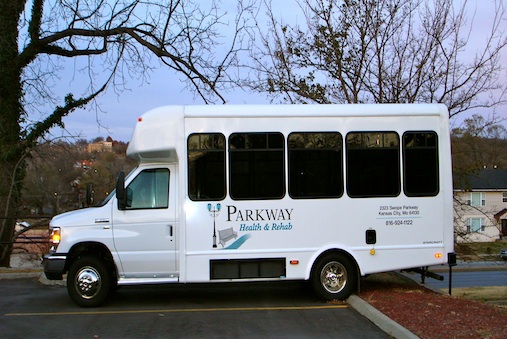
How is Parkway Health Staffed?

CMS rates PARKWAY HEALTH CARE CENTER's staffing level at 1 out of 5 stars, which is much below average compared to other nursing homes.

What Have Inspectors Found at Parkway Health?

State health inspectors documented 97 deficiencies at PARKWAY HEALTH CARE CENTER during 2020 to 2025. These included: 1 Immediate Jeopardy (the most serious level, indicating potential for serious harm or death), 1 that caused actual resident harm, and 95 with potential for harm. Immediate Jeopardy findings are rare and represent the most serious regulatory concerns. They require immediate corrective action.
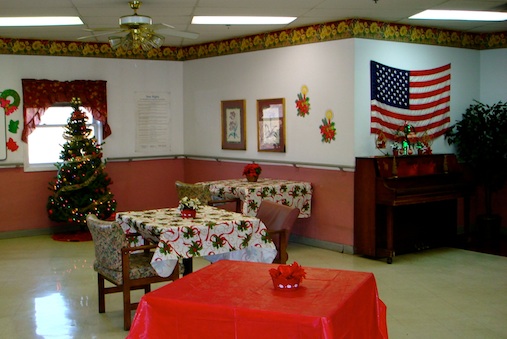
Who Owns and Operates Parkway Health?

PARKWAY HEALTH CARE CENTER is owned by a for-profit company. For-profit facilities operate as businesses with obligations to shareholders or private owners. The facility is operated by RELIANT CARE MANAGEMENT, a chain that manages multiple nursing homes. With 97 certified beds and approximately 48 residents (about 49% occupancy), it is a smaller facility located in KANSAS CITY, Missouri.
How Does Parkway Health Compare to Other Missouri Nursing Homes?

Compared to the 100 nursing homes in Missouri, PARKWAY HEALTH CARE CENTER's overall rating (1 stars) is below the state average of 2.5 and health inspection rating (1 stars) is much below the national benchmark.

What Should Families Ask When Visiting Parkway Health?

Based on this facility's data, families visiting should ask: "What changes have been made since the serious inspection findings, and how are you preventing similar issues?" "Can you walk me through typical staffing levels on day, evening, and night shifts?" "Can I visit during a mealtime to observe dining assistance and food quality?" "How do you handle medical emergencies, and what is your hospital transfer rate?" These questions are particularly relevant given the facility's Immediate Jeopardy citations and the below-average staffing rating.

Is Parkway Health Safe?

Based on CMS inspection data, PARKWAY HEALTH CARE CENTER has documented safety concerns. Inspectors have issued 1 Immediate Jeopardy citation (the most serious violation level indicating risk of serious injury or death). The facility has a 1-star overall rating and ranks #100 of 100 nursing homes in Missouri. Families considering this facility should ask detailed questions about what corrective actions have been taken since these incidents.

Do Nurses at Parkway Health Stick Around?

PARKWAY HEALTH CARE CENTER has not reported staff turnover data to CMS. Staff turnover matters because consistent caregivers learn residents' individual needs, medications, and preferences. When staff frequently change, this institutional knowledge is lost. Families should ask the facility directly about their staff retention rates and average employee tenure.

Was Parkway Health Ever Fined?

PARKWAY HEALTH CARE CENTER has been fined $39,112 across 3 penalty actions. The Missouri average is $33,470. While any fine indicates a compliance issue, fines under $50,000 are relatively common and typically reflect isolated problems that were subsequently corrected. Families should ask what specific issues led to these fines and confirm they've been resolved.

Is Parkway Health on Any Federal Watch List?

PARKWAY HEALTH CARE CENTER is not on any federal watch list. The most significant is the Special Focus Facility (SFF) program, which identifies the bottom 1% of nursing homes nationally based on persistent, serious quality problems. Not being on this list means the facility has avoided the pattern of deficiencies that triggers enhanced federal oversight. This is a positive indicator, though families should still review the facility's inspection history directly.