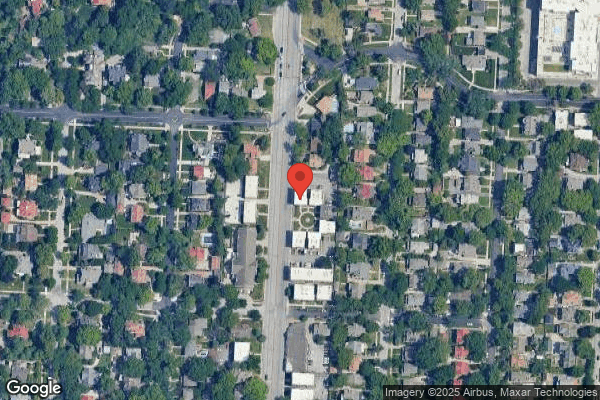
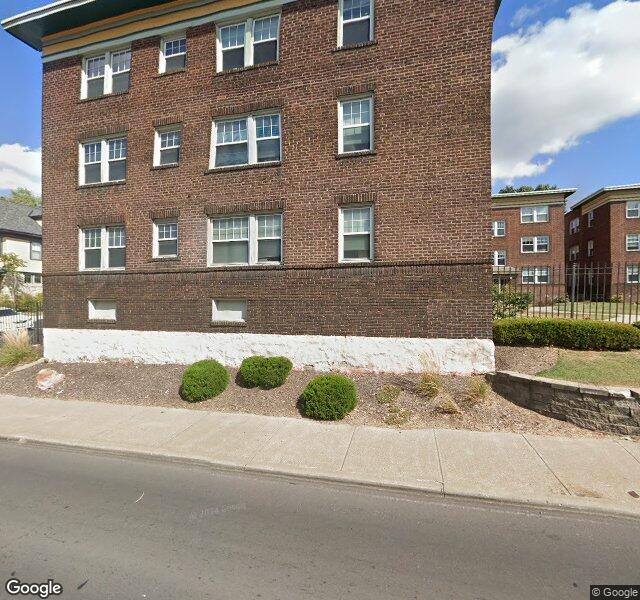
SUMMIT, THE

3660 SUMMIT, KANSAS CITY, MO 64111 (816) 931-1196
For profit - Corporation 64 Beds Independent Data: November 2025
Trust Grade
50/100
#307 of 479 in MO
Last Inspection: September 2023

Over 2 years since last inspection. Current conditions may differ from available data.

Overview

The Summit nursing home in Kansas City has a Trust Grade of C, which means it is average and in the middle of the pack compared to other facilities. It ranks #307 out of 479 in Missouri, placing it in the bottom half, and #22 out of 38 in Jackson County, indicating there are better local options available. The facility's trend is worsening, with issues increasing from 1 in 2024 to 3 in 2025. Staffing is a concern, rated at only 1 out of 5 stars, though the turnover rate of 41% is better than the state average. There have been no fines, which is a positive sign, but there are some troubling incidents, such as failures to adequately post staffing information, delays in meal service due to insufficient dietary staff, and poor cleanliness standards in the kitchen. Overall, while there are some strengths, the facility has notable weaknesses that families should consider.

Trust Score
C
50/100
In Missouri
#307/479
Bottom 36%
Safety Record
Low Risk
No red flags
Inspections
Getting Worse
1 → 3 violations
Staff Stability
○ Average
41% turnover. Near Missouri's 48% average. Typical for the industry.
Penalties
✓ Good
No fines on record. Clean compliance history, better than most Missouri facilities.
Skilled Nurses
⚠ Watch
Each resident gets only 9 minutes of Registered Nurse (RN) attention daily — below average for Missouri. Fewer RN minutes means fewer trained eyes watching for problems.
Violations
⚠ Watch
61 deficiencies on record. Higher than average. Multiple issues found across inspections.
★★☆☆☆
2.0
Overall Rating
★☆☆☆☆
1.0
Staff Levels
★★★★★
5.0
Care Quality
★★☆☆☆
2.0
Inspection Score
Stable
2024: 1 issues
2025: 3 issues

The Good

  • 5-Star Quality Measures · Strong clinical quality outcomes
  • Full Sprinkler Coverage · Fire safety systems throughout facility
  • No fines on record
  • Staff turnover below average (41%)

    7 points below Missouri average of 48%

Facility shows strength in quality measures, fire safety.

The Bad

2-Star Overall Rating

Near Missouri average (2.5)

Below average - review inspection findings carefully

Staff Turnover: 41%

Near Missouri avg (46%)

Typical for the industry

The Ugly 61 deficiencies on record

Apr 2025 3 deficiencies
CONCERN (D) 📢 Someone Reported This

A family member, employee, or ombudsman was alarmed enough to file a formal complaint

Potential for Harm - no one hurt, but risky conditions existed

Quality of Care (Tag F0684)

Could have caused harm · This affected 1 resident

Based on interview and record review, the facility failed to ensure wound care treatments and skin assessments were completed and documented for one sampled resident (Resident #3) out of five sampled ...

Read full inspector narrative →
Based on interview and record review, the facility failed to ensure wound care treatments and skin assessments were completed and documented for one sampled resident (Resident #3) out of five sampled residents. The facility census was 55 residents. Review of the facility's policy titled Non-Pressure Ulcer Assessment and Treatment dated from 2006 showed: -The purpose of the policy was to maintain skin integrity and prevent any type of wound development. -All non-pressure ulcers would be assessed and documented weekly using the provided form. -All residents would be assessed every thirty days for skin integrity. -All non-pressure wounds would be treated according to physician order. -Skin screenings were done according to bath schedule. -Assessment weekly/monthly or more frequent would occur as instructed by the Registered Nurse (RN) or Director of Nursing (DON). -A focused assessment should be completed of the wound area. -Communicate among shifts of progress and healing. -Provide treatment per physician order not limited to pain or infection. 1. Review of Resident #3's admission Record showed he/she admitted to the facility with the following diagnoses: -Cerebral Palsy (a group of conditions that affect movement and posture caused by damage that occurs to the developing brain, most often before birth). -Peripheral Vascular Disease (PVD- inadequate blood flow to the extremities). Review of the resident's undated care plan showed: -He/She had limited physical mobility related to his/her diagnosis of cerebral palsy. -He/She had PVD with the following interventions: --The resident was to wear bunny boots (a protective boot for foot wounds designed to offload pressure). --Monitor the extremities for signs and symptoms of injury, infection or ulcers. Review of the resident's quarterly Minimum Data Set (MDS- a federally mandated assessment instrument completed by staff for care planning) dated 2/24/25 showed: -The resident was cognitively intact. -The resident had a Stage I (intact skin with non-blanchable redness of a localized area usually over a bony prominence) or great, a scar over a bony prominence, or non-removable dressing/device. -The resident did not have any pressure ulcers with the seven day look back period. -The resident did not have any current venous ulcers (a wound on the leg or ankle caused by abnormal or damaged veins). Review of the resident's Physician Order Sheet (POS) dated March 2025 showed: -An order for skin gel protective (an invisible skin protectant gel that moisturizes and protects while the skin is recovering), apply topically to his/her right great toe two times a day. -An order for staff to clean the resident's right foot with water and soap, apply vitamin A and D ointment (used as a moisturizer to treat or prevent dry, rough, scaly, itchy skin and minor skin irritations) and zinc ointment (ointment containing zinc oxide, used for various skin conditions) to areas on his/her right great toe and third toe daily dated 3/10/25. -An order for staff to clean bilateral lower extremities with water and soap, apply Vitamin A and D ointment, two times a day. -An order for staff to apply Calmoseptine to the resident's open areas on his/her right leg daily. Review of the resident's Treatment Administration Record (TAR) dated March 2025 showed: -The resident missed or lacked documentation of seven treatments of the skin gel protective during the 7:00 A.M. to 3:00 P.M. shift through the month of March 2025. -The resident missed or lacked documentation of his/her right great toe and third toe treatments eight times from 3/10/25 through 3/31/25. -The resident missed or lacked documentation of his/her bilateral lower extremities treatment seven times during the 7:00 A.M. to 3:00 P.M. shift through the month of March 2025. -The resident missed or lacked documentation of his/her bilateral lower extremities treatment ten times during the 3:00 P.M. to 11:00 P.M. shift through the month of March 2025. -The resident missed or lacked documentation of his/her right leg treatment 15 times through the month of March 2025. Review of the resident's POS dated April 2025 showed an order for skin gel protective (an invisible skin protectant gel that moisturizes and protects while the skin is recovering), apply topically to his/her right great toe two times a day. Review of the resident's TAR dated April 2025 showed the resident missed or lacked documentation of 12 right great toe treatments during the 3:00 P.M. shift to 11:00 P.M. shift from 4/1/25-4/20/25. Review of the resident's weekly skin assessment on 4/21/25 for the month of April 2025 showed the resident's last skin assessment was 4/10/25. During an interview on 4/21/25 at 12:37 P.M. Licensed Practical Nurse (LPN) A said: -The resident's open wounds had healed, so the facility's contracted wound care team had stopped seeing the resident. -It was identified the resident's previous heel wound had opened back up. -The resident was to start seeing the contracted wound care team at the facility later in the week due to his/her heel wound opening back up. During an interview on 4/21/25 at 2:47 P.M. Certified Nursing Assistant (CNA) A said: -Resident skin was checked by CNAs during resident showers. -If CNAs were to find any new skin issues, they were responsible for telling the nurse on duty immediately. -The resident had chronic wounds to his/her feet. -The resident had a history of heel wounds, so the resident wore heel protectant boots. -The resident's heel wound had re-opened. During an interview on 4/21/25 at 3:20 P.M. LPN A said: -Residents skin assessments were in a separate binder from the resident's regular medical chart. -Skin assessments were completed weekly by the facility nurses. -There was a skin assessment schedule in the skin assessment binder. -The nurses were expected to document the skin assessments upon completion of the assessment. -The nurses were expected to perform treatments as ordered by the physician. -The Director of Nursing (DON) was responsible for ensuring the completion of treatments. -He/She was unsure why the other shifts were not getting wound treatments done. -He/She thought that treatments were getting done and not getting documented. -The nurses were expected to document the completion of each treatment. During an interview on 4/22/25 at 8:46 A.M. the DON said: -Skins assessments were completed weekly. -There was a schedule that was in the skin assessment binder that staff were expected to follow in order to get the assessments completed. -He/She was responsible for ensuring completion of the skin assessments. -Treatments should be done as ordered. -The nursing staff tell him/her that the treatments are getting completed, the nursing staff are just not documenting the completion of the treatments. -He/She expected staff to document on the TAR when treatments were completed. -The nursing staff should have been documenting all of the resident ' s wound treatments. -Resident #3 should have had an additional skin assessment completed between 4/10/25-4/21/25. During an interview on 4/24/25 at 1:04 P.M. LPN B said: -He/She worked the 3:00 P.M. to 11:00 P.M. shift. -Treatments were supposed to be documented on resident TARs upon completion of the treatment. -He/She had too much work to do on his/her shift and he/she did not have time to document treatments. -The residents did get their treatments on the days he/she worked at the facility. -The DON was responsible for ensuring treatments were documented on resident TARs. -The resident should have had an additional skin assessment completed between 4/10/25-4/21/25. -He/She only treated the resident's wounds when the resident had open wounds. -The resident had refused some treatments in the past. -If a resident refused any treatment, it should be documented on the TAR. -The resident only had redness on his/her feet and buttocks. MO00252072
CONCERN (D) 📢 Someone Reported This

A family member, employee, or ombudsman was alarmed enough to file a formal complaint

Potential for Harm - no one hurt, but risky conditions existed

Pressure Ulcer Prevention (Tag F0686)

Could have caused harm · This affected 1 resident

**NOTE- TERMS IN BRACKETS HAVE BEEN EDITED TO PROTECT CONFIDENTIALITY** Based on interview and record review, the facility failed to ensure that wound care treatments were completed and documented inc...

Read full inspector narrative →
**NOTE- TERMS IN BRACKETS HAVE BEEN EDITED TO PROTECT CONFIDENTIALITY** Based on interview and record review, the facility failed to ensure that wound care treatments were completed and documented including weekly wound tracking and measuring was completed for one sampled resident (Resident #2) who had pressure ulcers (an injury to the skin and underlying tissue resulting from prolonged pressure on the skin); and failed to ensure weekly skin assessments were completed and documented for one sampled resident (Resident #1) out of five sampled residents. The facility census was 55 residents. Review of the facility's policy titled Pressure Ulcer Treatment Policy and Procedure dated from 2006 showed: -Staff were to assess pressure ulcers by using the wound assessment form weekly and for any change in condition. -The staff were to use appropriate topical therapy per physician order or recommendation from wound care specialists. -The staff were to monitor skin surfaces daily and document on the appropriate form. Review of the facility's policy titled Ulcer Documentation dated from 2006 showed: -After assessing a wound, proper documentation was necessary for medical, legal, and reimbursement reasons. -The documentation was to include: --The resident's name and date of assessment or treatment. --Vital signs if applicable. --If the dressings were intact or not. --Locations of wound. --Size of wound. --Any tracking or undermining of the wound. --Any wound drainage or odor. --What the wound tissue looked like. --The stage of the pressure ulcer. --Past treatment and current treatment. --Any follow-up needed. 1. Review of Resident #2's admission record showed he/she admitted to the facility on [DATE] with the following diagnoses: -Unspecified Dementia (a progressive organic mental disorder characterized by chronic personality disintegration, confusion, disorientation, stupor, deterioration of intellectual capacity and function, and impairment of control of memory, judgement, and impulses). -Diabetes Mellitus (DMII- a complex disorder of carbohydrate, fat, and protein metabolism that is primarily a result of a deficiency or complete lack of insulin secretion in the pancreas or resistance to insulin). -Essential Hypertension (high blood pressure). Review of the resident's Physician Order Sheet (POS) dated March 2025 showed an order for the resident to be admitted to hospice (end of life care) on 3/23/25. Review of the resident's skilled nursing visit note from hospice dated 3/23/25 showed: -The resident had a left medial buttock/gluteal fold Stage III (a full thickness tissue loss. Subcutaneous fat may be visible but, bone, tendon, or muscle is not exposed. Slough may be present but dies not obscure the depth of tissue loss. May include undermining or tunneling) pressure ulcer which measured two and a half centimeters (cm) in length, two cm in width, and one cm in depth. -The resident had a right arm/elbow Stage II pressure ulcer (partial thickness loss of dermis presenting as a shallow open ulcer with a red or pink wound bed, without slough. It may also present as an intact or open/ruptured blister)which measured four cm in length and one cm in width. -The resident had a right arm/elbow unstageable (slough and/or eschar, known but not stageable due to coverage of wound bed by slough and/or eschar)pressure ulcer which measured two cm in length and two cm in width. -The resident had a right proximal arm/forearm Stage II pressure ulcer which measured four cm in length and one cm in width. Review of the resident's admission Minimum Data Set (MDS-a federally mandated assessment instrument completed by facility staff for care planning) dated 3/25/25 showed: -The resident was severely cognitively impaired. -The resident had one or more unhealed pressure ulcers at Stage I (intact skin with non-blanchable redness of a localized area usually over a bony prominence) or higher. -The resident had four Stage II. -The resident had one Stage III -The resident had one unstageable pressure ulcer. -The resident was receiving hospice care. Review of the resident's hospice visit note dated 4/2/25 showed: -The resident's right upper arm wound appeared to be a Stage III pressure ulcer. -The resident had two left ischial wounds which were improving. -The resident had a coccyx wound which was improving. -The resident had right forearm wounds that were improving. -No wound measurements were documented in this note. Review of the resident's care plan dated 4/8/25 showed: -The resident had a pressure ulcer to the left ischium (a paired bone forming the lower and back part of the hip bone) with the following interventions: --Staff were to administer treatments as ordered and to monitor effectiveness. --Staff were to assess/record/monitor wound healing weekly. --Staff were to measure the length, width, and depth where possible. --Report improvements and declines to the Medical Director. Review of the resident's POS dated April 2025 showed: -An order for Calmoseptine (primarily used as a moisture barrier to protect and heal skin irritations) to be used on his/her right arm open areas, daily, every shift with an order stop date of 4/11/25. -An order for betadine (rapidly kills bacteria commonly responsible for wound and skin infections) to be used on the left hip, daily, every shift. Review of the resident's Treatment Administration Record (TAR) dated April 2025 showed: -The resident missed or lacked documentation for one treatment of Calmoseptine from 4/1/25-4/11/25 on the 7:00 A.M. to 3:00 P.M. shift. -The resident missed or lacked documentation for nine treatments of the Calmoseptine from 4/1/25-4/11/25 on the 3:00 P.M. to 11:00 P.M. shift. -The resident missed or lacked documentation of seven treatments of the Calmoseptine from 4/1/25-4/11/25 on the 11:00 P.M. to 7:00 A.M. shift. -The resident missed or lacked documentation of two treatments of the betadine from 4/1/25-4/21/25 on the 7:00 A.M. to 3:00 P.M. shift. -The resident missed or lacked documentation of 17 treatments of the betadine from 4/1/25-4/20/25 on the 3:00 P.M. to 11:00 P.M. shift. -The resident missed or lacked documentation of nine treatments of the betadine from 4/1/25-4/20/25 on the 11:00 P.M. to 7:00 A.M. shift. -On 4/9/25 the resident's four arm wounds were measured. NOTE: The measurements on 4/9/25 were the only measurements found in the resident's medical record documented by the facility. 2. Review of Resident #1's admission Record showed the resident admitted to the facility on [DATE] with the following diagnoses: -Diabetes Mellitus (DMII- a complex disorder or carbohydrate, fat, and protein metabolism that is primarily a result of a deficiency or complete lack of insulin secretion in the pancreas or resistance to insulin). -Acquired Absence of Other Right Toes. -Acquired Deformities of Toes, Unspecified Foot. -Fibromyalgia (a chronic disorder characterized by widespread pain and other symptoms such as fatigue, muscle stiffness, and insomnia). - Rheumatoid Arthritis (a chronic inflammatory disorder usually affecting small joints in the hands and feet). Review of the resident's admission MDS dated [DATE] showed: -The resident was cognitively intact. -The resident was at risk for developing pressure ulcers. -The resident had a Stage I or greater, a scar over bony prominence, or non-removable dressing/device. -The resident had one Stage III pressure ulcer that was present upon admission to the facility. Review of the resident's undated care plan showed the resident did not have a care plan focus for skin impairment. Review of the resident's wound report assessment completed by the facility's contracted wound company on 4/4/25 showed the resident had an open pressure wound on his/her coccyx. Review of the resident's weekly skin assessment form on 4/21/25 for the month of April 2025 showed the resident had not had a full body skin assessment sine 4/9/25. 3. During an interview on 4/21/25 at 12:37 P.M. Licensed Practical Nurse (LPN) A said Resident #2 was unable to see the facility's contracted wound care team due to the resident receiving hospice services. During an interview on 4/21/25 at 2:00 P.M. LPN A said the back of resident TARs was the place nurses were to document wound measurements. During an interview on 4/21/25 at 2:47 P.M. Certified Nursing Assistant (CNA) A said: -Resident #2 had his/her wounds upon admission to the facility. -Resident #2 had a tendency to pick at the treatments that were done to the wounds on his/her arm. -Resident's skin was checked by CNAs during resident showers. -If CNAs were to find any new skin issues, they were responsible for telling the nurse on duty immediately. -Any resident with wounds should have a wound care focus on their care plan. During an interview on 4/21/25 at 3:20 P.M. LPN A said: -Resident skin assessments were in a separate binder from the resident's regular medical chart. -Skin assessments were completed weekly by the facility nurses. -There was a skin assessment schedule in the skin assessment binder. -The nurses were expected to document the skin assessments upon completion of the assessment. -Wound measurements were completed weekly. -The hospice company was responsible for measuring the Resident #2's wounds weekly. -Resident #2's wounds were improving, and some were almost healed. -The nurses were expected to perform treatments as ordered by the physician. -The Director of Nursing (DON) was responsible for ensuring the completion of treatments. -He/She was unsure why the other shifts were not getting wound treatments done. -He/She thought that treatments were getting done and not getting documented. -The nurses were expected to document the completion of each treatment. During an interview on 4/22/25 at 8:46 A.M. the DON said: -Skins assessments were completed weekly. -There was a schedule that was in the skin assessment binder that staff were expected to follow in order to get the assessments completed. -He/She was responsible for ensuring completion of the skin assessments. -He/She expected weekly wound measurements to be completed for all identified wounds in the building. -The contracted wound care team was responsible for measuring the wounds. -The nurses were expected to document the weekly measurements on the resident's TARs. -Resident #2's TAR should have more than just the one weekly measurement on his/her TAR. -Daily documentation of the wounds should be completed with wound type and response to treatment. -He/She was aware that the daily wound documentation was not getting completed. -Resident #2 did not have any pressure ulcers. -Resident #2's wound on his/her bottom was almost healed. -He/She was unsure of what type of wounds Resident #2 had. -Treatments should be done as ordered. -Resident #2 was unable to see the contracted wound team due to being on hospice, so the hospice company managed the Resident #2's wounds. -The facility should also be measuring Resident #2's wounds, not just hospice. -The nursing staff tell him/her that the treatments are getting completed, the nursing staff are just not documenting the completion of the treatments. -He/She expected staff to document on the TAR when treatments were completed. -The nursing staff should have been documenting all of the resident's wound treatments. -Resident #1 did not have a skin/wound care plan because he/she had not created one yet. -Resident #1 should have had an additional skin assessment completed between 4/9/25-4/21/25. During an interview on 4/24/25 at 1:04 P.M. LPN B said: -He/She worked the 3:00 P.M. to 11:00 P.M. shift. -Treatments were supposed to be documented on resident TARs upon completion of the treatment. -He/She had too much work to do on his/her shift and he/she did not have time to document treatments. -The residents did get their treatments on the days he/she worked at the facility. -Resident #2's wounds were healing. -He/She was unsure if Resident #2's hospice nurse completed weekly wound measurements. -Weekly measurements were completed for all wounds in the facility. -The contracted wound care team usually came to the facility during the 7:00 A.M. to 3:00 P.M. shift, so he/she did not normally have to measure wounds. -All wound measurements could be found in the wound book. -The DON was responsible for ensuring the weekly measurements were completed. -The DON was responsible for ensuring treatments were documented on resident TARs. -Resident #1 should have had an additional skin assessment completed between 4/9/25-4/21/25. -Resident #1 should have a wound/skin focus on his/her care plan. MO00252072
CONCERN (D) 📢 Someone Reported This

A family member, employee, or ombudsman was alarmed enough to file a formal complaint

Potential for Harm - no one hurt, but risky conditions existed

Accident Prevention (Tag F0689)

Could have caused harm · This affected 1 resident

**NOTE- TERMS IN BRACKETS HAVE BEEN EDITED TO PROTECT CONFIDENTIALITY** Based on observation, interview and record review, the facility failed to ensure fall investigations were complete and thorough ...

Read full inspector narrative →
**NOTE- TERMS IN BRACKETS HAVE BEEN EDITED TO PROTECT CONFIDENTIALITY** Based on observation, interview and record review, the facility failed to ensure fall investigations were complete and thorough to include root-cause analysis (RCA- a collective term that describes a wide range of approaches, tools, and techniques used to uncover causes of problems) for three sampled residents (Resident #1, Resident #4, and Resident #5) out of five sampled residents. The facility census was 55 residents. Review of the facility's policy titled Policy and Procedures for Fall Investigation dated from 2006 showed: -Licensed nurses perform an assessment within a time frame appropriate to the clinical circumstance, right after a fall has occurred and coordinate other indicated evaluation and management of injuries or underlying causative conditions. -Licensed nurses completed the fall investigation upon each fall on the provided form. -The safety committee reviewed the fall incident and would make a referral by physical therapy (PT)/ occupational therapy (OT) or enrolled the resident into restorative program upon approval and ordered by the attending physician. -The safety committee coordinated fall risk assessments and fall management. -Nursing staff was encouraged to comply with the clinical practice guidelines on falls and fall prevention. -The safety committee would meet and discuss preventative measures, a new plan of care or develop a new practice guideline to prevent falls. -Licensed nurses were to conduct an immediate investigation of the accident/incident. -The following data needed to be included on the investigation form: --The date, time, and place the accident/incident took place. --The surrounding of the occurrence including medical devices or equipment that involve in the accident. --Time that the attending physician was notified and the response. --Date and time that the resident's family or responsible party was notified. --The condition of the injured resident including the resident response and reaction. --The disposition of the injured. --Signature and title of the person completing the form. -The following information needed to be documented in the resident's clinical record: --Date and Time of when the physician and family were notified. --Administration contacted, according to facility policy. --Resident first aide and treatment. --Neurological checks if applicable. --Vital Signs. --Signs and Symptoms of injuries. --Medical conditions that may have contributed to the incident. --The position of the resident upon discovery. --Resident and witness statements. Review of the facility's policy titled Incident Reports dated September 2006 showed: -Within 24 hours of the incident the Director of Nurse (DON) was responsible for the following: --Verifying the information. --Checking the appropriateness of all chart entries. --Ensures that all blanks are filled in. --Submitting the form to the Administrator and notifying corporate office if needed. --Signing the form. -Incident reports would be reviewed each month and/or quarter in the facility Quality Assurance meeting and a summary of findings would be included in the minutes of the meetings. 1. Review of Resident #1's admission record showed he/she admitted to the facility with the following diagnoses: -Fibromyalgia (a chronic disorder characterized by widespread pain and other symptoms such as fatigue, muscle stiffness, and insomnia). -Restless Leg Syndrome (RLS- a condition characterized by a nearly irresistible urge to move the legs, typically in the evenings). Review of the resident's admission Minimum Data Set (a federally mandated assessment instrument completed by facility staff for care planning) dated 4/10/25 showed: -The facility was unable to determine if the resident had a fall any time in the last month prior to admission. -The facility was unable to determine if the resident had a fall any time in the last two to six months prior to admission. -The resident had fallen since admission to the facility. -The resident had two non-injury falls since admission to the facility. Review of the resident's undated care plan showed: -The resident had a potential to fall. -The resident had non-injury falls that occurred on 3/28/25 and 3/31/25. -The following interventions were in place: --Assist with hygiene, bathing, and toileting. --Provide instruction and small tasks in a simple sentence and set up as needed. --Encourage the resident to use the call light for help when needing something. --Explain procedure and care provided. --Provide comfort and support during care. --Monitor condition and level of Activities of Daily Living (ADLs-a term used to collectively describe fundamental skills required to independently care for oneself, such as eating, bathing, and mobility). Review of the resident's incident/accident report dated 3/28/25 showed: -The resident was hollering that he/she was sliding out of his/her wheelchair. -An unnamed resident saw the resident scooting out of his/her chair, attempting to get his/her legs out of the wheelchair pedals, and slid to the floor. -The resident asked why it took so long for Emergency Medical Technicians (EMTs) to get to the facility. -No other information about the fall was in the investigation. -No RCA was completed for the fall. NOTE: No nurse note, or progress note could be found in the resident's chart related to the fall. Review of the resident's nurse note dated 3/31/25 at 3:00 P.M. showed: -The resident had a fall from his/her bed. -The resident slid from his/her bed. -The resident's vital signs were stable. Review of the resident's incident/accident report dated 3/31/25 showed: -The resident was in bed. -The resident was found on the floor on his/her right side. -No injury was noted. -In the assessment an evaluation section of the investigation it identified a behavioral concern, but no explanation of what kind of behavior the resident was exhibiting. -In the internal factor section of the investigation showed the resident's current diagnosis was check-marked, but no further explanation as to which diagnosis of the resident's was included. -The resident was to have a positioning bar placed as one of his/her interventions after the fall occurred. -No RCA was completed for the fall. Observation on 4/21/25 at 10:34 A.M. showed the resident did not have a positioning bar in place. During an interview on 4/21/25 at 10:34 A.M. the resident said he/she had not remembered falling anytime at the facility. 2. Review of Resident #4's quarterly MDS dated [DATE] showed: -The resident was cognitively intact. -The resident had not had any falls prior to the assessment date. Review of the resident's undated care plan showed: -The resident was at risk for falls related to his/her gait/balance problems. -The resident had the following interventions in place: --Anticipate and meet the resident's needs. --Be sure the resident's call light is within reach and encourage the resident to use it for assistance as needed. --The resident needed prompt response to all requests for assistance. --Educate the resident/family/caregivers about safety reminders and what to do if fall occurs. --Ensure the resident was wearing the appropriate footwear when ambulating or mobilizing in wheelchair. --Follow facility fall protocol. -The resident's care plan was not updated to reflect the resident had an actual fall. Review of the resident's incident/accident report dated 4/5/25 showed: -The resident said he/she slipped to the floor when trying to get out of his/her room. -The door made the resident fall. -The resident had landed on his/her buttocks. -His/her roller walker was in use. -In the assessment and evaluation section of the investigation it identified a behavioral concern, but no explanation of what kind of behavior the resident was exhibiting. -No RCA was completed for the fall. NOTE: No nurse note, or progress note could be found in the resident's chart related to the fall. During an interview on 4/21/25 at 12:12 P.M. the resident said: -He/She had not really fallen but slid down to the floor. -He/She had lost his/her balance trying to get out of his/her room. -He/She was going Physical Therapy (PT) as a result of the fall. 3. Review of Resident #5's admission record showed he/she admitted to the facility with the following diagnoses: -Parkinsonism (Parkinson's Disease- a progressive disease of the nervous system marked by tremor, muscular rigidity, and slow imprecise movement). -Tremor, Unspecified. -Ataxic Gait (clumsy, staggering movements with a wide-based gait). Review of the resident's care plan dated 8/5/24 showed: -The resident was at high risk for falls related to his/her gait/imbalance problems with the following interventions: --Anticipate and meet the resident's needs. --Fall mat at bedside on floor while the resident was in bed. --Be sure the resident's call light was within reach and encourage the resident to use it for assistance as needed. --The resident needed prompt response to all requests for assistance. --Educate the resident/family/caregivers about safety reminders and what to do if a fall occurred. --Encourage the resident to participate in activities that promote exercise and physical activity for strengthening and improved mobility. --Follow the facility fall protocol. -The resident had two recorded falls. -The resident's care plan was not updated to reflect his/her most recent fall. Review of the resident's quarterly MDS dated [DATE] showed: -The resident was cognitively intact. -The resident did not have any falls prior to the assessment. Review of the resident's incident/accident report dated 3/31/25 showed: -The resident fell out of his/her wheelchair while going into his/her room. -The resident landed on his/her right side. -No injury noted and no complaints of pain. -The incident resolution included educating the resident to ask for assistance and slow down. -No RCA was completed for the fall. NOTE: No nurse note, or progress note could be found in the resident's chart related to the fall. During an interview on 4/21/25 at 10:27 A.M. the resident said: -He/She had not had a recent fall. -He/She had fallen in the past. -He/She had fallen getting into the shower before. -He/She did not think there were any fall interventions currently in place for him/her. 4. During an interview on 2/21/25 at 2:47 P.M. Certified Nursing Assistant (CNA) A said: -The CNAs were responsible for getting the nurse when a resident falls. -Nurses were responsible for completing all assessments and documentation related to falls. -All fall interventions that were determined post-fall were put into place immediately after the fall occurred. -Resident #1's fall interventions included regular re-positioning, putting the bed in the lowest position, and having a fall mat on the floor. -Resident #1 was also supposed to have a positioning bar placed but thought that it was a work-in-progress. -He/She was unsure about Resident #4's fall interventions. -Resident #5's main fall intervention included increased monitoring during transfers. -He/She was aware of the interventions by looking at resident care plans. During an interview on 4/21/25 at 3:20 P.M. Licensed Practical Nurse (LPN) A said: -The nurses were responsible for completing the incident reports after a resident falls. -He/She reviewed the fall investigations received and said that they were not complete. -The information in the incident reports received for Resident #1, Resident #4, and Resident #5 were not detailed enough to show the root cause of the falls. -All parts of the incident were supposed to be filled out. -A nurse note was also supposed to go into the resident's chart after a fall. -The DON was responsible for ensuring completion of the fall investigation. During an interview on 4/22/25 at 8:46 A.M. the DON said: -The nurses were responsible for completing the incident report after a fall occurred. -All sections of the incident report needed to be completed. -The nurses were also expected to put any interventions put in place after the fall on the incident report. -The facility ran out of positioning bars and that was why Resident #1 did not have one in his/her room. -He/She would have expected more information and a better description for both of Resident #1's falls on the incident reports. -Resident #4 had reported his/her fall to the nurse. -Based on the information provided in Resident #4's incident report, a person would not be able to see that the resident had gotten up by himself/herself and reported the fall to the nurse. -Resident #5's incident report should have been more detailed. -A summary of the investigation and the RCA was not documented in the residents' medical charts after a fall. -There was no place on the incident report to specifically summarize or document the RCA of the fall. -He/She does complete RCAs after each fall and shares the information with all pertinent staff verbally. -Care plans should be updated after each fall. -The care plans should include the date of the fall, and the specific intervention put into place after each fall. During an interview on 4/24/25 at 1:04 P.M. LPN B said: -The nurses were responsible for completing the fall investigations. -The nurses were also responsible for documenting a note in the resident's chart after a fall occurred. -The DON ensures completion of the fall investigations. -The description of the fall was only completed if the fall was witnessed. -He/She was unsure of the fall interventions in place for Resident #1, Resident #4, and Resident #5. -Resident #5 had neurological issues and would try to be too independent at times which was why he/she would fall. -Resident #1 was known to throw himself/herself on the floor at his/her previous facility. -Resident #1 had RLS which caused the resident to fall out of his/her wheelchair at times. -The DON and the MDS Coordinator updated the care plans. -He/She did not look at resident care plans. -All care plans should be up to date and include the date of the fall and interventions in place. -He/She was unsure if RCA was getting completed after each fall and did not remember the DON educating staff after the most recent falls. MO00252072
Aug 2024 1 deficiency
CONCERN (D) 📢 Someone Reported This

A family member, employee, or ombudsman was alarmed enough to file a formal complaint

Potential for Harm - no one hurt, but risky conditions existed

Deficiency F0602 (Tag F0602)

Could have caused harm · This affected 1 resident

**NOTE- TERMS IN BRACKETS HAVE BEEN EDITED TO PROTECT CONFIDENTIALITY** Based on interview and record review, the facility failed to provide protective oversight for one sampled resident (Resident #1)...

Read full inspector narrative →
**NOTE- TERMS IN BRACKETS HAVE BEEN EDITED TO PROTECT CONFIDENTIALITY** Based on interview and record review, the facility failed to provide protective oversight for one sampled resident (Resident #1) when Certified Nursing Assistant (CNA) A exploited the resident by cultivating a relationship with him/her who was hearing impaired, took the resident from the facility to hi/her bank out of state, attained access to the resident's accounts without an American Sign Language (ASL) or Certified Deaf Interpreter (CDI) present, then used the access to the resident's account to withdraw $24,952.83 out of three sampled residents. The facility census was 64 residents. Review of the facility's undated Abuse and Neglect Policy showed: -Financial or material exploitation, illegal or improper use of an individual's funds, property, or assets without informed consent and resulting in monetary, personal or other benefit, gain, or profit for the perpetrator, or monetary or personal loss by the individual. --Utilizing position of authority to take advantage of an individual for personal gain. --Stealing, cashing checks without permission, forging signatures, misusing money or possessions. --Improper use of conservatorship, guardianship or power of attorney. -Purpose to ensure that the residents' rights are respected. -The facility is responsible to prevent not only abuse, but also those practices and omission, neglect and misappropriation of property that may lead to abuse without thorough investigation. -All suspicious crime including misappropriation shall be reported to the administrator immediately. -All suspected incidents must be investigated immediately. Review of the CNA A employee file showed CNA A was hired on 8/3/23 and terminated on 1/19/24 for insubordination and unprofessional behavior. Review of facility visitor logs showed the CNA A began coming to visit the resident on 3/14/24 and signed the resident out of the facility on 4/5/24. 1. Review of Resident #1's admission Record showed the resident was admitted on [DATE] with diagnoses including deafness, nonspeaking. Review of the resident's Quarterly Minimum Data Set (MDS-a federally mandated assessment instrument completed by facility staff for care planning) dated 4/15/24 showed the resident: --Was moderately cognitively impaired. -Was hearing impaired without speech. -Usually understood by others and unknown if he/she understood others. Review of the resident's undated Care Plan showed: -The resident had a communication problem related to hearing loss/mute. -5/2/24 The resident utilized written forms of communication. --The resident will be able to make basic needs known by writing down what he needs and wants on a daily basis. --The resident will improve communication function by writing about what assistance he/she needs; such as making sounds, using appropriate gestures, responding to yes/no questions appropriately, using communication board, writing messages. ---Allow adequate time for the resident to respond, repeat as necessary, do not rush. ---Request clarification from the resident to ensure understanding. ---Face when speaking and make eye contact. ---Ask yes/no questions if appropriate. ---Use simple, brief, consistent words and cues. ---Use alternative communication tools as needed. ---The resident prefers to communicate in sign language, communication binder behind second floor nurse's station. ---The resident was able to write down what he/she needs and wants. ---The resident required video phone to communicate over the phone. ---Ensure availability and functioning of adaptive communication equipment. ---Focus on word or phrases that make sense, or responses to the feelings the resident is trying to express. ---The resident was able to communicate by lip reading, writing, using communication board, gestures, sign language and use of a translator. Review of the resident's checking account dated 4/5/24 showed: -Beginning balance on 3/8/24 was $1,857.82. -Deposit of $1,021.02. -Withdrawals and Debits were $1,356.18. -Ending balance on 4/7/24 was $1,522.66. Review of the resident's Money Market account dated 4/9/24 showed: -Beginning balance on 3/11/24 was $21,209.24. -Deposit of $68.72. -Withdrawal and Debits were $0.00. -Ending balance on 4/9/24 was $21,277.96. Review of the resident's checking account dated 5/7/24 showed: -Beginning balance on 4/8/24 was $1,522.66. -Deposit of $6,021.01. -Withdrawals and Debits were $7,246.50. -Ending balance on 5/7/24 was $297.17. Review of the resident's Money Market account dated 5/9/24 showed: -Beginning balance 4/10/24 was $21,277.96. -Deposit of $50.91. -Withdrawal and Debits were $11,500.00. -Ending balance on 5/9/24 was $9,828.87. Review of the resident's checking account dated 6/7/24 showed: -Beginning balance on 5/8/24 was $297.17. -Deposit of $1,021.01. -Withdrawals and Debits were $0.00. -Ending balance on 6/9/24 was $1,318.18. Review of the resident's Money Market account dated 6/7/24 showed: -Beginning balance on 5/10/24 was $9,828.87. -Deposit of $16.91. -Withdrawal and Debits were $7,510.00 -Ending balance on 6/9/24 was $2,335.78. Review of the resident's checking account dated 7/5/24 showed: -Beginning balance on 6/10/24 was $1,318.18. -Deposit of $1,021.01. -Withdrawals and Debits were $2,000.00. -Ending balance 7/7/24 was $339.19. Review of the resident's Money Market account dated 7/9/24 showed: -Beginning balance on 6/10/24 was $2,335.78. -Deposit of $1.80. -Withdrawal and Debits were $2,210.00. -Ending balance on 7/9/24 was $127.58. During an interview on 7/16//24 at 2:34 P.M. the Bank Representative said: -On 6/7/24 the bank reviewed the activities of the resident's account and noted some withdrawals on the account. -The bank attempted to contact the resident and received a return call from the resident on 7/16/24. -The resident stated it was not his/her intention to add CNA A to his/her account. -Upon discussion with the facility staff, the resident was deaf and it was concluded there were several cash withdrawals and debit card usage that were not done by the resident. -The resident was a customer of the bank and was accompanied by a non-customer, CNA A on 4/5/24. -CNA A stated he/she was helping the resident and he/she could interpreted sign language for the resident and the bank teller. -CNA A added him/herself to the resident's account on 4/5/24. -Shortly after adding him/herself to the resident's account CNA A began making several withdrawals from the account. -The resident contacted the bank wanting to know where all of his/her money had gone. -The resident stated he/she was confused as to what happened at the bank on 4/5/24. -The resident stated he/she did not know what he/she was signing at the bank and that CNA A took advantage of him/her. -The resident said CNA A was a worker at the nursing home where he/she lives and he/she needed to take him/her to the bank to help him/her. -The resident requested assistance with filing a police report against CNA A. During an interview on 7/17/24 at 10:35 A.M. the Social Services Designee (SSD) said: -When the resident first arrived the facility staff was unaware the resident had a large sum of money on his/her person. -The resident insisted on being taken to the bank to make a deposit. -He/She took the resident to the bank at the end of December 2023. -The resident removed $33,000.00 in cash from his/her walker to be deposited. -The bank was able to justify the origin of the resident's cash and it was deposited into the resident's account. -When he/she took the resident to the bank in December, he/she did not want a debit card and was to have no more than four checks at a time. -The resident was fearful of fraud and wanted to protect his/her funds. -In May 2024 he/she heard about the resident going out of the facility with a former employee. -He/She thought it was odd a former employee was taking the resident out. -On 5/7/24 he/she sent a message to the point of contact for the bank and got no reply back. -On 7/16/24 he/she went to the resident's room because the resident was complaining about his/her TV not working. -When he/she got to the resident's room, the resident was on the phone with the bank. -Once the resident was off the phone the resident showed him/her checkbooks, which was a red flag for him/her. -He/She noted the address on the checks was not the facility address. -He/She searched the address and discovered it was the address for CNA A. -He/She reached out to the bank and was told CNA A took the resident to the bank and told the bank the resident was his/her grandparent and no longer lived in the nursing facility. -He/She contacted law enforcement on 7/17/024 at approximately 9:00 A.M., but had not yet heard back from law enforcement. -CNA A was an employee, but had been terminated on 1/19/24 for unprofessional behavior towards the DON. During an interview on 7/17/24 at 11:14 A.M. the Administrator said: -CNA A was terminated on 1/19/24 related to not following professional standards. -CNA A was employed at the time the resident was admitted to the facility. -On 7/11/24 the resident was complaining to another staff about some missing money. -As a result of the information, he/she asked SSD to contact the bank to make sure everything was okay. -When the resident brought concerns up again on 7/16/24, they discovered an email sent in May that went to a bank employee which was no longer working at the bank, hence why they did not receive a reply. -He/She feels the incident was financial abuse by the CNA A . During an interview on 7/17/24 at 1:31 P.M. the resident said: -The resident was interviewed by law enforcement with an ASL interpreter. -He/She did not understand the papers he/she signed while at the bank. -There was no ASL interpreter present at the bank. -The resident was crying and visibly upset during the interview. During an interview on 7/17/24 at 5:15 P.M. the Ombudsman said: -He/She was just informed about the resident's exploitation. -The resident said CNA A was helping him/her to move out of the facility. -The resident reported CNA A was supposed to be his/her caregiver and would get state funding for those services once he/she was in his/her own apartment. -When he/she spoke to CNA A, he/she was trying to obtain his/her Social Security Award Letter and birth certificate. -CNA A's last update was he/she obtained the birth certificate however the facility refused to turn over the Social Security Award Letter. -He/She and an outside agency met with the resident the week of 7/11/24 and the resident said at that time CNA A was no longer a part of his/her discharge plan. -The resident said he/she no longer trusted CNA A. During an interview on 7/18/24 at 10:00 A.M. the resident said: -CNA A tricked him/her. CNA A said he/was going to help him/her but when it came time CNA A didn't do anything and stole his/her money. -The Administrator and SSD thought he/she was making it up when he/she reported that CNA A stole his/her money. -He/She contacted the bank him/herself and the bank said he/she allowed CNA A to use his/her account. -He/She told the bank he/she did not allow CNA A to use his/her account. -Everything was good with CNA A until around 7/8/24 when he/she finally got through to the bank and found out it was CNA A took all of his/her money. -He/She began a relationship with CNA A when he/she was working in the facility and he/she would talk to him/her. -He/She had a letter from the bank in his/her drawer and CNA A found it while snooping around his/her room. -CNA A took him/her to get his/her birth certificate and then refused to give it to him/her. -He/She felt CNA A offered to help him/her because he/she found the letter which showed how much money he/she had in the bank. -CNA A came to visit and asked him/her to go with him/her to go places. CNA A signed him/her out of the facility and the Administrator agreed he/she could leave with CNA A. -When he/she left with CNA A they went to the bank. -He/She did not know why they were going to the bank. CNA A said he/she was helping the resident. -CNA A encouraged him/her to sign the papers even though he/she could not hear or understand what was being said around him/her. -CNA A wrote a check with his/her address on it and said it was for him/her to get an apartment. -Prior to him/her finding out about CNA A taking the money, CNA A had said he/she secured an apartment for the resident but that it had gotten canceled. -He/She never disclosed to CNA A the amount of money in his/her account and feels the only way he/she knew how much was there was when he/she found the letter in his/her drawer. -He/She was upset and wanted to hurt CNA A because he/she was so hurt how CNA A manipulated him/her and stole the money. -He/She has been so depressed about losing all of his/her money and so distraught about how all of this happened. -He/She had been saving money for over 20 years to make sure he/she was laid to rest with his/her family. -He/She wanted his/her money back and for CNA A to face the consequences. -If CNA A needs to be in jail so be it, it is CNA A's fault for taking advantage of him/her and not telling him/her the truth. -He/She felt like CNA A used his/her disability of being deaf, to take his/her money. -He/She had not gotten a debit card for his/her accounts. -He/She was supposed to get only four checks at a time, but now has books of checks with CNA A's address on them. -CNA A told him/her to not say anything about the checks to anyone when he/she put the checkbooks in his/her walker. -The interview was conducted with the Ombudsman and an ASL interpreter. During an interview on 7/18/24 at 12:56 P.M. the SSD said: -He/She had taken the resident to the bank in late December 2023. -No ASL interpreter was present and communication was done in writing. -He/She was told the resident was a customer at the bank for over 10 years. -He/She assisted with attempting to set up an automatic payment for the resident's rent for the facility. -He/She recently learned there have been no payments for the resident's rent at the facility since February 2024. -He/She witnessed the relationship between the resident and CNA A prior to CNA A's termination. -In May 2024 the receptionist noticed CNA A taking the resident out of the facility for extended periods which prompted him/her to try and reach out to the bank. -On 7/11/24 he/she was told the resident had made some statements about missing money. -On 7/16/24 the resident showed him/her the checkbooks with CNA A's name was added. During an interview on 7/23/24 at 1:01 P.M. the Law Enforcement Officer said: -The case was being assigned to a detective. -Based on the preliminary information, CNA A will be facing criminal charges for exploitation. During an interview 7/30/24 at 10:37 A.M. the Bank Representative said: -The date on the documents that reflect the changes made to the resident's account was 4/5/24. -The teller that completed the documents was aware the resident was hearing impaired. -There is no formal policy related to hearing impaired customers. -The bank had an alert for unusual activity in early June 2024 as a result of the fraud software. -The bank reached out to the facility on 6/7/24, but were unable to speak to the resident. -As a result of not being able to speak with the resident on 6/7/24 a letter was sent to the resident. -On 7/16/24 the resident called the bank concerned. -Review of the accounts showed by 6/7/24 funds in both accounts had already been depleted. -There was no autopayment effective on the account for the resident's rent at the facility. -There was no record of an email in May 2024 as the point of contact was no longer an employee prior to the email being sent. -He/She was able to review the video from 4/5/24 and spoke to the teller. -CNA A made the request for the changes and did most of the talking. -The video showed CNA A being overly nice, hugging the resident and giving a thumbs up to the resident. -CNA A told the bank teller he/she was the grandchild to the resident and that the resident was moving in with him/her. -CNA A stated he/she needed access to the resident's accounts to pay the resident's bills and change the address on the accounts. -The bank has been in contact with law enforcement in reference to the allegations of exploitation. During an interview on 8/14/24 at 10:30 A.M. the Ombudsman said: -He/She met with the resident on 8/13/24. -The resident remains upset and concerned about his/her funds being stolen. -The resident wanted to know if CNA A had been prosecuted. During an interview on 8/14/24 at 11:00 A.M. the Bank Representative said: -The bank determined all the funds withdrawn and debits were the result of the exploitation on 4/5/24. -The bank has been listed as a victim in the criminal investigation. -The bank has replaced the funds exploited in the resident's accounts. -There was a plan to close the current accounts and open new accounts for the resident and the bank will provide an ASL interpreter to ensure everything is done per the resident's preferences. Review of the resident's undated facility rent bill showed: -Last payment $3,822.00 on February 2024. -Billing for $971.00 monthly from March 2024 through July 2024. -Balance due of $4,855.00 During an interview on 8/22/24 at 2:16 P.M. the CNA A said: -He/She did work at the facility. -He/She took the resident out of the facility to multiple places and to lunch. -He/She tried to get the resident to live with him/her. -The resident could not live with him/her because he/she was in a relationship with one of the facility administration. -He/She communicated with the resident by knowing some sign language and writing on paper. -He/She took the resident to the bank and to look at apartments a while ago. -They went to the bank to add him/her on the resident's accounts. -While at the bank, he/she got money to take the resident to Walmart. -The resident gave consent for him/her to be on the account in writing. -He/She accessed funds in the accounts after he/she was added to the accounts. -The resident told him/her that he/she could access the money. -The purpose for accessing the cash was to get stuff for the resident and the resident told him/her that he/she could use it. -He/She did not know how much money he/she took from the accounts. -He/She accessed the accounts several times. -He/She did not have any of the money he/she took from the accounts left. -He/She took money from ATM (automated teller machine) and used the cash to pay his/her personal bills. -He/She tried to get guardianship of the resident, but was told it was a conflict of interest. -The facility will not allow him/her to have any further contact with the resident. MO00239032
Sept 2023 22 deficiencies
CONCERN (D)

Potential for Harm - no one hurt, but risky conditions existed

Deficiency F0583 (Tag F0583)

Could have caused harm · This affected 1 resident

**NOTE- TERMS IN BRACKETS HAVE BEEN EDITED TO PROTECT CONFIDENTIALITY** Based on observation, interview and record review, the facility failed to ensure the resident's privacy by failing to ensure the...

Read full inspector narrative →
**NOTE- TERMS IN BRACKETS HAVE BEEN EDITED TO PROTECT CONFIDENTIALITY** Based on observation, interview and record review, the facility failed to ensure the resident's privacy by failing to ensure the privacy curtain was operable and was able to be used to provide privacy to one sampled resident (Resident #404) out of 14 sampled residents. The facility census was 54 residents. 1. Review of Resident #404's Face Sheet showed he/she was admitted to the facility on [DATE], with diagnoses including respiratory failure, cerebral palsy (a condition marked by impaired muscle coordination and/or other disabilities, typically caused by damage to the brain before or at birth), abnormal mobility and gait, muscle weakness, abnormal posture and high blood pressure. Review of the resident's quarterly Minimum Data Set (MDS-a federally mandated assessment tool to be completed by facility staff for care planning) dated 7/5/23, showed the resident: -Needed extensive assistance for bathing, dressing, transferring and mobility. -Needed the assistance of two staff for transfers and was incontinent of bowel and bladder. -Had limited range of motion on one side of his/her upper and lower extremity and used a wheelchair for mobility. Observation on 9/12/23 at 11:30 A.M., showed the resident was not in his/her room at this time. Observation showed the privacy curtain on the resident's side of the room was halfway hanging off of the curtain track and the resident's bed was up against the wall and was not positioned where the curtain track would encircle the resident's bed or living space in order to provide privacy. Observation and interview on 9/12/23 at 11:27 A.M., showed the resident was sitting up in his/her electric wheelchair fully dressed for the weather and was alert and oriented. He/she said: -Was new to the facility and his/her privacy curtain was this way when he/she arrived. -Had notified the nursing staff that he/she did not have privacy when the nursing staff provided cares to him/her because the curtain did not go around his/her bed and it was not fully attached. -Usually when nursing staff provided care, his/her roommate was also in the room and could watch his/her care and he/she did not like that, but no one had come to fix the curtain yet. -Nursing staff does close the door and they often ask his/her roommate to leave the room, but his/her roommate often says no and does not want to leave. -Should be able to have privacy and should be able to pull his/her curtain around his/her bed when he/she wanted to. Observation and interview on 9/12/23 at 11:49A.M., Licensed Practical Nurse (LPN) A and Certified Nursing Assistant (CNA) B went into the resident's room to complete a transfer and provide incontinence care to the resident. The resident was sitting up in his/her wheelchair in his/her room. The resident's privacy curtain was hanging partially off of the track and was not encircling the resident's bed. LPN A sanitized his/her hands and said: -He/she had informed maintenance staff about the resident's privacy curtain when the resident arrived at the facility, but no one had come to repair it yet and they have not moved the resident's bed so that the privacy curtain goes around it in order to provide privacy to the resident. -The only way they can provide privacy for the resident is to close the door, pull his/her roommate's privacy curtain around his/her roommate or ask his/her roommate to leave the room during the resident's cares. -The resident's roommate usually will leave the room during lunch, but in the morning when they get the resident up, the resident's roommate refused to leave the room, so he/she was able to observe the resident as he/she received incontinence care. -The resident wants his/her privacy and he/she does not blame him/her. -The resident has also spoken with management staff and told them he/she wanted his/her privacy in his/her room. -To his/her knowledge, they have not scheduled a time to fix the curtain or determine how they would position his/her bed so the curtain can provide the resident with privacy and keep anyone from watching while they provide care or provide the resident privacy when he/she wants some privacy from his/her roommate. -The resident should be able to pull his/her privacy curtain around his/her bed at anytime and he/she should not have to be exposed during incontinence care. -At this time, he/she asked the resident's roommate if he/she would leave the room so they could provide incontinence care to the resident. CNA B assisted the roommate to put his/her shoes on and assisted the resident's roommate out of the room. Observation and interview on 9/13/23 at 10:40 A.M., CNA A said: -The resident's privacy curtain does not go around his/her bed, so they cannot use it to shield him/her during cares, but when he/she goes in to provide incontinence care, he/she will pull the cover over the resident to maintain his/her dignity during care since his/her roommate is usually in the room at the time. -Upon observation of the resident's privacy curtain, which was still hanging halfway off of the track, he/she said the resident's privacy curtain was normally not hanging off of the track and he/she did not know how it had been that way. -The curtain still did not provide privacy for the resident when it was fully on the track due to the position of the resident's bed. -He/She said he/she had not spoken to maintenance staff about it. Observation and interview on 9/14/23 at 10:40 A.M., with Maintenance Assistant A showed the resident's privacy curtain was still hanging halfway off of the track and his/her bed was still against the wall. -He/she was unaware the resident's privacy curtain was hanging off of the track. -He/she could go and replace the privacy curtain with a new one. -Usually if a staff sees the curtain like this or if there is something broken that needs to be fixed, they will notify the maintenance department and someone will come to look at it and repair it. -No one had turned in a work order form to request or notify them of repairs or a replacement of the privacy curtain was needed. -He/She would check to see if the curtain just needed to be reattached or repaired and have it completed today. During an interview on 9/14/23 at 12:14 P.M., the Director of Nursing (DON) said: -The resident should have privacy during resident care. -The privacy curtain should be operable and able to provide privacy to the resident. -If the curtain is inoperable, he/she would expect staff to notify the maintenance personnel, who can put up a new curtain and rearrange the room so that it will be able to provide privacy to the resident. -They do have work order forms that are kept at the nursing station. -They are not always used, but if anyone sees that the curtain needs to be attached or replaced, they can notify the floor tech or maintenance and they can do it. -They will have to rearrange the resident's room so that the privacy curtain will enclose the resident when it is pulled. -They may possibly move the resident to a different room (due to the current size of his/her room and the way it is designed-limited space).
CONCERN (D)

Potential for Harm - no one hurt, but risky conditions existed

Deficiency F0604 (Tag F0604)

Could have caused harm · This affected 1 resident

**NOTE- TERMS IN BRACKETS HAVE BEEN EDITED TO PROTECT CONFIDENTIALITY** Based on observation, interview and record review, the facility failed to assess one sampled resident for a seatbelt to determin...

Read full inspector narrative →
**NOTE- TERMS IN BRACKETS HAVE BEEN EDITED TO PROTECT CONFIDENTIALITY** Based on observation, interview and record review, the facility failed to assess one sampled resident for a seatbelt to determine if it was a restraint or a safety device, to obtain a physician's order for the device and to care plan the seatbelt if needed for one sampled resident (Resident #404) out of 14 sampled residents. The facility census was 54 residents. Review of the facility's Physical Restraint policy and procedure updated 2023, showed a physical restraint is an item used to restrain or prevent the movement of a person. These devices include belts .Whether or not a particular item is considered a physical restraint depends on the purpose and effect of its use. The same item may not be used as a restraint if it is used to enable a resident in some way. The procedure showed: -Staff should complete a risk assessment upon admission. -If a restricted device is needed to enhance resident mobility and serve as an enabler, for positioning and posture, an evaluation shall be completed by a licensed nurse. -An assessment can be done by the physical therapist or licensed nurse to identify the medical symptom/condition being treated by the restraint. -Review and determine the restraining effects and enabling effects to weigh the benefit of the device before making a decision for use. -All restraint devices shall be ordered by a physician before being applied to a resident. -The assessment for device use must determine the purpose for use, the frequency of release and monitoring, the resident's ability to maneuver the device. -Consent shall be obtained to reflect the education provided to the resident and/or legal guardian on risks, benefits and alternative treatments. -The Care Plan should reflect the monitoring, assessment and use of restraint related devices. 1. Review of Resident #404's Face Sheet showed he/she was admitted to the facility on [DATE], with diagnoses including respiratory failure, cerebral palsy (a condition marked by impaired muscle coordination and/or other disabilities, typically caused by damage to the brain before or at birth), abnormal mobility and gait, muscle weakness, abnormal posture and high blood pressure. Review of the resident's quarterly Minimum Data Set (MDS-a federally mandated assessment tool to be completed by facility staff for care planning) dated 7/5/23, showed the resident: -Needed extensive assistance for bathing, dressing, transferring and mobility. -Needed the assistance of two staff for transfers and was incontinent of bowel and bladder. -Had limited range of motion on one side of his/her upper and lower extremity and used a wheelchair for mobility. -Did not use any restraint devices. Review of the resident's admission assessment dated [DATE], showed: -The resident had bilateral lower extremity contractures. -The resident was non-weight bearing. -The resident needed the assistance of two persons with a mechanical lift for transfers and used a wheelchair for mobility. -The assessment did not show the resident used a seatbelt device in his/her wheelchair as a restraint or safety device. Review of the resident's undated admission Care Plan showed the resident: -Required long term care due to safety requiring daily nursing care. -Had problems with falls, locomotion, transfers and used an electric wheelchair. -The Care Plan did not show if the resident used a seatbelt in his/her wheelchair as a restraint or as a safety device and there were no instructions for monitoring or for releasing the seatbelt. Review of the resident's Physician's Order Sheet (POS) dated 9/2023 showed there were no physician's orders for a seatbelt in the resident's wheelchair and no directions for releasing it or for monitoring. Observation and interview on 9/12/23 at 11:27 A.M., showed the resident was sitting up in his/her electric wheelchair and was alert and oriented. He/she was sitting in the hallway by the front desk and was wearing a seat belt that was fastened. The resident said: -He/she was new to the facility and he/she wore the seatbelt for safety so he/she would not fall out of his/her wheelchair. -He/she could unfasten the seatbelt at will. At this time he/she unfastened the seatbelt and fastened it using one hand. -He/she sometimes leaned in his/her wheelchair and usually kept it fastened, but would unfasten it at will during the day. Observation and interview on 9/12/23 at 11:49 A.M., showed Licensed Practical Nurse (LPN) A and Certified Nursing Assistant (CNA) B went into the resident's room to complete a transfer. The resident was sitting up in his/her wheelchair in his/her room with his/her seatbelt fastened. The resident unfastened his/her seatbelt and the buckle fell to the floor (still attached to the wheelchair). LPN A sanitized his/her hands, re-fastened the resident's seatbelt and said: -He/she wanted to resident to keep his/her seat belt fastened while he/she was up because he/she would sometimes lean to the side in his/her wheelchair and he/she did not want the resident to fall out of it. -He/she was not aware that the resident was able to release the seatbelt until today. -He/she assessed the resident's wheelchair daily by checking to see if it was working and ensuring that it was fastened throughout the day while he/she was up in his/her wheelchair. -The nursing staff that completed his/her admission and assessments should have assessed his/her seatbelt and documented whether it was a restraint or not on the restraint assessment form. -It should also have been documented on the admission Assessment form and in the resident's initial Care Plan and should show if the seatbelt was a restraint or if it was just a safety device for the resident. -There should be a physician's order for it if it was a restraint. -He/She did not know if there was any documentation regarding the resident's seatbelt, but there should have been documentation in the resident's medical record. Observation on 9/12/23 at 12:03 P.M., showed LPN A unfastened the resident's seatbelt and they attached the sling to the full body lift and transferred the resident to his/her bed to provide incontinence care. Once they finished providing care, they transferred the resident back into his/her wheelchair and CNA B fastened the seatbelt and the resident self-propelled out of his/her room to go to lunch. During an interview on 9/14/23 at 12:14 P.M., the Director of Nursing (DON) said: -The resident is able to remove his/her seat belt himself/herself and the seatbelt was not a restraint, but any resident who has a seat belt should have a restraint assessment upon admission to determine if it is a restraint or not. -The seatbelt should be re-evaluated quarterly or if the resident has a change with his/her ability. -There should be a physician's order for the resident's seatbelt and it should be care planned to show that it is for safety and that the resident can release it so it is not a restraint, but a safety device. -He/she would expect the seatbelt to be on the resident's baseline care plan and comprehensive care plan.
CONCERN (D)

Potential for Harm - no one hurt, but risky conditions existed

Deficiency F0625 (Tag F0625)

Could have caused harm · This affected 1 resident

**NOTE- TERMS IN BRACKETS HAVE BEEN EDITED TO PROTECT CONFIDENTIALITY** 2. Review of Resident #28's face sheet showed he/she was re-admitted to the facility on [DATE] with the following diagnoses: -Ch...

Read full inspector narrative →
**NOTE- TERMS IN BRACKETS HAVE BEEN EDITED TO PROTECT CONFIDENTIALITY** 2. Review of Resident #28's face sheet showed he/she was re-admitted to the facility on [DATE] with the following diagnoses: -Chronic Obstructive Pulmonary Disease (COPD- a disease process that decreases the ability of the lungs to perform ventilation). -Malignant Neoplasm of Prostate (a form of cancer with malignant growth of cells in the prostate gland). -Coronary Artery Disease (CAD- plaque buildup build up in the wall of the arteries that supply blood to the heart) without Angina Pectoris (chest pain). Review of the resident's MDS dated [DATE] showed the resident had an unplanned discharge from the facility with return anticipated. A copy of the resident's bed hold form from his/her hospitalization was requested and not received at the time of exit. 3. Review of Resident #403's face sheet showed he/she re-admitted to the facility on [DATE] with the following diagnoses: - Malignant Neoplasm of Pancreas (a form of cancer with malignant growth of cells in the pancreas). -Malignant Neoplasm of Colon (a form of cancer with malignant growth of cells in the colon). -Diabetes Mellitus (DMII- a complex disorder of carbohydrate, fat, and protein metabolism that is primarily the result of a deficiency or complete lack of insulin secretion in the pancreas or resistance to insulin). Review of the resident's MDS dated [DATE] showed the resident had an unplanned discharge from the facility with return anticipated. Review of the resident's nurse's notes dated 8/17/23 showed the resident discharged to the local hospital. A copy of the resident's bed hold form from his/her hospitalization was requested and not received at the time of exit. 4. During an interview on 9/12/23 at 1:37 P.M., Licensed Practical Nurse (LPN) A said: -When staff send a resident to the hospital they were to give the resident a bed hold and keep a copy for the chart. -The Patient Transfer Form was the facility's bed hold. During an interview on 9/12/23 at 1:39 P.M., the DON said: -The Patient Transfer Form was not the bed hold form; it was a form sent to the hospital to promote continuity of care. -The facility's bed hold form had Bed Hold written across the top of it. -The residents were given a copy of the bed hold when they were sent to the hospital. -Staff did not always have time to make a copy of the bed hold to place in the residents' charts. -If staff did not make a copy of the signed bed hold before the resident was transferred to the hospital, he/she expected a nurse's note indicating the form was signed and given to the resident. During an interview on 9/13/23 at 9:58 A.M., Certified Medication Technician (CMT) A said: -Nurses were responsible for giving residents the bed hold form upon transfer to the hospital. -Nurses were to document that a bed hold had been given on the Patient Transfer Sheet or in a nurse's note. During an interview on 9/14/23 at 8:53 A.M., LPN A said: -All bed hold forms were to be sent out with the resident upon transfer to the hospital. -The Social Services Designee (SSD) was responsible for ensuring completion of bed hold forms. -He/She was unsure if a copy of the resident's bed hold form needed to kept or where it would be placed in the resident's chart. During an interview on 9/14/23 at 9:20 A.M., the Social Services Designee (SSD) said: -Nurses were responsible for giving residents their bed hold form upon transfer to the hospital. -He/she was not involved with the bed hold process. During an interview on 9/14/23 at 9:28 A.M., Registered Nurse (RN) A said: -The nurse who sent the resident out of the facility would be responsible for completing the bed hold form. -Bed hold forms were attached to the transfer sheet given to the resident before exiting the facility. -The bed hold forms were not copied before residents were sent to the hospital and were not placed in the resident's chart upon completion. -DON was responsible for ensuring bed hold forms were being completed. During an interview on 9/14/23 at 12:15 P.M. the DON said: -Staff were required to give each resident a bed hold form when they were sent to the hospital. -Charge nurses were responsible for completing the bed hold forms and giving them to the residents. -Nurses were also responsible for making a copy of the bed hold form and placing it in the resident's chart. -The charge nurse was to document that the bed hold form was given either on the Patient Transfer Sheet or in a nurse's note. -A copy of the signed bed hold was to be stapled to the Patient Transfer Sheet and placed in the resident's chart. -If there was no documentation in the resident's chart of the bed hold then he/she would not know if it was given to the resident. -There was no formal process for ensuring bed hold forms were getting completed. -The facility did not keep copies of the signed bed holds because they didn't have time to make a copy. Based on interview and record review, the facility failed to ensure bed hold forms were completed for three sampled residents (Resident #48, #28, and #403) out of 14 sampled residents. The facility census was 54 residents. Review of the facility's policy titled Bed Hold Policy and Readmission dated from 2021 showed at the time of transfer of a resident for hospitalization or therapeutic leave, the facility will provide to the resident and a family member or legal representative written notice which specifies the duration of the bed-hold policy. 1. Review of Resident #48's face sheet showed he/she was admitted with the following diagnoses: -Type 2 Diabetes Mellitus (a disease that occurs when your blood glucose, also called blood sugar, is too high). -End Stage Renal Disease (condition in which a person's kidneys cease functioning on a permanent basis leading to the need for a regular course of long-term dialysis or a kidney transplant to maintain life). Review of the resident's Discharge Minimum Data Set (MDS-a federally mandated assessment tool to be completed by facility staff for care planning), dated 5/30/23, showed: -The facility discharged the resident to an acute hospital. -The facility expected the resident to return. Review of the resident's Patient Transfer Form, dated 5/30/23, showed: -The resident was sent to a local hospital. -The resident was pleasant and cooperative. -The resident planned to return to the facility. -No information related to holding the resident's bed, the resident's right to return, or charges that might have been incurred. Review of the resident's Nurse's Notes, dated 5/29/23-6/5/23 showed: -The resident had been hospitalized on [DATE]. -No notes related to a bed hold being explained or given to the resident. -No notes related to notification of family or physician regarding hospitalization. Review of the resident's Quarterly MDS, dated [DATE], showed staff marked the resident as cognitively intact. During an interview on 9/11/23 at 11:50 A.M., the resident said: -He/she had been hospitalized recently. -When he/she was taken to the hospital, he/she was not thinking clearly. -He/she did not recall signing any papers prior to transport to the hospital. During an interview on 9/12/23 at 12:30 P.M., the resident's Emergency Contact said he/she was unaware the resident had been hospitalized in May or June of 2023 and did not have any further information. On 9/12/23 at 12:58 P.M., a written request was made to the Administrator for a copy of the resident's bed hold for 5/30/23; no copy was received at time of exit. During an interview on 9/13/23 at 1:33 P.M., the resident said: -He/she was not aware his/her bed was only held for a certain amount of time. -He/she did not know there was a possibility of being charged to keep his/her bed at the facility. During an interview on 9/14/23 at 12:14 P.M., the Director of Nursing (DON) said: -The resident's Patient Transfer Sheet does not show where a bed hold was received. -He/she believed the resident did not receive a bed hold for this transfer as there was no documentation.
CONCERN (D)

Potential for Harm - no one hurt, but risky conditions existed

Comprehensive Assessments (Tag F0636)

Could have caused harm · This affected 1 resident

**NOTE- TERMS IN BRACKETS HAVE BEEN EDITED TO PROTECT CONFIDENTIALITY** 4. Review of Resident #403's face sheet showed he/she was readmitted to the facility on [DATE] with the following diagnoses: -Ma...

Read full inspector narrative →
**NOTE- TERMS IN BRACKETS HAVE BEEN EDITED TO PROTECT CONFIDENTIALITY** 4. Review of Resident #403's face sheet showed he/she was readmitted to the facility on [DATE] with the following diagnoses: -Malignant Neoplasm of Pancreas (a form of cancer with malignant growth of cells in the pancreas). -Malignant Neoplasm of Colon (a form of cancer with malignant growth of cells in the colon). -Diabetes Mellitus. Review of the resident's MDS discharge assessment dated [DATE] showed the resident discharged from the facility with return anticipated. Review of the resident's nurse's notes dated 8/22/23 showed the resident readmitted to the facility from the hospital. Review of the resident's Physician Order Sheet (POS) dated 9/1/23 showed the resident admitted to hospice (end of life care) on 8/23/23. Review of the resident's MDS data on 9/12/23 showed an entry tracking record MDS was not complete from the resident's readmission on [DATE]. During an interview on 9/14/23 at 9:30 A.M. Registered Nurse (RN) B said the DON and MDS Coordinator were responsible for all MDS submissions. During an interview on 9/14/23 at 9:34 A.M. the Social Services Designee (SSD) said he/she had no involvement with the MDS process. During an interview on 9/14/23 at 9:44 A.M. the MDS Coordinator said: -He/She and the DON were responsible for the completion of MDS submissions. -He/She had not realized that an entry tracking record had not been completed for Resident #403. -He/She thought it should have been completed within 14 days of the re-admission. -The SSD was responsible for updating the census report to indicate any admissions or discharges, so he/she would be able to complete the appropriate MDS submission. During an interview on 9/14/23 at 12:15 P.M. the DON said: -MDS submissions should be completed accurately and in a timely manner. -He/she was responsible for any nursing related section in the MDS assessment. -He/she was not aware that an entry tracking record had been completed for Resident #403. -The SSD should have updated the census in order for the MDS Coordinator to know an entry tracking record needed to be completed. -The entry record should have been completed for resident #403 within 14 days. Based on observation, interview and record review, the facility failed to ensure Minimum Data Set (MDS- a federally mandated assessment instrument completed by facility staff for care planning) was completed accurately and in a timely manner for three sampled resident (Resident #48, #9, and #403) out of 14 sampled residents. The facility census was 54 residents. Review of the facility's policy, Resident Assessment Instrument (RAI - helps the facility staff to gather definitive information on a resident's strengths and needs, which must be addressed in an individualized care plan) Process Protocol dated from 2023 showed: -The MDS Coordinator and the Director of Nursing (DON) are responsible to review the completion of MDS items. -Randomly reviewed by DON or administrator to ensure the timely completion (monthly, quarterly, or Pro Re Nata (PRN) per DON's discretion). -The DON will be responsible to implement and monitor this system by monthly reviewing the online report (missing assessments reports and MDS activity report) to ensure the timely completion of MDS assessments. -Each month, DON/administrator to audit all admission records and MDS records per MDS calendar that is generated from the computer system and the validation reports to ensure those assessments are completed in a timely manner. -Staff were to ensure the accuracy of all MDS assessments. -Staff were to be compliant with regulatory requirements. 1. Review of Resident #48's face sheet showed he/she was admitted with the following dignoses: -Type 2 Diabetes Mellitus (a disease that occurs when your blood glucose, also called blood sugar, is too high). -End Stage Renal Disease (condition in which a person's kidneys cease functioning on a permanent basis leading to the need for a regular course of long-term dialysis or a kidney transplant to maintain life). Review of the resident's Doctor's Orders and Progress Notes, dated 2/3/22, showed: -A dentist had ordered a referral to an oral surgeon for teeth. -The dentist noted the resident may require all teeth to be removed and dentures provided, once healed. Review of the resident's admission MDS, dated [DATE], showed the resident had no issues with his/her teeth. Review of the resident's Quarterly MDS, dated [DATE], showed the resident was cognitively intact. Observation on 9/11/23 at 11:45 A.M. showed the resident was missing multiple teeth. During an interview on 9/13/23 at 12:55 P.M., Dentist A said he/she had referred the resident to the oral surgeon months ago. During an interview on 9/13/23 at 1:33 P.M., the resident said: -His/her teeth hurt. -He/she had a difficult time eating because it was hard to bite into food. 2. Review of Resident #9's face sheet showed he/she was admitted with dignoses of Type 1 Diabetes Mellitus (a condition in which the body produces little to no insulin). Review of the resident's Smoking Safety Screen, dated 5/23/23, showed: -The resident smoked in the afternoon and evenings. -Staff marked the resident did not need the facility to store smoking supplies. Review of the resident's Annual MDS, dated [DATE], showed the resident did not use tobacco. Review of the resident's Quarterly MDS, dated [DATE], showed the resident was cognitively intact. Review of the resident's care plan, dated 8/29/23, showed staff had listed smoking as an area of focus. During an interview on 9/13/23 at 9:57 A.M., the resident said he/she had been smoking for years. 3. During an interview on 9/13/23 at 9:58 A.M., Certified Medical Technician (CMT) A said: -He/she knew Resident #48 had trouble with his/her teeth. -He/she was aware a referral had been made for Resident #48 to see an oral surgeon. -He/she was aware Resident #9 smoked a pipe and kept smoking supplies in their room. -Resident #9 had smoked since admission to the facility. During an interview on 9/13/23 at 11:21 A.M., Licensed Practical Nurse (LPN) A said: -He/she was aware Resident #48 had a physician's order to see an oral surgeon.-He/she was aware Resident #9 smoked a pipe. -Resident #9 had showed the staff his/her pipe and tobacco. During an interview on 9/14/23 at 12:14 P.M., the Director of Nursing (DON) said: -He/she expected all MDS submissions to be complete and accurate. -Resident #48's MDS was inaccurate.
CONCERN (D)

Potential for Harm - no one hurt, but risky conditions existed

Deficiency F0657 (Tag F0657)

Could have caused harm · This affected 1 resident

**NOTE- TERMS IN BRACKETS HAVE BEEN EDITED TO PROTECT CONFIDENTIALITY** 2. Review of Resident #403's face sheet showed he/she was re-admitted to the facility on [DATE] with the following diagnoses: -M...

Read full inspector narrative →
**NOTE- TERMS IN BRACKETS HAVE BEEN EDITED TO PROTECT CONFIDENTIALITY** 2. Review of Resident #403's face sheet showed he/she was re-admitted to the facility on [DATE] with the following diagnoses: -Malignant Neoplasm of Pancreas (a form of cancer with malignant growth of cells in the pancreas). -Malignant Neoplasm of Colon (a form of cancer with malignant growth of cells in the colon). -Diabetes Mellitus. Review of the resident's care plan dated 8/21/23 showed: -The resident had a focus related to being on comfort measures for a terminal illness. -No focus or intervention related to being on hospice (end of life) services. Review of the resident's Physician Order Sheet (POS) dated 9/1/23 showed the resident admitted to hospice on 8/23/23. During an interview on 9/14/23 at 12:15 P.M. the DON said: -Care plans should be up to date and reflect the resident's current status. -The resident should have hospice on his/her care plan. 3. During an interview on 9/12/23 at 11:04 A.M., the Social Services Designee (SSD) said: -He/she was only responsible for the social aspects of each resident's care plan. -He/she was responsible for notifying residents of when the care plan meeting was scheduled. -There was no documentation that the resident was invited to the care plan. During an interview on 9/13/23 at 9:58 A.M., Certified Medical Technician (CMT) A said: -He/she had seen the DON and SSD tell residents about care plan meetings. -He/she was unsure if residents were asked to sign any paper showing they had been invited to the care plan meeting. During an interview on 9/13/23 at 11:21 A.M., Licensed Practical Nurse (LPN) A said SSD was responsible for inviting residents to the care plan meetings. During an interview on 9/14/23 at 8:52 A.M. Certified Nursing Assistant (CNA) B said: -Care plans should be updated as needed and reflect the resident's current status. -The resident should have hospice on his/her care plan when he was re-admitted to hospice. During an interview on 9/14/23 at 9:00 A.M. CMT A said: -Care plans should be up to date and reflect the resident's current status. -The resident should have hospice included in his/her care plan. -Care plans were updated during the care plan meetings and thought only department heads could update care plans. During an interview on 9/14/23 at 9:24 A.M. Registered Nurse (RN) A said: -Care plans should be up to date and reflect the resident's current status. -The resident should have his/her care updated when he/she re-admitted to hospice. -Nurses were able to update care plans, but most of the updates to care plans were done during care plan meetings. During an interview on 9/14/23 at 9:34 A.M. the SSD said: -He/She was only responsible for the Social Service aspects to the care plans. -Care plans should be up to date and reflect the resident's current status. -The resident should have hospice included on his/her care plan. During an interview on 9/14/23 at 9:39 A.M., the MDS Coordinator said the SSD was responsible for inviting residents to care plan meetings. During an interview on 9/14/23 at 12:14 P.M., the DON said: -He/she, dietary, activities, and the SSD were responsible for inviting residents to care plan meetings. -Residents were notified of their care plan meetings verbally. -If a resident did not attend the meeting, he/she wrote 'refused' on the attendance log. -He/she did not have any documentation showing residents were invited to care plan meetings. -The facility didn't notify family members of care plan meetings, only guardians that were the responsible party. Based on interview and record review, the facility failed to include one sampled resident (Resident #48) when completing their care plan; and to ensure care plans were updated to reflect the resident's correct status for one sampled resident (Resident #403) out of 14 sampled residents. The facility census was 54 residents. Review of the facility's policy, dated 2023, titled RAI [Resident Assessment Instrument] Process Protocol showed: -The care plan team was to consist of all nursing disciplines, social services, dietary, activities, and other therapies as applicable. -Resident inclusion is not addressed. A policy specifically related to care plans was requested and not received at the time of exit. 1. Review of Resident #48's face sheet showed he/she was admitted with the following diagnoses: -Type 2 Diabetes Mellitus (a disease that occurs when your blood glucose, also called blood sugar, is too high). -End Stage Renal Disease (condition in which a person's kidneys cease functioning on a permanent basis leading to the need for a regular course of long-term dialysis or a kidney transplant to maintain life). Review of the resident's Quarterly Minimum Data Set (MDS - a federally mandated assessment instrument completed by facility staff for care planning), dated 6/29/23, showed staff marked the resident was cognitively intact. During an interview on 9/11/23 at 11:42 A.M., the resident said: -He/she did not recall ever being invited to a care plan meeting. -He/she had never attended a care plan meeting. During an interview on 9/12/23 at 11:04 A.M., the Director of Nursing (DON) said: -Residents were notified the day of the meeting and were invited at that time. -If a resident did not wish to attend the care plan meeting, he/she would mark 'refused' on the attendance sheet. -After reviewing the care plan meeting book, he/she did not see where the resident had been invited to his/her care plan meeting. During an interview on 9/13/23 at 1:33 P.M., the resident said: -He/she would have gone to the care plan meeting if he/she was invited. -He/she would have like an opportunity to ask questions regarding his/her care. -He/she believed the facility made decisions for him/her that he/she could decide for him/herself but no one ever asked.
CONCERN (D)

Potential for Harm - no one hurt, but risky conditions existed

Accident Prevention (Tag F0689)

Could have caused harm · This affected 1 resident

**NOTE- TERMS IN BRACKETS HAVE BEEN EDITED TO PROTECT CONFIDENTIALITY** Based on observation, interview, and record review, the facility failed to ensure to complete Annual or quarterly Smoking Safety...

Read full inspector narrative →
**NOTE- TERMS IN BRACKETS HAVE BEEN EDITED TO PROTECT CONFIDENTIALITY** Based on observation, interview, and record review, the facility failed to ensure to complete Annual or quarterly Smoking Safety Assessment to assess the resident's ability to safely smoke unsupervised and to ensure to monitor and assess safe storage of smoking material for one sampled resident (Resident #18), who had a known history of smoking in non-designated smoking areas, out 14 sampled residents. The facility census of 54 residents. Review of the Smoking Safety Assessment form created 2018 showed: -Complete resident Smoking Safe Assessment quarterly, yearly and whenever condition change that affect the resident safety. -Assessment Criteria include: --Express understanding of the facility smoking rule and policy. --Holding cigarette properly (finger not close to fire or ashes). --Using an ashtray properly when disposing ashes. --Falls asleep during smoking. --Easily distracted when smoking. --Turn off and remove oxygen related devices when smoking. --Smokes in room or other prohibited areas. --Able to use the lighter safely. --Resident clothes or belongings, bed showed cigarette burns. --Properly and safely discard the cigarette butts and ashes. --Had a section for return demonstration on safe smoking followed by if able to smoke unsupervised or supervised, or if requires the use of safety smoking apron or other devices to enhance safely for smoking. -Had section of recommendation by IDT when to reassess the resident's ability to safely smoking, indication of either quarterly or yearly. Review of the facility's Smoking Policy dated 2022 showed: -To ensure safe practices during smoking. -Smoking material for all residents, including lighters, matches, and cigarettes, will be under the supervision and monitor of the facility staff and kept at the nursing station. Staff will check that all smoking materials are turned into the nursing station. -Safe smoking ability was to be completed yearly or on quarterly assessment and when the changes in resident's conditions, to ensure the resident's smoking ability's to be safe. The interdisciplinary team (IDT) will determine the frequency of assessment. 1. Review of Resident #18's admission Face Sheet showed the resident: -Was admitted to the facility on [DATE]. -Nicotine Dependence. -Muscle Weakness. -Own responsible party. Review of the resident's Quarterly Minimum Data Set (MDS-is a federally mandated assessment instrument completed by facility staff for care planning) dated 8/12/22 showed the resident: -Was cognitively intact with a Brief Interview for Mental Status (BIMS) score of 15 out 15. -Had documentation that the resident smoked. Review of the resident's Smoking Safety assessment dated [DATE] showed the resident: -Was fully capable of holding cigarette properly. -Had used ashtray properly when disposing ashes. -Was able to to use a lighter safely and properly and safely discarded the cigarette butts and ashes. -The resident had completed his/her first return demonstration on safe smoking successfully. -The resident was fully capable of safe smoking without staff assistance and monitoring. -Had no documentation of the IDT recommendation for reassessing the resident quarterly or yearly. -The Smoking Safety Assessment form did not have a section for assessment of the resident for safe storage of smoking materials related to keeping smoking material in room or on himself/herself. Review of the resident's Smoking Care Plan dated 9/2/22 showed: -The resident smokes, and he/she was responsible for follow facility smoking policy through the review date of 10/17/22. -The resident smoking assessment was to be completed by social services quarterly and whenever necessary to evaluate the resident ability to smoke safely. -Facility staff were to educate the resident on the facility smoking policy and consequence for violation of the smoking policy. Review of the resident's Smoking Care Plan revised on 5/23/23 showed: -Focus for the resident, he/she was non-complaint with the facility smoking policy as evidence of him/her smoking in his/her bathroom. -The resident was to follow facility smoking policy through the review date of 7/19/23. --Interventions initiated on 6/8/23 had for facility staff were to monitor the resident's room for any signs of smoking and remove all smoking materials in sight. --Resident had signed an agreement and education in admission packet. Review of the resident's Social Services note dated 5/23/23 showed: -The resident had cigarette smell in his/her bathroom. -The resident denied smoking in room. -The SSD informed the resident if he/she continued to have cigarette smoke in room, he/she would be moved to a different room. Review of the resident's medical record for 5/2023 and 6/2023 showed: -The resident did not have a Smoking Safety Assessment completed by SSD or nursing staff to reassess the resident's ability to safely smoke unsupervised. -Did not have documentation in the resident's nursing notes for May 2023 related to smoking in room. Review of the resident's Social Services Note dated 6/5/23 at 2:30 P.M., showed: -The resident was moved to first floor after staff found his/her second floor room smelled of cigarette smoke again. -The resident would be closer to the nursing station. -No documentation related to any other interventions or assessments put in place related to the resident's unsafe smoking. Review of the resident's Quarterly MDS dated [DATE], showed the resident: -Was cognitively intact with a BIMS score of 15 out 15. -Had no documentation indicating the resident smoked. -Had no behaviors documented. Observation on 9/11/23 at 8:51 A.M. of the resident showed: -He/she was seated in a wheelchair in his/her room. -The resident had two cigarette lighters secured under his/her left thigh. Observation 9/11/23 at 8:59 A.M. of the resident outside in smoke area: -He/she was able to hold cigarettes. -No cigarette burns noted in clothing. -No facility staff were outside in the smoking area. Observation and interview on 9/14/23 at 10:02 A.M., the resident said: -He/she was seated in his/her wheelchair. -He/she had no smoke odors noted in his/her room. -He/she did keep smoking material in room. -The resident then pointed to two lighter and cigarettes that were stored under his/her left thigh. -He/she did remember an incident of smoking in his/her room while residing on the second floor. -He/she was then moved to the first floor and educated on not smoking in his/her room. -He/she had no issue of smoking in his/her room since he/she had moved to the first floor. -He/she was now able to propel himself/herself to the designated smoking areas. 2. During an interview 9/14/23 at 9:16 A.M., Social Services Designee (SSD) said: -The resident's Safe Smoking Assessment were to completed by the SSD. -The resident's Safe Smoking Assessment were to be completed annually, unless the resident had a smoking safety change. -The residents who smoke had broken the smoking policy by smoking in a non-smoking area would receive verbal warning, second offense would be a written warning, and a third offense,the facility would hold the resident's cigarettes and monitor the resident for safe smoking. -Residents with trust funds (facility hold the resident money and provides the resident money as needed) that were on smoking program: the facility staff would use the resident trust fund to get three packages of cigarettes each week for total $30.00 a month. -admission packet had the resident's smoking agreement to include designated smoking areas. -He/she was not aware of the facility smoking policy that discussed the safe storage of the resident's smoking materials at the nursing station. -He/she did not reassess the resident for safe smoking after the smoking incident. -He/she should have completed a new smoking assessment for the resident since he/she had a incident of smoking in his/her room. -The facility had changed the resident room and the resident was not able to have smoking material in room after the incident. -He/she was not aware if currently the facility staff or IDT were allowing the resident to store smoking material on himself/herself or in his/her room. During an interview 9/14/23 at 9:50 A.M., Certified Nursing Assistant (CNA) B: -The resident was independent, did not require daily care assistance from facility staff. -The resident had an incident of unsafe smoking in his/her room a few months ago. -The facility made room changes and the resident's room was changed to first floor closer to the nursing station and easy access to smoking areas. -For Resident #18, the facility staff were suppose keep the resident's smoking materials at the nursing station after the incident of smoking in his/her room. -He/She was not aware if the resident was still required turn in smoking items after use. During an interview on 9/14/23 at 10:12 A.M., Registered Nurse (RN) B said: -The facility staff were to monitor the resident for safe smoking when the resident was moved down to the first floor and at that time nursing staff were to keep the resident smoking materials. The resident had to demonstrate to the nursing staff he/she was able to smoke safely. -The resident currently was able to safely store smoking items in his/her room at that time. -The resident had not had any new smoking incident of smoking in non-smoking areas. During an interview on 9/14/23 at 12:14 P.M., the Director of Nursing (DON)said: -The resident's smoking assessment was to be completed upon admission and he/she was educated on the rules for safe smoking in the designated smoking areas. -The social services staff were to complete the resident smoking assessment, and if the resident was not safe to smoke, then smoking material would be removed and his/her smoking materials would been kept at the nursing station. -He/she would expect SSD to have completed a new smoking assessment after the incident of smoking in his/her room. -The resident's safe smoking assessment should be completed at least annually by the SSD. -The facility keeps a smoking log at the nursing desk and would include those residents who require assistance or if the residents were able to keep smoking materials in room. -Administration and IDT would be responsible for review the smoking policy.
CONCERN (D)

Potential for Harm - no one hurt, but risky conditions existed

Deficiency F0691 (Tag F0691)

Could have caused harm · This affected 1 resident

**NOTE- TERMS IN BRACKETS HAVE BEEN EDITED TO PROTECT CONFIDENTIALITY** Based on observation, interview and record review, the facility failed to obtain a physician's order for the resident's colostom...

Read full inspector narrative →
**NOTE- TERMS IN BRACKETS HAVE BEEN EDITED TO PROTECT CONFIDENTIALITY** Based on observation, interview and record review, the facility failed to obtain a physician's order for the resident's colostomy (or ostomy, is a surgical a hole (stoma) in the abdominal wall allows waste to leave the body. A colostomy or ostomy bag attaches to the stoma to collect the waste) care and monitoring of the stoma site; to obtain a physician's order for the resident to provide his/her own colostomy self-care; and to obtain and maintain ongoing nursing assessment of the resident's ability to provide own colostomy self-care for one sampled resident (Resident #18) out of 14 sampled residents. The facility census of 54 residents. Review of the facility's Policy for Colostomy Care dated 2023 showed: -To ensure proper colostomy care that prevents infection and injury. -Nursing care shall maintain integrity of the stoma and skin surrounding the stoma. -Nursing care shall observe for any changes in the bowel pattern or size of the stoma. -Nursing shall assess the stoma for the following: stoma type, construction and location, size and shape of the stoma, color of the stoma (red, pale, purplish, gray to black), and the protrusion (normally between 2.5-2.5 centimeters cm), flush, retracted or prolapsed) -Inform the resident's physician any changes noted to the stoma. -Nursing staff should document the type of pouch, skin barrier, amount and appearance of feces, condition of stoma and skin around it, date and time of stoma bag was changed, color of the stoma, and condition of the stoma. Review of the facility Assessment for Self Care-Colostomy revised 2014 showed: -Policy: Assess the resident's level of understanding, the proper procedure when return demonstration on how to apply topical medication (skin barrier paste) and pouch. -This assessment shall be completed quarterly. -Inform the physician of the result for the physician order of continuing self-care. 1. Review of Resident #18's admission Face Sheet showed the resident: -Was admitted to the facility on [DATE]. -Had a diagnosis of colostomy status. -Own responsible party. Review of the resident's admission Nursing Assessment Status Upon admission date of 10/29/21, showed the resident: -Had a colostomy on left side upper stomach area. -By the drawing documented the stoma was pink and moist. -Bowel habit documented colostomy. Review of the resident's Monthly Nursing Summary dated 6/11/23 showed: -The resident had a colostomy on the left side of stomach. -Had no documentation under skin section. -Had no detail assessment found related to the resident's stoma site. Review of the resident's Physician Order Sheet (POS) dated 7/1/23 to 7/31/23 showed: -The resident had no physician order for his/her Colostomy, care and monitoring of the stoma site. -Had no physician order for the resident to be assess for his/her ability provide own colostomy care. Review of the resident's care plan dated 7/17/23 and 7/21/23 showed: -The resident had a colostomy from injury five years ago. Use of colostomy for bowel. -His/her interventions include: --The resident required as needed assistance with colostomy bag during shower, worries about it coming off when bending to wash lower extremities (Initiated on 11/11/21). --Monitor for constipation, loose stools, stoma, and skin around stoma and notify the physician of any changes. --Monitor for bleeding around stoma, report any infection. --Nursing staff were to provide assistance as needed (changing pouch and wafer). --The resident Self-care Assessment for his/her colostomy completed yearly and as needed with a change in condition by Director of Nursing (DON) was initiated on 7/21/23. --Facility staff were to provide the resident with a colostomy bag as needed (request 3-4 days) and assistance if needed with irrigation, change of the new pouch. --Monitor the resident's ostomy site for signs and symptoms of infection and report any infections. --Monitor the stoma and protect the skin around the stoma during bag changes. --Facility staff were ensure the colostomy pouch was sealed properly. Review of the resident's Quarterly Minimum Data Set (MDS-is a federally mandated assessment instrument completed by facility staff for care planning) dated 8/15/23 showed the resident: -Was cognitively intact with a Brief Interview for Mental Status (BIMS) score of 15 out 15. -Required supervision and setup help with toileting. -Had an ostomy. Review of the resident's Weekly Skin Assessment Form dated from 8/2/23 to 8/23/23 showed: -Check mark by no new skin issue. -No documentation on the body diagram indicating placement of his/her colostomy stoma site. -Did not have documentation related to assessing the resident's stoma and surrounding skin. Review of the resident's POS dated 8/1/23 to 8/31/23 showed: -The resident had no physician's order for his/her colostomy care and monitoring of the stoma site. -Had no physician's order for the resident to be assessed for his/her ability provide own colostomy care. Review of the resident's POS dated 9/1/23 to 9/31/23 showed: -The resident had no physician's order for his/her colostomy care and monitoring of the stoma site. -Had no physician's order for the resident to be assess for his/her ability provide own colostomy care. Review of the resident's Medication Administration Record (MAR) and Treatment Administration Record (TAR) dated 9/1/23 to 9/31/23 showed the resident had no physician's order for the care and monitoring of his/her colostomy or to provide his/her own colostomy care. Review of the resident's Assessment for Self Care-colostomy dated 9/8/23 showed: -Had documented that the resident was fully capable providing own colostomy care. -Was documented was the first of the return demonstration for teaching/assessing the resident at that time. -No indication the resident had physician's order for self-care. -Was completed by the DON. During an interview and observation on 9/11/23 at 8:53 A.M., the resident showed: -He/she was in his/her wheelchair, full dressed no odors noted. -The resident said he/she was able to transfer himself/herself to and from wheelchair. -At times the resident would require assistance from facility staff with some personal care needs. Review of the resident's medical record on 9/11/23 showed, the resident had a blank Bowel Evaluation Assessment form. Review of the facility matrix (is used by the facility to list all current residents and to note pertinent care categories) on 9/11/23 at 12:58 P.M., showed the resident had a colostomy. During an observation and interview on 9/12/23 at 11:16 A.M., the resident showed: -The resident's ostomy bag was on left side of stomach and had small amount brownish green stool in bag. -His/her stoma was pink and no irritation noted, the resident had no complaints of pain or redness at site. -The resident said he/she completes all own care for his/her colostomy, empty the bag, changes ostomy bag and cleans the stoma site when needed. -Nursing staff assist the resident as needed. -The nursing staff had assessed his/her ability to care for his/her colostomy. 2. During interview on 9/12/23 at 11:18 A.M., Certified Medication Technician (CMT) A said: -The resident completes his/her own colostomy care. -The resident will ask for ostomy supplies as needed. -If the resident had any concern with ostomy care, nursing staff would assist the resident. -Nursing have observe and assess the resident ability's to complete ostomy care and changing of colostomy. -Should been documented in the resident's nursing notes or assessments. During an interview on 9/12/23 at 1:08 P.M., Registered Nurse (RN) B said: -The resident completes his/her own colostomy care. -The resident obtains colostomy supplies from nursing staff. -The resident should have had documentation by facility nursing staff completion of self-care assessment for his/her ability to provide own colostomy care, the assessment should be completed at least yearly. -He/she would expect nursing staff to assess the stoma site at least monthly and observe the resident's process of cleaning the stoma site and applying the ostomy bag as needed. -He/she has assessed the resident's stoma site and does monitor the resident's ability to perform own colostomy care as needed. -He/she had not documented the self-care assessment findings in the resident's nursing notes, which should include the resident's abilities of monitoring of his/her stoma site and demonstration of providing his/her own colostomy care. -Would expect nursing staff to complete weekly skin assessments The resident's skin assessments were a binder located at the nursing station. -RN B and nursing staff would only document on the skin assessment sheet if the resident had no skin issues. -If the resident did have any skin changes the nurse would document a detail nursing notes. -The facility staff did not have a detail assessment of the resident stoma site and surrounding skin look like. -He/she was not able to find a physician's order transcribed for the care and monitoring of the resident's colostomy and no physician's order for the resident to provide his/her own colostomy care or for nursing staff to assess the resident's ability to provide own care. -DON and nursing would be responsible to ensure the resident had a physician's order for the resident colostomy self-care and monitoring. -He/She had no documentation of him/her observing the resident's stoma site. During an interview 9/13/23 at 9:38 A.M., RN B said: -The resident does not have a current TAR for any treatments or assessment of his/her stoma and surrounding skin. -DON would keep any resident skin assessment completed in a binder. During an interview 9/14/23 at 9:50 A.M., Certified Nursing Assistant (CNA) B said: -The resident was independent with cares and does not require care assistance. -If the resident's ostomy bag explodes, then he/she would assistance the resident with cares. -The resident completes his/her own colostomy cares to include emptying and changing of the bag. During an interview on 9/14/23 at 12:14 P.M., DON said: -He/she would expect to have a physician's order for the resident's colostomy care and for the monitoring of the stoma site by facility nursing staff. -He/she would expect the resident's physician order to include the type of colostomy and the type and sizes of colostomy supplies needed. -He/she would expect to have a physician's order to assess the resident's ability to perform his/her own colostomy care and, if he/she was able to perform own ostomy care, would have an order for self-care. -He/she was not able to find the resident's past Self-Care Assessment prior to one completed on 9/8/23. -Would expect nursing staff to have completed a detailed descriptive assessment of the resident's stoma site during an initial skin assessment and then weekly. -He/she would expect the resident's skin assessment to include the monitoring of the resident's stoma site weekly and detailed documentation of any changes of the resident's stoma site.
CONCERN (D)

Potential for Harm - no one hurt, but risky conditions existed

Deficiency F0692 (Tag F0692)

Could have caused harm · This affected 1 resident

**NOTE- TERMS IN BRACKETS HAVE BEEN EDITED TO PROTECT CONFIDENTIALITY** Based on observation, interview, and record review, the facility failed to identify, assess, and treat one sampled resident (Res...

Read full inspector narrative →
**NOTE- TERMS IN BRACKETS HAVE BEEN EDITED TO PROTECT CONFIDENTIALITY** Based on observation, interview, and record review, the facility failed to identify, assess, and treat one sampled resident (Resident #34) with continued gradual weight loss with significant dental issues resulting in a 6.4% weight loss in three months and an 8% weight loss in six months, and to develop and implement a care plan for the resident with interventions related to the gradual weight loss and dental issues, out of 14 sampled residents. The facility census was 54 residents. Review of the facility's Nutritional Management Program dated 2023 showed: -The Director of Nursing (DON) or the Assistant Director of Nursing (ADON) would be responsible to establish a monthly and weekly weight schedule. -The staff responsible for weighing will compare the current weight and the previous weight and shall re-weigh if the weight of 5 pounds (lbs) in variance. -The weight record shall be communicated with the Quality Assurance Committee and the Weight Committee upon completion. -Residents who were observed declining in feeding ability or refused to eat, or consumed less percentage of intake, will be evaluated by the Weight Committee. -The resident's care plan shall reflect the interventions recommended by the dietician. The DON/ADON, or Minimum Data Set (MDS) Coordinator were responsible in revising the resident's care plan. 1. Review of Resident #34's admission Face Sheet showed he/she had the following diagnoses: -Hyperglycemia (High blood sugar). -Stroke affecting left side. Review of the resident's monthly weights from 1/2023 to 4/2023 showed: -January 2023 starting weight of 176.5 pounds. -February 2023 was 175 pounds. -March 2023 was 172 pounds. -April 2023 was 169.5 pounds. -Had no documentation of the resident re-weighed due to weight loss of five pound or more. Review of the resident's Malnutrition Risk assessment dated [DATE] showed: -He/she had a score of four out 10, with 10 or more the resident would had been high risk for weight loss. -The resident had oral health edentulous (lacking teeth). Review of the resident's monthly weights for 5/2023 showed his/her weight was 172 pounds. Review of the resident's Annual Diet History and assessment dated [DATE] showed: -History of weight in March 2023 was 172 pounds, April 2023 was 169.5 pounds and May 2023 was 172 pounds. -Had a usual or goal weight down 1.5% in 30 days. -Recommended a protein shake at bedtime. -The resident was missing a few teeth. -History of stroke affecting the resident left side. -Completed by Registered Dietician (RD). Review of the resident's monthly weights for 6/2023 to 7/2023 showed: -June 2023 was down to 170 pounds. -July 2023 was down to 165 pounds. -Had no documentation of the resident re-weighed due to five pound weight loss. Review of the resident's Nursing Note dated 7/3/23 showed: -The resident had dental surgery on 7/3/23. -Had no documentation related to special diet after surgery. Review of the resident's Nursing Note dated 7/10/23 at 12:11 A.M., showed the resident was given a supplemental drink for lunch, due to the resident gums were still sore and the resident was not ready for softer foods. Review of the resident's Dietary Order form dated 7/11/23 showed: -Diet of soft food and then advance diet as tolerated. -Ensure (supplemental) drink three times a day with meals. -Had nursing signature and physician name. Review of the resident's Quarterly Minimum Data Set (MDS-a federally mandated assessment instrument completed by facility staff for care planning) dated 7/12/23 showed the resident: -Was cognitively intact with a Brief Interview for Mental Status (BIMS) score of 15 out 15. -Had documentation that the resident weight of 165 pounds. -Had documented the resident had no weight loss of 5% in a month or 10% in six months. Review of the resident's care plan reviewed by facility on 7/12/23 showed the resident did not have a care plan or intervention reflecting current nutritional status of the resident related to his/her gradual weight loss and dental issue. Review of the resident's Monthly Nursing Summary dated 7/18/23 showed: -The resident had oral surgery on 7/3/23. -Diet was regular diet with No Added Salt (NAS) and protein shake at bedtime. -His/her weight was 165 pounds. -He/she usually had a good appetite, was able to feed self and eats in dining room. Review of the resident's monthly weights for 8/2023 showed: -August 2023 was 161 pounds. --Note: This was a 6.4% weight loss in three months and an 8% weight loss in six months. Review of the resident's Monthly Nursing Summary dated 8/24/23 showed: -The resident had oral surgery on 7/3/23 and was missing teeth. -Diet was regular diet NAS and protein shake at bedtime. -His/her weight was 161 pounds. -The resident had a good appetites. -No documentation related to the resident's weight loss. Review of the resident's Physician Order Sheet (POS) September 2023 showed: -The resident had physician's order for a regular diet, NAS and protein snack at bedtime. -Had no physician's order for weekly weight or monitoring meal intake. During an interview on 9/10/23 at 1:23 P.M., the resident said: -He/she had concern with not having any teeth or dentures. -He/she was having difficulty eating food offered due to no teeth. -He/she had choice of alterative meals, but did not request them. -Was not aware if he/she had lost any weight at that time. -Had seen the dentist and the facility were working on getting dentures. During an interview on 9/11/23 at 10:34 A.M., the resident said: -He/she was having a difficult time eating due to no teeth or dentures. -Had previous dental surgery and all teeth removed. -Was not on any special diet at that time. Observation 9/13/23 at 12:16 P.M. of the resident showed the facility were holding meal tray for the resident. During an interview on 9/12/23 at 1:16 P.M., Registered Nurse (RN) B said: -The resident had recent dental surgery and pending dentures after healing process. -The dentist comes to the facility about every four months. -The resident's diet after surgery was liquid then advance diet as tolerated. -The resident was on regular diet at that time. -The resident was not on any special diet related to not having teeth or dentures. - The facility check the resident weight monthly for any weight loss. -The resident provided with supplemental drinks but he/she does not like the supplemental drinks. During an interview 9/14/23 at 9:50 A.M., Certified Nursing Assistant (CNA) B said: -Certified Medication Technician (CMT) A was responsible for completing all resident weights and with assist from CNA's as needed. -The resident does skip meals at times. During an interview on 9/14/23 at 9:54 A.M., CMT A said: -He/she would inform nursing staff or DON if he/she noticed a weight change of five pounds or more. -The resident's monthly weights were given to the DON and dietary. -When the resident had his/her teeth pulled, he/she was on a soft diet. -The resident gums were healing on was placed on a regular diet. -The resident does refuse to eat meals at time and refuses supplemental drinks. -The DON would be responsible for monitoring the resident for a pattern of weight loss. -The resident was not on weekly weights. -He/She did not notice a pattern of weight loss for the resident. During an interview 9/14/23 11:19 A.M., Dietary Manager said: -Review of the resident's diet change on 7/11/23, was after dental surgery was on soft foods diet as tolerated and supplemental drink three times a day with meals. -Review of his/her diet card showed the resident was on a Regular NAS, Low Concentrated Sweets Diet (likes oatmeal and apple juice and dislikes pork, staff needed to cut up the resident meats). -At that time the resident had been on regular diet. -The resident was not on the facility weight loss monitoring program. -The facility administration include, dietary manager, DON, would meet to discuss any resident weight loss. -He/She was not aware of the resident's gradual weight loss. During an interview on 9/14/23 at 12:14 P.M., DON said: -The resident was not on the facility list for weekly weight management or monitoring. -The monitoring of any weight loss would include weekly weights, monitoring intake of foods and refer to Registered Dietitian (RD) for evaluation. -He/she was responsible for monitoring the the resident's monthly weights for any weight loss or changes. -Any resident with weight loss were discussed in the facility morning meetings and during the Interdisciplinary Team (IDT) meetings. -The resident was prescribed a supplement drink after removal of teeth. -The resident was waiting for gums to heal for the dentist evaluate and order his/her dentures. -The resident care plan should be up to date and reflect the resident current condition, to include dental issue or weight loss. -The DON and MDS Coordinator would be responsible for updating the resident care plans.
CONCERN (D)

Potential for Harm - no one hurt, but risky conditions existed

Deficiency F0698 (Tag F0698)

Could have caused harm · This affected 1 resident

Based on observation, interview and record review, the facility failed to transcribe physician's order to the resident's Treatment Administration Record (TAR) for monitoring the resident's Arterioveno...

Read full inspector narrative →
Based on observation, interview and record review, the facility failed to transcribe physician's order to the resident's Treatment Administration Record (TAR) for monitoring the resident's Arteriovenous (AV) shunt (is access site, were a abnormal connections between coronary arteries and a compartment of the venous side of the heart) used for dialysis (is a procedure to remove waste products and excess fluid from the blood when the kidneys stop working properly) treatments and failed to ensure to follow the physician's order and document monitoring AV shunt assessment on TAR each shift and on the AV shunt assessment form daily, and failed to provide this resident dialysis contract for review for one sampled resident (Resident #12) out of 14 sampled residents. The facility's census was 54 residents. A policy for dialysis and dialysis contract was requested and not received at the time of exit. Review of the facility's Monitor Internal AV Shunt Patency Daily Form revised on 2016 showed: -Assessment include the date of assessment, site of the shunt, distal thrill (feels like buzzing under your skin) when palpating, bruit (is a whooshing sound) when auscultating, warm skin around the shunt and signs of infection. -Document findings with yes or no and right or left. -Nursing signature and date. 1. Review of Resident #12's admission Face Sheet showed he/she had a diagnosis of End Stage Renal Disease (inability of the kidneys to excrete wastes, concentrate urine, and conserve electrolytes). Review of the resident's Care Plan revised on 6/20/23 showed: -The resident receives dialysis on Monday, Wednesday and Friday early morning. -Monitor and document any signs and symptoms of infection to access site. -Check left upper arm AV shunt every shift for bruit and thrill Review of the resident's Certified Medication Technician (CMT) Medication Administration Record (MAR) dated August 2023 showed: -Had physician order for nursing staff were to check the resident's check Left Upper Extremities (LUE) AV shunt for bruit thrill every shift. --Had handwritten documentation to see nurses MAR and TAR. Review of the resident's Nurses MAR/TAR dated August 2023 showed: -The resident had no physician's order transcribed to the nursing TAR or MAR for monitoring of the resident's AV shunt every shift. -No documentation the resident's AV shunt was monitored for thrill, bruit 93 out of 93 opportunities Review of the resident's Physician Order Sheet (POS) dated 9/1/23 to 9/30/23 showed: -The resident had physician order for kidney dialysis on Monday, Wednesday and Friday. -Had physician order for nursing staff to check the resident's LUE AV shunts for bruit and thrill every shift, dated 6/21/22. Review of the resident's CMT-MAR dated September 2023 showed: -Nursing staff were to check the resident's LUE AV shunt for bruit and thrill every shift. --Had handwritten documentation to see the nurses MAR and TAR. Review of the resident's Nurse's MAR/TAR dated September 2023 showed: -The resident had no physician's order transcribed to the nursing MAR/TAR for monitoring of the resident's AV shunt every shift. -No documentation the resident's AV shunt was monitored for thrill, bruit 93 out of 93 opportunities. Review of the resident's Monitoring Internal Arteriovenous (AV) Shunts Patency Daily Forms dated 9/1/23 to 9/10/23 showed: -No documentation the resident's AV shunt was monitored for thrill, bruit 4 out of 10 opportunities for daily checks. -The resident had missing documentation on 9/5/23, 9/6/23, 9/7/23 and 9/10/23. -The form did not indicate to have nursing documentation of AV shunt monitored every shift, as physician ordered. Observation of the resident's AV shunt on 9/13/23 at 1:21 P.M., showed; -The resident had a LUE AV shunt. -Registered Nurse (RN) B had checked the resident's AV shunt for bruit and thrill. -Had a bandage on his/her arm from dialysis access of the shunt, located in two places on the upper arm area. -The resident said nursing staff do check his/her AV shunt site at least daily. During an interview on 9/11/23 at 8:46 A.M., Certified Medication Technician (CMT) A said: -The resident goes to dialysis on Monday, Wednesday, and Friday. -The resident normally returns to the facility around lunch time. -Nursing staff would reassess the resident after his/her return to the facility. During an interview on 9/12/23 at 1:18 P.M., RN B said: -The facility sends a communication form and the dialysis company returns with a full summary of the resident's visit. -Nursing staff were to assess the resident's AV shunt daily. -Staff were to document the assessment on the resident's AV shunt monitoring form. During an interview and review of the resident's medical record on 9/14/23 at 8:37 A.M., with CMT A and RN B showed: -CMT A said the resident's AV shunt monitoring should be documented by nursing staff on his/her TAR. -Review of the resident's TAR with RN B showed he/she did not have physician's order transcribed to the TAR for monitoring the resident's AV shunt. -RN B said the nursing staff would complete documentation on his/her Monitoring Internal AV shunt Patency Daily form, located in the resident nursing note section. -Nursing staff did not document on the resident nurses TAR when AV shunt assessment was completed. -CMT A and RN B said the resident should have had the physician's order transcribed onto his/her TAR for monitoring of the resident's AV shunt every shift. During an interview on 9/14/23 at 12:14 P.M., Director of Nursing (DON) said: -He/she would expect nursing staff to complete the resident AV shunt monitoring form every day. -The facility nursing staff were not required to document on the resident's MAR or TAR for completed monitoring the resident's AV shunt. -He/she had recently provided education to the facility nursing staff related to completing the facility monitoring AV shunt form for all dialysis residents daily. -Would expect to have a physician's order transcribed to nursing MAR's or TAR's, for the resident AV shunt monitoring. -Would expect the charge nurse to monitor physician's orders to ensure any order had been transcribed to the new POS and the resident's MAR and TAR every month. -The facility did have contracts with the each resident's dialysis site.
CONCERN (D)

Potential for Harm - no one hurt, but risky conditions existed

Deficiency F0740 (Tag F0740)

Could have caused harm · This affected 1 resident

**NOTE- TERMS IN BRACKETS HAVE BEEN EDITED TO PROTECT CONFIDENTIALITY** Based on observation, interview, and record review, the facility failed to ensure appropriate behavioral management for one samp...

Read full inspector narrative →
**NOTE- TERMS IN BRACKETS HAVE BEEN EDITED TO PROTECT CONFIDENTIALITY** Based on observation, interview, and record review, the facility failed to ensure appropriate behavioral management for one sampled resident (Resident #50) out of 14 sampled residents. The facility census was 54 residents. Review of the facility's policy titled Behavior Management Program dated from 2023 showed: -The term behavior symptom is defined as an indication or characteristic of a negative physical or psychosocial outcome, which may indicate negative interactions or negative attitude that result in unpleasant atmospheres and disturbs others. -A change in behavior includes any abnormal or unusual pattern of behavior symptoms including increase or decrease the severity. -Residents who exhibit behavior symptom concerns will be monitored and/or treated to prevent incident. -Monitoring should include check pattern, occurrence. -Treatment intervention should include pharmaceutical interventions and non-pharmaceutical interventions. -The care plan should be revised for new interventions and monitoring process. -When a resident observed with change in behavior the observant should report immediately to the licensed nurse. -The nurse is then responsible to communicate with the Quality Assurance team or safety committee to establish the 72-hour monitoring plan and interventions. -The 72-hour monitoring criteria will be determined by the Director of Nursing (DON) or designated licensed nurse including: --Count: the number of occurrences in behavior. --Rate/Frequency: the number of instances of behavior per unit of time. --Duration: the amount of time in which the behavior occurs. 1. Review of Resident #50's face sheet showed he/she admitted to the facility on [DATE] with the following diagnoses: -Major Depressive Disorder (MDD- a mental health disorder characterized by persistently depressed mood or loss of interest in activities, causing significant impairment in daily life). -Bipolar Disorder (a disorder associated with episodes of mood swings ranging from depressive lows and manic highs). Review of a nurse's note written by Licensed Practical Nurse (LPN) B on 7/16/23 at 1:30 P.M. showed: -The resident was yelling into the kitchen. -The resident was attempting to go into the kitchen to get lunch because he/she slept through lunch. -The nurse explained to the resident that no staff were currently in the kitchen and the resident would need to wait for the kitchen staff to make something for him/her. -The resident then yelled I slept through lunch, I don't care bitch. -A member of the kitchen came into the kitchen and prepared the resident a plate of the leftover food from when lunch had been served. -During that time the resident was yelling, jumping around, and intimidating/threatening the staff. -The resident then shoved his/her shoulder into the nurse. -The behaviors were told to the resident's nurse on the second floor and the administrator had also been informed at that time. -NOTE: no behavioral monitoring was found during the 72-hour period after this behavioral episode. Review of the resident's admission Minimum Data Set (MDS- a federally mandated assessment instrument completed by facility staff for care planning) dated 7/17/23 showed: -The resident was cognitively intact. -The resident had not exhibited any physical behavioral symptoms directed toward others (e.g., hitting kicking, pushing) in the seven day look back period. -The resident had not exhibited any verbal behavioral symptoms directed toward others (e.g., threatening others, screaming at others, cursing at others) in the seven day look back period. -The resident has active diagnoses of bipolar disorder and depression. Review of an initial history and physical note created by the facility's physician dated 7/17/23 showed the resident would need to see a psychiatrist as the resident wanted to change his/her psychiatric medications. Review of the resident's care plan dated 7/27/23 showed: -The resident had a focus related to his/her bipolar disorder diagnosis. -The resident had a focus related to his/her MDD diagnosis. -The resident did not have a focus or intervention related to his/her behaviors or behavioral monitoring/management. Review of a nurse's note written by LPN B on 8/22/23 at 6:18 P.M. showed: -He/she was informed the resident was smoking weed (marijuana) in his/her room. -He/she went with Certified Medication Technician (CMT) B into the resident's room to inform the resident he/she could not smoke in his/her room. -Once in the resident's room, the resident punched LPN B in the left lower jaw and slapped LPN B in the left upper extremity. -CMT B reached over in front of LPN B in order to block further hits. -CMT B had to prevent LPN B from falling backwards from the physical aggression exhibited by the resident. -While the resident was attempting to hit LPN B again, the resident tripped over his/her laundry basket. -LPN B then left the resident room to prevent further injury and maintain his/her safety. Review of a nurse's note written by LPN B on 8/22/23 at 6:22 P.M. showed: -The facility's doctor had given orders for the resident to be sent out to the local hospital for a psychiatric evaluation related to the resident's physical behaviors. -NOTE: no behavioral monitoring was found during the 72-hour period after the incident occurred. The resident returned to the facility on 8/23/23 at 1:43 A.M. Review of an incident report dated 8/22/23 at 6:30 P.M. showed: -LPN B went into the resident's room because the resident had been smoking marijuana in his/her room as reported by Certified Medication Technician (CMT) B. -LPN B attempted to take away the smoking materials from the resident which aggravated the resident. -The resident then punched LPN B in the lower jaw and shoulder. -CMT B stepped in front of the resident to block any further physical aggression towards LPN B. -The resident then tripped and fell to the ground. -No physical injuries to the resident were reported at that time. -The intervention in place was to send the resident to the local hospital for a psychiatric evaluation. -The resident's behavior was outside his/her normal behaviors. -The Administrator in Training interviewed the resident in which the resident said: --The staff came into his/her room and started yelling at the resident about him/her smoking. --The resident denied that he/she was smoking at the time of the incident. --CMT B then pushed the resident down and he/she hit her head on the ground. --The resident answered a phone call from his/her family member and placed the phone on speaker so the family member could be a part of the interview process. --The resident told his/her family member that he/she hit LPN B because LPN B was in his/her business. --The family member reminded the resident of the inappropriate behavior and the resident recognized that he/she had been in the wrong. -The Administrator in Training then interviewed CMT B and CMT B said: --The resident was not pushed to the ground. --The resident tripped and fell back onto his/her bottom. --He/She was unsure if the resident had hit his/her head at that time. Review of the resident's Psychiatric Evaluation dated 8/25/23 showed: -The resident was being evaluated for medication management. -The resident admitted to some intermittent episodes of extreme agitation which usually would dissipate within a few days. -The resident had been sent to the hospital on 8/22/23 for hitting a nurse. -The resident requested to have his/her medications changed. -The psychiatrist changed the resident's medication and would monitor closely for changes in mood and behavior. -The resident would benefit from behavioral health counseling, mood enhancement and coping strategies and recommended consultation with a therapist. Review of the resident's Monthly Nursing Summary dated 8/27/23 showed the resident had behavior issues related to pushing a staff member to be able to get his/her way. Review of the resident's Monthly Nursing Summary dated 8/31/23 showed the resident was withdrawn, anxious, and hostile when challenged on procedures/rules. Review of the resident's Physician Order Sheet (POS) dated 9/1/23 showed: -Aripiprazole (Abilify- an anti-psychotic used to treat psychiatric disorders including bipolar disorder) 20 milligrams (mg) once a day for treatment of bipolar disorder and depression. -Venlafaxine (Effexor- an anti-depressant) 75 mg once daily for bipolar disorder. -No order for any type of behavioral monitoring. During an interview on 9/10/23 at 1:21 P.M., the resident said: -There had been an isolated incident with a nurse, in which he/she was pushed to the ground and called a bitch by the nurse. -They said that I hit the nurse, but I don't remember doing that. -He/she had to go to the hospital and pulled out discharge paperwork dated 8/23/23 with a diagnosis of a head injury. -He/she could not remember which nurse had pushed him/her. During an interview on 9/10/23 at 1:45 P.M., LPN C said: -The resident focuses his/her behaviors on LPN B. -The resident has cornered LPN B in the past and has had other physical altercations with LPN B. -The facility has tried to assign a different nurse to work with the resident so LPN B does not have to care for the resident. During an interview on 9/10/23 at 1:50 P.M., the Administrator in Training said: -The resident had been smoking in his/her room. -LPN B had tried to get the smoking materials out of the resident's room. -The resident then hit LPN B. -CMT B stepped in front of the resident to prevent the resident from hitting LPN B again. -The resident then lost his/her balance and fell back. -The witnesses at the time of the event did not see the resident hit his/her head. -LPN B and the resident had not gotten into any physical altercations since that incident. -LPN B still was assigned to work with the resident after the incident occurred. -The resident can be aggressive at times. During an interview on 9/13/23 at 11:55 A.M., CMT B said: -He/she had gone into the resident's room with LPN B because he/she had smelled marijuana smoke from the resident's room. -LPN B found the marijuana in the resident's room and took it away from the resident. -As they were exiting the resident's room the resident started to hit LPN B. -He/She had stepped in front of the resident to prevent further hits towards LPN B. -The resident had been sent out for a psychiatric evaluation after the incident occurred. -He/she thought the resident had an increase in behaviors when the resident was under the influence. -The resident should have had behavioral monitoring put in place after the incident occurred. -The resident's care plan should have been updated after the incident related to what behaviors the resident had exhibited. Observation on 9/14/23 at 8:45 A.M. of the second floor behavioral monitoring binder showed the resident was not included in the binder. During an interview on 9/14/23 at 8:47 A.M., Certified Nursing Assistant (CNA) B said: -The resident had not exhibited any behaviors towards him/her. -There was a binder for behavioral monitoring. -The nurse was responsible for completing behavioral monitoring documentation. -The resident's care plan should have something related to the resident's behaviors. -The SSD and nurses were responsible for updating the care plans. -He/she was unsure if any interventions had been put in place for the resident after the incident occurred. During an interview on 9/14/23 at 8:50 A.M., LPN A said: -He/she thought the resident did not need behavioral monitoring. -The resident had not exhibited any behaviors towards him/her. During an interview on 9/14/23 at 8:58 A.M., CMT A said: -The staff should have been monitoring the resident's behaviors. -The resident had not exhibited any behaviors towards him/her. -There is a behavior book in which the nurses chart in for each resident on behavioral monitoring. -He/she thought the nurses could also document in a nurse's note related to any resident behavior. -He/she was unsure if any intervention had been put in place following the incident. During an interview on 9/14/23 at 9:24 A.M., Registered Nurse (RN) B said: -The nurses were responsible for documenting behaviors in the behavior book each shift. -He/she would also document a nurse's note if a resident exhibited a behavior. -He/she was unsure if the resident should have behavioral monitoring as it would depend on what behavior was exhibited. -The resident's care plan should have been updated to reflect the resident's behaviors. During an interview on 9/14/23 at 9:34 A.M., the SSD said: -If a resident exhibited a behavior that did not mean it needed to go into a care plan. -The resident should have had his/her care plan updated related to the incident between LPN B and the resident. During an interview on 9/14/23 at 12:15 P.M., the DON said: -The resident was given education following the incident related to the facility's smoking policy and physical aggression towards others. -The resident should have had behavioral monitoring in place after the incident occurred. -He/she would have expected staff to monitor the resident's behaviors and to have been documented in the behavioral monitoring book. -The resident's care plan should have been updated to reflect the resident's behaviors towards others. -He/she would have also expected staff to communicate with behavioral health and document notes related to the resident's behavioral health in general.
CONCERN (D)

Potential for Harm - no one hurt, but risky conditions existed

Dental Services (Tag F0791)

Could have caused harm · This affected 1 resident

**NOTE- TERMS IN BRACKETS HAVE BEEN EDITED TO PROTECT CONFIDENTIALITY** Based on observation, interview, and record review, the facility failed to accurately care plan and assist one sampled resident ...

Read full inspector narrative →
**NOTE- TERMS IN BRACKETS HAVE BEEN EDITED TO PROTECT CONFIDENTIALITY** Based on observation, interview, and record review, the facility failed to accurately care plan and assist one sampled resident (Resident #48), out of 14 sampled residents, in obtaining routine dental care services. The facility census was 54 residents. Review of the facility's policy, dated 2023, titled Ancillary Services showed: -Staff were to follow the physician's order, arrange the appointment, and arrange transportation. -Staff were to address dental concerns in the resident's care plan. -The Minimum Data Set (MDS-a federally mandated tool used for care planning) was to reflect any dental concerns. -Staff were to periodically assess each resident's teeth. 1. Review of Resident #48's face sheet showed he/she was admitted with the following diagnoses: -Type 2 Diabetes Mellitus (a disease that occurs when your blood glucose, also called blood sugar, is too high). -End Stage Renal Disease (condition in which a person's kidneys cease functioning on a permanent basis leading to the need for a regular course of long-term dialysis [a procedure to remove waste products and excess fluid from the blood when the kidneys stop working properly] or a kidney transplant to maintain life). Review of the resident's Doctor's Orders and Progress Notes, dated 2/3/22, showed: -A dentist had ordered a referral to an oral surgeon for teeth. -The dentist noted the resident may require all teeth to be removed and dentures provided, once healed. Review of the resident's admission MDS, dated [DATE], showed the resident had no issues with his/her teeth. Review of the resident's Quarterly MDS, dated [DATE], showed the resident was cognitively intact. Review of the resident's Care Plan, dated 6/30/23, showed no goal or interventions related to the resident's teeth. Observation on 9/11/23 at 11:45 A.M. showed the resident was missing multiple teeth. During an interview on 9/11/23 at 11:45 A.M., the resident said: -He/she had some teeth but wanted dentures. -The facility had made an appointment for him/her to see the dentist approximately four months ago, but he/she hadn't seen the dentist yet and had not received any further information from the facility. During an interview on 9/12/23 at 12:08 P.M., Dentist A said any time he/she saw a resident, a copy of his/her notes were given to the facility to place in the resident's chart. On 9/12/23 at 12:58 P.M., a written request for the resident's dental notes was given to the Administrator; none were received at time of exit. During an interview on 9/13/23 at 9:58 A.M., Certified Medical Technician (CMT) A said: -Dentist A came to the facility as needed. -The dentist knew what residents to see based on communication from the Director of Nursing (DON) and Social Services Designee (SSD). -If a resident told him/her that dental services were needed, he/she would notify the charge nurse who would tell the DON. -He/she knew the resident had trouble with his/her teeth. -He/she was aware a referral had been made for the resident to see an oral surgeon. During an interview on 9/13/23 at 11:21 A.M., Licensed Practical Nurse (LPN) A said: -He/she was aware the resident had a physician's order to see an oral surgeon. -He/she believed the resident may have missed Dentist A because the resident went to dialysis three times a week. During an interview on 9/13/23 at 12:55 P.M., Dentist A said: -He/she had seen the resident approximately seven months ago. -He/she had referred the resident to the oral surgeon. During an interview on 9/13/23 at 1:33 P.M., the resident said: -His/her teeth hurt. -He/she had a difficult time eating because it was hard to bite into food. -He/she was able to eat most foods but would prefer dentures. -He/she had met Dentist A once and was told a referral for dentures would be made by the facility. -He/she really wanted to get his/her teeth fixed because he/she didn't feel comfortable with the way he/she looked. During an interview on 9/14/23 at 9:20 A.M., the SSD said: -He/she was not responsible for planning appointments for residents. -Nursing notified him/her when a resident had an appointment and he/she set up transportation. During an interview on 9/14/23 at 11:05 A.M., the Dialysis Clinic Manager said the resident could not get a kidney transplant until his/her teeth were fixed. During an interview on 9/14/23 at 12:14 P.M., the Director of Nursing (DON) said: -He/she knew the resident had a referral to see the oral surgeon but did not know why the resident had not been scheduled yet. -The dentist was responsible for giving his/her notes to the SSD who was then to place the notes in the resident's chart.
CONCERN (D)

Potential for Harm - no one hurt, but risky conditions existed

Deficiency F0806 (Tag F0806)

Could have caused harm · This affected 1 resident

Based on interview and record review, the facility failed to ensure that the resident's preference of non-lactose milk was available for one sampled resident (Resident #500) for a period of 17 days. T...

Read full inspector narrative →
Based on interview and record review, the facility failed to ensure that the resident's preference of non-lactose milk was available for one sampled resident (Resident #500) for a period of 17 days. The facility census was 54 residents. 1. Review of Resident #500's quarterly Minimum Data Set (MDS-a federally mandated assessment tool completed by the facility for care planning), dated 7/29/23, showed the resident was cognitively intact with a Brief Interview for Mental Status (BIMS) of 15 out of 15. Review of the resident's face sheet dated 9/1/23, showed diagnoses which included Crohn's Disease (a type of inflammatory bowel disease (IBD) which caused swelling of the tissues (inflammation) in the digestive tract, which could lead to abdominal pain, severe diarrhea, fatigue, weight loss and malnutrition). During an interview on 9/10/23 at 11:57 A.M., the resident said -He/she could not drink the regular milk that was served that day. -He/she wanted hot water to mix with his/her packet of cereal because the cereal served that day had regular milk in it. -No one from the kitchen gave the resident hot water during that time. During an interview on 9/10/23 at 12:22 P.M., Licensed Practical Nurse (LPN) B said: -He/she eventually got the hot water for Resident #500 that day. -Usually, the resident was supposed to get non-lactose milk, but there was not any soy milk available. -There should be non-lactose milk available daily. During an interview on 9/10/23 at 12:31 P.M., the Dietary Manager (DM) said he/she was informed by the Director of Nursing (DON) that Resident #500's preferred non-lactose milk. --NOTE: The staff could not provide documentation indicating the resident preferred non-lactose milk. Observation on 9/11/23 at 8:49 A.M., showed the absence of lactose free milk in the reach in refrigerator and the walk-in refrigerators. During an interview on 9/11/23 at 12:51 P.M., the resident said they have not had soy milk available for him/her for about a week now. During an interview on 9/12/23 at 2:02 P.M., the DM said: -He/she was able to order the soy milk for the next delivery of food items to the facility. -The food delivery truck came to the facility on Wednesdays. -He/she attempted to order the non-lactose milk on Wednesday of previous week, but it (the non-lactose milk) was unavailable. -If the option of ordering the non-lactose milk from the regular food supply was unavailable, then he/she would have contacted the facility's transportation person. -The transport person usually would go the store to pick up items like non-lactose milk, but the transportation was not at work at the facility last week. -Another option was to go the Administrator for petty cash to go the store, but going to the store was a limited option because he/she could not go because of limited amounts of dietary staff. During an interview on 9/14/23 at 11:56 A.M., the resident said: -When he/she was without his/her preferred choice of non-lactose milk, he/she felt like he/she could not eat everything. -He/she felt that he was not getting enough breakfast. -That day was the first time he/she got non-lactose milk since he/she came back to the facility (on 8/23/23) from a surgery at the hospital . -Because his/her choice of non-lactose milk was available, he/she felt more content today. During a phone interview on 9/21/23 at 1:46 P.M., LPN C said: -He/she knew the resident received a special milk. -When he/she did not really know the resident, he/she tried to give the resident regular milk, but the resident let him/her know that he/she did not like regular milk. -That resident was the only one in the facility who received a non-lactose milk. During a phone interview on 9/21/23 at 2:20 P.M., the Registered Dietitian (RD) said: -He/she has only been to the facility two times. -He/she was not knowledgeable of the food being served late. -He/she was not familiar with Resident #500. -He/she was not informed regarding the resident's preferences for a non-lactose milk. -He/she typically did not do food preferences. -He/she expected the DM or the nursing department to document the food preferences.
CONCERN (D)

Potential for Harm - no one hurt, but risky conditions existed

Deficiency F0813 (Tag F0813)

Could have caused harm · This affected 1 resident

Based on observation, interview and record review, the facility failed to ensure that food stored in the 2nd floor refrigerator used to store food for residents brought in by visitors, was labeled wit...

Read full inspector narrative →
Based on observation, interview and record review, the facility failed to ensure that food stored in the 2nd floor refrigerator used to store food for residents brought in by visitors, was labeled with the resident's name and dated with the date the food was brought in. This practice potentially affected at least three residents who have food stored in the refrigerator. The facility census was 54 residents. Review of the facility's policy entitled Policy Regarding Use and Storage of Foods Brought to Residents by Family and Other Visitors, dated 2019, showed: -Purpose: To ensure the resident's safety while using foods that are not provided by the facility. -The nursing home follows the directions of regulatory requirements and food safety requirements of F 812 and F 813. -The nursing home allows residents to choose to accept food from any friends, family, visitors or other guests. -The facility also is responsible for storing food brought in by family or visitors in a way that is either separate or easily distinguishable from facility food. -The facility nursing home staff is responsible for storing visitor food on such a way to clearly distinguish it from food used by or prepared by the facility. -Clearly identifying what food has been brought in by visitors for residents and guests when served. -Preventing contamination of nursing home food, if nursing home equipment and facilities are used to prepare or reheat visitor food. -No section regarding how facility staff are to label the food containers with the resident's name of whom the food is for and a date that the food was brought in. -All staff must be complaint with this policy. 1. Observation of the resident use refrigerator on 9/13/23 at 11:31 A.M., showed: -Two 12 ounce (oz.) containers of chocolate milk, were not labeled with a name of whom those containers belonged to. -One 12 oz. container of chocolate milk was three days past the due date as the due date was 9/10/23. -Two 10 oz, packages were not labeled with a name of a resident or the date they were brought in. -One 4.4 oz. container of cheesecake that was nit labeled with a resident's name or the date the container was brought into the facility. During an interview on 9/13/23 at 11:45 A.M., Licensed Practical Nurse (LPN) A said: -He/she expected facility staff to date and label the food item after it was received for the resident. -Sometimes facility staff on other shifts place items in the refrigerator without labeling those items. -Sometimes facility staff was in a hurry at times and may not label items with a name or a date. -He/she was not sure to whom the chocolate milk containers belonged to.
CONCERN (D)

Potential for Harm - no one hurt, but risky conditions existed

Garbage Disposal (Tag F0814)

Could have caused harm · This affected 1 resident

Based on observation and interview, the facility failed to ensure the lid for the outdoor dumpster was kept closed when it was not in use. This practice potentially affected an unknown number of resid...

Read full inspector narrative →
Based on observation and interview, the facility failed to ensure the lid for the outdoor dumpster was kept closed when it was not in use. This practice potentially affected an unknown number of residents who used the outdoor patio for smoking which the dumpster was adjacent to. The facility census was 54 residents. 1. Observations on 9/10/23 at 11:06 A.M. and at 1:18 P.M., showed the right side lid of the dumpster was lifted to the open position. 2. Observations on 9/11/23 at 8:08 A.M., 10:12 A.M., 12:15 P.M. and 1:47 P.M., showed the right side lid of the dumpster was lifted to the open position. During an interview on 9/11/23 at 1:48 P.M., the Dietary Manager (DM) said the dumpster lid was used by different departments and they do not close the lid like they should. During an interview on 9/11/23 at 1:32 P.M., the Corporate Maintenance Person said the reason why the lid was left open from time to time was because some facility staff do not want to take the time to open the lid when they bring the trash out to the dumpster. During an interview on 9/12/23 at 2:25 P.M., the Administrator expected the dumpster lid to remain closed except to place trash into the dumpster and a closed lid helps to keep critters and insects away.
CONCERN (D)

Potential for Harm - no one hurt, but risky conditions existed

Deficiency F0825 (Tag F0825)

Could have caused harm · This affected 1 resident

**NOTE- TERMS IN BRACKETS HAVE BEEN EDITED TO PROTECT CONFIDENTIALITY** Based on interview and record review, the facility failed to follow physician's orders for rehabilitation services in a timely m...

Read full inspector narrative →
**NOTE- TERMS IN BRACKETS HAVE BEEN EDITED TO PROTECT CONFIDENTIALITY** Based on interview and record review, the facility failed to follow physician's orders for rehabilitation services in a timely manner for one sampled resident (Resident #5) out of 14 sampled residents. The facility census was 54 residents. Review of the facility's policy, dated 2023, titled Policy for Ancillary Services showed staff were to ensure all services were offered in a timely manner. 1. Review of Resident #5's face sheet showed he/she was admitted on [DATE] with rheumatoid arthritis (chronic inflammation of the joints) and generalized muscle weakness. Review of the resident's Care Plan, dated 8/15/23, showed: -Staff documented the resident had limited mobility related to arthritis. -The resident was totally dependent on staff for locomotion using his/her wheelchair. Review of the resident's Quarterly Minimum Data Set (MDS-a federally mandated assessment tool to be completed by facility staff for care planning) dated 8/17/23, showed: -The resident had a mild cognitive impairment. -The resident required one staff to assist with transfers, toilet use, and personal hygiene. -The resident was unable to walk in his/her room. -The resident used a wheelchair for mobility. -The resident had not received any Physical Therapy (PT) or Occupational Therapy (OT) during the look-back period. Review of the resident's Physician Order Sheet (POS), dated August 2023, showed: -The physician ordered for OT and PT to evaluate and treat as indicated on 8/3/23. -PT was approved for eight visits in 30 days. Review of the resident's POS, dated September 2023, showed an order for OT services twice a week for 30 days dated 9/8/23. A request was made for all PT visit notes for the past three months; none were received at time of exit. During an interview on 9/11/23 at 11:29 A.M., the resident said: -He/she was supposed to get PT but had not gotten it yet. -He/she wanted to walk instead of using a wheelchair. During an interview on 9/13/23 at 9:30 A.M., the resident said: -He/she had still not gotten PT. -He/she wanted out of the wheelchair. -He/she believed PT would help get him/her out of the wheelchair and able to walk with an assistive device (such as a cane or walker). During an interview on 9/13/23 at 9:58 A.M., Certified Medication Technician (CMT) A said: -The facility had recently signed a contract with a new PT company. -The facility hadn't had PT available for a while. -He/She did not believe PT had seen the resident. During an interview on 9/13/23 at 11:21 A.M., Licensed Practical Nurse (LPN) A said: -He/She was aware the resident had therapies ordered. -The former physical therapist had said the facility hadn't paid them and stopped providing services. -He/She had not seen any physical therapists since the former company stopped coming to the facility. During an interview on 9/14/23 at 12:14 P.M., the Director of Nursing (DON) said: -The facility did not currently have a PT provider. -This resident had not been send out of the building for PT. -He/She expected therapy to be scheduled as soon as possible after the order was entered. -He/She expected to see documentation in the nurse's notes if a resident had not started therapy services after the physician had entered an order. -He/she expected the charge nurses to notify him/her if a resident wasn't scheduled for out-patient therapy because the facility did not currently have PT services in the building. -PT was last in the building July or August of 2023. -The resident did not get PT because the company that provided that service quit.
CONCERN (E)

Potential for Harm - no one hurt, but risky conditions existed

Deficiency F0678 (Tag F0678)

Could have caused harm · This affected multiple residents

**NOTE- TERMS IN BRACKETS HAVE BEEN EDITED TO PROTECT CONFIDENTIALITY** Based on interview and record review, the facility failed to have a process in place to ensure staff were aware of who was certi...

Read full inspector narrative →
**NOTE- TERMS IN BRACKETS HAVE BEEN EDITED TO PROTECT CONFIDENTIALITY** Based on interview and record review, the facility failed to have a process in place to ensure staff were aware of who was certified in cardiopulmonary resuscitation (CPR-an emergency procedure consisting of chest compressions often combined with artificial ventilation, or mouth to mouth, in an effort to preserve intact brain function until further measures are taken). The facility census was 54 residents. 1. Review of the facility's policy, dated 2023, titled Policy for Medical Emergency Response showed the facility was to maintain a record of any staff who were trained and capable of performing CPR. During an interview on [DATE] at 1:25 P.M., the Administrator in Training (AIT) said: -He/she made the staff schedules. -All staff in the building, including non-nursing staff, were CPR certified. -Staff knew everyone in the building was CPR certified. During an interview on [DATE] at 1:48 P.M., Licensed Practical Nurse (LPN) C said all staff in the building were CPR certified. Review of the facility's undated CPR binder on [DATE] at 8:00 A.M. showed: -Registered Nurse (RN) A's CPR certification expired in 2017. -LPN D's CPR certification expired in February 2023. -Certified Nursing Assistant (CNA) C's CPR certification was not present. During an interview on [DATE] at 8:50 A.M., LPN A said all staff were required to be CPR certified before they could work. During an interview on [DATE] at 9:58, Certified Medication Technician (CMT) A said: -All staff were CPR certified. -He/she would request the help of any staff nearby if CPR was required as he/she knew everyone was CPR certified. During an interview on [DATE] at 10:25 A.M., CNA A said he/she did not know what staff was CPR certified. During an interview on [DATE] at 11:21 A.M., LPN A said he/she was told by the AIT that all staff had passed their CPR certification. During an interview on [DATE] at 12:02 P.M., the AIT said: -RN A could not obtain CPR certification because of health issues. -LPN D had renewed his/her CPR certification but the facility did not have a copy of the current card. During an interview on [DATE] 12:24 P.M., the Administrator said CNA C had let his/her CPR certification expire and was not currently CPR certified. During an interview on [DATE] at 9:15 A.M., the AIT said: -Staff knew who was CPR certified because they had all taken the class together. -He/she did not indicate on the staff schedule who was CPR certified. -He/she ensured at least one staff who was CPR certified was in the building at all times.
CONCERN (F)

Potential for Harm - no one hurt, but risky conditions existed

Staffing Information (Tag F0732)

Could have caused harm · This affected most or all residents

Based on observation, interview, and record review, the facility failed to ensure staffing was posted at the beginning of each shift that included the resident census, the current date, the total numb...

Read full inspector narrative →
Based on observation, interview, and record review, the facility failed to ensure staffing was posted at the beginning of each shift that included the resident census, the current date, the total numbers and actual hours worked for all licensed and unlicensed staff that provided direct care to residents, and to display it in a way that was readily accessible to residents and visitors to view. This had the ability to effect all residents. The facility census was 54 residents. Review of the facility's policy, dated 2023, titled Policy for Staffing showed: -A staffing board was to be displayed in a public area and include the number of licensed and unlicensed direct care staff. -The staffing board was to be visible to visitors and others. -A form, with areas for all the required information, was attached. 1. Observation on 9/10/23 at 11:05 A.M. showed: -The monthly staff schedule was taped to the top of the front desk. -The schedule did not indicate number of hours for each position, the resident census, or the current date. During an interview on 9/10/23 at 11:05 A.M., Licensed Practical Nurse (LPN) B said he/she did not know the current resident census. Observation on 9/11/23 at 12:30 P.M. showed: -The monthly staff schedule was taped to the top of the receptionist's desk. -The schedule did not indicate number of hours for each position, the resident census, or the current date. Observation on 9/12/23 at 8:15 A.M. showed: -The monthly staff schedule was taped to the top of the receptionist's desk. -The schedule did not indicate number of hours for each position, the resident census, or the current date. During an interview on 9/12/23 at 8:50 A.M., the Administrator in Training (AIT) said: -Staffing sheets were posted on the top of the front desk and at both nurse's stations. -The monthly staff schedules taped to the top of the desks was the staff posting. -He/she used to fill out the correct form daily but he/she had been busy and had begun posting the monthly staff schedule instead. -Residents would not be able to see the postings on top of any of the desks due to the desk height. -He/she did not know the staff posting regulation required the resident census or actual hours worked for each discipline. Observation on 9/13/23 at 8:13 A.M. showed: -The monthly staff schedule was taped to the top of the receptionist's desk. -The schedule did not indicate number of hours for each position, the resident census, or the current date. Observation on 9/14/23 at 8:23 A.M. showed: -The monthly staff schedule was taped to the top of the receptionist's desk. -The schedule did not indicate number of hours for each position, the resident census, or the current date. During an interview on 9/14/23 at 12:14 P.M., the Director of Nursing (DON) said: -He/she expect the staff posting to be done according to the regulation. -He/she expected the staff posting to include how many direct care staff were working. -He/she expected the staff posting to be displayed in a way in which all residents and visitors could see it. -The AIT was responsible for posting the daily staffing.
CONCERN (F)

Potential for Harm - no one hurt, but risky conditions existed

Deficiency F0802 (Tag F0802)

Could have caused harm · This affected most or all residents

**NOTE- TERMS IN BRACKETS HAVE BEEN EDITED TO PROTECT CONFIDENTIALITY** Based on observation, interview and record review, the facility failed to ensure there was adequate dietary staff to ensure the ...

Read full inspector narrative →
**NOTE- TERMS IN BRACKETS HAVE BEEN EDITED TO PROTECT CONFIDENTIALITY** Based on observation, interview and record review, the facility failed to ensure there was adequate dietary staff to ensure the breakfast meal on 9/10/23, was served on time and to ensure dietary staff used the proper cooking equipment (baking pans for chicken) to ensure the lunch meal was served timely on 9/11/23. This practice potentially affected all residents. The facility census was 54 residents. 1. Review of an Undated sign in the dining room showed the following: -Meal Times: --Breakfast - 8:00 A.M. --Lunch - 12:00 P.M. --Dinner - 5:00 P.M. 2. Review of Resident #42's quarterly Minimum Data Set (MDS-a federally mandated assessment tool completed by the facility for care planning), dated 7/7/23, showed the resident was cognitively intact with a Brief Interview for Mental Status (BIMS) of 15 out of 15. During an interview on 9/10/23 at 11:13 A.M., the resident said: -On 9/10/23 it was really rough, the staffing was an issue because of no cook for breakfast. -That day the nursing staff had to cook breakfast. During an interview on 9/11/23 at 2:46 P.M., the resident said: - The food is late because of poor scheduling with the kitchen staff. - The weekends are the worst for meals being served late. - The meals are served late more on the weekends. - Sometimes even coffee is late the coffee may not come out until 8:30 A.M. or even 9:00 A.M. - The sign for coffee stated that coffee would started to be served at 7:30 A.M., - The facility staff might as well tear that sign down. - On 9/9/23, the nurses stepped in to cook. - On 9/10/23, the nurses stepped in to cook. - When the meals come in late, he/she felt that it took away from the care they are supposed to have for the residents. - Other departments may be behind because the kitchen was behind Review of Resident #6's quarterly MDS dated [DATE], showed the resident was cognitively intact with a BIMS of 15 out of 15. During an interview on 9/10/23 at 11:59 A.M., the resident said the breakfast had to be made by the nurses, but it tasted good. During an interview on 9/13/23 at 11:23 A.M., Resident #6 said: - All three meals were served late regularly. - The situation regarding meals was not coordinated. - Coffee was not served until 9:00 A.M. or 10:00 A.M., but there is a sign which stated that coffee should be served at 7:30 A.M. - Breakfast was served two hours late on 9/10/23. During an interview on 9/10/23 at 12:35 P.M., the Dietary Manager (DM) said: -One of the dietary cooks did not show up on the morning of 9/10/23. -Licensed Practical Nurse (LPN) A and a Certified Nursing Assistant (CNA) covered the dietary shift that morning. -He/she was scheduled to show up him/herself on the morning of 9/10/23. During an interview on 9/10/23 at 12:41 P.M., LPN B said he/she served food and coffee while LPN A and a CNA did the cooking. During an interview on 9/10/23 at 1:09 P.M., LPN C said: -He/she worked as a weekend shift charge nurse. -He/she had to cook breakfast on the morning of 9/10/23. -On the morning of 9/10/23, breakfast was served close to 9:45 A.M. because of the delay in communication form other staff to him/her about the unavailability of dietary staff. -There have been other weekends in the past, when he/she had to cook. -That morning, he/she was told there was not any dietary staff. -He/she took one CNA with him/her to the kitchen to cook and asked the housekeeping crew to serve. -He/she was told late that there were not dietary staff available in the facility, so therefore he/she started cooking late. 3. Observation of the lunch meal preparation on 9/11/23 from 8:49 A.M. through 1:35 P.M., showed: -At 11:06 A.M., Dietary [NAME] (DC) A placed the Cheddar Chicken in the oven in a pan that was 6 inches (in.) deep. -At 11:45 A.M., DC A took the chicken out to check the temperature of the chicken and the temperature (76- 124 ºF (degrees Fahrenheit) of the chicken indicated that the meal was not completely cooked. -At 11:47 A.M., DC A placed some of the chicken into a second pan that was 3.5 in. in depth, then placed both pans back into the oven. -At 12:40 P.M., DC A checked the temperature of the baked cheddar chicken and the temperature was adequate (at 165 ºF or above) -At 12:46 P.M., the dietary staff started to prepare the first five plates that were to be served for the lunch meal. During an interview on 9/11/23 at 1:38 P.M. DC A said: -He/she he would have checked the temperature of the chicken then transferred it to a shallower pan. -He/she felt it was the depth of the first pan which caused the chicken to cook slower. During an interview on 9/11/23 at 1:52 P.M., the DM said the late start to meal service on 9/10/23 for breakfast and on 9/11/23 for lunch was due to some dietary staff coming in late. Review of Resident #48's quarterly MDS dated [DATE], showed the resident was cognitively intact with a BIMS of 15 out of 15. During an interview on 9/11/23 at 2:40 P.M., the resident said: - He/she has been at facility between 7-8 months. - The food is served late quite often. - Sometimes, by the time the food gets to the area of the facility where he/she resided, the food was cold already. - Most of the week, the meals were served late. - Sometimes the cooks were not there and the nurse's had to cook. - On 9/10/23 breakfast, lunch and dinner were late. - The resident felt that he/she could not do anything about it and he takes it as it goes. During a phone interview on 9/21/23 at 11:29 A.M. the Administrator in Training (AIT) said: - He/she expected the dietary staff to come in to work and their job. - He/she expected the dietary staff to follow the menu and the recipes. - He/she expected them to serve palatable food. - Some residents have complained to him/her in the past including during the week of the survey. - He/she expected the meals to be served no more than 15 minutes late if the meals are going to be late. - He/she expected the nursing staff to be notified if that is going to happen. During a phone interview on 9/21/23 at 2:20 P.M., the Registered Dietitian (RD) said: - He/she has only been to the facility two times. - He/she was unaware of the food being served late.
CONCERN (F)

Potential for Harm - no one hurt, but risky conditions existed

Food Safety (Tag F0812)

Could have caused harm · This affected most or all residents

Based on observation and interview, the facility failed to do or maintain the following: maintain the automated dishwasher free of food debris inside the nozzles of the dishwasher spray wands; to prot...

Read full inspector narrative →
Based on observation and interview, the facility failed to do or maintain the following: maintain the automated dishwasher free of food debris inside the nozzles of the dishwasher spray wands; to protect open bowls of fruit and cottage cheese by not placing a cover on those items within the reach-in refrigerator; place a date on the tray that the ground meat in the reach-in refrigerator, was removed from the freezer; place a date on the bag of shredded cheese as to when that bag was opened; remove the food debris and grease buildup from the floor behind the 6-burner stove; remove a buildup of grime and food debris from the bottom of the reach-in refrigerator; discard a bag of lettuce in which the lettuce began to turn to brown; remove two spatulas with handles which were not easily cleanable from service; and remove food debris from under the reach-in refrigerators. This practice potentially affected all residents. The facility census was 54 residents. 1. Observations on 9/10/23 from 11:29 A.M. though 11:57 A.M., showed: -The presence of food debris inside the nozzles of the spray wands of automated dishwasher. -Three bowls of cottage cheese and 16 bowls of chopped pineapples which were uncovered in the reach-in refrigerator. -The absence of a date on the bag of shredded cheese which was opened in the reach-in refrigerator. -The absence of date on the tray on which a container of ground meat was pulled from the freezer. -A spatula with a red handle that had numerous indentations which caused that handle not easily cleanable. -A spatula with a white handle that had melted parts that caused that handle to not be easily cleanable. -A buildup of grease and food debris behind the six-burner stove. -The presence of debris around the can opening blade of the table top can opener. -A buildup of food debris under the reach-in refrigerators. -A bag with lettuce which turned brown, which was stored in the walk-in refrigerator. -The presence of food debris and grime on the bottom of the reach-in refrigerator. During interviews on 9/11/23 from 9:18 A.M. through 9:36 A.M., the Dietary Manager (DM) said: -The dietary staff do not remove the dishwasher wands too often. -He/she cleaned the reach-on refrigerator on the previous week. -The cheddar cheese was not dated because there was non-dietary staff in the kitchen to cook breakfast on 9/10/23. -He/she understood that the meat that was in the reach-in refrigerator on 9/10/23 needed to be dated as to when it was taken from the freezer for defrosting. -He/she said that the lack of a date was something she needed to address with dietary staff. -The spatulas with damaged handles should have been caught by the cooks. -There was only one dietary staff that does the deep cleaning of the floors. -There were some employees that used to work here that were attentive those details, but some of those employees did not work in the facility's dietary department anymore. -He/She expected dietary employees to get under the reach in fridges at least once per week and at that current time, they were not getting that area cleaned often enough. During an interview on 9/11/123 at 9:57 A.M., the DM said they were not cleaning the can opener often enough, and he/she expected the dietary staff to clean the can opener once per week. 2. Observation on 9/11/23 at 10:08 A.M., and 1:38 P.M., showed the presence of one roll of ground meat in a sink without any water that was running over it from the faucet. During an interview on 9/11/23 at 1:41 P.M., Dietary [NAME] (DC) A said that meat was going to be used on the following day and should have been placed in the fridge or under running water. During interviews on 9/11/23 at 1:52 P.M., the DM said he/she expected items that were placed in the reach-in fridge to be covered and stressed that all items should be covered.
CONCERN (F)

Potential for Harm - no one hurt, but risky conditions existed

Staffing Data (Tag F0851)

Could have caused harm · This affected most or all residents

Based on interview and record review, the facility failed to submit accurate information to the Payroll Based Journal data (PBJ- a report that provides staffing dataset information submitted by nursin...

Read full inspector narrative →
Based on interview and record review, the facility failed to submit accurate information to the Payroll Based Journal data (PBJ- a report that provides staffing dataset information submitted by nursing homes on a quarterly basis) for three of the last four quarters, which had the potential to affect all residents. The facility census was 54 residents. No policy regarding PBJ submissions was received at time of exit. 1. Review of the facility's PBJ Quarter Three (2022) from 4/1/22-6/30/22 showed no data submitted for the quarter. Review of the facility's PBJ Quarter Four (2022) from 7/1/22-9/30/22 showed no Registered Nurse (RN) hours and no licensed nurse coverage 24 hours a day. Review of the facility's PBJ Quarter Two (2023) from 1/1/23-3/31/23 showed the facility failed to have a licensed nurse in the facility 24 hours a day. Review of the facility's working schedules for Quarter Four (2022) and Quarter Two (2023) showed: -A licensed nurse was in the building 24 hours a day. -A RN worked at least eight hours each day. During an interview on 9/12/23 at 8:50 A.M., the Administrator in Training (AIT) said: -The Minimum Data Set (MDS) Coordinator was responsible for submitting the information to the PBJ. -There was always a licensed nurse in the facility. During an interview on 9/12/23 at 1:58 P.M., the MDS Coordinator said: -He/she was responsible for submitting information to the PBJ. -He/she received the information from the Administrator. -He/she did not look at payroll, he/she just submitted the information given by the Administrator. During an interview on 9/12/23 at 2:11 P.M., the Administrator said: -The facility used a third party vendor for payroll. -The vendor sent a file with hours worked for each department but they were coded and he/she did not know what all the codes meant. -The vendor had been hired specifically to meet the regulatory requirements for PBJ submission. -He/she received the information from the outside vendor and forwarded it to the MDS Coordinator to submit. -He/she was aware of a time in 2022 when the facility missed the deadline to submit to the PBJ.
CONCERN (F)

Potential for Harm - no one hurt, but risky conditions existed

Infection Control (Tag F0880)

Could have caused harm · This affected most or all residents

**NOTE- TERMS IN BRACKETS HAVE BEEN EDITED TO PROTECT CONFIDENTIALITY** Based on interview and record review, the facility failed to comply with the requirements of a waterborne illness prevention pro...

Read full inspector narrative →
**NOTE- TERMS IN BRACKETS HAVE BEEN EDITED TO PROTECT CONFIDENTIALITY** Based on interview and record review, the facility failed to comply with the requirements of a waterborne illness prevention program by failing to having an annual backflow prevention test (a test to find out if the one-way gate that allows water from the city's public water supply to flow into a building's piping but stops water if it ever tries to flow backwards into the main water supply, was working properly) and by failing to develop a specific waterborne illness prevention plan for that facility by failing to conduct a facility specific risk assessment to find out where opportunistic waterborne pathogens could grow; failed to formulate a diagram to indicate which hot water heaters would distribute water to distinct sections of the facility; failed to include testing protocols to ensure that control measures to prevent the growth and spread of the Legionella (a [NAME] of pathogenic gram-negative bacteria that includes the species L. pneumophila, causing legionellosis including a pneumonia-type illness called Legionnaires' disease) sp ( abbreviation for species) bacteria would be maintained; failed to account for changes in the water quality from the municipal system; failed to have a water management team; and failed to train facility staff on how to recognize the symptoms of Legionnaires' disease (a type of pneumonia caused by legionella bacteria which doesn't spread from person to person, but spreads through mist, such as from air-conditioning units for large buildings. Adults over the age of 50 and people with weak immune systems, chronic lung disease, or heavy tobacco use are most at risk). This practice potentially affected all residents and facility staff. The facility census was 54 residents with a licensed capacity of 64 residents. 1. Review of the facility's most recent backflow inspection showed the recent backflow inspection, was conducted on 3/11/22. During an interview on 9/13/23 at 11:54 A.M., the Corporate Maintenance Director said he/she called the company on the day before that interview to get that backflow prevention test scheduled and he/she had not arranged for one to be conducted done one for the new annual cycle as yet. 2. Review of the facility's waterborne illness prevention illness plan showed the following: -A template that was published by the United States (US) Department of Health and Human Services, dated 6/24/21. -The absence of a facility specific risk assessment to find out where opportunistic waterborne pathogens could occur. -The absence of a diagram to indicate which hot water heaters distribute water to distinct sections of the facility. -The absence of testing protocols to ensure that control measures to limit the growth of the Legionella sp. bacteria. -The absence of a facility specific response protocols for a response to any changes in the municipal water supply to the facility. -The absence of a listing of facility staff who were on the water management team. -The absence of training charge nurses to recognize the symptoms of Legionnaires' disease During an interview on 9/14/23 at 9:35 A.M., the Corporate Maintenance Person said he/she thought that facility specific diagrams of the water system existed, but was not sure. During an interview on 9/14/23 at 9:45 A.M., the Administrator said: -He/she had the template published by the US Department of Health and Human Services but had not used that template to develop a facility specific plan to develop a risk assessment, develop and implement water testing protocols, develop a specific response to changes in the supply from the municipal (city water) source, develop a facility specific testing protocol to maintain control of waterborne illness bacteria, and to develop a water management team. 3. During interviews about training of charge nurses to recognize symptoms of Legionnaires' disease on 9/14/23, the following was said: -At 11:07 A.M., Licensed Practical Nurse (LPN) A said he/she had not been trained on how to recognize the symptoms of legionella pneumonia. -At 11:23 A.M., the Corporate Infection Control Preventionist (ICP) said he/she believed an in-service was given regarding Legionnaires' disease but he/she could not find the actual date that it was done. -At 11:49 A.M., Registered Nurse (RN) B said he/she has worked at the facility for about one year and 4 months and he/she definitely has not been given an in-service in recognizing the symptoms of legionella. -At 1:15 P.M., the Director of Nursing (DON) said he/she has not given any in-services regarding legionella. Review of written communication dated 9/22/23 from the Administrator stated he/se had no record of an in-service on Legionella.
CONCERN (F)

Potential for Harm - no one hurt, but risky conditions existed

Antibiotic Stewardship (Tag F0881)

Could have caused harm · This affected most or all residents

Based on interview and record review, the facility failed to have a process to monitor antibiotic usage including prescribing and documentation of the indication, dosage, and duration of the use of an...

Read full inspector narrative →
Based on interview and record review, the facility failed to have a process to monitor antibiotic usage including prescribing and documentation of the indication, dosage, and duration of the use of antibiotics. This failure had the potential to affect all residents at the facility. The facility census was 54 residents. Review of the facility's policy titled Antibiotic Stewardship Policy dated from 2021 showed: -Antibiotic Stewardship refers to a set of commitments and actions designed to optimize the treatment of infections while reducing the adverse events associated with antibiotic use. -Antibiotic Stewardship can be accomplished through improving antibiotic prescribing, administration, and management practices thus reducing inappropriate use to ensure that residents receive the right antibiotic for the right indication, dose, and duration. -Apply the McGeer revised criteria (a set of symptoms required to indicate the use of an antibiotic) for assessing the suspected infection. -Using worksheet for suspected infection to indicate the McGeer revised criteria and report to the physician/Nurse Practitioner (NP). -Document the antibiotic prescribed for the correct indication, dose, and duration to appropriately treat the resident while also attempting to reduce the development of antibiotic-resistant organisms. 1. Review of the antibiotic tracking from September 2022 through August 2023 showed: -Only infection tracking was being monitored and not antibiotic usage. -Only a print out of the antibiotics used during the time frame and did not include the following: -The McGeer criteria worksheet. -Documentation of the antibiotic prescribed for correct indication, dose, or duration. During an interview on 9/14/23 at 9:49 A.M. the facility's Infection Preventionist (IP) said: -He/she would normally talk with the facility's doctor related to antibiotic usage. -He/she was aware that the facility was not completing appropriate Antibiotic Stewardship. -The nurses would let him/her know if an antibiotic was being prescribed and would discuss the antibiotic with the Director of Nursing (DON). -He/she had not been formally documenting any part of his/her process for Antibiotic Stewardship. During an interview on 9/14/23 at 12:15 P.M. the Director of Nursing (DON) said: -He/she only gathered information from the nurses related to infection control, but the IP was in charge of the Antibiotic Stewardship. -He/she had been aware that the Antibiotic Stewardship was not being fully completed. -He/she thought the process had only been done verbally with the facility's doctor. -He/she had been made aware of a new process that was going to start and that a form was now going to be completed related to antibiotic usage.
Jul 2022 23 deficiencies
CONCERN (D)

Potential for Harm - no one hurt, but risky conditions existed

Grievances (Tag F0585)

Could have caused harm · This affected 1 resident

**NOTE- TERMS IN BRACKETS HAVE BEEN EDITED TO PROTECT CONFIDENTIALITY** Based on interview and record review, the facility failed to establish and implement a grievance policy to ensure the prompt res...

Read full inspector narrative →
**NOTE- TERMS IN BRACKETS HAVE BEEN EDITED TO PROTECT CONFIDENTIALITY** Based on interview and record review, the facility failed to establish and implement a grievance policy to ensure the prompt resolution of all grievances regarding the residents' rights that include the residents were free from retaliation after filing a grievance for one sampled resident (Resident #6) and one supplemental resident (Resident #33) out of 15 sampled residents and nine supplemental resident's. The facility censes was 51 residents. Grievance policy requested 7/21/22 and not received. 1. Record review of Resident #6's Face Sheet showed he/she was admitted to the facility on [DATE] with the following diagnoses: -Major depressive disorder (a mental disorder characterized by a persistently depressed mood and long-term loss of pleasure or interest in life, often with other symptoms such as disturbed sleep, feelings of guilt or inadequacy, and suicidal thoughts). -Anxiety (a feeling of worry, nervousness, or unease, typically about an imminent event or something with an uncertain outcome). Record review of the resident's quarterly Minimum Data Set (MDS-a federally mandated assessment tool completed by facility staff used for care planning) dated 3/22/22 showed the resident had a Brief Interview for Mental Status (BIMS) score of 15 which demonstrated the resident was cognitively intact. During an interview on 7/21/22 at 9:11 A.M., the resident said: -He/she wouldn't report a grievance to the facility because he/she felt they didn't care. -He/she did not know what or who an Ombudsman (an official appointed to investigate individuals' complaints against administration, especially that of public authorities) was. -He/she was afraid to ask for a change or notify the facility of a problem due to possible retaliation. 2. Record review of Resident #33's Face Sheet showed he/she was admitted to the facility on [DATE] with a diagnosis of stiffness of unspecified shoulder. Record review of the resident's quarterly MDS dated [DATE] showed the resident had a BIMS score of 15 which demonstrated the resident was cognitively intact. During an interview on 7/21/22 at 11:28 A.M., the resident said he/she believed the facility would retaliate if a problem was reported. 3. During an interview on 7/21/22 at 10:22 A.M., the Social Services Director (SSD) said: -He/she managed grievances. -Grievance forms were available throughout the building. -Residents were to turn grievance forms in to the receptionist or himself/herself. -If a grievance needed investigated he/she would investigate and notify the resident when completed. -Some residents had told him/her they didn't file a grievance because they were afraid of their medications or cares being withheld. During an interview on 7/22/22 at 1:24 P.M., the Director of Nursing (DON) said: -Residents who wished to file a grievance could get the form from the nurse. -Residents were expected to turn in grievances to the SSD or charge nurse. -Residents were able to turn in grievances anonymously but unsure how. -Staff were expected to turn in grievances to the Administrator or SSD.
CONCERN (D)

Potential for Harm - no one hurt, but risky conditions existed

Transfer Notice (Tag F0623)

Could have caused harm · This affected 1 resident

**NOTE- TERMS IN BRACKETS HAVE BEEN EDITED TO PROTECT CONFIDENTIALITY** 3. Record review of Resident #10 Face Sheet showed he/she was admitted to the facility on [DATE] for a Long Term Care stay and w...

Read full inspector narrative →
**NOTE- TERMS IN BRACKETS HAVE BEEN EDITED TO PROTECT CONFIDENTIALITY** 3. Record review of Resident #10 Face Sheet showed he/she was admitted to the facility on [DATE] for a Long Term Care stay and was his/her own responsible party. -Had the following diagnoses: --Stroke. --Acute pulmonary embolism (blood clot in lung). --Convulsions (seizures). --Hypertension (high blood pressure). --Anxiety disorder (a feeling of worry, nervousness, or unease). Record review of the resident's admission MDS dated [DATE] showed he/she was cognitively intact. Record review of the resident's Nurses Notes dated 3/11/22 showed: -The resident requested to go to the hospital due difficulty breathing. -The resident's physician was notified and the resident was sent to the hospital. -The resident was admitted to the hospital with a blood clot in his/her left lung. Record review of resident's medical record dated 3/14/22 showed the resident was re-admitted to the facility from the hospital. Record review of resident's medical record on 7/20/22 showed no documentation the resident received a written discharge/transfer notice. Record review of the resident's Medical Record showed there was no documentation showing the Ombudsman was provided with any information regarding the resident's hospitalization on 3/11/22. During interview on 7/21/22 at 8:28 A.M., the resident said he/she did not receive a notice of transfer/discharge. 4. During an interview on 7/20/22 at 12:34 P.M., LPN A said: -When residents go into the hospital, they do not send the resident out with any documentation regarding discharge/transfer notice. -He/she did not know that the Ombudsman was supposed to be notified of all discharges and a report was to be sent to him/her at least monthly. -The report would probably be the responsibility of the Administrator, Director of Nursing (DON) or Social Service Director. During an interview on 7/20/22 at 1:09 P.M., the Social Service Director said: -He/she just found out yesterday that for the residents who go out to the hospital, nursing staff was supposed to send a written discharge/transfer notice with them and to their responsible party. -He/she was not aware that she was supposed to send a copy of the notices to the responsible party and to the Ombudsman at least monthly. -It would be his/her responsibility to ensure the Ombudsman was sent the notice of bed holds/hospitalizations, but he/she had not been receiving the communication from the nursing staff stating when residents go out to the hospital and did not know if the nursing staff made copies of the notices when residents went to the hospital. Based on interview and record review, the facility failed to notify the resident in writing of a transfer or discharge to a hospital, including the reasons for the transfer and to provide the Ombudsman (a resident advocate who provides support and assistance with problems and/or complaints regarding the facility) a copy of the notification of transfer or discharge for three sampled residents (Resident #32, #45, and #10) out of 15 sampled residents. The facility census was 51 residents. Record review of the facility's Transfer and Discharge policy dated 2022 showed: -All residents who are discharged or transferred under any circumstances will be reported to the local ombudsmen. -If the resident discharge/transfers to emergency room or hospital for short period of time and anticipated return within 24 hours, the facility can log the short transfer/discharge to the local ombudsman monthly. -Resident condition for transfer/discharge. -Provide written instruction with verbal explanation (if appropriate) regarding care, treatment use of medication or devices to the resident or his/her responsible party upon transferring or discharging. 1. Record review of Resident #32's Face Sheet showed he/she was admitted on [DATE], with diagnoses including weight loss, shortness of breath, muscle weakness, low back pain, schizophrenia (a severe psychiatric disorder with symptoms of emotional instability, detachment from reality, and withdrawal into the self), bipolar disorder (a mental health diagnoses for behavior that is characterized by periods of elevated or irritable mood (mania), alternating with periods of depression), human immunodeficiency virus (HIV- a virus that causes Acquired Immunodeficiency Syndrome (AIDS) a condition in humans in which progressive failure of the immune system that allows life-threatening infections and cancers to thrive), and chronic obstructive pulmonary disease (COPD-a progressive disease that is characterized by shortness of breath and difficulty breathing). Record review of the resident's quarterly Minimum Data Set (MDS a federally mandated assessment tool to be completed by facility staff for care planning) dated 4/20/22, showed the resident: -Was alert and oriented with no memory loss. -Was independent with mobility, transfers, walking, dressing, toileting, hygiene and needed supervision with eating and bathing. Record review of the resident's Skilled Nursing Notes showed he/she was hospitalized from [DATE] to 7/14/22 at the resident's request. An ambulance was called and a nursing note dated 7/14/22 showed the resident returned from the hospital. Record review of the resident's Medical Record did not show any documentation that the resident or legal representative was provided with written discharge/transfer notice upon his/her hospitalization on 7/11/22. Record review of the resident's Medical Record showed there was no documentation showing the Ombudsman was notified of the resident's hospitalization on 7/11/22. During an interview on 7/20/22 at 10:17 A.M., the resident said: -He/she had COPD and last week he/she was having trouble breathing so he/she requested to be transferred to the hospital. -He/she was in the hospital for two and a half days and received treatment for pneumonia. 2. Record review of Resident #45's Face Sheet showed he/she was admitted on [DATE] with diagnoses including kidney disease, kidney failure, Hepatitis C (a form of viral hepatitis transmitted in infected blood, causing chronic liver disease), and schizophrenia. Record review of the resident's Nursing Notes showed he/she had a fall on 6/7/22 and was sent to the hospital. Record review of the resident's Hospital Discharge document dated 6/14/22, showed the resident: -Was admitted on [DATE] and was in the hospital for a displaced hip fracture. -On 6/14/22 he/she was deemed medically stable and was discharged back to the facility. Record review of the resident's Medical Record showed there was no documentation showing the Ombudsman was provided with any information regarding the resident's hospitalization on 6/7/22.
CONCERN (D)

Potential for Harm - no one hurt, but risky conditions existed

Deficiency F0625 (Tag F0625)

Could have caused harm · This affected 1 resident

**NOTE- TERMS IN BRACKETS HAVE BEEN EDITED TO PROTECT CONFIDENTIALITY** 3. Record review of Resident #10 face sheet showed he/she: -Was admitted to the facility on [DATE] for a Long Term Care stay and...

Read full inspector narrative →
**NOTE- TERMS IN BRACKETS HAVE BEEN EDITED TO PROTECT CONFIDENTIALITY** 3. Record review of Resident #10 face sheet showed he/she: -Was admitted to the facility on [DATE] for a Long Term Care stay and was his/her own responsible party. -Had the following diagnoses: --Stroke. --Acute pulmonary embolism (blood clot in lung). --Convulsions (seizures). --Hypertension (high blood pressure). --Anxiety Disorder (a feeling of worry, nervousness or unease). Record review of the resident's admission MDS dated [DATE] showed he/she was cognitively intact. Record review of the resident's Nurses Notes dated 3/11/22 showed: -Resident was requesting to go to the hospital due difficulty breathing. -Resident physician notified and sent to the hospital. -The resident was admitted to the hospital with a blood clot in his/her left lung. Record review of resident's medical records dated 3/14/22 showed the resident was re-admitted to the facility from the hospital. Record review of resident's medical record dated 7/18/22 showed no documentation the resident received a bed hold notification upon his/her discharge to the hospital on 3/11/22. During interview on 7/21/22 at 8:28 A.M., the resident said he/she did not receive notice of transfer/discharge or bed hold when sent to hospital on 3/11/22. 4. During an interview on 7/20/22 at 12:34 P.M., Licensed Practical Nurse (LPN) A said: -When residents go into the hospital, they do not send the resident out with any documentation regarding bed hold policy. -He/She had not been notified that he/she was supposed to send a bed hold notification document with the resident and to his/her responsible party when the resident went to the hospital. -He/she did not know where the bed hold forms were. -Usually the only documentation that was sent with the resident was the resident's Face Sheet, Physician's Order Sheet and any labs the resident may have. -The nurse would usually tell the paramedics why the resident was being sent out, and they notified the resident's responsible party. -If he/she knows in advance that the resident needs to go to the hospital, he/she would speak with the resident about the transfer, but he/she was not aware that the resident should also be informed about the bed hold policy and provided a copy of it to sign. During an interview on 7/20/22 at 1:09 P.M., the Social Service Director said: -He/she just found out yesterday that for the residents who go out to the hospital, nursing staff was supposed to send them with a bed hold notice educating them on their rights and have it signed by the resident. -He/she did not know if the nurses made a copy the notices or sent them with the residents when they go out to the hospital. During interview on 7/21/22 at 09:12 A.M., LPN A said: -Social Services was responsible for completing bed hold notifications. -He/she only sent the resident face sheet, medication list, and current labs when transferred to the hospital. Based on record review and interview, the facility failed to provide written notification of the facility's bed hold policy to three sampled residents (Resident #32, #45, and #10) and/or responsible party upon discharge/transfer to the hospital, out of 15 sampled residents. The facility census was 51 residents. Record review of the facility's Notice of Bed Hold policy and readmission form (provided to the resident/responsible party) showed the facility's bed hold policy and procedure which stated in part: -Bed Hold for days in excess of the Missouri's Bed-Hold limit is considered to be a non- covered service meaning you or your legal representative can pay for the bed hold out of your pocket. -The facility's bed hold policy permits your return if your absence is beyond the Missouri Medicaid Bed Hold Policy. -You can also return to the facility if a new resident has not taken that bed. -If your bed is no longer available, you will be entitled to the first available bed at the facility in accordance with the time of your return. -This notice will be sent with other papers accompanying you to the hospital or will be sent with you on your therapeutic leave. -Your legal representative will be notified of this policy. -There was a space available for the resident/responsible party to sign and date, and a space for the facility representative to sign and date. 1. Record review of Resident #32's Face Sheet showed he/she was admitted on [DATE], with diagnoses including weight loss, shortness of breath, muscle weakness, low back pain, schizophrenia (a severe psychiatric disorder with symptoms of emotional instability, detachment from reality, and withdrawal into the self), bipolar disorder (a mental health diagnoses for behavior that is characterized by periods of elevated or irritable mood (mania), alternating with periods of depression), human immunodeficiency virus (HIV- a virus that causes Acquired Immunodeficiency Syndrome (AIDS) a condition in humans in which progressive failure of the immune system that allows life-threatening infections and cancers to thrive), and chronic obstructive pulmonary disease (COPD-a progressive disease that is characterized by shortness of breath and difficulty breathing). Record review of the Resident's Bed Hold and readmission document dated 4/10/08, showed the resident signed and dated the document on 4/10/08. Record review of the resident's quarterly Minimum Data Set (MDS a federally mandated assessment tool to be completed by facility staff for care planning) dated 4/20/22, showed the resident: -Was alert and oriented with no memory loss. -Was independent with mobility, transfers, walking, dressing, toileting, hygiene and needed supervision with eating and bathing. Record review of the resident's Physician's Note dated 7/6/22, showed the resident's physician documented he/she visited the resident regarding the resident having congestion and wheezing. The physician documented the resident's recent chest x-ray indicated bilateral airspace disease (having a bacterial lung infection) and pneumonia. The physician completed a physical exam of the resident, checked his/her labs and medications. He/She would continue to monitor the resident's respiratory condition and follow up labs. Record review of the resident's Skilled Nursing Notes showed the resident was hospitalized from [DATE] to 7/14/22 at the resident's request. An ambulance was called and a nursing note dated 7/14/22 showed the resident returned from the hospital. Record review of the resident's Medical Record did not show any documentation that the resident or legal representative was provided with a bed hold notice upon his/her hospitalization on 7/11/22. During an interview on 7/20/22 at 10:17 A.M., the resident said: -He/she had COPD and last week he/she was having trouble breathing so he/she requested to be transferred to the hospital. -He/she was in the hospital for two and a half days and received treatment for pneumonia. -Upon leaving to go to the hospital, the nurse did not give him/her any documentation regarding bed hold or what his/her rights were regarding holding his/her bed upon his/her return. 2. Record review of Resident #45's Face Sheet showed he/she was admitted on [DATE] with diagnoses including kidney disease, kidney failure, Hepatitis C (a form of viral hepatitis transmitted in infected blood, causing chronic liver disease), and schizophrenia. Record review of the resident's Bed Hold and readmission document dated 3/22/22, showed the resident signed and dated the document on 3/22/22. Record review of the resident's Nursing Notes showed the resident had a fall on 6/7/22 and was sent to the hospital. Notes showed the resident returned to the facility on 6/9/22. Record review of the resident's Hospital Discharge/transfer document dated 6/14/22, showed the resident: -Was admitted on [DATE] and was in the hospital for a displaced hip fracture. -On 6/14/22 he was deemed medically stable and was discharged back to the facility. Record review of the resident's Medical Record showed there was no documentation resident was provided with a bed hold notice upon his/her discharge/transfer to the hospital on 6/7/22.
CONCERN (D)

Potential for Harm - no one hurt, but risky conditions existed

Deficiency F0637 (Tag F0637)

Could have caused harm · This affected 1 resident

**NOTE- TERMS IN BRACKETS HAVE BEEN EDITED TO PROTECT CONFIDENTIALITY** Based on observation, interview and record review, the facility failed to complete a Significant Change Minimum Data Set (MDS-a ...

Read full inspector narrative →
**NOTE- TERMS IN BRACKETS HAVE BEEN EDITED TO PROTECT CONFIDENTIALITY** Based on observation, interview and record review, the facility failed to complete a Significant Change Minimum Data Set (MDS-a federally mandated assessment tool to be completed by facility staff for care planning), for one sampled resident (Resident #44) who started on dialysis treatments (a process of purifying the blood of a person whose kidneys are not working normally) out of 15 sampled residents. The facility census was 51 residents. 1. Record review of Resident #44's Face Sheet showed he/she was admitted on [DATE] with diagnoses including kidney disease, high blood pressure, prostate cancer, and vitamin D deficiency. Record review of the resident's admission MDS dated [DATE], showed the resident: -Was alert and oriented with no memory loss. -Needed no assistance with hygiene, walking and eating and was continent. -Needed supervision with dressing and limited assistance with transfers, bed mobility, toileting and needed extensive assistance with bathing. -Used a walker for mobility and had no range of motion limitations. -Had renal failure but was not on dialysis (dialysis was not selected as a treatment). Record review of the resident's Nursing Notes did not show the date the resident went into the hospital to have a dialysis catheter placed or the date when the resident started dialysis. Record review of the resident's medical record did not show when the resident was hospitalized to have his/her dialysis catheter placed or how long he/she was in the hospital. Record review of the resident's Physician's Order Sheet (POS) dated 5/1/22 to 5/31/22, showed there were no physician's orders for dialysis. There was a readmission to the facility on 5/4/22 with a new physician's order sheet which also had no physician's orders for dialysis or monitoring the resident's dialysis site. Record review of the resident's Physician's Notes dated 5/13/22, showed the physician visited the resident post admission to the hospital. The note showed the resident was now on dialysis due to end stage renal disease. The note showed the resident was placed on dialysis on Monday, Wednesday and Friday and showed at the time of the visit the resident was on his/her way to dialysis. The physician completed a physical exam of the resident and showed the dialysis center would complete labs on the resident. Record review of the resident's Treatment Administration Record (TAR) dated 4/1/22 to 4/30/22 but later corrected to show 5/2022, showed an order to check the resident's right subclavian dialysis catheter to ensure the dressing was intact and there was no drainage or infection daily. Documentation showed staff checked the site starting on 5/25/22. Record review of the resident's Physician's Notes dated 6/3/22, showed the physician was making a follow up visit. The notes showed the resident was receiving dialysis and had complaints of pruritis (severe itching of the skin) before and after dialysis. The physician completed a physical examination of the resident and noted the plan of care that the resident continued with dialysis and would need a follow up with surgery for shunt placement. Record review of the resident's MDS data showed there was no Significant Change MDS completed once the resident had his/her dialysis catheter placed nor once the resident started dialysis. Observation and Interview on 7/19/22 at 12:30 P.M., showed the resident was fully dressed for the weather, sitting in his/her wheelchair in the dining area beside the nursing station, eating lunch. He/she needed no assistive devices and no assistance. The resident said: -He/she had been receiving dialysis since May 2022. -His/her dialysis treatment went well yesterday and he/she did not have to have a breathing treatment or oxygen afterwards. -Usually, he/she required a breathing treatment after dialysis due to shortness of breath and feeling winded after treatments. -His/her dialysis access site was located in his/her upper right chest area and they have had to replace it recently because it was clogged. -He/she was inpatient at the hospital for the placement of his/her dialysis access site. -He/she has had no recent problems since it was replaced. During an interview on 7/21/22 at 8:53 A.M., Registered Nurse (RN) A said: -The resident started dialysis in May 2022 (he/she did not know the exact date). -The Director of Nursing (DON) or MDS Coordinator usually completed the MDS's. -Having to start dialysis was a significant change in condition for the resident that should be reflected on the MDS. During an interview on 7/22/22 at 1:42 P.M., the DON said there should have been a significant change MDS completed when the resident was placed on dialysis.
CONCERN (D)

Potential for Harm - no one hurt, but risky conditions existed

Deficiency F0679 (Tag F0679)

Could have caused harm · This affected 1 resident

**NOTE- TERMS IN BRACKETS HAVE BEEN EDITED TO PROTECT CONFIDENTIALITY** 3. Record review of Resident #28's undated face sheet showed he/she was admitted on [DATE] with the following diagnoses: -Acquir...

Read full inspector narrative →
**NOTE- TERMS IN BRACKETS HAVE BEEN EDITED TO PROTECT CONFIDENTIALITY** 3. Record review of Resident #28's undated face sheet showed he/she was admitted on [DATE] with the following diagnoses: -Acquired absence of right leg above the knee. -Acquired absence of left above the knee. -Cerebral Infarction (disrupted blood flow to the brain) due to thrombosis (blood clot) of other cerebral (brain) artery. -Hemiplegia (paralysis of one side of the body) and hemiparesis (muscle weakness affecting on side of the body) following cerebral infarction affecting left-dominant side. Record review of the resident's annual MDS dated [DATE] showed: -The resident was cognitively intact. -Listening to music was very important. -Keeping up with the new was very important. -Being with groups of people was very important. -Participating in his/her favorite activities was very important. -Going outside when the weather was appropriate was very important. During an interview on 7/18/22 at 2:24 P.M. the resident said: -There were no activities being done. -The facility put the transportation person in charge of activities. Observation on 7/19/22 at 1:04 P.M. showed: -A movie was being played on the second floor. -The movie was not announced. -No other activities were seen throughout the day. During an interview on 7/20/22 at 9:17 A.M. the resident said: -He/she had done activities in the past, but not recently. -The facility had not had activities in over a year due to lack of an activity director. -He/she was a grown adult and would like activities that stimulate the mind. -The facility used to have bingo, but now they don't, and everyone loved bingo. -In the past there has been connect 4 and corn hole, but he/she got bored with the activity because it was the only thing to do. -The facility did not announce when activities happen. -He/she used to know about activities ahead of time, but now the facility does not provide an activity calendar. -He/she had not been asked about activity preferences. 4. During an interview on 7/20/22 at 9:13 A.M., Certified Nursing Aide (CNA) A said: -He/she did not know how often there were activities for residents. -The Activity Director quit and he/she didn't know if any activities were planned or had happened. During an interview on 7/20/22 at 9:37 A.M., Certified Medical Technician (CMT) A said he Transportation Director and SSD performed all resident activities. During an interview on 7/20/22 at 10:39 A.M., Licensed Practical Nurse (LPN) A said: -There were no activities scheduled. -There was no Activities Director. During an interview on 7/20/22 at 11:14 A.M., the SSD said: -He/she tried to ensure activities were available on Fridays and holidays. -There was no Activity Director so not many activities have happened. -He/she wanted to keep a record of the residents that come to activities but had not started that record. During an interview on 7/21/22 at 9:28 A.M., the Director of Nursing (DON) said there was no activities calendar. During an interview on 7/21/22 at 12:04 P.M., the Transportation Director said: -Activities were done three times a week. -He/she did not document who attended activities or their level of interest/ability. During an interview on 7/22/22 at 1:24 P.M., the DON said: -The Transportation Director was helping with activities as there was not currently an activities director. -SSD was responsible for making an activities calendar. -He/she did not know how the residents were given the activities calendar. -He/she expected activities at least weekly. -Activity preferences should be included in each resident's care plan. Based on observation, interview, and record review, the facility failed to ensure the residents were assessed for activity preferences in the comprehensive assessment and the care plan, as well as provide an ongoing program to support the residents in their choice of activities for three sampled residents (Resident #6, #12, and #28) out of 15 sampled residents. The facility census was 51 residents. Record review of the facility's Activity Policy dated 2022 showed: -Staff were to allot at least 30 minutes of time per resident per week for activities duties. -The facility was to provide a monthly activity calendar to residents and inform the resident groups of activities daily. -The facility was to prepare a monthly calendar of activities in large print and post in a prominent location. -Care plans were to address activity preferences and services. -Documentation of activities were to be done quarterly on an activity progress note. 1. Record review of Resident #6's Face Sheet showed he/she was admitted to the facility on [DATE] with the following diagnoses: -Major depressive disorder (a mental disorder characterized by a persistently depressed mood and long-term loss of pleasure or interest in life, often with other symptoms such as disturbed sleep, feelings of guilt or inadequacy, and suicidal thoughts). -Anxiety (a feeling of worry, nervousness, or unease, typically about an imminent event or something with an uncertain outcome). Record review of the resident's quarterly Minimum Data Set (MDS-a federally mandated assessment tool completed by facility staff for care planning) dated 3/22/22 showed: -The resident had a Brief Interview for Mental Status (BIMS) score of 15 which demonstrated the resident was cognitively intact. -Staff assessment of daily activities and preferences was not completed. Record review of the resident's undated, overdue care plan in the electronic health record showed the resident's activity preferences were not addressed. During an interview on 7/18/22 at 2:08 P.M., the resident said: -There were not many activities. -He/she did not have much to do now. During an interview on 7/21/22 at 9:11 A.M., the resident said: -The lack of activities made him/her feel not well. -He/she felt he/she was declining faster mentally because he/she had nothing to do. 2. Record review of Resident #12's Face Sheet showed he/she was admitted [DATE] with a diagnoses of Congestive Heart Failure (a weakness of the heart that leads to a buildup of fluid in the lungs and surrounding body tissues). Record review of the resident's annual MDS dated [DATE] showed: -The resident had a BIMS score of 15 which demonstrated the resident was cognitively intact. -Staff assessment of daily activities and preferences was not completed. Record review of the resident's undated Care Plan showed there was no care plan or interventions that addressed the resident's activity preferences. During an interview on 7/20/22 at 11:00 A.M., the resident said: -The Transportation Director and Social Service Director (SSD) were helping with activities but didn't have time to do much. -He/she was bored without any activities. -He/she wanted activities to get out of his/her room.
CONCERN (D)

Potential for Harm - no one hurt, but risky conditions existed

Quality of Care (Tag F0684)

Could have caused harm · This affected 1 resident

Based on interview, and record review, the facility failed to ensure that a process was in place to confirm that skin assessments and wound monitoring was being completed for one sampled resident (Res...

Read full inspector narrative →
Based on interview, and record review, the facility failed to ensure that a process was in place to confirm that skin assessments and wound monitoring was being completed for one sampled resident (Resident #30) out of 15 sampled residents. The facility census was 51 residents. A policy was requested for skin assessments and wound monitoring but was not received from the facility at the time of exit. 1. Record Review of Resident #30's Hospice (end of life care) admittance sheet dated 5/13/21 showed the resident was admitted with the following diagnoses: -Muscle wasting and atrophy (the thinning of muscle mass). -Chronic Kidney Disease (CKD when the kidneys are gradually less able to function). -Type two Diabetes Mellitus (a complex disorder of carbohydrate, fat, and protein metabolism that is primarily a result of a deficiency of insulin production). Record review of the resident's Nurse Note dated 6/10/22 at 1:30 A.M. showed: -The resident climbed into bed himself/herself while an unknown Certified Nursing Assistant (CNA) was present in the room. -The resident sustained a skin tear to the left side of his/her calf during the transfer. Record review of the resident's Nurse Note dated 6/10/22 showed the resident's wound on the left calf appeared to be healing. Record review of the resident's Nurse Note dated 6/10/22 at 8:30 A.M. showed: -The wound measured 2 centimeters (cm) x 0.1 cm x 0.1 cm. -The wound had no odor, swelling, or bruising. -The nurse received an order for wound care. Record review of the resident's Nurse's Notes dated 6/11/22 to 6/30/22 showed no other wound measurements or documentation of the status of his/her skin tear wound. Record review of the resident's Hospice Visit Report Note dated 6/23/33 showed: -The resident had an intact scratch on the left lower leg that was covered with steri-strips (strips of adhesive that aid in wound closure). -There was no documentation that indicated a skin assessment or treatment was done on 6/23/22. Record review of the resident's Physician Order Sheet (POS) dated June 2022 showed: -An order on 6/10/22 for a wound care treatment to start due to a skin tear on the left side of the calf. --Cleanse wound with wound cleanser, pat dry, and cover with dry dressing. Change daily and as needed (PRN) until healed. -An order on 6/21/22 for the resident to be referred to an outside wound care company to evaluate and treat the wound. --The order had a line drawn through it. Record review of the resident's Treatment Administration Record (TAR) dated June 2022 showed his/her left lateral calf wound had healed 6/28/22. Record review of the resident's POS dated July 2022 showed: -An order on 6/10/22 for a wound care treatment to start due to a skin tear on his/her left side of the calf. --Cleanse wound with wound cleanser, pat dry, and cover with dry dressing. Change daily and PRN until healed. Record review of the resident's bath sheet dated 7/5/22 showed the resident had an open area/skin tear on the left side of his/her calf. Record review of the resident's Nurse Note dated 7/6/22 showed: -The resident had a wound that was open and weeping brown drainage. -The wound was 3 cm in diameter. Record review of the resident's Wound Tracking Report dated 7/6/22 showed: -A list of all the residents with checkmarks, Out of Facility (OOF), and refused. --No descriptions or details of the skin that was assessed on each resident. Record review of the resident's Hospice Visit Report Note dated 7/7/22 showed the wound on the left side of the resident's calf did not heal and would be seen by an outside wound company. Record review of the resident's Hospice Nurse Visit Log dated 7/15/22 showed the resident had a wound to his/her left side of his/her leg. Record review of the resident's Nurse Note's dated 7/7/22 to 7/20/22 did not reflect any other wound measurements or documentation for this wound. Record review of the residents care plan dated 7/19/22 did not show a care plan focus related to impaired skin integrity or wounds. Record review of the resident's POS dated 7/21/22 showed an order written for an outside wound company to evaluate and treat. During an Interview on 7/21/22 at 8:01 A.M. LPN A said: -Hospice would change the resident's dressing during their visit. -He/she would look at the wound for changes. Observation on 7/21/22 at 8:06 A.M. of the resident's wound with LPN A showed: -The left calf wound had redness and swelling around the wound area. -The dressing that covered the wound was a border gauze that was not dated. During an Interview on 7/21/22 at 8:13 A.M. LPN A said: -The last time the wound was measured was 7/6/22. -The wound measurements were to be documented in a nurse note. During an interview on 7/21/22 at 8:27 P.M. LPN A said: -Hospice was to fill out both hospice and facility bath sheets. -The original wound healed, but reopened. -There should be a nurse note stating that. -Staff sign the facility bath sheets even when hospice completes the bath, but they do not necessarily sign for accuracy, just acknowledgement that the task was completed. -Skin assessments were done on an as needed basis. -There was not a specific schedule for residents with a higher risk for skin breakdown. -The Certified Nursing Assistants (CNA's) were to report any skin issues seen during baths to the nurse. During an Interview on 7/21/22 at 10:00 A.M. the Director of Nursing (DON) said: -He/she did not have a wound tracking report. -He/she reviewed the bath sheets, knew his/her residents, and knew which residents were at higher risk for skin breakdown. -He/she just started a wound/skin tracking report this month. During an interview on 7/22/22 at 1:25 P.M. the DON said: -He/she would expect the skin assessments to be done weekly. -The skin assessments were documented on the bath sheets. -He/she expected the charge nurse to turn in the bath sheets to him/her. -The nurse was in charge of getting skin assessments completed. -He/she would expect the CNA to notify the nurse if anything was seen on the skin during the resident's bath. -He/she would expect the skin assessments to be in a nurse's note. -He/she audited the skin assessments completed by the nurses. -He/she would expect the nurse to get the wound measurements weekly for any wound. -He/she would expect the nurse to describe the wound in a nurse's note.
CONCERN (D)

Potential for Harm - no one hurt, but risky conditions existed

Respiratory Care (Tag F0695)

Could have caused harm · This affected 1 resident

**NOTE- TERMS IN BRACKETS HAVE BEEN EDITED TO PROTECT CONFIDENTIALITY** 2. Record Review of Resident #9's undated face sheet showed that he/she was admitted on [DATE] with a diagnosis of COPD. Record ...

Read full inspector narrative →
**NOTE- TERMS IN BRACKETS HAVE BEEN EDITED TO PROTECT CONFIDENTIALITY** 2. Record Review of Resident #9's undated face sheet showed that he/she was admitted on [DATE] with a diagnosis of COPD. Record review of the resident's Physician Order Sheet (POS) dated May 2022 showed no order for oxygen therapy. Record review of the resident's POS dated June 2022 showed no order for oxygen therapy. Record review of the resident's POS dated July 2022 showed no order for oxygen therapy. Record review of the resident's Nurse Notes dated April 2022 to July 2022 showed no communication between the nurses and physician for use of oxygen therapy. Observation on 7/18/22 at 1:37 P.M. showed: -The resident's nasal cannula tubing on the floor. -There was no bag available to put the oxygen tubing in. Observation on 7/19/22 at 1:09 P.M. showed: -The resident's nasal cannula tubing was on the bedside table. -There was no bag available to put the oxygen tubing in. Observation on 7/20/22 at 10:22 A.M. showed: -The resident's nasal cannula tubing was on the floor. -There was no bag available to put the oxygen tubing in. During an Interview on 7/21/22 at 11:37 A.M. Licensed Practical Nurse (LPN) A said: -Oxygen tubing gets changed out once a month. -When oxygen tubing was not in use it should be stored in a bag. -Oxygen tubing needed to be labeled with a date. -He/she did not know what the oxygen protocol stated. -He/she thought there was an as needed (PRN) order for oxygen on the resident's POS. 3. During an interview on 7/22/22 at 1:25 P.M., the Director of Nursing said: -He/she would expect oxygen tubing to be stored in a bag. -He/she would expect oxygen tubing to be changed weekly. -He/she would expect the oxygen tubing bag to be labeled/dated. -He/she would expect an order for the use of oxygen therapy. Based on observation, interview, and record review, the facility failed to ensure proper oxygen tubing storage for two sampled residents (Resident #32 and #9) and to have a physician order for the use of oxygen for one sampled resident (Resident #9) out of 15 sampled residents. The facility census was 51 residents. Record Review of the facility Oxygen Therapy Policy dated 2022 showed: -Tubing, cannula, and bottle should be stored properly in an infection control manner. -Oxygen therapy was only permitted with a physician order. 1. Record Review of the Resident #32's Face Sheet showed he/she was admitted on [DATE] with diagnoses: including shortness of breath and Chronic Obstructive Pulmonary Disease (COPD-a progressive disease that is characterized by shortness of breath and difficulty breathing). Record review of the resident's quarterly Minimum Data Set (MDS-a federally mandated assessment tool to be completed by facility staff for care planning) dated 4/20/22, showed the resident: -Was alert and oriented with no memory loss. -Was independent with mobility, transfers, walking, dressing, toileting, hygiene and needed supervision with eating and bathing. -Used oxygen. Record review of the resident's Physician's Note dated 7/6/22, showed the resident's physician documented he/she visited the resident regarding the resident having congestion and wheezing. The physician documented the resident's recent chest x-ray indicated bilateral airspace disease (having a bacterial lung infection) and pneumonia. The physician completed a physical exam of the resident, checked his/her labs and medications. He/she would continue to monitor the resident's respiratory condition and follow up labs. Observation on 7/18/22 at 2:38 P.M., showed the resident was not in his/her room. There was an oxygen concentrator (a medical device that concentrates environmental air and delivers it to a patient in the form of supplemental oxygen) next to the television and the oxygen tubing and nasal cannula (a lightweight tube which on one end splits into two prongs which are placed in the nostrils and from which a mixture of air and oxygen flows) were coiled and laying in the center of resident's bed without being covered. Observation on 7/19/22 at 1:24 P.M., showed the resident was laying down in his/her bed with his/her eyes closed resting comfortably. His/her oxygen concentrator was on with the oxygen tubing connected. The nasal cannula was laying, uncovered, in the resident's bed and the resident was not wearing it. There was a portable oxygen tank on the back of the resident's wheelchair. The oxygen tubing and nasal cannula were coiled around the top of the oxygen tank, uncovered. Observation and interview on 7/20/22 at 10:23 A.M., showed the resident was sitting in his/her wheelchair in his/her room. His/her oxygen concentrator was on but the resident was not wearing his/her nasal cannula. There was a portable oxygen container on the back of the resident's wheelchair. The oxygen tubing and nasal cannula were coiled around the oxygen tank, uncovered. The oxygen tubing and nasal cannula that were connected to the resident's oxygen concentrator was laying in the resident's bed, uncovered. The resident said: -He/she had COPD and only used the oxygen concentrator at night when he/she slept. -If he/she had trouble breathing during the day he/she would wear his/her portable oxygen. -He/she would remove his/her nasal cannula if he/she was not wearing it. -He/she would place the nasal cannula and tubing in a bag/cover if the staff provided it to him/her. -The nursing staff did not provide anything to cover the nasal cannula and tubing or place it in. During an interview on 7/21/22 at 9:09 A.M., Registered Nurse (RN) A said: -They have several residents who wear oxygen and all of them should have a baggie to put their nasal cannula and tubing in. -The resident provided his/her own care and would take his/her oxygen on/off at will. -The nursing staff should check to see if the resident had bags to place his/her nasal cannula and tubing in and ensure they stay covered.
CONCERN (D)

Potential for Harm - no one hurt, but risky conditions existed

Deficiency F0698 (Tag F0698)

Could have caused harm · This affected 1 resident

**NOTE- TERMS IN BRACKETS HAVE BEEN EDITED TO PROTECT CONFIDENTIALITY** Based on observation, interview and record review, the facility failed to ensure one sampled resident (Resident #44) had a physi...

Read full inspector narrative →
**NOTE- TERMS IN BRACKETS HAVE BEEN EDITED TO PROTECT CONFIDENTIALITY** Based on observation, interview and record review, the facility failed to ensure one sampled resident (Resident #44) had a physician's order for dialysis (a process of purifying the blood of a person whose kidneys are not working normally) and monitoring the dialysis site were documented on the Physician's Order Sheet (POS); failed to ensure communication between the facility and the dialysis center was documented; failed to have care plan interventions for monitoring the resident's dialysis site out of 15 sampled residents. The facility's census was 51 residents. 1. Record review of Resident #44's Face Sheet showed he/she was admitted on [DATE] with diagnoses including chronic kidney disease, high blood pressure, history of prostate cancer, and vitamin D deficiency. Record review of the resident's admission Minimum Data Set (MDS-a federally mandated assessment tool to be completed by facility staff for care planning) dated 4/13/22, showed the resident: -Was alert and oriented with no memory loss. -Needed no assistance with hygiene, walking and eating and was continent. -Needed supervision with dressing and limited assistance with transfers, bed mobility, toileting and needed extensive assistance with bathing. -Used a walker for mobility and had no range of motion limitations. -Had renal failure but was not on dialysis (dialysis was not selected as a treatment). Record review of the resident's POS dated 5/1/22 to 5/31/22, showed there were no physician's orders for dialysis. There was a readmission to the facility on 5/4/22 with a new physician's order sheet which also had no physician's orders for dialysis or monitoring the resident's dialysis site. Record review of the resident's Physician's Notes dated 5/13/22, showed the physician visited the resident post admission to the hospital. The note showed the resident is now on dialysis due to end stage renal disease. The note showed the resident was placed on dialysis on Monday, Wednesday and Friday and showed at the time of the visit the resident was on his/her way to dialysis. The physician completed a physical exam of the resident and showed the dialysis center would complete labs on the resident. Record review of the resident's Treatment Administration Record (TAR) dated 4/1/22 to 4/30/22 but later corrected to show 5/2022, showed an order to check the resident's right subclavian dialysis catheter to ensure the dressing was intact and there was no drainage or infection daily. Documentation showed staff checked the site starting on 5/25/22, 5/27/22 and 5/30/22 (monitoring was not completed daily). Record review of the resident's POS dated 6/1/22 to 6/30/22, showed there were no dialysis orders and no orders for monitoring the resident's dialysis site. Record review of the resident's TAR dated 9/1/21 to 9/30/21, but corrected to be for 6/1/22 to 6/30/22, showed staff was to check the resident's right subclavian dialysis catheter to ensure the dressing was intact daily. Documentation showed staff did not check the site on 6/3/22 to 6/6/22, 6/11/22, 6/12/22, 6/17/22 through 6/19/22, 6/24/22, 6/29/22 and 6/30/22. Record review of the resident's Physician's Notes dated 6/3/22, showed the physician was making a follow up visit. The notes showed the resident was receiving dialysis and had complaints of pruritis (severe itching of the skin) before and after dialysis. The physician completed a physical examination of the resident and noted the plan of care that the resident continued with dialysis and would need a follow up with surgery for shunt placement. Record review of the resident's comprehensive Care Plan dated 6/10/22, showed the resident had end stage renal disease. Interventions showed: -The dietary consultant would regulate the resident's nutritional intake. -The resident was to elevate his/her feet when sitting up to help prevent dependent edema (fluid in the tissues). -Staff was to monitor the resident's lab reports on the resident's electrolytes and report them to the physician. -Staff was to monitor for signs/symptoms of increased pulse, respirations, decreased or increased blood pressure, sweating, anxiousness, lung crackles, headache, shortness of breath and dependent edema. -Educate the resident/family on the disease process, signs and symptoms that should be reported to the physician, the importance of compliance with the treatment plan, fluid restrictions, weight, medication and dialysis treatment. -On 7/21/22 (after the survey started) there was an entry stating the resident received dialysis on Monday/Wednesday and Friday from the dialysis center. There was no contact information or location. -There were no interventions showing that the resident had a dialysis catheter and what type of monitoring the nursing staff was to do to maintain it between dialysis visits, the frequency that staff should monitor the dialysis site, the signs/symptoms that would indicate there was a problem with the dialysis site, when to notify the dialysis center and/or physician regarding any issues with the dialysis site, or contact information for the dialysis center. Record review of the resident POS dated 7/1/22/ to 7/31/22, showed there were no physician's orders for dialysis and no orders for monitoring the resident's dialysis site. Record review of the resident's TAR dated 7/1/22 to 7/31/22, showed staff was to check the resident's right subclavian dialysis catheter daily to ensure the dressing intact. Documentation showed staff did not check the site from 7/1/22 through 7/3/22, 7/7/22, 7/9/22, 7/10/22, 7/16/22, and 7/17/22. Record review of the resident's Nursing Notes dated 7/8/22 showed the resident's dialysis catheter was clogged and the resident was sent to the hospital to have it changed/unclogged and the resident would receive dialysis at the hospital. The resident returned to the facility after his/her dialysis treatment and no further notes were documented. Record review of the resident's Medical Record showed there was no communication documented between the facility and dialysis center regarding the care of the resident and dialysis treatments or showing the coordination of care for the resident. Record review of the resident's Dialysis Communication Book showed there was no documentation showing any coordination of care between the facility and dialysis center from May 2022 to July 2022. There was documentation dated 7/11/22, showing the dialysis center provided dialysis treatments on 7/11/22, 7/13/22, and 7/15/22. Documentation showed the facility obtained the July communication documentation on 7/18/22 by fax. Observation and Interview on 7/19/22 at 12:30 P.M., showed the resident was fully dressed for the weather, sitting in his/her wheelchair in the dining area beside the nursing station, eating lunch. He/she needed no assistive devices and no assistance. The resident said: -He/she had been receiving dialysis since May 2022. -His/her dialysis treatment went well yesterday and he/she did not have to have a breathing treatment or oxygen afterwards. -Usually, he/she required a breathing treatment after dialysis due to shortness of breath and feeling winded after treatments. -His/her dialysis access site was located in his/her upper right chest area and they have had to replace it recently because it was clogged. -He/she was inpatient at the hospital for the placement of his/her dialysis access site. -He/she has had no recent problems since it was replaced. Observation and interview on 7/21/22 at 8:53 A.M., Registered Nurse (RN) A said: -The resident started dialysis in May 2022. -The nurses were supposed to check the resident's dialysis site every shift daily and they document in the resident's medical record in the nursing notes. -When the resident goes out to dialysis, the resident was sent with the communication book and dialysis sends back the book with documentation showing how much fluid was removed, his/her labs, weight before and after dialysis, any new orders or recommendations. -By the time the resident gets back to the facility, during the 3:00 P.M. to 11:00 P.M. shift, he/she was not in the building, but he/she would review the documentation when he/she came in the following day. -The nurse on the shift that the resident returned from dialysis on should review the documentation and it should go into the resident's dialysis communication book. -The resident's dialysis catheter had clotted twice since he/she started dialysis and they had to have it changed. The first time it happened at the facility and the second time it occurred the resident was at dialysis and they sent him/her to the hospital. -The nurses were supposed to check the dialysis catheter to ensure it was clean, not infected and the dressing was clean and dry. -They were supposed to document on the TAR that they checked it on every shift daily. -The resident's physician's orders for dialysis should be on the physician's order sheet and they should have carried the orders over every month. -After looking at the resident's medical record, he/she said the orders should have been on the POS but he/she did not see the original order for dialysis. He/She said the orders should show the dialysis center and contact information, when the resident was to attend dialysis and how the nursing staff were to monitor his/her dialysis site. Observation and interview on 7/21/22 at 9:53 A.M., showed the resident was sitting in his/her room in his/her wheelchair with his/her feet elevated, glasses on and watching television. RN A entered the resident's room and sanitized his/her hands and informed the resident he/she was going to check his/her dialysis site. He/she then gloved and pulled his/her shirt down. There was a clean, dry dressing over the catheter tubing which was located on the resident's right upper chest. RN A checked the resident's skin around the site and asked the resident if he/she was having any pain or discomfort and the resident said no. RN A said he/she was looking for any red areas or signs/symptoms of infection and there were none. The resident said he/she was very tired after dialysis yesterday but his/her oxygen level was okay so he/she did not need oxygen or a breathing treatment. During an interview on 7/22/22 at 1:42 P.M., the Director of Nursing (DON) said: -There should be a physician's order for dialysis on the physician's order sheet. -The physician's order should show where the resident was going for dialysis, the days and frequency of when the resident goes, the access site location and how staff were to monitor the site. -The physician's orders for dialysis should also be on the TAR. -Nursing staff should have communications to and from dialysis on the days the resident goes to dialysis so they know what happened during the treatment while he was there. -The care plan should be updated to show where the resident's dialysis access site, how the nursing staff was to maintain and monitor the dialysis site (to include frequency of monitoring), and anything related to the care and monitoring of the resident's health status related to dialysis.
CONCERN (D)

Potential for Harm - no one hurt, but risky conditions existed

Deficiency F0813 (Tag F0813)

Could have caused harm · This affected 1 resident

Based on observation, interview and record review, the facility failed to label food containers in the 2nd floor resident storage fridge with a resident's name or the date the container was received a...

Read full inspector narrative →
Based on observation, interview and record review, the facility failed to label food containers in the 2nd floor resident storage fridge with a resident's name or the date the container was received at the facility. This practice potentially affected an unknown number of residents. The facility census was 51 residents. Record review the facility's undated admission Agreement Rules and Regulations under Exhibit C showed: - It is requested that no food or drink be brought in without consultation with the nurse. - Food if allowed by your physician, is to be stored in a container with a tight fitting lid. 1. Observation of the 2nd floor resident food storage fridge on 7/20/22 at 10:23 A.M., showed two bottles of salad dressing, one bag of chicken, one container of roast beef without names and without dates on the items. During an interview on 7/20/22 at 10:27 A.M. Licensed Practical Nurse (LPN) A said facility staff were supposed to label the items as they placed those items in the fridge and they were supposed to place a date on those items as well. During an interview on 7/20/22 at 10:29 A.M., Certified Nurse's Assistant (CNA) A said the items in the fridge may belong to staff, but the items are supposed to be labeled with a resident's name and date, and the staff use fridge is on the first floor.
CONCERN (E)

Potential for Harm - no one hurt, but risky conditions existed

Deficiency F0576 (Tag F0576)

Could have caused harm · This affected multiple residents

**NOTE- TERMS IN BRACKETS HAVE BEEN EDITED TO PROTECT CONFIDENTIALITY** Based on interview and record review, the facility failed to ensure the residents received mail on mail delivery days as identif...

Read full inspector narrative →
**NOTE- TERMS IN BRACKETS HAVE BEEN EDITED TO PROTECT CONFIDENTIALITY** Based on interview and record review, the facility failed to ensure the residents received mail on mail delivery days as identified by the United States Postal Service, including Saturdays, and mail that was not opened for two sampled residents (Resident #12 and #6) and one supplemental resident (Resident #33) out of 15 sampled residents and nine supplemental residents. This had the potential to affect all residents. The facility census was 51 residents. The facility failed to provide any policy regarding mail delivery after receiving a request on 7/21/22. 1. Record review of Resident #12's Face Sheet showed he/she was admitted [DATE] with a diagnosis of Congestive Heart Failure (CHF a weakness of the heart that leads to a buildup of fluid in the lungs and surrounding body tissues). Record review of the resident's annual Minimum Data Set (MDS-a federally mandated assessment tool completed by facility staff used for care planning) dated 3/22/22 showed: -The resident had a Brief Interview for Mental Status (BIMS) score of 15 which demonstrated the resident was cognitively intact. During an interview on 7/19/22 at 10:17 A.M., the resident said: -Mail was delivered to a post office box at a different physical location than the facility. -Mail was picked up whenever the staff felt like it. -Mail was not delivered six days a week. During an interview on 7/20/22 at 11:00 A.M., the resident said he/she felt upset when mail was not delivered or was opened. 2. Record review of Resident #33's Face Sheet showed he/she was admitted on [DATE] with a diagnosis of stiffness of unspecified shoulder. Record review of the resident's quarterly MDS dated [DATE] showed the resident had a BIMS score of 15 which demonstrated the resident was cognitively intact. During an interview on 7/21/22 at 11:28 A.M., the resident said: -His/her church mailed a card in February which he/she received in July. -He/she had ordered shoes and a new phone two months ago and finally received them 7/15/22. -He/she had occasionally received mail that was opened. -His/her brother used to send money every week but he/she stopped receiving it so his/her brother no longer sends money. -His/her brother sent a birthday check in March which was never received requiring his/her brother to put a stop payment on the check. -The Administrator, Receptionist, Social Services Director (SSD) and Transportation Director went through the mail before he/she received it. -The two people responsible for picking up the mail were on vacation 7/11/22 to 7/15/22 so no mail was delivered. 3. Record review of Resident #6's Face Sheet showed he/she was admitted to the facility on [DATE] with the following diagnoses: -Major depressive disorder (a mental disorder characterized by a persistently depressed mood and long-term loss of pleasure or interest in life, often with other symptoms such as disturbed sleep, feelings of guilt or inadequacy, and suicidal thoughts). -Anxiety (a feeling of worry, nervousness, or unease, typically about an imminent event or something with an uncertain outcome). Record review of the resident's quarterly MDS dated [DATE] showed the resident had a BIMS score of 15 which demonstrated the resident was cognitively intact. During an interview on 7/21/22 at 9:11 A.M., the resident said he/she had received mail that was already opened. 4. During an interview on 7/22/22 at 2:24 P.M., the Director of Nursing (DON) said: -Mail was not given out daily because the facility did not have it. -No one was available to pick up mail on weekends. -He/she would not expect to see or hear about mail being given to the residents opened. -He/she expected the facility to follow the regulations for mail delivery and handling.
CONCERN (E)

Potential for Harm - no one hurt, but risky conditions existed

Safe Environment (Tag F0584)

Could have caused harm · This affected multiple residents

**NOTE- TERMS IN BRACKETS HAVE BEEN EDITED TO PROTECT CONFIDENTIALITY** Based on observation, interview and record review, the facility failed to maintain the resident rooms 210, 209, 217, 202, free f...

Read full inspector narrative →
**NOTE- TERMS IN BRACKETS HAVE BEEN EDITED TO PROTECT CONFIDENTIALITY** Based on observation, interview and record review, the facility failed to maintain the resident rooms 210, 209, 217, 202, free from a buildup of dust and debris on the floors; to maintain the fans in resident rooms 213, 207, 218, 220, 201, 108, and 101 free from a heavy buildup of dust on the fan blades of those fans; to maintain the commode seats and commode risers (an extender to an existing toilet, under or over the lid, that lifts the seat height to a more comfortable level for residents who may be disabled) free from damage or rusty areas in resident rooms 214, 219 and 221; to maintain the ceiling vents free from a heavy buildup of dust in the restrooms of 215, 103, and 111; to maintain the ceiling tiles and ceiling vents over the main dining room free from dust; and to maintain the floor of 2nd floor resident use vending machine area free from food debris and insects. This practice potentially affected at least 40 residents who resided in or used those areas. The facility census was 51 residents. 1. Record review of the undated Environmental Work list for Floor Technicians and Housekeepers, showed: Duties for Floor Technicians: - Pull out beds once per week. - Buff (polish) floors as needed. - Do corner and edges of floors as needed. - Sweep and mop daily. - The absence of a duty to move furniture to sweep and mop behind that furniture. Duties for Housekeepers: - Clean the resident's restroom daily. - Dust the room daily. - Remove trash in the building daily. - Sanitize beds as needed. - Vacuum the rugs daily. - Clean fans once per month. Observations with facility staff during the Life Safety Code (LSC) tour of the building on 7/18/22, showed the following: - At 10:11 A.M., areas of rust were present on the commode riser in resident room [ROOM NUMBER], which made that commode riser not easily cleanable. - At 10:20 A.M., there was the presence of debris on the floor under the bed and behind the night stand in resident room [ROOM NUMBER]. - At 10:25 A.M. there was a heavy buildup of dust on the oscillating (turning back and forth) fan in resident room [ROOM NUMBER]. - At 10:21 A.M., there was dust and debris on the floor, next to the wall in resident room [ROOM NUMBER]. - At 10:33 A.M., a three inch (in.) area of damage was present on the commode seat in resident room [ROOM NUMBER], which made that commode seat not easily cleanable - At 10:37 A.M., there was a heavy dust buildup on the fan in resident room [ROOM NUMBER]. - At 10:42 A.M., there was a heavy buildup of dust in the ceiling vent of the restroom in resident room [ROOM NUMBER]. - At 10:49 A.M., there was food debris on the floor of resident room [ROOM NUMBER]. - At 10:56 A.M., the presence of food debris under the vending machines in the resident common area in front of the 2nd floor nursing station. - At 11:02 A.M. a heavy dust buildup was present on the fan in resident room [ROOM NUMBER]. - At 11:12 A.M., there was debris behind the drawer in resident room [ROOM NUMBER]. - At 11:13 A.M., a heavy dust buildup was present on the fan in resident room [ROOM NUMBER]. - At 11:18 A.M., a two in. are of damage was present on the commode seat in resident room [ROOM NUMBER], which made that commode seat not easily cleanable - At 11:19 A.M., a heavy dust buildup was present on the fan in resident room [ROOM NUMBER] - At 12:10 P.M., a heavy dust buildup was present on the fan in resident room [ROOM NUMBER]. - At 12:12 A.M., there was a heavy buildup of dust in the ceiling vent of the restroom in resident room [ROOM NUMBER]. - At 12:21 P.M., a heavy dust buildup was present on the fan in resident room [ROOM NUMBER]. - At 12:23 A.M., there was a heavy buildup of dust in the ceiling vent of the restroom in resident room [ROOM NUMBER]. - At 12:47 P.M., the presence of dust on several ceiling tiles and inside of one of the vents over the dining room with 15 residents present. Observation with Housekeeper B on 7/20/22 at 1:22 P.M. showed the presence of dust and debris on the floor behind the furniture and under the beds in room [ROOM NUMBER]. Observation with Floor Technicians A and B on 7/20/22 at 1:41 P.M., showed a vent on the dining room ceiling, with a heavy buildup of dust. 2. Record review of Resident #6's quarterly Minimum Data Set (MDS- a federally mandated assessment instrument completed by facility staff for care planning) dated 6/22/22, showed he/she: - Was cognitively intact with a Brief Interview for Mental Status ((BIMS), an assessment tool that shows a score between 3 of 15 which shows the resident's mental status. This tool helps determine the resident ' s attention, orientation and ability to register and recall new information. These items are crucial factors in care planning decisions.) of 15 out of 15. - Was able to understand others and was able to make himself/herself understood by others. During an interview on 7/21/22 at 10:43 A.M., the resident said: - The housekeeping staff keeps his/her room clean when they want to. - He/she said they do not pull out the beds and furniture to get behind those areas. 3. During an interview on 7/18/22 at 10:58 A.M., the Environmental Manager said: - The Maintenance Department should clean the fans about once per month. - The areas under the vending machines needed to be cleaned. During an interview on 7/18/22 at 1:21 P.M., Housekeeper A said: - He/she gets behind the furniture, once in a while. -The housekeepers did not have a system in which they had to get behind the drawers and other pieces of furniture. During an interview on 7/20/22 at 1:25 P.M., Housekeeper B said the Floor Technicians do the floors, the floor technicians have to pull out the furniture and clean the floors. During an interview on 7/20/22 at 1:44 P.M. Floor Technician B said they rarely clean the dining room ceiling. During a phone interview on 7/25/22 at 11:46 A.M., the Environmental Manager said they really do not have a system but the housekeepers should report that kind of damage because they clean the commodes regularly. During a phone interview on 7/25/22 at 11:48 A.M., the Environmental Manager said the ceiling vents in the restrooms should be checked every two weeks.
CONCERN (E)

Potential for Harm - no one hurt, but risky conditions existed

Abuse Prevention Policies (Tag F0607)

Could have caused harm · This affected multiple residents

Based on interview and record review, the facility failed to ensure all employees were screened through the Nurse Aide Registry as part of the facility screening for Employee Disqualification List (ED...

Read full inspector narrative →
Based on interview and record review, the facility failed to ensure all employees were screened through the Nurse Aide Registry as part of the facility screening for Employee Disqualification List (EDL) and Criminal Background Check (CBC) procedure upon hiring new employees for 4 of 8 sampled employee records. The facility census was 51 residents. Record review of the Facility's Policy for Checking New Hired Employees dated 2022, showed the facility would make an inquiry to the Missouri Department of Health and Senior Services to whether the employee is listed on the employee disqualification registry, and would follow state laws and federal guidelines regarding employee background review upon employment as part of the facility's hiring procedures. 1. Record review of eight sampled employee personnel files for the purpose of completing the criminal background check and employee disqualification listing portion of the survey process on 7/22/22, showed the following employee records did not include the Nurse Aide Registry check as part of the employee background screening: -Licensed Practical Nurse (LPN) B was hired on 8/5/21 and was still a current employee. -LPN C was hired on 4/21/22 and was still a current employee. -Certified Nursing Assistant (CNA) B was hired on 3/4/22 and was still a current employee. -CNA C was hired on 9/5/21 and was still a current employee. During an interview on 7/22/22 at 1:42 P.M., the Director of Nursing (DON) said: -They were trying to locate the employee background screening documents and thought they had gotten everything. -The background screenings should be completed upon hire as part of the facility policy, state and federal regulations.
CONCERN (E)

Potential for Harm - no one hurt, but risky conditions existed

Comprehensive Assessments (Tag F0636)

Could have caused harm · This affected multiple residents

**NOTE- TERMS IN BRACKETS HAVE BEEN EDITED TO PROTECT CONFIDENTIALITY** Based on interview and record review, the facility failed to ensure comprehensive Minimum Data Set (MDS-a federally mandated ass...

Read full inspector narrative →
**NOTE- TERMS IN BRACKETS HAVE BEEN EDITED TO PROTECT CONFIDENTIALITY** Based on interview and record review, the facility failed to ensure comprehensive Minimum Data Set (MDS-a federally mandated assessment tool to be completed by facility staff for care planning) were completed and submitted timely for three supplemental residents (Residents #1, #7, and #38), out of 15 sampled residents and nine supplemental residents. The facility census was 51 residents. Record review of the facility policy Resident Assessment Instrument (RAI - helps the facility staff to gather definitive information on a resident's strengths and needs, which must be addressed in an individualized care plan) Process Protocol dated 2022 showed: -Purpose: To ensure the accuracy and timeliness of all MDS assessments; to reassess the significant change statue; to develop a comprehensive care plan that reflects level of care delivery to meet resident needs; to maintain an accurate tracking record of admission, readmission, and discharge status; and to be compliant with the regulatory requirement for certifying the accurate assessment by assessors and the completion of the MDS by the Registered Nurse coordinator. -Policy: Follow the RAI manual instruction to submit the MDS to the state database in timely manner. --The care plan team follows RAI manual for setting the Assessment Reference Date (ARD) and the scheduled assessments (admission, quarterly, annual, and significant changes and other records such as death, entry, re-entry records. --In the absence of MDS/Care Plan (CP) coordinator, the Director of Nursing (DON) will designate a person to continue the assignments. --The MDS coordinator reviews the MDS with the team to ensure the information was coded accurately that reflect the assessments, medical records, and staff and resident interview. --The CP coordinator is responsible to review the validation report to correct and resubmit the records if needed. --The MDS coordinator or the DON is responsible to review the completion of MDS items. --Randomly review by DON or administrator to ensure the timely completion (monthly, quarterly, or as needed (PRN) per DON's discretion). The DON will be responsible to implement and monitor this system by monthly reviewing the online reports (missing assessment reports and MDS activity reports) to ensure the timely completion of MDS assessments. 1, Record review of supplemental Resident #1's Face Sheet showed he/she was admitted to the facility on [DATE]. Record review of the facility's MDS submission record on Point Click Care (PCC) on 7/19/22 at 12:36 P.M. showed: -He/she had a quarterly MDS dated [DATE]. -His/her annual MDS was due May 2022 showed in PCC with the notation PCC export ready 5/25/22. -His/her annual MDS was not submitted and/or accepted at that time. 2 . Record review of supplemental Resident #7's Face Sheet showed he/she was admitted to the facility on [DATE]. Record review of the facility's MDS submission record on PCC on 7/19/22 at 12:36 P.M. showed: -He/she had a quarterly MDS dated [DATE]. -His/her annual MDS due June 2022 showed in PCC with the notation PCC export ready 6/7/22. -His/her annual MDS was not submitted and/or accepted at that time. 3. Record review of supplemental Resident #38 Face Sheet showed he/she was admitted to the facility on [DATE]. Record review of the facility's MDS submission record on PCC on 7/19/22 at 12:36 P.M. showed: -He/she had a quarterly MDS dated [DATE]. -His/her annual MDS due June 2022 showed in PCC with the notation PCC export ready 6/12/22. -His/Her annual MDS was not submitted and/or accepted at that time. 4. During an interview on 7/19/22 at 2:35 P.M., the DON said: -He/she completed and submitted the resident MDS submissions along with another staff, who was the MDS Coordinator and was shared with another facility. -When he/she did the MDS, he/she would look in PCC to see when the MDS was due, then he/she would go in and enter the information in the MDS. -The system (PCC) would show when an MDS was late. -He/she did not know how to pull an error report or any reports to show if an MDS was late or if the MDS had been submitted and accepted. -He/she pulled up an MDS for another resident which showed the message PCC export ready 6/9/22. He/she said he/she did not know what that meant, but it looked like it was not submitted. During an interview on 7/22/22 at 1:25 P.M., the DON said: -He/she and the shared MDS Coordinator submitted MDS's. -They shared MDS Coordinator ran reports to show if there were errors. -He/she would expect the MDS to be completed on time and to be accurate. Requests to interview the shared MDS Coordinator were made via the DON and he/she was not available during the survey.
CONCERN (E)

Potential for Harm - no one hurt, but risky conditions existed

Deficiency F0638 (Tag F0638)

Could have caused harm · This affected multiple residents

**NOTE- TERMS IN BRACKETS HAVE BEEN EDITED TO PROTECT CONFIDENTIALITY** Based on interview and record review, the facility failed to ensure quarterly Minimum Data Set (MDS-a federally mandated assessm...

Read full inspector narrative →
**NOTE- TERMS IN BRACKETS HAVE BEEN EDITED TO PROTECT CONFIDENTIALITY** Based on interview and record review, the facility failed to ensure quarterly Minimum Data Set (MDS-a federally mandated assessment tool to be completed by facility staff for care planning) were completed and submitted timely for two sampled residents (Resident #11 and #10) and four supplemental residents (Resident #4, #2, #3, and #5) out of 15 sampled residents and nine supplemental residents. The facility census was 51 residents. Record review of the facility policy Resident Assessment Instrument (RAI - helps the facility staff to gather definitive information on a resident's strengths and needs, which must be addressed in an individualized care plan) Process Protocol dated 2022 showed: -Purpose: To ensure the accuracy and timeliness of all MDS assessments; to reassess the significant change statue; to develop a comprehensive care plan that reflects level of care delivery to meet resident needs; to maintain an accurate tracking record of admission, readmission, and discharge status; and to be compliant with the regulatory requirement for certifying the accurate assessment by assessors and the completion of the MDS by the Registered Nurse coordinator. -Policy: Follow the RAI manual instruction to submit the MDS to the state database in timely manner. --The care plan team follows RAI manual for setting the Assessment Reference Date (ARD) and the scheduled assessments (admission, quarterly, annual, and significant changes and other records such as death, entry, re-entry records. --In the absence of MDS/Care Plan (CP) coordinator, the Director of Nursing (DON) will designate a person to continue the assignments. --The MDS coordinator reviews the MDS with the team to ensure the information are coded accurately that reflect the assessments, medical records, and staff and resident interview. --The CP coordinator is responsible to review the validation report to correct and resubmit the records if needed. --The MDS coordinator or the DON is responsible to review the completion of MDS items. --Randomly review by DON or administrator to ensure the timely completion (monthly, quarterly, or as needed (PRN) per DON's discretion). The DON will be responsible to implement and monitor this system by monthly reviewing the online reports (missing assessment reports and MDS activity reports) to ensure the timely completion of MDS assessments. 1. Record review of Resident #11's Face Sheet showed he/she was admitted to the facility on [DATE]. Record review of the resident's MDS in Point Click Care (PCC) on 7/19/22 at 12:36 P.M. showed: -A quarterly MDS was started with a notation export ready dated 5/25/22. -The MDS had not been submitted or accepted at that time. 2. Record review of Resident #10's Face Sheet showed he/she was admitted to the facility on [DATE]. Record review of the resident's MDS in PCC on 7/19/22 at 12:36 P.M. showed: -A quarterly MDS was started with a notation export ready dated 5/19/22. -The MDS had not been submitted or accepted at that time. 3. Record review of supplemental Resident #4's Face Sheet showed he/she was admitted to the facility on [DATE]. Record review of the resident's MDS in PCC on 7/19/22 at 12:36 P.M. showed: -A quarterly MDS was started with a notation export ready dated 6/9/22. -The MDS had not been submitted or accepted at that time. 4. Record review of supplemental Resident #2's Face Sheet showed he/she was admitted to the facility on [DATE]. Record review of the resident's MDS in PCC on 7/19/22 at 12:36 P.M. showed: -A quarterly MDS was started with a notation export ready dated 6/7/22. -The MDS had not been submitted or accepted at that time. 5. Record review of supplemental Resident #5's Face Sheet showed he/she was admitted to the facility on [DATE]. Record review of the resident's MDS in PCC on 7/19/22 at 12:36 P.M. showed: -A quarterly MDS was started with a notation export ready dated 6/10/22. -The MDS had not been submitted or accepted at that time. 6. Record review of supplemental Resident #3's Face Sheet showed he/she was admitted to the facility on [DATE]. Record review of the resident's MDS in PCC on 7/19/22 at 12:36 P.M. showed: -A quarterly MDS was started with a notation export ready dated 6/6/22. -The MDS had not been submitted or accepted at that time. 7. During an interview on 7/19/22 at 2:35 P.M., the DON said: -He/she completed and submitted the resident MDS submissions along with another staff, who was the MDS Coordinator and was shared with another facility. -When he/she did the MDS, he/she would look in PCC to see when the MDS was due, then he/she would go in and enter the information in the MDS. -The system (PCC) would show when an MDS was late. -He/she did not know how to pull an error report or any reports to show if an MDS was late or if the MDS had been submitted and accepted. -He/she pulled up an MDS for another resident which showed the message PCC export ready 6/9/22. He/she said he/she did not know what that meant, but it looked like it was not submitted. During an interview on 7/22/22 at 1:25 P.M., the DON said: -He/she and the shared MDS Coordinator submitted MDS's. -The shared MDS Coordinator ran reports to show if there were errors. -He/She would expect the MDS to be completed on time and to be accurate. Requests to interview the shared MDS Coordinator were made via the DON and he/she was not available during the survey.
CONCERN (E)

Potential for Harm - no one hurt, but risky conditions existed

MDS Data Transmission (Tag F0640)

Could have caused harm · This affected multiple residents

**NOTE- TERMS IN BRACKETS HAVE BEEN EDITED TO PROTECT CONFIDENTIALITY** Based on interview and record review, the facility failed to electronically transmit encoded Minimum Data Set (MDS-a federally m...

Read full inspector narrative →
**NOTE- TERMS IN BRACKETS HAVE BEEN EDITED TO PROTECT CONFIDENTIALITY** Based on interview and record review, the facility failed to electronically transmit encoded Minimum Data Set (MDS-a federally mandated assessment instrument completed by facility staff for care planning) from the facility to the Centers for Medicare & Medicaid Services (CMS) system within 14 days after completion for two sampled residents (Resident #11 and #10) and seven supplemental residents (Residents #4, #1, #7, #2, #3, #5, and #38) out of 15 residents sampled residents and nine supplemental residents. The facility had a census of 51 residents. Record review of the facility policy Resident Assessment Instrument (RAI - helps the facility staff to gather definitive information on a resident's strengths and needs, which must be addressed in an individualized care plan) Process Protocol dated 2022 showed: -Purpose: To ensure the accuracy and timeliness of all MDS assessments; to reassess the significant change statue; to develop a comprehensive care plan that reflects level of care delivery to meet resident needs; to maintain an accurate tracking record of admission, readmission, and discharge status; and to be compliant with the regulatory requirement for certifying the accurate assessment by assessors and the completion of the MDS by the Registered Nurse coordinator. -Policy: Follow the RAI manual in instruction to submit the MDS to the state database in timely manner. --The care plan team follows RAI manual for setting the Assessment Reference Date (ARD) and the scheduled assessments (admission, quarterly, annual, and significant changes and other records such as death, entry, re-entry records. --In the absence of MDS/Care Plan (CP) coordinator, the Director of Nursing (DON) will designate a person to continue the assignments. --The MDS coordinator reviews the MDS with the team to ensure the information are coded accurately that reflect the assessments, medical records, and staff and resident interview. --The CP coordinator is responsible to review the validation report to correct and resubmit the records if needed. --The MDS coordinator or the DON is responsible to review the completion of MDS items. --Randomly review by DON or administrator to ensure the timely completion (monthly, quarterly, or as needed (PRN) per DON's discretion). The DON will be responsible to implement and monitor this system by monthly reviewing the online reports (missing assessment reports and MDS activity reports) to ensure the timely completion of MDS assessments. 1. Record review of Resident #11's MDS submission in Point Click Care (PCC) showed: -A quarterly MDS dated [DATE]. -The next quarterly MDS dated [DATE] was not completed until 4/25/22 and accepted on 4/26/22. -The next quarterly MDS dated [DATE] was not completed until 7/11/22 and accepted on 7/19/22. 2. Record review of Resident #10's MDS submission in PCC showed: -An admission MDS dated [DATE] was not completed until 4/25/22 and accepted on 4/26/22. -The next quarterly MDS dated [DATE] was not completed until 6/2/22 and did not show as submitted or accepted as of 7/20/22. 3. Record review of supplemental Resident #4's MDS submission in PCC showed: -An admission MDS dated [DATE]. -The next quarterly MDS dated [DATE] was not completed until 4/25/22 and accepted on 4/26/22. -The next quarterly MDS dated [DATE] was not completed until 7/11/22 and accepted on 7/19/22. 4. Record review of supplemental Resident #1's MDS submission in PCC showed: -A quarterly MDS dated [DATE]. -The next quarterly MDS dated [DATE] was not completed until 4/25/22 and accepted on 4/26/22. -The next annual MDS dated [DATE] was not completed until 7/11/22 and accepted on 7/19/22. 5. Record review of supplemental Resident #7's MDS submission in PCC showed: -A quarterly MDS dated [DATE]. -The next quarterly MDS dated [DATE] was not completed until 4/25/22 and accepted on 4/26/22. -The next annual MDS dated [DATE] was not completed until 7/11/22 and accepted on 7/19/22. 6. Record review of supplemental Resident #2's MDS submission in PCC showed: -An admission MDS dated [DATE]. -The next quarterly MDS dated [DATE] was not completed until 4/25/22 and accepted on 4/26/22. -The next quarterly MDS dated [DATE] was not completed until 7/11/22 and accepted on 7/19/22. 7. Record review of supplemental Resident #3's MDS submission in PCC showed: -An admission MDS dated [DATE]. -The next quarterly MDS dated [DATE] was not completed until 4/25/22 and accepted on 4/26/22. -The next quarterly MDS dated [DATE] was not completed until 7/11/22 and accepted on 7/19/22. 8. Record review of supplemental Resident #5's MDS submission in PCC showed: -A quarterly MDS dated [DATE]. -The next quarterly MDS dated 310/22 was not completed until 4/25/22 and accepted on 4/26/22. -The next quarterly MDS dated [DATE] was not completed until 7/11/22 and accepted on 7/19/22. 9. Record review of supplemental Resident #38's MDS submission in PCC showed: -A quarterly MDS dated [DATE]. -The next quarterly MDS dated [DATE] was not completed until 5/21/22 and accepted on 6/23/22. -The next annual MDS dated [DATE] was not completed until 7/11/22 and accepted on 7/19/22. 10. During an interview on 7/19/22 at 2:35 P.M., the DON said: -He/she completed and submitted the resident MDS submissions along with another staff, who was the MDS Coordinator and was shared with another facility. -When he/she did the MDS, he/she would look in PCC to see when the MDS was due, then he/she would go in and enter the information in the MDS. -The system (PCC) would show when an MDS was late. -He/she did not know how to pull an error report or any reports to show if an MDS was late or if the MDS had been submitted and accepted. -He/she pulled up an MDS for another resident which showed the message PCC export ready 6/9/22. He/She said he/she did not know what that meant, but it looked like it was not submitted. During an interview on 7/22/22 at 1:25 P.M., the DON said: -He/she and the shared MDS Coordinator submitted MDS's. -The shared MDS Coordinator ran reports to show if there were errors. -He/She would expect the MDS to be completed on time and to be accurate. Requests to interview the shared MDS Coordinator were made via the DON and he/she was not available during the survey.
CONCERN (E)

Potential for Harm - no one hurt, but risky conditions existed

Assessment Accuracy (Tag F0641)

Could have caused harm · This affected multiple residents

**NOTE- TERMS IN BRACKETS HAVE BEEN EDITED TO PROTECT CONFIDENTIALITY** Based on interview and record review, the facility failed to ensure the accuracy of the comprehensive assessments for two sample...

Read full inspector narrative →
**NOTE- TERMS IN BRACKETS HAVE BEEN EDITED TO PROTECT CONFIDENTIALITY** Based on interview and record review, the facility failed to ensure the accuracy of the comprehensive assessments for two sampled residents (Residents #30 and #45) out of 15 sampled residents and nine supplemental residents. The facility census was 51 residents. Record review of the facility policy Resident Assessment Instrument (RAI - helps the facility staff to gather definitive information on a resident's strengths and needs, which must be addressed in an individualized care plan) Process Protocol dated 2022 showed: -Purpose: To ensure the accuracy and timeliness of all Minimum Data Set (MDS-a federally mandated assessment tool to be completed by facility staff for care planning) assessments; to reassess the significant change statue; to develop a comprehensive care plan that reflects level of care delivery to meet resident needs; to maintain an accurate tracking record of admission, readmission, and discharge status; and to be compliant with the regulatory requirement for certifying the accurate assessment by assessors and the completion of the MDS by the Registered Nurse coordinator. -Policy: Follow the RAI manual in instruction to submit the MDS to the state database in timely manner. --The care plan team follows RAI manual for setting the Assessment Reference Date (ARD) and the scheduled assessments (admission, quarterly, annual, and significant changes and other records such as death, entry, re-entry records. --In the absence of MDS/Care Plan (CP) coordinator, the Director of Nursing (DON) will designate a person to continue the assignments. --The MDS coordinator reviews the MDS with the team to ensure the information are coded accurately that reflect the assessments, medical records, and staff and resident interview. --The CP coordinator is responsible to review the validation report to correct and resubmit the records if needed. --The MDS coordinator or the DON is responsible to review the completion of MDS items. --Randomly review by DON or administrator to ensure the timely completion (monthly, quarterly, or as needed (PRN) per DON's discretion). The DON will be responsible to implement and monitor this system by monthly reviewing the online reports (missing assessment reports and MDS activity reports) to ensure the timely completion of MDS assessments. 1. Record review of Resident #30 Face Sheet showed he/she was admitted to the facility on [DATE]. Record review of the resident's Hospice (end of life care) admission Record showed he/she was admitted to Hospice services on 2/19/21. Record review of the resident's facility's MDS submission record on PCC on 7/19/22 at 12:36 P.M. showed: -He/she had a quarterly MDS dated [DATE]. -No documentation a significant change MDS was completed or submitted upon the resident's admission to Hospice services 2/19/21. -He/she had a quarterly MDS dated [DATE] which indicated the resident was on Hospice but that he/she did not have a life expectancy of less than six months. -He/she had a quarterly MDS dated [DATE] which indicated the resident was on Hospice and his/her life expectancy was less than six months. -He/she had an annual MDS dated [DATE] which indicated the resident was on Hospice but that he/she did not have a life expectancy of less than six months. -He/she had a quarterly MDS dated [DATE] and 4/20/22 which showed the resident was not on Hospice services and did not have a life expectancy of less than six months. -His/her next MDS was due 7/20/22 and was not in process at that time. 2. Record review of Resident #45 Face Sheet showed he/she was admitted to the facility on [DATE]. Record review of the resident's MDS submission Record on PCC on 7/19/22 at 12:36 P.M. showed: -A significant change MDS was dated 6/14/22 and submitted on 7/8/22. -The MDS did not reflect the resident's fall with fracture which occurred on 6/7/22. 3. During an interview on 7/19/22 at 2:35 P.M., the DON said: -He/she completes and submits the resident MDS submissions along with another staff, who is the MDS Coordinator and is shared with another facility. -When he/she does the MDS, he/she will look in PCC to see when the MDS is due, then he/she will go in and enter the information in the MDS. -The system (PCC) will show when an MDS is late. -He/she did not know who to pull an error report or any reports to show if an MDS is late or if the MDS has been submitted and accepted. -He/she pulled up an MDS for another resident which showed the message PCC export ready 6/9/22. He/She said he/she did not know what that meant, but it looked like it was not submitted. During an interview with the DON on 7/22/22 at 1:25 P.M., the DON said: -He/she and the shared MDS Coordinator submits MDS's. -The shared MDS Coordinator runs reports to show if there are errors. -He/she would expect the MDS to be completed on time and to be accurate. Requests to interview the shared MDS Coordinator was made via the DON and was not available during the survey.
CONCERN (E)

Potential for Harm - no one hurt, but risky conditions existed

Comprehensive Care Plan (Tag F0656)

Could have caused harm · This affected multiple residents

**NOTE- TERMS IN BRACKETS HAVE BEEN EDITED TO PROTECT CONFIDENTIALITY** 3. Record review of Resident #10 Face Sheet showed he/she was admitted to the facility on [DATE] for a Long Term Care stay and w...

Read full inspector narrative →
**NOTE- TERMS IN BRACKETS HAVE BEEN EDITED TO PROTECT CONFIDENTIALITY** 3. Record review of Resident #10 Face Sheet showed he/she was admitted to the facility on [DATE] for a Long Term Care stay and was his/her own responsible party. -Had the following diagnoses: --Stroke. --Acute pulmonary embolism (blood clot in lung). --Convulsions (seizures). --Hypertension (high blood pressure). --Anxiety disorder (a feeling of worry, nervousness, or unease). Record review of the resident's admission Minimum Data Set (MDS- a federally mandated assessment tool required to be completed by facility staff for care planning) dated 2/16/22 showed the resident: -Was cognitively intact. -Did not have behaviors. -Received medication for anxiety and depression (a common and serious medical illness that negatively affects how you feel, the way you think and how you act) daily for the last 7 days. Record review of the resident's care plan dated 4/2/22 showed: -No care plan for anxiety medications/behaviors/side effects/monitoring. -No care plan for insomnia medications/behaviors/side effects/monitoring. Record review of the resident's POS dated 7/1/22 showed the resident received the following medications: -Buspirone HCL 5 mg take 1.5 tablets (7.5 mg) by mouth twice a day for anxiety. -Alprazolam 0.5 mg by mouth daily at bedtime for anxiety. -Trazodone 50 mg by mouth daily at bedtime for insomnia (unable to sleep). During an interview on 7/21/22 8:28 A.M., the resident said: -He/she did not have any side effects from current medications he/she was taking. -He/she took anxiety and insomnia medication related to his/her traumatic brain injury (a form of acquired brain injury, occurs when a sudden trauma causes damage to the brain). During an interview on 7/21/22 at 9:24 A.M., Licensed Practical Nurse (LPN) A said: -The resident was not on behavior monitoring. -Behavior, medication side effects, interventions were not on the MAR or Treatment Administration Record (TAR). -The CNA or CMT would let him/her know of any mood or behavior changes and he/she would let the Nurse Practitioner (NP) know to assess the residents. During interview on 7/22/22 at 1:25 P.M., the DON said: -There was no behavior monitoring for residents that were on psychotropic medications. -There should be a care plan for psychotropic medications. -He/she was responsible for doing the care plans and the care plan for psychotropic medication should reflect target behaviors, non-pharmacological interventions, and medication monitoring. 2. Record Review of Resident #9's undated face sheet showed he/she was admitted [DATE] with the following diagnoses: -Chronic Obstructive Pulmonary Disease (COPD) (a disease process that decreases the ability of the lungs to perform ventilation). -Coronary Artery Disease (CAD) (a narrowing of the arteries that lead to the heart). Record review of the residents POS dated 6/30/22 showed the resident: -Had diagnoses of Fibromyalgia (widespread musculoskeletal (muscle and bone) pain) and Arthritis (an inflammatory disease of the joints). -Had an order for Furosemide 20 milligrams (mg) (Lasix a diuretic used to decrease swelling). Take one tablet by mouth two times daily. -Acetaminophen 325 mg (a pain and fever reducer). Take two tablets by mouth every six hours as needed (PRN) for pain or fever, not to exceed (NTE) 3000 mg in a 24 hour period. -Did not have an order for oxygen. Record review of the resident's care plan dated 7/19/22 showed: -No care plan or interventions addressing his/her pain. -No care plan or interventions addressing his/her use of oxygen. -No care plan or interventions addressing his/her use of diuretics. During an interview on 7/22/22 at 1:25 P.M. the DON said: -He/she would expect the care plan to address all areas of potential concern. -He/She would expect a care plan to be done or interventions to address the use of oxygen, diuretics, and pain medication. Requests to interview the shared MDS Coordinator were made via the DON and he/she was not available during the survey. Based on observation, interview and record review, the facility failed to ensure residents had complete, accurate and individualized care plans, to address the specific needs of the residents, for one sampled resident (Resident #12); to ensure an individualized comprehensive care plan was developed in regards to pain, oxygen, and diuretics (any drug that increases urination) for one sampled resident (Resident #9 ) and to develop and implement an individualized comprehensive care plan for behavioral monitoring including target behaviors for one sampled resident (Resident #10) who received psychotropic medications (drugs which affect psychic function, behavior, or experience) out of 15 sampled residents and 9 supplemental residents. The census was 51 residents. Record review of facility Policy for Care Plan dated 2022 showed care plan should address all side effects and monitoring process and care provided for all medications that require intensive attention: psychotropic, anticoagulant, diabetic agents, diuretic, and anticonvulsant. Requested Policy for Behavior Monitoring on 7/20/22 11:04 A.M. was not received by time of exit. 1. Record review of Resident #12's Face Sheet showed he/she was admitted [DATE] with the following diagnoses: -Congestive heart failure (CHF a weakness of the heart that leads to a buildup of fluid in the lungs and surrounding body tissues). -Atrial fibrillation (A-Fib the heart's upper chambers [atria] beat out of coordination with the lower chambers [ventricles]. This causes an irregular heart rate that causes poor blood flow). Record review of the resident's Physician Order Sheet (POS) dated 6/30/22 showed: -The physician ordered Xarelto (an anticoagulant) 20 milligrams to be given to the resident every night beginning 3/23/21. -NOTE: No order to monitor for signs of bleeding. Record review of the resident's Medication Administration Record (MAR) dated June 2022 showed: -The staff gave the resident his/her ordered anticoagulant daily. -NOTE: No precautions for bleeding with this medication listed on MAR. Record review of the resident's undated Care Plan in Point Click Care (PCC) showed staff did not address anticoagulation medication nor monitoring for bleeding. Record review of the care plan binder on 7/20/22 at 1:20 P.M. showed there was no care plan for the resident. Record review of the resident's medical record showed he/she did not have a care plan in his/her chart. During an interview on 7/20/22 at 9:13 A.M., Certified Nursing Assistant (CNA) A said the Social Services Director (SSD) and Director of Nursing (DON) made the care plans. During an interview on 7/20/22 at 9:37 A.M., Certified Medication Technician (CMT) A said the SSD and DON created the resident's care plans approximately every 2 to 6 weeks. During an interview on 7/20/22 at 11:14 A.M., the SSD said he/she and the DON were responsible for creating timely and accurate care plans. During an interview on 7/22/22 at 1:24 P.M., the DON said: -Care plans were located in a care plan binder at the nurse's station for staff reference. -Staff did not have access to a computer or electronic health records for the residents. -Side effects of any medication was noted on the MAR for staff reference. -There was no medication monitoring sheet to say whether there were any complications with medications. -Nursing staff were to note in nurse's notes if side effects of a medication were observed. -Anticoagulant medications should be included in the care plan. -He/she updated care plans quarterly or more frequently if needed. -He/she expected the care plans to accurately reflect the resident's condition and medications.
CONCERN (E)

Potential for Harm - no one hurt, but risky conditions existed

Accident Prevention (Tag F0689)

Could have caused harm · This affected multiple residents

**NOTE- TERMS IN BRACKETS HAVE BEEN EDITED TO PROTECT CONFIDENTIALITY** 3. Record review of Resident #6's Face Sheet showed he/she was admitted to the facility on [DATE] with the following diagnoses: ...

Read full inspector narrative →
**NOTE- TERMS IN BRACKETS HAVE BEEN EDITED TO PROTECT CONFIDENTIALITY** 3. Record review of Resident #6's Face Sheet showed he/she was admitted to the facility on [DATE] with the following diagnoses: -Seizures (A disorder in which nerve cell activity in the brain is disturbed. During this time a person may experience abnormal behavior, symptoms, and sensations, sometimes including loss of consciousness). Record review of the resident's annual MDS dated [DATE] showed: -The resident was a current tobacco user. -The resident had a Brief Interview for Mental Status (BIMS) score of 15 which demonstrated the resident was cognitively intact. Record review of the resident's Medical Record showed there was no smoking assessment to determine the resident's ability to safely smoke. Record review of the resident's Medical Record showed no documentation of a care plan that showed the resident smoked or any smoking interventions. During an interview on 7/18/22 at 2:25 P.M., the resident said: -He/she does smoke cigarettes and can smoke whenever he/she liked. -Staff was not always present when smoking. 4. Record review of Resident #11's Face Sheet showed he/she was admitted [DATE] with the following diagnoses: -Idiopathic peripheral autonomic neuropathy (dysfunction of one or more peripheral nerves, typically causing numbness or weakness). -Post-Traumatic Stress Disorder (a mental health condition that is triggered by a terrifying event-either experiencing or witnessing it. Symptoms may include flashbacks, nightmares and severe anxiety, as well as uncontrollable thoughts about the event). Record review of the resident's annual MDS dated [DATE] showed: -The resident was a current tobacco user. -The resident had a BIMS score of 15 which demonstrated the resident was cognitively intact. Record review of the resident's Care Plan dated 7/19/22 showed no care plan that showed the resident smoked or any smoking interventions. Record review of the resident's Medical Record showed there was no smoking assessment to determine the resident's ability to safely smoke. During an attempted interview on 7/21/22 at 9:52 A.M., the resident refused the interview. Observation on 7/21/22 at 9:58 A.M. showed multiple residents smoking outside in designated smoking area with no staff supervision. Observation on 7/21/22 at 11:44 A.M. showed multiple residents smoking outside in designated smoking area with no staff supervision. Observation on 7/21/22 at 1:18 P.M. showed nine residents outside smoking in designated smoking area with no staff present. Observation on 7/22/22 at 9:04 A.M. showed thirteen residents outside smoking in designated smoking area with no staff present. Observation on 7/22/22 at 10:56 A.M. showed eight residents outside smoking in designated smoking area with no staff present. 5. Record review of Resident #19 admission Face Sheet showed he/she was admitted to the facility on [DATE], with the following diagnoses including but not limited to: -Major depression. -Anxiety (anticipation of impending danger and dread accompanied by restlessness, tension, fast heart rate, and breathing difficulty not associated with an apparent stimulus). -COPD. -History of Traumatic Brain Injury (TBI - damage to the brain resulting from external mechanical force). Record review of the resident's Quarterly MDS dated [DATE] showed: -The resident was not a smoker. -He/she was able to make his/her needs known. -Was cognitively intact with a BIMS score of 15. -Required wheelchair for mobility. Record review of the resident electronic record on 7/19/22 at 1:19 P.M. showed the resident had no smoking care plan documented. Record review of resident's printed copy of Care plans dated 11/3/21, located in the 2nd floor care plan binder showed: The resident had no smoking care plan. Record review of the resident's medical record showed: -The resident did not have a care plan for smoking. -Did not find documentation of the nursing or social services initial smoking assessment of the resident ability to smoke safely and unsupervised by facility staff. -No documentation that the resident was able to safely store smoking materials in his/her room. During an interview on 7/18/22 at 12:25 P.M., the resident said: -He/she does smoke. -The resident did not require facility staff to supervise his/her smoking. During observation of the resident's on 7/18/22 at around 2:20 P.M., the resident was observe in the outside smoking area. No staff member were present during in outside smoking area. Record review on 7/19/22 at 12:40 P.M., showed: the resident did not have a printed or written care plan in the resident soft medical record or in the facility's Care Plan Book binder, which was located at 1st floor nursing station. Observation of the resident on 7/19/22 at 1:09 P.M. showed the resident in smoke area able to hold and lit cigarettes. No staff member were supervising the resident in the smoking area. On 7/20/22 at 12:35 P.M., requested copy of the resident's smoking assessments. As of exit on 7/22/22 did not receive a copy of the resident smoking assessment. The facility DON was not able to locate the facility resident smoking assessment binder. 6. Record review of Resident #35's admission Face Sheet showed he/she was admitted to the facility on [DATE], with diagnoses including but not limited to: -Hepatitis C (is a viral infection that causes liver inflammation). -Falls. -Solitary pulmonary nodule (is an abnormal growth that forms in a lung). Record review of the resident's admission MDS dated [DATE] showed: -The resident was a smoker. -He/she was able to make his/her needs known. -Was cognitively intact with a BIMS score of 15. During interview on 7/18/22 at 12:25 P.M., the resident said: -He/she does smoke cigarettes. -He/she did not require staff supervision while smoking. -The resident was not aware of any facility smoking agreement that he/she had signed and does not remember facility staff had screen the resident for ability to smoke safely without staff supervision. Record review of the resident's medical record showed: -The resident did not have a care plan for smoking. -Did not find documentation of the nursing or social services initial smoking assessment of the resident ability to smoke safely and unsupervised by facility. -No documentation that the resident was able to safely store smoking materials in his/her room. Record review on 7/19/22 at 12:40 P.M., the resident did not have a printed or written care plan in the resident medical record or in the facility's Care Plan book binder located at 1st floor nursing desk. Record review on 7/19/22 at 1:17 P.M., of the resident's electronic care plan showed: -The resident had no care plan initiated in the system. Observation on 7/19/22 at 12:57 P.M. the resident showed: -He/she had wheeling walker to himself/herself to the indoor smoking room. -The resident had unlit cigarettes in his/her hand. -The resident said he/she was able to keep smoking materials in his/her room. -He/she was observed lighting the cigarette and able to hold without difficulty. -Did not observe burn holes on his/her clothes. During an interview on 7/19/22 at 12:45 P.M., Licensed Practical Nurse (LPN) A said that the resident should have a copy of his/her care plan in the Facility Care Plan binder located at 1st floor nursing station. -LPN A was able to find the resident's admission baseline care plan in medical record. -The resident does not require supervised smoking. -He/she would expect to have a smoking care plan and smoking assessment completed upon admission. On 7/20/22 at 12:35 P.M. requested copy of the resident's smoking assessments as of exit 7/22/22 did not receive a copy. The facility DON was not able to locate the smoking assessment binder. 7. During an interview on 7/20/22 at 9:37 A.M., CMT A said: -He/she did not know if smoking assessments were done. -Staff did not take smoking devices away from residents. -Lots of residents smoke in their rooms. -He/she will put a smoking vest on the resident if he/she has seen the resident fall asleep while smoking. -No staff are present with the residents when they smoke. During an interview on 7/20/22 10:39 A.M., LPN A said: -When nursing completed nursing assessment and will ask if smoker, if yes then charge nurse will notify the DON and SSD. -The DON and SSD are responsible for completing the residents smoking assessment. During an interview on 7/20/22 at 11:14 A.M., the SSD said: -The activities director was to complete smoking assessments. -The facility did not currently have an activities director therefore nursing was to complete smoking assessments. During an interview on 7/20/22 at 12:34 P.M., LPN A said: -The resident smoking assessments were completed upon admission by the Social Service Director and the nurses do not complete them. -The smoking assessments were placed in a book or in the resident's medical record. -He/She did not know where the resident's smoking assessment was located. -Smoking should also be in the resident's care plan. During an interview on 7/20/22 at 1:09 P.M., the SSD said: -He/She started this position in April 2022. -He/She has not been completing smoking assessments on any resident because he/she was unaware that this was one of his/her duties. -The Activity Director was responsible for completing smoking assessments up until now, and to his/her knowledge, activities still is responsible for doing them. -The smoking assessments should be completed upon admission when the resident has all of their other assessments completed. -The smoking assessment should be completed by nursing staff-whomever completes the admission assessment. -The facility has a book with all of the smoking assessments in them and he/she has been trying to find it but has not yet been able to find it. During an interview on 7/21/22 at 8:01 A.M., the Environmental Manager said: -He/she did not complete the smoking assessments. -He/she would not give the resident cigarettes for a while if a resident was caught smoking in their room. During an interview on 7/21/22 at 9:44 A.M. CMT B said: -The resident are screened upon enter to the facility if they are a smoker. -A smoking assessment are completed at admission. -Not aware of any one-one supervised smokers, or smoking assistance needed for any resident at that time. During an interview on 7/21/22 at 9:56 A.M., Certified Nursing Assistant (CNA) D said: -Resident that smoke, are normally outside or will see the resident with smoke materials. -The residents are screened for smoking safety upon admission. -At that time, he/she was not aware of any resident requiring supervised smoking. -If he/she would find or had notice a resident smoking in the resident's room, he/she would notify charge nurse and management to address the issue. -Most resident keep smoking materials in resident room. -He/she was not aware of list of resident that smoke. During an interview on 7/22/22 at 1:42 P.M. DON said: -He/she was not aware of any smoking issue for Resident #35 and Resident #19. They were safe to smoke without supervision. -Social Services was responsible completing smoking assessment and monitored/audited by administrator, completed at least quarterly as needed. -The administrator was to follow up to ensure smoking assessments were completed. -The SSD was to observe the residents upon admission and assess the resident's ability to smoke independently. -SSD was to make notes regarding smoking observations. -The SSD was to notify the DON of residents that smoke verbally and should have addressed it in the care plan. -Resident rooms should not contain smoking materials. -No one watched the residents smoking outside. -Resident who smoke are observed for their ability to smoking safely and noted on the smoking assessment. The Social Services would communicate findings with facility staff. -Residents were able to keep smoking items in room. -He/she was responsible for ensure resident care plans were up-to-date and comprehensive. -If a resident is a smoker, it should have been included in their care plan. -Nursing are able to update the paper copy as needed and would notify the DON of any changes. Based on observation, interview and record review, the facility failed to complete and document a comprehensive fall investigation; to reassess the resident's fall risk and mobility status after the resident fell and to create and update a care plan that showed the resident fall interventions for one sampled resident (Resident #45).The facility failed to ensure ongoing monitoring and assessment system in place, to assess the resident ability to smoke safely without supervision and ability to safely store smoking material in residents room and to complete and implement a comprehensive smoking care plan for five sampled residents (Resident #32, Resident #19, Resident #35, Resident #11 and Resident #6) out of 15 sampled residents. The facility census was 51 residents. Record review of the facility's Fall Policy/Procedure dated 2022 showed: -Licensed nurses assess resident's on admission annually, after acute falls to identify diseases and conditions posing a risk for falls, diseases and conditions that predispose increased injury risk from falls, possible adverse drug effects that may contribute to falls and any other contradictions amenable to medical treatment, rehabilitation, restorative interventions or other management that will improve mobility or reduce risk of falls or injuries. - Licensed nurses perform an assessment within a timeframe appropriate to the clinical circumstance right after the fall has occurred and coordinate other evaluation and management injuries or other underlying causative conditions. -The physician and the resident's family/responsible party should be notified of falls or injuries. -Licensed nurses will provide adequate documentation of evaluation and management. The Incident Report is the facility's internal management and not to be part of the medical record. This report will be turned into the Director of Nursing (DON) or Administrator only. -All unwitnessed falls staff complete the incident report to send it to the safety team for thoroughly reviewing and starting an investigation. The team will address the fall management and determine causative factors to reducing fall risk. -After each fall, nurses should document the fall interventions and follow-up care on the provided 72 hour follow up care. -Interventions will be care planned and implemented. Record review of the facility's 'Smoking Policy and Procedure' dated 2022 showed: -An assigned staff member was to monitor smoking activity. -Smoking materials were to be monitored by the facility staff and kept at the nurse's station. -Staff were to ensure all smoking materials were turned in to the nurse's station. -All smoking materials were to be turned in to the Charge Nurse or Social Services Director (SSD). -An assessment for safe smoking ability was to be completely yearly or on quarterly assessments, and when there was a change in condition. -Staff were to assess the resident's ability to smoke safely. -Resident rooms are not designated smoking areas. 1. Record review of Resident #45's Face Sheet showed he/she was admitted on [DATE] with diagnoses including end stage renal disease (a medical condition when a person's kidneys cease to function on a permanent basis), Kidney failure, Hepatitis C (an infection caused by a virus that attacks the liver and leads to inflammation), and schizophrenia ((a severe psychiatric disorder with symptoms of emotional instability, detachment from reality, and withdrawal into the self). Record review of the resident's admission Minimum Data Set (MDS-a federally mandated assessment tool to be completed by facility staff for care planning) dated 4/4/22, showed the resident: -Was alert and oriented with no memory loss. -Was independent with bathing dressing transferring, mobility, eating, hygiene, and continence. -Had no range of motion limitations and did not use any assistive devices to walk. -Had no history of falls Record review of the resident's Fall Risk Evaluation dated 3/23/22, showed score of 6 (a total score of 10 or above represented high risk). Record review of the resident's undated Baseline Care Plan showed the resident was alert, oriented and was independent with mobility. The care plan showed the resident used no mobility devices. Record review of the resident's Nursing Notes showed: -On 6/7/22, the resident was sent to the hospital after a fall in his/her room. The resident could not move his/her right leg after the incident. At 10:30 staff at the hospital called and said the resident had broken his/her hip due to the fall and was being admitted . -There were no details showing the circumstances surrounding the resident's fall such as the time of the resident's fall, whether it was witnessed or unwitnessed, how staff found the resident, whether there were any environmental, medical, physical or other factors that may have contributed to the resident's fall, a description of how the resident was found, who found the resident, whether the resident was able to say how he/she fell, or when the physician and responsible party were notified. There was no documentation of the resident's vital signs (blood pressure, temperature, respirations, pulse and oxygen level). Record review of the resident's Incident and Accident Report dated 6/7/22, showed: -On 6/7/22 at 3:00 A.M., the resident said that he/she fell out of bed onto his/her hip. The fall was unwitnessed. -The resident was unable to use his/her right hip/leg after falling. The resident was sent to the hospital. -Staff documented there was no apparent injury. -Staff documented they notified the physician but did not document the date or time he/she was notified and did not document notification of a responsible party (documentation showed the resident was his/her own responsible party). -There was no description of how the staff found the resident or any additional information regarding the incident. Documentation of the resident's vital signs was not documented on the form. -On the back side of the report there were areas to document the assessment and evaluation of the resident, internal factors, external factors, incident resolution (interventions), medical record documentation, and the final disposition of the incident along with spaces for the signatures of the person completing the form, Supervisor, and Director of Nursing. None of these sections of the report were completed and none of the signatures were documented. Record review of the resident's Fall Interventions form dated 6/7/22 to 6/9/22 showed instructions to circle or check the appropriate provided interventions and included spaces for 72 hour follow up fall documentation monitoring, to include documentation of vital signs. Documentation showed the resident was in the hospital. There were no initial vital signs documented and there were no interventions documented. Record review of the resident's Hospital Discharge document dated 6/14/22, showed the resident was admitted on [DATE] and was in the hospital for a displaced hip fracture. The resident said he/she woke up in the night to go to the bathroom and tripped over something and fell to his/her right side. He/She called the nurse and was sent to the hospital. The resident sustained a fracture to his/her right hip. On 6/14/22 the physician deemed the resident medically stable and he/she was discharged back to the facility with rehabilitative services. Record review of the resident's quarterly MDS dated [DATE], showed the resident: -Was alert and oriented with no memory loss. -Was independent with eating, hygiene; needed limited assistance with bathing, dressing, toileting; used a wheelchair for mobility and was continent. -Had no history of falls nor had any recent falls. Record review of the resident's Fall Risk Evaluation showed there was no documentation showing the resident's fall risk and mobility status was reassessed after the resident's fall. Record review of the resident's Medical Record showed there was no documentation showing the facility had reassessed the resident's fall risk and mobility status after the resident's fall. Record review of the resident's Care Plan dated 7/6/22, showed the resident was anemic (low iron), had high blood pressure, was able to transfer himself/herself with supervision and limited assistance of one person, and was able to self-propel in a wheelchair. The care plan did not show the resident's fall risk, that the resident had a fall with injury, that rehabilitative therapy was implemented after the resident's fall or any additional fall interventions documented to try to prevent future falls. Record review of the resident's Medical Record showed there was no documentation showing any interventions that were implemented to prevent further falls due to the change in his/her mobility status. Observation and interview on 7/19/22 at 11:22 A.M., showed the resident was laying in his/her bed resting with his/her call light within reach and wheelchair next to his/her bed. The resident was alert and oriented and said: -He/She fell while getting up one night to go to the bathroom. He/She said he/she tripped and fell. -He/She called out to nursing staff and they came to assist and called the ambulance to have him/her sent to the hospital because he/she could not move his/her right leg. He/She found out he/she broke his/her hip. -He/She was able to transfer himself/herself without assistance from his/her wheelchair to bed and use his/her wheelchair independently to mobilize throughout the facility. -He/She usually did not need any assistance from staff for any of his/her personal cares. During an interview on 7/20/22 at 12:20 P.M., Certified Medication Technician (CMT) A said: -If a resident falls or is found on the floor, nursing staff were supposed to leave the resident there and get a nurse to come perform an assessment. -Once the nurse assessed the resident they may have two persons to get the resident up. -The charge nurse calls the physician and responsible party and reports the resident's condition. -If the resident has an injury they will send them out to the hospital, but if not, they will complete the resident's vital signs on every shift for 72 hours. The vital signs are documented on the vital signs form and it goes into the resident's medical record with the progress notes. -The nurse completed the incident report/investigation and turned it into management. During an interview on 7/20/22 at 12:34 P.M., Registered Nurse (RN) A said: -When a resident falls, the nurse has to assess the resident and try to find out how they fell/what happened. -If the resident has no injuries, they will get the resident up and the nurse will notify the physician and responsible party/family. -The nurse was responsible for documenting their assessment and vital signs in the nursing notes. -The nurse was responsible for documenting the monitoring notes (post fall monitoring) for 72 hours on the fall monitoring sheets. -The nurse was responsible for documenting all of the details surrounding the fall on the Incident Report to include interventions implemented to prevent falls. He/She said the Investigation Report should be completely filled out and signed and then it goes to the Director of Nursing (DON). -The nurses do not update the care plans because they do not have access to the computerized system where the care plan updates are documented. -They become aware of the updated interventions when the DON, Social Service Director or Administrator, who documents the updates, either tell them, or when they print out the care plan and put it in the care plan book. -He/She was not working when the resident fell because it happened on the night shift, but he/she found out the next morning that the resident fell, was sent out to the hospital and had fractured his/her right hip. -When the resident came back to the facility, he/she was mobilizing in his/her wheelchair. -He/She was not aware of any new fall interventions for the resident. During an interview on 7/22/22 at 1:42 P.M., the DON said: -The nurse should document any fall event in the nursing notes and the documentation should include who, what, where, when and why the resident fell. He/She said the documentation should be detailed and say what happened. -The nurse should also document in detail on the resident's Incident and Accident Report. -The back of the Incident should be completely filled out to include all fall interventions and any immediate interventions that were initiated after the resident's fall. -Long term interventions should be documented in the resident's care plan. -The most recent care plans were located and updated in the computerized records, then they are printed and put in the care plan books for the nursing staff to access. -The resident's care plan should show the resident fell and have the current fall interventions. -The resident's care plan should be accurate, individualized, comprehensive and reflect the current health status of the resident. 2. Record review of Resident #32's Face Sheet showed he/she was admitted on [DATE], with diagnoses including shortness of breath and Chronic Obstructive Pulmonary Disease (COPD-a progressive disease that is characterized by shortness of breath and difficulty breathing). Record review of the resident's quarterly MDS dated [DATE], showed the resident: -Was alert and oriented with no memory loss. -Was independent with mobility, transfers, walking, dressing, toileting, hygiene and needed supervision with eating and bathing. -Tobacco use was left unanswered. Record review of the resident's Care Plan dated 5/16/22, showed the resident had shortness of breath and used oxygen. There was no care plan showing the resident smoked or interventions for smoking. Record review of the resident's Medical Record showed there was no smoking assessment to determine the resident's ability to safely smoke. Observation on 7/18/22 at 10:01 A.M., during a tour of the facility showed an indoor designated smoking area. The resident was sitting in his/her wheelchair in the smoking area, smoking. He/she seemed to be able to handle his/her own cigarettes and dispose of them in the receptacle provided. Observation and interview on 7/20/22 at 10:23 A.M., showed the resident was alert and oriented and sitting in his/her wheelchair watching television. There was an oxygen tank on the back of his/her wheelchair but the resident was not wearing oxygen at this time. He/She said: -He/She had COPD and is on oxygen but at this time he/she was not wearing his oxygen. He/she only wears the oxygen at night when he/she sleeps and if he/she has trouble breathing during the day he/she used his/her portable oxygen. -He/She has smoked for several years and was independent with smoking. -He/She could smoke at will in the designated smoking areas inside and out on the patio, but most of the time he/she smoked in the smoking room.
CONCERN (E)

Potential for Harm - no one hurt, but risky conditions existed

Garbage Disposal (Tag F0814)

Could have caused harm · This affected multiple residents

Based on observation, interview, and record review, the facility failed to cover trash containers in the kitchen and the dining room during the breakfast meal on 7/20/22. This practice potentially aff...

Read full inspector narrative →
Based on observation, interview, and record review, the facility failed to cover trash containers in the kitchen and the dining room during the breakfast meal on 7/20/22. This practice potentially affected at least 25 residents who used the dining room on 7/20/22. The facility census was 51 residents. 1. Observations on 7/20/22 from 7:11 A.M. through 8:40 A.M., showed the trash container in the kitchen and the trash container in the dining room were uncovered during that time. During an interview on 7/20/22 at 8:43 A.M., Dietary [NAME] (DC) A said they do not have covers for the trash containers. Observation on 7/20/22 at 8:48 A.M. showed trash container in dining room and the trash container in the kitchen were uncovered. Record review of the 2009 Food and Drug Administration (FDA) Food Code Chapter 5-501.110 entitled Storing Refuse, Recyclables, and Returnables, showed: Refuse, recyclables, and returnables shall be stored in receptacles or waste handling units so that they are inaccessible to insects and rodents. Chapter 5-501.113 entitled Covering Receptacles, showed: Receptacles and waste handling units for refuse, recyclables, and returnables shall be kept covered: (A) Inside the food establishment if the receptacles and units: (1) Contain food residue and are not in continuous use; or (2) After they are filled; and (B) With tight-fitting lids or doors if kept outside the food establishment.
CONCERN (E)

Potential for Harm - no one hurt, but risky conditions existed

Deficiency F0925 (Tag F0925)

Could have caused harm · This affected multiple residents

**NOTE- TERMS IN BRACKETS HAVE BEEN EDITED TO PROTECT CONFIDENTIALITY** Based on observation, interview and record review, the facility failed to take measures to prevent the existence of numerous fli...

Read full inspector narrative →
**NOTE- TERMS IN BRACKETS HAVE BEEN EDITED TO PROTECT CONFIDENTIALITY** Based on observation, interview and record review, the facility failed to take measures to prevent the existence of numerous flies in the kitchen, and to prevent the existence of bedbugs (small, oval, brownish insects that live on the blood of animals or humans which are flat bodied and about the size of an apple seed) in Resident room [ROOM NUMBER] and in the rooms of Residents #7 and #6. The facility census was 51 residents. 1. Observations during the breakfast meal preparation on 7/20/22 from 7:11 A.M. through 8:23 A.M., showed the following: - The presence of numerous flies in the kitchen. - The door between the Main Dining Room (MDR) and the outdoor smoking patio, was cracked open. - Uncovered trash container in the dining room and an uncovered trash container in the kitchen. During an interview on 7/20/22 at 8:44 A.M., Dietary [NAME] (DC) A said the following: - The flies came in from the outside through the door from the smoking patio. - He/she said he noticed a lot of flies in the kitchen that day as well. - The dietary department does not have covers for the trash containers. 2. Observation with Maintenance Assistant A on 7/20/22 at 10:48 A.M., showed the presence of bedbugs behind the floor/wall trim (a type of millwork used on walls for the purpose of covering the gaps between two areas) in Resident room [ROOM NUMBER]. During an interview on 7/20/22 at 10:49 A.M., Maintenance Assistant A said he/she has not looked behind the floor/wall trim in the past. 3. Record review of Resident #7's quarterly Minimum Data Set (MDS-a federally mandated assessment tool required to be completed by facility staff for care planning) dated 6/13/22, showed he/she: - Was cognitively intact with a Brief Interview for Mental Status ((BIMS), an assessment tool that shows a score between 3 of 15 which shows the resident's mental status. This tool helps determine the resident ' s attention, orientation and ability to register and recall new information. These items are crucial factors in care planning decisions) of 15 out of 15. - Was able to understand others and was able to make himself/herself understood by others. Observation with Maintenance Assistant A on 7/20/22 at 10:52 A.M. showed the presence of bedbugs behind the floor/wall trim in Resident #7's room. During an interview on 7/20/22 at 11:13 A.M., the Environmental Manager said: - They need to bring the heat machine to heat the room, which caused a room to 150 degrees. - The resident's room was not treated within the last two weeks. During an interview on 7/20/22 at 11:56 A.M., the resident said: - He/she has seen bedbugs in his/her room for about a year. - Sometimes, he/she saw bedbugs crawl on the wall. - He/she believed the bed bugs came from the hallway. - He/she did not like sleeping with the bed bugs. - He/she has had no bites from bed bugs. - He/she was not sure how the room is treated because he is not in his/her room when facility personnel treat the room. 3. Record review of Resident #6's quarterly MDS dated [DATE], showed he/she: - Was cognitively intact with a BIMS of 15 out of 15. - Was able to understand others and was able to make himself/herself understood by others. Observation on 7/21/22 at 10:03 A.M., showed two areas where the resident killed two bedbugs on the sheet of his/her bed as evidenced by the two small blood stains on his/her bed. During an interview on 7/21/22 at 10:43 A.M., the resident said: - He/she has seen bedbugs in his room before today. - He/she felt the facility was not clean. - He/she said he/she had been bitten by bed bugs. - He/she feels like bed bugs should not even be in the facility. 4. During an interview on 7/20/22 at 11:09 A.M., Maintenance Assistant A said the following: - For bedbugs, they use a bedbug and flea fogger where they get the resident or residents out of the room and set it off. - The bedbug and flea fogger is a strong solution that works, but the right areas need to be sprayed. - They replace the mattress, remove privacy curtains, spray down the bed frames. - They have not checked behind the molding in the past. Sometimes the bedbugs are seen in plain sight During an interview on 7/20/22 at 11:25 A.M., the Corporate Maintenance Person said: -The facility may use a bed bug heat treatment machine. - The heat treatment machine was purchased The machine runs on propane. - The heat treatment machine has a 75 feet (ft.) hose on it. - It could raise the temperature of the rooms to 138 -139 degrees. - Get the resident out the day before with clean clothes. - Leave everything else in the room. - Remove combustible liquids. -Leave the room with the machine operating for about five hours. - The heat treatment will get behind the baseboard molding. During a phone interview on 7/22/22 at 4:01 P.M., the Environmental Manager said the facility did not have a written plan on how to handle bedbugs. Record review of an undated publication from the Virginia Department of Agriculture and Consumer Services, showed: - Recent research has determined the thermal death points (the temperature at which a bed bug dies) for bed bugs and their eggs. - The thermal death point is determined by two things; temperature, and exposure time. - Bed bugs exposed to 113°F will die if they receive constant exposure to that temperature for 90 minutes or more. - However, they will die within 20 minutes if exposed to 118°F. - Interestingly, bed bug eggs must be exposed to 118°F for 90 minutes to reach 100% mortality. - Note that whole room heat treatments (see below) are based on a thermal death point of 113°F, yet these treatments have been very successful. - This is due to the use of powerful fans to create convection currents within the heated room. - These currents heat the bed bugs very rapidly, thus increasing their mortality. Record review of the 2017 Food and Drug Administration (FDA) Food Code, showed the following: Chapter 6-202.15 Outer Openings, Protected. (A) Except as specified in paragraphs (B), (C), and (E) and under paragraph (D) of this section, outer openings of a Food Establishment shall be protected against the entry of insects and rodents by: (1) Filling or closing holes and other gaps along floors, walls, and ceilings; (2) Closed, tight-fitting windows; and (3) Solid, self-closing, tight-fitting doors. Chapter 6-501.111 Controlling Pests. The premises shall be maintained free of insects, rodents, and other pests. The presence of insects, rodents, and other pests shall be controlled to eliminate their presence on the premises by: A) Routinely inspecting incoming shipments of food and supplies; B) Routinely inspecting the premises for evidence of pests; C) Using methods, if pests are found, such as trapping devices or other means of pest control as specified under; and D) Eliminating harborage conditions. Record review of the manual for the heat treatment machine, dated 9/19, showed: -The machine can raise temperatures in the room to above 122 °F. - Heat treatment is the only way to ensure all stages of bed bug life (eggs, nymphs and adults) have been killed in a single treatment. - Adequate ventilation must be provided while heater is operating. - Combustible solids, such as building materials, paper or cardboard must be kept at the minimum distance from the heater as shown in the table below. Complaint MO 00203826.
CONCERN (F)

Potential for Harm - no one hurt, but risky conditions existed

Menu Adequacy (Tag F0803)

Could have caused harm · This affected most or all residents

Based on observation, interview and record review, the facility failed to ensure menu substitutions were reviewed and revised as needed by the Registered Dietitians (RD) or the menu company when facil...

Read full inspector narrative →
Based on observation, interview and record review, the facility failed to ensure menu substitutions were reviewed and revised as needed by the Registered Dietitians (RD) or the menu company when facility dietary staff substituted food items for what was written on the menu on three different occasions. This practice potentially affected all residents. The facility census was 51 residents. 1. Record review of the breakfast menu for Wednesday, Day 4 of Week 1 for 7/20/22 showed assorted Juice, hot or cold cereal, sausage gravy and biscuits, margarine and beverage. Observation on 7/20/22 from 7:11 A.M. through 8:40 A.M. showed Dietary [NAME] (DC) A substituted eggs for the sausage and substituted French Toast sticks for the biscuits. Observation on 7/20/22 at 7:18 A.M., showed DC A placed French Toast sticks on a baking sheet. During an interview on 7/20/22 at 7:19 A.M., DC A said there were not any biscuits or sausage patties in the walk-in freezer. During a phone interview on 7/26/22 at 11:09 A.M., the Interim Dietary Manager (DM) said: - For the breakfast meal on 7/20/22, the biscuits were in the freezer but the cook did not see them. - If cases of food were not put away correctly, by placing cases on the shelves and rotating the cases by bring the older cases of food to the front, they will not see what they need. 2. Record review of the lunch menu for Wednesday, Day 4 of Week 1 for 7/20/22 showed sliced roast turkey, gravy, garlic mashed potatoes, sautéed fresh zucchini, dinner roll and beverage. During an interview on 7/20/22 at 7:28 A.M., DC A said there was not any turkey available for the lunch meal and he/she believed the Interim DM forgot to order the turkey. Observation on 7/20/22 at 8:16 A.M. showed DC A placing burgers on baking sheets. During an interview on 7/20/22 at 8:17 A.M., DC A said there was not any turkey to go along with the menu. 3. Record review of the supper/dinner menu for Wednesday, Day 4 of Week 1 for 7/20/22 showed cheesy potato soup, chef's salad sliced peaches and apple chocolate chip crumb dessert crackers and beverage. During an interview on 7/21/22 at 12:47 P.M., Dietary Aide (DA) B said the following about the dinner meal on 7/20/22: - He/she worked during the dinner shift on 7/20/22. The cook served broccoli, rice and fried chicken, but not cheesy potato soup. During an interview on 7/21/22 at 8:58 A.M., the Interim DM, said: - He/she does not have what he/she needs as it pertains to the knowledge of ordering food items to be congruent with the menu. -The RD's have not worked with him/her in ordering items for the menu. During an interview on 7/21/22 at 9:27 A.M. the Interim DM said the facility did not have potatoes for the cheesy potato soup. During a phone interview on 7/21/22 at 10:12 A.M. with RD A said: - He/she had not a chance to work with the Interim DM in ordering food, because within a few days of the Interim DM taking that position, he/she (RD A) had a family emergency and had to be off for about seven weeks. - As an RD, he/she always told the DM's what foods are appropriate to order. - Substitutions of menu items should be approved by the RD. - Facility dietary staff can call or text him/her or they can call the Parent Company who produces the menu, and speak with an RD that would be on-call. During a phone interview in 7/21/22 at 12:51 P.M., RD B said: - His/her first time in the facility, was 7/11/22, when he/she filled in for RD A when RD A was out with the family emergency. - He/she was able to work with the Interim DM, but did not assist the Interim DM in ordering the right kinds of menu items. - He/she was not notified of any of the substitutions. - He/she did not approve anything ahead of time. During an interview on 7/21/22 at 2:02 P.M., the Administrator said: - He/she was involved in ordering food items according to the menu. - He/she said she has worked with the Interim DM on ordering. - He/she has found that he/she has not been getting an updated grocery list. - The list for ordering missed items that should be on there, i.e. the Administrator said that sugar was on the list, but the list was not specific to whether it was for packets of sugar or a bag of sugar. During a phone interview on 7/26/22 at 11:06 A.M. the Interim DM said: - Sometimes the Dietary Cooks will take ingredients that are needed for another meal to cook a meal in the moment, but failing to realize that the ingredient was needed for a different meal. - When they are looking for a substitution, they can do a meat substitute sometimes they have to use ground beef patties to substitute for pork because several residents chose a no pork diet. - He/she has taught the cooks to have the substitutions approved by the RD's During an interview on 7/26/22 at 12:08 P.M., DC A said: - The potatoes that were supposed to be used for the cheesy potato soup for the dinner meal on 7/20/22, came in on the truck late that day. - Chicken broccoli and rice was the substitute. - He/she was not able to get that particular substitution approved through the RD. - Definitely, he/she knew that substitutions like that should be approved by the RD.
CONCERN (F)

Potential for Harm - no one hurt, but risky conditions existed

Food Safety (Tag F0812)

Could have caused harm · This affected most or all residents

Based on observation, interview and record review, the facility failed to ensure the lowest shelf in the reach-in fridge was free of grime; to remove debris from under the ice machine; to remove debri...

Read full inspector narrative →
Based on observation, interview and record review, the facility failed to ensure the lowest shelf in the reach-in fridge was free of grime; to remove debris from under the ice machine; to remove debris from the nozzles of the dishwasher spray wand; to ensure the single light bulb in the walk-in ridge was illuminated; to prevent the buildup of debris on the floor of the dry goods storage room; and to ensure thermometer probe wipes were available for use. This practice potentially affected all residents. The facility census was 51 residents. 1. Observations during the initial kitchen review on 7/18/22 from 9:17 A.M. through 9:31 A.M., showed: - The presence of grime on bottom of the fridge. - The presence of the debris under the ice machine. - The presence of debris inside the nozzles of the dishwasher spray wands. - The presence of debris on floor of walk-in fridge debris on floor of dry goods storage room. - The presence of debris under the reach-in fridge. - The lone light bulb in the walk-in fridge, did not illuminate. 2. Observation of the breakfast meal preparation on 7/20/22 from 7:11 A.M. through 8:43 A.M., showed: - The presence of grime on bottom of the fridge. - The presence of the debris under the ice machine. - The presence of debris inside the nozzles of the dishwasher spray wands. - The presence of debris on floor of walk-in fridge debris on floor of dry goods storage room. - The presence of debris under the reach-in fridge. - The absence of thermometer probe wipes. - The lone light bulb in the walk-in fridge, did not illuminate. Observation on 7/20/22 at 7:40 A.M. of Dietary [NAME] (DC) A showed: - He/she looked in the container the thermometer probe wipes were supposed to be stored. - There were none. - He/she said there were not any and he/she just used hot water to clean his/her thermometer probe. During interviews on 7/20/22 from 8:40 A.M. through 8:44 A.M., DC A said - He/she did not notice the light in the walk-in fridge was not illuminated until today. - DC A said the dishwasher should be cleaned after every meal. - DC A said the dietary staff should clean the bottom of the reach-in fridge daily. - DC A said the debris under the ice machine and under the reach in fridge should be cleaned daily. Record review of the 1999 and 2009 Food and Drug Administration (FDA) Food Code and Missouri Food Codes, showed: - In Chapter 3-305.14, During preparation, unPACKAGED FOOD shall be protected from environmental sources of contamination. - In Chapter 4-602.13, non-FOOD-CONTACT SURFACES of EQUIPMENT shall be cleaned at a frequency necessary to preclude accumulation of soil residues - In Chapter 6-501.12, paragraph A, The physical facilities shall be cleaned as often as necessary to keep them clean. -In Chapter 6-303.11 Intensity. The light intensity shall be: (B) At least 215 lux (20 foot candles): (1) At a surface where FOOD is provided for CONSUMER self- service such as buffets and salad bars or where fresh produce or PACKAGED FOODS are sold or offered for consumption, (2) Inside EQUIPMENT such as reach-in and under-counter refrigerators; and (3) At a distance of 75 cm (30 inches) above the floor in areas used for handwashing, WAREWASHING, and EQUIPMENT and UTENSIL storage, and in toilet rooms.
CONCERN (F)

Potential for Harm - no one hurt, but risky conditions existed

Infection Control (Tag F0880)

Could have caused harm · This affected most or all residents

Based on interview and record review, the facility failed to ensure an on-going monitoring facility-wide Infection Prevention Control Program (IPCP) was established; to ensure surveillance logs were m...

Read full inspector narrative →
Based on interview and record review, the facility failed to ensure an on-going monitoring facility-wide Infection Prevention Control Program (IPCP) was established; to ensure surveillance logs were maintained for seven months out of 12 months surveillance to include but not limited to: monitor, track, and identify trends of infections in the facility; and to screen and maintain documentation for tuberculosis (TB - a communicable disease that affects especially the lungs, that is characterized by fever, cough, difficulty in breathing, and abnormal lung tissue and function) for 2 of 8 sampled employees. This had the potential to affect all residents who had infections or who were at potential risk for infections. The facility's census was 51 residents. Record review of the facility policy for Infection Control Surveillance, revised 2006 showed: -Surveillance including process and outcome surveillance, monitoring, data analysis, documentation and communicable disease reporting. -To establish a systematic observation on the occurrence and destruction of facility-acquired infections among the resident for the purpose of prevention and control. -To separate those that occurred within the facility (facility-acquired) form those resident admitted with a hospital infection. This will help in determining whether the hospitalized resident organism had spread to other resident within the facility. -Antibiotic review including revising data to monitor the appropriate use of antibiotic. -Lab cultures other diagnostic test results consistent with potential infection to detect cluster, trend, or susceptibility patterns. -Collecting and documenting data on individual cases and comparing the collected data. -Reviewing data to detect cluster and trends. -Tracking the prevalence of infections at specific point, or focus on regularly identifying new cases during defined time periods. Record review of the facility's Antibiotic Stewardship Policy, updated 2022, showed the facility use the McGeer's criteria (Infection surveillance definitions for long-term care facilities) revised for assessing resident for suspected infection for Urinary Tract Infection (UTI), Upper Respiratory Infection (URI) and other infection. Record review of the Facility's Infection Control policy, updated 2022, showed: -Some of the responsibilities of the Infection Control Program included surveillance testing (to include testing) and tracking infections, and managing the resident and employee health program. -TB was one of the infectious diseases that can be transmitted in the facility and was included in the tracking, monitoring, surveilling and reporting of infections in the facility. -The Director of Nursing was the designated infection coordinator to be responsible for the routine implementation of the program. 1. During an entrance conference on 7/18/22 at 9:23 A.M., the Administrator said: -The Director of Nursing (DON) and part-time Licensed Practical Nurse (LPN) D were the facility Infection Control Preventionists (ICP). -LPN D also work with other facility's as the Minimum Data Set (MDS - a federally mandated assessment instrument completed by facility staff for care planning) Coordinator and ICP. Record review of the facility Infection Control Surveillance Binder for 12 months of surveillance showed: -Seven out 12 months of infection control surveillance log sheet from 12/2021 to 6/2022, had missing or incomplete documentation to include: --Did not have completed list of all resident infection, infection disease, incomplete tracking and trending by use of mapping or total of infection for each month and the final outcome or pattern found during tracking and trending of infections. --No documentation on date reported to Infection Control/Quality Assurance Communities. --Did not have tracking of non-antibiotic treated infections. --Did not indicate the use of long term antibiotic use or for antibiotic given prophylactic. During an interview on 7/22/22 at 9:50 A.M., the DON said: -The documentation in the Infection Control surveillance binder, includes all infections for last 12 months. -He/she had not been tracking and trending infections from of December 2021 to June 2022. -He/she was behind in reporting and documentation of infection findings. -He/she would place the facility lab report in the binder for that month reported, which would include medication the residents were given and type of infection being treated. -He/she had started to document on the Infection Control log sheet for some of the resident, but did not complete all documentation,tracking and trending for those months. During interview on 7/22/22 at 11:32 A.M., DON said: -He/she would expect the facility Infection Control Surveillance should had been documented on the flow sheet and track and reported on monthly. -The infection control monitoring should include: total number of infections, map out the infections on a facility map, provide any education needed to resident and staff if pattern was found. -He/she had been giving verbal reports to physician and during the facility's Quality Assurance (QA) meeting. -He/she had no written surveillance reports or detail documentation of tracking and trending from 12/2021 to 6/2022. -He/she was behind in completing infection control surveillance documentation and reporting infections. -If a resident had reported signs and symptoms of potential infection such as change in color urine or smell to the urine, nursing staff would call the resident's physician for further orders. -He/she was not tracking residents who had been on antibiotic prophylactic, including those who had been positive for COVID (a new disease caused by a novel (new) coronavirus) as part of COVID treatment. -He/she was not tracking or trending for COVID positive residents, as part of facility's overall infection control monitoring program. -The Administrator tracks the residents and employees COVID vaccine status and for any new positive COVID cases for resident and staff members. -He/she had not been tracking those residents that were sent to hospital with infection and returned to the facility. -He/she did not include residents that were admitted from the hospital with hospital acquired infections. 2. Record review of the facility's Infection Control policy related to TB screening in Long Term Care, revised in 2022, showed: -The facility is required by regulation to screen all new long-term care residents, employees and volunteers who work 10 or more hours weekly for TB. -The facility would comply with the state regulation regarding TB screening and compliance. -After the initial screening the facilities are also required to do annual testing. Record review of the following employee records showed there was no documentation showing these employees were given a two-step TB test upon hire or that there was documentation showing a previous TB test or X-ray to rule out TB had been completed prior to employment: -LPN B was hired on 8/5/21 and was still currently an employee at the facility. -Certified Nursing Assistant (CNA) B was hired on 3/4/22 and was still currently an employee at the facility. During an interview on 7/22/22 at 1:42 P.M., the DON said: -The employee TB testing should be completed per the state regulations and as part of the facility's infection control procedure. -They complete 2 step TB testing upon hire for all employees. -They were unable to locate the TB tests for LPN B and CNA B.
Aug 2019 12 deficiencies
CONCERN (D)

Potential for Harm - no one hurt, but risky conditions existed

Resident Rights (Tag F0550)

Could have caused harm · This affected 1 resident

**NOTE- TERMS IN BRACKETS HAVE BEEN EDITED TO PROTECT CONFIDENTIALITY** Based on observation, interview, and record review, the facility failed to ensure staff treated a sampled resident (Resident #19...

Read full inspector narrative →
**NOTE- TERMS IN BRACKETS HAVE BEEN EDITED TO PROTECT CONFIDENTIALITY** Based on observation, interview, and record review, the facility failed to ensure staff treated a sampled resident (Resident #19) with dignity when a staff member raised his/her voice, and in a loud, gruff, forceful manner, while assisting the resident get up and dressed for an appointment out of 16 sampled residents. The facility census was 49 residents. 1a. Record review of Resident #19's admission Record Face Sheet showed he/she was admitted to the facility on [DATE] with the following diagnoses: -Diabetes; -Schizophrenia (a chronic mental illness that interferes with a person's ability to think clearly, to distinguish reality from fantasy, to manage emotions, make decisions, and relate to others); -Bipolar disorder (mood disorders characterized usually by alternating episodes of depression and mania); -Chronic Obstructive Pulmonary Disease (COPD - a disease process that decreases the ability of the lungs to perform ventilation); and -Major Depressive Disorder (MDD - a state of intense sadness or despair that has advanced to the point of being disruptive to an individual's social functioning and/or activities of daily living). Record review of the resident's quarterly Minimum Data Set (MDS - a federally mandated assessment instrument completed by facility staff for care planning) dated 6/24/19 showed the resident: -Was cognitively intact with a BIMs (Brief Interview for Mental Status) score of 15 out of 15; -Was independent with bed mobility, transfers, walking, locomotion, dressing, eating, and toileting; -Required total staff assistance with personal hygiene; and -Required extensive staff assistance with bathing. Observation on 8/29/19 at 6:50 A.M. showed: -Certified Nursing Assistant (CNA) E entered the resident's room and closed the door; -At 6:55 A.M., CNA E's raised voice could be heard in the hallway through the closed door; -CNA E said, in a raised, loud, gruff, forceful voice Get up!; -A male voice could be heard from the hallway through the closed door to Resident #19, Do you want me to help you? -The surveyor opened the door and found CNA E on Resident #19's side of the room, assisting him/her get dressed; -CNA E saw the surveyor enter the room and started talking to the resident in a calm, softer voice; and -CNA E finished dressing the resident and left the room. During an observation and interview on 8/29/19 at 7:00 A.M.: -Resident #19 was sitting on the side of his/her bed, fully dressed, with his/her eyes closed; -He/She was lethargic and was difficult to get a verbal response from when questioned; -He/She said the staff member yelled at him/her to get up then scratched his/her arm while trying to get him/her up from the bed; -The resident had three superficial scratch marks on his/her lower right forearm; -The resident could not say how he/she got the scratch marks, whether it was from being assisted to a sitting position in the bed or if it was when the staff member put his/her shirt on him/her; -The resident's skin was not broken and there was no blood visible from the scratch marks; and -The resident had long fingernails. The resident was not available to assess his/her skin on 8/30/19 due to the resident was sent to the hospital after his/her appointment on 8/29/19. 1b. Record review of Resident #2's admission Record Face Sheet showed he/she was admitted to the facility on [DATE] with the following diagnoses: -MDD; -Insomnia; and -COPD. Record review of the resident's quarterly MDS dated [DATE] showed he/she was cognitively intact with a BIMs of 15 out of 15. During an interview on 8/29/19 at 7:00 A.M., the resident said: -He/She was sitting in his/her wheelchair on the other side of the closed curtain in the shared room when the CNA came into the room to assist Resident #19; -CNA E yelled at the resident to get up and was not talking appropriately to the resident; and -He/She offered to assist his/her roommate after CNA E started yelling at Resident #19 so the CNA would stop being rude and inappropriate with the resident. During an interview on 8/29/19 at 7:39 A.M., the facility administrator said: -The Director of Nursing (DON) informed him/her of the interaction between Resident #19 and CNA E; and -CNA E would be suspended pending investigation of the incident. During an interview on 8/29/19 at 2:35 P.M., CNA E said: -He/She did not yell at the resident, he/she may have raised his/her voice to try to wake the resident up to get dressed for an appointment; -He/She denied he/she spoke roughly, forcefully, or rudely to the resident; -He/She denied scratching the resident's arm and was not sure how the resident received scratch marks on his/her right forearm; and -He/She denied scratching the resident when assisting him/her to get dressed and denied pulling the resident by his/her arm when getting him/her up. During an interview on 8/30/19 at 3:52 P.M., the DON said: -He/She did a skin assessment on the resident after the allegation was reported to him/her on 8/29/19; -He/She thought the resident may have scratched him/her self; -He/She contacted the hospital after the resident was sent there following his/her doctor appointment and was told by the hospital staff the resident did not have any scratch marks on his/her arm; -The resident could be difficult to get up in the morning, it could take a lot to get him/her up and ready; -The resident could be difficult; and -Staff should not raise their voice or speak roughly to a resident, even if the resident was difficult to get up.
CONCERN (D)

Potential for Harm - no one hurt, but risky conditions existed

Assessment Accuracy (Tag F0641)

Could have caused harm · This affected 1 resident

**NOTE- TERMS IN BRACKETS HAVE BEEN EDITED TO PROTECT CONFIDENTIALITY** Based on interview and record review, the facility failed to ensure the resident Minimum Data Set (MDS - a federally mandated as...

Read full inspector narrative →
**NOTE- TERMS IN BRACKETS HAVE BEEN EDITED TO PROTECT CONFIDENTIALITY** Based on interview and record review, the facility failed to ensure the resident Minimum Data Set (MDS - a federally mandated assessment instrument completed by facility staff for care planning) was accurate and accurately reflected the resident's condition for two sampled residents (Resident #2 and Resident #41) out of 16 sampled residents. The facility census was 49 residents. 1. Record review of Resident #2's admission Record Face Sheet showed he/she was admitted to the facility on [DATE] with the following diagnoses: -Atherosclerosis heart disease (coronary artery disease, narrowing of the coronary arteries); -Major Depressive Disorder (MDD - a state of intense sadness or despair that has advanced to the point of being disruptive to an individual's social functioning and/or activities of daily living); -Insomnia; -Tachycardia (elevated heart rate); and -Chronic Obstructive Pulmonary Disease (COPD - a disease process that decreases the ability of the lungs to perform ventilation). Record review of the resident's Care Plan dated 12/7/18 and reviewed on 3/6/19 and 6/1/19 showed: -A care plan for anticoagulant (blood thinner) use; and -The resident received the anticoagulant Plavix. Record review of the resident's quarterly MDS dated [DATE] and 6/5/19 showed: -The resident was cognitively intact with a BIMs (brief interview for mental status) of 15 out of 15; and -He/She was not on an anticoagulant. Record review of the resident's June 2019 Physician Order Sheet (POS) and Medication Administration Record (MAR) showed the resident was prescribed Plavix 75 milligrams (mg) daily dated 12/24/18. During an interview on 8/27/19 at 3:04 P.M., the resident said he/she was received the anticoagulant Plavix daily. 2. Record review of Resident #41's admission Record Face Sheet showed he/she was admitted to the facility on [DATE] with the following diagnoses: -Anxiety; -High blood pressure; -Heart failure (disorder that impairs the ability of the heart to fill with or pump a sufficient amount of blood throughout the body); and -Kidney failure (inability of the kidneys to excrete wastes, concentrate urine, and conserve electrolytes). Record review of the resident's care plan reviewed on 6/1/19 showed: -A care plan update on 8/1/19 for skin integrity impairment directed staff to instruct the resident to ask for pain medications as needed; and -No care plan for pain. Record review of the resident's POS and MAR dated June 2019 showed: -Oxycodone (a narcotic pain medication) 5 mg every four hours as needed for pain dated 6/25/19; and -Staff documented Oxycodone 5 mg administered one time on 6/30/19. Record review of the resident's Oxycodone 5 mg Controlled Drug Record showed: -10 tablets of Oxycodone 5 mg were received on 6/26/19; and -Six tablets of Oxycodone 5 mg were documented as removed from the medication supply for administration from 6/26/19 - 6/30/19. Record review of the resident's POS and MAR dated June 2019 showed: -Oxycodone 5 mg every four hours as needed for pain dated 6/25/19; and -Staff documented Oxycodone 5 mg administered 10 times from 7/1/19 - 7/21/19. Record review of the resident's Oxycodone 5 mg Controlled Drug Record showed: -10 tablets of Oxycodone 5 mg were received on 6/26/19; -60 tablets of Oxycodone 5 mg were received on 7/2/19; and -48 tablets of Oxycodone 5 mg were documented as removed from the medication supply for administration from 7/1/19 - 7/21/19. Record review of the resident's Annual MDS dated [DATE] showed the resident: -Was moderately cognitively impaired with a BIMs score of 10 out of 15; -Required extensive staff assistance for bed mobility and dressing; -Required limited staff assistance for transfers and walking in his/her room; -Was independent with locomotion and eating; -Required total staff assistance with toileting, personal hygiene, and bathing; -Had a surgical wound; -Did not receive opioid (narcotic pain medication); and -Did not receive scheduled pain medication, as needed pain medication, or non-pharmacological pain interventions. During an interview on 8/30/19 at 10:43 A.M., the resident said he/she received pain medications due to pain from his/her wounds as needed. 3. During an interview on 8/30/19 at 12:03 P.M., the Director of Nursing (DON) said: -He/She completed the MDS for the residents; -The MDS should accurately reflect the resident's condition; -He/She would review the resident's POS and medical record when completing a MDS; -Resident #2's MDS should have reflected he/she was receiving an anticoagulant; and -Resident #41's MDS should have reflected he/she was receiving as needed pain medication.
CONCERN (D)

Potential for Harm - no one hurt, but risky conditions existed

Deficiency F0658 (Tag F0658)

Could have caused harm · This affected 1 resident

**NOTE- TERMS IN BRACKETS HAVE BEEN EDITED TO PROTECT CONFIDENTIALITY** Based on observation interview and record review, the facility failed to ensure the resident's code status was documented on the...

Read full inspector narrative →
**NOTE- TERMS IN BRACKETS HAVE BEEN EDITED TO PROTECT CONFIDENTIALITY** Based on observation interview and record review, the facility failed to ensure the resident's code status was documented on the Physician's Order Sheets (POS) for one sampled resident (Resident #16); and to ensure the resident's diet orders were transcribed to the resident's POS for one sampled resident (Resident #22) out of 16 sampled residents. The facility census was 49 residents. 1. Record review of Resident #16's Face Sheet showed he/she was admitted on [DATE] with diagnoses including diabetes, hyperkalemia, (a potassium level in your blood that's higher than normal) depression, psychosis (a severe mental disorder in which thought and emotions are so impaired that contact is lost with external reality), depression, high blood pressure, and heart failure. Record review of the resident's Outside of the Hospital Do Not Resuscitate (OHDNR) Form showed it was dated and signed by the resident on [DATE], and signed by the physician on [DATE]. On [DATE], the resident signed and dated the form showing he/she chose to revoke his/her Do Not Resuscitate (DNR)(not to do cardiopulmonary resuscitation (CPR) if a patient's breathing stops or if the patient's heart stops beating) status was revoked as of [DATE]. Record review of the resident's Social Service Notes dated [DATE], showed the resident revoked his/her code status (DNR) and changed it to a full code (if a patient has a cardiac or respiratory arrest, the healthcare provider is ethically and legally obliged to perform life-saving measures) and signed the document changing his/her code status on [DATE]. Record review of the resident's Acknowledgement of Residents rights on Life dated [DATE], showed the resident was a full code status. Record review of the resident's History and Physical dated [DATE] showed the resident's advance directive was DNR. Record review of the resident's quarterly Minimum Data Set (MDS-a federally mandated assessment tool to be completed by facility staff for care planning) dated [DATE], showed the resident: -Was alert and oriented without confusion; -Was independent with transferring, bathing, dressing, toileting and eating; -Had no upper or lower extremity impairments and did not use a device for mobility and -Was not receiving Hospice (end ofl life care) services. Record review of the resident's medical record showed the resident had not changed his/her code status back to DNR after [DATE]. Record review of the resident's Physicians Order Sheets (POS) dated [DATE] to [DATE], [DATE] to [DATE] and [DATE] to [DATE], showed there was no code status on any of the physician's order sheets. During an interview on [DATE] at 10:21 A.M., Licensed Practical Nurse (LPN) A said: -The advance directive is usually in the medical record by the resident's face sheet, -The code status should be located on the POS and should match the resident's rights of choice document, -If the resident's code status is not on the POS, then the pharmacy has not been carrying it over, -They have had a problem with the pharmacy duplicating orders, carrying over discontinued orders and leaving off orders, -The nurse was supposed to check the POS monthly for any discrepancies and when they find them, they will notify the pharmacy so they can be corrected, -They may not have caught that his/her code status was not on his/her POS, -(After looking at the resident's medical record), the resident's code status was not documented on the resident's POS's. -The resident has been a full code status since [DATE], and that should have been documented on the POS's and -LPN A said he/she would verify the resident's code status and correct it on the resident's POS's to show the resident's current code status. During an interview on [DATE] at 10:30 A.M. the resident said: -When he/she was on Hospice, he/she had a DNR code status, but once he/she was no longer receiving Hospice service and his/her health improved, he/she no longer wanted to be DNR and changed it to a full code; -He/she signed the paperwork changing his/her code status to full code and -He/she has not changed his/her mind and still wants to have a full code status. During an interview on [DATE] at 2:50 P.M., the Director of Nursing (DON) said: -The nurses were supposed to check the POS at least monthly, and the code status should be one of the things they check to ensure is on the POS and is correct, -The nurse signs his/her name on the POS showing that they have reviewed it and it is correct and -They should have caught that there was no code status on the resident's POS for several months. 2. Record review of Resident #22's Face Sheet showed he/she was admitted on [DATE], with diagnoses including depression, mood disorder (a psychological disorder characterized by the elevation or lowering of a person's mood), anti-social personality disorder (a personality disorder characterized by persistent antisocial, irresponsible, or criminal behavior, often impulsive or aggressive, with disregard for any harm or distress caused to other people) and pulmonary disease. Record review of the resident's Diet Communication dated [DATE], showed the resident received a mechanical soft diet with nectar thickened liquids. Record review of the resident's quarterly MDS dated [DATE], showed he/she: -Was alert and oriented with minimal memory deficits; -Needed total assistance with transfers, bathing, dressing, toileting and mobilizing and -Needed supervision with eating and ate a mechanically altered diet. Record review of the resident's Diet assessment dated [DATE], showed he/she weighed 109.6 pounds, had significant weight loss and received Hospice services. The assessment showed the resident only ate at times and received a mechanical soft diet with nectar thick liquids. The diet recommendation showed providing health shakes 120 milliliters (ml), three times daily would be beneficial for the resident. Record review of the resident's Dietary Note dated [DATE], showed he/she was on a mechanical soft diet with nectar thickened liquids and the resident received a health shake with all meals. Record review of the resident's Care Plan updated 6/2019, showed the resident had weight loss and received Hospice services. Interventions instructed nursing staff to monitor the resident's weight, assess his/her attitudes and beliefs about nutrition, monitor his/her labs, offer assistance as needed, encourage him/her to attend all meals, serve his/her diet as ordered and monitor him/her continuously for safety, to provide a mechanical soft diet with thickened liquids. There was an update showing nursing staff would provide his/her health shakes as ordered. Record review of the resident's POS dated [DATE] to [DATE], [DATE] to [DATE] and [DATE] to [DATE] showed there were no physician's diet orders showing the resident was to receive a mechanical soft diet with nectar thickened liquids. The POS dated [DATE] to [DATE] showed: -Ensure one bottle TID in between meals for weight loss (start date of [DATE]). During an interview on [DATE] at 10:06 A.M., Certified Medication Technician (CMT) A said: -The resident sleeps during the day but he/she will get up for meals; -The resident used to work at night so he/she was usually up in the evening; -The resident also received health shakes for weight loss between meals at 10:00 A.M., 2:00 P.M., and 7:00 P.M. and -The resident still received Hospice services. During an interview on [DATE] at 10:16 A.M., LPN A said: -The nurse was supposed to reconcile the physician's order sheets monthly to ensure all of the physician's orders are on the residents POS and are transcribed correctly; -(After looking at the resident's POS's) when the resident was readmitted in [DATE], the diet order was placed on the resident's POS, but it has not been on the POS since [DATE]; -The resident's current diet order should have been caught during the monthly reconciliation and placed on the resident's POS and -If the nurse noticed a discrepancy on the POS they were supposed to verify the order and correct it. During an interview on [DATE] at 2:45 P.M., the DON said: -The nurse was supposed to ensure the POS had all of the new orders on it and all of the standing orders were on the POS and were correct; -When they review the POS they should be checking to ensure the dietary orders are there and are correct; -If the resident's diet orders change, the nurse should cross out the old diet order and mark that it was discontinued and write the new diet order on the POS and -The new diet order should then be documented on the next month POS and the nurse should check to ensure it is there and is correct.
CONCERN (D)

Potential for Harm - no one hurt, but risky conditions existed

Quality of Care (Tag F0684)

Could have caused harm · This affected 1 resident

**NOTE- TERMS IN BRACKETS HAVE BEEN EDITED TO PROTECT CONFIDENTIALITY** 2. Record review of Resident's #44 admission face sheet dated 6/5/18 showed he/she was admitted to the facility with the followi...

Read full inspector narrative →
**NOTE- TERMS IN BRACKETS HAVE BEEN EDITED TO PROTECT CONFIDENTIALITY** 2. Record review of Resident's #44 admission face sheet dated 6/5/18 showed he/she was admitted to the facility with the following diagnoses: -Peripheral Vascular Disease (PVD a circulatory condition in which a narrow blood vessels reduce blood flow to the limbs); and -Arterial Insufficiency with Ischemic Ulcer (caused by poor perfusion (delivery of nutrient-rich blood) to the lower extremities). Record review of the resident's MDS dated [DATE] showed: -The resident had a Brief Interview of Mental Status (BIMS) of 13 which means the resident was cognitive oriented and alert; -He/she was able to communicate his/her needs and wants to others; -He/she was capable of making his/her own decisions; -He/she had a diagnosis of diabetes; and -He/she had a diabetic foot ulcer. Record review of the resident's skin integrity care plan dated 6/11/19 showed: -The resident had a diabetic foot ulcer on his/her right foot; -Nursing staff was to assess his/her skin condition every shift and notify the DON of findings; -Nursing staff was to provide a pressure relief mattress (a specialized mattress used to disperse pressure away from bone protrusions) for his/her foot wound; -Nursing staff was to provide frequent positioning every two hours; -The resident was to receive two scoops of protein powder with all three meals for wound healing; -Nursing staff was to provide wound care as ordered; -Nursing staff was to monitor and document the location, status, size, and any signs of infection; and -Nursing staff was to notify the physician any of changes to the wound. Observation on 8/28/19 at 10:00 A.M. of the resident's foot wound care showed LPN A: -Had the necessary supplies to provide wound care on a barrier on a table in the resident's room; -Washed his/her hands and put on gloves; -Removed the soiled dressing, washed his/her hands, and put on clean gloves; -Cleansed the resident's wound area that was approximately the size of a nickel with pink surrounding tissue; -Applied the 2 X 2 gauze dressing to the area; -Did not measure the wound; and -Did not document any characteristics about the wound (including location, size, color, drainage or any signs of infection). Record review on 8/30/19 at 9:30 A.M. of the resident's medical record showed: -The resident's initial and weekly skin/wound documentation was not available for review; and -The local wound care company's documentation was not available for review. During an interview on 8/30/19 at 10:00 A.M., LPN A said: -He/she was expected to provide wound care and treatment to the resident's wound per physician's order or recommendations; -He/she was expected to record or document daily or weekly wound care and treatment on the Treatment Administration Record (TAR); -He/she was expected to use proper positioning, transferring and turning techniques regarding the resident wound care; -He/she was expected to cleanse the skin at time of soiling; and -He/she was to provide pain medication as ordered to help prevent pain related to the pressure ulcer or its treatment. During an interview on 8/30/19 at 1:00 P.M., the DON said: -He/she expected the staff to provide wound care according to the resident's physician's order; -He/she expected the resident's care plan to be updated with the current wound information including how the wound was progressing or worsening; -He/she expected staff to follow the physician's orders regarding wound care; and -He/she expected staff to follow the recommendations of the local wound care company. During an interview on 8/30/10 at 3:30 P.M., the Administrator said: -He/she expected a local wound care team to come to the facility weekly to provide care and treatment to residents who had pressure ulcers; -He/she expected staff to follow the resident's physician's orders for wound care and treatment; -He/she expected staff to provide weekly documentation on all care and treatment of resident's wounds in the facility; -He/she expected for the nursing staff to attend wound care and treatment in-services; -He/she expected nursing staff to assess the resident's wounds; -He/she expected nursing staff to chart on all residents who had wounds within the facility; -He/she expected the Charge Nurse and DON to monitor all wounds in the facility; and -He/she expected the nursing staff to provide, monitor and record weekly skin assessments on residents who had wounds in the facility. During a phone interview on 9/6/19 at 11:58 A.M., the DON said he/she was not able to provide wound documentation from the resident's local wound care company visits because he/she was not able to access it in the facilities computer system. Based on observation, interview, and record review, the facility failed to accurately document, assess, and monitor a resident's surgical wound for one sampled resident (Resident #41); and to have documentation for a diabetic foot ulcer; to ensure there was documentation from an outside wound care company for one sampled resident (Resident #44) out of 16 sampled residents. The facility census was 49 residents. 1. Record review of Resident #41's admission Record Face Sheet showed he/she was admitted to the facility on [DATE] with the following diagnoses: -Anxiety; -High blood pressure; -Heart failure (disorder that impairs the ability of the heart to fill with or pump a sufficient amount of blood throughout the body); and -Kidney failure (inability of the kidneys to excrete wastes, concentrate urine, and conserve electrolytes). Record review of the resident's Nursing Notes dated 6/25/19 - 7/22/19 showed: -Staff documented the following information daily: --Wound site, which was documented as coccyx (tailbone); --Drainage, which was documented as yes, minimal or small; --Color, which was documented as brownish-black or black; --Odor, which was documented as no; and -No documentation of the color of the drainage from the wound, the color of the wound bed, or the measurements of the wound. Record review of the resident's Annual Minimum Data Set (MDS - a federally mandated assessment instrument completed by facility staff for care planning) dated 7/22/19 showed the resident: -Was moderately cognitively impaired with a BIMs (brief interview for mental status) score of 10 out of 15; -Required extensive staff assistance for bed mobility and dressing; -Required limited staff assistance for transfers and walking in his/her room; -Was independent with locomotion and eating; -Required total staff assistance with toileting, personal hygiene, and bathing; and -Had a surgical wound. Record review of the resident's Nursing Notes dated 7/23/19 - 8/1/19 showed: -Staff documented the following information daily: --Wound site, which was documented as coccyx (tailbone); --Drainage, which was documented as yes; --Color, which was documented as brownish-black or black; and --Odor, which was documented as no; and -No documentation of the color of the drainage from the wound, the color of the wound bed, or the measurements of the wound. Record review of the resident's Care Plan dated 8/1/19 showed the resident: -Had a rectal abscess (a swollen area within body tissue containing an accumulation of pus); -He/She had a surgical wound; -Staff were to assess the resident's skin condition every shift and notify the charge nurse or Director of Nursing (DON) of any findings; -Consult the resident's physician for treatment and apply treatment as ordered; -Monitor the wound for the progress, healing status, staging, size, infection and location of the wound; -Notify the resident's physician of any changes in the wound; -Staff were to provide hygiene assistance and encouragement, including perineal care (care to the area between the anus and the exterior genitalia); and -Instruct the resident to ask for pain medication as needed. Record review of the resident's Nursing Notes dated 8/2/19 - 8/27/19 showed: -Staff documented the following information daily: --Wound site, which was documented as coccyx (tailbone); --Drainage, which was documented as yes; --Color, which was documented as brownish-black or black; and --Odor, which was documented as no; and -No documentation of the color of the drainage from the wound, the color of the wound bed, or the measurements of the wound. Record review of the resident's medical record showed no documentation the resident was followed by an outside wound care company and no documentation the resident's surgical wound was monitored by his/her surgeon for measurements, color, and/or wound healing from 6/25/19 - 8/27/19. During an interview on 8/30/19 at 3:20 P.M., Licensed Practical Nurse (LPN) C said: -The staff and the resident's outside surgical clinic physician measures the resident's wounds; -The staff should document the wound measurements and description in the resident's nursing notes or in the treatment book; --The treatment book did not have measurements and did not have an area to document the resident's wound measurements or description; -The resident's nursing notes had a spot to document the resident's wound description; -He/She thought the space for color meant the resident's skin color; and -He/She did not see anywhere on the nursing note form for staff to document the color of the wound drainage, or the color of the wound bed. During an interview on 8/30/19 at 3:46 P.M., the DON said: -The resident goes to an outside wound care provider with his/her surgical provider, he/she thought that occurred weekly; -He/She could not find documentation to show the resident did go out to an outside appointment for his/her wound care provider weekly; -Staff do not measure surgical wounds; -He/She expected staff to document wound measurements; -He/She expected staff to document the wound drainage or odor at least weekly to show if there were any changes to the wound; -He/She thought the color on the section of the nursing note for wounds indicated the color of the wound drainage; -He/She thought staff should document the color of the wound bed in the resident's weekly nursing notes, unless there was a change in the color of the wound bed; and -He/She did not think color indicated the resident's skin color.
CONCERN (D)

Potential for Harm - no one hurt, but risky conditions existed

Accident Prevention (Tag F0689)

Could have caused harm · This affected 1 resident

**NOTE- TERMS IN BRACKETS HAVE BEEN EDITED TO PROTECT CONFIDENTIALITY** Based on observation, interview and record review, the facility failed to ensure a safe transfer for one sampled resident (Resid...

Read full inspector narrative →
**NOTE- TERMS IN BRACKETS HAVE BEEN EDITED TO PROTECT CONFIDENTIALITY** Based on observation, interview and record review, the facility failed to ensure a safe transfer for one sampled resident (Resident #45) out of 16 sampled residents. The facility census was 49 residents. 1. Record review of Resident #45's Face Sheet showed he/she as admitted on [DATE], with diagnoses including dementia, heart murmur, arthritis, high blood pressure, thyroid disorder, and macular degeneration(a degenerative condition that affects sight, resulting in loss of central vision) Record review of the resident's quarterly Minimum Data Set (MDS, a federally mandated assessment tool to be completed by facility staff for care planning) dated 8/7/19, showed the resident: -Was alert but was severely cognitively impaired; -Was totally dependent on staff for bathing, dressing, grooming and toileting; -Was dependent on staff for transfers, had lower extremity impairment on both sides and did not walk; -Was only able to stabilize to ambulate with the assistance of staff; -Used a wheelchair for mobility and -Did not have a history of falls. Record review of the resident's Physician's Order Sheet (POS) dated 8/1/19 to 8/31/19, showed the resident's mobility status was not documented. Observation on 8/28/19 at 8:23 A.M., showed the resident was sitting at a tray table in the assisted dining area by the nursing station. Certified Nursing Assistant (CNA) B stood in front of the resident and without using a gait belt, attempted to transfer the resident from the chair into his/her wheelchair by holding the resident around his/her midsection and lifting the resident into his/her chair. The resident had his/her feet stretched out in front of him/her and was not bearing any of his/her own weight. CNA C looked at CNA B transferring the resident independently and went over to assist CNA B with placing the resident into his/her wheelchair and assisting to reposition him/her. During an interview on 8/28/19 at 8:27 A.M., CNA B said: -The nursing staff sometimes use a gait belt to transfer the resident and sometimes they do not; -The resident did not bear his/her own weight and he/she had not used a gait belt to transfer him/her and -He/she was trained on how to transfer the resident, but when he/she was shown how to transfer him/her, they did not use a gait belt. During an interview on 8/28/19 at 8:35 A.M., CNA C said: -CNA B was trying to transfer the resident by himself/herself and when he/she saw that, he/she came over to assist and did not have time to put the gait belt around the resident; -They usually transfer the resident using two persons because the resident does not really assist them with the transfer; -They are supposed to use a gait belt when they transfer the resident and -Since the resident does not really bear standing weight, they probably should be transferring him/her with a lift. During an interview on 8/30/19 at 11:43 A.M., Licensed Practical Nurse (LPN) B said: -He/she used to work on the floor with the resident and the resident at that time was able to bear standing weight and one person could transfer the resident with a gait belt; -Whenever a resident needs assistance to transfer, the nursing staff should use a gait belt during the transfer; -If the resident is having difficulty bearing standing weight or does not stand to pivot transfer, he/she would expect the nursing staff to report that to the nurse and then the nurse would notify the Director of Nursing (DON) and rehabilitation so that they can re-assess the resident's ability and safest means of transferring and -Nursing staff should not attempt to perform a gait belt transfer of a resident who does not bear any weight. During an interview on 8/30/19 at 2:54 P.M., the DON said: -Nursing staff should use a gait belt when assisting a resident with transfers-its a company policy; -During a transfer, if a resident starts to slip or loose balance, they can hold onto the resident with the gait belt; -If a resident was not able to bear standing weight there should be two staff to assist with the transfer; -Depending on the size of the resident, they should use a mechanical lift; -If the resident was unable to bear any weight, they should have gotten the hoyer lift or left him/her in his/her wheelchair; -The resident is able to bear weight when he/she wants to, but if during the transfer they see that he/she will not bear weight, they should not try to carry him/her and -Nursing staff should have sat the resident back down in the chair, notified the nurse and used the lift to transfer him/her.
CONCERN (D)

Potential for Harm - no one hurt, but risky conditions existed

Deficiency F0691 (Tag F0691)

Could have caused harm · This affected 1 resident

**NOTE- TERMS IN BRACKETS HAVE BEEN EDITED TO PROTECT CONFIDENTIALITY** Based on observation, interview and record review, the facility failed to ensure one sampled resident's (Resident #7) colostomy ...

Read full inspector narrative →
**NOTE- TERMS IN BRACKETS HAVE BEEN EDITED TO PROTECT CONFIDENTIALITY** Based on observation, interview and record review, the facility failed to ensure one sampled resident's (Resident #7) colostomy stoma (a surgical operation in which a piece of the colon is diverted to an artificial opening in the abdominal wall so as to bypass a damaged part of the colon), and surrounding skin were assessed and monitored routinely for signs and symptoms of infection, and failed to ensure the skin was intact and the colostomy was without any issues, out of 16 sampled residents. The facility census was 49 residents. 1. Record review of Resident #7's Face Sheet showed he/she was admitted on [DATE], with diagnoses including stroke, depression, vitamin D deficiency, indigestion, high blood pressure, arthritis, shortness of breath and pain. Record review of the resident's Care Plan dated 6/1/19, showed the resident was independent with activities of daily living (bathing, dressing, toileting, transferring and grooming). It showed the resident had a Colostomy. Interventions showed nursing staff was to: -Provide assistance (with colostomy care) if needed; -Complete an assessment for self-care of colostomy yearly and as needed with change in condition; -Monitor for constipation, loose stools, explain and educate resident or family if applicable; -Encourage resident to voice concerns, ventilate feelings and assist with odors, conceal pouch under clothes; -Monitor the stoma and skin around the stoma, make sure the pouch is sealed properly, monitor for obstruction if resident complains of cramps, nausea, vomiting, swelling of the stoma and notify the physician; -Monitor the ostomy sight for signs and symptoms of infection; -Apply colostomy equipment to resident and -Provide quarterly self-care assessment and as needed, assist as needed. Record review of the resident's quarterly Minimum Data Set (MDS-a federally mandated assessment tool to be completed by facility staff for care planning) dated 6/10/19, showed the resident: -Was cognitively impaired; -Was independent with transfers, bathing, dressing, grooming, eating and toileting and -Had an ostomy and was continent. Record review of the resident's Physician's Order Sheet (POS) dated 8/1/19 to 8/31/19, showed a physician's order stating the resident may do self care for colostomy (10/1/15). There were no physician's orders for nursing staff to monitor the resident's colostomy stoma or the surrounding skin to ensure the colostomy bag was fitting properly, the colostomy was without signs or symptoms of infection and was functioning properly. Record review of the resident's medical record showed there was no documentation showing nurse skin assessments were completed on the resident to ensure the resident's skin at the resident's colostomy site and stoma was being monitored regularly and showed no signs of infection. There was also no documentation showing the facility periodically assessed the resident's continued ability to complete self care of his/her colostomy. During an interview on 8/28/19 at 9:02 A.M., Registered Nurse (RN) A said: -The resident completes total care of his/her colostomy and they only assist the resident when needed; -Staff do skin checks when the resident takes a shower and that is twice weekly (on Wednesday and Saturday); -The Certified Nursing Assistants (CNA) will tell the nurse when the resident goes in to take a shower and the nurse can go and assess the resident's colostomy at that time. The resident completes his/her own shower; -The CNA was supposed to document on the bath sheet if there are any issues with the resident's skin; -The CNA was supposed to inform the nurse if they find any issues and then the nurse will sign off on the bath sheet form acknowledging that they looked at the form and the resident bathed; -If there is a skin issue it will be on the form and then the nurse will look at the resident's skin to assess the resident's skin issue; -The resident does not have weekly skin assessments that are completed by the nurse that show how they monitor the resident's colostomy site; -Usually they will ask the resident if there were any issues with his/her colostomy and if he/she has enough supplies to care for it; -He/She had only looked at the resident's colostomy when he/she was in the shower, but had not documented anything about the site. There were no issues with the resident's colostomy site when he/she last saw it and -He/She was not aware of if/when they complete an assessment of the resident's ability to continue to provide adequate care for it. During an interview on 8/28/19 at 1:04 P.M., the resident said: -He/She takes care of his/her colostomy and he/she empties the colostomy bag as needed when it gets full; -He/she cleans the bag, puts a little bit of soap inside to suppress the odor and to make it easier to clean when he/she needs to; -He/She changes the colostomy bag every two days and puts a new bag on; -He/She has been caring for his/her own colostomy and preferred to do it himself/herself; -He/She had no problems with his/her colostomy and if he/she did, he/she would let the nursing staff know; -The nursing staff did not complete weekly skin checks or assessments of his/her colostomy or skin and they never completed any cares on it; -When he/she first came into the facility, the nurse watched him/her clean and change his/her colostomy bag, but they have not watched him/her empty, clean or change his/her colostomy bag since that time and -The resident lifted his/her shirt and the resident's skin at the colostomy site was clean and without any redness or odor. The colostomy bag was attached with additional yellow tape on the edges holding it in place. There were no odors coming from the site and no evidence of leaking. The resident's skin looked to be okay and was not red or swollen. During an interview on 8/29/19 at 10:53 A.M., the Director of Nursing (DON) said: -Staff complete a self care assessment on the resident for his ability to care for his colostomy; -The CNAs will look at the resident's skin while he/she is in the shower and will notify the nurse if they see anything on the resident's skin and -The nurses do not routinely check the resident's colostomy or his/her skin around his colostomy. During an interview on 8/30/19 at 11:05 A.M., Licensed Practical Nurse (LPN) B said: -He/She has not performed any weekly skin checks on the resident's colostomy or stoma; -The nurses completed a monthly summary on the resident on 8/16/19, and the nurse noted that the resident had a colostomy and he/she cares for it himself/herself; -They do not routinely check the resident's stoma or surrounding skin for signs or symptoms of infection and -They do not complete routine or weekly skin assessments on the resident's colostomy. During an interview on 8/30/19 at 2:40 P.M., the DON said: -He/She has educated the resident to notify her or the nurse if he/she notices any issues with his/her stoma or skin issues and -The nurses do not currently routinely monitor the resident's stoma site, but he/she will have the nurses start to check it weekly to ensure everything is okay.
CONCERN (D)

Potential for Harm - no one hurt, but risky conditions existed

Deficiency F0757 (Tag F0757)

Could have caused harm · This affected 1 resident

**NOTE- TERMS IN BRACKETS HAVE BEEN EDITED TO PROTECT CONFIDENTIALITY** Based on interview and record review, the facility failed to ensure a resident was free from unnecessary medications by failing ...

Read full inspector narrative →
**NOTE- TERMS IN BRACKETS HAVE BEEN EDITED TO PROTECT CONFIDENTIALITY** Based on interview and record review, the facility failed to ensure a resident was free from unnecessary medications by failing to accurately document the amount of as needed narcotic pain medications on the resident's Medication Administration Record (MAR) for one sampled resident (Resident #41) out of 16 sampled residents. The facility census was 49 residents. Record review of the facility Policy for Management of Schedule II Medication dated 2012 showed: -All controlled medications shall be documented on the MAR for administration and inventory; -Staff should document the administration of the medication, the reason for giving the medication, and the result and/or side effect of the medication and sign upon administration; -Errors in documentation shall be investigated by the Director of Nursing (DON) and Administrator; and -The DON or designated licensed staff shall perform weekly checking and audit the controlled medication carts and records. 1. Record review of Resident #41's admission Record Face Sheet showed he/she was admitted to the facility on [DATE] with the following diagnoses: -Anxiety; -High blood pressure; -Heart failure (disorder that impairs the ability of the heart to fill with or pump a sufficient amount of blood throughout the body); and -Kidney failure (inability of the kidneys to excrete wastes, concentrate urine, and conserve electrolytes). Record review of the resident's care plan reviewed on 6/1/19 showed: -A care plan update on 8/1/19 for skin integrity impairment directed staff to instruct the resident to ask for pain medications as needed; and -No care plan for pain. Record review of the resident's Oxycodone (a narcotic pain medication) 5 milligram (mg) Controlled Drug Record showed: -10 tablets of Oxycodone 5 mg were received on 6/26/19; and -Six tablets of Oxycodone 5 mg were documented as removed from the medication supply for administration from 6/26/19 to 6/30/19. Record review of the resident's Physician's Order Sheet (POS) and Medication Administration Record (MAR) dated June 2019 showed: -Oxycodone 5 mg every four hours as needed for pain dated 6/25/19; -Staff documented Oxycodone 5 mg administered one time on 6/30/19; and --Five Oxycodone 5 mg tablets were unaccounted for and not documented as administered to the resident. Record review of the resident's Oxycodone 5 mg Controlled Drug Record showed: -10 tablets of Oxycodone 5 mg were received on 6/26/19; -60 tablets of Oxycodone 5 mg were received on 7/2/19; -60 tablets of Oxycodone 5 mg were received on 7/24/19; and -77 tablets of Oxycodone 5 mg were documented as removed from the medication supply for administration from 7/1/19 to 7/30/19. Record review of the resident's POS and MAR dated July 2019 showed: -Oxycodone 5 mg every four hours as needed for pain dated 6/25/19; -Staff documented Oxycodone 5 mg administered 17 times from 7/1/19 to 7/30/19; and --66 tablets of Oxycodone 5 mg were unaccounted for and not documented as administered to the resident. Record review of the resident's monthly pharmacy Medication Drug Review dated 7/2019 showed no documentation of a discrepancy between the resident's MAR and Controlled Drug Record. Record review of the resident's Annual Minimum Data Set (MDS - a federally mandated assessment instrument completed by facility staff for care planning) dated 7/22/19 showed the resident: -Was moderately cognitively impaired with a BIMs (Brief Interview for Mental Status) score of 10 out of 15; -Required extensive staff assistance for bed mobility and dressing; -Required limited staff assistance for transfers and walking in his/her room; -Was independent with locomotion and eating; -Required total staff assistance with toileting, personal hygiene, and bathing; -Had a surgical wound; -Did not receive an opioid (narcotic pain medication); and -Did not receive scheduled pain medication, as needed pain medication, or non-pharmacological pain interventions. Record review of the resident's Oxycodone 5 mg Controlled Drug Record showed: -60 tablets of Oxycodone 5 mg were received on 7/24/19; and -47 tablets of Oxycodone 5 mg were documented as removed from the medication supply for administration from 8/1/19 to 8/28/19. Record review of the resident's Tramadol (a narcotic pain medication) 50 mg Controlled Drug Record showed: -40 tablets of Tramadol 40 mg were received on 7/29/19; and -28 tablets of Tramadol 40 mg were documented as removed from the medication supply for administration from 8/1/19 to 8/28/19. Record review of the resident's POS and MAR dated August 2019 showed: -Oxycodone 5 mg every four hours as needed for pain dated 6/25/19; -Staff documented Oxycodone 5 mg administered 12 times from 8/1/19 to 8/28/19; -Tramadol 50 mg every six hours as needed dated 7/29/19; -Staff documented Tramadol 50 mg administered two times from 8/1/19 - 8/28/19; and --36 tablets of Oxycodone 5 mg and 26 tablets of Tramadol 50 mg were unaccounted for and not documented as administered to the resident. Record review of the resident's monthly pharmacy Medication Drug Review dated 7/2019 showed no documentation of a discrepancy between the resident's MAR and Controlled Drug Record. During an interview on 8/30/19 at 10:43 A.M., the resident said: -He/She had asked for as needed pain medications in the last three months; -He/She did not take many as needed pain medications; -He/She did not take as needed pain medications multiple times per day or every day; -The last time he/she had an as needed pain medication was on 8/29/19 in the evening. During an interview on 8/30/19 at 10:17 A.M., Nurse Practitioner (NP) A said: -Staff had not reported to him/her the resident received narcotic pain medications multiple times per day; and -He/She does not prescribe narcotic pain medications and could not say for sure if the staff had not notified the resident's physician related to the amount of narcotic pain medications administered to the resident. During an interview on 8/30/19 at 10:51 A.M., Licensed Practical Nurse (LPN) A said: -He/She offered the resident an as needed narcotic pain medication before his/her wound treatment; -The resident does not always take the as needed narcotic pain medication before his/her wound treatment, but would take it after the wound treatment; -He/She did not administer as needed narcotic pain medication to the resident multiple times a day; -The resident had not asked for as needed narcotic pain medication multiple times a day to his/her knowledge; -Staff should document the removal of the narcotic pain medication from the Control Drug Record upon each administration; -Staff should document each narcotic pain medication administration on the resident's MAR upon administration; and -If a resident was receiving an as needed narcotic pain medication multiple times per day, staff should notify the resident's physician and document the notification in the resident's nursing notes. During an interview on 8/309/19 at 10:56 A.M., the DON said: -He/She was behind in auditing the resident MAR and Controlled Drug Record documentation and had not completed an audit recently; -He/She expected staff to document the removal of the narcotic from the Controlled Drug Record and document the administration of the narcotic pain medication on the resident's MAR; -The resident was not reliable for an interview; -He/She verified the last narcotic pain medication administration was on 8/29/19 in the evening, just as the resident had reported; -He/She expected staff to notify the resident's physician if the resident was requesting and/or receiving narcotic as needed pain medication multiple times daily and to document the notification in the resident's nursing notes; and -The pharmacy consultant should have noticed the discrepancy from the Controlled Drug Record and the MAR.
CONCERN (D)

Potential for Harm - no one hurt, but risky conditions existed

Deficiency F0802 (Tag F0802)

Could have caused harm · This affected 1 resident

Based on observation, interview and record review, the facility failed to ensure Dietary [NAME] (DC) A was trained correctly in processing pureed (cooked food that has been ground pressed, blended or ...

Read full inspector narrative →
Based on observation, interview and record review, the facility failed to ensure Dietary [NAME] (DC) A was trained correctly in processing pureed (cooked food that has been ground pressed, blended or sieved to the consistency of a creamy paste or liquid) food. This practice potentially affected two residents with pureed diets. The facility census was 49 residents. 1. Observation of the processing of the breakfast meal into pureed food on 8/28/19, showed: - At 7:41 A.M., DC A placed two servings of gravy and two biscuits in the food processor; - He/she added milk for the liquid; - He/she pureed the biscuits and gravy for less than 20 seconds, and - He/she placed one serving each on a plate without tasting the food. Record review of the recipe for pureed biscuits and sausage gravy, copyrighted 2019, showed: - For two servings of pureed biscuits and sausage gravy, place two buttermilk biscuits and one cup of sausage gravy into a washed and sanitized food processor; - Blend until smooth; - Add milk only as needed if the product needed thinning; - Reheat to 165 degrees Fahrenheit(ºF), and * Note: If product needs thinning, gradually add an appropriate amount of liquid to achieve a smooth pudding or soft mashed potato consistency. Observation on 8/28/19 at 8:18 A.M., showed DC A made a sample of pureed food for tasting by the state surveyor because the previous foods were already served to the residents: - From 8:18 A.M., and 14 seconds through 8:18 A.M., and 26 seconds, DC A pureed the serving of sausage gravy and biscuit in the food processor; - During a taste test, the texture was lumpy and not smooth and - There were still visible pieces of sausage that were not ground and just as big as in the regular sausage and gravy. During an interview on 8/28/19 at 8:30 A.M., DC A said: - He/she had not done pureed foods in about three years until the two residents with pureed diets came in to the facility in recent months; - He/she did not or does not taste the pureed foods after he/she processed the pureed foods, and - By not tasting the pureed foods, he/she would not know how smooth the pureed foods would be. During an interview on 8/28/19 at 8:44 A.M., the Dietary Supervisor said: - When he/she started his/her duties about one year ago, all the dietary staff were already here; - He/she had not provided training to the DC A, and - The DC which worked during the time of the survey was usually the evening cook. Record review of DC A's complete employee file, showed the absence of any documentation regarding the training of DC A in processing pureed foods.
CONCERN (E)

Potential for Harm - no one hurt, but risky conditions existed

Safe Environment (Tag F0584)

Could have caused harm · This affected multiple residents

**NOTE- TERMS IN BRACKETS HAVE BEEN EDITED TO PROTECT CONFIDENTIALITY** Based on observation and interview, the facility failed to maintain the ceiling vents and sprinkler heads in the Main Dining Roo...

Read full inspector narrative →
**NOTE- TERMS IN BRACKETS HAVE BEEN EDITED TO PROTECT CONFIDENTIALITY** Based on observation and interview, the facility failed to maintain the ceiling vents and sprinkler heads in the Main Dining Room (MDR) free of a heavy dust buildup during the survey. The facility also failed to maintain personal fans free of dust in resident rooms 110, 210, 212, 208, and 217. This practice potentially affected at least 35 residents who ate food in the dining room regularly and seven resident who resided in those rooms. The facility census was 49 residents. 1. Observations on 8/26/19 at 9:17 A.M., and on 8/28/19 at 7:31 A.M., showed the presence of a heavy buildup of dust on and around the four ceiling vents and on one sprinkler located towards the northwest side of the MDR. During an interview on 8/28/19 at 9:10 A.M., Housekeeper A said he/she was not sure the last time the ceiling vents in the dining room, were cleaned, while he/she noticed the the areas around the ceiling vents with vents with a buildup of dust. 2. Observations with the Corporate Maintenance Person and the Maintenance Director on 8/26/19, showed: - At 10:26 A.M., there was a buildup of dust on the fan in resident room [ROOM NUMBER], - At 12:19 P.M., there was a buildup of dust on the fan in resident room [ROOM NUMBER], - At 12:21 P.M., there was a buildup of dust on the fan in resident room [ROOM NUMBER], - At 12:28 P.M., there was a buildup of dust on the fan in resident room [ROOM NUMBER], and - At 12:47 P.M, there was a buildup of dust on the fan in resident room [ROOM NUMBER]. During interviews at the times of the observations, both the Maintenance Director and the Corporate Maintenance Person, said the housekeepers needed to clean the fans more often.
CONCERN (E)

Potential for Harm - no one hurt, but risky conditions existed

Grievances (Tag F0585)

Could have caused harm · This affected multiple residents

Based on observation, interview and record review, the facility failed to have grievance forms readily accessible for the residents who resided on second floor. The facility census was 49 residents. R...

Read full inspector narrative →
Based on observation, interview and record review, the facility failed to have grievance forms readily accessible for the residents who resided on second floor. The facility census was 49 residents. Record review of the facility's policy titled Grievance Process for Residents dated 2007 showed: -Residents are advised about the grievance process at the time of admission; and reminded/encouraged to fill out the grievance form; -The grievance forms are assessable to the residents at the receptionist areas and at the coffee table in the public area; -The grievance process is emphasized at the resident council meeting or whenever needed by the Social Services Designee; -When the grievance form (written or verbal) is received, the Quality Assurance team will meet and prompt efforts to resolve grievances include those with respect to the behavior of other residents; -When a complaint is made, an investigation is initiated by the Quality Assurance team. The investigation should include informal interview with other involved parties, residents, family or/and staff; -The result will be discussed to the resident/and or family and plan for the resolution; and -Voice grievance will be encouraged. The Social Services Designee and the administrator will initiate the investigation if needed. Record review of the facility's grievance form dated 2007 showed: -The form was to be used for the residents for making suggestions, filing a formal complaint, or appealing regarding any aspect of the care or service provided; -The facility will respond to the resident's complaints or appeals, and detailed procedure exists for resolving these situations; and -Residents have the right to appeal and to file a complaint and or the resident's authorized representative may file an appeal to the facility to act for the resident. 1. During a group interview on 8/27/19 at 2:00 P.M., nine residents participated in the group meeting and when asked if they had accessibility to grievance forms the residents said: -The Administrator did not follow-up or follow-through with them regarding the outcome or results of the complaint or grievance issue during group meetings; -There were no grievance forms on the second floor and the residents who lived on the second floor had to go the first floor to get a grievance form; and -Two of the residents in the meeting said they had submitted a formal grievance form but did not receive a written response back regarding their grievance concerns or issues. During an interview on 8/30/19 at 9:00 A.M.; Licensed Practical Nurse (LPN) A said: -The resident had a right to file a grievance with an employee at the nursing station; -The grievance forms were kept in a short black file cabinet behind the nursing station on the second floor; and -LPN A opened the black file cabinet during the interview but, he/she was unable to locate the grievance form document for resident to fill out. Observation on 8/30/19 at 9:00 A.M., showed no grievance forms were located on the second floor for the residents who resided on the second floor. During an interview on 8/30/19 at 10:20 A.M., the Social Services Designee said: -The residents had the right to report any complaints or grievances to the Charge Nurse, Administrator, Social Services and Activity Director; -He/she had agreed and suggested the grievance form should be accessible to the residents on the second floor; and -The grievance box should be located in a private location on each of the floors and checked by an appropriate staff member for review. During an interview on 8/30/19 at 10:30 A.M., the Activities Director said: -The Quality Assurance Committee and Department Heads were responsible to resolve issues as quickly as possible regarding the resident's grievance or complaint; and -He/she had not received a grievance from any residents since 10/22/18. During an interview on 8/30/19 at 2:00 P.M., the Director of Nursing (DON) said: -The grievance forms had to be accessible to all the residents who resided on the second floor; -The residents should be able to grab paper and pen to complete the grievance document in a private area of the facility; and -The Social Services Designee or Administrator were the responsible parties to follow-up and get back with the resident with results or outcomes of the grievance findings. During an interview on 8/30/19 at 3:30 P.M., the Administrator said: -The resident had the right to file a formal written grievance; -The nursing staff should assist the residents to complete formal grievance form if necessary; and -The grievance forms should be accessible for all residents at all times.
CONCERN (E)

Potential for Harm - no one hurt, but risky conditions existed

Deficiency F0657 (Tag F0657)

Could have caused harm · This affected multiple residents

**NOTE- TERMS IN BRACKETS HAVE BEEN EDITED TO PROTECT CONFIDENTIALITY** Based on interview and record review, the facility failed to ensure a resident was invited to participate in his/her quarterly c...

Read full inspector narrative →
**NOTE- TERMS IN BRACKETS HAVE BEEN EDITED TO PROTECT CONFIDENTIALITY** Based on interview and record review, the facility failed to ensure a resident was invited to participate in his/her quarterly care plan meeting for three sampled residents (Resident #2, #10, and #41) and to ensure a resident had a care plan for his/her pain for one sampled resident (Resident #41) out of 16 sampled residents. The facility census was 49 residents. 1. Record review of Resident #2's admission Record Face Sheet showed he/she was admitted to the facility on [DATE] with the following diagnoses: -Atherosclerosis heart disease (coronary artery disease, narrowing of the coronary arteries); -Major Depressive Disorder (MDD - a state of intense sadness or despair that has advanced to the point of being disruptive to an individual's social functioning and/or activities of daily living); -Insomnia; -Tachycardia (elevated heart rate); -Chronic Obstructive Pulmonary Disease (COPD - a disease process that decreases the ability of the lungs to perform ventilation); and -Was his/her own responsible party. Record review of the resident's Care Plan Evaluation showed: -The facility had a care plan meeting dated 12/7/18, 3/6/19, and 6/1/19; -The facility Director of Nursing (DON), Social Services Designee, Activities Director, and Dietary Manager signed the evaluation indicating they had participated in the care plan meeting; and -No documentation the resident had attended the care plan meetings. Record review of the resident's quarterly Minimum Data Set (MDS - a federally mandated assessment instrument completed by facility staff for care planning) dated 6/5/19 showed he/she was cognitively intact with a BIMs (brief interview for mental status) of 15 out of 15. During an interview on 8/27/19 at 3:01 P.M., the resident said: -He/She had not been invited to a care plan meeting since he/she had resided at the facility; and -He/She had not attended a care plan meeting since he/she had resided at the facility. 2. Record review of Resident #10's admission Record Face Sheet showed he/she was admitted to the facility on [DATE] with the following diagnoses: -Disorientation; -History of falling; and -Was his/her own responsible party. Record review of the resident's quarterly MDS dated [DATE] showed he/she was moderately cognitively impaired with a BIMS of 10 out of 15. Record review of the resident's Care Plan Evaluation showed: -The facility had a care plan meeting dated 12/17/18, 3/15/19, and 6/1/19; -The facility DON, Social Services Designee, Activities Director, and Dietary Manager signed the evaluation indicating they had participated in the care plan meeting; and -No documentation the resident had attended the care plan meetings. During an interview on 8/27/19 at 11:18 A.M., the resident said: -He/She had not been invited to a care plan meeting since he/she had resided at the facility; and -He/She had not attended a care plan meeting since he/she had resided at the facility. 3. Record review of Resident #41's admission Record Face Sheet showed he/she was admitted to the facility on [DATE] with the following diagnoses: -Anxiety; -High blood pressure; -Heart failure (disorder that impairs the ability of the heart to fill with or pump a sufficient amount of blood throughout the body); and -Kidney failure (inability of the kidneys to excrete wastes, concentrate urine, and conserve electrolytes). Record review of the resident's care plan reviewed on 6/1/19 showed: -A care plan update on 8/1/19 for skin integrity impairment directed staff to instruct the resident to ask for pain medications as needed; and -No care plan for pain. Record review of the resident's Annual MDS dated [DATE] showed he/she was moderately cognitively impaired with a BIMs of 10 out of 15. During an interview on 8/27/19 at 1:58 P.M., the resident said: -He/She had not been invited to a care plan meeting since he/she had resided at the facility; and -He/She had not attended a care plan meeting since he/she had resided at the facility. 4. During an interview on 8/30/19 at 1:49 P.M., the Social Service Designee (SSD) said: -The DON makes the care plan schedule; -He/She was responsible for inviting residents and/or the resident's responsible party to the care plan meeting quarterly; -The invitation was verbal, he/she did not provide a written invitation to the care plan meeting; and -He/She thought Resident #41 had attended care plan meetings in the past, but Resident #2 and #10 had not. During an interview on 8/30/19 at 3:46 P.M., the DON said: -Resident #41 should have had a pain care plan; -The SSD was responsible for inviting resident's to the care plan meetings quarterly; and -The facility did not have the resident sign if they attended the meeting and the facility did not document if the resident did not attend the meeting.
CONCERN (E)

Potential for Harm - no one hurt, but risky conditions existed

Infection Control (Tag F0880)

Could have caused harm · This affected multiple residents

**NOTE- TERMS IN BRACKETS HAVE BEEN EDITED TO PROTECT CONFIDENTIALITY** 4. Record review of Resident #16's admission Record Face Sheet showed he/she was admitted to the facility on [DATE] and readmitt...

Read full inspector narrative →
**NOTE- TERMS IN BRACKETS HAVE BEEN EDITED TO PROTECT CONFIDENTIALITY** 4. Record review of Resident #16's admission Record Face Sheet showed he/she was admitted to the facility on [DATE] and readmitted on [DATE] with the following diagnoses: -Diabetes; and -Hepatitis C (HCV - a viral infection that causes liver inflammation, sometimes causing severe liver damage, that is spread through contaminated blood). Record review of the resident's August 2019 Physician's Order Sheet (POS) showed: -No order to obtain blood glucose monitoring; and -To administer Humalog (an fast acting insulin) based on blood glucose results three times daily. Observation on 8/27/19 at 11:41 A.M. showed: -Certified Medication Technician (CMT) A wiped the glucometer (a machine used for blood glucose monitoring) with a bleach wipe and placed it on a clean barrier; -An insect landed on the clean barrier; -CMT A picked up the glucometer, removed the barrier and placed a new barrier down on top of the medication cart and placed the now contaminated meter on the barrier without sanitizing the meter; -CMT A entered the resident's room, washed his/her hands, donned clean gloves, obtained his/her blood sample, then exited the room with his/her contaminated gloved hands; -CMT A removed a bleach wipe from the container, and with the same contaminated gloves, sanitized the glucometer, then placed the contaminated meter on the contaminated barrier; and -CMT A removed his/her gloves, then without washing or sanitizing his/her hands, picked up the book for the unit to document the resident's blood glucose result, then with contaminated hands, moved the medication cart to the next room and knocked on the resident's door. 5. Record review of supplemental Resident #9's admission Record Face Sheet showed he/she was admitted to the facility on [DATE] with a diagnosis of Diabetes. Observation on 8/27/19 at 11:48 A.M. showed: -CMT A washed his/her hands, donned clean gloves, then removed the contaminated glucometer from the same contaminated barrier as was used during the previous resident's blood glucose monitoring opportunity, and entered the resident's room; -CMT A obtained the resident's blood glucose sample, and with contaminated gloved hands, exited the resident's room with the contaminated glucometer; -With contaminated gloved hands, CMT A removed a bleach wipe from the container, sanitized the meter, and with contaminated gloved hands, placed the now contaminated glucometer on the contaminated barrier; -CMT A removed his/her contaminated gloves, and without washing or sanitizing his/her hands, donned clean gloves on his/her contaminated hands; -With contaminated gloved hands, he/she picked up the resident's insulin vial and insulin syringe, withdrew the prescribed amount of insulin, recapped the insulin syringe, entered the resident's room and administered the resident's insulin; and -CMT A exited the resident's room with contaminated gloved hands, removed his/her gloves, and without washing or sanitizing his/her hands, picked up the book to document the resident's blood glucose reading and the administration of the insulin. 6. Record review of supplemental Resident #46's admission Record Face Sheet showed he/she was admitted to the facility on [DATE] with a diagnosis of Diabetes. Observation on 8/27/19 at 11:56 A.M. showed: -CMT A removed the contaminated glucometer from the same contaminated barrier used for the prior two blood glucose monitoring opportunities, and without washing or sanitizing his/her hands, donned clean gloves and entered the resident's room; -After obtaining the resident's blood glucose sample, he/she exited the resident's room with contaminated gloved hands; -With contaminated gloved hands, he/she removed a bleach wipe from the container, and sanitized the glucometer, then placed the glucometer on the contaminated barrier; and -He/She removed his/her gloves, and without washing or sanitizing his/her hands, documented the resident's blood glucose results in the book. During an interview on 8/27/19 at 11:59 A.M., CMT A said he/she would not do anything differently during the three blood glucose monitoring observations. 7. Record review of supplemental Resident #34's admission Record Face Sheet showed he/she was admitted to the facility on [DATE] with a diagnosis of Diabetes. Observation and interview on 8/28/19 at 11:34 A.M. showed: -CMT A had a barrier on a table in the shower room with a glucometer on the barrier; -He/She said the barrier had a clean side and a dirty side of the same barrier; -The resident entered the shower room, CMT A donned clean gloves without washing or sanitizing his/her hands, obtained the resident's blood glucose sample, and placed the contaminated glucometer on the dirty side of the barrier on the table; -CMT A removed his/her gloves, and without washing or sanitizing his/her hands, pushed the resident's wheelchair out of the shower room to the hallway with contaminated hands; -With ungloved contaminated hands, CMT A removed the contaminated glucometer from the contaminated barrier, removed a bleach wipe from the container, and sanitized the glucometer; and -He/She placed the glucometer on the clean side of the now contaminated barrier and removed his/her gloves; 8. Record review of Resident #19's admission Record Face Sheet showed he/she was admitted to the facility on [DATE] with a diagnosis of Diabetes. During an observation on 8/28/19 at 11:36 A.M.: -CMT A donned clean gloves without washing or sanitizing his/her hands; -Removed the contaminated glucometer from the contaminated barrier, and obtained a blood glucose sample from the resident, then placed the contaminated glucometer on the dirty side of the contaminated barrier; -He/She removed his/her contaminated gloves, and without washing or sanitizing his/her hands, donned a clean pair of gloves and administered the resident's insulin; and -He/She removed his/her contaminated gloves, and without washing or sanitizing his/her hands, documented the resident's blood glucose results and insulin administration in the book, then washed his/her hands. 9. Record review of supplemental Resident #17's admission Record Face Sheet showed he/she was admitted to the facility on [DATE] with a diagnosis of Diabetes. Record review of the resident's August 2019 POS showed: -No order to obtain blood glucose monitoring; and -To administer Humalog (an fast acting insulin) based on blood glucose results three times daily. Observation on 8/28/19 at 11:38 A.M. showed: -CMT A donned clean gloves, then removed the contaminated meter, which had not been sanitized after the last resident use, from the dirty side of the contaminated barrier, and obtained the resident's blood glucose sample; -He/She placed the contaminated meter on the dirty side of the contaminated barrier; -He/She removed his/her gloves and donned clean gloves without washing or sanitizing his/her hands; -He/She administered the resident's insulin, then removed his/her gloves; -Without washing or sanitizing his/her hands, CMT A documented the resident's blood glucose results and insulin administration in the book; and -CMT A washed his/her hands, and with ungloved hands, he/she picked up the contaminated glucometer and the extra lancettes and blood glucose monitoring supplies and placed them in the carrying tote with other glucometer supplies, including alcohol wipe packets, cotton balls, and lancettes, and took the carrying tote to the nurse's station. During an interview on 8/28/19 at 11:46 A.M., CMT A said: -He/She should have washed his/her hands before donning clean gloves and after removing contaminated gloves; -He/She should not have picked up the contaminated meter without gloves; -He/She should not have left the resident's room with contaminated gloves on his/her hands; -He/She should not have touched anything, including the book used to document the blood glucose results and insulin administration; -He/She should have had a clean and dirty side of the barrier the previous day; -He/She did not think he/she had to have two barriers since the one barrier had a clean half and a dirty half; -He/She should have sanitized the glucometer after each resident use; and -He/She should have sanitized the glucometer before putting it back in the supply tote. During an interview on 8/30/19 at 4:47 P.M., the DON said: -He/She expected staff to wash their hands before donning their gloves; -He/She expected staff to use a separate barrier for the contaminated glucometer and a separate barrier for the sanitized glucometer; -He/She expected staff to sanitize the glucometer with a bleach wipe between residents and after each resident use; -Staff should not exit a resident room with contaminated gloves on; -Staff should ensure the glucometer is sanitized before placing it back in the carrying caddy with the glucometer supplies; -He/She expected staff to wash or sanitize their hands after removing their gloves; -It was not appropriate to touch a contaminated glucometer with an ungloved hand; and -If staff sanitized a glucometer with contaminated gloves and/or placed the sanitized glucometer on the contaminated barrier, the glucometer was no longer considered sanitized. 10. Record review of the facility Infection Control Log showed: -A monthly Infection Control Line Listing requiring staff to document the following: --The resident's name, age, sex, and room number; --The infection site (upper respiratory infection, lower respiratory infection, urinary tract infection, skin, gastrointestinal infection, or other infection); --The date a specimen was collected and any organism the sample was positive for; --The date the symptoms began; --Any predisposing factors; --The date and treatment started; --Was the infection appropriate for antibiotic use (If yes, was the organism sensitive to the antibiotic prescribed); --Was the infection resolved; -The monthly summaries for September 2018 to July 2019 did not include the resident's room number, the age of the resident, the date a specimen was obtained and the infectious organism, any predisposing factors, the date and treatment was started; and if the antibiotic was appropriate for the organism; --A monthly summary of infections present in the facility for August 2019 was not started or included in the log book; -A monthly summary of antibiotics prescribed throughout the facility; --A monthly summary of antibiotics prescribed for August 2019 was not started or included in the log book; --No documentation of laboratory results indicating the infectious organisms treated with antibiotics to ensure the antibiotics were appropriate for the organism; and -No documentation where each infection was located within the facility. During an interview on 8/30/19 at 4:17 P.M., the DON said: -He/She would collect copies of all the orders for all the residents in the facility to find out who was on an antibiotic daily; -He/She would get a pharmacy report from the pharmacy monthly to find out who had antibiotics prescribed at the end of the month; -He/She would then document who had an infection and what type of infection the resident had on the Infection Control Line Listing; -He/She would be able to see how many of each type of infection and how many infections the facility had at the end of the month; -He/She tried to use a pie chart at one time to see if there were any trends and if the infections were in a certain area, but it did not work for him/her; -He/She knows were the infections are located just by looking at the resident names, he/she did not need to have the room numbers listed on the Infection Control Line Listing; -He/She did not fill in the form until after the end of the month after he/she gets the monthly pharmacy report; -He/She did not keep laboratory results with the Infection Control Tracking book; -Laboratory results are only collected if there is a foul smell to the suspected infection site; -Laboratory results are obtained before treating an urinary tract infection with antibiotics; and -The facility does not track urinary tract infections, or any other infection, that was not treated with an antibiotic. 2. Record review of Resident #16's Face Sheet showed he/she was admitted on [DATE] with diagnoses including diabetes, hyperkalemia, depression, psychosis, depression high blood pressure, and heart failure. Record review of the resident's quarterly Minimum Data Set (MDS-a federally mandated assessment tool to be completed by facility staff for care planning) dated 6/18/19, showed the resident: -Was alert and oriented without confusion; -Was independent with transferring, bathing, dressing, toileting and eating; -Had no upper or lower extremity impairments and did not use a device for mobility and -Did not receive oxygen therapy. Record review of the resident's Physician's Order Sheet (POS) dated 8/1/19 to 8/31/19, showed a physician's order for Albuterol 90 milligrams (mg) give one puff daily as needed for shortness of breath. Observation and interview on 8/27/19 at 10:23 A.M., showed the resident was sitting in his/her recliner watching television. He/She was fully dressed, alert and oriented and was not wearing oxygen. He/She showed no signs/symptoms of respiratory distress. There was an oxygen concentrator (a device that concentrates oxygen from environmental air and delivers it to a person in need of supplemental oxygen) in a corner of his/her room by the television. The nasal cannula (a tubing used to deliver supplemental oxygen from the oxygen concentrator) was coiled on the concentrator uncovered. It was not on. There was a breathing treatment machine sitting next to the oxygen concentrator on the windowsill. The resident said: -He/She has chronic obstructive pulmonary disease (COPD-obstruction of lung airflow that interferes with normal breathing) and was supposed to use oxygen, but only used it when he/she felt himself/herself getting light headed or not able to breathe and -He/She also received breathing treatments as needed. Observation on 8/30/19 at 10:50 A.M., showed the resident was in his/her room working on his/her computer. His/her oxygen concentrator was sitting by the heater and the nasal cannula and tubing was coiled and sitting on the concentrator uncovered. 3a. Record review of Resident #43's Face sheet showed he/she was admitted to the facility on [DATE], with diagnoses including diabetes, stroke, high cholesterol, constipation and neuropathy (dysfunction of one or more peripheral nerves, typically causing numbness or weakness). Record review of the resident's annual MDS dated [DATE], showed the resident: -Was alert and oriented; -Was dependent on staff for transfers and bathing; -Needed extensive assistance with dressing and hygiene; -Used a wheelchair for mobility and -Did not receive oxygen therapy. Record review of the resident's POS dated 8/1/19 to 8/31/19, showed physician's orders for Duoeb inhale via breathing treatment machine every six hours for three days for congestion (8/23/19). Observation and interview on 8/26/19 at 9:43 A.M., showed the resident was dressed for the weather with no odors. There was a breathing treatment machine that was sitting on his/her night stand and there was a face mask that hung around a beverage cup, uncovered. Observation on 8/28/19 at 2:10 P.M., showed the resident was not in his/her room. The resident's breathing treatment machine was sitting on a night stand beside his/her bed. The face mask was sitting inside of a plastic covering but the cup that holds the medication was laying beside the resident's face mask uncovered. During an interview on 8/30/19 at 11:10 A.M., Licensed Practical Nurse (LPN) B said: -The oxygen supplies-face masks cannulas tubing were supposed to be rinsed out and stored in a plastic bag after use; -When he/she makes rounds, he/she will check to ensure that the face mask is in a bag and if it is not, he/she will place it in a plastic bag; -The Certified Medication Technician (CMT) should also check to ensure oxygen supplies were stored properly because they are the persons who administer the resident's breathing treatments; -They should also encourage the resident to place the face mask in the plastic bag; -They have to monitor to ensure the tubing and face masks are in the plastic bags and if they see that it's not there, they should ensure they have a plastic bag to put it in, and place it in the bag; -Resident #43 will often take his/her face mask out of the plastic bag and -It's difficult to try to ensure the oxygen supplies are stored properly when they have residents who will remove them from the bags. During an interview on 8/30/19 at 2:38 P.M., the Director of Nursing (DON) said all nebulizer/oxygen tubing, face masks and mouthpieces should be stored in plastic bags when not in use. 3b. Observation on 8/29/19 at 5:46 A.M., showed the resident was in bed fully dressed preparing to be transferred. On the night stand beside the resident was his/her breathing treatment machine. The resident's face mask was laying in the machine uncovered. Certified Nursing Assistant (CNA) D and CNA E were already in the residents room. CNA D was wearing gloves. The full body mechanical lift was positioned over the resident. The resident was laying on the sling. CNA D attached the sling to the lift and lifted the resident up while CNA E positioned the resident's wheelchair and locked the wheels. CNA E then assisted to move the resident to his/her wheelchair. As they lowered the resident into his/her wheelchair, CNA D and CNA E positioned the resident. Once they were done transferring the resident, CNA E left the resident's room, taking the mechanical lift, without washing or sanitizing his/her hands. CNA D de-gloved and without washing or sanitizing is/her hands, re-gloved and started to handle the resident's linen. CNA D said they are supposed to wash their hands when providing direct care to the resident and whenever his/her gloves became soiled. CNA D said he/she forgot to wash his/her hands after transferring the resident and did not have hand sanitizer. During an interview on 8/29/19 at 5:54 A.M., CNA E said they were supposed to wash their hands between each resident, when entering and leaving the resident's room, after changing gloves and whenever their hands were soiled. He/She said he/she washed his/her hands after he/she left the residents room, when he/she took the mechanical lift out. Based on observation, interview and record review, the facility failed to develop a waterborne illness prevention plan to address the reduction of the growth of Legionella (a form of pneumonia, caused by the bacterium Legionella pneumophila found in both potable and nonpotable water systems) and other opportunistic waterborne pathogens such as Pseudomonas, Acinetobacter sp., Burkholderia sp., Stenotrophomonas sp., Nontuberculous mycobacteria, and fungi; to ensure infection control practices to prevent cross contamination by failing to store oxygen face masks and nasal cannulas to prevent contamination for two sampled residents (Resident #16 and #43); to ensure acceptable handwashing technique was completed during the transfer of one sampled resident (Resident #43); to ensure staff followed infection control protocol to prevent cross-contamination during blood glucose monitoring for two sampled residents (Residents #16, and #19) and four supplemental residents (Residents #9, #46, #34, and #17) out of 16 sampled residents. The facility further failed to have a comprehensive infectious control monitoring system to identify patterns and trends of infections, and did not have an effective antibiotic stewardship program. The facility census was 49 residents. Record review of the facility Finger Stick Policy and Procedure dated 2007 showed: -If a glucometer that has been used for one resident must be used for another resident, the device must be cleaned and disinfected; -Wipe off the glucometer with an alcohol pad after each use; and -Perform hand hygiene (wash hands with soap and water or use of an alcohol-based hand rub) immediately after removal of gloves and before touching other medication supplied intended for use on other residents. Record review of the facility Policy for Preventing, Identifying, Reporting, Investigating, and Controlling Infections and Communicable Diseases dated 2017 showed: -The Director of Nursing (DON) or designated Infection Control Preventions will tract and trend, keep the logs of the data, and do analysis on the date for the Quality Assurance and Performance Improvement (QAPI) program; -Residents who have infectious diseases or who are on antibiotic therapy will be reported to the DON or the Infection Control Preventionist upon diagnosis or findings; -The Infection Control Surveillance will have a system to establish and maintain a data base which describes rates of facility acquired infections and infections acquired from outside the facility (admitted to the facility with an infection) to determine whether a newly admitted resident's organism had spread to other residents in the facility; -Have a systematic observation on the occurrence and distribution of facility-acquired infections among the residents for the purpose of prevention and control; -The term surveillance implied that the date had been compiled to be examined and reviewed in order to determine problems that may exist within a certain environment; -The program should identify epidemics by regularly measuring the infections rates, deviations from the base line due to a new common source of infection, the introduction of a new pathogen, or increased person-to-person spread from a breakdown in resident-to-resident care practices; -Data to be collects included: --The infection site (the type of infection); --The pathogen (organism, if available); --Signs and symptoms; --The resident location; --A summary and analysis of the number of residents (and staff, if applicable) who developed infections; --Documenting the baseline of endemic infections; --Identifying epidemics or other infection problems; -The designated Infection Preventionist will collect the data using the pharmacy reports of antibiotic use and staff reports via surveillance for any infection; and -Use the instructions from Centers for Disease Control (CDC) to calculate the percentage; -Use the McGreer revised criteria (2012) for surveillance. 1. Record review of the facility's Disaster Preparedness Plan entitled Quick Glance Emergency Manual Disaster Preparedness dated 4/2019, showed the absence of a Legionella /waterborne illness plan, which accounted for the following: - A facility risk assessment for waterborne illness; - The facility implemented water management program that considered the American Society of Heating Refrigerating and Air Conditioning Engineers (ASHRAE) standards; - A policy and Procedure which could be used to inhibited microbial growth, in the facility's water systems; - The facility established water management program the identified areas where waterborne illness/Legionella could grow and spread, - A schematic (a representation of the elements of a system using abstract, graphic symbols rather than realistic pictures and may include oversimplified elements in order to make this essential meaning easier to grasp), and - The accounting for changes in municipal or facility water quality, water main breaks and construction (including renovations and installation of new equipment). During an interview on 8/27/19 at 1:57 P.M., the Administrator said they are working on the waterborne illness plan and it (the plan) may be incomplete.
Understanding Severity Codes (click to expand)
Life-Threatening (Immediate Jeopardy)
J - Isolated K - Pattern L - Widespread
Actual Harm
G - Isolated H - Pattern I - Widespread
Potential for Harm
D - Isolated E - Pattern F - Widespread
No Harm (Minor)
A - Isolated B - Pattern C - Widespread

Questions to Ask on Your Visit

  • "Can I speak with families of current residents?"
  • "What's your RN coverage like on weekends and overnight?"

Our Honest Assessment

Strengths
  • • No major safety red flags. No abuse findings, life-threatening violations, or SFF status.
  • • No fines on record. Clean compliance history, better than most Missouri facilities.
  • • 41% turnover. Below Missouri's 48% average. Good staff retention means consistent care.
Concerns
  • • 61 deficiencies on record. Higher than average. Multiple issues found across inspections.
  • • Grade C (50/100). Below average facility with significant concerns.
Bottom line: Mixed indicators with Trust Score of 50/100. Visit in person and ask pointed questions.

About This Facility

What is Summit, The's CMS Rating?

CMS assigns SUMMIT, THE an overall rating of 2 out of 5 stars, which is considered below average nationally. Within Missouri, this rating places the facility higher than 0% of the state's 100 nursing homes. A rating at this level reflects concerns identified through health inspections, staffing assessments, or quality measures that families should carefully consider.

How is Summit, The Staffed?

CMS rates SUMMIT, THE's staffing level at 1 out of 5 stars, which is much below average compared to other nursing homes. Staff turnover is 41%, compared to the Missouri average of 46%. This relatively stable workforce can support continuity of care.

What Have Inspectors Found at Summit, The?

State health inspectors documented 61 deficiencies at SUMMIT, THE during 2019 to 2025. These included: 61 with potential for harm. While no single deficiency reached the most serious levels, the total volume warrants attention from prospective families.

Who Owns and Operates Summit, The?

SUMMIT, THE is owned by a for-profit company. For-profit facilities operate as businesses with obligations to shareholders or private owners. The facility operates independently rather than as part of a larger chain. With 64 certified beds and approximately 55 residents (about 86% occupancy), it is a smaller facility located in KANSAS CITY, Missouri.

How Does Summit, The Compare to Other Missouri Nursing Homes?

Compared to the 100 nursing homes in Missouri, SUMMIT, THE's overall rating (2 stars) is below the state average of 2.5, staff turnover (41%) is near the state average of 46%, and health inspection rating (2 stars) is below the national benchmark.

What Should Families Ask When Visiting Summit, The?

Based on this facility's data, families visiting should ask: "Can you walk me through typical staffing levels on day, evening, and night shifts?" "Can I visit during a mealtime to observe dining assistance and food quality?" "How do you handle medical emergencies, and what is your hospital transfer rate?" "Can I speak with family members of current residents about their experience?" These questions are particularly relevant given the below-average staffing rating.

Is Summit, The Safe?

Based on CMS inspection data, SUMMIT, THE has a clean safety record: no substantiated abuse findings (meaning no confirmed cases of resident harm), no Immediate Jeopardy citations (the most serious violation level indicating risk of serious injury or death), and is not on the Special Focus Facility watch list (a federal program monitoring the lowest-performing 1% of nursing homes). The facility has a 2-star overall rating and ranks #100 of 100 nursing homes in Missouri. While no facility is perfect, families should still ask about staff-to-resident ratios and recent inspection results during their visit.

Do Nurses at Summit, The Stick Around?

SUMMIT, THE has a staff turnover rate of 41%, which is about average for Missouri nursing homes (state average: 46%). Moderate turnover is common in nursing homes, but families should still ask about staff tenure and how the facility maintains care continuity when employees leave.

Was Summit, The Ever Fined?

SUMMIT, THE has no federal fines on record. CMS issues fines when nursing homes fail to meet care standards or don't correct problems found during inspections. The absence of fines suggests the facility has either maintained compliance or corrected any issues before penalties were assessed. This is a positive indicator, though families should still review recent inspection reports for the full picture.

Is Summit, The on Any Federal Watch List?

SUMMIT, THE is not on any federal watch list. The most significant is the Special Focus Facility (SFF) program, which identifies the bottom 1% of nursing homes nationally based on persistent, serious quality problems. Not being on this list means the facility has avoided the pattern of deficiencies that triggers enhanced federal oversight. This is a positive indicator, though families should still review the facility's inspection history directly.