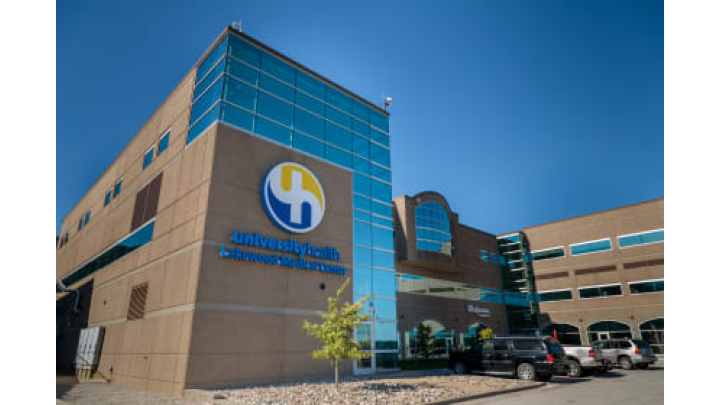
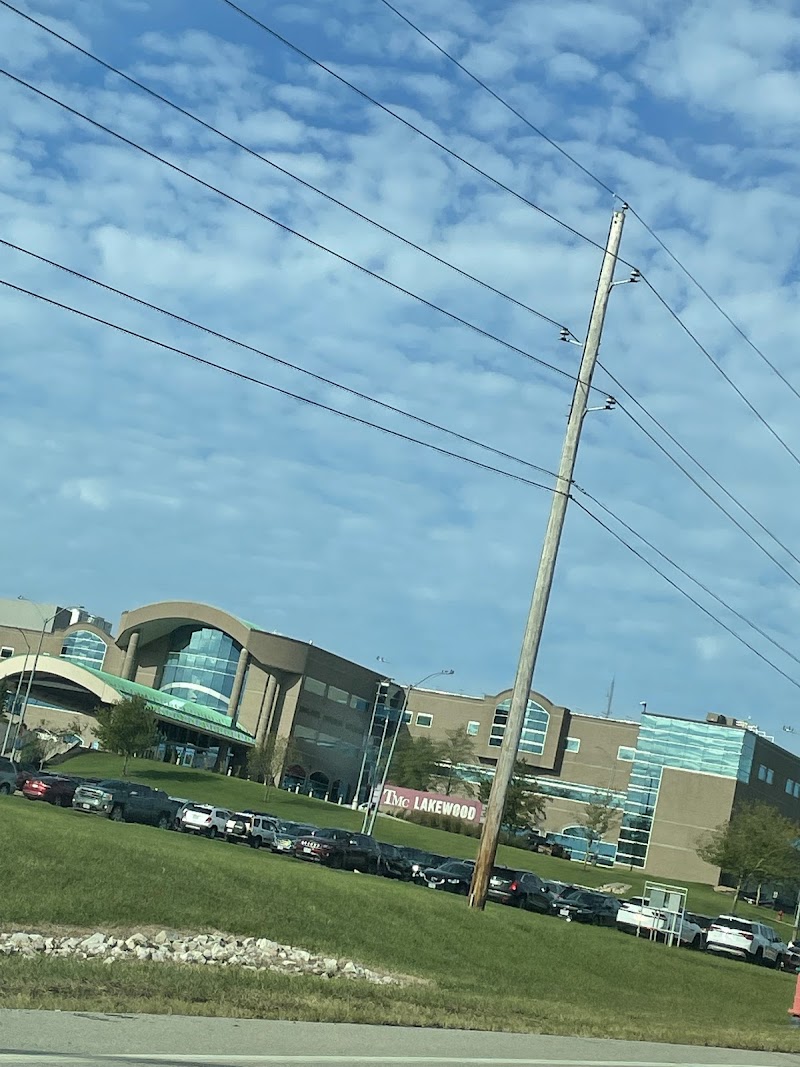
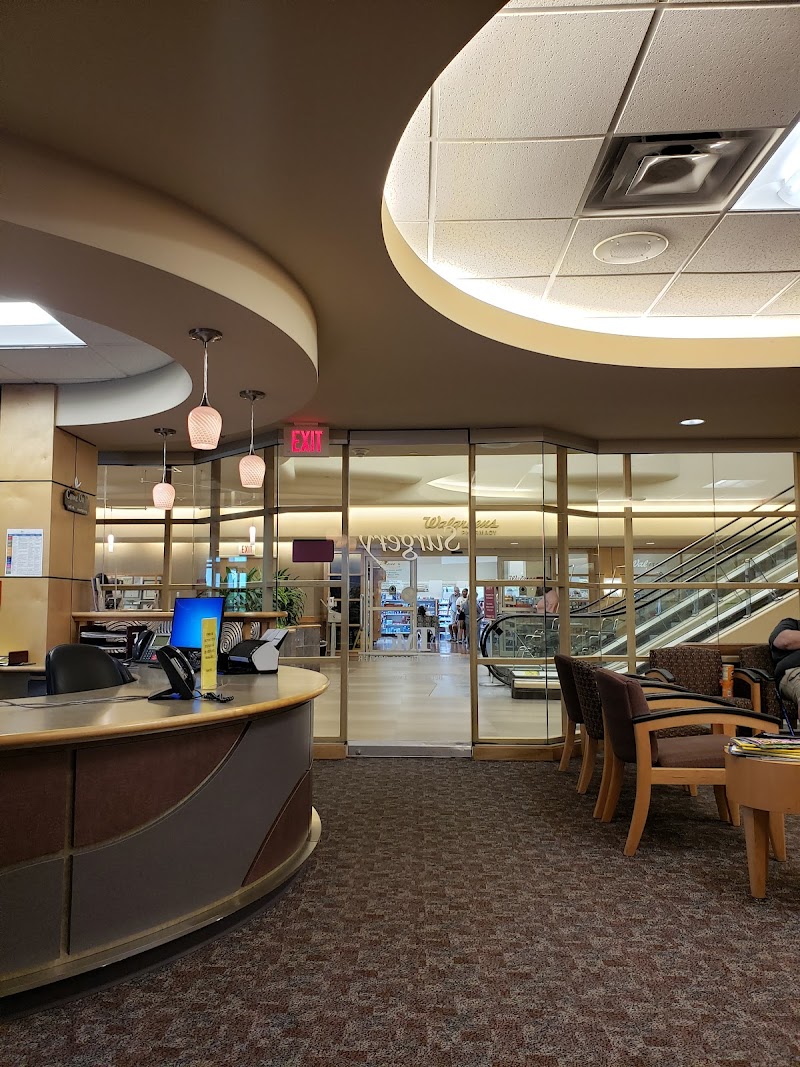
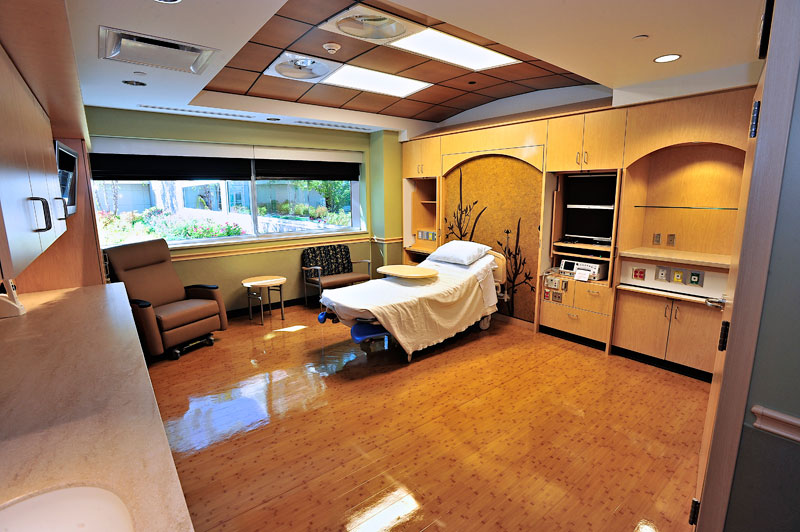
UNIVERSITY HEALTH LAKEWOOD MEDICAL CENTER

7900 LEE'S SUMMIT ROAD, KANSAS CITY, MO 64139 (816) 404-7000
Non profit - Corporation 188 Beds Independent Data: November 2025 1 Immediate Jeopardy citation
Trust Grade
16/100
#312 of 479 in MO
Last Inspection: November 2023

Within standard 12-15 month inspection cycle. Federal law requires annual inspections.

Overview

University Health Lakewood Medical Center has received a Trust Grade of F, indicating significant concerns about the quality of care provided. Ranking #312 out of 479 facilities in Missouri places it in the bottom half, and #23 out of 38 in Jackson County suggests limited better options nearby. The facility is showing improvement, having reduced issues from 5 in 2024 to 2 in 2025. Staffing is rated 3 out of 5 stars, with a turnover rate of 34%, which is better than the state average, indicating some staff stability. However, the facility has reported serious incidents, including a staff member physically abusing a resident and another resident being left alone in a cold shower while calling for help, highlighting significant weaknesses in care and oversight.

Trust Score
F
16/100
In Missouri
#312/479
Bottom 35%
Safety Record
High Risk
Review needed
Inspections
Getting Better
5 → 2 violations
Staff Stability
○ Average
34% turnover. Near Missouri's 48% average. Typical for the industry.
Penalties
⚠ Watch
$15,769 in fines. Higher than 90% of Missouri facilities, suggesting repeated compliance issues.
Skilled Nurses
⚠ Watch
Each resident gets only 27 minutes of Registered Nurse (RN) attention daily — below average for Missouri. Fewer RN minutes means fewer trained eyes watching for problems.
Violations
⚠ Watch
23 deficiencies on record. Higher than average. Multiple issues found across inspections.
★★☆☆☆
2.0
Overall Rating
★★★☆☆
3.0
Staff Levels
★★☆☆☆
2.0
Care Quality
★★☆☆☆
2.0
Inspection Score
Stable
2024: 5 issues
2025: 2 issues

The Good

  • Full Sprinkler Coverage · Fire safety systems throughout facility
  • No fines on record
  • Staff turnover below average (34%)

    14 points below Missouri average of 48%

Facility shows strength in fire safety.

The Bad

2-Star Overall Rating

Near Missouri average (2.5)

Below average - review inspection findings carefully

Staff Turnover: 34%

12pts below Missouri avg (46%)

Typical for the industry

Federal Fines: $15,769

Below median ($33,413)

Minor penalties assessed

The Ugly 23 deficiencies on record

1 life-threatening 1 actual harm
Apr 2025 2 deficiencies 1 IJ
CRITICAL (J) 📢 Someone Reported This

A family member, employee, or ombudsman was alarmed enough to file a formal complaint

Immediate Jeopardy (IJ) - the most serious Medicare violation

Free from Abuse/Neglect (Tag F0600)

Someone could have died · This affected 1 resident

**NOTE- TERMS IN BRACKETS HAVE BEEN EDITED TO PROTECT CONFIDENTIALITY** Based on observation, interview, and record review, the facility failed to ensure two residents (Residents #1 and #2) out of 10 ...

Read full inspector narrative →
**NOTE- TERMS IN BRACKETS HAVE BEEN EDITED TO PROTECT CONFIDENTIALITY** Based on observation, interview, and record review, the facility failed to ensure two residents (Residents #1 and #2) out of 10 sampled residents were free physical and mental abuse from Certified Nurse Aide (CNA) A. On 4/17/25, Certified Nurse Aide (CNA) A grabbed Resident #1's arm, resulting in bruising and calling the resident a name. Additionally, CNA A refused to take the resident to the toilet and told the resident to be quiet. Later the same day, Resident #2 was heard asking CNA A to let the water warm up before being showered. CNA A said he/she didn't have time and placed the resident into the shower and sprayed him/her with cold water and then left him/her alone in the shower room partially naked for approximately five minutes while the resident was heard repeatedly yelling loudly for help and that he/she was cold while in the shower room and heard crying following the shower. The facility census was 134 residents. On 4/30/25 at 4:26 P.M., the Administrator was notified of the immediate jeopardy (IJ) past noncompliance that occurred on 04/17/25. Corrective measures began immediately. The CNA was suspended. All staff were re-educated on abuse and neglect. The IJ was corrected 4/18/25. Review of the facility's Abuse and Neglect policy, revised 7/26/24 showed: -The facility will prohibit abuse. -Abuse is the willful infliction of injury, unreasonable confinement, intimidation, or punishment with resulting physical harm, injury or mental anguish. -The individual must have acted deliberately. -Physical abuse included hitting, slapping, pinching, kicking and controlling behaviors through corporal punishment. -Involuntary seclusion is separation of a resident from others, from his/her room, or confinement against the resident's will. -Mental abuse included but was not limited to humiliation, harassment, threats of punishment, or deprivation. It may occur through verbal or nonverbal conduct which causes or has the potential to cause the resident to experience humiliation, intimidation, fear, shame, agitation, or degradation. -Anyone who witnesses an incident of suspected abuse is to tell the abuser to stop immediately, remain with the resident, and do not leave the resident unattended. -Immediately summon for assistance by repeatedly calling for help until help arrives. -The facility will protect residents from further harm during an investigation, provide a safe environment, and assign a representative to monitor the resident's feelings concerning the incident. Review of the facility's Resident Abuse and Neglect training, dated 3/22/25, showed: -CNA A signed the in-service roster indicating he/she had attended the training. Review of the Staffing Schedule sheet for 4/17/25 showed CNA A worked on one hall during the day shift (7:00 A.M. to 7:00 P.M.) and was scheduled on a different hall on 4/17/25 during the night shift from 7:00 P.M. until 11:00 P.M. 1. Review of Resident #1's admission Record showed he/she admitted to the facility on [DATE] with diagnoses including: -Dementia (a progressive organic mental disorder characterized by chronic personality disintegration, confusion, disorientation, stupor, deterioration of intellectual capacity and function, and impairment of control of memory, judgment, and impulses). -Cerebral infarction (a type of stroke where brain tissue dies due to lack of oxygen caused by lack of blood flow) affecting left non-dominant side. Review of the resident's comprehensive care plan report, undated, showed the resident: -Had an Impaired Cognitive Functioning and Thought Processes care plan, initiated 9/29/24, related to dementia and stroke history. Staff were to cue, reorient and supervise as needed; keep routine and caregivers as consistent as possible to decrease confusion, and assist resident with decision-making. -Had a Communication Problem care plan, initiated 9/29/24, related to dementia and stroke history. Staff were to monitor for physical and non-verbal indicators of discomfort and/or distress and follow-up as needed. -Had a Behavioral care plan, revised 10/14/24, showing a history of agitation, anxiety, and frustrations that can present as hitting, yelling, grabbing, and making derogatory statements at staff. He/She has increased frustration when minority staff were assisting with his/her cares. Staff were to anticipate the resident's needs, offer tasks which divert his/her attention, and attempt to determine underlying cause considering location, time of day, persons involved, and situation. -Had an Activity of Daily Living (ADL) Self-Care Deficit care plan, initiated 1/10/25, related to dementia. Staff were to provide physical assistance with showers, dressing, personal hygiene, toileting, and extensive physical assistance for transfers between surfaces. -Had a Stroke care plan, initiated 1/15/25, showing it affected the resident's left side. Staff were to provide assistance as needed. Review of the resident's quarterly Minimum Data Set (MDS - a federally mandated assessment instrument completed by facility staff for care planning), dated 1/27/25, showed the resident: -Was severely cognitively impaired with fluctuating disorganization. -Had no physical or verbal behaviors towards others, did not refuse cares, and did not have other behaviors. -Required substantial/maximal assistance (the helper does more than half the effort) for most ADLs (dressing, grooming, bathing, eating, and toileting) and for all transfers, including transfers to the toilet. -Was frequently incontinent of urine and occasionally incontinent of bowel. Review of the resident's two most recent Skin Assessments showed: -A skin assessment dated [DATE] showed skin was within normal limits and there were no areas of concern. -A skin assessment dated [DATE] showed the resident had an area of concern involving bruising to his/her right forearm. Review of the resident's Abuse/Neglect Investigation Summary, dated 4/23/25, written by the facility Administrator showed: -On 4/18/25 the Assistant Director of Nursing (ADON) verbally reported abuse towards Resident #1. -The allegation was given to him/her verbally by a staff member (Certified Medication Technician-CMT A) who wanted to remain anonymous due to fear of retaliation by the perpetrator (CNA A). -CNA A used foul language toward Resident #1 during cares. -Conclusion: Resident #1 sustained a bruise to his/her right arm that he/she alleged was done by CNA A. -Action Plan: CNA A was suspended until the investigation by Human Resources (HR) is complete. Review of the Document of Just Culture Assessment, dated 4/18/25, showed: -The worksheet was used to help gather information. -On 4/18/25 a resident showed the Director of Nursing (DON) bruises on his/her arm and stated a CNA pulled his/her arm. -Policy and Procedure: Residents are treated with respect and care that doesn't harm the resident. Gait belts are used for safe transfers. Residents are not transferred by their arms. Policy and procedure show residents have the right to be cared for with dignity and respect and to not be harmed. -CNA A refused to give a statement. -Abuse/Neglect education was part of the employee's initial orientation. Most recently Abuse/Neglect education was presented formally in the March meeting in which CNA A was a participant. -Algorithm analysis of duties and expectations showed the resident was physically harmed by CNA A. The employee had a duty to avoid causing unjustifiable risk or harm and to follow procedural rule. The employee chose reckless behavior. -Punitive consequences would be determined in collaboration with HR (the facility's Employee Relations partner). On 4/18/25 the facility recommended separation of employment. Review of a written Statement, dated 4/18/25, signed by the Quality and Safety Nurse (RN A) and the ADON showed: -On 4/18/25 at 4:20 P.M., RN A and the ADON conducted an investigation interview with CNA A regarding an incident that was anonymously reported that same day. CNA A was informed an investigation had been initiated. -CNA A confirmed he/she was assigned to Resident #1's hall. -CNA A was informed he/she would need to provide a written statement which CNA A declined to provide, stating he/she would consult his/her union representative before proceeding. The ADON informed CNA A the written statement could be submitted by e-mail. -CNA A was informed he/she would need to clock out due to the open investigation and CNA A left the facility immediately following the interview. During an interview on 4/29/25 at 10:05 A.M., the ADON said: -The incident was reported by CMT A the day after it happened on the afternoon of 4/18/25. -He/She pulled CNA A into his/her office and CNA A initially refused to write a statement. He/She was sent home immediately. -CNA A sent the statement on 4/22/25. The incident happened on 4/17/25. Observation on 4/29/25 at 11:47 A.M., showed: -Two fading dark purple dots on the resident's right forearm in the shape of fingertips. -One dot was approximately one-half inch in diameter. The other was approximately one-fourth inch in diameter. During an interview on 4/29/25 at 11:48 A.M., Resident #1 said: -The bruising was almost gone. -Staff from upstairs grabbed his/her arm hard. The resident asked the staff what he/she was doing to his/her arm and the staff said he/she didn't like the resident, because he/she talked to all the white people. -The staff held on to the resident after grabbing him/her. -The resident told the staff he/she was going to tell and the staff said he/she didn't care what he/she did. -When CNA A grabbed his/her arm it hurt. That was about a week or so ago. -CNA A had never hurt him/her before and he/she had never seen the staff do anything like that before to anyone else. His/Her arm was sore for days. -When CNA A grabbed him/her, he/she was so surprised. He/She didn't expect anything like that. He/She was angry when CNA A said, CNA A didn't like him/her because he/she talked to white people. -Staff know it was CNA A who hurt him/her. He/She told staff it was CNA A. (It should be noted the resident never explicitly said CNA A, but did point at CNA A.) Review of Restorative Aide (RA) A's written statement, dated 4/30/25, showed: -He/She was at the desk. -Resident #1 was upset. CNA A was talking to Resident #1 disrespectfully, calling him/her a lesbian. -The resident said, look at my arm and he/she had three small marks on his/her arm. During an interview on 4/29/25 at 2:25 P.M., RA A said: -He/She left the facility at 3:30 P.M. on 4/17/25. -He/She noticed CNA A was rough and quick-tempered that day and snapped at Resident #1 towards the end of his/her shift, somewhere between 1:00 P.M. and 3:00 P.M. It might have been between 2:30 P.M. and 3:00 P.M. CNA A's tone of voice was irritated and angry. He/She could tell by the tone of CNA A's voice he/she had snapped at the resident, but he/she couldn't hear what had been said. How CNA A spoke to the resident was very unprofessional. -He/She happened to be at the nurses' station charting. -CNA A was not a regular on the floor and usually worked a different hall. It was unusual for him/her to work on the floor Resident #1 resided on. -The resident just kind of snapped back like he/she was upset, but he/she couldn't hear the resident because he/she was busy charting. -Before he/she left for the day the resident showed him/her, their arm. He/She was still in the recliner and the resident held his/her arm up and said, look! He/She grabbed my arm indicating it was CNA A who had done it. -He/She saw marks like redness on his/her arm. He/She didn't see CNA A grab the resident. CNA A's back was towards him/her and his/her body was in front of the resident. -He/She didn't make a big deal about it, because he/she wasn't sure at the time what had happened, so he/she didn't report it to anyone. -CMT A was there near the resident, but he/she couldn't remember who else was in the area, but he/she thought at least two staff were there. Since there were others there, he/she didn't report it and went back and finished charting. He/She didn't know if a nurse was in the area at the time. Review of CMT A's undated and unsigned written statement showed: -On 4/17/25 he/she witnessed CNA A saying to Resident #1 you're a f__ing lesbian. I should call the police on you and tell them you molested me because you grabbed my butt. -Resident #1 asked to go to the bathroom and CNA A yelled across the room I just took you and grabbed his/her purse and left the unit. During an interview on 4/29/25 at 2:45 P.M., CMT A said: -He/She got back from lunch between 12:00 P.M. and 2:00 P.M. on 4/17/25. -When he/she got to the unit he/she saw Resident #2 was upset. He/She could tell by his/her body language. The resident was shooing CNA A away and saying, leave me alone and the resident looked visibly upset like he/she was very frustrated. -CNA A said you're a lesbian to the resident. The resident said he/she wasn't a lesbian to CNA A. CNA A said yes, you are, and you raped me because you touched my butt. CNA A was being very rude and his/her tone of voice was very rude. -CMT A said, what's wrong and the resident said, he/she hurt me, meaning CNA A. The resident raised his/her right arm and there were three red marks on the resident's upper forearm. They looked like fingertip circles. -After he/she came to the resident, CNA A walked away and went to the nurses' station. The resident said he/she needed to go to the bathroom and CNA A yelled across the room, I already took you and grabbed his/her purse and left the unit to go to lunch. -CMT A took the resident to the bathroom. -From afternoon onwards for the rest of the shift until 7:00 P.M. CNA A was argumentative and loud in general and had an angry look all afternoon. He/She was rough in speech with all the residents like they were inconveniencing him/her. -CNA A normally worked on a different floor. -He/She was in shock of what happened and didn't report it that evening and told the ADON the next day. Review of CNA A's e-mailed written statement, dated 4/22/25, showed: -He/She was responding to an allegation that he/she pulled a resident's arm on 4/17/25. The resident was in bed when he/she arrived on the unit. CNA B got the resident up out of bed. -Before breakfast he/she was transferring the resident into the chair where he/she eats. During the transfer the resident said his/her arm was hurt by an aide from upstairs who worked with him/her overnight and had pulled his/her arm. -As CNA A was getting clarification as to what the resident said, another aide (a name was mentioned for the CNA in the write up, but nobody by that name was on the schedule for 4/17/25 and the DON confirmed that person did not work on that day) asked what the resident said. -CNA A reported to that aide (the aide who was in the area at the time), Licensed Practical Nurse (LPN) A, and he/she thought CMT A, were all witness to what the resident had said. -The resident repeated the staff from upstairs pulled his/her arm. -CNA A asked the resident about the race of the person who bruised his/her arm and the resident confirmed the race. -CNA A said to the resident so, he/she looks like you pertaining to race and the resident said yes. -Again, what the resident said was reported to LPN A at the nursing station who overheard the conversation -We all (staff who were in the area at the time) went about our day and it wasn't brought up anymore. -CNA A hadn't done any cares on the resident at that time. CNA A's only interaction with the resident was assisting him/her in the chair to eat which is when the resident reported the pulling of his/her arm. -CNA A wasn't sure at which point the allegation switched to him/her. -The only interaction he/she had with the resident was caught on camera. It can be clearly seen by camera where CNA A was by the resident's chair talking with him/her and they were speaking to others (meaning staff) behind the nurses' station. During a phone interview on 4/29/25 at 3:45 P.M., CNA A said: -The resident told him/her it someone who worked the night shift prior to the 4/17/25 day shift that pulled his/her arm. At the time LPN A, a CNA, and a CMT were at the nurses' station. -He/She was transferring the resident and he/she said it was the girl last night who pulled his/her arm. The resident didn't mention a name. -He/She never pulled or grabbed the resident's arm. -He/She didn't call the resident a lesbian and wasn't yelling at him/her. -He/She was asked to write a statement on 4/18/25 and had been off work since then. -Resident #1 wasn't upset. He/She was transferring the resident when he/she said the girl from night shift bruised him/her. The resident mentioned the person's presumed race. Review of CNA B's statement, undated, showed: -Throughout the day Resident #1 was continuously ignored by CNA A to the point other staff had to take the resident to the bathroom and found his/her brief wet and he/she still needed to go. -Instead of taking the resident, CNA A yelled at him/her Be quiet. I already took you. This kept happening all day until CNA A clocked out. During an interview on 4/30/25 at 3:10 P.M., CNA B said: -He/She didn't know anything about a bruise on anyone's arm. -On 4/17/25 CNA A refused to toilet Resident #1 all day. -The resident kept calling out to use the restroom and CNA A kept telling him/her he/she had already toileted him/her and to shut up. CNA A did this all throughout the morning, afternoon, and early evening hours and kept telling the resident to stop asking. -Other CNAs took the resident throughout the day. -He/She reported the resident requesting to be taken to the bathroom and CNA A refusing to do so to both LPN A and LPN B. -He/She knew the resident was upset and he/she tried to comfort him/her. When Resident #1 gets upset he/she gets verbally agitated. That shift the resident was talking about leaving the facility. He/She does this when he/she was upset. -The resident didn't say what he/she was upset about, except for not being taken to the toilet. During an interview on 4/30/25 at 5:00 P.M., the DON said: -He/She first heard about the incident with Resident #1 when the ADON reported it either mid-morning or in the afternoon on 4/18/25. -CMT A had reported it to the ADON on 4/18/25. -He/She asked the resident if he/she could show his/her arm. The resident lifted his/her arm and said, that boy/girl pulled my arm. I don't like the way he/she treats me. -He/She assured the resident CNA A wouldn't be working with him/her anymore and he/she was safe. The resident smiled and nodded. -He/She thought the bruising on the resident's arms was physical abuse and the psychological abuse was not taking the resident to the toilet and telling him/her to be quiet. During an interview on 4/30/25 at 5:30 P.M., the Administrator said: -Staff reported verbal abuse of Resident #1 on 4/18/25. -The Administrator agreed there was verbal abuse. -Intentionally handling a resident in a rough manner leading to bruising would be physical abuse. It seems like something happened to create the bruises on the resident's arm. Staff didn't witness how the bruises got on the resident's arm. -CNA A was most recently educated in March, 2025 on abuse and neglect. He/She would have been educated on abuse and neglect upon hire and twice a year in the skills fair. 2. Review of Resident #2's admission Record showed he/she was admitted to the facility on [DATE] with diagnoses that included: -Parkinson's disease (a chronic nervous disease characterized by a fine slowly spreading tremor, muscle weakness, muscle stiffness and a peculiar gait). -Fibromyalgia (a long-term condition that involves widespread body pain and tiredness). -Depression (a state of intense sadness or despair that has advanced to the point of being disruptive to an individual's social functioning and/or activities of daily living). Review of the resident's comprehensive Care Plan Report, undated, showed the resident had a Self-Care Deficit care plan, initiated 1/9/25, related to Parkinson's disease. Staff were to provide needed physical assistance with showers, dressing, and toileting and limited assistance with transfers between surfaces. Review of the resident's annual MDS, dated [DATE], showed the resident: -Was cognitively intact with no disorganization or inattention. -Had no verbal or physical behaviors toward others, did not refuse cares, and had no other behaviors. -Said it was very important to have choices about daily preferences including choosing what to wear and his/her bedtime and shower protocol. -Required partial to moderate assistance (the helper does less than half the effort) with showers and lower body dressing and supervision and/or assistance with steadying for transfers. -Was diagnosed with arthritis (swelling in one or more joints causing pain and/or stiffness). Review of the resident's Abuse/Neglect Investigation Summary, dated 4/23/25, written by the facility Administrator showed: -On 4/18/25 the ADON verbally reported an allegation of abuse towards Resident #2. -The allegation was given to him/her verbally by a staff member (CMT A) who wanted to remain anonymous due to fear of retaliation by the perpetrator (CNA A). -The allegations involved verbal abuse towards Resident #2 in the shower. -CMT A accounted overhearing the perpetrator using foul language toward the resident and overhearing the resident asking the perpetrator to allow the water to run longer to avoid getting a cold shower. -The perpetrator would not allow the water to run longer thus giving the resident a cold shower. -Conclusion: Resident #2 was adamant about what happened to him/her in the shower involving CNA A and his/her account of the verbal abuse and cold shower. Review of the Document of Just Culture Assessment, dated 4/18/25, showed the worksheet was used to help gather information, showing: -On 4/18/25 Resident #2 called the Administrator and reported to the ADON his/her CNA forced him/her into a cold shower and was verbally abusive. -Policy and Procedure: Residents should be treated with respect and care that doesn't harm the resident. Showers should be warm before residents enter. Policy and procedure show residents have the right to be cared for with dignity and respect and will not be harmed. -CNA A refused to give a statement. -Abuse/Neglect education was part of the employee's initial orientation. Most recently the Abuse/Neglect education was presented formally in the March meeting in which CNA A was a participant. -Algorithm analysis of duties and expectations showed the resident was given a cold shower against his/her wishes. The employee had a duty to avoid causing unjustifiable risk or harm and to follow procedural rule. The employee chose reckless behavior. -Punitive consequences would be determined in collaboration with HR. On 4/18/25 the facility recommended separation of employment. Review of Resident #2's statement, dated 4/18/25, written by the ADON showed Resident #2 stated the following: -Staff didn't give him/her a shower the previous day. -CNA A put him/her in the shower chair and said, go ahead; shower yourself since you want this shower so damn bad. -He/She told CNA A he/she wanted the water to run for a little bit to warm up. -CNA A said, I don't have time and sprayed him/her with cold water and only washed under his/her breast and bottom. -The shower was cold, the water was too cold, and he/she was shivering. -The staff put him/her back in the bed and stated he/she would get him/her some socks and never came back. During an interview on 4/29/25 at 10:30 A.M., Resident #2 said: -CNA A told him/her the morning of 4/17/25 he/she would give him/her a shower and asked how much of it he/she could do by himself/herself. -He/She told CNA A he/she couldn't do much and CNA A said he/she didn't believe that. -CNA A came in at 7:00 P.M. or a little before to give him/her a shower and told him/her CNA A had an appointment outside the building earlier in the day and that was why he/she was so late in getting his/her shower. -He/She told CNA A it had to run a long time to get warm enough or it would be cold. -CNA A put him/her in the shower and turned the water on immediately. It hit his/her feet first and he/she said, oh, it's too cold and he resident was crying and hollering and said it was too cold and to get him/her out of here. -CNA A said he/she was getting on his/her nerves crying like that and he/she was in there now and he/she was going to take his/her shower and stop all that crying. -CNA A just turned the water off without actually having washed him/her. CNA A was going to dry his/her back, but he/she told the CNA it wasn't wet. CNA A never washed him/her at all. -The resident wiped under his/her breast with a washcloth to show he/she could do something. -CNA A said he/she was making his/her bed and left him/her naked in the shower room a long time. He/She might have had a towel around his/her shoulders, but not his/her legs and he/she was cold. He/She told the CNA he/she needed his/her socks. He/She was left alone in the shower room about 10 minutes. -He/She kept hollering and crying. Nobody came into the shower room. There was a call light in the shower room, but he/she never put it on because he/she thought CNA A would come back and be mad. -CNA A dressed him/her in the shower room and brought him/her back into his/her room and said he/she was going to look for socks. CNA A left the room and he/she never saw CNA A again. He/She didn't think the CNA would come back because it was about 10 minutes past 7:00 and his/her shift was over. -He/She was angry when CNA A did that. He/She just couldn't believe he/she was doing that. He/She felt shocked and scared, but more angry than anything. -He/She was still hollering and crying after CNA A left. -Another nursing staff member put his/her socks on after he/she was back in his/her room and he/she reported to him/her what had happened. -He/She was really upset when the ADON came to talk with him/her about it the next day. During an interview on 4/29/25 at 2:10 P.M., the ADON said: -Resident #2 left a voice message on his/her voice mail saying he/she didn't get a shower the previous day. -He/She asked CMT A if he/she would shower the resident and that was when CMT A opened up and told him/her what he/she had observed. Review of CMT A's undated and unsigned written statement showed: -On 4/17/25 CNA A didn't give Resident #2 a shower all day long and waited until the resident was upset about it. CNA A said, come on (resident's name), you want your shower so bad let's get started and rushed the resident in the shower. -The resident said, can you let the water run? It's going to be cold. -CNA A said, I aint got time to be letting the shower run. Hurry up so I can get off this floor. -CNA A then said, here; wash yourself. There aint no reason you can't wash yourself and left the resident in the bathroom crying, help me, Jesus! because he/she was cold and left alone to shower himself/herself. -While the resident was crying CNA A was yelling outside the door, okay (resident's name); damn! I aint got no patience. -This was taking place at 6:15 P.M. During an interview on 4/29/25 at 5:30 P.M., CMT A said: -He/She was in Resident #2's room maybe around 5:30 P.M. or 6:00 P.M. -The resident mentioned CNA A still hadn't given him/her a shower. -He/She asked if the resident wanted him/her to get CNA A to give him/her a shower. The resident said he/she would wait. -A short while later CMT A told CNA A the resident wanted his/her shower and CNA A said, come on (resident's name), you wanted your shower so bad so let's go. It was close to 7:00 P.M. before he/she started the shower. -The resident asked CNA A if he/she could let it run a so it warmed up and CNA A said, we aint got no 30 minutes to wait for that water to warm up. -At the time CMT A was in the resident's hallway passing medications. -The shower room door was open when he/she came down the hallway and he/she saw the resident sitting in the shower chair with his/her pants off. His/Her top was on at the time. He/She saw CNA A hand the resident a rag and tell him/her to wash himself/herself. The resident told CNA A he/she needed help. -CMT A heard the water come on and the resident was crying and yelling, help me, Jesus! Help me, Jesus real loud. -CMT A gives the resident showers and knew the water was cold and had to let it run during the time he/she made the resident's bed and gets the resident's clothes ready. That warms the water up. It probably takes five minutes. It still isn't super warm then. -CNA A said, okay, hurry up. Let's get this done so I can leave the unit. He/She was saying this in a loud tone of voice. -When CNA A noticed CMT A in the hallway CNA A said, I'm sorry; I aint got no patience for this. CNA A wasn't really talking to CMT A or to the resident, he/she was just talking out loud. -CNA A got the resident out of the shower room. He/She had left him/her in there probably five minutes by himself/herself. -Resident #2's body stiffens. He/She needed staff to wash him/her. The resident can reach his/her upper body. The resident's legs will lock up on him/her, so he/she does the shower for the resident when he/she gives it. -The resident was dressed when he/she was brought out of the shower room. He/She didn't know if the resident dressed himself/herself that evening. -The resident told him/her after CNA A left that CNA A didn't even shower him/her. -CNA A leaves at 7:00 P.M. It was close to that before he/she started the shower. CNA A had all day to shower the resident. -CNA B was also working the floor during the time Resident #2 was being showered. -He/She was just so much in shock and couldn't believe it was happening. -The next day the ADON told him/her the resident didn't get his/her shower the previous day and asked him/her to give it. That was when he/she told the ADON what happened the evening before and the DON asked him/her to write a statement. Review of CNA A's e-mailed statement, dated 4/21/25, showed: -He/She was replying to accusations made against him/her. One being he/she gave a resident a cold shower. -He/She was assigned to two showers. -Upon arriving there were several residents still down. He/She began to get residents up and was not done until after all dining rooms had already been served. That pushed back his/her morning routine. -After breakfast he/she took residents that were supposed to be toileted to the bathroom and began his/her first shower. As he/she predicted, that shower took quite a while because the resident continued getting up several times throughout the shower and trying to walk off so much so that he/she had to call for assistance to finish him/her. He/She says all that to say by the time he/she finished the first shower and took his/her first 15-minute break it was already lunch time. -He/She then went to the resident who made the accusation of the cold shower and notified him/her he/she would get to the resident's shower after lunch when he/she was done with his/her lay-downs and afternoon rounds. The resident said, okay. -Once lunch was over and he/she completed his/her other duties he/she went to try and do the shower. The resident was already in an upset state and said he/she did not want to do it at that time because he/she fell recently and was hurting and the nurs
CONCERN (D) 📢 Someone Reported This

A family member, employee, or ombudsman was alarmed enough to file a formal complaint

Potential for Harm - no one hurt, but risky conditions existed

Report Alleged Abuse (Tag F0609)

Could have caused harm · This affected 1 resident

**NOTE- TERMS IN BRACKETS HAVE BEEN EDITED TO PROTECT CONFIDENTIALITY** Based on interview and record review, the facility failed to ensure timely reporting of abuse allegations per the facility polic...

Read full inspector narrative →
**NOTE- TERMS IN BRACKETS HAVE BEEN EDITED TO PROTECT CONFIDENTIALITY** Based on interview and record review, the facility failed to ensure timely reporting of abuse allegations per the facility policy for two sampled residents (Resident #1 and #2) out of 10 sampled residents. Certified Nurse Aide (CNA) A was allowed to continue his/her shift on 4/17/25 and to work part of his/her shift on 4/18/25 potentially affecting all residents in his/her assignment. The facility census was 134 residents. On 4/30/25 the Administrator was notified of the past noncompliance which took place from mid-afternoon on 4/17/25 and 4/18/25. Corrective measures began immediately. The CNA was suspended. All staff were re-educated on abuse and neglect reporting. The deficiency was corrected on 4/18/25. Review of the facility's Abuse and Neglect policy, revised 7/26/24, showed: -The facility will implement an abuse prohibition program to include training of employees, identification of possible incidents or allegations which need investigation, protection of residents during investigations, and reporting incidents. -Training will be provided to all employees through orientation and at a minimum annually and will include how staff should report their knowledge related to allegations without fear of reprisal and what constitutes abuse, neglect, and misappropriation of resident property. -Preventing abuse includes providing staff with information on how and to whom they may report concerns without retribution. -Staff will identify events such as suspicious bruising that may constitute abuse. Anyone witnessing an incident of suspected abuse, neglect, involuntary seclusion, injuries of unknown origin, or misappropriation of resident property shall report the suspected abuse immediately to the Administrator. -The employee alleged to have committed the act of abuse will be immediately removed from duty, pending investigation. -Information concerning a report of suspected or alleged abuse, mistreatment, neglect, involuntary seclusion, or injuries of unknown origin will be investigated upon receipt to determine if abuse or neglect is suspected. -Immediately, not to exceed 24 hours, notify the SA, utilizing the Mandated Reporter Form if reporting between 12:00 A.M. and 7:00 A.M. If the resident sustains serious bodily injury report no later than two hours after forming the suspicion. Review of Resident Abuse and Neglect Training objectives, supporting the Abuse and Neglect policy, showed: -Staff should immediately communicate suspected abuse and neglect. -The phone numbers of the Administrator, Director of Nursing (DON), ADON, Evening Supervisor, and Weekend Supervisor for reporting purposes were included as part of the training. -The training showed staff could report in person, by telephone, or through e-mail and could do so anonymously. 1. Review of Resident #1's admission Record showed he/she was admitted to the facility on [DATE] with diagnoses that included Dementia (a progressive organic mental disorder characterized by chronic personality disintegration, confusion, disorientation, stupor, deterioration of intellectual capacity and function, and impairment of control of memory, judgment, and impulses). Review of the resident's quarterly Minimum Data Set (MDS - a federally mandated assessment instrument completed by facility staff for care planning), dated 1/27/25, showed the resident was severely cognitively impaired with fluctuating disorganization. Review of the resident's Abuse/Neglect Investigation Summary, dated 4/23/25, written by the facility Administrator showed: -On 4/18/25 the Assistant Director of Nursing (ADON) verbally reported abuse towards Resident #1. -Allegations were given to the ADON verbally by Certified Medication Technician (CMT) A who wanted to remain anonymous due to fear of retaliation by CNA A. During an interview on 4/29/25 at 10:05 A.M. the ADON said: -Two allegations of abuse were was reported by CMT A the afternoon of 4/18/25. -CMT A alleged CNA A spoke abusively to Resident #1 and grabbed the resident's arm the afternoon of 4/17/25. -CMT A also reported he/she heard Resident #2 ask CNA A to let the water warm up and CNA A said he/she didn't have time to do that and sprayed the resident with cold water on 4/17/25 a little before 7:00 P.M. resulting in the resident yelling out for help and crying. CMT A alleged CNA A also spoke to Resident #2 in an abusive manner during the time of the resident's shower. -An abuse/neglect investigation was started immediately on 4/18/24 upon receiving the allegations. During an interview on 4/29/25 at 11:48 A.M., Resident #1 said: -A staff person from upstairs grabbed his/her arm hard. He/She asked the staff what he/she was doing to his/her arm, and the staff member said he/she didn't like the resident because the resident talked to all the white people. -When the staff member grabbed his/her arm it hurt. That was about a week or so ago. and it was sore for days. -He/She told staff right after it happened. During an interview on 4/29/25 at 2:25 P.M., RA A said: -On 4/17/25 he/she noticed CNA A was rough and quick-tempered that day and snapped at Resident #1 towards the end of his/her shift, somewhere between 1:00 P.M. and 3:00 P.M. It might have been between 2:30 P.M. and 3:00 P.M. -CNA A's tone of voice was irritated and angry. He/She could tell by the tone of CNA A's voice he/she had snapped at the resident, but he/she couldn't hear what had been said. How CNA A spoke was very unprofessional. -Before he/she left for the day the resident showed his/her arm. He/She was still in the recliner and the resident held his/her arm up and said, look! He/She grabbed my arm indicating it was CNA A who had done it. -He/She didn't make a big deal about it because he/she wasn't sure at the time what had happened, so he/she didn't report it to anyone. He/She didn't know if a nurse was in the area at the time, but he/she did not report it to a nurse or to administrative staff. -CMT A was there near the resident, but he/she couldn't remember who else was in the area, but he/she thought at least two staff were there. Since there were others there, he/she didn't report it and went back and finished charting. -He/She went to all the facility in-services. If something comes up we should have reported it to the charge nurse. From there he/she was supposed to go to the ADON or the DON if the charge nurse was busy. He/She didn't report it because he/she knew someone else who was in the area would report it. During an interview on 4/29/25 at 2:45 P.M., CMT A said: -When he/she got to the unit he/she saw Resident #1 was upset. He/She could tell by his/her body language. The resident was shooing CNA A away and saying, leave me alone and the resident looked visibly upset like he/she was very frustrated. -CNA A said you're a lesbian to the resident. The resident said he/she wasn't a lesbian and CNA A said yes, you are, and you raped me because you touched my butt. CNA A was being very rude, and his/her tone of voice was very rude. -CMT A said, (resident's name), what's wrong and the resident said, he/she hurt me, meaning CNA A. The resident raised his/her right arm and there were three red marks on the resident's upper forearm. They looked like fingertip circles. -After he/she came to the resident, CNA A walked away and went to the nurses' station. The resident said he/she needed to go to the bathroom and CNA A yelled across the room, I already took you and grabbed his/her purse and left the unit to go to lunch. -CMT A had been educated to report suspicions of abuse immediately, but was so stunned and caught off guard about what he/she had witnessed that he/she didn't report it at the time. He/She told the ADON the next day. During an interview on 4/30/25 at 5:00 P.M., the DON said: -He/She first heard about the incident with Resident #1 when the ADON reported it either mid-morning or in the afternoon on 4/18/25. -CMT A had reported it to the ADON on 4/18/25. -He/She asked the resident if he/she could show his/her arm. The resident lifted his/her arm and said, that boy/girl pulled my arm. I don't like the way he/she treats me. -All nursing staff were trained on reporting possible abuse and neglect. He/She would have expected the events of 4/17/25 to have been reported immediately for Resident #1. During an interview on 4/30/25 at 5:30 P.M., the Administrator said: -Staff reported abuse of Resident #1 on 4/18/25. -The allegations about the CNA A should have been reported immediately by CMT A and RA A to the charge nurse or they could have contacted the ADON, DON, or himself/herself (the Administrator). 2. Review of Resident #2's admission Record showed he/she was admitted to the facility on [DATE] with diagnoses that included Parkinson's disease (a chronic nervous disease characterized by a fine slowly spreading tremor, muscle weakness, muscle stiffness and a peculiar gait). Review of the resident's annual MDS, dated [DATE], showed the resident was cognitively intact with no disorganization or inattention. Review of the resident's Abuse/Neglect Investigation Summary, dated 4/23/25, written by the facility Administrator showed: -On 4/18/25 the ADON verbally reported an allegation of abuse towards Resident #2. -The allegation was given to him/her verbally by a staff member (CMT A) who wanted to remain anonymous due to fear of retaliation by the perpetrator (CNA A). -The allegations involved verbal abuse towards Resident #2 in the shower. -The reporter (witness) accounts overhearing the perpetrator using foul language toward the resident and overhearing the resident asking the perpetrator to allow the water to run longer to avoid getting a cold shower. During an interview on 4/29/25 at 10:30 A.M., Resident #2 said: -CNA A came in at 7:00 P.M. or a little before to give him/her a shower. -He/She told CNA A it had to run a long time to get warm enough or it would be cold. -CNA A put him/her in the shower and turned the water on immediately. It hit his/her feet first and he/she said, oh, it's too cold and the resident was crying and hollering and said it was too cold and to get him/her out of here. CNA A said he/she was getting on his/her nerves crying like that and he/she was in there now and he/she was going to take his/her shower and stop all that crying. -CNA A just turned the water off without actually having washed him/her. -CNA A said he/she was making his/her bed and left him/her naked in the shower room a long time. He/She might have had a towel around his/her shoulders, but not his/her legs and he/she was cold. He/She was left alone in the shower room about 10 minutes. -He/She kept hollering and hollering and crying. Nobody came into the shower room. There was a call light in the shower room, but he/she never put it on because he/she thought CNA A would come back and be mad. -He/She was angry when CNA A did that. He/She just couldn't believe he/she was doing that. He/She felt shocked and scared, but more angry than anything. -He/She was still hollering and crying after CNA A left. -A nursing staff put his/her socks on after he/she was back in his/her room, and he/she reported to him/her what had happened. -The resident was really upset when the ADON came to talk with him/her about it the next day. During an interview on 4/29/25 at 2:10 P.M., the ADON said: -Resident #2 left a voice message on his/her voice mail saying he/she didn't get a shower the previous day. -He/She asked CMT A on 4/18/25 if he/she would shower the resident and that was when CMT A opened up and told him/her what he/she had observed. During an interview on 4/29/25 at 2:45 P.M., CMT A said: -On 4/17/25 between 6:00 P.M. and 7:00 P.M. he/she told CNA A that Resident #2 wanted his/her shower and CNA A said, come on (resident's name), you wanted your shower so bad so let's go. It was close to 7:00 P.M. before he/she started the shower. -The resident asked CNA A if he/she could let it run a so it warmed up and CNA A said, we ain't got no 30 minutes to wait for that water to warm up. -At the time he/she was in the resident's hallway passing medications. -The shower room door was open when he/she came down the hallway and he/she saw the resident sitting in the shower chair with his/her pants off. His/Her top was on at the time. He/She saw CNA A hand the resident a rag and tell him/her to wash himself/herself. The resident told CNA A he/she needed help. -CMT A heard the water come on and the resident was crying and yelling, help me, Jesus! Help me, Jesus real loud. -CMT A gives the resident showers and knew the water was cold and had to let it run to water up. It probably takes five minutes. It still isn't super warm then. -CNA A said in a loud tone of voice, okay, hurry up. Let's get this done so I can leave the unit and I'm sorry; I ain't got no patience for this. -CNA A left the resident alone in the shower room probably five minutes. -The resident told him/her after CNA A left that CNA A didn't even shower him/her. -On 4/18/25 the ADON told him/her the resident didn't get his/her shower the previous day and asked him/her to give it. That was when he/she told the ADON what happened the evening before. -He/She was just in so much shock and couldn't believe it was happening the evening of the shower. He/She was still processing what was happening is why he/she didn't report the incident at the time. During an interview on 4/30/25 at 1:47 P.M., the ADON said: -On 4/18/25 around lunchtime he/she noticed a voicemail message had been left from Resident #2. The resident said he/she didn't get his/her shower the previous night. -He/She told the resident he/she would ask CMT A to give his/her shower that day (4/18/25). -He/She asked CMT A if he/she could give the resident his/her shower and CMT A said the resident got a shower yesterday (meaning 4/17/25) and then told him/her what he/she had overheard while passing medications on 4/17/25. -He/She went back to the resident's room and asked the resident what happened yesterday evening after dinner and the resident said: --The resident asked CNA A for a shower the evening of 4/17/25 and the CNA said, you want your shower so damn bad, come on; let's get it over with. --The aide turned the water on and the resident told him/her to let it run to warm up, but CNA A sprayed him/her with cold water. --The resident didn't want CNA A to give him/her a shower again. -Staff should have reported the incident the evening it happened. Staff are all trained to report abuse/neglect and mistreatment. During an interview on 4/30/25 at 5:00 P.M., the DON said: -On 4/18/25 Resident #2 told the ADON about the shower incident and the ADON told him/her and the Administrator. -He/She spoke with the resident who restated the event. The resident said he/she was crying because he/she didn't get a shower and CNA A said, okay, you want your shower. Fine. The resident said he/she told CNA A he/she had to wait and let it warm up for a long time. CNA A said he/she didn't have time to wait and pushed the resident's shower chair into the cold shower. -The resident said he/she was cold and crying and that CNA A only washed under his/her breasts and sprayed cold water on him/her. -When the resident told the DON he/she was sprayed with the cold water he/she was crying and became emotional. He/She (the DON) hugged the resident to help calm him/her. -He/She told the resident CNA A wouldn't be caring for him/her anymore. -Staff were educated on abuse and neglect in the March, 2025 staff meeting. They were all educated upon hire and two additional times during the skills fair in June and December. The education included the protocol for all staff to report abuse and neglect. -He/She felt like the situation was abuse. The cold shower against the resident's will could be physical abuse, because it caused him/her discomfort. It was psychological abuse as well, causing emotional distress. -He/She would have expected staff to have reported any suspected abuse/neglect or mistreatment immediately to the Administrator, who is the Abuse/Neglect coordinator. If the Administrator is not here staff should report to him/her (the DON) or the ADON. At the very minimum they should report to the charge nurse who in turn should report to the Administrator so that they can address the issue right away. -Reporting should have happened on 4/17/25 as soon as the witnesses saw that something wasn't right. -When he/she asked CMT A why he/she didn't report immediately he/she said he/she feared CNA A would do something to him/her. All three employees should have followed protocol and CMT A, CNA B, and RA A should have reported their observations. If they told a charge nurse the charge nurse should have reported to the Administrator. During an interview on 4/30/25 at 5:30 P.M., the Administrator said: -CMT A first reported the incidents of the previous day to the ADON on the afternoon of 4/18/25. -Staff all know and are educated on abuse and neglect upon hire, twice yearly during the skills fair, and most recently in March of 2025. The education included how staff were to report suspicions of abuse and neglect. -He/She thought what happened to Resident #2 was verbal abuse. -His/Her expectation was the aides should have followed the chain of command and should have gone immediately to the charge nurse and reported what they witnessed. CMT A expressed fear of retaliation. That was probably why he/she didn't report it immediately. They also could have contacted the ADON, the DON, or himself/herself (the Administrator). They have all been told in Abuse/Neglect training they can contact any one of them and they can also contact the security person who is on duty. MO00252988 MO00252990 MO00253102
Sept 2024 2 deficiencies
CONCERN (D) 📢 Someone Reported This

A family member, employee, or ombudsman was alarmed enough to file a formal complaint

Potential for Harm - no one hurt, but risky conditions existed

Transfer Requirements (Tag F0622)

Could have caused harm · This affected 1 resident

**NOTE- TERMS IN BRACKETS HAVE BEEN EDITED TO PROTECT CONFIDENTIALITY** Based on interview and record review, the facility failed to ensure discharge/transfer documentation was completed to include re...

Read full inspector narrative →
**NOTE- TERMS IN BRACKETS HAVE BEEN EDITED TO PROTECT CONFIDENTIALITY** Based on interview and record review, the facility failed to ensure discharge/transfer documentation was completed to include reasons for the discharge/transfer, discharge plan and notification of the resident's responsible party, for one sampled resident (Resident #1), who was discharged to another facility, out of five sampled residents. The facility census was 147 residents. Review of the Facility's Transfer and Discharges/Notice of Proposed Discharge Policy revised on 6/27/24 showed: -Transfer and discharge will be handled appropriately to ensure proper notification and assistance to resident and families in accordance with federal and state specific regulations. -Procedure: --The transfer or discharge is necessary for the resident welfare and the resident needs cannot be met in their current placement in the facility. --When the health and safety of individuals in the facility is endangered due to clinical or behavioral status of the resident. -In an event that the resident requires transfer or discharge due to one of the above stated reason documentation's will be in the medical record to include: the basis for the transfer. The specific resident need that cannot be met, facility attempts to meet the resident needs and the services available at the receiving facility to meet the needs. -Documentation from the resident physician is needed when: the transfer or discharge is necessary due to the resident's welfare and needs being unable to be met in the facility. -A discharge summary must be completed. -Facility staff (nursing) were to explain transfer and reason to the resident and or representative and give a copy of signed transfer or discharge notice to the resident and or representative or person responsible of care. (If there is an emergency transfer, a Notice of Transfer or discharge form may be completed later, but within 24 hours. 1. Review of Resident #1's Face Sheet showed the resident admitted to the facility on [DATE] with diagnosis of: -Schizoaffective disorder, bipolar type (is a mental illness that can affect your thoughts, mood and behavior, include may have several days of extreme highs (mania), and you can have severe lows (depression)Dementia with agitation. -Had a Durable Power of Attorney for Healthcare Decision (DPOA, is a legal document that allows someone to make medical decisions for another person if they are unable to do so themselves) and listed the resident's family member as responsible party. Review of the resident's Quarterly Minimum Data Set (MDS-a federally mandated assessment instrument completed by facility staff for care planning) dated 8/12/24 showed: -The resident was severe cognitive impairment. -His/her vision was highly impaired. -No behaviors documented during assessment review. Review of the resident's care plan dated 8/20/24 showed: -The resident requires 24-hour care and supervision. -He/she and DPOA plan to remain in long term care with no plans for discharge. -The resident has a cognitive impairment. Review of the facility's typed summary of allegation of Resident-to-Resident altercation dated 9/5/24 was completed by Administrator showed the conclusion of the resident's altercation was witness by facility staff, as result of the resident's actions, he/she has been accepted to transfer to another facility as a better fit for his/her diagnosis and behaviors. Review of the resident's Social Services Progress Notes dated 9/9/24 (no time) showed: -Several nursing homes were sent medical records to find placement for the resident. -A nursing care facility accepted the resident and would pick the resident up. -NOTE: There was no documentation related to why the facility could not meet the needs of the resident, what attempts were made to meet the needs of the resident or notification of the residents DPOA. Review of the resident's physician's order dated 9/9/24 showed the resident may discharge the resident to another facility care center. Review of resident's nursing note dated 9/9/24 at 3:00 P.M. showed: -The resident left the facility with all belongings and medication via receiving facility transportation. This nurse attempted to contact the receiving facility with a resident report and was unable to reach a nurse at the other facility. -Note: There was no documented reason for transfer to another facility or nurse had notified DPOA. Review of the resident's medical record on 9/10/24 showed: -There was no documentation that the resident or Family member/DPOA had agreed to transfer and was informed of the resident or responsible party right to appeal the resident's transfer to another facility. During an interview on 9/10/24 at 1:15 P.M., Social Services Designee (SSD) said: -He/she had talked with the resident's family member/DPOA on 9/5/24 related to altercation. Later that day the resident was sent to hospital for evaluation and treatment related to his/her behavioral changes. The resident had returned back to the facility the same day. -He/she had been working on finding new placement for the resident that would be a better fit the resident needs and behaviors. -He/she had sent out request for alternate placement to five different facilities. -He/she verbally notified the resident's DPOA of the proposed plan to transfer the resident to a new facility. The DPOA verbally had agreed with the plan to find a facility in the metro city area. -He/she had received a call that another facility would accept the resident. -He/she had not documented any communication with the resident's DPOA related to the proposed transfer or reason/cause for transfer of the resident to another facility. -He/she was not aware of the facility process for documentation requirements of facility-initiated transfer/discharges to another facility. -He/she said on 9/9/24, the facility Social Services Worker (SSW) had completed the arrangements for the resident's transfer to the new facility for that afternoon. -The SSW would have been responsible for contacting the resident's DPOA related to the residents proposed transfer to another facility on 9/9/24. During an interview on 9/10/24 1:25 P. M., SSW said: -On 9/9/24, he/she had contact the DPOA about transferring the resident to another facility. -He/she asked the DPOA if he/she wanted to transport the resident to the new facility. -The receiving facility called and said they were ready for the resident to transfer there and were on way to the facility to pick up the resident. -The SSD and SSW had sent out referrals to several facilities and only one facility agreed to admit the resident. -He/she had been working on finding new placement for the resident that would be a better fit for the resident needs and behaviors. -The resident had one altercation with another resident. -He/she had sent out requests to five different facilities for the resident for placement that could met the needs of the resident. During an interview on 9/10/24 at 1:26 P.M., Administrator said: -The resident was transfer to another facility that could handle residents with behaviors and mental health diagnoses. -He/she was not aware of the facility needing to provide written notice to resident or family member for a transfer to another facility. During a telephone interview on 9/11/24 at 8:30 A.M., Family member/DPOA said: -The resident had a physical confrontation with another resident in the facility on 9/5/24. -The facility said they sent the resident to the hospital after the physical event. -When the resident returned the next day the facility they had put the resident in a different room. -He/she called the facility again on 9/9/24. -He/She spoke with SSW and was told he/she had 15 minutes to pick the resident up because the resident could no longer remain in the facility. The staff had found another facility that would accept him/her. -He/she did not want the resident to be transferred but the facility transferred the resident to another facility without his/her consent. -No one at the facility had informed him/her that they were planning to discharge the resident beforehand and did not discuss any alternatives to discharge with him/her. -He/she was very upset because he/she did not want the resident to remain at the new facility and felt facility did not follow correct protocol for discharging the resident. During an interview on 9/11/24 at 3:15 P.M., Administrator said: -The facility did not provide a 30-day notice, transfer/discharge or an emergency notice of discharge to the resident. -He/she not aware of the facility having a process in place to provide written letter of transfer/discharge notification related to when resident transfer to another facility. -He/she would expect SSD or SSW to document that the facility had provide written notification to resident or DPOA to include reason for transfer, and to incude the name of the facility the resident would be transfer to. During an interview on 9/11/24 at 3:47 P.M., SSW said: -He/she had a verbal agreement from both parties for the transfer to another facility. -He/she did not have written detail documentation in the resident medical record related to reason for transfer. During an interview on 9/11/24 at 4:12 P.M., Registered Nurse (RN) A said: -On 9/9/24 during the nursing report it was noted the resident may be transferring to another facility. Later that morning he/she received notice that the resident was leaving the facility on 9/9/24. -He/she was aware of the resident may transfer to another facility due to an altercation with another resident. -He/she obtained physician order and noted the resident will be transfer with medication and transported by other facility staff. -SSD and SSW would be responsible for arraignment and notification of family member and receiving facility. During an interview on 9/11/24 at 4:23 P.M., Administrator, Director of Nursing (DON) said he/she would expect facility staff to documented in the resident's medical record the proposed transfer/discharge planning, reason for discharge and notification of any responsible parties. Complaint# MO 00241863
CONCERN (D) 📢 Someone Reported This

A family member, employee, or ombudsman was alarmed enough to file a formal complaint

Potential for Harm - no one hurt, but risky conditions existed

Transfer Notice (Tag F0623)

Could have caused harm · This affected 1 resident

**NOTE- TERMS IN BRACKETS HAVE BEEN EDITED TO PROTECT CONFIDENTIALITY** Based on interview and record review, the facility failed to ensure an emergency discharge letter was provided to the resident's...

Read full inspector narrative →
**NOTE- TERMS IN BRACKETS HAVE BEEN EDITED TO PROTECT CONFIDENTIALITY** Based on interview and record review, the facility failed to ensure an emergency discharge letter was provided to the resident's and/or the resident's representatives with Durable [NAME] of Attorney (DPOA) (a person who has the legal authority and responsibility to make decisions for another person) including the right to appeal the discharge and Ombudsman (a person who investigates, reports on, and helps settle complaints) contact information upon discharge for one sampled resident (Resident #1) out of 5 sampled residents. The facility census of 147 residents. Review of the Facility's Transfer and Discharges/Notice of Proposed Discharge Policy revised on 6/27/24 showed: -Transfer and discharge will be handled appropriately to ensure proper notification and assistance to resident and families in accordance with federal and state specific regulations. -Procedure: --The transfer or discharge is necessary for the resident welfare and the resident needs cannot be met in their current placement in the facility. --When the health and safety of individuals in the facility is endangered due to clinical or behavioral status of the resident. -In an event that the resident requires transfer or discharge due to one of the above stated reasons, documentation would be in the medical record to include: the basis for the transfer. The specific resident need that cannot be met, facility attempts to meet the resident needs and the services available at the receiving facility to meet the needs. -Documentation from the resident physician is needed when: the transfer or discharge is necessary due to the resident's welfare and needs being unable to be met in the facility. -A discharge summary must be completed. -Facility staff (nursing) were to explain transfer and reason to the resident and or representative and give a copy of signed transfer or discharge notice to the resident and or representative or person responsible of care. (If there is an emergency transfer, a Notice of Transfer or discharge form may be completed later, but within 24 hours. 1. Review of Resident #1's admission Face sheet showed the resident admitted to the facility on [DATE] with diagnosis of: -Schizoaffective disorder, bipolar type (is a mental illness that can affect your thoughts, mood and behavior, include may have several days of extreme highs (mania), and you can have severe lows (depression) Dementia with agitation. -Had a Durable Power of Attorney for Healthcare Decision (DPOA, is a legal document that allows someone to make medical decisions for another person if they are unable to do so themselves) and listed the resident's family member as responsible party. Review of the resident's Quarterly Minimum Data Set (MDS-a federally mandated assessment instrument completed by facility staff for care planning) dated 8/12/24 showed the resident was severely cognitively impaired. Review of the resident's care plan dated 8/20/24 showed: -The resident was cognitively impaired. -The resident and DPOA had no plans to return to community. -The resident and DPOA had no plans for discharging from the facility. Review of the resident's Resident-to-Resident altercation dated 9/5/24 showed: -The conclusion of the resident's altercation was witness by facility staff, as result of Resident #1 actions, he/she has been accepted to transfer to another facility as a better fit for his/her diagnosis and behaviors. -NOTE: There was no documentation related to written notification of proposed plan of transfer letter with right to appeal provided to DPOA or resident. Review of the resident's Electronic Medical Record (EMR) dated 9/5/24 to 9/8/24 showed: -No documentation related to communication with resident's DPOA related to proposed transfer and reason for transfer to another facility. -No documentation of the resident's rights to appeal was provided to the resident or DPOA. -No documentation or copy of letter of notice of transfer provided to the resident or DPOA. Review of resident's nursing note dated 9/9/24 at 3:00 P.M. showed: -The resident left the facility with all belongings and medication via receiving facility transportation. -There was no documentation showing a notice or transfer and right to appeal the discharge was sent with the resident. Review of the resident's nursing notes on 9/10/24 showed: -Had no documentation of communication with family member related to a potential planning of a transfer/discharge to another facility. -Had no documentation by nursing staff that the resident's physician was notified, or an order was obtained to transfer the resident to another facility. -NOTE: There was no documentation related to the reason for transfer to another facility. Review of the resident's medical record on 9/10/24 showed there was no documentation of a written notification letter of proposed transfer/discharge. During an interview on 9/10/24 at 12:45 P.M., DPOA said: -He/she had not received any written notification or letter related to the resident rights and acknowledgement of proposed transfer. -He/she had not been offered the right to appeal the discharge. During an interview on 9/10/24 at 1:15 P.M., Social Services Designee (SSD) said: -He/she was not aware of the facility process for providing a written letter for emergency or 30-day notice for any proposed transfer, to the resident or resident's family member. -He/she was not aware of a facility written emergency transfer/discharge notice letter. During an interview on 9/10/24 1:25 P.M., Social Service Worker, (SSW) said: -He/she does not provide written notification of proposed transfer or discharge letters or the emergency or 30-day notice letters. -The business office would provide those notification. During an interview on 9/10/24 at 1:26 P.M., Administrator said: -The resident was transfer to another facility that could handle residents with behaviors and mental health diagnosis. -He/she was not aware of the facility providing any written notice to resident or family member for a transfer to another facility. During an interview on 9/11/24 at 3:15 P.M., Administrator said: -The facility did not provide a 30-day notice, written proposal for transfer/discharge or an emergency notice of discharge to the resident. -He/she not aware of the facility having a process in place to provide written letter of transfer/discharge notification related to when resident transfer to another facility. -The medical record had no documentation that the facility staff had reviewed the resident rights for transfer and right to appeal the transfer. During an interview on 9/11/24 at 3:41 P.M., Business Office Manager (BOM) said: -The facility normally only issued a 30-day notice for non-payment. The form did include who to contact for an appeals or any reference agency. -The BOM did not provide written notification of transfer/discharge to the resident. -SSD and SSW would make the arrangement for the resident's facility transfer and they would document details in the social services notes. -He/she sends list of discharge residents monthly to Ombudsman office. -He/she did not contact Ombudsman of the resident proposed plan transfer to another facility. During an interview on 9/11/24 at 4:23 P.M., Administrator and Director of Nursing said the resident and DPOA were not provided written documentation on the resident rights process for appealing the transfer/discharge. Complaint# MO 00241863
Mar 2024 1 deficiency
CONCERN (D) 📢 Someone Reported This

A family member, employee, or ombudsman was alarmed enough to file a formal complaint

Potential for Harm - no one hurt, but risky conditions existed

Infection Control (Tag F0880)

Could have caused harm · This affected 1 resident

**NOTE- TERMS IN BRACKETS HAVE BEEN EDITED TO PROTECT CONFIDENTIALITY** Based on observation, interview and record review, the facility failed to ensure infection control practices were followed to pr...

Read full inspector narrative →
**NOTE- TERMS IN BRACKETS HAVE BEEN EDITED TO PROTECT CONFIDENTIALITY** Based on observation, interview and record review, the facility failed to ensure infection control practices were followed to prevent contamination and spread of infection for one sampled resident (Resident #4) who was on contact droplet isolation for Respiratory Syncytial Virus (RSV - a respiratory virus that infects the lungs and breathing passages and can be serious, especially for infants and older adults) out of two sampled residents who were on isolation on the third floor south unit. The sample was five residents. The facility census was 145 residents. Review of the facility's Isolation Precautions policy and procedure, dated 2/20/23, showed: -The facility will use contact precautions in addition to standard precautions based on the disease or infection transmission as outlined by the Department of Health and by the long term care federally regulatory agency to assist health care personnel in preventing and controlling the spread of organisms and communicable diseases. -Standard precautions include treating the blood, body fluids, and other potentially infectious materials such as contaminated equipment, linen, trash and supplies as if potentially infectious. The facility chooses personal protective equipment (PPE) appropriate for the task and the potential for exposure as barriers to protect them from the moist body substances of all patients. -Practice hand hygiene by washing hands with soap and water or using alcohol-based hand sanitizer before and after patient contact even if wearing gloves. -Appropriate use of Personal Protective Equipment Contact Attire: [NAME] (to put on) gown and tie at neck and waist before entering the room. Remove before leaving the room. Gloves: perform hand hygiene then don gloves. Remove gloves and perform hand hygiene before leaving the room. Mask: Mask with shield or mask with goggles when there is anticipated exposure to sprays, blood or body fluids. Remove and discard mask before leaving the room. -Contact precautions: use gown gloves and mask with shield or mask with goggles when there is anticipated exposure to sprays, blood or body fluids. -Airborne precautions: use N95 mask, gown and gloves only as needed for standard precautions or with handling infectious materials. -Discontinuation of Contact Requirements: Modify the contact order after clearing of disease colonization, discontinuation may be done by the physician. The decision to discontinue airborne contact precautions in the absence of three negative tests can only be made by an attending physician and in consultation with a member of the long term care staff. 1. Review of Resident #4's Face Sheet showed he/she was admitted on [DATE], with diagnoses including diabetes, balance disorder, anemia (low iron), schizophrenia (a mental condition characterized by thoughts or experiences that seem out of touch with reality, disorganized speech or behavior, and decreased participation in daily activities) and myeloma (a tumor). Review of the resident's Nursing Notes on 3/23/24 showed the resident complained of cough, was lethargic and exhibited a low grade fever. The nurse called the physician and obtained a physician's order for Mucinex and swab (test for infection) this morning. The test result came back positive for RSV. The nurse called the physician (and informed him/her of the test result) and obtained a physician's order for Tylenol as needed, isolation and vital signs. The nurse informed the resident of the test result. Review of the resident's Infectious Serology Test dated 3/23/24 showed the resident tested positive for RSV. Review of the resident's Physician's Order Sheet dated 3/2024 showed a physician's order for contact and droplet isolation for 7 days. Complete vital signs (blood pressure, temperature, respirations and pulse) every shift with oxygen levels for 7 days for RSV (ordered on 3/23/24). Review of the resident's Nursing Notes dated 3/24/24 showed the resident continued on isolation for positive RSV. He/she has an occasional, non-productive cough. The resident stated he/she was feeling better, denied pain and discomfort and had a good appetite. Resident eats all meals in his/her room. Observation on 3/27/24 at 11:00 A.M. showed: -The door to the resident's room showed there was a stop sign that notified anyone entering that the resident was on isolation and showed instruction and diagram showing what PPE to put on and how to put it on. Beside the door was a cart that included disposable gowns, disposable gloves, masks, a stethoscope, and thermometer on the cart. The door to the resident's room was open (not closed for isolation). -Observation and interview of the resident showed the resident was laying in his/her bed, dressed for the weather and was alert and oriented and said that he/she was getting over an infection and could not come out of his/her room but he/she was feeling better. -At 11:06 A.M. the resident turned on his/her call light and Certified Nursing Assistant (CNA) A went to the resident's room wearing a mask, and without washing his/her hands or using sanitizer, putting on gloves or a gown. He/She did not close the door behind him/her. -At 11:10 A.M. CNA A came out of the resident's room and did not wash or sanitize his/her hands before leaving. He/she pulled the resident's door closed. During an interview on 3/27/24 at 11:10 A.M., CNA A said: -The resident had a respiratory infection last week and was on isolation, but he/she did not know for sure if the resident was still on isolation. -He/She always wore a mask but did not put on the gown and gloves because he/she did not think the resident was still on isolation precautions. During an observation and interview on 3/27/24 at 11:15 A.M., Licensed Practical Nurse (LPN) A said: -The resident was exhibiting symptoms and so they tested him/her for a possible infection and the test results were positive for RSV on 3/23/24. -RSV was a contagious infection. -They notified the physician who put the resident on isolation precautions. -When residents are placed on isolation for airborne infections, they should keep the door closed and they put the stop sign on the door instructing staff of the type of precautions and PPE they should use prior to entering the resident's room. -Staff should wash or sanitize their hands, glove, gown and put on a mask prior to entering the resident's room and remove them before leaving the resident's room and wash or sanitize their hands. -The resident was supposed to be on isolation for 7 days and would not come off of isolation until 3/29/24 at the earliest. -They would re-test the resident to ensure he/she was not still infected before removing him/her from isolation. -The resident's door should remained closed when they were on isolation, but the resident was a high risk for falls and that may be why the resident's door was open. -Observation at this time showed the resident turned his/her call light on. CNA A responded and he/she was wearing a mask but without washing or sanitizing his/her hands, he/she put on gloves and a gown prior to entering the resident's room. Upon leaving the resident's room he/she had discarded the gown and gloves inside of the resident's room and used hand sanitizer as he/she left the resident's room. -LPN A said CNA A should have washed or sanitized his/her hands prior to putting on the gloves and gown. During an interview on 3/27/24 at 11:35 A.M., CNA A said: -He/she had not put the appropriate PPE on the first time he/she entered the resident's room because he/she was not sure the resident was still on isolation. -He/she should have asked the nurse if the resident was still on isolation precautions before entering his/her room. -Sometimes when residents are no longer on isolation, they don't immediately remove the sign and PPE from the resident's door/doorway, so when he/she saw the resident's door was open, he/she thought he/she may not still be on isolation. -He/she did not wash or sanitize his/her hands before entering the resident's room , but he/she should have. During an interview on 3/27/24 at 1:55 P.M. the Assistant Director of Nursing (ADON) said: -When a resident was on isolation, they put a stop sign on the door with instructions for the PPE that is to be worn and type of isolation the resident is on. -He/she expected nursing staff to follow the instructions for wearing PPE and hand hygiene. -Staff should wash or sanitize their hands before putting on gloves, gown and going into the isolation room and they should discard the gown and gloves in the appropriate trash bag and wash or sanitize their hands before leaving the resident's room. During an interview on 3/27/24 at 2:40 P.M., the Director of Nursing (DON) said: -He/she expected the nursing staff to follow the infection control procedure for donning and doffing (to remove) PPE prior to entering a resident's room that is on isolation. -All staff should perform hand hygiene prior to putting on gloves to enter the room and before leaving the resident's room. -Usually for residents who are on isolation, their door should remain shut. MO00232764
Feb 2024 2 deficiencies
CONCERN (D) 📢 Someone Reported This

A family member, employee, or ombudsman was alarmed enough to file a formal complaint

Potential for Harm - no one hurt, but risky conditions existed

Transfer Notice (Tag F0623)

Could have caused harm · This affected 1 resident

**NOTE- TERMS IN BRACKETS HAVE BEEN EDITED TO PROTECT CONFIDENTIALITY** Based on interview and record review, the facility failed to ensure a resident's discharge notification contained the correct co...

Read full inspector narrative →
**NOTE- TERMS IN BRACKETS HAVE BEEN EDITED TO PROTECT CONFIDENTIALITY** Based on interview and record review, the facility failed to ensure a resident's discharge notification contained the correct contact information for appeal rights for one sampled resident (Resident #1) out of 5 sampled residents. The facility census was 149 residents. On 2/27/24, the Administrator was notified of the past noncompliance which occurred on 10/31/23. The facility administration was notified during the resident's appeal process that the discharge notification contact information was incorrect. Inservices were provided to staff who were involved in preparing the discharge notification notices on 11/2/23. Discharge notices sampled after 11/2/23 contained the correct contact information for the appeal process. The deficiency was corrected on 11/2/23. Review of the facility policy Transfers and Discharges/Notice of Proposed discharge date d 3/5/19 showed: -Transfers and discharges will be handled appropriately to ensure proper notification and assistance to residents and families in accordance with federal and state-specific regulations. 1. Review of Resident #1's Face Sheet showed he/she was admitted to the facility on [DATE]. Review of the resident's 30 day discharge notice dated 10/31/23 showed: -The notice was sent to the resident's Durable power of Attorney (DPOA- a person previously identified to make decisions for an individual in the event of inability to make wishes known) with an effective date of 11/30/23. -The notice had incorrect contact information for a hearing request for the Department of Health and Senior Services (DHSS) Appeals Unit. -The notice did not include the contact information for the Missouri Protection and Advocacy Agency as required for Medicare and Medicaid certified facility residents with developmental disabilities. Review of the resident's Appeals Hearing results notification dated 11/6/23 showed the 30 day discharge notice was dismissed due to the following reasons: -The facility did not provide the correct contact information for a hearing request for the DHSS Appeals Unit. -The notice did not include contact information for the Missouri Protection and Advocacy Agency as required for Medicare and Medicaid certified facility residents with developmental disabilities. Review of the facility's Educations Program Attendance Record dated 11/2/23 showed: -The education was titled 30 Day Notice Education. -The purpose was for the correct process for 30 day notices. -Staff who prepare 30 day notices were in attendance. -A copy of the discharge regulation with the correct contact information to be included on 30 day notice letters was attached to the education provided to the staff who attended the inservice. During an interview on 2/27/24 at 2:35 P.M. the Operations Coordinator said: -He/She received education on the correct contact information for 30 day notice letters. -He/She provided a copy of the inservice handouts. -He/She ensured the contact information on any 30 day notices given to residents and/or the resident's responsible party was correct since the time of the education. During an interview on 2/27/24 at 3:30 P.M., the Administrator said: -A 30 day notice was given to the resident's responsible party on 10/31/23. -The 30 day notice had the incorrect contact information on the letter, which was discovered during the appeals process. -The facility provided education to the staff regarding the correct contact information for a 30 day discharge letter as soon as it was discovered. MO00231618
CONCERN (E) 📢 Someone Reported This

A family member, employee, or ombudsman was alarmed enough to file a formal complaint

Potential for Harm - no one hurt, but risky conditions existed

Deficiency F0559 (Tag F0559)

Could have caused harm · This affected multiple residents

**NOTE- TERMS IN BRACKETS HAVE BEEN EDITED TO PROTECT CONFIDENTIALITY** Based on interview and record review, the facility failed to provide residents and/or the resident's responsible party's timely ...

Read full inspector narrative →
**NOTE- TERMS IN BRACKETS HAVE BEEN EDITED TO PROTECT CONFIDENTIALITY** Based on interview and record review, the facility failed to provide residents and/or the resident's responsible party's timely notifications (verbal and/or in writing) prior to a roommate change for three sampled residents (Residents #1, #2, and #3) out of five sampled residents. The facility census was 149 residents. Review of the facility's Resident Right's policy dated 11/16 showed: -Notification of changes: --A facility must immediately inform the resident, consult with the resident's physician; and notify, consistent with his/her authority, the resident representative(s) when there is a change in room or roommate assignment. Review of the facility's current Census List dated 2/27/24 showed Resident #1 and Resident #2 were currently roommates. 1. Review of Resident #1's Face Sheet showed the resident was admitted to the facility on [DATE]. Review of the resident's Care Center Resident's Rights dated 11/9/16 showed: -The resident had the right to receive notice before the resident's room or roommate in the facility is changed. -The Care Center Resident's Rights document was reviewed and a copy given to the resident on 2/23/23. Review of the resident's Progress Notes showed: -An undated noted timed at 2:30 P.M. showed the resident's family member/Durable Power of Attorney (DPOA- a person previously identified to make decisions for an individual in the event of inability to make wishes known) arrived to the facility and was upset the resident now had a roommate. Staff explained to the DPOA that the resident had a double room and could have a roommate. The Director of Nursing (DON) and Assistant Director of Nursing (ADON) met with the family member to discuss the situation. --Note: No documentation the resident's DPOA was notified verbally or in writing he/she would be getting a new roommate prior to Resident #3 being admitted to Resident #1's room on 12/28/23. -On 1/8/24 the resident's family member/DPOA was notified verbally he/she would be getting a roommate that week. -No documentation the resident's DPOA was notified in writing he/she would be getting a new roommate prior to Resident #2 being admitted to Resident #1's room on 1/10/24. During an interview on 2/27/24 at 9:14 A.M., the resident's DPOA said: -The resident had a roommate change several times in the past few months and he/she was not notified of the roommate changes prior to them moving in to the resident's room. -He/She was told by staff they did not need to notify him/her if the facility was moving someone into the resident's room. -He/She was not notified verbally or in writing of the new roommate a couple months ago. He/She only knew about it because a nurse stopped him/her before he/she entered the resident's room to let him/her know there was a roommate in the room now. -He/She denied being notified verbally or in writing of the new roommate that is currently in the resident's room when that resident was moved into the room in January 2024. During an interview on 2/27/24 at 11:20 A.M., Registered Nurse (RN) A said: -He/She wrote the undated Progress Note. He/She was not sure what day it was but it was not 12/25/23 (the date on the note above his/her progress note). -He/She is not sure why he/she did not date the note, he/she was usually good about making sure notes have dates and times when written. -The resident's family member/DPOA was upset when he/she came to visit the resident because the resident had a roommate. -The resident had a semi-private room, but did not have roommates prior to that day. -He/She tried to explain to the resident's DPOA that he/she should anticipate the resident could have a roommate at any time since the resident did not have a private room. -He/She did not notify the resident's DPOA verbally or in writing the resident was getting a new roommate. -He/She would verbally notify the responsible party of resident that is being moved of a room change. -He/She would not necessarily notify the responsible party of the resident that is getting the new roommate of the change. 2. Review of Resident #2's Face Sheet showed the resident was admitted to the facility on [DATE]. Review of the resident's Progress Notes showed: -On 11/16/23 the resident's DPOA was verbally notified the resident was moving to a new room. -On 1/8/24 the resident's DPOA was verbally notified the resident was moving to a new room. -On 1/10/24 the resident was moved to the new room. Review of the resident's medical record showed no documentation of a written notification of the resident's room and/or roommate changes on 11/16/23 and 1/10/24. During an interview on 2/27/24 at 12:54 P.M. the resident's DPOA said: -The resident's case manager was given verbal notifications of any room changes. -A written notification was not received from the facility regarding room changes. 3. Review of Resident #3's Face Sheet showed the resident was admitted to the facility on [DATE]. Review of the resident's Progress Notes showed: -On 12/23/23 the resident was transferred to the hospital related to a change of condition. -On 12/28/23 the resident was readmitted to the facility in a different unit upon return from the hospital. The resident's DPOA was present for part of the admission. -On 1/1/24 the nurse called report (to the resident's previous unit) to transfer the resident to his/her room he/she occupied prior to the hospital admission. No documentation by the facility staff the resident's DPOA was notified of the new room change. Review of the resident's medical record showed no documentation of a written notification of the resident's room and/or roommate changes on 12/28/23 and 1/1/24. During an interview on 2/27/24 at 11:53 A.M., the Quality Assurance/Performance Improvement (QAPI) Manager and the Administrator said: -The resident was originally on the first floor but then was sent to the hospital in December. -When the resident returned to the facility on [DATE], he/she was positive for COVID (a new disease caused by a novel (new) coronavirus) and was admitted to a room on the second floor with Resident #1. -When Resident #3 had completed his/her COVID isolation precautions, he/she was moved back to his/her original room on the first floor. During an interview on 2/27/24 at 2:23 P.M., the resident's DPOA said he/she was not notified either verbally or in writing of the resident's transfer on 1/1/24 from the 2nd floor to the 1st floor until he/she arrived at the facility to visit the resident. During an interview on 2/27/24 at 12:43 P.M., Licensed Practical Nurse (LPN) A said: -Resident #3's spouse was at the facility and knew the resident was changing rooms on 1/1/24. -He/She did not document the resident's spouse was verbally notified of the room change since he/she was already at the facility. -He/She does not do the notifications if a resident is moving rooms, but he/she thinks that both the person who is moving and the person who is getting a new roommate are verbally notified of the room change. 4. During an interview on 2/27/24 at 1:19 P.M., the Admissions Coordinator said: -When Resident #3 was re-admitted to the facility from the hospital, he/she was told to put the resident in a room with another COVID positive resident (Resident #1). -He/She called Resident #3's DPOA to let him/her know of the room change upon readmission and that it would be a temporary room move. -He/She does not notify in writing either resident/responsible party (the one moving or the one getting a roommate) of room changes. -Usually verbal notification is given to the resident/responsible party of a room change to the person who is moving from one room to another. -He/She thought staff may give verbal notification to the resident getting a new roommate. -He/She did not document verbal notification of room changes. During an interview on 2/27/24 at 1:43 P.M., the QAPI Manager said: -When Resident #3 was readmitted to the facility from the hospital, he/she was positive for COVID. -The facility decided to admit the resident in a room currently occupied with a resident positive for COVID in the same timeframe for infection control/isolation protocol purposes, so he/she was admitted to the room Resident #1 occupied. -He/She would expect staff to verbally notify the resident/resident's responsible party prior to moving a resident from one room to another in the facility. -He/She would expect staff to verbally notify the resident/resident's responsible party when they are getting a new roommate or a roommate change. -He/She would expect staff to document the verbal notifications in both resident's medical record. -He/She had not given written notifications to either party when room/roommate changes were made. -He/She was not sure if Resident #1's family/DPOA were given verbal notifications when he/she received new roommates. During an interview on 2/27/24 at 1:50 P.M., the Social Worker said: -He/She would verbally notify the resident/resident's responsible party prior to the resident moving to a new room. -He/She would expect staff to notify the resident/resident's responsible party if they were getting a new roommate. -He/She was not involved with the room changes in December 2023, he/she was out on personal leave during that incident. He/She does not know if staff notified Resident #1's DPOA of the roommate at that time. -He/She does not always notify the resident/resident's responsible party prior to a new admission being moved into the resident's room. He/She thought they should know there was a possibility of a new roommate if the resident was in a semi-private room. -He/She expected room change notifications would be documented in the resident's medical record. -He/She had not given written notifications to either party when room/roommate changes were made. During an interview on 2/27/24 at 2:45 P.M., the Administrator said: -He/She had only given verbal notifications to the resident's who are being moved when a room change occurred. -He/She was not aware the resident getting a new roommate also required notification when a new roommate was admitted to the room. -He/She was not aware a written notification when a room/roommate change occurred. MO00231605
Nov 2023 4 deficiencies
CONCERN (D)

Potential for Harm - no one hurt, but risky conditions existed

Deficiency F0694 (Tag F0694)

Could have caused harm · This affected 1 resident

**NOTE- TERMS IN BRACKETS HAVE BEEN EDITED TO PROTECT CONFIDENTIALITY** Based on observation, interview and record review, the facility failed to ensure intravenous (IV) services were provided consist...

Read full inspector narrative →
**NOTE- TERMS IN BRACKETS HAVE BEEN EDITED TO PROTECT CONFIDENTIALITY** Based on observation, interview and record review, the facility failed to ensure intravenous (IV) services were provided consistently with professional standards of practice by failing to obtain physician orders to monitor and maintain a peripheral intravenous catheter (a thin, flexible tube placed into a vein using a needle to allow for the administration medications, fluids and/or blood products)and to individualize a comprehensive care plan for IV therapy on one sampled resident (Resident #71) out of 32 sampled residents. The facility census was 163 residents. Review of the facility policy and procedure for Intravenous Therapy Peripheral in Long Term Care reviewed 8/2/23 showed: -Assess IV site for erythema (redness), warmth, edema (collection of fluid causing swelling), and drainage. Document per routine ongoing assessment and as needed. -Clean needleless injection cap with 70% alcohol before accessing system. Scrub the needleless injection cap and allow to dry. -Inject 2mls (milliliters) of normal saline, unless contraindicated, through saline lock after each medication given through device or at least every eight hours. -Rotate IV site every 72-96 hours. IV may be maintained in the same location for a longer period based on patient assessment and status of IV site. A physician order is required and supportive documentation must be noted in the patient medical record. -IV site dressing should be changed if the dressing becomes damp, loosened or soiled. -Administration sets and needle-less connectors are to be changed every 72-96 hours, and tubing dated with date, time and initials. -Label, date and initial IV securement device and document in the medical record. 1. Review of Resident #71's Face Sheet showed: -He/She was admitted to the facility on [DATE]. -He/She had a diagnosis of polyarthritis (having arthritis in five or more joints at the same time). Review of the resident's significant change of status Minimum Data Set (MDS- a federally mandated assessment the facility staff complete for care planning) dated 9/11/23 showed: -He/She was cognitively intact. -He/She had three pressure related skin ulcers (an injury to skin and underlying tissue resulting from prolonged pressure on the skin). Review of the resident's care plan revised on 10/12/23 showed no problem statement/focus area, goal or interventions/tasks related the resident's peripheral intravenous therapy. Review of the resident's Physician's Order's Medication Treatment dated 11/23 showed: -Meropenem (an antibiotic) 500 milligrams (mgs) intravenously every eight hours for 14 days dated 10/24/23 for odorous wounds. -Flush IV with 10mls of normal saline before and after antibiotic dosing dated 10/24/23. -Peripheral IV related to antibiotic dosing dated 10/24/23. --NOTE: no physician orders to monitor site, rotate peripheral IV every 72- 96 hours, cleaning of needle-less connector, changing of administration set and needle-less connectors every 72-96 hours. Observation on 11/7/23 at 10:33 A.M., showed a IV in the resident's right lower top wrist area. Dressing intact, bubble of clear fluid at insertion site of peripheral catheter, no redness or swelling of right arm. Dressing not dated. Observation on 11/9/23 at 9:22 A.M., showed a IV in the resident's right lower top wrist area. Dressing intact, bubble of clear fluid at insertion site of peripheral catheter, no redness or swelling of right arm. Dressing not dated. During an interview on 11/9/23 at 9:22 A.M., resident said: -He/She was getting antibiotic to treat his/her wounds. -He/She had not had her IV site changed since starting the antibiotic. -He/She had no pain from her IV site. During an interview on 11/14/23 at 10:33 A.M., Licensed Practical Nurse (LPN) B said: -Nursing was responsible for getting IV orders from the physician. -He/She would flush a peripheral IV with normal saline before and after administering the antibiotic and chart on antibiotic flow sheet. -He/She would include IV assessment on antibiotic flow sheet. Documentation should include IV patency, that dressing is clean, dry and intact and no signs of drainage. -He/She would date the dressing. He/she was not aware that the resident's IV dressing was not dated. -He/She was not aware of IV site needing to be rotated every 72-96 hours. -He/She was not aware that the resident had no care plan related to peripheral IV antibiotic and it would be nursing and MDS nurse responsible for updating the residents care plan. -He/She did not know where policy and procedure would be for IV therapy and would ask her nurse manager or the DON if he/she had questions. During an interview on 11/14/23 at 11:05 A.M., MDS coordinator A said: -He/She would be responsible for updating resident care plans on a quarterly basis unless a significant change has occurred. -He/She should have included the resident's peripheral IV in the care plan. During an interview on 11/14/23 at 11:27 A.M., Assistant Director of Nursing (ADON) said: -Nursing and MDS coordinator were responsible for updating resident care plans. -He/She would expect orders for a peripheral IV include, documentation of site, resident tolerance, gauge of needle used, flush orders, rotating site orders, the dressing should be dated and orders would be obtained by nursing staff and located on the nursing Medication Administration Record (MAR). -He/She was not aware the resident's care plan was not updated and orders for IV were not done. During an interview on 11/14/23 at 1:36 P.M., Director of Nursing (DON) said: -He/She would expect nursing to follow the pharmacy policy and procedures for peripheral IV's that should include, assessment, dressing changes, site rotation, flushes. -It was the floor nurse responsibility to obtain IV orders from the physician. -It was his/her responsibility or designee to audit IV orders.
CONCERN (D)

Potential for Harm - no one hurt, but risky conditions existed

Respiratory Care (Tag F0695)

Could have caused harm · This affected 1 resident

**NOTE- TERMS IN BRACKETS HAVE BEEN EDITED TO PROTECT CONFIDENTIALITY** Based on observation, interview and record review, the facility failed to ensure physician's orders for two sampled resident's (...

Read full inspector narrative →
**NOTE- TERMS IN BRACKETS HAVE BEEN EDITED TO PROTECT CONFIDENTIALITY** Based on observation, interview and record review, the facility failed to ensure physician's orders for two sampled resident's (Resident #37 and #112) who received Continuous Positive Airway Pressure (CPAP- a machine that uses mild air pressure delivered by mask to keep breathing airways open during sleep )to ensure cleansing, sanitary storage and maintenance of the resident's CPAP nasal mask, machine and supplies, to assess and document the use of the resident's CPAP, ensure the resident's Minimum Data Set (MDS- a federally mandated assessment completed by the facility for care planning) included CPAP use and care plans addressed the use of CPAP, out of 32 sampled residents. The facility census was 163 residents. A policy and procedure was requested from the facility and was not provided prior to exit. 1. Review of Resident #37's Face Sheet showed: -He/She was admitted to the facility on [DATE]. -He/She had a diagnosis of heart failure (a chronic condition in which the heart does not pump blood as well as it should). Review of the resident's Quarterly Minimum Data Set (MDS- a federally mandated assessment completed by the facility for care planning) dated 7/31/23 showed: -He/she was cognitively intact. -He/she was not using a CPAP. Review of the resident's Physician Orders, Medication and Treatments dated 11/1/23 showed: -He/she had no physician orders for CPAP that would include: --Type of equipment; --Settings; --When to administer; --Cleaning, storage, maintenance; --Diagnosis. Review of the resident's care plan last revised 11/8/23 showed no problem statement/focus area, goal or interventions/tasks related the resident's CPAP. Observation on 11/7/23 at 11:07 A.M., showed the resident's CPAP machine was on his/her bed side table with mask in his/her bed uncovered and not in a dated protective plastic bag. Observation on 11/8/23 at 10:33 A.M., showed: -He/She was sitting up in wheelchair in room. -The CPAP mask was in his/her bed uncovered and not in a dated protective bag. During an interview on 11/8/23 at 10:33 A.M., the resident said: -He/She used the CPAP every night. -He/She would put on and take off his/her nasal mask. -He/She had not ever seen facility staff clean or cover the nasal mask. -He/She did not know when the machine had been last looked at by staff and did know anything about the settings. Observation on 11/9/23 at 9:20 A.M., showed the CPAP mask was hanging off his/her bed uncovered and not in a dated protective bag. Observation on 11/13/23 at 11:06 A.M., showed the CPAP mask was on his/her bed side table uncovered and not in a dated protective bag. During an interview on 11/14/23 at 10:33 A.M., Licensed Practical Nurse (LPN) B said: -He/She would need to have an order for CPAP that would include when to wear, the settings, and the water should be changed every so often. -He/She was aware that the resident was using a CPAP. -He/She had not known there were no physician orders for the CPAP. -He/She would think the MDS coordinator would be responsible for updating the care plan, although nursing staff could also update the care plans. -He/She would think CPAP should be in the resident's care plan. -He/She would find CPAP orders in the Treatment Administration Record (TAR). During an interview on 11/14/23 at 10:49 A.M., LPN C said: -He/She would get a physician's order for residents with CPAP that included when to wear, settings, when to clean and diagnosis. -He/She would expect the CPAP would be in the MDS assessment and the resident care plan. -He/She was not aware that resident #37 had a CPAP in his/her room. During an interview on 11/14/23 at 11:05 A.M., the MDS coordinator A said: -He/She was responsible for the resident MDS assessments and care plans. -He/She would put the CPAP in the resident's MDS assessment and care plan. -He/She was not aware that resident #37 had a CPAP in his/her room. -The CPAP orders should be on the resident physician's order sheet with settings, when to wear it. -The CPAP should be cleaned and placed in a dated bagged. -The CPAP machine should be maintained and filter changed periodically. During an interview on 11/14/23 at 11:27 A.M., Assistant Director of Nursing (ADON) said: -He/She would expect the resident's CPAP would have physician orders, cleaned and placed in a dated bag when not in use, bag should be changed weekly, settings and diagnosis for use. -Nursing staff would be responsible for obtaining physician orders for CPAP use. -He/She would expect resident #37 CPAP be addressed in his/her MDS and care plan. -Nursing and the MDS coordinator are responsible for updating resident care plans. -He/She was unaware who did audits of CPAP's. During an interview on 11/14/23 at 1:36 P.M., the Director of Nursing (DON) said: -He/She would expect nursing to follow policy and procedure for CPAP use, which would include a physician order with settings, use, cleaning and how machine is maintained. -Orders for nursing staff should be on the resident Treatment administration record (TAR) for nursing to follow. -He/She would expect the MDS coordinator to update the MDS assessments and care plans. -He/She or designee would be responsible to audit CPAP's in the facility. 2. Review of Resident #112's Face Sheet showed: -He/She was admitted to the facility on [DATE]. -He/She had a diagnosis of obstructive sleep apnea (occurs when your breathing is interrupted during sleep, for longer than 10 seconds at least 5 times per hour (on average) throughout your sleep period). Review of the resident's Quarterly MDS dated [DATE] showed: -He/She was cognitively intact. -He/She was not using a CPAP. Review of the resident's care plan last revised 9/28/23 showed no problem statement/focus area, goal or interventions/tasks related the resident's CPAP. Review of the resident's Physician Orders, Medication and Treatments dated 10/28/23 showed: -He/She had no physician orders for CPAP that would include: --Type of equipment; --Settings; --When to administer; --Cleaning, storage, maintenance; and --Diagnosis. During an interview on 11/8/23 at 10:33 A.M., the resident stated: -He/She used the CPAP every night. -He/She would put on and take off his/her nasal mask. -He/She had not ever seen facility staff clean or cover the nasal mask. -He/She did not know when the machine had been last looked at and did know anything about the settings. During an interview on 11/14/23 at 12:25 P.M., Registered Nurse (RN) B said: -When a resident had a CPAP there would be a physician's order for the CPAP. -The order would have the settings for the machine, the cleaning schedule of the machine and mask, and when to change the filter in the machine. -The order would be the same as per the manufactures recommendations. -When the resident had a CPAP and no orders the physician would be notified and orders received for the CPAP. -The nurses were responsible to get the correct physician's orders. During an interview on 11/14/23 at 12:29 P.M., LPN A said: -The CPAP needed to have orders. -The nurses were responsible to get the correct physician's orders. -The order would include the settings, when to clean the mask, and when to change the filter. -If a resident had a CPAP, and no orders were documented for the CPAP the physician would be notified and orders received. -When asked to show the CPAP orders for the resident the LPN was unable to show where the orders was documented in the residents' chart. During an interview on 11/14/23 at 12:18 A.M., MDS Coordinator A said: -He/She was responsible for the resident MDS assessments and care plans. -He/She would put CPAP in residents MDS assessment and care plan. -When a resident used a CPAP it would be in the MDS. -CPAP orders should be on the resident physician order sheet with settings, when to wear it. -The CPAP machine should be maintained and filter changed periodically.
CONCERN (D)

Potential for Harm - no one hurt, but risky conditions existed

Deficiency F0698 (Tag F0698)

Could have caused harm · This affected 1 resident

**NOTE- TERMS IN BRACKETS HAVE BEEN EDITED TO PROTECT CONFIDENTIALITY** 2. Review of Resident #121's Face Sheet showed the resident was admitted to the facility on [DATE] and readmitted on [DATE]. Rev...

Read full inspector narrative →
**NOTE- TERMS IN BRACKETS HAVE BEEN EDITED TO PROTECT CONFIDENTIALITY** 2. Review of Resident #121's Face Sheet showed the resident was admitted to the facility on [DATE] and readmitted on [DATE]. Review of the resident's Physician's Visit note, dated 5/23/23 showed the resident was diagnosed with ESRD and had recently started hemodialysis on Mondays, Wednesdays and Fridays. Review of the resident's most recent monthly lab report from the dialysis facility, dated 7/26/23 showed tracking of six months of lab values from February, 2023 through July, 2023. There was no monthly documentation available of dialysis labs for August, September, or October, 2023. Review of the resident's annual MDS dated [DATE] showed: -The resident was moderately cognitively impaired. -The resident was not documented to have received dialysis. Review of the resident's Care Plan, dated 8/13/23 showed: -The resident received dialysis treatments three times a week. -Care precautions included no blood pressure to be taken, no intravenous or intramuscular treatments, and no restraints in the shunt (dialysis access site) extremity. -Monitor weight and vital signs per protocol and as needed and obtain labs as ordered. -Staff were to monitor the vascular access site, including: --Monitoring the bruit (whooshing sound indicating turbulent blood flow through the blood vessel) and thrill (a vibration felt in the blood vessel). --Observing and checking the color, warmth, drainage, and bleeding to area and checking the resident for edema. Notify the physician of abnormal findings. Review of the resident's Physician's Orders Medication and Treatments, dated 10/25/23 showed: -There were orders for dialysis on Tuesday, Thursday, and Saturday. -There were orders for monitoring the dialysis fistula such as checking the bruit and thrill. -There were no orders for monitoring the site for signs and symptoms of infection and skin problems. -There were no orders for monitoring the resident for adverse symptoms following dialysis. Review of the resident's Medication Administration Record (MAR) and Treatment Administration Record (TAR), dated September, 2023 showed there was no documentation the facility was doing the following: -Monitoring the resident for any adverse symptoms following dialysis. -Assessing and monitoring the fistula for signs and symptoms of infection or other problems. Review of the resident's MAR and TAR, dated October, 2023 showed there was no documentation the facility was doing the following: -Monitoring the resident for any adverse symptoms following dialysis. -Assessing and monitoring the fistula for signs and symptoms of infection or other problems. Review of the resident's MAR and TAR, dated November, 2023 showed there was no documentation the facility was doing the following: -Monitoring the resident for any adverse symptoms following dialysis. -Assessing and monitoring the fistula for signs and symptoms of infection or other problems. During an interview on 11/8/23 at 10:17 A.M. the resident said he/she had no problems with his/her dialysis, but was able to say that a form was sent with him/her to dialysis but was brought back to the facility following treatments at the dialysis facility. Requested dialysis communication forms from the facility on 11/9/23, because there was no documentation in the residents chart During an interview on 11/14/23 at 10:32 A.M. LPN A said: -The dialysis site was assessed prior to the resident going to dialysis and upon the residents return from dialysis and every shift. -The dialysis site was assessed for signs of infection, thrill and Brui, and bleeding. -This would have been charted in the MAR/TAR, and if findings were found outside the normal findings, it would be charted in a nursing progress note and the doctor notified. -When asked to show where this was charted the nurse could not show where it was charted. -The only charting that was being performed was for the thrill and bruit. -The night shift filled out the appointment sheet that the resident took to dialysis facility. -Nothing was received back from the dialysis facility. -There was no return communication from dialysis center about what occurred at dialysis and any recommendations the dialysis facility had. -He/She thought if the dialysis had any requests or concerns the dialysis facility would call the nurse. During an interview on 11/14/23 at 10:52 A.M., Registered Nurse (RN) B said: -The dialysis site was assessed by listening to for thrill and bruit, size of extremity, redness, and bleeding. The dialysis site was assessed every shift and documented on the TAR. -When asked to show this documentation the nurse could only show the monitoring for thrill and brui no monitoring for signs and symptoms of infection or bleeding. -An appointment sheet was filled out by the night shift and sent with the resident. The facility should have received a form back from the dialysis center with vital signs and weights and any recommendations, but no communication was received back from the dialysis center. During an interview on 11/14/23 at 11:27 A.M. the Assistant Director of Nursing (ADON) said: -There should be communication related to weights and other medical information after each dialysis visit. -Staff should be looking for signs of infection and checking the bruit and thrill. -Staff should check the bruit and thrill for the resident since he/she had a fistula. Charge nurses have been educated on how to do that. -There should be orders for dialysis and orders for cares related to dialysis such as checking for signs of infection and skin issues and checking the bruit and thrill. -Nurses should document cares related to dialysis on the MAR or TAR. During an interview on 11/14/23 at 1:36 P.M. the Director of Nursing (DON) said: -He/She thought it was common knowledge that nursing staff should check the bruit and thrill. There should be an order to do that and it should be documented on the MAR or TAR when done. -The POS should show the days the resident goes to dialysis and which dialysis facility they are going to. -Charge nurses should check the dialysis access site for signs and symptoms of infection, bleeding or other problems and document the monitoring on the MAR or TAR. -Staff receive education on writing orders, checking the bruit and thrill and looking for signs of infection twice a year in their skills education class. -If a resident had a fistula staff would check the bruit and thrill. -Communication related to pre and post weights, vital signs, labs, medications given while at the dialysis center, any new orders, and any abnormalities should be sent from the dialysis center after every appointment. Staff can always call the dialysis center to get that information. -Staff should monitor the resident after he/she returns from dialysis for problems with blood pressure, nausea, dizziness, extreme fatigue, and anything else unusual. Monitoring should be documented on the MAR or TAR. -Monitoring related to dialysis should be done every shift. -He/She was responsible for auditing the resident medications and other needs related to dialysis. Based on interview and record review, the facility failed to ensure there were physician orders for hemodialysis (process of cleansing the blood by passing it through a special machine - necessary when the kidneys are not able to filter the blood), for monitoring the resident's fistula (a surgically created connection between a vein and artery that allows access to the bloodstream for dialysis) and for monitoring the resident after dialysis for one sampled resident (Resident #43). Additionally the facility failed to ensure ongoing communication and collaboration with the dialysis facility regarding care and services for two sampled residents (Residents #43 and #121) out of 32 sampled residents. The facility census was 163 residents. Review of the facility's Dialysis for Patients on Long Term Care (LTC) policy/procedure, dated 2/8/17 and revised 12/14/22, showed the LTC Medical Director will coordinate with the Nephrologist (a medical doctor specializing in treating diseases of the kidney) for all dialysis needs of the resident and will write orders for the dialysis procedure. 1. Review of Resident #43's Face Sheet showed the resident was admitted to the facility on [DATE] and readmitted on [DATE]. Review of the Physician's Visit note, dated 5/23/23 showed the resident was diagnosed with End Stage Renal (related to the kidneys) Disease (ESRD) and had recently started hemodialysis on Mondays, Wednesdays and Fridays. Review of the resident's most recent monthly lab report from the dialysis facility, dated 7/26/23 showed tracking of six months of lab values from February, 2023 through July, 2023. There was no monthly documentation available of dialysis labs for August, September, or October, 2023. Review of the resident's quarterly Minimum Data Set (MDS - a federally mandated assessment instrument completed by facility staff for care planning), dated 9/25/23 showed: -The resident was moderately cognitively impaired. -The resident received treatment for dialysis. Review of the resident's ESRD Care Plan, dated 9/25/23 showed: -The resident received dialysis treatments three times a week. -Care precautions included no blood pressure to be taken, no intravenous or intramuscular treatments, and no restraints in the shunt (fistula) extremity. -Monitor weight and vital signs per protocol and as needed and obtain labs as ordered. -Staff were to monitor the vascular access site, including: --Monitoring the bruit (whooshing sound indicating turbulent blood flow through the blood vessel) and thrill (a vibration felt in the blood vessel). --Observing and checking the color, warmth, drainage, and bleeding to area and checking the resident for edema. Notify the physician of abnormal findings. --Remove dressing from dialysis site as ordered by physician. Review of the resident's Physician's Orders Sheet(POS), dated October, 2023 showed: -Carefully remove dressing from dialysis site on dialysis days four hours after returning to unit for skin integrity, starting 9/29/23. -There were no orders for dialysis. -There were no orders for monitoring the dialysis access site such as checking the bruit and thrill and monitoring for signs and symptoms of infection and skin problems. -There were no orders for monitoring the resident for adverse symptoms following dialysis. Review of the resident's Medication Administration Record (MAR) and Treatment Administration Record (TAR), dated October, 2023 showed there was no documentation the facility was doing the following: -Monitoring the resident for any adverse symptoms following dialysis. -Monitoring the bruit and thrill. -Assessing and monitoring the fistula for signs and symptoms of infection or other problems. Review of the resident's most recent Hemodialysis Treatment report from the dialysis facility for the month of 10/2/23 through 11/8/23 showed values for the resident's blood pressure (the force of blood pushing against the walls of blood vessels), pre and post dialysis weights and weight changes, temperature, blood flow rate, and peripheral blood volume (amount of circulating blood). The report was dated as received by the facility on 11/9/23, after the information was requested by the surveyor. Review of the resident's record on 11/9/23 showed there was no medical information provided to the facility after each dialysis treatment. Review of the resident's POS, dated November, 2023 showed: -Carefully remove dressing from dialysis site on dialysis days four hours after returning to unit for skin integrity, starting 9/29/23. -There were no orders for dialysis. -There were no orders for monitoring the dialysis access site. -There were no orders for monitoring the resident for adverse symptoms following dialysis. Review of the resident's MAR and TAR, dated November, 2023 showed there was no documentation the facility was doing the following: -Monitoring the resident for any adverse symptoms following dialysis. -Monitoring the bruit and thrill. -Assessing and monitoring the fistula access site for signs and symptoms of infection or other problems. Review of the resident's Nephrology (pertaining to the study and treatment of kidney diseases) report, dated 11/13/23 showed a procedure of a Fistulagram (X-ray images to detect a clot or narrowing of the fistula) and/or Percutaneous Thrombectomy (insertion of a catheter (a thin, hollow tube) to the site of an embolism (blood clot) using X-ray guidance in which the catheter is used to break up or extract the embolism). During an interview on 11/8/23 at 10:32 A.M. the resident was unable to say if information or communication was brought back to the facility following treatments at the dialysis facility. During an interview on 11/14/23 at 10:33 A.M. Licensed Practical Nurse (LPN) D said: -If there were any changes to the resident's status or in the resident's medications those would be communicated over the phone. One time the dialysis center called when the resident's blood pressure medications were changed and once when they took the resident off a medication. -The dialysis center sent vital signs (determination of temperature, pulse rate, rate of breathing, and level of blood pressure) and monthly labs on a monthly basis to the facility's Medical Records department. They had never called her about the resident's labs, vital signs or weights. -The facility sent a communication sheet with the resident prior to each dialysis session showing the resident's physician, diagnosis, family contact, fall risk and transfer status, and facility charge nurse contact. The dialysis center had never sent any post dialysis information or communication back with the resident following dialysis either on the communication sheet that is sent with the resident or on any other sheet. -There were no physician orders for dialysis. -The facility nurses did not check the bruit and thrill or the fistula for signs and symptoms of infection or complications each shift or on a daily basis. They wouldn't check the bruit and thrill for a fistula. -He/She did not see an order to show how often the fistula site should be checked. -They did not document how often the fistula site is monitored. -There was an order to take the bandage off the fistula access site four hours after returning from dialysis. The charge nurse should look for signs of infection such as drainage or warmth at that time, but they did not document when they check the site. If there were problems the charge nurse would document that in the nursing notes. -The charge nurse should ask the resident about his/her level of pain, nausea, and dizziness when he/she returns from dialysis. The nurse does not document if this monitoring is being done. There were no orders for this so they wouldn't document it on the TAR. Only if there were problems would the charge nurse document. In that case, it would be charted in the nursing notes. -The charge nurse was responsible for making sure the resident had all the orders he/she needed and should let the physician know if the resident had needs that were not being addressed. -He/She couldn't recall what education he/she received from the facility related to communication with the dialysis center and cares related to dialysis. He/She would talk with his/her supervisor if he/she had questions. -The dialysis center called him/her on 11/10/23 and said the fistula was clogged. That was why it was so important to take off the fistula dressing four hours after returning to the facility. The resident had surgery yesterday to address the issue.
CONCERN (D)

Potential for Harm - no one hurt, but risky conditions existed

Medication Errors (Tag F0758)

Could have caused harm · This affected 1 resident

**NOTE- TERMS IN BRACKETS HAVE BEEN EDITED TO PROTECT CONFIDENTIALITY** Based on interview and record review, the facility failed to ensure psychotropic medications (medications which affect psychic f...

Read full inspector narrative →
**NOTE- TERMS IN BRACKETS HAVE BEEN EDITED TO PROTECT CONFIDENTIALITY** Based on interview and record review, the facility failed to ensure psychotropic medications (medications which affect psychic function, behavior, or experience) were administered for targeted behaviors, to monitor and document the targeted behaviors, and monitor for adverse reaction for medications for two sampled residents (Resident #87 and #112) out of 32 sampled residents. The facility census was 93 residents. Review of facility policy entitled Psychotropic Medication used in Long Term Care with an approval date of 7/20/18 showed: -Residents that received psychotropic medication would have appropriate evaluation, documentation and monitoring as defined by state and federal regulations. -Residents who have not used psychotropic medications were not given them unless it is necessary to treat a specific condition as diagnosed and documented in the clinical record. -The purpose was to ensure that psychotropic medications were ordered only if medically necessary to treat a specific diagnoses and documented conditions. -Residents who received psychotropic drugs would receive gradual dose reductions, and behavioral interventions, unless clinically contraindicated, in an effort to discontinue use. -Residents would have behaviors addressed in the Overall Plan of Care meeting with interventions defined by the interdisciplinary team to assist with the management of the resident's behavior. -These interventions would extend beyond medication administration and observed for side effects. 1. Review of Resident #87's Face Sheet showed the resident was admitted to the facility on [DATE]. Review of the resident's Physician's Orders Medications and Treatments showed the following physician's orders: -Olanzapine (second-generation (atypical) antipsychotic medication) five milligrams (mg) take one tablet by mouth three times a day for Dementia (a progressive organic mental disorder characterized by chronic personality disintegration, confusion, disorientation, stupor, deterioration of intellectual capacity and function, and impairment of control of memory, judgment, and impulses) with behaviors order dated 6/23/23. -Quetiapine Fumarate (a class of medications called atypical antipsychotics) 100 mg take one tablet by mouth every morning and at bedtime for Dementia with behaviors order dated 12/19/22. -Quetiapine Fumarate 25 mg take one tablet by mouth in the afternoon (at 2:00 P.M.) for Dementia with behaviors order dated 12/19/22. -No specific behaviors were listed. -No monitoring for side effects was ordered. Review of the resident's Medication Administration Record (MAR) dated for September showed: -The resident received Olanzapine (an atypical antipsychotics medication) five mg three times a day. -The resident received Quetiapine Fumarate (an atypical antipsychotics medication) 100 mg twice a day. -The resident received Quetiapine Fumarate 25 mg every afternoon. -There was no monitoring for behaviors documented. -There was no monitoring for side effects documented. Review of the resident's Treatment Administration Record (TAR) dated for September 2023 showed: -There was no monitoring for behaviors documented. -There was no monitoring for side effects documented. Review of resident's care plan dated 9/7/23 showed: -The resident was at risk for adverse reactions related to psychotropic drug use associated with treatment of behavioral disturbances associated with dementia. -Observe and record behavior/mood status. -Observe and record unexpected change in neck and body posture. -Administer medication as ordered. -No other behaviors were listed in the care plan. Review of the resident's quarterly Minimum Data Set (MDS-a federally mandated assessment toll required to be completed by facility staff) dated 9/11/23 showed the resident: -Had a diagnosis of Alzheimer's disease (a slowly progressive disease of the brain that is characterized by impairment of memory and eventually by disturbances in reasoning, planning, language, and perception). -Had a diagnosis of Parkinson's (a chronic nervous disease characterized by a fine slowly spreading tremor, muscle weakness, muscle stiffness and a peculiar gait) disease. -Antipsychotic medications were received on a routine basis only. Review of the resident's MAR dated for October 2023 showed: -The resident received Olanzapine five mg three times a day. -The resident received Quetiapine Fumarate 100 mg twice a day. -The resident received Quetiapine Fumarate 25 mg every afternoon. -There was no monitoring for behaviors documented. -There was no monitoring for side effects documented. Review of the resident's TAR dated for October 2023 showed: -There was no monitoring for behaviors documented. -There was no monitoring for side effects documented. Review of the resident's MAR dated for November 2023 showed: -The resident received Olanzapine five mg three times a day. -The resident received Quetiapine Fumarate 100 mg twice a day. -The resident received Quetiapine Fumarate 25 mg every afternoon. -There was no monitoring for behaviors documented. -There was no monitoring for side effects documented. Review of the resident's TAR dated for November showed: -There was no monitoring for behaviors documented. -There was no monitoring for side effects documented. 2. Review of Resident #112's Face Sheet showed the resident was admitted to the facility on [DATE]. Review of the resident's Physician's Orders Medications and Treatments showed the following physician's orders: -Quetiapine Fumarate 25 mg take one and a half tablets (37.5 mg) by mouth at bedtime for Psychosis (a mental state involving loss of contact with reality and causing deterioration of normal social functioning) in Parkinson's disease order dated 12/19/22. Review of the resident's MAR dated for September 2023 showed: -The resident received Olanzapine 37.5 mg at bedtime every day. -There was no monitoring for behaviors documented. -There was no monitoring for side effects documented. Review of the resident's TAR dated for September 2023 showed: -There was no monitoring for behaviors documented. -There was no monitoring for side effects documented. Review of the resident's annual Minimum Data Set, dated [DATE] showed the resident: -Had a diagnosis of a stroke. -Had a diagnosis of Parkinson's disease. -Antipsychotic medications were received on a routine basis only. Review of resident's care plan dated 9/18/23 showed: -The resident was at risk for adverse reactions to psychotropic drug use associated with the treatment of psychosis. -The resident would remain free from drug-related behaviors: increased cognitive impairment, low blood pressure, discomfort or abnormal involuntary muscle movement. -Observed and record behavior/mood status. Observe and record unexpected change in neck and trunk posture. -No other behaviors were documented in the care plan. Review of the resident's MAR dated for October 2023 showed: -The resident received Olanzapine 37.5 mg at bedtime every day. -There was no monitoring for behaviors documented. -There was no monitoring for side effects documented. Review of the resident's TAR dated for October 2023 showed: -There was no monitoring for behaviors documented. -There was no monitoring for side effects documented. Review of the resident's MAR dated for November 2023 showed: -The resident received Olanzapine 37.5 mg at bedtime every day. -There was no monitoring for behaviors documented. -There was no monitoring for side effects documented. Review of the resident's TAR dated for November 2023 showed: -There was no monitoring for behaviors documented. -There was no monitoring for side effects documented. 3. During an interview on 11/13/23 at 10:25 A.M., Licensed Practical Nurse (LPN) A said: -When the physician's order read to monitor for behaviors the order should have what the actual behaviors were that were to be monitored for. -The monitoring would be done each shift for both behaviors and adverse reactions. -This would have been charted on the MAR/TAR by the nurse. -When asked to show the surveyor the documentation he/she said he/she could not because the facility was not doing this. -When he/she saw physician's orders for medication's that said monitor for behaviors he/she should have notified the doctor that he/she needed an order to specify what behaviors were to be monitored. -He/She should have contacted the doctor and received an order to monitor for adverse reactions each shift. During an interview on 11/13/23 at 10:31 A.M., Registered Nurse (RN) A said: -The order monitoring for behaviors should have had what the actual behaviors he/she was to monitor for. -He/She would be monitoring for adverse reactions for the medications. -He/She should have notified the physician that no monitoring of behaviors or adverse reactions was being done. During an interview on 11/14/23 at 11:16 A.M., Assistant Director of Nursing (ADON) said: -He/She had been the ADON since September 2023. -The behaviors should have been listed out so the nurses would know what behaviors were to be monitored for. -If the specific behaviors were known the staf would know if the medications were effective in treating the specified behaviors. -The monitoring would be performed every shift and as needed when the behavior occurred. -Adverse reactions should have been being monitored for every shift and that would be documented on the MAR. -When the monitoring was not documented on the MAR then it would be assumed that the monitoring was not being performed. During an interview on 11/14/23 at 1:36 P.M., Director of Nursing (DON) said: -It was his/her expectation that psychotropic medication would be monitored for adverse reactions. -It was his/her expectation that the monitoring for adverse reactions would be charted on the MAR. -If the monitoring for adverse reactions was not documented then the monitoring was not done. -When an order read monitor for behaviors the behaviors needed to be listed. -The behavior monitoring would be charted on the MAR. -It was his/her expectation that all the monitoring would be done every shift at a minimum by the nurses. -It was his/her expectation that if adverse reactions to medication were noticed that the nurse would notify the doctor immediately. -It was the DON or designee responsibility to audit charts for monitoring of behaviors, physician orders, and adverse reactions. -He/She said that he/she was ultimately responsible for the auditing of these items.
Nov 2022 2 deficiencies 1 Harm
SERIOUS (G) 📢 Someone Reported This

A family member, employee, or ombudsman was alarmed enough to file a formal complaint

Actual Harm - a resident was hurt due to facility failures

Free from Abuse/Neglect (Tag F0600)

A resident was harmed · This affected 1 resident

**NOTE- TERMS IN BRACKETS HAVE BEEN EDITED TO PROTECT CONFIDENTIALITY** Based on observation, interview and record review, the facility failed to ensure one sampled resident (Resident #1) was free of ...

Read full inspector narrative →
**NOTE- TERMS IN BRACKETS HAVE BEEN EDITED TO PROTECT CONFIDENTIALITY** Based on observation, interview and record review, the facility failed to ensure one sampled resident (Resident #1) was free of abuse when Resident #2 who had a history of aggressive behaviors struck the resident on the side of his/her face, causing ecchymosis (bruising) and a fractured to his/her right finger out of three sampled residents. The facility census was 157 residents. Record review of the facility's Abuse and Neglect policy dated 8/1/27 showed: -The facility would prohibit abuse, neglect, misappropriation of resident property, and exploitation for all residents. -Abuse was defined as the willful infliction of injury, unreasonable confinement, intimidation or punishment with resulting physical harm, injury or mental anguish. -Instances of abuse of all patients, irrespective of any mental or physical condition caused physical harm, pain or mental anguish. -Willful, as used in this definition of abuse, meant an individual must have acted deliberately. -Physical abuse included hitting, slapping, pinching, kicking, etc. It also included controlling behavior through corporal punishment. -Training would be provided to all employees, through orientation and a minimum of annually. -Actions to prevent abuse, neglect, exploitation or mistreatment, including injuries of unknown source and misappropriation of resident property would include identifying, correcting, and intervening in situations in which abuse, neglect and/or misappropriation is more likely to occur. 1. Record review of Resident #1's admission Face Sheet showed he/she was admitted to the facility on [DATE] with the following diagnoses: -Chronic paranoid schizophrenia (a serious mental disorder that can involve abnormal interpretation of reality). -Dementia (a syndrome in which there is a deterioration of cognitive function). Record review of Resident #1's quarterly Minimum Data Set (MDS-a federally mandated assessment tool completed by facility staff and used for care planning), dated 10/2/22 showed he/she had a Brief Interview for Mental Status (BIMS-a tool to gain a snapshot of a resident ' s cognitive functioning) score of 6 out of 15, indicating he/she had impaired cognition. Record review of Resident #1's Care Plan updated 10/1/22 showed: -He/she was at risk for alteration in behavior related to a diagnosis of paranoid schizophrenia. -He/she has hallucinations and would yell out to him/herself at times. -He/she was to remain in a safe environment with whereabouts known to staff at all times. Record review of Resident #2's admission Face Sheet showed he/she was admitted to the facility on [DATE] with the following diagnoses: -Apraxia (inability to perform particular purposive actions as a result of brain damage), following cerebral infarction (disrupted blood flow to the brain). -Hemiplegia (paralysis) following cerebral infarction affecting right non-dominant side. -Dysphasia (a disorder affecting the ability to produce and understand spoken language) following cerebral infarction. Record review of Resident #2's quarterly MDS dated [DATE] showed he/she had a BIMS score of 13 of 15, indicating he/she was cognitively intact. Record review of Resident #2's History and Physical Report dated 4/19/22 showed: -He/she had a history of throwing oranges at his/her roommate, stealing and putting oil on the floor. -He/she had a history of aggressive behaviors. Record review of Resident #2's Inpatient Progress Note from local Medical Center dated 8/19/22 showed: -He/she had a history of throwing oranges at his/her roommate, stealing and putting oil on the floor. -He/she had a history of aggressive behaviors and stealing items. Record review of Resident #2's Progress Notes dated 11/29/22 showed: -On the day shift, the nurse was informed in report that the resident was abusive to his/her roommate. -The resident and his/her roommate were separated on different units in the early morning, prior to the shift change. -The Nurse Practitioner (NP) was notified of the resident's increased agitated behavior. -The NP tried to talk with the resident, but he/she became aggressive and tried to swing his/her hands at the NP. -The resident was placed on 1:1 observation. -Due to increased behaviors and refusal to let staff assist him/her, the resident was sent to the local emergency room accompanied by hospital security at 10:55 A.M. Record review of Resident #1's Emergency Department (ED) Final Note dated 11/29/22 showed: -The resident was assaulted by another resident. -He/she had been struck near his/her right eye while trying to block the blow with his/her right hand. -There was no loss of consciousness. -Pain was mild and localized to the sites of the injuries. -There was ecchymosis over the right zygoma (bony arch of the cheek) and to his/her lateral right eyelids. -There was ecchymosis to his/her right hand, especially his/her fifth finger. -There was a fracture to his/her fifth finger, which was splinted. -The resident was to return to long term care. Record review of the facility incident investigation dated 11/29/22 showed: -Resident #1 said Resident #2 came to his/her side of the bed and hit Resident #1 with something three times. -Resident #1 raised his/her hand to protect his/her face and his/her hand was hit at that time. -Resident #1 had not called the nurse because he/she knew the nurses were busy. Resident #1 described an object about the size of a shoe Resident #2 had hit him/her with. -Resident #1 said nothing happened to provoke the event. -Resident #2 said he/she did not know why he/she hit Resident #1. Resident #2 was not upset about anything. -Licensed Practical Nurse (LPN) B said he/she was working as a Certified Nursing Assistant (CNA) on the hall. -He/she was doing 1:00 A.M. rounds and performed cares on Resident #1 and noted the bruising to Resident #1's right eye and his/her right 4th and 5th digits. -Resident #1 was asleep but he/she woke Resident #1 up and asked what happened. -Resident #1 said Resident #2 hit him/her. -LPN E called the Director of Nursing (DON) at 1:30 A.M. on 11/29/22 and reported observation of bruising on Resident #1's right and 4th and 5th digits, and Resident #2 hit Resident #1. -The Social Worker (SW) said Resident #2's behavior had been more aggressive toward the staff, and Resident #2 was known to curse out the staff on occasion. -Direction was given to LPN B during the 1:30 A.M. phone call to notify the doctor and family and request Resident #1 be sent to the ED for examination. -Staff remained with Resident #1 until he/she was taken to the ED. -In the ED, it was found that Resident #1 had a fracture to his/her 5th digit, which was splinted. -Resident #1 was sent back from the ED and taken to a different unit in order to keep the two residents separated. -After Resident #1 was taken to the ED, Resident #2 remained asleep in his/her room throughout the night and did not leave his/her room. -The next morning, 1:1 observation was provided to Resident #2 until an order was received to have him/her sent to the ED for psychiatric examination. - A psychiatric evaluation was performed and it was concluded Resident #2 did not meet criteria for in-patient psychiatric treatment. An order for Haldol (antipsychotic) 5 milligram (mg) as needed (PRN) for agitation was recommended. -Resident #2 was noted to have thrown oranges at Resident #1 in the spring of 2022. During an interview on 11/29/22 at 11:30 A.M., the DON said: -Resident #1 said Resident #2 had come over to his/her side of the room, to his/her bed, and hit him/her three times. -Resident #1 put his/her hand up to protect his/her head and block the hits. -When Resident #1 came back from the ED, he/she was moved to another unit. -Resident #2 was aphasic (impairment of ability to use words). -Resident #2 hit Resident #1 with a shoe. -Resident #2 had aggressive behaviors with staff during cares. -This was the first time Resident #2 had hit Resident #1, although Resident #2 had thrown bed pads at Resident #1. -Resident #1 had never provoked anyone and said nothing to provoke this incident. -If Resident #2 had thrown oranges, bed pads,put lotion or oil on the floor then a behavior note should have been written, and the DON or social Worker should get copies. -Aggressive behavior should be noted in the care plan with updated interventions. Observation on 11/29/22 at 12:30 P.M. showed: -Resident #1's right hand, small finger was splinted. -Resident #1 had some right hand swelling with dark and discolored area on side of his/her hand with some bandaging. -Resident #1 had a darkened, discolored area on his/her right side of his/her face from below the eye socket up to his/her eye, under eye, on the eyelid and above the eyelid to the eyebrow. During an interview on 11/29/22 at 12:30 P.M., Resident #1 said: -Resident #2 came over to his/her bed and hit him/her. -He/she was awake at the time. -He/she did not know what his/her roommate hit him/her with, that it was something plastic. -He/she used his/her hand to shield his/her face. -They had been on good terms prior to this and had not been arguing. -Resident #2 had been mean to him/her before and threw candy at him/her because he/she was angry. -He/she did not know why Resident #2 was angry. -That happened in the dining room and other people saw it. -He/she did not tell anybody about his/her roommate hitting him/her the previous night because it was a simple thing and not a big deal. -He/she did not hit back or scream, but just told Resident #2 to, stop already, why don't you stop? -Resident #2 did not yell or shout at him/her when he/she was hitting him/her. -When he/she said that, Resident #2 stopped hitting him/her. -He/she did not think Resident #2 wanted to be his/her roommate any longer. -He/she felt safer when Resident #2 was not his/her roommate, and now that his/her roommate was moved, he/she felt safe. During an interview on 11/29/22 at 2:05 P.M., LPN B said: -He/she was the one who reported the latest incident between the residents. -He/she was [NAME] morning rounds and came to their room around 1:30 A.M. -Resident #1 was asleep and he/she woke him/her to provide cares. -He/she noticed Resident #1 had a bruise on his/her face. -He/she asked Resident #1 what happened and Resident #1 said Resident #2 hit him/her. -He/she assessed Resident #1 and noticed bruising on his/her hand, as well as on his/her 4th and 5th fingers. -He/she did not feel comfortable leaving Resident #1 in that room, so when he/she came back from the ED at about 5:00 A.M., they got report and moved Resident #1 to another unit. -Resident #1 did not know what he/she was hit with. -Resident #2 stayed asleep the whole time and was still asleep when he/she went home that morning. -He/she had heard Resident #2 hit Resident #1 with oranges several times, but had not heard of him/her being aggressive with staff or other residents. During an interview on 11/29/22 at 2:35 P.M., LPN D said: -One of the CNAs told him/her about the incident with Resident #2 throwing the oranges, which happened several months ago. -He/she was not present for this, but was told about it after he/she went home. -The Social Worker was told about this and they talked to the resident about it. -There was another incident where the resident threw washcloths and bed pads at Resident #1. -He/she took Resident #2 out of the room and talked to him/her. -The resident understood what he/she was doing. -He/she had heard Resident #2 got mad at Resident #1 for keeping lights on. -Resident #2 got upset with CNA C and struck out at him/her. -Resident #2 was upset because he/she was told not to unplug Resident #1's radio. -Changing the two residents' rooms had been discussed in the past, but nothing had been done about it. During an interview on 11/29/22 at 2:45 P.M., Resident #2 said: -He/she did not know why he/she got mad at his/her roommate. -He/she had been angry at his/her roommate at the time. -He/she did not want to hit him/her again. -He/she felt bad he/she did it. -He/she remembered throwing oranges at his/her roommate, but did not remember why. -He/she did not remember throwing candy at his/her roommate. -He/she remembered hitting CNA C. He/she didn't like him/her and did not want him/her in the room. -He/she did not remember putting oil, water or lotion on the floor. -He/she did not like it when his/her roommate played music or talked to him/herself. -He/she would like a quieter roommate. -He/she would not hit another roommate, but he/she would hit Resident #1 again. -He/she knew it was not a good idea to hit people. -He/she hit his/her roommate with a shoe. During an interview on 11/29/22 at 3:00 P.M., the facility Medical Director said: -He/she was aware of Resident #2's history of past aggression. -There was concern about Resident #1 being in proximity of Resident #2. During an interview on 11/30/22 at 10:57 A.M., LPN E said: -At 1:00 A.M., staff were doing round and it was noted Resident #1's right eye was red and swollen, and his/her hand and last two fingers were swollen and bruised. -Resident #1 said Resident #2 hit him/her. -Resident #1 could not state what he/she had been hit with. During an interview on 11/30/22 at 3:08 P.M., the Nurse Practitioner said: -He/she was not aware of Resident #2's previous aggressive behaviors toward Resident #1. -This had not been brought to the physician's attention. -In the past, the facility staff had consulted psychiatry in April or May of this year, due to Resident #2's aggression toward staff and depression. MO00210485
CONCERN (D) 📢 Someone Reported This

A family member, employee, or ombudsman was alarmed enough to file a formal complaint

Potential for Harm - no one hurt, but risky conditions existed

Comprehensive Care Plan (Tag F0656)

Could have caused harm · This affected 1 resident

**NOTE- TERMS IN BRACKETS HAVE BEEN EDITED TO PROTECT CONFIDENTIALITY** Based on interview and record review, the facility failed to updated one sampled resident's (Resident #2) careplan to reflect th...

Read full inspector narrative →
**NOTE- TERMS IN BRACKETS HAVE BEEN EDITED TO PROTECT CONFIDENTIALITY** Based on interview and record review, the facility failed to updated one sampled resident's (Resident #2) careplan to reflect their current care needs out of three sampled residents. The facility census was 157 residents. 1. Record review of Resident #2's admission Face Sheet showed he/she was admitted to the facility on [DATE] with the following diagnoses: -Apraxia (inability to perform particular purposive actions as a result of brain damage), following cerebral infarction (disrupted blood flow to the brain). -Hemiplegia (paralysis) following cerebral infarction affecting right non-dominant side. -Dysphasia (a disorder affecting the ability to produce and understand spoken language) following cerebral infarction. Record review of the resident's quarterly Minimum Data Set (MDS-a federally mandated assessment tool completed by facility staff and used for care planning), dated 9/1/22 showed he/she had a Brief Interview for Mental Status (BIMS-a tool to gain a snapshot of a resident ' s cognitive functioning) score of 13 of 15, indicating he/she was cognitively intact. Record review of the resident's Care Plan updated 11/28/22 showed no identification of his/her past or present aggressive behaviors. Record review of the resident's History and Physical Report dated 4/19/22 showed: -He/she had a history of throwing oranges at his/her roommate, stealing and putting oil on the floor. -He/she had a history of aggressive behaviors. Record review of the resident's Inpatient Progress Note from local Medical Center dated 8/19/22 showed: -He/she had a history of throwing oranges at his/her roommate, stealing and putting oil on the floor. -He/she had a history of aggressive behaviors and stealing items. Record review of the resident's Progress Notes dated 11/29/22 showed: -On the day shift, the nurse was informed in report that the resident was abusive to his/her roommate. -The resident and his/her roommate were separated on different units in the early morning, prior to the shift change. -The Nurse Practitioner (NP) was notified of the resident's increased agitated behavior. -The NP tried to talk with the resident, but he/she became aggressive and tried to swing his/her hands at the NP. -The resident was placed on 1:1 observation. -Due to increased behaviors and refusal to let staff assist him/her, the resident was sent to the local emergency room accompanied by hospital security at 10:55 A.M. During an interview on 11/29/22 at 11:30 A.M., the Director of Nursing (DON)said: -Resident #2 had went over to his/her roommate side of the room, to the roommate bed, and hit his/her roommate three times. -Resident #2 was aphasic, (impairment of ability to use words). -Resident #2 had a history of aggressive behaviors with staff during cares. -This was the first time Resident #2 had hit his/her roommate, although the resident had thrown bed pads at his/her roommate. -If Resident #2 had thrown oranges, bed pads, put lotion or oil on the floor and or was aggressive with staff a behavior note should have been written, and the DON or Social Worker should get copies. -Aggressive behavior should be noted in the care plan with updated interventions. During an interview on 11/29/22 at 1:00 P.M., Certified Nursing Assistant (CNA) A said: -Resident #2 could get aggressive and had previously hit at staff. -He/she caught Resident #2 throwing oranges at his/her roommate in their room. -Resident #2 wanted his/her roommate to be quiet and started throwing the fruit. -He/she took the fruit away from Resident #2 and reported the incident immediately to Licensed Practical Nurse (LPN) D. -He/she charted the incident and talked to Resident #2 about his/her behavior. -Resident #2 did not say why he/she threw the fruit and when asked about it only said, I don't know. -Resident #2 would hide fruit in his/her chair to take to his/her room, so they had to ask the dietary department to put the fruit in an area where he/she could not get to it. -Resident #2 would also put baby oil or lotion on the floor so the staff would slip. -This was reported to LPN D immediately, and he/she charted it. -Resident #2 would get angry at his/her roommate for keeping the light on. -Staff would leave their room door open so they could keep an eye on the residents, and Resident #2 would sneak it shut and block it with the bathroom door, so he/she would hear it if staff came in. -Staff had previously discussed a room change to separate the two residents, but at the time, the facility was full, so there was no place to move one of them. -In around October 2022, CNA C caught Resident #2 pulling Resident #1's radio cord out of the wall because he/she wanted the radio turned off. -CNA C told Resident #2 he/she should not do this, so he/she blocked CNA C from leaving the room and hit him/her on his/her arm. -This was also reported to LPN D. During an interview on 11/29/22 at 1:25 P.M., Registered Nurse (RN) B said: -He/she chatted with Resident #2 and it would calm him/her down. -If a staff person saw any aggressive behavior from a resident, he/she should tell the charge nurse who would notify the Social Worker, the DON, the Administrator, the doctor and the family. During an interview on 11/29/22 at 2:20 P.M., the Social Worker said: -Resident #2 usually got more upset with staff, not other residents. -Resident #2 liked to take other people's things and would get angry if they were taken back. -He/she was aware that Resident #2 had cursed out some staff. -He/she was aware Resident #2 yelled at his/her roommate. -The whole resident care team was responsible for putting things on the care plans. During an interview on 11/29/22 at 2:30 P.M., LPN C said the MDS Coordinator would be responsible for putting things in the resident care plans. During an interview on 11/29/22 at 3:00 P.M., the facility Medical Director said: -He/she was aware of Resident #2's history of past aggression. -There was concern about the roommate being in proximity of Resident #2. -Resident #2's behaviors had been addressed with the nursing staff. -They were in the process of trying to figure out how to appropriately manage Resident #2, which had been a challenge due to the randomness of his/her behaviors. -If there had been room availability, it would have been appropriate to make a room change with one of the residents. -He/she would expect resident behaviors to be in care plans and that staff are appropriately trained to handle them. During an interview with the facility chief operating officer, the Administrator and the DON on 11/30/22 at 1:55 P.M., the DON said: -His/her expectation was that any prior incidents of aggression by Resident #2 should have been addressed in his/her care plan and the room change should have been done if indicated. -At the time of the incident with the oranges, staff could have separated the residents and created interventions for Resident #2's behaviors. -They could have worked with the physicians, including psychiatry, to develop and formalize a plan of care plan for him/her. -If they were not able to deescalate the resident's behaviors, they would have to come up with other solutions, like medication changes or possibly giving the resident a 30-day notice of discharge. -Every Friday the staff meet to discuss resident behaviors so that interventions can be implemented, including weekends and going forward. -Nothing regarding Resident #2 had been brought up in regard to his/her aggressive behaviors. -These prior incidents should have been brought up in the meeting and with risk management. During an interview on 11/30/22 at 3:08 P.M., the NP said: -He/she was not aware of Resident #2's previous aggressive behaviors toward his/her roommate. -This had not been brought to the physician's attention. -In the past, they had consulted psychiatry in April or May of this year, due to Resident #2's aggression toward staff and depression. -The only concern brought to his/her attention was Resident #2's wandering during the night. They wanted to put a guard for wandering on him/her, but he/she did not want it. -The resident felt he/she was still independent. -He/she followed up with Resident #2 that morning, and he/she did not remember the incident. -They would definitely follow with psychiatry regarding his/her behaviors. -If staff were aware of his/her aggressive behaviors, it should have been care planned. -He/she would expect the two residents would have been separated into different rooms, a psychiatric consult done on Resident #2, a medication review done and a determination made if it was in the resident's best interest to remain at the facility, if she posed a risk to herself or others. -He/she would expect the resident to be monitored closely, and probably placed in a room by him/herself. MO00210485
Mar 2022 9 deficiencies
CONCERN (D)

Potential for Harm - no one hurt, but risky conditions existed

Assessment Accuracy (Tag F0641)

Could have caused harm · This affected 1 resident

**NOTE- TERMS IN BRACKETS HAVE BEEN EDITED TO PROTECT CONFIDENTIALITY** 3. Record review of Resident #670's MDS dated [DATE] showed: -The resident was on hospice. -Section J showed the resident did no...

Read full inspector narrative →
**NOTE- TERMS IN BRACKETS HAVE BEEN EDITED TO PROTECT CONFIDENTIALITY** 3. Record review of Resident #670's MDS dated [DATE] showed: -The resident was on hospice. -Section J showed the resident did not have a condition or chronic disease that may result in a life expectancy of less than six months. During an interview on 3/23/22 at 1:34 P.M., MDS Coordinator said: -He/she was the MDS Coordinator for the third floor. -Section J of the MDS would not be marked if the resident has a condition or chronic disease that may result in a life expectancy of less than six months unless a doctor wrote down to do so. -There were lots of things that would qualify someone for hospice, such as weight loss and end of life care. During an interview on 3/23/22 at 1:51 P.M., MDS Coordinator said he/she did not realize Section J of the MDS needed to be marked for hospice residents. During an interview on 3/25/22 at 12:00 P.M., the Director of Nursing (DON) said: -He/she would expect MDS's to be accurate. -He/she did not have anything to do with MDS's. Based on interview and record review, the facility failed to ensure the Minimum Data Set (MDS-a federally mandated assessment tool completed by facility staff for care planning) assessments were accurate and included hospice services (end of life care) for three sampled residents (Resident #25, #109, and #670) out of 36 sampled residents. The facility census was 171 residents. Record review of the facility policy titled Minimum Data Set /Quarterly Assessment Form dated November 1, 2016 showed: -The results of the assessment are used to develop, review and revise the resident's comprehensive plan of care. -The MDS Coordinator must assure that all sections of the MDS have been completed. 1. Record review of Resident #25's Face Sheet showed he/she was admitted to the facility on [DATE]. Record review of the resident's history and physical dated 6/18/21 showed he/she was enrolled with a local hospice company for end of life care at the time of admission to the facility. Record review of the resident's admission MDS dated [DATE] showed: -Section J1400. Prognosis. Does the resident have a condition or chronic disease that may result in a life expectancy of less than 6 months? Was marked No. -Section O0100. Special Treatments and Programs. Section K. Hospice care. Marked as 1. While NOT a Resident and 2. While a Resident. Record review of the resident's quarterly MDS dated [DATE] showed: -Section J1400. Prognosis. Does the resident have a condition or chronic disease that may result in a life expectancy of less than 6 months? Was marked No. -Section O0100. Special Treatments and Programs. Section K. Hospice care. Marked as 2. While a Resident. Record review of the resident's Physician Orders Sheet dated 3/1/22 to 3/31/22 showed he/she had an order for hospice for end of life care at the time of admission on [DATE]. 2. Record review of Resident #109's Face Sheet showed he/she was admitted on [DATE]. Record review of the resident's Physician's Orders Sheet dated 3/1/22 to 3/31/22 showed he/she had an order for hospice dated 1/25/22. Record review of the resident's care plan showed he/she was admitted to hospice for CVA (stroke) late effects on 1/25/22. Record review of the resident's significant change MDS dated [DATE] showed: -Section J1400. Prognosis. Does the resident have a condition or chronic disease that may result in a life expectancy of less than 6 months? Was marked No. -Section O0100. Special Treatments and Programs. Section K. Hospice care. Was not marked at all to indicate the resident was receiving hospice care.
CONCERN (D)

Potential for Harm - no one hurt, but risky conditions existed

Deficiency F0655 (Tag F0655)

Could have caused harm · This affected 1 resident

Based on interview and record review, the facility failed to ensure a resident and/or his/her family received a copy of the resident's baseline care plan for one sampled resident (Resident #670) out o...

Read full inspector narrative →
Based on interview and record review, the facility failed to ensure a resident and/or his/her family received a copy of the resident's baseline care plan for one sampled resident (Resident #670) out of 34 sampled residents. The facility census was 171 residents. 1. Record review of the resident's undated baseline care plan showed no documentation of the resident and/or his/her family receiving a copy. During an interview on 3/25/22 at 12:00 P.M., the Director of Nursing (DON) said: -Baseline care plans could be completed by the admitting nurse. -He/she did not know if there was any documentation of residents and/or their families receiving copies of the baseline care plans. -He/she assumed residents and/or their families received copies of the baseline care plans since they had meetings with the residents and their families when the residents were admitted to the facility. During an interview on 3/25/22 at 1:29 P.M. Licensed Practical Nurse (LPN) G said: -If staff had received all of the necessary information, they would fill out a baseline care plan for a new resident and file it in the chart. -He/she thought the Minimum Data Set (MDS a federally mandated assessment tool completed by facility staff for care planning) coordinator was responsible for sending copies out to residents and/or families. -He/she had never sent a copy to a resident and/or his/her family. During an interview on 3/25/22 at 2:42 P.M., Assistant Director of Nursing (ADON)/MDS Coordinator said: -The charge nurses did the baseline care plans for new residents. -He/she didn't know if residents or families received copies of baseline care plans since he/she wasn't involved in them. During an interview on 3/25/22 at 3:57 P.M., LPN L said: -The charge nurses started the baseline care plans and the MDS Coordinator followed up on them. -Residents and/or their families should have received a copy but he/she didn't know if they did. During an interview on 3/25/22 at 4:01 P.M., LPN H said: -The charge nurses did baseline care plans upon admission and then they put the baseline care plan in the chart. -He/she didn't know if residents or families received copies of the baseline care plans. During an interview on 3/25/22 at 4:03 P.M., LPN A said: -He/she was the first and second floor supervisor. -They did not give residents or families copies of the baseline care plan.
CONCERN (D)

Potential for Harm - no one hurt, but risky conditions existed

Comprehensive Care Plan (Tag F0656)

Could have caused harm · This affected 1 resident

**NOTE- TERMS IN BRACKETS HAVE BEEN EDITED TO PROTECT CONFIDENTIALITY** Based on observation, interview and record review, the facility failed to ensure a comprehensive care plan was completed to incl...

Read full inspector narrative →
**NOTE- TERMS IN BRACKETS HAVE BEEN EDITED TO PROTECT CONFIDENTIALITY** Based on observation, interview and record review, the facility failed to ensure a comprehensive care plan was completed to include interventions for behaviors for one sampled resident (Resident #78) who had a diagnosis of depression out of 36 sampled residents. The facility census was 171 residents. 1. Record review of Resident #78's Face Sheet showed he/she was admitted on [DATE], with diagnoses including high blood pressure, anemia (iron deficiency), shortness of breath, asthma (a respiratory condition where the airway is obstructed), and depression. Record review of the resident's quarterly Minimum Data Set (MDS-a federally mandated assessment tool to be completed by facility staff for care planning) dated 1/17/22, showed the resident: -Had significant cognitive impairment. -Did not have any mood or behavioral symptoms within the lookback period. -Was independent with ambulation, needed limited assistance with transfers and toileting, and needed extensive assistance with bathing and dressing. -Had a diagnosis of depression and received an anti-depressant during the lookback period. Record review of the resident's Social Service Note dated 1/18/22, showed the resident was in stable condition with forgetfulness. He/she liked to sleep in late. No behaviors were noted. The resident said he/she was not depressed. Record review of the resident's Care Plan dated 1/19/22, showed: -The resident was at risk for adverse reactions due to taking psychotropic medication for depression. Interventions instructed staff to provide a psychiatric/psychological consult as ordered, consult with the resident's physician and pharmacist to analyze/adjust his/her medication, observe and record his/her behaviors, and administer Citlopram (an anti-depressant) as ordered. -There was no care plan for depression and the care plan did not show the resident's signs and symptoms of depression or indicated the resident had depressed behaviors, signs or symptoms in the past that warranted interventions, to include medication for behavior maintenance. -There was no documentation showing any non-pharmacological interventions that were provided when the resident exhibited signs and symptoms of depression. Record review of the resident's Medication Administration Record (MAR) dated 1/2022, showed physician's orders for Citalopram 10 milligrams (mg) daily for depression. The MAR showed the nursing staff administered Citlopram per the physician's orders. Record review of the resident's Physician's Progress Note dated 2/15/22, showed resident had a diagnosis of persistent depression that was notable through nursing observations of the resident wanting to stay in bed all day and being very quiet. There was a recommendation to consult the psychologist for an evaluation for depression, and to continue Citalopram 10 mg daily for depression. Record review of the resident's Nursing Notes showed: -From 12/2021 to 2/20/22 there were no notes that indicated the resident showed any signs or symptoms of depressive behaviors or noted any nursing concerns about the resident's behaviors. -2/21/22 the resident's daughter was visiting and was concerned about the resident's depression and said the resident has been on antidepressant in the past. The resident's daughter requested an anti-depressant for the resident at this time. -2/25/22 nursing staff placed a call to the consultant psychiatrist to request a depression evaluation on the resident and to determine if Citalopram should be increased. Record review of the resident's Psychology Report dated 2/21/22, showed the Psychologist met with the resident for depressed mood and appropriateness of referral after the Social Worker noted the resident had advanced cognitive decline. The Psychologist documented the resident was pleasant and denied any problems with his/her mood. The Psychologist asked the resident if he/she was depressed and the resident said his/her sadness was only because it takes so long to get through problems related to raising his/her daughters. The Psychologist spoke with staff who noted resident's mood had been good though his/her cognition has declined. There were no indications to discontinue, decrease or increase the resident's anti-depressant. Record review of the resident's MAR date 2/2022 and 3/2022 showed physician's orders for Citlopram 10 mg daily for depression. The MARs showed nursing staff administered the resident's medication per physician's orders. Record review of the resident's Physician's Order Sheet (POS) dated 3/2022, showed the resident had a physician's order for Citalopram 10 mg daily for depression (ordered on 7/13/21). Record review of the resident's Care Plan showed there was no addition to the resident's care plan that showed he/she had depression signs and symptoms that were being managed with non-pharmacological interventions in addition to pharmacological interventions. Observation and interview on 3/21/22 at 10:12 A.M., showed the resident was dressed for the weather, sitting in a chair with a walker in front of him/her. He/she was participating in the morning activity and seemed to be enjoying it. He/she stayed in the activity until it was time for lunch. No behaviors were noted. Observation and interview on 3/22/22 at 9:41 A.M., showed the resident was laying down in bed, and was awake. He/she said he/she felt good and was happy, but he/she just did not feel like getting out of bed today. His/her walker was next to his/her bed and was within reach, as his/her call light. The resident was smiling during the interaction. During an interview on 3/25/22, at 9:06 A.M., Certified Nursing Assistant (CNA) E said: -The resident likes to sleep late, but he/she was usually a very happy resident and did not experience depressed behaviors like crying or verbalizations of sadness. -The resident's medication may maintain his/her mood, but the resident was normally in a very good mood. During an interview on 3/25/22 at 9:09 A.M., Licensed Practical Nurse (LPN) J said: -The resident really did not exhibit depression symptoms like crying or sadness. -The resident liked to stay in bed, but that could also be due to his/her dementia. -The resident was on an anti-depressant when he/she was admitted , and had a diagnosis of depression, but they had evaluations completed to re-evaluate his/her need for the anti-depressant. -He/she said both the consultant psychiatrist and consultant psychologist saw the resident and they maintained him/her on the anti-depressant. -There should be a depression care plan for the resident, but since the resident did not show signs or symptoms of depression, that may be why there was no depression care plan for him/her. During an interview on 3/25/22 at 12:00 P.M., the Director of Nursing (DON) said: -He/she would expect signs and symptoms of depression to be on the resident's care plan. -If the resident was diagnosed with depression, the resident may be on an anti-depressant and not have any behaviors due to the medication managing them. -The Psychiatrist and the Physician both review the resident's medications for continued use and they would indicate if the resident's medications need to be changed. -There should be a care plan for depression in the resident's care plan with interventions to manage his/her depression symptoms if/when they occur.
CONCERN (D)

Potential for Harm - no one hurt, but risky conditions existed

Pressure Ulcer Prevention (Tag F0686)

Could have caused harm · This affected 1 resident

**NOTE- TERMS IN BRACKETS HAVE BEEN EDITED TO PROTECT CONFIDENTIALITY** Based on observation, interview and record review, the facility failed to assess and document pressure sores (a localized injury...

Read full inspector narrative →
**NOTE- TERMS IN BRACKETS HAVE BEEN EDITED TO PROTECT CONFIDENTIALITY** Based on observation, interview and record review, the facility failed to assess and document pressure sores (a localized injury to the skin and/or underlying tissue usually over a bony prominence, as a result of pressure, or pressure in combination with shear and/or friction) that re-opened for one sampled resident (Resident #4); to complete weekly skin and/or wound assessments for two sampled residents (Residents #22 and #4); to discontinue applying wound care treatments once the wounds healed for one sampled resident (Resident #4); to provide ongoing wound care assessment and documentation of the resident's pressure ulcers, to update the comprehensive care plan to reflect the current condition and treatment, and to ensure appropriate physician orders for one sampled resident (Resident #52) out of 36 sampled residents. The facility census was 171 residents. Record review of the facility's Ulcer Prevention, Assessment, Treatment and Documentation in LTC (long term care) policy dated January 1, 2022 showed pressure ulcers will be measured and assessed for healing progress at least weekly. 1. Record review of Resident #22's Face Sheet showed he/she was admitted to the facility on [DATE] with the diagnosis of pressure ulcer of his/her left heel, unspecified stage. Record review of the resident's undated care plan showed: -He/she had potential for alteration in skin integrity due to decreased mobility AEB (as evidenced by) current pressure ulcer to left lower extremity (LLE) heel. -He/she would have a skin assessment by a licensed nurse weekly. -His/her wound were followed by a specialty wound clinic that completed the treatment and measurements at each visit. Record review of the resident's wound monitoring for January 2022 showed: -On 1/3/22, the resident had a treatment to his/her left heel with no measurements or description of the wound. -On 1/10/22, the resident had a treatment to his/her left heel with no measurements or description of the wound. -On 1/17/22, the Certified Nursing Assistant (CNA) Shower/Skin Assessment contained no information regarding the resident's wound and was not signed by a nurse. -On 1/24/22, the CNA Shower/Skin Assessment contained no information regarding the resident's wound and was not signed by a nurse. -On 1/27/22, the resident had a treatment to his/her left heel with no measurements or description of the wound. -On 1/31/22, the resident had the treatment to his/her left foot in place with no measurements or description of the wound. -The box indicating that a skin assessment had been completed was not checked on any of the CNA Shower/Skin Assessment forms. Record review of the resident's wound monitoring for February 2022 showed: -On 2/7/22, the resident had no new skin issues with no measurements or description of the wound. -On 2/10/22, the CNA Shower/Skin Assessment contained no information regarding the resident's wound. -On 2/14/22, the CNA Shower/Skin Assessment contained no information regarding the resident's wound. -On 2/17/22, the resident had a lesion on his/her left foot with no measurements. -On 2/21/22, the resident had no new skin issues with no measurements or description of the wound. -On 2/24/22, the resident had a treatment to his/her left heel with no measurements or description of the wound. -The box indicating that a skin assessment had been completed was not checked on the CNA Shower/Skin Assessment forms on 2/10/22 and 2/14/22. Record review of the resident's wound monitoring for March 2022 showed: -On 3/3/22, the CNA Shower/Skin Assessment contained no information regarding the resident's wound. -On 3/7/22, the CNA Shower/Skin Assessment contained no information regarding the resident's wound. -On 3/14/22, the CNA Shower/Skin Assessment contained no information regarding the resident's wound and was not signed by a nurse. -On 3/17/22, the resident's heel pad was replaced with no bruising or new abrasions were noted. There were no measurements or description of the wound. -On 3/21/22, the resident had the treatment to his/her left foot in place with no measurements or description of the wound. -The box indicating that a skin assessment had been completed was not checked on the CNA Shower/Skin Assessment forms on 3/3/22, 3/7/22 and 3/14/22. Record review of the resident's undated wound monitoring showed the resident had a soft left heel and the treatment was in place with no other descriptions or measurements. Observation on 3/24/22 at 11:26 A.M. showed Registered Nurse (RN) D: -Entered the resident's room. -Had the supplies already laid out on the bedside table. -Had the resident's ankle on a pillow so his/her heel was not touching anything. -Washed his/her hands and put on gloves. -Applied wound cleanser. -Removed his/her gloves, washed hands and put on new gloves. -Placed bordered foam on the resident's wound. -Put the resident's sock on, removed pillow, lowered the bed and put his/her shoe back on. -Moved wheelchair over to the side of the bed, guided the resident from behind into his/her chair, shut off the bed alarm and put a blanket over the bed. -Moved the resident's bed over, moved wheelchair back by bed and fixed resident's mask because he/she hooked it on his/her hearing aid. -Removed his/her gloves, sanitized and then washed hands, went out to the hall, unlocked and opened the cart and put on new gloves. -Pulled out a disinfectant wipe, wiped down his/her table, took off gloves and sanitized. During an interview on 3/24/22 at 11:35 A.M., RN D said: -It had been months since he/she saw the resident's heel. -He/she didn't work at the facility for six months and just started back PRN (as needed) this week. -The resident had a nasty sore when he/she arrived but now it looks great. -The resident was seen by an outside wound company. -The outside wound company took measurements of the wounds during their visit. -He/she didn't know if anyone at the facility took measurements of the wounds. -He/she wouldn't do anything different during wound care if he/she had to do it again. During an interview on 3/25/22 at 10:15 A.M., RN E said: -He/she was the wound nurse. -He/she did take measurements on some wounds. -He/she did not take measurements if the resident was being seen by a third party who was measuring the wound. -The resident was being seen by an outside wound company who took measurements during each visit. 3. Record review of Resident #52's Face Sheet showed he/She was admitted to the facility on [DATE]. Record review of the resident's quarterly MDS dated [DATE] showed the resident: -Was severely cognitively impaired. -Was totally dependent on staff for all cares. -Used a wheelchair propelled by staff for mobility. -Was totally incontinent of both bowel and bladder function. -Was at risk for pressure ulcers. -Had unhealed pressure ulcers. -Had one stage I pressure ulcer (intact skin may be painful, but it has no breaks or tears. The skin appears reddened and does not blanch (lose color briefly when you press your finger on it and then remove your finger). -Had two unstageable pressure ulcers (an ulcer that has full thickness tissue loss but is either covered by extensive necrotic tissue or by an eschar) that were present on admission to the facility. -Had the following interventions in place; pressure relieving cushion in the wheelchair, and bed, turned and repositioned, pressure ulcer care with dressings, ointments and medications to areas other than on feet, and dressings to feet. Record review of the resident's shower sheets dated 1/1/22 to 3/22/22 showed: -Four of 20 shower sheets were not signed by a nurse. -The 1/15/22 shower sheet had documentation of a re-opened area on his/her sacral area and a new skin abrasion. -There was no shower sheet completed for 3/12/22. Record review of the resident's Braden Scale dated 1/3/21 showed the resident's score was 14 indicating moderate risk. Record review of the resident's Wound/Skin Healing Record dated 1/18/22 to 1/25/22 showed: -His/her right ischium wound measured 1 cm x 1 cm, 1 cm, there was no stage documented. -His/her right ischium wound was documented as healed on 1/25/22, -Additional records requested for all other wounds were not produced by the facility. Record review of the resident's Physician's Orders Medications and Treatments dated 3/1/22 to 3/30/22 showed: -A diagnosis of pressure ulcer. -Low air loss mattress (RE: pressure ulcer risk) setting on 6 ordered 10/12/21. -Skin barrier cream after each incontinent episode and as needed. -Cleanse his/her left and right hip stage III (Full thickness skin loss subcutaneous fat may be visible but bone, tendon or muscle are not exposed. Slough may be present but does not obscure the depth of tissue loss) pressure ulcer with wound cleaner, pat dry, apply Aquacel AG cut to fit, apply A&D ointment to wound, secure with sacral meplex pad, change every shift and as needed dated 10/12/21 and discontinued 2/15/22. -Cleanse both his/her lower extremity heels with soap and water, rinse with water, pat dry, apply Aquacel AG, cut to fit, secure with meplex heel pad, change two times per week (Tuesday and Saturday) and PRN for soilage. -Cleanse his/her sacral stage II pressure ulcer with wound cleanser, pat dry, apply vitamin A&D ointment to wound bed, cover with Aquacel AG, cut to fit, secure with sacral meplex pad, change every shift daily and PRN for dated 10/12/21 and DC 2/15/22. -Charge nurse to monitor the resident's sacral stage 2 pressure ulcer every shift and change as needed for soilage until healed then DC dated 10/12/21. -Cleanse open area to his/her right ischium (the curved bone forming the base of each half of the pelvis), apply small amount of A&D ointment, then cover with 3x3 with AG, change daily and PRN dated 1/18/22. -Apply triple antibiotic ointment (a safe and effective topical agent for preventing infections in minor skin trauma. The formulation contains neomycin, polymyxin B and bacitracin in a petrolatum base) to the right lower gluteus (any of three muscles in each of the two round fleshy parts that form the lower rear area of a human trunk which move the thigh), cover with meplex Aquacel AG daily and PRN dated 1/20/22. Observation on 3/22/22 at 2:06 P.M. showed the resident was resting quietly in bed with eyes closed, with a low air loss mattress in place. Observation on 3/23/22 at 9:11 A.M. showed the resident was up in his/her broda chair, with booties on his/her feet. During an interview on 3/23/22 at 9:24 A.M. RN E and LPN A said: -The resident had multiple wounds. -He/she could not confirm if any of the resident's wounds were open. -The resident's next dressing changes were due on 3/26/22. -Most of the residents with skin concerns have PRN orders as well. Observation on 3/24/22 at 8:45 A.M. showed the resident sitting in his/her broda chair, with booties on his/her feet. Observation on 3/24/22 at 9:45 A.M. of the resident showed: -The dressings to his/her left and right hip were dated 3/22/22. -The dressing to his/her sacral area with nickel size dark drainage was dated 3/22/22. -The dressings to his/her left and right ischium were dated 3/22/22. -The dressings to his/her left and right heels were dated 3/22/22. During an interview on 3/24/22 at 2:25 P.M. the DON said: -Shower sheets should have documentation of the skin assessments, -The nurse goes to assess the resident and documents on the shower sheets. Observation on 3/24/22 at 3:09 P.M. showed the resident was in bed with the low air loss mattress set on 8, firm. Observation on 3/25/22 at 8:14 A.M. showed the resident was up in his/her broda chair with no booties on his/her feet/heels. Observation on 3/25/22 at 3:42 P.M. with CNA H showed the resident had a dressing to his/her sacral area dated 3/22/22 with drainage on the dressing. During an interview on 3/25/22 at 3:42 P.M. CNA H said the nurse will assess the drainage on the resident's dressing. Observation on 3/25/22 at 3:48 P.M. with LPN G showed: -He/she observed and acknowledged drainage to the the resident's sacral dressing, -He/she removed the dressing revealing a untraceable sacral wound, -He/she acknowledged an open area to the resident's right ischium believed to be new, During an interview on 3/25/22 at 3:48 P.M. LPN G said CNA's were to report to the charge nurse any new or different skin issues including drainage on a dressing so a charge nurse could assess the dressing and the wound. 4. During an interview on 3/25/22 at 12:00 P.M. the Director of Nursing (DON) said: -The residents' skin was assessed during showers. -The nurse completed a full body skin assessment once weekly during the resident bathing. -The CNA would chart skin issues on the bath sheet when they gave a bath then would give it to the Charge Nurse and the Charge nurse would complete a head to toe skin assessment at least weekly and sign off on the bath/skin sheet (this serves as the weekly nurse skin assessment also). These forms are audited weekly. -If when they complete a skin assessment a wound is indicated, they would notify the physician and then they would notify the wound nurse so the wound nurse could assess and measure the wound. -The wound nurse was supposed to round, complete the wound measurements and obtain physician treatment orders. -The wound nurse was supposed to measure and document the assessment of the wound weekly until it healed. -The floor nurses did head-to-toe assessments once a week during showers but if the resident was determined to be high risk, it would be more often than once a week. -The nurse continued to monitor the resident's skin weekly and document any additional skin issues or whether the wound has healed. -The bath sheets were audited weekly by the floor supervisor. -He/She didn't think that the facility measured wounds between appointments with a third party who did measure the wounds. -The weekly assessments should show weekly observations of the wound with details but not necessarily measurements. -Any new skin issues would be reported and monitored. -The wound nurse would measure, if necessary, and assess the wound. -He/She would expect wound assessments to be documented weekly. -When a wound healed, staff should still monitor it. -If the resident's wound closed it should be documented on the wound report (assessment) and nursing notes, but if it reopens, the nurse should notify the wound care nurse. -The wound care nurse was then expected to re-assess the wound, measure it, get treatment orders and start weekly assessments until the wound healed. -Some of the residents had chronic wounds, so they would continuously monitor and document on those wounds. 2. Record review of Resident #4's Face Sheet showed he/she was admitted on [DATE], with diagnoses including anemia (iron deficiency), high blood pressure, osteoporosis (a disease that weakens the bones), and pain. Record review of the resident's Braden Scale (a wound risk assessment) completed on 2/21 showed the resident's risk score was 20 (mild risk is a total score of 15-18). Record review of the resident's Wound Healing Records regarding the wound to the resident's right lateral ankle showed: -A body diagram showing the resident had a skin issue on his/her right lower lateral ankle that was originally observed on 10/27/20. The wound was described as a stage II pressure sore (a partial thickness loss of skin with exposed dermis. The wound bed is viable, pink or red, moist and may also present as an intact or ruptured serum filled blister. Granulation tissue, slough and eschar are not present). -The wound assessment was documented weekly through to 6/1/21 when it showed as healed without any drainage, odor, exudate (drainage), and the wound bed and surrounding skin was normal. -A note showed on 6/1/21 the physician was notified , the plan of care was updated and a recommendation to see the Physician's Order Sheet (POS) for treatment order changes due to the area being healed and to follow up with radiology regarding the resident's associated pain. -There were no further wound assessments showing the resident's left lateral ankle wound had re-opened or a new wound had developed. Record review of the resident's Physician's Telephone Order dated 10/28/20, showed a Stage II to his/her right lateral ankle. Cleanse the lower extremity with wound cleanser, pat dry apply skin prep and cover with meplex dressing (an antimicrobial foam dressing that absorbs drainage and maintains a moist environment for wound healing), apply Aquacel AG 3x3 pad (an antimicrobial dressing that absorbs moisture and contains calcium and silver alginate to prevent infection and promote wound healing) and change Tuesday, Friday and as needed until healed, then discontinue (ordered on 10/28/20). Record review of the resident's Wound Healing Record regarding the wound to his/her bilateral buttocks showed: -A body diagram showing the resident had a skin issue on his/her right buttock that was originally observed on 6/1/21. The wound was described as a stage II pressure sore to the resident's right buttock that measured 1.0 centimeters (cm) length by 1.7 cm width by 0.1 cm depth. There was no depth, odor, granulation tissue was observed and the resident's wound bed was pink and the surrounding tissue was normal. Notes showed this wound was recurrent. The family and physician were notified and the resident's plan of care was updated. -The wound healing record was documented weekly until 6/16/21, when the wound was documented as healed, without drainage, odor and the surrounding skin and wound bed were normal. Notes showed the resident's physician was notified on 6/16/21 and the plan of care was updated. It showed see the POS for treatment changes. -There were no further wound records that showed this wound re-opened. Record review of the resident's Wound Healing Record regarding the resident's bilateral buttock wound showed: -A body diagram showing the resident had a skin issue on his/her left buttock that was originally observed on 6/1/21. The wound was described as a stage II pressure sore to the resident's right buttock that measured 1.0 cm length by 1.4 cm width by 0.1 cm depth. There was no depth, odor, granulation tissue was observed and the resident's wound bed was pink and the surrounding tissue was normal. Notes showed this wound was recurrent. The resident's family and physician were notified and the plan of care was updated. -The wound healing record was documented weekly until 6/11/21 when the area was documented as healed and had no drainage or odor, the wound bed and surrounding skin was normal. The documentation showed the family and physician was notified and care plan was updated. It showed no changes to the treatment order at this time. -There were no further wound records showing the wound had re-opened. Record review of the resident's Physician's Telephone Order dated 6/16/21, showed: -Stage II to the resident's bilateral buttocks. Cleanse with soap and water, rinse with water, pat dry, apply AD ointment (a skin protectant with Vitamins A and D) to the area, cover with meplex, apply Aquacel AG and a 3x3 foam pad. Change as needed, daily every shift for soilage (originally ordered on 6/16/21). Record review of the resident's quarterly Minimum Data Set (MDS-a federally mandated assessment tool to be completed by facility staff for care planning) dated 12/6/21, showed the resident: -Had significant cognitive impairment. -Was independent with ambulation, transfer, eating and needed limited assistance with toileting bathing and dressing. -Was at risk for developing pressure sores and had an unhealed pressure sore and moisture associated skin damage. -Received interventions to include treatments and dressings for his/her pressure sore wounds. Record review of the resident's Physician's Telephone Orders dated 1/15/22 to 1/31/22 showed there were no physician's orders showing any wound care treatments were discontinued or that the resident's wounds were healed. There were no new physician's orders for wound care treatments. Record review of the resident's Nursing Notes dated 1/15/22 to 1/31/22 showed there was no documentation showing the resident had any open areas, pressure sores or wounds. Record Review of the resident's Weekly Shower Sheet/Skin Assessment Sheets showed: -From 1/1/22 to 1/28/22 showed there were no open areas on the resident's skin. -The skin assessments showed staff applied lotion to dry skin and ointment was applied on his/her chest. Record review of the resident's Medication Administration Record (MAR) dated 1/22 showed physician's orders to cleanse his/her lower lateral ankle with wound cleanser, pat dry apply skin prep and cover with meplex, apply Aquacel 3x3 pad and change Tuesday, Friday and as needed until healed, then discontinue (ordered on 10/28/20); and a physician's order to cleanse the bilateral buttocks with soap and water, rinse with water, pat dry apply AD ointment to the area, cover with meplex, apply Aquacel AG and a 3x3 foam pad. Change as needed, daily every shift for soilage (ordered on 6/16/21). The MAR showed: -Treatment orders for the resident's right lateral ankle wound were completed as ordered. -Treatment orders for the resident's bilateral buttocks were not provided until 1/21/22, 1/25/22 and 1/30/22. There was no documentation showing the resident's wound had closed and re-opened or that the order had been discontinued (due to healing) and re-ordered. Record review of the resident's Medical Record showed there were no Wound Healing Records or Assessments that showed the resident had any wounds/pressure sores that re-opened and were assessed at the time they re-opened, that the measurements of the wounds were documented or that the physician was notified the wound had re-opened or the resident had a new wound during the months of 1/22 or 2/22. Record review of the resident's POS dated 2/22, showed the following physician's treatment orders: -Stage II to his/her right lateral ankle. Cleanse the lower extremity with wound cleanser, pat dry apply skin prep and cover with meplex dressing, apply Aquacel AG 3x3 pad and change Tuesday, Friday and as needed until healed, then discontinue (ordered on 10/28/20). -Stage II to his/her bilateral buttocks. Cleanse with soap and water, rinse with water, pat dry apply AD ointment to the area, cover with meplex, apply Aquacel AG and a 3x3 foam pad. Change as needed, daily every shift for soilage (ordered on 6/16/21). -Charge Nurse to monitor for intact dressings every shift for soilage and change as needed (ordered 9/10/20). Record Review of the resident's Weekly Shower Sheet/Skin Assessment Sheets dated 2/22, showed: -From 2/1/22 to 2/18/22 showed there were no open areas on the resident's skin. -There were no bath sheets from 2/18/22 to 2/28/22. Record review of the resident's Nursing Notes from 2/1/22 to 2/28/22 showed he/she had no open areas, wounds or pressure sores. Record review of the resident's MAR dated 2/22, showed physician's orders to cleanse his/her lower lateral ankle with wound cleanser, pat dry apply skin prep and cover with meplex, apply Aquacel 3x3 pad and change Tuesday, Friday and as needed until healed, then discontinue (ordered on 10/28/20); and a physician's order to cleanse the bilateral buttocks with soap and water, rinse with water, pat dry apply AD ointment to the area, cover with meplex, apply Aquacel AG and a 3x3 foam pad. Change as needed, daily every shift for soilage (ordered on 6/16/21). The MAR showed: -Treatment orders for the resident's right lateral ankle wound were completed as ordered. -Treatment orders for the resident's bilateral buttocks were not provided per orders. There was no initials showing treatments were provided and there were no indications the treatment order was discontinued or that the resident's wound had healed. Record review of the resident's POS dated 3/22, showed the following physician's treatment orders: -Stage II to his/her right lateral ankle. Cleanse the lower extremity with wound cleanser, pat dry apply skin prep and cover with meplex dressing, apply Aquacel AG 3x3 pad and change Tuesday, Friday and as needed until healed, then discontinue (ordered on 10/28/20). -Stage II to his/her bilateral buttocks. Cleanse with soap and water, rinse with water, pat dry apply AD ointment to the area, cover with meplex, apply Aquacel AG and a 3x3 foam pad. Change as needed, daily every shift for soilage (ordered on 6/16/21). -Charge Nurse to monitor for intact dressings every shift for soilage and change as needed (ordered 9/10/20) Record Review of the resident's Weekly Shower Sheet/Skin Assessment Sheets dated 3/22, showed: -On 3/8/22 the body diagram showed there was an area on the residents bottom that was documented as a wound and there was an area identified on the resident's left ankle that was documented as a wound and the area was swollen. -On 3/18/22 the documentation did not show the resident had any wounds or open areas on the resident's skin. Record review of the resident's MAR dated 3/22, showed physician's orders to cleanse his/her lower lateral ankle with wound cleanser, pat dry apply skin prep and cover with meplex, apply Aquacel 3x3 pad and change Tuesday, Friday and as needed until healed, then discontinue (ordered on 10/28/20); and a physician's order to cleanse the bilateral buttocks with soap and water, rinse with water, pat dry apply AD ointment to the area, cover with meplex, apply Aquacel AG and a 3x3 foam pad. Change as needed, daily every shift for soilage (ordered on 6/16/21). The MAR showed: -The treatment to the resident's ankle was completed as ordered through 3/22/22. -The treatment to the resident's buttocks was completed on 3/8/22, 3/15/22, 3/18/22 and 3/21/22. Record review of the resident's Nursing Notes from 3/1/22 to 3/25/22 showed there were no notes showing the resident had any open areas, pressure sores or wounds that had opened or re-opened. There was no documentation showing the resident's physician was notified or that wound assessments were completed and treatments were ordered. Record review of the resident's Medical Record showed there were no Wound Healing Records or Assessments that showed the resident had any wounds/pressure sores that re-opened and were assessed at the time they re-opened, that the measurements of the wounds were documented or that the physician was notified the wound had re-opened or the resident had a new wound during the months of 3/22. During an observation and interview on 3/21/22 at 10:12 A.M., showed the resident was dressed for the weather, groomed with adequate shoes on. He/she was wearing an ankle alarm on his/her right ankle with compression socks on. The resident was participating in an activity and once the activity ended, he/she stood up and ambulated with his/her walker to the dining room. At 10:50 A.M., CNA E said the resident had a pinpoint wound on his/her bottom due to the resident sitting in the same chair most of the day. During an interview on 3/22/22 at 10:57 A.M., RN E said: -They keep prophylactic physician wound care orders on the POS for wound care treatments for some residents who have chronic wounds. -The nurses are expected to document a nursing note when the resident's wound heals and if/when it re-opens. -The order for the resident's wound care would then change, unless it was for barrier cream or meplex to protect the skin. -If the resident's wound re-opens, the nurse would notify him/her or the other wound nurse, and they would reassess the resident's wound and document their assessment on the Wound Care Assessment form. -Once a wound appears, they complete weekly wound assessments on the wound until it healed. During an interview on 3/24/22 at 10:03 A.M., Licensed Practical Nurse (LPN) J said: -The resident's ankle wound healed a long time ago, but he/she did not remember exactly when. -They have continued to follow the physician's orders for treating the resident's ankle though there was no longer a wound there as a preventive measure. -The wound to the resident's buttock was a pinpoint wound that healed a day two ago and he/she had documented that in his/her nursing notes. -The resident's wounds to his/her ankle and to his/her bottom were chronic and they sometimes will re-open and close, so they still follow the physician's wound care orders as preventive treatment (prophylactics). -The wound care team comes and monitors the wounds weekly but he/she did not know the specifics of how the documentation was completed, because the wound care team was new to the facility. -All of the residents have bi-weekly skin monitoring when they receive baths. The initial skin check is done by the nursing aides and then the nurse will complete a head to toe skin check and sign off on the resident's bath/skin sheet. -If the nursing aide notices a skin issue, they will notify the nurse who will complete an assessment and if there is an open area, they will then notify the wound care team for a follow up wound assessment and the wound care team will notify the physician for treatment orders. Observation on 3/25/22 at 9:12 A.M., showed the resident's skin assessment with LPN J showed: -LPN J obtained supplies for the resident's skin assessment and for any treatment as needed. (meplix border and skin prep, A&D ointment, Hydrocortisone ointment- scissors, alcohol wipes, and gloves.) -Observation of the resident's right ankle showed his/her ankle alarm was in place and there was no open area to the resident's right outer ankle. LPN J said the resident's ankle wound was healed and the physician's order will need to be changed. -The resident's buttocks had healed areas from moisture. There were no open areas observed and no treatment was needed. -LPN J said he/she will call to discontinue treatment to the resident's right ankle and plan to move the resident's ankle alarm to prevent rubbing of his/her right ankle.
CONCERN (D)

Potential for Harm - no one hurt, but risky conditions existed

Incontinence Care (Tag F0690)

Could have caused harm · This affected 1 resident

**NOTE- TERMS IN BRACKETS HAVE BEEN EDITED TO PROTECT CONFIDENTIALITY** 2. Record review of Resident #25's Face Sheet showed he/she was admitted to the facility on [DATE]. Record review of the residen...

Read full inspector narrative →
**NOTE- TERMS IN BRACKETS HAVE BEEN EDITED TO PROTECT CONFIDENTIALITY** 2. Record review of Resident #25's Face Sheet showed he/she was admitted to the facility on [DATE]. Record review of the resident's history and physical dated 6/18/21 showed the resident had the following diagnosis for indwelling catheter: -Urinary retention with a history of catheterization. -Recurrent urinary tract infections. -Chronic kidney disease. Record review of the resident's Physician's Orders Sheet dated 3/1/22 to 3/31/22 showed: -An order for catheter for dependent drainage dated 6/30/21. -An order for catheter care to include cleansing entry site with soap and water every shift and as needed (PRN). -An order to change the catheter every 4 weeks on the 25th of month with an 18 Fr with 10 ml balloon. Record review of the resident's Care Plan dated 3/14/22 showed: -The resident currently had an indwelling catheter for urinary retention. -Staff to provide catheter care every shift as ordered by physician. -Change catheter as ordered by physician. -Maintain drainage bag below level of bladder. -Apply statlock (a strap free device which locks the Foley catheter in place, stabilizes the catheter and eliminates any chance of a sudden pull) to secure the catheter as needed, monitor site for development of redness or irritation. Observation on 3/21/22 at 9:37 A.M. showed the resident had his/her catheter bag hung on the side of his/her broda chair ( a tilt-in-space positioning chairs with the Comfort Tension Seating system which prevents skin breakdown) with no dignity bag and the tubing was on the floor. Observation on 3/22/22 at 2:01 P.M. showed the resident in bed with catheter bag hanging from the bedside, with no dignity bag and bedspread draped over the top of the drainage bag. Observation on 3/23/22 at 9:07 A.M. showed the resident had his/her catheter bag hanging off broda chair, with no dignity bag. Observation on 3/24/22 at 8:46 A.M. showed the resident up in broda chair with his/her catheter tubing on the floor and dangling free. Observation on 3/24/22 at 10:03 A.M. showed tubing touching the floor. Observation on 3/24/1:28 P.M. showed: -CNA G assisted the resident to the bathroom. -CNA G cleaned rectal area and buttocks after resident had a bowel movement. -CNA G left the drainage bag attached to the broda chair and the tubing was on the floor throughout toileting. 2. Record review of Resident #109's Face Sheet showed the resident was admitted to the facility on [DATE]. Record review of resident's Care Plan dated 1/31/22 showed: -The resident was at risk for alteration in elimination patterns related to decreased mobility and urinary retention. -Resident to be free from bladder distension through next review. -Staff to provide catheter care every shift. -Maintain drainage bag below level of bladder. -Apply statlock to secure catheter as needed, monitor site for development of redness or irritation. Record review of the resident's Physician's Orders Sheet dated 3/1/22 to 3/31/22 showed: -Order for catheter to dependent drainage dated 7/29/21. -Routine daily catheter care to include cleansing entry site with soap and water only daily and as needed for bowel soilage dated 7/29/21. -May irrigate with 30 ml of sterile saline only as needed for obstruction of drainage, call physician if unable to flush after one attempt dated 7/29/21. -Change foley catheter every month dated 2/16/22. Observation on 3/23/22 at 9:18 A.M. showed the drainage bag hanging on the side of the bed with no dignity bag and the tubing was on the floor. Observation on 3/24/22 at 11:09 A.M. showed: -CNA H and RN D repositioned the resident in bed. -Drainage bag hanging from the side of the bed without dignity bag. -Catheter tubing not attached with statlock. During an interview on 3/25/22 at 12:00 P.M. the DON said: -Catheter drainage bags should be below the waist and in a dignity bag. -Catheter tubing should be off the floor and secured with a statlock. -Catheter care should be done every shift, every 12 hours or if visibly soiled. -When laying the resident down or when providing care is when catheter care should be done, or if the catheter got soiled. Based on observation, interview and record review, the facility failed to ensure physician's order for self care of Foley Catheter (or indwelling catheter, is a tube with retaining balloon passed through the urethra into the bladder to drain urine), was obtained and to have documentation of the education provided and formal evaluation of the resident's ability to provide self-care for one sampled resident (Resident #158) who had a history of bladder infections; to ensure infection control and prevention practices were followed in managing indwelling catheters and the associated drainage system for two sampled residents (Resident #25 and #109) out of 36 sampled residents. The facility census was 171 residents. Record review of the facility Urinary Catheter care Policy and Procedure dated 12/1/2019 showed: -Responsible party for the care of the resident Foley catheter was the Certified Nursing Assistant (CNA), Licensed Practical Nurse (LPN) and Registered Nursing (RN) staff. -Catheters were to be maintained in a clean and sanitary manner. -Catheters were to be assessed regularly that there were no kinks or pulling of the tubing and the urine was flowing freely. -Drainage bags were to be maintained below the bladder to prevent back flow of bacteria into to the bladder. Record review of the facility policy Urinary Catheter Insertion and Care, dated November 1, 2016 showed: -Urinary catheter will be inserted only when medically necessary (i.e. to relieve urinary tract obstruction, provide urinary drainage in patients with urinary retention, promote wound healing, etc.), -Urinary catheters will be maintained in a manner that reduces the risk of urinary tract infection, -Catheters will be maintained in a clean and sanitary manner, -Catheters are to be assessed regularly to assure there are no kinks or pulling and that urine is flowing freely. 1. Record review of Resident #158's admission Face Sheet showed he/she was admitted to the facility on [DATE] with diagnosis including but not limited to history of Urinary Tract Infection (UTI - an infection of one or more structures in the urinary system), and Benign Prostate Hyperplasia (BPH-enlargement of the prostate gland blocks the urethra (tube that carries urine from bladder out of body) causing problem urinating). Record review of the resident's Bowel and Bladder assessment dated [DATE] showed: -He/she had a Foley catheter with a history of urinary tract infection and BPH. -The resident was independent with toileting. Record review of the resident's care plan dated 1/20/22 showed: -The resident was at risk for alteration in elimination patterns related to decreased mobility and BHP. -Provide catheter care every shift. -Monitor urine output every shift -No intervention related to catheter self-care assessment or obtain and follow physicians orders for resident self care of cleaning site or emptying catheter drainage bag. -No documentation related to facility nursing completing a resident's skill assessment to assess the resident ability to perform his/her own Foley catheter care. Record review of resident's Annual Minimum Data Set (MDS-a federally mandated assessment tool required to be completed by facility staff for care planning), dated 2/28/22 showed the resident: -Brief Interview for Mental Status (BIMS) score of 14 and was cognitively intact. -Had a Foley catheter. -Had a diagnosis of neurogenic bladder (a disorder of urinary bladder control due to damage to the spinal cord or to the nerves supplying the bladder). -Activity of daily living required limited assistance from one staff member with personal care, toileting and bathing. Record review of the resident's Physician Order Sheet (POS) dated 3/1/22 to 3/31/22 showed: -Foley catheter size of a 16 French (Fr size of tip of catheter tubing) and attach to dependent drainage bag. -Foley catheter care including cleansing entry site with soap and water once a day and as needed if soiled. -Wash hands before and after handling catheter site, may irrigate with 30 milliliter(ml) sterile saline as needed for obstruction of drainage. -Do not clamp catheter or the drain tube. -Change Foley catheter every 4 weeks on the 15th on the month and as needed for increase supra pubic (above the pubic bone) pressure, leakage around catheter or increase urinary sediment. -The resident had no orders transcribed or obtained for the resident to perform self-catheter care or for nursing staff to complete a resident self-care assessment, (to assess the resident ability to provide own Foley catheter care). Record review of resident's Treatment Administration Record (TAR) dated 3/1/2022 to 3/23/22 showed documentation by nursing staff of resident catheter care, during each nursing shift. Record review of the resident's CNA flow sheet charting for catheter urine output from 3/12/22 to 3/23/22 showed: -On 3/12/22 on the 7:00 A.M.-7:00 P.M. shift, the resident had output of 1000 cubic centimeters (cc) of urine. -No documentation of the resident's urine output from 3/13/22 to 3/23/22. Observation on 3/21/22 at 2:57 P.M. of the resident showed his/her Foley catheter drainage bag on side of chair and was not in a privacy bag. During an interview on 3/21/22 at 2:57 P.M. the resident said: -He/she had no issues with his/her catheter care provided by facility staff. -Facility nursing staff had changed his/her catheter system out at least monthly. -He/she had no recent infections. Observation on 3/23/22 at 9:01 A.M., of the resident showed: -He/she was well groomed and no odors were noted. -His/her catheter bag was hanging below the bladder on his/her walker, while he/she was sitting in his/her wheelchair. -The urine was clear yellow in the bag and did not have any thick substance in tubing. -Drainage bag was not placed in privacy bag. -Could see the drainage bag from the doorway. -The resident was able to ambulate with walker around his/her room and the hallway. -The resident had moved his/her catheter drainage bag from wheelchair to walker. During an interview on 3/23/22 at 9:30 A.M. regarding the resident's catheter care, RN B said: -The resident did his/her own catheter care and nursing staff would monitor the resident's catheter as needed. -The resident would obtain a green package of wipes from the nursing staff, (Surestep, was a post insertion Foley care wipes includes steps on how to complete catheter care on front of the package). -The resident had been instructed on how to do self-catheter care, he/she was not sure if the education had been documented. During an interview on 3/23/22 at 10:01 A.M., the resident said: -He/she had been providing own catheter care including emptying the drainage bag, cleaning the Foley insertion site and tubing. -In the past nursing staff had taught the resident how to perform self-catheter care. -If he/she had concerns, he/she would tell the nursing staff. During an interview on 3/23/22 at 10:17 A.M., RN B and LPN F said: -The resident should have had a physician's order to perform self-catheter care. -Nursing staff would have been responsible for completing a resident self-care assessment for his/her ability to care for the Foley catheter. During an interview on 3/23/22 at 10:28 A.M. LPN F said he/she had followed up with MDS coordinator and the resident did not have a self-care assessment completed or a physician order for self-care for his/her Foley catheter. Observation on 3/23/22 at 2:42 P.M., of the resident showed: -Was propelling his/her wheelchair by the nursing station. -His/her catheter drainage bag was in a privacy bag, under his/her wheelchair. Observation on 3/23/22 at 2:50 P.M., of the resident with his/her walker showed: -He/she had walked up to desk and had the catheter drainage bag hooked on side of walker and catheter drainage bag was not in privacy bag. -He/she had moved the catheter drainage bag around from chair to walker. During interview on 3/25/22 at 12:00 P.M., the Director of Nursing (DON) said: -Foley catheter drainage bag was to be in a dignity bag and tubing and bag keep off the floor. -Resident catheter care should be completed by facility staff, every shift and/or at least every 12 hours or if soiled. -The resident's that were their own person, had a right to provide own care. -He/she would not except the nursing staff to obtain a physician order at this time for the resident provide own self-catheter care. During interview on 3/25/22 at 1:45 P.M., CNA C said: -The resident did his/her own catheter care including emptying the drainage bag and cleaning the site at times. -He/she would follow-up with the resident to ensure care had been completed and if the resident had any issues. -The residents have care sheets that tell the CNA the type of care and assistance the resident required. -He/she had training for residents catheter care, and just recently completed skill training. During an interview on 3/25/22 at 1:50 P.M. CNA D said: -The resident did most of his/her own care including daily catheter care. -The resident would empty the drainage bag before the CNA's could empty the bag. -Most of the time the CNA's were not able to document the resident urine output. -The CNA on the night shift assisted with the resident's shower and did main catheter care for the resident. During an interview on 3/25/22 at 2:05 P.M., LPN F said: -The facility staff did not complete the resident self-care catheter assessment and did not obtain a physician order for resident to provide his/her own catheter care.
CONCERN (D)

Potential for Harm - no one hurt, but risky conditions existed

Drug Regimen Review (Tag F0756)

Could have caused harm · This affected 1 resident

**NOTE- TERMS IN BRACKETS HAVE BEEN EDITED TO PROTECT CONFIDENTIALITY** Based on observation, interview and record review, the facility failed to ensure the Pharmacist's recommendations were obtained ...

Read full inspector narrative →
**NOTE- TERMS IN BRACKETS HAVE BEEN EDITED TO PROTECT CONFIDENTIALITY** Based on observation, interview and record review, the facility failed to ensure the Pharmacist's recommendations were obtained and documented, to ensure the physician responded to the pharmacist's recommendations and responded timely for one sampled resident (Resident #148) out of 36 sampled residents. The facility census was 171 residents. 1. Record review of Resident #148's Face Sheet showed he/she was admitted on [DATE], with diagnoses including high blood pressure, insomnia (sleep disturbance), anemia (low iron levels), dementia (a chronic or persistent disorder of the mental processes caused by brain disease or injury and marked by memory disorders, personality changes, and impaired reasoning), depression (a common and serious medical illness that negatively affects how you feel, the way you think and how you act), anxiety (a feeling of worry, nervousness, or unease, typically about an imminent event or something with an uncertain outcome), constipation and pain. Record review of the resident's annual Minimum Data Set (MDS-a federally mandated assessment tool to be completed by facility staff for care planning) dated 2/28/22, showed the resident: -Was cognitively impaired with long and short-term memory loss and behavioral symptoms. -Had falls since his/her prior assessment. -Used anti-psychotic and anti-depressant medications. -Needed supervision to minimal assistance with mobility, eating toileting dressing grooming and bathing. Record review of the resident's Physician's Order Sheet (POS) dated 3/2022 showed the following physician's orders: -Prolia 60 milligrams (mg)/milliliters (ml)- inject 1 ml (60 mg) every 6 months for osteoporosis (the bones become brittle and fragile from loss of tissue, typically as a result of hormonal changes, or deficiency of calcium or vitamin D) (ordered 11/23/21). -Lidocane 4 percent- apply one patch topically once daily for 12 hours-off for 12 hours for pain (ordered 12/2/21). -Losortan Potassium 50 mg daily for high blood pressure (ordered 11/23/21). -Melatonin 3 mg -two at bedtime for insomnia (ordered 11/23/21). -Senexon 8.6 mg twice daily for constipation (ordered 1/20/22). -Bisacodyl 10 mg suppository- apply rectally as needed daily for constipation (ordered 11/23/21). -Tylenol 325 mg two tabs every 6 hours as needed for pain (ordered 11/23/21). -Albuterol 90 microgram (mcg) inhaler- two puffs by mouth every four hours as needed for wheezing (ordered 11/25/21). -Miralax powder-mix 17 grams in liquid and take once daily as needed for constipation. -Citalopram 20 mg daily for depression (ordered 2/15/22). -Risperdone 0.5 mg daily for psychosis (ordered 2/8/22). -Depakote 375 mg at noon for mood disorder (ordered 3/22/22). -Renew Ativan 0.5 mg every 24 hours as needed for anxiety (discontinue on 4/1/22) (ordered 3/18/22). Record review of the resident's monthly Drug Regimen Review showed: -On 12/22/21, the pharmacist checked see report for any noted irregularities/recommendations. -On 1/19/22, the pharmacist checked see report for any noted irregularities/recommendations and there was a note showing evaluate Ativan intended duration. -On 2/10/22, the pharmacist checked, see report for any noted irregularities/recommendations. -On 3/16/22, the pharmacist checked, see report for any noted irregularities/recommendations. -There were no physician signatures acknowledging the recommendations or documenting the physician's response to the recommendations. Record review of the resident's medical record showed no follow up showing what the pharmacist's recommendations were (consultation reports), whether the physician was notified of any of the recommendations and what the physician's response was to those recommendations. Observation and interview on 3/22/22 at 9:47 A.M., showed the resident was just exiting the bathroom with the nursing staff. He/She was dressed for the weather and was clean. He/She ambulated independently to his/her bed and sat down. He/She said he/she was having a good day today and felt good. He/She said the staff was nice to him/her and he/she liked them. The resident then stood up to go to the morning activity. The resident was alert with confusion but did not seem to be lethargic or behaving in a way that would indicate any medical concerns. During an interview on 3/24/22 at 10:32 A.M., Licensed Practical Nurse (LPN) F said: -He/she managed the medical records in the facility. -They keep three months of the resident's most recent records in the resident's medical record and keep three months of medical records in the overflow. -He/she looked in both areas of the resident's medical records and there was no documentation showing the Drug Regimen Review reports and recommendations or the physician response was in any of the residents records. -Usually the pharmacist would check that there were recommendations on the monthly Drug Regimen Review form then the recommendations were documented on the pharmacist consultation report. The physician responds on that form. -The Drug Regimen Review recommendations should be in the medical record or in the overflow. If the recommendation was less than three months ago, it should have been in the resident's medical record. During an interview on 3/24/22 at 10:39 A.M., LPN J said: -The pharmacist comes in and completes the resident's monthly medication review, then they provide the list of recommendations for each resident to either the physician or LPN F who provided the list to the physician. -The physician would sign off on the recommendation report and then the Charge nurse was provided with the report to be filed in the resident's medical record. -The physician would document his/her response on the consultation report then they act upon it and the report is filed in the resident's medical record. -He/She did not receive the pharmacist's consultation reports (that were to be filed in the resident's medical record) and did not know what the pharmacist's recommendations for the most recent three months were. During an interview on 3/25/22 at 12:00 P.M., the Director of Nursing (DON) said: -They get pharmacy recommendations from the pharmacist monthly. -He/She would review the recommendations for each resident and give them to the resident's physician. -The physician was expected to review the pharmacist's recommendations and they were expected to respond to the recommendations. -The physician's response was usually documented on the pharmacist's consultation report. -They would then ensure the report was placed in the resident's medical record.
CONCERN (E)

Potential for Harm - no one hurt, but risky conditions existed

Abuse Prevention Policies (Tag F0607)

Could have caused harm · This affected multiple residents

Based on interview and record review, the facility failed to follow facility policies and procedures for checking the nurse aide registry on all newly hired employees in accordance with federal requir...

Read full inspector narrative →
Based on interview and record review, the facility failed to follow facility policies and procedures for checking the nurse aide registry on all newly hired employees in accordance with federal requirements prior to employing four of nine employees sampled for the background screening process. The facility census was 171 residents. Record review of the facility's Abuse and Neglect policy and procedure dated 8/1/17, showed the purpose was to ensure facility staff was doing all that is within their power to prevent occurrences of abuse, mistreatment, exploitation, involuntary seclusion, injuries of unknown origin and misappropriation of property for all patients. It showed: -The facility will screen potential employees for a history of abuse, neglect, or mistreating patients, including checking with the appropriate licensing boards and registries. 1. Record review of the following employee records showed: -Certified Nursing Aide (CNA) F was hired on 7/7/21. There was no evidence to show the Nurse Aide Registry Check was completed. -Certified Medication Technician (CMT) D was hired on 10/25/21. There was no evidence to show the Nurse Aide Registry Check was completed. -Rehabilitative Aide A was hired on 10/25/21. There was no evidence to show the Nurse Aide Registry Check was completed. -Maintenance Worker A was hired on 3/21/22. There was no evidence to show the Nurse Aide Registry Check was completed. -Maintenance Worker B was hired on 7/12/21. There was no evidence to show the Nurse Aide Registry Check was completed. During an interview on 3/25/22 at 4:45 P.M., the Administrator said the background screening process should include completing the nurse aide registry for all employees to include staff who are not in nursing.
CONCERN (E)

Potential for Harm - no one hurt, but risky conditions existed

Quality of Care (Tag F0684)

Could have caused harm · This affected multiple residents

**NOTE- TERMS IN BRACKETS HAVE BEEN EDITED TO PROTECT CONFIDENTIALITY** 4. Record review of Resident #118's face sheet showed he/she was re-admitted on [DATE] with a diagnosis of Multiple Sclerosis (M...

Read full inspector narrative →
**NOTE- TERMS IN BRACKETS HAVE BEEN EDITED TO PROTECT CONFIDENTIALITY** 4. Record review of Resident #118's face sheet showed he/she was re-admitted on [DATE] with a diagnosis of Multiple Sclerosis (MS - a disease in which the immune system eats away at the protective covering of nerves). Record review of the resident's Quarterly assessment MDS dated [DATE] showed: -The resident had MS. -The resident had a life expectancy of less than six months. -The resident was receiving hospice care. Record review of the resident's Care Plan dated 2/11/22 showed: -The resident was on hospice care for a diagnosis of MS. -The hospice nurse, Chaplin, social services, and CNA were to visit the resident as needed. Record review of the Nurse's Notes dated 2/25/22 showed the hospice Nurse came to assess the resident. Record review of the resident's POS dated March 2022 showed: -The resident had a code status of DNR dated 4/28/21. -There was no order for the hospice company to provide services to the resident. Record review of the Nurse's Progress Notes dated 3/17/22 showed: -The hospice nurse came into the facility. -The hospice nurse said the resident was declining. Record review of the resident's Hospice notebook on 3/21/22 at 2:01 P.M. showed: -The resident was started on hospice services on 12/15/21 related to M.S. -The resident was to have one visit by the hospice Nurse weekly and two visits as needed. -The Chaplain (Clergy) was to visit one time a month and four visits as needed. -The Social Worker was to visit once a month. -There was no documentation from the hospice Nurse, Social worker, or Clergy. During an interview on 3/21/22 at 2:30 P.M. the ADON said: -The hospice staff was to chart in the Hospice notebook. -There was no documentation from the Nurse, Clergy, or Social Worker in the notebook. -Documentation should have been done after each visit. -There was no Physician's order for the resident to have received Hospice services on the POS. -There should have been a current order on the POS if the resident was still on hospice services. During an interview on 3/23/22 at 8:37 A.M. Hospice RN B said: -He/she writes up each visit then turns it into his/her office where it is uploaded in their computer system. -He/she was to bring the monthly notes to the facility. -He/she had a big stack of notes but hasn't brought the notes for quiet some time. -He/she communicated with the nursing staff while he/she was at the facility. During an interview on 3/24/22 at 2:33 P.M. LPN C said: -He/she thought the hospice Nurse came out to visit the residents weekly. -He/she did not know how often the Social Worker or Clergy came to visit the hospice residents. -The hospice staff should have documented in the notebooks what they had done each time they came to visit the residents. -He/she was told by the hospice Nurses, they were really backed up with work. -Not all of the hospice staff were documenting in the notebooks. -He/she had no idea who was responsible to ensure the hospice staff were documenting or leaving a note in the notebook. 5. Record review of Resident #166's face sheet showed he/she had been re-admitted on [DATE] with a diagnosis of Cerebral Vascular Accident (CVA - an interruption of blood flow to the brain cells). Record review of the resident's care plan dated 2/21/22 showed: -The resident admitted to hospice with the diagnosis of CVA to monitor monthly vital signs, weekly weights for comfort/quality of life. -The resident was under hospice care for decline and wight loss. Record review of the resident's POS dated March 2022 showed: -The resident was a full code (all life saving measures to be done) dated 1/28/22. -The resident was admitted to hospice services related to CVA, dated 2/21/22. Record review of the resident's significant change MDS dated [DATE] showed: -Primary condition was a stroke. -Had a condition where life expectancy was less than six months. Observation on 3/21/22 at 1:28 P.M. showed the hospice Nurse was in the facility to see the resident. Record review on 03/21/22 2:28 PM of the resident's Hospice notebook showed: -The resident had been admitted to hospice services on 2/21/22. -There was no documentation in the hospice notebook by the hospice staff. During an interview on 3/23/22 at 10:42 A.M. the ADON/IP said: -There should have been documentation by Hospice staff each time they come into see the resident. -He/she could not find any documentation in the Hospice notebook. -The facility used to have the charge nurse sign a report paper when the hospice staff had visited the resident. -That practice was not being followed. -The charge nurse would have been responsible to ensure hospice had documented their visit. -He/she had called the hospice company who said they have documentation, but had never sent it over to the facility. During an interview on 3/24/22 at 1:06 P.M. LPN D said: -It was written on the Nurse's report sheet if a resident was a hospice patient. -The hospice Nurse would tell them what they were going to do with the resident. when they came into the facility. -He/she did not know where the hospice staff was to document the cares they had provided. -He/she did not know if there were Hospice notebooks or where they would have been kept. -He/she had never seen paper work from hospice staff. -The hospice staff would give a verbal report to the facility nurse. -Sometimes the hospice Nurse would write orders in the resident's chart. -He/she had never seen a Social Worker or Clergy from hospice visit the residents. 6. During an interview on 3/25/22 at 12:00 P.M., the Director of Nursing (DON) said: -He/she would expect hospice communication between facility nursing staff and hospice staff. -He/she would have expected to see notes by facility staff if hospice was at facility to see the resident. -He/she would expect to have documentation in each resident's hospice binder from the hospice visit. -The facility administration made a recent change that Hospice would be reviewed during the Quality Assurance (QA) process. -He/she was not aware of who was responsible of reviewing hospice services prior to survey. -When a resident admitted to the facility and was already on hospice, he/she would except to have a physician's order be transcribed to the resident's POS for continued hospice services. -He/she would expect nursing staff to verify physician's orders had been carried over month to month, including hospice status. 3. Record review of Resident #129's Face sheet showed he/she was admitted on [DATE] with the following diagnoses: -Alzheimer's Disease (a progressive disease that destroys memory and other important mental functions). -Dementia with behavioral disturbance (a general term for a decline in mental ability resulting in memory loss, and other mental abilities severe enough to interfere with daily functioning) with behavioral disorders (includes agitation, aggression, paranoid delusions, hallucinations, and sleep disorders). -Atherosclerotic heart disease of native coronary artery (build-up of fats, cholesterol, and other substances in and on the artery walls causing obstruction of blood flow) without angina pectoris (severe pain in the chest spreading out to other areas cause by inadequate blood supply to the heart). Record review of the resident's POS dated 1/1/22 to 1/31/22 showed to admit to Hospice related to atherosclerotic heart disease of native coronary artery without angina pectoris (severe pain in the chest), dated 1/28/22. Record review of the resident's Care Plan dated 2/2/22 showed he/she was admitted to hospice for atherosclerotic heart disease of native coronary artery without angina pectoris. Record review of the resident's Significant Change MDS dated [DATE] showed he/she entered hospice care. During an interview on 3/22/22 at 1:15 P.M., LPN D said: -There were no hospice communication books. -The hospice staff tell the facility nursing staff what they did with the resident. -The hospice nurse lets the facility nurse know if there were any order changes and puts them in the facility orders. During an interview on 3/22/22 at 1:54 P.M., Registered Nurse (RN) C said: -Communication for hospice is in a hospice communication book in a drawer at the Nurses Station for each hospice resident. -This resident was on hospice. Observation on 3/22/22 at 2:00 P.M., RN C was unable to locate the resident's hospice book in the drawer at the Nurses Station. During an interview on 3/22/22 at 2:05 P.M., RN C said: -He/she will call hospice to see if they have a book started. -He/she believed the resident had not been on hospice very long. During an interview on 3/24/22 at 9:00 A.M., the Assistant Director of Nursing (ADON)/Infection Control Specialist said the resident's hospice book was found and it was in the resident's room. Record review of the resident's Hospice Communication Book showed: -The resident was admitted to hospice on 2/1/22. -Principal diagnosis of Atherosclerotic heart disease. -The resident's code status was DNR. -The discipline orders showed: --Skilled Nursing for symptom management, once a week for 12 weeks, start date 2/1/22 end date 4/23/22. -Aide, assist with Activities of Daily Living (ADL)'s, elimination cares, hygiene cares, safety, once a week for one week, two times a week for 12 weeks, start date 2/4/22 end date 4/29/22. -The Hospice Care Plan showed: --Activity level: transfer bed/chair; wheelchair. --Functional limitations: bowel/bladder (incontinence); endurance; dyspnea (difficult or labored breathing) with minimal exertion. --Mental, psychosocial, cognitive status: disoriented. --Safety measures: fall precautions; standard precautions; transfer precautions. --Nutrition: diet as tolerated. Record review of the Hospice Clinical Narrative Visit Note showed: -No skilled nursing visits for the month of February. -One RN visit on 3/14/22 at 1:00 P.M., left at 1:30 P.M. -One LPN visit on 3/7/22 at 9:00 A.M., left at 9:30 A.M. Record review of the Hospice Aide Visit Note showed: -No Hospice Aide visits for the month of February. -Hospice Aide visits were recorded for twice a week from 3/1/22 through 3/17/22. -The Hospice Aide visits were an hour each. During an interview on 3/24/22 at 2:45 P.M., Hospice RN A said: -The February hospice notes may be in the medical records at facility. -The hospice binders get thick and are thinned about every month. -The hospice Aide puts the old records in the medical records box at Nurses station. -This gets put into the patient's medical record at facility. Requested the resident's February hospice records from the facility and they were not provided. Based on observation, interview and record review, the facility failed to have coordination of care between hospice (end of life) and the facility and to ensure staff were instructed where and how to retrieve the hospice providers electronic documentation for five sampled residents (Residents #45, #85, #129, #118, and #166); to transcribe ongoing hospice physician orders for two sampled residents (Residents #45 and #85); and to obtain current physician orders for hospice services for one sampled resident (Resident #118) out of 36 sampled residents. The facility census was 171 residents. Record review of the facility undated policy titled Hospice showed: -There was no outlined procedure for facility staff and Hospice staff to share communication/documentation. -There was no mention of the requirement to obtain physician orders for Hospice or palliative care services. Record review of a hospice contract between the hospice company and the facility dated 11/12/19 showed: -Both parties would allow each other to have access to all records of Hospice services rendered to hospice patients. -Collaborating with hospice representatives and coordinating facility staff participation in the care planning process for those hospice patients receiving hospice services. -This would included establishing the manner of how communication would be documented between hospice and the facility to ensure the needs of the hospice patient were addressed and met 24 hours a day. -Physician certification of the terminal illness for each hospice patient. -The facility and hospice would prepare and maintain complete medical records for hospice patients receiving facility services in accordance with this agreement and would include all treatments, progress notes, authorization, physician orders and other pertinent information. -Documentation of care and services provided by hospice would be filed and maintained in the facility chart. 1. Record review of Resident #45's undated admission Hospice Palliative Care Sheet showed: -He/she was on palliative care services which began on 11/29/2016 at another care facility. -Had an admitting palliative care diagnosis of Lung Cancer which had spread to his/her brain. Record review of the resident's admission Record showed he/she was admitted to the facility on [DATE]. Record review of the resident's admission Order Medication and Treatment dated 9/17/21 showed the resident had the following physician's orders: -Under his/her Code status had Do Not Resuscitate (DNR - an order from a doctor that resuscitation should not be attempted if a person suffers cardiac or respiratory arrest) and Hospice. -Had a diagnosis of Lung Cancer that had spread to the brain. -No order was transcribed to his/her Physician Order Sheet (POS) of who the resident's hospice provider was and type of hospice care the resident was receiving. Record review of the resident's Care Plan dated 12/27/21 showed: -The resident was on hospice services for cancer. -Provide the resident access to technology to communicate with hospice and families as needed. -Social services to be available to provide 1:1 visits and encourage verbalization of feelings as needed. Record review of the resident's Quarterly Minimum Data Set (MDS-a federally mandated assessment tool required to be completed by facility staff for care planning), dated 12/27/21, showed the resident: -Was on hospice or palliative care services. -Was cognitively intact and able to make needs known. Record review of the resident's social services quarterly assessment dated [DATE] showed the resident continued as a DNR status and remained on hospice services. Record review of the resident's POS dated 1/1/22 to 3/25/22 showed the resident had the following physician's orders: -Under his/her CODE status had DNR. -No order was transcribed to POS related to ongoing hospice or palliative care services. Record review of the resident Nursing notes from 1/1/22 to 3/25/22 showed: -There was no facility nursing documentation that showed if the resident had any hospice staff visits scheduled or if the hospice staff had completed visits. Record review of the resident's Hospice Binder on 3/23/22 showed: -The resident had an initial telephone hospice physician's orders dated 11/29/16 from another facility. -There was no current documentation that showed hospice staff visits were scheduled or had been completed. Observation and interview on 3/23/22 at 9:11 A.M., showed the resident: -Was sitting in a high back wheelchair and was able to wheel himself/herself around the facility. -He/she was able to interact with staff and make needs known. -The resident said: -Hospice staff had been coming to see him/her at least 2-3 times a week. -He/she had no concerns with the hospice care he/she was receiving. -Hospice had provided him/her with personal care items and medication. -He/she had been getting his/her bath from the facility staff and the hospice staff. During an interview on 3/23/22 at 10:48 A.M., Licensed Practical Nurse (LPN) E said: -The facility had received an email on 9/16/21 at 1:22 P.M. showing the resident was to be admitted to the facility on [DATE] from home. --The hospice company would be delivering a bed and wheelchair. --The resident had a diagnosis of lung cancer that had spread to the brain, pulmonary embolism (a blockage in one of the arteries in your lungs, usually caused by blood clots), and high blood pressure. -The initial hospice order was obtained during the resident's admission process on 9/17/21. -The initial POS dated 9/20/21 had a physician's order that the resident was on hospice services and would not be appropriate for therapy services. -There was no hospice order transcribed on the resident's current POS. -The resident's code status of DNR and hospice status was sent to the pharmacy to be placed on his/her POS. 2. Record review of Resident #85's admission Record showed: -He/she was admitted to the facility on [DATE] with a diagnosis of Dysphagia (difficulty or discomfort in swallowing, as a symptom of disease). -There was no documentation related to the resident receiving palliative care. Record review of the resident's Physician History and Physical dated 12/14/21 showed documentation on the resident social history that he/she had been considered a palliative care resident and currently not on hospice services. Record review of the resident's Annual MDS dated [DATE] showed the resident: -Was on hospice or palliative care services. -Was cognitively intact and able to make needs known. Record review of the resident's social services quarterly assessment dated [DATE] showed the resident continued as a DNR status and remained on palliative care services. Record review of the resident's POS dated 1/1/22 to 3/25/22 showed the resident had the following physician's orders: -Under his/her CODE status DNR. -No physician's order was transcribed to his/her POS related to ongoing palliative care services. Record review of the resident's Hospice binder on 3/23/22 showed: -The resident was on palliative care due to cognitive deficit. -There was no current documentation showing hospice staff visits were scheduled or had been completed. Record review of the resident's most current palliative care notes showed: -The facility had to request a copy of the notes as there were none in the facility. -The facility received a fax on 3/23/22 at 3:49 P.M. indicating the resident's last palliative care visit was on 2/22/22. Record review of the resident's nursing notes from 1/1/22 to 3/25/22 showed the resident had no facility nursing documentation that showed hospice staff visits were scheduled or had been completed. During interview on 3/23/22 at 11:05 A.M., LPN F said: -The resident's hospice orders should have been transcribed to the POS each month. -When hospice staff arrived to the units, they would let facility nursing know who they were here to see. -Hospice staff would normally place copy of hospice visit notes into the resident's Hospice binder after completing a visit. -The resident had been on palliative care for a long time. -The Palliative care/Hospice staff do not visit as often.
CONCERN (E)

Potential for Harm - no one hurt, but risky conditions existed

Deficiency F0761 (Tag F0761)

Could have caused harm · This affected multiple residents

**NOTE- TERMS IN BRACKETS HAVE BEEN EDITED TO PROTECT CONFIDENTIALITY** Based on observation, interview and record review, the facility failed to safely secure the medication storage cart on multiple ...

Read full inspector narrative →
**NOTE- TERMS IN BRACKETS HAVE BEEN EDITED TO PROTECT CONFIDENTIALITY** Based on observation, interview and record review, the facility failed to safely secure the medication storage cart on multiple occurrences for one out of eight medication carts; to safely secure facility stock of over the counter medication storage cabinet for one out three storage cabinets; to label and date a multi-use vial of medication when open, and failed to ensure the crash cart was locked for one out of two crash carts. The facility census was 171 residents. Record review of the facility's Medication Storage in LTC (Long Term Care) Policy, dated 10/12/2012, showed: -Medications and biologicals were stored safely, securely and properly. -Medication supply was accessible only by licensed nursing personnel, pharmacy personnel or staff members lawfully authorized to administer medications. -Only licensed nurses and those lawfully authorized to administer medications such as Certified Medication Technicians (CMT) were allowed access to medications. -Medication rooms, carts and medication supplies were locked or attended by persons with authorized access. -Medication storage areas are monitored on a monthly basis and corrective action taken if identified any problems. -Outdated item should be immediately removed from stock and disposed of per facility protocols. The items reordered from the pharmacy. -Refrigerator medication must be kept in a closed labeled container. Record review of the Spring Education Days, dated March 2022, showed: -Registered Nurses (RN's), Licensed Practical Nurses (LPN's) and CMT's were trained on locking medication carts. -Sixty-three staff signed the sign-in sheet. 1. Observation on 3/22/22 from 8:30 A.M. to 9:20 A.M. showed: -At 8:34 A.M. CMT A left the medication cart unattended and unlocked. --One resident was in the hall way, approximately 15 feet away from the cart. -At 8:37 A.M. CMT A walked away from medication cart, unlocked. --No resident was in the hall. -At 8:42 A.M. CMT A left the medication cart to attend to a resident who said he/she dropped a pill. --The medication cart was unlocked. -At 8:44 A.M. CMT A walked away from the unlocked medication cart. --No residents were nearby. -At 9:11 A.M. CMT A walked away from the medication cart leaving it unlocked and unattended. -At 9:20 A.M. CMT A left the medication cart unlocked and unattended. --No residents were in the hall. Observation on 3/24/22 at 9:12 AM showed: -Medication cart was unlocked and unattended on 200 hall, South (outside of room [ROOM NUMBER]). -One resident in a wheelchair was about 10 feet away from the cart. -No CMT or licensed staff were noted in the area. -CMT A observed exiting a resident room and returned to the medication cart. During an interview on 3/25/22 at 8:18 A.M., LPN A said: -Medication carts and room were to be kept locked whenever away from the room or cart. -He/she received medication storage training in orientation and then yearly after. -Also received training one on one. Observation on 3/25/22 from 8:20 A.M. to 8:45 A.M. showed: -At 8:24 A.M. a medication cart was unlocked and unattended. -The cart was located near the nurse's station, outside of the dining room on 200 hall, South. -At 8:38 AM the medication cart was left unlocked and unattended with one resident next to cart. -At 8:40 A.M. CMT A left the medication cart unlocked and unattended. --No residents were nearby. During an interview on 3/25/22 at 8:45 A.M., CMT A said: -It was very important to keep the medication carts and storage rooms locked whenever not attended by staff. -He/she kept the medication carts and rooms locked and kept everything safe. -The facility expectation was to keep the medication cart locked when away from it and medication storage room locked at all times. During an interview on 3/25/22 at 9:10 A.M., RN B said: -Facility protocol was to make sure the medication cart was locked and no medications were left on top. -Facility protocol was to make sure the medication storage cabinets were locked in the medication room, as well as the door to the medication room. During an interview on 3/25/22 at 9:26 A.M., CMT B said: -The expectation was that employees must lock the medication cart every time they walked away. -Medication room was always locked. -Training was received all the time. -Administration walked around and made sure staff lock the medication carts. -He/she received one on one training. -A skills lab was presented two to three times a year. -There was a skills lab last week. -Anyone who attended the skills lab signed the sign in sheet after the training was completed. -LPN B conducted the education. During an interview on 3/25/22 10:16 A.M., LPN B said -Last week the staff started the skills lab. -Skills lab had a session on medication storage and keeping medication carts locked when not attended. -It was supposed to be completed this week but survey showed up. -Not all staff were able to complete the training. -The training would be continued after the survey week. During an interview on 3/25/22 at 12:00 PM, the Director of Nursing (DON) said: -Anytime authorized staff leave the medication cart it must be locked. -If staff stepped away from cart for any amount of time it needed to be locked. -Medication storage training was provided twice a year. -If an issue was found on the floor with staff leaving medication carts unlocked and unattended then one on one training was done on the spot. -The Infection Control Specialist and LPN B were responsible for documenting in-service training. -LPN F conducted weekly medication cart audits and reported any chronically unlocked medication carts to the DON. -CMT's and nurses on the floor and charge nurses helped monitor as well and checked to be sure the medication carts were locked when unattended. 5. Multiple observations between 3/21/22 and 3/25/22 at various times of day showed: -A crash cart (a set of drawers on wheels used in cart hospitals for dispensing emergency medications) was located behind the 2 South nurses' station. -The crash cart had a defibrillator (a device used to send an electric shock to the heart to restore a normal heartbeat) sitting on the top of the cart plugged into a wall outlet. -There was no means of securing the defibrillator or the drawers with medications inside of them such as a lock. Continuous observation on 3/22/22 from 8:00 A.M. to 12:00 P.M. showed: -Two residents were observed sitting behind the nurses station between the nurses' station and the crash cart. -On three different occurrences there was no staff member at the nurse's station for more than five minutes each time. Observation on 3/22/22 at 2:57 P.M. of the 2 South crash cart showed: -There was no break away plastic lock on the crash cart. -The crash cart had a defibrillator. -There were medications in the drawers which included Epinephrine (a medication used to treat severe allergic reactions) and Atropine (a medication used to treat heart rhythm problems). -The drawers containing the medications were not locked. -Record review on 3/22/22 at 2:57 P.M. of the crash cart check list showed the tear away plastic lock was not checked on 3/20/22 and 3/21/22. During an interview on 3/22/22 at 3:00 P.M. Assistant Director of Nursing (ADON) said: -The crash cart should have been locked. -The crash cart should have been checked daily to ensure it was locked. -There was a plastic tear away lock that signified if the crash cart had been used if it was gone. -There was no plastic lock on the cart. -He/she was not aware of any emergencies on that floor where the crash cart would have been used. -The crash cart check list sheet did not indicate the plastic lock had not been checked on 3/20/22 and 3/21/22. -The crash cart contained the medications Epinephrine (adrenaline. A substance produced by the medulla inside of the adrenal gland) and Atropine (medicine used to treat the symptoms of low heart rate) which were visible through the clear plastic lid on the top of the cart. -All nurses were responsible to check the crash cart daily ensuring it was locked. -He/she would send the crash cart down to the pharmacy to be checked out. Continuous observation on 3/23/22 from 9:00 A.M. to 11:00 A.M. showed: -The crash cart had a plastic tear away lock on it. -One female resident was seated behind the nurses station for more than one hour. -The resident rolled around the nurses' station in his/her wheel chair. -The staff would leave the resident alone at the nursing station for five minutes while they left the area. During an interview on 3/24/22 at 1:19 P.M. Licensed Practical Nurse (LPN) D said: -He/she did not know who was responsible for checking the crash cart. -He/she did not know if it had to be locked. -Maybe the code team (a specialty team trained to respond to emergencies) was supposed to check it. -There were times when residents were sitting behind the desk because they needed closer observation because of their behaviors. -There were times when no one was at the desk for more than five minutes when it was meal time. -Someone could come off of the elevator and get into the medication cabinet or into the crash cart and take the medications without being seen by the staff if no one was at the Nurses' station. During an interview 3/24/22 at 2:01 P.M. LPN D said: -The charge nurse on day and night shift were to check the crash cart to ensure the lock was on it. -Someone from Administration turns on the defibrillator to check it. -One of the female residents has a history of pulling off the lock on the crash cart. -On 3/20/22 and 3/21/22 the lock on the crash cart was not checked to ensure it was locked. During an interview on 3/25/22 at 2:00 P.M. the Director of Nursing (DON) said: -The Quality Assurance Nurse was responsible for checking the crash carts. -He/she was not available this week as he/she was not working. -The crash cart should have been double locked. -It should have been stored in a medication room which should have been locked and the cart should also have been locked. -There was Epinephrine and Atropine in the crash cart. -There was a resident on 2 South that pulls the plastic lock off of the crash cart. 2. Observation on 3/21/22 of third floor north showed two unknown wheelchair bound residents were sitting behind the nursing desk at different times that day. Observation on 3/22/22 at 2:07 P.M. of the third floor north nursing station area showed: -There was an upper cabinet on the back wall of the open area of nurses station that was unlocked. -This cabinet was easily accessible from the hallway and located close to the entrance of the unit. -The cabinet was found to be unlocked while looking for the facility Hospice binder and care plan binders. --Opened the doors to find a large amount (100+) of unopened over the counter medications, including but not limited to Acetaminophen (fever and pain reliever), Aspirin (ASA), Melatonin (sleep aid), Magnesium citrate (is a saline laxative), Milk of Magnesia (used to treat occasional constipation) and cough syrup. ---This was the facility over the counter medication storage cabinet. ---The four door cabinet had no outside labeling of what was inside the cabinet. ---The right side doors were unlocked and the lock was broken. ---The left side of doors of the cabinet were also unlocked. -Residents were observed to be behind and around the nurses station. -On the morning of 3/22/22, one resident was observed seated behind the nurses station for more than one hour. During an interview on 3/22/22 at 2:09 P.M., CMT C said: -He/she had placed a work order to have the lock fixed on Friday last week (3/18/22). -The cabinets needed a new key as it should be the same key for both sides of the cabinet. -He/she had the old key on his/her key ring. -The over the counter medication storage cabinet doors should be locked at all times. Observation on 3/22/22 at 2:14 P.M. showed Maintenance team arrived on the unit to fix the locks. During an interview on 3/22/22 at 2:17 P.M., Maintenance employee C said: -He/she did not have a work order from Friday 3/18/22 for a broken lock. -He/she had just received a call from CMT C a little while ago. -Maintenance was able to replace the locks with other locks he/she had in stock and the same key would work. During an interview on 3/24/22 at 1:19 P.M., LPN D said: -The medicine cabinet should be locked. -It had been broken since January 2022. -There were times when residents were sitting behind the nursing desk. -There was one resident that would sit behind the desk often because he/she would try to get up out of his/her wheelchair. -There were times when no staff would be at the desk more than 5 minutes at a time, especially around meal time. -It would be possible for anyone (visitor, resident or staff) to come off of the elevator and get into the medication cabinet. 3. Observation and interview on 3/24/22 at 11:18 A.M. of the medication refrigerator on First floor South with LPN J showed: -Refrigerator medication included Tuberculin purified protein derivative (PPD, is used in a skin test to help diagnose tuberculosis (TB) infection), expires on 9/22. --The PPD box and bottle was open and did not have a date when had been opened. -LPN J said medication should been dated on the box and the bottle when opened. -All nurses on the units should be monitoring the medication carts and refrigerator for expired medications and to ensure medications that were open were dated. -He/she does not remember any recent PPD testing performed on this unit. -If medication vial was not dated, he/she would expect nursing staff not use the vial and to be destroyed by two nursing staff. 4. Observation on 3/24/22 at 11:43 A.M., Third Floor South with LPN K showed: -The medication refrigerator was locked. -Inside the refrigerator was control substance blue drawer that was not locked. --Inside the unlocked blue drawer were three unopened vials of Ativan (a controlled medication used to treat anxiety). -LPN K did not have a key that would lock the blue drawer and was not able to locate a key that would lock the blue drawer with the controlled medications in it. During an interview on 3/24/22 at 2:01 P.M., LPN F said: -The medication areas were monitored for expiration dates at least weekly, during the day shift. -Medication should be dated when opened. During an interview on 3/25/22 at 12:00 P.M., the DON said: -LPN F was responsible for completing medication carts and medication area audits. -He/she not sure how often monitoring was completed, but at least weekly. -CMT's would also monitor their medication carts for expired medications. -He/she would expect medication carts to be locked at all times when not in use or if nursing or CMT had step away. -He/she would expect nursing staff and CMT's to date medications when they were opened. -He/she would except staff to report any issues with locked medication items or broken locks to administration immediately. -He/she would expect the floor nurses to ensure refrigerated controlled medications were doubled locked at all times. -The facility staffing coordinator provides training at least two time a year related to medication storage. -The DON was made aware of the third floor south medication drawer and they have removed the medication until the lock can be fixed. The lock was broken and possibly the key was broken off in the lock. -He/she was not sure if the over the counter storage cabinet had to be locked at all times, he/she would follow-up. -The refrigerator medication drawer on three south was broken and facility moved the medication out of refrigerator until can fix the lock. During an interview on 3/25/22 at 2:05 P.M. LPN F said: -He/she completed audits for stock medication for expiration dates and E-kit audits. every Friday. -Licensed nurse's and CMT's monitor the carts and refrigerators.
May 2019 1 deficiency
CONCERN (D)

Potential for Harm - no one hurt, but risky conditions existed

Deficiency F0761 (Tag F0761)

Could have caused harm · This affected 1 resident

Based on observation and interview, the facility failed to ensure open dates on multi-dose medications. The facility census was 172 residents. 1. Observation on 5/28/19 at 7:01 A.M. of the Certified M...

Read full inspector narrative →
Based on observation and interview, the facility failed to ensure open dates on multi-dose medications. The facility census was 172 residents. 1. Observation on 5/28/19 at 7:01 A.M. of the Certified Medication Technician (CMT)'s medication cart on Three South showed no open dates for the following items: -One bottle of Fluticasone (Nasal allergy spray) 50 micrograms (mcg) and -One container of Pro Air (Inhaled medicine to treat lung conditions) inhaler 90 mcg. Observation on 5/28/19 at 7:17 A.M. of the medication refrigerator on Three South showed the following medications without open dates: -One vial of Tuberculin Purified Protein Derivative five tuberculin units (TU)/0.1 milliliter (ml-unit of measure) and -One bottle of Lorazepam (medication used to reduce anxiety) oral concentrate two milligram (mg a unit of measure)/ml. Observation on 5/28/19 at 8:43 A.M. of the Three North's nurse's medication cart showed the following medications without open dates: -One vial of Xylocaine (medication to numb the skin) one percent (%), 200 mg/20 ml and -Three tubes of Diclofenac Gel (nonsteroidal anti-inflammatory medication). During an interview on 5/28/19 at 8:43 A.M. Licensed Practical Nurse (LPN) A said: -Diclofenac Gel was used at a fast rate there usually wasn't an open date on them. -He/she went through the medication cart at least once a week and tried to go through the cart daily and -Administration went through the medication cart weekly. Observation on 5/28/19 at 10:57 A.M. of the medication cart on Two South showed the following medications without open dates on one bottle of Gabapentin (medication used for nerve pain) oral solution 250 mg/5 ml. During an interview on 5/28/19 at 10:57 A.M. LPN B said, the medications should be dated when opened. During an interview on 5/30/19 at 9:52 A.M. Registered Nurse (RN) said he/she: -Was at facility only three days a week. -Went through the cart once a week. -Constantly checked for expired medications before giving them and -Made sure all items had open dates on them. During an interview on 5/30/19 at 9:54 A.M. LPN D said he/she: -Worked only two days per week and -Looked at the medication cart on one of the two days he/she was working. During an interview on 5/30/19 at 9:15 A.M. the Director of Nursing (DON) said: -He/she expected all CMTs and nurses to check for open dates prior to administering medications. -If the CMTs or nurses did not catch a missed open date the nurse managers should catch it. -He/she expected the nurse managers to audit the medication carts two times a week; and -He/she expected central supply or the medical records nurse to audit the medication carts every week when they are restocking the carts.
Understanding Severity Codes (click to expand)
Life-Threatening (Immediate Jeopardy)
J - Isolated K - Pattern L - Widespread
Actual Harm
G - Isolated H - Pattern I - Widespread
Potential for Harm
D - Isolated E - Pattern F - Widespread
No Harm (Minor)
A - Isolated B - Pattern C - Widespread

Questions to Ask on Your Visit

  • "What changes have you made since the serious inspection findings?"
  • "What safeguards are in place to prevent abuse and neglect?"
  • "Can I speak with families of current residents?"
  • "What's your RN coverage like on weekends and overnight?"

Our Honest Assessment

Strengths
  • • 34% turnover. Below Missouri's 48% average. Good staff retention means consistent care.
Concerns
  • • Multiple safety concerns identified: Federal abuse finding, 1 life-threatening violation(s), 1 harm violation(s). Review inspection reports carefully.
  • • 23 deficiencies on record, including 1 critical (life-threatening) violation. These warrant careful review before choosing this facility.
  • • $15,769 in fines. Above average for Missouri. Some compliance problems on record.
  • • Grade F (16/100). Below average facility with significant concerns.
Bottom line: This facility has a substantiated abuse finding. Extreme caution advised. Explore alternatives.

About This Facility

What is University Health Lakewood Medical Center's CMS Rating?

CMS assigns UNIVERSITY HEALTH LAKEWOOD MEDICAL CENTER an overall rating of 2 out of 5 stars, which is considered below average nationally. Within Missouri, this rating places the facility higher than 0% of the state's 100 nursing homes. A rating at this level reflects concerns identified through health inspections, staffing assessments, or quality measures that families should carefully consider.

How is University Health Lakewood Medical Center Staffed?

CMS rates UNIVERSITY HEALTH LAKEWOOD MEDICAL CENTER's staffing level at 3 out of 5 stars, which is average compared to other nursing homes. Staff turnover is 34%, compared to the Missouri average of 46%. This relatively stable workforce can support continuity of care.

What Have Inspectors Found at University Health Lakewood Medical Center?

State health inspectors documented 23 deficiencies at UNIVERSITY HEALTH LAKEWOOD MEDICAL CENTER during 2019 to 2025. These included: 1 Immediate Jeopardy (the most serious level, indicating potential for serious harm or death), 1 that caused actual resident harm, and 21 with potential for harm. Immediate Jeopardy findings are rare and represent the most serious regulatory concerns. They require immediate corrective action.

Who Owns and Operates University Health Lakewood Medical Center?

UNIVERSITY HEALTH LAKEWOOD MEDICAL CENTER is owned by a non-profit organization. Non-profit facilities reinvest revenue into operations rather than distributing to shareholders. The facility operates independently rather than as part of a larger chain. With 188 certified beds and approximately 135 residents (about 72% occupancy), it is a mid-sized facility located in KANSAS CITY, Missouri.

How Does University Health Lakewood Medical Center Compare to Other Missouri Nursing Homes?

Compared to the 100 nursing homes in Missouri, UNIVERSITY HEALTH LAKEWOOD MEDICAL CENTER's overall rating (2 stars) is below the state average of 2.5, staff turnover (34%) is significantly lower than the state average of 46%, and health inspection rating (2 stars) is below the national benchmark.

What Should Families Ask When Visiting University Health Lakewood Medical Center?

Based on this facility's data, families visiting should ask: "What changes have been made since the serious inspection findings, and how are you preventing similar issues?" "What safeguards and monitoring systems are in place to protect residents from abuse or neglect?" "Can I visit during a mealtime to observe dining assistance and food quality?" "How do you handle medical emergencies, and what is your hospital transfer rate?" These questions are particularly relevant given the facility's Immediate Jeopardy citations and the substantiated abuse finding on record.

Is University Health Lakewood Medical Center Safe?

Based on CMS inspection data, UNIVERSITY HEALTH LAKEWOOD MEDICAL CENTER has documented safety concerns. The facility has 1 substantiated abuse finding (meaning confirmed case of resident harm by staff or other residents). Inspectors have issued 1 Immediate Jeopardy citation (the most serious violation level indicating risk of serious injury or death). The facility has a 2-star overall rating and ranks #100 of 100 nursing homes in Missouri. Families considering this facility should ask detailed questions about what corrective actions have been taken since these incidents.

Do Nurses at University Health Lakewood Medical Center Stick Around?

UNIVERSITY HEALTH LAKEWOOD MEDICAL CENTER has a staff turnover rate of 34%, which is about average for Missouri nursing homes (state average: 46%). Moderate turnover is common in nursing homes, but families should still ask about staff tenure and how the facility maintains care continuity when employees leave.

Was University Health Lakewood Medical Center Ever Fined?

UNIVERSITY HEALTH LAKEWOOD MEDICAL CENTER has been fined $15,769 across 1 penalty action. This is below the Missouri average of $33,237. While any fine indicates a compliance issue, fines under $50,000 are relatively common and typically reflect isolated problems that were subsequently corrected. Families should ask what specific issues led to these fines and confirm they've been resolved.

Is University Health Lakewood Medical Center on Any Federal Watch List?

UNIVERSITY HEALTH LAKEWOOD MEDICAL CENTER is not on any federal watch list. The most significant is the Special Focus Facility (SFF) program, which identifies the bottom 1% of nursing homes nationally based on persistent, serious quality problems. Not being on this list means the facility has avoided the pattern of deficiencies that triggers enhanced federal oversight. This is a positive indicator, though families should still review the facility's inspection history directly.