LEBANON NORTH NURSING & REHAB
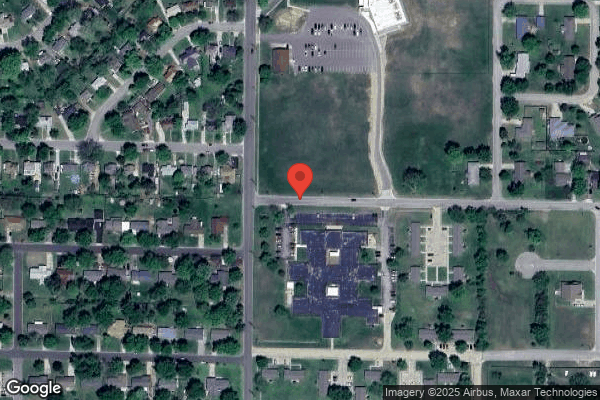

596 MORTON ROAD, LEBANON, MO 65536 (417) 532-9173
For profit - Individual 180 Beds JAMES & JUDY LINCOLN Data: November 2025 1 Immediate Jeopardy citation
Trust Grade
6/100
#408 of 479 in MO
Last Inspection: May 2024

Within standard 12-15 month inspection cycle. Federal law requires annual inspections.

Overview

Lebanon North Nursing & Rehab has received a Trust Grade of F, indicating poor performance with significant concerns. Ranking #408 out of 479 in Missouri places it in the bottom half of facilities, and it is the second-ranked option out of two in Laclede County, meaning there is only one other local facility available. Although the facility is improving, having reduced issues from 13 in 2024 to 9 in 2025, it still faces serious staffing challenges with a 1/5 star rating and 62% turnover, which is average for Missouri but concerning for resident care. Additionally, RN coverage is below average, being less than 98% of other state facilities; this can affect the quality of care as registered nurses typically catch issues that nursing assistants may overlook. Specific incidents of concern include a critical failure to schedule timely medical appointments for a resident, delaying necessary treatment for a potential breast cancer diagnosis. Furthermore, the facility failed to properly secure a resident in a wheelchair during transport, resulting in a leg fracture, indicating serious safety hazards. While there are efforts to address these issues, families should weigh these significant weaknesses against any potential strengths before making a decision.

Trust Score
F
6/100
In Missouri
#408/479
Bottom 15%
Safety Record
High Risk
Review needed
Inspections
Getting Better
13 → 9 violations
Staff Stability
⚠ Watch
62% turnover. Above average. Higher turnover means staff may not know residents' routines.
Penalties
✓ Good
$13,397 in fines. Lower than most Missouri facilities. Relatively clean record.
Skilled Nurses
⚠ Watch
Each resident gets only 6 minutes of Registered Nurse (RN) attention daily — below average for Missouri. Fewer RN minutes means fewer trained eyes watching for problems.
Violations
⚠ Watch
42 deficiencies on record. Higher than average. Multiple issues found across inspections.
★☆☆☆☆
1.0
Overall Rating
★☆☆☆☆
1.0
Staff Levels
★☆☆☆☆
1.0
Care Quality
★★☆☆☆
2.0
Inspection Score
Stable
2024: 13 issues
2025: 9 issues

The Good

  • Full Sprinkler Coverage · Fire safety systems throughout facility
  • No fines on record

Facility shows strength in fire safety.

The Bad

1-Star Overall Rating

Below Missouri average (2.5)

Significant quality concerns identified by CMS

Staff Turnover: 62%

16pts above Missouri avg (46%)

Frequent staff changes - ask about care continuity

Federal Fines: $13,397

Below median ($33,413)

Minor penalties assessed

Chain: JAMES & JUDY LINCOLN

Part of a multi-facility chain

Ask about local staffing decisions and management

Staff turnover is elevated (62%)

14 points above Missouri average of 48%

The Ugly 42 deficiencies on record

1 life-threatening 3 actual harm
Aug 2025 2 deficiencies
CONCERN (D) 📢 Someone Reported This

A family member, employee, or ombudsman was alarmed enough to file a formal complaint

Potential for Harm - no one hurt, but risky conditions existed

Resident Rights (Tag F0550)

Could have caused harm · This affected 1 resident

Based on interview and record review, the facility failed to ensure all residents were treated in a dignified manner, when staff withheld one resident's (Resident #1's) belongings, and would not retur...

Read full inspector narrative →
Based on interview and record review, the facility failed to ensure all residents were treated in a dignified manner, when staff withheld one resident's (Resident #1's) belongings, and would not return them timely, after the resident displayed behaviors. The facility census was 75.Review of the facility policy titled Resident's Rights, undated, showed the following:-The resident has a right to a dignified existence, self-determination, and communication with access to persons and services inside and outside the facility;-The resident has the right to exercise his/her rights as a resident of the facility and as a citizen or resident of the United States;-The resident has the right to be free of interference, coercion, discrimination and reprisal form the facility in exercising his/her rights, and be supported by the facility in the exercise of his/her rights;-The resident may retain personal possessions as space permits, unless to do so would infringe on the rights of others. 1. Review of Resident #1's face sheet (admission data) showed the following:-admission date of 07/14/25;-Diagnoses included bipolar disorder (mental health condition characterized by extreme shifts in mood, energy, ranging from highs to lows), anxiety disorder (excessive and persistent worry and fear), personality disorder (long lasting disruptive patterns of thinking, behavior, mood and relating to others), epilepsy (sudden surges of electrical activity in the brain that leads to convulsions or loss of consciousness and changes behavior), intellectual disabilities (limitations in learning, thinking, and problem-solving skills), and Parkinson's disease (progressive nervous system disorder that affects movement). Review of the resident's admission Minimum Data Set (MDS - a federally mandated assessment instrument completed by facility staff), dated 07/04/25, showed the following information:-Memory problems, moderately impaired cognitive skills, inattention, and disorganized thinking;-Physical and verbal behaviors the last four to six days towards others;-Partial assistance with oral, personal and toileting hygiene, upper and lower body dressing;-Substantial assistance with showers and personal hygiene. Review of the resident's July 2025 Progress Notes showed the following:-On 07/14/25, at 4:41 P.M., the resident admitted to the facility. The resident was able to make needs known, had behaviors. Resident has tantrums and will throw his/her belongings if he/she doesn't get his/her way. Resident likes to color and likes puzzles and superheroes at times if you cannot redirect the resident;-On 07/17/25, at 3:27 P.M., resident alert to self and staff anticipates all needs and cares. Resident can be aggressive with staff and combative. He/she does throw his/her belongings and will have tantrums if not getting his/her way. If he/she is having behaviors, he/she enjoys coloring and puzzles;-On 07/19/25, at 9:02 A.M., the resident screaming and crying in dining hall. When asked to go to his/her room he/she started screaming louder and threw his/her coloring pages and toys in the hall, slamming the door. Review of the resident's August 2025 Progress Notes showed the following:-On 08/01/25, at 4:57 P.M., the resident was up in the hallway pacing a lot during this shift and wanting his/her coloring pages and certain coloring pages. Resident was redirected multiple times. Resident did not get aggressive or angry;-On 08/02/25, at 9:45 P.M., resident had been screaming all of this shift, throwing items into the hall and in room, cussing, hitting, and refusing to take medication. Staff unable to redirect;-On 08/09/25, at 10:32 A.M., resident behaviors continue including screaming, throwing items into the hall and at the staff, and other resident, and slamming door to room. Difficult to administer medications. Resident not easy to redirect. Review of the resident's care plan, revised on 08/05/25, showed the following:-Resident has socially inappropriate/disruptive behavioral symptoms as evidenced by rejecting cares at times. Staff will assess whether the behavior endangers the resident and or others and intervene as necessary. Avoid over-stimulation. Convey attitude of acceptance toward the resident. Maintain a calm environment and approach to the resident. When resident becomes socially inappropriate/disruptive, provide comfort measures for basic needs;-Resident at risk for loneliness related to behaviors towards others. Staff will allow resident to have control over situations, if possible. Identify relationships that resident could draw on. Involve resident with those who have shared interests. Provide activity calendar. Place resident in position of almost certain success in an activity;-Resident has difficulty understanding others related to mental health issues and intellectual disabilities. Staff will ask resident to repeat what he/she what has been said to confirm the message was understood. Staff will face the resident when speaking. Staff will obtain resident's attention before speaking. Staff will speak clearly and adjust tone as needed;-Resident has impaired decision making related to behaviors towards others and reject cares. Encourage resident to verbalize feelings, concerns and fears. Give objective feedback when appropriate decisions are made. Discuss future options to improved decision making. Respect resident's rights to make decisions. Review of Certified Nurse Aide (CNA) D's written statement dated 08/11/25, at 11:31 A.M., showed CNA D went to B wing to see if the resident received the coloring books he/she had gotten for the resident and was told no because the resident hit CNA I. CNA I made the statement if the resident keeps fucking around with me, CNA I will take the resident's bed out and the resident can sit on the fucking floor. Review of CNA B's written statement dated 08/11/25, no time, showed CNA B had heard CNA I say to the resident that CNA I would take everything out of the resident's room and the resident would be left with nothing but his/her bed if he/she didn't stop acting up.Review of Housekeeper E's written statement dated 08/12/25, at 10:58 A.M., showed yesterday he/she went to B wing and he/she saw the resident get upset about something and the resident threw his/her backpack and CNA H picked it up and took it away.Observation and interview on 08/14/25, at 9:53 A.M., with the resident showed the following:-Staff were removing a television from the resident's room;-The resident sat on his/her bed, rocking;-The resident spoke in short repetitive, phrases;-During the interview the resident was fixated on the television being removed from his/her room;-The resident would say often, where did my tv go, what did they do;-The resident also had multiple papers on his/her bed and appeared very proud of the papers. He/she would ask staff that came in/out of the room to make copies for him/her. During an interview on 08/14/25, at 1:07 P.M., Certified Medication Tech (CMT) A said it would be against the resident's rights to take away their stuff. During an interview on 08/14/25, at 1:25 P.M., CNA B said the following:-The resident will throw things out of his/her room, and staff will take the resident's belongings and put them in a closet where the resident is not able to get his/her belongings until the resident stops misbehaving;-On 08/09/25, he/she heard CNA I around lunch time, say that if the resident didn't stop misbehaving, CNA I was going to take everything out of the resident's room except his/her bed;-Last week CNA I took the resident's papers, bookbag, and spiderman and would not give them back to the resident. The resident asked for them back about five minutes after they were taken, and CNA I told the resident he/she was not getting them back to throw them at CNA I again. The resident got angry and stomped off to his/her room and slammed the door. The resident would constantly ask for his/her stuff back. Licensed Practical Nurse (LPN) C would not give them back to the resident. -Taking a resident's belongings is against their rights. During an interview on 08/14/25, at 1:43 P.M., LPN C said the following:-When the resident throws things out of his/her room, staff will place them on the counter at the nurses' station. The resident comes out and asks for them and staff remind him/her not to throw them and the resident takes his/her belongings;-It would against the resident's rights to take his/her belongings. During an interview on 08/14/25, at 1:54 P.M., CNA D said the following:-The resident has behaviors where he/she throws books and other things into the hall;-He/she has seen CNA I and LPN C take the resident's belongings;-When the resident's belongings are taken, he/she throws a fit because he/she can't have his/her stuff back and it increases the behaviors;-It's never appropriate to take a resident's belongings; It's against their rights;-He/she doesn't remember the exact dated, but he/she purchased coloring books for the resident. A few days later he/she came to the unit to see if the resident liked the books and CNA I came into the dining room, where several residents were eating. He/she asked CNA I about the coloring books and CNA I said the resident wasn't getting the fucking shit. He/she asked another staff what was going on and the other staff said the resident had punched CNA I in the face and that's why the resident can't have the coloring books. CNA I also said if the resident keeps fucking around with him/her, CNA I said he/she would take everything out of the resident's room, including the resident's bed and the resident could sit on the fucking floor. During an interview on 08/14/25, at 2:28 P.M., Housekeeper E, said the following:-He/she had been in the unit cleaning, when the resident had thrown stuff into the hall, and the staff will take the things and put them at the nurses' station, on the floor so the resident is not able to get them back. He/she has seen CNA H and CNA I take the resident's backpack and spiderman and put them at the nurses' station;-He/she has witnessed LPN C say to staff, the resident threw his/her stuff into the hall, go get it and put it away;-On 08/11/25, around 8:30 A.M., he/she was cleaning on the unit, and the resident came out of his/her room and asked LPN C if he/she would cover the resident up as he/she wanted to lay down and watch TV. LPN C said the resident was old enough to cover him/herself up. The resident went to his/her room and began to throw things out of the room into the hall. Housekeeper E was up the hall from the resident's room, so he/she could see and hear everything. CNA H aggressively opened the resident's door, and asked the resident what his/her deal was, and why was the resident behaving like this as the resident knew he/she would lose his/her stuff. CNA H took all of the resident's belongings and put them at the nurses' station and the resident began to get upset and cry. During an interview on 08/14/25, at 2:55 P.M., the Assistant Director of Nursing (ADON) said the following:-It was not appropriate to take a resident's belongings, or threaten to take a resident's belongings. That would be against their rights;-He/she has heard if the resident throws things. It would not be appropriate to threaten or take belongings if resident misbehaves;-He/she has heard the resident throws things into the hall and the staff put the items at the nurses' station to hold until the resident de-escalates;-He/she said taking the resident's belongings to hold is a gray area. If the staff give the belongings back it's more stuff for the resident to throw;-He/she would expect staff to use interventions when the resident is having behaviors, talk to the resident, and see what's going on;-Taking a resident's belongings is against their rights, but holding the belongings until the resident is ready to have it back is lessening what the resident has to throw ;-The staff should give the resident's belongings back if the resident asks for them. During an interview on 08/14/25, at 2:55 P.M., CMT F said the following:-It would not be appropriate to threaten to take a resident's items;-He/she has seen the resident's coloring books at the nurses' station;-He/she has seen the resident slam doors. The resident seems to do this more at night. During an interview on 08/14/25, at 3:29 P.M., CNA G said the following:-It was not appropriate to take a resident's belongings from them;-He/she usually works the 2 to 10 shift so when He/she arrives to the unit, the Resident comes to him/her to get the resident's belongings back. Sometimes he/she has to hunt for the resident's belongings because they might be at the nurses' station, but usually they're in the locked closet;-He/she has found the resident's drawings, backpack, and stuff he/she's thrown when the resident has been upset;-He/she has heard the resident ask staff for his/her belongings and they will tell him/her no. This has been going on since the resident was admitted ;-He/she doesn't know which staff is taking it, but the resident will obsess on his/her belongings until they're returned;-It's against the resident's rights to take their belongings. During interviews on 08/14/25, at 8:55 A.M. and 4:45 P.M., the Director of Nursing (DON) said the following:-It was not appropriate to take a resident's belongings when they're misbehaving;-The resident does throw things and he/she questioned staff about taking the resident's belongings and they reported only putting them in the storage room until meal times were over;-It was not appropriate to tell a resident they're not getting their belongings back. If a resident asks for their belongings staff should return them. During an interview on 08/14/25, at 5:07 P.M., the Administrator said staff should never threaten to take resident's belongings away. That is against the resident's rights. Complaint #2587324
CONCERN (D) 📢 Someone Reported This

A family member, employee, or ombudsman was alarmed enough to file a formal complaint

Potential for Harm - no one hurt, but risky conditions existed

Report Alleged Abuse (Tag F0609)

Could have caused harm · This affected 1 resident

Based on interviews and record review, the facility failed to ensure all allegations of possible abuse were reported immediately to management and within two hours to the state licensing agency (Depar...

Read full inspector narrative →
Based on interviews and record review, the facility failed to ensure all allegations of possible abuse were reported immediately to management and within two hours to the state licensing agency (Department of Health and Senior Services - DHSS) when staff failed to report allegations of verbal abuse and involuntary seclusion involving one resident (Resident #1) to management and DHSS in a timely fashion. The facility census was 75.Review of the facility policy titled Abuse Prohibition Protocol Manual, revised January 2017, showed the following:-Educate all staff to report to the Administrator and/or designees any alleged violations involving abuse, neglect, exploitation, mistreatment, injuries of unknown sources and misappropriation of resident property;-The Administrator or designee must report to the State Survey agency no later than two hours after the allegation is made if the event involved abuse or resulted in injury;-All residents have the right to be free from abuse, neglect, misappropriation of property, and exploitation;-Verbal abuse is defined as the use of oral, written or gestured language that willfully includes disparaging and derogatory terms to residents regardless of their age, ability to comprehend, or disability;-Physical abuse is defined as hitting, slapping, pinching, kicking, biting, etc. It also includes controlling a resident's actions through personal punishment;-Report immediately, within two hours, if the events that cause the allegation involve abuse or result in serious bodily injury. Review of the facility's policy titled, Resident's Rights, undated, showed resident shall not be subjected to physical, sexual, or emotional injury or harm. 1. Review of Resident #1's face sheet (admission data) showed the following:-admission date of 07/14/25;-Diagnoses included bipolar disorder (mental health condition characterized by extreme shifts in mood, energy, ranging from highs to lows), anxiety disorder (excessive and persistent worry and fear), personality disorder (long lasting disruptive patterns of thinking, behavior, mood and relating to others), epilepsy (sudden surges of electrical activity in the brain that leads to convulsions or loss of consciousness and changes behavior), intellectual disabilities (limitations in learning, thinking, and problem-solving skills), and Parkinson's disease (progressive nervous system disorder that affects movement). Review of the resident's admission Minimum Data Set (MDS - a federally mandated assessment instrument completed by facility staff), dated 07/04/25, showed the following information:-Memory problems, moderately impaired cognitive skills, inattention, and disorganized thinking;-Behaviors the last four to six days of physical and verbal towards others. Review of the resident's care plan, revised on 08/05/25, showed the following:-Resident has socially inappropriate/disruptive behavioral symptoms as evidenced by rejecting cares at times. Staff will assess whether the behavior endangers the resident and or others and intervene as necessary. Avoid over-stimulation. Convey attitude of acceptance toward the resident. Maintain a calm environment and approach to the resident. When resident becomes socially inappropriate/disruptive, provide comfort measures for basic needs;-Resident at risk for loneliness related to behaviors towards others. Staff will allow resident to have control over situations, if possible. Identify relationships that resident could draw on. Involve resident with those who have shared interests. Provide activity calendar. Place resident in position of almost certain success in an activity;-Resident has difficulty understand ding others related to mental health issues and intellectual disabilities. Staff will ask resident to repeat what he/she what has been said to confirm the message was understood. Staff will face the resident when speaking. Staff will obtain resident's attention before speaking. Staff will speak clearly and adjust tone as needed;-Resident has impaired decision making related to behaviors towards others and reject cares. Encourage resident to verbalize feelings, concerns and fears. Give objective feedback when appropriate decisions are made. Discuss future options to improved decision making. Respect resident's rights to make decisions. Review of Certified Nurse Aide (CNA) D's written statement dated 08/11/25, at 11:31 A.M., showed CNA said he/she had personally witnessed a towel put into the resident's door to keep him/her locked in his/her room. The CNA said he/she had reported this to his/her nurse on duty for C wing and he/she stated he/she didn't want to get int the middle of things. CNA D went to B wing to see if the resident received the coloring books he/she had gotten for the resident and was told no because the resident hit CNA I. CNA I made the statement if the resident keeps fucking around with me, CNA I will take the resident's bed out and the resident can sit on the fucking floor. CNA D was told by a Housekeeper E that he/she had heard CNA I say that CNA I would put the resident in a head lock if the resident touches CNA I again. Review of CNA B's written statement dated 08/11/25, no time, said CNA B had heard CNA I say to the resident that CNA I would take everything out of the resident's room and the resident would be left with nothing but his/her bed if he/she didn't stop acting up.Review of DHSS records showed the facility reported the allegations of abuse on 08/12/25, at 10:32 A.M. (approximately 24 hours after staff suspected abuse).During an interview on 08/14/25, at 1:07 P.M., Certified Medication Tech (CMT) A said the following:-Placing a towel on the resident's door could be considered a restraint and could also prevent the resident from leaving the room, which would be seclusion;-He/she would report any suspected abuse to the charge nurse;-He/she knows the State is to be called within two hours of suspecting abuse. During an interview on 08/14/25, at 1:25 P.M., CNA B said the following:-He/she has seen towels at the top of the resident's door. A few weeks ago, Registered Nurse (RN) J told staff they could not put a towel at the top of the door as this could prevent the door from opening. He/she has seen CNA I and CNA H, put the towel on top of the door. He/she knows a couple other night staff have placed the towel on the door to cut down on the noise it makes when the resident slams the door;-On 08/09/25, he/she heard CNA I, around lunch time, say that if the resident didn't stop misbehaving, CNA I was going to take everything out of the resident's room except his/her bed;-He/she had heard from others CNA I had cursed at the resident;-Threatening a resident, or cursing at a resident is disrespectful and abusive;-He/she wrote the statement on 08/11/25 and put it under the Director of Nursing's (DON) door as he/she felt like CNA I was doing things he/she should not be doing. He/she reported the incident to Licensed Practical Nurse (LPN) , but he/she didn't know if LPN C had done anything so he/she wrote the statement;-He/she reports abuse to his/her charge nurse. He/she knows the abuse is supposed to be reported to the state in three days. During an interview on 08/14/25, at 1:43 P.M., LPN C said the following:-No staff have reported abuse to him/her regarding the resident;-If abuse is reported to him/her, she has staff write out statements, tells the DON immediately and the Administrator;-Abuse should be reported to the state within two hours; During an interview on 08/14/25, at 1:54 P.M., CNA D said the following:-CNA I said the resident wasn't getting the fucking shit (coloring books).;-CNA I also said if the resident kept fucking around with him/her, CNA I would take everything out of the resident's room, including the resident's bed and the resident could sit on the fucking floor;-He/she looked for the nurse to report the incident, but did not find the nurse and got busy so the incident was not reported; -He/she has seen a washcloth on top of the resident's door one time and he/she didn't think the resident could push the door open as it was tight;-It would not be appropriate to put a wash cloth in the door as it could be a restraint or involuntary inclusion;-He/she has told a nurse about the towel and a few hours later it was taken out, he/she believes Registered Nurse (RN) J was told about the incident and RN J removed the towel;-If he/she suspects abuse, he/she reports it to the nurse, and it's supposed to be reported to the state within two hours;-Cursing around residents would be verbal abuse and should be reported. Threatening to take a resident's belongings could be abuse as well and should be reported. He/she wrote a statement on 08/11/25 and placed it under the DON's door. During an interview on 08/14/25, at 2:28 P.M., Housekeeper E, said the following:-On 08/11/25, around 10:30 A.M., he/she arrived to the unit and saw a towel wedged at the top of the resident's door, and some of the towel was hanging on both sides of the door a few inches. The door would not open. The resident was at the door, crying and saying help me, my door is stuck. The resident could not get the door to open. The door was open about an inch, so there was a crack;-He/she told CNA D and another aide about the incident and they said they would report it to the charge nurse. He/she could not locate the DON;-Putting a towel in the door could be considered a restraint or seclusion;-Threatening a resident is abuse;-He/she did go to the Assistant Director of Nursing (ADON) about the towel situation right after it happened, and wrote a statement;-He/she knows abuse is supposed to be reported to the state, but not sure about the timeframes. During an interview on 08/14/25, at 2:55 P.M., the ADON said the following:-It was not appropriate to curse at a resident or make threats. This would be verbal abuse;-Putting a towel on a resident's door, if if hinders the door from opening, and keeping the resident in the room would be considered a restraint and involuntary seclusion;-He/she found out about the towel issue on Monday or Tuesday, late morning or early afternoon. Two aides told him/her about the incident. The aides asked if it would be appropriate to put a towel on the door so the resident could not get out and he/she told them know. He/she told the DON. The DON was already aware of it and heading to the unit to remove the towel;-Staff should be reporting suspected about to the charge nurse, ADON or the DON;-Staff are to report abuse to the State within two hours. He/she doesn't know if this incident was reported timely as he/she was told the DON was taking care of things.During an interview on 08/14/25, at 3:29 P.M., CNA G said the following:-Putting a towel on the door could be considered a restraint, and or involuntary seclusion if the resident was not able to get out;-He/she has seen multiple staff put towels up there, mainly the day shift;-He/she reports abuse to the charge nurse, and they're supposed to report to the State within 24 hours. During interviews on 08/14/25, at 8:55 A.M. and 4:45 P.M., the DON said the following:-it would not be appropriate for staff to make threats towards residents. This could be abuse;-He/she found the statements under the door when he/she came in 08/11/25;-The aides reported the concerns to LPN C. He/she was not sure when they reported it to the nurse, and the nurse never notified him/her of the allegations of abuse;-He/she would expect the nurse to notify him/her and the Administrator immediately;-They're required to call the state within two hours. During an interview on 08/14/25, at 5:07 P.M., the Administrator said the following:-Staff should never threaten to hurt a resident or curse at that resident, that is abuse;-If staff witness abuse or suspect abuse, they should take it to the supervisor immediately;-An aide should report to their charge nurse and the charge nurse should be reporting to the DON;-They are required to report abuse to the state within two hours;-Two staff reported suspected abuse, and wrote out statements, they put those under the DON's door. It wasn't reported timely;-Staff should not be putting a towel on any resident's door. He/she was not aware of a towel ever being put on the door to keep a resident in their room, That would be a restraint and involuntary seclusion. Complaint #2587324
Jun 2025 1 deficiency
CONCERN (E) 📢 Someone Reported This

A family member, employee, or ombudsman was alarmed enough to file a formal complaint

Potential for Harm - no one hurt, but risky conditions existed

Infection Control (Tag F0880)

Could have caused harm · This affected multiple residents

Deficiency Text Not Available

Read full inspector narrative →
Deficiency Text Not Available
Apr 2025 3 deficiencies
CONCERN (D) 📢 Someone Reported This

A family member, employee, or ombudsman was alarmed enough to file a formal complaint

Potential for Harm - no one hurt, but risky conditions existed

Quality of Care (Tag F0684)

Could have caused harm · This affected 1 resident

**NOTE- TERMS IN BRACKETS HAVE BEEN EDITED TO PROTECT CONFIDENTIALITY** Based on interview and record review, the facility failed to provide care per professional standards when the facility staff fai...

Read full inspector narrative →
**NOTE- TERMS IN BRACKETS HAVE BEEN EDITED TO PROTECT CONFIDENTIALITY** Based on interview and record review, the facility failed to provide care per professional standards when the facility staff failed to transcribe physician orders for wound care treatment and interventions, failed to notify the physician of changes noncompliance by the resident and changes in the wounds in a timely manner, failed to document wound care, and failed to update the care plan regarding wound care interventions for one resident (Resident #1). The facility census was 76. Review of the facility's policy titled, Charting and Documentation, undated, showed the treatment documentation should include the date and time each treatment was administered, name of person administering the treatment, specific duties performed, reason(s) for a resident's refusal of the treatment, and the signature and title of the person recording the data. The facility did not provide a wound treatment/management policy or a skin assessment policy. 1. Review of the Resident #1's face sheet (brief look at resident information) showed the following information: -admission date of 03/06/25; -Diagnoses included infection of surgical wound, atherosclerosis of native arteries of extremities (a condition where plaque builds up inside the arteries, restricting blood flow to the legs and feet), and breakdown of femoral arterial graft (a procedure where a new route for blood flow is created to bypass a blocked or narrowed artery in the thigh). Review of the resident's admission Minimum Data Set (MDS- a federally mandated assessment instrument completed by facility staff), dated 03/12/25, showed the following: -Resident had moderate cognitive impairment; -Resident required partial to moderate assistance with walking, bathing, toileting, transferring from chair to bed, and from sit to stand; -Resident required required supervision or touching assistance with verbal cues or touching with rolling left to right, going from sit to lying, and lying to sitting on the side of the bed. Review of the resident's admission orders from the discharging hospital, dated 03/06/25, showed the following information: -Clean bilateral groin sites daily with soap and water; -Remove Silveron dressings (a type of dressing used for wound healing) in five days. Review of the resident's admission wound assessment, dated 03/06/25, showed the following: -Surgical wound to right groin measuring 11.5 centimeters (cm) with 11 staples, epithelial tissue (a layer of cells that cover the body's surface) present, no exudate (fluid that leaks out of the blood vessels into surrounding tissue), no odor, surrounding tissue intact and healthy, no edema (swelling) and no pain. Facility physician notified by fax, continue treatment, no change, and initiate plan of care; -Surgical wound to left groin measuring 15 cm with 15 staples, no exudate, no odor, surrounding tissue intact and healthy, no edema, and no pain. Facility physician notified by fax, continue treatment, no change, and initiate plan of care. (Staff did not document regarding the wound care instruction on the resident's admission orders from the discharging hospital.) Review of the resident's progress note dated 03/06/25, at 7:14 P.M., showed the following: -The resident was transferred from hospital to the facility and admitted under the care of the facility physician; -The facility physician was notified of arrival, and the resident's medication list was sent to the facility physician's office, reviewed, and approved. The approved medication list was sent to the pharmacy. (Staff did not document regarding the wound care instruction on the resident's admission orders from the discharging hospital.) Review of the resident's progress notes dated 03/06/25. at 11:57 P.M., showed the following: -Bilateral groin surgical incisions with staples intact; -The resident refused to leave the dressings on and picked at the incisions; -Dressings replaced numerous times. No signs and symptoms of infection, redness, or drainage. (Staff did not document physician notification regarding the dressings being removed earlier than five days post-surgery.) Review of the resident's March 2025 Physician Order Sheet (POS) showed no wound care orders from admission on [DATE] through 03/15/25. Review of the resident's care plan, revised on 03/07/25, showed staff did not care plan related to the resident's wounds or wound care. Review of the resident's progress note dated 03/07/25, at 12:06 A.M., showed the following: -Bilateral groin surgical incisions with staples intact; -The resident refused to leave the dressings on and picks at the incisions; -No signs and symptoms of infection, redness, or drainage. Dressings replaced numerous times. (Staff did not document physician notification regarding the dressings being removed earlier than five days post-surgery.) Review of the resident's progress note dated 03/07/25, at 1:21 P.M., showed the following: -Bilateral groin area wounds; -The resident had been removing the bandages at night due to being confused at times. (Staff did not document physician notification regarding the dressings being removed earlier than five days post-surgery.) Review of the resident's progress note dated 03/08/25, at 1:35 P.M., showed the following: -Bilateral groin area wounds; -The resident had been removing the bandages at night due to being confused at times; (Staff did not document physician notification regarding the dressings being removed earlier than five days post-surgery.) Review of the resident's progress note dated 03/08/25, at 11:30 P.M., showed the following: -Bilateral groin surgical incision with staples intact; -The resident refused to leave dressings on and picks at the incisions; -Dressings replaced numerous times; -No signs and symptoms of infection, redness, or drainage; (Staff did not document physician notification regarding the dressings being removed earlier than five days post-surgery.) Review of the resident's progress notes dated 03/09/25, at 3:25 P.M., showed the following: -Dressings changed, and new measurements obtained; -Left groin measured with no display of redness, bleeding, or dehiscing (opening) noted with staples intact. (Staff did not document physician notification regarding the dressings being removed earlier than five days post-surgery.). Review of the resident's progress note dated 03/09/25, at 11:41 P.M., showed the following: -Bilateral groin surgical incisions with staples intact; -The resident removed dressings numerous times and will pick at the incisions; -No signs and symptoms of redness or drainage; -Dressings replaced. (Staff did not document physician notification regarding the dressings being removed earlier than five days post-surgery.) Review of the resident's progress note dated 03/10/25, at 8:31 P.M., showed the following: -Bilateral groin incisions with staples intact; -The resident removed dressings numerous times and picks at incisions; -Dressings were replaced numerous times; -No signs and symptoms of infection, redness, drainage, or edema. (Staff did not document physician notification regarding the dressings being removed earlier than five days post-surgery.) Review of the resident's progress note dated 03/13/25, at 8:37 P.M., showed the following: -Bilateral groin surgical incisions with staples intact; -The resident will remove dressings and pick at the incisions; -Dressings replaced; -No signs and symptoms of infection, redness, drainage, or edema noted. (Staff did not document physician notification regarding the resident removing the dressings.) Review of the resident's March 2025 POS showed an order, dated 03/13/25, to complete and document a weekly skin assessment. Review of the Director of Nursing's (DON) wound documentation, dated 03/13/25, showed a 11.5 cm right groin wound with 11 staples. Healing and no drainage left groin. Review of the resident's weekly wound assessment, dated 03/14/25, showed the following: -Skin intact; -Left and right surgical wound staples intact and approximated with no signs and symptoms of infection; -Resident continues to remove dressings and is incontinent of bowel and bladder; -Treatment in place and effective. Review of the resident's progress note dated 03/14/25, at 10:56 A.M., showed the resident came to the facility with wounds to his/her groin. A nurse practitioner was in to see the resident and gave new orders. Review of the resident's progress note dated 03/14/25, at 11:43 P.M., showed the following: -Bilateral groin surgical incisions with staples intact; -Resident refused to leave dressing on incisions and picks at incisions; -No signs and symptoms of infection, redness, drainage, or edema noted; -Dressings replaced; (Staff did not document physician notification regarding the resident removing the dressings.) Review of the resident's progress note, dated 03/15/25, showed the following: -The resident removes his/her dressings from the groin surgical incisions and will pick at them; -Dressings are replaced; -No signs and symptoms of infection, redness, or drainage noted; -Will continue to monitor. (Staff did not document physician notification regarding the resident removing the dressings.) Review of the resident's progress note, dated 03/16/25, showed the following: -The resident has bilateral groin surgical incisions with staples; -He/she will remove the dressings and pick at the incisions; -No signs and symptoms of infection, redness, drainage, or edema; -Dressings are replaced; -Will continue to monitor. (Staff did not document physician notification regarding the resident removing the dressings.) Review of the resident's progress note, dated 03/16/25, showed the following: -The surgical incisions noted to bilateral groin areas were dry with no signs and symptoms of infection noted; -All staples were intact; -The resident refused to keep his/her dressing on this shift; -His/her sibling was present for short time and made aware of the resident's elevated temperature earlier this shift. (Staff did not document physician notification regarding the resident removing the dressings.) Review of the resident's progress note dated 03/16/25, at 4:12 P.M., showed the following: -The resident had a temperature of 102 Fahrenheit (a unit of temperature measurement) and Tylenol was given; -He/she voiced concerns of fatigue and was sleeping most of the day; -Incisions to bilateral groin appear to be healing well with no noted signs and symptoms of infection; -The resident denied suprapubic (anything situated, occurring, or performed above the pubic bone) tenderness; -Staff notified the facility physician. Review of the resident's medical record and treatment records, dated March 2025, showed staff did not document completion of wound care from admission [DATE]) to 03/15/25. Review of the resident's March 2025 POS showed the following: -An order, dated 03/16/25, to check dressings to bilateral groin areas every day and night shift; -An order, dated 03/16/25, to monitor incisions to bilateral groin area as needed. Cleanse daily and as needed with wound cleanser and pat dry. Cover with clean dry border gauze. Discontinue this order when healed. -An order, dated 03/16/25, to monitor incisions to bilateral groin area once a day. Cleanse daily with wound cleaner and pat dry. Cover with clean dry border gauze. Discontinue this order when healed. Special instructions: Report signs and symptoms of infection. Review of the DON's wound documentation, dated 03/17/25, showed a right groin wound with staples intact and a left groin wound that was warm with minimal swelling. Review of the resident's progress note dated 03/17/25, at 1:05 A.M., showed the following: -Bilateral groin surgical incisions with staples; -The resident removed his/her dressings numerous times and will pick at the incisions; -Dressings are replaced; -No signs and symptoms of infection, redness, drainage or edema noted. Review of the resident's progress note dated 03/18/25, at 4:08 P.M., showed the following: -The resident's right groin dressing was not in place and the resident stated the incision itched; -No drainage noted; -Area cleansed with wound cleanser and new dressings applied to both groin surgical incisions. Review of the resident's progress note dated 03/18/25, at 10:30 P.M., showed the left and right groin dressings were clean, dry, and intact with no drainage. Review of the resident's progress notes, dated 03/19/25 at 11:36 A.M., showed the following: -When staff changed the groin dressings, the right groin dressing was partially in place and saturated with drainage; -The resident had been messing with the dressing and it was almost completely off; -The resident had been pulling dressings off at times; -The area was cleansed, and a new dressing applied; -The resident appeared to have a knot coming up at the bottom of the incision on the left groin; -Staff spoke with the resident's siblings that were taking the resident to see his/her vascular surgeon for his/her follow-up and asked them to let them know the resident had been messing with the groin incisions and will not leave the dressings on; -Staff let the siblings know that the right groin was draining, and the resident has been messing with the staples; -Staff asked the siblings to make sure the vascular clinic staff looked at the left incision where a knot was coming up at the bottom of the incision; -The facility's physician's office was called and informed of the issue with the resident's surgical incision. Review of the resident's progress note dated 03/19/25, at 4:35 P.M., showed the following: -The vascular surgeon's office contacted the facility about the resident's surgical incision; -They asked questions about the resident's wound care, how often it was done, and the condition of the dressing when changed on this day; -The caller was informed that the resident removed the dressings multiple times a day and messed with the surgical area often and the dressings were replaced when the resident removed them; -No drainage had been noted until this morning when the resident's dressing was changed; -The family was made aware of the drainage when they arrived to pick the resident up, so concerns could be discussed with the vascular physician at the resident's appointment. Review of the resident's progress note dated 03/19/25, at 5:41 P.M., showed the facility received a message from the vascular surgeon's office that the resident was being admitted to the hospital by the vascular doctor. Review of the resident's progress note dated 03/19/25, at 8:32 P.M., showed following: -The facility nursing staff spoke to the vascular surgeon's nurse who requested information about the resident; -The vascular surgeon's nurse was informed that the resident had been removing the dressings frequently during the day and night shift and that the dressings were replaced immediately; -The resident was picking at the surgical incisions and the sites were assessed and no drainage was noted until this morning; -The information regarding the change in the wound was reported to the family prior to the resident's appointment this shift; -The day shift nurse reported redness and drainage; -The resident has been admitted for surgery. During an interview on 04/15/25, at 11:17 A.M., Certified Nursing Assistant (CNA) C said the following: -He/she did not work with the resident prior to him/her being hospitalized for the wound infection; -He/she did with the resident now and had observed the resident messing with the wound vac (a treatment that uses a vacuum to help wounds heal faster) and dressings; -The resident gets confused and cannot remember what he/she is doing; -He/she provided the resident with a shower a few days ago and the bandages were in place, but the left bandage was bloody, so he/she notified the nurse. -If he/she noticed a new area of concern on a resident's skin, he/she would report it to a nurse. During an interview on 04/15/25, at 11:24 A.M., CNA E said the following: -He/she knew the resident continued to remove the wound bandages; -He/she would notify the nurse of any drainage or concerns regarding any wound. During an interview on 04/15/25, at 11:42 A.M., Certified Medication Tech (CMT) D said if he/she noticed a change in condition or new area of concern on a resident's skin, he/she would report it to a nurse. During an interview on 04/15/25, at 12:02 P.M., Licensed Practical Nurse (LPN) A said the following: -The resident came to the facility with wounds due to bilateral groin surgery; - Upon admission, there was an order to monitor for drainage and to change the dressings daily; -He/she was off for two days prior to the resident having the appointment with the vascular surgeon; -He/she noticed drainage to the right groin wound the morning of the vascular surgeon visit, but had not noticed any drainage prior to that; -The resident left for the vascular surgeon appointment and was admitted to the hospital the same day; -Prior to the resident leaving for the appointment, LPN A informed the family about the right groin are drainage; -He/she has a wound vac and is having some drainage now; -The resident still picks at his/her wounds, staples, and tape; -Current wound orders are found in the resident's Medication Administration Record (MAR); -The resident currently had an order to change the wound vac dressing Monday, Wednesday, and Friday, but he/she goes to the vascular surgeon's office for those dressing changes; -The resident had a current order for the left groin hematoma (a pool of mostly clotted blood that forms in an organ, tissue, or body space). The order was to change the ABD pad (a sterile dressing used for wound management) and tape daily but leave the packing alone; -Physician orders are located in the MAR under orders; -On admission from the hospital the orders come from the hospital; -If a resident is not a hospital admission, the house physician or nurse practitioner would write the orders, and the nursing staff would enter the orders into the resident's Medication Administration Record (MAR); -Staff would document dressing changes or wound care on the MAR as it was completed; -If a dressing was not changed or wound care was not provided, staff would document in the MAR the reason the care was not provided; -It depends on the order how often wound care was provided, but most of the time, wound care was completed daily; -The nursing staff or the DON completed weekly skin assessments. That information was located in the observations tab in the electronic health record (EHR); -If a resident had a change in condition, the facility physician should be notified, new orders would be received, and everything should be documented in the progress notes and on the MAR. During an interview on 04/15/25, at 12:07 P.M., LPN F said the following: -The nursing staff completed the wound treatments; -Staff followed the Treatment Administration Record (TAR) when providing wound care; -Wound treatment orders are typically received when a resident is admitted from the hospital; -The DON was responsible for measuring the wounds; -The nurses document any issues with wounds such as drainage or odors when they complete a wound and skin assessment. The information should be documented in a progress note; -He/she would contact the physician with any wound concerns. During an interview on 04/15/25, at 2:19 P.M., the DON said the following: -Nursing staff were changing the resident's dressings multiple times due to him/her picking at the wounds and dressings; -The hospital discharge notes said to change the dressings on the resident's foot, but not the bilateral groin areas; -The vascular surgeon's nurse was update because the facility changed the residents bilateral groin area dressings. The facility had to change the dressings because the resident would have urine and feces on them; -The vascular surgeon's clinic provided orders to change his dressing before his appointment; -She took measurements of the wound the first night the resident was at the facility because the resident removed the dressing; -The resident did not have any drainage of the wounds upon admission to the facility. The incisions looked good on bilateral groin areas; -The nursing staff should document in the progress notes all communication with the vascular wound clinic, including notification that the resident was removing his/her dressings; -The DON confirmed that she did not locate any wound care orders in the resident's MAR that were dated prior to the resident being hospitalized ; -The hospital discharge orders were not put into the resident's MAR; -She cleaned the resident's wounds with wound cleanser even though there was not an order for it prior to the resident's hospitalization; -She did not recall if she documented in the resident's chart when she cleaning the wounds and changing the dressings; -A nurse at the facility spoke to the resident's siblings and the wound clinic about the drainage. She believed the nurse made a progress note in the resident's medical record with that information; -The facility was tracking and monitoring the wound measurements and keeping the information on a handwritten sheet of paper; -The nursing staff was responsible for wound treatments; -The MAR should be used to document treatments, dressing changes, and orders for as needed care; -Staff would document in the progress notes if there is a problem or concern with a resident; -The facility does not have standing orders for wound care. The facility must have either an order from the hospital at discharge that is approved by the facility's physician or an order initiated by the facility physician or nurse practitioner; -The facility admission's nurse receives the hospital orders and faxes them to the facility physician for approval. Once approved the orders are place on the residents MAR. The facility has a new process for obtaining physician orders. There is an on-call basket for after hours, weekends, and holidays. Requests are placed in the on-call basket and faxed to the physician for approval or denial by the physician or one of the physician's three nurse practitioners. If the order is approved, then staff puts the order on the resident's MAR. During a phone interview on 04/21/25, at 3:50 P.M., the facility physician said the following: -He/she did not recall the facility staff notifying him about the wound condition change of drainage being present; -He/she felt that the resident picking at the wounds and removing the dressings would have affected the healing of the wounds; -By the facility staff not cleaning the wounds daily as ordered per the hospital discharge orders, it would increase the resident's chance of infection; -Hospital discharge orders are sent to him/her from the facility for approval and his/her signature; -If additional orders are needed, his/her office staff writes the order and faxes them to the facility for the facility staff to follow; -If a resident had an order to leave a dressing in place for five days after admission to the facility and the resident removed the dressing earlier, he/she would expect the facility staff to notify him/her because removing the dressing earlier might have an impact on the wound healing. During an interview on 04/15/25, at 4:58 P.M., the Administrator said the following: -When a resident was admitted from the hospital with wound care orders, he/she would expect the orders to be entered on the MAR as well as followed up on and documented appropriately; -He/she would expect weekly skin assessments, measurements, and tracking to be documented in the EHR. MO00252509, MO00252565
CONCERN (D) 📢 Someone Reported This

A family member, employee, or ombudsman was alarmed enough to file a formal complaint

Potential for Harm - no one hurt, but risky conditions existed

Medical Records (Tag F0842)

Could have caused harm · This affected 1 resident

Based on interview and record review, the facility failed to maintain complete and accurate medical records when staff failed to document contacting the physician for catheter orders, failed to docume...

Read full inspector narrative →
Based on interview and record review, the facility failed to maintain complete and accurate medical records when staff failed to document contacting the physician for catheter orders, failed to document a catheter insertion attempt, failed to document a hospital transfer, and failed to document notification to the family of a change in condition for one resident (Resident # 2). The facility census was 76. Review of the facility's policy titled, Charting and Documentation, undated, showed the following: -Treatment documentation should include the date and time each treatment was administered, name of person administering the treatment, specific duties performed, and signature and title of person recording the data; -Intake and output documentation should include consistent and accurate documentation and measurement of the resident's intake and output, each shift's eight-hour total output, other pertinent observations as necessary, and signature and title of person recording the data; -Both intake and output documentation must be recorded when a resident has a catheter, IV, tube feeding, etc., and whenever deemed necessary by the nurse (i.e. suspected dehydration, elevated temperature, possible urinary tract infection, cloudy urine, etc.). Review of the facility's policy titled, Condition Change, Resident (Observing, Recording, and Reporting) (Includes Fall and Injury), undated, showed the following: -The purpose was to observe, record, and report any change in condition to the attending physician so that proper treatment can be implemented; -Have someone stay with the resident while the nurse is calling the attending physician, if necessary. If unable to reach the attending physician or the physician on call, call the facility medical director for emergency situations; -Complete an incident, accident, or risk management report per facility guidelines; -Notify resident's responsible party; -Monitor resident's condition frequently until stable; -Notify physician of condition change, need for treatment orders and/or medication orders. 1. Review of Resident #2's face sheet (a document that gives a resident's information at a quick glance) showed the following: -admission date of 03/12/25; -Diagnoses included chronic obstructive pulmonary disease (COPD- a lung disease causing restricted airflow and breathing problems) and benign prostatic hyperplasia (BPH - a noncancerous condition where the prostate gland grows larger than normal) without lower urinary tract symptoms. Review of the resident's annual Minimum Data Set (MDS - a federally mandated assessment instrument completed by facility staff), dated 03/18/25, showed the following: -The resident was moderately impaired; -The resident required substantial/maximal assist for toileting, sit to stand and chair to bed to chair transfers; -The resident required a manual wheelchair. Review of the resident's physician order report, dated 03/12/25 to 04/10/25, showed the following: -An order dated 03/12/25, for tamsulosin (Flomax - helps relax the muscles in the prostate and the opening of the bladder) 0.4 mg capsule. Give two capsules once an evening at 7:00 A.M. for benign prostatic hyperplasia without lower urinary tract symptoms. -No order for an in and out catheter. Review of the resident's care plan, dated 03/12/25, showed staff did not document any urinary tract problems or interventions. Review of the resident's nurses' progress note dated 04/06/25, at 1:29 P.M., showed the following: -The resident was having trouble urinating; -He/she reported taking Flomax (a medication used to treat enlarged prostate) in the morning at home and requested to have his/her dose moved from the evening to the morning at the facility; -Flomax was moved to the morning as the resident was taking it at home. During an interview on 04/14/25, at 12:12 P.M., the resident said the following: -He/She went to the emergency room the other day due to problems urinating; -He/She was supposed to be set up with a urologist; -While at the hospital, they did a scan that showed a small amount of urine in the bladder and took a sample of urine; -The hospital had him/her drink two to three glasses of water and he/she urinated at the hospital and was sent back to the facility; -He/She has had urination problems for the past couple of years; -The staff at the facility knew about his/her problems urinating for three days prior to doing anything; -The facility staff informed him/her that they would call the doctor, but the doctor never came in to assess him/her. He/she had only seen the facility doctor the first week he/she was admitted to the facility; -The staff at the facility did a catheter before sending him/her to the hospital, but they did not get any urine out; -The facility was administering his/her Flomax at night when he/she was admitted to the facility, but he/she has requested to take the medication during the morning, and he/she is now receiving the medication during the morning; -He/she stated that if he experienced a change in condition or was sent to the hospital, the facility should notify his/her child. During an interview on 04/15/25, at 12:02 P.M., Licensed Practical Nurse (LPN) A said the following: -The resident mentioned urination problems to him/her the day before he/she went to the hospital, but acted like it was not a big deal; -The resident reported that he/she was able to urinate; -The following day, the resident informed him/her that he/she could not urinate, so he/she informed the Director of Nursing (DON), and the DON went in to assess the resident and sent him/her to the emergency room; -He/She did not recall if he/she made any notes in the resident's chart regarding his/her complaints of not being able to urinate, but if he/she did the information would have been documented in a progress note in the resident's electronic record; -He/She did not notify the physician regarding a change in condition with urination concerns because the DON was notified, and she was supposed to follow up on the situation; -LPN A would expect the DON to chart in the resident's electronic record in a progress note what he/she did for the resident, including the results of an in and out catheter if one was completed; -He/She was not aware of any facility standing orders for an in and out catheter; -LPN A would call the physician for an order prior to inserting an in and out catheter on a resident. During an interview on 04/15/25, at 2:19 P.M., the DON said the following: -The resident complained of not being able to urinate; -He/she continued to complain of only having a small amount of urine output; -The resident was sent to the emergency room and the hospital reported that he/she was urinating fine; -The DON attempted an in and out catheter on the resident, but he/she could not get the catheter to advance into the bladder, so he/she stopped the attempt; -The resident requested to go to the hospital; - The DON left a phone message for the resident's child. The child called the DON back, and the DON informed him/her the resident was sent to the hospital per his/her request; -He/She contacted the physician who provided him/her with an order to perform a one time in and out catheter on the resident; -The DON said he/she failed to enter the order into the resident's medical record; -The physician also gave an order to send the resident to the hospital, but he/she failed to enter the order into the resident's medical record; -He/She intended to have LPN F enter the catheter and hospital transfer orders, but LPN F also failed to enter the orders; -The resident went to the hospital and was back at the facility within two to three hours; -The hospital report showed good urine output, with no concerns found; -The resident has not complained about urination issues since the hospitalization. Review of the resident's progress notes and physician orders, dated 03/16/25 to 04/15/25, showed the following: -Staff did not document an order for an in and out catheter; -Staff did not document regarding an in and out catheter attempt; -Staff did not document regarding the resident being transferred to the hospital; -Staff did not document notification of the family regarding a change in the resident's condition. During an interview on 04/21/25, at 3:50 P.M., the facility physician said the following: -He/She was aware of the resident having problems urinating and that the resident was sent to the hospital; -He/She did not recall giving the DON a verbal order for an in and out catheter for the resident; -He/she checked and there was no evidence any other staff in the office gave a verbal order for the in and out catheter; -The DON contacted his/her office and requested an order to send the resident to the emergency room due to the inability to urinate and pain with urination. The Nurse Practitioner (NP) gave a verbal order to send the resident to the emergency room. During an interview on 04/15/25, at 4:58 P.M., the Administrator said the following: -He/She was aware the resident had complaints about not being able to urinate; -The nursing staff did an in and out catheter for the resident and sent him/her to the hospital. During an interview on 04/15/25, at 12:02 P.M., LPN A said the following: -If a resident had a change in condition, he/she would notify the DON, call the physician and ask if he/she wants any tests completed, and notify the family; -He/She would document in the nurses notes as soon as the resident left the facility if a resident was sent to the emergency room or hospital; -If a resident had a new issue, he/she would obtain physician orders and document in the progress notes; -If a resident needed a straight catheter the physician would be notified for an order and the order would be documented on the resident's Medication Administration Record (MAR); -If he/she knew a resident needed a straight catheter, he/she would document in the resident's progress notes; -LPN A is not aware of any facility standing orders for an in and out catheter; -If a resident did not have an order for an in and out catheter, he/she would call the physician for an order prior to doing an in and out catheter on a resident. During an interview on 04/15/25, at 2:19 P.M., the DON said the following: - If a resident has a change in condition, staff are expected to notify the family, physician, hospice, and the facility physician; -Family notification should be documented in progress notes; -If staff leave a message for the family, they should document who was notified and when under the notifications tab or events tab within the electronic health record; -Staff should document a resident's change in condition in the electronic health record under the event tab or in the progress notes. During an interview on 04/15/25, at 4:58 P.M., the Administrator said the following: -If a resident had a change in condition, he/she would expect staff to document in the resident's record immediately and send the resident to the hospital as soon as possible, if necessary; -He/She would expect staff to obtain a physician's order for an in and out catheter and to document the order in the resident's record; -If a resident was sent to the hospital, he/she would expect staff to notify the physician, family or durable power of attorney (DPOA- a person that is given authority to make decisions on behalf of another person if that person becomes unable to do so). MO00252565
CONCERN (E) 📢 Someone Reported This

A family member, employee, or ombudsman was alarmed enough to file a formal complaint

Potential for Harm - no one hurt, but risky conditions existed

Infection Control (Tag F0880)

Could have caused harm · This affected multiple residents

Deficiency Text Not Available

Read full inspector narrative →
Deficiency Text Not Available
Mar 2025 3 deficiencies
CONCERN (D) 📢 Someone Reported This

A family member, employee, or ombudsman was alarmed enough to file a formal complaint

Potential for Harm - no one hurt, but risky conditions existed

Deficiency F0561 (Tag F0561)

Could have caused harm · This affected 1 resident

Based on record review and interview, the facility failed to ensure the facility promoted each resident's right to self-determination when staff failed to provide bath/showers as preferred for one res...

Read full inspector narrative →
Based on record review and interview, the facility failed to ensure the facility promoted each resident's right to self-determination when staff failed to provide bath/showers as preferred for one resident (Resident #1) out of a sample of four residents. The facility had a census of 76. Review of the facility's policy titled, Bath (Shower), undated, showed the following: -Purpose of the policy was to maintain skin integrity, comfort and cleanliness; -Staff to encourage resident to do as much as his/her own care as possible, supervise, and assist as necessary. Review of the facility's policy titled, Bath (Bed), undated, showed the following: -Purpose of policy to maintain skin integrity, comfort and cleanliness; -Staff to encourage resident to do as much for himself/herself as possible. 1. Review of Resident #1's face sheet (admission data) showed the following: -admission date of 04/15/16; -Diagnoses included muscle weakness, anxiety disorder, and low back pain. Review of the resident's quarterly Minimum Data Set (MDS - a federally mandated assessment instrument completed by facility staff), dated 12/13/24, showed the following: -Cognitive skills intact; -Dependent on staff for shower/bathing. Review of the resident's care plan, revised 02/26/25, showed the following: -Required extensive assistance with activities of daily living (ADL's-dressing, grooming, bathing, eating and toileting); -The resident needed extensive assistance with dressing, bathing, toileting, and hygiene; -Provide assistance with shower/bath to include hair care. Review of the resident's February 2025 Shower Sheets, from 02/04/25 through 02/18/25, staff did not document showers offered or completed for the resident. Review of the resident's progress note showed staff documented the following: -On 02/19/25, the resident was sent to the hospital for evaluation; -On 02/26/25, the resident's return from the hospital. Review of the resident's February 2025 Shower Sheets, from 02/26/25 through 02/28/25, staff did not document showers offered or completed for the resident. Review of the resident's March 2025 Shower Sheets showed the resident received, or was offered, a shower on the following days: -On 03/08/25, the resident received a bed bath (11 days after readmission from the hospital); -On 03/14/25, the resident received a complete bed bath (six days after prior bed bath); -On 03/17/25, the resident received a bed bath; -On 03/18/25, the resident received a shower. During an interview on 03/20/25, at 10:57 A.M., the resident said the following: -Before the hospital stay, he/she did not get a shower for two or three weeks; -The facility did not have enough staff to get his/her showers; -He/she washed himself/herself everyday, but a shower was better to get the areas he/she could not get with a washcloth. During an interview on 03/20/25, at 11:30 A.M., Certified Nurse Aide (CNA) A said the resident received bed baths when he/she was on isolation for a few weeks. Staff do what showers they can in between providing care to the residents The facility did not have a shower aide. Residents did not get a shower twice per week. During an interview on 03/20/25, at 11:54 A.M., CNA B said there was no designated shower aide. There was no shower schedule for the residents. Staff did the best they could with completing the residents' showers. The residents get shower one time per week. During an interview on 03/20/25, at 3:03 P.M., Licensed Practical Nurse (LPN) C said there was no shower aide and staff did the best they could with completing showers. During an interview on 03/20/25, at 12:37 P.M., the Care Plan Coordinator said staff gave the resident bed baths while he/she was on isolation. The facility is short staffed and did not have a shower aide. Staff try to work in showers while on duty. The aides should document completed showers on a shower sheet and in the computer. The Director of Nursing (DON) monitors if the showers get completed. During an interview on 03/20/25, at 1:04 P.M., the DON said staff should provide the resident with a shower or bed bath more than one time per week. There is no shower aide during the day due to short staffing. The facility did not have a designated staff per hall for showers. The aides should document on the shower sheet and document in the computer of completed showers. She did not complete the residents' shower preferences since she started as DON about four months ago. MO00251341
CONCERN (D) 📢 Someone Reported This

A family member, employee, or ombudsman was alarmed enough to file a formal complaint

Potential for Harm - no one hurt, but risky conditions existed

ADL Care (Tag F0677)

Could have caused harm · This affected 1 resident

Based on observation, interview, and record review, the facility failed to ensure all residents received assistance with activities of daily living (ADL -dressing, grooming, bathing, eating, and toile...

Read full inspector narrative →
Based on observation, interview, and record review, the facility failed to ensure all residents received assistance with activities of daily living (ADL -dressing, grooming, bathing, eating, and toileting) as needed when staff failed to provide timely showers for one resident (Resident #2), who resided in the dementia unit, out of a sample of four residents. The facility census was 76. Review of the facility's policy titled, Bath (Shower), undated, showed the following: -To maintain skin integrity, comfort and cleanliness; -Encourage resident to do as much as his/her own care as possible, supervise, and assist as necessary. 1. Review of Resident #2's face sheet (admission data) showed the following information: -admission date of 06/17/22' -Diagnoses included vascular dementia, depression, and pain. Review of the resident's quarterly Minimum Data Set (MDS - a federally mandated assessment instrument completed by facility staff), dated, 12/19/24, showed the following information: -Moderately impaired cognitive skills; -Required substantial/maximal assistance with showering/bathing; -Required partial/moderate assistance with toileting and upper and lower body dressing; -Always incontinent of bowel and bladder. Review of the resident's care plan, revised 12/31/24, showed the following information: -The resident was at risk for inadequately being able to meet his/her own needs due to his/her cognitive deficits; -The resident required assistance with dressing, bathing, toileting, hygiene, transfers and mobility; -Staff to assist with shower/bath to include hair care. Review of the resident's February 2025 Shower Sheets showed the following: -On 02/05/25, the resident received a shower; -On 02/06/25, the resident received a shower; -On 02/07/25, the resident refused a shower; -Staff did not document showers offered or completed from 02/08/25 through 02/28/25. Review of the March 2025 shower documentation showed the following; -On 03/05/25, the resident received a shower; -On 03/06/25, the resident received a complete bed bath; -Staff did not document showers offered or completed from 03/06/25 through 03/20/25. During an interview on 03/20/25, at 11:30 A.M., Certified Nurse Aide (CNA) A said staff do what showers they can in between providing care to the residents. The facility did not have a shower aide. Residents did not get a shower twice per week. During an interview on 03/20/25, at 11:54 A.M., CNA B said there were no designated shower aide. There was no shower schedule for the residents. Staff did the best they could with completing the residents' showers. The residents got shower one time per week. During an interview on 03/20/25, at 3:03 P.M., Licensed Practical Nurse (LPN) C said there was no shower aide and staff did the best they could with completing showers. During an interview on 03/20/25, at 12:37 P.M., the Care Plan Coordinator said the facility was short staffed and did not have a shower aide. Staff try to work in showers while on duty. The aides should document completed showers on a shower sheet and in the computer. The Director of Nursing (DON) monitored if the showers got completed. During an interview on 03/20/25, at 1:04 P.M., the DON said there was no shower aide during the day due to short staffing. The facility did not have a designated staff per hall for showers. The aides should document on the shower sheet and document in the computer of completed showers. She did not complete the residents' shower preferences since she started as DON about four months ago. MO00251341
CONCERN (E) 📢 Someone Reported This

A family member, employee, or ombudsman was alarmed enough to file a formal complaint

Potential for Harm - no one hurt, but risky conditions existed

Infection Control (Tag F0880)

Could have caused harm · This affected multiple residents

**NOTE- TERMS IN BRACKETS HAVE BEEN EDITED TO PROTECT CONFIDENTIALITY** Based on observation, interview, and record review, the facility failed to maintain a complete and effective infection preventio...

Read full inspector narrative →
**NOTE- TERMS IN BRACKETS HAVE BEEN EDITED TO PROTECT CONFIDENTIALITY** Based on observation, interview, and record review, the facility failed to maintain a complete and effective infection prevention and control program when the facility failed to ensure staff were educated on enhanced barrier precautions (EBP - infection control interventions designed to reduce transmission of resistant organisms that employs targeted gown and glove use during high contact resident care activities) and failed to ensure appropriate protective personal equipment (PPE) was readily available for staff use for one resident (Resident #1) with a catheter (flexible tubing that is used to drain urine from the bladder) and one resident (Resident #2) with a wound. The facility census was 67. Review of the Centers for Disease Control's (CDC) Implementation of Personal Protective Equipment Use in Nursing Homes to Prevent Spread of Multidrug-Resistant Organisms, dated 07/12/22, showed the following: -Multidrug-Resistant Organisms (MDRO - microorganisms that are resistant to one or more classes of antimicrobial agents) transmission is common in skilled nursing facilities, contributing to substantial resident morbidity and mortality and increased healthcare costs; -EBP are infection control interventions designed to reduce transmission of resistant organisms that employs targeted gown and glove use during high contact resident care activities; -EBP may be indicated (when contact precautions do not otherwise apply) for residents with any of the following: wounds or indwelling medical devices, regardless of MDRO colonization status, and infection or colonization with an MDRO; -Effective implementation of EBP requires staff training on the proper use of PPE and the availability of PPE and hand hygiene supplies at the point of care; -EBP use of PPE refers to the use of gown and gloves during high-contact resident care activities that provide opportunities for transfer of MDROs to staff hands and clothing; -Examples of high-contact resident care activities requiring gown and glove use for EBP includes dressing, bathing/showering, transferring, providing hygiene, changing linens, changing briefs or assisting with toileting, device care or use such as central line, urinary catheter, feeding tube, and tracheostomy/ventilator, and wound care on any skin opening requiring a dressing; -Post clear signage on the door or wall outside of the resident room indicating the type of precautions and required PPE; -Make PPE, including gowns and gloves, available immediately outside of the resident room. Review of the facility's policy, Enhanced Barrier Precautions, updated March 2024, showed the following: -Purpose to prevent broader transmission of MDRO and to help protect resident with chronic wounds and indwelling devices. EBP should be implemented for the period of the resident's stay or until wounds have resolved or indwelling medical devices have been removed; -Who requires EBP: Residents known to be infected or colonized with a MDRO, residents with an indwelling medical device including the following: central venous catheter, urinary catheter, feeding tube (PEG tube, G-tub), and tracheostomy/ventilator regardless of their MDRO status and residents with a wound, regardless of their MDRO status; -Use EBP when providing high-contact resident care activities such as bathing/showering, transferring residents from one position to another, providing hygiene, changing bed linens, changing briefs or assisting with toileting, caring for or using an indwelling medical device, and performing wound care; -Equipment of gloves and gown. 1. Review of Resident #1's face sheet (admission information) showed the following: -admission date of 02/18/25; -Diagnoses included retention of urine. Review of the resident's admission Minimum Data Set (MDS - a federally mandated assessment instrument completed by facility staff), dated 02/24/25, showed the following: -Moderately impaired cognitive skills; -Resident had an indwelling catheter; -The resident was dependent with toileting hygiene. Review of the resident's physician orders (POS), dated 04/17/25, showed a current order for an indwelling catheter. Review of the resident's current care plan showed staff did not care plan related to the resident's catheter or EBP. Observations on 06/04/25, at 11:50 A.M., showed the following: -On 06/04/25, at 11:50 A.M., Certified Nurse Aide (CNA) F entered the resident's room. There was a sign that said please see nurse before entering the room and a yellow star signage at the entrance of the resident's room on the door. The resident was lying in the bed. A Foley urinary catheter bag with urine hung on the side of the bed. CNA F donned gloves, but did not don a gown to provide care with the resident's catheter. CNA F sat down beside the resident's bed and removed the catheter bag and emptied it into a plastic container and dumped the urine into the toilet. CNA F removed his/her gloves and washed his/her hands; -On 06/04/25, at 11:54 A.M., CNA F and CNA C entered the resident's room. CNA C used hand sanitizer and donned gloves, but did not don a gown to provide direct care to the resident. CNA F donned gloves but did not don a gown and moved the resident's catheter tubing around. CNA F held the resident's catheter bag and explained to the resident to get up and sit on side of the bed. CNA C assisted the resident's legs and CNA F placed the resident's catheter bag on the side of his/her scrub pants and placed a gait belt around the resident. CNA C and CNA F assisted the resident up into his/her wheelchair. CNA F placed the resident's catheter bag in a privacy bag and placed it under the resident's wheelchair. CNA F made the resident's bed. CNA C doffed gloves, combed the resident's hair, and then washed his/her hands. CNA F removed his/her gloves and placed the resident's wheelchair legs on the resident's wheelchair and washed his/her hands. -On 06/04/25, at 1:14 P.M., CNA G and CNA H pushed the resident to his/her room and entered the resident's room to lay the resident down. The resident sat in his/her wheelchair. Both aides donned gloves, but did not don a gown to provide direct care to the resident. CNA G removed the resident's shirt and placed a new shirt on the resident. CNA G took the resident's catheter bag out from under the resident's wheelchair and placed it on the side of the resident's bed. Both aides assisted the resident up and placed the resident in his/her bed. Both aides removed the resident's pants and depends and provided incontinent care. Both aides did not wear a gown. After incontinent care, both aides doffed gloves and washed hands. During an interview on 06/04/25, at 9:30 P.M., the MDS/Care Plan Coordinator said she did not develop a care plan for the resident's catheter and EBP since was busy as a charge nurse on the floor and other duties. 2. Review of Resident #2 face sheet showed the following: -admission date of 05/06/25; -Diagnoses included cellulitis (inflammation of the cells), osteomyelitis (infection in a bone) of vertebra, transient cerebral ischemic attack (TIA-mini stroke), and bacterial infection unspecified. Review of the resident's admission MDS, dated [DATE], showed the following: -The resident was cognitively intact; -The resident was at risk of pressure ulcers; -The resident had no wounds. Review of the resident's care plan, last updated on 05/06/25, showed staff did not care plan related to wounds or EBP related to wound care. Review of the resident's May 2025 POS showed an order, dated, 05/30/25, for Santyl (a topical ointment used to remove dead tissue from chronic skin ulcers) every 48 hours with Mepilex (wound dressing that contains silver to help kill bacteria), wash with soap and water between santyl, and off load with pressure sore precautions, once a day for osteomyelitis of vertebra, thoraic region. Observation on 06/04/25, at 11:20 A.M., showed the following; -CNA C searched resident room [ROOM NUMBER] and room [ROOM NUMBER] for personal protective equipment including gowns; -CNA C did not find gowns; -CNA C notified the charge nurse that he/she did not find gowns. Observation on 06/04/25, at 11:25 A.M., of Licensed Practical Nurse (LPN) D showed the following: -He/she left the locked unit to look in the supply room for gowns; -He/she exited the supply room and said he/she did not see any gowns in the supply closet. Observation of wound care on 06/04/25, at 12:46 P.M., of LPN A showed the following: -He/she assembled supplies to complete wound care on the resident; -He/she washed hands and donned gloves but did not don a gown; -He/she removed the bandage to the resident's lower back and cleansed the wound; -He/she removed gloves, washed hands, and donned new gloves but did not don a gown; -He/she applied a new dressing to the resident's wound, gathered his/her supplies, removed gloves, washed hands and exited the room. 3. During an interview on 06/04/25, at 1:14 P.M., CNA G said the following: -Staff pass on in the nursing report or the nurses inform aides of residents who have wounds and catheters; -He/she just wears gloves when providing catheter care to a resident; -He/she did not receive education on EBP; -A yellow star on a resident's door is for EBP. During an interview on 06/04/25, at 1:42 P.M., CNA F said the following: -He/she did not have instruction to wear a gown when emptying a catheter bag or providing catheter care to a resident; -He/she had not heard of EBP. During an interview on 06/04/25, at 1:45 P.M., CNA C said he/she had not been informed to wear a gown when providing catheter care or care to a resident who has a catheter. During an interview on 06/04/25, at 2:20 P.M., LPN D said the following: -Staff did not receive education of EBP at the facility; -Staff should wear a gown, gloves, and a mask when providing care to a resident with an indwelling device or wound; -PPE should be accessible to staff; -He/she had just been told today that the aides did not wear gowns with catheter care; -He/she did not wear a gown with wound care due to the gowns were not available. During an interview on 06/04/25, at 2:20 P.M., LPN A said the following: -He/she was new to the facility and had been employed there for about a week; -He/she had not received education on EBP; -He/she was unaware of any residents requiring EBP. During an interview on 06/04/25, at 3:45 P.M., the Director of Nursing (DON) said the following: -EBP precautions are used for all residents with foley catheters and wounds; -The facility staff stores PPE in the linen closets on the halls; -Staff should wear EBP to care for residents who have a catheter, anything coming from inside the body, and an open wound. Staff should wear a gown and gloves; -The facility staff are aware of the EBP protocol and had a few inservices on EBP; -PPE should be available to staff; -Nurses and aides should restock PPE when getting low. During an interview on 06/05/25, at 12:59 P.M., the Administrator said the following: -She expected staff to wear gowns and gloves for any resident who has a wound or a catheter; -She makes rounds and checks if PPE is available to staff; -The charge nurse and DON makes rounds and should check for PPE; -Gowns should be accessible to staff in the closets on the halls; -Staff should inform the nurse if they cannot find PPE. MO00254994
Aug 2024 1 deficiency
CONCERN (D) 📢 Someone Reported This

A family member, employee, or ombudsman was alarmed enough to file a formal complaint

Potential for Harm - no one hurt, but risky conditions existed

Report Alleged Abuse (Tag F0609)

Could have caused harm · This affected 1 resident

Based on interview and record review, the facility failed to report an allegation of abuse to the State Survey Agency (Department of Health and Senior Services - DHSS) within the required time two hou...

Read full inspector narrative →
Based on interview and record review, the facility failed to report an allegation of abuse to the State Survey Agency (Department of Health and Senior Services - DHSS) within the required time two hour frame when one resident (Resident #1), out of six sampled residents, made an allegation of sexual abuse to facility staff. The facility census was 55. Review of the facility's policy titled Reporting, dated 11/28/16, showed the following: -It is the policy of this facility that each resident will be free from abuse. Abuse can include verbal, mental, sexual, or physical abuse, misappropriation of resident property and exploitation, corporal punishment or involuntary seclusion; -The Nursing Home Administrator or designee will report abuse to the state agency per State and Federal requirements; -All allegations of abuse, neglect, exploitation, mistreatment, injuries of unknown sources, and misappropriation of resident will be reported immediately but no later than the following timeframes. If abuse is alleged or the allegation results in serious bodily injury, the allegation must be reported within two hours after the allegation was made. If the allegation does not allege abuse or result in serious bodily injury, the report must be made within 24 hours after the allegation was made; -The facility will adhere to reporting timeframes as outlined for reporting to the State Survey agency for reporting to law enforcement. When there is reasonable suspicion that a crime has occurred, to include but not limited to: abuse or the crime results in serious bodily injury, the crime must be reported within two hours. If the crime is not abuse or result in serious bodily injury, the report must be made within 24 hours; -The facility must ensure that all alleged violations involving abuse, neglect, exploitation or mistreatment, including injuries of unknown source and misappropriation of resident property, are reported immediately, but not later than two hours after the allegation is made, if the events that cause the allegation involve abuse or result in serious bodily injury, or not later than 24 hours if the events that cause the allegation do not involve abuse and do not result in serious bodily injury, to the Administrator of the facility and to other officials (including to the State Survey Agency) in accordance with State law through established procedures. -Employees must always report any abuse or suspicion of abuse immediately to the Administrator. If Administrator is not there, report to the Director of Nursing (DON) or immediate supervisor and they will report to the Administrator. 1. Review of the resident's face sheet (a document that gives a patient's information at a quick glance) showed the following: -admission date of 07/22/22; -Diagnoses included urinary tract infection (UTI - an infection in any part of the urinary system), anxiety, chronic pain, and depression. Review of the resident's significant change Minimum Data Set (MDS - a federally mandated comprehensive assessment instrument completed by facility staff), dated 07/31/24, showed the following: -Cognitively intact; -No behaviors; -Required maximum assistance from staff for toilet hygiene, upper body dressing, lower body dressing and putting on/taking off footwear, required supervision of staff for personal hygiene and oral hygiene and was dependent on staff for bathing; -Used a wheelchair for locomotion. Review of the resident's care plan, revised 08/07/24, showed the following: -The resident had a potential for behavior issues during showers. Staff to provide a calm and quiet environment, keep the environment at the temperature that he/she found comfortable, and provide music of his/her choice if he/she desired. The resident needed help washing parts of his/her body and he/she can not lift his/her arms past his/her shoulders. The resident had a catheter (a flexible tube inserted through a narrow opening into a body cavity). Staff to position it carefully; -He/she was at risk for infections related to having a suprapubic urinary catheter (a surgically created connection between the urinary bladder and the skin used to drain urine from the bladder in individuals with obstruction of normal urinary flow). The nurse would assess him/her for pain and discomfort due to catheter use. The staff would check his/her catheter tubing for kinks throughout the shift. Secure the dignity bag on the bed in a manner to prevent it from being stepped on during cares. Staff would provide catheter care every shift and as needed; -The resident was able to complete most his/her own activities of activities of daily living (ADL - dressing, eating, bathing, etc.). The resident ambulated independently and fed self and showered with staff assistance to include his/her hair care. Staff to observe, document, and report any functional decline and provide increased assistance as needed. Staff to notify the charge nurse, physician, and therapy of increased need. Review of the resident's nurses' progress notes showed the following: -On 08/08/24, at 4:10 P.M., the resident came up to the desk and stated that he/she wanted to go to the hospital because he/she had something up inside him/her. The nurse asked if the resident had a bowel movement and the resident stated no, he/she had one yesterday. The resident kept saying that he/she wanted to go to the hospital to be checked out. He/she complained of pain 8 out of 10 and oxycodone (a medication to treat pain) 5 milligrams (mg) given. At 5:00 P.M., the nurse attempted to contact the resident's guardian and left a message. The physician was notified and received an order to send to the ER for evaluation. Staff notified EMS at 5:05 P.M. that the nurse needed to transfer the resident to the ER. EMS arrived at 5:20 P.M. and left at 5:30 P.M.; -On 08/08/24, at 7:54 P.M., received a call from the resident's guardian at 7:53 P.M. The guardian stated he/she was okay with the resident being sent to the local ER since the issue was not with the resident's heart. He/she also stated he/she spoke with the ER and was told the resident had a UTI and they were not sure at this time if they would admit or not. The guardian stated that the ER reported to him/her that the resident was not at baseline as far as orientation and he/she told them to check for sepsis (a serious condition in which the body responds improperly to an infection). ER staff reported to the guardian that blood work had already been drawn and they were waiting on results; -On 08/08/24, at 11:31 P.M., as per phone conversation with ER staff, the resident had been transferred to another ER due to having the possibility of a gasrtrointestinal (GI) bleed (a sign of a disorder in the digestive tract) from an unknown source. The ER staff said the resident's guardian was aware. Review of the resident's Emergency Department (ED) Provider Notes dated 08/08/24, at 5:35 P.M., showed the following: -The resident reported that maybe somebody stuck something in his/her vagina last night while he/she slept. He/she did not remember anybody coming into his/her room. He/she did not remember seeing anybody around his/her room. He/she slept in a room by him/herself at the nursing facility; -On arrival, the resident reported vaginal pressure and he/she thought that somebody may have stuck something inside of him/her. He/she also reported that he/she may have been drugged because he/she did not wake up in the middle night from this. Police report was filed by charge nurse. Review of the resident's ED Notes showed the following: -On 08/08/24, at 5:45 P.M., resident presented to the (ED) by EMS from facility. Resident reported vaginal pain and stated I think someone came In my room in the middle of the night and stuck something up there. I think it's still there. Resident said I may have been drugged with my nighttime medication. Resident denied waking up during that time and stated he/she woke today with vaginal pain; -On 08/08/24, at 6:27 P.M., hospital staff notified police department of reported sexual assault. The dispatcher reported an officer would be sent to take a report; -On 08/08/24, at 7:10 P.M., police department present at hospital to take report. Hospital staff notified senior services at this time; -On 08/08/24, at 7:51 P.M., hospital staff spoke with the resident's guardian by phone at this time and updated on resident's condition as well as sexual assault allegations. Advised that the police department and Department of Health and Senior Services (DHSS) were notified. The guardian requested update regarding the resident's disposition. Review of the facility's investigation, dated 08/12/24, showed the following: -The MDS Coordinator notified the resident's guardian, Administrator, QA Nurse, DON, and physician and obtained witness statements from employees; -The MDS Coordinator interviewed the resident; -The resident was sent to the hospital for evaluation; -As evidenced from the emergency room (ER) visit documentation, the resident did not have anything inside of him/her and the allegation was not verified; -The hospital staff reported the allegation to law enforcement. Review of statement dated 08/08/24, at 4:30 P.M., completed by Certified Nursing Assistant (CNA) E, showed he/she was at the desk when the resident came and said that someone put something inside him/her last night. The CNA reported to the MDS Coordinator and then left to answer call lights. During an interview on 08/09/24, at 1:06 P.M., the Administrator said the following: -The resident made the allegation of abuse to the MDS Coordinator on 08/08/24, between 5:00 P.M. and 5:30 P.M.; -The MDS Coordinator reported the allegation to the corporate Quality Assurance (QA) Nurse on 08/08/24 and to the Administrator around 7:00 P.M.; -The resident reported someone put something in his/her behind; -The resident's story kept changing and the resident was sent to the hospital; -He/she considered the allegation the resident made to be an allegation of sexual abuse; -He/she did not report the allegation to DHSS because the corporate QA nurse told him/her to wait to hear from the hospital; -The MDS Coordinator obtained statements from staff and started an investigation; -He/she should have reported the allegation to DHSS within two hours. During an interview on 08/09/24, at 1:28 P.M., the MDS Coordinator said the following: -On 08/08/24, at 4:10 P.M., the resident reported to Certified Nursing Assistant (CNA) D that someone stuck something up inside the resident and the CNA brought the resident to him/her to report the allegation; -He/she did a head to toe assessment on the resident and the resident had no injuries; -He/she reported to the Administrator on 08/08/24 at approximately 4:30 P.M., attempted to contact the resident's guardian, notified the resident's physician, and reported the allegation to the corporate QA Nurse; -The allegation the resident made was an allegation of physical or sexual abuse and should have been reported to DHSS within two hours; -The Administrator and corporate QA nurse told him/her to wait and find out what the hospital said before he/she reported to DHSS; -He/she continued to ask the Administrator and QA Nurse for guidance because he/she knew the clock was ticking; -He/she did not report to DHSS because he/she followed the direction of the QA Nurse and Administrator; -He/she should have reported the allegation. Review of DHSS records showed DHSS did not receive a self-report regarding the resident's abuse allegations. During an interview on 08/09/24, at 1:43 P.M., the Director of Nursing (DON) said the following: -On 08/08/24, at 4:30 P.M., the MDS Coordinator reported to him/her that the resident reported somebody put something down there; -He/she spoke with the resident and the resident stated someone put something in his/her vagina; -The resident was not able to tell who the alleged perpetrator was, but was sure something was put inside him/her; -The allegation made by the resident was an allegation of abuse and should have been reported to DHSS immediately; -The MDS Coordinator reported allegations of abuse to DHSS; -The MDS Coordinator and the Administrator started an investigation and gathered statements from staff. Review of the a statement dated 08/08/24, at 4:30 P.M., completed by CNA D, showed the resident had stopped the CNA in the hall and told the CNA he/she needed to talk to the CNA, but could not say it out loud. The CNA went over to the resident and the resident explained that someone the night before or the night prior to that put something inside of him/her and it was stuck and hurting him/her. The CNA immediately went and reported to the MDS Coordinator; During an interview on 08/09/24, at 1:55 P.M., CNA D said the following: -On 08/08/24, at approximately 4:00 P.M., the resident came down the hall and said they needed to talk, but said they could not say it out loud; -The resident reported he/she had something stuck inside him/her and the CNA pointed out the resident's catheter. The resident said that was not what he/she was talking about; -The resident then reported that either last night or the night before, someone stuck something inside of him/her and it was still there; -The resident did not name an alleged perpetrator; -The CNA told the resident they needed to report to the MDS Coordinator; -The CNA took the resident to the MDS Coordinator and reported the allegation the resident made; -He/she considered the allegation the resident made to be sexual abuse and the allegation should have been reported to DHSS within two hours; -The resident was crying and distressed and told him/her not to tell anyone. The CNA told the resident the CNA had to report to the nurse. During an interview on 08/09/24, at 12:51 P.M., CNA A said the following: -If a resident reported abuse to him/her, he/she reported to the charge nurse immediately; -The Administrator reported to DHSS within two hours. During an interview on 08/09/24, at 12:55 P.M., CNA B said the following: -If a resident reported abuse to him/her, he/she reported to the charge nurse immediately; -The Assistant DON or charge nurse reported to DHSS within two hours. During an interview on 08/09/24, at 1:55 P.M., CNA D said the following: -If a resident reported abuse to him/her, he/she reported to the charge nurse or Administrator immediately; -The Administrator reported to DHSS within two hours. During an interview on 08/09/24, at 1:00 P.M., Certified Medication Technician (CMT) C said the following: -If a resident reported abuse to him/her, he/she reported to the charge nurse immediately; -The charge nurse reported to the DON and Administrator immediately; -The DON or Administrator reported to DHSS within two hours. During an interview on 08/09/24, at 1:28 P.M., the MDS Coordinator said the following: -If a resident reported abuse to a CNA, the CNA reported to the charge nurse immediately; -The charge nurse started an investigation, assessed the resident, and notified the resident's physician, responsible party and the Administrator; -The charge nurse, MDS Coordinator, DON, or Administrator reported to DHSS within two hours; -Any allegation of abuse should be reported to DHSS within two hours. During an interview on 08/09/24, at 1:43 P.M., the DON said the following: -If a resident reported to a CNA or CMT, the CNA or CMT reported to the charge nurse immediately; -The charge nurse reported to the DON immediately; -He/she reported to DHSS within two hours; -All allegations of abuse had to be reported to DHSS within two hours. During an interview on 08/09/24, at 1:06 P.M., the Administrator said any allegation of abuse should be reported to DHSS within two hours. MO00240273 MO00240289
Jul 2024 1 deficiency 1 Harm
SERIOUS (G) 📢 Someone Reported This

A family member, employee, or ombudsman was alarmed enough to file a formal complaint

Actual Harm - a resident was hurt due to facility failures

Accident Prevention (Tag F0689)

A resident was harmed · This affected 1 resident

1. Please refer to event ID26CF12, exit date 07/23/24, for details. MO00239179 Based on observation, interview, and record review, the facility failed to ensure all residents were kept as free from p...

Read full inspector narrative →
1. Please refer to event ID26CF12, exit date 07/23/24, for details. MO00239179 Based on observation, interview, and record review, the facility failed to ensure all residents were kept as free from possible accident hazards as possible when the facility staff failed to fully secure one resident (Resident #1) in a wheelchair during transport in the facility's van resulting in a fracture of the resident's leg. The facility census was 54. Review showed the facility did not provide a policy and procedure, or a job description, specific to transporting residents in the facility van. 1. Review of Resident #1's face sheet (brief resident profile sheet) showed the following information: -admission date of 12/18/19; -Diagnoses included hypertension (high blood pressure), congestive heart failure (CHF - chronic condition in which the heart doesn't pump blood as well as it should), and left leg amputation at the hip. Review of the resident's quarterly Minimum Data Set (MDS - a federally mandated assessment instrument completed by facility staff), dated 06/06/24, showed the following information: -Cognitively intact; -Left leg amputation; -Dependent on staff for transfers from bed to wheelchair. Review of the resident's care plan, revised 07/23/24, showed the following information: -Resident at risk for falls due to weakness, decreased functional ability, chronic pain, and left leg amputation; -Extensive assistance needed for dressing, bathing, and toilet hygiene; -Total assistance needed for transfers and mobility. Review of the facility's Transport Incident Report, dated 07/17/24, showed the following: -On 07/09/24, staff were transporting resident back to the facility; -Transportation Staff A and Transportation Staff B loaded the resident into the back of the van in his/her electric wheelchair; -Transportation Staff A strapped down all four wheels on the resident's wheelchair. Transportation Staff A did not strap the resident's shoulder/lap seat belt in place; -Transportation Staff A reported three other residents were loaded in the front of the van and three wheelchairs were placed in the back of the van, in front of the resident's wheelchair; -Transportation Staff A was not able to strap the resident's shoulder/lap belt due to the three wheelchair's being stacked over the seatbelt strap that was located on the floor of the van; -During transport, the resident slid out of his/her wheelchair when the van stopped at a stop sign, hitting his/her knee on his/her leg rest of the wheelchair; -Transportation Staff A stopped the van and Transportation Staff A and Transportation Staff B lifted the resident back into his/her wheelchair; -Transportation Staff A remained next to the resident during the remainder of the transport. Review of the facility's signed statement by Transportation Staff A, dated 07/16/24, showed the following: -On 07/09/24, Transportation Staff B loaded the resident into the back of the van. Transportation Staff A strapped down all four wheels, but did not strap the shoulder/lap belt on the resident; -Transportation Staff A proceeded to assist in loading three other residents into the front bench seat of the van. Transportation Staff A placed all three wheelchairs in the back of the van next to the resident; -Transportation Staff A began driving the van back to the facility. When he/she stopped at a stop sign, he/she heard the resident yelling. Transportation Staff A stopped the van and went to the back of the van and saw the resident had slid out of his/her wheelchair seat, leaning forward, with his/her knee up against the leg rest of his/her wheelchair; -Transportation Staff A and Transportation Staff B lifted the resident back into his/her wheelchair and did not not secure the resident's shoulder/lap belt. -Transportation Staff A remained in the back of the van, next to the resident during the remainder of the trip. During an interview on 07/19/24, at 1:00 P.M., Transportation Staff A said the following: -On 07/09/24, he/she was transporting residents back and forth to the fairgrounds; -Transportation Staff B loaded the resident in the back of the van. Transportation Staff A strapped down all four wheels. Transportation Staff A then assisted Transportation Staff B in loading three additional residents in the front bench seat and then placing three wheelchairs in the back of the van next to the resident; -After placing the additional wheelchairs in the van, Transportation Staff A was not able to secure the shoulder/lap belt on the resident due to the wheelchairs being in the way of the belt; -They were driving back to the facility, stopped at a stop sign, and then heard the resident; -He/she stopped the van and went to the back of the van and saw the resident had slid out of his/her chair, leaning forward, up against the other wheelchairs with his/her knee resting on the leg rest of his/her wheelchair; -Transportation Staff A and Transportation Staff B pulled the resident back into his/her wheelchair and Transportation Staff A remained next to the resident the remainder of the trip allowing Transportation Staff B to drive back to the facility; -He/she received van transportation training on hire a few months ago by another transportation driver which included locking the wheels on the wheelchair, anchoring the wheelchair with four corner straps, and securing the resident with the shoulder/lap safety belt. Review of the facility's a signed statement by Transportation Staff B, dated 07/16/24, that showed the following: -On 07/09/24, Transportation Staff B loaded the resident into the van and Transportation A strapped down the resident's wheelchair, but did not buckle the shoulder/lap safety belt; -While Transportation Staff A was driving, the resident slid down off his/her wheelchair onto his/her footrest; -Transportation Staff A and Transportation Staff B lifted the resident back into his/her wheelchair and Transportation Staff A stayed in the back of the van with the resident; -Transportation Staff B drove back to the facility. During an interview on 07/19/24, at 1:22 P.M., Transportation Staff B said the following: -He/she loaded the resident into the back of the van and Transportation Staff A strapped down the wheelchair, but did not buckle the lap/shoulder safety belt. Transportation Staff B and Transportation Staff A then loaded three other residents into the front bench seat of the van placing three wheelchairs in the back of the van next to the resident; -Transportation Staff A was driving when they heard the resident yell. Transportation Staff A stopped the van, got out, and checked on the resident. Transportation Staff B then got out and saw the resident had slid out of his/her seat onto his/her footrest; -Transportation Staff A and Transportation Staff B lifted the resident back into his/her wheelchair. Transportation Staff A stayed in the back of the van and Transportation Staff B drove back to the facility; -Transportation B was hired to be a transportation driver. He/she received van transportation training a few years ago by another transportation driver which included locking the wheels on the wheelchair, anchoring the wheelchair with four corner straps, and securing the resident with the shoulder/lap safety belt. Observations on 07/19/24, at 2:10 P.M., of the facility van showed the van would accommodate one wheelchair. There were four-point straps and shoulder/lap belt on the floor in the back of the van. During an interview on 07/19/24, at 11:40 A.M., the resident said on 07/09/24, him/her and some of the other residents got to attend Senior Days at the fair. He/she remembered being loaded in the back of the van and remembered Transportation Staff A put both straps across his/her waist, but does not remember if both straps were placed coming back. Transportation Staff A drove over two large potholes in the road and it bounced him/her out of his/her seat in the wheelchair. He/she hit his/her right knee on the folded wheelchairs that were piled up in front of him/her. Transportation Staff A stopped the van and immediately came to the back of the van to check on him/her. Transportation Staff B then came to the back, and they were both able to lift the resident back up into his/her wheelchair seat. Transportation Staff A rode in the back of the van the rest of the way to the facility to make sure the resident did not fall again. Hitting his/her knee was painful. The nurse gave him/her pain medication and it helped, but as time went on the swelling and bruising started and the pain became worse. Review of the resident's nurses' notes, dated 07/09/24, showed Licensed Practical Nurse (LPN) C notified the physician of the incident and received orders for a portable x-ray of the right leg and left hand. Review of the resident's July 2024 Physician Order Sheet (POS) showed an order, dated 07/09/24, to obtain a portable x-ray of right leg and left hand. Review of resident's portable x-ray report, dated 07/10/24, showed a report of no acute findings. Review of the resident's nurses' notes, dated 07/15/24, showed LPN A notified the physician of bruising, swelling, and pain to resident's right leg and left hand. Review of the resident's nurses' notes, dated 07/16/24, showed the physician spoke with the Director of Nursing (DON) and requested an update on the bruising, swelling, and pain level of the resident. Review of the resident's July 2024 POS showed an order, dated 07/16/24, to send resident to the hospital for repeat x-ray of right leg and left hand. Review of the hospital Emergency Department Report, dated 07/16/24, showed a diagnosis of closed fracture of proximal end of right tibia (broken lower leg). Review of the resident's July 2024 POS showed the following: -An order, dated 07/17/24, to schedule MRI for right leg and left hand; -An order, dated 07/17/24, to schedule orthopedic appointment. During an interview on 07/19/24, at 12:40 P.M., the resident's physician said on 07/09/24, facility staff transported the resident to and from the fair for Senior Days. When returning to the facility, the resident fell out of his/her wheelchair while in the transportation van, hitting his/her right knee on the folded wheelchair in front of his/her. The physician did not know if the resident was properly secured during transportation. He/she ordered a portable x-ray the same day which did not show a fracture. He/she repeated the x-ray five days later, which then showed a fracture to the resident's leg. During an interview on 07/19/24, at 1:25 P.M., the Social Services Assistant (SSA) said that he/she is the supervisor for Transportation Staff A and Transportation Staff B. Both received training prior to SSA taking over the supervisor position. The driver should secure all wheelchairs with the four straps provided in the van and they should put the shoulder/lap safety belt on the resident. Everyone in the van should wear a seatbelt. During an interview on 07/25/24, at 10:10 A.M LPN A said the transportation staff should buckle up residents when transported in the facility van. During an interview on 07/25/24, at 1:40 P.M., the MDS Coordinator said the following: -The transportation staff are both certified nurse aides; -The transportation staff should ensure the front and back wheels on a resident's wheelchair are strapped correctly; -Staff should place the seat belt across a resident's wheelchair and buckle it; -It is not safe if staff did not buckle the seat belt. During an interview on 07/25/24, at 2:55 P.M., the DON said the following: -Staff load up a resident in the facility van and secure them; -Staff use the facility van's seat belts and floor straps to secure a resident in the van. During an interview on 07/17/24, at 1:40 P.M., with the former Administrator and the DON, the former Administrator said that he/she was notified of the incident the following day (07/10/24). The former Administrator said he/she was told that the resident had been strapped in except the top buckle had not been placed. A portable x-ray was obtained that reported no fracture initially. A repeat x-ray that was obtained 07/16/24 and showed a fracture to the resident's leg. The Administrator said the facility did not have a specific policy regarding van transportation. During an interview on 07/25/24, at 2:55 P.M., the current Administrator said she expected the staff to place the seat belt on residents for safety when transported in the van. MO00239377
May 2024 2 deficiencies 1 Harm
SERIOUS (G) 📢 Someone Reported This

A family member, employee, or ombudsman was alarmed enough to file a formal complaint

Actual Harm - a resident was hurt due to facility failures

Accident Prevention (Tag F0689)

A resident was harmed · This affected 1 resident

1. Please refer to event ID26CF12, exit date 07/23/24, for details. MO00239179 Based on observation, interview, and record review, the facility failed to ensure all residents were kept as free from p...

Read full inspector narrative →
1. Please refer to event ID26CF12, exit date 07/23/24, for details. MO00239179 Based on observation, interview, and record review, the facility failed to ensure all residents were kept as free from possible accident hazards as possible when the facility staff failed to fully secure one resident (Resident #1) in a wheelchair during transport in the facility's van resulting in a fracture of the resident's leg. The facility census was 54. Review showed the facility did not provide a policy and procedure, or a job description, specific to transporting residents in the facility van. 1. Review of Resident #1's face sheet (brief resident profile sheet) showed the following information: -admission date of 12/18/19; -Diagnoses included hypertension (high blood pressure), congestive heart failure (CHF - chronic condition in which the heart doesn't pump blood as well as it should), and left leg amputation at the hip. Review of the resident's quarterly Minimum Data Set (MDS - a federally mandated assessment instrument completed by facility staff), dated 06/06/24, showed the following information: -Cognitively intact; -Left leg amputation; -Dependent on staff for transfers from bed to wheelchair. Review of the resident's care plan, revised 07/23/24, showed the following information: -Resident at risk for falls due to weakness, decreased functional ability, chronic pain, and left leg amputation; -Extensive assistance needed for dressing, bathing, and toilet hygiene; -Total assistance needed for transfers and mobility. Review of the facility's Transport Incident Report, dated 07/17/24, showed the following: -On 07/09/24, staff were transporting resident back to the facility; -Transportation Staff A and Transportation Staff B loaded the resident into the back of the van in his/her electric wheelchair; -Transportation Staff A strapped down all four wheels on the resident's wheelchair. Transportation Staff A did not strap the resident's shoulder/lap seat belt in place; -Transportation Staff A reported three other residents were loaded in the front of the van and three wheelchairs were placed in the back of the van, in front of the resident's wheelchair; -Transportation Staff A was not able to strap the resident's shoulder/lap belt due to the three wheelchair's being stacked over the seatbelt strap that was located on the floor of the van; -During transport, the resident slid out of his/her wheelchair when the van stopped at a stop sign, hitting his/her knee on his/her leg rest of the wheelchair; -Transportation Staff A stopped the van and Transportation Staff A and Transportation Staff B lifted the resident back into his/her wheelchair; -Transportation Staff A remained next to the resident during the remainder of the transport. Review of the facility's signed statement by Transportation Staff A, dated 07/16/24, showed the following: -On 07/09/24, Transportation Staff B loaded the resident into the back of the van. Transportation Staff A strapped down all four wheels, but did not strap the shoulder/lap belt on the resident; -Transportation Staff A proceeded to assist in loading three other residents into the front bench seat of the van. Transportation Staff A placed all three wheelchairs in the back of the van next to the resident; -Transportation Staff A began driving the van back to the facility. When he/she stopped at a stop sign, he/she heard the resident yelling. Transportation Staff A stopped the van and went to the back of the van and saw the resident had slid out of his/her wheelchair seat, leaning forward, with his/her knee up against the leg rest of his/her wheelchair; -Transportation Staff A and Transportation Staff B lifted the resident back into his/her wheelchair and did not not secure the resident's shoulder/lap belt. -Transportation Staff A remained in the back of the van, next to the resident during the remainder of the trip. During an interview on 07/19/24, at 1:00 P.M., Transportation Staff A said the following: -On 07/09/24, he/she was transporting residents back and forth to the fairgrounds; -Transportation Staff B loaded the resident in the back of the van. Transportation Staff A strapped down all four wheels. Transportation Staff A then assisted Transportation Staff B in loading three additional residents in the front bench seat and then placing three wheelchairs in the back of the van next to the resident; -After placing the additional wheelchairs in the van, Transportation Staff A was not able to secure the shoulder/lap belt on the resident due to the wheelchairs being in the way of the belt; -They were driving back to the facility, stopped at a stop sign, and then heard the resident; -He/she stopped the van and went to the back of the van and saw the resident had slid out of his/her chair, leaning forward, up against the other wheelchairs with his/her knee resting on the leg rest of his/her wheelchair; -Transportation Staff A and Transportation Staff B pulled the resident back into his/her wheelchair and Transportation Staff A remained next to the resident the remainder of the trip allowing Transportation Staff B to drive back to the facility; -He/she received van transportation training on hire a few months ago by another transportation driver which included locking the wheels on the wheelchair, anchoring the wheelchair with four corner straps, and securing the resident with the shoulder/lap safety belt. Review of the facility's a signed statement by Transportation Staff B, dated 07/16/24, that showed the following: -On 07/09/24, Transportation Staff B loaded the resident into the van and Transportation A strapped down the resident's wheelchair, but did not buckle the shoulder/lap safety belt; -While Transportation Staff A was driving, the resident slid down off his/her wheelchair onto his/her footrest; -Transportation Staff A and Transportation Staff B lifted the resident back into his/her wheelchair and Transportation Staff A stayed in the back of the van with the resident; -Transportation Staff B drove back to the facility. During an interview on 07/19/24, at 1:22 P.M., Transportation Staff B said the following: -He/she loaded the resident into the back of the van and Transportation Staff A strapped down the wheelchair, but did not buckle the lap/shoulder safety belt. Transportation Staff B and Transportation Staff A then loaded three other residents into the front bench seat of the van placing three wheelchairs in the back of the van next to the resident; -Transportation Staff A was driving when they heard the resident yell. Transportation Staff A stopped the van, got out, and checked on the resident. Transportation Staff B then got out and saw the resident had slid out of his/her seat onto his/her footrest; -Transportation Staff A and Transportation Staff B lifted the resident back into his/her wheelchair. Transportation Staff A stayed in the back of the van and Transportation Staff B drove back to the facility; -Transportation B was hired to be a transportation driver. He/she received van transportation training a few years ago by another transportation driver which included locking the wheels on the wheelchair, anchoring the wheelchair with four corner straps, and securing the resident with the shoulder/lap safety belt. Observations on 07/19/24, at 2:10 P.M., of the facility van showed the van would accommodate one wheelchair. There were four-point straps and shoulder/lap belt on the floor in the back of the van. During an interview on 07/19/24, at 11:40 A.M., the resident said on 07/09/24, him/her and some of the other residents got to attend Senior Days at the fair. He/she remembered being loaded in the back of the van and remembered Transportation Staff A put both straps across his/her waist, but does not remember if both straps were placed coming back. Transportation Staff A drove over two large potholes in the road and it bounced him/her out of his/her seat in the wheelchair. He/she hit his/her right knee on the folded wheelchairs that were piled up in front of him/her. Transportation Staff A stopped the van and immediately came to the back of the van to check on him/her. Transportation Staff B then came to the back, and they were both able to lift the resident back up into his/her wheelchair seat. Transportation Staff A rode in the back of the van the rest of the way to the facility to make sure the resident did not fall again. Hitting his/her knee was painful. The nurse gave him/her pain medication and it helped, but as time went on the swelling and bruising started and the pain became worse. Review of the resident's nurses' notes, dated 07/09/24, showed Licensed Practical Nurse (LPN) C notified the physician of the incident and received orders for a portable x-ray of the right leg and left hand. Review of the resident's July 2024 Physician Order Sheet (POS) showed an order, dated 07/09/24, to obtain a portable x-ray of right leg and left hand. Review of resident's portable x-ray report, dated 07/10/24, showed a report of no acute findings. Review of the resident's nurses' notes, dated 07/15/24, showed LPN A notified the physician of bruising, swelling, and pain to resident's right leg and left hand. Review of the resident's nurses' notes, dated 07/16/24, showed the physician spoke with the Director of Nursing (DON) and requested an update on the bruising, swelling, and pain level of the resident. Review of the resident's July 2024 POS showed an order, dated 07/16/24, to send resident to the hospital for repeat x-ray of right leg and left hand. Review of the hospital Emergency Department Report, dated 07/16/24, showed a diagnosis of closed fracture of proximal end of right tibia (broken lower leg). Review of the resident's July 2024 POS showed the following: -An order, dated 07/17/24, to schedule MRI for right leg and left hand; -An order, dated 07/17/24, to schedule orthopedic appointment. During an interview on 07/19/24, at 12:40 P.M., the resident's physician said on 07/09/24, facility staff transported the resident to and from the fair for Senior Days. When returning to the facility, the resident fell out of his/her wheelchair while in the transportation van, hitting his/her right knee on the folded wheelchair in front of his/her. The physician did not know if the resident was properly secured during transportation. He/she ordered a portable x-ray the same day which did not show a fracture. He/she repeated the x-ray five days later, which then showed a fracture to the resident's leg. During an interview on 07/19/24, at 1:25 P.M., the Social Services Assistant (SSA) said that he/she is the supervisor for Transportation Staff A and Transportation Staff B. Both received training prior to SSA taking over the supervisor position. The driver should secure all wheelchairs with the four straps provided in the van and they should put the shoulder/lap safety belt on the resident. Everyone in the van should wear a seatbelt. During an interview on 07/25/24, at 10:10 A.M LPN A said the transportation staff should buckle up residents when transported in the facility van. During an interview on 07/25/24, at 1:40 P.M., the MDS Coordinator said the following: -The transportation staff are both certified nurse aides; -The transportation staff should ensure the front and back wheels on a resident's wheelchair are strapped correctly; -Staff should place the seat belt across a resident's wheelchair and buckle it; -It is not safe if staff did not buckle the seat belt. During an interview on 07/25/24, at 2:55 P.M., the DON said the following: -Staff load up a resident in the facility van and secure them; -Staff use the facility van's seat belts and floor straps to secure a resident in the van. During an interview on 07/17/24, at 1:40 P.M., with the former Administrator and the DON, the former Administrator said that he/she was notified of the incident the following day (07/10/24). The former Administrator said he/she was told that the resident had been strapped in except the top buckle had not been placed. A portable x-ray was obtained that reported no fracture initially. A repeat x-ray that was obtained 07/16/24 and showed a fracture to the resident's leg. The Administrator said the facility did not have a specific policy regarding van transportation. During an interview on 07/25/24, at 2:55 P.M., the current Administrator said she expected the staff to place the seat belt on residents for safety when transported in the van. MO00239377
CONCERN (D) 📢 Someone Reported This

A family member, employee, or ombudsman was alarmed enough to file a formal complaint

Potential for Harm - no one hurt, but risky conditions existed

Quality of Care (Tag F0684)

Could have caused harm · This affected 1 resident

Based on interview and record review, the facility failed to provide wound care as ordered and in accordance with standards of practice when staff did not document reasons for wound care not being pro...

Read full inspector narrative →
Based on interview and record review, the facility failed to provide wound care as ordered and in accordance with standards of practice when staff did not document reasons for wound care not being provided or attempts to re-approach or educate the resident regarding needed wound care for one resident (Resident #49) out of a sample of five residents. The facility census was 66. Review of the facility's policy, titled Physician Orders, undated, showed treatment orders specify what is to be done, location and frequency, and duration of the treatment. Review of the facility's policy, titled Wound Care and Treatment, undated, showed the following: -It is the purpose of the facility to prevent and treat all wounds; -Documentation of the treatment should be done immediately after the treatment. (The policy did not address documentation of resident refusals of treatment or treatment when residents are asleep) 1. Review of Resident #49's face sheet showed the following: -admission date of 03/01/24; -Diagnoses included acute respiratory failure (difficulty breathing), muscle weakness, fistula of the intestine (opening in the stomach or intestines that allows the contents to leak to another part of the body), and type II diabetes (problem with the way the body regulates and uses sugar). Review of the resident's admission Minimum Data Set (MDS - a federally mandated assessment tool completed by facility staff), dated 03/05/24, showed the following: -Cognitively intact; -Rejected cares one to three days of the seven day evaluation period; -Surgical wound; -Non-surgical dressings and ointments/medications, other than to feet. Review of the resident's care plan, reviewed 03/27/24, showed the following: -Resident has an ileostomy (an opening in the belly (abdominal wall) that's made during surgery), ensure proper stoma (a small opening in the abdomen that is used to remove body waste (feces and urine) into a collection bag) care and maintenance, manage ostomy (surgery to create an opening (stoma) from an area inside the body to the outside) related complications such as skin irritation or leakage and monitor/manage complications such as infections or prolapse. Review of the resident's Physician Orders, dated 05/03/24, showed the following: -An order for abdominal wound-wet gauze with pure and clean wound cleanser, apply to wound bed, cover with abdominal gauze pad (ABD) and secure with tape. Change two times per day (BID), 6:00 A.M.-6:00 P.M. and 6:00 P.M.- 6:00 A.M. Review of the resident's nurse Medication Administration Record (MAR) Flowsheet, dated 05/01/24 to 05/22/24, showed the following: -An order for wet gauze with pure and clean wound cleanser, apply abdominal wound bed, cover with ABD pad and secure with tape. Change (BID). -On 05/04/24, evening shift, facility staff documented not administered, other comment said not completed this shift; -On 05/05/24, evening shift, facility staff documented not administered, other comment, unable to complete; -On 05/08/24, evening shift, facility staff documented not administered, other comment, sleeping; -On 05/09/24, evening shift, facility staff documented not administered, other comment, not completed this shift; -On 05/19/24, evening shift, facility staff documented not administered, other comment, sleeping. Review of the resident's Physician Orders, dated 05/22/24, showed the following: -An order for abdominal wound to wash with soap and water, pat dry, apply liberal amount of Silvadene (cream used to prevent infection) to wound bed, cover with ABD pad and secure with tape, change daily. Review of the resident's nurse MAR Flowsheet, dated 05/23/24 to 05/28/24, showed the following: -On 05/24/24, facility staff documented not administered, comment, not complete this shift and no other staff documented completing the treatment on 05/24/24. Review of the resident's nursing notes, dated 05/01/24 to 05/28/24, showed staff did not document regarding wound care. During an interview on 05/28/24, at 10:58 A.M., the resident said he/she has a wound on his/her abdomen and the facility is supposed to be dressing it two times per day. They did not change the dressings on 05/24/24 and they're not doing it like ordered. During an interview on 05/31/24, at 12:18 P.M. and 1:30 P.M., Licensed Practical Nurse (LPN) A said the following: -They know a resident's wound orders by the electronic health record. It will show an order and it is on the MAR; -If a resident is asleep when staff come to do the order, he/she would come back later and try again and if not completed on his/her shift he/she would pass it on to the next shift and wouldn't document the treatment being done as it would pop up for the next shift to complete; -If a resident refused wound care, he/she would ask another nurse to attempt the treatment, if the resident still refused the next treatment, he/she would contact the resident's doctor and this would be documented in the resident's record. During an interview on 05/31/24, at 12:21 P.M., Certified Nursing Assistant (CNA) B said nurses complete wound treatment and if a resident is asleep when they go to complete wound treatment they would wake the resident up. During interviews on 05/31/24, at 12:00 P.M. and 1:25 P.M., Registered Nurse (RN) C said the following: -If a resident comes to the facility with a wound, the facility receives the information from the hospital or the resident's doctor, it is usually faxed to the facility or brought by the resident; -The order is added to the physician's orders in the electronic medical record and the MARS; -If the resident refused the treatment he/she would educate the resident if they're oriented; -If the resident refused daily or more than 48 hours, he/she would report to the doctor and this is documented in the medical record; -If a resident was sleeping, it depends on what he/she received from report, such as if the resident hasn't slept all night; -Typically he/she would attempt to wake the resident up to do the treatment. If this didn't work, he/she would document that and why it was not completed; -If the resident refused, he/she would put a note in the chart indicating he/she tried to perform the treatment; -He/she has not had any issues with the resident refusing with him/her; -He/she knows there are staff the resident refused cares with and the resident has behaviors often. Two people should perform cares on the resident. During an interview on 05/31/24, at 12:36 P.M., the MDS Coordinator said the following: -If a resident refused wound treatment, he/she would educate the resident on why the treatment is needed and see if another nurse could complete the treatment; -He/she would notify the doctor if the resident is refusing treatments and the resident's family; -Staff should be document why the resident refused in the medical record; -The MAR shows a comment and there should be an explanation of why the treatment wasn't completed; -If the resident is asleep when the treatment is attempted, he/she would expect staff to go back and try again within the timeframe of when the treatment is ordered. He/she would also get with an aide and see if the treatment could be done when cares are being completed; -He/she knows the resident has refused wound treatment; -He/she looked at the resident's electronic record at the dates of when the staff have documented the treatment not being completed and resident sleeping and he/she was not able to locate a reason why the treatments were not done. During an interview on 05/31/24, at 1:58 P.M., the Director of Nursing (DON) and Administrator said the following: -Staff know wound treatment orders by the electronic MAR and the physician's orders in the electronic health record; -Staff are to document on the electronic MAR when the order is completed or if it's not; -If the resident is asleep when staff go to do the treatment, or if the resident refused, staff should document the resident is asleep or refused in the medical record and try again later in the morning or later in the shift; -If the treatment isn't completed during the shift, staff should document the reason the treatment wasn't completed on the MAR and it would be good to also do a progress note; -They expected staff to complete resident treatments as ordered. MO00236608
May 2024 8 deficiencies 1 Harm
SERIOUS (G)

Actual Harm - a resident was hurt due to facility failures

Accident Prevention (Tag F0689)

A resident was harmed · This affected 1 resident

Based on observation, interview, and record review, the facility failed to ensure all residents were kept as free from possible accident hazards as possible when the facility staff failed to fully sec...

Read full inspector narrative →
Based on observation, interview, and record review, the facility failed to ensure all residents were kept as free from possible accident hazards as possible when the facility staff failed to fully secure one resident (Resident #1) in a wheelchair during transport in the facility's van resulting in a fracture of the resident's leg. The facility census was 54. Review showed the facility did not provide a policy and procedure, or a job description, specific to transporting residents in the facility van. 1. Review of Resident #1's face sheet (brief resident profile sheet) showed the following information: -admission date of 12/18/19; -Diagnoses included hypertension (high blood pressure), congestive heart failure (CHF - chronic condition in which the heart doesn't pump blood as well as it should), and left leg amputation at the hip. Review of the resident's quarterly Minimum Data Set (MDS - a federally mandated assessment instrument completed by facility staff), dated 06/06/24, showed the following information: -Cognitively intact; -Left leg amputation; -Dependent on staff for transfers from bed to wheelchair. Review of the resident's care plan, revised 07/23/24, showed the following information: -Resident at risk for falls due to weakness, decreased functional ability, chronic pain, and left leg amputation; -Extensive assistance needed for dressing, bathing, and toilet hygiene; -Total assistance needed for transfers and mobility. Review of the facility's Transport Incident Report, dated 07/17/24, showed the following: -On 07/09/24, staff were transporting resident back to the facility; -Transportation Staff A and Transportation Staff B loaded the resident into the back of the van in his/her electric wheelchair; -Transportation Staff A strapped down all four wheels on the resident's wheelchair. Transportation Staff A did not strap the resident's shoulder/lap seat belt in place; -Transportation Staff A reported three other residents were loaded in the front of the van and three wheelchairs were placed in the back of the van, in front of the resident's wheelchair; -Transportation Staff A was not able to strap the resident's shoulder/lap belt due to the three wheelchair's being stacked over the seatbelt strap that was located on the floor of the van; -During transport, the resident slid out of his/her wheelchair when the van stopped at a stop sign, hitting his/her knee on his/her leg rest of the wheelchair; -Transportation Staff A stopped the van and Transportation Staff A and Transportation Staff B lifted the resident back into his/her wheelchair; -Transportation Staff A remained next to the resident during the remainder of the transport. Review of the facility's signed statement by Transportation Staff A, dated 07/16/24, showed the following: -On 07/09/24, Transportation Staff B loaded the resident into the back of the van. Transportation Staff A strapped down all four wheels, but did not strap the shoulder/lap belt on the resident; -Transportation Staff A proceeded to assist in loading three other residents into the front bench seat of the van. Transportation Staff A placed all three wheelchairs in the back of the van next to the resident; -Transportation Staff A began driving the van back to the facility. When he/she stopped at a stop sign, he/she heard the resident yelling. Transportation Staff A stopped the van and went to the back of the van and saw the resident had slid out of his/her wheelchair seat, leaning forward, with his/her knee up against the leg rest of his/her wheelchair; -Transportation Staff A and Transportation Staff B lifted the resident back into his/her wheelchair and did not not secure the resident's shoulder/lap belt. -Transportation Staff A remained in the back of the van, next to the resident during the remainder of the trip. During an interview on 07/19/24, at 1:00 P.M., Transportation Staff A said the following: -On 07/09/24, he/she was transporting residents back and forth to the fairgrounds; -Transportation Staff B loaded the resident in the back of the van. Transportation Staff A strapped down all four wheels. Transportation Staff A then assisted Transportation Staff B in loading three additional residents in the front bench seat and then placing three wheelchairs in the back of the van next to the resident; -After placing the additional wheelchairs in the van, Transportation Staff A was not able to secure the shoulder/lap belt on the resident due to the wheelchairs being in the way of the belt; -They were driving back to the facility, stopped at a stop sign, and then heard the resident; -He/she stopped the van and went to the back of the van and saw the resident had slid out of his/her chair, leaning forward, up against the other wheelchairs with his/her knee resting on the leg rest of his/her wheelchair; -Transportation Staff A and Transportation Staff B pulled the resident back into his/her wheelchair and Transportation Staff A remained next to the resident the remainder of the trip allowing Transportation Staff B to drive back to the facility; -He/she received van transportation training on hire a few months ago by another transportation driver which included locking the wheels on the wheelchair, anchoring the wheelchair with four corner straps, and securing the resident with the shoulder/lap safety belt. Review of the facility's a signed statement by Transportation Staff B, dated 07/16/24, that showed the following: -On 07/09/24, Transportation Staff B loaded the resident into the van and Transportation A strapped down the resident's wheelchair, but did not buckle the shoulder/lap safety belt; -While Transportation Staff A was driving, the resident slid down off his/her wheelchair onto his/her footrest; -Transportation Staff A and Transportation Staff B lifted the resident back into his/her wheelchair and Transportation Staff A stayed in the back of the van with the resident; -Transportation Staff B drove back to the facility. During an interview on 07/19/24, at 1:22 P.M., Transportation Staff B said the following: -He/she loaded the resident into the back of the van and Transportation Staff A strapped down the wheelchair, but did not buckle the lap/shoulder safety belt. Transportation Staff B and Transportation Staff A then loaded three other residents into the front bench seat of the van placing three wheelchairs in the back of the van next to the resident; -Transportation Staff A was driving when they heard the resident yell. Transportation Staff A stopped the van, got out, and checked on the resident. Transportation Staff B then got out and saw the resident had slid out of his/her seat onto his/her footrest; -Transportation Staff A and Transportation Staff B lifted the resident back into his/her wheelchair. Transportation Staff A stayed in the back of the van and Transportation Staff B drove back to the facility; -Transportation B was hired to be a transportation driver. He/she received van transportation training a few years ago by another transportation driver which included locking the wheels on the wheelchair, anchoring the wheelchair with four corner straps, and securing the resident with the shoulder/lap safety belt. Observations on 07/19/24, at 2:10 P.M., of the facility van showed the van would accommodate one wheelchair. There were four-point straps and shoulder/lap belt on the floor in the back of the van. During an interview on 07/19/24, at 11:40 A.M., the resident said on 07/09/24, him/her and some of the other residents got to attend Senior Days at the fair. He/she remembered being loaded in the back of the van and remembered Transportation Staff A put both straps across his/her waist, but does not remember if both straps were placed coming back. Transportation Staff A drove over two large potholes in the road and it bounced him/her out of his/her seat in the wheelchair. He/she hit his/her right knee on the folded wheelchairs that were piled up in front of him/her. Transportation Staff A stopped the van and immediately came to the back of the van to check on him/her. Transportation Staff B then came to the back, and they were both able to lift the resident back up into his/her wheelchair seat. Transportation Staff A rode in the back of the van the rest of the way to the facility to make sure the resident did not fall again. Hitting his/her knee was painful. The nurse gave him/her pain medication and it helped, but as time went on the swelling and bruising started and the pain became worse. Review of the resident's nurses' notes, dated 07/09/24, showed Licensed Practical Nurse (LPN) C notified the physician of the incident and received orders for a portable x-ray of the right leg and left hand. Review of the resident's July 2024 Physician Order Sheet (POS) showed an order, dated 07/09/24, to obtain a portable x-ray of right leg and left hand. Review of resident's portable x-ray report, dated 07/10/24, showed a report of no acute findings. Review of the resident's nurses' notes, dated 07/15/24, showed LPN A notified the physician of bruising, swelling, and pain to resident's right leg and left hand. Review of the resident's nurses' notes, dated 07/16/24, showed the physician spoke with the Director of Nursing (DON) and requested an update on the bruising, swelling, and pain level of the resident. Review of the resident's July 2024 POS showed an order, dated 07/16/24, to send resident to the hospital for repeat x-ray of right leg and left hand. Review of the hospital Emergency Department Report, dated 07/16/24, showed a diagnosis of closed fracture of proximal end of right tibia (broken lower leg). Review of the resident's July 2024 POS showed the following: -An order, dated 07/17/24, to schedule MRI for right leg and left hand; -An order, dated 07/17/24, to schedule orthopedic appointment. During an interview on 07/19/24, at 12:40 P.M., the resident's physician said on 07/09/24, facility staff transported the resident to and from the fair for Senior Days. When returning to the facility, the resident fell out of his/her wheelchair while in the transportation van, hitting his/her right knee on the folded wheelchair in front of his/her. The physician did not know if the resident was properly secured during transportation. He/she ordered a portable x-ray the same day which did not show a fracture. He/she repeated the x-ray five days later, which then showed a fracture to the resident's leg. During an interview on 07/19/24, at 1:25 P.M., the Social Services Assistant (SSA) said that he/she is the supervisor for Transportation Staff A and Transportation Staff B. Both received training prior to SSA taking over the supervisor position. The driver should secure all wheelchairs with the four straps provided in the van and they should put the shoulder/lap safety belt on the resident. Everyone in the van should wear a seatbelt. During an interview on 07/25/24, at 10:10 A.M LPN A said the transportation staff should buckle up residents when transported in the facility van. During an interview on 07/25/24, at 1:40 P.M., the MDS Coordinator said the following: -The transportation staff are both certified nurse aides; -The transportation staff should ensure the front and back wheels on a resident's wheelchair are strapped correctly; -Staff should place the seat belt across a resident's wheelchair and buckle it; -It is not safe if staff did not buckle the seat belt. During an interview on 07/25/24, at 2:55 P.M., the DON said the following: -Staff load up a resident in the facility van and secure them; -Staff use the facility van's seat belts and floor straps to secure a resident in the van. During an interview on 07/17/24, at 1:40 P.M., with the former Administrator and the DON, the former Administrator said that he/she was notified of the incident the following day (07/10/24). The former Administrator said he/she was told that the resident had been strapped in except the top buckle had not been placed. A portable x-ray was obtained that reported no fracture initially. A repeat x-ray that was obtained 07/16/24 and showed a fracture to the resident's leg. The Administrator said the facility did not have a specific policy regarding van transportation. During an interview on 07/25/24, at 2:55 P.M., the current Administrator said she expected the staff to place the seat belt on residents for safety when transported in the van. MO00239377
CONCERN (D)

Potential for Harm - no one hurt, but risky conditions existed

Deficiency F0582 (Tag F0582)

Could have caused harm · This affected 1 resident

Based on observation, record review, and interview, the facility failed to ensure a Notice of Medicare Non-Coverage (NOMNOC) notification was provided timely for two residents (Residents #49 and #270)...

Read full inspector narrative →
Based on observation, record review, and interview, the facility failed to ensure a Notice of Medicare Non-Coverage (NOMNOC) notification was provided timely for two residents (Residents #49 and #270) of three residents reviewed for beneficiary notification out of a total sample of 24 residents. 1. Review of Resident #49's admission Record, located in the Profile tab of the electronic medical record (EMR), showed the following: -admission date of 03/01/24; -Diagnoses included foot drop right foot. Review of the resident's SNF Beneficiary Notification Review, form showed Medicare Part A skilled services start date was 03/01/24 and the last day covered was 03/16/24. Review of the resident's medical record showed staff did not have documentation of a NOMNOC or ABN (Skilled Nursing Facility Advanced Beneficiary Notice of Non-coverage - Form if the beneficiary intends to continue services and the SNF believes the services may not be covered under Medicare. It is the facility ' s responsibility to inform the beneficiary about potential non-coverage and the option to continue services with the beneficiary accepting financial liability for those services) notification provided prior to the last date of services. During an interview on 05/23/24, at 3:35 P.M., the resident said he/she was receiving some therapy services in March, but it was only for a very a very short period. The facility did not discuss when his/her skilled therapy services would end or that he/she had any option to appeal when his/her services ended. He/she said he/she had a torn rotator cuff in his/her left arm and due to this transferring with a Hoyer lift causes significant pain and discomfort. If he/she could have continued therapy services his/her bed mobility may have improved, which may have enabled him/her to transfer in and out of bed with less assistance and he/she could get up and out of bed more often. He/she would have appealed the decision had he/she been provided with the opportunity to do so. 2. Review of Resident #270's admission Record, located in the Profile tab of the EMR, showed the following: -admission date of 12/08/23; -Diagnoses included muscle weakness. Review of the resident's SNF Beneficiary Notification Review, form showed Medicare Part A skilled services start date was 12/08/23 and the last day covered was 12/13/23. Review of the resident's medical record showed staff did not have documentation of a NOMNOC or ABN notification provided prior to the last date of services. 3. During an interview on 05/23/24, at 2:22 P.M., the Business Office Manager (BOM) said their corporate office's clinical intake issued an email with a resident's NOMNOC to her along with the Administrator, Social Services Director, and Minimum Data Set (MDS - a federally mandated assessment instrument completed by facility staff) Coordinator. No staff were aware they had to also provide an ABN form. The BOM said she was not aware when an ABN needed to be completed and provided to the residents. 4. During an interview on 05/23/24, at 2:22 P.M., the Administrator said she was not aware of the ABN process and that all NOMNOC forms came from their corporate office. 5. During an interview on 05/23/24, at 2:30 P.M. the Social Services Director said she received an email from their corporate office with a resident's NOMNOC form. She said there was a meeting every Thursday and they discussed which residents were coming off skilled services, but there was not an internal system to track residents being discharged from Part A to ensure a NOMNOC was provided timely. She did not know why she did not issue one for either resident that it was an oversight since she did not get an email.
CONCERN (D)

Potential for Harm - no one hurt, but risky conditions existed

Deficiency F0637 (Tag F0637)

Could have caused harm · This affected 1 resident

Based on observation, record review, and interview, the facility failed to ensure a significant change assessment was completed within 14 days for one resident (Resident #33) out of two residents revi...

Read full inspector narrative →
Based on observation, record review, and interview, the facility failed to ensure a significant change assessment was completed within 14 days for one resident (Resident #33) out of two residents reviewed for hospice out of a total sample of 24 residents. Review of the Resident Assessment Instrument (RAI) Manual, dated October 2023, showed the following: -A Significant Change in Status Assessments (SCSA) is required to be performed when a terminally ill resident enrolls in a hospice program or changes hospice providers and remains a resident at the nursing home; -The ARD must be within 14 days from the effective date of the hospice election. 1. Review of Resident #33's admission Record, located in the Profile tab of the electronic medical record (EMR), showed the following: -admission date of 08/18/23; -Diagnoses included unspecified dementia. Review of the resident's Physician Orders, located under the Orders tab in the EMR, dated 08/29/23, showed the resident was admitted to hospice services. Review of the resident's quarterly Minimum Data Set (MDS - a federally mandated assessment instrument completed by facility staff) under the MDS tab of the EMR, with an Assessment Reference Date (ARD) of 02/22/24, showed the resident had moderate cognitive impairment. The MDS did not reflect hospice services received. Review of the resident's Care Plan, located under the Care Plan tab of the EMR, dated 05/20/24, showed the resident had chosen to be hospice. During an interview on 05/23/24, at 9:22 A.M., the MDS Coordinator said when a resident went on or off hospice services a significant change assessment would need to be completed. The resident was discharged on 08/14/23 and then readmitted . She completed a significant change on 08/24/23 in relation to that episode, but she missed completing one for hospice. The MDS Coordinator verified that a significant change assessment should have been completed for hospice. During an interview 05/23/24, at 1:14 P.M., the Director of Nursing (DON) said she expected that when there was a significant change in a resident's condition that a significant change assessment should be completed within the appropriate time frame.
CONCERN (D)

Potential for Harm - no one hurt, but risky conditions existed

PASARR Coordination (Tag F0644)

Could have caused harm · This affected 1 resident

Based on record review and interviews, the facility failed to refer a Pre-admission Screening and Resident Review (PASSAR) resident who had a negative Level I Preadmission Screen, who was later identi...

Read full inspector narrative →
Based on record review and interviews, the facility failed to refer a Pre-admission Screening and Resident Review (PASSAR) resident who had a negative Level I Preadmission Screen, who was later identified with a new mental disorder diagnosis to the appropriate state designated authority for a Level II PASARR evaluation and determination for one resident (Resident #61) of five residents reviewed for PASARR of 24 sample residents. This failure had the potential to negatively affect the resident's mental and psychosocial well-being. Review showed the facility did not provide a policy related to PASARR screening/process. 1. Review of Resident #61's Face Sheet, undated, located in the electronic medical record (EMR) under the profile tab showed the resident was diagnosed with anxiety disorder on 11/22/23, major depressive disorder on 07/11/24, and with bipolar disorder on 07/23/24. Review of the resident's significant change Minimum Data Set (MDS - a federally mandated assessment instrument completed by facility staff), with an Assessment Reference Date (ARD) of 02/16/24, showed the resident had moderately impaired cognition. Review of the resident's EMR showed a PASARR with a referral completed date of 02/13/23 which indicated under Section D Level 1 Screening Criteria for Serious Mental Illness, under items 1, 2, and 3, the resident did not have any signs, symptoms, current, suspected, or history of a major mental illness. During an interview on 05/22/24, at 3:40 P.M., the Social Worker confirmed that the resident's PASARR Level 1 screen had been completed on 02/13/24, at which time the resident was not triggered for a current, suspected, or history of a major mental illness. The Social Worker said she was unaware of the resident's change in diagnosis and verified that the resident had not been screened for a PASARR level II. The Social Worker said the regulating authority Missouri Health and Senior Services had not been notified to ensure a PASARR re-screening was to be completed.
CONCERN (D)

Potential for Harm - no one hurt, but risky conditions existed

Deficiency F0698 (Tag F0698)

Could have caused harm · This affected 1 resident

Based on observation, record review, and interview, the facility failed to ensure there was ongoing pre and post dialysis (a procedure to remove waste products and excess fluid from the blood when the...

Read full inspector narrative →
Based on observation, record review, and interview, the facility failed to ensure there was ongoing pre and post dialysis (a procedure to remove waste products and excess fluid from the blood when the kidneys stop working properly)communication for a resident receiving dialysis three times a week for one resident (Resident #8) out of one resident reviewed for dialysis out of a total sample of 24 residents. Review of the facility's policy titled, Dialysis, Care of a Resident Receiving Dialysis, undated, showed the following: -All care concerns within the last 24 hours will be addressed, including the last medications given and facility contact person; -The dialysis unit will complete the lower portion of the report to include weight prior to and after dialysis, any labs completed, medication given, follow up information, and any new physician's orders; -The lower portion will be signed by the dialysis nurse and returned to the facility. 1. Review of Resident #8's admission Record, located in the Profile tab of the electronic medical record (EMR), showed the following: -admission date of 05/21/19; -Diagnoses included end stage renal disease. Review of the resident's Physician Orders, located under the Orders tab in the EMR, dated 12/18/23, showed hemodialysis three times weekly. Review of the resident's quarterly Minimum Data Set (MDS) under the MDS tab of the EMR, with an Assessment Reference Date (ARD) of 02/19/24, showed the resident's cognition was moderately impaired and received dialysis services. Review of the resident's Care Plan, located under the Care Plan tab of the EMR, dated 02/20/24, showed the resident received dialysis three times a week. Review of resident's Dialysis Transfer Form, for the months of March 2024, April 2023, and May of 2024, showed the forms were only completed for the dates of 04/17/24, 05/15/24, 05/17/24, and 05/22/24. During an interview on 05/23/24, at 11:24 A.M., Licensed Practical Nurse (LPN) 2 said night shift got the resident ready and sent him/her off to dialysis in the morning and sent the pre dialysis form with the resident to dialysis. The resident went out to dialysis yesterday with a pre dialysis form, but he/she did not come back with it. It has been an ongoing issue that the dialysis center never sends the form back. Staff contacted the resident's guardian and let them fight it out with the dialysis center because there was nothing else the facility could do. Management is aware. Staff do not reach out to the dialysis center to ensure there has not been an issue with dialysis. He/she assumed if there was any concern the dialysis center would reach out to the facility. During an interview on 05/23/24, at 1:10 P.M., the Director of Nursing (DON) said she just became aware that the pre and post and dialysis forms were not being returned from the dialysis center. She said that she did expect those forms to be completed both pre and post dialysis because it was important to have ongoing communication before and after a resident goes out for dialysis services.
CONCERN (D)

Potential for Harm - no one hurt, but risky conditions existed

Medication Errors (Tag F0758)

Could have caused harm · This affected 1 resident

Based on observation, record review, and interview, the facility failed to ensure there was documented clinical rationale for as needed (PRN) psychotropic medication orders longer than 14 days for two...

Read full inspector narrative →
Based on observation, record review, and interview, the facility failed to ensure there was documented clinical rationale for as needed (PRN) psychotropic medication orders longer than 14 days for two residents (Resident #6 and #32) of the five residents reviewed for unnecessary medications. 1. Review of Resident #6's admission Record, located in the Profile tab of the electronic medical record (EMR), showed the following: -admission date of 08/18/19; -Diagnoses included mood disorder and anxiety disorder. Review of the resident's quarterly Minimum Data Set (MDS - a federally mandated assessment instrument completed by facility staff) under the MDS tab of the EMR, with an Assessment Reference Date (ARD) of 03/14/24, showed the following: -No cognitive impairment; -Prescribed psychotropic medication. Review of of the resident's Care Plan, located under the Care Plan tab of the EMR, dated 03/14/24, showed psychotropic drug use with intervention in place to complete medication evaluations as ordered. Review of of the resident's Physician Orders, located under the Orders tab in the EMR, dated 12/19/23, showed an order for Xanax (an antianxiety medication) .25 milligram (mg) by mouth (PO), PRN for anxiety. Review of the resident's record showed documented indication for continued clinical use past 14 days. Review of the resident's Pharmacist Recommendation to Prescriber, for the months of March 2024, April 2023, and May of 2024, showed no review of Xanax or recommendation for scheduled order or to discontinue PRN order after initial 14-day order. Review of the resident's Medication Administration Record, located under the Records tab in the EMR, dated May 2024, showed one dose of Xanax 0.25 mg was given on 05/09/24 at 8:48 P.M. that was effective. During an interview on 05/22/24, at 4:23 P.M., the Pharmacist Consultant (RX) said he completed all the resident's monthly medication reviews. He said he was unable to state why there has not been any documentation asking for a rationale or justification for the continued use of the PRN Xanax. He was aware of the regulation, but he simply missed it. During an interview on 05/23/24, at 1:15 P.M., the Director of Nursing (DON) said they just noticed there wasn't a stop date for the resident's PRN Xanax order. The DON said staff notified the physician and he put in a stop date for June. The DON said because of the June stop date it did not trigger for the pharmacist to review the medications therefore he missed that it was still a PRN. The DON said she expected that PRN orders for psychotropic medications to have documented rationale for use past 14 days. 2. Review of Resident #32's EMR titled admission Record, located under the Profile tab, showed the following: -admission date of 02/07/20; -Hospice admission date of 05/20/24; -Diagnoses included restlessness and agitation, major depressive disorder, moderate dementia, mood disturbance, and anxiety. Review of the resident's admission MDS, located in the Resident Assessment Instrument (RAI) tab of the EMR, with an assessment reference date (ARD) of 04/29/24, showed the resident was severely cognitively impaired. Review of the resident's Physician Orders, located under the orders tab in the EMR, dated 04/29/24, showed an order for lorazepam (an antianxiety medication) .5 mg tablet every two hours PRN and was scheduled to be discontinued on 10/24/24. Review of the resident's Pharmacist Recommendation to Prescriber, for the months of May of 2024, showed no review of lorazepam and no recommendation for the scheduled order to discontinue the PRN order after initial 14-day order. During an interview on 05/22/24, at 4:23 P.M., RX said he completed all the resident's monthly medication reviews. He said he was unable to state why there has not been any documentation asking for a rationale or justification for the continued use of the PRN Xanax. He said that the resident is under hospice care and did not need the same rationale for PRN Lorazepam. During an interview on 05/23/24, at 1:15 P.M., the DON said they just noticed there wasn't a stop date for the resident's PRN Lorazepam order until 10/24/24.
CONCERN (E)

Potential for Harm - no one hurt, but risky conditions existed

Deficiency F0679 (Tag F0679)

Could have caused harm · This affected multiple residents

Based on observation, record review, and interviews, the facility failed to provide an ongoing group or individual activity program to support the physical, mental, and psychosocial well-being of thre...

Read full inspector narrative →
Based on observation, record review, and interviews, the facility failed to provide an ongoing group or individual activity program to support the physical, mental, and psychosocial well-being of three residents (Resident #15, #32, and #44) of five sampled residents residing on the secure unit. Review of the Facility Activity/Recreational Therapy Manual, dated March 2012, provided by the Administrator, showed the following: -The policy and procedures for the activity program was to plan, organize, and carry out a program of activities to meet individual psychological, social and spiritual needs of each resident; -Individualized program of activity would be implemented for residents unable to participate in or attend activities; -Progress notes should include a resident's response to an activity as active or passive, and the extent of the activity involvement for each resident; -Resident participation should be documented on a daily basis to monitor a resident's attendance, participation, refusal and level of participation that would be utilized to determine changes that may or may not need to be made to the resident's individual activity program through the care plan process. 1. Review of Resident #15's electronic medical record (EMR) titled admission Record, located under the Profile tab, showed the following: -admission date of 01/24/15; -Diagnoses included bipolar disorder (a mental illness that causes unusual shifts in a person's mood, energy, activity levels, and concentration), anxiety disorder, persistent mood, major depressive disorder, and Alzheimer's disease. Review of the resident's Minimum Data Set (MDS - a federally mandated assessment instrument completed by facility staff) annual assessment, located in the Resident Assessment Instrument (RAI) tab of the EMR, with an assessment reference date (ARD) of 08/01/23, showed the following: -The resident was the primary respondent for his/her daily and activity preferences; -Daily activity preferences for reading books and magazines, listening to music, interacting with animals and pets, group activities with other residents, and going outside were all somewhat important, but indicated it was not important to her to attend religious services. Review of the resident's admission MDS, located in the RAI tab of the EMR, with an ARD of 05/20/24, showed resident was severely cognitively impaired. Review of the resident's Care Plan, located under the Care Plan tab in the EMR, dated 05/20/24, showed the following: -It was important to draw on the resident's previous experiences and knowledge. (Staff did not document any previous experiences or knowledge.); -The resident liked to attend cooking classes, crafts, and pretty nails; -The Activity Director (AD) would discuss the strengths and positive aspects of the resident. (The AD did not document the resident's strengths and positive aspects that were discussed or identified.) Review of the resident's monthly activity progress notes, located in the EMR progress notes tab, dated 03/12/24, 04/05/24, and 05/08/24, by the AD, showed the resident would occasionally participate in facility activities and enjoyed watching movies, church services, holiday parties, pretty nails, and bingo. Review of the resident's attendance logs, provided by the AD, showed the resident refused all activities scheduled on the activity calendar for March 2024, April 2024, and May 2024. Staff did not document alternate approaches or interventions, or one-to-one activities were offered to meet the cognitive and psychosocial needs of the resident. Observations on 05/21/24, at 12:55 P.M., showed the resident appeared alert and personable when asked how he/she was doing. The resident appeared happy to engage in conversation with staff, but consistently asked, where do I go, what do I do. Staff members were observed redirecting the resident to his/her room and to the television (TV) room. Certified Nursing Assistant (CNA)1 was observed offering the resident a cup of coffee. The resident appeared happy and said he/she loved to drink coffee. 2. Review of Resident #32's EMR titled, admission Record, located under the Profile tab, showed the following: -admission date of 02/07/20; -Diagnoses included restlessness and agitation, major depressive disorder, moderate dementia, mood disturbance, and anxiety. Review of the resident's admission MDS, located in the RAI tab of the EMR, with an ARD of 04/29/24, showed the following: -Severely cognitively impaired; -Resident's daily activity preferences for reading books and magazines, listening to music, interacting with animals and pets, group activities with other residents, and going outside were all somewhat important, but indicated it was not important to her to attend religious services. Review of the resident's Care Plan, located under the Care Plan tab in the EMR, dated 05/20/24, showed the resident had a history of depression and would benefit from engaging in activities with staff and residents with an approach to assist him/her to out-of-room activities and one-to-one social interactions. Review of the the resident's monthly activity progress notes, located in the EMR's progress notes tab, dated 03/14/24, 04/30/24, and 05/07/24, documented by the AD, showed the resident likes to visit with family and friends, participate in pretty nails, church services, and facility holiday parties and will mostly do one-on-one activities. Review of the resident's Attendance Logs, provided by the AD, showed the resident refused all activities scheduled on the activity calendar for March 2024, April 2024, and May 2024. Staff did not document alternate approaches or interventions, or one-to-one activities offered to meet the cognitive and psychosocial needs of the resident. Observation on 05/20/24, at 11:17 A.M., showed the resident sat in his/her wheelchair in the TV room. He/she appeared clean and comfortable, but could not be interviewed. Observation on 05/21/24, at 1:24 P.M., showed the resident sat in his/her room alone. He/She appeared to be clean and comfortable. 3. Review of Resident #44's EMR titled, admission Record located under the Profile tab, showed the following: -admission date of 06/01/21; -Diagnoses included senile degeneration of the brain, anxiety disorder, altered mental status, major depressive disorder, bipolar disorder, and dementia. Review of the resident's admission MDS, located in the RAI tab of the EMR, with an ARD of 05/24/23, showed the following: -Severely cognitively impaired; -Daily activity preferences for singing and doing things with groups of people. Review of the resident's Care Plan, located under the Care Plan tab in the EMR, dated 02/21/24, showed the resident had a history of depression and would benefit from engaging in singing activities with staff and residents with an approach to assist him/her to out of room activities and one-to-one social interactions with those that have shared interests. Review of the resident's monthly activity progress notes located in the EMR, progress notes tab, dated 03/06/24 and 04/05/24, by the AD, showed the resident enjoyed singing, listening to music, watching tv, coloring, and participating in facility parties. Review of the resident's Attendance Logs, provided by the AD, showed the resident refused all activities scheduled on the activity calendar for March 2024, April 2024, and May 2024. Staff did not document alternate approaches or interventions, or one-to-one activities were offered to meet the cognitive and psychosocial needs of the resident. Observation on 05/21/24, at 1:03 P.M., showed the resident sat in a recliner in the day room on the secure unit. He/She made comments that could not be understood, but spoke with an angry tone of voice 4. During an interview on 05/23/24, at 10:39 A.M., Activity Assistant (AA) said for activities with the residents, he/she helps pass food trays for breakfast every morning and talks to the residents while helping with their meals. He/She stated that the R on the attendance sheets was to indicate the resident refused all activities for the day. Sometimes, he/she will bring a resident from the unit to the activity room for nail polishing. He/She does not document or write notes to indicate which activity a resident refused. When asked what other interventions were done to try to engage a resident for psychosocial stimulation, the AA said he/she does not know any other things to do. Sometimes he/she documented 1-1 on a resident's attendance sheet, but does not document the content of the one-to-one interaction. He/she stated that usually his/her one-to-one activity is visiting and talking to the resident at breakfast. 5. During an interview on 05/23/24, at 10:44 A.M., CNA1 said the secure unit does not offer any group or individual activities and a resident must leave the secure unit if they want to attend a scheduled activity. Some of the ladies residing on the secure unit will sit in front of the TV, but usually doze off. 6. During an interview on 05/23/24, at 10:54 A.M., Certified Nursing Assistant/Restorative Nurse Aide (CNA/RNA) 1 said the secure unit does not offer group or individual activities to the residents. Some of the residents like to leave the unit to play bingo or go to church. A resident with confusion or Alzheimer/dementia like characteristics, will almost always say no if he/she is asked a direct question. If he/she approaches a resident with excitement about an activity or shower, and says to the resident come on, it is time to go shower or go to activity, the resident will get excited and will usually go along with little resistance. 7. During an interview on 05/23/24, at 11:15 A.M., the AD said she does not have a separate activity calendar for the secure unit. Some of the residents attend group activities outside of the secure unit. The AA documents participation logs for the residents on the secure unit. The CNA's on the secure unit provide some activities. 8. During an interview on 05/22/24, at 12:38 P.M., CNA/RNA2 said the CNA's on the secure unit are expected to provide some activities, but they do not have the time or knowledge to provide resident specific activities. They have no specific job description regarding activities for the residents on the secure unit and they do not document when a resident attends an activity outside the secure unit. Many of the residents wander around the secure unit with no focus or interaction/engagement with anyone, but some would participate in some sort of focused group activity or one-to-one interaction. 9. During an interview on 05/22/24, at 1:10 P.M., Licensed Practical Nurse (LPN) 1 said there are no scheduled activities or specific resident interactions on the secure unit. The CNA's work their scheduled assignments for resident care and they did not provide activities for the residents residing on the secure unit. 10. During an interview on 05/23/24, at 2:10 P.M., the Administrator said her expectations for the activity program were to provide physical, mental, and psychosocial interventions to meet the needs of the residents on the secure unit. The secure unit was in the process of expanding and that it was a work in progress. She was not aware that the AD did not provide individual or group activities on the secure unit.
CONCERN (F)

Potential for Harm - no one hurt, but risky conditions existed

Deficiency F0727 (Tag F0727)

Could have caused harm · This affected most or all residents

Based on record review and interview, the facility failed to ensure a registered nurse (RN) was on duty for eight consecutive hours on 05/05/24 and 05/18/24. Review showed the facility did provide a ...

Read full inspector narrative →
Based on record review and interview, the facility failed to ensure a registered nurse (RN) was on duty for eight consecutive hours on 05/05/24 and 05/18/24. Review showed the facility did provide a policy regarding RN coverage. 1. Review of the facility's Nurse Monthly Staff Schedule, dated May 2024, showed the following: -There was not an RN scheduled on 05/05/24 and 05/18/24. Review of the Administrator's (who is also an RN) and the Directory of Nursing's (DON) Timecard, dated 01/01/24 to 05/22/24, and review of RN1's Time Card, dated 01/01/24 to 05/21/24, confirmed that no RN worked on 05/05/24 and 05/18/24. During an interview on 05/21/24, at 4:01 P.M., the DON said the facility knew they were out of compliance with this requirement. The DON said the facility employs one RN. During an interview on 05/23/24, at 5:53 P.M., the Minimum Data Assessment Coordinator (MDSC) said she assists with staff scheduling and when the facility advertises, they do not receive applications. During an interview on 05/23/24, at 5:53 P.M., the Administrator confirmed there was no RN coverage for 05/05/24 and 05/18/24. The facility has had difficulty hiring RNs.
Feb 2024 1 deficiency
CONCERN (D) 📢 Someone Reported This

A family member, employee, or ombudsman was alarmed enough to file a formal complaint

Potential for Harm - no one hurt, but risky conditions existed

Comprehensive Care Plan (Tag F0656)

Could have caused harm · This affected 1 resident

Based on interview and record review, the facility failed to complete a comprehensive care plan for one resident (Resident #1) that addressed the resident's bathing preference and potential behaviors ...

Read full inspector narrative →
Based on interview and record review, the facility failed to complete a comprehensive care plan for one resident (Resident #1) that addressed the resident's bathing preference and potential behaviors when showers were given by staff. The facility with a census of 64. Review of the facility policy titled, Care Plan Comprehensive, undated, showed the following: -The interdisciplinary care plan team, with input from the resident and family, will develop and maintain a comprehensive care plan for each resident that identifies the highest level of functioning the resident may be expected to attain; -Assessment of each resident is an ongoing process and the care plan will be revised as changes occur in the resident's condition; -Assessing and planning for care to meet the resident's medical, nursing, mental and psychosocial needs; -Involving direct care staff with the care planning process relating to the resident's expected outcomes; -The interdisciplinary care plan team is responsible for the periodic review and updating of care plans when a significant change in the resident's condition occurred, at least quarterly and when changes occur that impact the resident's care. 1. Review of the resident's face sheet showed the following: -admission date of 06/01/21; -Diagnoses included displaced subtrochanteric fracture of right femur (hip fracture), senile degeneration of brain (memory loss), anxiety disorder due to physiological condition (intense anxiety or panic that are caused by a physical health problem), chronic pain, major depressive disorder (persistent feelings of sadness), bipolar disorder (causes extreme mood swings), and dementia (loss of memory). Review of the resident's admission Minimum Data Set (MDS - a federally mandated assessment tool completed by facility staff), dated 11/22/23, showed the following: -Cognitively impaired, inattention fluctuates, disorganized thinking is continuous; -No reported mood concerns; -No documented behaviors; -Requires partial to moderate assistance with oral hygiene, toileting, upper body dressing, and personal hygiene; -Dependent for bathing; -Always incontinent of bowel and bladder; -Resident is taking antidepressant and antipsychotic. Review of resident's behavioral monitoring for January 2024 to 02/07/24 showed staff did not document any behavioral monitoring. During an interview with on 02/07/24, at 9:32 A.M., the resident said someone sprayed water in his/her face before and he/she let them know what he/she thinks of them. During an interview with on 02/07/24, at 9:51 A.M., Nurse Aide (NA) A said the following; -The resident does not like showers; -He/she assisted in giving the resident a shower on 02/02/24 and the resident yelled and screamed throughout the shower; -He/she was told by other staff the resident did not like showers. During interviews on 02/07/24, at 11:15 A.M. and 1:08 P.M., Certified Nurse Aide (CNA) C said the following; -He/she knew the resident did not like showers because he/she has heard the resident yelling from the shower room when other staff have given the resident a shower; -He/she gave the resident a shower on 02/05/24 and he/she played music and sang with the resident during the shower and the resident did not yell or have behaviors. During interviews on 02/07/24, at 11:50 A.M. and 1:05 P.M., CNA D said the following: -He/she has given the resident showers and he/she always plays old hymns as the resident will sing hymns and he/she sings with the resident, and this sometimes calms the resident; -The resident has always had good and bad days, sometimes the resident will yell through parts or all the shower or sometimes all of it; -He/she was not told by anyone prior to giving the resident a shower that the resident would yell, he/she found it out on his/her own; -He/she tells other staff that's giving the resident a shower that the resident likes to have gospel music played, and the resident may yell out. During an interview on 02/07/24, at 1:11 P.M., Registered Nurse (RN) E said the following: -The care plan directs staff on the care a resident requires; -If staff are aware of behavior changes, they are to let nursing staff know of the behaviors and nursing staff passes this onto to the Director of Nursing (DON) and/or the MDS Coordinator to add to the care plan. During an interview with on 02/07/24, at 1:15 P.M., Licensed Practical Nurse (LPN) F said the following: -He/she has heard the resident yelling in the shower; -He/she said on 02/05/24 the staff that was giving the resident a shower had music playing and he/she could hear them singing and the resident was not yelling; -He/she knows the resident likes to listen to music; -Staff know what care to provide as they talk to each other about the care and the nurses also tell new staff; -He/she does not know much about the residents care plans; -When staff tell him/her about behaviors, he/she will call the physician, doctor and family and he/she would tell DON or MDS Coordinator; -Changes in the resident should be documented in the care plan. Review of the resident's care plan, last reviewed on 02/07/24 showed the following: -Resident had impaired thought processes; -Interventions will be in place to prevent injury due to cognitive deficits to the extent possible; -Approach the resident warmly and positively and in calm manner, address by preferred name, calmly talk to him/her and offer reassurance prior to initiating cares, monitor behavior and cognitive status, and report any change in cognitive statue to physician; -He/she may not understand everything that's being said to him/her. Resident will demonstrate ability to understand by answering questions appropriately. Staff will face resident when speaking to him/her, speak in clear, simple sentences and gesture to supplement communication if indicate, use non verbal communication, use a gently related tone; -He/she required assistance with dressing, bathing, toileting, hygiene; -He/she will continue to assist with care task complete to extent possible; -Shower/bathe with staff assist to include hair; -Resident had impaired vision; -Staff to announce self when entering resident's area and explain all procedures prior to beginning; -Resident is accepting of his/her loneliness and interacts with the residents of his/her choice. Resident will convey sense of belonging. Staff to assess for mood/behavior problems. (Staff did not care plan regarding the resident's bathing preferences and occasional behaviors while being showered.) During an interview with on 02/07/24, at 1:19 P.M., the MDS Coordinator said the following; -He/she has been responsible for doing care plans with someone from corporate helping; -He/she develops the care plan based upon the MDS triggers; -The care plan is done on admission, and changes are made quarterly and when significant change happens; -Care plan meetings include MDS Coordinator, social worker, dietary, activities, family, med techs, nurses, and the resident; -He/she depends upon staff to tell him/her about changes in resident's behavior, or interventions they're using to better care for the residents; -He/she was not aware the resident did not like showers and yelled while being given a shower; -Was not aware of any behavioral changes with the resident; -The residents care plan does not show the resident yells while being given a shower or likes music while in the shower; -He/she did know the resident likes to listen to music; -The care plan should list if the resident yells or dislikes showers and if staff use music to help the resident. During an interview with on 02/07/24, at 1:45 P.M., the Administrator and DON said the following: -Staff know what cares a resident needs by communicating with each other about the resident's needs; -All staff care see the care plan in the kiosk; -Expect staff to communicate any changes with the residents to the nurse along with the specific behaviors and interventions being used, the nurse is to pass that along to nursing supervisor and care plan coordinator; -Care plans are updated quarterly as needed and annually; -The MDS Coordinator is responsible for completing and updating care plans; -Attendees to care plan meetings are social services, administration, Don, business office, dietary, family and residents. MO00231363
Nov 2023 1 deficiency
CONCERN (D) 📢 Someone Reported This

A family member, employee, or ombudsman was alarmed enough to file a formal complaint

Potential for Harm - no one hurt, but risky conditions existed

Deficiency F0697 (Tag F0697)

Could have caused harm · This affected 1 resident

Based on record review and interview, the facility staff failed ensure a pain management program was provided to all resident per standards of practice, when staff failed to reorder pain medication ti...

Read full inspector narrative →
Based on record review and interview, the facility staff failed ensure a pain management program was provided to all resident per standards of practice, when staff failed to reorder pain medication timely and failed to administer another pain medication per orders for one resident (Resident #1). A sample of fourteen residents was selected for review in facility with a census of 67. Review of the facility's policy titled Physician Orders, undated, showed the following information: -Current lists of orders must be maintained in the clinical record on each resident to avoid confusion and errors; -Physician orders must be reviewed and renewed; -Medication orders specify the type, route, dosage, frequency, and strength of the medication ordered. Review of the facility's policy titled Medication Administration, undated, showed medications are given to benefit a resident's health as ordered by the physician. Review of the facility's policy titled Medications, Errors, and Drug Reactions, undated, showed staff to report all medication errors and adverse drug reactions immediately to the attending physician, Director of Nursing (DON), and Administrator. 1. Review of Resident #1's face sheet (brief resident profile) showed the following information: -admission date of 11/15/22; -Diagnoses included metabolic encephalopathy (a change in consciousness caused by brain dysfunction), Huntington's disease (progressive brain disorder caused by defective genes), type 2 diabetes (blood sugar is too high), chronic obstructive pulmonary disease (COPD - airflow blockage and breathing related problems), depression (constant feeling of sadness and loss of interest), generalized anxiety disorder (worrying constantly and can't control worry), spinal stenosis (results in compression of the spinal cord, which can cause weakness or numbness), pain in thoracic spine, fibromyalgia (causes pain and tenderness through the body, as well as fatigue and trouble sleeping), and unspecified kidney failure (kidneys no longer work properly). Review of the resident's care plan, last revised on 08/09/23, showed resident had difficulty focusing attention related to Huntingtons diagnosis. Staff care planned approach to assess resident for pain. Review of the resident's Physician Order Sheet (POS), dated 10/01/23 through 10/31/23, showed the following orders: -An order, dated date of 12/28/22, for acetaminophen (mild to moderate pain medication) tablet 325 milligrams (mg), two tablets, oral every 6 hours as needed (PRN); -An order, dated 03/23/23, for Butrans patch (pain patch used to treat moderate to severe pain) weekly, 7/5 micrograms (mcg)/hour, one patch, transdermal (absorption through the skin), one a day on Friday. Review of the resident's October 2023 Medication Administration Record (MAR) showed staff applied the Burtrans patch weekly with the last application on 10/27/23. Review of a fax communication, dated 10/27/23,between the facility and the pharmacy, showed staff requested a refill for Butrans 7.5 mcg/hour. Review of the resident's nurses' notes, dated October 2023, showed staff did not document contact with the pharmacy regarding the Butrans patch after the patch was placed on the resident 10/27/23. Review of the facility's fax communications, dated 11/03/23, between the facility and the pharmacy showed a fax sent to the pharmacy showed staff questing the resident's Butrans patch. Review of the resident's POS, dated 11/01/23 through 11/27/23, showed the following orders: -An order, dated 03/24/23, for Butrans patch weekly, 7.5 mcg/hour, one patch transdermal for pain, once a day on Friday. The order had an end date of 11/03/23; -An order, dated 11/03/23, for Butrans patch weekly, 7.5 mcg/hour, one patch transdermal, one per day on Friday. Review of the resident's November 2023 MAR showed the following: -Butrans patch was due to be administered on 11/03/23; -Staff did not apply the next Butran's patch scheduled on 11/03/23. Staff noted on the MAR prescription needed from physician, faxed to pharmacy. Review of the resident's November 2023 nurses' notes showed the following: -On 11/03/23, at 10:21 A.M., Butrans patch unavailable, unable to change patch today as per schedule. Staff called the pharmacy and they need a prescription under the physician's name. Staff called the physician's office and the physician is not in the office, but the licensed practical nurse (LPN) will call the pharmacy; -On 11/04/23, at 5:03 A.M., Butrans patch was not delivered during the 6:00 P.M. to 6:00 A.M. shift. Staff made resident aware. Medication pending delivery from the pharmacy; -On 11/04/23, at 10:16 A.M., resident was at the nurses' station, he/she took the patch off from his/her back and handed it to LPN D. The resident's patches were not delivered from the pharmacy. Resident stated that it wasn't working anymore due to it was an old patch; -On 11/07/23, at 5:35 P.M., Registered Nurse (RN) F called the physician to follow up on the resident's Butrans patch prescription. They said the patch needed to be filled by the psychiatrist and this physician won't be able to provide the prescription for this. Staff notified on-call nurse at 5:38 P.M. via text; -On 11/08/23, at 6:18 P.M., resident complained that he/she didn't have any pain medication at this time. He/she was up walking and saying he/she wanted to leave the building against medical advice; -On 11/08/23, at 9:13 P.M., resident complained of pain all over, crying and stating he/she can't handle the pain. Staff called the physician and on-call nurse and the nurse practitioner called back and gave orders to send the resident to the emergency room for all over pain per resident request to go to the hospital; -On 11/09/23, at 12:07 A.M., report from hospital that they gave morphine and resident has returned via cab; -On 11/09/23, at 12:16 A.M., hospital discharge paperwork showed resident was given Norco (pain medication) at 11:30 P.M., at same time as morphine (pain medication). Review of the resident's November 2023 MAR showed staff administered the resident's Butrans patch on 11/09/23 (six days after it was due). Review of the resident's POS, dated 11/01/23 through 11/27/23, showed the following orders: -An order, dated 12/28/22, for acetaminophen (pain medication) tablet 325 mg, two tablets by mouth every six hours as needed; -An order, dated 11/09/23, for Butrans patch weekly, 7.5 mcg/hour, one patch transdermal one per day on Thursday. Review of the resident's November 2023 nurses' notes showed the following: -On 11/10/23, at 1:06 A.M., the resident's pain patch came in from the pharmacy on Wednesday night and placed on the resident tonight; -On 11/10/23, at 7:43 P.M., resident was upset this shift because facility physician does not want to give the resident additional pain medication. Resident complaining of pain and charge nurse explained to resident that physician does not want to order additional medication at this time. Resident's patch was received from pharmacy and night shift nurse put it on during the night shift on 11/09/23. Staff explained to resident it may take a couple of days for the medication to get back into his/her system and relieve his/her pain again; -On 11/11/23, at 2:20 P.M., nurse was called to resident's room by certified medication tech (CMT) to inform him/her that resident's pain patch was missing. Resident asked facility staff to remove the patch as it is fake and doesn't work anyway. Staff searched the room and the resident made the comment several times during the search that the patch may have gotten flushed down the toilet; -On 11/11/23, at 3:21 P.M., per on call physician to change Tylenol (acetaminophen) 650 mg from every six hours as needed to every six hour routine and monitor resident for any signs or symptoms of adverse effects of not having pain patch on. Review of the resident's November 2023 POS showed staff did not update the physician's order sheet to reflect the new order, dated 11/11/23, for Tylenol 650 mg every six hours routinely. Review of the resident's November 2023 MAR showed the following: -An order, dated 11/11/23, for Tylenol was 325 mg, two tablets every six hours as needed; -On 11/12/23, staff administered Tylenol at 6:43 A.M.; -On 11/13/23, staff administered Tylenol at 7:15 A.M., and 6:58 P.M.: -On 11/14/23, staff administered Tylenol at 5:10 A.M., and 6:54 P.M -On 11/14/23, at 5:10 A.M., staff noted the resident's pain level was 8 out of 10. Staff documented the Tylenol was somewhat effective in relieving pain; -On 11/15/23, staff administered Tylenol at 7:20 A.M.; -On 11/16/23, staff administered Tylenol at 12:40 A.M., 6:29 A.M., and 1:40 P.M. -On 11/16/23, at 6:29 A.M., staff noted the resident's pain level was 7 out of 10. Staff documented the Tylenol was somewhat effective in relieving pain; -On 11/17/23, staff administered Tylenol at 6:30 A.M., and 6:56 P.M.; -On 11/17/23, at 6:30 A.M., staff noted the resident's pain level was 6 out of 10. Staff documented the Tylenol was somewhat effective in relieving pain; -On 11/18/23, staff administered Tylenol at 6:47 A.M., 1:40 P.M., and 7:40 P.M.; -On 11/18/23, at 6:47 A.M., staff noted the resident's pain level was 8 out of 10. Staff documented the Tylenol was somewhat effective in relieving pain; -On 11/19/23, staff administered Tylenol at 6:31 A.M., and 6: 50 P.M.; -On 11/19/23, at 6:31 A.M., staff noted the resident's pain level was 6 out of 10. Staff documented the Tylenol was somewhat effective in relieving pain; -On 11/20/23, staff administered Tylenol at 7:24 A.M., and 9:24 P.M.; -On 11/21/23, staff administered Tylenol at 7:31 A.M., and 7:03 P.M.; -On 11/22/23, staff administered Tylenol at 4:20 A.M., and 1:27 P.M.; -On 11/23/23, staff administered Tylenol at 6:49 A.M., and 6:53 P.M.; -On 11/24/23, staff administered Tylenol at 6:50 A.M., and 3:24 P.M.; -On 11/24/23, at 3:24 P.M., staff noted the resident's pain level was 9 out of 10. Staff documented the Tylenol was not effective in relieving pain; -On 11/25/23, staff administered Tylenol at 7:18 P.M., and 10:09 P.M.; -On 11/26/23, staff administered Tylenol at 4:34 A.M., and 4:28 P.M.; (Staff failed to administer Tylenol routinely as ordered.) During interviews and observations on 11/27/23, at 9:29 A.M. and 10:16 A.M., the resident said the following: -He/she is still hurting, mainly on his/her right side and in the joints; -He/she is supposed to have a hip surgery as he/she has bone on bone; -He/she used to take a pain patch and they didn't renew the script and it ran out, he/she went through withdraws; -He/she was supposed to get a patch on 11/03/2023 and there wasn't any; -He/she told the staff he/she no longer wanted the pain patch due to going through withdraws; -He/she now takes Tylenol, it only helps the headache pain. During an interview on 11/27/23, at 1:30 P.M., Certified Nurse Aide (CNA) A said the following: -CNAs can assess if they see a resident in pain and then would tell the CMT or charge nurse; -If he/she did see a resident in pain, grimacing, or verbally complain, he/she would tell the nurse. During an interview on 11/27/23, at 1:47 P.M., CMT B said if aides see residents in pain, they notify the CMT or the nurse. During an interview on 11/27/23, at 1:54 P.M., CNA C said the following: -If he/she sees a resident in pain, would notify the charge nurse; -The resident complained of his/her back hurting a few nights ago and he/she let the nurse know. During interviews on 11/27/23, at 1:54 P.M. and at 2:55 P.M., and on 11/29/23, at 11:10 A.M., LPN D said the following: -Staff know what medications a resident takes by looking in the computer at the MARs or the physician's orders; -Staff order the medications when the residents get low on meds, usually when the resident has four or five days left; -Weekly pain patches would be ordered when the last patch is applied; -The med techs are in charge of ordering the medications. If it's not here the following day he/she would call the pharmacy; -If the medications ordered do not come in the following day, the nurse will call the pharmacy; -The med techs have a screen to see what medications are being delivered; -If the medications aren't received the following day after being ordered, staff should be calling daily until this issue is resolved; -It would not be appropriate for a resident to go almost a week without his/her pain patch; -The resident has pain and is prescribed a Butrans patch for the pain; -The resident did run out of the patch a couple of days due to switching from the old physician to the new one; -He/she didn't realize the resident was supposed to have a new patch on 11/03/23, but didn't get the Butrans patch applied until 11/09/23; -When a resident is out of a medication he/she would call the pharmacy. If it's a script issue, he/she would call the doctor; -He/she doesn't know why the resident didn't have his/her patch until 11/09/23; -When a resident takes PRN medications, it is documented on the MARS and after a while it pops ups to document the results of the medications on the MARS; -He/she looked at the MARS for November 2023, it states the resident is prescribed Tylenol 325 mg, two tabs every six hours for pain as needed; -He/she looked at the nurses' notes for 11/11/23 and saw the medication was ordered 650 every 6 hours routinely; -He/she said the medication is not being administered as prescribed; -Staff should be administering medications as ordered by the doctor; -When an order is taken by phone, as the new order was taken, that staff is responsible for putting the new order into the computer in the MARs and change the physician's order sheet. During interview on 11/27/23, at 2:55 P.M., and on 11/29/23, at 11:20 A.M., LPN E said the following: -Staff know what meds to administer to residents by looking on the MARS; -Medications should be administered as prescribed; -Med techs reorder the regular meds and nurses reorder the narcotics; -The medications should be reordered when there is 14 days left, or on weekly pain patches, when there are two left; -Med techs follow up if ordered meds not received; -If nurses order meds and they're not received, they will call the pharmacy or can call the doctor. There is not a set time to wait before calling if the meds aren't received; -He/she doesn't know if the resident gets his/her patch as ordered; -LPN E pulled up the MARs and said the resident is prescribed Tylenol 325 mg two tables every 6 hours PRN; -LPN E pulled up the nurses' notes from 11/11/23. The nurses' note from which said there is an order for the Tylenol to be changed to 650 mg every six hours routinely; -The resident isn't receiving the Tylenol as prescribed since it's routine. During an interview on 11/27/23, at 3:15 P.M., LPN G said the following: -The emar (computer system) tells staff what medications to administer to residents; -Medications should be administered to residents as prescribed; -Nurses order the narcotics and CMTs order the others. They fax a request to the pharmacy; -The medications should be reordered when the resident's card is on the last row; -Pain patches should be ordered when the last patch is applied to the resident; -When following up on ordered meds, it depends on the needs, if refills available or if waiting on the doctor; -The resident's pain patches should have been reordered on 10/27/23; -If the medications aren't there that night, staff should call and follow up the next day; -He/she doesn't know when or how often follow up was done after the Butrans patch was ordered, but follow up should be done until resolved; -The resident says has pain in the hips and has diagnosis of chronic pain; -It wouldn't be appropriate for the resident to go almost a week without the Butrans patch. During an interview on 11/27/23, at 3:23 P.M., the Administrator said the following: -Nurses and med techs know what meds to administer from the emar; -Residents should be administered medications as prescribed; -Nurses and med techs reorder medications; -Meds should be reordered when the staff get to 10 left on the cards, and pain patches should be reordered when the last patch is administered; -He/she believes the resident's Butrans was reordered on 10/27/23 when the last patch was placed on the resident; -Medications should come in the night they're ordered, the day nurse should call the pharmacy; -Med techs should let the LPN G know if the medications aren't received; -It is not appropriate for a resident to go almost a week without a pain patch unless the doctor says otherwise; -He/she knows staff did follow up on 11/03/23 a couple of times and he/she would expect staff to follow up especially if the resident is complaining of pain as he/she knows the resident was complaining of pain -If scheduled pain meds aren't providing relief, would call the doctor; -Residents should receive pain medications as prescribed. During an interview on 11/29/23, at 12:15 P.M., the Administrator and LPN G said the following: -The eMAR shows what medications are ordered; -If pain meds aren't working, staff should contact the doctor; -On 11/11/23, the nurse did call the doctor and received an order for the resident's Tylenol 650 mg to be changed from 325 mg two tabs every six hours PRN to routine every six hours; -The resident has not been getting the Tylenol routinely, so he/she isn't getting as prescribed; -The nurse that takes the order is responsible for putting it in the emar and changing the physician's orders, make a progress note and put in the report book; -He/she expects staff to follow doctors' orders. MO00227069, MO00227190
Sept 2023 2 deficiencies
CONCERN (D) 📢 Someone Reported This

A family member, employee, or ombudsman was alarmed enough to file a formal complaint

Potential for Harm - no one hurt, but risky conditions existed

Report Alleged Abuse (Tag F0609)

Could have caused harm · This affected 1 resident

Based on interviews and record review, the facility failed to ensure an allegation of possible abuse was reported immediately to management and within two hours to the State Survey Agency (Department ...

Read full inspector narrative →
Based on interviews and record review, the facility failed to ensure an allegation of possible abuse was reported immediately to management and within two hours to the State Survey Agency (Department of Health and Senior Services - DHSS) when staff received allegation of possible abuse involving one resident (Resident #1). The facility census was 69. Review of the facility's policy titled Abuse Prevention Policy and Procedure Checklist, dated 11/28/16, showed the following: -The resident has the right to be free from abuse, neglect, misappropriation of resident property, and exploitation, including freedom from corporal punishment, involuntary seclusion and any physical or chemical restraint not required to treat the resident's symptoms; -In response to allegations of abuse, neglect, exploitation, or mistreatment, the facility must ensure that all alleged violations involving abuse, neglect, exploitation or mistreatment, including injuries of unknown source and misappropriation of resident property, are reported immediately, but no later than two hours after the allegation is made, if the events that cause the allegation involve abuse (all abuse allegations are to be reported within two hours) or if an event, results in serious bodily injury. 1. Review of Resident #1's face sheet (admission data) showed the following: -admission date of 02/13/23; -Diagnoses included bipolar disorder (a mental illness that causes unusual shifts in a person's mood, energy, activity levels, and concentration), major depressive disorder, and generalized anxiety disorder. Review of the resident's care plan, revised 02/15/23, showed the following: -If the resident becomes agitated/combative/refuses care, staff should notify the charge nurse and reapproach the resident at a later time; -Staff should use an unhurried and calm approach at all times. Review of the resident's quarterly Minimum Data Set (MDS - a federally mandated comprehensive assessment instrument completed by facility staff), dated 05/19/23, showed the following: -Cognitive skills intact; -The resident had no behaviors; -The resident required extensive assistance for bed mobility, transfers, dressing and toilet use. Review of the facility's investigation and the Director of Nursing (DON)'s written statement, dated 09/04/23, no time, showed the following: -Reported by the MDS Coordinator that Nurse Aide (NA) A reported that during care of the resident, Certified Nurse Aide (CNA) B was rough with a resident. NA A stated CNA B told the resident rudely that he/she was getting up because the resident could not be yelling and disrupting everyone else. NA A stated they changed the resident. CNA B grabbed the resident and pushed and pulled him/her roughly around the bed. NA A stated the resident winced and told CNA B he/she was hurting him/her. When CNA B left the room NA A reports the resident said I don't like CNA B, he/she is so mean to me NA A stated he/she reported the incident to charge nurse Licensed Practical Nurse (LPN) C. Review of the facility's investigation and NA A's written statement on 09/04/23, at 7:35 P.M., showed the following: -He/she helped CNA B with rounds. The resident yelled for help down the hall. CNA B and NA A went to help the resident and the resident said he/she needed to get up for an appointment. NA A asked LPN C who said the resident did not have an appointment. NA A went back and told the resident. CNA B rudely told the resident he/she was getting up because the resident could not be yelling and disrupting everyone else. CNA B grabbed and pushed and pulled the resident roughly on the bed. The resident winced and told CNA B he/she was hurting him/her. CNA B left the room after the resident was changed. The resident said I don't like him/her, he/she is so mean to me. NA A informed LPN C who stated he/she would take care of it. During an interview on 09/06/23, at 4:06 P.M., NA A said the following: -Staff should report immediately an allegation of abuse to the charge nurse, DON, or Administrator; -On 09/4/23, about 3:30 A.M. to 4:30 A.M., CNA B moved the resident's legs to roll him/her over to change the resident. CNA B was rough when he/she moved the resident and to get it done quickly; -He/she reported to LPN C that CNA B was really rough with the resident. The resident said he/she hurt. CNA B was rude; -The resident said she did not like CNA B and was tearful; -LPN C said he/she would take care of it. During interviews on 09/06/23, at 7:00 P.M., and on 09/08/23, at 7:44 A.M., LPN C said the following: -Staff should report immediately an allegation of abuse to the nurse or on-call nurse; -Staff should notify the state of any allegation of abuse within two hours; -On 09/04/23, at about 5:30 A.M., NA A informed him/her that CNA B was being mean to the resident; -He/she did not ask NA A what he/she meant by 'mean'; -He/she passed pain pills and got distracted; -He/she forgot, got busy, and did not notify the on-call nurse or Administrator; -He/she should have notified the on-call nurse and Administrator of what NA A reported. Review of the facility's confirmation to the DHSS dated 09/04/23, at 8:49 P.M., showed the facility submitted the facility self report to DHSS (over 16 hours after the allegation of possible abuse was made). During an interview on 09/06/23, at approximately 11:00 A.M., CNA D said the following: -Staff should report immediately any allegation of abuse to their supervisor; -Staff should notify the state of any allegation of abuse within two hours; -Staff should report a resident's complaints of pain with care to the charge nurse. During an interview on 09/06/23, at 11:15 A.M., Certified Medication Technician (CMT) E said the following: -Staff should report immediately any allegation of abuse to their supervisor; -Staff should report if a resident hurts with care to the nurse, DON, or Administrator. During an interview on 09/06/23, at 11:33 A.M., LPN F said the following: -Staff should report immediately any allegation of abuse to the DON or Administrator; -Staff should notify the state of any allegation of abuse within two hours; -The MDS coordinator asked him/her on 09/04/23 if LPN C reported that the resident said CNA B was rough with cares; -LPN C did not inform him/her during the nursing report at shift change on 09/04/23 (6:00 A.M.) of the allegation. During an interview on 09/08/23, at 8:07 A.M., the MDS Coordinator said the following: -Staff should report immediately an allegation of abuse to the charge nurse or supervisor; -Staff should notify the state of any allegation of abuse within two hours; -She received a text from NA A on 9/4/23 at 7:27 P.M. and asked if she was aware of what he/she reported to LPN C; -NA A said when he/she was in the resident's room with CNA B, CNA B was rough. CNA B said we are putting pants on cause you pulled off your diaper; -She called LPN C to ask of the situation. LPN C did not say any reason when asked why this incident was not reported; -The incident should have been reported immediately to appropriate staff; -NA A stated the incident happened between 3:30 A.M. and 4:30 A.M. on 09/04/23. During an interview on 09/06/23, at 1:59 P.M., the DON said the following: -Staff should report immediately an allegation of abuse to their supervisor; -Staff should notify the state of any allegation of abuse within two hours; -Staff should stop care with a resident and report to the nurse if a resident says it hurts with turning or transferring; -The allegation should have reported to DHSS within two hours; -She did not know of the incident until notified on 09/04/23 at 7:33 P.M.; -She notified DHSS due to this is an allegation of abuse; -She completed the DHSS online report on 09/04/23 at 8:49 P.M. MO00223982
CONCERN (D) 📢 Someone Reported This

A family member, employee, or ombudsman was alarmed enough to file a formal complaint

Potential for Harm - no one hurt, but risky conditions existed

Investigate Abuse (Tag F0610)

Could have caused harm · This affected 1 resident

Based on interviews and record reviews, the facility failed to ensure that an allegation of possible abuse was thoroughly and timely investigated, and steps were immediately taken to protect all resid...

Read full inspector narrative →
Based on interviews and record reviews, the facility failed to ensure that an allegation of possible abuse was thoroughly and timely investigated, and steps were immediately taken to protect all residents, when a staff member received an allegation of possible abuse regarding one staff member (Certified Nurse Aide (CNA) B and one resident (Resident #1). The facility census was 69. Review of the facility's policy titled Abuse Prevention Policy and Procedure Checklist, dated 11/28/16, showed the following: -The facility must take the following actions in response to an alleged violation of abuse, neglect, exploitation or mistreatment: -Thoroughly investigate the alleged violation; -Prevent further abuse, neglect, exploitation and mistreatment from occurring while the investigation is in progress;and -Take appropriate corrective action, as a result of investigation findings. -The facility must have evidence of a thorough investigation including resident statements, witness statements, staff statements, environmental review, resident physical assessment, including a timeline of events; -The facility must have evidence that the resident is protected during the time clock verification of employee clocking out and leaving the building. 1. Review of Resident #1's face sheet (admission data) showed the following: -admission date of 02/13/23; -Diagnoses included bipolar disorder (a mental illness that causes unusual shifts in a person's mood, energy, activity levels, and concentration), major depressive disorder, and generalized anxiety disorder. Review of the resident's care plan, revised 02/15/23, showed the following: -If the resident becomes agitated/combative/refuses care, staff should notify the charge nurse and reapproach the resident at a later time; -Staff should use an unhurried and calm approach at all times. Review of the resident's quarterly Minimum Data Set (MDS - a federally mandated comprehensive assessment instrument completed by facility staff), dated 05/19/23, showed the following: -Cognitive skills intact; -The resident had no behaviors; -The resident required extensive assistance for bed mobility, transfers, dressing and toilet use. Review of the facility's investigation and the Director of Nursing's (DON) written statement dated 09/04/23, no time, showed the following: -Reported by the MDS Coordinator that Nurse Aide (NA A) reported that during care of the resident, CNA B was 'rough with a resident. NA A stated CNA B told the resident rudely that he/she was getting up because the resident could not be yelling and disrupting everyone else. NA A stated they changed the resident. CNA B grabbed the resident and pushed and pulled him/her roughly around the bed. NA A stated the resident winced and told CNA B he/she was hurting him/her. When CNA B left the room NA A reports the resident said I don't like CNA B, he/she is so mean to me NA A stated he/she reported the incident to charge nurse Licensed Practical Nurse (LPN) C. Review of the facility's investigation and NA A's written statement on 09/04/23, at 7:35 P.M., showed the following: -He/she helped CNA B with rounds. The resident yelled for help down the hall. CNA B and NA A went to help the resident and the resident said he/she needed to get up for an appointment. NA A asked LPN C who said the resident did not have an appointment. NA A went back and told the resident. CNA B rudely told the resident he/she was getting up because the resident could not be yelling and disrupting everyone else. CNA B grabbed and pushed and pulled the resident roughly on the bed. The resident winced and told CNA B he/she was hurting him/her. CNA B left the room after the resident was changed. The resident said I don't like him/her, he/she is so mean to me. NA A informed LPN C who stated he/she would take care of it. During an interview on 09/06/23, at 4:06 P.M., NA A said the following: -Staff should report immediately an allegation of abuse to the charge nurse, DON, or Administrator; -On 09/04/23, at about 3:30 A.M. to 4:30 A.M., CNA B moved the resident's legs to roll him/her over to change the resident. CNA B was rough when he/she moved the resident and to get it done quickly; -He/she reported to LPN C that CNA B was really rough with the resident. The resident said he/she hurt. CNA B was rude; -The resident said she did not like CNA B and was tearful; -LPN C said he/she would take care of it. During interviews on 09/06/23, at 7:00 P.M., and on 09/08/23, at 7:44 A.M., LPN C said the following: -On 09/04/23, at about 05:30 A.M., NA A informed him/her that CNA B was being mean to the resident; -H/she did not ask NA A what he/she meant by mean; -He/she passed pain pills and got distracted; -He/she forgot, got busy, and did not notify the on call nurse or administrator; -He/she did not assess or talk with the resident regarding the incident. He/she did peek in on the resident at end of his/her shift (6:00 A.M.) who appeared to be asleep; -He/she should have suspended CNA B due to the allegation of abuse. During interviews on 09/06/23, at 12:29 P.M. and 01:13: P.M., CNA B said the following: -He/she worked on 09/03/23 from 6:00 P.M. to 10:00 A.M. on 09/04/23; -LPN C did not say anything to him/her of the incident and he/she worked the rest of the shift until 10:00 A.M. on 09/04/23. During an interview on 09/08/23, at 08:07 A.M. the MDS Coordinator said the following: -Staff should remove the accused employee if an allegation of abuse is observed or reported; -Staff should get the accused employee's statement and sent home suspended pending the investigation; -She received a text from NA A on 9/4/23 at 7:27 P.M. and asked if she was aware of what he/she reported to LPN C; -NA A said when he/she was in the resident's room with CNA B, CNA B was rough. CNA B said we are putting pants on cause you pulled off your diaper; -She called LPN C to ask of the situation. LPN C did not say any reason when asked why this incident was not reported; -NA A stated the incident happened between 3:30 A.M. and 4:30 A.M. on 09/04/23. During an interview on 09/06/23, at 11:33 A.M., LPN F said the following: -The administrator investigates any allegations of abuse; -The MDS coordinator asked him/her on 09/04/23 if LPN C reported that the resident said CNA B was rough with cares; -LPN C did not inform him/her during the nursing report at shift change on 09/04/23 (6:00 A.M.) of the allegation. During an interview on 09/08/23, at 7:58 A.M., the DON said the following: -Staff should immediately obtain the accused employee's statement and anyone involved; -Nursing staff should perform a head to toe assessment of the resident to ensure the resident is safe and ok; -Staff should suspend the alleged perpetrator to ensure the residents are safe until the investigation is completed; -Staff should initiate training/education to the facility staff; -CNA B worked his/her entire shift on his/her own; -LPN C did not look into the allegation of CNA B being mean. MO00223982
Aug 2023 1 deficiency 1 IJ
CRITICAL (J) 📢 Someone Reported This

A family member, employee, or ombudsman was alarmed enough to file a formal complaint

Immediate Jeopardy (IJ) - the most serious Medicare violation

Quality of Care (Tag F0684)

Someone could have died · This affected 1 resident

Based on interview, record review, and observation, the facility failed to have a system in place to ensure physician ordered appointments, labs, and procedures were scheduled timely resulting in an o...

Read full inspector narrative →
Based on interview, record review, and observation, the facility failed to have a system in place to ensure physician ordered appointments, labs, and procedures were scheduled timely resulting in an ordered mammogram and MRI for one resident (Resident #1) not to be completed for a possible breast cancer diagnosis which delayed treatment options. The facility census was 69. The Administrator and Director of Nursing (DON), were notified on 08/08/23, of the Past Non-Compliance Immediate Jeopardy which began on 03/01/23. On 08/01/23, the DON reviewed the resident's chart and began an investigation, educated the employees involved, in-serviced all facility staff, and is monitoring charts daily to ensure ordered appointments are being completed timely. The noncompliance was corrected on 08/04/23. Review showed the facility did not provide a policy related to scheduling appointments or medical testing. Review of the facility's policy titled, Resident Transportation Agreements, undated, showed the following information: -The Social Service Department will arrange transportation for appointments as directed by the physician, charge nurse, family or resident. The facility provides a passenger van for use by the facility personnel for travel on facility-related business or activities, or other uses deemed necessary by the Administrator; -Discuss resident trips with the charge nurse to make sure resident is able to make trip and determine if additional attendant is needed; -Each resident is to be signed out with the charge nurse before leaving the facility; -The designated driver will ensure the safety and placement of all residents preparing for travel by physically overseeing the preparation for travel; -Upon return, each resident will be signed back into the facility by notifying the charge nurse. 1. Review of Resident #1's face sheet (brief information sheet about the resident) showed the following: -admission date of 10/29/16; -Diagnoses included malignant neoplasm (cancer) of left ovary (female reproductive organ in which eggs are produce), malignant neoplasm of overlapping site of colon (longest part of the large intestine), type 2 diabetes mellitus (problem in the way the body regulates and uses sugar as a fuel) without complications, dementia (progressive or persistent loss of intellectual functioning, especially with impairment of memory and abstract thinking, and often with personality change), chronic obstructive pulmonary disease (COPD - condition involving constriction of the airways and difficulty or discomfort in breathing), and chronic respiratory failure (condition that occurs when the lungs cannot get enough oxygen into the blood or eliminate enough carbon dioxide from the body) with hypoxia (low blood oxygen in the tissues). Review of the resident's significant change of condition Minimum Data Set (MDS), a federally mandated assessment tool completed by facility staff, dated 04/18/23, showed the following: -Severe cognitive impairment; -Required extensive assistance of two staff for bed mobility, transfers, and dressing; -Required extensive assistance of one staff for locomotion and personal hygiene. Review of the resident's care plan, last reviewed 06/13/23, showed the following: -Resident was not able to understand everything being said due to impaired cognitive functioning; -Staff should speak in clear, simple sentences when addressing the resident; -Staff should identify self by name and address the resident by name; -Resident has generalized pain; -Staff should administer pain medications as ordered; -Staff should notify the charge nurse of signs and symptoms of pain, both verbal and non-verbal. Review of the resident's progress notes showed the following: -On 03/01/23, at 6:19 P.M., the resident was seen in-house by the physician. Physician ordered a referral for bilateral diagnostic mammogram to rule out cancer due to a mass noted to the right breast; -From 03/02/23 to 03/28/23, staff did not document follow-up regarding the order for a mammogram; -On 03/29/23, at 12:53 P.M., the resident was seen in-house by the physician. Resident's right breast is red and warm to the touch, orange peel-like appearance, with multiple small lumps, and history of cancer. Physician ordered referral for right breast biopsy, fine needle aspiration. Staff notified appropriate parties, including resident's guardian; -On 03/29/23, at 6:3 P.M., the resident had a mammogram appointment scheduled for 04/04/23 at 1:00 P.M.; -On 04/04/23, at 4:02 P.M., the resident returned from an appointment, he/she had a needle aspiration biopsy done. No new orders upon return. Staff ordered to leave the dressing in place until tomorrow and remove it. They will fax results when they are complete. -Staff did not document regarding mammogram not completed or reason why; -On 04/05/23, at 10:34 A.M., resident was seen in house by the physician. The physician issued no new orders at this time; -On 04/05/23, at 1:45 P.M., the physician documented the pathology report (medical report that describes the characteristics of a tissue specimen that is taken from a patient) revealed right breast edema (swelling or inflammation) punch biopsy fragments of benign (non-cancer) skin with mild perivascular (occurring around a blood vessel) chronic inflammation (slow, long-term inflammation lasting for prolonged periods of several months to years) of papillary (superficial layer) and deep dermis (deeper and thicker layer of the dermis (the middle layer of skin in the body), which lies above the subcutaneous layer of the skin), no atypia (abnormal cells), no malignancy (cancer) seen on the original and multiple step to step sections. Review of the resident's progress notes showed the following: -On 05/03/23, at 9:38 A.M., the resident was seen by the physician today with no new orders at this time; -On 05/04/23, at 9:52 A.M., received an order from the physician for clindamycin (antibiotic) 300 milligrams (mg) three times daily for ten days, for unspecified lump in breast. Staff notified the guardian. Review of the resident's Physician Order Sheet (POS), up to date as of 08/05/23, showed an order, dated 05/04/23, for clindamycin 300 mg, three times daily for ten days, for unspecified breast lump. Review of the resident's progress notes showed the following: -On 05/05/23, at 5:55 P.M., the resident is on an antibiotic due to a cyst in the left breast. The resident denies pain except on palpation (method of feeling with the fingers or hands during a physical examination). The area is red and hot at times, but afebrile (no fever). No adverse effect. The resident does not want to wear a bra at this time for support. Will continue current plan of care; -On 05/06/23, at 1:03 P.M., the resident continues on clindamycin until 05/13/23 for right breast infection. Right breast slightly red at this time. No open areas noted. Breast is tender to touch. Extremely hard area under nipple at this time that takes up most of lower breast. No signs or symptoms of any adverse reaction to antibiotic notes. Will continue to monitor; -On 05/07/23, at 3:13 P.M., the resident continued on clindamycin until 05/13/23 for right breast infection. Right breast slightly red at this time. No open areas noted. Breast is tender to touch. Extremely hard area under nipple at this time and takes up most of lower breast. No signs or symptoms of any adverse reaction to antibiotic noted. Will continue to monitor; Review of the resident's May 2023 Medication Administration Record (MAR) showed the resident received clindamycin 300 mg daily from 05/05/23 through 05/15/23. Review of the resident's progress notes showed the following: -On 05/16/23, at 2:18 P.M., the resident completed his/her antibiotic course on 05/13/23. The right breast remains swollen and hard, it has also spread to under his/her arm pit and side area. Physician notified and will see the resident in-house tomorrow; -On 05/17/23, at 9:59 A.M., the resident was seen in-house by the physician. Physician ordered an MRI (magnetic resonance imaging - noninvasive medical imaging test that produces detailed images of almost every internal structure in the human body) without contrast of right breast due to lump spreading. Review of the resident's POS, up to date as of 08/05/23, showed an order, dated 05/18/23, for an MRI for lump on right breast. Review of the resident's progress notes showed staff documented the following: -On 06/07/23, at 1:48 P.M., the resident was seen by the physician by telehealth visit with no new orders; -On 07/12/23, at 11:04 A.M., the resident was seen in house by the physician with no new orders; -From 05/18/23 to 07/25/23, staff did not document regarding the ordered MRI. Review of the resident's POS, up to date as of 08/05/23, showed the order, dated 05/18/23, for an MRI for lump on right breast was discontinued (fell off orders) on 07/26/23. Review of the resident's progress notes showed staff documented the following: -On 08/01/23, at 3:04 P.M., the resident had an MRI appointment on 09/05/23; -On 08/04/23, at 9:06 A.M., resident had a noted decline. He/she has not been wanting to eat or drink well. Voices very little, but appears to be in pain with Tylenol (brand name for acetaminophen - used to reduce mild to moderate pain and reduce fever) given as ordered and does not seem to help. Now he/she is having skin breakdown, the right breast continues to remain hard and tender to touch and had gotten larger since last assessment. Resident is having a hard time holding his/her head up and no trunk support. Maximum assist of two person needed. Requested management order broda chair (wheelchair that tilts and reclines to provide postural support and help the person to remain upright, even after extended periods of sitting) for more safe stability while up. Also have social services contact guardian and speak about hospice. Physician was sent the request for hospice consult; -On 08/04/23, at 10:31 A.M., MRI right breast scheduled for 08/17/23 at 10:00 A.M. During an observation and interview on 08/05/23, at 10:10 A.M., Licensed Practical Nurse (LPN) A said the resident's right breast was warm to touch. The area was red, with significant dimpling, and orange-peel appearance. There was an area with an approximate 2 by 3 inch dressing, with date 08/03/23, on the outer side of the breast. Review of the resident's progress notes showed staff documented the following: -On 08/08/23, at 10:45 A.M., MRI of the right breast was ordered on 05/17/23. The order was faxed on 05/22/23. Scheduling from the MRI facility called the nursing facility and when there was no answer the order was dropped. Continues to have some redness and swelling of the right breast despite pathology negative and treated for cellulitis; -On 08/09/23, at 5:22 P.M., the physician documented extremely suspicious of breast cancer inflammatory disease back in May. However to proceed with the diagnosis, he/she felt it was necessary to get an objective finding, such as a biopsy. The biopsy was negative. Having the diagnosis of inflammatory breast cancer in May would not have changed the treatment other than palliative treatment would have been instituted earlier. Making the definite diagnosis today will expedite comfort care treatment. Clinically this is inflammatory breast cancer with very poor prognosis. Keeping the public administrator involved and informed of any change is vital in the resident's care. During an interview on 08/08/23, at 11:50 A.M., Transportation E said he/she thought it was social services responsibility to make appointments. He/she said the order for the resident's MRI was faxed to the MRI facility. He/she was told they called, but were put on hold and hung up. He/she said LPN K will give the referral for appointments, then Transportation E faxed the orders as needed. He/she keeps a stack of all faxed referral orders. As the appointments are scheduled he/she took the order out of the faxed file and put it in an appointment stack. He/she did not follow up on the faxed pile, he/she just waited until someone called back or asked about it. During an interview on 08/08/23, at 11:33 A.M., Assistant Social Services Director (SSD), said he/she took over scheduling appointments at the end of May 2023. He/she and Transportation E sat down and discussed the scheduling process. Sometime during the end of June and beginning of July was the first time that he/she heard about the resident having a referral since 05/17/23 for an MRI, Transportation E did not say anything. Assistant SSD printed the order and taped it into his/her scheduling notebook. The first of July the MRI facility called and said the appointment required a prior authorization. He/she then notified LPN K about the required authorization needed, and put the order on his/her own desk. The referral sat for one week on his/her desk and when no one got back to Assistant SSD, he/she threw away the referral. Transportation E now completes the appointments. During an interview on 08/08/23, at 12:55 P.M., LPN K said he/she does rounds with the physician each week. He/she used to enter the orders, notify the charge nurse, and notify transportation, which was Assistant SSD and then Transportation E, and was then done with the referral with no further follow-up. During an interview on 08/05/23, at 10:18 A.M., the Social Services Director (SSD) said staff should notify LPN K when they receive an order for any type of appointment. LPN K helps set up the appointment and lets Transportation E know the appointment is scheduled. The resident has a type of managed care insurance and requires approval first for different types of appointments. Assistant SSD sends in the request for verification and once the approval is received, he/she should let Transportation E know so the appointment can be scheduled. The staff should let the nurse, transportation, and social services know if an appointment is rescheduled. On 07/28/23, SSD received an email from the insurance provider questioning the status of the resident's MRI. Staff then starting looking into why the resident had not had an MRI appointment. During an interview on 08/05/23, at 9:46 A.M., LPN A said after an order is received to schedule an appointment or testing, the nurse should let the social service department and DON know and put the order in the staff report book. The guardian should be notified. Transportation should be notified. The transportation staff provided the weekly appointment schedule to the nurse station and it should be followed through on the nursing report book. Social services schedules the resident appointments. During an interview on 08/05/23, at 9:55 A.M., Certified Nurse Aide (CNA) C said every morning in report rounds staff are made aware of all appointments for the day. Transportation E brings a weekly schedule for appointments that is posted at the nursing desk. CNA C did not know who actually scheduled resident appointments. During an interview on 08/08/23, at 12:45 P.M., LPN I said when the nurses receive an order for an appointment to be scheduled, they are to enter the order in the computer and print off the order and give one copy to transportation. LPN I does not personally follow up that the order gets completed. He/she said the department heads know and follow up. The transportation staff make resident appointments and would expect the staff to notify nursing if the appointment was delayed or re-scheduled. During an interview on 08/08/23, at 12:50 P.M., LPN J said when he/she enters an order for an appointment to be scheduled, he/she prints the order and gives a copy to transportation and to social services. LPN J said he/she would usually try to follow up personally a few days later. During an interview on 08/08/23, at 1:08 P.M., Registered Nurse (RN) G said when a doctor gives an order, he/she checks the system and if it was for a referral the nurse should give a copy of the order to Assistant SSD and Transportation E to schedule the appointment. Normally Transportation E sets up the appointment and notifies staff if there was a rescheduled appointment. During an interview on 08/08/23, at 12:00 P.M., the Physician said he/she really thought the resident had cancer from the beginning and was trying to save some time to get the diagnosis and wanted to start with an MRI instead of a mammogram. The surgeon that completed the biopsy also felt the resident had breast cancer. The physician said the ball got dropped when he/she did a telehealth visit in June and was not reminded of the referral for MRI. He/she said that everybody was involved in this appointment being missed, not just one person. He/she said that scheduling did not follow through, the surgeon did not follow through, and the physician him/her-self did not follow through. During interviews on 08/05/23, at 8:50 A.M., and on 08/08/23, at 2:00 P.M., the DON said the following: -Transportation E was in charge of transportation services, then the responsibility was changed to the Assistant SSD. The responsibility was then changed back to the transportation aide. During that time there was a failure to communicate. An appointment was scheduled for an MRI and was missed when it fell through the cracks. Nurses should communicate appointments with social services and the DON. Staff should document follow-up on appointment scheduling or re-scheduling. -The process before the current change was that staff would notify transportation of an appointment referral, then it changed to social services for a couple of months, and returned to transportation; -The DON expects the staff to follow up on appointments and notify nursing if there is a delay or rescheduled appointment. During interviews on 08/05/23, at 10:45 A.M., and 08/08/23, at 8:45 A.M., the Administrator said the following: -Staff should notify Assistant SSD and Transportation E when an appointment needs scheduled; -Staff should always notify the guardian or resident responsible party of health changes, appointments schedule or rescheduled or missed appointments; -She was not fully aware why this was overlooked; -She had called the MRI facility on the morning of 08/07/23 and they told her that once they had received the insurance approval to schedule the MRI, they called the facility and were put on hold. After waiting and not receiving an answer the MRI facility ended the call and did not call back; -The Administrator spoke with the insurance company to look into the authorization for the testing. The insurance company said they called one time and did not get to speak with anyone to notify of the authorization approval. The insurance company said it was their policy to only call one time. During an interview on 08/08/23, at 2:45 P.M., the Administrator and DON said staff should always follow through with physician orders, including referral orders for appointments, and that staff should notify the resident and responsible party of changes to the appointments. MO00222513
Jul 2023 1 deficiency
CONCERN (D) 📢 Someone Reported This

A family member, employee, or ombudsman was alarmed enough to file a formal complaint

Potential for Harm - no one hurt, but risky conditions existed

Free from Abuse/Neglect (Tag F0600)

Could have caused harm · This affected 1 resident

Based on observations, interviews, and record review, the facility failed to protect the resident's right to be free from verbal abuse by staff when one staff member (Certified Nursing Assistant (CNA)...

Read full inspector narrative →
Based on observations, interviews, and record review, the facility failed to protect the resident's right to be free from verbal abuse by staff when one staff member (Certified Nursing Assistant (CNA) A) cursed at one resident (Resident #1). The facility census was 70. Review of the facility policy titled Abuse Prohibition Protocol Manual, undated, showed the following: -Each resident has the right to be free from abuse; -Verbal abuse is defined as the use of oral, written, or gestured language that willfully includes disparaging and derogatory terms to residents or their families, or within hearing distance, regardless of their age, ability to comprehend, or disability. 1. Review of Resident #1's face sheet showed the following: -admission date of 09/22/21; -Diagnoses included paranoid schizophrenia (a mental health condition that impacts how a person thinks, feels, and perceives reality) and vascular dementia (brain damage caused by multiple strokes). Review of the resident's care plan, updated 05/15/23, showed the following: -Resident has the potential for adverse reactions due to the use of psychoactive medications (medications affecting the mind); -Staff should use an unhurried, calm approach at all times; -Resident has impaired thought processes due to impaired cognitive function; -Approach the resident warmly and positively and in a calm manner, address him/her by the name or title he/she prefers and responds best to; -Calmly talk with resident and offer reassurance prior to initiating cares. Review of the resident's quarterly Minimum Data Set (MDS - a federally mandated assessment tool completed by facility staff), dated 06/21/23, showed the following: -The resident was severely cognitively impaired; -He/she needed supervision with toileting and transfers; -He/she was not steady moving on and off the toilet. Review of the facility investigation, dated 07/14/23, showed the following: -On 07/12/23, at approximately 1:15 P.M., the resident was told by CNA A to stand the fuck up, and you know damn well what you are doing. The incident was witnessed by Certified Medication Technician (CMT) B and the Activities Director (AD); -Verified verbal abuse. Review of CMT B's written statement, dated 07/12/23, showed the following: -CMT B was in the memory unit passing medication. CNA A came back from smoke break and asked for help to get the resident off the toilet. The CNA said Resident #1 get your fucking ass up. The resident wouldn't stand so CMT B asked the resident to please stand up and the resident grabbed the bar and stood. After getting the resident in his/her chair, CNA A said I don't know why his/her fucking ass is down here, he/she needs to be sent somewhere else. During an interview on 07/12/23, at 10:25 A.M., CMT B said on 07/11/23, he/she was passing medications and CNA A came back from break and hollered at him/her asking to help with the resident. He/she went to help and CNA A said Resident #1 stand your fucking ass up. The resident would not stand up. CMT B asked the resident to stand and he/she did. CNA A then said I don't know why his/her fucking ass is down here, I wish they would move his/her fucking ass somewhere else. The CMT stayed with the resident to ensure safety, while the AD reported to the Director of Nursing (DON) and Administrator. The CMT said he/she would consider cursing at a resident abuse, and the staff gets abuse training at every meeting. He/she had never heard the CNA cursing at a resident before, but had heard the aide curse at staff if he/she didn't get breaks. Review of the AD's written statement, dated 07/12/23, showed the following: -The resident was in the restroom when CNA A came back into the unit and stated to the AD that he/she forgot to tell the AD the resident was still on the toilet. The AD said she was not aware and was sorry. CNA A went straight to the resident's bathroom and started saying come on, stand up, in a rude manner, and told the resident You know damn well what you are doing, get up. CMT B went in to help the aide. CNA A kept getting upset with the resident so the AD went to the Assistant Director of Nursing's (ADON) office and stated what she heard. During an interview on 07/12/23, at 11:05 A.M., the AD said on 07/11/23, at approximately 1:10 P.M., she went to cover for CNA A while he/she went on break. CMT B was passing medications. CNA A came through the door and said he/she forgot to tell the AD the resident was in the restroom. CNA A flew in the restroom and CMT B went in to help. The AD could hear CNA A talking and saying he/she knows fucking damn well how to get up. He/she knows how to get up. The AD went straight to the Administrator. She would consider cursing at a resident abuse. During an interview on 07/12/23, at 11:25 A.M., Licensed Practical Nurse (LPN) C said if a resident said they were abused, or if the nurse witnessed abuse, he/she would make sure the resident was safe, perform an assessment, and report to his/her supervisor immediately. The incident would be reported to the State Agency within two hours. LPN C has worked the same shift as CNA A and has heard the aide come out of the unit yelling about who is going to cover his/her breaks. The LPN has never heard him/her curse at residents directly, but has heard complaints that the CNA curses at residents. He/she would consider cursing at residents to be abuse. During an interview on 07/12/23, at 12:15 P.M., the DON and Administrator said if staff witnesses abuse, they expect the staff to report immediately. Other staff have complained that CNA A gets aggravated if he/she doesn't get his/her breaks on time. The Administrator and DON have had discussions with the CNA in the past regarding other tasks being more important than breaks. They would consider cursing at residents to be abuse. MO00221356
Aug 2022 9 deficiencies
CONCERN (D)

Potential for Harm - no one hurt, but risky conditions existed

Deficiency F0655 (Tag F0655)

Could have caused harm · This affected 1 resident

**NOTE- TERMS IN BRACKETS HAVE BEEN EDITED TO PROTECT CONFIDENTIALITY** Based on interview and record review, the facility failed to complete a baseline care plan for one resident (Resident #81) in a ...

Read full inspector narrative →
**NOTE- TERMS IN BRACKETS HAVE BEEN EDITED TO PROTECT CONFIDENTIALITY** Based on interview and record review, the facility failed to complete a baseline care plan for one resident (Resident #81) in a facility with a census of 81. 1. Record review of the resident's face sheet showed the following: -admission date of 7/25/22; -Diagnoses included anemia (low iron levels in the blood), type 2 diabetes mellitus (group of diseases that affect how the body uses blood sugar (glucose)), chronic kidney disease, schizophrenia (a disorder affecting a person's ability to think, clear, and behave clearly), major depressive disorder, and anxiety disorder. Record review of the resident's admission Minimum Data Set (MDS - a federally mandated assessment tool completed by facility staff), dated 7/29/22, showed the following: -admitted on [DATE]; -Cognitively intact; -Independent with most activities of daily living, except required supervision with meals and showers; -Resident had an indwelling urinary catheter (a sterile tube inserted into the bladder to drain urine) and took a diuretic (water pill); -Resident was at risk for the development of pressure ulcers; -Resident had an infection to his/her foot and received antibiotics; -Resident on opiods (pain medications) for pain; -Resident was diabetic and on insulin; -Resident received antianxiety medication. Record review of the resident's electronic health record (EHR) showed the facility staff did not complete a baseline care plan for the resident. During an interview on 8/25/22, at 1:27 P.M., Licensed Practical Nurse (LPN) L said the following: -He/she was currently responsible for resident care plans, but during June to July of 2022, the current interim Director of Nursing (DON) was completing some of the care plans; -Facility staff failed to complete a baseline care plan for the resident; -Facility staff should complete a baseline care plan on each resident upon admission. During an interview on 8/25/22, at 1:39 P.M., Registered Nurse (RN) M said the following: -He/she worked part-time and assisted the interim DON with care plans at times; -The RN looked, but was unable to locate a baseline care plan for the resident. During an interview on 8/25/22, at 1:44 P.M., Licensed Practical Nurse (LPN) I said the following: -The nurse was unable to locate a baseline care plan for the resident; -The resident may have been admitted when the facility did not have a care plan coordinator. During an interview on 8/25/22, at 1:55 P.M., Certified Nurse Assistant (CNA) N said the following: -If staff need to see what a resident specific care needs are, they would look at the kiosk to see the resident's care plan; -The CNA looked up the resident on the kiosk and did not find a baseline care plan for the resident. During an interview on 8/26/22, at 12:19 P.M., the Administrator said the following: -Staff should complete a resident's baseline care plan upon admission or within two days of admission.
CONCERN (D)

Potential for Harm - no one hurt, but risky conditions existed

Comprehensive Care Plan (Tag F0656)

Could have caused harm · This affected 1 resident

**NOTE- TERMS IN BRACKETS HAVE BEEN EDITED TO PROTECT CONFIDENTIALITY** Based on interview and record review, the facility failed to complete a comprehensive care plan for one resident (Resident #81) ...

Read full inspector narrative →
**NOTE- TERMS IN BRACKETS HAVE BEEN EDITED TO PROTECT CONFIDENTIALITY** Based on interview and record review, the facility failed to complete a comprehensive care plan for one resident (Resident #81) in a facility with a census of 81. Record review of the facility policy titled, Care Plan Comprehensive, showed the following: -The interdisciplinary care plan team, with input from the resident and family, will develop and maintain a comprehensive care plan for each resident that identifies the highest level of functioning the resident may be expected to attain; -The resident's comprehensive care plan is developed within seven days of the completion of the resident's comprehensive assessment. 1. Record review of the resident's face sheet showed the following: -admission date of 7/25/22; -Diagnoses included anemia (low iron levels in the blood), type 2 diabetes mellitus (group of diseases that affect how the body uses blood sugar (glucose)), chronic kidney disease, schizophrenia (a disorder affecting a person's ability to think, clear, and behave clearly), major depressive disorder, and anxiety disorder. Record review of the resident's admission Minimum Data Set (MDS - a federally mandated assessment tool completed by facility staff), dated 7/29/22, showed the following: -admitted on [DATE]; -Cognitively intact; -Independent with most activities of daily living, except required supervision with meals and showers; -Resident had an indwelling urinary catheter (a sterile tube inserted into the bladder to drain urine) and took a diuretic (water pill); -Resident was at risk for the development of pressure ulcers; -Resident had an infection to his/her foot and received antibiotics; -Resident on opiods (pain medications) for pain; -Resident was diabetic and on insulin; -Resident received antianxiety medication. Record review of the resident's electronic health record (EHR) showed the facility staff did not complete a comprehensive care plan for the resident. During an interview on 8/25/22, at 1:27 P.M., Licensed Practical Nurse (LPN) L said the following: -He/she was currently responsible for resident care plans, but during June to July of 2022, the current interim Director of Nursing (DON) was completing some of the care plans; -Facility staff failed to complete a comprehensive care plan for the resident; -Facility staff should complete a comprehensive care plan on each resident on admission. During an interview on 8/25/22, at 1:39 P.M., Registered Nurse (RN) M said the following: -He/she worked part-time and assisted the interim DON with care plans when the DON asked the RN to complete one; -The RN looked, but was unable to locate a comprehensive care plan for the resident. During an interview on 8/25/22, at 1:44 P.M., LPN I said the following: -The nurse was unable to locate a comprehensive care plan for the resident; -The resident may have been admitted when the facility did not have a care plan coordinator. During an interview on 8/25/22, at 1:55 P.M., Certified Nurse Assistant (CNA) N said the following: -If staff need to see what a resident's specific care needs are, they would look at the kiosk to see the resident's care plan; -The CNA looked up the resident on the kiosk and did not find a care plan for the resident. During an interview on 8/26/22, at 12:19 P.M., the Administrator said the following: -Staff should complete a resident's comprehensive care plan within two weeks of admission.
CONCERN (D)

Potential for Harm - no one hurt, but risky conditions existed

Deficiency F0678 (Tag F0678)

Could have caused harm · This affected 1 resident

**NOTE- TERMS IN BRACKETS HAVE BEEN EDITED TO PROTECT CONFIDENTIALITY** Based on observation, interview, and record review, the facility failed to take steps to ensure one resident's (Resident #27's) ...

Read full inspector narrative →
**NOTE- TERMS IN BRACKETS HAVE BEEN EDITED TO PROTECT CONFIDENTIALITY** Based on observation, interview, and record review, the facility failed to take steps to ensure one resident's (Resident #27's) code status change to do not resuscitate (DNR - a medical order issued by a physician or other authorized non-physician practitioner that directs healthcare providers not to administer CPR (any medical intervention used to restore circulatory and/or respiratory function that has ceased) in the event of cardiac or respiratory arrest) was reviewed and signed by the physician and family in a timely fashion. The facility census was 81. Record review of the facility policy titled, Advance Directive, undated, showed the following: -The facility will respect the advance directives in accordance with state law; -Upon admission of a resident to the facility, the social services designee will provide written information to the resident concerning his/her right to make decisions concerning medical care, including the right to accept or refuse medical or surgical treatment, and the right to formulate advanced directive; -Upon admission of a resident, the social service designee will inquire of the resident, and/or his/her family members, about the existence of any written advance directive; -Information about whether or not the resident has executed an advance directive shall be displayed prominently in the medical record under the advanced directive tab; -Do Not Resuscitate (DNR) indicates that, in case or respiratory or cardiac failure, the resident, legal guardian, health care proxy, or representative has directed that no cardiopulmonary resuscitations (CPR) or other life-saving methods are to be used. 1. Record review of the Resident #27's face sheet showed the following: -admission date of [DATE] with readmission date of [DATE]; -Diagnoses included cerebral infarct (stroke), acute kidney failure, and diabetes mellitus (refers to a group of diseases that affect how the body uses blood sugar (glucose)). Record review of the resident's significant change Minimum Data Set (MDS - a federally mandated comprehensive assessment tool completed by facility staff), dated [DATE], showed the following: -Resident re-entered the facility on [DATE] from the hospital; -Resident cognitively intact; -Required extensive assistance of two or more staff with bed mobility, transfers, dressing and toileting. Record review of the resident's nurse progress note dated [DATE], at 3:26 P.M., showed the following: -A nurse spoke with the resident's family member and informed them the resident continued to show no improvement. The resident was unable to swallow. The resident had a feeding tube. Resident would open his/her eyes to verbal stimuli, however he/she was not talking. The resident's family member asked the nurse to speak with the resident's physician about placing the resident on hospice care. The nurse notified the physician. The physician gave an order for a hospice evaluation and treatment as indicated. Social services notified at this time. The resident remained a full code and needed to get a DNR signed as well, staff continued with the resident's current plan of care. Record review of the resident's physician progress note, dated [DATE], showed the following information: -Patient visit via video conferencing (televisit); -Chief complaint: assistance with daily living, follow-up progress note. Resident continues to decline on hospice after major cerebrovascular accident; -Plan: Continue with 24-hour nursing care and hospice care. (The progress note did not address the resident's code status.) Record review of the resident's nurse progress notes dated [DATE], at 6:11 P.M., showed Licensed Practical Nurse (LPN) I documented the following: -New order - the physician gave an order to treat the resident as hospice; -The resident will remain a full code due to he/she was unable to sign the consent form; -The resident's physician gave orders for comfort medications; -The family was aware. Record review of the resident's nurse progress note dated [DATE], at 9:47 A.M., showed a nurse documented the following: -Attempted to call the resident's next of kin (NOK) and left a message to call the facility; -Contacted the second family member listed on the resident's face sheet. The Director of Nursing (DON) was present for the speaker phone call. The nurse informed the resident's family member that the resident was not doing well and was unresponsive. The resident was currently a full code and that if his/her heart was to stop, facility staff would have to initiate cardiopulmonary resuscitation. The family member asked about making the resident a DNR. The DON explained the resident was his/her own responsible person and the resident did not have a durable power of attorney (DPOA) for healthcare. Since the resident had current impaired cognitive functioning, facility staff were unable to make the resident a DNR. The nurse asked the family member if he/she would like to talk to the resident via video call and the family member said yes. The writer planned to talk with social services about arranging a video call. Record review of the resident's social service progress note dated [DATE], at 10:45 A.M., showed the Social Service Assistant (SSA) documented the following: -SSA called the resident's second contact family member and spoke with him/her about a video meeting to be able to speak with the resident. The SSA scheduled the meeting for [DATE] at 1:00 P.M. Record review of the resident's social service note dated [DATE], at 11:23 A.M., showed the Social Service Director (SSD) documented the following: -The SSD and the SSA contacted the resident's emergency contact on [DATE], to inquire if he/she was willing to sign a DNR and to place the resident under the care of hospice; -The SSD and SSA notified the Assistant Director of Nursing (ADON) and the facility Administrator of the information obtained during the phone conversation. Record review of the resident's nurse progress note dated [DATE], at 4:47 P.M., showed LPN B documented the following: -admitted the resident to hospice at this time; -The hospice nurse made recommendations to discontinue all medications, finger stick blood sugars, and only do as needed, and discontinue bolus (tube) feedings; -Discussed with the physician and he/she was agreeable to these recommendations. -Do not resuscitate has been signed by the physician; -All parties were made aware via the hospice nurse. Record review of the resident's medical record showed the facility did not have a DNR form signed by the resident's family or physician. Record review of the resident's [DATE] physician order sheets showed the following: -An order, dated [DATE], for code status of DNR; -An order, dated [DATE], for hospice to evaluate and treat as indicated. During an interview on [DATE], at 10:40 A.M., the SSD and SSA said they did not have a DNR form for the resident and were not involved in changing the resident's code status to DNR. During an interview on [DATE], at 10:45 A.M., LPN L said the following: -The resident was initially a full code and was his/her own responsible party; -On [DATE], the resident declined and LPN L tried to reach the local family member and left a message with no response; -The interim DON and LPN L then called the out of state family member. The LPN told the family member that the resident was declining, was unresponsive, and was currently a full code. The LPN told the family member, if the resident's heart stopped, facility staff would have to do CPR. The LPN explained to the family member that since the resident was his/her own responsible party and staff were not able to speak with the resident about change his/her code status to a DNR, the resident remained a full code. The family member asked if he/she could speak with the resident. Social services arranged a video call with the family member so the family member could see and speak with the resident, even though he/she was unresponsive. The LPN was not involved in any additional contact with the resident's family after that point regarding changing the resident's code status; -The LPN reviewed the resident's progress notes and said the resident had a televisit with the physician on [DATE], but the visit form did not address the change of code status at that time; -In order for someone to become a DNR, facility staff need to talk with the resident or the durable power of attorney (DPOA) for healthcare decisions and make sure that is what they want. The nurse would then contact the resident's physician to obtain a physician's order, and have both parties sign the DNR form. The nurse should make a note in the resident's progress notes and enter the physician order into the electronic health record (EHR). Staff should scan the original signed DNR form into the EHR. The staff should place the original signed DNR into the resident's file in the SS office; -The LPN reviewed the resident's EHR and said the resident was listed as a full code on admission on [DATE] and was changed to a DNR on [DATE]. During an interview on [DATE], at 11:07 A.M., the Assistant Director of Nursing (ADON) said the following: -He/she began working at the facility as the ADON on [DATE]; -On the morning of [DATE], the charge nurse, LPN B, informed the ADON that the resident had been vomiting and about the resident's declining condition. The LPN told the ADON that the resident was a full code and his/her own responsible party. The ADON brought this issue up at the 9:00 A.M. managers meeting with department heads. The ADON asked the administrator, DON, and LPN L what options were available. The acting DON told the ADON, she (the DON) and the administrator would contact hospice to see what the options were. The ADON said she did not hear anything further about the resident's code status that day on [DATE]. During an interview on [DATE], at 11:30 AM, the Corporate Nurse said the following: -She received a call from the facility ADON and DON on [DATE] regarding the resident's decline. They thought hospice was appropriate for the resident, but the resident was a full code and his/her own responsible party; -The corporate nurse advised the DON and ADON to contact the corporation's legal department. -The DON called and left a message for the legal department. During an interview on [DATE], at 11:50 A.M., the SSA said the following: -On [DATE], the resident's family member told the SSA and SSD, over the phone, that he/she would sign a DNR form; -The SSA and SSD notified the Administrator. During an interview on [DATE], at 12:03 P.M., LPN B said the following: -On [DATE], a hospice nurse came to the facility and told the LPN that the hospice physician had signed the resident's DNR order and would be faxing the order to the facility. Based on that information, the LPN entered an order into the electronic health record (EHR) to change the resident's code status to DNR; -The LPN said he/she did not know the name of the hospice nurse that he/she spoke with; -The LPN believed he/she could get a verbal order from a hospice nurse to change the resident's code status; -The LPN did not speak to the resident's physician or the resident's family about the DNR order; -The LPN did not view any paperwork expressing the resident's wishes or code status; -The LPN did not inform the facility DON, ADON, or Administrator of the order change; -The LPN said he/she passed on in report to the next shift that the resident's signed DNR order was coming from hospice; -The LPN said he/she knew the DNR form had to be signed by the physician and the DPOA of the resident; -The LPN said he/she was sorry that he/she changed the resident's code status in the computer without speaking to the resident's family or physician. During an interview on [DATE] at 12:48 P.M., the SSD said the following -On [DATE], the SSD and the SSA, called the resident's family member and asked about the resident's code status. The family member consented to change the resident to a DNR. Social services notified the administrator. During an interview on [DATE], at 11:11 A.M., LPN L and the ADON said the following: -The nurse should speak with a resident's physician to obtain a physician's order for DNR; -The nurse should document the conversation in the resident's progress notes; -The nurse should enter a physician's order for DNR in the resident's EHR; -Hospice should document information in the hospice chart regarding resident DNR information; -Hospice did not provide the facility with any written information confirming a DNR order for the resident. During an interview on [DATE], at 12:19 P.M., the Administrator said the following: -In order for a resident's code status to change from full code to DNR, the nurses would first need to have the resident's or family's consent and then they would need to contact the physician for an order; -The nurse would need to document the DNR order in the resident's medical record; -The nurse should have spoken to the resident's physician before changing the resident's code status.
CONCERN (D)

Potential for Harm - no one hurt, but risky conditions existed

Deficiency F0688 (Tag F0688)

Could have caused harm · This affected 1 resident

**NOTE- TERMS IN BRACKETS HAVE BEEN EDITED TO PROTECT CONFIDENTIALITY** Based on interview, and record review, the facility failed to provide one resident (Resident # 34) with restorative therapy as r...

Read full inspector narrative →
**NOTE- TERMS IN BRACKETS HAVE BEEN EDITED TO PROTECT CONFIDENTIALITY** Based on interview, and record review, the facility failed to provide one resident (Resident # 34) with restorative therapy as recommended by the physical and occupational therapists and as ordered by the physician. The facility census was 81. Record review of the facility's restorative nursing (RNA) program policy,undated, showed the following: -The restorative nursing program is an integral part of maximizing the daily restorative care process for the residents; -The RNA program is a part of the logical step-down process in resident care; -A pro-active approach is necessary to prevent future negative outcomes; -It is the purpose of this facility to see that each resident receives and the facility provides the necessary care and services to attain or maintain the highest practicable physical, mental, and psychosocial well being in accordance with the comprehensive assessment and plan or care; -It is the entire staff's responsibility to prevent deterioration and further functional loss of each resident in the facility; -Restorative services are to be made available per the resident's assessed needs; -A mechanism for monitoring and on-going evaluation of the RNA program must be clearly established. 1. Record review of Resident #34's face sheet showed the following: -admission date of 3/7/22; -Diagnoses included pneumonia, urinary tract infection, cancer, stroke, depression, and a history of falls. Record review of the resident's admission Minimum Data Set (MDS - a federally mandated comprehensive resident assessment instrument completed by facility staff), dated 3/11/22, showed the following: -admitted to the facility on [DATE]; -Required extensive assistance of two or more staff with bed mobility, transfers, and toileting; -Resident not steady and only able to stabilize with human assistance while moving from seated to standing position, while moving on and off toilet, and with surface to surface transfers between the bed and chair or wheelchair; -Resident and directed care staff believed the resident was capable of increased independence with at least some activities of daily living (ADLs - dressing, grooming, bathing, eating, and toileting). Record review of the resident's care plan, revised on 6/30/22, showed the following: -Resident was limited in bed mobility and transferring related to general weakness; -Resident will perform bed mobility, transferring with maximum assistance of two staff; -Physical therapy (PT)/occupational therapy (OT) for strengthening and positioning; -Staff will monitor for the presence of pain or intolerance during bed mobility; -Staff will provide assistance for repositioning; -Staff will report any decline to the physician. -Resident plans go back home after he/she is strong enough; -Resident will return home when he/she is stronger; -PT/OT evaluate and treat as indicated; -Staff will assist resident to become stronger to go home; -Staff will get orders and set up home health if needed when the resident returns home. Record review of the resident's July 2022 Physician Order Sheets (POS) showed the following: -An order, dated 6/27/22, for occupational therapy five times per week for 30 days; -An order, dated 6/30/22, for physical therapy three times per seek for four weeks. Record review of the resident's PT Discharge summary, dated [DATE], showed the following: -The resident received PT from 6/1/22 until 7/27/22; -PT recommended discharge with restorative nursing therapy; -Staff to ambulate resident with front wheeled walker; -Prognosis to maintain current level of function (CLOF) excellent with consistent staff support. Record review of the resident's OT Discharge summary, dated [DATE], showed the following: -The resident received OT from 6/2/22 until 7/26/22; -OT recommended restorative ADLs program for the resident; -Prognosis to maintain CLOF good with family support and with consistent staff follow through. Record review of the resident's August 2022 POS showed the following: -An order, dated 8/2/22, for therapy restorative nursing program (RNP) three times per week, to be reviewed quarterly. During interviews on 8/23/22, at 9:45 A.M., the resident said the following: -Skilled therapy (PT and OT) provided therapy, but discharged the resident approximately one month ago because his/her insurance benefits ran out; -The therapists said the resident would begin restorative therapy at that time, but that did not happen; -The resident wanted to improve enough so that he/she could return to his/her home with family; -The resident needed to be able to stand and transfer safely, but was currently too weak to do so at this time and needed more therapy; -He/she was walking short distances in the hallway with therapy, but since discharge, staff have not walked the resident or given the resident any type of exercises; -The resident spoke with a nurse at the facility last week (unsure which nurse) and the nurse told the resident staff would try to get restorative therapy started this week. During an interview on 08/25/22, at 2:33 P.M., the Restorative Nurse Aide (RNA) G said the following: -He/she started working as one of two RNAs approximately eight months ago; -The other RNA had been off work for approximately the past two weeks; -The therapists (OT/PT) oversee the restorative program and give the RNA the orders on what exercises to do with different residents; -Therapy makes decisions about whether to place a resident on the restorative program or not after skilled therapy was completed; -The therapists placed the resident on restorative in the last few weeks; -On a couple of occasions, the RNA went to the nurse and the nurse said the resident was having low blood pressure, therefore the RNA was unable to work with the resident on those days. A couple other times, the resident was sleeping and the RNA did not wake the resident for exercises; -The RNA said he/she thought the resident was supposed to be seen by restorative three times per week, but he/she had not worked with the resident at all; -The RNA said nursing pulls him/her off of restorative duties to work the floor as a certified nurse assistant when needed. This week nursing told the RNA to work the floor two days and on those two days he/she was unable to do restorative; -He/she documented restorative visits on the computer kiosk on the hallway, if he/she does not work with a resident, he/she does not document anything. During an interview on 08/25/22, at 2:48 P.M., Certified Occupational Therapy Assistant (COTA) H said the following: -Therapy made recommendations for residents to be placed on the RNA program, when needed, at the end of their skilled therapy; -PT and OT both worked with the resident on transfers and functional mobility, but toward the end of therapy, the resident lost motivation, and therapy placed him/her on the restorative plan; The COTA was unsure why the RNA had not seen the resident; -Earlier this week, the RNA said he/she had not had time to get the resident started, and that he nurse said the resident's blood pressure was low; -The RNAs also have to complete resident weights for the facility, and go outside with the residents on their smoke breaks, and this may be part of the reason the RNA was not able to see the resident; -If the resident was unable to get up out of bed, the RNA could assist the resident with exercises in bed. During an interview on 8/25/22, at 3:04 P.M., Licensed Practical Nurse (LPN) I said the following: -He/she worked full time as the day shift charge nurse of the unit where the resident resides; -The RNA had not asked about doing restorative exercises with the resident; -The resident did have some blood pressure issues, at times, when standing up. During an interview on 8/26/22, at 8:35 A.M., Certified Medication Technician (CMT) J said the following: -The CMT did not see the resident getting up out of bed as much since therapy discontinued services to the resident; -Restorative therapy would help the resident's mobility. During an interview on 8/26/22, at 8:38 A.M., Certified Nursing Assistant (CNA) K said the following: -In the past, the resident had therapy multiple times per week; -The CNA's would get the resident dressed and therapy came and took him/her down to the therapy room; -Therapy did exercises with the resident and walked with the resident while the resident used a walker; -Since therapy ended, the resident does not walk, and is a little more tired; -The resident she does not get out of bed as often since therapy ended. The resident stays in his/her room most of the time. During an interview on 8/26/22, at 8:40 A.M., LPN B said the following: -The skilled therapists assisted the resident to walk; -He/she had not seen the resident up walking since therapy discontinued services. During an interview on 8/26/22 at 8:45 A.M. LPN L said the following: -He/she reviewed the resident's medical record and said the resident had no restorative notes in the computer since PT and OT discharged the resident from skilled therapy at the end of July 2022. During an interview on 8/26/22, at 12:19 P.M., the Administrator said the following: -When skilled therapy discharged a resident, they notify the restorative aide of the need to start seeing the resident; -The facility had to pull the restorative aides to the floor occasionally, if there were not enough nurse aides working; -One of the restorative aide had been off work for a couple of weeks; -The administrator expected the RNA to see residents as directed by the PT/OT and as ordered by the physician.
CONCERN (E)

Potential for Harm - no one hurt, but risky conditions existed

Deficiency F0582 (Tag F0582)

Could have caused harm · This affected multiple residents

Based on interview and record review, the facility failed to provide the resident or resident representative with a Notice of Medicare Provider Non-Coverage (NOMNC) when all covered Medicare services ...

Read full inspector narrative →
Based on interview and record review, the facility failed to provide the resident or resident representative with a Notice of Medicare Provider Non-Coverage (NOMNC) when all covered Medicare services were ending for three residents (Resident #132, #133, and #134), who discharged home from the facility after Medicare services ended. The facility census was 81. Record review of the Centers for Medicare and Medicaid Services Survey and Certification memo (S&C-09-20), dated 1/9/09, showed the following information: -The Notice of Medicare Provider Non-Coverage (NOMNC, form CMS-10123) is issued when all covered Medicare services end for coverage reasons; -If the Skilled Nursing Facility (SNF) believes on admission or during a resident's stay that Medicare will not pay for skilled nursing or specialized rehabilitative services and the provider believes that an otherwise covered item or service may be denied as not reasonable or necessary, the facility must inform the resident or his/her legal representative in writing why these specific services may not be covered and the beneficiary's potential liability for payment for the non-covered services. The SNFs responsibility to provide notice to the resident can be fulfilled by the use of either the SNFABN (form CMS-10055) or one of the five uniform denial letters; -The SNFABN provides an estimated cost of items or services in case the beneficiary had to pay for them him/herself or through other insurance they may have; -If the SNF provides the beneficiary with either the SNFABN or a denial letter at the initiation, reduction, or termination of Medicare Part A benefits, the provider has met is obligation to inform the beneficiary of his/her potential liability for payment and related standard claim appeal rights. Issuing the NOMNC to a beneficiary only conveys notice to the beneficiary of his/her right to an expedited review of a service termination; -The SNF provider is required to notify the beneficiary of the decision to terminate covered services no later than two days before the proposed end of services. 1. Record review of the Entrance Conference Sheet-Beneficiary Notice (residents discharged within the last six months) showed the following information: -Resident #134 discharged from skilled services on 04/21/22; -The facility did not provide the NOMNC form or the ABN form to the resident or resident representative. -Resident #132 discharged from skilled services on 04/23/22; -The facility did not provide the NOMNC form or the ABN form to the resident or resident representative. - Resident #133 discharged from skilled services on 07/19/22; -The facility did not provide the NOMNC form or the ABN form to the resident or resident representative. Record review of Resident #132, #133, and #134's electronic health records (EHR) showed the facility staff did not document regarding proving the notice and did not have a copy of the notice. During an interview on 08/25/22, at 12:44 P.M., the Assistant Director of Nursing (ADON) said she was unable to find any of the ABN or NOMNC notices for these three residents who discharged home. The ADON said the Minimum Data Set (MDS - a federally mandated assessment tool completed by facility staff) Coordinator said the notices were completed, but they were not uploaded into their electronic medical chart. During an interview on 08/25/22, at 12:45 P.M., the MDS Coordinator said the following: -She knows the notices were started, but were never uploaded into the EHR; -She usually fills out the top part of the form when a resident is not making progress or has almost exhausted Medicare days; -After she has completed the top of part of the NOMNC form she gives it to the Social Services Designee (SSD) to complete by explaining to the resident or family what the additional cost will be if they continue with therapy and the appeals process; -The SSD also gets the residents or family signatures and then uploads the notification into EHR -There have been two to three different social workers in the last six months; -The notices were not uploaded and the hard copy cannot be located; -The NOMNC and ABN notices should be completed as required for all residents who were receiving Medicare Part A services. During an interview on 08/26/22, at approximately 12:15 P.M., the Social Service Designee (SSD) said the following: -She has been working at the facility for two weeks: -No residents have discharged from skilled services. During an interview on 08/25/22, at 2:20 P.M., the Administrator said the following: -She was not aware that the NOMNC and ABN notices were not completed; -The notices should have been completed for any residents who exhausted medicare days or who were not progressing; -At the facility morning meeting the team discusses all these residents who will be coming off skilled services and the MDS coordinator gets the notices ready and fills out the top and hands off the forms to the SSD to complete and get signatures and upload into the EHR; -There have been two to three different social workers working at the facility this last year and she was not sure what happened to all the notices that should have been given to residents, or the responsible parties.
CONCERN (E)

Potential for Harm - no one hurt, but risky conditions existed

Abuse Prevention Policies (Tag F0607)

Could have caused harm · This affected multiple residents

5. During an interview on 8/26/22, at 11:32 A.M., the facility's Human Resources (HR) Representative said the following: -He/she conducted all background checks on all newly hired facility employees s...

Read full inspector narrative →
5. During an interview on 8/26/22, at 11:32 A.M., the facility's Human Resources (HR) Representative said the following: -He/she conducted all background checks on all newly hired facility employees since June of 2021; -He/she did not receive any training on what background checks were required; -He/she went through staff files and old emails to figure out what checks to complete; -He/she audited files approximately every three months to ensure everyone had all the appropriate background checks as required; -He/she received a checklist of required background checks for new hires on 08/02/22 from corporate HR; -He/she started auditing staff files on 08/05/22 to ensure all checks were complete as directed by corporate HR; -Corporate HR sent him/her an email on 8/9/22, instructed him/her to complete NA registry checks on all staff, prior to that, he/she was completing NA registry checks on the nursing staff, not on the other department staff; -He/she did not check the NA registry for nurses, because he/she thought the nurse background check would take the place of the NA registry check; -He/she recently reprinted several staff member's EDL checks and did not keep the originals; -He/she was unable to find all requested documentation for CBC, EDL, and NA registry. During an interview on 8/26/22, at 12:19 P.M., the Administrator said the following: -She does not personally have anything to do with the new employee background checks included the CBC, EDL, and NA registry checks; -HR completed all required background checks for newly hired employees and follows the corporate policy; -Approximately 4 weeks ago, the administrator requested all the corporate requirements be sent to the facility HR representative, to ensure the facility was completing all appropriate checks. Based on record review and interview, the facility failed to complete criminal background checks, employee disqualification list (EDL- a list maintained of individual unable to work in long-term care facilities in Missouri) checks, and/or Nurse Aide (NA) registry (a registry that indicated a list of individuals who had a previous incident involving abuse, neglect, or misappropriation of property that would prevent the employee from working in a certified long-term care facility) checks for a federal indicator prior to starting employment and continued resident contact for four staff. The facility census was 81. Record review of the facility's protocol titled, Abuse Prohibition, dated November 2016, showed the following: -It is the purpose of this facility to prohibit mistreatment, neglect, abuse, misappropriation of resident's property, and exploitation of any resident; -To assure that everything possible is being done to prevent abuse, the facility has implemented screening of potential employees; -The facility must not hire an employee who was found guilty of abuse, neglect, exploitation. mistreatment or misappropriation of property by a court of law; or who has a finding in the state nurse aide registry concerning any of the above abuse allegations Record review of the facility's protocol titled, Human Resource Manual, dated February 2018, showed these steps should be completed upon each request for employment: -The CNA Registry must be checked for all employees regardless of position; -Check if the applicant is registered with the Family Care Safety Registry (FCSR - a check that can be ran that checks for CBC and EDL); -If the employee is registered, their name, date of birth , and social security number should be checked through the FCSR on or before the date of hire. This review completes the Criminal Background Check, Employee Disqualification List, Child Abuse File, and Department of Mental Health Disqualified Registry and Sex Offender Registry checks for the prospective employee; -If the employee is not registered, on or before the date of hire the following checks need to be made: Complete the Criminal Background Screening, the state EDL website must be checked for an applicant's name to appear on the list. If the applicant is listed on the EDL, the applicant cannot work or volunteer for the facility. Record review of the facility's New Hire Checklist, undated, showed the following information: -Please see that each form is completed; -References checked; -Criminal Background Check; -Employee Disqualification List checked; -Family Care Safety Registry checked; -CNA Registry check. 1. Record review of the Assistant Director of Nursing (ADON)'s personnel file showed the following: -Date of hire 8/15/22; -Facility staff documented the an EDL check on 08/25/22 (10 days after the date of hire); -Staff did not have documentation of a Nurse Aide (NA) registry verification check completed. 2. Record review of Laundry Staff R's personnel record showed the following: -Date of hire 3/16/22; -Facility staff documented the EDL check on 08/09/22 (over four months after the date of hire); -Facility staff documented the NA registry verification check on 08/09/22 (over four months after the date of hire). 3. Record review of Maintenance Staff S's personnel record showed the following: -Date of hire 2/21/22; -Facility staff documented the CBC check on 08/23/22 (over six months after the date of hire); -Facility staff documented the an EDL check on 08/09/22 (over five months after the date of hire); -Facility staff documented the NA registry verification check on 08/09/22 (over five months after the date of hire). 4. Record review of NA T's employment records showed the following: -Date of hire 6/29/22; -Facility staff documented the an EDL check on 08/08/22 (over one month after the date of hire); -Facility staff documented the NA registry verification check on 08/09/22 (over one month after the date of hire).
CONCERN (E)

Potential for Harm - no one hurt, but risky conditions existed

Quality of Care (Tag F0684)

Could have caused harm · This affected multiple residents

**NOTE- TERMS IN BRACKETS HAVE BEEN EDITED TO PROTECT CONFIDENTIALITY** 7. Record review of the facility's undated policy, titled Physician Services, showed the resident's attending physician is respo...

Read full inspector narrative →
**NOTE- TERMS IN BRACKETS HAVE BEEN EDITED TO PROTECT CONFIDENTIALITY** 7. Record review of the facility's undated policy, titled Physician Services, showed the resident's attending physician is responsible to ensure that the resident receives quality care and medical treatments. Record review of Resident #64's face sheet (a document that gives a resident's information at a quick glance) showed the following: -admission date of 7/13/21; -Diagnoses included dysphagia, cerebrovascular accident (damage to the brain from interruption of the blood supply), vomiting, and muscle weakness. Record review of the resident's video swallow study, dated 10/20/20, showed the following results: -Aspiration (when something enters airway or lungs by accident) occurred, largely silent with spontaneous cough response; -Resident at risk for aspiration with oral intake, especially liquids; -Recommend nectar thick liquids. Record review of the resident's August 2022 Physician Order Sheet (POS), dated 8/1/22, showed the following: -An order, dated 10/01/21, to provide a level 7 easy chew diet with nectar thick liquids; -An order, dated 7/15/21, for no thin liquids at bedside and no straws. Record review of the resident's speech therapy Discharge summary, dated [DATE], showed the following: -To facilitate safety it is recommended the resident receive mildly thickened liquids using the chin tuck (increases space at the back of the throat where food and liquids can wait before you swallow) maneuver. Record review of the resident's annual Minimum Data Set (MDS - a federally mandated assessment instrument completed by facility staff), dated 7/15/22, showed the following: -Cognitively intact; -Required supervision and oversight for eating and drinking; -No signs or symptoms of possible swallowing disorder. Record view of the resident's care plan, last reviewed 7/24/22, showed direction to provide an easy chew diet with nectar thick liquids. Record review of the nurses' progress notes, dated 5/26/22 to 8/24/22, showed staff did not document any communication to the resident's physician regarding concerns related to refusals of thickened liquids or risks for aspiration. Observations on 8/23/22, at 9:40 A.M., showed the resident lying in bed leaning over the right side of the bed expectorating (coughing and spitting up) large amounts of phlegm (thick mucous) onto the floor. Two large mugs of unthickened water with straws sat on the overbed table. Observations and interview on 8/24/22, at 8:25 A.M., showed the resident sat on his bed eating breakfast. He/she was drinking thin chocolate milk and coughing after swallowing. Two large mugs of unthickened water with ice and straws sat on the overbed table beside the breakfast tray. The resident said he/she chokes easily when he/she drinks fluids. During an interview on 8/24/22, at 9:30 A.M., the Dietary Manager (DM) and Dietary [NAME] (DC) O said the dietary department provides thickened liquids to residents with a physician order. The resident should receive nectar thick liquids. They said chocolate milk is thick enough so it is not thickened. Observations on 8/24/22, at 11:30 A.M., showed the resident entered the dining room. Dietary Aide (DA) P brought the resident a mug with a nectar thick brown liquid and placed a straw in the mug and gave it to the resident. At 11:36 A.M., the resident told LPN L to dump it. LPN L gave the mug to DA P. DA P took the mug back to the resident and I can't change this, and placed the mug back in front of the resident and walked away. The resident said I don't know why you are giving me this shit again. Observation on 8/24/22, at 11:45 A.M., showed the Human Resource (HR) Manager approached the resident. The resident said he/she did not like the brown thickened liquid. The HR Manager said drink your chocolate milk because it is not thickened. The resident took a drink of chocolate milk and began coughing after swallowing. Observation on 8/24/22, at 4:15 P.M., showed the resident sitting in the main dining room with a large mug of unthickend water containing ice and a straw. At 4:20 P.M., the resident took a drink of the water through the straw and began coughing . No staff was in the dining room. During an interview on 8/25/22, at 1:28 P.M., Certified Nurses Aide (CNA) Q said the following: -Staff pass water every shift; -Thickener is not available on the unit so all residents get unthickened liquids in their rooms; -The resident does not require thickened liquids and uses a straw when drinking. It is common for the resident to bring up a lot of phlegm as it builds up in his/her throat; -The resident coughs a lot when he/she eats and drinks. During an interview on 8/25/22, at 3:08 P.M., Licensed Practical Nurse (LPN) E said staff can get thickener packets from dietary. The resident is the only resident on the hall that has thickened liquids ordered by the physician. The resident does not like thickened liquids so he/she gets unthickened liquids. He/she coughs a lot and brings up lots of phlegm when drinking fluids. LPN E said the physician has not be contacted regarding the resident not receiving thickened liquids. Observation on 8/25/22, at 6:15 P.M., showed the resident sitting in the main dining room drinking through a straw from a mug containing unthickened liquids. The resident coughed after each swallow. During an interview on 8/26/22, at 8:00 A.M., the Director of Rehabilitation said the following: -The resident received speech therapy multiple times since admission; -The resident is at risk for aspiration with liquids; -The resident should be receiving nectar thick liquids and should not use straws for his/her safety; - If a resident is non-compliant with an order for thickened liquids, she would expect nursing to communicate the refusal to the physician. During an interview on 8/26/22, at 9:00 A.M., the Assistant Director of Nursing (ADON) and the Administrator said if a resident has an order for thickened liquids, they expect staff to provide thickened liquids as ordered by the physician. If the resident refuses the ordered thickened liquids the nurses should contact the physician and document their concerns and the physicians response. Based on observation, record review, and interview, the facility failed ensure care was completed in accordance with standards of practice when staff failed to complete ordered labs for three residents (Resident #11, #15, and #50) and facility failed to follow physician's orders for thickened liquids for one resident (Resident #64) with a diagnosis of dysphagia (difficulty swallowing). The facility census was 81. 1. Record review of Resident #15's face sheet (a document that gives a resident's information at a quick glance) showed the following: -admission date of 1/26/19; -Diagnoses included adult failure to thrive (a general decline in mental and physical health due to complex reasons), chronic obstructive pulmonary disease (COPD - a type of lung disease which makes it difficult to breathe, even when at rest), chronic pain, and anxiety; -Receiving hospice services since 2/22/22. Record review of the resident's quarterly Minimum Data Set (MDS - a federally mandated assessment instrument, completed by facility staff), dated 5/1/22, showed the following: -Cognitively intact; -Diagnoses included medically complex conditions (including COPD, and PVD (peripheral vascular disease - a narrowing or blockage of the veins, especially at the extremities of the body)); -Receiving hospice care. Record review of the resident's August 2022 Physician Order Sheet (POS) showed the following: -An order, dated 12/28/19, which directed staff complete the following labs twice a year, on January 6 and July 6: CBC (complete blood count), CMP (comprehensive metabolic panel), TSH (thyroid stimulating hormone test), lipid (testing for prevalence of body fats like cholesterol), BNP (B-type natriuretic peptide). Record review on of the resident's medical records showed no records of staff completing the CBC, CMP, TSH, Lipid, or BNP lab for 01/06/22 on or since 01/06/22. During an interview on 8/25/22, at 3:00 P.M., the Assistant Director of Nursing (ADON) said the January lab had not been completed and facility staff did not know why it had not been completed. 2. Record review of Resident #50's face sheet showed the following: -admission date of 12/30/14; -Diagnoses included history of stroke with partial paralysis; depression; dementia; muscle wasting with atrophy. Record review of the resident's significant change MDS, dated [DATE], showed the following: -Cognitive skills are severely impaired; -Diagnoses included medically complex conditions, dementia, and history of stroke. Record review of the resident's August 2022 POS showed the following: -An order, dated 1/9/20, which directed staff to complete the following lab twice a year, on January 20 and July 20: CBC, CMP, TSH, Lipid, BNP, Folate levels (a necessary nutrient), B-12 levels (a necessary nutrient), and vitamin D levels (a necessary nutrient). Record review on of the resident's medical records showed no records of staff completing the CBC, CMP, TSH, Lipid, BNP, Folate, B-12, or vitamin D labs on 01/20/22 or 07/20/22, or on any days in between or thereafter. During an interview on 8/25/22, at 3:00 P.M., the ADON said the labs ordered for 01/20/22 and 07/20/22 had not been completed and facility staff did not know why it had not been completed. 3. Record review of Resident #11's face sheet showed the following: -admission date of 5/9/16; -Diagnoses included Parkinson's disease (a disease which causes nerves in the brain to slowly die), depression, history of repeated falls, hypertension (high blood pressure), and anxiety; -Receiving hospice services since 4/15/22. Record review of the resident's significant quarterly MDS, dated [DATE], showed the following: -Cognitive skills are severely impaired; -Diagnoses of medically complex conditions, hypertension, and dementia; -Receiving hospice care Record review of the resident's August 2022 POS showed an order, dated 12/28/19, which directed staff to complete the following labs twice a year on January 6 and July 6: CBC, CMP, TSH, Lipid, and BNP. Record review of the resident's medical records showed no records of staff completing the CBC, CMP, TSH, Lipid or BNP lab ordered on 01/06/22 or since. During an interview on 8/25/22, at 3:00 P.M., the ADON said the 01/06/22 lab had not been completed, and facility staff did not know why it had not been completed. 4. During an interview on 8/25/22, at 3:00 P.M., the ADON said it is the facility's expectation for all labs to be completed on a timely basis. 5. During an interview on 8/26/22, at 2:20 P.M., the Director of Nursing (DON) said the facility expects all labs to be completed and be completed as soon as possible after the doctor gives the order. She said the doctor-ordered labs for January and July of 2022 should have been completed by this time (the date of the survey). She did not know of any labs that had not been completed. 6. During an interview on 8/26/22, at 2:20 P.M., the Administrator said all labs should be completed as ordered by a doctor. It is the responsibility of the DON, ADON, and charge nurses to make sure all labs are completed.
CONCERN (E)

Potential for Harm - no one hurt, but risky conditions existed

Deficiency F0868 (Tag F0868)

Could have caused harm · This affected multiple residents

Based on record review and interview, the facility failed to maintain documentation of Quality Assessment and Assurance (QAA) Committee meetings, staff that attended the meeting, and the issues addres...

Read full inspector narrative →
Based on record review and interview, the facility failed to maintain documentation of Quality Assessment and Assurance (QAA) Committee meetings, staff that attended the meeting, and the issues addressed. The facility census was 81. Record review showed the facility did not provide a policy regarding their QAA committee. 1. Record review of the facility's QAA/QAPI (Quality Assurance/Performance Improvement) Manual, showed the following: -QAPI meeting minutes, dated 05/04/22, with the subject identified as Minimum Data Set (MDS - federally mandated assessment tool completed by the facility staff) completion/compliance. Signatures of staff attending the meeting did not include the medical director (a required member of the QAA committee); -Staff did not document any other dates of QAA/QAPI committee meeting. During interviews on 08/22/22, at 8:53 A.M., on 8/23/22, at 10:37 A.M., and on 8/25/22, at 1:56 P.M., the Administrator the following: -The Director of Nursing (DON) was responsible for QAA/QAPI and had all the documentation on the QAA/QAPI; -The Administrator said she could only find information regarding the QAA/QAPI meeting on 05/04/22. She could not find any documentation regarding any additional QAA/QAPI meetings; -Staff do meet, but there is no documentation to show there was a meeting or who attended; -All the department heads meet at least quarterly; -The medical director is in the facility on Wednesdays and she will pull her into the meeting, but she does not attend all QAA/QAPI meetings.
CONCERN (E)

Potential for Harm - no one hurt, but risky conditions existed

Infection Control (Tag F0880)

Could have caused harm · This affected multiple residents

5. During an interview on 8/26/22, at 11:58 A.M., Licensed Practical Nurse (LPN) L said the following: -The facility should complete 2 step tuberculin (TB) skin tests on all newly hired employees; -Wh...

Read full inspector narrative →
5. During an interview on 8/26/22, at 11:58 A.M., Licensed Practical Nurse (LPN) L said the following: -The facility should complete 2 step tuberculin (TB) skin tests on all newly hired employees; -When the human resources representative assisted the newly hired employees with their orientation paperwork, he/she took them around for a tour of the facility and stopped at one of the nurses stations and had the charge nurse on duty complete the first step of the TB skin test and complete the form. Staff kept the form at the nurses' station or in the human resource (HR) office for three days until the new hire's TB skin test needs to be read. Nurses instructed the newly hired staff member to return in 72 hours to have a nurse read the skin test result; -The nurse that read the first test should remind the new staff member that they need to come back in seven days to get a second TB test; -The LPN was unsure if anyone was auditing the TB skin tests to ensure they were being completed. During an interview on 8/26/22 at 12:03 P.M., the ADON said he/she did not know of anyone auditing the TB skin tests to ensure they were being completed During an interview on 8/26/22 at 12:19 P.M., the Administrator said the following: -A nurse should administer and read the results of all newly hired staff's TB skin tests prior to them starting work; -The administrator was unsure if newly hired staff needed a second step TB skin test. Based on record review and interview, the facility failed to follow their infection control policy when staff failed to complete the first step of employee tuberculosis (TB - a potentially serious infectious bacterial disease that mainly affects the lungs) screening tests prior to resident contact for three staff and failed to complete the second step of the the employee TB screening test for three staff members. The facility census was 81. Record review of the facility's policy, Tuberculosis Control, undated, showed the following information: -Provide a tuberculin skin test (Mantoux - five tuberculin units of purified protein derivative (PPD)) to all employees during the pre-employment procedures, unless a previous reaction greater than 10 mm (millimeters) is documented. If the initial skin test result is 0 to 9 mm, a second test should be given at least one week later and no more than three weeks after the first test; -All employees will be screened for TB; -All PPDs will be documented on the Employee Immunization record including new hires and annual administration. After the PPD has been administered, the results will be documented in mm. Record review of the Centers for Disease Control and Prevention website, updated 3/8/2021, showed the following: -The TB skin test is performed by injecting a small amount of fluid (called tuberculin) into the skin on the lower part of the arm; -A person given the tuberculin skin test must return within 48 to 72 hours to have a trained health care worker look for a reaction on the arm; -Results should be documented in mm; -A second skin test should be administered one to three weeks later; -The test should be read 48 to 72 hours after administration; -The results should be documented in mm. 1. Record review of Assistant Director of Nursing's (ADON) personnel file showed the following: -Hire date of 08/15/22; -Facility staff documented the first TB skin test administered on 08/16/2022; -Facility staff documented the first TB skin test read on 08/19/22 and noted results as 0 mm. During an interview on 8/26/22 at 12:03 P.M., the ADON said the following: -He/she first had contact with the residents on 8/18/22 (one day before the results of the first test were read). 2. Record review of Laundry Staff R's personnel file showed the following: -Hire date of 03/16/22; -Facility staff documented the first TB skin test administered on 03/23/22 (seven days after the date of hire); -Facility staff documented the first TB skin test read on 03/25/22 and noted results as 0 mm; -Facility staff did not document the second TB skin test administered. During an interview on 8/26/22 at 12:18 P.M., LPN L said the following: -Laundry Staff R started on the floor the day after hire. 3. Record review of Maintenance Staff S's personnel file showed the following: -Hire date of 02/21/22; -Facility staff documented the first TB skin test administered on 03/14/22 (21 days after the date of hire); -Facility staff documented the first TB skin test read on 03/16/22 and noted results as 0 mm; -Facility staff did not document the second TB skin test administered. During an interview on 8/26/22 at 12:18 P.M., LPN L said the following: -Maintenance Staff S started on the floor the day after hire. 4. Record review of Nurse Aide (NA) T's personnel file showed the following: -Hire date of 06/29/22; -Facility staff documented the first TB skin test administered on 06/24/22; -Facility staff documented the first TB skin test read on 06/27/2022 and noted results as 0 mm; -Facility staff did not document the second TB skin test administered. During an interview on 8/26/22 at 12:18 P.M., LPN L said the following: -NA T did not have any resident contact until July 1, 2022.
Aug 2019 6 deficiencies
CONCERN (D)

Potential for Harm - no one hurt, but risky conditions existed

Pressure Ulcer Prevention (Tag F0686)

Could have caused harm · This affected 1 resident

**NOTE- TERMS IN BRACKETS HAVE BEEN EDITED TO PROTECT CONFIDENTIALITY** Based on record review, observation, and interview, the facility failed to document a complete assessment of a newly identified ...

Read full inspector narrative →
**NOTE- TERMS IN BRACKETS HAVE BEEN EDITED TO PROTECT CONFIDENTIALITY** Based on record review, observation, and interview, the facility failed to document a complete assessment of a newly identified pressure ulcer, failed to timely obtain treatment orders for a newly identified pressure ulcer, and failed timely and consistently implement pressure-relieving interventions for one resident (Resident #96). The facility also failed to consistently implement pressure-relieving interventions, failed to perform wound care per acceptable infection control standards, and failed to follow physician's orders for wound care for one resident (Resident #77) who had a history of chronic pressure ulcers in a selected sample of 29 residents. The facility's census was 101. Record review of the facility's Wound Care and Treatment Nursing Guidelines, dated July 2015, included the following information: -It is the purpose of this facility to prevent and treat all wounds; -Care is taken to prevent contamination of the supplies and the surfaces used in wound care; -If the resident is soiled, cleaning of the resident will be done before the buttocks/sacral etc. wound treatment; -The physician will specifically order the treatment to be provided. (Includes cleansing, ointments, gauze, dressing type and frequency of treatment.); -Set up the supplies on a clean surface at the bedside. Cover the surface with a clean impervious barrier before putting the supplies down (bedside stand-can use clean towel if no liquids involved); -Handwashing and glove usage will be done according to guidelines; -Prepare the clean barrier area, cut the tape with clean scissors (use bleach), and have available (unless a second nurse is available to provide materials to the person doing the treatment); -Put gloves on (clean unless nursing decision to wear sterile gloves); -Remove the soiled dressing and place in the trash bag. Place the soiled scissors on one corner of the setup-not touching any of the other supplies; -Remove the gloves and discard the bag/trash; -Wash hands and put on clean gloves; -Clean the wound according to doctors' orders. Clean from the center outward; -Discard soiled gauzes in the trash bag; -Remove gloves, place in the trashcan (carefully removed to not contaminate your hands). Put on clean pair of gloves (handwashing or alcohol gel usage if skin is contaminated when gloves removed); -Apply clean dressings, tape as ordered; -Position resident comfortably with call light with-in reach; -Clean off the scissors, equipment and containers with supplies, with bleach wipes, according to manufacturer directions and type of infection being treated; -Remove gloves, wash hands; -Documentation of the treatment should be done immediately after the treatment. Record review of the U.S. Department of Health and Human Services Clinical Practice Guidelines, Number 15, Treatment of Pressure Ulcers, showed the following information: -Assess the pressure ulcer initially for location, stage, size, tracts, exudate (any fluid that has been forced out of the tissue in response to disease or injury), and presence or absence of granulation tissue (formation of new tissue, usually pink to red in color) and epithelialization (healing outer layer of a body's surface over a denuded (loss of surface layer of skin) surface; -To monitor progress or deterioration, the examiner must accurately measure the length, width, and depth of the ulcer; -Reassess pressure ulcers at least weekly; -Indicators of a deteriorating pressure ulcer include increases in exudate and wound edema (swelling or puffiness from fluid), loss of granulation tissue, and a purulent (containing pus) discharge; -A clean pressure ulcer should show evidence of some healing within 2 to 4 weeks. If no progress can be demonstrated, reevaluate the adequacy of the overall treatment plan as well as adherence to this plan, making modifications as necessary. 1. Record review of Resident #96's face sheet (general resident information form) showed the following information: -admission to the facility on 4/24/15; -Diagnoses include Alzheimer's disease (problems with memory, thinking and behavior) and unspecified open wound of right buttock. Record review of the resident's admission Minimum Data Set (MDS), a federally mandated comprehensive assessment instrument completed by facility staff, dated 3/1/19, showed the following information: -Severely impaired cognition; -At risk of developing pressure ulcers; -No pressure ulcers; -Pressure reducing device for chair and for bed; -Required extensive assistance of staff for bed mobility, transfers, dressing, toilet use and personal hygiene; -Dependent on staff for bathing. Record review of the resident's weekly skin assessment, dated 5/16/19, showed a nurse documented the resident's skin was intact, no skin issues. Record review of the resident's wound report, completed by the wound nurse (Licensed Practical Nurse (LPN) E), dated 5/21/19 showed the following: -Date of onset 5/16/19; -Stage 3 pressure ulcer (full-thickness skin loss potentially extending into the subcutaneous tissue layer) under the resident's right gluteal (buttock) fold. Black eschar (dead tissue) present in the wound bed. The wound measured 3 centimeter (cm) x 2.6 cm x 0.5 cm. The nurse did not document a complete assessment of the pressure ulcer, including a full description of the wound bed, appearance of the surrounding skin, or presence of drainage and odor. Record review of the resident's medical record showed no documentation staff identified or assessed a new pressure ulcer on the resident's right gluteal fold prior to 5/21/19. During an interview on 8/8/19, at 12:31 P.M., the wound nurse said the following: -Staff identified the wound on the resident's right gluteal fold on 5/21/19. Staff found the wound when they performed incontinent care on the resident. The wound measured 3 cm x 2.6 cm x 0.5 cm with green drainage and eschar. Because he/she could visualize some of the wound bed, he/she staged the wound as a Stage 3 pressure ulcer. The LPN asked the physician to observe the resident's wound because he/she suspected the resident had a deep tissue injury. Record review of the resident's medical record showed no May 2019 physician progress note. Record review of the resident's weekly skin assessment, dated 5/23/19, showed a nurse documented the resident had a new area on the fold of his/her right buttock that measured 3 cm x 2.5 cm at the widest and longest margins, irregular shape with a black (dark bruise-colored) surface. The wound care nurse said he/she would confer with the physician for new treatment orders. Record review of the resident's nurse note, dated 5/24/19, showed a new attending physician was at the facility to assess the resident. The physician ordered a wound culture of the resident's right gluteal fold wound and a referral to the wound clinic. Record review of the resident's physician order, dated 5/24/19, showed the following: -Referral to wound clinic for right gluteal fold wound; -Culture wound/abscess right gluteal fold. Record review of the resident's nurse note dated 5/26/19, at 7:06 P.M., showed a nurse documented the resident had an abrasion (a wearing away of the upper layer of skin as a result of applied friction force; skin rubbing against a rough surface) on his/her right buttock. The area had significant change in appearance in comparison with the last assessment. The wound bed had a minor to moderate amount of yellow slough (necrotic tissue) and irregular areas of reddened and purple tissue visible to the interior of the wound. The wound edges were very irregular. The resident was combative during attempted assessments making it difficult to obtain accurate measurements. Record review of the resident's May 2019 physician order sheet (POS) showed an order, dated 5/26/19 (10 days after the onset date), to cleanse the abrasion on the resident's right buttock with normal saline (NS - a mixture of salt and water), pat dry, apply collagen (a dressing that absorbed wound drainage while maintaining a moist wound bed conducive for optimal healing) moistened with NS, with excess NS drained, and cover with adhesive foam, daily. Check every shift and replace as needed. Record review of the resident's wound report, dated 5/28/19, showed the resident had a Stage 3 pressure ulcer on his/her right gluteal fold that measured 3 cm x 2.6 cm x 0.5 cm with black eschar present in wound bed and positive for exudate. The nurse did not document a complete assessment of the pressure ulcer, including a full description of the wound bed, appearance of the surrounding skin, or description of the drainage and odor. Record review of the resident's physician order, dated 5/30/19, showed the following information: -Air mattress; -Clindamycin (antiinfective medication) 300 milligrams (mg), four times a day for the open wound on the resident's right buttock; -Cleanse area on the resident's right buttock with NS and pat dry, apply very thin layer of Santyl (an enzymatic ointment that helps break up and remove dead skin and tissue) to the slough, pack with maxorb (a highly absorbent, non-woven pad), cover with gauze, and secure with sure site (transparent film dressing), every day. Check every shift and replace as needed. Record review of the resident's nurse note dated 5/30/19, at 3:21 P.M., showed a nurse documented the resident had increased erythema (redness) around his/her right buttock wound with increased foul odor. Spoke with physician who wrote an order for clindamycin and a new treatment order for the wound on the resident's right buttock. Record review of the resident's weekly skin assessment, dated 5/30/19, showed a nurse documented the physician changed the treatment to the resident's right buttock wound. Wound care consultation on 6/3/19. Record review of the resident's nurses' notes showed the following information: -On 6/2/19, at 2:41 P.M., a nurse documented he/she changed the resident's wound dressing. The wound had a foul odor and continued with visible necrotic tissue in the center of the wound; -On 6/2/19, at 2:43 P.M., a nurse documented the physician wrote an order for an antibiotic after reviewing results of the resident's wound culture. Record review of the resident's physician order, dated 6/3/19, showed an order to discontinue the clindamycin and administer ceftriaxone (an antibiotic) 1 gram, one time for open wound on the right buttock. Record review of the resident's nurse note dated 6/3/19, at 10:35 P.M., showed the resident left the facility for a wound clinic appointment. The on-call nurse notified a facility charge nurse they transferred the resident to the hospital for evaluation and possible surgical debridement of the wound to right buttock. During an interview on 8/12/19, at 2:22 P.M., Certified Nurse Aide (CNA) P said he/she did not remember when the area on resident's buttocks started. One day it was closed and by the next shower day, it looked like a rash that had opened up. Record review of the resident's nurse note dated 6/14/19, at 1:30 P.M., showed resident admitted to the facility from the hospital. Record review of the resident's physician order, dated 6/14/19, showed an order for a wound vac (vacuum-assisted closure of a wound is a type of therapy to help wounds heal) to the resident's buttock wound, change every 72 hours and check every shift. Record review of the resident's weekly skin assessment, dated 6/14/19, showed a nurse documented the resident had a pressure wound on his/her right buttock that measured 4 cm x 7 cm and greater than 4 cm deep with small amount of bloody drainage and no odor noted from wound. Wound vac placed to wound per order. Record review of the resident's care plan, revised on 6/14/19, showed the following information: -Encourage and provide assist as needed to ensure frequent turning and/or repositioning (at least every two hours); -Extensive assistance with transfers/ambulation; -Incontinent of bowel; -Observe for changes in skin condition during daily care and on bath days; -Check and change brief every two hours and as needed; -Give perineal care when incontinent/apply topical barrier cream with each incontinence episode; -Report any skin redness or skin breakdown. Record review of resident's wound report, dated 6/17/19, showed the resident had a Stage 3 pressure ulcer under his/her right gluteal fold with black eschar present in wound bed. The wound measured 7.3 cm x 5.2 cm x 4.6 cm. The nurse did not document a complete assessment of the pressure ulcer, including a full description of the wound bed, appearance of the surrounding skin, or presence of drainage and odor. Record review of the resident's June 2019 POS showed the following: -An order, dated 6/21/19, for staff to cleanse the resident's right buttock wound with NS, pat dry. Moisten hydrofera blue (antibacterial wound dressing that [NAME] exudate and debris from the wound bed) with NS, wring out excess NS, apply to wound bed, cover with tegaderm (transparent Film Dressing). Change Monday/Thursday and as needed. -An order, dated 6/24/19, for staff to continue the wound vac until the hydrofera blue dressing arrived from medical supply. Record review of the resident's physician progress note, dated 6/26/19, showed the resident had a Stage 3 pressure ulcer on his/her sacrum (bottom of the spine). The wound care team discontinued the resident's wound vac and would follow closely. Record review of the resident's physician order, dated 6/26/19, showed instructions for staff to cleanse the wound on the resident's right buttock with NS and pat dry. Moisten hydrofera blue with NS wring out excess, apply to wound bed. And cover with bordered gauze. Change every other day and as needed. Record review of the resident's July 2019 POS showed the following: -An order, dated 7/2/19, to check placement of treatments every shift; -An order, dated 7/2/19, to cleanse the right buttock wound with NS, pat dry. Apply sure prep to the peri-wound, allow to dry then apply tegaderm. Moisten hydrofera blue with NS, wring out excess, and apply to wound bed. Secure in place with additional tegaderm to layer across bordered edge. Change every other day and as needed. May use Maxorb AG (containing silver) until hydrofera blue arrived from medical supply: -An order, dated 7/3/19, to cleanse the right buttock with wound cleanser or NS and pat dry. Apply sure prep to the tissue surrounding the wound, moisten hydrofera blue with wound cleanser or NS, remove excess wound cleanser/NS, pack hydrofera blue into the wound, cover with gauze, and secure with transparent film. Change every other day and as needed. Check placement every shift. Record review of the resident's care plan, revised on 7/10/19, showed the following information: -Resident at risk for pressure ulcer due to activity and chair fast; -Consider postural alignment, weight distribution, balance stability, and pressure relief when positioning in chair; -Encourage repositioning from chair with cushion every two hours; -Pad bony prominences with foam wedges, rolled blankets, or towels. Cleanse and dry well; -Skin assessment every shift with close attention to gluteal folds; -Teach or do frequent small shifts of body weight. Record review of the resident's admission MDS, dated [DATE], showed the following information: -Severely impaired cognition; -Dependent on staff for bed mobility, transfers, dressing, eating, toilet use, personal hygiene, and bathing; -One Stage 4 pressure ulcer (full-thickness skin and tissue loss with exposed or directly palpable fascia, muscle, tendon, ligament, cartilage or bone in the ulcer); -Pressure reducing device for chair and bed; -Turning/reposition program. Record review of the resident's July 2019 POS showed an order, dated 7/18/19, to cleanse the resident's right buttock with wound cleanser or NS and pat dry. Apply sure prep to surrounding tissue, moisten hydrofera blue with wound cleanser or NS and remove excess fluid, pack hydrofera blue into the wound, cover with gauze, and secure with transparent film. Change every day. Check every shift and replace as needed. Record review of the resident's care plan, revised on 7/22/19, showed the following information: -During staff assisted showers, document and report any areas of redness or breakdown to the charge nurse; -If unable to turn and reposition the resident while in bed, provide bed mobility assistance at a minimum of every two hours; -Pressure relieving devices to bed/chair (maxi flow mattress (air mattress)/chair cushion) to minimize pressure points and promote skin integrity; -Weekly skin checks per licensed staff; quarterly pressure ulcer risk assessments to ensure appropriate plan of care. Record review of resident's wound consultant report, dated 7/31/19, showed resident had a stage 4 pressure ulcer on his/her right gluteal fold. The wound measured 3.5 cm x 3.6 cm x 3.3 cm with serosanguinous/sanguineous (bloody) drainage. The wound bed was 1-25% slough and 76-100% granulation tissue with 10% exposed tendon. Record review of the resident's care plan, revised on 8/5/19, showed the following information: -Pressure ulcer to right gluteal fold. -Under care of wound specialist; -Apply dressings to right gluteal fold wound per physician order; -Conduct a systematic skin inspection weekly. Report any further skin breakdown; -Keep clean and dry as possible. Minimize skin exposure to moisture; -Keep resident off back/buttocks; -Keep linens dry, and wrinkle free; -Turn and reposition every two hours. An observation and interview on 8/7/19, at 12:22 P.M., showed the resident laid in bed, positioned on his/her back, with a heel protector on his/her right foot. LPN E said the resident should have heel protectors on both feet. The resident had a deep open wound on his/her right ischium (sit bones) that measured 2.7 cm x 2.4 cm x 4 cm; unable to visualize the wound bed due to the depth of the wound. The skin surrounding the wound was pink. There was minimal serosanguinous drainage. During an interview on 8/8/19, at 12:31 P.M., LPN E (the wound nurse) said the following: -If a resident developed a new wound, staff notified the physician via secure text or in person; -On 6/3/19, staff sent the resident to the wound clinic for evaluation, wound clinic staff transferred the resident to the hospital; -The resident returned to the facility on 6/17/19. The LPN did not know if the resident's wound was infected. He/she thought hospital staff obtained a culture of the wound. He/she was shocked when the resident returned from hospital by how much tissue the surgeon removed from the wound. Upon re-admission, the wound measured 7.3 cm x 5.2 cm x 4.6 cm and resident had an order for a wound vac; -The resident used the wound vac until the wound was dry, approximately two weeks. He/she did not know when the physician changed the treatment; -On 6/26/19, the wound care consultants took over the resident's wound care treatment. A consultant came to the facility once a week, assessed the resident's wounds and wrote new orders. An observation and interview on 8/8/19, at 5:50 P.M., showed the following: -The resident laid on his/her back in bed. He/she did not have heel protectors on either foot; his/her heels laid directly on his/her mattress. -The air mattress he/she laid upon, was deflated and the cord unplugged from the wall. LPN E said the resident's air mattress should be plugged in and inflated; -LPN E and Nurse Aide (NA) J rolled resident onto his/her side and showed a soft-ball sized blanchable (after skin is depressed the normal skin color returns immediately) reddened area on the resident's coccyx (tailbone), a golf ball sized blanchable reddened area on his/her left buttock, and a half-dollar sized pink area on the resident's right heel. The LPN felt the resident's heel and said it was mushy (indicating tissue damage). The LPN said these areas were new; -The resident was incontinent of stool. LPN E applied gloves and cleaned the resident's buttocks. Without changing his/her gloves or washing hands, the LPN E removed the dressing from the resident's ischial wound. 2. Record review of Resident #77's face sheet showed staff admitted the resident to the facility on 5/17/17. His/her diagnoses included spinal cord injury, pressure ulcer of the sacral region, pressure ulcer of the right hip, pressure ulcer of right heel, and pressure ulcer of left heel. Record review of the resident's POS showed the following: -An order, dated 11/28/18, for offloading boots to both feet, at all times; -An order, dated 12/02/17, for a low air loss mattress. Record review of the resident's POS showed an order, dated 6/19/19, for the wound consultants to evaluate and treat the resident's wounds. Record review of the resident's annual MDS, dated [DATE], showed the following information: -Cognitively intact; -At risk of developing pressure ulcers; -Two Stage 3 pressure ulcers; -Pressure reducing device for chair and for bed; -Turning/repositioning program; -Required extensive assist from staff for bed mobility, transfers, dressing, toilet use and personal hygiene; -Dependent on staff for bathing. -Hospice care. Record review of the resident's care plan, revised on 6/26/19, showed the following information: -The resident used a pressure-relieving mattress, protective devices, offloading boots, and an air mattress; -Conduct systematic skin inspection weekly. Pay particular attention to the bony prominences; -Keep bony prominences from direct contact with one another with pillows; -Report any signs of skin breakdown; -Turn and reposition every two hours as the resident will allow; -Offloading boots (heel protectors) to relieve pressure on the heels; -Wheelchair cushion for pressure reduction when resident sat in his/her chair; -Required extensive assistance with transfers. Record review of the resident's June 2019 POS showed the following: -An order, dated 6/28/19, to clean the resident's left heel pressure wound with NS and pat dry. Apply skin prep to the peri-wound. Apply santyl to wound bed, cover with optifoam AG and wrap with kerlix (roll gauze). Change Monday/Wednesday/Friday and as needed. Check every shift. -An order, dated 6/28/19, to clean the resident's right heel pressure wound with NS and pat dry. Apply skin prep to the peri-wound. Apply santyl to the wound bed, cover with optifoam AG, and wrap with kerlix. Change Monday/Wednesday/Friday and as needed. Check every shift. Record review of resident's physician progress note, dated 7/10/19, showed the resident had chronic pressure ulcers on both heels. Record review of the resident's Braden Scale, dated 7/11/19, showed staff assessed the resident as high risk for pressure sore development. Record review of the resident's nursing note, dated 7/19/19, showed a nurse documented the resident had a healed pressure ulcer on his/her coccyx. The physician wrote a new order for staff to cleanse the area with normal saline, pat dry, apply skin prep and cover with adhesive foam, when the tissue was red. Check every shift. Record review of resident's weekly skin assessments showed the following: -On 7/24/19, a nurse documented the resident had no new skin issues, continue current treatment (preventative treatment ordered on 7/19/19); -On 8/1/19, a nurse documented the resident had a bruise on his/her coccyx, continue treatment to both heels (order dated 6/28/19). Record review of the resident's weekly wound report, dated 8/2/19, showed the following information: -Date of onset 10/12/18, Stage 3 left heel pressure ulcer measured 4.5 cm x 3.3 cm x 0.3 cm with serosanguinous drainage (yellowish with small amounts of blood). The wound measurements from the previous week was 4.2 cm x 2.8 cm x 0.1 cm. -Date of onset 5/7/19, Stage 3 right heel pressure ulcer measured 4 cm x 4.3 cm x 0.3 cm with serosanguinous drainage. The wound measurements from the previous week was 2.4 cm x 2.2 cm x 0.1 cm. Record review of the resident's nurse notes dated 8/2/19, at 10:24 P.M., showed a nurse documented the resident had chronic wounds on both of his/her heels, which was an indication for a treatment order change. The nurse notified the physician who wrote new orders. Record review of the resident's August 2019 POS showed the following: -An order, dated 8/2/19 and 8/6/19, to clean the resident's left heel pressure wound with wound cleanser and pat dry. Apply skin prep to the peri-wound. Apply santyl to the wound bed, cover with optifoam AG, wrap with kerlix. Change daily and as needed. -An order, dated 8/2/19 and 8/6/19, to clean the resident's right heel pressure wound with wound cleanser and pat dry. Apply skin prep to the peri-wound. Apply santyl to the wound bed, cover with optifoam AG, wrap with kerlix. Change daily and as needed. An observation on 8/6/19, at 3:06 P.M., showed the resident's air mattress pump in the off position. The resident laid on a deflated air mattress and did not have heel protectors on either foot. During an interview on 8/7/19, at 9:46 A.M., LPN E said he/she noticed a halt in resident's wound healing process on Friday (8/2/19). On Tuesday (8/6/19), he/she noticed both heel wounds had green drainage. He/she called hospice, but since it was after hours, he/she did not talk to anyone. He/she would call again today (8/7/19) to obtain an order for an antibiotic in an effort to get the wound back in a progressive versus regressive state. Observation on 8/7/19, at 12:56 P.M., showed the resident's air mattress pump in the off position. The resident laid on a deflated air mattress. Record review of the resident's nurse's note, dated 8/7/19, showed a nurse documented suspected wound infection to both of the resident's heels wounds. The wounds had a foul odor and green drainage. Notified the physician who ordered Macrobid (an antibiotic). Record review of the resident's physician order, dated 8/7/19, showed an order for Macrobid 100 mg, two times a day, for 14 days for local infection of the skin. Observation and interview on 8/8/19, at 4:20 P.M., showed the following: -The resident laid in bed positioned on his/her back. He/she did not have offloading boots on either foot. A pair of offloading boots were visible on the resident's dresser; -LPN E and NA J entered the resident's room. NA J washed his/her hands, applied gloves and removed the resident's belongings from his/her bedside table. LPN E placed the treatment supplies directly on the bedside table; -The resident was incontinent of urine. NA J started cleaning the resident's perineal area. LPN E applied gloves, without washing or sanitizing his/her hands, and cleaned the resident's perineal area. Wearing the same gloves, LPN E and NA J rolled resident onto his/her side and showed a penny-sized open wound on the resident's coccyx with yellow slough covering the wound bed; the wound edges were macerated (soggy, occurs when skin is in contact with moisture for too long). The resident also had a penny-sized open wound on his/her left ischium, covered in yellow slough. Wearing the same contaminated gloves, the LPN cleaned and applied a foam dressing to the wound on the coccyx. He/she did not apply a dressing to the ischial wound; -LPN E removed his/her gloves, took a pair of scissors out of his/her scrub pocket, applied new gloves, then used the scissors to cut the dressing off the resident's right heel. The LPN did not disinfect the scissors after removing them from his/her scrub pocket and did not wash or sanitize his/her hands before applying new gloves; -The resident's right heel had a walnut-sized wound with a beefy red wound bed, draining a large amount of bloody drainage. The wound edges were macerated; -LPN E used a 2x2 dry gauze pad to wipe the drainage from the resident's right heel. Wearing the same gloves, as LPN E attempted to apply santyl to the wound bed, using a cotton-tipped applicator; the santyl dropped onto his/her gloved hand. LPN E scooped up the santyl from his/her glove, applied it to the foam dressing and placed the foam over the wound. LPN E did not apply skin prep to the peri-wound per physicians order; -Wearing the same contaminated gloves he/she wore when providing perineal care, NA J lifted the resident's foot while LPN E wrapped the resident's right heel wound with kerlix. While assisting the LPN, NA J placed his/her contaminated gloved hand directly on an uncovered portion of resident's right heel wound. LPN E dropped the rolled gauze onto the resident's bed and said he/she forgot to place a piece of foam on the top of resident's foot. She applied the foam dressing and continued wrapping the resident's foot with the same rolled gauze he/she dropped on the bed. After he/she secured the bandage, the LPN placed the resident's foot into his/her offloading boot; -Wearing the same contaminated gloves, LPN E removed the kerlix dressing from the resident's left foot and showed a small triangular wound, approximately 1.2 cm x 0.7 cm, on his/her lateral (side) ankle. The wound bed was covered with yellow slough. The resident also had a pinpoint-sized scab and a pencil eraser-sized wound with a pink wound bed on his/her left lateral ankle. LPN E said these areas were new; -Without changing gloves or performing hand hygiene, the LPN removed the dressing from the resident's left heel then peeled loose, thick skin from the top edge of the wound bed. The wound bed was approximately 75% beefy red tissue and 25% eschar with green drainage. The wound was golf ball-sized. LPN E cleaned the wound, without changing gloves or doing hand hygiene, applied santyl to the wound bed, covered the wound with a foam dressing, and wrapped the resident's foot with kerlix. LPN E did not apply skin prep to the peri-wound per physicians order. LPN E placed the resident's foot into his/her offloading boot, removed his/her gloves, and sanitized his/her hands. The LPN picked up his/her scissors from the bedside table and placed them into his/her scrub pocket. He/she did not disinfect the scissors. Record review of the resident's weekly wound report, dated 8/9/19, showed the following information: -Date of onset 10/12/18, left heel Stage 3 pressure ulcer measured 7 cm x 2.8 cm x 0.1 cm with green drainage; -Date of onset 5/7/19, right heel Stage 3 pressure ulcer measured 4.4 cm x 4.1 cm x 0.1 cm with green drainage; -Date of onset 8/5/19, coccyx Stage 2 pressure ulcer (a partial thickness loss of skin layers that presents as an abrasion, blister, or shallow crater) measured 1.4 cm x 0.5 cm x 0.1 cm with slough. (review of the resident's medical record showed no documentation of an initial wound assessment on 8/5/19); -Date of onset 8/5/19, left ischium Stage 2 pressure ulcer measured 0.8 cm x 0.6 cm x 0.1 cm with slough. -Date of onset 8/8/19, left posterior ankle, unstageable pressure ulcer (Full thickness tissue loss in which the base of the ulcer is covered by slough (yellow, tan, gray, green or brown) and/or eschar (tan, brown or black)) measured 0.3 cm x 0.4 cm. Record review of the resident's nurse's note dated 8/9/19, at 6:42 P.M., showed a nurse documented the resident had a chronic wound on both of his/her heels, a recurring wound on his/her coccyx, and a new wound on his/her left ischium. The wounds on the resident's heels had copious amounts of serosanguinous drainage. The nurse notified the physician who initiated new orders. Record review of the resident's physician order, dated 8/9/19, showed the following information: -Left heel wound: cleanse with wound cleanser, apply skin prep to the peri-wound, apply santyl to the wound bed, cover with maxorb, wrap with kerlix and secure with tape. Change daily and as needed. Check every shift; -Right heel wound: cleanse with wound cleanser, apply skin prep to the peri-wound, apply santyl to the wound
CONCERN (D)

Potential for Harm - no one hurt, but risky conditions existed

Incontinence Care (Tag F0690)

Could have caused harm · This affected 1 resident

**NOTE- TERMS IN BRACKETS HAVE BEEN EDITED TO PROTECT CONFIDENTIALITY** Based on observation, interview, and record review, the facility failed to obtain physician orders in a timely manner for one re...

Read full inspector narrative →
**NOTE- TERMS IN BRACKETS HAVE BEEN EDITED TO PROTECT CONFIDENTIALITY** Based on observation, interview, and record review, the facility failed to obtain physician orders in a timely manner for one resident's (Resident #65's) urinary (Foley) catheter care and treatment. A sample of 29 residents were selected for review in a facility with a census of 101. Record review of the facility's (undated) indwelling catheter care/change procedure, showed the following information: -The purpose of the procedure is to prevent infection and provide continuous drainage of the urinary bladder; -Equipment needed included a physician's order for catheter change; -For removal of the indwelling catheter, staff should check the physician's order for the changing of the catheter. 1. Record review of Resident #65's admission Minimum Data Set (MDS), a federally mandated comprehensive assessment instrument, completed by facility staff, dated 6/06/19, showed the following information: -admitted to the facility on [DATE] from the hospital; -Cognitively intact; -Did not reject cares; -Required extensive assistance of two or more staff with bed mobility, transfers, dressing, and toileting; -Required extensive assistance of one staff with personal hygiene; -Used wheelchair for mobility; -Had an indwelling catheter; -admitted with four Stage 2 pressure ulcers (a partial thickness loss of skin with exposed dermis). Record review of the resident's face sheet showed the following information: -Diagnoses included urinary retention, diabetes mellitus (type 2), and pressure ulcers on his/her back, buttocks, and hip. Record review of the resident's nurse's note, dated 5/31/19, at 4:59 A.M., showed a nurse documented the resident had a patent Foley (urinary) catheter draining yellow urine. Record review of the resident's indwelling urinary catheter care plan, last reviewed/revised by facility staff on 7/15/19, showed the following information: -Resident required an indwelling urinary catheter related to multiple pressure wounds; -Resident will have catheter care managed appropriately as evidenced by: not exhibiting signs of urinary tract infection or urethral trauma; -Assess the drainage (frequency) and record the amount, type, color, and odor; -Observe for leakage; -Avoid obstructions in the drainage; -Catheter per physician's order; -Change catheter per physician's order; -Measure and record intake and output; -Provide assistance for catheter care; -Provide catheter care every shift and as needed. Record review of the resident's physician's progress note, dated 7/17/19, showed a plan to monitor intake and output. Record review of the resident's urinary output report for August 2019 showed: -On 8/01/19, at 2:51 A.M., staff documented a urinary output of 500 milliter (ml); -Staff did not document any urinary output from 8/02/19-8/05/19; -On 8/06/19, at 5:41 A.M., staff documented a urinary output of 750 ml. Record review of the resident's nurse's note, dated 8/04/19, at 4:46 P.M., showed the following information: -Resident complained of his/her urinary catheter leaking; -The nurse inspected the resident's catheter and removed the sterile water from the catheter balloon; -The nurse documented he/she needed to change the resident's catheter; -The nurse removed the old catheter, which was black in color on the tip with a large amount of sediment on the catheter balloon; -The nurse inserted a new 16 French (F) Foley catheter with a 30 ml balloon placed and received a return of clear yellow urine; -The resident denied complaints at that time; -The nurse documented he/she would continue to monitor the resident. Review of the resident's physician order sheet (POS), dated 5/01/19 - 8/12/19, showed the following information: -Physician's order, dated 8/04/19, for a catheter 16 french (F) with a 30 ml balloon for a diagnosis of urinary retention; -Physician's order, dated 8/04/19, to change the resident's catheter monthly on the 4th; -Physician's order, dated 8/04/19, for catheter care every shift; -The physician order sheets showed no orders for the resident's Foley catheter prior to 8/04/19. Observation on 8/07/19, at 11:40 A.M., showed the resident sat in his/her wheelchair with his/her Foley catheter tubing running to a gravity drainage bag located in a privacy bag connected to the underside of his/her wheelchair. During an interview on 8/07/19, at 11:40 A.M., the resident said the following: -The resident sat in his/her wheelchair with his/her foley catheter tubing running to a gravity drainage bag located in a privacy bag connected to the underside of his/her wheelchair. -Facility staff did not change his/her catheter one time per month; -A nurse changed the resident's catheter over the past weekend on 8/04/19; -A nurse removed the old catheter and showed the resident the catheter; -The removed catheter appeared clogged with an off-white substance and the tip of the catheter was black in color; -The nurse told the resident, staff had not changed the catheter in a while. During an interview on 8/07/19, at 3:00 P.M., Licensed Practical Nurse (LPN) H said the following: -On 8/04/19, staff reported the resident's catheter appeared to be leaking urine; -The nurse initially asked staff to change the catheter drainage bag because the nurse thought urine might be leaking from the bag; -The resident's urinary catheter continued to leak urine and the resident's bed pad was wet, despite the new drainage bag; -The nurse then changed the resident's catheter on 8/04/19 due to the catheter leaking urine; -When the nurse removed the resident's existing urinary catheter, the tubing of the resident's catheter was black from the balloon to the tip with sediment covering the catheter; -The nurse said the resident's catheter drained without difficulty after he/she placed a new catheter. -The nurse reported he/she looked at the resident's electronic health record (EHR), but found no order for the resident's catheter, and no orders for catheter changes or catheter care; -The facility admitted the resident at the end of May 2019, over two months prior to the catheter change. Record review of the resident's nurse's note dated 8/07/19, at 5:10 P.M., showed the Director of Nursing (DON) documented the DON notified the resident's physician today (8/07/19) of the resident's Foley catheter change on 8/04/19. During an interview on 8/12/19, at 5:30 P.M., the DON said the following: -LPN H called the DON on 8/04/19 and informed the DON the resident's catheter was leaking and the LPN changed the resident's catheter, but the resident did not have a physician's order for the resident's urinary catheter; -The LPN did not contact the resident's physician for orders on 8/04/19; -The DON said he/she obtained a physician's order to change the resident's catheter on 8/07/19; -The DON said if the facility admits a resident with a catheter, the admission nurse should obtain orders for the catheter, the changing of the catheter, and the care of the catheter; -The DON said if a resident had a urinary catheter, the facility staff should monitor the resident's urinary output and document the output every shift.
CONCERN (D)

Potential for Harm - no one hurt, but risky conditions existed

Deficiency F0698 (Tag F0698)

Could have caused harm · This affected 1 resident

**NOTE- TERMS IN BRACKETS HAVE BEEN EDITED TO PROTECT CONFIDENTIALITY** Based on observation, interview, and record review, the facility failed to provide ongoing communication with the dialysis (the ...

Read full inspector narrative →
**NOTE- TERMS IN BRACKETS HAVE BEEN EDITED TO PROTECT CONFIDENTIALITY** Based on observation, interview, and record review, the facility failed to provide ongoing communication with the dialysis (the cleaning of the blood with a machine due to the kidneys not working) center and failed to document the thrill/bruit (a vibrating sensation that can be felt) sensation for one resident (Resident #74) who received dialysis out of a sample of 29 residents selected for review in a facility with a census of 101. Record review of the facility's Nursing Guidelines Manual, dated March 2015, titled, Care of a Resident Receiving Dialysis, showed the following information: -To utilize the following guidelines to provide care for a resident that is receiving dialysis; -Care for the AV (arteriovenous) shunt/fistula/graft: -Keep the area clean and dry; -Feel for the thrill sensation daily; -Inspect the access for redness, swelling or warmth; -Watch for bleeding after dialysis; -Watch for signs of infection; -Checking the thrill sensation: Nurses will check the thrill daily and document daily. This will be documented on the resident's treatment record; -At the AV site, staff feel for a pulse. The pulse is the blood flow through the access; -If no thrill sensation is felt, notify the physician; -The physician will be notified when any of the following occur: -Redness or inflammation around the access site; -Swelling of the arm or leg that contains the access; -Loss or weakening of the thrill sensation at the access site; -A dialysis communication record will be sent with the resident on each dialysis visit. All concerns in the last 24 hours will be addressed, including the last medications given and the facility contact person. The dialysis unit will complete the lower portion of the report to include the resident's weight prior to and after dialysis, any labs completed, medication given, follow up information, and any new physician orders. The lower portion is signed by the dialysis nurse and returned to the facility. The record will be maintained in the resident's medical record. 1. Record review of Resident #74's face sheet (a general resident information sheet) showed the following information: -re-admitted to the facility on [DATE] from the hospital; -Diagnoses included diabetes mellitus, end stage renal disease, dependence on renal dialysis, major depressive disorder, and anxiety disorder. Record review of the resident's quarterly Minimum Data Set (MDS), a federally mandated assessment instrument completed by facility staff, dated 6/25/19, showed the following information: -Staff did not document the resident's cognitive status; -Resident received dialysis as a resident at the facility; -Staff did not document the resident's diagnosis of end stage renal disease. Record review of the resident's care plan, revised on 7/9/19 , showed the following information: -The resident did not understand everything that is being said to him/her; -The resident required dialysis; -The resident travels to dialysis on Monday, Wednesday, and Friday. Record review of the resident's physician order sheet (POS), dated 5/8/19 through 8/8/19, showed the following information: -Diagnosis of end stage renal disease; -Dialysis three times per week on Monday, Wednesday and Friday; -Order dated 7/22/19 to check AV site for thrill sensation daily. Record review of the resident's nurses' notes, dated 6/3/19 to 6/9/19, showed staff did not document if the resident received or refused dialysis. Staff did not document any notes related to the resident's dialysis AV shunt site, dressing, or any signs or symptoms of infection or bleeding. Record review of the registered dietitian (RD) note dated 6/12/19, at 1:54 P.M., showed the RD reviewed the resident due to dialysis and weight loss. Per the director of nursing (DON), dialysis has removed a lot of fluid recently which is, in part, the cause of his/her weight loss. The resident continued to refuse for the facility to weigh him/her so this is done at the dialysis center. The resident's weights and labs are monitored by dialysis as the resident refuses the facility weight. Will continue to review the dialysis weights and labs and make recommendations as needed. Record review of the resident's progress notes dated 6/12/19 through 6/27/19 showed staff did not document if the resident received or refused dialysis. Staff did not document any notes related to the resident's dialysis AV shunt site, dressing or any signs or symptoms of infection or bleeding. Record review of the resident's social service note dated 6/28/19, at 10:59 A.M., showed on 6/24/19 the social worker attempted to visit with the resident and assess him/her. The resident was upset that the dialysis center changed his/her dialysis times. The resident told the dialysis center he/she did not want to change the times. Record review of the resident's progress notes, dated 6/29/19 through 7/9/19, showed staff did not document if the resident received or refused dialysis. Staff did not document any notes related to the resident's dialysis AV shunt site, dressing, or any signs or symptoms of infection or bleeding. Record review of the resident's June 2019 treatment administration record (TAR) showed staff did not document any information related to dialysis or an assessment of the AV shunt dressing or site. Record review of the physician's progress note, dated 7/10/19, showed the resident continued to travel to dialysis three times a week. The resident does get exhausted after dialysis. Record review of the resident's progress notes dated 7/10/19 through 7/17/19, showed staff did not document if the resident received or refused dialysis. Staff did not document any notes related to the resident's dialysis AV shunt site, dressing, or any signs or symptoms of infection of bleeding. Record review of the RD progress note dated 7/18/19, at 1:37 P.M., showed the RD reviewed the resident due to dialysis and weight loss. The resident's weight has been stable for one month with a history of weight loss in part due to aggressive fluid removal during dialysis. The resident refused for the facility to weigh him/her so this is obtained from dialysis. Record review of the resident's progress notes, dated 7/19/19 through 7/23/19, showed staff did not document if the resident received or refused dialysis. Staff did not document any notes related to the resident's dialysis AV shunt site, dressing, or any signs or symptoms of infection or bleeding. Record review of the nurse's note dated 7/24/19, at 3:26 P.M., showed the resident was out for dialysis this morning. The resident refused to have his/her blood glucose level checked upon returning from dialysis. The resident said he/she just got back from dialysis and knows his/her blood glucose will be low. Staff did not document any notes related to the resident's dialysis AV shunt site, dressing, or any signs or symptoms of infection or bleeding. Record review of the resident's progress notes, dated 7/25/19 through 7/28/19, showed staff did not document if the resident received or refused dialysis. Staff did not document any notes related to the resident's dialysis AV shunt site, dressing, or any signs or symptoms of infection or bleeding. Record review of the resident's nurse's note dated 7/29/19, at 12:39 P.M., showed the resident had not been at the facility during this shift. The resident was at dialysis. Staff did not document any notes related to the resident's dialysis AV shunt site, dressing, or any signs or symptoms of infection or bleeding. Record review of the resident's nurse's note dated 7/31/19, at 10:39 A.M., showed a nurse documented the resident had been gone for the majority of the shift to dialysis. The resident returned from dialysis and refused his/her insulin. Staff did not document any notes related to the resident's dialysis AV shunt site, dressing, or any signs or symptoms of infection or bleeding. Record review of the resident's progress notes, dated 8/1/19 through 8/8/19, showed staff did not document if the resident received or refused dialysis. Staff did not document any notes related to the resident's dialysis AV shunt site, dressing, or any signs or symptoms of infection or bleeding. Record review of the resident's medical record showed no dialysis communication form between the facility and the dialysis center. Record review of the resident's medication administration record (MAR), dated 7/22/19 through 8/19/19, showed the order (dated 7/22/19) for staff to check the resident's AV site for thrill sensation daily. Staff did not document the check on the MAR until 8/11/19 (19 days after the order). During an interview on 8/8/19, at 2:17 P.M., Licensed Practical Nurse (LPN) L said the following: -The resident goes to dialysis three times per week; -Staff should check the resident's fistula before the appointment. Staff should feel and listen for the thrill; -Staff should check that the resident's AV site is covered upon return from the appointment; -The dialysis center calls the facility with any concerns of the visit; - No communication log is sent for dialysis appointments. During an interview on 8/09/19, at 9:39 A.M., the MDS coordinator said the DON discovered on 7/22/19 that staff had not documented the monitoring of the resident's thrill/bruit. During an interview on 8/9/19, at 9:44 A.M. LPN I said the following: -The overnight nurse administers the resident's medications in the mornings; -Staff give the resident a shower before dialysis; -Staff call dialysis if the resident is not coming; -Staff should send the resident's face sheet and POS; -He/she did not know of a dialysis communication document; -The resident does not have the mental capacity to understand his/her condition; -Nursing staff should check the AV site for thrill sensation. Nurses should check the site each shift daily; -The resident has gone to dialysis since 2/1/2017. The resident has had the AV port in the last year; -He/she has checked the resident's site for thrill/bruit. No one informed him/her to document it; -The resident worries about the AV site bleeding; -He/she never receives paperwork when the resident returns from dialysis. He/she knows the resident has returned from the dialysis appointment when he/she observes the resident at the lunch meal at times. During an observation and interview on 8/09/19, at 12:49 P.M., the resident said the nurses do not check his/her site. He/she is fine and the nurses do not need to check the site. The resident had a bandage on his/her right arm above his/her elbow. During a phone interview on 8/09/19, at 1:43 P.M., the Registered Nurse (RN) with the resident's dialysis center said the following: -The facility communicates with the dialysis center with phone calls and every now and then written notes; -The resident has been educated and trained to check his/her AV site. The resident informs the dialysis center if the AV site feels different or his/her arm hurts. During an interview on 8/9/19, at 1:14 P.M., the DON said the following: -Residents who are on dialysis go three days per week; -The night shift staff assist the residents to get up and showered before the appointment; -No communication or paperwork is sent with the resident to his/her dialysis appointment; -Staff should call the dialysis center if a resident refuses to attend their dialysis appointment. Staff should notify the physician and document in the nurses' notes of the physician notification if a resident refuses; -Resident #74 has an AV shunt for dialysis treatments. The resident goes to dialysis on Monday, Wednesday and Friday; -Nurses should check for the thrill daily. The thrill is a vibration sensation; -Staff should check the resident's AV site upon return from the appointment. The physician order is for daily; -He/she is not sure how long the resident has had the AV site; -He/she added the physician order for the assessment of the AV site to the nurses' MAR on 7/22/19. There is no documentation beforehand of the resident's AV site being monitored or assessed; -The resident has had the AV site since the beginning of the year.
CONCERN (E)

Potential for Harm - no one hurt, but risky conditions existed

Safe Environment (Tag F0584)

Could have caused harm · This affected multiple residents

Based on observation, interview, and record review, the facility failed to ensure a clean and homelike environment when staff failed to clean bathroom and resident room floors. The facility census was...

Read full inspector narrative →
Based on observation, interview, and record review, the facility failed to ensure a clean and homelike environment when staff failed to clean bathroom and resident room floors. The facility census was 101. 1. Record review of the resident council minutes, dated 5/31/19, 6/25/19, and 7/31/19, showed the following information: -On 5/31/19, resident council minutes showed the following concerns: extra attention in the bathroom needed. Staff mop and potentially leave a residue. The facility response showed for staff to check the residents' rooms periodically for this occurrence and relay this to the vendors in case it is a chemical reaction; -On 6/25/19, resident council minutes showed the following concerns: Staff are not sweeping or mopping under the residents' beds and the floor. The facility response showed housekeeping inservice and all staff to assist in ensuring the rooms are clean. Housekeeping supervisor to make rounds daily; -On 7/31/19, resident council minutes showed the following concerns: housekeeping staff are not cleaning under the residents' beds, bathroom odors and bathrooms not being cleaned. The facility response showed housekeeping staff will be educated on the cleaning guidelines. 2. Observation on 8/6/19, at 3:06 P.M., showed Resident #77's bathroom floor under the bathroom sink contained a black residue. 3. Observation on 8/6/19, at 3:19 P.M. showed Resident #68's bathroom floor contained a brown substance on the caulking around the toilet stool. The bathroom floor felt sticky to the bottom of shoes. 4. Observation on 8/6/19, at 3:22 P.M., showed Resident #74's bathroom wall beside the toilet had brown splatters, measuring approximately 4 inches by 4 inches. 5. Observation on 8/6/19, at 3:16 P.M. and 5:31 P.M., showed Resident #250's room with a strong urine odor. The floor contained a coffee stirrer, candy wrappers, and chunks of a black unknown material about the size of an eraser head. 6. Observation on 8/6/19, at 3:23 P.M., showed Resident #78's bathroom floor contained cracked floor tiles that contained a brown substance in between the tiles. A brown substance was noted around the caulking of the toilet and of the floor around the toilet base. 7. During an interview and observation on 8/7/19, at 11:40 A.M., Resident #65 said the housekeepers do not do a very good job. The housekeepers do not mop very often. If they do mop, they only mop part of the room and stop at his/her wheelchair (to the middle of the room). The housekeepers do not clean around his/her bed. Observations showed the room had a black, brown sticky substance on multiple areas on the floor. The floor had a sticky texture. 8. During an interview on 8/08/19, at 8:56 A.M., Resident #68's family member said he/she just finished wiping down the floor. Wipes are kept at the facility for the family to clean the bathroom. 9. During an interview on 8/8/19, at 9:39 A.M., Certified Nurse Aide (CNA) K said the following: -Housekeepers come down the halls everyday to clean; -The resident bathroom floors and floors in the residents' room are dirty daily; -Residents' family members complain of the floors in general being dirty. 10. Observation on 8/8/19, at 2:34 P.M., showed Resident #250's room smelled of urine and the floor had a dried brown substance on it. Several flies swirled around the room. 11. Observation on 8/8/19, at 2:46 P.M., showed Resident #65's bathroom floor had four cracked tiles that contained a brown substance. A brown, black substance was noted around the toilet base. 12. Observation on 8/8/19, at 4:20 P.M. showed Resident #77's room smelled of a strong urine odor. The resident's floor had wrappers and several squashed cookies and loose tobacco on it. 13. Observation on 8/9/19, at 9:58 A.M., showed a housekeeper scraped half an inch to an inch of black grime and hair off the floor of Resident #250's room. 14. During an interview on 8/12/19, at 12:27 P.M., Housekeeping staff (HS) O said the following: -Housekeeping clean the residents' rooms every day; -Housekeeping should dust, wipe everything down, clean the toilets, refill the paper towels and soap and sweep and mop the entire room and bathroom; -Housekeeping should use the chemical 'Triple' to wipe down everything, clean the toilets and mop the floors; -Housekeeping should scrub around the toilet bowl and floors in the bathroom. 15. Observation on 8/12/19, at 1:45 P.M., showed the following: -Resident's #78's bathroom floor had a black substance around the baseboard and back of the toilet. Approximately six tiles on the floor around the toilet were cracked and had a black substance in between the cracks. A black substance was noted around the caulking of the toilet and of the toilet base; -Resident #74's bathroom wall by the toilet had brown splatters approximately four inches by four inches; -Resident #60's bathroom floor had a black substance noted around the toilet base; -Resident #250's bathroom floor had a black substance noted around the perimeter of the baseboard in the bathroom. A greasy black substance was noted at the threshold of the entry of the bathroom floor. During an interview on 8/12/19, at 1:45 P.M., the housekeeping supervisor said the following: - Housekeepers should wipe down the resident's sink, dust the room and move furniture to clean underneath; -Housekeeping should clean the bathroom. Housekeeping use Triple or Comet to clean the inside of the toilet; -Housekeeping should sweep and mop the bathroom and resident floor; -The bathroom floor in Resident #78's room is very old and on the list to be replaced. The bathroom floor has been that way about two years. The tile brush or scrubber does not get the black substance off of the floor and it has become more black; -It is difficult to clean the black substance on the caulking around the toilets; -Housekeeping should wash the walls in the bathroom if there are brown splatters. 16. During an interview on 8/12/19, at 3:04 P.M., Maintenance Supervisor said the following: - The bathroom tile in Resident #78's is not cleanable due to the cracks. The bathroom floor has been like that about two years; -He/she started a list a few months ago to retile the bathroom tiles, especially on the C wing. The plan is to complete one or two rooms per month. 17. During an interview on 8/12/19, at 5:30 P.M., the administrator said the facility started replacing the floors when staff noticed a few tiles were cracked. Staff started replacing floors four months ago and addressed the rooms that needed it the most. Staff should scrape the grime in resident rooms if observed. Housekeeping staff should mop the residents' rooms daily.
CONCERN (E)

Potential for Harm - no one hurt, but risky conditions existed

Safe Environment (Tag F0921)

Could have caused harm · This affected multiple residents

Based on observation, interview, and record review, the facility failed to keep non-food contact surfaces in the kitchen clean and sanitary. The facility census was 101. Record review of the 2013 Miss...

Read full inspector narrative →
Based on observation, interview, and record review, the facility failed to keep non-food contact surfaces in the kitchen clean and sanitary. The facility census was 101. Record review of the 2013 Missouri Food Code showed the following information: -Physical facilities shall be cleaned as often as necessary to keep them clean; -Nonfood-contact surfaces of equipment shall be kept free of any accumulations of dust, dirt, food residue, and other debris. Record review of the facility's policy from the Nutrition and Dining Services Manual, dated April 8, 2011, for cleaning the floors, cleaning refrigerators and walls, cleaning dishwashing area, handling clean equipment showed direction for the staff to do the following: -Remove all mobile equipment from the area being mopped; -Sweep the floor, pushing all debris forward, using dustpan to remove debris; -Prepare detergent solution according to the manufacturer's instructions (a two compartment mop bucket with a mop press is prepared); -Mop one small area at a time, beginning at the rear of the room in a figure eight motion. Use a scraper to remove stubborn stains and debris on floor. Be sure to mop under and around equipment, along walls and in corners; -Rinse the area with clean warm water, using a clean mop head; -Wipe all splash and soil marks from base boards and walls; -Dish room work surfaces must be maintained in a clean and sanitary condition; -Wash outside of dishwasher and entire dishwashing area; -Sweep and mop floors in dishwashing area; -Refrigerator shelves and walls should be washed with warm water and a detergent; -Floors in walk-ins should be swept and mopped weekly and as needed. 1. Observation on 8/5/19, at 9:40 A.M., of the kitchen showed the following: -Upon entering the kitchen, the entire kitchen floor was dirty with small debris and black and brown grime, especially around the legs of the equipment. The sole of a shoe imprint could be seen in the black and brown grime; -The kitchen walls had a grimy and greasy buildup substance, covering from the ceiling to the floor; -Under the three compartment sink, there was black substance around the legs; -The small walk-in refrigerator in the kitchen had brown liquid that had dried behind the shelves on the walls half way up. It had the appearance of liquid running down the wall; -The larger walk-in refrigerator floors, in the back of the storage area, had clear liquid with black substance in it. Individual butter patties lay under the shelves on the floor; -The fryer had built up grease on the top area of the fryer edges and metal ledge that sits inside the dryer but not in the oil. There were food crumbs in the oil that continuously fried and the oil was so dark, the bottom of the fryer could not be seen; -The dishwasher area had brown food particles on the ceiling and walls. Clean dishes were being stored on the left side of the dishwashing area. Observation on 8/6/19, at 9:20 A.M., of the kitchen showed the following: -The dishwashing area had dried food particles splashed on the walls and ceiling; - The entire kitchen floor was dirty with small debris and black and brown grime, especially around the legs of the equipment. The sole of a shoe imprint could be seen in the black and brown grime; -The kitchen walls had light brown dried oily substance on them; - The fryer had buildup grease on the top area of the fryer edges and the metal ledge that sits inside the dryer but not in the oil. There were food crumbs in the oil that continuously fried. - The walk in refrigerator floor, in the back area, had a clear liquid with a black substance in it. Individual butter patties lay under the shelves on the floor. Observation on 8/6/19, at 2:12 P.M., of the kitchen showed the following: -Dried old food splattered on the walls and ceiling in the dish area. The ceiling had black grime stuck on the ceiling around the air vent, dish area floors had black grime and walls had a brown substance that had ran down the wall and dried; -The entire kitchen floor was dirty with small debris and black and brown grime, especially around the legs of the equipment. The sole of a shoe imprint could be seen in the black and brown grime; - The refrigerator floors, in the back area, had a clear liquid with a black substance in it. Individual butter patties lay under the shelves on the floor; -Under the kitchen shelves, the floors had black and brown grime, especially around the legs of the shelves; - The small walk-in refrigerator in the kitchen had a brown liquid that had ran halfway down the walls and dried up behind the shelves; - The fryer had buildup grease on the top area of the fryer edges and the metal ledge that sits inside the dryer but not in the oil. There were food crumbs in the oil that continuously fried; -The kitchen walls had light brown dried oily substance on them. Observation on 8/8/19, at 8:21 A.M., of the kitchen showed the following: - The entire kitchen floor was dirty with small debris and black and brown grime, especially around the legs of the equipment. The grime came off when the surveyor rubbed his/her shoe on the floor; -The dishwasher area had dried food on the walls. The ceiling had a black grime material that had build up around the air vent; -The floors in the dishwasher area, had black grime buildup and the walls had a brown substance that appeared to run down the wall and had dried up; - The larger walk-in refrigerator floors, in the back area, had a clear liquid with a black substance in it. Individual butter patties lay under the shelves on the floor; - The kitchen walls had light brown dried oily substance on them. - The fryer had buildup grease on the top area of the fryer edges and the metal ledge that sits inside the dryer but not in the oil. There were food crumbs in the oil that continuously fried. Observation on 8/8/19, at 9:07 A.M. showed when the surveyor wiped several spots in the kitchen with a wet cloth with only water, the stains on the floor came up and there was brown residue on the cloth. Observation on 8/9/19, at 9:45 A.M., showed the following: -The deep fryer had new oil, but the deep fryer itself, continued to have grime and old oil caked on the sides and front area of the frying space; -There were chips, cheese, and dirt on the floors. The floor had black and brown grime especially around the equipment legs and areas that aren't the normal pathways; -The walls had a dried brown substance; -The walk-in refrigerator continued to have individual butter packets in the same area as observed on 8/6/19 and black grime on the floor area. Observation on 8/12/19, at 3:49 P.M., showed the following: -The kitchen floors had black and brown grime build up on them; -Upon wiping the floor with a paper towel in several areas, the areas became white and there was brown residue on the paper towel. 2. During an interview on 8/8/19, at 8:46 A.M., Dietary Cook, (DC), A said night shift is responsible for sweeping and mopping the floors. It appears night shift hasn't been doing it; but, they are supposed to do it. Everybody is responsible for wiping down the walls of the kitchen. He/she didn't know who was responsible for cleaning the dishwashing area and ceiling tiles. The fryer is cleaned once a week by the night shift and new oil goes in every Thursday. He/she doesn't know who is responsible for cleaning the walk-in floors. Whoever cleans will initial that area's cleaning sheets. While the kitchen manager was on maternity leave, some things were initialed but there were blanks where staff had not completed some of the cleaning. DC A didn't know how to clean the floor because the night shift does it. On 8/8/19, at 11:58 A.M., DC A said the dietary manager doesn't help them cook or clean. 3. During an interview on 8/8/19, at 8:46 A.M., DC B said he/she is responsible for putting up the trucks when they deliver food. Night shift is responsible for mopping all the floors and he/she usually mops at night. Cooks use Triple on the floors. Sometimes mopping doesn't get done every night. If the kitchen is training new people, the new people will mop. A new person mops the walk-ways only on the floors. Everybody is responsible for wiping down the walls and mopping the walk-in coolers. The fryer is cleaned by whoever has time. They do not filter the fryer oil, they just change it once a week on Thursdays. People who work in the dishwasher area are responsible for cleaning the ceiling and walls in the dishwasher area. Night shift does all the cleaning because dayshift doesn't have time. If the floor isn't clean, he/she will tell the night people to go over it again. He/she will tell staff not to walk on the wet floors. Staff will scrub bad spots if they see them. Sometimes, there are only two people in the kitchen at night. 4. During an interview on 8/8/19, at 8:58 A.M., DC C said night staff is responsible for mopping the floor but sometimes he/she will mop in between day and night shifts. The kitchen and dishwashing area cleaning can vary who cleans them. They will tell the night staff to clean the kitchen. Housekeeping helps clean some times. He/she doesn't know how often the deep fryer is cleaned. DC C didn't know who was supposed to clean the walk-ins cooler walls or floors. 5. During an interview on 8/8/19, at 11:54 A.M., DC D said the dietary manager doesn't hardly talk to the kitchen staff. The dietary manager doesn't guide them or train new staff. 6. During an interview on 8/8/19, at 9:09 A.M., the dietary manager said the night shift is responsible to mop every day and as needed. If night shift doesn't mop, they will get in trouble. The dietary manager said the deep fryer should be filtered as needed and the oil should be replaced weekly but the deep fryer should be wiped daily. All staff are responsible for cleaning the dishwasher area and walls. All staff are responsible for cleaning the walls and floors in the walk-ins and the walls in the kitchen. The walls in the kitchen and dishwashing area should be cleaned weekly or as needed. If things aren't getting done, the dietary manager will write them up. The dietary manager has only written up a person for calling in habitually. Staff will initial sign off sheets as they complete the task. 7. During an interview on 8/12/19, at 3:52 P.M., the administrator said he expects the kitchen to be cleaned daily after the first shift and at the end of the night shift. The floors should be cleaned daily or nightly and as needed. The administrator said he does not see an issue with the floors.
CONCERN (E)

Potential for Harm - no one hurt, but risky conditions existed

Deficiency F0925 (Tag F0925)

Could have caused harm · This affected multiple residents

**NOTE- TERMS IN BRACKETS HAVE BEEN EDITED TO PROTECT CONFIDENTIALITY** Based on observation, interview, and record review, the facility failed to maintain an effective pest control system to control ...

Read full inspector narrative →
**NOTE- TERMS IN BRACKETS HAVE BEEN EDITED TO PROTECT CONFIDENTIALITY** Based on observation, interview, and record review, the facility failed to maintain an effective pest control system to control the flies for three residents (Resident #77, #96 and #250). The facility census was 101. Record review of the facility's policy titled, Pest Control, dated 3/2015, showed the following information: -To provide an environment free of pests; -The facility will have a pest control contract which provides frequency treatment of the environment for pests. It will allow for additional visits when a problem is detected; -Monitoring the environment will be done by the facility's staff; -Pest control problems will be reported promptly. 1. Record review of Resident #77's annual Minimum Data Set (MDS), a federally mandated assessment instrument, completed by facility staff, dated 6/26/19, showed the following information: -Cognitive skills intact; -Diagnoses of anxiety, depression, and manic depression (bipolar disease); -Extensive assistance required with bed mobility, transfers, dressing, and toilet use. Record review of the resident's care plan, revised on 6/26/19, showed the following information: -Provide incontinent care to the resident after each incontinent episode and as the resident will allow; -Extensive assistance required with transfers; -Care plan revised on 8/9/19 showed the resident had wounds to his/her bilateral heels, coccyx, left ischial, left posterior ankle, left dorsal foot and right dorsal foot; -The resident had an abrasion to his/her genital area. Observation on 8/8/19, at 4:20 P.M., showed the resident in bed. Staff provided incontinent care for the resident. The resident's bed was saturated in urine. Staff provided wound care to the resident's coccyx, right heel and left foot. Multiple flies landed on the resident and flew around the resident's room during the incontinent care and wound care. Observation on 8/9/19, at 9:10 A.M., showed the resident in bed with his/her breakfast tray on the bedside table with the lid off. 12 flies flew around the resident and landed on his/her breakfast tray. During an interview and observation on 8/12/19, at 1:45 P.M., the housekeeping supervisor said the resident has had an issue with flies. A housekeeper swept the resident's floor that had med cups and a black crumb like substance on it. Three flies were in the resident's room. The room had an odor of urine. She said the resident is non-compliant with allowing the staff to strip his/her bed and clean his/her room as needed. Housekeeping staff should clean the resident's room twice per week. The resident is rarely up out of his/her bed. 2. Record review of Resident #96's significant change in status MDS, dated [DATE], showed the following information: -Severe cognitive impairment; -Diagnoses of Alzheimer's (memory loss and other cognitive abilities serious enough to interfere with daily life) disease, dementia, and anxiety disorder; -Required total dependence on staff for bed mobility, transfer, dressing, and toilet use. Record review of the resident's care plan, revised on 8/5/19, showed the following information: -The resident had a pressure ulcer to the right gluteal fold; -Keep the resident clean and dry as possible. Observation on 8/8/19, at 5:50 P.M., showed the resident in bed. Staff provided a wound care treatment. Three flies landed on the resident. Observation on 8/9/19, at 12:22 P.M., showed the resident in bed. Staff completed a wound treatment. Flies were in the room. Approximately seven flies landed on the resident at one time. 3. Record review of Resident #250's significant change in status MDS, dated [DATE], showed the following information: -Cognitive skills intact; -Diagnoses of cerebrovascular accident (CVA-stroke), hemiplegia (paralysis of one side of the body), anxiety disorder and depression; -Extensive assistance required with transfers, dressing, and toilet use. Record review of the resident's care plan, dated 7/20/19, showed the following information: -The resident will have specialized equipment provided and maintained in a clean manner; -Extensive assistance is needed for dressing, bathing, toileting, hygiene, transfers, and mobility due to weakness. The resident eats by himself/herself; -The resident had venous ulcers to the left lower leg related to impaired mobility following a stroke, edema and weeping related to edema; -At risk for falls due to decreased functional ability, use of psychotropic medications, and refusal of care; -Occasional incontinent of bladder. Observations on 8/5/19 through 8/8/19 showed the following: -On 8/5/19, at 9:45 A.M., six flies were in the resident's room; -On 8/6/19, at 3:16 P.M., five flies were in the resident's room; -On 8/6/19, at 5:31 P.M., four flies were in the resident's room; -On 8/7/19, at 11:10 A.M., several flies were in the resident's room; -On 8/8/19, at 2:34 P.M., several flies were in the resident's room; -On 8/8/19, at 6:16 P.M., several flies were on the resident's floor in his/her room. 4. During an interview on 8/12/19, at 1:45 P.M., the housekeeping supervisor said housekeepers should have a fly swatter on their housekeeping cart and kill the flies as needed. Each nurse should have a fly swatter at the nurses' station also. 5. During an interview on 8/12/19, at 3:04 P.M. the maintenance supervisor said the pest control company comes to the facility once per month. A couple of residents have fly swatters. 6. During an interview on 8/12/19, at 5:41 P.M., the administrator said staff have addressed the flies with the use of fly swatters, contacting the pest control company, and informed residents to not keep food out in the room.
Understanding Severity Codes (click to expand)
Life-Threatening (Immediate Jeopardy)
J - Isolated K - Pattern L - Widespread
Actual Harm
G - Isolated H - Pattern I - Widespread
Potential for Harm
D - Isolated E - Pattern F - Widespread
No Harm (Minor)
A - Isolated B - Pattern C - Widespread

Questions to Ask on Your Visit

  • "What changes have you made since the serious inspection findings?"
  • "Why is there high staff turnover? How do you retain staff?"
  • "Can I speak with families of current residents?"
  • "What's your RN coverage like on weekends and overnight?"

Our Honest Assessment

Strengths
  • • Licensed and certified facility. Meets minimum state requirements.
Concerns
  • • Multiple safety concerns identified: 1 life-threatening violation(s), 3 harm violation(s). Review inspection reports carefully.
  • • 42 deficiencies on record, including 1 critical (life-threatening) violation. These warrant careful review before choosing this facility.
  • • $13,397 in fines. Above average for Missouri. Some compliance problems on record.
  • • Grade F (6/100). Below average facility with significant concerns.
Bottom line: Trust Score of 6/100 indicates significant concerns. Thoroughly evaluate alternatives.

About This Facility

What is Lebanon North Nursing & Rehab's CMS Rating?

CMS assigns LEBANON NORTH NURSING & REHAB an overall rating of 1 out of 5 stars, which is considered much below average nationally. Within Missouri, this rating places the facility higher than 0% of the state's 100 nursing homes. A rating at this level reflects concerns identified through health inspections, staffing assessments, or quality measures that families should carefully consider.

How is Lebanon North Nursing & Rehab Staffed?

CMS rates LEBANON NORTH NURSING & REHAB's staffing level at 1 out of 5 stars, which is much below average compared to other nursing homes. Staff turnover is 62%, which is 16 percentage points above the Missouri average of 46%. High turnover can affect care consistency as new staff learn residents' individual needs.

What Have Inspectors Found at Lebanon North Nursing & Rehab?

State health inspectors documented 42 deficiencies at LEBANON NORTH NURSING & REHAB during 2019 to 2025. These included: 1 Immediate Jeopardy (the most serious level, indicating potential for serious harm or death), 3 that caused actual resident harm, and 38 with potential for harm. Immediate Jeopardy findings are rare and represent the most serious regulatory concerns. They require immediate corrective action.

Who Owns and Operates Lebanon North Nursing & Rehab?

LEBANON NORTH NURSING & REHAB is owned by a for-profit company. For-profit facilities operate as businesses with obligations to shareholders or private owners. The facility is operated by JAMES & JUDY LINCOLN, a chain that manages multiple nursing homes. With 180 certified beds and approximately 68 residents (about 38% occupancy), it is a mid-sized facility located in LEBANON, Missouri.

How Does Lebanon North Nursing & Rehab Compare to Other Missouri Nursing Homes?

Compared to the 100 nursing homes in Missouri, LEBANON NORTH NURSING & REHAB's overall rating (1 stars) is below the state average of 2.5, staff turnover (62%) is significantly higher than the state average of 46%, and health inspection rating (2 stars) is below the national benchmark.

What Should Families Ask When Visiting Lebanon North Nursing & Rehab?

Based on this facility's data, families visiting should ask: "What changes have been made since the serious inspection findings, and how are you preventing similar issues?" "How do you ensure continuity of care given staff turnover, and what is your staff retention strategy?" "Can you walk me through typical staffing levels on day, evening, and night shifts?" "Can I visit during a mealtime to observe dining assistance and food quality?" These questions are particularly relevant given the facility's Immediate Jeopardy citations, the facility's high staff turnover rate, and the below-average staffing rating.

Is Lebanon North Nursing & Rehab Safe?

Based on CMS inspection data, LEBANON NORTH NURSING & REHAB has documented safety concerns. Inspectors have issued 1 Immediate Jeopardy citation (the most serious violation level indicating risk of serious injury or death). The facility has a 1-star overall rating and ranks #100 of 100 nursing homes in Missouri. Families considering this facility should ask detailed questions about what corrective actions have been taken since these incidents.

Do Nurses at Lebanon North Nursing & Rehab Stick Around?

Staff turnover at LEBANON NORTH NURSING & REHAB is high. At 62%, the facility is 16 percentage points above the Missouri average of 46%. High turnover means new staff may not know residents' individual needs, medications, or preferences. It can also be disorienting for residents, especially those with dementia who rely on familiar faces. Families should ask: What is causing the turnover? What retention programs are in place? How do you ensure care continuity during staff transitions?

Was Lebanon North Nursing & Rehab Ever Fined?

LEBANON NORTH NURSING & REHAB has been fined $13,397 across 1 penalty action. This is below the Missouri average of $33,213. While any fine indicates a compliance issue, fines under $50,000 are relatively common and typically reflect isolated problems that were subsequently corrected. Families should ask what specific issues led to these fines and confirm they've been resolved.

Is Lebanon North Nursing & Rehab on Any Federal Watch List?

LEBANON NORTH NURSING & REHAB is not on any federal watch list. The most significant is the Special Focus Facility (SFF) program, which identifies the bottom 1% of nursing homes nationally based on persistent, serious quality problems. Not being on this list means the facility has avoided the pattern of deficiencies that triggers enhanced federal oversight. This is a positive indicator, though families should still review the facility's inspection history directly.