JEFFERSON HEALTH CARE
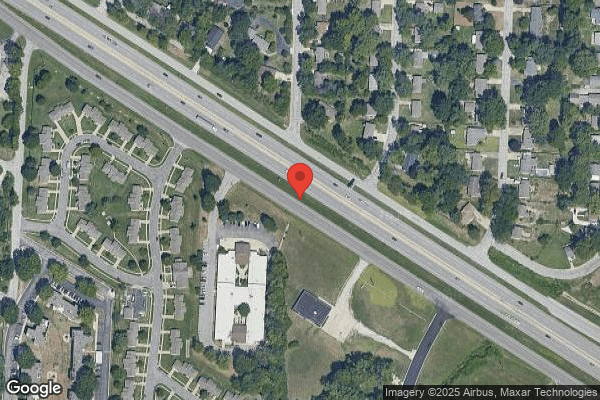

615 SW OLDHAM PARKWAY, LEES SUMMIT, MO 64081 (816) 524-3328
For profit - Corporation 118 Beds CIRCLE B ENTERPRISES Data: November 2025
Trust Grade
45/100
#255 of 479 in MO
Last Inspection: April 2025

Within standard 12-15 month inspection cycle. Federal law requires annual inspections.

Overview

Jefferson Health Care in Lees Summit, Missouri, has a Trust Grade of D, indicating below-average performance with significant concerns. Ranking #255 out of 479 facilities in the state places it in the bottom half, and #17 out of 38 in Jackson County suggests only a few local options are better. The facility's trend is worsening, with issues increasing from 1 in 2024 to 21 in 2025, raising red flags for potential residents. Staffing is a concern, with only 2 out of 5 stars and less RN coverage than 79% of Missouri facilities, although the turnover rate is average at 57%. Specific incidents include failing to assess residents' care needs properly, not providing tuberculosis testing for some residents, and not maintaining proper infection control practices, which could pose risks to resident safety. While there are no fines on record, the overall performance and care quality require careful consideration.

Trust Score
D
45/100
In Missouri
#255/479
Bottom 47%
Safety Record
Low Risk
No red flags
Inspections
Getting Worse
1 → 21 violations
Staff Stability
⚠ Watch
57% turnover. Above average. Higher turnover means staff may not know residents' routines.
Penalties
✓ Good
No fines on record. Clean compliance history, better than most Missouri facilities.
Skilled Nurses
⚠ Watch
Each resident gets only 18 minutes of Registered Nurse (RN) attention daily — below average for Missouri. Fewer RN minutes means fewer trained eyes watching for problems.
Violations
⚠ Watch
62 deficiencies on record. Higher than average. Multiple issues found across inspections.
★★☆☆☆
2.0
Overall Rating
★★☆☆☆
2.0
Staff Levels
★★★☆☆
3.0
Care Quality
★★☆☆☆
2.0
Inspection Score
Stable
2024: 1 issues
2025: 21 issues

The Good

  • Full Sprinkler Coverage · Fire safety systems throughout facility
  • No fines on record

Facility shows strength in fire safety.

The Bad

2-Star Overall Rating

Near Missouri average (2.5)

Below average - review inspection findings carefully

Staff Turnover: 57%

11pts above Missouri avg (46%)

Frequent staff changes - ask about care continuity

Chain: CIRCLE B ENTERPRISES

Part of a multi-facility chain

Ask about local staffing decisions and management

Staff turnover is elevated (57%)

9 points above Missouri average of 48%

The Ugly 62 deficiencies on record

Apr 2025 21 deficiencies
CONCERN (D)

Potential for Harm - no one hurt, but risky conditions existed

Deficiency F0569 (Tag F0569)

Could have caused harm · This affected 1 resident

**NOTE- TERMS IN BRACKETS HAVE BEEN EDITED TO PROTECT CONFIDENTIALITY** Based on interview and record review, the facility failed to notify the resident timely that received Medicaid (program that hel...

Read full inspector narrative →
**NOTE- TERMS IN BRACKETS HAVE BEEN EDITED TO PROTECT CONFIDENTIALITY** Based on interview and record review, the facility failed to notify the resident timely that received Medicaid (program that helps with medical costs for some people with limited income and resources) benefits when the amount in the resident's account reached $200 less than the Supplemental Security Income (SSI) resource limit (the maximum value of assets an individual or couple can own and still be eligible for benefits) of $5,909.25 for one person and that, if the amount in the account, in addition to the value of the resident's other nonexempt resources, reached the SSI resource limit for one person, the resident may lose eligibility for Medicaid or SSI for one supplemental resident (Resident #36). The facility census was 64 residents. Review of the facility policy Resident Trust Fund Management dated as revised [DATE] showed: -When a resident's account balance exceeds $4,800.00 (Note: This amount is currently when the balance is $5,909.25 and notification should be provided when they reach $200 from the limit.) in the Resident Fund Accounts, the Bookkeeper will advise the resident or fiduciary, in writing, that the resident may lose eligibility for Medicaid. -This balance should include any credit balance held in Accounts Receivable. -Maintain a copy of the notification letter in the resident's business office folder. 1. Review of Resident #36's quarterly statement for [DATE]-[DATE] showed: -The opening balance was $4,079.65. -On [DATE], the resident's balance was $7,634.83, which was more than $200 below the SSI limit of $5,909.25. -On [DATE], the resident's balance was $7,594.83. -On [DATE], the resident's balance was $7,602.11. -On [DATE], the resident's balance was $11,080.11. -On [DATE], the resident's balance was $11,238.11. -On [DATE], the resident's balance was $10,516.15. -On [DATE], the resident's balance was $10,486.14. Review of the resident's resident trust fund statement of account proof of receipt form dated [DATE] showed: -The attached quarterly statement was for [DATE]-[DATE]. -The resident signed the form on [DATE]. -Handwritten on the bottom showed a note that said, We discussed the balance of his/her account and the resource limit for Medicaid. Suggested he/she make a list of items to purchase with the Social Services Director. Review of the facility's list of expired residents who had a resident trust fund showed the resident passed away on [DATE]. Review of the facility's resident trust fund account balance dated [DATE] showed the resident: -Was on Medicaid. -Expired on [DATE]. -Had a balance of $14,882.56 During an interview on [DATE] at 8:00 A.M., the Business Office Manager said: -He/She gave the resident notice of SSI limit and talked to him/her on [DATE]. -The resident had been on Medicare A (insurance that covers inpatient hospital care, skilled nursing facility, hospice, lab tests, surgery, home health care for individuals [AGE] years of age or disabled) and balance went up when he/she ran the quarterly statement. -The resident was over the resource limit and then it went really high due to Medicare A.
CONCERN (D)

Potential for Harm - no one hurt, but risky conditions existed

Transfer Notice (Tag F0623)

Could have caused harm · This affected 1 resident

**NOTE- TERMS IN BRACKETS HAVE BEEN EDITED TO PROTECT CONFIDENTIALITY** Based on interview and record review, the facility failed to provide written notification of a discharge to one sampled resident...

Read full inspector narrative →
**NOTE- TERMS IN BRACKETS HAVE BEEN EDITED TO PROTECT CONFIDENTIALITY** Based on interview and record review, the facility failed to provide written notification of a discharge to one sampled resident (Resident #277) out of 16 sampled residents when he/she was discharged out of 16 sampled residents. The facility census was 54 residents. 1. Review of Resident#277's Post Fall Investigation Report dated 10/2/25 showed the resident was discharged to the hospital. Review of the resident's entry tracking form showed the resident returned to the facility on [DATE]. During an interview on 4/4/25 at 10:50 A.M., Licensed Practical Nurse (LPN) A said the nurse who sent the resident out to the hospital was responsible for providing the discharge notice. During an interview on 4/4/25 at 1:30 P.M., the Director of Nursing (DON) said: -The nurse who was discharging the resident should have given the resident the discharge notice. -If the nurse didn't provide the discharge notice, Social Services should do it.
CONCERN (D)

Potential for Harm - no one hurt, but risky conditions existed

Deficiency F0657 (Tag F0657)

Could have caused harm · This affected 1 resident

**NOTE- TERMS IN BRACKETS HAVE BEEN EDITED TO PROTECT CONFIDENTIALITY** Based on observation, interview, and record review, the facility failed to ensure the smoking section of the care plan was up to...

Read full inspector narrative →
**NOTE- TERMS IN BRACKETS HAVE BEEN EDITED TO PROTECT CONFIDENTIALITY** Based on observation, interview, and record review, the facility failed to ensure the smoking section of the care plan was up to date for one sampled resident (Resident #17) out of 16 sampled residents. The facility census was 64 residents. Review of the facility's policy 'Care Plans, Comprehensive Person-Centered', dated revised 3/2022 showed: -The care plan was to be prepared by an Interdisciplinary Team (IDT), in conjunction with the resident and his/her family or legal representative. -The Facility's IDT will develop a comprehensive care plan for each resident in accordance with Minimum Data Set (MDS -a federally mandated assessment tool to be completed by facility staff for care planning) guidelines within 7 days of admission and longer then 21 days. -The IDT team reviews and updates the care plan: --When there has been a significant change in the residents condition. --When the desired outcome is not met. --When the resident has been readmitted to the facility from a hospital stay. --At least quarterly, in conjunction with the required quarterly MDS assessment. 1. Review of Resident #17's admission Record showed the resident was admitted on [DATE], with a diagnosis of: -Hemiplegia (paralysis - loss of muscle function) and Hemiparesis (partial paralysis or weakness) following unspecified Cerebrovascular disease (disease of the blood vessels in the brain, including stroke) affecting left dominant side. -Cerebral infarction due to embolism of unspecified cerebral artery (means a stroke cause by a blood clot). -Aphasia (unable to verbally communicate). Review of the resident's Care Plan dated 1/7/24, showed: -Was a current tobacco user. -Resident will not suffer injury from unsafe smoking practices. -Conduct Smoking Safety Evaluation on admission and as needed. -There was no mention of the resident needing to be supervised while smoking. -There was no mention of the resident smoking indoors by the door that leads to the outside smoking area. Review of the resident's annual MDS dated [DATE] showed the resident: -Was cognitively intact. -Was a current tobacco user. Review of the resident's quarterly MDS dated [DATE] showed: -The resident was cognitively intact. -He/She was a current tobacco user. Review of the resident's Smoking assessment dated [DATE] showed: -He/She was to be supervised during smoking. -He/She had problems with balance, standing, and sitting with limited range of motion in arms and hands. -He/She had burns on skin, clothing, furniture, drops ashes on self, was unable to hold a cigarette safely, was unable to light a cigarette safely, was unable to extinguish a cigarette safely, and was unable to use an ashtray to extinguish a cigarette. -There was no mention of the resident smoking indoors by the door that leads to the outside smoking area. Review of the resident's progress note dated 2/4/25, showed: -The resident was found by staff smoking a cigarette by the vending machines. -The resident was brought up to the nurses station and the nurse took his/her cigarettes and explained that he/she is not to be smoking inside of facility. Review of the resident's progress note dated 3/6/25, showed: -Nurse was notified that the resident was smoking inside the building in the snack/soda room near the door to the hallway. -Staff tookthe cigarette away and told the resident that he will not be able to smoke here as he has continued to smoke in the building. Will refer resident's smoking privilege to management. During an interview on 4/3/25 at 1:58 P.M. maintenance staff said: -The resident was not restrictive from smoking. -Maintenance staff will take resident out at all smoking times. -The resident uses a smoking apron. -The maintenance staff will light it for him/her. -If it was cold and windy out the resident would not like to go outside. -He/She does likes to hold the cigarette, it is his/her security blanket. During an interview on 4/4/25 at 8:31 A.M., MDS Coordinator said: -He/She was responsible, or the nurses could update the residents' care plans. -Resident #17 had been caught inside smoking by the door that leads to the outside smoking area. -The resident should have an updated care plan for he/she to be supervised by staff when smoking. -The annual smoking assessment should be in the care plan. -There was no documentation in the care plan about the resident smoking inside the building. During an interview on 4/4/25 at 8:40 A.M., Social Services Director (SSD) said: -The resident had showed a decline in his/her smoking abilities since he/she had first arrived. -He/She had to be supervised by staff when smoking. -The care plan should show that the resident should wear a smoking bib. -The MDS Coordinator was responsible for updating the care plan. During an interview on 4/4/25 at 9:36 A.M., Licensed Practical Nurse (LPN) A said: -He/She had educated the resident the one time that he/she had caught the resident smoking inside the building. -He/She had notified the MDS Coordinator, SSD, and Director of Nursing (DON). -The resident now must be supervised by staff when smoking. -The MDS Coordinator was responsible for updating the care plan. -Nurses would take issues that arrived to the MDS Coordinator so that he/she would update the care plan. During an interview on 4/4/25 at 1:25 P.M., the DON and the Regional Operations Coordinator (ROC) said: -The smoking assessment should be in the care plan. -It should state in the care plan that the resident should wear a smoking bib. -It should state in the care plan that the resident should be supervised by staff while smoking. -It should state in the care plan that the resident was caught smoking in the building. -The MDS Coordinator and the Interdisciplinary Team (IDT) were responsible for the care plan. -The MDS Coordinator would update the care plan.
CONCERN (D)

Potential for Harm - no one hurt, but risky conditions existed

ADL Care (Tag F0677)

Could have caused harm · This affected 1 resident

**NOTE- TERMS IN BRACKETS HAVE BEEN EDITED TO PROTECT CONFIDENTIALITY** Based on observation, interview, and record review, the facility failed to assist two sampled residents with changing their brie...

Read full inspector narrative →
**NOTE- TERMS IN BRACKETS HAVE BEEN EDITED TO PROTECT CONFIDENTIALITY** Based on observation, interview, and record review, the facility failed to assist two sampled residents with changing their briefs after going to the bathroom in a timely fashion for (Resident #35 and Resident #272) out of 16 sampled residents. The facility census was 64 residents. Review of the facility's policy, Dignity, dated February 2021 showed: -Each resident should have been cared for in a manner that promoted and enhanced his/her sense of well-being, level of satisfaction with life, and feeling of self-worth and self-esteem. -Staff were expected to promote dignity and assist residents by; -Promptly responding to a resident's request for toileting assistance. Review of the facility's policy, Staffing, Sufficient,and Competent Nursing, dated August 2022 showed: -Licensed nurses and Certified Nursing Assistants (CNAs) were to have been available 24 hours a day, seven days a week to provide competent resident care services including: --Responding to resident needs. Review of the facility's policy, Call System, Resident, dated September 2022 showed: -Call for assistance were answered as soon as possible, but no later than five minutes. 1. Review of Resident #35 face sheet showed the following diagnoses: -Muscle weakness. -Hemiplegia (muscle weakness on one side of the body) on the left side. Review of the resident's quarterly Minimum Data Set (MDS - a federally mandated assessment tool completed by the facility for care planning) dated 12/23/24 showed: -He/She was always incontinent. -He/She was cognitively intact. -He/She was totally dependent on staff for toileting. Review of the resident's care dated 1/8/25 showed: -Staff was to provide maximum assistance times one staff member for toileting. -The resident needed prompt response to all requests for assistance. Observation and interview with the resident on 3/31/25 at 8:55 A.M. showed: -The resident said he/she was wet and staff have not come in to check on him/her since night shift before 7:00 A.M. -At 9:02 A.M. a staff member came into the room and turned off his/her call light. -The resident turned the call light back on. -At 9:10 A.M. a second staff member came into the resident's room turned off the call light and told the resident someone would be in to help him/her. -At 9:43 A.M. a Certified Medication Technician (CMT) came into the room to give the resident medications. -The resident said he/she needed to be changed as he/she has been wet for a while. -The CMT did not change the resident. -At 10:25 A.M. the resident still had not been changed. -The resident smelled of urine. -At 10:30 A.M. staff came in to change the resident. During an interview on 3/31/24 at 2:00 P.M. with CNA H said: -He/She was the only CNA working the floor today for the 100/300 halls. -They need at least two staff and ended up pulling the two shower aides to work on the floor. -There have been times in the last few weeks when it took more than 30 minutes to answer the call light and the residents were angry. Observation and interview with the resident on 4/4/25 at 11:58 A.M. showed: -There was a very strong odor of urine in the hallway coming from the resident. -The resident said he/she has gone to the bathroom a couple of times in his/her brief. -Staff had not checked to see if he/she was wet since the change of shift about 7:00 A.M. this morning. -He/She said he/she could not do anything about the smell as he/she was unable to toilet self. -I know people can smell it and I'm ashamed. I have put on my call light but staff will come in and turn it off saying they will be back to change me and sometimes it's more than an hour before they come back. -Staff came in to change the resident at 12:02 P.M. During an interview on 4/3/25 at 8:39 A.M. Licensed Practical Nurse (LPN) C said: -On the 100/300 hall there should have been one nurse at the desk and one nurse working the floor. -He/She was working the floor and taking phone calls at the desk. -There should have been three CNA's working the floor on the 100/300 halls. -They have had a lot of call ins this week and had been short staffed. -Call lights should have been answered within five minutes. -If a call light is not answered in less than 30 minutes it has been too long. -He/She has had many complaints this week from the residents about the call lights not being answered timely and told the Director of Nursing (DON). 2. Review of Resident #272's face sheet showed he/she was admitted on [DATE] with the following diagnoses: -Fracture of left tibia (the shin bone that connects the knee to the ankle). -Hemiplegia. -Need for assistance with personal care. Review of the resident's care plan dated 2/28/25 showed: -He/She had impaired functional mobility related to left tibia fracture (brake) -He/She needed moderate assistance for dressing. -He/She needed maximum assistance for personal hygiene or toileting. -He/She needed maximum assistance to pivot from bed to wheelchair. -Staff was to respond promptly to all requests for assistance. Review of the resident's admission Assessment MDS dated [DATE] showed: -He/She was cognitively intact. -He/She was always incontinent. -He/She needed partial assistance to dress. -He/She needed substantial assistance to toilet. -He/She was impaired on one side. -He/She needed substantial assistance to move from the bed into the wheelchair. -He/She was a hemiplegic. Observation on 3/31/25 at 9:00 A.M. of the resident showed; -His/Her call light had been on for four minutes. -The light was answered by a Housekeeper. -The resident told the Housekeeper he/she needed to get up with the hoyer into the wheelchair to get his/her hair done. -The Housekeeper turned off the resident's call light and said someone would be in to help him/her. -At 9:05 A.M. Dietary staff came in to get his/her breakfast tray. -The resident told the Dietary staff that he/she needed to get up as he/she had a hair appointment at 9:10 A.M. -The resident put on his/her call light. -At 9:12 A.M. a third staff member came into his/her room asked what he/she needed and turned off his/her call light saying someone will be in to help him/her. -The resident put on his/her call light. -At 9:18 A.M. a staff member looked into the resident's room then continued to walk down the hall. -At 9:21 A.M. a CNA came into the room to see what the resident needed. -The CNA told the resident that he/she needed an extra staff person to get him/her up and changed and would be right back. -At 9:33 A.M. the CNA and another CNA came into the room to change the resident and get him/her up into the wheelchair. -At 9:45 A.M. the resident left his/her room dressed for the day in his/her wheelchair. During an interview at 9:25 A.M. on 3/31/25 the resident said: -He/She was very angry as it was taking the staff so long to get him/her up and dressed. -He/She had probably already missed his/her appointment to get his/her hair done as the appointment had been at 9:10 A.M. and he/she had started putting his/her call light on at 8:30 A.M. this morning. During an interview on 3/31/25 at 9:27 the resident's family member said: -It sometimes takes the staff an hour to answer the call light. -Staff will look into the room, ask what the resident wants, then turn off the call light and leave. -He/She has talked to the Charge Nurse about the staff not answering the call light timely and he/she was told they did not have enough staff. During an interview on 4/4/25 at 1:30 P.M. the DON said: -Call lights should have been answered in less than 10 minutes. -Staff should not have turned off the call light unless they were taking care of the resident's needs.
CONCERN (D)

Potential for Harm - no one hurt, but risky conditions existed

Deficiency F0688 (Tag F0688)

Could have caused harm · This affected 1 resident

**NOTE- TERMS IN BRACKETS HAVE BEEN EDITED TO PROTECT CONFIDENTIALITY** Based on observation, interview, and record review, the facility failed to ensure one sampled resident (Resident #35) had his/he...

Read full inspector narrative →
**NOTE- TERMS IN BRACKETS HAVE BEEN EDITED TO PROTECT CONFIDENTIALITY** Based on observation, interview, and record review, the facility failed to ensure one sampled resident (Resident #35) had his/her brace applied to his/her contracted hand out of 16 sampled residents. The facility census was 64 residents. Review of the facility's policy, Physician Services, dated February 2021 showed: -Supervising the medical care of residents includes: -Prescribing therapy. 1. Review of Resident #35's face sheet showed he/she was re-admitted to the facility on [DATE] with the following diagnoses: -Left side Hemiplegia (a muscle weakness on one side of the body). -Cerebral Infarction (Stroke -when the blood flow to the brain was disrupted, leading to brain damage). Review of the resident's Minimum Data Set (MDS - a federally mandated assessment tool completed by facility staff for care planning) dated 12/23/24 showed: -He/She was cognitively intact. -He/She was totally dependent on staff for cares. -He/She had Hemiplegia. -He/She had a Stroke. Review of the resident's care plan dated 1/30/25 showed: -Left upper extremity splint. -He/She had an activity of daily living deficit related to CVA affecting left nondominant side. -Splint to left hand for contracture prevention, dated 10/30/24. Review of the resident's April 2025 Physician's Order Sheet showed the following orders: -Occupational Therapy OT - (helps individuals improve the ability to participate in daily activities by addressing physical, cognitive, and emotional challenges) evaluate and treat as indicated, dated 10/2/24. -Resident to discharge from skilled OT due to reaching maximum potential, Resident to start working with Restorative Aide on 3/28/25. -Physical Therapy (PT - a treatment that helps you improve how your body performs) Evaluation and treat as indicated, dated 10/2/24. Observation on 3/31/25 at 12:32 P.M. of the resident showed: -His/her left hand was contracted (a tightening and shortening of a muscle). -There was an undated sign on the wall above the head of the resident's bed which showed Should have splint on in morning, off at bedtime. -His/Her splint was on the nightstand. During an interview on 3/31/25 at 12:35 PM the resident said: -He/She had asked twice today for the Certified Nursing Assistant (CNA) to put the splint/brace on him/her. -He/She could not put the splint on himself/herself. -Staff had not been putting the splint on him/her lately. -He/She was to have the splint applied to his/her left hand in the morning and taken off at night. -He/She was able to take off the splint but was not able to apply it. -He/She did not refuse to have the splint put on his/her arm. Observation on 4/1/25 at 10:30 A.M., 4/1/25 at 2:20 P.M., and 4/2/25 at 1:00 P.M., showed he/she did not have his/her splint on left hand. Observation and interview with the resident on 4/3/25 at 8:40 A.M. showed: -The resident was observed without the brace on his/her hand. -The resident said he/she had not had the brace on his/her hand for the last few days. -The Restorative Aide (RA - a person who works with individuals who need help regaining or maintaining skills and abilities after illness, injury, or surgery) was supposed to apply it in the morning and it had not been done. During an interview on 4/3/25 at 1:00 P.M. the RA said: -The resident would be released from PT next week and he/she would start working with him/her then. -Anyone who went into the room could have applied the splint, such as the Certified Nurses Aide (CNA) or the nurse. -He/She did not know who was ultimately responsible for ensuring the splint was applied to the resident. During an interview on 4/4/25 at 9:45 A.M. CNA B said: -The resident had a brace to wear on his/her hand, sitting on the nightstand. -He/She did not know when the resident was to wear the brace. -He/She did not put the brace on the resident. -He/She did not normally have a brace on. During an interview on 4/4/25 at 10:00 A.M. Certified Medication Technician (CMT) B said: -PT was responsible for ensuring a resident had a brace applied. -He/She could not remember if the resident had a brace. During an interview on 4/4/25 at 10:20 A.M. Licensed Practical Nurse (LPN) A/Infection Preventionist (IP) said: -He/She was not aware the resident had a brace. -A CNA could apply a brace. -Therapy was ultimately responsible for ensuring the resident had a brace applied to his/her hand. During an interview on 4/4/25 at 1:30 P.M. the Director of Nursing (DON) said: -The CNA could have put the brace on the resident. -Therapy or the Nurse were responsible to ensure the resident had the brace applied to his/her arm.
CONCERN (D) 📢 Someone Reported This

A family member, employee, or ombudsman was alarmed enough to file a formal complaint

Potential for Harm - no one hurt, but risky conditions existed

Accident Prevention (Tag F0689)

Could have caused harm · This affected 1 resident

**NOTE- TERMS IN BRACKETS HAVE BEEN EDITED TO PROTECT CONFIDENTIALITY** Based on observation, interview, and record review, the facility failed to implement fall prevention measures to reduce the haza...

Read full inspector narrative →
**NOTE- TERMS IN BRACKETS HAVE BEEN EDITED TO PROTECT CONFIDENTIALITY** Based on observation, interview, and record review, the facility failed to implement fall prevention measures to reduce the hazards/risks as much as possible for one sampled resident, (Resident #16) out of 16 sampled residents. The facility census was 64 residents. Review of the facility's policy, Falls and Fall Risk, Managing, dated December 2007 showed: -Based on previous evaluations and current data, the staff would have identified interventions related to the resident's specific risks and causes to try to prevent the resident from falling and try to minimize complications from falling. -The staff, with the input of the Attending Physician, would have identified appropriate interventions to reduce the risk of falls. -If falling recurs despite initial interventions, staff would have implemented additional or different interventions or indicate why the current approach remained relevant. -In conjunction with the Attending Physician, staff would have identified and implemented relevant interventions to try to minimize serious consequences of falling. -The staff would monitor and document each resident's response to interventions intended to reduce falling or the risks of falling. -If the resident continues to fall, staff would re-evaluate the situation and whether it was appropriate to continue or change current interventions. -The staff and or physician would have documented the basis for conclusions that specific irreversible risk factors exist that continue to present a risk for falling or injury due to falls. 1. Review of Resident #16's quarterly Minimum Data Set (MDS - a federally mandated assessment tool competed by facility staff for care planning), dated 12/30/24 showed: -He/She was cognitively intact. -He/She had Pulmonary issues (lung). -He/She had Heart Failure (a condition in which the heart does not pump blood as it should). -He/She had anemia (when the blood does not have enough red blood cells to carry oxygen throughout the body). Review of the resident's Care Plan dated 3/15/25 showed: -He/She was receiving an antibiotic for Urinary Tract Infection (UTI - an infection in any part of the urinary system), dated 3/15/25. --Give Cefpodoxime Proxetil (medication used to treat bacteria) tablet every 12 hours for UTI for seven days. --Notify the charge nurse if symptoms present. -He/She had a self-care performance deficit related to weakness, inability to ambulate, dated 9/16/24. -He/She was at risk for falls related to decreased safety awareness, dated 1/10/25. -Staff were to ensure call light was within reach. -Staff were to use a mechanical lift with the assistance of two staff to transfer the resident, dated 1/10/25. -He/She had an unwitnessed (non injury) fall on 7/1/24. --Resident was educated if tired to seek assistance to bed as he/she may have slipped out of wheel chair because he/she was asleep. -He/She had an unwitnessed (non injury) fall on 11/10/24. --He/She refused to wear briefs, had an episode of incontinence when he/she stood resulting with urine on the floor. --He/She was encouraged to wear briefs and wait for staff to assist with transferring. -He/She had an unwitnessed (non injury) fall on 12/1/24. --Placed bright colored tape on wheelchair breaks to remind resident to apply breaks on chair prior to self-transfer attempts. -He/She had an unwitnessed (non injury) fall on 12/7/24. --Educated staff to be aware of the resident sitting in front of shower room door as an indication of needing to toilet. -He/She had an unwitnessed (non injury) fall on 1/15/25. --Resident found on floor next to bed. --Resident was unsure of how fall occurred. --Resident was transferred back to bed via mechanical lift. --Resident had bruises on his/her right leg. --Root cause increased weakness. --Intervention was to have Physical Therapy evaluate the resident. -He/She had an unwitnessed (non injury) fall on 3/11/25. -Director of Nursing and Director of Rehabilitation in attendance. --Root cause lack of awareness of positioning. --Intervention keep bed in lowest position while resident was in bed. -He/She had an unwitnessed (non injury) fall on 3/28/25. --Resident said he/she had tried to reposition self in bed and rolled off the bed onto the floor. --Resident said he/she hit his/her head and was sent to hospital for evaluation. --Root cause was the resident attempted to reposition self. --Intervention was to obtain a bed cane bilaterally to assist with independent bed mobility. Review of the resident's Nurses' Notes dated 3/28/25 showed: -The resident had a fall and said he/she hit his/her head. when he/she fell from the bed rolling over trying to reposition. -Vital signs were done. -Resident expressed he/she hit his/her head. -No documentation of Neurological assessment (Neuro checks assessment of the nervous system including the brain) having been preformed. Review of the resident's Progress Notes (Incident report) dated 3/28/25 showed: -The resident's fall was reviewed in the Clinical Meeting. -The resident was transferred to the hospital for follow up. -The resident was transferred to hospital before Neuro checks were started. -Upon return the resident would be evaluated for bed positioning and mobility. Review of the resident's Unwitnessed Fall report dated 3/28/25 showed: -The resident was alert and oriented and able to state factors related to fall. -The resident was sent to the hospital so neuro checks were done initially, but not started due to emergent transfer. -Upon return from the hospital, the resident would be assessed by therapy for bed positioning and the need for adaptive equipment. Review of the resident's hospital Discharge summary dated [DATE] showed: -Status post fall possibly secondary to a UTI. -Started resident on Macrobid for UTI (antibiotic used for UTIs). Observation on 3/31/25 at 9:45 A.M. showed: -The resident was in bed. -The resident's bed was not in the low position. -There was no fall mat beside the resident's bed. -There were no bed cane rails on the bed. During an interview on 3/31/25 at 9:45 A.M. the resident said: -He/She was able to use the call light. -He/She had fallen often while at the facility. -He/She had just came back from the hospital after a fall. -The hospital thought he/she had a UTI and started him/her on an antibiotic. -He/She did not know what precautions the facility had taken to prevent him/her from falling again. Review of the resident's Progress Notes dated 4/1/25 showed: -On 3/28/25 at 1:00 A.M. the resident had a fall, he/she was attempting to reposition self in bed and rolled out of the bed onto the floor. -The resident said he/she hit his/her head. -The resident was sent to hospital for evaluation. -Root cause attempting to reposition, he/she wanted to maintain his/her independence. -Intervention will obtain bed cane rails bilaterally to assist with independent bed mobility. Review of the April 2025 Physician's Order Sheet showed the following order bilateral cane rail for assistance with bed mobility, dated 4/1/25. Observation on 4/1/25 at 11:00 A.M. showed: -The resident was in bed watching television. -The resident's bed was not in the low position. -There was no fall mat by the resident's bed. -There were no cane rails on the resident's bed. During an interview on 4/2/25 at 8:30 A.M. Certified Medication Technician (CMT) D said: -He/She was not aware of any issues with the resident's call light. -He/She was not aware the resident had ever had a fall. -If the resident had a fall it would have been in his/her care plan. -He/She did not know what fall prevention measures were for the resident. Observation on 4/2/25 at 9:00 A.M. showed: -The resident was in bed. -The resident's bed was not in a low position. -There was no fall mat beside the resident's bed. -There were no bed cane rails on the resident's bed. During an interview on 4/2/25 at 1:00 P.M. Licensed Practical Nurse (LPN)A/Infection Preventionist (IP) said: -They had been short staffed at times. -The resident had fallen in the past and just got back from the hospital after a non-witnessed fall. -After a fall he/she would have done a set of vital signs then a neuro checks since the resident hit his/her head. -He/She was not able to find any neuro checks for the resident after the fall in the computer. -He/She would have expected there to have been fall preventions put in place such as a fall mat when the resident was in bed, the bed to be in the lowest position, and the bed cane rails to have been applied since there was a physician's order for them. -He/She would have expected the preventions to have been put in place the day the resident came back from the hospital on 3/30/25 or at the latest the next day. -None of the preventions were currently in place. Observation on 4/3/25 at 9:28 A.M. showed: -The resident was in bed. -The resident's bed was not in a low position. -There was no fall mat beside the resident's bed. -There were no bed cane rails on the resident's bed. During an interview on 4/3/25 at 10:00 the Maintenance Director said: -He/She had replaced the light in the resident's call light on 3/24/25. -He/She had received a physician's order on 4/1/25 to put cane rails on the resident's bed. -He/She usually would fix whatever the resident needed the same day but had not attached the rails to the resident's bed yet. Observation on 4/3/25 at 2:15 P.M. showed: -The resident was in bed. -The resident's bed was not in a low position. -There was no fall mat beside the resident's bed. -There were no bed cane rails on the resident's bed. During an interview on 4/4/25 at 1:30 P.M. the Director of Nursing (DON) said: -When a resident fell staff should notify the charge nurse. -The nurse should have done a head to toe assessment. -He/She would have expected the nurse to have done a Neuro checks unless the ambulance was right there and took the resident emergently to the hospital. -The nurse documented that Neuro checks were done, but he/she was not able to provide the documentation which showed it was completed. -He/She would have taken into account what the floor nurse would have advised for fall prevention measures. -The resident should have had a fall mat, the bed in the low position when in bed, and the cane rails applied the first day or so when the resident came back from the hospital. MO00251585
CONCERN (D)

Potential for Harm - no one hurt, but risky conditions existed

Deficiency F0698 (Tag F0698)

Could have caused harm · This affected 1 resident

Based on observation, interview and record review, the facility failed to provide ongoing communication, monitoring and collaboration with the dialysis (the process of removing blood from an artery (a...

Read full inspector narrative →
Based on observation, interview and record review, the facility failed to provide ongoing communication, monitoring and collaboration with the dialysis (the process of removing blood from an artery (as of a kidney patient), purifying it by dialysis, adding vital substances, and returning it to a vein) facility regarding dialysis care and services for one sampled resident (Resident #57) out of 16 sampled residents. The facility identified one resident as receiving dialysis. The facility census was 64 residents. Review of the facility's policy Care of a Resident with End-Stage Renal Disease (ESRD - when the kidneys are not able to function as well as necessary) dated as revised September 2010 showed residents with ESRD would be cared for according to currently recognized standards of care. 1. Review of Resident #57's Physician's Order Sheet dated March 2025 showed physician's orders for dialysis three times a week. Review of the resident's care plan dated 3/5/25 showed the resident received dialysis. Review of the resident's quarterly Minimum Data Set (MDS-a federally mandated assessment tool completed by facility staff) dated 3/10/25 showed the resident received dialysis. Observation and interview on 3/31/25 at 9:39 A.M. showed: -The resident had a shunt (a surgically created connection between an artery and a vein that provides access to the bloodstream for dialysis) on his/her left arm. -The resident said: --He/She had dialysis on Mondays, Wednesdays, and Fridays. --Sometimes he/she got communication forms. Review of the resident's dialysis communication records dated March 2025 showed: -The dialysis communication record forms included pre-dialysis vital signs, weight, medications administered pre-dialysis, shunt site assessment/description and any concerns identified. -The dialysis communication record forms included post dialysis vital signs, weight, shunt site assessment/description, any concerns identified, and any unusual events reported from dialysis center. -There were no dialysis communication records dated 3/3/25, 3/5/25, 3/7/25, 3/10/25, 3/14/25, 3/17/25, 3/21/25, 3/24/25, 3/28/25, and 3/31/25. Review of the resident's interdisciplinary notes dated March 2025 showed no documentation regarding the resident's dialysis. During an interview on 4/4/25 at 9:36 A.M., Licensed Practical Nurse (LPN) C said: -There was a dialysis form that the nurse was supposed to fill out that had vitals and other information and send it with the resident when he/she went to dialysis. -The dialysis center was supposed to send the form back with the resident. -The nurse should get the dialysis form from the resident when he/she returned from dialysis. -The nurse was supposed to give the forms to medical records who scans the form into the electronic health record. -If the resident did not return with the form, the nurse should call the dialysis center and request it. During an interview on 4/4/25 at 9:42 A.M., Medical Records said: -The resident took the form to dialysis. -Sometimes the resident didn't bring back the form. -He/She doesn't know what they were supposed to do if the resident didn't bring it back. -All he/she did was scan the forms into the medical record that were given to her. During an interview on 4/4/25 at 3:52 P.M., the Director of Nursing (DON) said: -There were dialysis forms the nurses should have filled out before the resident went to dialysis. -The dialysis center did not fill out anything on their form. -They fill it out upon his/her return from dialysis. -It was hard to get things from the dialysis center. -The nurse should call and ask for the form and document in notes that they called and requested it.
CONCERN (D)

Potential for Harm - no one hurt, but risky conditions existed

Deficiency F0760 (Tag F0760)

Could have caused harm · This affected 1 resident

**NOTE- TERMS IN BRACKETS HAVE BEEN EDITED TO PROTECT CONFIDENTIALITY** Based on interview and record review, the facility failed to ensure medications were safely administered to the correct resident...

Read full inspector narrative →
**NOTE- TERMS IN BRACKETS HAVE BEEN EDITED TO PROTECT CONFIDENTIALITY** Based on interview and record review, the facility failed to ensure medications were safely administered to the correct resident by administering one supplemental resident's (Resident #20) medication to one sampled resident (Resident #35) out of 16 sampled residents. The facility census was 64 residents. Review of the facility's policy, Administering Medications, dated April 2019 showed: -Only persons licensed by this state were to administer medications. -The individual administering the medication would have checked the label to verify the right resident, right medication before giving the medication. --NOTE: The policy did not direct staff to watch the resident take the medication, who to notify of a medication error and/or when to notify administration and physician of a medication error. 1. Review of Resident #20's quarterly Minimum Data Set (MDS - a federally mandated assessment tool completed by the facility for care planning) dated 2/4/25 showed the resident was cognitively intact. During an interview on 4/4/25 at 1:45 P.M. the resident said: -He/She had not known anything about his/her roommate having been given his/her medications. -He/She thought he/she had always received all of his/her medications. 2. Review of Resident #35's quarterly MDS, dated [DATE] showed he/she was cognitively intact. During an interview on 4/4/25 at 2:00 P.M. the resident said: -Staff told him/her to take the medication so he/she did. -He/She did not have any issues after taking his/her roommate's medications. -He/She did not have to go to the hospital. 3. Review of the facility's Incident report dated 2/24/25 showed: -The physician was notified and told the nurse to monitor the resident for seizures. -The resident's family was notified. -Resident #35 was administered his/her prescribed medications on 2/24/25. -Resident #20's medications were also given to Resident #35: --Aspirin 81 mg tablet (used to prevent heart attacks or strokes). --Escitalopram oxalate 10 mg tablet (used to treat depression or anxiety). --Ferrous Sulfate 325 mg tablet (Iron supplement). --Lasix 20 mg tablet (used to treat fluid retention). --Lisinopril 2.5 mg tablet (used to treat high blood pressure). --Omeprazole 40 mg capsule (used to treat conditions that caused too much acid in the stomach). --Potassium Chloride extended release 20 mili-equilivant (a supplement for low potassium). --Benzitropine Mesylate 0.5 mg tablet (used to improve muscle control and reducing stiffness). --Depakote 125 mg tablet (used to treat seizures). --Keppra 750 mg tablet (used to treat seizures). --Namenda 10 mg tablet (used to treat Dementia - a group of thinking and social symptoms that interferes with daily functioning). Review of Resident #35's Neurological (Neuro - a medical assessment that evaluates the function of the brain, spinal cord and nerves) Assessment Flow Sheet, dated 2/24/25 showed: -Neuro exams and vital signs were done per protocol (every 15 minutes x 4, every hour x 4, and every 4 hours for 19 hours). -No issues were noted. During a telephone interview on 4/4/25 at 9:15 A.M. Licensed Practical Nurse (LPN) B said: -He/She was working on the day the Resident #35 took his/her roommate's medications. -The Certified Medication Technician (CMT) C had given Resident #35 his/her morning medications. -CMT C brought Resident #20's morning medications into the room which both residents shared. -CMT C left Resident #20's medications on the table to get a glass of water outside of the room, so Resident #20 could take his/her medications. -While CMT C was outside of the room Certified Nursing Assistant (CNA) H entered the room and told Resident #35 to take his/her medications that were laying on the table. -Resident #35 took Resident #20's morning medications. -CMT C came back to the room found the medications had been taken by Resident #35 and notified LPN B. -He/She immediately provided education to CMT C and CNA H not to leave medications in the room and if they found medications they were to bring them to the nurse. -The Director of Nursing (DON) was also immediately notified of the incident and educated all nursing staff not to leave medications at bedside, they were to observe the resident taking the medication or if they needed to leave the room to take the medications with them. If a CNA found medications at bedside they were to take the medications to the nurse and inform the nurse that the medications were found at bedside. -He/She notified the physician and he/she ordered the nurse to perform neuro checks per protocol. -He/She notified the family. -He/She said there were no issues and the resident did not go out to the hospital. -He/She started neuro checks and frequent observations. During an interview on 4/4/25 at 10 A.M. CMT B said: -Medications should never be left at bedside. -If a wrong medication was given staff should immediately tell the charge nurse. -An incident report should have been filled out. -They recently had education from the DON about not leaving medications at bedside after this incident, they were to watch the resident take the medication. During an interview on 4/4/25 at 10:20 A.M. LPN A said: -Medications should never be left at bedside. -Staff were to watch the resident take the medication. -If staff had to leave for any reason staff should have taken the medication with them. -If staff gave the wrong medication to a resident, or medications to the wrong resident staff should notify the resident's physician, DON, and the resident's family. -Staff should fill out an incident report. -He/She knew about the incident with Resident #35 taking his/her own medications and his/her roommate's medications. -The DON had provided education about not leaving medications at bedside to all nursing staff as soon as he/she was notified of the incident. During an interview on 4/4/25 at 1:30 P.M. the DON said: -The nurses or CMT's should not have left medications at bedside. -Staff were to watch the resident's take their medications. -If staff had to leave the room for any reason they should have taken the medication with them. -Nursing staff received education about leaving medications at bedside as soon as he/she learned of the incident. -He/She would expect staff to notify the DON, the physician, and the resident's family about a resident mistakenly taking another resident's medication. -They had not educated all non nursing staff about what to do if they found medication at the bedside. Review of an Email from the Administrator dated 4/7/25 at 1:57 P.M. showed: -Upon discovering the medication error the physician was promptly informed and instructed them to complete neuro assessments to monitor for any cognitive changes. -Vital signs and neuro checks were started and revealed no concerning findings. -The physician deemed the neuro assessment sufficient and did not require any immediate additional lab work. -The resident's family was notified of the incident. -CMT C received counseling through written corrective action regarding safe medication administration protocols and was educated on the importance of not leaving medications unsupervised at the bedside. -CMT C was followed by the Assistant Director of Nursing (ADON) to ensure adherence to safe medication administration practices. -He/She did not find it necessary to conduct an in-service for the entire staff due to the isolated nature of this incident. The telephone numbers of CMT C and CNA H were requested and were not been provided at this time.
CONCERN (E)

Potential for Harm - no one hurt, but risky conditions existed

Resident Rights (Tag F0550)

Could have caused harm · This affected multiple residents

**NOTE- TERMS IN BRACKETS HAVE BEEN EDITED TO PROTECT CONFIDENTIALITY** Based on observation, interview, and record review, the facility failed maintain the dignity of three sampled residents, (Reside...

Read full inspector narrative →
**NOTE- TERMS IN BRACKETS HAVE BEEN EDITED TO PROTECT CONFIDENTIALITY** Based on observation, interview, and record review, the facility failed maintain the dignity of three sampled residents, (Resident #35, #272, and #12), out of 16 sampled residents. The facility census was 64 residents. Review of the facility's Dignity policy revised 2/2021 showed: -Residents are treated with dignity and respect at all times. -The facility culture supports dignity and respect for residents by honoring resident goals, choices, preferences, values and beliefs. This begins with the initial admission and continuous throughout the resident's facility stay. -Individual needs and preferences of the resident are identified through the assessment process. -Residents my exercise their rights without interference, coercion, discrimination or reprisal from any person or entity associated with this facility. -When assisting with care, residents are supported in exercising their rights. For example, residents are: --Encouraged to attend the activities of their choice, including religious, political, civic, recreational, or social activities. --Allowed to choose when to sleep, eat, and conduct activities of daily living. --Provided with a dignified dining experience. -Each resident should have been cared for in a manner that promoted and enhanced his/her sense of well-being, level of satisfaction with life, and feeling of self-worth and self-esteem. -Demeaning practices and standards of care that compromise dignity were prohibited. -Staff were expected to promote dignity and assist residents by promptly responding to a resident's request for toileting assistance. 1. Review of Resident #35 face sheet showed the following diagnoses: -Muscle weakness. -Hemiplegia (muscle weakness on one side of the body) on the left side. Review of the resident's quarterly Minimum Data Set (MDS - a federally mandated assessment tool completed by the facility for care planning) dated 12/23/24 showed: -He/She was always incontinent. -He/She was cognitively intact. -He/She was totally dependent on staff for toileting. Review of the resident's care plan dated 1/8/25 showed: -He/She had unrelieved anxiety at times. -Goal was to have the resident to be without fear or anxiety. -Staff was to provide support and encouragement as needed. -Staff was to provide maximum assistance times one staff member for toileting. -The resident needed prompt response to all requests for assistance. Observation and interview with the resident on 3/31/25 at 8:55 A.M. showed: -The resident said he/she was wet and staff have not come in to check on him/her since night shift before 7:00 A.M. -At 9:02 A.M. a staff member came into the room and turned off his/her call light. -The resident turned the call light back on. -At 9:10 A.M. a second staff member came into the resident's room turned off the call light and told the resident someone would be in to help him/her. -At 9:43 A.M. a Certified Medication Technician (CMT) came into the room to give the resident medications. -The resident said he/she needed to be changed as he/she has been wet for a while. -The CMT did not change the resident. -At 10:25 A.M. the resident still had not been changed. -The resident smelled of urine. -At 10:30 A.M. staff came in to change the resident. Observation and interview with the resident on 4/4/25 at 11:58 A.M. showed: -There was a very strong odor of urine in the hallway coming from the resident. -The resident said he/she has gone to the bathroom a couple of times in his/her brief. -Staff had not checked to see if he/she was wet since the change of shift about 7:00 A.M. this morning. -He/She said he/she could not do anything about the smell as he/she was unable to toilet self. -I know people can smell it and I'm ashamed. I have put on my call light but staff will come in and turn it off saying they will be back to change me and sometimes it's more than an hour before they come back. -Staff came in to change the resident at 12:02 P.M. During an interview on 4/3/25 at 8:39 A.M. Licensed Practical Nurse (LPN) C said he/she has had many complaints this week from the residents about the call lights not being answered timely and told the Director of Nursing (DON). 2. Review of Resident #272's face sheet showed he/she was admitted on [DATE] with the following diagnoses: -Fracture of left tibia (the shin bone that connects the knee to the ankle). -Hemiplegia. -Need for assistance with personal care. Review of the resident's care plan dated 2/28/25 showed: -He/She had impaired functional mobility related to left tibia fracture. -He/She needed moderate assistance for dressing. -He/She needed maximum assistance for personal hygiene or toileting. -He/She needed maximum assistance to pivot from bed to wheelchair. -Staff was to respond promptly to all requests for assistance. Review of the resident's admission Assessment MDS dated [DATE] showed: -He/She was cognitively intact. -He/She was always incontinent. -He/She needed partial assistance to dress. -He/She needed substantial assistance to toilet. -He/She was impaired on one side. -He/She needed substantial assistance to move from the bed into the wheelchair. -He/She was a hemiplegic. Observation on 3/31/25 at 9:00 A.M. of the resident showed; -His/Her call light had been on for four minutes. -The light was answered by a Housekeeper. -The resident told the Housekeeper he/she needed to get up with the hoyer into the wheelchair to get his/her hair done. -The Housekeeper turned off the resident's call light and said someone would be in to help him/her. -At 9:05 A.M. Dietary staff came in to get his/her breakfast tray. -The resident told the Dietary staff that he/she needed to get up as he/she had a hair appointment at 9:10 A.M. -The resident put on his/her call light. -At 9:12 A.M. a third staff member came into his/her room asked what he/she needed and turned off his/her call light saying someone will be in to help him/her. -The resident put on his/her call light. -At 9:18 A.M. a staff member looked into the resident's room then continued to walk down the hall. -At 9:21 A.M. a CNA came into the room to see what the resident needed. -The CNA told the resident that he/she needed an extra staff person to get him/her up and changed and would be right back. -At 9:33 A.M. the CNA and another CNA came into the room to change the resident and get him/her up into the wheelchair. -At 9:45 A.M. the resident left his/her room dressed for the day in his/her wheelchair. During an interview at 9:25 A.M. on 3/31/25 the resident said: -He/She was very angry as it was taking the staff so long to get him/her up and dressed. -He/She had probably already missed his/her appointment to get his/her hair done as the appointment had been at 9:10 A.M. and he/she had started putting his/her call light on at 8:30 A.M. this morning. 3. Review of Resident #12's admission Record showed the resident was admitted on [DATE], with the following diagnoses: -Difficulty with walking. -Muscle weakness. -Unsteadiness on his/her feet. Review of the resident's Care Plan dated 9/18/23, showed: -Supervision/some touching assistance with bed mobility. -The resident needs supervision, cues and set up when eating. -Moderate assistance needed with one staff member. -Encourage the resident to fully participate with each interaction. Review of the resident's admission MDS dated [DATE] showed the resident: -Was cognitively intact. -Used a wheelchair. -Needed staff supervision for eating, and oral hygiene. -Needed partial/moderate assistance for lying to sitting on side of the bed, sit to stand, and transferring from the bed to a chair. During an interview on 4/4/25 at 9:13 A.M., CNA A said: -He/She talked with the resident and told him/her that he/she was not able to get him/her up to go to the dining room for breakfast in time since they were short staffed. During an interview on 4/4/25 at 9:28 A.M., the resident said: -He/She had not eaten yet. -No one was there to get him/her up. -It made him/her feel terrible and he/she wanted to go to the dining room to eat. -No one was there to get him/her up that morning. During an interview on 4/4/25 at 9:36 A.M., LPN A said: . -He/She was aware the staff were unable to get all the residents out of bed and to the dining room. -The resident should have been up and taken to breakfast. 4. During an interview on 4/4/25 at 10:50 A.M., the Administrator and the Director of Nursing (DON) said: -The Administrator, DON, Business Office Manager, and other staff would help get residents up and feed them. -DON was currently in charge of staffing. -The charge nurse would monitor staffing on the floor. -Managers would walk the halls every morning and throughout the day to check on the residents.
CONCERN (E)

Potential for Harm - no one hurt, but risky conditions existed

Deficiency F0568 (Tag F0568)

Could have caused harm · This affected multiple residents

**NOTE- TERMS IN BRACKETS HAVE BEEN EDITED TO PROTECT CONFIDENTIALITY** Based on interview and record review, the facility failed to preclude any commingling (the mixing or blending of funds that shou...

Read full inspector narrative →
**NOTE- TERMS IN BRACKETS HAVE BEEN EDITED TO PROTECT CONFIDENTIALITY** Based on interview and record review, the facility failed to preclude any commingling (the mixing or blending of funds that should be kept separate) of resident funds with facility funds for five supplemental residents (Resident #172, #36, #173, #174, and #175) and one sampled resident (Resident #66). The facility census was 64 residents. Review of the facility policy Resident Trust Fund Management dated as revised [DATE] showed it did not address the improper practice of commingling resident funds with facility funds. 1. Review of an email dated [DATE] showed a refund of $56 was requested for Resident #172 in an email to the corporate business office dated [DATE]. Review of a form dated [DATE] that was attached to the printed email dated [DATE] showed a refund of $56 was due to the resident. Review of the facility accounts receivable aging report dated [DATE] showed the resident discharged from the facility on [DATE], the facility had $56.00 of the resident's private funds and had not returned them for over 210 days (the furthest back the report went). During an interview on [DATE] at 2:12 P.M., the Business Office Manager said: -The resident passed away on [DATE]. -This was resident money that was held in the facility operating account. -The $56 was due to MO HealthNet since the resident was deceased . 2. Review of the facility accounts receivable aging report dated [DATE] showed Resident #174 discharged from the facility on [DATE], the facility had $212.44 of the resident's private funds and had not returned them for over 210 days (the furthest back the report went). During an interview on [DATE] at 2:120 P.M., the Business Office Manager said: -There were rate adjustments from hospice (end of life care) and Medicaid that resulted in a credit for the resident. -The resident was discharged on [DATE]. -He/She should have sent the money back to the resident upon discharge. 3. Review of the facility accounts receivable aging report dated [DATE] showed Resident #66 was a current resident, the facility had $7,671.00 of the resident's private funds, and the facility had not returned them for over 210 days (the furthest back the report went). During an interview on [DATE] at 2:120 P.M., the Business Office Manager said: -The money was private resident funds. -The resident was spending down, Medicaid was pending, and he/she was not sure how to record it. 4. Review of the facility accounts receivable aging report dated [DATE] showed Resident #173 was a current resident, the facility had $10,260.00 of the resident's private funds and had not returned them for over 210 days (the furthest back the report went). During an interview on [DATE] at 2:10 P.M., the Business Office Manager said: -The money needed to go back to the resident. -The resident's Medicaid was pending. -The resident was approved for Medicaid. -A refund was requested from the corporate office on [DATE] to go to the resident but they had not provided the money back to the resident. 5. Review of the facility accounts receivable aging report dated [DATE] showed Resident #175 discharged from the facility on [DATE], the facility had $3,913.77 of the resident's private funds and had not returned them for over 210 days (the furthest back the report went). During an interview on [DATE] at 2:10 P.M., the Business Office Manager said: -The resident discharged in 2023. -The money should have been returned to the resident upon discharge.
CONCERN (E)

Potential for Harm - no one hurt, but risky conditions existed

Comprehensive Assessments (Tag F0636)

Could have caused harm · This affected multiple residents

**NOTE- TERMS IN BRACKETS HAVE BEEN EDITED TO PROTECT CONFIDENTIALITY** Based on interview and record review, the facility failed to complete discharge assessments timely when two supplemental residen...

Read full inspector narrative →
**NOTE- TERMS IN BRACKETS HAVE BEEN EDITED TO PROTECT CONFIDENTIALITY** Based on interview and record review, the facility failed to complete discharge assessments timely when two supplemental residents who automatically triggered in the survey system (Residents #68 and #65) were discharged from the facility and failed to complete a death in facility assessment timely for one supplemental resident who automatically triggered in the survey system (Resident #4). The facility census was 64 residents. Review of the facility policy Resident Assessments dated as revised [DATE] showed: -Discharge assessments (return anticipated and return not anticipated) were required. -The Resident Assessment Instrument (RAI) User's Manual provides detailed information on timing and submission of assessments. Review of the Long-Term Care Facility RAI 3.0 User's Manual Version 1.19.1 dated [DATE] showed: -A death in the facility tracking record was required seven days after the resident's death. -A discharge assessment was required 14 days after a resident was discharged from the facility. 1. Review of the Centers for Medicare & Medicaid Services (CMS) electronic survey task of resident assessments for the facility showed: -Resident #68 was admitted on [DATE]. -His/Her most recent Minimum Data Set (MDS-a federally mandated assessment tool completed by facility staff for care planning) was a quarterly dated [DATE] which was over 120 days old. Review of the resident's Social Services note dated [DATE] showed the resident discharged from the facility on [DATE]. During an interview on [DATE] at 8:07 A.M., the MDS Coordinator said: -The last MDS completed on the resident was a quarterly on [DATE]. -The resident discharged from the facility on [DATE] and he/she did not do the discharge MDS. -It was his/her fault that it was late. 2. Review of the CMS electronic survey task of resident assessments for the facility showed: -Resident #4 was admitted on [DATE]. -His/Her most recent MDS was a significant change dated [DATE] which was over 120 days old. Review of the resident's nurse's note dated [DATE] showed the resident passed away on [DATE]. During an interview on [DATE] at 8:07 A.M., the MDS Coordinator said: -The last MDS completed on the resident was a significant change MDS when he/she went on hospice (end of life care) on [DATE]. -The resident passed away on [DATE]. -He/She just missed it and did not do a death in facility assessment. 3. Review of the CMS electronic survey task of resident assessments for the facility showed: -Resident #65 was admitted on [DATE]. -His/Her most recent MDS was a quarterly dated [DATE] which was over 120 days old. Review of the resident's nurse's note dated [DATE] showed the resident discharged from the facility on [DATE]. During an interview on [DATE] at 8:07 A.M., the MDS Coordinator said: -The last MDS completed on the resident was a quarterly on [DATE]. -The resident discharged from the facility on [DATE]. -He/She did not do a discharge MDS on the resident. 4. During an interview on [DATE] at 8:07 A.M., the MDS Coordinator said: -When he/she started about a year ago, they were very behind on MDSs and he/she had a lot to catch up on. -He/She was the interim Director of Nursing (DON) for the month of [DATE]. -They switched to an electronic health record in [DATE] so he/she had to get whole new system in place switching from paper to electronic. -Normally a late assessment showed up red in the system as being late but that did not happen. -He/She does look at the transmission reports but he/she did not catch the discharge MDSs. -He/She pulls up an admission, discharge, and transfer (ADT) summary report in the electronic health record but if they didn't pull over to that report, he/she would not have done a discharge MDS. During an interview on [DATE] at 1:30 P.M., the DON said: -The MDS coordinator was responsible for doing a discharge MDS when a resident discharged from the facility or was deceased . -Discharges would have shown up on the ADT and then the information would have gone to the dashboard. -Discharges were also discussed in stand-up meetings.
CONCERN (E)

Potential for Harm - no one hurt, but risky conditions existed

Tube Feeding (Tag F0693)

Could have caused harm · This affected multiple residents

**NOTE- TERMS IN BRACKETS HAVE BEEN EDITED TO PROTECT CONFIDENTIALITY** 3. Review of Resident #2's Care Plan dated 1/16/25 showed to check tube placement prior to each bolus feeding. Hold if residual ...

Read full inspector narrative →
**NOTE- TERMS IN BRACKETS HAVE BEEN EDITED TO PROTECT CONFIDENTIALITY** 3. Review of Resident #2's Care Plan dated 1/16/25 showed to check tube placement prior to each bolus feeding. Hold if residual was greater than 100 ml and recheck in one hour. Review of the resident's quarterly MDS dated [DATE] showed: -He/She was severely cognitively impaired. -He/She was totally dependent on staff for all cares. -He/She had Traumatic Brain Dysfunction (a dysfunction caused by an outside force,usually a violet blow to the head). -Quadriplegic (a paralysis or muscle weakness in all four limbs arms and legs). -He/She had tube feedings for nutrition (Gastrostomy - a surgically inserted tube into the stomach for liquid nutrition). Review of the resident's April 2025 Physician's Order Sheet showed the following orders: -NPO diet (nothing by mouth - withhold food and fluids). -Check tube placement prior to each bolus feeding (a single meal rather than continuous). Hold if residual was greater than 100 ml and recheck in one hour six times a day for feeding, dated 8/8/24. -Isosource 1.5 Calorie liquid nutrition give 250 ml via feeding tube six times a day for nutrition, dated 8/8/24. Observation on 4/2/25 at 9:30 A.M. of medication pass with LPN A/Infection Preventionist (IP) showed: -He/She did not clean the bedside tray table or place a clean barrier before laying down the medications and supplies. -He/She did not check for placement. -He/She checked for residual which was 0 and administered the resident's medications and liquid nutrition. During an interview on 4/2/25 at 9:30 A.M. LPN A/IP said: -He/She forgot to clean an area to lay down the supplies or place a barrier such as a paper towel to keep the area clean. -He/She did not know how to check for placement for the feeding tube. -He/She did not think the facility had provided education about feeding tubes. During an interview on 4/4/25 at 1:30 P.M. the DON said: -Nursing staff should have had a clean area or barrier when laying down feeding tube nutrition or medications. -Nursing staff should have checked placement of the feeding tube before administering medications or liquid nutrition. -There have not been any staff competencies since the last survey. Based on observation, interview, and record review, the facility failed to ensure a clean working environment while performing feeding tube care; failed to follow standards of practice when checking placement of a feeding tube for three sampled residents (Resident #33, #17 and #2) out of 16 sampled residents. The facility census was 64 residents. Review of the facility's undated policy, Verify Feeding Tube Placement Policy, showed: -Observe the external portion of the tube for movement of the ink mark with new tubes. -Prepare equipment at bedside, perform hand hygiene, apply gloves. -Verify tube placement via aspiration of gastric contents. -Place feeding tube on hold. Attach the syringe to the end of the feeding tube, draw back on the syringe slowly. Observe appearance of aspirate (stomach content). Slowly readminister aspirate content. -If the tube was displaced, obtain a physician's order to verify placement with X-ray. 1. Review of Resident #33's admission Record showed the resident was admitted with the following diagnoses: -Gastrostomy Status (surgical opening into the stomach for a feeding tube). -Dysphagia (difficulty swallowing). -Parkinson's Disease (a progressive neurological disorder characterized by a decline in nerve cells (neurons) in the brain, particularly those that produce dopamine, a neurotransmitter crucial for movement control). -Seizure Disorder or epilepsy (a brain disorder that causes recurring, unprovoked seizures). -Dysarthria (the muscles used for speech are weak or are hard to control). -Anarthria (a medical condition characterized by the complete inability to produce speech). Review of the resident's annual Minimum Data Set (MDS-a federally mandated assessment tool completed by facility staff for care planning) dated 7/18/24 showed the resident: -Was not cognitively intact. -Had Parkinson's Disease. -Had a Seizure Disorder or epilepsy. -Had a Traumatic Brain Injury (TBI an injury to the brain caused by an external force, like a blow or jolt to the head). -Had an Enteral feeding (a method of providing nutrition directly into the gastrointestinal (GI) tract through a tube). -Had a Feeding Tube (a medical device, usually a thin, flexible tube, used to deliver nutrition and fluids directly into the stomach or small intestine when a person cannot eat or drink safely by mouth). Review of the resident's Care Plan dated 12/30/24 showed: -Enhanced barrier precautions required for peg tube. -Received nutrition through peg tube and was at risk for aspiration. -Had a history of swallowing problems and had recent diet upgrade. -Peg tube continued to remain in place with Bolus Feeding as needed, and hydration. Review of the resident's Physician Order Sheet (POS) dated 4/2/25 showed: -Check tube feeding residual six times daily. -Clean percutaneous endoscopic gastrostomy (peg-tube) tube site with cleanser apply split sponge. -Enhanced barrier precautions related to eternal feedings. -Enteral: elevate head of bed 30 to 45 degrees at all times during feeding for at least 30 to 40 minutes after the feeding is stopped every shift. -Flush feeding tube with 200 milliliters (ml) of water five times per day. -Flush gastrostomy tube with 30 cubic centimeters (cc) of water before and after medication administered. -Glucerna 1.5 (a specialized medical food designed for people with diabetes or abnormal glucose metabolism, and for those at risk of disease-related malnutrition) bolus 250 cc four times per day flush with 120 cc water before and after each bolus. -May crush and combine medications. Observation on 4/1/25 at 1:50 P.M. showed Licensed Practical Nurse (LPN) B: -Measured out Tylenol 325 x 2 = 650 and Levodopa 25-100 into a plastic bag. -Crushed medication in a plastic bag then poured medication into cup with 2 cc of water -Stirred medication in the cup. -Sanitized his/her hands, put gloves on, put a gown on, and put a mask on. -Went into the resident's room. -Did not sanitize the tabletop where he/she put supplies to initiate feeding. -Did not put a protective barrier down on the tabletop where he/she put supplies to initiate feeding. -Checked the flange (plastic disc or bumper that secures the peg tube) to check placement of the tube by putting fingers behind it to check movement. -Did not wash his/her hands after touching peg tube area. -Did not measure tube length. -Checked the residual with a syringe and withdrew 60 cc residual fluid from stomach. -Did not give the 200 cc flush since there was so much residual. -Did the 30 cc of water before the medications. -Poured the medications into the syringe. -Then poured another 30 cc of water after the medications. Observation on 4/2/25 at 1:27 P.M. showed LPN B: -Resident would receive meal and medications at the same time. -Administered 1 250 ml can of Isosource 1.5. -Administered 120 ml water bolus before and after. -Measured out Tylenol 325 x 2 = 650 and Levodopa 25-100 into a plastic bag. -Crushed medication in a plastic bag then poured medication into cup with 2 cc of water. -Stirred medication in the cup. -Sanitized his/her hands, put gloves on, put a gown on, and put a mask on. -Went into the resident's room. -Sanitized the tabletop where he/she put supplies to initiate feeding. -Put a protective barrier down on the tabletop where he/she put supplies to initiate feeding. -Checked the residual with a syringe and withdrew 10 cc residual fluid from stomach. -Checked the flange to check placement of the tube by putting fingers behind it to check movement. -Did not measure tube length. -Flushed with 120 ml water bolus. -Gave medication. -Gave the resident his/her Isosource. -Gave another 120 ml water flush. -Then closed the tube. -Discarded gloves. -Washed hands with sanitizer and put new gloves on. -Wiped around the insertion area with the gauze that had wound cleaner on it. -Changed his/her glove on the left hand only. -Then put new clean gauze around the site and secured it with tape. -Then he/she dated the tape with a marker. -He/she pulled the residents shirt back over tube. 2. Review of Resident #17's admission Record showed the resident was admitted with diagnoses of: -Hemiplegia (paralysis (loss of muscle function)) and Hemiparesis (partial paralysis or weakness) following unspecified Cerebrovascular disease (disease of the blood vessels in the brain, including stroke) affecting left dominant side. -Hyperlipidemia (high cholesterol (elevated level of fats in the blood)), unspecified. -Cerebral infarction due to embolism of unspecified cerebral artery (means a stroke cause by a blood clot). -Gastro-esophageal reflux disease (GERD, (stomach acid flows back up into the esophagus)) without esophagitis. -Dysphagia (inability or difficulty swallowing), oropharyngeal (middle part of the throat) phase. -Type 2 Diabetes Mellitus (high blood sugar levels) without complications. -Essential (primary) hypertension (high blood pressure). -Dysphagia, unspecified. -Aphasia (unable to verbally communicate). Review of the resident's Care Plan dated 1/7/24, showed: -Enhanced barrier precautions required for peg tube. -Requires tube (bolus) feedings due to dysphasia. -Had a peg tube for nutritional intake due to dysphasia. Review of the resident's admission MDS dated [DATE] showed the resident: -Was cognitively intact. -Had a feeding tube. Review of the resident's POS dated 4/2/25 showed: -Bolus Jevity 1.5 or Isosource 1.5 cal: 360 ml with 60 cc water flush before and after. May substitute with Nutren 1.5 three times a day for nutrition. -Change irrigation/flush tray daily on every night shift. -Crush medications and administer through G-tube every shift. -Enhanced barrier precautions related to enteral feedings. -Enteral: elevate head of bed 30 to 45 degrees at all times during feeding for at least 30 to 40 minutes after the feeding is stopped every shift. -Flush the peg tube with 60 ml of water before and after each bolus feeding five times a day. -G-tube site care: cleanse site with wound cleanser apply split sponge day and night. Every day shift for G-tube. Observation on 4/2/25 at 2:30 P.M. showed LPN B: -Administered medication the same time as Isosource. -Administered water flush 60 cc. -Administered 360 ml Isosource -Administered Baclofen 10 milligram (mg) tablet. -Crushed the medications and put them in a cup and poured 7.5 ml of water into the cup. -Sprayed dermal wound cleanser on the 4x4 gauze. -Put on a gown and mask. -Washed hands his/her hands. -Put a protective barrier down on table where tube feeding supplies was to be placed. -Put on gloves. -The resident was laying on the bed with his/her head propped up and eyes closed. -Pointed out the resident had a longer older tube. -Measured the residual. --No residual was obtained from the stomach. -Administered 60 cc water flush. -Administered medication. -Administered the Isosource. -The resident was still laying on the bed with head propped up and eyes closed while receiving Isosource. -Administered 60 cc water flush. -Changed his/her gloves. -Washed his/her hands. -Put on new gloves. -Changed the bandage. -Wiped around the insertion site with the gauze that had the spray on them until no residue would come off. -Changed his/her gloves. -Washed his/her hands. -Put two fingers behind the flange protector and said its snug to the skin. -Put new gauze around the insertion and new tape to hold it. -Looped up the tube and put it under the resident's shirt. -Removed gloves and washed his/her hands. During an interview on 4/4/25 at 9:37 A.M. LPN A said: -He/She checked for placement by using the amount of residual that comes out the residents peg tube. -Had orders to check for residual. -He/She would flush the tube then administer medications. -He/She would flush the tube again. -He/She would take off the old 4x4 dressing. -He/She would take off his/her gloves. -He/She would wash his/her hands and then put new gloves on. -Should always wash hands before touching clean surfaces after working with contaminated surfaces. During an interview on 4/4/25 at 1:26 P.M. the Director of Nursing (DON) and the Regional Operations Coordinator said: -Staff were to aspirate to check for placement of feeding tube. -Check the residual for placement of feeding tube.
CONCERN (E)

Potential for Harm - no one hurt, but risky conditions existed

Respiratory Care (Tag F0695)

Could have caused harm · This affected multiple residents

**NOTE- TERMS IN BRACKETS HAVE BEEN EDITED TO PROTECT CONFIDENTIALITY** Based on observation, interview and record review, the facility failed to ensure oxygen tubing was stored in a sanitary conditio...

Read full inspector narrative →
**NOTE- TERMS IN BRACKETS HAVE BEEN EDITED TO PROTECT CONFIDENTIALITY** Based on observation, interview and record review, the facility failed to ensure oxygen tubing was stored in a sanitary condition for one sampled resident (Resident #32), and failed to ensure Continuous Positive Airway Pressure (CPAP - a machine that uses air pressure to keep breathing airways open while asleep) masks were stored in a sanitary condition for one sampled resident, (Resident #32) and one supplemental resident (Resident #276) out of 16 sampled residents. The facility census was 64 residents. Review of the facility's undated policy, Oxygen Administration Policy, showed: -Cannulas and masks should be changed weekly. -Oxygen cannulas, oxygen masks, CPAP masks, should be stored in a plastic bag when not in use. 1. Review of Resident #32's care plan dated 2/3/25 showed: -He/She was on continuous oxygen therapy for Hypoxia (the absence of enough oxygen in the tissues to sustain bodily functions). -He/She was on antibiotic therapy for Pneumonia with oxygen usage, resolved (2/17/25). Review of the resident's quarterly Minimum Data Set (MDS - a federally mandated assessment tool completed by the facility for care planning) dated 2/6/25 showed: -He/She was on oxygen therapy. -CPAP therapy was not checked. -Pulmonary issues were not checked. -He/She was cognitively intact. Review of the resident's Physician's Order Sheet (POS) dated April 2025 showed the following orders: -Check the resident's oxygen saturation on room air for three consecutive days, every shift. -If the oxygen saturation was greater than 90% then discontinue oxygen by nasal cannula, dated 4/1/25. -Oxygen at two liters per nasal cannula (tubing that goes into your nose delivering oxygen) every shift to maintain oxygen saturation greater than 90%, dated 1/31/25. -Oxygen tubing was to have been changed weekly on Wednesday night shift, date and bag tubing when changed, dated 2/3/25. -There was no order for the resident to use the CPAP machine at night. Observation on 3/31/25 at 10:14 A.M. showed: -The resident's CPAP machine was on the floor, the mask was not in a bag. -The CPAP mask was not clear, it was tinged a tan color . -The resident's oxygen was not dated when it had been changed. During an interview on 3/31/25 at 10:15 A.M. the resident said: -He/She had just got over pneumonia after a course of antibiotics. -He/She did not remember when the staff had last changed the oxygen tubing. -He/She used the CPAP machine at night. -Staff had never cleaned the CPAP mask. Observation on 3/31/25 at 2:12 P.M. showed -The CPAP machine and mask were still sitting on the floor. -Oxygen tubing worn by resident did not have a date on it. Observation on on 4/3/25 at 9:00 A.M. showed: -The resident's oxygen tubing was sitting on the floor not in a bag. -The oxygen tubing did not have a date on it showing when it was changed. During an interview on 4/3/25 at 9:00 A.M. the resident said: -The physician said he/she did not need to wear the oxygen all the time. -The staff left oxygen at bedside and they would be checking his/her oxygen levels and he/she might have still needed the oxygen. -The CPAP machine was gone. 2. Review of Resident #276's face sheet showed he/she was admitted to the facility with the following diagnosis of Obstructive Sleep Apnea (intermittent airflow blockage during sleep). The resident's care plan was requested and not provided. Observation on 3/31/25 at 1:45 P.M. showed his/her CPAP machine and mask were sitting on the floor, not in a bag. Review of the resident's admission MDS dated [DATE] showed: -He/She had Pulmonary issues (lung). -He/She had a CPAP. -He/She was cognitively intact. Review of the resident's POS dated April 2025 showed the following order apply CPAP at bedtime, dated 3/28/25. Observation on 4/3/25 at 9:00 A.M. showed his/her CPAP machine and mask were sitting on the floor, not in a bag. During an interview on 4/3/25 at 9:00 A.M. with the resident said: -He/She had just came to the facility on 3/28/25. -He/She had asked an unknown Certified Nursing Assistant (CNA) about getting a table to put the CPAP on it at that time. During an interview on 4/3/25 at 9:10 A.M. Licensed Practical Nurse (LPN) A/Infection Preventionist said: -He/She had seen that the resident had a CPAP. -The CPAP and mask should not be on the floor. -The CPAP and mask should have been in a bag with the date on it, that it was provided. -The CPAP mask should have been cleaned every day, the nurse should have ensured it was cleaned. Observation and interview with the resident on 4/4/25 at 9:00 AM showed: -The CPAP machine was on a nightstand. -The CPAP mask was not in a bag. -The CPAP mask still had a tan color. -The resident said it has not been cleaned in the week that he/she has been at the facility. -The resident asked an unknown CNA to wash it a couple of times and it had not been done. 3. During an interview on 4/4/25 at 9:45 A.M. CNA B said: -Oxygen tubing should have been changed out every week on Sunday by the night nurse. -Oxygen equipment when not in use should have been in a bag. -Oxygen equipment like a CPAP machine should not have been on the floor. -He/She did not know who was responsible for cleaning the CPAP masks. During an interview on 4/4/25 at 10:00 A.M. Certified Medication Technician (CMT) B said: -Oxygen tubing or a CPAP machine should not have been on the floor. -Oxygen equipment should have been stored in a bag and dated when it was changed. -The Wednesday night nurse was responsible for changing out the oxygen equipment. -He/She did not know who was responsible for cleaning the CPAP mask. During an interview on 4/4/25 at 1:30 P.M. the Director of Nursing (DON) said: -Oxygen tubing or equipment should not have been on the floor. -The CPAP mask should have been cleaned daily by the nurse. -The night nurse was responsible for changing out the oxygen equipment and dating it when it was changed.
CONCERN (E)

Potential for Harm - no one hurt, but risky conditions existed

Deficiency F0725 (Tag F0725)

Could have caused harm · This affected multiple residents

**NOTE- TERMS IN BRACKETS HAVE BEEN EDITED TO PROTECT CONFIDENTIALITY** 4. Review of Resident #35 face sheet showed the following diagnoses: -Muscle weakness. -Hemiplegia (muscle weakness on one side ...

Read full inspector narrative →
**NOTE- TERMS IN BRACKETS HAVE BEEN EDITED TO PROTECT CONFIDENTIALITY** 4. Review of Resident #35 face sheet showed the following diagnoses: -Muscle weakness. -Hemiplegia (muscle weakness on one side of the body) on the left side. Review of the resident's quarterly MDS dated [DATE] showed: -He/She was always incontinent. -He/She was cognitively intact. -He/She was totally dependent on staff for toileting. Review of the resident's care dated 1/8/25 showed: -Staff was to provide maximum assistance times one staff member for toileting. -The resident needed prompt response to all requests for assistance. Observation and interview with the resident on 3/31/25 at 8:55 A.M. showed: -The resident said he/she was wet and staff have not come in to check on him/her since night shift before 7:00 A.M. -At 9:02 A.M. a staff member came into the room and turned off his/her call light. -The resident turned the call light back on. -At 9:10 A.M. a second staff member came into the resident's room turned off the call light and told the resident someone would be in to help him/her. -At 9:43 A.M. a Certified Medication Technician (CMT) came into the room to give the resident medications. -The resident said he/she needed to be changed as he/she has been wet for a while. -The CMT did not change the resident. -At 10:25 A.M. the resident still had not been changed. -The resident smelled of urine. -At 10:30 A.M. staff came in to change the resident. During an interview on 3/31/24 at 2:00 P.M. CNA H said: -He/She was the only CNA working the floor today for the 100/300 halls. -They needed at least two staff and ended up pulling the two shower aides to work on the floor. -There had been times in the last few weeks when it took more than 30 minutes to answer the call light and the residents were angry. Observation on 4/4/25 at 11:58 A.M. showed there was a very strong odor of urine in the hallway coming from the resident's room. During an interview on 4/4/25 at 11:58 A.M. the resident said: -He/She had gone to the bathroom a couple of times in his/her brief. -Staff had not checked to see if he/she was wet since the change of shift about 7:00 A.M. -He/She could not do anything about the smell as he/she was unable to toilet self. -I know people can smell it and I'm ashamed. He/She had put his/her call light on, but staff would come in and turn off the call light saying they would be back to change him/her and sometimes it was more than an hour before they would come back. During an interview on 4/3/25 at 8:39 A.M. LPN C said: -On the 100/300 hall there should have been one nurse at the desk and one nurse working the floor. -He/She was working the floor and taking phone calls at the desk. -There should have been three CNA's working the floor on the 100/300 halls. -They had a lot of call ins this week and had been short staffed. -Call lights should have been answered within five minutes. -If a call light was not answered in less than 30 minutes it had been too long. -He/She had many complaints this week from the residents about the call lights not being answered timely and told the DON. 4. Review of Resident #272's face sheet showed he/she was admitted on [DATE] with the following diagnoses: -Fracture of left tibia (the shin bone that connects the knee to the ankle). -Hemiplegia. -Need for assistance with personal care. Review of the resident's care plan dated 2/28/25 showed: -He/She had impaired functional mobility related to left tibia fracture (brake) -He/She needed moderate assistance for dressing. -He/She needed maximum assistance for personal hygiene or toileting. -He/She needed maximum assistance to pivot from bed to wheelchair. -Staff were to respond promptly to all requests for assistance. Review of the resident's admission Assessment MDS dated [DATE] showed: -He/She was cognitively intact. -He/She was always incontinent. -He/She needed partial assistance to dress. -He/She needed substantial assistance to toilet. -He/She was impaired on one side. -He/She needed substantial assistance to move from the bed into the wheelchair. -He/She was a hemiplegic. Observation on 3/31/25 at 9:00 A.M. of the resident showed; -His/Her call light had been on for four minutes. -The light was answered by a Housekeeper. -The resident told the Housekeeper he/she needed to get up with the hoyer into the wheelchair to get his/her hair done. -The Housekeeper turned off the resident's call light and said someone would be in to help him/her. -At 9:05 A.M. Dietary staff came in to get his/her breakfast tray. -The resident told the Dietary staff that he/she needed to get up as he/she had a hair appointment at 9:10 A.M. -The resident put on his/her call light. -At 9:12 A.M. a third staff member came into his/her room asked what he/she needed and turned off his/her call light saying someone will be in to help him/her. -The resident again put on his/her call light. -At 9:18 A.M. a staff member looked into the resident's room then continued to walk down the hall. -At 9:21 A.M. an unknown CNA came into the room to see what the resident needed. -The unknown CNA told the resident that he/she needed an extra staff person to get him/her up and changed and would be right back. -At 9:33 A.M. the unknown CNA and another unknown CNA came into the room to change the resident and get him/her up into the wheelchair. -At 9:45 A.M. the resident left his/her room dressed for the day in his/her wheelchair. During an interview on 3/31/25 at 9:25 A.M. the resident said: -He/She was very angry as it was taking the staff so long to get him/her up and dressed. -He/She had probably already missed his/her appointment to get his/her hair done as the appointment had been at 9:10 A.M. and he/she had started putting his/her call light on at 8:30 A.M. During an interview on 3/31/25 at 9:27 the resident's family member said: -It sometimes took the staff an hour to answer the call light. -Staff would look into the room, ask what the resident wanted, then turn off the call light and leave. -He/She had talked to the charge nurse about the staff not answering the call light timely and he/she was told they did not have enough staff. During an interview on 4/4/25 at 1:30 P.M. the DON said: -Call lights should have been answered in less than 10 minutes. -Staff should not have turned off the call light unless they were taking care of the resident's needs. During a telephone interview on 4/7/25 at 9:30 A.M. the Administrator said: -During survey all of the CNA's called in except one so he/she and the DON had to go out and work on the floor. Based on observation, interview and record review, the facility failed to have sufficient staff on the weekends to provide care and services for one sampled resident (Resident #35) and two supplemental resident's (Resident #12 and #272) out of 16 sampled residents. The facility census was 64 residents. Review of the facility's policy, Staffing, Sufficient, and Competent Nursing, dated 09/2020 showed: Sufficient Staffing: -Licensed nurses and certified nursing assistants are available 24 hours a day, seven days a week to provide competent resident care services including: --Assuring resident safety. --Attaining or maintaining the highest practicable physical, mental and psychosocial well-being of each resident. --Assessing, evaluating, planning and implementing resident care plans. --Responding to resident needs. -A licensed nurse is designated as a charge nurse on each shift. --A licensed nurse may be a Licensed Practical Nurse (LPN), or Registered Nurse (RN). --A charge nurse is a licensed nurse with designated responsibilities that may include staff supervision, emergency coordination, provider or physician support and direct resident care. --The Director of Nursing Services (DNS) may serve as the charge nurse only when the average daily occupancy of the facility is 60 or fewer residents. -A RN provides services at least eight consecutive hours every 24 hours, seven days a week. RN's may be scheduled more than eight hours depending on the acuity needs of the resident. -Licensed nurses are required to supervise nurse aides/nursing assistants and are scheduled in such a way that permits adequate time to do so. -Nurse aides/nursing assistants are individuals providing nursing or related services to residents in the facility, including those who provide services through an agency or under a contract with the facility. Licensed health professionals, registered dietitians, paid feeding assistants and individuals who volunteer to provide nursing or related services without pay are not considered nursing assistants and are not posted or reported as direct care staff. -Staffing numbers and skill requirements of direct care staff are determined by the needs of the residents based on each resident's plan of care, the resident assessments and the facility assessment. -Factors considered in determining appropriate staffing ratios and skills include an evaluation of the diseases, conditions, physical or cognitive limitations of the resident population, and acuity. 1. Review of the facility's Facility Assessment, revised date 8/2/24, showed: -All Staff: --Full-time staff 62 members. --Part-time staff 15 members. --Pro re nata (PRN) staff 1 member. -Hours per a resident days: --Day shift had 3 RN, 2 LPN, and 4 Certified Nursing Assistance (CNA). --Evenings had 2 RN, 2 LPN, and 4 CNA. --Nights has 0 RN, 1 LPN, and 2 CNA. --The nursing staff works 12 hour shifts. -Dietary Staff: -- Day shift had 1 cook, 22 aides, 1 Dietary Manager, and 1 Registered Dietitian. --Evenings shift had 1 cook. -Rehab care staff: --Day shift had 1 Physical Therapist, 1 Occupational Therapist, 1 Speech Therapist, 1 Physical Therapist Assistant, and 1 Occupational Therapist Assistant. -Other Staff: --Day shift had 2 maintenance, 10 ancillary, 1 laundry, and 1 housekeeping. --Evening shift had 1 maintenance, 5 ancillary, 1 laundry, and 1 housekeeping. --Night shift had 1 laundry staff member. 1A. Review of the CMS Payroll Based Journal (PBJ) for the period of January 1, 2024, through March 31, 2024, showed the report was triggered for excessively low weekend staffing. 1B. Review of the Daily Staffing Sheets for January 2024 showed the following shortages for weekend staffing: -Requested January 2024 PBJ but did not receive. 1C. Review of the Daily Staffing Sheets for February 2024 showed the following shortages for weekend staffing: -Requested February 2024 PBJ but did not receive. 1D. Review of the Daily Staffing Sheets for March 2024 showed the following shortages for weekend staffing: -3/8/24 Night shift short one CNA 7:00 P.M.-7:00 A.M. -3/9/24 Day shift short one CNA and one CMT after 3:00 P.M. --Day shift short one CNA. --Night shift short two CNAs 7:00 P.M.-7:00 A.M. -3/10/24 Evening shift short one CNA from 7:00 P.M. -11:00 P.M. -3/10/24 Day shift short one CNA and one CMT after 3:00 P.M. --Day shift short one CNA. -3/16/24 Day shift short two CNAs. --Day shift short one Nurse. --Day shift short one CMT after 1:00 P.M. --Night shift short one CNA 7:00 P.M.-7:00 A.M. -3/17/24 Day shift short two CNAs. --Day shift short one Nurse. --Day shift short one CMT after 12:00 P.M. -3/23/24 Day shift short one CNA and CMT after 3:00 P.M. --Night shift short one CNA 7:00 P.M.-7:00 A.M. -3/24/24 Night shift short one CNA 7:00 P.M.-7:00 A.M. -3/30/24 Day shift short one CNA. --Day shift short one Nurse. --Day shift short one CMT. -3/31/24 Day shift short one CNA. --Day shift short one Nurse. --Day shift short one CMT. 2A. Review of the CMS PBJ for the period of July 1, 2024, through September 30, 2024, showed the report was triggered for excessively low weekend staffing. 2B. Review of the Daily Staffing Sheets for July 2024 showed the following shortages for weekend staffing: -7/6/24 Day shift short one CNA. -7/7/24 Day shift short one CNA. -7/21/24 Day shift short one nurse after 3:00 P.M.-7:00 P.M. --Day shift short one CNA. -7/20/24 Day shift short one CNA. -7/27/24 Day shift short one nurse. --Day shift short one CNA and half CNA 7:00 A.M.-3:00 P.M. -7/28/24 Day shift short one CNA. 2C. Review of the Daily Staffing Sheets for August 2024 showed the following shortages for weekend staffing: -8/11/24 Day shift short one CNA. -8/17/24 Day shift short two CNA. -8/18/24 Day shift short two CNA. 2D. Review of the Daily Staffing Sheets for September 2024 showed the following shortages for weekend staffing: -Requested September 2024 PBJ but did not receive. 3. Review of Resident #12's admission Record showed the resident was admitted on [DATE], with the following diagnoses: -Difficulty with walking. -Muscle weakness. -Unsteadiness on his/her feet. Review of the resident's Care Plan dated 9/18/23, showed: -Supervision/some touching assistance with bed mobility. -The resident needs supervision, cues and set up when eating. -Moderate assistance needed with one staff member. -Encourage the resident to fully participate with each interaction. Review of the resident's quarterly Minimum Data Set (MDS-a federally mandated assessment tool to be completed by facility staff for care planning) dated 12/5/24 showed the resident: -Was cognitively intact. -Used a wheelchair. -Needed supervision while eating, for oral hygiene, for toileting hygiene, and for dressing. -Needed substantial/maximal assistance for showering/bathing. -Needed partial/moderate assistance for lying to sitting on side of the bed, sit to stand, and transferring from a bed to a chair. During an interview on 4/4/25 at 9:13 A.M., Certified Nursing Assistant (CNA) A said: -CNA B was scheduled to be the bath aide but he/she was pulled to the floor to help get residents up. -He/She tagged team with CNA B to get residents up on time that needed assistance with eating. -He/She talked with the resident and told him/her that he/she was not able to get him/her up to go to the dining room for breakfast in time since they were short staffed. During an interview on 4/4/25 at 9:28 A.M., the resident said: -He/She had not eaten yet. -No one was there to get him/her up that morning. During an interview on 4/4/25 at 9:36 A.M., Licensed Practical Nurse (LPN) A said: -He/She was aware the staff were unable to get all the residents out of bed and to the dining room. -At that time there was total of two aides for the 100 and 300 halls. -One nurse was covering both 100 and 300 halls. -Both halls had high acuity levels of care and two aides, and one nurse was not enough staff to cover the resident's needs. -The resident should have been up and taken to breakfast. During an interview on 4/4/25 at 10:50 A.M., the Administrator and the Director of Nursing (DON) said: -He/She had looked at PBJ report, but he/she does not recall being below staffing requirements. -PBJ was reviewed by a team, the Administrator, DON, Interdisciplinary Team, Social Services Director, and Activities Director. -The team reviews the PBJ as part of quality assurance. -The Administrator, DON, Business Office Manager, and other staff would help get residents up and feed them. -DON was currently in charge of staffing. -The charge nurse would monitor staffing on the floor. -Managers would walk the halls every morning and throughout the day to check on the residents.
CONCERN (E)

Potential for Harm - no one hurt, but risky conditions existed

Deficiency F0726 (Tag F0726)

Could have caused harm · This affected multiple residents

Based on interview and record review, the facility failed to ensure the Certified Nursing Assistants (CNA's) had competencies to assure resident safety and attain or maintain the highest practicable p...

Read full inspector narrative →
Based on interview and record review, the facility failed to ensure the Certified Nursing Assistants (CNA's) had competencies to assure resident safety and attain or maintain the highest practicable physical, mental, and psychosocial well-being of each resident for three sampled employees (CNA L, CNA M, and CNA N). The facility census was 64 residents. Review of the facility policy showed: -There was no policy on file for Certified nursing assistant competencies. 1. Review of CNA L's employee file on 4/3/25 showed: -He/She was hired as a CNA prior to 9/22/23. -No competencies in the file. 2. Review of CNA M's employee file on 4/3/25 showed: -He/She was hired as a CNA on 3/28/24. -No competencies in the file. 3. Review of CNA N's employee file on 4/3/25 showed: -He/She was hired as a CNA prior to 9/22/23. -No competencies in the file. 4. During an interview on 4/4/25 at 1:25 P.M., the Director of Nursing (DON) and the Regional Operations Coordinator (ROC) said: -No skills fair had been conducted since they started less than a year ago. -No evidence showed that staff had been through any competency training's. -CNA L, CNA M, and CNA N did not have competencies in their employee files. -The staff should have competencies in their employee files.
CONCERN (E)

Potential for Harm - no one hurt, but risky conditions existed

Deficiency F0761 (Tag F0761)

Could have caused harm · This affected multiple residents

Based on observation, interview, and record review, the facility failed to ensure resident's prescribed medication were stored at the appropriate temperature, failed to ensure the medication room was ...

Read full inspector narrative →
Based on observation, interview, and record review, the facility failed to ensure resident's prescribed medication were stored at the appropriate temperature, failed to ensure the medication room was clean, failed to ensure resident's prescribed medication had the date that it had been opened written on it, failed to ensure resident's medications were stored in a medication cart, and failed to ensure non medical objects were stored with the medications. The facility census was 64 residents. Review of the facility's policy, Medication Labeling and Storage, dated 2001 showed: -The facility stores all medications and biologicals in locked compartments under proper temperature controls. -The nursing staff was responsible for maintaining medication storage and preparation areas in a clean, safe, and sanitary manner. Review of the facility's policy, Administering Medications, dated April 2019 showed: -When opening a multi-dose container, the date opened was to have been recorded on the container. -Medications ordered for a particular resident may not have been administered to another resident. 1. Observation on 4/1/25 at 10:50 A.M. during medication pass with Licensed Practical Nurse (LPN)A/ Infection Preventionist (IP) showed Resident #16 had a container of Nystatin powder sitting on his/her nightstand which was prescribed for a different resident. Review of Resident #16's Physician's Order Sheet dated April 2025, did not show a physician's order for the Nystatin powder. During an interview on 4/1/25 at 10:55 A.M. LPN A/IP said: -Resident #16 should not have the Nystatin powder in the resident's room as it was not his/hers. -He/She did not see any reason for the powder and there was no physician's order for that powder. -Either staff left it in the resident's room or had borrowed it to use on him/her. -Staff know better than to borrow a different resident's medication or to leave it at bedside without an order. 2. Observation on 4/2/25 at 10:00 A.M. of the 100/300 hall medication room with LPN A/IP showed: -The floor was dirty with debris. -The only sink in the medication room was dirty and rusty. -There was a soiled cloth in the sink. -There were no paper towels to dry your hands after washing them. -The medication refrigerator's temperature was 50 degrees Fahrenheit (F) as verified by the nurse. -The following medications were in the medication refrigerator: --Tuberculin vial (a skin test used to determine if you have been exposed to the bacteria that cased tuberculosis - a serious infection that affects the lungs), opened without an opened date written on it. --Semglee insulin pen (a prescribed long acting medication used to treat high blood sugars). --Bagalar insulin pen ( a prescribed long acting medication used to treat high blood sugars). --Two Trulicity insulin pens (a prescribed weekly medication used to treat high blood sugars) which the box showed to store at 36 to 46 degrees F. --Three Avonex insulin pens (a prescribed medication used to treat high blood sugars) which the box showed to store at 36 to 46 degrees F. -In the medication cabinet was a unknown resident's set of dentures. 3. Observation on 4/2/25 at 11:00 A.M. of the medication room on 200/400 hall with Registered Nurse (RN) A showed the only sink in the medication room was dirty and rusty. 4. Observation on 4/2/25 at 11:10 A.M. of the nurses' medication cart on 200/400 with RN A showed a resident's prescribed bottle of liquid Nystatin 70 millimeters (ml) was opened without an opened date written on it. 5. During an interview on 4/2/25 at 10:30 A.M. LPN A/IP said: -He/She did not know who was responsible for cleaning the medication room and ensuring it was stocked with paper towels. -He/She did not know whose dentures were in the medication cabinet, but they should not have been in with the stock medications. -He/She thought the night nurse should have ensured the medication refrigerator was within temperature of 36 degrees F to 46 degrees F as it showed on the Refrigerator Control Log. -If the refrigerator was out of range staff should have turned it down then rechecked in in an hour. -Any medication that had been opened should have had the date that it was opened written on it. During an interview on 4/2/25 at 11:15 A.M. RN A said: -The medication room should have been cleaned and stocked daily by housekeeping observed by the nurse. -If a medication was opened it should have had the date that it was opened written on it. -If the medication refrigerator was not within temperature the maintenance department should have been notified and the medication moved to another refrigerator until the temperature was fixed or a different refrigerator was obtained. -No medications should have been left at a resident's bedside unless there was a physician's order to do so. During an interview on 4/4/25 at 9:45 A.M. Certified Nursing Assistant (CNA) B said: -If staff found medications at the bedside the medication should have been taken to the nurse. -He/She had found medications left at the bedside and turned them into the nurse a couple times in the past six months. During an interview on 4/4/25 at 10:00 A.M. Certified Medication Technician (CMT) B said: -Medications should not be left at bedside. -Any medication that had been opened should have the date it had been opened written on it. -The nurse was responsible for keeping the medication room cleaned and stocked. -He/She did not know who should have checked the temperature of the medication refrigerator. During an interview on 4/4/25 at 1:30 P.M. the Director of Nursing (DON) said: -Medications should never be left at bedside. -Any medication that had been opened should have the date it was opened written on it. -The nurse or CMT who had the medication cart should have ensured medications had the open dates written on them. -The charge nurse was responsible for ensuring the medication refrigerators were within temperature and the medication room was cleaned daily. -Housekeeping was responsible to ensure the medication rooms and sinks were cleaned daily as well as ensuring the hand soap and paper towels were stocked with a nurse watching. -Residents should never have another resident's medication in their room. -There should not have been dentures in the medication cabinet.
CONCERN (E)

Potential for Harm - no one hurt, but risky conditions existed

Deficiency F0883 (Tag F0883)

Could have caused harm · This affected multiple residents

**NOTE- TERMS IN BRACKETS HAVE BEEN EDITED TO PROTECT CONFIDENTIALITY** Based on interview and record review, the facility failed to maintain an infection prevention and control program to help preven...

Read full inspector narrative →
**NOTE- TERMS IN BRACKETS HAVE BEEN EDITED TO PROTECT CONFIDENTIALITY** Based on interview and record review, the facility failed to maintain an infection prevention and control program to help prevent the development and transmission of communicable diseases when the facility failed to provide pneumococcal (pneumonia-lung inflammation caused by bacterial or viral infection) for three residents (Resident #57, #2, and #33) and influenza (flu - an infection of the respiratory system: nose, throat and lungs) vaccines for one resident (Resident #33) out of five residents sampled for immunizations. The facility census was 64 residents. Review of the facility's Influenza Vaccine policy dated as Revised August 2016 showed: -Between October 1st and March 1st each year, the influenza vaccine shall be offered to residents, unless the vaccine is medically contraindicated for the resident or they have already been immunized. -Prior to the vaccination, the resident (or resident's legal representative) will be provided information and education regarding the benefits and potential side effects of the influenza vaccine. -Provision of such education shall be documented in the resident's/employee's medical record. -For those who receive the vaccine, the date of vaccination, lot number, expiration date, person administering, and the site of vaccination will be documented in the resident's/employee's medical record. -A resident's refusal of the vaccine shall be documented on the Informed Consent for Influenza Vaccine and placed in the resident's medical record. Review of the facility's Pneumococcal Vaccine policy dated as revised August 2016 showed: -All residents will be offered pneumonia vaccines to aid in preventing pneumonia infections. -Prior to or upon admission, residents will be assessed for eligibility to receive the pneumonia vaccine series, and when indicated, will be offered the vaccine series within thirty (30) days of admission to the facility unless medically contraindicated or the resident has already been vaccinated. -Assessments pneumonia vaccination status will be conducted within five working days of the resident's admission if not conducted prior to admission. -Before receiving a pneumonia vaccine, the resident or legal representative shall receive information and education regarding the benefits and potential side effects of the pneumonia vaccine. -Provision of such education shall be documented in the resident's medical record. -Pneumonia vaccines will be administered to residents (unless medically contraindicated, already given, or refused) per our facility's physician-approved pneumonia vaccination protocol. -Residents/representatives have the right to refuse vaccination. If refused, appropriate entries will be documented in each resident's medical record indicating the date of the refusal of the pneumonia vaccination. -For residents who receive the vaccines, the date of vaccination, lot number, expiration date, person administering, and the site of vaccination will be documented in the resident's medical record. 1. Review of Resident #57's entry tracking form showed the resident admitted to the facility on [DATE]. Review of the resident's vaccine records showed the resident's pneumonia vaccine was pending historical. 2. Review of Resident #2's entry tracking form showed the resident admitted to the facility on [DATE]. Review of the resident's vaccine records showed the resident's pneumonia vaccine was pending historical. 3. Review of Resident #33's entry tracking form showed the resident admitted to the facility on [DATE]. Review of the resident's vaccine records showed no documentation regarding the resident's flu and/or pneumonia vaccine. 4. During an interview on 4/4/25 at 11:31 A.M., the Infection Preventionist said: -Flu and pneumonia vaccine consents were in the admission packets. -Social Services got consent for vaccines and when the consents were signed, he/she let him/her know. During an interview on 4/4/25 at 1:30 P.M., the Director of Nursing (DON) said: -Resident flu and pneumonia vaccines were part of the admission packet. -Social Services got consents for residents' flu and pneumonia vaccines. -Once consent was obtained for flu and pneumonia vaccines, the Infection Preventionist was responsible for administering them and documenting them in the immunization tab section of the residents' medical records.
CONCERN (E)

Potential for Harm - no one hurt, but risky conditions existed

Deficiency F0887 (Tag F0887)

Could have caused harm · This affected multiple residents

**NOTE- TERMS IN BRACKETS HAVE BEEN EDITED TO PROTECT CONFIDENTIALITY** Based on interview and record review, the facility failed to maintain an infection prevention and control program to help preven...

Read full inspector narrative →
**NOTE- TERMS IN BRACKETS HAVE BEEN EDITED TO PROTECT CONFIDENTIALITY** Based on interview and record review, the facility failed to maintain an infection prevention and control program to help prevent the development and transmission of communicable diseases when the facility failed to provide COVID-19 (a highly contagious respiratory disease caused by a new coronavirus that emerged in December 2019) vaccines for five residents (Residents #2, #33, #54, #57, and #63) out of five residents sampled for immunizations. The facility census was 64 residents. Review of the facility's Coronavirus Disease (COVID-19) - Vaccination of Residents policy dated as revised May 2023 showed: -Each resident is offered the COVID-19 vaccine unless the immunization is medically contraindicated or the resident is fully vaccinated. -The resident (or resident representative) can accept or refuse a COVID-19 vaccine and to change his/her decision. -COVID-19 education, documentation, and reporting are overseen by the infection preventionist. -Before the COVID-19 vaccine is offered, the resident is provided with education regarding the benefits, risks, and potential side effects associated with the vaccine. -Information is provided to the resident in a format and language that is understood by the resident or representative. -Residents must sign a consent to vaccinate form prior to receiving the vaccine. -A vaccine administration record is provided to the resident and a copy is filed in the resident record. 1. Review of Resident #57's entry tracking form showed the resident admitted to the facility on [DATE]. Review of the resident's vaccine records showed no documentation regarding the resident's Covid vaccine status. 2. Review of Resident #63's entry tracking form showed the resident admitted to the facility on [DATE]. Review of the resident's vaccine records showed no documentation regarding the resident's Covid vaccine status. 3. Review of Resident #2's entry tracking form showed the resident admitted to the facility on [DATE]. Review of the resident's vaccine records showed no documentation regarding the resident's Covid vaccine status. 4. Review of Resident #33's entry tracking form showed the resident admitted to the facility on [DATE]. Review of the resident's vaccine records showed no documentation regarding the resident's Covid vaccine status. 5. Review of Resident #54's entry tracking form showed the resident admitted to the facility on [DATE]. Review of the resident's vaccine records showed no documentation regarding the resident's Covid vaccine status. 6. During an interview on 4/4/25 at 11:31 A.M., the Infection Preventionist said: -Covid vaccine consents were in the admission packets. -Social Services got consent for vaccines and when the consents were signed, he/she let him/her know. During an interview on 4/4/25 at 1:30 P.M., the Director of Nursing (DON) said: -Resident Covid vaccines were part of the admission packet. -Social Services got consents for residents' Covid vaccines. -Once consent was obtained for Covid vaccines, the Infection Preventionist was responsible for administering them and documenting them in the immunization tab section of the residents' medical records.
CONCERN (F)

Potential for Harm - no one hurt, but risky conditions existed

Deficiency F0838 (Tag F0838)

Could have caused harm · This affected most or all residents

Based on interview and record review, the facility failed to assess the resident's level of acuity including how many residents were dependent on transfers, bathing, feeding assistance, and level of c...

Read full inspector narrative →
Based on interview and record review, the facility failed to assess the resident's level of acuity including how many residents were dependent on transfers, bathing, feeding assistance, and level of care needs for the resident population to determine staffing needs. The facility census was 64 residents. 1. Review of the facility's Facility Assessment, revised date 8/2/24, showed: -The facility did not have documentation showing the base staffing levels were meeting the resident's acuity or care needs. -There was no documentation that showed the number of residents that were dependent on transfers. -There was no documentation that showed the number of residents that needed bathing assistance. -There was no documentation that showed the number of residents that needed feeding assistance. During an interview on 4/4/25 at 10:50 A.M. the Administrator and Director of Nursing (DON) said: -The Interdisciplinary Team (IDT) met to complete the facility assessment. -Staffing numbers were looked at daily. -The charge nurse would monitor staffing on the floor. -The DON was currently in charge of staffing. During an interview on 4/4/25 at 1:26 P.M. the DON and the Regional Operations Coordinator (ROC) said the facility assessment was the Administrator's responsibility.
CONCERN (F)

Potential for Harm - no one hurt, but risky conditions existed

Deficiency F0865 (Tag F0865)

Could have caused harm · This affected most or all residents

Based on interview and record review the facility failed to ensure a Quality Assurance Performance Improvement (QAPI) plan was developed to drive Quality Assurance (QA) measures that addressed the sta...

Read full inspector narrative →
Based on interview and record review the facility failed to ensure a Quality Assurance Performance Improvement (QAPI) plan was developed to drive Quality Assurance (QA) measures that addressed the staffing needs for the residents based on the Payroll Base Journals (PBJ) reports that triggered a low staffing alert for the second and fourth quarters in the year 2024. This failure had the potential to affect all residents who currently lived in the facility. The facility census was 64 residents. Review of the QAPI Program policy, revised 2019, showed: -The quality improvement committee involves members at all levels of the facility to provide oversight for the quality assurance program. -The functions of the quality improvement committee: --Determine quality improvement programs. -Areas that may be appropriate to monitor and evaluate include: --Clinical outcomes. --Complaints from residents and families. --Re-hospitalizations --Staff turnover and assignments. --Staff satisfaction. --Care plans. --State surveys and deficiencies. --MDS assessment data --Quality Indicators/measures. 1. Review of the PBJ report indicated a low weekend staffing in Quarter 2 of 2024 which showed the months of January, February, and March needed addressed. Review of the PBJ report indicated a low weekend staffing in Quarter 4 of 2024 which showed the months of July, August, and September needed addressed. During an interview on 4/4/25 at 10:50 A.M., the Administrator and the Director of Nursing (DON) said: -He/She had looked at the PBJ report, but he/she did not recall being below staffing requirements. -PBJ was reviewed by a team that included the Administrator, DON, Social Services Director, and Activities Director. The Medical Director was involved in the quarterly QA meetings. -The team reviewed the PBJ as part of the QA. -No Performance Improvement Projects (PIPs) were started for staffing. -The Administrator, DON, Business Office Manager, and other staff would help get residents up and feed them. -The DON was currently in charge of staffing. -The charge nurse would monitor staffing on the floor. -Managers would walk the halls every morning and throughout the day to check on the residents. -Staffing should have been addressed in the QA and QAPI meetings.
CONCERN (F)

Potential for Harm - no one hurt, but risky conditions existed

Infection Control (Tag F0880)

Could have caused harm · This affected most or all residents

**NOTE- TERMS IN BRACKETS HAVE BEEN EDITED TO PROTECT CONFIDENTIALITY** Based on observation, interview and record review, the facility failed to maintain an infection prevention and control program t...

Read full inspector narrative →
**NOTE- TERMS IN BRACKETS HAVE BEEN EDITED TO PROTECT CONFIDENTIALITY** Based on observation, interview and record review, the facility failed to maintain an infection prevention and control program to help prevent the development and transmission of communicable diseases when the facility failed to provide Tuberculosis (TB-a communicable disease that affected the lungs, that was characterized by fever, cough, difficulty in breathing, abnormal lung tissue and function) testing for three sampled residents (Residents #63, #57, and #33) out of five residents sampled for TB screening; failed to ensure nursing staff ensured clean techniques were followed when administering the residents medication by not cleaning a surface or laying down a barrier when placing medications on a resident's bedside tray table before administering them via feeding tube for one supplemental resident (Resident #2), and not cleaning equipment such as a blood pressure cuff (machine used to check a person's blood pressure) used during medication pass after each use; failed to ensure hand hygiene was incorporated during a tube feeding for sampled resident (Resident #33); and failed to ensure catheter drainage bags and tubing was not on the floor for one sampled resident (Resident #27) out of 16 sampled residents. The facility census was 64 residents. Review of the facility policy Screening Residents for Tuberculosis dated as revised August 2019 showed: -The facility screened all residents for TB. -Screening of new admissions or readmissions for TB is in compliance with state regulations Review of the facility's policy, Polices and Practices - Infection Control, dated July 2014 showed: -All personnel would have been trained on our infection control policies and practices upon hire and periodically thereafter. Review of the facility's policy, Cleaning and Disinfection of Resident-Care Items and Equipment, dated September 2022 showed: -Reusable items were to have been cleaned and disinfected between resident. Review of the facility's policy 'Indwelling (Foley) Catheter Insertion' , dated revised 8/2022 showed: -The purpose of this procedure is to provide guidelines for the aseptic insertion of an indwelling (Foley) urinary catheter. -There was no documentation on how to care for the catheter after it was inserted. -There was no documentation on infection control procedures when working with a catheter. 1. Review of Resident #63's entry tracking form showed the resident admitted to the facility on [DATE]. Review of the resident's TB testing showed: -His/Her first TST was administered on 6/5/24 with negative results but did not include the date it was read. -His/Her second TST was administered on 6/15/24 with negative results but did not include the date it was read. 2. Review of Resident #57's entry tracking form showed the resident admitted to the facility on [DATE]. Review of the resident's TB testing showed: -His/Her first TST was administered on 11/18/24 (approximately six months late) with negative results but did not include the date it was read. -His/Her second TST was administered on 11/25/24 with negative results but did not include the date it was read. 3. Review of Resident #33's entry tracking form showed the resident admitted to the facility on [DATE]. Review of the resident's TB testing showed: -No first step was documented. -His/Her second TST was dated 12/6/24 with no results. 4. During an interview on 4/4/25 at 11:31 A.M., the Infection Preventionist said Social Services lets him/her know when a resident needed TB testing. During an interview on 4/4/25 at 1:30 P.M., the Director of Nursing (DON) said: -The nurses were responsible for doing the first TST upon resident admission. -The order should generate on the Licensed Medication Administration Record (LMAR). -The administration of the TST and the results should be documented on the LMAR and on the immunization tab. -A second TST should be completed 10-14 days after the first TST. 5. Observation on 4/2/25 at 8:30 A.M. of medication pass with Certified Medication Technician (CMT) D showed: -He/She went into a room to take a resident's blood pressure before administering a blood pressure medication. -After administering the the medication the CMT went down the hallway to administer more medications without cleaning/disinfecting the blood pressure cuff. During an interview on 4/2/25 at 8:45 A.M. CMT D said: -He/She did not realize he/she had not cleaned the blood pressure cuff after using it on the resident. -The facility had computer education that he/she sometimes did. -The facility did not have an annual skills fair or any kind of competency in the last year or so. 6. Review of Resident #2's face sheet showed he/she was admitted with the following diagnoses: -Gastrostomy status (a surgically placed tube that delivers nutrition, fluids, and medications directly into the stomach). Review of the resident's Care Plan dated 1/16/25 showed: - Enhanced barrier precautions (EBP - when a resident had an indwelling medical device such as a feeding tube a used of Personal Protective Equipment should be used, which also includes cleaning medical devices such as blood pressure cuffs after each use was required related to peg tube. -He/She had Hypertension. Review of the resident's quarterly Minimum Data Set (MDS - a federally mandated assessment tool completed for care planning) dated 2/17/25 showed: -Staff was not able to evaluate cognition. -He/She was a Quadriplegic (a weakness in all four limbs). -He/She had a feeding tube. Review of the resident's Physicians Order Sheet dated April 2025 showed the following orders: -EBP precautions. -Carvedilol (medication used to treat high blood pressure) one tablet via G-tube two times a day for Hypertension (high blood pressure) hold if systolic blood pressure (the top number in a blood pressure reading that measures the pressure in your arteries when your heart beats, pumping blood into the arteries) was less than 100 or pulse (heart beats) was less than 50, dated 8/8/24. Observation on 4/2/25 at 9:00 A.M. of medication pass with Licensed Practical Nurse (LPN) A/Infection Preventionist (IP) showed: -He/She did not ensure there was a clean area (by cleaning/disinfecting) or placing a barrier such as a paper towel on the resident's bedside tray table to put the resident's medications on, before administering the medications via feeding tube. -He/She took the resident's blood pressure using a blood pressure cuff and did not clean/disinfect the cuff after using it on a resident who was on EBP. During an interview on 4/2/25 at 9:30 A.M. LPN A/IP said: -He/She should have placed a barrier or disinfected the bedside tray table before putting the resident's medications that were administered via feeding tube. He/She forgot. -He/She should have cleaned/disinfected the blood pressure cuff after each use whether or not the resident was on EBP. -He/She could not remember any competencies by the facility in the last year. -He/She had just started in the IP role. 7. Observation on 4/2/25 at 11:00 A.M. of medication pass with Registered Nurse (RN) A showed: -He/She had gone into a resident room to check a resident's blood pressure before administering a blood pressure medication. -He/She took the resident's blood pressure using a blood pressure cuff off his/her medication cart. -He/She returned the blood pressure cuff to the medication cart and went to the next resident without cleaning/disinfecting the cuff. 8. During an interview on 4/2/25 at 11:20 A.M. RN A said: -When sitting medications on a bedside tray table the person administering the medications should have cleaned the table with a disinfectant such as bleach wipes or placed a paper towel as a barrier. -This was especially important if a resident was on EBP. -Blood pressure cuffs and glucometers (machine used to check the level of sugar in their blood) should have been cleaned or disinfected after each use. During an interview on 4/4/25 at 1:30 P.M. the DON said: -When passing medications nursing staff should have ensured there was a clean barrier or cleaned surface to put medications or tube feeding supplies on. -When checking resident's blood sugar or blood pressures staff should have cleaned the machines after each use. -The facility had a computer program for employee training. -The nurse who trained new staff should have completed training about ensuring staff knew about infection control measures. -Since the last survey there had not been any competencies done. 9. Review of Resident #33's admission Record showed the resident was admitted with the following diagnoses: -Gastrostomy Status (surgical opening into the stomach for a feeding tube). -Dysphagia (difficulty swallowing). -Parkinson's Disease (a progressive neurological disorder characterized by a decline in nerve cells (neurons) in the brain, particularly those that produce dopamine, a neurotransmitter crucial for movement control). -Seizure Disorder or epilepsy (a neurological disorder characterized by recurrent, unprovoked seizures). -Dysarthria (when the muscles used for speech are weak or are hard to control). -Anarthria (the complete inability to produce speech). Review of the resident's annual MDS dated [DATE] showed the resident: -Had Parkinson's Disease. -Had a Seizure Disorder or epilepsy. -Had a Traumatic Brain Injury (an injury to the brain caused by an external force, like a blow or jolt to the head), -Enteral feeding (a method of providing nutrition directly into the gastrointestinal (GI) tract through a tube). -Feeding Tube (a medical device, usually a thin, flexible tube, used to deliver nutrition and fluids directly into the stomach or small intestine when a person cannot eat or drink safely by mouth). Review of the resident's Care Plan dated 12/30/24 showed: -Enhanced barrier precautions required for percutaneous endoscopic gastrostomy (peg-tube). -Peg tube continues to remain in place with Bolus Feeding as needed, and hydration. Review of the resident's Physician Order Sheet (POS) dated 4/2/25 showed: -Clean peg-tube tube site with cleanser apply split sponge. -Enhanced barrier precautions related to eternal feedings. Observation on 4/1/25 at 1:50 P.M. showed LPN B: -Did not sanitize the tabletop where he/she put supplies to initiate feeding. -Did not put a protective barrier down on the tabletop where he/she put supplies to initiate feeding. -Did not wash hands after touching peg tube area. During an interview on 4/4/25 at 9:37 A.M. LPN A said he/she should always wash hands before touching clean surfaces after working with contaminated surfaces. During an interview on 4/4/25 at 1:26 P.M. the DON and the Regional Operations Coordinator (ROC) said: -When administering tube feeding staff should wash hands prior to entering the room. -Should always wash hands before touching clean surfaces after working with contaminated surfaces. 10. Review of Resident #27's admission Record showed the resident was admitted with the following diagnoses: -Retention of Urine (the inability to fully or partially empty the bladder, resulting in urine accumulating within the bladder). -Difficulty in walking. Review of the resident's annual MDS dated [DATE] showed the resident: -Was cognitively intact. -Had a catheter. Review of the resident's Care Plan dated March 2025 showed: -Enhanced barrier precautions required for suprapubic catheter. -The resident had a suprapubic catheter in place and was at risk for urinary tract infection and complications. Review of the resident's POS dated 4/2/25 showed: -Urinary catheter anchor was to be changed every night shift. -Urinary catheter drainage bag should be changed monthly on night shift. -Urinary catheter should be irrigated with 60 ml of sterile water every shift. Observation on 4/2/25 at 8:45 A.M. showed the resident: -Was in the bed with his/hers eyes closed. -The bed was in a low position. -The catheter bag was on the floor. Observation on 4/2/25 at 10:16 A.M. showed the resident: -Was in the bed with his/hers eyes closed. -The bed was in a low position. -The catheter bag was on the floor. Observation on 4/2/25 at 12:44 P.M. showed the resident: -Was sitting in the wheelchair and his/her feet were on top of catheter bag. -The catheter bag was dragging on the floor. Observation on 4/2/25 at 2:16 P.M. showed the resident: -Was in the bed with his/hers eyes closed. -The bed was in a low position. -The catheter bag was on the floor. Observation on 4/3/25 at 9:58 A.M. showed the resident: -Was in the bed with his/hers eyes closed. -The bed was in a low position. -The catheter bag was on the floor. During an interview on 4/4/25 at 9:13 A.M. Certified Nursing Assistant (CNA) A said: -Catheter bags should be placed toward the hip but not close to the feet. -Catheter bags should not be on the floor. -There should not be any kinks in the tube. During an interview on 4/4/25 at 9:37 A.M. LPN A said: -Catheter bags should not be on the floor. -Catheter bags on the floor are an infection control issue. During an interview on 4/4/25 at 1:26 P.M. the DON and the Regional Operations Coordinator (ROC) said: -There should have been a barrier between the floor and the catheter bag. -Catheter bags should never touch the floor. -Any nursing staff should have made sure the catheter bag was not on the floor.
Mar 2024 1 deficiency
CONCERN (D) 📢 Someone Reported This

A family member, employee, or ombudsman was alarmed enough to file a formal complaint

Potential for Harm - no one hurt, but risky conditions existed

Free from Abuse/Neglect (Tag F0600)

Could have caused harm · This affected 1 resident

**NOTE- TERMS IN BRACKETS HAVE BEEN EDITED TO PROTECT CONFIDENTIALITY** Based on interview and record review, the facility failed to ensure one sampled resident (Resident #3) was protected from verbal...

Read full inspector narrative →
**NOTE- TERMS IN BRACKETS HAVE BEEN EDITED TO PROTECT CONFIDENTIALITY** Based on interview and record review, the facility failed to ensure one sampled resident (Resident #3) was protected from verbal abuse when on 2/27/24 Certified Medication Technician (CMT) A was witnessed screaming in the resident's face telling him/her they were acting fucking stupid, and disrespectful when the resident refused to take his/her medications crushed in pudding and wanted his/her medications whole with water out of six sampled residents. The facility census was 52 residents. Review of the facility's undated Abuse and Neglect Policy showed: -The residents have the right to be free from abuse, neglect, misappropriation of resident property and exploitation. This includes but is limited to freedom from corporal punishment, involuntary seclusion, verbal, mental, sexual or physical abuse, and physical of chemical restraint not required to treat the resident's symptoms. -The facility will not condone any form of resident abuse or neglect. -To aid in abuse prevention, all personal are to report any sings and symptoms of abuse/neglect to their supervisor or to the Director of Nursing Services immediately. -Protect the residents from abuse by anyone including, but not necessarily limited to facility staff, other residents, consultants, volunteers, staff from other agencies, family members, legal representatives, friends, visitors, or any other individual. -Abuse is defined as willful infliction of injury, unreasonable confinement, intimidation, or punishment with resulting physical harm, pain, or mental anguish. 1. Review of Resident #3's Face Sheet showed he/she admitted to the facility on [DATE] and readmitted on [DATE] with the following diagnoses: -Anxiety (a feeling of worry, nervousness, or unease, typically about an imminent event or something with an uncertain outcome). -Depression (a common and serious medical illness that negatively affects how you feel, the way you think and how you act). -Schizoaffective disorder (a combination of symptoms of schizophrenia and mood disorder, such as depression or bipolar disorder - a disorder associated with episodes of mood swings ranging from depressive lows to manic highs). -Dysphagia, oropharyngeal phase (is characterized by the dysfunction of one or more parts of the swallowing apparatus (begins with the mouth and includes the lips, tongue, oral cavity, pharynx, airway, esophagus, and both upper and lower sphincters). Review of the resident's admission Minimum Data Set (MDS-a federally mandated assessment tool completed by facility staff for care planning), dated 12/27/23 showed: -He/she was cognitively intact. -No swallowing problems. -Physical behaviors occurred four to six days a week. -Verbal behaviors occurred daily. -Other behaviors occurred one to three days a week. -Rejected cares daily. Review of the resident's care plan dated 2/9/24 showed: -He/she had been receiving his/her medications crushed or one pill at a time due to recent difficulty in swallowing medications. -He/she will be able to successfully take his/her medications. -Supervise the resident with taking medications. -He/she will request medications to be left at bedside, do not leave medications at bedside. -Speech Therapy (ST) to evaluate and treat as indicated. -Crush appropriate medications and provide in pudding or applesauce. -2/21/24, ST continues to work with him/her on swallowing medications. -He/she has no difficulty swallowing foods or drinking liquids. -Becomes easily agitated at times. -Make his/her needs known and avoid yelling at others. -Remind to speak calmly as needed. -Do not argue with him/her. -Return later and allow him/her to calm down as needed. -Provide a quite place to calm down when irritated. -Becomes easily agitated and begin to focus on negative thoughts. -He/she is not easily directed. -When he/she refuses care, return later, and re-offer. -Help him/her understand the reasoning behind a difference of opinion. -Identify staff that he/she might have a better connection to. -Altered thought process at times. Do not argue with resident, ensure he/she remains safe. Review of Housekeeping Manager's written statement on 2/27/24 at 10:48 A.M., showed: -He/she was walking by the resident's room and heard CMT A yelling at the resident. -Maintenance went into the resident's room and separated CMT A and the resident. -Maintenance told CMT A to leave the room. Review of the facility's undated investigation summary showed: -Director of Regional Consulting was informed of the incident on 2/28/24 at approximately 1:30 P.M. -Statements were obtained and the resident was interviewed. -Through interview and discussion, the resident as well as the direct witness felt the incident was not abusive, resident felt and expressed that he/she felt safe, however both the resident and CMT A felt it was inappropriate. -New Administrator was informed of this incident, to schedule all staff in-service review customer service, dignity and abuse and neglect with all facility staff members and include a copy of signed acknowledgments. -CMT A received corrective action on 3/1/24, his/her first day back to work following the incident about dignity, abuse, and neglect as well as customer service. Review of the Nutritionist's written statement dated 2/28/24 at 10:48 A.M., showed: -He/she witnessed CMT A yelling at the resident. -He/she heard the statement fucking stupid, which he/she could not say if it was CMT A calling the resident that or his/her behavior. -But he/she does know that CMT A was yelling at the resident and being very loud. -Maintenance came in and separated CMT A and the resident. Review of Licensed Practical Nurse (LPN) A's dated 2/28/24 at 11:20 A.M., showed: -He/she was called to the resident's room due to CMT A yelling at the resident. -As he/she entered the resident's room, CMT A was coming out of the room continuously yelling at the resident saying, You do not disrespect other people, if you want respect, you have to give respect. -He/she told CMT A that is the resident's room and if he/she does not want you in his/her room, he/she can tell you to get out. -He/she told CMT A that the resident can be disrespectful, and he/she just has to take it and CMT A stated, No I will not be disrespected, that is why nobody wants to work with the resident. Review of the resident's written statement dated 2/28/24 at 3:15 P.M., showed: -CMT A had a mean streak and a terrible foul mouth. -If he/she would turn on the call light typically CMT A would say quit turning your light on. -Today he/she asked CMT A why are you such a dumb ass? -He/she feels safe at the facility a lot of the time. -Some of the staff feel like they do not want to be bothered. Review of Maintenance Manager's written statement dated 2/28/24 at 3:30 P.M., showed: -During call light inspections he/she heard voices getting louder down the hall. -He/she heard the nutritionist say CMT A needed to get out of the resident's face. -He/she entered the resident's room and CMT A and the resident were face to face screaming at each other. -CMT A said something like you're acting fucking stupid. -He/she pulled the privacy curtain and told CMT A to leave the room. -He/she informed the previous Administrator about the incident. Review of CMT A's written statement dated 2/28/24, showed: -He/she went to give the resident his/her morning medications. -The resident's Medication Administration Record (MAR) showed the resident received his/her medications crushed in pudding. -He/she went to take the resident's blood pressure and the resident told him/her that he/she hates taking his/her medications in pudding because he/she hates the taste. He/she does not like the taste of his/her medications crushed and mixed in pudding or applesauce. -The resident told him/her that he/she can take his/her medications whole, but it would take 10 minutes to do so. -He/she told the resident the order on the MAR said the medications had to be crushed, and it was not worth his/her license to give him/her whole medications. -He/she started the blood pressure cuff and asked the resident to stop talking until after his/her blood pressure was taken. -The resident asked why no other staff had asked him/her to be quiet before. -He/she explained to the resident that talking could cause the blood pressure to read wrong. -The resident said that is a lie, and he/she responded it was not a lie and left it at that. -The resident kept talking and he/she again asked the resident to stop talking until the blood pressure machine was done, and he/she argued that he/she was dumb. -He/she was stirring the resident's medications and the resident starting yelling at him/her because the resident thought he/she was going to feed him/her the medications. -He/she explained that he/she was just stirring the medication and passed the medications to the resident for him/her to take him/herself. -The resident kept repeating his/her statement that it would only take 10 minutes to take his/her medications whole with water. -By this time the nutritionist was outside the resident's door. -After some time, the resident finally took his/her medications. -He/she did raise his/her voice to talk over the resident as he/she was repeating his/her statement over and over. -As he/she was closing the resident's door, the resident said, I am tired of this dumb ass bitch, he/she knows nothing. -The Maintenance Director and Nutritionist were in the room at this time and told both the resident and him/her to calm down. -He/she told the Maintenance Director and Nutritionist that he/she was calm, the resident needed to learn some respect. -If he/she was not disrespecting the resident what gave the resident the right to disrespect him/her. -Everything he/she said was in a raised voice and was not yelling. -He/she left the resident's room and went to his/her medication cart to continue to pass medications. -LPN A was coming down the hall and he/she explained what happened with the resident. -He/she told LPN A that he/she never disrespected the resident and that he/she felt very disrespected and that was not okay. During an interview on 3/7/24 at 11:21 A.M., Maintenance Director said: -He/she was checking call lights when he/she heard yelling coming from a resident's room. -As he/she walked up to the room, the Housekeeping Director was saying the CMT A needed to get out of the resident's face. -CMT A was about six inches from the resident's face yelling are you fucking stupid, and you are acting fucking ignorant. -He/she asked CMT A to leave the resident's room and he/she pulled the resident's privacy curtain and stayed with the resident until he/she calmed down. -He/she notified the LPN A of the incident. During an interview on 3/7/24 at 11:33 A.M., Nutrition Director said: -He/she was coming up the hall when he/she heard the resident ask CMT A about his/her medications being crushed. -CMT A said that is how it is and said the resident was fucking stupid. -He/she told CMT A and the resident to stop yelling and told CMT A to leave the resident's room, that this was his/her home. -Maintenance Director went into the resident's room and separated CMT A from the resident and made CMT A leave the room. During an interview on 3/7/24 at 11:52 A.M., Housekeeping Supervisor said: -He/she heard the yelling in his/her office and went to see where the yelling was coming from. -Maintenance Director and Nutritionist were also going to see what the yelling was about and found CMT A in the resident's room screaming at the resident saying he/she was fucking stupid and telling the resident he/she could not talk to him/her like that. -Maintenance Director entered the room and made CMT A leave the room. During an interview on 3/7/24 at 1:03 P.M., LPN A said: -He/she did not see or hear the incident but was notified of the incident by Maintenance Director. -He/she had a talk with CMT A about resident's rights, dignity, and respect and how this is the resident's home. -He/she notified the Administrator of the incident. -He/she went to talk to the resident and the resident told him/her to get out of his/her room. During an interview on 3/7/24 at 2:07 P.M., the Administrator said: -He/she was new to the facility and the incident happened before he/she arrived at the facility. -He/she did have to terminate CMT A due to poor performance on 3/6/24. -He/she will not tolerate anyone disrespecting the residents in their home. During an interview on 3/11/24 at 9:41 A.M., CMT A said: -He/she did not tell the resident that he/she was fucking stupid. -The resident wanted to take his/her medications whole, but the physician's order said to crush the medications and give in applesauce or pudding. -He/she tried to explain this to the resident, but he/she would not listen. -The resident is very difficult to work with and is always cussing or yelling at staff. -He/she does not have the time to wait for the resident to take 10 minutes to take medications like he/she wants. -The resident said he/she was dumb and call him/her out and this upset him/her. He/she was talking to the resident in a raised voice but not yelling. -He/she did not disrespect the resident when trying to get the resident to take his/her medications, but the resident was disrespectful to him/her, and he/she does not have to be treated that way. During an interview on 3/11/24 at 1:26 P.M., the resident said: -CMT A was being rude and disrespectful to him/her when he/she asked for his/her medication to be whole and not crushed. -He/she told CMT A that the nurse lets him/her take the medications whole. -CMT A was yelling at him/her because he/she kept trying to explain how he/she wanted to take the medications. -He/she did become upset and was yelling back at CMT A, when CMT A said he/she was fucking stupid and acting fucking ignorant. -Maintenance Director came into his/her room and made CMT A leave the room. -The Maintenance Director stayed and talked to him/her to make sure he/she was good. MO00232324 MO00232505
Sept 2023 21 deficiencies
CONCERN (D)

Potential for Harm - no one hurt, but risky conditions existed

Assessment Accuracy (Tag F0641)

Could have caused harm · This affected 1 resident

**NOTE- TERMS IN BRACKETS HAVE BEEN EDITED TO PROTECT CONFIDENTIALITY** Based on interview and record review, the facility failed to ensure the Minimum Data Set's (MDS-a federally mandated assessment ...

Read full inspector narrative →
**NOTE- TERMS IN BRACKETS HAVE BEEN EDITED TO PROTECT CONFIDENTIALITY** Based on interview and record review, the facility failed to ensure the Minimum Data Set's (MDS-a federally mandated assessment tool completed by facility staff for care planning) were coded correctly and were accurate for one sampled resident(Resident #38) out of two sampled residents who triggered for inaccurate MDS assessments. The facility census was 54 residents. Review of the facility policy titled MDS Assessment Coordinator dated November 2019 showed: -Each individual who completed a portion of the assessment must certify the accuracy of that portion of the assessment by: --Dating and signing the assessment. --Identifying each section completed. -Any individual who willfully and knowingly certified (or caused another individual to certify) a material and false statement in a resident assessment was subject to disciplinary action and such incident must be promptly reported to the administrator. 1. Observation on 9/17/23 at 6:18 P.M. of Resident #38's bed showed: -He/she had two grab bars on his/her bed one on each side of his/her bed. -The grab bars were at the head of the bed and were cane like side rails. Review of the resident's submitted MDS's showed: -His/her quarterly MDS dated [DATE] had bed rail restraint used daily marked. -His/her quarterly MDS dated [DATE] had bed rail restraint used daily marked. -His/her quarterly MDS dated [DATE] had bed rail restraint used daily marked. Review of the resident's undated care plan showed there was no care plan that addressed restraints. During an interview on 9/20/23 at 1:43 P.M. the MDS Coordinator said: -Resident #38 did not have a restraint. -Resident #38's MDS was coded incorrectly. -He/she would have to figure out what triggered for a restraint and correct the MDS. -MDS's were to be coded correctly. During an interview on 9/22/23 at 3:00 P.M. the Director of Nursing (DON) and Regional Nurse said: -Resident #38 did not have a restraint. -Resident #38's MDS should have have been marked that a restraint was used daily. -He/she expected the MDS's to be accurate. -He/she expected the MDS's to be coded correctly.
CONCERN (D)

Potential for Harm - no one hurt, but risky conditions existed

Deficiency F0655 (Tag F0655)

Could have caused harm · This affected 1 resident

**NOTE- TERMS IN BRACKETS HAVE BEEN EDITED TO PROTECT CONFIDENTIALITY** Based on interview and record review, the facility failed to develop a baseline care plan that included dialysis for one sampled...

Read full inspector narrative →
**NOTE- TERMS IN BRACKETS HAVE BEEN EDITED TO PROTECT CONFIDENTIALITY** Based on interview and record review, the facility failed to develop a baseline care plan that included dialysis for one sampled resident (Resident #44) out of 14 sampled residents. The facility census was 54 residents. The facility did not have a policy regarding baseline care plans. 1. Review of Resident #44's face sheet with the admission date of 6/30/23 showed the resident was dependent upon renal dialysis. Review of the resident's undated initial care plan showed: -The resident admitted to the facility on [DATE]. -No information regarding the resident receiving dialysis. Review of the resident's Physician's Order Sheet dated September 2023 showed the resident had dialysis on Mondays, Wednesdays and Fridays. During an interview on 9/22/23 at 11:06 A.M., the Minimum Data Set (MDS-a federally mandated assessment tool completed by facility staff for care planning) Coordinator said: -The charge nurse, any administrative nurse or the admitting nurse was responsible for completing the initial care plan. -The resident's initial care plan should have had dialysis on it. During an interview on 9/22/23 at 12:39 P.M., the Regional Nurse said: -He/She could not find a policy on initial/baseline care plans. -The initial/baseline care plan was supposed to be done upon admission. -Dialysis should have been included on the initial/baseline care plan. During an interview on 9/22/23 at 3:00 P.M., the Director of Nursing (DON) said: -The charge nurse filled out the initial care plan. -Dialysis should be included in initial care plans.
CONCERN (D)

Potential for Harm - no one hurt, but risky conditions existed

Comprehensive Care Plan (Tag F0656)

Could have caused harm · This affected 1 resident

Based on observation, interview and record review, the facility failed to care plan the resident's dental status for one sampled resident (Resident #46) out of 14 sampled residents. The facility censu...

Read full inspector narrative →
Based on observation, interview and record review, the facility failed to care plan the resident's dental status for one sampled resident (Resident #46) out of 14 sampled residents. The facility census was 54 residents. Review of the facility's policy titled, Care plans - comprehensive person-centered dated March 2022 showed: -A comprehensive, person-centered care plan designed to meet the resident's physical, psychosocial and functional needs was developed and implemented for each resident. -The care plan interventions were derived from a thorough analysis of the comprehensive assessment. 1. Review of Resident #46's undated care plan with the admission date of 6/16/23 showed it included nothing about the resident's teeth or any dental needs. Review of the resident's admission Minimum Data Set (MDS-a federally mandated assessment tool completed by facility staff for care planning) dated 6/23/23 showed the staff assessed the resident as having no dental issues. Review of the resident's nurse's note dated 7/2/23 showed: -The resident complained of upper-right tooth pain which appeared swollen and his/her lymph nodes in his/her right neck appeared swollen as well. -The resident's physician was notified who ordered the resident an antibiotic for a tooth infection. Review of the resident's medical record showed no dental progress notes. Review of a list of residents seen at the facility by the dentist on 7/13/23 showed: -The resident received a short-term antibiotic. -Instructions to refer the resident to an oral surgeon with a phone number provided for the referral. Observation on 9/17/23 at 5:55 P.M., of the resident showed: -He/she had some teeth on the top and bottom. -He/she had some teeth missing. During an interview on 9/17/23 at 5:55 P.M. the resident said: -He/she needed to see a dentist. -He/she had some sharp teeth that were cutting his/her tongue. -He/she has needed some teeth pulled since his/her admission to the facility. -He/she didn't know what ever happened with the facility scheduling an appointment for him/her. During an interview on 9/20/23 at 11:53 A.M., the Administrator said the list of residents seen by the dentist was from the Social Services Director, who no longer worked at the facility. During an interview on 9/22/23 at 11:06 A.M., the MDS Coordinator said: -The care plan should have included something regarding the resident's dental status. -Any nurse could add information to the care plan. -They had not scheduled an appointment for the resident with the oral surgeon yet. During an interview on 9/22/23 at 3:00 P.M., the Director of Nursing (DON) said the resident's dental status should have been care planned.
CONCERN (D)

Potential for Harm - no one hurt, but risky conditions existed

Quality of Care (Tag F0684)

Could have caused harm · This affected 1 resident

**NOTE- TERMS IN BRACKETS HAVE BEEN EDITED TO PROTECT CONFIDENTIALITY** Based on observation, interview and record review, the facility failed to follow a new physician order for wound treatment for o...

Read full inspector narrative →
**NOTE- TERMS IN BRACKETS HAVE BEEN EDITED TO PROTECT CONFIDENTIALITY** Based on observation, interview and record review, the facility failed to follow a new physician order for wound treatment for one sampled resident (Resident #7) out of 14 sampled residents. The facility census was 54 residents. Review of the facility's Administering Medications policy revised on April 2019 showed: -Medications were administered in accordance with prescriber orders. -Pharmacy Services Regulations: --The facility must provide routine and emergency drugs and biologicals to its residents, or obtain them. Review of the facility's Physician Services policy revised February 2021 showed: -Orders for the resident's immediate care and needs can be provided by a physician, physician assistant (PA), Nurse Practitioner (NP), or clinical nurse specialist (CNS). -Supervising the medical care of residents includes (but is not limited to): --Providing consultation or treatment. --Prescribing medications and therapy. Review of the facility's undated Pharmacy and Medication Administration policy showed: -Pharmacy Services Regulations: --The facility must provide routine and emergency drugs and biologicals to its residents, or obtain them. 1. Review of Resident #7's Face Sheet showed he/she was admitted on [DATE] with the following diagnoses: -Atrial fibrillation (A-Fib., the atria [top chambers of heart] quiver and beat irregularly). -Other complications of surgical and medical care. Review of the resident's outside wound company notes dated 5/25/23 showed: -Surgical wound located on the right hip from hip replacement. -Measurements: 0.5 centimeter (cm) length x 1.2 cm width x 2.3 cm depth. -Tunneling (the channels which extend from the wound, into or through subcutaneous tissue or muscle) had been noted at 12:00 (clock reference for location on wound) with a maximum distance of 2 cm. -Wound orders: --Cleanse wound with Hypochlorous Acid (a type of disinfectant used to kill bacteria, viruses and fungus), no need to rinse from wound or skin. --Use to irrigate or scrub the wound bed (mechanically debride). --Protect peri-wound (the surrounding area of the wound edge) with Skin Protectant (i.e. Skin Prep or other comparable product). --Place Iodoform packing (an antimicrobial compound incorporated in gauze fabric wound packing strips to support overall healing) strips (1/4 x 5 yards) in area of tunneling to fill dead space. Do not pack. --Apply Santyl (an enzyme ointment that helps remove dead skin tissue and aids in wound healing by removing damaged tissue from chronic skin ulcers) to Iodoform gauze prior to packing. --Cover with Bordered gauze. --Change the dressing daily and as needed for soiling, saturation, or unscheduled removal. Review of the resident's outside wound company notes dated 6/29/23 showed: -Surgical wound located on the right hip from hip replacement. -Measurements: 1.1cm length x 0.5cm width x 1.5 cm depth -Wound orders: --Protect peri-wound with Skin Protectant. --Other-Cleanse wound with Dakin's solution (a solution that kills bacteria in and on a wound without damaging healing skin and deeper tissue), both in wound bed and in peri-wound along skin fold. --Protect peri-wound with Skin Protectant. --Place Iodoform packing strips (1/4 x 5 yards) in area of tunneling to fill dead space. Do not pack. --Apply Santyl and Triple Antibiotic Ointment (TAO). --Cover with Super Absorbent Pad Non-Bordered (i.e. ABD pad) for moderate to heavy drainage. --Change the dressing daily and as needed for soiling, saturation, or unscheduled removal. Review of the resident's outside wound company notes dated 7/6/23 showed: -Surgical wound located on the right hip from hip replacement. -Measurements: 0.7cm length x 1.0cm width x 2.1 cm depth -Wound orders: --Cleanse wound with wound cleanser of facility choice. Use to irrigate or scrub the wound bed (mechanically debride). --Other-Cleanse wound with Dakin's solution, both in wound bed and in peri-wound along skin fold. --Protect peri-wound with Skin Protectant. --Place Iodoform packing strips (1/4 x 5 yards) in area of tunneling to fill dead space. Do not pack. --Apply Santyl and TAO. --Cover with Super Absorbent Pad Non-Bordered (i.e. ABD pad-abdominal pad is an extra thick primary or secondary dressing used for wounds) for moderate to heavy drainage. --Change the dressing daily and as needed for soiling, saturation, or unscheduled removal. Review of the resident's outside wound company notes dated 8/31/23 showed: -Surgical wound located on the right hip from hip replacement. -Debridement preformed. -Measurements post debridement: 0.5cm length x 0.6cm width x 1.7 cm depth -Wound orders: --Cleanse wound with Hypochlorous Acid, no need to rinse from wound or skin, or saline. --Protect peri-wound with Skin Protectant. --Fill tunneling with Calcium Alginate Rope 1x12, do not pack space to fill dead space. --Cover with bordered gauze. --Change the dressing daily and as needed for soiling, saturation, or unscheduled removal. --Prescription medication was ordered/recommended at this visit. Review of the resident's Physicians Order Sheet (POS) dated September 2023 showed the following order on 5/25/23 and discontinued on 8/31/23: -Right hip incision tunneled wound. -Clean with Normal Saline (NS). -Apply Santyl to Nu Gauze (An all-purpose dressing for light-to-moderately draining wounds). -Loosely pack wound with Nu Gauze. -Cover with an ABD pad and secure daily and as needed. Review of the resident's POS dated September 2023 showed the following order dated 8/31/23: -Right hip surgical wound. -Apply Santyl to open area. -Pack with Calcium Alginate Rope (CaAlg-a type of packing dressing that can absorb 20 times its weight in exudate and soak up loose debris from a wound bed) -Cover with Telfa pad (a non-sticking dressing) daily. Review of the resident's Treatment Administration Record (TAR) dated September 2023 showed: -Right hip surgical wound. -Apply open area with Santyl. -Pack with Calcium Alginate Rope. -Cover with Telfa pad daily. Observation on 9/20/23 at 10:30 A.M., of the resident's right hip wound care by Registered Nurse (RN) A showed: -Washed hands and put on gloves. -Cleaned scissors and placed on the bedside table. -Placed a small amount of Santyl in a small medicine cup. -Placed the medicine cup on the bedside table. -Used the scissors to pull the Iodoform packing from the container and placed it in the cup with the Santyl. -Removed the old ABD pad and the smaller dressing under it and the wound packing. -Cleansed the area with NS. -Applied the Iodoform packing with the Santyl on it into the wound hole with the end of a clean mouth swab. -Placed a 4x4 bordered dressing over area the wound. -Removed gloves and washed hands. During an interview on 9/20/23 at 10:30 A.M., RN A said: -The resident's wound was a small hole that tunneled in from a previous hip surgery that never healed on his/her right hip. -There was a small amount of sanguineous drainage (the leakage of fresh blood from an open wound). -The resident's outside wound company had changed the order. -He/she wasn't sure when the order was changed from the Santyl and Iodoform packing to the Calcium Alginate rope packing. -The facility didn't have the Calcium Alginate rope. -He/she continued to use the previous order and charted what treatment was done on the back of the resident's TAR. During an interview on 9/21/23 at 9:48 A.M., Licensed Practical Nurse (LPN) A said: -If there was an order change for a treatment, the nurse should write the order and fax it to the pharmacy. -If it was something the pharmacy didn't carry all the time they would special order it. -A special order item may take more than a day to receive. During an interview on 9/21/23 at 10:33 A.M., the Director of Nursing (DON) said: -A nurse rounds with the outside wound company's NP. -The NP would let the nurse know if he/she was changing an order and would put it in their report which was available later the same day in the electronic portal. -The new order was written on the resident's POS and TAR. -Santyl came from the Pharmacy, other supplies needed to be ordered from primary physician. -If unable to obtain the new ordered item staff were to notify the physician who may order something else. -The Central Supply person ordered supplies weekly and was the one who ordered the Calcium Alginate Rope. -If a rush order the Administrator would go pick the item up from a sister facility's Central Supply if they had it. -A resident shouldn't go for two to three weeks without having the correct wound care treatment supplies. -He/she went to the Central Supply room to check for the Calcium Alginate rope. -He/she could not locate it in Central Supply room. -He/she would check with the Central Supply person and find out if it was ever ordered and get back with the surveyor. --NOTE: The DON did not get back with the surveyor about whether or not the item was ordered. During an interview on 9/22/23 at 10:00 A.M., LPN B said: -The medical record person was the one who ordered supplies. -Orders were delivered weekly on Thursdays. -Items should be re-ordered before running out. -Extra supplies were kept in central supply room. -Unless an item was a new order Central Supply should have it. -Nurse should let the Physician know if they didn't have something that was ordered and get a new order until the newly ordered item came in. During an interview on 9/22/23 at 10:24 A.M., the Central Supply person said: -The nurse would let him/her know about any new orders and he/she ordered every Monday. -Items should come on Tuesday unless the item was on back order then it may be longer. -He/she tried to keep items stocked in the central supply room. -He/she was not aware of the order for Calcium Alginate rope. -He/she was off for over two weeks. -He/she returned to work on Monday 9/18/23. -He/she put a special order in on Tuesday 9/19/23 when he/she became aware of the order and it should take two to three days to get to the facility. -When he/she was not in the facility the Administrator could order supplies. During an interview on 9/22/23 at 11:00 A.M., the Administrator said: -He/she ordered supplies when the Central Supply person was gone. -Is not sure if he/she was notified to order the Calcium Alginate Rope while the Central Supply person was off. -He/she would check to see if it had been ordered or not. During an interview on 9/22/23 at 2:30 P.M., the Administrator said: -He/she had ordered Alginate rope and not the Calcium Alginate rope. -He/she was not a nurse and did not know there was a difference in the two. -The Alginate rope was in the Central Supply room. During an interview on 9/22/23 at 3:00 P.M., the DON said: -He/she expected all Physician orders to be followed. -If a nurse did not have an item for a treatment he/she should notify the DON and Physician that the facility did not have the item. -If the Physician was substituting the item the nurse should let the DON know. -The nurse should let the DON know and the DON would let the Central Supply person know to order it. -If the Central Supply person was off for an extended time the Administrator ordered the supplies. -Supplies were ordered weekly. -A new ordered item should be in the facility in a day or two after ordering it. -A special order may take longer to arrive. -The nurse should let the Physician know if there was a delay in receiving an order. -He/She would expect to have a new order in the facility sooner than three weeks. -He/She would not expect that a new order be held until the Central Supply person returned from being off for several weeks to be ordered.
CONCERN (D)

Potential for Harm - no one hurt, but risky conditions existed

Accident Prevention (Tag F0689)

Could have caused harm · This affected 1 resident

**NOTE- TERMS IN BRACKETS HAVE BEEN EDITED TO PROTECT CONFIDENTIALITY** Based on interview and record review, the facility nursing staff failed to report one sampled resident's (Resident #42) fall to ...

Read full inspector narrative →
**NOTE- TERMS IN BRACKETS HAVE BEEN EDITED TO PROTECT CONFIDENTIALITY** Based on interview and record review, the facility nursing staff failed to report one sampled resident's (Resident #42) fall to the Director of Nursing (DON) and the Administrator timely out of 14 sampled residents. The facility census was 54 residents. Review of the facility's Accidents and Incidents-Investigating and Reporting policy revised July 2017 showed: -The nurse supervisor/charge nurse and/or the department director or supervisor shall promptly initiate and document investigation of the accident or incident. -The following data, as applicable, shall be included on the Report of Incident/Accident form: --The date and time the accident or incident took place. --The nature of the injury/illness (e.g., bruise, fall, nausea, etc.). --The circumstances surrounding the accident or incident. --Where the accident or incident took place. --The name(s) of witnesses and their accounts of the accident or incident. --The injured person's account of the accident or incident. --The time the injured person's attending physician was notified, as well as the time the physician responded and his or her instructions. --The date/time the injured person's family was notified and by whom. --The condition of the injured person, including his/her vital signs. --The disposition of the injured (i.e., transferred to hospital, put to bed, sent home, returned to work, etc.). --Any corrective action taken. --Follow-up information. --Other pertinent data as necessary or required. --The signature and title of the person completing the report. -The nurse supervisor/charge nurse and/or the department director or supervisor shall complete a Report of Incident/Accident form and submit the original to the director of nursing services within 24 hours of the incident or accident. -The director of nursing services shall ensure that the administrator receives a copy of the Report of Incident/Accident form for each occurrence. 1. Review of Resident #42's Face Sheet showed he/she admitted on [DATE] with the following diagnoses: -Non-traumatic (not caused by, or not causing, trauma [physical injury] or emotional distress e.g. stroke hemorrhage, blood clot) intracranial hemorrhage (bleeding in the brain caused by the rupture of a damaged blood vessel in the head). -Anemia (a condition of lack of enough healthy red blood cells to carry adequate oxygen to the body's tissues). -Heart failure (a chronic condition in which the heart doesn't pump blood as well as it should). -Chronic respiratory failure (persistent condition in which the blood does not have enough oxygen or has too much carbon dioxide) with hypoxia (low oxygen levels in the body tissues) or hypercapnia (high levels of carbon dioxide in blood). -Overactive bladder. Review of resident's Significant Change Minimum Data Set (MDS-a federally mandated assessment tool completed by the facility staff for care planning) dated 5/11/23 showed: -His/her cognition was severely impaired. -Had a non-major injury fall since the prior Quarterly assessment dated [DATE]. Review of the resident's undated Care Plan showed: -The problem: --Potential for falls. -the goal: --Will not fall for 90 days. -The approaches: --Take vital signs as scheduled. --Remind to keep area free of clutter, including path to bathroom, and assist if needed. --Remind to not get out of bed without staff present. --Keep bed in low position when unattended in bed. --Use floor mat at all times when in bed. Observation on 9/17/23 at 7:00 P.M., showed: -The resident was sitting up in bed. -The resident had a bruise to the lateral (to the side) right eye. -There was a Broda chair (a specialized wheelchair) with a full body mechanical lift sling in it near the bed. During an interview on 9/17/23 at 7:00 P.M., the resident said: -He/she had a fall the other day. -He/she was sitting in his/her chair and decided to get up by himself/herself. -He/she fell to the floor. -He/she was not supposed to get up by himself/herself but he/she did it anyway. During an interview on 9/19/23 at 1:36 P.M., the DON said: -He/she did not know of the resident having a recent fall. -He/she had not been notified the resident had a recent fall. -He/she could not find an incident report or a nurse's note for a recent fall for the resident. -He/she would talk to the resident and nursing staff to find out if the resident had a recent fall. -If the resident did have a fall he/she would start an incident report. -He/she would start in-servicing staff on reporting falls. During an interview on 9/19/23 at 2:30 P.M., the DON said: -The resident said: --He/she fell a few days ago. --He/she was trying to get up and fell. -The resident had a bruise to his/her right eye. Review of the resident's Incident/Accident report dated 9/19/23 showed: -The DON was made aware that the resident had a fall that occurred on 9/16/23. -The nurse on duty on 9/16/23 immediately assessed the resident. -The resident was alert and oriented and pleasant. -The resident had a bruise to his/her right eye. -The resident was sitting up in a wheelchair when preparing the investigation. -The resident's pain level at the time of the investigation was zero on a scale of 0 to 10. -The resident's vital signs at the time were: blood pressure (BP) 128/76; pulse 72; respirations 16, which were within normal limits for the resident. -The resident's cognition and mobility were at baseline. -The resident's family was notified of the resident's fall. -The resident's Physician was notified on 9/20/23 no time noted and no new orders at that time. Review of the statements collected during the fall investigation dated 9/19/23 with no time noted showed Certified Medical Technician's (CMT) C wrote the following: -On 9/16/23 he/she was walking past the resident's room. -He/she saw the resident laying on the floor with his/her wheelchair behind him/her. -He/she told the Certified Nursing Assistant (CNA) to get the nurse. -He/she stayed with the resident. -The nurse arrived in the room and assessed the resident. -The nurse told him/her and the CNA to put the resident in bed. Review of the statements collected during the fall investigation dated 9/19/23 no time noted showed the DON wrote the following: -He/she was made aware that the resident had a bruise to the right eye. -He/she immediately went to assess the resident. -The resident had a blue/yellow bruise on right eye/eyebrow. -The resident said he/she was trying to get up and walk and fell. -There were no notes or incident report done. -Investigation initiated. -All nursing staff were asked about the incident. -CMT C working on 9/19/23, said the resident fell from his/her chair on Saturday morning, 9/16/23. -CMT C said he/she saw the resident on the floor by the chair when he/she was passing the room. -CMT C notified the nurse on shift, Registered Nurse (RN) B. -RN B assessed the resident and instructed CMT C and CNA A to get the resident up and back into the chair. -The DON called RN B, who was the nurse on shift for 9/16/23, and received no answer. -The Physician and the resident's Durable Power of Attorney (DPOA- a person previously identified to make decisions for an individual in the event of inability to make wishes known) were notified. Review of a Fall In-Service date 9/19/23 with no time noted showed: -Presented by the DON. -Brief description of presentation: --In the incident of a fall the nurse must assess the resident before moving. --Do an Incident Report/Neuro checks (Neuro checks - neurological checkpoints to monitor level of consciousness, ability to move extremities, eye responses and change in pupils and vital signs) if indicated. --Notify the resident's DPOA, Physician, and DON. --A nurse's note must be completed. -Staff in Attendance: --DON. --Licensed Practical Nurse (LPN) A. --RN A. --Licensed Practical Nurse (LPN) B. During an interview on 9/22/23 at 9:04 A.M., CNA A said when a resident had a fall the following must be done: -Be sure the resident was ok. -Call the nurse. -Stay with the resident until the nurse got there. -Get anything the nurse may need. -Chart the fall in the resident cares paper charting. During an interview on 9/22/23 at 9:22 A.M., CNA D said when a resident has a fall the following must be done: -Get the nurse. -Do what the nurse asks to him/her to do. -Charts fall on the resident's daily activity paper. -Lets the next shift know the resident had a fall. During an interview on 9/22/23 at 10:00 A.M., LPN B said when a resident has a fall the following must be done: -The nurse on duty should be notified by whoever found the resident that the resident fell. -Assess the resident for pain, skin issues or injuries, and checked the resident's vital signs. -Notified the Physician, the DON, and the resident's family -Did an incident report and the nurse's note. -If the resident hit their head did neuro checks. -Send the resident to the hospital if the Physician instructed to. -Let the other staff know of the resident's fall. During an interview on 9/22/23 at 3:00 P.M., the DON said he/she expected: -To be notified right away when a resident had a fall or of any other incidents. -The nurse to assess a resident who had a fall. -The nurse should immediately notify the Physician and receive any new orders. -The nurse also immediately should notify the DON and the resident's family of the fall. -The nurse should fill out the Incident/Accident Report form with all the details of the fall. -The nurse should chart the fall in the resident's nurse's notes.
CONCERN (D)

Potential for Harm - no one hurt, but risky conditions existed

Deficiency F0760 (Tag F0760)

Could have caused harm · This affected 1 resident

Based on interview and record review, the facility failed to complete accuchecks (a blood sugar reading obtained by a small sample of blood from the finger) and insulin (lowers the level of glucose (a...

Read full inspector narrative →
Based on interview and record review, the facility failed to complete accuchecks (a blood sugar reading obtained by a small sample of blood from the finger) and insulin (lowers the level of glucose (a type of sugar) in the blood) administration for one sampled resident (Resident #4) out of 14 sampled residents. The facility census was 54 residents. Review of the facility's policy titled Obtaining a Fingerstick Glucose (a simple sugar found in the blood which is an important energy source) Level dated October 2011 showed: -The purpose of the fingerstick procedure was to obtain a blood sample to determine the resident's blood glucose level. -The person performing the procedure should record the information in the resident's medical record: --Date and time the procedure was performed. --Blood sugar results. --Signature and title of person recoding the data. 1. Review of Resident #4's care plan dated 8/20/15 showed he/she had a diagnosis of diabetes (a deficiency or complete lack of insulin secretion in the pancreas or resistance to insulin) and gave instructions to staff to complete accuchecks as ordered and to administer insulin as ordered. Review of the resident's quarterly Minimum Data Set ( MDS-a federally mandated assessment tool completed by facility staff for care planning) dated 6/10/23 showed the resident had a diagnosis of diabetes and received insulin injections. Review of the resident's Physician's Order Sheet dated September 2023 showed the following physician's orders: -Novolin 70/30 insulin (a mixture of intermediate-acting and short-acting insulin), 10 units subcutaneously (beneath the skin) daily in the morning for diabetes. -Novolin 70/30 insulin, 5 units subcutaneously daily in the evening for diabetes. -Accuchecks twice a day. Review of the resident's Medication Administration Record (MAR) dated September 2023 showed: -An accucheck was not documented as being completed and insulin was not documented as administered in the morning on 9/9/23. -Accuchecks were not documented as being completed and insulin was not documented as administered in the evenings on 9/1/23, 9/4/23, 9/8/23, 9/12/23, 9/14/23 and 9/15/23. -Accuchecks were not documented as being completed in the evenings on 9/2/23, 9/3/23, 9/19/23 and 9/20/23. During an interview on 9/22/23 at 11:06 A.M. the MDS Coordinator said: -The nurses should be following physician's orders, doing accuchecks and administering insulin. -If accuchecks and insulin were not documented on the MAR, then they were not done. During an interview on 9/22/23 at 3:00 P.M., the Director of Nursing (DON) said: -If the accuchecks and insulin administration were not documented as being completed, then they were not done. -The nurses should follow physician's orders.
CONCERN (D)

Potential for Harm - no one hurt, but risky conditions existed

Dental Services (Tag F0791)

Could have caused harm · This affected 1 resident

Based on observation, interview and record review, the facility failed to schedule an appointment with an oral surgeon for one sampled resident (Resident #46) out of 14 sampled residents. The facility...

Read full inspector narrative →
Based on observation, interview and record review, the facility failed to schedule an appointment with an oral surgeon for one sampled resident (Resident #46) out of 14 sampled residents. The facility census was 54 residents. Review of the facility's Dental Services policy dated December 2016 showed: -Routine and emergency dental services were available to meet the resident's oral health services in accordance with the resident's assessment and plan of care. -Routine and emergency dental services were provided to residents through: --A contract agreement with a licensed dentist who came to the facility monthly. --A referral to the resident's personal dentist. --A referral to a community dentist. -A referral to other health care organizations that provided dental services. -Social Services representatives assisted residents with setting appointments and transportation arrangements. -All dental services provided were recorded in the resident's medical record. 1. Review of Resident #46's undated care plan with the admission date of 6/16/23 showed it included nothing about the resident's teeth or any dental needs. Review of the resident's admission Minimum Data Set (MDS-a federally mandated assessment tool completed by facility staff for care planning) dated 6/23/23 showed the staff assessed the resident as having no dental issues. Review of the resident's nurse's note dated 7/2/23 showed: -The resident complained of upper-right tooth pain which appeared swollen and his/her lymph nodes in his/her right neck appeared swollen as well. -The resident's physician was notified who ordered the resident an antibiotic for a tooth infection. Review of the resident's medical record showed no dental progress notes. Review of a list of residents seen at the facility by the dentist on 7/13/23 showed: -The resident received a short-term antibiotic. -Instructions to refer the resident to an oral surgeon with a phone number provided for the referral. Observation on 9/17/23 at 5:55 P.M., of the resident showed: -He/she had some teeth on the top and bottom. -He/she had some teeth missing. During an interview on 9/17/23 at 5:55 P.M. the resident said: -He/She needed to see a dentist. -He/She had some sharp teeth that were cutting his/her tongue. -He/She was also supposed to have some more teeth pulled. -He/She doesn't know what ever happened with the facility scheduling an appointment for him/her. During an interview on 9/20/23 at 11:53 A.M., the Administrator said the list of residents seen by the dentist was from the Social Services Director, who no longer worked at the facility. During an interview on 9/21/23 12:35 P.M., the MDS Coordinator said: -The nurses were responsible for scheduling appointments with an oral surgeon. -He/She would find out if the resident had an appointment scheduled. During an interview on 9/22/23 at 11:06 A.M., the MDS Coordinator said: -The care plan should have included something regarding the resident's dental status. -Any nurse can add information to the care plan. -The resident did not have an appointment scheduled with the oral surgeon. During an interview on 9/22/23 at 3:00 P.M., the Director of Nursing said: -Social Services was responsible for making phone calls and setting up appointments. -The Social Services Director had been at the facility since May or June 2023 through 9/18/23. -The resident's dental information should have been planned.
CONCERN (D)

Potential for Harm - no one hurt, but risky conditions existed

Deficiency F0825 (Tag F0825)

Could have caused harm · This affected 1 resident

**NOTE- TERMS IN BRACKETS HAVE BEEN EDITED TO PROTECT CONFIDENTIALITY** Based on observation, interview, and record review, the facility failed to ensure one sampled resident (Resident #34) received R...

Read full inspector narrative →
**NOTE- TERMS IN BRACKETS HAVE BEEN EDITED TO PROTECT CONFIDENTIALITY** Based on observation, interview, and record review, the facility failed to ensure one sampled resident (Resident #34) received Restorative therapy out of 14 sampled residents. The facility census was 54 residents. The facility policy was requested and was not provided by the time of exit. 1. Review of Resident #34's face sheet showed he/she was admitted to the facility on [DATE] with the following diagnoses: -Benign neoplasm of meninges (tumor in the covering of the brain and spinal cord). -Generalized osteoarthritis (when the flexible tissue at the end of a bone wears down). -Hemiplegia (paralysis on one side of the body). -Contracture of muscle (stiffening of muscles due to disease or lack of use). Review of the resident's Significant Change Minimum Data Set (MDS - a federally mandated assessment tool completed by the facility for care planning) dated 5/24/23 showed: -He/She rarely understood others. -He/She had long term and short term memory problems. -He/She needed extensive assistance for transfers. -He/She needed the assistance of one person to eat. Review of the resident's undated care plan showed: -He/she was at risk for falls. -Referral for physical therapy evaluation. -His/her target was to have been able to participate in part of his/her Activities of Daily Living (ADL). -The Occupational Therapist (OT) was to have worked with him/her on ADL retraining. During a family interview on 9/17/23 at 4:58 P.M. the resident's spouse said: -The resident could sure use more therapy. -The resident's right thumb was curling under his/her hand and he/she was afraid it would become contracted. -The resident was having a hard time keeping his/her arm on the cushion of the wheel chair. -The resident used to be able to feed himself/herself. -He/She had to come in to feed the resident twice a day as they didn't have enough staff. -The resident's arms were getting so stiff it was hard to move them. Observation on 9/17/23 at 5:00 P.M. of the resident showed: -His/her right thumb was curled into the palm of his/her hand. -The spouse was not able to stretch his/her arms out flat. Review of the resident's Physician's Order Sheet dated September 2023 showed the following orders: -Physical therapy, OT, Speech therapy to treat and evaluate. -Restorative Aid. -Discontinue skilled Physical therapy effective 9/1/23, dated 9/19/23. During an interview on 9/21/23 at 1:00 P.M. the Therapy Director said: -The resident had been in therapy. -The resident had used up his/her therapy hours. -The resident had reached the highest level of activity he/she was capable of. -A Restorative Aide worked with a resident after they had finished therapy. -He/She had seen an order from the Physician for a Restorative Aide for this resident. -The facility did not currently have a Restorative Aide. -This resident would have certainly benefited from having a Restorative Aide work with him/her to help him/her stretch out his/her arms and legs. -The Physician was aware the facility did not have a Restorative Aide at this time. During an interview on 9/21/23 at 1:30 P.M. the Director of Nursing said: -He/she verified the resident had an order for a Restorative Aide. -The facility currently did not have anyone in that position. -The Physician was aware they did not have anyone doing Restorative Aide work.
CONCERN (E)

Potential for Harm - no one hurt, but risky conditions existed

Deficiency F0567 (Tag F0567)

Could have caused harm · This affected multiple residents

Based on interview and record review, the facility failed to deposit any residents' personal funds in excess of $100.00 ($50.00 if the resident's care is funded by Medicaid) in an interest bearing Res...

Read full inspector narrative →
Based on interview and record review, the facility failed to deposit any residents' personal funds in excess of $100.00 ($50.00 if the resident's care is funded by Medicaid) in an interest bearing Resident Trust Fund (RTF) account (or accounts) and that credits all market comparable interest earned on resident's funds to that account, as required by Federal regulations and the State of Missouri statutes. This deficient practice had the potential to affect 19 residents who held an account in the facility's resident trust. The facility census was 54 residents with a licensed capacity for 118 residents at the time of the survey. 1. Review of the RTF documents completed with the Regional Accountant (RA) showed that in finalizing the Missouri State DA-640 form, Resident Funds Bond Worksheet, the RTF was at a local institution, in an account that was not interest bearing, which did not meet with Federal and the State of Missouri RTF requirements. During an interview on 9/19/23 at 1:23 P.M., the RA said the following: -The RTF is not an interest bearing account. -The facility paid resident account holders 0.005% each on a monthly basis out of their petty cash. During an interview on 9/20/23 at 9:51 A.M. the Administrator confirmed that the percentage of interest paid to resident account holders was 0.005% monthly. Review of local banks' interest rates paid on their basic savings accounts showed the following: -Local Bank was 0.005%, local Credit Union was 0.05%, local Bank was 0.05%, and another local Bank was 0.20%. -0.005% was the lowest rate and comparable to the facility's. -The average of the three smaller ones was 0.035%, which was still more than 0.005%. During an interview on 9/21/23 at 11:12 A.M., the Administrator said that he/she did not know why the ownership chose to not have a market comparable interest bearing RTF account, but just do their own instead.
CONCERN (E)

Potential for Harm - no one hurt, but risky conditions existed

Deficiency F0578 (Tag F0578)

Could have caused harm · This affected multiple residents

Based on interview and record review, the facility failed to ensure the code status was documented correctly throughout the medical record for four sampled residents (Residents #10, #44, #46 and #304)...

Read full inspector narrative →
Based on interview and record review, the facility failed to ensure the code status was documented correctly throughout the medical record for four sampled residents (Residents #10, #44, #46 and #304) out of 14 sampled residents. The facility census was 54 residents. Review of the facility policy titled Advanced Directives dated September 2022 showed: -Do No Resuscitate (DNR a medical order written by a doctor. It instructs health care providers not to do cardiopulmonary resuscitation (CPR) if a patient's breathing stops or if the patient's heart stops beating). -Prior to or upon admission of a resident, the social services director or designee inquired of the resident, his/her family members and/or his/her legal representative, about the existence of any written advance directives. -The resident or representative was provided with written information concerning the right to refuse or accept medical or surgical treatment and to formulate an advance directive if he/she chose to do so. -The written information was provided in a manner that was easily understood by the resident or representative. -Written information included a description of the facility's policies to implement advance directives and applicable state law. -If the resident was incapacitated and unable to receive information about his/her right to formulate an advance directive, the information may be provided to the residents legal representative. -If the resident or the residents representative had executed one or more advance directive(s) or executed one upon admission, copies of those documents were obtained and maintained in the same section of the residents medical record and are readily retrievable by any facility staff. -The Director of Nursing (DON) or designee notified the attending physician of advance directives so that appropriate orders could be documented in the residents medical record and plan of care. -The residents wishes were communicated to the direct care staff and physician by placing the advance directive documents in a prominent, accessible location in the medical record and discussing the residents wishes in care planning meetings. -The interdisciplinary team would review annually with the residents his/her advance directives to ensure the directives were still the wishes of the resident. Such reviews would be made during the annual assessment process and recorded in the medical record. 1. Review of Resident #10's face sheet showed he/she was admitted to the facility with the following diagnoses: -Hyperlipidemia (a condition in which there were high levels of fat particles in the blood). -Depressive disorder (a common and serious medical illness that negatively affects how you feel, the way you think and how you act). -Anxiety (a feeling of worry, nervousness, or unease, typically about an imminent event or something with an uncertain outcome). -Gastro-esophageal reflux disease (a digestive disease in which stomach acid or bile irritates the food pipe lining). -There was no code status. Review of the resident's Physician's History and Physical dated 7/14/23 showed: -The resident was a new admission to the facility. -There was no code status. Review of the resident's Physician's Order Sheet (POS) dated September 2023 showed there was no code status. Review of the resident's Outside the Hospital Do Not Resuscitate Order (OHDNR) was blank. Review of the resident's 24 hour care plan dated 6/23/23 on 9/18/23 at 1:40 PM showed no code status. Review of the resident's undated admission check list showed his/her code status was to have been documented on the face sheet, the POS, and the care plan. Review of the resident's medical record showed there there was no code status on resident's face sheet, care plan, or POS. Review of the resident's undated care plan showed: -Staff were to honor his/her code status wishes. -The code status was not listed. -Staff were to see the POS for his/her code status. -Staff were to ensure his/her code status was updated yearly or with a significant change in condition. -NOTE: On 9/22/23 at 12:00 P.M. the resident's undated care plan had a hand written entry to honor the resident's wishes to be a full code. During an interview on 9/22/23 at 12:05 P.M. The Minimum Data Set (a federally mandated assessment tool completed by facility staff for care planning) Coordinator said: -He/she would look first on the face sheet. -A resident's code status also should have been listed on the POS and Care Plan. -If a resident wished to have been a DNR there would have been a purple sheet signed by the resident or family and the physician and dated. -The nurses who admitted the resident, the Social Worker, and the Physician were responsible for ensuring each resident had a code status on their chart as soon as they were admitted . -They currently did not have a Social Worker. During an interview on 9/22/23 at 3:00 P.M. the DON said: -He/she would have expected to find a resident's code status on his/her POS and maybe on the face sheet. -Nursing, the Physician, or Social Services was responsible for ensuring all residents had a code status in their chart. -If there was no code status on the POS he/she would have expected nursing staff to call the physician to obtain one. -A resident's code status should be the same throughout his/her chart. -If the resident or family wished for the resident to have been made a DNR then a purple sheet should have been filled out for them. 4. Review of Resident #304's face sheet showed he/she admitted to the facility with the following diagnoses: -Hemiplegia (paralysis of one side of the body). -Dysphagia (difficulty swallowing). -Gastrostomy (an opening into the stomach from the abdominal wall, made surgically for the introduction of food). -Type 2 Diabetes Mellitus (a disease of inadequate control of blood levels of glucose). -There was no code status listed. Review of the resident's medical record showed: -He/she had an OHDNR in the front of his/her chart. -The form was signed by the resident on 7/3/23. -The form was signed by the resident's representative on 7/3/23. -The form was signed by the resident's physician on 7/7/23. Review of the resident's undated care plan showed: -He/she had a care plan for code status. -The code status care plan indicated he/she had a DNR status. -The care plan referred to the POS for the code status. Review of the resident's POS dated July 2023 showed the resident's code status was listed as full code. Review of the resident's POS dated August 2023 showed the resident's code status was listed as full code. Review of the resident's POS dated September 2023 showed the resident's code status was listed as full code. During an interview on 9/21/23 at 12:05 P.M. Certified Occupational Therapist Assistant (COTA) A said he/she would look at the face sheet in a resident's chart to find out the code status of a resident. During an interview on 9/22/23 at 8:55 A.M. Certified Medication Technician (CMT) B said: -He/she would look in the very front of the chart. -There was a colored piece of paper in the front of the chart, if the resident was a DNR it was purple, if the resident was a full code the paper was red. -The resident's code status was not listed on the Medication Administration Record (MAR). -All areas of the chart that had the code status on it should match. During an interview on 9/22/23 at 9:05 A.M. the MDS Coordinator said: -The residents' code status should be on the POS and the Care plan. -If the resident was a DNR there would be a purple OHDNR form in the front of the chart -All forms that had the code status on it should all match. -If all the forms did not match the resident should be considered a full code. -Resident #304 had a purple OHDNR and a full code status on his/her POS dated September 2023. -Resident #304 should be considered a full code status. -He/she would have to check with the resident's physician to find out if the OHDNR was valid as the resident had been sent to the hospital a couple times since the OHDNR had been signed. During an interview on 9/22/23 at 9:45 A.M. Certified Nursing Assistant (CNA) A said: -He/she would look in the resident's chart on the face sheet for the resident's code status. -If he/she had any questions about the resident's code status he/she would ask the charge nurse. 5. During an interview on 9/22/23 at 3:00 P.M. the Director of Nursing (DON) and Regional Nurse said: -He/she would expect the resident's code status to be on the POS and the face sheet. -He/she would expect the code status to match on all documents. -He/she would expect to find a telephone order for the resident's code status. -Upon admission he/she would expect the code status order to be obtained from the resident's physician -If a resident wanted to change their code status he/she would notify the physician, obtain the new code status order and ensure it was put on the resident's POS. 2. Review of Resident #44's undated care plan (in the facility's care plan book) showed an admission date of 6/30/23 showed instructions to staff to honor the resident's code status wishes which were left blank. Review of the resident's care plan conference summary dated 7/5/23 showed the resident's code status was a full code (all life-saving measures are taken in order to treat a patient after/during a respiratory or cardiac arrest). Review of the resident's undated care plan (printed by staff during the survey conducted 9/17/23-9/22/23) with an admission date of 7/11/23 showed the resident chose to have a Do Not Resuscitate (DNR - an order from a doctor that resuscitation should not be attempted if a person suffers cardiac or respiratory arrest) code status. Review of the resident's OHDNR showed the resident's responsible party signed the OHDNR on 7/14/23 and the resident's physician signed the OHDNR on 7/27/23. Review of the resident's POS dated September 2023 showed the resident's code status was a full code. During an interview on 9/19/23 9:36 A.M. the resident said: -He/she wanted them to do whatever they could to save him/her but he/she was also afraid of being resuscitated. -A family member advised him/her that he/she would not want to have a full code status. During an interview on 9/22/23 at 11:06 A.M., the MDS Coordinator (charge nurse on 9/22/23) said: -The code status should be on the POS and that was where he/she would look first to identify what the resident's code status was. -The resident's code status on the POS dated 6/30/23 POS showed the resident was a full code. -The resident's code status was left blank on his/her POS dated July 2023 and the POS was not signed by the physician. -There was an OHDNR form signed by the resident's responsible party on 7/14/23 and signed by the resident's doctor on 7/27/23. -The resident's POS dated August 2023 and September 2023 showed the resident was a full code and were not signed by the physician. -It would take 10 minutes to figure it out but he/she would determine the resident's code status as a DNR. 3. Review of Resident #46's blank, undated OHDNR sheet in his/her medical record showed it was not completed. Review of the resident's undated care plan with the admission date of 6/16/23 showed instructions to staff to: -Honor the resident's wishes. -See POS for code status. -Ensure code status was updated yearly or with a significant change in condition. Review of the resident's initial care plan dated 6/17/23 showed the resident's code status was a full code. Review of the resident's face sheet dated 6/29/23 showed the resident's code status was not on the form. Review of the resident's POS dated September 2023 showed it did not have a code status listed for the resident. During an interview on 9/20/23 at 10:00 A.M., the resident said he/she told the facility he/she wanted to be a full code. During an interview on 9/20/23 at 9:40 A.M., Registered Nurse (RN) A said: -He/she would look for the code status on the face sheet. -If the code status was not on the face sheet, he/she would look for a living will (a version of advance directives (documents that allow one to communicate their health care preferences when decision-making capacity is lost)) or a responsible party or get a hold of their social services person because that person would know the resident's code status. During an interview on 9/22/23 at 11:06 A.M., the MDS Coordinator (charge nurse on 9/22/23) said: -The code status should be on the POS and that was where he/she would look first to identify what the resident's code status was. -He/she did not see a code status on the resident's POS dated September 2023. -If the code status was not on the POS, it should be in the care plan and he/she would look to see if the resident had an OHDNR. -He/she did not look at residents' face sheets for their code status. -Since the resident's initial care plan showed the resident was a full code and the OHDNR was not filled out, he/she would think the resident was a full code. -If there was any doubt, he/she would treat the resident as being a full code.
CONCERN (E)

Potential for Harm - no one hurt, but risky conditions existed

Abuse Prevention Policies (Tag F0607)

Could have caused harm · This affected multiple residents

Based on interview and record review, the facility failed to follow their policy to complete a Criminal Background Check (CBC) for three out of ten sampled new staff prior to hire. This deficient prac...

Read full inspector narrative →
Based on interview and record review, the facility failed to follow their policy to complete a Criminal Background Check (CBC) for three out of ten sampled new staff prior to hire. This deficient practice had to potential to effect all residents, staff and visitors. The facility census was 54 residents. Review of the facility's Background Screening Investigations Policy, dated March 2019, showed: -The facility conducted employment background screening checks, reference checks and criminal conviction investigation checks on all applicants for positions with direct access to residents (direct access employees). -Direct Access Employee was defined as any individual who had access to a resident and had duties that involved one on one contact with a resident of the facility. -The Director of Personnel or designee conducted background checks, reference checks and criminal conviction checks on all potential direct access employees. -Background and criminal checks were initiated within two days of an offer of employment and completed within two days of an offer. 1. Review of the facility's list of employees hired since their last annual survey showed: -Employee A was hired on 5/30/23. -Employee B was hired on 7/27/23. -Employee K was hired on 6/6/23. Review of Employee A's and Employee B's employee files showed: -Employee A and Employee B did not have a date the CBC was requested. -No CBC was present in Employee A's or Employee B's employee files. -Review of Employee K's employee file showed: -The CBC was requested on 6/9/23 (three days after hire). -The CBC was received on 6/22/23. During an interview on 9/22/23 at 10:40 A.M., the Administrator said: -The accounts payable/receptionist was responsible for the CBCs prior to hire. -The facility currently did not have anyone in that position. -The CBC's were now being completed by another facility within their corporation.
CONCERN (E)

Potential for Harm - no one hurt, but risky conditions existed

Comprehensive Assessments (Tag F0636)

Could have caused harm · This affected multiple residents

**NOTE- TERMS IN BRACKETS HAVE BEEN EDITED TO PROTECT CONFIDENTIALITY** Based on interview and record review, the facility failed to ensure the comprehensive Minimum Data Set's (MDS-a federally mandat...

Read full inspector narrative →
**NOTE- TERMS IN BRACKETS HAVE BEEN EDITED TO PROTECT CONFIDENTIALITY** Based on interview and record review, the facility failed to ensure the comprehensive Minimum Data Set's (MDS-a federally mandated assessment tool completed by facility staff for care planning) were completed and submitted timely for three sampled residents (Resident #41, #204, and #154 ) out of three sampled residents who triggered for late MDS assessments. The facility census was 54 residents. Review of the facility policy titled MDS Completion and Submission Timeframes dated July 2017 showed: -The facility will conduct and submit resident assessments in accordance with current federal and state submission timeframes. -The assessment coordinator or designee was responsible for ensuring that resident assessments were submitted to Center for Medicare and Medicaid Services (CMS) system in accordance with current federal and state guidelines. -Timeframes for completion and submission of assessments was based on the current requirements published in the Residents Assessment Instrument Manual. -Submission of MDS records to the CMS system was electronic. A hard copy of each record submitted was maintained in the resident's clinical record for a period of 15 months from the date submitted. Review of the facility policy titled MDS Assessment Coordinator dated November 2019 showed: -A Registered Nurse (RN) shall be responsible for conducting and coordinating the development and completion of the resident assessment (MDS). -A RN shall be designated the responsibility of conducting and coordinating each resident's assessment. -The resident assessment coordinator must date and sign each assessment to certify that the assessment had been completed. -Each individual who completed a portion of the assessment must certify the accuracy of that portion of the assessment by: --Dating and signing the assessment. --Identifying each section completed. -Any individual who willfully and knowingly certified (or caused another individual to certify) a material and false statement in a resident assessment was subject to disciplinary action and such incident must be promptly reported to the administrator. 1. Review of Resident #41's submitted MDS's showed: -He/she was discharged to another facility on 5/22/23. -The last MDS completed was an admission on [DATE]. -There was no discharge MDS completed. 2. Review of Resident #204's submitted MDS's showed: -There was no entry tracking form completed. -There was no admission MDS completed. 3. Review of Resident #154's submitted MDS's showed: -The last MDS assessment completed was a discharge MDS on 7/27/23. -There was no discharge MDS dated [DATE]. 4. During an interview on 9/20/23 at 1:28 P.M. the MDS Coordinator said: -He/she was a Licensed Practical Nurse (LPN). -Resident #41 was discharged to another facility on 5/22/23. -Resident #41's discharge MDS was not completed, signed or submitted. -Resident #204 admitted to the facility on [DATE]. -Resident #204's admission MDS was not completed, signed or submitted. -Resident #154 returned to the facility on 7/30/23, was discharged back to the hospital on 8/28/23, and returned again on 9/5/23/ -Resident #154's discharge MDS was not completed, signed or submitted for the 8/28/23 hospitalization. -The MDS' were to be completed on the computer. -The company had their computers hijacked. -He/she had no computer access for three to four weeks. -Once the computers were operational there were resident's who had tested positive for COVID (an infectious disease caused by the Severe Acute Respiratory Syndrome (SARS)-CoV-2 virus) and he/she was working on the floor. -He/she had the information gathered and needed to do the data entry to complete the MDS that were late. -Corporate suggested paper forms be completed so when the computers were back up data entry could be done and MDS's could be submitted. During an interview on 9/22/23 at 9:12 A.M. the MDS Coordinator said: -When a resident was admitted to the facility the entry tracking form should be completed and closed in the first 24 hours. -The residents admission MDS should be completed by day 14, he/she usually had it opened and completed by day eight to give himself/herself time to get it completed timely if something unexpected happened. -He/she started his/her employment as the MDS Coordinator in April 2023 and since being hired had been trying to catch up with the MDS that were late. -He/she was pulled to the floor to work as the charge nurse once or twice a week and was not able to complete MDS' when he/she was pulled to the floor. During an interview on 9/22/23 at 3:00 P.M. the Director of Nursing (DON) and Regional Nurse said he/she expected the comprehensive MDS assessments to be completed following the Resident Assessment Instrument Manual timeframes.
CONCERN (E)

Potential for Harm - no one hurt, but risky conditions existed

Deficiency F0638 (Tag F0638)

Could have caused harm · This affected multiple residents

**NOTE- TERMS IN BRACKETS HAVE BEEN EDITED TO PROTECT CONFIDENTIALITY** Based on interview and record review, the facility failed to ensure the quarterly Minimum Data Set's (MDS-a federally mandated a...

Read full inspector narrative →
**NOTE- TERMS IN BRACKETS HAVE BEEN EDITED TO PROTECT CONFIDENTIALITY** Based on interview and record review, the facility failed to ensure the quarterly Minimum Data Set's (MDS-a federally mandated assessment tool completed by facility staff for care planning) were completed and submitted timely for five sampled residents (Resident #12, #36, #21, #42, and #154) out of five sampled residents who triggered for late MDS assessments. The facility census was 54 residents. Review of the facility policy titled MDS Completion and Submission Timeframes dated July 2017 showed: -The facility will conduct and submit resident assessments in accordance with current federal and state submission timeframes. -The assessment coordinator or designee was responsible for ensuring that resident assessments were submitted to Center for Medicare and Medicaid Services (CMS) system in accordance with current federal and state guidelines. -Timeframes for completion and submission of assessments was based on the current requirements published in the Residents Assessment Instrument Manual. -Submission of MDS records to the CMS system was electronic. A hard copy of each record submitted was maintained in the resident's clinical record for a period of 15 months from the date submitted. Review of the facility policy titled MDS Assessment Coordinator dated November 2019 showed: -A Registered Nurse (RN) shall be responsible for conducting and coordinating the development and completion of the resident assessment (MDS). -A RN shall be designated the responsibility of conducting and coordinating each resident's assessment. -The resident assessment coordinator must date and sign each assessment to certify that the assessment had been completed. -Each individual who completed a portion of the assessment must certify the accuracy of that portion of the assessment by: --Dating and signing the assessment. --Identifying each section completed. -Any individual who willfully and knowingly certified (or caused another individual to certify) a material and false statement in a resident assessment was subject to disciplinary action and such incident must be promptly reported to the administrator. 1. Review of Resident #12's submitted MDS showed: -He/she admitted to the facility on [DATE]. -The last MDS completed was an Annual MDS dated [DATE]. -There was no quarterly MDS submitted in August 2023. 2. Review of Resident #36's submitted MDS's showed: -His/her last submitted MDS was a quarterly dated 5/9/23. -There was no quarterly MDS submitted in August 2023. 3. Review of Resident #21's submitted MDS's showed: -His/her last submitted MDS was a quarterly dated 5/1/23. -There was no quarterly MDS submitted in August 2023. 4. Review of Resident #42's submitted MDS's showed: -His/her last submitted MDS was a significant change dated 5/11/23. -There was no quarterly MDS submitted in August 2023. 5. Review of Resident #154's submitted MDS's showed: -A significant change MDS dated [DATE] was submitted. -A discharge MDS dated [DATE] was submitted. -There was no quarterly MDS submitted in September 2023. 6. During an interview on 9/20/23 at 1:43 P.M. the MDS Coordinator said: -Resident #12's quarterly MDS was not completed or submitted. -Resident #36's quarterly MDS was not completed or submitted. -Resident #21's quarterly MDS was not completed or submitted. -Resident #42's quarterly MDS was not completed or submitted. -Resident #154's quarterly MDS was opened but was not completed or submitted. During an interview on 9/22/23 at 9:12 A.M. the MDS Coordinator said the quarterly MDS should be completed every 92 days. During an interview on 9/22/23 at 3:00 P.M. the Director of Nursing (DON) and Regional Nurse said he/she expected the quarterly MDS assessments to be completed following the Resident Assessment Instrument Manual timeframes.
CONCERN (E)

Potential for Harm - no one hurt, but risky conditions existed

MDS Data Transmission (Tag F0640)

Could have caused harm · This affected multiple residents

Based on interview and record review, the facility failed to ensure the Minimum Data Set's (MDS- a federally mandated assessment tool completed by facility staff for care planning) were submitted time...

Read full inspector narrative →
Based on interview and record review, the facility failed to ensure the Minimum Data Set's (MDS- a federally mandated assessment tool completed by facility staff for care planning) were submitted timely for seven sampled residents (Resident #12, #36, #21, #42, #41, #204, and #154) out of seven sampled residents who triggered for late MDS assessments. The facility census was 54 residents. Review of the facility policy titled MDS Completion and Submission Timeframes dated July 2017 showed: -The facility will conduct and submit resident assessments in accordance with current federal and state submission timeframes. -The assessment coordinator or designee was responsible for ensuring that resident assessments were submitted to Center for Medicare and Medicaid Services (CMS) system in accordance with current federal and state guidelines. -Timeframes for completion and submission of assessments was based on the current requirements published in the Residents Assessment Instrument Manual. -Submission of MDS records to the CMS system was electronic. A hard copy of each record submitted was maintained in the resident's clinical record for a period of 15 months from the date submitted. Review of the facility policy titled MDS Assessment Coordinator dated November 2019 showed: -A Registered Nurse (RN) shall be responsible for conducting and coordinating the development and completion of the resident assessment (MDS). -A RN shall be designated the responsibility of conducting and coordinating each resident's assessment. -The resident assessment coordinator must date and sign each assessment to certify that the assessment had been completed. -Each individual who completed a portion of the assessment must certify the accuracy of that portion of the assessment by: --Dating and signing the assessment. --Identifying each section completed. -Any individual who willfully and knowingly certified (or caused another individual to certify) a material and false statement in a resident assessment was subject to disciplinary action and such incident must be promptly reported to the administrator. 1. Review of Resident #12's submitted MDS's showed: -His/her last MDS was dated 5/8/23. -He/she did not have a MDS submitted dated August 2023. 2. Review of Resident 36's submitted MDS's showed: -His/her last MDS was dated 5/9/23. -He/she did not have a MDS submitted dated August 2023. 3. Review of Resident #21's submitted MDS's showed: -His/her last MDS was dated 5/1/23. -He/she did not have a MDS submitted dated August 2023. 4. Review of Resident #42's submitted MDS's showed: -His/her last MDS was dated 5/11/23. -He/she did not have a MDS submitted dated August 2023. 5. Review of Resident #41's submitted MDS's showed: -His/her last MDS from the facility was dated 4/5/23. -He/she had an entry tracking form from another facility dated 5/22/23. -He/she did not have a MDS from the facility dated 5/22/23. 6. Review of Resident #204's submitted MDS's showed he/she did not have any submitted MDS's. 7. Review of Resident #154's submitted MDS's showed his/her last MDS was dated 7/27/23. 8. During an interview on 9/20/23 at 1:43 P.M. the MDS Coordinator said: -Resident #12's most recent MDS had not been submitted. -Resident #36's most recent MDS had not been submitted. -Resident #21's most recent MDS had not been submitted. -Resident #42's most recent MDS had not been submitted. -Resident #41's most recent MDS had not been submitted. -Resident #204's last two MDS's had not been submitted. -Resident #154's last five MDS's had not been submitted. -When a resident was admitted to the facility the entry tracking form should be done and closed in the first 24 hours. -The admission MDS should be completed by day 14. -The quarterly MDS should be completed every 92 days. -He/she started his/her employment as the MDS Coordinator in April 2023 and since being hired had been trying to catch up with the MDS that were late. During an interview on 9/22/23 at 3:00 P.M. the Director of Nursing (DON) and Regional Nurse said he/she expected the MDS assessments to be submitted following the Resident Assessment Instrument Manual timeframes.
CONCERN (E)

Potential for Harm - no one hurt, but risky conditions existed

Deficiency F0642 (Tag F0642)

Could have caused harm · This affected multiple residents

Based on interview and record review, the facility failed to ensure the Minimum Data Set's (MDS- a federally mandated assessment tool completed by facility staff for care planning) were signed by the ...

Read full inspector narrative →
Based on interview and record review, the facility failed to ensure the Minimum Data Set's (MDS- a federally mandated assessment tool completed by facility staff for care planning) were signed by the Registered Nurse (RN) for seven sampled residents (Resident #12, #36, #21, #42, #41, #204, and #154) out of seven sampled residents who triggered for late MDS assessments. The facility census was 54 residents. Review of the facility policy titled MDS Assessment Coordinator dated November 2019 showed: -A Registered Nurse (RN) shall be responsible for conducting and coordinating the development and completion of the resident assessment (MDS). -A RN shall be designated the responsibility of conducting and coordinating each resident's assessment. -The resident assessment coordinator must date and sign each assessment to certify that the assessment had been completed. -Each individual who completed a portion of the assessment must certify the accuracy of that portion of the assessment by: --Dating and signing the assessment. --Identifying each section completed. -Any individual who willfully and knowingly certified (or caused another individual to certify) a material and false statement in a resident assessment was subject to disciplinary action and such incident must be promptly reported to the administrator. 1. Review of Resident #12's submitted MDS's showed: -His/her last MDS was dated 5/8/23. -He/she did not have a MDS signed by the RN and submitted dated August 2023. 2. Review of Resident 36's submitted MDS's showed: -His/her last MDS was dated 5/9/23. -He/she did not have a MDS signed by the RN and submitted dated August 2023. 3. Review of Resident #21's submitted MDS's showed: -His/her last MDS was dated 5/1/23. -He/she did not have a MDS signed by the RN and submitted dated August 2023. 4. Review of Resident #42's submitted MDS's showed: -His/her last MDS was dated 5/11/23. -He/she did not have a MDS signed by the RN and submitted dated August 2023. 5. Review of Resident #41's submitted MDS's showed: -His/her last MDS from the facility was dated 4/5/23. -He/she had an entry tracking form from another facility dated 5/22/23. -He/she did not have a discharge MDS from the facility signed by the RN and submitted dated 5/22/23. 6. Review of Resident #204's submitted MDS's showed he/she did not have any signed by the RN and submitted MDS's. 7. Review of Resident #154's submitted MDS's showed: -His/her last MDS was dated 7/27/23. -There were no other MDS's that had been signed by the RN and submitted. 8. During an interview on 9/20/23 at 1:43 P.M. the MDS Coordinator said: -Resident #12's most recent MDS had not been signed by the RN and submitted. -Resident #36's most recent MDS had not been signed by the RN and submitted. -Resident #21's most recent MDS had not been signed by the RN and submitted. -Resident #42's most recent MDS had not been signed by the RN and submitted. -Resident #41's most recent MDS had not been signed by the RN and submitted. -Resident #204's last two MDS's had not been signed by the RN and submitted. -Resident #154's last five MDS's had not been signed by the RN and submitted. -When a resident was admitted to the facility the entry tracking form should be done and closed in the first 24 hours. -The admission MDS should be completed by day 14. -The quarterly MDS should be completed every 92 days. -The Regional MDS Coordinator was the RN who signed the MDS's as completed. -The Regional MDS Coordinator would sign the MDS remotely and when he/she was in the building. During an interview on 9/22/23 at 3:00 P.M. the Director of Nursing (DON) and Regional Nurse said he/she would expect MDS assessments to be signed by the RN and transmitted following the Resident Assessment Instrument Manual timeframes.
CONCERN (E)

Potential for Harm - no one hurt, but risky conditions existed

Deficiency F0658 (Tag F0658)

Could have caused harm · This affected multiple residents

**NOTE- TERMS IN BRACKETS HAVE BEEN EDITED TO PROTECT CONFIDENTIALITY** 4. Review of Resident #10's face sheet showed he/she was admitted to the facility with a diagnosis of Percutaneous Endoscopic Ga...

Read full inspector narrative →
**NOTE- TERMS IN BRACKETS HAVE BEEN EDITED TO PROTECT CONFIDENTIALITY** 4. Review of Resident #10's face sheet showed he/she was admitted to the facility with a diagnosis of Percutaneous Endoscopic Gastrostomy (PEG - a feeding device through a surgical opening through the skin into the stomach). Review of the resident's care plan dated 7/25/23 showed: -He/she required a PEG tube for adequate nutritional intake. -Staff were to check placement before initiating his/her feeding. -Staff were to check for residual before initiating his/her feeding. Review of the resident's POS dated September 2023 showed: -Nutren 2.0 (a Calorically Dense Complete Nutrition tube feeding formula for those with elevated caloric requirements and/or a fluid restriction) 250 milliliter (ml), one bottle via PEG tube every six hours. -Check residual prior to each bolus feeding. -Hold if more than 60 ml residual. -Recheck residual in one hour. -Check placement of PEG tube prior to bolus. -Flush with 60 ml of water after each feeding. -Prozac (used to treat depression) 20 milligram (mg)/5 ml give 10 ml via PEG tube daily for depression. -Dilantin (used to treat seizures) 5 ml via PEG tube twice a day for seizures. Observation on 9/19/23 at 10:08 A.M. of the medication pass with Registered Nurse (RN) A showed: -He/she administered the two liquid medications into the resident's PEG tube. -He/she administered the bottle of Nutren 2.0 into the resident's PEG tube. -The nurse put 150 ml of water in the PEG tube. -He/she did not check for placement of the PEG tube. -He/she did not check for residual. During an interview on 9/19/23 at 10:30 A.M. RN A said: -Staff should check for placement by instilling air through the PEG tube. -Staff should flush the PEG tube with 100 ml to 120 ml of water. -He/she forgot to check for placement. -He/she forgot to check for residual. During an interview on 9/22/23 at 12;00 P.M. the MDS Coordinator (who was charge nurse on 9/22/23) said: -Staff should check the placement of a PEG tube by listening with a stethoscope (equipment used by medical personnel to listen to the internal sounds within a body) while pushing air into the PEG tube every time with the stethoscope on the resident's abdomen. -Staff should check for residual every time they give medications or a feeding. -The Physician wrote an order for when to hold a feeding according to how much residual there was. -The Physician wrote an order for how much water to flush the feeding tube with. During an interview on 9/22/23 at 3:00 P.M. the DON said: -Staff should check the placement of a PEG tube by listening with a stethoscope while pushing air into the PEG tube every time with the stethoscope on the resident's abdomen. -Staff should check for residual every shift or as ordered by the physician. -He/she was not aware of the guidance per McGreers reference book . 5. Review of Resident #10's admission Checklist dated 6/22/23 showed: -The checklist was to be completed within 24 hours of admission with each admission. -The checklist was to be reviewed for completeness and accuracy in the daily clinical meeting. -The admission skin assessment being completed was a PRIORITY. -The skin assessment was to be completed immediately upon entering the facility. -All areas must have treatment orders on the Treatment Administration Record (TAR). -The checklist was initialed as having been completed. Review of the resident's admission MDS dated [DATE] showed: -He/she came from another facility. -His/her Brief Interview for Mental Status (BIMS) score was 15 out of 15 indicating he/she was cognitively intact. -He/she had a traumatic spinal cord dysfunction (an injury to the spinal cord). -He/she was a Quadriplegic (paralysis in all four limbs). -He/she had a Stage IV pressure injury present upon admission. Review of the resident's daily skilled nurses' notes, new 72 hour admission dated 6/22/23 showed: -The resident had a pressure injury. -There was no documentation where the pressure injury was located, what stage it was, or measurements. Review of the resident's care plan dated 6/22/23 showed: -He/she had a Stage IV pressure injury. -He/she needed a weekly evaluation of wound healing. -Staff were to monitor him/her for changes in his/her skin status that may indicate worsening of his/her pressure injury, and to notify the physician. -Staff were to refer him/her to a wound specialist or wound clinic for evaluation. Review of the resident's outside wound care company Physician's documentation dated 7/3/23 showed: -The resident had a proximal coccyx wound (wound at or near the tailbone). -There was no documentation of the appearance of the wound. -There was no documentation of the measurements of the wound. Review of the resident's outside wound care company Physician's documentation dated 7/17/23 showed: -The resident had a proximal coccyx wound. -There was no documentation of the appearance of the wound. -There was no documentation of the measurements of the wound. -There was no documentation indicating the wound was healing or getting worse. Review of the resident's outside wound care company Physician's documentation dated 8/8/23 showed: -The resident had a proximal coccyx wound. -There was no documentation of the appearance of the wound. -There was no documentation of the measurements of the wound. -There was no documentation indicating the wound was healing or getting worse. Review of the resident's outside wound care company Physician's documentation dated 9/11/23 showed: -The resident had a proximal coccyx wound. -There was no documentation of the appearance of the wound. -There was no documentation of the measurements of the wound. -There was no documentation indicating the wound was healing or getting worse. Review of the resident's outside wound care company Physician's documentation dated 9/18/23 showed: -The resident had a proximal coccyx wound. -There was no documentation of the appearance of the wound. -There was no documentation of the measurements of the wound. -There was no documentation indicating the wound was healing or getting worse. Review of the resident's outside wound care company's paperwork showed the resident was seen on the following dates with no documentation 6/26/23, 7/10/23, 7/24/23, 7/31/23, and 8/28/23. Review of the resident's weekly skin integrity review dated July 2023 showed there were no skin integrity sheets for July 2023. Review of the resident's skin monitoring/shower sheets dated July 2023 showed: -On 7/17/23 the resident had a wound and the coccyx area was circled, signed by the Certified Nursing Assistant (CNA),and charge nurse. -On 7/20/23 the resident had a wound and the coccyx area was circled, signed by the CNA and charge nurse. Review of the resident's weekly skin integrity review dated August 2023 showed: -On 8/17/23 the coccyx area was circled. -There was an old open area with redness. -On 8/24/23 there was an old open area. -Coccyx was circled. -Skin intact was checked. -On 8/31/23 coccyx was circled. -There was an old opened area. -On 8/31/23 opened area was checked. -All assessments were signed by RN A. -The wound was not measured or staged. Review of the resident's skin monitoring/shower sheets dated August 2023 showed: -On 8/4/23 the resident had a wound and the coccyx area was circled, signed by the CNA and charge nurse. -On 8/9/23 the resident had dryness on skin, location not shown. -Did not indicate any wound on his/her coccyx, signed by the CNA and charge nurse. -On 8/14/23 the residents feet had dryness. -The resident had a rash on his/her groin area. -Did not indicate any wound on his/her coccyx, signed by the CNA and charge nurse. -On 8/18 there were no skin issues indicated, signed by the CNA and charge nurse. -On 8/21 there were no skin issues indicated, signed by the CNA. Review of the resident's TAR dated September 2023 showed the following skin concerns: -On 9/7/23 coccyx wound with redness surrounding. -On 9/14/23 coccyx wound open. -Redness around the coccyx. -Treated per orders. -On 9/21/23 open coccyx wound with redness surrounding open area. -Groin red. Review of the resident's POS dated September 2023 showed the following order for weekly skin assessments on Thursdays, no date it was written. Review of the resident's weekly skin integrity review dated September 2023 showed: -On 9/7/23 the coccyx area was circled. -There was an old open area. -On 9/14/23 the coccyx area was circled. -There was an old opened area. -All assessments were signed by RN A. -The wound was not measured or staged. Review of the resident's skin monitoring/shower sheets dated September 2023 showed: -On 9/15/23 there were scratches on his/her knees. -There was redness above his/her knees, signed by the CNA. Review of the resident's medical record dated September 2023 showed: -No documentation of any measurements of the wound. -No documentation that the wound was improving or getting worse. Observation on 9/20/23 at 1:00 P.M. of wound care with RN A showed the resident had a 7.5 centimeter triangular shaped Stage III to IV wound, with a five centimeter reddened peri wound (around the outside of the wound) area. During an interview on 9/20/23 at 1:30 P.M. RN A said: -He/she has been doing the treatment on the resident's pressure injury three to five times a week. -The wound had improved. -The resident came from another facility with the wound. -He/she was the charge nurse but did not stage or measure the wound. -On the TAR he/she would describe the wound. -The resident went out to the wound clinic and they should stage and measure the wound. -The physician also saw the resident every month they could also stage and measure the wound. -He/She could not find any documentation in the chart that the wound had been measured or staged. -The CNA's should have also described the wound or any skin issues on the shower sheet every time they gave the resident a shower. During an interview on 9/21/23 at 10:00 A.M. Certified Medication Technician (CMT) B said: -Sometimes he/she had to help the residents with their showers. -They were supposed to fill out a shower sheet each time. -They were supposed to mark any areas that were seen on the resident's skin (scratches, rashes, wounds). -The charge nurse would also sign the shower sheet after they looked at it. During an interview on 9/22/23 at 12:00 P.M. the MDS coordinator said: -He/she was the charge nurse that day. -The charge nurse was to do the skin assessments and document them on the TAR. -The RN was responsible for staging the wounds and documenting them. -The wound assessment should have included a description of the wound, the measurements, and what stage it was if it was a pressure injury. -The assessment should have included if it was improving or getting worse. -A wound assessment should have been done weekly. -The physician had seen the resident every month. -The resident went out to a wound clinic maybe every month or so. -He/she did not see any documentation of the wound as far as measurements or if it had improved. -The DON should have ensured there was documentation in the chart. During and interview on 9/22/23 at 3:00 P.M. the DON said: -The charge nurse was expected to do skin assessments when they did wound care. -They should chart the assessment on the TAR. -The assessment should have included what the wound looked like, the measurements, any drainage, and if it was healing. -Any RN could have staged the wound. -There was a physician's order for the wound to have been assessed every week. -The resident came to the facility with a Stage IV wound and had been going out to the wound clinic. -There should have been assessments in the chart by the wound clinic, the physician, and the charge nurse. Based on interview and record review, the facility failed to follow physician's orders to complete lab tests for two sampled residents (Residents #4 and #40); to accurately document the administration of as needed pain medication for one sampled resident (Resident #46); to complete weekly wound assessments by not having a measurement or indicating if the wound was worsening or improving for one sampled resident (Resident #10) who had a stage IV pressure wound (Full thickness tissue loss with exposed bone, tendon or muscle. Slough or eschar may be present on some parts of the wound bed. Often includes undermining and tunneling); and to verify the placement of a feeding tube before administering medications for one sampled resident (Resident #10) out of 14 sampled residents. The facility census was 54 residents. Review of the facility's policy titled Lab and Diagnostic Test Results - Clinical Protocol dated November 2018 showed: -The physicians were responsible for ordering lab testing based on the resident's diagnostic and monitoring needs. -The facility staff were responsible for processing test requisitions and arranging for tests. Review of the facility's Administering Pain Medications policy, dated October 2022, showed results of a pain assessment and the results of the medication should be documented in the resident's medical record when administering pain medication. Review of the facility's Controlled Substances policy, dated November 2022, showed it did not address documentation when administered. Review of the facility's undated policy, Administering Medications through an Enteral Tube showed: -For G tubes, check the tube placement: -Observe for a change in the external tube length marked at the time of the initial insertion x ray. -Aspirate stomach contents. -If the stomach content cannot be aspirated, pull back slightly on the tube to reposition. Review of the facility's Physician Services policy dated February 2021 showed: -Once a resident was admitted , orders for the resident's immediate care and needs could be provided by a physician. -Supervising the medical care of residents include participating in the resident's assessment. -Monitoring changes in the resident's medical status. -Prescribing medications and therapy. Review of the facility's Bath, Shower policy dated February 2028 showed all assessment data (example any reddened areas, sores, on the resident's skin) obtained during the shower (would be documented) 1. Review of Resident #4's care plan dated 8/20/15 showed he/she had a diagnosis of diabetes (a deficiency or complete lack of insulin secretion in the pancreas or resistance to insulin). Review of the resident's lab results showed: -The resident's magnesium level (abnormal magnesium levels can occur in conditions that affect the functioning of kidneys or intestines and magnesium helps the body control blood sugar levels) was within normal range on 1/6/22. -There were no additional magnesium levels. Review of the resident's quarterly Minimum Data Set (MDS-a federally mandated assessment tool completed by facility staff for care planning) dated 6/10/23 showed the resident had a diagnosis of diabetes. Review of the resident's Physician's Order Sheet (POS) dated September 2023 showed: -A physician's order dated 1/11/21 for magnesium levels to be drawn annually. -The resident had a diagnoses of diabetes. During an interview on 9/20/23 at 10:30 A.M., the Regional Nurse said: -The facility staff did not complete the resident's magnesium level since the 1/6/22 level. -They could only put in a lab order for one year and then that order would drop off. -They needed a system in place to track the recurring annual labs. During an interview on 9/22/23 at 11:06 A.M., the MDS Coordinator (charge nurse on 9/22/23) said the nurse who entered the lab order should have programmed into the lab site that it was an order for an annual lab so that it would trigger the lab to come annually. During an interview on 9/22/23 at 3:00 P.M., the Director of Nursing (DON) said: -All physician's orders should be followed. -The nurse taking a physician's lab orders should document it on the POS and then enter the order into the lab system. -They should keep a log on when labs were due so they could tell if they were being done or not. -They did not have a good process for knowing if recurring annual labs were done. 2. Review of Resident #40's undated care plan with an admission date of 5/27/21 showed: -The resident was at risk for injury related to a seizure disorder. -The resident was at risk for infections. Review of the resident's medical records showed no lipid panel (measures the amount of cholesterol and other fats in one's blood) results. Review of the resident's most recent lab results showed a Comprehensive Metabolic Panel (CMP - a panel of labs that give information regarding the functioning of one's kidney, liver, electrolytes, acid/base balance, blood sugar and blood protein level), a Complete Blood Count (CBC - a test that gives information about blood cells) and a Keppra level (to monitor therapeutic range and for toxicity of the anticonvulsant medication Keppra) were last completed on 4/11/23 with some results out of normal range. Review of the resident's medical records showed no additional CBC, CMP or Keppra level results after 4/11/23. Review of the resident's quarterly MDS assessment dated [DATE] showed some of the resident's diagnoses included high cholesterol and a seizure disorder. Review of the resident's POS dated September 2023 showed: -Physician's orders dated 10/10/22 for a CBC, CMP and a Keppra level every three months related to high blood pressure and seizures. -Physician's orders dated 10/10/22 for a CMP and a lipid panel every six months. -Physician's orders dated 4/14/23 for Keppra (used to treat seizures) 1000 milligrams (mg), one tablet twice daily for seizures. During an interview on 9/20/23 at 10:30 A.M., the Regional Nurse said he/she contacted the lab and there were no additional lab test results for the resident. During an interview on 9/22/23 at 11:06 A.M., the MDS Coordinator (charge nurse on 9/22/23) said: -The nurse who entered the lab orders should have programmed into the lab site that it was an order for recurring labs so that it would trigger the lab to come as ordered. -They did not have a good process for knowing if recurring labs were done. During an interview on 9/22/23 at 3:00 P.M., the DON said: -All physician's orders should be followed. -The nurse taking physician's lab orders should document it on the POS and then enter the order into the lab system. -They should keep a log on when labs are due so they can tell if they are not being done. 3. Review of Resident #46's undated care plan with an admission date of 6/16/23 showed the resident had the potential for pain. Review of the resident's admission MDS dated [DATE] showed the resident had a diagnosis of cancer, received scheduled pain medication and as needed pain medication and reported no pain over the past five days. Review of the resident's Medication Administration Record (MAR) dated August 2023 showed: -A physician's order for Hydrocodone/acetaminophen (a narcotic pain medication) 5/325 mg, one tablet every six hours as needed on the front of the MAR. -Hydrocodone/acetaminophen 5/325 mg was documented as administered on the front of the MAR seven times: --Once on 8/6/23. --Once on 8/7/23. --Once on 8/11/23. --Once on 8/16/23. --Once on 8/23/23. --Once on 8/24/23. --Once on 8/25/23. -Hydrocodone/acetaminophen 5/325 mg was documented as administered on the back of the MAR twice: --Once on 8/11/23 for general pain and it was effective. --Once on 8/16/23 for general pain and it was effective. --No documentation regarding 8/6/23, 8/7/23, 8/23/23, 8/24/23 or 8/25/23. Review of the resident's controlled substance log dated August 2023 showed Hydrocodone/acetaminophen 5/325 mg was documented as administered 14 times (seven more times than on the front of the MAR). Review of the resident's MAR dated September 2023 showed: -A physician's order for Hydrocodone/acetaminophen 5/325 mg, one tablet every six hours as needed on the front of the MAR. -Hydrocodone/acetaminophen 5/325 mg was documented as administered on the front of the MAR six times: --Once on 9/6/23. --Once on 9/15/23. --Once on 9/16/23. --Once on 9/17/23. --Once on 9/19/23. --Once on 9/20/23. -Hydrocodone/acetaminophen 5/325 mg was documented as administered on the back of the MAR twice: --Once on 9/6/23 for general pain and the effectiveness was not documented. --Once on 9/19/23 for general pain with a 7/10 pain scale and it was effective. --No documentation regarding 9/15/23, 9/16/23, 9/17/23 or 9/20/23. Review of the resident's controlled substance log dated September 2023 showed Hydrocodone/acetaminophen 5/325 mg was documented as administered nine times (three more times than on the front of the MAR). During an interview on 9/22/23 at 11:06 A.M., the MDS Coordinator (charge nurse on 9/22/23) said: -The nurse should document the administration of the pain medication on the front of the MAR. -The nurse should document the reason (location) for administering the pain medication, a pain scale prior to administration and follow-up around 30 minutes after administration for effectiveness. -The administration of pain medication should be documented on the controlled count sheet and it should match the documentation of what was administered on the MAR. During an interview on 9/22/23 at 3:00 P.M., the DON said: -The nurse administering as needed pain medication should document his/her initials on the front of the MAR. -The nurse should document the date and time administered with the resident's pain level and location on the back of the MAR. -The nurse should sign off on the narcotic count sheet when administering as needed pain medication. -The nurse should follow-up and document the effectiveness of the pain medication on the back of the MAR. -The pain medication administration documented on the MAR should all match up to the narcotic count sheet documentation.
CONCERN (E)

Potential for Harm - no one hurt, but risky conditions existed

ADL Care (Tag F0677)

Could have caused harm · This affected multiple residents

**NOTE- TERMS IN BRACKETS HAVE BEEN EDITED TO PROTECT CONFIDENTIALITY** 2. Review of Resident #10's face sheet showed he/she was admitted to the facility with the following diagnoses: -Depression (a c...

Read full inspector narrative →
**NOTE- TERMS IN BRACKETS HAVE BEEN EDITED TO PROTECT CONFIDENTIALITY** 2. Review of Resident #10's face sheet showed he/she was admitted to the facility with the following diagnoses: -Depression (a common and serious medical illness that negatively affects how you feel, the way you think and how you act). -Anxiety (a feeling of worry, nervousness, or unease, typically about an imminent event or something with an uncertain outcome). -(Did not list Quadriplegia). Review of the resident's undated care plan showed he/she required assistance to complete daily activities of care safely related to quadriplegia. Review of the resident's admission MDS dated [DATE] showed: -His/her Brief Interview for Mental Status (BIMS) score was 15 out of 15 indicating he/she was cognitively intact. -He/she needed the assistance of two staff members for bathing. -He/she had had a traumatic spinal cord dysfunction (damage to any part of the spinal cord or nerves at the end of the cord). -He/she was a quadriplegic (paralysis of all four limbs). Review of the resident's shower sheets dated July 2023 showed: -During the week of 7/1/23 to 7/8/23 no shower was documented. -During the week of 7/9/23 to 7/15/23 no shower was documented. -During the week of 7/23/23 to 7/29/23 no shower was documented. Review of the resident's shower sheets dated August 2023 showed: -During the week of 7/30/23 to 8/5/23 one shower was documented. -During the week of 8/6/23 to 8/12/23 one shower was documented. -During the week of 8/20/23 to 8/26/23 one shower was documented. -During the week of 8/27/23 to 8/31/23 no shower was documented. Review of the resident's shower sheets dated September 2023 showed: -During the week of 9/1/23 to 9/2/23 no shower was documented. -During the week of 9/3/23 to 9/9/23 no shower documented. -During the week of 9/10/23 to 9/16/23 one shower was documented. 3. Review of Resident #15's face sheet showed he/she was admitted to the facility with no diagnoses listed. Review of the resident's admission MDS dated [DATE] showed: -His/Her BIMS score was 3 out of 15 indicating he/she was severely cognitively impaired. -He/She had medically complex conditions. -He/She had had a stroke (damage to the brain from interruption of blood supply. -He/She need assistance of one staff member for bathing. Review of the resident's undated care plan showed he/she need assistance from staff with grooming and personal hygiene. Review of the resident's shower sheets dated July 2023 showed during the week of 7/23/23 to 7/30/23 no showers were documented. Review of the resident's shower sheets dated August 2023 showed: -During the week of 8/1/23 to 8/5/23 one shower was documented. -During the week of 8/6/23 to 8/12/23 no shower was documented. -During the week of 8/13/23 to 8/19/23 one shower was documented. -During the week of 8/20/23 to 8/26/23 one shower was documented. -During the week of 8/27/23 to 8/31/23 no shower was documented. Review of the resident's shower sheets dated September 2023 showed there were no shower sheets, indicating no shower was given. Observation on 9/21/23 at 11:05 A.M. of the resident showed his/her hair looked oily. 4. Review of Resident #27's face sheet showed he/she was admitted to the facility with the following diagnoses: -Generalized muscle weakness. -Lack of coordination (uncoordinated movement due to a muscle control problem). -Colostomy (a surgical operation in which a piece of the colon is diverted to an artificial opening in the abdominal wall to bypass a damaged part of the colon). Review of the resident's Quarterly MDS dated [DATE] showed: -His/her BIMS score was 11 out of 15 indicating he/she was moderately cognitively impaired. -He/she needed extensive assistance to manage his/her colostomy. -He/she needed extensive assistance with showering. Review of the resident's undated care plan showed: -He/she used a colostomy. -Staff were to assist him/her with emptying of his/her colostomy bag. -Staff were to change his/her colostomy appliance per schedule and as needed. -He/she required assistance to complete daily activities of living. -Staff were to assist him/her with his/her hair. -Staff were to assist him/her with changing his/her clothing. Review of the resident's shower sheets dated July 2023 showed: -During the week of 7/1/23 to 7/8/23 no shower was documented. -During the week of 7/9/23 to 7/15/23 one shower was documented. -During the week of 7/16/23 to 7/22/23 one shower was documented. -During the week of 7/23/23 to 7/29/23 no shower was documented. -During the week of 7/30/23 to 7/31/23 one shower was documented. Review of the resident's shower sheets dated August 2023 showed: -During the week of 8/1/23 to 8/5/23 one shower was documented. -During the week of 8/13/23 to 8/19/23 one shower was documented. -During the week of 8/20/23 to 8/26/23 no shower was documented. -During the week of 8/27/23 to 8/31/23 one shower was documented. -He/she refused a shower on 8/14. -There was no documentation a shower was offered at a different time. -He/she refused a shower on 8/24. -There was no documentation a shower was offered at a different time. Review of the resident's Treatment Administration Record (TAR) dated August 2023 showed: -Colostomy care Pro Ra Nata (PRN as needed) dated 10/4/22. -There was no documentation that indicated it was done. Review of the resident's Physician's Order Sheet (POS) dated September 2023 showed there was no order to change the colostomy bag. Continuous observation from 5:00 P.M. to 5:50 P.M. showed: -The resident's call light was on at 5:00 P.M. -The resident had a new colostomy bag sitting on his/her bed. -At 5:40 P.M. The Director of Nursing (DON) came into the room and asked the resident what he/she needed. -The DON then turned off the call light. -The DON walked out of the room without helping the resident. -At 5:45 P.M. the resident put his/her call light back on. -At 5:50 P.M. the DON came in and changed his/her colostomy bag. -The resident's tee shirt had stains on it. -The resident's hair was disheveled. During an interview on 9/17/23 at 6:00 P.M. the resident said: -He/she was very mad. -He/she had the call light on since 10:00 A.M. that morning to have his/her colostomy bag changed. -He/she would expect the staff to answer the call light within 30 minutes. -The facility needed more help as this kind of thing happened often. -He/she did not always get a bath or shower every week. -He/she would have at least liked to have been offered a shower weekly. -The facility did not have enough staff. During an interview on 9/17/23 at 6:10 P.M. the DON said: -There had been a couple of call ins. -He/she was trying to help out on the floor. Review of the resident's shower sheets dated September 2023 showed: -During the week of 9/1/23 to 9/2/23 no shower was documented. -During the week of 9/3/23 to to 9/9/23 one shower was documented. -During the week of 9/10/23 to 9/16/23 one shower was documented. 5. During an interview on 9/21/23 at 10:00 A.M. CMT B said: -There was a Shower Aide notebook that he/she documented in if he/she had given a resident a bath or shower. -He/She signed the shower sheet then would give it to the charge nurse to sign. -If a resident refused a shower he/she would note that on the shower sheet. -The charge nurse was to have ensured the resident was offered a shower at a different time or with a different staff member. -The residents should have been offered two showers a week and more often if they wanted an additional shower. -In the last three months the residents had received a shower maybe once a week. -The facility had hired a bath aide but he/she often had to work the floor as a Certified Nursing Assistant (CNA). -Staff should answer the call light as soon as they could. -Hopefully less than 10 minutes to answer a call light. -In the last three months they have been short staffed. -He/She worked three 12 hour shifts. -Half of the time they had been short of staff. -The facility offered bonuses if they picked up extra shifts. -The Department Heads would come out and work on the floor. During an interview on 9/22/23 at 12:00 P.M. the MDS Coordinator (who worked as the charge Nurse on 9/22/23) said: -He/she had been pulled to the floor to work as a nurse from his/her MDS job. -The residents should have been offered a bath or shower twice a week and more if they wished. -There was a shower sheet they were supposed to fill out when the resident had a shower or even if they refused a shower. -The shower sheets should have been put in the notebook at the nurses station after the charge nurse signed it. -They had a bath aide but in the last three months he/she had often been pulled to work on the floor as a CNA. -Most of the residents were getting at least one shower a week. -A residents colostomy bag should be changed according to the physician's orders. -The residents call lights should have been answered within a minute if they could, certainly less than 30 minutes. During an interview on 9/22/23 at 3:00 P.M. the DON said: -A resident should have been offered a bath or shower twice a week. -The shower or refusal of shower would have been documented on the shower sheet then put into the notebook. -Staff would have documented if the resident refused a shower. -The nurse should change a colostomy bag as needed. -Call lights should be answered in less than 30 minutes. Based on observation, interview and record review, the facility failed to respond timely to a call light when the resident was requesting assistance for two sampled residents (Resident #46 and #27) and to provide two baths or showers weekly for three sampled residents (Resident #10, #15, and #27) out of 14 sampled residents. The facility census was 54 residents. Review of the facility's undated call light policy showed: -The objective was to respond to a resident's requests and needs. -The procedure was to answer call lights promptly, between three to five minutes. Review of the facility's policy on bathing did not state how often a bath or shower was to have been offered. 1. Review of Resident #46's undated care plan with an admission date of 6/16/23 showed the resident was unable to dress and transfer from one surface to another independently. Review of the resident's admission Minimum Data Set (MDS-a federally mandated assessment tool used by facility staff for care planning) dated 6/23/23 showed: -The resident was cognitively intact. -The resident required the supervision of one person for transferring from one surface to another and for getting dressed. During an interview and continuous observation on 9/17/23 at 5:35 P.M.: -The resident was lying in his/her bed with his/her wheelchair about a foot away from his/her bed and he/she said: --There were a lot of staff that didn't answer the call lights and they made up excuses for not doing it. --He/she's had to wait hours for someone to respond to his/her call light. --He/she had to call his/her responsible party and tell them no one was answering his/her call light and then his/her responsible party had to call to get him/her help. -At 5:44 P.M., the resident turned on his/her call light for assistance. -At 6:06 P.M. (22 minutes after turning on his/her call light) the resident: --Said he/she had to get up and started to sit up in his/her bed. --Said he/she could not wait on the staff any longer because he/she needed to get up and get changed because he/she had feces on him/her. --Said he/she had fallen previously when trying to get up on his/her own. -Out of safety concerns, the surveyor asked the resident to stay in bed and allow him/her to get someone to help him/her get out of bed. -The surveyor asked Certified Medication Technician (CMT) D to assist the resident and CMT D went to the resident's room to assist him/her. During an interview on 9/22/23 at 11:06 A.M., the MDS Coordinator (charge nurse for that day) said: -Any staff member could answer a call light. -Call lights should be answered within a few minutes. During an interview on 9/22/23 at 3:00 P.M., the Director of Nursing (DON) said call lights should be answered within three minutes.
CONCERN (E)

Potential for Harm - no one hurt, but risky conditions existed

Staffing Information (Tag F0732)

Could have caused harm · This affected multiple residents

Based on observation, interview and record review, the facility failed to ensure staffing information was posted daily in a prominent place, readily accessible to residents and visitors of the daily r...

Read full inspector narrative →
Based on observation, interview and record review, the facility failed to ensure staffing information was posted daily in a prominent place, readily accessible to residents and visitors of the daily resident census, and the number of nursing staff for each shift. This practice had the potential to affect all residents and visitors who were inquiring about the facility staffing hours. The facility census was 54 residents. Requested the facility staffing policy on 9/20/23, 9/21/23, and 9/22/23 and did not receive it by the time of exit on 9/22/23 at 5:00 P.M. Review of the Code of Federal Regulations (CFR-the codification of the general and permanent rules published in the Federal Register by the executive departments and agencies of the Federal Government) section 483.35 paragraph (g) (1)-(4) Nurse Staffing Information showed the following: -Data requirements (g) (1). The facility must post the following information on a daily basis: --Facility name. --The current date. --The total number and the actual hours worked by the following categories of licensed and unlicensed nursing staff directly responsible for resident care per shift: ---Registered Nurses (RN). ---Licensed Practical Nurses (LPN) or licensed vocational nurses (LVN) (as defined under state law). ---Certified Nurse Aides (CNA). --The resident census. -Posting requirements (g) (2): --The facility must post the nurse staffing data specified in paragraph (g) (1) on a daily basis at the beginning of each shift. --Data must be posted as follows: ---Clear and readable format. ---In a prominent place readily accessible to residents and visitors. -Public access to posted nurse staffing data (g) (3): --The facility must, upon oral or written request, make nurse staffing data available to the public for review at a cost not to exceed the community standard. -Facility data retention requirements (g) (4): --the facility must maintain the posted daily nurse staffing data for a minimum of 18 months, or as required by State law, whichever is greater. 1. Observation between 9/17/23 and 9/22/23 showed: -No Nurse Staffing Information per CFR requirements was posted. -A book at the nurse's station had names of staff working each shift for each day. -The book was not accessible to all residents or visitors. During an interview on 9/17/23 at 4:53 P.M., Certified Medication Technician (CMT) D and CNA A each said there was a book at the nurse's station that showed who was working each shift each day. During an interview on 9/22/23 at 10:00 A.M., LPN A said: -There was a book at the nurse's station that showed who was working each shift each day. -If a resident or a visitor asked who was working on a shift, he/she would check the book and tell them. During an interview on 9/22/23 at 3:00 P.M., the Director of Nursing (DON) said: -Daily staffing was in a book at the nurse's station. -It may not be visible to all residents or visitors. -Staffing should be posted: --Daily. --In a prominent place like the nurse's station. --Accessible to all residents and visitors. --Should include the following: ---The date for all shifts. ---All nursing staff positions e.g. DON, RN, LPN, and CNA. ---The number of hours per position.
CONCERN (F)

Potential for Harm - no one hurt, but risky conditions existed

Deficiency F0761 (Tag F0761)

Could have caused harm · This affected most or all residents

Based on observation, interview, and record review, the facility failed to ensure two nurses were counting narcotics at the beginning and end of their shifts; to ensure staff kept the medication carts...

Read full inspector narrative →
Based on observation, interview, and record review, the facility failed to ensure two nurses were counting narcotics at the beginning and end of their shifts; to ensure staff kept the medication carts locked when staff was not in attendance of it; to ensure the medication refrigerator was within the correct temperature range; to ensure there was a means to lock the medication safe if the electricity went off; to dispose of expired medications, and to date medications that had been opened. The facility census was 54 residents. Review of the facility's undated policy, Administering Medications, showed: -The expiration/beyond use date on the medication label must be checked prior to administering. -When opening a multi-dose container, the date opened should have been recorded on the container. -During administration of medications, the medication cart would be closed and locked when out of sight of the medication nurse or aide. -No medications were to have been kept on the top of the cart. -Narcotics must be counted at the beginning and end of each shift and signed on the narcotic log by the oncoming and off going nurse or medication technician. -Monitoring the log weekly should help identify any missed counts or lax in counting by particular staff. -The medication room should be neat, clean, and organized. -No expired medications or excess of medications to be destroyed. -The medication refrigerator should be clean and at the appropriate temperature. -36 to 46 degrees Fahrenheit (F) is the optimal temperature per Center for Disease Control (CDC). -The medication room should have been audited monthly. -The Director of Nursing (DON) supervised and directed all personnel who administered medications. Review of the facility's policy, Controlled substances, dated November 2022 showed: -Controlled substances were separately locked in permanently affixed compartments. -All keys to controlled substance containers were on a single key ring that was different from any other keys. -The charge nurse on duty maintained the keys to the controlled substance containers. -The DON maintained a set of back-up keys for all medication storage areas including keys to controlled substance containers. 1. Review of the Narcotic Count Sheet dated September 2023 with Certified Medication Technician (CMT) C showed: -He/she had pre signed the narcotic sheet before the end of his/her shift. -Some days there were three shifts with two spaces for nurses signature for a total of 100 opportunities. -20 shifts out of 100 had only one signature. -Six shifts out of 100 did not have any signatures. Observation on 9/19/23 at 9:20 A.M. of the CMT medication cart with CMT C showed there were two bottles of prescribed cough syrup for two different residents that were opened, without a date that they had been opened written on them. During an interview on 9/19/23 at 9:22 A.M. CMT C said: -There should have been two nursing staff who count and sign the narcotics together verifying the count was correct at the beginning and at the end of their shifts. -There should not have been any blank spaces. -A blank space meant it was not done. -He/she should not have pre signed the narcotic count sheet before he/she counted with the on-coming shift. -The medication cart should always be locked if staff were not in front of it. -If a medication was opened there should have been a date written on the bottle when it had been opened 2. Continuous observation of the medication cart on 9/19/23 from 9:25 A.M. to 9:50 A.M. showed: -The nurses' medication cart was unlocked. -The DON came to the cart to look at the administration book which was sitting on top of the cart. -He/she did not lock the medication cart. -Two residents walked by the cart within two feet of the unlocked cart. -A resident in a wheel chair passed by the unlocked cart within two feet of it. -Two staff members passed by the unlocked cart within two feet of it. -A resident sat in a chair across from the unlocked cart for five minutes. -A resident in wheel chair was pushed by his/her spouse and passed by the unlocked cart within two feet the unlocked cart. 3. Observation of the medication pass on 9/19/23 at 10:08 A.M. with Registered Nurse (RN) A showed: -He/she left two medication cups with liquid medications on top of the cart while he/she went down the hall out of sight of the medication cart to borrow a blood pressure cuff. -He/She was out of sight of the unlocked medication cart for five minutes. -The two liquid medications left on top of the cart were; -Phenyntoin (used to treat seizures). -Fluoxeine (an antidepressant). -A resident walked within two feet of the unlocked medication cart with the medications on the top of the cart. During an interview on 9/19/23 at 10:20 A.M. RN A said: -The medication cart should have been locked. -Medications should not have been left on top of the unattended medication cart. 4. Continuous observation on 9/19/23 from 12:35 P.M. to 12:45 P.M. showed: -The Nurses' medication cart was unlocked with no nursing staff in attendance of it. -Seven staff members including the DON walked by the cart within two feet of the unlocked cart. -Two residents in wheel chairs passed by the unlocked cart within two feet of it. 5. Observation on 9/19/23 at 1:35 P.M. of the medication refrigerator with the DON showed: -The temperature of the refrigerator was 28 degrees F. -The temperature was verified by the nurse. -The following prescribed medications were in the medication refrigerator: -Two Novolog insulin (medication used to treat high blood sugar) pens. -Three Bisacodyl 10 milligram (mg) suppositories (medication installed rectally to treat constipation). -Four vials of Daptomycin (medication used to treat infections) 500 mg/vial. -The box showed the medication must be refrigerated not frozen. -Four vials of Aspart insulin (a fast acting medication used to treat high blood sugar) 10 milliliter (ml). -Four Novolog (medication used to treat high blood sugar) flex pens. -The box said do not freeze. -One Lantus (medication used to treat high blood sugar) 10 ml vial of insulin. -Five vials in a box of Epogen (medication used to treat a lower than normal number of red blood cells) 2000 units/ml one ml single dose. -The box showed to store at 35.6 F to 46.4 F, do not freeze. -Two vials of Tuberculosis (Tb) test 5 units/0.1 ml. -The box showed do not freeze. -Four Avonex (medication used to treat Multiple Sclerosis - a disease in which the immune system eats away at the protective covering of nerves) Pens 30 micrograms (mcg)/0.2 ml single dose, weekly dose. -The box showed to store at 36 to 46 degrees F, do not freeze. -Four Lispro insulin (medication used to treat high blood sugar) pens 100 units/ml; 15 ml pen. -The package showed do not freeze. -Two Semglee (a long acting medication used to treat high blood sugars) 100 units/ml; 15 ml vial. --The package said do not freeze. -One Glucagon (medication used to treat low blood sugar) injection 1 mg/0.2 ml Intramuscularly(IM -injection through the skin). --The package showed not to freeze or refrigerate, store at room temperature 68 to 77 degrees F. -Eight Acetaminophen (pain medication) 650 mg suppositories, which had expired on 6/23. 6. Review of refrigerator temperature log notice showed: -Temperature range was to have been 36 to 46 degrees F. -The notice was taped to the front of the medication refrigerator. -Night shift was to have initialed and recorded the temperature reading each night. -Check all medication for correct labeled dates when opened and remove expired medications for destruction. -NOTE: If the fridge temperature was out of range, adjust the temperature dial and re-check in an hour. -If still outside of the normal range, call the maintenance department and notify the pharmacy regarding the medications. Review of the Daily Temperature Log for Medication Refrigerators dated September 2023 showed the temperature was checked three out of 19 opportunities. During an interview on 9/19/23 at 2:00 P.M. RN A said the night nurse was supposed to check the temperature of the medication refrigerator when they did the narcotic count. During an interview on 9/19/23 at 2:10 P.M. the Maintenance Director said: -No one had told him/her the medication refrigerator was out of range. -The nurses should have checked the temperature daily. -If the temperature was out of range they should have adjusted the temperature dial and rechecked the temperature an hour later. -If the temperature was still out of range the nurses should have contacted him/her to see about getting a different thermometer or refrigerator. -He/She did not check the temperature of the medication refrigerator. 7. Observation of the medication safe on 9/19/23 at 2:15 P.M. with the DON showed: -There was one locked safe with the narcotic medications in it. -Two vials of liquid morphine (pain medication) that had been prescribed for the residents. -Staff had to digitally put in numbers to open the safe to verify the count or to get the medication for the residents. During an interview on 9/19/23 at 2:17 P.M. RN A said: -He/she did not have a key to the safe. -He/She did not know who would have had the key to the safe. -One day recently the electricity had gone off and he/she was not able to get the medication out for one of the residents. -He/she did not think about telling anyone about the issue. During an interview on 9/19/23 at 2:20 P.M. the DON said: -He/she did not know who had a key to unlock the safe if the electricity went out. -The Maintenance Director might have one. During an interview on 9/19/23 at 2:50 P.M. the Maintenance Director said: -He/she did not have a key to the medication safe. -He/she did not know where the key to the medication safe was nor would he/she know as he/she was not a nurse. -The charge nurse or DON should have the key. 8. During an interview on 9/22/23 at 12:00 P.M. Licensed Practical Nurse (LPN) B said: -If staff were not in front of the medication cart it should have been locked. -Staff should never leave medications on top of the medication cart unattended. -There should have been a date written on the medications that had been opened. -The Maintenance Director should have known what the temperature for the medication refrigerators were supposed to be. -The charge nurse should check the temperature of the medication refrigerator daily. -He/She was charge nurse about once a week and he/she had never checked the temperature. -If the temperature was out of range staff would turn the temperature down. -Staff would recheck the temperature after an hour. -Staff would notify the DON if the temperature was still out of range. -If a medication was expired staff should have returned it to the pharmacy or disposed of it. -He/She did not know if there was a key to the medication safe. -Staff should not pre sign the narcotic sheets. -Narcotics were to have been counted with the on coming and off going nurse. -Both were to count the narcotics then sign the sheet verifying the count was correct. -If there were blank spaces then it was not done. -Ultimately the DON was responsible for ensuring things got done. During an interview on 9/22/23 at 2:30 P.M. the DON and Regional Nurse said: -If staff were not in front of the medication cart it should have been locked. -Staff should never leave medications on top of the medication cart unattended. -There should have been a date written on the medication that had been opened. -The charge nurse at night should check the temperature of the medication refrigerator daily. -If the temperature was out of range staff would turn the temperature down. -Staff would recheck the temperature after an hour. -Staff would notify the DON if the temperature was still out of range. -He/she would see if a new thermometer or a new refrigerator were needed. -If a medication was expired staff should have returned it to the pharmacy or disposed of it. -He/she did not know if there was a key to the medication safe. -They could not find a key for the medication safe. -The plan was to get rid of the safe and store the narcotic medications elsewhere in the medication room, ensuring the narcotics were still under a double lock. -Staff should not pre sign the narcotic sheets. -Narcotics should have been counted with the on coming and off going nurse. -Both were to count the narcotics then sign the sheet verifying the count was correct. -If there were blank spaces then it was not done. -Ultimately the DON was responsible for ensuring things got done.
CONCERN (F)

Potential for Harm - no one hurt, but risky conditions existed

Food Safety (Tag F0812)

Could have caused harm · This affected most or all residents

Based on observation, interview, and record review, the facility failed to keep the Dry Storage (DS) room, walk-in refrigerator, and walk-in freezer floors clean; to maintain sanitary utensils and foo...

Read full inspector narrative →
Based on observation, interview, and record review, the facility failed to keep the Dry Storage (DS) room, walk-in refrigerator, and walk-in freezer floors clean; to maintain sanitary utensils and food preparation equipment; failed to safeguard against foreign material possibly getting into food and/or beverages; to change the deep fryer oil in a timely manner; failed to maintain plastic cutting boards and utensils in good condition to avoid food safety hazards; and to properly document food temperatures to ensure they were suitably cooked to lessen the chance of bacterial contamination, in accordance with professional standards for food service safety. These deficient practices had the potential to affect all residents, visitors, volunteers, or staff who ate food from the kitchen. The facility's census was 54 residents with a licensed capacity for 118 residents at the time of the survey. 1. Observation on 9/17/23 between 4:22 P.M. and 5:19 P.M. during the initial kitchen inspection showed the following: -In the DS room there was plastic under the racks with bins on a lower shelf, a scoop inside the sugar bin, and cardboard under a rack with boxes of bread on the lower shelf. -In the walk-in freezer there was plastic and two 4 ounce (oz). cups of strawberry ice cream under the racks. -In the walk-in refrigerator there was plastic, paper, and an orange juice jug cap under the racks. -The manual can opener on a food preparation table in the kitchen had unknown debris on the blade. -A tabletop deep fryer's oil had a multitude of crumbs floating on the surface. -The range exhaust hood baffles (metal filters that capture grease droplets from rising hot air and condenses them to drain into a filter tray, with the intent of reducing food contamination and drastically reducing the risk of spreading flames should a fire occur on the cooking surface) felt greasy to the touch. -There were two food residue spots on a curved bladed knife with a black and gray handle in the knife rack attached to a food preparation table. -There was a build-up of calcium deposits on the bottom of the middle spigot of the coffee machine. -Three of the five brown handled spatulas hanging on a serving utensil rack over the toaster had chips on their ivory blade edges. During an interview on 9/17/23 at 5:03 P.M. the Dietary Manager (DM) said the deep fryer was used about once a month for French fries. Review of the four-week rotational menus for September 2023 showed the following: -On Week 1 French fries were listed as being served for dinner on Day 2. -On Week 2 French fries were listed as being served for dinner on Day 12 and tater tots were listed for dinner on Day 14. -On Week 3 tater tots were listed as being served for dinner on Day 19 and French fries were listed for dinner on Day 20. -On Week 4 tater tots were listed as being served for dinner on Day 23. Observation on 9/19/23 at 9:07 A.M. during the follow-up kitchen inspection showed the following: -The manual can opener still had unknown debris on the blade. -The calcium build-up on the bottom of the middle spigot of the coffee machine was still there. -A white cutting board was severely scored to the point of plastic visibly flaking off. -There was plastic under the racks with bins on the lower shelf in the DS room. -There was foil and an orange juice jug cap under the racks in the walk-in refrigerator. Review of the Food Temperature Log sheets, dated from 9/1/23 to 9/19/23, showed the following: -There were no temperatures recorded for the dinner on 9/2/23. -There were no temperatures recorded for the dinners on 9/6/23, 9/8/23, or 9/9/23, or for lunch on 9/8/23. -There were no temperatures recorded for the dinners on 9/11/23, 9/15/23, or 9/16/23. -There were no temperatures recorded for the breakfast on 9/19/23. During an interview on 9/19/23 12:43 P.M. the DM said the following: -The evening cooks swept and mopped all the kitchen's floors nightly. -Food preparation items and utensils were to be cleaned after each use. -The coffee machine spigots were to be cleaned with sanitizer at the end of each shift. -Food temperatures should be taken and logged before they were put on the steam table and during food service, too. -He/She would expect food to be free of foreign substances. -The cooks report damaged food preparation items to him/her and they disposed of them and reordered as needed. -The range hood baffles were cleaned by a contracted company every three months. -The deep fryer usually just had enough oil in it for the next meal item being fried; they do also use it for tater tots. During an interview on 9/21/23 at 11:12 A.M., the Administrator said that he/she would expect all professional standards of food safety to be followed in the kitchen.
CONCERN (F) 📢 Someone Reported This

A family member, employee, or ombudsman was alarmed enough to file a formal complaint

Potential for Harm - no one hurt, but risky conditions existed

Infection Control (Tag F0880)

Could have caused harm · This affected most or all residents

**NOTE- TERMS IN BRACKETS HAVE BEEN EDITED TO PROTECT CONFIDENTIALITY** 3. Review of Resident #10's face sheet showed he/she was admitted to the facility with the following diagnoses: -Neuropathy (wea...

Read full inspector narrative →
**NOTE- TERMS IN BRACKETS HAVE BEEN EDITED TO PROTECT CONFIDENTIALITY** 3. Review of Resident #10's face sheet showed he/she was admitted to the facility with the following diagnoses: -Neuropathy (weakness, numbness, and pain from nerve damage). -Suprapubic catheter (a hallow flexible tube that was used to drain urine from the bladder inserted through a cut in abdomen). -Coccyx ulcer (injuries to the skin and underlying tissues from prolonged pressure). -Incomplete Quadriplegia (the ability of the spinal cord to convey messages to the brain is not completely lost). Review of the resident's admission MDS dated [DATE] showed: -He/she was cognitively intact. -He/she needed extensive assistance from two or more staff. -He/she had a suprapubic catheter. Review of the resident's undated care plan showed: -He/she had a Stage IV pressure ulcer (full thickness tissue loss with exposed bone, tendon or muscle. Slough or eschar may be present on some parts of the wound bed. Often includes undermining and tunneling). -Staff was to provide wound care as order by his/her physician. -He/she had an indwelling catheter. -Staff was to provide wound care every shift. Review of the resident's POS dated September 2023 showed the following orders: -Wash (groin) with soap and water, pat dry, apply antifungal cream (a medicated cream used to treat skin fungus or infections). -Wash (supra pubic catheter) with soap and water, pat dry, apply small amount of antifungal cream on drain sponge (gauze used to absorb liquid) . -Wash (coccyx) with soap and water or normal saline, apply Calamine with miconazole (used to treat skin irritations) to peri wound (the surrounding area around a wound edge), cover with boarder foam (a water proof wound dressing). Observation of wound care on 9/20/23 at 1:00 P.M. with RN A and Certified Nursing Assistant (CNA) B showed: -The nurse and CNA B washed their hands and applied gloves to enter the resident's room. -The resident had a Stage IV wound on his/her coccyx. -The nurse took off the old soiled dressing. -He/she did not wash hands and change gloves. -He/she applied the treatment to the coccyx wound. -He/she did not change gloves or wash hands. -He/she cleaned the area around the resident's supra pubic catheter. -He/she did not change glove or wash hands. -He/she cleaned the resident's groin area. -He/she did not change gloves or wash hands. -He/she applied the medication to the resident's groin area. -He/she did not change gloves or wash hands. -He/she then applied skin prep (an over the counter medication used to preserve skin integrity) to both heels with the same skin prep pad. During an interview on 9/20/23 at 1:20 P.M. RN A said: -That was how he/she did wound care. -He/she thought he/she did ok. -He/she was not aware of the times he/she should have changed gloves. 4a. Review of the facility's Administering Medications policy revised on April 2019 showed: -Staff followed established facility infection control procedures (e.g., handwashing, antiseptic technique, gloves, isolation precaution, etc.) for administration of medications. -The Pharmacy consultant would inspect medication rooms and carts for anything out of place. -The medication cart should be kept clean and organized. Observation on 9/19/23 at 9:50 A.M. of the medication pass with Certified Medication Technician (CMT) C showed: -He/she went into a resident's room who was in isolation for COVID-19. -He/she had on gloves, gown, and a surgical mask. -He/she administered medications to the resident who was currently positive for COVID-19. During an interview on 9/19/23 at 10:00 A.M. CMT C said: -He/she had education on COVID-19 provided to him/her by the facility. -He/she thought that if he/she had been vaccinated he/she did not need to wear a N95 mask (a respiratory protective device designed to achieve a very close facial fit and a very efficient filtration of airborne pathogens), 4b. Observation on 9/19/23 at 9:55 A.M. of the CMT's medication cart during medication pass with CMT C showed: -The top drawer of the CMT's medication cart was dirty with orange colored particles in with the residents' medications in the drawer. -His/her personal belongings were in a drawer with the residents' medications. -Bleach wipes were in a drawer with the residents' medications. During an interview on 9/19/23 at 10:00 A.M. CMT C said: -He/she did not know who was responsible for cleaning the medication cart. -The orange particles were probably an orange medication that had broken in the drawer. -His/her personal belongings were not supposed to be in the cart but he/she had to bring his/her own blood pressure cuff to use on the residents as the facility did not have enough. -The blood pressure cuff should have been cleaned after each use. -The bleach wipes should have been in their own drawer. -The DON was ultimately responsible to ensure things were done properly. 4c. Observation on 9/19/23 at 10:08 A.M. of medication pass with RN A showed: -He/she left his/her cart walked down the hallway and took a blood pressure cuff off of the CMT's cart. -He/she put on a gown, and gloves, he/she had on a N95 mask. -Without cleaning the blood pressure cuff he/she took it into a resident's isolation room to check his/her blood pressure. -The resident was positive for COVID-19. -He/she did not cleanse his/her hands after removing the PPE when he/she left the room. -He/she did not clean the blood pressure cuff after using it on the COVID-19 positive resident. -He/she sat the blood pressure cuff on the Nurses' medication cart and continued to pass medications to other residents who were not COVID-19 positive. -He/she did not clean the top of the medication cart after sitting the blood pressure cuff which had been used on a COVID-19 positive resident. During an interview on 9/19/23 at 10:20 A.M. RN A said: -He/she had education on COVID-19 and isolation provided by the facility. -He/she knew he/she was to wear N95 mask isolation gown, and gloves. -He/she should have washed his/her hands after removing the gloves. -He/she did not realize he/she had not cleaned the blood pressure cuff before or after using it on the COVID-19 positive resident. -He/she had not thought about cleaning the surface of the medication cart after laying the blood pressure cuff after using it on the resident. -He/she should have cleaned the blood pressure cuff. -He/she should have cleaned the top of the medication cart. -Each person who used a cart was responsible for keeping it clean. 5. Review of the facility's policy, Visitation, During COVID-19 Restrictions, dated March 2022 showed visitors would have on their face mask upon arrival and when leaving the facility. During a family interview on 9/19/23 at 9:48 A.M. a resident's spouse said: -He/she visited the resident every day for most of the day after breakfast. -He/she helped feed the resident lunch and dinner every day. -He/she had visited the resident every day even when he/she (the resident) had COVID-19, two weeks ago. -There was an isolation cart outside of the resident's door. -He/she was instructed to wear full PPE when in his/her room. -The CNA's rarely wore the full PPE because they would not get anything done. -The staff did not always wear the gowns. -They did not wear the N95 masks. -There was a sign on the front door stating there were positive COVID-19 cases in the building. -There was a sign on the entry way stating you should screen for COVID-19 before entering. -There was no signs or symptoms listed. -The facility did not take their temperature. 6. Review of the facility's undated policy, Coronavirus Disease (COVID-19)- Infection Prevention and Control Measures, showed: -Residents were to have been asked to wear face coverings or masks when they leave their rooms or were around others. -For residents who were on Droplet Precautions, staff should put on a facemask within six feet of a resident. -For a resident who was on Airborne Precautions, staff should put on a N95 or higher prior to room entry. -For a resident with known COVID-19 staff should wear gloves, isolation gown, eye protection and a N95 respirator if available. -Residents who had tested positive for COVID-19 should have been placed in a private room with the door closed. Observation on 9/17/23 from 4:00 P.M. to 8:00 P.M. showed: -There were eight rooms with isolation carts in the hallway beside the room doors. -The doors to the resident rooms were open with other residents, visitors and staff walking in the hallway. During an interview on 9/17/23 at 5:00 P.M. the DON said the rooms with the isolations carts outside of the door, were the rooms that had resident's who had tested positive for COVID-19. Review of the undated COVID-19 record sheet showed there were nine COVID-19 positive residents in the facility. 7. Observation on 9/18/23 at 10:00 A.M. showed RN A had his/her N95 mask pulled down below his/her nose while interacting with staff and residents. Observation on 9/18/23 at 12:00 P.M. showed: -The DON was wearing a surgical mask while out in the hallway interacting with staff and residents. -An unknown CMT was wearing a surgical mask while passing medications to the residents. Observation on 9/19/23 at 11:15 A.M. showed: -RN A had his/her N95 mask pulled down below his/her nose. -A resident passed by him/her in the hallway. Observation on 9/19/23 at 1:30 P.M. showed the DON was wearing a surgical mask while out in the hallway interacting with staff and residents. During an interview on 9/19/23 at 2:30 P.M. the DON said he/She thought staff who had been vaccinated could wear a surgical mask unless they were working with a resident who had tested positive for COVID-19. Observation on 9/20/23 at 9:30 A.M. showed: -RN A had his/her N95 mask pulled down below his/her nose. -There was other staff in the hall. -A resident was in the hallway. Observation on 9/20/23 at 10:00 A.M. showed: -The DON was wearing a surgical mask while out in the hallway interacting with staff. -The DON was going into resident rooms including residents who were positive for COVID-19. Observation on 9/20/23 at 1:25 P.M. showed a visitor walking down the 200 hallway with no mask on. Observation on 9/20/23 at 1:30 P.M. showed: -A transportation driver from an outside company wheeled in a resident who had a surgical mask under his/her chin. -The transportation driver did not have on any mask. -They passed two other residents in the hallway. Observation on 9/20/23 at 2:00 P.M. showed: -The Regional Nurse had his/her mask on below his/her nose. -He/she pulled his/her mask off while talking with the state surveyors. Observation on 9/21/23 at 9:38 A.M. showed RN A had his/her mask pulled down below his/her nose while helping residents. Observation on 9/21/23 at 12:30 P.M. showed: -CNA A pulled down his/her mask uncovering his/her nose while opening the ice machine to get ice for a resident. -RN A was sitting at the Nurses' station with his/her mask below his/her nose. -A resident was sitting at the nurses' station with no mask on. Observation on 9/21/23 at 2:59 P.M. showed: -RN A came out of a resident's room into the 100 hall and removed his/her mask uncovering his/her nose and mouth. -A resident in a wheel chair passed by the nurse within two feet. Continuous observation on 9/22/23 from 12:30 P.M. to 1:00 P.M.showed: -A resident was sitting in wheelchair by nurses station without a mask on his/her face. -Three staff walked by him/her. -Two residents walked by him/her. 8. During an interview on 9/21/23 at 10:00 A.M. CMT B said: -The DON had provided a lot of education on COVID-19 and what to wear during an outbreak. -Whoever had used a medication cart was responsible for keeping it clean. -No personal items should have been in the medication cart. -If a resident had COVID-19 there was a sign on the door that said to see the nurse. -If staff went into a COVID-19 positive room they should have worn, gloves, isolation gown, goggles, and a N95 mask. -They should wash their hands before and after doing any cares with residents and every time they take off their gloves. -The doors to the rooms with positive COVID-19 residents should have been shut. During an interview on 9/22/23 at 12:00 P.M. the MDS Coordinator said: -Staff should wash their hands before and after any cares done with the residents. -Staff should wash their hands when they remove a soiled dressing, then reglove. -Equipment should have been designated for the COVID-19 rooms. -Equipment should have been cleaned after every use with bleach wipes. -When entering a COVID-19 positive room staff should have worn N95 mask, isolation gown, and gloves. -Hands should have been washed after removing the isolation equipment. -Doors to isolation rooms should have been kept closed. -Everyone should be wearing N95 masks during an outbreak. -Any resident or visitor should have had an N95 mask on if out in the hallway. -There should not have been personal belongings in the medication cart. -Each person should ensure the medication cart was clean after their shift. -Bleach wipes should not have been in with the resident's medications. -The DON was ultimately responsible to ensure everyone was adhering to the COVID-19 policies as they were still in outbreak mode. During an interview on 9/22/23 at 12:50 P.M. the DON and Regional Nurse said: -The facility was in outbreak mode and had been since September 1, 2023. -Visitors needed to wear a mask. -All residents, staff, and visitors needed to wear a N95 mask. -There should have been an isolation cart outside the rooms with residents who were positive for COVID 19 with signage what they should wear. -Staff should have worn a gown, gloves, and N95 mask when going into a positive COVID 19 room. -The door should have been shut. -If residents came out of their room they should have had a mask on. -The staff had education on what to do during an outbreak. -Ultimately it was his/her responsibility to ensure staff was following infection control protocols. MO00224021 Review of the facility's Handwashing/Hand Hygiene policy revised on August 2019 showed: -The facility considered hand hygiene the primary means to prevent the spread of infections. -Use an alcohol-based hand rub containing at least 62% alcohol or, alternatively, soap (antimicrobial or non-antimicrobial) and water for the following situations: --Before performing any non-surgical invasive procedures. --Before handling clean or soiled dressings, gauze pads, etc. --After contact with blood or bodily fluids. --After handling used dressings, contaminated equipment, etc. --After contact with objects in the immediate vicinity of the resident. --After removing gloves. -The use of gloves did not replace handwashing/hand hygiene. -Integration of glove use along with routine hand hygiene was recognized as the best practice for preventing healthcare-associated infections. -Single-use disposable gloves should be used: --Before aseptic (free from contamination caused by harmful bacteria, viruses, or other microorganisms) procedures. --When anticipating contact with blood or body fluids. --When in contact with a resident, or the equipment or environment of a resident, who was on contact precautions. 2. Review of Resident #7's Face Sheet showed he/she was admitted with the following diagnoses: -Atrial fibrillation (A-Fib., the atria [top chambers of heart] quiver and beat irregularly). -Other complications of surgical and medical care. Review of the resident's Physicians Order Sheet (POS) dated September 2023 showed: -The following order dated 5/25/23 and discontinued on 8/31/23: --Right hip incision tunneled wound. --Clean with Normal Saline (NS). --Apply Santyl (an enzyme ointment that helps remove dead skin tissue and aids in wound healing by removing damaged tissue from chronic skin ulcers) to Nu Gauze (An all-purpose dressing for light-to-moderately draining wounds). --Loosely pack wound with Nu Gauze. --Cover with an ABD pad (abdominal pad is an extra thick primary or secondary dressing used for wounds) and secure daily and PRN (as needed). -The following order dated 8/31/23: --Right hip surgical wound. --Apply Santyl to open area. --Pack with Calcium Alginate Rope (CaAlg-a type of packing dressing that can absorb 20 times its weight in exudate and soak up loose debris from a wound bed) --Cover with Telfa pad (a non-sticking dressing) daily. Review of the resident's Treatment Administration Record (TAR) dated September 2023 showed: -Right hip surgical wound. -Apply open area with Santyl. -Pack with Calcium Alginate Rope. -Cover with Telfa pad daily. Observation on 9/20/23 at 10:30 A.M., of the resident's right hip wound care by Registered Nurse (RN) A showed: -He/she washed hands and put on gloves. -He/she did not clean/sanitize or place a barrier on the bedside table used to set wound supplies on. -He/she cleaned scissors and placed on the bedside table. -He/she placed a small amount of Santyl in a small medicine cup. -He/she placed the medicine cup on the bedside table. -He/she used the scissors to pull the Iodoform packing (an antimicrobial compound incorporated in gauze fabric wound packing strips to support overall healing) from the container and placed it in the cup with the Santyl. -He/she shut the resident's room door with the gloves on. -He/she did not change gloves or wash/sanitize hands. -He/she removed the resident's brief. -He/she did not change gloves or wash/sanitize hands. -He/she removed the old ABD pad and the smaller dressing under it and the wound packing. -He/she did not change gloves or wash/sanitize hands. -He/she cleansed the area with NS. -He/she did not change gloves or wash/sanitize hands. -He/she applied the Iodoform packing with the Santyl on it into the wound hole with the end of a clean mouth swab. -He/she did not change gloves or wash/sanitize hands. -He/she placed a 4x4 bordered dressing over area the wound. -He/she removed gloves and washed hands. -He/she did not clean the scissors. During an interview on 9/20/23 at 10:30 A.M., RN A said: -The resident's wound was a small hole that tunneled in from a previous hip surgery that never healed. -There was a small amount of sanguineous drainage (the first drainage that a wound produces). -The resident's outside wound company had changed the order. -He/She wasn't sure when the order was changed from the Santyl and Iodoform packing to the Calcium Alginate rope. -The facility didn't have the Calcium Alginate rope. -He/She continued to use the previous order and charted what treatment was done on the back of the TAR. During an interview on 9/21/23 at 9:48 A.M., Licensed Practical Nurse (LPN) A said when doing dressing changes: -Wash hands, glove, set up supplies on clean field. -Change gloves wash/sanitize hands and re-glove. -If need to touch any objects in the room change gloves and wash/sanitize hands and re-glove. -Change gloves after removing old dressing and wash/sanitize hands and re-glove. -Change gloves and wash/sanitize hands and re-glove if gloves become dirty/soiled while doing treatment. -When finished remove gloves and wash hands -If there was an order change for a treatment write the order and fax to pharmacy. During an interview on 9/22/23 at 3:00 P.M., the DON said: -The nurse doing wound care should place the supplies on a clean surface or barrier. -Should have all needed supplies ready before starting the treatment. -Gloves should be changed during wound care and hands washed and re-glove after: --Removing the old dressing. --Cleaning the wound area. --Between dirty and clean areas. --After touching other objects in the room. --When finished with the treatment. -Re-usable equipment like scissors should be cleaned with the bleach wipes after use. Based on observation, interview and record review, the facility failed to properly screen new employees for tuberculosis (TB-a communicable disease that affects especially the lungs, that is characterized by fever, cough, difficulty in breathing, abnormal lung tissue and function) for eight out of ten sampled new employees prior to hire. This practice had the potential to affect all residents, employees and visitors to the facility. The facility failed to ensure staff used proper infection control practices during wound care for two sampled residents (Resident #7 and #10) out of 14 sampled residents; to ensure visitors were wearing appropriate Personal Protective Equipment (PPE) while inside the building; to ensure staff were wearing appropriate PPE when entering residents room who had tested positive for COVID-19 (an infectious disease caused by the SARS-CoV-2 virus); to ensure staff were wearing appropriate masks while in the building; to ensure residents in the common areas were wearing a mask; to ensure there was designated equipment in COVID-19 positive rooms; to ensure the medication cart was kept sanitary; to ensure staff appropriately washed their hands during a medication pass; and to ensure the doors to residents rooms who were positive for COVID-19 were shut. The facility census was 54 residents. Review of 19 Code of State Regulations 20-20.100 TB testing for residents and workers in long-term care facilities, paragraph three, showed: -All new long-term care facility employees who work ten or more hours per week should have the first of two TB skin tests (TST) within one month prior to starting employment in the facility. -The results of TST should be read 48-72 hours from administration. -If the initial TST result is zero to nine millimeters (mm) in duration, the second test should be administered as soon as possible within three weeks after employment begins, unless documentation is provided indicating a two-step TST was completed in the past and at least one subsequent annual test within the past year. Review of the facility's Tuberculosis, Employee Screening for Policy, dated March 2021 showed: -All employees were screened for latent tuberculosis infection (LTBI) and active TB disease using the tuberculin skin test (TST- a test for immunity to tuberculosis using intradermal injection of tuberculin) or interferon gamma release assay (IGRA) and symptom screening prior to beginning employment. -Each newly hired employee was screened for LTBI and active TB disease after an employment offer was made but prior to the employee's duty assignment. -Screening included a baseline test for LTBI using either a TST or IGRA, individual risk assessment and symptom evaluation. --If the baseline test was negative and the individual risk assessment indicated no risk factors for acquiring TB, then no additional screening was indicated. -The employee health coordinator or designee accepted documentation verification of a TST or IGRA results within the preceding 12 months. 1. Review of the facility's list of employees hired since the facility's last annual survey showed: -Employee A was hired on 5/30/23. -Employee B was hired on 7/27/23. -Employee C was hired on 7/27/23. -Employee D was hired on 5/2/23. -Employee E was hired on 8/16/23. -Employee F was hired on 7/14/23. -Employee G was hired on 7/18/23. -Employee H was hired on 7/14/23. Review of the above employees' TB tracking sheet showed: -Employee A had a first step TST administered on 5/30/23 and read on 6/1/23. -Employee A had a second step TST administered on 6/12/23 and read on 6/16/23 (read one day too late). -Employee B had a first step TST administered on 7/27/23 and read on 7/30/23. -Employee C had a first step TST administered on 7/27/23 and read on 7/29/23. -Employee D had a first step TST administered on 5/2/23 and read on 5/5/23. -Employee E had a first step TST administered on 8/22/23 and read on 8/25/23. -Employee F had a first step TST administered on 7/14/23 and read on 7/17/23. -Employee G had a first step TST administered on 7/18/23 and read on 7/21/23. -Employee H had a first step TST administered on 7/14/23 and read on 7/16/23. During an interview on 9/22/23 at 10:40 A.M., the Administrator said: -The Director of Nursing (DON) administered the employee TST. -If he/she was unavailable then the employees went to any nurse to have it read. -Employee TST should be completed prior to hire. -The orientation date is the date of hire.
Jun 2023 1 deficiency
CONCERN (D) 📢 Someone Reported This

A family member, employee, or ombudsman was alarmed enough to file a formal complaint

Potential for Harm - no one hurt, but risky conditions existed

Free from Abuse/Neglect (Tag F0600)

Could have caused harm · This affected 1 resident

**NOTE- TERMS IN BRACKETS HAVE BEEN EDITED TO PROTECT CONFIDENTIALITY** Based on interview and record review, the facility failed to ensure one sampled resident (Resident #2) was free from resident to...

Read full inspector narrative →
**NOTE- TERMS IN BRACKETS HAVE BEEN EDITED TO PROTECT CONFIDENTIALITY** Based on interview and record review, the facility failed to ensure one sampled resident (Resident #2) was free from resident to resident abuse when on 6/5/23 Resident #1 touched Resident #2's left breast out of 3 sampled residents. The facility census was 49 residents. On 6/5/23, the Administrator was notified of the past noncompliance which occurred on 6/5/23. The facility administration was notified on the same day of the incidents and the investigation was started. Facility staff were educated on abuse and neglect policy, resident intervention and behaviors before the start of the next shift. Resident care plans were updated. The deficiency was corrected on 6/5/23. Review of the facility Abuse Prevention Program dated September 2021 showed: -The facility will not tolerate abuse. -Abuse is defined as the willful infliction of injury, intimidation with resulting physical harm, pain or mental anguish. 1. Review of Resident #1's facility Face Sheet showed he/she admitted [DATE] with the following diagnosis: -Cognitive communication deficit. -Vascular Parkinson (a chronic nervous disease characterized by a fine slowly spreading tremor, muscle weakness, muscle stiffness and a peculiar gait). Review of Resident #1's Quarterly Minimum Data Set (MDS - a federally mandated assessment instrument completed by facility staff for care planning) dated 5/11/23 showed he she was cognitively impaired, Brief Interview Mental Status (BIMS) score of 7. Review of Resident #2's facility Face Sheet showed he/she admitted [DATE] with the following diagnosis: -Dystonia (a neurological movement disorder characterized by involuntary (unintended) muscle contractions that cause slow repetitive movements or abnormal postures that can sometimes be painful). -Dysphasia, oropharyngeal phase (impairment in the production of speech and failure to arrange words in an understandable way, caused by disease/traumatic irregularity or loss of function in brain tissue). Review of Resident #2's Quarterly MDS dated [DATE] showed he/she was cognitively impaired, BIMS score of 7. Review of Resident #1's nursing note dated 6/5/23 showed at Certified Medication Technician (CMT) A reported Resident #1 fondling Resident #2 breast. Resident #1 was removed from the area and returned to his/her room. Review of the facility Resident Abuse Investigation Report dated 6/5/23 at 9:10 A.M. showed: -At 9:00 A.M., CMT A reported he/she had witnessed Resident #1 touch Resident #2's inappropriately. -CMT A had come form the assisted dining room and saw Resident #1 with his/her hand on Resident #2's left breast. -CMT A told Resident #1 he/she could not touch people that way. -Resident #1 removed his/her hand and went down the hall to his/her room. -CMT A was the only witness. -Resident #1 denied touching Resident #2 inappropriately. Review of CMT A written statement dated 6/5/23 showed: -He/she was a witness to a potential abuse situation. -He/she discovered Resident #1 touching Resident #2's breast. -He/she had come out of the assisted dinging room and saw Resident #1 at the corner with his/her hand out and when he/she reached the corner, Resident #1 had his/her right hand on Resident #2's breast. -He/she told Resident #1 he should not touch Resident #2. -Resident #1 pushed him/herself towards his/her room. -Resident #2 said Resident #1 was fondling his/her breast. -Resident #2 said he/she wanted to go to his/her room. -He/she told the Licensed Practical Nurse (LPN) A who told him/her to take it to the Director of Nursing (DON). -The incident happened at approximately 9:00 A.M. During an interview on 6/6/23 at 10:54 A.M., CMT A said: -He/she was bringing people out of the assisted dining room. -Resident #1 has his/her right hand out and as CMT A walked around the corner he/she saw Resident #1 had his/her hand on Resident #2's left breast. -He/she told Resident #1 he/she could not touch Resident #2 like that. -Resident #1 said nothing, turned around and rolled the other way. -Resident #2 said he/she was ok and Resident #1 was fondling his/her breast. -Resident #2 said he/she just wanted to go to bed. -Resident #2 has dystonia and not very good muscle control and was not able to make Resident #1 stop. -He/she reported to LPN A, who then told him/her to report the DON. -After he/she told the DON, he/she took Resident #2 to the Social Worker to complete a written statement. -Resident #2 was flustered and appeared upset. Later in the day when Resident #1 was with his/her one to one staff person they walked past Resident #2, Resident #2's body language froze and appeared panicked. Resident #2 turned away from Resident #1. During an interview on 6/6/23 at 11:00 A.M., LPN A said: -CMT A reported Resident #1 had touched Resident #2. -Resident #1 had went to his/her room. -He/she told CMT A to report directly to the DON. -He/she went and talked to Resident #2 who reported Resident #1 just started fondling his/her breast and poked his/her nipple like a button. -Resident #2 had remained by the nurse station. -He/she did not know of any instances with Resident #1 being physical in the past with any other residents, but he/she was aware Resident #1 had made another resident uncomfortable with staring at him/her inappropriately. During an interview on 6/6/23 at 11:45 A.M., Resident #1 said: -He/she might have rubbed up against Resident #2, when he/she had turned his/her wheelchair around. -He/she might have touched Resident #2's breast. During an interview on 6/6/23 at 11:56 A.M., the DON said: -CMT A reported in morning meeting to the charge nurse when Resident #2 was a the nursing station, Resident #1 had touched Resident #2's breast. -He/she took a statement from Resident #2 who reported Resident #1 reached his/her hand up and grabbed Resident #2's left breast and felt on it. Resident #2 said he/she told Resident #1 to stop. -CMT A told Resident #1 he/she could not touch Resident #2 like that and directed Resident #1 to his/her room. During an interview on 6/6/23 at 12:05 P.M., Resident #2 said: -Resident #1 grabbed me. -Resident #1 had come over to him/her, was quiet, said nothing and then grabbed his/her left breast. -He/she knew not to panic and told Resident #1 to stop. -Resident #1 had grabbed his/her nipple and it really hurt. -Resident #1 then stopped, turned around and wheeled away when he/she told the staff what happened. During an interview on 6/6/23 at 12:31 P.M., Law Enforcement Officer A said: -He/she took spoke to Resident #1 and Resident #2. -He/she took statement from the Administrator. During an interview on 6/6/23 at 12:45 P.M., the Administrator said: -He/she believed the resident to resident incident was abuse. -Resident #1 had taken deliberate action toward Resident #2. -All residents had the right to be from abuse. MO00219505, MO00219595
Dec 2022 1 deficiency
CONCERN (D) 📢 Someone Reported This

A family member, employee, or ombudsman was alarmed enough to file a formal complaint

Potential for Harm - no one hurt, but risky conditions existed

Pharmacy Services (Tag F0755)

Could have caused harm · This affected 1 resident

**NOTE- TERMS IN BRACKETS HAVE BEEN EDITED TO PROTECT CONFIDENTIALITY** Based on interview and record review, facility failed to follow procedures to assure the accurate acquiring, receiving, and disp...

Read full inspector narrative →
**NOTE- TERMS IN BRACKETS HAVE BEEN EDITED TO PROTECT CONFIDENTIALITY** Based on interview and record review, facility failed to follow procedures to assure the accurate acquiring, receiving, and dispensing of a Oxycodone (a narcotic pain medication) 5 milligram (mg) 30 tablet count medication card for one sampled resident (Resident #500) out of three sampled residents. The facility census was 49 residents. Record review of the facility's policy Controlled Substances (medications that can cause physical and mental dependence) dated April 2019 showed: -Controlled substances are reconciled upon receipt, administration, disposition, and at the end of each shift. -Upon receipt: --The nurse receiving the medication and the individual delivering the medication verify the name, dose and quantity of each controlled substance being delivered. --Both individuals sign the controlled substance record of receipt. -At the end of each shift: --Controlled medications are counted at the end of each shift. --The nurse coming on duty and the nurse going off duty determine the count together. --Any discrepancies in the controlled substance count are documented and reported to the Director of Nursing Services immediately. --The Director of Nursing Services investigates all discrepancies in controlled medication reconciliation to determine the cause and identify any responsible parties, and reports the findings to the Administrator. --The Director of Nursing Services consults with the provider pharmacy and the Administrator to determine whether further legal action is indicated. Record review of the facility's policy Identifying Exploitation, Theft and Misappropriation of Resident Property dated April 2021 showed: -Examples of misappropriation of resident property include: --Drug diversion. Record review of the Pharmacy policies and procedures for prescription delivery with a reviewed by date of 12/1/22 showed: -At the request of the patient or authorized designee, prescription medications may be delivered directly to a long-term care facility where the patient resides. -Upon filling a prescription a delivery sheet bearing the patient's name, list of contents, and place of delivery will be created by pharmacy personnel and affixed to the bag containing the products. -Upon delivery, a signature of the individual receiving the package will be obtained on the delivery sheet. -The delivery employee will return the delivery sheet to the pharmacy to be filed by pharmacy personnel. Record review of the Pharmacy undated policy for delivery of medication showed: -All medication orders delivered to the facility shall be accompanied by two identical delivery manifests. -At the time of delivery, the nurse or Certified Medication Technician (CMT) receiving the medications shall verify that the items listed on the delivery manifest are present and correct. -Both copies of the manifest will then be signed as proof of receipt. -The first copy of the delivery manifest shall be retained on file in the facility for at least 30 days after the delivery date. -The second copy of the delivery manifest shall be retained on file in the pharmacy. -Any discrepancies of information that needs to be relayed to the pharmacy should be document on both copies of the delivery manifest preferably while the delivery person is still there and initialed by the individual making the documentation. -Both copies of the delivery manifest should be signed by the nurse or CMT. -The facility should notify the pharmacy of any discrepancies or concerns during regular business hours. -If the problem will result in a break in therapy and jeopardize the resident's health, the facility should contact the on-call pharmacist. -The facility should file the completed delivery manifest in an appropriate place for future retrieval if needed. 1. Record review of Resident #500's Face Sheet showed he/she admitted on [DATE] with the following diagnoses: -Osteomyelitis (bone infection usually caused by bacteria. Pain is the most common symptom). -Acquired absence of right foot. Record review of resident's Physician Order Sheet dated November 2022 showed Oxycodone 5 mg by mouth (PO) give at 6:00 A.M.; 2:00 P.M.; 10:00 P.M., for pain with a start date of 11/17/22. Record review of resident's Medication Administration Record (MAR) dated November 2022 showed the resident did not miss any ordered doses. During an interview on 12/14/22 at 9:56 A.M., the Director of Nursing (DON) said: -He/she was notified on 11/21/22 about 7:00 A.M., that there was a discrepancy on Resident #500's Controlled Substance log. -It showed 90 tabs of Oxycodone 5 mg had been delivered on 11/18/22. -The 90 was crossed out and 60 written in. -There was only one Oxycodone 5 mg card that had 60 tabs on it. -There was no other Oxycodone 5 mg card for the other 30 tabs to equal the 90 that should have been delivered. -He/she notified the pharmacy. -The pharmacy said that 90 tabs of the Oxycodone 5 mg had been delivered on the evening of 11/18/22. -He/she called the Licensed Practical Nurse (LPN) B who received the delivery in order to suspend him/her till investigation completed. -The LPN did not answer his/her calls. -He/she tried to send text messages to the LPN, but the phone showed the messages were undeliverable. -The LPN B was not scheduled to work again until 11/21/22. -The LPN B did not show up for his/her next two scheduled days to work. Record review of the pharmacy Consolidated Delivery Sheets dated 11/18/22 showed: -Oxycodone 5 mg 90 tabs delivered for Resident #500. -Signed, initialed by LPN B and dated 11/18/22 at 8:50 P.M. -The delivery person initialed the sheet and time noted as 8:50 P.M. Record review of the Administrator's statement dated 11/25/22 showed: -A medication card of Oxycodone was received and signed by LPN B on 11/18/22. -The pharmacy manifest showed that LPN B signed for 90 tablets of Oxycodone 5 mg. -On the narcotic count sheet (Controlled Substance log) the 90 tablets received was crossed off and 60 was written in. -This was not noticed until 11/21/22 by the oncoming day nurse LPN A. -LPN A notified the DON. -The DON immediately started an investigation and attempted to contact LPN B who received the medication from the pharmacy. -LPN B did not return the DON's phone calls or text messages. -LPN B did not show up for her scheduled shift on 11/21/22. -LPN B was suspended pending investigation. -The DON called the pharmacy Operations Manager (OM) on 11/21/22. -The OM indicated that 90 tablets of Oxycodone 5 mg were delivered and signed for by LPN B. -The OM sent the facility a copy of the signed manifest as proof of the delivery. -LPN B continued to fail to return the DON's phone calls to complete the investigation. -LPN B failed to show up for any of his/her shifts till 11/25/22. -The facility considered this a self-termination. -LPN B came into the facility on [DATE]. -LPN B said he/she failed to cross reference the number of pills on the manifest with what was actually received when they were delivered. -When he/she did count the medications he/she said there were only 60 tablets of Oxycodone 5 mg and not 90. -He/she crossed out the 90 tablets and wrote 60. -When LPN B was questioned as to why he/she did not count the medication before signing for it he/she said he/she was too busy and did not have the time. -When LPN B was questioned on why he/she did not bring it to anyone's attention he/she said he/she did not know. -When LPN B was questioned if he/she was aware of the policy for accepting medications he/she indicated he/she was. -The facility will pay for the replacement of the missing tablets upon depletion of the Resident #500's stock on hand. -It is important to note that Resident #500 at no point in time has gone without his/her pain medication. During an interview on 12/14/22 at 12:35 P.M., the Administrator and the DON said: -LPN B did not do a drug test since he/she was no longer an employee due to self-termination by not returning phone calls and by not showing up for three scheduled shifts. -LPN B came into the facility on [DATE] to pick up his/her check. -LPN B wrote a statement which showed he/she was the one who changed the amount of received Oxycodone 5 mg on the delivery sheet. -When receiving a pharmacy delivery the nurse should count all the medication cards to verify the correct amount before signing the delivery sheet. During an interview on 12/14/22 at 2:06 P.M., LPN B said: -A lot was going on when the pharmacy delivery came on 11/18/22. -He/she had a new admit that needed him/her. -Maintenance was conducting a fire drill at that tine. -He/she did not check any of the medication cards that came with the delivery sheet. -Pharmacy delivered the medications in a large plastic sealed tote with a zip tie. -The delivery person waited for the nurse to open the container. -He/she opened the container and was supposed to count with the delivery person. -He/she did not count the mediation cards with the delivery person. -The delivery person left after he/she emptied the tub and signed the paper. -He/she did not count the medications with another staff. -He/she had counted with the delivery person on other deliveries almost every night. -He/she did not know why he/she did not count with the delivery person on 11/18/22. -There were two copies of the delivery sheet, the nurse and the delivery person signed each copy. The nurse kept one copy for the facility and the delivery person takes one back to the pharmacy. -When he/she got back to the nurse's station to put the medications away he/she noticed there was only a 60 Oxycodone 5 mg tablets, 30 Oxycodone 5 mg tablets were missing. -He/she crossed out the 90 and wrote 60 on the narcotic count sheet. -He/she sent a text to the day nurse LPN A to let him/her know that Resident #500's Oxycodone finally came in and he/she would not have to get the medication from the emergency kit. -He/she received a text messages from the DON and the Assistant Director of Nursing (ADON) informing him/her not to come to work on 11/21/22. -He/she went into the facility on Friday the 25th and talked with the Administrator and the DON. -They asked for a written statement and he/she wrote one. -He/she asked if there was anything he/she could do like take a drug test and was told no not at this time. -He/she was told he/she was suspended. -He/she called the DON and was told he/she was still suspended while investigation going on. -He/she went in on 12/9/22 to get paycheck and was told he/she no longer worked there. During an interview on 12/14/22 at 2:28 P.M., LPN A said:he/she never received a text message from LPN B concerning Resident #500's Oxycodone 5 mg being delivered. During an interview on 12/16/22 at 9:36 A.M., the Pharmacy Operation Manager said: -Medication orders were filled and double counted then they go to the Pharmacist to check. -On 11/18/22 Resident #500's Oxycodone 5 mg order was filled with a card of 60 tablets and a card of 30 tablets to equal 90 tablets. -This order was checked by the Pharmacist. -All the medications to a facility are put in tote and stored in the back room. -The pharmacy tech count the cards in each tote and that the card amount matches the delivery manifest sheet for each tote and zip ties it closed. -When the tote was delivered to a facility the nurse pops open the tote and counts with the delivery person to verify that the medications match what is on the manifest. -The nurse should not sign if the card amounts don't match. -The Nurse should then notify the pharmacy of the discrepancy. -He/she said the Oxycodone 5 mg count for the pharmacy was correct for what went out and what they have on hand. During an interview on 12/20/22 at 9:05 A.M., the Pharmacy Delivery Driver said: -He/she did not open any totes up. -The nurse or CMT opened the pharmacy totes. -He/she stood and waited while the nurse or CMT to count the cards and verify with the delivery sheet. -He/she does not open the totes or take any contents out. -If there was a discrepancy he/she has the nurse or CMT write it on both copies of the delivery sheet. -He/she and the nurse or CMT sign the slip. -He/she attached the signed paper to the clipboard that was used for all deliveries. -The nurse or CMT kept a copy for the facility. -He/she took a copy back to the pharmacy. -He/she did not remember on 11/18/22 if the medications were counted or not with the nurse or CMT. -He/she did not leave a facility until the nurse or CMT counts. MO00210242
Oct 2022 17 deficiencies
CONCERN (D)

Potential for Harm - no one hurt, but risky conditions existed

Deficiency F0578 (Tag F0578)

Could have caused harm · This affected 1 resident

**NOTE- TERMS IN BRACKETS HAVE BEEN EDITED TO PROTECT CONFIDENTIALITY** Based on interview and record review, the facility failed to ensure the code status was the same on the Physician's Order Sheet ...

Read full inspector narrative →
**NOTE- TERMS IN BRACKETS HAVE BEEN EDITED TO PROTECT CONFIDENTIALITY** Based on interview and record review, the facility failed to ensure the code status was the same on the Physician's Order Sheet (POS) and face sheet for two sampled residents (Resident #13 and Resident #207) out of 12 sampled residents. The facility census was 48 residents. Record review of the facility's policy, Advance Directives (a written instruction, such as a living will or durable power of attorney for health care, recognized by State law, relating to the provisions of health care) dated [DATE] showed: -Upon admission, the resident would be provided with written information concerning the right to refuse or accept medical or surgical treatment and to formulate an advance directive if he or she chooses to do so. -Prior to or upon admission of a resident, the Social Services Director or designee would inquire of the resident, his/her family members and or his/her legal representative, about the existence of any written advanced directives. -Information about whether or not the resident has executed an advance directive should be displayed prominently in the medical record. -Do Not Resuscitate (DNR - indicates that in case of respiratory or cardiac failure, the resident, legal guardian, health care proxy, or representative has directed that no cardiopulmonary resuscitation (CPR - an emergency procedure consisting of chest compressions often combined with artificial ventilation in an effort to manually preserve intact brain function) or other life-sustaining treatments or methods were to be used). -The Director of Nursing (DON) or designee would notify the Attending Physician of advance directives so that appropriate orders could be documented in the resident's medical record and plan of care. 1. Record review of Resident #13's face sheet showed he/she was re-admitted to the facility on [DATE] with the following diagnoses: -Orthopedic aftercare following surgical amputation right leg (surgical removal of leg by a physician specializing in bones). -Acquired absence of left leg above the knee. -Diabetes (a group of diseases that result in too much sugar in the blood). -Additional information showed; per a local Hospice Provider the resident was a DNR dated [DATE]. Record review of the resident's Quarterly Minimum Data Set (MDS - a federally mandated assessment tool completed by the facility for care planning) dated [DATE] showed: -He/she was readmitted from the hospital on [DATE]. -His/her Brief Interview for Mental Status (BIMS) score was 14 - cognitively intact. -Medically complex. -He/she was on Hospice care (end of life care). Record review of the resident's Hospice care plan dated [DATE] showed he/she was a DNR as located on the facility chart. Record review on [DATE] of the resident's Outside the Hospital DNR order sheet (the purple sheet) showed: -The resident had signed the sheet on [DATE]. -He/she had wished to be a DNR status. -The sheet was signed by the Hospice physician on [DATE]. -NOTE: The copy on the resident's chart was hard to read, a clear copy was obtained from the Hospice company. Record review of the resident's POS dated [DATE] showed: -The resident was a full code. -The resident was on Hospice care. -The POS was signed as verified on [DATE]. During an interview on [DATE] at 1:03 P.M. Registered Nurse (RN) B said: -He/she thought the resident was a full code. -If the resident had a purple sheet that was how you would know if they were a full code or DNR. -The purple sheet was very dark and almost could not read it. -The purple sheet showed the resident was a DNR. -The sheet was dated [DATE]. -The face sheet showed the resident was DNR. -The [DATE] POS was wrong it showed the resident was a full code. Record review of the resident's POS dated [DATE] showed the full code order was crossed out and replaced by a DNR that was hand written and dated [DATE]. Record review on [DATE] of the resident's undated care plan showed: -The top portion of the sheet (the header) showed the resident was a DNR. -The problem area showed the resident was a full code. -Staff was to honor his/her wishes to be a full code. -See POS for code status. -Ensure code status was updated yearly or with a significant change in condition. 2. Record review of Resident # 207's face sheet showed he/she was admitted on [DATE] with the following diagnoses: -Pressure ulcer (localized injury to the skin and/or underlying tissue usually over a bony prominence, as a result of pressure, or pressure in combination with shear and/or friction) of the sacral region (the area of the lower back). -Diabetes. Record review of the resident's MDS transmission records showed: -The resident had been discharged from the facility on [DATE]. -The resident was re-admitted back to the facility on [DATE] from an acute hospital. Record review of the resident's Outside the Hospital DNR sheet (purple sheet) showed: -It was dated [DATE]. -The resident was a DNR. Record review of the resident's POS dated [DATE] showed the resident was a full code dated [DATE]. Record review of the resident's undated care plan showed: -He/she was admitted on [DATE]. -He/she was a full code. -See POS for code status. -Ensure code status was updated yearly or with a significant change of condition. During an interview on [DATE] at 1:03 P.M. RN B said: -If the resident had a purple sheet that was how you would know if they were a full code or DNR. -The purple sheet showed the resident was a DNR. -The sheet was dated [DATE]. -The resident had just came back from the hospital. -The [DATE] POS was wrong it showed the resident was a full code. -It should have been updated by who ever took the DNR status. -The care plan should have been updated by MDS. -The MDS person was new this week. During a family interview on [DATE] at 2:40 P.M. the resident's family member said: -After the last hospitalization the resident was made a DNR. -The purple sheet had been signed. -The resident's health was declining. During an interview on [DATE] at 12:59 P.M. RN A said: -He/she thought the resident was a full code. -If the resident was a DNR he/she would have a Purple Sheet. -The care plan showed the resident was a full code. -The resident did have a purple sheet denoting he/she was a DNR. -The October POS said the resident was a full code. -MDS should have caught the error. 3. During an interview on [DATE] at 3:50 P.M. the DON said: -A residents code status should be on the POS. -The code status should be current. -The physician should be notified if it was different than what the purple sheet said. -The status on the care plan should match the POS and the purple sheet.
CONCERN (D)

Potential for Harm - no one hurt, but risky conditions existed

Deficiency F0582 (Tag F0582)

Could have caused harm · This affected 1 resident

**NOTE- TERMS IN BRACKETS HAVE BEEN EDITED TO PROTECT CONFIDENTIALITY** Based on interview and record review, the facility failed to ensure a Notice of Medicare Provider Non-Coverage (NOMNC) (form CMS...

Read full inspector narrative →
**NOTE- TERMS IN BRACKETS HAVE BEEN EDITED TO PROTECT CONFIDENTIALITY** Based on interview and record review, the facility failed to ensure a Notice of Medicare Provider Non-Coverage (NOMNC) (form CMS-10123) was dated and signed by the resident or their representative for one sampled resident (Resident #28) and to ensure a Skilled Nursing Facility Advanced Beneficiary Notice (SNF ABN) (Centers for Medicare and Medicaid Services form (CMS)-10055) was provided to the resident or their representative for one sampled resident (Resident #36) out of three sampled residents who were discharged from Medicare part A (insurance that covers inpatient hospital care, skilled nursing facility, lab tests, surgery, home health care for individuals who are [AGE] years of age and above or disabled). The facility census was 48 residents. Record review of the undated Form Instructions for the NOMNC CMS-10123 form showed the NOMNC must be delivered at least two calendar days before Medicare coverage services end. Record review of the CMS memo (S&C-09-20), dated 1/9/09, showed: -The NOMNC, form CMS-10123 is issued when all covered Medicare services end for coverage reasons. -If the SNF believes on admission or during a resident's stay that Medicare will not pay for skilled nursing or specialized rehabilitative services and the provider believes that an otherwise covered item or service may be denied as not reasonable or necessary, the facility must inform the resident or his/her legal representative in writing why these specific services may not be covered and the beneficiary's potential liability for payment for the non-covered services. The SNF's responsibility to provide notice to the resident can be fulfilled by the use of the SNF ABN (form CMS-10055). -The SNF ABN provides an estimated cost of items or services in case the beneficiary had to pay for them him/herself or through other insurance they may have. -If the SNF provides the beneficiary with either the SNF ABN or a denial letter at the initiation, reduction, or termination of Medicare Part A benefits, the provider has met its obligation to inform the beneficiary of his/her potential liability for payment and related standard claim appeal rights. Issuing the NOMNC to a beneficiary only conveys notice to the beneficiary of his/her right to an expedited review of a service termination. Record review of the facility's Medicare ABN policy dated April 2021 showed: -Residents are informed in advance when changes will occur to their bills. -If the director of admissions or benefits coordinator believes (upon admission or during the resident's stay) that Medicare (Part A of the Fee for Service Medicare Program) will not pay for an otherwise covered skilled service(s), the resident (or representative) is notified in writing why the service(s) may not be covered and of the resident's potential liability for payment of the non-covered service(s). -The facility issues the SNF ABN (CMS form 10055) to the resident prior to providing care that Medicare usually covers, but may not pay for because the care is considered not medically reasonable and necessary, or 'custodial. -The resident (or representative) may choose to continue receiving the skilled services that may not be covered, and assume financial responsibility. -If the resident's Medicare Part A benefits are terminating for coverage reasons, the director of admissions or benefits coordinator issues the NOMNC-CMS form 10123 to the resident at least two calendar days before Medicare covered services end (for coverage reasons). -The NOMNC informs the resident of the pending termination of coverage and of his/her right to an expedited review of service determination. -The NOMNC is not indicated when the resident's Medicare covered days are exhausted; nor is it used to notify the resident of potential liability for payment. 1. Record review of Resident #28's NOMNC showed: -The resident's last covered day for Medicare Part A services was 9/8/22. -The facility initiated the discharge from Medicare Part A services when benefit days were not exhausted. -The NOMNC was not dated and was not signed by the resident or his/her representative. 2. Record review of Resident #36's coverage notices showed: -The resident's last covered day for Medicare Part A services was 8/4/22. -The facility initiated the discharge from Medicare Part A services when benefit days were not exhausted. -There was no ABN provided to the resident or his/her representative. 3. During an interview on 10/18/22 at 11:04 A.M., the Director of Social Services said: -He/she had been working at the facility for three weeks so he/she was not there when the notices should have been provided. -Both notices should have be given within three days of service coverage ending. -Both notices should be signed and dated by the resident or their responsible party. During an interview on 10/18/22 at 3:47 P.M., the Director of Nursing (DON) said usually social services was responsible for providing the NOMNC and ABN to the resident with three days' notice before covered services end.
CONCERN (D)

Potential for Harm - no one hurt, but risky conditions existed

Deficiency F0638 (Tag F0638)

Could have caused harm · This affected 1 resident

**NOTE- TERMS IN BRACKETS HAVE BEEN EDITED TO PROTECT CONFIDENTIALITY** Based on interview and record review, the facility failed to complete a quarterly Minimum Data Set (MDS- a federally mandated as...

Read full inspector narrative →
**NOTE- TERMS IN BRACKETS HAVE BEEN EDITED TO PROTECT CONFIDENTIALITY** Based on interview and record review, the facility failed to complete a quarterly Minimum Data Set (MDS- a federally mandated assessment instrument completed by facility staff for care planning) for one supplemental resident (Resident #1) out of 3 supplemental residents identified for MDS decrepancies. This practice of not updating the MDS had the potential to affect all residents. The facility census was 48 residents. Record review of the facility's MDS Completion and Submission Time frames dated July 2017 showed: -The facility will conduct and submit resident assessments in accordance with current federal and state submission time frames. -The Assessment Coordinator or designee is responsible for ensuring that resident assessments are submitted to CMS' Quality Improvement and Evaluation System (QIES) Assessment Submission and Processing (ASAP) system in accordance with current federal and state guidelines. -Time frames for completion and submission of assessments is based on the current requirements published in the Resident Assessment Instrument Manual. -Submission of MDS records to the QIES ASAP is electronic -A hard copy of each record submitted is maintained in the resident's clinical record for a period of 15 months from the date submitted. Record review of the facility's Certifying Accuracy of the Resident Assessment policy dated November 2019 showed: -Any person completing a portion of the MDS must sign and certify the accuracy of that portion of the assessment. -Any health care professional who participates in the assessment process is qualified to assess the medical, functional and/or psychosocial status of the resident that is relevant to the professional's qualifications and knowledge. -The information captured on the assessment reflects the status of the resident during the observation (look-back) period for that assessment. -The resident assessment coordinator is responsible for ensuring that an MDS assessment has been completed for each resident. -Each assessment is coordinated and certified as complete by the resident assessment coordinator, who is a registered nurse. Record review of State Operations Manual (SOM) Appendix PP - Guidance to Surveyors for Long Term Care Facilities, dated 11/22/17, showed: -A facility must assess a resident using the MDS quarterly review instrument specified by the State and approved by CMS. -The assessment must be completed once every 3 months. -The assessment was used to track a resident's status between comprehensive assessments. -This ensured that critical indicators of gradual change in a resident's status was monitored. 1. Record review of Resident #1's face sheet, dated 3/22/22, showed: -The resident was admitted to the facility on [DATE]. -The diagnoses included Chronic Obstructive Pulmonary Disease (COPD - a condition which constricted the airways and made it difficult to breath), epilepsy (a neurological disorder causing sudden recurrent episodes of sensory disturbance, loss of consciousness, or convulsions), and protein calorie deficiency (not consuming enough protein and calories). Record review of the resident's quarterly MDS dated [DATE], showed: -The resident scored an 11 on the Brief Interview for Mental Status (BIMS an assessment tool that shows a score between 3 of 15 which shows the resident's mental status. This tool helps determine the resident's attention, orientation and ability to register and recall new information. These items are crucial factors in care planning decisions). --This showed that the resident had moderate cognitive impairment. Record review of the resident's MDS data base showed: -The resident's last quarterly assessment was on 5/3/22. -There were no other MDS assessments conducted for the resident since May 2022. During an interview on 10/17/22 at 1:20 P.M., the MDS Coordinator said: -He/she has been in this position for about two months. -He/she was unsure why the resident's quarterly MDS was not completed. -He/she was going to find out. During an interview on 10/17/22 at 1:36 P.M. the Regional MDS Coordinator said: -The resident's quarterly MDS was started on 7/30/22 and not completed. -The MDS coordinator at the time left the facility prior to completion. -The new MDS coordinator was hired 6 weeks ago. -The resident was scheduled for the comprehensive/annual MDS for 10/28/22. -The last quarterly was not completed. During an interview on 10/17/22 1:51 P.M., the Regional Nurse said: -There had been so much turn over at the facility that some MDS's were not getting done. -Staff were focusing on keeping the residents clean, fed, and safe. During an interview on 10/18/22 at 3:52 P.M., the Director of Nursing (DON) said: -Resident assessments were completed by the nurses. -The MDS coordinator would input the information. -Residents had to be assessed at least quarterly. -A significant change would also trigger an assessment to be completed. -The MDS should be done according to Resident Assessment Instrument (RAI).
CONCERN (D)

Potential for Harm - no one hurt, but risky conditions existed

MDS Data Transmission (Tag F0640)

Could have caused harm · This affected 1 resident

**NOTE- TERMS IN BRACKETS HAVE BEEN EDITED TO PROTECT CONFIDENTIALITY** Based on interview and record review, the facility failed to complete a death in facility tracking form for one supplemental res...

Read full inspector narrative →
**NOTE- TERMS IN BRACKETS HAVE BEEN EDITED TO PROTECT CONFIDENTIALITY** Based on interview and record review, the facility failed to complete a death in facility tracking form for one supplemental resident (Resident #4) and to complete a discharge assessment for one supplemental resident (Resident #2) out of three supplemental residents sampled for assessments. The facility census was 48 residents. Record review of the facility's Minimum Data Set (MDS-a federally mandated assessment tool completed by facility staff for care planning) Completion and Submission Time frames policy dated [DATE] showed: -The facility will conduct and submit resident assessments in accordance with current federal and state submission time frames. -The Assessment Coordinator or designee is responsible for ensuring that resident assessments are submitted to Centers for Medicare & Medicaid Services' (CMS) Quality Improvement Evaluation System (QIES) Assessment Submission and Processing (ASAP) system in accordance with current federal and state guidelines. -Time frames for completion and submission of assessments is based on the current requirements published in the Resident Assessment Instrument Manual. -Submission of MDS records to the QIES ASAP is electronic. -A hard copy of each record submitted is maintained in the resident's clinical record for a period of 15 months from the date submitted. 1. Record review of Automated Survey Process Environment (ASPEN) Survey Explorer (ASE-Q) (software utilized by CMS to complete the survey process of long-term care facilities) for this facility showed Resident #4 was admitted on [DATE] and his/her MDS record was over 120 days old. During an interview and record review on [DATE] at 10:09 A.M. with the MDS Coordinator (date of hire [DATE]) and the Regional MDS Coordinator showed: -The resident's admission MDS was completed on [DATE]. -The resident expired on [DATE]. -A death in facility tracking form had not been completed. -The Regional MDS Coordinator said a death in facility tracking form should have been completed and submitted. 2. Record review of ASE-Q showed Resident #2 was admitted on [DATE] and his/her MDS record was over 120 days old. During an interview and record review on [DATE] at 10:09 A.M. with the MDS Coordinator and the Regional MDS Coordinator showed: -The resident's admission MDS was completed on [DATE]. -The resident was discharged to the community on [DATE]. -A discharge assessment had not been completed. -The Regional MDS Coordinator said a discharge assessment should have been completed and submitted.
CONCERN (D)

Potential for Harm - no one hurt, but risky conditions existed

Deficiency F0679 (Tag F0679)

Could have caused harm · This affected 1 resident

**NOTE- TERMS IN BRACKETS HAVE BEEN EDITED TO PROTECT CONFIDENTIALITY** Based on observation, interview and record review, the facility failed to provide an ongoing activity program based on the resid...

Read full inspector narrative →
**NOTE- TERMS IN BRACKETS HAVE BEEN EDITED TO PROTECT CONFIDENTIALITY** Based on observation, interview and record review, the facility failed to provide an ongoing activity program based on the residents' preferences for three sampled residents (Residents #51, #36 and #48) out of 12 sampled residents. The facility census was 48 residents. Record review of the facility's Activity Programs policy dated June 2018 showed: -Activity programs were designed to meet the interests of and support the physical, mental and psychosocial well-being of each resident. -Encourage both independence and community interaction. -Activities offered are based on the comprehensive resident-centered assessment and the preferences of each resident. -The program was ongoing and includes facility-organized group activities, independent individual activities and assisted individual activities. -Activities are considered any endeavor, other than routine Activities of Daily Living (ADL)s, in which the resident participates, that is intended to enhance his or her sense of well-being and to promote or enhance physical, cognitive or emotional health. -The activity programs were designed to encourage maximum individual participation and were geared to the individual resident's needs. -Activities were scheduled seven days a week. -The activity programs consisted of individual, small group and large group activities. -All activities were supposed to be documented in the resident's medical record. 1. Record review of Resident #48's face sheet dated 3/22/22 showed: -The resident admitted to the facility on [DATE]. -Some of the resident's diagnoses included dementia (a progressive mental disorder characterized by memory problems, impaired reasoning and personality changes), aphasia (loss of ability to produce or comprehend language due to brain injury) and anxiety disorder (psychiatric disorders that involve extreme fear, worry and nervousness). Record review of the resident's admission evaluation and interim care plan dated 2/16/22 showed: -The resident had dementia. -The resident had right arm/hand weakness. -Was on hospice (end of life care). Record review of the resident's care plan dated with the admission date of 2/16/22 showed: -The resident was receiving hospice care. -Had a diagnosis of dementia. -The resident did not like large crowds. -The resident preferred to watch television and instructions to staff were to ask the resident what channel he/she wanted to watch. -The resident was on antianxiety medications (help reduce the symptoms of anxiety, such as panic attacks or extreme fear and worry). -The resident was dependent upon staff for cares. -Had difficulty communicating. -Had a goal that the resident would be able to blink or shake his/her head to answer some questions. Record review of the resident's activities evaluation dated 2/17/22 showed: -The resident was admitted on [DATE]. -The resident worked for a telecommunications company. -He/she was a Baptist. -His/her current interests included: beauty shop, family/friends visits, music, religious services, watching television and going outside when the weather was nice. -No specifics on activity interests were included (such as type of music, what television shows, etc.) -He/she preferred activities in his/her own room. Record review of the resident's activity progress note dated 2/17/22 showed: -The resident was a new admission. -The resident's family member said the resident liked to watch television and listen to gospel music and 80's music. -The resident's family member said the resident could get over stimulated and to go slow and only do one thing at a time. -The resident's family member said the resident had not talked for four years and had not walked in three months. -Activities would do one on one activities one to two times per week. Record review of the resident's admission Minimum Data Set (MDS-a federally mandated assessment tool completed by facility staff for care planning) dated 2/22/22 showed the staff assessment of the resident's interests included family visits, music, religious activities and being outdoors. Record review of the resident's activity progress note dated 5/20/22 showed: -The resident remained the same and the resident was non-verbal. -The Activity Director brought the resident to activities when the resident was up out of bed such as to music and church. -The Activity Director also did one on one activities with the resident such as nails, snacks, fixing his/her hair, watching television, listening to music, making faces at each other and reading to him/her. -The resident was on hospice. Record review of the resident's activity progress note dated 8/17/22 showed: -The resident remained the same. -The resident was non-verbal but did move his/her head and eyes around. -The resident's family member was very involved and visited often. -The resident was on hospice. -Activities did one-on-one visits. Record review of the resident's medical records showed no documentation of the resident's participation in any activities. Observation and interview showed on the following: -10/11/22 at 9:51 A.M., the resident was in bed and did not speak but did track movement with his/her eyes. -10/11/22 at 12:01 P.M., the resident was in his/her bed and was given medication by staff. -10/11/22 at 12:03 P.M., the resident was in his/her bed and was given lunch. -10/11/22 at 1:12 P.M., the resident was in his/her bed awake. -10/11/22 at 2:28 P.M., the resident was in his/her bed awake. -10/12/22 at 9:16 A.M., the resident was in his/her bed awake. -10/13/22 at 9:35 A.M., the resident was asleep in bed. -10/13/22 at 9:35 A.M., the resident's roommate (Resident #40 who was identified as cognitively intact on his/her annual MDS on 10/3/22) said hospice comes in, brings a radio and gives the resident baths and activities does not come in and visit the resident. -10/13/22 at 10:50 A.M., the resident was awake in bed and his/her television was on. -10/13/22 at 12:57 P.M., the resident was awake in bed and his/her television was on. -10/13/22 at 1:31 P.M., the resident was awake in bed and his/her television was on a game show. -10/14/22 at 6:36 A.M., the resident's door was closed. -10/14/22 at 7:52 A.M., the resident's door was closed and people could be heard talking in the room. -10/14/22 at 11:53 A.M., the resident was in the living room area facing the television. -10/17/22 at 9:41 A.M., the resident was awake in bed, his/her television was on and a hospice staff member was in the resident's room getting supplies out of a bag. -10/17/22 at 11:10 A.M., the resident was awake in bed and his/her television was not on. The resident's roommate said he/she was unable to get yesterday's Chiefs football game on the resident's television for him/her. During an interview on 10/17/22 at 11:47 A.M., the resident's family member said: -He/she visits daily. -The facility staff had not been getting the resident up out of bed like they were supposed to. -The facility staff was supposed to get the resident up for breakfast and lunch. -The resident loved music from the resident's era, enjoyed watching television, watching the Chiefs football games and looking at the fish in the facility's living room area. Observation showed on the following: -10/17/22 at 1:20 P.M., the resident was in his/her bed awake and his/her television was on. -10/17/22 at 1:37 P.M., the resident was in his/her bed awake and his/her television was on. -10/18/22 at 9:43 A.M., the resident was asleep in bed. During an interview on 10/18/22 at 10:00 A.M., the Activity Director said: -He/she has done some one-on-one visits with the resident such as putting lotion on the resident's hands. -The resident doesn't like group activities. -The resident used to play pinochle. 2. Record review of Resident #51's face sheet showed: -The resident admitted to the facility on [DATE]. -Some of his/her diagnoses included dementia, psychosis (a mental disorder characterized by a disconnection from reality), chronic pain syndrome and bipolar disorder (a disorder characterized by extreme mood swings from depression to mania). Record review of the resident's activities evaluation dated 6/8/21 showed the resident's interests included pets/animals, friend/family visits, movies, music, radio, sports and television with no details on any of the categories. Record review of the resident's care plan with an 8/24/21 admission date showed: -The resident had difficulty being understood. -Instructions for staff to assist the resident with cares. -No care plan related to activities. Record review of the resident's activity progress note dated 6/27/22 showed: -The resident remained the same. -The resident was non-verbal but would make eye contact. -The Activity Director did one-on-one activities and small group activities with the resident. -The resident was interested in music, fresh air and sunshine, watching television, updates about family, magazine viewing and current events. -The resident's family was involved and visited often. -Hospice staff visited two to three times a week. Record review of the resident's annual MDS dated [DATE] showed the following staff assessment of the resident: -Had short-term and long-term memory impairment. -Had no speech. -Had no hearing or vision impairment. -Was totally dependent on staff for all cares. -Did not walk. -Used a wheelchair. -Had range of motion impairment in both upper extremities and both lower extremities. -Was on hospice. -Activity preferences included music and friends/family visits. Record review of the resident's medical records showed no documentation of the resident's participation in any activities. Observation showed on the following: -10/11/22 at 10:09 A.M., the resident was awake and in bed with no activity/stimulation (no television, no music, etc.). -10/11/22 at 1:09 P.M., the resident's door was closed. -10/12/22 at 9:19 A.M., the resident was awake and in bed with no activity/stimulation. -10/13/22 at 10:58 A.M., the resident was awake and in bed with no activity/stimulation. -10/13/22 at 12:54 P.M., the resident was up in his/her wheelchair in his/her room and the television was on. -10/13/22 at 1:38 P.M., the resident was up in his/her wheelchair in his/her room and the television was on. -10/14/22 at 6:38 A.M., the resident was awake in bed with no activity/stimulation. -10/14/22 at 7:54 A.M., the resident was awake in bed with no activity/stimulation. -10/14/22 at 8:49 A.M., the resident was asleep in bed. -10/14/22 at 11:53 A.M., the resident was in the living room area facing the television. -10/17/22 at 9:43 A.M., the resident was awake and in bed with no activity/stimulation and his/her room lights were off. -10/17/22 at 11:08 A.M., the resident was in bed awake and the television was on. -10/17/22 at 1:36 P.M., the resident was awake in bed and the television was on. -10/18/22 at 9:46 A.M., the resident was awake in bed and the television was on. During an interview on 10/18/22 at 10:00 A.M., the Activity Director said he/she did sensory activities with the resident such as putting lotions on his/her hands, doing essential oils, scents such as butter popcorn scent and smells of summer and read to him/her. 3. Record review of the Resident #36's face sheet dated 3/22/22 showed: -The resident admitted to the facility on [DATE] and re-admitted on [DATE]. -Some of the resident's diagnoses included Parkinson's (a neurological disease), communication deficit, anxiety disorder, major depressive disorder (depressed mood most of the day and a loss of interest in normal activities and relationships), psychosis (a mental disorder characterized by a disconnection from reality), weakness, arthritis (an inflammatory condition of the joints) and schizophrenia (a chronic mental illness that interferes with a person's ability to think clearly, to distinguish reality from fantasy, to manage emotions, make decisions, and relate to others). Record review of the resident's medical record showed there was no activities evaluation and no documentation of the resident's participation in any activities Record review of the resident's annual MDS dated [DATE] showed all activity options (reading, music, pets, news, group activities, his/her favorite activities, going outside and religious activities) were very important to the resident. Record review of the resident's care plan dated with an admission date of 6/28/22 showed: -Had decreased safety awareness and decreased mobility. -Experienced pain due to arthritis. -No care plan for the resident's preferred activities or activities interventions. Record review of the resident's quarterly MDS dated [DATE] showed the following staff assessment of the resident: -Had minimal difficulty with hearing. -Understood others and was understood by others. -Had impaired vision. -Wore glasses. -Had severely impaired cognition. -Had no behaviors. -Was independent with almost all self-cares. -Balance was steady at all times when walking (with assistive device if used). -Had no impairment in range of motion. -Used a walker. -Some of his/her diagnoses included Parkinson's, anxiety disorder and depression. Record review of the resident's activity progress note dated 9/12/22 showed: -The resident regularly attended group activities. -The resident's participation varied from passive to active. -The resident seemed to enjoy parties, food related activities, Bible study and church services. -Frequently visited with another resident in the dining room. During an observation and interview on 10/11/22 at 10:06 A.M., the resident: -Was watching an episode of a police drama series. -He/she said he/she did not know what kind of things he/she liked to do. -He/she said he/she doesn't have any family or friends that visit. Observations of the resident throughout the survey showed: -10/11/22 at 1:08 P.M., the resident's door was closed. -10/12/22 at 9:18 A.M., the resident was sitting in his/her room and was not doing anything. -10/13/22 at 10:50 A.M., the resident was asleep in bed. -10/13/22 at 12:54 P.M., the resident was not in his/her room. -10/13/22 at 1:39 P.M., the resident was asleep in bed. -10/14/22 at 6:38 A.M., the resident was asleep in bed. -10/14/22 at 7:54 A.M., the resident was asleep in bed. -10/14/22 at 11:53 A.M., the resident was asleep in bed. -10/17/22 at 9:42 A.M., the resident was asleep in bed. -10/17/22 at 11:09 A.M., the resident was asleep in bed. -10/17/22 at 1:35 P.M., the resident was asleep in bed. -10/18/22 at 9:45 A.M., a Certified Medication Technician (CMT) was giving the resident his/her medications. During an interview on 10/18/22 at 10:00 A.M., the Activity Director said: -The resident would come to some group activities. -The resident usually passively participated in activities. -The resident went to their exercise group but didn't participate. -The resident liked parties. -The resident did not attend the party they had yesterday but he/she took a cupcake. -The resident used to participate in the walking club. -The resident would let the Activity Director paint his/her nails and liked movies with popcorn. 4. During an interview on 10/18/12 at 10:00 A.M., the Activity Director said: -He/she had been the Activity Director for about a month. -He/she was working on doing new activity assessments on all the residents. -He/she was not able to be at the facility part of last week. -He/she had it on his/her to do list to do new care plans for all of the residents. During an interview on 10/18/22 at 10:09 A.M., the MDS Coordinator said he/she would expect for there to be an activity care plan for each of the three residents (Residents #51, #36 and #48). During an interview on 10/18/22 at 11:52 A.M., the Activity Director said: -He/she didn't have computer access so he/she had to tell the MDS Coordinator what to put in the activity care plans and have the MDS Coordinator enter the activity care plans. -He/she looked for previous activity participation documentation and could not find any. -There was no system/documents for him/her to use to document activity participation. -He/she talked with facility administration and submitted a new form to use to document activity participation and it was waiting on approval from their corporation. During an interview on 10/18/22 at 4:28 P.M., the Administrator said: -He/she would expect an activity program for residents who were mostly in their bed and/or room. -There should have been activity care plans for the residents.
CONCERN (D)

Potential for Harm - no one hurt, but risky conditions existed

Quality of Care (Tag F0684)

Could have caused harm · This affected 1 resident

**NOTE- TERMS IN BRACKETS HAVE BEEN EDITED TO PROTECT CONFIDENTIALITY** Based on observation, interview, and record review, the facility failed to ensure documentation for all visits, from all discipl...

Read full inspector narrative →
**NOTE- TERMS IN BRACKETS HAVE BEEN EDITED TO PROTECT CONFIDENTIALITY** Based on observation, interview, and record review, the facility failed to ensure documentation for all visits, from all disciplines of Hospice (end of life care) services was available for one sampled resident (Resident #13) out of 12 sampled residents. The facility census was 48 residents. Record review of the facility policy, Hospice Program, dated July 2017 showed: -Hospice providers who contract with the facility; -Must have a written agreement with the facility outlining in detail the responsibilities of the facility and the hospice agency. -Are held responsible for meeting the same professional standards and timeliness of service as any contracted individual or agency associated with the facility. -Communication with the hospice provider and document such communication to ensure that the needs of the resident were addressed and met 24 hour per day. 1. Record review of Resident #13's face sheet showed he/she was admitted on [DATE] with the following diagnoses: -Acquired absence of left leg above the knee (surgical amputation). -Diabetes (a group of diseases that result in too much sugar in the blood). -Protein calorie malnutrition (the state of inadequate intake of food - protein, calories, and other nutrients). -Anemia (a condition in which the blood does not have enough healthy red blood cells). -Was a Do Not Resuscitate (DNR an order from a doctor that resuscitation should not be attempted if a person suffers cardiac or respiratory arrest) status. -Was on Hospice care, dated 8/22. Record review showed the facility had a contract for the resident with a local Hospice company. Record review of the resident's Quarterly Minimum Data Set (MDS-a federally mandated assessment tool completed by facility staff for care planning) dated 10/10/22 showed: -The resident had been readmitted from the hospital on 4/7/22. -Brief Interview for Mental Status (BIMS) score was 14 - cognitively intact. -Medically complex condition. -Was on Hospice care. Record review of the resident's undated care plan showed no indication the resident was on Hospice care. Record review of the resident's Physician's Order Sheet (POS) dated October 2022 showed: -He/she was to receive Hospice care. -There was no diagnosis for the Hospice care. Record review of the resident's Hospice notebook on 10/14/22 showed: -The resident started on hospice on 4/8/22. -It was not documented why the resident was admitted to hospice. -The Hospice care plan was in effect 4/8/22 through 6/6/22. --There was no update to the Hospice care plan after 6/6/22. -The Hospice nurse was to visit once the first week, three times a week for one week, twice a week for seven weeks, and three visits as needed for symptom management. -The Hospice Home Health Aide (HHA) was to visit twice a week for eight weeks then once a week for one week starting 4/10/22. -The Hospice nurse was to evaluate the patient (resident) and develop a plan of care that was to have been signed by the physician. --The spaces provided for the signatures of the facility physician and Hospice physician were not signed or dated. Record review of the resident's Hospice nurse documentation dated 4/11/22 to 10/12/22 showed: -Documentation of the Nurses visits on initial visit on 4/11/22. -No documentation 4/12/22 to 4/23/22. --The Hospice nurse should have had documentation for a minimum of four visits. -Documentation once 4/24/22 to 4/30/22. --The Hospice nurse should have had documentation for a minimum of two visits. -No documentation 5/1/22 to 5/21/22. --The Hospice nurse should have had documentation for a minimum of six visits. -Documentation once 5/22/22 to 5/28/22. --The Hospice nurse should have had documentation for a minimum of two visits. -No documentation 5/29/22 to 6/4/22. --The Hospice nurse should have had documentation for a minimum of two visits. -Documentation once 6/5/22 to 6/11/22. --The Hospice nurse should have had documentation for a minimum of two visits. -No documentation 6/19/22 to 6/25/22. --The Hospice nurse should have had documentation for a minimum of two visits. -Documentation once 6/26/22 to 7/2/22. --The Hospice nurse should have had documentation for a minimum of two visits. -No documentation 7/3/22 to 7/9/22. --The Hospice nurse should have had documentation for a minimum of two visits. -No documentation 7/17/22 to 8/6/22. --The Hospice nurse should have had documentation for a minimum of six visits. -Documentation once 8/7/22 to 8/13/22. --The Hospice nurse should have had documentation for a minimum of two visits. -No documentation 8/14/22 to 8/27/22. --The Hospice nurse should have had documentation for a minimum of four visits. -Documentation once 8/28/22 to 9/3/22. --The Hospice nurse should have had documentation for a minimum of two visits. -No documentation 9/4/22 to 9/17/22. --The Hospice nurse should have had documentation for a minimum of four visits. -Documentation once 9/18/22 to 9/24/22. --The Hospice nurse should have had documentation for a minimum of two visits. -No documentation from 9/25/22 to 10/12/22. --The Hospice nurse should have had documentation for a minimum of two visits. Record review of the resident's Hospice HHA documentation dated 4/11/22 to 10/12/22 showed: -No documentation 4/10/22 to 4/16/22. --The Hospice HHA should have had documentation for a minimum of two visits. -Documented once 4/17/22 to 4/23/22. --The Hospice HHA should have had documentation for a minimum of two visits. -Documentation once 6/5/22 to 6/11/22. --The Hospice HHA should have had documentation for a minimum of two visits. -No documentation 7/3/22 to 7/9/22. --The Hospice HHA should have had documentation for a minimum of two visits. -No documentation 8/14/22 to 8/20/22. --The Hospice HHA should have had documentation for a minimum of two visits. -No documentation 10/2/22 to 10/8/22. --The Hospice HHA should have had documentation for a minimum of two visits. During an interview on 10/12/22 at 10:00 A.M. the facility's physician said: -The resident had an order for Hospice care. -The Hospice nurse was to come once the first week, three times the second week, twice a week for seven weeks and three as needed visits. -The Hospice HHA was to come twice a week for eight weeks and once a week for one week. -He/she had just had a meeting with the Hospice staff. -They should document every time they come and what they did while they saw the resident. -They have a notebook to put notes in. During an interview on 10/12/22 at 10:30 A.M. Licensed Practical Nurse (LPN A) said: -The Hospice staff comes to see the resident. -He/she did not know how often they were supposed to come. -They may not have come every time as sometimes they were short staffed. -He/she did not know if there was a liaison from the facility maybe the Director of Nursing (DON) was responsible to ensure they were documenting the Hospice visits. During an interview on 10/18/22 at 3:30 P.M. the DON said: -The Hospice staff had a contract with the facility for the resident. -The Hospice nurse was to come to evaluate and treat the resident twice a week. -The Hospice HHA was to come twice a week to assist/provide cares for the resident. -The Hospice staff would give the nurses a verbal report for what was done with the resident each time. -The nurses would know if the Hospice staff did not come in for a visit. -The Hospice staff should have documentation of their visits and what was done with the resident in the Hospice notebook after each visit. -No one was designated as a liaison with Hospice at this time. -There should have been a diagnosis for Hospice.
CONCERN (D)

Potential for Harm - no one hurt, but risky conditions existed

Pressure Ulcer Prevention (Tag F0686)

Could have caused harm · This affected 1 resident

**NOTE- TERMS IN BRACKETS HAVE BEEN EDITED TO PROTECT CONFIDENTIALITY** Based on observation, interview and record review, the facility failed to complete weekly skin assessments, to document the find...

Read full inspector narrative →
**NOTE- TERMS IN BRACKETS HAVE BEEN EDITED TO PROTECT CONFIDENTIALITY** Based on observation, interview and record review, the facility failed to complete weekly skin assessments, to document the findings of weekly skin assessments and to document a description of a wound on the resident's right palm for one sampled resident (Resident #48) out of 12 sampled residents. The facility identified four residents with pressure ulcers (localized injury to the skin and/or underlying tissue usually over a bony prominence, as a result of pressure, or pressure in combination with shear). The facility census was 48 residents. Record review of the facility's undated wound and skin care protocol showed the Director of Nursing (DON) was responsible for reviewing weekly wound reports and monitoring progress or decline of any wound and assuring compliance with current standards of wound care practice. Record review of the facility's skin and wound care protocol: assessment and documentation dated as revised January 2012 showed: -A complete wound assessment and documentation should be done weekly on all pressure ulcers until healed. -Documentation should include the site/location, the stage (severity) of the pressure ulcer, the size, appearance of the wound bed, appearance of the surrounding skin and if there is any drainage. 1. Record review of Resident #48's face sheet dated 3/22/22 showed: -The resident admitted to the facility on [DATE]. -Some of the resident's diagnoses included frontotemporal dementia (group of brain disorders that affect the frontal and temporal lobes of the brain which are associated with personality, behavior and language) and aphasia (loss of ability to produce or comprehend language due to brain injury). Record review of the resident's admission evaluation and interim care plan dated 2/16/22 showed the resident: -Had a diagnosis of dementia. -Had right arm and hand weakness. -Was on hospice (end of life care). -Had no skin alteration other than a scar on his/her right foot. Record review of the resident's care plan dated with the admission date of 2/16/22 showed the resident: -Was receiving hospice care. -Was dependent upon staff for cares such as incontinence care and personal hygiene. -Had difficulty communicating. -Had the potential for skin breakdown but it did not include any interventions for the resident's right hand contracture. -Had a diagnosis of dementia. Record review of the resident's admission Minimum Data Set (MDS-a federally mandated assessment tool completed by facility staff for care planning) dated 2/22/22 and his/her quarterly MDS dated [DATE] showed the following staff assessment of the resident: -At risk for pressure ulcers. -Had no pressure ulcers. -Had no venous ulcers (occur when blood pools in the veins due to valves that fail to push the blood back up to the heart and are most often found just above the ankle). -Had no arterial ulcers (occur when the affected area -most often toes, feet heels or ankles, does not receive enough blood supply). -Had no other skin alteration other than moisture associated skin damage (MASD-skin damage caused by excess moisture including incontinence). Record review of the resident's Braden scale (for predicting pressure sore risk) dated 7/29/22 showed a score of 10 (10-12=high risk). Record review of the resident's quarterly MDS dated [DATE] showed the following staff assessment of the resident: -Mental status was left blank. -Required total assistance of two people with bed mobility -Required total assistance of one person for hygiene. -Did not walk. -Was always incontinent of bowel and bladder. -Some of his/her diagnoses included dementia and aphasia. -Was receiving hospice care. -Was at risk for pressure ulcers. -Had no pressure ulcers. -Had no venous ulcers. -Had no arterial ulcers. -Had no other skin alteration other than MASD. -Had impaired range of motion on both upper extremities. Record review of the resident's Physician's Order Sheet (POS) dated August 2022 showed the following physician's orders: -4/20/22 Brace to right hand, on in the morning and off at bedtime. -8/16/22 Hold brace placement for one week. -8/16/22 place rolled kerlix (woven gauze that is non-adhesive) or wash cloth daily in right hand for one week. Record review of the resident's Medication Administration Record (MAR)/Treatment Administration Record (TAR) dated August 2022 showed: -The resident's skin assessments were initialed as completed on 8/1/22, 8/8/22, 8/15/22, 8/22/22 and 8/29/22. -There was no documentation of the results of the skin assessments. Record review of the resident's nurse's note dated 8/16/22 showed: -A new order was received to hold the resident's brace to his/her right hand for one week and place rolled kerlix or wash cloth in the resident's right hand. -There was increased redness between the resident's thumb and pointer finger. Record review of the resident's MAR/TAR dated September 2022 showed: -Weekly skin assessments were not completed 9/1/22 to 9/18/22. -A skin assessment was completed on 9/19/22 and 9/21/22 with no results documented. -Weekly skin assessments were not completed 9/22/22 to 9/30/22. Record review of the resident's nurse's note dated 10/8/22 showed: -Hospice saw the resident. -A new treatment order was received for the resident's right hand. -There was no further description of the wound on the resident's right palm. Record review of the resident's POS dated October 2022 showed: -A treatment order dated 10/8/22 to cleanse open area to right second and third fingers with wound cleanser or normal saline. Pat dry with gauze. Apply Calcium Alginate (a highly absorbent dressing) to the wound bed only. Wrap with kerlix, interlacing fingers, apply rolled gauze to right palm and change every three days and as needed. (This order was discontinued on 10/12/22). -A treatment order dated 10/12/22 hold right hand brace for 10 days. Wash right palm with warm water with soap. Dry the hand/palm, apply nystatin powder (treats fungal infections), insert rolled kerlix daily and as needed if soiled for 10 days. Record review of the resident's TAR dated October 2022 showed a skin assessment was not completed 10/1/22 to 10/12/22. Observation on 10/12/22 at 2:33 P.M., with Licensed Practical Nurse (LPN) A showed: -The resident's right hand was clamped closed. -LPN A gently pried the resident's fingers open to remove the old dressing. -The area on the palm was pink and closed. -The area was cleansed. -A dry dressing was inserted into the resident's contracted right hand. Record review of the resident's nurse's note dated 10/12/22 showed: -Removed dressing to right fingers/hand. -No drainage noted. -Odor was noted to the resident's palm. -There was no further description of the wound on the resident's right palm. During an interview on 10/17/22 at 11:47 A.M., the resident's family member said: -The resident's hand started tightening and locking up starting around January 2022 or February 2022. -The hospice staff got something to put in the resident's hand but yeast built up and then he/she got a sore from the brace. -They started a new treatment recently. During an interview on 10/18/22 at 9:48 A.M., LPN A said: -The resident had a new wound. -The wound's appearance, odor, and size should be documented weekly. -They do not have a wound nurse currently. -The charge nurses were supposed to do the wound treatments. -A wound company came once a week to assess wounds. -He/she was not sure not sure who tracked the wounds from week to week. -The charge nurses were supposed to do the skin assessments that were scheduled on the TAR. During an interview on 10/18/22 at 9:54 A.M., the DON said the charge nurses should do the weekly skin assessments. During an interview on 10/18/22 at 3:47 P.M., the DON said: -The charge nurses should document weekly skin assessments on the TAR. -Any skin alterations should be documented in a nurse's note and the physician should be contacted. -The nurses should document the description of any wounds in a nurse's note.
CONCERN (D)

Potential for Harm - no one hurt, but risky conditions existed

Deficiency F0728 (Tag F0728)

Could have caused harm · This affected 1 resident

Based on interview and record review, the facility failed to ensure Nurse Aide's (NA) A became certified within four months of completing the nurse aide training. This had to potential to effect all r...

Read full inspector narrative →
Based on interview and record review, the facility failed to ensure Nurse Aide's (NA) A became certified within four months of completing the nurse aide training. This had to potential to effect all residents. The facility census was 48 residents. Record review of the facility's NA qualifications and Training Requirements dated May 2019 showed: -Nurse Aides must undergo a state-approved training program. -The facility will not employ any individual as a Nurse Aide for more than four months full-time, temporary, per diem, or otherwise, unless: --That individual is competent to provide designated nursing care and nursing related services. --That individual has completed a training program and competency evaluation program, or a competency evaluation program approved by the state. -Nursing assistants failing to successfully complete the required training program within the first four months of their date of employment may be terminated from employment or may be reassigned to non-nursing related services. 1. Record review of NA A's training record showed that NA A completed necessary training in May 2022. During an interview on 10/14/22 at 6:50 A.M., NA A said: -He/she worked at the facility off and on. -He/she had been working at the facility for almost a year. -He/she was enrolled in a Certified Nursing Assistant (CNA) training program at a local CNA training center. -He/she finished his/her classes and took the test. -He/she did not pass the test. -He/she took the test a few months ago but could not remember when. -His/her supervisor was the Director of Nursing (DON). -He/she stayed with another CNA while working as she/he was not allowed to do resident cares by himself/herself. During an interview on 10/14/22 at 7:05 A.M., CNA B said: -He/she was unaware of when NA A took the test. -NA A had to stay with a CNA when working. During an interview on 10/14/22 at 8:55 A.M., the DON/Staffing Coordinator said: -He/she had been at the facility for about a week. -NA A finished his/her training in May of 2022. -NA A took the test and didn't pass. -He/she was unaware if or when test had been rescheduled. -NA A did not provide any cares by himself/herself, he/she had to be with someday. -NA A was the only NA at the facility and was not certified. During an interview on 10/17/22 at 11:02 A.M. the DON said: -Training completion dated for NA A was 5/22/22. -The testing center in Independence had the records. -NA A failed his/her test. -He/she was unaware of any up-coming scheduled testing dates. -He/she told NA A to get a date to him/her asap. During an interview on 10/17/22 at 1:51 P.M., the Regional Nurse said: -There had been so much turn over in the last year, some tasks were not getting done. -Facility staff were focusing on keeping the residents clean, fed and safe. -The NA certification was not getting done. During an interview on 10/18/22 at 3:52 P.M., the DON said: -He/she was responsible for tracking the NA certification. -NA A had a date set up to re-test the first week in November. -He/she was aware that NA A needed to be certified within four months of completing the training. -NA A was following a CNA and a nurse to educate as tasks get done. -He/she was responsible for ensuring the NA's received certification within four months of completing training.
CONCERN (D)

Potential for Harm - no one hurt, but risky conditions existed

Unnecessary Medications (Tag F0759)

Could have caused harm · This affected 1 resident

Based on observation, interview, and record review, the facility failed to have a medication error rate of less than five percent by not priming an insulin pen (a device that combines insulin medicati...

Read full inspector narrative →
Based on observation, interview, and record review, the facility failed to have a medication error rate of less than five percent by not priming an insulin pen (a device that combines insulin medication (medication used to treat high blood sugars) and syringe in one unit) before administering insulin to a diabetic resident, by administering insulin more than one hour before a resident's meal was served, and by attempting to administer a resident's bedtime dose of medication at breakfast time. There were three errors out of thirty opportunities making the error rate 10%. The facility census was 48 residents. The facility did not have a insulin pen administration policy as requested. Record review of the manufacture's instructions, Novo Nordisk (Novolog Insulin- a fast acting medication used to lower your blood sugar) , dated 3/2021 showed: -Before each injection small amounts of air may collect in the cartridge during normal use. -To avoid injecting air and to ensure proper dosing; -Turn the dose selector to select two units. -Keep the needle pointing upwards, press the push button all the way down. -A drop of insulin should appear at the needle tip. -Novolog was fast acting, you should eat a meal within five to 10 minutes after you take your dose . Record review of the manufacture's instructions, Humalog, dated 8/2022 showed: -This was a fast acting insulin. -It should be given within 15 of mealtime or at mealtime. Record review of facility policy, Administering Medications, dated April 2019 showed: -Medications were to be administered in accordance with prescriber orders including any required time frame. -Medications were to be administered within one hour of their prescribed time, unless otherwise specified for example before or after meal orders. -The individual administering the medication checks the label THREE times to verify the right resident, right medication, right dosage, right time and right method of administration before giving the medication. 1. Observation of the medication pass on 10/14/22 at 7:30 A.M. with Registered Nurse (RN) C/Infection Preventionist showed: -The nurse checked the resident's blood sugar. The result was 229. -At 7:46 A.M. the nurse administered 10 units of Humalog insulin to the resident. During an interview on 10/14/22 at 7:50 A.M. RN C/Infection Preventionist said: -Breakfast was scheduled to be delivered between 7:30 A.M. to 8:00 A.M. -The resident would be ok if breakfast was a little late as his/her blood sugar was 229. Observation on 10/14/22 at 8:20 A.M. showed: -The resident did not have his/her breakfast tray. -The meal cart was not in the hallway. -The resident did not have any food on his/her bedside tray table that he/she could eat. During an interview on 10/14/22 at 8:21 A.M. RN C/Infection Preventionist said: -The resident still did not have his/her breakfast tray. -Insulin could be given 30 minutes before a meal. -Breakfast was late this morning. -This was his/her forth day at the facility. Observation on 10/14/22 at 8:45 A.M. showed: -The meal cart was in the hallway. -No one delivered the tray to the resident. Observation on 10/14/22 at 9:55 A.M. showed: -The breakfast tray was delivered to the resident. -NOTE: This was one hour and four minutes after insulin had been administered. During an interview on 10:14 A.M. RN C/Infection Preventionist said: -He/she should have re-checked the resident's blood sugar since it was more than an hour. -He/she did not check the resident's blood sugar. -He/she continued to pass medications to other residents. 2. Observation of the medication pass on 10/14/22 at 7:55 with RN A showed: -He/she took the pill cards out of the medication cart and started to pop all of the morning pills into a medication cup. -He/she sat the medication cup with the resident's medications in it, in front of the resident so he/she could take the medications. -He/she asked if the resident had enough water to take the medications with. -The resident said he/she needed a little more. -He/she poured more water in a cup for the resident so he/she could take the medications. -The resident reached over to take the medication cup. -The resident was stopped before he/she could take the medications. -In the resident's medication cup was a Baclofen (a medication used to treat muscle spasms which can cause drowsiness), a 10 Milligram (mg) pill that was to be taken at bedtime. -He/she verified that it was to be taken at bedtime on the prescription on the card of pills. -He/she took the medication out of the resident's medication cup and threw it away. During an interview on 10/14/22 at 8:15 A.M. RN A said: -I would have given that pill and it was a night time pill. -I guess I was just nervous. 3. Observation of the medication pass on 10/14/22 at 8:55 A.M. with RN A showed: -The resident's blood sugar was 152. -The resident had an order for Novolog 20 units of insulin to be given three times a day with meals. -RN A turned the knob on the Insulin pen to 20 and administered the insulin. -RN A did not prime the insulin pen before administering the insulin. During an interview on 10/14/22 at 9:15 A.M. RN A said: -This was how he/she always gave insulin. -He/she would not have done anything differently. -The facility had not had a skills fair in the last year. 4. During an interview on 10/18/22 at 2:33 P.M. Licensed Practical Nurse (LPN) A said: -When administering insulin using the pen you cleanse the hub with an alcohol wipe. -Attach the needle. -Then you would prime the needle with two units of insulin and waste it. -You then dial up the amount of insulin the resident should receive. -Administer the insulin to the resident. -Not priming the insulin pen before administering it would be an error. -Not giving insulin with a meal would be an error. -You should wait to give insulin until the food cart was on the unit. -You should check the Physician's order to see when a medication was due. -Should always check the time a medication is due. -Should check the dose. -If you gave a night time dose of medication at breakfast or lunch it would be an error and should call the physician. During an interview on 10/18/22 at 3:30 P.M. the Director of Nursing (DON) said: -The medication error rate should be less than five percent. -Giving the wrong medication or giving it at the wrong time would be medication errors. -He/she would not expect staff to give Insulin more than an hour before meals were served. -If meals were served late like a half an hour or so he/she would expect the nurses to give the resident something to eat and find out why the meal trays were late. -His/her expectation was Insulin would be held until the meal cart was on the unit. -The nurses should know the Insulin pens should be primed with two units then wasted before dialing up the dose of Insulin to have been administered to the resident. -He/she would not expect the staff to have given a bedtime medication at breakfast time.
CONCERN (D)

Potential for Harm - no one hurt, but risky conditions existed

Deficiency F0883 (Tag F0883)

Could have caused harm · This affected 1 resident

**NOTE- TERMS IN BRACKETS HAVE BEEN EDITED TO PROTECT CONFIDENTIALITY** Based on interview and record review, the facility failed to provide or offer pneumococcal (lung inflammation caused by bacteria...

Read full inspector narrative →
**NOTE- TERMS IN BRACKETS HAVE BEEN EDITED TO PROTECT CONFIDENTIALITY** Based on interview and record review, the facility failed to provide or offer pneumococcal (lung inflammation caused by bacterial or viral infection) vaccines for two sampled residents (Resident #38 and #26) out of five residents sampled for immunizations. This practice had the potential to effect all residents. The census was 48 residents. Record review of the facility's Pneumococcal Vaccine policy, dated March 2022, showed: -All residents were offered pneumococcal vaccine to aid in preventing pneumonia/pneumococcal infections. -Prior to admission residents were assessed for eligibility to receive the pneumococcal vaccine series and when indicated were offered the vaccine series within 30 days of admission to the facility, unless medically contraindicated or the resident was already vaccinated. -Assessments were conducted within five days of being admitted to the facility. -Residents or resident representatives received information and education regarding the benefits and potential side effects of the pneumococcal vaccine. -Educational material was provided by the Centers for Disease Control (CDC). -Resident and resident representatives had the right to refuse the vaccine. -When refused, appropriate information was documented in the resident's medical record indicated the date of the refusal of the pneumococcal vaccine. 1. Record review of resident #38's face sheet, dated 3/22/22, showed: -The resident was admitted to the facility on [DATE]. -The resident's diagnoses included cancer of the liver, Chronic Obstructive Pulmonary Disease (COPD a disease process that decreases the ability of the lungs to perform ventilation) and viral hepatitis C (a form of a viral infected blood, causing chronic liver disease). Record review of the resident's quarterly Minimum Data Set (MDS- a federally mandated assessment instrument completed by facility staff for care planning) dated 9/16/22, showed: -The resident scored a 12 on the Brief Interview for Mental Status (BIMS an assessment tool that shows a score between 3 of 15 which shows the resident's mental status. This tool helps determine the resident's attention, orientation and ability to register and recall new information. These items are crucial factors in care planning decisions). --This showed that the resident had moderate cognitive impairment. Record review of the resident's Immunization Record, dated 2021, showed there was no entry showing the resident received a pneumococcal assessment or education regarding the pneumococcal vaccine. Record review of the residents Immunization Report, dated 6/23/21, showed: -The resident's consent status was marked as refused the pneumococcal vaccine. -There was no entry showing he/she received a pneumococcal assessment or education regarding the pneumococcal vaccine. 2. Record review of Resident #26's face sheet, dated 10/17/22, showed: -The resident was admitted to the facility on [DATE]. -The resident's diagnoses included left side hemiplegia (weakness or paralysis on one side of the body following a stroke), high blood pressure, and heart disease. Record review of the resident's quarterly MDS dated [DATE], showed: -The resident scored a nine on the BIMS. --This showed that the resident had moderate cognitive impairment. Record review of the resident's Immunization Report, dated 2022, showed there was no entry showing the resident received a pneumococcal assessment or education regarding the pneumococcal vaccine. Record review of the resident's medical record showed there was no documentation of the resident or the resident's next of kin refusal of the pneumococcal vaccine. Record review of the resident's Physician Orders, dated October 2022, showed the resident may receive the pneumonia vaccine every five years. 3. During an interview on 10/17/22 at 2:29 P.M., Licensed Practical Nurse (LPN) A said: -Residents received the pneumonia vaccine upon entry. -The admitting nurse talked to residents and provided the vaccine. During an interview on 10/18/22 at 11:07 A.M., Registered Nurse (RN) A said: -The admitting nurse provided the pneumonia vaccine following physician orders. -Vaccines given to residents were recorded in the resident's record. During an interview on 10/18/22 at 03:52 P.M., the Director of Nursing (DON) said: -He/she asked the resident or responsible party if they wanted the pneumonia vaccine. -He/she contacted the hospital to see if there was a record of the resident's immunizations. -He/she got the vaccine from the pharmacy and administered it to the resident. -He/she ensured there was resident consent and a physician order. -If residents refused vaccines they were provided education on the risks and benefits of the vaccine. -The refusal and education was documented on the immunization form in the resident's file. -He/she would also expect to see nurse's notes in the progress notes in the resident file. -He/she expected to see why the resident refused and if education was provided in the nurse progress notes.
CONCERN (E)

Potential for Harm - no one hurt, but risky conditions existed

Abuse Prevention Policies (Tag F0607)

Could have caused harm · This affected multiple residents

Based on interview and record review, the facility failed to follow the facility policy and did not request a Criminal Background Check (CBC) prior to hire for seven sampled staff and failed to follow...

Read full inspector narrative →
Based on interview and record review, the facility failed to follow the facility policy and did not request a Criminal Background Check (CBC) prior to hire for seven sampled staff and failed to follow facility policy and did not check the Nurse Aide (NA) Registry to ensure they did not have a Federal Indicator (FI-a marker given to a potential employee who has committed abuse, neglect, or misappropriation of property against residents) prior to hire for seven sampled staff; failed to date when the NA registry was checked for two sampled staff; and failed to ensure they completed a check of the Employee Disqualification List (EDL-a listing of individuals who have been determined to have abused or neglected a resident, patient, client, or consumer; misappropriated funds or property belonging to a resident, patient, client, or consumer; or falsified documentation verifying delivery of services to an in-home services client or consumer) prior to hire for six sampled staff out of 10 sampled staff. The facility census was 48 residents. Record review of the facility's undated Abuse Prevention Program policy showed: -Background checks would be done at the time of hire. -The NA registry would be checked prior to employment for each state where an applicant has shown to have worked or has listed certification. -Verification of background checks and NA registry checks would be maintained in the personnel file of each employee. Record review of the facility's Family Care Safety Worker Registration (FCSR-helps to protect long-term care residents by providing background information on employees or prospective employees) dated 2/2022 showed: -To provide a thorough background screen of new employees to assure to the best of their ability that an employee has no history of abuse, neglect or misappropriation of property. -Complete a Missouri CBC through the state Health Care Association using the Missouri CBC policy. -The facility would verify that each employee was on the registry according to facility calendar timelines. -Inform the employee if they appear on any of the background checks, they will be terminated immediately. Record review of the facility's CBC policy and procedure dated 2/2022 showed: -After an employment application has been received by Administration and it is determined that the applicant will be offered employment, the designated facility employee will do an online CBC request prior to allowing any person contact with a resident. -The responsibility for completing this requirement shall remain with the Administrator even if the task shall be delegated to a designee. -The facility Administrator or designee would be responsible for receiving the CBC reply by email and shall maintain the information. Record review of State Statute 192.2495.3 (2) showed: -Prior to allowing any person who has been hired as a full-time, part-time or temporary position to have contact with any patient or resident the provider shall, or in the case of temporary employees hired through or contracted for an employment agency, the employment agency shall prior to sending a temporary employee to a provider make an inquiry to the department of health and senior services whether the person is listed on the EDL. Record review of the facility's EDL policy dated 2/2022 showed: -Individuals will not be employed, or continue employment, if they have been placed on the Missouri Department of Health and senior Service's EDL. -Individuals will not be allowed to volunteer if their name is on the EDL list. -The employee designated by the Administrator will access the EDL website. -At the time of consideration for employment, the designated employee shall access the EDL website and check the EDL. -Any candidate for employment whose name is on the list is not eligible for hire. Record review of the facility's Fiscal services Manual, New Hire Checklist dated 2/2022 showed: -Check Nurse Aide (NA) Registry for all new hires. -Some employees may have a FI on the NA Registry that does not show up when they apply for other positions. 1. Record review of the facility's list of employees hired since the facility's last annual survey showed: -Employee A was hired on 9/17/22. -Employee B was hired on 9/15/22. -Employee C was hired on 9/12/22. -Employee D was hired on 8/8/22. -Employee E was hired on 8/22/22. -Employee F was hired on 7/14/22. -Employee G was hired on 6/23/22. -Employee H was hired on 6/8/22. -Employee J was hired on 5/13/22. -Employee K was hired on 9/16/22. Record review of the above employees' personnel files showed: -A CBC was not requested for employees A, B, C, D, E, J and K prior to hire. -There were no replies regarding any CBC requests for all 10 sampled employees. -The NA registry was not checked for Employees A, B, C, D, H, J and K prior to hire. -The NA registry was checked but no date was documented when it was checked for Employees F and G. -There were no replies regarding any CBC requests for all 10 sampled employees. -The EDL was not checked for Employees A, B, C, D, F or K. During an interview on 10/18/22 at 9:36 A.M., the Administrator said: -The Human Resources person was responsible for ensuring the employee CBC, NA registry, and EDL checks were completed. -They had not had a Human Resources employee for about a month. -He/she was responsible for ensuring the employee CBC, NA registry, and EDL checks were completed until they hired a Human Resources employee. -The employee CBC, NA registry, and EDL checks should be done prior to hire. During an interview on 10/18/22 at 3:47 P.M., the Director of Nursing (DON) (who had been employed at the facility for less than two weeks) said he/she thought Human Resources would usually be responsible for completing the CBC's and the NA registry checks but the Administrator was probably responsible for the CBC and NA registry checks right now.
CONCERN (E)

Potential for Harm - no one hurt, but risky conditions existed

Comprehensive Care Plan (Tag F0656)

Could have caused harm · This affected multiple residents

**NOTE- TERMS IN BRACKETS HAVE BEEN EDITED TO PROTECT CONFIDENTIALITY** Based on interview and record review, the facility failed to develop and implement a comprehensive person-centered care plan tha...

Read full inspector narrative →
**NOTE- TERMS IN BRACKETS HAVE BEEN EDITED TO PROTECT CONFIDENTIALITY** Based on interview and record review, the facility failed to develop and implement a comprehensive person-centered care plan that included the resident's vision needs, goals, outcomes and preferences for one sampled resident (Resident #44), to develop a comprehensive care plan for high risk medications and dementia (a progressive mental disorder characterized by memory problems, impaired reasoning and personality changes) for one supplemental resident (Resident #21), to develop a comprehensive care plan for depression (a mood disorder that consists of intense sadness and a loss of interest or loss of pleasure in activities and/or life) and insomnia (difficulty falling asleep or staying asleep) for one sampled resident (Resident #26) and to develop a comprehensive care plan for insomnia and the use of a high risk medication for one sampled resident (Resident #38) out of 12 sampled residents. This practice had the potential to effect all residents. The facility census was 48 residents. Record review of the facility's Care Plans, Comprehensive Person-Centered dated March 2022 showed: -A comprehensive, person-centered care plan that includes measurable objectives and timetable to meet the resident's physical, psychosocial and functional needs is developed and implemented for each resident. -The Interdisciplinary team (IDT), in conjunction with the resident and his/her family or legal representative, develops and implements a comprehensive, person-centered care plan for each resident. -The comprehensive, person-centered care plan is developed within seven days of completion of the required Minimum Data Set (MDS - a federally mandated assessment tool completed by the facility staff for care planning) assessment (Admission, Annual or Significant Change in Status), and no more than 21 days after admission. -The care plan interventions are derived from a thorough analysis of the information gathered as part of the comprehensive assessment. -The comprehensive, person-centered care plan: --Includes measurable objectives and time frames. --Describes the services that are to be furnished to attain or maintain the resident's highest practicable physical, mental, and psychosocial well-being, including: --Includes the resident's stated goals upon admission and desired outcomes. --Builds on the resident's strength. --Reflects currently recognized standards of practice for problem areas and conditions. -When possible, interventions address the underlying source(s) of the problem area(s), not just symptoms or triggers. -Assessments of residents are ongoing and care plans are revised as information about the residents and the residents' conditions change. -The IDT review and updates the care plan: --When there has been a significant change in the resident's condition. --When the desired outcome is not met. --When the resident has been readmitted to the facility from a hospital stay. --At least quarterly, in conjunction with the required quarterly MDS assessment. 1. Record review of Resident #44's undated face sheet showed: -The resident was admitted to the facility on [DATE]. -The diagnoses included diabetes (a complex disorder of carbohydrate, fat, and protein metabolism that is primarily a result of a deficiency or complete lack of insulin secretion in the pancreas or resistance to insulin), spinal stenosis ((narrowing of the spinal canal) an abnormal narrowing of the spinal column that may occur in any of the regions of the spine), and muscle weakness. Record review of the resident's 360 Eye Care Note, dated 4/18/22, showed: -The resident was seen for decreased vision in both eyes. -New glasses would be ordered pending insurance approval. Record review of the resident's care plan, which was updated on 8/24/22, showed: -Wearing glasses was not addressed on any care plan. -No other updates were noted on the care plan. Record review of the resident's most recent quarterly MDS dated [DATE], showed: -The resident scored a 15 on the Brief Interview for Mental Status (BIMS), an assessment tool that shows a score between 3 of 15 which shows the resident's mental status. This tool helps determine the resident's attention, orientation and ability to register and recall new information. These items are crucial factors in care planning decisions. --This showed that the resident was cognitively intact. -The resident had the ability to see in adequate light (with the use of glasses or other visual appliances). -The resident wore corrective lenses. During an interview on 10/11/22 at 9:21 A.M., the resident said: -The eye doctor came and gave him/her a new prescription and ordered glasses. -The eye doctor said it would be two weeks to get the glasses. -That was two months ago. Record review of the resident's Social Service Progress Notes, dated 10/14/22, showed: -The Social Services Director contacted the local eye care company. -The order was found and a rush was put on the glasses. During an interview on 10/14/22 at 6:58 A.M., Nursing Assistant (NA) A said: -He/she was unaware of the resident's missing glasses. -He/she had not seen the resident wear glasses. During an interview on 10/14/22 at 10:56 A.M., Certified Nursing Assistant (CNA) C said: -The resident wore glasses. -He/she was unaware of the resident was needing a new pair. -He/she had seen the resident wear glasses. -The resident did not say anything to him/her about waiting for new glasses. During an interview on 10/17/22 at 10:51 A.M., the Social Services Director said: -He/she had been in this position for three weeks. -He/she was unaware of the resident not having glasses. -360 care company came but had not set up new appointments. -He/she was unaware of the eye doctor prescribing glasses for the resident. -He/she would look into it. During an interview on 10/18/22 at 03:52 P.M., the Director of Nursing (DON) said: -The Social Services Director was responsible for setting up eye exams and providing residents with appointments. -Residents sometimes had to wait up to three months or more for new glasses. -It depended on the insurance. -Medicaid took quite a while. -Sometimes it took three months with Medicaid, some insurances it was as soon as a month. -The wait time also depended on the type of prescription. -The Social Worker did updates and checked progress. -The facility used 360 Care for dental, vision and podiatry care. -He/she would expect the Social Services Director to follow up on any missing prescriptions. -If a resident had eye glasses he/she expected to see that in the care plan. -Care plans were updated quarterly. 2. Record review of Resident #21's undated face sheet showed: -The resident admitted to the facility on [DATE]. -One of the resident's diagnoses was dementia. Record review of the resident's care plan dated 6/2/22 showed: -The resident had memory problem with recent events. -The resident felt restless and anxious. -The care plan did not address the resident's dementia. -The care plan did not include some of the resident's medications or the potential serious side effects for Lasix ((a diuretic) used to treat fluid retention and swelling caused by heart failure with a black box warning for dehydration), Digoxin (for heart failure with a black box warning for abnormal heart rhythm), Seroquel (an antipsychotic medication with a black box warning of increased risk of death for elderly patients with dementia) and Warfarin (anticoagulant (blood thinner) with a black box warning for major and life-threatening bleeding). Record review of the resident's quarterly MDS dated [DATE] showed the following staff assessment of the resident: -Some of his/her diagnoses included dementia, irregular heart beat, anxiety and high blood pressure. -Received an anticoagulant, a diuretic, and an antipsychotic medication. Record review of the resident's Physician's Order Sheet (POS) dated October 2022 showed the following physician's orders: -6/2/22 Lasix 40 milligrams (mg) daily -6/2/22 Digoxin 0.125 mg daily. -8/22/22 Warfarin 2.5 mg every evening. -8/30/22 Seroquel 25 mg every evening. During an interview on 10/18/22 at 10:09 A.M., the MDS Coordinator said: -He/she has been the MDS Coordinator since 8/29/22. -He/she would normally include a care plan related to a resident's dementia. -He/she would normally include a care plan for Digoxin (black box warning for abnormal heart rhythm), Seroquel (black box warning of increased risk of death for elderly patients with dementia), Lasix (black box warning for dehydration), and Warfarin (black box warning for excessive bleeding). -He/she would include medications that had a black box warning. During an interview on 10/18/22 at 3:47 P.M., the DON said he/she would have expected a care plan for dementia and the high risk medications. 3. Record review of Resident #26's care plan dated 5/27/21 showed no care plan for depression or insomnia. Record review of the resident's quarterly MDS dated [DATE] showed the following assessment of the resident: -Had a diagnosis of depression. -Did not have a diagnosis of insomnia. Record review of the resident's POS dated October 2022 showed the following physician's orders: -4/11/22 Prozac (antidepressant) 20 mg daily for depression. -10/11/21 Cymbalta (antidepressant) 60 mg twice daily for depression. -9/17/21 Trazodone (antidepressant) 100 mg at bedtime for insomnia. During an interview on 10/18/22 at 10:09 A.M. the MDS Coordinator said he/she would normally include depression and insomnia on a care plan. During an interview on 10/18/22 at 3:47 P.M., the DON said he/she would have expected a care plan for depression and insomnia for the resident. 4. Record review of Resident #38's care plan dated 7/10/21 showed there was no care plan for the use of diuretic medication or the resident's insomnia. Record review of the resident's POS dated October 2022 showed the following physician's orders: -10/5/22 Lasix 20 mg daily. -10/5/22 Melatonin (a supplement used to help regulate sleep) 3 mg at bedtime. -10/5/22 Trazodone 50 mg, 1/2 tablet at bedtime for insomnia. Record review of the resident's quarterly MDS dated [DATE] showed the following assessment of the resident: -Received a diuretic seven out of the last seven days. -One of his/her diagnoses included insomnia. During an interview on 10/18/22 at 10:09 A.M. the MDS Coordinator said he/she would normally include insomnia and the use of a diuretic on a care plan. During an interview on 10/18/22 at 3:47 P.M., the DON said he/she would expect insomnia and the use of a diuretic to be included on a care plan.
CONCERN (E)

Potential for Harm - no one hurt, but risky conditions existed

Deficiency F0761 (Tag F0761)

Could have caused harm · This affected multiple residents

Based on observation, interview, and record review, the facility failed to ensure Medication carts were locked when not in direct eyesight; to maintain resident privacy as a result of having the Medic...

Read full inspector narrative →
Based on observation, interview, and record review, the facility failed to ensure Medication carts were locked when not in direct eyesight; to maintain resident privacy as a result of having the Medication Administration Record (MAR) open and visible; to ensure medications refrigerator temperatures were within the acceptable range; and to ensure the medication refrigerator temperature logs were completed monthly. The facility census was 48 residents. Record review of the facility's policy , Storage of Medications, dated November 2020 showed: the facility stores all drugs and biologicals in a safe, secure, and orderly manner. -Drugs and biologicals used in the facility were to be stored in locked compartments under proper temperature, light, and humidity controls. -The nursing staff was responsible for maintaining medication storage and preparation areas in a clean, safe, and sanitary manner. -Compartments containing drugs and biologicals were to be locked when not in use. -Unlocked medication carts were not to be left unattended. -Medications requiring refrigeration were to be stored in a refrigerator located in the drug room at the nurses' station or other secured location. 1. Observation on 10/11/22 at 12:25 P.M. showed Registered Nurse (RN) B was passing medications on the 300 hallway. -He/she left the medication cart unlocked while he/she went into resident's room to deliver medications. -He/she was out of sight of the medication cart for approximately two minutes. -He/she went back into the resident's room and was out of sight of the medication cart for an additional two minutes. -One resident passed by within one foot of the unlocked cart. 2. Observation on 10/14/22 at 7:46 A.M. with RN C/Infection Preventionist showed: -He/she left the medication cart unlocked and a resident's Medication Administration Record (MAR) was open and visible to anyone who walked by. -He/she was gone from the medication cart for approximately two minutes. -One resident passed by in a wheelchair within one foot of the medication cart. 3. Observation on 10/14/22 at 7:50 A.M. with RN C/Infection Preventionist showed: -He/she left the medication cart unlocked when he/she walked to the nurses's station to get a pitcher of water for medication pass. -He/she was gone for approximately three minutes. -A resident walked by the unlocked medication cart within one foot of the cart. During an interview on 10/14/22 at 8:00 A.M. RN C/Infection Preventionist said: -He/she would not have done anything differently. -He/she had just finished orientation. 4. Continuous observation on 10/14/22 from 10:15 A.M. to 10:25 A.M. showed: -The medication cart for 100/300 hallway was at the nurses' station and was unlocked. -There were two residents that were sitting within three feet of the unlocked medication cart. -One resident walked by the unlocked medication cart within one foot of the cart. -There were no staff by the medication cart. 5. Continuous observation of on 10/14/22 from 10:30 A.M. to 11:00 A.M. with the Director of Nursing (DON) showed: -The medication cart was unlocked while he/she was in a resident's room administering medications via a feeding tube. -Five residents and two nursing staff passed by within one foot of the unlocked medication cart. 6. Observation on 10/14/22 at 6:30 A.M. with Licensed Practical Nurse (LPN) B of the 100/300 hall medication room showed: -The medication refrigerator thermometer showed the temperature was 42 degrees Fahrenheit (F). -There was no temperature log. -There were two boxes of Humalog Insulin in the refrigerator. -There were two boxes of Novolog Insulin pens in the refrigerator. During an interview on 10/14/22 at 6:45 A.M. LPN B said: -He/she did not know where the temperature log was kept. -He/she did not know who was responsible for ensuring the refrigerator temperature was logged. -He/she did not know what the temperature in the refrigerator should be. --He/she guessed 30 degrees F. -He/she did not check the refrigerator temperatures. During an interview on 10/14/22 at 7:40 A.M. RN A said: -There had been a temperature log for the medication refrigerator. -He/she could not find the one for this month. -The night nurse was responsible for logging the temperature of the medication refrigerator. -They used to have a temperature log for the refrigerator. -The temperature should be checked and documented on the log daily. -He/she did not check the refrigerator's temperature. -He/she did not know what the temperature of the refrigerator should have been. During an interview on 10/14/22 at 10:04 A.M. the Maintenance Director said: -He/she did not check the medication refrigerator as he/she did not have a key. -Someone who had a key (like a nurse) would have be responsible for checking the temperature of refrigerator in the medication room. -Although they are using the form Daily Temperature Log for Medication Refrigerator, it is for the refrigerator in the maintenance department. 7. During an interview on 10/14/22 at 11:10 A.M. the DON said the medication cart should always be locked unless the nurse was in front of the cart. During an interview on 10/18/22 at 10:00 A.M. LPN A said: -There should have been a temperature log for the medication refrigerator. -The temperature should have been checked by the night shift nurse every night and documented on the temperature log. -The temperature should have been between 36 degrees F and 46 degrees F. -The medication carts should be kept locked unless you were within an arms length away from them. -The carts are old and sometimes the drawers with the residents' medications would slide open. -There were residents who would take medications out of the cart if they knew it was open. During an interview on 10/18/22 at 3:50 P.M. the DON said: -The medication carts should never be unlocked if the nurse was not directly in front of the cart. -The medication refrigerators should be checked daily by the nurses and recorded on the temperature log. -The night shift nurse should be responsible for doing that.
CONCERN (F)

Potential for Harm - no one hurt, but risky conditions existed

Deficiency F0726 (Tag F0726)

Could have caused harm · This affected most or all residents

Based on interview and record review, the facility failed to provide nurse aides competency skills training and techniques necessary for resident care. This practice had the potential to effect all re...

Read full inspector narrative →
Based on interview and record review, the facility failed to provide nurse aides competency skills training and techniques necessary for resident care. This practice had the potential to effect all residents. The facility census was 48 residents. Record review of the facility's Staff Development Program Policy, dated May 2019 showed: -Staff development was defined as initial orientation, followed by regularly scheduled in-service training programs. -The primary objective was to ensure that staff have the knowledge, skills and critical thinking necessary to provide excellent resident care. -Training methods and teaching materials were appropriate to the level of education and expected roles of those attending. -Required training topics include: --Effective communication with residents and family (direct care staff). --Resident rights and responsibilities. --Preventing abuse, neglect, exploitation, and misappropriation of resident property including: ---Activities that constituted abuse, neglect, exploitation or misappropriation of resident property. ---Procedures for reporting incidences of abuse, neglect, exploitation or misappropriation of resident property. ---Dementia management and resident abuse prevention. --The infection prevention and control program standards, policies and procedures. --The compliance and ethics program standards, policies and procedures. -In addition to the in-service training requirements outlined above, nurse aides (CNA's) were required to complete no less than 12 hours annually of in-service training that is sufficient to ensure the continuing competency of nurse aides and address any specific areas of weakness identified in performance evaluations and through the facility assessment. 1. Record review of the facility's undated Nursing Assistant Checkoff List included the following areas to be evaluated: -Infection control. -Handwashing. -Glove use. -Resident rights. -Abuse/neglect reporting. -Incident/accident safety and reporting. During an interview on 10/14/22 at 6:50 A.M., Nurse Aide (NA) A said: -He/she worked at the facility off and on. -He/she had been working at the facility for the last year. -He/she could not remember if there was a skills fair at the facility. During an interview on 10/14/22 at 7:05 A.M., Certified Nurse Assistant (CNA) B said: -He/she had been working at the facility for seven years. -The facility had a computer training program where he/she took a course about once a month. -The facility required one class per month. -He/She was unaware of any skills tests or skills fairs taking place at the facility. -Therapy worked with CNA's on lifts and transfers. During an interview on 10/14/22 at 8:55 A.M., the Director of Nursing (DON)/Staffing Coordinator said: -He/she has been at the facility for about a week. -The facility used a computer program for CNA's to complete their 12 hours of training. -He/she was unaware of when the last skills fair was. During an interview on 10/14/22 at 10:49 A.M., CNA C said: -He/she had been working at the facility on and off since May of 2013. -He/she had worked consistently since March 2020. -He/she completed 12 hours of training on a computer program. -The facility required at least one training per month. -Sometimes the facility had in-service training with sign in sheets. -He/she was unsure if there was a skills fair for competencies. -Therapy did a training program for sit to stand and Hoyer lifts. During an interview on 10/14/22 at 11:00 A.M., the Regional Manager of the therapy company said: -Therapy had shown/trained staff on the equipment for specific residents. -Only trained to that specific resident needs and needed equipment. During an interview on 10/14/22 at 11:05 A.M., the Director of Rehab said: -Sometimes staff were trained on a one to one basis, to show them what the resident needed. -New employees had training sessions separate from what therapy did and became part of employee file. -The training received in therapy did not count toward the CNA competency skills training. -Therapy only did initial training and when asked. -He/she was unaware of who tracked the training. During an interview on 10/17/22 at 1:51 P.M., the Regional Nurse said: -There had been so much turn over in the last year that skills and competencies testing was not getting done. -Facility staff were focusing on keeping the residents clean, fed and safe. -The competency testing and skills fairs were not getting done. During an interview on 10/18/22 at 03:52 P.M., the Director of Nursing (DON) said: -Staff received training on a computer based system. -The facility required them to complete one training per month, minimum. -Initial training was completed during orientation by a staff development position or Human Resources (HR) person. -He/she preferred to do training in person. -Some in person training was documented in the in-services book/binder. -He/she was responsible for tracking and documenting employee training through the computer based training. -He/she was responsible for scheduling the CNA skills assessments.
CONCERN (F)

Potential for Harm - no one hurt, but risky conditions existed

Deficiency F0802 (Tag F0802)

Could have caused harm · This affected most or all residents

Based on observation, interview, and record review, the facility failed to employ sufficient staff and support personnel with the appropriate competencies and skills sets to safely and effectively car...

Read full inspector narrative →
Based on observation, interview, and record review, the facility failed to employ sufficient staff and support personnel with the appropriate competencies and skills sets to safely and effectively carry out the functions of the food and nutrition service, taking into consideration resident assessments, individual plans of care and the number, acuity and diagnoses of the facility's resident population in accordance with the facility assessment required and professional standards for food service safety. This deficient practice had the potential to affect all residents, visitors, volunteers, and staff who ate food from the kitchen. The facility's census was 48 residents with a licensed capacity for 118 residents at the time of the survey. 1. Record review of the facility's dietary documentation for the month of October, 2022 showed the following: -Meals were scheduled three time a day on menus that rotated on a four week schedule. -Each meal had at least three main food items with a choice of beverage. -There were menus for mechanically altered diets (a diet specifically prepared to alter the consistency of food in order to facilitate oral intake, examples include pureed foods). -Individual resident diet cards were used that addressed their different textures, likes and dislikes, allergies, religious and/or cultural preferences, and any special instructions. -For residents who may not want the main meal scheduled there was an Always Available Menu with eight additional items to choose from daily between 11:30 A.M. and 5:30 P.M. Observations during the initial kitchen inspection on 10/11/22 between 8:40 A.M. and 12:24 P.M. showed the following: -The Day [NAME] was there for at least the breakfast and lunch shifts. -A Dietary Aide was seen in the kitchen for approximately one hour. During interviews on 10/11/22 between 8:41 A.M. and 12:41 P.M. the Day [NAME] said the following: -He/she had worked at the facility for about nine years. -For each meal they prepared around 35 room trays. -For the each complete meal service they prepared about 11-12 mechanically soft (Mechanical soft foods are usually altered in some way so they ' re easy to chew and swallow) meals, and 2-3 soft puree (a way to change the texture of solid food so that it is smooth with no lumps and has a texture like pudding) meals. -The new Dietary Manager who was hired about ten days ago had yet to come in that week, or text or call. -There had not been enough kitchen staff for about a year. -After a previous Dietary Manager quit the administration made him/her the manager, then hired another one and demoted him/her back to Day Cook, but when that person left they made him/her manager again, then they hired this new person who had not shown up yet that day. -He/she believed staffing had been difficult since Covid-19 (a new disease caused by a novel (new) coronavirus) started. During an interview on 10/11/22 at 10:17 A.M. the Administrator said the following: -The new Dietary Manager started about two weeks ago. -He/she was not answering their phone yet this week when he/she tried contacting them. Observations during the follow-up kitchen inspection on 10/12/22 between 9:12 A.M. and 9:33 A.M. showed the following: -Only the Day [NAME] was working in the kitchen. -The Maintenance Assistant was cleaning off tables in the dining room. During an interview on 10/12/22 9:17 A.M. the Day [NAME] said the following: -The new Dietary Manager still had not came in or called. -He/she was the only one working in the kitchen that day until after noon. -They were able to get the Maintenance Assistant to help with cleaning off tables. During an interview on 10/12/22 at 10:20 A.M. the Administrator said that since the Dietary Manager had not shown up or called again they would be terminated. During an interview on 10/17/22 at 12:41 P.M. the Administrator said that besides needing to replace the recently hired Dietary Manager that did not show up or call in the last week, they probably needed to hire more regular dietary staff as well.
CONCERN (F)

Potential for Harm - no one hurt, but risky conditions existed

Food Safety (Tag F0812)

Could have caused harm · This affected most or all residents

Based on observation and interview, the facility failed to keep the walk-in freezer floor clean; to maintain sanitary utensils and food preparation equipment; to properly document food temperatures to...

Read full inspector narrative →
Based on observation and interview, the facility failed to keep the walk-in freezer floor clean; to maintain sanitary utensils and food preparation equipment; to properly document food temperatures to ensure they were suitably cooked to lessen the chance of bacterial contamination; to maintain plastic cutting boards and utensils in good condition to avoid food safety hazards; and to ensure the proper labeling of foodstuffs, in accordance with professional standards for food service safety. These deficient practices had the potential to affect all residents, visitors, volunteers, or staff who ate food from the kitchen. The facility's census was 48 residents with a licensed capacity for 118 residents at the time of the survey. 1. Record review of the facility's Food Temperature Log sheets, dated between 9/4/22 through 10/9/22 and located in a binder in the kitchen, showed that of the three meals a day for those 43 days, which totaled 129 meals, and only 46 of those meals had their food item temperatures recorded before being served. 2. Observations during the initial kitchen inspection on 10/11/22 between 8:41 A.M. and 9:50 A.M. showed: -In the Dry Storage there was an unlabeled bin of what looked like flour. -There were three slices of an unknown green vegetable, paper scraps, and numerous crumbs under the racks in the walk-in freezer. -On two food preparation tables there were five burgundy and three blue plastic plate warmer lids that were excessively chipped around their edges. -Two small white spatulas hanging on a utensil rack over the toaster and microwave had chipped edges. -The green, light red, yellow, and brown cutting boards were each heavily scored to the point of plastic flaking off. -The kitchen ice machine had an approximate 4 inch (in.) line of an unknown sticky substance on the bottom crease of the lid's metal frame. -The range hood baffles were greasy to sight and touch. -Under an eating utensil holders table a blue handled scoop sitting on cereal bin had a foreign powdery substance in the bowl. During an interview on 10/11/22 at 12:24 P.M. the Day [NAME] said they cleaned the range hood baffles once a week and a company came to clean the whole hood every quarter. Observations during the follow-up kitchen inspection on 10/12/22 between 9:12 A.M. and 9:33 A.M. showed the following: -There were three slices of an unknown green vegetable, paper, and numerous crumbs under racks in walk-in freezer. -Five burgundy and three blue plastic plate warmer lids were excessively chipped around their edges. -Two small white spatulas hanging on a utensil rack over a toaster and microwave had chipped edges. -The green, light red, yellow, and brown cutting boards were each heavily scored to the point of plastic flaking off. -The ice machine had line of an undetermined sticky substance on the bottom crease of the metal lid frame. -The range hood baffles felt greasy to the touch. -Under the table with eating utensil holders was a blue handled scoop sitting on a cereal bin which had a powdery substance in its bowl. During an interview on 10/12/22 09:17 A.M. the Day [NAME] said the following: -The cooks were responsible for cleaning the walk-in freezer floor at least once a week. -Food stuff items should be clearly labeled what they are. -Food temperatures should be taken before the meal pass and during service. -He/She would expect foods to be free of foreign substances. -Food preparation items and utensils were cleaned daily and after each use.
CONCERN (F)

Potential for Harm - no one hurt, but risky conditions existed

Infection Control (Tag F0880)

Could have caused harm · This affected most or all residents

**NOTE- TERMS IN BRACKETS HAVE BEEN EDITED TO PROTECT CONFIDENTIALITY** 5. Record review of the facility's Tuberculosis, Screening Residents for, dated August 2019, showed: -The facility screened all...

Read full inspector narrative →
**NOTE- TERMS IN BRACKETS HAVE BEEN EDITED TO PROTECT CONFIDENTIALITY** 5. Record review of the facility's Tuberculosis, Screening Residents for, dated August 2019, showed: -The facility screened all residents for TB infection and disease. -Individuals identified with active TB disease were isolated from other residents and transported to an appropriate care facility as soon as possible. -The admitting nurse screened referrals for admission and readmission for information regarding exposure or symptoms of TB. -Signs and symptoms included: coughing for more than three weeks, loss of appetite, fatigue, weight loss, night sweats, bloody mucus, fever, or chest pain. -Potential residents exposed to active TB were screened for LTBI using the TST or IGRA. -If the IGRA or TST was positive, the nursing staff contacted the physician to obtain orders for a chest x-ray and assess the resident prior to admission. Record review of Resident #38's undated face sheet showed: -The resident was admitted to the facility on [DATE]. -The resident's diagnoses included cancer of the liver, Chronic Obstructive Pulmonary Disease (COPD a disease process that decreases the ability of the lungs to perform ventilation), and viral hepatitis C (a form of a viral infected blood, causing chronic liver disease). Record review of the residents Immunization Report, dated 6/23/21, showed the resident had no entry showing he/she received a TB screening or test. Record review of the resident's Immunization Record, dated 2021, showed: -The resident received the first TB Mantoux (a test for immunity to tuberculosis using intradermal injection of tuberculin) on 6/26/21. -The resident's first TB test was not read. -The resident did not receive the second TB test. Record review of the resident's MDS, dated [DATE], showed: -The resident scored a 12 on the Brief Interview for Mental Status (BIMS, an assessment tool that shows a score between 3 of 15 which shows the resident's mental status. This tool helps determine the resident's attention, orientation and ability to register and recall new information --This showed that the resident had moderate cognitive impairment. During an interview on 8/10/22 at 2:22 P.M., the Administrator said: -The TB results for the resident could not be found. -He/she put in an order to have it done as soon as possible. During an interview on 10/18/22 at 3:52 P.M., the DON said: -If new residents arrived at the facility without TST documentation he/she would check the hospital or whatever facility the resident came from for previous TST documentation. -He/she would check with the resident, resident representative or family to see if they had a record of the TST. -If there was no documentation for a previous TST the resident should have the TST within one week of admission to the facility. -Nursing was responsible for giving the TST. -Nursing was responsible for reading the TST within 48-72 hours after giving the injection. -Nursing was responsible for administering the second test within seven to 14 days after reading the first test. -Nursing read the second test within 48-72 hours of giving the test. -Nurses tracked and wrote the results in the resident's Treatment Administration Record (TAR). -Current residents were screened or tested yearly by nursing. 4. Record review of the Manufacture's instructions, Novo Nordisk (Novolog Flexpen- a fast acting insulin in a disposable insulin pen with a push button extension), dated 3/2021, showed: -Wash your hands with soap and water. -Pull off the pen cap. -Wipe the rubber stopper with an alcohol swab. -After use put the pen cap on the Flexpen. Policy for use of Insulin Pens was requested, the facility provided no such policy at the time of exit. Record review of the resident's POS, dated October 2022, showed the resident had an order for Novolog, 20 units to be given subcutaneously (injection given in the fatty tissues just under the skin) three times a day with meals, dated 6/2/22. Observation on 10/14/22 at 8:55 A.M., with Registered Nurse (RN) A showed: -He/she dropped the cap of the insulin pen on the floor and picked it up. -He/she did not clean the insulin cap off after picking it up off of the floor. -He/she sat it on top of the medication cart. -He/she did not cleanse the hub of the insulin pen. -He/she administered the insulin to the resident using the insulin pen. -He/she did not cleanse his/her hands before administering the insulin to the resident or after picking the insulin cap up off of the floor. -He/she attached the cap to the insulin pen after administering the insulin. During an interview on 10/14/22 at 9:00 A.M., RN A said: -He/she would not have done anything differently. -He/she thought they had done education on handwashing on the computer in the last year. -He/she performed Insulin administration as he/she was trained. During an interview on 10/18/22 at 2:33 P.M., LPN A said: -Staff should cleanse the hub on an insulin pen with an alcohol wipe before administering the insulin. -Staff should have cleaned the cap to the insulin pen with an alcohol wipe if it had been dropped on the floor. -Staff should have cleansed their hands after dropping anything on the floor and had picked it up. -Staff has had some education on hand washing on the computer over the last year. During an interview on 10/18/22 at 3:50 P.M., DON said: -Staff should have cleaned the hub of the insulin pen before attaching the needle. -Staff should have cleaned the cap to the insulin pen if it had been dropped on the floor with an alcohol wipe. -Staff should have cleansed their hands after picking up anything they had dropped on the floor. -Staff should have ensured their hands were cleansed before administering insulin to the resident. Based on observation, interview, and record review, the facility failed to meet all the requirements for a comprehensive, facility-specific infection prevention and control program designed to help prevent the development and transmission of water-borne pathogens (a bacterium, virus, or other microorganism that can cause disease), including documented assessments for such an outbreak and a plan to deal with them, in accordance with Centers for Medicare and Medicaid Services (CMS) guidelines. This deficient practice had the potential to affect all residents, visitors, volunteers, and staff who resided, visited, used, or worked in the facility Addtionally, the facility failed to complete testing to screen new employees for tuberculosis (TB-a communicable disease that affects especially the lungs, that is characterized by fever, cough, difficulty in breathing, abnormal lung tissue and function) for seven out of ten sampled new employees per facility policy. The facility failed to ensure the staff cleaned their hands during wound care and pericare (involves washing the genital and rectal areas of the body) for one sampled resident (Resident #48), failed to sanitize the hub (the rubber seal where a needle is connected) on an insulin pen (an injection device with a needle that delivers insulin-a hormone that lowers the level of glucose (a type of sugar) in the blood- into the tissue between the skin and muscle) for one sampled resident (Resident #46). Lastly, the facility failed to ensure resident TB testing was done for one sampled resident (Resident #38) out of 12 sampled residents. The facility census was 48 residents. 1. Record review of the CMS Quality Safety and Oversight (QSO), dated 6/2/17 and revised on 7/6/18, showed: -Facilities must have water management plans and documentation that, at a minimum, ensure each facility: Conducts a facility risk assessment to identify where Legionella (A [NAME] of pathogenic Gram-negative bacteria that includes the species L. pneumophila, causing legionellosis (all illnesses caused by Legionella) and other opportunistic waterborne pathogens (e.g. Pseudomonas, Acinetobacter, Burkholderia, Stenotrophomonas, nontuberculous mycobacteria, and fungi) could grow and spread in the facility water system. -The facility should develop and implement a water management program that considers the American Society of Heating Refrigerating and Air Conditioning Engineers (ASHRAE) industry standard and the Center for Disease Control and Prevention (CDC) toolkit. -The toolkit should contain the following: text and flow diagrams, identify areas where Legionella including a pneumonia-type illness called Legionnaires' disease and a mild flu-like illness called Pontiac fever) could grow and spread, that the team has conducted a water program review at least annually, as stated. -The annual review should: 1) be implemented; 2) record findings and updates; 3) record participants; and 4) be submitted to the Executive Director. Record review of the facility's binder entitled Legionella, last reviewed 12/21/20 and provided by the Director of Maintenance (DOM), showed the following: -A generic policy entitled Legionella Water Management Program, which consisted of an educational, 2-page document, last revised in July 2017 by the online company from where it was downloaded, that outlined how to implement such a prevention program and mentioned some CMS requirements, but contained no facility-specific information. -There was no facility-specific risk assessment that considered the American Society of Heating, Refrigerating, and Air Conditioning Engineers (ASHRAE) industry standard 188, even though their binder also included a copy of CMS's letter QSO-17-30, revised 7/6/18, which stated to develop and implement a water management program that considers the ASHRAE industry standard. -There was no facility-specific infection prevention program or plan to deal with outbreaks of Legionella and/or other waterborne pathogens. -There was no program that identified and indicated specific potential risk areas of growth within the building with assessments of each individual area's potential risk level. -There were no written facility-specific interventions or action plans for when testing protocols and acceptable ranges for control limits are not met. -There was no documentation of any site log book being maintained with any dated cleanings, sanitizing's, descalings, and inspections mentioned. Observations during the Life Safety Code (LSC) kitchen inspection on 10/11/22 at 9:26 A.M., showed a three-sink area, a wall-mounted sink, a dish room with a chemical dish-washing machine, and an ice machine. Observations during the LSC facility room-by-room inspections with the Director of Maintenance (DOM) on 10/12/22 between 10:45 A.M. and 1:31 P.M., showed the following: -There was a facility-wide fire sprinkler system. -There were at least 55 resident rooms with sinks and bathrooms, four bathhouses, a beauty shop with a sink, two public restrooms, and two boiler rooms. During an interview on 10/12/22 at 1:25 P.M., the Account Manager, who supervised the housekeeping and laundry staff, said there were two soiled utility rooms with hoppers (sink designed for use in clinics, hospitals, nursing homes and surgery suites to enable the safe and hygienic disposal of non-regulated clinical waste) to rinse out mops in. During an interview on 10/17/22 at 12:15 P.M., the DOM said: -He/she was unaware of the ASHRAE risk assessment requirement. -He/she assumed there was a plan to deal with outbreaks somewhere around the facility. -If control limits were not met he/she would notify the Administrator. -He/she had a logbook of flushings. During an interview on 10/17/22 at 12:41 P.M., the Administrator said: -He/she had just started working at this facility about two weeks ago. -He/she had not had a chance to review the Legionella Program yet. -The DOM was in charge of their Legionella program. 2. Record review of the facility's Tuberculosis, Employee Screening for policy, dated March 2021, showed: -All employees are screened for latent tuberculosis infection (LTBI) and active TB disease, using tuberculin skin test (TST) or interferon gamma release assay (IGRA) and symptom screening prior to beginning employment. -Each newly hired employee is screened for LTBI and active TB disease after an employment offer has been made but prior to the employee's duty assignment. -Screening includes a baseline test for LTBI using either a TST or IGRA, individual risk assessment and symptom evaluation: --If the baseline test is negative and the individual risk assessment indicates no risk factors for acquiring TB, then no additional screening is indicated. --If the baseline test is positive, but the individual risk assessment is negative and the individual is asymptomatic, a second test (either TST or IGRA) is conducted. -The employee health coordinator (or designee) will accept documented verification of TST or IGRA results within the preceding 12 months: --If the previous TST or IGRA result was negative and the individual is at low risk of TB infection, the employee will not be re-tested prior to beginning employment. --If the previous TB test was positive, but the individual is at low risk for TB infection, is asymptomatic, and is at low risk of disease progression, a second test will be conducted. --Individuals who have had BCG vaccination (Bacillus Calmette-Guérin vaccine is a vaccine primarily used against tuberculosis) will have an initial screening test. --An IGRA is the preferred method of testing for individuals who have received the BCG vaccine. Record review of TB Screening, Testing and Treatment of U.S. Health Care Personnel, dated 8/30/22, on the Centers for Disease Control and Prevention's website showed instructions to repeat a TST within one to three weeks after an initial negative TST. Record review of the facility's list of employees hired since the facility's last annual survey showed: -Employee B was hired on 9/15/22. -Employee D was hired on 8/8/22. -Employee E was hired on 8/22/22. -Employee F was hired on 7/14/22. -Employee G was hired on 6/23/22. -Employee J was hired on 5/13/22. -Employee K was hired on 9/16/22. Record review of the above employees' TB testing forms showed: -Employee B's first TST was administered on 9/23/22 which was eight days after date of hire. -Employee D's first TST was administered on 9/23/22 which was 46 days after date of hire. -Employee E's first TST was negative and a second TST was not completed. -Employee F's first TST was negative and a second TST was not completed. -Employee G's first TST was administered on 9/23/22 which was three months after date of hire. -Employee J's first TST was administered on 5/13/22 which was the date of hire and read on 5/15/22 which was two days after date of hire. -Employee K's first TST was administered on 9/23/22 which was seven days after date of hire. During an interview on 10/18/22 at 9:36 A.M., the Administrator said: -The Human Resources person was responsible for ensuring the employee TB screenings were completed. -They have not had a Human Resources employee for about a month. -He/she's responsible for ensuring the employee TB screenings are completed until they hire a Human Resources employee. -The employee TB screenings should be done during the hiring process. -The first TST should be administered and then read within 48-72 hours, prior to hire and within two weeks they should complete a second TST. During an interview on 10/18/22 at 3:47 P.M., the Director of Nursing (DON) said: -He/she had been employed for less than two weeks. -He/she would assume the nurses were responsible for completing the employee TB screenings. -He/she did not know where they should document the employee TB screening. -He/she would assume the TB screening forms were in the new hire packet. -The first step TST should be administered prior to hire and read within 48 to 72 hours. -The second step TST should be administered within seven to 14 days from the first TST. 3. Record review of the facility's Perineal Care policy, dated February 2018, showed: -To provide cleanliness and comfort to the resident. -To prevent infections and skin irritation. -To observe the resident's skin condition. -Wash and dry hands thoroughly. -Put gloves on. Record review of the facility's Handwashing/Hand Hygiene policy, dated August 2019, showed: -The facility considers hand hygiene the primary means to prevent the spread of infections. -All personnel shall be trained and regularly in-serviced on the importance of hand hygiene in preventing the transmission of healthcare-associated infections. -All personnel shall follow the handwashing/hand hygiene procedures to help prevent the spread of infections to other personnel, residents, and visitors. -Hand hygiene products and supplies (sinks, soap, towels, alcohol-based hand rub [ABHR], etc.) shall be readily accessible and convenient for staff use to encourage compliance with hand hygiene policies. -Use an ABHR containing at least 62% alcohol; or, alternatively, soap (antimicrobial or non-antimicrobial) and water for the following situations: --Before performing any non-surgical invasive procedures. --Before and after handling an invasive device (e.g., urinary catheters, IV access sites). --Before handling clean or soiled dressings, gauze pads, etc. --Before moving from a contaminated body site to a clean body site during resident care. --After contact with a resident's intact skin. --After contact with blood or bodily fluids. --After handling used dressings, contaminated equipment, etc. --After contact with objects (e.g., medical equipment) in the immediate vicinity of the resident. --After removing gloves. -The use of gloves does not replace hand washing/hand hygiene. -Integration of glove use along with routine hand hygiene is recognized as the best practice for preventing healthcare-associated infections. Record review of Resident #48's care plan, dated with the admission date of 2/16/22, showed the resident: -Was receiving hospice care (end of life care). -Was dependent upon staff for cares including incontinence and personal hygiene. -Had difficulty communicating. -Had potential for skin breakdown. -Had a diagnosis of dementia. Record review of the resident's quarterly Minimum Data Set (MDS-a federally mandated assessment completed by facility staff for care planning), dated 8/18/22, showed the following assessment of the resident: -Had no speech. -Cognition and memory was left blank. -Was totally dependent upon staff for toileting and hygiene. -Was always incontinent of bowel and bladder. -Had a diagnosis of dementia. -Was at risk for pressure ulcer (localized injury to the skin and/or underlying tissue usually over a bony prominence, as a result of pressure, or pressure in combination with shear). -Had no pressure ulcers. -Had no venous ulcers (occur when blood pools in the veins due to valves that fail to push the blood back up to the heart and are most often found just above the ankle), no arterial ulcers (occur when the affected area -most often toes, feet heels or ankles, does not receive enough blood supply), and had no other skin alteration other than moisture associated skin damage (MASD-skin damage caused by excess moisture including incontinence). -Had application of ointment other than to feet. -Had impaired range of motion on both sides of his/her upper and lower extremities. -Was receiving hospice care. Record review of the resident's October 2022 Physician's Order Sheet (POS) showed the following order, dated 10/8/22, to cleanse the open area to right, second, and third fingers with wound cleanser or normal saline, pat dry with gauze, and apply Calcium Alginate (a highly absorbent dressing) to wound bed only. Wrap with kerlix (woven gauze that is non-adhesive used to wrap wounds), interlacing fingers. Apply rolled gauze to right palm and change every three days and as needed. Observation and interview on 10/12/22 at 2:33 P.M., with Licensed Practical Nurse (LPN) A showed: -LPN A washed his/her hands and applied gloves. -LPN A gently pried the resident's fingers open to remove the old dressing. -LPN A changed gloves but did not cleanse his/her hands. -LPN A cleansed the resident's right palm. -LPN A inserted a dry dressing into the resident's contracted right hand. -LPN A washed his/her hands in the sink after he/she disposed of his/her gloves. -There were no paper towels in the room for LPN A to use to dry his/her hands. During an interview on 10/12/22 at 3:30 P.M., LPN A said: -Hands should be washed whenever gloves are changed. Observation on 10/17/22 at 2:30 P.M., with Certified Nursing Assistant (CNA) A and Nurse Aide (NA) A showed: -CNA A and NA A washed their hands and put on gloves. -The resident had been incontinent of his/her bowels. -CNA A cleansed the resident's buttocks. -CNA A changed his/her gloves and did not cleanse his/her hands before applying new, clean gloves. -CNA A applied a new brief on the resident. During an interview on 10/17/22 at 2:20 P.M., CNA A said: -He/she did not wash his/her hands when he/she changed gloves between dirty and clean gloves. -He/she had education on the computer about hand washing. During an interview on 10/17/22 at 2:30 P.M., NA A said: -They should wash their hands whenever they change gloves. -He/she had education during NA education, but the facility had not provided any education about hand washing in orientation. During an interview on 10/18/22 at 3:30 P.M., the DON said staff should wash their hands when they change their gloves.
Understanding Severity Codes (click to expand)
Life-Threatening (Immediate Jeopardy)
J - Isolated K - Pattern L - Widespread
Actual Harm
G - Isolated H - Pattern I - Widespread
Potential for Harm
D - Isolated E - Pattern F - Widespread
No Harm (Minor)
A - Isolated B - Pattern C - Widespread

Questions to Ask on Your Visit

  • "Why is there high staff turnover? How do you retain staff?"
  • "Can I speak with families of current residents?"
  • "What's your RN coverage like on weekends and overnight?"

Our Honest Assessment

Strengths
  • • No major safety red flags. No abuse findings, life-threatening violations, or SFF status.
  • • No fines on record. Clean compliance history, better than most Missouri facilities.
Concerns
  • • 62 deficiencies on record. Higher than average. Multiple issues found across inspections.
  • • Grade D (45/100). Below average facility with significant concerns.
  • • 57% turnover. Above average. Higher turnover means staff may not know residents' routines.
Bottom line: Trust Score of 45/100 indicates significant concerns. Thoroughly evaluate alternatives.

About This Facility

What is Jefferson Health Care's CMS Rating?

CMS assigns JEFFERSON HEALTH CARE an overall rating of 2 out of 5 stars, which is considered below average nationally. Within Missouri, this rating places the facility higher than 0% of the state's 100 nursing homes. A rating at this level reflects concerns identified through health inspections, staffing assessments, or quality measures that families should carefully consider.

How is Jefferson Health Care Staffed?

CMS rates JEFFERSON HEALTH CARE's staffing level at 2 out of 5 stars, which is below average compared to other nursing homes. Staff turnover is 57%, which is 11 percentage points above the Missouri average of 46%. High turnover can affect care consistency as new staff learn residents' individual needs.

What Have Inspectors Found at Jefferson Health Care?

State health inspectors documented 62 deficiencies at JEFFERSON HEALTH CARE during 2022 to 2025. These included: 62 with potential for harm. While no single deficiency reached the most serious levels, the total volume warrants attention from prospective families.

Who Owns and Operates Jefferson Health Care?

JEFFERSON HEALTH CARE is owned by a for-profit company. For-profit facilities operate as businesses with obligations to shareholders or private owners. The facility is operated by CIRCLE B ENTERPRISES, a chain that manages multiple nursing homes. With 118 certified beds and approximately 65 residents (about 55% occupancy), it is a mid-sized facility located in LEES SUMMIT, Missouri.

How Does Jefferson Health Care Compare to Other Missouri Nursing Homes?

Compared to the 100 nursing homes in Missouri, JEFFERSON HEALTH CARE's overall rating (2 stars) is below the state average of 2.5, staff turnover (57%) is significantly higher than the state average of 46%, and health inspection rating (2 stars) is below the national benchmark.

What Should Families Ask When Visiting Jefferson Health Care?

Based on this facility's data, families visiting should ask: "How do you ensure continuity of care given staff turnover, and what is your staff retention strategy?" "Can you walk me through typical staffing levels on day, evening, and night shifts?" "Can I visit during a mealtime to observe dining assistance and food quality?" "How do you handle medical emergencies, and what is your hospital transfer rate?" These questions are particularly relevant given the facility's high staff turnover rate and the below-average staffing rating.

Is Jefferson Health Care Safe?

Based on CMS inspection data, JEFFERSON HEALTH CARE has a clean safety record: no substantiated abuse findings (meaning no confirmed cases of resident harm), no Immediate Jeopardy citations (the most serious violation level indicating risk of serious injury or death), and is not on the Special Focus Facility watch list (a federal program monitoring the lowest-performing 1% of nursing homes). The facility has a 2-star overall rating and ranks #100 of 100 nursing homes in Missouri. While no facility is perfect, families should still ask about staff-to-resident ratios and recent inspection results during their visit.

Do Nurses at Jefferson Health Care Stick Around?

Staff turnover at JEFFERSON HEALTH CARE is high. At 57%, the facility is 11 percentage points above the Missouri average of 46%. High turnover means new staff may not know residents' individual needs, medications, or preferences. It can also be disorienting for residents, especially those with dementia who rely on familiar faces. Families should ask: What is causing the turnover? What retention programs are in place? How do you ensure care continuity during staff transitions?

Was Jefferson Health Care Ever Fined?

JEFFERSON HEALTH CARE has no federal fines on record. CMS issues fines when nursing homes fail to meet care standards or don't correct problems found during inspections. The absence of fines suggests the facility has either maintained compliance or corrected any issues before penalties were assessed. This is a positive indicator, though families should still review recent inspection reports for the full picture.

Is Jefferson Health Care on Any Federal Watch List?

JEFFERSON HEALTH CARE is not on any federal watch list. The most significant is the Special Focus Facility (SFF) program, which identifies the bottom 1% of nursing homes nationally based on persistent, serious quality problems. Not being on this list means the facility has avoided the pattern of deficiencies that triggers enhanced federal oversight. This is a positive indicator, though families should still review the facility's inspection history directly.