JOHN KNOX VILLAGE CARE CENTER

600 NW PRYOR ROAD, LEES SUMMIT, MO 64081 (816) 246-4343
Non profit - Corporation 377 Beds Independent Data: November 2025
Trust Grade
75/100
#90 of 479 in MO
Last Inspection: January 2025

Within standard 12-15 month inspection cycle. Federal law requires annual inspections.

Overview

John Knox Village Care Center has a Trust Grade of B, indicating it is a good choice for families looking for a nursing home. It ranks #90 out of 479 facilities in Missouri, placing it in the top half of the state, and #5 out of 38 in Jackson County, meaning only a few local options are better. However, the facility is currently experiencing a worsening trend, with issues increasing from 1 in 2024 to 5 in 2025. Staffing is a strength, boasting a 4 out of 5-star rating and a turnover rate of 49%, which is below the state average. On the downside, there have been some concerning health and safety issues, such as failure to maintain cleanliness in food preparation areas and staff not using proper protective gear while providing care, which could pose risks to residents. Overall, while there are notable strengths, families should be aware of the recent decline in quality and specific safety concerns.

Trust Score
B
75/100
In Missouri
#90/479
Top 18%
Safety Record
Low Risk
No red flags
Inspections
Getting Worse
1 → 5 violations
Staff Stability
⚠ Watch
49% turnover. Above average. Higher turnover means staff may not know residents' routines.
Penalties
✓ Good
No fines on record. Clean compliance history, better than most Missouri facilities.
Skilled Nurses
✓ Good
Each resident gets 46 minutes of Registered Nurse (RN) attention daily — more than average for Missouri. RNs are trained to catch health problems early.
Violations
⚠ Watch
20 deficiencies on record. Higher than average. Multiple issues found across inspections.
★★★★☆
4.0
Overall Rating
★★★★☆
4.0
Staff Levels
★★★★☆
4.0
Care Quality
★★★★☆
4.0
Inspection Score
Stable
2024: 1 issues
2025: 5 issues

The Good

  • 4-Star Staffing Rating · Above-average nurse staffing levels
  • 4-Star Quality Measures · Strong clinical quality outcomes
  • Full Sprinkler Coverage · Fire safety systems throughout facility
  • No fines on record

Facility shows strength in staffing levels, quality measures, fire safety.

The Bad

Staff Turnover: 49%

Near Missouri avg (46%)

Higher turnover may affect care consistency

The Ugly 20 deficiencies on record

Apr 2025 1 deficiency
CONCERN (D) 📢 Someone Reported This

A family member, employee, or ombudsman was alarmed enough to file a formal complaint

Potential for Harm - no one hurt, but risky conditions existed

Deficiency F0552 (Tag F0552)

Could have caused harm · This affected 1 resident

Based on interview and record review, the facility failed to ensure one sampled resident (Resident #1) was fully informed of his/her care prior to receiving the care out of three sampled residents. Th...

Read full inspector narrative →
Based on interview and record review, the facility failed to ensure one sampled resident (Resident #1) was fully informed of his/her care prior to receiving the care out of three sampled residents. The facility census was 117 residents. On 4/30/25 the Administrator was notified of the past non-compliance which occurred on 4/28/25. Facility staff were educated on resident rights and resident's right to informed care. The deficiency was corrected on 4/29/25. Review of the facility's policy titled Resident Rights dated 1/3/23 showed: -Residents had the right to receive service with reasonable accommodation of their individual needs and preferences except when their health and safety, or that of another resident's, would be endangered. -Residents had the right to be informed of all aspects of their care including to participate in the planning of their care and treatment and any changes in care and treatment. -Residents also had the right to refuse treatment and to be informed of the consequences of such refusal. 1. Review of Resident #1's Face Sheet showed he/she admitted to the facility with the following diagnoses: -Presence of Cardiac Pacemaker (an artificial device for stimulating the heart muscle and regulating its contractions). -Encounter for Surgical After Care Following Surgery on the Circulatory System. Review of the resident's care plan dated April 2025 showed: -The resident had admitted to the facility following a pacemaker placement on 4/2/25. -The staff were to assist with bathing and hygiene as indicated. -The resident needed partial to moderate assistance from staff with toilet transfers. -The resident was at risk for developing skin problems with the intervention for staff to apply a moisture barrier as needed. Review of the resident's Physician Order Sheet (POS) dated April 2025 showed no order for any type of barrier cream (a topical formulation used to place a barrier between the skin and contaminants that may irritate the skin). Review of the resident's admission Minimum Data Set (MDS-a federally mandated assessment instrument completed by facility staff for care planning) dated 4/12/25 showed: -The resident was cognitively intact. -The resident needed partial/moderate assistance (helper does less than half the effort) with toileting hygiene. Review of the facility's abuse allegation investigation dated 4/28/25 showed: -On the morning of 4/28/25 the resident had reported to Physical Therapist (PT) A that he/she had been sexually violated by one of the Certified Nurses Aide (CNA)'s on 4/25/25. -During the Director of Nursing (DON) interview with the resident, the resident stated the following: --A CNA had come to help him/her out of the bathroom. --The CNA stated, I noticed there is barrier cream. --The CNA proceeded to put the cream on the resident's perineal (area extending from the anus to the vulva in the female and to the scrotum in the male) area. --The resident felt that the way that the CNA had placed the cream on the resident was assault. --The barrier cream had started to burn, so he/she started yelling and crying for the nurse to come help him/her. --The nurses assisted him/her in cleaning off the barrier cream and the nurse had stated to him/her that he/she was hoping he/she doesn't make a big deal about this, the CNA was trying to help. -The DON had tried to explain to the resident that applying barrier cream was facility protocol for skin protection. -The resident had stated understanding of the practice, but still felt violated. -CNA A had told the DON the following: --He/She had been watching the hallway for another CNA who was on break. --He/She had responded to the resident's call light from the bathroom. --He/She saw that there was barrier cream in the resident's bathroom. -He/She noticed that the resident's buttocks was reddened, so he/she applied the barrier cream to the resident. --He/She had been told by the resident that the resident was sensitive to creams. --He/She reported that he/she was unaware of the resident's sensitivity due to the resident being on a different hall than he/she worked. -Register ed Nurse (RN) A told the DON the following: --CNA A had assisted the resident off the toilet while the assigned CNA was on break. --When CNA A came out of the resident's room, the resident started crying and stated that the cream was burning. --RN A assisted the resident in cleaning off the cream on the resident's buttocks. --The resident had not reported to RN A that he/she had felt violated at any time during that interaction. --RN A had told the resident that CNA A was just being helpful but the resident had not agreed and continued to state that the cream burned. -In conclusion the investigation the following was found: --The facility acknowledged that the resident felt violated by the fact that CNA A had applied the barrier cream to the resident's perineal area. --The application of a skin barrier cream was standard nursing protocol for any resident with incontinence. --The resident had a reddened buttocks upon admission, so the application of the barrier cream would have been standard protocol. --The facility felt that CNA A could have more clearly stated that he/she was going to apply the barrier cream to the resident's perineal area. --If CNA A had appropriately informed the resident, then the resident may have felt more comfortable. During an interview on 4/30/25 at 9:15 A.M. the resident said: -The incident occurred on 4/25/25 sometime in the morning. -He/She was really upset about the whole situation. -He/She had been in the bathroom and had used his/her call light to get assistance. -CNA A had come into the to help him/her. -CNA A was not the CNA that had been assigned to him/her that day. -CNA A had used barrier cream and had placed it in the resident's perineal area. -No care staff person had ever used barrier cream on him/her before. -He/She had asked CNA A why he/she was applying the barrier cream. -CNA A responded by shrugging his/her shoulders and did not answer his/her question. -The barrier cream had started to burn so he/she had asked RN A to assist him/her in removing the cream from his/her perineal area. -The barrier cream was really painful and felt CNA A had assaulted him/her. During an interview on 4/30/25 at 10:00 A.M. RN A said: -The resident did not have barrier cream ordered on his/her POS. -He/She was unsure who placed the barrier cream in the resident's bathroom. -Care staff were trained to put barrier cream on resident's who received incontinent care. -He/She felt like CNA A had not done anything wrong because that is what the care staff were trained to do. -CNA A had been covering the hall for the other CNA who was on break at that time. -That interaction was most likely the first time CNA A, and the resident had. -CNA A was normally assigned to a different hall. -The resident had not reported to him/her that CNA A had made the resident uncomfortable or that he/she felt violated in any way. During an interview on 4/30/25 at 10:22 A.M. CNA A said: -He/She had been covering the resident's hall because the other CNA had gone on break. -The resident had placed his/her call light on, and he/she was responding to the light. -The resident had needed assistance with toileting hygiene and getting out of the bathroom. -He/She saw the resident had barrier cream on the back of the resident's toilet. -He/She had applied the barrier cream because the resident's buttocks was reddened. -He/She had applied the barrier cream to the resident's buttocks only. -Around lunchtime the resident had yelled at him/her and had stated that his/her skin was sensitive. -That was the first time he/she had ever assisted the resident. -He/She had no further interaction with the resident after the resident had confronted him/her. During an interview on 4/30/25 at 10:59 A.M. PT A said: -The resident had reported to him/her that CNA A had made the resident uncomfortable when CNA A had applied the barrier cream to his/her perineal area. -The resident had said he/she had not felt right about and didn't feel the barrier cream was necessary. -The resident had spoken to the nurse on 4/25/25 about the situation. -The resident had planned to speak with the social worker on 4/29/25 about the situation. -CNA A had just been doing his/her job by applying the barrier cream to the resident's perineal area. During an interview on 4/30/25 at 11:39 A.M. CNA A said: -He/She felt like he/she had informed the resident of the application of the barrier cream. -The resident had not reported to him/her that he/she was sensitive to creams prior to the application of the barrier cream. -The application of barrier cream to a resident with pink/reddened skin was normal facility protocol. During an interview on 4/30/25 at 11:53 A.M. CNA B said: -He/She had worked with the resident prior to the resident's discharge. -He/She had not used barrier cream with the resident, but the resident had never needed his/her assistance in the bathroom. -The resident was supposed to have barrier cream applied after bathroom use. -All care staff were to inform all residents of any care that they were going to receive. -It is a resident's right to be informed of all care. -If CNA A had not informed the resident of the application of the barrier cream, then CNA A should have informed the resident. During an interview on 4/30/25 at 11:58 A.M. RN B said: -It was facility protocol for resident who received incontinent care to get barrier cream during incontinence care. -Residents were to be informed of the care they are receiving prior to the received of the care. -There would not be any reason for a resident to not be informed of any care received. -Informed care is one of the resident's rights. -He/She expected all care staff to inform residents of their care. -If CNA A had not informed the resident of the use of barrier cream, then CNA A should have informed the resident appropriately. During an interview on 4/30/25 at 12:09 P.M. the DON said: -He/She felt like CNA A had not verbally explained the use of the barrier cream well enough to the resident. -The use of barrier cream for residents who were incontinent was standard protocol. -He/She expected CNA A to use the barrier cream with the resident, due to the resident having a reddened buttocks. -He/She expected all care staff to inform residents of the care they were providing for all residents. -He/She would expect staff to inform residents of their care in a manner that was appropriate for each resident. MO00253421
Jan 2025 4 deficiencies
CONCERN (D)

Potential for Harm - no one hurt, but risky conditions existed

Deficiency F0582 (Tag F0582)

Could have caused harm · This affected 1 resident

Based on interview and record review, the facility failed to ensure a Skilled Nursing Facility Advanced Beneficiary Notice (SNF ABN, Form CMS-10055) was provided for two of two residents (Residents #7...

Read full inspector narrative →
Based on interview and record review, the facility failed to ensure a Skilled Nursing Facility Advanced Beneficiary Notice (SNF ABN, Form CMS-10055) was provided for two of two residents (Residents #75 and #89) who resided at the facility, to inform them that skilled services may not be paid by Medicare, Part A; the amount of their potential financial liability if they decided to continue to receive services; and applicable claim appeal rights. The facility census was 112 residents. Review of the facility's SNF Liability Notice Policy, dated 1/1/18 and revised 1/9/25, showed: -If the facility believes during a resident's stay that Medicare will not pay for skilled nursing or rehabilitative services the facility will notify the resident/legal representative in writing and explain: --Why specific services may not be covered. --The beneficiary's potential liability for payment for non-covered services. --The beneficiary's right to have a claim submitted to Medicare and standard claim appeal rights that apply if the claim is denied by Medicare. -This notice will be fulfilled by use of the SNF ABN (Form CMS - 10055). The facility: --Must keep a copy of the SNF ABN, Form CMS-10055 on file. --Must file a claim when requested by the beneficiary. --May not charge the resident for Medicare covered Part A services while a decision is pending. 1. Review of Resident #75's SNF Beneficiary Notification Review form showed: -The resident's last expected covered day for Medicare Part A services was 10/16/24. The resident had benefit days remaining for the year. -The facility initiated the discharge from Medicare Part A services and the resident continued to reside in the facility. -There was no documentation the resident was asked if they wanted to continue services or that a SNF ABN was provided to the resident or representative. 2. Review of Resident #89's SNF Beneficiary Notification Review form showed: -The resident's last expected covered day for Medicare Part A services was 10/31/24. The resident had benefit days remaining for the year. -The facility initiated the discharge from Medicare Part A services and the resident continued to reside in the facility. -There was no documentation the resident was asked if they wanted to continue services or that a SNF ABN was provided to the resident or representative. 3. During an interview on 1/9/25 at 11:14 A.M. the Administrator said: -A former Social Services Associate (SSA) was responsible for providing beneficiary notices for residents ending Medicare Part A services and had benefit days remaining. -The former SSA never let anyone know he/she had questions related to the notices and didn't realize he/she needed to present the SNF ABN notice to residents who remained in facility after Medicare Part A services were expected to end. -The SNF ABN notices were never provided for Residents #75 or #89 and there was no documentation they were asked if the residents wanted to continue services. During an interview on 1/13/25 at 10:47 A.M. SSA A said: -He/She and the previous SSA were responsible for presenting the Notice of Medicare Non-Coverage (NOMNC), Form CMS-10123 and the SNF ABN, Form CMS-10055 to residents when Medicare, Part A was no longer expected to pay for services and there were benefit days remaining. -A SNF ABN form was supposed to be provided when the resident continued to stay in the facility. -The previous SSA, who had provided Residents #75 and #89 with beneficiary notices, had not worked very long at the facility and was trained by a Social Worker who was now retired. -He/She wasn't aware the previous SSA hadn't provided the SNF ABN form as required. During an interview on 1/13/25 at 1:35 P.M. the Administrator said the SNF ABN was required when Medicare Part A services were expected to end and the resident continued to reside in the facility.
CONCERN (D)

Potential for Harm - no one hurt, but risky conditions existed

Deficiency F0657 (Tag F0657)

Could have caused harm · This affected 1 resident

**NOTE- TERMS IN BRACKETS HAVE BEEN EDITED TO PROTECT CONFIDENTIALITY** Based on interview and record review, the facility failed to review and revise a resident's person-centered care plan when it fa...

Read full inspector narrative →
**NOTE- TERMS IN BRACKETS HAVE BEEN EDITED TO PROTECT CONFIDENTIALITY** Based on interview and record review, the facility failed to review and revise a resident's person-centered care plan when it failed to address a pressure injury (localized injury to the skin and/or underlying tissue usually over a bony prominence, as a result of pressure, or pressure in combination with shear and/or friction) for one sampled resident (Resident #18) out of 23 sampled residents. The facility census was 112 residents. Review of the facility's policy, Care Plan-Baseline and Comprehensive revised 1/3/23, showed: -The comprehensive assessment and resulting care plan were completed through work of an interdisciplinary care plan team. -The Minimum Data Set (MDS- A federally mandated assessment instrument completed by facility staff for care planning) nurse (Registered Nurse (RN)/Licensed Practical Nurse (LPN)) facilitated the care plan decision making. -The care plan would include conditions that affected the resident's health and safety, which included, but were not limited to alterations in skin. -The comprehensive care plan needed to be updated as problems, interventions, and goals changed for the resident. -The charge nurse updated the care plan in the Electronic Medical Record (EMR) after acute events, including, but not limited to, alterations in skin and new diagnosis. -The care plans were to be individualized to each resident's health status. -The care plans were to be accurate regarding a resident's health status. 1. Review of Resident #18's quarterly MDS dated [DATE], showed: -The resident was re-admitted to the facility on [DATE]. -The resident had moderate cognitive impairment. -The resident had a Stage III pressure injury (a full thickness tissue loss. Subcutaneous fat may be visible, but bone, tendon or muscle is not exposed. Slough may be present but does not obscure the depth of tissue loss. May include undermining or tunneling). -The resident was at risk for pressure injuries. Review of the resident's care plan dated 5/8/24 to present, showed: -The resident had a diagnosis of pressure injury to his/her left buttock, stage III. -The resident had a diagnosis of pressure injury to his/her right buttock, stage III. -Note: The resident's pressure injuries were not addressed on his/her care plan as a problem nor did the pressure injuries have goals or interventions. During an interview on 1/8/25 at 11:35 A.M., the resident said he/she believed he/she had pressure injuries on his/her bottom. During an interview on 1/13/25 at 10:44 A.M., Certified Nurse Assistant (CNA) A said the Assistant Director of Nursing (ADON) and the Director of Nursing (DON) were responsible for updating a resident's care plan when needed. During an interview on 1/13/25 at 11:48 A.M., the MDS Coordinator said: -Everyone was responsible for updating a resident's care plan when needed. -The facility wound nurse was responsible for ensuring that a resident's pressure injury was on his/her care plan. -A resident's care plan should reflect a pressure injury and be updated when a pressure injury was found on a resident, as soon as possible. During an interview on 1/13/25 at 12:00 P.M., LPN A said: -The MDS Coordinator was responsible for updating a resident's care plan when needed. -A resident's care plan needed to reflect if a resident had a pressure injury. -A resident's care plan should be updated if a resident acquired a new pressure injury. -The nurses looked at a resident's care plans when performing treatments on a resident's pressure injury. During an interview on 1/13/25 at 12:12 P.M., facility wound care nurse said: -The resident did have pressure injuries on his/her buttocks area. -The MDS Coordinator was responsible for updating a resident's care plan when needed. -Pressure injuries should be addressed on a resident's care plan. -He/she was unaware of the facility's policy on the time frame to address a pressure injury on a resident's care plan. During an interview on 1/13/25 at 1:33 P.M., the Administrator said: -If a pressure injury was found by a nurse, that nurse would be responsible for updating a resident's care plan to address the pressure injury. -He/she would expect a resident's pressure injury to be addressed on his/her care plan.
CONCERN (D)

Potential for Harm - no one hurt, but risky conditions existed

Respiratory Care (Tag F0695)

Could have caused harm · This affected 1 resident

**NOTE- TERMS IN BRACKETS HAVE BEEN EDITED TO PROTECT CONFIDENTIALITY** Based on observation, interview, and record review, the facility failed to ensure respiratory equipment such as Continuous Posit...

Read full inspector narrative →
**NOTE- TERMS IN BRACKETS HAVE BEEN EDITED TO PROTECT CONFIDENTIALITY** Based on observation, interview, and record review, the facility failed to ensure respiratory equipment such as Continuous Positive Airway Pressure (CPAP - a method of noninvasive ventilation assisted by a flow of air delivered at a constant pressure throughout the respiratory cycle) masks were cleaned and stored in a sanitary condition for one sampled resident (Resident #18); and failed to ensure respiratory face masks and tubing were kept covered when not in use for one sampled resident (Resident #412) out of 23 sampled residents. The facility census was 112 residents. A CPAP equipment storage policy was requested by the facility and not provided. Review of the facility's policy titled Oxygen Administration reviewed on 7/24/24 showed: -The oxygen cannula/mask should be stored in a plastic bag when not in use. -Oxygen supplies were replaced weekly (every seven days). Label and date supplies. 1. Review of Resident #18's admission Minimum Data Set (MDS- A federally mandated assessment instrument completed by facility staff for care planning) dated 1/26/24, showed: -The resident had moderate cognitive impairment. -The resident was using a CPAP machine on admission to the facility and while a resident at the facility. Review of the resident's care plan dated 5/8/24 to present showed: -The resident had a diagnosis of Obstructive Sleep Apnea (a condition that occurs when the airway becomes narrow as the muscles relax during sleep which reduces oxygen in the blood and causes arousal from sleep). -The resident was unable to maintain his/her oxygen saturation levels while sleeping and used a CPAP machine. Observation on 1/8/25 at 11:37 A.M. showed: -The resident's CPAP machine and mask were laying on his/her dresser. -The CPAP mask was not covered. During an interview on 1/8/25 at 11:40 A.M., the resident said: -He/she used the CPAP machine at night. -He/she never recalled the staff placing the CPAP mask in a bag when not in use. Observation on 1/9/25 at 10:51 A.M., showed: -The resident's CPAP machine and mask were laying on his/her dresser. -The CPAP mask was not covered. Observation on 1/13/25 at 10:35 A.M., showed: -The resident's CPAP machine and mask were laying on his/her dresser. -The CPAP mask was not covered. During an interview on 1/13/25 at 10:44 A.M., Certified Nursing Assistant (CNA) A said: -The charge nurse was responsible for storing the CPAP machine and mask when not in use in a resident's room. -He/she was unaware of the proper storage policy for CPAP equipment and mask but he/she believed the mask was supposed to be stored in a plastic bag. During an interview on 1/13/25 at 12:00 P.M.,Licensed Practical Nurse (LPN) A said: -The charge nurses were responsible for proper storage of CPAP mask and equipment when not in use in a resident's room. -CPAP masks were supposed to be stored in a plastic bag when not in use. During an interview on 1/13/25 at 1:33 P.M., the Administrator said: -The staff that removed a resident's CPAP mask was the one responsible for the proper storage of the mask when not in use. -He/she would expect that a CPAP mask that was in a resident's room and not in use be stored in a plastic bag. 2. Review of Resident #412's Face Sheet showed he/she was admitted on [DATE] with diagnoses that included: -Pulmonary embolism (a blockage in a lung artery caused by a blood clot that travels from another part of the body). -Pneumonia (inflammation of one or both lungs with consolidation). -Anxiety Disorder (a psychiatric disorder causing feelings of persistent anxiety) -Emphysema (a chronic lung condition that damages and enlarges the lungs' air sacs, causing breathing difficulties. -Acute and chronic respiratory failure, (a situation where a patient with a pre-existing chronic respiratory condition like emphysema experiences a sudden and significant worsening of their breathing difficulties often triggered by an acute event like an infection) with hypoxia (the absence of enough oxygen in the tissues to sustain bodily functions). Review of the resident's care plan dated 12/17/24 showed: -The resident was unable to maintain oxygen saturation above 92% and required oxygen therapy with interventions to include: --Administer oxygen therapy as ordered. --Change tubing weekly and as needed. --Check/fill humidifier if present. --Observe for signs of breathing difficulty, irregular breathing pattern, high respiratory rate, low oxygen saturation, dusky color, cool/moist skin. --Report abnormal findings to physician as indicated. Review of the resident's admission MDS dated [DATE] showed: -He/She was cognitively intact. -He/She was receiving oxygen. Review of the resident's Physician Order (PO) listing dated January 2025 showed: -Keep tubing off the floor. -Oxygen at 2 liters per nasal cannula (NC) continuous. -Oxygen at 2 to 4 liters per minute per nasal cannula as needed for shortness of breath. Observation on 1/7/25 at 12:14 P.M. showed: -The resident was up in his/her recliner with the oxygen on at 2 liters per NC. -The oxygen tubing was lying on the floor. -The nebulizer mask was on the heat register and not bagged. Observation on 1/9/25 at 10:38 A.M. showed: -The resident was in his/her recliner with eyes closed and oxygen was noted on at 2 liters per NC. -The oxygen tubing was on the floor. -The nebulizer mask was at the bedside not bagged. -The nebulizer bag was dated 1/1/25. Observation on 1/9/25 at 11:51 A.M. showed: -The resident was out of his/her room. -The nebulizer mask was on the heat register not bagged. -The nasal cannula tubing was bunched up under the handle of the concentrator and not bagged. Observation on 1/13/25 at 8:59 A.M. showed: -The resident was resting in his/her recliner with oxygen on at 2 liters per NC. -The nebulizer mask was open to air and lying on the heat register. -The oxygen tubing and plastic bag for the NC was on the floor. -The oxygen tubing for supplement oxygen tank on the back of the wheelchair was in a bag dated 1/2/25. --NOTE: This was more than seven days. Observation on 1/13/25 at 12:44 P.M. showed: -The resident was up in his/her recliner with oxygen on at 2 liters per NC. -The oxygen tubing and storage bag were on the floor. During an interview on 1/13/25 at 12:07 P.M. LPN B said: -Oxygen was an order and only nurses change the tubing and were responsible to bag when not in use. -Oxygen storage was the responsibility of the nurse. -CNA's do not touch the respiratory tubing. -Tubing or respiratory bags found on the floor would be changed with new tubing/bag. During an interview on 1/13/25 at 1:33 P.M. the Administrator said: -The staff member that removed the oxygen tubing or nebulizer mask was responsible for placing it in the bag. -Oxygen tubing and nebulizer mask(s) were to be stored in a dated zip lock bag when not in use. -Respiratory tubing/equipment was changed weekly and as needed. -The night shift supervisor was responsible for the weekly change of respiratory tubing and dated the bags. -He/She expected if oxygen tubing or the bag was on the floor it would be changed out for new tubing and bag. -The night shift supervisor was responsible to audit oxygen tubing was changed weekly.
CONCERN (E)

Potential for Harm - no one hurt, but risky conditions existed

Infection Control (Tag F0880)

Could have caused harm · This affected multiple residents

**NOTE- TERMS IN BRACKETS HAVE BEEN EDITED TO PROTECT CONFIDENTIALITY** 2. Review of the Resident #19's admission MDS dated [DATE], showed: -The resident was admitted to the facility on [DATE]. -The r...

Read full inspector narrative →
**NOTE- TERMS IN BRACKETS HAVE BEEN EDITED TO PROTECT CONFIDENTIALITY** 2. Review of the Resident #19's admission MDS dated [DATE], showed: -The resident was admitted to the facility on [DATE]. -The resident was cognitively intact. -The resident had an indwelling Foley catheter. During an interview on 1/9/25 at 10:59 A.M., the resident said: -The staff changed his/her Foley catheter the previous evening. -The staff did not wear a gown while changing his/her Foley catheter the previous evening. -He/she was unaware if staff wore a gown during other previous catheter changes or cares. Observation on 1/13/25 at 9:43 A.M., of Foley catheter care by Licensed Practice Nurse (LPN) B, showed: -LPN B prepared his/her supplies and entered the resident's room. -LPN B did not apply a gown before entering the resident's room. -An EBP sign was posted outside of the resident's room. -The EBP sign posted outside of the resident's room stated that staff must wear gloves and a gown when performing cares on the resident. -An EBP cart with supplies was sitting in the hallway, approximately 50 feet from the resident's room. -LPN B proceeded to complete catheter care without a gown. During an interview on 1/13/25 at 9:57 A.M., LPN B said: -He/she would not have done anything differently when performing catheter care on the resident. -He/she felt that he/she performed the catheter cares correctly and applied the appropriate infection control measures during the cares. During an interview on 1/13/25 at 10:44 A.M., Certified Nurse Assistant (CNA) A said: -If a resident had certain infections, staff members were required to use EBP when giving resident cares. -He/she had not been educated by the facility about when and how to use EBP. -EBP consisted of gloves, gown, and a mask. During an interview on 1/13/25 at 12:00 P.M., LPN A said: -EBP should be used when performing cares on residents with wounds and catheters. -He/she was educated by the Assistant Director of Nursing (ADON) and Director of Nursing (DON) on EBP procedures. -When performing catheter care on a resident, the staff member should wear gloves and a gown. During an interview on 1/13/25 at 1:33 P.M., the Administrator said: -The facility was in the new phases of planning EBP procedures. -The staff was educated on the EBP policies. -The facility was in the process of deciding exactly when EBP should be used. -He/she would expect staff to use EBP when performing Foley catheter cares on a resident. -He/she would expect staff to wear both gloves and a gown when performing catheter cares on a resident. Based on observation, interview, and record review, the facility failed to ensure infection control standards of practices including hand hygiene were incorporated during wound care for one sampled resident (Resident #77); and failed to ensure Enhanced Barrier Precautions (EBP-strategy to decrease transmission of infections and/or cross-contamination during high-contact care activities for residents in nursing homes that include wearing gowns, gloves and at times a face mask) were used for one sampled resident (Resident #19) with a Foley catheter (a tube with retaining balloon passed through the urethra into the bladder to drain urine) out of 23 sampled residents. The facility census was 112 residents. Review of the facility's Hand Hygiene policy review dated 2/19/2024 showed: -Proper hand hygiene is used for the prevention of transmission of infectious diseases. All healthcare personnel are required to perform hand hygiene in accordance with Centers for Disease Control and prevention (CDC) recommendation. -Reduce transmission of organisms from resident to resident, resident to staff, staff to resident. -All associates are required to perform hand hygiene by using alcohol-based hand rub or wash with soap and water for the following: --Immediately before touching a resident/patient. --After touching a resident/patient or the residents /patients immediate environment. --Before and after using gloves. --When going from a soiled body site to a clean body site on the same patient. Review of the facility's policy Infectious Disease-Precautions dated 10/3/24, showed: -The facility would ensure that the resident/associate environment remains as free of communicable/infectious disease as possible. -EBP was a strategy to reduce the spread of Multi-Drug Resistant Organisms (MDRO- microorganism that are resistant to multiple classes of antibiotics and antifungals). -EBP required the use of a gown and gloves for certain residents during high contact care activities. -Residents with indwelling medical devices (Foley catheters) should be placed on EBP during high contact resident care activities. -High contact resident care activities included care or use of urinary catheters. 1. Review of Resident #77's admission Record showed the resident was admitted on [DATE], with the following diagnoses: -An unstageable pressure injury (full thickness tissue loss in which the base of the ulcer is covered by slough (yellow, tan, gray, green or brown) and/or eschar (tan, brown or black) in the wound bed) of the right heel. -Unspecified Dementia (a progressive organic mental disorder characterized by chronic personality disintegration, confusion, disorientation, stupor, deterioration of intellectual capacity and function, and impairment of control of memory, judgment, and impulses). Review of the resident's annual Minimum Data Set (MDS-a federally mandated assessment tool completed by facility staff for care planning) dated 7/18/24 showed the resident: -Had Dementia. -Was at risk for pressure injury. -Had an unstageable pressure injury. -The resident was severely cognitively impaired. Review of the resident's Physician Order Sheet (POS) dated 1/9/25 showed: -New pressure injury to the right heel. --Monitor for heel suspension boots or bunny boots being placed on the resident's feet at all times. -New pressure injury to his/her right lateral foot. -New pressure injury to his/her left medial foot. -Pressure injury on the resident's right heel apply Santyl (an ointment used to remove damaged tissue from chronic skin ulcers) and cover with silver alginate and an abdominal (ABD) pad then wrap, daily until the wound had healed. -Deep tissue injury (a type of pressure injury that occurs when soft tissue is damaged by pressure or shear forces. It can appear as a discolored area of skin, a blood-filled blister, or a combination of both) to the left medial foot. Apply skin prep to intact skin, cover with an ABD pad then wrap, daily until the wound had healed. -Deep tissue injury to the right lateral ankle that had opened. Apply Santyl cover with silver alginate and an ABD pad, daily until the wound had healed. -Traumatic injury to his/her right knee. Apply Santyl cover with a dry 2x2 gauze. Apply skin prep around the wound and secure the dressing with foam tape, daily until the wound had healed. Review of the resident's Care Plan dated 1/9/25 showed: -The resident was at risk for skin problems. -He/she had acquired a Stage III (a full thickness tissue loss. Subcutaneous fat may be visible but bone, tendon or muscle is not exposed. Slough may be present but does not obscure the depth of tissue loss. May include undermining or tunneling) pressure injury on his/her right heel. -He/she had acquired a laceration to his/her right lower leg. Observation on 1/13/25 at 9:06 A.M. showed Registered Nurse (RN) B: -Set up wound care supplies on a table with a barrier, including scissors. --The scissors were not cleaned prior to putting them on the table. -Put on a gown. -Entered the resident's room and washed his/her hands. -Put a trash bag into the trash can. --Did not wash or sanitize his/her hands. -Put on gloves. -Placed a barrier under the resident's feet and legs. -Removed the resident's bunny boots. -Removed dressings from the resident's right knee. --Did not wash or sanitize his/her hands. -Removed the ACE wrap from the resident's left leg. -Cut the old dressing off of the resident's left leg. --Did not wash or sanitize his/her hands. --Did not sanitize the scissors. -Removed the ACE wrap from the resident right leg. -Cut the old dressing off of the resident's right leg. --Did not wash or sanitize his/her hands. --Did not sanitize the scissors. -Obtained a package of sanitary wipes, opened the package and removed a wipe, wet it and applied soap. -Washed the resident's left and right leg and right knee with the wipe. -Obtained a new wipe and again wet it with water. -Wiped off the resident's left and right leg and right knee with the wipe. -Removed gloves, washed his/her hands and put on new gloves. -Applied skin prep around the resident's right knee wounds, applied Santyl and silver alginate then covered with gauze pad and foam tape. --Removed his/her gloves, put hand in his/her pocket to obtain the keys to the treatment cart, opened the resident's room door, obtained more supplies from the treatment cart, closed the resident's door and placed the supplies on the table. ---Did not wash or sanitize his/her hands, put on new gloves. -Applied Santyl and silver alginate to the resident's right ankle and heel wounds then covered them with a gauze pad, ABD pad and wrapped the resident's right leg with gauze wrap and then the ACE wrap. --Did not wash or sanitize his/her hands. ---Moved the table with his/her gloved hands and then continued with wound care with the same gloves on. -Applied skin prep to the resident's left ball of foot under the great toe covered with an ABD pad and wrapped the resident's left leg with gauze wrap and then the ACE wrap. -Removed the barrier from under the resident's feet and legs. -Put the bunny boots back on the resident. -Put all unused supplies on the top of the treatment cart. --Did not sanitize the scissors and put the back into the treatment cart. During an interview on 1/13/25 at 11:58 A.M. RN B said: -He/she had not had any in servicing on wound care. -He/she worked with the Nurse Practitioner every week. -In service meetings could have happened when he/she had not been in the facility. -Meetings were conducted once a week to discuss resident wounds. -He/she should have washed his/her hands before working with the resident after touching the trash can. -He/she should have washed his/her hands between wounds. -He/she should have washed his/her hands after they had been soiled by touching objects in the room including the table and door and after putting his/her gloved hand into his/her pocket to get the treatment cart key to get more supplies. -He/she should have washed his/her hands before putting on gloves, and with glove changes. -He/she had training within the year about EBPs. During an interview on 1/13/25 at 12:19 P.M., RN A said: -Hands should be washed before working with a resident, between residents, and when going from a dirty to clean area. -Hands should be washed before wound care, before applying any ointments, and with glove changes. -Hands should be washed between different wounds. -Hands should be washed if they have been soiled. -In service meetings were held every few months. -Hand hygiene had been covered in the computer training's. -The manager would come by and have educational training talks with them every few months about different topics and he/she would sign a document stating they have discussed it. -Enhanced barrier precautions and transmission-based precautions were covered in the computer training's and the manager would discuss them. During an interview on 1/13/25 at 1:33 P.M., the Administrator said: -He/she expected staff to follow the hand washing policy. -He/she expected staff to wash their hands before providing wound care services. -He/she expected staff to wash their hands between wounds if the resident had multiple wounds. -He/she expected staff to wash their hands as much as needed. -He/she expected staff to wash their hands every time they were soiled.
Jul 2024 1 deficiency
CONCERN (D) 📢 Someone Reported This

A family member, employee, or ombudsman was alarmed enough to file a formal complaint

Potential for Harm - no one hurt, but risky conditions existed

Accident Prevention (Tag F0689)

Could have caused harm · This affected 1 resident

**NOTE- TERMS IN BRACKETS HAVE BEEN EDITED TO PROTECT CONFIDENTIALITY** Based on interview and record review, the facility staff failed to follow the facility guidelines for using mechanical lifts by ...

Read full inspector narrative →
**NOTE- TERMS IN BRACKETS HAVE BEEN EDITED TO PROTECT CONFIDENTIALITY** Based on interview and record review, the facility staff failed to follow the facility guidelines for using mechanical lifts by transferring one sampled resident, (Resident #1) out of three sampled residents, using an incorrect sling for this resident on a Hoyer lift, (a medical device used to assist lifting and transferring individuals with limited mobility), which caused him/her to slip from the sling onto the floor without injury. The facility census was 116 residents. The Administrator was notified on 7/16/24 of Past Non-Compliance which occurred on 7/2/24. An all nursing staff in-service was completed on resident transfers by 7/9/24. The deficiency was corrected 7/9/24. Review of the undated facility General Guidelines for Using Mechanical Lifts showed: -Two people were always to be used when using a Hoyer lift. -Staff were to make sure to use the correct size sling. -The correct size was noted on the resident profile. -The sling was to be left in the resident's room so the correct size would be available` when needed. -All slings were color coded: orange for small; yellow for medium; blue for large; black for extra large. -If a change was needed in the size of a sling, the charge nurse should be informed and/or the restorative aide so the resident could be reevaluated. -If the sling was missing, staff should check the clean linen room or the bath house. -If staff were unable to find the correct size or type, a charge nurse, a restorative aide (RA), manager or house supervisor should be informed in order to obtain the correct size. Review of the undated hygiene sling product description showed: -The hygiene sling was designed in order to assist with dressing and undressing when lifting to and from the toilet, as these lifting situations were often difficult for caregivers. -There was a large opening around the buttocks, so dressing and undressing could be done during the lift procedure. Review of the undated universal sling product description showed: -The sling provided an upright sitting posture and supports the entire back up to the neck. -The sling was available in different sizes. -It was important to choose the correct size to achieve the highest level of comfort and safety. -A sling which is too large increases the risk of the patient sliding out of it. 1. Review of Resident #1's facility admission Face Sheet showed the resident was admitted to the facility on [DATE] with the following diagnoses: -Abnormal posture. -Lack of coordination. -Generalized muscle weakness. -Need for assistance with personal care. -Unsteadiness on feet. -Difficulty in walking. Review of the resident's Care Plan Report dated 5/28/24 showed -He/She was at risk for falls related to his/her need for assistance. -He/She had impaired balance and mobility and was non-ambulatory. -He/She was unable to get out of bed. -Interventions included moderate to maximum assistance with transfers, using stand/pivot technique and gait belt. He/She also used the Hoyer lift with two staff in assisting as needed when he/she was weak. Review of the resident's Nurse's Note, written by Licensed Practical Nurse (LPN) A, dated 7/2/24 at 4:14 P.M. showed: -The resident was sitting in his/her recliner and requested to be put to bed. -He/She was assisted by two staff using a large hygiene sling and a Hoyer lift. -The resident slipped through the large hygiene sling and hit his/her head on the floor with his/her feet following. -The nurse was alerted to the incident and went to the resident's room. -The resident was on his/her back and had a blanket under his/her head. -The nurse immediately called the facility emergency medical system (EMS) to dispatch an ambulance. -The resident's vital signs were checked. -The resident was able to tell the nurse where he/she was and his/her name. -The EMS arrived an stabilized the resident's neck with a brace. -The resident was assisted onto a stretcher and then transported to the hospital. Review of LPN A's Witness Statement dated 7/2/24 at 4:14 P.M. showed: -Certified Nursing Assistant (CNA) B and CNA C were using a Hoyer lift to transfer the resident to his/her bed. -Both CNAs stated they used the hygiene sling that was already under the resident. -CNA B was using the remote device to lift the resident up. -CNA C was on the other side about to hold the hygiene sling to transport to the bed. -Before CNA C could grab onto the hygiene sling, the resident slipped through the open part of the hyginesling and fell onto the floor. -CNA C put a rolled blanket under the resident's head and CNA B alerted the nurse. Review of the resident's patient profile dated 7/8/24, which had been in use showed he/she had been using a small sling for the Hoyer lift. During an interview on 7/12/24 at 11:25 A.M., the Assistant Director of Nursing (ADON) said: -The hygiene sling used for the resident should absolutely not have been used because it was way too big for him/her. -There was a list with 42 residents who used lifts which showed which lift should be used. -Staff were not to assume that just because a sling was with the resident it is the correct one to use. -Staff were trained on use of the Hoyer lift in their orientation. During an interview on 7/12/24 at 11:45 A.M., CNA A said: -Hygiene slings had a hole in the back to keep the sling off sores or injuries, where the other slings did not. -The Hoyer lift only would lift the residents about three feet in the air, to clear the bed. -The hygiene sling was only used for one resident, which was not Resident #1. -It is possible that the slings could have gotten mixed up or they ran out of clean slings. -He/She did not think the hygiene sling should have been used with this resident, and typically it was not used for him/her. It never should have been used with him/her. During an interview on 7/12/24 at 12:15 P.M., Restorative Aide (RA) A said: -He/She did the training of staff on the use of the Hoyer lift and slings. -Staff would have been trained on the full-body slings and vests, and possibly the hygiene slings. -The hygiene sling was to be used with the Hoyer lift. -The hygiene sling was for people so they could use the restroom, since it had a hole in the back. -The staff possibly grabbed the wrong sling to use. -Only one resident in the facility used the hygiene sling, because he/she had a lower back wound. -The resident should not have had the hygiene sling used for him/her. -The resident profiles were updated daily and they showed which type of sling a resident used. -The facility had annual training on the use of the Hoyer lift. -All slings were green in color and they had different colored tags on the back ; orange for small; yellow for medium; blue for large; and black for extra large. Only the tag color would be different. -The staff got four to five inservices a year on use of the lifts. -A resident's weight was used to determine sling size. During an interview on 7/12/24 at 12:55 P.M., CNA B said: -He/She was on the sixth day of his/her orientation at the facility. -He/She was not assigned to the resident, but went to that hall to assist. -He/She had been oriented on using the Hoyer lift and the different sling sizes. -The two staff knew the difference between the types of slings. -The type of sling the resident used was on the patient profile. -There were two staff using the lift. -When they moved the resident, it was from his/her recliner chair to the bed. -The sling was already on the resident's chair. -When they hooked the sling to the lift, it looked like a regular sling. -The sling was hooked to the lift correctly. -The resident had been lifted high enough to clear her bed. -The lift had not been turned when the resident fell out. He/She fell out almost immediately. -The resident's head hit the ground first. -He/She ran out of the room and got the nurse, while CNA C stayed with the resident. Then the nurse came and took over. During an interview on 7/12/24 at 1:20 P.M., the Therapy Manager said: -Therapy was not involved in determining the size lift or sling that should be used with a resident. -Their department had not worked with this resident. -They would check the slings to make sure which one was appropriate for which resident if consulted. -The expectation would be that the correct sling would be used for each resident. During an interview on 7/12/24 at 1:45 P.M., Certified Medication Technician (CMT) A said: -He/She had gotten the resident up at 5:30 A.M. the morning of the fall, because he/she requested to get up. -The hygiene sling was already under the resident, probably because he/she liked to use the toilet at times. -He/She was not sure if the sling had been the correct size or not, but it was the one that was in his/her room. -He/She probably should have checked when he/she put the sling on the resident. -The resident lifted without any trouble into his/her chair. -All of the slings look alike except the different color tags, which would not easily be seen if the resident was in the chair. They would have had to leaned him/her forward to check it. -The staff get a printed resident profile which would state the resident's sling size. -Staff would have access to a resident profile even if he/she was not assigned to that staff for care. -The expectation was that the size of the sling would be checked before lifting a resident. During an interview on 7/12/24 at 2:05 P.M., LPN A said: -He/She was the nurse that evening on the resident's hall. -The resident was already on the floor when he/she entered the room. -He/She checked the resident's vital signs and asked the resident questions to determine orientation. -The CNAs said the resident hit his/her head, but the resident denied it. -The resident had no visible injury, but he/she decided to send him/her to the hospital for evaluation. -Staff were supposed to check the slings when they lifted a person. -Sling size was determined by the resident's weight. -He/She was not sure who determined the residents' sling sizes. -Only one resident in the facility used the hygiene sling. -All resident slings were kept in the RA gym, but if a correct one was not available, they could be gotten from the laundry. -CNAs would have access to sling size on a resident's profile, located at the front of each hall. -The only thing that could have been done differently would have been to check the sling size under the resident to make sure it was correct. -The hygiene sling was probably used without a second thought, since it was already on the resident's chair. During an interview on 7/16/24 at 11:16 A.M., CNA C said: -The resident said he/she had to go to the restroom. -He/She brought CNA B with him/her to move the resident from his/her recliner to his/her bed. -They hooked the sling to the hooks on the lift and he/she moved behind the lift to move it. -CNA B controlled the lift. -When they rolled the lift back, the resident fell through the hole in the sling. -The sling was a hygiene sling and the wrong size. -He/She did not think to check the sling. -They should have checked to make sure the sling was correct, but it was already on the resident's chair. -It was a lesson for him/her to always check. -He/She had previously been educated on the use of the Hoyer lift and the slings. -He/She stayed with the resident and CNA B went to get the nurse. -The nurse checked the resident and the paramedics were there to get the resident within a minute. During an interview on 7/16/24 at 1:00 P.M., the Director of Nursing (DON) said: -The resident had a fall with no injury. -There were two staff members present using the Hoyer lift. -The resident slid out of the sling. -On new hire orientation, training was given regarding the Hoyer lift. -The staff involved were fairly new, and chose to use the sling involved because it had already been used. -They were not sure who initially used that sling with the resident. -All resident profiles were updated to show the correct size and color sling to be used for each resident. -It was his/her expectation that there would be two staff using the lift and each should check to make sure the correct size and color sling are being used when transferring a resident. During an interview on 7/16/24 at 1:30 P.M., the Administrator said: -He/She would expect the staff to read the resident's profile and know which size and type of sling a resident should use. -The staff had been prepared these types of accidents could happen. MO00238470
Jul 2023 6 deficiencies
CONCERN (D)

Potential for Harm - no one hurt, but risky conditions existed

Accident Prevention (Tag F0689)

Could have caused harm · This affected 1 resident

**NOTE- TERMS IN BRACKETS HAVE BEEN EDITED TO PROTECT CONFIDENTIALITY** Based on interview and record review, the facility failed to ensure physician orders for a sit to stand (a device designed to he...

Read full inspector narrative →
**NOTE- TERMS IN BRACKETS HAVE BEEN EDITED TO PROTECT CONFIDENTIALITY** Based on interview and record review, the facility failed to ensure physician orders for a sit to stand (a device designed to help people stand and transfer when the person can bear some body weight but lacks strength and/or muscle control to independently rise to a standing position) transfer with two staff were followed and clarified with the physician and to ensure the resident orders and Resident Profile sheet were updated when the resident's transfer status changed following an injury during a sit-to-stand transfer for one sampled resident (Resident #61) out of 21 sampled residents. The facility census was 105 residents. Review of the facility's Fall Prevention Program Procedure Guide, updated 5/11/23, showed the facility would use interventions and efforts to prevent residents from falling and injuring themselves while maintaining their right to function as independently as possible. 1. Review of Resident #61's Face Sheet showed he/she was admitted to the facility on [DATE] with diagnoses that included: -History of falling. -Orthostatic hypotension (a condition in which the blood pressure suddenly drops when standing from a seated or lying position with common symptoms being lightheadedness or dizziness upon standing). -Hemiplegia (paralysis on one side of the body) after stroke affecting left side. -Lack of coordination. -Unsteadiness on feet. -Abnormalities of gait and mobility. Review of the resident's Alteration in Self-Care Care Plan, updated 10/11/22 showed: -The resident was unable to get out of bed. -The resident got up with a sit to stand lift, medium vest and two staff at all times. Mechanical lift (a device that allows a person to be lifted for transfer) used as needed with two staff, effective 9/2/20. Review of the resident's Physical Therapy (PT) Plan Progress and Discharge summary, dated [DATE] showed: -The resident received five treatment services from 2/22/23 through 2/28/23. -PT assessed the resident and provided training to caregivers regarding set up for resident sit-to-stand lift to achieve optimal posture with no complaints of pain during transfers. -On 2/28/23 the goal was met for the caregivers to assist the resident to use the sit-to-stand lift with the resident's feet in the correct position without instructions/cues to promote increased comfort and reduce the risk of injury to the resident while on the sit-to-stand. Review of the resident's physician orders, dated June, 2023, showed orders for a sit-to-stand machine with two staff and medium vest and mechanical lift as needed with two staff and medium sling starting 10/27/21. Review of the resident's quarterly Minimum Data Set (MDS - a federally mandated assessment instrument completed by facility staff for care planning), dated 6/15/23 showed the resident: -Was moderately cognitively impaired. -Required extensive one-person physical assistance with transfers. -Was not steady and was only able to stabilize with assistance when moving from a seated to a standing position and when transferring from surface to surface. Review of the resident's Incident Report, dated 6/25/23 showed: -On 6/25/23 at 6:00 A.M. the resident was using a sit to stand to be transferred to a chair. The resident picked up his/her left foot and his/her shin scrapped across the sit-to-stand device. -The resident could not remember the incident to give an account of what happened during the transfer. -A five centimeter (cm) by two cm by zero cm (depth) skin tear was sustained on the resident's left lower leg front (shin bone). -The physician was notified. -The resident's left lower leg area was elevated, cleansed and dressed. Review of the resident's wound care note, dated 6/26/23 at 4:11 P.M. showed: -Seeing resident for a report of a new skin tear on his/her left shin acquired during transfer with sit-to-stand lift. -Wound expected to heal with no issues. Nursing to monitor daily for continued healing. -In talking with nurse and Certified Nurses Aide (CNA) all are in agreement that the resident was becoming weaker and no longer safe for transfer with sit-to-stand lift. -Resident to be transferred with mechanical lift. -Profile updated with change. Review of the resident's Social Services Care Plan meeting note, dated 6/27/23 at 12:03 P.M. showed: -The family attended the resident's care plan meeting along with the Social Worker and Director of Nursing (DON). -They discussed the skin tear of 6/25/23 and the circumstances of how it occurred. -Therapy screening was last completed 6/7/23 and there were no indications of any issues. -The resident will now use a mechanical lift for transfers for increased safety and injury prevention related to increased weakness. Review of the resident's Alteration in Self-Care Care Plan, updated 6/27/23, showed: -The resident was non-ambulatory. -The resident required the use of a mechanical lift with medium sling and assistance of two with transfers. During an interview on 6/27/23 at 11:04 A.M. Family Member A said: -The resident had been using a sit-to-stand device for three years and had an accident while using it on 6/25/23 at 6:00 A.M. -The family noticed the resident had been getting weaker and it had become more difficult for the resident to transfer with the sit-to-stand, but the family had not reported these concerns to facility staff because he/she thought the facility should be proactively evaluating the resident for their transfer safety. -The DON told him/her the resident's foot slipped during the sit-to-stand transfer causing a skin tear. -The resident was now to be transferred using a mechanical lift. Review of the resident's Incident Follow-up Report, dated 6/28/23 showed: -The Nurse Practitioner ordered X-rays due to discomfort post skin tear which were negative for injury. -The wound team evaluated the injury on 6/26/23. -The resident changed from a sit-to-stand lift to a mechanical lift for safety and therapy recommendation. -The resident's care plan and resident profile were updated. -A care plan meeting was held on 6/27/23 with the family. -Therapy thought the change from sit-to-stand to mechanical lift would be appropriate even though the resident's therapy screen on 6/7/23 did not indicate any major changes. Review of the Resident's Profile sheet, dated 6/28/23 located on the wall at the end of the resident's hall, showed beside the resident's name: -Mechanical lift, medium sling. Assist times two with verbal cueing. -Must have on shoes when on sit-to-stand with transfers. During an interview on 7/5/23 at 9:27 A.M. Physical Therapist A said: -The resident was seen by PT from 2/22/23 through 2/28/23 as a result of a request from nursing because the resident wasn't tolerating the sit-to-stand lift. -The resident was currently on Restorative Aide (RA - services that help maintain a person's physical and cognitive abilities) services for range of motion. -The resident was assessed using the sit-to-stand with staff from both clinical teams and CNAs received training between 2/22/23 and 2/28/23 for increased safety during transfers. -He/She discussed with the CNAs if the resident had left foot pain or had a urinary tract infection (UTI) staff could use the mechanical lift for the resident instead. -The resident was last evaluated for appropriateness of the sit-to-stand on 2/28/23. -All residents were screened for therapy monthly and that included talking with staff about the resident. -When there were completely new changes in a resident an evaluation was completed. The resident was not re-evaluated for the mechanical lift after the sit-to-stand accident because he/she was already on a mechanical lift as needed status. -The facility's sit-to-stand policy was changed several months ago from two staff being present during the sit-to-stand lifts to one staff person and all nursing and therapy staff were in-serviced on the new policy. During an interview on 7/5/23 at 10:03 A.M. Agency CNA A said: -He/she worked multiple times each month at the facility and had been told in shift report that the resident's transfer status had changed from a sit-to-stand lift to a mechanical lift. -The Resident Profile sheets were located on the wall at the end of each resident hall and that was what he/she used for his/her reference when providing cares and to know how a resident was supposed to be transferred. -He/she didn't know why the Resident Profile sheet showed the resident's transfer as both mechanical lift and sit-to-stand. The Resident Profile sheet should accurately show the residents' transfer status. -He/she had been told by the charge nurse months ago that only one CNA was required for a sit-to-stand lift. If two staff were required for any particular resident for sit-to-stand transfers it would show assist times two on the Resident Profile sheet. During an interview on 7/5/23 at 10:19 A.M. Licensed Practical Nurse (LPN) C said: -He/she was told a few days to a week ago in shift report the resident's status was now a mechanical lift, and before that it was a sit-to-stand. -Only one staff was needed to transfer residents using a sit-to-stand. -It looked as if the resident's previous care plan (dated 10/11/22) showed two staff were to be present when the resident used the sit-to-stand. -The resident's current orders, dated 10/27/21, still showed sit-to-stand with two staff and mechanical lift as needed with two staff. -The Resident Profile sheet showed mechanical lift with two staff and sit-to-stand with the resident wearing shoes. -Probably the sit-to-stand should be taken off the Resident Profile sheet until therapy can re-evaluate to see if the resident is safe to use the sit-to-stand. During an interview on 7/5/23 at 12:34 P.M. the Nurse Practitioner said: -If the resident's physician orders says staff should transfer the resident on the sit-to-stand with two staff then he/she expected staff to follow the order as written and there should be two staff when assisting the resident with the sit-to-stand. -The orders for a lift would have reflected therapy recommendations because that was who evaluated the resident's transfer abilities. -The resident's transfer status changed within the past week to 10 days. Apparently, the resident didn't feel safe during a sit-to-stand transfer and was flailing and injured his/her left leg and is now transferring with the use of a mechanical lift. -The resident's current orders should be for a mechanical lift. -If the sit-to-stand transfer status was still showing on the resident's orders then nursing might not have gotten the orders changed in the e-chart. During an interview on 7/5/23 at 1:04 P.M. the DON said: -Months ago the facility policy on sit-to stand was changed to show that one staff member could do sit-to-stand transfers. -The resident's orders showing two staff with the sit-to-stand probably didn't get changed when the facility policy changed. The resident's orders and care plan should have been updated at the time to reflect the facility's changed policy. -CNAs should go by the Resident Profile sheet when transferring residents. The Resident Profile sheet should show the resident's current status as a mechanical lift for transfers. -Nurses go by the Resident Profile sheet and the resident's care plan to find the residents' transfer status. -The resident's orders, care plan and profile should accurately reflect the resident's transfer status. During an interview on 7/5/23 at 2:57 P.M. CNA B said: -He/she was getting the resident up the morning of 6/25/23 around 6:00 A.M. and first sat the resident up on the side of the bed. -The resident was positioned onto the sit-to-stand as he/she normally was every morning and at first had no complaints. -Half-way through the sit-to-stand transfer the resident suddenly jerked his/her left foot up, saying the left foot hurt. The resident's left shin hit the top edge of the plastic front leg protector resulting in a scratch to the left shin. -He/she reported the incident to the charge nurse and they discussed using a mechanical lift after that. -He/she had reported to the charge nurse once before within the past six months that the resident had complained of both feet hurting and the resident's arms hurting when holding onto the sit-to-stand. At that time the resident was re-evaluated for his/her transfer status. Therapy educated the staff and said at the time the resident was still appropriate for the sit-to-stand lift. -Several months ago staff were educated that the sit-to-stand policy had changed and staff could transfer residents on the sit-to-stand with one person. -The resident's current transfer status of mechanical lift should be what was on the Resident Profile sheet. That was what CNAs use to know how they are supposed to transfer residents.
CONCERN (E)

Potential for Harm - no one hurt, but risky conditions existed

Respiratory Care (Tag F0695)

Could have caused harm · This affected multiple residents

**NOTE- TERMS IN BRACKETS HAVE BEEN EDITED TO PROTECT CONFIDENTIALITY** Based on observation, interview, and record review, the facility failed to ensure residents oxygen and equipment were stored in ...

Read full inspector narrative →
**NOTE- TERMS IN BRACKETS HAVE BEEN EDITED TO PROTECT CONFIDENTIALITY** Based on observation, interview, and record review, the facility failed to ensure residents oxygen and equipment were stored in a sanitary manor for three sampled residents (Resident #2, #34, and #65); and to ensure physician orders for oxygen supplementation were clarified and carried out as intended for one sampled resident (Resident #61) out of 21 sampled residents. The facility census was 105 residents. Review of the facility's policy, Oxygen Administration and Proper Storage dated 1/31/23 showed: -This procedure was performed by a Registered Nurse (RN) or Licensed Practical Nurse (LPN). -An order for the administration of oxygen must have been obtained from a physician. -Oxygen supplies were to have been replaced weekly (every seven days). -Label and date supplies. -Respiratory equipment was to have been checked each shift. -Check and clean oxygen equipment, masks, tubing and cannulas at regular intervals usually needed every eight hours. -When not in use, masks and cannulas should have been stored in a clear plastic bag. -The procedure was to have been documented on the appropriate nursing form. 1. Review of Resident #2's face sheet showed he/she was admitted to the facility on [DATE] with the following diagnoses: -Shortness of breath. -Aphasia following cerebral infarction (when a person was unable to comprehend or unable to formulate language because of a stroke (damage to the brain). Review of the resident's quarterly Minimum Data Set (MDS - a federally mandated assessment tool completed by the facility for care planning) dated 4/13/23 showed: -The Brief Interview for Mental Status (BIMS) was not done as the resident was rarely or never understood. -He/she was totally dependent on staff for all activities of daily living. -Did not show he/she was short of breath. -Did not show he/she had respiratory treatments. Review of the resident's Physician's Order Sheet (POS) dated June 2023 showed the following order for the resident: -Ipratropium (a medication used to help open up the airways in the lungs) 0.5 milligram (mg). -Albuterol (a medication used to prevent and treat difficulty breathing) 3 mg (2.5 mg base/ 3 milliliter (ml) nebulization (a small machine that turns liquid medicine into a mist that can be easily inhaled) solution inhalation, Duoneb (a combination of medications) breathing treatment every six hours as needed, dated 6/11/20. Observation on 6/26/23 at 9:00 A.M. showed the resident's nebulizer mask was on the night stand not in a bag. Observation on 6/28/23 at 10:00 A.M. showed the resident's nebulizer mask was on the night stand not in a bag. Observation on 6/30/23 at 1:28 P.M. showed the resident's nebulizer mask was on the night stand not in a bag. During an interview on 6/30/23 at 1:30 P.M. the resident was non verbal and not able to answer questions. Review of the resident's Treatment Administration Record (TAR) dated June 2023 did not show documentation of when the tubing or nebulizer mask was last changed. 2. Review of Resident #34's face sheet showed he/she was admitted to the facility on [DATE] with a diagnosis of acute and chronic respiratory failure with Hypoxia (an impairment of gas exchange between the lungs and blood causing hypoxia - an absence of enough oxygen in the tissues to sustain bodily functions). Review of the resident's care plan dated 3/17/23 showed: -He/she was unable to maintain oxygen saturation at times. -He/she received oxygen titrated up to five liters per mask or nasal cannula to keep oxygen saturation (the amount of oxygen circulating in the blood. Normal levels range from 95 to 100 percent) above 92%. -Staff was to administer oxygen therapy and respiratory treatments as ordered. -Staff was to change nebulizer tubing and mask or mouthpiece weekly. Review of the resident's quarterly MDS dated [DATE] showed: -The resident's BIMS score was 12 out of 15 indicating he/she was moderately cognitively impaired. -He/she was totally dependent on staff for activities of daily living. -He/she had respiratory failure. -He/she was on oxygen therapy. Review of the resident's POS dated June 2023 showed the following orders: -Ipratropium 0.5 mg- Albuterol 3 mg (2.5 mg base)/3 ml nebulization for wheezing /shortness of air/respiratory distress every six hours as needed dated 4/11/23. -Oxygen at 2 liters/minute per nasal cannula as needed, dated 4/11/23. -Keep oxygen tubing off of the floor as needed, dated 4/11/23. Observation on 6/26/23 at 2:52 P.M. showed: -The resident's nebulizer mask was in a bag dated 5/11/23. -The resident's oxygen tubing was hanging from the oxygen concentrator. -The resident's oxygen tubing was not in bag. -The resident's oxygen tubing did not have a date on it. Observation on 6/28/23 at 9:50 A.M. showed: -The resident's nebulizer mask was in a bag dated 5/11/23. -The resident's Oxygen tubing was laying on the floor. -The resident was out of his/her room. Observation on 6/29/23 at 2:00 P.M. showed: -The resident's nebulizer mask was in a bag dated 5/11/23. -The resident's Oxygen tubing was laying on the floor. -The resident was out of his/her room. During an interview on 6/29/23 at 3:00 P.M. the resident said he/she did not want to be interviewed as it might get someone in trouble. Review of the resident's TAR dated June 2023 showed: -Staff was to keep tubing off of the floor, order had not been assigned administration times in the Date Range Specified. -No documentation was done. -No documentation the oxygen tubing or nebulizer mask had been changed. 3. Review of Resident #65's face sheet showed he/she was admitted to the facility on [DATE] with a dignosis of Chronic Obstructive Pulmonary Disease (COPD - a group of lung diseases that block airflow and make it difficult to breathe). Review of the resident's quarterly MDS dated [DATE] showed: -His/Her BIMS score was 13 out of 15 indicating he/she was cognitively intact. -He/She needed extensive assistance with activities of daily living. -He/She had COPD. -Oxygen therapy was not marked. -Respiratory treatment was not marked. Review of the resident's POS dated June 2023 showed the following orders: -Albuterol sulfate (medication used to treat and prevent wheezing and shortness of air) 2.5 mg/3 ml solution for nebulization, one vial as needed every four hours, dated 5/9/23. -Albuterol sulfate 2.5 mg/3 ml solution for nebulization, one vial at hour of sleep, dated 5/10/23. -Oxygen to keep oxygen saturation greater than 92%, dated 6/13/23. Review of the resident's TAR dated June 2023 showed: -Oxygen was administered once on 6/14/23. -There was no documentation the oxygen tubing was changed. -There was no documentation the nebulizer tubing was changed. Observation on 6/26/23 at 2:52 P.M. showed: -The resident was going to therapy. -The Certified Nursing Assistant (CNA) changed the resident's oxygen from the concentrator to a portable oxygen tank. -The CNA put the oxygen tubing on the concentrator handle. -The oxygen tubing was not in a bag. -The oxygen tubing was not dated. -The resident's nebulizer mask was in a bag dated 5/11/23. During an interview on 6/26/23 at 2:54 P.M. the resident said: -That was how the staff kept his/her oxygen tubing and nebulizer. -They were not usually kept in a bag. -If it was marked 5/11/23 then that was the last time it was changed. Observation on 6/30/23 at 9:50 A.M. showed: -The oxygen tubing was laying on the oxygen concentrator. -The oxygen tubing was not in a bag. -The nebulizer mask was laying on the nebulizer machine not in a bag. -The nebulizer mask did not have a date on it. 4. During an interview on 6/29/23 at 10:50 A.M. Certified Medication Technician (CMT) A said: -The CNAs change out the oxygen tubing weekly. -The oxygen tubing should be in a bag with the date and initials of the person who changed it out. -The oxygen tubing change should be documented on the TAR. During an interview on 6/30/23 at 11:55 A.M. LPN C said: -The night shift CNAs change out the oxygen tubing weekly. -The tubing should be in a bag with the date it was changed and the initials of the person who changed it out. -He/She was not sure where it was charted maybe on the TAR. During an interview on 7/5/23 at 1:08 P.M. the Director of Nursing (DON) said: -Oxygen tubing should be in a bag when not in use. -Oxygen tubing should be changed weekly. -Staff was expected to document on the TAR when the oxygen tubing which would have included tubing for the nebulizer was changed. -The oxygen tubing should have been dated and initialed when it was changed. -The charge nurse would have been responsible for ensuring this was done. 5. Review of Resident #61's Face Sheet showed he/she was admitted to the facility on [DATE] with diagnoses that included: -Pleural Infusion (a buildup of fluid between the tissues that line the lungs and the chest due to poor heart function or inflammation). -Vascular dementia (a progressive organic mental disorder characterized by chronic personality disintegration, confusion, disorientation, stupor, deterioration of intellectual capacity and function, and impairment of control of memory, judgment, and impulses). -Dependence on supplemental oxygen. Review of the resident's POS dated June 2023 showed the resident had orders for: -Oxygen at 2 liters (L) per minute/by nasal cannula (NC - a device consisting of a lightweight tube in which one end splits into two prongs which are placed in the nostrils from which air and oxygen flow) at hour of sleep (HS) starting 5/7/21. -Continuous Positive Airway Pressure (CPAP - a machine that uses mild air pressure to keep breathing airways open during sleep) at home settings (between 6 and 14 centimeters (cm) H2O) at therapeutic range as needed starting 1/27/21. -Oxygen through NC changed to 2 L/NC while resting during the day and every HS starting 6/27/23. Review of the resident's quarterly MDS dated [DATE] showed: -The resident was moderately cognitively impaired. -The resident was on oxygen therapy. Review of the resident's Oxygen and CPAP Care Plan, updated 6/27/23 showed: -The resident was unable to maintain oxygen saturation levels. -CPAP at home settings as needed with all naps and sleep. -Interventions were for: --Oxygen on at 2L/NC at all times. --Monitor for signs of breathing difficulty, irregular breathing pattern, extreme respiratory rate, low oxygen saturation, dusky or bluish color, and cool/moist skin. --Assess lung sounds daily if ordered. --Administer oxygen therapy and respiratory treatments as ordered. --Report abnormal findings to physician. Review of the Resident Profile sheet on the wall of the resident's hallway, dated 6/28/23 showed: -CPAP at night. (Note. It did not specify CPAP as needed). -There was no mention of when oxygen through NC was to be used. During an interview on 6/27/23 at 11:04 A.M. Family Member A said: -He/she had recently spoken with the Nurse Practitioner (NP) about the resident being more lucid (alert and clear thinking) when he/she was using his/her oxygen and discussed with the NP that the resident have supplemental oxygen during the day. -He/she was told the resident should now have orders for supplemental oxygen at all times throughout the day hours as well as at night. Observation on 6/28/23 at 9:00 A.M. showed: -The resident was in his/her room sitting quietly in his/her recliner with feet raised, head slightly bent downward and eyes half closed. -The resident was not using supplemental oxygen. Observation on 6/29/23 at 10:21 A.M. showed: -The resident was sitting quietly in his/her recliner with his/her head downward, feet raised and eyes half-closed. -The resident was not using supplemental oxygen. Observation on 6/29/23 at 11:05 A.M. showed family Member B went into the resident's room and was overheard saying the resident's oxygen was not on and was supposed to be on all the time according to Family Member A. Observation on 6/29/23 at 11:24 A.M. showed: -The resident was sitting in his/her recliner with feet up and no supplemental oxygen on. -Two CNA's who were in the resident's room assisted the resident to bed and applied the resident's NC at 11:30 P.M. once the resident was in bed. During an interview on 6/29/23 at 11:30 A.M. Family Member B said Family Member A told him/her the resident's oxygen was to be on at all times during the day as well as during night hours. Observation on 6/30/23 at 7:20 A.M. showed: -The resident was in his/her recliner with legs up. Two pillows were behind his/her head and the resident's head faced downward and eyes were closed. -The resident was not using supplemental oxygen. Observation on 7/5/23 at 10:00 A.M. showed: -The resident was in his/her recliner with feet raised and head faced downward and eyes closed. -He/she was not using supplemental oxygen. During an interview on 7/5/23 at 10:03 A.M. Agency CNA A said: -He/she worked at the facility multiple times a month. -He/she had never seen the resident use supplemental oxygen during the day while in his/her chair. He/she was to have the oxygen on at night and while in bed during the day. -The only Resident Profile sheet available on 7/5/23 was dated 6/28/23. -The profile sheet should show the resident's current oxygen needs and be updated daily with any new changes. During an interview on 7/5/23 at 10:19 A.M. LPN C said: -The resident's orders showed oxygen at 2 L/NC while resting during the day and at night. -He/she thought while resting meant when the resident was in bed. That probably should be more specific. -The resident had an order to check his/her oxygen saturation levels each shift which was twice daily. If oxygen saturation levels go below 92 percent the resident should be assisted to use the oxygen. -The resident's care plan showed the resident was to have oxygen on at all times. -The resident's physician orders, care plan and Resident Profile sheet information should all match and all staff should know what they were supposed to do regarding the resident's oxygen use. During an interview on 7/5/23 at 12:34 P.M. the NP said: -The resident had current orders for oxygen at 2 L/NC while resting during the day and every night. -If the resident was resting in his/her chair or in his/her bed he/she should have the oxygen applied. The order was for anytime the resident was resting and he/she didn't only rest while in bed. It would not hurt for the resident to wear the oxygen continuously all day. During an interview on 7/5/23 at 1:04 P.M. the DON said: -If an order read the resident should have oxygen at 2 L/NC while resting during the day and every night the resident should have it on any time the resident was resting, including when the resident was resting in his/her chair. -Documentation should be consistent related to oxygen orders, the care plan, and Resident Profile information.
CONCERN (E)

Potential for Harm - no one hurt, but risky conditions existed

Pharmacy Services (Tag F0755)

Could have caused harm · This affected multiple residents

Based on observation, interview, and record review, the facility failed to ensure the residents prescribed narcotic (a drug or other substance that affects mood or behavior) medications were documente...

Read full inspector narrative →
Based on observation, interview, and record review, the facility failed to ensure the residents prescribed narcotic (a drug or other substance that affects mood or behavior) medications were documented as counted and the narcotic count was verified to be accurate at the beginning and end of each shift by two nursing staff. The facility census was 105 residents. Review of the facility's policy, Controlled Substance (medications that have to potential for abuse) Count, dated 4/8/23 showed: -Medications included in the Drug Enforcement Administration (DEA) classification as controlled substances were subject to record keeping in the facility in accordance with federal, state, and other applicable laws and regulations. -This procedure was to have been performed by Registered Nurse (RN), Licensed Practical Nurse (LPN), and Certified Medication Technician (CMT). -At each shift change, or when keys were transferred, a physical count of all Control (C)IIs - CVs (Narcotics) that were stored in a double-locked compartment and refrigerated items was conducted and documented. -Two licensed nurses were required for CIIs and CIIIs documentation. -All Nurses and CMTs were to have completed controlled substance count sheet before and after each shift and for each change of assignment. -All nurses and CMTs were to have signed after each count. -The oncoming and off going Nurse/CMT were to have signed the count sheet at the same time the keys were exchanged. -If a discrepancy was noted, complete the count to ensure the remainder was accurate. -Conduct a thorough search of the medication and/or treatment cart for the missing medication. -Review the Electronic Medication Record (EMR) to ensure the documented administrations match the controlled substance count record for that medication. -If unable to correct the discrepancy, notify the supervisor immediately. -No staff was allowed to leave until the supervisor provides additional direction. -All staff was expected to remain on the unit until the supervisor arrives. 1. Observation on 6/30/23 at 6:40 A.M. of the 200/300 medication cart with LPN D showed: -He/she had pre signed the narcotic card count sheet before the day shift nurse counted with him/her. -The day nurse came at 6:50 A.M. -The narcotic card count sheet showed 13 cards of narcotic pills. -The actual count of narcotic cards was 12. -LPN D verified the count. During an interview on 6/30/23 at 6:50 A.M. LPN D said: -He/she had signed the previous shift at midnight not with the off going nurse at change of shift. -He/she should not have pre signed the narcotic count sheet until he/she had counted and signed with the on coming day shift nurse. -He/she did not know why there was 12 cards and 13 signed on the sheet. -He/she would go get another nurse to sign the correct amount. -Maybe should tell the Charge Nurse. During an interview on 6/30/23 at 7:25 A.M. LPN D said: -There should have been two nurses counting the narcotic cards which should match the number of pages with narcotics on them. -Each narcotic page should have the same number of pills on it as it showed on the narcotic page. -The oncoming and off-going nurses should count together and sign at the time they completed the count. 2. Review of the Narcotic Count Sheet dated 6/14/23 to 6/30/23 for the E hall medication cart on 6/30/23 at 7:40 A.M. showed: -There were two shifts per day, 16 shifts in this time frame. -Six shifts were signed by one nurse. -Two shifts were not signed by any nurse. -The columns included on the narcotic count sheet signature page were date, shift, off going nurse, oncoming nurse, staff count, additions, subtractions, and end count; -On June 14th A.M. shift the count was 14 cards. -On June 14th P.M. shift the count was 14 cards. -On June 15th A.M. shift the count was 14 cards. -On June 15th P.M. shift, one medication was subtracted, the count was 13 cards. -On June 16th A.M. shift the count was 13 cards. -On June 16th P.M. shift the count was 14 cards. -On June 17th A.M. shift, one medication was subtracted, the count was 13 cards. -On June 17th P.M. shift the count was 13 cards. -On June 18th A.M. shift the count was 13 cards. -On June 18th P.M. shift the count was 13 cards. -On June 19th A.M. shift the count was 13 cards. -On June 19th P.M. shift, one medication was added, three medications were subtracted, the count was 11 cards. -On June 20th A.M. shift the count was 11 cards. -On June 20th P.M. shift the count was 12 cards. -On June 21st A.M. shift the count was 12 cards. -On June 21st P.M. shift the count was 11 cards. -On June 22nd A.M. shift the count was 11 cards. -On June 22nd P.M. shift one medication was added, the count was 12 cards. -On June 23rd A.M. shift the count was 12 cards. -On June 23rd P.M. shift the count was 12 cards. -On June 24th A.M. shift the count was 12 cards. -On June 24th P.M. shift the count was 12 cards. -On June 25th A.M. shift the count was crossed out. -On June 25th P.M. shift the count was blank. -On June 26th A.M. shift the count was 12 cards. -On June 26th P.M. shift, subtracted one card, the count was 11 cards. -On June 27th A.M. shift the count was 11 cards. -On June 27th P.M. shift the count was 11 cards. -On June 28th A.M. shift the count was 11 cards. -On June 28th P.M. shift the count was 11 cards. -On June 29th A.M. shift the count was blank. -On June 29th P.M. shift two cards were added, the count was 13. -On June 30th A.M. shift the count was 13 cards. -The night shift nurse pre signed the count sheet. -The actual count was 12 cards verified with the nurse. 3. Review of the Narcotic Count Sheet dated June 23rd to June 30th for the CD hall medication cart on 6/30/23 at 10:00 A.M. showed: -There were two shifts per day, 13 shifts in this time frame. -Two shifts were signed by one nurse. -On June 23rd A.M. shift two cards were added, the count was 16 cards. -On June 23rd P.M. shift the count was 16 cards. -On June 24th A.M. shift no documentation. -On June 24th P.M. shift no documentation. -On June 25th A.M. shift the count was 16 cards. -On June 25th P.M. shift one card was subtracted, the count was 15 cards. -On June 26th A.M. shift the count was 15 cards. -On June 26th P.M. shift, the count was 15 cards. -On June 27th A.M. shift the count was 15 cards. -On June 27th P.M. shift the count was 15 cards. -On June 28th A.M. shift the count was 15 cards. -On June 28th P.M. shift the count was 15 cards. -On June 29th A.M. shift, the count was 15 cards. -On June 29th P.M. shift added one card, the count was 16 cards. -On June 30th A.M. shift the count was 15 cards. -The actual count was 16 cards verified by the Assistant Director of Nursing (ADON). NOTE: There were multiple discrepancies in the count on the narcotic sheet that were not addressed with documentation on the narcotic count sheet. During an interview on 6/30/23 at 8:00 A.M. the ADON said: -Two nurses should count the narcotics one oncoming and one off going. -Staff should not have pre signed the narcotic count sheet before the other nurse got here. -If the count was not correct the nurse should have notified the supervisor. -He/she had verified the count was off and would have the Director of Nursing (DON) adjust it. 4. Review of the B, C, D, E, and F halls on the 100 Unit medication carts narcotic count sheets showed the following: -The B hall narcotic count sheets dated 6/5/23 at 7:00 A.M.-7:00 P.M. to 6/30/23 at 7:00 A.M., shifts showed: --Two signatures per shift for a total of four signatures a day. --Nine signatures out of 94 opportunities were not signed. --On 6/6/23 7:00 A.M.-7:00 P.M. on coming not signed. --On 6/6/23 7:00 P.M.-7:00 A.M. off going not signed. --On 6/11/23 7:00 A.M.-7:00 P.M. on coming not signed. --On 6/11/23 7:00 P.M.-7:00 A.M. off going not signed. --On 6/11/23 7:00 P.M.-7:00 A.M. on coming not signed --On 6/18/23 7:00 P.M.-7:00 A.M. off going not signed. --On 6/26/23 7:00 P.M.-7:00 A.M. off going not signed. --On 6/27/23 7:00 A.M.-7:00 P.M. off going not signed. --On 6/30/23 off going 7:00 A.M.-7:00 P.M. was Pre-signed by off going Registered Nurse (RN) C. -The C hall narcotic count sheets dated 5/29/23 7:00 A.M.-7:00 P.M. to 6/30/23 7:00A.M., shifts showed: --Two signatures per shift for a total of four signatures a day. --23 signatures out of 130 opportunities were not signed. --On 6/6/23 7:00 A.M.-7:00 P.M. on coming not signed. --On 6/6/23 7:00 P.M.-7:00 A.M. off going not signed. --On 6/10/23 7:00 P.M.-7:00 A.M. on coming not signed. --On 6/11/23 7:00 A.M.-7:00 P.M. off going not signed. --On 6/11/23 7:00 A.M.-7:00 P.M. on coming not signed --On 6/11/23 7:00 P.M.-7:00 A.M. off going not signed. --On 6/11/23 7:00 P.M.-7:00 A.M. on coming not signed. --On 6/12/23 7:00 A.M.-7:00 P.M. off going not signed. --On 6/14/23 7:00 P.M.-7:00 A.M. on coming not signed --On 6/15/23 7:00 A.M.-7:00 P.M. off going not signed. --On 6/15/23 7:00 P.M.-7:00 A.M. off going not signed. --On 6/16/23 7:00 A.M.-7:00 P.M. off going not signed. --On 6/17/23 7:00 P.M.-7:00 A.M. off going not signed. --On 6/18/23 7:00 A.M.-7:00 P.M. on coming not signed. --On 6/18/23 7:00 P.M.-7:00 A.M. off going not signed. --On 6/22/23 7:00 A.M.-7:00 P.M. on coming not signed. --On 6/22/23 7:00 P.M.-7:00 A.M. off going not signed. --On 6/24/23 7:00 A.M.-7:00 P.M. on coming not signed. --On 6/24/23 7:00 P.M.-7:00 A.M. off going not signed. --On 6/25/23 7:00 P.M.-7:00 A.M. off going not signed. --On 6/26/23 7:00 P.M.-7:00 A.M. off going not signed. --On 6/27/23 7:00 P.M.-7:00 A.M. off going not signed. --On 6/30/23 7:00 A.M.-7:00 P.M. on coming not signed. -The D hall narcotic count sheets dated 5/29/23 7:00 A.M.-7:00 P.M. to 6/30/23 7:00 A.M., shifts showed: --Two signatures per shift for a total of four signatures a day. --33 signatures out of 130 opportunities were not signed. --On 5/29/23 7:00 A.M.-7:00 P.M. off going not signed. --On 5/30/23 7:00 A.M.-7:00 P.M. on coming not signed. --On 5/30/23 7:00 P.M.-7:00 A.M. off going not signed. --On 6/5/23 7:00 A.M.-7:00 P.M. on coming not signed. --On 6/5/23 7:00 P.M.-7:00 A.M. off going not signed. --On 6/9/23 7:00 P.M.-7:00 A.M. off going not signed. --On 6/11/23 7:00 A.M.-7:00 P.M. on coming not signed. --On 6/11/23 7:00 P.M.-7:00 A.M. off going not signed. --On 6/12/23 7:00 A.M.-7:00 P.M. off going not signed. --On 6/12/23 7:00 A.M.-7:00 P.M. on coming not signed. --On 6/13/23 7:00 A.M.-7:00 P.M. on coming not signed. --On 6/13/23 7:00 P.M.-7:00 A.M. off going not signed. --On 6/14/23 7:00 P.M.-7:00 A.M. off going not signed. --On 6/14/23 7:00 P.M.-7:00 A.M. on coming not signed. --On 6/15/23 7:00 A.M.-7:00 P.M. off going not signed. --On 6/15/23 7:00 A.M.-7:00 P.M. on coming not signed. --On 6/15/23 7:00 P.M.-7:00 A.M. off going not signed. --On 6/15/23 7:00 P.M.-7:00 A.M. on coming not signed --On 6/16/23 7:00 A.M.-7:00 P.M. off going not signed. --On 6/17/23 7:00 P.M.-7:00 A.M. off going not signed. --On 6/17/23 7:00 P.M.-7:00 A.M. on coming not signed. --On 6/18/23 7:00 P.M.-7:00 A.M. off going not signed. --On 6/18/23 7:00 P.M.-7:00 A.M. on coming not signed --On 6/22/23 7:00 P.M.-7:00 A.M. off going not signed. --On 6/23/23 7:00 P.M.-7:00 A.M. on coming not signed. --On 6/24/23 7:00 A.M.-7:00 P.M. off going not signed. --On 6/24/23 7:00 A.M.-7:00 P.M. on coming not signed. --On 6/24/23 7:00 P.M.-7:00 A.M. off going not signed. --On 6/24/23 7:00 P.M.-7:00 A.M. on coming not signed. --On 6/25/23 7:00 A.M.-7:00 P.M. off going not signed. --On 6/25/23 7:00 P.M.-7:00 A.M. off going not signed. --On 6/25/23 7:00 P.M.-7:00 A.M. on coming not signed. --On 6/30/23 7:00 P.M.-7:00 A.M. off going not signed. --On 6/30/23 off going 7:00 A.M.-7:00 P.M. was Pre-signed by on-coming RN C. -The E hall narcotic count sheets dated 6/12/23 7:00 A.M.-7:00 P.M. through 6/30/23 7:00 A.M., shifts showed: --Two signatures per shift for a total of four signatures a day. --14 signatures out of 74 opportunities were not signed. --On 6/12/23 7:00 P.M.-7:00 A.M. off going not signed. --On 6/13/23 7:00 A.M.-7:00 P.M. on coming not signed. --On 6/13/23 7:00 P.M.-7:00 A.M. off going not signed. --On 6/13/23 7:00 P.M.-7:00 A.M. on coming not signed. --On 6/14/23 7:00 A.M.-7:00 P.M. off going not signed. --On 6/16/23 7:00 A.M.-7:00 P.M. on coming not signed. --On 6/16/23 7:00 P.M.-7:00 A.M. off going not signed. --On 6/17/23 7:00 P.M.-7:00 A.M. off going not signed. --On 6/18/23 7:00 P.M.-7:00 A.M. off going not signed. --On 6/20/23 7:00 A.M.-7:00 P.M. off going not signed. --On 6/21/23 7:00 P.M.-7:00 A.M. off going not signed. --On 6/22/23 7:00 P.M.-7:00 A.M. off going not signed. --On 6/26/23 7:00 P.M.-7:00 A.M. off going not signed. --On 6/27/23 7:00 P.M.-7:00 A.M. off going not signed. -The F hall narcotic count sheets dated 6/12/23 7:00 A.M.-7:00 P.M. to 6/30/23 7:00 A.M., shifts showed: --Two signatures per shift for a total of four signatures a day. --Five signatures out of 74 opportunities were not signed. --On 6/20/23 7:00 P.M.-7:00 A.M. on coming not signed. --On 6/21/23 7:00 P.M.-7:00 A.M. off going not signed. --On 6/26/23 7:00 A.M.-7:00 P.M. off going not signed. --On 6/26/23 7:00 P.M.-7:00 A.M. off going not signed. --On 6/27/23 7:00 A.M.-7:00 P.M. off going not signed. --On 6/30/23 off going 7:00 A.M.-7:00 P.M. was Pre-signed by off going RN C. During an interview on 6/30/23 at 6:57A.M., RN C said he/she pre-signed F and B halls medication narcotic count sheets for going off shift while waiting for the on-coming nurse to arrive. 5. During an interview on 7/5/23 at 1:08 P.M. the DON said: -The narcotic count should have been done with the on coming and off going nurses. -The nurses should have counted together and signed together. -Staff should not have pre signed the narcotic count sheet before the other person got to work. -There should have always been two signatures. -If the card count was not equal to the number of cards the staff should have corrected it. -If the card count was off the house supervisor should have been notified. -The charge nurse was responsible to ensure the narcotic count was correct.
CONCERN (E)

Potential for Harm - no one hurt, but risky conditions existed

Deficiency F0761 (Tag F0761)

Could have caused harm · This affected multiple residents

Based on observation, interview, and record review, the facility failed to ensure medications were stored in a secure, sanitary, temperature appropriate environment. The facility census was 105 reside...

Read full inspector narrative →
Based on observation, interview, and record review, the facility failed to ensure medications were stored in a secure, sanitary, temperature appropriate environment. The facility census was 105 residents. Review of the facility's policy, Storage of Medications, dated 11/1/2014 showed: -The purpose was to ensure that the community stored all drugs and biologicals under proper conditions of security, segregation and environmental control at all times. -Medications were to have been stored primarily in a locked mobile medication cart which was accessible only to licensed nursing personnel. -Storage of other medication would be in a locked area. -The medication cart was to have been kept locked at all times when not in use or in direct view of the nurse. -Drugs requiring refrigeration were to have been stored separately in a refrigerator which was locked or in a locked medication room and was used exclusively for medication and medication adjuncts, such as juice or applesauce. -The inside temperature of the refrigerator in which drugs were to have been stored would be maintained within 36 to 46 degree Fahrenheit (F) range. -A thermometer would be kept in the refrigerator for monitoring temperature ranges. -Medication refrigerators would be cleaned by community licensed personnel on a regular basis to ensure that there was no accumulation of frost, foreign matter or soiled material. -The nursing staff on all shifts and all units was directly responsible for maintaining proper cleanliness of all medication storage areas and mobile medication carts. -Medication carts and refrigerators would be cleaned at least weekly, based upon a posted schedule in the medication area. -All spills would be cleaned immediately. 1. Review of the Daily Refrigerator Temperature Log on 200 unit dated April 2023 showed: -The normal temperature range of the refrigerator was 35 to 40 degree F. -Adjust the refrigerator temperature if not between 35 to 40 degree F. -Notify Supervisor that the temperature was outside the range. -The refrigerator's temperature had not been checked 15 out of 30 opportunities. -The temperature once was 42 degrees F. -There was no documentation the temperature had been adjusted. -There was no documentation the Supervisor had been notified. Review of the Daily Refrigerator Temperature Log on 200 unit dated May 2023 showed the refrigerator's temperature had not been checked 19 out of 31 opportunities. Review of the Daily Refrigerator Temperature Log on 200 unit dated June 2023 showed the refrigerator's temperature had not been checked 15 out of 30 opportunities. Review of the Daily Refrigerator Temperature Log on 200 unit dated July 2023 (on July 5)showed no documentation. 2. Observation on 6/28/23 at 10:26 A.M. of the medication cart on BDE hallway showed: -The medication cart was unlocked for ten minutes. -Two residents walked by within two feet of the medication cart. -There was no nursing staff observing the cart. 3. Observation on 6/30/23 at 6:50 A.M. of the medication refrigerator on the 200 hallway with Licensed Practical Nurse (LPN) D showed the temperature was 50 degrees F. -There was a can of beer with a resident's name on it in the medication refrigerator. -There was a food refrigerator sitting next to the medication refrigerator. -The temperature was verified by LPN D to have been 50 degrees F. -There were two thermometers in the refrigerator which showed the same temperature. -There was a temperature log attached to the front of the medication refrigerator that showed the following instructions; -The temperature should have been 35 to 40 degrees F. -Staff was to adjust the refrigerator temperature if it was not between 35 - 40 degrees F. -Staff was to notify the supervisor if that temperature was outside of the range. -When the temperature log was completed it should have been sent to the unit manager. 4. Observation on 6/30/23 at 7:00 A.M. of the Medication room on 200 hallway with LPN D showed: -An unknown person's lower set of dentures was in a plastic bag hanging on the bulletin board. -The resident's pill cups used for medication were in a drawer with a used electric razor. 5. Observation on 6/30/23 at 7:20 A.M. of the Medication room refrigerator on 200 hallway showed: -The temperature was 52 degrees F. -There were two thermometers in the refrigerator. -The temperature was verified by LPN D. During an interview on 6/30/23 at 7:25 A.M. LPN D said: -He/she did not know what the temperature of the medication refrigerator should have been. -He/she had not ever checked it. -He/she did not know who was responsible for ensuring the medication refrigerator temperatures were being checked or what to do if it was out of range. 6. Observation on 6/30/23 at 7:30 A.M. of the Medication refrigerator on 200 hall medication room with the Assistant Director of Nursing (ADON) showed the following medications in the medication refrigerator that belonged to residents which had a physician's order: -One box of Tuberculin (a skin test to determine if a person has Tuberculosis) 10 tests. --The manufacture's directions on the box said to store at 35 to 46 degrees F. -Zioptan eye drops (a medication used to treat high blood pressure in the eye) two envelopes. -Six Lantus insulin (a long acting insulin used to lower a person's blood sugar) pens. -One Tresiba insulin (a long acting insulin used to lower a person's blood sugar) pen. -Two Levimir insulin (a man-made form of a hormone that was produced in the body used to treat diabetes) pen. -Five Humalog (a insulin used to treat high blood sugars) pens. -One Tresiba 10 milliliter (ml) vial expiration date 6/13/23. -Five Lorazepam (a controlled substance used to treat seizures or used to relieve anxiety) 30 ml vials. -Two boxes of Trulicity (a once weekly medication used to treat high blood sugars) with one pen in each box. --The manufacture's directions on the box said to store at 36 to 46 degrees F. -One box of Trulicity with three pens in it. -Two boxes of Trulicity with two pens in it. -48 Bisacodyl (a medication used to treat constipation)10 milligram (mg) suppositories. -24 Tylenol (medication for pain relief or increased temperatures) suppositories. -Three bottles of Latanoprost (medication used to treat glaucoma - a group of eye conditions that can cause blindness) eye drops a 2.5 ml bottle. During an interview on 6/30/23 at 8:00 A.M. the ADON said: -The night nurse should have checked the temperatures for the medication refrigerators. -The House Supervisor was responsible for ensuring it was done. -A resident's beer should have been in the food refrigerator. -He/she did not know whose dentures were hanging on the bulletin board but they should not have been there. -The Medication carts should always be locked when not within sight of the nurse. -The used electric razor should not have been in a drawer with the medication cups. -There should not have been any expired medications. -The refrigerator temperatures should have been checked daily and if out of range reported to maintenance. 7. Observation on 6/30/23 at 8:15 A.M. of the C/D hallway Certified Medication Technician (CMT) medication cart with the ADON showed: -The top two drawers were dirty with multi colored debris. -Bleach wipes were in the same compartment as a resident's EVO (an eye supplement) eye supplements. -A resident's physician prescribed Polyethylene (a medication used to treat constipation) 238 gram (gm) container was opened without an opened date written on it. -A resident's physician prescribed Refresh (a medication that lubricates and moisturizes the eyes) eye drops a 15 ml bottle was opened without an opened date written on it. -A resident's physician prescribed Erythromycin (an antibiotic used to treat infections) eye ointment one ounce tube was opened without an opened date written on it. -The top of the medication cart was dirty with rust around the outside. -The second drawer was dirty with a yellow sticky substance in the bottom of the drawer. -The fourth drawer was dirty with a brown food substance in the bottom of the drawer. During an interview on 6/30/23 at 8:30 A.M. the ADON said: -Staff should have dated open bottles of medications. -The drawers were not clean. -Whoever used the medication carts should ensure they were cleaned at the end of their shift. -The shift supervisor should have ensured the carts were cleaned regularly. 8. During an interview on 7/5/23 at 1:08 P.M. the Director of Nursing (DON) said: -The temperature of the medication refrigerator should have been checked by the charge nurse on the night shift at shift change. -The temperature should have been checked daily. -The temperature should be what the facility policy stated. -The refrigerator should not have been 50 degree F or above. -If the temperature in the refrigerator was above 50 degrees F they should have moved the medication to another refrigerator. -Staff should have notified the house supervisor or maintenance. -Beer should not have been in the medication refrigerator. -There should not have been a plastic bag with dentures in it in the medication room. -The dentures should have been given to the Social Worker so they could have figured out who they had belong to. -There should not have been a used electric razor in with the medication pill cups. -Bleach wipes should not have been in with the medications. -The staff member who was assigned to the medication cart should have cleaned it. -Prescription medications should have had a date that they were opened written on it. -Medication carts should have been locked if the CMT or nurse was not in front of the cart.
CONCERN (E)

Potential for Harm - no one hurt, but risky conditions existed

Infection Control (Tag F0880)

Could have caused harm · This affected multiple residents

**NOTE- TERMS IN BRACKETS HAVE BEEN EDITED TO PROTECT CONFIDENTIALITY** 6. Review of the Resident #39's admission MDS dated [DATE], showed: -The resident scored a 15 on the Brief Interview for Mental ...

Read full inspector narrative →
**NOTE- TERMS IN BRACKETS HAVE BEEN EDITED TO PROTECT CONFIDENTIALITY** 6. Review of the Resident #39's admission MDS dated [DATE], showed: -The resident scored a 15 on the Brief Interview for Mental Status (BIMS - an assessment tool that shows a score between 3 of 15 which shows the resident's mental status. This tool helps determine the resident's attention, orientation and ability to register and recall new information. These items are crucial factors in care planning decisions). --This showed that the resident was cognitively intact. Review of the resident's EMR dated June 2023, showed the resident's diagnoses included: -Chronic Obstructive Pulmonary Disease, unspecified (COPD - (a disease process that decreases the ability of the lungs to perform ventilation). -Type 2 Diabetes (a condition that happens because of a problem in the way the body regulates and uses sugar as a fuel). -High blood pressure. Review of the resident's Medication Administration Record (MAR)/Treatment Administration Record (TAR) dated June 2023, showed: -The resident's first dose of the TB skin test was administered on 4/21/23. -The resident's first dose of the TB skin test was read on 4/21/23. -The resident's second dose of the TB skin test was administered on 4/28/23. -The resident's second dose of the TB skin test was read on 4/30/23. -NOTE: This showed the first TB was read on the same date it was administered. 7. Review of Resident #96's admission MDS, dated [DATE], showed: -The resident scored a 04 on the BIMS. -This showed the resident was severely cognitively impaired Review of the resident's EMR, undated, showed the resident was diagnosed with: - Vascular dementia (an impaired supply of blood to the brain). -Hemiplegia (a severe or complete loss of strength) and hemiparesis (one-sided muscle weakness) following cerebral infarction (disrupted blood flow to the brain due to problems with the blood vessels that supply it) affecting left non-dominant side. Record review of the residents MAR/TAR dated June 2023, showed: -The resident's first dose of the TB skin test was administered on 5/16/23. -The resident's first dose of the TB skin test was read on 5/16/23. -The resident's second dose of the TB skin test was administered on 5/23/23. -The resident's second dose of the TB skin test was read on 5/25/23. -NOTE: This showed the first TB was read on the same date it was administered. 8. During an interview 6/30/23 at 8:55 A.M., Admissions Coordinator A said: -The night shift nurses completed TB on new residents. -Resident TB skin tests and results were documented on the MAR/TAR. -He/she was unable to find any other documentation showing that Resident #39 and Resident #96 had TB read on a different date than what was on the MAR/TAR. During an interview on 6/30/23 at 10:30 A.M., the DON said: -TB tests were administered to residents upon admission. -Administered tests were documented on the MAR/TAR -Read dates were also documented on the MAR/TAR. -Charge nurses were responsible for assuring the residents received TB tests and for reading them. -He/She expected all residents to have at TB tests administered upon admission and documented on the MAR/TAR. -Results should be read 48-72 hours after administration and documented with results also on the MAR/TAR. -He/She did not expect to have TB tests given and read on the same day. Based on observation, interview and record review, the facility failed to maintain an infection prevention and control program to help prevent the development and transmission of communicable diseases by not changing their gloves at appropriate times, by not washing their hands between glove changes, by not cleaning scissors after each use and by failing to wash or sanitize their hands between each resident during wound care for four sampled residents (Resident #96, #80, #33, and #89) out of 21 sampled residents; and to provide Tuberculosis (TB-a communicable disease that affects especially the lungs, that is characterized by fever, cough, difficulty in breathing, abnormal lung tissue and function) testing for two sampled residents (Resident #39 and #96) out of five residents sampled for TB. The facility census was 105 residents. Review of the facility's gloving policy with a review date of 1/18/19 showed: -Proper gloving, in addition to proper handwashing, is used for the prevention of transmission of infectious diseases that might be transmitted through blood and body fluids and contact with hazardous materials. -All associates are required to wear gloves when: --coming in contact with blood, body fluids, non-intact skin, and mucous membranes. --Coming in contact with hazardous chemicals or potentially infectious materials, such as trash and soiled linens. -Wash hands before putting on gloves. -When ready to remove gloves dispose in a trash container. -Wash hands (Sani-wipes may be used when doing multiple glove changes on same care, as long as hands are not visibly soiled). Review of the facility's Hand Hygiene policy with review date of 1/3/23 showed: -Proper hand hygiene is used for the prevention of transmission of infectious disease. -All healthcare personnel are required to perform hand hygiene by using alcohol-based hand rub or wash with soap and water for the following indications: --Immediately before touching a resident. --After touching a resident or the resident's immediate environment. --Before and after using gloves. --After contact with body fluids: blood, urine, feces, oral secretion, mucous membranes, or non-intact skin or handling items potentially contaminated with body fluids. --When going from a soiled body site to a clean body site on the same patient. Review of the facility's Tuberculosis Test for Residents policy, with review date of 6/7/23, showed: -All residents newly admitted to the facility from the hospital or community are required to obtain a Mantoux Purified Protein Derivative (PPD- a two-step skin test used as a method to diagnose silent TB infection). -All skin results were documented in millimeters (mm) of induration. -Administration of the first step TB skin test was documented in the Electronic Medical Record (EMR). -TB skin test results were read by a licensed nurse on the night shift. -Results were recorded on the EMR. -The second test was administered within 10-14 days of the initial TB skin test. -Administration of second TB skin test was recorded on the residents EMR. -Results of the second TB skin test was read by a licensed nurse on the night shift. -Results were recorded on the EMR. 1. Review of Resident #96's admission Record showed he/she admitted to the facility on [DATE] with the following diagnoses: -Stroke. -Peripheral Vascular Disease (PVD-fatty deposits and calcium building up in the artery walls cause narrowing of blood vessels and reduce blood flow to the limbs). Review of the resident's undated Care Plan showed: -He/she was at risk for skin problems related to pressure and incontinence. -He/she admitted with a Stage III (full-thickness skin loss extending into the tissue beneath the skin, forming a small crater) pressure ulcer to his/her coccyx (small triangular bone at the base of the spinal column in humans). Review of the resident's admission Minimum Data Set (MDS - a federally mandated assessment tool completed by the facility staff for care planning) dated 5/22/23 showed: -His/Her cognition was severely impaired. -He/she was at risk for developing a pressure ulcer (PU-localized injury to the skin and/or underlying tissue usually over a bony prominence, as a result of pressure, or pressure in combination with shear and/or friction). -Had one Stage III PU present on admission. Review of the resident's nursing note dated 5/15/23 at 8:16 P.M., showed he/she had a Stage II (partial-thickness skin loss involving the epidermis and dermis) to his/her coccyx and upper buttocks that measured 2.0 centimeters (cm) length by 0.5 cm wide. Review of the resident's wound care note dated 5/17/23 at 8:42 P.M., showed: -The wound Nurse Practitioner (NP) was seeing the resident. -The Stage III PU to the coccyx measured 3.60 cm length by 2.33 cm wide by 0.1 cm deep. Observation of the resident's wound care on 6/28/23 at 1:42 P.M., showed: -Registered Nurse (RN) B set up supplies on a clean barrier. -Washed his/her hands and donned gloves. -Picked up and moved the fall mat from the side of the resident's bed. -Raised the resident's bed with the same gloves on. -Removed the resident's blanket and rolled the resident toward him/her to remove resident's pants and brief. -Removed the old foam dressing from the resident's wound without changing gloves or washing/sanitizing hands and re-gloving. -The wound NP took measurements of the resident's PU. -RN B removed his/her gloves and washed hands and re-gloved. -Cleaned the resident's coccyx area wound with wet wipes and soap and water. -Removed his/her gloves, washed his/her hands and re-gloved. -Picked up the trash can and moved it to the side of the bed. -Cleaned the resident's buttock without changing gloves or washing/sanitizing hands and re-gloving. -Removed his/her gloves washed his/her hands and re-gloved, cleaned the resident's coccyx area again with wound cleanser. -Applied skin prep around the resident's wound edges and applied Santyl (ointment that helps remove dead skin tissue and aid in wound healing) with a cotton tipped applicator to the resident's coccyx wound. -Cut Calcium Alginate (a fluid absorbing dressing) with silver to fit without cleaning/sanitizing scissors. -Covered the resident's coccyx wound with folded ABD pad (a thick absorbent pad dressing) and secured with foam tape. -Re-taped the resident's brief and pulled his/her pants back up. -Lowered the resident's bed. -Put protective boots on the resident. -Removed his/her gloves did not wash hands. -Put used supplies in trash. -Placed the fall mat back next to the resident's bed and put call light on bed positioning bar. -Washed hands and put unused/re-usable supplies back in resident's bags in treatment cart. -Did not clean/sanitize scissors. 2. Review of Resident #80's admission Record showed he/she admitted on [DATE] with the following diagnoses: -Vascular dementia (is a decline in thinking skills caused by conditions that block or reduce blood flow to the brain, depriving brain cells of vital oxygen and nutrients). -PVD. -Non-pressure chronic ulcer other part right foot with fat layer exposed. -Non-pressure chronic ulcer other part right foot limited to breakdown of skin. -Unspecified open wound to left foot, subsequent encounter (any encounter after the active phase of treatment). -Cellulitis (a common and potentially serious bacterial skin infection) of left toes. Review of the resident's wound care note dated 1/13/23 at 12:04 P.M., showed: -Wound NP saw the resident weekly for chronic ulcers to both his/her feet. -His/her left medial foot ulcer measured 1.99 cm length by 0.89 cm wide by 0.1 cm deep. -His/her left top foot ulcer measured 2.42 cm length by 3.79 cm wide by 0.1 cm deep. -His/her right lateral foot wound measured 6.45 cm length by 2.46 cm wide by 0.1 cm deep. Review of the resident's care plan dated 2/27/23 showed: -The resident was at risk for skin problems related to pressure, decreased circulation and fragile skin. - The resident had chronic ulcers to both of his/her feet. Review of the resident's wound care note dated 5/26/23 at 9:00 A.M., showed: -His/her left top foot ulcer measured 2.59 cm length by 1.60 cm wide by 0.1 cm deep. -His/her right lateral foot ulcer measured 7.40 cm length by 4.18 cm wide by 0.1 cm deep. -His/her right medial foot ulcer measured 6.22 cm length by 3.76 cm wide by 0.1 cm deep. -He/she had a chronic ulcer/rash to his/her right lower leg with open areas had extended and now measured 12.06 cm length by 8.71 cm wide by 0.1 cm deep. -Weeping edema (swelling) right lower leg not noted previously. Review of the resident's wound care note dated 6/23/23 at 2:32 A.M., showed: -His/her left top foot ulcer measured 1.47 cm length by 2.79 cm wide by 0.1 cm deep. -His/her right lateral foot ulcer measured 6.48 cm length by 1.91 cm wide by 0.1 cm deep. -His/her right medial foot ulcer measured 3.86 cm length by 2.79 cm wide by 0.1 cm deep. -He/she had chronic ulcer/rash to right lower leg with open areas had improved and now measured 5.80 cm length by 3.41 cm wide by 0.1 cm deep. Observation on 6/28/23 at 2:12 P.M., of the resident's wound care showed RN B: -Washed his/her hands. -Did not glove. -Placed a disposable Chux pad under the resident's legs and on bedside table. -Pushed the resident's pants leg up, and placed supplies on clean barrier on table. -The resident decided to use the restroom before starting treatment. -RN B put gloves on and got the resident clean briefs and pants, and got resident's pant legs back up. -Continued getting more supplies out of treatment cart did not change gloves or wash/sanitize hands. -Removed gloves washed hands and re-gloved, raised bed up with gloves on. -Removed resident's socks and ace wraps from his/her legs. -Took scissors which were not cleaned from previous resident's treatment, and cut bulky Kerlix gauze wraps from both legs. -The resident's right foot had white macerated areas with reddened non-skin areas with drainage on medial side of his/her foot and heel, lateral side of foot and end of toe areas. -The resident's left foot area had white macerated areas with reddened non-skin areas with drainage around around toe areas. -Cleaned the areas to the resident's both feet with wipes and soap and water then with wound cleanser and gauze. -Did not change gloves, wash/sanitize hands and re-glove. -Applied A&D (vitamin A & D) with zinc cream to the resident's reddened areas of both feet, and calcium alginate dressing on areas. -Applied moisturizer gel to bilateral legs to protect from wraps. -Removed gloves threw used supplies in trash. -Opened Kerlix gauze packages and ABD packages. -Re-gloved without wash/sanitizing hands. -Placed ABD pad over the resident's toe area of right foot and wrapped Kerlix around. -Placed ABD on the resident's medial & lateral sides of right foot and continued to wrap foot to knee. -Removed gloves did not wash/sanitize hands and re-gloved. -Secured Kerlix with tape at top of Kerlix and over toe areas. -Applied ace wrap around the resident's right foot and up leg to knee and secured. -Did the same dressings and wraps for the resident's left foot. -Placed socks back on the resident's feet. -Lowered the bed. -Picked up trash bag. -Washed hands. -Put unused supplies and scissors on treatment cart. -Did not clean/sanitize scissors. 3. Review of Resident #33's admission Record showed he/she admitted on [DATE] with the following diagnoses: -Alzheimer's Disease (a progressive disease that destroys memory and other important mental functions). -Dementia (a general term for a decline in mental ability resulting in memory loss, and other mental abilities severe enough to interfere with daily functioning). -Diabetes Mellitus II [condition that affects the way the body processes blood sugar (glucose)]. Review of the resident's wound care note dated 3/3/23 at 2:13 P.M., showed: -Resolving blister right medial foot, bunion area 0.8 cm length by 0.5 cm wide. -Treatment initiated. Review of the resident's wound care note dated 3/8/23 at 7:14 P.M., showed: -Wound NP now seeing resident weekly. -Wound to the resident's right medial foot, bunion area 1.10 cm length by 0.87 cm wide by 0.1 cm deep. -Treatment applied. Review of the resident's wound care note dated 4/26/23 at 9:29 P.M., showed: -Wound to the resident's right medial foot, bunion area 0.83 cm length by 0.64 cm wide by 0.1 cm deep. -Treatment changed to Medi-Honey (a brand name wound product-it hastens the healing process) to wound bed. Review of the resident's Quarterly MDS dated [DATE] showed: -His/Her cognition was severely impaired. -Was at risk for developing PU. -Had one Stage III PU not present on admission. Review of the resident's Care Plan dated 5/16/23 showed: -At risk for skin problems related to pressure, decreased circulation and fragile skin. -Current Stage III pressure ulcer to right medial foot. -Black heel suspension boots at all times. -Treatments as ordered. Review of the resident's Physician Order sheet (POS) dated June 2023 showed: -Pressure injury to the resident's right medial foot, bunion area. -Wash area with soap and water and clean wound with wound wash. -Apply Medi-honey to wound bed. -Apply zinc oxide (type of medication to treat or prevent minor skin irritations) to peri wound (the edges of a wound). -Cover with Kerracel Alginate (brand name for Calcium Alginate-a fluid absorbing dressing), then thickness of gauze. -Apply skin prep (protective substance to protect skin from tape and adhesive dressings) and secure dressing with foam tape. -Change dressing daily and as needed (PRN) until resolved. Review of the resident's wound care note dated 6/23/23 at 1:50 P.M., showed: -Wound to the resident's right medial foot, bunion area 0.87 cm length by 0.91 cm wide by 0.2 cm deep. -Treatment applied. Observation of the resident's wound care on 6/28/23 at 3:07 P.M., showed: -RN B setting up supplies on a clean barrier. -Did not clean/sanitize scissors from using with previous resident's treatment. -Pre-cut the calcium alginate without washing/sanitizing hands or putting gloves on. -Resident in bed with protective boots on. -Washed hands and put on gloves then moved fall mat away from the resident's bed. -Removed resident's protective boot and resident's sock. -Removed foam dressing from resident's foot without changing gloves and washing/sanitizing hands. -Used wet wipes with soap and water to clean wound area. -Placed new trash bag in trash can without removing gloves or washing/sanitizing hands and re-gloving, then cleaned wound area with wound cleanser. -Removed gloves, did not wash/sanitize hands and re-gloved. -Placed the Medi-Honey on the Calcium Alginate and placed on wound bed. -Placed 2x2 gauze on wound and covered with foam dressing. -Replaced sock and protective boot. -Placed fall mat next to bed with same gloves. -Removed gloves, washed hands put unused supplies on treatment cart. -Did not clean/sanitize scissors. During an interview on 6/28/23 at 3:15 P.M., the Wound NP said: -The resident had a Dermatologist appointment set up to see if the feet areas were more related to possible fungal or bacteria and if there may be other treatment options. -The resident's feet get better then skin issues return. -The resident served in military for years and he/she said spent a lot of time in the trenches. 4. Review of Resident #89's admission Record showed he/she admitted on [DATE] with the following diagnoses: -Dementia (a general term for a decline in mental ability resulting in memory loss, and other mental abilities severe enough to interfere with daily functioning). -Diabetes Mellitus II. Review of the resident's Care Plan undated showed: -At risk for skin problems related to pressure, incontinence and thin fragile skin. -Skin would remain without breakdown over the next 90 days. -Dated 6/19/23: scratch on top of his/her left foot. Review of the resident's POS dated June 2023 showed: -Weekly skin assessment and record findings dated 5/22/23. -Bunny boots (soft padded feet protectors) while in bed or resting in recliner/wheelchair dated 5/22/23. -Hospice consult dated 6/12/23. -Wound care orders for trauma to top of left foot dated 6/30/23 showed: --Wash area with soap and water and clean wound with wound wash. --Apply Triple Antibiotic Ointment (TAO) to wound bed. --Cover with thickness of gauze. --Apply skin prep to peri wound and secure dressing with foam tape. --Complete treatment three times weekly and PRN until resolved. Review of the resident's nurses note dated 6/30/23 at 8:40 A.M., showed: -Wound NP saw resident on 6/28/23 for assessment and treatment of wound to top of left foot. -Resident had a traumatic injury to top of his/her left foot measuring 2.03 cm length by 2.55 cm wide by 0.1 cm deep. -Unit nurse believes he/she scratched his/her foot on a foot peddle of wheelchair as he/she had been observed taking off socks and fidgeting with the peddles. Observation of the resident's wound care on 6/28/23 at 3:24 P.M., showed: -RN B place Chux barrier under the resident's left foot while resident was sitting in a tilt broda chair with padded foot rests. -Washed hands and gloved. -RN B removed the resident's sock with gloves on did not change gloves or wash/sanitize hands and re-glove. -Cleaned the area with wound cleanser. -Removed gloves did not wash hands. -Cut foam dressing tape, did not clean scissors from last resident usage. -Took TAO, 2x2 gauze, and skin prep out of the treatment cart. -Put gloves on without washing hands. -Applied skin prep, TAO, and 2x2 gauze and foam dressing tape. -Replaced the resident's sock. -Removed gloves and washed hands. -Area on top medial of left foot abrasion reddened, but not opened. 5. During an interview on 6/30/23 at 10:15 A.M., Licensed Practical Nurse (LPN) A said: -When doing resident cares he/she washed his/her hands and put gloves on when he/she entered the room. -Change gloves when going from dirty to clean areas and wash/sanitizes hands. -If touched anything else in room while doing cares changed gloves, wash/sanitize hands and re-gloved. -When doing dressing changes/wound care he/she washed/sanitized hands and put gloves on. -Removed old dressing. -Removed gloves, washed/sanitized his/her hands and re-gloved. -If touched other objects in room while doing the dressing changes/wound care he/she would change gloves, wash/sanitize hands and re-gloved. -Always clean/sanitize scissors before and after each use and between residents. During an interview on 6/30/23 at 10:25 A.M., RN B said: -When doing wound care he/she washed his/her hands and put gloves on when entered room. -Puts wound care supplies on a clean barrier. -Washed/sanitized his/her hands and puts gloves on and removes old dressings. -If using scissors place on barrier. -When remove old dressings change gloves wash/sanitize hands and re-glove. -Do wound treatments if gloves get ointment or creams on remove, wash/sanitize, and re-glove. -Scissors should be cleaned/sanitized before and after use and always between residents. -Change gloves and wash/sanitize hands from dirty to clean areas with resident cares. During an interview on 7/5/23 at 1:08 P.M., the Director of Nursing (DON) said: -Hands should be washed all the time, when entering rooms, gloving, between glove changes and when finish cares. -Wash/sanitize hands when changing gloves and re-gloving. -When wearing gloves do not touch other objects not related to the care without removing gloves and washing/sanitizing hands. -Scissors should be cleaned/sanitized with bleach wipes before and after using and between residents.
CONCERN (F)

Potential for Harm - no one hurt, but risky conditions existed

Food Safety (Tag F0812)

Could have caused harm · This affected most or all residents

Based on observation and interview, the facility failed to keep the Dry Storage (DS) room, walk-in refrigerator, and walk-in freezer floors clean; to retain operable thermometers in all refrigerators/...

Read full inspector narrative →
Based on observation and interview, the facility failed to keep the Dry Storage (DS) room, walk-in refrigerator, and walk-in freezer floors clean; to retain operable thermometers in all refrigerators/freezers to confirm adequate temperature ranges; to maintain sanitary utensils and food preparation equipment; to change the deep fryer oil in a timely manner; to properly measure and document hot food temperatures at the ovens and/or stoves to ensure they were suitably cooked, and cook longer if needed, to lessen the chance of bacterial contamination; to maintain plastic plate covers and utensils in good condition to avoid food safety hazards (cross-contamination); and to separate damaged foodstuffs, in accordance with professional standards for food service safety. These deficient practices had the potential to affect all residents, visitors, volunteers, and staff who ate food from the kitchen. The facility's census was 105 residents with a licensed capacity for 375 residents at the time of the survey. 1. Observation on 6/26/23 between 8:40 A.M. and 11:21 A.M. during the initial kitchen inspection showed the following: -A manual can opener blade in the Ingredient Room had paper scraps on it. -A green handled knife on a magnetic wall mounted rack had a streaked substance on one side and rust on the other. -There was paper, cardboard, and a 2-pack of club crackers on the floor under the racks in the DS room. -There were two 6 pound (lb.) 12 ounce (oz.) cans of applesauce that were both dented on their bottom rims, a 6 lb. 11 oz. can of crushed pineapple dented on a lower side, a 6 lb. 8 oz. can of fruit cocktail dented on its top rim, and a 6 lb. 10 oz. can of tomato sauce with a large dent on the side on the large can dispenser rack in the DS room. -There was an assortment of various sized dented cans separated on a lower bakers rack shelf against the wall. -There were strips of paper, plastic, a wrapped frozen sandwich, food crumbs, and a thermometer on the floor under racks in the walk-in freezer. -There was no thermometer in either side of a black side-by side refrigerator in the main kitchen area. -The cooking oil in a deep fryer was so dark the bottom basket resting racks could not be seen. -There were eight black plate warmer covers on a rack near the dishwashing area that were cracked and/or chipped on their edges. -There were several grapes, four butter pods, and two cans of soda under the racks in the southeast walk-in refrigerator. -There were four metal blade spatulas with white plastic handles that were chipped, cracked, and/or melted. -The special texture diet food pans were pulled from the oven to go to the steam table in the dining room without having their temperatures measured. -The regular texture lasagna was pulled from the oven and placed on a cart for transport to the dining room steam table without having its temperature measured. During an interview on 6/26/23 at 11:19 A.M. the Day [NAME] said they used the deep fryer for chicken strips, French fries, and sometimes special orders. Observations on 6/28/23 at 12:01 P.M. in the Main Dining room showed meal service had started and foods were being plated and passed to the residents. During an interview on 6/28/23 at 11:20 A.M. the Dietary Manager (DM) said the cooks were supposed to take and log the food temperatures when it got to the steam tables in the dining room. During an interview on 6/29/23 at 11:20 A.M. the DM said the following: -The dishwasher aides were responsible for cleaning floors after each shift at least twice a day. -When any dietary staff inform him/her about damaged food preparation items they discard them and replace. -Damaged food stuff items were separated out and either returned or thrown away depending on when they were found. -He/she would expect food to be free of foreign substances. -The fryer oil was to be filtered every day and changed twice a week. -The cooks were educated to measure and log the hot food temperatures in the dining room at the steam table before meal service. -All refrigerators should have thermometers inside.
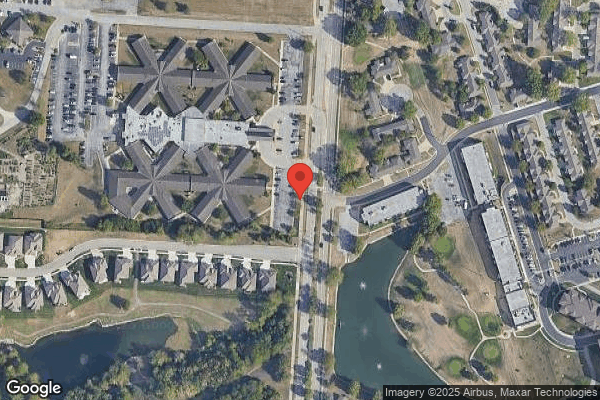
Aug 2021 8 deficiencies
CONCERN (D)

Potential for Harm - no one hurt, but risky conditions existed

Comprehensive Assessments (Tag F0636)

Could have caused harm · This affected 1 resident

**NOTE- TERMS IN BRACKETS HAVE BEEN EDITED TO PROTECT CONFIDENTIALITY** Based on interview and record review, the facility failed to complete an annual Minimum Data Set (MDS-a federally mandated asses...

Read full inspector narrative →
**NOTE- TERMS IN BRACKETS HAVE BEEN EDITED TO PROTECT CONFIDENTIALITY** Based on interview and record review, the facility failed to complete an annual Minimum Data Set (MDS-a federally mandated assessment tool completed by facility staff for care planning) for one sampled resident (Resident #5) out of one resident sampled for annual MDS review. The facility census was 135 residents. Record review of the facility's Resident Assessment (RAI) Process policy dated 7/2/20 showed: -The RAI process was mandated process that required resident assessments. -The resident assessments should be completed upon admission, quarterly, annually and with a significant change of the resident's status. 1. Record review of Resident #5's MDSs showed: -An annual MDS was completed 7/21/20. -The last MDS completed was a quarterly MDS dated [DATE]. -An annual MDS dated [DATE] that was not completed. During an interview on 8/27/21 at 11:53 A.M., the Clinical Compliance Manager said: -He/She reviews the MDSs periodically (less than monthly) to ensure they were completed and submitted. -Resident #5's annual MDS was not completed. -One of their Resident Assessment Coordinators (RAC) had been off for a while. -They just hired a new RAC. During an interview on 8/30/21 at 8:52 A.M., RAC A said: -One of the RACs had been out for months so he/she and another RAC were helping do the MDSs from the other unit. -The late MDSs happened when one of the RACs took his/her vacation, followed by another RAC taking his/her vacation and some of the MDSs just got missed. -They have a new RAC to replace the RAC that had been gone for a while. -They have a calendar they use to keep track of when an annual MDS is due.
CONCERN (D)

Potential for Harm - no one hurt, but risky conditions existed

Deficiency F0655 (Tag F0655)

Could have caused harm · This affected 1 resident

**NOTE- TERMS IN BRACKETS HAVE BEEN EDITED TO PROTECT CONFIDENTIALITY** 4. Record review of Resident #447's face sheet showed he/she was admitted on [DATE] with an admitting diagnosis of COVID-19 (an ...

Read full inspector narrative →
**NOTE- TERMS IN BRACKETS HAVE BEEN EDITED TO PROTECT CONFIDENTIALITY** 4. Record review of Resident #447's face sheet showed he/she was admitted on [DATE] with an admitting diagnosis of COVID-19 (an infectious disease caused by the novel coronavirus). Record review of the resident's Entry Tracking MDS dated [DATE], showed the resident was admitted on [DATE]. Record review of the resident's Care Plan Report dated 8/18/21 showed there was no signature on the care plan indicating the baseline care plan had been given to the resident or representative. During an interview on 8/24/21 at 3:30 P.M. the resident said: -He/she was admitted on [DATE] because he/she had COVID. -He/she could not say if the staff did a care plan with him/her. -He/she had not receive any paperwork. 5. During an interview on 8/26/21 at 9:50 A.M., the Clinical Compliance Manager said: -The admitting nurse was responsible for the initial admission care plan. -The Resident Care Coordinators were responsible for completing the baseline care plan the day after admission. -They did not provide the residents and/or the residents' responsible parties a summary of the baseline care plan within 48 hours. -They write a baseline care plan but they add changes onto it and don't keep the original baseline care plan. -They go over the revised baseline care plan in a care plan meeting within five to seven days of admission. -The resident and/or the responsible party receives and signs the care plan somewhere around five to seven days from admission. -Sometimes they go over the care plan with the responsible party over the phone. During an interview on 8/30/21 at 10:00 A.M. Registered Nurse (RN) C said: -A care plan should have been developed within the first 48 hours after a resident was admitted . -A written copy should have been given to the resident or representative. -The MDS Coordinator or admitting nurse should have initiated the 48 hour care plan. -It should have been documented in Nurse's Notes. During an interview on 8/30/21 at 12:05 P.M., the Compliance, Quality Assurance, and Infection Preventionist said: -They start the care plan the next day after the resident has been admitted . -It is added to for the care plan. -There is a line at the bottom of the care plan where the resident or representative would have signed stating they had received the written care plan. -He/She was not able to find documentation stating the resident/representative had received the baseline care plan. -He/she said they were not doing the 48 hour baseline care plans. -The Care Plan Sign-in sheet shows: --Who was in attendance. --Has an area for the resident and family member signatures. --Has an area indicating if the family representative was on a conference call for the meeting. During an interview on 8/30/21 at 2:00 P.M. the Director of Nursing (DON) said: -The resident's Baseline Care Plans should have been initiated within 48 hours of a resident's admission. -The care plan should have been given to resident or representative in a written form. -The baseline care plan should have been done by admitting nurse or MDS coordinator. -There should have been documentation by the admitting nurse or MDS coordinator the baseline care plan had been reviewed with the resident or representative and that a written copy had been given to the resident or representative. -The baseline care plan is discussed with the resident and family/representative and signed by the resident and/or the family/representative. -There was a signature area on the baseline Care Plan sheet for the resident or representative to sign when they received the care plan. -The facility policy was to create the baseline care plan within 48 hours and go over it with the resident and/or the family/representative at the next care plan meeting with in the first week of admission. -The Social Service Director (SSD) runs the meeting and gives a copy of the baseline care plan to the resident's family/representative to sign during the care plan meeting. 2. Record review of Resident #88's admission Record showed he/she was admitted on [DATE] at 3:50 P.M., with the following diagnoses: -Syncope and collapse (fainting, or a sudden loss of consciousness caused by a fall in blood pressure). -Acute (sudden onset) and chronic (persisting for a long time or constantly recurring) Respiratory Failure (condition in which the blood does not have enough oxygen or has too much carbon dioxide). -Chronic obstructive pulmonary disease (COPD- a disease process that decreases the ability of the lungs to perform ventilation). -Dementia (a general term for a decline in mental ability resulting in memory loss, and other mental abilities severe enough to interfere with daily functioning) with behavioral disturbance (with behavioral disorders includes agitation, aggression, paranoid delusions, hallucinations, and sleep disorders). Record review of the resident's baseline care plan dated 7/12/21 showed: -It was not given to the family representative within 48 hours of the resident's admission. -The family representative was notified of the baseline care plan by phone call on 7/19/21 seven days after the resident was admitted . Record review of the resident's Care Plan Sign-in sheet dated 7/19/21 showed: -Who attended the meeting. -The resident's name was written in on the resident signature line. -Had an area for the resident and family member signatures. -An area indicating the resident's family members were on a conference call for the meeting. -A notation at the bottom of the sheet shows to use an asterisk (*) if the initial care plan and medication list was given to the resident. -There was no asterisk anywhere on the care plan sign-in sheet indicating that the resident or family member had received the written baseline care plan. Record review of the resident's admission MDS dated [DATE] showed the resident was admitted with the following: -Cognition was severely impaired. -Dementia. -Anxiety (anticipation of impending danger and dread accompanied by restlessness, tension, fast heart rate, and breathing difficulty not associated with an apparent stimulus). -COPD. -Respiratory Failure. 3. Record review of Resident #333's admission Record showed he/she was admitted on [DATE] at 5:15 P.M., with the following diagnoses: -Displaced comminuted fracture of shaft of left femur, subsequent encounter for closed fracture with routine healing. -Unspecified fracture of right foot, subsequent for fracture with routine healing. -Pain right ankle and joints of right foot. -Osteoporosis (bones become brittle and fragile from loss of tissue). -Atrial fibrillation (A-Fib-abnormal heart rhythm). - Congestive Heart Failure (CHF-chronic condition in which the heart doesn't pump blood as well as it should). -pressure ulcer of sacral region stage 1 -Peripheral Vascular Disease (PVD-fatty deposits and calcium building up in the artery walls cause narrowing of blood vessels and reduce blood flow to the limbs). -Chronic kidney disease (CKD- is a condition characterized by a gradual loss of kidney function over time). Record review of the resident's baseline care plan dated 8/19/21 showed: -Admission-resident is new to the facility. -No documentation the baseline care plan was signed by the resident or his/her representative. Record review of the resident's medical record showed: -No documentation that the resident or family received a copy of/or signed the baseline care plan. -No admission MDS was completed as of the survey completion date. Based on observation, interview and record review, the facility failed to develop and/or provide a written baseline care plan to the resident or family within 48 hours of admission for four out of 27 sampled residents (Residents #51, #88, #333 and #447). The facility census was 135 residents. Record review of the facility's Care Plan-Baseline and Comprehensive policy reviewed 2/7/19 showed: -The facility would begin developing a baseline care plan which would be completed within 48 hours of admission. -The resident and representative would be provided with a copy of the care plan or summary of the care plan. 1. Record review of Resident #51's entry tracking form showed he/she admitted to the facility on [DATE]. Record review of the resident's admission note dated 6/11/21 showed the resident: -Used oxygen via nasal cannula (a tubing device used to deliver oxygen). -Required the use of a continuous positive airway pressure device (CPAP-a method of noninvasive ventilation assisted by a flow of air delivered at a constant pressure throughout the respiratory cycle) at bedtime. -Some of his/her diagnoses included chest pain, respiratory failure, recent deep vein thrombosis (a blood clot in a deep vein in the thigh or leg), heart failure, atrial fibrillation (an irregular heart beat), coronary artery disease (narrowing of the arteries to the heart), gastroesophageal reflux disease (back-up of stomach acid/heartburn), depression (a mood disorder that consists of intense sadness and a loss of interest or loss of pleasure in activities and/or life), high blood pressure, irritable bowel syndrome (a disorder that affects the large intestine which signs and symptoms include cramping, abdominal pain, bloating, gas, and diarrhea or constipation, or both), aortic stenosis (a narrowing of the heart's aortic valve), lung disease, Raynaud's disease (a disorder that causes decreased blood flow to the fingers when the blood vessels in the fingers and toes temporarily overreact to low temperatures or stress), hypothyroidism (below normal function of the thyroid gland which regulates metabolism), lumbar spinal stenosis (a narrowing of the spinal canal in the lower part of your back), Meniere's Disease (a disorder of the inner ear that can lead to dizzy spells (vertigo) and hearing loss), high cholesterol, osteoarthritis (decrease in bone mass and density and enlargement of bone spaces producing fragility) and transient ischemic attack (temporary interference with blood supply to the brain). Record review of the resident's care plan showed: -It was initiated on 6/14/21, which was three days from the resident's admission instead of 48 hours. -There was no baseline care plan that was distinctly separate from the comprehensive care plan. -The resident and/or the resident's representative had not signed that they received a summary of the baseline care plan. Record review of the resident's admission Minimum Data Set (MDS-a federally mandated assessment tool completed by facility staff for care planning) dated 6/15/21 showed the facility staff assessed the resident to be cognitively intact. Observation on 8/24/21 at 3:29 P.M. showed the resident had oxygen on, had a leg brace on both legs and had a CPAP in his/her room. During an interview on 8/30/21 at 11:20 A.M., the resident said he/she had not been part of a care plan meeting but that he/she would like to be.
CONCERN (D)

Potential for Harm - no one hurt, but risky conditions existed

Tube Feeding (Tag F0693)

Could have caused harm · This affected 1 resident

**NOTE- TERMS IN BRACKETS HAVE BEEN EDITED TO PROTECT CONFIDENTIALITY** Based on observation, interview and record review, the facility staff failed to provide Gastrostomy tube (G-tube - surgical crea...

Read full inspector narrative →
**NOTE- TERMS IN BRACKETS HAVE BEEN EDITED TO PROTECT CONFIDENTIALITY** Based on observation, interview and record review, the facility staff failed to provide Gastrostomy tube (G-tube - surgical creation of a permanent opening into the stomach through the skin for the introduction of nourishment and fluids through a tube) cleansing and care for one sampled resident (Resident #23) out of 27 residents. The facility census was 135 residents. Record review of the facilities Gastrostomy Tube Care policy, dated 2/12/2019, showed: -Nursing procedures were performed according to acceptable nursing practice guidelines. -The purpose of the policy was to prevent infection and provide proper skin care with daily G-tube and stoma care. -Prevent tube complications such as bleeding, gastric leakage, tube clogging or inappropriate migration. -Guidelines for assessment included: --Signs of misplacement or displacement. --Signs and symptoms of inward and outward migration. --Signs of redness, tenderness, swelling, pain, bleeding or gastric leakage. --Tube clogging, tube degradation, or balloon deflation. --Change to skin integrity. 1. Record review of the Resident #23's face sheet showed: -The resident was admitted on [DATE]. -The resident's diagnoses included: a stroke, dysphagia (inability or difficulties swallowing), aphasia (loss of ability to produce or comprehend language due to brain injury), and hemiplegia (paralysis/weakness affecting one side of the body). Record review of the resident's August 2021 Treatment Administration Record (TAR), showed: -Monitor for infection every one day starting 1/28/2020. -Monitor peg tube site for signs of infection: redness, swelling, drainage, pain. Notify physician and wound nurse. -The TAR showed this was completed. -There was no order for cleansing the G-tube site. Record review of the resident's care plan, updated 8/24/21, showed: -This was the date it was updated. -He/she had a percutaneous endoscopic gastrostomy tube (PEG tube - a tube that is placed into a patient's stomach as a means of feeding them when they are unable to eat) with tube feeding for a dietary supplement to prevent malnutrition. -The goal was for the resident to not have complications secondary to peg tube through next review. -Staff were to cleanse peg site daily with wound wash, pat dry apply drain sponge and secure with tap change daily and prn. -Staff were to monitor PEG tube site for signs of infection, redness, swelling, drainage, pain. -Notify MD and wound nurse. -Clean PEG tube site with warm water and soap, apply drainage sponge, secure with paper tape. -Change daily and PRN. Observation on 8/27/21 at 9:36 A.M. showed: -Licensed Practical Nurse (LPN) A provided G-tube care for the resident by cleansing the site and changing the dressing. -Date written on the resident's old G-tube dressing tape was 8/24/21. -Licensed Practical Nurse (LPN) A confirmed the date to be 8/24/21. -The resident's skin was free of redness, odor, edema and irritation. 2. During an interview on 8/27/21 at 9:32 A.M. the Clinical Services Manager, said: -The physician orders was entered incorrectly to cleanse peg site. -An order existed to monitor. -The facility policy was to monitor and cleanse as needed. -He/she updated the TAR. During an interview on 08/30/21 8:35 AM Registered Nurse (RN) D said normally night shift did the tube care. During an interview on 8/30/21 at 1:56 P.M., the Director of Nursing (DON) said: -He/she expected all staff to follow the tube feeding policy. -Unit managers and the nurse educator were in charge of providing training and updates to nursing staff. -Unit managers and the nurse education provided training through a variety of methods including group huddles, one on one, group meetings, -Sign-in sheets were kept to provide documentation. -The tube care policy said cleaning tube cleaning was to be done daily. -There was a transcription error on the resident's orders. -The resident's dressing should be changed daily per policy. -Staff were expected to change the resident's dressing and assess the area daily. -Even though not on TAR staff were expected to clean and assess it daily. -He/she expected the dressing to be changed at the time of the daily assessment. -Completed tasks should be signed off on treatment record as well as initial and date the actually dressing or tape.
CONCERN (E)

Potential for Harm - no one hurt, but risky conditions existed

Deficiency F0638 (Tag F0638)

Could have caused harm · This affected multiple residents

**NOTE- TERMS IN BRACKETS HAVE BEEN EDITED TO PROTECT CONFIDENTIALITY** Based on interview and record review, the facility failed to complete a quarterly Minimum Data Set (MDS-a federally mandated ass...

Read full inspector narrative →
**NOTE- TERMS IN BRACKETS HAVE BEEN EDITED TO PROTECT CONFIDENTIALITY** Based on interview and record review, the facility failed to complete a quarterly Minimum Data Set (MDS-a federally mandated assessment tool completed by facility staff for care planning) for five sampled residents (Residents #3, #4, #6, #7 and #8) out of five residents sampled for quarterly MDS review. The facility census was 135 residents. Record review of the facility's Resident Assessment (RAI) Process policy dated 7/2/20 showed: -The RAI process was mandated process that required resident assessments. -The resident assessments should be completed upon admission, quarterly, annually and with a significant change of the resident's status. -The MDS nurses (titles are Resident Assessment Coordinators (RAC)) were responsible for submitting the MDSs to the state database. 1. Record review of Resident #3's MDSs showed: -The last MDS completed was a quarterly MDS dated [DATE]. -A quarterly MDS dated [DATE] that was not completed. 2. Record review of Resident #4's MDSs showed: -The last MDS completed was a quarterly MDS dated [DATE]. -A quarterly MDS dated [DATE] that was not completed. 3. Record review of Resident #6's MDSs showed: -The last MDS completed was an annual MDS dated [DATE]. -A quarterly MDS dated [DATE] that was not completed. 4. Record review of Resident #7's MDSs showed: -The last MDS completed was an admission MDS dated [DATE]. -A quarterly MDS dated [DATE] that was not completed. 5. Record review of Resident #8's MDSs showed: -The last MDS completed was a quarterly MDS dated [DATE]. -A quarterly MDS dated [DATE] that was not completed. During an interview on 8/27/21 at 11:53 A.M., the Clinical Compliance Manager said the resident's MDS was completed but it was not locked and was not submitted. 6. During an interview on 8/27/21 at 11:53 A.M., the Clinical Compliance Manager said: -He/She reviews the MDSs periodically (less than monthly) to ensure they were completed and submitted. -Residents #3, #4, #6 and #7's quarterly MDSs were not completed. -One of their Resident Assessment Coordinators (RAC) had been off for a while. -They just hired a new RAC. During an interview on 8/30/21 at 8:41 A.M., RAC B said: -One of the RACs was gone for three months so they were behind on completing MDSs. -A new RAC was in training now. -Quarterly MDSs were supposed to be done every 92 days. During an interview on 8/30/21 at 8:52 A.M. RAC A said: -One of the RACs had been out for months so he/she and another RAC were helping do the MDSs from the other unit. -The late MDSs happened when one of the RACs took his/her vacation, followed by another RAC taking his/her vacation and some of the MDSs just got missed. -They have a new RAC to replace the RAC that had been gone for a while. -They have a calendar they use to keep track of when quarterly MDSs are due.
CONCERN (E)

Potential for Harm - no one hurt, but risky conditions existed

Staffing Information (Tag F0732)

Could have caused harm · This affected multiple residents

Based on observation, interview and record review, the facility failed to post the actual hours worked for Registered Nurses (RN's), Licensed Practical Nurses (LPN's), and Certified Nursing Assistants...

Read full inspector narrative →
Based on observation, interview and record review, the facility failed to post the actual hours worked for Registered Nurses (RN's), Licensed Practical Nurses (LPN's), and Certified Nursing Assistants (CNA's)/Certified Medication Technicians (CMTs) directly responsible for resident care per shift in locations throughout the facility for view by residents and the public, and failed to develop a policy to address the Federal requirement for posting of staffing. The facility census was 135 residents. 1. Record review and observation of the staff posting for 8/26/21, 8/27/21, and 8/30/21 showed: -The posting detailed the licensed nurses on duty but did not show if the nurses were RNs or LPNs and did not show the total numbers of hours worked for the RNs and the LPNs on duty. -The posting detailed the CNAs and CMTs on duty but did not show the total numbers of hours worked for the CNAs and CMTs. During an interview on 8/30/21 at 12:48 P.M. the Director of Nursing (DON) said: -The Staffing Department posts the staffing sheets. -The sheets show how many nurses, CNAs and CMTs are on duty. During an interview on 8/30/21 at 1:02 P.M. the DON said: -The staffing sheets showed the nurses, CNAs and CMTs on duty. -The staffing sheets showed nurses and did not show RNs and LPNs. -The total number of hours for RNs, LPNs and CNAs/CMTs was not posted. -Going forward the facility would post the actual total hours for RNs, LPNs, and CNAs/CMTs at the beginning of each shift. During an interview on 8/30/21 at 2:20 P.M., the DON said the facility had no policy regarding posting of staffing.
CONCERN (E)

Potential for Harm - no one hurt, but risky conditions existed

Deficiency F0761 (Tag F0761)

Could have caused harm · This affected multiple residents

2. Observation on 8/27/21 at 6:14 A.M. of the 300 unit showed: -Two medication carts unlocked with no nurse in sight with seven residents in the general area. -Two treatment carts that contained topi...

Read full inspector narrative →
2. Observation on 8/27/21 at 6:14 A.M. of the 300 unit showed: -Two medication carts unlocked with no nurse in sight with seven residents in the general area. -Two treatment carts that contained topical medication (medications as drugs in oil or water-based, semi-solid bases for skin surface use)unlocked with no nurse present, and seven residents in the general area. During an interview on 8/27/21 at 6:18 A.M. RN A said medication carts and treatment carts are to be locked when not attended. Observation on 8/27/21 at 6:18 A.M. showed: -RN A locked both medication carts and one treatment cart. -One treatment cart was left unlocked and unattended with seven residents in the general area. Observation on 8/27/21 at 6:43 A.M. showed one treatment cart on the 300 unit remained unlocked. Ten residents were in the immediate area. 3. Interview on 8/27/21 at 10:52 A.M. 300 unit manager said medication carts and treatment carts are to be locked when not being used by the nurse or CMT. During an interview on 8/27/21 at 11:07 A.M. CMT A said: -Medication carts are locked anytime he/she leaves it. -He/she was not responsible for treatment carts, but they are to be locked when unattended. During an interview on 8/27/21 at 11:08 A.M. RN B said medication carts and treatment carts are to be locked when not attended by the nurse. During an interview on 8/30/21 at 9:37 A.M., Licensed Practical Nurse (LPN) B on the 100 unit said: -When a nurse leaves a medication cart it should never be left unlocked. -If notice another nurse's medication cart unlocked when no nurse at it he/she would lock it. During an interview on 8/30/21 at 9:44 A.M., 400 unit manager said he/she: -Expects a nurse to lock a medication cart when leaving it. -Expects a nurse to lock any medication cart that he/she may notice is unlocked. During an interview on 8/30/21 1:57 A.M., the Director of Nursing (DON) said: -It is his/her expectation that medication carts are to be locked when left unattended. -It is his/her expectation that treatment carts are to be locked when left unattended. -It is his/her expectation that another nurse passing an unlocked medication cart or treatment cart would lock it and let the nurse know he/she had locked it.4. Observation on 08/27/21 at 7:05 A.M. of the medication cart on Hallway E with RN B showed: -There was an orange pill loose in one of the drawers. -There was a tack in a medication cup with the resident's medications. -There was a pair of rusty scissors in the same drawer as the resident's medications. -There was a brown raised substance in the bottom of a drawer that contained a resident's medications. During an interview on 8/27/21 at 7:20 A.M., RN B said: -There should not have been any loose pills in the medication cart. -There should not be any tacks in the medication carts. -There should not have been dirty scissors in the same drawer as the resident's medications that had been ordered by a physician. -The nursing staff was responsible for ensuring the drawers of the cart were kept clean. During an interview on 8/27/21 at 8:20 A.M. the 400 hallway Unit Manager said: -There should not have been any loose pills in the medication cart. -The alcohol wipes should not have been in the same compartment as the residents medication. -There should not be any tacks in the medication carts. -There should not have been dirty scissors in the same drawer as the resident's medications that had been ordered by a physician. -The nursing staff was responsible for ensuring the drawers of the cart were kept clean as the staff used them. -The cart should not have been dirty as they had just been cleaned that week. During an interview on 8/27/21 at 9:20 A.M. RN F. said: -There should not have been any loose pills in the medication cart. -The alcohol wipes should not have been in the same compartment as the residents medication. -There should not be any tacks in the medication carts. -There should not have been dirty scissors in the same drawer as the Resident's medications that had been ordered by a physician. -The nursing staff was responsible for ensuring the drawers of the cart were kept clean as they used them. During an interview on 8/30/21 at 3:00 P.M. the DON said: -There should not have been any dirty scissors, loose pills, or tacks in the medication carts. -The drawers should have been clean. -The medication carts should have been cleaned each shift and as needed. -The Charge Nurse or CMT would have been responsible for ensuring the medication carts were kept clean. Based on observation, interview and record review, the facility failed to ensure medications and biologicals (therapeutic substance, such as a vaccine or drug) were secure and inaccessible to unauthorized staff and residents by leaving medication carts and treatment carts unlocked; to ensure the medication cart was clean and sanitary, and to ensure there were no loose pills or other objects in the medication carts. The facility census was 135 residents. Record review of facilities Medication Administration policy dated 5/11/2010 revised 7/11/2018 showed the medication carts are to be kept closed and locked when out of sight of the medication nurse or medication aid. Record review of the facility's policy, Use of the Medication Cart, revision date 1/1/2006 showed: -The medication cart was to be locked at all times when not in use. -The staff was not to leave the medication cart unlocked or unattended in the resident care areas. -The licensed nurse would maintain a clean top surface of the medication cart while passing medications and clean and replenish the medication cart after each use. 1. Observation on 8/27/21 at 6:10 A.M., on the 100 unit showed: -The Certified Medication Technician (CMT) medication cart was unlocked. -The nurse medication cart was unlocked. -There were three residents in wheelchairs in the common area near the nurse medication cart. -There were two residents sitting at a table in the common area. -One unidentified Certified Nursing Assistant (CNA) walked past the unlocked nurse medication cart. -No other staff were in the area. Observation on 8/27/21 at 6:13 A.M., on the 100 unit showed: -An unidentified Registered Nurse (RN) came into the unit walking past both the unlocked carts and spoke to a resident at the table. -The RN left the area and brought a blanket to the resident. Observation on 8/27/21 at 6:17 A.M., on the 100 unit showed the night shift supervisor walked past the CMT medication cart while it was unlocked. Observation on 8/27/21 at 6:20 A.M., on the 100 unit showed RN E came to the common area and locked both the nurse and CMT medication carts. Observation on 8/27/21 at 6:40 A.M., on the 100 unit showed: -RN E removing an item from the nurse medication cart and left the cart unlocked. -RN E left the common area where the unlocked nurse medication cart was. -Residents were still in the common area near the unlocked nurse medication cart. -CNA's were bringing residents to the tables in the common area. Observation on 8/27/21 at 6:50 A.M., on the 100 unit showed: -Several day shift staff arriving on the 100 unit and passing by the unlocked nurse medication cart. -Residents were still sitting at tables across from the unlocked nurse medication cart. Observation on 8/27/21 at 6:58 A.M., on the 100 unit showed RN E was back at the nurse medication cart and locked it.
CONCERN (E)

Potential for Harm - no one hurt, but risky conditions existed

Deficiency F0838 (Tag F0838)

Could have caused harm · This affected multiple residents

Based on interview and record review the facility failed to complete and update as needed and at least annually a facility-wide assessment that included the necessary staff competencies needed to meet...

Read full inspector narrative →
Based on interview and record review the facility failed to complete and update as needed and at least annually a facility-wide assessment that included the necessary staff competencies needed to meet the needs of the residents, and failed to develop a Facility Assessment policy. A total of 27 residents were selected for review. The facility census was 135 residents. 1. Record review of the undated Facility Needs Assessment showed: -An incomplete document with completion of only Section 3.1, Centers for Medicaid and Medicare Services (CMS-the Federal certification agency) 672 (Resident Census and Condition - a Federal form completed by the facility for the survey team that represents the current condition of residents at the time of completion) Review/Analysis, Section 3.2 Diseases/Conditions, Physical/Cognitive Disabilities Analysis, Section 3.3 Special Care and Practices, Section 6.1 Physical Space/Equipment Inventory, Physical Space/Equipment Inventory/Needs, Section 6.2 Dietary Needs Assessment/Analysis, Hazard and Vulnerability Assessment Tools and a Summary of Hazards Analysis. -The document did not contain information regarding the staff competencies that were necessary to provide the level and types of care needed for the resident population and an analysis of all personnel, including managers, staff (both employees and those who provide services under contract), and volunteers, as well as their education and/or training and any competencies related to resident care. During an interview on 8/30/21 at 1:00 P.M., the Director of Nursing (DON) said: -The pages provided to the survey team upon request for the Facility Assessment were the only pages of the assessment. -Individual staff competencies had been kept up to date but the staff competency portion of the Facility Assessment had not been completed or updated. -The facility management staff would complete and update the Facility Assessment.
CONCERN (F)

Potential for Harm - no one hurt, but risky conditions existed

Food Safety (Tag F0812)

Could have caused harm · This affected most or all residents

Based on observation, interview, and record review, the facility failed to keep the dry storage and walk-in refrigerator & freezer floors clean; failed to retain thermometers in all refrigerators to c...

Read full inspector narrative →
Based on observation, interview, and record review, the facility failed to keep the dry storage and walk-in refrigerator & freezer floors clean; failed to retain thermometers in all refrigerators to confirm adequate temperature ranges; failed to maintain sanitary utensils; failed to safeguard against foreign material or mold possibly getting into food and/or beverages; failed to keep trash and garbage receptacles lidded; failed to change deep fryer oil in a timely manner; failed to maintain plastic cutting boards and utensils in good condition to avoid food safety hazards; failed to follow correct hair hygiene practices; and failed to ensure the proper refrigeration of foodstuff. These deficient practices potentially affected all residents who ate food from the kitchen. The facility's census was 135 residents with a licensed capacity for 375. 1. Observations during the Kitchen inspections on 8/24/21 between 8:45 A.M. and 11:57 A.M. showed the following: -The Dry Storage room had sugar and salt packets, an applesauce cup, and two potato chips on the floor, and a large, unlidded garbage can was sitting on its lid. -The walk-in freezer #1 had a sticky substance on the floor. -The walk-in refrigerator #2 had a lettuce leaf on the floor. -In the Ingredient Room there was a white plastic spork in a utensil drawer adjacent to the manual can opener that had sticky, yellowish stains on it, as did the bottom of the drawer. -The powder milk bin across from an oven had an approximately 1 ¼ inch metal shaving inside. -An open 1-gallon jug of teriyaki sauce on the bottom shelf of large herb and spice rack read, refrigerate after opening on its label. -The white and green cutting boards next to a large, unlidded square trashcan were heavily scored to the point of plastic bits felt on their surfaces. -There was no thermometer in reach-in refrigerator #6. -The deep fryer's oil was so dark in color the bottom grates inside could not be seen. -A metal ladle next to scoops on a food preparation table had food bits on the handle. -A red handled 2-ounce scoop on the shelf of a tall rack across from the coffee machine had some plastic flaking off the handle. -The large ice machine had brownish mold in two spots on the upper white plastic guard under the lid. -There was no thermometer in the small, resident refrigerator in the dining area between Fuschia and Evening Primrose Lanes. -There was no thermometer and excess ice build-up in the small, resident refrigerator in the dining area between Forest and Elm Lanes with excess ice build-up. -The black side-by-side refrigerator in the middle of the kitchen had no thermometers in either side. -At 11:33 A.M., there were still orange and grape juice puddles from breakfast under the juice machine nozzles. -Morning Supervisor B had no hairnet on and the one on a dietary aide did not cover the front and side hairlines for 1 - 2 inches. -A day cook was frying chicken tenders and French fries in the deep fryer. -The white microwave in the staff cafeteria kitchenette had food splatters all over the inside and chunks of food and paper debris on the glass turntable plate. -A 4-slice toaster in the main resident dining room had an abundance of crumbs inside. Observations during the follow-up Kitchen inspection on 8/25/21 between 9:01 A.M. and 9:59 A.M. showed the following: -The Dry Storage room had an applesauce cup on the floor, and a large, unlidded garbage can was sitting on its lid. -The walk-in freezer #1 had a sticky floor. -In the Ingredient Room was a white plastic spork in a utensil drawer adjacent to the manual can opener that had sticky, yellowish stains on it, as did the bottom of the drawer. -An open 1-gallon jug of teriyaki sauce on the bottom shelf of large herb and spice rack read, refrigerate after opening on its label. -The white and green cutting boards next to a large, unlidded square trashcan were heavily scored to the point of plastic bits felt on their surfaces. -There was no thermometer in reach-in refrigerator #6. -The deep fryer's oil was so dark in color the bottom grates inside could not be seen. -A red plastic handled 2-ounce scoop on the shelf of a tall rack across from the coffee machine had some plastic flaking off the handle. -The large ice machine had brownish mold in two spots on the upper white plastic guard under the lid. -The black side-by-side refrigerator in the middle of the kitchen had no thermometers in either side. -The white microwave in the staff cafeteria kitchenette had food splatters all over the inside and chunks of food and paper debris on the glass plate. -A 4-slice toaster in the main resident dining room had an abundance of crumbs inside. Observations during the follow-up Kitchen inspection on 8/26/21 at 1:03 P.M. showed the following: -The deep fryer's oil was so dark in color the bottom grates inside could not be seen. -A day cook was frying French fries in the deep fryer. -There was a 35 pound jug of liquid clear canola frying shortening (oil) in the Dry Storage room that was light amber in color. During an interview on 8/26/21 at 1:05 P.M., Morning Supervisor A said the following: -He/She had worked at this facility for about 15 years. -The deep fryer was used on a daily basis, usually for alternate food choices. -He/She believed the deep fryer oil was changed about every other day. -The oil currently in the deep fryer was very dark. During an interview on 8/26/21 at 1:09 P.M., Day [NAME] A said that he/she did not know the last time the deep fryer grease was changed. During an interview on 8/27/21 at 2:07 P.M., the Director of Dining and Event Services said the following: -The walk-in refrigerator and freezer floors were to be swept daily and deep cleaned weekly, usually by the morning dietary staff. -The deep fryer was used daily, but only lightly, and the oil would be monitored based on its color, viscosity, and the amount of food debris in it. -The deep fryer oil should be skimmed daily and changed at least every other week. -The deep fryer oil should not be so dark that the grates at the bottom cannot be seen. -Foreign materials like metal and plastic should certainly be kept out of food or drink. -He/She would expect trash and garbage cans to lidded when not in use to reduce the likelihood of pests. -If the label on foodstuff read, refrigerate after opening it should be done. -Ice machines should absolutely be free of mold. -He/She was not aware that refrigerators and freezers were required to have a thermometer inside to confirm correct temperatures were maintained. Record review of the 1999 and 2009 Food and Drug Administration (FDA) Food Code and Missouri Food Codes, showed: -Chapter 4-101.11: Materials that are used in the construction of utensils and food-contact surfaces of equipment may not allow the migration of deleterious substances or impart colors, odors, or tastes to food and under normal use conditions shall be: (A) Safe; (B) Durable, corrosion-resistant, and nonabsorbent; (C) Sufficient in weight and thickness to withstand repeated wear washing; (D) Finished to have a smooth, easily cleanable surface; and (E) Resistant to pitting, chipping, crazing, scratching, scoring, distortion, and decomposition. -In Chapter 4-501.12, Surfaces such as cutting blocks and boards that are subject to scratching and scoring shall be resurfaced if they can no longer be effectively cleaned and sanitized, or discarded if they are not capable of being resurfaced. Surfaces such as cutting blocks and boards that are subject to scratching and scoring shall be resurfaced if they can no longer be effectively cleaned and sanitized, or discarded if they are not capable of being resurfaced.
Understanding Severity Codes (click to expand)
Life-Threatening (Immediate Jeopardy)
J - Isolated K - Pattern L - Widespread
Actual Harm
G - Isolated H - Pattern I - Widespread
Potential for Harm
D - Isolated E - Pattern F - Widespread
No Harm (Minor)
A - Isolated B - Pattern C - Widespread

Questions to Ask on Your Visit

  • "Can I speak with families of current residents?"
  • "What's your RN coverage like on weekends and overnight?"

Our Honest Assessment

Strengths
  • • No major safety red flags. No abuse findings, life-threatening violations, or SFF status.
  • • No fines on record. Clean compliance history, better than most Missouri facilities.
Concerns
  • • 20 deficiencies on record. Higher than average. Multiple issues found across inspections.
Bottom line: Generally positive indicators. Standard due diligence and a personal visit recommended.

About This Facility

What is John Knox Village's CMS Rating?

CMS assigns JOHN KNOX VILLAGE CARE CENTER an overall rating of 4 out of 5 stars, which is considered above average nationally. Within Missouri, this rating places the facility higher than 99% of the state's 100 nursing homes. This rating reflects solid performance across the metrics CMS uses to evaluate nursing home quality.

How is John Knox Village Staffed?

CMS rates JOHN KNOX VILLAGE CARE CENTER's staffing level at 4 out of 5 stars, which is above average compared to other nursing homes. Staff turnover is 49%, compared to the Missouri average of 46%.

What Have Inspectors Found at John Knox Village?

State health inspectors documented 20 deficiencies at JOHN KNOX VILLAGE CARE CENTER during 2021 to 2025. These included: 20 with potential for harm.

Who Owns and Operates John Knox Village?

JOHN KNOX VILLAGE CARE CENTER is owned by a non-profit organization. Non-profit facilities reinvest revenue into operations rather than distributing to shareholders. The facility operates independently rather than as part of a larger chain. With 377 certified beds and approximately 115 residents (about 31% occupancy), it is a large facility located in LEES SUMMIT, Missouri.

How Does John Knox Village Compare to Other Missouri Nursing Homes?

Compared to the 100 nursing homes in Missouri, JOHN KNOX VILLAGE CARE CENTER's overall rating (4 stars) is above the state average of 2.5, staff turnover (49%) is near the state average of 46%, and health inspection rating (4 stars) is above the national benchmark.

What Should Families Ask When Visiting John Knox Village?

Based on this facility's data, families visiting should ask: "Can I visit during a mealtime to observe dining assistance and food quality?" "How do you handle medical emergencies, and what is your hospital transfer rate?" "Can I speak with family members of current residents about their experience?"

Is John Knox Village Safe?

Based on CMS inspection data, JOHN KNOX VILLAGE CARE CENTER has a clean safety record: no substantiated abuse findings (meaning no confirmed cases of resident harm), no Immediate Jeopardy citations (the most serious violation level indicating risk of serious injury or death), and is not on the Special Focus Facility watch list (a federal program monitoring the lowest-performing 1% of nursing homes). The facility has a 4-star overall rating and ranks #1 of 100 nursing homes in Missouri. While no facility is perfect, families should still ask about staff-to-resident ratios and recent inspection results during their visit.

Do Nurses at John Knox Village Stick Around?

JOHN KNOX VILLAGE CARE CENTER has a staff turnover rate of 49%, which is about average for Missouri nursing homes (state average: 46%). Moderate turnover is common in nursing homes, but families should still ask about staff tenure and how the facility maintains care continuity when employees leave.

Was John Knox Village Ever Fined?

JOHN KNOX VILLAGE CARE CENTER has no federal fines on record. CMS issues fines when nursing homes fail to meet care standards or don't correct problems found during inspections. The absence of fines suggests the facility has either maintained compliance or corrected any issues before penalties were assessed. This is a positive indicator, though families should still review recent inspection reports for the full picture.

Is John Knox Village on Any Federal Watch List?

JOHN KNOX VILLAGE CARE CENTER is not on any federal watch list. The most significant is the Special Focus Facility (SFF) program, which identifies the bottom 1% of nursing homes nationally based on persistent, serious quality problems. Not being on this list means the facility has avoided the pattern of deficiencies that triggers enhanced federal oversight. This is a positive indicator, though families should still review the facility's inspection history directly.