WILSHIRE AT LAKEWOOD REHAB CENTER
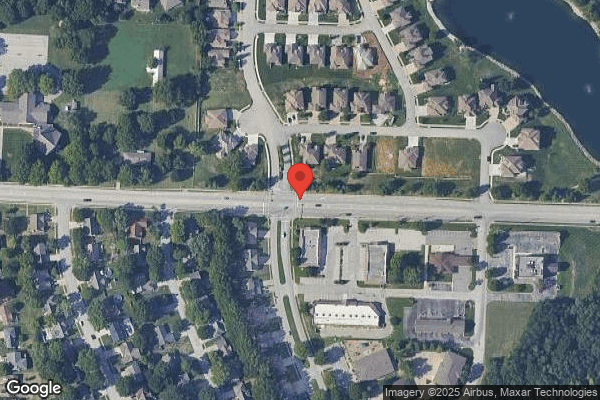
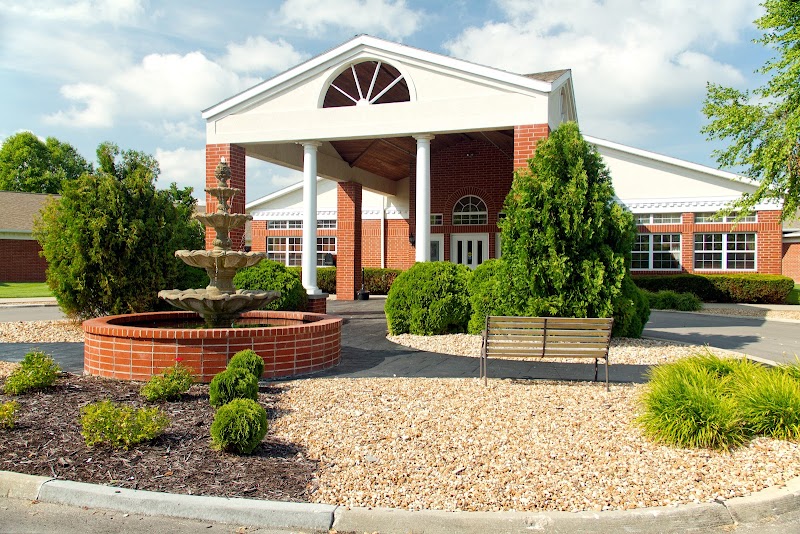
600 N E MEADOWVIEW DRIVE, LEES SUMMIT, MO 64064 (816) 554-9866
For profit - Limited Liability company 170 Beds AMA HOLDINGS Data: November 2025
Trust Grade
45/100
#216 of 479 in MO
Last Inspection: November 2023

Within standard 12-15 month inspection cycle. Federal law requires annual inspections.

Overview

Wilshire at Lakewood Rehab Center has a Trust Grade of D, indicating below average performance with some notable concerns. They rank #216 out of 479 facilities in Missouri, which places them in the top half, but there is still significant room for improvement. The facility is showing signs of improvement, as the number of issues decreased from 23 in 2022 to 13 in 2023. Staffing is a weakness, with a rating of 2 out of 5 stars and a high turnover of 77%, well above the state average. However, they have more RN coverage than 95% of Missouri facilities, which is a positive aspect, as RNs can catch issues that CNAs might overlook. On the downside, there have been specific incidents of concern, such as a resident falling due to inadequate assistance during transfers and ongoing issues with food safety and cleanliness in the kitchen, which could pose health risks to residents. Overall, while there are strengths in RN coverage and a declining trend in issues, the staffing challenges and specific deficiencies need careful consideration for families researching this facility.

Trust Score
D
45/100
In Missouri
#216/479
Top 45%
Safety Record
Moderate
Needs review
Inspections
Getting Better
23 → 13 violations
Staff Stability
⚠ Watch
77% turnover. Very high, 29 points above average. Constant new faces learning your loved one's needs.
Penalties
✓ Good
No fines on record. Clean compliance history, better than most Missouri facilities.
Skilled Nurses
✓ Good
Each resident gets 53 minutes of Registered Nurse (RN) attention daily — more than average for Missouri. RNs are trained to catch health problems early.
Violations
⚠ Watch
53 deficiencies on record. Higher than average. Multiple issues found across inspections.
★★★☆☆
3.0
Overall Rating
★★☆☆☆
2.0
Staff Levels
★★☆☆☆
2.0
Care Quality
★★★☆☆
3.0
Inspection Score
Stable
2022: 23 issues
2023: 13 issues

The Good

  • Full Sprinkler Coverage · Fire safety systems throughout facility
  • No fines on record

Facility shows strength in fire safety.

The Bad

3-Star Overall Rating

Above Missouri average (2.5)

Meets federal standards, typical of most facilities

Staff Turnover: 77%

31pts above Missouri avg (46%)

Frequent staff changes - ask about care continuity

Chain: AMA HOLDINGS

Part of a multi-facility chain

Ask about local staffing decisions and management

Staff turnover is very high (77%)

29 points above Missouri average of 48%

The Ugly 53 deficiencies on record

1 actual harm
Nov 2023 12 deficiencies
CONCERN (D)

Potential for Harm - no one hurt, but risky conditions existed

Deficiency F0645 (Tag F0645)

Could have caused harm · This affected 1 resident

**NOTE- TERMS IN BRACKETS HAVE BEEN EDITED TO PROTECT CONFIDENTIALITY** Based on interview and record review, the facility failed to provide a Preadmission Screening and Resident Review [PASRR- a fede...

Read full inspector narrative →
**NOTE- TERMS IN BRACKETS HAVE BEEN EDITED TO PROTECT CONFIDENTIALITY** Based on interview and record review, the facility failed to provide a Preadmission Screening and Resident Review [PASRR- a federally mandated preliminary assessment to determine whether a resident may have a mental illness (MI) or an intellectual disorder (ID), to determine the level of care needed. A level I was required for all residents and a level II if the resident tested positive for any MI or ID] for two sampled residents (Residents #29 and #40) out of 25 sampled residents. The facility census was 123 residents. Record review of the facility's PASRR policy dated October 24, 2022 showed: -The Facility, as a Medicaid certified nursing facility, ensures that Level I of the PASRR is completed either by the transferring facility, upon admission, or as soon as practicable thereafter, by the Facility for all applicants, regardless of payer, to determine if they have a Mental Disorder (D) or ID. -The Facility also conducts Level I screen for current residents who have a MI or ID and experience a significant change in their condition based on Minimum Data Set (MDS - a federally mandated assessment tool completed by the facility staff for care planning) 3.0 guidelines. -A negative Level I screen permits admission to proceed and ends the PASRR process unless a possible serious MD or ID arises later. -A positive Level I screen necessitates an in-depth evaluation of the individual by the state-designated authority, known as PASRR Level II, which must be conducted prior to admission to a nursing facility. -A record of the prescreening should be retained in the resident's medical record. 1. Review of Resident #29's admission Record showed he/she was admitted on [DATE] and readmitted on [DATE] with the following diagnoses: -Schizoaffective disorder (a mental health condition including schizophrenia [a chronic mental illness that interferes with a person's ability to think clearly, to distinguish reality from fantasy, to manage emotions, make decisions, and relate to others] and mood disorder symptoms) dated 7/7/21. -Anxiety Disorder (anticipation of impending danger and dread accompanied by restlessness, tension, fast heart rate, and breathing difficulty not associated with an apparent stimulus) dated 7/7/21. -Unspecified Dementia (a condition characterized by progressive or persistent loss of intellectual functioning, especially with impairment of memory and abstract thinking, and often with personality change, resulting from organic disease of the brain), unspecified severity, without behavioral disturbance, psychotic disturbance, mood disturbance, and anxiety, dated 7/7/21. -Vascular dementia (is a decline in thinking skills caused by conditions that block or reduce blood flow to the brain, depriving brain cells of vital oxygen and nutrients) unspecified severity, without behavioral disturbance, psychotic disturbance, mood disturbance, and anxiety, dated 9/16/21. Review of the resident's Physician Order Summary (POS) dated November 2023 showed: -Donepezil HCl (medication that treats symptoms of Alzheimer's disease like memory loss and confusion) Tablet 10 Milligrams (mg), Give 10 mg by mouth at bedtime for Dementia dated 7/7/21. -Depression (a state of intense sadness or despair that has advanced to the point of being disruptive to an individual's social functioning and/or activities of daily living) monitoring Monitor for signs/symptoms of depression, sadness, tiredness, trouble focusing or concentrating, unhappiness, anger, irritability, frustration loss of interest in pleasurable activities and complete progress note every shift dated 1/9/23. -Behaviors- Assess for the following: itching, picking at skin, restlessness (agitation), hitting, increase in complaints, biting, kicking, spitting, cussing, racial slurs, elopement, stealing, delusions, hallucinations, psychosis, aggression, refusing cares. If resident has behaviors document and complete progress note every shift dated 1/9/23. -Escitalopram Oxalate (used to treat depression and anxiety) Tablet 10 mg, Give 10 mg by mouth in the morning for major depressive disorder dated 7/28/23. -There were no orders for the resident receiving any medications for the diagnosis of Schizophrenia at this time. Review of the resident's care plan dated 10/30/23 showed: -He/she had impaired cognitive function and has been declared incompetent by two physicians. -He/she had a potential psychosocial well-being problem. -Used antidepressant medication related to Depression. -Did not have a care plan that addressed the resident's diagnoses of: --Schizophrenia (a chronic mental illness that interferes with a person's ability to think clearly, to distinguish reality from fantasy, to manage emotions, make decisions, and relate to others) or mood behaviors. --Dementia. Review of the resident's Quarterly MDS dated [DATE] showed the resident had the following diagnoses: -Cognitive Loss/Dementia. -Schizophrenia. Review of the resident's medical record on 11/14/23 at 12:02 P.M., showed no PASRR. During an interview on 11/17/23 at 2:05 P.M., the Administrator said he/she had contacted the Central Office Medical Review Unit (COMRU) on Tuesday 11/14/23 for getting a PASRR and was waiting to hear back from them. During an interview on 11/20/23 at 12:55 P.M., the Administrator said: -He/she received an email from COMRU on 11/14/23 at 2:53 P.M., it showed: --Nothing came up with the Social Security Number (SSN) for the resident. -He/she double checked the resident's SSN and at 1:13 P.M., COMRU still did not find anything for the resident. 2. Review of Resident #40's admission Record showed he/she was admitted on [DATE] and readmitted on [DATE] with the following diagnoses: -Schizoaffective disorder bipolar type (a form of mental illness associated with episodes of mood swings ranging from depressive lows to manic highs) dated 2/15/23. -Cognitive (involving conscious intellectual activity) Communication Deficit (problems with communication that have an underlying cause in a cognitive deficit such as: attention, memory, organization, problem solving/reasoning, rather than a primary language or speech deficit) dated 2/15/23. -Bipolar disorder, unspecified dated 2/15/23. -Major Depressive Disorder (mental health disorder characterized by persistently depressed mood or loss of interest in activities, causing significant impairment in daily life), recurrent, mild dated 2/15/23. -Unspecified Psychosis (a severe mental disorder in which thought and emotions are so impaired that contact is lost with external reality) not due to a substance or known physiological condition dated 3/2/22. -Bipolar disorder, current episode manic without psychotic features, unspecified dated 3/2/22. -Anxiety Disorder due to known physiological condition dated 7/1/22. Review of the resident's care plan dated 9/15/23 showed: -He/she used antidepressant medication related to Depression. -He/She had a potential psychosocial well-being problem. -Had diagnoses of: --Schizophrenia. --Bipolar. --Anxiety. --Depression. Review of the resident's Quarterly MDS dated [DATE] showed the resident had the following diagnoses: -Anxiety. -Depression. -Manic Depression (bipolar type). -Psychotic disorder (other than Schizophrenia). -Schizophrenia. Review of the resident's medical record on 11/14/23 at 1:30 P.M., showed no PASRR. During an interview on 11/14/23 at 1:30 P.M., the DON said the resident was private pay and admitted from another facility. During an interview on 11/17/23 at 2:05 P.M., the Administrator said he/she had contacted COMRU on Tuesday 11/14/23 for getting a PASRR and was waiting to hear back from them. During an interview on 11/20/23 at 12:55 P.M., the Administrator said: -He/she received an email from COMRU on 11/14/23 at 2:53 P.M., it showed: -For the resident: --they cannot provide copies because the Level 2 was more than a year old. --A new application would need to be submitted. 3. During an interview on 11/21/23 at 2:00 P.M., the DON said: -If a resident was coming from a hospital or other facility they were responsible to start the PASRR DA124 form. -If a resident was coming from home the facility was responsible to start the DA124 form. -The Administrator, at this time, was responsible for seeing that a PASRR DA124 form was started or that a resident had a PASRR completed. -The PASRR should be done pre-admit from a hospital or another facility. -If a resident was coming from home the facility admission coordinator should do it on admission. -The PASRR should be found in the electronic record in the Census pro (an admissions program) program and saved in the documents section on the computer. -Psych diagnoses would trigger for a PASRR, but not necessarily trigger for a Level II PASRR it would depend on how the diagnosis affected the resident's life and social interactions. -There should be a Level I PASRR screening for all residents.
CONCERN (D)

Potential for Harm - no one hurt, but risky conditions existed

Comprehensive Care Plan (Tag F0656)

Could have caused harm · This affected 1 resident

**NOTE- TERMS IN BRACKETS HAVE BEEN EDITED TO PROTECT CONFIDENTIALITY** Based on interview, and record review, the facility failed to ensure a Comprehensive Care Plan (a document describing agreed goa...

Read full inspector narrative →
**NOTE- TERMS IN BRACKETS HAVE BEEN EDITED TO PROTECT CONFIDENTIALITY** Based on interview, and record review, the facility failed to ensure a Comprehensive Care Plan (a document describing agreed goals of care, and outlining planned medical, nursing and allied health activities for a patient) was developed and implemented for one sampled resident (Resident #29) out of 25 sampled residents. The facility census was 123 residents. Review of the facility's care plan policy dated October 24, 2022 showed: -The facility's Interdisciplinary Team (IDT) will develop a Comprehensive Care Plan for each resident. -The IDT may include the following individuals: --The attending Physician. --The Resident Assessment Coordinator. --The Director of Nursing (DON). -The Care Plan will include measurable objectives and time tables to meet a resident's medical, nursing, mental and psychosocial needs. -Changes may be made to the Comprehensive Care Plan on an ongoing basis for the duration of the resident's stay. -The IDT will revise the Comprehensive Care Plan as needed at the following intervals: --Per the Resident Assessment Instrument (RAI). --As dictated by changes in the resident's condition. --To address changes in behavior and care. 1. Review of Resident #29's admission Record showed he/she was admitted on [DATE] and readmitted on [DATE] with the following diagnoses: -Schizoaffective disorder (a mental health condition including schizophrenia and mood disorder symptoms) dated 7/7/21. -Anxiety Disorder (anticipation of impending danger and dread accompanied by restlessness, tension, fast heart rate, and breathing difficulty not associated with an apparent stimulus) dated 7/7/21. -Unspecified Dementia (a condition characterized by progressive or persistent loss of intellectual functioning, especially with impairment of memory and abstract thinking, and often with personality change, resulting from organic disease of the brain), unspecified severity, without behavioral disturbance, psychotic disturbance, mood disturbance, and anxiety, dated 7/7/21. -Vascular Dementia (is a decline in thinking skills caused by conditions that block or reduce blood flow to the brain, depriving brain cells of vital oxygen and nutrients) unspecified severity, without behavioral disturbance, psychotic disturbance, mood disturbance, and anxiety, dated 9/16/21. Review of the resident's Physician Order Summary (POS) dated November 2023 showed: -Donepezil HCl (medication that treats symptoms of Alzheimer's disease like memory loss and confusion) Tablet 10 Milligrams (mg), Give 10 mg by mouth at bedtime for Dementia dated 7/7/21. -Depression Monitoring: Monitor for signs/symptoms of depression, sadness, tiredness, trouble focusing or concentrating, unhappiness, anger, irritability, frustration loss of interest in pleasurable activities and complete progress note every shift dated 1/9/23. -Behaviors- Assess for the following: itching, picking at skin, restlessness (agitation), hitting, increase in complaints, biting, kicking, spitting, cussing, racial slurs, elopement, stealing, delusions, hallucinations, psychosis, aggression, refusing cares. If resident has behaviors document and complete progress note every shift dated 1/9/23. -Escitalopram Oxalate (used to treat depression and anxiety) Tablet 10 mg, Give 10 mg by mouth in the morning for major depressive disorder dated 7/28/23. -There were no orders for the resident receiving any medications for the diagnosis of Schizophrenia at this time. Review of the resident's care plan dated 10/30/23 showed: -He/She had impaired cognitive function and has been declared incompetent by two physicians. -He/She had a potential psychosocial well-being problem. -Used antidepressant medication related to Depression. -Did not have a care plan that addressed the resident's diagnoses of: --Schizophrenia or mood behaviors. --Dementia. Review of the resident's Quarterly Minimum Data Set (MDS - a federally mandated assessment tool completed by the facility staff for care planning) dated 11/2/23 showed: -Cognitive Loss/Dementia. -Schizophrenia (a chronic mental illness that interferes with a person's ability to think clearly, to distinguish reality from fantasy, to manage emotions, make decisions, and relate to others). During an interview on 11/21/23 at 1:28 P.M., the MDS Coordinator said: -He/she had been at the facility for 10 weeks. -Care Plans were built off of the MDS admission and annual assessments and the Care Area Assessments (CAA- a problem-oriented framework for arranging MDS information and additional clinically relevant information about an individual's health problems or functional status). -The MDS Coordinator had 14 days to complete the admission MDS and seven days to complete the comprehensive Care Plan. -The care plans were update as needed, they were a work in progress. -Care plans were reviewed during the care plan meeting or when there were changes in medications or diagnoses, or a change in code status. -The diagnoses of Schizophrenia, dementia, anxiety, or depression should be specific in a care plan. -The MDS Coordinator looked at resident's diagnoses and section I on the MDS to update the care plan. -The diagnosis of Schizophrenia and Dementia should be care planned. -He/She was unaware that the resident had a diagnosis of Schizophrenia or Dementia. During an interview on 11/21/23 at 2:00 P.M., the DON said: -The MDS Coordinator was responsible for the updates to the comprehensive care plan. -The comprehensive care plan should be completed within 14 days of a resident's admission and updated as needed with any changes that may occur. -The diagnoses of Schizophrenia and Dementia should be care planned. -The diagnoses do not need to be listed by themselves specifically but: --The symptoms to monitor for due to the diagnoses should be listed as a care plan if not listed specifically. --If a resident used a medication due to a diagnoses, the medication should be care planned if the diagnoses is not listed specifically.
CONCERN (D)

Potential for Harm - no one hurt, but risky conditions existed

Deficiency F0657 (Tag F0657)

Could have caused harm · This affected 1 resident

**NOTE- TERMS IN BRACKETS HAVE BEEN EDITED TO PROTECT CONFIDENTIALITY** Based on interview and record review, the facility failed to include and document participation of the resident and/or the resid...

Read full inspector narrative →
**NOTE- TERMS IN BRACKETS HAVE BEEN EDITED TO PROTECT CONFIDENTIALITY** Based on interview and record review, the facility failed to include and document participation of the resident and/or the resident's representative(s) regarding care plan development for two sampled residents (Resident #70 and Resident #61) out of 25 sampled residents. The facility census was 123 residents. Review of the facility's Care Planning policy, dated 10/24/2022, showed: -The purpose of the policy was to ensure a comprehensive person-centered Care Plan was developed for each resident based on their individual assessed needs. -The Care Plan served as a course of action where the resident, resident's family and/or guardian or other legally authorized representative, resident's attending physician, and the Interdisciplinary Team (IDT) worked to help the resident move toward resident-specific goals that addressed the resident's medical, nursing, mental and psychosocial needs. -The Comprehensive Care Plan was prepared by the IDT team, which included: --The resident and/or his/her family or legal representative. --Attending physician. --Resident Assessment Coordinator. --The nurse who was responsible for the resident. --The Dietary Supervisor and/or the Registered Dietician. --Social Service staff member responsible for the resident. --The Director of Nursing (DON). --Therapists as applicable. --A Certified Nursing Assistant (CNA) responsible for the resident's care. -If the resident and his/her resident representative participation was determined not practicable for the development of the resident's care plan, an explanation should be included in the resident's medical record. -The facility invited the resident and their family to care planning meetings. -Care plan meetings were scheduled at the convenience of the resident as best as possible. 1. Review of Resident #70's quarterly Minimum Data Set (MDS-a federally mandated assessment instrument completed by facility staff for care planning) dated 11/17/23 showed: -The resident scored a 14 on the Brief Interview for Mental Status (BIMS an assessment tool that shows a score between 3 and 15 which shows the resident's mental status. This tool helps determine the resident's attention, orientation and ability to register and recall new information. These items are crucial factors in care planning decisions). -This indicated the resident was cognitively intact. Review of the resident's Electronic Health Record (EHR) document section showed: -The resident received a Notice of Care Plan Meetings dated May 2022. -There were no other Notice of Care Plan Meetings available in the document section of the EHR after May 2022. Review of the resident's progress notes located in the resident's EHR showed not notes were entered indicating the resident and/or their representative or family member were invited to or declined to attend any care plan meetings. During an interview on 11/13/23 at 9:19 A.M., the resident said: -He/she had not been invited to a care plan meeting in a long time. -He/she received letters in the past notifying him/her of when the care plan meeting was scheduled. -He/she believed they had a meeting and did not invite him/her. During an interview on 11/15/23 at 10:49 A.M., CNA A said: -He/she was unaware of the care plan meeting process. -He/she was informed of when care plan meetings were and he/she got the resident up and ready for the meeting. -He/she was unaware of where care plan meetings were held or how residents were informed. -He/she was unaware if the resident was invited to a care plan meeting. During an interview on 11/15/23 at 11:10 A.M., CNA B said: -Residents were invited to their care plan meetings. -He/she was unaware of how that happened. -Some resident's liked to go to their meetings and some chose not to. -All residents had the option to go or not. -He/She was unaware of how the process worked. During an interview on 11/17/23 at 9:49 A.M., Registered Nurse (RN) A said: -Residents were invited to care plan meetings. -He/She was unaware of the process. During an interview on 11/17/23 at 1:03 P.M., the Social Services Designee (SSD) said: -He/she had been working at the facility for a couple of months. -He/she received a calendar from the corporate office with the names of the residents due for a care plan update. -He/she was unaware of how care plan meetings were scheduled prior to him/her taking the position. -He/she documented care plan meetings under the assessments tab in the EHR. During an interview on 11/20/23 at 11:29 A.M., the MDS Coordinator said: -He/she had been in this position for a couple of months. -Social Services notified families, representatives and residents of care plan meetings. -They sent out a letter, possibly electronic notification, such as a text message or email. -He/she was unaware of the process prior to his/her employment at the facility. -He/she was unaware if invites were uploaded to the EHR. 2. Review of Resident #61's face sheet showed he/she was re-admitted to the facility on [DATE] with the following diagnoses: -Huntington's Disease (an inherited condition in which nerve cells in the brain break down over time). -Dysphagia (difficulty swallowing foods or liquids). -Chronic Obstructive Pulmonary Disease (COPD - when lungs become inflamed causing a shortness of breath). -Cerebral infarction (a disruption of blood flow to the brain) -Abnormal posture (rigid body movements and chronic abnormal positions of the body). -Schizoaffective disorder (Schizophrenia a disorder that affects a person's ability to think, feel, and behave clearly and mood disorders such as depression or bipolar a mental health disorder that involves extreme mood swings). -Dementia (a group of thinking and social symptoms that interferes with daily function). -Dysarthria (weakness in the muscles used for speech which often causes slowed or slurred speech) and Anarthria (a complete loss of speech). Review of the resident's quarterly MDS dated [DATE] showed: -His/Her Brief Interview for Mental Status (BIMS) score was 00 out of 15 indicating he/she was not able to complete the test. -He/She had progressive Neurological (diseases of the brain, nerves, spinal column and muscles)conditions. During a family interview on 11/13/23 at 9:34 A.M. the resident's spouse said: -The resident did not talk well. -The resident had Huntington's Disease which was very rare. -He/she came to the facility almost every day. -He/she was very involved with his/her spouse's care. -The facility did not have a Social Service or a MDS person for a while. -The resident had not had a care plan meeting for at least six months. -He/she would have went to the care plan meeting. Review of the resident's medical record showed the last documented care plan meeting was on April 26, 2023. During an interview on 11/21/23 at 10:30 A.M. the MDS Cordinator said: -He/she had only been in this job for 10 weeks. -He/she was not able to find any documentation that there had been a care plan meeting with the resident and family since April 26, 2023. -There was no documentation the family or resident was sent a letter for the care plan meeting for July or October 2023. -There should have been a care plan meeting with the resident and or family every three months. -There should have been a letter sent to the family and resident two to four weeks before the meeting and it was not done. -There had not been care plan meetings for the last six months. During an interview on 11/21/23 at 2:00 P.M. the DON said: -There should have been care plan meetings every quarter with the family and the resident. -The family and resident if appropriate should have received a letter from the MDS coordinator notifying them of the upcoming meeting. -They also use a Blast system - multi email to inform families when needed. -The MDS coordinator or SSD could call the family members to inform them of the upcoming care plan meetings or put them on speaker phone for the meeting. -The invitation to the care plan meeting should have been documented on the computer system. -The MDS coordinator was responsible for the care plan meetings and the invitations to the families. -The Administrator and DON were ultimately responsible to ensure there were quarterly care plan meetings and that the residents and family were invited to them. -Invites should have been documented in the EHR. -The electronic system did not automatically populate to the each resident's EHR.
CONCERN (D) 📢 Someone Reported This

A family member, employee, or ombudsman was alarmed enough to file a formal complaint

Potential for Harm - no one hurt, but risky conditions existed

Deficiency F0658 (Tag F0658)

Could have caused harm · This affected 1 resident

**NOTE- TERMS IN BRACKETS HAVE BEEN EDITED TO PROTECT CONFIDENTIALITY** 2. Review of Resident #92's face sheet showed he/she was admitted to the facility on [DATE] with the following diagnoses: -Schiz...

Read full inspector narrative →
**NOTE- TERMS IN BRACKETS HAVE BEEN EDITED TO PROTECT CONFIDENTIALITY** 2. Review of Resident #92's face sheet showed he/she was admitted to the facility on [DATE] with the following diagnoses: -Schizoaffective disorder (a mental health condition which was a combination of schizophrenia {a disorder that affects a person's ability to think, feel, and behave clearly} and a mood disorder). -Myocardial infarction (heart attack). -Diabetes. -Heart disease. -Depression (loss of pleasure of activities for long periods of time). -Anxiety (Intensive, excessive, and persistent worry and fear about every day situations). -Gout (pain and inflammation occurring when too much uric acid crystallizes in the joints). -Benign prostatic hyperplasia (enlargement of the prostate gland causing urinary difficulty). Review of the resident's Quarterly MDS dated [DATE] showed: -His/her Brief Interview for Mental Status (BIMS) score was 15 out of 15 indicating he/she was cognitively intact. -He/she had hallucinations (an experience involving the apparent perception of something not present). -He/she had delusions (a false belief or judgment about external reality, held despite incontrovertible evidence to the contrary, occurring especially in mental conditions). -He/she rejected care such as taking medications daily. Review of the resident's undated care plan showed: -He/she has a self care deficit. -He/she had a behavior problem. -He/she had hoarding tendencies. -He/She would refuse treatments. -Staff was to administer medications as ordered. Observation on 11/16/23 at 1:27 P.M. during wound care with Licensed Practical Nurse (LPN) E showed: -The resident had a medication cup full of pills at his/her bedside. -The resident did not have a room mate. -LPN E verified the medications in the cup was the resident's morning medications. During an interview on 11/16/23 at 1:30 P.M. LPN E said: -They were not supposed to leave medications at the bedside unless they had a physician's order. -The nurse verified that the resident did not have an order to leave the medication at the resident's bedside for him/her to take when they were ready to. -The medications were from the morning medication pass and should have been administered when the resident woke up. During an interview on 11/16/23 at 1:35 P.M. the resident said: -The Certified Medication Technician (CMT) had left the medication so he/she could take them when he/she was ready to. -The CMT had left the medications before lunch maybe at 11:00 A.M. Observation on 11/16/23 at 1:40 P.M. showed: -LPN E took the cup full of medications out of the resident's room, verified they were his/her morning medications, then threw them in the trash. -The following medications were left at the resident's bedside in a cup: --Aspirin (medication used as a blood thinner to help reduce the risk of heart attacks) 81 milligram (mg). --Buspar (medication used to treat anxiety) 5 mg. --Plavix (medication used as a blood thinner to help reduce the risk of heart attacks) 75 mg. --Depakote (medication used to treat bipolar disease) 125 mg. --Jardiance (medication used to help stabilize diabetes) 10 mg. --Multi Vitamin. --Flomax (medication used to treat urinary retention) 0.4 mg. --Allopurinol (medication used to treat gout) 50 mg. --Amlodipine (medication used to treat high blood pressure)10 mg. --Vitamin C 500 mg. --Isobride (medication used for heart related chest pain or heart failure) 30 mg. --Linzess (medication used to treat bowel problems) 72 microgram (mcg). --Protonix (medication used to treat stomach issues) 40 mg. Review of the resident's Physician Order Sheet dated November 2023 showed the following orders: -There was no order for the resident to self administer his/her own medications. -Aspirin 81 mg give one tablet by mouth in the morning for anticoagulation, dated 8/19/23. -Buspar 5 mg give one tablet by mouth two times a day for anxiety. -Plavix 75 mg give one tablet by mouth in the morning related to myocardial infarction. -Depakote 125 mg give one tablet by mouth two times a day for seizures. -Jardiance 10 mg give one tablet by mouth in the morning for diabetic. -Multi Vitamin give one tablet by mouth for supplementation. -Flomax 0.4 mg give one tablet by mouth in the morning for benign prostatic hyperplasia. -Allopurinol 50 mg give 50 mg by mouth in the morning for gout. -Amlodipine 10 mg give one tablet by mouth in the morning for hypertension. -Vitamin C 500 mg give one tablet by mouth for supplementation. -Isobride 30 mg give on tablet by mouth in the morning for hypertension. -Linzess 72 mcg give one tablet by mouth in the morning for bowels, hold if loose stools. -Protonix 40 mg give one tablet by mouth in the morning for GERD. During an interview on 11/16/23 at 2:04 P.M. CMT A said: -He/she had left the resident's morning medications at bedside. -The resident said he/she was not ready to take the medications. -He/she had education during orientation about not leaving medications at bedside. Review of the resident's CMT MAR on 11/16/23 showed the CMT had charted that the resident had refused all of his/her morning medications. During an interview on 11/21/23 at 2:00 P.M. the Director of Nursing (DON) said: -Staff should never have left a resident's medications at bedside. -In order for a resident to self administer their own medications there would have to have a physician's order. -The resident did not have an order to self administer his/her own medications. -The charge nurse should have educated the CMT's not to leave medications for the residents to take on their own. -He/she was ultimately responsible to ensure the residents were given their mediations correctly. Based on observation, interview and record review, the facility failed to address one sampled resident's motion sickness (Resident #37) and to ensure one sampled resident (Resident #92) took his/her prescribed medications out of 25 sampled residents. The facility census was 123 residents. Review of the facility's policy, Medication Administration, dated October 24, 2022 showed: -Medications may be administered one hour before or after the scheduled mediation administration time. -Medications would not be left at the bedside. 1. Review of Resident #37's progress notes dated September 2023, October 2023 and November 2023 showed no documentation regarding any nausea or vomiting. Review of the resident's comprehensive Certified Nursing Assistant's (CNA) shower review sheets dated September 2023 showed: -On 9/2/23, the resident received a bed bath. -On 9/30/23, the resident received a shower. Review of the resident's Medication Administration Record (MAR) dated September 2023 showed: -A physician's order for Zofran four milligrams (mg) every six hours as needed for nausea and vomiting. -No Zofran was administered during the month. Review of the resident's comprehensive CNA shower review sheets dated October 2023 showed: -On 10/2/23, the resident refused a shower. -On 10/13/23, the resident received a bed bath. -On 10/23/23, the resident refused a shower. -On 10/27/23, the resident received a bed bath. Review of the resident's MAR dated October 2023 showed: -A physician's order for Zofran four mg every six hours as needed for nausea and vomiting. -Zofran was administered on 10/10/23 at 3:50 P.M. and on 10/19/23 at 2:30 P.M. and both marked effective. Review of the resident's care plan dated as revised on 11/2/23 showed: -The resident required total assistance of two staff with bathing/showering twice a week and as necessary. -No additional instructions related to showers or bed baths. -Nothing regarding the resident having nausea, vomiting or motion sickness. Review of the resident's annual Minimum Data Set (MDS-a federally mandated assessment tool completed by facility staff for care planning) dated 11/8/23 showed the following staff assessment of the resident: -Moderately impaired cognitive skills. -Did not reject cares. -Totally dependent on staff for shower/bathing. -Used a motorized scooter. -Could not stand. -Was frequently incontinent of urine and always incontinent of bowel. -Some of his/her diagnoses included kidney failure, stroke, hemiplegia (paralysis of one side of the body) or hemiparesis (a slight paralysis or weakness on one side of the body) and respiratory failure. -Was on dialysis (the process of removing blood from an artery (as of a kidney patient), purifying it by dialysis, adding vital substances, and returning it to a vein). Review of the resident's comprehensive CNA shower review sheets dated November 2023 (through the morning of 11/21/23) showed the resident received a shower on 11/3/23. During an interview on 11/14/23 at 10:13 A.M., the resident said: -He/she had motion sickness with bathing. -Staff gave him/her a bed bath instead of a shower sometimes because sometimes he/she threw up when they gave him/her a shower due to his/her motion sickness. -During bed baths, they rolled him/her around a lot which also made him/her nauseous. -He/she thought they should give him/her something for nausea before a shower or bed bath. -He/she thought he/she had an order for something for nausea. -Sometimes they gave him/her the anti-nausea medicine after a shower but he/she thought they should give it to him/her before he/she got sick from a bed bath or shower. Review of the resident's MAR dated November 2023 (through 11/15/23) showed: -A physician's order for Zofran four mg every six hours as needed for nausea and vomiting. -No Zofran was administered during the month. During an interview on 11/20/23 at 10:48 A.M., CNA E said: -The resident had severe motion sickness. -The resident's nausea was the worst when they did his/her showers or bed baths. -The resident had Zofran as needed for nausea. -The resident was scheduled for evening showers. -He/she told CNA F, who worked evening shifts, to make sure to ask to give the resident his/her Zofran 30 minutes prior to a shower or bed bath. During an interview on 11/20/23 at 3:30 P.M., the Director of Nursing (DON) said: -The resident had severe motion-sickness. -He/she thought the resident was receiving Meclizine (an antihistamine used to treat nausea/vomiting from motion sickness) for nausea/vomiting. During an interview on 11/21/23 at 9:53 A.M., CNA F said: -He/she gave the resident showers sometimes. -The resident had asked for medication for nausea in the evenings sometimes. -The resident said he/she had an order for medication for nausea. -He/she always told the nurse when the resident got nauseated or threw up. -The resident got nauseous and vomited maybe a couple times a week. -The resident had less nausea when two staff members worked with him/her so there was less rolling the resident around in the bed during cares, transfers and showers. -They did not always have two people to do cares with the resident. -No one told him/her to ask the nurse for the medicine before the resident's shower. During an interview on 11/21/23 at 12:48 P.M., the MDS Coordinator said: -He/she wasn't aware of the resident's motion sickness. -He/she would talk to the resident and care plan it if appropriate. During an interview on 11/21/23 at 1:30 P.M., the resident said: -He/she had not thrown up this week. -He/she threw up last week from motion sickness. -He/she thought if the staff would give him/her something for nausea before his/her showers that he/she would not get sick. During an interview on 11/21/23 at 2:00 P.M., the DON said: -The resident had refused showers in the shower house sometimes because he/she had severe motion sickness. -Zofran was typically given after the symptom appeared. -He/She would have to talk to the doctor about giving the resident something for nausea prior to showers/bed baths. During an interview on 11/29/23 at 9:57 A.M., Primary Care Physician A said: -The resident did not get nauseous all the time so his/her Zofran was ordered for as needed. -There were always risks associated with taking scheduled medicine so he/she thought it was best to have it as needed to start with. -He/she talked to the facility staff and went ahead and scheduled the medicine for his/her motion sickness.
CONCERN (D)

Potential for Harm - no one hurt, but risky conditions existed

Deficiency F0687 (Tag F0687)

Could have caused harm · This affected 1 resident

Based on observation, interview and record review, the facility failed to provide toenail care or an appointment with a podiatrist for one sampled resident (Resident #60) out of 25 sampled residents w...

Read full inspector narrative →
Based on observation, interview and record review, the facility failed to provide toenail care or an appointment with a podiatrist for one sampled resident (Resident #60) out of 25 sampled residents who had a diagnosis of diabetes (a deficiency or complete lack of insulin secretion in the pancreas or resistance to insulin) which posed a risk to foot health. The census was 123 residents. Review of the facility's policy titled Grooming care of fingernails and toenails revised 10/24/22 showed: -Residents who had diabetes would not have their toenails trimmed by Certified Nursing Assistants (CNA). -High risk residents who had toenail issues such as thick toenails or toenails with a fungal infection would be referred to a podiatrist. 1. Review of Resident #60's medical record showed no podiatry progress notes. Review of the resident's care plan dated 9/22/23 showed the resident had a diagnosis of diabetes and required limited assistance of one staff member with personal hygiene. Review of the resident's quarterly Minimum Data Set (MDS-a federally mandated assessment tool completed by facility staff and used for care planning) dated 10/4/23 showed the following staff assessment of the resident: -Cognitively intact. -Had a diagnosis of diabetes. Observation and interview on 11/14/23 at 11:30 A.M. with Licensed Practical Nurse (LPN) E and CNA D showed: -The resident's toe nails were long and thick. -The second toenail on the resident's right foot was so long it wrapped around to the bottom of the toe, pressing into his/her skin. -The resident said he/she did not know when his/her toe nails were last trimmed and they needed to be clipped. -LPN E said the resident should have been seen by the podiatrist. -LPN E said the podiatrist was at the facility twice in the last three months and the resident was not currently on the list to be seen by the podiatrist. During an interview on 11/21/23 at 2:00 P.M., the Director of Nursing (DON) said: -Staff should notify a nurse if a resident with diabetes had long toe nails. -The nurse should make sure the residents with long toe nails who had a diagnosis of diabetes were seen by podiatry. -The podiatrist came to the facility once a month.
CONCERN (D)

Potential for Harm - no one hurt, but risky conditions existed

Incontinence Care (Tag F0690)

Could have caused harm · This affected 1 resident

Based on observation, interview and record review, the facility failed to ensure urinary catheter (a tube passed through the urethra into the bladder to drain urine) tubing was in a safe place during ...

Read full inspector narrative →
Based on observation, interview and record review, the facility failed to ensure urinary catheter (a tube passed through the urethra into the bladder to drain urine) tubing was in a safe place during a transfer for one sampled resident (Resident #60) out of four residents sampled for urinary catheters. The facility census was 123 residents. Review of the facility's catheter care policy dated as revised 10/24/22 showed instructions to ensure the catheter tubing was properly anchored to prevent urethral tear. 1. Review of Resident 60's care plan dated 9/22/23 showed the resident had a urinary catheter. Review of the resident's quarterly Minimum Data Set (MDS-a federally mandated assessment tool completed by facility staff for care planning) dated 10/4/23 showed the following staff assessment of the resident: -Cognitively intact. -Had an indwelling catheter. -Had a diagnosis of neurogenic bladder (a disorder of urinary bladder control due to damage to the spinal cord or to the nerves supplying the bladder). -Used a wheelchair. Observation and interview on 11/14/23 at 11:30 A.M. with Licensed Practical Nurse (LPN) E and Certified Nursing Assistant (CNA) D showed: -LPN E and CNA D were getting ready to transfer the resident from his/her bed to his/her wheelchair. -The resident's catheter tubing was wrapped around his/her legs. -If the resident had stood up, it would have pulled the catheter tubing down and potentially out of the resident's urethra. -The transfer was stopped by the surveyor due to the risk of harm to the resident. -LPN E and CNA D said the catheter tubing should have been unwrapped from the resident's leg prior to transferring the resident. During an interview on 11/21/23 at 2:00 P.M., the Director of Nursing(DON) said: -The catheter tubing should not have been wrapped around the resident's legs. -The catheter bag should be taken where the resident was going. -The catheter bag should have been put on the wheelchair first and then the resident could have been transferred to his/her wheelchair.
CONCERN (E)

Potential for Harm - no one hurt, but risky conditions existed

Deficiency F0567 (Tag F0567)

Could have caused harm · This affected multiple residents

Based on interview and record review, the facility failed to obtain written authorizations from residents or their representatives to hold, manage, safeguard, and account for their funds for 6 sampled...

Read full inspector narrative →
Based on interview and record review, the facility failed to obtain written authorizations from residents or their representatives to hold, manage, safeguard, and account for their funds for 6 sampled residents (Residents #17, #45, #51, #59, #65, and #87) out of 44 residents who had an account in the Resident Trust Fund (RTF) in accordance with standard accounting practices and principles, as required by Federal regulations and the State of Missouri statutes. This deficient practice had the potential to affect all residents who held an account in the facility's resident trust. The facility census was 123 residents with a licensed capacity for 170 residents at the time of the survey. Review of the facility's 4-page RTF policy entitled Resident Funds - Handling & Recording, revised 5/1/23 and provided by the Business Office Manager (BOM), showed at point II.A., under the heading Procedure, that When a resident elects to have the Facility manage the resident's personal funds, the resident or resident representative must sign a written statement authorizing the Facility to manage the resident's funds. 1. Review of the facility's 1-page Authorization and Agreement to Handle Resident Funds forms provided by the BOM, showed that the forms for Residents #17, #45, #51, #59, #65, and #87 were unsigned. Review of the facility's Trial Balance Sheet, dated as of 11/13/23 and provided by the BOM, showed the following: -There were 44 residents with accounts in the RTF. -The sampled residents' accounts all had positive balances. During an interview on 11/16/23 at 2:51 P.M., the BOM said: -He/she had been employed at the facility for a little over two months. -They had found the residents' Authorization and Agreement to Handle Resident Funds forms this month and began reviewing them. -As soon as he/she found that some were unsigned they knew they would have to start working on getting them signed.
CONCERN (E)

Potential for Harm - no one hurt, but risky conditions existed

ADL Care (Tag F0677)

Could have caused harm · This affected multiple residents

**NOTE- TERMS IN BRACKETS HAVE BEEN EDITED TO PROTECT CONFIDENTIALITY** Based on observation, interview and record review, the facility failed to provide Activities of Daily Living (ADL), bathing/show...

Read full inspector narrative →
**NOTE- TERMS IN BRACKETS HAVE BEEN EDITED TO PROTECT CONFIDENTIALITY** Based on observation, interview and record review, the facility failed to provide Activities of Daily Living (ADL), bathing/showering, for two sampled residents (Resident #107 and #64) and to provide bathing for for one sampled resident (Resident #37) out of 25 sampled residents by not providing scheduled baths or showers, causing poor hygiene. The facility census was 125 residents. Review of the facility's Showering a Resident policy, dated 10/24/22, showed: -A bath/shower was given to the residents to provide cleanliness, comfort and to prevent body odor. -Residents were offered a shower a minimum of once weekly and given per resident request. -Report any broken skin, bruises, rashes, cut, skin discoloration or reddened areas to the charge nurse. -Update the resident's care plan as needed. -Note: No procedure for documentation of bathing/showering and/or resident refusal was noted. 1. Review of Resident #107's quarterly Minimum Data Set (MDS- a federally mandated assessment instrument completed by facility staff for care planning) dated 8/14/23, showed: -The resident was diagnosed with traumatic spinal cord dysfunction (an injury from external physical impact that damaged the spinal cord). -The resident required a motorized wheel chair. -The resident required a mechanical lift for transfers. -The resident scored a 14 on the Brief Interview for Mental Status (BIMS), indicating the resident was cognitively intact. -The resident required maximum assistance for bathing/showering. Review of the shower schedule, located in the 200 hall Certified Nursing Assistant (CNA) Binder, showed the resident was scheduled for a shower on Wednesday evenings. Review of the resident's Comprehensive CNA Shower Reviews (shower sheet), showed: -On 9/11/23 the sheet was marked refused by the resident. --There was no signature of the resident present. --There was no signature of a nurse present. -On 9/22/23 the resident refused a shower. --There was no signature of the resident present. --There was no signature of a nurse present. -On 9/25/23 the sheet was marked refused by the resident. --There was no signature of the resident present. --There was no signature of a nurse present. -On 10/2/23 the sheet was marked bed bath given by a student CNA. --The sheet was signed by the CNA. --There was no signature of a nurse present. -On 10/10/23 the sheet was marked refused by the resident. --There was no signature of the resident present. --There was no signature of a nurse present. -On 10/13/23 the sheet was marked refused by the resident. --There was no signature of the resident present. --There was no signature of a nurse present. -On 10/16/23 the sheet was marked bed bath given by a student CNA. --The sheet was not signed by the CNA. -On 10/30/23 the sheet was marked bed bath given. --The sheet was not signed by the nurse. -On 11/10/23 the sheet was marked refused by the resident. --There was no signature of the resident present. --There was no signature of a nurse present. During an interview on 11/13/23 at 9:38 A.M., the resident said: -He/she could not remember when the last it was he/she had a shower or bath. -He/she was offered bed baths from time to time but preferred a shower. During an interview on 11/15/23 10:49 A.M., CNA A said: -Residents were offered a bath/shower once a week. -The facility did not employ a bath aide. -CNA's were responsible for giving baths. -There was a bath schedule at the nurse's desk. -Resident's signed bath sheets if they refused. -The resident did not refuse baths very often. During an interview on 11/15/23 at 11:10 A.M., CNA B said: -Residents received baths/showers two days a week. -If a resident refused they signed the bath sheet that said refused on it. -The resident usually did not refuse. -The resident preferred showers over bed baths. -Shower sheets were completed when residents received or refused the showers. -The shower schedule was located in the cares binder at the nurse's desk. During an interview on 11/15/23 at 11:58 A.M., the Administrator said: -Bath schedules were located in the CNA cares binder at the nurse's desk. -Bath sheets were completed by the CNA and turned into the evening shift supervisor. -The sheets had only been implemented for a week or so. During an interview on 11/16/23 at 9:29 A.M., Registered Nurse (RN) A said: -There was a book somewhere at the nurse's desk that said when residents were scheduled for a bath/shower. -He/She was unaware of a bath/shower tracking system prior to the one in the CNA cares binder. -The resident sometimes refused showers. On 11/20/23 at 12:15 P.M., the resident's bath/shower sheets were reviewed with the resident. During an interview on 11/20/23 at 12:15 P.M., the resident said he/she would not have refused that many baths/showers in a row, especially if he/she only had a bed bath in between. During an interview on 11/21/23 at 2:03 P.M., the Director of Nursing (DON) said: -The goal for resident baths/showers was to offer them twice weekly. -The company policy was once a week. -He/she could not recall if the policy took into consideration resident preference. -Shower sheets had documentation if the resident refused. -They should offer more than once if the resident refused. -CNA's and nurses both should have signed the shower sheet. -It was not the expectation to have residents sign the shower sheet but it was suggested to be a good measure. -Bed baths should be offered if the resident was ill, if they refused the bath house, in between regular showers, isolation issues, or health concerns. -Bed baths should not be offered in place of a shower. -Day to day the charge nurse, Assistant DON (ADON), DON and unit manager were responsible to ensure baths were completed. 3. Review of Resident #64's Annual MDS dated [DATE] showed he/she was admitted on [DATE] with the following diagnoses: -Stroke (damage to the brain from interruption of its blood supply). -Alzheimer's (a progressive disease that destroys memory and other important mental functions). -Aphasia (loss of ability to understand or express speech, caused by brain damage). -His/Her Brief Interview for Mental Status (BIMS) was a 6 out of 15 indicating he/she was severely cognitively impaired. -He/She was dependent on staff for showers. Observation on 11/13/23 at 10:37 A.M. showed: -The resident was sitting in his/her room. -His/her nails were long and dirty. -There were crumbs on his/her sweatshirt. -His/her hair was matted down. Observation on 11/14/23 at 2:00 P.M. showed the resident was wearing the same dirty clothes. -There were the same stains on his/her sweatshirt . -His/her nails were long and dirty. -His/her hair was matted down in the back. During an interview on 11/15/23 Licensed Practical Nurse (LPN) E said: -The resident had refused showers. -The CNA's were to check the shower book at the nurses' station to see who was scheduled for a bath that day. -The CNA's were to fill out a shower sheet and give it to the nurse. -The residents were to have been offered a shower twice a week. -If the resident refused then it should have been written on the shower sheet. -Cutting the resident's nails should have been documented on the bath sheet as it was part of getting a shower. -The resident's nails were long and should have been cut. -The resident had been resistant to showers. -The resident could get physically abuse during cares. Record review of the CNA shower book showed the resident was scheduled for a shower on Sundays during the day shift. Observation on 11/16/23 at 8:00 A.M. showed: -The resident had the same clothes on with the stains on them. -His/her hair was matted down. -His/her nails were long and dirty. During an interview on 11/16/23 at 10:24 A.M. LPN F said: -They don't always have a shower aid. -The CNA's usually have to help with the baths. -The CNA's look in the book to see who needed a bath on that day. -The nurse verified the resident was only scheduled for one bath a week on Sundays. -He/she had said the resident sometimes would refuse cares but that should be documented on the computer. -The resident should have been scheduled for two a week but he/she had changed rooms and for some reason he/she was scheduled for only one shower a week. -It had slipped through the crack. During an interview on 11/16/23 at 11:00 A.M. CNA H said: -They look at the notebook at the nurses's station to see who needed a bath or shower that day. -If the resident refused it was documented on the shower sheet. -The shower sheet went to the charge nurse. -The residents should have two showers a week including cutting toe nails and finger nails or would be put on the list to see the Podiatrist. Review of the shower notebook at the nurses' station on 11/17/23 showed the resident was scheduled in the shower/bath book for one day (Sunday) only. Review of the shower sheets dated November 2023 showed: -The resident was offered showers on the following days: --11/2/23, 11/6/23, 11/10/23, 11/13/23, and 11/16/23. -None of the days he/she was offered a shower were a Sunday. -The resident refused each day. -There was no documentation the resident had a shower the first 17 days of November. -The charge nurse had not signed the shower sheets. -There was no documentation the resident had been offered a shower on a different time. Review of the bathing sheet on the computer dated November 2023 showed: -The resident was to have a bath or shower on Mondays and Thursdays. -The sheet showed the resident had a refused a bath or shower on the following days: --11/2/23, 11/6/23, 11/9/23, 11/13/23, and 11/15/23. -None of those dates were a Sunday. During an interview on 11/20/23 at 1:15 P.M. CNA H said: -He/she looked in the shower book at the nurses' station and the resident was to have a shower on Sundays. -He/she could not find a second day the resident was to receive a shower. -He/she saw the resident looked like he/she needed a shower so offered it on a different day. -The resident could be aggressive at times. -The resident had not received a shower during the month of November except for last Friday 11/17/23. -He/she did not cut the resident's fingernails. -He/she had not had the charge nurse sign the shower sheets when the resident refused a shower. -Maybe he/she should have taken a second CNA in the resident's room to help get him/her into the shower. -He/she had not tried a second time to get the resident into the shower. During an interview on 11/20/23 at 1:20 P.M. LPN H said: -The resident's nails were long and dirty. -The resident only had one bath this month. -The resident should have been offered a bath a second time. -The charge nurse should have been notified that he/she had refused the shower and signed the sheet. -His/Her nails should have been cut and cleaned. During an interview on 11/21/23 at 2:00 P.M. the DON said: -The company policy said the residents were to have been offered one bath a week. -The resident's clothes should have been changed daily. -If a resident had refused a shower it should have been documented on the computer and the shower sheet. -Staff should have tried more than once to get the resident to take a shower. -Other attempts to have the resident shower also should have been documented. -The nurse and the CNA both should have signed the shower sheet if the resident refused to take a shower. -The charge nurse was responsible to ensure the residents had a shower. -The shower sheets were sent to the ADON and from there to the DON. -There was a task bar on the computer that popped up to remind staff when a resident was scheduled for a shower. -There was a notebook at the nurses' station that the CNA's looked at to see who needed a shower on that date. -The Unit Manager and ADON were responsible to ensure new residents were included in the shower rotation. 2. Review of Resident #37's comprehensive CNA shower review sheets dated September 2023 showed: -On 9/2/23, the resident received a bed bath. -On 9/30/23, the resident received a shower. Review of the resident's comprehensive CNA shower review sheets dated October 2023 showed: -On 10/2/23, the resident refused a shower and a nurse did not sign the sheet. -On 10/13/23, the resident received a bed bath. -On 10/23/23, the resident refused a shower and a nurse did not sign the sheet. -On 10/27/23, the resident received a bed bath. Review of the resident's care plan dated as revised on 11/2/23 showed the resident required total assistance of two staff with bathing/showering twice a week and as necessary. Review of the resident's comprehensive CNA shower review sheets dated November 2023 (through the morning of 11/21/23) showed the resident received a shower on 11/3/23. Review of the resident's annual MDS dated [DATE] showed the following staff assessment of the resident: -Moderately impaired cognitive skills. -Did not reject cares. -Totally dependent on staff for shower/bathing. -Used a motorized scooter. -Could not stand. -Was frequently incontinent of urine and always incontinent of bowel. -Some of his/her diagnoses included kidney failure, stroke, hemiplegia (paralysis of one side of the body) or hemiparesis (a slight paralysis or weakness on one side of the body) and respiratory failure. -Was on dialysis (the process of removing blood from an artery (as of a kidney patient), purifying it by dialysis, adding vital substances, and returning it to a vein). During an interview on 11/21/23 at 1:30 P.M., the resident said: -He/she wanted two showers per week. -He/she was not getting two showers per week. -The facility staff wanted him/her to take a shower at 6:00 P.M. but he/she was thinking about bed time by then and would rather have a shower in the morning. During an interview on 11/21/23 at 2:00 P.M., the DON said: -The resident was supposed to be bathed twice a week. -Tuesday and Saturday were his/her shower days. -The resident was scheduled for evening showers. -He/she was not aware of the resident not wanting evening showers. -The resident had refused showers in the shower house sometimes because he/she had severe motion sickness. -They identified there were problems with the residents getting showers but now he/she saw some additional areas they needed to work on.
CONCERN (E)

Potential for Harm - no one hurt, but risky conditions existed

Pharmacy Services (Tag F0755)

Could have caused harm · This affected multiple residents

**NOTE- TERMS IN BRACKETS HAVE BEEN EDITED TO PROTECT CONFIDENTIALITY** 4. Observation and review on 11/15/23 at 4:55 A.M. of the 600 Hallway medication cart, narcotic count sheet with LPN A showed: -...

Read full inspector narrative →
**NOTE- TERMS IN BRACKETS HAVE BEEN EDITED TO PROTECT CONFIDENTIALITY** 4. Observation and review on 11/15/23 at 4:55 A.M. of the 600 Hallway medication cart, narcotic count sheet with LPN A showed: -The directions on the top of the narcotic count sheet showed; a count should have occurred anytime the keys were exchanged. -Any discrepancies should have been reported to the DON immediately. -The narcotic sheet was not signed by the nurse when he/she came on shift. During an interview on 11/15/23 at 4:55 A.M. LPN A said: -He/she had counted the narcotics but did not sign the narcotic count sheet. -The narcotics should have been counted then signed by the two nurses who counted them when they came on shift or left the shift. Review of the medication count sheet on 11/15/23 at 5:05 A.M. of the 400 Hall medication cart dated 11/10/23 to 11/15/23 with LPN A showed: -On 11/10/23 evening shift, the oncoming nurse did not sign. -On 11/12/23 there was no documentation for the A.M. shift. -On 11/12/23 there was no documentation for the P.M. shift. -On 11/13/23 night shift the number of cards was blank. -On 11/13/23 night shift only one signature. -On 11/14/23 no documentation for the evening shift. -On 11/15/23 the night nurse pre-signed the day shift before the day nurse came on shift. During an interview on 11/15/23 at 5:05 A.M. LPN A said: -He/she had pre signed the medication count sheet. -He/she knew he/she was not supposed to pre sign the sheet before the day nurse arrived to count with him/her. Review of the medication count sheet on 11/15/23 at 5:10 A.M. of the 200 Hall CMT cart dated 10/23/23 to 10/31/23 with LPN B showed: -On 10/24/23 evening shift the number of cards at the end of the shift was blank. -On 10/24/23 there was no documentation for the P.M. shift. -On 10/25/23 there was no documentation for the P.M. shift. -On 10/26/23 day shift the number of cards at the end of the shift was blank. -On 10/27/23 day shift the number of cards at the end of the shift was blank. -On 10/27/23 night shift there was no documentation. -On 10/28/23 day shift there was no documentation. -On 10/28/23 night shift there was no documentation. -On 10/29/23 day shift there was no documentation. -On 10/29/23 night shift there was no documentation. -On 10/31/23 day shift the number of cards at the beginning and end of the shift was blank. -On 10/31/23 day shift there was no on coming signature. Review of the medication count sheet on 11/15/23 at 5:10 A.M. of the 200 Hall CMT cart dated 11/1/23 to 11/15/23 with LPN B showed: -On 11/1/23 day shift the number of cards at the end of the shift was blank. -On 11/1/23 night shift the number of cards at the end of the shift was blank. -On 11/1/23 night shift there was no signature for the oncoming shift. -On 11/2/23 day shift the number of cards at the end of the shift was blank. -On 11/2/23 day shift there was no off going signature. -On 11/2/23 night shift there was no documentation. -On 11/3/23 day shift the number of cards at the end of the shift was blank. -On 11/3/23 day shift there was no signature for the oncoming shift. -On 11/3/23 night shift the number of cards for the on coming and off going shift was blank. -On 11/3/23 night shift there was no signature for the off going shift. -On 11/4/23 day shift the number of cards for the oncoming and off going shift was blank. -On 11/4/23 day shift there was no signature for the oncoming shift -On 11/4/23 night shift there was no documentation. -On 11/5/23 day shift there was no documentation. -On 11/5/23 night shift there was no documentation. -On 11/6/23 night shift there was no signature for the oncoming shift. -On 11/7/23 day shift the number of cards at the end of the shift was blank. -On 11/7/23 day shift there was no signature for the off going shift. -On 11/7/23 night shift there was no documentation. -On 11/8/23 day shift there was no signature for the oncoming shift. -On 11/8/23 night shift there was no documentation. -On 11/9/23 day shift there was no signature for the off going shift. -On 11/10/23 day shift there was no signature for the off going shift. -On 11/10/23 day shift there was no signature for the off going shift. -On 11/11/23 day shift there was no documentation. -On 11/22/23 night shift there was no documentation. -On 11/13/23 night shift there was no signature for the oncoming shift. -On 11/14/23 day shift there was no documentation. -On 11/14/23 night shift there was no documentation. During an interview on 11/15/23 at 5:10 A.M. LPN B said: -The narcotics had not been counted since the morning of 11/13/23. -There was only one signature on that day. -There were many blanks on the medication count sheet. -He/she had pre-signed the narcotics count sheet before counting the narcotics with the oncoming nurse. -The narcotics should have been counted with the oncoming nurse, and both nurses should have signed at that time. Review of the narcotic count sheet of the 300 hall CMT cart dated 10/3/23 to 10/31/23 showed: -Directions on the narcotic count sheet showed the count was to have been done at the beginning and end of each shift. -On 10/3/23 day shift showed an end of shift count was blank. -On 10/3/23 day shift the off going signature was blank. -On 10/4/23 day shift was blank except an off going signature. -On 10/4/23 night shift was blank except an oncoming signature. -On 10/5/23 day shift showed the end of shift count was blank. -On 10/5/23 day shift did not show an oncoming signature. -On 10/6/23 day shift there was no documentation. -On 10/6/23 night shift there was no documentation. -On 10/7/23 day shift the oncoming signature was blank. -On 10/8/23 day shift there was no documentation. -On 10/8/23 night shift there was no documentation. -On 10/9/23 day shift there was no documentation. -On 10/9/23 night shift there was no documentation. -On 10/10/23 day shift there was no documentation. -On 10/10/23 night shift there was no documentation. -On 10/11/23 day shift the oncoming signature was blank. -On 10/12/23 day shift the start count was blank. -On 10/12/23 day shift there was no off going signature. -On 10/12/23 night shift there was no documentation. -On 10/13/23 day shift there was no documentation. -On 10/13/23 night shift there was no documentation. -On 10/14/23 day shift there was no documentation. -On 10/14/23 night shift there was no documentation. -On 10/15/23 day shift there was no documentation. -On 10/15/23 night shift there was no documentation. -On 10/16/23 day shift there was no end count. -On 10/16/23 day shift there was no oncoming or off going signatures. -On 10/16/23 night shift there was no documentation. -On 10/17/23 day shift there was no documentation. -On 10/17/23 night shift there was no documentation. -On 10/18/23 day shift there was no documentation. -On 10/18/23 night shift there was no documentation. -On 10/19/23 day shift there was no documentation. -On 10/19/23 night shift there was no documentation. -On 10/20/23 day shift there was no end count. -On 10/20/23 day shift there was no off going signature. -On 10/20/23 night shift there was no documentation. -On 10/22/23 day shift there was to oncoming signature. -On 10/22/23 night shift there was no documentation. -On 10/23/23 day shift there was no documentation. -On 10/23/23 night shift there was no documentation. -On 10/24/23 day shift there was no documentation. -On 10/24/23 night shift there was no documentation. -On 10/25/23 day shift there was no documentation. -On 10/25/23 night shift there was no documentation. -On 10/26/23 day shift there was no start count. -On 10/27/23 day shift there was no documentation. -On 10/27/23 night shift there was no documentation. -On 10/28/23 day shift there was no oncoming signature. -On 10/27/23 night shift there was no documentation. -On 10/29/23 day shift there was no documentation. -On 10/29/23 night shift there was no documentation. -On 10/30/23 day shift there was no start count. -On 10/30/23 there was no off going or oncoming signatures. -On 10/31/23 day shift there was no documentation. -On 10/31/23 night shift there was no documentation. Review of the narcotic count sheet of the 300 hall CMT cart dated 11/1/23 to 11/14/23 showed: -On 11/1/23 day shift there was no documentation. -On 11/1/23 night shift there was no documentation. -On 11/2/23 day shift there was no documentation. -On 11/2/23 night shift there was no documentation. -On 11/3/23 day shift there was no documentation. -On 11/3/23 evening shift there was no off going or oncoming signatures. -On 11/4/23 day shift there was no oncoming signature. -On 11/4/23 night shift there was no documentation. -On 11/5/23 day shift there was no documentation. -On 11/5/23 night shift there was no documentation. -On 11/6/23 day shift there was no documentation. -On 11/6/23 night shift there was no documentation. -On 11/7/23 day shift there was no oncoming signature. -The next entry did not have a date, time, or beginning count, it had an ending count and the off going and on coming signatures. -On 11/8/23 day shift there was no documentation. -On 11/8/23 night shift there was no documentation. -On 11/9/23 day shift there was no documentation. -On 11/9/23 night shift there was no documentation. -On 11/10/23 day shift there was no documentation. -On 11/10/23 night shift there was no documentation. -On 11/11/23 day shift there was no on coming signature. -On 11/12/23 day shift there was no documentation. -On 11/12/23 night shift there was no documentation. -On 11/13/23 day shift there was no documentation. -On 11/13/23 night shift there was no documentation. -On 11/14/23 day shift there was no documentation. -On 11/14/23 night shift there was no documentation. Observation and interview on 11/15/23 at 7:50 A.M. of the 300 hall CMT cart with the ADON showed: -The total Narcotic card count sheet showed 13 cards there were 14 cards. -The ADON verified the count was 14 cards. -The narcotic cards had not been counted since 11/11/23 many dates did not have the two required signatures. -The cards should be counted at the every shift. -He/she said there should be two signatures per shift counted by the ongoing and off going nurses and signed when they count together. -The charge nurse was responsible for ensuring two nurses were counting at the beginning and end of the shift. -The charge nurse should have looked to ensure the narcotic count was correct. Review of the Narcotic count sheet on 11/15/23 at 8:00 A.M. showed: -On 10/30/23 the night shift showed the end card count to have been 14 cards. -The date may have been 10/29/23. -On 10/30/23 day shift the beginning count should have been 14 cards, it showed 13 cards. -They received three cards which should have equaled 17 cards. -On 11/3/23 evening shift received two cards and two cards were removed for a total of 17 cards. -On 11/7/23 day shift removed one card for a total of 16 cards. -On 11/11/23 day shift added two cards and removed one card for a total of 17 cards. -There were 14 cards verified by the ADON. 5. Review of Resident #109's face sheet showed he/she was admitted to the facility on [DATE] with the following diagnosis: -Epilepsy (a disorder in which nerve cell activity in the brain was disturbed, causing seizures (a burst of uncontrolled electrical activity between brain cells that cause temporary abnormalities in muscle tone or movement). Review of the resident's quarterly Minimum Data Set (MDS - a federally mandated assessment tool completed by the facility for care planning) dated 9/21/23 showed: -His/Her Brief Interview for Mental Status (BIMS) score was 00 out of 15 indicating he/she was not able to complete the test. -He/She had a seizure disorder (a sudden, uncontrolled burst of electrical activity in the brain). Review of the resident's Physician Order Sheet (POS) dated November 2023 showed the following order for Vimpat (Lacosamide - a medication used to treat seizures), oral solution 10 milligram (mg)/milliliter (ml) give 10 ml by mouth morning and evening daily. Review of the resident's Medication Administration Record (MAR) dated November 2023 showed the medication had been signed off as given every morning and evening as ordered. Review of the narcotic count of the 200 hall nurses cart on 11/15/23 at 6:30 A.M. with the DON showed: -The resident had a 200 ml bottle of Lacosamide prescribed by the physician. -There were 37 mls in the bottle. -There should have been 10 mls in the bottle according to the count sheet. Review of the resident's Controlled Drug Record for Lacosmide showed: -The count sheet showed there should have been 10 mls in the bottle. -The DON confirmed that there was 37 ml in the bottle. 6. Review of Resident #19's face sheet showed he/she was re-admitted to the facility on [DATE] with the following diagnoses: -Wedge compression fracture of T11-T12 vertebra (collapsing of the bone in front of the spine and leaving the back of the same bone unchanged, resulting in the vertebra taking on a wedge shape). -Age related osteoporosis without current pathological fracture (a condition in which the bones become weak and brittle). -The resident was receiving Hospice (care focused on the care, comfort, and quality of life for a person with a serious illness who was approaching the end of life) services. Review of the resident's Significant change MDS dated [DATE] showed: -His/her BIMS score was 6 out of 15 indicating he/she was severely impaired. -He/she had pain. Review of the resident's undated care plan showed: -He/she had chronic neck pain. -He/she had a terminal prognosis (a person who may only have a short time to live) related to Cardiovascular Disease (Heart). Review of the resident's POS dated November 2023 showed an order for Morphine Sulfate 20 mg/0.5 ml to give 1.0 ml. every two hours as needed for pain. Review of the narcotic count sheet of the 200 hall nurses cart on 11/15/23 at 6:30 A.M. with the DON showed: -The resident had a 30 ml bottle of Morphine. -15.5 ml had been administered. -There was 18 ml in the bottle. -There should have been 14.5 ml left in the bottle. -The DON verified there was 18 ml left in the bottle. During an interview on 11/15/23 at 6:35 A.M. the DON said: -He/She did not know how this had happened. -He/She took the bottles to his/her office to investigate more. 7. Review of resident's #114's face sheet showed the resident had been admitted to the facility on [DATE] with the following diagnosis of benign neoplasm of the meniges (tumors from the membrane that covers the brain and spinal cord). Review of the resident's quarterly MDS dated [DATE] showed: -He/She had a medically complex assessment. -His/Her BIMS score was 00 out of 15 indicating he/she was not able to complete the test. -He/She had communication problems. -He/She had Stage III pressure ulcers (Full thickness skin loss that extended through the skin into deeper tissue and fat but do not reach muscle, tendon, or bone). Review of the resident's POS dated November 2023 showed the following order Oxycodone (Narcotic pain medication) 5 mg/5 ml via tube every six hours as needed for pain. Review of the Controlled Drug Receipt sheet on 11/15/23 at 7:30 A.M. sheet showed: -The resident had two 60 ml bottles of medication, bottle #1 and bottle #2. -Bottle #1 had 25 ml in it. -The count sheet showed there should have been 15 ml in bottle #1. -The entry on 11/5/23 had been crossed out, the total should have been 20 ml. -Bottle #2 had 50 ml in it. -The count sheet showed there should have been 55 ml in bottle #2. -The amounts in bottles #1 and #2 were verified by the Assistant Director of Nursing (ADON). Review of the 300 hall medication cart on 11/15/23 at 7:30 A.M. with the ADON showed the ADON verified the amounts of medication in the resident's bottles of Oxycodone was not correct. Review of the resident's MAR dated November 2023 showed: -The medication had not been signed off as administered in November. -Comparing the MAR to the controlled drug receipt sheet, 5 ml from bottle #2 was signed off as administered on 11/6/23. -Comparing the MAR to the controlled drug receipt sheet, 5 ml from bottle #1 was signed off as administered on 11/11/23. -During an interview on 11/15/23 at 7:35 A.M. the ADON said: -He/she did not know how the amounts could be off on the counts. -He/she was taking the bottles to the DON to notify him/her of the issues. -The charge nurse should have been auditing the narcotics and the narcotic count sheets to verify the amounts were correct. 8. During an interview on 11/15/23 at 9:00 A.M. the ADON said: -There should have been two nurses signing the medication sheets at the beginning and end of their shifts. -There should not have been any blank spaces where they had not signed. -There was always a little extra medication in the liquid medications. -You could not count what amount was in the neck of the bottle above the measuring line. -He/She didn't worry about that he/she just subtracted the amount from what was on the count sheet. -If the count was off he/she would have told the DON. -The Pharmacy came every month and looked at the medications. The Hospice Pharmacy was attempted to call twice with a message left, they did not return the phone call. During an interview on 11/20/23 at 1:30 P.M. the Medical Director said: -The narcotics count should be signed by the two nurses who counted them at the time they were counted. -There have been issues at the facility in the past regarding there were less medications than what was on the count. -If the medication count was off the staff should have more education. During an interview on 11/21/23 at 9:20 A.M. the Pharmacist said: -Some liquid medications were poured into a bottle like the Lacosomide there might be four to five extra mls in the bottle. -They did not measured the medicine before they pour it into the bottle, They eyeball it. -The extra was not accounted for when sent to the facility. -If the prescription was for 30 mls and 35 mls was sent the facility or resident was not charged for the extra 5 mls. -He/she did not know how the facility dealt with the extra 5 mls or so that was sent. -Oxycodone was sent in a bottle sealed at the factory and usually had an extra 2 mls to 3 mls in the bottle. -Someone from their pharmacy came out to the facility to look at the medications. -He/she was not sure if they did a verification of the narcotics. During an interview on 11/21/23 at 9:40 the Pharmacy Director said: -There was a group of their Pharmacists that went out to the facilities to consult. -They would have done a medication review, chart audits, and check the narcotics to ensure the count was correct. -They poured the medication into the bottles and eyeball the amount. -There should not be more than a 3 ml difference. -He/she was not aware of any issues at the facility. During interview on 11/21/23 at 2:00 P.M. the DON said: -The on coming and off going nurse was responsible for counting the narcotics and ensuring the count was correct at the start and end of each shift or whenever the keys to the medication cart was handed off. -Staff was expected to sign with a second nurse at the same time they count together. -They should not pre sign the narcotic sheets. -If staff found the count was off they first should verify it was off. -If the count was off the ADON or DON should have been notified immediately. -The unit manager and ADON were supposed to have been doing audits. -The Pharmacy came in monthly and would look at the carts. -They should have been looking for expired medications in the cart. -The Registered Nurse (RN) consultant came in monthly and did a more thorough audit. -The RN watched the medication pass. -The RN would provide education. -The RN was at the facility in August 2023. Based on observation, interview, and record review, the facility failed to ensure the narcotic count was correct by not ensuring two nurses were counting the narcotic medications at the beginning and end of each shift, and signing at the time the nurses counted the medications; to ensure nurses were not pre-signing the medication count sheet before counting with the second nurse; to ensure the two nurses verified the amount in the medication container was the same amount that was on the medication sheet for three sampled residents, (Resident #109, #19, and #114), and to ensure there were no expired medications out of 25 sampled residents. The facility census was 123 residents. Review of the facility's Medication Storage-Controlled Medication storage dated 11/'17 showed: -Medications included in the Drug Enforcement Administration (DEA) classification as controlled substances are subject to special handling, storage, disposal and record keeping in the nursing care center in accordance with federal, state, and other applicable laws and regulations. -The Director of Nursing (DON) and the consultant pharmacist monitor for compliance with federal and state laws and regulations in the handling of controlled medications. -only authorized licensed nursing and pharmacy personnel have access to controlled medications. -A controlled medication accountability record is prepared when receiving inventory of a Schedule II (controlled) medication and the following information is completed: --Name of resident. --Prescription number. --Name, strength (if designated), and dosage form of medication. --Date received. --Quantity received. --Name of person receiving medication. -At each shift change or when keys are surrendered, a physical inventory of all Schedule II, including refrigerated items, is conducted by two licensed nurses or per state regulation and is documented on the controlled substances accountability record or verification of controlled substances count report. -The nursing care center may elect to count all controlled medications at shift change. -Any discrepancy in controlled substance medication counts is reported to the DON immediately. -The DON or designee investigates and makes every reasonable effort to reconcile all reported discrepancies while nurses remain on duty. -The DON, in a report to the administrator, documents irreconcilable discrepancies. -If a major discrepancy or a pattern of discrepancies occurs or if there is apparent criminal activity, the DON notifies the administrator, pharmacy manager, and consultant pharmacist immediately. -If diversion is discovered and substantiated, timely notifications must be made to appropriate agencies, such as: --Local law enforcement. --DEA. --State Board of Nursing. -Current controlled medication accountability records are kept in the Medication Administration Record (MAR) or narcotic book. -When completed, accountability records are submitted to the DON and maintained on file at the nursing care center. -The consultant pharmacist, or pharmacy designee, routinely reviews a sampling audit of controlled medication storage, records and expiration dates during the medication storage inspections. Review of the facility's Medication Storage-Storage of Medications policy dated 01/21 showed: -Medications and biological's (therapeutic substance, such as a vaccine or drug) are stored properly, following manufacturer's or provider pharmacy recommendations, to maintain their integrity and to support safe effective drug administration. -The medication supply shall be accessible only to licensed nursing personnel, pharmacy personnel, or staff members lawfully authorized to administer medications. -The provider pharmacy dispenses medications in containers that meet state and federal labeling requirements. -Medications are to remain in these containers and stored in a controlled environment which may include such containers as: --Medication carts. --Medication rooms. --Medication cabinets. --Or other suitable containers. -Controlled medications must be stored separately from non-controlled medications. -The access system (key, security codes) used to lock Schedule II medications and other medications subject to abuse, cannot be the same access system used to obtain the non-scheduled medications. -Schedule II medications and preparations must be stored in a separately locked permanently affixed compartment. -In order to limit access to prescription medications, only licensed nurse, pharmacy staff, and those lawfully authorized to administer medications (such as medication aides) are allowed access to medication carts. -Medication rooms, cabinets and medication supplies should remain locked when not in use or attended by person with authorized access. -Potentially harmful substances (such as household poisons, cleaning supplies, and disinfectants) are clearly identified and stored in an area separate from medications. -Outdated, contaminated, discontinued or deteriorated medications and those in containers that are cracked, soiled, or without secure closures are immediately removed from stock, disposed of according to procedures foe medication disposal. -Medication storage should be kept clean, well lit, organized and free of clutter. -Medication storage conditions are monitored on a regular basis as a random quality assurance (QA) check. 1. Observation on 11/15/23 at 5:18 A.M. of the East side medication room overstock storage cupboard showed the following expired medications: -Albuterol Sulfate (a medication used to treat difficulty breathing, wheezing, shortness of breath, coughing, and chest tightness caused by lung diseases) inhalation (breathing in) Solution 0.083% 2.5 mg/3 ml. 11 packages of five vials each with the expiration date of September 2023. -Licensed Practical Nurse (LPN) C removed the expired medications. During an interview on 11/15/23 at 5:18 A.M. LPN C said he/she would destroy the medications with Registered Nurse (RN) B. 2. Review on 11/15/23 at 5:35 A.M., of the East side Nurses narcotic count sheet dated 10/31/23 11:00 P.M. to 11/15/23 7:00 A.M., showed: -On 11/4/23 the day shift nurse did not sign off at 7:00 P.M. for the off going shift. -On 11/6/23 the night shift nurse did not sign off at 7:00 A.M. for the off going shift. -On 11/11/23 the night shift nurse did not sign off at 7:00 A.M. for the off going shift. -On 11/12/23 the night shift nurse did not sign off at 7:00 A.M. for the off going shift. -On 11/12/23 the day shift nurse did not sign off at 6:00 P.M. for the off going shift. -On 11/15/23 the night shift nurse pre-signed for the off going shift when he/she signed on 11/14/23. Review on 11/15/23 at 5:35 A.M., of the East side Certified Medication Technician (CMT) narcotic count sheet dated 10/31/23 11:00 P.M. to 11/15/23 7:00 A.M. showed: -On 11/3/23 the night shift nurse did not sign on at 11:00 P.M. for the oncoming shift. -On 11/4/23 the night shift nurse did not sign off at 7:00 A.M. for the off going shift. -On 11/4/23 the night shift nurse did not sign on at 11:00 P.M. for the oncoming shift. -On 11/5/23 the night shift nurse did not sign off at 7:00 A.M. for the off going shift. -On 11/6/23 the night shift nurse did not sign off at 8:00 A.M. for the off going shift. -On 11/7/23 no times noted and only one entry with no oncoming signature. -On 11/8/23 the day shift nurse did not sign on at 8:00 A.M. for the on-coming shift. -On 11/15/23 the night shift nurse pre-signed for the off going shift when he/she signed on 11/14/23 for the night shift on-coming. During an interview on 11/15/23 at 6:00 A.M., RN B said: -The narcotic count was done at the begging of each shift change. -The narcotic count sheet should not be pre-signed for any shift. -He/She had pre-signed for 11/15/23 before the end of shift. During an interview on 11/15/23 at 6:05 A.M., LPN C said: -The narcotic count sheet should not be pre-signed before the count was done. -Signing the narcotic count sheet was verifying the count was correct. During an interview on 11/15/23 at 6:15 A.M., LPN D said: -The narcotic count sheet should not be pre-signed. -There were times when he/she had come on and the night nurse had pre-signed the narcotic count sheet sheet. -At times there were no signatures on the narcotic count sheet for a shift. -Each nurse should always sign at the time of the count for either coming on or going off. 3. During an interview on 11/21/23 at 2:00 P.M., the DON said: -Medications should be checked for expiration dates monthly in both the medication carts and the overstock cupboards. -The nurses should be checking expiration dates when administering the medications. -The nurse managers should be checking the expiration dates when doing the audits of the medication carts and the medication rooms. -The expired medications should be removed and destroyed with two nurses and documented on the destruction form. -Narcotic medications should be counted at each shift change or when the narcotic keys are transferred from one nurse to another nurse. -The narcotic medications were recorded on the narcotic count sheet. -The oncoming and the off going nurses count the narcotics together and sign that it was correct. -The nurses should not pre-sign in the off going space on the narcotic count sheet when they sign as oncoming.
CONCERN (E)

Potential for Harm - no one hurt, but risky conditions existed

Deficiency F0761 (Tag F0761)

Could have caused harm · This affected multiple residents

Based on observation, interview, and record review, the facility failed to ensure the medication carts were locked when staff was not in attendance of them, to ensure the keys to the medication cart w...

Read full inspector narrative →
Based on observation, interview, and record review, the facility failed to ensure the medication carts were locked when staff was not in attendance of them, to ensure the keys to the medication cart which contained narcotics were not accessible to anyone walking by the medication cart, to ensure cleaning supplies were not in with the residents medications, to ensure other objects were not in with the residents medications, to ensure the residents prescribed medication had a date written on them after opening, and to have a policy of how to open the automated medication machine if the power went out. The facility census was 123 residents. Review of the facility's policy, Medication Storage, Controlled Medication Storage, dated 11/17 showed: -The Director of Nursing (DON) and the consultant pharmacist monitored for compliance with the federal and state laws and regulations in the handling of controlled medications. -Only authorized licensed nursing and pharmacy personnel would have access to controlled medications. -The medication nurse on duty maintained possession of the key to controlled medication storage areas. -The DON would keep back-up keys to all medication storage areas, including those for controlled medications. Review of the facility's policy, Storage of Medications, dated 01/21 showed: -The medication supply should be accessible only to licensed nursing personnel, pharmacy personnel, or staff members lawfully authorized to administer medications. -Schedule II medications (drugs with a high abuse risk, but also have safe and accepted medical uses) must be stored in a separately locked permanently affixed compartment. -Medication rooms, cabinets and medication supplies should remain locked when not in use or attended by persons with authorized access. -Potentially harmful substances (such as cleaning supplies) were to have been clearly identified and stored in an area separate from medications. -Medication storage should have been kept clean, organized and free of clutter. -Medication storage conditions were to have been monitored on a regular basis as a random quality assurance check. 1. Observation on 11/15/23 at 4:55 A.M. of the 600 Hallway medication cart showed: -The medication cart was unlocked without a nurse in sight. -The keys to the medication cart which included the keys to the locked narcotic drawer inside of the medication cart was on top of the unlocked cart. -One resident walked by within two feet of the cart. Observation on 11/15/23 at 5:05 A.M. of the 400 Hall medication cart showed: -The keys to the medication cart and narcotic drawer were on top of the unlocked cart. -There was no nurse in attendance of the medication cart for 10 minutes. -One resident went by the medication cart within two feet of the cart. During an interview on 11/15/23 at 5:20 A.M. Licensed Practical Nurse (LPN) B said: -The medication cart should have been locked if staff were not in front of it. -The keys should not have been on top of the cart. 2. Continuous observation on 11/15/23 from 6:00 A.M. to 6:30 A.M. of the nurses medication carts at the nurses station showed: -The 200 hall medication cart was unlocked. -The 400 hall medication cart was unlocked. -There were six residents sitting in front of the nurses station within an arms reach of two of the unlocked medication carts. -LPN B left the nurses' station for three minutes then returned to the nurses' station. -LPN B left the nurses' station for four minutes then returned to the nurses' station. -LPN B left the nurses' station for six minutes with the kitchen manager to see where to get food supplies. Observation on 11/15/23 at 6:30 A.M. with the Director of Nursing (DON) showed: -There were four nurses' medications carts sitting at the nurses's station that were unlocked with no nurses in attendance. -There were six residents sitting at the nurses' station within reach of the unlocked medication carts without a nurse present. 3. Observation on 11/15/23 at 5:40 A.M. of the 400 hall nurses' medication cart with LPN A showed: -There was a container of bleach wipes in the same compartment as residents prescribed medications. -A resident's prescribed medication, Levetiracetam (medication used to treat seizures - a burst of uncontrolled electrical activity between the brain cells that causes temporary abnormalities in muscle tone or movement) 100 gram (gm) 5 milliliter (ml) bottle was opened with no date on it. -There was a used butter knife in with the residents' prescribed medications. -A resident's Lacosamide (medication used to treat seizures) 300 ml give 5 ml was opened without the date opened written on it. -A resident's prescribed medication Morphine Sulfate (pain medication) a 30 ml bottle was opened without the date opened written on it. During an interview on 11/15/23 at 5:45 A.M. LPN A said: -There should not have been a butter knife in the the residents' medications. -Medication that had been opened should have had the date that it had been opened written on it. -Bleach wipes should not have been in with the medications. Observation on 11/15/23 at 7:30 A.M. of the 300 hall medication cart with the Assistant Director of Nursing (ADON) showed: -There were bleach wipes in the same compartment with a resident's prescribed medication Cyclosporine (medication used to treat dry eyes) eye drops (gtts). Observation on 11/15/23 at 7:50 A.M. of the 300 hall Certified Medication Technician (CMT) cart with the ADON showed: -There were bleach wipes in with a resident's prescribed Restasis (medication used to treat dry eyes) 0.05 % eye gtts. 4. During an interview on 11/15/23 at 7:15 A.M. the Administrator and DON said: -They had two pyxis (automated medication dispensing machines) in the building. -They did not know what to do if the electricity went out. -The facility did not have a generator. -If the pyxis machine went down they did not have a key to open it for emergency medications. -They did not think there was a policy for that issue. 5. During an interview on 11/15/23 at 8:00 A.M. the ADON said: -Said there should not have been bleach wipes in with the resident's medications. -There should not have been a butter knife in with the residents' medications. -Medications that had been opened should have the date they were opened written on them. -The medication carts should never have been left unlocked without a nurse in front of it. -The nurse should never have left the keys on top of the unlocked medication cart and walked away. -Whoever had used the cart was responsible for ensuring it was clean, did not have any foreign objects in it, was responsible to ensure medications that had been opened had the date opened written on it, and was responsible to ensure cleaning agents like bleach wipes were not in the same drawer as the medications. During an interview on 11/22/23 at 2:00 P.M. the DON said: -Bleach wipes and silver ware should not have been in the medication cart with the residents' medications. -The medication carts should have been locked if the nurse was not in front of them. -The keys to the cart should not have been left on top of the medication cart. -The nurse manager should have been doing random audits during their daily rounds to ensure the medication carts were locked.
CONCERN (E)

Potential for Harm - no one hurt, but risky conditions existed

Infection Control (Tag F0880)

Could have caused harm · This affected multiple residents

**NOTE- TERMS IN BRACKETS HAVE BEEN EDITED TO PROTECT CONFIDENTIALITY** Based on observation, interview and record review, the facility failed to ensure urinary catheter (a tube passed through the ure...

Read full inspector narrative →
**NOTE- TERMS IN BRACKETS HAVE BEEN EDITED TO PROTECT CONFIDENTIALITY** Based on observation, interview and record review, the facility failed to ensure urinary catheter (a tube passed through the urethra into the bladder to drain urine) tubing was kept off of the floor for one sampled resident (Resident #60) out of four residents sampled for urinary catheters and to properly screen and follow their policy for tuberculosis (TB-a communicable disease that affects especially the lungs, that is characterized by fever, cough, difficulty in breathing, abnormal lung tissue and function) for two sampled residents (Residents #10 and #218) out of five residents sampled for TB screening. This practice had the potential to affect all residents, employees and visitors to the facility. The facility census was 123 residents. Review of the facility's policy titled Tuberculosis - Screening dated as revised on 10/24/22 showed: -The facility screened referrals for admission and readmission for information regarding exposure to, or symptoms of TB and checks results of recent (within 12 months) TB skin tests (TST). -Any resident without documented negative TST within the previous 12 months received a baseline (two-step) TST. -When the first TST was negative, a follow-up TST was administered one to three weeks after the initial test was read. -No instructions on when to read the TSTs. -No instructions on where to document the administration and results of the TSTs. 1. Review of Resident #10's entry tracking record showed the resident admitted to the facility on [DATE]. Review of the resident's immunization record showed: -No documentation of when the resident's step one TST was administered. -The resident's step one TST was read on 7/21/23 and the results were negative (0 mm). Review of the resident's Medication Administration Record (MAR) dated July 2023 showed: -A physician's order to give the resident a step one TST one time only for three days, read in 48-72 hours and document it in the resident's immunization record. -The TST was administered on 7/31/23 and the location was left. Review of the resident's MAR dated August 2023 showed: -A physician's order to read the resident's step one TST one time only for three days, read in 48-72 hours and document it in the resident's immunization record. -The step one TST was read on 8/1/23 and the result was 0 (11 days after 7/21/23 and one day after 7/31/23). Review of the resident's immunization record showed the resident's step two TST was read on 8/4/23 (one day late if it was administered on 7/31/23) and the result was negative (0 mm). Review of the resident's MAR dated August 2023 showed: -A physician's order to give the resident a step two TST seven to 21 days after the first step, one time only for three days, read in 48-72 hours and document it in the resident's immunization record. -The TST was administered on 8/9/23 and the location was left forearm. -There was no date the second TST was read and there was no result documented. 2. Review of Resident #218's Minimum Data Set (MDS-a federally mandated assessment tool completed by staff for care planning) showed: -An entry tracking record showed the resident admitted to the facility on [DATE]. -A discharge assessment showed the resident discharged from the facility on 10/14/23 with the resident's return not anticipated. -An entry tracking record showed the resident admitted to the facility on [DATE]. Review of the resident's immunization record showed: -No documentation of when the resident's first TST was administered. -The resident's first TST was read on 10/4/23 and the result was negative (0 mm). -No documentation of when the resident's second TST was administered. -The resident's second TST was read on 10/24/23 and the result was negative (0 mm). -Another TST was documented on 10/30/23 as historical with no information regarding administration or reading. Review of the resident's MAR dated October 2023 showed: -A physician's order to give the resident a step one TST one time only for three days, read in 48-72 hours and document it in the resident's immunization record. -The first TST was administered on 10/4/23 on the resident's right arm. -A physician's order to read the resident's step one TST one time only for three days, read in 48-72 hours and document it in the resident's immunization record. -The first TST was read on 10/6/23 and the result was 0. -A physician's order to give the resident a step one TST one time only for three days, read in 48-72 hours and document it in the resident's immunization record. -The second TST was administered on 10/10/23 (too early) on the resident's right forearm. -A physician's order to read the resident's step one (should have been step two) TST one time only for three days, read in 48-72 hours and document it in the resident's immunization record. -The result on 10/12/23 was 0 mm. -A physician's order to give the resident a step one TST one time only for three days, read in 48-72 hours and document it in the resident's immunization record. -The third TST was administered on 10/24/23 on the resident's right forearm. -A physician's order to read the resident's TST one time only for three days, read in 48-72 hours and document it in the resident's immunization record. -The result of the third TST on 10/26/23 was 0 mm. -A physician's order to give the resident a TST one time only for three days, read in 48-72 hours and document it in the resident's immunization record. -The fourth TST was administered on 10/30/23 in the right arm. -There was no date the fourth TST was read and there were no results documented. Review of the resident's MAR dated November 2023 showed a physician's order for a second step TST one time only for three days, read in 48-72 hours and there was no documentation of it being administered or read. During an interview on 11/21/23 at 11:26 A.M., Registered Nurse (RN) A said: -Residents should get a two-step TST when admitted to the facility. -The evening shift charge nurse was usually the person responsible for administering the first TST and entering it onto the MAR. -They were also supposed to document the TSTs under the vaccination tab. -The TST should be read after two days and documented in the electronic health record system. -The electronic health record system automatically triggered the second TST which should be done seven to 14 days after the first TST. During an interview on 11/21/23 at 2:00 P.M., the Director of Nursing (DON) said: -The admitting nurse was responsible for administering the first TST upon admission either during the first shift the resident was admitted or the next shift. -The first TST administration should be documented on the MAR and it should also include when to read it, which is 48-72 hours from administration. -Nursing should document the TST result on the MAR. -The Assistant Director of Nursing (ADON) entered the order for the second TST which should be administered 14-21 days after the first TST. 3. Review of the facility's catheter care policy dated as revised 10/24/22 showed it did not include instructions to ensure the catheter tubing was positioned so that it would be off of the floor. Review of Resident 60's care plan dated 9/22/23 showed the resident had a urinary catheter. Review of the resident's quarterly MDS dated [DATE] showed the following staff assessment of the resident: -Cognitively intact. -Had an indwelling catheter. -Had a diagnosis of neurogenic bladder (a disorder of urinary bladder control due to damage to the spinal cord or to the nerves supplying the bladder). -Used a wheelchair. Observation on 11/14/23 at 11:30 A.M. with Licensed Practical Nurse (LPN) E and Certified Nursing Assistant (CNA) D showed: -LPN E and CNA D transferred the resident from his/her wheelchair to his/her bed. -The resident's catheter tubing was on the floor after the transfer. -Wound care was performed on the resident's multiple wounds. -The resident's catheter tubing was on the floor until the LPN E and CNA D moved the resident back to his/her wheel chair. -LPN E told CNA D to clean the catheter tubing. -CNA D cleaned the catheter tubing. -The catheter tubing was still touching the floor. -LPN E and CNA D said the catheter tubing should not have been on the floor. During an interview on 11/21/23 at 2:00 P.M., the DON said urinary catheter tubing should not be touching the floor.
CONCERN (F)

Potential for Harm - no one hurt, but risky conditions existed

Food Safety (Tag F0812)

Could have caused harm · This affected most or all residents

Based on observation, interview, and record review, the facility failed to keep the walk-in refrigerator, and walk-in freezer floors clean; to maintain sanitary food preparation equipment; to keep tra...

Read full inspector narrative →
Based on observation, interview, and record review, the facility failed to keep the walk-in refrigerator, and walk-in freezer floors clean; to maintain sanitary food preparation equipment; to keep trash dumpsters lidded; to follow correct hair hygiene practices; and to store foodstuffs within acceptable temperature parameters, in accordance with professional standards for food service safety. These deficient practices had the potential to affect all residents, visitors, volunteers, and staff who ate food from the kitchen. The facility's census was 123 residents with a licensed capacity for 170 residents at the time of the survey. 1. Observation on 11/13/23 between 9:01 A.M. and 10:57 A.M. during the initial kitchen inspection showed the following: -There was a sticky substance on the manual can opener blade by the microwave and also on the one by the Dry Storage (DS) room. -A black handled knife in the holder by the microwave had a broken tip and two reddish stains on the blade. -There were numerous crumbs underneath the conveyer toaster unit on a food preparation table. -There were two large pieces of plastic and cardboard under the racks in the walk-in freezer. -There was plastic, cardboard, a plastic lid and foil under the racks in the walk-in refrigerator. -There was an open 1-gallon jug of teriyaki sauce in the DS room approximately (app.) 1/2 full with a label which read refrigerate after opening. -A transport cart in the DS room with snacks on the top shelf had loose Fritos around the snack packages. -A kitchen aide's hairnet only covered the hair bun on top of his/her head. Observation on 11/13/23 at 11:17 A.M. during the Life Safety Code (LSC) outer perimeter inspection with the Director of Maintenance (DOM) showed the left lid of the south dumpster in a brick walled enclosure was flipped back open. Observation on 11/14/23 at 1:25 P.M. during the LSC facility walk-through inspection with the DOM showed there was an ice machine with an ice scoop in it in the kitchenette next to the Auxiliary Dining Room. Observation on 11/15/23 at 1:58 P.M. during the follow-up LSC outer perimeter inspection showed the right lid of the south dumpster in a brick walled enclosure was propped open app. 1.5 feet (ft.) by a black trash bag. Observation on 11/16/23 at 12:17 P.M. showed there was a sign on the service hall door on the south side of the kitchen leading to the dumpsters in a brick walled enclosure which read, You MUST place the trash INSIDE the dumpster and ensure the lid is CLOSED when you're finished. During an interview on 11/17/23 at 9:31 A.M. the Dietary Manager said the following: -Food preparation areas are constantly cleaned with sanitizer after each use. -Foodstuffs should be stored at their correct temperatures. -The walk-in floors are cleaned three times a week and as needed. -Food preparation items are cleaned every day and after each use. -Damaged food preparation items are immediately thrown away. -The dietary staff have weekly re-education meetings on hygiene standards.
Feb 2023 1 deficiency
CONCERN (D) 📢 Someone Reported This

A family member, employee, or ombudsman was alarmed enough to file a formal complaint

Potential for Harm - no one hurt, but risky conditions existed

Free from Abuse/Neglect (Tag F0600)

Could have caused harm · This affected 1 resident

**NOTE- TERMS IN BRACKETS HAVE BEEN EDITED TO PROTECT CONFIDENTIALITY** Based on interview, and record review, the facility failed protect two sampled residents (Resident #3 and #2) from a physical al...

Read full inspector narrative →
**NOTE- TERMS IN BRACKETS HAVE BEEN EDITED TO PROTECT CONFIDENTIALITY** Based on interview, and record review, the facility failed protect two sampled residents (Resident #3 and #2) from a physical altercation between each other, when Resident #2 tapped Resident #3 on the shoulder with his/her reacher (an instrument used to pull things toward a person that was out of reach) and when Resident #3 hit Resident #2 on the back of his/her head then scratched Resident #2's face, out of 10 sampled residents. The facility census was 107 residents. On 2/24/23 the Administrator was notified of the past noncompliance which occurred on 2/11/23. On 2/11/23 the facility administration was notified of the incident and the investigation was started. Staff were educated on the resident behaviors, interventions were in place at the time of the resident to resident incident. The facility staff immediately separated Resident #2 and Resident #3. The deficiency was corrected on 2/13/23. Record review of the facility's policy Violence between Residents dated October 24, 2022 showed: -The purpose was to protect the health and safety of residents by ensuring that altercations between residents were promptly reported, investigated, and addressed by the facility. -Facility staff monitored residents for aggressive or inappropriate behavior toward other residents. -Any occurrences of such behavior were promptly reported to the Charge Nurse, the Director of Nursing (DON), and the Administrator. -Response to an altercation. --Separate the residents, and institute measures to calm the situation. --Determine what happened, including what might have led to aggressive conduct on the part of one or more of the residents involved in the altercation. --Notify each resident's representative and Physician of the incident. --Review the events with the Charge Nurse and DON including interventions staff could take to prevent additional incidents. --Consult with the Physician to identify treatable conditions such as acute psychosis that may have caused or contributed to the problem. --Make any necessary changes in the care plan for any or all of the involved residents as necessary. --Document the resident's interventions and there effectiveness in the resident's medical record. --Consult with psychiatric services as needed for assistance in assessing the resident, identifying causes, and developing a care plan for intervention and management necessary or as may be recommended by the Physician or Interdisciplinary Team. --Document the incident, findings, and any corrective measures taken in the resident's medical record. -If after carefully evaluating the situation, it was determined that care could not be readily given within the Facility, transfer the resident. 1. Record review of Resident #2's face sheet showed he/she was admitted to the facility on [DATE] with the following diagnoses: -Generalized muscle weakness. -Schizoaffective disorder (a mental health disorder that is marked by a combination of schizophrenia symptoms, such as hallucination or delusions, and mood disorder symptoms, such as depression or mania.) -Depression (a common and serious medical illness that negatively affects how you feel, the way you think and how you act). -Anxiety (a feeling of worry, nervousness, or unease, typically about an imminent event or something with an uncertain outcome). -He/she was his/her own responsible person. Record review of Resident #2's Pre admission Screening and Resident Review (PASRR a federally mandated program that required all states to prescreen all people, regardless of payer source or age, seeking admission to a Medicaid certified nursing facility) dated 2/15/23 showed: -He/she did not have a guardian. -He/she did not show any signs of a major mental illness. -He/she did have a current, suspected, or history of a major mental illness that included Anxiety, Schizoaffective disorder, and Depressive disorder. -He/she did not have any impairment due to serious mental illness. -He/she had not experienced a psychiatric treatment episode that was more intensive than routine follow-up care in the last two years. -He/she did not have a substance related disorder. -He/she did not have a diagnosis or history of an Intellectual disability or related condition. -He/she was not currently a danger to self or others. -Physician's Signature, Discipline, and License number was blank. -Diagnosis list was not attached. -History and Physical was not attached. -He/she had stable mental condition and no mood or behavior symptoms observed and no reported psychiatric conditions. -He/she was oriented to person, place, and time. -He/she had to issues with memory or recall ability. -Level of supervision was two hour checks. -He/she had severe difficulty with vision. Record review of Resident #2's admission Minimum Data Set (MDS - a federally mandated assessment tool completed by the facility staff for care planning) dated 12/20/22 showed: -His/her Brief Interview for Mental Status (BIMS) score was 15 which indicated he/she was cognitively intact. -He/she had no behaviors. -It was very important to him/her to take care of personal belongings. -It was very important to him/her to have a place to lock up his/her things. Record review of Resident #2's undated care plan showed: -The problem identified: --He/she had the potential to be verbally aggressive related to mental and emotional illness, poor impulse control and hoarding. --He/she did not like having people mess with his/her things. -The desired outcome: --He/she would verbalize understanding of the need to control verbally abusive behavior through the review date. (there was no review date documented). -Interventions included: --Staff would monitor the resident's behaviors per shift. --Staff would document any observed behaviors and attempted interventions. --When the resident became agitated staff would intervene before agitation escalated. --Staff would guide him/her away from the source of distress. Record review of Resident #2's weekly skin observation dated 2/11/23 showed: -He/she had scratches under his/her eyes and by the bridge on his/her nose related to resident to resident altercation. Record review of Resident #2's Trauma Informed Care assessment dated [DATE] documented by Social Services Designee showed: -He/she was in an altercation with Resident #3. -He/she was not afraid of the other resident as he/she trusted staff would take care of him/her. Record review of Resident #2's Physical Therapy Treatment Encounter dated 2/15/23 showed: -He/she demonstrated safe and independent use of a reacher in his/her room. -Education provided on the safe use of the reacher. Record review of Resident #3's PASRR dated 12/16/22 showed: -He/she had signs or symptoms of a major mental illness; aggressive behavior including hitting and kicking. -He/she had a current, suspected or history of a major mental illness; Major Depressive Disorder and Bipolar Disorder (a disorder associated with episodes of mood swings ranging from depressive lows to manic highs). -He/she had impairment due to serious mental illness; difficulty in adapting to typical changes in circumstances associated with work, school, family, or social interactions, agitation, exacerbated signs and symptoms associated with the illness or withdrawal from situations, self-injurious, self-mutilation suicidal, physical violence or threats, appetite disturbance, delusions, hallucinations, serious loss of interest, tearfulness, irritability, or required intervention by mental health or judicial system. -He/she had a diagnosis of Major Neurocognitive Disorder with Lewy Bodies (a disease associated with abnormal deposits of a protein in the brain called Lewy bodies which affects chemicals in the brain whose changes, in turn, can lead to problems with thinking, movement, behavior, and mood). -He/she was not currently a danger to self or others. -The diagnosis list was not attached. -History and Physical was not attached. -He/she was minimally aggressive. -He/she had an unstable mental condition monitored by a physician or licensed mental health professional at least monthly or behavior symptoms were currently exhibited or psychiatric conditions were recently exhibited. -He/she was oriented to person, place and situation. -He/she had impaired short term memory. -Level of supervision was two hour checks. Record review of Resident #3's face sheet showed he/she was admitted to the facility on [DATE] with the following diagnoses: -Encephalopathy (a disease in which the functioning of the brain is affected by some agent or condition such as a viral infection or toxins in the blood). -Bipolar disorder -Major depression. -Neurocognitive disorder -He/she was his/her own responsible person. Record review of Resident #3's Care plan dated 2/2/22 showed: -The problem identified: --He/she had a behavior problem related to a diagnosis of bipolar disorder and Lewy Body Dementia. -He/she had hoarding tendencies. -He/she yelled at staff if they were touching his/her stuff. -He/she wandered into other resident's rooms and took their things. -He/she had an altercation with Resident #2 dated 2/11/23. -The desired outcome: --He/she would have fewer episodes of behavior. -Interventions included: --He/she was introduced to Resident #2 and moved into the room. --He/she was moved into a room by himself/herself dated 2/11/23. --He/she was placed on 1:1 prior to being sent out to the hospital for evaluation dated 2/11/23. --Staff were to educate the resident on successful coping and integration strategies. Record review of Resident #3's admission MDS dated [DATE] showed: -His/her BIMS score was 11 which indicated he/she was moderately cognitively impaired. -He/she had hallucinations (an experience involving the apparent perception of something not present). -He/she had behavior symptoms directed toward others. -He/she had verbal behaviors directed toward others. -He/she was at significant risk for physical illness or injury. -He/she significantly interfered with other residents' participation or social activities. -He/she put others at significant risk for physical injury. Record review of the Resident #3's Psychiatric evaluation dated 2/9/23 showed: -Staff recommended the resident be seen due to increased anxiety, agitation, manic, aggressive behavior, and paranoid delusion thinking people were after him/her. -He/she presented with anxiousness, irritability, maniac, hyperverbal, and periods of agitation. -He/she reported he/she was bipolar and was very anxious. -He/she had not slept for the last three days. -He/she had just been discharged from the hospital where he/she had been in a coma (a state of prolonged unconsciousness) for three days. -His/her spouse verified that he/she had just been discharged from the hospital and had been in a coma for three days. -The resident was having paranoid delusions. -His/her medications were reviewed. Record review of Resident #3's Nurses' Progress note date 2/10/23 showed: -The nurse spoke with Resident #3 about getting a roommate. -Resident #2 and Resident #3 were introduced to one another, spoke, and agreed to room move. Record review of the facility's Abuse Investigation Timeline showed: -The investigation was started on 2/11/23 at 5:00 A.M. -Resident #2 and Resident #3 were involved in a resident to resident altercation. -The DON was notified on 2/11/23 at 4:10 A.M. -The Administrator was notified on 2/11/23 at 4:20 A.M. -The State was notified on 2/11/23 at 7:44 A.M. -The Physician for both Resident #2 and Resident #3 was notified on 2/11/23 at 8:48 A.M. -Resident #3's spouse was notified on 2/11/23 at 8:48 A.M. -The abuse checklist was completed. -Resident #2's statement, taken by the nurse said: --He/she was on his/her side of the room drinking milk, when Resident #3 came into the room. --Resident #3 asked if he/she could look in his/her refrigerator, he/she told the resident no. --Resident #3 thought all of Resident #2's things belonged to him/her. --When he/she went to put the milk back in the refrigerator when Resident #3 attacked him/her. --Resident #3 grabbed at his/her eyes and started to hit him/her. --Staff came in to break it up. -Resident #3's statement, taken by the nurse said: --He/she was in the room mopping the floor up because he/she had spilled water on accident. --Resident #2 started to yell and tell him/her to hurry up and told him/her to pick up his/her clothes off of the floor. --He/she told Resident #2 that he/she was moving as fast as he/she could. --Resident #2 started to hit him/her with his/her reacher across his/her back and head because he/she was not moving fast enough. --He/she told Resident #2 to stop hitting him/her but Resident #2 kept hitting him/her. -He/she had to fight back to get away from Resident #2. --Resident #2 would not stop so he/she kept pushing Resident #2 towards the door to get out. --A staff member came in to break it up. --Staff brought Resident #3 to the nurses' station. -Education was provided to the staff by 2/13/23. Record review of facility Abuse training dated 2/13/23 showed all staff had been trained by 2/13/23. During an interview on 2/23/23 at 10:45 A.M. Resident #2 said: -He/she was in his/her room watching TV when his/her roommate (Resident #3) came into their room. -Resident #3 had just moved in that day. -Resident #3 asked him/her for a bottle of water out of his/her refrigerator. -He/she gave Resident #3 a bottle of water from his/her refrigerator. -Resident #3 took the bottle of water and poured the water on the floor. -He/she tapped Resident #3 on the shoulder with his/her reacher and told Resident #3 to clean up the spill. -Resident #3 then hit him/her on the back of his/her head four or five times with his/her hand. -Resident #3 stuck his/her thumbs in his/her eyes and scratched his/her face just below his/her eyes. -A staff member heard the altercation and came into the room and took Resident #3 out of the room. -They were separated and he/she had not seen Resident #3 since then. -He/she felt the staff could keep him/her safe in the facility. Record review of the resident roster dated 2/23/23 showed Resident #3 was not listed as a current resident in the facility. During an interview on 2/23/23 at 2:20 P.M. the Administrator and DON said: -Resident #3 was with a different resident who had a lot of belongings in the room so staff wanted to move him/her in with someone who had less stuff in their room. -On 2/10/23 Resident #2 and Resident #3 met each other and they seemed to get along. -Resident #3 was moved into Resident #2's room. -On 2/11/23 about 4:00 A.M. there was a physical altercation between Resident #2 and Resident #3. -Staff heard the altercation and went into the room to break it up. -Staff took Resident #3 out of the room to the Nurses' desk where he/she sat with the Nurse. -Resident #3's family and physician were notified of the altercation. -Resident #2 was placed on 1 on 1 observation. -The physician wanted Resident #3 sent out to the hospital. -Resident #3 was sent to the hospital. -Resident #3 came back from the hospital later that same day. -Resident #3 was placed on 1 on 1 observation. -Resident #3 was moved to a different room in the facility. -Resident #2 and Resident #3 had different stories as to what happened. -Resident #3 said he/she had stumbled into the room and then stumbled into the other resident. -Resident #3 had scratched Resident #2 in his/her eyes. -Resident #2 said he/she was drinking milk when Resident #3 scratched him/her in the eyes. -After 48 hours Resident #2 had no further behaviors and the 1 on 1 was discontinued. -Resident #3 had his/her Geodon (medication used to treat bipolar disease) increased. -Resident #3 was still on 1 on 1 observation. -Resident #3 was upset and was sent out to the hospital a second time on 2/20/23 for medication management. -The facility was not aware of any previous issues with Resident #3. -On 2/15/23 Resident #3's spouse said the resident had anger issues, which the facility had not known about. -Resident #3 was currently at the hospital awaiting placement at a Geriatric Psychiatric facility. -The Social Worker had been looking for placement for Resident #3. -Resident #2 was seen by the facility physician. -Head to toe assessment was completed on both residents. -Residents were separated. -State was notified. -Investigation was completed. -All staff was in-serviced on the facility's abuse policy. During an interview on 2/23/23 at 3:00 P.M. Registered Nurse (RN) A said: -He/she was working the night of the altercation from 11:00 P.M. to 7:00 A.M. -He/she did not see the altercation. -Resident #2 and Resident #3 were separated immediately. -Resident #3 was in his/her wheelchair and moved to the Nurses' station where he/she was put on a 1 on 1. -Resident #3 had attacked Resident #2. -Resident #2 had scratches underneath his/her eyes and was bleeding. -He/she directed staff to keep the two residents separated. -Resident #2 was also put on 1 on 1 in his/her room. -He/she did a head to toe assessment and took vital signs on Resident #2. -He/she cleansed Resident #2's scratches on his/her face. -He/she asked Resident #2 if he/she wanted to go to the hospital and he/she declined. -He/she asked Resident #2 if he wanted her to call the police and he/she declined. -He/she did a head to toe assessment and vital signs on Resident #3. -He/she asked him/her if he/she wanted to call the police and he/she declined. -He/she asked Resident #3 if he wanted to go to the hospital and he/she did. -Resident #3 told the nurse, he/she was hit by Resident #2 with his/her grabber, when he/she was mopping up water on the floor. -Resident #2 said he/she was in their room drinking milk, when Resident #3 pushed and hit him/her. -Resident #2 had been in the room by himself/herself. -Resident #3 had moved in with Resident #2 less than 12 hours before the altercation took place. -Resident #2 could be anxious but was easy to redirect. -Resident #2 did not have any behaviors that he/she was aware of. -Resident #3 was in a different room with a roommate and to his/her knowledge had not had any behaviors. -He/she did not know why Resident #3 was moved in with Resident #2. -He/she had notified the physician, family, Administrator, and DON of the incident. -He/she stayed with Resident #3 until he/she went out to the hospital. -One of the Certified Nursing Assistants stayed with Resident #2 who was tearful. -Staff calmed Resident #2 down. -Resident #3 returned to the facility from the hospital later that day. -He/she had training on abuse during orientation and since the incident. -Staff were to separate the residents and make sure they were safe. -Staff were to call the Administrator. -Resident #2 was his/her own person and said he/she would call his/her family to notify them of the incident. -Resident #2's physician should have been notified. -Administration would call the State. -Since the incident on 2/11/23 he/she had worked with Resident #3 and he/she has had behaviors. -Resident #3 was on 1 on 1 observation. -Resident #3 had trash talked to staff. -Resident #3 had been sexually inappropriate to staff. -Resident #3 had delusional thinking that someone was in his/her chair. -Resident #3 had been sent out to the hospital a second time and was still in the hospital. -Resident #2's eyes were red after the altercation and had scratches underneath both eyes after the altercation. MO00213894
Nov 2022 8 deficiencies
CONCERN (D) 📢 Someone Reported This

A family member, employee, or ombudsman was alarmed enough to file a formal complaint

Potential for Harm - no one hurt, but risky conditions existed

Accident Prevention (Tag F0689)

Could have caused harm · This affected 1 resident

**NOTE- TERMS IN BRACKETS HAVE BEEN EDITED TO PROTECT CONFIDENTIALITY** Based on interview and record review, the facility failed to conduct a post fall assessment; notify the next of kin, the adminis...

Read full inspector narrative →
**NOTE- TERMS IN BRACKETS HAVE BEEN EDITED TO PROTECT CONFIDENTIALITY** Based on interview and record review, the facility failed to conduct a post fall assessment; notify the next of kin, the administrative staff and to investigate and document after Resident #4 fell on [DATE]. The facility census was 114 residents. Record review of the facility policy for Managing Falls revised March, 2018 showed: -Facility staff were to immediately assess the resident for potential head, neck or back injuries. -Facility staff were to obtain a set of vital signs. -If there was evidence of injury, the staff was to provide first aide and immediately notify the resident's physician for instructions. -If serious injury is suspected, the facility staff were to immediately call 911 to have the resident transported to the hospital. -Facility staff was to document all assessments and notifications. -Facility staff was complete a fall investigation. 1. Record review of Resident #4's facility admission record showed he/she was admitted on [DATE] with the following diagnoses: -Sepsis-(a blood stream infection) -Dementia-(a progressive organic mental disorder characterized by chronic personality disintegration, confusion, disorientation, stupor, deterioration of intellectual capacity and function, and impairment of control of memory, judgment, and impulses) -Anxiety-(anticipation of impending danger and dread accompanied by restlessness, tension, fast heart rate, and breathing difficulty not associated with an apparent stimulus) Record review of the resident's admission Minimum Data Set (MDS-a federally mandated assessment tool completed by facility staff and used for care planning) dated 9/30/22 showed he/she: -Was not cognitively intact. -Had no issues with mood or behaviors. -Was totally dependent on two or more staff members for transfers, bed mobility, locomotion off the unit, dressing, bathing, and personal hygiene. -Needed limited assistance of one staff member for eating. -Was incontinent of bowel and bladder. -Had a history of a fall with a fracture prior to admission. Record review of the resident's undated nursing care plan showed: -He/she was at risk for falls related to a history of falls, gout, dementia and the use of psychotropic medications. -The facility staff was to ensure he/she was wearing appropriate footwear when mobilizing wheelchair. -The facility staff was to make sure the call light was within reach and that the resident was encouraged to use the assistance as needed. -The facility staff was to review past fall information to determine the cause of the fall and record the root causes, removing any causes if possible. -The facility staff was to educate the resident as to the potential causes of the fall. -He/she had an actual fall on 10/1/22. -The facility staff placed a fall matt on the fall while he/she was in bed. -The facility staff was to report to the physician any pain, bruising or change in mental status, new onset confusion, sleepiness, inability to maintain posture or agitation. -The facility staff was to perform neurological checks per the policy. Record review of the resident's nurse's notes dated 9/30/22 at 12:03 A.M., showed: -He/she was very restless, placing his/her legs over his/her bed, ripping up his/her incontinence brief. -The staff attempted to redirect the resident, offering food and drink and finally sitting him/her at the nurse's station. Record review of the residents' nurse's notes dated 9/30/22 at 3:16 A.M., showed: -He/she finally requested to go to bed at 1:30 A.M., and was resting in bed at the time the nurse's note was written. -His/her bed was in the lowest position with a floor matt in place next to the bed. During an interview on 10/3/22 at 12:40 P.M., the resident's family member said: -The resident had a fallen on 10/1/22 which was not reported or investigated. -Facility staff found him/her on the bedroom floor and called 911 to have him/her sent to the hospital because he/she was complaining of pain. -The family member felt the resident always complained of pain and should not have been sent to the hospital. -This family was not the next of kin, but he/she knew the facility did not report the fall to the next of kin. -The next of kin happened to be coming to visit the resident and arrived just as the ambulance was loading the resident to take him/her to the hospital. Record review of the resident's nurse's notes showed a Late Entry note for 10/1/22 at 4:32 P.M., which stated: -At approximately 4:15 P.M., Registered Nurse (RN) A was working as the supervisor on duty. -He/she was notified that the resident had been found on the floor of his/her room, -RN A arrived to find the resident laying on his/her left side, perpendicular to the bed with his/her feet facing the doorway. -The resident was conscious and breathing, complaining of right flank and hip pain. -The resident denied having this pain prior to the fall. -He/she denied head, neck or back pain. -He/she did not know how he/she ended up on the floor. -RN A completed a rapid assessment which showed the resident had pain when his/her right hip was palpated (a method of feeling with the fingers or hands during a physical assessment) with a noted older post-surgical incision site/scar present on his/her hip. -Due to the new onset of right hip pain, a history of a past hip injury and surgery, and the fall being unwitnessed, Emergency Medical Services (EMS) was immediately requested. -The resident was left in the position he/she was found in until the arrival of EMS. -When EMS arrived, they attempted to reposition the resident which caused an increase in pain to his/her right hip. -The EMS staff requested to use a mechanical lift to reposition him/her enough to get him/her onto the EMS cot. -The facility staff and EMS staff got the resident secured to the mechanical lift and onto the cot without incident, and he/she was transferred to the hospital for evaluation and treatment. During an interview on 10/3/22 at 1:30 P.M., the Administrator said: -He/she was not aware that the resident had fallen. -He/she would have thought the staff would have called him/her to report the fall. -He/she would have expected the nursing staff to immediately begin an investigation and document the incident. During an interview on 10/3/22 at 1:35 P.M., the Corporate Director of Clinical Operations and Acting Director of Nursing (DON) said: -He/she would have to call the weekend nursing supervisor to see what had happened regarding the resident. -He/she did not remember being told that anyone had fallen over the weekend. -The nurses should have called someone with Administration to report the fall. -He/she would have expected the staff to immediately begin an investigation and document the incident. During an interview on 10/3/22 at 3:24 P.M., RN A said: -He/she was working as facility house supervisor on the weekend of 10/1/22 through 10/2/22. -He/she received word from an unknown staff member that he/she needed to go to the 600 hall as the resident was on the floor in his/her bedroom. -He/she went to the resident's room to find the resident laying on his left side on the floor matt with his/her feet towards the door next to his/her wheelchair and bed. -There were no witnesses to the fall. -He/she completed a head to toe assessment and found the resident to have severe right hip pain upon palpation and even prior to palpation. -The resident was alert but not able to tell anyone what happened. -The resident had a right hip surgical site so with the amount of pain he/she was in and the surgical site evident, he/she determined it best to call EMS to have the resident sent to the hospital. -He/she felt the resident needed an x-ray of his/her right hip. -The resident complained of even more pain when he/she attempted to move the resident from his/her left side to his/her back, so he/she kept him/her on his/her left side for comfort until EMS arrived. -He/she was just getting ready to go call the family and supervisory staff when the resident's next of kin came in very upset over the resident being sent to the hospital. -He/she did not write a nurse's note about the fall as there was a nurse in charge of that unit who would complete the paperwork. -He/she expected Licensed Practical Nurse (LPN) A to have begun the investigation and documented the incident. During an interview on 10/4/22 at 1:31 P.M., LPN A said: -He/she knew the resident fell but he/she was not on the unit at the time and the weekend supervisor handled everything. -He/she walked in as the resident was being sent to the hospital. -He/she did not notify anyone, write a nurse's note or begin an investigation. -He/she thought the weekend supervisor did all of those things. -He/she expected the RN A to begin the investigation and document the incident. Record review of the resident's electronic medical record showed no facility investigation was completed. MO00207930
CONCERN (E) 📢 Someone Reported This

A family member, employee, or ombudsman was alarmed enough to file a formal complaint

Potential for Harm - no one hurt, but risky conditions existed

Deficiency F0565 (Tag F0565)

Could have caused harm · This affected multiple residents

**NOTE- TERMS IN BRACKETS HAVE BEEN EDITED TO PROTECT CONFIDENTIALITY** Based on interview and record review, the facility failed to respond to grievances made during resident council meetings. The fa...

Read full inspector narrative →
**NOTE- TERMS IN BRACKETS HAVE BEEN EDITED TO PROTECT CONFIDENTIALITY** Based on interview and record review, the facility failed to respond to grievances made during resident council meetings. The facility census was 114 residents. 1. Record review of the Resident Council Meeting Minutes dated 7/21/22 showed the following dietary related grievances: -Why were there so many carbs? -Want better food. -Resident served something he/she was allergic to every morning. -Tickets were never right and the residents never got what they ordered. -Why were they running out of food? -One resident didn't receive lunch. -One resident didn't receive his/her meals after his/her treatments. -Why weren't menus up daily? -Portions were small and Jello was very watery. -Residents wanted alternate meals every day. -Residents wanted to go down to the dining room in the evenings and they didn't want paper plates and plastic forks anymore. -Residents wanted salad dressing on the side. Record review of the unsigned response to the grievances voiced at the Resident Council Meeting on 7/21/22 showed: -They couldn't change the amount of carbs but they were working on it. -The response that said new trained on there was written between the concerns of wanting better food and a resident received something he/she was allergic to every morning. -The word improvement was written by the concern that tickets were never right and residents never got what they had ordered. -The word improved was written by the concern of why the residents were running out of food. -The words are out were written by the concern of why do they not have the menus up daily. -No other dietary concerns were responded to. Record review of the Resident Council Meeting Minutes dated 8/18/22 showed the following dietary-related grievances: -Suggested different color menus so residents could see them better. -Wanted food to be hot on arrival and hot drinks and no more pasta. -Residents crying because they were so hungry. -More breakfast choices. -People said facility was out of food all of the time. -Meals were 30 minutes late on Sunday. -Resident didn't receive breakfast tray and didn't want plastic or Styrofoam at meals. -Resident wanted mobile drink station. -More vegetarian choices. -Wanted dietary to have a daily plan. Record review of the unsigned Resident Council Concern Response Form dated 8/18/22 showed: -Not able to get different color menus. -It would have been better for residents to go to the dining room if they want hot food and drinks. It is up to nursing staff to pass out room trays in a timely manner. -They were making more food so residents shouldn't be hungry. -They were not ever out of food since they were making more food. -Residents were offered several breakfast choices daily, including 3 kinds of eggs, fried biscuits with gravy, oatmeal and white, wheat and raisin toast. -Dietary had a plan that everyone was aware of the daily duties that were expected. -They were working on updating all tray tickets to include everything residents wanted for each meal. -They were no longer using Styrofoam and the Administrator had ordered new supplies. -They would be doing a beverage cart for each hall. -No other dietary concerns were responded to. Record review of the Resident Council Meeting Minutes dated 9/15/22 showed the following dietary-related grievances: -Why were the menus not up daily? -Where were the snack trays? -One resident didn't receive breakfast. -Residents still wanted hot tea and coffee. -Residents were not getting the right meals. -Residents wanted different kinds of soup. Record review of the unsigned Resident Council Concern Response Form dated 10/15/22 showed: -Responses to some of the other concerns brought up during the 9/15/22 meeting. -No responses to the dietary concerns brought up during the 9/15/22 meeting. Record review of the Resident Council Meeting Minutes dated 10/20/22 showed the following dietary related grievances: -Why were the menus not up daily? -Where were the snack trays at night? -Dietary needs help. -There was no response to the concerns as of 11/7/22. During an interview on 11/1/22 at 12:35 P.M. Resident #7 said: -The meat was processed and the food didn't taste good. -He/she did go to resident council meetings. -They had talked about the issues with the food during resident council meetings. -The facility did not do anything about the issues with food. -Record review of his/her quarterly Minimum Data Set (MDS-a federally mandated assessment tool completed by the facility for care planning) dated 10/16/22 showed he/she was cognitively intact During an interview on 11/1/22 at 10:50 A.M., Resident #9 said: -The food didn't look good or taste good. -He/she did go to resident council meetings. -They had talked about the issues with food during resident council meetings. -The facility did not do anything about the issues with food. -Record review of his/her quarterly MDS dated [DATE] showed he/she had moderate cognitive impairment. During an interview on 11/2/22 at 1:10 P.M., Resident #1 said: -The food tasted awful. -He/she did go to resident council meetings. -They had talked about the issues with food during resident council meetings. -The facility did not do anything about the issues with food. -Record review of his/her quarterly MDS dated dated 10/12/22 showed he/she was cognitively intact. During an interview on 11/7/22 at 1:41 P.M., the Administrator said: -He/she did not believe there were any responses to the resident concerns brought up during resident council meetings that hadn't already been provided. -He/she would look and send any additional information he/she found. -No additional information had been received as of 11/13/22. MO00208634, MO00208693, MO00209399
CONCERN (E) 📢 Someone Reported This

A family member, employee, or ombudsman was alarmed enough to file a formal complaint

Potential for Harm - no one hurt, but risky conditions existed

Deficiency F0801 (Tag F0801)

Could have caused harm · This affected multiple residents

**NOTE- TERMS IN BRACKETS HAVE BEEN EDITED TO PROTECT CONFIDENTIALITY** Based on observation, interview and record review, the facility failed to ensure oversight in the kitchen until a Dietary Manage...

Read full inspector narrative →
**NOTE- TERMS IN BRACKETS HAVE BEEN EDITED TO PROTECT CONFIDENTIALITY** Based on observation, interview and record review, the facility failed to ensure oversight in the kitchen until a Dietary Manager could be hired. The facility census was 114 residents. 1. Record review of dietary staffing from 10/15/22 through 11/1/22 showed: -There was no Dietary Manager listed. -There was no Director of food and nutrition listed. During an interview on 11/1/22 at 10:10 A.M. the Director of Nursing (DON) said the facility did not have a Dietary Manager. Observation on 11/1/22 at 10:15 A.M. showed the Activities Assistant and Central Supply Manager were in the kitchen preparing food with no dietary staff present. During an interview on 11/1/22 at 10:50 A.M., Resident #9 said: -There were office people working in the kitchen. -The facility hadn't been able to keep cooks and dietary staff. -Record review of his/her quarterly Minimum Data Set (MDS-a federally mandated assessment tool completed by the facility for care planning) dated 10/21/22 showed he/she had moderate cognitive impairment. Observation on 11/1/22 at 11:15 A.M. showed: -The Activities Assistant and Central Supply Manager were putting mandarin oranges into plastic cups with lids. -The Central Supply Manager made peanut butter and jelly sandwiches and salads. -The Central Supply Manager also made a hamburger upon a resident request. -Dietary Aide B wiped off food preparation surfaces. -Certified Nursing Assistant (CNA) A told the activities assistant what food was needed for residents based on tickets he/she had. -CNA A then took the plates out to the dining room and served them. -Licensed Practical Nurse (LPN) A told the Activities Assistant what food was needed for residents based on tickets he/she had. -LPN A then delivered carts of trays to the halls. During an interview on 11/1/22 at 2:13 P.M., the Activities Assistant said: -He/she had been working in the kitchen for about a month. -He/she had helped in the kitchen before too. -He/she and the Central Supplies Manager both cooked and prepared the food. -He/she did not have a food handler's permit. -He/she helped the former Dietary Manager in the kitchen and learned how to prepare food by watching him/her. -The Dietary Manager had been gone for almost one month. -A new cook and dietary aide started on 10/25/22 but they didn't come to work today or call. -The new cook was the only cook employed. -He/she and the Central Supplies Manager both pureed the food. -There were no recipes or instructions on how to puree meals. -He/she used milk to puree foods. -He/she did not have any actual training in dietary. -The facility had been interviewing for cooks, dietary aides and a dietary manager. -People wouldn't come to work when hired. -Dietary aides were supposed to take orders in the dining room, serve drinks, clean and take room trays to the appropriate units. During an interview on 11/1/22 at 2:47 P.M., the Central Supplies Manager said: -He/she had been helping in the kitchen for about one month. -He/she did not have a food handler's permit. -He/she and the activities assistant both cooked and prepared the food. -There was a cook who started on 10/25/22 but was gone today. -He/she did not have any actual training in dietary. -The new cook was the only cook employed. -There were four dietary aides, including the one who didn't show up this morning. -Dietary aides were supposed to clean up, serve food and sometimes help with room trays. -There was no Dietary Manager. During an interview on 11/2/22 at 9:45 A.M., Resident #8 said: -The kitchen staff was not actual kitchen staff. -The people who were working in the kitchen had other jobs in the office. -Record review of his/her quarterly MDS dated [DATE] showed he/she had moderate cognitive impairment. Observation on 11/2/22 at 11:30 A.M. showed: -The central supply manager was putting the food onto the dishes from the steamtable. -The activities assistant was serving food and taking tray carts to the units. -CNA B told the central supply manager what food was needed for residents based on the tickets he/she had. -CNA B took the plates to the dining room and served them. -LPN B told the central supply manager what food was needed for residents based on the tickets he/she had. -LPN B took the plates to the dining room and served them. During an interview on 11/2/22 at 12:32 P.M., the contracted Registered Dietician said: -He/She was not full-time. -A Registered Dietician was in the facility a minimum of once a week but lately one was in the facility twice a week. -It just depended on the workload. -The Registered Dietician's responsibilities were to do admission assessments; annual assessments; monitor and track weights and make recommendations; monitor and track wounds and make recommendations; monthly inspections for sanitation in kitchen; and observe dining in dining room. -He/she knew the facility did not have a Dietary Manager. -He/she knew a new dietary manager was supposed to start on 11/7/22. -The dietary manager would be trained and then would train the cooks and dietary aides or oversee their training. -He/she had met the new cook but was unaware that the new cook hadn't been to work in two days. During an interview on 11/2/22 at 2:15 P.M., Dietary Aide A said: -His/her job duties were to clean, set food trays up, help serve, cook alternate menu items such as hamburgers and grilled cheese, make salads, set up snacks and wash dishes and pans. -They had not had a dietary manager in about one-and-one-half months. -There were three dietary aides total. During an interview on 11/2/22 at 2:30 P.M., Dietary Aide B said: -His/her responsibilities were to put the plates, silverware and menus on the trays and the trays on the carts, serve the food, refill the juice carts and clean. -He/she also scraped and washed dishes and pots and pans. -He/she made a grilled cheese sandwich before but he/she did not usually help make food. -They had not had a Dietary Manager for more than one month. -There were three dietary aides. During an interview on 11/2/22 at 2:43 P.M., Dietary Aide C said: -His/her responsibilities were to wash dishes, put food on the trays, serve food, refill juice carts and clean. -He/she would also take the food trays to the units and CNAs would pass the food out. -They had not had a dietary manager for a while. -There were three dietary aides. During an interview on 11/7/22 at 1:41 P.M., the Administrator said: -The dietary manager and dietary manager assistant started working today. -Dietary aides should be taking orders, getting drinks out and helping with meal tickets and room trays. -They were continually interviewing for positions but people weren't showing up. -He/she thought there should be 4-6 dietary aides total and 4 cooks to be fully staffed in their dietary department. MO00208634, MO00208693, MO00209399
CONCERN (E) 📢 Someone Reported This

A family member, employee, or ombudsman was alarmed enough to file a formal complaint

Potential for Harm - no one hurt, but risky conditions existed

Deficiency F0802 (Tag F0802)

Could have caused harm · This affected multiple residents

**NOTE- TERMS IN BRACKETS HAVE BEEN EDITED TO PROTECT CONFIDENTIALITY** Based on observation, interview and record review, the facility failed to provide sufficient support personnel to safely and eff...

Read full inspector narrative →
**NOTE- TERMS IN BRACKETS HAVE BEEN EDITED TO PROTECT CONFIDENTIALITY** Based on observation, interview and record review, the facility failed to provide sufficient support personnel to safely and effectively carry out the functions of the food and nutrition service. The facility census was 114 residents. 1. Record review of dietary staffing from 10/15/22 through 11/1/22 showed: -There were currently three dietary aides in the dietary department. -There was one cook in the dietary department who last worked on 10/31/22. -There was a fourth dietary aide in the dietary department who last worked on 10/31/22. Observation on 11/1/22 at 10:15 A.M. showed the Activities Assistant and Central Supply Manager were in the kitchen preparing food with no dietary staff present. During an interview on 11/1/22 at 10:50 A.M., Resident #9 said: -There were office people working in the kitchen. -The facility hadn't been able to keep cooks and dietary staff. -Record review of his/her quarterly Minimum Data Set (MDS-a federally mandated assessment tool completed by the facility for care planning) dated 10/21/22 showed he/she had moderate cognitive impairment Observation on 11/1/22 at 11:15 A.M. showed: -The Activities Assistant and Central Supply Manager were putting mandarin oranges into plastic cups with lids. -The Central Supply Manager made peanut butter and jelly sandwiches and salads. -The Central Supply Manager also made a hamburger upon resident request. -Dietary Aide B wiped off food preparation surfaces. -Certified Nursing Assistant (CNA) A told the activities assistant what food was needed for residents based on tickets he/she had. -CNA A then took the plates out to the dining room and served them. -Licensed Practical Nurse (LPN) A told the Activities Assistant what food was needed for residents based on tickets he/she had. -LPN A then delivered carts of trays to the halls. During an interview on 11/1/22 at 2:13 P.M., the Activities Assistant said: -He/she had been working in the kitchen for about a month. -He/she had helped in the kitchen before too. -He/she and the Central Supplies Manager both cooked and prepared the food. -He/she did not have a food handler's permit. -He/she helped the former Dietary Manager in the kitchen and learned how to prepare food by watching him/her. -The Dietary Manager had been gone for almost one month. -A new cook and dietary aide started on 10/25/22 but they didn't come to work today or call. -The new cook was the only cook employed. -He/she and the Central Supplies Manager both pureed the food. -There were no recipes or instructions on how to puree meals. -He/she used milk to puree foods. -He/she did not have any actual training in dietary. -The facility had been interviewing for cooks, dietary aides and a Dietary Manager. -People wouldn't come to work when hired. -Dietary aides were supposed to take orders in the dining room, serve drinks, clean and take room trays to the appropriate units. During an interview on 11/1/22 at 2:47 P.M., the Central Supplies Manager said: -He/she had been helping in the kitchen for about one month. -He/she did not have a food handler's permit. -He/she and the Activities Assistant both cooked and prepared the food. -There was a cook who started on 10/25/22 but was gone today. -He/she did not have any actual training in dietary. -The new cook was the only cook employed. -There were four dietary aides, including the one who didn't show up this morning. -Dietary aides were supposed to clean up, serve food and sometimes help with room trays. During an interview on 11/2/22 at 9:45 A.M., Resident #8 said: -The kitchen staff was not actual kitchen staff. -The people who were working in the kitchen had other jobs in the office. -Record review of the resident's quarterly MDS dated [DATE] showed he/she had moderate cognitive impairment Observation on 11/2/22 at 11:30 A.M. showed: -The Central Supply Manager was putting the food onto the dishes from the steamtable. -The Activities Assistant was serving food and taking tray carts to the units. -CNA B told the Central Supply Manager what food was needed for residents based on the tickets he/she had. -CNA B took the plates to the dining room and served them. -LPN B told the central supply manager what food was needed for residents based on the tickets he/she had. -LPN B took the plates to the dining room and served them. During an interview on 11/2/22 at 12:32 P.M., the Registered Dietician (RD) said: -He/she knew the facility did not have a Dietary Manager. -He/she knew a new Dietary Manager was supposed to start on 11/7/22. -The Dietary Manager would be trained and then would train the cooks and dietary aides or oversee their training. -He/she had met the new cook but was unaware that the new cook hadn't been to work in two days. During an interview on 11/2/22 at 2:15 P.M., Dietary Aide A said: -His/her job duties were to clean, set food trays up, help serve, cook alternate menu items such as hamburgers and grilled cheese, make salads, set up snacks and wash dishes and pans. -They have not had a Dietary Manager in about one-and-one-half months. -There were three dietary aides total. During an interview on 11/2/22 at 2:30 P.M., Dietary Aide B said: -His/her responsibilities were to put the plates, silverware and menus on the trays and the trays on the carts, serve the food, refill the juice carts and clean. -He/she also scraped and washed dishes and pots and pans. -He/she made a grilled cheese sandwich before but he/she did not usually help make food. -They have not had a Dietary Manager for more than one month. -There were three dietary aides. During an interview on 11/2/22 at 2:43 P.M., Dietary Aide C said: -His/her responsibilities were to wash dishes, put food on the trays, serve food, refill juice carts and clean. -He/she would also take the food trays to the units and CNAs would pass the food out. -They haven't had a Dietary Manager for a while. -There were three dietary aides. During an interview on 11/7/22 at 1:41 P.M., the Administrator said: -The Dietary Manager and Dietary Manager Assistant started working today. -Dietary aides should be taking orders, getting drinks out and helping with meal tickets and room trays. -They were continually interviewing for positions but people weren't showing up. -He/she thought there should be 4-6 dietary aides total and 4 cooks to be fully staffed in their dietary department. MO00208634, MO00208693, MO00209399
CONCERN (E) 📢 Someone Reported This

A family member, employee, or ombudsman was alarmed enough to file a formal complaint

Potential for Harm - no one hurt, but risky conditions existed

Menu Adequacy (Tag F0803)

Could have caused harm · This affected multiple residents

**NOTE- TERMS IN BRACKETS HAVE BEEN EDITED TO PROTECT CONFIDENTIALITY** Based on observation, interview and record review, the facility failed to post their menu, follow their own menu and to follow t...

Read full inspector narrative →
**NOTE- TERMS IN BRACKETS HAVE BEEN EDITED TO PROTECT CONFIDENTIALITY** Based on observation, interview and record review, the facility failed to post their menu, follow their own menu and to follow their recipes for pureed foods. The facility census was 114 residents. 1. Record review of the facility's undated but copyrighted 2022 policy titled Food Preparation Guidelines showed the cook, or designee, should prepare menu items following the facility's written menus and standardized recipes. Record review of the facility's undated Week 1 menu showed: -On Tuesday, Day 3, lunch showed Salisbury steak with gravy, buttermilk mashed potatoes and gravy, chopped spinach, bread and butter, peanut butter brownie and beverage. -On Wednesday, Day 4, lunch showed baked macaroni and cheese with ham, meadow blend vegetables and a dinner roll. -On Wednesday, Day 4, dinner showed chef's salad, crackers, chocolate chip cookie and milk/beverage. Record review of the undated but copyrighted in 2022 pureed recipes for lunch on Wednesday, Day 4, showed: -For 5 servings, 3.75 cups of baked macaroni and cheese with ham and 1.25 cups of whole milk should be blended. -For 5 servings, 2.5 cups of meadow blend vegetables and 2 Tablespoons of margarine should be blended. -On the puree recipe pages, it showed a note that liquids were suggested amounts and the amount should be determined by the consistency and instructions on how to thicken foods if needed. Observation on 11/1/22 at 9:15 A.M. showed no menus posted in the hallways where it was indicated there were supposed to be menus. Observation on 11/1/22 at 10:15 A.M. showed no recipes for pureed foods in the kitchen. During an interview on 11/1/22 at 10:50 A.M., Resident #9 said: -The menu wasn't posted so they never knew what they were having for meals until they were in the dining room to eat. -It made him/her feel frustrated and defeated. -He/She felt like the facility didn't give a shit about the residents. -Record review of the resident's quarterly Minimum Data Set (MDS-a federally mandated assessment tool completed by the facility for care planning) dated 10/21/22 showed he/she had moderate cognitive impairment. Observation on 11/1/22 at 11:15 A.M. showed the dessert served with lunch was mandarin oranges for residents with regular diets and vanilla pudding for residents with pureed diets. During an interview on 11/1/22 at 2:13 P.M., the Activities Assistant, who was acting as a cook and dietary aide, said: -Once in a great while they had to substitute items on the menu but that was not a normal practice. -He/she did not know where substitutions were documented. -The facility used to post the menu but since the director left, menus had not been posted. -He/she and the Central Supply Manager used mandarin oranges for dessert today instead of brownies. -Since the new cook and morning dietary aide didn't show up or call, he/she and the Central Supply Manager were running behind so they didn't get the brownies made. -He/she and the Central Supplies Manager both pureed the food. -There were no recipes or instructions on how to puree meals. -He/she just used milk to puree foods. During an interview on 11/1/22 at 2:47 P.M., the Central Supplies Manager, who was acting as a cook and dietary aide, said: -Sometimes the cook would make something different than what was on the menu. -He/she didn't know where substitutions were documented. -The menus haven't been posted since they were fully staffed. -He/she thought they had recipes for pureed foods but didn't know where the recipes were located. -He/she didn't know the recipes for pureed meals. -He/she just used milk to puree foods. During an interview on 11/2/22 at 9:45 A.M., Resident #8 said: -The menu was never posted. -He/she didn't know what they were having for meals until he/she was in the dining room to eat. -It felt like a slap in the face. -Record review of the resident's quarterly MDS dated [DATE] showed he/she had moderate cognitive impairment. Observation on 11/2/22 at 10:44 A.M. showed: -The activities assistant warmed an unmeasured amount of whole milk in the microwave. -He/she put a premeasured amount of diced ham into the food processor with 2 slices of bread and an unmeasured amount of warmed milk. -He/she turned the food processor on and checked the consistency two times, adding unmeasured amounts of milk. -He/she put the pureed ham into a metal container and onto the steamtable. -He/she asked someone in the kitchen to rinse the processor. -Then he/she put in a premeasured amount of green beans with 2 slices of bread and an unmeasured amount of milk. -He/she turned the food processor on and checked the consistency once. -Then he/she put the pureed green beans into a metal container and put it on the steamtable. During an interview on 11/2/22 at 10:44 A.M., the Activities Assistant said: -He/she did not puree pasta. -He/she didn't measure the milk in the pureed foods. -He/she just started with a little and added until the food was a pureed consistency. -He/she already had mashed potatoes and gravy made and those were part of the pureed meal. Observation on 11/2/22 at 12:50 P.M. showed a sign that read taco salad for dinner in the hallways where the regular menu was supposed to be located. During an interview on 11/2/22 at 1:10 P.M., Resident #1 said: -The menu was never posted. -The food situation made him/her feel pretty degraded. -Record review of the resident's quarterly MDS dated [DATE] showed he/she was cognitively intact. During an interview on 11/2/22 at 3:31 P.M., the Administrator said there was no food substitution log. MO00208634, MO00208693, MO00209399
CONCERN (E) 📢 Someone Reported This

A family member, employee, or ombudsman was alarmed enough to file a formal complaint

Potential for Harm - no one hurt, but risky conditions existed

Deficiency F0804 (Tag F0804)

Could have caused harm · This affected multiple residents

**NOTE- TERMS IN BRACKETS HAVE BEEN EDITED TO PROTECT CONFIDENTIALITY** Based on observation, interview and record review, the facility failed to ensure food served was palatable and at a safe and app...

Read full inspector narrative →
**NOTE- TERMS IN BRACKETS HAVE BEEN EDITED TO PROTECT CONFIDENTIALITY** Based on observation, interview and record review, the facility failed to ensure food served was palatable and at a safe and appetizing temperature. The facility census was 114 residents. Record review of the facility's undated but copyrighted 2022 policy titled Food Preparation Guidelines showed: -Food should be prepared by methods that conserve nutritive value flavor and appearance, which includes preparing food as directed. -Food and drinks should be palatable, attractive and at a safe and appetizing temperature. Strategies to ensure resident satisfaction included serving hot foods hot. 1. During an interview on 11/1/22 at 10:50 A.M., Resident #9 said: -Meals were sometimes really good and sometimes not. -It made him/her feel frustrated and defeated. -He/She felt like the facility didn't give a shit about the residents. -Record review of the resident's quarterly Minimum Data Set (MDS-a federally mandated assessment tool completed by the facility for care planning) dated 10/21/22 showed he/she had moderate cognitive impairment. Observation on 11/1/22 from 11:15 A.M. through 12:00 P.M. showed no one took the temperature of the foods on the steam table. Observation on 11/1/22 at 12:00 P.M. showed the following temperatures of food on the steamtable: -Mechanical soft Salisbury steak was 124.3 degrees Fahrenheit. -Pureed Salisbury steak was 120.6 degrees Fahrenheit. -Pureed spinach was 124.2 degrees Fahrenheit. Observation on 11/1/22 at 1:05 P.M. of a test tray, which was the last room tray on the last cart delivered to a hallway showed: -The test tray contained regular Salisbury steak with gravy, mashed potatoes with gravy and spinach. -The Salisbury steak and mashed potatoes were warm to the touch. -The spinach was really hot to the touch. -The Salisbury steak was salty to the taste. -The temperature of the Salisbury steak was 120.7 degrees Fahrenheit. -The temperature of the mashed potatoes was 125.9 degrees Fahrenheit. -The temperature of the spinach was 146.8 degrees Fahrenheit. During an interview on 11/1/22 at 2:13 P.M., the Activities Assistant, who was acting as a cook and dietary aide, said: -The Central Supplies Manager always took the temperature of the meats they cooked. -They had never taken the temperatures of food on the steamtable. During an interview on 11/1/22 at 2:47 P.M., the Central Supplies Manager, who was acting as a cook and dietary aide, said: -He/she did take temperatures of the food when cooking it to make sure it was done. -He/she had no documentation of the temps that were taken. -He/she did not take temperatures of the food when it was on the steam table. Observation on 11/2/22 at 6:30 A.M. showed no recipes for pureed foods in the kitchen. During an interview on 11/2/22 at 9:45 A.M., Resident #8 said: -The food was poor quality and the portions were too small. -The quality and quantity of the food varied. -The food just looked bad. -The hot dog from dinner yesterday was disgusting. -He/she couldn't even cut through the casing. -It felt like a slap in the face when he/she was served poor quality food. -Record review of the resident's quarterly MDS dated [DATE] showed he/she had moderate cognitive impairment. During an interview on 11/2/22 at 12:32 P.M., the Registered Dietician said: -He/she expected staff to take the temperature of the food when it was done cooking and before serving the food. -If the food was on the steam table for an hour or more, he/she expected staff to take the temperature of the food throughout the service and to keep a temperature log. -There should have been puree recipes. -He/she assumed staff printed the recipes when they received the menus. -He/she did not have access to the dining program the facility used but he/she knew the program had recipes for pureed foods. -He/she did not know if the pureed recipes were printed out and staff couldn't find them or if they were just never printed at all. Observation on 11/2/22 at 12:53 P.M. of a pureed test tray, which was the last room tray on the last cart delivered to a hallway showed: -The pureed ham was salty to the taste and not smooth. -The temperature of the pureed ham was 111.8 degrees Fahrenheit. -The temperature of the potatoes were 124.2 degrees Fahrenheit. -The temperature of the green beans were 102.5 degrees Fahrenheit. During an interview on 11/2/22 at 1:10 P.M., Resident #1 said: -He/she tasted the macaroni and cheese and it tasted awful. -He/she did not like the food. -The lunch and dinner was usually warm now but it didn't used to be warm. -The food wasn't hot, just warm. -The food situation made him/her feel pretty degraded. -Record review of the resident's quarterly MDS dated [DATE] showed he/she was cognitively intact. During an interview on 11/2/22 at 3:31 P.M., the A/Administrator said there were no food temperature logs showing when the temperature of food was taken during the cooking process and while on the steamtable. MO00208634, MO00208693, MO00209399
CONCERN (F) 📢 Someone Reported This

A family member, employee, or ombudsman was alarmed enough to file a formal complaint

Potential for Harm - no one hurt, but risky conditions existed

Food Safety (Tag F0812)

Could have caused harm · This affected most or all residents

Based on observation, interview and record review, the facility failed to keep the kitchen walls and ice maker clean; to maintain temperature logs for all refrigerators; to properly store leftover ite...

Read full inspector narrative →
Based on observation, interview and record review, the facility failed to keep the kitchen walls and ice maker clean; to maintain temperature logs for all refrigerators; to properly store leftover items in the refrigerator; and to properly document food temperatures to ensure they were thoroughly cooked and being held at an appropriate temperature on the steamtable. The facility census was 114 residents. Record review of the facility's undated but copyrighted 2022 policy titled Food Preparation Guidelines showed food and drinks should be palatable, attractive and at a safe and appetizing temperature. Strategies to ensure resident satisfaction included serving hot foods hot. 1. Observation on 11/1/22 at 10:15 A.M. showed the temperature logs on the outside of the refrigerator located inside the kitchen and the outside of the freezer located inside the kitchen were from August 2022. Observation on 11/1/22 at 10:17 A.M. showed the refrigerator inside the kitchen had the following items: -1 container of what that appeared to be meat with grease with no label and no date. -1 container of what appeared to be breakfast gravy with foil on top with no label and no date. -1 container with a red lid that had a date but no label of contents. -1 container with a blue lid with brown liquid in it with no label and no date. -1 container covered with plastic wrap with a date but no label of contents. Observation on 11/1/22 at 10:25 A.M. showed: -The kitchen had brown splatter spots on the wall behind the wire rack where the clean cutting boards and other various clean dishes were kept. -The ice maker had something green and whitish build-up along the top edge with whitish build-up down the sides. -The ice machine's vents had dust on them. -There was dust behind the ice machine on the walls and ceiling. Observation on 11/1/22 from 11:15 A.M. through 12:00 P.M. showed no staff took the temperature of the foods on the steam table. Observation on 11/1/22 at 12:00 P.M. showed the following temperatures of food on the steamtable: -Mechanical soft Salisbury steak was 124.3 degrees Fahrenheit. -Pureed Salisbury steak was 120.6 degrees Fahrenheit. -Pureed spinach was 124.2 degrees Fahrenheit. Observation on 11/1/22 at 1:05 P.M. of a test tray, which was the last room tray on the last cart delivered to a hallway showed: -The test tray contained regular Salisbury steak with gravy, mashed potatoes with gravy and spinach. -The temperature of the Salisbury steak was 120.7 degrees Fahrenheit. -The temperature of the mashed potatoes was 125.9 degrees Fahrenheit. -The temperature of the spinach was 146.8 degrees Fahrenheit. During an interview on 11/1/22 at 2:13 P.M., the Activities Assistant, who was acting as a cook and dietary aide, said: -Dietary aides should be cleaning everything. -There is no task list or check list for cleaning. -He/she and the Central Supplies Manager were recently told not to put anything in metal in the refrigerator. -He/she and the Central Supplies Manager were told that food must be put in plastic containers before putting them in the refrigerator. -He/she and the Central Supplies Manager always labeled everything that went into the refrigerator with the name of the item and the date. -If anything was in the refrigerator without a label, someone from the evening shift put it in there. -The Central Supplies Manager always took the temperature of the meats they cooked. -He/she and the Central Supplies Manager have never taken temperatures of food on the steamtable. -He/she didn't check the temperature of the refrigerators or freezer. During an interview on 11/1/22 at 2:47 P.M., the Central Supplies Manager, who was acting as a cook and dietary aide, said: -He/she was trained in how to store food in the refrigerator. -They had to put lids on the containers and all containers must have been labeled with the name of the food and the date. -They threw away anything undated or without the name of the item on the label. -Dietary aides were supposed to clean. -He/she did take temperatures of the food when cooking it to make sure it was done. -He/she did not take temperatures of the food when it was on the steam table. -He/she didn't check the temperatures of the refrigerators or freezer. Observation on 11/2/22 at 6:30 A.M. showed the refrigerator inside the kitchen had the following items inappropriately stored: -1 container with what appeared to be meat with no date or label of contents. -1 container of what appeared to be meatballs in a sauce with no date or label of contents. -2 large cans of tomato paste with plastic wrap on top with no date Observation on 11/2/22 at 9:30 A.M. of the fridge nearest the doors going into the dining area showed: -The temperature log on the outside of the refrigerator was from June 2022. -A box of plastic cups of fruit prepared by the facility with no date or label of contents. -6 plastic cups of salad dressing prepared by the facility with no dates. During an interview on 11/2/22 at 12:32 P.M., the Registered Dietician said: -He/she expected staff to take the temperature of the food when it was done cooking and before serving the food. -If the food was on the steam table for an hour or more, he/she expected staff to take the temperature of the food throughout the service and to keep a temperature log. Observation on 11/2/22 at 12:53 P.M. of a pureed test tray, which was the last room tray on the last cart delivered to a hallway showed: -The test tray contained pureed ham, mashed potatoes with gravy and green beans. -The temperature of the pureed ham was 111.8 degrees Fahrenheit. -The temperature of the mashed potatoes were 124.2 degrees Fahrenheit. -The temperature of the green beans were 102.5 degrees Fahrenheit. During an interview on 11/2/22 at 2:15 P.M., Dietary Aide A said: -His/her job duties included cleaning. -There was no cleaning schedule. During an interview on 11/2/22 at 2:30 P.M., Dietary Aide B said: -His/her responsibilities included cleaning. -There was no cleaning schedule. During an interview on 11/2/22 at 2:43 P.M., Dietary Aide C said: -His/her responsibilities included cleaning. -There was no cleaning schedule. During an interview on 11/2/22 at 3:31 P.M., the Administrator said there were no food temperature logs showing when the temperature of food was taken during the cooking process and while on the steamtable. MO00208634, MO00208693, MO00209399
MINOR (B) 📢 Someone Reported This

A family member, employee, or ombudsman was alarmed enough to file a formal complaint

Minor Issue - procedural, no safety impact

Deficiency F0813 (Tag F0813)

Minor procedural issue · This affected multiple residents

**NOTE- TERMS IN BRACKETS HAVE BEEN EDITED TO PROTECT CONFIDENTIALITY** Based on observation, interview and record review, the facility failed to ensure the facility staff were aware the residents had...

Read full inspector narrative →
**NOTE- TERMS IN BRACKETS HAVE BEEN EDITED TO PROTECT CONFIDENTIALITY** Based on observation, interview and record review, the facility failed to ensure the facility staff were aware the residents had a designated refrigerator to store their perishable items and which refrigerator it was. The facility census was 114 residents. Record review of the facility undated but copyrighted 2022 policy titled Use and Storage of Food Brought in by Family or Visitors showed the facility may refrigerate labeled and dated prepared items brought in by family or visitors in the nourishment refrigerator. 1. During an interview on 11/2/22 at 9:25 A.M., the Activities Assistant said that he/she thought the refrigerator residents would use to store their own foods would be the refrigerator on the outside of the steamtable. Observation on 11/2/22 at 9:30 A.M. showed the refrigerator on the outside of the steam table did not contain any food with any resident's information on it. The food was overflow from the kitchen. During an interview on 11/2/22 at 4:30 P.M., the Administrator said he/she did not know which refrigerator was supposed to be the nourishment refrigerator and used for resident's personal food. During an interview on 11/7/22 at 1:41 P.M., the Administrator said the refrigerator in the [NAME] Room would be used as the nourishment refrigerator and resident's personal food could be placed in there. MO00208634, MO00208693, MO00209399
Mar 2022 15 deficiencies 1 Harm
SERIOUS (G)

Actual Harm - a resident was hurt due to facility failures

Accident Prevention (Tag F0689)

A resident was harmed · This affected 1 resident

**NOTE- TERMS IN BRACKETS HAVE BEEN EDITED TO PROTECT CONFIDENTIALITY** 2. Record review of Resident #87's admission Record showed he/she was admitted to the facility on [DATE] and readmitted on [DATE...

Read full inspector narrative →
**NOTE- TERMS IN BRACKETS HAVE BEEN EDITED TO PROTECT CONFIDENTIALITY** 2. Record review of Resident #87's admission Record showed he/she was admitted to the facility on [DATE] and readmitted on [DATE] with diagnoses that included: -Spinal Stenosis, Cervical Region (narrowing of the spine in the neck region, which can compress the spinal cord and/or nerves, often causing pain, numbness and/or weakness). -Expressive Language Disorder (a disorder in which a person has difficulty expressing ideas/thoughts). -Stroke. -Parkinson's Disease. Record review of the resident's quarterly MDS dated [DATE] showed he/she: -Had borderline cognitive impairments. -Needed assistance with walking and transfers. -Had one non-injury fall since the last assessment. -Started Physical Therapy (PT) on 12/8/21 and Occupational Therapy (OT) on 12/13/21. Record review of the resident's Nursing note, dated 2/20/22 at 12:18 P.M. showed: -Around 12:00 noon, this nurse was notified by the Certified Medication Technician (CMT) that the resident fell on the floor. -The CNA witnessed the resident falling and said the resident did not hit his/her head. -The resident said he/she did not hit his/her head. The resident said he/she was walking from the bathroom to his/her chair when his/her legs gave out. -The resident was able to move all four extremities. Neurological checks (assessments of neurological functions including mental status, motor exam and reflexes, sensory exam, eye responses), blood pressure, and vital signs (temperature, respirations, and pulse) were normal. -The resident's primary contact was notified and the concern was written in the electronic system for the physician. Record review of the resident's Fall Report, dated 2/20/22 showed: -The fall was witnessed. -The location of the incident was the resident's room. -A description of the incident showed: At around 12:00 noon the nurse was notified by the CMT that the resident fell. The resident was found lying on his/her back on the floor. The CNA witnessed the fall and stated the resident did not hit his/her head. The resident was walking to his/her chair from the bathroom when he/she fell on the floor. Neuro checks and vital signs were done and were all within normal limits. The resident was able to move all four extremities. No injuries noted. The resident had no complaints of pain or discomfort. The resident's responsible party was notified and the concern was written by electronic communication for the physician. The resident said he/she was walking from the bathroom to his/her chair when his/her legs gave out and said he/she did not hit his/her head. -Immediate actions taken were the resident's skin was checked and vital signs were taken. The resident did not go to the hospital. -The resident was described as oriented to person, place and time. -There were no predisposing environmental or situational factors. A predisposing physiological factor was weakness. -There were no witnesses found (this contradicted the earlier description in which a CNA witnessed the fall). -Persons notified were the resident's primary contact, the DON, and the physician. -A weekly DON report, for the week of 2/16/22 through 2/22/22 showed the resident had one fall with a major injury and the intervention was for PT and OT to evaluate the resident. Further review of the resident's Fall Report, dated 2/20/22 showed the following information was missing: -The names of the CNA and CMT were not mentioned in the report and there were no witness statements. -There was no information as to whether or not the CNA was assisting the resident at the time of the fall, and if so, whether or not the CNA was using a gait belt while the resident walked from the bathroom to his/her chair. -There was no documentation as to whether or not the resident was using his/her walker at the time of the fall. -There was no documentation of details about what the witness observed such as any changes in how the resident walked, whether or not the resident had just risen from a seated to a standing position, what footwear he/she was wearing, or if any resident body part was observed hitting or scraping against an object. -There was no mention of any medications that could have possibly contributed to the resident's fall. -The report did not show whether or not the CNA followed the resident's care plan related to transfers/ambulation needs or if any education was provided to either the resident or the CNA. Record review of the resident's Nursing Health Status Note, dated 2/21/22 at 2:07 P.M. showed: -The resident had an abrasion to his/her left great toe and said he/she sustained the abrasion when he/she fell on 2/20/22. -An order was received to apply Vaseline dressing and cover with a dry dressing daily. -The wound nurse was to follow up on 2/23/22. Record review of the resident's Nursing Health Status Note, dated 2/22/22 at 2:00 P.M. showed: -A change of mental status was noted by the nurse while he/she was doing the resident's ordered dressing change. The resident was very lethargic and his/her voice was noted to be weak. -The Nurse Practitioner (NP) was face-timed and an order was obtained to send the resident to the hospital for evaluation and treatment to rule out a stroke as the resident had a witnessed fall on 2/20/22. -The resident's primary contact was notified of the order to transfer. -A report was called to the hospital ER. -The Administrator was notified of the transfer. Record review of the resident's acute care hospital Discharge summary, dated [DATE] showed: -The patient (the resident) presented to the hospital 2/22/22 after a fall at the nursing home with altered mental status. There were concerns he/she may have had a stroke. -The patient was disoriented and lethargic at presentation. His/her Lactic acid was elevated (higher than normal lactic acid can result in lactic acidosis which can lead to muscle weakness, confusion and sleepiness). -The patient had a subtle fracture of the left big toe. Orthopedics recommended postop shoe and follow-up as outpatient. -The patient was admitted and sedating medications were held. Bumex (a diuretic which can treat fluid retention and high blood pressure) was held. He/She was treated with intravenous (IV) fluids. -Computerized tomography (CT combines a series of X-ray images taken from different angles around your body and uses computer) scans of the head were negative and Magnetic Resonance Imaging (MRI procedure in which radio waves and a powerful magnet linked to a computer are used to create detailed pictures of areas inside the body) of the brain was negative for stroke. -CT of the thoracic (near the rib cage) and lumbar spine (lower part of the back) were negative for fractures. -His/her Ammonia (a waste product made by your body during the digestion) was slightly elevated and the resident was treated with Lactulose (a medication used to lower ammonia levels in the blood). -Neurology was consulted and thought his/her mental status changes was likely from multiple sedating medications in the setting of renal insufficiency (poor functioning kidneys). -The patient's Gabapentin (an anti-seizure medication) dose was decreased and Baclofen (a muscle relaxer) was discontinued. -The patient was difficult to mobilize due to back pain. -His/Her mental status was improved and likely back to baseline. -The patient will be discharged back to the nursing home with PT and OT. -The Orthopedic Consult on 2/24/22 showed: --Swelling, slight bruising, and tenderness as well as an abrasion to the left big toe with no calf tenderness. There were no signs of infection. The patient could move his/her toes. --X-ray, two views of the toes and comparison with radiographs from 9/9/21, showed subtle non-displaced lucencies involving the lateral base of the first distal phalanx (fracture on outside portion of bone near the joint closest the toenail). --Recommendations for follow up radiographs in seven to ten days; keep heels off-loaded while in bed; pain medications as needed; Wound care to the left great toe abrasion; weight bearing with post-op shoe as tolerated; elevate and ice the left lower extremity as much as possible; and follow up with orthopedics in two weeks. No orthopedic surgical intervention was needed. Record review of the facility's Non-Pressure Injury Reports, for March, 2022 showed the resident had facility-acquired trauma to the great left toe, including an abrasion requiring on-going treatment. Record review of the resident's Fall Report, dated 2/26/22, showed: -The fall was unwitnessed. -The resident was found on his/her bottom with his/her back against the toilet on 2/26/22 at 10:41 A.M. -The nurse and another staff tried to get the resident up, but was unable to do so. Additional staff were called. -Staff tried to get the resident up with a mechanical lift and sling, but there was insufficient room to use it so a sit to stand mechanical lift was tried. -The resident didn't have enough strength to hold himself/herself up long enough to be cleaned or transferred so he/she had to be lowered before he/she slipped out. -Staff ended up rolling the resident on a couple of blankets and pulling him/her out of the bathroom to his/her room and using a mechanical lift with sling to get the resident safely into his/her recliner. -The resident said he/she had been having some loose stool and didn't want to wait. His/Her legs gave out when he/she was getting ready to sit down. He/She reported having his/her usual pain in his/her back. -No injuries were observed at the time of the incident. -Pain level was at a six out of 10 with 10 being the most severe. -The resident was oriented to self, place, time and situation. -Predisposing environmental, physiological or situational factors were not indicated on the form. -The resident was educated to use the call light when he/she needed help. -People notified were the resident's primary contact, DON, and physician. Further review of the resident's Fall Report, dated 2/26/22 showed information was limited such as the following: -Other than the nurse, the names of staff assisting the resident prior to and following his/her fall were not mentioned. -The report did not indicate whether or not the resident had used his/her call light, and if so, how long the resident said he/she had been waiting for staff assistance. -There was no information as to whether or not the resident's loose stools were being or would be addressed. -The report did not show whether or not the resident had taken his/her walker into the restroom. Record review of the resident's Fall Care Plan, most recently amended 2/28/22, showed interventions that included: -Educated resident to use his/her call light when needing to be repositioned in his/her recliner, added 2/23/20. -Provide assistance of one staff for wheelchair and rolling walker every one to two hours for skin integrity and fall risk reduction, added 3/24/20. -Staff to encourage resident to use his/her call light and wait for assistance before trying to self-transfer from restroom, added 6/13/20. -Nonskid tape to be reapplied to floor, added 9/10/21. -OT and PT to work with the resident on strengthening and walking to and from the restroom, added 2/20/22. -Resident to wear a soft boot anytime he/she is out of the recliner and walking, added 2/28/22. During an interview on 3/14/22 at 12:40 P.M. the resident said: -He/she fell approximately two weeks ago and broke his/her left big toe. -He/she went to the hospital following the fall and was given a special shoe to wear when he/she was out of his/her recliner. -Staff was with him/her when he/she fell. -He/she turned and lost his/her balance. -He/she didn't think staff held onto a gait belt and didn't remember wearing a gait belt. During an interview on 3/16/22 at 5:43 A.M. agency CNA A said the resident gets up by himself/herself and does not require any staff assistance for transfers or staff to check on him/her while in the restroom or any other time. During an interview on 3/16/22 at 6:45 A.M. CNA B said: -The resident's recliner assists him/her in getting up and he/she usually went to the toilet on his/her own. -The resident sometimes needed help lifting up from the toilet. -The resident would put on the call light if he/she wanted help. -Staff doesn't help him/her every time he/she uses the restroom. During interview on 3/17/22 at 10:08 A.M. the Rehabilitation Director/Physical Therapist Assistant (PTA) A said: -The resident started ST on 2/26/22 which was discontinued on 3/10/22. -He/She started OT and PT on 2/28/22 and was still receiving OT and PT services. -The resident was working on walking in his/her room. The surgical shoe throws him/her a little off-balance. -Therapy communicates with CNAs, nurses, and the MDS Coordinator about each resident's assistance needs. -When ambulating in his/her room he/she needed assistance of one staff and the use of his/her walker. During an interview on 3/21/22 at 11:38 A.M. CNA B said: -The resident was not always compliant with putting on his/her call light, but would tell staff he/she knows he/she was supposed to put the call light on when using the restroom. -When he/she assisted the resident, the resident used his/her walker and he/she holds onto the resident's gait belt. (In an interview on 3/16/22 CNA B said staff didn't necessarily help the resident in the restroom if the resident did not put on his/her call light). During an interview on 3/21/22 at 12:08 P.M. CNA E said: -If the resident was having a good day he/she would put on his/her call light. If the resident hasn't put on his/her call light within a couple of hours he/she would ask the resident if he/she needed to go to the restroom. -The resident was supposed to use his/her walker when walking to and from the restroom and staff were supposed to use and hold onto a gait belt in the event the resident should lose his/her balance. 3. During an interview on 3/22/22 at 8:36 A.M. Registered Nurse (RN) A said: -When a resident falls the charge nurse interviews the resident and the CNA or other witnesses. What they report to the nurse goes in the report. The physician was always notified. The CNA or other witnesses do not write a statement of anything they witnessed to his/her knowledge. -A progress note should be written in the resident's chart. -An immediate intervention might be needed such as a fall mat or changing the resident's footwear. -The Interdisciplinary Team (IDT - a group of health care professionals with various areas of expertise who work together toward a common goal for the resident) or someone other than the charge nurse might do a root cause analysis of the fall and come up with permanent interventions. -He/She assumed the DON investigated all falls. . During an interview on 3/22/22 at 12:35 P.M. the DON, ADON A and Corporate Nurse Consultant B said: -Resident falls were discussed and checked on daily and in weekly nurse meetings and weekly Risk Meetings. -Resident fall investigation processes depended on if the fall was a witnessed or unwitnessed fall. -If a resident fall was witnessed, statements - witness statements should be obtained; these were usually written on paper. -After a resident fall the IDT would meet to investigate the root cause (the probable/main cause) of the fall and to identify causes of falls and to develop falls interventions for care planning purposes -Fall investigations should show the root cause of the resident's fall. -If therapy was an intervention there would be a therapy referral. Based on observation, interview and record review, the facility failed to complete fall investigations and put individualized interventions in place for one sampled resident (Resident #20) who sustained a cervical fracture (a broken bone in the neck region of the spine) from a fall on 1/22/22; and to complete fall investigations and put individualized interventions in place for one sampled resident (Resident # 87) who sustained a left first (big) toe fracture (broken) out of 20 sampled residents. The facility census was 92 residents. Record review of the facility's Falls- Clinical Protocol policy, revised March 2018 showed: -The physician will help identify residents with a history of falls and risk factors for falling. -Staff will ask the resident and the caregiver or family about a history of falling. -The staff and physician will document in the medical record a history of one or more recent falls (for example within 90 days). -While many falls are isolated resident incidents, a few residents fall repeatedly; those residents often have an identifiable underlying cause. -In addition, the nurse shall identify vital signs (temperature, heart rate, breathing rate, blood pressure) recent injury, especially fracture or head injury, musculoskeletal function (ability to move muscles and bones), observing for change in normal range of motion (ability to move joints), weight bearing (ability to bear one's own weight while standing), change in cognition (thinking) or level of consciousness (alertness), neurological status (Assessment of overall condition of nervous system function), pain, frequency and number of falls sine last physician visit, precipitating (cause an event or situation, typically one that is bad or undesirable, to happen suddenly) factors, details on how the fall occurred, all current medications, especially those associated with dizziness or lethargy (tiredness), and all active diagnoses. -The staff and practitioner will review each resident's risk factors for falling and document in the medical record. -Examples of risk factors for falling include lightheadedness or dizziness, multiple medications, musculoskeletal abnormalities, peripheral neuropathy (conditions that result when nerves that carry messages to and from the brain and spinal cord to the rest of the body are damaged or diseased), gait ( manner of walking) and balance disorders, cognitive impairment, weakness, environmental hazards, confusion, visual impairment (difficulty seeing), hypotension (low blood pressure), and medical conditions affecting to central nervous system (the the brain and spinal cord). -After a first fall, the staff (and physician if possible) should watch the resident rise from a chair without using his/her arms, walk several paces and return to sitting.; if the resident has difficulty or is unsteady in performing this test, additional evaluation should occur. -The physician will identify medical conditions affecting fall risk (for example, a recent stroke or medications that cause dizziness or hypotension) and the risk for significant complications of falls (for example, increased fracture risk or increased risk of bleeding). -Falls offer have medical causes, they are not just a nursing issue. -The staff will evaluate and document falls that occur, for example when and where they happen and any observations of the event. -Falls should be categorized as those that occur while trying to rise from a sitting or lying to an upright position, those that occur while upright and attempting to ambulate, and other circumstances such as sliding out of a chair or rolling from a low bed to the floor. -Falls should also be identified as witnessed or unwitnessed events. -For a resident who has fallen, the staff and practitioner will begin to try to identify possible causes within 24 hours of the fall. -Often multiple factors contribute to a falling problem. -If the cause of a fall is unclear, or if a fall may have a significant medical cause such as a stroke or an adverse drug reaction (ADR - unwanted, uncomfortable, or dangerous effects that a drug may have), or if the resident continues to fall despite attempted interventions, a physician will review the situation and help further identify causes and contributing factors. -After a fall, the physician should review the resident's gait, balance, and current medication that may be associated with dizziness or falling. -Many categories of medications, and especially combinations of medications in several of those categories, increase the risk of falling. -The staff and physician will continue to collect and evaluate information until either the cause of the falling is identified, or it is determined that the cause cannot be found or is not correctable. -Based on the assessment, the staff and physician will identify pertinent interventions to try to prevent subsequent falls and to address the risks of significant consequences of falling. -If underlying causes cannot be readily identified or corrected staff will try various relevant interventions, based on assessment of the nature or category of falling, until falling reduces or stops or until a reason is identified for its continuation. -Staff with the physician's guidance, will follow up on any fall with associated injury until the resident is stable and delayed complications such as fracture (broken bone) or subdural hematoma (bleeding next to the brain) have been ruled out or resolved. -Delayed complications may occur hours or days after a fall, while sighs of a subdural hematoma or other intracranial (inside the skull) bleeding could occur up to several weeks after a fall. -The staff and physician will monitor and document the resident's response to interventions intended to reduce falling or the consequences of falling. -Frail elderly residents are often at greater risk for serious adverse (harmful, unfavorable) consequences of falls. -Risks of serious adverse consequences can sometimes be minimized even if falls cannot be prevented. -If interventions have been successful in fall prevention, the staff will continue with current. -If interventions have been successful in fall prevention, staff will continue with current approaches and will discuss periodically whether these measures are still needed. -If the resident continues to fall, the staff and physician will re-evaluate the situation and reconsider possible reasons for the resident's falling (instead of, or in addition to those that have already been identified) and also reconsider the current interventions. 1. Record review of Resident #20's admission Record showed he/she admitted to the facility on [DATE] and had the following diagnoses: -Non-displaced fracture (a crack or break in a bone in which the bone retains its proper alignment) of fourth cervical vertebra (C4 - the fourth neck bone away from the skull), onset date 1/25/22. -Personal history of transient ischemic attack (TIA - a brief stroke-like episode during which parts of the brain do not receive enough blood) and stroke ( the blood supply to part of the brain is interrupted or reduced, preventing brain tissue from getting oxygen). -Difficulty walking. -Unsteadiness on feet. -Muscle weakness, generalized. -Other lack of coordination. Record review of the residents Order Summary Report showed Carbidopa-levodopa (a medication that can cause dizziness and weakness) tablet 25-100 milligrams (mg), give two tablets by mouth four times a day for Parkinson's (a progressive brain disorder that leads to shaking, stiffness, and difficulty with walking, balance, and coordination), start date 11/10/21. Record review of the resident's quarterly Minimum Data Set (MDS-a federally mandated tool required to be completed by facility staff for care planning) dated 12/25/21 showed he/she: -Had unclear speech. -Was moderately cognitively impaired. -Had no behavioral symptoms. -Received one staff person assistance for transfer. -Had Parkinson's disease. Record review of the resident's Incident Note dated 1/22/22 at 12:30 P.M. showed: -He/she fell out of his/her wheelchair head first and his/her head hit the floor. -The licensed nurse was called to the resident's room by the caregiver who witnessed the fall and assessed the resident for injury. -He/she was alert and confused, was moving his/her arms and legs. -He/she had an abrasion (an area of scraped away skin) on his/her forehead. -He/she was assisted into his/her bed. -His/her physician was notified and gave an order for him/her to be transported to hospital. Record review of the resident's Witnessed Fall report dated 1/22/22 at 12:30 P.M. showed: -The incident location was the resident's room. -The person preparing the report was the Assistant Director of Nursing (ADON). -The incident description showed: Resident was sitting in wheelchair, staff was in with the resident; he/she fell on floor hitting his/her head; an abrasion was noted on his/her head; resident was assisted to his/her bed; his/her primary care physician (PCP) was called and notified and ordered to send the resident to emergency room (ER) to evaluate and treat him/her; the resident's family was notified of his/her fall and ER transfer. -Resident Description: The resident was unable to give a description. -Immediate Action: He/she was taken to local hospital. -Injuries observed at the time of the incident: No injuries observed at time of incident (Note: the Incident Description included that he/she had an abrasion noted on his/her forehead). Level of Pain: Total score - 4: Breathing: Occasional labored breathing (abnormal increased effort to breathe), short period of hyperventilation (rapid or deep breathing, usually caused by anxiety or panic) (score = 1); Negative (unhappy) Vocalization: Occasional moan or groan, low level of speech (score = 1); Facial Expression: Sad frightened, frown (score = 1); Body Language: Relaxed (score = 0); Consolability - Distracted or reassured by voice or touch (score = 1). -Level of consciousness (a medical term that describes a state of awareness, alertness, and wakefulness.): Lethargic (drowsy). -Mental Status: Withdrawn (a sign of mental status change). -Injuries Report Post incident: No Injuries observed post incident (Note: the Incident Description section included that he/she had an abrasion noted on his/her forehead). Predisposing (to make someone inclined to something in advance) Environmental Factors: Boxes to check for 16 listed factors including None and Other (describe) had no boxes checked. -Predisposing Physiological (the way the body functions) Factors: 19 boxes with factors to check - boxes checked for drowsy, gait imbalance, recent change in cognition (thinking ability), and weakness. -Predisposing Situation Factors: Boxes to check for 17 listed factors including None and Other (describe) had no boxes checked. -Other Information: Blank. -Witnesses: No witnesses found (Note: The Incident Description section included that staff was in with the resident). -Agencies/People Notified: Director of Nursing (DON), Assistant Director of Nursing (ADON), Physician. Record review of the resident's Nursing Note dated 1/22/22 at 12:48 P.M. showed: -He/she was sent to a local hospital at approximately 12:40 P.M. -His/her family member called back regarding him/her and was given an update at that time. Record review of the resident's hospital Trauma Progress Note dated 1/23/22 showed: -He/she had a fall from his/her wheelchair. -He/she had a frontal scalp hematoma (an abnormal collection of blood outside of a blood vessel). -He/she had a history of receiving a blood thinner. -He/she had a non-displaced of his/her posterior (back) spinous process (part of the spine) of C4. Record review of the resident's re-admission assessment dated [DATE] showed he/she was admitted from the hospital ER via stretcher at 6:00 P.M. Record review of the resident's Order Summary Report showed an order for his/her bed to be kept in low position when he/she was in bed and mats on the side of the bed regarding falls, dated 1/25/22. Record review of the resident's care plan showed the following with a revision date of 3/7/22: -He/she was at risk for falls. -Ensure his/her call light was in reach, encourage him/her to use his/her call light for assistance as needed. -Follow the facility falls protocol. -There was no other mention of or interventions for falls in the resident's care plan. Observation on 3/16/22 showed the resident: -Was lying in his/her bed in the lowest position and mats next to his/her bed. -Was alert but did not answer questions. Observation on 3/17/22 at 8:46 A.M. showed the resident: -Was in his/her room seated in his/her wheelchair with upright posture. -Was alert. -Mumbled with nonsensical (having no understood meaning) speech when asked questions. Observation on 3/18/22 at 11:14 A.M. showed the resident: -Was at the sink with the faucet on and his/her hands under the flowing water. -He/she was alert. -He/she mumbled with nonsensical speech when asked questions. During an interview on 3/22/22 at 11:14 A.M. ADON said: -The resident's Witnessed Fall report dated 1/22/22 showed he/she had completed the form however he/she did not recall that investigation. -He/she did not recognize it as his/her investigation, it was not how he/she documented; there were no witness statements, if it had been him/her who did the resident's 1/22/22 fall investigation, he/she could say he/she did get witness statements when he/she did falls investigations. -There was no documentation of an investigation of the root cause of the resident's fall on 1/22/22. -He/she would have to say the resident fell forward out of his/her wheelchair cause was that the investigation of his/her fall on 1/22/22 did not have documentation that would show an investigation of the root cause of the resident's fall. -Items that were missing from the residents 1/22/22 Witnessed Fall report/falls investigation included the resident's vital signs, the root cause of the resident's fall, the size of his/her abrasion, his/her baseline neuro check immediately following his/her fall, how (the method, i.e. number of staff, gait belt/assisted/total lift/mechanical lift) he/she was transferred to his/her bed, how he/she went to the hospital (i.e. by Emergency Medical Services - EMS). -The DON at that time was no longer employed at the facility. -His/her care plan should have had interventions specific to preventing him/her from having further falls from his/her wheelchair. -He/she had not participated in care plan meetings at the facility. -There should have been witness statements documented with his/her falls investigation. -Falls had been routinely discussed every Friday in Risk Meetings. During an interview on 3/22/22 at 11:42 A.M. ADON A said: -Certified Nursing Assistant (CNA) was the caregiver with the resident in his/her room when he/she fell forward out of his/her wheel chair. -He/she did not know who the CNA was, it was not noted of the Witnessed Fall report. -The resident in general leans forward in his/her wheelchair. -He/she did not know of any other falls the resident had. During an interview on 3/22/22 at 12:30 P.M. the DON, ADON and Corporate Nurse Consultant B said: -The root cause of the resident's fall was not included in the investigation information regarding his/her 1/22/22 fall with a major injury of a cervical fracture. -Following the resident's 1/22/22 fall he/she was put on therapy services and safe wheelchair positioning was the reason for therapy. -Care plan interventions for him/her would have been therapy services, having his/her call light in reach, and monitoring/checking on him. -If no root cause of the resident's fall was determined, it was known that he/she leaned forward in his/her wheelchair. -All the facility had regarding the resident's 1/22/22 fall was the incident report and the hospital report that he/she had a cervical fracture. During a telephone interview on 3/25/22 at 9:43 A.M. the resident's physician said: -The resident had Parkinson's and had some behaviors of being adamant of doing things only his/her way and som
CONCERN (D)

Potential for Harm - no one hurt, but risky conditions existed

Report Alleged Abuse (Tag F0609)

Could have caused harm · This affected 1 resident

**NOTE- TERMS IN BRACKETS HAVE BEEN EDITED TO PROTECT CONFIDENTIALITY** Based on interview and record review, the facility failed to report an allegation of abuse (the willful infliction of injury, un...

Read full inspector narrative →
**NOTE- TERMS IN BRACKETS HAVE BEEN EDITED TO PROTECT CONFIDENTIALITY** Based on interview and record review, the facility failed to report an allegation of abuse (the willful infliction of injury, unreasonable confinement, intimidation, or punishment with resulting physical harm, pain or mental anguish) to the State Agency (SA) immediately, but no later than two hours after the allegation of abuse was made and to inform the State of the results of the facility's Abuse Investigation within five days for one sampled resident (Resident #34) out of 20 sampled residents or to show in their Abuse Investigation why reporting an allegation of abuse was not necessary. The facility census was 92 residents. Record review of the facility's Abuse Investigation and Reporting policy, revised July, 2017 showed: -All reports of resident abuse, neglect, exploitation, misappropriation of resident property, mistreatment and/or injuries of unknown source shall be promptly reported to local, state and federal agencies as defined by current regulations, but no later than two hours if the alleged violation involves abuse or has resulted in serious bodily injury. -Findings of abuse investigations will also be reported. -If the investigation reveals findings of abuse, such findings will be reported to the State Abuse Registry. 1. Record review of Resident #34's Face Sheet showed he/she was admitted to the facility on [DATE] with a diagnosis that included cerebral infarction (a stroke causing death to brain tissue). Record review of the resident's quarterly Minimum Data Set (MDS - a federally mandated assessment instrument completed by facility staff for care planning) dated 10/13/21 showed the resident: -Had highly impaired hearing. -Was severely cognitively impaired. -Required one person limited assistance with dressing and extensive assistance with toileting. -Was occasionally incontinent of bladder and frequently incontinent of bowel. -Was on a diuretic (medication which increases water excretion through the kidneys. 2. Record review of Resident #13's Face Sheet showed he/she was admitted to the facility on [DATE] with diagnoses that included: -Acquired absence of left leg above the knee. -Acquired absence of right leg above the knee. Record review of the resident's Quarterly MDS, dated [DATE] showed the resident: -Was cognitively intact. -Had no inattention, disorganized thinking, or altered level of consciousness (increased vigilance or lethargy). -Had no verbal or physical behaviors towards others or other behaviors. -Required limited one-person assistance with dressing and extensive one-person assistance with toileting. -Was occasionally incontinent of bladder and frequently incontinent of bowel. 3. Record review of the resident's Grievance/Complaint Report, dated 12/13/21 showed: -The resident's roommate, Resident #13, reported the following to the Social Services Designee (SSD): --Two aides were changing his/her roommate (Resident #34). He/she must have been really wet because they were changing his/her clothes. --The staff were yelling at his/her roommate (Resident #34) trying to get him/her to cooperate and pushed him/her over while changing him/her and the resident hit the wall. --They were very rough with his/her roommate (Resident #34). -The former Director of Nursing (DON) was listed as the person taking action on the concern. -There was no documentation the complaint was reported to the Administrator. -There was no documentation the alleged abuse was reported to the State Agency. -There was no documentation of findings on the report or documentation the State was contacted with the investigation findings. Review of complaints made to the State Agency in December 2021 showed the allegation was not reported to the State Agency. 4. During an interview on 3/21/22 at 8:19 A.M., Resident #13 said: -A few months ago two aides came into the room when he/she put the call light on to be changed. -He/she could tell they were in a bad mood because their tone of voice was rough. -They spoke in a rough tone of voice to both him/her and to his/her roommate (Resident #34). -The privacy curtain dividing the room was open just enough, he/she could see what was happening on his/her roommates side of the room. -They also roughly turned his/her roommate (Resident #34) when changing him/her and stood over him/her in an intimidating manner. -He/she reported what he/she saw to the Social Services Designee (SSD). -He/she has told staff he/she wants the curtain between himself/herself and his/her roommate (Resident #34) left where he/she can keep an eye on his/her roommate to make sure staff treat him/her (Resident #34) right and to make sure he/she is medically OK since one night his/her roommate had a stroke. 4. During an interview on 3/21/22 at 8:47 A.M. the Social Services (SS) Director said: -Resident #13 filled out a grievance indicating staff were rude to his/her roommate (Resident #34) and told the SSD about it. -In December 2021, the SSD reported the grievance to the DON and gave him/her (the SS Director) a copy of the 12/13/21 grievance. -The SSD was not working at the facility on 3/21/22 or for the rest of the week. -The DON or Administrator does investigations on abuse. The DON and Administrator at the time of the grievance were no longer working at the facility. During an interview on 3/21/22 at 11:34 A.M., Certified Nursing Assistant (CNA) B said: -If a resident reports staff are rude or rough, CNAs are to report it immediately to the charge nurse who reports it to the DON. -There would be an investigation conducted. During an interview on 3/21/22 at 12:02 P.M., CNA E said: -If a resident reports to a CNA that staff are rude or rough with them he/she must immediately report that to the charge nurse who reports it to the Administrator. -CNAs have been educated that they are never to use more force than necessary when providing cares. That would be considered abuse. During an interview on 3/22/22 at 8:54 A.M., Registered Nurse (RN) A said: -Charge nurses are to report to the Administrator or the DON immediately if anyone is verbally hostile or physically rough with a resident. -The DON or Administrator reports abuse and neglect to the State. During an interview on 3/22/22 at 12:35 P.M. with the current DON, Assistant Director of Nursing (ADON) A and Corporate Nurse Consultant B, Corporate Nurse Consultant B said the facility Administrator or DON must call the State Agency within two hours of the allegation of abuse.
CONCERN (D)

Potential for Harm - no one hurt, but risky conditions existed

Investigate Abuse (Tag F0610)

Could have caused harm · This affected 1 resident

**NOTE- TERMS IN BRACKETS HAVE BEEN EDITED TO PROTECT CONFIDENTIALITY** Based on interview and record review, the facility failed to fully investigate an allegation of abuse (the willful infliction of...

Read full inspector narrative →
**NOTE- TERMS IN BRACKETS HAVE BEEN EDITED TO PROTECT CONFIDENTIALITY** Based on interview and record review, the facility failed to fully investigate an allegation of abuse (the willful infliction of injury, unreasonable confinement, intimidation, or punishment with resulting physical harm, pain or mental anguish) and to follow the facility policy and procedure to ensure the alleged perpetrators (AP) were removed from the facility during the time of the abuse investigation for one sampled resident (Resident #34) out of 20 sampled residents. The facility census was 92 residents. Record review of the resident's Abuse Prevention Program, revised December 2016 showed: -Residents have the right to be free from abuse, neglect, misappropriation of resident property and exploitation. -As part of resident abuse prevention the Administrator will: --Require staff training that include topics such as abuse prevention, identification and reporting, stress management, and handling verbally or physically aggressive resident behavior. --Identify and assess all possible incidents of abuse. --Protect resident during abuse investigations. --Establish and implement Quality Assurance and Performance Improvement (QAPI) review and analysis of abuse incidents; and implement changes to prevent future occurrences of abuse. Record review of the facility's Abuse Investigation and Reporting policy, revised July, 2017 showed: -All reports of abuse, neglect, exploitation, misappropriation of resident property, mistreatment and/or injuries of unknown source shall be thoroughly investigated by facility management. -The administrator will provide any supporting documents relative to the alleged incident to the person in charge of the investigation. -The administrator will suspend immediately any employee who has been accused of resident abuse pending the outcome of the investigation and ensure any further potential abuse, neglect, exploitation or mistreatment is prevented. -The individual conducting the investigation will, at minimum: --Review the completed document forms, all events leading up to the alleged incident, and the resident's medical record to determine events leading up to the incident. --Interview the person reporting the incident, all witnesses to the incident, and staff members on all shifts who have had contact with the resident during the period of the alleged incident. --Interview the resident's attending physician as needed to determine the resident's current level of cognitive function and medical condition. --Interview the resident, as medically appropriate, and the resident's roommate, family members and visitors. --Interview the other residents to whom the accused employee provides care or services. -The following guidelines will be used when conducting interviews: --Each interview will be conducted separately in private with the purpose of the interview explained. Should information be self-incriminating the individual will be informed of his/her rights to terminate the interview and be represented by legal counsel. --Witness reports will be obtained in writing by written statements, signed and dated. --The investigator will notify the ombudsman that the abuse investigation is being conducted and invite the ombudsman to participate in the review process. -All alleged violations of abuse, neglect, exploitation, mistreatment, injuries of unknown origin, and misappropriation of property will be reported to the following persons or agencies: the State Survey Agency, State Ombudsman, the resident's representative, law enforcement, attending physician, and medical director. -The Administrator/designee will provide the individuals or agencies previously listed with a written report of investigation findings within five working days of the incident occurrence. -If the investigation reveals findings of abuse such findings will be reported to the State Abuse Registry and the employee(s) will be terminated, and allegations, along with any disputing statements, will be filed in the employee(s) file. 1. Record review of Resident #13's Face Sheet showed he/she was admitted to the facility on [DATE] with diagnoses that included: -Acquired absence of left leg above the knee. -Acquired absence of right leg above the knee. Record review of the resident's quarterly Minimum Data Set (MDS - a federally mandated assessment instrument completed by facility staff for care planning), dated 3/14/22 showed the resident: -Was cognitively intact. -Had no inattention, disorganized thinking, or altered level of consciousness (increased vigilance or lethargy). -Had no verbal or physical behaviors towards others or other behaviors. -Required limited one-person assistance with dressing and extensive one-person assistance with toileting. -Was occasionally incontinent of bladder and frequently incontinent of bowel. 2. Record review of Resident #34's Face sheet showed he/she was admitted to the facility on [DATE] with diagnoses that included cerebral infarction (a stroke causing death to brain tissue). Record review of the resident's quarterly MDS, dated [DATE] showed the resident: -Had highly impaired hearing. -Was severely cognitively impaired. -Required one person limited assistance with dressing and extensive assistance with toileting. -Was occasionally incontinent of bladder and frequently incontinent of bowel. -Was on a diuretic (medication which increases water excretion through the kidneys. -The resident had no inattention, disorganization, or altered level of consciousness. -The resident had no physical or verbal behaviors towards others or any other behaviors. 3. Record review of the resident's Grievance/Complaint Report, dated 12/13/21 showed. -The resident's roommate, Resident #13, reported the following to the Social Services Designee (SSD): --Two aides were changing his/her roommate (Resident #34). He/She must have been really wet because they were changing his/her clothes. --The staff were yelling at his/her roommate (Resident #34) trying to get him/her to cooperate and pushed him/her over while changing him/her and the resident hit the wall. --They were very rough with his/her roommate (Resident #34). -Under the question was a group meeting held? neither Yes nor No were marked. Under the question What other actions were taken to resolve the grievance? the report showed Nursing staff provided in-service on proper conduct and patient care assistance. It did not show whether or not any specific further training or disciplinary actions were taken for the two APs and if there was insufficient information to determine whether or not that was necessary. -There were no other witnesses to the incident mentioned. -Under the heading Resolution of Grievance it showed a grievance response letter was issued to complainant (Resident #13) on 1/6/22. -The grievance response letter to Resident #13, dated 1/6/22 showed: --The grievance was referred to the facility management team for review and appropriate action. --Nursing staff were provided in-service on proper conduct and resident care assistance. --Contact the Social Services (SS) Director with questions. If you feel the grievance was not resolved to your satisfaction contact the Administrator or the regional long-term ombudsman coordinator. (Contact information was provided). -The former Director of Nursing (DON) was listed as the person taking action on the concern. -There was no documentation if or when the complaint was reported to the Administrator or the exact time of the incident. -There was no documentation the alleged abuse was reported to the State Agency. -There was no documentation of findings on the report or documentation the State Agency was contacted with the investigation findings. -The grievance gave the first names of APs, but no last names and the AP's last names were not mentioned anywhere on the report. -There were no written statements from the APs or documentation they declined to give their statements. -The report did not show whether or not APs were asked to leave the facility during the internal investigation to protect residents or why it was not necessary to take APs out of resident care. It did not show what measures the facility put into place to protect residents during the investigation or why such measures were not necessary. -The investigation did not show any of the following: --Whether or not the resident was checked for injuries or if the resident had injuries or pain. --Whether or not other residents who received cares from the two APs were interviewed and asked about problems with any staff. --Any circumstances pertinent to the investigation such as whether or not the resident was displaying behaviors at the time the APs were providing cares, and if so, what the resident behaviors were. --Whether or not any changes needed to be made to the resident's care plan. Record review of Resident #34's skin assessments showed there was no skin assessment completed on 12/13/21. A skin assessment was completed on 12/15/21 and showed no skin issues/problems such as bruising, scrapes or cuts. Record review of Resident #34's Nursing notes from 12/12/21 through 12/13/21 showed: -A Medication Administration note, dated 12/12/21 at 6:47 A.M. showed the resident refused medication and was combative with staff with cares. The note did not describe the resident's combative behavior(s) or specify if they were verbal and/or physical. If verbally hostile, the note did not show what the resident said and how he/she said it (tone or volume of voice). If physical, the note did not explain what the resident did (such as hitting, kicking, displaying threatening gestures, or scratching). -There were no notes on 12/13/21 that referred to the 12/13/21 grievance/complaint or showed the nurse had checked the resident (Resident #34) for injuries. Record review of Resident #34's Comprehensive Care Plan, updated 2/22/22, showed: -The resident had an Activities of Daily Living Care Plan showing the resident required assistance with bathing, bed mobility, dressing, hearing aid charging and use, transfers, and toileting. -The resident had an Incapacity Care Plan showing two physicians deemed him/her incapacitated. Staff needed to allow time for the resident to respond to questions and to verbalize perceptions and fears. The resident should be given opportunities to participate in his/her care. -There was no Behavioral Care Plan and no existing care plans referring to or describing any resident behaviors. 4. During an interview on 3/21/22 at 8:19 A.M. Resident #13 said: -Sometimes his/her roommate (Resident #34) threatens staff and sometimes they are intimidating to him/her. -A few months ago two aides came into the room when he/she put the call light on to be changed. -He/she could tell they were in a bad mood because their tone of voice was rough. -They spoke in a rough tone of voice to both him/her and to his/her roommate (Resident #34). -They also roughly turned his/her roommate (Resident #34) when changing him/her and stood over him/her in an intimidating manner. The curtain was open enough he/she could see what happened. -He/she reported what he/she saw to the Social Services Designee (SSD) and so far has never seen the two staff since. -He/she has told staff he/she wants the curtain between himself/herself and his/her roommate (Resident #34) left where he/she can keep an eye on his/her roommate to make sure staff treat him/her (Resident #34) right and to make sure he/she is medically OK since one night his/her roommate had a stroke. During an interview on 3/21/22 at 8:47 A.M., the Social Services (SS) Director said: -Resident #13 filled out a grievance indicating staff were rude to his/her roommate (Resident #34) and told the SSD about it. -In December 2021, the SSD reported the grievance to the DON and gave him/her (the SS Director) a copy of the 12/13/21 grievance. -The SSD was off 3/21/22 and the rest of the week. -The DON or Administrator does investigations on abuse. The DON and Administrator at the time of the grievance were no longer working at the facility. During an interview on 3/21/22 at 11:34 A.M., Certified Nursing Assistant (CNA) B said: -He/she had never known any staff to be rude or rough with the resident. -If a resident reports staff are rude or rough, CNAs are to report it immediately to the charge nurse who reports it to the DON. -An investigation would be conducted. During an interview on 3/21/22 at 12:02 P.M., CNA E said: -He/she had never heard any staff speak rudely or provide rough care to Resident #34 or his/her roommate (Resident #13). -If a resident reports to a CNA that staff are rude or rough with them he/she must immediately report that to the charge nurse who reports it to the Administrator. -CNAs have been educated that they are to communicate with residents in a professional manner and never to use more force than necessary when providing cares. That would be considered abuse. During an interview on 3/21/21 at 1:30 P.M., the Human Resources (HR) Assistant/Recruiter said: -He/she had no information on the two employees who were involved in the 12/13/21 grievance, and did not know if any disciplinary action was taken. -There was one employee (CNA F) with the same first name as one of the APs mentioned in the grievance. -There was another employee (CNA G) with a first name spelled similar to the other AP mentioned in the complaint. (The two employee's phone numbers were provided.) During an interview on 3/21/22 at 2:13 P.M., CNA F said: -He/she worked in December 2021, but did not work 12/12/21 or 12/13/21. -He/she did not observe any staff roughly handling the resident and he/she had not done so either. -Nursing staff were educated in December 2021 on working with residents' behaviors as part of their required abuse/neglect training and he/she received the training. -He/she had not been asked about any interaction with or cares for the resident and was unaware of any complaints or grievances related to the resident. -If CNAs observe anyone being disrespectful or abusive to a resident CNAs are educated to report it to the charge nurse, including if they see someone providing cares in a rough or rude manner. -If CNAs observe abuse they are asked to write a statement, even when they have already reported it to the nurse. During an interview on 3/21/22 at 8:54 A.M., Registered Nurse (RN) A said: -Charge nurses are to report to the Administrator or the DON immediately if anyone is verbally hostile or physically rough with a resident and the involved staff should be immediately sent home while the complaint is being investigated. -The DON or Administrator reports abuse and neglect to the State. -Staff are educated on recognizing and reporting verbal and physical abuse. -If told the staff repositioned a resident and the resident hit a wall he/she would check the resident out for physical injury and write a Nursing note to show the resident had been checked for injuries. He/She would also document on the Risk Management report and incident report whether or not there were injuries. -Incident reports should include details of all persons involved and all circumstances surrounding the event. The charge nurse was responsible for interviewing witnesses and APs. -It was the DON's responsibility to get statements from all witnesses and APs. During an interview on 3/22/22 at 12:35 P.M. with the current DON, Assistant Director of Nursing (ADON) A and Corporate Nurse Consultant B, Corporate Nurse Consultant B said: -The facility Administrator or DON must call the State Survey Agency within two hours of the allegation of abuse and an investigation must be started immediately. -Investigation details should be documented to explain results of the investigation. -All residents and staff involved in an incident of possible abuse should be interviewed and the statements should be documented. -There should be documentation of behavioral assessments and assessment of injuries. Attempts were made to contact CNA G beginning 3/21/22. He/she could not be reached by telephone until 3/28/22. During an interview on 3/28/22 at 9:58 A.M. CNA G said: -The SSD talked with him/her and the CNA who worked with him/her in December, 2021 when they changed the resident. He/she confirmed the other CNA's first name (it matched the first name mentioned in the grievance), but did not know the other CNA's last name. -The resident can become agitated and abusive when staff try to change him/her during the night because he/she doesn't like to be awakened to be changed. -The resident had made a fist and started to swing at him/her and called him/her a little black bitch so he/she left the resident to get a second CNA and the charge nurse. The resident had settled down by the time the other CNA and the nurse came in. -They did not roughly reposition the resident and the resident did not hit the wall. -About half of the time he/she has to get a second person to help with the resident when he/she is changed at night because the resident is agitated when he/she is awakened. -The resident's roommate (Resident #13) wants them to leave the curtain open between their beds when they change the resident, but they tell Resident #13 they have to provide the resident privacy. The night shift charge nurse has told Resident #13 that as well. -The resident will not put his/her call light on so they have to check him/her every two hours. -The CNAs have been told to let the resident know what they are going to do and to step away and get a second CNA if the resident is agitated. If the resident is still uncooperative CNAs ask a nurse to come to the room. By the time they return the resident is often calmer; however, the resident does not always calm down by the time staff return which is why he/she gets another CNA and a nurse. The nurse tries to talk with the resident and further explain why staff need to change him/her. -The resident can no longer do as much for himself/herself which frustrates him/her. His/Her roommate (Resident #13) assumes we might be hurting the resident. -The nurses and management knows how the resident acts. He/she has been combative during cares at night since his/her admission. He/she will hit and swing at staff on a regular basis. When he/she is physically aggressive he/she becomes verbally hostile as well. He/she will tell staff he/she will knock them out. He/she thinks the resident's behaviors have gotten a little worse since his/her admission. -He/she and the other CNA were not asked by the charge nurse, SSD or the DON to write a statement. Normally they would have been asked to write one. -He/she was reassigned to another hall and the person working that hall was asked to work the resident's hall. The CNA who helped him/her with the resident was also working on a hall other than the resident's hall. -Normally they would suspend staff for three days during the investigation, but they had been allowed to continue working. -Staff have been educated to report to the charge nurse if someone is rough with a resident during their cares or if someone is speaking roughly to a resident. -The charge nurse will report to the DON and the DON reports it to the State.
CONCERN (D)

Potential for Harm - no one hurt, but risky conditions existed

Transfer Notice (Tag F0623)

Could have caused harm · This affected 1 resident

**NOTE- TERMS IN BRACKETS HAVE BEEN EDITED TO PROTECT CONFIDENTIALITY** Based on interview and record review, the facility failed to ensure written notice was given to the resident/resident's represen...

Read full inspector narrative →
**NOTE- TERMS IN BRACKETS HAVE BEEN EDITED TO PROTECT CONFIDENTIALITY** Based on interview and record review, the facility failed to ensure written notice was given to the resident/resident's representative prior to transfer to the hospital for one sampled resident (Resident #20) out of 20 sampled residents. The facility census was 92 residents. Record review of the facility Transfer or Discharge Notice policy, revised December 2016 included: -The facility would provide a resident and/or the resident's representative with a thirty (30) day written notice of an impending transfer or discharge. -Under the following circumstance, the notice would be given as soon as it was practicable (able to be done or put into practice successfully) but before the resident's transfer or discharge: An immediate transfer or discharge was required by the resident's urgent medical needs. -The resident and/or representative would be notified in writing of the reason for the transfer, the effective date of the transfer, the location to which the resident was being transferred. 1. Record review of Resident #20's admission Record showed he/she was admitted to the facility on [DATE] and had the following diagnoses: -Non-displaced fracture (a crack or break in a bone in which the bone retains its proper alignment) of fourth cervical vertebra (C4 - the fourth neck bone away from the skull), onset date 1/25/22. -Personal history of transient ischemic attack (TIA - a brief stroke-like episode during which parts of the brain do not receive enough blood) and stroke. -Difficulty walking. -Unsteadiness on feet. -Muscle weakness, generalized. -Other lack of coordination. Record review of the resident's quarterly Minimum Data Set (MDS-a federally mandated tool required to be completed by facility staff for care planning) dated 12/25/21 showed he/she: -Had unclear speech. -Was moderately cognitively impaired. Record review of the resident's nursing note dated 1/22/22 showed: -He/she fell out of his/her wheelchair head first and hit his/her head. -His/her family member was notified regarding his/her transfer to hospital. Record review of the resident's medical record on 3/14/22 showed no documentation of written notice regarding the resident's transfer to the hospital on 1/22/22. During an interview on 3/22/22 at 8:52 A.M. Agency Licenses Practical Nurse (LPN) C said: -If he/she were transferring a resident to the hospital he/she would give the resident a bed hold policy; he/she did not think the facility gave residents anything in writing about why they were going to hospital, but he/she would explain the reason to the resident. -He/she would notify the Director of Nursing (DON) regarding the resident's transfer to hospital. During an interview on 3/22/22 at 12:30 P.M. the DON, Assistant DON (ADON) and Corporate Nurse Consultant B said: -If a resident was hospitalized they were to be given a written notice of the reason for the transfer at the time of the transfer. -If the transfer was an emergency, then the written notice would be mailed the following day.
CONCERN (D)

Potential for Harm - no one hurt, but risky conditions existed

Deficiency F0625 (Tag F0625)

Could have caused harm · This affected 1 resident

**NOTE- TERMS IN BRACKETS HAVE BEEN EDITED TO PROTECT CONFIDENTIALITY** Based on interview and record review, the facility failed to ensure the written bed hold policy notice was given to the resident...

Read full inspector narrative →
**NOTE- TERMS IN BRACKETS HAVE BEEN EDITED TO PROTECT CONFIDENTIALITY** Based on interview and record review, the facility failed to ensure the written bed hold policy notice was given to the resident/resident's representative prior to transfer to the hospital for one sampled resident (Resident #20) out of 20 sampled residents. The facility census was 92 residents. Record review of the facility Transfer or Discharge Notice policy, revised December 2016 included: -The facility would provide a resident and/or the resident's representative with a thirty (30) day written notice of an impending transfer or discharge. -Under the following circumstance, the notice would be given as soon as it was practicable (able to be done or put into practice successfully) but before the resident's transfer or discharge: An immediate transfer or discharge was required by the resident's urgent medical needs. -The resident and/or representative would be notified in writing of the reason for the transfer, the effective date of the transfer, the location to which the resident was being transferred. 1. Record review of Resident #20's admission Record showed he/she was admitted to the facility on [DATE] and had the following diagnoses: -Non-displaced fracture (a crack or break in a bone in which the bone retains its proper alignment) of fourth cervical vertebra (C4 - the fourth neck bone away from the skull), onset date 1/25/22. -Personal history of transient ischemic attack (TIA - a brief stroke-like episode during which parts of the brain do not receive enough blood) and stroke. -Difficulty walking. -Unsteadiness on feet. -Muscle weakness, generalized. -Other lack of coordination. Record review of the resident's quarterly Minimum Data Set (MDS-a federally mandated tool required to be completed by facility staff for care planning) dated 12/25/21 showed he/she: -Had unclear speech. -Was moderately cognitively impaired. Record review of the resident's nursing note dated 1/22/22 showed: -He/she fell out of his/her wheelchair head first and hit his/her head. -His/her family member was notified regarding his/her transfer to hospital. Record review of the resident's medical record on 3/14/22 showed no documentation of written notice regarding the resident receiving a written bed hold policy prior to transfer to the hospital on 1/22/22. During an interview on 3/22/22 at 8:52 A.M. Agency Licensed Practical Nurse (LPN) C said: -If he/she were transferring a resident to the hospital he/she would give the resident a bed hold policy. -He/she would notify the Director of Nursing (DON) regarding the resident's transfer to hospital. During an interview on 3/22/22 at 12:30 P.M. the DON, Assistant DON (ADON) and Corporate Nurse Consultant B said: -If a resident was hospitalized they were to be given a written bed hold policy at the time of the transfer. -If the transfer was an emergency, then the written bed hold policy would be mailed the following day.
CONCERN (D)

Potential for Harm - no one hurt, but risky conditions existed

ADL Care (Tag F0677)

Could have caused harm · This affected 1 resident

**NOTE- TERMS IN BRACKETS HAVE BEEN EDITED TO PROTECT CONFIDENTIALITY** Based on observation, interview and record review, the facility failed to ensure nail care was provided to one sampled resident ...

Read full inspector narrative →
**NOTE- TERMS IN BRACKETS HAVE BEEN EDITED TO PROTECT CONFIDENTIALITY** Based on observation, interview and record review, the facility failed to ensure nail care was provided to one sampled resident (Resident #13) who was totally dependent upon staff for fingernail care out of 20 sampled residents. The resident's long fingernails prevented the resident from using his/her fingers to push buttons on his/her telephone. The facility census was 92 residents. Record review of the facility's Supporting Activities of Daily Living policy, revised 3/2018 showed: -Residents who are unable to carry out activities of daily living independently will receive the services necessary to maintain good nutrition, grooming, and personal and oral hygiene. -A resident's ability to perform ADLs will be measured using clinical tools, including the Minimum Data Set (MDS - a federally mandated assessment instrument completed by facility staff for care planning). 1. Record review of Resident #13's Face Sheet showed he/she was admitted to the facility on [DATE] with diagnoses that included: -Rheumatoid Arthritis (a chronic inflammatory disorder affecting many joints including those in the hands and feet). -Type II Diabetes Mellitus (a condition resulting in too much sugar in the bloodstream). Record review of the resident's shower sheet, dated 3/11/22 showed under the question Did you clean and trim the resident's fingernails? neither Yes nor No was indicated and there were no notes showing the resident's fingernail needs. Record review of the resident's shower sheet dated 3/13/22 showed for the question Did you clean and trim the resident's fingernails? No was marked with no indication of the resident's fingernail needs. Record review of the resident's quarterly MDS, dated [DATE] showed he/she was cognitively intact and did not reject cares. Record review of the resident's shower sheet dated 3/18/22 showed for the question Did you clean and trim the resident's fingernails? No was marked. For the question If not, why? Wanted someone else was written. There was no documentation of the resident's fingernail needs. Observation on 3/16/22 at 5:51 A.M. showed: -Approximately half of the resident's nails were ¾ inch long and approximately half were an inch long. They were also very thick. -The resident's right index finger nail was broken off and had sharp, ragged edges. -The resident's fingers were deformed. During an interview on 3/16/22 at 5:55 A.M. the resident said: -He/she has told several aides, Registered Nurse (RN) A, multiple people in the therapy department, and the physician multiple times on Wednesdays that his/her long nails needed trimming. -He/she got tired of telling everyone about his/her long nails and stopped talking to staff about them. -He/she recently told the Social Services Designee (SSD) his/her long fingernails were preventing him/her from being able to punch the numbers on his/her phone. -The SSD gave him/her a pencil with an eraser on it so he/she could dial numbers on his/her phone. -He/she had not had his/her fingernails clipped since within the first month after he/she was admitted to the facility. -There was no appointment set up yet to have his/her nails clipped. Observation on 3/21/22 at 11:10 A.M. showed the resident's fingernails had been clipped. During an interview on 3/21/22 at 11:12 A.M. the resident said: -Assistant Director of Nursing (ADON) B soaked his/her fingernails and clipped them on 3/18/22. ADON B said his/her fingernails were an inch long. -After ADON B cut his/her fingernails he/she was able to push the buttons on his/her phone with his/her fingers. During an interview on 3/21/22 at 11:27 A.M. Certified Nurse Assistant (CNA) B said: -The resident's hands were deformed and for that reason the resident was unable to clip his/her own fingernails. -He/she did not know whether or not the resident was diabetic. The nurse needed to clip diabetic residents' fingernails. -The resident had never asked him/her to trim his/her fingernails and he/she hadn't noticed whether or not the resident's fingernails needed trimming. -He/she recently overheard the resident telling someone who was in his/her room it was hard for him/her to push the buttons on his/her phone and he/she wanted a pencil with an eraser so he/she could push the buttons to dial. -Later in the day he/she noticed the pencil with the eraser in the resident's room. -The person giving a resident a shower should check the resident's fingernails to see if they need clipping. If they do need to be trimmed the shower aide should indicate that on the resident's shower sheet and either clip the resident's fingernails or tell the nurse if the resident is diabetic. During an interview on 3/21/22 at 11:58 A.M. CNA E said: -He/she wasn't sure if the resident was diabetic. If the resident was diabetic, or CNAs were not sure if they were diabetic, they report to the charge nurse when a resident needs their fingernails trimmed. -The resident told him/her he/she got his/her fingernails trimmed over the weekend. He/She hadn't noticed they needed to be trimmed. -Normally the shower aide cuts the residents' fingernails unless they were diabetic. They should report to the charge nurse when a diabetic resident's fingernails need trimming. During an interview on 3/21/22 at 12:46 P.M. the Social Service Director said: -Toenails were usually clipped by the podiatrist who comes to the facility. -Fingernails are normally clipped by nursing staff. Aides should check the residents' nails when they give showers and clip them if needed. If the resident was diabetic the CNA would let the nurse know if their fingernails need clipping. -He/She hadn't heard the resident was using a pencil with an eraser to press numbers on his/her phone. During an interview on 3/22/22 at 8:24 A.M. RN A said: -The CNA should check during a resident's shower if they need their fingernails trimmed. There was a space on the shower sheet for CNAs to check if the resident's nails were clipped. -If the resident was diabetic the nurse would clip their fingernails. -He/she didn't necessarily check the resident's nails when completing weekly skin assessments. -He/she let the SSD know the resident's fingernails were too long, but couldn't remember when he/she told the SSD about the resident's nails. -The resident would need to see someone who can manage his/her thick fingernails. A podiatrist comes to the facility regularly, but he/she wasn't sure if they worked on fingernails. Social Services keeps track of podiatry as well as outside medical appointments. During an interview on 3/22/22 at 9:53 A.M. the MDS Coordinator said: -Approximately a week ago the SSD asked him/her if a nurse could cut the resident's fingernails. -He/she spoke with RN A, who said the resident's fingernails were so long and thick the facility had no clipper or tools appropriate for the task. -On shower days the CNA was supposed to clean under the resident's toenails until the podiatrist can see the resident. -The podiatrist comes in monthly and each resident's toenails gets clipped quarterly on a rotational basis. He/She did not know if the podiatrist clipped fingernails. -Either the SSD or the SS Director should contact the podiatrist or someone else about the resident's fingernails. He/She didn't know if they had done so yet. -The charge nurses let Social Services know of resident appointment needs. -He/She saw the resident's fingernails approximately one week ago. They were sticking out about a half inch to an inch. He/She was unaware until a week ago the resident had such long fingernails. During an interview on 3/22/22 at 12:35 P.M. the Director of Nursing (DON), ADON A and Corporate Nurse Consultant B said: -Shower aides were supposed to check the resident's fingernails to see if they need trimming and mark on the shower sheet if nail care was needed. -The nurse might notice when doing a skin assessment if the resident required nail care and follow up as needed. During an interview on 3/22/22 at 12:45 P.M. ADON B said: -He/she used the resident's nail care kit to trim the resident's fingernails on 3/18/22. The kit included a power nail drill and was kept in the resident's room. -A CNA gave the resident the kit some time back before he/she left employment.
CONCERN (D)

Potential for Harm - no one hurt, but risky conditions existed

Quality of Care (Tag F0684)

Could have caused harm · This affected 1 resident

**NOTE- TERMS IN BRACKETS HAVE BEEN EDITED TO PROTECT CONFIDENTIALITY** Based on observation, interview and record review, the facility failed to address one sampled resident's (Resident #49) order fo...

Read full inspector narrative →
**NOTE- TERMS IN BRACKETS HAVE BEEN EDITED TO PROTECT CONFIDENTIALITY** Based on observation, interview and record review, the facility failed to address one sampled resident's (Resident #49) order for and documentation of a rectal (having to do with the rectum, the last six to eight inches of the large intestine that stores solid waste until it leaves the body through the anus, the opening of the rectum to the outside of the body) treatment in the absence of documentation/assessment of the resident having a rectal wound, out of 20 sampled residents. The facility census was 92 residents. Record review of the Pressure Ulcers/Skin Breakdown - Clinical Protocol policy, revised April 2018 showed: -The facility staff and practitioner will examine the skin of newly admitted residents for evidence of existing pressure ulcers or other skin conditions. -The physician will order pertinent wound treatments. -During resident visits, the physician will evaluate and document the progress of wound healing. -Current approaches should be reviewed for whether they remain pertinent to the resident's medical conditions. 1. Record review of Resident #49's admission Record showed: -He/she was admitted to the facility on [DATE]. -He/she had diagnoses of anal abscess (a painful condition in which a collection of pus from infection develops near the anus). Record review of the resident's care plan dated 9/22/21 showed: -He/she refused to allow staff to assess his/her skin. -A goal that he/she would maintain intact (not open) skin. -No mention of or interventions for the resident's rectal/anal wound and treatment order. -Monitor/document/report as needed any signs/symptoms of infection to his/her access site (shunt); redness, swelling, warmth or drainage. Record review of the resident's Order Summary Report showed the following treatment order dated 1/27/22: -Clean wound to the rectal area with wound cleanser (a liquid used to cleanse substances, especially disease causing bacteria from a wound and its surrounding skin). -Pat dry and apply calcium alginate (a dressing made from fibers derived from seaweed; it is highly absorbent and forms a gel-like covering over wounds to help maintain a moist wound healing environment to promote wound healing, minimize bleeding and keep the dressing from sticking to the wound; and which requires a secondary dressing) and cover with a hydrocolloid dressing (a flexible dressing made of an adhesive, gumlike material covered with a water-resistant film used to cover and protect a wound). -Change on day Monday, Wednesday, and Friday on day shift and as needed for wound healing. -No end date/discontinuation date for the order. Record review of the resident's Treatment Administration Record (TAR) dated 2/1/22 through 2/28/22/22 showed: -Clean wound to the rectal area with wound cleanser, pat dry and apply calcium alginate and cover with hydrocolloid dressing and change on Monday, Wednesday and Friday as needed for wound healing. -Out of 12 scheduled opportunities, two opportunities were documented as completed. -Out of 12 scheduled opportunities, seven opportunities were documented as not completed. -Out of 12 scheduled opportunities three were blank. Record review of the resident's TAR dated 3/1/22 through 3/31/22 showed: -Clean wound to the rectal area with wound cleanser, pat dry and apply calcium alginate and cover with hydrocolloid dressing and change on Monday, Wednesday and Friday as needed for wound healing, discontinue date - 3/17/22. -Seven out of seven scheduled treatments on Monday, Wednesday and Friday from 3/1/22 through 3/17/22 were documented as not completed. Record review of the resident's quarterly Minimum Data Set (MDS-a federally mandated tool required to be completed by facility staff for care planning) dated 3/14/22 showed: -He/she was cognitively intact. -He/she had no symptoms of mood disturbance. -He/she had no behavioral symptoms, including that he/she did not reject care. -He/she received dialysis. Observation and interview 3/17/22 at 1:12 P.M. showed: -The resident was seated in his/her room, dressed, alert and oriented and answering questions. -The resident said: -He/she did not have any treatment to his/her rectum, only zinc (a skin barrier ointment) to the top of the crease of his/her buttocks, which he/she applied himself/herself, not the licensed nurses. -He/she had never had any calcium alginate or hydrocolloid treatment to his/her butt/rectum/anus. -He/she did not let the nurses look at his/her butt; he/she told the nurses if anything was wrong with his/her skin. During an interview on 3/17/22 at 1:51 P.M. the facility Wound Nurse/Licensed Practical Nurse (LPN) said the resident had a treatment of calcium alginate and a colloid dressing to his/her rectum. -He/she had not done the treatment to the resident's rectum; his/her assigned licensed nurses did his/her treatments. -At risk meetings the resident's wounds would be discussed; the resident's rectal wound had not been discussed at risk meetings and he/she did not know the cause of the resident's rectal wound. Observation and interview on 3/17/22 at 1:56 P.M. showed: -The resident was in his/her room alert, dressed in pants and a shirt, and seated in his/her wheelchair. -The resident declined for the Wound Nurse to look at his/her rectal area for assessment for a wound. -He/she leaned forward and allowed the Wound Nurse to look at the top of his/her buttocks, showing zinc without obvious evidence of skin breakdown/rash. -The resident said he/she had never had anything wrong with or had a treatment to his/her rectum. During an interview on 3/22/220 A.M., at 8:10 A.M. Corporate Nurse Consultant A said the resident had allowed him/her to assess his/her rectum on 3/21/22 and the resident had no abscess or skin issues on his/her rectum. During an interview on 3/22/22 at 8:52 A.M. Agency LPN C said: -This was the second day he/she had worked on the resident's living area. -He/she had not done any treatments to the resident's rectum. -If the resident had said he/she did not have a rectal wound, he/she would ask him/her if he/she could check the resident's rectal area. -If the resident declined an assessment of his/her rectal area, he/she would ask another nurse to go in with him/her to verify what the resident said and would try to re-approach him/her at least three times. Try to see what would make him/her comfortable with being assessed, and would try to get another nurse to try to assess him/her. -Depending on the assessment of the wound or of the resident refusing assessment, he/she may have to reach out the resident's physician or the facility wound nurse. During an interview on 3/22/22 at 12:38 P.M. the Director of Nursing (DON), Assistant Director of Nursing (ADON) A and Corporate Nurse Consultant B said: -If there was a wound treatment order there should be an assessment of the resident's wound condition. -If the resident did not have a rectal abscess; that should have been documented as resolved and the order for the residents rectal wound treatment discontinued. -The resident's rectal wound should have been documented as resolved by the Wound Nurse.
CONCERN (D)

Potential for Harm - no one hurt, but risky conditions existed

Pressure Ulcer Prevention (Tag F0686)

Could have caused harm · This affected 1 resident

**NOTE- TERMS IN BRACKETS HAVE BEEN EDITED TO PROTECT CONFIDENTIALITY** Based on interview and record review, the facility failed to ensure the weekly skin assessments were completed and signed by the...

Read full inspector narrative →
**NOTE- TERMS IN BRACKETS HAVE BEEN EDITED TO PROTECT CONFIDENTIALITY** Based on interview and record review, the facility failed to ensure the weekly skin assessments were completed and signed by the nurse performing, that wound assessments were completed with measurements and description, and ordered treatments were performed for one sampled resident (Resident #251) out of 20 sampled residents. The facility census was 92 residents. On 3/22/22 the Administrator was notified of the past noncompliance. On 2/9/22 the facility administrator discovered skin and wound assessments and wound treatment documentation was missing, and an audit was started. On 2/21/22 a Performance Improvement Plan (PIP) was started, and nursing staff were inserviced regarding documentation of treatments, weekly skin assessments, reporting of wounds, and wound documentation, including measurements and description of wounds. The deficiency was corrected on 2/25/22. Record review of the facility's policy titled Pressure Ulcer/Skin Breakdown-Clinical Protocol revised April 2018 showed: -Full assessment of pressure sore (localized injury to the skin and/or underlying tissue usually over a bony prominence, as a result of pressure, or pressure in combination with shear and/or friction) included location, stage, length, width and depth, presence of exudates (any fluid that has been forced out of the tissues or its capillaries because of inflammation or injury) or necrotic (localized death of living cells as from interruption of blood supply or infection) tissue. -The physician would order pertinent wound treatments. -During resident visits the physician would have evaluated and documented the progress of the wound. 1. Record review of Resident #251's admission Record showed he/she was admitted to the facility on [DATE] with the following diagnoses: -Cellulitis of Right Lower Limb. -Diabetes Mellitus (a complex disorder of carbohydrate, fat, and protein metabolism that is primarily a result of a deficiency or complete lack of insulin secretion in the pancreas or resistance to insulin). Record review of the resident's December 2021 Treatment Administration Record (TAR) showed: -Wound orders were Betadine (Povidone-Iodine) Swabsticks applied to bilateral ankles topically every day shift for eschar to bilateral ankles. -Wound treatment to both ankles was not documented as completed six out of 17 opportunities. Record review of the resident's admission assessment dated [DATE] showed: -The resident had a right ankle abrasion with treatment of betadine ordered no measurements documented. -The resident had a left ankle abrasion with treatment of betadine ordered and no measurements documented. Record review of the resident's Medicare assessment dated [DATE] showed: -Right ankle eschar (a dry scab) no measurements documented. -Left ankle eschar no measurements documented. Record review of the resident's Medicare assessment dated [DATE] showed: -Continued with wounds on both ankles. -Treatments completed as ordered. -No measurements of wounds was documented. -No stage of wounds documented. -No description of wounds documented. Record review of resident's admission Minimum Data Set (MDS - a federally mandated assessment instrument completed by facility staff for care planning) dated 12/17/21 showed: -The resident had two pressure ulcers upon admission that were a Stage III (a full thickness tissue loss. Subcutaneous fat may be visible but bone, tendon or muscle is not exposed. Slough may be present but does not obscure the depth of tissue loss. May include undermining or tunneling). -The resident was at risk for pressure ulcers. -Treatments for pressure ulcers included pressure reliving device for the bed and pressure ulcer care. -Application of ointments/medications other than to feet. Record review of residents' Registered Dietician (RD) Consult Note dated 12/22/21 showed Stage III pressure ulcer to both ankles. Record review of residents' Medicare assessment dated [DATE] showed: -Continued with wounds to feet. -Treatment was in place at that time. -No measurements of wounds was documented. -No description of wounds was documented. Record review of residents' Medicare assessment dated [DATE] showed: -Continues with wounds to feet. -Treatment was in place at that time. -No measurements of wounds documented. -No description of wounds documented. Record review of residents' Medicare assessment dated [DATE] showed: -Right and left ankle wounds. -No measurements of wounds documented. -No description of wounds documented. Record review of residents' Medicare assessment dated [DATE] showed no documentation that the resident had any skin impairments. Record review of the resident's January 2022 TAR showed: -Wound orders were Betadine Swabsticks 10% (Povidone-Iodine) apply to bilateral ankles topically every day shift for eschar to bilateral ankles. -Wound treatment to both ankles was not documented as completed by the facility staff 10 out of 31 opportunities. Record review of the resident's Outside Wound Care Provider Progress notes dated 1/10/22 showed: -This was the first time the wound was measured. -Right ankle had an Unstageable Pressure Injury (Full thickness tissue loss in which the base of the ulcer is covered by slough (yellow, tan, gray, green or brown) and/or eschar (tan, brown or black) in the wound bed). --Measurements were 2.6 centimeters (cm) length by (x) 1.5 cm width with no measureable depth. --Wound bed had 76 percent (%)-100% eschar. --Periwound (tissue surrounding the wound) skin moisture was normal. --Periwound skin color was normal. --Periwound skin texture was normal. -Left ankle had an Unstageable Pressure Injury. --Measurements 0.7 cm in length x 0.8 cm in width with no measureable depth. --Wound bed had 76%-100% eschar. --Periwound skin moisture was normal. --Periwound skin color was normal. --Periwound skin texture was normal. Record review of residents' Medicare assessment dated [DATE] showed no documentation that the resident had any skin impairments. Record review of the resident's medical record from 1/10/22 through 2/22/22 showed no documentation of the resident's right ankle unstageable pressure ulcer and left ankle pressure ulcer from 1/10/22 until 2/22/22. Record review of the resident's Outside Wound Care Provider Progress notes dated 2/25/22 showed: -Right ankle had an Unstageable Pressure Injury. -Measurements were 1.2 cm length x 1.3 cm x 0.1 cm in depth. -There is no drainage noted. -Wound bed had 76%-100% eschar. -Periwound skin moisture is normal. -Periwound skin color was normal. -Periwound skin texture was normal. -Periwound skin did not exhibit signs or symptoms of infection. -No documentation of the resident's previous left ankle unstageble pressure ulcer. Record review of the resident's Outside Wound Care Provider Progress notes dated 3/9/22 showed: -Right ankle had a Stage III Pressure Injury. -Measurements were 1 cm length x 1 cm x 0.5 cm in depth. -No tunneling was noted. -There was a moderate amount of sero-sanguineous (containing blood and watery drainage) drainage noted with no odor. -Wound bed had 1-25% eschar, 26-50% slough (nonviable yellow, tan, gray, green or brown tissue; usually moist, can be soft, stringy and mucinous in texture. Slough may be adherent to the base of the wound or present in clumps throughout the wound bed), 1-25% granulation (development of new tissue and blood vessels in a wound during the healing process. During wound granulation, the wound may appear bright red or pink, soft, moist, bumpy, and be raised above the surrounding skin). -Periwound skin exhibited moist redness and was normal temperature. During an interview on 3/17/22 at 11:50 A.M., the Administrator, the Interim Director of Nursing (DON), and Corporate Nurse Consultant B said: -The Administrator started February 9, 2022; and after the first risk meeting when he/she first got here, the management team identified things that were not done. -The Administator started a PIP on 2/21/22 for skin assessments, wound assessments, and for holes on Medication Administration Records (MAR)/TAR, and MARs/TARs not being signed off. -He/she kept a monthly wound report. -He/she went over the Wound report in a weekly meetings with the DON and unit managers. During an interview and record review on 3/17/22 at 12:57 P.M., Corporate Nurse Consultant B said: -A full house skin assessment on all residents was completed for a baseline of skin/wound issues on 2/22/22. -Record review of the facility skin/wound PIPS and weekly audits of wounds showed and all wounds had measurements and descriptions. During an interview on 3/21/22 at 1:50 P.M., Agency Licensed Practical Nurse (LPN) A said: -Wounds were to be treated as ordered and charted on the resident's TAR when done. -The Wound Nurse usually performed the treatment and the charting, but if he/she were unable to perform this, the charge nurse would do the treatment and chart the treatment. -Skin assessments were to be performed and charted on weekly. -Wounds would be assessed to include measurements of the wound and a description of the wound. During an interview on 3/22/22 at 12:39 P.M., the DON said his/her expectation was: -Skin assessments were to be performed weekly. -Wound assessments were to be performed weekly to include a description of the wound and measurements of the wounds. -Wound treatments were to be performed as ordered. -Wound treatments were to be charted on the TAR.
CONCERN (D)

Potential for Harm - no one hurt, but risky conditions existed

Incontinence Care (Tag F0690)

Could have caused harm · This affected 1 resident

**NOTE- TERMS IN BRACKETS HAVE BEEN EDITED TO PROTECT CONFIDENTIALITY** Based on observation, interview, and record review, the facility failed to ensure physician's orders were followed for Foley cat...

Read full inspector narrative →
**NOTE- TERMS IN BRACKETS HAVE BEEN EDITED TO PROTECT CONFIDENTIALITY** Based on observation, interview, and record review, the facility failed to ensure physician's orders were followed for Foley catheters (a tube with retaining balloon passed through the urethra into the bladder to drain urine), to have physician's orders for Foley catheter care for two sampled residents (Resident #29 and Resident #30); and to properly place a catheter bag during a transfer for one sampled resident (Resident #30) out of 20 sampled residents. The facility census was 92 residents. A policy was requested and the facility did not have a policy. 1. Record review of Resident #29's admission Record showed he/she was admitted to the facility on [DATE] and had the following diagnoses: -Neuromuscular disorder of the bladder (when a person lacks bladder control due to brain, spinal cord or nerve problems. Several muscles and nerves must work together for your bladder to hold urine until you are ready to empty). -Foley catheter. -Hemiplegia (total or partial paralysis of one side of the body that results from disease of or injury to the motor centers of the brain). Record review of the resident's physician's Order Summary Report (OSR) showed: -Dated 6/5/20: Foley catheter care: change the catheter bag two times per month on the first of the month and fifteenth of the month. -Dated 6/5/20: Foley catheter care: change the catheter tubing two times per month on the first of the month and fifteenth of the month. -Dated 6/6/20: Catheter orders: Indwelling catheter 16 French (size) 30 cubic centimeter (cc) bulb: change monthly on the first of the month for neurogenic bladder and wound prevention. -Dated 9/15/20: Change catheter leg strap position every three days on every evening shift. Record review of the resident's quarterly Minimum Data Set (MDS-a federally mandated assessment tool required to be completed by staff for care planning) dated 10/1/21 showed the resident: -Was cognitively intact. -Had a Foley catheter. -Was totally dependent on the staff for personal hygiene and Foley catheter care. Record review of the resident's Care Plan dated 10/8/21 showed the resident: -Had a Foley catheter related to a neurogenic bladder. -Need catheter care on each shift. -Needed the staff to change the Foley catheter bag and (tubing) changes per the physician's orders. Record review of the resident's Licensed Nurses Treatment Administration Record (TAR) dated 12/1/21-12/31/21 showed: -Foley catheter care: Change the catheter bag two times per month on the first of the month and fifteenth of the month. This was not documented as completed. -Foley catheter care: Change the catheter tubing two times per month on the first of the month and fifteenth of the month. This was documented as not completed one out of two times. -Catheter orders: Indwelling catheter 16 French 30 cc bulb: change monthly on the first of the month for neurogenic bladder and wound prevention. This was not documented as completed. -Change catheter leg strap position every three days on every evening shift. This was documented as not completed eight out of ten times. Record review of the resident's Licensed Nurses TAR dated 1/1/22-1/31/22 showed: -Foley catheter care: Change the catheter bag two times per month on the first of the month and fifteenth of the month. This was not documented as completed. -Foley catheter care: Change the catheter tubing two times per month on the first of the month and fifteenth of the month. This was not documented as completed. -Catheter orders: Indwelling catheter 16 French 30 cc bulb: change monthly on the first of the month for neurogenic bladder and wound prevention. This was not documented as completed. -Change catheter leg strap position every three days on every evening shift. This was documented as not completed six out of ten times. Record review of the resident's Licensed Nurses TAR dated 2/1/22-2/28/22 showed: -Foley catheter care: Change the catheter bag two times per month on the first of the month and fifteenth of the month. This was not documented as completed. -Foley catheter care: Change the catheter tubing two times per month on the first of the month and fifteenth of the month. This was documented as not completed one out of two times. -Catheter orders: Indwelling catheter 16 French 30 cc bulb: change monthly on the first of the month for neurogenic bladder and wound prevention. This was not documented as completed. -Change catheter leg strap position every three days on every evening shift. This was documented as not completed three out of ten times. Record review of the resident's physician's Order Summary Report showed: -Dated 3/8/22 an new order for catheter care every shift. -There were no physician's orders for catheter care prior to this order. During an interview on 3/15/22 at 8:34 A.M. the resident said: -The staff had not been completing catheter care for him/her. -Observation at the time of the interview showed the resident had a Foley catheter. 2. Record review of Resident #30's admission Record showed he/she was admitted to the facility on [DATE] and had the following diagnoses: -Stroke. -Hemiplegia. -Neuromuscular dysfunction of the bladder. Record review of the resident's physician's Order Summary Report showed: -Dated 6/5/20: Catheter orders: Foley catheter 18 French 30 cc bulb: change monthly on the 21st of the month and as needed for neurogenic bladder. -There were no physician's orders for catheter care or Foley catheter bag and tubing changes, or flushing the catheter. Record review of the resident's quarterly MDS dated [DATE] showed the resident: -Was cognitively intact. -Had a Foley catheter. -Was totally dependent on the staff for personal hygiene and Foley catheter care. Record review of the resident's physician's Order Summary Report showed: -Dated 11/5/21: Foley catheter care: change the catheter tubing and catheter bag two times per month on the eighth of the month and 22nd of the month. Record review of the resident's Care Plan dated 1/13/22 showed the resident: -Had a Foley catheter related to a neurogenic bladder. -Needed catheter care on each shift. -Needed the staff to change the Foley catheter, catheter bag and tubing changes per the physician's orders. -Needed the staff to check for tubing kinks each time the resident was repositioned. Record review of the resident's Licensed Nurses TAR dated 12/1/21-12/31/21 showed: -Foley catheter 18 French 30 cc bulb: change monthly on the 21st of the month and as needed for neurogenic bladder. This was not documented as completed. -Foley catheter care: Change the catheter tubing and catheter bag two times per month on the eighth of the month and 22nd of the month. This was documented as completed two out of two times. Record review of the resident's Licensed Nurses TAR dated 1/1/22-1/31/22 showed: -Foley catheter 18 French 30 cc bulb: Change monthly on the 21st of the month and as needed for neurogenic bladder. This was not documented as completed. -Foley catheter care: Change the catheter tubing two times per month on the eighth of the month and 22nd of the month. This was documented as not completed one out of two times. Record review of the resident's Licensed Nurses TAR dated 2/1/22-2/28/22 showed: -Foley catheter 18 French 30 cc bulb: Change monthly on the 21st of the month and as needed for neurogenic bladder. This was not documented as completed. -Foley catheter care: Change the catheter tubing two times per month on the eighth of the month and 22nd of the month. This was documented as not completed one out of two times. Record review of the resident's physician's Order Summary Report showed: -Dated 3/8/22 new order for catheter care every shift. -There were no physician's orders for catheter care prior to this order. Observation on 3/16/22 5:42 A.M. showed: -The resident was being transferred from his/her bed to his/her electric wheel chair. -Certified Nursing Assistant (CNA) C and agency CNA D transferred the resident with the use of a gait belt (a belt, usually made of heavy canvas with a sturdy buckle, used to help residents move). -Agency CNA D placed the Foley catheter bag on the floor with no barrier by the resident's feet. -The resident was transferred and while being transferred kicked the Foley catheter bag around on the floor with his/her feet. During an interview on 3/16/22 at 5:45 A.M. CNA C and agency CNA D said: -The resident's Foley catheter bag should have been placed on the side of the resident's wheel chair prior to the transfer. -The Foley catheter bag should not have been placed on the floor during the transfer. During an interview on 3/21/22 at 8:51 A.M. agency Licensed Practical Nurse (LPN) A said: -The nurses were responsible for obtaining Foley catheter orders from the physician. -The physician's orders should contain the Foley catheter size, how often to replace the catheter, how often to change the Foley bag and tubing, flushing the catheter each shift and as needed if it was clogged, and catheter care on each shift. -A resident's catheter bag should not be placed on the floor during a transfer. -The catheter bag should be kept below the level of the waist during the transfer. -Putting the catheter bag on the floor was an infection control issue. During an interview on 3/22/22 at 12:38 P.M. the Director of Nursing (DON), Assistant Director of Nursing (ADON) A and Corporate Nurse Consultant A said: -Catheter orders should include, how often to change the catheter which should be once per month, catheter care, the size of the Foley catheter including the bulb size, and flushing the catheter. -The CNAs do the catheter care but the nurse cleaned the catheter and signed off on the TAR when completed. -Nurses were responsible for getting the normal standard orders for catheters. -The Foley catheter bag should not be on the floor during a transfer. -The Foley catheter bag should be kept below the waist and placed on the wheel chair during a transfer.
CONCERN (D)

Potential for Harm - no one hurt, but risky conditions existed

Deficiency F0692 (Tag F0692)

Could have caused harm · This affected 1 resident

**NOTE- TERMS IN BRACKETS HAVE BEEN EDITED TO PROTECT CONFIDENTIALITY** Based on observation, interview and record review, the facility failed to notify the resident's physician and Registered Dietici...

Read full inspector narrative →
**NOTE- TERMS IN BRACKETS HAVE BEEN EDITED TO PROTECT CONFIDENTIALITY** Based on observation, interview and record review, the facility failed to notify the resident's physician and Registered Dietician (RD) of a significant weight loss and put interventions in place timely for one sampled resident (Resident #10) and to ensure the interventions for weight loss were being offered and implemented for two sampled residents (Resident #10 and Resident #27) out of 20 sampled residents. The facility census was 92 residents. Record review of the facility's Nutrition and Unplanned Weight Loss Clinical Protocol revised 9/2017 showed: -The staff would report any significant weight loss to the physician. -The physician would review for medical causes of the weight loss before ordering interventions. -The physician would help identify medical conditions, medications, and oral/swallowing issues. -The physician would document relevant medical information regarding the nature, severity, causes, and consequences of impaired nutritional status. -The physician and staff would monitor the individuals' response to the weight loss interventions. 1. Record review of Resident #10's admission Record showed the resident was admitted on [DATE] and had a diagnoses cerebral palsy (a disability resulting from damage to the brain before, during, or shortly after birth and outwardly manifested by muscular incoordination and speech disturbances). Record review of the resident's admission Minimum Data Set (MDS-a federally mandated assessment tool required to be completed by facility staff) dated 9/17/21 showed the resident: -Was severely cognitively impaired. -Needed the limited assistance on one staff member with meals. Record review of the resident's weights showed: -On 9/10/21 the resident weighed 105.2 pounds. -On 10/7/21 the resident weighed 93 pounds. --This was an 11.6 % weight loss in one month. Record review of the physician's Order Summary Report (OSR) showed the following physician's orders: -The resident had a regular pureed diet with thin liquids. -On 12/3/21: Health shakes three times per day for weight loss. -On 12/3/21: Ice cream with dinner in the evening for weight loss. Record review of the resident's Medication Administration Record (MAR) dated 12/2021 showed there were no health shakes documented as given to the resident three times per day. Record review of the resident's RD's Quarterly Dietary Note dated 12/7/21 showed: -The resident was eating 26%-50% of his/her meals. -The resident needed total assistance with eating meals. -The resident weighed 85 pounds. -The resident had an unplanned significant weight loss in the last month. -Health shakes three times per day and ice cream at dinner had been added to help with the weight loss. -The resident was very busy and rolled all over the building (in his/her wheel chair). The resident was small to begin with so it was possibly causing the weight loss. Record review of the resident's Physician's Progress Note dated 12/31/21 showed: -He/she was seeing the resident along with the resident's responsible party regarding weight loss. -Per nursing the resident would not stay at the table long enough to eat his/her meals. -The resident had been throwing up earlier in the week and had stomach pain, but not today. -The resident's last laboratory results were reviewed (with no concerns). -Assessment and plan: The resident needed to be assisted at all meals and snacks. The resident's cholesterol medication was discontinued due to the weight loss. Record review of the resident's [DATE]/2022 showed there were no health shakes documented as given to the resident three times per day. Record review of the resident's [DATE]/2022 showed there were no health shakes documented as given to the resident three times per day. Record review of the resident's Care Plan dated 2/25/22 showed: -The resident had an unplanned weight loss related to poor food intake always peddling around the units (in his/her wheel chair). -If the weight decline persisted, contact the physician and RD immediately. -Offer substitutes as requested or indicated. Record review of the resident's weights showed: -On 3/11/22, the resident weighed 81 pounds. --This was a 23% weight loss in six months. Record review of the resident's [DATE]/2022 showed there were no health shakes documented as given to the resident three times per day. Observation on 3/14/22 at 11:35 A.M. showed: -The resident was being assisted by a family member with breakfast. -The resident was eating a pureed diet. -The resident did not have a health shake. -The family member said: -He/she was not the resident's responsible party but came to see the resident twice per week. -The resident was being well cared for at the facility. -The resident could feed himself/herself also. Observation on 3/16/22 at 7:37 A.M. showed: -The resident was in the dining room. -The resident had pureed sausage gravy with biscuits and eggs along with water and cranberry juice. -The resident did not have a health shake. -The resident was assisted by staff with the meal and ate 100% of the meal. -The staff member offered the resident more food and the resident declined. Observation on 3/17/22 at 9:00 A.M. showed: -The resident had slept late. -A staff member brought the resident a food tray from the dining room and proceeded to assist the resident with his/her meal in the resident's room. During an interview on 3/22/22 ay 10:57 A.M. Licensed Practical Nurse (LPN) B said: -When a weight was entered into the electronic medical record and a significant weight loss occurred, the electronic medical record would trigger in red to the nurses. -The nurses were responsible for notifying the resident's physician. -The nurses were responsible for notifying the Assistant Director of Nursing (ADON) and/or the Director of Nursing (DON). -The ADON or DON would notify the RD. -Physicians can put the physician's orders in the system also. -The physician's orders for the health shake should have come across to the MAR. -He/she was not aware if anyone was monitoring the physician's orders to ensure they were coming across to the MAR. During an interview on 3/21/22 at 11:53 A.M. MDS Coordinator A said: -The ADON monitored the residents' weights. -A weekly risk meeting was held for residents with weight loss to look at interventions. -If weight loss was identified the nurse would call the residents' physician at that time. -The RD was here weekly and was given and was given a list of residents with weight loss so they could be seen. -The ice cream intervention would come from dietary. -The health shakes should be on the Certified Medication Technicians (CMT) MAR. -The CMT would pass the health shake to the resident. -He/she reviewed the resident's MAR and stated the health shake did not cross over from the Order Summary Report to the MAR but should have. -The resident was not receiving the health shakes. During an interview on 3/21/22 at 12:45 P.M., CMT A said: -There were no physician's orders on the MAR for health shakes for the resident. -He/she has not given the resident any health shakes. -He/she was not aware of the resident's weight loss. During an interview on 3/22/22 at 12:38 P.M., the DON, ADON A and Corporate Nurse Consultant B said: -The licensed nurse was responsible for notifying the residents' physician of a significant weight loss which would show in the electronic record immediately when the weight was recorded. -The physician notification should be completed immediately. -The ADON pulled the weekly weight report changes for the residents but this was done more as a team by nursing management. -He/she would notify the physician and he/she would give orders for the weight loss. -If a resident had a significant weight the loss should be referred to the RD within one week. -Health shakes physician orders, depending what it was, may go to dietary. -It might not always go to the residents' MAR. -The resident should have been receiving the health shakes three times per day per the physician's orders. 2. Record review of Resident #27's admission Record showed he/she was admitted on [DATE] and readmitted on [DATE] with diagnoses that included: -Cerebral Infarction (a stroke resulting in death to brain tissue). -Dementia (a group of conditions characterized by impairment of at least two brain functions such as memory loss and judgment). -Chronic Kidney Disease (condition where there is a gradual loss of kidney function), Stage 4 (severe). Record review of the Resident's quarterly MDS dated [DATE] showed the resident: -Was moderately cognitively impaired. -Was 67 inches and weighed 171 pounds. -Had no swallowing issues such as holding food in the mouth, coughing or choking. -Needed extensive physical assistance of one staff member with meals. Record review of the resident's weights showed: -On 12/3/21 the resident weighed 171.4 pounds. -On 1/12/22 the resident weighed 166.8 pounds. -On 2/17/22 the resident weighed 156.0 pounds. This was a 6.47 % weight loss in one month. -On 3/8/22 the resident weighed 157 pounds. Record review of the resident's RD assessment, dated 2/14/22 showed: -The resident's goal weight was 160 pounds. His/Her usual body weight was in the 160's. -The resident's meal intake was 50% to 75%. -The resident recently was diagnosed with COVID-19. -The resident was currently being assisted and/or fed by staff. -Health shakes, 120 milliliters (ml) four times daily starting 2/10/22. -Daily weights for three weeks related to weight loss risk. If weights were stable, change to monthly weights. Record review of the resident's Potential Nutrition Problem Care Plan, dated 2/24/22 and revised 3/10/22 showed: -Provide diet as ordered. Monitor intake and record every meal, initiated 2/24/22. -RD to evaluate and make diet change recommendations as needed, initiated 2/24/22. -Give supplements as ordered and alert the nurse and dietician if not consuming on a routine basis, initiated 3/10/22. -Monitor and evaluate any weight loss. Determine percentage of loss and follow facility protocol for weight loss, initiated 3/10/22. Record review of the resident's Activities of Daily Living (ADL dressing, hygiene, toileting, eating) Self-Care Deficit Care Plan, initiated 6/27/21 and revised on 3/16/22 showed an eating ADL was added on 3/16/22 for staff to provide assistance while eating. Record review of the physician's Order Summary Report, dated 3/18/22 showed the following current physician's orders: -The resident had a regular diet with thin liquids starting 6/25/21. -Resident required assistance to feed every day and evening shift related to unspecified dementia without behavioral disturbance starting 2/12/22. -2 Cal (a nutritional shake) two times a day for supplement 90 cubic centimeters (cc) starting 3/11/22. Record review of the resident's CMT MAR, dated 3/2022, showed: -2 Cal 90 cc by mouth two times per day for supplement was not documented as given to the resident at any administration opportunity from 3/11/22 through 3/21/22. -Documentation spaces showing medication administration or refusals were all left blank. -This represented 22 out of 22 missed opportunities for administration. Observation in the dining room on 3/14/22 at 11:44 A.M. showed the resident ate approximately 50% of his/her food and drank eight ounces of Kool-Aid when provided encouragement and redirection to focus on his/her meal. During an interview on 3/21/22 at 11:49 A.M. Certified Nursing Assistant (CNA) B said: -The resident could feed himself/herself and required encouragement during meals. He/She ate more when encouraged to eat and did not become agitated when encouraged. -It helped to motivate him/her to stay at the table when staff talked with him/her. -He/She liked to talk about fishing. -He/She knew the resident had been getting a supplemental shake, and thought he/she might still be getting them, but was not certain. -He/She thought 2 Cal was given to the resident by the CMT. During an interview on 3/21/22 at 12:17 P.M. CNA E said: -The resident had been eating in his/her room, but was now encouraged to go to the dining room. -He/She needed cuing during the meal, which normally was helpful in prompting him/her to eat more. -The resident sometimes needed to be awakened during the meal and was easily distractible. -Staff were to help him/her refocus on his/her meal. -He/She didn't know whether or not the resident was currently receiving 2 Cal or any other supplement. During an interview on 3/21/22 at 2:42 P.M. CMT B said: -When a resident had orders for 2 Cal the CMT was the one who administered it to the resident. -The resident had no orders for 2 Cal. -The charge nurse was the one who normally makes sure 2 Cal and other supplements he/she was to administer were on the CMT's medication orders. -2 Cal was not on the e-list of medications he/she was to give to the resident. During an interview on 3/22/22 at 8:48 A.M. Registered Nurse (RN) A said: -The Nurse Practitioner or physician sometimes puts orders on the nurse's or CMT's MAR. -The dietician also recommends orders. -He/She wasn't sure of the resident's current supplement orders, but they should be on the physician orders. -If orders are given to the charge nurse which the CMTs will administer, such as 2 Cal, the nurse puts the medications on the CMT's MAR. During an interview on 3/22/22 at 12:35 P.M. the DON, ADON A, and Corporate Nurse Consultant B said: -For a resident with weight loss the resident's weight loss interventions should be followed. -If a resident had an ordered supplement they should receive the supplement as ordered. -Nurses were responsible for getting the normal standard orders.
CONCERN (D)

Potential for Harm - no one hurt, but risky conditions existed

Deficiency F0698 (Tag F0698)

Could have caused harm · This affected 1 resident

**NOTE- TERMS IN BRACKETS HAVE BEEN EDITED TO PROTECT CONFIDENTIALITY** Based on observation, interview, and record review, the facility failed to provide ongoing assessment of the resident's conditio...

Read full inspector narrative →
**NOTE- TERMS IN BRACKETS HAVE BEEN EDITED TO PROTECT CONFIDENTIALITY** Based on observation, interview, and record review, the facility failed to provide ongoing assessment of the resident's condition and monitoring for complications before and after hemodialysis (a procedure involving diverting blood into an external machine, where it is filtered before being returned to the body to remove waste products and excess fluid from the blood when the kidneys stop working properly) treatments, to have ongoing communication with the dialysis center, and to have individualized care plan interventions to address the resident's wishes/non-compliance related to licensed nurse assessment of his/her dialysis site for one sampled resident (Resident #49) selected for review of dialysis services, out of 20 sampled residents. The facility census was 92 residents. Record review of the facility Hemodialysis Access Care policy, revised September 2010 showed: -Care involves the primary goals of preventing infection and maintaining patency of the dialysis site (preventing clots). -To prevent infection and/or clotting: --Check for signs of infection (warmth, redness, tenderness or edema) at the access site when performing routine care and at regular intervals. -- Check the color and temperature of the fingers, and the radial (near the wrist) pulse of the access arm when performing routine care and at regular intervals. -- Check patency of the site (the dialysis fistula -a surgically created connection between an artery and a vein for high flow bloodstream access in order to receive long-term hemodialysis); palpate (assess by touch) the site to feel the thrill (the vibration caused by high pressure blood through the fistula) or use a stethoscope (medical instrument used to listen to sounds produced within the body) to hear the bruit (the loud swishing noise caused by the high-pressure flow of blood through the fistula) of blood flow through the dialysis access. -A dressing is placed on the dialysis access in the dialysis center post-treatment; if the dressing becomes wet, dirty, or not intact (not on securely), the dressing shall be changed by a licensed nurse. -Mild bleeding from the site post dialysis can be expected; apply pressure to insertion site and contact the dialysis center for instruction. -If there is major bleeding from the dialysis site post dialysis, apply pressure to the insertion site and contact emergency medical services (EMS - first responder treatment and transport to hospital) and the dialysis center. 1. Record review of Resident #49's admission Record showed: -He/she was admitted to the facility on [DATE]. -He/she had diagnoses of End Stage Renal Disease (the stage of kidney impairment that is irreversible and permanent, and requires a regular course of dialysis or kidney transplantation to maintain life) and Dependence on Renal Dialysis Record review of the resident's Order Summary Report showed the following dated 9/13/21: -Dialysis on Monday, Wednesday, and Friday related to End Stage Renal Disease. -Monitor bruit and thrill each shift and as needed every shift for health maintenance. -Monitor for swelling, pain, redness, or drainage of the shunt site every shift for health maintenance. -Weights/vitals (assessment measures of pulse rate, temperature, breathing rate, and blood pressure, which indicate the state of a patient's essential body functions), include values on dialysis communication sheet one time a day every Monday, Wednesday, Friday for health maintenance. Record review of the resident's care plan dated 9/22/21 showed: -He/she had end stage kidney disease and went to dialysis three times a week on Monday, Wednesday, and Friday. -He/she would have no signs/symptoms of complications from dialysis. -Check and change his/her dressing daily at his/her dialysis site, document. -Monitor/document/report as needed any signs/symptoms of infection to his/her access site (shunt); redness, swelling, warmth or drainage. Record review of the resident's electronic medical record (EMR) showed no dialysis communication sheets from 9/13/21 through 3/22/22. Record review of the resident's Treatment Administration Record (TAR) dated 2/1/22 - 2/28/22 showed: -Out of 84 opportunities for documentation of monitoring of his/her dialysis shunt site for swelling, pain, redness, or drainage every shift, five opportunities were documented as not completed and 19 opportunities were blank. -Out of 84 opportunities for documentation of monitoring the resident's dialysis shunt for bruit and thrill each shift, five opportunities were documented as not completed and 19 opportunities were blank. Record review of the resident's TAR dated 3/1/21 - 3/17/22 (not including 3/4/22 through 3/11/22 day shift when the resident was out of the facility) showed: -Out of 25 opportunities for documentation of monitoring of his/her dialysis shunt site for swelling, pain, redness, or drainage every shift, two opportunities were documented as not completed and two opportunities were blank. -Out of 25 opportunities for documentation of monitoring the resident's dialysis shunt for bruit and thrill each shift, two opportunities were documented as not completed and two opportunities were blank. -During the dates the resident was out of the facility, including only 3/5/22 through 3/10/22, two opportunities were signed as completed. Record review of the resident's quarterly Minimum Data Set (MDS-a federally mandated assessment tool required to be completed by facility staff) dated 3/14/22 showed: -He/she was cognitively intact. -He/she had no symptoms of mood disturbance. -He/she had no behavioral symptoms, including that he/she did not reject care. -He/she received dialysis. Observations at the resident's living unit nurse's station from 3/14/22 through 3/22/22 showed no Dialysis Communication Notebook for the resident. During an interview on 3/15/22 the resident said: -He/she would not allow facility staff to touch his/her dialysis shunt. -There was communication back and forth with dialysis; he/she did not know the method of the communication. -He/she did not take a communication sheet/notebook to dialysis and he/she did not give any paper/notebook to facility staff when he/she returned from dialysis. Observation on 3/15/22 at 12:01 P.M., 3/17/22 at 9:38 A.M. and 3/22/22 at 9:25 A.M. showed the resident's dialysis shunt in his/her left arm was uncovered and had no swelling, pain, redness, or drainage. During an interview on 3/22/22 at 8:52 A.M., Agency Licensed Practical Nurse (LPN) C said: -He/she had first worked on the resident's side of the facility on 3/21/22. -He/she did not see a communication book for the resident's dialysis at the nurse's station at the time of the interview. -The resident's dialysis notebook might be in his/room. -Licensed nurses checked the resident's dialysis site and listened to it for the bruit and the thrill; the resident was not really opposed to this being done but was particular who did that assessment. -He/she was not able to complete the resident's assessment of his/her dialysis shunt, including for bruit and thrill on 3/21/22 because when he/she got back to the facility from dialysis, he/she was going to therapy. During an interview on 3/22/22 at 9:25 A.M. the resident said that the nurses had never given him/her a paper/notebook to take to and from dialysis. Observation in the resident's room on 3/22/22 at 9:25 A.M. showed no dialysis communication sheet/notebook. During an interview on 3/22/22 at 12:38 P.M., the Director of Nursing (DON), Assistant Director of Nursing (ADON) A, and Corporate Nurse Consultant B said: -For communication with dialysis clinics, the facility licensed nurses sent a paper with the resident with the resident's vital signs and weight. -If the facility did not get anything back from the dialysis clinic, facility licensed nurses ask that the dialysis send the information through fax/email. -The facility would look for faxes/emails regarding the resident's dialysis communication. -Licensed nurses were to assess the resident's dialysis shunt for bruit/thrill and for signs and symptoms of bleeding every shift. -If the resident would not allow the licensed nurse to assess for bruit/thrill and for signs and symptoms of bleeding, there were codes on the TARs to indicate the assessment was not completed. -There were codes for refusal and codes to indicate other reasons for the assessment not being completed; a code should be entered if the assessment was not completed. -If the resident refused the assessment there would not necessarily be a progress note, but if the assessment did not occur for another reason, there should be a progress note with the reason the assessment was not completed. -If the resident did not want anyone to touch his/her dialysis site, or was noncompliant with licensed nurses touching his/her dialysis site, that should be addressed in his/her care plan.
CONCERN (D)

Potential for Harm - no one hurt, but risky conditions existed

Drug Regimen Review (Tag F0756)

Could have caused harm · This affected 1 resident

**NOTE- TERMS IN BRACKETS HAVE BEEN EDITED TO PROTECT CONFIDENTIALITY** Based on interview and record review, the facility failed to ensure a resident's monthly Drug Regimen Review (DRR- thorough eval...

Read full inspector narrative →
**NOTE- TERMS IN BRACKETS HAVE BEEN EDITED TO PROTECT CONFIDENTIALITY** Based on interview and record review, the facility failed to ensure a resident's monthly Drug Regimen Review (DRR- thorough evaluation of the medication regimen of a resident, with the goal of promoting positive outcomes and minimizing adverse consequences and potential risks associated with medication) recommendations were acted on for one sampled resident (Resident #20) out of 20 sampled residents. The facility census was 92 residents. Record review of the facility Medication Orders policy, revised November 2014 showed: -When recording orders for medication specify: --The route (the way in which a drug enters the body). --The dosage (the quantity) of the medication. --The frequency of dose administration. --The strength (the proportion of active drug substance measured in units, volume or concentration) of the medication. Record review of the facility's Medication Utilization and Prescribing Clinical Protocol, dated April 2018 showed: -Based on input from the staff and resident, the physician would adjust medications based on efficacy, indications and the continued presence of clinically significant risks. -The consultant pharmacist should use the monthly and interim DRR to help identify potentially problematic medications, including medication regimens that are not supported or based on clinical signs or symptoms. -The physician would document a clinically pertinent rationale for not modifying a medication in a situation where adverse drug reaction was likely. 1. Record review of Resident #20's admission Record showed: -He/she was admitted to the facility on [DATE]. -He/she had a diagnosis of difficulty walking. Record review of the resident's Pharmacy Recommendation Note dated 10/1/2021 at 8:16 A.M. showed: -Note Text: For nursing: Please specify the amount of Voltaren (diclofenac) gel to use per dose and put this information on the physicians' orders and the Medication Administration Record (MAR). Diclofenac is dosed as follows: --For osteoarthritis: 1% gel (prescription - Rx) - lower extremities = 4 grams (gm) to affected area 4 times daily, do not exceed 16 gm per joint per day; upper extremities = 2 gm to affected area four times daily, do not exceed 8 gm per joint per day. --For arthritis pain: same, do not use for greater that 21 days or on two or more body parts at the same time. --For acute pain (strains, sprains, bruises), 2 - 4 gm three to four times daily for up to seven days. Record review of the resident's Pharmacy Recommendation Note dated 11/1/2021 7:24 A.M. showed: -Note Text: For nursing: Please specify the amount of Voltaren (diclofenac) gel to use per dose and put this information on the physicians' orders and the MAR. Diclofenac is dosed as follows: --For osteoarthritis: 1% gel (Rx) - lower extremities = 4 gm to affected area 4 times daily, do not exceed 16 gm per joint per day; upper extremities = 2 gm to affected area four times daily, do not exceed 8 gm per joint per day. --For arthritis pain: same, do not use for greater that 21 days or on two or more body parts at the same time. --For acute pain (strains, sprains, bruises), 2 - 4 gm three to four times daily for up to seven days. Record review of the resident's electronic medical record (EMR), physician orders section on 3/14/22 showed an order for Voltaren Gel 1% (the strength), apply to both knees three times a day for pain without a the dose amount. Record review of the resident's Order Summary Report (the printed physician's orders) showed: Voltaren Gel 1%, apply to both knees three times daily for pain, 2 gm (the dosage amount) dated 3/14/22. During an interview on 3/22/22 at 12:38 P.M. the Director of Nursing (DON), Assistant Director of Nursing (ADON) and Corporate Nurse Consultant B said: -The DRR recommendation process was that the pharmacist emailed the DRR recommendation to the facility and the emails were looked at as a group effort with the management nurses - the DON and the ADON. -A drug amount for Voltaren gel meant the amount of grams per dose, which was measured with a ruler that came with the medication or was on the medication box. -Acting on DRR recommendation ideally should be quick, within 48 to 72 hours and sometimes took longer.
CONCERN (D)

Potential for Harm - no one hurt, but risky conditions existed

Medication Errors (Tag F0758)

Could have caused harm · This affected 1 resident

**NOTE- TERMS IN BRACKETS HAVE BEEN EDITED TO PROTECT CONFIDENTIALITY** Based on interview and record review, the facility failed to ensure a resident receiving psychotropic medications (drugs which a...

Read full inspector narrative →
**NOTE- TERMS IN BRACKETS HAVE BEEN EDITED TO PROTECT CONFIDENTIALITY** Based on interview and record review, the facility failed to ensure a resident receiving psychotropic medications (drugs which affect psychic function, behavior, or experience) with recommendations from the pharmacist were addressed and followed-up on by the resident's physician for one sampled resident (Resident #35) out of 20 sampled residents. The facility census was 92 residents. Record review of the facility's Medication Utilization and Prescribing Clinical Protocol revised 4/18: -Based on input from the staff and resident, the physician would adjust medications based on efficacy, indications and the continued presence of clinically significant risks. -The consultant pharmacist should use the monthly and interim Drug Regimen Review (DRR) to help identify potentially problematic medications, including medication regimens that are not supported or based on clinical signs or symptoms. -The physician would document a clinically pertinent rationale for not modifying a medication in a situation where adverse drug reaction was likely. 1. Record review of Resident #35's admission Record showed he/she was admitted to the facility on [DATE] with the following diagnoses: -Anxiety disorder (anticipation of impending danger and dread accompanied by restlessness, tension, fast heart rate, and breathing difficulty not associated with an apparent stimulus). -Psychosis (a mental state involving loss of contact with reality and causing deterioration of normal social functioning) NOS (Not otherwise specified). -Major depressive disorder (a state of intense sadness or despair that has advanced to the point of being disruptive to an individual's social functioning and/or activities of daily living). -Extrapyramidal and movement disorder (also called drug-induced movement disorders, describe the side effects caused by certain antipsychotic and other drugs. These side effects include: involuntary or uncontrollable movements, tremors, muscle contractions). Record review of the resident's behavioral Care Plan dated 10/22/21 showed the resident: -Had behavioral management due to psychosis, depression and anxiety. -Needed the staff to monitor for behaviors and administer medications as ordered by the physician. -Needed to have the pharmacy consult and the physician to consider medication dose reductions when clinically appropriate. Record review of the resident's quarterly Minimum Data Set (MDS-a federally mandated tool required to be completed by facility staff for care planning) dated 1/13/22 showed the resident: -Was moderately cognitively impaired. -Did not have behaviors. Record review of the resident's pharmacy Note to Attending Physician/Prescriber dated 1/31/22 showed: -The resident continues with Lexapro (a medication used to treat anxiety and major depression) 10 milligrams (mg) daily, Xanax (a medication used to treat anxiety) 0.25 mg three times daily, Buspar (a medication used to treat anxiety) 10 mg three times per day and 7.5 at night, and Cymbalta (a medication used to treat depression) 90 mg at night. -There was no documentation from the resident's physician that showed the medications were reviewed or a rationale for not performing a Gradual Dose Reduction (GDR) on the above medications. Record review of the resident's Order Summary Report dated 3/18/22 showed the resident had the following physician's ordered medications: -Ordered 6/26/21: Lexapro tablet 10 mg: Give 10 mg by mouth once per day for major depressive disorder. -Ordered 6/9/20: Xanax tablet 0.25 mg every eight hours by mouth for anxiety. -Ordered 3/9/22: Buspar tablet 10 mg by mouth three times daily for anxiety. -Ordered 3/9/22: Cymbalta capsule: give 90 mg by mouth in the morning for depression. During an interview on 3/21/22 at 8:51 A.M. Agency Licensed Practical Nurse (LPN) A said: -He/she had not had to complete any GDRs and did not know the process here. -He/she had worked here one to two days the past two weeks. -If he/she were assigned to complete them he/she would look at the form and update the physician's orders or look for a physician's rationale on why the medications were not reduced. During an interview on 3/21/22 at 11:53 A.M. MDS Coordinator A said: -He/she did not complete the GDRs. -These were completed by the ADON. During an interview on 3/22/22 at 12:38 P.M. the Director of Nursing (DON), Assistant Director of Nursing (ADON) and Corporate Nurse Consultant B said: -The pharmacy would send the reports to the nurse managers via electronic mail. -The nurse managers complete these as a team effort which included the DON and ADONs. -The nurse managers were responsible for monitoring and ensuring completion of the DRR/GDR. -Pharmacy requests should be addressed by the physician within ten days. -The physician would accept or decline the GDR request. -The physician should provide a rationale of not reducing the medications on the form. -The GDR was not completed for this resident.
CONCERN (E)

Potential for Harm - no one hurt, but risky conditions existed

Food Safety (Tag F0812)

Could have caused harm · This affected multiple residents

Based on observation, interview, and record review, the facility failed to keep the kitchen, dry storage, and walk-in refrigerator and walk-in freezer floors clean; to retain thermometers in all refri...

Read full inspector narrative →
Based on observation, interview, and record review, the facility failed to keep the kitchen, dry storage, and walk-in refrigerator and walk-in freezer floors clean; to retain thermometers in all refrigerators to confirm adequate temperature ranges; to safeguard against foreign material possibly getting into food and/or beverages; to properly document food temperatures to ensure they were thoroughly cooked to lessen the chance of bacterial contamination; and to maintain plastic cutting boards and utensils in good condition to avoid food safety hazards. These deficient practices potentially affected all residents who ate food from the kitchen. The facility's census was 92 residents with a licensed capacity for 170. 1. Observations during the Kitchen inspections on 3/14/22 at 8:57 A.M. and at 10:47 A.M. showed the following: -On the floor under the racks in the dry storage room there was a mustard packet, a plastic cup lid, paper, and a plastic fork. -One banana in a box of bananas by the dry storage room door had an end missing and the fruit inside was blackened. -On the floor under the racks in the walk-in refrigerator there was cardboard, a plastic container lid, two butter pods, spilled milk, and leafy debris. -On the floor under the racks in the walk-in freezer there were numerous pieces of paper and plastic. -A blue handled spatula, blue handled pizza cutter, and white handled scoop all had chipped plastic handles. -The brown, green, blue, white, and red cutting boards were heavily scored to the point of plastic flaking off. -The base of the manual can opener had sticky drops on it. -By the dry storage room there was plastic under the food preparation table with a mixer on it. -The ice machine's plastic lid had sticky grim built up on it and the metal edges of the body of the machine appeared to have rust or calcium deposits. - The reach-in refrigerator in the northeast corner across from the steam table had no thermometer inside. Record review of the food temperature log binder on 3/14/22 at 10:48 A.M. showed entries for the earlier breakfast, but no temperatures logged for the lunch which was already being served off the steam table. Observations during the follow-up Kitchen inspection on 3/15/22 at 9:20 A.M. showed the following: -The box of bananas inside the dry storage room door read keep at 58 (degrees) F (Fahrenheit), but the dry storage room temperature taken with a digital thermometer was 66.3 F. -All of the conditions observed above on 3/14/22 still existed. Record review of the food temperature log binder on 3/15/22 at 9:33 A.M. now showed entries for yesterday's lunch, but no temperatures were logged for this day's breakfast which had already being served. Observations in the kitchenette next to the facility's main activity room on 3/16/22 at 10:54 A.M. showed there was no thermometer in the freezer. Observations during the Life Safety Code range hood inspection in the kitchen on 3/16/22 at 12:15 P.M. showed there were excess amounts of grease build-up on the baffles (metal filters that capture grease droplets from rising hot air and condenses them to drain into a filter tray, which drastically reduces the risk of spreading flames should a fire occur on the cooking surface, and with the intent of reducing food contamination) of the range hood over the stove and tilt skillet. During an interview on 12/10/21 at 9:27 A.M., the Interim Dietary Manager said the following: -The evening cook was responsible for cleaning and sweeping the kitchen's floors at the end of their shift every day. -He/she would expect foodstuffs to be stored at their correct temperatures. -Generally the cooks report damaged food preparation items to them and he/she will replace with the next order. -Cooked foods should have their temperatures taken and logged as they come off the stove or out of the oven. -He/she would expect that plastic serving utensils or food preparation boards were free from flaking plastic because they, don't want it getting in the food. -There should be thermometers in all the refrigerators and freezers. -The range hood baffles are cleaned professionally once a month. Record review of the 1999 and 2009 Food and Drug Administration (FDA) Food Code and Missouri Food Codes, showed: -Chapter 4-101.11: Materials that are used in the construction of utensils and food-contact surfaces of equipment may not allow the migration of deleterious substances or impart colors, odors, or tastes to food and under normal use conditions shall be: (A) Safe; (B) Durable, corrosion-resistant, and nonabsorbent; (C) Sufficient in weight and thickness to withstand repeated wear washing; (D) Finished to have a smooth, easily cleanable surface; and (E) Resistant to pitting, chipping, crazing, scratching, scoring, distortion, and decomposition. -In Chapter 4-501.12, Surfaces such as cutting blocks and boards that are subject to scratching and scoring shall be resurfaced if they can no longer be effectively cleaned and sanitized, or discarded if they are not capable of being resurfaced. Surfaces such as cutting blocks and boards that are subject to scratching and scoring shall be resurfaced if they can no longer be effectively cleaned and sanitized, or discarded if they are not capable of being resurfaced.
CONCERN (F)

Potential for Harm - no one hurt, but risky conditions existed

Deficiency F0570 (Tag F0570)

Could have caused harm · This affected most or all residents

Based on interview and record review, the facility failed to produce a surety bond at an amount that sufficiently assured the security of all personal funds of residents deposited with the facility in...

Read full inspector narrative →
Based on interview and record review, the facility failed to produce a surety bond at an amount that sufficiently assured the security of all personal funds of residents deposited with the facility in the Resident Trust Fund (RTF). This deficient practice had the potential to affect 64 residents who held an account in the facility's resident trust. The facility census was 92 residents with a licensed capacity for 170 residents. 1. Record review of the Missouri Department of Health and Senior Services (DHSS) Active Bonds list dated 3/3/22 and printed prior to this survey, showed this facility's RTF bond amount coverage on file at their central office was $45,000.00. During an interview on 3/16/22 at 12:33 P.M. the Business Office Manager (BOM) said that the facility's new ownership told them to disregard their bond rider letter provided that was dated 2/1/22 and stated the bond limit was raised to $71,000.00 as of 1/27/22, and that the $45,000.00 was the correct amount. Record review of the facility's various other RTF documents provided by the BOM, showed the following: -As of 2/1/22 there were 63 active RTF accounts on a document entitled Trial Balance, that totaled $83,736.45. -As of 3/1/22 there were 63 active RTF accounts on a similar document that totaled $53,152.67. -As of 3/8/22 there were 64 active RTF accounts on a similar document that totaled $53,279.77. -An RTF statement dated 1/29/21 from the previous ownership had an ending balance of $32,494.77. -An RTF statement dated 2/26/21 from the previous ownership had an ending balance of $38,119.95. -The Nursing Home Surety Bond form (DA-638) dated 1/1/22, received and approved by DHSS on 3/1/22, showed the RTF coverage amount at $35,000.00. -The facility's last bond rider dated 12/21/21 with an effective date of 1/1/22, received and approved by DHSS on 3/1/22, showed the bond limit was raised to $45,000.00. -The approval letter from DHSS dated 3/1/22 acknowledged the $45,000.00 bond amount and stated that if the facility's RTF average balance should increase to an amount greater than $30,499.00 they must obtain an additional bond or rider to cover the increased amount to satisfy state regulations. -Using the Missouri State Resident Funds Bond Worksheet form (DA-640), the average monthly balance of the RTF to be covered by their bond, including the facility's petty cash box, was $52,385.96, which, when rounded to the nearest thousand and multiplied by 1.5 per the worksheet, was $78,000.00. -Neither the original RTF bond amount, nor the increased amount with the latest rider, covered the current average monthly RTF amount calculated with the documents provided by the BOM. During an interview on 3/17/22 at 2:24 P.M., the BOM said the following: -The facility's new ownership told him/her that the $83,736.46 amount for the period from 1/1/22 through 1/31/22 was correct for the RTF. -His/Her contact with the previous ownership no longer had access to any RTF files anymore. -The new ownership was still attempting to get those files. -That was why they had no other RTF documents for 2021. During an interview on 3/21/22 at 9:53 A.M., the Administrator said that he/she was not aware that the RTF bond did not cover the average monthly balance.
Jan 2020 17 deficiencies
CONCERN (D)

Potential for Harm - no one hurt, but risky conditions existed

Safe Environment (Tag F0584)

Could have caused harm · This affected 1 resident

**NOTE- TERMS IN BRACKETS HAVE BEEN EDITED TO PROTECT CONFIDENTIALITY** Based on observation, record review and interview, the facility failed ensure all residents had the right to a safe, clean and h...

Read full inspector narrative →
**NOTE- TERMS IN BRACKETS HAVE BEEN EDITED TO PROTECT CONFIDENTIALITY** Based on observation, record review and interview, the facility failed ensure all residents had the right to a safe, clean and homelike environment when staff did not monitor and defrost personal refrigerators as needed. This affected two of 29 sampled residents (Residents #52 and #109). The facility census was 142. The facility did not provide a policy regarding personal refrigerators. 1. Observations on 1/28/20 beginning at 2:26 P.M., showed the following: - room [ROOM NUMBER]- Resident #109's personal refrigerator had 2 inches of ice build up in the freezer portion and a liquid spill had dried in the bottom. Another refrigerator in the room had a dried spill in the bottom; - room [ROOM NUMBER]- The personal refrigerator freezer portion had several inches of ice build up and the freezer portion door was frozen shut; - room [ROOM NUMBER]- Resident #52's personal refrigerator freezer portion had 1 inch of ice build up. 2. Review of Resident #109's quarterly Minimum Data Set (MDS), a federally mandated assessment tool completed by facility staff, dated 12/26/19, showed: - Cognitively intact. During an interview on 1/28/20 at 2:26 P.M., the resident said someone used to come in a check the refrigerators but it had been a month since someone had. 3. Review of Resident #52's comprehensive MDS, dated [DATE], showed: - Cognitively intact. During an interview on 1/28/20 at 3:11 P.M., the resident said he/she has requested to have the freezer defrosted several times, but staff have not done it. His/her food would not stay frozen. 4. During an interview on 1/31/20 at 8:51 A.M., the Housekeeping and Laundry Supervisor said: - Housekeeping was responsible for personal refrigerators daily, and logging temperatures on the logs; - He/she was not sure who is responsible for defrosting the refrigerators.
CONCERN (D)

Potential for Harm - no one hurt, but risky conditions existed

Deficiency F0637 (Tag F0637)

Could have caused harm · This affected 1 resident

**NOTE- TERMS IN BRACKETS HAVE BEEN EDITED TO PROTECT CONFIDENTIALITY** Based on record review and interview, the facility failed to complete a Significant Change in Status Minimum Data Set (MDS), a f...

Read full inspector narrative →
**NOTE- TERMS IN BRACKETS HAVE BEEN EDITED TO PROTECT CONFIDENTIALITY** Based on record review and interview, the facility failed to complete a Significant Change in Status Minimum Data Set (MDS), a federally mandated assessment tool completed by facility staff, within the required timeframe for one sampled resident out of 29 sampled residents (Resident #78) when the resident began receiving hospice services. The facility census was 142. The facility did not provide a policy regarding completion of the MDS when residents experience a significant change in status and are admitted to hospice services. 1. Review of Resident #78's quarterly MDS, dated [DATE], showed the following: - Severe cognitive impairment; - Diagnoses included chronic kidney disease, dementia, and respiratory failure; - The MDS did not show the resident was receiving hospice services. Review of the resident's January 2020 physician orders sheet (POS) showed the following orders: - Hospice evaluation and treat by hospice of choice, dated 12/18/19; - admitted to hospice services dated 12/19/19. During an interview on 1/31/20 at 11:28 A.M., MDS Coordinator A said he/she: - Usually completed a significant change in status MDS within a couple days of being notified of the resident being admitted to hospice; - Had not completed a significant change in status for the resident going on hospice services; - Just did not get it done.
CONCERN (D)

Potential for Harm - no one hurt, but risky conditions existed

Respiratory Care (Tag F0695)

Could have caused harm · This affected 1 resident

**NOTE- TERMS IN BRACKETS HAVE BEEN EDITED TO PROTECT CONFIDENTIALITY** Based on observation, interview and record review, the facility failed to ensure staff provided proper respiratory care when sta...

Read full inspector narrative →
**NOTE- TERMS IN BRACKETS HAVE BEEN EDITED TO PROTECT CONFIDENTIALITY** Based on observation, interview and record review, the facility failed to ensure staff provided proper respiratory care when staff did no properly clean and maintain oxygen concentrator filters, which affected three additionally sampled residents (Residents #68, #47 and #117). The facility census was 142. Review of the facility's policy entitled, Departmental (Respiratory Therapy)-Prevention of Infection, dated November 2011, showed: - The purpose of this procedure is to guide prevention of infection associated with respiratory therapy tasks and equipment, including ventilators, among residents and staff. - Wash oxygen concentrator filters every seven days with soap and water, rinse and squeeze dry. 1. Review of Resident #68's quarterly Minimum Data Set (MDS), a federally mandated assessment instrument completed by facility staff, dated 12/6/19, showed: - Received oxygen therapy; - Diagnoses included respiratory failure. Review of the resident's care plan related to oxygen therapy, last revised on 1/12/20, showed: - On oxygen therapy related to a history of pneumonia and pulmonary nodules; - On hospice due to a terminal prognosis of acute respiratory failure; - Did not address maintenance/cleansing of the oxygen concentrator filters. Review of the resident's active physician orders, as of 1/30/20, showed: - Admit to hospice with a diagnosis of acute respiratory failure with pneumonia and nodules; - Continuous oxygen therapy-titrate to keep oxygen saturation at or above 88%; - Change oxygen tubing, nebulizer tubing, humidifier canister, mask/mouthpiece weekly on Wednesday; - Did not specifically address cleansing/maintenance of the oxygen concentrator filters. Observation on 1/28/20 at 10:53 A.M., showed the resident was out of his/her room. The resident's oxygen concentrator had no filter in the space on the left side of the machine where a filter should have been. Observation on 1/28/20 at 2:40 P.M. through 1/31/20 at 10:35 A.M., showed the resident received oxygen via a nasal cannula per an oxygen concentrator. The oxygen concentrator contained no filter in the left side of the machine where a filter should have been. 2. Review of Resident #47's admission MDS, dated [DATE], showed the resident received oxygen therapy. Review of the resident's care plan related to his/her respiratory status, dated 12/20/19, showed the resident had a respiratory infection (bronchitis) and would be free of symptoms of respiratory distress through the next review date. The care plan did not address the cleansing or maintenance of the oxygen concentrator filters. Review of the resident's active physician orders, as of 1/30/20, showed to administer oxygen to maintain a baseline oxygen concentration of 90%. The orders did not address the cleansing or maintenance of the oxygen concentrator filters. Observation on 1/28/20 at 10:01 A.M., showed fluffy lent on the filters on each side of his/her oxygen concentrator Observation on 1/30/20 at 8:24 A.M., showed dusty gray lent on the oxygen concentrator filter on the left side of the machine and fluffy gray lent on the filter on the right side of the machine. 3. Review Resident #117's admission MDS, dated [DATE], showed: - Received oxygen therapy; - Diagnoses included respiratory failure and asthma/COPD (chronic obstructive pulmonary disease-a disease that causes narrowing of the lung passages and difficulty breathing). Review of the resident's care plan related to oxygen therapy, last revised on 1/17/29, showed: - Received oxygen therapy; - Did not address the cleansing or maintenance of the oxygen concentrator filters. Review of the resident's active physician orders as of 1/30/20, showed: - Administer oxygen to maintain an oxygen concentration level of 90% or greater. - Change the oxygen and nebulizer tubing, humidifier canister, and mask/mouthpiece weekly every Wednesday. - The orders did not address the cleansing or maintenance of the oxygen concentrator filters. Observation and interview on 1/29/20 at 9:52 A.M., showed, and the resident said: - He/she wore oxygen all of the time. - The resident received oxygen at 2 liters per nasal cannula. - Gray dust covered both oxygen concentrator filters. 4. During an interview on 1/31/20 at 4:22 P.M., the Director of Nurses said oxygen concentrator filters should be cleaned cleaned weekly.
CONCERN (D)

Potential for Harm - no one hurt, but risky conditions existed

Deficiency F0700 (Tag F0700)

Could have caused harm · This affected 1 resident

**NOTE- TERMS IN BRACKETS HAVE BEEN EDITED TO PROTECT CONFIDENTIALITY** Based on observation, interview and record review, the facility failed to complete an assessment for the use of side rails for o...

Read full inspector narrative →
**NOTE- TERMS IN BRACKETS HAVE BEEN EDITED TO PROTECT CONFIDENTIALITY** Based on observation, interview and record review, the facility failed to complete an assessment for the use of side rails for one of 29 sampled resident (Resident #128). The facility census was 142. Review of the facility policy titled Proper Use of Side Rails, dated July 2017, showed the following: - The purpose of these guidelines are to ensure the usage use of side rails as resident mobility aides and to prohibit the use of side rails as restraints unless necessary to treat a resident's medical symptoms; - Side rails are considered a restraint when they are used to limit the resident's freedom of movement (prevent the resident from leaving his/her bed). (Note: The side rails may have the effect of restraining one individual but not another, depending on the individual resident's condition and circumstances; - Side rails are only permissible if they are used to treat a resident's medical symptoms or to assist with mobility and transfer of residents; - An assessment will be made to determine the resident's symptoms risk of entrapment and reason for using side rails. When used for mobility or transfer, an assessment will include a review of the resident's: o Bed mobility; o Ability to change positions, transfer to and from bed or chair, and to stand and toilet; o Risk for entrapment from the use of [NAME] rails; o That bed's dimensions are appropriate for the resident's size and weight; - Documentation will indicate if less restrictive approaches were not successful, prior to considering the use of side rails - Consent for side rail use will be obtained from the resident or legal representative, after presenting potential benefits and risks. 1. Review of Resident #128's significant change in status Minimum Data Set (MDS), a federally mandated assessment tool completed by facility staff, dated 1/6/20, showed: - Date of admission [DATE]; - Cognitively intact; - Required extensive assistance with transfers, toilet use, and total dependent on staff for dressing and personal hygiene; - Diagnoses included atrial fibrillation or oOther dysrhythmias (irregular heartbeat), stroke, and seizure disorder. Review of the resident's care plan dated 1/19/20 showed staff did not include any information regarding the use of side bed rails. Review of the resident's medical record showed: - A physician order for half siderails for seizures, dated 1/9/20; - Side Rail assessment dated and 1/8/20 showed the resident did not have any side rails; - There was no assessment for the resident receiving the rails; - There was no documentation of any consent from the resident or representative to use side rails. Observation and interview on 1/29/20 at 9:02 A.M., showed the resident had half side rails on each side of his/her bed and were in the up position. The resident said he/she did not know why he/she had them. During an interview on 1/31/2020 at 3:00 PM the Assistant Director of Nursing (ADON) said: - The resident's side rails were for repositioning and seizure safety; - There should have been an assessment completed.
CONCERN (E)

Potential for Harm - no one hurt, but risky conditions existed

Resident Rights (Tag F0550)

Could have caused harm · This affected multiple residents

**NOTE- TERMS IN BRACKETS HAVE BEEN EDITED TO PROTECT CONFIDENTIALITY** Based on observations, interviews and record review, the facility failed to ensure staff treated residents in a manner to mainta...

Read full inspector narrative →
**NOTE- TERMS IN BRACKETS HAVE BEEN EDITED TO PROTECT CONFIDENTIALITY** Based on observations, interviews and record review, the facility failed to ensure staff treated residents in a manner to maintain their dignity when staff failed to knock on a resident's door and wait for a response before entering which affected two of 29 sampled residents, (Resident #80 and #96). Staff failed to maintain residents dignity when call lights were not answered in a timely manner, this affected two sampled residents (Resident #77 and #59), as well as seven of the 11 residents who attended a resident council meeting with surveyors; failed to ensure staff maintained a covering for one resident (Resident #101), who was exposed from the waist down and visible from the hallway and did not ensure the resident's room remain free of urine odors. The facility census was 142. 1. Review of the facility's policy on a resident's quality of life and dignity, revised August, 2009, showed, in part: - Each resident shall be cared for in a manner that promotes and enhances quality of life, dignity, respect and individuality; - Residents shall be treated with dignity and respect at all times; - Residents' private space and property shall be respected at all times. Staff will knock and request permission before entering residents' rooms; 2. Review of Resident #80's quarterly Minimum Data Set (MDS), a federally mandated assessment instrument completed by facility staff, dated, 12/13/19, showed: - Cognitive skills intact; - Independent with bed mobility, transfers, dressing, toilet use and personal hygiene; - Diagnoses included low back pain and depression. Observation on 1/29/20, at 8:39 A.M., showed: - The resident's door was closed and the surveyor was interviewing the resident; - An unidentified housekeeping staff entered the resident's room and did not knock or identify him/herself before he/she opened the resident's door. did you ask the resident how that mad her feel or if it happened often? She said it happened a lot but she did not say how it made her feel can you add that interview with her? 3. Review of Resident #96's admission MDS, dated , 12/27/19, showed: - Cognitive skills moderately impaired; - Required extensive assistance of two staff for bed mobility, transfers, and dressing; - Required extensive assistance of one staff for toilet use; - Frequently incontinent of urine; - Always incontinent of bowel; - Diagnoses included stroke and hemiparesis (weakness on one side of the body). Observation on 1/30/20, at 7:58 A.M., showed: - The resident's door was closed; - Certified Nurse Aide (CNA) C and Licensed Practical Nurse (LPN) A were providing wound care and incontinent care and had the resident turned on his/her side with bare skin showing from his/her waist down to his/her feet; - An unidentified housekeeping staff entered the resident's room and did not knock or identify him/herself before he/she opened the resident's door; - The unidentified housekeeping staff looked toward the resident's bare skin then went to the roommate's closet and put clothes away then left the room. During an interview on 1/31/20, at 4:22 P.M., the Director of Nursing (DON) said: - Staff should knock and announce themselves before entering a resident's room. 3. During the resident council meeting on 1/29/20, at 2:00 P.M., seven of the 11 residents present said: - They felt angry they have to wait on staff to answer their call lights; - The evening and night shifts were when their wait times could be the longest; - Wait times have reached an hour for some residents. Review of Resident #77 MDS, dated [DATE], showed: - Cognitive skills intact; - Extensive assistance with bed mobility, transfers, dressing, toilet use and personal hygiene; - Diagnoses included heart failure, peripheral vascular disease, renal failure, diabetes mellitus, hemiplegia or paralysis of the body and depression; - Frequently incontinent of urine; - Frequently incontinent of bowel. During an interview on 1/28/20, at 12:15 P.M., Resident #77 said: - Call lights take 20 minutes or longer if staff is busy; - Call lights always take longer in the evening; - He/she has had accidents almost every day due to having to wait for the call light his/her call light to be answered; - He/she felt embarrassed after having an accident. Review of Resident #59's admission MDS, dated [DATE], showed: - Cognitively intact; - Required extensive assistance with transfers and dressing; - Used a walker or wheelchair for mobility. During an interview on 1/28/19 at 10:27 A.M., the resident said that, at times, he/she had to wait one to one and a half hours for staff to answer his/her call light. This generally occurred around lunch time. He/she just needed someone to help him/her put his/her socks and shoes. It was frustrating to have to wait so long for assistance. During an interview on 1/31/20, at 4:22 P.M., the DON and administrator said they expected staff to answer call lights within five to 10 minutes or less. 4. Review of Resident #101's care plan, revised on 10/11/19, showed: - The resident did not have any preferece with get up and bedtime; - Required assist of staff with bed mobility and transfer. Review of the resident's MDS, dated [DATE], showed: - The resident is unable to make daily decisions: - Required extensive assistance of staff with bed mobility, transfers and dressing; - Diagnoses include dementia, psychotic disorder, depression and anxiety. Observation and interview on 1/29/20 at 9:55 A.M., showed the resident lay in his/her bed. The door to the resident's room was open, the privacy curtain was not pulled around the resident. A sheet and white colored blanket covered the top half of the resident to the waist. The resident's skin and perineal area was exposed to anyone standing in the hallway. Certified Medication Technician (CMT) E was in the resident's room administering a breathing treatment to the resident's roommate. CMT E exited the room and re-entered the room but did not adjust the resident's blanket, the privacy curtain or the door to the resident's room. CMT E said the resident seemed to have his/her days and nights mixed up as he/she had been told the resident mostly stayed up all night and then appeared to want to sleep all day. The resident remained exposed until at least 10:51 A.M. Observation on each day of the survey 1/28/20 through 1/31/20 at varying times, showed Resident #101's room had an odor of old, stale urine. The resident was not observed out of bed until 1/31/20 at 7:55 A.M. Observation of the resident's mattress, on 1/31/20 at 7:55 A.M., showed a strong urine odor. CMT D entered the room at 8:01 A.M., checked the bed and said it smelled of urine. The DON entered the room at 8:08 A.M., checked the bed and said the mattress smelled of urine. She said staff should clean and disinfect the mattress before they laid the resident back down on the bed. If staff could not get the urine smell from the mattress, the facility would replace the mattress. She would order the resident a new mattress. During an interview on 1/31/20, at 4:22 P.M., the DON said: - Staff should always ensure that residents are properly covered so their skin/private areas were not visible from the hallways; - Staff should have pulled the curtain and provided the resident privacy. MO165563
CONCERN (E)

Potential for Harm - no one hurt, but risky conditions existed

Deficiency F0561 (Tag F0561)

Could have caused harm · This affected multiple residents

**NOTE- TERMS IN BRACKETS HAVE BEEN EDITED TO PROTECT CONFIDENTIALITY** Based on observation, interview and record review, the facility failed to promote an environment respectful of the rights of eac...

Read full inspector narrative →
**NOTE- TERMS IN BRACKETS HAVE BEEN EDITED TO PROTECT CONFIDENTIALITY** Based on observation, interview and record review, the facility failed to promote an environment respectful of the rights of each resident to make choices about significant aspects of their lives when staff did not offer evening (HS) snacks to all residents, did not honor residents' preferences for time to awaken and did not respond to shower preferences as requested by residents. This affected four (Residents #6, #24, #52, and #80) out of 29 sampled residents. The facility census was 142. Review of the facility's quality of life, dignity, policy, revised August, 2009, showed, in part: - Each resident shall be cared for in a manner that promotes and enhances quality of life, dignity, respect and individuality; - Residents shall be treated with dignity and respect at all times. 1. The facility did not provide a policy regarding HS snacks. During an interview on 1/28/20, at 10:21 A.M., Resident #24 said: - He/she did not get offered a snack at bedtime; - He/she would take a snack if staff offered him/her one at bedtime. During an interview on 1/29/20, at 8:39 A.M., Resident #80 said: - The staff do not go room to room and offer a snack at bedtime; - If a resident wanted a snack at bedtime, he/she would have to go to the cart by the nurses' station and get one; - He/she would take a snack if staff offered him/her one. During the resident council meeting on 1/29/20, at 2:00 P.M., with 11 residents present, 11 of the 11 residents said staff do not offer HS snacks. You have to ask for one or get it yourself. During an interview on 1/30/20, at 2:40 P.M., the Dietary Manger (DM) said: - The evening cook prepared HS snacks who took them to the nurses' station; - Staff passed snacks to residents who have physicians order for a substantial snack; - Dietary staff prepared enough snacks for all residents. During an interview on 1/31/20, at 4:22 P.M., the DON said: - Staff should go room to room and document they gave under the task bar. 2. Review of Resident #6's care plan, revised 8/20/19, showed: - Staff will honor my preferences while caring for me; - I like to get up in the morning at 7:00 A.M.; - I prefer to go to bed at 9:00 P.M. Review of the resident's Minimum Data Set (MDS), a federally mandated assessment tool completed by facility staff, dated 10/11/19, showed: - Cognitive skills intact; - Limited assistance with bed mobility, transfers, toilet use, bathing and personal hygiene; - Diagnoses included heart failure, hypertension, chronic obstructive pulmonary disease (COPD). Review of the website, www.drugs.com, showed Levothyroxine should be given 30-60 minutes prior to a meal. Review of the resident's medication administration record (MAR) for the month of January 2020 showed: - An order for levothyroxine sodium tablet 25 micrograms (mcg), give one tablet by mouth one time a day related to hypothyroidism, give on empty stomach and with 8 ounces (oz) of water; - Staff documented they adminstered the resident's medication at 5:00 A.M. every day for the entire month of January. During an interview on 1/28/20 at 9:30 A.M., the Dietary Manager (DM) said dining times in the [NAME] dining room are as follows: - Breakfast to be served 7:30 - 9:30 A.M. - Lunch to be served 11:30 A.M. - 1:30 P.M. - Dinner to be served 5:30 - 7:30 P.M. - Hall trays are served after dining rooms. During an interview on 1/28/20 at 2:27 P.M., Resident #6 said: - He/she did not like being woke up early for medication; - Staff wake him/her up as early as 4:00 A.M.; - He/she ate breakfast in the [NAME] dining room. During an interview 1/31/20, at 6:29 A.M., Certified Medication Technicians (CMT) A and B said they put patches on at 5:00 A.M. During an interview 1/31/20, at 6:43 A.M., CMT C said he/she had already adminstered all of the eye drops and inhalers for the morning. During an interview on 1/31/20, at 4:22 P.M., the DON and administrator said: - The only time staff should wake residents up is if the physician specifically ordered the medication to be given at a specific time and the resident is asleep at that time. 4. Review of Resident #52's comprehensive MDS, dated [DATE] showed: - Cognitively intact; - Required physical help in part of bathing activity. Review of the resident's Care Plan dated 1/18/20 showed the following: - The resident required assistance with ADLs due to weakness and chronic pain; - The resident preferred shower days Monday, Wednesday, and Friday on day shift. During an interview on 1/29/20 at 2:31 P.M. the resident said: - He/she was supposed to get three showers per week but often only received two per week. Review of documentation of the resident's showers showed staff did not document they provided showers on the following days: - In November 2019: 11/11/19 and 11/18/19; - December 2019: 12/2/19, 12/16/19 and 12/25/19; - January 2020: 1/1/20 and 1/22/20. 5. During an interview on 1/31/20 at 4:30 P.M., Shower Aide/Certified Nurse Aide said: - Residents were assigned to shower aides each morning for showers; - Resident #52 was supposed to get a shower three times per week, Monday, Wednesday, and Friday; - He/she usually wanted his/she shower right after lunch; - If the shower was going be given at a different time, he/she would communicate that with the resident and usually the resident is okay with it; - If the resident was on his/her schedule, he/she gets the shower unless he/she refused; - Prior to the last couple weeks, other staff were giving the resident his/her shower; - If residents refuse, he/she will chart that and report it to the nurse; - Resident #52 did not normally refuse showers from him/her; - He/she would not leave documentation on the shower sheet blank; - He/she was trained if it was not charted then it was not done. During an interview on 1/31/20, at 4:22 P.M. the Director of Nursing (DON) said: - The residents should get their showers twice a week if that is the resident's preference and scheduled; - Hospice showers should be in addition to the facility showers which are scheduled; - Showers should be given per the resident's choice. 3. Review of Resident #24's care plan, revised 10/23/19, showed: - The resident had an activities of daily living (ADL) self care performance deficit; - The resident required the assistance of one staff with bathing; - The resident preferred showers on Monday and Thursday during the day shift. Review of the resident's annual MDS, dated [DATE], showed: - Cognitive skills intact; - Independent with bed mobility, transfers, toilet use, personal hygiene; - Required extensive assistance of one staff for bathing; - Diagnoses included arthritis and anxiety. Review of the resident's shower sheets dated November 2019, showed: - The week of 11/3/19 - 11/9/19, the resident had a shower on 11/4/19 and on 11/7/19; - The week of 11/10/19 - 11/16/19, the resident had a shower on 11/11/19 and on 11/14/19; - The week of 11/17/19 - 11/23/19, the resident did not have any showers documented; - The week of 11/24/19 - 11/30/19, the resident did not have any showers documented. Review of the resident's shower sheets dated, December 2019, showed: - The week of 12/1/19 - 12/7/19, the resident had a shower on 12/5/19; - The week of 12/8/19 - 12/14/19, the resident had a shower on 12/9/19; - The week of 12/15/19 - 12/21/19, the resident had a shower on 12/16/19; - The week of 12/22/19 - 12/28/19, the resident refused on 12/26/19; - The week of 12/29/19 - 1/4/20, the resident did not have any showers documented. Review of the resident's shower sheets dated, January 2020, showed: - The week of 1/5/20 - 1/11/20, the resident had a shower on 1/6/20; - The week of 1/12/20 - 1/18/20, the resident had a shower on 1/16/20; - The week of 1/19/20 - 1/25/20, the resident had a shower on 1/20/20 and on 1/23/20. During an interview on 1/28/20, at 10:21 A.M., Resident #24 said: - He/she would like to have his/her showers on Monday and Friday; - The staff had the resident change his/her shower day to Thursday because they thought the staffing would be better, but it did not improve.
CONCERN (E)

Potential for Harm - no one hurt, but risky conditions existed

Deficiency F0578 (Tag F0578)

Could have caused harm · This affected multiple residents

**NOTE- TERMS IN BRACKETS HAVE BEEN EDITED TO PROTECT CONFIDENTIALITY** 4. Review of Resident #78's quarterly MDS, dated [DATE], showed the following: - Sever cognitive impairment; - Diagnoses include...

Read full inspector narrative →
**NOTE- TERMS IN BRACKETS HAVE BEEN EDITED TO PROTECT CONFIDENTIALITY** 4. Review of Resident #78's quarterly MDS, dated [DATE], showed the following: - Sever cognitive impairment; - Diagnoses included chronic kidney disease, dementia, and respiratory failure. Review of the resident's DPOA for Healthcare Decisions document showed the following: - The resident named an agent to make health care decisions; - Indicated that it shall become effective when, and only when, the resident was unable to make healthcare decisions for himself/herself. Review of Resident #78's OHDNR order showed: - The resident's agent signed the form on 3/20/18; - The physician signed in on 3/20/19. Review of the resident's medical records showed no statements of incapacity found in the resident's records. During an interview on 1/31/20 at 4:22 P.M., SSD B said: - The resident should have signed the DNR himself/herself, not the agent; - They had no physician statement of incapacity. Based on interview and record review, the staff failed to obtain appropriate documentation for advance directives (a legal document which allows you to plan and make your own end-of-life wishes known in the event you are unable to communicate) before allowing another person to sign documents for health care decisions for residents. This affected three of 29 sampled residents (Residents #28, #78 and #96). The facility census was 142. 1. Review of the advance directives policy, revised 8/25/17, showed, in part: - The advance directives will be respected in accordance with state law and facility policy; - Upon admission, the resident will be provided with written information concerning the right to refuse or accept medical or surgical treatment and to formulate an advance directive if he or she chooses to do so; - If the resident is incapacitated and unable to receive information about his or her right to formulate an advance directive, the information may be provided to the resident's legal representative; - If the resident becomes able to receive and understand this information later, he or she will be provided with the same written materials as described above, even if his or her legal representative has already been given the information; - Prior to or upon admission of a resident, the Social Services Director or designee will inquire of the resident, his/her family members and/or his/her legal representative, about the existence of any written advance directives; - Information about whether or not the resident has executed an advance directive shall be displayed prominently in the medical record; - If the resident indicates that he or she has not established advance directives, the facility staff will offer assistance in establishing advance directives; - The resident will be given the option to accept or decline the assistance, and care will not be contingent or either decision; - Nursing staff will document in the medical record the offer to assist and the resident's decision to accept or decline assistance; - The attending physician will provide information to the resident and legal representative regarding the resident's health status, treatment options and expected outcomes during the development of the initial comprehensive assessment and care plan; - The plan of care for each resident will be consistent with his or her documented treatment preferences and/or advance directive. 2. Review of Resident #96's Outside the Hospital Do-Not-Resuscitate (OHDNR) form, showed: - The resident signed the form on 5/24/19; - The physician signed the form but did not date it. Review of the resident's Durable Power of Attorney for Healthcare Decisions (DPOA), dated 8/2/19, showed: - The resident indicated his/her agent was authorized to consent, refuse, or withdraw consent to any care, procedure, treatment or service to diagnose, treat, or maintain a physical or mental condition, including artificial nutrition and hydration; - The resident named his/her sons as the agent and alternate agent; - The agent's authority is effective immediately for the limited purpose of having full access to his/her medical records and to confer with the healthcare providers and about his/her condition; - The agent's authority to make all healthcare and related decisions for him/her is effective when, and only when, he/she cannot make his/her own healthcare decisions. Review of the resident's informed consent for hospice, dated 11/22/19, showed: - The resident's son signed the consent because an unknown person documented the resident had impaired cognition. Review of the resident's care plan, revised 12/24/19, showed: - The resident had a code status of do not resuscitate (DNR); - The resident had a terminal prognosis and was admitted to Hospice. Review of the resident's admission MDS, dated [DATE], showed: - Cognitive skills moderately impaired; - Diagnoses included cancer, stroke and hemiparesis (weakness on one side of the body). Review of the resident's admission record, printed on 1/30/20, showed: - The resident was admitted to the facility on [DATE]; - The resident's code status was DNR. Review of the resident's physician order sheet (POS), printed on 1/30/20, showed: - The resident was admitted to a local hospice on 12/19/19; - The resident's code status was a DNR on 12/24/19. During an interview on 1/29/20, at 3:26 P.M., the Social Services Director (SSD) A said: - The resident had not been declared incapacitated. 3. Review of Resident #28's Health Care Declaration and Durable Power of Attorney for Health Care (DPOA), dated 11/6/14, showed: - The resident indicated that he/she did not want life-sustaining procedures if he/she had an incurable injury, disease or illness certified to be terminal by two physicians who had personally examined him/her, and he/she was unable to participate in decisions regarding medical treatment. - The resident named an agent to make health care decisions. - The DPOA form directed that it should become effective upon, and only during, any period of incapacity where the resident is unable to make or communicate a choice regarding a particular health care decision, as determined by the resident's agent and attending physician. Review of the resident's OHDNR order, showed: - The agent signed the form on 10/30/18; - The physician signed the form on 10/30/18. Review of the resident's annual MDS, dated [DATE], showed: - Severe cognitive impairment; - Received hospice care. Review of the resident's care plan concerning his/her code status, last revised on 11/18/19, showed the resident wanted staff to honor his/her choice of a DNR code status. Review of the resident's admission record, printed on 1/30/20, showed the resident's advance directive included a DNR code status. Review of the resident's active physician orders, as of 1/30/20, showed a DNR order dated 10/29/18. Review of the resident's health record showed it did not contain documentation that verified that the resident's physician had deemed him/her as incapacitated, as directed by his/her DPOA. During an interview on 1/29/20 at 3:23 P.M., SSD A said: - If a resident had an incapacity verification, then staff documented this on the electronic health record (EHR) at the top of the page by the code status. - The admitting nurse should initiate a new DNR if a resident is admitted with one, but does not have the appropriate paperwork (DPOA and verification of incapacity), and obtain verification of incapacity documentation, if needed. - SSD A did not find a verification of incapacity for the resident in his/her records.
CONCERN (E)

Potential for Harm - no one hurt, but risky conditions existed

Comprehensive Care Plan (Tag F0656)

Could have caused harm · This affected multiple residents

**NOTE- TERMS IN BRACKETS HAVE BEEN EDITED TO PROTECT CONFIDENTIALITY** 2. Review of Resident #78's quarterly MDS, dated [DATE], showed the following: - Severe cognitive impairment; - Diagnoses includ...

Read full inspector narrative →
**NOTE- TERMS IN BRACKETS HAVE BEEN EDITED TO PROTECT CONFIDENTIALITY** 2. Review of Resident #78's quarterly MDS, dated [DATE], showed the following: - Severe cognitive impairment; - Diagnoses included chronic kidney disease, dementia, and respiratory failure; - The MDS did not show the resident was receiving hospice services. Review of the resident's care plan, dated 1/16/20, showed the plan did not include any information about the resident being on hospice services. Review of the resident's January 2020 POS showed the following orders: - Hospice evaluation and treat by hospice of choice, dated 12/18/19; - admitted to hospice services dated 12/19/19. During an interview on 1/31/20 at 4:22 P.M., the DON said hospice services should be addressed in the care plan. 3. Review of the facility policy titled Proper Use of Side Rails, dated July 2017, showed the following: - The purpose of these guidelines are to ensure the usage of side rails as resident mobility aides and to prohibit the use of side rails as restraints unless necessary to treat a resident's medical symptoms; - Side rails are only permissible if they are used to treat a resident's medical symptoms or to assist with mobility and transfer of residents; - The use of side rails as an assistive device will be addressed in the resident care plan. Review of Resident #128's significant change in status MDS dated [DATE], showed: - Cognitively intact; - Required extensive assistance with transfers, toilet use, and total dependent on staff for dressing and personal hygiene; - Diagnoses included atrial fibrillation or other dysrhythmias (irregular heartbeat), stroke, and seizure disorder. Review of the resident's care plan dated 1/19/20 showed the plan did not include any information regarding the use of side bed rails. Review of the resident's POS showed an order for half side rails for seizures, dated 1/9/20. Observation on 1/29/20 at 9:02 A.M., showed the resident had half side rails on each side of his/her bed. During an interview on 1/31/20 at 4:22 P.M., the DON said side rails should be addressed in the care plan. 4. During an interview on 1/31/20 at 11:05 A.M., MDS Coordinator B said: - Nurses, social services, the activities director, therapy, the DON, and possibly all disciplines will notify him/her of things that need to be added to the care plan. During an interview on 1/31/20 at 3:20 P.M., MDS Coordinator A said: - He/she includes side rails in the care plans if they are for repositioning; - MDS Coordinators update the care plans, but anyone can change the care plans, including the nurses; - MDS coordinators went through the orders daily to see if there are any changes, then updated the care plans ; - If a resident had a pressure ulcer, the care plan should show a date it was found, and should show if the resident has one, the resident had the potential for one; - If a resident had more than one pressure ulcer, the care plan should show a date for each pressure ulcer was found; Based on observation, interview and record review, the facility failed to ensure staff developed, implemented and updated a comprehensive, person-centered care plan which affected three of 29 residents (Resident #78, #96 and #128). The facility census was 142. 1. Review of Resident #96's admission Minimum Data Set (MDS), a federally mandated assessment instrument completed by facility staff, dated 12/27/19, showed: - Cognitive skills moderately impaired; - Frequently incontinent of urine; - Always incontinent of bowel; - At risk for pressure ulcers; - Did not have any pressure ulcers; - Diagnoses included stroke, cancer and hemiparesis (weakness on one side of the body). Review of the resident's care plan, revised 1/27/20, showed: - The resident had an unstagable pressure ulcer on his/her right lateral (outer) foot; - The care plan did not address the pressure ulcers on the resident's buttocks or on the right ankle. Review of the resident's physician order sheet (POS), printed on 1/30/20, showed: - An order for wound care to the open area on the buttocks; - An order for wound care to the right lateral foot; - An order for wound care to the right ankle. Observation on 1/30/20 at 7:58 A.M., showed: - Licensed Practical Nurse (LPN) A provided wound care to the resident's buttocks. Observation on 1/31/20 at 10:06 A.M., showed: - LPN A provided wound care to the resident's right lateral foot and right ankle. During an interview on 1/31/20 at 4:22 P.M., the Director of Nursing (DON) said: - All pressure ulcers should be care planned.
CONCERN (E)

Potential for Harm - no one hurt, but risky conditions existed

Deficiency F0658 (Tag F0658)

Could have caused harm · This affected multiple residents

**NOTE- TERMS IN BRACKETS HAVE BEEN EDITED TO PROTECT CONFIDENTIALITY** Based on observation, interviews and record reviews, the facility failed to follow acceptable standards of practice when staff d...

Read full inspector narrative →
**NOTE- TERMS IN BRACKETS HAVE BEEN EDITED TO PROTECT CONFIDENTIALITY** Based on observation, interviews and record reviews, the facility failed to follow acceptable standards of practice when staff did not ensure they followed manufacturer's guidelines for setting the pressure of low air loss mattresses (LALM) for three of 29 sampled residents (Residents #20, #27, and #128); failed to ensure staff dated an opened insulin pen, which affected one sampled resident (Resident #109); failed to apply lacrimal pressure (pressure applied to the inner eye) for one additionally sampled resident (Resident #48); failed to utilize the electronic medical record when providing wound treatment to verify the orders for Resident #96; and failed to ensure the printed label for Flonase (used to treat seasonal allergies) matched the orders in the computer for one additionally sampled resident (Resident #391). The facility's census was 142. 1. Review of the facility's policy related to pressure ulcers and skin breakdown protocols, dated [DATE], showed: - All caregivers are responsible for preventing, caring for, and providing treatment for skin ulcerations. - Risk factors that can increase a resident's susceptibility to develop or to not heal skin issues include impaired/decreased mobility and decreased ability, cognitive impairment and a history of a healed pressure ulcer. - Licensed staff will complete a head to toe skin assessment weekly and as needed. - The skin assessment will be documented on a skin assessment form and will include any unusual findings. - A follow-up note in the nurses' notes will further describe any area of concern. - Pressure ulcer prevention may include the use of pressure reduction surfaces for beds. - At the time a skin issue is discovered, it must be measured. - Wound measurements must be completed weekly by the same licensed person, when at all possible. - A wound assessment should be documented in the nurses' notes (or other documentation location) with each dressing change. Review of the operation manual for the Protekt Aire 6000 low air loss mattress, as provided by facility staff, showed: - Check to see if a suitable pressure is selected by sliding one hand between the air mattress and the foam base (or bed frame if there is no foam base) to feel the patient's buttock. - Users should be able to feel the space in between, and the acceptable range is approximately 25-40 millimeters (mm) or 1 inch to 1 1/2 inch. This hand check procedure is issued by AHCPR (Agency for Health Care Policy and Research). 2. Review of Resident #20's quarterly Minimum Data Set, (MDS), a federally mandated assessment instrument completed by facility staff, dated [DATE], showed staff assessed the resident as: - Cognitive skills intact; - Required limited staff assistance for bed mobility, transferring, dressing, toilet use and personal hygiene; - At risk for skin breakdown; - Diagnoses includes hypertension and chronic obstructive pulmonary disorder (COPD). Review of the resident's care plan showed the plan did not include any documentation regarding the used of a LALM. Review of the resident's physicians' order sheet (POS) on [DATE] showed: - No order for a LALM. Review of the resident's weight record, dated [DATE], showed: - Weight of 104.4 pounds (lbs). Observation on [DATE] at 2:49 P.M., showed: - The resident's LALM had no visible red flashing alarms; - The LALM was set for 200 pounds; - The resident was resting in the bed at that time. During an interview on [DATE], at 3:30 P.M., the Director of Nursing (DON) said: - He/She reviewed the resident's physician's orders for the LALM and settings and confirmed they did not have an order for the LALM; - He/She expected the staff to ensure a resident's LALM was working properly; - He/She expected the staff to monitor the resident's LALM to ensure the settings were correct according to the resident's physician's orders. 3. Review of Resident #128's significant change of status MDS, dated [DATE], showed: - Date of admission [DATE]; - Cognitively intact; - Required extensive assistance with transfers, toilet use, and total dependent on staff for dressing and personal hygiene; - Diagnoses included atrial fibrillation or other dysrhythmias (irregular heartbeat), stroke, and seizure disorder; - At risk for pressure ulcers; - Did not have any pressure ulcers at the time of the assessment. Review of the resident's care plan dated [DATE], showed the resident had a compromised skin integrity and/or pressure ulcer injury development. Interventions included a pressure reduction mattress on his/her bed but it did not show the recommended setting. Review of the resident's medical record showed the resident weighed 169 lbs on [DATE]. Review of the resident's wound record dated [DATE] showed the resident had a wound on his/her intergluteal cleft. The document showed it was a pressure wound but also showed it as a skin tear. The wound was discovered on [DATE]. Treatment order documented included a LALM for skin protection but did not provide a setting. Review of the resident's Braden Scale for Predicting Pressure Sore Risk assessment, dated [DATE] showed the resident was at high risk for developing pressure ulcers. Observation on [DATE] at 9:09 A.M., showed the following: - The resident lying in bed; - His/her Proactive Proaire 6000 LALM setting was set on 450 lbs. Observation on [DATE] at 8:15 A.M., showed the resident lying in bed. The LALM was set on 180 lbs. During an interview on [DATE] at 2:40 P.M. Certified Nurse Aide (CNA) I said: - CNAs and nurses check LALMs for appropriate settings; - She had never been educated on them, and did not know what the setting should be put on.4. Review of the facility's administering medications policy, updated [DATE], showed, in part: - Medications shall be administered in a safe and timely manner, and as prescribed; - The individual administering medications must check the label THREE times to verify the right resident, right medication, right dosage, right time and right method (route) of administration before giving the medication. 5. Review of the facility's undated insulin pen administration skills competencies showed, in part: - Check the expiration date on the pen, vial, and the strips; - Did not address dating the insulin pen after it had been opened. Review of Resident #109's POS, printed on [DATE], showed: - An order for Novolog flex pen 4 units before meals for diabetes mellitus. Review of the resident's medication administration record (MAR), printed on [DATE], showed: - Novolog flex pen 4 units before meals for diabetes mellitus. Observation on [DATE] at 11:38 A.M., showed: - Registered Nurse (RN) A removed the resident's Novolog flex pen from the drawer of the medication cart; - The Novolog flex pen did not have a date when staff opened it; - RN A cleaned the port with an alcohol wipe, attached the needle, primed the insulin pen with 2 units and administered in the right side of the resident's abdomen. During an interview on [DATE] at 9:04 A.M., RN A said: - The insulin pens should be dated when opened. During an interview on [DATE] at 4:22 P.M., the DON said: - Insulin pens should be dated when opened; - If the insulin pen was not dated, it should have been disposed of and staff should have used a new one. 6. Review of the eye drop administration procedure, dated, [DATE], showed, in part: - The purpose of this procedure is to administer topical medication to the resident's eye; - Hold cotton ball in the non-dominant hand on resident's cheekbone just below the lower eyelid and gently press downward, as the resident looks at the ceiling; - Rest the dominant hand on the resident's forehead holding the eye dropper 1/2 to 3/4 inches above conjunctival sac, making sure the dropper does not contact the eye; - Drop the appropriate number of drops into the conjuctival sac; - Apply pressure to lacrimal sac for one minute if indicated for the medication being administered; - After instilling drops and while holding pressure, ask the resident to close and rotate his/her eyeball. Review of Resident #48's POS, printed on [DATE], showed: - An order Refresh gel 1%, instill one drop in both eyes every two hours for dry eyes. Review of the resident's MAR, printed on [DATE], showed: - Refresh gel 1%, instill one drop in both eyes every two hours for dry eyes. Observation on [DATE] at 10:11 A.M., showed: - Certified Medication Technician (CMT) B pulled the lower right eyelid down and instilled one drop in the resident's right eye; - CMT B held a finger below the resident's right eye and instructed the resident to blink multiple times; - CMT B pulled the lower left eyelid down and instilled one drop in the left eye; - CMT B held a finger toward the side of the resident's left eye and instructed the resident to blink multiple times. During an interview on [DATE], at 9:12 A.M., CMT B said: - Should apply lacrimal pressure to the inner corner of the eye for one minute; - Should have the resident blink their eye during the process. During an interview on [DATE], at 4:22 P.M., the DON said: - Staff should apply lacrimal pressure to the corner of the resident's eye for one minute. 7. The facility did not provide a policy for administration of nasal sprays. Review of Resident #391's POS, printed on [DATE], showed: - An order for Flonase 50 micrograms (mcg), one spray in each nostril in the morning for allergies. Review of the resident's MAR, printed on [DATE], showed: - Flonase 50 mcg, one spray in each nostril in the morning for allergies. Observation on [DATE] at 9:11 A.M., showed: - The box of Flonase nasal spray did not have a pharmacy label on it; - The bottle of Flonase nasal spray had a label which said two sprays and did not indicate how often it should be administered or which nares to use; - CMT A administered one spray to each nostril. During an interview on [DATE] at 9:55 A.M., CMT A said: - The label on the Flonase should match the order in the computer; - The box of Flonase should have a pharmacy label on it. During an interview on [DATE] at 4:22 P.M., the DON said: - The label on the Flonase bottle should have the same instructions as the POS. 8. Review of Resident #96's admission MDS, dated [DATE], showed: - Cognitive skills moderately impaired; - The resident required extensive assistance of two staff for bed mobility, transfers and dressing; - Frequently incontinent of urine; - Always incontinent of bowel; - At risk for pressure ulcers; - No pressure ulcers noted; - Diagnoses included cancer, stroke and hemiparesis (weakness on one side of the body). Review of the resident's POS, printed on [DATE], showed: - An order for wound care on the resident's buttock; - An order for wound care on the resident's right lateral (outer) foot; - An order for wound care on the resident's right lateral ankle. Observation on [DATE] at 7:58 A.M., showed: - Licensed Practical Nurse (LPN) A provided wound care to the resident's buttocks and did not have the computer to verify the resident's orders. During an interview on [DATE] at 10:28 A.M., LPN A said: - He/she should have had the computer with him/her to verify the orders. During an interview on [DATE] at 4:22 P.M., the DON said: - Staff should take the computer to ensure the orders are correct.
CONCERN (E)

Potential for Harm - no one hurt, but risky conditions existed

ADL Care (Tag F0677)

Could have caused harm · This affected multiple residents

**NOTE- TERMS IN BRACKETS HAVE BEEN EDITED TO PROTECT CONFIDENTIALITY** 4. Review of Resident #97's care plan, revised 12/18/19, showed: - The resident had an ADL self-care deficit; - The resident req...

Read full inspector narrative →
**NOTE- TERMS IN BRACKETS HAVE BEEN EDITED TO PROTECT CONFIDENTIALITY** 4. Review of Resident #97's care plan, revised 12/18/19, showed: - The resident had an ADL self-care deficit; - The resident required the assistance of one staff for toilet use. Review of the resident's quarterly MDS, dated [DATE], showed: - Cognitive skills for daily decision making impaired; - Required extensive assistance of one staff for bed mobility, transfers and toilet use; - Upper extremity impaired on one side; - Always incontinent of urine; - Frequently incontinent of bowel; - Diagnoses included stroke and schizophrenia (a long term behavior that affects a person's ability to think, feel and behave clearly). Observation on 1/30/20, at 12:46 P.M., showed: - CNA B propelled the resident into his/her bathroom; - The resident used the grab bar and stood up; - The back of the resident's pants were wet with urine and the resident's wheelchair cushion was wet; - CNA B pulled the resident's wet pants down, removed the wet incontinent brief and assisted the resident to sit on the toilet; - CNA B wiped the resident's wheelchair cushion with a dry paper towel; - CNA B and CNA E put clean pants and incontinent brief on the resident; - The resident used the grab bar and stood up from the toilet; - CNA E wiped down each side of the resident's groin and used a new wipe each time; - CNA E used a new wipe and wiped down the middle, folded the wipe and wiped down the middle again; - CNA E did not separate and cleanse all the perineal folds; - CNA E used a new wipe and wiped up one side of the buttocks and with the same area of the wipe cleaned different areas of the buttocks; - CNA E used a new wipe and with the same area of the wipe cleaned different areas of the buttocks; - CNA E did not clean all areas of the buttocks where urine had touched; - CNA B and CNA E pulled the resident's incontinent brief and pants up and assisted the resident into his/her wheelchair. During a telephone interview on 1/31/20, at 4:15 P.M., CNA B said: - He/she should have separated and cleaned all areas of the skin where urine had touched; - He/she should not use the same area of the wipe to clean different areas of the skin. 5. During an interview on 1/31/20 at 4:22 P.M., the Director of Nurses (DON) said: - She expected staff to separate all skin folds and cleanse any where soiled; - She expected staff to use one wipe for one swipe. MO165563 Based on observation, interview and record review, the facility failed to ensure four of 29 sampled residents (Resident #82, #97, #101, and #391), who were dependent on staff assistance for activities of daily living (ADLs), received complete perineal care. The facility census was 142. Review of the undated Skills Check for Perineal Care provided by the facility as their policy for perineal care showed: - Clean resident front to back; - Use new clean area of wipe/washcloth for each swipe up to two times per wipe/washcloth; - With non-dominant hand, separate the genital folds, clean inner folds front to back. Do not use a back and forth motion; - Clean along the outside of the general folds and clean inner thighs; - Turn resident on his/her side, clean perineal and rectal areas wiping front to back; - Clean buttocks on both sides. 1. Review of Resident #82's care plan, revised on 12/24/19, showed: - The resident was dependent on staff for toilet use and incontinence care. Review of the resident's dated 1/8/20, showed: - Able to make daily decisions; - Required assistance of staff with toilet use and personal hygiene; - Has a Foley catheter (sterile tube placed in bladder to drain urine) and frequently incontinent of fecal matter; - Diagnoses included history of UTI (urinary tract infection), hemiplegia (paralysis on one side of the body), and multiple sclerosis. Observation on 1/31/20 at 9:10 A.M., showed Certified Nurse Aide (CNA) H provided perineal care and dressed the resident to ready him/her for a physician appointment. CNA H did the following: - He/she used pre-moistened wipes and wiped down the right groin, folded the wipe and wiped back and forth on the lower abdomen, refolded and wiped back down the right groin; - With a second wipe, CNA H wiped the left groin, folded the wipe and without opening the perineal skin folds, he/she wiped twice over the center; - CNA H did not check or clean the resident's backside. 2. Review of Resident #101's care plan, revised on 10/11/19, showed: - Check at least every two hours for incontinence; - Wash, rinse and dry soiled areas; - Good hygiene practices: wipe and cleanse front to back; - Clean perineal area well after bowel movement in order to help prevent bacteria in urinary tract. Review of the resident's MDS, dated [DATE], showed: - Unable to make daily decisions; - Required extensive assistance with toilet use and personal hygiene; - Frequently incontinent of urine and fecal matter; - Diagnoses include dementia and psychotic disorder. Observation and interview on 1/31/20 at 8:52 A.M., showed the resident sat in his/her wheelchair in the hall outside his/her room. CNA H and CNA I transferred the resident to bed and provided perineal care in the following way: - CNA H used pre-moistened wipes and wiped in a back and forth motion on the left groin and abdomen; - CNA I told CNA H to use a different wipe for each swipe; - CNA H wiped twice over the top center of the perineal fold; - CNA H told CNA I to separate the perineal skin folds to clean. - CNA H opened the perineal fold and wiped twice; - CNA H assisted CNA I to roll the resident to his/her side; - CNA H wiped twice from the resident's rectum to coccyx area and one hand width on each buttock; - As CNA H retrieved barrier cream, the resident said I'm peeing; - CNA I told CNA H the resident said he/she urinated but that he/she could not see urine; - CNA H placed barrier cream on the resident's buttocks and without checking or re-cleaning the front of the resident's perineal care, he/she placed a clean brief on the resident. During an interview on 1/31/20 at 10:08 A.M., CNA H said: - Should be one wipe per swipe; - Should wipe front to back; - Should have open skin fold areas to cleanse; - Should make sure all soiled areas are cleaned. During an interview on 1/31/20 at 10:31 A.M., CNA I said: - Should wipe until clean everywhere urine or feces could touch; - Should wipe front to back. 3. Review of Resident #391's care plan, revised on 1/15/20, showed: - The resident required cueing with personal hygiene; - The resident required staff participation for toilet use. Review of the resident's MDS, dated [DATE], showed: - Impaired daily decision making skills; - Required extensive assist of staff for toilet use; - Occasionally incontinent of urine and always continent of fecal matter; - Diagnoses include stroke, congestive heart failure, renal insufficiency and hemiplegia. Observation on 1/30/20 at 12:09 P.M., showed the resident seated in his/her wheelchair. CNA J assisted the resident to bed. The resident was incontinent of urine and fecal matter. CNA J provided peri care in the following way: - Used a new wet wipe with each swipe; - Swiped the right groin, across the lower abdomen, the left groin, across the top and the right side of the perineal folds; - He/she assisted the resident to roll to his/her side; - CNA J wiped several times from rectum to coccyx removing fecal matter; - CNA J did not move and clean all skin folds of the perineal area or clean the resident's buttocks. During an interview on 1/31/20 at 11:56 A.M., CNA J said: - Should wipe from front to back; - Should clean every area of skin that urine or feces could have touched.
CONCERN (E)

Potential for Harm - no one hurt, but risky conditions existed

Accident Prevention (Tag F0689)

Could have caused harm · This affected multiple residents

**NOTE- TERMS IN BRACKETS HAVE BEEN EDITED TO PROTECT CONFIDENTIALITY** 3. Review of Resident #125's annual MDS, dated [DATE], showed: - Cognitive skills intact; - Required extensive assistance of one...

Read full inspector narrative →
**NOTE- TERMS IN BRACKETS HAVE BEEN EDITED TO PROTECT CONFIDENTIALITY** 3. Review of Resident #125's annual MDS, dated [DATE], showed: - Cognitive skills intact; - Required extensive assistance of one staff for bed mobility and transfers; - Required extensive assistance of two staff for toilet use; - Had one fall with no injury noted; - Diagnoses included stroke and hemiparesis (weakness on one side of the body). Review of the resident's care plan, revised 1/19/20, showed: - The resident had a self-care performance deficit; - The resident was totally dependent on the assistance of one to two staff for toilet use; - The care plan did not indicate how staff should transfer the resident. Observation on 1/31/20, at 9:16 A.M., showed: - The resident sat in his/her electric wheelchair and already had the gait belt around his/her waist; - Certified Medication Technician (CMT) B and CNA D reached under the resident's armpit and grabbed the side of the gait belt with one hand and CNA D grabbed the back of the resident's pants with his/her other hand and transferred the resident to the side of the bed; - After CNA D and CMT B provided catheter care (sterile tube inserted into the bladder to drain urine), they reached under the resident's arm and grabbed the side of the gait belt with one hand and grabbed the back of the resident's pants with their other hand and transferred the resident into his/her electric wheelchair. During an interview on 1/31/20, at 9:12 A.M., CMT B said: - He/she grabbed the back of the resident's pants to help assist the resident during the transfer. During an interview on 1/31/20, at 10:37 A.M., CNA D said: - He/she should not grab a hold of the resident's pants during the transfer. 4. Review of Resident #96's care plan, revised 12/20/19, showed: - The resident had a self-care performance deficit related to stroke disease and hemiplegia (inability to move or feel anything on one side of the body); - Required the assistance of two staff for with mechanical lift transfers. Review of the resident's admission MDS, dated [DATE], showed: - Cognitive skills for daily decision making moderately impaired; - Required the assistance of two staff for bed mobility and transfers; - Diagnoses included cancer, stroke and weakness on one side of the body. Observation on 1/30/20, at 8:26 A.M., showed: - CNA C placed the Broda chair (a type of reclining wheelchair) in place and locked the brakes; - CNA C placed the mechanical lift under the bed with the legs of the lift closed; - CNA A raised the resident up in the lift and with the legs of the lift closed, backed away from the bed, moved to the side of the Broda chair and continued to leave the legs of the lift closed; - CNA A lowered the resident into the Broda chair and both unhooked the resident from the lift. During an interview on 1/31/20, at 8:43 A.M., CNA A said: - The legs of the mechanical lift should be open when under the bed and when moving with the resident in the lift. During an interview on 1/31/20, at 8:56 A.M., CNA C said: - The legs of the lift should be closed when under the bed and when moving with the resident in the lift. 5. During an interview on 1/31/20 at 4:22 P.M., the Director of Nurses (DON) and the Adminstrator said: - Staff should place the gait belt snugly around the resident's wasit, the gait belt should not slide up during a transfer; - Staff should not grasp the resident's pants or grasp the gait belt under the resident's arm; - Staff should place one hand to the front and the other hand to the back of the resident when they perform a two person transfer with the gait belt. - The legs of the mechanical lift should be open when under the bed, when lifting the resident and when moving the resident; - The Administrator corrected the DON and said the castors on the mechanical lift should not be locked when lifting and lowering the resident. Based on observations, interviews, and record review, the facility failed to ensure staff used proper techniques to reduce the possibility of accidents or injuries when transferring three of 29 sampled residents (Residents #82, #96 and #125) during the use of a mechanical lift and during a gait belt (safety device and mobility aid used to provide assistance during transfers, ambulation or repositioning) transfer for Resident #101. The facility census was 142. Review of the manufacturer's guidelines for the Invacare Mechanical Lift, showed: dated? - When using an adjustable base lift, the legs must be in the maximum opened/locked position before lifting the patient; - Invacare does not recommend locking of the rear casters of the patient lift when lifting an individual; - Doing so could cause the lift to tip and endanger the patient and the assistants; - Invacare does recommend that the rear castors be left unlocked during lifting procedures to allow the lift to stabilize itself when the patient is initially lifted from a chair, bed or stationary object. 1. Review of Resident # 101's care plan, revised 10/11/19, showed: - Assist of one to two staff wheelchair with gait belt. Review of the resident's Minimum Data Set, (MDS), a federally mandated assessment instrument completed by facility staff, dated 12/20/19, showed: - Unable to make daily decisions; - Required extensive assistance of staff with transfers; - Diagnoses include anemia, respiratory failure and dementia. Observation on 1/31/20 at 8:52 A.M., showed the resident sat in his/her wheelchair. Certified Nurse Aide (CNA) H and CNA I transferred the resident to his/her bed in the following way: - CNA I placed the gait belt around the resident's waist; - CNA H placed his/her left arm under the resident's arm pit; - CNA H placed his/her right forearm under the resident's arm and grabbed the gait belt. - CNA I placed his/her right forearm under the resident's upper arm and grabbed the gait belt; - With his/her left hand, he/she grabbed the waist band of the resident's pants and pulled the resident around to the bed during the pivot transfer. - The gait belt raised up under the resident's arms and raised the resident's shoulders during the transfer. During an interview on 1/31/20 at 10:08 A.M., CNA I said: - It is not okay to reach under the resident's arm to grab the gait belt because it the gait belt slid up you might end up with your arm under the resident's armpit. 2. Review of Resident #82'scare plan, revised on 1/2/20, showed: - Transfer with assist of two staff with mechanical lift. Review of the resident's MDS, dated [DATE], showed: - Able to make daily decisions; - Total dependence on staff for transfer; - Diagnoses include hemiplegia, hip fracture and multiple sclerosis. Observation on 1/30/20 at 9:42 A.M., showed the resident laid in bed. CNA H and CNA I brought in an Invacare mechanical lift to transfer the resident from the bed to the wheelchair. CNA I placed the mechanical lift under the bed and locked the rear castors with the lift legs in the closed position. After he/she and CNA H attached the sling to the mechanical lift, CNA I left the rear castors locked as he/she lifted the resident from the bed. CNA I backed the lift from the bed with the legs in the closed position then pushed the lift over beside the resident's chair, opened the legs of the lift and locked the rear castors as he/she lowered the resident into the electric wheelchair. During an interview on 1/31/20 at 10:31 A.M., CNA I said: - During transfers, he/she locked the wheelchair brakes and locked the mechanical lift brakes when he/she lifted or lowered the resident; - The legs of the lift should be opened when he/she moved the resident from the bed to the wheelchair.
CONCERN (E)

Potential for Harm - no one hurt, but risky conditions existed

Incontinence Care (Tag F0690)

Could have caused harm · This affected multiple residents

**NOTE- TERMS IN BRACKETS HAVE BEEN EDITED TO PROTECT CONFIDENTIALITY** 2. Review of Resident #96's care plan, revised 12/20/19, showed: - The resident had a self-care performance deficit related to ...

Read full inspector narrative →
**NOTE- TERMS IN BRACKETS HAVE BEEN EDITED TO PROTECT CONFIDENTIALITY** 2. Review of Resident #96's care plan, revised 12/20/19, showed: - The resident had a self-care performance deficit related to stroke and hemiplegia (inability to move or feel anything on one side of the body); - The resident required the assistance of one to two staff for toilet use. Review of the resident's admission MDS, dated [DATE], showed: - Cognitive skills for daily decision making moderately impaired; - Required extensive assistance of two staff for bed mobility and transfers; - Required extensive assistance of one staff for toilet use; - Frequently incontinent of urine; - Always incontinent bowel; - Diagnoses included cancer, stroke and weakness on one side of the body. Review of the resident's care plan, revised 1/13/20, showed: - The resident UTI; - Administer Cefitn (antibiotic used to treat UTIs) as ordered by the physician 1/8/20 through 1/15/20. Observation on 1/30/20 at 7:58 A.M., showed: - The resident lay on his/her side; - CNA C wiped from front to back with fecal material; - CNA C used a new wipe and with the same area of wipe, wiped multiple times at the rectal area; - The resident did not have a leg strap to secure the catheter tubing; - CNA C used a new wipe and with the same area of the wipe, wiped up and down the catheter tubing and did not [NAME] it; - CNA A and Licensed Practical Nurse (LPN) A placed a clean incontinent brief on the resident; - CNA C hung the drainage bag on the mechanical lift and when CNA A raised the resident up in the lift, the drainage bag came off and landed on the floor; - CNA A and CNA C used the mechanical lift and transferred the resident to his/her Broda chair (a type of reclining geri chair) and placed the drainage bag in the dignity bag under the resident's Broda chair. During an interview on 1/31/20 at 8:43 A.M., CNA A said: - The drainage bag should not touch or rest directly on the floor. During an interview on 1/31/20 at 8:56 A.M., CNA C said: - Should anchor the catheter tubing when cleaning it; - The drainage bag should not touch the floor; - The resident should have a leg strap to secure the catheter tubing; - Should not use the same area of the wipe to clean different areas of the skin; - Should clean all areas of the skin where urine or feces has touched. 3. During an interview on 1/31/20 at 4:22 P.M., the Director of Nurses (DON) said: - Staff should not let the catheter drainage bag, dignity bag or tubing lay on the floor; - Staff should make sure the resident used leg straps; - Staff should anchor the catheter tubing close to the insertion site when cleaning down the tubing; - While in the lift the catheter bag should not be above the resident's bladder, neither should the catheter dangle from the resident while in the mechanical lift; - Staff should remove the resident's clothing, not leave it to hang on the catheter tubing. Based on observations, interviews and record review, the facility failed to assure staff provided catheter (a sterile tube inserted into the bladder to drain urine) care in a manner to prevent a urinary tract infection (UTI) or the possibility of a UTI when staff failed to provide appropriate catheter care which affected two of 29 sampled residents (Resident #82 and #96). The facility census was 142. Review of the facility's policy for Urinary Catheter Care, dated September 2014, showed: - The purpose is to prevent catheter-associated urinary tract infections; - The urinary drainage bag must be held or positioned lower than the bladder at all times to prevent the urine in the tubing and drainage bag from flowing back into the urinary bladder; - Be sure the catheter tubing and drainage bag are kept off the floor; - Ensure that the catheter remains secured with a leg strap to reduce friction and movement at the insertion site. 1. Review of Resident #82's care plan, revised on 12/24/19, showed: - Required staff assistance with Foley catheter care. Review of the resident's Minimum Data Set (MDS), a federally mandated assessment instrument completed by facility staff, dated 1/8/20, showed: - Able to make daily decisions; - Required extensive assist of staff with toilet use and personal hygiene; - Had a Foley catheter; - Had a UTI in the last 30 days. Observation on 1/28/20 at 10:05 A.M., showed the resident lying in bed, his/her dignity bag (which held the catheter drainage bag) and almost 6 inches of catheter tubing laying on the floor. Observation on 1/29/20 at 10:10 A.M., showed the resident in bed awake. The bottom of the dignity bag lay directly on the floor. Observation on 1/30/20 at 9:42 A.M., showed the resident lying in bed, his/her catheter tubing on the floor, the resident did not use a leg strap (strap that aids holding the tubing in place to prevent pulling or dislodging the tube) to secure the catheter tubing. Certified Nursing Aide (CNA) H provided catheter care in the following way: - Used a pre-moistened wipe and swiped twice over the top of the perineal fold; - With his/her non-dominant hand, held the catheter tubing approximately 4 inches from the insertion site and wiped down the catheter tubing with a pre-moistened wipe; - CNA H dressed the resident's lower extremities, but did not apply a leg strap; - CNA H sat the graduate directly on the floor and emptied the catheter drain bag of 500 cubic centimeters (cc) of cloudy yellow urine. During an interview on 1/31/20 at 10:08 A.M., CNA H said: - The resident should have had a leg strap in place; - Neither the tubing or dignity bag should touch the floor; - He/she should have held (anchored) the tubing closer to the body when he/she wiped down the tubing.
CONCERN (E)

Potential for Harm - no one hurt, but risky conditions existed

Deficiency F0761 (Tag F0761)

Could have caused harm · This affected multiple residents

Based on observations, interviews and record review, the facility failed to discard expired medications and biologicals stored within the central medication rooms for the 200, 300 and 400 halls and th...

Read full inspector narrative →
Based on observations, interviews and record review, the facility failed to discard expired medications and biologicals stored within the central medication rooms for the 200, 300 and 400 halls and the 200 hall medication cart, failed to discard medications belonging to a resident who had expired, failed to ensure there were no loose pills in the medication cart and failed to date two opened vials of lorazepam (used to treat anxiety) for two of 29 sampled residents, (Resident #56 and #97). The facility census was 142. 1. Review of the facility's administering medications policy, updated January 2019, showed, in part: - Medications shall be administered in a safe and timely manner, and as prescribed; - The expiration/beyond use date on the medication label must be checked prior to administering medications; - When opening a multi-dose container, the date opened shall be recorded on the container. 2. Observation and interview on 1/30/20, at 2:59 P.M., showed the following in the 200 hall medication cart: - An opened vial of Alphagan solution eye drops, 0.1 %, (used to treat high pressure in the eye) without a date to indicate when staff opened it; - One white capsule loose in the drawer of the medication cart; - Two round white tablets loose in the drawer of the medication cart: - Two round pink tablets loose in the drawer of the medication cart; - One round dark orange tablet loose in the drawer of the medication cart; - Two pieces of pink tablets loose in the drawer of the medication cart; - Certified Medication Technician (CMT) B said the loose pills in the medication cart should not be used; they should have been destroyed; he/she checked the medication cart weekly for expired medications and they have a schedule set up to check the medication room for expired medications and eye drops should be dated when opened. 3. Observation and interview on 1/30/20 at 3:31 P.M., showed the following in the central medication room for the 200, 300 and 400 halls: - Resident #97 had an opened vial of lorazepam oral concentrate without a date to indicate when staff opened it; - Resident #56 had an opened vial of Lorazepam oral concentrate without a date to indicate when staff opened it; - An opened bottle of magnesium (supplement) 250 milligrams (mg), expired November, 2019; - One glucagon emergency kit (used to treat low blood sugar) which belonged to an expired resident; - Assistant Director of Nursing (ADON) A said the lorazepam should have a date when it was opened and the expired medications and the glucagon should have been destroyed. 4. During an interview on 1/31/20, at 4:22 P.M., the Director of Nursing (DON), said: - There should not be any loose pills in the medication carts; - The loose pills should be disposed of with another staff as a witness; - Eye medications should be dated when opened; - Lorazepam should be dated when opened; - Expired medications should be disposed appropriately.
CONCERN (E)

Potential for Harm - no one hurt, but risky conditions existed

Deficiency F0800 (Tag F0800)

Could have caused harm · This affected multiple residents

**NOTE- TERMS IN BRACKETS HAVE BEEN EDITED TO PROTECT CONFIDENTIALITY** Based on observations, interviews, and record reviews, the facility failed to honor resident preferences for meals. This deficie...

Read full inspector narrative →
**NOTE- TERMS IN BRACKETS HAVE BEEN EDITED TO PROTECT CONFIDENTIALITY** Based on observations, interviews, and record reviews, the facility failed to honor resident preferences for meals. This deficient practice affected all residents residing in the facility who ate food prepared in the facility's kitchen. The facility census was 142. Review of the resident council minutes from the three previous months showed: - Residents are only getting regular meals, not offered choices; - Residents complained of the air fryer and it was replaced; - Residents complained of issues not being resolved; administrator attended a meeting and was able to answer many concerns. Review of Resident #57's admission Minimum Data Set (MDS), a federally mandated assessment instrument completed by facility staff, dated 11/24/19, showed the resident was cognitively intact. During an interview on 1/28/20, at 2:56 P. M., the resident said his/her daughter brought him breakfast because he liked over medium eggs and the facility always fried his/her eggs hard. Staff told him/her that they could not fix over medium fried eggs. During a group interview on 1/29/20 at 2:00 P.M., with 11 residents present, the residents said: - Food is a big problem; staff serve too many green beans, and there is no variety in the vegetables; - Residents are not given the choice of over easy eggs, four of 11 residents said they would like to order an over easy egg. - They discussed dietary issues at resident council meetings but their issues are never resolved. Observation of the noon meal on 1/30/20 at 11:30 A.M., showed: - Some residents received sautéed zucchini and squash while others did not due to the kitchen running out and switching to green beans; - The kitchen ran out of turkey ala king; dietary staff went to [NAME] dining room to bring back enough to finish orders and 600 hall trays. During an interview with the Dietary Manager (DM) on 1/31/20 at 2:06 P.M., he/she said: - There is no policy on soft yoked eggs; the staff know not to offer it; - Would order pasteurized eggs if there were residents who wanted them; he/she did not know of any residents who wanted over easy eggs; - Do not typically run out of the first vegetable; - He/she was responsible for ordering; - The alternate vegetable should be the alternate not the backup; - He/she visits with residents upon admission to learn their preferences; - He/she visits with residents in dining room periodically to hear preferences; - Was aware residents are tired of green beans.
CONCERN (E)

Potential for Harm - no one hurt, but risky conditions existed

Food Safety (Tag F0812)

Could have caused harm · This affected multiple residents

**NOTE- TERMS IN BRACKETS HAVE BEEN EDITED TO PROTECT CONFIDENTIALITY** Based on observation, interview and record review, the facility failed to maintain the ceiling vents free of dust, failed to com...

Read full inspector narrative →
**NOTE- TERMS IN BRACKETS HAVE BEEN EDITED TO PROTECT CONFIDENTIALITY** Based on observation, interview and record review, the facility failed to maintain the ceiling vents free of dust, failed to complete temperature logs, maintain the storage area for serving utensils free of food crumbs and debris, failed to ensure a warming area remained free of food debris and failed to remove lime build up and dust from the ice machine. The facility also failed to monitor and ensure the sanitizer in the sanitizer buckets had an appropriate level of sanitizer. This affected all residents who recevied their food from the facility's kitchen. The facility census was 142 residents. 1. Review of the facility's daily cleaning schedules showed: - Tuesday- deep clean juice and coffee machine; - Wednesday- deep clean ice machine, inside and out; - Thursday- warmer box. Review of the refridgerator/freezer temperature logs showed they instructed staff to complete daily once per shift. Staff recorded tempertures on the logs during the previous three months as: - Novemeber 2019 on 11/1/19 through 11/14/19; - December 2019 on 12/1/19 through 12/4/19; - January 2020 on 1/7/20 through 1/9/20, 1/14/20 through 1/16/20, 1/22/20, 1/23/20 and 1/28/20. Observation during initial kitchen observations on 1/28/20 at 9:28 A.M., showed the following: - Dusty ceiling vents; - Dust buildup behind an out of order juice machine; - The absence of a dates on temperature recording logs for refrigerators and freezers; - The presence of crumbs in a bin where serving scoops were stored; - The presence of lime build up on the lid of the ice machine; - The presence of dust on the ice machine vent; - The presence of food particles and grease on a stand up food warmer; - Water conditioner discolored from caked on grease; - Out of use stand up food warmer located in the [NAME] kitchen with brown colored water in the bottom. During an interview on 1/30/20 at 9:30 A.M., [NAME] A said there was a cleaning list posted daily for kitchen staff. During an interview with the Dietary Manager (DM), on 1/28/20, at 10:07 A.M., he/she said: - There is a daily and weekly cleaning list, different areas are cleaned on different days; - Ice maker was on the cleaning list yesterday; - Maintenance does the vents, unsure last time they were cleaned; - Water conditioner is greasy from an old fryer, he/she contacted the water softener company to get a new cover; - The refrigerator and freezer logs are behind; - Staff have been in-serviced on documenting temperatures. During an interview on 1/31/20, at 4:12 P.M., the Maintenance Supervisor said: - He cleaned them quarterly - He cleaned the vents in the kitchen quarterly. He had not cleaned them yet this quarter; he always cleaned the kitchen vents last. 2. Review of the manufacturer's instructions for Sentinel Sanitizer showed it recommended a 150-400 parts per million (PPM) mixture. Review of January 2020 Dish Machine and Sanitizer documenation showed: - Staff only documented they conducted sanitizer texts on 1/14/20, 1/28/20, and 1/29/20. Observation on 1/20/20 beginning at 8:54 A.M., showed the following: - [NAME] A used a wipe from a sanitizer bucket with Sentinel Sanitizer to wipe down a sink and food preparation table after preparing dessert plates; - When [NAME] A tested the sanitizer bucket, it did not contain any sanitizer. During an interview at the same time [NAME] A said: - [NAME] A said the sanitizer did not register because he/she just wiped everything down; - Staff were supposed to refill the sanitizer buckets every two hours, the sanitizer evaporated after four hours; - He/she did not think there was a log to record sanitizer readings for the buckets. During an interview on 1/30/20 at 9:21 A.M., the Dietary Manager said: - Sanitizer buckets should be checked and recorded once a day in the afternoon but staff were horrible about documenting it; - The sanitizer buckets should be changed every two hours; - She had recently in-serviced staff on testing the sanitizer but did not have a written policy.
CONCERN (E)

Potential for Harm - no one hurt, but risky conditions existed

Infection Control (Tag F0880)

Could have caused harm · This affected multiple residents

**NOTE- TERMS IN BRACKETS HAVE BEEN EDITED TO PROTECT CONFIDENTIALITY** Based on observations, interviews and record review, the facility failed to ensure staff provided care in a manner to prevent in...

Read full inspector narrative →
**NOTE- TERMS IN BRACKETS HAVE BEEN EDITED TO PROTECT CONFIDENTIALITY** Based on observations, interviews and record review, the facility failed to ensure staff provided care in a manner to prevent infection or the possibility of infection when they did not change gloves and wash their hands between dirty and clean tasks during perineal care, which affected one of 29 sampled residents (Resident # 96), failed to place the graduate (a clear plastic container with markings used to collect and measure fluids) on a clean barrier, which affected one sampled resident (Resident #82), failed to ensure residents did not use their own cup to scoop ice from the iced chest, which affected all residents who received ice from the affected ice chest, failed to clean and disinfect a resident's mattress and wheelchair cushion after being soiled with urine, which affected two sampled residents (Resident #97 and #101), and failed to provide a clean barrier to place blood glucose supplies on which affected one additionally sampled resident (Resident #12). The facility census was 142. Review of the facility's Handwashing/Hand Hygiene policy, revised January 2019, showed: - All personnel shall be trained and regularly in-serviced on the importance of hand hygiene in preventing the transmission of healthcare-associated infections; - All personnel shall follow the handwashing/hand hygiene procedures to help prevent the spread of infections to other personnel, residents and visitors; - Wash hands with soap and water for the following situations; when hands are visibly soiled and after contact with a resident with infectious diarrhea; - Use alcohol based hand rub containing at least 62% alcohol or alternatively soap and water for the following situations: Before and after direct contact with residents, before and after handling invasive devices i.e catheters; - When changing gloves; - Before moving from a contaminated body site to a clean body site during resident care; - Hand hygiene is the final step after removing and disposing of personal protective equipment. Review of the facility's undated blood glucose monitoring policy, showed, in part: - The purpose is to ensure accurate monitoring of blood glucose levels while performing checks within the professional standards of care; - The facility will ensure that blood glucose monitoring is completed according to physician's orders and professional standards of care; - Place the equipment on a clean surface where it can be easily reached. The facility did not provide a policy for cleaning and disinfecting mattresses and wheelchair cushions. 1. Review of Resident #96's care plan, revised 12/20/19, showed: - The resident had a self-care performance deficit related to stroke and hemiplegia (inability to move or feel anything on one side of the body); - The resident required the assistance of one to two staff for toilet use. Review of the resident's admission Minimum Data Set (MDS), a federally mandated assessment instrument completed by facility staff, dated 12/27/19, showed: - Cognitive skills for daily decision making moderately impaired; - Required extensive assistance of two staff for bed mobility and transfers; - Required extensive assistance of one staff for toilet use; - Frequently incontinent of urine; - Always incontinent bowel; - Diagnoses included cancer, stroke and weakness on one side of the body. Observation on 1/30/20 at 7:58 A.M., showed: - The resident lay on his/her side; - Certified Nurse Aide (CNA) C wiped from front to back with fecal material; - CNA C used a new wipe and with the same area of the wipe, wiped the rectal area multiple times; - CNA C removed his/her gloves, sanitized his/her hands and applied new gloves and completed incontinent care. During an interview on 1/31/20 at 8:56 A.M., CNA C said: - He/she should have washed his/her hands after cleaning fecal material. During an interview on 1/31/20 at 4:22 P.M., the Director of Nursing (DON) said: - If staff cleaned fecal material, they should wash their hands and not use hand sanitizer. 2. Review of Resident #12's physician order sheet (POS), printed on 1/30/20, showed: - An order for accuchecks (a glucose monitoring machine that tests the blood sugar level of residents which may determine a dose of insulin); - An order for Novolog flex pen (fast acting insulin) 8 units three times daily for diabetes mellitus. Observation on 1/30/20 at 11:21 A.M., showed: - Registered Nurse (RN) A entered the resident's room and placed the glucometer, alcohol wipe, lancet and Novolog flex pen directly on the resident's counter while he/she washed his/her hands and completed the blood sugar test. During an interview on 1/31/20 at 9:04 A.M., RN A said: - Should have a clean field to place blood sugar supplies on. During an interview on 1/31/20 at 4:22 P.M., the DON said: - Staff should have a clean field to place blood sugar supplies on. 3. Review of Resident #97's care plan, revised 12/18/19, showed: - The resident had an activities of daily living (ADL) self-care performance deficit; - The resident required the assistance of one staff for toilet use. Review of the resident's quarterly MDS, dated [DATE], showed: - Cognitive skills severely impaired; - Required extensive assistance of one staff for bed mobility, transfers and toilet use; - Always incontinent of urine; - Frequently incontinent of bowel; - Diagnoses included stroke and schizophrenia (a long term behavior that affects a person's ability to think, feel and behave clearly). Observation on 1/30/20 at 12:46 P.M., showed: - CNA B propelled the resident into his/her bathroom; - The resident used the grab bar and stood up; - The back of the resident's pants were wet with urine and the resident's wheelchair cushion was wet; - CNA B pulled the resident's wet pants down, removed the wet incontinent brief and assisted the resident to sit on the toilet; - CNA B wiped the resident's wheelchair cushion with a dry paper towel; - CNA B and CNA E completed the incontinent care and transferred the resident into his/her wheelchair. During an interview on 1/31/20, at 8:50 A.M., CNA B said: - Should make sure the resident's wheelchair cushion has been cleaned and disinfected. During an interview on 1/31/20, at 4:22 P.M., the DON said: - The wheelchair cushion should be cleaned and disinfected. 4. Review of Resident #101's care plan, revised on 10/11/19, showed: - Check at least every two hours for incontinence. Review of the resident's MDS, dated [DATE], showed: - Unable to make daily decisions; - Required extensive assistance with toilet use and personal hygiene; - Frequently incontinent of urine and fecal matter; - Diagnoses include dementia and psychotic disorder. Observation on each day of the survey 1/28/20 through 1/31/20, at varying times, showed Resident #101's room had an odor of old, stale urine. The resident was not observed out of bed until 1/31/20 at 7:55 A.M. Close observation of the resident's mattress, at that time, revealed a strong urine odor. Certified Medication Technician (CMT) D entered the room at 8:01 A.M., checked the bed and said it smelled of urine. The DON entered the room at 8:08 A.M., checked the bed and said the mattress smelled of urine. The DON notified the Housekeeping Supervisor who brought housekeeping staff in to disinfect the mattress. During an interview on 1/31/20 at 8:08 A.M., the DON said: - The CNAs were supposed to clean the mattress with disinfectant wipes if they found the mattress soiled; - Staff are supposed to clean the mattresses twice a week and change the bed linens twice a week; - Housekeeping staff are supposed to deep clean the resident's beds and mattresses once a month;- If staff can not clean a mattress and get the urine smell out then she would order a new mattress for the resident; - She would order a new mattress for Resident #101. 4. Review of Resident #82's care plan, revised on 12/24/19, showed: - Required staff assistance with Foley catheter care. Review of the resident's MDS, dated [DATE], showed: - Able to make daily decisions; - Required extensive assist of staff with toilet use and personal hygiene; - Had a Foley catheter; - Had a urinary tract infection (UTI) in the last 30 days. Observation on 1/30/20 at 9:42 A.M., showed the resident lying in bed with an indwelling catheter. CNA H provided catheter care. He/she did not create a clean field to set the graduate on when he/she drained the resident's urine, instead CNA H sat the graduate directly on the floor. During an interview on 1/31/20 at 10:08 A.M., CNA H said he/she messed up and did not put the graduate on a clean field to drain the urine. He/she should always set the graduate on a clean towel. During an interview on 1/31/20 at 4:22 P.M., the DON said: - Staff should create a clean field, not set the graduate directly on the floor. 5. Observation on 1/30/20 at 3:30 P.M., showed a resident propelled down the hallway carrying a clear drinking glass. He/she propelled into the linen closet that housed an ice chest where the staff obtained the ice used to refresh all the residents' water pitchers. The resident lifted the lid of the ice chest, held the plastic drinking glass in his/her hand and repeatedly dipped the glass into the ice until the glass was full. The ice mounded the top of his/her glass, so he/she dumped some of the ice off the top of his/her glass back into the ice chest. There was no staff present. During an interview on 1/31/20 at 4:22 P.M., the DON said: - Staff should not allow residents to get their own ice from the ice chests; - Residents should never dip their glasses or pitcher into the ice chest. MO165563
MINOR (B)

Minor Issue - procedural, no safety impact

Transfer Notice (Tag F0623)

Minor procedural issue · This affected multiple residents

**NOTE- TERMS IN BRACKETS HAVE BEEN EDITED TO PROTECT CONFIDENTIALITY** 3. Review of Resident #128's significant change in status MDS, dated [DATE], showed: - Cognitively intact; - Required extensive ...

Read full inspector narrative →
**NOTE- TERMS IN BRACKETS HAVE BEEN EDITED TO PROTECT CONFIDENTIALITY** 3. Review of Resident #128's significant change in status MDS, dated [DATE], showed: - Cognitively intact; - Required extensive assistance with transfers, toilet use, and total dependent on staff for dressing and personal hygiene; - Diagnoses included atrial fibrillation or other dysrhythmias (irregular heartbeat), stroke, and seizure disorder. Review of the resident's progress notes, dated 12/26/19, showed the following: - Staff was called to resident's room by the CNA that stated You need to come check on the resident; he/she was not acting right; - Staff entered the room; the resident was in bed, on his/her back with his/her face towards the wall, eyes looking to the left. The resident's breathing was labored and teeth were clenched. - Staff called resident's name but he/she did not verbally respond or look at the staff. - Staff performed a sternum rub and the resident raised his/her right hand to move the staff's hand off his/her chest, but facial expression stayed the same; - Vitals were taken; - It appeared that resident may have had a seizure after the CNA stated that the resident was just shaking in the bed and not saying anything. Resident had voided, while setting materials up to perform peri-care and change briefs, the resident started having a seizure. Rolled resident over to his/her right side and called 911. Activity lasted about 60 seconds; - Resident was sent out to the hospital; - Staff did not document that they provided a written discharge notice to the resident and his/her representative. 4. During an interview on 1/31/20, at 12:19 P.M., the administrator and Director of Nurses (DON) said: - Social services (SS) staff should provide discharge notifications to residents and their representatives. - Staff sent the discharge notification letter and bed hold policy with residents when they discharged them to the hospital, then the SS staff provided notifications to the residents' representatives. During an interview on 1/31/20, at 3:15 P.M., SS Director (SSD) B said: - The SSDs provided a phone call to the resident's representative the following business day after a discharge to the hospital to ensure the representative was aware of the hospitalization, to discuss a bed hold and to discuss if it is their intention of the resident's return to the facility. - The SSD also asked the representative if they wanted a copy of the discharge notification and bed hold policy, at that time. - The SSD did not provide a hard copy of the discharge/transfer notification to the representative unless requested. - He/she had no known documentation that a resident representative requested or received a discharge notification for the residents included in the citation 2. Review of Resident #22's progress notes, dated 10/17/19 at 5:54 A.M., showed: - Certified nurse aide (CNA) entered the resident's room and found the resident on the floor laying on his/her back in front of the recliner; - The resident did not know if he/she hit his/her head and complained of back pain; - Vital signs were obtained and the resident was assessed by the charge nurse. Review of the resident's progress notes, dated 10/18/19 at 9:09 A.M., showed: - The resident was transferred to the local hospital via emergency medical services (EMS) related to a status post fall on 10/17/19 with mental status changes and increased pain; - The primary physician and family member were notified. Review of the resident's significant change in status MDS, dated [DATE], showed: - Cognitive skills intact; - Limited assistance of one staff for transfers, dressing, toilet use and personal hygiene; - Diagnoses included altered mental status changes, repeated falls and generalized weakness. Review of the resident's medical chart on 1/30/20, showed: - Did not have any documentation to indicate a transfer/discharge letter had been provided to the resident and the family member. Based on interview and record review, the facility failed to ensure staff provided a written notice of transfer or discharge to residents and their representative, including the reason for the transfer, in writing and in a language they understood. This effected three out of 29 sampled residents (Residents #22, #128 and #131). The facility census was 142. Review of the facility's policy entitled, Discharge Summary and Plan, dated December 2016, showed it did not include provision of a written notice of transfer or discharge to the resident and their representative which included the reason for the transfer, in a language they understood. 1. Review of Resident #131's quarterly Minimum Data Set (MDS), a federally mandated assessment instrument completed by facility staff, dated 9/27/19, showed: - Severe cognitive deficit; - Extensive assistance for transfers, toilet use and dressing; - Diagnoses included congestive heart failure (CHF) and dementia. Review of the resident's progress notes, dated 12/25/19, showed: - Staff assessed the resident and administered an antibiotic, oxygen and breathing treatments throughout the day to treat pneumonia; - At 9:30 P.M., the resident began yelling out for help; staff noted the resident struggling to breath, attempted interventions with some improvement, then notified the physician and obtained an order to send the resident to the hospital; - Staff sent the resident to the hospital via ambulance at 10:45 P.M.; - Staff did not document that they provided a written discharge notice to the resident and his/her representative. Review of the resident's progress notes, dated 1/2/20, showed the resident returned to the facility from the hospital. During an interview on 1/31/20, at 11:05 A.M., Licensed Practical Nurse (LPN) C said: - Staff sent a copy of the discharge notification letter and bed hold letter with residents when they discharged them to the hospital. - He/she was not sure if staff also provided the discharge notification letter to the resident's representative, or who would provide this, if it was done.
Understanding Severity Codes (click to expand)
Life-Threatening (Immediate Jeopardy)
J - Isolated K - Pattern L - Widespread
Actual Harm
G - Isolated H - Pattern I - Widespread
Potential for Harm
D - Isolated E - Pattern F - Widespread
No Harm (Minor)
A - Isolated B - Pattern C - Widespread

Questions to Ask on Your Visit

  • "Why is there high staff turnover? How do you retain staff?"
  • "Can I speak with families of current residents?"
  • "What's your RN coverage like on weekends and overnight?"

Our Honest Assessment

Strengths
  • • No fines on record. Clean compliance history, better than most Missouri facilities.
Concerns
  • • 53 deficiencies on record, including 1 serious (caused harm) violation. Ask about corrective actions taken.
  • • Grade D (45/100). Below average facility with significant concerns.
  • • 77% turnover. Very high, 29 points above average. Constant new faces learning your loved one's needs.
Bottom line: Trust Score of 45/100 indicates significant concerns. Thoroughly evaluate alternatives.

About This Facility

What is Wilshire At Lakewood Rehab Center's CMS Rating?

CMS assigns WILSHIRE AT LAKEWOOD REHAB CENTER an overall rating of 3 out of 5 stars, which is considered average nationally. Within Missouri, this rating places the facility higher than 99% of the state's 100 nursing homes. This mid-range rating indicates the facility meets federal standards but may have areas for improvement.
How is Wilshire At Lakewood Rehab Center Staffed?

CMS rates WILSHIRE AT LAKEWOOD REHAB CENTER's staffing level at 2 out of 5 stars, which is below average compared to other nursing homes. Staff turnover is 77%, which is 31 percentage points above the Missouri average of 46%. High turnover can affect care consistency as new staff learn residents' individual needs. RN turnover specifically is 76%, which is notably high. RNs provide skilled clinical oversight, so turnover in this role can affect medical care quality.

What Have Inspectors Found at Wilshire At Lakewood Rehab Center?

State health inspectors documented 53 deficiencies at WILSHIRE AT LAKEWOOD REHAB CENTER during 2020 to 2023. These included: 1 that caused actual resident harm, 50 with potential for harm, and 2 minor or isolated issues. Deficiencies causing actual harm indicate documented cases where residents experienced negative health consequences.
Who Owns and Operates Wilshire At Lakewood Rehab Center?

WILSHIRE AT LAKEWOOD REHAB CENTER is owned by a for-profit company. For-profit facilities operate as businesses with obligations to shareholders or private owners. The facility is operated by AMA HOLDINGS, a chain that manages multiple nursing homes. With 170 certified beds and approximately 128 residents (about 75% occupancy), it is a mid-sized facility located in LEES SUMMIT, Missouri.
How Does Wilshire At Lakewood Rehab Center Compare to Other Missouri Nursing Homes?

Compared to the 100 nursing homes in Missouri, WILSHIRE AT LAKEWOOD REHAB CENTER's overall rating (3 stars) is above the state average of 2.5, staff turnover (77%) is significantly higher than the state average of 46%, and health inspection rating (3 stars) is at the national benchmark.

What Should Families Ask When Visiting Wilshire At Lakewood Rehab Center?

Based on this facility's data, families visiting should ask: "How do you ensure continuity of care given staff turnover, and what is your staff retention strategy?" "Can you walk me through typical staffing levels on day, evening, and night shifts?" "Can I visit during a mealtime to observe dining assistance and food quality?" "How do you handle medical emergencies, and what is your hospital transfer rate?" These questions are particularly relevant given the facility's high staff turnover rate and the below-average staffing rating.

Is Wilshire At Lakewood Rehab Center Safe?

Based on CMS inspection data, WILSHIRE AT LAKEWOOD REHAB CENTER has a clean safety record: no substantiated abuse findings (meaning no confirmed cases of resident harm), no Immediate Jeopardy citations (the most serious violation level indicating risk of serious injury or death), and is not on the Special Focus Facility watch list (a federal program monitoring the lowest-performing 1% of nursing homes). The facility has a 3-star overall rating and ranks #1 of 100 nursing homes in Missouri. While no facility is perfect, families should still ask about staff-to-resident ratios and recent inspection results during their visit.

Do Nurses at Wilshire At Lakewood Rehab Center Stick Around?

Staff turnover at WILSHIRE AT LAKEWOOD REHAB CENTER is high. At 77%, the facility is 31 percentage points above the Missouri average of 46%. Registered Nurse turnover is particularly concerning at 76%. RNs handle complex medical decisions and coordinate care — frequent RN changes can directly impact care quality. High turnover means new staff may not know residents' individual needs, medications, or preferences. It can also be disorienting for residents, especially those with dementia who rely on familiar faces. Families should ask: What is causing the turnover? What retention programs are in place? How do you ensure care continuity during staff transitions?

Was Wilshire At Lakewood Rehab Center Ever Fined?

WILSHIRE AT LAKEWOOD REHAB CENTER has no federal fines on record. CMS issues fines when nursing homes fail to meet care standards or don't correct problems found during inspections. The absence of fines suggests the facility has either maintained compliance or corrected any issues before penalties were assessed. This is a positive indicator, though families should still review recent inspection reports for the full picture.

Is Wilshire At Lakewood Rehab Center on Any Federal Watch List?

WILSHIRE AT LAKEWOOD REHAB CENTER is not on any federal watch list. The most significant is the Special Focus Facility (SFF) program, which identifies the bottom 1% of nursing homes nationally based on persistent, serious quality problems. Not being on this list means the facility has avoided the pattern of deficiencies that triggers enhanced federal oversight. This is a positive indicator, though families should still review the facility's inspection history directly.