LINCOLN COMMUNITY CARE CENTER
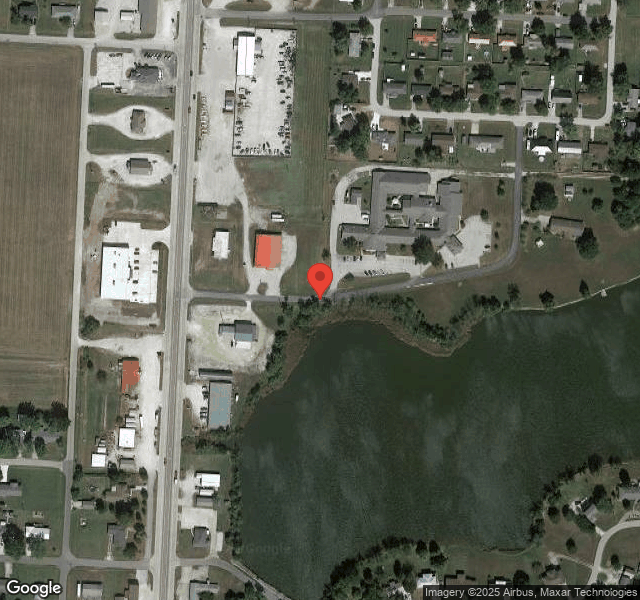

205 TIMBERLINE DRIVE, LINCOLN, MO 65338 (660) 547-3322
Non profit - Corporation 66 Beds Independent Data: November 2025 1 Immediate Jeopardy citation
Trust Grade
54/100
#165 of 479 in MO
Last Inspection: June 2024

Within standard 12-15 month inspection cycle. Federal law requires annual inspections.

Overview

Lincoln Community Care Center holds a Trust Grade of C, indicating an average performance among nursing homes, which means it is in the middle of the pack but not particularly distinguished. It ranks #165 out of 479 facilities in Missouri, placing it in the top half, and #2 out of 3 in Benton County, indicating only one local option is rated higher. However, the facility's trend is worsening, as they reported an increase in issues from 4 in 2023 to 5 in 2024. Staffing is a strength here, with a 4/5 star rating and a turnover rate of 28%, which is significantly better than the Missouri average of 57%. On the downside, the facility has incurred $13,667 in fines, which is average compared to other facilities but still raises concerns. They also have critical issues, such as failing to properly separate COVID-19 positive residents from those who tested negative, increasing the risk of infection. Additionally, there have been concerns about food storage practices and inadequate posting of important contact information for reporting abuse or neglect, which could compromise residents' safety and well-being. Overall, while there are strengths in staffing, the facility must address its critical infection control issues and other compliance concerns.

Trust Score
C
54/100
In Missouri
#165/479
Top 34%
Safety Record
High Risk
Review needed
Inspections
Getting Worse
4 → 5 violations
Staff Stability
✓ Good
28% annual turnover. Excellent stability, 20 points below Missouri's 48% average. Staff who stay learn residents' needs.
Penalties
⚠ Watch
$13,667 in fines. Higher than 75% of Missouri facilities, suggesting repeated compliance issues.
Skilled Nurses
⚠ Watch
Each resident gets only 27 minutes of Registered Nurse (RN) attention daily — below average for Missouri. Fewer RN minutes means fewer trained eyes watching for problems.
Violations
⚠ Watch
15 deficiencies on record. Higher than average. Multiple issues found across inspections.
★★★☆☆
3.0
Overall Rating
★★★★☆
4.0
Staff Levels
★★☆☆☆
2.0
Care Quality
★★★☆☆
3.0
Inspection Score
Stable
2023: 4 issues
2024: 5 issues

The Good

  • 4-Star Staffing Rating · Above-average nurse staffing levels
  • Low Staff Turnover (28%) · Staff stability means consistent care
  • Full Sprinkler Coverage · Fire safety systems throughout facility
  • No fines on record
  • Staff turnover is low (28%)

    20 points below Missouri average of 48%

Facility shows strength in staffing levels, staff retention, fire safety.

The Bad

3-Star Overall Rating

Above Missouri average (2.5)

Meets federal standards, typical of most facilities

Federal Fines: $13,667

Below median ($33,413)

Minor penalties assessed

The Ugly 15 deficiencies on record

1 life-threatening
Jun 2024 5 deficiencies
CONCERN (E)

Potential for Harm - no one hurt, but risky conditions existed

Deficiency F0569 (Tag F0569)

Could have caused harm · This affected multiple residents

**NOTE- TERMS IN BRACKETS HAVE BEEN EDITED TO PROTECT CONFIDENTIALITY** Based on record review and interview, facility staff failed to refund resident funds within 30 days of discharge for 17 resident...

Read full inspector narrative →
**NOTE- TERMS IN BRACKETS HAVE BEEN EDITED TO PROTECT CONFIDENTIALITY** Based on record review and interview, facility staff failed to refund resident funds within 30 days of discharge for 17 residents (Resident # 255, #256, #257, #258, #259, #260, #260, #262, #263, #264, #265, #266, #267, #268, #269, #270, and #271) out of 41 sampled residents. The facility census was 55. 1. Review of the facility's refunds policy, undated, showed the policy did not contain direction for staff on resident refunds after discharge. 2. Review of the facility's aging report (report showing outstanding invoices and balances), dated [DATE], showed the following residents had money in the facility's operating account: -Resident #255 was discharged on [DATE]: with a balance of $3,503.61; -Resident #256 was discharged on [DATE]: with a balance of $3,658.59; -Resident #257 was discharged on [DATE]: with a balance of $5,492.79; -Resident #258 was discharged on [DATE]: with a balance of $4,727.14; -Resident #259 was discharged on [DATE]: with a balance of $6,550.37; -Resident #260 was discharged on [DATE]: with a balance of $3,283.09; -Resident #262 was discharged on [DATE]: with a balance of $744.01; -Resident #263 was discharged on [DATE]: with a balance of $6,309.85; -Resident #264 was discharged on [DATE]: with a balance of $2,214.05; -Resident #265 was discharged on [DATE]: with a balance of $15,619.10; -Resident #266 was discharged on [DATE]: with a balance of $1,172.78; -Resident #267 was discharged on [DATE]: with a balance of $4,465.88; -Resident #268 was discharged on [DATE]: with a balance of $3,406.52; -Resident #269 was discharged on [DATE]: with a balance of $10,614.34; -Resident #270 was discharged on [DATE]: with a balance of $605.21; -Resident #271 was discharged on [DATE]: with a balance of $7,714.63. During an interview on [DATE] at 3:20 P.M., the Business Office Manager (BOM) said the facility aging report has not been balanced for a while. He/She said they have plans to get with an outside company to help with year end reports, but they have not done that yet. He/She said, I don't know anything about aging reports. He/She said he/she did not get trained on resident credits and third-party liability credits. He/She said he/she does not know a time frame of when to contact Medicaid about credit balances. He/She said he/she has not contacted Medicaid about credit balances in residents accounts. During an interview on [DATE] at 12:54 P.M., the administrator said resident balances should be refunded within 30 days of discharge. She said Medicaid should be notified within three days of resident discharge or death and Medicaid should let facility know how to take care of the credit balance. The administrator said she was not aware there were balances in the account for discharged or deceased residents.
CONCERN (E)

Potential for Harm - no one hurt, but risky conditions existed

Deficiency F0657 (Tag F0657)

Could have caused harm · This affected multiple residents

**NOTE- TERMS IN BRACKETS HAVE BEEN EDITED TO PROTECT CONFIDENTIALITY** Based on observation, interview, and record review, facility staff failed to ensure care plans were reviewed and revised to incl...

Read full inspector narrative →
**NOTE- TERMS IN BRACKETS HAVE BEEN EDITED TO PROTECT CONFIDENTIALITY** Based on observation, interview, and record review, facility staff failed to ensure care plans were reviewed and revised to include appropriate fall interventions for six (Resident #10,#12, #13, #19, #35, and #42) out of eight sampled resident's. Staff failed to ensure care plans reflected the use of side rails for one (Resident #42) out of eight sampled residents. The facility census was 55. 1. Review of the facility's Care Plans, Comprehensive Person-Centered, revised December 2016, showed: -Identifying problem areas and their causes, and developing interventions that are targeted and meaningful to the resident, are the endpoint of an interdisciplinary process; -Care plan interventions are chosen only after careful data gathering, proper sequencing of events, careful consideration of the relationship between the resident's problem areas and their causes, and relevant clinical decision making; -When possible, interventions address the underlying sources(s) of the problem area(s), not just addressing only symptoms or triggers. 2. Review of Resident #10's admission Minimum Data Set (MDS) a federally mandated assessment tool, dated 05/21/24, showed staff assessed the resident as: -Moderate cognitive impairment; -Supervision and touching assistance with sit to stand position; -Used wheelchair. Review of the resident's fall incident report, dated 05/23/24, showed the resident got tangled in bed sheet while trying to transfer and fell. Review of the resident's care plan, dated 06/03/24, showed the plan did not contain documentation of the residents fall or fall interventions. 3. Review of Resident #12's Quarterly MDS, dated [DATE], showed staff assessed the resident as: -Severe cognitive impairment; -Supervision and touch assistance with sit to stand position. Review of the resident's fall incident report, dated 03/16/24, showed staff documened they found the resident face forward, got a hematoma to head, a bloody nose, and a bruise on right side of face. Review of the resident's care plan, dated 02/27/24, showed the plan was not updated to contain documentation of the residents fall or fall interventions. 4. Review of Resident #13's Quarterly MDS, dated [DATE], showed staff assessed the resident as: -Moderate Cognitive impairment; -Upper and lower extremity impairment on both sides; -Dependent with transfers and positioning in bed. Review of the resident's fall incident report, dated 05/18/24, showed staff documented they found the resident on the floor. Review of the resident's care plan, dated 05/28/24, showed the plan did not contain documentation of the residents fall or fall interventions. 5. Review of Resident #19's Quarterly MDS, dated [DATE], showed staff assessed the resident as: -Moderate Cognitive impairment; -Upper and lower extremity impairment on one side; -Dependent with transfers and positioning in bed. Review of the resident's fall incident report, dated 03/03/24, showed staff documented the resident fell. Review of the resident's care plan, dated 04/18/24, showed the plan did not contain fall interventions. 6. Review of Resident #35's Quarterly MDS, dated [DATE], showed staff assessed the resident as: -Severe Cognitive impairment; -One fall with since last MDS. Review of the resident's fall incident report, dated 02/21/24, showed the resident slide out of his/her wheelchair and found on the floor. Review of the resident's fall incident report, dated 5/04/24 at 12:45 P.M., showed staff documented they found the resident on the floor on his/her right side. Review of the resident's fall incident report, 05/04/24 at 6:45 P.M., showed staff documented the resident found face down on the ground. Review of the resident's fall incident report, 06/16/24 at 5:55 P.M., showed staff documented they found the resident on the bathroom floor in front of the toilet. Review of the resident's care plan, dated 04/19/24, showed the plan did not contain documentation of the residents fall or fall interventions. 7. Review of Resident #42's Quarterly MDS, dated [DATE], showed staff assessed the resident as: -Modified Cognitive impairment; -Setup assistance with transfers. Review of the resident's nurse's note, dated, 05/17/24 at 4:02 P.M., showed staff documented the resident found on floor beside bed. Review of the resident's care plan, dated 03/18/24, showed the plan did not contain documentation of the residents fall or fall interventions. 8. During an interview on 06/20/24 at 11:14 A.M., Registered Nurse (RN) A said care plans should be updated with interventions after falls. He/She said it is the responsibility of the nurses to initiate the initial interventions after a fall and then the Director of Nursing (DON)/MDS Coordinator updates the care plan. During an interview on 06/20/24 at 11:48 A.M., the DON/MDS coordinator said when a fall happens the charge nurse does a fall incident report at that time, and an intervention is put in at the same time. The DON said she double checks that it is appropriate and then it is added to the care plan. The DON said if there are falls not updated, it might be because she is behind or she was not notified about it. The DON said every fall should be documentation and have an updated intervention. During an interview on 06/20/24 at 12:50 A.M., the Administrator said falls should be updated and interventions added to the care plan within a 24-48 hour time frame. The administrator said she would expect the nurse be responsible for coming up with a intervention, then as a team we go over to make sure it is acceptable, and it is then put on the care plan. 9. Review of Resident #42's Quarterly MDS, dated [DATE], showed staff assessed the resident as: -Modified Cognitive impairment; -Does not use bed rails; -Supervision or limited assist of one as needed with bed mobility and transfers; -Setup assistance from chair/bed-to-chair transfer. Review of the resident's care plan, dated 03/18/24, showed the plan did not contain documentation of the resident's bed rails. Review of the resident's bed rail assessment, dated 4/01/24, showed bed rails were not indicated for resident and the resident had not expressed a desire to have side rails. Observation on 06/17/24 at 11:45 A.M., showed the resident in bed with bilateral raised bedrails. Observation on 06/18/24 at 10:06 A.M., showed resident in bed with bilateral raised bedrails. Observation on 06/19/24 at 9:12 A.M., showed resident in bed with bilateral raised bedrails. During an interview on 06/20/24 at 11:14 A.M., RN A said if the resident has the bars on his/her bed he/she would expect them to be care planned. During in interview on 06/20/24 at 11:47 A.M., the DON/MDS coordinator said anyone who had bedrails should have them care planned. He/She said it is his/her responsibility, as the MDS coordinator, to add it to the care plan. He/She was not aware they were not care planned. During an interview on 06/20/24 at 12:37 P.M., the administrator said it is the responsibility of the MDS coordinator to make sure anyone who has bed rails has them care planned. He/She is not sure why they are not care planned.
CONCERN (E)

Potential for Harm - no one hurt, but risky conditions existed

Deficiency F0658 (Tag F0658)

Could have caused harm · This affected multiple residents

**NOTE- TERMS IN BRACKETS HAVE BEEN EDITED TO PROTECT CONFIDENTIALITY** Based on observation, interview, and record review, facility staff failed to maintain professional standards of practice when st...

Read full inspector narrative →
**NOTE- TERMS IN BRACKETS HAVE BEEN EDITED TO PROTECT CONFIDENTIALITY** Based on observation, interview, and record review, facility staff failed to maintain professional standards of practice when staff did not complete neurological assessments after unwitnessed falls for two residents (Resident #35, and #42) of 14 sampled residents. Staff failed to get physician orders to self-administer eye drops for two residents (Resident #33 and #39) of 14 sampled residents. The facility census was 55. 1. Review of the facility's policy titled, Falls- Clinical Protocol, revised 09/12, showed the nurse shall assess and document/report the following: -Vital signs; -Neurological status; -Falls should be identified at witnessed or unwitnessed events. Review of the nurse's Fall Reports, showed the report directed staff neurological checks must be initiated if not witnessed. Review of the facility's Neurological Evaluation Flow Sheet, showed staff are directed to: -Complete checks-Every 15 minutes for one hour, every 30 minutes for two hours, every one hour for two hours and every shift for 72 hours; -Glasgow coma scale (is a clinical scale used to reliably measure a person's level of consciousness after a brain injury) to include eyes open, best verbal response, best motor response, pupils, reflexes, movement and vital signs. 2. Review of Resident #35's Quarterly Minimum Data Set (MDS), a federally mandated assessment tool, dated 04/09/24, showed staff assessed the resident as: -Moderate cognitive impairment; -One fall with injury since last MDS; -Diagnosis of dementia. Review of the resident's nurse's note, dated, dated 02/21/24, showed staff documented the resident attempted to transfer from his/her wheelchair to his/her recliner and found between the wheelchair and recliner. Review of the resident's fall incident report, dated 02/21/24, showed the report did not contain neurological exams after the resident had an unwitnessed fall. Review of nurse's note dated, 02/21/24 at 6:50 P.M., showed staff documented the resident found face down on the floor by a certified nurse aid (CNA), with his/her neck under the wheels of his/her roommate's wheelchair. The resident was sent out to the hospital at 7:15 P.M. His/Her x-rays were negative and the resident would be return with a family member, no documentation of resident's return date or time. Review of nurse's note dated, 05/04/24 at 12:56 P.M., showed staff documented the resident fell out of his/her wheelchair reaching for a brownie on the floor. Review of the resident's fall incident report, 05/04/24 at 12:45 P.M., showed staff did not document neurological exams were initiated after the resident had a fall witnessed by another resident. Review of the resident's fall incident report, 05/04/24 at 6:45 P.M., showed staff did not document neurological exams were initiated after the resident had an unwitnessed fall and was found face down on the ground with his/her head under an occupied wheelchair. Abrasion noted on left great toe and left forehead. Review of the resident's fall incident report, 06/16/24 at 5:55 P.M., showed the report did not contain documentation of neuro checks after the resident had an unwitnessed fall and found on the bathroom floor. Review of the resident's nurse's note, dated, 06/16/24 at 5:55 P.M., showed staff documented the resident was found on his/her bathroom floor after attempting to self-transfer to the toilet. Review of resident's medical record, dated 06/20/24, showed staff did not document a fall assessment or neurological exams were initiated after the resident had an unwitnessed fall. 3. Review of Resident #42's Quarterly MDS, dated [DATE], showed staff assessed the resident as: -Modified Cognitive impairment; -Does not use bed rails; -Supervision or limited assist of one as needed with bed mobility and transfers; -Setup assistance from chair/bed-to-chair transfer. Review of nurse's note dated, 02/16/24 at 12:03 A.M., showed staff documented resident was found laying on the floor in front of refrigerator in room with abrasion to right elbow. Review of resident's fall assessment, dated 02/16/24, showed the record did not contain documentation neurological exams were initiated after the resident had a fall witnessed by another resident. Review of nurse's note dated, 05/17/24 at 4:02 P.M., showed staff documented the resident was found sitting on buttocks beside her bed. Review of resident's medical record, dated 06/20/24, showed staff did not document a fall assessment or neurological exams were initiated after the resident had an unwitnessed fall after he/she was found on floor beside bed. 4. During an interview on 06/20/24 at 11:14 A.M., Registered Nurse (RN) A said if a resident has a fall, and it is not witnessed then the policy is to initiate neurological checks. He/She said there is a form they fill out with the exact timing, but he/she knows it says to check the resident every 15 min for an hour, every 30 minutes for an hour, and that the assessment is done for 72 hours. He/She said after every fall a fall report and nurse's note are completed by the nurse. He/She said he/she would not consider another resident as a witness. He/She said he/she would only consider a staff member or a family member as a reliable witness. During an interview on 06/20/24 at 11:47 A.M., the Director of Nursing (DON) said if there is a fall, he/she expects the nurse to fill out a fall report in the electronic medical record. He/She said if the fall is unwitnessed or if the resident hit his/her head he/she expects the nurses to initiate neurological exams. He/She considers staff or an alert and oriented resident to be a reliable witness to a fall. He/She said not initiating neurological exams puts the residents at risk for a brain bleed and it could result in death. He/She said he/she is not sure of the exact time frames for the fall protocol on neurological exams but said there is a form with time frames that the nurses use. He/She was not aware staff were not initiating neurological exams on residents who had unwitnessed falls. During an interview on 06/20/24 at 12:37 P.M., the Administrator said it is his/her expectation that when a resident falls that the nurse assesses for injury and initiates neuros for any unwitnessed falls or falls with head injury. He/She said there is a neurological evaluation sheet that the nurses use that has all the time frames and areas to assess. He/She said he/she would consider staff or an alert and oriented resident as a reliable source for a witness to a fall. He/She said staff should be documenting who the witness is on the nurse's fall report sheet in the electronic medical record. He/She said he/she was not aware staff were not completing neurological exams following unwitnessed falls or falls with head injuries and was not aware they were not documenting the name of the witness. He/She said it is important to perform neurological exams because injuries to the head could be potentially life threatening. 5. Review of the facility's policy titled, Administering Medications, revised 12/12, showed the policy directed staff as follows: -Only persons licensed or permitted by this state to prepare, administer, and document the administration of medications may do so; -Medications must be administered in accordance with the orders, including any required time frame; -Residents may self-administer their own medications only if the Attending Physician, in conjunction with the Interdisciplinary Care Team, has determined that they have the decision-making capacity to do so safely. 6. Review of Resident #33's Quarterly MDS, dated [DATE], showed the staff assessed the resident as cognitively intact. Review of the resident's care plan, dated 03/07/24, showed the record did not contain direction for self-administration of eye drops. Review of the resident's Physicians Order Sheet (POS), dated June 2024, showed an order for: -Dorzolamide eye drops, instill one drop in both eyes one time a day; -Latanoprost eye drops, instill one drop in both eyes one time a day. -Did not contain an order for self-administration. Observation on 06/17/24 at 11:14 A.M., showed the eye drops on the resident's bed side table. Observation on 06/18/24 at 9:54 A.M., showed the eye drops on the resident's bed side table. Observation on 06/19/24 at 8:41 A.M., showed the eye drops on the resident's bed side table. During an interview on 06/20/24 at 9:01 A.M., Certified Medication Technician (CMT) D said the resident has two eye drops he/she self-administers. He/She said the resident is cognitive. During an interview on 06/20/24 at 11:14 A.M., RN A said he/she believes this resident self-administers eye drops. He/She said he/she should have orders to self-administer the eye drops. During an interview on 06/20/24 at 12:37 P.M., the administrator said the resident has orders to self-administer two sets of eye drops. He/She said he/she does not have an order to self-administer the third eye drop. 7. Review of Resident #39's Quarterly MDS, dated [DATE], showed the staff assessed the resident as cognitively intact. Review of the resident's care plan, dated 01/11/24, showed the record did not contain direction on the self-administration of eye drops. Review of the resident's POS, dated June 2024, showed an order for: -Propylene glycol eye drops, instill one drop in both eyes one time a day. -Did not contain an order for self-administration. Observation on 06/17/24 at 2:20 P.M., showed lubricating eye drops on the resident's bed side table. Observation on 06/19/24 at 2:37 P.M., showed lubricating eye drops on the resident's bed side table. Observation on 06/20/24 at 8:30 A.M., showed lubricating eye drops on the resident's bed side table. During an interview on 06/20/24 at 9:01 A.M., CMT D said the resident does not self-administer eye drops. He/She is unsure why the resident has eye drops at bedside. During an interview on 06/20/24 at 11:14 A.M., RN A said the resident does not have an order to self-self-administer eye drops. He/She was not aware the resident had eye drops at bed side. He/She is not sure why the resident has them. During an interview on 06/20/24 at 12:37 P.M., the administrator said he/she was not aware the resident had the eye drops at bed side. 8. During an interview on 06/20/24 at 11:47 A.M., the DON/MDS coordinator said he/she is not aware of anyone who self-administers eye drops. He/She said if a resident self-administers medications, they must have an order for it, and it should be care planned. During an interview on 06/20/24 at 12:37 P.M., the Administrator said anyone who is allowed to self-administer anything, should have orders to self-administer it and it should be care planed. He/She said he eye drops not aware of. Should not happen, they are supposed to acknowledge he has them but not for administering, just that they have looked at them and reordered them. her orders would need reflect that. Staff would just acknowledge them being there. was not aware that they are at bedside and that they are signing off on them, they should not be.
CONCERN (E)

Potential for Harm - no one hurt, but risky conditions existed

Deficiency F0679 (Tag F0679)

Could have caused harm · This affected multiple residents

**NOTE- TERMS IN BRACKETS HAVE BEEN EDITED TO PROTECT CONFIDENTIALITY** Based on interview and record review, facility staff failed to provide an ongoing program of activities designed to meet three r...

Read full inspector narrative →
**NOTE- TERMS IN BRACKETS HAVE BEEN EDITED TO PROTECT CONFIDENTIALITY** Based on interview and record review, facility staff failed to provide an ongoing program of activities designed to meet three residents (Resident #4, #16 and #24) out of 14 sampled residents interest on the weekends. The facility census was 55. 1. Review of the facility's policy titled, Activity Programs, revised 6/18, showed it directed staff as follows: -The activities program is ongoing and includes facility-organized group activities, independent individual activities and assisted individual activities; -Activities are scheduled seven days a week and residents are given an opportunity to contribute to the planning, preparation, conducting, cleanup and critique of the programs; -Our activity programs consist of individual, small group and large group activities that are designed to meet the needs and interests of each resident. Activity programs include activities that promote self-esteem, comfort, pleasure, education, creativity, success, and independence. Review of the facility's activity calendar, dated March 2024, showed: -Saturday, 03/02/24; 01:30 P.M., Social coloring; -Sunday, 03/03/24; 03:00 P.M., Baptist services; -Saturday, 03/09/24; 01:30 P.M., Funny videos; -Sunday, 03/10/24; 03:00 P.M., Baptist services; -Saturday, 03/16/24; 01:30 P.M., Social Coloring; -Sunday, 03/17/24; 02:00 P.M., Yoder's and 3:00 P.M., Baptist services; -Saturday, 03/23/24; 01:30 P.M., Bingo with Cliff; -Sunday, 03/24/24; 03:00 P.M., Non-denominational Christian Church services; -Saturday, 03/30/24; 01:30 P.M., Social Coloring; -Sunday, 03/31/24; 03:00 P.M., Methodist services. Review of the facility's activity calendar, dated April 2024, showed: -Saturday, 04/06/24; 01:30 P.M., Social coloring; -Sunday, 04/07/24; 03:00 P.M., Baptist services; -Saturday, 04/13/24; 01:30 P.M., Funny videos; -Sunday, 04/14/24; 03:00 P.M., Baptist services; -Saturday, 04/20/24; 01:30 P.M., Social Coloring; -Sunday, 04/21/24; 02:00 P.M., Yoder's and 3:00 P.M., Baptist services; -Saturday, 04/27/24; 01:30 P.M., Funny videos; -Sunday, 04/28/24; 03:00 P.M., Non-denominational Christian Church services. Review of the facility's activity calendar, dated May 2024, showed: -Saturday, 05/04/24; 01:30 P.M., Movie in activity room; -Sunday, 05/05/24; 03:00 P.M., Methodist services; -Saturday, 05/011/24; 01:30 P.M., Movie in activity room; -Sunday, 05/12/24; 03:00 P.M., Baptist services; -Saturday, 05/18/24; 01:30 P.M., Movie in activity room; -Sunday, 05/19/24; 02:00 P.M., Yoder's and 3:00 P.M., Baptist services; -Saturday, 05/25/24; 01:30 P.M., Movie in activity room; -Sunday, 05/26/24; 03:00 A.M., Baptist services. Review of the facility's activity calendar, dated June 2024, showed: -Saturday, 06/01/24; 01:30 P.M., Social Word Search; -Sunday, 06/02/24; 03:00 P.M., Non-denominational Christian Church services; -Saturday, 06/08/24; 01:30 P.M., Movie in activity room; -Sunday, 06/09/24; 03:00 P.M., Methodist services; -Saturday, 06/15/24; 01:30 P.M., Social Word Search; -Sunday, 06/16/24; 02:00 P.M., Yoder's and 3:00 P.M., Baptist services; -Saturday, 06/22/24; 01:30 P.M., Movie in activity room; -Sunday, 06/23/24; 03:00 A.M., Baptist services; -Saturday, 06/29/24; 1:30 P.M., Social Word Search; -Sunday, 06/30/24; 3:00 P.M., Baptist services. 2. Review of Resident #4's Quarterly Minimum Data Set (MDS), a federally mandated assessment tool, dated 04/08/24, showed staff assessed the resident as follows: -Cognitively intact; -Independent with ADL's. Review of the resident's care plan, dated 05/07/24, showed staff documented the resident enjoys going to most facility activities of manicures, playing bingo, and music events. During an interview on 6/18/24 at 10:40 A.M., the resident said he/she does not think they have activities on the weekends, sometimes they have church. He/She said he/she would attend activities on the weekends if they had them. 3. Review of Resident #16's Quarterly MDS, dated [DATE], showed staff assessed the resident as follows: -Moderate cognitive impairment; -Unclear Speech; -Communication problem related to Expressive Aphasia. Review of the resident's care plan, dated 5/21/24, showed staff documented the resident enjoys going to all facility group activities. During an interview on 6/18/24 at 9:58 A.M., the resident was asked if there are activities on the weekends; the resident shook his/her head no. The resident was asked if he/she would like activities on the weekend; the resident shook his/her head yes. 4. Review of Resident #24's Annual MDS, dated [DATE], showed staff assessed the resident as follows: -Cognitively intact; -Activity preferences to be very important to do things with groups of people. During an interview on 06/18/24 at 3:48 P.M., the resident said there are usually no activities on the weekend besides church services on Sunday. He/She said activities on the weekends are randomly scheduled. He/She said he/she loves activities and would attend if they had them on the weekends. 5. During interview on 6/20/24 at 11:17 A.M., Certified Nurses Aide (CNA) B said there are no staff led activities on the weekends. He/She said that it would be the CNA's responsibility to start any activities on the weekends if they have time. He/She said there is a TV in the activities room if the residents want to put a movie on. During an interview on 06/18/24 at 11:14 A.M., Registered Nurse (RN) A said it is the activities director job to develop activities. He/She said to his/her knowledge the facility does not have anyone designated to perform activities on the weekends. He/She said staff are responsible for turning on movies for the residents who sit in the living room during the day. He/She said the residents have church on Sundays and once a month on Sunday a volunteer group comes in to sing to the residents. During an interview on 06/20/24 at 11:31 A.M., the Activity Director said on Saturdays the residents can do word searches, cross word puzzles, and watch tv in the activities room. He/She said Sundays they have church service in the afternoon. He/She said there is no staff led activities on the weekends. During an interview on 06/20/24 at 11:47 A.M., the Director of Nursing (DON) said they offer movies and church on the weekends as activities. He/She said it is his/her understanding that staff starts the movie for the residents, aides get residents up for church and families come in on the weekends to help. He/She said he/she is not sure there are initiated activities for dependent residents. He/She said he/she feels like it would depend on who is working, if residents get activities initiated. He/She said some take the initiative more than others and there isn't anyone specifically assigned to that task. During an interview on 06/20/24 at 12:37 P.M., the administrator said they do not have a designated person who does activities on the weekends or weekend staff led activities. He/She said usually the south hall charge nurse initiates inviting residents to play games or starting movies on the weekends. He/She said he/she was not aware they had to have staff led activities on the weekend and he/she thought they could just initiate it tuning on movies and getting the games out.
CONCERN (E)

Potential for Harm - no one hurt, but risky conditions existed

Deficiency F0909 (Tag F0909)

Could have caused harm · This affected multiple residents

**NOTE- TERMS IN BRACKETS HAVE BEEN EDITED TO PROTECT CONFIDENTIALITY** Based on observation, interview, and record review, facility staff failed to complete entrapment assessments for four residents ...

Read full inspector narrative →
**NOTE- TERMS IN BRACKETS HAVE BEEN EDITED TO PROTECT CONFIDENTIALITY** Based on observation, interview, and record review, facility staff failed to complete entrapment assessments for four residents (Residents #16, #24, #36 and #42) out of four sampled residents who use side rails, to ensure the environment remained safe and free of accident hazards. The facility census was 55. 1. Review of the facility's policy titled, Proper Use of Side Rails, revised 12/16, showed an assessment will be made to determine the resident's symptoms, risk of entrapment and reason for using side rails. When used for mobility or transfer, an assessment will include a review of the resident's: -Risk of entrapment from the use if side rails; -That the bed's dimensions are appropriate for the resident's size and weight. Review of the facility's policy titled, Bed Safety, revised 12/07, showed to try and prevent death/injury from the beds and related equipment (including the frame, mattress, side rails, headboard, footboard, and bed accessories), the facility shall promote the following approaches: -Inspection by maintenance staff of all beds and related equipment as part of our regular bed safety program to identify risks and problems including potential entrapment risks; -Review that gaps within the bed system are within the dimensions established by Food and Drug Administration (FDA) (Note: the review shall consider situations that could be caused by the resident's weight, movement or bed position). 2. Review of Resident #16's Quarterly Minimum Data Set (MDS), a federally mandated assessment tool, dated 4/18/24, showed staff assessed the resident as: -Moderate cognitive impairment; -Unclear Speech; -Upper extremity impairment on one side, lower extremity impairment on both sides; -Substantial to maximal assistance with rolling left to right, lying to sitting on side of bed, and chair/bed to chair transfer. Review of the resident's medical record showed the entrapment assessment did not contain the appropriate measurements for the resident's size and weight. 3. Review of Resident #24's Quarterly MDS, dated [DATE], showed staff assessed the resident as: -Moderate cognitive impairment; -Substantial maximal assistance for bed mobility to roll left and right; -Substantial maximal assistance from chair/bed-to-chair transfer. Review of the resident's medical record showed the entrapment assessment did not contain the appropriate measurements for the resident's size and weight. 4. Review of Resident #36's annual MDS, dated [DATE], showed staff assessed the resident as: -Severe cognitive impairment; -Partial/moderate assistance from staff with rolling left and right; -Supervision from staff with transferring from chair/bed-to-chair transfers; -Supervision from staff for toilet transfers. Review of the resident's medical record showed, the entrapment assessment did not contain the appropriate measurements for the resident's size and weight. 5. Review of Resident #42's Quarterly MDS, dated [DATE], showed staff assessed the resident as: -Modified cognitive impairment; -Supervision or limited assist of one as needed with bed mobility and transfers; -Setup assistance from chair/bed-to-chair transfer. Review of the resident's medical record showed the entrapment assessment did not contain the appropriate measurements for the resident's size and weight. 6. During an interview on 06/19/24 at 1:02 P.M., the Maintenance Director said he/she is responsible for completing the entrapment assessments. He/She said he/she does the measurements on admission, monthly, and if the resident changes rooms or beds. He/She said that he/she uses a tape measure and measures the distance of the railing with the mattress, while the resident is not in bed. He/She said he/she did not know he/she was supposed to do the measurements with the resident in the bed. During in interview on 06/20/24 at 11:47 A.M., the Director of Nursing/MDS coordinator said rails need to be monitored for safety. He/She expects any resident with siderail to have entrapment assessments completed. He/She said the maintenance director is responsible for completing entrapment assessments. He/She said the facility does not usually use side rails. During an interview on 06/20/24 at 12:37 P.M., the administrator said it is the responsibility of the maintenance director to complete entrapment assessments monthly. He/She said the measurements are done without the resident in the bed. He/She said he/she was not aware that they should be done with the resident in the bed. He/She said entrapment assessments are done upon admission, at least monthly, with changes of condition, bed changes, and with readmission after hospitalization.
Oct 2023 1 deficiency 1 IJ (1 affecting multiple)
CRITICAL (K) 📢 Someone Reported This

A family member, employee, or ombudsman was alarmed enough to file a formal complaint

Immediate Jeopardy (IJ) - the most serious Medicare violation

Infection Control (Tag F0880)

Someone could have died · This affected multiple residents

**NOTE- TERMS IN BRACKETS HAVE BEEN EDITED TO PROTECT CONFIDENTIALITY** Surveyor: [NAME], [NAME] Based on observation, interview and record review, facility staff failed to maintain an infection preve...

Read full inspector narrative →
**NOTE- TERMS IN BRACKETS HAVE BEEN EDITED TO PROTECT CONFIDENTIALITY** Surveyor: [NAME], [NAME] Based on observation, interview and record review, facility staff failed to maintain an infection prevention and control program to provide a safe and sanitary environment to help prevent the potential spread of COVID-19 (an acute respiratory illness in humans caused by the coronavirus, SARS-CoV-2) and other infections, when staff failed to follow acceptable infection control practices for COVID-19. The facility failed to separate four residents (Resident #1, #2, #3, and #4) who tested positive for COVID-19 from four residents (Resident #5, #6, #7 and #8) who had tested negative for COVID-19, which placed the residents at an increased risk of contracting COVID-19 due to prolonged exposure. The facility census was 50. The Director of Nursing and Assistant Administrator were notified on 09/30/23 at 02:04 P.M. of an Immediate Jeopardy (IJ) which began on 09/23/23. The IJ was removed on 09/30/23, as confirmed by surveyor onsite verification. 1. Review of the Centers for Disease Control (CDC) Interim Infection Prevention and Control Recommendations for Healthcare Personnel During the Coronavirus Disease 2019 (COVID-19) Pandemic, updated 05/8/23, showed: -The recommendations in the guidance continue to apply after the expiration of the federal COVID-19 Public Health Emergency. -The Infection prevention and Control (IPC) recommendations described below (e.g., patient placement, recommended PPE) also apply to patients with symptoms of COVID-19 (even before results of diagnostic testing) and asymptomatic patients who have met the criteria for empiric Transmission-Based Precautions based on close contact with someone with SARS-CoV-2 infection. However, these patients should NOT be cohorted with patients with confirmed SARS-CoV-2 infection unless they are confirmed to have SARS-CoV-2 infection through testing. -Place a patient with suspected or confirmed SARS-CoV-2 infection in a single-person room. The door should be kept closed (if safe to do so). Ideally, the patient should have a dedicated bathroom. -If cohorting, only patients with the same respiratory pathogen should be housed in the same room. -Facilities could consider designating entire units within the facility, with dedicated HCP (healthcare personnel), to care for patients with SARS-CoV-2 infection when the number of patients with SARS-CoV-2 infection is high. Dedicated means that HCP are assigned to care only for these patients during their shifts. Dedicated units and/or HCP might not be feasible due to staffing crises or a small number of patients with SARS-CoV-2 infection. Review of the facility's policy titled Coronavirus Disease (COVID-19) - Identification and Management of Ill Residents, dated September 2022, showed staff were directed to do the following: -Residents with signs and/or symptoms of COVID-19 (SARS-COV-2) infections are identified and isolated to help control the spread of infection to other residents, staff and visitors; -Strategies used for the rapid identification and management of SARS-COV-2 infected residents are consistent with current recommendations from the Centers for Disease Control and Prevention; -Residents with suspected or confirmed SARS-COV-2 infection are placed in a single-person room. The door will be kept closed (if safe to do so); -If cohorting only residents with the same respiratory pathogen are housed in the same room; -The policy did not contain direction for room placement when one negative resident is in a room with a resident that tests positive. 2. Review of the facility's Testing Tracker showed staff documented Resident #1 tested positive for COVID-19 on 09/25/23. Review of the report showed the resident's roommate Resident #5 tested negative for COVID-19 on 09/25/23, 09/27/23, and 09/29/23. Review of Resident #1's Nurse's Notes, dated 09/29/23 at 02:05 P.M., showed staff documented the resident was alert with confusion and diminished lung sounds. Is very fatigued. Appetite and fluid intake poor during illness. Increased incontinence of bowel and bladder during illness. Required assistance of one for transfers during illness. Review of Resident #5's Progress Notes, dated 09/25/23 through 09/30/23, showed staff did not notify the resident's family of his/her roommate testing positive for COVID-19. Observation on 09/30/23 at 11:45 A.M., showed Resident #1 and Resident #5 in the same room. 3. Review of the facility's Testing Tracker showed staff documented Resident #2 tested positive for COVID-19 on 09/29/23. Review of the report showed the resident's roommate Resident #6 tested negative for COVID-19 on 09/29/23. Review of Resident #2's Nurse's Notes, dated 09/29/23 at 01:13 P.M., showed staff documented the resident had diminished lung sounds and dry cough. Review of Resident #6's Progress Notes, dated 09/29/23 through 09/30/23, showed staff did not notify the resident's family of his/her roommate testing positive for COVID-19. Observation on 09/30/23 at 12:01 P.M., showed Resident #2 and Resident #6 in the same room. 4. Review of the facility's Testing Tracker showed Resident #3 tested positive for COVID-19 on 09/26/23. Review of the report showed the resident's roommate Resident #7 tested negative for COVID-19 on 09/27/23 and 09/29/23. Review of Resident #3's Nurse's Notes, dated 09/23/23 at 01:10 P.M., showed staff documented the resident was alert with confusion. Lung sounds diminished in all lobes with no cough or sputum. Review of Resident #7's Progress Notes, dated 09/26/23 through 09/30/23, showed staff did not notify the resident's family of his/her roommate testing positive for COVID-19. Observation on 09/30/23 at 12:13 P.M., showed Resident #3 shared a room with Resident #7. 5. Review of the facility's Testing Tracker showed Resident #4 tested positive for COVID-19 on 09/23/23. Review of the report showed the resident's roommate Resident #8 tested negative for COVID-19 on 09/25/23, 09/27/23 and 09/29/23. Review of Resident #4's Nurse's Notes, dated 09/23/23 at 1:22 P.M., showed staff documented the resident's oxygen saturation (level of oxygen in the blood with normal values of 95 to 100 percent (%)) at 90% on room air (without oxygen). Alert with confusion. Clear lung sounds and without cough or sputum production. Review of Resident #8's Progress Notes, dated 09/15/23 through 09/30/23, showed staff did not notify the resident's family of his/her roommate testing positive for COVID-19. Observation on 09/30/23 at 12:22 P.M., showed Resident #4 and Resident #8 in the same room. 6. During an interview on 09/30/23 at 10:15 A.M., Licensed Practical Nurse (LPN) A said half of the residents at the facility have tested positive for COVID-19 and remained in their rooms. The LPN said some of the COVID-19 positive residents continued to a share a room with residents who have tested negative. During an interview on 09/30/23 at 10:45 A.M., the Director of Nursing (DON) said there were two rooms that had a COVID-19 positive resident and a COVID-19 negative resident together due to the lack of housekeeping to clean the rooms and move residents. The DON said they did not move these residents, because all the housekeeping staff were out sick with COVID. He/She said there were two rooms that were unsafe due to remodeling, the adjoining assisted living facility did not have any empty beds, one semi-private room had a resident with behaviors that would not do well with a roommate, and the other rooms were private pay. In order to keep the negative residents from developing COVID, the staff have pulled the curtain between residents, had them use separate bathrooms, and staff used separate PPE for each residents' care. If the negative residents needed to leave the room for therapy or bathing, one on one was provided by staff and a mask is worn by the resident. During an interview on 09/30/23 at 12:15 P.M., the DON said there were actually four rooms that shared both positive and negative residents. The DON said during the interdisciplinary meetings staff had discussed placing residents in the main sitting/activity area, but due to lack of call lights, poor heating/cooling, and privacy issues it was not an option to use for residents. The DON said the nursing staff and maintenance had been trying to help take out the trash and do basic cleaning, but did not know the process for deep cleaning that was required before a resident could be moved into or from an area. During a phone interview on 09/30/23 at 12:38 P.M., the Assistant Administrator said he/she believed only the housekeeping staff knew the process for deep cleaning a room. He/She said the housekeeping staff were all off work due being sick with COVID. He/She said a room or area would require deep cleaning before a resident is moved in and/or after a resident moved out. Note: At the time of the survey, the violation was determined to be at the immediate and serious jeopardy level K. Based on observation, interview and record review completed during the onsite visit, it was determined the facility had implemented corrective action to address and lower the violation at the time. A final revisit will be conducted to determine if the facility is in substantial compliance with participation requirements. At the time of exit, the severity of the deficiency was lowered to the E level. This statement does not denote that the facility has complied with State law (Section 198.026.1 RSMo.) requiring that prompt remedial action be taken to address Class I violation(s). MO00225145
Mar 2023 3 deficiencies
CONCERN (E)

Potential for Harm - no one hurt, but risky conditions existed

Comprehensive Care Plan (Tag F0656)

Could have caused harm · This affected multiple residents

**NOTE- TERMS IN BRACKETS HAVE BEEN EDITED TO PROTECT CONFIDENTIALITY** Based on observation, interview and record review facility staff failed to develop and implement a comprehensive person-centered...

Read full inspector narrative →
**NOTE- TERMS IN BRACKETS HAVE BEEN EDITED TO PROTECT CONFIDENTIALITY** Based on observation, interview and record review facility staff failed to develop and implement a comprehensive person-centered care plan for four residents (Resident #8,#10, #22, and #30). The facility census was 48. Review of the facility's Care Plans, Comprehensive Person-Center Policy, dated March 2022, showed: -A comprehensive, person-centered care plan that includes measurable objective timetables to meet the resident's physical, psychosocial and functional needs is developed and implemented for each resident; -The care plan interventions are derived from a thorough analysis of the information gathered as part of the comprehensive assessment; -Describes the services that are to be furnished to attain or maintain the resident's highest practicable physical, mental, and psychosocial well-being; includes the resident's stated goals upon admission and desired outcomes; builds on the resident's strengths; and reflects currently recognized standards of practice for problem areas and conditions; -Care plan interventions are chosen only after data gathering, proper sequencing of events, careful consideration of the relationship between the resident's problem areas and their causes, and relevant clinical decision making; -When possible, interventions address the underlying sources(s) of the problem area(s), not just symptoms or triggers; -Assessments of resident are ongoing and care plans are revised as information about the residents and the residents' conditions change; -The interdisciplinary team reviews and updates the care plan when there has been a significant change in the resident's condition; when a desired outcome is not met; when the resident has been readmitted to the facility from a hospital stay; and at least quarterly, in conjunction with the required quarterly assessment. 1. Review of Resident #8's Quarterly Minimum Data Set (MDS), a federally mandated assessment tool, dated 12/23/22, showed staff assessed the resident as: -Cognitively intact; -Required extensive assistance from one staff member for personal hygiene; -Did not show obvious or likely cavity or natural teeth or natural or teeth fragments; -At risk for pressure ulcers. Review of the resident's care plan, revised 3/17/23, showed it did not contain direction for staff in regard to the resident's missing teeth. Further review showed staff documented the resident was at risk for the development of pressure ulcers. Additional review showed the care plan did not contain direction for staff in regard to pressure ulcer prevention. Observation on 3/20/23 at 11:17 A.M., showed the resident with missing upper and lower teeth. During an interview on 3/29/23 at 11:22 A.M., the resident said he/she does not have upper or lower teeth. 2. Review of Resident #10's Quarterly MDS, dated [DATE], showed staff assessed the resident was admitted to the facility on [DATE]. Further review showed staff did not identify the resident's needs for dental care or the resident's difficulty with communication due to missing dentures and lost hearing aides. Review of the resident's care plan, dated 3/20/23, showed it did not contain direction for staff in regard to dental care or communication/hearing loss. Observation on 3/21/23 at 9:22 A.M., showed the resident ate breakfast without teeth. Further observation showed the resident needed questions repeated multiple times to hear what was said. During an interview on 3/21/23 at 9:22 A.M., the resident said he/she came to the facility without his/her dentures and hearing aides. The resident said he/she has not seen a doctor for his/her hearing loss or dental care since his/her admission to the facility. During an interview on 3/28/23 at 11:48 A.M. the resident said the Social Services Designee (SSD) has not talked to him/her since his/her admission to the facility. The resident said he/she does not even know who the SSD is. During an interview on 3/28/23 at 2:18 P.M., the SSD said he/she is responsible for making dental appointments. The SSD said if a resident is admitted to the facility without their dentures or hearing aides, he/she would call the resident's family and ask them to bring them to the facility. The SSD said he/she met with the resident several times and the resident never mentioned that he/she wanted a pair of dentures. The SSD said he/she didn't know the resident wore hearing aides. 3. Review of Resident #22's Annual MDS, dated [DATE], showed staff assessed the resident as: -Severe cognitive impairment; -Had no falls since admission; -Had no natural teeth or teeth fragments; -Required limited assistance from one staff member for personal hygiene. Observation on 3/20/23 at 12:16 P.M., showed the resident with missing upper and lower teeth. Review of the resident's medical record, dated 9/15/22, showed staff documented the resident was not a good candidate for dentures due to lack of an adequate ridge. Further review, showed staff documented the resident had unwitnessed falls on 12/24/23 and 3/2/23 and a witnessed fall on 3/2/23. Review of the resident's care plan, revised 2/24/23, showed staff did not document any new interventions for falls since 4/29/22. Further review, showed it did not contain documentation in regard to the resident's missing teeth. 4. Review of Resident #30's Significant Change in Status Assessment (SCSA) MDS, dated [DATE], showed staff assessed the resident as follows: -Received an antipsychotic medication (prescription psychiatric medication used to treat psychosis) seven out of seven days in the look back period (period of time used to complete the assessment); -The resident had not exhibited physical or verbal behaviors directed towards, and other behaviors occured one to three days out of the seven day look back period. Review of the resident's Physician Order Summary (POS), dated March 2023, showed an order for Haldol (antipsychotic medication) inject 1 milligram (mg) intramuscularly (IM), in the muscle, every four hours as needed (PRN) for behavioral issues. Review of the resident's Treatment Administration Record (TAR), dated 3/1/23, showed staff documented they administered the Haldol to the resident on: -3/4/23 at 5:44 P.M.; -3/11/23 at 7:02 P.M.; -3/13/23 at 7:01 P.M.; -3/15/23 at 10:21 P.M.; -3/16/23 at 7:22 P.M.; -3/19/23 at 2:56 P.M.; -3/24/23 at 2:20 P.M.; Review of the resident's Care Plan, dated 3/6/23, showed it did not contain goals or interventions for the resident in regard to antipsychotic medication use. During an interview on 3/28/23 at 4:14 P.M., the MDS Coordinator said he/she is responsible for completing and updating the care plans. He/She said he/she obtained the information from interviews, input from staff, and his/her assessments. He/She said resident #10 was admitted last fall, and he/she didn't know the resident didn't have teeth, was hard of hearing, or needed hearing aides. He/She said he/she didn't know resident #8 and resident #22 didn't have teeth. He/She said he/she would not expect to see missing teeth listed on the care plan, unless it caused the resident issues. The MDS Coordinator said antipsychotic medication use should be included in a resident's care plan. He/She said he/she must have missed it. He/She said anytime a resident falls, a new intervention should be listed on the care plan. He/She said he/she didn't know why resident #8 did not have have interventions for his/her falls or pressure ulcer prevention. During an interview on 3/29/23 at 9:40 A.M., Licensed Practical Nurse (LPN) M said the care plans are updated by the MDS Coordinator, a nurse, or the Director of Nursing (DON). He/She said he/she would expect to see new interventions for each fall on the care plan. He/She said he/she didn't know Resident #8 didn't have interventions for falls or pressure ulcer prevention listed on his/her care plan. He/She said there are interventions in place to prevent a pressure ulcer, including a cushion in his/her chair. LPN M said antipsychotic medication use should be listed on the care plan, even if it is administered PRN. He/She said he/she didn't know the resident's haldol injection was not listed on his/her care plan. LPN M said staff usually update each other verbally, or in writing via report of changes in the residents' care. He/She said the care plan should be used to provide appropriate care. During an interview on 3/29/23 at 10:24 A.M., the DON said the MDS Coordinator is responsible for completing and updating the care plans. He/She the care plans are updated quarterly and as needed and the MDS Coordinator should be assessing all care areas. He/She said the care plan should be updated with interventions if a resident has a fall. He/She said interventions are reported to the MDS Coordinator, but have not been added to the care plans. He/She said the care plan should include a goal and intervention if the resident is a risk for pressure ulcers. He/She said the care plan should provide guidance to staff on how to properly provide care for the residents and their preferences. He/She said if the information is in the care plan, he/she passes along the information in a report to the staff. He/She said he/she expects the care plan to be updated within a few days after a new intervention is put in place.
CONCERN (F)

Potential for Harm - no one hurt, but risky conditions existed

Food Safety (Tag F0812)

Could have caused harm · This affected most or all residents

Based on observation, interview and record review, the facility staff failed to store food in a manner to protect from potential contamination and out-dated use. Facility staff failed to prohibit the ...

Read full inspector narrative →
Based on observation, interview and record review, the facility staff failed to store food in a manner to protect from potential contamination and out-dated use. Facility staff failed to prohibit the reuse of single-service containers for food storage. Facility staff failed to perform hand hygiene as often as necessary using approved techniques to prevent cross-contamination. Facility staff also failed to allow sanitized dishes to air dry prior to stacking in storage and use to prevent the growth of food-borne pathogens and cross-contamination. The facility census was 48. 1. Review of the facility's Food Receiving and Storage Policy, dated July 2014, showed: -Food in designated dry storage areas shall be kept off the floor (at least 18 inches); -All foods stored in the refrigerator or freezer will be covered, labeled and dated with a use by date; -Uncooked and raw animal products and fish will be stored separately in drip-proof containers and below fruits, vegetables and other ready-to-eat foods; -Beverages stored in unit refrigerators must be dated when opened and discarded after 24 hours. Review of the facility's Refrigerators and Freezers policy, dated December 2012, showed: -All food shall be appropriately dated to ensure proper rotation by expiration dates. Dates of delivery will be marked on cases and on individual items removed from cases for storage; -Use by dates will be completed with expiration dates on all prepared food in refrigerators; -Expiration dates on unopened food will be observed and use by dates indicated once food is opened; -Supervisors will be responsible for ensure food items in pantry, refrigerators, and freezers are not expired or past perish dates. Review of the facility's Disposable Dishes and Utensils policy, dated April 2007, showed Disposable dishes, utensils, and other food services items shall be used only once and then shall be discarded. Single-service cartons, packages, wrappers, containers, and boxes shall not be reused. Observation on 03/20/23 at 9:57 A.M., showed six separate unlabeled one ounce (oz.) sauce cups which contained an unidentifiable red sauce dated 2/7. Observation on 03/20/23 at 10:02 A.M., showed a large cardboard box full of individual bags of rolled oats stored on the floor in the dry goods storage pantry. Observation on 03/20/23 at 10:07 A.M., showed the walk-in refrigerator contained: -an undated Styrofoam plate with sliced tomatoes covered with plastic wrap; -an undated plastic resealable bag of previously prepared waffles; -three bags of raw chicken legs stored on the top shelf over a carrot cake, two pans of flavored gelatin and an undated plastic resealable bag of previously prepared bacon; -two opened and undated bags of cubed cheese; -four opened and undated bags of shredded cheese; -an opened and undated bag of sliced cheese. -two one gallon storage containers of previously prepared vegetable casserole dated 03/13/23; -a large container of previously prepared soup labeled as soup of the day-dumplings and dated 03/11/23; -previously prepared carrots stored in a commercial single-use plastic cottage cheese container and dated 02/09/23. Observation on 03/20/23 at 10:21 A.M., showed a large black forest water ham stored on the floor in the walk-in freezer. Observation also showed an open and undated bag of skillet omelets covered with ice crystals. Observation on 03/28/23 at 3:16 P.M., showed the refrigerator in the dining room contained: -an opened and undated 46 oz. bottle of prune juice; -an opened and undated 22 oz. bottle of strawberry syrup; -two opened and undated 24 oz. bottles of chocolate syrup; -a 46 oz. carton of pineapple juice dated 02/21/23 with best by date of 01/08/23 printed on the carton. Observation on 03/28/23 at 3:23 P.M. showed the reach-in refrigerator by the kitchen entry door contained: -an opened and undated 20 oz. bottle of strawberry fruit spread; -an opened and undated 14 oz. bottle of ketchup; -an opened and undated 12.75 oz. bottle of yellow mustard; -a four oz. container of black cherry yogurt, labeled with a resident's name, with use by date of 02/19/23 printed on the container; -a plastic container of cottage cheese, labeled with a resident's name and stored inside a plastic grocery bag, with a use by date of 02/12/23 printed on the container; -an undated one pound brick of butter opened to the air. Observation on 03/28/23 at 3:32 P.M., showed the kitchen baking room contained: -an opened and undated one gallon bottle of soy sauce; -an opened and undated 32 oz. container of baking soda stored inside an undated plastic resealable bag. Observation showed a best by date of 11/05/21 printed on the container; -an opened and undated one gallon bottle of corn oil; -an opened and undated 16 oz. container of mirepoix base; -two opened and undated 16 oz. containers of ham base; -an opened and undated 16 oz. container of chicken base; -an opened and undated 16 oz. bag of crispy tortilla rounds; -an opened and undated four pound bag of cheesecake filling mix; -scoops buried in the contents of the bulk flour, sugar and food thickener; -caramel sauce stored in a 6.5 pound commercial single-use plastic sliced strawberry container and 2-21; -an opened and undated five pound container of peanut butter. Observation also showed exterior of container heavily soiled with peanut butter and dried jelly. Observation on 03/28/23 at 3:59 P.M., showed the dry goods pantry contained: -three cardboard boxes of coffee packages stored on floor; -a large opened and undated bag of croutons; -croutons stored in a one gallon commercial single-use plastic buttermilk ranch container and dated 2-22. Observation on 03/28/23 at 4:04 P.M., showed the walk-in cooler contained: -two crates of raw eggs stored over ready to eat food items which included packages of sliced cheese, two bags of cheese cubes, a one gallon bottle of salsa, a 6.5 pound container of sliced strawberries and a box with three 32 oz. packages of sliced turkey breast deli meat; -an undated pan of foil wrapped potatoes; -a cut tomato stored inside an undated plastic resealable bag; -an opened and undated five pound container of sour cream; -previously prepared white pepper gravy stored in a 6.5 pound commercial single-use plastic sliced strawberry container and 3-25. -crushed pineapple stored in a 6.5 pound commercial single-use plastic sliced strawberry container and dated 3-16; -a plastic storage container of previously prepared shredded pork dated 3-24 with a use by date of 3/27; -a plastic storage container of previously prepared corn dated 3/23 use a use by date of 3/26; -a plastic storage container of previously prepared beans dated 3/24 with a use by date of 3/27; -a plastic storage container of previously prepared cheesy vegetable soup dated 3/21 with a use by date of 3/24; -a plastic storage container of peaches and pears dated 3/20; -a plastic storage container of previously prepared macaroni and cheese dated 3/24 with a use by date of 3/27; -a plastic storage container of previously prepared cheese sauce dated 3/3. Observation on 03/28/23 at 4:20 P.M., showed the walk-in freezer contained five opened, undated and unlabeled bags of an unidentifiable white shredded food item and an undated case of raw biscuits stored on the floor opened to the air. During an interview on 03/28/23 at 4:23 P.M., [NAME] D said opened food items should be stored labeled and dated in sealed containers, but everyone in the kitchen, including the DM, was new and they were just trying to get by since things had been a mess. During an interview on 03/29/23 at 9:39 AM, the Business Office Manager (BOM)/assistant administrator said the dietary manager (DM) is responsible to monitor food storage, however, the DM just started last week. The BOM/assistant administrator said they had gone through several dietary managers in the last year and all the dietary staff were new within last three months. The BOM/assistant administrator said the DM should monitor the food storage daily and he/she would have expected the new DM would have checked the food storage in the last week to ensure everything was stored properly. The BOM/assistant administrator staff should label and date opened food items and store the food in sealed containers off of the floor. The BOM/assistant administrator said staff should only store food items in approved containers and not reuse containers previously used for commercially prepared products such as sliced strawberries and cottage cheese. The BOM/assistant administrator said raw food items should be stored beneath ready-to-eat food items and leftovers stored in the refrigerators should be discarded after 72 hours. The BOM/assistant administrator also said staff should discard food items past their best by or use by dates and scoops should not be stored in the bulk containers of food. The assistant administrator said staff should be trained on all of these requirements, but he/she did not know if they had been trained since they were all fairly new. 2. Review of the facility's Handwashing/Hand Hygiene policy dated August 2019, showed the policy directed staff to wash their hands/perform hand hygiene when: -their hands are visibly soiled; -before and after coming on duty; -before donning gloves; -after removing gloves; -before and after eating or handling food; -before and after assisting a resident with meals; -after conducting personal hygiene. Review also showed the policy directed staff to wet their hands, apply an amount of handwashing product recommended by the manufacturer and rub their hands together vigorously for at least 15 seconds making sure to cover all surfaces of their hands and fingers. Review showed, after washing, the policy directed staff to rinse, dry their hands with a disposable towel and use a towel to turn off the faucet. Observation on 03/28/23 at 10:33 A.M., showed Dietary Aide (DA) C washed soiled dishes in the mechanical dishwashing station with gloved hands. Observation showed, without removing his/her soiled gloves and performing hand hygiene, the DA put away sanitized dishes from the clean side of the station. Observations on 03/28/23 from 10:42 A.M. to 10:48 A.M., showed DA C removed his/her soiled gloves and without performing hand hygiene, grabbed another pair of gloves, dropped one on the floor, picked it up and threw it in the trash, grabbed another glove and donned the gloves. Observation showed the DA helped the DM put the anti-slip mats out on the floor in the mechanical dishwashing station and then, without removing his/her soiled gloves and performing hand hygiene, put away sanitized dishes from the clean side of the station. Observation showed as the DA put away the sanitized dishes, he/she dropped a pan on floor, picked the pan up, pulled his/her pants up from back, and without performing hand hygiene continued to put the sanitized dishes away. Observation showed the DA returned to mechanical dishwashing station, loaded soiled dishes into the machine and without removing his/her gloves or performing hand hygiene, again put away sanitized dishes from the clean side of the station. Observation on 03/28/23 at 10:49 A.M., showed DA H entered the kitchen, put a hairnet on and washed his/her hands at the handwashing sink. Observation showed the DA turned the faucet off with his/her wet bare hands, dried his/her hands and exited the kitchen. Observation showed the DA returned to the kitchen and without performing hand hygiene, grabbed sanitized bus tubs from the mechanical dishwashing station and placed then on a cart in the main dining room. Observation showed the DA returned to the kitchen and washed his/her hands at the handwashing sink. Observation showed the DA scrubbed his/her hands with soap for three seconds, rinsed, turned off the faucet with his/her wet bare hands, dried and then put away sanitized dishes from the clean side of the mechanical dishwashing station. Observation on 03/28/23 at 10:55 A.M., showed [NAME] A washed his/her hands at the handwashing sink. Observation showed the cook scrubbed his/her hands with soap for three seconds while his/her hands were under running water. Observation showed after he/she washed his/her hands, the cook donned a pair of gloves and continued to prepare potatoes for service at the lunch meal. Observation then showed, with gloved hands, the cook wiped the steamtable of with a cleaning cloth, took a dirty whisk to the mechanical dishwashing station, removed his/her gloves and rinsed his/her hands under running water at the handwashing sink for three seconds. Observation showed the cook donned a pair of gloves and continued to prepare food items for service at lunch. Observation on 03/28/23 at 10:58 A.M., showed [NAME] D, entered the kitchen and washed his/her hands at the handwashing sink. Observation showed the cook then donned a hairnet and, without performing hand hygiene, prepared food for service to residents at the lunch meal. Observation on 03/28/23 at 11:01 A.M., showed DA H washed his/her hands at the handwashing sink. Observation showed the DA scrubbed his/her hands with soap for two seconds, rinsed and turned the faucet off with his/her wet bare hands. Observation showed the DA then donned a pair of gloves and put away sanitized dishes from the clean side of the mechanical dishwashing station. Observation on 03/28/23 at 11:06 A.M., showed DA H washed his/her hands at the handwashing sink. Observation showed the DA scrubbed his/her hands with soap for three seconds, rinsed and turned the faucet off with his/her wet bare hands. Observation showed the DA then donned pair of gloves and put sanitized dishes away from the clean side of the mechanical dishwashing station. During an interview on 03/28/23 at 11:13 A.M., DA H said he/she received training on hand hygiene when he/she started a month ago. The DA said to wash his/her hands, they trained him/her to get his/her hands wet with water, apply soap, scrub his/her hands with the soap for 15 seconds, turn the faucet off with paper towel and not with bare hands. The DA said he/she did not know why he/she did not scrub his/her hands for 15 seconds or turn the faucet off with a paper towel when he/she washed his/her hands. During an interview on 03/28/23 at 11:28 A.M., DA C said he/she had worked at the facility not quite two weeks, but he/she got trained on hand hygiene upon hire. The DA said staff should wash their hands when they come in to the kitchen, before they touch food, after they pick things up off of the floor, between touching dirty and clean dishes, and after they remove gloves. The DA said he/she rinsed his/her hands with the spray nozzle from the dirty side of the dishwashing station before he/she put dishes away. The DA said that spraying his/her hands with the nozzle would not be considered washing his/her hands and he/she should have removed his/her gloves and washed his/her hands with soap and water. During an interview on 03/29/23 at 9:22 A.M., the BOM/assistant administrator said staff are trained on hand hygiene procedures upon hire and staff should wash their hands upon entry to the kitchen, before and after glove use, after they touch anything dirty, between washing dirty dishes and putting away clean dishes, and if they pick something up off of the floor. The BOM/assistant administrator said staff should scrub their hands with soap for 30 seconds with their hands out of the water when they wash their hands and turn the faucet off with a paper towel; not with their bare hands. The BOM/assistant administrator said the DM is responsible to monitor hand-hygiene, however the DM just started last week. The BOM/assistant administrator said they had gone through several dietary managers in the last year and all the dietary staff were new within last three months. 3. Review of the facility's Sanitization policy dated October 2008, showed the policy directed staff to allow sanitized dishes to air dry whenever practical. Observation on 03/28/23 at 10:33 A.M., showed DA C removed two plastic food storage containers and five metal food preparation/service pans from the clean side of the mechanical dishwashing station while wet and stacked them together in the upright position on a service cart. Observation also showed multiple food service trays stacked together wet on the storage shelf next to the cart. Further observation showed the DA took the wet stacked dishes from the service cart and placed them in storage areas throughout the kitchen for use by staff. Observation on 03/28/23 at 11:06 A.M., showed DA H removed sanitized pans from the clean side of the mechanical dishwashing station while wet and stacked them on top of other pans beneath the steamtable and on the storage shelf in the aide's preparation station. Observation also showed a large bowl stacked on top of a stockpot while wet beneath the microwave. During an interview on 03/28/23 at 11:13 A.M., DA H said he/she received training on dishwashing procedures when he/she started a month ago. The DA said staff just told him/her to put the dishes away after they come out of the dishwasher and no one ever told him/her that dishes needed to be dry before they were put away. During an interview on 03/28/23 at 11:28 A.M., DA C said he/she had worked at the facility not quite two weeks and he/she does not normally work in the dishwashing station. The DA said when he/she had worked in the station before, he/she only worked on the dirty side and no one had trained him/her on what to do with the clean dishes. During an interview on 03/29/23 at 9:33 A.M., the BOM/assistant administrator said staff should allow washed dishes to air dry before they are put away. The BOM/assistant administrator said staff should be trained on dishwashing procedures upon hire. The BOM/assistant administrator said the DM is responsible to train and monitor staff, however the DM just started last week. The BOM/assistant administrator said they had gone through several dietary managers in the last year and all the dietary staff were new within last three months.
MINOR (C)

Minor Issue - procedural, no safety impact

Deficiency F0570 (Tag F0570)

Minor procedural issue · This affected most or all residents

Based on interview and record review, facility staff failed to purchase a surety bond in an amount sufficient to assure security of all resident funds the facility holds. The facility census was 48. ...

Read full inspector narrative →
Based on interview and record review, facility staff failed to purchase a surety bond in an amount sufficient to assure security of all resident funds the facility holds. The facility census was 48. 1. Review of the resident trust fund account for March 2022 through February 2023, showed an average monthly balance of $43,373.99 which requires a surety bond of $64,500.00. The current ledger amount showed $49,567.63. Review of the Department of Health and Senior Services (DHSS) database, showed the facility with an approved non-cancelable Escrow Agreement Account in the amount of $60,000.00. During an interview on 03/29/23 at 10:53 A.M., the Business Office Manager (BOM) said he/she is in charge of ensuring the bond is sufficient, but he/she only received two days of training before going on maternity leave and he/she did not know the bond was insufficient.
Nov 2020 6 deficiencies
CONCERN (E)

Potential for Harm - no one hurt, but risky conditions existed

Deficiency F0570 (Tag F0570)

Could have caused harm · This affected multiple residents

Based on interview and record review, facility staff failed to purchase a surety bond in an amount sufficient to assure security of all resident funds the facility holds. The facility census was 56. ...

Read full inspector narrative →
Based on interview and record review, facility staff failed to purchase a surety bond in an amount sufficient to assure security of all resident funds the facility holds. The facility census was 56. Review of the resident trust fund account for November 2019 through October 2020, showed an average monthly balance of $29,267.14, which requires a surety bond of $43,500.00. The current ledger amount is $53,138.91. Review of the Department of Health and Senior Services (DHSS) database, showed the facility has an approved non-cancelable Escrow Agreement Account in the amount of $30,000.00. During an interview on 11/12/20 at 12:53 P.M., the Business Office Manager (BOM) said he/she did not know who was in charge of making sure the bond was sufficient. He/She said they have been in this position since January of 2020 and no one has looked over or audited the bond. During an interview on 11/12/20 at 1:00 P.M., the Administrator said he/she and the BOM are responsible for making sure the bond amount is sufficient. Furthermore, he/she said no one brought anything to his/her attention about the bond not being sufficient.
CONCERN (E)

Potential for Harm - no one hurt, but risky conditions existed

Deficiency F0658 (Tag F0658)

Could have caused harm · This affected multiple residents

**NOTE- TERMS IN BRACKETS HAVE BEEN EDITED TO PROTECT CONFIDENTIALITY** [NAME] Based on observation, interview, and record review, staff failed to maintain professional standards of practice by not co...

Read full inspector narrative →
**NOTE- TERMS IN BRACKETS HAVE BEEN EDITED TO PROTECT CONFIDENTIALITY** [NAME] Based on observation, interview, and record review, staff failed to maintain professional standards of practice by not completing neurological assessments (evaluation completed by staff for early detection of nervous system damage following head trauma) following unwitnessed falls, and falls with a known head injury, for five residents (Resident #1, #44, #37, #39, and #45). Additionally, staff failed to document an assessment for a new blister on one resident (Resident #42) and failed to correctly stage a pressure ulcer ((localized injury to the skin and/or underlying tissue, usually over a bony prominence as a result of intense and/or prolonged pressure or pressure in combination with shear) on the resident's coccyx (tailbone). Furthermore, staff failed to document an assessment of one resident's (Resident #26) lower extremity blisters, sores, and extent of symptoms of newly diagnosed right leg cellulitis (bacterial skin infection) and failed to notify the physician of an abrasion on the resident's right, posterior (back) thigh, as well as document an assessment of the abrasion. The facility census was 56. 1. Review of the facility's Fall and Fall Risk, Managing policy, dated March 2018, showed staff are directed as follows: -A fall without injury is still a fall; -Unless there is evidence suggesting otherwise, when a resident is found on the floor, a fall is considered to have occurred; -The staff, with the input of the attending physician, will implement a resident-centered fall prevention plan to reduce the specific risk factor(S) of falls for each resident at risk or with a history of falls; -If falling recurs despite initial interventions, staff will implement additional or different interventions, or indicate why the current approach remains relevant; -And the staff will monitor and document each resident's response to interventions intended to reduce falling or the risks of falling. 2. Review of the facility's Neurological Assessment policy, dated October 2010, showed staff are directed as follows: -Neurological assessments are indicated: >Upon physician order; >Following an unwitnessed fall; >Following a fall or other accident/injury involving head trauma; >Or when indicated by a resident's condition. -When assessing neurological status, always include frequent vital signs; -Any change in vital signs or neurological status in a previously stable resident should be reported to the physician immediately; -Perform neurological checks with the frequency as ordered or per falls protocol; -Determine resident's orientation to time, place, and person; -Observe resident's patterns of speech and speech clarity; -Take temperature, pulse, respirations, blood pressure; -Check pupil reaction by turning on a flashlight and observing the size and reaction of the resident's pupil; -Determine motor ability: >Have the resident move all extremities; >Ask resident to squeeze your fingers and note the strength bilaterally (both sides) >And have resident plantar (act of having a resident point their toes) and dorsiflexion (bending the foot back toward the body) and note the strength bilaterally (both sides). -Determine sensation in the resident's extremities including rubbing the resident's arms at the same time to see if the resident has decreased sensation in either arm and repeat the procedure with the resident's lower extremities; -Check the resident's gag reflex (contraction of the back of the throat) with a tongue depressor; -Have the resident smile to determine if there is any facial drooping -Check eye opening, verbal, and motor responses using the Glasgow Coma Scale (GCS) (neurological tool used to measure a person's level of consciousness); -Document the date and time the procedure was performed; -And document all assessment data obtained during the procedure. 1. Review of Resident #1's Annual Minimum Data Set (MDS), a federally mandated assessment tool, dated 8/10/20, showed staff assessed the resident as follows: -Cognitively intact; -Required extensive assistance of one staff member for bed mobility; -Required extensive assistance of two staff members for transfers; -Utilized a wheelchair for mobility; -Had diagnoses of anemia; atrial fibrillation (irregular rapid heartbeat); heart failure; peripheral vascular disease (circulatory condition in which narrowed blood vessels reduce blood flow to the limbs); dementia (group of conditions characterized by the impairment of at least two brain functions); depression; asthma; cataracts; glaucoma and macular degeneration (eye disease that causes vision loss). -Had no falls since admission or prior assessment; -And received antidepressants and diuretics. Review of the resident's fall report, dated 7/29/20, showed staff documented the resident was found sitting on the floor in front of his/her wheelchair, at 3:30 A.M. Further review of the report showed staff documented the fall was not witnessed by a staff member. Additional review, showed the report did not contain a complete neurological assessment. Review of the resident's nurses' notes, dated 7/29/20 at 4:05 A.M., to 7/31/20 2:00 A.M., showed the notes did not contain a complete neurological assessment. Review of the resident's fall report, dated 7/31/20, showed staff documented the resident was found at 2:00 A.M., lying face down on the floor next to his/her bed. Further review of the report showed staff documented the fall was not witnessed by a staff member. Review of the resident's nurses' notes, dated 7/31/20 at 2:00 A.M., to 7/31/20 3:09 A.M., showed the notes did not contain a complete neurological assessment. Review of the resident's nurses' notes, dated 7/31/20 at 3:09 A.M., showed staff documented the resident was found on the floor next to his/her bed. Further review of the nurses's notes showed they did not contain a complete neurological assessment. Review of the resident's nurses' notes, dated 7/31/20 at 1:30 P.M., showed staff documented they were notified, by a CNA, that the resident did not look or act right and fell asleep while he/she tried to talk. Further review of the nurses' notes showed staff documented the resident's blood pressure was elevated. Additional review, showed the nurses's notes did not contain a neurological assessment. Review showed staff failed to document a complete neurological assessment of the resident for three unwitnessed falls, per facility policy. 2. Review of Resident #44's Quarterly MDS, dated [DATE], showed staff assessed the resident as follows: -Cognitively intact; -Required extensive assistance of two staff members for transfers; -Required total assistance/dependence on two staff members for toileting; -Utilized a wheelchair for mobility; -Was frequently incontinent of urine; -Was occasionally incontinent of bowel; -Had diagnoses of hypertension; seizure disorder or epilepsy (disorder that causes abnormal brain activity); anxiety disorder; depression; psychotic disorder (mental disorder characterized by a disconnection from reality); and asthma, chronic obstructive pulmonary disorder, or chronic lung disease; -Had one fall with injury since admission or prior assessment; -And received anti-anxiety and antidepressant medications. Review of the resident's fall report, dated 10/10/20, showed staff documented the resident was found face down on the bathroom floor at 5:00 P.M. Further review of the report, showed staff documented the fall was not witnessed by a staff member, and the resident presented with a skin tear and a big goose egg on forehead. Additional review, showed the report did not contain a complete neurological assessment of the resident. Review of the resident's nurses' notes, dated 10/11/20 at 7:01 A.M., showed staff documented they assessed the resident's vital signs, following finding the resident on the floor on 10/10/20. Further review showed staff documented the resident had a large goose egg on his/her forehead, with a skin tear on his/her nose. Staff documented they would complete a neurological assessment of the resident because he/she hit his/her head. Additional review, showed the nurses' notes did not contain a complete neurological assessment of the resident. Review of the resident's fall report, dated 10/29/20, showed staff documented the resident was found lying on the floor in his/her room at 7:00 P.M. Further review of the report showed staff documented the fall was not witnessed by a staff member, and the resident presented with a bump on his/her forehead. Additional review, showed the report did not contain a complete neurological assessment. Review of the resident's nurse's notes, dated 10/29/20 at 7:26 P.M., showed facility staff documented the resident was found lying on his/her back on the floor of his/her room. Further review, showed staff documented the resident had a bump on his/her forehead, and neurological assessments would be completed over the next 24 hours. Review of the resident's nurses' notes, dated 10/29/20 at 7:26 P.M., to present, showed facility staff did not document a neurological assessment of the resident due to his/her fall. Review showed staff did not complete the required neurological assessments for the resident, after he/she had two unwitnessed falls, with known head injury, per their facility policy. 3. Review of resident #37's Annual MDS, dated [DATE], showed staff assessed the resident as follows: -Moderate Cognitive Impairment; -Required supervision for setup help with bed mobility, transfers, locomotion on and off the unit, eating, toileting, and personal hygiene; -Required limited assistance of one staff member for dressing; -Required extensive assistance of one staff member for walking; -And diagnoses of congestive heart failure (failure of the heart to pump blood with normal efficiency), unspecified atrial fibrillation (irregular rapid heart rate that causes poor blood flow), without behavioral disturbance, other specified congenital deformities of hip, muscle weakness (generalized), osteoporosis (bones become weak and brittle), macular degeneration (eye disorder that caused central vision loss), scoliosis (sideway curvature of the spine), and vitamin deficiency. Review of the resident's Fall Report, dated 10/13/20, showed staff documented the resident was found on the floor next to the toilet, at 1:30 A.M. Further review, showed staff documented that the fall was not witnessed by a staff member, and the resident had pain in his/her right arm and shoulder, with a small bruise on his/her shoulder. Review of the resident's nurse's notes, showed staff documented the resident suffered a fracture to the right humorous neck and shaft (right arm) on 10/13/20 after a fall. Further review, showed staff documented the resident was found sitting on the floor, wearing a sling, with bruising to the arm. Review showed staff did not complete the required neurological assessments for the resident, after he/she had an unwitnessed fall, with injury, per their facility policy. 4. Review of Resident #39's Annual MDS, dated [DATE], showed staff assessed the resident as follows: -Moderate Cognitive Impairment; -Required extensive assistance of one staff member for bed mobility; -Required total dependence on two staff members for toilet use, personal hygiene, dressing and transfers; -Required supervision for setup help with locomotion on and off unit and eating; -And diagnoses of a Cerebral infarction of the right temporal/parietal (damage to some of the brain tissue), unspecified atrial fibrillation (irregular rapid heart rate that causes poor blood flow), Cerebrovascular Accident (stroke), diabetes mellitus (diabetes, a chronic condition that affects the way the body processes blood sugar), and hypertension (high blood pressure). Review of the resident's Fall Report, dated 06/06/20, showed staff documented the resident was found by a staff member in the bathroom on his/her head with his/her buttocks in the air at 3:45 P.M. The fall was not witnessed by a staff member. Further review, showed the staff documented the resident suffered three mid-large size hematomas on his/her head, and redness to the neck and upper back. Additional review, showed the resident was sent to the emergency room for evaluation. Review of the nurse notes dated 06/06/20 showed staff documented the resident was found at 3:45 P.M. on 06/06/20 on the bathroom floor after he/she had fallen out of his/her wheelchair. The resident was sent to the emergency room and returned on 06/07/20 at 8:36 A.M Further review of the nurse notes showed staff documented the resident's neurological checks were completed on 6/07/20 at 10:15 A.M. Additional review showed the nurse's notes did not contain any complete neurological assessments for the resident. Review showed staff did not complete the required neurological assessments for the resident, after he/she had an unwitnessed fall, with injury, per their facility policy. 5. Review of Resident #45's Quarterly MDS, dated [DATE], showed: -Severe cognitive impairment; -Required supervision and set-up assistance for ambulation, and transfers; -Required limited assistance of one staff member for toileting; -Was occasionally incontinent of bladder; -And had two non-injury falls and one fall with injury, not major, since the last assessment. Review of the resident's nurse's notes, dated 8/4/20 at 7:08 A.M., showed staff documented the resident was found sitting on the floor next to his/her bed. Review of the resident's Fall Report, dated 8/4/20, showed the fall was unwitnessed. Further review, showed the report did not contain a complete neurological assessment for the resident's unwitnessed fall. Review of the resident's nurse's notes, dated 8/11/20 at 6:27 P.M., showed the resident was found on the floor in his/her room around 4:15 P.M. Further review, showed the nurse's notes did not contain a neurological assessment for the resident's unwitnessed fall. Review of the resident's nurse's notes, dated 8/15/20 at 5:06 P.M., showed the resident had fallen at 2:50 P.M. in his/her bathroom. He/she had redness noted on his/her left elbow. Further review of the nurse's notes, showed they did not contain a neurological assessment for the resident's unwitnessed fall. Review of the resident's fall report, dated 8/15/20, showed the fall was unwitnessed. Further review, showed the fall report did not contain a neurological assessment for the resident's unwitnessed fall. Review of the resident's nurse's notes, dated 8/25/20 at 9:45 P.M., showed the resident was found in his/her room on the floor in front of the sink. Further review of the nurse's notes showed they did not contain a neurological assessment for the resident's unwitnessed fall. Review of the resident's fall report, dated 8/25/20, showed the fall was unwitnessed. Further review of the fall report, showed it did not contain a neurological assessment for the resident's unwitnessed fall. Review of the resident's nurse's notes, dated 9/24/20 at 8:53 A.M., showed the resident was found at 7:35 A.M., on the floor of his/her room. Further review, showed the nurse's notes did not contain a neurological assessment for the resident. Review of the resident's fall report, dated 9/24/20, showed the fall was unwitnessed. Further review showed the report did not contain a neurological assessment for the resident. Review showed staff did not complete the required neurological assessments for the resident, after he/she had five unwitnessed falls, per their facility policy. During an interview on 11/12/20 at 11:24 A.M., RN A, said if a resident has an unwitnessed fall, fall charting and neurological assessments should be completed for three days. He/she said when a resident is initially found a neurological assessment shoud be completed,. He/She said the assesment should include the pupil response, extremity assessment, and checking the resident for injuries. RN A also said the resident's level of consciousness is assessed, along with vital sign checks, and the resident's grip strength. Furthermore, he/she said the staff check a GCS score and check for plantar and dorsiflexion. RN A also said, a head injury report is completed for all unwitnessed falls, and should be completed over a 24-hour period. He/she said the resident should be assessed every shift for a total of 72 hours. Additionally, he/she said the initial vital signs, as well as the checks over the first 24 hours, and a neurological assessment should be completed on the neurological assessment flow sheet and head injury report. Furthermore, he/she said he/she has never seen a policy regarding falls or neurological assessments and he/she has never assessed a resident's gag reflex following an unwitnessed fall. During an interview on 11/12/20 at 11:42 A.M., CNA C, said the staff are instructed to call the charge nurse if a resident is observed falling or is found on the floor by a staff member. He/She said the charge nurse is supposed to check the resident's vital signs and complete a skin assessment. Furthermore, CNA C said a report is to be made after each fall. During an interview on 11/16/20 at 4:43 P.M., the Administrator and DON, said the staff member who witnessed a resident's fall, or for an unwitnessed fall, would use the call light to get another staff member to contact a charge nurse. They said the charge nurse should evaluate the resident by conducting a neurological assessment, which included checking the resident's pupils, hand grasps , cognitive changes, vital signs, speech patterns, plantar and dorsiflex in both feet, sensations in extremities, gag reflex, GCS and for facial drooping. They said the nurse should then contact the physician, family and the DON. Furthermore, the DON said the charge nurse should complete 72 hour charting on falls and neurological assessments should be completed if the resident hit their head, or if there is a presumed potential head injury, which is charted in the nurse's notes. The DON said he/she was not sure how often neurological assessments should be completed, but referred to a neurological assessment form for guidance, which is located at the nurses' station. He/She said the doctor makes the determination for how long the neurological assessments should last. Additionally, he/she said the only reason the neurological assessment would not be completed is if the resident was not in the building. 1. Review of the facility's Pressure Ulcers/Skin Breakdown-Clinical Protocol, dated April 2018, showed staff were directed as follows: -The nurse shall describe and document/report the following: Full assessment of pressure sore including location, stage, length, width and depth, presence of exudate (fluid that leaks out of blood vessels and may ooze from wounds) into nearby tissues or necrotic (dead) tissue; -The physician will order pertinent wound treatments, including pressure reduction surfaces (air mattresses, cushions to chairs, wedges), wound cleansing and debridement (removal of tissue or foreign debris from a wound bed) approaches, dressings, and application of topical agents (wound creams/gels). 2. Review of a Frequently Asked Question (FAQ): Pressure Ulcer Staging Hints and Tips (National Pressure Ulcer Advisory Panel Definitions), dated 2011 from American Medical Technologies and provided by facility staff showed: -Category/Stage II Partial Thickness Skin Loss: Partial thickness loss of dermis (skin) presenting as a shallow open ulcer with a red pink wound bed, without slough (dead skin). May also present as an intact or open/ruptured serum-filled blister; -Category/Stage III Full Thickness Skin Loss: Full thickness tissue loss. Subcutaneous (under the skin) fat may be visible but bone, tendon or muscle are not exposed. Slough may be present but does not obscure (cover) the depth of the tissue loss (wound base). 1. Review of Resident #42's Significant Change Minimum Data Set (MDS: a federally mandated assessment completed by facility staff), dated 10/9/20, showed staff assessed the resident as follows: -Short and long term memory loss; -Dependent on staff for bed mobility, transfers, locomotion, dressing, eating, toilet use, personal hygiene; -Always incontinent of bowel and bladder; -And one Stage II pressure injury. Observation on 11/10/20 at 9:46 A.M., showed Registered Nurse (RN) A completed a treatment to the resident's pressure injury on his/her coccyx. Further observation, showed yellow slough covered approximately 80 percent of the pressure injury. The peri-wound (tissue that surrounds the wound) was bright red. Additional observation showed, a clear fluid-filled blister, approximately 1.5 centimeters (cm) length (l) x 1cm wide (w) on the resident's right buttocks. During an interview on 11/10/20 at 9:46 A.M., RN A said the pressure injury was a Stage II. He/she went on to say the blister on the resident's right buttocks was not there the day before. Review of the resident's wound evaluation flow sheet on 11/11/20 at 3:26 PM showed the following: -Instructions: To be completed by nurse upon identification of pressure/wound and at least weekly from date of identification; -On 10/8/20 Stage II pressure sore on the coccyx measured 2cm l x 1.2 cm w. The wound bed was white and yellow. The depth of the wound was not documented; -On 10/30/20, 22 days after the measurements on 10/8/20, Stage II pressure sore on the coccyx measured 2.5cm l x 0.5cm w. The wound bed was white and yellow, and the depth of the wound was not documented; -On 11/9/20, 10 days after the measurements on 10/30/20, Stage II pressure sore on the coccyx measured 2.8cm l x 0.6cm w x 0.1cm depth. The wound bed was white; Further review, showed the wound evalutation worksheet did not contain an assessment of the new blister on the resident's right buttocks. Review of the resident's nurse's notes on 11/11/20 at 3:26 P.M. showed they did not contain an assessment of the new blister on the right buttocks. Further review, showed the notes did not contain documentation the physician was notified of the blister. Review of the resident's wound evaluation flow sheets and nurse's notes on 11/12/20 at 10:26 A.M. showed they did not contain an assessment of the new blister on the resident's right buttocks. Further review, showed the notes did not contain documentation the physician was of the blister. During an interview on 11/12/20 at 10:49 A.M., RN A said the newly discovered blister should have been documented in the skin assessment book, he/she thought he/she had but did not. Furthermore, he/she did not report the new blister to the resident's doctor but did tell the assistant director of nursing (ADON) about the blister. He/she went on to say a stage II pressure sores can have slough. During an interview on 11/12/20 at 10:58 A.M. the ADON said he/she was made aware of the new blister on the resident's buttocks. Furthermore, he/she said he/she mentioned it to the resident's physician when he/she made rounds on 11/10/20, but the physician did not see the resident or give new orders. He/she went on to say he/she did not believe a fluid filled blister was a stage II pressure sore, and a Stage II pressure sore could have slough. Additionally, he/she said the nurses should have documented blister. During an interview on 11/16/20 at 4:43 P.M., the director of nursing (DON) said he/she would expect staff to document a blister on the resident's weekly skin assessment or progress notes, and report it to the physician. He/she said the facility used a staging guide, located in the wound book, at the nurse's station. he/she said a Stage II pressure ulcer cannot have slough. 2. Review of Resident #26's quarterly MDS, dated [DATE], showed facility staff assessed the resident as follows: -Moderately impaired cognition; -Required total dependence on two staff members for bed mobility, transfers, dressing, toilet use, and person hygiene; -Required supervision and set-up assistance for eating and locomotion; -And was always incontinent of bowel and bladder. Review of the resident's physician order sheets, dated November 2020, showed the following: -Diagnoses included Type 2 Diabetes Mellitus (the body's ability to produce or repond to insulin is impaired, resulting in high blood sugar levels), chronic (long term) peripheral venous insufficiency (the walls and valves in the veins of the legs are unable to effectively return blood back to the heart), morbid obesity (body mass index higher than 35), anemia, high blood pressure, polyneuropathy (lower extremity nerve damage); -Calmoseptine (moisture barrier ointment) to back of right thigh daily, dated 9/16/20; -Moisture barrier to buttocks/peri area after each incontinent episode daily, dated 9/16/20; -Triamcinolone Acetonide 0.1% cream (steroid used to treat inflammation) apply to bilateral lower extremities (legs) twice a day for venous insufficiency, dated 9/21/20; -Warm soaks to right lower leg daily, for seven days, with antibiotic treatment daily for cellulitis of right lower limb, start date of 11/11/20; -Keflex (antibiotic, used to treat bacterial infections) 500 milligrams (mg) capsule take three times a day for seven days for cellulitis of the right lower limb, start date 11/11/20. Observation on 11/10/20 at 11:00 A.M. showed Certified Nursing Assistant (CNA) C and CNA D assisted the resident to bed using a mechanical lift and provided perineal care. Further observation showed the resident's bilateral lower legs were red, edematous (swollen), and dry with several scabbed areas and clear fluid filled blisters on the anterior (front) right leg. There was a superficial (shallow, near the top of the skin), dry, red abrasion, approximately 1cm l x 1.5cm w on the back of the right thigh just below the buttocks crease. Additional observation, showed CNA D reported the red area on the back of the resident's leg to RN B, who said he/she was not aware there was an area on the back of the leg. During an interview on 11/10/20 at 11:00 A.M., CNA C said the red area on the right thigh was not there the day before yesterday. During an interview on 11/10/20 at 11:00 A.M., CNA D said the night shift got the resident up before 6:00 A.M., and this was the first time they had provided care to the resident that morning. He/she said staff tried to get to him/her before lunch. Observation on 11/10/20 at 3:14 PM showed the resident lying in bed on his/her back. Further observation, showed his/her legs were uncovered, and a large blister on his/her right lower leg had opened and oozed clear fluid. Additional observation, showed an unidentified CNA in the room went to the nurse's station and told RN B about blisters. Review of the resident's nurse's notes and wound evaluation sheets on 11/10/20 at 3:30 P.M. showed they did not contain an assessment of the blisters or scabs on the bilateral lower extremities or the red abrasion on the back of the resident's right thigh. Review of the resident's nurse's notes, dated 11/11/20 at 9:14 A.M., showed the resident's physician had seen him/her on 11/10/20 and ordered Keflex for the right leg cellulitis, and warm soaks for his/her right leg daily for seven days. Review of the resident's nurse's notes and wound evaluation sheets, 11/12/20 at 10:34 A.M., showed they did not contain an assessment of the blisters or scabs on the bilateral lower extremities, the right leg cellulitis, or the red abrasion on the back of the resident's right thigh. Observation on 11/12/20 at 10:41 A.M. showed the resident was up in a wheelchair. Further observation showed Kling (conforming bandage wrap) was wrapped tightly on his/her right lower leg, and fluid filled skin bulged out above the Kling. During an interview at 10:41 A.M., the resident stated, It hurts like hell. I finally got them to give me a pain pill. Observation on 11/12/20 at 11:20 A.M. showed RN B removed the dressing from the resident's lower right leg. Further observation, showed the resident had an irregularly shaped, superficial open area measuring 4.8cm l x 3.6cm w, that drained clear fluid. Additional observation, showed several other small areas noted on the right lower leg drained serosanguineous (containing both blood and serous fluid) fluid as well. During an interview on 11/12/20 at 10:45 A.M., RN B said staff put barrier cream on the abrasion on the back of the right leg. He/she said he/she thought the resident scratched it, and caused the abrasion. He/she said the resident also scratched his/her legs, which opened the blister on his/her lower right leg. He/she went on to say he/she probably should have documented an assessment of the cellulitis and the area of the resident's posterior right thigh. Additioanlly, he/she said the resident's physician looked at the resident's legs, but not look at his/her bottom. He/she said he/she did not tell the physician about the area on the resident's thigh. During an interview on 11/12/20 at 10:49 AM, RN A said when a resident is newly diagnosed with cellulitis, staff should assess the area and document the assessment in the nurse's notes, as well as mark the margins of the cellulitis. During an interview, 11/12/20 at 11:02 A.M., the ADON said he/she was not told about the new area on back of the resident's right upper thigh. He/She said the resident's physician saw him/her on 11/10/20 for increased confusion and hallucinations (seeing or hearing things that are not there). He/she said at that time the resident's right lower leg was warm and the physician ordered Keflex, warm soaks, and an ammonia level lab draw (produced by the body as a result of protein breakdown). Furthermore, he/she did not know if the resident could scratch his/her leg, but he/she said the resident normally did not do that. He/she went on to say, he/she did not know the big blister on the resident's right lower leg had opened. He/she said he/she would expect the nursing staff to document skin assessments, vital signs (pulse, respirations, temperature, blood pressure), and contact the physician when a resident has cellulitis. He/she went on to say, after the initial documentation, there was a weekly skin assessment nurses should complete. During an interview on 11/16/20 at 4:43 P.M., the DON said he/she would expect staff to notify the physician of suspected cellulitis, document an assessment and what was discussed with the physician, as well as any new orders.
CONCERN (E)

Potential for Harm - no one hurt, but risky conditions existed

Deficiency F0761 (Tag F0761)

Could have caused harm · This affected multiple residents

**NOTE- TERMS IN BRACKETS HAVE BEEN EDITED TO PROTECT CONFIDENTIALITY** Based on observation, interview, and record review, facility staff failed to store and label medications in a safe and effective...

Read full inspector narrative →
**NOTE- TERMS IN BRACKETS HAVE BEEN EDITED TO PROTECT CONFIDENTIALITY** Based on observation, interview, and record review, facility staff failed to store and label medications in a safe and effective manner in two sampled medication carts and one medication storage room. The facility census was 56. 1. Review of the facility's Storage of Medications policy, revised [DATE], showed staff are directed to return, to the dispensing pharmacy, or destroy discontinued, outdated, or deteriorated drugs or biologicals. 2. Review of the facility's Labeling of Medication Containers policy, revised [DATE], shows staff are directed as follows: -Any medication packaging or containers that are inadequately or improperly labeled are returned to the issuing pharmacy; -Labels for individual resident medications include all necessary information, such as: -The expiration date; -Labels for stock medications include all necessary information, such as: -The expiration date; -Labels for each single unit dose package include all necessary information such as: -The expiration date; -And Labels for over-the-counter drugs include all necessary information such as: -The expiration date. Observation on [DATE] at 9:19 A.M., showed a medication room located at the end of the 300 hall. Further observation, of the medication room, showed a box labeled, Refresh cell gel 1% ophthalmic (eye ointment), with Resident #41's name on it. Additional observation showed, the box contained artificial tears (eye ointment), for a different resident, Resident #27. The artificial eye ointment bottle was open, and was not dated. Observation on [DATE] at 9:40 A.M. showed a medication cart at the end of the 300 hall. Further observation showed the cart contained the following: -Naphazoline Hydrochloride 0.025% (eye drops) and Pheniramine Maleate 0.3% ophthalmic solution (eye drops). Both bottles were open,and not dated; -Systane Lubricant (eye drops), open, and not dated; -And a bottle of Loperamide Hydrochloride (anti-diarrheal) open, and not dated. Observation on [DATE] at 10:02 A.M. showed a treatment cart at the end of the 300 hall. Further observation, showed the cart contained the following: -An open tube of Ketoconazole ointment (anti-fungal skin cream) with no open date; -An open tube of Estrace Vaginal Cream (used to reduce dryness and itching) with an expiration date of 9/2020; -An open tube of Mupirocin Ointment (antibiotic used to treat skin infections) with no open date; -Mupirocin Ointment with an expiration date of 10/2020; -An open tube of Nystatin Cream (antifungal used to treat skin infections) with an expiration date of 8/2020; -An open tube of Estradiol Vaginal Cream 0.01% (used to reduce dryness and itching) with no open date; -An open bottle of Nystatin Powder (used to treated fungal skin infections) no open date ; -And an open box of salonpas Patches (pain relieving patch) with an expiration date of 8/2020. During an interview on [DATE] at 11:24 A.M., Registered Nurse (RN) A said when a medication is opened, staff are to put their initials, and the date it was opened on the medication label. Furthermore, he/she said staff can use a bottle of mediation for 28 days after it has been opened, after the 28 days it should be discarded. During an interview on [DATE] at 11:37 A.M., CMT D said all medications are to be placed in the medication cart once they are open. He/she said when any new medication is opened, the date is written on the label. Additionally, he/she said eye drops, including gels and creams, are only to be used for 30 days after being opened. Furthermore, he/she said if he/she notices a medication needs to be discarded, he/she will do it. He/she said everyone checks the carts periodically to clean them out. During an interview on [DATE] at 4:43 P.M., the Administrator and Director of Nursing (DON), said the staff should label medications with the date it is opened. They said expired or unused medications are to be removed from the medication carts by the medication technicians and nurses, and placed in a bin, located in the medication room, for disposal. Furthermore, they said the nightshift charge nurse is supposed to audit the medication carts weekly. Additionally, the DON said vials, eye drops and eye gels should be discarded based on the directions from the manufacturer or pharmacist. He/She said the facility returns some of the unused medications, including controlled medications, to the pharmacy; but they are not accepting a lot of the medications, so they are destroyed in-house.
CONCERN (F)

Potential for Harm - no one hurt, but risky conditions existed

Deficiency F0575 (Tag F0575)

Could have caused harm · This affected most or all residents

Based on observation and interview, the facility failed to post the required telephone number to the Department of Health and Senior Services (DHSS) hotline (to report allegations of abuse and neglect...

Read full inspector narrative →
Based on observation and interview, the facility failed to post the required telephone number to the Department of Health and Senior Services (DHSS) hotline (to report allegations of abuse and neglect), or a list of names, addresses, and phone numbers of the State Survey Agency (SA) in an prominent, and accessible location for residents and visitors to view. The facility census was 56. Review of the facility's Abuse Prevention, Education and Investigation policy, dated June 28,2018, showed no direction given on the requirement for the posted information. Observations from 11/9/20 at 3:00 P.M., to 11/12/20 at 11:30 A.M., showed the facility did not post the name, address, and toll free telephone number for the Elder Abuse Hotline, for residents or visitors to use if needed. During a group interview on 11/10/20 at 2:06 P.M., five residents, identified by the facility as alert and oriented, said they did not know where the hotline number was posted, or if it was posted. During an interview on 11/12/20 at 11:24 A.M., Registered Nurse (RN) A said the hotline number should be here somewhere. RN A said he/she thought the hotline number was in the employee breakroom. During an interview on 11/12/20 at 11:52 A.M., CNA C said there is a sign listing the Adult Abuse and Neglect Hotline number in the employee breakroom. Furthermore, he/she said he/she did not know if there was a sign in the common areas, for resident and visitor use. During an interview on 11/12/20 at 12:30 P.M., the Administrator said the hotline number was posted by an employee entrance, and he/she believed it was also posted by the employee time clock. The administrator said he/she was unaware if the information was posted anywhere else in the building. During an interview on 11/18/20 at 10:00 P.M., the Social Service Designee (SSD) said he/she was not aware the SA and hotline information was to be posted for residents and visitors to see.
CONCERN (F)

Potential for Harm - no one hurt, but risky conditions existed

Staffing Information (Tag F0732)

Could have caused harm · This affected most or all residents

Based on observation, interview and record review facility staff failed to accurately post the number of certified nursing assistants (CNAs) who worked the night shift and their actual hours worked. A...

Read full inspector narrative →
Based on observation, interview and record review facility staff failed to accurately post the number of certified nursing assistants (CNAs) who worked the night shift and their actual hours worked. Additionally, the facility staff failed to post nurse staffing data, which included the census and total number of licensed and unlicensed nursing staff directly responsible for resident care, in a prominent place, readily accessible to residents and visitors, on a daily basis, at the beginning of each shift. The facility census was 56. 1. Review of the facility's Direct Staffing Report, dated 11/2/20-11/6/20, showed the following: -Census was blank for all five days; -On 11/2/20, three CNAs and one CNA orientee worked 48 hours on the night shift, Nursing assistants (NA) in training was zero; -On 11/3/20, four CNAs worked 48 hours on the night shift. NA in training was zero; -On 11/4/20, two CNAs and one CNA orientee worked 36 hours on the night shift. NA in training was zero; -On 11/5/20, four CNAs worked 48 hours on the night shift. NA in training was zero; -On 11/6/20, six CNAs worked 72 hours on the night shift. NA in training was zero. Review of the facility's nursing schedule for November 2020, showed the following: -On 11/2/20, one CNA and two NAs (Nursing Assistant), an aide that has not been certified through DHSS to work as a CNA, were scheduled to work on the night shift; -On 11/3/20, two CNAs and two NAs were scheduled to work on the night shift; -On 11/4/20, one CNA and two NAs were scheduled to work on the night shift; -On 11/5/20, two CNAs and two NAs were scheduled to work on the night shift; -On 11/6/20, four CNAs and two NAs were scheduled to work on the night shift. Review of the facility's Direct Staffing Report, dated 11/7/20 - 11/11/20, showed the following: -On 11/7/20, four CNAs worked 48 hours on the night shift. NA in training was zero; -On 11/8/20, four CNAs worked 48 hours on the night shift. NA in training was zero; -On 11/9/20, four CNAs worked 48 hours on the night shift. NA in training was zero; -On 11/10/20, four CNAs worked 48 hours on the night shift. NA in training was zero; -On 11/11/20, four CNAs worked 48 hours on the night shift. NA in training was zero. Review of the facility's nursing schedule showed the following: -On 11/7/20, three CNAs and one NA were scheduled to work on the night shift; -On 11/8/20, three CNAs and one NA were scheduled to work on the night shift; -On 11/9/20, two CNAs and two NAs were scheduled to work on the night shift; -On 11/10/20, one CNA and three NAs were scheduled to work on the night shift; -On 11/11/20, two CNAs and two NAs were scheduled to work on the night shift. Review showed facility staff failed to accurately post the number of CNA's whom worked the night shift and their actual hours worked. 2. Observations from 11/9/2020 at 2:15 P.M., to 11/12/2020 at 9:00 A.M. showed survey staff were not able to locate the required Nursing Staff Information posting, that is to be completed by facility staff, and posted in a prominent place readily accessible to residents and visitors. During an interview on 11/12/20 at 9:00 A.M. the director of nursing said the administrator completed the nurse staffing information and posted it on the clean utility room door near the front desk. Observation on 11/12/20 at 9:00 A.M., showed the facility's Direct Staffing Report for Resident Care (Nursing Staff Information), dated 11/7/20-11/11/20, was posted on the door to the clean utility room. Further observation, showed the door was approximately four feet behind the nurse's desk, between a wall, and a bird aviary. Additional observation, showed the posted report did not contain the required staffing data for 11/12/20, and could not be seen by residents and visitors. During an interview on 11/12/20 at 8:47 A.M., Registered Nurse (RN) A said staff do not complete nurse staffing sheets (Nursing Staff Information). During an interview on 11/12/20 at 9:10 A.M., the Administrator said he/she completes staffing sheets a week at a time. Additionally, he/she said the staffing sheets have always been posted in the same place. During an interview on 11/24/20 at 10:40 A.M., the Administrator said when he/she is not at the facility; the licensed staff are supposed to make changes to the staffing sheets. He/she said if they do not, he/she adjusts the sheets when he/she returns. He/she went on to say he/she did not separate CNAs from NAs on the staffing sheet, because he/she thought nurse aide in training referred to NAs who were in CNA class.
CONCERN (F)

Potential for Harm - no one hurt, but risky conditions existed

Food Safety (Tag F0812)

Could have caused harm · This affected most or all residents

Based on observation and interview, the facility failed to store food in a safe and sanitary manner. The facility staff failed to ensure opened food items were dated to prevent staff from using outdat...

Read full inspector narrative →
Based on observation and interview, the facility failed to store food in a safe and sanitary manner. The facility staff failed to ensure opened food items were dated to prevent staff from using outdated food items. Facility staff failed to perform hand hygiene when moving between tasks. Facility staff also failed to allow sanitized kitchenware to air dry prior to stacking in storage to prevent the growth of food-borne pathogens. The facility census was 56. Review of the facility's policy, titled Food Receiving and Storage, dated 7/2017, showed all foods stored in the refrigerator or freezer will be covered, labeled, and dated (use by date). Review of the facility's policy, Preventing Foodborne Illness - Employee Hygiene and Sanitary Practices, dated 10/2017, showed the following: - Employees must wash their hands whenever entering or re-entering the kitchen, before coming in contact with any food surfaces, during food preparation as often as necessary to remove soil and contamination and to prevent cross contamination when changing tasks, and after engaging in other activities that contaminate the hands; - Food service employees will be trained in the proper use of utensils and gloves as tools to prevent foodborne illness; - Gloves are considered single-use items and must be discarded after completing the task for which they are used. Review of the facility's policy, titled Food Preparation and Food Service, dated 10/2017, showed the following: - Food preparation staff will adhere to proper hygiene and sanitary practices to prevent the spread of foodborne illness; - Thawing frozen food: Foods will not be thawed at room temperature. Thawing procedures include submerging the item in cold running water; - Food service/distribution: Gloves must be worn when handling food directly. However, gloves can become contaminated and/or soiled and must be changed between tasks. Review of the facility's policy, Sanitization, dated 10/2008, showed food preparation equipment and utensils that are manually washed will be allowed to air dry whenever practical. 1. Observation on 11/9/20 at 11:30 A.M., of the walk-in refrigerator showed the following: - Box of molded melons; - A peanut butter and jelly sandwich, undated; - Two bowls of salad, undated. Observation on 11/11/20 at 10:52 A.M., showed the following: - Cranberry swirl cake slices sat uncovered on plates on a metal cart in the kitchen; - A package of frozen, sliced turkey breast sat in the sink of the preparation room (small room off the kitchen, used for preparation of meals). Water was running from the faucet and into the sink, but the turkey breast was not under the stream of water. In addition, the turkey was not submerged in water. Observation on 11/11/20 at 11:46 A.M., showed a package of frozen, sliced turkey breast sat in the sink of the preparation room. Water was running from the faucet and into the sink, but the turkey breast was not under the stream of water. In addition, the turkey was not submerged in water. [NAME] F tells the Dietary Manager (DM) the turkey breast is not under the stream of water. The DM said she put the frozen turkey slices into the sink to thaw, but she was in a hurry when she did it. Observation on 11/11/20 at 12:20 P.M., showed a container of frozen taco meat, dated 11/2/20, and the package of frozen, sliced turkey breast sat in a shallow pan of water in the food preparation room. The taco meat and the turkey breast were not submerged and the water was not running from the faucet. Observation on 11/11/20 at 12:38 P.M., of the walk-in freezer showed an open package of cream Danish, undated. Observation on 11/11/20 at 12:41 P.M., of the walk-in refrigerator showed the following: - An open bag of white cream, dated 9/16/20, unsealed and expired in 8/2020; - A box of molded melons. Observation on 11/11/20 at 12:45 P.M., of the pantry showed the following: - An open package of gelatin powder, undated; - An open package of crunchy breading, undated. 2. Observation on 11/11/20 at 11:30 A.M., showed dietary aide (DA) E wore gloves and prepared resident plates for lunch. DA B touched scoops and ladles to place food on the plates. DA E used his/her gloved hands to pick up bread slices and put them onto resident plates. DA E used his/her same gloved hands to push open the dining room door, deliver the plate to the resident, pull the handle to open the door to re-enter the kitchen. DA E prepared the next resident's plate using the same gloved hands. DA E repeated the process for multiple resident plates; and DA E did not change gloves or perform hand hygiene. Further observation showed various non-dietary staff opened the door between the dining room and the kitchen with bare hands. Observation on 11/11/20 at 12:00 P.M., showed [NAME] G wore gloves and prepared resident lunch plates. [NAME] G touched scoops and ladles to place food on the plates. [NAME] G used his/her same gloved hands to adjust his/her face mask back over his/her nose. [NAME] G continued to prepare resident lunch plates. [NAME] G did not change his/her gloves or perform hand hygiene. Observation on 11/11/20 at 12:30 P.M., showed DA H walked into kitchen from the dining room, entered the walk-in freezer, got an individual container of ice cream, and took the ice cream to a resident. DA H did not perform hand hygiene before he/she picked up food from the freezer. Observation on 11/11/20 at 1:30 P.M., showed [NAME] F stirred a large stock pot with his/her hand. [NAME] F removed his/her hand from the pot, and food debris covered his/her hand and forearm. [NAME] F rinsed his/her hand in the food preparation sink. The pot contained beef and Spanish rice casserole which would be served to the residents for dinner. During an interview on 11/11/20 at 1:35 P.M., [NAME] F said he/she used her hand to stir the pot because the pot was so big. [NAME] F said he/she was wearing gloves when he/she stirred the pot with his/her hands. 3. Observation on 11/11/20 at 12:10 P.M., showed DA E put away plastic pitchers from the dishwasher. The plastic pitchers had water droplets on them. DA E placed the wet pitchers on a stack of plastic pitchers which sat on a tray near the microwave. The tray had standing water on it, and water dripped down from the plastic pitchers. Further observation showed [NAME] F used a pitcher from the tray to hold food items as he/she prepared dinner. Observation on 11/11/20 at 12:15 P.M., showed DA E put away shallow, metal pans from the dishwasher. The metal pans had water droplets on them. DA E placed the wet pans on a stack of metal pans under the steam table. 4. During an interview on 11/11/20 at 1:40 P.M., the DM said she has been the DM for three weeks. She believes that a staff member should be responsible for checking the refrigerator, freezer, and pantry for undated or expired items, but currently there is no one responsible. Staff take care of things as they see them. The open and undated bag of white cream should not have been opened on 9/16/20, because it was already expired. It should have been disposed. The DM said hand washing should occur when staff enter the kitchen, at glove change, and when going from a dirty task to a clean task. When staff take a resident plate into the dining room, the staff should change gloves, wash hands, and put on new gloves. This should occur every time the dietary staff take a plate into the dining room. Staff should use utensils to stir pots, and staff should not rinse their hands in the food preparation sinks. Food should be covered between the time it is prepared and the time it is served. The cake on the cart should have been covered. Staff should thaw meat in the refrigerator or in a pan under cold running water. The water should be running. The food should not just sit in a pan of water. The purpose of this is to keep the food temperature down out of the danger zone. The DM said she is not aware of the facility policies regarding food storage, hand hygiene, thawing meat, glove use, or labeling and dating. She has not seen the policies, and she does not have the policies. The Administrator probably has them. The DM said she knows what to do in the kitchen because she had previous food service experience. Most of the staff are new in the dietary department, and she is not aware of what kind of training the staff have had. She has not trained them on the facility policies. She instructs the dietary staff as things come up in the kitchen. 5. During an interview on 11/12/20 at 4:37 P.M., the Administrator said dietary staff should wash their hands when they enter the kitchen, between dirty ad clean tasks, and basically all the time. Dietary staff should change their gloves when they leave the kitchen and wash their hands when they return. Dietary staff should use a utensil to stir food in pots. Food should be thawed in the sink with cold water running over it. Staff should not thaw it sitting in water. It is the DM's job to check the refrigerator, freezer, and pantry for expired food and to make sure all open food is labeled and dated. The DM should have access to the kitchen policies. There are many new staff in the kitchen, and they should have an orientation process on hire. It involves showing each other how to do the jobs in the kitchen.
Understanding Severity Codes (click to expand)
Life-Threatening (Immediate Jeopardy)
J - Isolated K - Pattern L - Widespread
Actual Harm
G - Isolated H - Pattern I - Widespread
Potential for Harm
D - Isolated E - Pattern F - Widespread
No Harm (Minor)
A - Isolated B - Pattern C - Widespread

Questions to Ask on Your Visit

  • "What changes have you made since the serious inspection findings?"
  • "Can I speak with families of current residents?"
  • "What's your RN coverage like on weekends and overnight?"

Our Honest Assessment

Strengths
  • • 28% annual turnover. Excellent stability, 20 points below Missouri's 48% average. Staff who stay learn residents' needs.
Concerns
  • • Multiple safety concerns identified: 1 life-threatening violation(s). Review inspection reports carefully.
  • • 15 deficiencies on record, including 1 critical (life-threatening) violation. These warrant careful review before choosing this facility.
  • • $13,667 in fines. Above average for Missouri. Some compliance problems on record.
  • • Grade C (54/100). Below average facility with significant concerns.
Bottom line: Mixed indicators with Trust Score of 54/100. Visit in person and ask pointed questions.

About This Facility

What is Lincoln Community's CMS Rating?

CMS assigns LINCOLN COMMUNITY CARE CENTER an overall rating of 3 out of 5 stars, which is considered average nationally. Within Missouri, this rating places the facility higher than 99% of the state's 100 nursing homes. This mid-range rating indicates the facility meets federal standards but may have areas for improvement.
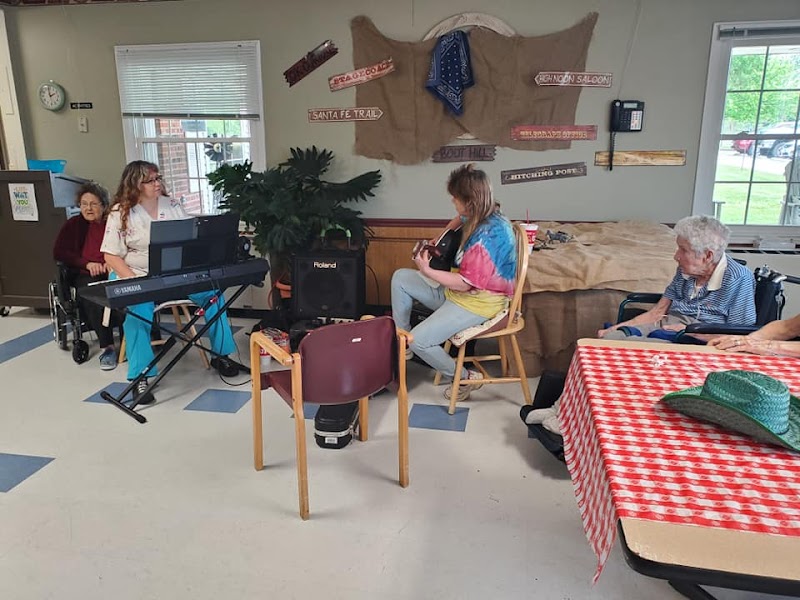
How is Lincoln Community Staffed?

CMS rates LINCOLN COMMUNITY CARE CENTER's staffing level at 4 out of 5 stars, which is above average compared to other nursing homes. Staff turnover is 28%, compared to the Missouri average of 46%. This relatively stable workforce can support continuity of care.

What Have Inspectors Found at Lincoln Community?

State health inspectors documented 15 deficiencies at LINCOLN COMMUNITY CARE CENTER during 2020 to 2024. These included: 1 Immediate Jeopardy (the most serious level, indicating potential for serious harm or death), 13 with potential for harm, and 1 minor or isolated issues. Immediate Jeopardy findings are rare and represent the most serious regulatory concerns. They require immediate corrective action.
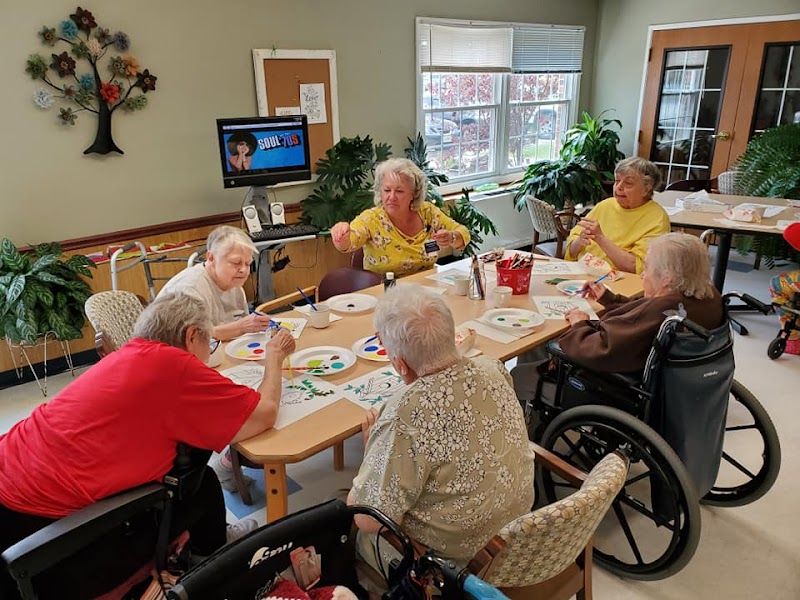
Who Owns and Operates Lincoln Community?

LINCOLN COMMUNITY CARE CENTER is owned by a non-profit organization. Non-profit facilities reinvest revenue into operations rather than distributing to shareholders. The facility operates independently rather than as part of a larger chain. With 66 certified beds and approximately 48 residents (about 73% occupancy), it is a smaller facility located in LINCOLN, Missouri.
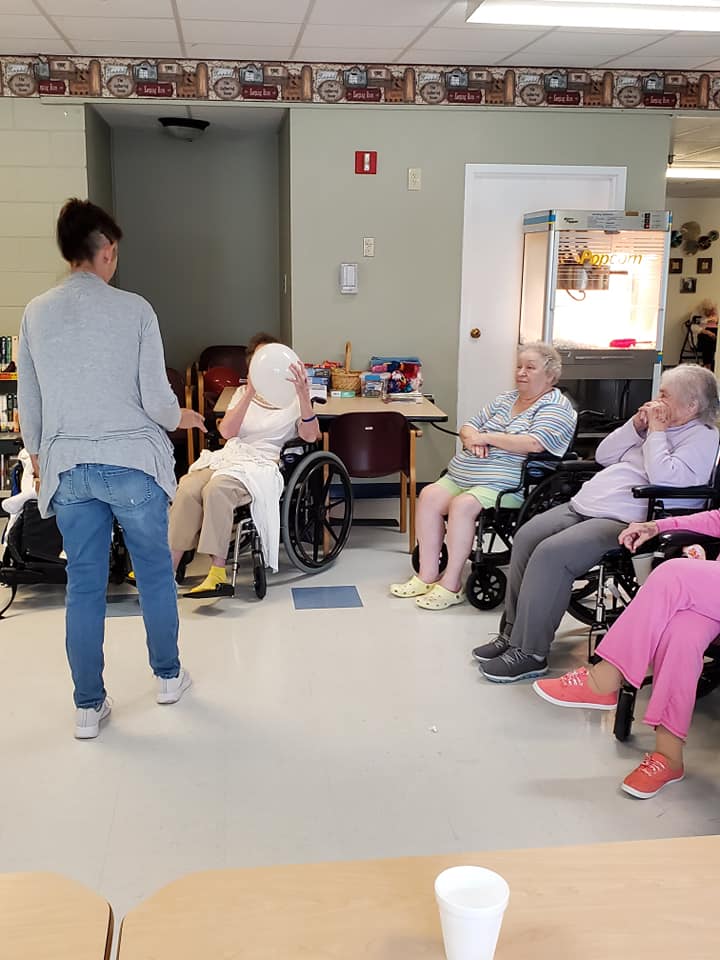
How Does Lincoln Community Compare to Other Missouri Nursing Homes?

Compared to the 100 nursing homes in Missouri, LINCOLN COMMUNITY CARE CENTER's overall rating (3 stars) is above the state average of 2.5, staff turnover (28%) is significantly lower than the state average of 46%, and health inspection rating (3 stars) is at the national benchmark.

What Should Families Ask When Visiting Lincoln Community?

Based on this facility's data, families visiting should ask: "What changes have been made since the serious inspection findings, and how are you preventing similar issues?" "Can I visit during a mealtime to observe dining assistance and food quality?" "How do you handle medical emergencies, and what is your hospital transfer rate?" "Can I speak with family members of current residents about their experience?" These questions are particularly relevant given the facility's Immediate Jeopardy citations.

Is Lincoln Community Safe?

Based on CMS inspection data, LINCOLN COMMUNITY CARE CENTER has documented safety concerns. Inspectors have issued 1 Immediate Jeopardy citation (the most serious violation level indicating risk of serious injury or death). The facility has a 3-star overall rating and ranks #1 of 100 nursing homes in Missouri. Families considering this facility should ask detailed questions about what corrective actions have been taken since these incidents.

Do Nurses at Lincoln Community Stick Around?

Staff at LINCOLN COMMUNITY CARE CENTER tend to stick around. With a turnover rate of 28%, the facility is 18 percentage points below the Missouri average of 46%. Low turnover is a positive sign. It means caregivers have time to learn each resident's needs, medications, and personal preferences. Consistent staff also notice subtle changes in a resident's condition more quickly. Registered Nurse turnover is also low at 20%, meaning experienced RNs are available to handle complex medical needs.

Was Lincoln Community Ever Fined?

LINCOLN COMMUNITY CARE CENTER has been fined $13,667 across 1 penalty action. This is below the Missouri average of $33,216. While any fine indicates a compliance issue, fines under $50,000 are relatively common and typically reflect isolated problems that were subsequently corrected. Families should ask what specific issues led to these fines and confirm they've been resolved.

Is Lincoln Community on Any Federal Watch List?

LINCOLN COMMUNITY CARE CENTER is not on any federal watch list. The most significant is the Special Focus Facility (SFF) program, which identifies the bottom 1% of nursing homes nationally based on persistent, serious quality problems. Not being on this list means the facility has avoided the pattern of deficiencies that triggers enhanced federal oversight. This is a positive indicator, though families should still review the facility's inspection history directly.