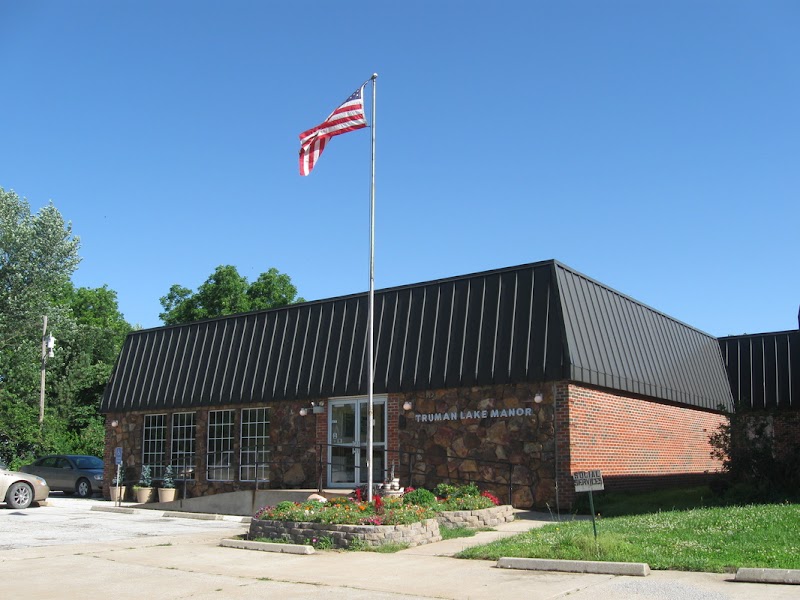
TRUMAN LAKE MANOR INC

600 EAST 7TH ST, LOWRY CITY, MO 64763 (417) 644-2248
For profit - Corporation 120 Beds Independent Data: November 2025
Trust Grade
50/100
#310 of 479 in MO
Last Inspection: March 2024

Within standard 12-15 month inspection cycle. Federal law requires annual inspections.

Overview

Truman Lake Manor Inc has a Trust Grade of C, meaning it is average and sits in the middle of the pack in terms of quality. It ranks #310 out of 479 facilities in Missouri, placing it in the bottom half, but it is the top option in St. Clair County, where there are only two facilities. The trend is improving, with the number of issues decreasing from 15 in 2022 to 10 in 2024. Staffing is a concern, with a rating of 2 out of 5 stars and a turnover rate of 50%, which is better than the state average. There have been no fines, which is a positive sign, but recent inspector findings revealed issues such as failing to ensure proper food storage and hygiene practices, and not having a dedicated infection preventionist, indicating some areas need significant improvement.

Trust Score
C
50/100
In Missouri
#310/479
Bottom 36%
Safety Record
Low Risk
No red flags
Inspections
Getting Better
15 → 10 violations
Staff Stability
⚠ Watch
50% turnover. Above average. Higher turnover means staff may not know residents' routines.
Penalties
✓ Good
No fines on record. Clean compliance history, better than most Missouri facilities.
Skilled Nurses
⚠ Watch
Each resident gets only 22 minutes of Registered Nurse (RN) attention daily — below average for Missouri. Fewer RN minutes means fewer trained eyes watching for problems.
Violations
⚠ Watch
38 deficiencies on record. Higher than average. Multiple issues found across inspections.
★★☆☆☆
2.0
Overall Rating
★★☆☆☆
2.0
Staff Levels
★☆☆☆☆
1.0
Care Quality
★★★☆☆
3.0
Inspection Score
Stable
2022: 15 issues
2024: 10 issues

The Good

  • Full Sprinkler Coverage · Fire safety systems throughout facility
  • No fines on record

Facility shows strength in fire safety.

The Bad

2-Star Overall Rating

Near Missouri average (2.5)

Below average - review inspection findings carefully

Staff Turnover: 50%

Near Missouri avg (46%)

Higher turnover may affect care consistency

The Ugly 38 deficiencies on record

Nov 2024 2 deficiencies
CONCERN (D) 📢 Someone Reported This

A family member, employee, or ombudsman was alarmed enough to file a formal complaint

Potential for Harm - no one hurt, but risky conditions existed

Accident Prevention (Tag F0689)

Could have caused harm · This affected 1 resident

Based on observation, interview, and record review, the facility failed to ensure an environment as free from accident hazards as possible for all residents when medications when one resident (Residen...

Read full inspector narrative →
Based on observation, interview, and record review, the facility failed to ensure an environment as free from accident hazards as possible for all residents when medications when one resident (Resident #1) had an almost full bottle of medication in his/her room, on the memory care unit, unsecured and unattended by authorized personnel. The facility had a census of 70. Review of a facility policy titled Storage of Medication, dated April 2019, showed the following: -The facility stored all drugs and biologicals in a safe, secure, and orderly manner; -Drugs and biologicals used in the facility were stored in locked compartments under proper temperature, light, and humidity controls; -Drugs and biologicals are stored in the packaging, containers or other dispensing systems in which they are received; -The nursing staff is responsible for maintaining medication storage and preparation areas in a clean, safe, and sanitary manner; -Hazardous drugs shall be clearly marked as such and shall be stored separately from other medications; -Only persons authorized to prepare and administer medications have access to locked medications; -Access to controlled medications is limited to authorized personnel. Personnel access to controlled medications is recorded. Review of a facility policy titled Administering Medications, dated April 2019, showed the following: -Medications are administered in a safe and timely manner and as prescribed; -Only persons licensed or permitted by this state to prepare, administer and document the administration of medications may do so; -The Director of Nursing Services supervises and directs all personnel who administer medication and/or have related functions; -Residents may self-administer their own medications only if the Attending Physician, in conjunction with the interdisciplinary Care Planning Team, has determined that they have the decision-making capacity to do so safely. Review of the prescribing information for Brukinsa (zanubrutinib - prescription drug used to treat certain types of blood cancers in adults), dated June 2024, showed the following: -It is a prescription medicine used to treat adults with chronic lymphocytic leukemia (CLL - type of cancer that causes the bone marrow to produce too many lymphocytes, or white blood cells); -Recommended dosage of 160 milligram (mg) orally twice daily or 320 mg orally once daily. Patient to swallow whole with water and with or without food; -Advise patients not to open, break, or chew capsules; -Side effects can include fatal and serious hemorrhage (bleeding) in patients with hematological malignancies (blood cancers) treated with Brukinsa; fatal and serious infections (including bacterial, viral, or fungal infections) and opportunistic infections in patients with hematological malignancies; -Store the medication in the original, labeled container at room temperature and in a dry location; -Keep containers out of reach of children and pets; -If a caregiver prepares the dose, they should consider wearing gloves or pour the pills directly from their container into the cap, a small cup, or directly into the patient hand. They should avoid touching the pills. They should always wash their hands before and after giving the medication. 1. Review of Resident #1's face sheet (a brief information sheet about the resident), showed the following: -admission date of 09/19/24; -Self-responsible; -Diagnoses included osteomyelitis (serious bone infection that causes inflammation and swelling of the bone tissue) of vertebra thoracic region, chronic lymphocytic leukemia of B-Cell type (type of white blood cell that makes antibodies) not having achieved remission, and cognitive social or emotional deficit following other cerebrovascular disease (conditions that affect blood flow to your brain). Review of the resident's admission Minimum Data Set (MDS - a federally mandated comprehensive assessment instrument completed by facility staff), dated 09/26/24, showed the following: -Cognitively intact; -Staff supervision for oral hygiene, toileting hygiene, personal hygiene, and transfers; -Partial to moderate assistance of staff for showering and dressing. Review of the resident's care plan, dated 09/20/24, showed the following: -The resident had an alteration in hematological (refers to blood) status related to lymphocytic leukemia; -Staff would give medications as ordered and monitor for side effects and effectiveness; -Staff would provide medications as ordered and assist to follow up appointments as needed; -Resident was on antibiotic therapy (IV - into the vein) related to osteomyelitis; -Staff should administer antibiotic as ordered by physician. Review of the resident's physician orders, current as of 11/06/24, showed the following: -An order, dated 09/20/24, for Sodium Chloride solution 0.9% (solution containing sodium chloride (salt) in water for injection intended for IV administration), use 10 milliliter (ml) intravenously every six hours for flush, flush before and after antibiotic. -An order, dated 10/01/24, for Brukinsa (zanubrutinib) oral 80 milligram (mg), give two capsules by mouth twice daily for cancer. Observation on 11/06/24, at 9:20 A.M., showed the following: -The resident's room was located in the secured care unit (SCU - intentionally designed space that helps people with dementia live in a safe environment); -The room door was closed and not secured with no information on the door; -The resident was not in the room; -The room was cluttered with papers on the floor; -The sink counter contained a unsecured box of medication with a pharmacy prescription label. The medication was bottle was for Brukinsa 80 mg capsule; -Licensed Practical Nurse (LPN) B did not know where the resident was. He/she knew the resident had taken a shower and then thought he/she went to his/her room. Observation and interview on 11/06/24, at 9:28 A.M., showed the following: -Two residents were ambulating up and down the hall; -Resident #3 was confused and asked if he/she could go down the hall. LPN B advised he/she could go down the hall, but not out the end door. The resident ambulated down the hall; -LPN B spoke with shower aide in hall and determined Resident #1 went to a doctor's appointment with his/her family; -LPN B said that Resident #1 was admitted after back surgery and wanted a private room, that was why he/she was located on the secured care unit. He/she did not have a diagnosis of dementia. Observation and interview on 11/06/24 showed the following: -At 10:45 A.M., Resident #1 was not in his/her room. The door was closed and there was no lock on the door. The room connected to an empty resident room through the shared bathroom. On the counter in the room, next to the sink, was a nearly full bottle of Brukinsa 80 mg caplets with a pharmacy labeled dated 10/01/24. The bottle read take one tablet four times per day, quantity 120 tablets. There was also approximately 50 empty sodium chloride solution 10 ml syringes on the counter in a clear plastic bag and two full unopened 10 ml syringes; -At 10:50 A.M., two residents (Resident #5 and #6) were ambulating up and down hall past the room; -At 10:55 A.M., two residents were observed in a resident room three doors down from Resident #1's room. One resident was resting under the covers in the bed and the second resident was standing and touching the curtains in the room; -At 10:55 A.M., LPN B said that Resident #3 did not belong in the room and then noted that Resident #4, that was in the bed, also did not belong in the room. Staff re-directed both residents out of the room. The room belonged to Resident #2 and he/she was seated in a wheelchair in the common area propelled by staff; -LPN B said that generally Resident #1 stayed in his/her room; -Resident #3 frequently wandered in and out of rooms; -Many of the residents will open a closed door and peek in, but then close the door and not go in; -Many of the residents will wander into a room if the door was open; -When passing morning medications, he/she did not see the bottle of medication in the room; -He/she was going to talk to the Administrator about the medication at bedside but had not done that yet; -A resident would require a physician's order to have medications at bedside; -If one of the wandering residents got the medication he/she was unsure what the possible side effects could be. During an interview on 11/06/24, at 11:10 A.M., the Director of Nursing (DON) said Resident #1 wanted a private room and no rooms were available other than in the SCU. The resident was always in his/her room unless out for an appointment. The residents on the SCU did tend to wander and open doors. Resident #1 was difficult and wanted to do things his/her way. The bottle of pills should not have been in the room. The resident wanted to keep the empty sodium chloride vials to use on his/her farm. There was no known risk for the empty syringes to other residents. There was concern for risk of chemo drug being possibly accessible to the other residents. During an interview on 11/06/24, at 11:20 A.M., the Administrator said the following: -Any resident should have an order and have an evaluation to determine if it was safe to have medications at bedside; -There was a potential risk to all other residents with medication left in a resident room; -Resident #1 had not been diagnosed with dementia. He/she was in the SCU by choice for a private room.
CONCERN (F) 📢 Someone Reported This

A family member, employee, or ombudsman was alarmed enough to file a formal complaint

Potential for Harm - no one hurt, but risky conditions existed

Deficiency F0841 (Tag F0841)

Could have caused harm · This affected most or all residents

Based on interview and record review, the facility failed to employee a medical director who was actively involved in the implementation of care policies and assisted with coordination of medical care...

Read full inspector narrative →
Based on interview and record review, the facility failed to employee a medical director who was actively involved in the implementation of care policies and assisted with coordination of medical care when the facility had not entered into a contract with the medical director and ensured he/she was aware of his/her medical director responsibilities and when when the facility failed to ensure the medical director participated and was involved in completing/updated the facility assessment and attended the Quality Assessment and Assurance (QAA) Committee meeting. The facility census was 70. Review of the facility policy titled Medical Director, dated July 2016, showed the following: -Physician services shall be under the supervision of the Medical Director; -The Medical Director is a licensed physician in this state and is responsible for ensuring adequate and appropriate physician services; reviewing practitioner credentials and overseeing physicians and those who perform physician-delegated tasks; reviewing physician performance and provide feedback to try to improve performance; overseeing and helping develop and implement care-related policies and practices; participating in efforts to improve quality of care and services; serving as the liaison with the community; and serving as a source of education, training, and information; -The Medical Director functions also included, but were not limited to acting as a liaison between administration and attending physicians; acting as a consultant to the director of nursing services in matters related to resident care services; helping assure that residents receive adequate services appropriate to meet their needs; helping assure that the resident care plan accurately reflects the medical regimen; participating in staff meetings concerning infection prevention and control, quality assurance and performance improvement, antibiotic stewardship, pharmaceutical services, resident care policies, etc.; assisting with employee health issues and concerns; and assuring that physician services comply with current rules, regulations, and guidelines concerning long-term care. Review of the facility policy titled Quality Assurance and Performance Improvement (QAPI) Committee, dated July 2016, showed the following: -This facility shall establish and maintain a Quality Assurance and Performance Improvement (QAPI) Committee that oversees the implementation of the QAPI program; -The primary goals of the QAPI Committee were to establish, maintain and oversee facility systems and processes to support the delivery of quality of care and services; promote the consistent use of facility systems and processes during provision of care and services; help identify actual and potential negative outcomes relative to resident care and resolve them appropriately; support the use of root cause analysis to help identify where patterns of negative outcomes point to underlying systematic problems; help departments, consultants and ancillary services implement systems to correct potential and actual issues in quality of care; coordinate the development, implementation, monitoring, and evaluation of performance improvement projects to achieve specific goals; and coordinate and facilitate communication regarding the delivery of quality resident care within and among departments and services, and between facility staff, residents, and family members; -The committee has the full authority to oversee the implementation of the QAPI Program, including, but not limited to establishing performance and outcome indicators for quality of care and services delivered in the facility; choosing and implementing tools that best capture and measure data about the chosen indicators; appropriately interpreting data within the context of standards of care, benchmarks, targets and the strengths and challenges of the facility; and communicating the information gathered and their interpretation to the owner/governing board; The Committee Chairperson, Administrator, Director of Nursing Services, Medical Director, Dietary Representative, Pharmacy Representative, Social Services Representative, Activities Representative. Environmental Services Representative, Infection Control Representative, Rehabilitative/Restorative Services Representative, Staff Development Representative, Safety Representative, and Medical Records Representative will service on the committee: -The committee with meet monthly at an appointed time; -Special meetings may be called by the coordinator as needed to address issues that cannot be help until the next regularly scheduled meeting. 1. During an interview on 11/06/24, at 12:45 P.M., Physician A said the following -He/she had not signed a written contract to be the Medical Director; -He/she agreed to be the Medical Director on 07/01/24; -He/she had not done much yet, as he/she was new; -There had not been any meetings yet for him/her to attend, including QAPI meetings. During an interview on 11/06/24, at 11:10 A.M., the Director of Nursing said the following: -Physician A was the new Medical Director; -The Medical Director had not yet attended a QAPI committee meeting; -He/she was unsure of the date that he/she started as the Medical Director and thought it had been about two months. During an interview on 11/06/24, at 11:20 A.M., the Administrator said the following: -Physician A had not signed a formal contract to be the Medical Director; -Physician A and the Administrator shook hands on the Medical Director agreement; -Physician A agreed to be the Medical Director on 07/01/24; -The Medical Director had not yet attended a QAPI committee meeting. MO00244644
Mar 2024 8 deficiencies
CONCERN (D)

Potential for Harm - no one hurt, but risky conditions existed

Notification of Changes (Tag F0580)

Could have caused harm · This affected 1 resident

**NOTE- TERMS IN BRACKETS HAVE BEEN EDITED TO PROTECT CONFIDENTIALITY** Based on interview and record review, the facility failed to notify residents' physicians of all changes in condition when when ...

Read full inspector narrative →
**NOTE- TERMS IN BRACKETS HAVE BEEN EDITED TO PROTECT CONFIDENTIALITY** Based on interview and record review, the facility failed to notify residents' physicians of all changes in condition when when staff failed to ensure one resident's (Resident #29) physician was aware of the death of the resident's spouse prior to discontinuing an antianxiety medication and failed to report changes in the resident's condition after the discontinuation of the anti-anxiety medication. The facility census was 62. Review of the facility's policy titled, Tapering Medications and Gradual Drug Dose Reduction (GDR), revised [DATE], showed when a medication is tapered or stopped, the staff will closely monitor the resident and will inform the physician if there is a return or worsening of symptoms. Review of the facility's policy titled, Change in a Resident's Condition or Status, revised [DATE], showed the following: -Staff shall promptly notify the resident, his or her attending physician, and representative (sponsor) of changes in the resident's medical/mental condition and/or status (e.g., changes in level of care, billing/payments, resident rights, etc.); -The nurse will notify the resident's attending physician or physician on call when there has been a(an) significant change in the resident's physical/emotional/mental condition; -A significant change of condition is a major decline or improvement in the resident's status that will not normally resolve itself without intervention by staff or by implementing standard disease related clinical interventions (is not self-limiting); -Except in medical emergencies, notifications will be made within 24 hours of a change occurring in the resident's medical/mental condition or status. 1. Review of Resident #29's face sheet (resident's information at a glance) showed the following: -admission date of [DATE]; -Diagnoses included Alzheimer's disease, type two diabetes (a chronic condition that affects the way the body processes blood sugar), and depression. Review of the resident's annual Minimum Data Sheet (MDS - a federally mandated assessment tool completed by facility staff), dated [DATE], showed the resident had severe cognitive impairment. Review of the resident's care plan, revised [DATE], showed the following: -The resident has impaired cognitive function and impaired thought process related to Alzheimer's; -Staff should monitor/document/report as needed any changes in cognitive function, specifically changes in decision making ability, memory, recall and general awareness, difficulty expressing self, difficulty understanding others, level of consciousness, and mental status. Review of the resident's progress notes, dated [DATE] to [DATE], showed staff did not document regarding the resident's spouse passing away in the same facility on [DATE]. Review of the note to attending physician/prescriber regarding the residents GDR review, dated [DATE], showed the following: -An recommendation to stop an order, dated [DATE], for buspirone (an anti-anxiety medication), 5 milligrams (mg), by mouth, one time a day; -Physician/Prescriber response, dated [DATE], showed agree, discontinue buspirone. Review of the resident's progress notes, dated [DATE] to [DATE] showed the following: -On [DATE], at 9:19 A.M., a new order received from the physician related to GDR of buspirone. The physician agreed to discontinue; -On [DATE], at 7:26 P.M., the nurse was checking the resident's blood glucose, and the resident became tearful, when asked what was wrong the resident voiced everything. When the resident was asked if he/she was having a bad day the resident voiced every day is a bad day, just leave me alone. (Staff did not document notification of the resident's physician of the resident's change of condition and statements.); -On [DATE], at 2:30 A.M., the resident was yelling out, saying that he/she knows someone is outside of his/her room watching him/her. The resident became tearful voicing that the nurse was calling him/her a liar. (Staff did not document notification of the resident's physician of the resident's change of condition and statements.); -On [DATE], at 7:34 P.M., the nurse responded to the resident crying out, the resident said that it was a bad day, when the nurse asked what happened the resident said that he/she had already told the nurse and the nurse didn't care enough to remember. The resident continued to cry saying he/she doesn't want to be in the building anymore. (Staff did not document notification of the resident's physician of the resident's change of condition and statements.); -On [DATE], at 5:47 P.M., the resident refused to eat any dinner. The resident usually has a good appetite. The resident said that he/she was not hungry and if he/she didn't want to eat, he/she didn't have to. (Staff did not document notification of the resident's physician of the resident's change of condition and statements.); -On [DATE], at 11:45 P.M., the resident was yelling out at 7:00 P.M., and wanted to go to bed. The resident was crying out and when asked why he/she was crying he/she said they didn't know. The resident continued to cry out with cares and fell asleep at 1:15 A.M. (Staff did not document notification of the resident's physician of the resident's change of condition and statements.); -On [DATE], at 11:02 P.M., the resident was yelling out while in bed. When the resident was asked how he/she was doing, the resident said, just leave me alone because he/she wants to go to sleep. (Staff did not document notification of the resident's physician of the resident's change of condition and statements.) During an interview on [DATE], at 8:10 A.M., Certified Nursing Assistant (CNA) J said the following: -He/she is not always made aware of resident's medication changes; -If he/she notices changes in a resident, he/she would report the information to a charge nurse; -The resident has had changes in his/her behavior recently including hollering out and being more paranoid; -The resident's spouse recently passed away; -He/she was not aware that the resident has a recent medication change. During an interview on [DATE], at 8:43 A.M., Licensed Practical Nurse (LPN) P said the following: -Staff are made aware of medication changes when report is given; -If the resident has a negative change in behavior after a medication change, the physician should be notified; -The resident has had changes in his/her behavior recently; -The resident has been hollering out more; -LPN P was not aware that the resident had any medication changes recently; -LPN P said the resident's spouse passed away recently. During an interview on [DATE], at 8:59 A.M., Certified Medical Technician (CMT) Q said the following: -He/she is made aware of medication changes for residents; -The resident has been yelling out more, but denies any pain. During an interview on [DATE], at 9:12 A.M., the Director of Nursing (DON) said the following: -All staff are not made aware of medication changes; -Staff should notify him/her when there is a change in the resident's behavior; -The physician should be notified of a change in the resident's behavior; -It should be documented in the resident's chart that the resident's spouse had recently passed away; -The physician should have been notified of the changes in the resident's behavior. During an interview on [DATE], at 9:42 A.M., the Social Service Director (SSD) said the following: -Staff should document in the resident's chart a life event that had potential to affect the resident's behavior; -Staff should notify him/her of changes in the resident's behavior; -The resident has had a recent change in behavior; -The resident's change in behavior should be reported to the physician. During an interview on [DATE], at 12:23 P.M., the Administrator said the following: -He would expect staff to document in the resident's chart a significant life event that could affect the resident's behavior; -He does not know if the physician was made aware that the resident's spouse had recently died; -He would expect staff to notify the physician of a change in the resident's behavior following a medication change.
CONCERN (D)

Potential for Harm - no one hurt, but risky conditions existed

Safe Environment (Tag F0584)

Could have caused harm · This affected 1 resident

**NOTE- TERMS IN BRACKETS HAVE BEEN EDITED TO PROTECT CONFIDENTIALITY** Based on observation, interview, and record review, the facility failed to ensure a clean and homelike environment for all resid...

Read full inspector narrative →
**NOTE- TERMS IN BRACKETS HAVE BEEN EDITED TO PROTECT CONFIDENTIALITY** Based on observation, interview, and record review, the facility failed to ensure a clean and homelike environment for all residents when staff failed to repair floors in resident rooms for two residents (Resident #1 and Resident #7) out of a sample of 20 residents. The facility census was 62. Review of the facility's policy titled, Maintenance Service, revised December 2009, showed the following: -Maintenance service shall be provided to all areas of the building, grounds, and equipment; -The maintenance department is responsible for maintaining the buildings, grounds, and equipment in a safe and operable manner at all times; -Functions of maintenance personnel include, but are not limited to, maintaining the building in good repair and free from hazards. 1. Review of Resident 1's face sheet (admission data) showed the following: -admission date of 07/24/20; -Diagnoses included paraplegia (paralysis of the legs and lower body) and delusional disorders. Review of the resident's quarterly Minimum Data Set (MDS - a federally mandated assessment instrument completed by facility staff), dated 01/05/24, showed the following: -Cognitive skills intact; -Independent with oral hygiene; -Substantial/maximal assistance with toileting. Observations on 03/19/24, at 1:51 P.M., showed the resident's floor contained cracked and missing floor tiles around the resident's bed. The area with missing floor tiles had black underneath and was a non cleanable surface. During an interview on 03/18/24, at 9:45 A.M., the resident said that the tiles in his/her room had been broken and missing for longer than two years. He/she had an electric wheelchair and the foot rests were so heavy that they messed up the floor. He/she would like to have the floor replaced and is concerned that the floor is not able to be properly cleaned. He/she saw the maintenance staff strip and wax other rooms and would like his/her room stripped and waxed, but has been told that because he/she had so many broken tiles that they are not able to strip and wax his/her floor. During an interview on 03/18/24, at 9:55 A.M., Housekeeping (HK) R said he/she sweeps and mops daily in the resident's room. He/she noticed the missing floor tiles and reported it to maintenance staff. He/she did not remember how long ago it had been when he/she reported it, but said its been several months. Maintenance is currently working on changing tiles in residents' rooms and is not sure when he will get to the resident's room. During an interview on 03/18/24, at 11:55 A.M., HK S said that he/she strips and waxes the floors. If there are missing tiles or tiles that need replaced, maintenance will replace them. He/she is aware of the broken tiles in the resident's room and said they need replaced. Maintenance is aware and he/she is waiting for maintenance to replace them. After the tiles are replaced he/she will be able to strip and wax the resident's floor. During an interview on 03/21/24, at 8:36 A.M., the Maintenance Supervisor said he cannot buy the tile in the resident's room anymore. The tile was made back in the 1980's. He will have to relocate the resident to repair the floor. During an interview on 03/21/24, at 9:34 A.M., Certified Nurse Aide (CNA) C said staff report any broken tiles to maintenance. He/she noticed broken tiles in the resident's room. CNA C had not reported the broken tiles to maintenance and said that he/she should had reported them. During an interview on 03/21/24, at 10:13 A.M., CNA D said he/she reported the resident's floor tile to maintenance staff and did not remember how long ago that was. CNA D did not see anyone fixing any of the broken tiles. During an interview on 03/21/24, at 12:23 P.M., the Administrator said the resident will have to go in with another resident in order for maintenance staff to fix the missing/broken tile. 2. Review of #7's face sheet (admission data) showed the following: -admission date of 10/31/08; -Diagnoses included chronic obstructive pulmonary disease (COPD - constriction of the airways and difficulty in breathing) and obsessive-compulsive disorder. Review of the resident's quarterly MDS, dated [DATE], showed the following information: -Cognitive skills intact; -Supervision or touching assistance required with toileting hygiene. Observations on 03/19/24, at 1:29 P.M., showed the resident's bathroom floor contained cracked and missing floor tiles. The area with missing floor tiles had black underneath and that was a non cleanable. During an interview on 03/21/24, at 8:36 A.M., the Maintenance Supervisor said he did not know about the missing tiles in the resident's bathroom. It looks like it had been there awhile. During an interview on 03/21/24, at 11:20 A.M., the resident said his/her bathroom floor is all torn up. The floor had been like that for a while. He/she did not like it. He/she would love for it to be fixed if they can. 3. During an interview on 03/19/24, at 3:20 P.M., Registered Nurse (RN) G said staff report to maintenance staff if they find any broken tiles in a resident room. Staff fill out requests in the book at the nurses' station. 4. During an interview on 03/21/24, at 10:13 A.M., CNA D said there are a lot of rooms with broken floor tiles. Staff report the broken floor tiles to maintenance staff. 5. During an interview on 03/21/24, at 8:36 A.M., the Maintenance Supervisor said the following: -Staff should write in the maintenance request book if any damages or repairs needed for resident room floors; -He looks at the book every morning and schedules the repairs. 6. During an interview on 03/21/24, at 10:28 A.M., the Director of Nursing (DON) said the following: -The facility is an old building and staff are slowly working on it; -Facility staff complete repairs in stages; -She knows the Maintenance Supervisor and Administrator are aware about the broken/missing tiles in the resident rooms. 7. During an interview on 03/21/24, at 12:23 P.M., the Administrator said the following: -Facility staff have replaced some of the tiles in the resident rooms; -He talked to a company for the floors. He wants to do an epoxy pour for the bathrooms instead of re-tiling them; -He talked with a company representative three weeks ago for the bathroom tiles.
CONCERN (D)

Potential for Harm - no one hurt, but risky conditions existed

Quality of Care (Tag F0684)

Could have caused harm · This affected 1 resident

Review of the facility policy titled Telephone Orders, undated, showed the following: -Verbal telephone orders may only be received by licensed personnel; -Orders must be recorded in the resident's me...

Read full inspector narrative →
Review of the facility policy titled Telephone Orders, undated, showed the following: -Verbal telephone orders may only be received by licensed personnel; -Orders must be recorded in the resident's medical record; -The entry must contain the instructions from the physician, date, time, and the signature and title of the person transcribing the information. 1. Review of Resident #59's face sheet (a brief resident profile sheet) showed the following information: -admission date of 09/26/23; -Diagnoses included chronic pancreatitis (the organ becomes permanently damaged from inflammation), gastrostomy (a surgical incision into the stomach), chronic kidney disease stage 2 (mild kidney damage), chronic obstructive pulmonary disease (COPD - a group of lung diseases making it difficult to breathe), and hypertension (high blood pressure). Review of the resident's quarterly Minimum Data Set (MDS - a federally mandated assessment instrument completed by facility staff), dated 02/05/24, showed the following information: -Cognition intact; -Required setup or cleanup assistance with bathing, dressing and personal hygiene. Review of the resident's care plan, revised 03/15/24, showed the following information: -Required tube feeding (G-tube and J-tube) related to pancreatitis infection; -Monitor/document/report as needed any signs and symptoms of fever, shortness of breath, tube dislodged, tube dysfunction or malfunction, pain, tenderness, or infection at tube site; -Provide care to G-tube and J-tube sites as ordered and monitor for signs and symptoms of infection. Review of the resident's physician order sheet (POS), current as of 03/20/24, showed an order, dated 01/29/24, to change dressing to G/J tube daily. Review of the resident's Nurse Progress Note, dated 03/16/24, showed the following information: -The resident called nurse to room regarding G/J-tube site; -The resident said he/she was concerned regarding the amount of drainage coming from around his/her G/J-tube and was uncomfortable. The resident requested to be sent to the emergency room to be evaluated; -The nurse documented green drainage around the tube site and thick brown drainage under the tube site. The resident's skin appeared red and inflamed; -Nurse notified physician and received new orders to change dressing twice per day to help keep skin clean and dry and received orders for Tylenol as needed for pain. Review of the resident's POS, current as of 03/20/24, showed the following information: -An order, dated 03/16/24, to give extra strength Tylenol every six hours as needed for pain. (Staff did not document a new order to change the resident's dressing twice per day.) Review of the resident's March 2024 Treatment Administration Record (TAR) showed the following information: -An order, dated 01/29/24, to change dressing to G/J tube daily; -Staff documented completion of the daily dressing changes were documented. Observations on 03/17/24, at 5:40 P.M., on 03/18/24, at 9:15 A.M., and on 03/19/24, at 2:00 P.M., showed the G/J-tube dressing to be saturated. During an interview on 03/17/24, at 5:40 P.M., the resident said that he/she is upset that the staff has not kept his/her dressing changed. The dressing keeps getting his/her clothing wet. The resident was concerned that the G/J-tube site was infected. During an interview on 03/18/24, at 9:15 A.M., the resident said that he/she cannot remember if his/her dressing had been changed last night. The resident said that the staff do not change the dressing during the day shift, only the night shift and they only change the dressing if he/she tells someone that it needs to be changed. During an interview on 03/19/24, at 2:10 P.M., Certified Nurse Aide (CNA) B said that he/she has seen the resident's dressing saturated several times while assisting him/her with showers. The resident has complained about the drainage getting his/her clothing wet. CNA B said that he/she will remove the dressing prior to the shower and always notifies the nurse of the saturated dressing. During an interview on 03/18/24, at 2:25 P.M., Licensed Practical Nurse (LPN) A said that the resident had orders for daily dressing changes. The resident drains a lot and has redness and pain around the site. During an interview on 03/20/24, at 9:34 A.M., CNA C said that he/she has not noticed that the resident had any dressings that were saturated, but would tell the charge nurse is he/she did notice. During an interview on 03/20/24, at 1:45 P.M., Registered Nurse (RN) G said that the resident does sometimes saturate his/her dressing. The resident will usually let the staff know and the staff will change the dressing. RN G said that if licensed staff receive telephone orders, that staff should immediately add the order to the electronic medical record so that it will pop up on your to do task list. During an interview on 03/21/24, at 9:48 A.M., the Director of Nursing (DON) said that he/she called the physician to get the order changed from daily dressing changes to twice per day due to it being saturated and causing redness to the skin. The drainage was yellow and green and it appeared to be infected. The DON said that he/she forgot to put the order in the electronic medical record and that it was his/her fault that the dressings did not get done. The DON said that he/she expected staff to put the orders into the electronic medical record immediately after receiving them. During an interview on 03/21/24, at 10:09 A.M., the Administrator said that he/she expected staff to follow physician orders. The Administrator said he/she also expected staff to follow through with verbal and telephone orders. If staff received orders via telephone, the Administrator expects staff to put those orders in the electronic medical record. Based on interview and record review, the facility failed provide care in accordance with standards of practice when staff failed to document an order change and complete dressing changes as ordered for one resident (Resident #59) resulting in the resident having routinely saturated dressing. A sample of 20 residents was reviewd in a facility with a census of 62.
CONCERN (D)

Potential for Harm - no one hurt, but risky conditions existed

Accident Prevention (Tag F0689)

Could have caused harm · This affected 1 resident

**NOTE- TERMS IN BRACKETS HAVE BEEN EDITED TO PROTECT CONFIDENTIALITY** 2. Review of the facility's policy titled, Falls and Fall Risk, Managing, revised March 2018, showed the following: -Based on pr...

Read full inspector narrative →
**NOTE- TERMS IN BRACKETS HAVE BEEN EDITED TO PROTECT CONFIDENTIALITY** 2. Review of the facility's policy titled, Falls and Fall Risk, Managing, revised March 2018, showed the following: -Based on previous evaluation and current data, the staff will identify interventions related to the resident's specific risks and causes to try to prevent the resident from falling and to try to minimize complications from falling; -According to the MDS, a fall is defined as unintentionally coming to rest on the ground, floor, or other lower level, but not as a result of an overwhelming external force (i.e., resident pushes another resident). An episode where a resident lost his/her balance and would have fallen, if not for another person or if he or she had not caught him/herself, is considered a fall. A fall without injury is still a fall. Unless there is evidence suggesting otherwise, when a resident is found on the floor, a fall is considered to have occurred; -Resident conditions that may contribute to the risk of falls include delirium and other cognitive impairment, lower extremity weakness, functional impairments, neurological disorders, and balance and gait disorders; -The staff, with the input of the attending physician, will implement a resident-centered fall prevention plan to reduce the specific risk factor(s) of falls for each resident at risk or with history of falls; -If a systematic evaluation of a resident's fall risk identifies several possible interventions, the staff may choose to prioritize interventions (i.e., to try one or a few at a time, rather than many at once); -If falling recurs despite initial intervention, staff will implement additional or different interventions, or indicate why the current approach remains relevant; -In conjunction with the attending physician, staff will identify and implement relevant interventions to try to minimize serious consequences of falling; -The staff will monitor and document each resident's response to interventions intended to reduce falling or the risks of falling; -If the resident continues to fall, staff will re-evaluate the situation and whether it is appropriate to continue or change current interventions. As needed, the attending physician will help the staff reconsider possible causes that may not previously have been identified; -The staff and/or physician will document the basis for conclusions that specific irreversible risk factors exist that continue to present a risk for falling or injury due to falls. Review of Resident #46's face sheet (resident's information at a quick glance) showed the following: -readmission date of 05/16/23; -Diagnoses included conversion disorder with seizures or convulsions (a psychiatric illness in which psychological conflicts are manifested as physical symptoms), muscle weakness, lack of coordination, and reduced mobility. Review of the resident's March 2024 Physician Order Summary (POS) report showed the following: -An order, dated 05/26/23, for fall mats while in bed, every day and night shift, related to unsteadiness on feet, other reduced mobility, and muscle weakness. Review of the resident's progress note dated 11/9/23, at 10:53 A.M., showed the following: -The resident was observed lying on his/her left side on floor next to bed with legs tangled in the blankets; -The resident said he/she rolled out of bed and hit his/her head; -Staff were educated regarding floor mat being down while the resident is in bed. Review of the resident's fall risk evaluation, completed on 03/07/24, showed the following: -Resident had three or more falls in past three months; -Resident is ambulatory; -Balance problem while walking and decreased muscular coordination; -Resident has one to two predisposing diseases present; -The resident is at risk for falls. Review of the resident's quarterly MDS, dated [DATE], and showed the following information: -Severe cognitive impairment; -Resident has had two or more falls since prior assessment. Observation on 03/17/24, at 4:07 P.M., showed the resident lying in bed, bed in lowered position, with fall matt folded up leaning against the roommate's recliner. Review of resident's care plan, updated 03/20/24, showed the following information: -The resident is at risk for falls related to decline in condition; -Assist resident with bed positioning as needed; -Resident is now on a low bed, close to the nurses' station, and fall mat beside bed; -Ensure bed is in lowest position; -If resident is a fall risk, initiate fall risk precautions. Observation on 03/20/24, at 10:21 A.M., showed the resident in bed, bed lowered, with fall mat folded up beside roommate's recliner. During an interview on 03/21/24, at 8:10 A.M., CNA J said the following: -Staff are made aware of residents who are fall risk in report; -Staff can find fall interventions on care plans; -The resident is a fall risk: -The resident has fall interventions in place, including a fall mat to be used when the resident is in bed. Observation on 03/21/24, at 8:12 A.M., showed the resident in bed, bed lowered, with resident's feet hanging off bed. The resident's fall mat was folded up beside roommate's recliner. Observation on 3/21/24, at 8:33 A.M., showed the following: -The resident was on his/her knees on the floor next to his/her bed, bed lowered, with no fall mat in place; -The resident was assisted to recliner by two staff members; -The resident was assessed/vitals taken by LPN P; -The resident was assisted back to bed and fall mat was placed on floor next to bed. During an interview on 03/21/24, at 8:43 A.M., LPN P said the following: -Fall interventions are found on the resident's care plan; -The resident is a fall risk; -The fall mat should be used anytime the resident is in bed; During an interview on 03/21/24, at 8:59 A.M., CMT Q said the following: -Interventions for residents that are fall risk include fall mats; -The resident is a fall risk; -Fall mats should be in place anytime the resident is in bed. During an interview on 03/21/24, at 9:12 A.M., the DON said the following: -All staff have access to the resident's care plan; -Fall interventions are listed in the resident's care plan; -The resident is a fall risk; -The fall mat should be used when the resident is in bed; -The DON would expect all staff to follow interventions listed on the care plan for residents who are at risk of falling. During an interview on 03/21/24, at 12:33 P.M., the Administrator said that he/she would expect all staff to follow fall interventions put in place for residents. Based on observation, interview, and record review, the facility failed to maintain an environment free of safety hazards when staff failed follow the care plan when transferring one resident (Resident #52) of two sampled residents who was care planned to need a mechanical lift for transfers and when the staff failed to implement planned fall intervention for one resident (Resident #46), assessed as a fall risk, when staff did not have a fall mat in place when the resident was in bed. The facility census was 62. 1. Review of the facility policy Safe Lifting and Movement of Residents, revised July 2017, showed the following: -Resident safety, dignity, comfort, and medical condition will be incorporated into goals and decisions regarding the safe lifting and moving of residents; -Manual lifting of residents shall be eliminated when feasible; -Nursing staff, in conjunction with rehabilitation staff shall assess resident's needs for transfer assistance on an ongoing basis. Staff will document resident transferring and lifting needs in the care plan and shall included resident's mobility (degree of dependency), weight-bearing ability, and cognitive status; -Mechanical lifting devices shall be used for heavy lifting, including lifting and moving residents when necessary. Review of Resident #52's face sheet (admission information at a glance) showed the following: -admission date of 05/08/23; -Diagnoses included dementia (brain is damaged by injury or disease and involved progressive impairments in memory, thinking, and behavior which negatively impacts a person's ability to function and carry out every day activities), and psychotic disorder with delusions (mental illness where you can't tell what's real from what was imagined and main symptom of delusions which belief that is not true or based on reality). Review of the resident's care plan, dated 05/24/23, showed the following: -Activities of daily living (ADL) self-care performance deficit related to aggressive behavior, confusion, dementia, and limited mobility; -The resident required two staff for total assistance with transfers with a hoyer lift (mechanical lift often use for residents who are non-weight bearing) to move between surfaces at least every two hours and as necessary. Review of the resident's quarterly Minimum Data Set (MDS - a federally mandated assessment instrument completed by facility staff), dated 02/22/24, showed the following: -Severely impaired cognition; -No behaviors; -Sit-to-stand (ability to come to a standing position from sitting in a chair or wheelchair or side of the bed) - not attempted due to medical condition or safety concerns; -Chair/bed-to-chair transfer (the ability to come to a standing position from sitting in a chair, wheelchair) - dependent, helper does all the effort. Resident does none of the effort to complete the action. Observation and interview on 03/19/24, at 9:19 A.M., showed Certified Nurse Aide (CNA) B and CNA C pushed the resident's wheelchair into the his/her room, put their hands under the resident's arms on each side of the resident without putting a gait belt (an assistance safety device used to help a patient sit, stand, or walk around to steady them) on the resident's waist and transferred the resident from the wheelchair to the bed. The resident said, Oh loudly as they stood him/her up. The resident's lower legs remained stiff and straight as they transferred him/her to the bed (not bearing weight). CNA C said the resident did not need a hoyer transfer since he/she will stand and bear weight, but did not always bear his/her weight. During interviews on 03/19/24, at 9:26 A.M., and on 03/21/24, at 9:36 A.M., CNA C said he/she did have a gait belt and should have used a gait belt to transfer the resident. He/she did not have the gait belt with him/her at the time. They can find how to transfer a resident by looking at his/her care plan in the resident's medical record. If changes were made with the resident's transfer, the charge nurse or CNAs would tell him/her. He/she knew the resident was a hoyer lift, but knew the resident could stand. The resident had been a hoyer lift for a while. During interviews on 03/20/24, at 10:21 A.M., and 03/21/24, at 10:13 A.M. CNA D said the resident was a hoyer lift transfer. The resident did not bear his/her weight and they would not try to stand him/her. The resident was very stiff and was not safe to transfer with a gait belt either. When a resident was admitted , therapy comes in and makes the decision of the type of transfer. If they notice a change in the resident's mobility, whether it is better or worse, they have therapy evaluate them again. This resident was a two person transfer when admitted . Now, the resident was a hoyer lift for months due to stiffness in his/her whole body. They could find this information in the resident's care plan book but CNAs don't look in this. He/she gets information from the nurses or therapy. For a two person assistance transfer, they were to use a gait belt. There were too many shoulder issues with residents which could pop their shoulder out of place. During an interview on 03/20/24, at 4:20 P.M., CNA E said they were to transfer the resident with the mechanical lift since the resident was not weight bearing. They were not to transfer him/her with a gait belt. The resident's legs were stiff and it would be unsafe to stand him/her. They were never to go under the resident's arms to transfer the resident since it could pull a shoulder out of place and/or cause a tear. During an interview on 03/21/24, at 9:55 A.M., CNA B said the residents' medical records and care plans say how the residents are transferred. There were care plan books at the nurses' desk. The CNAs can get information from the kiosks and the CNA can ask other aides or the nurse especially if resident was new at the facility. The resident was a hoyer lift, but was weight bearing. They have told the nurses and therapy this. They normally transfer the resident with a two person assist with a gait belt. Staff were aware of this. The resident has strength in his/her legs and will lose it, if he/she doesn't use it. The staff did an evaluation and said the resident was a hoyer lift. They were never to transfer a resident under his/her arms. They were to always use a gait belt. He/she did not know if there was a gait belt in the resident's room. They would have been expected to use a hoyer lift to transfer this resident. During an interview on 03/21/24, at 10:30 A.M., Licensed Practical Nurse (LPN) A said if a resident was unable to bear his/her weight, they would use a mechanical lift to transfer them. If a resident was not safe or could hurt themselves or staff hurt themselves to transfer the resident, the CNAs use a hoyer lift until therapy can assess the resident. If a resident was care planned as a hoyer lift, CNAs would not transfer the resident with a gait belt, but transfer with a hoyer lift. They keep information in the resident's care plans on how to transfer the resident and will notify aides if there was a change in their transfer. This resident was a hoyer lift and does not bear much weight most of the time. The resident was transferred by hoyer lift for both his/her safety and staff safety. At times, the resident was more stiff in his/her extremities. During interview on 03/21/24, at 8:50 A.M., the Director of Nursing (DON) said staff were to use a gait belt to transfer a resident because they were not to tug on arms or let a resident put their arms around their necks which was unsafe. Staff were never to lift underneath the resident's arms. Staff were to look in the resident's care plan and they do use word of mouth to know how to transfer a resident. The resident was a hoyer lift transfer and never transfers with a gait belt with his/her stiffness. She tells the staff if they haven't been here to work for a while, they were to ask them how to transfer a resident. The care plan books were usually up at the nurse's desk. During interview on 03/21/24, at 12:22 P.M., the Administrator said he would expect staff to transfer a resident according to their care plan and/or assessment. He would expect staff to transfer the resident according to the care plan which said a hoyer lift.
CONCERN (D)

Potential for Harm - no one hurt, but risky conditions existed

Incontinence Care (Tag F0690)

Could have caused harm · This affected 1 resident

Based on interview and record review, the facility failed to ensure incontinent residents received care and appropriate treatment to prevent and treat urinary tract infections when staff failed to fol...

Read full inspector narrative →
Based on interview and record review, the facility failed to ensure incontinent residents received care and appropriate treatment to prevent and treat urinary tract infections when staff failed to follow-up with the physician regarding hi/her response to a positive urine culture for one resident (Resident #32) resulting in a delay of care. A sample of 20 residents was reviewed in a facility with a census of 62. 1. Review of Resident #32's face sheet showed the following: -admission date of 11/07/23; -Diagnoses included bipolar disease (a mental illness that causes unusual shifts in a person's mood, energy, activity levels, and concentration), vascular dementia, and reduced mobility. Review of the resident's laboratory results, reported on 02/06/24, showed the following: -Clarity-hazy (reference range:clear); -Nitrite (abnormal presence in urine) - positive (reference range: negative); -Leukocytes (high levels of white blood cells) - one plus (reference range: negative); -Red blood cells 6-20 microscopic high power field (HPF) (reference range less than six); -White blood cells 21-50 HPF (reference range less than six); -Bacteria moderate (reference range negative); -Culture indicated; -Urine culture showed greater than 100,000 colony forming unit (CFU)/milliliters (ml) Kluyvera Ascorbata (a bacteria that indicated infection.) Review of the resident's nurse's note dated 02/06/24, at 3:49 P.M., showed Licensed Practical Nurse (LPN) A documented the resident's urinalysis results (UA) results came in for the resident. The culture stated the resident had Kluyvera Ascorabata. Staff faxed the results of the UA to the physician. Staff awaiting response from physician for new order. Review of the resident's quarterly Minimum Data Set (MDS - a federally mandated assessment tool completed by facility staff), dated 02/13/24, showed the following: -Moderately impaired cognitive skills; -No behaviors; -Required partial moderate assistance for toilet transfer; -Always incontinent. Review of the resident's medical record, dated 02/06/24 to 02/15/24, showed staff did not document a response regarding the abnormal lab or new orders obtained from physician to treat the UA. Review of the resident's February 2024 Physicians' Order Sheet, dated 02/14/24 to 02/29/24, showed the following: -An order, dated 02/16/24, for amoxicillin-potassium clavulanate (an antibiotic) tablet 875-125 milligrams (mg), give one tablet by mouth (PO) every 12 hours for UTI (urinary tract infection) until 02/23/24. Review of the resident's care plan, revised 02/16/24, showed the following: -Resident had an UTI; -Staff to administer the antibiotic as ordered for seven days; -Staff to encourage fluids; -Staff to monitor the resident for any further signs and symptoms of infection and notify the physician and family. Review of the resident's nurse's note dated 02/17/24, at 1:17 A.M., showed a nurse documented the initial dose of antibiotic given without any noted or reported adverse reactions. During an interview on 03/20/24, at 9:34 A.M., LPN A said the following: -The resident's physician did not like the nurses calling his cell and wants results faxed; -He/she expects the order for an antibiotic sooner than 10 days after staff receive UA results. It should only be a few days to receive an order for an antibiotic. During an interview on 03/20/24, at 10:13 A.M., LPN P said the following: -The facility had a hard time at times getting in touch with the resident's physician; -The best time to get in touch with the resident's physician is 6:30 A.M.; -It normally did not take that long to receive a response from the physician and start an ordered antibiotic. During an interview on 03/20/24, at 10:13 A.M., the Assistant Director of Nursing (ADON) said the following: -Staff collected the resident's UA on 02/02/24 and staff received the laboratory results on 02/06/24; -Nurses faxed to the resident's physician on 02/06/24 and he/she did not see an order until 02/16/24; -Nurses should continue to call the physician if no response; -He/she expected the antibiotic to not take that long; -He/she reviews the progress notes daily and it fell through the cracks. During an interview on 03/20/24, at 10:34 A.M., the Director of Nursing (DON) said she expects the antibiotic order before 10 days later. She expected nurses to contact the physician the next day if no response or order obtained for abnormal UA. The nurses should call the physician everyday to receive a response of laboratory results. Nurses should communicate between nurses and if no response from the physician, continue to call. During an interview on 03/21/24, at 12:23 P.M., the Administrator said he expected nurses to follow up with the physician if there was no response back regarding lab results. He expected an antibiotic to be started sooner than 10 days after laboratory results.
CONCERN (D)

Potential for Harm - no one hurt, but risky conditions existed

Deficiency F0757 (Tag F0757)

Could have caused harm · This affected 1 resident

Based on interview and record review, the facility failed to ensure all resident's drug regimens were free from unnecessary drugs when staff failed to provide adequate monitoring related to the admini...

Read full inspector narrative →
Based on interview and record review, the facility failed to ensure all resident's drug regimens were free from unnecessary drugs when staff failed to provide adequate monitoring related to the administration of one resident's (Resident #49) Lasix (a diuretic medication) and potassium resulting in staff administering the Lasix out of ordered parameters and failing to administer the potassium. A sample of 20 residents was reviewed in a facility with a census of 62. Review of the facility's policy titled Medication and Treatment Orders, revised July 2016, showed the following: -Orders for medications and treatments will be consistent with principles of safe and effective order writing; -Medications shall be administered only upon the written order of a person duly licensed and authorized to prescribe such medications in this state; -Drug and biological orders must be recorded on the physician's order sheet in the resident's chart. Such orders are reviewed by the consultant pharmacist on a monthly basis; -Verbal orders must be recorded immediately in the resident's chart by the person receiving the order and must include prescribe's last name,credentials, the date and the time of the order. Review of the drug information insert for Lasix, dated September 2020, showed the following: - Lasix is a potent diuretic which, if given in excessive amounts, can lead to a profound diuresis (a condition in which the kidneys filter too much bodily fluid) with water and electrolyte depletion. Therefore, careful medical supervision is required and dose and dose schedule must be adjusted to the individual patient ' s needs. 1. Review of Resident #49's face sheet (admission data) showed the following: -admission date of 02/19/24; -Diagnoses included presence of cardiac pacemaker, atrial fibrillation (an irregular, often rapid heart rat that commonly causes poor blood flow), and hypertension (high blood pressure). Review of the resident's admission Minimum Data Set (MDS - a federally mandated assessment instrument completed by facility staff), dated 02/26/24, showed the following information: -Moderately impaired cognition skills; -No impairment for upper and lower extremities; -Diuretic medications received. Review of the resident's February 2024 Physician Orders Sheet (POS) showed the following: -An order, dated 02/23/24, for potassium chloride extended release (ER) tablet, 20 milliequivalents (meq), give tablet by mouth as needed (PRN). Potassium chloride to be given on days Lasix is administered. -An order, dated 02/24/24, for Lasix oral tablet 40 milligrams (mg), give one tablet by mouth (PO) one time a day for fluid retention. Hold medication if systolic blood pressure reading (measured when the heart beats, when blood pressure is at its highest) is less than 140 millimeters of mercury (mmHg) or diastolic blood pressure reading (measured between heart beats, when blood pressure is at its lowest) is less than 80 mmHg. Administer potassium on days Lasix is administered; Review of the resident's nurse's note dated 02/24/24, at 12:02 A.M., showed a nurse documented the physician ordered new parameters placed on Lasix and potassium. Staff to monitor the resident's blood pressure two times per day. Staff to monitor the resident for increased swelling. Review of the resident's February 2024 Medication Administration Record (MAR) showed the following: -An order, dated 02/23/24, for potassium chloride ER tablet 20 meq, give one tablet by mouth PRN on days Lasix administered; -An order, dated 02/24/23, for Lasix oral tablet 40 mg, give one tablet PO one time a day for fluid retention hold if systolic less than 140 mmHg or diastolic less than 80 mmHg. Give potassium on days of Lasix; -On 02/26/24, staff documented the resident's blood pressure as 118/84 mmHg. Staff documented administration of the Lasix. (The blood pressure was not within parameters to administer per the physician order.) Staff did not document administration of the potassium; -On 02/27/24, staff documented the resident's blood pressure as 110/74 mmHg. Staff documented administration of the Lasix. (The blood pressure was not within parameters to administer per the physician order.) Staff did not document administration of the potassium; -On 02/28/24 , staff documented the resident's blood pressure as 122/92 mmHg. Staff documented administration of the Lasix. (The blood pressure was not within parameters to administer per the physician order.) Staff did not document administration of the potassium. Review of the resident's care plan, revised on 03/04/24, showed the following: -The resident had high blood pressure; -Staff to administer anti hypertensive medications as ordered; -Resident is on diuretic therapy (Lasix) related to congestive heart failure (CHF - is a long-term condition in which the heart can't pump blood well enough to meet the body's needs and can result in fluid build-up); -Administer diuretic medications as ordered by the physician. Monitor for side effects and effectiveness every shift. Review of the resident's March 2024 MAR showed the following: -An order, dated 02/23/24, for potassium chloride ER tablet 20 meq, give one tablet by mouth PRN on days Lasix administered; -An order, dated 02/24/23, for Lasix oral tablet 40 mg, give one tablet PO one time a day for fluid retention hold if systolic less than 140 mmHg or diastolic less than 80 mmHg. Give potassium on days of Lasix; -On 03/04/24 staff documented the resident's blood pressure as 111/84 mmHg. Staff documented administration of the Lasix. (The blood pressure was not within parameters to administer per the physician order.) Staff did not document administration of the potassium; -On 03/05/24, staff documented the resident's blood pressure as 108/66 mmHg. Staff documented administration of the Lasix. (The blood pressure was not within parameters to administer per the physician order.) Staff did not document administration of the potassium -On 03/06/24, staff documented the resident's blood pressure as 102/54 mmHg. Staff documented administration of the Lasix. (The blood pressure was not within parameters to administer per the physician order.) Staff did not document administration of the potassium; -On 03/11/24, staff documented the resident's blood pressure as 128/70 mmHg. Staff documented administration of the Lasix. (The blood pressure was not within parameters to administer per the physician order.) Staff did not document administration of the potassium; -On 03/12/24, staff documented the resident's blood pressure as 105/71 mmHg. Staff documented administration of the Lasix. (The blood pressure was not within parameters to administer per the physician order.) Staff did not document administration of the potassium; -On 03/15/24, staff documented the resident's blood pressure as 101/74 mmHg. Staff documented administration of the Lasix. (The blood pressure was not within parameters to administer per the physician order.) Staff did not document administration of the potassium; -On 03/19/24, staff documented the resident's blood pressure as 128/72 mmHg. Staff documented administration of the the Lasix. (The blood pressure was not within parameters to administer per the physician order.) Staff did not document administration of the potassium. During an interview on 03/19/24, at 2:55 P.M., Certified Medication Technician (CMT) F said the following: -Staff should hold the resident's Lasix if the systolic is less than 140 mmHg or the diastolic is less than 80 mmHg; -Staff should take the resident's blood pressure before administration of the medication; -Staff should administer the potassium if Lasix is given; -The March 2024 MAR did not show staff administered the potassium. Staff should administer the potassium if staff administered the Lasix that day; -Staff should not have administered the Lasix on the days the blood pressure was out of parameters. During an interview on 03/19/24, at 3:20 P.M., Registered Nurse (RN) G said the following: -Nurses enter the physician orders into the computer; -Staff should not administer the Lasix if the systolic or diastolic is not within the parameters; -The Lasix parameters is to hold the medication due to the resident's blood pressure issues and not wanting them to have too low of a blood pressure reading; -The Lasix 'dumps' all the electrolytes so potassium is given to replace the potassium; -Staff did not administer the potassium each time the Lasix was given. During in interview on 03/19/24, at 3:37 P.M., Licensed Practical Nurse (LPN) A said the following: -Nurses enter the orders; -Staff should monitor a resident for swelling or leaking fluid retention if a resident is on Lasix; -Staff should not had given the Lasix for the dates in February 2024 and March 2024 when the blood pressure was out of parameters; -Staff should read the physician order before administering a medication; -Staff should take a blood pressure before administering a medication, if ordered, to determine if given; -Staff should have given the potassium on all the days Lasix was given. During an interview on 03/19/24, at 3:51 P.M., the Director of Nursing (DON) said the following: -Staff should take the resident's blood pressure daily before Lasix is administered and potassium should be given on the days Lasix is administered; -The order is to hold the Lasix if either the systolic is less than 140 or diastolic is less than 80; -The physician ordered to hold the Lasix if the blood pressure parameters are not met. The resident has heart problems; -She expects the staff to follow the physician orders; -Staff should not have administered Lasix on the dates the resident's blood pressure was out of parameters; -Staff did not administer the potassium each time Lasix was given. During an interview on 03/20/24, at 4:01 P.M., the resident's physician said the following: -He expects the nursing staff to follow the physician orders; -Staff should not have administered the resident's Lasix when the blood pressure was out of the ordered parameters; -He expected the nursing staff to administer the potassium when the Lasix was given; -Staff should call the physician if they have any questions regarding medications; -Reasons for the parameters for Lasix is due to his/her orthostatic hypotension (causes a sudden drop in blood pressure when one stands up) issues. During an interview on 03/21/24, at 12:23 P.M., the Administrator said he expects nursing staff to follow physician orders and ordered parameters for the resident's Lasix.
CONCERN (E)

Potential for Harm - no one hurt, but risky conditions existed

Infection Control (Tag F0880)

Could have caused harm · This affected multiple residents

Based on observation, interview, and record review, the facility failed to maintain an effective infection prevention and control program, based on facility policy and standards of practice, when mult...

Read full inspector narrative →
Based on observation, interview, and record review, the facility failed to maintain an effective infection prevention and control program, based on facility policy and standards of practice, when multiple staff did not wear face coverings and appropriate personal protective equipment (PPE) while assisting/conversing with 14 residents on the designated hall during a coronavirus disease 2019 (COVID-19 - an infectious disease caused by severe acute respiratory syndrome coronavirus 2 (SARS-CoV-2)) outbreak in the facility. The facility census was 62. Review of the facility's policy titled Covid-19 Prevention, Response and Reporting, revised 01/01/24, showed the following: -It is the policy of the facility to ensure that appropriate interventions are implemented to prevent the spread of COVID-19 and promptly respond to any suspected or confirmed COVID-19 infections. COVID-19 information will be reported through the proper channels as per federal, state, and/or local health authority guidance; -Source control options for health care personnel (HCP) include the following: -A NIOSH (National Institute for Occupational Safety and Health) approved particulate respirator with N95 filters or higher; -A respirator approved under standards used in other countries that are similar to NIOSH-approved N95 filtering face piece respirator; -A well-fitting facemask; -Source control can be used for an entire shift unless they become soiled, damaged, or hard to breathe through; -Source control is recommended for individual in healthcare settings who have suspected or confirmed SARS-CoV-2 infection or other respiratory infection; had close contact (residents and visitors) or a higher-risk exposure (HCP) with someone with SARS-CoV-2 infections, for 10 days after their exposure; -Source control is recommended more broadly in the following circumstances: -By residing or working on a unit or area of the facility experiencing a SARS-CoV-2 or other outbreak of respiratory infection universal use of source control could be discontinued as a mitigation measure once the outbreak is over (no new cases of SARS-CoV-2 infection have been identified for 7 days) or; -Facility-wide or, based on facility risk assessment, targeted toward higher risk areas or resident populations during periods of higher levels of community SARS-CoV-2 or other respiratory virus transmission; -The facility may consider designating entire units within the facility, with dedicated HCP to care for residents with SARS-CoV-2 infection when the number of residents with SARS-CoV-2 infection is high; -HCP who enter the room of a resident with suspected or confirmed SARS-CoV-2 infection should adhere to standard precautions and use a NIOSH-approved particulate respirator with N95 filters, or higher, gown, gloves and eye protection. Review of the Centers for Disease Control and Prevention's (CDC) Interim Infection Prevention and Control Recommendations for Healthcare Personnel During the Coronavirus Disease 2019 (COVID-19) Pandemic, dated 03/18/24, showed the following: -The recommendations in this guidance continue to apply after the expiration of the federal COVID-19 Public Health Emergency; -Source control is recommended for individuals in healthcare settings who have suspected or confirmed SARS-CoV-2 infection or other respiratory infection (e.g., those with runny nose, cough, sneeze); or had close contact (patients and visitors) or a higher-risk exposure (HCP) with someone with SARS-CoV-2 infection, for 10 days after their exposure; -Source control is recommended more broadly by those residing or working on a unit or area of the facility experiencing a SARS-CoV-2 or other outbreak of respiratory infection; universal use of source control could be discontinued as a mitigation measure once the outbreak is over (e.g., no new cases of SARS-CoV-2 infection have been identified for 14 days); or facility-wide or, based on a facility risk assessment, targeted toward higher risk areas (e.g., emergency departments, urgent care) or patient populations (e.g., when caring for patients with moderate to severe immunocompromised) during periods of higher levels of community SARS-CoV-2 or other respiratory virus transmission. 1. Observation and interviews on 03/17/24, beginning at approximately 4:00 P.M., showed the following: -An isolation cart on the outside of the COVID unit which contained PPE; -Certified Nurse Aide (CNA) H and CNA I worked on the designated COVID hall and were not wearing PPE; -The Administrator entered the back door of the COVID wearing an N95 mask. He said he did not have any symptoms except he was tired and out of breath after his run today. The Administrator had tested positive for COVID; -CNA I said he/she was positive for COVID and did not have COVID symptoms; -The Administrator said the staff working the COVID hall are positive and did not have to wear PPE. Observation and interview on 03/17/24, at 5:30 P.M., on the COVID unit showed the following: -CNA J said he/she tested positive for COVID on 03/16/24; -His/her symptoms included nauseous, headache, and he/she was a little tired; -He/she worked on the COVID unit; -He/she did not wear mask or PPE while working on the COVID unit; -CNA I, CNA H, CNA J, and the Administrator served the dinner meals to the residents on the COVID unit. The staff did not wear PPE. During an interview on 03/18/24, at 12:22 P.M., Licensed Practical Nurse (LPN) K said staff did not need to wear PPE if they are positive for COVID and work the COVID unit. Staff should wear PPE if they are negative for COVID and work on the COVID unit. During an observation and interview on 03/18/24, at 12:21 P.M., CNA H wore an N95 mask on the COVID unit. He/she tested negative for COVID that morning. He/she said staff did not wear PPE if COVID positive and worked on the COVID unit. The DON informed staff of this information. During an interview on 03/19/24, at 3:20 P.M., Registered Nurse (RN) G said the following: -He/she did not believe COVID positive staff who work on the COVID unit had to wear PPE; -Staff should wear PPE if working with residents on the COVID unit and then they work out of the COVID unit with residents. During an interview on 03/19/24, at 3:37 P.M., LPN A said as far as he/she knew, if staff are positive for COVID, they can wear just a N95. During an interview on 03/19/24, at 3:51 P.M., the Director of Nursing/Infection Preventionist said the following: -Staff should isolate the resident to their room if positive for COVID; -On 03/12/24, the facility had multiple residents test positive for COVID; -She called the Administrator to inform him. The facility made a COVID unit instead of isolating each resident to his/her room; -Staff monitor the residents daily; -Residents are on isolation until a negative COVID test; -The facility policy is when COVID in the building, staff test daily and wear N95 masks throughout the facility; -Staff who are negative for COVID and work the COVID hall should wear shoe covers, gown, N95, face shield, and gloves; -Staff who are positive did not have to wear PPE if they worked on the COVID unit. During an interview on 03/21/24, at 12:23 P.M., the Administrator said the following: -Staff who are positive for COVID and work on the COVID unit did not have to wear PPE; -COVID positive staff are not at a higher risk of spreading COVID; -Staff should wear PPE if they are negative for COVID.
CONCERN (F)

Potential for Harm - no one hurt, but risky conditions existed

Food Safety (Tag F0812)

Could have caused harm · This affected most or all residents

Based on observation, interview, and record review, the facility failed to store and prepare food in accordance with professional standards of practice and protect all food from possible contamination...

Read full inspector narrative →
Based on observation, interview, and record review, the facility failed to store and prepare food in accordance with professional standards of practice and protect all food from possible contamination when the facility staff failed to seal and date stored food in refrigerator and freezer; failed to discard dented cans when staff stored dented cans on the shelves along with cans of food staff used to prepare resident food; failed to follow proper hand hygiene while serving food; failed to wash dishes properly between the preparation of separate food items; and failed to keep ice machine free of white substances. The facility's census was 62. 1. Review of the facility's policy titled, Food Storage (Dry, Refrigerated and Frozen), dated 2016, showed the following: -Food shall be stored on shelves in a clean, dry area, free from contaminants. Food shall be stored at appropriate temperatures and using appropriate methods to ensure the highest level of food safety; -All food items will be labeled. The label must include the name of the food and the date by which it should be sold, consumed, or discarded; -Leftover contents of can and prepared food will be stored in covered, labeled and dated containers in refrigerators and/or freezers; -Wrap food properly. Never leave any food item uncovered and not labeled. Observation on 03/17/24, at 3:27 P.M., of the kitchen refrigerator showed the following: -One quart size zipper bag containing french toast sticks. The bag was not labeled or dated; -One quart size zipper bag containing sausage patties. The bag was not labeled or dated; -One quart size zipper bag containing a ground meat. The bag was not labeled or dated; -One gallon size zipper bag containing sliced American cheese. The bag was not labeled or dated; -One gallon size zipper bag containing what appeared to be a turkey breast. The bag was not labeled or dated; -An unsealed and undated stick of margarine. Observation on 03/17/24, at 3:44 P.M., of the freezer showed one 20 lb. box of beef patties and one bag of approximately 15 chicken breasts unsealed and undated. Observation on 03/18/24, at 9:26 A.M., of the kitchen refrigerator showed the following: -One gallon size zipper bag containing sliced American cheese. The bag was not labeled or dated; -One gallon size zipper bag containing what appeared to be a turkey breast. The bag was not labeled or dated. Observation on 03/18/24, at 9:33 A.M., of the freezer showed one 20 lb. box of beef patties and one bag of approximately 15 chicken breasts unsealed and undated. Observation on 03/19/24, at 11:07 A.M., of the kitchen refrigerator showed the following: -One gallon size zipper bag containing sliced American cheese. The bag was not labeled or dated: -One gallon size zipper bag containing what appeared to be a turkey breast. The bag was not labeled or dated. During an interview on 03/19/24, at 1:55 P.M., Dietary Aide (DA) M said the following: -Kitchen staff are responsible for dating and identifying food prior to putting in refrigerator/freezer; -Items in the refrigerator not dated should be thrown away; -All items in the refrigerator and freezer should be in sealed containers. During an interview on 03/19/24, at 2:14 P.M., [NAME] O said the following: -Staff putting away food are responsible for dating and identifying food prior to putting in the refrigerator; -Items in the refrigerator not dated or identified should be thrown away; -All items should be stored in sealable containers and not open to air. During an interview on 3/19/24, at 2:38 P.M., Dietary Manager (DM) said the following: -He/She expects staff to date and label food prior to putting it in the refrigerator; -All food should be stored in sealable containers and not open to air; -Food in refrigerator not dated or identified should be discarded. During an interview on 03/20/24, at 2:10 P.M., the Administrator said the following: -He/She expects food to be dated and identified prior to storing in the refrigerator; -He/She expects all food to be stored in sealable containers. 2. Review of the facility's policy titled, Food Storage (Dry, Refrigerated and Frozen), dated 2016, showed dented cans are set aside in a separate labeled area of the storeroom to avoid using them and discarded according to vendor procedure. Review of the Food and Drug Administration (FDA) 2022 Food Code showed rusted, pitted, or dented cans may also present a serious potential hazard. Observation on 03/17/24, at 3:00 P.M., of the dry food storage area showed the following: -Three dented 50-ounce (oz) cans of cream of mushroom soup; -One dented 112 oz. can apple fruit filling; -One dented 108 oz. can tapioca pudding; -One dented 6 pound (lb.) 12 oz. can black beans; -One dented 6 lb. 6 oz. can of whole potatoes. Observation on 03/17/24, at 5:20 P.M., of dinner serve out showed the tapioca pudding being served to residents for dessert. Observation on 03/17/24, at 5:20 P.M., of the food storage area showed all 108 oz. cans of tapioca pudding, including the one dented can, was gone. During an interview on 03/17/24, at 6:20 P.M., DA L said the following: -All staff are responsible for stocking items when they arrive; -Dented cans do not go on the shelf. If he/she finds a dented can he/she tells the DM; -Dented cans go on a separate shelf in the DM's office; -The food from the dented cans can make the residents sick. During an interview on 03/17/24, at 6:22 P.M., DA M said the following: -All staff are responsible for unloading the truck and putting away items; -All staff are to look for dented cans when putting items away; -If staff find dented cans, they go in a separate room to be sent back to the driver; -The food in the dented cans may be contaminated and could make residents sick. During an interview on 03/17/24, at 6:25 P.M., the DM said the following: -Staff are to look for dented cans when putting away items; -Dented cans should not be put on the shelf, they should be put in separate store room; -Dented cans can be contaminated and cause food poisoning and sickness in the residents; -The DM used the dented 108 oz can of Tapioca pudding for dinner. He/she would not have had enough tapioca pudding for dinner if not used. Observation on 03/18/24, at 9:18 A.M., of the kitchen and food storage area showed the following: -Three dented 50 oz cans of cream of mushroom soup; -One dented 112 oz. can apple fruit filling; -One dented 6 lb. 12 oz. can black beans; -One dented 6 lb. 6 oz. can whole potatoes. During an interview on 03/19/24, at 2:14 P.M., [NAME] O said the following: -Dented cans should not be put on shelf or used; -Dented cans can be contaminated and make resident sick. During an interview on 03/20/24, at 2:10 P.M., the Administrator said he expects dented cans to be sent back with the driver when delivered and not used. 3. Review of the facility's policy titled, Proper Hand Washing and Glove Use, dated 2016, showed the following: -All employees will use proper hand washing procedures and glove usage in accordance with State and Federal Sanitation Guidelines; -Employees will wash hands before and after handling foods, after touching any part of the uniform, face, or hair, and before and after working with an individual resident; -Gloves are to be used whenever direct food contact is required with the following exception: bare hand contact is allowed with foods that are not in ready to eat form that will be cooked or baked; -Hands are washed before donning gloves and after removing gloves; -Gloves are changed any time hand washing would be required. This includes when leaving the kitchen for a break, or to go to another location in the building; after handling potentially hazardous raw food; or if the gloves become contaminated by touching the face, hair, uniform or other non-food contact surface, such as door handles and equipment; -Staff should be reminded that gloves become contaminated just as hands do and should be changed often. When in doubt, remove gloves and wash hands again. Review of the FDA 2022 Food Code showed the following: -Food employees shall clean their hands and exposed portions of their arms as immediately before engaging in food preparation including working with exposed food, clean equipment, and utensils; -Food employees shall clean their hands after handling soiled equipment or utensils; -Food employees shall clean their hands during food preparation, as often as necessary to remove soil and contamination and to prevent cross contamination when changing tasks; -Food employees shall clean their hands before donning gloves to initiate a task that involves working with food; -Single-use gloves shall be used for only one task such as working with ready-to-eat food or with raw animal food, used for no other purpose, and discarded when damaged or soiled, or when interruptions occur in the operation. Observation on 03/19/27, at 11:12 A.M., of the puree process showed the following: -Cook N washed his/her hands and donned gloves; -Cook N placed chicken and broth in blender bowl, pureed the chicken, and poured the purred chicken into a metal pan; -Without washing hands or changing his/her gloves, [NAME] N placed rice and broth in the blender bowl and pureed the rice; -Cook N removed blender bowl, blade, and lid and sprayed them with hot water to remove food debris, then attached the pieces to the blender; -Cook N did not doff his/her gloves or wash his/her hands; -Using the same gloves, [NAME] N used his/her gloved hands to scoop cooked broccoli into the blender bowl, pureed the broccoli, and poured the puree in a metal pan; -Cook N removed blender bowl, blade, and lid and sprayed them with hot water to remove food debris, then attached the pieces to the blender; -Cook N did not doff his/her gloves or wash his/her hands; -Using the same gloves, [NAME] N placed five pieces of cake and milk in the blender bowl and pureed it. The cook then poured pureed cake into three separate serving dishes. Observation on 3/19/24, at 11:49 A.M., of lunch serve out showed the following: -Cook N washed hands and donned gloves; -Cook N went from serving food with serving utensils to the refrigerator, retrieved a bag of hot dogs, and opened the bag. The cook used his/her hands and retrieved one hot dog, opened the microwave and placed hot dog directly on glass microwave plate to cook; -Cook N did not doff his/her gloves or wash his/her hands; -Cook N retrieved a bag of hot dog buns, opened the bag, using his/her hands retrieved one hot dog bun, set on plate, then used tongs and placed hot dog in bun. [NAME] N then sent plate to be served to resident; -Cook N did not doff his/her gloves or wash his/her hands; -Cook N returned to serving food with serving utensils; -Cook N retrieved a bag of sliced cheese from the refrigerator, opened the bag, with his/her hands retrieved a slice of cheese, and placed it on a hamburger patty and returned to serving; -Cook N did not doff his/her gloves or wash his/her hands; -Cook N retrieved a bag of hamburger buns, with his/her hands he/she retrieved a hamburger bun from the bag and placed it on a plate; -Cook N using his/her hands then placed a hamburger patty and slice of cheese on the bun and sent the tray to be served to resident; -Cook N repeated this process two times; -Cook N did not doff his/her gloves during the lunch serve out process. During an interview on 03/19/24, at 1:55 P.M., DA M said the following: -Staff should wash hands when entering the kitchen; -Staff should wash their hands prior to donning gloves; -Staff should don gloves prior to direct food contact; -Staff should change gloves when going from non food items to direct food items. During an interview on 03/19/24, at 2:14 P.M., [NAME] O said the following: -Staff should always wash hands and wear gloves; -Staff should change gloves between preparing food and washing dishes; -Staff should probably change gloves prior to direct food contact. During an interview on 03/19/24, at 2:38 P.M., the DM said the following: -Staff should wash hands when entering the kitchen, between preparing food items, and after taking trash out; -Staff should wear gloves during direct food contact; -Staff should change gloves, when going between direct food contact and no food item contact. During an interview on 03/20/24, at 2:10 P.M., the Administrator said he/she expected staff to use proper hand hygiene while preparing and serving food. 4. Review of the facility policy titled, Cleaning Rotation, dated 2016, showed the following: -Equipment and utensils will be cleaned according to the facility guidelines or manufacturer's instructions; -Items cleaned after each use include small food preparation equipment (e.g. blender, food processor), kettles and utensils and mixers. Review of the 2022 FDA Food Code showed the following: -Equipment food-contact surfaces and utensils shall be clean to sight and touch; -Equipment food-contact surfaces and utensils shall be cleaned before each use with a different type of raw animal food; -Equipment food-contact surfaces and utensils shall be cleaned each time there is a change from working with raw food to working with ready-to-eat-foods; -Equipment food-contact surfaces and utensils shall be cleaned between uses with raw fruits and vegetables and with time/temperature control for safety food; -Equipment food-contact surfaces and utensils shall be cleaned at any time during the operation when contamination may have occurred; -Equipment food-contact surfaces and utensils shall be effectively washed to remove or completely loosen soils by using the manual or mechanical means necessary such as the application of detergents containing wetting agents and emulsifiers; acid, alkaline, or abrasive cleaners; hot water; brushes; scouring pads; high-pressure sprays; or ultrasonic devices; -Utensils and food-contact surfaces of equipment shall be sanitized before use after cleaning' -After cleaning and sanitizing, equipment and utensils shall be air-dried or used after adequate draining. Observation on 03/19/27, at 11:12 A.M., of the puree process showed the following: -Cook N placed chicken and broth in blender bowl, pureed the chicken, then poured the puree into a metal pan; -Cook N placed rice and broth in the blender bowl, without washing/sanitizing it, and pureed the rice; -Cook N removed blender bowl, blade, and lid and sprayed them with hot water to remove food debris, then attached the pieces to the blender. The cook did not use soap or sanitize the equipment; -Cook N scooped cooked broccoli into the blender bowl, pureed broccoli, and poured in metal pan; -Cook N removed blender bowl, blade, and lid and sprayed them with hot water to remove food debris, then attached the pieces to the blender. The cook did not use soap or sanitize the equipment; -Cook N placed five pieces of cake and milk in the blender bowl and pureed it. The cook then poured pureed cake into three separate serving dishes. The blender bowel, wet from removing food debris, dripped off the bowl into the serving dishes. During an interview on 03/19/24, at 1:55 P.M., DA M said the following: -All dishes having food contact should be washed with soap and sanitized; -Dishes should be dry prior to use. During an interview on 03/19/24, at 2:14 P.M., [NAME] O said the following: -The food processor should be washed with soap and sanitized between pureeing of foods; -The processor should be dried prior to use; -Dishes should not have water dripping from them while in use. During an interview on 03/19/24, at 2:38 P.M., DM said the following: -The DM expects staff to clean the bowl, blade, and lid of the processor between pureeing of foods; -Staff should use soap and sanitizer when washing dishes; -All dishes should be dry prior to use. During an interview on 03/20/24, at 2:10 P.M., the Administrator said the following: -He/She expected staff to wash dishes with soap and sanitize them; -He/She expected staff to wash the processor between the pureeing of separate food items; -He/She expected dishes to be air dried prior to use. 5. Review of the facility's Daily AM and Daily PM cleaning logs showed the following: -Mop ice room; -Delime ice machine. Review of the FDA 2022 Food Code showed the following: -Surfaces of utensils and equipment contacting food that is not time/temperature control for safety food such as iced tea dispensers, carbonated beverage dispenser nozzles, beverage dispensing circuits or lines, water vending equipment, coffee bean grinders, ice makers, and ice bins must be cleaned on a routine basis to prevent the development of slime, mold, or soil residues that may contribute to an accumulation of microorganisms Observation on 03/17/24, at 3:51 P.M., on 03/18/24, at 9:35 A.M., and on 03/19/24, at 12:29 P.M., showed the following: -The inside of the ice machine, above the ice and around the hinges, has a white substance present; -The deflector shield on the inside of the ice machine had six black spots and a pinkish substance along most of the bottom of the deflector shield. During an interview on 03/19/24, at 1:55 P.M., DA M said the following: -Staff are given a daily cleaning schedule with assigned task; -Kitchen staff are responsible for cleaning the inside and outside of the ice machine; -The ice machine is cleaned every shift. During an interview on 03/19/24, at 2:14 P.M., [NAME] O said DA's are responsible for cleaning the ice machine. During an interview on 03/19/24, at 2:38 P.M., the DM said the following: -The ice machine is delimed daily; -Kitchen staff are responsible for cleaning the outside of the ice machine; -Maintenance staff are responsible for cleaning the inside of the ice machine. During an interview on 03/20/24, at 12:30 P.M., the Maintenance Supervisor said the following: -Maintenance staff are responsible for cleaning and sanitizing the inside of the ice machine; -Maintenance staff clean the inside of the ice machine once a month; -Maintenance staff have not been documenting when the ice machine was cleaned. During an interview on 03/20/24, at 2:10 P.M., the Administrator said there should not be calcium/lime build up on the ice machine.
Dec 2022 1 deficiency
MINOR (C) 📢 Someone Reported This

A family member, employee, or ombudsman was alarmed enough to file a formal complaint

Minor Issue - procedural, no safety impact

Deficiency F0888 (Tag F0888)

Minor procedural issue · This affected most or all residents

**NOTE- TERMS IN BRACKETS HAVE BEEN EDITED TO PROTECT CONFIDENTIALITY** Based on interview and record review, the facility failed to ensure 100% of the staff had been fully vaccinated for COVID-19 (a ...

Read full inspector narrative →
**NOTE- TERMS IN BRACKETS HAVE BEEN EDITED TO PROTECT CONFIDENTIALITY** Based on interview and record review, the facility failed to ensure 100% of the staff had been fully vaccinated for COVID-19 (a highly contagious virus that causes serious illness or death), or granted a qualifying exemption, when three staff members (Staff Member A, Staff Member B, and Staff Member C) failed obtain the second dose of a two dose series COVID-19 vaccination. The facility had a staff vaccination/exemption rate of 94.7 percent. The facility census was 60. Record review of the facility's COVID-19 Vaccination Policy, updated [DATE], showed the following: -All employees are required to receive the COVID-19 vaccinations as determined by The Centers for Medicare and Medicare Services (CMS), unless a reasonable accommodation is approved; -Employees not in compliance with this policy will be placed on unpaid leave until their employment status is determined by facility; -Employees will be notified by the facility as to the type of vaccinations(s) covered by this policy and the timeframe(s) for having the vaccine(s) administered. The facility will provide either onsite access to the vaccines or a list of locations to assist employee in receiving the vaccine on their own; -Before the stated deadlines to be vaccinated have expired, employees will be required to provide either proof of vaccination or an approved reasonable accommodation to be exempted from the requirements; -Employees in need of an exemption from this policy due to a medical reason, or because of a sincerely held religious belief, must submit a Request for Accommodation form to the Administrator or Director of Nursing (DON) to begin the accommodation process as soon as possible. Accommodations will be granted where they do not cause undue hardship or pose a direct threat to the health and safety of others. 1. Record review of the facility's COVID-19 Staff Vaccination Status for Providers, dated [DATE], showed the following: -Total Staff - 57; -Completely vaccinated staff - 30 staff; -Partially vaccinated staff - 3 staff; -Granted exemptions - 24 staff. Record of facility records showed the home had 26 resident positives in the last four weeks. 2. Record review of Staff Member (SM) A's employee file showed the following: -Hire date of [DATE]; -The first COVID-19 vaccination, of a two-step series, was administered on [DATE]; -SM A did not have an exemption and the second COVID-19 vaccination, out of a two-step vaccination series, was not completed. During interview on [DATE] at 11:36 A.M., SM A said the following: -He/she got the first COVID-19 vaccine within first few weeks after beginning work at facility in [DATE]; -He/she had a bad reaction and saw the physician; -He/she did not get the second COVID-19 vaccine in [DATE]; -He/she did not follow up with the facility afterward and did not get a medical exemption. During interview on [DATE] at 12:25 P.M., the Human Resources (HR) staff said the following: -He/she knew SM A had the first COVID-19 vaccine dose which made him/her very ill; -He/she did not know what happened and was not sure if he/she knew where they dropped the ball for getting an exemption, but Administrator was to follow up. During interview on [DATE] at 3:15 P.M., the Administrator said the following: -SM A had his/her first COVID-19 vaccine dose in [DATE] and was scheduled for the second COVID-19 vaccine dose in [DATE]; -SM A had a serious reaction to the vaccine and had seen a physician who said he/she was not to get the second COVID-19 vaccine; -SM A did not obtain the required note from the physician and did not get an exemption to the vaccine; -Facility staff did not follow up with SM A. 3. Record review of SM B's employee file showed the following: -Hire date of [DATE]; -First COVID-19 vaccination dose, of a two dose series, was administered [DATE]; -SM B did not have an exemption and the second COVID-19 vaccination, out of a two-step vaccination series, was not completed. During interview on [DATE] at 11:52 A.M., SM B said the following: -He/she got the first COVID-19 vaccine dose in [DATE] at the a local pharmacy, and scheduled the second COVID-19 vaccine dose in [DATE], but he/she missed the appointment because he/she was busy; -The facility may have said something about getting the second vaccine, but he/she got busy and missed doing this. During interview on [DATE] at 12:25 P.M., HR staff said the following: -SM B had the first COVID-19 vaccine dose at the clinic at the facility; -They canceled the COVID-19 vaccine clinic at the facility in [DATE] and did not tell SM B to go somewhere else to get the second COVID-19 vaccine dose. During interview on [DATE] at 3:15 P.M., the Administrator said the following: -SM B had the first COVID-19 vaccine administered in [DATE] and the second COVID-19 vaccine was due in [DATE]; -SM B did not get an exemption and facility staff did not follow up with SM B. 4. Record review of SM C's employee file showed the following: -Hire date of [DATE]; -First COVID-19 vaccination dose, of a two dose series, was administered [DATE]; -SM C did not get an exemption and the second COVID-19 vaccination, out of a two-step vaccination series, was not completed. During interview on [DATE] at 11:46 A.M., SM C said the following: -He/she received the first COVID-19 vaccine dose in [DATE] and was scheduled with the vaccine clinic at the facility in [DATE], but the clinic was canceled; -The facility did say something to him/her about getting the second vaccine, but he/she lost track of time and did not get it. During interview on [DATE] at 12:25 P.M., HR staff said in regards to SM C's second vaccination, the time got away from us. During interview on [DATE] at 3:15 P.M., the Administrator said the following: -SM C received the first COVID-19 vaccine dose on [DATE] with the vaccine clinic that came to the facility; -SM C's second COVID-19 vaccine was due in [DATE] and the provider canceled their COVID-19 vaccine on-site clinic in [DATE]; -SM C did not get an exemption and facility staff did not follow up with him/her. 5. During interview on [DATE] at 12:25 P.M., HR staff said the following: -He/she had recently taken over the COVID-19 vaccines and tracking them for all employees for the past two months; -He/she made a copy of all vaccine cards and copies of all exemptions and kept in the tracking log; -He/she did not know it was his/her responsibility to check on this with the employees or try to enforce this since he/she thought they should know to do this.
Jan 2022 14 deficiencies
CONCERN (D)

Potential for Harm - no one hurt, but risky conditions existed

Quality of Care (Tag F0684)

Could have caused harm · This affected 1 resident

**NOTE- TERMS IN BRACKETS HAVE BEEN EDITED TO PROTECT CONFIDENTIALITY** Based on observation, interview, and record review, the facility failed to document post fall nursing monitoring, including full...

Read full inspector narrative →
**NOTE- TERMS IN BRACKETS HAVE BEEN EDITED TO PROTECT CONFIDENTIALITY** Based on observation, interview, and record review, the facility failed to document post fall nursing monitoring, including full neurological checks (check level consciousness) for 72 hours, for one resident (Resident #27), who sustained falls with a head injury. The facility census was 50. Record review of the facility's fall policies showed the policies did not address follow-up assessments such as neurological checks, including how often to complete the checks, how long to complete the checks, and what was part of the checks. Record review of Saunder's Medical-Surgical Nursing, 4th edition, 2002, showed that neurological assessments (neuro checks) can detect early signs of central nervous system (brain) deterioration and are commonly done after a person sustains a head injury to detect complications. One of the most serious types of head injuries is a subdural hematoma, which consists of a collection of blood on the surface of the brain and is an emergency condition. The purpose of performing neurological assessments is to establish a baseline upon which subsequent assessments can be compared and changes in neurological status can be determined. Record review of the Medical-Surgical Nursing Critical Thinking in Client Care copyright 1996 showed the following information: -Nursing care for the resident with injury from head trauma directs continuous assessment and monitoring of neurologic function as well as other body systems; -Close Monitoring provides early recognition and treatment of problems and complications, and initiation of aggressive forms of therapy that may be needed. -Neuro checks consist of assessment of the level of consciousness (response to auditory and/or tactile stimulus); vital signs (blood pressure, pulse and respiration); check of pupillary response to light; assessment of strength of hand grip and movement of extremities; and assessment of ability to sense touch/pain in extremities. 1. Record review of Resident #27's face sheet showed the following information: -admitted to the facility on [DATE]; -Diagnoses included cerebral infarction (stroke), psychotic disorder with delusions and chronic obstructive pulmonary disease (COPD - a group of lung diseases that block airflow and make it difficult to breathe). Record review of the resident's medical record showed a Fall Risk Evaluation, dated 11/12/2021, completed by facility staff. Staff assessed the resident as at risk for falls. Record review of the resident's quarterly Minimum Data Set (MDS - a federally mandated assessment instrument completed by facility staff), dated 11/20/2021, showed the following information: -Moderately cognitively impaired; -Fluctuating inattention and disorganized thinking present; -Required limited assistance with one person assist with bed mobility, transfer, walk in room/corridor, locomotion on and off unit, dressing, toilet, and personal hygiene; -He/she used a wheelchair for ambulation; -Frequently incontinent of bladder and occasionally incontinent of bowel; -Two falls since admission, one fall with injury. Record review of the resident's progress notes showed the following information: -On 12/10/2021 (no time noted), staff documented hearing the resident yelling help. Staff found the resident laying on the floor on his/her left side next to the closet. The resident said he/she went going to the bathroom and noticed a comb and some hair ties on the floor, so he/she bent over to pick them up and then, here came the whole floor. Staff assessed the resident for injuries and assisted the resident back to bed with three staff assist. The resident said he/she hit his/her left eye/forehead on the floor. Staff noted redness and edema (swelling) at assessment. The resident's left eye had some bleeding in the conjunctiva (the mucous membrane that covers the front of the eye and lines the inside of the eyelids). Staff noted no other injuries. Ice pack applied to the affected area. Staff initiated neurological checks, which were within normal limits for resident. Record review of the resident's electronic medical record showed the following neurological checks, dated 12/10/2021: -Initial neurological assessment; -Four 15 minute evaluations; -Four 30 minute evaluations; -Four 1 hour evaluations. Record review of the resident's progress notes, showed staff did not document any additional neurological checks on 12/10/2021 or 12/11/2021. Record review of the resident's progress notes showed the following information: -On 12/12/2021, at 9:00 P.M., staff noted a skin evaluation, which included observations of bruising to the back of the left hand, under the left eye, and the buttocks. Staff did not document completion of neurological checks. Record review of the resident's progress notes showed staff did not document any neurological checks on 12/13/2021. Record review of the resident's progress notes showed the following information: -On 1/9/2022, at 8:00 P.M., staff noted at 7:45 P.M., staff observed the resident tripping and falling onto the floor. The resident had a laceration to the left eyebrow, measuring approximately 0.2 centimeter (cm) x 2.7 cm. Staff applied steri-strips. Staff assessed vital signs as stable and range of motion within normal limits for the resident. Staff did not document completion of neuro checks. -On 1/10/2022, staff did not document completion of neurological checks; -On 1/11/2022, at 3:13 P.M., the resident remained on observation for previous fall. Staff noted vital signs stable and staff to continue to monitor. Staff did not document completion of neuro checks.; -On 1/12/2022, staff did not document completion of neurological checks. During an interview on 1/27/2022, at 9:33 A.M., Certified Nurse Aide (CNA) S said if he/she observed a fall or found a resident had fallen, he/she would alert the charge nurse. The charge nurse or medical technician would evaluate and would conduct neurological checks. Then neurological checks would continue every 15 minutes for a period of time and then every 30 minutes for a period of time. CNAs do not conduct the neurological checks. He/she did not know where the checks are documented. During an interview on 1/27/2022, at 10:14 A.M. and 10:25 A.M., Licensed Practical Nurse (LPN) E said for witnessed falls and/or falls where the resident did not hit his/her head, the expectation is to assess, check for injury, secure the resident and make notifications to the physician, family member, and Director of Nursing (DON)/Administrator. Unwitnessed falls or falls with injury should have complete neurological checks for three days, including every 15 minutes x 4 and then every 30 minutes x 4. He/she does not have the protocol for the checks memorized. They are written down, and he/she uses them for directions. He/she documents the neurological checks on paper and then turns them into the DON. He/she does not know how to enter in the computer system yet, but knows it is possible. He/she does not remember doing neurological checks on the specific dates of 1/9/2022 or 12/10/2021. During an interview on 1/27/2022, at 11:51 P.M., the DON said the fall protocol is for the nurse to conduct a full assessment of the resident, including range of motion, neurological checks and injuries and notify family and physician. If unwitnessed or a witnessed fall with head injury, initiate neurological checks to be completed every 15 minutes 4 x, every 30 minutes 4 x, and then every hour 4 x. Neurological checks should be completed for 72 hours. She did not have it completely memorized, but there is a sheet to follow. Neurological checks should be documented and placed in the chart. She did not have any documentation of neurological checks from staff, which need to be placed in the chart. She did not remember any details from the resident's falls on 1/9/2022 or 12/10/2021. During an interview on 1/27/2022, at 12:10 P.M., the administrator said the expectation of staff with falls is to perform full assessment of resident, including any injuries and notify the physician and family. Any unwitnessed falls or falls with head injuries require an initiation of neurological checks. The expectation is for the neurological checks to be documented per the required increments.
CONCERN (D)

Potential for Harm - no one hurt, but risky conditions existed

Accident Prevention (Tag F0689)

Could have caused harm · This affected 1 resident

Based on observation, interview, and record review, the facility failed to ensure a process was in place to routinely test wanderguards (electronic device used to prevent elopements) for effectiveness...

Read full inspector narrative →
Based on observation, interview, and record review, the facility failed to ensure a process was in place to routinely test wanderguards (electronic device used to prevent elopements) for effectiveness for one resident (Resident #47) with a history of exit seeking behaviors. The facility census was 50. Record review of the facility policy, titled Emergency Procedure-Missing Resident, revised August 2018, showed the following information: -Resident elopement resulting in a missing person is considered a facility emergency; -Residents at risk for wandering and/or elopement will be monitored and staff will take necessary precautions to ensure their safety. Staff will implement the protocol for missing resident immediately upon discovering that a resident cannot be located; -When the resident is found notify all staff members, examine the resident for injuries, notify the attending physician, and contact the family/responsible person and document in nursing notes. Document the incident in the resident record, including circumstances and precipitating factors, interventions utilized to return the resident to the unit, resident's responses to the interventions, condition and results of reassessment of the resident, care rendered, notification of police, family and physician, physician orders following notification and additional prevention strategies implemented; -Emergency job tasks for nursing staff-document all of the above, update the care plan, evaluate implementing additional measures such as the addition of a wander bracelet, 15 minute safety checks and document in the record. 1. Record review of Resident #47's face sheet (a brief resident profile form) showed the following information: -admission date of 9/23/2021; - Diagnoses included Alzheimer's disease (a progressive disease that destroys memory and other important mental functions), type 2 diabetes mellitus (a chronic condition that affects the way the body processes blood sugar), major depressive disorder (a mental disorder characterized by a persistently depressed mood and long-term loss of pleasure or interest in life), and high blood pressure. Record review of the resident's nurse's note, dated 10/3/2021, showed an alarm from the south hall was going off at 5:15 P.M. A staff member located the resident outside at the outer edge of the parking lot. He/she had been stopped by a visitor. The resident was in a good mood and reentered the facility without incident and was placed on 15 minute monitoring. Record review of the resident's care plan, dated 10/24/2021, showed the following information: -The resident was an elopement risk/wanderer related to a history of attempts to leave facility unattended. Wander guard in place; - The resident's safety will be maintained through the review date; -Allow the resident to wander freely throughout facility, but remove him/her from area if bothering/annoying peers. Approach with a warm and calm attitude; -Attempt to involve the resident in activities; -Check wander guard bracelet every shift to ensure bracelet intact, skin integrity, and properly working to decrease risk for wandering outdoors; -Distract resident from wandering by offering pleasant diversions, structured activities, food, conversation, television, and book; -Identify pattern of wandering and intervene as appropriate; - Monitor a visual location frequently. Document wandering behavior and attempted diversional interventions in behavior log; -Report any decline or attempt to elope to charge nurse. Record review of the resident's quarterly Minimum Data Set (MDS - a federally mandated assessment instrument completed by facility staff), dated 12/28/2021, showed the following information: -Severely cognitively impaired; -Fluctuating inattention and disorganized thinking present; -Wandering occurred one to three days of the look back period; -Required supervision with one person physical assist for bed mobility, transfers, walk in room, locomotion on and off unit; -Required extensive assistance with one person physical assist for dressing, toilet use and personal hygiene; -Received antipsychotic, antianxiety, antidepressants, and hypnotics in seven out of seven days of the look -Wander/elopement alarm used daily. Record review of the resident's medical record did not showed staff did not note a physician's order for a wander guard. Record review of the resident's December 2021 and January 2022 treatment administration record (TAR) showed staff did not document any wanderguard checks. Observation on 1/25/2022, at 10:10 A.M., showed the resident sat at an activity in the dining room. He/she had a wander guard on his/her ankle. Observation on 1/26/2022, at 11:54 A.M., showed the resident walked out the west hall door. The door alarm sounded. Registered Nurse (RN) A was in a room with a resident. At 11:55 A.M., RN A exited the resident's room, looked at the west hall door and realized a resident went out the door. He/she went out the door after the resident. At 11:56 A.M., RN A re-entered the facility with the resident. A staff member came from another hall and asked if someone walked out the door. Observation on 1/27/2022, at 11:35 A.M., showed the resident resting in an unoccupied bed in a resident room, which was not his/her room. No other resident was in the room. During an interview on 1/26/2022, at 9:30 A.M., Certified Nursing Assistant (CNA) K said he/she knows who has wander guards because they have them on their legs. An alarm goes off at the front door when the resident wearing a wander guard gets close, and it locks. The back doors have alarms when opened. The charge nurse should be checking the wander guard to ensure it is in working condition. During an interview on 1/27/2022, at 9:35 A.M., CNA S said the wander guard is placed on residents who are a flight risk and wander. The wander guard locks the front door if a resident gets close to it. The hall exits have alarms, which sound when the door is opened and require a key to be shut off. The nurse checks the wander guard, and he/she did not know where the wander guard checks are documented. During an interview on 1/26/2022, at 9:35 A.M., RN A said wander guards are determined to be needed in residents who wander and have dementia. The front door locks when a resident with a wander guard gets within so many feet of the door. The doors in the halls have alarms, which go off when opened. The night nurses do the checks on the wander guards, and he/she thought there was a book where they documented the checks, but could not locate it. During an interview on 1/26/2022, at 4:23 P.M., the maintenance director said he checks the alarms of the west and east exit doors and the doors open with no locks. The door alarm is shrill and can be easily heard. The alarm does not shut off without the key, or after several minutes, not sure how many minutes. When the battery is low, it will beep like a fire alarm, and the residents and staff will notify him. Staff can hear the door alarms in the halls, but he did not know if staff in a resident room with the door closed would be able to hear the alarm. During interviews on 1/26/2022, at 9:45 A.M., and 1/27/2022, at 11:51 P.M., the Director of Nursing (DON) said wander guards are deemed appropriate for residents with elopement attempts and/or issues with wandering. When a resident wearing a wander guard gets close to the front door, it locks. There should be checks to ensure the wander guards are working properly daily and on every shift. Staff should document the checks in the treatment administration record (TAR). She does not know where the box is located, which is used to check the wander guards nor does she know when it was last used. Wander guards should be in the physician orders, which then flows to the TAR. Wander guard use should also be noted in the care plan. The resident attempted an elopement when he/she first arrived, but there have been no problems since that time. She did not know about the resident's attempted elopement yesterday. During an interview on 1/27/2022, at 12:10 P.M., the administrator said the policy/process for elopement is, if a resident attempts to elope, search the building then outside, alert the DON/Administrator, potential self-report. Charge nurse is responsible for checking the wander guards, which should be listed in the TAR. He has been made aware the box for checking the wander guards is missing and another has been ordered. The wander guards should be checked either every shift or daily. Wander guards should be included in the care plan. He knew about the resident's initial elopement, but said there have been no other issues since placing him/her on the wander guard. The administrator did not know about the resident going outside the west hall doors yesterday. The expectation is for staff to notify him of any elopement attempts and to also note in the progress notes. The charge nurse who went out the door and redirected the resident back in the building did not advise him of the incident nor did the DON, and it was not documented in the nursing notes. The resident should have been placed on 15 minute checks after the elopement attempt.
CONCERN (D)

Potential for Harm - no one hurt, but risky conditions existed

Respiratory Care (Tag F0695)

Could have caused harm · This affected 1 resident

**NOTE- TERMS IN BRACKETS HAVE BEEN EDITED TO PROTECT CONFIDENTIALITY** Based on observation, interview, and record review, the facility failed to have a procedure in place to ensure staff changed oxy...

Read full inspector narrative →
**NOTE- TERMS IN BRACKETS HAVE BEEN EDITED TO PROTECT CONFIDENTIALITY** Based on observation, interview, and record review, the facility failed to have a procedure in place to ensure staff changed oxygen equipment, and documented the change, per professional standards and failed to administer and care plan oxygen use per physicians' orders for two residents (Resident #3 and Resident #24). The facility census was 50. Record review of the facility's policy, titled Oxygen (O2) Therapy, dated 11//28/2017, showed the following information: -Oxygen therapy may be provided through various types of supply and delivery systems. Equipment may include the provision of oxygen through nasal cannulas, trans-tracheal oxygen catheters, oxygen canisters, cylinders or concentrators; -For a resident receiving oxygen therapy, the resident's record must reflect ongoing assessment of the resident's respiratory status, response to oxygen therapy, and include, at a minimum, the attending practitioner's orders and indication for use; -The record should include type of respiratory equipment to use, baseline oxygen saturation levels, and to initiate and/or discontinue oxygen therapy. Record review of facility policies showed staff did not provide a policy for maintenance or cleaning of oxygen or nebulizer equipment. 1. Record review of Resident #3's face sheet (a document that gives information about the resident at quick glance) showed the following information: -admitted to the facility on [DATE]; -Diagnoses included chronic obstructive pulmonary disease (COPD - constriction of the airways and difficulty or discomfort in breathing), hemiplegia and hemiparesis (weakness and inability to move one side of the body) following cerebral infarction (stroke), cognitive communication deficit (difficulty with thinking and how someone uses language), and atrial fibrillation (irregular and often very rapid heart rhythm that can lead to blood clots in the heart). Record review of the resident's current physician order sheet (POS) showed the following information: -An order dated 12/31/2021, directed staff to administer oxygen at three to four liters per minute (LPM) via nasal cannula (NC) as needed related to COPD. (The POS did not give direction to staff for changing the resident's oxygen equipment and tubing.) Record review of the resident's care plan, reviewed on 1/3/2022, showed the following information: -Resident had congestive heart failure; -Staff to ensure oxygen setting of O2 via nasal cannula at 2.5 liters per minute. (POS showed oxygen should be at three to four LPN as needed.) -Observe and report signs of hypoxia (a condition in which the body is deprived of adequate oxygen supply); (Staff did not address the frequency of when staff should change the resident's oxygen equipment and tubing.) Record review of the resident's quarterly Minimum Data Set (MDS - a federally mandated assessment instrument completed by facility staff), dated 1/7/2022, showed the resident received oxygen therapy while not being a resident and while being a resident at the facility. Record review of the resident's treatment administration record (TAR), dated December 2021 and January 2022, showed staff did not document changing the resident's oxygen tubing or humidifier bottle. Observation on 1/26/2022 showed the following: -At 11:22 A.M., an oxygen concentrator sat in the dining room close to a table by the north wall, plugged into the wall, but not turned on. The connected oxygen flow tubing and nasal cannula rested on the floor; -At 12:10 P.M., the resident sat in his/her wheelchair at the dining room table. Registered Nurse (RN) A turned off the oxygen tank on the wheelchair and turned on the oxygen concentrator located next to the table. RN A removed the oxygen tubing attached to the oxygen tank on the wheelchair and wrapped it around the tank. He/she then picked up the nasal cannula tubing from the dining room floor that was attached to the oxygen concentrator, and put the nasal cannula on the resident's face with the oxygen set to 2.5 LPM. (The resident's POS showed oxygen order should be set at three to four LPM). The oxygen tubing and the humidifier bottle did not have any dates labeled on it and was not located in a clean package attached to the concentrator. 2. Record review of Resident #24's face sheet showed the following information: -admitted to the facility on [DATE]; -Diagnoses included congestive heart failure (CHF - heart muscle doesn't pump blood as well as it should), hemiplegia and hemiparesis (weakness and inability to use one side of the body) following cerebrovascular disease (stroke) affecting left non-dominant side, COPD, and shortness of breath. Record review of the resident's current POS showed the following information: -An order, dated 8/25/2021, for oxygen to be set at four LPM via nasal cannula during the night; -An order, dated 11/21/2021, for Albuterol Sulfate Nebulization Solution (medication used to treat wheezing and shortness of breath caused by breathing problems, it is a quick-relief medication) 2.5 milligram (mg) per 0.5 milliliter (ml). The resident to receive one dose via nebulizer (device for producing a fine spray of liquid, used for example for inhaling a medicinal drug) for shortness of air three times per day as needed. (The POS did not give direction to staff for changing the resident's oxygen or nebulizer equipment and tubing.) Record review of the resident's care plan, dated 1/4/2022, showed the following information: - The resident had a diagnosis of COPD related to physiological (branch of biology that deals with the normal functions of living organisms and their parts) atrophy (loss of use); -Staff should give aerosol or bronchodilators (drugs that open the airways, relieving the symptoms of respiratory conditions, such as asthma and emphysema) as ordered. Monitor/document any side effects and effectiveness; -Staff should monitor for dyspnea (difficulty breathing) on exertion. Remind resident not to push beyond endurance; -Staff should monitor for signs and symptoms of acute respiratory insufficiency: anxiety, confusion, restlessness, shortness of breath at rest, cyanosis (bluish discoloration of the skin resulting from poor circulation or inadequate oxygenation of the blood), somnolence (excessive sleepiness); -Staff should monitor/document/report as needed any signs or symptoms of respiratory infection: fever, chills, increase in sputum (document the amount, color and consistency), chest pain, increased difficulty breathing (dyspnea), increased coughing and wheezing; (Staff did not care plan the the resident's use of oxygen.) Record review of the resident's TAR, dated December 2021 and January 2022, showed staff did not document changing the resident's oxygen tubing, humidifier bottle, or nebulizer tubing. Observation on 1/24/2022, at 8:40 A.M., showed the resident seated in the wheelchair next to the bed with the nasal cannula laying on the bed. The oxygen concentrator tank was in the on position with the setting at 3.5 liters per minute. (The resident's POS order showed the oxygen should be set at 4 LPM). The oxygen tubing and humidifier bottle did not have any dates labeled on them. Observation on 1/25/2022, at 10:01 A.M., showed the resident seated in the wheelchair at the sink in the room receiving a nebulizer treatment. The nebulizer supplies did not have any dates on them. Observation and interview on 1/25/2022, at 12:14 P.M., showed the resident resting in bed with oxygen on due to not feeling well. The resident's spouse said he/she had not seen the staff change the tubing when he/she visited the resident. He/she visited three to four times per week, and occasionally daily. The oxygen tubing and humidifier bottle did not have any dates labeled on them. 3. During an interview on 1/26/2022, at 12:16 P.M., Registered Nurse (RN) A said he/she did not change any oxygen tubing or humidifier bottles on day shift. He/she thought it might be done on night shift. 4. During an interview on 1/26/2022, at 12:37 P.M., Certified Medication Technician (CMT) B said there was a hand written list in the medication room of which residents were on oxygen and nebulizers. The CMT on Sunday evening shifts was supposed to change the tubing and bottles. The bottles and tubing should be labeled with the date. He/she did not know if the change was documented in the resident's medical record when completed. If the oxygen or nebulizer tubing was not in use, it should be put into a plastic bag attached to the oxygen concentrator or nebulizer equipment. 5. During an interview on 1/26/2022, at 2:34 P.M., Certified Nursing Assistant (CNA) C said if oxygen tubing was dirty or had fallen on the floor, he/she would change the tubing. Generally the oxygen, humidifier bottles, and nebulizer tubing was changed on Sunday evening shifts by the CMT staff. He/she did not know if the information was documented anywhere when completed. 6. During an interview on 1/27/2022, at 12:09 P.M., the Director of Nursing (DON) said she would expect an order to be in the resident's medical record regarding respiratory supplies and she would expect the staff to label tubing and bottles with the date the equipment was changed. When tubing was not in use, it should be put into a zip lock bag taped to the machine, the tubing should not be on the floor and then put on a resident. 7. During an interview on 1/27/2022, at 12:27 P.M., the administrator said oxygen tubing, humidifier bottles, and nebulizer tubing should be changed weekly and labeled with the date changed. This information should be on the nurse TAR. Tubing should not be on the floor and then put onto a resident.
CONCERN (E)

Potential for Harm - no one hurt, but risky conditions existed

Deficiency F0570 (Tag F0570)

Could have caused harm · This affected multiple residents

Based on interview and record review, the facility failed to maintain a surety bond in an amount sufficient to ensure full protection of resident funds. The facility's census was 50. Record review sho...

Read full inspector narrative →
Based on interview and record review, the facility failed to maintain a surety bond in an amount sufficient to ensure full protection of resident funds. The facility's census was 50. Record review showed the facility did not provide a policy regarding resident funds or surety bond. 1. Record review of the Department of Health and Senior Services (DHSS) records showed the facility had an approved bond for $45,000.00. Record review of the facility's reconciled bank statements from January 2021 through December 2021, showed an average monthly balance of $96,000.00. Based on this amount, the facility needed a bond of at least $144,000.00 (one and a half times the average monthly balance). During an interview on 1/27/2022, at 9:31 A.M., the business office manager said he/she did not know the amount or process of the surety bond. He/she was responsible for processing the checks/deposits and reconciling the resident fund account. During an interview on 1/27/2022, at 11:00 A.M., the administrator said the following: -He was advised one year ago, when he started, that there had been an issue in 2008 that left an overage amount in the resident fund account; -He was advised there were two bonds through the bank one for $48,176.00 and one for $25,000.00, and the resident census was in the thirties when he started, he thought that would cover the resident funds; -On this date, he contacted the bank and was advised that the certificate of deposit (CD) (a bank account to save money typically at a fixed interest rate for a fixed amount of time) for 2015 for $48,176.00 was no longer active with the bank, only the $25,000.00 bond was active; -He was responsible for monitoring the bond and did not know it was not adequate to cover the resident fund account balance.
CONCERN (E)

Potential for Harm - no one hurt, but risky conditions existed

Deficiency F0582 (Tag F0582)

Could have caused harm · This affected multiple residents

Based on record review and interview, the facility failed to provide a Skilled Nursing Facility Advance Beneficiary Notice (SNFABN - form CMS-10055) or alternative denial letter at the initiation, red...

Read full inspector narrative →
Based on record review and interview, the facility failed to provide a Skilled Nursing Facility Advance Beneficiary Notice (SNFABN - form CMS-10055) or alternative denial letter at the initiation, reduction, or termination of Medicare Part A benefits for two residents (Residents #24 and #27) who remained in the facility and one resident (Resident #205) who discharged home upon discharge from Medicare Part A services. The facility census was 50. Record review of the Centers for Medicare and Medicaid Services (CMS) Survey and Certification memo (S&C -09-20), dated 1/9/09, showed the following information: -The Notice of Medicare Provider Non-Coverage (NOMNC - form CMS-10123) is issued when all covered Medicare services end for coverage reasons; -If the skilled nursing facility (SNF) believes on admission or during a resident's stay that Medicare will not pay for skilled nursing or specialized rehabilitative services and the provider believes that an otherwise covered item or service may be denied as not reasonable or necessary, the facility must inform the resident or his/her legal representative in writing why these specific services may not be covered and the beneficiary's potential liability for payment for the non-covered services. The SNF's responsibility to provide notice to the resident can be fulfilled by use of either the SNFABN (form CMS-10055) or one of the five uniform denial letters; -The SNFABN provides an estimated cost of items or services in case the beneficiary has to pay for them his/herself or through other insurance they may have; -If the SNF provides the beneficiary with either the SNFABN or a denial letter at the initiation, reduction, or termination of Medicare Part A benefits, the provider has met its obligation to inform the beneficiary of his/her potential liability for payment and related standard claim appeal rights. Issuing the NOMNC to a beneficiary only conveys notice to the beneficiary of his/her right to an expedited review of a service termination. Record review of Form Instructions: Advance Beneficiary Notice of Non-coverage (ABN), OMB Approval Number: 0938-0566, showed the following information: -The ABN is a notice given to beneficiaries in Original Medicare to convey that Medicare is not likely to provide coverage in a specific case. Notifiers include: physicians, providers (including institutional providers), practitioners and suppliers paid under Part B; -All of the aforementioned healthcare providers and suppliers must complete the ABN as described (below) in order to transfer potential financial liability to the beneficiary, and deliver the notice prior to providing the items or services that are the subject of the notice. Record review showed the facility did not provide a policy pertaining to discharge forms CMS-10055 and CMS-10123. 1. Record review of Resident #24's Skilled Nursing Facility Beneficiary Protection Notification Review, completed by facility staff on 1/26/2022, showed the following information: -Medicare Part A skilled services episode start date was 11/10/2021; -Last covered day of Medicare Part A service was 12/10/2021; -The facility initiated the discharge from Medicare Part A services when benefit days were not exhausted; -Facility staff did not provide the resident or his/her legal representative the SNFABN form CMS-10055 or alternative denial letter. 2. Record review of Resident #27's Skilled Nursing Facility Beneficiary Protection Notification Review, completed by facility staff on 1/26/2022, showed the following information: -Medicare Part A skilled services episode start date was 8/16/2021; -Last covered day of Medicare Part A service was 10/15/2021; -The facility initiated the discharge from Medicare Part A services when benefit days were not exhausted; -Facility staff did not provide the resident or his/her legal representative the SNFABN form CMS-10055 or alternative denial letter. 3. Record review of Resident #205's Skilled Nursing Facility Beneficiary Protection Notification Review, completed by facility staff on 1/26/2022, showed the following information: -Medicare Part A skilled services episode start date was 7/26/2021; -Last covered day of Medicare Part A service was 8/8/2021; -The facility initiated the discharge from Medicare Part A services when benefit days were not exhausted; -Facility staff did not provide the resident or his/her legal representative the SNFABN form CMS-10055 or alternative denial letter. 4. During an interview on 1/26/2022, at 2:30 P.M., the social worker said he/she did not know that the CMS-10055 needed to be completed. They had not been issuing the CMS-10055. The facility did not have a policy pertaining to discharge forms CMS-10055 and CMS-10123. The facility provided the resident and/or their responsible party with the appeal information on the CMS-10123 (NOMNC) when a resident was going to come off of Medicare Part A. 5. During an interview on 1/27/2022, at 4:00 P.M., the facility administrator said they should be issuing the CMS-10055 and CMS-10123, if a resident was going to be coming off of Medicare A benefits. He did not know that staff had not been issuing the CMS-10055 as required.
CONCERN (E)

Potential for Harm - no one hurt, but risky conditions existed

Abuse Prevention Policies (Tag F0607)

Could have caused harm · This affected multiple residents

Based on interview and record review, the facility failed to check criminal background checks (CBC) or Nurse Aide (NA) registry (a registry that indicated a list of individuals who had a previous inci...

Read full inspector narrative →
Based on interview and record review, the facility failed to check criminal background checks (CBC) or Nurse Aide (NA) registry (a registry that indicated a list of individuals who had a previous incident involving abuse, neglect, or misappropriation of property that would prevent the employee from working in a certified long-term are facility) for a federal indicator prior to starting employment and continued resident contact for five staff (Registered Nurse (RN) N, Certified Nursing Assistant (CNA) I, Dietary O, CNA P, and RN A) out of six sampled staff . The facility census was 50. Record review of the facility's (undated) policy titled Abuse Prevention Program, dated 2001 and revised 12/2016, showed the following information: -The facility will conduct employee background checks and will not knowingly employ or otherwise engage any individual who has: -Been found guilty of abuse, neglect, exploitation, misappropriation of property, or mistreatment by a court of law; -Have had a finding entered into the State nurse aide registry concerning abuse, neglect exploitation, mistreatment of residents or misappropriation of their property: or -Have a disciplinary action in effect against his or her professional license by a state licensure body as a result of a finding of abuse, neglect, exploitation, mistreatment of residents or misappropriation of resident property; 1. Record review of RN N's personnel record showed the following information: -Hire/start date of 4/1/2021; -The facility completed a CBC and NA registry check for a Federal indicator on 1/26/22 (nine months after the RN's start date). 2. Record review of CNA I's personnel record showed the following information: -Hire/start date of 11/2/2020; -The facility completed a CBC and NA registry check for a Federal indicator on 11/16/2020 (two weeks after his/her hire/start date). 3. Record review of Dietary O's personnel record showed the following information: -Hire/start date of 1/4/2022; -He/she worked at the facility for four days; -The facility did not complete a CBC or NA registry check for a Federal indicator for Dietary O. 4. Record review of CNA P's personnel record showed the following information: -Hire/start date of 1/18/2021; -The facility completed a CBC and NA registry check for a Federal indicator on 1/26/2022 (one year after the CNA's start date). 5. Record review of RN A's personnel record showed the following information: -Hire/start date of 11/20/2020; -The facility completed a CBC and NA registry check for a Federal indicator on 1/26/2022 (over a year after the RN's start date). 6. During interviews on 1/26/2022, at 3:20 P.M.,. and 1/27/2022, at 9:41 A.M., the administrator said the following: -He/she is aware that there are overall problems with the CBC; -There is already a new system in place to correct the issues that they are starting; -Everyone needs to have a background check prior to working on the floor.
CONCERN (E)

Potential for Harm - no one hurt, but risky conditions existed

Transfer Notice (Tag F0623)

Could have caused harm · This affected multiple residents

**NOTE- TERMS IN BRACKETS HAVE BEEN EDITED TO PROTECT CONFIDENTIALITY** Based on interview and record review, the facility failed to notify the resident and/or the resident's representative in writing...

Read full inspector narrative →
**NOTE- TERMS IN BRACKETS HAVE BEEN EDITED TO PROTECT CONFIDENTIALITY** Based on interview and record review, the facility failed to notify the resident and/or the resident's representative in writing of a transfer or discharge to the hospital, including the reason for the transfer for four residents (Resident #5, #15, #24 and #45). A sample of 21 residents was selected for review out of a facility census of 50. Record review of the facility's policy titled Transfer or Discharge Notice, dated December 2016, showed the following information: -The resident and/or resident representative will be notified in writing of the following information: -The reason for the transfer or discharge; -The effective date of the transfer or discharge; -The location to which the resident is being transferred or discharged ; -The facility bed hold policy; -The name, address, and telephone number of the Office of the State Long-term Care Ombudsman; -The reasons for the transfer or discharge will be documented in the resident's medical record. Record review of facility's form letter entitled Emergency Transfer Notice showed the following: -The letter is directed to the resident/resident representative; -Staff should fill in Information regarding all aspects of a transfer out of the facility, including reason for, location and date of the transfer, documentation that a copy of the bed hold guidelines was given, and the name, address, and telephone number of the Ombudsman. 1. Record review of Resident #5's face sheet (gives brief information about the resident) showed the following information: -admitted to the facility on [DATE]; -Diagnoses included fracture of the left femur (break in the thighbone), cerebral infarction (stroke), dementia (memory loss that affects daily functioning) without behavioral disturbance, and atrial fibrillation (irregular and often very rapid heart rhythm that can lead to blood clots in the heart). Record review of the resident's nurses' notes showed the following information: -On 11/30/2021, at 12:43 P.M., the resident showed signs of possible left hip fracture with pain on palpation. Staff sent resident to emergency room for evaluation at 8:30 A.M. via ambulance. Record review of the resident's medical record showed staff did not document notification to the resident or resident's responsible party in writing of the resident's transfer to the hospital on [DATE]. 2. Record review of Resident #15's face sheet showed the following information: -admitted to the facility on [DATE]; -Diagnoses included displaced fracture of second cervical vertebra (fracture in upper neck), traumatic subdural hemorrhage (severe head injury) without loss of consciousness, bimalleolar fracture (break in the ankle) of left lower leg, and dementia (loss of cognitive functioning, thinking, remembering, and reasoning ) without behavioral disturbance. Record review of the resident's admission Minimum Data Set (MDS - a federally mandated comprehensive assessment instrument completed by facility staff), dated 11/1/2021, showed the following information: -admitted to the facility on [DATE]; -Severe cognitive impairment. Record review of the resident's nurses' notes showed the following information: -On 11/21/2021, at 1:16 A.M., the resident had complaints of increased pain to the left lower extremity. The resident yelled out and cried. Physician recommended sending the resident to the emergency room for evaluation and treatment since multiple pain medications had been administered without success; -On 11/21/2021, at 2:10 A.M., two calls placed to resident emergency contact to inform of resident's transfer to the hospital. No answer, a voice message was left; -On 11/21/2021, at 5:00 A.M., the nurse spoke with the emergency room who said the resident was confused and unable to tell staff where he/she was hurting. The nurse stated multiple tests were being completed. Record review of the resident's medical record showed staff did not document notification to the resident or resident's responsible party in writing of the resident's transfer to the hospital on [DATE]. 3. Record review of Resident #24's face sheet showed the following information: -admitted to the facility on [DATE]; -Diagnoses included hemiplegia and hemiparesis (weakness and inability to move one side of the body) following cerebrovascular disease (stroke) affecting the left non-dominant side, chronic obstructive pulmonary disease (COPD - constriction of the airways and difficulty or discomfort in breathing), chronic kidney disease stage 4 (CKD - gradual loss of kidney function), myocardial infarction (heart attack), difficulty in walking, and generalized muscle weakness. Record review of the resident's nurses' notes showed the following information: -On 10/4/2021, at 10:34 A.M., staff documented continued information from 10/03/2021, at 7:30 P.M., that at approximately 6:05 P.M., a certified medication technician notified the nurse the resident's oxygen saturation (O2) was 86% on room air. Staff placed the resident on oxygen at 2 liters (L) per nasal cannula (NC), the O2 increased to 91%. Staff placed a call to the physician and informed him/her that resident had been having some cold like symptoms of running nose that had increased to moist cough and then general tired and weakness over the last 24 hours. The nurse received a new order to send the resident to the emergency room (ER) for evaluation and treatment. The resident left the facility via ambulance at approximately 7:00 P.M. (on 10/3/2021); -On 11/4/2021, at 6:01 P.M., staff spoke with the resident regarding him/her feeling really bad and being afraid he/she was going to die. Upon assessment, the nurse noted respirations slightly labored, O2 92% on room air, lung sounds slightly diminished at bilateral bases, and inspiration wheezing noted to bilateral upper lobes. Bilateral lower extremities with significant edema (swelling caused by excess fluid trapped in the body's tissues). The nurse contacted the physician and received a new order to send the resident to the ER to evaluate and treat. Resident transported at 3:00 P.M. via ambulance. Resident's spouse aware of transfer. Record review of the resident's medical record showed staff did not document notification to the resident or resident's responsible party in writing of the resident's transfer to the hospital on [DATE] and 11/4/2021. 4. Record review of Resident #45's nurses' notes showed the following information: -On 12/31/2021, at 11:35 A.M., the nurse placed a call to the resident's guardian and informed him/her of resident's recent decline in condition over the last couple of days. The nurse informed the guardian of Foley catheter placement (tubing placed to drain the bladder to an external collection bag) and concerns regarding resident having had less than 100 milliliters (ml) urine output within the last 24 hours with more than 1000 ml fluid intake. The guardian also found this concerning and wanted to proceed with whatever the nurse practitioner (FNP) recommended. The nurse placed a call to the FNP and informed him/her of all of the above, and that resident remained very lethargic and was consuming little food. The nurse obtained a new order to send the resident to the hospital for evaluation and treatment. The nurse called the guardian with information. Resident transferred at this time via ambulance. Record review of the resident's medical record showed staff did not document notification to the resident or resident's responsible party in writing of the resident's transfer to the hospital on [DATE]. 5. During an interview on 1/26/2022, at 11:10 A.M., Registered Nurse (RN) A said he/she contacted the physician for orders to transfer a resident to the hospital, unless it is too emergent then would contact the physician after he/she had called for an ambulance. The nurse sends a medication list and resident face sheet with the resident and completes a transfer note in the electronic medical record (EMR). He/she did not know of any letter of transfer that should be sent to the responsible party. He/she would notify the family by phone, and he/she would notify the Director of Nursing (DON) and/or the administrator of the resident transfer or discharge. 6. During an interview on 1/26/2022, at 2:00 P.M., the social worker said he/she did not complete any paperwork for residents that were transferred to the hospital. He/she might call the family if the nurse had not done that already. There is no written letter sent to the responsible party about the resident being transferred. Staff did not notify him/her of residents that are discharged or transferred. He/she had to look in the electronic medical system (EMR) and run a discharge summary report to see if any nurse charted a discharge note. There is a transfer letter that was to be sent, but he/she was not doing that. There was no procedure in place to tell the social worker if a resident had transferred or discharged ; he/she had to look in the EMR every morning. 7. During an interview 1/27/2022, at 12:30 P.M., the administrator said when he was notified of resident transfers or discharge he would notify the social worker. He did not know that the written letter of discharge was not being sent to the resident or resident representatives.
CONCERN (E)

Potential for Harm - no one hurt, but risky conditions existed

Deficiency F0625 (Tag F0625)

Could have caused harm · This affected multiple residents

**NOTE- TERMS IN BRACKETS HAVE BEEN EDITED TO PROTECT CONFIDENTIALITY** Based on interview and record review, the facility failed to give written information to the resident and/or resident's represen...

Read full inspector narrative →
**NOTE- TERMS IN BRACKETS HAVE BEEN EDITED TO PROTECT CONFIDENTIALITY** Based on interview and record review, the facility failed to give written information to the resident and/or resident's representative of the facility's bed hold policy for three residents (Residents #5, #15, and #24) who were transferred out to the hospital. A sample of 21 residents was selected for review; the facility census was 50. Record review of the facility's policy titled Transfer or Discharge Notice, dated December 2016, showed the the resident and/or resident representative will be notified in writing of the facility bed hold policy. Record review of the facility's Emergency Transfer Notice, dated August 2018, showed facility staff must date and sign that the Bed Hold Guidelines was given to the resident/resident representative and attach a copy of the guidelines to the transfer form. 1. Record review of Resident #5's face sheet (gives basic information about the resident) showed the following information: -admitted to the facility on [DATE]; -Diagnoses included fracture of the left femur (break in the thighbone), cerebral infarction (stroke), dementia (memory loss that affects daily functioning) without behavioral disturbance, and atrial fibrillation (irregular and often very rapid heart rhythm that can lead to blood clots in the heart). Record review of the resident's nurses' notes showed the following information: -On 11/30/2021, at 12:43 P.M., the resident showed signs of possible left hip fracture with pain on palpation. Staff sent to emergency room for evaluation at 8:30 A.M. via ambulance. Record review of the resident's medical record showed staff did not document notification of the resident in writing of the facility's bed hold policy at the time of transfer on 11/30/2021. 2. Record review of Resident #15's face sheet showed the following information: -admitted to the facility on [DATE]; -Diagnoses included displaced fracture of second cervical vertebra (fracture in upper neck), traumatic subdural hemorrhage (severe head injury) without loss of consciousness, bimalleolar fracture (break in the ankle) of left lower leg, and dementia (loss of cognitive functioning, thinking, remembering, and reasoning) without behavioral disturbance. Record review of the resident's admission Minimum Data Set (MDS - a federally mandated comprehensive assessment instrument, completed by facility staff), dated 11/1/2021, showed the following information: -admitted to the facility on [DATE]; -Severe cognitive impairment. Record review of the resident's nurses' notes showed the following information: -On 11/21/2021, at 1:16 A.M., the resident had complaints of increased pain to the left lower extremity. The resident yelled out and cried. The physician recommended sending the resident to the emergency room for evaluation and treatment since multiple pain medications had been administered without success. Record review of the resident's medical record showed staff did not document notification that the resident was informed in writing of the facility's bed hold policy at the time of transfer on 11/21/2021. 3. Record review of Resident #24's face sheet showed the following information: -admitted to the facility on [DATE]; -Diagnoses included hemiplegia and hemiparesis (weakness and inability to move one side of the body) following cerebrovascular disease (stroke) affecting the left non-dominant side, chronic obstructive pulmonary disease (COPD - constriction of the airways and difficulty or discomfort in breathing), chronic kidney disease stage 4 (CKD - gradual loss of kidney function), myocardial infarction (heart attack), difficulty in walking, and generalized muscle weakness. Record review of the resident's nurses' notes showed the following information: -On 10/4/2021, at 10:34 A.M., staff documented continued information from 10/03/2021, at 7:30 P.M., that at approximately 6:05 P.M., a certified medication technician notified the nurse the resident's oxygen saturation (O2) was 86% on room air. Staff placed the resident on oxygen at 2 liters (L) per nasal cannula (NC), the O2 increased to 91%. Staff placed a call to the physician and informed him/her that resident had been having some cold like symptoms of running nose that had increased to moist cough and then general tired and weakness over the last 24 hours. The nurse received a new order to send the resident to the emergency room (ER) for evaluation and treatment. The resident left the facility via ambulance at approximately 7:00 P.M. (on 10/3/2021); -On 11/4/2021, at 6:01 P.M., staff spoke with the resident regarding him/her feeling really bad and being afraid he/she was going to die. Upon assessment, the nurse noted respirations slightly labored, O2 92% on room air, lung sounds slightly diminished at bilateral bases, and inspiration wheezing noted to bilateral upper lobes. Bilateral lower extremities with significant edema (swelling caused by excess fluid trapped in the body's tissues). The nurse contacted the physician and received a new order to send the resident to the ER to evaluate and treat. Resident transported at 3:00 P.M. via ambulance. Resident's spouse aware of transfer. Record review of the resident's medical record showed staff did not document notification that the resident was informed in writing of the facility's bed hold policy at the time of transfer on 10/3/2021 and 11/4/2021. 4. During an interview on 1/26/2022, at 11:10 A.M., Registered Nurse (RN) A said he/she contacted the physician for orders to transfer a resident to the hospital, unless it is too emergent then would contact the physician after he/she had called for an ambulance. The nurse sends a medication list and resident face sheet with the resident and complete a transfer note in the electrical medical record (EMR). He/she did not know of any letter of transfer to be sent to the responsible party. He/she would notify the family by phone, and would notify the DON and/or administrator, of the resident transfer or discharge or bed hold policy. 5. During an interview on 1/26/2022, at 2:00 P.M., the social worker said he/she did not complete any paperwork for residents who were transferred to the hospital. He/she might call the family if the nurse had not done that already. There is a bed hold policy in the admission packet, but the facility did not charge for bed hold. Staff did not notify him/her of residents that are discharged or transferred. He/she had to look in the EMR and run a discharge summary report to see if any nurse charted a discharge note. There was no procedure in place to tell the social worker if a resident had transferred or discharged ; he/she had to check the electronic record every morning. 6. During an interview 1/27/2022, at 12:30 P.M., the facility administrator said when he was notified of resident transfers or discharge he would notify the social worker. He did not know that the facility bed hold policy was not being sent to the resident or resident representatives. The administrator said the facility did not charge for a bed hold
CONCERN (E)

Potential for Harm - no one hurt, but risky conditions existed

Deficiency F0700 (Tag F0700)

Could have caused harm · This affected multiple residents

**NOTE- TERMS IN BRACKETS HAVE BEEN EDITED TO PROTECT CONFIDENTIALITY** 5. Record review of Resident #2's face sheet showed the following information: -admission date of 12/28/2020; -Diagnoses include...

Read full inspector narrative →
**NOTE- TERMS IN BRACKETS HAVE BEEN EDITED TO PROTECT CONFIDENTIALITY** 5. Record review of Resident #2's face sheet showed the following information: -admission date of 12/28/2020; -Diagnoses included Alzheimer's disease (a progressive disease that destroys memory and other important mental functions), type 2 diabetes mellitus (a chronic condition that affects the way the body processes blood sugar), Parkinson's disease (a disorder of the central nervous system that affects movement), and major depressive disorder (a mental disorder characterized by a persistently depressed mood and long-term loss of pleasure or interest in life). Observation on 1/23/2022, at 11:10 A.M., showed the resident lay in bed with one raised side rail on the right side of the bed. The side rail attached toward the head of the bed and measured approximately 1/3 length of the bed. Observation on 1/23/2022, at 2:20 P.M., showed the resident lay in bed with the call light within reach, and the side rail raised on the right side of the bed. Observation on 1/24/2022, at 8:44 A.M., showed the resident lay in bed completely covered with a blanket, except his/her head, with the side rail in a raised position on the right side of the bed. Observation on 1/26/2022, at 8:30 A.M., showed the resident in bed with the side rail raised on the right side of the bed. Observation on 1/27/2022, at 11:22 A.M., showed the resident in bed with his/her eyes closed, with the side rail in the raised position on the right side of the bed. Record review of the resident's medical record showed the facility completed a side rail evaluation on 10/4/2021. Record review of the resident's medical record showed the resident's guarantor gave verbal consent for side rails on 10/4/2021. Record review of the current POS showed a physician order, dated 10/4/2021, for half side rails up times one to assist in positioning. Record review of the resident's care plan, dated 12/22/2021, showed the following information: -High risk for falls related to confusion, incontinence, psychoactive drug use; -Resident to be evaluated for, and supplied appropriate adaptive equipment or devices as needed; -Resident needed a safe environment with: side rails as ordered, handrails on walls, personal items within reach. Record review of the resident's annual MDS, dated [DATE], showed the following information: -Severe cognitive impairment; -Required extensive assistance, one person assist with bed mobility, transfers, and toileting; -Required extensive assistance, two person assist with dressing; -Walking did not occur; -He/she used a wheelchair for ambulation; -Always incontinent of bladder and bowel; -Two falls without injury since admission. Record review of the resident's medical record showed the facility did not document completion of gap measurements. During an interview on 1/26/2022, at 2:35 P.M., NA J said the resident does not use his/her side rails. They are used to keep the resident from rolling out of bed. The resident is unable to get him/herself in and out of bed. 6. Record review of Resident #27's face sheet showed the following information: -admission date of 8/23/19; -Diagnoses included cerebral infarction (stroke), psychotic disorder with delusions, and chronic obstructive pulmonary disease (COPD - chronic bronchitis and emphysema, a pair of two commonly co-existing diseases of the lungs in which the airways become narrowed. This leads to a limitation of the flow of air to and from the lungs causing shortness of breath.). Observation on 1/24/2022, at 9:15 A.M., showed the resident had attached quarter side rails on both sides of the bed, toward the head of the bed. The left side rail was in a raised position. During an interview on 1/26/2022, at 2:00 P.M., the resident said he/she wanted the side rails on his/her bed to assist with getting up and down from the bed. The resident only uses them for this purpose and is not able to turn over in the bed. Observation on 1/27/2022, at 11:22 A.M., showed the resident's bed in the low position with the left side rail raised. The resident was not in the bed or in the room. Record review of the resident's medical record showed staff completed a side rail evaluation on 10/4/2021. Record review of the resident's medical record showed the resident signed a side rail consent form on 10/4/2021. Record review of the current POS showed an order, dated 10/4/2021, for half side rails up, times two, to assist in positioning. Record review of the resident's quarterly MDS, dated [DATE], showed the following information: -Moderately impaired cognition; -Fluctuating inattention and disorganized thinking present; -Required limited assistance with one person assist with bed mobility, transfer, walk in room/corridor, locomotion on and off unit, dressing, toilet, and personal hygiene; -Frequently incontinent of bladder and occasionally incontinent of bowel; -Two falls since admission, one fall with injury. Record review of the resident's care plan, dated 12/23/2021, showed the following information: -High risk for falls related to confusion, unaware of safety needs; -The resident will be free of falls through the review date; -Be sure the resident's call light is within reach and encourage the resident to use it for assistance as needed. The resident needed prompt response to all requests for assistance. -Ensure the resident is wearing appropriate footwear when ambulating or mobilizing in the wheelchair; -Follow facility fall protocol; -Review information on past falls and attempt to determine cause of falls. Record possible root causes. Alter or remove any potential causes if possible. Educate resident/family/caregivers as to causes. - The resident needs a safe environment with: (SPECIFY: even floors free from spills and/or clutter; adequate, glare-free light; a working and reachable call light, the bed in low position at night; Side rails as ordered, handrails on walls, personal items within reach). Record review of the resident's medical record showed the facility staff did not document completion of gap measurements. 7. During an interview on 1/25/2022, at 3:12 P.M., CNA C said side rails are installed for residents who are in danger of rolling out of bed. The charge nurse evaluates if residents are in danger of rolling out of bed. Some residents had side rails at home and request them. He/she installed some of the side rails, but most of the beds already have them because they are hospital beds. He/he made sure the side rails were tight, straight and even, but he/she did not complete any gap measurements and did not know if staff completed any gap measurements. He/she is a former member of the safety committee, which used to conduct safety checks on side rails. 8. During an interview on 1/25/2022, at 3:25 P.M., Registered Nurse (RN) A said side rail evaluations and consents are done when new residents have side rails placed or to keep them up on the beds because most beds already have them. Side rails are not always locked when they are lowered and not being used, but sometimes zip ties are used to lock them. He/she said there is no measurement system in place, but they used to be measured in the past. 9. During an interview on 1/26/2022, at 11:26 A.M., the maintenance director said the facility has a few older style beds with detachable rails; the nursing staff installs those bed rails most of the time. If a bed already has rails attached, he is not involved in the process of their use. He will install or remove bed rails when he is asked to do so, checking to make sure installed rails are secure. The installation or removal is all he is involved in; maintenance does not do any measurements or routine safety checks. He said the nursing staff might do that documentation. If the resident is not using a side rail that is permanently attached to a bed, a zip tie is used to lock the rail down. However, that is not usually done by maintenance. 10. During an interview on 1/26/2022, at 9:45 A.M., the Director of Nursing (DON) said side rails are used for residents who need help turning and/or help with defining the edges of the bed due to not being alert or oriented. Maintenance put side rails on if needed, but most of the beds are hospital beds and already have them. If the rails are not being used, the maintenance director removes them or they are lowered and tied down with zip ties. She did not have any gap measurements and did not know if the maintenance person had documentation of gap measurements. 11. During an interview on 1/27/2022, at 3:47 P.M., the administrator said assessments and gap measurements for safety should be conducted for side rails. The previous DON did not obtain gap measurements. Side rails should be addressed in the residents' care plans. He said most of the residents have requested the side rails. 3. Record review of Resident #15's face sheet (a document that gives information about the resident at quick glance) showed the following information: -admission date of 11/1/2021; -Diagnoses included displaced fracture of second cervical vertebra (fracture in upper neck), traumatic subdural hemorrhage (traumatic head injury, such as a blow to the head or a fall) without loss of consciousness, dementia (group of thinking and social symptoms that interferes with daily functioning) without behavioral disturbance, and generalized muscle weakness. Observation on 1/24/2022, at 2:36 P.M., showed the resident rested in bed with his/her eyes closed, head of bed elevated, and bilateral half side rails in the upright position. Observation on 1/25/2022, at 1:00 P.M., showed bilateral side rails on the bed in the upright position, resident in bed with eyes closed. Record review of the resident's care plan, dated 11/1/2021, showed the following information: -The resident had an activities of daily living (ADL- dressing, grooming, bathing, eating, and toileting) self-care performance deficit related to fracture and pain; -The resident required maximum assistance of one staff with showering, dressing, transferring, and toilet use; -Independent with half side rails for repositioning while in bed. Record review of the resident's admission MDS, dated [DATE], showed the following information: -admitted to the facility on [DATE]; -Severely impaired cognition; -Required physical assistance of one staff for bed mobility, transfers, toilet use, personal hygiene, and dressing. Record review of the resident's electronic and paper medical record showed staff did not document risk and benefit assessment available for side rails. Record review of the resident's current POS showed no order for side rails on the bed. Record review of the resident's electronic and paper medical charts showed staff did not document completion of gap safety measurements. 4. Record review of Resident #24's face sheet showed the following information: -admission date of 10/3/19; -Diagnoses included hemiplegia and hemiparesis (weakness and inability to use one side of the body) following cardiovascular disease (stroke) affecting left non-dominant side, and congestive heart failure (CHF - heart muscle doesn't pump blood as well as it should). Observation on 1/24/2022, at 1:12 P.M., showed the resident's bed had bilateral half side rails in the upright position. The resident sat in his/her wheelchair in the room. Observation on 1/25/2022, at 2:00 P.M., showed the resident's bed had bilateral side rails in the upright position, resident in bed with eyes closed. Record review of the resident's electronic and paper medical record showed on 7/21/2021, staff documented the resident's spouse signed the risk and benefit assessment for the use of side rails. Record review of the resident's care plan, dated 10/19/2021, showed the following information: -The resident had an ADL self-care performance deficit related to limited mobility following a stroke; -The resident required extensive assistance of one or two staff to turn and reposition in bed at least every two hours and as necessary. -Staff did not address side rails in the resident's care plan. Record review of the resident's admission MDS, dated [DATE], showed the following information: -admitted to the facility on [DATE]; -Severely impaired cognition; -Required physical assistance of two staff for bed mobility, transfers, and toilet use; -Required physical assistance of one staff for personal hygiene and dressing. Record review of the resident's current POS showed no order for side rails on the bed. Record review of the resident's electronic and paper medical charts showed staff did not document completion of gap safety measurements.Based on observation, interview, and record review, the facility failed to complete a a risk/benefit review and document alternatives attempted prior to bed rail use for one resident (Resident #15); failed to obtain informed consent for the use of bed rails for one resident (Resident #18); and failed to complete a bed rail safety check to include measurements of the bed frame and bed rails for risk of entrapment for six residents (Residents #2, #15, #18,#24, #27, and #37); and failed to address the use bed rails in the residents' care plans for three residents (Residents #18, #24, and #37). The facility census was 50. Record review showed the facility did not provide a policy pertaining to the use of bed rails to aide residents in positioning or pertaining to completing gap/safety measurements prior to a resident's use of bed rails. Record review of the guidance for industry and Food and Drug Administration (FDA) staff, Hospital Bed System Dimensional And Assessment Guidance To Reduce Entrapment, issued on 3/10/2006, from the FDA, Center for Devices and Radiological Health, showed the following information: -The term medical bed and hospital bed are used interchangeably and include adult medical beds with side rails; -Evaluating the dimensional limits of the gaps in hospital beds may be one component of a bed safety program which includes a comprehensive plan for patient and bed assessment; -Bed safety programs may also include plans for reassessment of hospital bed systems; -Reassessment may be appropriate when there is reason to believe that some components are worn, such as rails wobble, rails have been damaged, mattresses are softer and could cause increased spaces within the bed system; when accessories such as mattress overlays or positioning poles are added or removed; when components in the bed system are changed or replaced, such as new bed rails or mattresses; -Bed rails are rigid bars that are attached to the bed and are available in a variety of sizes and configurations from full length to half, one-quarter, and one-eighth length and are used as restraints, reminders, or as assistive devices; -Zone 1 is the measurement within the rail, any open space within the perimeter of the rail, a loosened bar or rail can change the size of the space; -Zone 2 is the gap under the rail between a mattress compressed by the weight of a patient's head and the bottom edge of the rail at a location between the rail supports or next to a side rail support. Factors to consider are the mattress compressibility which may change over time due to wear, the lateral shift of the mattress or rail, and any degree of play from loosened rails or rail supports. A restless patient may enlarge the space by compressing the mattress beyond the specified dimensional limit. This space may also change with different rail height positions and as the head or foot sections are raised or lowered; -Zone 3 is the space between the inside surface of the rail and the mattress compressed by the weight of a patient's head; -Zone 4 is the gap that forms between the mattresses compressed by the patient and the lowermost portion of the rail, at the end of the rail. Factors that may increase the gap size are mattress compressibility, lateral shift of the mattress or rail, and degree of play from loosened rails; -General testing considerations include for ease of mattress movement and measurement, and general safety, the patient should not be in the bed during the measurement procedures. 1. Record review of Resident #18's current physician order sheet (POS) showed an order, dated 8/24/2021, for half side rails, times two, to enable with restlessness and repositioning. Record review of the resident's quarterly Minimum Data Set (MDS - a federally mandated assessment instrument, completed by facility staff), dated 11/7/2021, showed the following information: -admitted to the facility on [DATE]; -Severely impaired cognition; -Diagnoses included progressing neurological conditions (effects motor skills/movement), high blood pressure, dementia, Alzheimer's disease, seizure disorder, anxiety, and frequent mild pain; -Required supervision and some assistance for bed mobility, transfers, dressing, eating, and toileting; -Had experienced three or more falls in the facility since admission, one with a non-major injury; -Bed rails not used as a restraint. Observation on 1/24/2022, at 10:44 A.M., showed the resident's bed had a 1/2 side rail attached to the left side of the bed in the raised position. Record review of the resident's electronic and paper medical record showed the following information: -On 11/19/2021, staff documented the resident signed (verbally) the assessment for the use of side rails to serve as an enabler to promote independence. (Staff did not document informed risk consent for the use of side rails. Staff did not document any resident or family education regarding risks or consent to use the side rails.) Record review of the resident's care plan, last updated 12/21/2021, showed the following information: -Resident able to position self in bed; -Staff did not document information pertaining to the use of bed rails. Record review of the resident's electronic and paper medical charts showed staff did not document completion of gap safety measurements. 2. Record review of Resident #37's current POS showed an order, dated 10/4/2021, for half rails up, times two, to assist with repositioning and defining the borders of the bed. Record review of the resident's quarterly MDS, dated [DATE], showed the following information: -admission date of 3/11/2014; -Severely impaired cognition; -Diagnoses included high blood pressure, neurological condition, dementia, anxiety, depression, and bipolar disorder (effects mood stability); -Required extensive assistance from two staff for bed mobility, transfers using a mechanical lift, locomotion via wheelchair, dressing, toileting, and bathing. Observation on 1/24/2021, at 10:53 A.M., showed the resident's bed had half side rails attached to both sides of the bed, in the raised position. Observation on 1/25/2022, at 2:25 P.M., showed the resident held onto the bed rails during incontinent care provided by Certified Nursing Assistant (CNA) C and CNA L. During an interview on 1/26/2022, at 2:35 P.M., Nursing Assistant (NA) J said the resident uses his/her side rails when staff is turning him/her. Record review of the resident's care plan, last updated 12/27/2021, showed staff did not document the use of bed rails to assist with repositioning and defining the borders of the bed. Record review of the resident's electronic and paper medical charts showed staff did not document completion of gap safety measurements.
CONCERN (E)

Potential for Harm - no one hurt, but risky conditions existed

Food Safety (Tag F0812)

Could have caused harm · This affected multiple residents

Based on observation, interview, and record review, the facility failed to keep food safe from potential contamination when surfaces had a build-up of grease and lint; staff stacked dishes while still...

Read full inspector narrative →
Based on observation, interview, and record review, the facility failed to keep food safe from potential contamination when surfaces had a build-up of grease and lint; staff stacked dishes while still wet; did not have a policy to ensure dented cans were not used; and had unlabeled/undated items in the freezer. The facility census was 50. 1. Record review of the facility's policy, titled Food Receiving and Storage, dated 2001 and revised July 2014, showed food services, or other designated staff, will maintain clean food storage areas at all times. Record review of the 2013 Missouri Food Code showed the following information: -Physical facilities shall be cleaned as often as necessary to keep them in sanitary condition; -Clean and sanitize work surfaces, including cutting boards and food-contact equipment (e.g., food processors, blenders, preparation tables, knife blades, can openers, and slicers), between uses and consistent with applicable code. Record review of the 2013 Food and Drug Administration (FDA) Food Code showed non-contact food surfaces of equipment shall be kept free of an accumulation of dust, dirt, food residue, and other debris. Observation of the kitchen on 1/23/2022, at 10:50 AM, showed the following: -Sprinklers on the ceiling had a dusty, cob-web appearance of a mixture of grease and dust; -The wall located behind the three-door freezer had the same mixture of grease and dust; -A metal, 3-shelf rolling cart, holding a scale, zip bags, a punch bowl and towels had crumbs on the shelves and a coating of the greasy substance; -Overall, the surfaces, such as counter tops, cart tops, front of stove, the top of appliances, had a thin coating of this same greasy, dusty substance; -The freezer had four different cleaning schedules posted; -The cleaning schedule dates were for January 24 until January 30; -Staff initialed Tuesday the 25th and Wednesday the 26th. All other areas on all of the sheets were blank. During an interview on 1/27/2022, at 9:21 A.M., Dietary Aide M said he/she cleans anything that he/she is asked to clean, but does not follow a schedule. During an interview on 1/27/2022, at 9:06 A.M., the kitchen manager said the following: -There is a list of cleaning tasks, but not a cleaning schedule or who is designated to do what job; -He/she is speaking with the administrator and initiating a cleaning schedule; -He/she will be making changes regarding the cleaning of the kitchen; -Everyone just pitches in, as and where needed. 2. Record review of the facility's policy, titled Food Receiving and Storage, dated 2001 and revised July 2014, showed it did not address drying dishes in a safe/sanitary manner. Record review of the 2013 Food Code, issued by the Food and Drug Administration, showed the following information: -After cleaning and sanitizing, equipment and utensils shall be air-dried or used after adequate draining before contact with food; - Items must be allowed to drain and to air-dry before being stacked or stored. Stacking wet items such as pans prevents them from drying and may allow an environment where microorganisms can begin to grow. Observation of the kitchen on 1/23/2022, at 10:50 AM, showed the following: -A large tray of 14 juice glasses stacked upside down with water still inside, found on the sink draining tray; -A large tray of assorted drinking glasses, 18 in total, wet with water still inside, found on a plastic 3-tray rolling cart; -Twenty plates found stacked, wet with water on them, located in a large plastic tub, sitting on a 3-shelf metal rolling cart. During an interview on 1/27/2022, at 8:30 A.M., Dietary Aide L said the following: -When doing the dishes, he/she will place them to the side where they can dry; -If the dishes haven't had time to dry before they need to put them away, he/she will dry them with a paper towel; -The dishes are then stacked, placed on a tray and put away During an interview on 1/27/2022, at 9:21 A.M., Dietary Aide M said he/she she did not know that wet dishes cannot be stacked, but he/she tries to dry them before he/she puts them away. During an interview on 1/27/2022, at 9:06 A.M., the kitchen manager said the following: -He/she was not specifically trained for this position and is still learning what is okay to do and what is not okay; -She did not know staff stacked wet dishes and left them to dry. 3. Record review of the facility's policy, titled food receiving and storage, dated 2001 and revised July 2014, showed when food is delivered to the facility, it will be inspected for safe transport and quality before being accepted. Record review of the 2013 Food Code showed the following information: -Food packages should be in good condition and protect the integrity of the contents so the food is not exposed to potential contamination; -Food held for credit, such as damaged products, should be segregated and held in an area separate from other food storage; -Food packages that are damaged, spoiled or otherwise unfit for sale or use in a food establishment may become mistaken for safe and wholesome products and/or cause contamination of other foods and should be kept in separate and segregated areas; -Damaged packaging may allow the entry of bacteria or other contaminants into the contained food. Observation of the kitchen on 1/23/2022, at 10:50 AM, showed the following: -One 6 pound (lb) can of sliced apples with the top rim dented; -One 6.93 lb. can of tomato paste that was dented on the lower side; -One dented can of Campbell's Chicken Noodle soup located separately on a side shelf, but sat next to additional cans that were overflow and the facility planned on using; -No separate labeled area for dented cans. During an interview on 1/27/2022, at 8:30 A.M., Dietary Aide L said he/she is unsure if there are any dented cans and has not ever been told they can't be used. During an interview on 1/27/2022, at 9:21 A.M., Dietary Aide M said the following: -He/she does not check any cans for dents; -He/she did not know dented cans should be put to the side. During an interview on 1/27/2022, at 9:06 A.M., the kitchen manager said the following: -There is no designated place for dented cans; -He/she did not know dented cans were a problem to use. During an interview on 1/27/2022, at 9:41 A.M., the administrator said the following: -He/she knew dented cans cannot be used; -He/she understood dented cans need to be separated from the good cans. 4. Record review of the facility's policy, titled Food Receiving and Storage, dated 2001 and revised July 2014, showed all foods stored in the refrigerator or freezer will be covered, labeled and dated (use by date). Record review of the United States Public Health Service Food and Drug Administration Food Code, dated 2013, showed the following information: -When food, food products or beverages are delivered to the nursing home, facility staff must inspect these items for safe transport and quality upon receipt and ensure their proper storage, keeping track of when to discard perishable foods and covering, labeling, and dating all potentially hazardous foods/temperature controlled foods stored in the refrigerator or freezer as indicated. Observation of the kitchen on 1/23/2022, at 10:50 AM, showed the following: -Frozen vegetable bites and chicken nuggets in small bags, placed in a bigger blue bag, undated and unlabeled. During observation and interview on 1/23/2022, at 10:50 AM, the kitchen manager said the following: -This food (referring to the frozen vegetable bites and chicken nuggets) is separate from the other food, which is why it is bagged differently; -This food belongs to the activities' department; -The food is items that some of the residents enjoy making as an activity; -He/she doesn't touch these items and only holds the items for activities. During an interview on 1/27/2022, at 10:17 A.M., the Activity Director said the following: -She does do cooking with the residents as an activity, in which they enjoy deep-fried snacks; -The snacks are cooked on Fridays; -He/he did not know that the food needed to be labeled and dated, that is stored in the freezer.
CONCERN (E)

Potential for Harm - no one hurt, but risky conditions existed

Infection Control (Tag F0880)

Could have caused harm · This affected multiple residents

Based on observation, interview, and record review, the facility failed to maintain an infection control program that provided a safe and sanitary environment for all residents during a Coronavirus Di...

Read full inspector narrative →
Based on observation, interview, and record review, the facility failed to maintain an infection control program that provided a safe and sanitary environment for all residents during a Coronavirus Disease 2019 (COVID-19, an infectious disease caused by severe acute respiratory syndrome Coronavirus 2 (SARS-CoV-2)) pandemic when staff failed to follow their policy and standards of practice when staff failed to wear personal facemasks appropriately around multiple residents (including Resident #5, #9, #26 #35, #36, #42, #49, and #51) in the COVID isolation unit. The facility failed to ensure staff followed acceptable standards of practice for infection control when they did not properly clean and disinfect glucometers (digital machine used to test the glucose/sugar level in blood) for three randomly observed residents (Resident #13, #14, and #28). The facility census was 50. 1. Record review of the facility's policy, titled Personal Protective Equipment (PPE), dated October 2018, showed the following information: -Personal protective equipment appropriate to specific task requirements is available at all times; -Personnel who perform tasks that may involve exposure to blood/body fluids are provided appropriate PPE at no charge. -PPE provided includes but not necessarily limited to gowns/aprons/lab coats, gloves, masks, and goggles or face shields; -The type of PPE required for a task is based on the type of transmission-based precaution, the likelihood of exposure, the probable route of exposure, and the overall working conditions and job requirements; -A supply of protective clothing and equipment is maintained at each nurses' station. PPE required for transmission-based precautions is maintained outside and inside the resident's room, as needed; -Training on proper donning, use and disposal of PPE is provided upon orientation and at regular intervals; -Employees who fail to use PPE when indicated may be disciplined in accordance with personnel policies. -Visitors and residents who are asked to comply with transmission-based precautions are educated on the proper use of PPE and proved with equipment at no charge. Record review of the CDC guidance for Healthcare Workers, titled Facemask Do's and Don'ts, dated 6/02/2020, showed the following information: -Do secure the bands around the ears; -Do secure the straps at the middle of the head and the base of the head; -Don't wear the facemask under the nose or mouth; -Don't wear the facemask around the neck. Record review of the updated guidance for healthcare workers from the Centers for Disease Control and Prevention (CDC) titled Interim Infection Prevention and Control Recommendations for Healthcare Personnel during the Coronavirus Disease 2019 (COVID-19) Pandemic, updated on 09/10/2021, showed the following: -Implement Source Control Measures -- Source control refers to use of respirators or well-fitting facemasks or cloth masks to cover a person's mouth and nose to prevent spread of respiratory secretions when they are breathing, talking, sneezing, or coughing; -Source control options for health care personnel (HCP) include: a NIOSH-approved N95 or equivalent or higher-level respirator; or a respirator approved under standards used in other countries that are similar to NIOSH-approved N95 filtering face piece respirators (note: these should not be used instead of a NIOSH-approved respirator when respiratory protection is indicated); or a well-fitting facemask; -Source control and physical distancing (when physical distancing is feasible and will not interfere with provision of care) are recommended for everyone in a healthcare setting. This is particularly important for individuals, regardless of their vaccination status, who live or work in counties with substantial to high community transmission. Record review of the COVID Data Tracker, on the CDC website, showed the facility's county had a high transmission rate for survey dated 01/23/22 to 01/27/22. Observation on 1/24/2022 at 2:45 P.M., showed staff in the COVID area hall without masks covering their mouth and nose. Staff opened an exterior door to admit a new resident with COVID. Staff did not have any face mask covering their mouth or nose and wheeled the resident in a wheelchair into the end resident room. Observation on 1/24/2022 at 3:48 P.M., in the COVID unit showed the following: -Licensed Practical Nurse (LPN) E had a N95 mask (filtering facepiece respirator that filters at least 95% of airborne particles) hanging from a chain below his/her mouth and nose. The staff member was around all the residents in the dining room and hall; -Certified Medication Technician (CMT) F in the dining room with eight residents (Resident #5, #9, #26 #35, #36, #42, #49, and #51) with a regular face mask that did not cover his/her nose. The CMT passed drinks to the residents at the dining tables. Observation on 1/25/2022 at 9:41 A.M., in the COVID unit, showed the following. -Housekeeper H stood at the housekeeping cart with a regular face mask below the his/her nose entering resident room with mop from the housekeeping cart. Observation on 1/25/2022 at 10:08 A.M., in the COVID unit, showed CNA G talked to a resident in the hall without wearing a face mask. The resident did not have on a face mask. Observation on 1/25/2022 at 12:48 P.M., showed multiple staff working in the dining room, in the COVID unit, with no face masks on. Resident #35 and Resident #36 in the dining room at this time. Observation on 1/25/2022 at 1:06 P.M., showed multiple staff wore their face mask below the chin, removing meals from the dining room. CNA G and CMT F exited the last resident room in the hall with the Hoyer lift (a mechanical device with a sling attached to lift and transfer a non ambulatory resident), without wearing a face mask. Housekeeper H accepted the laundry rack at the facility hall door with only a regular face mask covering the mouth only, it sat just below the nose. Observation on 1/25/2022 at 1:17 P.M., showed Housekeeper H returned to the COVID hall from the outside door. The housekeeper wore a face mask that only covered his/her mouth. He/she picked up a blanket from the laundry rack and took it into a resident room. Observation on 1/26/2022 at 4:30 P.M., showed CNA G walked in the unit hallway by the resident dining area. CNA G did not wear a face mask. During an interview on 1/24/2022 at 4:20 P.M., Certified Medication Technician (CMT) F said he/she tested positive for COVID on 1/18/2022 at his/her personal physician's office. The staff had been told they did not have to wear an N-95 mask while working in the COVID unit. During an interview on 1/24/2022 at 4:35 P.M., Licensed Practical Nurse (LPN) E said he/she had been exposed to a family member that was positive for COVID and would either have to stay home to quarantine or work on the COVID unit. He/she had not tested positive and had no symptoms. The staff understood that they did not have to wear N95 masks because they were either positive or had been exposed to COVID. During an interview on 01/26/2022, at 2:35 P.M., Nurse Aide (NA) J said face masks are to be worn covering the mouth and nose. During an interview on 1/27/2022, at 12:09 P.M., the Director of Nursing (DON) said should wear face mask covering mouth and nose when working with residents. During an interview on 01/27/22, at 4:01 P.M., the Administrator said staff face masks should be covering the staff's mouth and nose. 2. Record review of the CDC website showed the following information: -Blood glucometers approved for use for more than one person must be cleaned and disinfected; -When blood glucose monitoring devices are shared between individuals, there is a risk of transmitting viral hepatitis and other blood borne pathogens. Record review showed the facility did not provide a policy pertaining to glucometer use and cleaning. According to the manufacturer's label for Super Sani-Cloth, the product is effective against MRSA (methicillin-resistant staphylococcus aureus), VRE (Vancomycin-resistant enterococcus), and other common viruses in two minutes. The surface being cleaned should remain wet throughout that timeframe, the wet wipe should not be reused, and should be disposed of in the trash. Record review of Resident #13's face sheet showed the following information: -Diagnoses included type 2 diabetes mellitus (condition in which the body does not properly process food for use as energy). Record review of Resident #13's current physicians orders, as of 1/26/2022. showed the following information: -Administer Novolog Flex Pen Solution Pen-injector (rapid-acting insulin used to lower blood glucose) 100 unit/milliliter (ML) (Insulin Aspart); -Inject subcutaneously (injection inserted into the tissue layer between the skin and muscle) before meals related to type 2 diabetes mellitus without complications as per sliding scale: -If blood glucose level is 80 milligrams/deciliter (mg/dL) to 150 (mg/DL), then administer 27 units of insulin to the resident; -If blood glucose level is 151 mg/dL to 175 mg/dL, then administer 30 units of insulin to the resident; -If blood glucose level is 176 mg/dL to 200 mg/dL, then administer 31 units of insulin to the resident; -If blood glucose level is 201 mg/dL to 225 mg/dL, then administer 32 units of insulin to the resident; -If blood glucose level is 226 mg/dL to 250 mg/dL, then administer 33 units of insulin to the resident; -If blood glucose level is 251 mg/dL to 275 mg/dL, then administer 34 units of insulin to the resident; -If blood glucose level is 276 mg/dL to 300 mg/dL, then administer 35 units of insulin to the resident; -If blood glucose level is 301 mg/dL to 325 mg/dL, then administer 36 units of insulin to the resident; -If blood glucose level is 326 mg/dL to 350 mg/dL, then administer 37 units of insulin to the resident; -If blood glucose level is 351 mg/dL to 375 mg/dL, then administer 38 units of insuring to the resident; -If blood glucose level is 376 mg/dL or higher, administer 39 units of insulin to the resident. Record review of Resident #14's face sheet showed the following: -Diagnoses included type 2 diabetes mellitus. Record review of Resident #14's current physicians orders, as of 01/26/22, showed the following information: -Novolog FlexPen Solution Pen-injector 100 unit/ml, subcutaneously in the afternoon for diabetes before resident's first meal per sliding scale: -If blood glucose level is 151 mg/dL to 200 mg/dL, administer 2 units of insulin to the resident; -If blood glucose level is 201 mg/dL to 250 mg/dL, administer 3 units of insulin to the resident; -If blood glucose level is 251 mg/dL to 300 mg/dL, administer 4 units of insulin to the resident; -If blood glucose level is 301 mg/dL to 350 mg/dL, administer 6 units of insulin to the resident; -If blood glucose level is 351 mg/dL to 400 mg/dL, administer 9 unit of insulin to the resident; -If blood glucose level is 401 mg/dL or higher , administer 12 units of insuring to the resident. Record review of Resident #28's face sheet showed the following information: -Diagnoses included type 2 diabetes mellitus. Observation on 1/26/2022 showed the following: -At 11:39 A.M., RN A removed the glucometer from a Sani wipe sitting on top of the medication cart and inserted the test strip, obtained supplies, and entered Resident #14's room. The RN wiped the resident's finger with an alcohol wipe, allowed it to air dry, then poked the finger to obtain a blood sample. The RN returned to the medication cart and put the glucometer into the same wet Sani wipe on the cart. He/she did not wipe the glucometer. The RN used hand sanitizer and prepared the insulin for the resident; -At 11:52 A.M., RN A removed the glucometer from the same Sani wipe sitting on top of the cart and prepared supplies. The RN entered Resident #13's room and completed the process to obtain a blood sample for testing. The RN returned to the medication cart and set the glucometer into the same Sani wipe on the cart. He/she did not wipe the glucometer with the wipe. The RN used hand sanitizer and prepared the insulin for the resident. -At 12:08 P.M., RN A entered the dining room with the glucometer from the same Sani wipe and completed the process to check Resident #28's blood glucose level. The RN returned the glucometer to the medication cart without wiping with the Sani wipe. During an interview on 1/27/2022 at 1:31 P.M., LPN K said nursing staff should clean the glucometer after each use. The glucometer should be wiped thoroughly with a Sani-Cloth wipe and then wrapped for several minutes and a new wipe should be used each time. The cloth should not be re-used. During an interview on 1/27/2022 at 1:37 P.M., the Director of Nursing (DON) said the nursing staff should clean the glucometer with a Sani-Cloth wipe by wiping it down then wrapping it for three minutes. The staff should use a new cloth each time. The cloth should not be used for more than one resident. During an interview on 1/27/2022 at 3:54 P.M., the administrator said nurses should clean the glucometer with a disinfecting wipe and wrap it up and should use a new wipe with each use.
CONCERN (E)

Potential for Harm - no one hurt, but risky conditions existed

Deficiency F0883 (Tag F0883)

Could have caused harm · This affected multiple residents

**NOTE- TERMS IN BRACKETS HAVE BEEN EDITED TO PROTECT CONFIDENTIALITY** 2. Record review of Resident #202's face sheet showed the following information: -Originally admitted to the facility on [DATE];...

Read full inspector narrative →
**NOTE- TERMS IN BRACKETS HAVE BEEN EDITED TO PROTECT CONFIDENTIALITY** 2. Record review of Resident #202's face sheet showed the following information: -Originally admitted to the facility on [DATE]; -discharged to the hospital on [DATE]; -re-admitted to the facility on [DATE]; -Diagnoses included traumatic brain injury and dementia. Record review of the resident's admission Minimum Data Set (MDS- a federally mandated comprehensive assessment instrument completed by facility staff), dated 9/23/2021, showed the pneumococcal vaccine was not up to date and not offered. Record review of the resident's POS, dated 1/27/2022, showed the resident may have pneumonia vaccine every seven years; due in 2021. Record review of the resident's immunization record showed no documentation the resident had been offered either pneumococcal vaccine and no previous history the resident had ever received either pneumococcal vaccine. During an interview on 1/27/2022, at 3:47 P.M., LPN Q said he/she located the following information related to pneumonia vaccination status on the Missouri Show Me Vaccine portal: -No pneumonia vaccine located for the resident. 3. Record review of Resident #5's face sheet showed the following information: -admitted to the facility on [DATE]; -Diagnoses included cerebral infarction (stroke), atrial fibrillation (an irregular, often rapid heart rate that commonly causes poor blood flow), and dementia. Record review of the resident's quarterly MDS, dated [DATE], showed the pneumococcal vaccine was not up to date and not offered. Record review of the resident's POS, dated 1/27/2022, showed the resident may have pneumonia vaccine every seven years; due in 2021. Record review of the resident's immunization record showed no documentation the resident had been offered either pneumococcal vaccine and no previous history the resident had ever received either pneumococcal vaccine. 4. During an interview on 1/27/2022, at 4:00 P.M., the facility administrator said they do offer pneumonia vaccines to residents on admission. He did not know that residents were not receiving the vaccinations or that history of previous vaccinations were not always documented in the resident's medical record. Based on interview and record review, the facility failed to provide pneumococcal vaccines (vaccines used to prevent some cases of pneumonia, meningitis (swelling of brain and spinal cord membranes, typically caused by an infection), and sepsis (potentially life-threatening complication of an infection)) to three residents (Resident #5, #37, and #202) following the residents' admission to the facility, or to document any prior pneumococcal vaccine history. The facility census was 50. Record review of the Centers for Disease Control and Prevention (CDC) Pneumococcal Vaccine Timing for Adults, dated 11/30/15, showed the following information: -Two pneumococcal vaccines are recommended for adults; -CDC recommends vaccinations with the pneumococcal conjugate vaccine (PCV13 or Prevnar 13) for all adults 65 years or older and people 19 through 64 years with certain medical conditions, including chronic (ongoing) conditions; -CDC recommends vaccination with the pneumococcal polysaccharide vaccine (PPSV23 or Pneumovax 23) for all adults 65 years or older regardless of previous history of vaccinations with pneumococcal vaccines, and people 19 to [AGE] years old with certain medical conditions including chronic medical condition. Record review of the facility's policy entitled Pneumococcal Vaccine (Revised August 2016) showed the following information: -All residents will be offered pneumococcal vaccines to aid in preventing pneumonia/pneumococcal infections; -Prior to or upon admission, residents will be assessed for eligibility to receive the pneumococcal vaccine series, and when indicated, will be offered the vaccine series within thirty days of admission to the facility unless medically contraindicated or the resident has already been vaccinated; -Assessments of pneumococcal vaccination status will be conducted within five working days of the resident's admission if not conducted prior to admission; -Prior to receiving a pneumococcal vaccine, the resident or legal representative shall receive information and education regarding the benefits and potential side effects of the vaccine. Provision of such education shall be documented in the resident's medical record; -Residents/representatives have the right to refuse vaccination. If refused, appropriate entries will be documented in each resident's medical record indicating the date of the refusal of the pneumococcal vaccination; -For residents who receive the vaccines, the date of the vaccination, lot number, expiration date, person administering, and the site of the vaccination will be documented in the resident's medical record; -Administration of the pneumococcal vaccines or revaccinations will be made in accordance with current Centers for CDC recommendations at the time of the vaccination. 1. Record review of Resident #37 's face sheet (gives basic resident profile information) showed the following information: -admitted to the facility on [DATE]; -Diagnoses included high blood pressure, neurological condition (causes limitations to motor skills and voluntary movement), dementia, anxiety, depression, and bipolar disorder (mood instability); -admission paperwork included a signed consent for receiving pneumococcal vaccines. Record review of the resident's physician order sheet (POS), dated 1/27/2022, showed the resident may have pneumonia vaccine every seven years; due in 2021. Record review of the resident's immunization record showed no documentation the resident had been offered either pneumococcal vaccine and no previous history the resident had ever received either pneumococcal vaccine. During an interview on 1/27/2022, at 3:47 P.M., Licensed Practical Nurse (LPN) Q said he/she located the following information related to pneumonia vaccination status on the Missouri Show Me Vaccine portal: -No pneumonia vaccine located for the resident.
CONCERN (F)

Potential for Harm - no one hurt, but risky conditions existed

Deficiency F0882 (Tag F0882)

Could have caused harm · This affected most or all residents

Based on interview and record review, the facility failed to designate one or more individuals with specialized training in infection prevention and control (IPC) as the infection preventionist (IP) f...

Read full inspector narrative →
Based on interview and record review, the facility failed to designate one or more individuals with specialized training in infection prevention and control (IPC) as the infection preventionist (IP) for the facility's infection prevention control program. The census was 50. Record review showed the facility did not provide a policy related to the position of infection preventionist. 1. During an interview 1/27/2022, at 3:26 P.M., the Director of Nursing (DON) said the former DON was the IP for the facility. She was the interim DON and filled the role of the facility's IP staff member. The facility was in the process of hiring a new DON and planned to have that staff complete the training. The DON said she did not have specialized infection preventionist training and had not started the Centers for Disease Control and Prevention's (CDC) IP training.
MINOR (C)

Minor Issue - procedural, no safety impact

Staffing Information (Tag F0732)

Minor procedural issue · This affected most or all residents

Based on observation and interview, the facility failed to post daily nurse staffing information in a clear and readable format in a prominent place readily accessible to residents and visitors. The f...

Read full inspector narrative →
Based on observation and interview, the facility failed to post daily nurse staffing information in a clear and readable format in a prominent place readily accessible to residents and visitors. The facility census was 50. 1. Observation showed the facility did not post nurse staffing information in a prominent place accessible to residents and visitors on the following dates and times: -On 1/23/2022 at 11:59 A.M., -On 1/24/2022 at 1:00 P.M. -On 1/25/2022 at 3:30 P.M.; -On 1/26/2022 at 9:59 A.M.; -On 1/27/2022 at 8:45 A.M. During an interview on 1/26/2022, at 11:04 A.M., the Director of Nursing (DON) said the night shift nurse was responsible for posting the daily nurse staff information every night, but it had not been done for some time. It had fallen behind and had not being monitored. During an interview on 1/27/2022, at 10:03 A.M., the administrator said the nurse staff posting information should normally be posted outside of the DON's door. He said staff had not been completing this task.

Jun 2019 13 deficiencies
CONCERN (D)

Potential for Harm - no one hurt, but risky conditions existed

Deficiency F0660 (Tag F0660)

Could have caused harm · This affected 1 resident

**NOTE- TERMS IN BRACKETS HAVE BEEN EDITED TO PROTECT CONFIDENTIALITY** Based on interview and record review, the facility failed to ensure a discharge planning process was in place which addressed di...

Read full inspector narrative →
**NOTE- TERMS IN BRACKETS HAVE BEEN EDITED TO PROTECT CONFIDENTIALITY** Based on interview and record review, the facility failed to ensure a discharge planning process was in place which addressed discharge goals and needs, including care giver support and referrals to local agencies, and failed to include the resident and if appropriate the resident's representative and the interdisciplinary team in developing a discharge plan for one resident (Resident #37) out of a review of two closed records. The facility census was 37. Record review of the facility policies did not show any discharge summary and plan policy. 1. Record review of Resident #37's pre-admission information form showed the following information: -admission date of 2/24/19; -Diagnoses included high blood pressure, thyroid disorder, hearing loss, visual impairment, and arthritis. Record review of the resident's face sheet (a form that shows important information at a quick glance) showed the following information: -admission date of 2/24/19; -Staff did not identify any of the resident's diagnoses. Record review of a fax sheet sent to the resident's physician on 3/13/19, showed a nurse had sent a fax to the resident's physician asking if the facility could discharge the resident to home on Sunday 3/17/19. The physician responded yes, but did not give any instructions. Record review of the resident's March 2019 physician orders showed the resident may discharge home on 3/17/19. The physician order's did not include any instructions for the discharge to include whether to discharge the resident with current medications, any follow-up appointments the resident may need, treatment orders for the open pressure area on the resident's right buttock, or if the resident should continue to receive therapy or required assistance of home health. Record review of the resident's nurses' notes showed the following information: -On 3/14/19, at 12:30 A.M., the staff took the resident's vital signs. The resident's temperature registered at 98.1 degrees, pulse 79, respirations 20, blood pressure 160/92, and oxygen saturation levels registered at 94 percent on room air. The resident was alert and oriented to person, place, and time. The resident could voice his/her needs and was pleasant and cooperative. The resident transferred independently and ambulated with a walker. The resident had an open pressure area to his/her right buttock. Treatment to his/her right buttock performed as ordered. The resident had no complaints of pain or discomfort; -On 3/16/19, at 9:00 A.M., the resident sat up in his/her recliner at bed side with his/her feet up. The resident was alert and oriented to person, place, time, and situation. The resident able to voice his/her needs but did not call for assistance with any cares. The resident takes him/herself to the bathroom using a walker with a slow steady gait. and continues to use a note pad for all communication. Staff served the resident a room tray for breakfast and the resident fed him/her self and ate well. The resident has had a few visitors in and out and is anticipating going home tomorrow; -The nurse's notes showed no discharge plan, summary of the resident's stay at the facility, and no recapitulation of the resident's stay. The nurse's notes did not show a discharge note to include the reason for the discharge, the location the resident was discharging to, or any treatment or follow-up appointments the resident might have. Record review of an undated discharge summary showed the following information: -Date of discharge 3/17/19; -Listed the resident's physician at the facility; -A bed for the resident would not be held; -Under the summary section of the form, a hand written note showed the resident may discharge home on 3/17/19. Staff did not list or document any recapitulation or summary; -The form was incomplete and did not show the following: the resident's responsible party, telephone number, or address, the discharge diagnoses, discharge orders, functional capacity, special needs, resource agencies available, Medicare/Medicaid number, discharge plans with family and who did the discharge with family, date of the discharge plans that were discussed with resident or family, or the discharge coordinator. Record review of a facility form titled, Discharge summary, dated [DATE], at 10:00 A.M., completed by Certified Medication Technician (CMT) G, showed a list of the resident's medications, the quantity of the medications to be sent with the resident, and the medication list and discharge summary signed by the responsible party. The discharge summary did not list any follow up appointments, any treatment orders for the open area on the resident's right buttock, any discharge plans, whether the resident was to continue therapy, his/her diet, or a recapitulation of the resident's stay. Record review of the resident's paper medical record showed no discharge planning had been documented or reviewed with the resident and/or resident's representative. 2. During an interview on 6/11/19, at 9:23 A.M., CMT G said he/she typically completed the residents' discharge summaries. He/she was not part of the discharge planning process with the resident and was not sure who would do this. 3. During an interview on 6/10/19, at 5:12 P.M. and 6/11/19, at 11:23 A.M., the Director of Nursing (DON) said CMT G usually completed the discharge summaries. When a resident discharged from the facility, a discharge summary should be completed. The discharge summary should list the resident's medications and instructions, any follow-up appointments the resident may have, and pertinent contact information for the resident or resident's representative. Whoever completes the discharge summary should sign this. She would expect staff to do a recapitulation of the resident's stay as part of the discharge summary. The facility staff who was responsible for the discharge should go over the medications and provide education to the resident and/or responsible party. If a resident is to continue therapy, the therapist usually provided education to the resident or resident's representative. The DON did not know if staff completed a discharge planning process with the resident and/or resident representative. 4. During an interview on 6/11/19, at 11:50 A.M., the administrator said facility staff should complete a discharge summary and review this with the resident or resident's representative. He did not know details of the discharge planning process for the resident.
CONCERN (D)

Potential for Harm - no one hurt, but risky conditions existed

Deficiency F0661 (Tag F0661)

Could have caused harm · This affected 1 resident

**NOTE- TERMS IN BRACKETS HAVE BEEN EDITED TO PROTECT CONFIDENTIALITY** Based on interview and record review, the facility failed to complete a comprehensive discharge summary and recapitulation of st...

Read full inspector narrative →
**NOTE- TERMS IN BRACKETS HAVE BEEN EDITED TO PROTECT CONFIDENTIALITY** Based on interview and record review, the facility failed to complete a comprehensive discharge summary and recapitulation of stay for one resident (Resident #37) in a review of two closed records. The facility census was 37, 1. Record review of Resident #37's pre-admission information form showed the following information: -admission date of 2/24/19; -Diagnoses included high blood pressure, thyroid disorder, hearing loss, visual impairment, and arthritis. Record review of the resident's face sheet (a form that shows important information at a quick glance) showed the following information: -admission date of 2/24/19; -Staff did not document or identify the resident's diagnoses. Record review of a fax sheet sent to the resident's physician on 3/13/19, showed a nurse sent a fax to the resident's physician asking if the facility could discharge the resident to home on Sunday 3/17/19. The physician responded yes, but did not give any instructions. Record review of the resident's March 2019 physician orders showed the resident may discharge home on 3/17/19. The physician's order did not include any instructions for the discharge to include whether to discharge the resident with current medications, any follow-up appointments the resident may need, treatment orders for the open pressure area on the resident's right buttock, or if the resident should continue to receive therapy or required assistance of home health. Record review of the resident's nurses' notes showed the following information: -On 3/14/19, at 12:30 A.M., the staff took the resident's vital signs. The resident's temperature registered at 98.1 degrees, pulse 79, respirations 20, blood pressure 160/92, oxygen saturation levels registered at 94 percent on room air. The resident was alert and oriented to person, place, and time. The resident could voice his/her needs and was pleasant and cooperative. The resident transferred independently and ambulated with a walker. The resident had an open pressure area to his/her right buttock. Treatment to his/her right buttock performed as ordered. The resident had no complaints of pain or discomfort; -On 3/16/19, at 9:00 A.M., the resident sat up in his/her recliner at bed side with his/her feet up. The resident was alert and oriented to person, place, time, and situation. The resident able to voice his/her needs but did not call for assistance with any cares. The resident takes him/her self to the bathroom using a walker with a slow steady gait. and continued to use a note pad for all communication. Staff served the resident a room tray for breakfast and the resident fed him/her self and ate well. The resident has had a few visitors in and out and is anticipating going home tomorrow; -The nurses' notes showed no discharge plan, summary of the resident's stay at the facility, and no recapitulation of the resident's stay. The nurse's notes did not show a discharge note to include the reason for the discharge, the location the resident was discharging to, and any treatment or follow-up appointments the resident might have. Record review of an undated discharge summary showed the following information: -Date of discharge 3/17/19; -Listed the resident's physician at the facility; -A bed for the resident would not be held; -Under the summary section of the form, a hand written note showed the resident may discharge home on 3/17/19. Staff did not document any recapitulation or summary of the resident's stay; -The form was incomplete and did not show the resident's responsible party, telephone number, or address, the discharge diagnoses, discharge orders, functional capacity, special needs, resource agencies available, Medicare/Medicaid number, discharge plans with family and who did the discharge with family, date of the discharge plans that were discussed with resident or family, and the discharge coordinator. Record review of a facility form titled, Discharge summary, dated [DATE], at 10:00 A.M., completed by Certified Medication Technician (CMT) G, showed a list of the resident's medications, the quantity of the medications to be sent with the resident, and the medication list and discharge summary signed by the responsible party. The discharge summary did not list any follow up appointments, any treatment orders for the open area on the resident's right buttock, any discharge plans, whether the resident was to continue therapy, his/her diet, or a recapitulation of the resident's stay. 2. During an interview on 6/11/19, at 9:23 A.M., CMT G said he/she typically completed the residents' discharge summaries. The CMT had only seen the one discharge form, the one he/she completed. The CMT provided the discharge form he/she completed. On this form, the CMT documented the resident's medications, instructions for the medications, the date of the discharge, and included the signature of the resident's representative . The form did not have any referrals to the community the resident might need, no treatment orders for the open area on the resident's right buttock, no follow-up appointments the resident may have, and did not include a recapitulation of the resident's stay. This discharge summary did not have the resident's diagnoses, whether the resident required home health, or if the resident should continue to receive therapy following the discharge. 3. During an interview on 6/10/19, at 5:12 P.M. and 6/11/19, at 11:23 A.M., the Director of Nursing (DON) said CMT G usually completed the discharge summaries. When a resident discharged from the facility, a discharge summary should be completed. The DON said the discharge summary should list the resident's medications and instructions, any follow-up appointments the resident may have, and pertinent contact information for the resident or resident's representative. Whoever completes the discharge summary should sign this. She would expect staff to do a recapitulation of the resident's stay as part of the discharge summary. The facility staff responsible for the discharge should go over the medications and provide education to the resident and/or responsible party. If a resident is to continue therapy, the therapist usually provided education to the resident or resident's representative. 4. During an interview on 6/11/19, at 11:50 A.M., the administrator said facility staff should complete a discharge summary and review this with the resident or resident's representative. He did not know about the requirement for a a recapitulation of the resident's stay.
CONCERN (D)

Potential for Harm - no one hurt, but risky conditions existed

Deficiency F0678 (Tag F0678)

Could have caused harm · This affected 1 resident

**NOTE- TERMS IN BRACKETS HAVE BEEN EDITED TO PROTECT CONFIDENTIALITY** Based on record review and interview, the facility failed to ensure the safety of one resident (Resident #33) by using non-CPR c...

Read full inspector narrative →
**NOTE- TERMS IN BRACKETS HAVE BEEN EDITED TO PROTECT CONFIDENTIALITY** Based on record review and interview, the facility failed to ensure the safety of one resident (Resident #33) by using non-CPR certified staff to transport the resident, who had a full code status (in the case of a person's heartbeat or breathing stopping, an emergency procedure is performed to restart the resident's heart and/or breathing). A sample of 13 residents was selected for review. The facility census was 37. Record review of the facility's policies showed the facility did not have a policy regarding CPR-certified staff transporting residents. 1. Record review of Resident #33's face sheet (a brief resident information sheet) showed the following information: -Date of admission [DATE]; -Diagnoses included thrombocytopenia (a deficiency of platelets which increases the risk of bleeding), left hip arthroplasty (the damaged bone and cartilage is removed and replaced with prosthetic components), encephalopathy (a term that means brain disease, damage, or malfunction), end stage renal (kidney) disease ((ESRD) the most severe type where the kidneys no longer function well enough to meet the needs of daily life) on hemodialysis (a machine used to clean your blood), aortic stenosis with bioprosthetic (use of prosthetic tissue valves to replace the aortic valve in the heart), coronary artery disease (the narrowing or blockage of the coronary arteries), anemia (when your blood lacks enough healthy red blood cells or hemoglobin). -Staff documented the resident's code status as Full Code. Record review of the resident's [DATE] physician order sheet (POS) showed an order for Full Code. Record review of the resident's current care plan showed staff did not address the resident's end of life wishes. Observation on [DATE], at 7:15 A.M., showed maintenance supervisor (MS) A transported the resident to the dialysis center. MS A transported the resident back to the facility at 3:30 P.M. During an interview on [DATE], at 10:45 A.M., the Director of Nursing (DON) said any staff member, who transports residents that are a full code, have to be CPR certified. Resident #33 has a full code status and MS A transported the resident to and from dialysis appointments and was not CPR certified. Two other staff members, Social Services Director (SSD) D and Restorative Nursing Assistant (RNA) F, have also transported residents to and from appointments and are not CPR certified. During an interview on [DATE], at 11:50 A.M., the administrator (a licensed practical nurse) said he did not know that staff who transported residents to appointments had to be CPR certified. He transports residents to and from appointments and is CPR certified.
CONCERN (D)

Potential for Harm - no one hurt, but risky conditions existed

Deficiency F0688 (Tag F0688)

Could have caused harm · This affected 1 resident

**NOTE- TERMS IN BRACKETS HAVE BEEN EDITED TO PROTECT CONFIDENTIALITY** 2. Record review of Resident #2's admission face sheet showed the following information: -admission date of 8/7/17; -Diagnosis i...

Read full inspector narrative →
**NOTE- TERMS IN BRACKETS HAVE BEEN EDITED TO PROTECT CONFIDENTIALITY** 2. Record review of Resident #2's admission face sheet showed the following information: -admission date of 8/7/17; -Diagnosis included Bipolar disorder, anemia, Post Traumatic Stress Disorder (PTSD), depression, anxiety, and insomnia. Record review of the resident's care plan dated 2/20/18, showed the following: The resident was independent with most ADLs; -The resident was at risk for falls; -Interventions include restorative therapy program as needed. Record review of the resident's referral to restorative form, dated 5/6/19, completed by facility therapy staff, showed the following: -Discharge from physical therapy (PT) to restorative therapy; -Program included activities of daily living (ADLs), walking, AROM, and therapeutic exercise; -Assistive devices included a front-wheeled walker and manual wheelchair; -Interventions included exercise for upper and lower extremities with weights/theraband (fitness bands designed for building muscle, stretching, and rehabilitation regimens), walking with a front-wheeled walker, sit-to-stand exercises, and standing exercises; -Recommended frequency of visits: Three times a week for 12 weeks. Record review of the resident's quarterly MDS, dated [DATE], showed the following information: -Cognitively intact; -Required limited assistance with dressing and personal hygiene and walking in the corridor; -Used a walker and wheelchair for mobility; -Received restorative therapy, ROM and walking, two of the last seven days. Record review of the resident's May 2019 restorative care flow record showed the following: -Goal: To increase ambulation and strength and to improve gait pattern; -Restorative care three times a week for 12 weeks; -Staff documented providing restorative care to the resident on 5/6/29, 5/9/19, 5/13/19, 5/17/19, 5/23/19, 5/24/19 and 5/27/19. Record review of the resident's June 2019 restorative care flow record showed the following: -Goal: To increase ambulation and strength and to improve gait pattern; -Restorative care three times a week for 12 weeks; -Staff documented providing restorative care to the resident on 6/10/19; -The staff documented the resident refused restorative therapy on 6/6/19 due to illness. During an interview on 6/11/19, at 12:47 P.M., Certified Nurse Aide (CNA) U said he/she was a CNA/bath aide and performed daily range of motion on the resident's with ADL cares and baths. If he/she noticed a decline in a resident's ROM, he/she would notify the nurse. He/She had not heard any residents complain of not receiving restorative therapy. Resident #2 had been sick so he/she was not as strong. He/she felt better and was moving more; and currently received therapy. Based on interview and record review, the facility failed to provide restorative nursing services, as recommended, for two residents (Resident #87 and #2) out of a sample of 13 residents. The facility's census was 37. Record review of information provided to the surveyors showed the facility did not have a restorative nursing policy. During an interview on 6/11/19, at 1:00 P.M., the Minimum Data Set (MDS) coordinator E said the facility did not have a RNA policy. 1. Record review of Resident #87's face sheet (a summary of important health information at a quick glance) showed the following information: -Original admission date of 5/2/19 and a readmission date of 5/21/19; -Diagnosis included lung disease, fractured collarbone, pneumonia, and Atrial Fibrillation (abnormal heart rhythm). Record review of the resident's referral to restorative form, dated 5/6/19, completed by facility therapy staff, showed the following: -Program included activities of daily living (ADL), walking, active assistive range of motion (AAROM) (someone assisted the patient move a particular body part along a joint), active range of motion (AROM) (the patient performed the exercise to move the joint without any assistance to the muscles surrounding the joint), passive range of motion (PROM) (someone moved the joint through the range of motion with no effort from the patient) and therapeutic exercise; -Assistive devices included a front-wheeled walker and a manual wheelchair; -Interventions included upper and lower extremity weights for total body exercises, walking with a front-wheeled walker, sit-to-stand exercises, core exercises, AROM of right upper extremity as tolerated, kickball, upper extremity rings as tolerated, upper extremity bike if tolerated; -Recommended frequency of visits: Three to five times a week for 12 weeks; -The restorative aide signed the form on 5/6/19. Record review of the resident's social services progress note, dated 5/8/19, at 3:15 P.M., showed the resident planned to participate in a rehabilitation program and return home. The resident was currently working with restorative staff due to no pay source for therapy. Record review of the resident's medical record showed the resident was at the hospital from [DATE] through 5/21/19 for repair of the right clavicle fracture (received from a fall prior to admission). Record review of the resident's interim care plan at readmission, dated 5/21/19, showed the following: -Required assistance with ADLs (the care plan did not specify what type or how much assistance the resident needed); -Surgical wound; -Fall risk; -Used a wheelchair for mobility; -Continent of bowel and bladder; -The interim care plan did not indicate the resident received restorative care. Record review of the resident's restorative care flow record, dated 5/21/19-5/31/19, showed the following: -Goal: To increase ROM of the resident's right upper extremity; -Restorative care three to five times a week for 12 weeks; -Staff documented providing restorative care to the resident on 5/24/19 and 5/28/19; -Staff documented the resident refused restorative care on 5/29/19. Record review of the resident's admission Minimum Data Set (MDS), a federally mandated assessment instrument, dated 5/27/19, showed the following information: -Cognitively intact; -Required limited assistance with dressing, toilet use and personal hygiene; -Required extensive assistance with bathing; -Upper extremity functional range of motion limited on one side; -Used a wheelchair for mobility; -Received restorative nursing, AROM, one out of seven days. Record review of the resident's June 2019 physician order sheet (POS) showed an order for the right (upper extremity) immobilizer to remain in place. May perform gentle AROM to the resident's hand and wrist. No range of motion (ROM) (the movement around a specific joint or body part) to right shoulder. Record review of the resident's restorative care flow record, dated 6/1/19-6/11/19, showed the following: -Goal: Increase ROM of right upper extremity, increase balance, and increase ambulation distance; -Staff did not complete the treatment plan or frequency section; -Staff documented providing restorative care to the resident on 6/5/19, and 6/13/19. During an interview conducted on 6/4/19, at 8:46 A.M., the resident said he/she only received restorative therapy a total of two or three times. When the facility did not have enough staff, the restorative aide had to work as a certified nurse aide (CNA) instead of a restorative aide. The resident was supposed to receive restorative therapy for his/her legs and shoulder. He/she planned to gain strength and discharge home after he/she completed therapy. During an interview conducted on 6/11/19, at 10:34 A.M., Restorative Nurse Aide (RNA) F said the resident was supposed to receive restorative therapy at least three times a week. The resident did not always get his/her restorative therapy because he/she had to work as a CNA. He/she also assisted with transportation for resident appointments. During an interview on 6/11/19, at 11:23 A.M., the Director of Nursing (DON) said staff should perform restorative therapy as recommended and/or ordered. The restorative aide was pulled from restorative therapy to working as a CNA. He/she also assisted taking residents to appointments. During an interview on 6/11/19, at 11:50 A.M., the administrator said he did not know the restorative aide was not completing restorative therapy as recommended. The restorative aide should not assist with transportation if he/she could not complete residents' restorative therapy.
CONCERN (D)

Potential for Harm - no one hurt, but risky conditions existed

Deficiency F0698 (Tag F0698)

Could have caused harm · This affected 1 resident

Based on observation, interview, and record review, the facility failed to ensure one resident (Resident #33) had a physician's order indicating where and when the resident was to go for dialysis (a p...

Read full inspector narrative →
Based on observation, interview, and record review, the facility failed to ensure one resident (Resident #33) had a physician's order indicating where and when the resident was to go for dialysis (a process of cleaning the blood by a special machine necessary when the kidneys are not able to filter the blood) treatment; and to ensure communication between the facility and the dialysis center was maintained and ongoing to provide a continuum of care. A sample of 13 residents was selected in a facility with a census of 37. Record review of the Nursing Guidelines Manual, dated March 2015, regarding dialysis showed the following information: -Care of the shunt/fistula/graft/port: keep the area clean and dry, feel for the thrill sensation (a vibrating sensation that can be felt) daily, inspect the access site for redness, swelling or warmth, avoid excessive pressure of the puncture site after dialysis, watch for bleeding after dialysis and monitor for signs of infection. Nursing to maintain the dressing to access site at all times. Nurses to check the dressing every shift to maintain, be reapplied or reinforced as needed; -Nurses will check the thrill sensation daily and document daily on the resident's treatment record; -Nurses to notify the physician for fever not connected to a cold or flu, pain in or around the access site, pain after dialysis, loss or weakening of the thrill sensation at the access site or any bleeding noted after returning from dialysis; -A dialysis communication record will be sent with the resident on each dialysis visit. All concerns in the last 24 hours will be addressed, including the last medications given and the facility contact person. The dialysis unit will complete the lower portion of the report to include the resident's weight prior to and after dialysis, any labs completed, medication given, follow up information and any new physician orders. The lower portion is signed by the dialysis nurse and returned to the facility. The record will be maintained in the resident's medical record. 1. Record review of Resident #33's face sheet (a general information sheet) showed the following information: -admission date of 4/16/19; -Diagnoses included thrombocytopenia (a deficiency of platelets, which increases the risk of bleeding), encephalopathy (a term that means brain disease, damage, or malfunction), end-stage renal (kidney) disease ((ESRD) (the kidneys no longer function well enough to meet the needs of daily life), on hemodialysis (a machine used to clean your blood), coronary artery disease (the narrowing or blockage of the coronary arteries), and anemia (when your blood lacks enough healthy red blood cells). Record review of the resident's April 2019 physician order sheet (POS) showed no physician's order for dialysis, where to send the resident for dialysis, and what days the resident was scheduled for dialysis treatment. Record review of the resident's admission Minimum Data Set (MDS), a federally mandated assessment instrument, completed by facility staff, dated 4/22/19, showed the following information: -Moderately impaired cognitive functioning; -No rejection of care; -Continent of bowel and bladder; -Dependent on renal dialysis. Record review of the resident's care plan, dated 5/13/19, showed the following interventions related to dialysis treatments: -Renal diet (limit sodium, potassium, phosphorus and increased protein) as ordered; -Encourage moderation with fluid intake; -Monitor urination; -Encourage frequent and regular rest periods; -Laboratory test as ordered. dialysis clinic monitors his/her electrolytes (minerals in your body that have an electric charge which regulates fluids in the body). Report any abnormal or significant changes to the physician and dialysis clinic; -Watch for unexplained weight gain, high blood pressure, difficulty with urinating; -No blood pressure or blood draw obtained from the left arm (location of the port); -Observe needle site after dialysis for excessive bleeding; -Notify physician as needed with any concerns. Record review of the resident's nurse's note dated 5/24/19, at 1:30 A.M., showed the resident received dialysis every Monday, Wednesday, and Friday. Record review of the resident's medical record showed no dialysis communication forms for any dialysis treatments for May 2019. Observation and interview on 6/5/19, at 8:45 A.M., showed the resident lying in bed and reported that he/she goes to dialysis three times a week. During an interview on 06/11/19, at 10:25 A.M., Certified Nursing Assistant (CNA) S (has worked for the facility for 12 years) said he/she has never received any training on how to care for residents who receive dialysis. They dress and prepare the resident to leave the facility. He/she does not routinely obtain vital signs or the resident's weight prior to or after the resident received dialysis but would at the direction of the nurse. He/she is unsure of any dietary needs or restrictions for a resident who received dialysis. During an interview on 6/7/19, at 11:05 A.M. and 06/11/19, at 11:16 A.M., the Director of Nursing (DON), who often served as a charge nurse, said the following: -The facility has no policy for residents receiving dialysis; -There was no physician's order for the resident to receive dialysis; -The facility communicated with the dialysis center by telephone if needed and that there was no routine communication between the two; -Facility staff had not received any education/training regarding caring for a resident who received dialysis; -Staff do not obtain vital signs or weight on the resident when he/she returned to the facility; -Staff do not document or perform a physical assessment upon the resident's return to the facility; During an interview on 6/4/19, at 9:20 A.M., the administrator said the facility did not have a contract with any dialysis center.
CONCERN (D)

Potential for Harm - no one hurt, but risky conditions existed

Infection Control (Tag F0880)

Could have caused harm · This affected 1 resident

Based on interview and record review, the facility failed to implement policies and procedures for the inspection, testing, and maintenance of the facility's water systems to inhibit the growth of wat...

Read full inspector narrative →
Based on interview and record review, the facility failed to implement policies and procedures for the inspection, testing, and maintenance of the facility's water systems to inhibit the growth of waterborne pathogens and reduce the risk of Legionnaire's Disease (a severe form of pneumonia caused from inhaling the bacteria legionella) The facility's census was 37. 1. During an interview on 6/6/19, at 8:16 A.M., the administrator said the facility did not have a Legionella plan (policies and procedures that included how the facility would inhibit microbial growth in building water systems to reduce the risk of growth and spread of legionella and other opportunistic pathogens in water). He had never even heard of a Legionella plan or the requirements for the plan. During an interview on 6/07/19, at 8:03 A.M., the maintenance staff (MS) A said he/she had never heard of a Legionella plan.
CONCERN (E)

Potential for Harm - no one hurt, but risky conditions existed

Safe Environment (Tag F0584)

Could have caused harm · This affected multiple residents

**NOTE- TERMS IN BRACKETS HAVE BEEN EDITED TO PROTECT CONFIDENTIALITY** Based on observation and interview, the facility failed to ensure a clean, safe, and homelike environment when staff failed to c...

Read full inspector narrative →
**NOTE- TERMS IN BRACKETS HAVE BEEN EDITED TO PROTECT CONFIDENTIALITY** Based on observation and interview, the facility failed to ensure a clean, safe, and homelike environment when staff failed to clean wall vents of dust, lint, and debris and failed to provide a backflow preventer on all hoses that extended below the flood plain. The facility census was 37. 1. Observation on 6/03/19, at 3:00 P.M., showed the wall vents had a build-up of lint, dirt, and debris, in the following locations: -On the hall across from the conference room; -On the hall across from the activity room; -The vents to the left and to the right of resident room [ROOM NUMBER]; -The vents to the left and right of the dirty utility room; -The vent to the right of resident room [ROOM NUMBER]; -The vent to the right of resident room [ROOM NUMBER]; -The vent to the right side of room [ROOM NUMBER]; -The vent to the right side of resident room [ROOM NUMBER]; -The vent to the right side of resident room [ROOM NUMBER]; -The vent to the right side of resident room [ROOM NUMBER]; -The vent to the right side of resident room [ROOM NUMBER]; -The vent to the right side of of resident room [ROOM NUMBER]; -The vent to the right side of resident room [ROOM NUMBER]; -The vent to the right side of resident room [ROOM NUMBER]. Observation on 6/04/19, at 9:00 A.M., showed the vents remained dirty in all of the above locations. Observation on 6/04/19, at 3:30 P.M., the vents remained dirty in all of the above locations. During an interview on 6/07/19, at 8:03 A.M., Maintenance Staff (MS) A said housekeeping and/or maintenance was responsible for cleaning the vents. MS A said the vents should be cleaned as needed and were not on a routine cleaning schedule. During an interview on 6/07/19, at 8:07 A.M., Housekeeping Staff (HS) B said housekeeping or maintenance cleans the vents in the facility. He/she cleaned them when he/she had time. The vents were not on a routine cleaning schedule. During an interview on 6/11/19, at 11:50 A.M., the administrator said he would expect maintenance to clean the vents monthly and housekeeping should watch to ensure the vents were not dirty and help as needed. 2. Observation on 6/5/19, starting at 11:20 A.M., showed the following hoses extended below the flood plain and did not have a backflow preventer: - Four garden hoses outside the facility; - The shower hose in room [ROOM NUMBER]; - The shower hose in the women's south shower room; - The shower hose in the men's shower room [ROOM NUMBER]. During an interview on 6/5/19, at 12:10 P.M., the Maintenance Supervisor said the facility had all four of the garden hoses and some shower hoses that extended below the flood plains and did not have a backflow preventer. He did not know they needed a backflow preventer or how backflow preventers worked. He recently removed one of the hose faucets that had a built-in backflow preventer and replaced it with one that did not have one built into it.
CONCERN (E)

Potential for Harm - no one hurt, but risky conditions existed

Abuse Prevention Policies (Tag F0607)

Could have caused harm · This affected multiple residents

**NOTE- TERMS IN BRACKETS HAVE BEEN EDITED TO PROTECT CONFIDENTIALITY** Based on interview and record review, the facility failed to complete a Criminal Background Check (CBC) or Nurse Aide (NA) regis...

Read full inspector narrative →
**NOTE- TERMS IN BRACKETS HAVE BEEN EDITED TO PROTECT CONFIDENTIALITY** Based on interview and record review, the facility failed to complete a Criminal Background Check (CBC) or Nurse Aide (NA) registry check, on four out of five sampled staff (Dietary [NAME] H, Unlicensed Nurses Aide (ULN) I, Licensed Practical Nurse (LPN) J and LPN K) to ensure they did not have a Federal indicator (a marker given to a potential employee who has committed abuse, neglect or misappropriation of property against a resident), prohibiting them from working in a certified facility. The facility had a census of 37. Record review of the facility's (undated) policy titled, Abuse Prevention Program, Policies and Procedures, showed the following information: -Our facility will not knowingly hire any individual who has a history of abuse. This facility will conduct background screenings on individuals seeking employment at this facility. -All potential new hires will: be given a 5-panel drug screen, have two-step tuberculin test initiated, checked against the employee disqualification list, have a background check initiated., checked against CNA registry/state board of nursing prior to beginning employment. -Should the background investigation indicate that the individual has been convicted of abuse, the applicant will not be employed or if already employed will be terminated. -Inquiries concerning employee background investigation screenings should be referred to the administrator. 1. Record review of Dietary [NAME] H's personnel record showed the following information: -Hire/start date of 4/29/19; -The facility did not complete a CBC or a NA registry check for a Federal indicator until 6/7/19. 2. Record review of [NAME] I's personnel record showed the following information: -Hire/start date of 3/27/19; -The facility did not complete a CBC or NA registry check for a Federal indicator until 6/7/19. 3. Record review of LPN J's personnel record showed the following information: -Hire/start date of 4/22/19; -The facility did not complete a CBC or NA registry check for a Federal indicator until 6/7/19. 4. Record review of LPN K's personnel record showed: -Hire/start date of 2/23/19; -The facility did not complete a CBC or a NA registry check for a Federal indicator until 6/7/19; -The personnel record could not be located by staff. 5. During an interview on 6/7/19, at 3:20 P.M., Business Office Staff C said he/she had no idea where employee LPN K's employee record could be and has looked extensively for the file. He/she had no idea they should or even could get a letter from the Family Care Safety Registry (FCSR) that confirms a complete background check has been finalized. He/she had not been checking this and had thought the letter from FCSR that is faxed to the facility only confirms if the person is registered but clearly states in bold type that it is not a background check. He/she would ensure this is done with every new employee and starting the actual CBC's with FCSR. 6. During an interview on 6/10/19, at 1:25 P.M., the administrator said he already spoke with Business Office Staff C regarding the CBC's and is aware of staff not completing the CBC's. The administrator said he was glad to hear the FCSR can send one letter covering the CBC and will begin doing it this way in the future.
CONCERN (E)

Potential for Harm - no one hurt, but risky conditions existed

Transfer Notice (Tag F0623)

Could have caused harm · This affected multiple residents

Based on interview and record review, the facility failed to notify the resident and the resident's representative in writing of a transfer or discharge to the hospital, including the reason for the t...

Read full inspector narrative →
Based on interview and record review, the facility failed to notify the resident and the resident's representative in writing of a transfer or discharge to the hospital, including the reason for the transfer for three residents (Resident #23, #86, and #87) and failed to provide the ombudsman (a resident advocate who provides support and assistance with problems and/or complaints regarding the facility) a copy of the notification for three residents (Resident #23, #86, and #87). A sample of 13 residents was selected for review out of a facility census of 37. Record review of the facility paperwork provided and requested showed the facility did not have a policy regarding transfers or discharges to the hospital. 1. Record review of Resident #23's nurses' notes showed the following information: -On 5/12/19, at 10:50 P.M., the resident came to the nurse's station requesting to go to the hospital with complaints of severe pain. Bowel sounds normal. Vital signs showed the resident's temperature as 97.6, pulse 84, respirations 20, and blood pressure 120/77. The resident's oxygen saturation level registered as 97% on room air. The resident complained of sharp abdominal pain ranging from a seven to a nine on a scale of one to ten. Staff notified the physician at this time and received orders to transfer the resident to the hospital for evaluation and treatment; -On 5/14/19, at 11:15 A.M., the resident returned to the facility via private auto, and transported from the private vehicle by facility staff to his/her room via wheelchair propelled by facility staff. 2. Record review of Resident #86's nurse's notes showed the following information: -On 6/03/19, at 12:10 P.M., the nurse placed a call to the physician. The resident lowered to the floor this morning with no injury but continued to complain of pain to his/her left ribs on sudden movement and cough. Staff contacted the physician who gave orders to transfer the resident to the emergency room for evaluation. Staff informed the resident of the orders and was in agreement; -On 6/03/19, at 1:05 P.M., the resident left the facility per facility van for left rib pain. Facility staff called to report to the hospital. -On 6/03/19, the resident returned from the hospital with a report of a rib fracture. The nurse called the hospital who said the resident had a rib fracture that was not displaced. The resident had no new orders, just to allow the rib fracture to heal. 3. Record review of Resident #87's nurses' notes showed the following information: -On 5/02/19, at 3:30 P.M., the resident admitted to the facility by transport. The resident had diminished oxygen and lung sounds, bruising to his/her limbs, and right shoulder abrasion; -On 5/12/19, the physician arrived to assess a wound to the resident's right clavicle area. The physician recommended the resident keep the sling on and the resident was agreeable. The physician called the orthopedic surgeon at the hospital who agreed to see the resident tomorrow morning, and the nursing staff were to call the physician's office in the morning to set up the appointment; -On 5/13/19, at 8:00 A.M., facility staff called the orthopedic surgeon's office to set up the appointment and could not get through; -On 5/13/19, at 9:45 A.M., the facility staff called the orthopedic surgeon's office to set up an appointment for the resident and left a message with the office; -On 5/13/19, at 10:45 A.M., the facility received a telephone call from the orthopedic surgeon's office and scheduled an appointment for the resident at 12:45 P.M. today for x-rays and then the physician would see the resident; -On 5/13/19, the physician wrote an order for a direct admit to the hospital for the resident's open fracture; -On 5/21/19, at 2:00 P.M., the resident arrived back to the facility with the administrator in a private vehicle. 4. During an interview on 6/06/19, at 9:11 A.M., the Business Office Staff C said he/she did not send written notices to the ombudsman or to the resident and/or resident's representative and said he/she did not think anyone else sent the written notices. He/she did not know the requirement to send written notices to the ombudsman or to the resident and/or resident's representative regarding the resident's transfer to the hospital. 5. During an interview on 6/06/19, at 10:17 A.M., Social Service Designee (SSD) D said the nurse would notify the family of the resident's transfer to the hospital by telephone. No one from the facility sends written notification to the ombudsman or to the resident and/or resident's representative of the residents transfer to the hospital. He/she did not know the facility had to send written notification of a resident's transfer to the hospital to the ombudsman or to the resident and/or resident's representative. 6. During an interview on 6/11/19, at 11:23 A.M., the Director of Nursing (DON) said written notifications to the ombudsman or to the resident and/or resident's representative of a resident's transfer to the hospital have not been sent. She did not know this was a requirement. 7. During an interview on 6/11/19, at 11:50 P.M., the administrator said he did not know the facility was required to send written notifications to the resident and/or resident's representative or to the ombudsman when a resident had been transferred to the hospital.
CONCERN (E)

Potential for Harm - no one hurt, but risky conditions existed

Deficiency F0625 (Tag F0625)

Could have caused harm · This affected multiple residents

Based on interview and record review, the facility failed to give written information to the resident and/or resident's representative of the facility's bed hold policy for three residents (Resident #...

Read full inspector narrative →
Based on interview and record review, the facility failed to give written information to the resident and/or resident's representative of the facility's bed hold policy for three residents (Resident #23, #86, and #87). A sample of 13 residents was selected for review out of a facility census of 37. Record review of the facility paperwork provided and requested showed the facility did not have a policy regarding the facility's bed hold policy. 1. Record review of Resident #23's nurses' notes showed the following information: -On 5/12/19, at 10:50 P.M., the resident came to the nurse's station requesting to go to the hospital with complaints of severe pain. Bowel sounds normal. Vital signs showed the resident's temperature as 97.6, pulse 84, respirations 20, and blood pressure 120/77. The resident's oxygen saturation level registered as 97% on room air. The resident complained of sharp abdominal pain ranging from a seven to a nine on a scale of one to ten. Staff notified the physician at this time and received orders to transfer the resident to the hospital for evaluation and treatment; -On 5/14/19, at 11:15 A.M., the resident returned to the facility via private auto, and transported from the private vehicle by facility staff to his/her room via wheelchair propelled by facility staff. 2. Record review of Resident #86's nurses' notes showed the following information: -On 6/03/19, at 12:10 P.M., the nurse placed a call to the physician. The resident lowered to the floor this morning with no injury but continued to complain of pain to his/her left ribs on sudden movement and cough. Staff contacted the physician who gave orders to transfer the resident to the emergency room for evaluation. Staff informed the resident of the orders and was in agreement; -On 6/03/19, at 1:05 P.M., the resident left the facility per facility van for left rib pain. Facility staff called to report to the hospital. -On 6/03/19, the resident returned from the hospital with a report of a rib fracture. The nurse called the hospital who said the resident had a rib fracture that was not displaced. The resident had no new orders, just to allow the rib fracture to heal. 3. Record review of Resident #87's nurses' notes showed the following information: -On 5/02/19, at 3:30 P.M., the resident admitted to the facility by transport. The resident had diminished oxygen and lung sounds, bruising to his/her limbs, and right shoulder abrasion; -On 5/12/19, the physician arrived to assess a wound to the resident's right clavicle area. The physician recommended the resident keep the sling on and the resident was agreeable. The physician called the orthopedic surgeon at the hospital who agreed to see the resident tomorrow morning, and the nursing staff were to call the physician's office in the morning to set up the appointment; -On 5/13/19, at 8:00 A.M., facility staff called the orthopedic surgeon's office to set up the appointment and could not get through; -On 5/13/19, at 9:45 A.M., the facility staff called the orthopedic surgeon's office to set up an appointment for the resident and left a message with the office; -On 5/13/19, at 10:45 A.M., the facility received a telephone call from the orthopedic surgeon's office and scheduled an appointment for the resident at 12:45 P.M. today for x-rays and then the physician would see the resident; -On 5/13/19, the physician wrote an order for a direct admit to the hospital for the resident's open fracture; -On 5/21/19, at 2:00 P.M., the resident arrived back to the facility with the administrator in a private vehicle. 4. During an interview on 6/06/19, at 10:17 A.M., the Social Service Designee (SSD) D said he/she did not send a copy of the facility's bed hold policy with the residents who were transferred to the hospital. He/she said he/she just verbally explained the process. He/she said the facility's census was so low there was no danger of a bed not being available. 5. During an interview on 6/11/19, at 11:23 A.M., the Director of Nursing (DON) said she does not send a copy of the bed hold policy with the residents when they are transferred to the hospital. She said she had never seen a bed hold policy at the facility. She was never told she was supposed to send a copy of the bed hold policy with a resident or resident's representative when the resident was transferred to the hospital. 6. During an interview on 6/11/19, at 11:50 P.M., the administrator said he did not know the facility was required to send written information of the facility's bed hold policy when a resident was sent to the hospital.
CONCERN (E)

Potential for Harm - no one hurt, but risky conditions existed

Deficiency F0655 (Tag F0655)

Could have caused harm · This affected multiple residents

**NOTE- TERMS IN BRACKETS HAVE BEEN EDITED TO PROTECT CONFIDENTIALITY** Based on interview and record review, the facility failed to complete a baseline care plan within 48 hours following the residen...

Read full inspector narrative →
**NOTE- TERMS IN BRACKETS HAVE BEEN EDITED TO PROTECT CONFIDENTIALITY** Based on interview and record review, the facility failed to complete a baseline care plan within 48 hours following the resident's initial admission to the facility for one resident (Resident #87), failed to date the baseline care plan for one resident (Resident #23), and failed to complete a thorough initial baseline care plan for two residents (Resident #23 and #87). The facility staff failed to document the review of the baseline care plans with three residents (Resident #87, #23, and #86) and/or resident's representatives or that the facility staff provided a copy of the baseline care plan to the resident or resident representative. A sample of 13 residents were reviewed. The facility census was 37. Record review of the facility's policys showed the facility did not have a policy for baseline care plans. 1. Record review of Resident #87's face sheet (brief resident information sheet) showed the resident admitted to the facility on [DATE]. Record review of the resident's medical record did not show facility staff completed an initial base line care plan for admission date 5/2/19. Record review of the face sheet did not include the resident's diagnoses or the resident's readmission to the facility on 5/21/19. Record review of the resident's baseline care plan, dated 5/21/19, completed upon his/her re-admission to the facility after a hospital stay, showed the following information: -Required assistance with activities of daily living (ADL's) (the baseline care plan did not specify what kind of assistance or how much assistance the resident required); -Two gram sodium diet; -Intravenous Vancomycin (antibiotic) per PICC line (a thin, soft, long catheter tube that is inserted into your vein for long-term use of medications, nutrition, or for blood draws). The baseline care plan did not say why the resident required the IV antibiotic; -Surgical wound (the baseline care plan did not say the location or what kind of surgical wound the resident had, or what treatment should be done for the surgical wound); -Ambulated with a wheel chair; -Continent of bowel and bladder; -Fall risk (the baseline care plan did not list any fall interventions the facility initiated); -The baseline care plan did not have a signature of the person who completed the baseline care plan and the facility did not have the resident sign that the baseline care plan had been reviewed and a copy given to the resident. Record review of the resident's nurses' notes showed no documentation a staff person had reviewed or given the resident a copy of his/her baseline care plan. Record review of the resident's social services notes showed no documentation of a baseline care plan reviewed or signed by the resident. 2. Record review of Resident #23's (undated) baseline care plan showed the following information: -No admission date listed or date staff completed the baseline care plan; -Required a regular diet; -Oriented to person and place; -Independent with transfers, bed mobility, eating, dressing, grooming, and toileting; -Assist with bathing and toileting; (staff documented conflicting information on the plan regarding level of assistance required for toileting) -Independent with ambulation and did not require an assistive device for ambulation; -Continent of bowel and bladder. Record review of the resident's baseline care plan, dated 6/06/19, completed upon re-admission to the facility after a hospital stay, showed the following information: -re-admit date of 6/06/19; -Independent with transfers, bed mobility, eating, dressing, grooming, and toileting; -Required assistance with bathing; -May require as needed assistance with ADL's; -Moderate fall risk; -Abdominal puncture wound due to recent surgical procedure. May apply ice to incisions, on for 30 minutes off for 30 minutes for the next 48 hours for comfort as needed. Encourage taking pain medications with food to prevent nausea; -Independent with ambulation and required no assistive devices; -Incontinent of urine at times and continent of bowel; -Watch for balance disturbance due to as needed narcotic pain medications which may affect gait or balance; -Encourage a low-fat regular diet for two weeks then gradually add in fatty food; -Notify the charge nurse if the resident showed shortness of breath, chest pain, uncontrolled pain by medications available, nausea or vomiting, or redness or drainage from the incision site, or elevated temperature; -The baseline care plan did not say where the surgical incisions were or if there were any treatments required for the surgical incision; -The baseline care plan did not have a signature of the person who completed the baseline care plan and the facility did not have the resident sign that the baseline care plan had been reviewed and a copy given to the resident. Record review of the resident's nurses' notes showed no documentation a staff person had reviewed or given the resident a copy of his/her baseline care plan. Record review of the resident's social services notes showed no documentation of a baseline care plan reviewed or signed by the resident. 3. Record review of Resident #86's baseline care plan, dated 5/17/19 showed the following information: -Required assistance of one staff for all ADL's except for eating, which the resident required no assistance for; -Regular diet with 2,000 milliliter (ml) fluid restriction in 24 hours; -Edema with ascites (excessive abdominal fluid); -On preventative antibiotic therapy; -Had neurogenic (a condition arising from the central nervous system) condition. The resident had jerky movements and spasms; -Alert and oriented to person, place, and time; -No assistive devices; -Continent of bowel and bladder; -Daily weight; -Had paracentesis (a procedure where fluid was removed from the peritoneal cavity); -Walker provided to the resident per his/her request (no date when the walker provided to the resident); -The baseline care plan did not have a signature of the person who completed the baseline care plan and the facility did not have the resident sign the baseline care plan had been reviewed or a copy given to the resident. Record review of the resident's nurses' notes showed no documentation a staff person had reviewed or given the resident a copy of his/her baseline care plan. Record review of the resident's social services notes showed no records of a baseline care plan reviewed or signed by the resident. During an interview on 6/06/19, at 11:33 A.M., Minimum Data Set (MDS) Coordinator E said staff complete the interim or baseline care plans at admission and should be completed by the admission nurse within 24 hours. The facility did not review or give a copy of the interim care plan to the resident or resident's representative. He/she did not know this was a regulation and the facility had not been doing this. During an interview on 6/11/19, at 11:23 A.M., the Director of Nursing (DON) said an interim care plan should be completed at admission and upon a re-admission of a resident and should be completed within 24 hours by the admission nurse. The DON said he/she did not know staff should document review of the baseline care plan with the resident and/or resident representative and that a copy of the baseline care plan should be given to the resident and/or the resident's representative. During an interview on 6/11/19, at 11:50 P.M., the administrator said the facility had not been reviewing or giving a copy of the interim or baseline care plan to the resident or resident's representative.
CONCERN (E)

Potential for Harm - no one hurt, but risky conditions existed

Deficiency F0728 (Tag F0728)

Could have caused harm · This affected multiple residents

Based on interview and record review, the facility failed to ensure five nursing assistants (NA) completed a state approved certified nursing assistant (CNA) training program within four months of hir...

Read full inspector narrative →
Based on interview and record review, the facility failed to ensure five nursing assistants (NA) completed a state approved certified nursing assistant (CNA) training program within four months of hire. This deficient practice had the potential to affect all residents who received care from the NAs. The facility's census was 37. 1. Record review of NA Q's personnel records showed the facility hired him/her on 8/23/17. The NA worked at the facility over 21 months without certification. 2. Record review of NA L's personnel records showed the facility hired him/her on 1/27/18. The NA worked at the facility over 16 months without certification. 3. Record review of NA N's personnel records showed the facility hired him/her on 4/17/18. The NA worked at the facility over 13 months without certification. 4. Record review of NA P's personnel records showed the facility hired him/her on 5/15/18. The NA worked at the facility over 12 months without certification. 5. Record review of NA M's personnel records showed the facility hired him/her on 1/2/19. The NA worked at the facility over 5 months without certification. During an interview on 6/3/19 at 1:30 P.M., NA L said he/she started classes a year ago but did not pass one course at the end of the program. He/she planned to start classes again but had not enrolled yet. During an interview on 6/6/19 at 3:44 PM, the Director of Nursing (DON) said the following: -Staff hired as NAs should be enrolled in CNA classes no later than 30 days after hire and certified within 4 months; -There were NAs working at the facility; -The administrator enrolled the NAs in the CNA training classes. During an interview on 6/11/19 at 12:00 P.M., the administrator said the following: -He knew NAs should be certified within 4 months of hire but that did not always happen. Part of this was due to staff threatening to quit and he did not want to pay for a course that the NAs would not complete. -After the NAs took the CNA course online, the administrator arranged for an examiner to test the NAs for certification. -Currently, the facility had several NAs who needed enrolled in the CNA class but at $500 dollars person, he could not afford to enroll everyone at this time.
CONCERN (E)

Potential for Harm - no one hurt, but risky conditions existed

Antibiotic Stewardship (Tag F0881)

Could have caused harm · This affected multiple residents

Based on interview and record review, the facility failed to establish an antibiotic stewardship program that included antibiotic use protocols and a system to monitor antibiotic use. The facility cen...

Read full inspector narrative →
Based on interview and record review, the facility failed to establish an antibiotic stewardship program that included antibiotic use protocols and a system to monitor antibiotic use. The facility census was 37. 1. Record review of the facility's policies the facility did not have an antibiotic stewardship policy to include the following: -Protocols to optimize the treatment of infections by ensuring that residents who require an antibiotic are prescribed the appropriate antibiotic; -Procedure to reduce the risk of adverse events, including the development of antibiotic-resistant organisms from unnecessary or inappropriate antibiotic use; -Procedure to promote and implement a facility-wide system to monitor the use of antibiotics including a system of reports related to monitoring antibiotic usage and resistance data; -Designated appropriate facility staff accountable for promoting and overseeing antibiotic stewardship; -Accessing pharmacists and others with experience or training in antibiotic stewardship; -Implementation of a policy or practice to improve antibiotic use; -Regular reporting on antibiotic use and resistance to relevant staff such as prescribing clinicians and nursing staff; -Educate staff and residents about antibiotic stewardship. During an interview on 6/11/19, at 1:00 P.M., the Minimum Data Set (MDS) Coordinator E said they did not have an Antibiotic Stewardship Policy. During an interview on 6/11/19, at 10:12 A.M., the DON said the following regarding the Antibiotic Stewardship Program: -She worked at the facility as the DON since January 2018; -She knew of the new regulation related to antibiotic use that was put into place to decrease the overuse of antibiotics; -The DON was responsible for the antibiotic stewardship program; -The DON had no training on the antibiotic stewardship program, just basic education on infection control; -She had a checklist from the Centers for Disease Control (CDC) outlining the core elements of an antibiotic stewardship program, but she had not yet developed a program; -The DON, Care Plan Coordinator, Registered Dietician, Social Service Director, and Activity Director attended a weekly antibiotic use meeting to discuss all residents receiving antibiotics. However, when the DON worked as a charge nurse, two to three times a month, she did not attend the weekly meeting. -The DON and administrator also discussed residents' antibiotic use during the monthly Quality assurance (QA) meeting. The physician did not attend the QA meetings. The staff discussed antibiotic use with the physician either in person or over the phone and only if there was an issue. -If the nurses administered antibiotics to a resident, they documented it on the 24-hour report sheet and in the infection control book located at each nurses station. The DON reviewed the infection control books weekly; -The DON tracked infections in the building using a line-listing (this allowed information about time, person, and place to be organized and reviewed quickly). If there was a more widespread infection, she would document on a facility map where the infections were located and attempt to determine how the infection was transmitted. The DON would inservice staff regarding the infection as needed. The DON had not done this. -The laboratory faxed the facility a report that showed how many infections the facility had with a percentage based on census and a percentage of each type of infection. The laboratory was supposed to fax this report monthly but they were not consistent. They faxed the report two to three times in the last six months. When the laboratory faxed the report, the DON reviewed it and discussed any issues with the administrator; -Nurses should notify the physician and the DON of any signs and symptoms of infections in the residents. Signs and symptoms of infection included increased confusion, increased or new behaviors, signs and location of discomfort, characteristics of elimination, or if the resident said he/she thought he/she had an infection. During an interview on 6/11/19, at 12:55 P.M., Certified Nurse Aide (CNA) U said the following: -Signs and symptoms of a wound infection included redness, warmth, discoloration, and drainage; -Signs and symptoms of a Urinary Tract Infection included increased or new behaviors, confusion, odor in the resident's urine, amount of elimination, and color of elimination; -The nurse told him/her if a resident had infections and/or was on isolation precautions. The CNA could also check the 24-hour report; -He/she received training on infection control during the new employee orientation training; -He/she would report signs and symptoms of infection in a resident to the nurse and document it on bath sheets.
Understanding Severity Codes (click to expand)
Life-Threatening (Immediate Jeopardy)
J - Isolated K - Pattern L - Widespread
Actual Harm
G - Isolated H - Pattern I - Widespread
Potential for Harm
D - Isolated E - Pattern F - Widespread
No Harm (Minor)
A - Isolated B - Pattern C - Widespread

Questions to Ask on Your Visit

  • "Can I speak with families of current residents?"
  • "What's your RN coverage like on weekends and overnight?"

Our Honest Assessment

Strengths
  • • No major safety red flags. No abuse findings, life-threatening violations, or SFF status.
  • • No fines on record. Clean compliance history, better than most Missouri facilities.
Concerns
  • • 38 deficiencies on record. Higher than average. Multiple issues found across inspections.
  • • Grade C (50/100). Below average facility with significant concerns.
Bottom line: Mixed indicators with Trust Score of 50/100. Visit in person and ask pointed questions.

About This Facility

What is Truman Lake Manor Inc's CMS Rating?

CMS assigns TRUMAN LAKE MANOR INC an overall rating of 2 out of 5 stars, which is considered below average nationally. Within Missouri, this rating places the facility higher than 0% of the state's 100 nursing homes. A rating at this level reflects concerns identified through health inspections, staffing assessments, or quality measures that families should carefully consider.

How is Truman Lake Manor Inc Staffed?

CMS rates TRUMAN LAKE MANOR INC's staffing level at 2 out of 5 stars, which is below average compared to other nursing homes. Staff turnover is 50%, compared to the Missouri average of 46%.

What Have Inspectors Found at Truman Lake Manor Inc?

State health inspectors documented 38 deficiencies at TRUMAN LAKE MANOR INC during 2019 to 2024. These included: 36 with potential for harm and 2 minor or isolated issues.

Who Owns and Operates Truman Lake Manor Inc?

TRUMAN LAKE MANOR INC is owned by a for-profit company. For-profit facilities operate as businesses with obligations to shareholders or private owners. The facility operates independently rather than as part of a larger chain. With 120 certified beds and approximately 72 residents (about 60% occupancy), it is a mid-sized facility located in LOWRY CITY, Missouri.

How Does Truman Lake Manor Inc Compare to Other Missouri Nursing Homes?

Compared to the 100 nursing homes in Missouri, TRUMAN LAKE MANOR INC's overall rating (2 stars) is below the state average of 2.5, staff turnover (50%) is near the state average of 46%, and health inspection rating (3 stars) is at the national benchmark.

What Should Families Ask When Visiting Truman Lake Manor Inc?

Based on this facility's data, families visiting should ask: "Can you walk me through typical staffing levels on day, evening, and night shifts?" "Can I visit during a mealtime to observe dining assistance and food quality?" "How do you handle medical emergencies, and what is your hospital transfer rate?" "Can I speak with family members of current residents about their experience?" These questions are particularly relevant given the below-average staffing rating.

Is Truman Lake Manor Inc Safe?

Based on CMS inspection data, TRUMAN LAKE MANOR INC has a clean safety record: no substantiated abuse findings (meaning no confirmed cases of resident harm), no Immediate Jeopardy citations (the most serious violation level indicating risk of serious injury or death), and is not on the Special Focus Facility watch list (a federal program monitoring the lowest-performing 1% of nursing homes). The facility has a 2-star overall rating and ranks #100 of 100 nursing homes in Missouri. While no facility is perfect, families should still ask about staff-to-resident ratios and recent inspection results during their visit.

Do Nurses at Truman Lake Manor Inc Stick Around?

TRUMAN LAKE MANOR INC has a staff turnover rate of 50%, which is about average for Missouri nursing homes (state average: 46%). Moderate turnover is common in nursing homes, but families should still ask about staff tenure and how the facility maintains care continuity when employees leave.

Was Truman Lake Manor Inc Ever Fined?

TRUMAN LAKE MANOR INC has no federal fines on record. CMS issues fines when nursing homes fail to meet care standards or don't correct problems found during inspections. The absence of fines suggests the facility has either maintained compliance or corrected any issues before penalties were assessed. This is a positive indicator, though families should still review recent inspection reports for the full picture.

Is Truman Lake Manor Inc on Any Federal Watch List?

TRUMAN LAKE MANOR INC is not on any federal watch list. The most significant is the Special Focus Facility (SFF) program, which identifies the bottom 1% of nursing homes nationally based on persistent, serious quality problems. Not being on this list means the facility has avoided the pattern of deficiencies that triggers enhanced federal oversight. This is a positive indicator, though families should still review the facility's inspection history directly.