LIVING CENTER, THE

2506 LINDEN TREE PARKWAY, MARSHALL, MO 65340 (660) 886-9676
Non profit - Corporation 99 Beds Independent Data: November 2025
Trust Grade
48/100
#166 of 479 in MO
Last Inspection: July 2024

Within standard 12-15 month inspection cycle. Federal law requires annual inspections.

Overview

The Living Center in Marshall, Missouri has a Trust Grade of D, indicating below-average performance with some concerns. It ranks #166 out of 479 facilities in Missouri, placing it in the top half of the state, and is the best option among two facilities in Saline County. The facility is improving, having reduced serious issues from 4 reported in 2024 to just 1 in 2025. Staffing is a relative strength, with a rating of 4 out of 5 stars and a turnover rate of 43%, which is better than the state average of 57%. However, families should be aware of significant concerns, such as a resident who was left unsupervised and suffered from elevated body temperature and lethargy, as well as another resident who experienced unmanaged pain due to inadequate medication administration. Additionally, there were issues with food safety and cleanliness in the kitchen area, which could raise concerns about overall hygiene.

Trust Score
D
48/100
In Missouri
#166/479
Top 34%
Safety Record
Moderate
Needs review
Inspections
Getting Better
4 → 1 violations
Staff Stability
○ Average
43% turnover. Near Missouri's 48% average. Typical for the industry.
Penalties
○ Average
$17,193 in fines. Higher than 63% of Missouri facilities. Some compliance issues.
Skilled Nurses
⚠ Watch
Each resident gets only 23 minutes of Registered Nurse (RN) attention daily — below average for Missouri. Fewer RN minutes means fewer trained eyes watching for problems.
Violations
⚠ Watch
29 deficiencies on record. Higher than average. Multiple issues found across inspections.
★★★☆☆
3.0
Overall Rating
★★★★☆
4.0
Staff Levels
★★☆☆☆
2.0
Care Quality
★★★☆☆
3.0
Inspection Score
Stable
2024: 4 issues
2025: 1 issues

The Good

  • 4-Star Staffing Rating · Above-average nurse staffing levels
  • Full Sprinkler Coverage · Fire safety systems throughout facility
  • No fines on record
  • Staff turnover below average (43%)

    5 points below Missouri average of 48%

Facility shows strength in staffing levels, fire safety.

The Bad

3-Star Overall Rating

Above Missouri average (2.5)

Meets federal standards, typical of most facilities

Staff Turnover: 43%

Near Missouri avg (46%)

Typical for the industry

Federal Fines: $17,193

Below median ($33,413)

Minor penalties assessed

The Ugly 29 deficiencies on record

2 actual harm
Jul 2025 1 deficiency 1 Harm
SERIOUS (G) 📢 Someone Reported This

A family member, employee, or ombudsman was alarmed enough to file a formal complaint

Actual Harm - a resident was hurt due to facility failures

Accident Prevention (Tag F0689)

A resident was harmed · This affected 1 resident

Based on interview and record review, the facility failed to provide adequate supervision for one resident (Resident #1), in a review of seven sampled residents. Staff failed to monitor Resident #1, w...

Read full inspector narrative →
Based on interview and record review, the facility failed to provide adequate supervision for one resident (Resident #1), in a review of seven sampled residents. Staff failed to monitor Resident #1, who was taken outside by staff, at approximately 1:27 P.M. to 3:30 P.M. The resident sat in the courtyard under the gazebo and self-propelled him/herself in the courtyard with temperatures between 78 degrees Fahrenheit (F) and 86 degrees F. When discovered by staff at approximately 3:30 P.M., the resident had wheeled himself/herself out from under the gazebo, had his/her back wheel of the wheelchair off of the sidewalk, had taken his/her shoes and socks off and had a red face and his/her skin was hot to touch. The resident was assessed and noted to have an elevated temperature of 101.3 degrees F (normal temperature is between 97.8 degrees F and 99.1 degrees F), had lethargy (sluggish, drowsy and lack of energy), was dry heaving and leaning to the right with reddened skin. The facility census was 64. The administrator was notified of the past noncompliance on 07/09/25 which occurred on 06/28/25. On 06/28/25, the facility began an investigation into the failure, in-serviced staff and put corrective measures in place. In-servicing was completed on 07/08/25. This deficiency was corrected on 07/08/25 as confirmed by the surveyor's investigation on 07/09/25. The facility did not have a policy related to heat precautions for outdoor activities prior to 06/28/25. 1. Review of wunderground weather data for 06/28/25 showed the following:-At 12:54 P.M., temperature 85 degrees F, dew point 70 degrees F, humidity 61 percent (%), winds: from the south at five miles per hour (mph) and condition: fair;-At 1:54 P.M., temperature 86 degrees F, dew point 71 degrees F, humidity 61%, winds: from the south at three mph and condition fair;-At 2:54 P.M., temperature 78 degrees F, dew point 71 degrees F, humidity 79%, winds from south southwest at 13 mph and condition mostly cloudy;-At 3:54 P.M., temperature 76 degrees F, dew point 71 degrees F, humidity 85%, winds from the south at 13 miles per hour (mph) and condition fair. 2. Review of Resident #1's quarterly Minimum Data Set (MDS), a federally mandated assessment instrument completed by the facility, dated 06/17/25, showed the following:-Severely impaired cognition;-Mobility per wheelchair with substantial/maximum staff assistance for motivating wheelchair 50 feet and dependent on staff for motivating wheelchair 150 feet;-Substantial/Maximum staff assistance for transfer from sitting to lying, lying to sitting on the side of the bed, sit to stand and chair/bed-to-chair transfer;-Diagnoses included congestive heart failure (a chronic condition in which the heart does not pump blood as well as it should), hypertension (high blood pressure) and dementia (a group of thinking and social symptoms that interferes with daily functioning). Review of the resident's care plan, last reviewed by the facility on 06/02/25, showed the following:-He/She has severely impaired cognition related to dementia with mood disturbances and needed staff to provide redirection;-Provide him/her with oversight to dependent help for one to two staff members for transfers;-Provide him/her with oversight to dependent help of one staff for mobility using his/her wheelchair. He/She will propel self at times. Review of the resident's nursing progress notes, in his/her electronic health record, dated 06/28/25, showed the following:-At 4:13 P.M., this nurse was notified as Certified Nursing Assistant (CNA) was bringing the resident in from the courtyard. Resident was dry heaving and lethargic looking, leaning to the right. Resident was assisted to bed and vital signs obtained as follows: blood pressure (B/P) 104/68 (normal B/P 90/60 to 120/80), pulse 63 (normal rate 60-100 beats per minute), temperature 38.5 Celsius (101.3 F - normal temperature between 36.5 degrees C and 37.3 degrees C, or 97.8 degrees F and 99.1 degrees F). Cooling cloths were immediately applied to the resident's neck, groin and arm pits. Clothing removed and cooling cloths applied to any reddened areas. Thighs were reddened as well as his/her ankles, arms and face. Registered Nurse (RN) notified as well as physician. After about 15 minutes the resident was able to respond to staff appropriately. Resident is taking small sips of cool water and able to keep it down. Received instructions from the physician to check vital signs every 30 minutes for four hours and push fluids;-At 11:57 P.M., resident's vital signs have remained within normal limits. Resident wakes when this nurse enters room, asks what medications he/she is taking and takes sips of water. Fluids encouraged each time staff enters room, voices no complaints. Review of the resident's nursing progress notes dated 06/29/25 at 9:19 A.M., showed the resident was awake and alert. Ate breakfast this morning and drank his/her Ensure. He/She answers questions appropriately. Vital signs: blood pressure 156/77, pulse 62 and temperature 36.3 Celsius (97.3 F). During an interview on 07/09/25 at 12:39 P.M., the resident said he/she liked to go outside and was unsure if he/she had any issues related to being outside too long on 06/28/25. He/She did not remember being outside on 06/28/25. 3. Review of the facility follow-up investigation report, for the 06/28/25 Facility Reported Incident (FRI), showed the following:-Additional/Updated information related to the reported incident: staff member took resident outside at 1:27 P.M. per resident request. Staff placed the resident in the shade under the gazebo. Once outside, staff assisted another resident back indoors to the bathroom and then to bed before returning to other duties on the floor. The resident remained outside for approximately two hours;-Facility reported to family on 06/28/25 at approximately 4:00 P.M.;-Summary of interview(s) with witness(es), documenting what the individual observed or knowledge of the alleged incident or injury, including a written statement, provided by CNA A on 6/28/25 at 6:00 P.M., which showed the staff member took the resident outside at 1:27 P.M. per resident request. Staff placed the resident in the shade under the gazebo. Once outside, staff assisted another resident back indoors to the bathroom and then to bed.-Conclusion: there was no intent of abuse or neglect discovered through the investigation process;-Corrective action(s) taken: facility has educated staff on 15-30 minute checks when residents are left outside unattended and to ensure other staff members are aware residents are outside. I.T. has ordered a camera and door alarm to be placed on door to allow increased monitoring of the courtyard and to alarm staff if a resident would go outside. These should be up and running by end of business day on 07/07/25. Staff education provided on 15-30 minute checks and designated times for residents to be outside when temperatures are above 90. Will encourage residents to go outside during the morning hours or late evening times. 4. During an interview on 07/09/25 at 2:26 P.M., CNA A said the following:-He/She took Resident #1 outside after lunch on 06/28/25 and placed him/her in the shade under the gazebo;-Another resident was outside and requested to go back inside;-He/She took the other resident inside and performed needed cares and then started doing other things as it was busy and he/she forgot Resident #1 was outside;-He/She could not remember if he/she told anyone Resident #1 was outside;-Resident #1 was outside for about two hours;-Resident #1, or any resident, should not be left outside for an extended period of time. During an interview on 07/09/25 at 2:40 P.M., CNA E said the following:-On 06/28/25, at about 3:30 P.M., he/she took a resident to the courtyard and another resident in the courtyard was concerned about Resident #1 and asked him/her to check on the resident;-Resident #1 was outside of the gazebo; the resident usually moved around in his/her wheelchair by him/herself when outside;-The back wheel of Resident #1's wheelchair was off the sidewalk and the resident had no socks or shoes on;-Resident #1 was very red in the face and his/her skin very hot to touch; he/she took the resident back inside the facility and called for help from the nurse;-Residents should not be left outside for extended periods of time;-All staff are responsible for checking on residents when they go outside. During an interview on 07/09/25 at 2:15 P.M., LPN C said the following:-On 06/28/25, he/she had just returned from lunch when CMT F brought Resident #1 in from the courtyard and said he/she needed help;-The resident was leaning to the right, was dry heaving and was very flushed in the face and arms;-Staff put the resident to bed and obtained vital signs; the resident had a temperature of 38.5 degrees Celsius (101.3 F);-The resident's skin was warm to the touch, the skin on his/her face, arms, ankles and thighs was red;-He/She instructed staff to remove the resident's clothing (a short sleeved light weight shirt and jean capris) and to apply cooling cloths to all the red areas, groin, armpits and head;-Within 15-20 minutes, the dry heaving had slowed down and within 30 minutes the resident had returned to baseline cognition and he/she sipped cool water;-The physician, RN and family were notified;-He/She received orders from the physician to check vital signs every 30 minutes for four hours and to encourage fluids;-Residents should not be left in the courtyard for extended periods of time when it was hot;-Every staff member was responsible for checking on residents when they were outside. During an interview on 07/09/25 at 2:59 P.M., LPN G said the following:-When staff got the resident inside, he/she observed the resident to be very hot to touch with a temperature of 103 degrees F. The resident was pale and red at the same time, lethargic, his/her clothes were soaked, he/she was dry heaving and had red arms, thighs, and face;-He/She assisted staff to put cool cloths on the resident;-It was everybody's responsibility to check on residents when they go outside. During an interview on 07/09/25 at 10:30 A.M. and 3:16 P.M., the Director of Nursing (DON) said the following:-Residents should not be left in the courtyard for extended periods of time without staff checking on the resident's well-being.-Every staff member was responsible for checking on the residents when they go outside. During an interview on 07/09/25 at 10:30 A.M. and 3:33 P.M., the administrator said the following:-She was called on 06/28/25 and informed that Resident #1 had been left in the courtyard in the sun and was overheated, had red skin, was dry-heaving, lethargic, leaning to the right and had a temperature;-All staff were responsible for checking on a resident that was outside at any time. During an interview on 07/09/25 at 1:00 P.M., the resident's physician said the following:-Staff notified about the heat related event with the resident on the day it occurred;-Staff told her the resident was found outside and seemed to be overheated;-The resident got overheated and could have had a heat related emergency;-According to documentation in the nursing notes, the resident exhibited some of the same symptoms of heat exhaustion;-She would expect all staff to follow the facility policy and check on residents outside in hot weather;-Resident #1 should not have been left outside for extended periods without staff checking on the resident. 1454636
Jul 2024 4 deficiencies
CONCERN (D)

Potential for Harm - no one hurt, but risky conditions existed

Deficiency F0602 (Tag F0602)

Could have caused harm · This affected 1 resident

**NOTE- TERMS IN BRACKETS HAVE BEEN EDITED TO PROTECT CONFIDENTIALITY** Based on interview and record review, the facility failed to ensure one resident (Resident #1), in a review of 20 sampled reside...

Read full inspector narrative →
**NOTE- TERMS IN BRACKETS HAVE BEEN EDITED TO PROTECT CONFIDENTIALITY** Based on interview and record review, the facility failed to ensure one resident (Resident #1), in a review of 20 sampled residents, remained free from misappropriation of property when Certified Nurse Aide (CNA) F took the resident's cellular phone and made charges of approximately $200 to the resident's online shopping account without the resident's knowledge. The facility census was 69. On 7/3/24 at 4:08 P.M., the administrator was notified of the past noncompliance which occurred on 6/25/24. On 6/25/24, the administrator became aware of the violation of misappropriation of the resident's phone and charges made to the resident's online shopping account by CNA F. Upon discovery, the facility canceled the contract with CNA F through the contracting company, conducted an investigation, and notified appropriate parties. Staff reviewed the facility misappropriation policy, and all facility staff were educated on the facility misappropriation policy. CNA F was terminated. The deficiency was corrected on 6/26/24. Review of the facility's Abuse Prevention Program, revised 5/12/22, showed the following: -It is the policy of the facility to ensure that all alleged violations of misappropriation of resident property are reported to the administrator and to other officials immediately, not later than 24 hours if the events caused the allegation do not involve abuse and do not result in seriously body injury in accordance with state law through established procedure; -Misappropriation of resident property Is the deliberate misplacement, exploitation, or wrongful, temporary or permanent, use of the resident's belongings or money without the resident's consent. For the purpose of this program, theft has the same definition as misappropriation of resident property. 1. Review of Resident #1's face sheet showed the following: The resident readmitted to the facility on [DATE]: The resident was his/her own responsible party. Review of a copy of an email sent from the wireless cellular phone provider to Resident #1, dated 6/23/24 at 5:59 A.M., showed the wireless cellular phone account password was successfully changed. Review of a screenshot from the resident's online shopping app account, dated 6/25/24, showed the addition of Certified Nurse Aide (CNA) F's home address was added to the account for delivery. Review of the police report, dated 6/30/24, showed the following: -The law enforcement officer had probable cause to believe CNA F committed one or more criminal offenses; -On 6/25/24, at approximately 12:53 P.M., the police department received a call in reference to a resident's cell phone possibly being stolen; -The facility administrator said the resident had a cell phone which went missing sometime between the night of 6/23/24 and the following morning, 6/24/24; -The administrator said the resident's family member, the resident, and staff, had been searching for the phone, but it was not located; -The resident's family member noticed the resident's password for his/her cellular phone account had been changed via an email on 6/24/24; -The resident's family member visited the resident on the evening of 6/24/24, and asked about the phone. The resident realized it was missing; -The family member said searching the room provided nothing and the phone was no longer able to be tracked with the Find my Phone app; -The family member checked the resident's online accounts and found activity on the resident's online shopping account with an order placed by CNA F to be delivered to CNA F's address; -The family member said the cell phone was an iPhone SE20, black in color with a pink phone case. It was worth between $600 and $700; -The family member said due to the resident's declining health, he/she made decisions for the resident. During a phone interview on 7/3/24 at 11:08 A.M. and 7/9/24 at 8:51 A.M., the resident's family member said the following: -He/She received an email message from the resident's cellular phone service provider stating the account password was changed; -The family member no longer had access to the resident's cellular phone account; -The family member still had access to the online shopping account that the resident had on his/her phone; -A new name and address was added to the account for CNA F; -CNA F added several items to purchase on the resident's online shopping app, equaling approximately $200.00. - --He/She found the items in the cart before the transaction was completed, so it was canceled before the transaction was made. Review of the facility's staffing sheet, dated 6/23/24, showed CNA F worked from 7:00 P.M. to 7:00 A.M. on the resident's hall. During an interview on 7/3/24 at 4:00 P.M., Certified Medication Technician (CMT) E said the resident's family member came to the facility at approximately 9:00 A.M. on 6/25/24 and reported he/she had received emails from the wireless cellular phone provider regarding the resident's cell phone. The password had been changed, but not by the resident or the family member. During an interview on 7/3/24 at 2:45 P.M., the resident said he/she did not know who took his/her cell phone and didn't know how long it had been missing before he/she noticed. No one previously asked him/her to use the phone. He/She just wanted to use it one day and it was gone. During an interview on 7/3/24 at 10:30 A.M. and 3:40 P.M., the administrator said the resident's family member, reported the phone missing on 6/25/24 to Certified Medication Technician (CMT) E. CMT E started the investigation. The agency CNA F worked for was notified of the misappropriation and that he/she was not to return to the facility. MO238161
CONCERN (E)

Potential for Harm - no one hurt, but risky conditions existed

Deficiency F0638 (Tag F0638)

Could have caused harm · This affected multiple residents

Based on interview and record review, the facility failed to ensure a Minimum Data Set (MDS), a federally mandated resident assessment completed by the facility staff, was completed no less than once ...

Read full inspector narrative →
Based on interview and record review, the facility failed to ensure a Minimum Data Set (MDS), a federally mandated resident assessment completed by the facility staff, was completed no less than once every three months for one resident (Resident #34), of 20 sampled residents and four additional residents (Resident #13, #38, #48 and #54). The facility census was 69. 1. During an interview on 07/18/24 at 3:59 P.M., Registered Nurse (RN) A said the facility followed the Resident Assessment Instrument (RAI) manual to guide completion of all of the MDS assessments and the facility did not have a specific policy related to MDS completion. 2. Review of the Centers for Medicare and Medicaid Services (CMS) Long-Term Care Facility Resident Assessment Instrument (RAI) User's Manual MDS 3.0, dated 2023, showed the following: -The Omnibus Budget Reconciliation Act of 1987 (OBRA 1987) regulations require nursing homes that are Medicare certified, Medicaid certified or both, to conduct initial and periodic assessments for all their residents. The Resident Assessment Instrument (RAI) process is the basis for the accurate assessment of each resident. The MDS 3.0 is part of that assessment process and is required by CMS; -Assessment Reference Date (ARD - item A2300)) refers to the specific endpoint for the observation (or look-back) periods in the MDS assessment process. The facility is required to set the ARD on the MDS Item Set or in the facility software within the required time frame of the assessment type being completed. This concept of setting the ARD is used for all assessment types (OBRA and PPS) and varies by assessment type and facility determination; -The admission assessment is a comprehensive assessment for a new resident and, under some circumstances, a returning resident that must be completed by the end of day 14, counting the date of admission to the nursing home as day 1; -For an admission assessment the completion date must be no later than the admission date +13 days; -The annual assessment is a comprehensive assessment for a resident that must be completed on an annual basis (at least every 366 days) unless an SCSA (significant change in status assessment) or an SCPA (significant correction in prior comprehensive assessment) has been completed since the most recent comprehensive assessment was completed; -The quarterly assessment is an OBRA non-comprehensive assessment for a resident that must be completed at least every 92 days following the previous OBRA assessment of any type; -For a quarterly or annual assessment, the MDS completion date (item Z0500B) must be no later than the ARD +14 days. 3. Review of Resident #34's MDS record showed the following: -Quarterly MDS assessment ARD of 08/22/23; -Completion date of 09/18/23, 27 days after ARD (13 days late); -Quarterly MDS assessment ARD of 11/21/23; -Completion date of 12/06/23, 15 days after ARD (1 day late); -Quarterly MDS assessment ARD of 02/20/24; -Completion date of 3/12/24, 21 days after ARD (7 days late); -Annual MDS assessment ARD of 05/21/24; -Completion date of 07/11/24, 51 days after ARD (37 days late). 4. Review of Resident #13's MDS record showed the following: -Quarterly MDS assessment ARD of 09/05/23; -Completion date of 10/03/23, 28 days after ARD (14 days late); -Quarterly MDS assessment ARD of 03/05/24; -Completion date of 3/21/24, 16 days after ARD (2 days late); -Annual MDS assessment ARD of 06/04/24; -Completion date of 07/19/24, 45 days after ARD (31 days late). 5. Review of Resident #38's MDS record showed the following: -Annual MDS assessment ARD of 09/05/23; -Completion date of 10/10/23, 35 days after ARD (21 days late); -Quarterly MDS assessment ARD of 06/04/24; -Completion date of 07/11/24, 37 days after ARD (23 days late). 6. Review of Resident #48's MDS record showed the following: -Quarterly MDS assessment ARD of 08/24/23; -Completion date of 09/18/23, 25 days after ARD (11 days late); -Annual MDS assessment ARD of 02/22/24; -Completion date of 3/21/24, 28 days after ARD (14 days late); -Quarterly MDS assessment ARD of 05/23/24; -Completion date of 07/09/24, 47 days after ARD (33 days late). 7. Review of Resident #54's MDS record showed the following: -Quarterly MDS assessment ARD of 08/24/23; -Completion date of 09/18/23, 25 days after ARD (11 days late); -Quarterly MDS assessment ARD of 11/23/23; -Completion date of 12/08/23, 15 days after ARD (1 day late); -Quarterly MDS assessment ARD of 02/22/24; -Completion date of 3/13/24, 20 days after ARD (6 days late); -Annual MDS assessment ARD of 05/21/24; -Completion date of 07/09/24, 49 days after ARD (35 days late). During an interview on 7/17/24 at 4:55 P.M., MDS coordinator #1 said the following: -She has been the MDS coordinator for a while; -She follows the RAI manual for the completion of an MDS; -MDS's are supposed to be completed within 14 days of the ARD date; -The RN signature for completion is supposed to be within 14 days of the ARD date; -She covered for MDS coordinator #2 during staff medical leave, and she covered on the floor during staff turnover, causing her to get behind on completing the MDS assessments. During an interview on 7/18/24 at 4:18 P.M., MDS coordinator #2 said the following: -She followed the RAI manual for the completion of an MDS; -The MDS assessments should be completed by day 14 once an ARD is set; -Her goal was to have the MDS completed by day 14 after the ARD date is set; -She just got back from an extended medical leave and recently returned to her role. During an interview on 7/18/24 at 4:11 P.M., the Director of Nursing (DON) said the following: -The only part of the MDS she completed was to sign off on the process once they were completed by the team; -She was unaware of what that time frame was for completion; -She was not familiar with the RAI manual as had never done a complete MDS; -She would expect an MDS to be completed in a timely manner; -She was unsure if the MDS assessments were getting done in the required time frame. During an interview on 7/18/24 at 4:23 P.M., the administrator said the following: -MDS coordinator #1 completes the MDS's for the long-term care residents and MDS coordinator #2 completes the MDS's for the skilled residents; -RN A has also been helping complete the MDS assessments during a staff medical leave; -She believed the skilled side MDS's had to be completed in 14 days and the long-term care side seven days after the opening date; -She recently found out the MDS's were not being completed on time; -She would expect staff to follow the RAI manual and to complete the assessments within the appropriate time frame.
CONCERN (E)

Potential for Harm - no one hurt, but risky conditions existed

Medication Errors (Tag F0758)

Could have caused harm · This affected multiple residents

**NOTE- TERMS IN BRACKETS HAVE BEEN EDITED TO PROTECT CONFIDENTIALITY** Based on observation, interview, and record review, the facility failed to adequately document appropriate diagnoses of resident...

Read full inspector narrative →
**NOTE- TERMS IN BRACKETS HAVE BEEN EDITED TO PROTECT CONFIDENTIALITY** Based on observation, interview, and record review, the facility failed to adequately document appropriate diagnoses of residents or resident behaviors to justify the implementation for continued use of antipsychotic medications (a type of psychiatric medication used to treat certain types of mental health problems, such as schizophrenia (a disorder that affects a person's ability to think, feel, and behave clearly) and bipolar disorder (a disorder associated with episodes of mood swings ranging from depressive lows to manic highs), for three residents (Resident #12, #34 and #56), and failed to complete a 14-day review for the PRN (as-needed) use of a benzodiazepine (a drug that produces sedation and hypnosis) for three residents (Resident #42, #57 and #63) in a review of 20 sampled residents. The facility census was 69. Review of the facility's policy, Antipsychotic Medication Use, dated (revised) December 2016, showed the following: -Antipsychotic medications may be considered for residents with dementia but only after medical, physical, functional, psychological, emotional psychiatric, social and environmental causes of behavioral symptoms have been identified and addressed; -Antipsychotic medications will be prescribed at the lowest possible dosage for the shortest period of time and are subject to gradual dose reduction (GDR) and re-review; -Residents will only receive antipsychotic medications when necessary to treat specific conditions for which they are indicated and effective; -The attending physician and other staff will gather and document information to clarify a resident's behavior, mood, function, medical condition, specific symptoms and risks to the resident and others; -The attending physician will identify, evaluate and document, with input from other disciplines and consultants as needed, symptoms that may warrant the use of antipsychotic medications; -The attending physician and the facility staff will identify acute psychiatric episodes, will differentiate them from enduring psychiatric conditions; -Antipsychotic medications shall generally be used only for the following conditions/diagnoses as documented in the record, consistent with the definition(s) in the Diagnostic and Statistical Manual of Mental Disorders (DSMM, the handbook used by health care professionals in the United States and much of the world as the authoritative guide to the diagnosis of mental disorders), current or subsequent editions: -a. Schizophrenia; -b. Schizo-affective disorder; -d. Delusional disorder; -e. Mood disorders (e.g. bipolar disorder, depression with psychotic features, and treatment refractory major depression); -f. Psychosis in the absence of dementia; -For enduring psychiatric conditions, antipsychotic medications will not be used unless behavioral symptoms are: -b. Persistent or likely to reoccur without continued treatment; -Antipsychotic medications will not be used if the only symptoms are one or more of the following: -c. Restlessness; -e. Mild anxiety; -f. Insomnia; -k. Uncooperativeness; - Residents will not receive PRN doses of psychotropic medications unless that medication is necessary to treat a specific condition that is documented in the clinical record; -The need to continue PRN orders for psychotropic medications beyond 14 days require that the practitioner document the rationale for the extended order, the duration of the PRN order will be indicated in the order; -PRN orders for antipsychotic medications will not be renewed beyond 14 days unless the healthcare practitioner has evaluated the resident for the appropriateness of that medication; -The staff will observe, document and report to the attending physician, information regarding the effectiveness of any interventions, including antipsychotic medications in 30 days; -The physician shall respond appropriately by changing or stopping problematic doses or medications, or clearly documenting (based on assessing the situation) why the benefits of the medication outweigh the risks or suspected or confirmed adverse consequences. Review of www.drugs.com for Seroquel (generic name quetiapine) showed the following: -Seroquel is used to treat schizophrenia and to treat episodes of mania (frenzied, abnormally excited, or irritated mood) or depression in patients with bipolar disorder (manic depressive disorder), a disease that causes episodes of depression, episodes of mania, and other abnormal moods); -Seroquel is used in combination with antidepressant medications to treat major depressive disorder in adults; -Seroquel may increase the risk of death in older adults with mental health problems related to dementia; -Potential adverse effects of Seroquel include somnolence (sleepiness), postural hypotension (a drop in the blood pressure when a person stands), motor and sensory instability, which may lead to falls, and consequently, fractures (broken bones) or other injuries. 1. Review of Resident #56's admission form, undated, showed the following: -He/She had a legal guardian; -Medical diagnoses of unspecified dementia (a group of conditions characterized by impairment of at least two brain functions, such as memory loss and judgement), unspecified severity, without behavioral disturbance, and insomnia. Review of the resident's physician orders (undated) showed an order for quetiapine (an antipsychotic medication) 25 milligrams (mg), oral tablet, one daily at bedtime (hs) for insomnia, start date 12/20/23. Review of the resident's care plan, dated 3/28/24, showed the following: -Behavior: the resident had a diagnosis of dementia and insomnia; -He/She had some of the following behavioral issues: agitation, medication refusals and poor safety awareness; -He/She usually exhibited Sundowner's (a state of confusion that occurs in the late afternoon and lasts into the night) and these were attributed to the diagnosis of dementia; -Goal: the resident will take his/her medications as prescribed over the next 90-day period; -Interventions: staff will encourage the resident to take his/her medication; -Staff will learn any triggers the resident may have to help guide the resident; -Staff will help keep others out of the resident's space unless invited; -Staff will report any changes in behaviors to charge nurse; -Behavior: the resident had a history of falls at home and since coming to the facility; -The resident was up often throughout the night but did not remember it; -Goal: the resident would be free from falls with injury over the next 90 days; -Interventions: monitor the resident and help him/her to the restroom throughout the day and night. Review of the resident's physician office/clinic note, dated 4/03/24, showed the physician documented the resident's psychiatric exam was cooperative, with appropriate mood and affect. Review of the resident's pharmacy note, dated 4/16/24 at 9:09 A.M., showed the consulting pharmacist documented the following: -The resident had an order for quetiapine 25 mg by mouth daily at bedtime since 12/20/23; -Consider a gradual dose reduction to quetiapine 12.5 mg by mouth at bedtime. (Review of the resident's medical record showed no documentation the resident's physician had been notified of the recommendation or a response given.) Review of the resident's nursing progress notes, from 4/25/24 through 4/30/24, showed no documentation of behaviors related to the resident's diagnosis of dementia without behavioral disturbance. Review of the resident's Medication Administration Record (MAR), for the month of May 2024, showed staff administered quetiapine (Seroquel) 25 mg oral at hs (bedtime) daily at 09:00 P.M. from 5/01/24 through 5/30/24 with no diagnosis listed. Review of the resident's physician office/clinic note, dated 5/01/24, showed the physician documented the resident's psychiatric exam was cooperative, with appropriate mood and affect. Review of the resident's Note to Attending Physician/Prescriber, dated 5/17/24, showed the consulting pharmacist documented the following: -The resident had an order for quetiapine 25 mg by mouth daily at bedtime since 12/20/23 for insomnia; -Consider a gradual dose reduction to quetiapine 12.5 mg by mouth at bedtime. Review of the resident's Note to Attending Physician/Prescriber, dated 5/17/24, showed the resident's attending physician's response to the consulting pharmacist was that she disagreed due to the resident still gets up at night. Review of the resident's nursing progress notes, dated 5/17/24 at 4:27 P.M., showed staff documented the following: -The resident was found on the floor at the foot of the bed without his/her shoes on; -The resident said his/her stomach hurt, and he/she was trying to go to the bathroom; -The call light was not on at the time of the fall; -The resident had multiple skin tears on the right hand, right thumb, palm, index finger, middle finger and ring finger; -Staff notified the resident's physician. Review of the resident's physician office/clinic note, dated 5/29/24, showed the physician documented the resident's psychiatric exam was cooperative, with appropriate mood and affect. Review of the resident's nursing progress notes, for the month of May 2024, showed documentation of behaviors related to the resident's diagnosis of dementia without behavioral disturbance. Review of the resident's MAR for the month of June 2024, showed staff administered quetiapine 25 mg oral at hs daily at 09:00 P.M. from 6/01/24 through 6/30/24 with no diagnosis listed. Review of the resident's nursing progress notes, for the month of June 2024, showed no documentation of behaviors related to the resident's diagnosis of dementia without behavioral disturbance. Review of the resident's physician office/clinic note, dated 6/06/24, showed the physician documented the resident's psychiatric exam was cooperative, with appropriate mood and affect. Review of the resident's quarterly Minimum Data Set (MDS), a federally mandated assessment instrument, completed by facility staff, dated 6/18/24, showed the following: -Severe cognitive impairment; -No hallucinations or delusions; -Independent in mobility; -One fall in the last month prior to admission; -Received an antipsychotic on a routine basis; -Last GDR attempted on 05/17/24; -GDR not documented by a physician as clinically contraindicated. Review of the resident's pharmacy note, dated 6/21/24 at 2:51 P.M., showed the consulting pharmacist documented the following: -The resident has an order for quetiapine 25 mg by mouth daily at bedtime since 12/20/23; -Consider a gradual dose reduction to quetiapine 12.5 mg. by mouth at bedtime. (Review of the resident's medical record showed no documentation the resident's physician had been notified of the recommendation or a response given.) Review of the resident's MAR for the month of July 2024, showed staff administered quetiapine 25 mg oral at hs daily at 09:00 P.M. from 7/01/24 through 7/31/24 with no diagnosis listed. Observation on 7/15/24 at 12:00 P.M. showed the resident sat quietly in a chair at the dining room table and was smiling. Observation on 7/15/24 at 3:30 P.M. showed the resident sat quietly in his/her recliner while his/her family visited. Observation on 7/16/24 at 12:10 P.M. showed the resident sat quietly at the dining room table and fed himself/herself. Review of the resident's Note to Attending Physician/Prescriber, dated 7/17/24, showed the consulting pharmacist documented the following: -The resident had an order for quetiapine 25 mg by mouth daily at bedtime since 12/20/23 for insomnia; -Consider a gradual dose reduction to quetiapine 12.5 mg by mouth at bedtime. Review of the resident's Note to Attending Physician/Prescriber, dated 7/17/24, showed the resident's attending physician's response to the consulting pharmacist was that she disagreed due to the resident was stable. Review of the resident's nursing progress notes, from 7/1/24 through 7/17/24, showed no documentation of behaviors related to his/her diagnosis of dementia without behavioral disturbance. During an interview on 7/15/24 at 3:35 P.M., the resident's family member said the following: -He/She was not aware of any behavior issues with the resident; -The resident would get up at night, he/she figured it was to go to the bathroom, but that was not something new; -He/She was not aware of the resident's medications or what they were for. During an interview on 7/17/24 at 7:30 P.M., Licensed Practical Nurse (LPN) C said the following: -He/She was not aware of any behavior issues with the resident; -The resident will sometimes go to the facility door after his/her family leaves, but does not try to elope and does not become agitated. During an interview on 7/18/24 at 11:00 A.M., LPN D said the following: -The resident did not have any behaviors, more like anxiety at times, and would pace more, especially after the resident's family would leave after visiting; -The resident could be easily redirected. Observation on 7/18/24 at 11:00 A.M., showed the resident sat quietly in a recliner in his/her room and would smile when spoken to. 2. Review of Resident #12's face sheet showed the following: -He/She admitted to the facility on [DATE]; -Diagnoses included advanced dementia and anxiety disorder. Review of the resident's annual MDS, dated [DATE], showed the following: -Cognition was severely impaired; -The resident did not show any behaviors/hallucinations/delusions in the previous seven days; -Diagnoses included dementia and anxiety; -His/Her medication regimen included the use of an antipsychotic medication; -GDR last attempted on 4/3/23 and was documented by the physician as contraindicated. Review of a pharmacist to physician communication sheet, dated 3/20/24, showed the following: -Pharmacist requested GDR for quetiapine (an antipsychotic medication) 25 mg by mouth daily for dementia with anxiety; -Consider GDR to quetiapine 12.5 mg daily; -If a GDR is contraindicated, a rationale is documented for why an attempted dose reduction would impair the resident's function or cause psychiatric instability -Evaluate diagnosis associated with medication as anxiety was not an acceptable diagnosis for quetiapine. The resident's diagnosis list did contain dementia, but was listed as without behaviors; -Physician documented he/she disagreed with recommendations on 3/25/24 without an explanation/rationale given. Review of the resident's care plan, last reviewed on 6/26/24, showed the following: -His/Her diagnoses included advanced dementia; -He/She had behavioral issues which consisted of agitation with staff, refusal of medication, and poor safety awareness; -Staff were to encourage him/her to take medications; -He/She took antipsychotic medication for anxiety and sleep; -Have pharmacy review his/her medication monthly; Review of the resident's physician's orders, dated July 2024, showed the following: -Diagnoses included dementia without behavioral disturbances, psychiatric disturbances, mood disturbances, anxiety, and Alzheimer's dementia; -Quetiapine 25 mg by mouth every day (original order dated 1/1/20). Review of the resident's medical record showed no documentation the physician provided a psychiatric diagnoses to support the use of the antipsychotic medication, and no justification for continued use of the medication at the current dose (originally ordered on 1/1/20). 3. Review of Resident #34's undated note to attending physician/prescriber showed the following GDR requests was made: -Fluoxetine (an antidepressant medication) 20 mg daily for treatment of anxiety since 6/12/22; -Risperidone (an antipsychotic medication) 0.25 mg twice a day (BID) since 6/11/22 (decreased from three times a day (TID) on 6/22/22) -On 2/8/24, the physician documented he/she disagreed with the GDR recommendation, but did not give a rationale as to why he/she disagreed. Review of the resident's annual MDS, dated [DATE], showed the following: -Cognition was severely impaired; -No psychosis/hallucinations/delusions in the previous seven days; -Diagnoses include nontraumatic brain dysfunction, Alzheimer's disease, dementia, anxiety, and depression; -Medications included use of antipsychotics and antidepressants with indication for use; -Last attempted gradual dose reduction (GDR) was on 2/17/22; -Physician documented GDR was clinically contraindicated on 2/8/24. Review of the resident's psychiatry note, dated 6/7/24, showed the following: -Diagnoses included Alzheimer's disease with behavioral disturbances, depression, dementia, insomnia, and social withdrawal; -He/She mumbled and did not answer most questions during the assessment; -Risperidone (an antidepressant medication) 0.25 mg twice a day (BID); -Fluoxetine (an antidepressant medication) 20 mg once daily; -No documented behaviors; -Continue current medications as ordered. Review of the resident's physician's progress note, dated 6/8/24, showed the following: -Diagnoses included Alzheimer's disease with behavioral disturbances, depression, dementia, insomnia, and social withdrawal; -He/She did not talk much; -Staff reported he/she seemed to be doing well and they had no concerns; -Risperidone 0.25 mg BID; -Fluoxetine 20 mg once daily; -Continue current medications as ordered. Review of the residents' care plan, last reviewed on 6/26/24, showed the following: -The resident spent most of the time in his/her room; -Impaired cognition related to dementia and memory issues; -He/She had times where he/she wanted to lay in his/her bed and sleep; -He/She had chronic back pain which could cause behavioral issues; -He/She seldom communicated his/her needs; -He/She used antidepressant and antipsychotic medications to treat depression, anxiety, and feeling others are trying to cause him/her ill will; -Interventions included to follow with psychiatric physician as needed and approved, and pharmacy to review medications monthly. Review of the resident's physician orders, dated July 2024, showed the following -Risperidone 0.25 mg; 1 tablet BID for treatment of mood disorder (6/22/22); -Fluoxetine 20 mg 1 PO daily for treatment of anxiety (6/12/22). Review of the resident's medical record showed no documentation of a physician justification for continued use of the medications at the current dose (originally ordered June 2022). Review of the resident's MAR dated July 2024 showed the following: -Staff administered risperidone 0.25 mg BID from 7/1/24 through 7/17/24; -Staff administered fluoxetine 20 mg daily from 7/1/24 through 7/17/24 Observation of the resident on 7/17/24 at 12:50 P.M. showed he/she lay in his/her bed with eyes closed. Observation of the resident on 7/17/24 at 2:00 P.M., showed he/she lay in his/her bed with eyes closed. During an interview on 7/17/24 at 2:00 P.M., Certified nursing assistant (CNA) B said that the resident did not like to come out of his/her room. 4. Review of Resident #63's face sheet showed the following: -admit date [DATE]; -Diagnoses included anxiety. Review of the resident's admission MDS, dated [DATE], showed the following: -Cognition was severely impaired; -Diagnoses included dementia and anxiety; -No documented behaviors, delusions, and/or hallucinations in the previous seven days; -Medication regimen included use of antipsychotics, antidepressants, and antianxiety medications. Review of the resident's care plan, dated 6/7/24, showed he/she admitted with orders for as needed (PRN) antianxiety medications for his/her mood/delusions/agitation/and sleep. Review of resident's nursing progress note, dated 6/28/24 at 1:30 P.M., showed the resident's physician wanted to continue PRN lorazepam for anxiety for another 30 days and would review the medication again at that time. Review of the resident's physician's orders, dated 6/28/24, showed an order for lorazepam (anti anxiety medication) 0.5 mg every four hours PRN anxiety. Review of the resident's medical record showed no documented rationale by the physician for extended use of PRN lorazepam beyond 14 days. Review of the resident's physician's orders, dated July 2024, showed an order for lorazepam 0.5 mg every four hours PRN anxiety for 30 days (original order dated 6/28/24). Review of the resident's MAR dated July 2024 showed staff administered PRN lorazepam 0.5 mg on 7/4/24 at 12:07 A.M. and 10:38 A.M., on 7/5/24 at 8:21 A.M., on 7/6/24 at 7:00 P.M., on 7/7/24 at 7:14 P.M., on 7/8/24 at 7:02 P.M., on 7/12/24 at 7:27 P.M., on 7/13/24 at 7:55 P.M., and on 7/14/24 at 7:37 P.M. 5. Review of Resident #42's face sheet showed the following: -admission to the facility on 7/12/23; -Diagnoses include non-Hodgkin's lymphoma (cancer that starts in the lymphatic system) and epilepsy (seizure disorder). Review of the resident's quarterly MDS, dated [DATE], showed the following: -Severely impaired cognition; -Has had no behaviors; -Inattention and disorganized thinking is present but fluctuates; -Takes a daily anti-anxiety; -Is on hospice care. Review of the resident's May 2024 physician orders showed an order for lorazepam (a medication used to treat anxiety) 0.5 mg every 4 hours PRN for anxiety for 30 days, with a start date of 4/19/24 and a stop date of 5/19/24. Review of the resident's care plan, updated 5/03/24, showed the following: -He/She takes and anti-anxiety medication for seizures and has a PRN anxiety medication for comfort; -Have pharmacy review his/her medications monthly. Review of the resident's nursing progress notes PRN psychotropic review, dated 5/17/24 at 7:12 A.M., showed nursing staff documented the resident's physician reviewed the resident's PRN lorazepam order for anxiety and end of life comfort measures. The physician would like to continue medication for another 30 days and will re-evaluate the medication again at that time. Review of the resident's medical record showed no documentation, from the physician, regarding his/her rationale for extending the use of the resident's PRN Lorazepam beyond the 14 day stop date. Review of the resident's May 2024 MAR showed an entry for lorazepam 0.5 mg every 4 hours PRN for 30 days for a diagnosis of anxiety with a start date of 5/17/24 and an end date of 6/17/24. Review of the resident's monthly medication regimen review (MRR), dated 5/21/24, showed comments of no recommendations at this time. Review of the resident's May 2024 MAR showed no PRN lorazepam administered during the month of May. Review of the resident's June 2024 physician orders showed an order for lorazepam 0.5 mg every 4 hours PRN for anxiety for 30 days, with a start date of 5/17/24 and a stop date of 6/16/24. Review of the resident's nursing progress notes PRN psychotropic review, dated 6/15/24 at 3:01 P.M., showed nursing staff documented the resident's physician reviewed the resident's PRN lorazepam order for anxiety and end of life comfort measures. The physician would like to continue medication for another 30 days and will re-evaluate the medication again at that time. Review of the resident's medical record showed no documentation, from the physician, regarding his/her rationale for extending the use of the resident's PRN lorazepam beyond the 14 day stop date. Review of the resident's June 2024 MAR showed an entry for lorazepam 0.5 mg every 4 hours PRN for 30 days for a diagnosis of anxiety with a start date of 6/14/24 and an end date of 7/14/24. Review of the resident's MRR, dated 6/21/24, showed comments of no recommendations at this time. Review of the resident's June 2024 MAR showed staff administered PRN lorazepam one time on 6/26/24, during the month of June. Review of the resident's nursing progress notes PRN psychotropic review, dated 7/14/24 at 3:40 P.M. showed nursing staff documented the resident's physician reviewed the resident's PRN lorazepam order for anxiety and end of life comfort measures. The physician would like to continue medication for another 30 days and will re-evaluate the medication again at that time. Review of the resident's medical record showed no documentation, from the physician, regarding his/her rationale for extending the use of the resident's PRN Lorazepam beyond the 14 day stop date. Review of the resident's July 2024 physician orders showed an order for lorazepam 0.5 mg every 4 hours PRN for anxiety for 30 days, with a start date of 7/14/24 and a stop date of 8/13/24. Review of the resident's MRR, dated 7/17/24, showed comments of no recommendations at this time. Review of the resident's July 2024 MAR, from 7/1/24 through 7/18/24, showed no PRN lorazepam administered during the month of July. Review of the resident's medical record on 7/18/24 showed there was no documented rationale by the physician for the extended use of PRN Lorazepam beyond the 14 day stop date. 6. Review of Resident #57's face sheet showed the following: -admission on [DATE]; -Diagnoses include anxiety disorder and basal cell carcinoma (skin cancer) of the skin. Review of the resident's quarterly MDS, dated [DATE], showed the following: -Moderate cognitive impairment; -No delirium or behaviors present; -Takes daily anti-anxiety and antidepressant medication. Review of the resident's May 2024 physician orders showed the following: -An order for lorazepam 0.5 mg twice a day for restless/comfort with a start date of 7/17/23; -An order for lorazepam 0.5 mg every 4 hours as needed for anxiety for 30 days, with a start date of 4/12/24 and a stop date of 5/12/24. Review of the resident's nursing progress notes PRN psychotropic review, dated 5/10/24 at 3:10 P.M. showed nursing staff documented the resident's physician reviewed the resident's PRN lorazepam order for anxiety and end of life comfort measures. The physician would like to continue medication for another 30 days and will review medication again at that time. Review of the resident's medical record showed no documentation from the physician, regarding his/her rationale for extending the use of the resident's PRN Lorazepam beyond the 14 day stop date. Review of the resident's May 2024 MAR showed the following: -Administration of lorazepam 0.5 mg twice a day each day of May; -An entry for lorazepam 0.5 mg every 4 hours PRN for 30 days for a diagnosis of anxiety with a start date of 4/12/24 and an end date of 5/10/24; -An entry for lorazepam 0.5 mg every 4 hours PRN for 30 days for a diagnosis of anxiety with a start date of 5/10/24 and an end date of 6/07/24. Review of the resident's MRR, dated 5/21/24, showed comments of no recommendations at this time. Review of the resident's May 2024 MAR showed no PRN lorazepam administered during the month of May. Review of the resident's June 2024 physician orders showed the following: -An order for lorazepam 0.5 mg twice a day for restless/comfort with a start date of 7/17/23; -An order for lorazepam 0.5 mg every 4 hours PRN for anxiety for 30 days, with a start date of 5/10/24 and a stop date of 6/09/24. Review of the resident's nursing progress notes PRN psychotropic review, dated 6/07/24 at 4:19 P.M. showed nursing staff documented the resident's physician reviewed the resident's PRN lorazepam order for anxiety and end of life comfort measures. The physician wants to continue medication for another 30 days and will review medication again at that time. Review of the resident's medical record showed no documentation, from the physician, regarding his/her rationale for extending the use of the resident's PRN Lorazepam beyond the 14 day stop date. Review of the resident's June 2024 MAR showed the following: -Administration of lorazepam 0.5 mg twice a day each day of June; -An entry for lorazepam 0.5 mg every 4 hours PRN for 30 days for a diagnosis of anxiety with a start date of 5/10/24 and an end date of 6/07/24; -An entry for lorazepam 0.5 mg every 4 hours PRN for 30 days for a diagnosis of anxiety with a start date of 6/07/24 and an end date of 7/07/24. Review of the resident's MRR, dated 6/21/24, showed comments of no recommendations at this time. Review of the resident's care plan, updated 6/28/24, showed the following: -He/She takes and anti-anxiety medication for his/her anxiety/comfort in his/her end of life; -Have pharmacy review his/her medications monthly. Review of the resident's June 2024 MAR showed no as needed lorazepam administered during the month of June. Review of the resident's nursing progress notes PRN psychotropic review, dated 7/07/24, at 12:56 P.M., showed nursing staff documented the resident's physician reviewed the resident's PRN lorazepam order for anxiety and end of life comfort measures. The physician wants to continue medication for another 30 days and will review medication again at that time. Review of the resident's medical record showed no documentation, from the physician, regarding his/her rationale for extending the use of the resident's PRN lorazepam beyond the 14 day stop date. Review of the resident's July 2024 physician orders showed the following: -An order for lorazepam 0.5 mg twice a day for restless/comfort with a start date of 7/17/23; -An order for lorazepam 0.5 mg every 4 hours PRN for anxiety for 30 days, with a start date of 7/07/24 and a stop date of 8/06/24. Review of the resident's July 2024 MAR showed the following: -Administration of lorazepam 0.5 mg twice a day each day of July (up to the end of annual survey on 7/18/24); -An entry for lorazepam 0.5 mg every 4 hours PRN for 30 days for a diagnosis of anxiety with a start date of 6/07/24 and an end date of 7/07/24; -An entry for lorazepam 0.5 mg every 4 hours PRN for 30 days for a diagnosis of anxiety with a start date of 7/07/24 and an end date of 8/06/24; -No as needed lorazepam administered during the month of July. Review of the resident's MRR, dated 7/17/24, showed comments of no recommendations at this time. Review of the resident's medical record on 7/18/24 showed there was no documented rationale by the physician for the extended use of PRN Lorazepam beyond the 14 day stop date. During an interview on 7/18/24 at 4:11 P.M., the Director of Nurses (DON) said the following: -A PRN medication, like an anti-anxiety or antipsychotic, should have a stop date of 14 days; -The attending physician should document in the progress notes why he/she did not want to stop a PRN anti-anxiety or antipsychotic medication and/or why they wanted to continue the medication; -The consulting pharmacist would send the GDRs to her and she would print those and given them to the RN supervisors; the RN supervisors would then review those with the physician, get new orders if necessary and give them back to the DON; -The RN supervisor and the DON were responsible for following up on the GDRs; -An antipsychotic medication should have an appropriate medical diagnosis as an indication for its use; -If a diagnosis for an antipsychotic is not appropriate, the consulting pharmacist should let the physician know; -She would expect the physician to address an inappropriate medical diagnosis for an antipsychotic being used by a resident; -The licensed staff who entered the anti-anxiety or antipsychotic medication order would be responsible for ensuring there is an appropriate medical diagnosis; -If there was a question about the diagnosis, then that staff person would ask the physician for clarification. During an interview on 7/18/24 at 4:23 P.M., the Administrator said the
CONCERN (F)

Potential for Harm - no one hurt, but risky conditions existed

Food Safety (Tag F0812)

Could have caused harm · This affected most or all residents

Based on observation, interview, and record review, the facility failed to ensure two ice machines were free of a buildup of debris, failed to properly store an ice scoop in the serving kitchen, and f...

Read full inspector narrative →
Based on observation, interview, and record review, the facility failed to ensure two ice machines were free of a buildup of debris, failed to properly store an ice scoop in the serving kitchen, and failed to ensure the refreshment area ice machine was equipped with an adequate air gap. The facility also failed to safely store food items in two refrigerators in the serving kitchen. The facility census was 69. 1. Review of the facility policy, Infection Prevention and Control, Nutritional Services, dated May 2015, showed the following guidance for the Ice Machine in the Food Server Area: -Run the scoop through the dish machine and air dry daily. Store them in clean Ziploc bag; -Wipe the exterior of the machine with warm, sudsy water, rinse and sanitize weekly; -The vendor is responsible for cleaning ice machine quarterly; -Check the interior of the ice cabinet, lid and gaskets for any signs of mold or mildew between monthly vendor visits. If they're visible, follow the cleaning procedures. Observation on 07/15/24 at 10:33 A.M. in the dining room serving kitchen, showed an ice machine sat in an adjacent alcove. The ice scoop was not properly stored and sat on an exterior ledge on the side of the machine. A mild buildup of white flaky debris was on the exterior surface of the machine and directly under the scoop. A plastic ice machine scoop holder was mounted to the wall next to the ice machine and was empty. Inside the ice machine, the white plastic baffle had a mild buildup of dark-colored debris around the edges all the way around the baffle. The lowest portion of the baffle had a buildup of debris and came in direct contact with the accumulated ice Observation on 7/15/24 at 2:04 P.M. showed the ice machine's white plastic baffle had a mild buildup of dark-colored debris around the edges all the way around the baffle. The lowest portion of the baffle had a buildup of debris and came in direct contact with the accumulated ice. The ice scoop sat on the edge of the plastic holder on the wall, but directly touched the wall and wasn't stored in the wall holder. Observation on 7/16/24 at 8:55 A.M. showed the ice machine's white plastic baffle had a mild buildup of dark-colored debris around the edges all the way around the baffle. The metal scoop sat on the exterior ledge of the unit and made direct contact with the soiled exterior surface and was not stored in wall holder. Observation on 7/16/24 at 10:34 A.M. showed a small countertop combination ice machine/water dispenser unit sat in the central refreshment area near the nurse's station. The ice dispensing spout had a heavy buildup of white crusty and dark-colored debris. The drip tray below the spout had a heavy buildup of white crusty debris and brown-colored debris. The ice machine was not equipped with an air gap and the drain was directly connected to the nearby sink drain near the p-trap under the counter inside a cabinet. 2. Review of the facility policy, Infection Prevention and Control, Nutritional Services, dated May 2015, showed the following guidance for Refrigeration: -The nutritional services staff shall check and record temperatures daily. Any out-of-range temperatures will be reported to the maintenance department. Notification will be documented on the temperature log; -All foods that have been prepared for service, but not shredded or chopped, shall be covered, dated and discarded after three days, if not used. Review of the facility policy, Temperatures of Refrigerators and Freezers, Nutritional Services, dated June 2015, showed the following: -Temperatures shall be recorded and kept on file of all refrigerators and freezers; -A thermometer is located in each refrigerator where it can be easily read; -Refrigerator temperatures shall be 41 degrees Fahrenheit (F) or colder; -At any time any refrigerator or freezer is not within the acceptable range, it must be reported to maintenance immediately. Review of the Refrigerator/Freezer Temperature Log for the Tea/Water Refrigerator, dated July 2024, showed the following: -July 11: At 5:45 A.M., 44 degrees F; At 5:38 P.M., 46 degrees F; -July 12: At 5:35 A.M., 48 degrees F; No measurement documented for P.M.; -July 13: At 5:42 A.M., 45 degrees F; -July 14: At 5:31 A.M., 48 degrees F; -July 15: At 6:00 A.M., 60 degrees F; At 6:58 P.M., 60 degrees F; -July 16: At 5:27 A.M., 58 degrees F; No measurement documented for P.M. Observation on 7/15/24 at 10:38 A.M. showed a vertically stacked double reach-in refrigerator, labeled as TLC tea/water fridge sat in the serving kitchen. The outside analog gauge showed an internal temperature of +60 degrees F. A separate thermometer inside the unit showed a temperature of +54 degrees F. The refrigerator contained carafes of tea and water and a box of buttery spread. Observation on 7/15/224 at 2:06 P.M. showed the TLC tea/water fridge outside analog gauge showed an internal temperature of +60 degrees F. A separate thermometer inside the unit showed a temperature of +62 degrees F. The refrigerator contained carafes of tea and water and a box of buttery spread. The unit also had one clear pitcher with a green lid, labeled comfort care 7/15 with dark liquid inside. Two additional blue pitchers with blue lids were not labeled or dated and contained a dark liquid. Observation on 7/16/24 at 8:56 A.M. showed the TLC tea/water fridge outside analog gauge showed an internal temperature of +52 degrees F. A separate thermometer inside the unit showed a temperature of +48 degrees F. 3. Review of the Refrigerator/Freezer Temperature Log for the Kitchen Refrigerator (a separate unit used to store food items in the serving kitchen), dated July 2024, showed the following: -July 11: At 5:45 A.M., 44 degrees F; -July 12: At 5:32 A.M., 45 degrees F; -July 13: At 5:40 A.M., 45 degrees F; -July 14: At 5:30 A.M., 45 degrees F; -July 15: At 6:00 A.M., 46 degrees F; -July 16: At 5:26 A.M., 51 degrees F; No measurement documented for P.M. Observation on 7/15/24 at 10:49 A.M. showed an upright, three-door refrigerator located in the preparation area labeled as TLC kitchen fridge. The outside digital temperature display showed an internal temperature of +55 degrees F. A separate thermometer inside the unit showed a temperature of +50 degrees F. Perishable food items were located inside the refrigerator. Observation on 7/15/24 at 2:09 P.M. showed the the outside digital display showed an internal temperature of +60 degrees F. A separate thermometer inside the unit showed a temperature of +60 degrees F. The refrigerator contained eggs, trays of portioned salads, cottage cheese, produce, fruit, bulk ham salad, muffins, and bulk condiments. Observation on 7/16/24 at 8:57 A.M. showed the outside digital display showed an internal temperature of +52 degrees F. A separate thermometer inside the unit showed a temperature of +46 degrees F. The food items remained inside the refrigerator. During interview on 7/15/24 at 2:27 P.M., the Dietary Director said the refrigerator for tea/ice had started running higher temperatures over the weekend and she had asked staff to monitor the refrigerator more closely. She thought the broken air conditioning unit in the dining room/serving area kitchen may have affected the temperature in this refrigerator. She was unaware the temperature in the kitchen refrigerator (refrigerator used to store food items) was also running high. If staff found a refrigerator was not working properly, a request would be submitted to maintenance requesting a repair. During interview on 7/16/24 at 9:23 A.M., the Director of Facilities Maintenance said the following: -He was unaware that two refrigerators were not maintaining cold temperatures; -The broken air conditioning in the dining room/serving kitchen could be affecting the refrigerators; -He wasn't sure if there was a work order submitted for the tea/water refrigerator, but there may have been one for the three-door kitchen refrigerator (identified as TLC kitchen fridge) The three-door unit had some issues staying cold and had work done on it in the past; -Staff should put in a work order if units are not cooling properly; -A vendor cleaned the inside of the ice machine quarterly; -He was unaware of debris buildup on the inside of the unit; -The vendor was at the facility approximately one to two months ago. During interview on 7/16/24 at 11:05 A.M., the Dietary Supervisor said the following: -She had been the supervisor for two weeks; -She was aware of the warmer temperatures in the ice/tea refrigerator; -She wasn't aware the temperatures in the three-door refrigerator (identified as TLC kitchen fridge) were that high. She had only reported to one of the dietitians that the bottom seal on the 3-door unit needed to be replaced; -She was not aware there was an ice machine in the central refreshment area; -She was not aware that an ice machine was required to have an adequate air gap; -She was not aware the kitchen ice machine had a buildup of debris inside. She thought the vendor cleaned the unit; -The ice scoop should be stored in the wall-mounted scoop holder and not on the outside ledge. The scoop should be washed daily.
Sept 2023 4 deficiencies
CONCERN (D) 📢 Someone Reported This

A family member, employee, or ombudsman was alarmed enough to file a formal complaint

Potential for Harm - no one hurt, but risky conditions existed

Report Alleged Abuse (Tag F0609)

Could have caused harm · This affected 1 resident

Based on interview and record review, the facility failed to ensure all allegations of abuse were reported immediately, but no later than two hours after the allegation was made, for one resident (Res...

Read full inspector narrative →
Based on interview and record review, the facility failed to ensure all allegations of abuse were reported immediately, but no later than two hours after the allegation was made, for one resident (Resident #2), in a review of five sampled residents. Resident #2 reported staff threw him/her into the sink while assisting the resident in the bathroom on 9/17/23. The facility failed to report the allegation of abuse to the state survey agency. The facility census was 67. Review of the facility policy, Abuse Prevention Policy, dated 5/12/22, showed the following: -The residents had the right to be free from abuse, neglect, misappropriation of resident property, corporal punishment and involuntary seclusion. The facility prohibited mistreatment, neglect or abuse of the residents; -The facility must ensure all alleged violations involving mistreatment, neglect, or abuse, including injuries of unknown source and misappropriation of resident property were reported immediately to the administrator and to other officials immediately, but no later than 2 hours after the allegation was made if the events that caused the allegation involved abuse or resulted in serious bodily injury, or not later than 24 hours if the events that caused the allegation did not involve abuse and did not result in serious bodily injury in accordance with state law through established procedure (including the State survey and certification agency); -This would be done by orienting and training employees on how to deal with stress and difficult situations, how to recognize and report occurrences of mistreatment, neglect and abuse. Establishing an environment that promoted resident sensitivity, resident security and prevention of mistreatment. Immediately protect residents involved in identified reports of possible abuse, implement systems to investigate all repots and allegations of mistreatment promptly and aggressively making the necessary changes to prevent future occurrences, filing accurate and timely investigative reports; -The administrator assumed the responsibility of the overall coordination and implementation of the abuse prevention program policy and procedure; -Abuse was the willful infliction of injury, unreasonable confinement, intimidation, punishment with resulting physical harm, pain or mental anguish, or deprivation by and individual, including a caretaker of goods or services that were necessary to attain or maintain physical, mental and psychological well-being; -Physical abuse was hitting, slapping, pinching, kicking, etc. It also included controlling behavior through corporal punishment. 1. Review of Resident #2's nurses' notes, dated 9/14/23 at 12:24 P.M., showed the resident was admitted following hospitalization for a fractured right hip with surgical repair from a fall at home, history of stroke with left sided weakness. The resident required one staff member assist with gait belt transfers to the wheelchair and was occasionally incontinent of bowel and bladder. He/She was alert and oriented, answered questions appropriately with clear speech. Review of the resident's baseline care plan, dated 9/14/23, showed the following: -Diagnosis of weakness, fractured hip with surgical repair. Staff should provide a safe environment, properly use devices, monitor condition, and provide comfort and care; -The resident required assistance with toileting and hygiene. Staff should encourage participation in Activities of Daily Living (ADLs), maintain safety precautions, and toilet as needed; -The resident had problems with safety and required staff assistance with transfers, balance, ambulation and fall prevention. Staff should assist with transfers and utilize a gait belt, assist with ambulation, and monitor for falls. -Staff should monitor for unsteady gait and loss of balance and provide a wheelchair or walker for mobility. Review of the resident's nurses' notes, dated 9/17/23 at 6:33 A.M., showed Licensed Practical Nurse (LPN) C documented certified nurse assistant (CNA) staff said staff took the resident to the bathroom in a wheelchair and transferred the resident to the toilet. Staff cleaned the resident, and transferred him/her back into the wheelchair. The resident said the staff members threw him/her into the sink. LPN C spoke with the resident who said CNA A picked him/her up and threw him/her into the sink. During interview on 9/20/23 at 2:00 P.M., CNA A said sometime early in the morning on 9/17/23, he/she assisted the resident to the bathroom. After providing incontinence care, he/she attempted to transfer the resident to the wheelchair. The resident started to sit on the feces soiled toilet seat, and CNA A quickly pivoted the resident to the wheelchair. The resident sat down hard in the wheelchair. The resident went down fast and hard. The resident said the staff threw him/her into the sink and became irate. CNA A did not throw the resident into the sink or wall area. CNA A and CNA B reported the incident to LPN C. During interview on 9/20/23 at 1:45 P.M., CNA B said the following: -Early on the morning of 9/17/23, he/she and CNA A took the resident to the toilet. -While transferring the resident from the toilet to the wheelchair, the resident yelled and said they threw him/her into the sink. -Staff should report any allegation of abuse to the charge nurse; -CNA A and CNA B informed the charge nurse LPN C of what the resident said, and wrote a statement regarding the incident. During an interview on 9/20/23 at 10:55 A.M., LPN C said the following: -On 9/17/23 at about 5:00 A.M., the resident complained staff threw him/her up against the sink while in the bathroom; -CNA A and CNA B said they answered the resident's call light and took the resident to the toilet. CNA A and CNA B said they did not throw the resident up against the sink but transferred the resident quickly away from the soiled toilet seat and placed the resident in the wheelchair. -LPN C thought the resident was confused and staff did not intentionally hurt the resident; -LPN C reported the incident to the day shift charge nurse LPN D during 7:00 A.M. report; -All allegations of abuse should be reported immediately to the administrator. -He/She did not tell the Administrator or Director of Nursing about the incident. He/She did not think the incident was abusive. During an interview on 9/20/23 at 12:25 P.M., the resident said two CNAs took him/her to the bathroom in the middle of the night. He/She was incontinent of feces and staff provided incontinence care while he/she stood at the grab bar near the toilet. The staff shoved him/her against the sink area hitting his/her right hip during the transfer. He/She told the two staff members they hurt him/her, and one of the staff said he/she did not shove the resident against the sink area. No other staff asked him/her about the incident until a day or two later. He/She was not afraid of the staff but preferred someone else took him/her to the bathroom. During an interview on 9/20/23 at 12:45 P.M., LPN D said the following: -He/She was the charge nurse on day shift on 9/17/23. LPN C reported (during report at change of shift) that the resident said two CNA staff (CNA A and CNA B) shoved the resident against the sink in the bathroom and hurt his/her hip while providing toileting assistance. -On 9/17/23 around 7:00 A.M., he/she informed the administrator of the incident by telephone. During interview on 9/21/23 at 9:20 A.M., Registered Nurse (RN) E said the following: -He/She was the RN supervisor on 9/17/23; -At about 7:00 A.M., LPN D informed him/her the resident reported staff threw him/her into the bathroom sink while transferring from the toilet during the night shift; -Any allegation of abuse should be reported to the Administrator immediately and the facility abuse policy followed, including reporting the allegation to the State Agency within two hours of the allegation; -He/She did not report the allegation to the administrator or the State Agency; -He/She should have reported the incident to the State Agency. During an interview on 9/21/23 at 11:50 A.M., the administrator said on 9/17/23 at about 7:00 A.M. staff informed him/her of the resident's allegation of staff throwing him/her into the sink while toileting the resident. Any allegations of abuse should be reported to the State Agency within two hours of the allegation. Staff should have implemented the abuse policy immediately regarding the incident. He/She had not reported the allegations of abuse to the State Agency. He/She did not believe after talking with staff on 9/18/23 that the incident was abuse. He/She should have reported the incident within two hours of the allegations, and should follow the facility abuse policy.
CONCERN (D) 📢 Someone Reported This

A family member, employee, or ombudsman was alarmed enough to file a formal complaint

Potential for Harm - no one hurt, but risky conditions existed

Investigate Abuse (Tag F0610)

Could have caused harm · This affected 1 resident

Based on interview and record review, the facility failed to protect residents from potential abuse after one resident (Resident #2), in a review of five sampled residents, reported Certified Nurse As...

Read full inspector narrative →
Based on interview and record review, the facility failed to protect residents from potential abuse after one resident (Resident #2), in a review of five sampled residents, reported Certified Nurse Assistant (CNA) A and CNA B threw him/her into the sink while assisting the resident in the bathroom. The facility allowed the staff to continue to work the remainder of their shift on 9/17/23 and the following night shift. The facility census was 67. Review of the facility policy, Abuse Prevention Policy, dated 5/12/22, showed the following: -Abuse was the willful infliction of injury, unreasonable confinement, intimidation, punishment with resulting physical harm, pain or mental anguish, or deprivation by and individual, including a caretaker of goods or services that were necessary to attain or maintain physical, mental and psychological well-being; -Physical abuse was hitting, slapping, pinching, kicking, etc. It also included controlling behavior through corporal punishment; -The facility must ensure all alleged violations involving mistreatment, neglect or abuse, including injuries of unknown source were reported immediately to the administrator. Immediately protect residents involved in identified reports of possible abuse; -The facility was committed to protecting the residents from abuse by anyone including but not limited to facility staff, other resident, consultants, volunteers, family member, friends. 1. Review of Resident #2's nurses' notes, dated 9/14/23 at 12:24 P.M,. showed the resident was admitted following hospitalization for a fractured right hip with surgical repair from a fall at home, history of stroke with left sided weakness. The resident required one staff member assist with gait belt transfers to the wheelchair. He/She was alert and oriented, answered questions appropriately with clear speech. Review of the resident's baseline care plan, dated 9/14/23, showed the following: -Diagnosis of weakness, fractured hip with surgical repair. Staff should provide a safe environment, properly use devices, monitor condition, and provide comfort and care; -The resident required assistance with toileting and hygiene. Staff should encourage participation in Activities of Daily Living (ADLs), maintain safety precautions, and toilet as needed; -The resident had problems with safety and required staff assistance with transfers, balance, ambulation and fall prevention. Staff should assist with transfers and utilize a gait belt, assist with ambulation, and monitor for falls. Staff should monitor for unsteady gait and loss of balance and provide a wheelchair or walker for mobility. Review of the resident's nurses' notes, dated 9/17/23 at 6:33 A.M., showed Licensed Practical Nurse (LPN) C documented certified nurse assistant (CNA) staff said staff took the resident to the bathroom in a wheelchair and transferred the resident to the toilet. Staff cleaned the resident, and transferred him/her back into the wheelchair. The resident said the staff members threw him/her into the sink. LPN C spoke with the resident who said CNA A picked him/her up and threw him/her into the sink. During interview on 9/20/23 at 2:00 P.M., CNA A said sometime early in the morning on 9/17/23, he/she assisted the resident to the bathroom. After providing incontinence care, he/she attempted to transfer the resident to the wheelchair. The resident started to sit on the feces soiled toilet seat, and CNA A quickly pivoted the resident to the wheelchair. The resident sat down hard in the wheelchair. The resident went down fast and hard. The resident said the staff threw him/her into the sink and became irrate. CNA A did not throw the resident into the sink or wall area. CNA A and CNA B reported the incident to LPN C. During interview on 9/20/23 at 1:45 P.M., CNA B said the following: -Early on the morning of 9/17/23, he/she and CNA A took the resident to the toilet. -While transferring the resident from the toilet to the wheelchair, the resident yelled and said they threw him/her into the sink. -Staff should report any allegation of abuse to the charge nurse; -CNA A and CNA B informed the charge nurse LPN C of the incident. During an interview on 9/20/23 at 10:55 A.M., LPN C said the following: -On 9/17/23 at about 5:00 A.M., the resident complained staff threw him/her up against the sink while in the bathroom; -CNA A and CNA B said they answered the resident's call light and took the resident to the toilet. CNA A and CNA B said they did not throw the resident up against the sink but transferred the resident quickly away from the soiled toilet seat and placed the resident in the wheelchair. -LPN C thought the resident was confused and staff did not intentionally hurt the resident; -LPN C reported the incident to the day shift charge nurse LPN D during 7:00 A.M. report; -He/She did not tell the Administrator or Director of Nursing about the incident. He/She did not think the incident was abusive. -Both CNA A and CNA B continued to work following the incident and finished the night shift. During an interview on 9/20/23 at 12:45 P.M., LPN D said the following: -He/She was the charge nurse on 9/17/23. LPN C reported (during report at change of shift) that the resident said two CNA staff (CNA A and CNA B) shoved the resident against the sink in the bathroom and hurt his/her hip while providing toileting assistance. -On 9/17/23 around 7:00 A.M., he/she informed the administrator of the incident by telephone.The administrator gave no instruction to remove CNA A and CNA B from the working schedule. During interview on 9/21/23 at 9:20 A.M., Registered Nurse (RN) E said the following: -He/She was the RN supervisor on 9/17/23. At about 7:00 A.M., LPN D informed him/her the resident reported staff threw him/her into the bathroom sink while transferring from the toilet during the night shift; -Any allegation of abuse should be reported to the Administrator immediately and the facility abuse policy followed. Staff involved should be suspended and removed from the facility pending the investigation. -CNA A and CNA B continued to work following the incidents and completed the night shift. Both returned and worked the night shift on 9/17/23. Neither CNA A nor CNA B should have completed the shift or returned the following night shift. During an interview on 9/20/23 at 1:15 P.M. and 9/21/23 at 11:50 A.M., the administrator said on 9/17/23 at about 7:00 A.M., staff informed him/her of the resident's allegation that CNA A and CNA B threw him/her into the sink while toileting the resident. Staff should have implemented the abuse policy immediately regarding the incident. CNA A and CNA B should not have continued to work the night shift, they should have been immediately removed from the facility pending the investigation. The administrator became aware the morning of 9/18/23 that CNA A and CNA B returned to work 9/17/23 at 7:00 P.M. and worked the night shift through 7:00 A.M. on 9/18/23. On 9/18/23 following completion of the night shift, both CNA A and CNA B were suspended pending the investigation.
CONCERN (D) 📢 Someone Reported This

A family member, employee, or ombudsman was alarmed enough to file a formal complaint

Potential for Harm - no one hurt, but risky conditions existed

Accident Prevention (Tag F0689)

Could have caused harm · This affected 1 resident

Based on interview and record review, the facility failed to identify and communicate to staff effective interventions to prevent falls for one resident (Resident #2), who was admitted with left sided...

Read full inspector narrative →
Based on interview and record review, the facility failed to identify and communicate to staff effective interventions to prevent falls for one resident (Resident #2), who was admitted with left sided weakness from stroke, in a review of six sampled residents. The resident rolled out of bed on the left side when trying to obtain items that were out of reach. The facility staff also failed to use appropriate transfer techniques for the resident, who staff assessed as high risk for falls, when they failed to transfer the resident using a gait belt (canvas belt placed around the resident's waist to assist with ambulation, transfer, and positioning) as directed in the resident's plan of care. The facility census was 67. Review of the facility's undated policy, How to Transfer an Individual Using a Gait Belt, showed the purpose was to provide safety and protection from possible injury during transfers and ambulation. Apply the belt while the individual was in a comfortable sitting position. If the individual had a weak side, make sure his/her stronger side was facing the destination such as toward the wheelchair or toilet. When the destination was reached, gently lower and encourage the individual to use his/her arms to reach toward the destination and bear some of the weight. Review of the facility policy, Assessing Falls and Their Causes, dated October 2010, showed the purpose was to provide guidelines for assessing a resident after a fall and to assist staff in identifying causes of the fall. Falls might be related to underlying clinical conditions and functional decline, medication side effects, and /or environmental risk factors. Residents must be assessed in a timely manner for potential causes of falls. Within 24 hours of a fall, the nursing staff would begin to try to identify possible or likely causes of the incident. Staff should refer to resident specific evidence including medical history and known functional impairments. 1. Review of Resident #2's nurses' notes, dated 9/14/23 at 12:24 P.M., showed the resident was admitted following hospitalization for a fractured right hip with surgical repair from a fall at home and history of stroke with left-sided weakness. The resident could bear weight as tolerated on the right leg. Bruising to the right hip and thigh area were healing with no swelling. The resident required one staff member to assist with gait belt transfers to the wheelchair and was occasionally incontinent of bowel and bladder. He/She was alert and oriented, and answered questions appropriately with clear speech. Review of the resident's baseline care plan, dated 9/14/23, showed the following: -Diagnosis of weakness, fractured hip with surgical repair. Staff should provide a safe environment, properly use devices, monitor condition, and provide comfort and care; -The resident required assistance with toileting. Staff should encourage participation in Activities of Daily Living (ADLs), maintain safety precautions, assist to toilet as needed; -The resident had problems with safety and required staff assistance with transfers, balance, ambulation and fall prevention. Staff should assist with transfers and utilize a gait belt, assist and encourage bed mobility, assist with ambulation, and monitor for falls. Staff should monitor for unsteady gait and loss of balance, and provide a wheelchair or walker for mobility. (Review of the resident's baseline care plan showed no information or interventions for staff to follow regarding the resident's history of stroke with left sided weakness.) Review of the resident's fall risk assessment, dated 9/14/23, showed staff documented the resident's Fall Risk Assessment Tool (FRAT) score was 27, indicating he/she was at high risk for falls. Review of the resident's nurses' notes, dated 9/16/23, showed at 12:15 P.M., staff found the resident on the floor, lying on his/her left side with a pillow under his/her head. The resident was on the left side of the bed. The resident said he/she rolled over in bed to grab his/her phone and rolled out of bed. The bed was in the low position. Range of motion intact, a little weaker on the left side. The resident reported he/she had strokes and was weaker on the left side. Alert and oriented to person place and time. The resident asked for the call light to be placed closer to his/her right hand. Review of the resident's care plan, updated 9/16/23, showed staff documented the resident rolled over to get the telephone and fell out of bed. Staff should help make sure items were in reach. (Review of the resident's care plan showed no additional interventions identified to address the resident's left sided weakness and risk for falls. Staff did not identify the resident had requested the call light be placed closer to his/her right hand.) Review of the resident's nurses' notes, dated 9/17/23, showed the following: -At 11:26 A.M., staff reported during transfers, the resident tended to flop down even with staff assisting during transfer to the bed or wheelchair; -At 12:18 P.M., the resident asked for assistance to the toilet that morning and was incontinent of bowel. Staff took the resident to the bathroom in the wheelchair, provided incontinence care and applied a clean incontinence brief. The resident wanted to sit back down on the feces soiled toilet seat instead of the wheelchair. The resident started to fall back, staff pivoted the resident to the wheelchair instead of the soiled toilet seat. Discussed with the resident's family member tendency for resident to flop down when sitting or lying down. Review of the resident's care plan showed no information or interventions regarding the resident's tendency to flop down when sitting or lying down. During an interview on 9/20/23 at 10:55 A.M., Licensed Practical Nurse (LPN) C said on 9/17/23, CNA A said while providing the incontinence care for the resident on the toilet, the resident stood up and lost his/her balance. CNA A pivoted the resident to the toilet away from the soiled toilet seat and caught the resident's right hip on the side of the wheelchair. During an interview on 9/20/23 at 12:25 P.M., the resident said two CNAs took him/her to the bathroom in the middle of the night. He/She was incontinent of feces and staff provided incontinence care while he/she stood at the grab bar near the toilet. Staff did not use a gait belt while assisting him/her to the bathroom. During an interview on 9/20/23 at 2:00 P.M., CNA A said on 9/17/23 he/she assisted the resident to the bathroom. This was the first night CNA A worked with the resident and did not know much about the resident. The resident was incontinent of feces. After providing incontinence care, CNA A attempted to transfer the resident to the wheelchair. The resident started to sit on the feces soiled toilet seat, and CNA A quickly pivoted the resident to the wheelchair. The resident sat down hard in the wheelchair. The resident went down fast and hard. He/She did not use a gait belt during the transfers. CNA A was not aware the resident had a history of stroke with left sided weakness. During an interview on 9/21/23 at 9:20 A.M., Registered Nurse (RN) E said on 9/16/23, the resident fell out of bed on his/her left side and it was noticed then the resident flopped down hard when sitting. The resident had a history of stroke with left sided weakness. Staff should transfer the resident with a gait belt and provide support during transfers. Staff should be informed of the resident's current condition and care required. During interviews on 9/20/23 at 1:15 P.M. and 9/21/23 at 11:50 A.M., the administrator said staff provided a bad transfer for the resident and should have used a gait belt during transfers. Staff sat the resident down hard in the wheelchair. The resident's stroke and left sided weakness affected his/her transfer and mobility status on the left side and the fractured hip repair affected the right side. Staff should be aware of the resident's weakness and need for assistance. The resident's care plan should reflect the resident's current status and assistance required. Staff should update the care plan and ensure all staff were aware of incidents and changes to the care plan. MO00224574 MO00224632
CONCERN (D) 📢 Someone Reported This

A family member, employee, or ombudsman was alarmed enough to file a formal complaint

Potential for Harm - no one hurt, but risky conditions existed

Deficiency F0744 (Tag F0744)

Could have caused harm · This affected 1 resident

Based on interview and record review, the facility failed to provide appropriate care and services to maintain the highest practical well-being for one resident (Resident #1) with a diagnosis of demen...

Read full inspector narrative →
Based on interview and record review, the facility failed to provide appropriate care and services to maintain the highest practical well-being for one resident (Resident #1) with a diagnosis of dementia, in a review of five sampled residents. The facility identified the resident did not like and became upset when staff of the opposite sex provided his/her care. The facility failed to ensure the direct care staff who provided care for the resident on 9/17/23 were of the same sex as the resident, and failed to follow the resident's care plan to approach the resident at another time when the resident was combative or refused care. During incontinence care on 9/17/23, the resident became upset, combative, swatting his/her arms, and resisted care. Staff continued to provide care for the resident, and the resident sustained a skin tear. The facility census was 67. Review of the facility policy, Dementia Clinical Protocol, dated March 2015, showed the following: -The facility would review the past and current physical, functional, and psychosocial status of each individual with dementia to formulate an accurate overall picture of the individual's condition, related complications and functional impairments using several sources including the resident if appropriate, family and information from prior records. Staff would collect and document in the resident's medical record life experiences, personal preferences, overall health and current medical conditions, cognitive status and related abilities, mood and behavior patterns, including how the resident typically expressed physical, emotional and psychosocial needs including distress and current medications; -Staff would identify a resident-centered care plan to maximize remaining function and quality of life; -Train staff in the care of resident with dementia and related behaviors; -Strive to optimize familiarity through consistent staff-resident assignments; -Direct care staff would support the resident in initiating and completing activities and tasks of daily living such as bathing, dressing, meals, activities and supervise and support throughout the day; -Identify and document the resident's condition and level of support needed during care planning and review, change needs as they arise. Resident needs would be communicated to direct care staff through care plan conferences, change of shift communications and through written documentation; Progressive or persistent worsening of symptoms and increased need for staff support should be reported to the care plan team; -Staff would monitor the individual with dementia for change in condition and decline in function; -Adjust interventions and the overall plan depending on the individual's responses to those interventions, progression of dementia, and development of new acute medical conditions or complications, or changes in resident or family wishes. 1. Review of Resident #1's care plan, dated 5/16/23, showed the following: -Diagnosis of dementia; -The resident's cognition and abilities varied from day to day and moment to moment; -He/She required staff assistance with care and refused care at times; -Staff should ensure the resident was safe. If swatting at staff or refused care, have another staff care for the resident and/or come back at a later time and try again. The resident preferred the opposite sex not bath him/her. Review of the resident's quarterly Minimum Data Set (MDS), a federally mandated assessment instrument, completed by facility staff, dated 7/18/23, showed the following: -Severely impaired cognition; -Required limited assistance of one staff member with bed mobility, transfers and toileting; -Required extensive assistance of one staff member with dressing; -Always incontinent of bowel and bladder. Review of the resident's nurses' note, dated 9/17/23, showed the following: -At 7:01 A.M., Licensed Practical Nurse (LPN) C documented certified nurse aide (CNA) staff said during incontinence care, the resident was combative and scratched his/her right forearm leaving a skin tear; -At 9:58 A.M., LPN D documented the resident had a 6 centimeter skin tear on the right lower arm. During an interview on 9/20/23 at 10:55 A.M., LPN C said the following: -He/She was the night shift charge nurse on 9/17/23. At about 6:50 A.M., CNA A said the resident had a skin tear on his/her right arm. The resident was combative during incontinence care and scratched his/her arm resulting in a skin tear. -The resident had dementia, was confused, and became combative at times. -Staff should ensure the resident was safe if resisting care and not force the resident to complete the care. -CNA A and CNA B were assigned the resident's hall and were of the opposite sex of the resident; -On the following shift, he/she was informed the resident did not like staff of the opposite sex caring for him/her. During an interview on 9/20/23 at 12:45 P.M., LPN D said the if the resident refused care, staff should not make him/her do anything. Staff should stop trying to clean the resident and let the resident settle down. Staff were aware the resident did not like staff of the opposite sex caring for him/her. The night shift CNA A and CNA B were the opposite sex and were assigned to the resident's hall. During an interview on 9/20/23 at 2:00 P.M., CNA A said the following: -On 9/17/23 at about 5:00 A.M., he/she and CNA B provided incontinence care for the resident at the end of the night shift. The resident was wet and soiled and took some time to provide complete care; -The resident was calm at first and quiet. -Staff turned the resident to his/her left side while providing care, and the resident faced the wall with his/her right arm raised. The resident became combative, swatting his/her arm. The resident was upset and resisted care. -During care, a skin tear occurred on the resident's right forearm; -He/She was aware the resident was afraid of staff of the opposite sex. He/She should have found another staff member of the same sex as the resident to provide incontinence care. -Staff should have stopped cares, ensured the resident was safe and found other staff of the resident's same sex to provide cares. CNA A wanted the resident clean at the change of shift and did not want to leave the resident soiled. During an interview on 9/20/23 at 1:45 P.M., CNA B said the following: -He/She assisted CNA A provide the resident's incontinence care at the end of the night shift on 9/17/23. -The resident said no when they started care. The resident was handsy and grabbed at staff during care on 9/17/23; -Staff pushed the resident over towards the wall on his/her left side and both staff provided incontinence care. The resident grabbed at things and was moving his/her arms while they provided care. In the process, the resident got a skin tear on the arm; -CNA A and CNA B needed to change the resident as he/she was soiled and had to be done before the end of the shift. -CNA B did not know the resident was afraid and did not like staff of the opposite sex; -He/She should have found staff of the same sex as the resident to provide the resident's care. During an interview on 9/21/23 at 9:20 A.M., Registered Nurse (RN) E said the resident had dementia, confusion and agitation, fragile skin and could be combative. The resident preferred staff of the same sex and was afraid of staff of the opposite sex. CNA A and CNA B provided the resident's care on the night shift and were the opposite sex of the resident. It was a mistake to assign staff of the opposite sex to care for the resident. The working schedule was a misshap and should not have been assigned that way. During interviews on 9/20/23 at 1:15 P.M. and 9/21/23 at 11:50 A.M., the administrator said the resident did not like staff of the opposite sex. CNA A and CNA B should have calmed the resident, ensured he/she was safe and found other staff the same sex as the resident to provide his/her care. If the resident was upset, flailing arms, and refused care, staff should make sure the resident was safe and get other staff to provide the care. The resident needed at least one staff member of the same sex as the resident to provide direct care. Two staff of the opposite sex should not be assigned to the resident's hall. Staff that completed the schedule knew to assign a staff member of the same sex as the resident on the resident's hall. During an interview on 9/21/23 at 2:45 P.M., the resident's physician said the resident was combative with fragile skin. The resident was confused all the time and did not like staff of the opposite sex to provide care. Staff were aware the resident did not like staff of the opposite sex. The resident had severe dementia and staff should care for the resident accordingly. Staff should keep the resident safe first, then provide care, and not upset the resident. He expected staff to provide dementia care appropriately, and for staff to ensure residents had a safe environment to live and receive care as needed. MO00224574 MO00224632
Feb 2023 11 deficiencies 1 Harm
SERIOUS (G)

Actual Harm - a resident was hurt due to facility failures

Deficiency F0697 (Tag F0697)

A resident was harmed · This affected 1 resident

**NOTE- TERMS IN BRACKETS HAVE BEEN EDITED TO PROTECT CONFIDENTIALITY** Based on observation, interview and record review, the facility failed to routinely assess pain, administer pain medications tim...

Read full inspector narrative →
**NOTE- TERMS IN BRACKETS HAVE BEEN EDITED TO PROTECT CONFIDENTIALITY** Based on observation, interview and record review, the facility failed to routinely assess pain, administer pain medications timely after pain was identified, notify the physician of unresolved pain, administer pain medications in anticipation of activities that cause pain, and re-evaluate if medications administered were effective for one resident (Resident #1) who was distressed, and rated his/her pain a eight on a zero to ten scale with ten being the worst pain possible. The resident said he/she was hurting too bad to get out of bed for lunch. The resident had possible fractures that had been identified and had not been treated, and pressure ulcers to his/her heels and coccyx. The facility census was 67. Review of the facility's policy on Pain Assessment and Management, revised on March 2015, showed the following: -The purposes of this procedure are to help the staff identify pain in the resident and to develop interventions that are consistent with the resident's goals and needs and that address the underlying causes of pain; -Pain management is a multidisciplinary care process that includes the following: a. Assessing the potential for pain; b. Effectively recognizing the presence of pain; c. Identifying the characteristics of pain; d. Addressing the underlying causes of the pain; e. Developing and implementing approaches to pain management; f. Identifying and using specific strategies for different levels and sources of pain; g. Monitoring for the effectiveness of interventions; and h. Modifying approaches as necessary. -Conduct a comprehensive pain assessment upon admission to the facility, at the quarterly review, whenever there is a significant change in condition, and when there is onset of new pain or worsening of existing pain; -Assess the resident's pain and consequences of pain at least each shift for acute pain or significant changes in levels of chronic pain and at least weekly in stable chronic pain; -Recognizing pain: 1. Observe the resident (during rest and movement) for physiologic and behavioral (non-verbal) signs of pain; 2. Possible Behavioral Signs of Pain: a. Verbal expressions such as groaning, crying and screaming; b. Facial expressions such as grimacing, frowning, clenching of the jaw, etc.; c. Changes in gait, skin color and vital signs; d. Behavior such as resisting care, irritability, depression, decreased participation in usual activities; e. Limitations in his/her level of activity due to the presence of pain; f. Guarding, rubbing or favoring a particular part of the body; g. Difficulty eating or loss of appetite; h. Insomnia and i. Evidence of depression, anxiety, fear or hopelessness. -Assessing pain: a. History of pain its treatment, including pharmacological and non-pharmacological interventions; b. Characteristics of pain: 1. Intenisty of pain (as measured on a standardized pain scale); 2. Descriptors of pain; 3. Pattern of pain (e.g. constant or intermittent); 4. Location and radiation of pain; c. Impact of pain on quality of life; d. Factors that precipitate or exacerbate pain; e. Factors and strategies that reduce pain; and f. Symptoms that accompany pain (e.g. nausea, anxiety) -Review the resident's medical record to identify condition or situations that my predispose the resident to pain including: fractures, pressure ulcers, and surgical incisions; -Review the resident's treatment record or recent nurses notes to identify any situations or interventions where an increase in the resident's pain may be anticipated, for example: a. bathing, dressing or other ADL's; b. Treatments such as wound care or dressing changes; c. Ambulation with physical therapy; d. Turning or repositioning. -Pain management interventions may include non-pharmacological interventions and pharmacological interventions. -Re-assess the resident's pain and consequences of pain at least each shift for acute pain or significant changes in levels of chronic pain. -If pain has not been adequately controlled, the multidisciplinary team, including the physician shall reconsider approaches and make adjustments as indicated; -Document the resident's reported level of pain with adequate detail, with enough information to gauge the status of pain and the effectiveness of interventions for pain as necessary and in accordance with the pain management program. -Report the following information to the physician or practitioner; 1. Significant changes in the level of the resident's pain; 2. Adverse effects from pain medication; 2. Prolonged, unrelieved pain despite care plan interventions. 1. Review of Resident #1's Physician Progress Noted, dated 2/10/23, showed the following: -admitted for physical and occupation therapy following a fall causing a left introchanteric fracture (a type of hip fracture); -The resident reports his/her pain is under control; -Resident is alert and oriented; -Medications include gabapentin (a medication for seizures and can be used for nerve pain) 300 milligrams (mg) three times a day, oxycodone (opiate (narcotic) pain medication) 5 mg PRN (as needed) every six hours; -Skin is warm, pink and dry with no rashes or lesions. Review of the resident's admission Minimum Data Set (MDS), a federally mandated assessment, dated for 2/16/23, showed the following: -Entry date to the facility 2/9/23; -Cognitively intact; -Diagnosis include knee and hip replacement, displaced intertrochanteric fracture of left femur, chronic obstructive pulmonary disease (lung disorder), hypertensive heart disease without heart failure, cervical spinal stenosis (narrowing of the cervical spine placing pressure on the spinal cord), -No signs or symptoms of delirium; -Minimal signs and symptoms of depression; -No behaviors or rejection of care; -Requires set up assistance with eating; -Requires extensive physical assistance of two or more staff members with bed mobility, transfers, and toilet use; -Scheduled and as needed pain medication; -Resident rates his/her pain as constantly and a 9 on a 1-10 scale, that affects his ability to sleep and do day to day activities; -Fall prior to admission with fracture; -Two unhealed stage II pressure ulcers (partial thickness lose of dermis presenting as a shallow open ulcer with a red or pink wound bed, without slough (yellow/white material in a wound bed) or bruising); -Skin tears and surgical wound; -Received opioid medication one day out of the last seven days (or since admission). Review of the resident's discharge MDS, dated [DATE], showed the following: -discharged to an acute care hospital; -Opioid medication received five of the last seven days; -The resident has two stage II pressures. Review of the resident's Plan of Care notes, dated 2/22/23, showed the following: -Resident having pain in his/her left hip due to recent hip fracture and hip replacement; -Give medications as ordered; -Offer cool packs as needed; -Assist with repositioning as needed; -Notify the physician if pain is not relieved by medication. Review of the resident's History and Physical, dated 3/7/23, showed the resident had a femur (thigh bone) fracture. Pain is controlled with scheduled gabapentin medications and oxycodone PRN. Skin warm and dry with dressing on left thigh peeling off. Culture wound left heel. Review of the resident's Nurse Progress Notes, dated 3/13/23, 7:00 A.M. showed walking down the hall and heard the resident yelling. The resident was on the floor on his/her back next to his/her roommates bed. The resident said, dang oxygen tubing and that he/she broke his/her hip. Review of the resident's Nurse Progress Notes, dated 3/13/23, at 8:17 A.M., showed the resident fell this morning; waiting on results from an x-ray. Review of the resident's Nurse Progress Notes, dated 3/13/23, at 2:54 P.M. showed x-ray results show left total hip arthroplasty (surgical procedure to restore the function of a joint) with a displaced greater trochanteric (top of the thigh bone) periprosthetic fracture (a broken bone that occurs around the implants of a total hip replacement), resident had open reduction (when the surgeon makes an incision to access the bone and realign it) and internal fixation (piecing the bone fragments together with hardware such as pins, plates, rods, screws or a combination of these) of left hip in February in at hospital. Resident transferred to the emergency room. Review of the resident's entry MDS, dated [DATE], showed the resident returned to the facility from the hospital on 3/17/23. Review of the resident's March 2023 Physician Order Sheet (POS) showed the following: -Gabapentin 300 mg three times a day; -Acetaminophen (pain medication) 650 mg four times a day as needed; -Oxycodone 5 mg every six hours as needed; -Oxycodone 10 mg every six hours as needed. Review of the resident's Nurse Progress Notes dated 3/17/23 at 3:30 P.M., showed the resident complained of pain in his/her hip when rolling to change in bed. No documentation to show the resident was offered a pain intervention at this time. Review of the resident's Medication Administration Record (MAR), dated March 2023, showed oxycodone 10 mg was administered on 3/17/23 at 4:20 P.M. (50 minutes after the resident reported pain). No follow up pain assessment documentation was provided by the facility to show if the resident reported the medication administration was effective or not. Review of the resident's MAR, dated March 2023, showed oxycodone 5 mg was administered on 3/18/23 at 6:42 A.M. No follow up pain assessment documentation was provided by the facility to show if the resident reported the medication administration was effective or not. Review of the resident's Flowsheet Print Request Pain Tools, dated 3/18/23, showed the following: -Staff was to assess and document a pain score at 10:00 A.M.; the box was blank, indicating staff did not complete the assessment or obtain a pain score; -At 11:03 A.M., staff documented the resident's pain score as an eight. Review of the resident's MAR, dated March 2023, showed oxycodone 5 mg was administered on 3/18/23 at 11:21 A.M. No follow up pain assessment documentation was provided by the facility to show if the resident reported the medication administration was effective or not. Review of the resident's Flowsheet Print Request Pain Tools, dated 3/18/23, showed staff was to assess and document a pain score at 10:00 P.M.; the box was blank, indicating staff did not complete the assessment or obtain a pain score. Review of the resident's Nurse Progress Notes, dated 3/18/23, at 12:10 P.M. showed the resident declined getting out of bed for breakfast and lunch due to pain. There was no documentation to show staff provided any additional intervention at this time and did not notify the resident's physician. Review of the resident's MAR, dated March 2023, showed oxycodone 10 mg was administered on 3/18/23 at 5:20 P.M. No follow up pain assessment documentation was provided by the facility to show if the resident reported the medication administration was effective or not. Review of the resident's Flowsheet Print Request Pain Tools, dated 3/19/23, at 9:00 A.M., showed the resident's pain score as a six with activity, both upper legs, intermittent. Review of the resident's MAR, dated March 2023, showed oxycodone 10 mg was administered on 3/19/23 at 9:47 A.M. No follow up pain assessment documentation was provided by the facility to show if the resident reported the medication administration was effective or not. Review of the resident's Flowsheet Print Request Pain Tools, dated 3/19/23, showed staff was to assess and document a pain score at 10:00 A.M.; the box was blank, indicating staff did not complete the assessment or obtain a pain score. Review of the resident's MAR, dated March 2023, showed oxycodone 10 mg was administered on 3/19/23 at 9:00 P.M. No follow up pain assessment documentation was provided by the facility to show if the resident reported the medication administration was effective or not. Review of the resident's Flowsheet Print Request Pain Tools, dated 3/19/23, at 10:33 P.M., showed the resident's pain score was a seven at rest and eight with activity, hip and leg aching. (The medical record did not make clear if this assessment was done with the 9:00 P.M. pain medication administration and charted later or if the resident continued to be in pain one hour and a half after the oxycodone was administered.) Review of the resident's medical record showed no documented evidence, on 3/19/23, of notification to the physician that the resident's pain was unrelieved. Review of the resident's Nurse Progress Notes, dated 3/20/23, showed the resident's left femur is WBAT (weight bearing as tolerated) with assistive device for six weeks, with no left hip abduction (moving left leg in outward motion from midline). Review of the resident's Flowsheet Print Request Pain Tools, dated 3/20/23, at 10:32 A.M., showed the resident's pain score as a five at rest, head (indicating location of pain). Review of the resident's MAR, dated March 2023, showed oxycodone 10 mg was administered on 3/20/23 at 10:44 A.M. No follow up pain assessment documentation was provided by the facility to show if the resident reported the medication administration was effective or not. Review of the resident's Flowsheet Print Request Pain Tools, dated 3/20/23, at 10:00 P.M., showed the residen'ts pain score as a four. No interventions or medications documented. Review of the resident's Flowsheet Print Request Pain Tools, dated 3/21/23, at 6:12 A.M., showed the resident's pain score as a four at rest, left hip aching, both heels and coccyx acute pain. No interventions or medications documented. Review of the resident's MAR, dated March 2023, showed oxycodone 10 mg was administered on 3/21/23 at 9:13 A.M. No follow up pain assessment documentation was provided by the facility to show if the resident reported the medication administration was effective or not. Review of the resident's Flowsheet Print Request Pain Tools, dated 3/21/23, at 9:44 A.M., showed the residents pain score as an seven at rest, left hip. The medical record did not make clear if this assessment was done with the 9:13 A.M. administration of pain medication or if the resident continued to be in pain a half hour after the oxycodone was administered. No documented evidence of notification to the physician if pain was unrelieved. Review of the resident's Flowsheet Print Request Pain Tools, dated 3/21/23, showed staff was to assess and document a pain score at 10:00 P.M.; the box was blank, indicating staff did not complete the assessment or obtain a pain score. Review of the resident's Flowsheet Print Request Pain Tools, dated 3/21/23, at 11:58 P.M., showed the resident's pain score as a nine. Review of the resident's MAR, dated March 2023, showed oxycodone 10 mg was administered on 3/22/23 one time at 1:02 A.M., one hour after the resident's pain was documented at a nine. No follow up pain assessment documentation was provided by the facility to show if the resident reported the medication administration was effective or not. Review of the resident's Flowsheet Print Request Pain Tools, dated 3/22/23, at 9:52 A.M., showed the resident's pain score as a seven. No interventions for the pain were documented. Review of the resident's MAR, dated 3/22/23, showed no pain medications were administered after the 1:02 A.M. dose. Review of the resident's Flowsheet Print Request Pain Tools, dated 3/22/23, at 8:00 P M., showed the pain assessment is blank, did not contain any documentation, indicating staff did not complete a pain assessment. Review of the resident's Flowsheet Print Request Pain Tools, dated 3/22/23, showed staff was to assess and document a pain score at 10:00 P.M.; the box was blank, indicating staff did not complete the assessment or obtain a pain score. Review of the resident's Flowsheet Print Request Pain Tools, dated 3/23/23, at 10:21 A M., showed pain score a four, the resident was given 1=occasional moan, 1=sad, 1=tense, 1=distracted. No interventions for the pain were documented. Review of the resident's MAR, dated 3/23/23, showed no pain medications were administered on 3/23/23. Review of the resident's Flowsheet Print Request Pain Tools, dated 3/23/23, showed staff was to assess and document a pain score at 10:00 P.M.; the box was blank, indicating staff did not complete the assessment or obtain a pain score. Review of the resident's MAR, dated March 2023, showed oxycodone 10 mg was administered on 3/24/23 at 9:23 A.M. Review of the resident's Flowsheet Print Request Pain Tools, dated 3/24/23, at 10:35 A.M. showed pain level at a one; No documentation to show staff offered an intervention for pain at this time. Review of the resident's Flowsheet Print Request Pain Tools, dated 3/24/23, showed staff was to assess and document a pain score at 10:00 P.M.; the box was blank, indicating staff did not complete the assessment or obtain a pain score. Review of the resident's Flowsheet Print Request Pain Tools, dated 3/25/23, showed staff was to assess and document a pain score at 10:00 A.M.; the box was blank, indicating staff did not complete the assessment or obtain a pain score. Review of the resident's Flowsheet Print Request Pain Tools, dated 3/25/23, at 2:56 P.M., showed the resident's pain a zero. Review of the resident's Flowsheet Print Request Pain Tools, dated 3/25/23, showed staff was to assess and document a pain score at 10:00 P.M.; the box was blank, indicating staff did not complete the assessment or obtain a pain score. Review of the resident's Flowsheet Print Request Pain Tools, dated 3/26/23, at 9:15 A.M., showed the resident's pain a zero, 1=occasional moan. Review of the resident's MAR, dated March 2023, showed oxycodone 10 mg was administered on 3/26/23 at 10:24 A.M., another dose of oxycodone 10 mg was administered at 5:24 P.M., and a dose of oxycodone 5 mg at 7:11 P.M. The facility staff did not document any reason for the increase in administration of pain medication. No follow up pain assessment documentation was provided by the facility after medications were administered. No documentation to show the physician was notified. Review of the resident's Flowsheet Print Request Pain Tools, dated 3/26/23, showed staff was to assess and document a pain score at 10:00 P.M.; the box was blank, indicating staff did not complete the assessment or obtain a pain score. Review of the resident's MAR, dated March 2023, showed oxycodone 5 mg was administered on 3/27/23 at 9:43 A.M. Review of the resident's Flowsheet Print Request Pain Tools, dated 3/27/23, at 10:22 A.M., showed the resident's pain a seven, generalized. No other pain assessment documented for 3/27/23. The medical record did not make clear if this assessment was done with the 9:43 A.M. administration of pain medication or if the resident continued to be in pain 39 minutes after the oxycodone was administered. No documented evidence of notification to the physician if pain was unrelieved. No other pain assessment documented after 10:22 A.M. for 3/27/23. Review of the resident's Flowsheet Print Request Pain Tools, dated 3/27/23, showed staff was to assess and document a pain score at 10:00 P.M.; the box was blank, indicating staff did not complete the assessment or obtain a pain score. Review of the resident's Flowsheet Print Request Pain Tools, dated 3/28/23, at 10:01 A.M., showed the resident's pain a two at rest and four with activity. Review of the resident's MAR, dated March 2023, showed oxycodone 5 mg was administered on 3/28/23 at 1:20 P.M. was administered. No follow up pain assessment documentation was provided by the facility after medications were administered to show if the resident reported the medication administration was effective or not. Review of the resident's Flowsheet Print Request Pain Tools, dated 3/28/23, showed staff was to assess and document a pain score at 10:00 P.M.; the box was blank, indicating staff did not complete the assessment or obtain a pain score. Review of the Resident Flowsheet Print Request Pain Tools, dated 3/30/23, at 8:36 A.M. showed the resident's pain a three at rest and a four with activity; no documentation to show pain medication was administered or an intervention given at this time. Review of the resident's MAR, dated March 2023, showed acetaminophen 650 mg was administered at 9:30 A.M, one hour and six minutes after the residents pain was documented at a four. No follow up pain assessment was documented after medications were administered to show if the resident reported the medication administration was effective or not. Review of the resident's Flowsheet Print Request Pain Tools, dated 3/30/23, showed the following: -Staff was to assess and document a pain score at 10:00 A.M.; the box was blank, indicating staff did not complete the assessment or obtain a pain score. -At 1:00 P.M., staff documented the resident's pain a seven at rest; no documentation to show pain medication was administered or an intervention given at this time. Review of the resident's MAR, dated March 2023, showed oxycodone 5 mg was administered on 3/29/23 at 2:07 P.M., one hour and seven minutes after the resident's pain was documented at a seven. No follow up pain assessment was documented after medications were administered to show if the resident reported the medication administration was effective or not. Review of the resident's Nurse Progress Notes, dated 3/30/23, showed during the care plan meeting the family expressed concern about the resident taking stronger pain medication and this causing him/her to be less willing to participate in ADL's and therapy. Pain assessment added to ensure resident pain is managed and what type of PRN as needed pain medication can help achieve this, care partners aware. Review of the resident's Flowsheet Print Request Pain Tools, dated 3/30/23, showed staff was to assess and document a pain score at 10:00 P.M.; the box was blank, indicating staff did not complete the assessment or obtain a pain score. Review of the Resident Flowsheet Print Request Pain Tools, dated 3/31/23, at 8:27 A.M., showed pain score three at rest, and six with activity. Review of the MAR, dated 3/31/23, showed no PRN pain medication administered. No documentation to show staff acted on the resident's report of pain at 8:27 A.M. or provided an intervention for his/her reported pain. Review of the resident's Flowsheet Print Request Pain Tools, dated 3/31/23, showed the following: -Staff was to assess and document a pain score at 10:00 A.M.; the box was blank, indicating staff did not complete the assessment or obtain a pain score; -Staff was to assess and document a pain score at 10:00 P.M.; the box was blank, indicating staff did not complete the assessment or obtain a pain score. Review of the resident's Flowsheet Print Request Pain Tools, dated 4/1/23, showed the following: -Staff was to assess and document a pain score at 10:00 A.M.; the box was blank, indicating staff did not complete the assessment or obtain a pain score; -Staff was to assess and document a pain score at 10:00 P.M.; the box was blank, indicating staff did not complete the assessment or obtain a pain score. Review of the resident's Flowsheet Print Request Pain Tools, dated 4/2/23, showed the following: -Staff was to assess and document a pain score at 10:00 A.M.; the box was blank, indicating staff did not complete the assessment or obtain a pain score; -Staff was to assess and document a pain score at 10:00 P.M.; the box was blank, indicating staff did not complete the assessment or obtain a pain score. Review of the resident's MAR, dated 4/3/23, showed documentation staff administered the following: -Acetaminophen 650 mg was administered at 9:06 A.M.; -No follow up pain assessment documentation was provided by the facility to show if the resident reported the medication administration was effective or not. Review of the resident's Flowsheet Print Request Pain Tools, dated 4/3/23, showed staff was to assess and document a pain score at 10:00 A.M.; the box was blank, indicating staff did not complete the assessment or obtain a pain score. Review of the resident's MAR, dated 4/3/23, showed documentation staff administered the following: -Oxycodone 5 mg was administered at 11:32 A.M.; -No follow up pain assessment documentation was provided by the facility to show if the resident reported the medication administration was effective or not. Review of the resident's Nurse Progress Notes, dated 4/3/23, at 1:32 P.M. showed the resident complained of pain in his/her knee, and the nurse obtained x-ray orders of the left hip and lumbar spine.No documentation to show an intervention for the complaint of pain was given at this time. Review of the resident's MAR, dated 4/3/23, showed documentation staff administered Acetaminophen 650 mg at 7:19 P.M. No follow up pain assessment was documented after medications were administered to show if the resident reported the medication administration was effective or not. Review of the resident's Flowsheet Print Request Pain Tools, dated 4/3/23, showed staff was to assess and document a pain score at 10:00 P.M.; the box was blank, indicating staff did not complete the assessment or obtain a pain score. Review of the resident's MAR, dated 4/4/23, showed acetaminophen 650 mg was administered at 8:47 A.M. No follow up pain assessment documentation was provided by the facility to show if the resident reported the medication administration was effective or not. Review of the resident's Flowsheet Print Request Pain Tools, dated 4/4/23, showed the following: -Staff was to assess and document a pain score at 10:00 A.M.; the box was blank, indicating staff did not complete the assessment or obtain a pain score; -Staff was to assess and document a pain score at 10:00 P.M.; the box was blank, indicating staff did not complete the assessment or obtain a pain score. Review of the resident's Flowsheet Print Request Pain Tools, dated 4/5/23, showed staff was to assess and document a pain score at 10:00 A.M.; the box was blank, indicating staff did not complete the assessment or obtain a pain score. Observation and interview on 4/5/23, at 10:55 A.M., showed the following: -The resident in bed on his/her back; - Registered Nurse (RN) B moved the resident's legs onto the bed and the resident grimaced and yelled out in pain; -RN B lifted the resident's leg and he/she moaned; -Licensed Practical Nurse (LPN) A cut off the resident's dressing on his/her left foot to reveal a large black eschar (dead tissue) wound on his/her heel; -The resident grimaced and yelled out in pain when LPN A cleansed the wound; -Resident said his/her pain is an eight out of ten; -The resident said it really hurts when the staff move his/her leg; -LPN A and RN B lifted the resident's leg and he/she grimaced; -The resident grabbed his/her left hip and yelled out in pain; -LPN A removed the dressing on the resident's right heel; -LPN A and RN B moved the resident to the center of the bed, the resident grimaced and yelled out in pain; staff rolled the resident on his/her right side to reveal his/her buttocks; the resident grimaced and yelled out in pain; -Staff removed the resident's dressing from his/her buttocks, the resident yelled out in; -LPN A said he/she would see if the resident could have another pain pill; -Resident said he/she did not want to get up for lunch; he/she said I would love to get up for lunch, but I just can't, the resident said I just hurt; (Discussion with the resident about his/her pain was while staff were in the room. The staff did not stop providing care after the resident grimaced, yelled out in pain, or expressed his/her pain level at an eight.) Review of the resident's MAR, dated 4/5/23, at 2:10 P.M., showed staff had not documented administering the resident any acetaminophen or oxycodone PRN pain medication. Review of the resident's Progress Nurses Notes, dated 4/5/23, at 2:10 P.M., showed no evidence of an assessment or documentation about pain. Review of the resident's Narcotic records on 4/5/23, at 2:40 P.M., showed the resident had not received his/her oxycodone on 4/5/23. The last dose was on 4/3/23 at 11:32 A.M. The resident had not received acetaminophen since 4/4/23 at 8:47 A.M. During an interview on 4/5/23, at 2:45 P.M., Certified Medication Technician (CMT) D said the following: -If he/she charted a zero for a resident's pain, its because they didn't report pain or ask for pain medicine; -No one reported to him/her that the resident was in pain today; -The resident has orders for acetaminophen or oxycodone and he/she can have both. Observation on 4/5/23, at 2:48 P.M., the resident told CMT D he/she had pain and it was a seven or eight, and said, it hurts real bad. The resident did not received pain medication for four hours after pain was identified. During an interview on 4/5/23, at 2:31 P.M. and at 5:25 P.M., the Director of Nursing said the following: -The resident had x-rays on 4/3/23 related to a bony prominence on the left knee; -It's possible there is another small fracture; hard copies of the x-ray sent to the surgeon on 4/4/23; -The new x-ray also shows something on the resident's spine and it could be an old fracture; -The resident has PRN oxycodone and acetaminophen; -If a resident is yelling out in pain with care staff are expected to stop and administered medication or provide an intervention that helps the pain and give it time to work before proceeding with care; -Pain should be assessed at least every shift, and documented; -Staff are expected to assess pain at least [TRUNCATED]
CONCERN (D)

Potential for Harm - no one hurt, but risky conditions existed

Respiratory Care (Tag F0695)

Could have caused harm · This affected 1 resident

Based on observation, interview, and record review, the facility failed to ensure one resident (Resident #9), in a review of 19 sampled residents, received oxygen therapy consistent with professional ...

Read full inspector narrative →
Based on observation, interview, and record review, the facility failed to ensure one resident (Resident #9), in a review of 19 sampled residents, received oxygen therapy consistent with professional standards of practice. The facility census was 76. During interview on 2/24/22, at 11:10 A.M., the Director of Nursing said the facility did not have an oxygen administration and monitoring of oxygen therapy policy. 1. Review of Resident #9's face sheet showed the following: -admission to the facility on 1/26/22; -Diagnoses included dementia without behavioral disturbance (a group of thinking and social symptoms that interferes with daily functioning without aggression), cerebral infarction (disrupted blood flow to the brain due to problems with the blood vessels that supply it, also known as a stroke), atrial fibrillation (an irregular, often rapid heart rate that commonly cause poor blood flow), and chronic respiratory failure (a condition that occurs when the lungs cannot get enough oxygen into the blood). Review of the resident's quarterly Minimum Data Set (MDS), a federally mandated assessment instrument completed by facility staff, dated 11/17/22, showed the following: -Moderately impaired cognition; -No behaviors or rejection of cares; -Under hospice care; -Oxygen use. Review of the resident's care plan, revised on 1/23/23, showed the following: -He/She wears oxygen often and will take it off at times. Help him/her with maintaining his/her oxygen; -Administer oxygen and medications for shortness of air; -No indication of oxygen protocol, such as when to use, how much to use, or with what device to administer. Review of the resident's February 2023 physician order sheet showed an order for continuous oxygen therapy (oxygen protocol) with an order date of 5/20/22. Observation on 02/06/23, between 2:55 P.M. and 4:30 P.M., showed the following: -Staff took the resident to the day room after the resident attended an activity; -The resident's nasal cannula (a device designed to administer oxygen through the nose) had become dislodged from his/her nose and he/she readjusted the nasal cannula correctly; -The meter on the oxygen tank was in the red, indicating the need to change the tank, and still had oxygen flowing; -At 3:05 P.M., the resident started coughing a few times and spit clear sputum in a tissue; -At 3:42 P.M., the resident wheeled himself/herself to his/her room down the hallway and when he/she entered his/her room, he/she said, I'm all choked up now and was short of air; -The meter on the oxygen tank was completely on the 0 and was not flowing oxygen at 3:42 P.M.; -From 3:05 P.M. to 3:53 P.M. the resident coughed 10 times, productive clear sputum produced four times, and each time after coughing was slightly short of air taking deep breaths but not using accessory muscles; -At 3:58 P.M., Certified Nursing Assistant (CNA) K took the resident to the day room and noticed the oxygen tank was empty; -When the resident was speaking to CNA K, he/she was slightly short of air; -CNA K took the resident to the oxygen storage room and changed his/her oxygen tank; -At 4:30 P.M., the resident showed no further shortness of air and no coughing noted. During an interview on 2/7/23, at 11:02 A.M., Licensed Practical Nurse (LPN) M said the following: -The resident uses his/her oxygen continuously; -If the resident does not have his/her oxygen, he/she starts to cough and gets short of air; -Any staff member can check to make sure the oxygen tank has oxygen in it; -Staff who know how, can change the oxygen tank. All nursing staff know how to change the tank. During an interview on 2/9/23, at 9:39 A.M., LPN R said the following: -The resident used oxygen continuously; -When the resident does not have his/her oxygen, he/she gets short of air; -Everyone was responsible for checking the oxygen tanks when a resident is up in a wheelchair; -If a resident's oxygen needs to be changed, any nursing staff, or anyone who knows how, can change the oxygen. During an interview on 2/9/23, at 11:19 A.M., CNA K said the following: -Any staff member can check the oxygen tanks on the resident's chairs to make sure there is oxygen in the tank; -Nursing staff usually change the oxygen tanks when they are empty; -He/She was assigned to care for the resident on 2/6/23; -He/She checked the resident's oxygen tank when he/she took him/her to the day room before supper and noticed it was empty and changed the tank; -He/She was not sure when the last time he/she checked how much oxygen the resident had, it was a crazy day, and the resident had been in activities. During an interview on 2/9/23 at 3:10 P.M. and 2/24/23 at 11:10 A.M., the Director of Nursing said the following: -Physician orders should list the specific order for oxygen and not just say oxygen protocol; -Staff should change oxygen tanks as needed; -Any staff member can check the oxygen tank to make sure it is full and does not need to be changed; -She would expect staff who know how, to replace an oxygen tank when the tank needle is in the red zone; -The resident is on continuous oxygen and she would not expect the resident to go without oxygen for an hour.
CONCERN (E)

Potential for Harm - no one hurt, but risky conditions existed

Deficiency F0558 (Tag F0558)

Could have caused harm · This affected multiple residents

**NOTE- TERMS IN BRACKETS HAVE BEEN EDITED TO PROTECT CONFIDENTIALITY** 3. Review of Resident #53's face sheet showed the resident's diagnoses included Parkinson's Disease (a brain disorder that cause...

Read full inspector narrative →
**NOTE- TERMS IN BRACKETS HAVE BEEN EDITED TO PROTECT CONFIDENTIALITY** 3. Review of Resident #53's face sheet showed the resident's diagnoses included Parkinson's Disease (a brain disorder that causes unintended or uncontrollable movements, such as shaking, stiffness, and difficulty with balance and coordination) and anxiety disorder, and heart failure (a chronic condition in which the heart doesn't pump blood as well as it should). Review of the resident's significant change in status MDS, dated [DATE], showed the following: -Cognition severely impaired; -Required extensive assistance from two staff for bed mobility and transfers; -Frequently incontinent of bowel and bladder. Review of the resident's Care Plan, dated 1/16/23, showed the following: -He/She has a history of falls; -He/She has a history of trying to transfer on their own; -Ensure his/her call light is in reach. Observation on 2/8/23 at 7:40 A.M. showed the following: -The resident lay on his/her back in bed and called out repeatedly that he/she needed a drink and that he/she was lying too flat and could not breathe; -The resident's call light was draped through and around the raised upper bed rail on the resident's right side and hung down below the mattress to the floor and out of the resident's sight or reach; -The resident was trying to swing his/her left leg off the bed; -The resident continued to call out that he/she needed a drink and that he/she was lying too flat; -Staff arrived and asked the resident why he/she did not use his/her call light, and the resident said he/she could not find it. 4. During an interview on 2/9/23 at 11:09 A.M., Certified Nursing Assistant (CNA) C said the residents' call lights should always be within the resident's reach. During an interview on 2/9/23, at 11:19 A.M., CNA K said call lights should always be in the resident's reach. During an interview on 2/9/23 at 9:39 A.M., Licensed Practical Nurse R said the call light should be in reach of the resident. During an interview on 2/9/23, at 3:10 P.M., the Director of Nursing said call lights should be in a resident's reach at all times. Based on observation, interview, and record review, the facility failed to provide reasonable accommodations of needs for three residents (Residents #9, #17 and #53), in a review of 19 sampled residents, when their call lights were not accessible for use. The facility census was 76. The facility did not have a policy on call light accessibility. 1. Review of Resident #9's face sheet showed the resident's diagnoses included dementia and cerebral infarction (disrupted blood flow to the brain due to problems with the blood vessels that supply it, also known as a stroke). Review of the resident's quarterly Minimum Data Set (MDS), a federally mandated assessment instrument completed by facility staff, dated 11/17/22, showed the following: -Moderately impaired cognition; -Total dependence on two staff for transfers. Review of the resident's care plan, revised on 1/23/23, showed the following: -Provide him/her with dependent help of two staff for transfers with a hoyer lift (a mechanical lift used with a sling to transfer a person from one surface to another); -He/She has history of falls. Make sure his/her call light is within reach. Observation on 2/6/23, at 3:42 P.M., showed the following: -The resident self propelled his/her wheelchair into his/her room and over toward his/her bed; -There was a hoyer lift placedagainstt the resident's bed which blocked the resident from reaching his/her call light; -The resident's call light sat on the resident's bed, near the head of the bed. During an interview on 2/6/23 at 3:42 P.M., the resident said he/she sure would like to lay down but he/she could not reach his/her bed. He/She pushes the button (call light) when he/she needs something, but he/she could not reach his/her button. 2. Review of Resident #17's face sheet showed the resident's diagnoses included cerebral infarction and dementia. Review of the resident's quarterly MDS, dated [DATE], showed the following: -Severely impaired cognition; -Required extensive assistance of one staff for transfers, walking in room, and toileting; -Frequently incontinent of bladder and occasionally incontinent of bowel. Review of the resident's care plan, updated on 1/23/23, showed the following: -Provide the resident with extensive help of one to two staff members for transfers, toilet use, and walking with a walker; -He/She has history of falls and does not remember his/her limitations or abilities; -Make sure call light is in reach; -Come see what he/she needs if he/she is yelling. Observation on 2/6/23 at 12:16 P.M., showed the following: -The resident sat in the recliner in his/her room; -The resident's call light lay on the floor beside his/her recliner and out of his/her reach. During interview on 2/6/23, at 12:17 P.M., the resident said he/she could not reach the call light. Observation on 2/6/23 at 12:28 P.M., showed the resident sat in his/her recliner and was yelling his/her spouse's name numerous times. The resident's call light remained on the floor beside the recliner and out of the resident's reach. Observation on 2/9/23 at 10:49 A.M., showed the resident sat in his/her recliner with his/her eyes closed. The resident's call light was attached to left side assist bar on the bed, out of reach of the resident. The resident's recliner was placed to the left of the resident's bed, approximately three feet away from the bed.
CONCERN (E)

Potential for Harm - no one hurt, but risky conditions existed

Deficiency F0658 (Tag F0658)

Could have caused harm · This affected multiple residents

**NOTE- TERMS IN BRACKETS HAVE BEEN EDITED TO PROTECT CONFIDENTIALITY** Based on observation, interview, and record review, the facility failed to follow physician's orders and professional standards...

Read full inspector narrative →
**NOTE- TERMS IN BRACKETS HAVE BEEN EDITED TO PROTECT CONFIDENTIALITY** Based on observation, interview, and record review, the facility failed to follow physician's orders and professional standards of care for two residents (Residents #5 and #38), in a review of 19 sampled residents. The facility census was 76. Review of the facility policy Physician/Provider Orders, revised 5/2018, showed all physician orders should be executed in a timely manner. Review of the facility policy, Administering Medications through a Metered Dose Inhaler, reviewed 10/2010, showed allow at least one minute between inhalations of the same medication and at least two minutes between inhalations of different medications. 1. Review of Resident #38's face sheet showed the resident's diagnoses included chronic obstructive pulmonary disease (COPD; a group of lung disease that block air flow and make it difficult to breathe). Review of the resident's February 2023 physician order sheet showed the following: -Symbicort inhaler (an inhaled steroid medication used to treated COPD), inhale one puff twice a day; -Spiriva Respimat inhaler (an inhaled medication used to treat COPD), inhale one puff daily; -Bevespi Aerosphere inhaler (an inhaled medication used to treat COPD), inhale two puffs twice a day (original order dated 12/19/22). Review of the resident's February 2023 Medication Administration Record (MAR) showed the following: -An order to administer Bevespi Aerosphere, two puffs twice a day at 8:00 A.M. and 8:00 P.M.; -Bevespi Aerosphere indicated as not given on 2/6/23 at 8:00 P.M. Review of administration instructions for Symbicort inhalers on Drugs.com showed the following: -Symbicort contains a combination of budesonide and formoterol, budesonide is a corticosteroid that reduces inflammation in the body; -Rinse your mouth with water after each use of Symbicort inhaler. Observation on 2/7/23 at 7:32 A.M., showed Certified Medication Technician (CMT) Q handed the resident his/her SpirivaRespimatt inhaler and Symbicort inhaler to self-administer. The resident administered each inhaler one right after the other with approximately 30 seconds between each inhaler. CMT Q did not provide the resident with instructions related to technique or to rinse his/her mouth after administration of the Symbicort inhaler. CMT Q did not give the resident a Bevespi Areosphere inhaler to self-administer. Review of the resident's February 2023 MAR showed the following: -On 2/7/23, staff documented the Bevespi Aerosphere inhaler was not administered at 8:00 A.M. and 8:00 P.M.; -On 2/8/23, staff documented the Bevespi Aerosphere inhaler was not administered at 8:00 A.M. and 8:00 P.M.; -On 2/9/23, documented the Bevespi Aerosphere inhaler was not administered at 8:00 A.M. Review of the resident's progress notes, dated 2/6/23 through 2/9/23 showed no documentation the Bevespi Aerosphere inhaler was not administered, no documentation to show the reason the medication was not administered, and no documentation to show staff notified the resident's physician when the inhaler was not administered. During an interview on 2/9/23 at 9:31 A.M., CMT Q said the following: -The resident had not had the Bevespi Aerosphere inhaler for four or five days; -The inhaler had been ordered and he/she was not sure why the inhaler had not arrived from the pharmacy; -The inhaler was not available in the emergency medication kit; -If a resident can self-administer an inhaler, staff should instruct the resident how to administer the medication; -When giving multiple inhalers, the resident should wait at least 5 minutes between the inhalers; he/she did not wait that amount of time between the two inhalers for the resident; -He/She did not instruct the resident to wait for a period of 5-10 minutes between the Spiriva and Symbicort inhalers and should have; -When giving an inhaler that has a steroid in it, the resident should rinse their mouth; -He/She believes one of the inhalers given on 2/8/23 to the resident was a steroid; -He/She did not instruct the resident to rinse and spit; -If the resident does not rinse his/her mouth out after a steroid inhaler, the resident runs the risk of getting a fungal infection in his/her mouth. During an interview on 2/09/23, at 11:00 A.M., the resident said he/she had been out of one inhaler for a couple of days. 2. Review of Resident #5's care plan, dated 10/6/22, directed staff to monitor and document weight loss/gain. The resident has a history of chronic urinary tract infection (UTI) which can increase his/her risk for dehydration. He/She was also on fluid medication and has a poor oral intake. Monitor weight as ordered. Review of the resident's quarterly MDS, dated [DATE], showed the following: -Severely impaired cognition; -Diagnoses of dementia and malnutrition; -Weight loss of 5% or more in the last month or loss of 10% or more in the last six months; -Weight 115 pounds. Review of the resident's physician's orders dated 12/2/22 showed an order for weekly weights. Review of the resident's weight flowsheet, dated 12/1/22 through 2/6/23, showed the following: -Staff weighed the resident on 12/2, 12/12, 12/13, and 12/19; -No documentation facility staff obtained the resident's weight 12/20/22 through 1/9/23; -Staff weighed the resident on 1/10/23; -No documentation facility staff obtained the resident's weight 1/11/23 through 2/5/23. 3. During an interviews on 2/09/23 at 10:37 and 2/24/22 at 11:10 A.M., the Director of Nursing said the following: -If a medication was not available for numerous days, she would expect staff to check and see what the issue was and to notify the physician for further orders; -There should be a little bit of a break between administration of inhalers, but she was not sure how long; -Any time an inhaler is administered that contained a steroid, she would expect the staff to instruct the resident to rinse their mouth out and spit the liquid out; -Nursing staff was responsible for weighing residents weekly, but she was not completely sure who was responsible for weighing the residents; -The charge nurse was responsible for delegating who was to complete the weekly weights; -She would expect staff to weigh the residents weekly if they have an order for weekly weights. During interviews on 2/8/23 at 12:32 P.M. and 2/23/23 at 3:54 P.M., the administrator said the following: -Staff didn't get Resident #5's weekly weights in January. Staff just missed them; -Staff should have weighed the resident weekly; -She would expect medications to be available to administer as ordered; -She would expect staff to notify the physician for further direction if a medication is not available to administer.
CONCERN (E) 📢 Someone Reported This

A family member, employee, or ombudsman was alarmed enough to file a formal complaint

Potential for Harm - no one hurt, but risky conditions existed

ADL Care (Tag F0677)

Could have caused harm · This affected multiple residents

**NOTE- TERMS IN BRACKETS HAVE BEEN EDITED TO PROTECT CONFIDENTIALITY** Based on observation, interview, and record review, the facility failed to ensure staff provided the necessary care and services...

Read full inspector narrative →
**NOTE- TERMS IN BRACKETS HAVE BEEN EDITED TO PROTECT CONFIDENTIALITY** Based on observation, interview, and record review, the facility failed to ensure staff provided the necessary care and services to maintain good personal hygiene for eight residents (Residents #9, #17, #22, #26, #27, #37, #51, and #53), who required assistance to perform their activities of daily living (ADLs), in a review of 19 sampled residents. The facility census was 76. Review of the facility policy, Care of Fingernails/Toenails, revised 10/2010, showed the following: -The purposes of this procedure are to clean the nail bed, to keep nails trimmed, and to prevent infection; -General Guidelines: 1. Nail care includes daily cleaning and regular trimming; 2. Proper nail care can aid in the prevention of skin problems around the nail bed; 3. Unless otherwise permitted, do not trim the nails of diabetic residents or residents with circulatory impairments; 4. Trimmed and smooth nails prevent the resident from accidentally scratching and injuring his or her skin; -Documentation: The following information should be recorded in the resident's medical record:1. Thee date and time that nail care was given; 6. If the resident refused the treatment, the reason(s) why and the intervention taken. Review of the facility policy, Shaving the Resident, revised 10/2010, showed the following: -The purpose of this procedure is to promote cleanliness and to provide skin care; -Documentation: The following information should be recorded in the resident's medical record:1. Thee date and time that the procedure was performed; 3. If and how the resident participated in the procedure or any changes in the resident's ability to participate in the procedure; 5. If the resident refused the treatment, the reason(s) why and the intervention taken; The policy did not indicate how often residents should be shaved. 1. Review of Resident #37's quarterly Minimum Data Set (MDS), a federally mandated assessment instrument required to be completed by facility staff, dated 12/27/22 showed the following: -Cognitively intact; -No rejection of care; -Required extensive assist of one staff member for personal hygiene; -Diagnoses of diabetes and dementia. Review of the resident's care plan dated 1/4/23 showed the following: -The resident was in the memory care neighborhood because of his/her confusion; -The resident needed oversight to extensive help from one to two staff with his/her every day cares; -Provide the resident with extensive help from one to two staff for toilet use and personal hygiene. He/She may refuse this often. Come back at a later time if the resident refuses or have a different staff attempt to help him/her. Observation on 2/7/23 at 8:50 A.M. showed the following: -The resident sat in his/her recliner in his/her room watching TV; -The resident's face was covered with hair stubble; -The resident's fingernails were long. Observation on 2/8/23 at 8:28 A.M. showed the following: -The resident sat in a chair at the dining room table with his/her eyes closed; -The resident's face was covered with hair stubble; -His/Her fingernails were long. Observation on 2/8/23 at 1:38 P.M. showed the following: -The resident sat at the dining room and fed himself/herself lunch; -The resident's fingernails were long; -His/Her face was covered with hair stubble. 2. Review of Resident #51's care plan dated 10/21/22 showed the following: -The resident needed oversight to extensive help from one staff with his/her every day cares; -The resident's diagnoses of dementia, poor memory, arthritis, anxiety, history of refusing cares, and medication use puts him/her at risk for increased help needed with his/her every day cares; -The resident is very hard of hearing and needs direction with him/her cares; -The resident does better with one step directions; -Provide the resident with limited help from one staff for toilet use and personal hygiene. Review of the resident's quarterly MDS dated [DATE] showed the following: -Severely impaired cognition; -No rejection of care; -Required extensive assist of one for personal hygiene. Observation on 2/7/23 at 12:26 P.M. showed the following: -The resident sat at the table in the dining room and fed himself/herself; -The resident's face was covered with hair stubble; -His/Her fingernails were long. Observation on 2/8/23 at 1:37 P.M. showed the following: -The resident sat at the dining room table; -His/Her fingernails were long and his/her face was covered with hair stubble. Observation on 2/9/23 at 9:35 A.M. showed the resident walked out of the shower room with his/her walker. The resident's fingernails continued to be long. During interview on 2/6/23 at 11:39 A.M., the resident's family member said the resident's fingernails and toenails badly needed trimming. 3. Review of Resident #9's face sheet showed the resident's diagnoses included dementia. Review of the resident's quarterly MDS, dated [DATE], showed the following: -Moderately impaired cognition; -Total dependence on two staff for toilet use; -Required extensive assistance from two staff for personal hygiene; -Always incontinent of bowel and bladder. Review of the resident's care plan, revised on 1/23/23, showed the following: -Provide the resident with extensive help from one to two staff for personal hygiene; -Provide him/her with supplies for oral care; -He/She is always incontinent of bladder and bowels. Provide him/her with peri-care after any incontinent episode. Observation on 2/6/23 showed the following: -At 2:55 P.M., activity staff placed the resident in the day room after the resident attended an activity. The resident had a strong fecal odor; -At 3:42 P.M., the resident wheeled himself/herself down the hallway to his/her room and had a strong fecal odor; -At 3:58 P.M., Certified Nurse Aide (CNA) K wheeled the resident to the oxygen room to change the resident's oxygen tank; -At 4:05 P.M., CNA K took the resident to his/her room to provide incontinence care. The resident's incontinence brief was saturated with urine and the resident had a large bowel movement in the incontinence brief. During an interview on 2/6/23, at 4:30 P.M., the resident said he/she had been up all day and had not been changed since he/she had been up. He/She did not realize he/she had a bowel movement but felt better after being changed. Observation on 2/8/23 at 5:57 A.M., showed the following: -CNA P positioned the resident in his/her wheelchair after getting dressed; -CNA P combed the resident's hair; -The resident had dentures in his/her mouth; -CNA P did not provide oral care or wash the resident's hands or face. During an interview on 2/9/23, at 11:19 A.M., CNA K said the following: -Staff should check and change residents at least every two hours; -He/She was responsible for providing care for Resident #9 on 2/6/23; -Normally Resident #9 lays down after meals but did not lay down on 2/6/23; -On 2/6/23, he/she checked and changed the resident before lunch and then not again until after 4:00 P.M.; -The day was crazy and he/she just didn't get to Resident #9 to change him/her every two hours. 4. Review of Resident #26's quarterly care plan, dated 11/8/22 showed the following: -Severely impaired cognition; -No rejection of care; -Requires supervision with set up help only for personal hygiene. Review of the resident's care plan, revised 1/17/23, showed the following: -The resident has been needing more help with his/her cares at times; -Required extensive help for toilet use and personal hygiene. Observation on 2/6/23 at 11:57 A.M. showed the following: -The resident sat at the table in the dining room and drank coffee; -The resident's fingernails were long and his/her face was covered with hair stubble. Observation on 2/7/23 at 12:39 P.M. showed the following: -The resident sat at the table in the dining room and fed himself/herself; -The resident's face was covered with hair stubble; -His/Her fingernails were long. Observation on 2/8/23 at 7:42 A.M. showed the following: -The resident sat at the table in the dining room and fed himself/herself breakfast; -The resident's face was covered with hair stubble and his/her fingernails were long. Observation on 2/8/23 at 1:36 P.M. showed the following: -The resident sat at the dining room table; -His/Her fingernails were long; -His/Her face was covered with hair stubble. 5. Review of Resident #17's face sheet showed the resident's diagnoses included dementia. Review of the resident's quarterly MDS, dated [DATE], showed the following: -Severely impaired cognition; -Required extensive assistance from one staff for personal hygiene. Review of the resident's care plan, updated on 1/23/23, showed to provide him/her with extensive help of one to two staff members for personal hygiene. Observation on 2/6/23, at 12:16 P.M., showed the resident sat in his/her recliner. The resident had facial hair approximately 1/8 inch long. Observation on 2/8/23, at 6:10 A.M., showed the resident sat in his/her recliner. The resident had facial hair approximately 1/4 inch long. Observation on 2/9/23, at 10:49 A.M., showed the resident sat in his/her recliner. The resident had facial hair approximately 1/2 inch long. During an interview on 2/9/23, at 10:49 A.M., the resident said he/she was unsure when he/she was shaved last and didn't typically have facial hair. 6. Review of Resident #22's face sheet showed his/her diagnoses included major depressive disorder (a mood disorder that causes a persistent feeling of sadness and loss of interest). Review of the resident's admission MDS, dated [DATE], showed the following: -Cognitively intact; -Required limited assistance from one staff for personal hygiene; -Required extensive assistance from one staff for dressing. Review of the resident's care plan, updated on 2/7/23, showed the resident needed assistance from one to two staff for dressing and hygiene. Observation on 2/6/23, at 11:36 A.M., showed the following: -The resident was up in his/her wheelchair visiting with his/her durable power of attorney (DPOA); -The resident had spots of dried food on the front of his/her sweatshirt; -The resident had facial hair approximately 1/4 inch long on his/her face. During an interview on 2/6/23, at 11:36 A.M., the resident's DPOA said the resident has a razor in his/her room but has a hard time shaving himself/herself and needs help from staff. Observation on 2/6/23, at 2:30 P.M., showed the resident lay in bed asleep with the same soiled shirt he/she wore before lunch. Observation on 2/7/23, at 9:08 A.M., showed the resident lay in his/her bed. The resident had facial hair on his/her face approximately 1/4 inch long. The resident had a dried brown substance around his/her mouth and in his/her facial hair. Observation on 2/8/23, at 5:54 A.M., showed the resident sat in his/her wheelchair. The resident had facial hair on his/her face. During an interview on 2/8/23, at 5:55 A.M., the resident said he/she would like to be shaved. 7. Review of Resident #53's significant change in status MDS, dated [DATE], showed the following: -Cognition severely impaired; -Required extensive assistance from one staff for hygiene. Review of the resident's Care Plan, dated 1/16/23, showed the resident had a history of limited mobility and Parkinson's Disease (a brain disorder that causes unintended or uncontrollable movement, such as shaking, stiffness and difficulty with balance and coordination). Observation on 2/6/23 at 3:02 P.M. showed the following: -The resident sat in a wheelchair in his/her room; -The resident's face was covered with hair stubble; -There was a dried orange substance on the resident's chin and fingernails. Observation on 2/7/23 at 9:05 A.M. showed the following: -The resident sat in his/her wheelchair in his/her room; -The resident's face was covered with hair stubble; -The resident had a dried brown substance on his/her chin. Observation on 2/8/23 at 8:00 A.M. showed the following: -The resident sat in his/her wheelchair in his/her room; -The resident's face (chin and cheeks) was covered with white hair stubble, approximately 1/8 inch long. Observation on 2/9/23 at 9:30 A.M. showed the following: -The resident sat in his/her wheelchair in the main living area of the facility; -The resident's face (chin and cheeks) was covered with white hair stubble, approximately 1/4 inch long. 8. Review of Resident #27's face sheet showed the resident's diagnoses included dementia. Review of the resident's care plan, updated 1/27/23, showed the following: -He/She needs oversight to extensive help of one staff with every day care; -He/She has no natural teeth and can perform his/her own oral care after set up; -Provide limited help of one for personal hygiene. Review of the resident's annual MDS, dated [DATE], showed the following: -Cognitively intact; -Required extensive assistance from two staff for personal hygiene. Observation on 2/8/23 at 6:23 A.M., showed the following: -Certified Nursing Assistant (CNA) P positioned the resident in his/her wheelchair after getting dressed; -CNA P combed the resident's hair and washed the resident's face; -CNA P did not provide oral care or set up oral care supplies for the resident; -The resident had no natural teeth and did not wear dentures. During an interview on 2/8/23, at 6:46 A.M., CNA P said the following: -Staff should assist a resident with oral care when they get the resident up and before bed; -Staff should wash a resident's face and hands when they get the resident up for the day and anytime it is needed; -Staff should perform oral care for the resident when they get the resident up and before bed. During interview on 2/9/23 at 9:45 A.M., CNA G said the following: -Some residents should be shaved daily; -Residents' nails should be trimmed as needed. During interview on 2/9/23 at 9:36 A.M., LPN A said the following: -All residents should get two showers a week; -Some residents should get shaved on their shower day; -Nails should be trimmed when they get too long; -The aides should check residents' nails when in the bath; -The aides can't trim nails. During an interview on 2/9/23, at 9:39 A.M., Licensed Practical Nurse (LPN) R said the following: -CNAs shave the residents on bath days if the resident allows it; -Female and male residents should be shaved if they want to be. During an interview on 2/9/23, at 3:10 P.M., the Director of Nursing said the following: -Any nursing staff is responsible for providing nail care with the best time being during the resident showers; -She would expect nails to be trimmed and clean if the resident wants them trimmed; -She would expect staff to at least attempt to clean and trim all residents nails', if the resident refuses, attempt at a later time or day; -She would expect men and women to be shaved if the resident wants to be shaved, and follow family request/instructions if the resident is unable to tell staff what they want; -It was not appropriate for a resident to be left wet and soiled for an extended period of time; -She would expect each resident to be checked before and after meals and when put to bed. During an interview on 2/9/23, at 3:40 P.M., the administrator said the following: -Some residents should be shaved during showers, at least two times a week and also depends on the person's preferences if would like more often; -Cognitively impaired residents need to be shaved at a minimum during bathing; -Residents should be changed before and after meals, when gotten up from bed, and as needed. MO 212369
CONCERN (E)

Potential for Harm - no one hurt, but risky conditions existed

Accident Prevention (Tag F0689)

Could have caused harm · This affected multiple residents

**NOTE- TERMS IN BRACKETS HAVE BEEN EDITED TO PROTECT CONFIDENTIALITY** 1. Review of Resident #53's significant change in status Minimum Data Set (MDS), a federally mandated assessment instrument requ...

Read full inspector narrative →
**NOTE- TERMS IN BRACKETS HAVE BEEN EDITED TO PROTECT CONFIDENTIALITY** 1. Review of Resident #53's significant change in status Minimum Data Set (MDS), a federally mandated assessment instrument required to be completed by facility staff, dated 1/5/23, showed the following: -Cognition severely impaired; -Required extensive assistance from two staff for bed mobility and transfers. Review of the resident's Care Plan, dated 1/16/23, showed staff was to provide the resident with limited to extensive help from one to two staff for transfers. Observation on 2/8/23 at 7:55 A.M. showed the following: -The resident lay on his/her back in bed; -Nurse Aide (NA) D hooked his/her left arm beneath the resident's left underarm; -Certified Nurse Assistant (CNA) C hooked his/her right arm beneath the resident's right underarm; -CNA C and NA D used their arms beneath the resident's arms to lift him/her up to a sitting position in bed and then assisted him/her to sit at the side of the bed; -CNA C hooked his/her right arm beneath the resident's right arm and lifted him/her up to a standing position, while NA D turned to get the resident's clothes from the closet; -CNA C used his/her left hand to pull up on the back of the resident's pants while he/she began to pivot the resident into the wheelchair at the bedside; -CNA C and NA D did not place a gait belt on the resident and did not use a gait belt to transfer the resident from the bed to the wheelchair; -CNA C pushed the resident in the wheelchair to the bathroom in his/her room; -CNA C lifted the resident up from the wheelchair and onto the toilet by holding onto the back of the resident's pants; -The resident held onto a safety bar with his/her right hand during the pivot and transfer. During interview on 2/9/23 at 1:30 P.M., CNA C said the following: -He/She usually used a gait belt for transfers; -He/She wasn't sure why he/she did not use one for Resident #53's transfer on 2/8/23; -He/She knew he/she should not use the resident's arms or pants to pull him/her up because it could cause an injury to the resident; -The purpose of the gait belt was to prevent injuries, to provide comfort and to be able to transfer the resident safely; -Sometimes he/she got in a hurry. 2. Review of Resident #5's quarterly MDS, dated [DATE], showed the following: -Severely impaired cognition; -Required extensive assistance of one staff for transfers; -Not steady, only able to stabilize with human assistance for surface to surface transfers and moving from seated to standing. Review of the resident's care plan, revised 1/25/23, showed the following: -The resident has impaired cognition related to dementia and he/she has some memory issues; -He/She is alert to self but may get confused as to what is happening; -He/She is needing assist with his/her activities of daily living (ADLs) and this may vary from moment to moment with his/her alertness; -He/She needs extensive help of one with transfers. Encourage him/her to help with transfers. Observation on 2/6/23 at 3:35 P.M. in the resident's room showed the following: -The resident lay sideways at the end of his/her bed; -Nurse aide (NA) F and Licensed Practical Nurse (LPN) E entered the resident's room; -LPN E and NA F assisted the resident to sit on the side of the bed; -NA F and LPN E placed their arms under the resident's arms while pulling up on the waist band of the resident's pants; -NA F and LPN E pivoted the resident to his/her wheelchair; -NA F and LPN E did not place a gait belt on the resident or utilize a gait belt during the transfer; -The resident's feet slid across the floor and his/her knees were bent during the transfer; -The resident did not fully bear weight during the transfer. During interview on 2/9/23 at 10:10 A.M., NA F said the following: -The resident should be transferred with a gait belt; -The resident's ability to bear weight was dependent on his/her behaviors; -He/She usually tries to get things done quickly; -He/She usually holds onto the resident's pants during pivot transfers. 3. Review of Resident #14's quarterly MDS, dated [DATE], showed the following: -Cognition severely impaired; -Required extensive assistance with transfers. Review of the resident's Care Plan, revised 2/1/23, showed the following: -The resident requires oversight to extensive help with every day cares; -The resident uses a wheelchair for most of mobility; -The resident requires limited to extensive assistance from one staff for transfers. Observation on 2/8/23 at 7:50 AM, showed the following: -CNA H pushed the resident from the dining room to the resident's room in wheelchair; -The resident's feet were not on the foot pedals and his/her feet drug the floor as CNA H pushed the resident to his/her room; -CNA H did not put a gait belt on the resident, and placed his/her hands under the resident's arms to assist the resident to stand from the wheelchair and transfer to the toilet; -CNA H lifted the resident from under the arms to transfer the resident from the toilet back to the wheelchair without a gait belt; -CNA H pushed the resident in a wheelchair from the bathroom to the recliner in the resident's room without placing the resident's feet on foot pedals; -The resident's feet drug the floor; -CNA H lifted the resident by using the back of the resident's pants and an arm under the resident's right arm to transfer the resident from the wheelchair to the recliner without a gait belt. Observation on 2/8/23 at 11:18 AM, showed CNA H pushed the resident from resident's room to the TV room in a wheelchair. The resident wore non-slip socks and his/her feet drug the floor. During interview on 2/9/23 at 9:05 A.M., CNA H said the proper technique for transferring a resident with an assist of one should involve a gait belt. 4. During interview on 2/9/23 at 3:10 P.M., the Director of Nurses (DON) said the following: -She would expect staff to use a gait belt; -Staff should not transfer a resident under the arms and by the back of the pants; -If a resident is unable to bear weight, staff should use a gait belt and not pull up on the resident's arms or pants. During an interview on 2/9/23 at 3:40 P.M., the administrator said the following: -She would staff to use a gait belt during a pivot transfer; -If the resident is unable to bear weight, staff should use a gait belt to transfer the resident rather than pulling on the resident's arm and the back of the resident's pants; -She would expect staff to push a resident in a wheelchair with foot pedals on the wheelchair and for foot pedals to be used during transport in the wheelchair. Based on observation, interview and record review the facility failed to ensure resident safety for three residents (Residents #5, #14 and #53) in a review of 19 sampled residents. Staff failed to use a gait belt while assisting two residents (Resident #5 and #14), and lifted the residents under both arms and pulled up on the back of the residents' pants during the transfer. Staff also failed to ensure two residents (Residents #14 and #53) had foot pedals on their wheelchairs prior to staff propelling the residents in the facility. The facility census was 76. Review of the facility policy How to Transfer an Individual Using a Gait Belt dated 2010 showed the following: The purpose was to provide safety and protection from possible injury during transfer and ambulation; 3. Apply the gait belt while the individual is in a comfortable sitting position. If the individual is lying in bed and has poor sitting balance, apply the gait belt while they are lying down; 4. Make sure the belt is applied tightly enough to prevent it from riding up or down on the individual's body, but loosely enough so you can grasp it firmly and comfortably; 8. Stand as close to the individual as possible. Stand in front keeping your back straight, your knees slightly bent, and your feet with a wide stance; 9. Hold the individual at the waist rather than arms or shoulders. Lean forward and grasp the gait belt on both sides; 14. When the destination has been reached, gently lower and encourage the individual to use his/her arms to reach toward the destination and bear some of the weight; Notes: -If the individual is particularly heavy or has difficulty supporting their own weight, consider using a lift transfer device.
CONCERN (E)

Potential for Harm - no one hurt, but risky conditions existed

Deficiency F0700 (Tag F0700)

Could have caused harm · This affected multiple residents

**NOTE- TERMS IN BRACKETS HAVE BEEN EDITED TO PROTECT CONFIDENTIALITY** Based on observation, interview, and record review, the facility failed to obtain informed consent and educate residents and the...

Read full inspector narrative →
**NOTE- TERMS IN BRACKETS HAVE BEEN EDITED TO PROTECT CONFIDENTIALITY** Based on observation, interview, and record review, the facility failed to obtain informed consent and educate residents and their responsible parties on the risk of bedrail use and failed to document attempted alternatives prior to installing the bed rails for seven residents (Resident #57, #27, #25, #22, #17, #4 and #7) and failed to assess one resident (Resident #7) in a review of 19 sampled residents, for bed rails and risk of entrapment. The facility census was 76. Review of the facility policy, Siderails and Beds - Safety, updated 5/22/22, showed the following: -Beds, bed frames, siderails and mattresses shall be routinely inspected by the engineering department for possible areas of entrapment; -Resident's individualized needs for siderail use shall be determined by a multidisciplinary team, and shall include, but not limited to, an assessment of: psychiatric diagnosis, medical needs, comfort, nighttime and sleeping habits, and freedom of movement; -Siderails shall not routinely be placed in the up position; -Use of siderails shall be documented in the medical record, including, but not limited to: 1. Siderail use, effectiveness, and regular review of use and effectiveness; 2. Risk/benefit assessment with demonstrated attempts at use of alternative care interventions, and reason why said interventions were not effective; 3. If siderail use is related to a medical symptom/condition, documentation shall include, but not limited to: a care plan for the symptom/condition, plans for attempts of less restrictive care interventions, a description of less restrictive care interventions and, if applicable, their failure to meet patient needs; -Residents shall be assessed for risk of entrapment, including physical, mental, behavioral or medication impairment, the size and weight of the resident and the type of mattress shall be considered in the risk assessment; -The resident and/or his/her family shall receive education about the purpose and potential dangers of bed rails. Review of the FDA's Guide of Bed Safety, Bed Rails in Hospitals, Nursing Homes and Home Health Care: The Facts, revised April 2010, showed the following: Patients who have problems with memory, sleeping, incontinence, pain, uncontrolled body movement, or who get out of bed and walk unsafely without assistance, must be carefully assessed for the best ways to keep them from harm, such as falling; -Assessment by the patient's health care team will help to determine how best to keep the patient safe; -Potential risks of bed rails may include strangling, suffocating, bodily injury or death when patients or part of their body are caught between rails or between the bed rails and mattress, more serious injuries from falls when patients climb over rails, skin bruising, cuts, and scrapes, feeling isolated or unnecessarily restricted, and preventing patients, who are able to get out of bed, from performing routine activities such as going to the bathroom or retrieving something from a closet; -When bed rails are used, perform an on-going assessment of the patient's physical and mental status and closely monitor high-risk patients; -Use a proper size mattress or mattress with raised foam edges to prevent patients from being trapped between the mattress and rail; -Reduce the gaps between the mattress and side rails; - A process that requires ongoing patient evaluation and monitoring will result in optimizing bed safety; - Reassess the need for using bed rails on a frequent, regular basis. 1. Review of Resident #4's Face Sheet showed the following diagnoses: -Syncope (fainting or passing out) and collapse; -Dizziness and giddiness; -Unspecified abnormalities of gait and mobility; -Osteoarthritis, right shoulder. Review of the resident's Quarterly Minimum Data Set (MDS), a federally mandated assessment instrument completed by facility staff, dated 1/19/23, showed the following: -Requires supervision with transfers and bed mobility; -No bed rail usage indicated. Review of the resident's Care Plan, revised 1/27/23, showed the following: -Bed positioning devices on both sides of my bed to help keep my highest level of function; -Provide me with oversight for transfers; -I have poor safety awareness; -History of falling out of bed, monitor environment for trip hazards. Review of the resident's bed safety assessment, dated 1/20/23, showed the following: -Bed positioning device location(s): bilateral upper; -Quarterly assessment; -Bed Rail assessment: the bars with the bed rails (halos) are closely spaced to prevent entrapment resulting from a resident's head passing through the opening, the mattress-to-bed rail interface prevents the resident from falling between the mattress and bed rails possibly smothering the resident, latches on the bed rails are stable and will not fall with shaken; -Interventions/Alternatives: resident requires a bed in a low position but has difficulty getting into the low bed from a standing position, consider an adjustable height bed; -Recommendations/Benefits: at this time, bed positioning devices are needed to assist with positioning of the resident and help resident maintain their highest level of function; -Comments/Discussion: no comments indicated. Review of the resident's February 2023 physician order sheets showed the resident did not have an order for bed positioning devices/side rails. Observation on 2/7/23 at 8:55 A.M. in the resident's room, showed the resident lay in his/her bed that had ¼ bilateral (both sides) bed rails in the upright position. Observation on 2/8/23 at 5:50 A.M. in the resident's room, showed the resident lay asleep in his/her bed that had ¼ bilateral bed rails in the upright position. Review of the resident's electronic medical record showed no documentation that staff obtained informed consent, listing the risks for bed rail use prior to its use and no documentation to show the attempted alternatives prior to installing the bed rails. 2. Review of Resident #'7s Face Sheet showed the following diagnoses: -Unspecified convulsions; -Parkinson's disease; (central nervous system disorder) -Dementia. Review of the resident's Quarterly MDS, dated [DATE], showed the following: -Requires limited assistance with transfers and bed mobility; -No bed rail usage indicated. Review of the resident's Care Plan, revised 1/15/23, showed the following: -Requires limited assistance with transfers; -Bed positioning devices on both sides of the bed to help maintain highest level of function; -History of falls with major injury. Review of the resident's February 2023 physician order sheets showed the resident did not have an order for bed positioning devices/side rails. Observation on 2/7/23 at 9:40 A.M. in the resident's room, showed the resident sat on the side of his/her bed; the bed had ¼ bilateral bed rails in the upright position. Observation on 2/8/23 at 2:07 P.M. in the resident's room, showed the resident was sitting in his/her recliner; his/her bed beside the recliner had ¼ bilateral bed rails in the upright position. Review of the resident's electronic medical record showed no documentation that staff obtained informed consent or that a side rails assessment or entrapment risk assessment had been completed prior to side rail use. Further review of the medical record showed no documentation of the attempted alternatives prior to installing the bed rails. 3. Review of Resident #17's face sheet showed diagnoses including cerebral infarction (disrupted blood flow to the brain due to problems with the blood vessels that supply it, also known as a stroke) and dementia without behavioral disturbance. Review of the resident's quarterly MDS, dated [DATE], showed the following: -Severely impaired cognition; -Extensive assistance of one staff member for bed mobility and transfers; -No indication of bed rail usage. Review of the resident's bed safety assessment, dated 1/17/23, showed the following: -Bed positioning device location(s): bilateral upper; -Quarterly assessment; -Bed Rail assessment: the bars with the bed rails (halos) are closely spaced to prevent entrapment resulting from a resident's head passing through the opening, the mattress-to-bed rail interface prevents the resident from falling between the mattress and bed rails possibly smothering the resident, latches on the bed rails are stable and will not fall with shaken, if an air mattress or overlay is utilized it does not move or have straps that could entrap a resident or have the effect of pouring the resident into a bed rail; -Interventions/Alternatives: none indicated; -Recommendations/Benefits: at this time, bed positioning devices are needed to assist with positioning of the resident and help resident maintain their highest level of function; -Comments/Discussion: no comments indicated; -Re-evaluation assessment: no change. Review of the resident's care plan, updated on 1/23/23, showed the following: -He/She has bed positioning devices on both sides of his/her bed to keep him/her at highest level of functioning; -He/She has history of falls and does not remember his/her limitations or abilities. Review of the resident's February 2023 physician order sheets showed the resident did not have an order for bed positioning devices/side rails. Observation on 2/06/23, at 12:16 P.M. showed the resident sat up, awake in his/her recliner in his/her room, with bilateral 1/8 halo bed rails in the raised position on the resident's bed. Observation on 2/7/23, at 2:12 P.M., showed the resident sleeping in his/her recliner, in his/her room, with bilateral 1/8 halo bed rails in the raised position on the resident's bed. Observation on 2/8/23, at 6:10 A.M., showed the resident sleeping in his/her recliner, in his/her room, with bilateral 1/8 halo bed rails in the raised position on the resident's bed. Observation on 2/09/23, at 10:49 A.M., showed the resident was sleeping in his/her recliner, in his/her room, with 1/8 halo bed rails in the raised position on the resident's bed. Review of the resident's electronic medical record showed no documentation that staff obtained informed consent, listing the risks for bed rail use prior to its use and no documentation to show the attempted alternatives prior to installing the bed rails. 4. Review of Resident #22's face sheet showed diagnosis of atrial fibrillation (an irregular, often rapid heart rate that commonly cause poor blood flow). Review of the resident's admission MDS, dated [DATE], showed the following: -Cognitively intact; -Extensive assistance of one staff member for bed mobility and transfers; -No indication of side rail use. Review of the resident's February 2023 physician order sheets showed no order for side rail usage. Review of the resident's care plan, updated on 2/7/23, showed the following: -He/She needs one to two person assist with bed mobility and transfers; -He/She has history of falls and has poor safety awareness; -No indication of side rail use. Review of the resident's bed safety assessment, dated 12/27/22, showed the following: -Bed positioning device location(s): right halo -Initial assessment; -Bed Rail assessment: the bars with the bed rails (halos) are closely spaced to prevent entrapment resulting from a resident's head passing through the opening, the mattress-to-bed rail interface prevents the resident from falling between the mattress and bed rails possibly smothering the resident, latches on the bed rails are stable and will not fall with shaken, if an air mattress or overlay is utilized it does not move or have straps that could entrap a resident or have the effect of pouring the resident into a bed rail; -Interventions/Alternatives: none indicated; -Recommendations/Benefits: at this time, bed positioning devices are needed to assist with positioning of the resident and help resident maintain their highest level of function; -Comments/Discussion: no comments indicated. Observation on 2/7/23, at 2:30 P.M., showed the resident lay sleeping in bed; the bed had bilateral upper 1/8 halo bed rails in the raised position. Observation on 2/7/23, at 9:08 A.M. and 1:30 P.M., showed the resident lay sleeping in bed; the bed had bilateral upper 1/8 halo bed rails in the raised position. Observation on 2/8/23, at 1:15 P.M., showed the resident lay sleeping in bed; the bed had bilateral upper 1/8 halo bed rails in the raised position. Observation on 2/9/23, at 1:45 P.M., showed the resident lay sleeping in bed; the bed had bilateral upper 1/8 halo bed rails in the raised position. Review of the resident's electronic medical record showed no documentation that staff obtained informed consent, listing the risks for bed rail use prior to its use and no documentation to show the attempted alternatives prior to installing the bed rails. 5. Review of Resident #25's face sheet showed diagnoses including: atrial fibrillation (an irregular, often rapid heart rate that commonly cause poor blood flow), and chronic obstructive pulmonary disease (a group of lung disease that block air flow and make it difficult to breathe). Review of the resident's bed safety assessment, dated 12/20/22, showed the following: -Bed positioning device location(s): left -Initial assessment; -Bed Rail assessment: the bars with the bed rails (halos) are closely spaced to prevent entrapment resulting from a resident's head passing through the opening, the mattress-to-bed rail interface prevents the resident from falling between the mattress and bed rails possibly smothering the resident, latches on the bed rails are stable and will not fall with shaken, if an air mattress or overlay is utilized it does not move or have straps that could entrap a resident or have the effect of pouring the resident into a bed rail; -Interventions/Alternatives: none indicated; -Recommendations/Benefits: at this time, bed positioning devices are needed to assist with positioning of the resident and help resident maintain their highest level of function; -Comments/Discussion: no comments indicated. Review of the resident's admission MDS, dated [DATE], showed the following: -Cognitively intact; -Extensive assistance of one staff for bed mobility and transfers; -No indication of bed rail use. Review of the resident's care plan, updated 1/27/23, showed the following: -He/She needs one person assist with bed mobility and transfers; -Has a history of falling; -No indication of bed rail use. Review of the resident's February 2023 physician order sheets showed no orders for bed rail use. Observation on 2/06/23, at 11:46 A.M. showed the resident sat up, awake in his/her wheelchair in his/her room, with a left side 1/8 halo bed rail in the raised position and the resident's right side of bed against the wall. Observation on 2/7/23, at 9:06 A.M., showed the resident sat up, awake in his/her wheelchair in his/her room, with a left side 1/8 halo bed rail in the raised position and the resident's right side of bed against the wall. Observation on 2/8/23, at 6:00 A.M., showed the resident sleeping in his/her bed, with a left side 1/8 halo bed rail in the raised position and the resident's right side of bed against the wall. Review of the resident's electronic medical record showed no documentation that staff obtained informed consent, listing the risks for bed rail use prior to its use and no documentation to show the attempted alternatives prior to installing the bed rails. 6. Review of Resident #27's face sheet showed the following diagnoses: dementia without behavioral disturbances (a group of thinking and social symptoms that interferes with daily functioning without aggression), bradycardia (a slow heart rate), heart failure (a chronic condition in which the heart does not pump blood as well as it should), atrial fibrillation (an irregular, often rapid heart rate that commonly cause poor blood flow), and chronic obstructive pulmonary disease (a group of lung disease that block air flow and make it difficult to breathe). Review of the resident's care plan, updated 1/27/23, showed the following: -He/She needs oversight to extensive help of one staff with every day care; -Provide limited help of one for transfers; -He/She has history of falls; -No indication of side rail use. Review of the resident's bed safety assessment, dated 1/27/23, showed the following: -Bed positioning device location(s): both upper; -Initial assessment; -Bed Rail assessment: the bars with the bed rails (halos) are closely spaced to prevent entrapment resulting from a resident's head passing through the opening, the mattress-to-bed rail interface prevents the resident from falling between the mattress and bed rails possibly smothering the resident, latches on the bed rails are stable and will not fall with shaken; -Interventions/Alternatives: adjustable height bed, therapy and/or restorative plan to increase strength and tolerance; -Recommendations/Benefits: at this time, bed positioning devices are needed to assist with positioning of the resident and help resident maintain their highest level of function; -Comments/Discussion: no comments indicated. Review of the February 2023 physician order sheets showed no order for side rail use. Observation on 2/8/23, at 6:12 A.M., showed the resident lay asleep in a bed that had bilateral 1/8 halo bed rails in the raised position. Observation on 2/08/23, at 2:30 P.M., showed the resident lay awake in his/her bed that had 1/8 halo bed rails in the raised position. Review of the resident's electronic medical record showed no documentation that staff obtained informed consent, listing the risks for bed rail use prior to its use and no documentation to show the attempted alternatives prior to installing the bed rails. 7. Review of Resident #57's current Face Sheet showed the following diagnoses: -Alzheimer's disease; -Chronic systolic (congestive) heart failure. Review of the resident's Quarterly MDS, dated [DATE], showed the following: -Cognition severely impaired; -Requires supervision with bed mobility and transfers; -No bed rail usage indicated. Review of the Resident's Care Plan, revised 1/27/23 showed the following: -Bed positioning devices on my bed help me maintain my highest level of function; -Provide me with oversight help of one staff for transfers; -Help me with repositioning throughout the day and night according to my abilities; -Poor safety awareness and varying abilities; -At risk for falls with major injury. Review of the resident's bed safety assessment, dated 1/18/23, showed the following: -Bed positioning device location(s): left side -Quarterly assessment; -Bed Rail assessment: the bars with the bed rails (halos) are closely spaced to prevent entrapment resulting from a resident's head passing through the opening, the mattress-to-bed rail interface prevents the resident from falling between the mattress and bed rails possibly smothering the resident, the mattress to bed rail interface prevent the resident from falling between the mattress and bed rails possibly smothering the residents, make sure there is less that a 3/4 inch gap when the resident is in bed, the HOB is elevated, the HOB is flat, and when the resident is laying on their side, latches on the bed rails are stable and will not fall with shaken, if an air mattress or overlay is utilized, it does not move or have straps that could entrap a resident or have the effect of pouring the resident into a bed rail; -Interventions/Alternatives: none indicated; -Recommendations/Benefits: at this time, bed positioning devices are needed to assist with positioning of the resident and help resident maintain their highest level of function; -Comments/Discussion: no comments indicated. Review of the resident's February 2023 physician order sheets showed the resident did not have an order for bed positioning devices/side rails. Observation on 2/6/23 at 12:15 P.M. in the resident's room showed the resident sitting in his/her chair; the resident's bed was beside the chair that had ¼ bed rails on left side in the upright position. Observation on 2/7/23 at 8:45 A.M. in the resident's room showed the resident lay asleep in his/her bed that had ¼ bed rails on the left side in the upright position. Observation on 2/8/23 at 5:53 A.M. in the resident's room showed the resident lay asleep in his/her bed that had ¼ bedrail on left side in upright position. Review of the resident's electronic medical record showed no documentation that staff obtained informed consent, listing the risks for bed rail use prior to its use and no documentation to show the attempted alternatives prior to installing the bed rails. During an interview on 2/9/23, at 3:10 P.M., the Director of Nursing said the following: -Side rail assessment should be done quarterly; -To her knowledge entrapment zone assessments are not completed routinely; -An informed consent and physician order has not been obtained prior to initiation of side rails. During an interview on 2/9/23, at 3:40 P.M., the administrator said the following: -No informed consent is obtained from the resident or resident family member prior to initiation of side rails; -She was not sure if routine side rails assessments are done; -All resident's have been evaluated for risk of entrapment by myself or the MDS coordinator but not on a routine basis.
CONCERN (E)

Potential for Harm - no one hurt, but risky conditions existed

Deficiency F0804 (Tag F0804)

Could have caused harm · This affected multiple residents

Based on observation, interview, and record review, the facility failed to ensure staff prepared and provided food that was served at an appetizing temperature. The facility census was 76. Review of t...

Read full inspector narrative →
Based on observation, interview, and record review, the facility failed to ensure staff prepared and provided food that was served at an appetizing temperature. The facility census was 76. Review of the noon meal menu for 02/06/23 showed meal items included chicken fried chicken, carrots and green beans. Observation on 02/06/23 of the noon meal showed the following: -At 12:03 P.M., staff served first the first resident meal tray from the steam table in the serving area; -At 12:37 P.M., staff served the last resident meal tray; -At 12:40 P.M., the test tray was received. The temperature of the chicken fried chicken was 98 degrees Fahrenheit, the grilled chicken was 100 degrees Fahrenheit, the carrots were 105 degrees Fahrenheit, and the green beans were 108 degrees Fahrenheit. The food was cool to taste. During an interview on 02/06/23 at 3:27 P.M., Resident #27 said the food was sometimes cold when he/she gets his/her tray. During the resident group meeting on 2/7/23 at 11:20 A.M., Resident #35 said breakfast was cold a lot of the time. He/She ate breakfast in his/her room. Resident #52 said three-fourths of the time, his/her breakfast was luke warm. During interview on 02/08/23 at 2:30 P.M., the dietary manager said he expected the food to be served at least at 140 degrees Fahrenheit and not to be cold. During interview on 02/08/23 at 3:00 P.M., the administrator said she expected food to be served at least at 120 degrees Fahrenheit and not to be cold at service.
CONCERN (E)

Potential for Harm - no one hurt, but risky conditions existed

Infection Control (Tag F0880)

Could have caused harm · This affected multiple residents

**NOTE- TERMS IN BRACKETS HAVE BEEN EDITED TO PROTECT CONFIDENTIALITY** 6. Review of Resident #420's Basic Care Plan, dated 2/3/23, showed the following: -The resident required assistance with bathin...

Read full inspector narrative →
**NOTE- TERMS IN BRACKETS HAVE BEEN EDITED TO PROTECT CONFIDENTIALITY** 6. Review of Resident #420's Basic Care Plan, dated 2/3/23, showed the following: -The resident required assistance with bathing, dressing, grooming, toileting and hygiene; -He/She had a urinary catheter; -Transfer with one to two staff assist. Review of the resident's Physician Orders, dated/printed on 2/7/23 at 5:41 P.M., showed the resident had buttock wound. Staff were to cleanse the buttock wound with wound cleanser, apply Vaseline gauze and cover with ABD (a large, sterile cotton dressing) and secure with a small amount of tape, twice daily. Observation on 2/8/23 at 5:55 A.M., showed the following: -The resident lay in his/her bed on his/her left side; -CNA B wore gloves and supported the resident by touching his/her right shoulder and right hip; -LPN A wore gloves and applied a new Optifoam dressing (a foam dressing used for wounds and skin breakdown that is waterproof and helps to protect the skin) over Xeroform (a wound dressing consisting of a gauze-soaked in petroleum jelly) to the resident's coccyx (tailbone); -There was a crumpled draw sheet, two gloves partially rolled up, paper packaging from the Optifoam and Xeroform dressings, used gauze with light pink soilage and a soiled incontinence brief on the floor by LPN A's feet; -Without removing his/her gloves, LPN A touched the resident's right shoulder and right hip, and assisted the resident to turn over to his/her left side; -CNA B placed a clean brief under the resident's buttocks; -The resident rolled over onto his/her back; -Without removing his/her gloves, LPN A fastened the resident's new incontinence brief, pulled up the resident's pants up and covered the resident with blankets; -LPN A picked up the soiled incontinence brief, paper packaging from the wound dressings, and the used gauze from the floor, and placed them into the trash can in the resident's room; -LPN A removed his/her soiled gloves and did not wash or sanitize his/her hands; -LPN A moved the resident's wheelchair from the bathroom to the resident's bedside, and assisted CNA B in transferring the resident from his/her bed into the wheelchair by touching the gait belt and the resident's left side; -Neither LPN A nor CNA B cleaned and/or sanitized the floor after picking up the soiled incontinence brief, paper packaging from the wound dressings or the used wound gauze. 7. During interviews on 2/9/23 at 3:10 P.M. and 2/24/23 at 11:10 A.M., the Director of Nurses (DON) said the following: -Staff should change gloves and wash their hands when soiled; -Staff should change gloves and wash their hands before touching a resident; -Soiled linens or briefs should be put in a trash bag and not placed on the floor; -If soiled linens or trash are on the floor, the floor should be cleaned with a sanitizer; -Staff should wash their hands or use a hand sanitizer between gloving, after removing their gloves and before holding a resident's hand; -She would expect staff to provide resident care with gloves removed directly from the storage box and not from their pockets. 4. Review of Resident #53's significant change MDS, dated [DATE], showed the following: -Cognition severely impaired; -Required extensive assistance for bed mobility; -Frequently incontinent of bowel and bladder. Review of the resident's Care Plan, dated 1/16/23, showed the following: -He/She was occasionally to frequently incontinent of bowel and bladder; -Provide the resident with pericare after any incontinence episode. Observation on 2/8/23 at 7:48 A.M., showed the following: -CNA C entered the resident's room and put on gloves without first washing his/her hands; -CNA C unfastened the resident's incontinence brief. The resident had been incontinent of bowel; -CNA C wiped the resident's groin with a disposable wipe; -CNA C removed his/her soiled gloves and put them on the floor beside his/her feet; -Without washing his/her hands, CNA C pulled out a pair of gloves from his/her pocket, put them on, then touched the resident's right shoulder and right hip and assisted the resident to turn to his/her left side; -CNA C pulled the soiled incontinence brief out from under the resident, rolled it up and placed it directly on the floor beside his/her feet; -CNA C used a disposable wipe to clean the resident's buttocks, and placed the soiled wipes on the draw sheet beneath the resident; -CNA C removed his/her soiled gloves and put them on the floor beside his/her feet; -Without washing his/her hands, CNA C pulled out a pair of gloves from his/her pocket and put them on; -CNA C rolled up the dirty linens and tucked them under the resident's back, and then placed a new draw sheet under the resident; -CNA C placed the dirty linens on the floor beside his/her feet; -Wearing the same gloves, CNA C touched the resident's right shoulder and right hip and assisted the resident to turn over to his/her back; -CNA C removed his/her soiled gloves and washed his/her hands; -CNA C did not clean the floor after picking up the dirty linens and soiled gloves. During interview on 2/9/23 at 1:30 P.M., CNA C said the following: -He/She didn't know why he/she didn't wash his/her hands when providing personal care for the resident or between glove changes; -Sometimes he/she gets in a hurry; -He/She was not supposed to put dirty linens, gloves or personal items on the floor. Those should be put into a trash can or bag at bedside; -He/She was probably not supposed to keep clean gloves in his/her pocket. 5. Review of Resident #57's quarterly MDS, dated [DATE], showed the following: -Cognition severely impaired; -Required extensive assistance with dressing; -Required limited assistance with hygiene and toileting. Review of the resident's Care Plan, revised 1/27/23, showed the following: -Provide assist of one for toilet use and personal hygiene; -Provide the resident with pericare after any incontinent episode. Observation on 2/8/23 at 8:15 A.M. showed the following: -CNA H applied hand sanitizer, donned gloves and assisted the resident to the bathroom; -The resident began to urinate before he/she was able to make it over the toilet, and soiled his/her clothing; -CNA H assisted the resident with removing the urine soiled clothes and tossed the soiled clothing directly onto the floor; -Without removing his/her gloves, CNA H assisted the resident to dress in dry clothes; -CNA H placed the soiled clothing in a trash bag and removed one glove; -CNA H picked up the bag of dirty linen with his/her gloved hand and left the resident's room and walked down the hallway to the dirty linen room; -CNA H did not clean or sanitize the floor. During an interview on 2/9/23 at 9:05 A.M., CNA H said the following: -The proper technique for removing soiled/wet linens was to put on gloves, place the soiled linens in a trash bag, and take the bag to the dirty utility room; -Soiled or wet linens should not be placed directly on the floor, and if they are, the floor should be wiped with a towel and that towel should then be placed in the trash bag with the other dirty linens. During an interview on 2/9/23 at 10:45 AM, the Infection Preventionist (IP) said soiled/wet linens should be put in receptacles and not on the floor. Based on observation, interview, and record review, the facility failed to ensure staff washed their hands before or after applying gloves or when in direct resident contact, failed to change gloves during personal care and wound care, and failed to ensure proper handling of soiled linens, clothing and incontinence care items when indicated by professional standards of practice for six residents (Resident #5, #9, #14, #53, #57 and #420), in a review of 19 residents. The facility census was 76. Review of the facility's policy, Handwashing/Hand Hygiene, revised August 2015, showed the following: -This facility considers hand hygiene the primary means to prevent the spread of infections; -All personnel shall be trained and regularly in-serviced on the importance of hand hygiene in preventing the transmission of healthcare-associated infections; -All personnel shall follow the handwashing/hand hygiene procedures to help prevent the spread of infections to other personnel, residents, and visitors; -Wash hands with soap and water for the following situations: when hands are visibly soiled and after contact with a resident with infectious diarrhea including, but not limited to infections caused by norovirus, salmonella, shigella and C. difficile; -Use an alcohol-based hand rub containing at least 62% alcohol, or soap and water for the following situations: b. Before and after direct contact with residents; h. Before moving from a contaminated body site to a clean body site during resident care; i. After contact with resident's intact skin; j. After contact with blood or bodily fluids; k. After handling used dressings, contaminated equipment, etc.; l. After contact with objects (e.g., medical equipment) in the immediate vicinity of the resident; m. After removing gloves; -Hand hygiene is the final step after removing and disposing of personal protective equipment; -The use of gloves does not replace handwashing/hand hygiene -Integration of glove use along with routine hand hygiene is recognized as the best practice for preventing healthcare associated infections; -Single-use disposable gloves should be used: b. When anticipating contact with blood or body fluids; -Perform hand hygiene before applying non-sterile gloves; -When applying gloves, remove one glove from the dispensing box at a time, touching only the top of the cuff; -After removing gloves perform hand hygiene. 1. Review of Resident #5's quarterly Minimum Data Set (MDS), a federally mandated assessment instrument completed by facility staff, dated 11/15/22, showed the following: -Severely impaired cognition; -Frequently incontinent of bowel and bladder; -Required extensive assistance from one staff for toileting and personal hygiene. Review of the resident's care plan, revised 1/25/23, showed the following: -He/She needs limited to extensive help of one staff with hygiene; -He/She needs extensive help of one to two staff with toileting. Observation on 2/6/23 at 3:35 P.M. showed the following: -The resident lay in bed; -Nursing Assistant (NA) F and Licensed Practical Nurse (LPN) E entered the resident's room and without washing hands, applied gloves; -NA F and LPN E removed the resident's pants; -The resident was incontinent of urine; -NA F removed the saturated brief and without removing his/her soiled gloves, got a clean incontinence brief out of the resident's closet; -LPN E provided front pericare; -Without removing his/her gloves, LPN E held onto the resident's bare hands while NA F provided rectal pericare; -Without removing his/her gloves after providing perineal care, NA F placed the clean incontinence brief under the resident's hips and fastened the incontinence brief on the resident; -NA F removed his/her gloves and without washing his/her hands, opened the closet door, pushed back the privacy curtain and applied clean gloves; -While wearing the same gloves worn during resident care, LPN E and NA F assisted the resident to sit on the side of the bed. During interview on 2/9/23 at 10:10 A.M., NA F said the following: -He/She kind of had training on handwashing and glove use; -He/She should wash his/her hands before and after coming out of a room; -He/She should change gloves whenever they were soiled or after each use. 2. Review of Resident #9's quarterly MDS, dated [DATE], showed the following: -Moderately impaired cognition; -Total dependence on two staff members for transfers and toilet use; -Required extensive assistance from two staff for bed mobility, dressing and personal hygiene; -Always incontinent of bowel and bladder. Review of the resident's care plan, revised on 1/23/23, showed the following: -Provide the resident with dependent help from two staff for transfers with a Hoyer lift (a mechanical lift used with a sling to transfer a person from one surface to another); -Provide the resident with extensive help from one to two staff for dressing and personal hygiene; -He/She is always incontinent of bladder and bowel. Provide him/her with peri-care after any incontinent episode. Observation on 2/8/23, at 5:57 A.M., showed the following: -The resident lay in bed in his/her room; -Certified Nursing Assistant (CNA) P and NA O entered the resident's room; -CNA P and NA O washed their hands and applied gloves; -The resident was incontinent of urine; -CNA P and NA O removed the resident's urine soaked incontinence brief; -CNA P performed front pericare for the resident, and without removing his/her soiled gloves, assisted the resident to turn to his/her side, touching the resident's hip and shoulders with the same gloved hands; -NA O performed rectal pericare; -Without removing their soiled gloves, CNA P and NA O placed a clean incontinence brief under the resident's hips and attached it around the resident's waist; -Without removing his/her soiled gloves, CNA P left the room to get the mechanical lift from the hallway; -Without removing their soiled gloves, CNA P and NA O dressed the resident, placed the lift pad under the resident, and transferred the resident to his/her wheelchair; -CNA P and NA O removed their soiled gloves after the transfer, and without washing their hands, put on a new pair of gloves; -CNA P brushed the resident's hair, put glasses on the resident, and then removed his/her gloves. CNA P did not wash his/her hands; -CNA P took the resident to the oxygen room, changed the resident's oxygen tank, and took the resident to the day room and then used alcohol based hand sanitizer. During an interview on 2/8/23, at 6:56 A.M., NA O said the following: -Hand hygiene should be performed before and after entering a resident's room and any time hands become soiled; -Gloves should be changed when doing pericare, anytime they become soiled; -Soiled gloves should be changed after pericare is provided and before getting a resident dressed. During an interview on 2/8/23, at 6:46 A.M., CNA P said the following: -Hand hygiene should be performed before and after touching a resident, when touching bodily fluids, and pretty much all the time and anytime you go in or out of a resident's room; -When doing pericare, hands should be washed before applying gloves and anytime gloves are changed; -Soiled gloves should be removed prior to leaving a resident's room. 3. Review of Resident #14's quarterly MDS, dated [DATE], showed the following: -Cognition severely impaired; -Required extensive assistance with dressing, hygiene,bathing, and toileting. Review of the resident's Care Plan, revised 2/1/23, showed the following: -Frequently incontinent of bladder and occasionally incontinent of bowel; -Provide the resident with pericare after any incontinent episode. Observation on 2/8/23 at 7:50 A.M., showed the following: -CNA H pushed the resident in his/her wheelchair from the dining room to the resident's room; -CNA H put gloves on and took the resident into the bathroom in the resident's room; -CNA H transferred the resident from the wheelchair to the toilet with gloved hands; -The resident had been incontinent of bowel and bladder; -CNA H removed the resident's soiled incontinence brief; -As the resident stood at the toilet, CNA H cleaned the resident's soiled bottom with wet wipes; -Without removing his/her soiled gloves, CNA H put a new incontinence brief on the resident and pulled up the resident's pants. CNA H did not remove his/her gloves, transferred the resident back to the wheelchair wearing the soiled gloves, pushed the resident to the sink to assist the resident in washing his/her hands, turned off the water faucet and dried the resident's hands with a towel with the same soiled gloves. CNA H transferred the resident from the wheelchair to the recliner with the same soiled gloves, used the recliner remote to recline the resident and lift the foot rest, covered the resident with a blanket, placed the call light within the resident's reach, removed one glove, then carried the trash with his/her soiled gloved hand into the hallway to the dirty linen room. During interview on 2/8/23 at 8:12 AM, CNA H said he/she should change gloves after providing care for every resident, and should sanitize his/her hands on the way out of the room or if his/her hands were dirty.
CONCERN (E)

Potential for Harm - no one hurt, but risky conditions existed

Deficiency F0909 (Tag F0909)

Could have caused harm · This affected multiple residents

Based on observation, interview and record review, facility staff failed to complete inspections of bed frames, mattresses, and bed rails as part of a regular maintenance program to identify areas of ...

Read full inspector narrative →
Based on observation, interview and record review, facility staff failed to complete inspections of bed frames, mattresses, and bed rails as part of a regular maintenance program to identify areas of possible entrapment for seven residents (Resident #4, #7, #17, #22, #25, #27, and #57), in a review of 19 sampled residents. The facility census was 76. Review of the facility policy, Siderails and Beds - Safety, updated 5/22/22, showed the following: -Beds, bed frames, siderails and mattresses shall be routinely inspected by the engineering department for possible areas of entrapment; -Inspection includes assessment of the following zones: 1. Within the rail; 2. Between the top of the compressed mattress and the bottom of the rails, between the rail supports; 3. Between the rail and the mattress; 4. Between the top of the compressed mattress and the bottom of the rails, at the end of the rail; 5. Between the split bed rails; 6. Between the end of the rail and the side edges of the head or foot board; 7. Between the head or foot board and the mattress end; -There shall be no gaps wide enough to entrap a resident's head or body between the mattress, head and foot board, bed frame and/or siderail; -Adjustments in the spaces around and between siderails, bed boards and mattresses shall be made to comply with the Food and Drug Administration (FDA) recommended dimensional limits, where specified, corresponding to these areas; -The mattress shall be assessed to ensure it does not shrink over time or after cleanings; -Any replacement mattress shall be fitted properly to the bed frame to avoid variations in frame and mattress style and shall be inspected to ensure no gaps are identified; -Siderail latches shall be secured and stable so that the siderail does not fall from the up position when shaken or bumped; -Siderails shall be inspected by the engineering department to ensure proper installation using the manufacturer's instructions to ensure a proper fit. 1. Observations on 2/7/23 at 8:55 A.M. and 2/8/23 at 5:50 A.M., showed Resident #4 lay in bed. He/She had 1/4 bed rails raised on both sides of his/her bed. Review of the resident's medical record showed no documentation staff had conducted a routine assessment of the possible entrapment zones and to ensure proper installation of the bed rails on the resident's bed. 2. Observation on 2/7/23 at 9:40 A.M. showed Resident #7 sat on side of bed. He/She had 1/4 bed rails raised on both sides of his/her bed. Review of the resident's medical record showed no documentation staff had conducted a routine assessment of the possible entrapment zones and to ensure proper installation of the bed rails on the resident's bed. 3. Observations on 2/6/23 at 12:16 P.M., 2/7/23 at 1:12 P.M., 2/8/23 at 6:10 A.M., and 2/9/23 at 10:49 A.M., showed Resident #17 had 1/8 halo bed rails raised on both sides of his/her bed. Review of the resident's medical record showed no documentation staff had conducted a routine assessment of the possible entrapment zones and to ensure proper installation of the bed rails on the resident's bed. 4. Observations on 2/7/23 at 2:30 P.M., 2/8/23 at 1:15 P.M., and 2/9/23 at 1:45 P.M. showed Resident #22 lay in bed. The resident had 1/8 halo bed rails raised on both sides of his/her bed. Review of the resident's medical record showed no documentation staff had conducted a routine assessment of the possible entrapment zones and to ensure proper installation of the bed rails on the resident's bed. 5. Observation on 2/8/23 at 6:00 A.M., showed Resident #25 lay in his/her bed. The right side of the resident's bed was against the wall. The resident had a 1/8 halo bed rail raised on the left side of his/her bed. Review of the resident's medical record showed no documentation staff had conducted a routine assessment of the possible entrapment zones and to ensure proper installation of the bed rails on the resident's bed. 6. Observations on 2/8/23 at 6:12 A.M. and 2:30 P.M. showed Resident #27 lay in a bed. The resident had 1/8 halo bed rails raised on both side of his/her bed. Review of the resident's medical record showed no documentation staff had conducted a routine assessment of the possible entrapment zones and to ensure proper installation of the bed rails on the resident's bed. 7. Observations on 2/7/23 at 8:45 A.M. and on 2/8/23 at 5:53 A.M., showed Resident #57 lay in bed. He/She had 1/4 bed rails raised on both side of his/her bed. Review of the resident's medical record showed no documentation staff had conducted a routine assessment of the possible entrapment zones and to ensure proper installation of the bed rails on the resident's bed. 8. During an interview on 2/8/23, at 4:30 P.M., the Director of Nursing said she believed maintenance staff measured for entrapment zones. During an interview on 2/9/23, at 3:40 P.M., the administrator said the following: -All of the resident beds had been measured with multiple mattresses replaced in the past few months; -Staff did not document the measurements when they measured the entrapment zones; -No routine assessment of entrapment zones had been completed.
CONCERN (F)

Potential for Harm - no one hurt, but risky conditions existed

Food Safety (Tag F0812)

Could have caused harm · This affected most or all residents

Based on observation and interview, the facility failed to ensure proper handwashing techniques during meal service. The facility census was 76. Observation on 02/06/23 during the noon meal service s...

Read full inspector narrative →
Based on observation and interview, the facility failed to ensure proper handwashing techniques during meal service. The facility census was 76. Observation on 02/06/23 during the noon meal service showed the following: -At 12:03 P.M., Dietary Aide A wore gloves and touched trays, plates, meal tickets, and ice cream cups, and without removing his/her gloves touched the potatoes on a resident's plate with his/her gloved hand; -At 12:10 P.M., Dietary Aide A touched plates and the microwave, and without removing his/her gloves, picked up a hamburger bun with his/her gloved hand, and placed it on a resident's plate; -At 12:17 P.M., Dietary Aide A touched plates, trays, and utensils, and without removing his/her gloves, picked up a hamburger bun with his/her gloved hand, and placed it on a resident's plate; -At 12:27 P.M., Dietary Aide A touched plates, the plate warmer, and trays, and without removing his/her gloves, picked up a hamburger bun with his/her gloved hand, and placed it on the resident's plate. He/She then touched utensils, menu slips, and trays, and without removing his/her gloves, held a piece of chicken with his/her gloved hand and cut it into small pieces. During interview on 02/08/23 at 2:30 P.M., the dietary manager said he expected staff to wash their hands and change gloves any time they touch non-food items, such as the microwave, trays, meal tickets, etc. and before handling any food items. During interview on 02/08/23 at 3:00 P.M., the administrator said she expected the dietary staff to change gloves and wash their hands between handling non-food items and food items.
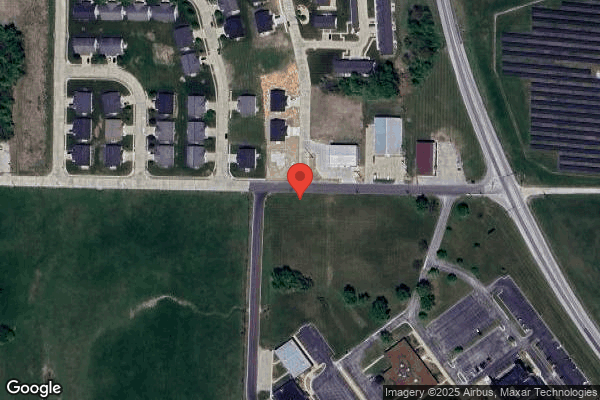
Jul 2019 9 deficiencies
CONCERN (D)

Potential for Harm - no one hurt, but risky conditions existed

Notification of Changes (Tag F0580)

Could have caused harm · This affected 1 resident

Based on observation, interview and record review, the facility failed to notify one resident's (Resident #25's) physician, in a review of 15 sampled residents, when the resident had a change in condi...

Read full inspector narrative →
Based on observation, interview and record review, the facility failed to notify one resident's (Resident #25's) physician, in a review of 15 sampled residents, when the resident had a change in condition. The facility census was 57. 1. Review of the facility policy, titled, Physician Notification Policy and Procedure, revised May 24, 2011, showed the following: -Our facility shall promptly notify the resident's attending physician or practitioner of any clinical problems, changes in laboratory values, or changes in vital signs according to the guidelines laid out in the policy; -The nurse supervisor/charge nurse will notify the resident's attending physician or on-call practitioner when there has been: -A significant change in the resident's physical/emotional/mental condition; -Any contacts with the physician or practitioner must be documented in the resident's record as well including the date, time, assessment date reported, response of the physician, and the nurse making the call. If any orders are given they must be documented following the procedure for transcribing physician' orders. 2. Review of the 38th Edition Nursing 2018 Drug Handbook showed the following for Xarelto (blood thinner): -Adverse reactions included bleeding events including hemorrhage (internal or external blood loss) and urinary tract infections; -Taking this medication may increase bleeding risks; -Monitor patient carefully for signs of bleeding or blood loss, which can occur at any site during therapy; -Patients with moderate renal failure are at increased risk; -If any signs and symptoms of unusual bleeding or bruising occur, advise to contact physician immediately. 3. Review of Resident #25's quarterly Minimum Data Set (MDS), a federally mandated assessment instrument, completed by facility staff, dated 5/14/19 showed the following: -Diagnoses included anemia (low blood levels), heart failure, shortness of breath and diabetes; -The resident was on anticoagulant (blood thinner) therapy; -The resident required extensive assistance with toileting and personal hygiene, requiring 1-2 plus staff for assistance. Review of the resident's July 2019 Physician Order Sheets (POS) showed an order for Xarelto 20 milligrams (mg) daily before supper. Review of the resident's care plan dated 7/23/19 showed the following: -Diagnoses included kidney failure and chronic kidney disease-stage 4; -The resident had a urinary catheter (a thin, sterile tube inserted into the bladder to drain urine); -The resident had skin folds that were difficult to clean; -Notify his/her physician of any new or worsening areas of concern seen on his/her skin when assisting with cares; -The resident was on an anticoagulant for his/her heart that put him/her at risk for increased bleeding; the resident needed to be monitored closely for this; -Goal was to be free from abnormal bleeding; -Monitor the resident for excessive bleeding; notify his/her physician of this. Observation on 7/23/19 at 10:06 A.M. showed the following: -Certified Nurse Assistant (CNA) G, CNA H, CNA I, CNA J and Certified Medication Technician (CMT) E assisted the resident with a transfer and personal cares; -As staff rolled the resident to his/her back, the resident's front peri-area showed a moderate amount of a dark blood-like discharge in the peri-area and on the urinary catheter tubing; -CNA staff notified the Director of Nursing (DON) who came to the bedside, assessed the resident and assisted the staff with cleaning the resident. Observation on 7/24/19 at 4:07 P.M. showed the following: - CNA F and CNA G assisted the resident to bed; -The resident's urinary catheter tubing was kinked (preventing the flow of urine) and the bedside drainage bag was empty; -The resident's incontinent brief was urine soaked and once the urinary catheter tubing was un-kinked, an immediate return of 200 cubic centimeters (cc) of urine drained into the catheter drainage bag; -The resident's incontinent brief and front peri-area showed a moderate amount of a dark blood-like discharge in the peri-area and on the urinary catheter tubing; -Licensed Practical Nurse (LPN) D assisted with cleaning the resident's peri-area. Review of the resident's nurse's notes dated 7/23/19 showed no documentation of the resident's bloody discharge or that the resident's physician was notified of the resident's change in condition. Review of the resident's 07/24/19 nurse's notes showed no documentation of the resident's bloody discharge or that the resident's physician was notified of the change in condition. During an interview on 7/24/19 at 5:00 P.M. CNA H said the following: -He/She believed the blood-like discharge he/she observed in the resident's front peri-area on 7/23/19 to be coming from the peri-area; -He/She had never seen that when assisting the resident with personal cares before. During an interview on 7/25/19 at 8:45 A.M. CNA F said the following: -He/She believed the blood-like discharge he/she observed in the resident's front peri-area on 7/23/19 and 7/24/19 to be coming from the peri- area; -He/She did not believe it to come from the resident's groin area because when he/she separated the resident's skin folds, the area was excoriated, but there was no blood-like discharge in that area, it was definitely more in the skin folds of the internal peri area and on the urinary catheter tubing; -He/She had never seen that when assisting the resident with personal cares before. During an interview on 7/25/19 at 9:00 A.M. CMT E said the following: -He/She believed the blood-like discharge he/she observed in the resident's front peri-area on 7/23/19 to be coming from the peri-area; -He/She did not believe it to come from the resident's groin area because when he/she separated the resident's skin folds, the area was excoriated, but there was no blood-like discharge in that area; -He/She had never seen that when assisting the resident with personal cares before. During an interview on 7/24/19 at 5:00 P.M. LPN R said the following: -The DON told him/her she found blood on the resident during peri-care; -The DON reported the blood being from an excoriated area in the resident's groin; -The DON had not instructed him/her to call the resident's physician; -He/She would not have called the resident's physician as the information would have not been first hand knowledge; -He/She had not known the resident to have a blood-like, peri-area discharge in the past. During interview on 07/24/19 at 4:38 P.M. and 7/25/19 at 3:24 P.M., the DON said the following: -She reported to charge nurse, LPN R, regarding the 7/23/19 bloody discharge; -She felt like the discharge was coming from the resident's right groin crease; -She would have expected LPN R to document the finding and call the resident's physician to get a treatment order and give a condition report. -Staff should notify the resident's physician with any change of condition. During interview on 8/1/19 at 1:45 P.M. the resident's physician's office nurse said the following: -The physician would have wanted to know the resident was having peri-area bleeding on 7/23/19 and 7/24/19; -On 7/31/19 the facility had notified him the resident was having peri-area bleeding with clots and he had ordered a pelvic ultrasound to be completed; -He would have considered this a change in condition for the resident and would rather care not have been delayed.
CONCERN (D)

Potential for Harm - no one hurt, but risky conditions existed

Deficiency F0604 (Tag F0604)

Could have caused harm · This affected 1 resident

**NOTE- TERMS IN BRACKETS HAVE BEEN EDITED TO PROTECT CONFIDENTIALITY** Based on observation, interview, and record review, the facility failed to develop a systematic process for evaluating if a recl...

Read full inspector narrative →
**NOTE- TERMS IN BRACKETS HAVE BEEN EDITED TO PROTECT CONFIDENTIALITY** Based on observation, interview, and record review, the facility failed to develop a systematic process for evaluating if a recliner chair, implemented as an intervention to prevent falls for one resident (Resident #203), in a review of 15 sampled residents, was a restraint. The resident could not easily or intentionally exit or change his/her position from fully reclined to upright when in the chair. The facility also failed to identify the medical symptom the recliner was being used to treat, and failed to provide care planning and assessments on an ongoing basis to address the recliner and it's restraining properties. The facility census was 57. 1. During interview on 7/24/19 at 3:00 P.M. the Director of Nursing (DON) said the facility did not have a policy for restraints. 2. Record review of Primaris website regarding restraints, showed the following: -The Centers for Medicare and Medicaid Services (CMS) has recognized the danger restraints pose to residents and has initiated national efforts to reduce the use of restraints; -Before a resident is restrained, the facility must determine that the resident has a specific medical symptom that cannot be addressed by another, less restrictive intervention and a restraint is required to treat the medical symptom, protect the resident's safety, and help the resident attain or maintain his/her highest level of physical and psychological well-being; -While there must be a physician's order reflecting the presence of a medical symptom, CMS will hold the facility ultimately accountable for the appropriateness of that determination. The physician's order alone is not sufficient to justify restraint use; -It is further expected, for residents whose care plans indicate the need for restraints, that the facility engages in a systematic and gradual process towards reducing restraints (e.g., gradually increasing time for ambulation and strengthening activities). This systematic process also applies to recently admitted residents for whom restraints were used in the previous setting; -Falls do not constitute self-injurious behavior or a medical symptom that warrants the use of a physical restraint. There is no evidence that supports physical restraints use for falls prevention. Although restraints have been traditionally used as a falls prevention approach, they have major serious drawbacks and can contribute to serious injuries; -Reducing or eliminating restraints requires a thorough assessment; -Complete a full resident assessment before selecting interventions; -Following the assessment, consider resident interventions, family interventions, environmental interventions, and staff interventions to avoid restraints utilization and/or reduce falls; -After implementing an intervention, carefully and frequently monitor the resident to evaluate the effectiveness of these interventions and revise plan of care accordingly. 3. Review of Resident #203's face sheet showed the following: -admitted to the facility on [DATE]; -Diagnoses of Alzheimer's dementia with behaviors and weight loss. Review of the resident's physician's orders dated July 2019 showed no physician order for staff to place the resident in recliner or the medical symptom they were treating when using the recliner. Review of the resident's baseline care plan last revised 7/20/19 showed the following: -The resident will lean over often and will sit on the floor. The resident was leaning over and fell. Offer to help the resident to a chair when the resident is leaning (7/10/19); -The resident was found on the floor after his/her nighttime medications. Help him/her to bed if he/she is sleepy, after staff have given him/her nighttime medications (7/19/19); -The resident fell backwards in the dining room chair. He/she will push backwards. Do not leave him/her unattended in the dining room chair (7/20/19); -No documentation regarding the use of the recliner as a restraint. Review of the resident's electronic medical record (EMR) showed the following: -No assessment for the recliner to determine if used for a restraint; -No documentation of ongoing re-evaluation for the use of the recliner. Observation on 7/24/19 at 11:02 A.M. in the Special Care Unit (SCU) common area showed the following: -The resident sat in the recliner; -The footrest was up and the resident's feet were elevated; -The resident talked non-sensical; -The resident sat upright and leaned over to the right; -The resident waved his/her hands in the air. Observation on 7/24/19 at 11:06 A.M. in the SCU common area showed the following: -The resident sat in the recliner; -The footrest was up and the resident's feet were elevated; -The resident repeatedly tried to lean forward in the recliner; -Certified Nurse Aide (CNA) M gave the resident a drink of Ensure (supplement); -The resident rocked back and forth in the chair for several minutes, leaning forward then eventually sat back in the chair. Observation on 7/24/19 at 11:22 A.M. in the SCU common area showed the following: -The resident sat in a recliner; -The footrest was up and the resident's feet were elevated; -The resident scooted his/her hips back and forth in the chair. Observation on 7/24/19 at 1:45 P.M. in the SCU common area showed the following: -The resident sat in a recliner; -Registered Nurse (RN) K stood beside the recliner; -RN K lowered the recliner footrest with the electronic controller; -The resident stood up independently from the recliner; -RN K held onto the resident's arm while the resident ambulated throughout the common area. Observation on 7/24/19 at 1:59 P.M. in the SCU common area showed the following: -Certified Nurse Aide (CNA) M and CNA N assisted the resident to sit down in an upright chair at the dining room table; -CNA M pushed the resident's chair up to the table; -The resident attempted to stand up; -CNA N put his/her hand on the resident's right shoulder and assisted the resident to sit back down; -The resident had stiff, spasmodic movements of his/her arms. Observation on 7/25/19 at 09:00 AM in the SCU common area showed the following: -The resident sat awake in a recliner; -The footrest was up and the resident's feet were elevated; -Licensed Practical Nurse (LPN) O sat at the nurses' station; -The resident kicked his/her legs and feet over to the right side in the chair; -The resident attempted to sit up but couldn't fully sit up due to the recliner being reclined and up against wall; -The resident moved his/her hips back and forth in the recliner. Observation on 7/25/19 at 9:09 A.M. in the SCU common area showed the following: -The resident sat awake in a recliner; -The footrest was up and the resident's feet were elevated; -He/She had headphones on and listened to music; -The resident attempted to sit up; -The resident rolled to his/her left side in the chair and slung his/her right leg over the armrest of the recliner; -The resident reached for objects though no objects were present. Observation on 7/25/19 at 9:13 A.M. in the SCU common area showed the following: -The resident sat awake in a recliner; -The footrest was up and the resident's feet were elevated; -The resident attempted to sit up but was unable to; -The resident slung his/her right leg over the armrest of the recliner; -CNA M walked by and placed the resident's right leg back onto the recliner footrest. Observation on 7/25/19 at 9:18 A.M. in the SCU common area showed the following: -The resident sat awake in a recliner; -The resident's knees were tucked up to his/her chest; -The resident lay to the right side with his/her head off the resident side of the recliner; -The resident kicked his/her feet off the left side of the chair; -CNA N walked by and repositioned the resident in the recliner. Observation on 7/25/19 at 9:21 A.M. in the SCU common area showed the following: -The resident sat in a recliner; -The footrest was up and the resident's feet were elevated; -The resident's eyes were partially open; -The resident had headphones on and listened to music; -The activity director played noodle ball with a group of four residents in the common area. Observation on 7/25/19 at 11:11 A.M. in the SCU common area showed the following: -The activity director and a group of residents played bingo around the dining room table; -The resident sat in a recliner; -The footrest was up and the resident's feet were elevated; -The resident attempted to sit upright in the recliner unsuccessfully; -The resident was able to sit upright in the recliner one time with the back of the recliner still reclined; -The resident then sat back in the recliner. Observation on 7/25/19 from 11:14 A.M. to 11:19 A.M. in the SCU common area showed the following: -The resident sat in a recliner; -The foot rest was up and the resident's feet were elevated; -The resident attempted several times to sit upright with the back of the recliner still reclined; -The resident was only able to sit upright momentarily then sat back in the recliner; -The administrator walked throughout the common area and spoke to several residents. Observation on 7/25/19 at 11:23 A.M in the SCU common area showed the following: -The resident sat in a recliner; -The foot rest was up and the resident's feet were elevated; -The resident attempted to sit upright and lean forward; -The activity director spoke to the resident and told him/her to hold on, staff would be with him/her in a moment; -The activity director attempted to give the resident a drink. Observation on 7/25/19 at 11:31 A.M. in the SCU common area showed the following: -The resident sat in a recliner; -The foot rest was up and the resident's feet were elevated; -The resident's eyes were closed; -Staff assisted other residents to the dining room tables for lunch. Observation on 7/25/19 at 11:50 A.M. in the SCU common area showed the following: -The resident sat in a recliner; -The foot rest was up and the resident's feet were elevated; -The resident attempted to sit upright several times but was only able to do so momentarily then sat back in reclined position; -The resident moved his/her hips back and forth in the chair. Observation on 7/25/19 at 12:02 P.M. in the SCU common area showed the following: -The resident sat in a recliner; -The foot rest was up and the resident's feet were elevated; -The resident sat upright in the recliner; -CNA M went to the resident and put his/her shoes on; -CNA M told the resident they would get him/her up as soon as CNA N came back. Observation on 7/25/19 at 12:03 P.M. in the SCU common area showed the following: -The resident sat in a recliner; -The foot rest was up and the resident's feet were elevated; -CNA M exited the room; -The resident continued to try to sit upright in the recliner but could only do so momentarily; -The resident pushed his/her feet against the footrest. Observation on 7/25/19 at 12:06 P.M. in the SCU common area showed the following: -The resident sat in a recliner; -The foot rest was up and the resident's feet were elevated; -The resident continued to try to sit upright in the recliner; -CNA M and CNA N passed lunch trays to other residents. Observation on 7/25/19 at 12:15 P.M. in the SCU common area showed the following: -The resident sat in a recliner; -The foot rest was up and the resident's feet were elevated; -The resident continued to try to sit upright in the recliner; -LPN O sat at the nurses' station while CNA M and CNA N assisted residents to the dining room table. Observation on 7/25/19 at 12:17 P.M. in the SCU common area showed the following: -CNA N walked over to the resident's recliner and lowered the footrest with the electronic controller; -CNA M and CNA N put their arms under the resident's arms; -The resident stood without assistance; -CNA M and CNA N walked with the resident to the dining room table. During interview on 7/24/19 at 11:06 A.M. CNA M said the following: -The resident has had several falls; -Staff usually put the recliner footrest up when the resident sits in the recliner; -The resident is able to get up out of the recliner if the foot rest is down, but the resident needs staff assist for ambulation after he/she is up out of the chair; -If staff put the footrest down the resident can get up out of the chair independently. During interview on 7/24/19 at 1:59 P.M. CNA N said the following: -The resident can stand unassisted if the footrest on the recliner is down.; -The resident can't stand unassisted with the footrest up; -The resident will often scoot down in the recliner when he/she wants to stand up. During interview on 7/24/19 at 2:04 P.M. LPN O said the following: -The resident likes to get up and down frequently; -It is hard for the resident to communicate with staff; -At home the resident spent a lot of time in the recliner; -At home when he/she got ready to get out of the recliner he/she would scoot to the edge; -Normally if the resident is sitting in the recliner, his/her feet are up; -If the resident's feet are down, he/she can get up independently; -The resident has gotten out of the recliner with the footrest up; -Over the weekend, the resident scooted him/herself down and over to the side in the recliner. He/She ran over to the resident and the resident stood up unassisted with no difficulty; -It depends on the day whether or not the resident's recliner would be a chair that prevents rising. During interview on 7/25/19 at 3:23 P.M. the DON said the following: -The resident can't walk very well right now; -The recliner was being used for safety. The resident has been showing a lot more confusion; -She has seen the resident stand up out of the recliner independently; -She can't say whether or not the resident can get out of the recliner with the footrest up; -She didn't know the recliner the resident sat in was an electric chair; -She doesn't want the resident in an electric chair; -The resident sat in a regular (manual) recliner at home; -If the resident is unable to put the footrest down independently that could be considered a chair that prevents rising; -A chair that prevents rising would be considered a restraint; -If the resident is leaning forward and trying to get up, staff should walk with the resident.
CONCERN (D)

Potential for Harm - no one hurt, but risky conditions existed

Incontinence Care (Tag F0690)

Could have caused harm · This affected 1 resident

**NOTE- TERMS IN BRACKETS HAVE BEEN EDITED TO PROTECT CONFIDENTIALITY** 3. Review of Resident #45's significant change Minimum Data Set (MDS), a federally mandated assessment instrument completed by f...

Read full inspector narrative →
**NOTE- TERMS IN BRACKETS HAVE BEEN EDITED TO PROTECT CONFIDENTIALITY** 3. Review of Resident #45's significant change Minimum Data Set (MDS), a federally mandated assessment instrument completed by facility staff, dated 6/4/19 showed the following: -Moderately impaired cognition; -Frequently incontinent of urine; -No indwelling catheter; -Diagnoses of benign prostatic hypertrophy (BPH) (prostate gland enlargement. Can cause uncomfortable urinary symptoms, such as blocking the flow of urine out of the bladder), diabetes and dementia. Review of the resident's care plan dated 7/1/19 showed the following: -Frequently incontinent of bladder and bowel; -Provide pericare after any incontinent episode. Review of the resident's physician's orders dated July 2019 showed the following: -Urinary catheter care every shift (7/15/19); -Change catheter monthly (7/15/19). Review of the resident's progress notes dated 7/15/19 at 5:58 P.M. showed a new order for urinary catheter placement to help with wound healing. Review of the resident's emergency department summary dated 7/17/19 showed the following: -Discharge diagnoses: hypoglycemia (low blood sugar) and UTI; -Macrobid (antibiotic) 100 milligrams (mg) twice daily for seven days for UTI. Observation on 7/23/19 at 3:15 P.M. showed the following: -The resident lay on his/her right side in bed; -His/Her catheter drainage bag sat in a clear trash bag in the trash can at the end of the bed; -An empty dignity bag hung on the bed frame at the end of the resident's bed. Observation on 7/24/19 at 11:29 A.M. showed the following: -The resident lay on his/her left side in bed; -The resident's catheter drainage bag lay in a clear plastic trash bag in the trash can at the end of the bed; -The urine in the catheter drainage bag was dark yellow; -Licensed practical nurse (LPN) D prepared supplies for wound care; -LPN D removed his/her soiled gloves and the soiled wound dressing and threw them into the trash can on top of the catheter drainage bag; -LPN D cleansed the resident's wound and disposed of the soiled gauze and his/her soiled gloves on top of the catheter drainage bag; -LPN D completed the dressing change and threw his/her soiled gloves into the trash can on top of the catheter drainage bag. During interview on 7/24/19 at 3:02 P.M. LPN D said the following: -He/She did not realize the resident's catheter drainage bag was in the trash can when he/she threw his/her soiled gloves and soiled wound dressing on top of the catheter drainage bag; -The resident recently had the urinary catheter place and had a UTI; -There is increased potential for infection having the catheter drainage bag in the trash can; -The catheter drainage bag should not be kept in a trash bag in a trash can. 4. Review of Resident #4's medical record showed the following laboratory reports: -Urinalysis (UA), dated 4/11/19; -Urine was cloudy, (normal = clear); -Blood = 3+, (normal = none); -Leukocytes = 3+ (normal = 0, increase indicates infection); -Nitrates = positive (normal = negative, indicates presence of bacteria); -Bacteria = 3+ (normal = 0); -Urine Culture, dated 4/14/19, showed the presence of Pseudomonas aeruginosa (bacteria that can cause disease in plants and animals, including humans). Review of the resident's progress notes dated 4/16/19 showed staff spoke with the physician's office about starting the resident on an antibiotic for his/her UTI. Start him/her on Levaquin (antibiotic) 500 mg one tab by mouth (PO) twice daily (BID) for five days then to repeat urinalysis (UA- a laboratory test of urine used to aid in the diagnosis of disease or to detect the presence of infection) with culture and sensitivity (C&S; laboratory test on urine to detect the presence of bacteria and the identification of antibiotics that kill that specific bacteria) on 4/23/19. Fax results of UA to physician's office. Review of the resident's significant change MDS, dated [DATE] showed the following: -Moderately impaired cognition; -Required extensive assist of one staff for toileting and personal hygiene; -Indwelling catheter; -Diagnoses of BPH, obstructive uropathy (urine can't flow through your ureter, bladder, or urethra and instead flows backward, or refluxes, into your kidneys), diabetes and renal failure. Review of the resident's care plan dated 7/12/19 showed the following: -Occasionally incontinent of bowel; -Urinary catheter because of difficulty emptying bladder; -Dementia, diabetes, kidney disease and Parkinson's disease (progressive nervous system disorder that affects movement), put resident at risk for increased incontinence and UTI's; -Provide urinary catheter care often. Observation on 7/24/19 at 6:35 A.M., showed the resident sat in his/her wheelchair at the sitting area by the nurse's station with the catheter tubing on the floor. Observation on 7/25/19 at 2:30 P.M., showed the resident sat in his/her wheelchair in the commons area by the nurse's station with catheter tubing on the floor. During interview on 7/25/19 at 11:34 A.M., Certified Nurse Aide (CNA) L said catheter tubing should not touch the floor and catheter bags should not be in trash cans because of bacteria on the ground. During interview on 7/25/19 at 3:23 P.M. the Director of Nursing (DON) said the following: -Resident #45 has a catheter because he/she urinated a lot and the wound nurse thought it would be beneficial to wound healing; -She was not sure if Resident #45 had a UTI; -It was not appropriate for the catheter drainage bag to be stored in a trash bag in the trash can; -Storing the catheter drainage bag in the trash can could increase the risk of contamination; -Catheter tubing and catheter bags should not touch the floor to prevent infection. Based on observation, interview and record record the facility failed to provide appropriate care, treatment and services consistent with acceptable standards of practice to prevent and treat urinary tract infections (UTIs) for two residents (Resident #45 and Resident #4 ) with an indwelling urinary catheter (a sterile tube inserted through the urethra into the bladder to drain urine) of 15 sampled residents. The facility identified three residents with indwelling catheters. The facility census was 57. 1. Review of the facility policy Urinary Catheter: Indwelling Catheter Care dated May 2019 showed the following: -When the indwelling catheter is no longer needed, remove it as soon as possible because of the risk for catheter-associated urinary tract infection; -Secure the drainage bag and tubing below the level of the bladder; -The policy did not address keeping catheter tubing off the floor. 2. Review of the Nurse Assistant in a Long Term Care Facility, 2001 revision, showed the following: -The bladder is considered sterile, the catheter, drainage tubing and bag are a sterile system; -Drainage tubing/bags must not touch the floor; -The drainage bag should always be below the level of the bladder; -If moved above, urine could flow back into the bladder.
CONCERN (D)

Potential for Harm - no one hurt, but risky conditions existed

Medication Errors (Tag F0758)

Could have caused harm · This affected 1 resident

**NOTE- TERMS IN BRACKETS HAVE BEEN EDITED TO PROTECT CONFIDENTIALITY** Based on observation, interview, and record review, the facility failed to ensure a medication regimen was free from unnecessary...

Read full inspector narrative →
**NOTE- TERMS IN BRACKETS HAVE BEEN EDITED TO PROTECT CONFIDENTIALITY** Based on observation, interview, and record review, the facility failed to ensure a medication regimen was free from unnecessary medications when the facility failed to show adequate indications for use of an antipsychotic medication (a class of medication primarily used to manage psychosis (including delusions, hallucinations, paranoia or disordered thought), principally in schizophrenia and bipolar disorder) and hypnotic medication (commonly known as sleeping pills, are a class of psychoactive drugs whose primary function is to induce sleep and to be used in the treatment of insomnia (sleeplessness), or for surgical anesthesia) and monitor psychotropic medication (any medication capable of affecting the mind, emotions, and behavior) use for one resident (Resident #203) in a review of 15 sampled residents. The facility census was 57. 1. Review of the undated facility policy Gradual Dose Reduction showed the following: Policy: Physicians will use psychotropic medications appropriately working with the interdisciplinary team to ensure appropriate use, evaluation, and monitoring; Purpose: To maintain highest level of function and comfort for our residents; Procedure: Director of nursing (DON)/nursing management to maintain log revealing resident and their psychotropic/sedative/hypnotic medication and doses, dates of correspondence with physician, dates gradual dose reductions are due and dates/responses from physicians and pharmacist. 2. Review of www.drugs.com showed the following: -Abilify (antipsychotic medication used to treat the symptoms of psychotic conditions such as schizophrenia and bipolar I disorder (manic depression); -Abilify is not approved for use in psychotic conditions related to dementia. Abilify may increase the risk of death in older adults with dementia-related conditions; -Common Abilify side effects: drooling. Call your physician at once if you have: twitching or uncontrollable movements of your eyes, lips, tongue, face, arms, or legs; -Ambien is a sedative, also called a hypnotic; -The sedative effect of Ambien may be stronger in older adults; -Common Ambien side effects may include daytime drowsiness, dizziness, weakness, feeling drugged or light-headed, tired feeling, loss of coordination. 3. Review of Resident #203's face sheet showed the resident was admitted to the facility on [DATE]. Review of the resident's physician's orders dated July 2019 showed the following: -Ambien 10 milligrams (mg) once a day at bedtime (no indication for use); start date 7/9/19; -Abilify 2.5 mg twice daily (no indication for use); start date 7/9/19. Review of the resident's progress notes dated 7/9/19 at 11:20 A.M. showed the following: -Resident arrived to unit with the Director of Nurses (DON) and family member; -Resident is not oriented to person, place, time or situation; -Resident wanders frequently and does not speak; -Resident usually goes to bed around 8:30-9:00 P.M. and wakes up at 4:30 or 5:00 A.M.; -Resident is currently in the day room wandering. Review of the resident's progress notes dated 7/11/19 at 4:27 P.M. showed the following: -Resident up walking around continuously with the exception of when his/her family member was here visiting; -Unable to obtain vital signs as he/she is in a constant state of motion. Review of the resident's pharmacy note dated 7/16/19 at 2:07 P.M. showed no recommendations at this time. Review of the resident's baseline care plan revised 7/19/19 showed the following: -Disease/Illness Management: Alzheimer's/dementia, psych medication and psychiatric illness; -Psycho-social Well/Ill-Being Care: confused, moods fluctuating; Interventions: -Provide instruction, redirection for episodes of behavior; -Assess and monitor for cause; notify physician of changes; -Monitor medications; side effect (s) and effectiveness; -Provide comfortable and safe environment; -Family would like to try a dose reduction of the resident's antipsychotic medication after the resident has adjusted to the facility. Review of the resident's progress note dated 7/21/19 at 6:44 A.M. showed the following: -Resident slept well, as needed (PRN) lidocaine patch (topical pain patch) applied to lower back and PRN Tylenol (pain reliever) given per family member's request; -Resident up for morning cares and meal, drank protein shake and is resting quietly in recliner. Observation on 7/24/19 at 5:50 A.M. in the Special Care Unit (SCU) common area showed the following: -The resident sat in a recliner; -His/Her eyes were closed; -No behaviors noted. Observation on 7/24/19 at 8:06 A.M. in the SCU common bathroom showed the following: -The resident sat on the toilet; -He/She was continent of urine; -Certified Nurse Aide (CNA) N provided pericare; -The resident noted to have upper body twitching; -No behaviors noted. Observation on 7/24/19 at 11:02 AM in the SCU common area showed the following: -The resident sat in a recliner; -The resident spoke softly non-sensical; -The resident waved his/her hands in the air; -No behaviors noted. Observation on 7/25/19 at 11:26 AM in the SCU common area showed the following: -The resident sat in a recliner; -The resident tried to pull the blanket off his/her feet; -The resident noted to have repetitive hand movements; -No behaviors noted. Observation on 7/24/19 at 1:59 P.M. in the SCU common area showed the following: -The resident sat in an upright chair at the dining room table; -The resident noted to be drooling; -The resident noted to have stiff spasmodic movements of his/her arms; -No behaviors noted. Record review of the resident's progress notes dated 7/9/19 through 7/25/19 showed the following: - No documentation of the resident's behaviors, mood, or symptoms at the time Abilify and Ambien were ordered; - No documentation of behaviors or the effectiveness of Abilify or Ambien. During interview on 7/24/19 at 3:00 P.M. the Minimum Data Set (MDS - a federally mandated assessment instrument completed by facility staff)/Care plan Coordinator said the following: -No Abnormal Involuntary Movement Scale (AIMS) (a rating scale that was designed to measure involuntary movements known as tardive dyskinesia (TD) assessments have been completed for the resident as of today; -Usually AIMS assessments are completed quarterly. During interview on 7/24/19 at 1:15 P.M. Registered Nurse (RN) K said the following: -He/She monitors psychotropic medications on a flow sheet; -On admission he/she instructs staff to document behaviors; -He/She can't say if dementia with behaviors is an appropriate diagnosis for Abilify; -The resident requires Ambien to bring his/her anxiety down so he/she can sleep; -He/She and the MDS/Care plan Coordinator make sure residents have appropriate diagnosis for psychotropic medications; -CNA staff should document behaviors in the kiosk if there are any. During interview on 7/25/19 at 3:23 P.M. the Director of Nursing (DON) said the following: -The resident was able to stand when he/she was first admitted ; -Residents should have diagnoses specific to each medication; -Dementia with behavior disturbance could be an appropriate diagnosis for Abilify; -The resident should have a diagnosis for Ambien; -If the resident doesn't receive Ambien and Trazodone (antidepressant medication) at night he/she doesn't sleep; -The facility will do a gradual dose reduction (GDR) on Abilify once the resident acclimates to the environment; -Facility staff monitors psychotropic medications by administering the medication and making sure the resident calms down; -The resident has been more confused the last few days. At times the resident may hit others; - The resident used to walk all the time; -The resident has had a little bit of a mental decline since admission to the facility; -Psychotropic medication use could increase fall risk; -Psychotropic medication use could increase risk of side effects.
CONCERN (E)

Potential for Harm - no one hurt, but risky conditions existed

Deficiency F0658 (Tag F0658)

Could have caused harm · This affected multiple residents

**NOTE- TERMS IN BRACKETS HAVE BEEN EDITED TO PROTECT CONFIDENTIALITY** Based on observation, interview and record review, the facility failed to ensure staff provided services that met professional s...

Read full inspector narrative →
**NOTE- TERMS IN BRACKETS HAVE BEEN EDITED TO PROTECT CONFIDENTIALITY** Based on observation, interview and record review, the facility failed to ensure staff provided services that met professional standards of quality for medication administration for two residents (Resident #14 and #31) in a review of 15 sampled residents and when staff provided treatments without a physician's order for one sampled resident (Resident #25) and one additional resident (Resident #103). The facility census was 57. 1. Review of the facility policy, titled, Administering Medications, revised 01/01, showed the following: -Medications must be administered in a timely manner and in accordance with the attending physician's written/verbal orders; -Except for single unit dose packets and IV's, only the individual preparing the resident's medication may administer it; -Medications may not be prepared in advance and must be administered within one (I) hour of their prescribed time. (Note: Before and/or after meal orders must be administered as ordered.); -The individual administering the medication must ensure that the right medication, the right dosage, the right time and the right method of administration are verified before the medication is administered (e.g., review of drug label, physician orders, etc.). -The individual administering the medication must initial the resident's MAR on the appropriate line and date for that specific day before administering the next resident's medication. 2. Review of the facility policy, titled Medication Administration: Eye, published December 2018, showed the following: -Hold a clean, dry facial tissue or gauze pad in the non-dominant gloved hand on the patient's cheekbone just below the lower eyelid; -With the tissue or gauze resting below the lower lid, gently press downward with the thumb or forefinger against the bony orbit. Never press directly against the patient's eyeball; -With the dominant gloved hand resting on the patient's forehead, hold the filled medication eye dropper perpendicular to the eye just above the conjunctival sac; -Instill the prescribed number of medication drops into the exposed conjunctival sac; -After instilling the drop(s), ask the patient to gently close the eye and keep it closed for at least 1 minute. -When administering drugs that have systemic effects, apply gentle pressure with a clean, dry facial tissue, or gauze pad to the patient's nasolacrimal duct for 30 to 60 seconds. 3. Review of the Nursing 2018 Drug Handbook showed the following instructions for Levothyroxine (thyroid supplement): -Give drug at the same time each day on an empty stomach, preferably ½ to 1 hour before breakfast; -May impair Levothyroxine absorption if administered with other medications. 4. Review of the Certified Medication Technician (CMT) Student Manual, revised April 2008, showed the following: -Lesson Plan 11, Unit IV, Preparation and Administration, Outline I, F. Administer only medications you have prepared. 5. Review of the CMT Student Manual, revised April 2008, showed the following: -Lesson Plan 13, Unit IV, Preparation and Administration of ophthalmic medications, 14) position the resident (sitting or lying) with head tilted backwards, 19) ask the resident to look upward, 20) hold lower eyelid away from the eye to form a pouch, A. a.) instill drop into the pouch, never directly onto the center of the eyeball, A. b.) with a finger, apply pressure to inside corner of eye (inner canthus) for one minute, 21) instruct resident to close eye gently and keep eyes closed for a few minutes; -CAUTION: Do not contaminate the dropper by touching any part of the eye. 6. Review of Resident #14's annual Minimum Data Set (MDS), a federally mandated assessment instrument, completed by facility staff, dated 1/29/19, showed the resident had a diagnosis of a thyroid disorder. Review of the resident's July 2019 Physician Order Sheet (POS) showed the following: -Dietary supplement, strawberry Ensure, with all meals; -Metoprolol Succinate ER (blood pressure medication) 50 milligrams (mg) daily, scheduled for 8:00 A.M.; -Tylenol (pain reliever) 325 mg every 6 hours, scheduled for 8:00 A.M.; -Amlodipine (blood pressure medication) 5 mg every day (qd), scheduled for 8:00 A.M.; -Aspirin (ASA) (blood thinner) 81 mg qd, scheduled for 8:00 A.M.; -Cetirizine (allergies) 10 mg qd, scheduled for 8:00 A.M.; -Colace (stool softener) 100 mg qd, scheduled for 8:00 A.M.; -Lactobacillus acidophilus and bulgaricus (digestive aid) twice daily (bid), scheduled for 8:00 A.M.; -Levothyroxine 50 micrograms (mcg) qd, 30 minutes before meals, scheduled for 8:00 A.M.; -Miralax (a laxative), 1/2 capful qd, scheduled for 8:00 A.M. Observation on 07/24/19 at 5:54 A.M. showed the resident sat in the day area of the facility, in his/her wheelchair, drinking a strawberry supplemental drink. Observation on 07/24/19 at 7:24 A.M. showed the resident sat in the dining room, in his/her wheelchair. His/Her family member assisted the resident with breakfast; the resident had consumed half of his/her food. Observation on 07/24/19 at 7:30 A.M. showed Certified Medication Technician (CMT) E prepared and administered the resident's 8:00 A.M. medications including levothyroxine. (The resident's levothyroxine was not administered 30 minutes before meals as ordered. Staff administered the levothyroxine with other medications and after the resident had eaten). During interview on 07/24/19 at 7:33 A.M., CMT E said the following: -Night shift administers the resident his/her supplemental shake when the resident gets up in the mornings; -He/She was not aware the resident's levothyroxine order read to be given 30 minutes before meals; -He/She did not know it was suggested to not administer levothyroxine with other medications; -The resident's levothyroxine medication had always been scheduled for 8:00 A.M. 7. Review of Resident #31's care plan, dated 6/17/19 showed he/she had a diagnosis of chronic obstructive pulmonary disease (COPD) (lung disorder). Review of the resident's July 2019 POS showed the following: -Ocular lubricant, one drop into both eyes four times daily; -Budesonide (decreases inflammation of the airway) 0.25 milligrams (mg)/2 milliliters (ml) inhalation per nebulizer twice daily. Observation on 7/24/19 at 9:43 A.M. and 9:49 A.M. showed the following: -Licensed Practical Nurse (LPN) A removed the resident's budesonide inhalation medication from the medication cart and documented administering the medication on the medication administration record (MAR); -LPN A entered the resident's room and handed the resident's budesonide inhalation medication to LPN B. LPN A asked LPN B to administer the resident's budesonide; -LPN A returned to the hallway and prepared other medications for the resident; -LPN B opened the vial, emptied the contents into the resident's nebulizer treatment machine and administered the budesonide; -LPN A removed the resident's ocular lubricant from the medication cart and entered the resident's room; -LPN A lifted the resident's left upper eyelid and administered one drop; -LPN A lifted the resident's right upper eyelid and administered one drop; -LPN A did not hold down the eyelid and form a pouch, did not apply pressure to inside corner of eye for one minute or instruct the resident to keep their eyes closed for a few minutes. During interview on 7/24/19 at 9:50 A.M., LPN B said the following: -He/She did not know what the resident's budesonide order was; -He/She had not prepared or reviewed the MAR before administering the resident his/her inhalation treatment; -He/She was not sure what he/she had administered to the resident; -He/She was trying to help LPN A. During interview on 7/24/19 at 10:30 A.M., LPN A said the following: -He/She had asked LPN B to administer the resident's budesonide while he/she prepared the resident's other medications to save time; -He/She thought it was okay to ask LPN B to administer the treatment because he/she was an LPN, -He/She did not know to hold the lower eyelid down and form a pouch or that he/she should apply pressure to the inside corner of the resident's eye for one minute; -He/She had not instructed the resident to keep his/her eyes closed for a few minutes. 8. Review of Resident #25's quarterly MDS, dated [DATE] showed the following: -Diagnosis included diabetes; -The resident had moisture associated skin damage. Review of the resident's July 2019 POS showed the following: -Interdry (moisture wicking fabric for skin folds), apply to space at back of left knee every shift to absorb fluid, change every shift and as needed; -No treatment order to the resident's left, lower inner calf. Observation on 7/22/19 at 3:10 P.M. showed the following: -The resident sat in his/her chair wearing shorts; -No observation of an Interdry dressing behind the resident's left knee. Observation on 7/23/19 at 9:13 A.M. showed the following: -The resident lay in his/her bed while staff provided personal cares; -His/Her lower extremities were exposed; -No observation of an Interdry dressing behind the resident's left knee. Observation on 7/23/19 at 10:06 A.M. showed the following: -The resident lay in his/her bed while staff provided personal cares; - His/Her lower extremities were exposed; -No observation of an Interdry dressing behind the resident's left knee. Observation on 7/24/19 at 3:40 P.M. showed the following: -The resident lay in his/her bed; -He/She had no Interdry in place behind his/her left knee; -Certified Nurse Aide (CNA) F and CNA G reported to LPN D the resident had a new, open area to his/her lower, inner, left calf; -The area was observed to be similar to a laceration, with a dark, dried scab and thin. Clear liquid drainage wept from under the scab; -LPN D measured the area to be 0.5 centimeters (cm) by 3.5 cm, cleaned and dried the area with gauze 4 x 4's and wound cleanser, applied a xerofoam (wound dressing) dressing and then an optifoam (wound dressing) cover. Review of the resident's progress note, titled new wound areas, dated 7/24/19 at 4:37 P.M. showed LPN D documented the following: -Left lower calf area had dry, bloody, scab intact, with a small pinpoint area that was weeping serous (thin, clear or slightly yellow) drainage; -The area was cleaned with saline, xeroform gauze applied and covered with optifoam; -Called the physician's office and left a message in regards to new area and treatment orders. During interview on 7/24/19 at 4:00 P.M., LPN D said the following: -He/She was the facility infection control nurse which included wound care; -He/She had had some wound care training; -The resident was to have the Interdry placed, checked and changed as needed to the back of his/her left knee to pull away weeping moisture; -He/She did not know why the Interdry was not in place at that time; -He/She knew that physician orders should be followed; -The area to the resident's left, lower, inner calf was new, he/she was just going to apply a xeroform and optifoam dressing until he/she could get an order for a treatment. 9. Review of Resident #103's admission note, dated 7/2/19, showed the resident's right lower leg has an old incision that is healing, the inner leg below the knee intact with scabs, no drainage and no signs of infection. Review of the resident's baseline care plan, dated 7/3/19 showed the following: -admitted [DATE]; -Diagnoses of heart surgery, respiratory infection and diabetes; -Post-surgical care; -Monitor conditions and progress of illness; -Report changes to director of nursing (DON)/ physician. Observation on 7/22/19 at 11:59 A.M. showed the resident sat on his/her bed with shorts on and a dressing on his/her right inner leg above the knee and his/her left hand. No dressing was present on the resident's right lower extremity below the knee. During interview on 7/24/19 at 7:40 A.M., the resident's family said the resident had wounds that the staff were not checking and were just putting a band-aid on them. Observation on 7/24/19 at 1:33 P.M. showed the following: -The resident sat in his/her bed while staff provided treatments; -His/Her lower extremities were exposed; -A band-aid was present on the resident's right lower inner leg extremity; -LPN D removed the band-aid from the resident's right lower inner leg and measured the area 0.8 millimeter (mm) x 0.1 mm, with bloody scab intact around edges of wound; -There was dried blood on the area; -LPN D cleaned the area with wound cleanser and gauze 4x4's, applied Silvercel (antimicrobial alginate dressing is a non-woven, sterile pad designed to manage exudate and help control infected or heavily colonized wounds) and covered the area with a band-aid; -LPN D said he/she would call for a physician order for the treatment and that he/she was not aware of the wound. Review of the resident's July 2019 POS showed no treatment order to the resident's lower right, inner calf 7/22/19 through 7/24/19. Review of the resident's July 2019 POS showed an order to cleanse the area on the lower inner leg with saline, apply Silvercel dressing and cover with a band-aid daily and as needed. Start date 7/25/19 at 8:00 A.M. During interview on 8/2/19 at 8:20 A.M., LPN D said the following: -The resident had a lot of old scabbed areas and he/she didn't remember that one being opened and requiring a treatment; -He/She should not have completed the treatment without getting a physician order first. During interview on 7/25/19 at 3:24 P.M. the DON said the following: -She expected staff to follow physician orders; -She expected staff to obtain treatment orders before performing treatments; -She expected staff to administer medications as suggested by facility policy or manufacturer's recommendations.
CONCERN (E)

Potential for Harm - no one hurt, but risky conditions existed

Unnecessary Medications (Tag F0759)

Could have caused harm · This affected multiple residents

Based on observation, interview, and record review, the facility failed to administer medications with an error rate of less than 5 percent (%) for two residents (Residents #14 and #31) in a review of...

Read full inspector narrative →
Based on observation, interview, and record review, the facility failed to administer medications with an error rate of less than 5 percent (%) for two residents (Residents #14 and #31) in a review of 15 sampled residents. There were 39 opportunities for errors with two errors, which resulted in an error rate of 5.13%. The facility census was 57. 1. Review of the facility policy titled, Administering Medications, revised 01/01, showed the following: -Medications will be administered in a timely manner and as prescribed by the resident's attending physician or the facility's medical director; -Medications must be administered in a timely manner and in accordance with the attending physician's written/verbal orders; -The individual administering the medication must ensure that the right medication, the right dosage, the right time and the right method of administration are verified before the medication is administered (e.g., review of drug label, physician orders, etc.). 2. Review of Resident #14's care plan, dated 5/8/19, showed the resident had a history of loose stools. Review of the resident's July 2019 Physician Order Sheet (POS) showed an order for Miralax (laxative), 1/2 capful every day, scheduled for 8:00 A.M. Observation on 07/24/19 at 7:30 A.M. showed the following: -Certified Medication Technician (CMT) E prepared the resident's Miralax for administration, preparing a full cap of the medication (twice the amount ordered); -The surveyor had to stop the administration of the medication. During interview on 07/24/19 at 7:33 A.M., CMT E said he/she thought the resident got 17 grams which was a full cap. 3. Review of Resident #31's care plan, dated 6/17/19 showed he/she had a diagnosis of high blood pressure. Review of the resident's July 2019 POS showed an order for lisinopril (blood pressure) 2.5 milligrams (mg) per percutaneous endoscopic gastrostomy (PEG) tube (a flexible feeding tube that goes through the abdominal wall and into the stomach, allowing nutrition, fluids and/or medications to be put directly into the stomach) twice daily. Observation on 7/24/19 at 9:49 A.M. showed the following: -Licensed Practical Nurse (LPN) A removed the resident's lisinopril medication from a pharmacy package and placed it in a crushing sleeve; -LPN A crushed the medication, emptied the white powder contents into a plastic medication cup, entered the resident's room and sat the medication cup on the resident's bedside table; -LPN A added water to the medication cup; -LPN A attached a syringe to the resident's PEG tube, picked up the medication cup, swirling it in his/her hand, then emptied the contents of the medication cup into the syringe; -LPN A disposed of the medication cup in the resident's trash can; -The medication cup had white clumpy matter covering the base and edges of the medication cup. During interview on 7/24/19 at 10:30 A.M., LPN A said the following: -The resident's medication always stuck to the bottom of the medication cup and does not always all come out; -The resident probably did not get his/her ordered full dose, maybe 80% of the dose was given. During interview on 7/25/19 at 3:24 P.M. the Director of Nursing said the following: -Staff should be reading the physician orders and making sure thy are following them to a T; -Staff should ensure all powder medications were liquified and all contents given when administered per tube.
CONCERN (E)

Potential for Harm - no one hurt, but risky conditions existed

Infection Control (Tag F0880)

Could have caused harm · This affected multiple residents

**NOTE- TERMS IN BRACKETS HAVE BEEN EDITED TO PROTECT CONFIDENTIALITY** Based on observation, interview and record review the facility failed to ensure nursing staff washed their hands and changed glo...

Read full inspector narrative →
**NOTE- TERMS IN BRACKETS HAVE BEEN EDITED TO PROTECT CONFIDENTIALITY** Based on observation, interview and record review the facility failed to ensure nursing staff washed their hands and changed gloves when indicated by professional practices during eye drop administration and topical antifungal treatment to ensure the antifungal cream's tube tip was free of contamination for one resident (Resident #31) in a review of 15 sampled residents. Facility staff also failed to follow infection control practices while performing blood glucose monitoring for one sampled resident (Resident #45) and five additional residents (Resident #6, #1, #3, #11 and #52) when staff failed to appropriately sanitize the glucometer machine (machine that tests a droplet of blood for the amount of sugar it contains) after use. The facility census was 57. 1. Review of the facility policy titled, Administering Topical Medications, revised October 2010, showed the following for paste, cream, ointment, or lotion applications: -Open the container and place the tube upside down on the table surface; -Apply clean gloves; -Remove tongue blade from sterile wrapper; -Place medication on the tongue blade and transfer to gloved hands; -Warm the medication in gloved hands and apply gently to the skin in the direction of hair growth; -Repeat as necessary to cover the entire area, using a new tongue blade for each application; -Remove gloves. Wash and dry hands thoroughly. 2. Review of the facility policy titled, Medication Administration: Eye, published December 2018, showed the following: -For administering eye drops: -Perform hand hygiene and don gloves; -After the administration, remove gloves and perform hand hygiene. 3. Review of the facility policy titled, Personal protective equipment - Gloves, revised September 2005, showed the following: -Gloves must be worn when handling blood, body fluids, secretions, excretions, mucous membranes and/or non-intact skin; -All employees must wear gloves when touching blood, body fluids, secretions, excretions, mucous membranes, and/or non-intact skin; -Gloves shall be used only once and discarded into the appropriate receptacle located in the room in which the procedure is being performed; -The use of gloves will vary according to the procedure involved. The use of disposable gloves is indicated: -When it is likely that the employee's hands will come in contact with blood, body fluids, secretions, excretions, mucous membranes, and/or non-intact skin while performing the procedure; -Wash your hands after removing gloves. 4. Review of the CMT Student Manual, revised April 2008 showed the following: -Lesson Plan 7, Unit II, Outline IV Infection Control, C) Standard Precautions, #2, c) ophthalmic medications - do not use alcohol based hand rub prior to administering ophthalmic medications. 5. Review of the CDC and Centers for Medicare and Medicaid (CMS) recommendations, August, 2010, showed the following: -Blood contamination is often evident on glucometers even if one cannot see it; -Facilities must use an EPA-registered disinfectant to clean glucometers; -Rubbing alcohol is not an effective disinfectant against hepatitis B and should not be used; -It is important to use a glucose monitoring device designed for institutional use that can be disinfected frequently; -The manufacturer's instructions should say which cleaning solution a device can withstand; -If the manufacturer's instructions do not specify steps for cleaning and disinfecting between uses of glucose monitoring devices, the devices generally should not be shared among residents according the CMS. 6. Review of the on-line Xpress @ glucose meter operating manual showed the following: -Manufacturer's Cleaning and Disinfecting the Meter Acceptable Cleaning and Disinfecting Materials; -LifeScan recommends the use of Clorox Healthcare®Bleach Germicidal Wipes, EPA Registration #67619-12, or any disinfectant product with EPA Registration #67619-12 may be used; -Meter Cleaning and Disinfection Procedure instructed the following; -Clean and disinfect after each patient use by following this protocol to help ensure effective cleaning and disinfection; -Cleaning is not the same as disinfecting. Disinfecting means to kill or prevent the growth of disease carrying microorganisms. 7. Review of Resident #52's quarterly Minimum Data Set (MDS), a federally mandated assessment instrument, completed by facility staff, dated 6/20/19, showed the resident had a diagnosis of diabetes. Review of the resident's July 2019 Physician Order Sheets (POS) showed an order for Accu checks (a finger stick procedure where a droplet of blood is obtained for testing to determine the amount of sugar in the blood) at breakfast, lunch, supper and bedtime. 8. Review of Resident #11's annual MDS, dated [DATE], showed the resident had a diagnosis of diabetes. Review of the resident's July 2019 POS showed an order for Accu checks twice daily. 9. Review of Resident #3's quarterly MDS, dated [DATE], showed the resident had a diagnosis of diabetes. Review of the resident's July 2019 POS showed an order for Accu checks two times a day. 10. Review of Resident #1's quarterly MDS, dated [DATE], showed the resident had a diagnosis of diabetes. Review of the resident's July 2019 POS showed an order for Accu checks four times a day. 11. Review of Resident #6's July 2019 POS showed an order for Accu checks three times a day, before meals. Review of the resident's annual MDS, dated [DATE], showed the resident had a diagnosis of diabetes. 12. Review of Resident #45's significant change MDS, dated [DATE], showed the resident had a diagnosis of diabetes. Review of the resident's July 2019 POS showed an order for Accu checks two times a day. 13. Observation on 07/24/19 from 6:05 A.M. to 6:25 A.M. of Licensed Practical Nurse (LPN) C showed the following: -LPN C gathered the facility glucometer, alcohol pads, lancet (finger stick device) and test strips from the medication cart and entered Resident #52's room; -LPN C placed the Accu check supplies on the resident's bed without a barrier while he/she washed his/her hands and donned gloves; -LPN C cleaned Resident #52's finger with an alcohol pad, stuck his/her finger with the lancet, placed the used lancet on the resident's bed, obtained a blood droplet from the resident's finger, picked the facility glucometer up from the resident's bed, applied the blood droplet onto the test strip and placed the facility glucometer down on the resident's bed while applying pressure with the alcohol pad to the resident's finger; -LPN C picked the facility glucometer up from the resident's bed, removed the blood filled test strip from the glucometer, picked up the used lancet and alcohol pad trash and left the resident's room. He/She placed the facility glucometer on top of the medication cart and disposed of the disposable materials, including the gloves and sanitized his/her hands with sanitizer; -LPN C gathered more alcohol pads, a lancet and test strips from the medication cart, picked up the same facility glucometer used on Resident #52, from the medication cart, and entered Resident #11's room; -LPN C placed the Accu check supplies on the resident's bed, without a barrier, while he/she washed his/her hands and donned gloves; (LPN C did not clean or sanitize) the facility glucometer between resident use); -LPN C cleaned Resident #11's finger with an alcohol pad, stuck his/her finger with the lancet, placed the used lancet on the resident's bed, obtained a blood droplet from the resident's finger, picked the facility glucometer up that had been used on resident #52, from the resident's bed, applied the blood droplet onto the test strip and placed the facility glucometer down on the resident's bed while applying pressure with the alcohol pad to the resident's finger; -LPN C picked the facility glucometer up from the resident's bed with his/her soiled glove, removed the blood filled test strip from the facility glucometer, picked up the used lancet and alcohol pad trash and left the resident's room. He/She placed the facility glucometer on top of the medication cart and disposed of the disposable materials, including the gloves and sanitized his/her hands with sanitizer; -LPN C gathered more alcohol pads, a lancet and test strips from the medication cart, picked up the facility glucometer, used on Resident #52 and #11, from the medication cart, and entered Resident #3's room; -LPN C placed the Accu check supplies on the resident's bed, without a barrier, while he/she washed his/her hands and donned gloves; (LPN C did not clean or sanitize the facility glucometer between resident use); -LPN C cleaned Resident #3's finger with an alcohol pad, stuck his/her finger with the lancet, placed the used lancet on the resident's bed, obtained a blood droplet from the resident's finger, picked the facility glucometer, used on Resident #52 and #11, up from the resident's bed, applied the blood droplet onto the test strip and placed the facility glucometer down on the resident's bed while applying pressure with the alcohol pad to the resident's finger; -LPN C picked the facility glucometer up from the resident's bed with his/her soiled glove, removed the blood filled test strip from the facility glucometer, picked up the used lancet and alcohol pad trash and left the resident's room. He/She placed the facility glucometer on top of the medication cart and disposed of the disposable materials, including the gloves and sanitized his/her hands with sanitizer; -LPN C gathered more alcohol pads, a lancet and test strips from the medication cart, picked up the facility glucometer, that had been used on Resident #52, #11 and #3, from the medication cart, and entered Resident #32's room; -LPN C placed the Accu check supplies on the resident's counter, without a barrier, while he/she washed his/her hands and donned gloves; (LPN C did not clean or sanitize the facility glucometer between resident use); -LPN C cleaned Resident #32's finger with an alcohol pad, stuck his/her finger with the lancet, placed the used lancet on the resident's counter, obtained a blood droplet from the resident's finger, picked the facility glucometer up from the resident's counter, applied the blood droplet onto the test strip and placed the facility glucometer down on the resident's counter while applying pressure with the alcohol pad to the resident's finger; -LPN C picked the facility glucometer up from the resident's counter with his/her soiled glove, removed the blood filled test strip from the glucometer, picked up the used lancet and alcohol pad trash and left the resident's room, placed the facility glucometer on top of the medication cart and disposed of the disposable materials, including the gloves and sanitized his/her hands with sanitizer; -LPN C gathered more alcohol pads, a lancet and test strips from the medication cart, picked up the facility glucometer, used on Resident #52, #11, #3 and #32, from the medication cart, and entered Resident #6's room; -LPN C placed the Accu check supplies on the resident's lap, without a barrier, while he/she washed his/her hands and donned gloves; (LPN C did not clean or sanitize the facility glucometer between resident use); -LPN C cleaned Resident #6's finger with an alcohol pad, stuck his/her finger with the lancet, while holding the used lancet in his/her hand, obtained a blood droplet from the resident's finger, picked the facility glucometer up from the resident's lap, applied the blood droplet onto the test strip and placed the facility glucometer back down on the resident's lap while applying pressure with the alcohol pad to the resident's finger; -LPN C picked the facility glucometer up from the resident's lap with his/her soiled glove, removed the blood filled test strip from the facility glucometer and left the resident's room. He/She placed the facility glucometer on top of the medication cart and disposed of the disposable materials, including the gloves and sanitized his/her hands with sanitizer; -LPN C opened an alcohol pad and cleaned the glucometer; -LPN C gathered more alcohol pads, a lancet and test strips from the medication cart, picked up the facility glucometer, used on Resident #52, #11, #3, #32 and #6, from the medication cart, and entered Resident #45's room; -LPN C placed the Accu check supplies on the resident's bed, without a barrier, while he/she washed his/her hands and donned gloves; (LPN C did not properly sanitize the facility glucometer between resident use); -LPN C cleaned Resident #45's finger with an alcohol pad, stuck his/her finger with the lancet, placed the used lancet on the resident's bed, obtained a blood droplet from the resident's finger, picked the facility glucometer up from the resident's bed, applied the blood droplet onto the test strip and placed the facility glucometer down on the resident's bed while applying pressure with the alcohol pad to the resident's finger; -LPN C picked the facility glucometer up from the resident's bed with his/her soiled glove, removed the blood filled test strip from the facility glucometer, picked up the used lancet and alcohol pad trash and left the resident's room. He/She placed the facility glucometer on top of the medication cart and disposed of the disposable materials, including the gloves; -LPN C sanitized his/her hands with sanitizer and picked the facility glucometer up from on top of the medication cart and placed it in the top drawer of the medication cart; -LPN C did not properly clean or sanitize the glucometer between Resident #52, #11, #3, #32, #6 or #45's use or before storage. 14. Review of Resident #31's July 2019 POS showed the following: -Ocular lubricant, one drop into both eyes four times daily; -Clotrimzaole topical (antifungal) twice daily to affected areas. Observation on 7/24/19 at 9:43 A.M. showed the following: -LPN A entered Resident #31's room with the resident's ocular lubricant and clotrimazole cream; -LPN A donned gloves, opened the tube of clotrimazole cream and applied a small amount to his/her gloved hand; -LPN A lifted the resident's shirt and applied the cream to an area in the resident's left arm-pit that was raised, red and in a circular pattern; -LPN A applied more cream to his/her contaminated, gloved hand, touching the cream tube tip to his/her glove (contaminating the tube tip), and applied the cream to a second area in the resident's left arm-pit that was raised, red and in a circular pattern, with the same gloved hand; -LPN A applied more cream to his/her contaminated, gloved hand, again touching the cream tube tip to his/her glove (further contaminating the tube tip), and applied the cream to an area on the resident's left hip that was raised, red and in a circular pattern, with the same gloved hand; -LPN A removed his/her gloves, used hand sanitizer (did not wash with soap and water per facility policy), and donned another pair of gloves; -LPN A administered the resident's eye drops; -LPN A removed his/her gloves, used hand sanitizer (did not wash with soap and water per facility policy) and continued cares for the resident. During interview on 7/24/19 at 6:26 A.M., LPN C said the following: -He/She was not sure he/she knew to clean the glucometer between resident use; -He/She thought he/she saw blood on the glucometer between Resident #6 and #45's use, so he/she cleaned the glucometer with an alcohol pad; -He/She thought it was okay to clean the glucometer with alcohol. During interview on 7/24/19 at 10:00 A.M., LPN A said the following: -Resident #31 had been diagnosed with a ringworm infection (fungal infection) that was being treated with the clotrimazole cream; -Ringworm was easily spread; -Using the same glove to apply the cream to all of the resident's areas could contribute to the spread of the ringworm; -He/She did not know why he/she had not changed his/her gloves or been more careful to not contaminate the cream tube tip; -He/She thought it was okay to sanitize his/her hands after the removal of gloves; he/she did not realize he/she had to wash with soap and water after the removal of gloves. During interview on 7/25/19 at 3:24 P.M. the Director of Nursing (DON) said the following: -Staff should be washing their hands with soap and water after contact with bodily fluids and changing gloves; -She expected staff to stay clean during treatment cream applications and avoid contamination; -Staff should be cleaning glucometers in between resident use; -Alcohol was okay to use to clean or disinfect the glucometers.
CONCERN (E)

Potential for Harm - no one hurt, but risky conditions existed

Deficiency F0883 (Tag F0883)

Could have caused harm · This affected multiple residents

**NOTE- TERMS IN BRACKETS HAVE BEEN EDITED TO PROTECT CONFIDENTIALITY** Based on interview and record review, the facility failed to offer and vaccinate eligible residents with the pneumococcal vaccin...

Read full inspector narrative →
**NOTE- TERMS IN BRACKETS HAVE BEEN EDITED TO PROTECT CONFIDENTIALITY** Based on interview and record review, the facility failed to offer and vaccinate eligible residents with the pneumococcal vaccines as indicated by the current Centers for Disease Control and Prevention (CDC) guidelines, for five residents (Residents #14, #30, #31, #36 and #46), in a review of 15 sampled residents and one additional resident (Resident #27). Further review showed there was no documentation the resident or resident's representative was provided education regarding the benefits and potential side effects of pneumococcal immunization. The facility census was 57. 1. Review of the facility policy titled, Pneumococcal Vaccine, revised October 2014, showed the following: -All residents will be offered pneumococcal vaccines to aid in preventing pneumonia/pneumococcal infections; -Prior to or upon admission, residents will be assessed for eligibility to receive the pneumococcal vaccine series, and when indicated, will be offered the vaccine series within thirty (30) days of admission to the facility unless medically contraindicated or the resident has already been vaccinated; -Assessments of pneumococcal vaccination status will be conducted within five (5) working days of the resident's admission if not conducted prior to admission; -Before receiving a pneumococcal vaccine, the resident or legal representative shall receive information and education regarding the benefits and potential side effects of the pneumococcal vaccine. (See current vaccine information statements at www.cdc.gov/vaccines/pubs/vis/default.htm for educational materials.) Provision of such education shall be documented in the resident's medical record; -Pneumococcal vaccines will be administered to residents (unless medically contraindicated, already given, or refused) per our facility's physician-approved pneumococcal vaccination protocol; -Residents/representatives have the right to refuse vaccination. If refused, appropriate entries will be documented in each resident's medical record indicating the date of the refusal of the pneumococcal vaccination; -For residents who receive the vaccines, the date of vaccination, lot number, expiration date, person administering, and the site of vaccination will be documented in the resident's medical record; -Administration of the pneumococcal vaccines or revaccinations will be made in accordance with current CDC recommendations at the time of the vaccination. 2. Review of the US Department of Health and Human Services CDC Pneumococcal Vaccine Time for Adults, dated 11/30/15, showed the following: -Two pneumococcal vaccines were recommended for adults: 13-valent pneumococcal conjugate vaccine (PCV13, PREVNAR 13) and 23-valent pneumococcal polysaccharide vaccine (PPSV23, Pneumovax 23): -One dose of PCV13 was recommended for adults 65 years or older who had not previously received PCV13; -One dose of PPSV23 was recommended for adults 65 years or older, regardless of previous history of vaccination with pneumococcal vaccines. Once a dose of PPSV23 was given at age [AGE] years or older, no additional doses of PPSV23 should be administered; -For those age [AGE] years or older who had not received any pneumococcal vaccines, or those with unknown vaccination history, administer one dose of PCV13. Administer one dose of PPSV23 at least one year later for most adults or at least eight weeks later for adults with immunocompromising conditions; -For those age [AGE] years or older who previously received one dose of PPSV23 and no doses of PCV13, administer one dose of PCV13 at least one year after the dose of PPSV23 for all adults regardless of medical conditions. 3. Review of Resident #14's face sheet showed the following: -admission date was 2/16/18; -The resident was over age [AGE]. Review of the resident's electronic medical record (EMR) for immunizations showed the following: -PCV7/PCV13, overdue; -PPSV23, overdue; -The record showed no documentation of a pneumococcal vaccination. Review of the resident's medical record showed no evidence staff provided educational material regarding the PPSV23 and PCV13 pneumococcal vaccinations to the resident. 4. Review of Resident #30's face sheet showed the following: -admission date was 7/26/12; -The resident was over age [AGE]. Review of a facility spreadsheet, titled, Pneumonia, showed the resident was administered the Prevnar 13 vaccine on 12/23/16. Review of the resident's EMR for immunizations showed the following: -PPSV23, overdue; -The record showed no documentation of a PPSV23. Review of the resident's medical record showed no evidence staff provided educational material regarding the PPSV23 pneumococcal vaccinations to the resident. 5. Review of Resident #31's face sheet showed the following: -admission date was 12/12/17; -The resident was over age [AGE]. Review of the resident's EMR for immunizations showed the following: -PCV7/PCV13, overdue; -PPSV23, overdue; -The record showed no documentation of a pneumococcal vaccination. Review of the resident's medical record showed no evidence staff provided educational material regarding the PPSV23 and PCV13 pneumococcal vaccinations to the resident. 6. Review of Resident #36's face sheet showed the following: -admission date was 5/21/19; -The resident was over age [AGE]. Review of the resident's EMR for immunizations showed the following: - PCV7/PCV13, overdue; -PPSV23, overdue; -The record showed no documentation of a pneumococcal vaccination. Review of the resident's medical record showed no evidence staff provided educational material regarding the PPSV23 and PCV13 pneumococcal vaccinations to the resident. 7. Review of Resident #46's face sheet showed the following: -admission date was 2/22/11; -The resident was over age [AGE]. Review of a facility spreadsheet, titled, Pneumonia, showed the resident was administered the Prevnar 13 vaccine on 1/2/16. Review of the resident's EMR for immunization record showed the following: -PPSV23, overdue; -The record showed no documentation of a PPSV23. Review of the resident's medical record showed no evidence staff provided educational material regarding the PPSV23 pneumococcal vaccination to the resident. 8. Review of Resident #27's face sheet showed the following: -admission date was 9/20/16; -The resident was over age [AGE]. Review of a facility spreadsheet, titled, Pneumonia, showed the resident was administered the Prevnar 13 vaccine on 1/4/17. Review of the resident's EMR for immunization record showed the following: -PPSV23, overdue; -The record showed no documentation of a PPSV23. Review of the resident's medical record showed no evidence staff provided educational material regarding the PPSV23 pneumococcal vaccinations to the resident. During interview on 07/24/19 at 11:49 A.M. Licensed Practical Nurse (LPN) D said the following: -She was the infection control nurse and responsible for the pneumococcal vaccination program; -She was new to the position and knew the residents pneumococcal vaccinations were behind; -She was in the process of trying to track down resident records, but had fallen behind; -She was aware education was required to be given and had just been given the information and consents to hand out, she had not previously done this. During interview on 7/25/19 at 3:24 P.M., the Director of Nursing (DON) said the following: -She knew there were residents in the facility whose pneumococcal immunizations were not up to date; -The facility did not have a system in place to administer or monitor the pneumococcal vaccinations until recently; -The infection control nurse was responsible for the monitoring of the pneumococcal vaccinations and he/she had just begun a spreadsheet for monitoring; -She expected staff to follow the CDC guidelines for pneumococcal vaccinations; -She expected the infection control nurse or the admission nurse to provide the immunization education and get consents; -The documentation of the education and consents was a form that needed to be signed by the resident or family; -She thought the education and consent forms were sent to medical records to be scanned into the facility electronic system.
CONCERN (F)

Potential for Harm - no one hurt, but risky conditions existed

Food Safety (Tag F0812)

Could have caused harm · This affected most or all residents

Based on observation and interview, the facility failed to maintain holding temperatures of pureed food items at 140 degrees Fahrenheit (F) and failed to maintain an ice machine air gap between the dr...

Read full inspector narrative →
Based on observation and interview, the facility failed to maintain holding temperatures of pureed food items at 140 degrees Fahrenheit (F) and failed to maintain an ice machine air gap between the drain and the floor in the skilled facility. The facility census was 57. 1. During an interview on 7/22/19 at 11:04 A.M. Dietary Staff P said there were four residents in the long term care facility that were on a pureed diet. Pureed items came already molded/frozen and were cooked in the oven prior to serving. Observation on 7/22/19 at 11:33 A.M. showed Dietary Staff P temped the pureed food items for the nursing home residents and showed the following temperatures: -Pureed chicken and vegetable bake measured 169 degrees F; -Pureed corn measured 179 degrees F; -Pureed broccoli measured 179 degrees F; -Staff placed these items in an insulated rolling cart and left the door open as additional items were loaded inside. Observation on 7/22/19 at 11:38 A.M. showed Dietary Staff Q closed the cart door and pushed the cart to the long term facility kitchen. Observation on 7/22/19 at 11:40 A.M. showed Dietary Staff Q arrived at the long term care facility kitchen with the insulated cart. The cart door remained closed. Observation on 7/22/19 at 11:45 A.M. showed Dietary Staff Q opened the cart and began placing pans of food in the steam table in the skilled nursing home dining room. The three pureed items (six packages of each item), were removed from the cart. The packages of pureed items were placed on top of a steam table pan lid and not inside a steam table pan and were not covered. Observation and interview on 7/22/19 at 11:47 A.M. showed Dietary Staff Q measured the temperature of the following items: -Pureed chicken and vegetable bake measured 120 degrees F; -Pureed corn measured 120 degrees F; -Pureed broccoli measured 120 degrees F. Dietary Staff Q said food items should be held at 130 degrees F before serving. He/She said the pureed items were not very warm and left the pureed items on top of the steam table pan lid. The pureed items were not reheated and temperatures were not re-measured prior to serving. 2. Observation on 7/22/19 at 3:24 P.M. showed the ice machine in the long term care dining room had two plastic PVC drains that ran down below the unit and emptied down inside the floor drain. There was no air gap present at the end of the ice machine drains. During an interview on 7/23/19 at 11:25 A.M., the Dietary Supervisor said food should be held on the steam table at 140-145 degrees F. If a food item falls below 140 degrees, then it should be reheated back to the appropriate temperature. Staff should not leave food items on top of the steam table pans on lids, food should be in the steam table or placed in a warming drawer to keep warm. She was unaware that the ice machine needed an air gap on the drain. During an interview on 7/23/19 at 1: 59 P.M., the Maintenance Supervisor said he was unaware the ice machine drains needed to have an air gap between the end of the drain pipes and the floor drain.
Understanding Severity Codes (click to expand)
Life-Threatening (Immediate Jeopardy)
J - Isolated K - Pattern L - Widespread
Actual Harm
G - Isolated H - Pattern I - Widespread
Potential for Harm
D - Isolated E - Pattern F - Widespread
No Harm (Minor)
A - Isolated B - Pattern C - Widespread

Questions to Ask on Your Visit

  • "Can I speak with families of current residents?"
  • "What's your RN coverage like on weekends and overnight?"

Our Honest Assessment

Strengths
  • • 43% turnover. Below Missouri's 48% average. Good staff retention means consistent care.
Concerns
  • • Multiple safety concerns identified: 2 harm violation(s), Payment denial on record. Review inspection reports carefully.
  • • 29 deficiencies on record, including 2 serious (caused harm) violations. Ask about corrective actions taken.
  • • $17,193 in fines. Above average for Missouri. Some compliance problems on record.
  • • Grade D (48/100). Below average facility with significant concerns.
Bottom line: Trust Score of 48/100 indicates significant concerns. Thoroughly evaluate alternatives.

About This Facility

What is Living Center, The's CMS Rating?

CMS assigns LIVING CENTER, THE an overall rating of 3 out of 5 stars, which is considered average nationally. Within Missouri, this rating places the facility higher than 99% of the state's 100 nursing homes. This mid-range rating indicates the facility meets federal standards but may have areas for improvement.

How is Living Center, The Staffed?

CMS rates LIVING CENTER, THE's staffing level at 4 out of 5 stars, which is above average compared to other nursing homes. Staff turnover is 43%, compared to the Missouri average of 46%. This relatively stable workforce can support continuity of care.

What Have Inspectors Found at Living Center, The?

State health inspectors documented 29 deficiencies at LIVING CENTER, THE during 2019 to 2025. These included: 2 that caused actual resident harm and 27 with potential for harm. Deficiencies causing actual harm indicate documented cases where residents experienced negative health consequences.

Who Owns and Operates Living Center, The?

LIVING CENTER, THE is owned by a non-profit organization. Non-profit facilities reinvest revenue into operations rather than distributing to shareholders. The facility operates independently rather than as part of a larger chain. With 99 certified beds and approximately 65 residents (about 66% occupancy), it is a smaller facility located in MARSHALL, Missouri.

How Does Living Center, The Compare to Other Missouri Nursing Homes?

Compared to the 100 nursing homes in Missouri, LIVING CENTER, THE's overall rating (3 stars) is above the state average of 2.5, staff turnover (43%) is near the state average of 46%, and health inspection rating (3 stars) is at the national benchmark.

What Should Families Ask When Visiting Living Center, The?

Based on this facility's data, families visiting should ask: "Can I visit during a mealtime to observe dining assistance and food quality?" "How do you handle medical emergencies, and what is your hospital transfer rate?" "Can I speak with family members of current residents about their experience?"

Is Living Center, The Safe?

Based on CMS inspection data, LIVING CENTER, THE has a clean safety record: no substantiated abuse findings (meaning no confirmed cases of resident harm), no Immediate Jeopardy citations (the most serious violation level indicating risk of serious injury or death), and is not on the Special Focus Facility watch list (a federal program monitoring the lowest-performing 1% of nursing homes). The facility has a 3-star overall rating and ranks #1 of 100 nursing homes in Missouri. While no facility is perfect, families should still ask about staff-to-resident ratios and recent inspection results during their visit.

Do Nurses at Living Center, The Stick Around?

LIVING CENTER, THE has a staff turnover rate of 43%, which is about average for Missouri nursing homes (state average: 46%). Moderate turnover is common in nursing homes, but families should still ask about staff tenure and how the facility maintains care continuity when employees leave.

Was Living Center, The Ever Fined?

LIVING CENTER, THE has been fined $17,193 across 2 penalty actions. This is below the Missouri average of $33,251. While any fine indicates a compliance issue, fines under $50,000 are relatively common and typically reflect isolated problems that were subsequently corrected. Families should ask what specific issues led to these fines and confirm they've been resolved.

Is Living Center, The on Any Federal Watch List?

LIVING CENTER, THE is not on any federal watch list. The most significant is the Special Focus Facility (SFF) program, which identifies the bottom 1% of nursing homes nationally based on persistent, serious quality problems. Not being on this list means the facility has avoided the pattern of deficiencies that triggers enhanced federal oversight. This is a positive indicator, though families should still review the facility's inspection history directly.