VILLAGE CARE CENTER INC

810 EAST EDWARDS STREET, MARYVILLE, MO 64468 (660) 562-3515
For profit - Corporation 46 Beds OSBYCORP Data: November 2025
Trust Grade
60/100
#212 of 479 in MO
Last Inspection: March 2025

Within standard 12-15 month inspection cycle. Federal law requires annual inspections.

Overview

Village Care Center Inc in Maryville, Missouri has a Trust Grade of C+, which indicates that the facility is decent and slightly above average in quality. It ranks #212 out of 479 nursing homes in the state, placing it in the top half, and #2 out of 4 in Nodaway County, meaning there is only one local option that is rated higher. However, the facility's performance is worsening, with reported issues increasing from 3 in 2024 to 11 in 2025. Staffing is a strength, with a 4/5 star rating and a 53% turnover rate, which is below the Missouri average of 57%, and it has more registered nurse coverage than 94% of facilities statewide. On the downside, the facility has faced several concerns, including a lack of proper qualifications for the Dietary Manager, unsafe food handling practices, and failure to ensure safe medication administration for some residents. Overall, while there are notable strengths in staffing and RN coverage, the increasing trend of issues and specific concerns raised during inspections should be carefully considered by families.

Trust Score
C+
60/100
In Missouri
#212/479
Top 44%
Safety Record
Low Risk
No red flags
Inspections
Getting Worse
3 → 11 violations
Staff Stability
⚠ Watch
53% turnover. Above average. Higher turnover means staff may not know residents' routines.
Penalties
✓ Good
No fines on record. Clean compliance history, better than most Missouri facilities.
Skilled Nurses
○ Average
Each resident gets 41 minutes of Registered Nurse (RN) attention daily — about average for Missouri. RNs are the most trained staff who monitor for health changes.
Violations
⚠ Watch
27 deficiencies on record. Higher than average. Multiple issues found across inspections.
★★★☆☆
3.0
Overall Rating
★★★★☆
4.0
Staff Levels
★★☆☆☆
2.0
Care Quality
★★★☆☆
3.0
Inspection Score
Stable
2024: 3 issues
2025: 11 issues

The Good

  • 4-Star Staffing Rating · Above-average nurse staffing levels
  • Full Sprinkler Coverage · Fire safety systems throughout facility
  • No fines on record

Facility shows strength in staffing levels, fire safety.

The Bad

3-Star Overall Rating

Above Missouri average (2.5)

Meets federal standards, typical of most facilities

Staff Turnover: 53%

Near Missouri avg (46%)

Higher turnover may affect care consistency

Chain: OSBYCORP

Part of a multi-facility chain

Ask about local staffing decisions and management

The Ugly 27 deficiencies on record

Mar 2025 11 deficiencies
CONCERN (E)

Potential for Harm - no one hurt, but risky conditions existed

Deficiency F0554 (Tag F0554)

Could have caused harm · This affected multiple residents

**NOTE- TERMS IN BRACKETS HAVE BEEN EDITED TO PROTECT CONFIDENTIALITY** Based on observation, interview, and record review, the facility failed to ensure staff obtained physicians' orders and assess r...

Read full inspector narrative →
**NOTE- TERMS IN BRACKETS HAVE BEEN EDITED TO PROTECT CONFIDENTIALITY** Based on observation, interview, and record review, the facility failed to ensure staff obtained physicians' orders and assess residents for safe administration of medication to be kept at the bedside for two of 12 sampled residents (Resident #19 and #25). The facility census was 35. Review of the facility's policy for Resident Self-Administration of Medication, dated 12/2016, showed: -Residents have the right to self-administer medications if the interdisciplinary team has determined that it is clinically appropriate and safe to do so; -In addition to general evaluation of decision-making capacity, the staff and practitioner will assess each resident's mental and physical abilities to determine whether self-administering medications is clinically appropriate for the resident; -The staff and practitioner will document their findings and the choices of residents who are able to self-administer medications; -For self-administering residents, the nursing staff will determine who will be responsible (the resident or nursing staff) for documenting that medications were taken; -Staff shall identify and give to the charge nurse any medications found at the bedside that are not authorized for self-administration, for return to the family or responsible party. 1. Review of Resident #19's Annual Minimum Data Set (MDS), a federally mandated assessment instrument completed by facility staff, dated 1/2/25, showed: -Resident is cognitively intact; -Resident is independent with activities of daily living (ADL's). -Diagnoses included: anemia (low red blood cell count), heart disease, high blood pressure, gastroesophageal reflux disease (stomach contents to back up into the esophagus), thyroid disorder, dementia (a disease that affects memory and reasoning), depression, diabetes, kidney disease, and debility (general state of weakness and decline). Observation and interview on 3/27/25 at 8:21 A.M. showed a 3.53 oz. tube of diclofenac sodium topical gel arthritis pain reliever and a bottle of Latanoprost drops, .005%, eye drops on the resident's bedside table. The resident said staff told him/her that they can keep the topical gel and eye drops in their room for self-administration. Review of the resident's care plan, dated 1/23/25, showed the care plan did not reflect the resident's ability to administer diclofenac sodium topical gel and eye drops and did not reflect the resident's ability to keep these medications at bedside. Review of the resident's physician order sheet (POS), dated 2/26/25 through 3/26/25, showed: -Diclofinac gel, 1%, four grams, topical. Apply to the affected area in the morning and at bedtime; -Latanoprost drops, .005%, one drop in the eye at bedtime; -No physician's orders for keeping diclofenac or eye drops at bedside for self-administration. 2. Review of Resident #25's MDS, dated [DATE], showed: -Resident is cognitively intact; -Diagnoses included: heart failure, anxiety, depression, asthma, and respiratory failure; -Resident was independent with ADL's. Observation and interview on 3/25/25 at 11:56 A.M. showed three pills in a cup (two white and one green) and Scalpicin cream (hydrocortisone) on the resident's bedside table. The resident said the white pills were probiotics, the green pill was Ropinerol and the Scalpicin cream was to relieve itching on the resident's scalp. The resident said the nurse left the items on his bedside table but didn't know why. Review of the resident's care plan, dated 1/13/25 showed the care plan did not reflect the resident's ability to administer Scalpicin cream and medications. Review of the resident's POS, dated 2/26/26 to 3/26/25 showed: -No orders for Scalpicin cream -No orders for keeping medications or Scalpicin cream at bedside for self-administration. During an interview on 3/28/25 at 10:17 A.M., CNA B said: -If he/she saw medications, eye drops, or ointments in a resident's room, he/she would report it to the charge nurse; -If there were no orders for the medications, then the resident should not have them in their room. During an interview on 3/27/25 at 2:15 P.M., Registered Nurse (RN) B said: -If a resident wanted to keep medications in their room, there would need to be doctor's orders; -Nursing staff would need to monitor the medications in a resident's room; - The administering nurse should watch the residents take the medications rather than leave them in a cup in the resident's room; -If he/she sees saw medications in a resident's room, he/she would take it and put in the treatment cart, unless there were orders for self-administration. During an interview on 3/28/25 at 2:30 P.M., the Administrator said: -If a resident wanted to self-administer medications, the facility should perform an assessment to ensure safety; -The facility should obtain physician's orders for self-administration; -The facility should update the resident's care plan to reflect self-administration of specific medications. -Medications should not be left in a cup on a resident's bedside table; -The administering nurse should watch the resident take the medications.
CONCERN (E)

Potential for Harm - no one hurt, but risky conditions existed

Deficiency F0582 (Tag F0582)

Could have caused harm · This affected multiple residents

**NOTE- TERMS IN BRACKETS HAVE BEEN EDITED TO PROTECT CONFIDENTIALITY** Based on interview and record review, the facility failed to ensure they utilized the correct Skilled Nursing Facility Advance B...

Read full inspector narrative →
**NOTE- TERMS IN BRACKETS HAVE BEEN EDITED TO PROTECT CONFIDENTIALITY** Based on interview and record review, the facility failed to ensure they utilized the correct Skilled Nursing Facility Advance Beneficiary Notice of non-coverage (SNFABN) form (a form that provides information to residents/beneficiaries so that they can decide if they wish to continue receiving the skilled services that may not be paid for by Medicare and assume financial responsibility), for two of the 12 sampled residents, (Resident #20 and #25). The facility census was 35. The facility did not provide a policy for ABN's. 1. Review of Resident #20's medical records showed: - Notice of Medicare Non-coverage (NOMNC) CMS - 10123 showed the last date of coverage was [DATE]. The resident signed it on [DATE]; - The facility used an outdated ABN form CMS - R-131 (expired [DATE]) and was signed by the resident on [DATE]. 2. Review of Resident #25's medical records showed: - NOMNC CMS - 10123 showed the last date of coverage was [DATE]. The resident signed it on [DATE]; - The facility used an outdated ABN form CMS - R-131 (expired [DATE]) and was signed by the resident on [DATE]. During an interview on [DATE] at 2:30 P.M., the Administrator said: - Social Services was new to the position; - They should be using the correct forms.
CONCERN (E)

Potential for Harm - no one hurt, but risky conditions existed

ADL Care (Tag F0677)

Could have caused harm · This affected multiple residents

**NOTE- TERMS IN BRACKETS HAVE BEEN EDITED TO PROTECT CONFIDENTIALITY** Based on observation, interview and record review, the facility failed to ensure dependent residents who were unable to carry ou...

Read full inspector narrative →
**NOTE- TERMS IN BRACKETS HAVE BEEN EDITED TO PROTECT CONFIDENTIALITY** Based on observation, interview and record review, the facility failed to ensure dependent residents who were unable to carry out activities of daily living (ADL) received the necessary serviced to maintain good personal hygiene when staff did not provide complete perineal care which affected two of the 12 sampled residents, (Resident #18 and #21). Additionally, the staff failed to provide A.M. care to Resident #18. The facility census was 35. Review of the facility's policy titled, Supporting Activities of Daily Living, revised March 2018 showed: - Residents will be provided with care, treatment and services as appropriate to maintain or improve their ability to carry out ADLs; - Appropriate care and services will be provided for residents who are unable to carry out ADLs independently, with the consent of the resident and in accordance with the plan of care, including appropriate support and assistance with hygiene (bathing, dressing, rooming and oral care). Review of the facility's policy titled, Perineal Care, revised February 2018 showed: - The purpose of this procedure are to provide cleanliness and comfort to the resident, to prevent infections and skin irritation , and to observe the resident's skin condition; - Wash and dry hands thoroughly and put on gloves; - Wash the perineal area, wiping from front to back; - Separate the skin folds and wash the area downward from front to back; - Continue to wash the skin folds moving from inside outward to the thighs; - Turn the resident on their side; - Wash the rectal area thoroughly, wiping from the base of the skin folds towards and extending over the buttocks. 1. Review of Resident #18's Significant Change in Status Minimum Data Set, (MDS), a federally mandated assessment instrument completed by facility staff, dated 2/2/25 showed: - Cognitive skills severely impaired; - Upper extremities impaired on both sides; - Lower extremities impaired on one side; - Dependent on the assistance of staff for oral care, personal hygiene, transfers and toilet use; - Had a Suprapubic catheter (a catheter surgically inserted through the wall of the abdomen); - Always incontinent of bowel; - Diagnoses included obstructive uropathy (condition where urine flow is blocked in the urinary tract, preventing the body from properly eliminating waste products), Alzheimer's disease (a progressive brain disorder that gradually destroys memory, thinking skills, and eventually, the ability to carry out the simplest tasks), psychotic disorder (a mental illness characterized by a significant disconnect from reality, often involving symptoms like delusions (false beliefs) and hallucinations (seeing or hearing things that aren't there), and dementia ( inability to think). Review of the resident's care plan, revised 3/26/25 showed: - The resident required maximum assist for daily care tasks needs; - He/She was dependent on staff for toileting needs. He/She was incontinent of bowel and had a supra pubic catheter; - He/She required substantial assistance of two staff for bed mobility. Observation on 3/26/25 at 7:53 A.M., showed: - Certified Medication Technician (CMT) B and Certified Nurse Aide (CNA) A entered the resident's room to get him/her up for breakfast; - CMT B and CNA A did not wash their hands and applied gloves; - CMT B did not separate and clean all the skin folds; - CMT B removed gloves, washed his/her hands and applied new gloves; - CMT B and CNA A turned the resident on his/her side; - The resident had an undated dressing on his/her coccyx (tailbone); - CNA A used the same area of the wipe and cleaned different areas of the buttocks; - CNA A removed gloves, sanitized and applied new gloves; - CMT B and CNA A turned the resident to the other side and removed the soiled brief and placed a clean brief under the resident; - CMT B and CNA dressed the resident and used the mechanical lift and transferred the resident from the bed to his/her wheelchair; - CMT B propelled the resident to the dining room for breakfast and did not offer or provide oral care, or wash the resident's face and hands. During an interview on 3/27/25 at 1:15 P.M., CMT B said: - We should not use the same area of the wipe to clean different areas of the skin; - He/She should have separated and cleaned all areas of the skin folds; - We should have washed the resident's face and hands and provided oral care. During an interview on 3/27/25 at 1:54 P.M., CNA A said: - When providing peri care, should separate and clean all the skin folds; - He/She should not have used the same area of the wipe to clean different areas of the skin; - Before taking the resident to breakfast, we should have provided oral care and washed the resident's face and hands; - Should wear a gown and gloves when providing would care or catheter care. 2. Review of Resident #21's Quarterly MDS, dated [DATE], showed: - Cognitive skills intact; - Lower extremities impaired on both sides; - Required set up and clean up with oral care; - Dependent on the assistance of staff for toilet use and transfers; - Required substantial to maximum assistance for personal hygiene; - Always incontinent of bowel and bladder; - Diagnoses included anxiety, depression, Congestive Heart Failure (CHF, accumulation of fluid in the lungs and other areas of the body), Chronic Obstructive Pulmonary Disease, (COPD, obstruction of air flow that interferes with normal breathing), diabetes mellitus and renal insufficiency (RI, a condition where the kidneys are unable to effectively filter waste products and excess fluid from the blood). Review of the resident's care plan, revised 3/26/25 showed: - The resident required substantial assistance with all of his/her ADLs; - The resident was incontinent of bowel and bladder; - The resident was maximum assistance with transfers of two staff and the mechanical lift. Observation on 3/27/25 at 9:01 A.M., showed: - Nurse Aide (NA) A and NA B gave the resident a bed bath; - NA A and NA B turned the resident on his/her side; - The resident urinated; - NA A and NA B did not separate and clean all the areas of the skin where urine had touched; - NA A and NA B dressed the resident and used the mechanical lift and transferred the resident from the bed to his/her wheelchair. During an interview on 3/27/25 at 1:37 P.M., NA B said he/she should have separated and cleaned all areas of the skin where urine or feces had touched. During an interview on 3/28/25 at 11:44 A.M., NA A said he/she should have separated and cleaned all areas of the skin where urine or feces had touched. During an interview on 3/28/25 at 2:30 P.M., the Director of Nursing (DON) said: - Staff should wash the residents face and hands, brush their hair and offer oral care before taking the resident to breakfast; - Staff should not use the same area of the wipe to clean different areas of the skin; - Staff should separate and clean all areas of the skin where urine or feces had touched.
CONCERN (E)

Potential for Harm - no one hurt, but risky conditions existed

Accident Prevention (Tag F0689)

Could have caused harm · This affected multiple residents

**NOTE- TERMS IN BRACKETS HAVE BEEN EDITED TO PROTECT CONFIDENTIALITY** Based on observation, interview, and record review, the facility failed to ensure staff used proper techniques to reduce the pos...

Read full inspector narrative →
**NOTE- TERMS IN BRACKETS HAVE BEEN EDITED TO PROTECT CONFIDENTIALITY** Based on observation, interview, and record review, the facility failed to ensure staff used proper techniques to reduce the possibility of accidents or injuries when transferring two of the 12 sampled residents, (Resident #18 and #21) during the use of a mechanical lift. The facility census was 35. Review of the facility's policy titled, Using a Mechanical Lifting Machine, revised July 2017, showed: - The purpose of this procedure is to establish the general principles of safe lifting using a mechanical lifting device; - It is not a substitute for manufacturer's training or instructions; - At least two nursing assistants are needed to safely move a resident with a mechanical lift. Review of the undated manufacturer's guidelines for the Direct Supply lift showed: - When lifting and lowering the resident, ensure legs on the adjustable base are in the maximum open position for optimal stability. 1. Review of Resident #18's Significant Change in Status Minimum Data Set, (MDS), a federally mandated assessment instrument completed by facility staff, dated 2/2/25 showed: - Cognitive skills severely impaired; - Upper extremities impaired on both sides; - Lower extremities impaired on one side; - Dependent on the assistance of staff for oral care, personal hygiene, transfers and toilet use; - Had a Suprapubic catheter (a catheter surgically inserted through the wall of the abdomen); - Always incontinent of bowel; - Diagnoses included obstructive uropathy (condition where urine flow is blocked in the urinary tract, preventing the body from properly eliminating waste products), Alzheimer's disease (a progressive brain disorder that gradually destroys memory, thinking skills, and eventually, the ability to carry out the simplest tasks), psychotic disorder (a mental illness characterized by a significant disconnect from reality, often involving symptoms like delusions (false beliefs) and hallucinations (seeing or hearing things that aren't there), and dementia ( inability to think). Review of the resident's care plan, revised 3/26/25 showed: - The resident required maximum assist for daily care tasks needs; - He/She was dependent on staff for toileting needs. He/She was incontinent of bowel and had a supra pubic catheter; - He/She required substantial assistance of two staff for bed mobility. Observation on 3/26/25 at 7:53 A.M., showed: - Certified Medication Technician (CMT) B and Certified Nurse Aide (CNA) A entered the resident's room to get him/her up for breakfast and brought the mechanical lift into the resident's room; - CMT B and CNA A did not wash their hands and applied gloves and did not have on personal protective equipment (PPE, specialized clothing or gear worn to minimize exposure to workplace hazards that can cause serious injuries or illnesses); - CMT B and CNA A provided incontinent care and dressed the resident; - CNA B placed the wheelchair by the resident's bed and locked the brakes; - CMT B placed the mechanical lift under the resident's bed with the legs in the closed position; - CMT B raised the resident up in the mechanical lift and backed away from the bed with the legs of the lift closed then opened the legs of the lift to go around the resident's wheelchair and lowered the resident into the wheelchair. During an interview on 3/27/25 at 1:15 P.M., CMT B said the legs of the mechanical lift should be open when raising or lowering the resident. During an interview on 3/27/25 at 1:54 P.M., CNA A said when he/she is raising or lowering a resident in the mechanical lift, the legs of the lift should be in the open position. Observation and interview on 3/27/25 at 9:37 A.M., showed: - Nurse Aide (NA) A brought the mechanical lift into the resident's room; - NA A opened the legs of the lift and went around the resident's wheelchair; - NA A and NA B hooked the lift sling up to the lift; - NA A raised the resident up in the lift and backed away from the resident's wheelchair; - NA A closed the legs of the mechanical lift and moved across the room and placed the legs of the lift under the resident's bed with the legs of the lift closed and lowered the resident onto the bed; - NA A and NA B unhooked the lift sling from the mechanical lift. 2. Review of Resident #21's Quarterly MDS, dated [DATE], showed: - Cognitive skills intact; - Lower extremities impaired on both sides; - Required set up and clean up with oral care; - Dependent on the assistance of staff for toilet use and transfers; - Required substantial to maximum assistance for personal hygiene; - Always incontinent of bowel and bladder; - Diagnoses included anxiety, depression, Congestive Heart Failure (CHF, accumulation of fluid in the lungs and other areas of the body), Chronic Obstructive Pulmonary Disease, (COPD, obstruction of air flow that interferes with normal breathing), diabetes mellitus and renal insufficiency (RI, a condition where the kidneys are unable to effectively filter waste products and excess fluid from the blood). Review of the resident's care plan, revised 3/26/25 showed: - The resident required substantial assistance with all of his/her ADLs; - The resident was incontinent of bowel and bladder; - The resident was maximum assistance with transfers of two staff and the mechanical lift. Observation on 3/25/25 at 2:36 P.M., showed: - CNA C placed the mechanical lift under the resident's bed with the legs of the lift closed; - CNA C and CNA D hooked the lift sling up to the mechanical lift; - CNA C raised the resident up in the mechanical lift with the legs of the lift closed; - CNA C backed away from the bed with the legs of the lift closed and moved across to the floor to the resident's recliner; - CNA C opened the legs of the lift to go around the resident's recliner and lowered the resident into the recliner; - CNA C and CNA D unhooked the lift sling from the mechanical lift. During an interview on 3/28/25 at 11:27 A.M., CNA D said the legs of the mechanical lift should be open when raising or lowering the resident. During an interview on 3/38/25 at 2:12 P.M., CNA C said the legs of the mechanical lift should always be open when raising or lowering a resident. Observation on 3/27/25 at 9:01 A.M., showed: - NA A and NA B gave the resident a bed bath; - NA A and NA B dressed the resident; - NA A placed the Direct Supply mechanical lift under the resident's bed with the legs of the lift closed; - NA A and NA B hooked the lift sling up to the lift; - NA A raised the resident up in the lift with the legs of the lift closed; - NA A backed away from the bed with the legs of the lift closed, turned the lift around with the legs closed and moved to the resident's wheelchair; - NA A opened the legs of the lift to go around the resident's wheelchair and lowered the resident into his/her wheelchair; - NA A and NA B unhooked the lift sling from the wheelchair. During an interview on 3/27/25 at 1:37 P.M., NA B said: - The legs of the mechanical lift should be closed when raising or lowering the resident; - The legs of the mechanical lift should be closed because of the way the beds are made; - The legs of the lift should be open when moving across the floor to the wheelchair or the bed. During an interview on 3/28/25 at 11:44 A.M., NA A said the legs of the mechanical lift should be closed when raising or lowering the resident and opened to go around the wheelchair. During an interview on 3/28/25 at 2:30 P.M., the Director of Nursing (DON) said the legs of the mechanical lift should be open when staff are raising or lowering the residents.
CONCERN (E)

Potential for Harm - no one hurt, but risky conditions existed

Respiratory Care (Tag F0695)

Could have caused harm · This affected multiple residents

**NOTE- TERMS IN BRACKETS HAVE BEEN EDITED TO PROTECT CONFIDENTIALITY** Based on observation, interview and record review, the facility failed to ensure staff provided proper respiratory care when sta...

Read full inspector narrative →
**NOTE- TERMS IN BRACKETS HAVE BEEN EDITED TO PROTECT CONFIDENTIALITY** Based on observation, interview and record review, the facility failed to ensure staff provided proper respiratory care when staff failed to keep oxygen tubing off the floor for three residents (Resident #22, #25, and #134), failed to date oxygen tubing for one resident (Resident #134), and failed to fill humidifier bottle with distilled water for one resident (Resident #134), resulting in possible exposure to bacteria and discomfort during oxygen usage. This affected three of 12 sampled residents. The facility census was 35. Review of the facility's Oxygen Administration policy, dated 10/2010, showed: -The purpose of this procedure is to provide guidelines for safe oxygen administration; -Be sure there is water in the humidifying jar and that the water level is high enough that the water bubbles as the oxygen flows through; -Periodically recheck water level in humidifying jar; -Securely anchor the tubing so that it does not rub or irritate the resident's nose, behind the resident's ears, etc. 1. Review of Resident #134's Face Sheet, undated, showed diagnoses included: skin cancer, anemia (low red blood cell count), kidney disease, lung disease, and kidney disease. Review of baseline care plan, dated 3/17/2025, directed staff to administer oxygen as ordered. Observation on 3/26/25 at 7:59 A.M. showed: -No date on oxygen tubing; -Excess oxygen tubing was coiled on the floor; -Water bottle was empty. Observation on 3/26/25 at 12:27 P.M. showed: -Excess oxygen tubing was coiled on the floor; -No date on oxygen tubing; -Water bottle was empty; -No date on oxygen tubing. Observation on 3/27/25 at 9:01 A.M. showed: -Excess oxygen tubing was coiled on the floor; -No date on oxygen tubing. 2. Review of Resident #25's Annual Minimum Data Set (MDS), a federally mandated assessment instrument completed by facility staff, dated 1/2/25, showed: -Resident is cognitively intact; -Diagnoses included: heart failure, anxiety, depression, asthma, and respiratory failure; -Resident is independent with ADL's. Review of care plan, dated 1/28/2025, showed the resident wears oxygen continuously. Review of physician's orders, dated 10/2/2024 and 10/4/2024 showed: -Change oxygen tubing and clean oxygen filter every two weeks on Friday night shift; -Titrate oxygen, as needed, to maintain saturation greater than 92%, every shift. Observation on 3/25/25 at 11:56 A.M. showed excess oxygen tubing was coiled on the residents floor. 3. Review of Resident #22's Quarterly MDS, dated [DATE] showed: -Resident was cognitively intact; -Active diagnoses include: debility (general weakness), anemia, high blood pressure, peripheral vascular disease (circulation disorder), anxiety, asthma, and respiratory failure. Review of care plan, dated, 12/18/2024, showed no information regarding oxygen use. Review of physician's orders, dated 6/20/2023. showed to change oxygen and nebulizer tubing every two weeks on Friday night shift, date and initial tubing with small piece of medical tape. Observation on 3/25/25 at 4:40 P.M. showed excess oxygen tubing was coiled on the floor in the reisdent's room. Observation on 3/27/25 at 8:40 A.M. showed excess oxygen tubing was coiled on the floor in the residents room. During an interview on 3/28/25 at 10:17 A.M., CNA B said: -Oxygen tubing should not be touching the floor; -Oxygen tubing should be stored in a bag on the resident's concentrator; -The oxygen humidifier bottle should be filled to the line, about halfway. During an interview on 3/27/25 at 2:15 P.M., RN B said: -If there is excess oxygen tubing, it should be coiled and stored on the concentrator; -Oxygen tubing should not be coiled on the floor; -The oxygen humidifier bottle should be half full and should be checked daily. During an interview on 3/28/25 at 2:30 P.M., the Administrator said: -Oxygen tubing should be neatly coiled and kept off the floor; -The humidifier bottle for the oxygen concentrator should not be empty.
CONCERN (E)

Potential for Harm - no one hurt, but risky conditions existed

Deficiency F0700 (Tag F0700)

Could have caused harm · This affected multiple residents

**NOTE- TERMS IN BRACKETS HAVE BEEN EDITED TO PROTECT CONFIDENTIALITY** Based on observation, interview, and record review, the facility failed to ensure they assessed residents for risk of entrapment...

Read full inspector narrative →
**NOTE- TERMS IN BRACKETS HAVE BEEN EDITED TO PROTECT CONFIDENTIALITY** Based on observation, interview, and record review, the facility failed to ensure they assessed residents for risk of entrapment from bed rails prior to installation, failed to ensure the bed's dimensions were appropriate for the resident's size, (for resident #134). Additionally the facility failed to obtain physicians orders and care plan the use of bed rails for three residents (Resident #23, #19 and #134). This included three of 12 residents sampled (Residents #23, #19, and #134). The facility census was 35. Review of facility policy, Proper Use of Side Rails, revised 12/2016, showed: -The purpose of these guidelines is to ensure the safe use of side rails as resident mobility aids and to prohibit the use of side rails as restraints unless necessary to treat a resident's medial symptoms; -An assessment will be made to determine if the resident's symptoms, risk of entrapment, and reason for using siderails; -When used for mobility, or transfer, an assessment will include a review of the residents: a) Bed mobility; b) Ability to change positions, transfer to and from bed or chair; c) Risk of entrapment from the use of siderails; d) That the bed's dimensions are appropriate for the resident's size and weight; -The use of side rails as an assistive device will be addressed in the resident care plan; -Consent for using restrictive devices will be obtained from the resident or legal representative after reviewing risks and benefits; -The resident will be checked periodically for safety relative to side rail use; -When side rail usage is appropriate, the facility will assess the space between the mattress and side rails to reduce the risk for entrapment. 1. Review of resident #23's admission minimum data set (MDS), a federally mandated assessment tool completed by facility staff, dated 2/11/25, showed: -He/She is cognitively intact; -He/She had impairment on both sides of lower extremities; -He/She required substantial assistance to move from sitting to lying and to move from lying to sitting; -He/She required total assistance for toileting, lower body dressing, and to move from sitting to standing; -He/She required partial/moderate assistance for upper body dressing; -Diagnoses included debility (general weakness), cardiorespiratory conditions, high blood pressure, and asthma. Observation on 3/25/25 at 1:58 P.M. showed U-shaped bed rails on the left and right side of the resident's bed. Review of physician's orders, dated 2/4/25 through 3/27/35, showed no orders for the use of side rail or assist bars. Review of resident's care plan, dated 2/24/25, showed: -Resident uses positioning wand (bedrail) on both sides of the bed to pull himself/herself over in bed; -Resident has been assessed for safety in using the positioning devices; -Resident has reviewed the risks and benefits of using the positioning wand and, despite the risk, he/she was able to maintain mobility independence by using the device. Review of positioning device assessment, dated 2/25/25 showed: -He/She was assessed for side rails to use to assist with transfers and bed mobility; -Positioning wands to be used; -No box was checked to indicate which side(s) of the bed the rail would be used on; -Resident's family signed for consent; -No bed measurements or height and weight of the resident noted. During an interview on 3/25/25 at 1:58 P.M., the resident said: -He/She uses the side rail to get in and out of bed. 2. Review of Resident #19's Annual (MDS), dated [DATE], showed: -Resident is cognitively intact; -Resident is independent with activities of daily living (ADL's). -Impairment on one side of the upper extremity; -Diagnoses included: anemia (low red blood cell count), heart disease, high blood pressure, gastroesophageal reflux disease (stomach contents to back up into the esophagus), thyroid disorder, dementia, depression, diabetes, kidney disease, and debility (general state of weakness and decline). Observation on 3/25/25 at 3:29 P.M. showed U-shaped rail on the left side of the resident's bed. Review of physician's orders, dated 2/26/25 to 3/26/25, showed no order for bed rails. Review of care plan, dated 9/30/24, showed the Resident requested a handrail on the left side of the bed to have something to grab onto when getting out of bed. Review of positioning device assessment, dated 10/2/24, showed: -He/She was assessed for side rails to use to assist with transfers and bed mobility; -Positioning wand to be used on the left side of the bed; -No bed measurements or height and weight of the resident noted. During an interview on 3/25/25 at 3:29 P.M., the resident said he/she used the rail to get out of bed because he/she cannot use their right arm. 3. Review of Resident #134's face sheet showed: -Resident was admitted on [DATE]; -Diagnoses included: skin cancer, anemia (low red blood cell count), kidney disease, lung disease, and kidney disease. Observation on 3/26/25 at 7:59 A.M. showed U-shaped rail on the left side of the resident's bed. Review of resident's care plan, dated 3/18/25 did not include the use of or staff direction regarding the use of positioning bar. Review of resident's physician's orders dated 2/27/25 to 3/37/35 showed no order for positioning rails. During an interview on 3/26/25 at 7:59 A.M., resident #134 said he/she used the bed rail to keep himself/herself on the bed. During an interview on 3/27/25 at 2:15 P.M., RN B said physical therapy is responsible for requesting and placing the bedrails for residents. During an interview on 3/28/25 at 10:42 A.M., Physical Therapist A said: -Transfer bars were used to help residents to get in and out of bed; -If a resident was being seen by physical therapy, and the therapist deemed the resident needed a positioning bar, they will make a recommendation to the DON (director of nursing) and the administrator; -Physical therapy does not perform any assessments or measurements for positioning rails. During an interview on 3/28/25 at 2:30 P.M., the Administrator said: -Positioning rails should be provided when a resident requests one or when therapy recommends one; -An assessment that includes bed measurements should be completed and reviewed by the interdisciplinary team; -There should be physician's orders for positioning rails; -The use of positioning rails should be care planned.
CONCERN (E)

Potential for Harm - no one hurt, but risky conditions existed

Deficiency F0728 (Tag F0728)

Could have caused harm · This affected multiple residents

Based on observation, interview and record review, the facility failed to ensure nurse aides met the minimum qualifications which included satisfactory participation in a State-approved nurse aide tra...

Read full inspector narrative →
Based on observation, interview and record review, the facility failed to ensure nurse aides met the minimum qualifications which included satisfactory participation in a State-approved nurse aide training and competency evaluation program within four months of hire. The facility census was 35. Review of the facility's policy titled, Nurse Aide (NA) Qualifications and Training Requirements, revised May, 2019 showed: - Nurse Aides must undergo a state-approved training program; - In keeping with the Omnibus Budget Reconciliation Act of 1987 (OBRA), our facility will only employ those nurse aides who meet the requirements set forth in the federal and state statutes concerning the staffing of long-term care facilities; - Our facility will not employ any individual as a nurse aide for more than four months full-time, temporary, per diem, or otherwise, unless: that individual is competent to provide designated nursing care and nursing related services; and that individual has completed a training program and competency evaluation program, or a competency evaluation program approved by the state; or that individual has been deemed competent as provided in 483.150 (a) and (b) of the Requirements of Participation; - Nursing assistants failing to successfully completed the required training program within the first four months of their date of employment may be terminated from employment or may be reassigned to non-nursing related services. 1. Review of facility employee list showed; - Nurse Aide A was hired on 8/14/24; - Nurse Aide B was hired on 10/17/24; - Nurse Aide C was hired on 9/28/23; - Nurse Aide D was hired on 9/11/18. During an interview on 3/28/25 at 2:30 P.M., the Administrator said the nurse aides should be enrolled in Certified Nurse Aide (CNA) classes within four months of their hire date.
CONCERN (E)

Potential for Harm - no one hurt, but risky conditions existed

Unnecessary Medications (Tag F0759)

Could have caused harm · This affected multiple residents

Based on observation, interview, and record review, the facility failed to ensure staff administered medications with a medication error rate of less than five percent. Facility staff made three medic...

Read full inspector narrative →
Based on observation, interview, and record review, the facility failed to ensure staff administered medications with a medication error rate of less than five percent. Facility staff made three medication errors out of 25 opportunities for error, which resulted in a medication error rate of 12%, which affected two of the 12 sampled residents, (Resident # 19 and #27). The facility census was 35. Review of the facility's policy titled, Medication and Treatment Orders, revised July 2016, showed: - Orders for medications and treatments will be consistent with principles of safe and effective order writing; - Medications shall be administered only upon the written order of a person duly licensed and authorized to prescribe such medications in this state; - Drug and biological orders must be recorded on the Physician Order Sheet (POS) in the resident's chart; - All drug and biological orders shall be written, dated, and signed by the person lawfully authorized to give such an order; - Orders for medications must include: name and strength of the drug; number of doses, start and stop date, and/or specific duration of therapy; dosage and frequency of administration; route of administration; clinical condition or symptoms for which the medication is prescribed. Review of the facility's policy titled, Administering Medications, revised April 2019, showed: - Medications are administered in a safe and timely manner, and as prescribed; - Medications are administered in accordance with prescriber orders, including any required time frames. Review of the facility's policy titled, Administering Topical Medications, revised October 2010, showed: - The purpose of this procedure is to provide guidelines for the safe administration of topical medications; - Verify that there is a physician's medication order for this procedure; - Review the resident's care plan to assess for any special needs of the resident; - Perform hand antisepsis by either washing with soap and water or applying alcohol-based rub; - Place the Medication Administration Record (MAR) within easy viewing distance; - Check the label on the medication and confirm the medication name and dose with the MAR; - Calculate the medication dose; - Prepare the correct dose of medication; - Apply glove to your dominant hand; - Remove tongue blade from sterile wrapper; - Place medication on the tongue blade and transfer to gloved hands; - Warm the medication in gloved hands and apply gently to the skin in the direction of hair growth; - Remove gloves. Wash and dry hands thoroughly. 1. Review of Resident #19's POS, dated 2/26/25 - 3/26/25 showed: - Start date: 9/23/24 - Diclofenac Sodium over the counter (OTC) gel 1%, 4 grams topically, apply to affected area in the A.M., and at bedtime for arthritis. Review of the resident's MAR, dated 3/1/25 - 3/26/25 showed: - Diclofenac Sodium OTC gel 1%, 4 grams topically, apply to affected area in the A.M., and at bedtime for arthritis. Observation on 3/27/25 at 7:24 A.M., showed: - Certified Medication Technician (CMT) B did not wash his/her hands and applied gloves; - CMT B applied an unknown amount of Diclofenac gel to his/her gloved hands and applied across the resident's shoulders, removed gloves and did not wash his/her hands. During an interview on 3/27/25 at 1:15 P.M., CMT B said the Diclofenac gel should be measured but he/she can not always find the measuring device. During an interview on 3/28/25 at 2:30 P.M., the Director of Nursing (DON) said staff should measure the Diclofenac gel. 2. Review of the facility's policy titled, Instillation of Eye Drops, revised January 2014, showed: - The purpose of this procedure is to provide guidelines for instillation of eye drops to treat medical conditions, eye infections and dry eyes; - To steady the eye dropper during the instillation process, rest your hand on the bridge of the resident's nose or on his/her forehead; - Wash and dry your hands thoroughly and don gloves; - If the resident is sitting up, tilt his/her head backward slightly; - Gently pull the lower eyelid down, instruct the resident to look up; - Drop the medication into the mid lower eyelid. (Do not touch the eye or eyelid with the dropper); - Instruct the resident to slowly close his/her eyelid to allow for even distribution of the drops; - Instruct the resident not to blink or squeeze the eyelids shut, which forces the medicine out of the eye. Review of the website, www.webmd.com for administration of artificial tears showed: - Tilt the head back, look up and pull down the lower eyelid to make a pouch; - Place the dropper directly over the eye and squeeze out one or two drops as needed; - Look down and gently close your eye for one or two minutes; - Place one finger at the corner of the eye near the nose and apply gently pressure. This will prevent the medication from draining away from the eye. Review of the manufacture's guidelines for Flonase nasal spray (used to treat allergies) showed: - Shake the bottle gently; - Blow your nose to clear the nostrils; - Close one side of the nostril. Tilt your head forward slightly and carefully insert the nasal applicator into the other nostril; - Start to breathe in through your nose, and while breathing in press firmly and quickly down one time on the applicator to release the spray; - Repeat in the other nostril; - Wipe the nasal applicator with a clean tissue and replace the cap. Review of Resident #27's POS, dated 2/27/25 - 3/27/25, showed: - Start date: 6/7/24 - Flonase Allergy Relief spray 50 micrograms (mcg.) one spray in each nostril as needed for rhinitis (inflammation of the nasal mucous membranes); - Start date: 3/25/25 - Artificial tears 1.0 - 2.0, 2% one drop in both eyes as needed for dry eyes. Complete hand hygiene. Tilt head back, gently pull down lower eyelid to create a pocket, and instill one drop into both eyes in the pocket, avoid touching the dropper tip to your eye or surrounding areas. Review of the resident's MAR, dated 3/1/27 - 3/27/25, showed: - Flonase Allergy Relief spray 50 mcg. one spray in each nostril as needed for rhinitis; - Artificial tears 1.0 - 2.0, 2% one drop in both eyes as needed for dry eyes. Observation on 3/27/25 at 7:49 A.M., showed: - CMT B had the resident blow his/her nose. He/She shook the bottle and gave one spray in each nostril and did not close one side of the nostril; - CMT B gave one drop of Visine in the right eye and touched the tip of the eye dropper to the resident's eye lashes, then gave one drop in the resident's left eye and touched the tip of the eye dropper to the resident's eye lashes. He/She did not apply lacrimal pressure to either eye. During an interview on 3/27/25 at 1:15 P.M., CMT B said: - He/She should have used artificial tears instead of the Visine; - He/She should not have touched the tip of the eye dropper to the resident's eyelid; - He/She was never taught to apply lacrimal pressure; - Should follow the manufacturer's guidelines for administering nasal spray and should close each side of the nostril. During an interview on 3/28/25 at 3: 20 P.M., the DON said; - The tip of the eye dropper should not touch the resident's eye lashes and staff should apply lacrimal pressure; - Staff should follow the manufacturer's guidelines for administration of the nasal spray; - Staff should administer the correct eye drop.
CONCERN (E)

Potential for Harm - no one hurt, but risky conditions existed

Infection Control (Tag F0880)

Could have caused harm · This affected multiple residents

**NOTE- TERMS IN BRACKETS HAVE BEEN EDITED TO PROTECT CONFIDENTIALITY** Based on observations, interviews and record review, the facility failed to ensure staff wore the proper personal protective equ...

Read full inspector narrative →
**NOTE- TERMS IN BRACKETS HAVE BEEN EDITED TO PROTECT CONFIDENTIALITY** Based on observations, interviews and record review, the facility failed to ensure staff wore the proper personal protective equipment (PPE, specialized clothing or gear worn to minimize exposure to workplace hazards that can cause serious injuries or illnesses) which affected one of the 12 sampled residents, (Resident #18), failed to wear gloves when obtaining Resident #19's blood sugar, and failed to clean the port of the insulin pen prior to attaching the needle for Resident #1, #5, and #21. The facility census was 35. Review of the facility's policy titled, Infection Prevention and Control Manual, showed: - Enhanced Barrier Precautions, (EBP), are an infection control intervention designed to reduce transmission of multidrug-resistant organisms (MDROs) in nursing homes; - EBP involve gown and glove use during high-contact resident care activities for residents known to be colonized or infected with a MDRO as well as those at increased risk of MDRO acquisition (residents with wounds or indwelling medical devices); - EBP can be applied (when Contact Precautions do not otherwise apply) to residents with any of the following: wounds or indwelling medical devices, regardless of MDRO colonization status and infection or colonization with an MDRO; - Examples of indwelling medical devices include: central line, urinary catheter (sterile tube inserted into the bladder to drain urine) , feeding tube and tracheostomy (an artificial opening into the wind pipe to aid breathing)/ventilator (a device that supports or takes over the breathing process, delivering breaths to a person who is unable to breathe adequately on their own or who is breathing insufficiently); - Examples of high contact resident care activities include: dressing, bathing or showering, transferring, providing hygiene, changing linens, changing briefs or assisting with toileting , device care or use, and wound care; - Process: identify residents with wounds or indwelling medical devices, who have active MDRO infection or known to have MDRO colonization, and those at risk for MDROs due to wounds or indwelling medical devices; set up a room with Enhanced Barrier Precautions PPE supplies; use gown and gloves while providing high contact care activities; post clear signage outside of resident rooms indicating the type of PPE required and defining high risk resident care activities; gowns and gloves should be available outside of each resident room, and alcohol based hand rub should be available for every resident room (ideally both inside and outside of the room); do not need to wear gowns and gloves if transferring residents in dining room and /or commons area; a trash can (or laundry bin) large enough to dispose of multiple gowns should be available for each room; - Residents are not restricted to their rooms and do not require placement in a private room. Review of the facility's undated policy titled, Handwashing/Hand Hygiene, showed: - The facility considers hand hygiene the primary means to prevent the spread of infections; - All personnel shall be trained and regularly in-serviced on the importance of hand hygiene in preventing the transmission of healthcare-associated infections; - Wash hands with soap and water for the following situations: when hands are visible soiled and after contact with a resident with infectious diarrhea; - Use an alcohol-based hand rub containing at least 62% alcohol, or soap and water for the following situations: - Before and after direct contact with residents, before performing any non-surgical invasive procedures, before and after handling an invasive device (urinary catheters, intravenous (IV) sites), before moving from a contaminated body site to a clean body site during resident care, after contact with blood or bodily fluids, and before and after entering isolation precaution settings; - Hand hygiene is the final step after removing and disposing of PPE; - The use of gloves does not replace hand washing/hand hygiene; - Integration of glove use along with routine hand hygiene is recognized as the best practice for preventing healthcare-associated infections. 1. Review of Resident #18's Significant Change in Status Minimum Data Set, (MDS), a federally mandated assessment instrument completed by facility staff, dated 2/2/25 showed: - Cognitive skills severely impaired; - Upper extremities impaired on both sides; - Lower extremities impaired on one side; - Dependent on the assistance of staff for oral care, personal hygiene, transfers and toilet use; - Had a Suprapubic catheter (a catheter surgically inserted through the wall of the abdomen); - Always incontinent of bowel; - Diagnoses included obstructive uropathy (condition where urine flow is blocked in the urinary tract, preventing the body from properly eliminating waste products), Alzheimer's disease (a progressive brain disorder that gradually destroys memory, thinking skills, and eventually, the ability to carry out the simplest tasks), psychotic disorder (a mental illness characterized by a significant disconnect from reality, often involving symptoms like delusions (false beliefs) and hallucinations (seeing or hearing things that aren't there), and dementia ( inability to think). Review of the resident's care plan, revised 3/26/25 showed: - The resident required maximum assist for daily care tasks needs; - He/she was dependent on staff for toileting needs. He/she was incontinent of bowel and had a supra pubic catheter; - He/she required substantial assistance of two staff for bed mobility. Observation on 3/26/25 at 7:53 A.M., showed: - Certified Medication Technician (CMT) B and Certified Nurse Aide (CNA) A entered the resident's room to get him/her up for breakfast; - CMT B and CNA A did not wash their hands and applied gloves and did not have on personal protective equipment (PPE, specialized clothing or gear worn to minimize exposure to workplace hazards that can cause serious injuries or illnesses); - The resident had an undated dressing on his/her coccyx (tailbone); - CMT B and CNA A provided incontinent care to the resident; - CMT B sanitized, applied gloves and a gown; - CMT B emptied the resident's drainage bag (a medical device, typically connected to a catheter, that collects urine or other fluids from the body); - CMT B removed the gown and gloves, sanitized hands and donned new gloves; - CMT B and CNA A dressed the resident and placed the lift sling under the resident; - CMT B and CNA A removed gloves and did wash their hands; - CMT B and CNA A used the mechanical lift and transferred the resident from the bed to his/her wheelchair; - Without gloves on, CMT B passed the drainage bag under the resident's wheelchair to CNA A who did not have gloves on and placed the drainage bag in the dignity bag ( a bag used to cover and hold the catheter drainage bag so it is not visible); - CMT B propelled the resident to the dining room for breakfast. During an interview on 3/27/25 at 1:15 P.M., CMT B said: - He/She should wash hands anytime when providing cares for a resident, after providing resident cares and after cleaning fecal material. Should wash hands or sanitize between glove changes; - He/She thought you only had to wear PPE if you were emptying the drainage bag; - He/She was told to only gown up when providing wound care or catheter care. During an interview on 3/27/25 at 1:54 P.M., CNA A said: - He/she should wash his/her hands before and after cares, sanitize hands between glove changes and if cleaning fecal material, should remove gloves and wash hands; - We only have to wear a gown and gloves when providing wound care or catheter care to residents. Observation and interview on 3/27/25 at 9:37 A.M., showed: - Nurse Aide (NA) B entered the resident's room and did not wash hands or apply gloves; - NA A brought the Direct Supply mechanical lift into the resident's room and did not wash his/her hands or apply gloves; - NA A and NA B used the mechanical lift and transferred the resident from his/her wheelchair to the bed; - NA A placed the resident's drainage bag on the resident's lap; - After the resident was in bed, NA B placed the drainage bag in the dignity bag on the side of the bed. During an interview on 3/27/25 at 1:37 P.M., NA B said: - He/She thought you were supposed to wear gown and gloves anytime you were providing any type of cares; - He/She should wash hands when entering the resident's room, between glove changes and before leaving the room and should wash hands after cleaning fecal material. During an interview on 3/28/25 at 11:44 A.M., NA A said: - Should wash hands before and after entering a resident's room, anytime you touch a surface that could be contaminated and after using hand sanitizer three times. Between glove changes should either wash hands or sanitize; - He/She was not for sure what EBP meant and was not for sure what PPE should be worn or when it should be worn. During an interview on 3/28/25 at 2:30 P.M., the Director of Nursing (DON) said: - Staff should wash hands before donning gloves, before providing cares and between glove changes; - For EBP, there should be signs posted outside the resident's door; - Staff should wear gown and gloves when coming into contact with bodily fluids. 2. Review of the facility's policy titled, Obtaining a Fingerstick Glucose Level, revised January 2011, showed: - The purpose of this procedure is to obtain a blood sample to determine the resident's blood glucose level (the concentration of glucose (a type of sugar) in your blood); - Wear clean gloves; - Assess the resident's fingertips for good blood supply; - Wash the selected fingertip with warm and water and soap. If alcohol is used to clean the fingertip, allow it to dry completely because the alcohol may alter the reading. Review of the resident's Annual MDS, dated [DATE] showed: - Cognitive skills intact; - Upper extremity impaired on one side; - Independent with eating and transfers; - Diagnoses included diabetes mellitus. Review of the resident's care plan revised 1/22/25 showed the resident was on a therapeutic diet for diabetes to control the resident's blood sugar. Review of Resident #19's Physician Order Sheet (POS), dated 2/26/25 - 3/26/25 showed the staff did not have an order to obtain blood sugar levels. Review of the resident's MAR, dated 3/1/25 - 3/26/25 showed the resident did not have a physician's order to obtain blood sugars. Observation on 3/27/25 at 7:24 A.M., showed: - CMT B entered the resident's room and did not wash his/her hands or apply gloves; - CMT B cleaned the resident's fingertip with an alcohol wipe, let it air dry and obtained the resident's blood sugar. During an interview on 3/27/25 at 1:15 P.M., CMT B said he/she was not taught to wear gloves when obtaining blood sugars. During an interview on 3/28/25 at 2:30 P.M., the DON said staff should wear gloves when obtaining blood sugars. 3. Review of the facility's undated policy titled, Insulin Pen Device, showed: - To attach the safety pen needle: remove the blue cap from the insulin pen; wipe the rubber seal with an alcohol pad; twist open and remove outer cover from the safety pen needle; screw the pen safety needle securely onto the insulin pen. Review of Resident #5's Quarterly MDS, dated [DATE] showed: - Cognitive skills intact; - Upper and lower extremities impaired on both sides; - Diagnoses included diabetes mellitus, anxiety and depression. Review of the resident's POS dated 2/26/25 - 3/26/25 showed: - Order start date: 3/19/25 - Novolog (fast acting) Insulin Flex Pen, 18 units three times a day for diabetes mellitus. Review of the resident's MAR,dated 3/1/25 - 3/26/25 showed: - Novolog Insulin Flex Pen, 18 units three times a day for diabetes mellitus. Observation on 3/26/25 at 11:44 A.M., showed: - CMT A removed the cap from the Novolog insulin pen, did not clean the port with an alcohol wipe and attached the needle; - CMT A primed the insulin pen with two units, dialed to 18 units and administered the insulin to the resident. 4. Review of Resident #21's Quarterly MDS, dated [DATE], showed; - Cognitive skills intact; - Lower extremity impaired on both sides; - Diagnoses included diabetes mellitus, depression, anxiety, and renal insufficiency (RI, a condition where the kidneys are unable to effectively filter waste products and excess fluid from the blood). Review of the resident's POS dated 2/27/25 - 3/27/25 showed: - Start date: 11/8/24 - Fiasp (fast acting) Flex Touch Insulin Pen per sliding scale. Blood sugar 316. For blood sugar range 301 - 350 - give 14 units with meals for diabetes mellitus. Review of the resident's MAR, dated 3/1/25 - 3/27/25 showed: -FiaspFlex Touch Insulin Pen per sliding scale. Blood sugar 316. For blood sugar range 301 - 350 - give 14 units with meals for diabetes mellitus. Observation and interview on 3/26/25 at 11:51 A.M., showed: - CMT A removed the cap from the Fiasp insulin pen, did not clean the port with an alcohol wipe and attached the needle; - CMT A primed the insulin pen with four units, he/she said there was not enough insulin and the resident would need a new insulin pen; - CMT A dialed the Fiasp insulin pen to 11 units and administered it to the resident; - CMT A removed the cap from a new Fiasp insulin pen, did not clean the port with an alcohol wipe and attached the needle; - CMT A primed the Fiasp insulin pen with three units, dialed the Fiasp insulin pen to three units and administered it to the resident. During an interview on 3/28/25 at 9:43 A.M., CMT A said he/she should have cleaned the insulin ports with an alcohol wipe before attaching the needle. During an interview on 3/28/25 at 2:30 P.M., the DON said staff should clean the insulin ports with an alcohol wipe before attaching the needle.
CONCERN (F)

Potential for Harm - no one hurt, but risky conditions existed

Deficiency F0801 (Tag F0801)

Could have caused harm · This affected most or all residents

Based on observation and interviews, the facility failed to ensure the Dietary Manager (DM) had the appropriate competencies and skills sets to carry out the functions of the food and nutritional serv...

Read full inspector narrative →
Based on observation and interviews, the facility failed to ensure the Dietary Manager (DM) had the appropriate competencies and skills sets to carry out the functions of the food and nutritional services. The facility census was 35. 1. The facility did not provide a policy for the Dietary Manager qualifications. During an interview on 3/27/25 at 9:42 A.M., Dietary Manager said: -He/She has worked at the facility for ten years; -He/She has been the Dietary Manager for a year; -He/She did not have any dietary manager certifications; -He/She did not know what certifications were required for a dietary manager; -He/She was not currently enrolled in classes for dietary manager certifications; -He/She needed to make a plan with the dietician about enrolling in dietary certification classes. -The facility dietician was contracted to come in once a month. During an interview on 3/28/25 at 2:30 P.M., the Administrator said: -The dietary manager needed to take the dietary management course to obtain the required certifications; -The dietary manager was an interim dietary manager; -He/She had been advertising to fill the dietary manager position for a while; -He/She said they would have to look at the regulation to determine the deadline for the dietary manager to obtain the required certifications.
CONCERN (F)

Potential for Harm - no one hurt, but risky conditions existed

Food Safety (Tag F0812)

Could have caused harm · This affected most or all residents

Based on observation, interview, and record review, the facility failed to prepare and serve food in accordance with professional standards for food service safety when staff failed to keep a record o...

Read full inspector narrative →
Based on observation, interview, and record review, the facility failed to prepare and serve food in accordance with professional standards for food service safety when staff failed to keep a record of the dishwasher temperature and chemical tests, failed to cease using dishwasher when temperatures did not meet requirements, failed to keep a daily record of refrigerator temperatures, failed to wash hands in between tasks and in between glove changes, failed to label and date all foods upon receiving and upon opening, failed to ensure kitchen was clean and in good repair, and failed to ensure dishwasher temperature reached minimum temperatures. The facility census was 35. 1. Review of the facility's Food Handling policy, dated 7/2014, showed: -Food will be stored, prepared, handled, and served so that the risk of foodborne illness is minimized; -All employees who handle, prepare or serve food will be trained in the practices of safe food handling and preventing foodborne illness. The facility's Employee Hygiene and Sanitary Practices policy, dated 10/2017, showed: -Employees must wash their hands: a) Whenever entering or re-entering the kitchen; b) Before coming into contact with any food surfaces; c) After handling soiled equipment or utensils; d) During food preparation, as often as necessary to remove soil ad contamination and to prevent cross contamination when changing tasks, or; e) After engaging in other activities that contaminate the hands; -Contact between food and bare (ungloved) hands is prohibited; -The use of disposable gloves does not substitute for proper handwashing. Observation on 3/26/25 from 11:07 A.M. to 12:01P.M. showed: -Cook A used gloved hands to turn on the faucet to fill a measuring cup with water; -Cook A added spaghetti noodles to the boiling water with the same gloved hands that were used to turn on the faucet to fill the measuring cup with water with no handwashing was done in between tasks. - [NAME] A used gloved hands to turn on faucet to fill water pitcher. - [NAME] A cut up chicken with same gloved hands that were used to fill the water pitcher at 11:19 A.M. with no handwashing since filling the pitcher. Observation on 3/26/25 at 11:41 A.M. showed Dietary Aid B washed the workstation by the coffee maker with a dishcloth, did not wash hands before pulling pre-poured drinks from the refrigerator to pass out to residents in dining room. Observation on 3/26/25 at 12:01 P.M. showed: -Cook A removed gloves, did not wash hands and put on oven mitts to remove the garlic bread from the oven; -Cook A did not wash hands before putting on new gloves on to remove garlic bread from the pan. During an interview on 3/27/25 at 9:26 A.M., Dietary Aid A said: -Hands should be washed before handling food; -Hands should be washed before handling food or clean dishes if a dietary aid touches any dirty dishes. During an interview on 3/27/25 at 9:42 A.M., the dietary manager said hands should be washed when switching tasks. During an interview on 3/28/25 at 2:30 P.M., the Administrator said he/she expects staff to wash hands upon entry into the kitchen, if hands are visibly contaminated, and before/after donning gloves; 2. Review of the facility's Sanitization policy, dated 10/2008, showed; - All equipment, food contact surfaces, and utensils shall be washed to remove or completely loosen soils by using the manual or mechanical means necessary and sanitized using hot water/and/or chemical sanitizing solutions. Observation on 3/25/25 at 10:09 A.M. showed: -Missing baseboard behind steam table and unpainted patched areas 3x3 inches; -Garbage can next to the stove was covered with spills and grime; -Dirty fan next to handwashing sink was covered in dirt and grime; -Dirty air purifier next to the oven was covered in spills on the front; -Grills on the bottom of upright refrigerator doors and freezer were covered in grime and spatters. During an interview on 3/27/25 at 9:26 A.M., Dietary Aid A said: -The outside of garbage cans and refrigerator grills should be free of spatters and grime and should cleaned twice a day and in between if there was something that recently spilled; -The walls and ceiling in the kitchen should be in good repair. During an interview on 3/27/25 at 9:42 A.M., the Dietary Manager said: -The outside of garbage cans, refrigerator grills, and fans should be cleaned twice a week and be free of spatters and grime; -Kitchen walls and ceiling should be in good repair and painted. During an interview on 3/28/25 at 2:30 P.M., the administrator said: -He/She expects the outside of garbage cans, refrigerator grills, and items used in the kitchen to be clean and free of spatters and grime; -He/She expects the walls and baseboards in the kitchen to be in good repair. 3. Review of the facility's Food Receiving and Storage policy, dated 7/2014, showed: -All foods stored in the refrigerator or freezer will be covered, labeled and dated; -Functioning of the refrigeration and food temperatures will be monitored at designated intervals throughout the day by the food and nutrition services manager and documented. The facility's Refrigerators and Freezers policy, dated 12/2014, showed: -Monthly tracking sheets for all refrigerators and freezers will be posted to record temperatures; -Food service supervisors will check and record refrigerator and freezer temperatures daily with first opening and at closing in the evening; -All food shall be appropriately dated to ensure proper rotation by expiration dates. Received dates (dates of delivery) will be marked on cases and on individual items removed from cases for storage. Continuous observation on 3/25/25 at 10:09 A.M. to10:40 A.M. showed: -No received date or best by date on frozen peas in pantry upright freezer; -No best by date or received date on brussel sprouts in pantry upright freezer; -No best by or received date on 12 packages of unbranded frozen lunch meat in pantry upright freezer; -No open date on two packages of broccoli in pantry upright freezer; -Two packages of opened, unsealed, undated, wilted and browning cabbage in refrigerator; -sliced white cheese in the refrigerator with no opened date; -Opened and unsealed 5 lbs. shredded mild cheddar cheese in the refrigerator; - Butter in the refrigerator with no received date; -No dates on frozen breadsticks in deep freezer; -No dates on frozen dinner rolls in deep freezer; -Temperature logs missing for evening refrigerator temperatures for the two-door refrigerator from 3/22-3/24; from 3/22 to 3/24; -Temperature logs missing for the white freezer from 3/22-3/24; -Temperature logs missing for the white chest freezer from 3/22 - 3/24; -Temperature logs missing for the drink refrigerator from 3/22 - 3/24. Observation of the two-door freezer on 3/25/25 at 10:40 A.M. showed: -No opened date and unsealed frozen peas; -No opened date on 4 Lb. bag of frozen vegetables; -No opened date, received date, or best by date on frozen sausage links; -No opened date received date, or best by date on frozen chicken drumsticks; -No opened date, received date, or best by date on frozen chicken cordon blue; -No opened date or received date on a bag of frozen sausage patties; -No received or opened date on frozen eggs. During an interview on 3/27/25 at 9:26 A.M., Dietary Aid A said: -All opened food packages must be wrapped in plastic or placed in a sealed tub; -Frozen vegetables should be folded over and clipped; -Bagged dry goods should be folded and clipped; -Refrigerator and freezer temperatures should be recorded in the morning and in the evening; -Freezer burned food and browned product should be thrown away; -Foods should be dated when received and dated again once opened. During an interview on 3/27/25 at 9:42 A.M., the Dietary Manager said: -Opened food should be sealed when in storage; -Opened food packages should be clipped to seal the bag; -When food is received, it should be dated and then dated again when opened; -Refrigerator and freezer temperatures should be recorded when staff arrives in the morning and evening; -Browning produce or freezer burned foods should be thrown away. During an interview on 3/28/25 at 2:30 P.M., the Administrator said: -Opened food should be sealed for storage; -Foods should be labeled with a received date and an opened date when opened; -Opened food should be sealed for storage; -Foods should be labeled with a received date and an opened date when opened. -He/She expects the refrigerator and freezer temperatures be recorded every shift; 4. Facility did not provide the requested dishwasher user manual. Review of the facility's Dishwashing Machine Use policy, dated 2/2010, showed: -Dishwashing machines that use hot water to sanitize must contain the following wash solution temperatures: a) 150 degrees Farenheit for stationary rack, dual temperature machines or multi-tank, conveyor, multi-temperature machines; b) 160 degrees Fahrenheit for single tank, conveyor, dual temperature machines; c) 165 degrees Fahrenheit for stationary rack, single temperature machines. -Dishwashing machine hot water sanitation rinse temperatures may not be more than 194 degrees Fahrenheit, or less than: a) 165 degrees Fahrenheit for stationary rack, single temperature machines; b) 180 degrees Fahrenheit for all other machines. -The operator will check temperatures using the machine gauge with each dishwashing machine cycle and will record the results in a facility approved log; -Inadequate temperatures will be reported to the supervisor and corrected immediately; -If hot water temperatures or chemical sanitization concentration do not meet requirements, cease use of dishwashing machine immediately until temperatures or PPM are adjusted. -Dishwasher temperature log missing readings for 3/3-3/4; 3/7-3/10; 3/13-3/14; 3/17-3/18; 3/20-3/24. Observation on 3/25/25 10:09 A.M. showed: -Dishwasher temperature recordings were below the required temperature (in Fahrenheit) on: -3/1/25 Breakfast: wash temperature was 95 degrees, rinse temperature was 100 degrees; Lunch: wash temperature was 95 degrees, rinse temperature was 100 degrees; -3/2/25 Breakfast: wash temperature was 90 degrees; Lunch: wash temperature was 90 degrees and rinse temperature was 90 degrees; Dinner: wash temperature was 90 degrees; lunch temperature was 90 degrees; -3/5/25 Breakfast: wash temperature was 90 and rinse temperature was 95 degrees; Lunch wash temperature was 90 degrees and rinse temperature was 95 degrees; -3/6/25 Breakfast: wash temperature was 100 degrees, and the rinse temperature was 100 degrees; Lunch temperature was 100 degrees and lunch temperature was 100 degrees; -3/11/25 Breakfast: wash temperature was 95 degrees, and the rinse temperature was 100 degrees; -3/12/25 Breakfast: wash temperature was 90 degrees, and the rinse temperature was 95 degrees; Lunch: was temperature was 90 degrees and the rinse temperature was 95 degrees; -3/15/25 Breakfast: wash temperature was 90 degrees, and the rinse temperature was 90 degrees; Lunch: wash temperature was 90 degrees, and the rinse temperature was 95 degrees; -3/16/25 Breakfast: wash temperature was 90 degrees, and the rinse temperature was 90 degrees; Lunch: wash temperature was 90 degrees, and the rinse temperature was 95 degrees; -3/19 Breakfast: wash temperature was 100 degrees, and the rinse temperature was 100 degrees; Lunch: wash cycle was 100 degrees, and the rinse temperature was 100 degrees; -3/25 Breakfast: wash temperature was 100 degrees, and the rinse temperature was 100 degrees; Lunch: wash temperature was 100 degrees, and the rinse temperature was 100 degrees. During an interview on 3/27/25 at 9:26 A.M., Dietary Aid A said: -Temperatures for the wash cycle were done twice at breakfast: once for a wash cycle and once for the rinse cycle; -Wash cycle and rinse cycle test should read 120 degrees Fahrenheit at a minimum; -If the dishwasher temperatures were not high enough, the dietary staff may run dishes through the dishwasher again; -If the dishwasher temperature was too low then the dishes must be hand washed; -If the dishwasher temperature was too low, then the dietary staff would notify maintenance; -The water heater ran low on hot water when laundry and showers were being done at the same time the dishwasher was running; -The dietary staff has not been hand washing dishes recently; -The administrator was made aware of the low dishwasher temperatures and was working with the maintenance supervisor to correct the issue; During an interview on 3/27/25 at 9:42 A.M., the Dietary Manager said: -The facility had a low temperature, chemical dishwasher; -The dishwasher temperatures should be at 100 degrees Fahrenheit; -Dishes should be washed again if the dishwasher temperature reading is too low; -Maintenance supervisor has been notified that the dishwasher has been running low temperatures; -Dishwasher wash/rinse cycle temperatures should be recorded first thing in the morning and during the evening shift. During an interview on 3/28/25 at 9:48 A.M., the Maintenance Supervisor said: -Last December, the kitchen staff said they were having troubles getting dishwasher to an acceptable temperature; -He/She believes the dishwasher does not reach a high enough temperature due to the hot water heater; -He/She has been in touch with an HVAC company to request some warranty work on the water heater; -Food distributing company A checked the dishwasher a week ago and determined the dishwasher is working properly. During an interview on 3/28/25 at 2:30 P.M., the Administrator said: -The facility had a low temperature, chemical dishwasher; -He/She expects the dishwasher wash/rinse cycle temperatures to be recorded according to the facility policy; -He/She expects the dishwasher temperatures to be within the range according to the facility policy and dishwasher manual; -He/She expects staff to wash dishes using the three-sink method if the dishwasher temperature levels are unsafe.
Apr 2024 3 deficiencies
CONCERN (D)

Potential for Harm - no one hurt, but risky conditions existed

Accident Prevention (Tag F0689)

Could have caused harm · This affected 1 resident

Based on observation, interview, and record review, the facility failed to ensure systems and interventions were put in place for one resident to ensure the resident's safety, (Resident #22), This res...

Read full inspector narrative →
Based on observation, interview, and record review, the facility failed to ensure systems and interventions were put in place for one resident to ensure the resident's safety, (Resident #22), This resident had a urinary infection, severely impaired cognition, medication use daily for anxiety as well as narcotic use and had sustained three falls with in a week's time resulting in a hematoma (a collection for blood outside of the broken blood vessel, causing swelling and bruising) to the back of the head, without additional interventions put into place. This effected one resident (Resident #22), of 12 sampled residents. The facility census was 28. Review of the facility policy on Fall Clinical Protocol, dated March of 2018., showed: - The nursing staff will help identify individuals with a history of falls and risk factors for falling. - Those individuals with repeated falls often have an underlying cause. - Staff will identify medical conditions affecting fall risk, complications of falls, and risks for bleeding associated with a fall. - Appropriate interventions will be put into place to prevent further falls. 1. Review of Resident #22's admission MDS (Minimum Data Set) A federally mandated comprehensive assessment completed by facility staff. Completed on 3/26/24., showed: - Not Cognitively Intact; - History of behaviors and wondering in the last 7 day look back period; - Limited supervision with activities of daily living; - Independent with mobility and meals; - Diagnoses: Right femur fracture, dementia with mood disturbances, anxiety, heart failure; - admission 3/20/24. Observation on 4/22/24 at 12:30 P.M., showed: - Resident sitting in the dining room with elbow on table, resting his/her head in the palm of his/her hand and eye closed with lunch tray uneaten; - Resident had purple, raised bump the size of a golf ball to the back of his/her head and small bruises to bilateral hands and forearms. Observation on 4/22/24 at 1:45 P.M., showed: -Resident's room is the last room at the end of the hallway, and farthest from the nurses station; - The resident is alone in this room and is without a roommate; - Resident is unable to utilize a call light related to severe cognitive impairment, even though the call light is in close proximity to the resident's reach. Observation on 4/23/24 at 8:30 A.M., showed: - Resident sitting at the dining room table rest his/her head on right arm, sleeping, with breakfast meal sitting in front of him/her, and untouched. Observation on 4/23/24 at 12:15 P.M., showed; -Resident sitting in the front living room, holding head, and appears sleepy. Observation on 4/24/24 at 10:11 A.M., showed: - Resident walking alone with walker after morning fall, outside of the resident's room. - Once staff saw the resident walking alone, a gait belt was then applied to the resident's waist. - There was no alarm sounding to indicate the resident was up and walking alone. Review of Physicians Orders for the month of March 2024., showed: -Lorazepam 0.5 mg by mouth three times a day as needed for anxiety. -Antibiotics for Urinary Tract Infection- Cephalexin 500 mg by mouth four times a day from 4-11-24 through 4-18-24 -Hydrocodone 5-325 mg by mouth every 8 hours as needed for pain. -Lorazepam 0.5 mg by mouth four times a day at 8 A.M. 12 Noon, 4 P.M. and 8 P.M. routinely. -Zoloft 50 mg by mouth daily. - Up ad lib ( Up when the resident wants to be and independently ) -No orders for any positioning alarms in the physician orders. Review of March 2023 medication administration records., showed: - 4/17/24 at 6:00 A.M. Lorazepam 0.5 mg given- Resident fell on 4/17/24 at 10:30 A.M. - 4/17/24 at 8: 00 A.M. Hydrocodone 5-325 mg given for pain- Resident fell at 4/17/24 at 10:30 A.M. - 4/20/24 at 6 :00 A.M. Lorazepam 0.5 mg given- Resident fell on 4/20/24 at 8:20 A.M. - 4/20/24 at 8:00 A.M. Zoloft 50 mg given- Resident fell on 4/20/24 at 8:20 A.M. - 4/20/24 at 6:30 A.M. Hydrocodone 5-325 mg given for pain- Resident fell at 8:20 A.M. - 4/24/24 at 6:00 A.M. Lorazepam 0.5 mg given- Resident fell on 4/24/24 at 7:15 A.M. - 4/24/24 at 6:21 A.M. Hydrocodone 5-325 mg given for pain- Resident fell on 4/24/24 at 7:15 A.M. Review of progress notes in the medical record for the month of March, 2023., showed: - 4/17/24 at 10:30 A.M., witnessed fall that resident fell while ambulating with only one shoe on and without walker in resident's room. Resident expressed pain to the back of his/her head. Daughter notified-Neurological checks started. Pupils documented as sluggish. No other interventions. - 4/20/24 at 8:20 A.M., unwitnessed fall in the resident's room. Resident expressed moderate pain in the back with abrasion and bruising to arm. Found by staff lying on side between the bed and wall. Note does not indicate who found the resident, which side resident was lying on the floor, or where the area of bruising was located. Linens on the floor indicated resident fell due to linens around feet. Resident was placed in bedside chair with an alarm. -4/24/24 at 7:15 A.M., unwitnessed fall in the resident's room. Resident expressed pain at tailbone area. No injury noted in the progress notes. Resident was found sitting on the floor with pajama bottoms and brief at the resident's knees. Assisted to toilet with max assist of two certified nursing assistants. Physician and daughter notified. Request to the physician for body alarm was the first intervention. Review of the resident's care plan prior to 4/24/24., showed: - Supervision needed with ambulation and that resident used a four wheeled walker with a seat. - Resident is at risk for falls. Interventions are to monitor the resident's activity. and provide non-slip footwear. - Pain associated with previous hip fracture, to monitor for pain and medicate as needed. - No care plan related to Urinary Tract Infection and increase fall risk. - No care plan related to personal alarms. - No care plan related to moving the resident closer to the nurses station. During an interview on 4/23/24 at 10:45 A.M. Certified Medication Tech (CMT) A said the resident had shown a decline in the last week with more falls, more sleepiness, and less of a desire to participate in meals with feeding his/her self. CMT said the resident get Lorazepam four times a day and narcotics for pain. During an interview on 4/24/24 at 11:30 A.M. Restorative Aid (RA) A said the he/she had noticed in the last week that the resident is much slower, needing more assistance with daily care, and had another fall that morning. RA said he/she had not considered the possibility of moving resident closer to the nurses station. During an interview on 4/24/24 at 3:45 P.M. the resident's family member said he/she was aware that recent infection, use of anxiety medications and narcotics, placed the resident at risk for more falls. He/She spoke with facility administrator regarding the possibility of moving the resident to a room closer to the nurses station. Family member said that the resident had a hip fracture at home resulting from a fall which is why he/she was now at the nursing home. The family member said keeping the resident sedated is better than having resident upset with behaviors. During an interview on 4/24/24 at 4:00 P.M. the Director Of Nursing (DON) said; - She and the Administrator had spoken with the family of the resident regarding the possibility of moving the resident into a room closer to the nurses station that morning. - The DON is currently completing the MDS and Care Plans for the facility and the nurses can also update the care plans. - The resident's physician will order and provide whatever the family's wishes are. During an interview on 4/24/24 at 4:10 P.M., the Administrator said: - A fall risk assessment was not re-assessed for the resident, since the resident was already a high risk for falls. - Changes in residents conditions should be care planned. - She would consider a hematoma an injury and neurological assessments have been every 15 minutes. - They were working on other interventions and met with family this morning. - The goal would be to have the resident moved closer to the nurses station. - She would expect personal alarms and positioning devices to have a physician order.
CONCERN (E)

Potential for Harm - no one hurt, but risky conditions existed

Safe Environment (Tag F0584)

Could have caused harm · This affected multiple residents

**NOTE- TERMS IN BRACKETS HAVE BEEN EDITED TO PROTECT CONFIDENTIALITY** Based on observation, record review and interviews, the facility failed to ensure they maintained a safe, clean, comfortable env...

Read full inspector narrative →
**NOTE- TERMS IN BRACKETS HAVE BEEN EDITED TO PROTECT CONFIDENTIALITY** Based on observation, record review and interviews, the facility failed to ensure they maintained a safe, clean, comfortable environment for the residents when staff did not keep all areas of the facility clean and safe and when they did not maintain the only drinking fountain. The facility census was 28. The facility did not provide an environmental policy. 1. Observations beginning on 4/23/24 at 9:24 A.M. showed: -room [ROOM NUMBER] door had scuff marks, the frame had chipped paint with exposed wood; -The exit door's frame was chipped, exposing wooden frame underneath; -The fan heater below the handrail, had a bent metal frame, causing a sharp protrusion of metal at knee/calf height; -Sliding bathroom door of room [ROOM NUMBER] had molding loose on one side, with a 2 inch screw exposed; -Sliding bathroom door of room [ROOM NUMBER] had molding loose on one side, with 2 screws, measuring 1.5 inches and 1 inches, exposed; -room [ROOM NUMBER] door frame had chipped paint with exposed wood; -room [ROOM NUMBER] door frame had chipped paint with exposed wood; -room [ROOM NUMBER] had large gouges and chips in the sheet rock behind the resident's bed. The door frame was chipped with exposed wood; -200 hall fire door laminate was chipped with exposed wood; -The mattress in room [ROOM NUMBER] plastic, protective coating was peeling with foam exposed; -room [ROOM NUMBER] had large gouges and scrapes into the sheetrock behind the resident's chair. During an interview on 4/24/24 at 12:15 P.M. the Maintenance Supervisor said: -He started working at the facility about eight months ago; -He was aware there are areas that need to be fixed; -He was working on a schedule of repairs and audits. During an interview on 4/25/24 at 9:36 A.M. the Administrator said: -She was aware that there are door frames that need repaired; -She had a list by room for needed repairs; -There is a performance improvement plan (PIP) for building repairs; -The new maintenance man had made major strides in completing tasks; -Once a week housekeeping should wash resident's beds and notify her if there are any rips, tears or reason to replace the mattress. 2. Observation on 4/23/24 at 1:07 P.M., showed the only water fountain in the facility, by the nurse's station near room [ROOM NUMBER], did not dispense water when pushed. Observation on 4/23/24 at 1:10 P.M. showed a hydration station by the activity room. Observation on 4/24/24 at 9:38 A.M., showed no exception posted for the hydration station in lieu of a water fountain. During an interview on 4/24/24 at 11:30 A.M., the Administrator said the Director of Nursing had worked at the facility for five years and the water fountain had not worked since she worked at the facility. They thought it may have been disconnected due to COVID-19. They set up a hydration center near the activity room and thought they did not need the water fountain. They did not realize a State tag existed that said the water fountain needed to be maintained and in good repair. They had not received or submitted approval for an exception to the regulation.
CONCERN (E)

Potential for Harm - no one hurt, but risky conditions existed

Comprehensive Care Plan (Tag F0656)

Could have caused harm · This affected multiple residents

**NOTE- TERMS IN BRACKETS HAVE BEEN EDITED TO PROTECT CONFIDENTIALITY** Based on observation, interview and record review, the facility failed to ensure residents had a complete, accurate and individu...

Read full inspector narrative →
**NOTE- TERMS IN BRACKETS HAVE BEEN EDITED TO PROTECT CONFIDENTIALITY** Based on observation, interview and record review, the facility failed to ensure residents had a complete, accurate and individualized care plan, to address the specific needs for three of the 12 sampled residents (Residents #1, #13 and #22). The facility census was 28. Review of the facility's 2018 policy on Resident's Plan of Care., showed: -Every resident will have a formal plan of care within 48 hours of admission. The care plan team is responsible for periodic review and updating of care plans. -Care plans should be updated when there is a significant change in the resident's condition, with a readmission from the hospital, and at least quarterly. Review of Resident #22's admission MDS (Minimum Data Set) A federally mandated comprehensive assessment completed by facility staff. Completed on 3/26/24., showed: - Not Cognitively Intact - History of behaviors and wondering in the last 7 day look back period. - Limited supervision with activities of daily living. - Independent with mobility and meals. - Diagnoses: Right femur fracture, dementia with mood disturbances, anxiety, heart failure. - admission 3/20/24 - Not Cognitively Intact Review of Physicians Orders for the month of March 2024., showed: -Lorazepam 0.5 mg by mouth three times a day as needed for anxiety. -Antibiotics for Urinary Tract Infection- Cephalexin 500 mg by mouth four times a day from 4-11-24 through 4-18-24 -Hydrocodone 5-325 mg by mouth every 8 hours as needed for pain. -Lorazepam 0.5 mg by mouth four times a day at 8 A.M. 12 Noon, 4 P.M. and 8 P.M. routinely. -Zoloft 50 mg by mouth daily. - Up ad lib ( Up when the resident wants to be and independently ) -No orders for any positioning alarms in the physician orders. Review of March 2023 medication administration records., showed: - 4/17/24 at 6:00 A.M. Lorazepam 0.5 mg given- Resident fell on 4/17/24 at 10:30 A.M. - 4/17/24 at 8: 00 A.M. Hydrocodone 5-325 mg given for pain- Resident fell at 4/17/24 at 10:30 A.M. - 4/20/24 at 6 :00 A.M. Lorazepam 0.5 mg given- Resident fell on 4/20/24 at 8:20 A.M. - 4/20/24 at 8:00 A.M. Zoloft 50 mg given- Resident fell on 4/20/24 at 8:20 A.M. - 4/20/24 at 6:30 A.M. Hydrocodone 5-325 mg given for pain- Resident fell at 8:20 A.M. - 4/24/24 at 6:00 A.M. Lorazepam 0.5 mg given- Resident fell on 4/24/24 at 7:15 A.M. - 4/24/24 at 6:21 A.M. Hydrocodone 5-325 mg given for pain- Resident fell on 4/24/24 at 7:15 A.M. Review of progress notes in the medical record for the month of March, 2023., showed: - 4/17/24 at 10:30 A.M., witnessed fall that resident fell while ambulating with only one shoe on and without walker in resident's room. Resident expressed pain to the back of his/her head. Daughter notified and neurological checks started. Pupils documented as sluggish. No other interventions. - 4/20/24 at 8:20 A.M., unwitnessed fall in the resident's room. Resident expressed moderate pain in the back with abrasion and bruising to arm. Found by staff lying on side between the bed and wall. Note does not indicate who found the resident, which side resident was lying on the floor, or where the area of bruising was located. Linens on the floor indicated resident fell due to linens around feet. Resident was placed in bedside chair with an alarm. -4/24/24 at 7:15 A.M., unwitnessed fall in the resident's room. Resident expressed pain at tailbone area. No injury noted in the progress notes. Resident was found sitting on the floor with pajama bottoms and brief at the resident's knees. Assisted to toilet with max assist of two certified nursing assistants. Physician and daughter notified. Request to the physician for body alarm was the first intervention. - There was no documentation in the clinical record to support any changes to the care plans or interventions related to medication usage. Review of the resident's care plan prior to 4/24/24., showed: - Supervision needed with ambulation and that resident used a four wheeled walker with a seat. - Resident is at risk for falls. Interventions are to monitor the resident's activity. and provide non-slip footwear. - Pain associated with previous hip fracture, to monitor for pain and medicate as needed. - No care plan related to Urinary Tract Infection and increase fall risk. - No care plan related to personal alarms. - No care plan related to moving the resident closer to the nurses station. During an interview on 4/24/24 at 4:00 P.M. the Director Of Nursing (DON) said; - She and the Administrator had spoken with the family of the resident regarding the possibility of moving the resident into a room closer to the nurses station that morning. - The DON is currently completing the MDS and Care Plans for the facility and the nurses can also update the care plans. - The resident's physician will order and provide whatever the family's wishes are. - Care plans should be updated with a change in the residents routine or needs. During an interview on 4/24/24 at 4:10 P.M., the Administrator said: - A fall risk assessment was not re-assessed for the resident, since the resident was already a high risk for falls. - Changes in residents conditions should be care planned. - She would consider a hematoma an injury and neurological assessments have been every 15 minutes. - They were working on other interventions and met with family this morning. - The goal would be to have the resident moved closer to the nurses station. - She would expect personal alarms and positioning devices to have a physician order. 2. Review of Resident #1 Quarterly MDS dated [DATE] showed: -Brief Interview of Mental Status (BIMS) of 14, indicated no cognitive loss; -Able to understand and make self understood; -Independent for Activities of Daily Living (ADL's: fundamental skills required to care for oneself, such as eating, bathing, and mobility); -No limits in range of motion; -Diagnoses included: Atrial Fibrilliation (irregular and often very rapid heart rhythm), diabetes (a condition that affects how your body turns food into energy), dementia (the impaired ability to remember, think, or make decisions that interferes with doing everyday activities) and macular degeneration (disease that affects a person's central vision and can result in a severe loss of vision). Review of the resident's April 2024 physician order sheet showed: -Azelastine aerosol spray; 137 micrograms (mcg), one spray each nostril twice a day as needed for seasonal allergic rhinitis. (May keep at bedside and self administer) -Flonase allergy relief 50 mcg, two sprays once a day as needed for seasonal allergic rhinitis (may keep at bedside) Review of the resident's comprehensive Care Plan dated 2/2/24 showed: -No care plan for keeping medications at bedside. Review of Resident #1's Self Administration Assessment completed 1/31/24 showed: -The resident was alert and oriented; -He/she was able to make needs and decisions; -He/She was capable and able to administer own medications of Flonase, and Azelastine. Observation on 4/22/24 at 3:25 P.M. showed the resident had Azelastine nasal spray and Flonase nasal spray sitting out on his/her over the bed table. During an interview on 4/22/24 at 3:25 P.M. the resident said: -He/She takes the sprays once a day when he/she needed them for allergies. 3. Review of Resident #13 Annual MDS dated [DATE] showed: -BIMS of 11, indicated some cognitive loss; -Rejection of care 1-3 days; -Substantial to maximum assistance with ADL's; -Therapeutic Diet; -Diagnoses of : Dementia, Congestive Heart Failure (a weakened heart that causes fluid buildup in the feet, arms, lungs, and other organs), cardiac pacemaker (a small device, implanted in the chest, to treat irregular heartbeats) and respiratory failure (a condition where the blood does not have enough oxygen) Review of the resident's April physician order sheets showed: -Diet: Regular/No Added Salt (NAS: a diet that limits the amount of salt intake); -2500 milliliter (ml) fluid restriction in 24 hours. Review of Resident #13's Comprehensive Care Plan showed: -No care plan for fluid restriction and NAS diet. Observation on 4/22/24 at 12:16 P.M. showed: -He/She requested salt for his/her meal; -Certified Nurse Aide (CNA) A gave the salt shaker to the resident; -He/She liberally salted his/her food. During an interview on 4/25/24 at 8:45 A.M. CNA A said: -He/she did not know if any resident was on a no added salt diet; -Resident #13 was on a fluid restriction; the resident does not follow it. 4. During an interview on 4/25/24 at 8:38 A.M. CNA B said: -He/She was not aware of residents with medications at bedside; -Resident #13 is on a fluid restriction, but is non complaint and gets his/her own water and soda; -He/She tries to limit the resident's fluid but is not always able, since the resident can get it him/herself; -The care plan is used to tell what care a resident needs; -There is a communication book to notify staff of any changes to the care plan. 5. During an interview on 4/25/24 at 9:08 A.M. RN A said: -He/She started work at the facility about a week ago; -He/She was not sure if anyone was on a fluid restriction or no added salt diet; -He/She was not sure about medication at bedside; -He/She can update care plans as needed, then would notify the Director of Nursing of updates. 6. During an interview on 4/25/24 at 9:36 AM the DON said: -There was a care plan book at the desk with a working copy of the care plan; -The computer care plan is updated quarterly; -Residents who have keep at bedside orders should have a care plan. 7. During an interview on /25/24 at 9:56 AM the Administrator said: -She was not aware there was a resident with medication at bedside; -Care plans are updated as needed, then computer updates are completed quarterly; -Any changes in a care plan are passed on in report from the nurse to the CNA's; -New staff are educated about care plans in New Employee Orientation; -A CNA communication/report book was at the nurse's station for any changes.
Mar 2022 13 deficiencies
CONCERN (D)

Potential for Harm - no one hurt, but risky conditions existed

Deficiency F0578 (Tag F0578)

Could have caused harm · This affected 1 resident

**NOTE- TERMS IN BRACKETS HAVE BEEN EDITED TO PROTECT CONFIDENTIALITY** Based on interview and record review, the facility failed to clarify the status of two of 12 sampled residents (Residents #20 an...

Read full inspector narrative →
**NOTE- TERMS IN BRACKETS HAVE BEEN EDITED TO PROTECT CONFIDENTIALITY** Based on interview and record review, the facility failed to clarify the status of two of 12 sampled residents (Residents #20 and #26) advanced directive and code status. The facility census was 27. Review of the facility policy dated [DATE] Advanced Directive Policy showed in part: - Statement: To ensure everyone has the information necessary to make an informed decision concerning their medical care, the right to accept or refuse medical or surgical treatment, and the right to formulate advanced directives. - Should the resident or family member indicate that an advanced directive exists about his or her care treatment, the facility will require that a copy of such directives be included in the medical record. - Social Services representative is to document in the medical record wether or not the individual has executed an advanced directive. - Changes or revocations of a directive must be submitted to the facility, in writing. The facility may require new documents if the changes are extensive. The care plan coordinator will be informed of such changes and/or revocations so that appropriate changes can be made in the resident assessment and Minimum Data Set (MDS) care plan. 1. Review of the Resident #26's MDS, a federally mandated assessment instrument completed by staff, dated [DATE], showed staff conducted the brief interview for mental status (BIMS) with the resident and he/she received a score of 11, which indicated no cognitive impairment. Review of the resident's care plan for code status, dated [DATE], showed staff included the following: - The resident has a full code status; - Goal: I will have my psychosocial needs met through my next review date. Review of the resident's February 2022 physician's orders sheet (POS) showed an order indicating the resident's code status as full code. Review of the medication administration record (MAR), dated [DATE] through [DATE], showed the resident's code status as full code. Review of the resident's medical record showed: - Full Code Sheet, dated and signed by the resident on [DATE], indicating he/she wanted staff to complete CPR (cardiopulmonary resuscitation); - Social services staff witnessed. Review of the nurses' notes showed: - [DATE] 12:02 P.M.: Sent FYI to physician asking for a hospice consult and to treat as indicated. Review of the code status book for the facility showed staff indicated in the book the resident was a full code status. Review of the resident's Hospice book showed the following: - An Outside the Hospital Do Not Resuscitate (OHDNR) paper signed on [DATE] in the back of the front pocket which had not been filed. 2. Review of Resident #20's annual MDS, dated [DATE], showed: - Cognitive skills moderately impaired; - Diagnoses included emphysema (disorder affecting the alveoli (tiny sacs) of the lungs), chronic obstructive pulmonary disease (COPD, obstruction of air flow that interferes with normal breathing), and high blood pressure. Review of the resident's care plan, revised [DATE], showed: - The resident was actively involved in his/her medical care but the resident's durable power of attorney (DPOA) makes the final decision; - The resident was a DNR. Review of the resident's medical chart showed: - The resident's OHDNR was signed by the resident's son on [DATE] and by the physician on [DATE]; - The resident's DPOA has not been invoked and did not designate how many physicians had to declare the resident incapacitated. During an interview on [DATE] at 9:38 A.M., Social Services said he/she did not know why it was done like that. During an interview on [DATE] at 9:38 A.M., the DON said: - He/she thought the resident's DPOA had been invoked immediately. 3. During an interview on [DATE] at 7:00 A.M., Certified Nurses Assistant (CNA) C said: - You can tell if a resident is a full code or a DNR by looking in the code status book as well as reviewing the chart. - The face sheet and care plan also show what the resident's status is. - The code status for each resident should be located in the code status book. - DNR is on a purple paper, full codes are white paper. During an interview on [DATE] at 8:09 A.M., Licence Practical Nurse (LPN) A said: - You can tell if a resident is a full code or DNR by looking at the code status book, electronic chart, care plan which is located on the back of each resident's door. - The code book is located at the nurses' station. During an interview on [DATE] at 7:56 A.M., Social Services said: - The full code or DNR status forms are located in the hard chart, the code status book, documented in the care plan and electronic record. - These forms should be documented if changed and correct. During an interview on [DATE] at 8:48 A.M., Director of Nursing (DON) said: - Full code/DNR status in the paper form in the code book that is located at the nurses' station. - Social services is the one who updates these forms and makes sure that they are correct. - He/she audits them periodically. During an interview on [DATE] at 1:35 P.M., the Administrator said: - You can tell if a resident is a full code or DNR by looking them up on the electronic medical record system or in the chart. - Social services is in charge of updating the chart and the file. - Social service audits them as well and they re reviewed during care plan meetings.
CONCERN (D)

Potential for Harm - no one hurt, but risky conditions existed

Deficiency F0625 (Tag F0625)

Could have caused harm · This affected 1 resident

**NOTE- TERMS IN BRACKETS HAVE BEEN EDITED TO PROTECT CONFIDENTIALITY** Based on interview and record review, the facility failed to inform one of 12 sampled residents (Resident #26) and the resident'...

Read full inspector narrative →
**NOTE- TERMS IN BRACKETS HAVE BEEN EDITED TO PROTECT CONFIDENTIALITY** Based on interview and record review, the facility failed to inform one of 12 sampled residents (Resident #26) and the resident's family/legal representative of the facility's bed-hold policy at the time of transfer/discharge to the hospital. The facility census was 27. Review of the facility's bed hold policy dated 1/26/15, showed: - The facility will notify all residents and/or their representative of the bed hold guidelines upon admission in writing. - At the time of transfer to the hospital, at the time of non-covered therapeutic leave and notified verbally of one of these changes by the facility or resident and/or representative will start the bed hold guidelines. 1. Review of Resident #26's significant change in condition Minimum Data Set (MDS), a federally mandated assessment completed by facility staff, dated 2/24/22, showed: - A brief interview for mental status (BIMS) score of 11 which indicated moderate cognitive impairment. - Required two staff members' assistance with activities of daily living. - Received oxygen therapy. - Diagnoses included: Depression,chronic obstructive pulmonary disease (COPD, group of lung diseases that block airflow and make it difficult to breathe), and high blood pressure. Review of the resident's nurses' notes showed: - The resident discharged on 2/2/22 to the hospital; - He/she readmitted to the facility on [DATE]; - Staff did not document they provided a copy of their bed hold policy upon transfer to the hospital. During an interview on 3/11/22 at 8:09 A.M. Licensed Practical Nurse (LPN) A said: - Upon a resident's transfer to the hospital, the facility provides the transfer letter. - The facility does not provide a bed hold policy or bed hold letter to the resident. During an interview on 3/11/22 at 8:48 A.M. Director of Nursing (DON) said: - The bed hold should be provided to the resident or their representative when the resident is transferred to the hospital. - Staff should document who provided the bed hold in the chart. During an interview on 3/11/22 at 8:56 A.M., Social Services said: - Staff should be providing a copy of the bed hold policy when a resident is transferred to the hospital; - It should be documented in the nurses' notes. During an interview on 3/11/22 at 1:35 P.M. the Administrator said: - Residents who are sent out to the hospital should be provided a bed hold. - This should be documented in the nurses notes. - Copies of the bed hold should be kept in a main file in the Business Office.
CONCERN (D)

Potential for Harm - no one hurt, but risky conditions existed

Comprehensive Care Plan (Tag F0656)

Could have caused harm · This affected 1 resident

**NOTE- TERMS IN BRACKETS HAVE BEEN EDITED TO PROTECT CONFIDENTIALITY** Based on observation, interview, and record review, the facility failed to ensure they developed and implemented a comprehensive...

Read full inspector narrative →
**NOTE- TERMS IN BRACKETS HAVE BEEN EDITED TO PROTECT CONFIDENTIALITY** Based on observation, interview, and record review, the facility failed to ensure they developed and implemented a comprehensive person-centered plan of care which included measurable objectives and timeframes to meet each resident's medical, nursing, and mental and psychosocial needs identified in the comprehensive assessment for two of 12 sampled residents (Resident #13 and #26).The facility census was 27. Review of the facility policy, dated February, 2018, Resident Plan of Care showed in part: - Policy Statement: To ensure staff follows a plan of care on each resident admitted . - The care planning team is responsible for maintaining care plans on a current status. The care planning team is responsible for periodic review and updating care plans: a. When there has been a significant change in the resident's condition; b. When the resident has been readmitted to the facility from a hospital stay; and c. At least quarterly. 1. Review of Resident #26's significant change in status Minimum Data Set (MDS), a federally mandated assessment completed by facility staff, dated 2/24/22, showed: - A brief interview for mental status (BIMS) score of 11 which indicated moderate cognitive impairment. - Required two staff assistance with activities of daily living. - Received oxygen therapy; - Diagnoses include: Depression, chronic obstructive pulmonary disease (COPD, group of lung diseases that block airflow and make it difficult to breathe), and high blood pressure. Review of the nurses' progress notes, dated 2/9/22, showed in part: - The resident returned from the hospital and a consult was placed for hospice care. Review of the resident's current care plan, dated 2/9/21, showed staff did not develop a plan of care after the resident admitted to hospice and did not implement any interventions. Review of the hospice book for the resident showed the resident changed his/her status from a full code to a Do Not Resuscitate (DNR, the resident signed a form asking staff to not perform cardiopulmonary resuscitation if his/her heart stopped beating or his/she was found by staff unresponsive) on 2/23/22. 2. Review of Resident #13's annual MDS, dated [DATE], showed: - Cognitive skills severely impaired; - Diagnoses included congestive heart failure (CHF, accumulation of fluid in the lungs and other areas of the body), high blood pressure and dementia. Review of the resident's care plan, revised 1/12/22, showed it did not address the use of oxygen. Review of the resident's POS, dated March 2022, showed: - An order for oxygen saturation every shift; - Uses oxygen as needed. Observation on 3/8/22 at 11:13 A.M., showed: - The resident sat in his/her recliner with oxygen at 2 liters (L)/nasal cannula (NC); - The oxygen tubing was not dated. 3. During an interview on 3/11/22 at 7:52 A.M. Certified Nurses Assistant (CNA) C said: - Dietary, activities of daily living, transfers, durable power of attorney (DPOA), code status, medications, therapies and activities should all be included in the care plan. - Care plans should be updated anytime anything changes with the resident. - Care plans should be signed and dated. - The care plan should provide updated interventions when a new incident occurs. - The care plan and MDS should reflect the resident. During an interview on 3/11/22 at 8:09 A.M. Licensed Practical Nurse (LPN) A said: - How the resident transfers, how to assist the resident, code status, nutrition, and the resident's goals should all be included on the care plan. - Care plans should be updated monthly. - Care plans should be signed and dated. - The care plan and MDS should reflect the resident. - The care plan should provide updated interventions when a new incident occurs. During an interview on 3/11/22 at 8:48 A.M., Director of Nursing (DON) said: - Infections, weight loss, medical diagnosis or anything pertinent to the resident should all be included on the care plan. - Care plans should be updated whenever there is a change in the resident's condition. - Care plans should be signed and dated. - The care plan and MDS should reflect the resident. - The care plan should provide updated interventions when a new incident occurs. During an interview on 3/11/22 at 1:35 P.M. the Administrator said: - The resident's care plan should reflect the resident. - The care plan should be updated quarterly or if a significant change occurs, a fall, or medication change. - New incidents should also include a new intervention.
CONCERN (D)

Potential for Harm - no one hurt, but risky conditions existed

ADL Care (Tag F0677)

Could have caused harm · This affected 1 resident

**NOTE- TERMS IN BRACKETS HAVE BEEN EDITED TO PROTECT CONFIDENTIALITY** Based on observation, interview and record review, the facility failed to ensure dependent residents who were unable to carry ou...

Read full inspector narrative →
**NOTE- TERMS IN BRACKETS HAVE BEEN EDITED TO PROTECT CONFIDENTIALITY** Based on observation, interview and record review, the facility failed to ensure dependent residents who were unable to carry out activities of daily living (ADLs) received the necessary services to maintain good personal hygiene when staff did not provide complete perineal care which affected two of 12 sampled residents (Resident #6 and #13) and failed to ensure showers and shaving were completed for Resident #13. The facility census was 27. Review of the facility's perineal care skills check, dated 5/2/17, showed, in part: - It is the policy of the facility to conduct perineal care in order to accomplish the following objectives: to prevent infections, prevent inflammation and/or facilitate healing of reddened perineal area and to enhance the resident's comfort; - Wash the front of the resident first; begin by washing off the lower abdomen, then the tops of the hip and thigh regions; - Men - cleanse the skin folds by using circular motion. Gently wash the skin fold by lifting it and cleaning from the tip downward. If the resident is uncircumcised, pull back the skin fold, wash, rinse, and pat dry then return the skin fold to normal position; - Women- gently wash the inner legs and outer perineal area along the outside perineal fold. Use a clean area of the washcloth for each wipe of the perineal area. Wash the outer skin folds from front to back. Wash the inner skin fold from front to back. Gently open all skin folds and wash the inner area from front to back. Rinse the area and pat dry; - Roll resident on their side. If you have to touch the resident anywhere above the waist while repositioning, touch the linen, or your gloves have become soiled, make sure you change your gloves. Use hand sanitizer between each glove change; - Wash the lower back, hip region, buttocks, and upper thigh, making sure to change to a clean surface of the cloth for each area. Review of the facility's policy for showers, revised 5/2/17, showed, in part: - Nurse aides will administer a shower to residents to prevent infection, odors, skin irritation and breakdown, to refresh and soothe the resident, and to stimulate circulation; - The facility will offer/complete showers on scheduled shower days, as needed, or as the individual resident's preference; - Residents are routinely scheduled for at least two showers a week; - Showers will be completed in addition to any supplement showers that may be provided by hospice; - Inform the charge nurse of any resident refusal and document in the shower book. Review of the facility's policy for shaving facial hair, revised 5/2/17, showed, in part: - Nurse aides will assist residents to shave facial hair to provide clean appearance, improve morale and self-esteem, and promote independence as appropriate for each individual. 1. Review of Resident #6's quarterly Minimum Data Set (MDS), a federally mandated assessment instrument completed by facility staff, dated 12/13/21, showed: - Cognitive skills severely impaired; - Required extensive assistance of two staff for bed mobility, transfers and toilet use; - Frequently incontinent of urine; - Occasionally incontinent of bowel; - Diagnoses included dementia, anxiety and Parkinson's disease (disorder of the central nervous system that affects movement, often including tremors). Review of the resident's care plan, dated 12/29/21, showed: - The resident required assistance with daily care tasks; - The resident is incontinent of bowel and bladder; - The resident required assistance with perineal care. Observation on 3/9/22 at 11:29 A.M., showed: - CNA A and CNA B used the gait belt (safety device and mobility aid used to provide assistance during transfers, ambulation or repositioning), stood the resident up with the use of his/her walker and pulled the resident's pants down; - CNA B removed the resident's wet incontinent brief, placed a clean incontinent brief between the resident's legs and he/she started urinating; - CNA B used a disposable wipe and used the same area of the wipe to clean different areas of the skin folds. CNA B did not separate and clean all areas of the skin fold; - CNA B wiped from front to back multiple times with fecal material on each wipe; - CNA B used a new wipe and wiped from front to back with fecal material on the wipe, folded the same wipe and wiped again with fecal material on the wipe; - CNA A and CNA B removed the wet incontinent brief and placed a new incontinent brief on the resident ; - CNA B did not clean all areas of the skin where urine or feces had touched. 2. Review of Resident #12's annual MDS, dated [DATE], showed: - Cognitive skills severely impaired; - Limited assistance of one staff for bed mobility and transfers; - Required extensive assistance of one staff dressing and toilet use; - Always incontinent of urine; - Frequently incontinent of bowel; - Diagnoses included diabetes mellitus, depression, congestive heart failure (CHF, accumulation of fluid in the lungs and other areas of the body), high blood pressure and dementia. Review of the resident's care plan, revised 1/12/22, showed: - The resident needed assistance with daily care needs; - The resident was incontinent of bladder and needed assistance with perineal care; - The resident needed assistance of one staff for personal hygiene needs; - The resident needed help with bathing. Observation on 3/8/22 at 11:12 A.M., showed: - The resident sat in his/her wheelchair; - The resident had chin whiskers approximately 1/4 in length and his/her hair had not been combed. Observation on 3/9/22 at 10:23 A.M., showed: - CNA A used the gait belt and assisted the resident to stand up with the use of his/her walker; - CNA A pulled the resident's pants down and removed the wet incontinent brief; - CNA A did not separate and clean all the front perineal folds; - CNA A provided incontinent care to the buttocks. Review of the resident's shower sheets for December 2021, showed: - 12/3/21- the resident had a shower; - 12/8/21- the resident had a shower; - 12/17/21- the resident had a shower; - 12/21/22- the resident had a shower and was shaved; - 12/31/21- the resident had a shower and was shaved. Review of the resident's shower sheets for January 2022, showed: - 1/5/22- the resident had a bath; - 1/11/22- the resident had a shower; - 1/25/22 - the resident had a shower. Review of the resident's shower sheets for February 2022, showed: - 2/5/22 - the resident refused his/her shower; - 2/15/22- the resident had a shower and was shaved; - 2/21/22- the resident had a complete bed bath. The facility did not provide any shower sheets for March 2022. 3. During a telephone interview on 3/11/22 at 9:38 A.M., CNA A said: - The facility did not have a shower aide. The CNAs took turns giving the showers. One CNA would give a shower and the other aide would stay on the floor and answer the call lights; - They usually gave six to seven showers a day; - Most of the residents received two showers a week; - They would make showers up on Wednesday, Saturday and on Sunday; - Resident #13 had a lot of bed baths and he/she would refused showers a lot; - Sometimes Resident #13 would let you shave him/her and sometimes he/she would not let you; - Should not use the same area of the wipe to clean different areas of the skin. It should be one wipe, one swipe; - He/she should separate and clean all areas of the skin where urine or feces had touched. During an interview on 3/11/22 at 2:04 P.M., the Director of Nursing (DON) said: - Staff should separate and clean all areas of the skin where urine or feces had touched; - Staff should not use the same area of the wipe to clean different areas of the skin; - Showers are offered twice weekly. If the resident refused, the charge nurse should follow up with the resident then should offer the resident a shower the next day; - Staff should offer to shave residents with their showers. During an interview on 3/11/22 at 2:43 P.M., CNA B said: - He/she should separate and clean all areas of the skin where urine or feces has touched; - Should not use the same area of the wipe to clean different areas of the skin; - Resident #13 gets his/her showers on the evening shift; - The residents should be shaved when they get their showers; - If a resident refused his/her shower or refused to be shaved, it should be documented on the shower sheet and the charge nurse should be notified.
CONCERN (D)

Potential for Harm - no one hurt, but risky conditions existed

Accident Prevention (Tag F0689)

Could have caused harm · This affected 1 resident

**NOTE- TERMS IN BRACKETS HAVE BEEN EDITED TO PROTECT CONFIDENTIALITY** Based on observation, interview, and record review, the facility failed to ensure staff used proper techniques to reduce the pos...

Read full inspector narrative →
**NOTE- TERMS IN BRACKETS HAVE BEEN EDITED TO PROTECT CONFIDENTIALITY** Based on observation, interview, and record review, the facility failed to ensure staff used proper techniques to reduce the possibility of accidents or injuries when transferring two of 12 sampled residents (Resident #6 and #10) during a gait belt (safety device and mobility aid used to provide assistance during transfers, ambulation or repositioning) transfer and during the use of a mechanical lift transfer for Resident #21. The facility census was 27. Review of the facility's policy for gait belts, revised 3/20/14, showed, in part; - The purpose is to provide resident safety and protection during the transfer and upon ambulation; to prevent dislocations of the shoulder; and aid in controlling balance; - Apply the gait belt around the resident, over clothing and never next to bare skin; - The belt should be at mid-waist and snug enough to not slide up the resident's body, but not tight enough to cause pain; - If the resident is a female, be sure the belt is not over the breasts; - Assist the resident at the waist by use of the gait belt; - The policy did not specify where staff should place their hands on the gait belt. 1. Review of Resident #6's quarterly Minimum Data Set (MDS), a federally mandated assessment instrument completed by facility staff, dated 12/13/21, showed: - Cognitive skills severely impaired; - Required extensive assistance of two staff for bed mobility, transfer and toilet use; - Frequently incontinent of urine; - Occasionally incontinent of bowel; - Diagnoses included dementia, anxiety and Parkinson's disease (disorder of the central nervous system that affects movement, often including tremors). Review of the resident's care plan, revised 12/29/21, showed: - The resident needed assistance with daily care tasks; - The resident was a one to two person assist with transfers and ambulated with a walker. Observation on 3/9/22 at 11:29 A.M., showed: - Certified Nurse Aide (CNA) A placed the gait belt around the resident's upper waist; - CNA B reached under the resident's armpit and grabbed the side of the gait belt with one hand, CNA A grabbed the front and back of the gait belt; - The gait belt slid up between the resident's shoulders in the back; - CNA A and CNA B stood the resident up and completed incontinent care. 2. Review of Resident #10's quarterly MDS, dated [DATE], showed: - Cognitive skills severely impaired; - Required extensive assistance of two staff for bed mobility, transfers and toilet use; - Always incontinent of bowel and bladder; - Diagnoses included anxiety, schizophrenia (disorder that affects a person's ability to think, feel and behave clearly) and mild intellectual disabilities (slower in all areas of conceptual development and social and daily living skills). Review of the resident's care plan, revised 1/12/22 showed: - The resident needed assistance with daily care tasks due to weakness, falling and dizziness; - Required one staff assistance with his/her walker to the bathroom and for short distance; - Required the assistance of two staff and a gait belt for transfers. Observation on 3/9/22 at 9:08 A.M., showed: - CNA A placed the resident's walker in front of the resident and placed the gait belt around the resident's waist; - CNA B placed his/her arm under the resident's armpit and grabbed the back of the gait belt with his/her other hand; - CNA A grabbed the front and back of the gait belt; - CNA A and CNA B assisted the resident to a standing position and the resident used his/her walker and ambulated into the bathroom. During a telephone interview on 3/11/22 at 9:38 A.M., CNA A said: - Staff should place one hand on the back of the gait belt and one hand of the front of the gait belt; - Staff should not reach under the resident's arm and grab the side of the gait belt; - Staff should not place their arm under the resident's armpit to transfer; - The gait belt should not slide up, should have tightened it. During an interview on 3/11/22 at 2:04 A.M., the Director of Nursing (DON) said: - She would prefer for staff not to reach under the resident's arm and grab the side of the gait belt or place their arm under the resident's armpit to transfer the resident; - Staff should place one hand on the front of the gait belt and one hand on the back of the gait belt; - The gait belt should not slide up, it should fit snugly around the resident's waist. During an interview on 3/11/22 at 2:43 P.M., CNA B said: - He/she should not have reached under the side of the resident and grabbed the side of the gait belt; - He/she should not have placed his/her arm under the resident's armpit during the transfer; - The gait belt should not slide up, it should have been tightened. 3. Review of the facility's policy for Invacare Reliant Hoyer (mechanical) lift, revised 5/2/17, showed, in part: - The purpose is to assure the Invacare Reliant Hoyer lift is used correctly; to reduce the possibility of caregiver back injury and to ensure dignity and safety in resident handling; - Do not move or lift anyone until wheelbase is extended; - Do not lock casters at anytime while lifting residents. Casters must be left unlocked to allow lift to stabilize during lifting procedures. Review of the facility's manufacturer's guidelines for Invacare Reliant 450, dated 2018, showed, in part: - Do not engage the rear locking casters when resident is in the lift. Review of Resident #21's quarterly MDS, dated [DATE], showed: - Cognitive skills severely impaired; - Dependent on the assistance of two staff for bed mobility and transfers; - Upper extremity impaired on one side; - Always incontinent of bowel and bladder; - Diagnoses included dementia, seizure disorder and chronic pain. Review of the resident's care plan, revised 2/9/22 showed: - The resident required assistance with activities of daily living (ADL) care; - The resident required the assistance of two staff with transfers; - Staff may use the mechanical lift when he/she needed assistance with transfers. Observation on 3/9/22 at 11:12 A.M., showed: - CNA A placed the mechanical lift under the resident's bed with the legs closed; - CNA A and CNA B raised the resident up in the mechanical lift then opened the legs of the lift; - CNA B backed away from the bed and placed the mechanical lift around the resident's wheelchair and locked the back casters on the mechanical lift then lowered the resident into his/her wheelchair; - CNA A and CNA B unhooked the lift pad from the mechanical lift. During a telephone interview on 3/11/22 at 9:38 A.M., CNA A said: - The brakes should be locked when lifting the resident up in the mechanical lift and when lowering the resident down. During an interview on 3/11/22 at 2:04 P.M., the DON said: - The brakes on the mechanical lift should not be locked and the legs of the lift should be open when the resident is up in the lift. During an interview on 3/11/22 at 2:43 P.M., CNA B said: - The brakes on the mechanical lift should be locked when the resident is in the lift.
CONCERN (D)

Potential for Harm - no one hurt, but risky conditions existed

Deficiency F0760 (Tag F0760)

Could have caused harm · This affected 1 resident

Based on observation, interview, and record review, facility staff failed to follow the facility's skills check for insulin administration when staff failed to prime the insulin pens with two units pr...

Read full inspector narrative →
Based on observation, interview, and record review, facility staff failed to follow the facility's skills check for insulin administration when staff failed to prime the insulin pens with two units prior to administering insulin to two of 12 sampled residents, (Resident #8 and #22). The facility census was 27. Review of the facility's skills check for accucheck and insulin administration, dated 4/15/19, showed, in part: - Prime insulin pen; dial up two units and dispense. 1. Review of Resident #8's physician order sheet (POS) dated March 2022, showed: - An order for Levemir insulin, 40 units twice daily for diabetes mellitus; - An order for Novolog insulin per sliding scale before meals for diabetes mellitus, blood sugar 201 - 250, give 17 units. Review of Resident #25's POS, dated March 2022, showed: - An order for Levemir insulin, 58 units at bedtime for diabetes mellitus; - An order for Novolog insulin, 17 units with meals for diabetes mellitus. Observation on 3/11/22 at 7:16 A.M., showed for Resident #8: - Registered Nurse (RN) A removed two insulin pens from the drawer of the medication cart and did not verify the name on the insulin pens; - RN A did not clean the port of the insulin pens and attached a new needle on each one; - RN A did not prime either of the insulin pens; - RN A obtained the resident's blood sugar which showed 227; - RN A used the Novolog insulin pen with the pharmacy label for Resident #25 and administered 22 units of insulin; - RN A used the Levemir insulin pen with the pharmacy label for Resident #25 and administered 40 units of insulin. 2. Review of Resident #22's POS, dated March 2022, showed: - An order for Novolog insulin, four units with meals for diabetes mellitus. Observation on 3/11/22 at 7:43 A.M., showed: - RN A did not clean the port on the Novolog insulin pen and attached a new needle; - He/she primed the Novolog insulin pen with one unit; - RN A obtained the resident's blood sugar which showed 171; - RN A administered four units of insulin. During an interview on 3/11/22 at 1:20 P.M., RN A said: - He/she should not have used Resident #25's insulin pens for Resident #8. He/she did not realize it but should have double checked it; - He/she should have primed the insulin pens with two to four units. He/she thought it was wasteful especially if it's not a new needle; - Resident #22 only gets four units of insulin, so he/she only primes it with one unit; - He/she tried to make sure there was insulin at the tip of the needle. During an interview on 3/11/22 at 2:04 P.M., the Director of Nursing (DON) said: - She would not expect staff to use insulin pens on different residents, they should use the insulin pen specifically for that resident; - Staff should prime the insulin pens with two units.
CONCERN (E)

Potential for Harm - no one hurt, but risky conditions existed

Deficiency F0570 (Tag F0570)

Could have caused harm · This affected multiple residents

Based on record review and interviews, the facility failed to purchase a surety bond with a sufficient amount to ensure the security of all the residents' personal funds held by the facility in the Re...

Read full inspector narrative →
Based on record review and interviews, the facility failed to purchase a surety bond with a sufficient amount to ensure the security of all the residents' personal funds held by the facility in the Residents' Trust Fund (RTF) account. The facility census was 27. The facility did not provide a policy regarding personal funds. Review of the facility surety bond, dated 11/24/16, showed a bond amount of $20,000. Review of the RTF account worksheet completed on 3/10/22, for the previous twelve months of reconciled bank statements and petty cash amounts showed the facility was required to maintain a surety bond in the amount of $22,500. During an interview on 3/11/22, at 8:01 A.M., the Business Office Manager (BOM) said: - He/she does not know how much the bond is but, he/she can look it up. - He/she did not know the bond was not high enough. - He/she has only been working at the facility for one month. During an interview on 3/11/22, at 1:25 P.M., the Administrator said he/she did not know prior to today that the bond was not high enough.
CONCERN (E)

Potential for Harm - no one hurt, but risky conditions existed

Deficiency F0658 (Tag F0658)

Could have caused harm · This affected multiple residents

**NOTE- TERMS IN BRACKETS HAVE BEEN EDITED TO PROTECT CONFIDENTIALITY** Based on observation, interview and record review, the facility failed to follow standards of practice by not following and/or o...

Read full inspector narrative →
**NOTE- TERMS IN BRACKETS HAVE BEEN EDITED TO PROTECT CONFIDENTIALITY** Based on observation, interview and record review, the facility failed to follow standards of practice by not following and/or obtaining physicians' orders for two of 12 sampled residents (Residents #14 and #26) when staff initiate oxygen (O2) therapy for the residents without a physician order; failed to obtain a physician's order for two residents (Residents #17 and #26) prior to starting hospice services; Failed to administer Flonase nasal spray (used to treat seasonal allergies) correctly for Resident #19, failed to obtain an order for Vick's [NAME] severe nasal spray for Resident #26; and failed to allow fingertips to dry before obtaining blood sugars for Residents #8, #19, and #25. The facility census was 27. Review of the undated facility policy for Physician Drug Orders showed in part: - No drugs or biologicals shall be administered except upon the order of a person lawfully authorized to prescribe for and treat human illnesses. - All drug and biologicals orders shall be written, dated, and signed by the person lawfully authorized to give such an order. - Drug and biological orders must be recorded on the physician's order sheet (POS) in the resident's chart. Review of the facility's undated policy for administration of drugs, showed, in part: - Drugs to be administered are checked against the physician's orders; - Observe the five rights in giving medications: the right resident; the right time; the right medicine; the right dose;and the right method of administration; - Read the label three times for each dose of medication prepared. Before removing the container from the medicine cabinet, before preparing the measured amount of the drug and before replacing the container in the medicine cabinet. Review of the facility's skills check for accucheck and insulin administration, dated 4/15/19, showed, in part: - Using an alcohol wipe, clean the resident's finger to be used for the procedure; - Using a cotton ball, dry the alcohol from the resident's finger. 1. Review of Resident #26's significant change in condition Minimum Data Set (MDS), a federally mandated assessment completed by facility staff, dated 2/24/22, showed: - Brief Interview of Mental Status (BIMS, a structured evaluation aimed at evaluating aspects of cognition in elderly patients) of 11 (very mild cognitive impairment); - Resident is a two person assist and required assistance with activities of daily living. - Resident is on oxygen. - Diagnoses include: Depression,chronic obstructive pulmonary disease (COPD, group of lung diseases that block airflow and make it difficult to breathe), and high blood pressure; - Receives O2 therapy. Review of the resident's care plan, dated 2/9/22, showed: - The resident had COPD and was recently in the hospital because of it. He/she had O2 on at 3.0 liters (L) per nasal cannula (NC, a tube that is placed into the nose and held in place with an elastic strap and delivers oxygen). - Problem start date: 3/9/22, I was recently admitted to Hospice due to COPD; I will have my end of life wishes honored through next review (6/9/22). Review of POS for February 2022 showed: - No order for oxygen therapy. - No order for hospice. Observation on 3/8/21 at 11:35 A.M., showed: - He/she had O2 on at 3.0 L per NC. 2. Review of Resident #14's quarterly MDS, dated [DATE], showed: - A BIMS of four (severe cognitive impairment); - Diagnoses of chronic obstructive pulmonary disease (COPD, a disease causing constriction in the airway and difficulty breathing), anxiety, unspecified atrial fibrillation. - Limited assistance with activities of daily living (ADLs: brushing teeth, bathing, combing hair, personal hygiene, etc); - Receives O2 therapy. Review of the resident's care plan, dated 1/12/22, showed the following: - He/she has problems with their lungs (COPD). Monitor my O2 saturations (sats) as ordered by my physician. - Offer my oxygen if you notice that I am having trouble breathing, or have symptoms of being short of air. Review of POS for February 2022 showed: - No orders for oxygen therapy. Observation on 3/8/22 at 11:15 A.M. showed: - He/she had on O2 on at 4.0 L/NC. 3. Review of Resident #8's POS, dated March 2022, showed: - Check blood sugars daily before meals and at bedtime for diabetes mellitus. Observation on 3/11/22 at 7:16 A.M., showed: - Registered Nurse (RN) A cleaned the resident's finger with an alcohol wipe; - Without letting the alcohol dry, stuck the resident's finger with a lancet (a sharp pointed instrument used to make a puncture to obtain small blood samples) and used the first drop of blood for the blood sugar test. 4. Review of Resident #25's POS, dated March 2022, showed: - Check blood sugars daily before meals and at bedtime for diabetes mellitus. Observation on 3/11/22 at 7:35 A.M., showed: - RN A cleaned the resident's finger with an alcohol wipe; - Without letting the alcohol dry, stuck the resident's finger with a lancet and used the first drop of blood for the blood sugar test. During an interview on 3/11/22 at 1:20 P.M., RN A said: - He/she should have dried the resident's finger with a cotton ball or let the finger air dry before obtaining the blood sample. 5. Review of the website, drugs.com for the administration of Wixela Inhub, showed: - After inhalation, the resident should rinse his/her mouth with water without swallowing to help reduce the risk of oropharyngeal candidiasis (thrush, yeast infection of the mouth and throat). Review of Resident #19's POS, dated 2/1/22 through 3/31/22, showed; - An order to check blood sugars three times daily for diabetes mellitus; - An order for Wixela Inhub (fluticasone propionate and salmeterol inhalation powder) 250/50 micrograms (mcg)/dose, one inhalation twice daily for COPD. Observation on 3/9/22 at 4:29 P.M., showed: - Licensed Practical Nurse (LPN) A cleaned the resident's finger with an alcohol wipe, without letting the alcohol dry, stuck the resident's finger with a lancet and used the first drop of blood for the blood sugar test; - LPN A gave the resident the Wixela Inhub diskus; the resident took one inhalation and took a drink of water; - LPN A did not give the resident any instructions on how to use the diskus. During an interview on 3/11/22 at 10:36 A.M., LPN A said: - He/she should have let the finger air dry before obtaining the blood sample; - The resident should have rinsed his/her mouth after using the inhaler. During an interview on 3/11/22 at 2:04 P.M., the DON said: - Staff should have had the resident rinse his/her mouth after using the inhaler; - Staff should let the fingertip air dry or use a cotton ball to dry the fingertip before obtaining the blood sugar. 6. Review of Resident #17's quarterly MDS, dated [DATE], showed: - Long and short term memory problems; - Always incontinent of bowel and bladder; - Diagnoses included congestive heart failure (CHF, accumulation of fluid in the lungs and other areas of the body), COPD, dementia and chronic pain. Review of the resident's care plan, revised 3/9/22, showed: - The resident was recently admitted to Hospice for dementia. Review of the resident's POS, dated March 2022, showed: - The resident did not have an order for Hospice services. 7. During an interview on 3/11/22 at 2:04 P.M., the DON said: - The resident should have an order for Hospice services; - The resident should have an order for oxygen; - Staff should follow the manufacturer's guidelines for the administration of nasal sprays.
CONCERN (E)

Potential for Harm - no one hurt, but risky conditions existed

Respiratory Care (Tag F0695)

Could have caused harm · This affected multiple residents

**NOTE- TERMS IN BRACKETS HAVE BEEN EDITED TO PROTECT CONFIDENTIALITY** Based on observation, interview and record review, the facility failed to assure staff provided proper respiratory care when sta...

Read full inspector narrative →
**NOTE- TERMS IN BRACKETS HAVE BEEN EDITED TO PROTECT CONFIDENTIALITY** Based on observation, interview and record review, the facility failed to assure staff provided proper respiratory care when staff failed to date oxygen tubing and nebulizer tubing for four of 12 sampled residents (Resident #13, #20, and #26). The facility census was 27. Review of the facility's undated oxygen and nebulizer protocol policy, showed: - Oxygen and nebulizers will be changed out every two weeks on Friday night shift. - When changing out the oxygen tubing and nebulizer sets, it should be dated when changed out (using a piece of tape to write date on); - Nebulizer must be rinsed out with warm water and let air dry, after each use. - Oxygen filters need to be cleaned every Friday on the night shift. 1. Review of Resident #26's care plan, dated 2/9/22, showed: - The resident had chronic obstructive pulmonary disease (COPD, obstruction of air flow that interferes with normal breathing) and was recently in the hospital; - Administer my medication, inhaler and breathing treatments as order by my physician; - He/she had oxygen (O2) on at 3.0 liters (L) per nasal cannula (NC, a tube that is placed into the nose and held in place with an elastic strap and delivers oxygen). Review of the resident's physician order sheet (POS), dated February 2022, showed: - Clean O2 filter weekly, once a day on Friday, night shift. - No orders for oxygen therapy. Review of the resident's medication administration record (MAR), dated 2/1/22 through 2/28/22, showed: - Ipratropium - albuterol solution for nebulization, 0.5 milligrams (mg) - 3 mg (2.5 mg /3 milliliters, ml) every four hours as needed for COPD; - Change oxygen tubing, cannula, canister and neb set weekly on Friday at bedtime. Observation on 3/8/22 at 1:35 P.M., showed: - The resident's oxygen tubing was not dated. 2. Review of Resident #14's quarterly MDS, dated [DATE], showed: -Diagnoses of COPD, and anxiety; - Limited Assistance with activities of daily living (ADLs: brushing teeth, bathing, combing hair, personal hygiene, etc); -Receives Oxygen therapy. Review of the resident's care plan, dated 1/12/22, showed the following: - He/she has problems with his/her lungs (COPD). Monitor my O2 saturations as ordered by my physician; - Offer my oxygen if you notice that I am having trouble breathing, or have symptoms of being short of air. Review of the resident's POS for February 2022 showed: -No orders for oxygen therapy. Observation on 3/08/22 at 1:44 P.M. showed no date on oxygen tubing. During an interview on 3/9/22 at 2:20 P.M., Certified Nurse Aide (CNA) D said CNAs are responsible for changing the oxygen. The tubing is changed every Friday on night shift. The nurses document the tube being changed in the computer. Tubing should have a date and aides put it on the tubing. During in interview on 3/9/22 at 2:30 P.M., Licensed Practical Nurse (LPN) A said charge nurses are responsible for changing the oxygen tubing. Changes should be documented on the medication administration record (MAR). The notice to change the tubing comes up as an order on the MAR as an order for them to complete. Some are changed weekly and some are changed monthly depending on the resident and the order for the resident. Nurses are responsible for changing the nebulizer and humidifiers as well. The tubing should be dated with the nurses initials and date it was changed on the tape. During an interview on 2/16/22 at 4:28 P.M., the Director of Nursing (DON) said: - The oxygen tubing and the nebulizer tubing should be dated when it's changed; - The oxygen tubing and the nebulizer tubing should be changed weekly on Sunday nights by the charge nurse. 3. Review of Resident #13's annual Minimum Data Set (MDS), a federally mandated assessment instrument completed by facility staff, dated 12/30/21, showed: - Cognitive skills severely impaired; - Diagnoses included congestive heart failure (CHF, accumulation of fluid in the lungs and other areas of the body), high blood pressure and dementia. Review of the resident's care plan, revised 1/12/22, showed it did not address the use of oxygen. Review of the resident's POS, dated March 2022, showed: - An order for oxygen saturation every shift; - Uses oxygen as needed. Observation on 3/8/22 at 11:13 A.M., showed: - The resident sat in his/her recliner with oxygen at 2 L/NC; - The oxygen tubing was not dated. 4. Review of Resident #20's annual MDS, dated [DATE], showed: - Cognitive skills moderately impaired; - Diagnoses included emphysema (disorder affecting the alveoli (tiny sacs) of the lungs), COPD, and high blood pressure. Review of the resident's care plan, revised 2/9/22, showed: - At times the resident had problems with COPD; - Encourage to use oxygen when needed; - Encourage resident to do breathing treatments as ordered by the physician. Review of the resident's POS, dated March 2022, showed: - An order for albuterol sulfate solution for nebulization; 2.5 milligrams (mg)/3 milliliters (ml), one inhalation three times a day as needed for emphysema; - Check oxygen saturation every shift due to emphysema; - May use oxygen, 1 - 3L/NC as needed to keep oxygen saturation above 92% for emphysema. Observation on 3/8/22 at 11:48 A.M., showed: - The resident turned his/her oxygen off; - The oxygen tubing was not dated; - The nebulizer tubing was dated 12/17/21. During a telephone interview on 3/11/22 at 9:38 A.M., Certified Nurse Aide (CNA) A said: - The charge nurse on the night shift change the oxygen and nebulizer tubing every Friday night; - The oxygen and nebulizer tubing should be dated when changed. During an interview on 3/11/22 at 2:04 P.M., the Director of Nursing (DON) said: - The charge nurses change the oxygen and nebulizer tubing every two weeks and it should be dated when they change it.
CONCERN (E)

Potential for Harm - no one hurt, but risky conditions existed

Unnecessary Medications (Tag F0759)

Could have caused harm · This affected multiple residents

**NOTE- TERMS IN BRACKETS HAVE BEEN EDITED TO PROTECT CONFIDENTIALITY** Based on observation, interview, and record review, the facility failed to ensure staff administered medications with a medicati...

Read full inspector narrative →
**NOTE- TERMS IN BRACKETS HAVE BEEN EDITED TO PROTECT CONFIDENTIALITY** Based on observation, interview, and record review, the facility failed to ensure staff administered medications with a medication rate of less than 5%. Facility staff made nine medication errors out of 28 opportunities for error, a medication error rate of 32.14%, which affected four of 12 sampled residents (Resident #8, #17, #22 and #26). The facility census was 27. Review of the facility's undated policy for administration of drugs, showed, in part: - Drugs to be administered are checked against the physician's orders; - Observe the five rights in giving medications: the right resident; the right time; the right medicine; the right dose;and the right method of administration; - Do not return to stock, supplies, excess medicine, or medicine refused by a resident. If a resident refuses the dose, it must be destroyed according to policy; - Read the label three times for each dose of medication prepared. Before removing the container from the medicine cabinet, before preparing the measured amount of the drug and before replacing the container in the medicine cabinet; - Drugs prescribed for one resident may not be administered to any other person. Review of the facility's skills check for accucheck and insulin administration, dated 4/15/19, showed, in part: - Verify insulin orders in the resident's medication administration record (MAR); - Double check insulin order; patient, drug, dose, route, time; - Prime insulin pen; dial up two units and dispense. Review of the facility's policy for instillation of eye medication, dated April 2006, showed, in part: - The purpose is to introduce medication into the eye for treatment or for examination purposes; - Tilt the resident's head backward, draw down the lower lid. Have the resident look up; - Introduce the drop on center of everted (inside out) lower lid (the eye drop must contact the eye for a sufficient period of time before the next eye drop is instilled; - Instruct resident to close eye. Gently press tissue against lacrimal duct. (Press the tear duct for one minute after eye drop administration or by gentle eye closing for approximately three minutes after the administration). 1. Review of Resident #8's physician order sheet (POS), dated March 2022, showed: - An order for Cosopt eye drop, one drop in the left eye twice daily for diabetic cataract; - An order for Levemir insulin, 40 units twice daily for diabetes mellitus; - An order for Novolog insulin per sliding scale before meals for diabetes mellitus, blood sugar 201 - 250, give 17 units; for blood sugar 251 - 300, give 22 units. Review of Resident #25's POS, dated March 2022, showed: - An order for Levemir insulin, 58 units at bedtime for diabetes mellitus; - An order for Novolog insulin, 17 units with meals for diabetes mellitus. Observation on 3/11/22 at 7:16 A.M., showed for Resident #8: - Registered Nurse (RN) A removed two insulin pens from the drawer of the medication cart and did not verify the name on the insulin pens; - RN A did not clean the port of the insulin pens and attached a new needle on each one; - RN A did not prime either of the insulin pens; - RN A entered Resident #8's room, administered one drop of Cosopt in the resident's left eye and did not apply lacrimal pressure; - RN A obtained the resident's blood sugar which showed 227; - RN A used the Novolog insulin pen with the pharmacy label for Resident #25 and administered 22 units of insulin; - RN A used the Levemir insulin pen with the pharmacy label for Resident #25 and administered 40 units of insulin. 2. Review of Resident #22's POS, dated March 2022, showed: - An order for Novolog insulin, four units with meals for diabetes mellitus. Observation on 3/11/22 at 7:43 A.M., showed: - RN A did not clean the port on the Novolog insulin pen and attached a new needle; - He/she primed the Novolog insulin pen with one unit; - RN A obtained the resident's blood sugar which showed 171; - RN A administered four units of insulin. During an interview on 3/11/22 at 1:20 P.M., RN A said: - He/she should not have used Resident #25's insulin pens for Resident #8. He/she did not realize it but should have double checked it; - He/she did not apply lacrimal pressure because it is too hard for the resident to keep his/her eye open. He/she did not know how long to apply lacrimal pressure; - He/she should have primed the insulin pens with two to four units. He/she thought it was wasteful especially if it is not a new needle; - Resident #22 only gets four units of insulin, so he/she only primes it with one unit; - He/she tried to make sure there was insulin at the tip of the needle. During an interview on 3/11/22 at 2:04 P.M., the Director of Nursing (DON) said: - Staff should follow the manufacturer's guidelines when they administered eye drops; - Staff should use lacrimal pressure with eye drops for one to two minutes; - She would not expect staff to use insulin pens on different residents, use the insulin pen specifically for that resident; - Staff should prime the insulin pens with two units. 3. Review of the facility's policy for instillation of nose drops, dated April 2006, showed, in part: - The purpose is to relieve congestion and irritation; - Verify the physician's order; - Ask the resident to blow his/her nose; - Instill medication in the amount ordered; - Instruct resident to remain in position for a few minutes and gently inhale. Instruct them not to blow his/her nose. Review of the website, https://www.webmd.com for how to use Vicks' [NAME] nasal spray, showed: - Gently blow your nose; - Use your finger to close the nostril on the side not receiving the medication; - While keeping your head upright, place the spray tip into the open nostril; - Spray the medication into the open nostril as you breathe in through your nose; - Sniff hard a few times to be sure the medication reaches deep into the nose; - Repeat these steps for the other nostril if needed. Review of Resident #26's POS, dated March 2022, showed: - An order for fluticasone 50 micrograms (mcg), one spray daily and keeps at bedside for seasonal allergies; - Did not have an order for Vicks' [NAME] severe nasal spray. Observation and interview on 3/11/22 at 7:55 A.M., showed: - Licensed Practical Nurse (LPN) A entered the resident's room and asked him/her if he/she had used the fluticasone nasal spray and the resident said he/she wanted to use the Vicks' [NAME] severe nasal spray; - LPN A handed the bottle of Vicks' [NAME] severe nasal spray to the resident and did not give him/her any instructions; - The resident did not blow his/her nose, did not hold one side of his/her nose closed and a gave two squirts in each nostril; - The resident said he/she did not know if it went in; - LPN A applied gloves, did not have the resident blow his/her nose, did not close one side of either nostril and administered one spray in each nostril. During an interview on 3/11/22 at 10:36 A.M., LPN A said: - He/she should follow the manufacturer's guidelines for the administration of nasal sprays; - The resident should have an order for the Vicks' [NAME] nasal spray. During an interview on 3/11/22 at 2:04 P.M., the DON said: - Staff should follow the manufacturer's guidelines for the administration of nasal sprays; - If the resident had an over the counter medication (OTC), should have an order for it and an order to keep it at bedside. 4. Review of Resident #17's POS, dated March 2022, showed: - An order for Vitamin D3, 125 micrograms (mcg) (5,000 units) one twice daily for Vitamin D deficiency. Observation on 3/11/22, at 8:05 A.M., showed: - RN A removed a bottle of Vitamin D, 125 mcg (5,000 units) from the medication cart and placed one pill in the medicine cup and administered to the resident. During an interview on 3/11/22 at 1:20 P.M., RN A said: - If the order said Vitamin D3, then that is what he/she should have used. During an interview on 3/11/22 at 2:04 P.M., the DON said: - If the order said Vitamin D3 then staff should use the appropriate Vitamin D3.
CONCERN (E)

Potential for Harm - no one hurt, but risky conditions existed

Deficiency F0761 (Tag F0761)

Could have caused harm · This affected multiple residents

Based on observation, interview and record review, the facility failed to ensure staff discarded expired medications and biologicals stored in the facility emergency kit and in the medication room whi...

Read full inspector narrative →
Based on observation, interview and record review, the facility failed to ensure staff discarded expired medications and biologicals stored in the facility emergency kit and in the medication room which affected one of 12 sampled residents (Resident #2); failed to date an opened bottle of lorazepam (used to treat anxiety) for Resident #26; failed to date an opened vial of tuberculin (TB) purified protein derivative (PPD, skin test used to help diagnose tuberculosis infection); failed to date an opened vial of influenza vaccine; failed to ensure staff did not leave medications at bedside for Resident #13 and #22; and failed to ensure there were no loose pills on the floor. The facility census was 27. Review of the facility's undated policy for administration of drugs, showed: - Observe the five rights in giving medications: the right resident; the right time; the right medicine; the right dose; and the right method of administration; - Do not return to stock, supplies, excess medicine, or medicine refused by a resident. If a resident refused the dose, it must be destroyed according to policy; - The resident must take the medicine while the nurse or medication aide is present. On confused residents, be sure the resident has swallowed the medicine. Review of the facility's undated storage of medications showed, in part: - Drugs and biologicals shall be stored in a safe, secure, and orderly manner; - No discontinued, outdated, or deteriorated drugs or biologicals are available for use in this facility. All such drugs are destroyed. 1. Observation on 3/9/22 at 10:23 A.M., showed: - Certified Nurse Aide (CNA) A entered Resident #13's room to provide incontinent care and the resident had a medication cup with pills in them in his/her hands; - CNA A removed the medication cup from the resident's hands and placed it on the resident's bedside table; - At 11:30 A.M., the medication cup remained on the resident's bedside table. 2. Observation and interview on 3/9/22 at 5:01 P.M., of the medication room showed: - The emergency kit had a vial of furosemide (diuretic), expired 12/18/21; silver sulfadiazine 1% (used to treat burns and wound infections) with a label said the medication was filled on 8/14/20 and expired on 8/14/21; a vial of gentamycin (used to to treat bacterial infections) 80 milligrams (mg)/2 milliliters (ml), house stock, expired December 2021; three vials of lidocaine 1%, 200 mg/20 ml, multi-dose vial, expired 9/1/21; sulfamethoxazole (used to treat infections), filled on 11/28/20, the pharmacy label said it expired on 11/28/21; - Resident #2 had diclofenac sodium 1% gel (used to treat mild to moderate joint pain) with a pharmacy label that said it was filled on 1/18/21 and expired on 1/18/22; - The locked refrigerator in the medication room with an opened bottle of lorazepam (used to treat anxiety) labeled for Resident #26, and did not have a date when it was opened; two opened vials of TB PPD did not have a date when it was opened; an opened vial of influenza vaccine that did not have a date when it was opened; - The Director of Nursing (DON) said the emergency kit came from a pharmacy and the staff checked it for expired medications. The vials and bottles of medications should be dated when opened. 3. Observation and interview on 3/11/22 at 7:16 A.M., showed: - Registered Nurse (RN) A had several medication cups with pills in them stacked on the surface of the medication cart and had initials on the medication cups; - RN A said she only pre-set the medications for the residents who were coming to the dining room for breakfast. 4. Observation and interview on 3/11/22 at 7:35 A.M., showed: - One white oval pill and one white pill broke in half on the carpeted floor by the nurse's medication cart. - RN A said he/she did not know who it belonged to but they should not be on the floor. 5. Observation and interview on 3/11/22 at 7:43 A.M., showed: - RN A entered the Resident #22's room to administer his/her insulin and there was a medication cup with pills in it on the resident's table; - The resident said he/she was going to the dining room for breakfast and RN A usually brought his/her pills and left them for him/her to take when he/she was ready. During an interview on 3/11/22 at 10:36 A.M., Licensed Practical Nurse (LPN) A said: - Should not leave medication at a resident's bedside for them to take at a later time; - Resident #13 refused his/her medications at times and other times he/she would take them. If the resident did not take them, the medication should be discarded; - Should not preset the residents' medication; - There should not be any pills on the floor; - He/she checked the medication as he/she passed them for expired medications; - One of the nurses checked the emergency kit and the medication room for expired medications; did not have a set schedule for checking expired medications; - Vials of TB and influenza vaccine should be dated when opened; - Bottles of lorazepam should be dated when opened. During an interview on 3/11/22 at 1:20 P.M., RN A said: - He/she should not preset medications; - Pills should not be left at bedside but they had a couple of residents with dementia and if they leave them then sometimes the resident would take them at a later time. During an interview on 3/11/22 at 2:04 P.M., the DON said: - The charge nurses should check the medication room monthly for expired medications and the pharmacist will check randomly when they come; - Staff should not use expired medications and destroy them with two nurses; - Staff should make sure the residents take their pills and should not leave them at bedside with the resident; - There should not be any pills on the floor
CONCERN (E)

Potential for Harm - no one hurt, but risky conditions existed

Food Safety (Tag F0812)

Could have caused harm · This affected multiple residents

Based on observation, record review and interview, the facility failed to prepare and serve food in accordance with professional standards for food service safety, and failed to ensure they stored foo...

Read full inspector narrative →
Based on observation, record review and interview, the facility failed to prepare and serve food in accordance with professional standards for food service safety, and failed to ensure they stored food properly. The facility census was 27. Review of the facility's undated policy, Procedure for Storing Leftovers, said: - All leftovers should be put into approved container, covered, labeled, and date; - Indicate expiration date for all items. Let cool to appropriate temperature before placing in the refrigerator. - Keep refrigerated items at 40 degrees Fahrenheit or below; cover all foods, and store meats on the bottom shelf. - Employ safe food handling and infection control practices at all times to avoid cross contamination. 1. Observation on 3/8/22 beginning at 9:11 A.M. showed the following: - Two frozen meat packages not labeled or dated; - One plastic sacks containing frozen biscuits; - One frozen bag of chopped ham not labeled or dated; - One plastic sack containing mozzarella sticks; - One plastic sack containing frozen red potatoes; - One plastic sack containing frozen rolls. - One plastic sack containing frozen garlic toast; - Six bags of frozen mixed vegetables; - Two bags frozen onion rings; - Six bags frozen hash browns; - Five bags frozen cauliflower. During an interview on 3/11/22 at 7:40 A.M., Kitchen Aide A said: - All food should be labeled and dated. During an interview on 3/11/22 7:51 A.M., [NAME] A said: - All food should be covered, labeled and dated. - If the food item is not in the original packaging, it should be labeled as to what the item is. During an interview on 3/11/22 at 9:40 A.M. the Dietary Manager said: - He/she expected all food to be labeled and dated. - If the item is not in the original packaging, he/she expects staff to label the container with what the item is as well as a date. - Leftover food should be discarded after 3 days. During an interview on 3/11/22 at 1:35 P.M., the Administrator said: - All foods should be labeled and dated and include the discard date.
CONCERN (E)

Potential for Harm - no one hurt, but risky conditions existed

Infection Control (Tag F0880)

Could have caused harm · This affected multiple residents

**NOTE- TERMS IN BRACKETS HAVE BEEN EDITED TO PROTECT CONFIDENTIALITY** Based on observation, interview and record review, the facility failed to ensure staff provided care in a manner to prevent infe...

Read full inspector narrative →
**NOTE- TERMS IN BRACKETS HAVE BEEN EDITED TO PROTECT CONFIDENTIALITY** Based on observation, interview and record review, the facility failed to ensure staff provided care in a manner to prevent infection or the possibility of infection when staff did not use proper hand hygiene when administering medications and did not follow the facility's policy, which affected one of 12 sampled residents (Resident #21). Staff failed to clean the glucometer (machine that checks the level of glucose in the blood) appropriately which affected Residents #8, #22, and #25 and failed to clean the insulin port before attaching the needle, which affected Residents #8, #22, and #25. Staff failed to wash their hands between dirty and clean tasks for Residents #6, #10, #13, and #21. The facility census was 27. Review of the facility's infection prevention and control policy, updated 3/16/20, showed, in part: - The primary purpose of the facility's infection prevention and control policies and procedures are to establish guidelines to follow to provide a safe, sanitary and comfortable environment and to help prevent the development and transmission of disease and infection. - The infection prevention and control program is effective in investigating, controlling, and preventing diseases and infections; - The facility requires all staff to perform hand hygiene after each direct resident contact for which hand washing is indicated by accepted professionals: hands are to be washed with soap and water after contact with blood and bodily fluids; - Procedures must be followed to prevent cross-contamination, including hand hygiene and appropriate changing of gloves during and after providing personal care. Review of the facility's hand washing policy, dated 5/2/17, showed in part: - All employees will assist in preventing the spread of infection by proper hand washing as needed: - Personnel will wash their hands properly for the following reasons: in order to effectively prevent the spread of infections and protect residents, staff, and visitors; - Employees will wash their hands: before and after more than casual contact with each resident; before and after glove use; after touching excretions (feces, urine, or material soiled with them); whenever you are in doubt about the necessity for washing your hands. Review of the facility's perineal care (incontinent care) policy, dated 5/2/17, showed, in part: - Nurse Aides will cleanse the perineal area to prevent infection and inflammation; to keep skin clean, dry and free of irritation and odor; to enhance the resident's comfort and dignity and to identify skin problems as soon as possible; - Nurse Aides will wash hands and don (put on) gloves; - Remove gloves if soiled with fecal material and replace with clean gloves after using hand sanitizer; - After providing incontinent care, remove gloves and use hand sanitizer; - If using barrier cream, put on clean gloves after using hand sanitizer and apply moisture barrier cream then remove gloves and wash hands. 1. Review of Resident #10's quarterly Minimum Data Set (MDS), a federally mandated assessment instrument completed by facility staff, dated 12/23/21, showed: - Cognitive skills severely impaired; - Required extensive assistance of two staff for bed mobility, transfers, and toilet use; - Always incontinent of bowel and bladder. Review of the resident's care plan, revised 1/12/22, showed: - The resident required assistance with daily care tasks due to weakness, falling and dizziness; - The resident was incontinent of bowel and bladder and required assistance with perineal care. Observation on 3/9/22 at 9:08 A.M., showed: - Certified Nurse Aide (CNA) A and CNA B assisted the resident into the bathroom and removed the wet incontinent brief; - CNA B removed the disposable wipes from the package; - CNA A used the wipes and wiped the resident three times. Observation showed fecal material on each wipe and on CNA A's glove; - CNA A removed the soiled glove, did not wash his/her hands, and applied one new glove; - CNA A continued with incontinent care then removed his/her gloves, sanitized his/her hands and applied new gloves. 2. Review of Resident #21's quarterly MDS, dated [DATE], showed: - Cognitive skills severely impaired; - Dependent on the assistance of two staff for bed mobility and transfers; - Required extensive assistance of two staff for toilet use; - Upper extremity impaired on one side; - Always incontinent of bowel and bladder. Review of the resident's care plan, revised 2/9/22, showed: - The resident required assistance with activities of daily living (ADL) care; - The resident was incontinent of bowel and bladder; - The resident required assistance with perineal care. Observation on 3/9/22 at 11:12 A.M., showed: - CNA A and CNA B entered the resident's room; - CNA A did not wash his/her hands and applied gloves; - CNA B pulled the wipes out of the package; - CNA A and CNA B turned the resident onto his/her side; - CNA A wiped the resident with wipes with a large amount of fecal material; - CNA A used a new wipe for each swipe and wiped two more times with fecal material on each wipe; - CNA A removed one glove, did not wash his/her hands and applied a new glove; - CNA A provided incontinent care to the front perineal folds then removed his/her gloves; - CNA A did not wash his/her hands and placed a clean incontinent brief on the resident and clean pants; - CNA A and CNA B placed the lift pad under the resident then CNA A washed his/her hands. 3. Review of Resident #6's quarterly MDS, dated [DATE], showed: - Cognitive skills severely impaired; - Required extensive assistance of two staff for bed mobility, transfers, and toilet use; - Frequently incontinent of urine; - Occasionally incontinent of bowel. Review of the resident's care plan, revised 12/29/21, showed: - The resident required assistance with daily care tasks; - The resident was incontinent of bowel and bladder and needed assistance with perineal care. Observation on 3/9/22 at 11:29 A.M., showed: - CNA A pulled the disposable wipes from the package; - CNA A and CNA B stood the resident up and CNA B provided incontinent care to the front perineal folds; - CNA B used a new wiped with each swipe with fecal material on each wipe; - CNA B did not remove his/her gloves and continued to place a clean Attend on the resident, assisted the resident to sit down in his/her wheelchair, removed clean pants from the resident's closet and placed them on the resident; - CNA B removed his/her gloves, did not wash his/her hands, bagged the trash and removed it from the room. 4. Resident #13's annual MDS, dated [DATE], showed: - Cognitive skills severely impaired; - Limited assistance of one staff for bed mobility and transfers; - Required extensive assistance of one staff for toilet use; - Always incontinent of urine; - Frequently incontinent of bowel. Review of the resident's care plan, revised 1/12/22, showed: - The resident required assistance with daily care needs; - The resident was incontinent of bladder and occasionally incontinent of of bowel; - The resident required assistance with perineal care. Observation on 3/9/22 at 10:23 A.M., showed CNA A provided incontinent care in the following manner: - CNA A removed the disposable wipes from the package; - CNA A completed incontinent care, and without washing his/her hands, placed a clean incontinent brief on the resident, pulled the resident's pants up and assisted the resident to sit down in his/her recliner; - CNA A bagged the trash then removed his/her gloves and washed his/her hands. 5. During a telephone interview on 3/11/22 at 9:38 A.M., CNA A said: - He/she should sanitize or wash hands between glove changes; - When cleaning fecal material, he/she should have removed his/her gloves and washed his/her hands; - Should wash or sanitize hands when entering the resident's room or before leaving the room. During a telephone interview on 3/11/22 at 2:43 P.M., CNA B said: - He/she should have washed his/her hands or sanitized between glove changes, when entering the resident's room and before leaving the room; - When cleaning fecal material, he/she should remove gloves and wash his/her hands before touching anything clean; During an interview on 3/11/22 at 2:04 P.M., the Director of Nursing (DON) said: - Staff should wash their hands or sanitize between glove changes. She thought the staff could sanitize 15 times before washing their hands; - If staff are cleaning fecal material and get on their glove, the staff should remove gloves and wash hands and don new gloves. 6. Review of the facility's undated administration of drugs policy, showed, in part: - Do not touch medications with your hands. Review of Resident #21's physician order sheet (POS), dated March, 2022, showed an order for: - Celebrex capsule 100 milligrams (mg) daily in A.M. for chronic pain; - Depakote sprinkles capsule 125 mg, two capsules daily in A.M. for dementia; - Gabapentin 100 mg, one capsule three times daily for neuropathy (nerve problem that causes pain, numbness, tingling, swelling or muscle weakness); - Docusate sodium tablet 100 mg daily for constipation. May crush; - Metoprolol tartrate, 25 mg, 0.5 mg tab twice daily for hypertension; - Nuedexta capsule, 20-10 mg, one capsule twice daily for dementia; - Tylenol 325 mg, two tablets twice daily for chronic pain. Observation on 3/11/22 at 8:15 A.M., showed: - Registered Nurse (RN) A sanitized his/her hands, opened the medication cart, removed the bubble packs (packaging in which the medication is sealed between a cardboard backing and clear plastic cover) from the drawer and placed on the surface of the medication cart; - RN A used his/her bare hands and pulled the Celebrex capsule, Depakote capsules, gabapentin capsule apart and placed them in the medication cup; - RN A placed the Docusate sodium tablet on top of the clear plastic pouch; - RN A placed the metoprolol tablet on top of the clear plastic pouch; - RN A used his/her bare hands and pulled the Nuedexta capsule apart and placed in the medication cup; - RN A placed the Tylenol tablets in the clear plastic pouch to crush; - When RN A went to place the docusate sodium in the plastic pouch, he/she dropped it and it landed in the top drawer of the medication cart; - RN A used his/her bare hands to pick up the docusate sodium from the bottom of the top drawer of the medication cart, placed it in the clear plastic pouch with the other medications and crushed them. - He/she mixed the medication with applesauce and administered to the resident. During an interview on 3/11/22 at 1:20 P.M., RN A said: - He/she should not use his/her bare hands to pull the capsules apart, but he/she could not get them pulled apart with gloved hands; - He/she thought as long as the pill did not land on the floor, it would be alright to go ahead and use the medication. During an interview on 3/11/22 at 2:04 P.M., the DON said: - It is alright for the staff to use their bare hands to pull the capsules apart; - When the staff dropped the pill into the medication drawer, the pill should not be used; it should have been discarded and staff should have used a new one. 7. Review of the facility's cleaning and disinfection of glucometer policy, dated April 2019, showed, in part: - Glucometers will be thoroughly wiped with a disposable germicidal cloth and allowed to air dry prior to and after every use; - Use a fresh disposable germicidal cloth to thoroughly wipe all external surfaces (top, bottom, sides) of the meter in both horizontal and vertical directions; - Gently wipe the surface area of the test strip post making sure that no fluid enters the port; - Ensure the meter stays wet per disinfecting product contact time directions. (Note: the contact time, also known as kill time or dwell time, is the amount of time a disinfecting product needs to be present on a surface in order to be effective against the microorganisms listed on its label. contact times usually fall between 30 seconds and 10 minutes, depending on the product); - Allow meter to air dry on a clean barrier before next use or storage. Review of the facility's skills check list for accucheck and insulin administration, dated, 4/15/19, showed, in part: - Wash hands and wrists; - Put on gloves; - Before start of accucheck, the glucometer must be cleaned to ensure that it has been properly disinfected. Use sani-cloth to thoroughly wet the entire surface of the glucometer. Place wet glucometer on clean barrier (paper towel) to air dry. Note: the surface of the glucometer must remain visibly wet for three minutes to disinfect; - Remove gloves and dispose of them in the proper container; - Wash/sanitize hands and wrists; - Gather all insulin administration supplies; alcohol wipes, paper towel; insulin pen, autoshield needle, gloves; - Attach autoshield needle to the insulin pen; - Prime insulin pen; dial up two units and dispense; - The skills checklist did not direct staff to clean the port, or rubber stopper, before attaching new needle. Review of the website, https://my.clevelandclinic.org, for insulin pen injections showed: - Wipe the rubber stopper with an alcohol wipe; - Attach a new needle onto the insulin pen. 8. Review of Resident #8's care plan, revised 9/22/21, showed: - The resident was a diabetic; - Administer insulin as ordered by the physician; - Monitor blood sugars as ordered by the physician, report results that are high or low (below 70 or above 400 and symptomatic). Review of the resident's POS, dated March 2022, showed: - An order for Levemir (long acting) insulin, 40 units twice daily for diabetes mellitus; - Novolog (fast acting) insulin per sliding scale for diabetes mellitus; - Check blood sugars daily before meals and at bedtime. Observation on 3/11/22 at 7:16 A.M., showed: - RN A did not clean the port or rubber stopper of the insulin pen with an alcohol wipe and attached the needle to the Novolog insulin pen; - RN A did not clean the port or rubber stopper of the insulin pen with an alcohol wipe and attached the needle to the Levemir insulin pen; - RN A did not clean the glucometer and entered the resident's room. He/she did not wash his/her hands, applied gloves, obtained the resident's blood sugar, and administered the resident's Levemir and 22 units of the Novolog insulin. 9. Review of Resident #25's care plan, revised 11/17/22, showed: - The resident was a diabetic; - Administer insulin and medications as ordered by the physician; - Please check blood sugars as ordered by the physician. Review of the resident's POS, dated March 2022, showed: - Check blood sugars daily before meals and at bedtime; - Novolog insulin 17 units with meals for diabetes mellitus. Observation on 3/11/22 at 7:35 A.M., showed: - RN A did not clean the port or rubber stopper of the insulin pen with an alcohol wipe and attached the needle; - He/she cleaned the glucometer with an alcohol wipe; - Did not wash his/her hands and applied gloves. - He/she obtained the resident's blood sugar and administered the resident's Novolog insulin; - He/she did not clean the glucometer. 10. Review of Resident #22's care plan, revised 2/9/22, showed: - The resident was a diabetic; - Administer insulin and medications as ordered by the physician; - Monitor labs and blood sugars as ordered by the physician. Review of the resident's POS, dated March 2022, showed: - An order for Novolog insulin four units with meals for diabetes mellitus, hold if blood sugar is under 80 and call if blood sugar is above 400 and is symptomatic. Observation on 3/11/22 at 7:43 A.M., showed: - RN A did not clean the port or rubber stopper of the insulin pen with an alcohol wipe and attached the needle; - He/she did not wash his/her hands and applied gloves; - He/she obtained the resident's blood sugar and administered Novolog 4 units; - He/she cleaned the glucometer with an alcohol wipe. 11. During an interview on 3/11/22 at 1:20 P.M., RN A said: - He/she should have cleaned the port with an alcohol wipe before the needle was attached; - He/she probably should have used hand sanitizer or washed his/her hands between glove changes and when he/she entered the resident's room; - He/she used an alcohol wipe to clean the glucometer and was not for sure if the Sani-wipes were better for the machine. The glucometer should be cleaned after each use. During an interview on 3/11/22 at 2:04 P.M., the DON said: - She had never seen anything about cleaning the port before the needle was attached. She would have to look at the guidelines; - The glucometer should be cleaned with a Sani-wipe; - Staff should wash hands or sanitize between glove changes.
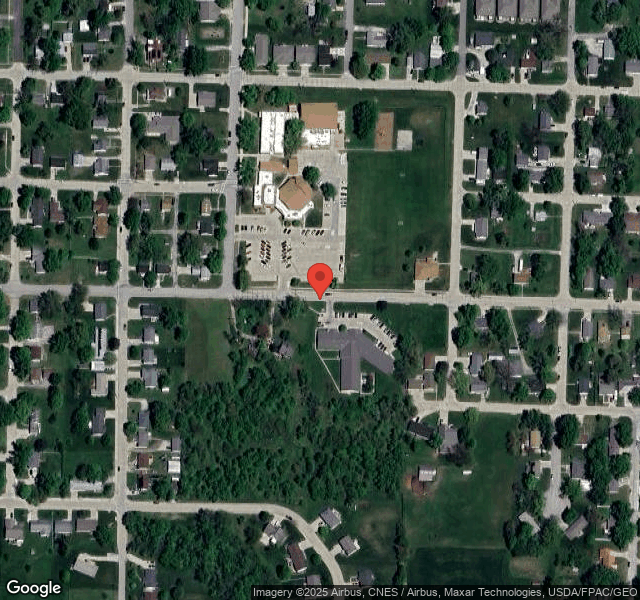
Understanding Severity Codes (click to expand)
Life-Threatening (Immediate Jeopardy)
J - Isolated K - Pattern L - Widespread
Actual Harm
G - Isolated H - Pattern I - Widespread
Potential for Harm
D - Isolated E - Pattern F - Widespread
No Harm (Minor)
A - Isolated B - Pattern C - Widespread

Questions to Ask on Your Visit

  • "Can I speak with families of current residents?"
  • "What's your RN coverage like on weekends and overnight?"

Our Honest Assessment

Strengths
  • • No major safety red flags. No abuse findings, life-threatening violations, or SFF status.
  • • No fines on record. Clean compliance history, better than most Missouri facilities.
Concerns
  • • 27 deficiencies on record. Higher than average. Multiple issues found across inspections.
Bottom line: Mixed indicators with Trust Score of 60/100. Visit in person and ask pointed questions.

About This Facility

What is Village Inc's CMS Rating?

CMS assigns VILLAGE CARE CENTER INC an overall rating of 3 out of 5 stars, which is considered average nationally. Within Missouri, this rating places the facility higher than 99% of the state's 100 nursing homes. This mid-range rating indicates the facility meets federal standards but may have areas for improvement.

How is Village Inc Staffed?

CMS rates VILLAGE CARE CENTER INC's staffing level at 4 out of 5 stars, which is above average compared to other nursing homes. Staff turnover is 53%, compared to the Missouri average of 46%.

What Have Inspectors Found at Village Inc?

State health inspectors documented 27 deficiencies at VILLAGE CARE CENTER INC during 2022 to 2025. These included: 27 with potential for harm.

Who Owns and Operates Village Inc?

VILLAGE CARE CENTER INC is owned by a for-profit company. For-profit facilities operate as businesses with obligations to shareholders or private owners. The facility is operated by OSBYCORP, a chain that manages multiple nursing homes. With 46 certified beds and approximately 33 residents (about 72% occupancy), it is a smaller facility located in MARYVILLE, Missouri.

How Does Village Inc Compare to Other Missouri Nursing Homes?

Compared to the 100 nursing homes in Missouri, VILLAGE CARE CENTER INC's overall rating (3 stars) is above the state average of 2.5, staff turnover (53%) is near the state average of 46%, and health inspection rating (3 stars) is at the national benchmark.

What Should Families Ask When Visiting Village Inc?

Based on this facility's data, families visiting should ask: "Can I visit during a mealtime to observe dining assistance and food quality?" "How do you handle medical emergencies, and what is your hospital transfer rate?" "Can I speak with family members of current residents about their experience?"

Is Village Inc Safe?

Based on CMS inspection data, VILLAGE CARE CENTER INC has a clean safety record: no substantiated abuse findings (meaning no confirmed cases of resident harm), no Immediate Jeopardy citations (the most serious violation level indicating risk of serious injury or death), and is not on the Special Focus Facility watch list (a federal program monitoring the lowest-performing 1% of nursing homes). The facility has a 3-star overall rating and ranks #1 of 100 nursing homes in Missouri. While no facility is perfect, families should still ask about staff-to-resident ratios and recent inspection results during their visit.

Do Nurses at Village Inc Stick Around?

VILLAGE CARE CENTER INC has a staff turnover rate of 53%, which is 7 percentage points above the Missouri average of 46%. Moderate turnover is common in nursing homes, but families should still ask about staff tenure and how the facility maintains care continuity when employees leave.

Was Village Inc Ever Fined?

VILLAGE CARE CENTER INC has no federal fines on record. CMS issues fines when nursing homes fail to meet care standards or don't correct problems found during inspections. The absence of fines suggests the facility has either maintained compliance or corrected any issues before penalties were assessed. This is a positive indicator, though families should still review recent inspection reports for the full picture.

Is Village Inc on Any Federal Watch List?

VILLAGE CARE CENTER INC is not on any federal watch list. The most significant is the Special Focus Facility (SFF) program, which identifies the bottom 1% of nursing homes nationally based on persistent, serious quality problems. Not being on this list means the facility has avoided the pattern of deficiencies that triggers enhanced federal oversight. This is a positive indicator, though families should still review the facility's inspection history directly.