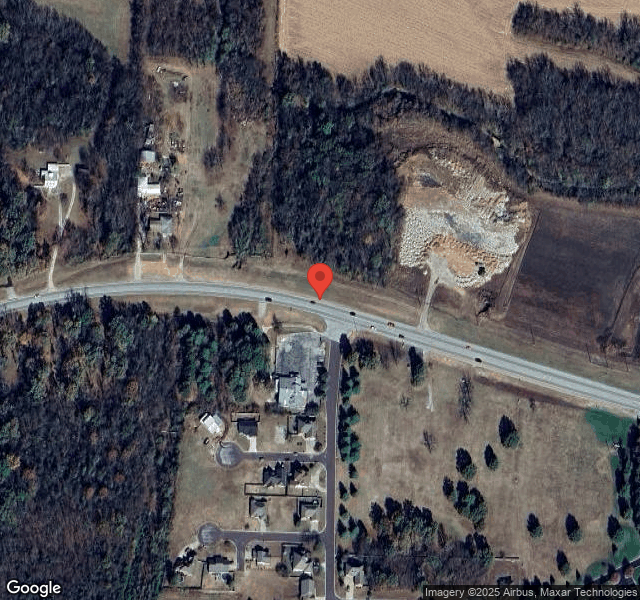

LACOBA HOMES INC

850 HIGHWAY 60, MONETT, MO 65708 (417) 235-7895
Non profit - Church related 79 Beds Independent Data: November 2025
Trust Grade
65/100
#91 of 479 in MO
Last Inspection: April 2024

Within standard 12-15 month inspection cycle. Federal law requires annual inspections.

Overview

Lacoba Homes Inc in Monett, Missouri has a Trust Grade of C+, which means it is slightly above average but not without concerns. It ranks #91 out of 479 nursing homes in the state, placing it in the top half, and is #1 out of 3 in Barry County, indicating it is the best local option. The facility is improving, with the number of identified issues decreasing from 2 in 2024 to 1 in 2025. Staffing is rated 4 out of 5 stars, but the turnover rate is concerning at 71%, higher than the state average of 57%, which may affect continuity of care. Notably, there have been serious incidents, such as a resident experiencing a negative reaction due to a medication error and failure to provide thickened liquids for a resident with swallowing difficulties, highlighting some areas that need attention despite the absence of fines and good RN coverage.

Trust Score
C+
65/100
In Missouri
#91/479
Top 18%
Safety Record
Moderate
Needs review
Inspections
Getting Better
2 → 1 violations
Staff Stability
⚠ Watch
71% turnover. Very high, 23 points above average. Constant new faces learning your loved one's needs.
Penalties
✓ Good
No fines on record. Clean compliance history, better than most Missouri facilities.
Skilled Nurses
✓ Good
Each resident gets 47 minutes of Registered Nurse (RN) attention daily — more than average for Missouri. RNs are trained to catch health problems early.
Violations
○ Average
8 deficiencies on record. Average for a facility this size. Mostly minor or procedural issues.
★★★★☆
4.0
Overall Rating
★★★★☆
4.0
Staff Levels
★★★☆☆
3.0
Care Quality
★★★★☆
4.0
Inspection Score
Stable
2024: 2 issues
2025: 1 issues

The Good

  • 4-Star Staffing Rating · Above-average nurse staffing levels
  • Full Sprinkler Coverage · Fire safety systems throughout facility
  • No fines on record

Facility shows strength in staffing levels, fire safety.

The Bad

Staff Turnover: 71%

25pts above Missouri avg (46%)

Frequent staff changes - ask about care continuity

Staff turnover is very high (71%)

23 points above Missouri average of 48%

The Ugly 8 deficiencies on record

1 actual harm
Feb 2025 1 deficiency 1 Harm
SERIOUS (G) 📢 Someone Reported This

A family member, employee, or ombudsman was alarmed enough to file a formal complaint

Actual Harm - a resident was hurt due to facility failures

Deficiency F0760 (Tag F0760)

A resident was harmed · This affected 1 resident

Based on record review and interviews, the facility failed to ensure all residents were free from significant medication errors when staff failed to clarify orders for an antibiotic the resident was l...

Read full inspector narrative →
Based on record review and interviews, the facility failed to ensure all residents were free from significant medication errors when staff failed to clarify orders for an antibiotic the resident was listed as allergic to prior to administration for one resident (Resident #1) resulting in a negative reaction to the medication administered. A sample of nine residents was reviewed in a facility with a census of 45. Review of the facility's policy entitled Infection Prevention and Control Policies: Antibiotic Stewardship, not dated, showed the following: -The antibiotic stewardship program is a set of commitments and actions intended to optimize the treatment of infections while reducing adverse events associated with antibiotic use. -Nursing plays a key role in improving the appropriate use of antibiotics by assessing and monitoring residents and communicating with providers, residents, and families; -Residents suspected of having an infection are thoroughly assessed and referred to the provider with the following information: current situation including resident complaints, vital signs, recent laboratory results, relevant diagnosis; and relevant background information including disease state, renal function, drug allergies, recent antibiotic therapy, and use of potentially interacting medications; -Drug Interaction screens are run at the time of order entry. Severe interactions, those warranting the need for therapeutic monitoring or an adjustment in therapy, are conveyed to the prescriber; -All antibiotic-associated adverse drug events, including allergic reactions and adverse reactions and adverse antibiotic-drug interactions are reported to the prescriber. Antibiotic-associated adverse drug events which require a significant alteration in treatment, for example treatment to be stopped or changed, or a new form of treatment be commenced to address a clinical complication, will be reported to the Infection Prevention and Control committee for evaluation; -Pharmacy partnership ensures access to Clinical Pharmacists with advanced training in infectious disease and antibiotic stewardship. The Consultant Pharmacist is responsible for providing advice, education, and feedback on antibiotic prescribing. 1. Review of Resident #1's face sheet (shows basic profile information) showed the following: -admission date of 03/26/24; -Diagnoses included norovirus (intestinal virus), urinary tract infection (UTI), congestive heart failure (CHF - a chronic condition where the heart muscle is weakened and cannot pump blood efficiently), presence of cardiac pacemaker, type 2 diabetes , chronic kidney disease, asthma, severe obesity, generalized skin eruption due to drugs and medications taken internally, dementia without behavioral disturbance, insomnia, breathing disorder during sleep, gastro-esophageal reflux disease (GERD; stomach acid backs up into the esophagus), and major depressive disorder. Review of the resident's Allergies tab, on the electronic medical record (EMR), showed he/she was allergic to cefdinir (antibiotic), hydrocodone (pain medication), losartan (treats high blood pressure), penicillin (antibiotic), Sudafed (nasal decongestant), and sulfa antibiotics. Review of the resident's progress note, dated 01/30/25, showed staff notified the resident's child regarding the resident's UTI per lab results. Antibiotics ordered to start. Review of the resident's Physician Order Sheet (POS) showed an order, dated 01/30/25, for Bactrim DS (sulfamethoxazole/trimethoprim -combined antibiotic drugs, double strength, a sulfa antibiotic) oral tablet 800-160 milligram (mg). Staff to administer one tablet by mouth twice daily for UTI for 7 days. The physician electronically signed the order on 01/31/25 at 4:19 P.M. Review of the resident's Medication Administration Records (MARs), dated 01/30/2025 to 01/31/2025 and 02/01/25 to 02/28/25, showed staff documented administration of Bactrim DS to the resident twice daily for seven days (a total of 14 doses), beginning with the evening dose on 01/30/25 and ending with the evening dose on 02/06/25. Review of the resident's progress notes showed the following entries: -On 02/07/25, at 3:17 A.M., staff noted antibiotic for UTI completed the day prior with no adverse reactions and no UTI symptoms; -On 02/07/25, at 10:39 A.M., staff noted resident with head to toe rash, diarrhea, bilateral red swollen legs, and very weak. Vital signs within normal limits. Staff notified physician and received orders for STAT (immediate) labs .The family requested resident be transferred to hospital. Staff notified physician and resident transferred out via ambulance. Review of the resident's hospital record, dated 02/11/25, showed the resident had a generalized skin eruption due to drugs and medication taken internally, drug related from Bactrim allergy. During an observation and interview on 02/14/25, at 10:50 A.M., the resident sat on the edge of his/her bed using tissues to blot blood coming from open areas on his/her left forearm. The resident said he/she couldn't stop picking at the skin and scabs that were due to an allergic reaction to an antibiotic. The resident said the physician told him/her they were putting him/her on an antibiotic, but did not say which one. If they had told him/her that it was Bactrim, he/she would have said no. He/she had been allergic to sulfa drugs all my life; I break out all over my legs and upper body. The resident said nobody asked him/her about previous reactions to sulfa drugs before they gave him/her the Bactrim. During an interview on 02/14/25, at 11:25 A.M., Registered Nurse (RN) A said the Director of Nursing (DON) had called him/her at the facility and told him/her the physician had just called to give him/her a new order for an antibiotic for the resident and since the DON was out of the facility at the time asked RN A to enter the order. RN A said he/she entered the order for the Bactrim, but did not check the resident's allergy list. The electronic system does give pop-up warnings about allergies and any possible interactions with other medications, but he/she did not read any available warnings when he/she entered the order and probably flew through them. He/she should have checked the resident's allergies, but probably didn't think it was necessary since the DON had called him/her with the physician's order. RN A was aware that the resident did experience an adverse drug reaction, a rash breakout. During an interview on 02/14/25, at 11:45 A.M., Pharmacist B said Pharmacist C had called the facility to ask about the resident's sulfa drug allergy prior to dispensing Bactrim. Pharmacist C was told by RN D that the physician had given the order, so it was okay to give it. During an interview on 02/14/25, at 11:52 A.M., RN D said he/she took a call from the pharmacy regarding the resident's order for Bactrim. The resident showed an allergy to sulfa drugs. RN D said he/she looked at the order and told the pharmacy that the physician had given the order, so it was okay to give the drug. He/she did not ask the resident about his/her sulfa drug allergy. When staff enters medication orders the electronic system gives multiple pop-up warnings regarding allergies and any potential interaction with another medication, but the warnings don't pop up during medication administration. RN D said when staff asks the physician for an order, they should give the scenario including signs and symptoms, and review the allergy list with the physician. During an interview on 02/13/25, at 12:27 P.M., the Medical Director said the electronic medical system would flag a resident's allergy upon entering a new order, and the pharmacy would notify the facility staff if they noted an allergy or medication interaction. The physician said the pharmacy wouldn't send the ordered medication unless the resident verified a previous drug reaction wasn't an allergy, but something like an upset stomach. During an interview on 02/14/25, at 12:06 P.M., the DON said when staff should call the physician with lab results when requesting medication orders they should review possible drug allergies with the physician. When entering a new order, the electronic system will give pop up warnings regarding any listed allergy or medication interaction. The staff should notify the physician of warnings and clarify orders if necessary. The pharmacy would also call prior to dispensing a medication if there was a concern regarding a listed allergy or a notable interaction with another medication. Staff should notify the physician of any pharmacy alerts or concerns. While he/she was out of the facility and was driving, he/she received a call from the physician, who had reviewed lab results while in the facility. The physician gave an order for Bactrim for the resident. The DON called back to the facility and asked the charge nurse, RN A, to enter the order. During an interview on 02/14/25, at 3:35 P.M., the Administrator said when receiving and/or entering a new medication order, staff should notify the physician if there is a drug allergy listed for a resident. Staff should also clarify orders if the pharmacy has concerns regarding allergies or possible medication interactions. MO00249283
Apr 2024 2 deficiencies
CONCERN (D)

Potential for Harm - no one hurt, but risky conditions existed

Deficiency F0805 (Tag F0805)

Could have caused harm · This affected 1 resident

**NOTE- TERMS IN BRACKETS HAVE BEEN EDITED TO PROTECT CONFIDENTIALITY** Based on observation, interview, and record review, the facility failed to provide thickened liquids in the prescribed consisten...

Read full inspector narrative →
**NOTE- TERMS IN BRACKETS HAVE BEEN EDITED TO PROTECT CONFIDENTIALITY** Based on observation, interview, and record review, the facility failed to provide thickened liquids in the prescribed consistency for one of one resident (Resident #37) who had a diagnosis of dysphagia (difficulty with swallowing) and received thickened liquids. A sampled of 21 residents was reviewed. Review of the facility's policy titled, Thickened Liquids, dated 2017, showed the following: -Thickened Liquids are often needed for individuals with difficulty swallowing; -The individual is evaluated by a speech language pathologist (SLP) and, after evaluation, the SLP orders the appropriate diet consistency and liquid consistency as needed. 1. Review of Resident #37's Speech Language Pathologist (SLP) Discharge summary, dated [DATE], showed the SLP discharge recommendations were for the resident to receive pureed consistencies food and nectar thick liquids. Review of the resident's medical diagnoses sheet, located in the resident's electronic medical record (EMR) under the Med Diag [Diagnosis] tab, showed the following: -The resident was admitted on [DATE]; -The resident's diagnoses included dysphagia and dementia. Review of the resident's quarterly Minimum Data Set (MDS - a federally mandated assessment tool completed by facility staff), with an Assessment Reference Date (ARD) of 01/14/24, showed the following: -Severe cognitive impairment; -Required a mechanically altered diet (e.g., pureed food, thickened liquids); -Held food in mouth/cheeks or residual food in mouth after meals; -Required supervision or touching assistance with eating. Review of the resident's Care Plan, located in the EMR under the Care Plan tab, dated 01/26/24, showed the following: -The resident had a nutritional problem related to being at risk for aspiration (when something enters the airway or lungs by accident) and required a mechanically altered diet; -Provide and serve a pureed texture diet with nectar thickened liquids and fortified foods as ordered. Review of the resident's current Physician's Orders, located in the EMR under the Orders tab, showed the following: -An order, dated 10/09/23, for regular diet with fortified foods, pureed texture, and nectar fluid consistency. Observation on 04/09/24, at 3:36 P.M., showed the resident was in bed with a pitcher of unthickened water and ice on his/her over bed table. The pitcher of unthickened water contained a straw and was within the resident's reach. Observation on 04/10/24, at 12:25 P.M., showed the resident was eating her lunch in the facility's dining room. The resident was observed to independently consume nectar thickened liquids from a cup using a straw without difficulty. Observation on 04/10/24, at 3:40 P.M., showed the resident was in bed with a pitcher of unthickened water and ice on his/her over bed table. The pitcher of unthickened water contained a straw and was within the resident's reach. Observations on 04/11/24, at 8:50 A.M. and at 9:35 A.M., showed the resident was in his/her room seated in a wheelchair with a pitcher of unthickened water and ice on his/her over bed table. The pitcher of unthickened water contained a straw and was within the resident's reach. Also, within the resident's reach on the over bed table was a cup of water with a straw which contained a minimal amount of thickener which had settled to the bottom of the cup. The water in the cup was not thickened to a nectar consistency. During an interview on 04/11/24, at 9:35 A.M., Certified Nursing Assistant (CNA) 1 confirmed the water in the cup and the water in the pitcher positioned on the resident's over bed table were within the resident's reach and were not thickened to a nectar consistency. CNA1 said the resident's fluids should have been thickened to a nectar consistency. During an interview on 04/11/24, at 9:45 A.M., the Administrator confirmed the water in the cup and the water in the pitcher on the resident's over bed table were within the resident's reach and were not thickened to a nectar consistency. During an interview on 04/11/24, at 11:05 A.M., the Dietary Manager (DM) said the resident should have received nectar thickened liquids per his/her current diet order. The DM explained the dietary department provided the nursing staff with the thickening agent and the nursing staff were responsible for thickening fluids provided to residents in their rooms. During an interview on 04/11/24, at 1:10 P.M., the facility's SLP said he/she previously worked with the resident related to his/her dysphagia diagnosis. The SLP explained the resident consumed fluids independently and his/her fluids should have been thickened to a nectar consistency. The SLP said the resident could consume nectar thick liquids safely using a straw, but should not have unthickened fluids within her reach. During an interview on 04/11/24, at 3:10 P.M., the facility's Medical Director said the resident had difficulty swallowing and should have received nectar thickened liquids as ordered.
CONCERN (F)

Potential for Harm - no one hurt, but risky conditions existed

Food Safety (Tag F0812)

Could have caused harm · This affected most or all residents

Based on observation, interview, and facility policy review, the facility failed to date bread products, lettuce, and cheese stored in the facility's kitchen. This had the potential to affect all 59 r...

Read full inspector narrative →
Based on observation, interview, and facility policy review, the facility failed to date bread products, lettuce, and cheese stored in the facility's kitchen. This had the potential to affect all 59 residents who consumed food prepared from the kitchen. Review of the facility's policy titled, Food Storage and Supply, undated, showed food is properly stored to preserve flavor, nutritive value, and appearance. Review of the undated storage instructions from the facility's bread vendor showed upon delivery store in freezer or thaw and store at room temperature for immediate use. Best used within seven days of thawing. 1. Observation during the initial kitchen inspection on 04/08/24, from 9:30 A.M. to 10:00 A.M., of bread products stored on the kitchen's bread racks, with the Dietary Manager (DM) present, showed the following: -One undated package of hamburger buns; -Three undated packages of hot dog buns. One package contained one bun with mold growth present. The second package contained three buns with mold growth present. The third package contained three buns with mold growth present; -Three undated packages of bread which had no manufacturer's use by date or expiration date on their packages. During an interview on 04/08/24, at 9:55 A.M., the DM confirmed the packages of hamburger buns, hot dog buns, and bread stored on the kitchen's bread racks were not dated, and the hot dog buns had mold growth on them. The DM stated staff were expected to date bread products when they removed them from the freezer to thaw. During an interview on 04/11/24, at 11:05 A.M., the DM said the facility's bread vendor recommended for bread products to be used within seven days after being thawed. 2. Observation during the initial kitchen inspection on 04/08/24, from 9:30 A.M. to 10:00 A.M., of food stored in the kitchen's walk-in refrigerator showed the following: -An opened and undated five-pound bag of shredded mild cheddar and Monterey [NAME] cheese; -An opened and undated large bag of shredded lettuce. The undated lettuce had started to turn brown in color. During an interview on 04/08/24, at 10:30 AM, the DM confirmed the opened bag of cheese and opened bag of lettuce stored in the walk-in refrigerator were not dated. The DM also confirmed the lettuce had started to turn brown. The DM stated staff were expected to date food when opened.
Oct 2023 1 deficiency
CONCERN (D) 📢 Someone Reported This

A family member, employee, or ombudsman was alarmed enough to file a formal complaint

Potential for Harm - no one hurt, but risky conditions existed

Deficiency F0602 (Tag F0602)

Could have caused harm · This affected 1 resident

**NOTE- TERMS IN BRACKETS HAVE BEEN EDITED TO PROTECT CONFIDENTIALITY** Based on observation, record review, and interview, the facility failed to prevent the misappropriation of residents' medication...

Read full inspector narrative →
**NOTE- TERMS IN BRACKETS HAVE BEEN EDITED TO PROTECT CONFIDENTIALITY** Based on observation, record review, and interview, the facility failed to prevent the misappropriation of residents' medications in the possession of the facility when one staff member (Licensed Practical Nurse (LPN) A) had medication in his/her possession that were for residents, including one resident (Resident #1) who the LPN took medication from the emergency kit (e-kit - a medication cart that contains emergency medication for residents) for and placed the medication packet in his/her wallet. Five residents were sampled and the facility census was 47. The facility Administrator and the Director of Nursing (DON) were notified of the Past Non-Compliance which occurred on 09/05/23. The facility staff began an investigation on 09/05/23 and suspended LPN A. The facility began immediate in-servicing of all staff who were on-site and as they arrived for work prior to beginning their shift. The facility also notified the Department of Health and Senior Services (DHSS) and the local law enforcement agency of the event. The facility completed medication audit and implemented additional medication procedures. The noncompliance was corrected on 09/07/23. Review of the facility's policy titled Abuse, Neglect, and Misappropriation Reporting and Investigation, dated 09/28/22, showed the following: -Residents of the home will be free from abuse by staff, volunteers, agency staff, family members, legal guardians, friends, contract staff, or other residents; -The facility will not tolerate verbal, sexual, physical and mental abuse, corporal punishment, involuntary seclusion, neglect, or misappropriation of resident property, by employees, family members, visitors, or other residents, and will establish an atmosphere conducive to reporting any indications of abuse, neglect, mistreatment, or misappropriation of resident property and develop and implement a system for identifying, investigating, preventing and reporting any incident, or suspected incident, of abuse, neglect, mistreatment, or misappropriation of resident property; -Misappropriation of resident property is defined as the deliberate misplacement, exploitation, or wrongful, temporary or permanent use of a resident's belongings or money without the resident's consent; -At the time of admission, each resident, or their representative should the resident not have the capacity to understand, shall be informed of their right to be free of abuse, neglect, mistreatment, or misappropriation of property. Further, at the time of admission, each resident, or their representative should the resident not have the capacity to understand, shall be told and encouraged to report immediately any indication of abuse, neglect, mistreatment, or misappropriation of property. 1. Review of Resident #1's face sheet (a document that gives a patient's information at a quick glance) showed the following: -admission date of 06/07/23; -Diagnoses included diabetes, spinal stenosis (a narrowing of the spinal canal), radiculopathy (a range of symptoms produced by the pinching of a nerve root in the spinal column), and low back pain. Review of the resident's quarterly Minimum Data Set (MDS - a federally mandated comprehensive assessment instrument completed by facility staff), dated 09/14/23, showed the following: -The resident was cognitively intact; -The resident required total dependence on staff for locomotion, extensive assistance from two staff for bed mobility, transfers, dressing and toilet use and no assistance from staff for eating and personal hygiene; -The resident used a wheelchair for locomotion; -The resident was on a scheduled pain medication regimen and received as needed (PRN) pain medication; -The resident had pain present frequently and pain limited his/her day to day activities. Review of the resident's care plan, revised 09/21/23, showed the following: -The resident had an activities of daily living (ADL - dressing, grooming, bathing, eating, and toileting) self-care performance deficit related to spinal stenosis. The resident required two staff extensive assistance for all transfers. The staff may use a [NAME] lift (a mechanical lift that lifts the patient from a sitting position to a standing position, allowing for transfers to/from the bed or chair) as needed; -The resident was on pain medication therapy related to back pain due to a history of surgeries to the back and diagnoses of spinal stenosis, peripheral neuropathy (nerve damage caused by several different conditions) and gout (a form of arthritis characterized by severe pain, redness, and tenderness in joints); -Administer pain medications as ordered by the physician. Monitor and document side effects. Notify the physician if he/she had an increase in frequency or severity of pain. Review of the resident's Physician's Order Sheet (POS), dated 10/04/23, showed the following: -An order, dated 06/07/23, for staff to ask resident to rate pain using 1 to 10 scale and if unable use facial scale every shift; -An order, dated 06/07/23, for Celebrex (an nonsteroidal antiinflamatory and antirheumatic medication) oral capsule 200 milligrams (mg), give one capsule by mouth two times a day for pain; -An order, dated 06/08/23, for gabapentin (an anticonvulsant medication) oral capsule 300 mg, give two capsules by mouth three times a day for pain; -An order, dated 06/07/23, for Percocet (medication used to treat moderate to severe pain) oral tablet 5-325 mg (oxycodone with acetaminophen), give one tablet by mouth two times a day for pain; - An order, dated 06/07/23, for Percocet oral tablet 5-325 mg (oxycodone with acetaminophen), give one tablet by mouth every four hours as needed for pain. Review of the resident's September 2023 Medication Administration Record (MAR) showed the following: -On 09/04/23, night shift, LPN A documented the resident's pain as 0 out of 10; -On 09/04/23 and 09/05/23, the resident did not receive any PRN Percocet 5-325 mg. During an interview on 10/04/23, at 9:02 A.M., the resident said the following: -He/she did not remember asking for pain medications on 09/04/23 or 09/05/23; -Two other staff members asked him/her about this and he/she told them he/she did not remember asking for medications on these dates as well; -He/she had not been in pain, because he/she received his/her pain medications. Review of the facility's investigation, dated 09/08/23, showed the following: - At 2:18 A.M., the Registered Nurse (RN) Manager received a call from Certified Nursing Assistant (CNA) B, night shift. The CNA said he/she had an issue that needed immediate attention. The CNA said that LPN A's wallet had been knocked over at the nurses' station and medications had fallen out of it. The CNA was concerned because the medication pack had a resident's name on it. The RN Manager immediately notified the Director of Nursing (DON) and the Administrator; -At 2:56 A.M., the Administrator notified the police. Then the DON and the Administrator entered the building to remove LPN A, contract nurse from the building; -At 3:05 A.M., police entered the building and interviewed staff on site. LPN A was interviewed by police, he/she denied any knowledge of medications in his/her purse, had no logical explanation of how the medication would have got in his/her purse, he/she was not ok with police searching belongings or self, and stated he/she has never had allegations brought against him/her before. Police stated they had reasonable suspicion and then searched LPN A's belongings while he/she was being questioned by an additional officer. Police found additional medication: three loose hydrocodone (a prescription narcotic), one oxycodone pulled from E-kit by LPN A on 09/04/23 at 11:34 P.M. for Resident #1 and a muscle relaxer belonging to former resident. LPN A was then arrested and taken by the police; -The resident had been interviewed multiple times by administration staff throughout the morning of 09/05/23. The resident denied any pain, stated he/she was not denied any pain medication, nor did he/she request any during the timeframe in question; - In summary, LPN A had been working as an agency nurse consistently, part time for the last nine months. Prior to current contract he/she had been an employee several years ago as a CNA. During the investigation it was noted that he/she had not accessed the E-Kit often. Prior to this incident on 09/05/23, he/she had last accessed the E-kit on 08/17/23. He/she had worked several times in between these dates without assessing the E-kit, which appears to be an isolated incident. Through interviewing other residents, no other pain medication issues or concerns were noted. We have not had any complaints concerning his/her conduct or any suspicious behaviors from families, staff or residents prior to the incident, other than 11 P.M.-7 A.M. staff that his/her demeanor had changed over the last week and that was brought to facility's attention during this investigation. The evidence does indicate that he/she did have residents' medications in his/her personal belongings while on duty. Review of the facility's video dated 09/04/23, at 11:38 P.M., showed the following: -LPN A accessed the e-kit in the medication room; -The LPN pulled one packet of medication off a roll of packets and then returned them to the drawer; -The LPN appeared to tap on a screen, pulled the roll of medication out again, and appeared to count the medication and then placed them back into the drawer and shut the drawer; -The LPN again appeared to tap on a screen, removed a pen from his/her pocket and wrote something down; -The LPN walked to another counter behind him/her, appeared to tear open a package, grab a small white pill cup and dump the contents of the torn package into the cup; -He/she carried the cup in his/her left hand and walked back across the room with what appeared to be an open package in his/her right hand. He/she appeared to throw the open package away; -He/she then walked back to the counter with the medication cup still in his/her left hand, picked up what appeared to be another package of medication, placed the package in the cup and walked out of the medication room. During an interview on 10/04/23, at 9:48 A.M., CNA C said the following: -On 09/05/23, around 2:30 A.M., he/she got on the computer at the nurses' station to do some charting and he/she noticed the corner of a medication packet coming out of LPN A's wallet. He/she could see a last name on it and it belonged to the resident; -He/she pulled on the packet and knew immediately it should not be in the LPN's wallet. When he/she pulled on it, pills came out with the packet; -He/she saw CNA B coming down the hallway and waved the CNA over and told CNA B about the packet and pill and that they needed to call the RN Manager; -He/she took pictures of the packet and pills and sent them to the RN Manager; -CNA B called the RN Manager and the RN Manager said he/she would handle the situation; -He/she and CNA B started doing rounds and he/she heard the front door open and saw LPN A walk out the door; -The Administrator and DON arrived at the facility followed by the police; -A police officer escorted the LPN out of the facility; -He/she could not recall the resident requesting pain medication or being in pain that night; -The medications should not be in the LPN's wallet. The medications should remain in the medication room or the medication cart until staff dispensed them to a resident. -If he witnessed misappropriation or a resident reported misappropriation, he/she reported to the charge nurse immediately. If the charge nurse was the suspected perpetrator, he/she called the DON reported to the DON immediately; -The DON reported allegations of misappropriation to the Department of Health and Senior Services (DHSS) within twenty-four hours. During an interview on 10/04/23, at 12:08 P.M., CNA B said the following: -On 09/05/23, he/she provided resident care when CNA C told him/her that LPN A's wallet was open and CNA C saw resident narcotics inside it; -He/she immediately called the RN supervisor; -The RN supervisor had CNA B take a picture and send it to the RN supervisor; -Shortly after he/she called the RN supervisor, the Administrator, DON, and police department came to the facility and a police officer escorted LPN A out of the facility; -He/she considered the medication being in the LPN's wallet misappropriation; -The medication belonged to Resident #1; -The resident did not complain of any pain that night and the resident had not put their call light on to request any medication; -Misappropriation was a type of abuse; -If he/she witnessed misappropriation or a resident reported misappropriation, he/she reported to the DON immediately. During an interview on 10/04/23, at 12:39 P.M., Nursing Assistant (NA) E said the following: -Types of abuse included misappropriation; -If he/she witnessed or a resident reported misappropriation, he/she reported to the charge nurse immediately and if the alleged perpetrator was the charge nurse, he/she reported to the DON immediately; -The DON reported to DHSS immediately. During an interview on 10/04/23, at 12:31 P.M., Certified Medication Technician (CMT)/CNA D said the following: -Types of abuse included misappropriation; -If he/she witnessed or a resident reported misappropriation, he/she reported immediately to the charge nurse and they reported to DHSS within two hours. During an interview on 10/04/23, at 12:49 P.M., CMT F said the following: -When he/she changed shifts with another CMT or nurse, they counted medications and if there was a discrepancy, they stopped and called the DON; -LPN A at times only signed the medication off in the narcotic book and did not put in the computer. He/she had instructed the LPN to do both; -If he/she witnessed misappropriation or a resident reported misappropriation, he/she reported to the charge nurse immediately. If the alleged perpetrator was the charge nurse, he/she reported to the DON immediately; -The DON reported allegations of misappropriation to DHSS within 24 hours. During an interview on 10/04/23, at 1:03 P.M., LPN G said the following: -Types of abuse included misappropriation; -If he/she witnessed or a resident reported misappropriation, he/she reported to the DON immediately; -The Administrator reported to DHSS within two hours. During an interview on 10/04/23, at 1:13 P.M., the RN Manager said the following: -On 09/05/23, the CNA's from night shift called him/her concerned about some narcotics in LPN A's purse; -He/she called the DON and Administrator and they went to the facility and notified the police department; -The Administrator suspended the LPN; -The LPN had pills laying beside his/her purse. The purse had been knocked over; -The CNA's showed him/her a photo of the medications with Resident #1's name on the package of oxycodone 5-325 mg. and two loose pills that were white and oval. He/she was not sure what medication the loose pills were; -The medications should not have been in the LPN's purse; -The CNA's that worked night shift did not have access to the medication cart, medication room, or e-kit where the oxycodone 5-325 mg. came from; -LPN A accessed the e-kit that night for the oxycodone for Resident #1; -Types of abuse included misappropriation; -If a CNA or CMT witnessed or a resident reported misappropriation to them, they should report to him/her immediately. He/she reported to the DON and Administrator immediately and to DHSS within two hours. During an interview on 10/04/23, at 1:44 P.M., the DON said the following: -On 09/05/23, the CNA's on duty called the RN manager and reported possible misappropriation of medication. The RN manager called him/her and he/she called the Administrator. The Administrator called the police department; -He/she, the Administrator and the police officers met at the facility parking lot and LPN A was in the parking lot upon their arrival; -The e-kit showed the LPN pulled out oxycodone 5-325 mg. He/she believed the LPN wrote the resident's name on the packet; -He/she reported the allegations to the staffing agency the LPN worked for and suggested they contact the board of nursing; -After the LPN left the building, he/she did not get in the narcotic drawer until two counts were made to ensure the counts were correct before any medications were passed again. During an interview on 10/04/23, at 1:44 P.M., the Administrator said the following: -When he/she and the DON arrived to the facility, he/she pulled the CNA's in for an interview with a police officer present; -The DON went with the other officers to the nurses' station; -The police officers wanted to look at the LPN's purse. The LPN had moved his/her wallet from where it was and the LPN had another canvas bag as well; -The police searched the wallet and canvas bag and found three loose narcotics and a packet that had Resident #1's name on it containing one oxycodone 5-325 mg. in it. They also found a packet that contained tizanadine (a muscle relaxer) that belonged to a former resident that had discharged from the facility in the middle of August; -Camera footage showed the LPN retrieved the oxycodone out of the STAT safe, left the medication room, and went down 200 hall, not 400 hall where the resident resided; -The camera showed no other staff accessed the e-kit and the CNA's who worked did not have access to the medication room or e-kit. MO00223961
Jun 2022 4 deficiencies
CONCERN (D)

Potential for Harm - no one hurt, but risky conditions existed

Deficiency F0625 (Tag F0625)

Could have caused harm · This affected 1 resident

**NOTE- TERMS IN BRACKETS HAVE BEEN EDITED TO PROTECT CONFIDENTIALITY** Based on interview and record review, the facility failed to provide a bed-hold policy for two residents (Residents #15 and #22)...

Read full inspector narrative →
**NOTE- TERMS IN BRACKETS HAVE BEEN EDITED TO PROTECT CONFIDENTIALITY** Based on interview and record review, the facility failed to provide a bed-hold policy for two residents (Residents #15 and #22) who transferred to the hospital. The facility census was 42. Record review of the facility's (undated) policy titled Bed Hold showed the following: -The home will permit residents to retain their beds when they are discharged to the hospital or for therapeutic leave; -The facility will provide written information to the resident or their representative that specifies should the resident be transferred or discharged from facility with the intent of returning, the bed will be held upon request of the resident, their representative or responsible party; the facility must contact the resident or family representative to verify holding of the bed within twenty-four (24) hours of the transfer or discharge and document all attempts to notify; the resident will be billed for the number of days the bed was held at daily room rate depending upon the type of room to be held; should the resident or their representative decide that the room is to be released, notice must be provided to the Business Office at that time; request for holding or releasing the bed will be stored in the resident's record; and if a resident chooses not to hold their bed, they may be readmitted to the first available bed in a semi-private room, if the services required are offered by by the home; -In case of emergency transfer, the home will send a copy of the transfer form with the bed-hold information along with the transfer papers accompanying the resident to the facility in which they are being taken. Record review of the facility's (undated) Discharge Checklist Emergency Discharge showed the checklist did not address the Bed Hold Transfer Notice/Policy. 1. Record review of Resident #15's face sheet (a document that gives a patient's information at a quick glance) showed the following: -admission date of 5/14/216; -The resident had a responsible party. Record review of the resident's nurse's incident note dated 5/29/22, at 2:11 P.M., showed the following: -The resident's family member called the Certified Medication Technician (CMT) and this nurse out to the courtyard. The resident had been eating lunch with his/her family and started choking. Upon arrival to the courtyard, the nurse noted the resident's lips to be dark blue, as well as had blue skin. The resident tried but unable to breathe or cough. The CMT and family member assisted the resident to stand. The nurse immediately initiated the Heimlich maneuver. After approximately 45 seconds of abdominal thrusts, a large piece of pizza expelled from the resident's airway and the resident began breathing spontaneously. The resident's color returned to his/her lips and skin. The resident's oxygen saturation was 96% on room air. While the nurse performed the Heimlich maneuver, the CMT called Emergency Medical Services (EMS). EMS arrived after the resident expelled the foreign object from his/her airway and the resident returned to stable condition. EMS recommended the nurse send the resident to the emergency room (ER) for evaluation in case of possible retained food in the resident's lungs and/or broken ribs. The resident and family agreed to this. The resident left the facility via a stretcher with EMS at 1:45 P.M. (Staff did not document regarding a bed hold transfer form/policy sent with the resident.) Record review of the resident's transfer documents, dated 5/29/22, showed no bed hold policy. During interview on 6/14/22, at 2:25 P.M., Business Office Assistant (BOA) B said the following: -He/she did not have a bed hold form for the for 5/29/22. During an interview on 6/14/22, at 2:31 P.M., BOA C said the following: -He/she should have completed the bed hold policy on 5/29/22 for the resident, but did not because the resident only went out to the ER. During an interview on 6/15/22, at 10:27 A.M., the Director of Nursing (DON) said the following: -He/she did not believe a bed hold policy completed for the resident on 5/29/22. 2. Record review of Resident #22's face sheet showed the following: -admitted on [DATE]; -The resident was his/her own responsible party. Record review of the resident's nurse's health status report showed the following: -On 4/9/22, at 8:43 A.M., the nurse sent the resident to the ER via ambulance per the nurse practitioner with a standing order from the physician for suspected infection or clot. (Staff did not document regarding a bed hold transfer form/policy sent with the resident.) Record review of the resident's transfer documents, dated 4/9/22, showed no bed hold policy. During an interview on 6/14/22, at 2:25 P.M., BOA B said the following: -He/she did not have a bed hold form for the resident for 4/9/22. During an interview on 6/14/22, at 2:31 P.M., BOA C said the following: -He/she should have completed the bed hold policy on 4/9/22 for the resident but did not because the resident only went out to the ER. During an interview on 6/15/22, at 9:06 A.M., the Assistant Director of Nursing (ADON) said the following: -He/she sent the resident to the hospital on 4/9/22 and did not send a bed hold policy. 3. During an interview on 6/14/22, at 1:42 P.M., Licensed Practical Nurse (LPN) A said the following: -He/she sent medication administration record (MARS), physician order sheet, face sheet, current history & physical (H&P), Durable Power of Attorney (DPOA) information, code status and bed hold policy with the resident when he/she transferred a resident to the hospital; -He/she documented in a nurse's progress note when a resident sent out and all the information he/she sent with the resident. 4. During an interview on 6/14/22, at 2:25 P.M., BOA B said the following: -If facility staff transferred a resident to the hospital, they did not send the bed hold policy. They send a bed hold policy only if the resident discharged from the facility. He/she did not know when facility staff transferred a resident to the hospital if the resident would stay at the hospital or come back to the facility; -The bed hold form only said discharge. 5. During an interview on 6/14/22, at 2:31 P.M., BOA C said the following: -The bed hold policy said facility staff should send it if a resident transferred or discharged ; -He/she only sent the bed hold policy if the resident discharged from the facility; -He/she was responsible for completing the bed hold policies, but BOA B completed them now. 6. During an interview on 6/15/22, at 9:06 A.M., the Assistant Director of Nursing (ADON) said the following: -The nurses followed a checklist when they transferred/discharged a resident to the hospital. The checklist included completing an assessment, change of condition form, current physician order sheets, advanced directives, code status, DPOA information, copy of face sheet, recent H & P, pertinent labs and x-rays and a transfer form that showed who the nurse gave report to and the hospital called. The nurse made three copies of the information, one for the EMS, one for the hospital, and one for the facility; -He/she never sent a bed hold policy with a resident when he/she transferred a resident to the hospital. 7. During an interview on 6/15/22, at 10:27 A.M., the DON said the following: -When a nurse sent a resident to the hospital they sent a transfer form, H & P, significant labs and anything they felt the hospital needed to care for the resident; -The nurses had a checklist of what to send, charting requirements, and who to notify; -The nurses did not send a bed hold policy, the Business Office completed that; -The Business Office staff called the family to ask if they wanted to hold the resident's bed; -If the Business Office staff was not in the facility when a nurse transferred a resident, the Business Office staff completed this when they returned to work the next business day; -The Business Office staff should complete the bed hold policy when the resident transferred to the hospital; -If a resident is sent to the emergency room, he/she considered that a transfer, but usually they waited to see if the resident stayed at the hospital before completing the bed hold policy. 8. During an interview on 6/15/22, at 5:12 P.M., the Administrator said he/she expected facility staff to send the bed hold policy with a resident when they transferred to the hospital.
CONCERN (D)

Potential for Harm - no one hurt, but risky conditions existed

Deficiency F0678 (Tag F0678)

Could have caused harm · This affected 1 resident

**NOTE- TERMS IN BRACKETS HAVE BEEN EDITED TO PROTECT CONFIDENTIALITY** Based on record review, observation, and interview, the facility failed to ensure one resident's (Resident #29) code status (if ...

Read full inspector narrative →
**NOTE- TERMS IN BRACKETS HAVE BEEN EDITED TO PROTECT CONFIDENTIALITY** Based on record review, observation, and interview, the facility failed to ensure one resident's (Resident #29) code status (if resident wished to receive cardiopulmonary resuscitation (CPR) to be given in case of respiratory or cardiac failure) was consistently documented throughout the resident's medical record. The facility census was 42. Record review of the facility's policy titled, Advanced Directives, no date, showed the following information: -It is the policy of this facility to ensure that a resident's choice concerning the development of advance directives relative to his/her refusal of medical surgical treatment be followed in accordance with the facility's advance directive policies and procedures; -Prior to, or upon admission, a representative of the social services office will provide residents with written information concerning the resident's right under state law to accept or refuse medical or surgical treatment and the resident's right to prepare an advance directives and applicable state law; -Advance directives are defined as preferences regarding treatment options and include, but not limited to: Do Not Resuscitate (DNR - Indicates that, in case of respiratory or cardiac failure, the resident, legal guardian, healthcare proxy, or representative (sponsor) have directed that no CPR to be used); -The Director of Nursing (DON) Services will notify the attending physician of a resident's changes in advance directive. The attending physician will be responsible for issuing appropriate orders that coincide with the resident's advance directive. The physician's orders must be documented in the resident ' s medical record and plan of care. 1. Record review of Resident #29's hospital discharge plan, dated [DATE], showed the resident's discharge code status was full code (wishes CPR to be given in case of respiratory or cardiac failure). Record review of the resident's electronic health records (EHR), on [DATE], showed the following: -admission date of [DATE] with initial admission date of [DATE]; -Face sheet (a document that gives a resident's information at a quick glance) did not show a code status; -Profile sheet (a written or electronic record of individual patient information created in a pharmacy practice for use by a pharmacist), did not show a code status; -The resident's current physicians order sheet did not show the resident's code status. Observation on [DATE], at 10:10 A.M., showed there was no name tag or CPR indicator on the resident's door to their room. Record review of the resident's EHR, on [DATE], showed the following: -Face sheet did not show a code status; -admission date of [DATE] with initial admission date of [DATE]; -Profile sheet did not show a code status; -The resident's current physicians order sheet did not show the resident's code status. Observation on [DATE], at 12:56 P.M., showed there was no name tag or CPR indicator on the resident's door to their room. Observation on [DATE], at 11:12 A.M., showed there was no name tag or CPR indicator on the resident's door to their room. Record review of the resident's EHR, on [DATE], showed the following: -Face sheet showed a code status of CPR; -Profile sheet showed a code status of CPR; -The resident's current physicians order sheet showed a code status of CPR. Record review of the resident's Resuscitate/Do Not Resuscitate form showed the following; -On [DATE], the Durable Power of Attorney (DPOA) signed Resuscitate-Do Not Resuscitate Policy and marked X on blank that showed CPR will be initiated in the event of cardiac arrest, respiratory arrest, or any other life threatening situation that might demand resuscitation. Observation on [DATE], at 1:29 P.M., showed there was no name tag or CPR indicator on the resident's door to their room. Record review of code status book at the nurses' station showed the resident listed as full code (wishing to receive CPR). During an interview on [DATE], at 1:07 P.M., Certified Nursing Assistant (CNA) E said the following: -A person would look at advance directives to see if a resident wanted to be resuscitated; -If a resident was not breathing, he/she would yell for a nurse; -Advance directives could be found on the computer or stickers by the resident name tag, but he/she was not sure what each color of dot means on the name tag. During an interview on [DATE], at 1:07 P.M., Nursing Assistant (NA) H, said the following: -DNR is do not resuscitate and CPR is full code; -CPR is completed by the nurses; -Code status is on the residents' doors, -Colored dots shows code status of the residents, but he/she is not sure what the dot's colors stand for; -NA H looked at a cheat sheet on her name tag and said light blue means CPR and DNR does not have a dot; -You could find a code in the directory book at the nurses' station or in the computer by their names by the allergies. During an interview on [DATE], at 1:11 P.M., CNA F, said the following: -DNR means do not resuscitate; -Full code means to give the resident CPR; -If a resident was not breathing, he/she would yell for a nurse; -To find status code, you could look in EHR, or stickers on the door; -He/she did not know what the sticker's color meant on the door; -He/she did not know if there was a book at the nurses' station that had residents codes in them. During an interview on [DATE], at 1:18 P.M., Registered Nurse (RN) G, said the following: -Advance directives mean to give CPR or not to resuscitate; -The nurse would start CPR if the resident was full code; -A blue dot on the door means full code and if there is not a dot, that means DNR; -If there was not a dot, the RN would go to the EHR and check the resident's orders and face sheet for code status; -When the residents were moved to the COVID (Coronavirus Disease 2019 - an infectious disease caused by severe acute respiratory syndrome Coronavirus 2 (SARS-CoV-2)) Hall, staff brought their name tags with code status to the hall; -The resident does not have a dot, then RN G would have somebody check or look at code status, if no dot, and no directives on face sheet or orders, then they would think it was DNR; -The CPR sheet says full code, should have a blue dot, but it looks like DNR; -Discharge paperwork from the hospital says full code from [DATE]. During an interview on [DATE], at 1:40 P.M., the Director of Nursing (DON) said the following: -Social services is responsible to get advance directives from the residents to show if they are DNR or CPR; -Advance directives are reviewed every care plan meeting by the social worker; -A nurse will use the hospital discharge paperwork until the social worker gets the information from the resident; -There is a book at both nurses desk with advance directives in case the computer goes down; -The nurse doing the advance directories should write the order and send it to the doctor for the orders; -The doctor would only sign the code sheet if the resident was DNR; -The orders would have the advance directives and when the code is put in, it will automatically goes to the face sheet to reflect the code status; -When a person opens the chart on the computer, it will have the resident's code status; -If a resident has chosen full code, a blue dot sticker is placed on their name tag on their door; -The resident should have a blue dot on their name tag and it should be on her orders and EHR; -There is a book at the nurses' station that should have full code sheet. During an interview on [DATE], at 2:00 P.M., the Social Worker, said the following: -When a resident comes to the facility, she is responsible to get a code or no code status for advance directives and to do any changes in code status; -DNR goes in the doctor's box to sign and she will let the DON know the code status so the nurses can put it into the EHR; -Code status should be on the face sheet in EHR and the resident's is not there; -The resident was admitted on [DATE] and the code sheet shows full code. During an interview on [DATE], at 3:42 P.M., Medical Records said the following: -Code status could be found in scanned in paperwork or in a book at the nurses' station; -Code status is part of the Admissions paperwork when residents get to the facility; -If a resident wants CPR, they sign their paperwork and it is given to the DON or Minimum Data Set (MDS - a federal mandated assessment tool completed by facility staff) Coordinator and they put it into EHR records; -It is scanned and put into the resuscitation book and can be located under miscellaneous in the EHR; -A DNR requires a doctor's signature; -CPR or DNR should be located on the doctor's orders. During an interview on [DATE], at 3:56 P.M., Assistant Director of Nursing (ADON), said the following: -Code status starts on admission and should be uploaded in each resident's chart; -It will be on the EHR and into the books of advance directives; -There should be a blue dot on the doors of the residents if they are full code; -Before the ADON, goes into any resident room, she will glance at their code status on their door even if it is for insulin or any care; -If there is not a sticker on the door, it means DNR; -Stickers are updated on admissions, readmissions, or changes of status; -Every Monday, they do a building walk through and check stickers to make sure they are up to date; -If there was not a sticker, she would not start CPR and would have medical technician or another nurse check the computer for directives on the computer; -Code status should be on the face sheet on EHR, pull paperwork from the hospital or check hard chart at the nurses' station; -If it was the status was unknown, she would start CPR; -She has never seen a no code status in EHR before; -Staff can get code status from the hospital discharge paperwork or from the physician if they come from the community. During an interview on [DATE], at 4:06 P.M., the MDS Coordinator said the following: -The social services person talks to the resident, family, or guardian and gets status code and fills out the form to have signed; -MDS coordinator gives the form to the DON and the DON gets the order from the physician; -MDS coordinator will put information into the care plan, then the form goes to medical records to be scanned and put into the system: -After the order has been written for status code, it goes on top of the file in EHR; -The social worker will still double check with the resident to make sure the information is right; -A nurse can get the order from the physician too; -If the code status is not in the computer, she would find the social worker to have her verify the code, call the doctor to get an order to put into the computer; -Light blue dot is CPR and no dot means DNR. During an interview on [DATE], at 4:13 P.M., the Social Worker said the following: -She did not speak with the resident after the return on [DATE] to check with the CPR because they just had a meeting on [DATE] and reviewed the code status; -Code status is reviewed at annual plan unless a change of status is needed; -The social worker did not know why there wasn't a code status in the computer and feels like it was there before the resident went to the hospital. During an interview on [DATE], at 5:11 P.M., the Administrator and the DON, said the following: -Code status can be found in binders in alphabetical listing at the nurses' stations or the computer; -The resident's door would have a blue dot if they were ordered CPR; -The DON said she wouldn't trust the blue dot and would look in the binder; -The DON would not trust a CNA to look in the binders and would look herself; -Would have another nurse look for the status code; -There should be an order for full code.
CONCERN (D)

Potential for Harm - no one hurt, but risky conditions existed

Incontinence Care (Tag F0690)

Could have caused harm · This affected 1 resident

Based on observation, interview, and record review, the facility failed to ensure one resident (Resident #39) had an order for a catheter (a sterile tube inserted into the bladder to drain urine) and ...

Read full inspector narrative →
Based on observation, interview, and record review, the facility failed to ensure one resident (Resident #39) had an order for a catheter (a sterile tube inserted into the bladder to drain urine) and catheter care. The facility census was 42. Record review showed the facility did not provide a policy regarding catheter orders. 1. Record review of the Resident #39's face sheet (admission data) showed the following: -admission date of 5/16/22; -Diagnoses included retention of urine (difficulty urinating and completely emptying the bladder), chronic kidney disease (kidneys are damaged and cannot filter blood the way they should), and type two diabetes mellitus (condition that occurs when the body cannot use glucose (type of sugar) normally) with diabetic chronic kidney disease. Record review of the resident's progress note dated 5/17/22, at 1:30 P.M., showed the following: -The resident has a Foley catheter in place with leakage noted; -The resident had no bladder distention (the act of swelling) noted on palpation (exam by pressing on the surface of the body to feel the organs or tissues underneath); -Staff provided Foley catheter care with soap and water; -The catheter was patent (open and unobstructed), draining and in proper position. Record review of the resident's admission Minimum Data Set (MDS - a federally mandated comprehensive assessment instrument completed by facility staff), dated 5/23/22, showed indwelling catheter. Record review of the resident's care plan, revised on 5/24/22, showed the following: -The resident has an indwelling Foley catheter due to urinary retention, obstructive uropathy and benign (not cancer) prostatic hyperplasia (condition which overgrowth of the prostate tissue pushes against the bladder blocking the flow of urine - BPH); -Change catheter monthly per order; -Certified nurse aides (CNA) provide catheter care every shift. Record review of the resident's May/June 2021 Physician's Order Sheet (POS), medication administration record (MAR), and treatment administration record (TAR) showed no order for the resident's Foley catheter or catheter care. Observation and interview on 6/14/22, at 11:22 A.M., showed the resident sat in his/her wheelchair with the urinary catheter bag in a privacy bag. The resident said staff clean the catheter and empty the urine. During interviews on 6/14/22, at 1:48 P.M. and 2:18 P.M., Assistant Director of Nursing (ADON) said the following: -Residents should have an order for a catheter, catheter care, and changing of the catheter tubing; -The catheter order for a catheter should be on the POS, TAR, and care plan; -Nursing staff enters all new orders into the computer; -He/she does not see an order for the resident's catheter, to change the tubing, catheter care or the size of the catheter on the June 2022 POS or TAR; -The resident's urologist changes the resident's catheter monthly; -Staff should know the size and type of the catheter in case they need to change the resident's catheter. During an interview on 6/14/22, at 4:07 P.M., the Director of Nursing (DON) said the following: -Staff should have an order for the resident's catheter and catheter care; -Catheter care should be every shift and be on the POS and TAR; -The catheter order should have the size and type of catheter on the POS; -The resident's catheter order and catheter care was not on the resident's POS and TAR.
CONCERN (D)

Potential for Harm - no one hurt, but risky conditions existed

Infection Control (Tag F0880)

Could have caused harm · This affected 1 resident

**NOTE- TERMS IN BRACKETS HAVE BEEN EDITED TO PROTECT CONFIDENTIALITY** Based on interview and record review, facility staff failed to ensure the required two step tuberculosis (TB-a communicable dise...

Read full inspector narrative →
**NOTE- TERMS IN BRACKETS HAVE BEEN EDITED TO PROTECT CONFIDENTIALITY** Based on interview and record review, facility staff failed to ensure the required two step tuberculosis (TB-a communicable disease that affects the lungs characterized by fever, cough, and difficulty breathing) screening test was administered timely, per facility policy, for one staff member. The facility census was 42. Record review of the facility's Infection Prevention and Control Policy, Tuberculosis Surveillance, undated, showed the following: -To prevent the spread of tuberculosis by completing tuberculosis testing on all employees; -All employees will have a two step TB testing with the first step being administered and read prior to starting to work. The second TB step will be administered within three weeks of the first step; -Employees will have annual testing thereafter; -There will be documentation completed for employees; -Any employee who has had a previous positive TB test will have screening annually by completing a TB screening questionnaire. 1. Record review of Dietary Utility ([NAME]) D's personnel file showed the following: -Hire date of 11/8/21; -Staff documented administration of the first step of the TB test on on 11/4/21 and read the test on 11/7/21; -Staff documented they restarted the two step process due to a positive COVID-19 (Coronavirus Disease 2019 - an infectious disease caused by severe acute respiratory syndrome Coronavirus 2 (SARS-CoV-2)) result; -Staff documented administration of the first step of the restarted TB testing series on 1/16/22 and read the test on 1/19/22; -Staff documented administration of the second step on 2/10/22 and read the test on 2/12/22. During an interview on 6/15/22 at 3:17 P.M., the Dietary Manager (DM) said the following: -He/she marked the [NAME] off the schedule beginning 12/8/21 and he/she returned on 12/17/21; -He/she believed the [NAME] tested positive on 12/6/21; -The [NAME] worked up until 12/6/21 and worked again after 12/17/21; -The [NAME] should have had his/her second step of the TB test before he/she tested positive for COVID-19; -The DM coordinated new hires in the kitchen for their first step of the TB testing series prior to them starting work and then the [NAME] Clerk tracked and told him/her when the employee's second step was due. During interviews on 6/15/22 at 3:35 P.M. and 3:51 P.M., the [NAME] Clerk said the following: -[NAME] D tested positive for COVID-19 on 12/6/21; -[NAME] D's second step TB test was due the week before he/she tested positive for COVID-19. Staff should have completed the second step the week before he/she tested positive; -The [NAME] Clerk did not know why the [NAME]'s second step TB test did not get completed and did not know why they did not restart the series until 1/16/22; -He/she tracked staff TB tests; -Staff completed the first step of the TB test before they started work and the second step completed within three weeks. The staff read the TB test within 48 to 72 hours after administered; -He/she coordinated the staff for testing and the nurses administered and read the tests; -He/she gave the nurses a list and TB test forms for staff that needed TB tests weekly on a clipboard and checked the forms for completion. During interviews on 6/15/22, at 1:52 P.M. and 5:12 P.M., the Director of Nursing (DON) said the following: -Staff should have restarted [NAME] D's two-step TB testing before 1/16/22. -The [NAME] Clerk monitored to ensure TB tests were completed timely for staff; -The facility completed the first step of the TB test prior to a staff members hire date and the second step of the TB test within three weeks of the first step. During an interview on 6/15/22, at 5:12 P.M., the Administrator said the first step TB test should be administered and results read and documented prior to a new employee working in the facility. The second step should be administered in about three weeks.
Understanding Severity Codes (click to expand)
Life-Threatening (Immediate Jeopardy)
J - Isolated K - Pattern L - Widespread
Actual Harm
G - Isolated H - Pattern I - Widespread
Potential for Harm
D - Isolated E - Pattern F - Widespread
No Harm (Minor)
A - Isolated B - Pattern C - Widespread

Questions to Ask on Your Visit

  • "Why is there high staff turnover? How do you retain staff?"
  • "Can I speak with families of current residents?"
  • "What's your RN coverage like on weekends and overnight?"

Our Honest Assessment

Strengths
  • • No fines on record. Clean compliance history, better than most Missouri facilities.
Concerns
  • • 8 deficiencies on record, including 1 serious (caused harm) violation. Ask about corrective actions taken.
  • • 71% turnover. Very high, 23 points above average. Constant new faces learning your loved one's needs.
Bottom line: Mixed indicators with Trust Score of 65/100. Visit in person and ask pointed questions.

About This Facility

What is Lacoba Homes Inc's CMS Rating?

CMS assigns LACOBA HOMES INC an overall rating of 4 out of 5 stars, which is considered above average nationally. Within Missouri, this rating places the facility higher than 99% of the state's 100 nursing homes. This rating reflects solid performance across the metrics CMS uses to evaluate nursing home quality.

How is Lacoba Homes Inc Staffed?

CMS rates LACOBA HOMES INC's staffing level at 4 out of 5 stars, which is above average compared to other nursing homes. Staff turnover is 71%, which is 25 percentage points above the Missouri average of 46%. High turnover can affect care consistency as new staff learn residents' individual needs. RN turnover specifically is 62%, which is notably high. RNs provide skilled clinical oversight, so turnover in this role can affect medical care quality.

What Have Inspectors Found at Lacoba Homes Inc?

State health inspectors documented 8 deficiencies at LACOBA HOMES INC during 2022 to 2025. These included: 1 that caused actual resident harm and 7 with potential for harm. Deficiencies causing actual harm indicate documented cases where residents experienced negative health consequences.

Who Owns and Operates Lacoba Homes Inc?

LACOBA HOMES INC is owned by a non-profit organization. Non-profit facilities reinvest revenue into operations rather than distributing to shareholders. The facility operates independently rather than as part of a larger chain. With 79 certified beds and approximately 47 residents (about 59% occupancy), it is a smaller facility located in MONETT, Missouri.

How Does Lacoba Homes Inc Compare to Other Missouri Nursing Homes?

Compared to the 100 nursing homes in Missouri, LACOBA HOMES INC's overall rating (4 stars) is above the state average of 2.5, staff turnover (71%) is significantly higher than the state average of 46%, and health inspection rating (4 stars) is above the national benchmark.

What Should Families Ask When Visiting Lacoba Homes Inc?

Based on this facility's data, families visiting should ask: "How do you ensure continuity of care given staff turnover, and what is your staff retention strategy?" "Can I visit during a mealtime to observe dining assistance and food quality?" "How do you handle medical emergencies, and what is your hospital transfer rate?" "Can I speak with family members of current residents about their experience?" These questions are particularly relevant given the facility's high staff turnover rate.

Is Lacoba Homes Inc Safe?

Based on CMS inspection data, LACOBA HOMES INC has a clean safety record: no substantiated abuse findings (meaning no confirmed cases of resident harm), no Immediate Jeopardy citations (the most serious violation level indicating risk of serious injury or death), and is not on the Special Focus Facility watch list (a federal program monitoring the lowest-performing 1% of nursing homes). The facility has a 4-star overall rating and ranks #1 of 100 nursing homes in Missouri. While no facility is perfect, families should still ask about staff-to-resident ratios and recent inspection results during their visit.

Do Nurses at Lacoba Homes Inc Stick Around?

Staff turnover at LACOBA HOMES INC is high. At 71%, the facility is 25 percentage points above the Missouri average of 46%. Registered Nurse turnover is particularly concerning at 62%. RNs handle complex medical decisions and coordinate care — frequent RN changes can directly impact care quality. High turnover means new staff may not know residents' individual needs, medications, or preferences. It can also be disorienting for residents, especially those with dementia who rely on familiar faces. Families should ask: What is causing the turnover? What retention programs are in place? How do you ensure care continuity during staff transitions?

Was Lacoba Homes Inc Ever Fined?

LACOBA HOMES INC has no federal fines on record. CMS issues fines when nursing homes fail to meet care standards or don't correct problems found during inspections. The absence of fines suggests the facility has either maintained compliance or corrected any issues before penalties were assessed. This is a positive indicator, though families should still review recent inspection reports for the full picture.

Is Lacoba Homes Inc on Any Federal Watch List?

LACOBA HOMES INC is not on any federal watch list. The most significant is the Special Focus Facility (SFF) program, which identifies the bottom 1% of nursing homes nationally based on persistent, serious quality problems. Not being on this list means the facility has avoided the pattern of deficiencies that triggers enhanced federal oversight. This is a positive indicator, though families should still review the facility's inspection history directly.