MONROE CITY MANOR CARE CENTER
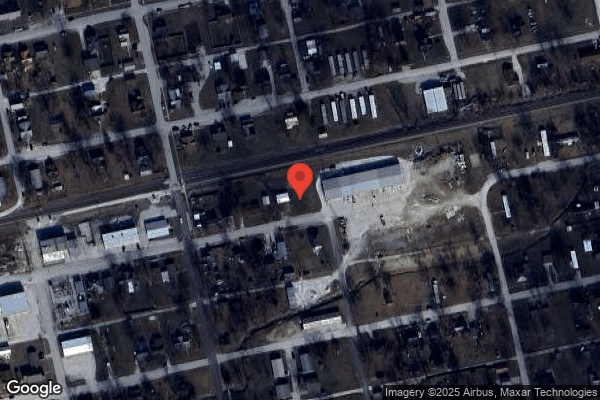
1010 HIGHWAY 24 & 36 EAST, MONROE CITY, MO 63456 (573) 735-4850
For profit - Partnership 60 Beds Independent Data: November 2025 1 Immediate Jeopardy citation
Trust Grade
66/100
#102 of 479 in MO
Last Inspection: November 2023

Within standard 12-15 month inspection cycle. Federal law requires annual inspections.

Overview

Monroe City Manor Care Center has a Trust Grade of C+, indicating it is decent and slightly above average. It ranks #102 out of 479 facilities in Missouri, placing it in the top half, and it is the highest-ranked facility in Marion County among five options. However, the facility is facing a worsening trend, with issues increasing from one in 2020 to five in 2023. Staffing is a strength, with a 4/5 star rating and a turnover rate of 38%, which is well below the state average of 57%. Nonetheless, the facility has received $12,649 in fines, which is average. There are some concerning incidents, including a critical failure to perform CPR on a resident who required it, resulting in the resident's death. Additionally, the facility was cited for not maintaining proper cleanliness in the kitchen and failing to ensure food safety protocols were followed, such as keeping food at the correct temperatures and properly labeling items. Overall, while there are strengths in staffing and rankings, the facility has significant areas that need improvement.

Trust Score
C+
66/100
In Missouri
#102/479
Top 21%
Safety Record
High Risk
Review needed
Inspections
Getting Worse
1 → 5 violations
Staff Stability
○ Average
38% turnover. Near Missouri's 48% average. Typical for the industry.
Penalties
✓ Good
$12,649 in fines. Lower than most Missouri facilities. Relatively clean record.
Skilled Nurses
⚠ Watch
Each resident gets only 27 minutes of Registered Nurse (RN) attention daily — below average for Missouri. Fewer RN minutes means fewer trained eyes watching for problems.
Violations
○ Average
8 deficiencies on record. Average for a facility this size. Mostly minor or procedural issues.
★★★★☆
4.0
Overall Rating
★★★★☆
4.0
Staff Levels
★★☆☆☆
2.0
Care Quality
★★★★☆
4.0
Inspection Score
Stable
2020: 1 issues
2023: 5 issues

The Good

  • 4-Star Staffing Rating · Above-average nurse staffing levels
  • Full Sprinkler Coverage · Fire safety systems throughout facility
  • No fines on record
  • Staff turnover below average (38%)

    10 points below Missouri average of 48%

Facility shows strength in staffing levels, fire safety.

The Bad

Staff Turnover: 38%

Near Missouri avg (46%)

Typical for the industry

Federal Fines: $12,649

Below median ($33,413)

Minor penalties assessed

The Ugly 8 deficiencies on record

1 life-threatening
Nov 2023 4 deficiencies
CONCERN (E)

Potential for Harm - no one hurt, but risky conditions existed

Menu Adequacy (Tag F0803)

Could have caused harm · This affected multiple residents

Based on observation, interview, and record review, the facility failed to ensure meals were served to meet the nutritional needs of the residents. Staff failed to prepare and serve food according to ...

Read full inspector narrative →
Based on observation, interview, and record review, the facility failed to ensure meals were served to meet the nutritional needs of the residents. Staff failed to prepare and serve food according to the diet spreadsheet menu. The facility census was 54. Review of the facility's Diet Orders Policy, 2011 Edition, showed the following: -Guideline: Each resident will have a diet order prescribed by the physician and documented in the health record. All physicians will prescribe diets using the terminology of the house diets and/or terminology in the diet manual. Diet orders received from an admission source that do not conform to the standard language of the facility will be converted to an available diet order offered at the facility; -Procedure: Diet orders are clearly communicated, using the designated diet order communication form, to dining services; All diet order communication forms received by dining services are confirmed for accuracy by the dining services manager or designee and noted as received in the resident health record; Consult with the Registered Dietitian for further guidance. 1. Review of the Diet Orders, obtained 11/13/23 and 11/14/23, showed ten residents with a physician-ordered consistent carbohydrate (CCHO) diet. Review of the Diet Spreadsheet, for 11/13/23 (Day 2, Monday) lunch, showed the following: -Staff were to serve one #6 dip (5.33 ounce) serving of apple crisp to residents with a regular diet; -Staff were to serve one #12 dip (2.66 ounce) serving of apple crisp to residents with a CCHO diet. Observation on 11/13/23 at 10:15 A.M., in the walk-in cooler showed a cart containing individual bowls of apple crisp desserts, each of the same portion size serving. Observation on 11/13/23 at 11:00 A.M., showed a cart containing individual bowls of apple crisp desserts, each of the same portion size serving, outside the kitchen entrance door in the dining room. Observations on 11/13/23 from 11:13 A.M. to 12:14 P.M., in the main dining room during the lunch meal service, showed Dietary Aide C served bowls of apple crisp to the residents. All of the bowls contained the same amount of apple crisp. During an interview on 11/13/23 at 4:39 P.M., Dietary Aide C said all residents receive the same serving size of dessert from the dessert cart. Observation of the Special Care Unit on 11/13/23 at 11:40 A.M. showed the following: -Dietary staff delivered a cart with the lunch meal to the special care unit; -Special care unit staff removed items from the cart, including two trays of individually prepared bowls of apple crisp. All of the bowls appeared to contain the same amount of apple crisp. The bowls were not labeled for specific residents. Observation of the lunch meal service on 11/13/23 at 12:25 P.M., in the Special Care Unit, showed staff served residents, including Resident #51 (who was on a physician-ordered CCHO diet), the bowls of apple crisp from the trays. During an interview on 11/13/23 at 12:30 P.M., Licensed Practical Nurse (LPN) A said the following: -Resident #51 was the only diabetic currently on the unit; -All of the desserts were the same; he/she did not know if diabetics were to get something different. During an interview on 11/14/23 at 8:34 A.M., the Dietary Manager said the following: -She did not realize dietary staff served the same portion size of apple crisp to all residents for lunch on 11/13/23; -She expected dietary staff to follow the diet spreadsheet menus when preparing/serving meals to the residents; -The residents on a CCHO diet should have received a #12 serving of apple crisp, not a #6 serving; -She was responsible for making sure staff followed the diet spreadsheet menus. During an interview on 11/17/23 at 12:02 P.M., the Registered Dietitian said dietary staff should be familiar with and follow the diet spreadsheet menu when preparing/serving food items to residents.
CONCERN (E)

Potential for Harm - no one hurt, but risky conditions existed

Deficiency F0909 (Tag F0909)

Could have caused harm · This affected multiple residents

**NOTE- TERMS IN BRACKETS HAVE BEEN EDITED TO PROTECT CONFIDENTIALITY** Based on observation, interview, and record review, the facility failed to conduct regular inspections of bed frames, mattresses...

Read full inspector narrative →
**NOTE- TERMS IN BRACKETS HAVE BEEN EDITED TO PROTECT CONFIDENTIALITY** Based on observation, interview, and record review, the facility failed to conduct regular inspections of bed frames, mattresses and bed rails to identify areas of possible entrapment and to ensure the bed rails, mattresses and bed frames were compatible for five residents (Residents # 2, #3, #4, #36, #48) with bed rails, in a review of 14 sampled residents. The facility census was 54. Review of the facility's bed assist device policy, updated on 2/20/23, showed maintenance staff will install all bed assist devices using the manufacturer's instructions and regularly check the mattress and assist device for areas of possible entrapment and other safety concerns. Review of the Food and Drug Administration's Guide of Bed Safety, Bed Rails in Hospitals, Nursing Homes and Home Health Care: The Facts, revised April 2010, showed the following: -Potential risks of bed rails may include strangling, suffocating, bodily injury or death when patients or part of their body are caught between rails or between the bed rails and mattress, more serious injuries from falls when patients climb over rails, skin bruising, cuts, and scrapes, feeling isolated or unnecessarily restricted, and preventing patients, who are able to get out of bed, from performing routine activities such as going to the bathroom or retrieving something from a closet; -Use a proper size mattress or mattress with raised foam edges to prevent patients from being trapped between the mattress and rail; -Reduce the gaps between the mattress and side rails; -A process that requires ongoing patient evaluation and monitoring will result in optimizing bed safety; 1. Observation on 11/15/23, at 1:30 P.M., showed 17 beds in the facility (currently in use) had some type of bed rail/side rail device attached to the bed. 2. Review of Resident #3's Continuity of Care Document showed his/her diagnoses included dementia, history of falls, altered mental status, need for assistance with personal cares, muscle weakness and abnormalities of mobility. Review of the resident's annual side rails assessment and consent, dated 4/24/23, showed the following: -Reason for side rail use: bed mobility; -Type of rail used: one side; -Used daily Review of the resident's October 2023 physician order sheet (POS) showed an order documenting the resident may use bed rail assist rails for safety (original order date of 12/22/18). Review of the resident's quarterly Minimum Data Set (MDS), a federally mandated assessment instrument completed by facility staff, dated 10/7/23, showed the following: -Functional limitations in range of motion (ROM) in upper and lower extremities on both sides of his/her body; -Required substantial to maximal assistance with mobility when rolling left and right, when sitting to lying, and when lying to sitting. Review of the resident's care plan, last revised 10/24/23, showed the following: -Required assistance with turning and repositioning while in bed; -Safe and appropriate with use of bilateral bed assist rails. Observations on 11/13/23 at 11:31 A.M. and 12:15 P.M., showed the resident lay in his/her bed. The resident had 1/8 bed rails (assist rail that does not raise or lower) on both sides of the bed. Observation on 11/15/23, at 5:05 A.M., showed the resident lay in his/her bed. The resident had 1/8 bed rails on both sides of the bed. Review of the resident's medical record showed no evidence staff conducted an inspection of the resident's bed frame, mattress and bed rails to identify areas of possible entrapment. 2. Review of Resident #4's Continuity of Care Document showed his/her diagnoses included multiple sclerosis. Review of the resident's annual side rail assessment and consent, dated 4/24/23, showed the following: -Reason for side rail usage: bed mobility (assist with turning side-to-side); -Types of rails used: two sides; -Frequency of use: daily. Review of the resident's October 2023 POS showed the resident may use two assist devices to bed (original order date of 9/24/20). Review of the resident's quarterly MDS, dated [DATE], showed the resident required substantial to maximal assistance for mobility when rolling left to right. Review of the resident's care plan, last revised 9/5/23, showed the resident had two assistive devices to aid with bed mobility. Review of the resident's medical record showed no evidence staff conducted an inspection of the resident's bed frame, mattress and bed rails to identify areas of possible entrapment. Observations on 11/14/23 at 10:40 A.M., 11/15/23 at 5:05 A.M. and 9:25 A.M. showed the resident lay in bed with 1/8 bed rails on both sides of the bed. Observation on 11/15/23 at 12:05 P.M. showed the resident sat in bed eating lunch with 1/8 bed rails on both sides of the bed. 3. Review of Resident #36's Continuity of Care Document showed his/her diagnoses included history of repeated falls, mild cognitive impairment, bilateral primary optic atrophy (condition that affects the optic nerve, which carries impulses from the eye to the brain, characteristics include deficits in central vision, difficulties distinguishing contrast, and loss of visual acuity), and generalized muscle weakness. Review of the resident's annual side rails assessment and consent, dated 4/24/23, showed the following: -Reason for side rail use: bed mobility; -Type of rail used: two sides; -Used daily. Review of the resident's October 2023 POS showed the resident may use an assistive device on bed for mobility (original order date of 03/30/22). Review of the resident's quarterly MDS, dated [DATE], showed the following: -Functional limitations in range of motion (ROM) in upper and lower extremities on one side of his/her body; -Required supervision or touching assistance when rolling left and right, when sitting to lying and when lying to sitting. Review of the resident's care plan, last revised 11/06/23, showed the following: -He/She had two assistance devices to aide with bed mobility; -He/She was able to turn and reposition himself/herself in bed. Review of the resident's medical record showed no evidence staff conducted an inspection of the resident's bed frame, mattress and bed rails to identify areas of possible entrapment. Observations on 11/15/23, at 5:37 A.M., 5:49 A.M., and 5:57 A.M. showed the resident in his/her bed. The resident had 1/8 bed rails on both sides of the bed. 4. Review of Resident #2's side rails assessment and consent, dated 4/24/23, showed the following: -Medical symptom requiring use of side rails was decreased mobility; -Reason for side rail usage was bed mobility (assist with turning side-to-side); -Rails used on two sides; -Frequency of use was daily. Review of the resident's annual MDS, dated [DATE], showed the resident required moderate assist to roll left and right in bed. Review of the resident's care plan, updated 10/3/23, showed the following: -He/She had assistive device bilaterally to aide with bed mobility; -He/She had impaired mobility related to recent right above knee amputation, history of left below knee amputation, and severe morbid obesity. Observation on 11/14/23 at 9:15 AM, showed the resident lay in bed with bilateral half side rails up. Review of the resident's medical record showed no evidence staff conducted an inspection of the resident's bed frame, mattress and bed rails to identify areas of possible entrapment. 5. Review of Resident #48's side rails assessment and consent, dated 9/1/23, showed the following: -Medical symptom requiring use of side rails was decreased bed mobility; -Reason for side rail usage was bed mobility (assist with turning side-to-side); -Rails used on two sides; -Frequency of use was daily. Review of the resident's admit MDS, dated [DATE], showed the following: -The resident was cognitively intact; -Required moderate assistance with roll left and right in bed and lying to sitting. Review of the resident' care plan, updated 10/18/23, showed the following: -The resident had impaired functional mobility related to unsteady gait and deconditioning; -The resident had two assistive devices to aide with bed mobility. Observation on 11/14/23 at 11:55 AM, showed the resident lay in bed with 1/8 bed rails on both sides of the bed. Review of the resident's medical record showed no evidence staff conducted an inspection of the resident's bed frame, mattress and bed rails to identify areas of possible entrapment. 6. During interviews on 11/15/23 at 10:00 A.M., 11:54 A.M. and 1:48 P.M., and on 11/16/23 at 8:29 A.M., the maintenance supervisor said the following: -He does not do any type of assessments on bedrails; he has only checked them when staff tell him they are loose and they need tightened; -He installed bed rails when nursing staff asked him to do so per residents' physician orders; -He did not conduct bed rail entrapment risk assessments, bed rail inspections, or check compatibility of the bed rails with the bed frames or mattresses; -He was unaware of the manufacturer or model of the bed rails or what the manufacturer's recommendations were for conducting risk assessments or bed frame/mattress compatibility; -He had only worked at the facility four months and could not find any prior bed rail entrapment risk or inspection documentation; -Housekeeping staff conducted monthly inspections of bed rails, frames and mattresses; -The housekeeping supervisor gave him the monthly inspection sheets; he only had September and November 2023 because that's all that he could find. Record review of the September 2023 and November 2023 inspection forms, completed by housekeeping staff, showed the following: -Beds and mattresses: inspect bed rails, bed frames, and bed mattresses; -Beds listed for each room had a pass or fail option; -No measurements or detailed inspection information was listed on the forms; -Staff inspector names for the East Hall inspections conducted on 9/15/23 and 9/16/23 were blank. During an interview on 11/16/23 at 8:29 A.M., the housekeeping supervisor said the following: -Housekeeping staff conducted monthly inspections of resident beds and mattresses to ensure the items were in good working order; -Housekeeping staff did not inspect the bed rails but made sure there were no big gaps between the rail and mattress; -Housekeeping staff did not follow manufacturer's recommendations for assessing if a bed rail was compatible with the bed frame or mattress or for checking for gaps between the bed rail and mattress. During an interview on 11/16/23 at 9:58 A.M., the nurse manager said she could not locate a bed rail maintenance program, policy, or past inspection documentation. She assumed the bed rails were compatible with the bed frames since many were installed years ago. During an interview on 11/15/23 at 9:38 A.M., and 11/16/23 at 9:13 A.M., the director of nursing said she expected maintenance staff to ensure compatibility with bed frames and mattresses, and follow manufacturer's recommendations for installation and maintenance of bed rails.
CONCERN (F)

Potential for Harm - no one hurt, but risky conditions existed

Food Safety (Tag F0812)

Could have caused harm · This affected most or all residents

Based on observation, interview, and record review, the facility failed to ensure dietary equipment was free of an accumulation of grease, oil, dust and debris, failed to remove damaged food container...

Read full inspector narrative →
Based on observation, interview, and record review, the facility failed to ensure dietary equipment was free of an accumulation of grease, oil, dust and debris, failed to remove damaged food containers from the dry storage room, failed to seal/date opened packages, and failed to ensure an ice machine drain contained a drainage air gap. The facility census was 54. Review of the facility's Cleaning Rotation Policy, 2011 Edition, showed the following: -Guideline - Equipment and utensils will be cleaned according to the following guidelines, or manufacturer's instructions; -Items cleaned after each use included can opener, small food preparation equipment, work tables and counters; -Items cleaned daily included stove top, grill, kitchen and dining room floors, toaster, and exterior of large appliances; -Items cleaned weekly included hoods, filters, shelves, ovens, and cupboards); -Items cleaned monthly included refrigerators and walls). Review of the facility's Ice Handling and Cleaning Policy, 2011 Edition, showed ice will be handled, transported, and stored in such a manner as to be protected against contamination. Ice storage bins shall be drained through an air gap. 1. Observations on 11/13/23 from 9:55 A.M. to 4:39 P.M., in the kitchen, showed the following: -A moderate buildup of oil and debris on the counter-mounted can opener; -A moderate buildup of dust and debris on the two bulb emergency light fixture; -A moderate buildup of grease, dust, and debris on top of the wall-mounted knife holder; -A moderate buildup of grease and debris on the counter top toaster; -A buildup of grease and debris on surfaces of the Ansul System Unit, metal conduits out of the unit, and to the kitchen hood and Ansul pull station; -A moderate buildup of dust and debris on the eight support pipes above the kitchen hood; -A buildup of dust and debris on the shelving above the three-compartment sink, the back splash, and on the flooring underneath and between the sink and the up-right refrigerator; -The contact paper on the bottom shelving of the three preparation tables was worn and peeling away from the metal surfaces (not easily cleanable); -A moderate buildup of grease, dust, and debris on the metal wall shelving, located above the food preparation counter; -A moderate buildup of grease, debris, and dark stains on the metal back splash, above and to the right side of the griddle top oven; -A buildup of grease, debris, and dark stains on the right side of the griddle top oven; -A moderate buildup of grease and debris on the left side of the stove top oven; -A buildup of grease and debris under stove top burner grates; -A moderate buildup of dust and debris on the left wall in the walk-in cooler. 2. Observation on 11/13/23 at 9:55 A.M., in the dry storage room, showed the following: -Three 6 pound, 10 ounce cans of pineapple tidbits, located on the the shelving with products for use, were dented/damaged; -A 1 pound, 8 ounce package of gelatin dessert, labeled as opened on 10/29/23, was not sealed; -An opened 5 pound package of fudge brownie mix was not sealed. 3. Observation on 11/13/23 at 2:51 P.M., showed the ice machine, located in the 200 hall clean utility storage room, had no drainage air gap under the machine or entering into the main sink drain. During an interview on 11/13/23 at 10:33 A.M., the Maintenance Supervisor said unaware an ice machine was required to have an air gap. 4. During an interview on 11/14/23 at 8:34 A.M., the Dietary Manager said the following: -She expected staff to clean and sanitize the kitchen and dietary equipment daily and as needed; -Dietary staff should remove dented and damaged cans from the dry food storage room and return the cans to the vendor; -Dietary staff should seal and date open packages of food in the dry food storage room. During interviews on 11/17/23 at 12:02 P.M. and 11/21/23 at 11:00 A.M., the Registered Dietitian said the following: -She expected the dietary or maintenance staff to clean and sanitize the kitchen and dietary equipment daily, weekly and as needed; -She expected dented/damaged cans to be removed and returned to the vendor; -She expected open packages to be sealed and dated. During an interview on 11/14/23 at 2:45 P.M., the Administrator said the following: -She expected the dietary and maintenance staff to clean and sanitize the kitchen and dietary equipment daily, weekly, or as needed; -She expected the ice machine in the 200 hall clean utility room to have air gaps at the machine's drain locations.
MINOR (B)

Minor Issue - procedural, no safety impact

Staffing Information (Tag F0732)

Minor procedural issue · This affected multiple residents

Based on observation, interview, and record review, the facility failed to post the total hours nursing staff (registered nurse (RN), certified nurse assistant (CNA), certified medication technician (...

Read full inspector narrative →
Based on observation, interview, and record review, the facility failed to post the total hours nursing staff (registered nurse (RN), certified nurse assistant (CNA), certified medication technician (CMT), and licensed practical nurse (LPN)) worked for each shift. The facility census was 54. Review of the facility's undated policy, Posting Direct Care Daily Staffing Numbers, dated 2001 and last revised 2006, showed the following: -Our facility will post, on a daily basis for each shift, the number of nursing personnel responsible for providing direct care to residents; -Within two (2) hours of the beginning of each shift, the number of Licensed Nurses (RNs, LPNs, and Licensed Vocational Nurse (LVNs) and the number of unlicensed nursing personnel (CNAs) directly responsible for resident care will be posted in a prominent location (accessible to residents and visitors) and in a clear and readable format; -Directly responsible for resident care means that individuals are responsible for residents' total care or some aspect of the residents' care including, but not limited to, assisting with activities of daily living (ADLs), performing gastrointestinal feeds, giving medications, supervising care given by CNAs, and performing nursing assessments to admit residents or notify physicians of changes of condition; -Shift staffing information shall be recorded on the Nursing Staff Directly Responsible for Resident Care form for each shift. The information ·recorded on the form shall include: a. The name of the facility; b. The date for which the information is posted; c. The resident census at the beginning of the shift for which the information is posted; d. Twenty-four (24)-hour shift schedule operated by the facility; e. The shift for which the information is posted; f. Type (RN, LPN, LVN, or CNA) and category (licensed or non-licensed) of nursing staff working during that shift; g. The actual time worked during that shift for each category and type of nursing staff; h. Total number of licensed and non-licensed nursing staff working for the posted shift; -When computing hours of direct care staff working split shifts, count only the total number of hours the individual is actually scheduled to work for the shift information being posted. (Example: You are posting data for the Day Shift. A CNA reports to work and is scheduled to work four (4) hours on the Day Shift and four (4) hours on the Evening Shift. In computing the number of hours worked for that shift, count only the four (4) hours scheduled for the Day Shift. The remaining four (4) hours would then be counted toward the totals on the Evening Shift); -Within two (2) hours of the beginning of each shift, the shift supervisor shall compute the number of direct care staff and complete the Nursing Staff Directly Responsible for Resident Care form. The shift supervisor shall date the form, record the census and post the staffing information in the location(s) designated by the Administrator; -The form may by typed or handwritten. If completed by typewriter or word processor, the recorded information shall be a minimum font size of 12 points. Should the information be handwritten, it must be legibly printed in black ink and must be written so that staffing data can be easily seen and read by residents, staff, visitors or others who are interested in our facility's daily staffing information. 1. Observation on 11/13/23 at 12:30 P.M., of the facility staffing sheet posted across from the nurses' station showed the following: -The facility census was 54; -Day shift included three LPNs and seven CNA/CMTs for a total of ten staff; -There was no area to document total staff hours. Observation on 11/13/23 at 3:30 P.M., of the facility staffing sheet posted across from the nurses' station showed the following: -The facility census was 54; -Day shift included three LPNs and six CNA/CMTs for a total of nine staff; -There was no area to document total staff hours. Observation on 11/14/23 at 8:21 A.M., of the facility staffing sheet posted across from the nurses' station showed the following: -The facility census was 54; -Day shift included one RN, three LPNs and eight CNA/CMTs for a total of 12 staff; -There was no area to document total staff hours. Observation on 11/14/23 at 2:20 P.M. and 4:16 P.M, of the facility staffing sheet posted across from the nurses' station showed the following: -The facility census was 54; -Evening shift for all disciplines was blank; -There was no area to document total staff hours. Observation on 11/15/23 at 5:02 A.M., of the facility staffing sheet posted across from the nurses' station showed the staffing sheet from 11/14/23 and there was no evening and night shift staff numbers documented. Observation on 11/15/23 at 12:30 P.M., of the facility staffing sheet posted across from the nurses' station showed the following: -The facility census was 54; -Day shift included three LPNs and seven CNA/CMTs for a total of ten staff; -There was no area to document total staff hours. Observation on 11/16/23 at 8:35 A.M., of the facility staffing sheet posted across from the nurses' station showed the following: -The facility census was 51; -Day shift included one RN, two LPNs and six CNA/CMTs for a total of nine staff; -There was no area to document total staff hours. During interview on 11/16/23 at 8:45 A.M., LPN D said the following: -There is no specific person assigned to fill out staffing sheet. It is just whoever remembers first; -The numbers listed per RN/LPN/CNA is the number of staff not the number of hours. During interview on 11/16/23 at 9:38 A.M., the Director of Nurses (DON) said the nurses usually fill out the staffing sheet but there is no one specific assigned. If they forget then she will do fill it out. The numbers listed on the staffing sheet are the number of staff for each discipline, not the number of hours. It had been a while since she had read the regulation but the hours should be listed.
Jul 2023 1 deficiency 1 IJ
CRITICAL (J) 📢 Someone Reported This

A family member, employee, or ombudsman was alarmed enough to file a formal complaint

Immediate Jeopardy (IJ) - the most serious Medicare violation

Deficiency F0678 (Tag F0678)

Someone could have died · This affected 1 resident

**NOTE- TERMS IN BRACKETS HAVE BEEN EDITED TO PROTECT CONFIDENTIALITY** Based on interview and record review, the facility failed to implement their policy for cardiopulmonary resuscitation (CPR, proc...

Read full inspector narrative →
**NOTE- TERMS IN BRACKETS HAVE BEEN EDITED TO PROTECT CONFIDENTIALITY** Based on interview and record review, the facility failed to implement their policy for cardiopulmonary resuscitation (CPR, process of providing rescue ventilation and chest compressions to maintain circulation of blood) and failed to initiate CPR for one resident (Resident #1) of four sampled residents who was identified as having full code status (CPR required in the event of cardiac or respiratory arrest), when staff found the resident unresponsive and without a pulse or respirations. The resident expired at the facility. The facility census was 54. On [DATE], the administrator was notified of a Past Noncompliance Immediate Jeopardy (IJ) which occurred on [DATE]. On [DATE], the facility inserviced staff on the CPR policy and procedure, identified other full code residents in the facility and ensured their code status was accurate and easily identifiable. The facility added lists of full code residents to each medication cart and the nurse's station. Licensed Practical Nurse (LPN) B was educated and would work with another licensed staff member for at least three shifts (more if deemed necessary) before working without supervision again. The IJ was corrected on [DATE]. Review of the facility CPR policy, dated [DATE], showed the following: -Residents at the facility will be designated as full code or do not resuscitate (DNR) as per their request and physician order; -Residents will be identified as a full code by a code status paper in their red folder, full code on their header in the electronic health record and a blue dot on their name tag outside of their room; -When a resident is unresponsive, the CPR certified staff member will check the resident for a pulse. If the resident does not have a pulse the CPR certified staff member will initiate CPR. If the unresponsive resident is found by a non CPR certified staff member they will immediately find help of a certified staff member; -When it is determined CPR should be initiated, the staff member should turn on the call light and yell for help. Once help arrives the charge nurse should take over directing CPR and delegating tasks appropriately; -CPR certified staff will either call 911 or delegate this task to another staff member; -CPR will be continued until emergency services personnel arrive and take over the care of the resident. 1. Review of Resident #1's undated face sheet showed the following: -The resident was admitted to the facility on [DATE]; -The resident had diagnoses that included type 2 diabetes, cerebral infarction (a result of disrupted blood flow to the brain due to problems with the blood vessels that supply it), Parkinson's disease (a brain disorder that causes unintended or uncontrollable movements, such as shaking, stiffness, and difficulty with balance and coordination), Alzheimer's disease (a progressive disease that destroys memory and other important mental functions), high blood pressure, and paroxysmal atrial fibrillation (a rapid, erratic heart rate begins suddenly and then stops on its own). Review of the resident's physician order sheet showed an order dated [DATE], for the resident to be full code status. Review of the resident's care plan, last reviewed on [DATE], showed no evidence of the resident's preferred code status. Review of the facility's list of CPR certified staff, updated on [DATE], showed the following staff was certified: -LPN B; -Certified Nurse Aide (CNA) G; -Registered Nurse (RN) C. Review of the resident's progress notes, dated [DATE] at 6:23 A.M., showed LPN B charted the following: -At 5:20 A.M. the resident's oxygen concentrator was beeping and LPN B went to the resident's room and adjusted the settings, spoke with the resident, and tested his/her blood sugar. The resident rested with his/her eyes closed when LPN B left the room; -At 5:45 A.M. CNA G alerted LPN B the resident had expired; -LPN B immediately went to the resident's room and found the resident in the same position as when he/she left the resident at 5:20 A.M.; -The resident was unresponsive and cold to touch with very deep blue ears and lips and pallor (paleness); -LPN B removed the roommate from the room; -LPN B called the supervisor and the resident's family; -LPN B called the funeral home as directed by the resident's family. There was no documentation in the resident's record that showed LPN B or CNA G initiated CPR or called 911. During an interview on [DATE] at 10:38 A.M., LPN B said the following: -He/She received training upon hire, but not specifically on the CPR policy; -He/She was not aware which residents were a full code. There was no list of full code residents on the medication carts until after the resident expired; -He/She did not know a resident's code status was listed on the electronic health record; -He/She did not know about red folders with the code status of each resident; -He/She was in the resident's room on [DATE] at 5:20 A.M. to adjust the resident's oxygen level and test the resident's blood sugar. The resident was pleasant and compliant; -At 5:45 A.M. CNA G ran up the hall and told LPN B the resident had expired; -LPN B ran to the resident's room and checked for a pulse at the resident's wrist, foot and neck, and there was no pulse. LPN B also used a stethoscope to check for a heartbeat and there was no heartbeat. The resident's ears were the bluest LPN B had ever seen and the resident's face was completely white; -The resident was in such bad shape LPN B never thought the resident would be a full code; -There was no one at the facility to ask questions and LPN B waited for the day nurse to arrive; -It did not occur to LPN B to look in the resident's chart for his/her code status. During an interview on [DATE] at 6:53 P.M., CNA G said the following: -He/She was CPR certified; -On [DATE] he/she went to check on Resident #1 and the resident was unresponsive; -He/She did a sternal rub and still no response and the resident was foaming from his/her mouth. CNA G checked for a pulse and there was no pulse present; -He/She ran to the nurse's station to get LPN B; -On the way to the nurse's station, CNA G realized the resident was a full code; -He/She started screaming the resident isn't responding, he/she is a full code; -When CNA G got to the nurse's station, LPN B asked are you sure the resident is a full code? CNA G told LPN B he/she was absolutely sure the resident was a full code, but the nurse did not start CPR; -He/She felt LPN B should have started CPR; -CNA G did not start CPR, because he/she did not want to step on the nurse's toes by doing something he/she wouldn't do since he/she was the CNA. During an interview on [DATE] at 11:33, RN C said the following: -He/She arrived to the facility at about 5:50 A.M.; -LPN B said Resident #1 had died; -LPN B said the resident was okay at 5:20 A.M. when he/she was in the resident's room; -CNA G said during 15 minute checks he/she found the resident unresponsive and ran out of the room shouting He/She is dead. He/She is a full code!; -RN C asked LPN B if he/she coded the resident. LPN B said No, he/she was blue and cold to the touch; -He/She called the administrator and said to have LPN B chart everything and contact the family; -LPN B asked RN C where to find the code status in a resident's electronic health records. During an interview on [DATE] at 12:36 P.M. and [DATE] at 12:13 P.M., the administrator said the following: -She did not think LPN B got information regarding who the full code residents were or how to identify them; -She felt that was an area where the facility had failed; -She would have expected LPN B to have started CPR on the resident until emergency services arrived; -When RN C arrived for day shift, the administrator would have expected RN C to have started CPR on the resident until emergency services arrived; -She would expect any CPR certified staff to start CPR on a resident that was found unresponsive without a pulse that was a full code. MO220884
Nov 2020 1 deficiency
CONCERN (F)

Potential for Harm - no one hurt, but risky conditions existed

Food Safety (Tag F0812)

Could have caused harm · This affected most or all residents

Based on observation, interview, and record review, the facility failed to ensure the walk-in freezer temperature was maintained at 0 degrees Fahrenheit (F) or below, failed to ensure food items were ...

Read full inspector narrative →
Based on observation, interview, and record review, the facility failed to ensure the walk-in freezer temperature was maintained at 0 degrees Fahrenheit (F) or below, failed to ensure food items were labeled and dated, failed to ensure a food item was not prepared on the steam table, failed to ensure two ice machines were free of an accumulation of debris, failed to ensure fresh produce was washed prior to preparation, and failed to ensure cookware was free of a buildup of black debris and were easily cleanable. The facility census was 48. Record review of the facility policy, Food Storage (Dry/Refrigerated/Frozen), dated 2011, and showed the following: -Food shall be stored at appropriate temperatures and using appropriate methods to ensure the highest level of food safety; -Frozen storage guidelines to be followed: Keep freezer at a temperature that ensures products will remain frozen (0 degrees F); -Check freezer temperature regularly; -All food items will be labeled. The label must include the name of the food and the day by which it should be sold, consumed or discarded; -Discard food that has passed the expiration date and discard food that has been prepared in the facility after seven days of storing under proper refrigeration; -Leftover contents of cans and prepared food will be stored in covered, labeled and dated containers in refrigerators and/or freezers. Review of the facility policy, Ice Handling and Cleaning, dated 2011 showed the following guideline and procedure: -Ice will be stored and served to residents in a sanitary manner; -Ice will be handled, transported and stored in such a manner as to be protected against contamination; -Ice machine will be emptied quarterly and thoroughly cleaned with an approved sanitizer to remove any settlement or mineral build-up in the ice discharge area and floor of the machine. 1. Review of the walk-in freezer temperature log sheet, dated October 2020, showed the following: -On 10/1/20, the day shift temperature was 9 degrees F, and the night shift temperature was 9 degrees F; -On 10/2/20, the day shift temperature was 8 degrees F, and the night shift temperature was 8 degrees F; -On 10/3/20, the day shift temperature was 7 degrees F, and the night shift temperature was 8 degrees F; -On 10/4/20, the day shift temperature was 8 degrees F, and the night shift temperature was 9 degrees F; -On 10/5/20, the day shift temperature was 10 degrees F, and the night shift temperature was 8 degrees F; -On 10/6/20, the day shift temperature was 9 degrees F, and the night shift temperature was 7 degrees F; -On 10/7/20, the day shift temperature was 7 degrees F, and the night shift temperature was 9 degrees F; -On 10/8/20, the day shift temperature was 7 degrees F, and the night shift temperature was 7 degrees F; -On 10/9/20, the day shift temperature was 7 degrees F, and the night shift temperature was 8 degrees F; -On 10/10/20, the day shift temperature was 8 degrees F, and the night shift temperature was 8 degrees F; -On 10/11/20, the day shift temperature was 9 degrees F, and the night shift temperature was 8 degrees F; -On 10/12/20, the day shift temperature was 7 degrees F, and the night shift temperature was 7 degrees F; -On 10/13/20, the day shift temperature was 7 degrees F, and the night shift temperature was 6 degrees F; -On 10/14/20, the day shift temperature was 10 degrees F, and the night shift temperature was left blank; -On 10/15/20, the night shift temperature was left blank; -On 10/16/20, ,the day shift temperature was 9 degrees F, and the night shift temperature was 9 degrees F; -On 10/17/20, the day shift temperature was 7 degrees F, and the night shift temperature was 8 degrees F; -On 10/18/20, the day shift temperature was 8 degrees F, and the night shift temperature was 9 degrees F; -On 10/19/20, the day shift temperature was 9 degrees F, and the night shift temperature was 9 degrees F; -On 10/20/20, the day shift temperature was 9 degrees F, and the night shift temperature was 9 degrees F; -On 10/21/20, the day shift temperature was 9 degrees F, and the night shift temperature was 8 degrees F; -On 10/22/20, the day shift temperature was 8 degrees F, and the night shift temperature was left blank; -On 10/23/20, the day shift temperature was 10 degrees F, and the night shift temperature was 8 degrees F; -On 10/24/20, the night shift temperature was 8 degrees F; -On 10/25/20, the day shift temperature was 9 degrees F, and the night shift temperature was 8 degrees F; -On 10/26/20, the day shift temperature was 9 degrees F, and the night shift temperature was 8 degrees F; -On 10/27/20, the day shift temperature was 7 degrees F, and the night shift temperature was 7 degrees F; -On 10/28/20, the day shift temperature was 7 degrees F, and the night shift temperature was 7 degrees F; -On 10/29/20, the day shift temperature was 9 degrees F, and the night shift temperature was 8 degrees F; -On 10/30/20, the day shift temperature was left blank, and the night shift temperature was 7 degrees F; -On 10/31/20, the day shift temperature was 7 degrees F, and the night shift temperature was 9 degrees F. Review of the walk-in freezer temperature log sheet, dated November 2020, showed the following: -On 11/1/20, day shift temperature was 7 degrees F, and night shift temperature was 8 degrees F; -On 11/2/20, day shift temperature was 8 degrees F, and night shift temperature was 8 degrees F; -On 11/3/20, day shift temperature was 9 degrees F, and night shift temperature was 9 degrees F; -On 11/4/20, day shift temperature was 8 degrees F, and night shift temperature was 7 degrees F; -On 11/5/20, day shift temperature was 7 degrees F, and night shift temperature was 9 degrees F; -On 11/6/20, day shift temperature was 9 degrees F, and night shift temperature was 10 degrees F; -On 11/7/20, the number documented for day shift was not legible, and night shift temperature was 10 degrees F; -On 11/8/20, day shift temperature was 9 degrees F, and night shift temperature was 10 degrees F; -On 11/9/20, day shift temperature was 7 degrees F. Observation on 11/9/20 at 9:45 A.M. showed the temperature of the walk-in freezer was 10 degrees F. Review of the walk-in freezer temperature log sheet, dated November 2020, showed the following: -On 11/9/20, the night shift temperature was 8 degrees F; -On 11/10/20, the day shift temperature was 7 degrees F. Observation on 11/10/20 at 9:14 A.M. showed the thermometer inside the walk-in freezer measured a temperature of 10 degrees F. Observation on 11/10/20 at 10:38 A.M. of the walk-in freezer showed the thermometer inside the unit measured an internal temperature of 11 degrees F. The digital display outside the freezer showed an internal temperature of 11 degrees F. During an interview on 11/10/20 at 9:14 A.M., the dietary manager said she was not aware the walk-in freezer temperature was measuring above 0 degrees F. During an interview on 11/10/20 at 2:43 P.M., the dietary manager said freezer temperatures should be 0 degrees F or colder. If she found out the freezer temperatures was not measuring 0 degrees F or colder, she would contact maintenance staff. Maintenance staff was then responsible for contacting a repairman if needed. She was not aware the temperature had not been cold enough, as she had been on vacation recently. 2. Observation on 11/9/20 at 9:45 A.M. during the initial tour of the kitchen, showed the following: -In the dry food storage room, a package of tortilla shells was open and not dated; -In the reach-in refrigerator, a container of pimento cheese was open and not dated; -In the reach-in refrigerator, a zippered plastic bag of waffles was not dated; -In the reach-in refrigerator, a zippered plastic bag of donuts were not dated; -In the walk-in freezer, a plastic storage tub held three zippered plastic bags. One bag contained a food item that could not be identified and was not labeled or dated. Two additional bags contained what appeared to be breadsticks and were not labeled or dated. During an interview on 11/10/20 at 2:43 P.M., the dietary manager said staff should label and date food items. Leftovers were good for seven days and then staff should discard them. 3. Observation on 11/10/20 at 10:28 A.M. showed Dietary Staff A poured a 26-ounce package of instant mashed potatoes into a large steam table pan that sat inside the steam table. The pan contained water. He/She stirred the instant potatoes into the water. He/She added approximately half of a second bag of instant mashed potatoes to the pan and stirred the potatoes and water together until they began to thicken and combine. He/She then placed the lid on the steam table pan. During an interview on 11/10/20 at 2:43 P.M., the dietary manager said staff usually prepared mashed potatoes on the steam table. Staff obtained hot water from the coffee maker and added to the steam table pan, added instant potatoes and stirred the mixture together. He/She was not aware food items were not supposed to be prepared on the steam table. 4. Observation on 11/10/20 at 9:00 A.M. showed the ice machine located in the kitchen had a buildup of crusty white-colored debris under the edge of the lid as well as in the area around the hinge located above the accumulated ice cubes below. Observation on 11/11/20 at 10:36 A.M. showed the ice machine located inside a clean utility room on the 200 Hall had an accumulation of crusty white-colored debris around the hinges over the ice and had black-colored debris on the white plastic separator piece above the ice discharge area. During an interview on 11/10/20 at 2:43 P.M., the dietary manager said dietary staff cleaned the ice machine in the kitchen every three months. Staff emptied the unit, melted and drained, then rinsed and refilled. Maintenance staff was responsible for cleaning the ice machine in the utility room. During an interview on 11/11/20 at 10:36 A.M., the maintenance supervisor said maintenance staff was responsible for cleaning the ice machine in the utility room and dietary staff cleaned the ice machine in the kitchen. Maintenance staff cleaned the ice machine in the utility room every three months. 5. Observation on 11/10/20 at 10:36 A.M. showed Dietary Staff B wore gloves, reached into a plastic grocery bag and removed a tomato from the piece of the remaining vine. He/She did not wash the tomato and began slicing the tomato with a knife. He/She placed the slices into a plastic storage container. Observation on 11/10/20 between 11:03 A.M. and 12:29 P.M. during the lunch meal service, showed Dietary Staff A placed slices of tomato from the plastic container onto a resident's tray per the resident's request. During an interview on 11/10/20 at 2:43 P.M., the dietary manager said staff should wash fresh produce prior to food preparation. 6. Observation on 11/10/20 at 10:13 A.M. showed a red skillet hung on a hook from the suspended ceiling storage rack. The skillet had an extremely heavy buildup of black crusty carbon debris that covered approximately 50-75% of the cooking surface on the inside of the skillet. Observation on 11/10/20 at 12:09 P.M. showed a metal wire fryer basket stored below the metal preparation counter. The upper one-third of the basket had a buildup of black carbon-like debris all the way around the basket. The black debris covered the wire basket holes in several areas. During an interview on 11/10/20 at 2:43 P.M., the dietary manager said the red skillet and the wire basket couldn't be cleaned very well and probably needed to be thrown away.
Mar 2019 2 deficiencies
CONCERN (D)

Potential for Harm - no one hurt, but risky conditions existed

Deficiency F0760 (Tag F0760)

Could have caused harm · This affected 1 resident

Based on observation, interview, and record review, the facility failed to administer insulin according to the manufacturer's recommendations for one resident (Resident #11), in a review of 15 sampled...

Read full inspector narrative →
Based on observation, interview, and record review, the facility failed to administer insulin according to the manufacturer's recommendations for one resident (Resident #11), in a review of 15 sampled residents. The failure had the potential to result in the resident not receiving the ordered dose of insulin. The facility census was 55. 1. Review of the manufacturer's instructions for use for the Basaglar (insulin) KwikPen (injection cartridge device) showed the following: -Before each injection, small amounts of air may collect in the cartridge during normal use; -It is important to prime your pen before each injection so that it will work correctly; -If you do not prime before each injection, you may get too much or too little insulin; -To prime your pen, turn the dose knob to select two units; -Hold the Basaglar KwikPen with the needle pointing up; -Tap the cartridge gently with your finger a few times to make any air bubbles collect at the top of the cartridge; -Keep the needle pointing upwards and push the dose knob in until it stops, and 0 is seen in the dose window, hold the dose knob in a count to five slowly; -A drop of insulin should appear at the needle tip, if not,repeat the priming procedure no more than four times; -If you do not see a drop of insulin after four times, change the needle and repeat the priming steps; -Turn the dose knob to the number of units of insulin you need to inject; -Insert the needle into the skin and inject the dose by pressing the push button all the in and slowly count to five before removing the needle. 2. Review of Resident #11's Physician Order Sheet for March 2019, showed an order for Basaglar KwikPen, 22 units with breakfast once a day. Observation on 3/26/19 at 08:14 A.M., showed the following: -Registered Nurse (RN) A opened a new Basaglar KwikPen and put a needle on the pen; -RN A dialed the dose knob of the resident's Basaglar KwikPen to 22 units; -RN A did not prime the pen (as directed by the manufacturer) prior to selecting the desired dose; -RN A administered the Basaglar KwikPen he/she prepared into the resident's right abdomen without priming the insulin pen. Observation on 3/27/19 at 08:12 A.M., showed the following: -RN B dialed the dose knob of the resident's Basaglar KwikPen to 22 units; -RN B did not prime the pen prior to selecting the desired dose; -RN B administered the Basaglar KwikPen he/she prepared into the resident's left abdomen without priming the insulin pen. During an interview on 3/27/19 at 10:12 A.M., RN B said he/she was not aware the insulin pens needed to be primed prior to each use. During an interview on 3/27/19 at 10:37 A.M., the director of nursing (DON) said she expected staff to prime the Basaglar KwikPen with two units of air prior to each use. Not priming the insulin pens with air prior to administration could result in the resident not receiving the ordered dose of insulin.
CONCERN (E)

Potential for Harm - no one hurt, but risky conditions existed

Safe Environment (Tag F0584)

Could have caused harm · This affected multiple residents

**NOTE- TERMS IN BRACKETS HAVE BEEN EDITED TO PROTECT CONFIDENTIALITY** Based on observation, interview and record review, the facility failed to maintain resident restroom and public restroom exhaust...

Read full inspector narrative →
**NOTE- TERMS IN BRACKETS HAVE BEEN EDITED TO PROTECT CONFIDENTIALITY** Based on observation, interview and record review, the facility failed to maintain resident restroom and public restroom exhaust fans and dining room ceiling return air vents to be clean and free of a buildup of debris. The facility census was 55. Record review on 3/26/19 of the Work History Report for Exhaust Fans, provided by maintenance, showed the exhaust fans were inspected for proper operation and cleaned if necessary on 5/24/18 and 11/29/18. Observation on 3/25/19 between 9:25 A.M. and 11:50 A.M. during the Life Safety Code tour of the facility showed the following: -The exhaust fan cover in the shared restroom between rooms [ROOM NUMBERS] had a heavy buildup of debris; -The exhaust fan cover in the restroom in room [ROOM NUMBER] had a moderate buildup of debris; -The exhaust fan cover in the restroom in room [ROOM NUMBER] had a heavy buildup of debris; -The exhaust fan cover in the restroom in room [ROOM NUMBER] had a heavy buildup of debris; -The exhaust fan cover in the shared restroom between rooms [ROOM NUMBERS] had a heavy buildup of debris; -The exhaust fan cover in the shared restroom between rooms [ROOM NUMBERS] had a heavy buildup of debris; -The exhaust fan cover in the shared restroom between rooms [ROOM NUMBERS] had a heavy buildup of debris; -The exhaust fan cover in the shared restroom between rooms [ROOM NUMBERS] had a heavy buildup of debris; -The exhaust fan cover in the shared restroom between rooms [ROOM NUMBERS] had a heavy buildup of debris; -The exhaust fan cover in the restroom in the employee lounge had a heavy buildup of debris; -The exhaust fan covers in two public restrooms near the entrance to the 100 Hall had a heavy buildup of debris ; -Two large rectangular ceiling return air vents in the dining room had a heavy buildup of debris. The vents were positioned near the activity office and were located over residents' dining tables. During an interview on 3/25/19 at 9:25 A.M., the maintenance supervisor said staff cleaned the exhaust fans and vents every six months. The fans and vents were due to be cleaned again in May.
Understanding Severity Codes (click to expand)
Life-Threatening (Immediate Jeopardy)
J - Isolated K - Pattern L - Widespread
Actual Harm
G - Isolated H - Pattern I - Widespread
Potential for Harm
D - Isolated E - Pattern F - Widespread
No Harm (Minor)
A - Isolated B - Pattern C - Widespread

Questions to Ask on Your Visit

  • "What changes have you made since the serious inspection findings?"
  • "Can I speak with families of current residents?"
  • "What's your RN coverage like on weekends and overnight?"

Our Honest Assessment

Strengths
  • • 38% turnover. Below Missouri's 48% average. Good staff retention means consistent care.
Concerns
  • • Multiple safety concerns identified: 1 life-threatening violation(s). Review inspection reports carefully.
  • • 8 deficiencies on record, including 1 critical (life-threatening) violation. These warrant careful review before choosing this facility.
  • • $12,649 in fines. Above average for Missouri. Some compliance problems on record.
Bottom line: Mixed indicators with Trust Score of 66/100. Visit in person and ask pointed questions.

About This Facility

What is Monroe City Manor's CMS Rating?

CMS assigns MONROE CITY MANOR CARE CENTER an overall rating of 4 out of 5 stars, which is considered above average nationally. Within Missouri, this rating places the facility higher than 99% of the state's 100 nursing homes. This rating reflects solid performance across the metrics CMS uses to evaluate nursing home quality.

How is Monroe City Manor Staffed?

CMS rates MONROE CITY MANOR CARE CENTER's staffing level at 4 out of 5 stars, which is above average compared to other nursing homes. Staff turnover is 38%, compared to the Missouri average of 46%. This relatively stable workforce can support continuity of care.

What Have Inspectors Found at Monroe City Manor?

State health inspectors documented 8 deficiencies at MONROE CITY MANOR CARE CENTER during 2019 to 2023. These included: 1 Immediate Jeopardy (the most serious level, indicating potential for serious harm or death), 6 with potential for harm, and 1 minor or isolated issues. Immediate Jeopardy findings are rare and represent the most serious regulatory concerns. They require immediate corrective action.

Who Owns and Operates Monroe City Manor?

MONROE CITY MANOR CARE CENTER is owned by a for-profit company. For-profit facilities operate as businesses with obligations to shareholders or private owners. The facility operates independently rather than as part of a larger chain. With 60 certified beds and approximately 51 residents (about 85% occupancy), it is a smaller facility located in MONROE CITY, Missouri.

How Does Monroe City Manor Compare to Other Missouri Nursing Homes?

Compared to the 100 nursing homes in Missouri, MONROE CITY MANOR CARE CENTER's overall rating (4 stars) is above the state average of 2.5, staff turnover (38%) is near the state average of 46%, and health inspection rating (4 stars) is above the national benchmark.

What Should Families Ask When Visiting Monroe City Manor?

Based on this facility's data, families visiting should ask: "What changes have been made since the serious inspection findings, and how are you preventing similar issues?" "Can I visit during a mealtime to observe dining assistance and food quality?" "How do you handle medical emergencies, and what is your hospital transfer rate?" "Can I speak with family members of current residents about their experience?" These questions are particularly relevant given the facility's Immediate Jeopardy citations.

Is Monroe City Manor Safe?

Based on CMS inspection data, MONROE CITY MANOR CARE CENTER has documented safety concerns. Inspectors have issued 1 Immediate Jeopardy citation (the most serious violation level indicating risk of serious injury or death). The facility has a 4-star overall rating and ranks #1 of 100 nursing homes in Missouri. Families considering this facility should ask detailed questions about what corrective actions have been taken since these incidents.

Do Nurses at Monroe City Manor Stick Around?

MONROE CITY MANOR CARE CENTER has a staff turnover rate of 38%, which is about average for Missouri nursing homes (state average: 46%). Moderate turnover is common in nursing homes, but families should still ask about staff tenure and how the facility maintains care continuity when employees leave.

Was Monroe City Manor Ever Fined?

MONROE CITY MANOR CARE CENTER has been fined $12,649 across 1 penalty action. This is below the Missouri average of $33,205. While any fine indicates a compliance issue, fines under $50,000 are relatively common and typically reflect isolated problems that were subsequently corrected. Families should ask what specific issues led to these fines and confirm they've been resolved.

Is Monroe City Manor on Any Federal Watch List?

MONROE CITY MANOR CARE CENTER is not on any federal watch list. The most significant is the Special Focus Facility (SFF) program, which identifies the bottom 1% of nursing homes nationally based on persistent, serious quality problems. Not being on this list means the facility has avoided the pattern of deficiencies that triggers enhanced federal oversight. This is a positive indicator, though families should still review the facility's inspection history directly.