NIXA NURSING & REHAB
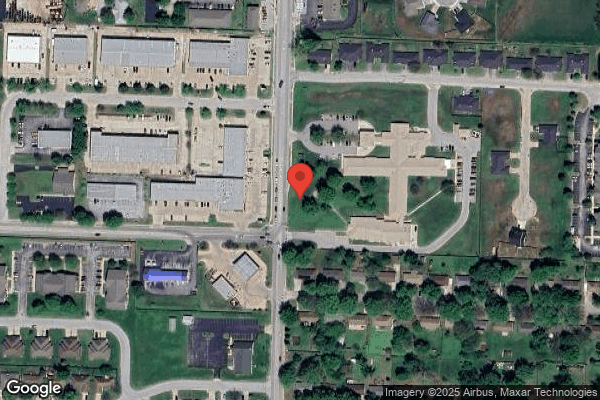
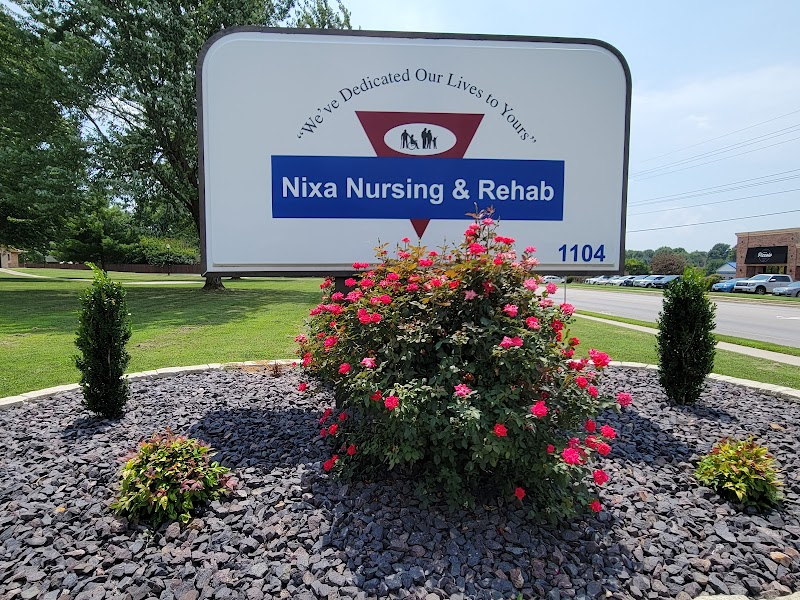
1104 NORTH MAIN STREET, NIXA, MO 65714 (417) 725-1777
For profit - Corporation 82 Beds JAMES & JUDY LINCOLN Data: November 2025
Trust Grade
80/100
#106 of 479 in MO
Last Inspection: July 2024

Within standard 12-15 month inspection cycle. Federal law requires annual inspections.

Overview

Nixa Nursing & Rehab has a Trust Grade of B+, indicating that it is above average and recommended for families considering this facility. It ranks #106 out of 479 nursing homes in Missouri, placing it in the top half, and is the top-rated facility among the three nursing homes in Christian County. The facility's trend is stable, with the same number of issues reported in both 2022 and 2024. While staffing is a concern with a rating of 2 out of 5 and a turnover rate of 54%, which is slightly better than the state average, the facility has no fines on record, which is a positive sign. However, there have been specific incidents, such as inconsistent documentation of CPR preferences for multiple residents and medication errors involving insulin administration that could raise concerns about care quality. Overall, while Nixa Nursing & Rehab has strengths in its trust grade and fine history, the staffing issues and medication management errors indicate areas needing improvement.

Trust Score
B+
80/100
In Missouri
#106/479
Top 22%
Safety Record
Low Risk
No red flags
Inspections
Holding Steady
3 → 3 violations
Staff Stability
⚠ Watch
54% turnover. Above average. Higher turnover means staff may not know residents' routines.
Penalties
✓ Good
No fines on record. Clean compliance history, better than most Missouri facilities.
Skilled Nurses
⚠ Watch
Each resident gets only 13 minutes of Registered Nurse (RN) attention daily — below average for Missouri. Fewer RN minutes means fewer trained eyes watching for problems.
Violations
○ Average
9 deficiencies on record. Average for a facility this size. Mostly minor or procedural issues.
★★★★☆
4.0
Overall Rating
★★☆☆☆
2.0
Staff Levels
★☆☆☆☆
1.0
Care Quality
★★★★★
5.0
Inspection Score
Stable
2022: 3 issues
2024: 3 issues

The Good

  • Full Sprinkler Coverage · Fire safety systems throughout facility
  • No fines on record

Facility shows strength in fire safety.

The Bad

Staff Turnover: 54%

Near Missouri avg (46%)

Higher turnover may affect care consistency

Chain: JAMES & JUDY LINCOLN

Part of a multi-facility chain

Ask about local staffing decisions and management

The Ugly 9 deficiencies on record

Jul 2024 3 deficiencies
CONCERN (D)

Potential for Harm - no one hurt, but risky conditions existed

Report Alleged Abuse (Tag F0609)

Could have caused harm · This affected 1 resident

Based on interview and record review, the facility failed to ensure all allegations of possible misappropriation were reported to the State Survey Agency (Department of Health and Senior Services, DHS...

Read full inspector narrative →
Based on interview and record review, the facility failed to ensure all allegations of possible misappropriation were reported to the State Survey Agency (Department of Health and Senior Services, DHSS) within the required 24-hour time frame when staff failed to report an allegation of misappropriation of property made by one resident (Resident #122). The facility census was 65. Review of the facility's policy titled Reporting - Abuse Policy, undated, showed the following: -It is the policy of the facility that each resident will be free from abuse. Abuse can include verbal, mental, sexual, or physical abuse, misappropriation of resident property and exploitation, corporal punishment, or involuntary seclusion. The facility will strive to educate staff and other applicable individuals in techniques to protect all parties; -Any nursing home employee or volunteer who becomes aware of abuse, mistreatment, neglect, exploitation or misappropriation shall immediately report to the nursing home administrator; -The nursing some administrator or designee will report abuse to the state agency per State and Federal requirements. 1. Review of Resident #122's face sheet (resident's information at a quick glance) showed the following information: -admission date of 08/25/23 with readmission date of 07/05/24; -Diagnoses included sarcopenia (musculoskeletal disease in which muscle mass, strength, and performance are significantly compromised with age) and hyperlipidemia (high levels of fat in blood). Review of the resident's significant change Minimum Data Set (MDS - federally mandated assessment tool completed by facility staff), dated 04/30/24, showed the resident was cognitively intact. During an interview on 07/15/24, at 10:07 A.M., the resident said the following: -He/she did not want to answer any questions because he/she was upset; -An aide took his/her embroidery scissors from him/her a couple of weeks ago; -The scissors were taken by an aide that worked the night shift and the resident did not know the aides name; -The resident spoke with the Administrator and Social Service Director (SSD) this morning and they were not aware that the resident's scissors had been taken by an aide; -He/she likes to crochet and used the scissors to cut yarn; -The scissors had a yellow, plastic handle and the blades were very small and short; -The scissors were a gift from his/her family that had visited from out of state; -He/she had not been told he/she could not have scissors. During an interview on 07/16/24, at 10:30 A.M., the resident said the following: -He/she does not participate in activities and prefers to stay in his/her room and crochet; -No one has followed up with him/her about his/her scissors; -The resident had no scissors to cut his/her yarn. Review of the facility's July 2024 Grievance Log showed no grievances had been filed for the month of July 2024. During an interview on 07/16/24, at 11:40 A.M., the SSD said the resident came to the SSD on 07/15/24 stating that an aide had taken his/her embroidery scissors. The SSD asked the resident if he/she wanted to file a formal grievance and the resident said no. During an interview on 07/18/24, at 1:20 P.M., the Housekeeping Supervisor said the following: -The staff were told in morning meeting that the resident's scissors had been taken by an aide; -The residents aren't allowed to have regular scissors, but can have safety scissors; -The Housekeeping Supervisor gave the resident his pair of safety scissors until administration finds which aide took the resident's scissors. During an interview on 07/18/24, at 1:24 P.M., the Activities Director said the following: -The resident does not participate in group activities; -The resident crochets in his/her room; -The staff were told in morning meeting that the resident's scissors had been taken by an aide; -There was no risk associated with the resident having scissors. Review of the resident's record showed staff did not document reporting the allegation of misappropriation. Review of DHSS records showed the home did not self-report the allegation of misappropriation. During an interview on 07/23/24, at 2:00 P.M., Certified Nurse Aide (CNA) A said the following: -Misappropriation is a form of abuse and should be reported to administration; -If misappropriation was reported to CNA A, he/she reported it to the charge nurse and the chain of command; -The state required allegations of abuse, neglect, and misappropriation be reported to the state within two hours. During an interview on 07/23/24, at 2:15 P.M., Certified Medical Technician (CMT) B said the following: -If a resident reported abuse, neglect, or misappropriation to him/her, CMT B would tell the charge nurse immediately; -The state required allegations of abuse, neglect, or misappropriation to be reported to the state within two hours. During an interview on 07/23/24, at 2:11 P.M., SSD said the following: -If a resident reported abuse, neglect, or misappropriation to him/her, SSD would report it to the Administrator; -The Administrator and Director of Nursing (DON) investigate allegations; -The state required allegations of misappropriation be reported to the state within 24 hours; -There have not been any allegations of misappropriation; -The resident did report to her on 07/15/24, that an aide took his/her scissors; -He/she ask the resident if he/she wanted to file a formal grievance and the resident said no; -Staff were looking for the resident's scissors; -She did not report the misappropriation allegation to the state. During an interview on 07/23/24, at 3:45 P.M., the DON said the following: -The resident had been at the home for over a year; -The resident had scissors to use for crocheting; -There was no risk associated with the resident having scissors; -The SSD should document the allegations made by the resident; -The allegation of misappropriation should have been reported to the stated within 24 hours. During an interview on 07/23/24, at 3:52 P.M., the Administrator said the following: -During his morning rounds on 07/15/24, he was told by the resident that an aide had taken his/her scissors; -He referred the resident to the SSD to file a grievance; -Staff was made aware of the missing scissors in a morning meeting; -Staff would look for the scissors; -Reports of items taken by staff would be considered misappropriation and should be reported to the state within 24 hours.
CONCERN (D)

Potential for Harm - no one hurt, but risky conditions existed

Investigate Abuse (Tag F0610)

Could have caused harm · This affected 1 resident

Based on interview and record review, the facility failed to complete investigations of all allegations of misappropriation when staff failed to investigate one resident's (Resident #122) allegation o...

Read full inspector narrative →
Based on interview and record review, the facility failed to complete investigations of all allegations of misappropriation when staff failed to investigate one resident's (Resident #122) allegation of misappropriation. The facility census was 65. Review of the facility's policy titled Investigation, undated, showed the following: -It is the policy of this facility that reports of abuse (mistreatment, neglect, or abuse, including injuries of unknown source, exploitation, and misappropriation of property) are promptly and thoroughly investigated; -The investigation is the process used to try to determine what happened. The designated facility personnel will begin the investigation immediately. A root cause investigation and analysis will be completed; -The facility staff will complete an active search for missing item(s) including documentation of investigation; -The investigation will consist of at least the following: a review of the completed complaint report; an interview with the person or persons reporting the incident; interviews with any witnesses to the incident; a review of the resident medical record if indicated; a search of resident room (with resident permission); an interview with staff members having contact with the resident during the relevant periods or shifts of the alleged incident;, and interviews with the resident's roommate, family members and visitors. 1. Review of Resident #122's face sheet (resident's information at a quick glance) showed the following information: -admission date of 08/25/23 and readmission date of 07/05/24; -Diagnoses included sarcopenia (musculoskeletal disease in which muscle mass, strength, and performance are significantly compromised with age) and hyperlipidemia (high levels of fat in blood). Review of the resident's significant change Minimum Data Set (MDS - federally mandated assessment tool completed by facility staff), dated 04/30/24, showed the resident was cognitively intact. During an interview on 07/15/24, at 10:07 A.M., the resident said the following: -He/she did not want to answer any questions because he/she was upset; -An aide took his/her embroidery scissors from him/her a couple of weeks ago; -The scissors were taken by an aide that worked the night shift and the resident did not know the aides name; -The resident spoke with the Administrator and Social Service Director (SSD) this morning and they were not aware that the resident's scissors had been taken by an aide; -He/she likes to crochet and used the scissors to cut yarn; -The scissors had a yellow, plastic handle and the blades were very small and short; -The scissors were a gift from his/her family that had visited from out of state; -He/she had not been told he/she could not have scissors. During an interview on 07/16/24, at 10:30 A.M., the resident said the following: -He/she does not participate in activities and prefers to stay in his/her room and crochet; -No one has followed up with him/her about his/her scissors; -The resident had no scissors to cut his/her yarn. Review of the resident's record showed staff did not document investigating the allegation of misappropriation of the resident's scissors. During an interview on 07/16/24, at 11:40 A.M., the SSD said the resident came to the SSD on 07/15/24 stating that an aide had taken his/her embroidery scissors. The SSD asked the resident if he/she wanted to file a formal grievance and the resident said no. During an interview on 07/18/24, at 1:24 P.M., the Activities Director said the following: -The resident does not participate in group activities; -The resident crochets in his/her room; -The staff were told in morning meeting that the resident's scissors had been taken by an aide; -There was no risk associated with the resident having scissors. Review of the facility's July 2024 Grievance Log showed no grievances had been filed for the month of July 2024. Review of the facility records showed the facility did not provide a timely written investigation of the resident's allegation of misappropriation. During an interview on 07/23/24, at 2:00 P.M., Certified Nurse Aide (CNA) A said administration is responsible for investigating allegations of misappropriation. During an interview on 07/19/23, at 1:42 P.M., Certified Medication Tech (CMT) C said the Director of Nursing (DON) investigated allegations of misappropriation and the state would send someone to investigate. During an interview on 07/23/24, at 2:11 P.M., SSD said the administrator and Director of Nursing (DON) investigate allegations of abuse, neglect, and misappropriation. There had not been any allegations of misappropriation. The resident did report to her on 07/15/24, that an aide took his/her scissors. During an interview on 07/23/24, at 3:45 P.M., the DON said she and the Administrator were responsible for completion of investigations of abuse, neglect, exploitation, and misappropriation. The resident had been at the home for over a year and had scissors to use for crocheting. There was no risk associated with the resident having scissors. The SSD should document the allegations made by the resident. During an interview on 07/23/24, at 3:52 P.M., the Administrator said the following: -The Administrator said that during his morning rounds on 07/15/24, he was told by the resident that an aide had taken his/her scissors; -The Administrator said reports of items taken by staff were considered misappropriation.
CONCERN (E)

Potential for Harm - no one hurt, but risky conditions existed

Deficiency F0678 (Tag F0678)

Could have caused harm · This affected multiple residents

**NOTE- TERMS IN BRACKETS HAVE BEEN EDITED TO PROTECT CONFIDENTIALITY** Based on interview and record review, the facility failed to ensure each resident's choice of to receive Cardiopulmonary Resusci...

Read full inspector narrative →
**NOTE- TERMS IN BRACKETS HAVE BEEN EDITED TO PROTECT CONFIDENTIALITY** Based on interview and record review, the facility failed to ensure each resident's choice of to receive Cardiopulmonary Resuscitation (CPR - an emergency treatment that's done when someone's breathing or heartbeat has stopped) or not was consistently and clearly documented when staff documented conflicting CPR choice information for 10 residents (Resident #11, #12, #17,#23, #26, #30, #40, #41, #46 and #58) out of a sample of 16 residents. The facility census was 65. Review of the facility's policy and procedure titled, Advanced Directives from the Nursing Guidelines Manual, undated, showed the following: -The facility will respect advance directives in accordance with state law; -Upon admission of a resident to the facility, the Social Services Designee (SSD) will provide written information to the resident concerning his/her right to make decisions concerning medical care, including the right to accept or refuse medical or surgical treatment, and the right to formulate an advance directive; -Upon admission of a resident, the social services designee will inquire of the resident, and/or his/her family members, about the existence of any written advance directives; -Information about whether or not the resident has executed an advance directive shall be displayed prominently in the medical record under the advance directive tab; -Advance directives include, but are not limited to, living will (a document that specifies a resident's preferences about measures that are used to prolong life when there is a terminal prognosis) and do not resuscitate (DNR - indicates that, in case of respiratory or cardiac failure, the resident, legal guardian, healthcare proxy or representative has directed no CPR or other life saving methods are to be used; -Inquiries concerning advance directives should be referred to the SSD. 1. Review of Resident #11's face sheet (a document that gives a resident's information at a quick glance) showed the following information: -admission date of [DATE]; -The resident's code status was full code (wished to receive CPR). Review of the resident's [DATE] Physician Order Sheet (POS) showed and order, dated [DATE], for DNR status Review of the resident's care plan, dated [DATE] and reviewed on [DATE], showed the resident chose to be a DNR. Review of the facility's Code Status Book located at the nurses' desk showed the following: -The resident's admission face sheet showed the resident was a full code; -Behind the resident's admission face sheet was purple DNR sheet, dated [DATE], which directed staff to not provide CPR. 2. Review of Resident #12's face sheet showed the following information: -admission date of [DATE]; -The resident's code status was full code. Review of the resident's [DATE] POS showed an order, dated [DATE], for DNR status. Review of the resident's care plan, dated [DATE] and reviewed on [DATE], showed the resident chose to be a DNR. Review of the facility's Code Status Book located at the nurses' desk showed the following: -Resident's admission face sheet showed the resident was a full code; -Behind the resident's admission face sheet was a purple DNR sheet, dated [DATE], which directed staff to not complete CPR. 3. Review of Resident #17's face sheet showed the following information: -admission date of [DATE]; -The resident's code status was full code. Review of the resident's [DATE] POS showed an order, dated [DATE], for DNR status for the resident. Review of the resident's care plan, dated [DATE] and reviewed on [DATE], showed the resident chose to be a DNR. Review of the facility's Code Status Book located at the nurses' desk showed the following: -The resident's admission face sheet showed the resident was a full code; -Behind the resident's admission face sheet was a purple (DNR) sheet, dated [DATE], which directed staff to not provide CPR. 4. Review of Resident #23's face sheet showed the following information: -admission date of [DATE]; -The resident's code status was full code. Review of the resident's [DATE] POS showed an order, dated [DATE], for full code status . Review of the resident's care plan, dated [DATE] and reviewed on [DATE], showed the resident chose to be a DNR. Review of the facility's Code Status Book located at the nurses' desk showed the following: -The resident admission face sheet showed the resident was a full code; -Behind the resident's admission face sheet was a purple DNR sheet, dated [DATE], that directed staff to not provide CPR. 5. Review of Resident #26's face sheet showed the following information: -admission date of [DATE]; -The resident's code status was full code. Review of the resident [DATE] POS showed an order, dated [DATE], for DNR status for the resident. Review of the resident's care plan, dated [DATE] and reviewed on [DATE], showed the resident chose to be a DNR. Review of the facility's Code Status Book located at the nurses' desk showed the following: -The resident's admission face sheet showed the resident was a full code; -Behind the resident's admission face sheet was a purple DNR sheet, dated [DATE], which directed staff to not provide CPR. 6. Review of Resident #30's face sheet showed the following information: -admission date of [DATE]; -The resident's code status was full code. Review of the resident's [DATE] POS showed an order, dated [DATE], for DNR status. Review of the resident's care plan, dated [DATE] and reviewed on [DATE], showed the resident chose to be a DNR. Review of the facility's Code Status Book located at the nurses' desk showed the following: -The resident's admission face sheet showed the resident was a full code; -Behind the resident's admission face sheet was a purple DNR sheet, dated [DATE], that directed staff to not perform CPR. 7. Review of Resident #40's face sheet showed the following information: -admission date of [DATE]; -The resident's code status was full code. Review of the resident's [DATE] POS showed an order, dated [DATE], for DNR code status. Review of the resident's care plan, dated [DATE] and reviewed on [DATE], showed the resident chose to be a DNR code status. Review of the facility's Code Status Book located at the nurses' desk showed the following: -The resident's admission face sheet showed the resident was a full code; -Behind this resident's admission face sheet was a purple DNR sheet, dated [DATE], which directed staff to not perform CPR. 8. Review of Resident #41's face sheet showed the following information: -admission date of [DATE]; -The resident's code status was full code. Review of the resident's [DATE] POS showed an order, dated [DATE], for DNR status. Review of the resident's care plan, dated [DATE] and reviewed on [DATE], showed the resident chose to be a DNR code status. Review of the facility's Code Status Book located at the nurses' desk showed the following: -The resident's admission face sheet showed the resident was a full code; -Behind the resident's admission face sheet was a purple (DNR) sheet, dated [DATE], which directed staff to not perform CPR. 9. Review of Resident #46's face sheet showed the following information: -admission date of [DATE]; -The resident's code status was full code. Review of the resident's [DATE] POS showed an order, dated [DATE], for DNR code status. Review of the resident's care plan, dated [DATE] and reviewed on [DATE], showed the resident chose to be a DNR code status. Review of the facility's Code Status Book located at the nurses' desk showed the following: -The resident's admission face sheet showed the resident was a full code; -Behind the resident's admission face sheet was a purple DNR sheet, dated [DATE], which directed staff to not perform CPR. 10. Review of Resident #58's face sheet showed the following information: -admission date of [DATE]; -The resident's code status was full code. Review of the [DATE] POS showed an order, dated [DATE] for DNR code status. Review of the resident's care plan, dated [DATE] and reviewed on [DATE], showed the resident chose to be a DNR code status. Review of the facility's Code Status Book located at the nurses' desk showed the following: -The resident's admission face sheet showed the resident was a full code; -Behind the resident's admission face sheet was a purple DNR sheet, dated [DATE], which directed staff to not perform CPR. 11. During an interview on [DATE], at 3:00 P.M., the SSD said she was responsible for keeping each resident's code status up to date. She kept three binders with residents from A Hall, B Hall, and C Hall at the nurses' station with all residents from each of those halls code status, to include DNR or a full code status. The resident's face sheet and the purple advanced health directive sheet were placed in the book in alphabetical order. The book was up to date. The book was where the nurses would go to in case of an emergency to find code status. All residents' face sheets, POS, care plans, and purple sheets should be the same code status, either full code or DNR. During an interview on [DATE], at 3:25 P.M., Licensed Practical Nurse (LPN) E said the residents' advanced health care directive and code status were on the computer, on the residents' face sheets, and on the residents' physicians orders. The face sheet, the care plan, the POS, and the purple sheet should all match with either DNR or full code status. There is a book at the nurses' station that has hard copies of the residents' face sheets and DNR purple sheets which tells the nurses each resident's code status. They should match to be a full code or a DNR. He/she would look on the resident's door for a green (CPR) or red dot (DNR) or in the code status book in an emergency. During an interview on [DATE], at 3:40 P.M., the Administrator and Director of Nursing (DON) both said code status on the residents' face sheets and DNR purple sheets should match to either a full code or a DNR status. The SSD is responsible for keeping the code status books up to date. The DON and Administrator were not aware the books were not updated. Nobody was monitoring the SSD to ensure the code status books were up to date for all residents.
Sept 2022 3 deficiencies
CONCERN (E)

Potential for Harm - no one hurt, but risky conditions existed

Unnecessary Medications (Tag F0759)

Could have caused harm · This affected multiple residents

Based on observation, record review, and interview, the facility failed to ensure a medication error rate of less than 5% when the facility staff made three errors out of 26 opportunities resulting in...

Read full inspector narrative →
Based on observation, record review, and interview, the facility failed to ensure a medication error rate of less than 5% when the facility staff made three errors out of 26 opportunities resulting in an error rate of 11.53% when staff failed to prime the insulin pens for three residents (Resident #1, #2, and # 3), failed to follow manufacturer recommendations to ensure the full dose of insulin was administered for three resident(Resident #1, #2, and #3), and staff failed to ensure one resident (Resident #3) had meal intake within 30 minutes of insulin administration during two medication pass observations. The facility census was 62. Record review of a facility document titled Medication, Administration Guidelines, dated March 2015, showed the following: -It is the purpose of this facility that residents receive their medication on a timely basis and in accordance with establish policies; -The complete act of administration entails removing an individual dose from a previously dispensed, properly labeled container, verifying it with the physician's orders, giving the individual dose to the proper resident, and promptly recording the information; -Medications are given to benefit a resident's health as ordered by the physician. Record review of the facility's policy, titled Specific Medication Administration Procedures: Insulin Pen Administration Procedures, dated July 2021, showed the following: -Gather supplies needed for insulin injection; -Check 5 rights as medication is checked against the order; -Right resident, right time, right medication, right dose, and right route; -Check expiration date of the insulin pen; -Remove cap from insulin pen and check for air bubbles, particulate matter, clumps, or cloudiness; -Wash hands and put on gloves; -Clean rubber seal with an alcohol swab; -Attach pen needle to insulin pen and removed cover if not a safety needle; -Prime insulin pen prior to use; -Dial pen to 2 units; -Hold pen upright and push the button on the end of the pen so a small drop of insulin appears; -Dial insulin to the desired insulin dose to be administered to the resident; -Check 5 rights again before medication is administered; -Choose an injection site on the abdomen or thigh. Record review of the Humalog KwikPen (name brand for insulin lispro injection - fast action insulin)manufacturer's website, dated April 2020, is a man-made fast-acting insulin used to control high blood sugar in adults and children with diabetes mellitus, it is absorbed quickly and starts working in about 15 minutes after injection to lower blood sugar after meals. Instruction for use included the following: -Pull the pen cap straight off. Wipe the rubber stopper with an alcohol swab; -Check the liquid in the pen, it should look clear and colorless; -Attach a new needle, push the capped needle straight onto the pen and twist the needle on until it is tight; -Priming the pen means removing air from the needle and cartridge that may collect during normal use and ensure the pen is working correction. If the pen is not primed before each injection, too much or too little insulin may be given; -To prime the pen, turn the dose knob to select 2 units; -Hold the pen with the needle pointing up. Tap the cartridge holder gently to collect air bubbles at the top; -Continue holding the pen with needle pointing up. Push the dose knob in until it stops, and 0 is seen in the dose window. Hold the dose knob in and count to 5 slowly. A drop of insulin should be seen at the tip of the needle. If you do not see insulin, repeat priming; -Turn the dose knob to select the number of units to inject. The dose indicator should like up with the dose to be administered; -Choose the injection site, wipe the skin with an alcohol swab and let the skin dry before injection; -Insert the needle into the skin. Push the dose knob all the way in. Continue to hold the dose knob in and slowly count to 5 before removing the needle; -Pull the needle out of the skin, carefully unscrew the capped needle and dispose of needle; -Replace the pen cap and store at room temperature. Record review of the Novolog FlexPen (name brand for insulin aspart - fast acting insulin) manufacturer's website, dated October 2021, showed the product prescription is fast-acting insulin that starts to work about 15 minutes after injection, peaks in about one hour, and keeps working for two to four hours. NovoLog FlexPen is used to improve blood sugar control in adults and children with diabetes mellitus. Instructions for use included the following: -Remove the pen cap with clean hands; -Wipe the rubber stopper with an alcohol swab; -Remove the protective tab from the new needle, screw the needle lightly onto the FlexPen. It is important that the needle is put on straight; -Pull off the big outer needle cap; -Pull off the inner needle cap and throw it away; -To avoid injecting air and to ensure proper dosing turn the dose selector to 2 units; -Hold the FlexPen with the needle pointing up. Tape the cartridge gently a few time to make any air bubbles collect at the top of the cartridge; -Keep the needle pointing upwards, press the push-button all the way in, the dose selector returns to 0, a drop of insulin should appear at the needle tip, if not change the needle and complete the process again; -Turn the dose selector to the number of units to be injected. The pointer should line up with the dose; -Insert the needle into the skin. Inject by pressing the push-button all the way in until the 0 lines up with the pointer; -Keep the needle in the skin for at least 6 seconds, and keep the push-button pressed all the way in until the needle has been pulled out from the skin. This will make sure that the full dose has been given; -Carefully remove the needle and place it in a disposal container; -Put the cap back on the FlexPen and store at room temperature. 1. Record review of Resident #1's face sheet (brief resident information sheet) showed the following information: -admission date of 8/29/2022; -Diagnosis included type 2 diabetes mellitus (chronic condition that affects the way the body processes blood sugar (glucose)) with other specified complication. Record review of the resident's current physician's orders showed the following information: -An order, dated 8/29/2022, for Humalog KwikPen Insulin 100 units/milliliter (ml) Pen, administer subcutaneous (under the skin) per sliding scale before meals per sliding scale of; -If blood sugar is less than 70 milligrams/deciliter (mg/dL) call the physician; -If blood sugar is 140 to 175 mg/dL, administer one unit of insulin; -If blood sugar is 176 to 200 mg/dL, administer two units of insulin; -If blood sugar is 201 to 250 mg/dL, administer three units of insulin; -If blood sugar is 251 to 299 mg/dL, administer five units of insulin; -If blood sugar is 300 to 350 mg/dL, administer seven units of insulin; -If blood sugar is greater than 350 mg/dL, call the physician. During an observation on 9/15/2022, at 11:25 A.M., Licensed Practical Nurse (LPN) A put on gloves, removed the cap from the Humalog KwikPen, wiped the stopper with an alcohol wipe, and put on a new needle. Without priming the pen, the LPN turned the dial to the 1 indicator mark (one unit of insulin for blood sugar of 147 mg/dL). He/she entered the resident's room and used an alcohol wipe to clean the resident's abdomen. The LPN injected 1 unit of Humalog in the resident's abdomen. He/she did not wait any length of time after injecting the medication before removing the needle from the resident's abdomen. He/she returned to the medication cart, removed the needle, and entered the required information into the resident's medication administration record. During observation on 9/15/2022, at 12:04 P.M., the resident received his/her meal tray in his/her room (39 minutes after insulin administration). 2. Record review of Resident #2's face sheet showed the following information: -admission date of 1/18/2018; -Diagnosis included type 2 diabetes mellitus with diabetic cataract (high blood sugar (blood glucose) levels over time can lead to structural changes in the lens of the eye that can accelerate the development of cataracts). Record review of the resident's current physician's orders showed the following information: -An order, dated 8/16/2022, for Humalog KwikPen Insulin 100 unit/ml administer subcutaneous per sliding scale before meals and at bedtime per a sliding scale of: -If blood sugar less than 60 mg/dL, call physician; -If blood sugar is 0 to 139 mg/dL, administer 0 units of insulin; -If blood sugar is 140 to 199 mg/dL, administer 2 units of insulin; -If blood sugar is 200 to 249 mg/dL, administer 4 units of insulin; -If blood sugar is 250 to 299 mg/dL, administer 6 units of insulin; -If blood sugar is 300 to 349 mg/dL, administer 8 units of insulin; -If blood sugar is greater than 349 mg/dL, administer 10 units of insulin; -If blood sugar is greater than 400 mg/dL, call the physician. During an observation on 9/15/2022, at 11:35 A.M., LPN A put on gloves, removed the cap from the Humalog KwikPen, wiped the stopper with an alcohol wipe, and put on a new needle. Without priming the pen, the LPN turned the dial to the 8 indicator mark (8 units for blood sugar of 326 mg/dL). He/she entered the resident's room and used an alcohol wipe to clean the resident's abdomen. The LPN injected 8 units of Humalog in the resident's abdomen. He/she did not wait any length of time after injecting the medication before removing the needle from the resident's abdomen. He/she returned to the medication cart, removed the needle, and entered the required information into the resident's medication administration record. During observation on 9/15/2022, at 12:10 P.M., the resident received his/her meal tray in his/her room (35 minutes after insulin administration). 3. Record review of Resident #3's face sheet showed the following information: -admission date of 7/12/2022; -Diagnosis included type 2 diabetes mellitus with unspecified complications. Record review of the resident's current physician's orders showed the following information: -An order, dated 7/12/2022, for Novolog FlexPen insulin 100 units/ml, administer 10 units subcutaneous three times per day; -An order, dated 7/12/2022, for Novolog FlexPen insulin 100 unit, administer subcutaneous per sliding scale before meals and at bedtime per a sliding scale of: -If blood sugar is 140 to 199 mg/dL, administer 2 units of insulin; -If blood sugar is 200 to 249 mg/dL, administer 4 units of insulin; -If blood sugar is 250 to 299 mg/dL, administer 6 units of insulin; -If blood sugar is 300 to 349 mg/dL, administer 8 units of insulin; -If blood sugar is greater than 349 mg/dL, administer 10 units of insulin. During an observation on 9/15/2022, at 11:45 A.M., LPN A put on gloves, removed the cap from the Novolog FlexPen, wiped the stopper with an alcohol wipe, and put on a new needle. Without priming the pen, the LPN turned the dial to the 12 indicator mark (scheduled 10 units plus 2 units for blood sugar of 174 mg/dL). He/she entered the resident's room and used an alcohol wipe to clean the resident's abdomen. The LPN injected 12 units of Humalog in the resident's abdomen. He/she did not wait any length of time after injecting the medication before removing the needle from the resident's abdomen. He/she returned to the medication cart, removed the needle, and entered the required information into the resident's medication administration record. During observation on 9/15/2022, at 12:45 P.M., the resident received his/her meal tray in the main dining room (one hour after insulin administration). Staff did not offer or provide a snack before the resident received his/her meal. During observation on 9/16/2022, at 11:27 A.M., LPN B prepared insulin for the resident, primed the pen, dialed the insulin and administered 12 units of Novolog for blood sugar of 169 mg/dL. During observation on 9/16/2022, at 1:00 P.M., the resident received his/her meal tray in the main dining room (one hour and thirty-three minutes after insulin administration). Staff did not offer or provide a snack before the resident received his/her meal. 4. During an interview on 9/15/2022, at 11:48 A.M., LPN A said that he/she normally had insulin administration completed by 11:30 A.M. so that he/she could go to lunch and get back to help residents in the dining room. 5. During an interview on 9/16/2022, at 8:40 A.M., LPN C said that he/she administers resident lunch time insulin between 11:00 A.M. and 11:30 A.M., so he/she can be back to help staff in the dining room. 6. During an interview on 9/16/2022, at 2:00 P.M., LPN B said that the process to use an insulin pen included: -Staff should verify the resident and the medication and the dose; -Clean the rubber stopper with alcohol wipe, apply pen needle; -Prime pen to 2 units and then dial up the amount after verify with orders; -When administering insulin, hold in resident skin for up to 10 seconds. -Staff prime the pen to ensure there is no air in the needle otherwise the dose would not be accurate. 7. During an interview on 9/16/2022, at 2:10 P.M., LPN C and LPN D said the proper process to administer insulin given by pen was to remove the cap, wipe the rubber stopper with alcohol, apply a new needle, prime the pen with 2 units, then dial the pen to the ordered dose and administer to the patient skin. They said that staff should hold the pen in resident skin for approximately 10 seconds to ensure the resident receives the full dose. 8. During an interview on 9/16/2022, at 2:24 P.M., LPN E said that staff should always prime the insulin pens with 2 units to ensure proper dosing. He/she said that if resident was to receive 1 unit of insulin and the pen was not primed the resident probably did not receive any insulin. 9. During an interview on 9/16/2022, at 2:53 P.M., the Director of Nursing (DON) said the following: -For insulin administration by insulin pens, the staff should clean the stopper with the alcohol, prime the pen with 2 units, and then dial the dose due to resident. She said that this is required because there will be air in the needle if not primed. Staff would not know if a resident received the appropriate dose if the needle is not primed.; -Residents should have their meal within 30 minutes of an insulin injection, if it would be longer than 30 minutes the resident should be provided a snack; -Staff hold the insulin pen in the place for 10 seconds to ensure the proper dose was received before removing from skin. 10. During an interview on 9/16/2022, at 2:53 P.M., the Administrator agreed with the DON instructions for the staff providing insulin.
CONCERN (E)

Potential for Harm - no one hurt, but risky conditions existed

Deficiency F0760 (Tag F0760)

Could have caused harm · This affected multiple residents

Based on observation, record review, and interview, the facility failed to ensure residents were free of significant medication errors when staff failed to prime the insulin pens for three residents (...

Read full inspector narrative →
Based on observation, record review, and interview, the facility failed to ensure residents were free of significant medication errors when staff failed to prime the insulin pens for three residents (Resident #1, #2, and # 3) during one medication pass observation and failed to follow manufacturer recommendations to ensure the full dose of insulin was administered for three residents during two mediation pass observations (Resident #1, #2, and #3).The facility census was 62. Record review of a facility document titled Medication, Administration Guidelines, dated March 2015, showed the following: -It is the purpose of this facility that residents receive their medication on a timely basis and in accordance with establish policies; -The complete act of administration entails removing an individual dose from a previously dispensed, properly labeled container, verifying it with the physician's orders, giving the individual dose to the proper resident, and promptly recording the information; -Medications are given to benefit a resident's health as ordered by the physician. Record review of the facility's policy, titled Specific Medication Administration Procedures: Insulin Pen Administration Procedures, dated July 2021, showed the following: -Gather supplies needed for insulin injection; -Check 5 rights as medication is checked against the order; -Right resident, right time, right medication, right dose, and right route; -Check expiration date of the insulin pen; -Remove cap from insulin pen and check for air bubbles, particulate matter, clumps, or cloudiness; -Wash hands and put on gloves; -Clean rubber seal with an alcohol swab; -Attach pen needle to insulin pen and removed cover if not a safety needle; -Prime insulin pen prior to use; -Dial pen to 2 units; -Hold pen upright and push the button on the end of the pen so a small drop of insulin appears; -Dial insulin to the desired insulin dose to be administered to the resident; -Check 5 rights again before medication is administered; -Choose an injection site on the abdomen or thigh. Record review of the Humalog KwikPen (name brand for insulin lispro injection - fast action insulin)manufacturer's website, dated April 2020, is a man-made fast-acting insulin used to control high blood sugar in adults and children with diabetes mellitus, it is absorbed quickly and starts working in about 15 minutes after injection to lower blood sugar after meals. Instruction for use included the following: -Pull the pen cap straight off. Wipe the rubber stopper with an alcohol swab; -Check the liquid in the pen, it should look clear and colorless; -Attach a new needle, push the capped needle straight onto the pen and twist the needle on until it is tight; -Priming the pen means removing air from the needle and cartridge that may collect during normal use and ensure the pen is working correction. If the pen is not primed before each injection, too much or too little insulin may be given; -To prime the pen, turn the dose knob to select 2 units; -Hold the pen with the needle pointing up. Tap the cartridge holder gently to collect air bubbles at the top; -Continue holding the pen with needle pointing up. Push the dose knob in until it stops, and 0 is seen in the dose window. Hold the dose knob in and count to 5 slowly. A drop of insulin should be seen at the tip of the needle. If you do not see insulin, repeat priming; -Turn the dose knob to select the number of units to inject. The dose indicator should like up with the dose to be administered; -Choose the injection site, wipe the skin with an alcohol swab and let the skin dry before injection; -Insert the needle into the skin. Push the dose knob all the way in. Continue to hold the dose knob in and slowly count to 5 before removing the needle; -Pull the needle out of the skin, carefully unscrew the capped needle and dispose of needle; -Replace the pen cap and store at room temperature. Record review of the Novolog FlexPen (name brand for insulin aspart - fast acting insulin) manufacturer's website, dated October 2021, showed the product prescription is fast-acting insulin that starts to work about 15 minutes after injection, peaks in about one hour, and keeps working for two to four hours. NovoLog FlexPen is used to improve blood sugar control in adults and children with diabetes mellitus. Instructions for use included the following: -Remove the pen cap with clean hands; -Wipe the rubber stopper with an alcohol swab; -Remove the protective tab from the new needle, screw the needle lightly onto the FlexPen. It is important that the needle is put on straight; -Pull off the big outer needle cap; -Pull off the inner needle cap and throw it away; -To avoid injecting air and to ensure proper dosing turn the dose selector to 2 units; -Hold the FlexPen with the needle pointing up. Tape the cartridge gently a few time to make any air bubbles collect at the top of the cartridge; -Keep the needle pointing upwards, press the push-button all the way in, the dose selector returns to 0, a drop of insulin should appear at the needle tip, if not change the needle and complete the process again; -Turn the dose selector to the number of units to be injected. The pointer should line up with the dose; -Insert the needle into the skin. Inject by pressing the push-button all the way in until the 0 lines up with the pointer; -Keep the needle in the skin for at least 6 seconds, and keep the push-button pressed all the way in until the needle has been pulled out from the skin. This will make sure that the full dose has been given; -Carefully remove the needle and place it in a disposal container; -Put the cap back on the FlexPen and store at room temperature. 1. Record review of Resident #1's face sheet (brief resident information sheet) showed the following information: -admission date of 8/29/2022; -Diagnosis included type 2 diabetes mellitus (chronic condition that affects the way the body processes blood sugar (glucose)) with other specified complication. Record review of the resident's current physician's orders showed the following information: -An order, dated 8/29/2022, for Humalog KwikPen Insulin 100 units/milliliter (ml) Pen, administer subcutaneous (under the skin) per sliding scale before meals per sliding scale of; -If blood sugar is less than 70 milligrams/deciliter (mg/dL) call the physician; -If blood sugar is 140 to 175 mg/dL, administer one unit of insulin; -If blood sugar is 176 to 200 mg/dL, administer two units of insulin; -If blood sugar is 201 to 250 mg/dL, administer three units of insulin; -If blood sugar is 251 to 299 mg/dL, administer five units of insulin; -If blood sugar is 300 to 350 mg/dL, administer seven units of insulin; -If blood sugar is greater than 350 mg/dL, call the physician. During an observation on 9/15/2022, at 11:25 A.M., Licensed Practical Nurse (LPN) A put on gloves, removed the cap from the Humalog KwikPen, wiped the stopper with an alcohol wipe, and put on a new needle. Without priming the pen, the LPN turned the dial to the 1 indicator mark (one unit of insulin for blood sugar of 147 mg/dL). He/she entered the resident's room and used an alcohol wipe to clean the resident's abdomen. The LPN injected 1 unit of Humalog in the resident's abdomen. He/she did not wait any length of time after injecting the medication before removing the needle from the resident's abdomen. He/she returned to the medication cart, removed the needle, and entered the required information into the resident's medication administration record. 2. Record review of Resident #2's face sheet showed the following information: -admission date of 1/18/2018; -Diagnosis included type 2 diabetes mellitus with diabetic cataract (high blood sugar (blood glucose) levels over time can lead to structural changes in the lens of the eye that can accelerate the development of cataracts). Record review of the resident's current physician's orders showed the following information: -An order, dated 8/16/2022, for Humalog KwikPen Insulin 100 unit/ml administer subcutaneous per sliding scale before meals and at bedtime per a sliding scale of: -If blood sugar less than 60 mg/dL, call physician; -If blood sugar is 0 to 139 mg/dL, administer 0 units of insulin; -If blood sugar is 140 to 199 mg/dL, administer 2 units of insulin; -If blood sugar is 200 to 249 mg/dL, administer 4 units of insulin; -If blood sugar is 250 to 299 mg/dL, administer 6 units of insulin; -If blood sugar is 300 to 349 mg/dL, administer 8 units of insulin; -If blood sugar is greater than 349 mg/dL, administer 10 units of insulin; -If blood sugar is greater than 400 mg/dL, call the physician. During an observation on 9/15/2022, at 11:35 A.M., LPN A put on gloves, removed the cap from the Humalog KwikPen, wiped the stopper with an alcohol wipe, and put on a new needle. Without priming the pen, the LPN turned the dial to the 8 indicator mark (8 units for blood sugar of 326 mg/dL). He/she entered the resident's room and used an alcohol wipe to clean the resident's abdomen. The LPN injected 8 units of Humalog in the resident's abdomen. He/she did not wait any length of time after injecting the medication before removing the needle from the resident's abdomen. He/she returned to the medication cart, removed the needle, and entered the required information into the resident's medication administration record. 3. Record review of Resident #3's face sheet showed the following information: -admission date of 7/12/2022; -Diagnosis included type 2 diabetes mellitus with unspecified complications. Record review of the resident's current physician's orders showed the following information: -An order, dated 7/12/2022, for Novolog FlexPen insulin 100 units/ml, administer 10 units subcutaneous three times per day; -An order, dated 7/12/2022, for Novolog FlexPen insulin 100 unit, administer subcutaneous per sliding scale before meals and at bedtime per a sliding scale of: -If blood sugar is 140 to 199 mg/dL, administer 2 units of insulin; -If blood sugar is 200 to 249 mg/dL, administer 4 units of insulin; -If blood sugar is 250 to 299 mg/dL, administer 6 units of insulin; -If blood sugar is 300 to 349 mg/dL, administer 8 units of insulin; -If blood sugar is greater than 349 mg/dL, administer 10 units of insulin. During an observation on 9/15/2022, at 11:45 A.M., LPN A put on gloves, removed the cap from the Novolog FlexPen, wiped the stopper with an alcohol wipe, and put on a new needle. Without priming the pen, the LPN turned the dial to the 12 indicator mark (scheduled 10 units plus 2 units for blood sugar of 174 mg/dL). He/she entered the resident's room and used an alcohol wipe to clean the resident's abdomen. The LPN injected 12 units of Humalog in the resident's abdomen. He/she did not wait any length of time after injecting the medication before removing the needle from the resident's abdomen. He/she returned to the medication cart, removed the needle, and entered the required information into the resident's medication administration record. 4. During an interview on 9/16/2022, at 2:00 P.M., LPN B said that the process to use an insulin pen included: -Staff should verify the resident and the medication and the dose; -Clean the rubber stopper with alcohol wipe, apply pen needle; -Prime pen to 2 units and then dial up the amount after verify with orders; -When administering insulin, hold in resident skin for up to 10 seconds. -Staff prime the pen to ensure there is no air in the needle otherwise the dose would not be accurate. 5. During an interview on 9/16/2022, at 2:10 P.M., LPN C and LPN D said the proper process to administer insulin given by pen was to remove the cap, wipe the rubber stopper with alcohol, apply a new needle, prime the pen with 2 units, then dial the pen to the ordered dose and administer to the patient skin. They said that staff should hold the pen in resident skin for approximately 10 seconds to ensure the resident receives the full dose. 6. During an interview on 9/16/2022, at 2:24 P.M., LPN E said that staff should always prime the insulin pens with 2 units to ensure proper dosing. He/she said that if resident was to receive 1 unit of insulin and the pen was not primed the resident probably did not receive any insulin. 7. During an interview on 9/16/2022, at 2:53 P.M., the Director of Nursing (DON) said the following: -For insulin administration by insulin pens, the staff should clean the stopper with the alcohol, prime the pen with 2 units, and then dial the dose due to resident. She said that this is required because there will be air in the needle if not primed. Staff would not know if a resident received the appropriate dose if the needle is not primed.; -Staff hold the insulin pen in the place for 10 seconds to ensure the proper dose was received before removing from skin. 8. During an interview on 9/16/2022, at 2:53 P.M., the Administrator agreed with the DON instructions for the staff providing insulin.
MINOR (C)

Minor Issue - procedural, no safety impact

Staffing Information (Tag F0732)

Minor procedural issue · This affected most or all residents

Based on observation and interview, the facility failed to post daily nurse staffing information, in a clear and readable format, in a prominent place readily accessible to residents and visitors. The...

Read full inspector narrative →
Based on observation and interview, the facility failed to post daily nurse staffing information, in a clear and readable format, in a prominent place readily accessible to residents and visitors. The facility census was 62. 1. Observation on 9/12/2022, at 1:25 P.M., showed the nurse staffing information not posted at the nurses' station, the front desk, or any other common areas. Observation on 9/13/2022, at 10:53 A.M., showed the nurse staffing information not posted at the nurses' station, the front desk, or any other common areas. Observation on 9/14/2022, at 11:39 A.M., showed the nurse staffing information not posted at the nurses' station, the front desk, or any other common areas. Observation on 9/15/2022, at 2:22 P.M., showed the nurse staffing information not posted at the nurses' station, the front desk, or any other common areas. Observation on 9/16/2022, at 10:39 A.M., showed the nurse staffing information on a clipboard at the nurses' station and behind the daily staff schedule. Information included the facility name, date, census, and staffing hours worked. This information was not available for public review without requesting from staff. During an interview on 9/16/2022, at 2:27 P.M., Licensed Practical Nurse (LPN) C said that the daily schedule is on a clipboard at the nurses' desk. The staff add the census hours daily by using the daily schedule. The schedule and form are not posted anywhere for residents and visitors to view. During an interview on 9/15/2022, at 2:36 P.M., the Director of Nursing (DON) said that the nurse staffing schedule is at the nurses' desk and was not posted on any wall. The night shift prepares the form and the staff updated the hours with each shift. The residents and visitors can ask to see the schedule. During an interview on 9/16/2022, at 3:15 P.M., the Administrator said that the nurse staffing posting had been taken down during remodeling and had been placed on a clipboard at the nurses' desk.
Sept 2019 3 deficiencies
CONCERN (D)

Potential for Harm - no one hurt, but risky conditions existed

Transfer Notice (Tag F0623)

Could have caused harm · This affected 1 resident

Based on record review and interview, the facility failed to notify the resident and the resident's representative in writing of a transfer or discharge to the hospital, including the reason for the t...

Read full inspector narrative →
Based on record review and interview, the facility failed to notify the resident and the resident's representative in writing of a transfer or discharge to the hospital, including the reason for the transfer for two residents (Resident #19 and Resident #48), and failed to provide the ombudsman (a resident advocate who provides support and assistance with problems and/or complaints regarding the facility) a copy of the notification for two residents (Resident #19 and Resident #48). A sample of 16 residents selected for review. The facility census was 47. Record review of the facility policy titled, Discharge/Transfer of Resident, dated March 2015, showed the following information: -Obtain physician order for transfer unless it is a 991 emergency; -Explain transfer and reason to the resident and/or representative and give copy of signed transfer or discharge notice to the resident and/or representative or person responsible for care. NOTE: If emergency transfer, transfer or discharge notice form may be completed later, but as soon as possible; -Explain and give a copy of bed hold form to resident and/or representative; -Complete transfer form, copy any portion of medical record necessary for care of resident; -Send original of transfer form and portions of medical record that was copied with resident; -Notify business office/ administration of discharge; -Notify dietary department of discharge. Record review of a blank Emergency Transfer Notice (provided by the facility when the facility policy for facility initiated emergency transfers to the hospital requested) showed the following information for staff to complete for emergency transfer to the hospital: -Date; -Resident name; -Responsible party/representative name and address; -This letter is to serve as your emergency notice of transfer to the hospital due to your need for urgent medical care which cannot be met in the facility. Federal regulation 42 CFR 483.15(c) (4)(i)(D) states in relevant part that Notice must be made as soon as practicable before transfer or discharge when an immediate transfer or discharge is required by the resident's urgent medical needs; -The effective date of transfer; -Ombudsman's information, telephone number, and email address; -Transfer location; -Administrator signature; -Ombudsman [NAME] City address and telephone number. Record review of a blank Transfer Notice Log (provided by the facility when the facility policy for facility initiated transfers requested) showed the following information for staff to complete for transfer notice to the ombudsman: -Regional Ombudsman Representative name, address; -Facility name; -Month of; -To be mailed/faxed to ombudsman monthly; -Date sent; -Resident name, transferred to, date of notice given, and notes. 1. Record review of Resident #19's nurses' notes showed the following information: -On 5/28/19, at 5:40 P.M., staff notified the nurse that the resident had been lethargic (appear to have little or no energy, drowsy or sluggish) and had moderate amount of nasal drainage and could not be woken up. Staff obtained the resident's vital signs, including temperature 103.6 degrees, pulse 86, respirations 21, and blood pressure 110/66. Staff contacted the physician to inform him/her of the resident's symptoms and reported the chest x-ray results. The physician gave an order to send the resident to the hospital for evaluation and treatment; -At 5:45 P.M., staff contacted the paramedics; -At 6:05 P.M., the paramedics loaded the resident into the ambulance and transported him/her to the hospital; -At 6:10 P.M., the staff called and left a message for the resident's family member regarding the resident; -On 5/31/19, at 2:00 P.M., the resident returned to the facility by transport in a wheelchair. He/she joked with the attendants. Staff checked the resident's vital signs and assessed the resident's blood pressure as 152/84, pulse 76, respirations 18, and temperature 98.4. Staff notified the physician of the resident's admission to the facility; -On 6/1/19, at 10:14 A.M., staff called and left a message for the resident's family member regarding the readmission to the facility and antibiotic orders. Record review of the resident's medical record did not show any written notice sent to the resident or resident's responsible party or to the ombudsman regarding the transfer on 5/28/19. 2. Record review of Resident #48's nurses' notes showed the following information: -On 6/26/19, at 2:06 A.M., staff notified the nurse practitioner (NP) of the resident's oxygen (O2) saturation (measurement of blood oxygen level) at 75% on 4 liters of oxygen. The resident's vital signs included: temperature 96.9, pulse 88, respirations 22-24, blood pressure 104/58. Staff administered a Duoneb treatment (a combination of medications used to treat symptoms such as wheezing and shortness of breath) at 1:30 A.M. The NP stated to call the family member to see if he/she wanted the resident treated at the facility or at the hospital. Staff contacted the family member and notified him/her of the resident's condition. The family member said he/she would come to the facility and see the resident and make the decision at that time; -At 2:25 A.M., the family member saw the resident and requested treatment at the hospital; -At 2:35 A.M., staff called and requested ambulance service; -At 2:51 A.M., staff gave the resident's paperwork to the ambulance personnel. The family member followed behind the ambulance to the emergency room. Record review of the resident's medical record did not show any written notice sent to the resident or resident's responsible party or to the ombudsman regarding the transfer on 6/26/19. 3. During an interview on 9/26/19, at 10:20 A.M., the Director of Nursing (DON) said the nurses complete the discharge or transfer paperwork and give a copy to the resident and put a copy in the social service's box. The Ombudsman is sent a notice once a month of resident transfers and discharges. 4. During an interview on 9/26/19, at 10:35 A.M., the Social Services Director (SSD) said the nurses give a copy of the transfer notice to the resident when being sent to the hospital and place a copy in the SSD box. He/she keeps these copies on file in the SSD office and sends a monthly notice to the Ombudsman. He/she did not receive a copy of the transfer notice for Resident #19 in May or Resident #48 in June, therefore a notice was not sent to the Ombudsman. The SSD said sometimes the notice gets filed in the resident's chart and will go check. -At 10:56 A.M., the SSD said he/she did not locate a copy of the hospital notice in either resident's chart.
CONCERN (D)

Potential for Harm - no one hurt, but risky conditions existed

Deficiency F0625 (Tag F0625)

Could have caused harm · This affected 1 resident

Based on interview and record review, the facility failed to inform residents and families/legal representatives of the facility bed hold protocol at the time of transfer to the hospital for two resid...

Read full inspector narrative →
Based on interview and record review, the facility failed to inform residents and families/legal representatives of the facility bed hold protocol at the time of transfer to the hospital for two residents (Resident #19 and #48). A sample of 16 residents selected for review. The facility census was 47. Record review of the facility's undated policy titled, Bed Hold Guidelines, showed the following information: -The facility will notify all residents and/or their representative of the bed hold guidelines. This information shall be given on admission to the facility, at the time of transfer to the hospital, and at the time of non-covered therapeutic leave; -The facility guidelines for bed holds are as follows: -Medicare Part A-Medicare does not pay for any type of bed hold. If the resident is discharged to the hospital, or goes out for over-night leave of absence, the bed may be held by paying the current room rate for the bed being reserved; -Medicaid-Medicaid will pay for 12 over-night leaves of absence during the six month period of January 1 through June 30, and 12 over-night leaves of absence during the six month period of July 1 through December 31. If the resident exceeds the allowable number of over-night leaves of absence, the bed may be held by paying the current Medicaid rate for each non-covered day; -Private pay-Private pay residents discharged to the hospital or going on over-night leave of absence may reserve their bed by paying the current rate for the bed being reserved; -If the resident or resident representative wants to hold the bed, a signed authorization must be obtained with each discharge. Signed authorization must be received within 24 hours of the discharge if it occurs during the week. Signed authorization must be received by the first business day following the discharge if it occurs on the weekend or holiday; -If the resident or resident representative does not choose to hold the bed, the bed will be released and any personal belongings must be picked up within three days; -Bed holds are strictly voluntary. If the bed is not held and is not available when the resident wants to be re-admitted , the resident's name will be placed on a waiting list for the next available bed; -If the resident or resident representative doses not choose to hold the bed and pay the room rate to hold the bed, the resident or resident representative will have released the bed and any personal belongings must be picked up within three days; -If the resident or resident representative want to hold the bed, a signed authorization of the Bed Hold Selection Notice must be obtained with each physician approved hospitalization or therapeutic leave of absence. Signed authorization must be received within 48 hours of transfer or leave. Record review of the facility policy titled, Discharge/Transfer of Resident, dated March 2015, showed the following information: -Obtain physician order for transfer unless it is a 991 emergency; -Explain transfer and reason to the resident and/or representative and give copy of signed transfer or discharge notice to the resident and/or representative or person responsible for care. NOTE: If emergency transfer, transfer or discharge notice form may be completed later, but as soon as possible; -Explain and give copy of bed hold form to resident and/or representative; -Complete transfer form, copy any portion of the medical record necessary for the care of the resident; -Send original of transfer form and portions of medical record that was copied with the resident; -Notify business office/ administration of discharge; -Notify dietary department of discharge. 1. Record review of Resident #19's nurses' notes showed the following information: -On 5/28/19, at 5:40 P.M., staff notified the nurse the resident had been lethargic (appear to have little or no energy, drowsy or sluggish) and had moderate amount of nasal drainage and could not be woke up. Staff completed the resident's vital signs, including a temperature of 103.6, pulse 86, respirations 21, blood pressure 110/66. Staff called the physician and informed him/her of the resident's symptoms and to report the chest x-ray results. The physician gave an order to send the resident to the hospital for evaluation and treatment. -At 5:45 P.M., staff called the paramedics; -At 6:05 P.M., staff loaded the resident into the ambulance and transported the resident to the hospital; -At 6:10 P.M., staff called and left a message for the resident's family member regarding the resident; -On 5/31/19, at 2:00 P.M., the resident returned to the facility by transport in a wheelchair. Staff notified the physician of the resident's return admission to the facility; -On 6/1/19, at 10:14 A.M., staff called and left a message for the resident's family member of the readmission to the facility and antibiotic orders. Record review of the resident's medical record did not show any bed hold notice given to the resident or resident's responsible party during the transfer on 5/28/19. 2. Record review of Resident #48's nurses' notes showed the following information: -On 6/26/19, at 2:06 A.M., staff notified the nurse practitioner (NP) of oxygen (O2) saturations (measurement of blood oxygen level) at 75% on 4 liters (L) of oxygen. The resident's vital signs included temperature 96.9, pulse 88, respirations 22-24, and blood pressure 104/58. Staff administered a Duoneb treatment (a combination of medications used to treat symptoms such as wheezing and shortness of breath) to the resident at 1:30 A.M. The NP said to call the resident's family member to see if they wanted him/her treated at the facility or at the hospital. Staff contacted the family member about the resident's condition. The family member stated he/she would come out and see the resident, and make the decision at that time; -At 2:25 A.M., the family member saw the resident and requested treatment at the hospital; -At 2:35 A.M., staff called and requested ambulance service; -At 2:51 A.M., staff gave the resident's paperwork to the ambulance personnel. The family member followed behind the ambulance to the emergency room. Record review of the resident's medical record did not show any bed hold notice given to the resident or resident's responsible party regarding the transfer on 6/26/19. 3. During an interview on 9/26/19, at 10:20 A.M., the Director of Nursing (DON) said the nurses complete the discharge or transfer paperwork, including the bed hold notice, and give a copy to the resident and put a copy in the social service's box. 4. During an interview on 9/26/19, at 10:35 A.M., the Social Services Director (SSD) said the nurses give a copy of the transfer notice, including the bed hold notice, to the resident when being sent to the hospital and place a copy in the SSD box. He/she keeps these copies on file in the SSD office. He/she did not receive a copy of the transfer notice for Resident #19 in May or Resident #48 in June. The SSD said sometimes the notice gets filed in the resident medical record and would go check. At 10:56 A.M., the SSD said he/she did not locate a copy of the hospital notice in either resident's medical record.
CONCERN (D)

Potential for Harm - no one hurt, but risky conditions existed

Infection Control (Tag F0880)

Could have caused harm · This affected 1 resident

Based on observation, interview, and record review, the facility failed to properly disinfect glucometers (small hand-held devices that check blood glucose (sugar) levels for residents) while collecti...

Read full inspector narrative →
Based on observation, interview, and record review, the facility failed to properly disinfect glucometers (small hand-held devices that check blood glucose (sugar) levels for residents) while collecting blood glucose samples on residents with diagnoses of diabetes mellitus (a chronic disease that affects how a person's body utilizes insulin and controls glucose levels in the blood). This practice involved three residents (Resident #46, Resident #3, and Resident #11) out of a sample of three. The facility census was 47. Record review of the Centers for Disease Control and Prevention (CDC) website showed the following information: -Blood glucometers approved for use for more than one person must be cleaned and disinfected. The CDC investigated multiple outbreaks of viral hepatitis (disease affecting the liver) among residents in long-term care (LTC) communities that were attributed to shared devices and other breaks in infection-control practices related to blood glucose monitoring devices. When blood glucose monitoring devices are shared between individuals, there is a risk of transmitting viral hepatitis and other blood borne pathogens. Record review of the facility's diabetic infection control policy, dated March 2015, showed the following information: -Purpose: To prevent the spread of infection; -Environmental surfaces, such as glucometers, will be decontaminated anytime contamination with blood or body fluids is suspected using an EPA (Environmental Protection Agency)-registered disinfectant; -Multiple resident-use glucometers will be cleaned and disinfected after each use using an EPA-registered disinfectant wipe according to the container label; -Annual training on diabetic infection control and glucometer use procedure will be completed. Record review of the cleaning and disinfecting procedures for the meter (Evencare G3 Meter (name brand) showed the following information: -The glucometer should be cleaned and disinfected between each resident. The following product, MEDLINE (name brand) Micro-Kill Bleach Germicidal Bleach Wipes, have been approved for cleaning and disinfecting the glucometer; -To disinfect the glucometer, clean the meter surface with one of the approved disinfecting wipes. -Allow the surface of the meter to remain wet at room temperature for the contact time listed on the wipe's directions for use; -Wipe meter dry or allow it to air dry. Record review of the Medline Microkill Germicidal Bleach wipes directions showed the following information: -A 30 second contact time is required to kill all of the bacteria and viruses on the label except Candida Albicans (an opportunistic pathogenic (a pathogen (fungus is this case) that takes advantage of a weakened immune system) yeast that is a common member of the human gut flora. It can also survive outside the human body), which requires one minute. -Clostridium Difficile (D-Diff) (a bacteria that causes inflammation of the colon) requires three minutes. It can cause severe damage to the colon and can even be fatal. 1. Record review of Resident #3's face sheet (general resident information) showed the resident had a diagnosis of diabetes mellitus type II. Record review of the resident's September 2019 physician's orders showed the following information: -Dated 7/22/19: Humalog (name brand of insulin lispro) 100 units/milliliter (ml) per sliding scale. Administer subcutaneously (SC) (under the skin) three times a day before meals at 7:30 A.M., 12:30 P.M., and 5:30 P.M. (Blood glucose checks would be performed in order to get blood glucose results during these scheduled times). Observation on 9/25/19, at 11:54 A.M., showed Licensed Practical Nurse (LPN) A performed a blood glucose test on Resident #46 and carried the glucometer out of the room and placed it on a paper towel. LPN A wiped the glucometer off briefly with the 3-minute Microkill bleach wipe for approximately 3 seconds and replaced it on the paper towel. LPN A did not wrap the glucometer with the wipe and leave it wet for the recommended time frame. Observation on 9/25/19, at 12:00 P.M., showed LPN A performed the blood glucose test with the same improperly disinfected glucometer on Resident #3. LPN A carried the glucometer out of the resident's room and placed it on a paper towel on the medication cart. LPN A wiped the glucometer off with the three minute Microkill bleach wipe for approximately three seconds, and placed it on the paper towel on the medication cart. LPN A did not wrap the glucometer with the bleach wipe and leave it wet for the recommended time frame. Record review of Resident #11's face sheet showed the resident had a diagnosis of diabetes mellitus type II. Record review of Resident #11's September 2019 physician's orders showed the following information: -Dated 5/23/2019: Novolog (name brand of insulin aspart) 100 units/ml per sliding scale. -Administer SC three times a day before meals at 7:30 A.M., 12:30 P.M., and 5:30 P.M. Observation on 9/25/19, at 12:06 P.M., showed LPN A performed the blood glucose test with the same improperly disinfected glucometer on Resident #11. LPN A carried the glucometer out of the resident's room and placed it on a paper towel on the medication cart. LPN A wiped the glucometer off with the three minute Microkill bleach wipe for approximately three seconds, and placed it on the paper towel on the medication cart. LPN A placed the three minute Microkill bleach wipe over the glucometer in a tented position which did not make full contact with the glucometer to allow the surface to be left fully wet for the required time period. LPN A removed the wipe after approximately six minutes. During an interview on 9/26/19, at 11:04 A.M., LPN B said the following: -He/she has worked at the facility for about 11 years. -The process for glucometer cleaning was to wipe them off first, then wrap them for two minutes. -LPN B doesn't know why, but that is just the process. LPN B was trained by the facility on the process. -Every so often, the facility updates staff on the process. The process is used to keep infection and germs away. -All nurses are responsible for glucometer cleaning. The facility uses the bleach wipes. -The glucometer is to be wrapped in order to keep it moist. -LPN B thinks the policy is kept in a book at the desk. During an interview on 9/26/19, at 11:09 A.M., LPN A said he/she has worked at the facility for five years. For glucometer cleaning, the nurse completes the blood glucose testing, then wipes the glucometer off with the bleach wipe for two minutes, and then lets it air dry in case there is blood on it. The purpose is to kill all organisms for blood safety. He/she usually leaves the glucometer in the wipe and cleans it for two minutes, then lets it air dry. This is the protocol for two minutes to make sure the bleach kills germs on the glucometer. He/she thinks that is the facility policy now. He/she is pretty sure it says two minutes is required to kill everything on the container of wipes. He/she guesses they don't leave the glucometer wrapped for two minutes. It might be to air dry for two minutes. All nurses are responsible for glucometer cleaning. During an interview on 9/26/19, at 11:17 A.M., the Director of Nursing said the following: -She expects nurses to use disinfectant wipes on the glucometers after use. -They go by what the container says. She believes it is two minutes. There is a red top one and a blue top one. -She believes they use the ones with bleach in them. -Nurses should wipe down the glucometer and wrap it afterwards. -The glucometer has to stay wet for the two minute time frame, then allow it to dry. -All nurses are responsible for glucometer cleaning, and in between uses. -If they don't go by the guidelines, the glucometers could be contaminated and spread infection.
Understanding Severity Codes (click to expand)
Life-Threatening (Immediate Jeopardy)
J - Isolated K - Pattern L - Widespread
Actual Harm
G - Isolated H - Pattern I - Widespread
Potential for Harm
D - Isolated E - Pattern F - Widespread
No Harm (Minor)
A - Isolated B - Pattern C - Widespread

Questions to Ask on Your Visit

  • "Can I speak with families of current residents?"
  • "What's your RN coverage like on weekends and overnight?"

Our Honest Assessment

Strengths
  • • Grade B+ (80/100). Above average facility, better than most options in Missouri.
  • • No major safety red flags. No abuse findings, life-threatening violations, or SFF status.
  • • No fines on record. Clean compliance history, better than most Missouri facilities.
Concerns
  • • No significant concerns identified. This facility shows no red flags across CMS ratings, staff turnover, or federal penalties.
Bottom line: Generally positive indicators. Standard due diligence and a personal visit recommended.

About This Facility

What is Nixa Nursing & Rehab's CMS Rating?

CMS assigns NIXA NURSING & REHAB an overall rating of 4 out of 5 stars, which is considered above average nationally. Within Missouri, this rating places the facility higher than 99% of the state's 100 nursing homes. This rating reflects solid performance across the metrics CMS uses to evaluate nursing home quality.
How is Nixa Nursing & Rehab Staffed?

CMS rates NIXA NURSING & REHAB's staffing level at 2 out of 5 stars, which is below average compared to other nursing homes. Staff turnover is 54%, compared to the Missouri average of 46%. RN turnover specifically is 62%, which is notably high. RNs provide skilled clinical oversight, so turnover in this role can affect medical care quality.

What Have Inspectors Found at Nixa Nursing & Rehab?

State health inspectors documented 9 deficiencies at NIXA NURSING & REHAB during 2019 to 2024. These included: 8 with potential for harm and 1 minor or isolated issues.
Who Owns and Operates Nixa Nursing & Rehab?

NIXA NURSING & REHAB is owned by a for-profit company. For-profit facilities operate as businesses with obligations to shareholders or private owners. The facility is operated by JAMES & JUDY LINCOLN, a chain that manages multiple nursing homes. With 82 certified beds and approximately 75 residents (about 91% occupancy), it is a smaller facility located in NIXA, Missouri.
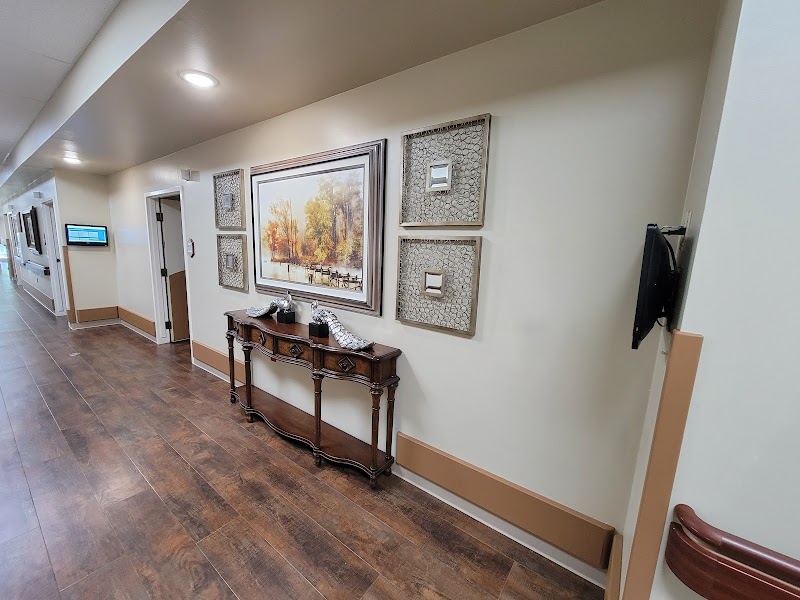
How Does Nixa Nursing & Rehab Compare to Other Missouri Nursing Homes?

Compared to the 100 nursing homes in Missouri, NIXA NURSING & REHAB's overall rating (4 stars) is above the state average of 2.5, staff turnover (54%) is near the state average of 46%, and health inspection rating (5 stars) is much above the national benchmark.

What Should Families Ask When Visiting Nixa Nursing & Rehab?

Based on this facility's data, families visiting should ask: "Can you walk me through typical staffing levels on day, evening, and night shifts?" "Can I visit during a mealtime to observe dining assistance and food quality?" "How do you handle medical emergencies, and what is your hospital transfer rate?" "Can I speak with family members of current residents about their experience?" These questions are particularly relevant given the below-average staffing rating.

Is Nixa Nursing & Rehab Safe?

Based on CMS inspection data, NIXA NURSING & REHAB has a clean safety record: no substantiated abuse findings (meaning no confirmed cases of resident harm), no Immediate Jeopardy citations (the most serious violation level indicating risk of serious injury or death), and is not on the Special Focus Facility watch list (a federal program monitoring the lowest-performing 1% of nursing homes). The facility has a 4-star overall rating and ranks #1 of 100 nursing homes in Missouri. While no facility is perfect, families should still ask about staff-to-resident ratios and recent inspection results during their visit.

Do Nurses at Nixa Nursing & Rehab Stick Around?

NIXA NURSING & REHAB has a staff turnover rate of 54%, which is 8 percentage points above the Missouri average of 46%. Moderate turnover is common in nursing homes, but families should still ask about staff tenure and how the facility maintains care continuity when employees leave.

Was Nixa Nursing & Rehab Ever Fined?

NIXA NURSING & REHAB has no federal fines on record. CMS issues fines when nursing homes fail to meet care standards or don't correct problems found during inspections. The absence of fines suggests the facility has either maintained compliance or corrected any issues before penalties were assessed. This is a positive indicator, though families should still review recent inspection reports for the full picture.

Is Nixa Nursing & Rehab on Any Federal Watch List?

NIXA NURSING & REHAB is not on any federal watch list. The most significant is the Special Focus Facility (SFF) program, which identifies the bottom 1% of nursing homes nationally based on persistent, serious quality problems. Not being on this list means the facility has avoided the pattern of deficiencies that triggers enhanced federal oversight. This is a positive indicator, though families should still review the facility's inspection history directly.