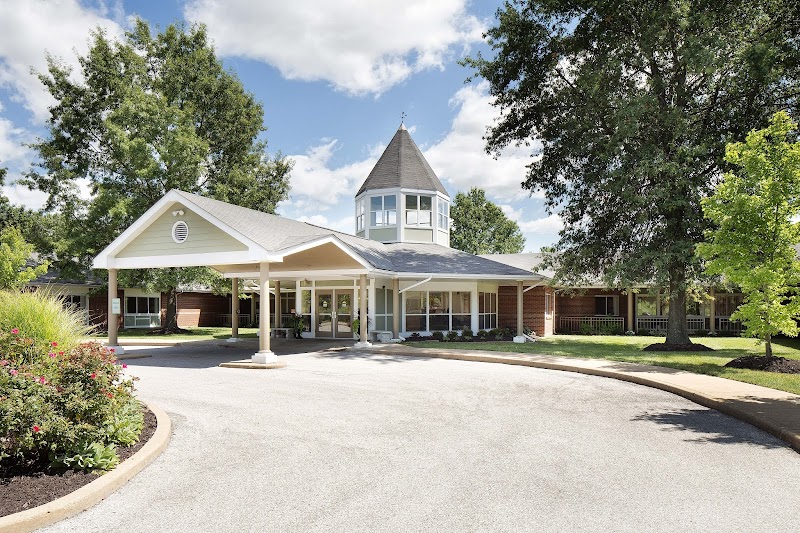
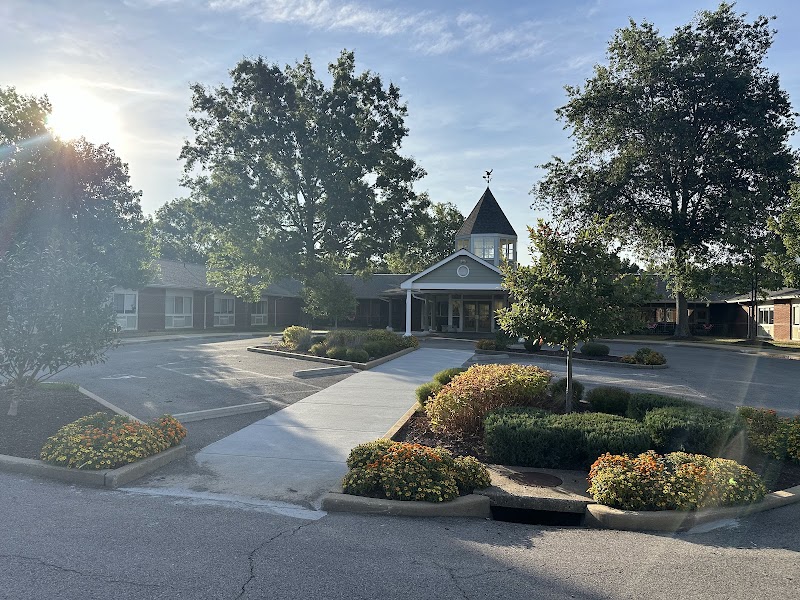
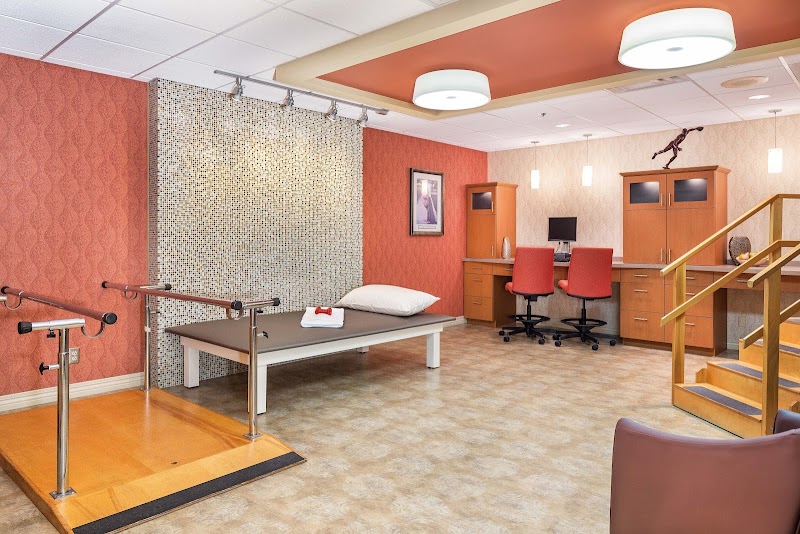
GARDEN VIEW CARE CENTER

700 GARDEN PATH, O FALLON, MO 63366 (636) 240-2840
For profit - Corporation 80 Beds Independent Data: November 2025
Trust Grade
28/100
#386 of 479 in MO
Last Inspection: January 2025

Within standard 12-15 month inspection cycle. Federal law requires annual inspections.

Overview

Garden View Care Center in O'Fallon, Missouri has a Trust Grade of F, indicating significant concerns about the quality of care provided. With a state rank of #386 out of 479, they are in the bottom half of facilities in Missouri, and #8 out of 13 in St. Charles County, meaning there are only a few local options that perform better. Although the facility shows an improving trend, reducing issues from 24 in 2023 to 14 in 2025, there have been serious incidents such as a staff member using abusive language towards a resident, which caused emotional distress. Staffing is a relative strength with a rating of 4 out of 5, though the turnover rate is 59%, which is average for the state. However, there are ongoing concerns like a failure to maintain proper hand hygiene and cleanliness in the kitchen, which can pose health risks.

Trust Score
F
28/100
In Missouri
#386/479
Bottom 20%
Safety Record
Moderate
Needs review
Inspections
Getting Better
24 → 14 violations
Staff Stability
⚠ Watch
59% turnover. Above average. Higher turnover means staff may not know residents' routines.
Penalties
✓ Good
$12,895 in fines. Lower than most Missouri facilities. Relatively clean record.
Skilled Nurses
⚠ Watch
Each resident gets only 27 minutes of Registered Nurse (RN) attention daily — below average for Missouri. Fewer RN minutes means fewer trained eyes watching for problems.
Violations
⚠ Watch
48 deficiencies on record. Higher than average. Multiple issues found across inspections.
★☆☆☆☆
1.0
Overall Rating
★★★★☆
4.0
Staff Levels
★★☆☆☆
2.0
Care Quality
★☆☆☆☆
1.0
Inspection Score
Stable
2023: 24 issues
2025: 14 issues

The Good

  • 4-Star Staffing Rating · Above-average nurse staffing levels
  • Full Sprinkler Coverage · Fire safety systems throughout facility
  • No fines on record

Facility shows strength in staffing levels, fire safety.

The Bad

1-Star Overall Rating

Below Missouri average (2.5)

Significant quality concerns identified by CMS

Staff Turnover: 59%

13pts above Missouri avg (46%)

Frequent staff changes - ask about care continuity

Federal Fines: $12,895

Below median ($33,413)

Minor penalties assessed

Staff turnover is elevated (59%)

11 points above Missouri average of 48%

The Ugly 48 deficiencies on record

1 actual harm
Mar 2025 3 deficiencies
CONCERN (D) 📢 Someone Reported This

A family member, employee, or ombudsman was alarmed enough to file a formal complaint

Potential for Harm - no one hurt, but risky conditions existed

Report Alleged Abuse (Tag F0609)

Could have caused harm · This affected 1 resident

Based on interview and record review, the facility failed to immediately report allegations of physical abuse of one resident (Resident #1), to the state agency in a review of four sampled residents. ...

Read full inspector narrative →
Based on interview and record review, the facility failed to immediately report allegations of physical abuse of one resident (Resident #1), to the state agency in a review of four sampled residents. The facility census was 73. Review of the facility policy for Freedom from Abuse, Neglect and Exploitation - Investigation and Reported dated 11/2024 showed the following: -At the facility all reports of resident abuse, neglect, exploitation, misappropriation of resident property, mistreatment and /or injuries of unknown source (abuse) shall be promptly reported to local, state and federal agencies (as defined by current regulations) and thoroughly investigated by facility management. Findings of abuse investigations will also be reported; -The facility will not condone any form of resident abuse or neglect. To aide in abuse prevention, all personnel are to report any signs and symptoms of abuse/neglect to their supervisor or to the Director of Nursing Service immediately; -All alleged violations involving abuse, neglect, exploitation, or mistreatment, including injuries of an unknown source and misappropriation of property will be reported by the facility Administrator, or his/her designee, the following persons or agencies: the State Licensing/certification agency responsible for surveying/licensing the facility; the Resident Representative (Sponsor) of Record; Law Enforcement offices; the resident's Attending Physician; and the facility Medical Director; -Suspected abuse, neglect, exploitation or mistreatment (including injuries of unknown source and misappropriation of resident property) will be reported within two hours if the alleged events have resulted in serious bodily injury; -If the events that cause the allegation do not involve abuse of not resulted in serious bodily injury, the report must be made within twenty-four hours; -The Administrator, or his/her designee, will provide the appropriate agencies or individuals listed above with a written report of the findings of the investigation within five (5) working days of the occurrence of the incident. 1. Review of Resident #1's face sheet showed original admission date of 4/15/24 with a readmission to the facility on 9/5/24. Review of the resident's care plan for safety with a revision dated of 3/2/25, showed the following: -Special Instructions: no (specified gender) caregivers; -The resident was unsafe and unable to care for self out in the community. The resident will remain in the facility for 24 hour supervision and care needs assistance he/she required. Review of the resident's quarterly Minimum Data Set (MDS), a federally mandated assessment instrument completed by staff, dated 3/5/25 showed the following: -The resident had the ability to make self understood and able to understand others; -Brief Interview for Mental Status (BIMS-a brief, standardized assessment used to quickly screen for cognitive impairment, focusing on orientation, short-term memory, and attention, often used in long-term care facilities) with a score of 8 (moderate cognitive impairment); -No behaviors; -Supervision with ADLs. During an interview on 3/12/25 at 8:30 A.M. the Administrator said the following: -He had not investigated any allegations of residents being hit; -There was a resident on the facility's locked memory care unit that was having some delusions about having to care for a child that someone had left in his/her room; -The administrator identified the memory care resident as Resident #1; -Yesterday, he/she specifically asked Resident #1 if anyone had hit him/her and the resident denied being hit; -He had gotten some strange reports of the resident making the allegations the week before; -He thought these were delusional allegations and no formal investigation was completed. During an interview on 3/12/25 at 9:10 A.M. Resident #1 said the following: -There was a young individual (specified gender and race), that had stalked him/her and hit him/her in the back. He/She had not seen this person for a couple of weeks, then in the last couple of days, this person was back. He/She did not know this person's name, but this person would stalk him/her and watch all of his/her movements like they were establishing his/her pattern. There was a time when this person came up behind him/her, grabbed him/her to take control of him/her and then hit him/her in the back. This person's family member worked at the facility too. He/She did not feel safe at the facility and did not know when he/she would be attacked again; -The resident cried as he/she told the story. During an interview on 3/12/25 at 9:45 A.M. the Director of Nursing (DON) said the following: -She and the administrator talked to the resident recently because an Activity staff member said the resident said something to them about being hit; -It had been reported by Activity Assistant C the resident did not like a particular aide (Certified Nurse Aide (CNA) A). CNA A was never investigated as potentially abusing the resident as she assumed that the resident was having delusions. During an interview on 3/12/25 at 11:00 A.M. Activity Assistant C said the following: -Over the weekend of 3/1/25, the resident wrote a note and put it on the door that said Do not enter, I will call the police ; -He/She asked the resident about the note and the resident said there was a person (specified gender) that would come and stalk and grab him/her, and then hit him/her; -He/She told the Activity Director and the Social Services Director a couple days later what the resident told him/her. During an interview on 3/12/25 at 11:10 A.M. the Social Services Director said the following: -Activity Assistant C came to her and the Activity Director on 3/5/24 and reported the note the resident left on his/her door and what the resident said about being hit; -She talked with Resident #1 and his/her story was consistent about a (specified gender person) hitting him/her on the back; -She reported this to the Administrator on 3/5/25. During an interview on 3/12/25 at 11:10 A.M. the Activity Director said the following: -She was with the Social Services Director when Activity Assistant C reported Resident #1 had a note on his/her door and about being hit; -On 3/10/25 as therapy was walking with the resident, the resident was very upset and said the person that hit him/her was back again, but now that person was (identified a different gender); -The DON was aware of this. During an interview on 3/12/25 at 11:50 A.M. the DON said the following: -She was not told anything about a young person (gender identified) hitting the resident; -She did talk with CNA A on 3/5/25 who told her that the resident thought CNA was (same identified gender young person) and did not like him/her; -CNA A worked on 3/8/25 and 3/9/25. During an interview on 3/12/25 at 12:22 P.M. the Administrator said the following: -He had gotten a lot of conflicting stories regarding the resident; -When he talked with the resident about being hit, the resident denied being hit and he did not notify the state agency due to the conflicting stories he had received; -He did not complete a formal investigation; -He should have investigated the allegation more thoroughly and reported the allegations to the state agency. MO250845
CONCERN (D) 📢 Someone Reported This

A family member, employee, or ombudsman was alarmed enough to file a formal complaint

Potential for Harm - no one hurt, but risky conditions existed

Investigate Abuse (Tag F0610)

Could have caused harm · This affected 1 resident

Based on interview and record review, the facility failed to conduct a timely and thorough investigation when one resident (Resident #1), in the review of four sampled residents, made an allegation of...

Read full inspector narrative →
Based on interview and record review, the facility failed to conduct a timely and thorough investigation when one resident (Resident #1), in the review of four sampled residents, made an allegation of physical abuse. The resident said he/she was being hit by a young person (specified gender). The facility identified a staff member, Certified Nurse Aide (CNA) A, who met the general description that the resident provided. The facility failed to protect the resident when CNA A continued to work after the allegation of physical abuse was made. The facility census was 73 . Review of the facility policy for Freedom from Abuse, Neglect and Exploitation - Investigation and Reported dated 11/2024 showed the following: -At the facility all reports of resident abuse, neglect, exploitation, misappropriation of resident property, mistreatment and /or injuries of unknown source (abuse) shall be thoroughly investigated by facility management; -The facility will protect residents from harm, reprisal, discrimination or coercion during investigations of abuse allegations; -If an incident or suspected incident of resident abuse is reported, the Administrator will assign the investigation to an appropriate individual.; -The Administrator will suspend immediately any employee who has been accused of resident abuse, pending the outcome of the investigation; -The Administrator will ensure that any further potential abuse, neglect, exploitation or mistreatment is prevented.; -The Administrator will inform the resident and his/her representative of the status of the investigation and measures taken to protect the safety and privacy of the resident. -The Administrator, or his/her designee, will provide the appropriate agencies or individuals listed above with a written report of the findings of the investigation within five (5) working days of the occurrence of the incident. 1. Review of Resident #1's face sheet showed the resident's original admission date was 4/15/24 with a readmission to the facility on 9/5/24. Review of the resident's care plan for safety with a revision dated of 3/2/25, showed the following: -Special Instructions: no (specified gender) caregivers; -The resident was unsafe and unable to care for self out in the community. The resident will remain in the facility for 24 hour supervision and care needs assistance he/she required. Review of the quarterly Minimum Data Set (MDS), a federally mandated assessment instrument completed by staff, dated 3/5/25 showed: -The resident has the ability to make self understood and able to understand others; -Brief Interview for Mental Status (BIMS-a brief, standardized assessment used to quickly screen for cognitive impairment, focusing on orientation, short-term memory, and attention, often used in long-term care facilities) with a score of 8 (moderate cognitive impairment); -No behaviors; -Supervision with ADLs. During an interview on 3/12/25 at 9:10 A.M. Resident #1 said the following: -There was a young individual (specified gender and race), that had stalked him/her and hit him/her in the back. He/She had not seen this person for a couple of weeks, then in the last couple of days, this person was back. He/She did not know this person's name, but this person would stalk him/her and watch all of his/her movements like they were establishing his/her pattern. There was a time when this person came up behind him/her, grabbed him/her to take control of him/her and then hit him/her in the back. This person's family member worked at the facility too. He/She did not feel safe at the facility and did not know when he/she would be attacked again; -The resident cried as he/she told the story. During an interview on 3/12/25 at 11:00 A.M. Activity Assistant C said the following: -Over the weekend of 3/1/25, the resident wrote a note and put it on the door that said Do not enter, I will call the police ; -He/She asked the resident about the note and the resident said there was a person (specified gender) that would come and stalk and grab him/her, and then hit him/her; -He/She told the Activity Director and the Social Services Director a couple days later what the resident told him/her. During an interview on 3/12/25 at 11:10 A.M. the Social Services Director said the following: -Activity Assistant C came to her and the Activity Director on 3/5/24 and reported the note the resident left on his/her door and what the resident said about being hit; -She talked with Resident #1 and his/her story was consistent about a (specified gender person) hitting him/her on the back; -She reported this to the Administrator on 3/5/25. During an interview on 3/12/25 at 11:10 A.M. the Activity Director said the following: -She was with the Social Services Director when Activity Assistant C reported Resident #1 had a note on his/her door and about being hit; -On 3/10/25 as therapy was walking with the resident, the resident was very upset and said the person that hit him/her was back again, but now that person was (identified a different gender); -The DON was aware of this. During an interview on 3/12/25 at 9:45 A.M. and 11:50 A.M. the DON said the following: -She and the administrator talked to the resident recently because an Activity staff member said the resident said something to them about being hit; -It had been reported by Activity Assistant C the resident did not like a particular aide (Certified Nurse Aide (CNA) A). CNA A was never investigated as potentially abusing the resident as she assumed that the resident was having delusions. -She did talk with CNA A on 3/5/25 who told her that the resident thought CNA (same identified gender young person) did not like him/her; -CNA A worked on 3/8/25 and 3/9/25. During an interview on 3/12/25 at 1:00 P.M. CNA A said the following: -He/She had worked at the facility for a couple of months on the locked memory care unit; -Ever since he/she started, Resident #1 has accused him/her of stalking the resident and hitting the resident in the back; -Nurses have told him/her to just stay away from the resident; -He/she will try to stay away from the resident and not provide any care to Resident #1, but recently he/she had to go into Resident #1's room to care for the roommate; -He/She had not worked in a couple of weeks and just came back to work over the weekend; -The DON had talked to him/her about this a couple of days ago, when she got a report that the resident said he/she was hit. During an interview on 3/12/25 at 12:22 P.M. and 3/14/25 at 11:30 A.M., the Administrator said the following: -He had gotten some strange reports of the resident making the allegations the week before; -He thought these were delusional allegations and no formal investigation was done; -When he talked with the resident about being hit, the resident denied being hit so the investigation was not a formal investigation and did not notify the state agency due to the conflicting stories he had received. -He should have investigated the allegation more thoroughly and reported to the state licensing agency the allegations. MO250845
CONCERN (D) 📢 Someone Reported This

A family member, employee, or ombudsman was alarmed enough to file a formal complaint

Potential for Harm - no one hurt, but risky conditions existed

Deficiency F0742 (Tag F0742)

Could have caused harm · This affected 1 resident

**NOTE- TERMS IN BRACKETS HAVE BEEN EDITED TO PROTECT CONFIDENTIALITY** Based on interview and record review, the facility failed to ensure one resident (Resident #1), with diagnosis of major depressi...

Read full inspector narrative →
**NOTE- TERMS IN BRACKETS HAVE BEEN EDITED TO PROTECT CONFIDENTIALITY** Based on interview and record review, the facility failed to ensure one resident (Resident #1), with diagnosis of major depressive disorder, recurrent severe without psychotic features, generalized anxiety disorder and panic disorder, in a review of four sampled residents, who had a significant history of past trauma, received care planned interventions to address the resident's trauma to ensure the resident attained the highest practicable mental and psychosocial well-being, when the resident began to exhibit increased paranoia and saying someone had been hitting him/her. The facility census was 73 Review of the facility policy for Behavioral Assessment, Intervention and Monitoring with a revision date of 3/2024 showed the following: -The facility will provide and residents will receive behavioral health services as needed to attain or maintain the highest practicable physical, mental and psychosocial well-being in accordance with the comprehensive assessment and plan of care; -New onset or changes in behavior will be documented regardless of the degree of risk to the resident or others; -The Interdisciplinary team will evaluate behavioral symptoms in residents to determine the degree of severity, distress and potential safety risk to the resident, and develop a plan of care accordingly. Safety strategies will be implemented immediately if necessary to protect the resident and others from harm; -Atypical behavior will be differentiated from behavior that is dangerous or problematic for the resident(s) or staff, or behavior that signals underlying distress; -The resident and family or representative will be involved in the development and implementation of the care plan. Review of the facility policy for Trauma Informed Care with a revision date of 4/2024 showed the following: -Purpose: to guide staff in appropriate and compassionate care specific to individuals who have experienced trauma; -As part of the admission process, identify history of trauma or interpersonal violence when possible. Identifying past trauma or adverse experiences may involve record review or the use of screening tools; -Utilize trained and qualified staff members who have established a rapport with the resident to assess him or her for previous trauma; -Interact with all residents and visitors in a manner that is welcoming and kind, without being intrusive; -Reduce or eliminate unnecessary stimuli (noise, lighting, unwanted or sudden physical contact, etc.) 1. Review of Resident #1's undated face sheet showed the following: -An original admission date of [DATE] with a readmission to the facility on [DATE]; -Diagnoses included adjustment disorder with anxiety and depressed mood; -A note made under special instructions to ensure no caregivers of a specified gender. Review of the resident's psychiatric notes dated [DATE] showed the following: -When the resident was five he/she lived with his/her parent who made friends with a young person (same gender as parent) who came to his/her home, took a gun and woke them up in the middle of the night. The resident said he/she told his/her parent and screamed, his/her parent got up and was shot by the friend, who then took his/her parent's car and left the resident by himself/herself and the floor was red (with blood). The resident's other parent died around the same time as well. Grandparents raised the resident with one grandparent sexually abusing the resident. The resident relayed many stories about how difficult his/her life was. Review of the resident's psychiatric progress notes dated [DATE] showed the following: -Chief complaint: Not doing well, seen about ten months ago. Resident reports multiple falls over the past ten months, he/she lost his/her significant other. Resident feels that facility was not been giving him/her therapy, feels he/she was on too many medications and had no connections with the people at the facility; -Now on Zoloft (an antidepressant medication), and Namenda ( indicated for the treatment of moderate to severe dementia of the Alzheimer's type); -He/She was witness to his/her parent's murder, grandparent sexually abused him/her over the years; -Strong family history of borderline personality disorder (BPD a mental health condition characterized by difficulties regulating emotions, maintaining stable relationships, and having a stable sense of self). Resident's child killed himself/herself due to BPD; -Resident had paranoia at times, displayed a anxious and sad mood, impaired attention and concentration; oriented to two of three of person, place and time, judgement was fair and thought association was concrete. Depressed affect, anxious and frustrated about being in the nursing home, paranoia noted by friend; -Problem: depression, anxiety and frustration was worsening; -Diagnostic impression: major depressive disorder, recurrent severe without psychotic features, generalized anxiety disorder and panic disorder without agoraphobia ( an anxiety disorder characterized by a persistent and intense fear of being in situations where escape may be difficult or help may not be available) -Treatment plan: Continue Zoloft 100 mg two times a day, add Remeron (a medication used for depression and appetite stimulant) 7.5 mg daily for sleep and appetite; Zyprexa (an antipsychotic medication that can treat several mental health conditions like schizophrenia and bipolar disorder) 2.5 mg in the evening. Review of the resident's psychiatric progress notes dated [DATE] showed the following: -Chief complaint: disappointment about pain; -New medicine for arthritis, knee was better, careful while walking. Neck pain was present; -Mood was fair, not wonderful, pain affects how he/she felt; -Taking Zoloft for depression and anxiety; -Discussed treatment plan - ongoing depression and anxiety and continue with medication. Review of the resident's care plan for safety with a revision date of [DATE] showed the following: -Special Instructions: no caregivers of a specified gender; -The resident was unsafe and unable to care for self out in the community. The resident will remain in the facility for 24 hour supervision and care needs assistance he/she requires; -Goal: the resident will express satisfaction with care needs; -Interventions: Social Services offered as needed or requested by the resident. Review of the resident's care plan for Activities of Daily Living (ADLs) with a revision date of [DATE] showed the following: -The resident has an ADL self-care performance deficit related to history of left hip fracture, cognitive impairment with diagnosis of dementia, anxiety, some behavior issues, refused care, gets agitated and anxious. Preference of (Specified Gender) Caregiver; -Goal: Resident's needs will be met with staff assistance; -Interventions in part: assist with ADLs. No interventions to address the behavior issues. Review of the care plan for history/diagnosis of Anxiety and Depression with a revision date of [DATE] showed the following: -The resident has a diagnosis and history of anxiety and depression. He/She has needs for increased supervision/assistance with inability to return back to the community; he/she is at risk for mood changes; -Goal: the resident will demonstrate no signs or symptoms of depression, anxiety or sadness; -Interventions: administer medications as ordered; give the resident time and encourage him/her to express feelings of down, depressed, hopelessness, sadness or frustrations; monitor/record/report to nurse/physician as needed acute episodes feelings or sadness, loss of pleasure and interests in activities, feelings of worthlessness or guilt, change in appetite/eating habits, change in sleep patters, diminished ability to concentrate; psychiatric consult as needed. Review of the resident's care plan dated [DATE] showed no care plan with interventions to address history of abuse and past trauma experienced by the resident. Review of the resident's quarterly Minimum Data Set (MDS), a federally mandated assessment instrument completed by staff, dated [DATE] showed the following: -The resident had the ability to make self understood and able to understand others; -Brief Interview for Mental Status (BIMS-a brief, standardized assessment used to quickly screen for cognitive impairment, focusing on orientation, short-term memory, and attention, often used in long-term care facilities) with a score of 8 (moderate cognitive impairment); -Mood moderate risk, feeling down, hopeless marked yes nearly every day; trouble falling or staying asleep, no energy, poor appetite marked yes, feeling bad about self marked yes nearly every day; -No behaviors; -Diagnoses of dementia, anxiety, depression; -Takes antipsychotic medications, antianxiety medications and antidepressant medications. During an interview on [DATE] at 9:10 A.M. Resident #1 said the following: -There was a young person of a specified race that had stalked him/her and hit him/her in the back. He/She had not seen this person for a couple of weeks, then in the last couple of days, this person was back. He/She did not know this person's name, but this person will stalk him/her, and watch all of his/her movements like they were establishing his/her pattern. There was a time when this person came up behind him/her and grabbed him/her to take control of him/her and then hit him/her in the back. This person's family member also worked at the facility; -He/She did not feel safe at the facility; -He/She did not know when he/she would be attacked again; -The resident cried and sobbed as he/she told the story. During an interview on [DATE] at 1:55 P.M. Family Member (FM) A said the following: -The resident's significant other recently passed away and this has upset the resident tremendously. The resident took care of the significant other right up to his/her death. The resident had a child who committed suicide when the child was a young adult, and the resident had been sexually abused by family members. The resident had suffered a lot of trauma in his/her past and saw a psychiatrist. The facility received the psychiatric notes and should be aware of what the resident's past life was like. The resident had told him/her several months ago that he/she had been hit by a person of a specified gender. He/She reported this to the staff as this was very real to the resident and he/she was hurting from this. During an interview on [DATE] at 11:00 A.M. Licensed Practical Nurse/MDS coordinator D said the following: -He/She was responsible for the coordination of the resident assessment and care plans; -He/She was aware of the resident's past and the frequent psychiatric visits, but he/she has not read the psychiatric notes; -There should be a care plan to address the past trauma and interventions to help the resident with the affects of the trauma. During an interview on [DATE] at 11:10 A.M. the Social Services Director (SSD) said the following: -The resident has been upset lately and thinking that a person has been hitting him/her, the resident has said this multiple times and it has been reported to the Administrator and investigated; -The resident had experienced some trauma in his/her past life and saw a psychiatrist routinely. She had not read the psychiatric notes and had not thought about how the trauma in the resident's past might be influencing his/her thought process in the present; -The resident was assessed for trauma when he/she was first admitted to the facility over a year ago, and had not been assessed again; -The resident's significant other recently passed away. The resident took care of the significant other for some time and the resident had been more tearful and depressed since the significant other expired; -She has not thought about the possibility of the past trauma affecting the resident's thought process and if these thoughts could be influencing him/her saying that someone was hitting him/her. During an interview on [DATE] at 11:38 A.M. the Director of Therapy said the following: -The resident had received therapy in the past and considered the therapy department his/her safe place, so when the resident asked or was upset, they let the resident come to the therapy department; -A couple of days ago the resident was very upset and was crying so he/she took the resident to the therapy department which seemed to help him/her; -A couple of months ago, the resident did tell him/her that a person came into his/her room and this frightened the resident. During an interview on [DATE] at 9:45 A.M. the Director of Nursing (DON) said the following: -Resident #1 recently told her about a young person that he/she has to baby sit and he/she was tired of babysitting. The resident never said anything about being hit. She and the administrator talked to the resident recently because of a report the resident said something to them about being hit; -The resident always got emotional when you talked with him/her and will cry frequently; -She has been told that the resident had been attacked when he/she was younger; -The resident saw a psychiatrist several times a year for some trauma that occurred in his/her life; -She was not aware of what the trauma was, she has never read the resident's psychiatric notes. During an interview on [DATE] at 8:30 A.M. and [DATE] at 11:30 A.M. the Administrator said the following: -The resident had some delusions about having to care for a child that someone had left in his/her room; -He would expect staff to be aware of what the psychiatrist has documented in the resident's record and incorporate any interventions into the resident's care plan; -Staff would need to be educated on trauma and the potential for post traumatic stress syndrome (PTSD is a mental health condition that can develop after experiencing or witnessing a traumatic event, leading to persistent symptoms like intrusive memories, avoidance behaviors, and changes in mood and arousal); -He would expect all staff to be aware of the potential for PTSD and what interventions were needed to help the resident or any resident who had PTSD. During an interview on [DATE] at 3:30 P.M. Physician A said the following: -The resident has had a lot of trauma in his/her life and now is experiencing some paranoia, this past trauma could be playing a part in the paranoia; -The facility staff should recognize this and put interventions in place to help the resident with the paranoia and trauma. MO250845
Jan 2025 11 deficiencies
CONCERN (D)

Potential for Harm - no one hurt, but risky conditions existed

Deficiency F0700 (Tag F0700)

Could have caused harm · This affected 1 resident

Based on observation, interview, and record review, the facility failed to assess residents for risk of entrapment prior to placement of bed rails, document alternatives attempted prior to bed rail pl...

Read full inspector narrative →
Based on observation, interview, and record review, the facility failed to assess residents for risk of entrapment prior to placement of bed rails, document alternatives attempted prior to bed rail placement, complete entrapment zone measurements, or obtain written consent from the residents and/or their guardians prior to use for one resident (Residents #11), who used side rails, in a review of 14 sampled residents. The census was 48. Review of the facility's Bed Safety /Bed Rails policy, last revised in July 2024, showed the following: -The facility shall strive to provide a safe sleeping environment for the resident and after evaluation, if need be, appropriate bed rails will be used for bed mobility as necessary: -The resident's sleeping environment should be assessed by the Nursing Supervisor/ Administrator/ DON (interdisciplinary team), considering the resident's safety, medical conditions, comfort, and freedom of movement, as well as input from the resident and family regarding previous sleeping habits and bed environment; -The facility will attempt to utilize appropriate alternatives to bed rails prior to initiating the use of a bed rail; -The facility will identify specific medical reasons to justify the use of a bed rail such as functional ability, bed mobility, etc. and will provide rationale for why the use of bed rail is necessary and why the alternatives to bed rails did not meet the resident's needs; -To try to prevent injuries from the use of bed rails and related equipment, the facility should promote the following approaches: -Assess resident for risk of entrapment from bed rails prior to installation of a bed rail; -Consult with attending physician and resident/resident representative regarding the risks and benefits of the use of a bed rail and why other alternatives attempted failed to meet resident's needs; -Obtain informed consent from resident and/or resident representative for the install and use of bed rail prior to installing; -Ensure the beds dimensions are appropriate for the resident's size and weight; -Ensure that bed rails are properly installed and used following the manufacturer's instructions and other pertinent safety guidance to ensure proper fit (e.g., avoid bowing, ensure proper distance from the headboard and footboard, etc.); -The facility's education and training activities would include instruction about risk factors for resident injury due to beds, and strategies for reducing risk factors for injury, including entrapment. -Ongoing evaluation of resident and bed rails will occur to assess the ongoing need for use of bed rails and resident's safety. Review of the facility's Proper Use of Side Rails policy, last revised in November 2023 showed the following: -The purpose of these guidelines are to ensure the safe use of side rails as resident mobility aids and to prohibit the use of side rails as restraints and prevent entrapment; -Side rails are only permissible if they are used to treat a resident's medical symptoms or to assist with mobility and transfer of residents; -An assessment will be made to determine the residents symptoms, risk of entrapment and reason for using side rails. When used for mobility or transfer, an assessment will include a review of the resident's: -Bed mobility; -Ability to change positions, transfer to and from bed or chair, and to stand and toilet; -Risk of entrapment from the use of side rails; and -The bed's dimensions are appropriate for the resident's size and weight; -If the use of a side rail is as an assistive device this will be addressed in the resident care plan; -Consent for using restrictive devices will be obtained from the resident or legal representative per facility protocol; -Documentation will indicate if less restrictive approaches are not successful, prior to considering the use of side rails; -The risks and benefits of side rails will be considered for each resident; -Consent for side rail use will be obtained from the resident or legal representative, after presenting potential benefits and risks; -Manufacturer instructions for the operation of side rails will be adhered to; -The resident will be checked periodically for safety relative to side rail use; -When side rail usage is appropriate, the facility will assess the space between the mattress and side rails to reduce the risk for entrapment (the amount of safe space may vary, depending on the type of bed and mattress being used); -Facility staff, in conjunction with the attending physician, will assess and document the resident's risk for injury due to neurological disorders or other medical conditions. 1. Review of Resident #11's undated face sheet showed the following: -His/Her family member was his/her responsible party; -Diagnoses included fracture of upper end of the right humerus (bone in the arm), unsteadiness on feet, abnormalities of gait and mobility, history of falling, generalized muscle weakness and repeated falls. Review of the resident's significant change Minimum Data Set (MDS), a federally mandated assessment completed by facility staff, dated 12/03/24, showed the following: -Intact cognition; -Limited range of motion on the upper and lower extremities on one side of his/her body; -Substantial/Maximum assistance required for rolling left and right and for lying to sit on side of bed transfers; -The resident was dependent on staff for sit to stand transfers and chair/bed-to-chair transfers. Review of the resident's care plan, revised 12/05/24, showed the following: -The resident returned from the hospital after a fall and fractured shoulder with non-weight bearing and sling requiring more assistance; -The resident used half side rails to maximize independence with turning and repositioning in bed. He/She requires extensive assist at this time; -The resident is at high risk for falls related to gait and balance problems, medication use and incontinence; -The resident needs a safe environment with side rails as ordered; -The resident requires assist with bed mobility; may assist with use of bed rails. Review of the resident's January 2025 Physician's Orders showed no order for bed rails. Observation on 01/15/25 at 7:29 A.M., showed the resident lay in bed. The resident had a half bed rail in the raised position on the left side of his/her bed. The resident used the bed rail to assist himself/herself to sit on the side of the bed. The right side of the resident's bed was up against the wall. During an interview on 01/16/24 at 8:45 A.M., the resident said he/she used the bed rail to turn in bed and help him/her get out of bed. He/She felt safer in bed with the half bed rail. Review of the resident's medical record showed no bed rail assessment, no bed rail entrapment assessment or informed consent from the resident for the use of the bed rail. During an interview on 01/15/2025 at 3:50 P.M., the Director of Nursing (DON) said the facility had no orders, assessments, consents or entrapment zone measurements for the resident's bed rail. The facility had thought about taking all the bed rails down, but after talking to the resident in question, the resident and the facility thought it was in the best interest of the resident to keep the bed rail.
CONCERN (D)

Potential for Harm - no one hurt, but risky conditions existed

Deficiency F0909 (Tag F0909)

Could have caused harm · This affected 1 resident

Based on observation, interview and record review, the facility failed to complete inspections of bed frames, mattresses and bed rails, as part of a regular maintenance program, to identify areas of p...

Read full inspector narrative →
Based on observation, interview and record review, the facility failed to complete inspections of bed frames, mattresses and bed rails, as part of a regular maintenance program, to identify areas of possible entrapment for one resident (Resident #11), in a review of 14 sampled who used bed rails/assist bars. The facility census was 48. Review of the facility's Bed Safety /Bed Rails policy, last revised in July, 2024, showed the following: -The facility shall strive to provide a safe sleeping environment for the resident and after evaluation, if need be, appropriate bed rails will be used for bed mobility as necessary; -To try to prevent injuries from the use of bed rails and related equipment, the facility should promote the following approaches: -The maintenance department will complete an inspection on bed rail and bed components routinely and should provide a copy of inspections to the Administrator. These inspections will be incorporated into Safety Committee; -Ongoing evaluation of resident and bed rails will occur to assess the ongoing need for use of bed rails and resident's safety. Review of the facility's Proper Use of Side Rails policy, last revised in November, 2023, showed the following: -The purposes of these guidelines are to ensure the safe use of side rails as resident mobility aids and to prohibit the use of side rails as restraints and prevent entrapment; -An assessment will be made to determine the resident's symptoms, risk of entrapment and reason for using side rails; -When used for mobility or transfer, an assessment will include a review of the resident's risk of entrapment from the use of side rails and the bed's dimensions are appropriate for the resident's size and weight; -When side rail usage is appropriate, the facility will assess the space between the mattress and side rails to reduce the risk for entrapment (the amount of safe space may vary, depending on the type of bed and mattress being used). 1. Review of Resident #11's undated face sheet showed the following: -His/Her family member was his/her responsible party; -Diagnoses included fracture of upper end of right humerus (long bone in the upper arm that runs from the shoulder to the elbow), unsteadiness on feet, abnormalities of gait and mobility, history of falling, generalized muscle weakness and repeated falls. Review of the resident's significant change Minimum Data Set (MDS), a federally mandated assessment completed by facility staff, dated 12/03/24, showed the following: -Intact cognition; -Limited range of motion on the upper and lower extremities on one side of his/her body; -Substantial/ Maximum assistance required for rolling left and right and lying to sitting on side of bed; -The resident was dependent on staff for sit to stand transfers and chair/bed-to-chair transfers; -Used a walker and a wheelchair. Review of the resident's care plan, revised 12/05/24, showed the following: -The resident returned from the hospital after a fall; fractured his/her shoulder; is non-weight bearing and has sling; requiring more assistance; -The resident used half side rails to maximize independence with turning and repositioning in bed; requires extensive assist at this time; -The resident is high risk for falls related to gait and balance problems, medication use and incontinence; -The resident needs a safe environment with side rails as ordered; -The resident requires assist with bed mobility, may assist with use of bed rails. Observation on 01/15/25 at 7:29 A.M., showed the resident lay in bed. The resident had a half bed rail in the raised position on the left side of his/her bed. The resident used the bed rail to assist himself/herself to a sitting position on the side of the bed. The right side of the resident's bed was up against the wall. Review of the resident's Physician Order Summary Report, dated 01/15/25, showed no order for bed rails. During an interview on 01/16/24 at 8:45 A.M., the resident said he/she used the half bed rail to turn in bed and help him/her get out of bed. He/She felt safer in bed with the half bed rail. Review of the resident's medical record showed no bed rail assessment, no bed rail entrapment assessment or informed consent from the resident or the resident's representative for the use of the bed rail. During a telephone interview on 01/23/25 at 9:58 A.M. , the Maintenance Director said he did not realized it was his responsibility to measure bed rails for entrapment zones. He had only worked at the facility for three months and in that time he had never installed any bed rails or measured any existing bed rails for entrapment zones. During an interview on 01/15/2025 at 3:50 P.M., the Director of Nursing (DON) said the facility had no orders, assessments, consents or entrapment zone measurements for the resident's bed rails. During a telephone interview on 01/23/25 at 10:32 A.M., the Administrator said the maintenance director was responsible for measuring for bed rail entrapment zones and checking all current bed rails every quarter. The maintenance director had only worked at the facility for one quarter. He did not realize there were so many bed rails in the facility, He did not realize the bed rails were not being measured for entrapment zones or no quarterly checks were being completed for all the current bed rails.
CONCERN (E)

Potential for Harm - no one hurt, but risky conditions existed

ADL Care (Tag F0677)

Could have caused harm · This affected multiple residents

**NOTE- TERMS IN BRACKETS HAVE BEEN EDITED TO PROTECT CONFIDENTIALITY** Based on observation, interview, and record review, the facility failed to provide the necessary care and services for incontine...

Read full inspector narrative →
**NOTE- TERMS IN BRACKETS HAVE BEEN EDITED TO PROTECT CONFIDENTIALITY** Based on observation, interview, and record review, the facility failed to provide the necessary care and services for incontinence care for one resident (Resident #1) and failed to provide oral care for one resident (Resident #29), in a review of 14 sampled residents, who required assistance to perform activities of daily living. The facility census was 48. Review of the facility's policy, Oral Care, dated October 2024, showed the purpose of the procedure was to clean and freshen the resident's mouth, to prevent infections of the mouth, to maintain the teeth and gums in a healthy condition, to stimulate the gums, and to remove food particles from between the teeth. (The policy did not include documentation to show when staff were to assist with oral care.) Review of the facility's policy, Perineal Care, dated November 2024, showed the purpose of the procedure was to provide cleanliness and comfort to the resident, to prevent infections and skin irritation, and to observe the resident's skin condition. (The policy did not include documentation to show when staff were to assist residents with perineal care.) 1. Review of Resident #1's quarterly Minimum Data Set (MDS), a federally mandated assessment instrument completed by facility staff, dated 11/20/24, showed the following: -His/Her cognition was severely impaired; -Dependent on staff for oral hygiene, toilet hygiene, and bathing; -Always incontinent of bowel and bladder. Review of the resident's Care Plan, last updated on 11/21/24, showed the following: -He/She had an activities of daily living (ADL) self-care performance deficit related to dementia; -He/She was totally dependent on staff for personal hygiene and oral care, but would often refuse to have his/her teeth cleaned; -Totally dependent on one to two staff for toilet use; -Incontinent of bladder and bowel related to dementia; -Staff were to check for incontinence every two hours and provide peri-care after each incontinent episode. Observation on 01/14/25 at 11:46 A.M., showed the following: -The resident sat in the dining room waiting for lunch service; -He/She became agitated as evidenced by facial expressions and cursing, increased fidgeting in his/her chair, and banging hands on the chair arm rests. Observation on 01/14/25 at 1:25 P.M. showed the following: -The resident sat in his/her broda chair (a specialized positioning chair) in his/her room with his/her eyes closed; -There was a strong urine odor noted in room. Observation on 01/14/25 at 2:40 P.M. showed the following: -The resident sat in his/her broda chair in his/her room with his/her eyes closed; -There was a strong urine odor noted in room. Observation on 01/14/25 at 4:48 P.M. showed the following: -The resident sat in his/her broda chair in his/her room with his/her eyes closed; -There was a strong urine odor noted in room; -No evidence staff checked the resident for incontinence. Observation of the resident on 01/14/25 at 5:07 P.M. showed the following: -The resident had a strong odor of urine and feces; -Without first checking for incontinence and/or providing perineal care, CNA D assisted the resident from his/her room to the dining room for supper. Observation on 01/15/25 at 6:06 A.M. showed the resident lay in his/her bed. A stale urine odor was present in the resident's room. Observation on 01/15/25 at 6:45 A.M. showed the following: -The resident was incontinent of bowel and bladder; -The resident had debris noted around his/her mouth; -Certified Nurse Aide (CNA) E and CNA F provided incontinence care for the resident, dressed the resident and transferred him/her to the broda chair; -Staff took the resident to the dining room without offering to provide oral care for the resident. During an interview on 01/15/25 at 7:05 A.M., CNA E said the following: -He/She was too pressed for time to complete oral care on any of the residents, but would if he/she had more time; -More often than not, he/she did not have time to perform oral care as part of morning care; -He/She hoped the day shift staff would provide the care, but didn't know if they did or not; -Staff should check the resident for incontinence every two hours and as needed when staff noted odors. Observation on 01/15/25 at 11:23 A.M. showed the resident sat in his/her room in the broda chair and had a strong urine odor. During an interview on 01/15/24 at 11:44 A.M., CNA G said the following: -The resident was usually incontinent; -Staff were supposed to check the resident for incontinence and change the resident every two hours. -He/She did not notice the resident had urine/fecal odors. Observation on 01/15/25 at 11:55 A.M. showed the following: -The resident sat in his/her broda chair in his/her room with strong urine and fecal odors; -His/Her pants were visibly soiled; -CNA G transported the resident with soiled pants and strong urine/fecal odors from his/her room to the dining room for lunch. Observation on 01/15/25 at 12:42 P.M., showed the following: -CNA H assisted the resident from the dining room to his/her room; -The resident yelled, was agitated and hit the chair rail; -His/Her pants were soiled; -CNA H prepared to take the resident to the shower. Observation on 01/15/25 at 12:50 A.M., showed the following: -The resident yelled out and had facial grimacing; -CNA H took the resident to the shower room; -The resident's pants and incontinence brief were heavily soiled with urine and feces; -CNA H cleaned the resident in the shower room and transported him/her back to his/her room; -CNA H did not attempt to provide oral hygiene for the resident. During an interview on 01/15/25 at 1:37 P.M., CNA H said the following: -This was not the resident's normal shower day. The Director of Nurses (DON) told him/her the resident needed a shower so he/she showered the resident; -The resident had continuous diarrhea, which was usual for the resident; -Staff should check the resident for incontinence every two hours and as needed, and should provide incontinence care after each incontinence episode; -He/She tried to complete oral care for the residents after meals when he/she had time and when the residents cooperated. 2. Review of Resident #29's significant change MDS, dated [DATE], showed the following: -His/Her cognition was moderately impaired; -He/She required substantial/maximum assistance with oral hygiene; -He/She had no abnormalities with dental assessment. Review of the resident's Care Plan, last reviewed on 10/31/24, showed the resident required extensive/total assistance with oral care. During an interview on 01/15/25 at 8:15 A.M., the resident said he/she did not have any top teeth, but had a few teeth on the bottom. Staff did not assist him/her with oral care. Observation on 01/15/25 at 8:15 A.M. showed there were no oral care supplies in the resident's room. The resident had no upper teeth, but had a few teeth on the bottom. The resident's mouth was dry and he/she had debris on his/her teeth. Review of the resident's electronic health record on 01/16/25 showed there was no documentation staff provided oral hygiene as it was not part of the resident's activity of daily living (ADL) tasks documentation. During an interview, on 01/16/25 at 3:15 P.M., the DON said the following: -She noted Resident #1 had strong urine/fecal odors on 01/15/25 and instructed the CNA to bathe the resident; -Staff should ensure the residents were clean and odor free at all times; -Staff should not have taken the resident to the dining room with soiled clothing; -CNAs, who assists residents out of bed, were expected to provide/assist with oral care; -Staff should also provide oral care at bedtime and as needed.
CONCERN (E)

Potential for Harm - no one hurt, but risky conditions existed

Accident Prevention (Tag F0689)

Could have caused harm · This affected multiple residents

**NOTE- TERMS IN BRACKETS HAVE BEEN EDITED TO PROTECT CONFIDENTIALITY** Based on observation, interview and record review, the facility failed to ensure resident safety by failure to transfer one resi...

Read full inspector narrative →
**NOTE- TERMS IN BRACKETS HAVE BEEN EDITED TO PROTECT CONFIDENTIALITY** Based on observation, interview and record review, the facility failed to ensure resident safety by failure to transfer one resident (Resident #1) as directed in his/her plan of care and failed to follow facility fall policy and procedure following one resident's fall (Resident #12) or implement interventions in the resident's plan of care to prevent further falls in a review of 15 sampled residents. The facility census was 48. Review of the facility's policy, Gait Belt Use/Transfers, dated November 2024, showed the following: -The facility will take all measures to ensure resident safety; -Transfers are performed based upon resident transfer status and the facility's policy; -Gait belts should be placed around the resident's waist, above the pelvic bone and below the rib cage over top of clothing; -A gait belt should be adjusted so that it is snug, without being uncomfortable for the resident; -Verify proper closure of buckle before use; -Grasp/transfer belt from underneath; -Remove/loosen gait belt when not in use; -No direction to show when a gait belt should be used. Review of the facility policy Fall Risk Assessment and Management dated 11/2024 showed the following: -Based on previous evaluations and current data, staff will identify interventions related to the resident's specific risks and causes to try to prevent the resident from falling and try to minimize complications from falling. -Assessment data should be used to identify underlying medical conditions that may increase the risk of injury from falls (such as osteoporosis) (a condition in which the bones become weak and brittle); -Staff, with the support of the attending physician, will evaluate functional and psychological factors that may increase fall risk, including ambulation, mobility, gait, balance, excessive motor activity, Activities of Daily Living (ADL) capabilities, activity tolerance, continence and cognition; -Identify environmental factors that may contribute to falling, such as lighting and room layout; -Staff and attending physician would collaborate to identify and address modifiable fall risk factors and interventions to try to minimize the consequences of risk factors that are not modifiable; -Staff, with the input of the attending physician would identify appropriate interventions to reduce the risk of falls; -If underlying causes cannot be readily identified or corrected, staff should try various interventions, based on assessment of the nature or category of falling, until falling is reduced or stopped, or until the reason for the continuation of falling was identified as unavoidable; -In conjunction with the attending physician, staff should identify and implement relevant interventions to try to minimize serious consequences of falling; Staff should monitor and document each resident's response to interventions intended to reduce falling or risks of falling. Review of an undated facility document/policy titled, Falls, showed the following: -Must complete RISK (risk management), including pain and signing last page, progress note, 72 hour charting started, Certified Nurse Assistant (CNA) post fall summary tool; -Assessments that need to be completed: Fall risk, pain, skin, neuro focused evaluation, neuro checks started if unwitnessed; -Progress note needs to include time of fall, location, activity prior to fall (walking, transfer, bed, chair, etc.), injury description, treatment if needed, put in order for treatment, notification of physician, family and Director of Nursing (DON), neuro checks started, send to hospital. 1. Review of Resident #1's quarterly Minimum Data Set (MDS), a federally mandated assessment completed by the facility, dated 11/20/24, showed the following: -His/Her cognition was severely impaired; -He/She was dependent on staff for bathing; -He/She was dependent on staff for assistance with tub/shower transfers. Review of the resident's Care Plan, last updated on 11/21/24, showed the following: -He/She was a high risk for falls related to confusion, poor communication/comprehension, unaware of safety needs, jerky movements, and unpredictable with transfers and ambulation; -He/She required extensive assistance from two staff to move between surfaces; -Staff were to make sure he/she was properly positioned in the shower chair and to get help if he/she started to slide down; -On 10/11/24, the resident fell out of the shower chair and was taken to the emergency room with a head laceration; -If he/she becomes agitated, return him/her to his/her to room, assist him/her back to bed, and play music; -The resident was a two-person transfer; he/she no longer transferred to the bathroom. Observation on 01/15/25 at 12:42 P.M., showed CNA H assisted the resident from the dining room to his/her room in his/her broda chair (tilt in space chair) as the resident yelled and hit the arm rest. Observation on 01/15/25 at 12:50 P.M. showed the following: -CNA H took the resident to the shower room in his/her broda chair; -Without using a gait belt, CNA H instructed the resident to grab the assist bar next to the shower; -The resident grabbed the assist bar and stood from the broda chair. The resident was unsteady with jerky movements; -The resident transferred to the shower chair for the shower; -The resident was agitated, yelled and attempted to stand from the shower chair during the entire shower; -Once the shower was completed, CNA H assisted the resident with dressing, but did not put socks on the resident's feet; -CNA H placed a bath blanket on the floor, and instructed the resident to grab the assist bar and stand; -The resident began to lean backwards; -CNA H placed his/her left leg behind the resident, the resident leaned on CNA H's leg for support and to prevent the resident from falling backwards as the resident continued to hold onto the assist bar; - As the resident continued to lean on the CNA's leg, CNA H pivoted the resident and assisted him/her to sit in the broda chair. During an interview on 01/15/25 at 1:37 P.M., CNA H said the following: -He/She did not use a gait belt because he/she did not want to harm the resident's skin and make him/her more agitated; -He/She normally did not have any problems transferring the resident by himself/herself; -The resident could stand and grip onto the assist rail and wouldn't let go; -He/She should have had a second person for increased safety because of the resident's increased agitation, but no other staff was available to assist him/her; -The resident did not have socks in his/her room because they were in the laundry, but he/she should have obtained grip socks from the supply room prior to the shower and made sure he/she had all supplies available before she started the shower. Review of resident's undated care card located in the resident's closet on 01/15/25 at 1:37 P.M. showed the resident required two person assist with a stand/pivot transfer. 2. Review of Resident #12's fall risk assessment, dated 04/11/24, showed the resident was at risk for falls. Review of the resident's significant change MDS, dated [DATE], showed the following: -Moderately impaired cognition; -Dependent for transfers; -Substantial to maximum assist for bed mobility; -No falls since admission or last assessment. Review of the resident's care plan, last revised 11/12/24, showed the following: -At risk for falls related to gait/balance problems/ dependent on a mechanical lift device for transfers; -History of falls; -Follow facility fall protocol (fall policy); -Provide safe environment, low bed at night (06/23/23). Review of the resident's Physician Order Sheet (POS), dated 01/2025, showed the following: -Diagnoses included age related osteoporosis, abnormal gait and mobility, and dementia; -Low air loss (LAL) mattress (a specialized mattress designed to prevent and treat pressure wounds composed of multiple inflatable air tubes that alternately inflate and deflate); -Mechanical lift for transfers. Review of the resident's progress notes showed the following: -Staff documented on 01/11/25 at 11:20 A.M., the resident returned from hospital with no new orders. X-rays negative for fractures. Tramadol (narcotic pain medication) for pain, hematoma (bruise) to right shin area. Continues on observation for rolling out of bed; -There was no documentation in the progress notes regarding the time of the resident's fall, location, activity prior to the fall, injury description, treatment needed if any, notifications of the physician, family or DON or that neuro checks had been started, all of which was directed by the facility policy to documented in the progress notes. Review of the resident's 72 hour neuro checklist paper document showed the following: -Fall: 01/11/25; -Time: 4:00 A.M.; -RISK completed and signed by nurse; -Neuros started: yes; -Assessments completed: fall risk, pain and neuro focused assessment; -Notification: medical director (MD), family and DON; -72 hour charting, each shift and nurse initial when completed: started 01/11/25 (unable to read time) and last entry 01/14/25 at 7:00 A.M. Review of the resident's medical record showed no documentation of the location of the resident's fall, the activity prior to the fall, injury description and treatment or that the facility had completed a root cause of the fall, all of which was directed by the facility policies. Observation on 01/13/25 at 12:10 P.M. showed the resident lay in his/her bed on a LAL mattress with partial bolstered sides (air-filled sides that are meant to prevent residents from falling out of bed). The bed was at waist height and not in a low position. During an interview on 01/13/25 at 12:10 P.M., the resident said he/she rolled out of bed recently, maybe Saturday the 11th, and was transferred to the hospital for x-rays. Review of the resident's undated care plan, posted in the resident's closet, on 01/15/25 at 3:40 P.M., showed the following: -Resident at risk for falls; -Lock bed and chair; -No documentation to show the resident was supposed to have his/her bed in the lowest position. Observation on 01/16/25 at 8:16 A.M. showed the resident lay in his/her bed. The bed was not in the lowest position. During an interview on 01/16/25 at 9:33 A.M., CNA G said he/she was aware of the resident's fall. He/She had not been informed of any new interventions put in place to prevent falls for the resident. During an interview on 01/15/25 at 3:45 P.M., Licensed Practical Nurse (LPN) A said the following: -He/She knew the resident fell out of bed recently; -He/She was not informed of any new interventions to prevent falls for the resident following his/her recent fall. During an interview on 01/29/25 at 10:58 A.M., LPN P said the following: -He/She was working the night/morning the resident fell out of bed; -The resident said he/she rolled out of bed and landed between the bed and the bedside table with his/her leg lying on the wheels of the table; -A resident's fall should be documented in the progress notes, on the paper incident report and under the risk management section of assessments in the electronic record; -He/She had only completed the paper neuro check list with cover sheet but failed to document in the resident's progress notes; -When a resident falls, the nurse should assess and care for the resident, interview the resident and any witnesses, notify the physician and family and document in the necessary areas which would include the date, time, incident, resident interview, assessment, treatment and notifications. All should be completed prior to the end of staff's shift; -He/She believed the resident's bed had been in the medium to low height at the time of the fall; -The resident could use his/her remote to move the bed him/herself; -He/She had not added any new interventions after the resident's fall and was not made aware of any new interventions being added after the resident fell out of bed; -He/She had not investigated further how the resident fell out of bed. During an interview on 01/16/25 at 1:50 P.M. and 3:15 P.M., the DON said the following: -She could not find a fall report or documentation for Resident #12's fall in the progress notes, which occurred on 01/11/25, in the electronic health record; -Resident #12 was on the LAL mattress and was a mechanical lift transfer prior to the fall; -She had spoken with the nurse when notified of Resident #12's fall and instructed him/her to make sure he/she completed the fall protocol; -She expected staff to follow resident's care plan guidance for all transfers; -Resident #1 required assistance of two staff for transfers; -Staff should use gait belts for transfers unless directed otherwise with mechanical lift transfers; -CNA H should not have attempted to complete the shower alone when Resident #1 was agitated; -It was not appropriate for the CNA to place his/her leg behind Resident #1 for support; he/she should have had assistance; -Staff should be prepared and have all supplies available before starting the shower; -She would expect staff to follow the facility fall protocol/policy following a resident fall; -She would expect the charge nurse (who worked when the fall occurred), to document the incident in the progress notes, investigate to find the root cause, fill out the fall report and implement new interventions when possible.; -No new interventions had been put in place after Resident #12's fall; she did not feel they needed to add any as the resident had not fallen before.
CONCERN (E)

Potential for Harm - no one hurt, but risky conditions existed

Respiratory Care (Tag F0695)

Could have caused harm · This affected multiple residents

Based on observation, interview and record review, the facility failed to properly store, change and date respiratory equipment (oxygen tubing) for two residents (Residents #4 and #39), in a review of...

Read full inspector narrative →
Based on observation, interview and record review, the facility failed to properly store, change and date respiratory equipment (oxygen tubing) for two residents (Residents #4 and #39), in a review of 14 sampled residents. The facility census was 48. During an interview on 01/23/25 at 10:59 A.M., the administrator said the facility did not have a policy for changing and dating oxygen (O2) tubing. 1. Review of Resident #4's admission Minimum Data Set (MDS), a federally mandated assessment instrument, completed by facility staff, dated 10/10/24, showed the following: -Cognitively intact; -Used oxygen. Review of the resident's care plan, dated 10/17/24 showed the following: -Oxygen for for chronic obstructive pulmonary disease (COPD) (lung disorder that blocks airflow), history of pneumonia and respiratory failure; -Oxygen via nasal prongs (nasal cannula (NC) (prongs that are inserted into the nares to deliver oxygen) at one-two liters (L) as needed (PRN); -The care plan did not direct staff to change or date the O2 tubing. Review of the resident progress notes dated 11/10/24, showed the resident admitted to the hospital with pneumonia (lung infection). Review of the resident's Physician Order Sheet (POS), dated 01/2025 showed the following: -Diagnoses included COPD, respiratory failure and history of pneumonia; -Oxygen at 1-2 L per NC as needed for shortness of breath (SOB); order date of 10/04/24; -No order indicating when to change O2 tubing. Review of the resident's Treatment Administration Record (TAR) dated 01/2025, showed O2 at 1-2 L per NC as needed for shortness of breath (SOB); order date of 10/04/24. The TAR did not address when to change the O2 tubing. Observation on 01/13/25 at 3:00 P.M., 01/14/25 9:00 A.M., and 01/15/25 at 6:50 A.M. and 11:21 A.M., showed the resident lay in his/her bed and wore O2 per NC that was attached to a concentrator. There was no date or initials on the oxygen tubing. During an interview on 01/15/25 at 11:45 A.M. the resident said he/she could not recall the last time staff changed his/her oxygen tubing. 2. Review of Resident #39's care plan, dated 11/07/24, showed the following: -Diagnoses included COPD; -Resident will be free of signs/symptoms of respiratory infections through review date; -O2 via NC 2-3 L continuous. Review of the resident's progress notes, dated 11/21/24 showed resident chest x-ray results show mild left lower lobe pneumonia. Review of the resident's POS, dated 01/2025, showed the following: -O2 at 2-3 L per NC every shift; order date of 10/29/24; -No order indicating when to change O2 tubing. Observation on 01/13/25 at 11:45 A.M. showed the resident propelled him/herself in the hallway and wore O2 per NC attached to an O2 cylinder strapped to the back of the chair. There was no date or initials on the oxygen tubing. Observation on 01/14/25 at 8:45 A.M. showed the resident sat in his/her wheelchair in his/her room and wore O2 per NC attached to the cylinder on the back of the chair. There was no date or initials on the oxygen tubing. Observation on 01/15/25 at 6:10 A.M. showed the resident lay in his/her bed and wore O2 per NC attached to an O2 concentrator. There was no date or initials on the oxygen tubing. During an interview on 01/28/25 at 10:27 A.M., Licensed Practical Nurse (LPN) M said the following: -It was the licensed nurses responsibility to change O2 tubing; -Tubing should be changed weekly on night shift; -Tubing should be initialed and dated; -Staff should document changing the oxygen tubing on the TAR. During an interview on 01/29/25 at 10:58 P.M. LPN P said the following: -He/She worked night shift at the facility; -If a task (changing O2 tubing) showed up on the night shift TAR, then night shift would be responsible for that task; -He/She was not aware that it was a night shift duty to change the O2 tubing; -Oxygen tubing should be tagged with a piece of tape with the initials of who changed it and the date. During an interview on 01/16/25 at 3:10 P.M., the Director of Nursing (DON) said the following: -Nursing (not specific as to what nursing or what shift) was responsible for changing the O2 tubing weekly; -Tubing should be initialed an dated when it is changed weekly; -Staff should document on the TAR when the tubing is changed. During an interview on 01/23/25 at 10:59 A.M., the administrator said he expected oxygen tubing be changed and dated weekly.
CONCERN (E)

Potential for Harm - no one hurt, but risky conditions existed

Deficiency F0761 (Tag F0761)

Could have caused harm · This affected multiple residents

**NOTE- TERMS IN BRACKETS HAVE BEEN EDITED TO PROTECT CONFIDENTIALITY** Based on observation, interview, and record review, the facility failed to ensure expired testing supplies and medications not i...

Read full inspector narrative →
**NOTE- TERMS IN BRACKETS HAVE BEEN EDITED TO PROTECT CONFIDENTIALITY** Based on observation, interview, and record review, the facility failed to ensure expired testing supplies and medications not in use by two residents including one current resident Resident #10) and one discharged resident (Residents #100), were destroyed or returned as directed by facility policy. The facility census was 48. Review of the facility's policy, Storage of Medications, last revised [DATE], showed the following: -The facility shall store all drugs and biologicals in a safe, secure, and orderly manner; -The facility shall not use discontinued, outdated, or deteriorated drugs or biologicals. All such drugs shall be returned to the dispensing pharmacy or destroyed. 1. Review of Resident #100's physician orders, dated [DATE], showed an order for fluticasone-salmeterol (a combination of two medicines that are used to help control the symptoms of asthma and improve breathing) aerosol powder breath activated 250-50 microgram (mcg)/dose, one inhalation - inhale orally every 12 hours (original order dated [DATE]). Review of the facility clinical census showed the resident discharged from the facility on [DATE]. Observation on [DATE] at 10:37 A.M. of the medication storage room for the 100, 200 and 300 halls showed the following: -Fluticasone propionate/salmeterol metered diskus inhalation powder 250 mcg/50 mcg located in the upper middle cabinet by the door; -The medication was labeled for Resident #100 and was labeled as opened on 07/23. (The medication remained in the facility 182 days after the resident was discharged .) 2. Observation on [DATE] at 10:37 A.M. of the medication storage room for 100, 200 and 300 halls, in a cabinet above the sink on the far right side, showed the following: -One BinaNow COVID-19 Ag Self Test, lot number 226882, with an FDA extended expiration date of [DATE]. (The test kits had not been pulled for destruction or destroyed per facility policy and remained in the facility for 132 days after expiration); -Eleven unopened boxes of Access Bio, Inc. CareStart COVID-19 Antigen Home Test and On/Go Antigen Self Test, lot number CP23B10, with an expiration date of [DATE]. (The test kits had not been pulled for destruction or destroyed per facility policy and remained in the facility for 74 days after expiration); -One unopened box of Access Bio, Inc. CareStart COVID-19 Antigen Home Test and On/Go Antigen Self Test, Lot Number CP23B16, with an expiration date of [DATE]. (The test kits had not been pulled for destruction or destroyed per facility policy and remained in the facility for 71 days after expiration); -Four unopened boxes of Access Bio, Inc. CareStart COVID-19 Antigen Home Test and On/Go Antigen Self Test, Lot Number CP23B36, with an expiration date of [DATE]. (The test kits had not been pulled for destruction or destroyed per facility policy and remained in the facility for 66 days after expiration); -Twenty-on unopened boxes of OHC COVID-19 Antigen Self Test, lot number SHK2901-XL05-020AF, with an FDA extended expiration date of [DATE]. (The test kits had not been pulled for destruction or destroyed per facility policy and remained in the facility for 42 days after expiration.) During an interview on [DATE] at 11:08 A.M., Licensed Practical Nurse (LPN) L said the COVID-19 tests were used for employees and residents who had symptoms of COVID-19. 3. Review of Resident #10's face sheet showed the resident admitted to the facility on [DATE]. Observation on [DATE] at 10:37 A.M., of the medication storage room for 100, 200 and 300 halls in the cabinet by the door, showed the following medications labeled for the resident and not in use: -Sixteen atorvastatin (a medication used to treat high cholesterol) 20 mg tablets; -Thirty cyclobenzaprine (a muscle relaxant) 10 mg tablets; -Fourteen digoxin (a medication to treat heart failure) 0.125 mg tablets; -One diltiazem ER (a medication used to treat high blood pressure and chest pain) 180 mg tablet; -Three gabapentin (a medication used to treat seizures and nerve pain)100 mg tablets; -Eleven ropinirol (a medication used to treat symptoms of Parkinson's disease and restless leg syndrome) 1 mg tablets; -Thirty sertraline (an antidepressant/antianxiety medication)100 mg tablets; -Thirteen one-half tablets of spironolactone (a diuretic medication used to treat high blood pressure) 25 mg; -Seventeen montelukast (an anti-inflammatory medication used to treat allergies and prevent asthma attacks) 10 mg tablets. (Review of the resident's physician orders showed no orders for this medication since admission to the facility); -Nineteen prednisone (a steroid medication) 5 mg tablets. (Review of the resident's physician orders showed no orders for this medication since admission to the facility); -Four quetiapine (an antipsychotic medication) 400 mg tablets. (Review of the resident's physician orders showed no orders for this medication since admission to the facility); -Twenty-two sertraline 200 mg tablets. (Review of the resident's physician orders showed no orders for this medication since admission to the facility.) During an interview on [DATE] at 11:08 A.M., LPN L said the following: -He/She did not know why the medication cards labeled for the resident were in the cabinet; -He/She did not know how long the medications had been in the cabinet; -He/She did not know who put the medications in the cabinet; -Sometimes family brought in medications from home, and the facility cannot use them. The medications were stored in the cabinet because family was supposed to take them home; -If the medications were not narcotics, he/she could destroy them without another staff member present. During an interview on [DATE] at 11:22 A.M., the Director of Nursing (DON) said the following: -She was responsible for checking the medication storage room; -She tried to check it weekly, but the last time she checked the storage room was two weeks ago; -If there were any medications that needed to be destroyed, she destroyed them at that time; -The COVID-19 tests were normally stored in the supply room not in the medication storage room; -She did not know why the COVID-19 tests were in the medication storage room; -The last time she checked the medication storage room, she had not remembered seeing the COVID-19 tests in the cabinet, Resident #10's medication or Resident #100's medication cards in the cabinet; -The night nurse should check the COVID-19 tests and destroy them if they were expired; -Anyone who sees outdated COVID-19 tests could get rid of them; -Medications that needed to be destroyed were to be placed in the destroyed container on the counter with the medication destruction book; -She normally destroyed any medication that should not be in the medication storage room.
CONCERN (E)

Potential for Harm - no one hurt, but risky conditions existed

Deficiency F0925 (Tag F0925)

Could have caused harm · This affected multiple residents

Based on observation, interview, and record review, the facility failed to maintain an effective pest control program to ensure staff responded timely to reports of pests in the building. The facility...

Read full inspector narrative →
Based on observation, interview, and record review, the facility failed to maintain an effective pest control program to ensure staff responded timely to reports of pests in the building. The facility census was 48. Review of the facility's policy, Pest Control, revised May 2024, showed the following: -The facility maintains an on-going pest control program to ensure the building is kept free of insects and rodents; -Pest control services are provided by the pest control service/vendor; -Maintenance services assist, when appropriate and necessary, in providing pest control services. Review of the facility's policy, Sanitation, revised November 2024, showed all kitchens, kitchen areas and dining areas shall be kept clean, free from litter and rubbish and protected from rodents, roaches, flies and other insects. 1. Review of the pest control company's service summary report, dated 12/31/24, showed the company treated the exterior of the facility for rodents and ants. Observation on 1/13/25 at 2:30 P.M. showed a light brown insect crawled along the wall by the heated carts, located in the kitchen near the dishwashing area. The insect crawled around the wall into the dishwashing room and went through a gap between the wall and the metal backsplash in the dishwashing area. Three light brown insects crawled on the floor in the dishwashing area near and under the trash can on the dirty side of the dishwashing room. A light brown insect crawled on the floor under the clean side of the dishwashing room under the dishwashing area. Observation on 1/13/25 at 3:41 P.M., showed a light brown insect crawled on the floor in the kitchen by the convection ovens and deep fat fryer. During interview on 1/13/25 at 3:56 P.M. and 1/15/25 at 10:50 A.M., the Dietary Supervisor said a pest control company came to the facility to spray for insects when needed. The pest control company last sprayed at the facility a month or month and a half ago. Staff reported on 1/11/25 they saw a roach in the service hallway where they received deliveries. He didn't think about it since it wasn't located in the kitchen. He called the pest control company on 1/13/25 and was told there was an issue with payment. On 1/15/25, he talked to the Maintenance Supervisor, who said the billing issue had been resolved, so he called the pest control company again this morning and they responded. Observation on 1/14/25 at 10:38 A.M., showed technicians from the pest control company placed insect bait in the dining room. During interview on 1/15/25 at 10:38 A.M., the pest control technician said the insects in the kitchen were roaches. The pest control company came to the facility once a month. They conducted an inspection and sprayed/baited inside one month and then treated the exterior of the facility the next month. If the facility sees insects, they are to contact the pest control company. He/She received a call this morning to go to the facility to spray. Health care facilities were a priority, so they get to the facilities as soon as they receive a report of pests. The facility had an ongoing issue with roaches, however, the volume had been down. During an interview on 1/13/25 at 3:52 P.M., the Administrator said the pest control company came to the facility monthly. They haven't needed the pest control company to come since their last visit. If staff see insects, they are supposed to report them to him or to their supervisor. The Dietary Supervisor just told him about the insects in the kitchen. He was not aware of any current issues with insects in the kitchen until now.
CONCERN (F)

Potential for Harm - no one hurt, but risky conditions existed

Food Safety (Tag F0812)

Could have caused harm · This affected most or all residents

Based on observation, interview, and record review, the facility failed to ensure staff maintained areas throughout the kitchen in a clean and sanitary manner, failed to ensure ice machines in the kit...

Read full inspector narrative →
Based on observation, interview, and record review, the facility failed to ensure staff maintained areas throughout the kitchen in a clean and sanitary manner, failed to ensure ice machines in the kitchen and nourishment centers were clean and in good repair, failed to ensure staff properly wore hair and beard restraints while in the kitchen, and failed to cover food/drink items when transporting meal trays to residents' rooms. The facility census was 48. 1. Review of the facility policy, Sanitation, dated November 2024, showed the following: -All utensils, counters, shelves and equipment shall be kept clean and maintained in good repair; -Kitchen surfaces not in contact with food shall be cleaned on a regular schedule and frequently enough to prevent accumulation of grime; -The food services manager would be responsible for scheduling staff for regular cleaning of kitchen and dining areas. Review of the facility policy, Food Receiving and Storage, dated July 2024, showed all foods stored in the refrigerator or freezer will be covered, labeled and dated (use by date). Observations on 1/13/25 between 10:38 A.M. and 4:00 P.M., showed the following: -Eight opened, one-gallon containers of salad dressing, mayonnaise and slaw dressing were not marked with an expiration date and did not contain an opened or use by date; -The lids to the bulk flour and sugar bins were heavily soiled with dried debris; -The trash can, located next to the steamer and near the foot preparation counter and range, did not have a lid; -The power controls and the base of the blender were soiled with dried debris; -A one-half gallon bottle of stir fry sauce sat on a lower shelf by the range. The label on the bottle showed to refrigerate after opening; -Two large pans (24 inches by 12 inches) of gelatin were uncovered on a cart in the roll-in refrigerator; -The floors under the freezer and refrigerator in the hallway were soiled with debris; -The floor under the food preparation counter in the kitchen was soiled with food debris; -Black, mold-like debris was on the fan covers in the refrigerator located in the kitchen; -The lids, handles and sides of 14 five-pound spice containers, located on the top shelf above the sink and preparation counter, were soiled with dried debris; -The exterior surfaces of 22 16-ounce spice containers, located on the lower shelf above the sink and preparation counter, were soiled with dried debris. The lids to nine of the containers were open to air; -Splashes of food debris were located on the wall above the sink near the food processors; -The floor directly under the deep fat fryer and beside the range was heavily soiled with grease. 2. Observation on 1/13/24 between 1:15 P.M. and 2:00 P.M., showed the following: -A buildup of dust and debris on two plastic vent covers located in the ceiling above refrigerator in the kitchen; -A buildup of loose dusty debris on the ceiling vent and the ceiling tiles located in the hallway by the dry food storage room; -A buildup of dust and debris on the ceiling tiles, ceiling grid, and ceiling vents throughout the kitchen; Observation on 1/13/25 between 2:29 P.M. and 2:50 P.M. showed Dietary Staff N stood on a step ladder and used a cloth in his/her hand to clean the dust from the ceiling tiles in the kitchen while other dietary staff prepared a brownie mix in the mixer and filled beverage pitchers. Dietary Staff R made sandwiches at the preparation counter by the range. Dietary Staff N used a swinging motion with the cloth to wipe dust from the ceiling. Dust was visible in the air as Dietary Staff N cleaned the ceiling. Gray dust/debris was observed on preparation counters, the bulk flour and sugar bins, on the steamer, on the stack of clean dishes located next to the steamtable and on the steamtable. At 2:50 P.M., Dietary Staff N wiped a light fixture in the kitchen near the food preparation counter where a large bowl of a pudding dessert (staff was preparing to serve for the lunch meal) sat uncovered on the counter. He/She used a swinging motion with the cloth to wipe dust from the light fixture. Dust and debris fell from the ceiling/light fixture in the area of the open bowl. Dust and debris lay on the preparation counter by the bowl. 3. Review of the facility policy, Ice Machines and Ice Storage Chests, dated January 2024, showed the following: -To prevent contamination of ice machines, ice storage chests/containers or ice, staff shall follow precaution, including keeping the access door closed when not in use. -The facility policy has established procedures for cleaning and disinfecting ice machines and ice storage chests which adhere to the manufacturer's instructions. Observation on 1/13/25 at 12:30 P.M., showed the exterior of the ice machine, located in the kitchen, was soiled. The sides in the interior of the ice machine and the area along the edge where the access door closed were soiled with white debris. Observation on 1/13/25 at 12:21 P.M. and at 1:45 P.M. of the ice machine, located in the A Wing nourishment center, showed the following: -A heavy buildup of slimy yellow debris and crusty white debris along the ice-making components inside the machine. Water flowed over these areas within the machine; -A buildup of white debris along the sides inside the machine; -A white rubber drain pipe had a heavy buildup of white and yellow crusty debris at the end of the pipe. The end of the drain pipe was in direct contact with the floor funnel drain and was not equipped with an appropriately spaced air gap. During an interview on 1/13/25 at 12:23 P.M., the Maintenance Supervisor said he was unaware that an air gap was required on an ice machine. Observation on 1/13/25 at 4:55 P.M. of the ice machine located in the C Wing nourishment center, showed the following: -A heavy buildup of yellow and white debris along the ice-making components inside the machine. Water flowed over these areas in the machine; -A black, mold-like substance on the water filter, located inside the machine. -The door to the ice machine was completely open and would not close to protect the ice from contamination. Observation on 1/14/25 at 2:34 P.M., the door to the ice machine, located in the C Wing nourishment center, stood open and would not close. During an interview on 1/14/25 at 2:34 P.M., Certified Nurse Assistant (CNA) G said the ice machine door kept breaking for a couple of months. The staff fill out a paper to show it is broken and give to the receptionist who puts it in the computer system for the maintenance staff. Maintenance tried to fix the door and then it would break again. During an interview on 1/14/25 at 2:36 P.M., CNA Q said the door to the ice machine was open all the time. Maintenance staff tried to fix it and then it would break again. It had been like this for awhile. 4. Review of the facility policy, Preventing Foodborne Illness - Employee Hygiene and Sanitary Practices, dated October 2024, showed food service employees must wear hair nets or caps and/or beard restraints to keep hair from contacting exposed food, clean equipment, utensils and linens. Observation on 1/13/25 at 12:00 P.M.,showed Dietary Staff O served meals trays from the kitchen to residents in the dining room. He/She entered the kitchen, opened the refrigerator and obtained lettuce for a resident. Dietary Staff O's hair was approximately shoulder length. He/She wore a hat and did not wear a hair restraint that covered all of his/her hair. Dietary Staff O had facial hair and did not wear a beard restraint. Observation on 1/13/25 at 12:09 P.M., Dietary Staff N assisted with serving residents and was in the kitchen. Dietary Staff N had a bear and wore a beard restraint; however, the restraint did not cover all of the facial hair on the sides of his face. Observation on 1/14/25 at 10:09 A.M., showed Dietary Staff O placed apple cobbler into individual bowls for the residents. His/Her hair was approximately shoulder length. He/She wore a hat and did not wear a hair restraint to cover his/her hair that hung down below his/her hat. Dietary Staff O had facial hair and did not wear a beard restraint. A loose hair (the length of Dietary Staff O's hair) was visible on the left sleeve of his/her shirt. 5. Observations on 1/13/25 between 12:15 P.M. and 12:45 P.M., showed CNA staff served meal trays from an insulated cart on the A wing to residents in their rooms. Staff covered the plates on the meal trays with plate covers, however, the cake and the drinks were not covered as staff transported the trays down the hallways to the residents' rooms. Observations on 1/13/25 at 5:28 P.M., showed CNA staff served meal trays from the insulated cart on the A wing to residents in their rooms. Staff covered the plates on the meal trays with a plate cover, however, the dessert and drinks were not covered as staff transported the trays down the hallways to the residents' rooms. An unknown CNA carried two small, uncovered cups of salad dressing (prepared for a resident upon request) from the kitchen down the B wing hall to the A wing nurses station. 6. During interview on 1/15/25 at 10:50 A.M., the Dietary Manager said following: -Housekeeping staff were responsible for cleaning the ice machines in the nourishment centers; -He noticed the door to the ice machine in the C hallway nourishment center did not close and reported this to the Maintenance Supervisor on 1/14/25; -All food items in the refrigerators should be covered; -If there was no expiration date on items in the refrigerator, such as the salad dressing containers, then staff should label with the date they were opened and discard within two weeks of opening; -Staff were to deep clean (scrub) the floors weekly, sweep after each meal, and mop at least twice a day. Staff last deep cleaned the floors on 1/7/25; -Dietary staff were responsible for cleaning the ceilings in the kitchen. The dust builds up quickly on the ceilings. Staff are to clean the ceilings once a month. He expected staff to clean the ceilings after meals and not during meal preparation. He noticed dust particles around the kitchen after Dietary Staff N cleaned the ceilings on 1/13/25. -Staff should cover all items on the residents ' meal trays, including drinks and desserts, when transporting them from the hall cart to the residents ' rooms. -All dietary staff were to wear a hat or hair net. He expected any facial hair over 0.5 inch to be covered with a beard restraint. Dietary Staff O should wear a hair net to cover all of his/her hair and Dietary Staff N should wear a beard restraint that covers all of his facial hair.
CONCERN (F)

Potential for Harm - no one hurt, but risky conditions existed

Infection Control (Tag F0880)

Could have caused harm · This affected most or all residents

**NOTE- TERMS IN BRACKETS HAVE BEEN EDITED TO PROTECT CONFIDENTIALITY** Based on observation, interview, and record review, the facility failed to ensure staff washed their hands after each direct res...

Read full inspector narrative →
**NOTE- TERMS IN BRACKETS HAVE BEEN EDITED TO PROTECT CONFIDENTIALITY** Based on observation, interview, and record review, the facility failed to ensure staff washed their hands after each direct resident contact and when indicated by professional standard of practice during personal care for four residents (Residents #1, #4, #6, and #11), in a review of 14 sampled residents. The facility failed to complete Tuberculin Skin Tests (TST) and/or annual evaluations as required to rule out Tuberculosis (TB) (a communicable disease that affects the lungs characterized by fever, cough, and difficulty breathing) for three of ten new employees reviewed (Registered Nurse I, Laundry Staff J and Dietary Staff K). The facility failed to monitor cold water temperatures as part of their water management program to prevent the growth of water borne pathogens including Legionella. The facility census was 48. Review of the facility policy, Handwashing/Hand Hygiene, last revised in November 2024, showed the following: -The facility considered hand hygiene the primary means to prevent the spread of healthcare associated infections; -All personnel were trained and in-serviced on the importance of hand hygiene to prevent the transmission of healthcare associated infections; -All staff were expected to adhere to hand hygiene policies and practices to help prevent the spread of infections; -Hand hygiene is indicated: -Before and after direct contact with residents; -After contact with blood or bodily fluids, or contaminated surfaces; -After touching a resident; -After touching a resident's environment; -Before moving from work on a soiled body site to a clean body site on the same resident; -After removing gloves; -Use an alcohol-based rub containing at least 60% alcohol for most clinical situations; -Wash hands with soap and water when hands are visibly soiled and after contact with resident with infectious diarrhea; -The use of gloves does not replace hand washing/hand hygiene. Review of the facility's Tuberculosis, Employee Screening policy, last revised in July 2024, showed the following: -All employees shall be screened for tuberculosis (TB) infection and disease, using a two-step tuberculin skin test (TST) or blood assay for Mycobacterium tuberculosis (BAMT) and symptom screening, prior to beginning employment. The need for annual testing shall be determined by the annual TB risk classification or as per State regulations; -Each newly hired employee will be screened for TB infection and disease after an employment offer has been made but prior to the employee's duty assignment. -Tuberculin Skin Testing: -The facility's Employee Health Coordinator will administer a TST to all newly hired employees except those who have documented positive TST or BAMT results, and those who provide documented verification of having had a negative TST or BAMT within the preceding 12 months; -The initial TB testing will be a two-step TST performed by injecting 0.1 ml (5 tuberculin units) of purified protein derivative (PPD) intradermally; -If the reaction to the first skin test is negative, the facility will administer a second skin test 1 to 2 weeks after the first test. The employee may begin duty assignments after the first skin test (if negative) unless prohibited by state regulations. Review of the facility policy Water Management Program dated 11/2018, showed the facility will establish and maintain an infection prevention and control program designed to provide a safe, sanitary and comfortable environment and help to prevent the development and transmission of communicable diseases and infections. Water management programs identify hazardous conditions and take steps to minimize the growth and spread of Legionella and other waterborne pathogens in building water systems. Seven key activities are routinely performed in a Legionella water management program: In general, the principles of effective water management include maintaining water temperatures outside the ideal range for Legionella growth. 1. Review of Resident #1's quarterly Minimum Data Set (MDS), a federally mandated assessment instrument completed by facility staff, dated 11/20/24, showed the following: -His/Her cognition was severely impaired; -He/She was dependent on staff for oral hygiene, toilet hygiene, and bathing; -He/She was always incontinent of bowel and bladder. Review of the resident's Care Plan, last updated on 11/21/24, showed the following: -He/She had an activities of daily living (ADL) self-care performance deficit related to dementia; -He/She was totally dependent on staff for personal hygiene and oral care; -He/She was totally dependent on one to two staff for toilet use; -He/She was incontinent of bladder and bowel related to dementia; -Staff were to check for incontinence every two hours and provide peri-care after each incontinent episode. Observation of the resident on 01/15/25 at 6:45 A.M. showed the following: -The resident was incontinent of bowel and bladder; -While wearing gloves, CNA E cleaned urine from the resident's perineum, assisted the resident onto his/her side and used a perineal wipe to remove feces from the resident's rectal area; -Without removing gloves, CNA E put a clean incontinence brief on the resident, assisted the resident to dress, and transferred the resident to his/her chair. During interview on 1/15/25 at 7:17 A.M., CNA E said staff should wash their hands between glove changes. Staff should change their gloves and wash hands when going from a dirty task to a clean task. Staff should not touch clean supplies/items with soiled gloves. 2. Review of Resident #4's admission MDS, dated [DATE] showed the following: -Cognitively intact; -Partial to moderate assist with bed mobility; -Substantial to maximum assist with personal hygiene; -Dependent with toileting; -Always incontinent of bladder and bowel. Review of the resident's care plan dated 10/17/24, showed the following: -Incontinence related to impaired mobility, use of diuretics and BPH (benign prostatic hyperplasia-gland enlargement making urinating difficult); -Clean peri-area with each incontinent episode. Observation on 1/15/25 at 11:21 A.M. showed the following: -The resident lay in bed on his/her back; -CNA C entered the room to perform morning cares and without washing his/her hands, donned gloves, removed tape fasteners from the urine soiled incontinent brief and using wipes, cleaned the front perineal area; -CNA C, wearing the same soiled gloves, assisted the resident to his/her left side with the cloth pad located under the resident; -CNA C removed formed feces from the resident's anal area and tucked it in the soiled brief. With the same soiled gloved hands, he/she cleaned the resident's anal area and buttocks. He/She tucked the soiled brief and pad, placed a clean brief under the resident, and assisted the resident to his/her right side; -Wearing the same soiled gloves, CNA C pulled the soiled items and the clean brief through. He/She picked up a tube of barrier cream and without changing gloves, applied barrier cream to the resident's perineal and groin areas; -CNA C degloved and without washing hands, pulled the incontinence brief up, fastened it and covered the resident with a sheet. During an interview on 1/23/25 at 10:17 A.M. CNA C said the following: -Hands should be washed before cares, with glove changes, when soiled and after the completion of cares; -Gloves should be removed and hands washed after perineal care and clean gloves applied, before moving to a clean area or touching clean items. 3. Review of Resident #6's care plan dated 6/13/23 showed the following: -Bladder incontinence related to impaired mobility and lack of bladder control; -Provide peri-care with episodes of incontinence. Review of the resident's annual MDS, dated [DATE] showed the following: -Cognitively intact; -Dependent for toileting hygiene and transfers; -Substantial to maximum assist with bed mobility and dressing; -Always incontinent of bladder and frequently incontinent of bowel. Observation on 1/15/25 at 7:09 A.M. showed the following: -The resident lay on his/her back in bed; -CNA B entered the room and without washing his/her hands, donned gloves; -CNA B cleaned the resident's front perineal area with wipes and tucked the urine soiled pad under the resident. Without washing hands or changing gloves, CNA B touched the resident's back and hip and assisted the resident to roll to his/her right side; -CNA B cleaned the resident's buttocks and with the same soiled gloves picked up and placed a clean brief under the resident, rolled the resident back to his/her left side, pulled the urine soiled pad out, placed it in a bag, and pulled the clean brief through; -He/She picked up barrier cream with the same soiled gloves, applied the cream to the resident's bilateral inner thighs, pulled up and attached the clean brief and applied the resident's clean pants; -He/She rolled the resident back to his/her right side and placed a mechanical lift sling under the resident, pulled the resident's pants up and placed a cloth pad between the resident and the sling; -He/She rolled the resident back to his/her left side and pulled the sling and pad through, pulled the resident's pants up and assisted the resident to his/her back; -Wearing the same soiled gloves, CNA B removed the resident's gown and applied a clean top; -He/She removed his/her gloves and without washing hands exited the room to get assistance. 4. Review of Resident #11's significant change MDS, dated [DATE], showed the following: -Intact cognition; -Dependent on staff for toileting; -Always incontinent of bladder and occasionally incontinent of bowel. Review of the resident's care plan, revised 12/05/24, showed the following: -The resident had and ADL self-care performance deficit related to impaired balance, advanced age, and episodes of incontinence; -The resident required extensive assist by one staff to dress; -The resident required extensive to total assist by one staff for toileting. Observation on 01/15/25 at 7:36 A.M., showed the following: -The resident lay on his/her back in bed; -CNA B entered the room and without washing hands donned gloves; -CNA B provided peri care cleansing the resident's front perineal area with wipes. Without washing hands and changing gloves, he/she touched the resident's back and hip and assisted the resident to roll to his/her right side; -He/She then cleaned the resident's buttocks with cleansing wipes removing brown fecal matter from the resident's rectal area; -He/She picked up a container of barrier cream with the same soiled gloves and applied it to the resident's buttocks and pulled up a clean brief; -CNA B then changed gloves without washing his/her hands with soap and water and donned gloves; -He/She dressed the resident and applied a gait belt assisting the resident to stand. He/She then pulled up the resident's shorts; -CNA B then removed his/her gloves and applied hand sanitizer to his/her hands. During an interview on 01/15/25 at 7:49 A.M., CNA B said the following: -He/She should wash his/her hands when entering a resident's room and then apply gloves; -He/She should change gloves after cleaning a resident's peri area; -He/She should have changed gloves and washed his/her hands with soap and water after cleaning fecal matter from the resident's rectal area; -He/She should not have picked up barrier cream with dirty gloves; -He/She thought hand sanitizer was sufficient to use after completing morning cares. During an interview on 01/16/25 at 3:15 P.M., the Director of Nursing (DON) said she expected staff to change their gloves and perform hand hygiene any time they were contaminated. Hands were to be sanitized every time gloves were removed. Staff should not be touching any clean surfaces with contaminated gloves and/or hands. 5. Review of the facility employee list, provided by the facility, showed Registered Nurse (RN) I's date of hire was 02/08/23. Review of RN I's employee file showed the following: -No documentation of a first-step TB test or a second-step TB test completed or provided at the time of hire; -No documentation of a TB test completed at one year of employment in February 2024; -No documentation of an annual evaluation to rule out signs and symptoms of TB. During an interview on 01/15/25 at 11:51 A.M., the DON/Infection Preventionist (IP) said she did not know if RN I had any TB testing completed when he/she was hired. She did not know if RN I had a TB test in February 2024. During a telephone interview on 01/24/25 at 5:37 P.M., RN I said the following: -He/She had worked at the facility for almost two years; -He/She thought she had a one-step TB test when hired; -He/She did not have a two-step TB test when hired; -He/She thought she had a TB test after one year of employment; -He/She did not have any records of the test. 6. Review of the facility employee list, provided by the facility, showed Laundry Staff J's date of hire was 10/29/24. Review of Laundry Staff J's employee file showed the following: -Documentation of a first-step TB test administered on 10/24/24 with results read on 10/29/24; -No documentation a second-step TB test was administered. 7. Review of the facility employee list, provided by the facility, showed Dietary Staff K's date of hire was 11/05/24. Review of Dietary Staff K's employee file showed the following: -Documentation of a first-step TB test administered on 10/31/24 with results read on 11/04/24; -No documentation a second-step TB test was administered. During an interview on at 01/15/25 at 11:27 A.M. the DON/Infection Preventionist (IP) said all new employees should have a TB test prior to starting employment and a second TB test in three weeks. The employee should have a TB test annually thereafter. She started employment at the facility in August 2024. She had asked the departments to send her the laundry staff and the dietary staff to get their second TB test, but the employees had not come to her for their second TB test. She would have to start both the laundry staff and the dietary staff testing over from the beginning. 8. Review of the facility's Legionella binder on 1/15/24 at 12:00 P.M. showed the following: -Hot water temperatures documented along with room numbers and dates; -No cold water temperatures documented. During an interview on 1/15/25 at 1:00 P.M. the maintenance director said the following: -He had been in his position for three months; -They were working to get the water management program going; -He had not been directed to and had not measured cold water temperatures; -He was vaguely aware of the danger zone of cool water for optimal Legionella growth. During an interview on 01/23/25 at 10:32 A.M. the administrator said he did not expect cold water temperatures to be measured as the cold water cames off the main line. The facility would have to have a chiller added to control the cold water temperatures.
MINOR (B)

Minor Issue - procedural, no safety impact

Transfer Notice (Tag F0623)

Minor procedural issue · This affected multiple residents

**NOTE- TERMS IN BRACKETS HAVE BEEN EDITED TO PROTECT CONFIDENTIALITY** Based on interview and record review, the facility failed to provide a written notice of transfer to the resident and/or the res...

Read full inspector narrative →
**NOTE- TERMS IN BRACKETS HAVE BEEN EDITED TO PROTECT CONFIDENTIALITY** Based on interview and record review, the facility failed to provide a written notice of transfer to the resident and/or the resident's representative when six residents (Residents #11, #12, #16, #29, #35, and #251), in a review of 14 sampled residents, were transferred to the hospital. The facility census was 48. Review of the facility's Transfer or Discharge Notice policy, last revised December 2024, showed the following: -Under the following circumstances, the notice will be given as soon as it is practicable but before the transfer or discharge when an immediate transfer or discharge is required by the resident's urgent medical needs; -The resident and/or representative will be notified in writing of the following information: a. The reason for the transfer or discharge; b. The effective date of the transfer or discharge; c. The location to which the resident is being transferred or discharged ; d. A statement of the resident's rights to appeal the transfer or discharge, including: -The name, address, email and telephone number of the entity which receives such requests; -Information about how to obtain, complete and submit an appeal form; -How to get assistance completing the appeal process; -The facility bed-hold policy; -The name, address, and telephone number of the Office of the State Long-term Care Ombudsman; -The name, address, email and telephone number of the agency responsible for the protection and advocacy of residents with intellectual and developmental (or related) disabilities (as applies); -The name, address, email and telephone number of the agency responsible for the protection and advocacy of residents with a mental disorder or related disabilities (as applies); -The name, address, and telephone number of the state health department agency that has been designated to handle appeals of transfers and discharge notices; -A copy of the notice will be sent to the Office of the State Long-Term Care Ombudsman; -The reasons for the transfer or discharge will be documented in the resident's medical record; -If the information in the notice changes prior to the transfer or discharge, the recipients of the notice will be updated as soon as practicable. 1. Review of Resident #29's Face Sheet showed the resident's family member was his/her responsible party. Review of the resident's Nurses Notes, dated 10/09/24 at 1:08 P.M., showed the following: -The resident complained of not feeling well and wanted to be transferred to the hospital; -Physician notified of the resident's complaint and request; -Orders received to send the resident to the emergency room for evaluation via ambulance. Review of the resident's census sheet showed the resident transferred to the hospital on [DATE]. Review of the resident's medical record showed no evidence staff provided the resident's representative with a written notice of transfer when the resident transferred to the hospital on [DATE]. Review of the resident's Nurses Notes, dated 10/25/24 at 1:08 P.M., showed the following: -The resident complained of increased respiratory effort and not feeling well and wanted to be transferred to the hospital; -Physician notified of the resident's complaint and request; -Orders received to send the resident to the emergency room for evaluation via ambulance. Review of the resident's census sheet showed the resident transferred to the hospital on [DATE] Review of the resident's medical record showed no evidence staff provided the resident's representative with a written notice of transfer when the resident transferred to the hospital on [DATE]. 2. Review of Resident #16's face sheet showed the resident's family member was his/her responsible party. Review of the resident's Nurses Notes, dated 12/07/24 at 4:04 P.M., showed the following: -The resident had elevated fever, decreased oxygen saturation, and increased respiratory effort; -Physician notified of the resident's symptoms and nursing assessment; -Orders received to send the resident to the emergency room for evaluation via ambulance. Review of the resident's census sheet showed the resident transferred to the hospital on [DATE]. Review of the resident's Nurse's Notes, dated 12/07/24, showed the resident was admitted to the hospital with a pulmonary embolism (blood clot in the lung). Review of the resident's medical record showed no evidence staff provided the resident's representative with a written notice of transfer when the resident transferred to the hospital on [DATE]. 3. Review of Resident #11's face sheet showed the resident's family member was his/her responsible party. Review of the resident's Nurses Notes, dated 11/19/24 at 7:02 P.M., showed the following: -The resident fell and was found lying on the floor on his/her right side; -The resident could not move his/her right shoulder due to the increased pain; -Physician notified of the resident's symptoms and nursing assessment; -Orders received to send the resident to the emergency room for evaluation via ambulance. Review of the resident's census sheet showed the resident transferred to the hospital on [DATE]. Review of the resident's Nurse's Notes, dated 11/19/24 at 7:49 P.M., showed the resident was admitted to the hospital with a right shoulder fracture (break in bone). Review of the resident's medical record showed no evidence staff provided the resident's representative with a written notice of transfer when the resident transferred to the hospital on [DATE]. Review of the resident's nurse's notes, dated 11/21/24, showed the resident returned to the facility on [DATE]. 4. Review of Resident #35's face sheet showed the resident's family member was his/her responsible party. Review of the resident's Nurses Notes, dated 08/26/24 at 9:20 A.M., showed the following: -The resident had moderate periorbital edema (swelling around the eyes) and moderate swelling in upper and lower extremities, confusion, wheezing, and shortness of breath; -The physician gave an order to send the resident to the emergency room; -An ambulance transported the resident to the hospital; -Staff notified the resident's family member by telephone. Review of the resident's Nurse's Notes, dated 08/26/24 at 1:37 P.M., showed the resident was admitted to the hospital. Review of the resident's medical record showed no evidence staff provided the resident's representative with a written notice of transfer when the resident transferred to the hospital on [DATE]. Review of the resident's nurse's notes, dated 09/05/24, showed the resident returned to the facility on [DATE]. 5. Review of Resident #251's face sheet showed he/she was his/her own responsible person. Review of the resident's progress notes dated 1/15/25 showed the resident complained of having a hard time breathing and suspected he/she had gained weight. Lung sounds revealed crackles in the left lower lobe. Resident transferred to hospital per emergency medical services. During an interview on 1/16/25 at 9:07 A.M., Licensed Practical Nurse (LPN) A said the resident was sent to the hospital last evening due to weight gain and shortness of breath related to his/her congestive heart failure (CHF; heart does not pump blood sufficiently). Review of the resident's census sheet showed he/she was discharged on 1/15/25 and readmitted on [DATE]. Review of the resident's medical record showed no evidence the facility provided the resident or his/her representative with a written notice of transfer when the resident transferred to the hospital on 1/15/25. 6. Review of Resident #12's face sheet showed he/she had a responsible party. Review of the resident's progress notes, dated 1/11/25 at 11:20 A.M., showed the resident returned from the hospital. Continues on observation for rolling out of bed. (Review of the resident's medical record showed no documentation when the resident went to the hospital.) Review of the resident's medical record showed no evidence the facility provided the resident's representative with a written notice of transfer to the hospital on 1/11/25. 7. During an interview on 01/16/25 at 12:30 P.M., the Administrator said the nurses should send transfer notices with the resident and/or provide the notice to the resident's representative upon transfer to the hospital. After he visited with the nurses, he identified this was not being done.
MINOR (B)

Minor Issue - procedural, no safety impact

Deficiency F0625 (Tag F0625)

Minor procedural issue · This affected multiple residents

**NOTE- TERMS IN BRACKETS HAVE BEEN EDITED TO PROTECT CONFIDENTIALITY** Based on interview and record review, the facility failed to provide a written notice of the bed hold policy with required infor...

Read full inspector narrative →
**NOTE- TERMS IN BRACKETS HAVE BEEN EDITED TO PROTECT CONFIDENTIALITY** Based on interview and record review, the facility failed to provide a written notice of the bed hold policy with required information to the resident and/or resident representative within 24 hours of transfer to the hospital for four residents (Residents #11, #16, #35, and #251), in a review of 14 sampled residents. The facility census was 48. Review of the facility's undated policy, Bed Hold, showed the following: -If the resident is discharged to the hospital, the bed is considered empty. The facility can do one of two things: -1. Hold the bed for the resident who is in the hospital or on leave from the facility for any reason; -2. Release the bed, allowing the facility to admit a new resident; -During the absence of resident for any reason, the regular charge herein shall apply until the room is released and all belongings are removed. Resident and/or responsible party shall notify the facility's social services department regarding whether resident's bed should be held, or whether resident shall be discharged . If notice is nor received, the resident's bed will automatically be held and charges will continue to accrue; -When the bed is held, the responsible party agrees to pay the current room rate as a bed hold fee. The bed hold fee is a private chare, no matter what the resident's pay source is. The plan specified in this record will immediately go into effect when hospitalization is warranted. The responsible party should contact admissions or social services within 24 hours following hospitalization or on a weekend or holiday the next business day if the family wishes to make changes in the plan for bed hold. The facility must issue notification within 24 hours of transfer to hospital details of bed hold policy. 1. Review of Resident #16's face sheet showed the resident's family member was his/her responsible party. Review of the resident's Nurses Notes, dated 12/07/24 at 4:04 P.M., showed the following: -The resident had elevated fever, decreased oxygen saturation, and increased respiratory effort; -Physician notified of the resident's symptoms and nursing assessment; -Orders received to send the resident to the emergency room for evaluation via ambulance. Review of the resident's census sheet showed the resident transferred to the hospital on [DATE]. Review of the resident's Nurse's Notes, dated 12/07/24, showed the resident was admitted to the hospital with a pulmonary embolism (blood clot in the lung). Review of the resident's medical record showed no evidence staff provided a copy of the facility's bed hold policy to the resident's representative when the resident was transferred to the hospital on [DATE]. Review of the resident's nurse's notes, dated 12/10/24, showed the resident returned to the facility on [DATE]. 2. Review of Resident #11's face sheet showed the resident's family member was his/her responsible party. Review of the resident's Nurses Notes, dated 11/19/24 at 7:02 P.M., showed the following: -The resident fell and was found lying on the floor on his/her right side; -The resident could not move his/her right shoulder due to the increased pain; -Physician notified of the resident's symptoms and nursing assessment; -Orders received to send the resident to the emergency room for evaluation via ambulance. Review of the resident's census sheet showed the resident was transferred to the hospital on [DATE]. Review of the resident's Nurse's Notes, dated 11/19/24 at 7:49 P.M., showed the resident was admitted to the hospital with a right shoulder fracture (break in bone). Review of the resident's medical record showed no evidence staff provided a copy of the facility's bed hold policy to the resident's representative when the resident was transferred to the hospital on [DATE]. Review of the resident's nurse's notes, dated 11/21/24, showed the resident returned to the facility on [DATE]. 3. Review of Resident #35's face sheet showed the resident's family member was his/her responsible party. Review of the resident's Nurses Notes, dated 08/26/24 at 9:20 A.M., showed the following: -The resident had moderate periorbital edema (swelling around the eyes) and moderate swelling in upper and lower extremities, confusion, wheezing, and shortness of breath; -The physician gave an order to send the resident to the emergency room; -An ambulance transported the resident to the hospital. Review of the resident's medical record showed no evidence staff provided a copy of the facility's bed hold policy to the resident's representative when the resident was transferred to the hospital on [DATE]. Review of the resident's Nurse's Notes, dated 08/26/24 at 1:37 P.M., showed the resident was admitted to the hospital. Review of the resident's nurse's notes, dated 09/05/24, showed the resident returned to the facility (from the hospital) on 09/05/24. 4. Review of Resident #251's face sheet showed he/she was his/her own responsible party. Review of the resident's progress notes, dated 1/15/25, showed the resident complained of having a hard time breathing and suspected he/she had gained weight. Lung sounds revealed crackles in the left lower lobe. Resident transferred to hospital per emergency medical services. Review of the resident's census sheet showed he/she was discharged from the facility on 1/15/25 and readmitted to the facility on [DATE]. Review of the resident's medical record on 1/16/25 showed no evidence the facility provided the resident with a copy of the facility's bed hold policy when the resident was transferred to the hospital on 1/15/25. 5. During an interview on 01/16/25 at 9:05 A.M., the admission Director said she contacted the residents and/or the residents' representatives to go over the bed hold policy via phone but did not document the discussion. She was unaware of a paper trail for this. During an interview on 01/16/25 at 12:30 P.M., the Administrator said the nurses were to send the bed hold policy with the resident and/or provide the policy to the resident's representative upon transfer to the hospital. After visiting with the nurses, he identified this was not being done.
Jun 2023 18 deficiencies 1 Harm
SERIOUS (G) 📢 Someone Reported This

A family member, employee, or ombudsman was alarmed enough to file a formal complaint

Actual Harm - a resident was hurt due to facility failures

Free from Abuse/Neglect (Tag F0600)

A resident was harmed · This affected 1 resident

Based on observation, interview, and record review, the facility failed to ensure one resident (Resident #22), in a review of fifteen sampled residents, remained free from verbal abuse, when Certified...

Read full inspector narrative →
Based on observation, interview, and record review, the facility failed to ensure one resident (Resident #22), in a review of fifteen sampled residents, remained free from verbal abuse, when Certified Nurse Aide (CNA) U used curse words directed toward and within hearing distance of the resident. CNA U's language made the resident feel hurt and abused. The resident was tearful after the incident. The facility census was 29. The facility learned of the allegation of staff to resident abuse when staff reported the concern on 06/14/23. Administration suspended CNA U pending the investigation. The facility reported the incident to DHSS timely and conducted a thorough investigation, speaking with residents and staff and later terminated CNA U's employment. All staff were in-serviced regarding abuse, neglect and professionalism on 06/14/23. Interviews with staff confirmed the in-service education provided. The noncompliance was corrected on 06/14/23. Review of facility policy, Freedom from Abuse, Neglect, and Exploitation-Reporting & Response, revised, November 2018, showed residents have the right to be free from abuse. This includes but is not limited to freedom from verbal abuse. 1. Review of the facility's daily assignment sheet, dated 06/14/23, showed CNA U worked day shift as well as part of the evening shift and was assigned to take care of residents on the 100 hall. 2. Review of the resident roster, provided by the facility, showed Resident #22 resided on the 100 hall. 3. Review of Resident #22's care plan, last reviewed 03/09/23, showed the following: -The resident at times may have inappropriate verbal conversation trying to be funny with staff and other residents; -Do not engage/encourage the resident in inappropriate conversation topics; -Refocus conversation when the resident becomes too inappropriate. Review of the resident's quarterly Minimum Data Set (MDS), a federally mandated assessment instrument completed by the facility staff, dated 06/07/23, showed the following: -Cognitively intact; -Adequate hearing - no difficulty in normal conversation or social interaction; -Made himself/herself understood. Review of the facility's investigation and summary, dated 06/14/23, showed the following: -At approximately 5:30 P.M., the resident was waiting for CNA U to assist him/her with toileting; -Licensed Practical Nurse (LPN) T completed the resident's blood sugar check (a finger stick procedure to determine the amount of sugar in the blood) and let the resident know CNA U was assisting another resident with a shower and another CNA was coming to help him/her; -LPN T attempted to tell CNA U to avoid the resident's room for now as another CNA was assisting the resident, and to avoid the resident's room because the resident was already upset with CNA U; -CNA U went into the resident's room anyway and assisted CNA Y with the resident's care; -CNA U argued with the resident because the resident told CNA U he/she should not be spending so much time with another resident; -CNA U said, Fuck you, to the resident when he/she left the room; -CNA U was asked to leave the community pending investigation; -The resident was alert and oriented and able to make all of his/her needs known; -The resident said he/she felt abused; -The resident was visibly upset and crying to the Administrator; During an interview on 06/22/23 at 1:53 P.M., the resident said the following: -Around 5:00 P.M., the night of the incident, CNA U was giving a shower; -He/She waited on his/her call light for one hour to be changed due to being incontinent; -He/She got snappy with CNA U and they started arguing back and forth like kids; -When CNA U went to leave, he/she was in the doorway and said, Fuck you; -LPN T was outside of the doorway and overheard CNA U's remark; -CNA U hurt his/her feelings and made him/her cry; -CNA U used the F word a lot; -He/She would call CNA U out on using the F word, and told him/her that he/she as going to have to stop using the F word or he/she was going to get into trouble; -A resident should never be treated like that. Review of LPN T's written statement regarding the incident, signed and dated 06/14/23, provided by the facility, showed the following: -At approximately 5:30 P.M., he/she went into the resident's room to check his/her blood sugar; -The resident was very upset that his/her call light had been going off and no one had responded; -He/She explained the caregiver, CNA U, was in the shower with another resident; -The resident said CNA U should not be doing showers at this time; -CNA U came down the hall and LPN T asked him/her to avoid the resident because the resident was upset; -CNA U continued into the room and was heard shouting at the resident asking him/her what him/her problem was; -LPN T asked CNA U to leave the resident's room; -CNA U continued to argue back and forth with the resident; -CNA U walked out into the hall and told the resident to Fuck off; -The resident shouted Don't tell me to fuck off, come back here!; -CNA U continued to yell, Fuck you as he/she walked down the hall. During an interview on 06/22/23 at 2:58 P.M., LPN T said the following: -He/She was in the room next to the resident; -CNA U was in the shower with another resident; -The resident's call light had been going off for approximately 30 minutes; -He/She went into the resident's room and the resident asked where his/her aide was and why was he/she was in the shower with another resident; -The resident seemed jealous CNA U was assisting another resident with a shower and not attending to the resident's own needs; -CNA Y showed up to perform incontinence care for the resident; -He/She saw CNA U walking down the hall saying he/she was going to check his/her (the resident's) ass, and saying he/she was tired of his/her shit; -He/She tried to stop CNA U from going into the resident's room; -He/She heard the resident and CNA U start arguing with each other; -He/She heard CNA U say, I'm tired of your shit. You do this all of the time. It is not all about you. We have other residents to take care of; -He/She heard the resident say, Don't talk to me like that; -He/She heard the resident say, Did you just say fuck you?; -He/She heard CNA U say, Yes, I said fuck you. During an interview on 06/30/23 at 1:38 P.M., the Assistant Director of Nursing (ADON) said the following: -LPN T came down the hallway toward him/her and said he/she needed help and filled him/her in on what had happened, referring to the incident between Resident #22 and CNA U; -The resident was taken back by how CNA U had talked to him/her, more shocked than anything; -The resident did tear up; -The resident said CNA U said Fuck you; -CNA Y thought the resident and CNA U were arguing like a married couple and tried to stop them. During an interview on 06/29/23 at 2:05 P.M., the Administrator said the following: -Staff reported CNA U and the resident had an argument and the resident heard CNA U say, Fuck you; -She expected staff to never use abusive language toward a resident. MO 220020
CONCERN (D) 📢 Someone Reported This

A family member, employee, or ombudsman was alarmed enough to file a formal complaint

Potential for Harm - no one hurt, but risky conditions existed

Accident Prevention (Tag F0689)

Could have caused harm · This affected 1 resident

**NOTE- TERMS IN BRACKETS HAVE BEEN EDITED TO PROTECT CONFIDENTIALITY** Based on observation, interview, and record review, the facility failed to ensure appropriate use of a gait belt for two residen...

Read full inspector narrative →
**NOTE- TERMS IN BRACKETS HAVE BEEN EDITED TO PROTECT CONFIDENTIALITY** Based on observation, interview, and record review, the facility failed to ensure appropriate use of a gait belt for two residents (Resident #1 and #13), in a sample of 15 residents, when staff pivot transferred the residents. The facility census was 29. The facility did not provide a policy for gait belt use or resident transfers. 1. Review of Resident #1's annual Minimum Data Set (MDS), a federally mandated assessment instrument completed by facility staff, dated 04/05/23, showed the following: -The resident had short and long term memory problems; -He/She required extensive assistance of two staff members for transfers; -He/She had diagnoses of dementia, seizure disorder, traumatic brain injury, and post-concussional syndrome (when concussion symptoms last months or even a year or more after initial injury that affect how the body and brain function, as well as how a person experiences emotions). Review of the resident's care plan, dated 04/11/23, showed the following: -The resident required assistance with transfers and assist to/from his/her Broda chair (offers tilt, recline and leg rest adjustments that are operated by gas cylinders); -Encourage the resident to stand slowly, needed two assist due to periods of increased movements or agitation and can be unpredictable; -Remind the resident not to get up or ambulate unassisted; he/she would sometimes ambulate the short distance to the restroom with two staff but this can be unpredictable; -Gait belt use was not addressed on the resident's care plan. Observation in the resident's room on 06/22/23 at 8:07 A.M., showed the following: -Certified Nurse Aide (CNA) E and CNA I assisted the resident to the toilet with a gait belt, sat him/her on the toilet, and removed the gait belt; -CNA I gave verbal cues for the resident to grab the assist bar and the resident pulled him/herself up to a stand without a utilizing a gait belt; -The resident experienced increased body movements while CNA I finished dressing him/her; -CNA E and CNA I held onto the resident's clothes at the resident's waist and right arm while pivot transferring the resident from the toilet to his/her Broda chair and the resident fell into the Broda chair during the transfer. During an interview on 06/23/23 at 9:15 P.M., CNA I said the following: -The resident's shirt and pants are sewn together with a zipper in the back which interfered with the gait belt; -CNA I had to pull the resident's clothes up from the resident's feet to be able to put the resident's arms in the sleeves. If a gait belt was in place during the process, it would have been zipped up in the resident's outfit; 2. Review of Resident #13's quarterly MDS, dated [DATE], showed the following: -The resident had severe cognitive impairment; -He/She required extensive assistance of one staff for transfers; -Diagnoses of cerebral infarction (a stroke caused by a narrowed blood vessel, bleeding, or a clot that blocks blood flow which damages brain tissue), Alzheimer's disease (progressive neurological disorder that causes the brain to shrink and brain cells to die), and encephalopathy (damage or disease that affects the brain). Review of the resident's care plan, last updated 04/19/23, showed the following: -The resident required assist with activities of daily living (ADLs) related to impaired cognition, general weakness, and legal blindness; -Assist with transfers, encourage to wait for assistance; -Give the resident verbal reminders not to ambulate/transfer without assistance as needed; -Gait belt use was not addressed on the resident's care plan. Observation in the resident's room on 06/22/23 at 7:31 A.M., showed the following: -CNA I sat the resident up on the side of the bed; -While CNA I took the gait belt off of his/her waist, the resident fell backwards and hit his/her head on the wall; -CNA I sat the resident back up on the side of the bed, then grabbed the resident's pants from the waistband and pivot transferred the resident from the bed to the Broda chair; -CNA I did not use a gait belt with the transfer. During an interview on 06/23/23 at 9:55 A.M., Licensed Practical Nurse (LPN) C said the staff were supposed to use a gait belt with resident transfers and walking, unless the care plan gave different instructions. During an interview on 06/23/23 at 3:45 P.M., the Director of Nursing said all nursing staff should have a gait belt on them and use the gait belt with transfers. During interview on 06/29/23 at 2:05 P.M., the Administrator said a gait belt should be used with every transfer that is not a Hoyer lift or a sit-to-stand. MO183218 MO 191432
CONCERN (E) 📢 Someone Reported This

A family member, employee, or ombudsman was alarmed enough to file a formal complaint

Potential for Harm - no one hurt, but risky conditions existed

Resident Rights (Tag F0550)

Could have caused harm · This affected multiple residents

**NOTE- TERMS IN BRACKETS HAVE BEEN EDITED TO PROTECT CONFIDENTIALITY** Based on observation, interview, and record review, the facility failed to provide care in a manner that enhanced resident digni...

Read full inspector narrative →
**NOTE- TERMS IN BRACKETS HAVE BEEN EDITED TO PROTECT CONFIDENTIALITY** Based on observation, interview, and record review, the facility failed to provide care in a manner that enhanced resident dignity for four residents (Resident #1, #9 #13, and #24), in a review of 15 sampled residents. Staff stood while assisting three residents (Residents #1, #9, and #13) to eat in the dining room, and did not answer one resident's (Resident #24's) call light promptly, causing the resident to be incontinent. The facility census was 29. Review of the facility policy, Answering the Call Light, revised October 2010, showed the policy directed staff to answer a resident's call light as soon as possible. Review of the facility's Assistance with Meals policy, dated December 2018, showed residents who cannot feed themselves shall be fed with attention to safety, comfort and dignity. This includes not not standing over resident while assisting them with meals. 1. Review of Resident #24's care plan, dated 01/25/23, showed the following: -The resident requires assist with activities of daily living (ADLs) related to stroke with left side paralysis. The resident was able to make his/her needs known; -The resident was incontinent, and required assistance with toileting and pericare; -Assist with routine and as needed toileting and peri care, making sure skin is clean and dry; -The resident has a history of falls. He/She is at risk for further falls related to medication use, requires assist with transfers, has mild cognitive impairment, and is incontinent; -Encourage to wait for assistance; -Keep call light within reach when in room and encourage use; -Requires one assist to transfer to wheelchair with gait belt; -Routine toileting to prevent attempts to take self. Review of the resident's quarterly Minimum Data Set (MDS), a federally mandated assessment instrument completed by facility staff, dated 06/07/23, showed the following: -Moderately impaired cognition; -Required extensive assist of two or more staff for transfers; -Required extensive assist of one for toilet use and personal hygiene; -Both upper and lower extremity impairment on one side; -Always incontinent of urine; -Frequently incontinent of stool. During an interview on 06/21/23 at 1:46 P.M. and 06/22/23 at 6:12 A.M., the resident said the following: -Staff don't answer his/her call light timely; -He/She had a stroke and his/her left side was affected; -He/She has to go to the bathroom right after he/she eats; -It takes 1 to 1 ½ hours for staff to respond to his/her call light; -It makes him/her feel bad to go in his/her pants; it's the worst feeling ever; -On 06/20/23 and 06/21/23, he/she waited an hour and a half in his/her room on staff to answer his/her call light; -Staff (name unknown) told him/her they were busy; -He/She has been incontinent while waiting for staff to answer the call light; -It upsets him/her because he/she has been incontinent from not being able to wait for staff to assist him/her to the bathroom. 2. Review of Resident #1's annual MDS dated [DATE], showed the following: -The resident had severe cognitive impairment; -He/She was dependent on one staff for eating; -He/She had diagnosis of dementia (loss of memory, language, problem-solving and other thinking abilities that are severe enough to interfere with daily life). Review of the resident's care plan, updated 04/06/23, showed the following: -Provide total assistance with meals; -Approach the resident at his/her lower body so the resident can see the staff member's face as he/she speaks with the resident; -Maintain a calm, slow, understanding approach. Observation in the dining room on 06/21/23 at 9:01 A.M., showed Certified Nurse Assistant (CNA)/Certified Medication Technician (CMT) K stood over the resident while feeding him/her breakfast. 3. Review of Resident #13's quarterly MDS, dated [DATE], showed the following: -The resident had severe cognitive impairment; -He/She was dependent on one staff member for eating; -The resident had diagnosis of Alzheimer's disease. Review of the resident's care plan, updated on 04/19/23, showed the following: -Dependent with feeding, encourage participation as able; -The resident's eating habits are poor, so establish a trusting relationship with the resident; -The resident had visual field deficits, so announce self when approaching the resident. Observation in the dining room on 06/21/23 at 9:01 A.M., showed CMT H stood while assisting the resident to eat his/her meal. Observation in the dining room on 06/21/23 at 9:10 A.M., showed CNA E stood while assisting Resident #13 with eating. During an interview on 06/23/23 at 9:35 A.M., CNA E said the other day he/she had to stand to feed residents because he/she was assisting two residents that were not close together and he/she needed to walk around when other residents needed assistance. 4. Review of #9's annual MDS, dated [DATE], showed the following: -The resident had severe cognitive impairment; -He/She was dependent on one staff for eating; -He/She had diagnosis of Alzheimer's disease. Observation in the dining room on 06/21/23 at 9:01 A.M., showed CMT H stood while assisting the resident to eat his/her meal. During an interview on 06/23/23 at 9:15 A.M., CNA I said staff were supposed to sit when feeding residents, but when there was not enough staff, they have to stand to go between residents. During an interview on 06/23/23 at 3:45 P.M., the Director of Nursing said it was inappropriate for staff to stand while feeding residents. A resident shouldn't have to wait 1-1 1/2 hours for staff to answer his/her call light. During an interview on 06/29/23 at 2:05 P.M., the Administrator said the following: -She expects staff to sit eye level with residents while assisting with feeding so that the resident would not feel rushed; -She really would expect staff to stay seated so the resident could have a regular dining experience; -She would expect call lights to be answered in a timely fashion. MO 194072
CONCERN (E) 📢 Someone Reported This

A family member, employee, or ombudsman was alarmed enough to file a formal complaint

Potential for Harm - no one hurt, but risky conditions existed

Deficiency F0561 (Tag F0561)

Could have caused harm · This affected multiple residents

**NOTE- TERMS IN BRACKETS HAVE BEEN EDITED TO PROTECT CONFIDENTIALITY** Based on observation, interview, and record review, the facility failed to create an environment respectful of the rights of eac...

Read full inspector narrative →
**NOTE- TERMS IN BRACKETS HAVE BEEN EDITED TO PROTECT CONFIDENTIALITY** Based on observation, interview, and record review, the facility failed to create an environment respectful of the rights of each resident to make choices about significant aspects of their lives for two residents (Residents #3 and #24) in a review of 15 sampled residents, when staff woke residents according to staff preference or based off of a get up list. The facility census was 29. Review of the facility's admission agreement form, residents' rights and responsibilities, dated 4/20/21, showed the following: -Rights to freedom from control; -Residents shall not have their personal lives regulated or controlled beyond reasonable adherence to meal schedules and other written policies which may be necessary for the orderly management of the facility. 1. Review of Resident #24's care plan, dated 01/25/23, showed the following: -The resident requires assistance with activities of daily living (ADLs) related to stroke with left side paralysis. Resident is able to make needs known; -Requires one assist to transfer to wheelchair with gait belt; -No direction for staff regarding preference for wake up time. Review of the resident's quarterly MDS, dated [DATE] showed the following: -Moderately impaired cognition; -Required extensive assist of two or more staff for transfers -Upper and lower extremity impairment on one side. During an interview on 06/22/23 at 6:12 A.M. the resident said the following: -Certified Nurse Aide (CNA) F got him/her up at 4:25 A.M. this morning; -He/She doesn't want to get up that early; -He/She would like to sleep until around 6:30 A.M.; -There was no need for him/her to get up any earlier than 6:30 A.M.; -He/She eats in the main dining room and it doesn't open until 7:30 A.M.; -Staff don't usually give him/her a choice or ask him/her whether he/she wants to get up, they just get him/her up. During an interview on 06/22/23 at 6:25 A.M., CNA F said the following: -The resident usually gets up early; -He/She got the resident up around 5:00 A.M. this morning; -There was a list with the resident on it and if he/she is already up he/she is supposed to go ahead and get him/her dressed. 2. Review of Resident #3's significant change MDS, dated [DATE], showed the following: -The resident has a diagnosis of dementia, Parkinson disease (nerve disease) and cerebral vascular accident (stroke)(CVA); -He/She has severe cognitive impairment; -He/She was totally dependent of one staff member for transfers; -He/She used a wheelchair; Review of the resident's care plan, last updated 06/06/23, showed no documentation of the resident wanting to get up early. Observation of the resident in the small dining room on 06/22/23 showed the following: -At 6:03 A.M., the resident sat in his/her Broda chair covered with a light blank with his/her eyes closed: -At 6:54 A.M. the resident remained in the same position withe his/her head to the left side; -At 7:08 A.M. the resident's head hung forward with his/her chin on his/her chest; -At 7:27 A.M. Registered Nurse (RN) L woke the resident up and asked the resident if he/she was okay. -The resident did not respond verbally or physically, RN L said the resident looked very sleepy; -At 7:56 A.M., the resident continued to sleep with his/her mouth open; -At 8:50 A.M., Licensed Practical Nurse (LPN) T woke the resident up and served the resident breakfast. During an interview on 06/22/23 at 6:34 A.M., CNA J said the following: -The resident was not awake when he/she got him/her out of bed that morning; -He/She got the resident up at 5:00 A.M.; -He/She wakes the resident up because he/she was told to based on the wake up list; -He/She believes the wake up list was created by the Director of Nurses (DON). During an interview on 06/22/23 at 7:32 A.M., RN L said the following: -There is a get up list and the resident's room number is on it; -The staffing sheets, as well as the get up list, were created by the DON; -He/She thought it was okay to wake a resident up and get them out of bed. Review of the schedule book, provided by RN L, on 06/22/23 at 7:35 A.M., showed it contained a get up list, dated 06/01/23, with the resident and 19 other resident room numbers listed. During an interview on 06/23/23 at 3:45 P.M. and 07/06/23 at 2:55 P.M., the DON said the following: -There was no get up list; -Resident #3 can indicate to staff his/her choice to get up. His/Her family member does not want the resident left in bed because he/she might fall; -The document in the schedule book, labeled get up and the list that RN L produced, are those residents that wish to get up early and are based on a day to day basis as the residents' needs or wants change; -She does not always fill the get up list out, sometimes the night staff member will fill the sheet out based on the wants or needs of residents; -It would not be appropriate for staff to wake a resident two hours prior to breakfast; -Resident #24 was alert and can make a choice when he/she wants to get up. During interview on 06/29/23 at 2:05 P.M., the Administrator said the following: -It would not be appropriate for staff to get a resident up out of bed for staff convenience; -There was no get up list; -There is a preference list for those residents who have asked to be gotten up via their own preference; -She did not realize staff might be considering this preference list an actual list of instruction to get residents up; -She would expect staff to not get a resident up early unless they wanted to get up early. MO 192924
CONCERN (E)

Potential for Harm - no one hurt, but risky conditions existed

Deficiency F0578 (Tag F0578)

Could have caused harm · This affected multiple residents

**NOTE- TERMS IN BRACKETS HAVE BEEN EDITED TO PROTECT CONFIDENTIALITY** Based on observation, interview, and record review, the facility failed to ensure a resident's choice of code status was consist...

Read full inspector narrative →
**NOTE- TERMS IN BRACKETS HAVE BEEN EDITED TO PROTECT CONFIDENTIALITY** Based on observation, interview, and record review, the facility failed to ensure a resident's choice of code status was consistent throughout the resident's medical record and the Outside The Hospital Do-Not-Resuscitate (OHDNR) Order form was completed for three residents (Resident #1, #13, and #16), in a review of 15 sampled residents. Also, staff responsible for the care of one resident (Resident #11) did not accurately review the resident's chart to ensure the proper code status and two other care staff did not know where a resident's code status would be located. The facility census was 29. Review of the facility policy, Advanced Directives, dated 12/2018, showed the following: -Information about whether or not the resident has executed an advance directive shall be displayed prominently in the medical record; -The plan of care for each resident will be consistent with his or her documented treatment preferences and/or advanced directives. 1. Record review of Resident #1's (OHDNR) form, undated, showed the following: -The form was folded in half so the bottom edge was sticking out of the chart; -The physician wrote his/her name, signed the form, and entered his/her license number but the form was not dated; -The form was not marked as Do Not Resuscitate and the resident's representative information and signature were not completed. Review of the resident's Physician Order Sheets (POS) in the paper chart located at the nurses' station, dated [DATE], showed an order for DNR. Review of the resident's electronic medical records, showed the following: -The resident's face sheet did not list the resident's code status; -The resident's physician orders did not include a code status; -The resident's care plan did not include a code status. Observation of the resident's outside room door frame/wall and inside of his/her room on [DATE] at 11:45 A.M., showed no type of markings to indicate code status. Observation of the outside of the resident's paper medical file on [DATE] at 10:33 A.M., showed no type of markings to indicate code status. 2. Record review of Resident #13's medical record, showed no signed OHDNR form. Review of the resident's POS in the paper chart located at the nurses' station, dated [DATE], showed an order for DNR. Review of the resident's electronic medical records, showed the following: -The resident's face sheet did not list the resident's code status; -The resident's physician orders did not include a code status; -The resident's care plan did not include a code status. Observation of the resident's outside room door frame/wall and inside of his/her room on [DATE] at 11:45 A.M., showed no type of markings to indicate code status. Observation of the outside of the resident's paper medical file on [DATE] at 10:33 A.M., showed no type of markings to indicate code status. 3. Record review of Resident #16's (OHDNR) form, undated, showed the following: -The form was folded in half so the bottom edge was sticking out of the chart; -The resident's name was not on the form; -The physician wrote his/her name, signed the form, and entered his/her license number but the form was not dated; -The form was not marked as Do Not Resuscitate and the resident's representative information and signature were not completed. Review of the resident's POS in the paper chart located at the nurses' station, dated [DATE], showed an order for DNR. Review of the resident's electronic medical records, showed the following: -The resident's face sheet did not list the resident's code status; -The resident's physician orders did not include a code status; -The resident's care plan did not include a code status. Observation of the resident's outside room door frame/wall and inside of his/her room on [DATE] at 11:45 A.M., showed no type of markings to indicate code status. Observation of the outside of the resident's paper medical file on [DATE] at 10:33 A.M., showed no type of markings to indicate code status. 4. Review of Resident #11's care plan, revised [DATE], did not direct staff regarding code status. Review of the resident's (OHDNR) form, in the resident's hard chart and under the advanced directive tab, dated [DATE], showed the following: -The form was not signed by the resident's physician; -The form was signed by the resident's family member declining DNR status. Review of the resident's [DATE] physician's orders in the hard chart showed an order for cardiopulmonary resuscitation (CPR) (an emergency lifesaving procedure consisting of chest compressions often combined with artificial ventilation, or mouth to mouth, in an effort to get ones heart to resume beating after it has stopped). Review of the resident's EHR showed an order for CPR. During an interview on [DATE] at 9:15 A.M., Licensed Practical Nurse (LPN) C said the following: -He/She was the charge nurse for Resident #11; -The facility was in the process of transitioning from paper charting to electronic charting; -He/She would look under the advance directives tab in the hard chart for resident code status; -The resident's code status should also be in the EHR; -The resident would be a DNR per the OHDNR purple sheet in resident's hard chart (this was not an accurate review by LPN C); -He/She does not look at physician's orders in the hard chart to verify resident code status, he/she only looks at the OHDNR purple sheet. During an interview on [DATE] at 1:11 P.M. and [DATE] at 1:00 P.M., the resident's family member said the following: -He/She requested the resident to be a full code and signed a paper regarding his/her wishes; -He/She still wants the resident to be a full code. During an interview on [DATE] at 6:54 A.M., Certified Nurse Assistant (CNA) M said the following: -He/She worked for the facility for one month; -He/She did not know the code status for the residents or where to find them; -He/She would get the charge nurse first if a resident was not breathing or responsive. During an interview on [DATE] at 9:15 A.M., CNA I said all resident's code status should be located in the chart at the nurses' station (outside the locked unit) and in the electronic medical record, but he/she had not looked for it before and if a resident is unresponsive or not breathing then he/she would immediately get the charge nurse. During an interview on [DATE] at 9:55 A.M., Licensed Practical Nurse (LPN) C said the following: -The facility had purple DNR forms (OHDNR) in the charts of resident's whom do not want life saving measure done; -The facility used white forms in the past, but the purple forms make them easier to find in a hurry; -He/She referred to the chart for a resident's code status; -It was important for everyone to know the resident's wishes; -The staff were working on ensuring the OHDNR forms were completed and the uncompleted forms were folded in half to alert staff the form needs addressed. During an interview on [DATE] at 6:42 A.M., Registered Nurse (RN) L said she can find resident code status on the JOT sheet (shift report sheet) and in the medical records (was not specific as to where). During an interview on [DATE] at 3:45 P.M., the Director of Nursing said the following: -The expectation was all residents upon admission were asked about code status; -The resident and/or resident representative who wanted a DNR would sign the OHDNR form; -The charge nurse was expected to get the physician to review and sign the OHDNR form; -The expectation was the staff looked in the chart, Point-Click-Care (electronic medical record), plan of care, and the first page of the chart. During a phone interview on [DATE] at 2:05 P.M., the Administrator said the following: -She would expect the OHDNR form to be completed upon admission and reviewed upon care plan meetings; -Right now resident code status is in the paper chart, but the code status should be updated in point click care; -The expectation was the physician's order for code status be consistent throughout the medical record; -The expectation was the order matched the OHDNR form; -The expectation was the OHDNR for be signed by the resident or responsible party and the physician.
CONCERN (E) 📢 Someone Reported This

A family member, employee, or ombudsman was alarmed enough to file a formal complaint

Potential for Harm - no one hurt, but risky conditions existed

ADL Care (Tag F0677)

Could have caused harm · This affected multiple residents

**NOTE- TERMS IN BRACKETS HAVE BEEN EDITED TO PROTECT CONFIDENTIALITY** Based on observation, interview, and record review, the facility failed to provide the necessary care and services for incontine...

Read full inspector narrative →
**NOTE- TERMS IN BRACKETS HAVE BEEN EDITED TO PROTECT CONFIDENTIALITY** Based on observation, interview, and record review, the facility failed to provide the necessary care and services for incontinence care for three residents (Resident #3, #4, and #17), in a review of 15 sampled residents, who required assistance to perform activities of daily living. The facility census was 29. Review of the facility policy, Perineal Care, dated 12/2018, showed the following: -The purpose of this procedure is to provide cleanliness and comfort to the resident, to prevent infections and skin irritation, and to observe the resident's skin condition; -Review the resident's care plan for any special needs of the resident. 1. Review of Resident #17's significant change Minimum Data Set (MDS), a federally mandated assessment instrument completed by facility staff, dated 04/22/23, showed the following: -The resident had short and long term memory loss; -He/She did not reject care; -He/She was incontinent of bladder and bowel. Review of the resident's care plan, last updated 04/26/23, showed the following: -Provide peri care if the resident experiences incontinence; -The resident required total assist with toileting and peri care related to incontinence; the care plan did not direct staff as to how often to check the resident for incontinence; -The resident used incontinent briefs. Observation in the dining room on 06/21/23 at 8:52 A.M., showed the resident sat in a Broda chair (a special tilt in space chair), at the dining room table waiting for breakfast. Observation in the dining room on 06/21/23 at 9:36 A.M., showed the resident finished breakfast and the staff left him/her at the dining room table with the back of the Broda chair leaned back. Observation on 06/21/23 at 10:16 A.M., showed staff took the resident from the dining room to church service via Broda chair without being checked for incontinence. Observation on 06/21/23 at 11:10 A.M., showed staff took the resident from the church service via Broda chair to the dining room and sat in his/her Broda chair at the table. Observation on Evergreen (locked unit the resident resided on) on 06/21/23 at 11:57 A.M., showed the following: -Certified Nurse Aide (CNA) E took the resident via Broda chair to his/her room; -CNA E provided the resident with peri care due to the resident being incontinent of bladder; -CNA E took the resident back to the dining room via Broda chair. Continuous observation of the resident on 06/22/23 from 8:52 A.M. through 11:57 A.M. (three hours and five minutes), showed the resident sat up in his/her Broda chair without the staff checking the resident for incontinence. During an interview on 06/21/23 at 1:45 P.M., CNA/Certified Medication Technician (CMT) K said the following: -Staff check residents for incontinence or assist them to toilet before meals and before going to bed; -Staff provided peri care to Resident #17 and transferred him/her into the Broda chair, which would have been in the 7 o'clock hour before breakfast, she couldn't remember an exact time. The resident remained up in his/her Broda chair without staff checking for incontinence for approximately four hours and 57 minutes (7:00 A.M. to 11:57 A.M.). 2. Review of Resident #3's significant change MDS, dated [DATE], showed the following: -The resident has a diagnosis of dementia, Parkinson;s disease (nerve disease) and cerebral vascular accident (stroke)(CVA); -He/She has severe cognitive impairment; -He/She did not reject care; -He/She was totally dependent of one staff member for transfers; -He/She used a wheelchair; -He/She was incontinent of bladder and bowel. Review of the resident's care plan, last updated 06/06/23, showed the following: -The resident has Activities of Daily Living (ADL) self care performance deficit related to activity intolerance, dementia and Parkinson's and his/her needs will be met with staff assistance; -The resident has potential for pressure ulcer development related to immobility, incontinence, and impaired cognition; -The resident needs pericare every two hours and as needed to make sure his/her skin is clean and dry; -The resident has bladder and bowel incontinence due to dementia; -The resident needs total assistance with pericare, check for incontinence every two hours. Observation in the small dining room on 06/22/23 from 6:03 A.M. to 9:50 A.M., showed the resident sat in his/her Broda chair at the dining room table. Observation on 06/22/23 at 9:50 A.M., showed the following: -The hospice nurse and CNA G transferred the resident to his/her bed; -There was a strong smell of urine; -The residents' brief was completely saturated and dark in color; -The residents' skin had deep creases in the skin on his/her buttock. Continuous observation of the resident on 06/22/23 from 6:03 A.M. through 9:50 A.M. (three hours and 47 minutes), showed the resident sat up in his/her Broda chair at a dining room table without the staff checking the resident for incontinence. During an interview on 06/22/23 at 6:34 A.M., CNA J said he/she got the resident up at 5:00 A.M. and sat him/her in the Broda chair. The resident had been up in his/her Broda chair on 06/22/23 from 5:00 A.M. to 9:50 A.M. (four hours and 50 minutes) without staff checking for incontinence. 3. Review of Resident #4's quarterly MDS, dated [DATE], showed the following: -The resident has a diagnosis of Alzheimer's disease; -He/She has severe cognitive impairment; -He/She has rejected care one to three days of the last seven days; -He/She was incontinent of bladder and bowel; -He/She was extensive assistance of one person for toileting; Review of the resident's care plan, last updated 08/12/23, showed the following: -The resident required incontinence care after each incontinence episode; -The resident required toileting assistance routinely, before and after meals at bedtime and as needed; Observation on 06/22/23 at 10:40 A.M., showed the following: -CNA G pushed the Broda chair for the resident to his/her room; -There was a strong smell of urine; -CNA G and CNA V transferred the resident to bed by Hoyer lift and provided care; -The resident's brief was completely saturated and dark in color; -The residents' skin had deep creases in the skin on his/her buttock. Continuous observation of Resident #4 on 06/22/23 from 6:03 A.M. through 10:40 A.M. (four hours and thirty seven minutes), showed the resident sat up in his/her Broda chair at a dining room table without the staff the resident for incontinence. During an interview on 06/23/23 at 9:00 A.M., CNA G said the following: -He/She does not feel there is enough staff to manage the residents' care, including checking for incontinence every two hours, if there are staff members who call in; -He/She normally gets report from the night aide as to when the residents were last changed, but she has not been receiving that report lately; -He/She started work on 06/22/23 at 6:15 A.M. and was responsible for Resident #3 and #4, but did not check or change the residents until after breakfast because he/she had after meal duties to complete. During an interview on 06/23/23 at 9:15 A.M., CNA I said the following: -The staff were supposed to offer the residents toileting every two hours; -The staff were supposed to check the residents who are incontinent more frequently, but that was not always possible due to not enough help; -When there was not enough staff, then residents went longer than two hours in between being toileted and checked for incontinence. During an interview on 06/22/23 at 2:45 P.M., Licensed Practical Nurse (LPN) T said incontinent residents need to be checked and changed every two hours. During an interview on 06/23/23 at 9:55 A.M., LPN C said the following: -The staff were supposed to check the residents who were incontinent more frequently than the residents were able to use the toilet with cueing; -He/She wanted the residents to be checked for incontinence at least every two hours; -The staff were supposed to offer toileting to the residents who were continent before meals and before going to bed at a minimum. During an interview on 06/23/23 at 3:46 P.M., the Director of Nursing (DON) said the following: -Incontinent residents needed to be checked and changed every two hours; -It is unacceptable for staff to let any resident sit for four hours and not be checked for incontinence or to be changed if soiled. During interview on 06/29/23 at 2:05 P.M., the Administrator said staff should check and change a dependent, incontinent resident at a minimum standard of care of every two hours, but ideally as soon as staff are aware the resident needed to be changed. MO189965 MO183218 MO 194072 MO 197594 Surveyor: [NAME], Konnie
CONCERN (E) 📢 Someone Reported This

A family member, employee, or ombudsman was alarmed enough to file a formal complaint

Potential for Harm - no one hurt, but risky conditions existed

Pressure Ulcer Prevention (Tag F0686)

Could have caused harm · This affected multiple residents

**NOTE- TERMS IN BRACKETS HAVE BEEN EDITED TO PROTECT CONFIDENTIALITY** Based on observation, interview, and record review, the facility failed to reposition three residents (Resident #3, #4, and #17)...

Read full inspector narrative →
**NOTE- TERMS IN BRACKETS HAVE BEEN EDITED TO PROTECT CONFIDENTIALITY** Based on observation, interview, and record review, the facility failed to reposition three residents (Resident #3, #4, and #17), in a review of 15 sampled residents, who were at risk for developing pressure ulcers. The facility's census was 29. Review of the facility's repositioning policy, dated May 2013 showed the following: -The purpose was to provide guidelines for the evaluation of resident repositioning needs, to aid in the development of an individualized care plan for repositioning, to promote comfort for all bed or chair-bound residents and prevent skin breakdown, promote circulation, and provide pressure relief for residents; -Review the resident's care plan to evaluate for any special needs; -Repositioning is a common, effective intervention for preventing skin breakdown, promoting circulation, and providing pressure relief; -Repositioning was critical for a resident who was immobile or dependent upon staff for repositioning; -Check the resident's care plan, assignment sheet, or the communication system to determine resident specific positioning needs, including special equipment, resident level of participation, and number of staff required to complete the procedure; -Ask the resident's permission to reposition or assist in repositioning; -Assist the resident to change his/her position in the chair; -Place resident in a comfortable position in accordance with the resident's individualized care plan; -Document the position in which the resident was placed and or if resident refused the care and the reason why in his/her medical record. 1. Review of Resident #17's significant change Minimum Data Set (MDS), a federally mandated assessment instrument completed by facility staff, dated 04/22/23, showed the following: -The resident had short and long term memory loss; -He/She did not reject care; -He/She required extensive assistance of one staff member for bed mobility and transfers; -He/She used a wheelchair; -He/She was incontinent of bladder and bowel; -He/She was at risk for developing pressure injury. Review of the resident's care plan, last updated 04/26/23, showed the following: -The resident was at risk for skin breakdown due to no longer ambulating any distance; -The staff assisted the resident with position changes related to the resident no longer getting up and walking around and sits in a Broda chair (tilt in space chair). Observation in the dining room on 06/21/23 showed the following: -At 8:52 A.M., the resident sat in an upright position in his/her Broda chair at the dining room table waiting for breakfast; -At 9:36 A.M., the resident finished breakfast and the staff left him/her at the dining room table with the back of the Broda chair leaned back; -At 10:16 A.M., staff took the resident took the resident to church service via the Broda chair in upright position; -At 11:10 A.M., staff took the resident from church service via theBroda chair to the dining room. The resident remained in an upright position in the chair. -At 11:57 A.M., Certified Nurse Aide (CNA) E took the resident via Broda chair to his/her room. CNA E and Certified Medication Technician (CMT) H transferred the resident from the Broda chair to the bed. CNA E and CMT H removed the resident's urine soaked disposable brief, performed peri care. The resident' skin on his/her butoocks was pink with creases in the skin from the brief. CNA E and CMT H applied a new disposable brief, then transferred the resident back to the Broda chair and positioned the resident to sit up higher in the chair; -CNA E took the resident back to the dining room via his/her Broda chair. During an interview on 06/21/23 at 1:45 P.M., CNA/CMT K said the following: -The staff were supposed to reposition the residents to upright position for meals then a different position after meals or lay the resident down between meals. -He/She couldn't remember the time the resident was gotten up to the Broda chair, but knew he/she did it and it was before breakfast at 8:00 A.M. During an interview on 06/23/23 at 9:15 A.M., CNA I said the following: -The staff were supposed to offer the residents repositioning every two hours; -The staff were supposed to check the residents who are incontinent more frequently, but that was not always possible due to not enough help; -When there was not enough staff, then the residents went longer than two hours in between being repositioned. During an interview on 06/23/23 at 9:55 A.M., Licensed Practical Nurse (LPN) C said he/she wanted the residents to be repositioned at least every two hours, but sometimes there was not enough staff to complete at least every two hours. 2. Review of the Resident #3's care plan, last updated 06/06/23, showed the following: -The resident has Activities of Daily Living (ADL) self care performance deficit related to activity intolerance, dementia and Parkinson's and his/her needs will be met with staff assistance; -The resident needs total assistance with two staff members to sit in Broda chair; -The resident needs one staff member to assist with total locomotion of broad chair; -The resident uses a Broda chair for positioning, lean it back when not in direct staff supervision and between meals, reposition in the Broda chair as needed; -The resident has potential for pressure ulcer development related to immobility, incontinence, and impaired cognition; -The resident required assistance from staff with position change every two hours if the resident is unable to do it by his/herself; -The resident needs pericare every two hours and as needed to make sure his/her skin is clean and dry; -The resident has bladder and bowel incontinence due to dementia; -The resident needs total assistance with pericare, check for incontinence every two hours. Review of the resident's significant change MDS, dated [DATE], showed the following: -The resident has a diagnosis of dementia, Parkinson disease (nerve disease) and cerebral vascular accident (stroke)(CVA); -He/She has severe cognitive impairment; -He/She did not reject care; -He/She was totally dependent of one staff member for bed mobility and transfers; -He/She used a wheelchair; -He/She was incontinent of bladder and bowel; -He/She was at risk for developing pressure injury. Observation in the small dining room on 06/22/23 6:03 A.M. to 8:41 A.M., showed the following: -The resident sat in his/her Broda chair at the dining room table waiting for breakfast; -The back of the Broda chair was tilted at a forty five degree angle. Observation on 06/22/23 at 8:41 A.M., showed LPN T tilted the back of the residents' Broda chair to a ninety degree angle. Observation on 06/22/23 at 9:33 A.M., showed the hospice nurse tilted the resident's chair back to a eighty five degree level, after feeding him/her breakfast, and pushed the resident in his/her Broda chair down the hall. Observation on 06/22/23 at 9:50 A.M., showed the following: -The hospice nurse and CNA G transferred the resident to his/her bed; -There was a strong smell of urine; -The residents' brief was completely saturated and dark in color; -The residents' skin had deep creases in the skin on his/her buttock. Continuous observation of the resident on 06/22/23 at 6:03 A.M. through 9:50 A.M. (three hours and 47 minutes), showed the resident sat up in his/her Broda chair at a dining room table without the staff repositioning. During an interview on 06/22/23 at 6:34 A.M., CNA J said he/she got the resident up at 5:00 A.M. and sat him/her in the Broda chair. The resident had been up in his/her Broda chair on 06/22/23 from 5:00 A.M. to 9:50 A.M. (four hours and 50 minutes) without staff repositioning. 3. Review of Resident #4's quarterly MDS, dated [DATE], showed the following: -The resident has a diagnosis of Alzheimer's disease; -He/She has severe cognitive impairment; -He/She required total assistance of one staff member for transfers; -He/She used a wheelchair; -He/She was incontinent of bladder and bowel; -He/She was at risk for developing pressure injury. Review of the resident's care plan, last updated 08/12/23, showed the following: -The resident was at risk for skin breakdown related to decreased mobility; -The resident required turning and repositioning every two hours if unable to do it him/herself; -The resident required incontinence care after each incontinence episode; -The resident required toileting assistance routinely, before and after meals at bedtime and as needed; -The resident required a Broda chair for mobility and positioning. Observation in the dining room on 06/22/23 from 6:03 A.M. to 7:39 A.M., showed the following: -The resident sat in his/her Broda chair in the dining room waiting for breakfast; -The back of the Broda chair was tilted at a seventy five degree angle. Observation in the small dining room on 06/22/23 at 7:39 A.M., showed CMT W raised the back of the residents' Broda chair to a ninety degree angle. Observation in the small dining room on 06/22/23 from 7:39 A.M. to 10:40 A.M., showed the following: -The resident sat in his/her Broda chair at the dining room table; -The back of the Broda chair was tilted at a ninety degree angle. Observation on 06/22/23 at 10:40 A.M., showed the following: -CNA G pushed the Broad chair for the resident to his/her room; -There was a strong smell of urine; -The resident was transferred with Hoyer lift to his/her bed and care was given by staff; -The residents' brief was completely saturated and dark in color; -The residents' skin had deep creases in the skin on his/her buttock. Continuous observation of the resident on 06/22/23 from 6:03 A.M. through 10:40 A.M. (four hours and thirty seven minutes), showed the resident sat up in his/her Broda chair at a dining room table without the staff repositioning. During an interview on 06/23/23 at 9:00 A.M., CNA G said the following: -He/She does not feel there is enough staff to manage the residents' care, including repositioning every two hours, if there are staff members who call in; -He/She normally gets report from the night aid as to when the residents were last changed, but she has not been receiving that report lately; -He/She started work on 06/22/23 at 6:15 A.M. and was responsible for Resident #3 and #4 but did not reposition the residents until after breakfast because he/she had after meal duties to complete, like returning meal trays to the dining room and cleaning the dining room table. During an interview on 06/22/23 at 2:45 P.M., LPN T said the following: -Incontinent residents need to be checked and changed every two hours; -Residents who can not reposition themselves and are at risk for skin breakdown need to be repositioned every two hours. During an interview on 06/23/23 at 3:45 P.M. and 07/06/23 at 2:55 P.M., the Director of Nursing (DON) said the following: -Residents who were at risk for skin breakdown should be turned and repositioned every two hours and/or per resident's individualized care needs; -The expectation for repositioning a resident who is in a Broda chair would be for staff to use a pillow, wedge or a cushion to offload pressure; -She would not consider the movement of the back of the Broda chair to a different angle to be adequate for changing the resident's position. During a phone interview on 06/29/23 at 2:05 P.M., the Administrator said the following: -The expectation was residents should be repositioned at minimum of every 2 hours; -The expectation was if the resident's care plan states reposition every two hours, then the staff should follow those instructions; -Moving the back of a Broda chair up and down was not adequate for repositioning. MO189965 MO 194072
CONCERN (E) 📢 Someone Reported This

A family member, employee, or ombudsman was alarmed enough to file a formal complaint

Potential for Harm - no one hurt, but risky conditions existed

Deficiency F0725 (Tag F0725)

Could have caused harm · This affected multiple residents

**NOTE- TERMS IN BRACKETS HAVE BEEN EDITED TO PROTECT CONFIDENTIALITY** Based on observation, interview, and record review, the facility failed to provide sufficient nursing staff to meet residents' n...

Read full inspector narrative →
**NOTE- TERMS IN BRACKETS HAVE BEEN EDITED TO PROTECT CONFIDENTIALITY** Based on observation, interview, and record review, the facility failed to provide sufficient nursing staff to meet residents' needs including toileting, meal assistance and supervision for five residents (Resident #2, #24, #1, #13, and #17), in a review of 15 sampled residents on a secured dementia unit. The facility census was 29. Review of the facility policy, Staffing, revised April 2007 showed the following: -Our facility provides adequate staffing to meet needed care and services for our resident population; -Our facility maintains adequate staffing on each shift to ensure that our residents' need and services are met. Licensed registered nursing and licensed nursing staff are available to provide and monitor the delivery of resident care services; -Certified Nursing Assistants (CNAs) are available on each shift to provide the needed care and services of each resident as outlines on the resident's comprehensive care plan; -Other support services (e.g. dietary, activities/recreational, social, therapy, environment, etc.) are adequately staffed to ensure that resident needs are met. Review of the facility assessment dated [DATE] showed the following: -The facility has two secured units for those residents who have dementia related diagnosis and or propensity to elope; -[NAME], 600 hall, is the secured unit for dementia residents. These residents usually self-ambulate bur require guidance or assistance with one or more activities of daily living (ADLs):bathing, dressing, grooming and toileting. They may need guidance or queing with meals and snacks; -Evergreen, 400 hall, is for late stage dementia residents. The residents on these units usually require assistance with most of all ADLS and they often need assistance with ambulating; -The division of the staff is according to the units,acuity and census. The facility typically staff evenly between the two memory care divisions and the skilled long-term division. 1. Review of Resident #1's annual Minimum Data Set (MDS), a federally mandated assessment instrument completed by facility staff, dated 04/05/23, showed the following: -The resident had moderately impaired cognitive skills for daily decisions; -He/She had disorganized thinking and altered level of consciousness; -He/She had hallucinations and physical, verbal, and other behavioral symptoms; -He/She had one fall without injury since prior assessment; -Diagnoses included dementia (loss of memory, language, problem-solving and other thinking abilities that are severe enough to interfere with daily life), seizure disorder (sudden, uncontrolled electrical disturbance in the brain), traumatic brain injury, anxiety disorder (involves persistent and excessive worry that interferes with daily activities), depression, bipolar disorder (brain disorder that causes changes in a person's mood, energy, and ability to function), schizophrenia (serious mental illness that affects how a person thinks, feels, and behaves), and post-concussional syndrome (when concussion symptoms last months or even a year or more after initial injury that affect how the body and brain function, as well as how a resident experience emotions). Review of the resident's care plan, updated on 04/06/23, showed the following: -The resident was at risk for injury related to seizure disorder, slaps self at times on thighs, flails arms around/bangs on the table, may agitate other residents; -Move the resident away from other residents if his/her behaviors cause agitation to others; -Distance the resident from items he/she may be banging on to prevent injury; -If slapping self, provide verbal reminders not to; -The resident was at risk for falls due to confusion, impulsiveness, poor safety awareness, requires assistance with transfers/ambulation but does not remember to ask for assistance. The resident had quick/jerky movements at times; -Observe frequently and place in supervised areas when out of bed; -On 03/24/23, the resident slid out of chair; -On 04/30/23, the resident fell out of his/her Broda chair resulting in sutures to his/her forehead. 2. Review of Resident #13's quarterly MDS, dated [DATE], showed the following: -The resident had severe cognitive impairment; -He/She had disorganized thinking and altered level of consciousness; -He/She had delusions and physical behavioral symptoms; -He/She had one fall with minor injury since the prior assessment; -Diagnoses of cerebral infarction (a stroke caused by a narrowed blood vessel, bleeding, or a clot that blocks blood flow which damages brain tissue), Alzheimer's disease (progressive neurologic disorder that causes the brain to shrink and brain cells to die), dementia, and encephalopathy (damage or disease that affects the brain). Review of the resident's care plan, updated on 04/19/23, showed the following: -The resident was at risk of falls related to poor safety awareness and was impulsive, history of falls, unsteady gait, was fidgety and restless at times, and several falls over last few weeks; -If restless and unable to redirect, call family to come and sit with the resident if they are available; -If restless, sits at nurses station so staff can monitor for attempts to stand unassisted, likes to sit in recliner there; -If restless, keep at nurses' station so the resident can be monitored, history of removing clothes, and trying to stand unassisted. 3. Review of Resident #17's significant change MDS, dated [DATE], showed the following: -The resident had severely impaired cognitive skills for daily decisions; -He/She had disorganized thinking and altered level of consciousness; -Diagnoses of Alzheimer's disease and depression. Review of the resident's care plan, updated on 04/26/23, showed the following: -The resident required 24/7 supervision and assistance with care needs; -Observe frequently and place in supervised area when out of bed. 4. Review of Resident #2's quarterly MDS, dated [DATE] showed the following: -Short and long term memory problems; -Physical behavioral symptoms directed towards others occurred 4-6 days of the last seven days; -Verbal behavioral symptoms directed towards others occurred 4-6 days of the last seven days; -Rejection of care occurred 4-6 days of the last seven days; -Required extensive assist of one for eating; -Required extensive assist of two or more staff with transfers; -Always incontinent of urine and feces; -Diagnosis of dementia. Review of the resident's care plan, dated 06/29/23 showed the following: -The resident has memory problems related to dementia. Resident doesn't always process information provided to him/her. He/she is dependent on staff for all care needs; -Assess for proper placement within the facility as needed; -The resident currently resides in Evergreen Memory Care (400 hall); -The resident is not able to make needs known and staff must anticipate needs; -The resident is at risk of falls related to confusion, decreased safety awareness, takes psychotropic medication, history of falls; -Up in Broda chair with two staff assist, at times depending on mood and behavior; -The resident has a history of restlessness and fidgeting. During interview on 6/28/23 at 2:10 P.M. the resident's family member said the following: -He/She is the resident's responsible party; -He/She visits the resident every evening; -He/She likes to take the resident out of the unit when he/she visits; -Staffing is an issue on the locked unit; -There was never any staff back in the unit when he/she visits; -It's a very scary situation; -The resident has swallowing issues and can choke at anytime; -One evening he/she visited the resident around 6:00 P.M. and the resident was already in bed; -The resident requires two staff assistance for transfers; -He/She asked staff if he/she could get the resident out of bed so he/she could take the resident out of the unit; -The staff member told him/her that he/she couldn't get the resident out of bed because he/she was the only staff member that evening; -He/She hated to see the resident lay awake in bed for over 12 hours by him/herself; -He/She had to visit with the resident in his/her room that evening as a result. Observation of the locked unit dining room on the 400 hall, on 06/20/23 at 11:25 A.M., showed the following: -One Certified Nurse Aide, (CNA) I, getting drinks for the residents sitting at the dining room table; -Activity Aide N applying clothes protectors on the residents; -CNA I said there was typically one CNA assigned to the unit and an Activity Aide, who helped watch residents while the CNA was working with other residents out of the dining area, one Certified Medication Technician to assist on the unit when not administering medication to residents on the other hall/unit, and a Charge Nurse over C wing. During an interview on 06/21/23 at 9:20 A.M., Certified Medication Technician (CMT)/CNA K said the residents are on the locked unit for their protection; the unit can be left without staff when help is needed on other halls, such as a two person transfer or Hoyer lift, because they are on a locked unit. Observation of the locked unit dining room on the 400 hall, on 06/21/23 at 9:45 A.M., showed the following: -CMT/CNA K and CNA E left the unit, leaving a housekeeper as the only staff present; there was no care staff present; -Resident #1 was in his/her room in a reclined Broda chair with music playing; -Resident #2, #6, #13, #16, and #17 sat in Broda chairs at the dining room table. Observation of the locked unit dining room on the 400 hall, on 06/21/23 at 9:53 A.M., showed the following: -CMT H returned to the unit; -Resident #1 was in his/her room in a reclined Broda chair with music playing; -Resident #2, #6, #13, #16, and #17 sat in Broda chairs. Observation of the locked unit dining room on the 400 hall, on 06/21/23 at 9:58 A.M., showed the following: -CMT H left the unit, leaving no care staff present; -Resident#1was in his/her room in a reclined Broda chair with music playing; -Resident #2, #6, #13, #16, and #17 sat in Broda chairs at the dining room table. Observation of the locked unit dining room on the 400 hall, on 06/21/23 at 10:02 A.M., showed the following: -Activity Aide BB came into the unit; he/she was the only staff on the unit, there were no care staff available to assist residents; -Resident #1 was in his/her room in a reclined Broda chair, music playing, and grabbing at his/her genital area forcefully; -Residents #2, #6, #13, #16, and #17 sat in Broda chairs at the dining room table. Observation of the locked unit dining room on the 400 hall, on 06/21/23 at 10:16 A.M., showed the following: -Activity Aide BB and CMT/CNA K took Resident #2, #13, #16 and #17 off the unit for church service; -CMT/CNA K took Resident #16 outside on the porch, after taking the other residents to church service; -Resident #1 reamined in his/her room; -No staff remained in the unit. Observation of the locked unit on the 400 hall, on 06/21/23 at 11:34 A.M., showed the following: -CMT/CNA K returned to the unit; -Resident #1 was still in his/her room (The resident was left for 1 hour 18 minutes without supervision). Observation of the locked unit dining room on the 400 hall, on 06/21/23 at 11:39 A.M., showed CMT/CNA K left the unit to get assistance with transferring a resident (this left the unit unattended). Observation of the locked unit hallway on the 400 hall, on 06/21/23 at 1:12 P.M., showed the following: -A resident's call light was activated but there was no audible sound to alert staff the call light activated; -No CNA or licensed nurse were on the unit. Observation of the locked unit hallway on 400 hall, on 06/21/23 at 1:36 P.M., showed CMT/CNA K came back on unit and answered the call light (the resident's light was on for 24 minutes). Observation on 06/21/23 at 2:08 P.M., showed the doors were shut to the 400 hall. No staff were present on the unit. Eight residents sat in the 400 hall dining room, including Resident #2 who sat in his/her Broda chair at a table, held a baby doll and looked around the room and spoke non-sensical verbiage. Observation on 06/21/23 at 2:15 P.M., showed activity staff entered the unit and walked to a room at the end of the hall. He/She did not look into the dining room as he/she walked down the hall. Observation on 06/21/23 at 2:17 P.M. showed activity staff stopped by the dining room, spoke to one resident and left the unit. Observation on 06/21/23 at 2:18 P.M. showed activity staff returned to the unit and walked down the hallway. Eight residents remained in the dining room with no staff present. Observation on 06/21/23 at 2:21 P.M. showed the activity staff left the unit. Observation on 06/21/23 at 2:23 P.M. showed CMT/CNA K entered the unit, looked in the dining room and left the unit. No staff were present on the locked unit (two minutes had elapsed with no staff in the unit or dining room to monitor the residents). Observation on 06/21/23 from 2:23 P.M. to 2:40 P.M. (17 minutes) showed no staff were present on the 400 hall. At 2:40 P.M. CMT K entered the unit and sat in the dining room with the residents. Observation of the locked unit hallway on the 400 hall, on 06/22/23 at 6:22 A.M., showed the following; -Resident #17 sat in his/her Broda chair at a dining room table; -No staff members present on the unit. Observation of the locked unit hallway on the 400 hall, on 06/22/23 at 6:32 A.M., showed the following: -CNA M came into unit; -Resident #1 was hitting his/her hand on the bed and speaking out loudly; -CNA M did not attend to the resident. (the unit had been left unattended for at least 10 minutes) Observation of the locked unit dining room on the 400 hall, on 06/22/23 at 7:11 A.M., showed the following: -CNA M (night shift) left the unit and no other staff members were present; -Resident #16 and Resident #17 sat up in Broda chairs at dining room table; -Resident #1, esident #2, and Resident #6 were in bed. Observation of the locked unit dining room on the 400 hall, on 06/22/23 at 7:18 A.M., showed CNA I (day shift) came onto the unit (the unit had been left unattended for seven minutes). Observation of the locked unit hallway of the 400 hall, on 06/22/23 at 7:21 A.M., showed CNA I left the unit, leaving no staff on the unit. Observation of the locked unit hallway of the 400 hall, on 06/22/23 at 7:24 A.M., showed a resident knocking and pushing on the door going out to the nurses' station and CNA I returned to the unit. Observation of the locked unit of the 400 hall, on 06/22/23 at 7:38 A.M., showed CNA I had to leave the unit to get disposable briefs. Observation of the locked unit of the 400 hall, on 06/22/23 at 7:50 A.M., showed CNA I returned to the unit with disposable briefs and said he/she had to go to the other side of the building to find briefs (the unit had been left unattended for 12 minutes). Observation of the locked unit of the 400 hall, on 06/22/23 at 7:59 A.M., showed CNA I left the unit, to assist other staff on another hall, to get two residents in bed, leaving the unit unattended. Observation of the locked unit hallway of the 400 hall, on 06/22/23 at 8:07 A.M., showed CNA I and CMT H came into the unit (the unit had been left unattended for eight minutes). Observation of the locked unit dining room on the 400 hall, on 6/22/23 at 9:04 A.M., showed two staff members assisted five residents with eating; the other three residents had to sit with food in front of them while waiting for staff to provide assistance. Observation of the locked unit dining room on the 400 hall, on 06/22/23 at 9:16 A.M., showed the following: -A resident's family member went into the dining room to ask for assistance to take the resident to the restroom; -CNA I asked the family member to wait a minute so he/she could leave the unit to find someone to assist the resident. (this left the unit unattended) Observation of the locked unit dining room of the 400 hall, on 06/22/23 at 9:18 A.M., showed the following: -CNA I returned to the unit and helped a resident to the restroom; -CNA E came into the unit to assist Resident #1 with getting his/her tray form the hot cart and sat down to assist the resident to eat; -Resident #17 and another resident had to sit and wait for CNA I to return to resume eating. Observation of the locked unit dining room on the 400 hall, on 06/22/23 at 9:21 A.M., showed CNA I returned to dining room table to continue assisting Resident #17 and another resident with eating. Observation of the locked unit hallway on the 400 hall, on 06/23/23 at 8:15 A.M., showed CNA I took Resident #17 via Broda chair out of the unit to the nurses' station to wait for an ambulance to pick up the resident and take him/her to the emergency department. (this left the unit unattended) Observation of the locked unit dining room on the 400 hall, on 06/23/23 at 8:25 A.M., showed the following: -CNA X returned to the unit (the unit had been left unattended since 8:15 A.M., 10 minutes); -CNA X found Resident #13 had slid down in his/her Broda chair with his/her feet hanging off the footrest, so CNA X pulled the resident back up and repositioned the resident in his/her Broda chair; -CNA X left the unit with no other staff present. Observation of the locked unit hallway on the 400 hall, on 06/23/23 at 8:30 A.M., showed a resident walking in the hallway with shirt pulled up exposing his/her left chest (there continued to be no staff present on the unit). 5. Review of Resident #24's care plan dated 01/25/23 showed the following: -The resident currently resides in the [NAME] Neighborhood (600 hall); -The resident requires assist with ADLs related to stroke with left side paralysis. Resident is able to make needs known; -The resident is incontinent, requires assist with toileting and pericare; -Assist with routine and as needed toileting and pericare, making sure skin is clean and dry; -The resident has a history of falls. He/she is at risk for further falls related to medication use, requires assist with transfers, mild cognitive impairment, incontinence; -Encourage to wait for assistance; -Keep call light within reach when in room and encourage use; -Requires one assist to transfer to wheelchair with gait belt; -Routine toileting to prevent attempts to take self. Review of the resident's quarterly MDS, dated [DATE] showed the following: -Moderately impaired cognition; -Required extensive assist of two or more staff for transfers; -Required extensive assist of one for toilet use and personal hygiene; -Both upper and lower extremity impairment on one side; -Always incontinent of urine; -Frequently incontinent of stool; -Diagnoses of diabetes, stroke and depression. Observation of the 600 hall on 06/21/23 at 8:28 A.M. showed the following: -The doors to the 600 hall were closed; -No staff were visible on the 600 hall; -The resident's call light was on. No sound was heard on the hall but the light was illuminated above the resident's door; -The resident told SA staff that he/she needed to go to the bathroom. Observation in the resident's room on 06/21/23 at 8:34 A.M. showed the following: -Activity Aide AA entered the resident's room; -Activity Aide AA asked the resident and his/her roommate if they had eaten breakfast; -Activity Aide AA told the residents he/she would be bringing breakfast soon; -Activity Aide AA did not address the resident's call light. During an interview on 06/21/23 at 8:44 A.M., CNA Z said the following: -He/She was the only staff member working on the 600 hall on 6/21/23; -He/She was in a room making beds and cleaning up feces that was everywhere; Observation of the 600 hall on 06/22/23 at 6:12 A.M. showed the following: -The double doors to the 600 hall were closed; -No staff were present on the 600 hall; -Resident #24 sat in his/her wheelchair in his/her room watching TV. Observation on 06/22/23 from 6:12 A.M. to 7:03 A.M. showed no staff present on the 600 hall. During interview on 06/21/23 at 1:46 P.M. and 06/22/23 at 6:12 A.M., Resident #24 said the following: -Staff don't answer his/her call light timely; -He/She has had a stroke and has left side effect; -He/She has to go to the bathroom right after he/she eats; -It takes 1-1 ½ hours for staff to respond to his/her call light; -On 06/20/23 and 06/21/23, he/she waited an hour and a half in his/her room waiting on his/her call light to be answered; -Staff told him/her that they were busy; -He/She has been incontinent waiting for staff to answer the call light; -It upsets him/her because he/she has been incontinent from not being able to wait for staff to assist him/her to the bathroom. During an interview on 06/20/23 at 1:00 P.M., the resident's family member said the following: -Sometimes it takes a while for staff to answer call lights; -The facility is short staffed at times; -The resident reports he/she is often soaking wet in the early morning, soaking through his/her sheets. During an interview on 06/23/23 at 9:55 A.M., CNA E said the following: -The residents on the 600 hall don't try to escape, so during the day, the door to the 600 hall is usually open; -Usually there is an activity staff member in the unit each day; he/she is not sure if there is an activity staff member in the unit today; -This morning there were only three aides for the three halls so they had to work together to get everyone up. During an interview on 6/21/23 at 2:58 P.M. CMT K said the following: -On evening shift they usually only have two aides for the three halls (400, 500, 600 halls); -In the evening, staff have to open up the doors to both the 400 and 600 halls and the nurses' station and close the doors between the three halls (400, 500 and 600 halls) and the front foyer in order for just two aides to provide care and the three halls. During an interview on 6/23/23 at 11:40 A.M. the Activity Director said the following: -He tries to staff the 400 and 600 hall with an activity assistant every day; -He currently has one full-time assistant, one part-time assistant and one that works weekends only; -On Wednesdays he only has Activity Aide AA; -The activity assistant does activities, helps with lunch, passes out trays, can see what the resident needs and go get one of the CNAs if the resident needs care; -When Activity Aide AA is not working he works with the CNAs; -When the CNA leaves the unit the activity assistant should be observing the unit; -If there is no activity assistant, he tries to keep an eye on the unit; -He is responsible for the activity program throughout the facility. During an interview on 6/23/23 at 3:45 P.M. the Director of Nurses said the following: -It was not appropriate for the residents on the 400 and 600 halls to be left unattended; -There should be a nursing staff member on the 400 and 600 halls at all times, those residents need assistance with cares. During interview on 6/29/23 at 2:05 P.M., the Administrator said the following: -The expectation was a staff member be present in the locked units at all times; -There is enough staff to have one nursing staff member on each unit at all times; -It was not appropriate for staff to leave the unit unattended. MO189965 MO 191432 MO 191212
CONCERN (E)

Potential for Harm - no one hurt, but risky conditions existed

Deficiency F0761 (Tag F0761)

Could have caused harm · This affected multiple residents

Based on observation, interview, and record review, the facility failed to ensure medication carts and treatment cart were secured when unattended. The facility census was 29. Review of the facility ...

Read full inspector narrative →
Based on observation, interview, and record review, the facility failed to ensure medication carts and treatment cart were secured when unattended. The facility census was 29. Review of the facility policy, Storage of Medications, dated 12/2018 showed the following: -The facility shall store all drugs and biologicals in a safe, secure and orderly manner; -Nursing staff shall be responsible for maintaining medication storage and preparation areas in a clean, safe and sanitary manner. Observation on 06/23/23 at 8:22 A.M., at the C wing nurses station, showed the following: -The medication cart sat at the nurses station unlocked; -The treatment cart sat across from the nurses station unlocked. The cart contained multiple tubes of prescription ointments/creams/medications; -A housekeeper walked by the medication cart; -The medication cart contained a narcotic box, three bottles of Atropine (medication used to dry up secretions), and multiple insulin pens. Observation on 06/23/23 at 8:35 A.M., at the C wing nurses station, showed the following: -The medication cart sat at the nurses station unlocked; -A resident from the 600 hall walked to the nurses station, stood by the medication cart and yelled for staff; -The treatment cart sat across from the nurses' station unlocked; -Staff members passed by the nurses' station. Observation on 06/23/23 at 8:55 A.M., at the C wing nurses' station, showed the following: -The nurses' medication cart sat at the nurses' station unlocked; -The treatment cart sat across from the nurses' station unlocked; -Staff members passed by the nurses' station. Observation on 06/23/23 at 9:00 A.M., at the C wing nurses' station, showed the Director of Nursing (DON) walked by the nurses' station and locked the nurses' medication cart. Observation on 06/23/23 at 9:39 A.M., at the C wing nurses' station, showed the treatment cart sat across from the nurses' station and remained unlocked. During interview on 06/23/23 at 10:13 A.M., Licensed Practical Nurse (LPN) C said he/she was responsible for the medication and treatment carts. He/She usually locks the medication and treatment carts. The medication cart and treatment cart should be locked unless in use. The medication cart contained narcotics which should be under double lock. During an interview on 06/23/23 at 3:45 P.M., the DON said the medication carts and treatment carts should be locked when not in use. During interview on 06/29/23 at 2:05 P.M., the Administrator said she would expect medication and treatment carts to be locked when not in use.
CONCERN (E) 📢 Someone Reported This

A family member, employee, or ombudsman was alarmed enough to file a formal complaint

Potential for Harm - no one hurt, but risky conditions existed

Infection Control (Tag F0880)

Could have caused harm · This affected multiple residents

**NOTE- TERMS IN BRACKETS HAVE BEEN EDITED TO PROTECT CONFIDENTIALITY** Based on observation, interview and record review, the facility failed to ensure staff washed their hands after each direct resi...

Read full inspector narrative →
**NOTE- TERMS IN BRACKETS HAVE BEEN EDITED TO PROTECT CONFIDENTIALITY** Based on observation, interview and record review, the facility failed to ensure staff washed their hands after each direct resident contact and when indicated by professional standard of practice during personal care for three residents (Resident #1, #2, and #4) in a review of 15 sampled residents. The facility census was 29. Review of the facility policy, Handwashing/Hand Hygiene, dated 08/2015, showed the following: -Wash hands with soap (antimicrobial or non-antimicrobial) and water for the following situations: -Use an alcohol-based hand rub containing at least 62% alcohol; or, alternatively, soap (antimicrobial or non-antimicrobial) and water for the following situations: a. Before and after direct contact with residents; b. Before performing any non-surgical invasive procedures; c. Before moving from a contaminated body site to a clean body site during resident care; d. After contact with a resident's intact skin; e. After contact with blood or bodily fluids; f. After handling used dressings, contaminated equipment, etc.; g. After removing gloves; -Hand hygiene is the final step after removing and disposing of personal protective equipment; -The use of gloves does not replace hand washing/hand hygiene. Integration of glove use along with routine hand hygiene is recognized as the best practice for preventing healthcare-associated infections; -Single-use disposable gloves should be used: a. Before aseptic procedures; b. When anticipating contact with blood or body fluids; and c. When in contact with a resident, or the equipment or environment of a resident, who is on contact precautions. 1. Review of Resident #2's care plan, updated 05/03/22, showed the following: -The resident was at risk of skin breakdown related to incontinence; -The staff assisted the resident with peri care. Review of the resident's quarterly Minimum Data Set (MDS), a federally mandated assessment instrument completed by facility staff, dated 04/12/23, showed the following: -He/She was dependent on one staff with personal hygiene; -He/She was dependent on two staff with toilet use; -He/She was always incontinent of bowel and bladder. Observation in the resident's room on 06/22/23 at 7:38 A.M., showed the following: -Certified Nurse Aide (CNA) I entered the resident's room and provided personal care andtransferredd the resident's roommate; -CNA I did not wash his/her hands nor apply hand sanitizer after the care of the roommate or before care of Resident #2; -CNA I went to the resident's closet and took clothes out; -CNA I left the resident's room; -CNA I and Certified Medication Technician (CMT) H entered the resident's room and donned gloves without performing hand hygiene; -CNA I and CMT H performed peri care for the resident, applied a disposable brief, transferred the resident from the bed to a Broda chair (tilt in space chair) and brushed the resident's hair without changing gloves or washing hands; -CNA I removed his/her gloves and took the resident to the dining room in the Broda chair, touching the Broda chair and then went into another resident's room without performing hand washing to get Resident #1 up in Broda chair for breakfast. 2. Review of Resident #1's annual MDS, dated [DATE], showed the following: -He/She required extensive assistance with toilet use; -He/She was dependent on one staff with personal hygiene; -He/She was always incontinent of bowel and bladder. Review of the resident's care plan, updated on 04/07/23, showed the following: -The resident was at risk for developing skin breakdown due to bladder/bowel incontinence and may need assistance with mobility at times; -The resident is to be provided incontinence peri care after each incontinence episode; -He/She required assist with transfers and assist to/from his/her Broda chair. Observation in the resident's room on 06/22/23 at 8:07 A.M., showed the following: -Certified Nurse Assistant (CNA) I and CNA C entered the resident's room and donned gloves without washing hands; -CNA I removed an incontinence brief, sat the resident down on the toilet, performed peri care, brushed the resident's hair and put the resident's legs in his/her pants while the resident sat on the toilet; -CNA C removed wet linens from the resident's bed, then put them in a bag to go to laundry; -The resident stood while CNA I pulled up the resident's pants and CNA C stood on the right side of the wheelchair to assist the resident with balance; -CNA I and CNA C did not change gloves, perform hand washing or use hand sanitizer before or during provision of the resident's care; -CNA C removed the gloves, but did not wash hands prior to leaving the room. During an interview on 06/23/23 at 9:15 A.M., CNA I said the following: -Staff have hand sanitizer available on the nurse and medication technician carts, but it was not readily available in the hallways; -Staff are supposed to wash hands after providing peri care, after feeding a resident, in between helping residents and after taking off gloves; -Gloves should be worn any time hands may come in contact with bodily fluids or are at risk of becoming contaminated; -He/She did not perform hand washing or glove changes between providing peri care and touching Resident #2's clothes or brush because he/she was running behind for breakfast; -He/She did not wash hands or change gloves between providing peri care and touching Resident #1's clothes because he/she did not want to take a risk of the resident falling from the toilet. 3. Review of Resident #4's quarterly MDS, dated [DATE], showed the following: -The resident has a diagnosis of Alzheimer's disease; -He/She has severe cognitive impairment; -He/She was incontinent of bladder and bowel; -He/She was extensive assistance of one person for toileting and personal hygiene. Review of the resident's care plan, last updated 08/12/23, showed the following: -The resident required incontinence care after each incontinence episode; -The resident required toileting assistance routinely, before and after meals at bedtime and as needed; Observation on 06/22/23 at 10:40 A.M., showed the following: -CNA G pushed the Broda chair for the resident to his/her room; -CNA G and CNA V donned gloves without washing their hands when they entered the resident's room; -CNA G and CNA V used a Hoyer lift to transfer the resident into his/her bed; -CNA V removed the resident's pants, soiled incontinent brief and performed peri care on the front of the resident; -CNA G turned the resident on his/her right side; -CNA V wiped the residents buttocks with wet wipes using dirty gloves from performing peri care on the front of the resident; -CNA V wiped fecal matter from the resident's buttocks; -CNA V touched the resident's clean incontinent brief with dirty gloves. During an interview on 06/22/23 at 10:55 A.M., CNA V said the following: -He/She should have changed his/her gloves in between cleaning the front of the resident and cleaning his/her buttock; -He/She should not have touched anything clean with dirty gloves. During an interview on 06/22/23 at 2:45 P.M., Licensed Practical Nurse (LPN) T said the following: -Staff should wash their hands and don gloves before doing peri care; -Staff should change gloves and wash hands after peri care; -Staff should not touch anything clean with dirty gloves. During an interview on 06/23/23 at 3:45 P.M., the Director of Nursing said she expected staff to change their gloves and perform hand hygiene any time they are contaminated. Hands were to be sanitized every time gloves were removed. Staff should not be touching any clean surfaces with contaminated gloves and/or hands. During interview on 06/29/23 at 2:05 P.M., the Administrator said the following: -The expectation was for the staff to wash their hands after gloves are removed; -Staff should not touch any clean items with contaminated gloves. MO 194072 Surveyor: [NAME], [NAME]
CONCERN (E)

Potential for Harm - no one hurt, but risky conditions existed

Deficiency F0947 (Tag F0947)

Could have caused harm · This affected multiple residents

**NOTE- TERMS IN BRACKETS HAVE BEEN EDITED TO PROTECT CONFIDENTIALITY** Based on interview and record review, the facility failed to provide required in-service training for nurse aides that included ...

Read full inspector narrative →
**NOTE- TERMS IN BRACKETS HAVE BEEN EDITED TO PROTECT CONFIDENTIALITY** Based on interview and record review, the facility failed to provide required in-service training for nurse aides that included dementia management training as part of the required minimum 12 hours of training per year. The facility census was 29. Review of the facility assessment dated [DATE] showed the following: -Required in-service training for certified nurse assistants CNAs must be sufficient to ensure that continuing competence of nurse aides, but must be no less than 12 hours per year; -Include dementia management training and other individuals with cognitive impairments; -For nurse aides providing services to individuals with cognitive impairments, also address the care of the cognitively impaired. During an interview on 6/23/23 at 9:05 A.M., Activity Aide N said the following: -He/She worked at the facility for four years; -He/She went to dementia care lectures and training, but the last one was prior to COVID-19 (Coronavirus pandemic) restrictions. During an interview on 06/23/23 at 9:15 A.M., CNA I said he/she did not remember having dementia care training since hire. During an interview on 06/23/23 at 9:55 A.M., Licensed Practical Nurse C said the following: -Dementia care training was not offered since COVID-19; -He/She had never had a class on dementia training and one had never been offered. During an interview on 06/23/23 at 1:35 P.M. the Director of Nursing (DON) said the following: -She started at the facility in January 2023; -She has done a few inservices since she started in January; -There had been no formal dementia training that she was aware of. During an interview on 06/29/23 at 2:05 P.M. and 07/07/23 at 12:41 P.M., the Administrator the following: -The DON was responsible for CNA in-service education; -She would expect the CNAs to receive 12 hours of in-service education annually; -The facility had staffing issues and had to use agency staff and was more focused on coverage than in-services; -She, the DON and possibly the Office Manager were responsible for keeping track of the CNA in-service education hours; -She had been at the facility for about one year and was not sure when the last dementia training was; -She would expect all staff to be offered the annual dementia training.
CONCERN (F)

Potential for Harm - no one hurt, but risky conditions existed

Employment Screening (Tag F0606)

Could have caused harm · This affected most or all residents

Based on interview and record review, the facility failed to ensure individuals employed by the facility did not have a federal indicator for misconduct. Review of Licensed Practical Nurse (LPN) B's e...

Read full inspector narrative →
Based on interview and record review, the facility failed to ensure individuals employed by the facility did not have a federal indicator for misconduct. Review of Licensed Practical Nurse (LPN) B's employee file showed he/she had a federal indicator for misconduct. LPN B was employed by the facility as a charge nurse with access to all residents. The facility census was 29. Review of the facility policy, Background Screening Investigation, revised November 2015, showed the following: -Our facility conducts employment background screening checks, reference checks and criminal conviction investigation checks on direct access employees; -For the purposes of this policy direct access employee means any individual who has access to a resident or patient of a long term care facility or provider through employment or through a contract and has duties that involve (or may involve) one-on-one contact with a patient or resident of the facility or provider, as determined by the State for purposes of the National Background Check Program; -The Personnel/Human Resources Director, or other designee, will conduct background checks, reference checks and criminal conviction checks (including fingerprinting as may be required by state law) on all potential employees and contract personnel who meet the criteria for direct access employee, as stated above. Such investigation will be initiated within two days of an offer of employment or contract agreement; 1. Review of LPN B's employee file showed the following: -Date of hire 03/23/23; -Nurse aide registry check dated 03/10/2023 showed misconduct history: Federal Indicator verified 02/06/2009; -No documentation of a Good Cause Waiver (a finding that it is reasonable to believe that the restrictions imposed by section 660.317,RSMo, on the employment of an applicant may be waived after an examination of the applicant's prior work history and other relevant factors is conducted and demonstrates that such applicant does not present a risk to the health or safety of residents, patients or clients if employed by a provider.) Review of LPN B's timecard for June 2023 showed the following: -On 06/05/23 he/she worked 7:28 A.M. to 8:09 P.M.; -On 06/06/23 he/she worked 7:20 A.M. to 3:44 P.M.; -On 06/08/23 he/she worked 8:07 A.M. to 7:45 P.M.; -On 06/21/23 he/she worked 7:24 A.M. to 3:21 P.M.; -On 06/22/23 he/she worked 7:05 A.M. to 8:48 A.M. During an interview on 06/22/23 at 11:20 A.M., the Office Manager said he/she missed LPN B's federal indicator for misconduct. During an interview on 6/23/23 at 3:45 P.M. the Director of Nursing (DON) said the following: -She was not aware LPN B had a federal indicator for misconduct; -LPN B told her the federal indicator was probably regarding an allegation of abuse against him/her years ago when he/she worked as an aide. During an interview on 06/29/23 at 2:05 P.M. the Administrator said the following: -She would expect to be notified if a staff member was noted to have a federal indicator for misconduct on their background check; -It is not appropriate for a staff member with a federal indicator for misconduct to be present and working in the facility.
CONCERN (F)

Potential for Harm - no one hurt, but risky conditions existed

Abuse Prevention Policies (Tag F0607)

Could have caused harm · This affected most or all residents

Based on interview and record review, the facility failed to develop a policy and procedure to address reviewing the state Certified Nurse Aide (CNA) Registry for all new employees. This has the poten...

Read full inspector narrative →
Based on interview and record review, the facility failed to develop a policy and procedure to address reviewing the state Certified Nurse Aide (CNA) Registry for all new employees. This has the potential to affect all residents of the facility. The facility census was 29. Review of the facility policy, Background Screening Investigation, revised November 2015, showed the following: -For any individual applying for a position as a Certified Nursing Assistant (CNA), the state nurse aide registry will be contract to determine if any findings of abuse, neglect, mistreatment of individuals, and/or theft of property have been entered into the applicant's file. Review of the facility policy showed it did not include that all individuals employed by the facility will be checked against the state nurse aide registry. During an interview on 07/11/23 at 11:26 A.M., the Administrator said she was aware that the policy did not instruct for the CNA registry check to be completed on all new hires, including any potential non-CNA staff.
CONCERN (F)

Potential for Harm - no one hurt, but risky conditions existed

Food Safety (Tag F0812)

Could have caused harm · This affected most or all residents

Based on observation, interview, and record review, the facility failed to store food in accordance with professional standards for food service safety when it failed to appropriately store and handle...

Read full inspector narrative →
Based on observation, interview, and record review, the facility failed to store food in accordance with professional standards for food service safety when it failed to appropriately store and handle food products to maintain quality and free from potential contaminants, and label and date opened food items. The facility also failed to ensure dietary equipment was free of an accumulation of grease, dust and debris. The total facility census was 60 and the certified census was 29. Review of the facility's policy, Preventing Foodborne Illness, Employee Hygiene and Sanitary Practices, revised October 2017, showed the following: -Food and nutrition services employees will follow appropriate hygiene and sanitary procedures to prevent the spread of foodborne illness; -Employees must wash their hands after handling soiled equipment or utensils, during food preparation as often as necessary to remove soil and contamination and to prevent cross contamination when changing tasks; -Gloves are considered single-use items and must be discarded after completing the task for which they are used. The use of disposable gloves does not substitute for proper handwashing. Review of the facility's policy, Sanitation, revised October 2008, showed the following: -The food service area shall be maintained in a clean and sanitary manner; -All kitchens, kitchen areas and dining areas shall be kept clean, free from litter and rubbish and protected from rodents, roaches, flies and other insects; -Kitchen and dining room surfaces not in contact with food shall be cleaned on a regular schedule and frequently enough to prevent accumulation of grime; -The food services manager will be responsible for scheduling staff for regular cleaning of kitchen and dining areas. Food service staff will be trained to maintain cleanliness throughout their work areas during all tasks, and to clean after each task before proceeding to the next assignment. Review of the facility's policy, Food Receiving and Storage, revised July 2014, showed the following: -Foods shall be received and stored in a manner that complies with safe food handling practices; -Food services, or other designated staff, will maintain clean food storage areas at all times; -Refrigerated foods must be stored below 41 degrees Fahrenheit unless otherwise specified by law; -Functioning of the refrigeration and food temperatures will be monitored at designated intervals throughout the day by the Food Service Manager or designee and documented according to state-specific requirements; -Food items and snacks kept on the nursing units must be maintained as indicated below: c. Refrigerators must have working thermometers and be monitored for temperature according to state-specific guidelines; 1. Observation on 6/20/23 at 11:43 A.M., showed Dietary Aide R performed the following: -He/She wore gloves and opened the door to the refrigerator in the kitchen hallway; -He/She removed a bag of grapes with his/her gloved hands and closed the door; -He/She carried the bag of grapes to the rinse station, and rinsed off the grapes with fresh water while wearing the same gloves; -While wearing the same gloves, he/she pulled grapes off of the stem and placed them in individual serving dishes, then carried the serving dishes containing grapes out of the kitchen to the dining room; -Wearing the same gloves, he/she returned to the kitchen, picked up the bag of grapes from the rinse station, carried them to the kitchen hallway standing refrigerator, opened the door and placed the bag of grapes inside the refrigerator. During an interview on 6/20/23 at 2:30 P.M., Dietary Aide R said the following: -Dietary staff should remove gloves, wash hands with soap and water, then put on new gloves between tasks and touching contaminated items; -He/She did not realize she did not remove his/her gloves, wash his/her hands, and put on new gloves while he/she got the grapes from the refrigerator, cleaned the grapes, and served them to residents. Observation on 6/20/23 at 2:34 P.M., showed Dietary [NAME] O performed the following: -He/She placed plastic coverings on salad plates; -He/She reached into his/her shirt pocket with his/her right gloved hand and took out his/her personal cell phone, then placed the personal cell phone back into his/her shirt pocket with gloved hands; -He/She continued placing plastic coverings on salad plates, then placed the salad plates into the main kitchen standing refrigerator with the same gloved hands; -Using the same gloved hands, he/she began preparing garlic bread, by picking up sliced bread and placing the bread on a metal baking sheet; -He/She opened the door to the standing refrigerator in the kitchen and took out a container of cheese with the same gloved hands and returned to the garlic bread preparation area; -Using the same gloved hands, he/she reached into the container of cheese, grabbed cheese with his/her gloved hands and sprinkled the cheese on the garlic bread. During an interview on 6/20/23 at 2:46 P.M., Dietary [NAME] O said he/she should have removed his/her gloves, washed his/her hands, then put on new gloves after using his/her personal phone and between tasks. 2. Observations on 6/20/23 from 10:55 A.M. to 3:50 P.M., in the kitchen, showed the following: -A moderate buildup of grease and dust on the wall fan located next to the juice drink dispenser. The fan faced the food preparation area; -A moderate buildup of grease and dust on top of the juice dispenser; -A thick coating of dust on the spring covered hose at the water fill station, located next to the juice dispenser; -A moderate buildup of grease and dust on top of the oven, with dark colored dried liquid runs on the front of the oven, and brown discolored stains on the oven door; -A moderate buildup of grease and dust on top of both heated food carts; -A moderate buildup of grease and dust on top of the wall mounted knife holder, located next to the toaster. During an interview on 6/20/23 at 1:10 P.M., Dietary Aide Q said the following: -Dietary staff clean the kitchen area after each meal; -Staff clean the kitchen at the end of day after the supper meal. During an interview on 6/20/23 at 1:15 P.M., Dietary [NAME] O said the following: -Staff clean the oven weekly on Monday; -Staff clean the two food carts every night; -All dietary staff are responsible for cleaning; -He did not realize the items identified had cleanliness issues; -It was the dietary manager's and cooks' responsibility to make sure the kitchen was clean. 3. Observation on 6/20/23 at 1:32 P.M., of the refrigerator located in the 400 hall kitchenette, showed the following: -No thermometer inside the refrigerator; -The temperature inside the refrigerator when checked with a digital thermometer was 50 degrees Fahrenheit; -The contents of the refrigerator included a half full 128-fluid ounce container of milk. Observation on 6/21/23 at 7:45 A.M., of the refrigerator in the 400 hall kitchenette showed the following: -No thermometer inside the refrigerator; -The temperature when checked with a digital thermometer was 47.1 degrees Fahrenheit. During an interview on 6/20/23 at 1:40 P.M., Activity Aide N said the following: -The refrigerator in the 400 hall kitchenette should probably have a thermometer inside to check and monitor the temperature; -The dietary department would monitor the refrigerator, and probably all staff should monitor for temperature and product dates; -The milk in the refrigerator was used for the residents on the 400 hall memory unit. During an interview on 6/20/23 at 3:20 P.M., Dietary [NAME] O said the following: -He/She was not sure who checked the temperatures and items in the 400 hall kitchenette refrigerator; it was not dietary staff; -He/She assumed nursing staff checked and monitored the refrigerators for temperature. 4. During an interview on 6/21/23 at 1:00 P.M., the Administrator said the following: -She expected dietary staff to remove gloves after touching personal items and dirty equipment, wash hands with soap and water, and put on new gloves before preparing or handling food items for residents; -She expected all dietary staff to keep dietary equipment clean and sanitized; -She expected for there to be thermometers in the refrigerators in the kitchenettes for staff to monitor temperatures. The temperature inside the refrigerators should be below 41 degrees Fahrenheit. Dietary and nursing staff should monitor the kitchenette refrigerators. During an interview on 6/29/23 at 9:25 A.M., the Registered Dietician said she expected the dietary department to be clean, sanitized, and staff to use good hygiene and sanitary practices.
CONCERN (F)

Potential for Harm - no one hurt, but risky conditions existed

Antibiotic Stewardship (Tag F0881)

Could have caused harm · This affected most or all residents

Based on interview and record review, the facility failed to develop an antibiotic stewardship program as a part of their infection prevention and control program that included antibiotic use protocol...

Read full inspector narrative →
Based on interview and record review, the facility failed to develop an antibiotic stewardship program as a part of their infection prevention and control program that included antibiotic use protocols and a system to monitor antibiotic use. The facility census was 29. Review of the facility policy, Antibiotic Stewardship, dated December 2018, showed the following: -The facility would educate and train staff and practitioners about the antibiotic stewardship program, including appropriate prescribing, monitoring, and surveillance of antibiotic use and outcomes. Antibiotic usage and outcome data would be collected and documented using a facility approved antibiotic surveillance tracking form. The data would be used to guide decisions for improvement of individual resident antibiotic prescribing practices and facility-wide antibiotic stewardship; -As part of the program, all clinical infections treated with antibiotics would undergo review by the director of nursing (DON); -The designee would review antibiotic utilization as part of the antibiotic stewardship program and identify specific situations that were not consistent with appropriate use of antibiotics; -All resident antibiotic regimens would be documented on the facility approved antibiotic surveillance tracking form. The information gathered would include: a) Resident name and medical record number; b) Unit and room number; c) Date symptoms appeared; d) Name of antibiotic; e) Start date of antibiotic; f) Pathogen identified; g) Site of infection h) Date of culture; i) Stop date; j) Total days of therapy; k) Outcome l) Adverse events. -At the conclusion of the review, the provider would be notified of the review findings; -The Director of Nurses (DON), along with infection prevention consultant, would provide feedback to providers on antibiotic prescribing practices, educational resources and materials about antibiotic resistance and opportunities for improved antibiotic use. The facility did not have an Infection Control Log prior to April 2023. Review of the facility's Infection Control Log (also called the antibiotic surveillance tracking form) for C wing, dated April 2023, showed the following; -Two antibiotics had been prescribed for residents in the facility during that time; -The document did not include the total days of therapy nor the outcome. Review of the facility's Infection Control Log for A wing, dated April 2023, showed the following: -Two residents were included on the document; -The document did not contain the name of the antibiotic, stop date, total days of therapy, or the outcome. Review of the facility's Infection Control Log for C wing, dated May 2023, showed the following: -Two antibiotics had been prescribed for residents in the facility during that time; -The document did not include the start date of the antibiotic, date of culture, stop date, total days of therapy, or outcome. Review of the facility's Infection Control Log for A wing, dated May 2023, showed the following: -Two antibiotics had been prescribed for residents in the facility during that time; -The document did not include when the symptoms started, the stop date, total days of therapy, or the outcome. During an interview on 06/23/23 at 10:30 A.M., the DON said the following: -Nurses placed residents' infections and treatments in binders located at each of the nurse's station, but no one reviewed the binders to track infections for systemic failures at this time. She only looked at the book to see if antibiotics were appropriate for particular infections; -She did not start a facility map to track where infections were located; -The facility recently implemented an antibiotic and infection tracking sheet located in both wings. During interview on 06/29/23 at 2:05 P.M. and 07/07/23 at 12:41 P.M., the Administrator said the following: -Incidents of infection should be monitored when antibiotics are started or cultures were obtained; -She was aware the facility policy and regulation directed the facility keep an infection control log or antibiotic surveillance tracking form that needed to include specific information; -She would have to review the binder, but thought that was being done; -It would be the responsibility of the Infection Preventionist to make sure this was completed. Right now, the DON was fulfilling that role and was going through the Infection Preventionist training; -Monitoring was to include the appropriateness of antibiotic usage, completing temperature checks and documenting signs or symptoms every shift; typically the nursing staff did this monitoring.
CONCERN (F)

Potential for Harm - no one hurt, but risky conditions existed

Deficiency F0882 (Tag F0882)

Could have caused harm · This affected most or all residents

Based on interview and record review, the facility failed to designate a qualified individual(s) onsite who was responsible for implementing programs and activities to prevent and control infections. ...

Read full inspector narrative →
Based on interview and record review, the facility failed to designate a qualified individual(s) onsite who was responsible for implementing programs and activities to prevent and control infections. The facility census was 29. Review of the facility's Infection Preventionist policy, dated 12/2018, showed the following: -The Infection Preventionist is responsible for coordinating the implementation and updating of our established infection and prevention and control policies and procedures; -The Infection Preventionist will collect, analyze and provide infection and antibiotic usage data and trends to nursing staff and health practitioners; consult on infection risk assessment and prevention control strategies; provide education and training; and implement evidenced-based infection prevention and control practices. During an interview on 06/23/23 at 10:30 A.M., the Director of Nursing (DON) said the following: -She was employed as the Director of Nursing in January 2023; -The Administrator and DON work together on the Infection Control and Prevention Program; -Neither one had completed specialized training in infection prevention and control; -No one reviewed the Infection Control Logs to track infections for systemic failures; -No one was collecting or providing infection and antibiotic usage data to nursing staff or physicians. During interview on 06/29/23 at 2:05 P.M. and 07/07/23 at 12:41 P.M., the Administrator said the following: -The facility had a staff member that was a qualified Infection Preventionist (has taken the course) that worked at least part time, but he/she worked as a floor nurse and was not responsible for monitoring the program; -There were two nurses (the MDS Coordinator and a floor nurse, neither of which were the staff that had taken the course to be the IP, that are to assist the DON with the infection control monitoring; -She was not sure just how much the two nurses were assisting the DON and did not think they were really involved in the program at this time; -She and the DON were currently taking the Infection Preventionist classes but had not completed the course; -Currently, she, the DON and the two nurse assistants, as well as all nursing staff, were to be monitoring the infection prevention program. (The facility did not have a trained Infection Preventionist that was monitoring the facility infection prevention control program).
CONCERN (F)

Potential for Harm - no one hurt, but risky conditions existed

Deficiency F0883 (Tag F0883)

Could have caused harm · This affected most or all residents

**NOTE- TERMS IN BRACKETS HAVE BEEN EDITED TO PROTECT CONFIDENTIALITY** Based on interview and record review, the facility failed to follow policies and procedures for immunization of residents agains...

Read full inspector narrative →
**NOTE- TERMS IN BRACKETS HAVE BEEN EDITED TO PROTECT CONFIDENTIALITY** Based on interview and record review, the facility failed to follow policies and procedures for immunization of residents against pneumococcal disease. The facility failed to offer and vaccinate nine eligible residents (Resident #24, #5, #8, #18, #19, #13, #17, #3, and #4), in a review of 15 sampled residents, and 10 additional residents (Resident #501, #21, #504, #6, #2, #15, #16, #12, #20 and #503) with the recommended doses of the pneumococcal vaccine as indicated by the Centers for Disease Control and Prevention (CDC) recommendations. The facility also failed to ensure the facility policy followed current CDC guidelines for pneumococcal vaccine administration. The facility census was 29. Review of the undated facility policy for Influenza/Pneumococcal Vaccines showed the following: -It is the facility's policy that residents will receive the vaccinations listed below, unless documentation can be provided showing that he/she has received them within the appropriate time frame allowed for each vaccination; Pneumococcal: -All residents and new admissions entering this facility will receive the pneumococcal vaccine unless documentation can be provided showing he/she has already received it prior to admission, if not one will be administered to him/her; -Current guidelines from the CDC recommend only two vaccinations after the age of 65; -Get a dose of the pneumococcal conjugate vaccine (PCV13) first. Then get a dose of the pneumococcal polysaccharide vaccine (PPSV23) at least one year later; -If you've already received PPSV23, get PCV13 at least one year after receipt of the most recent PPSV23 dose; -If you've already received a dose of PCV13 at a younger age, CDC does not recommend another dose; Review of the facility policy showed it did not include the PCV15 or PCV20 vaccines as per current CDC guidelines. Review of the CDC's recommendations for pneumococcal vaccine timing, dated 04/01/22, showed the following: -CDC recommends pneumococcal vaccination for adults [AGE] years old or older; -For adults who have never received a pneumococcal vaccine, or those with unknown vaccination history, one dose of PCV 15 (15-valent pneumococcal conjugate vaccine) or PCV 20 (20-valent pneumococcal conjugate vaccine) should be administered; -If PCV 20 is used, their pneumococcal vaccinations are complete; -If PCV 15 is used, follow with one dose of PPSV 23 (23-valent pneumococcal polysaccharide vaccine with a recommended interval of at least one year; -For adults who have previously received PPSV 23 but who have not received any pneumococcal conjugate vaccine (PCV), one does of PCV 15 or PCV 20 may be administered with an interval of at least one year; -For adults 65 years or older without an immunocompromising condition, cerebrospinal fluid leak, or cochlear implant, who have previously received PCV13 at any age, it is recommended to receive one dose of PPSV 23 at or after [AGE] years of age (at least one year after PCV13 was received). Their pneumococcal vaccinations are complete; -For adults 19 years or older with an immunocompromising condition who have previously received a PCV13 at any age, CDC recommends two doses of PPSV 23 before age [AGE] years and one dose of PPSV 23 at the age of 65 or older. Administer a single dose of PPSV23 at least 8 weeks after the PCV13 was received. -If the patient was younger than [AGE] years old when the first dose of PPSV23 was given and has not turned [AGE] years old yet, administer a second dose of PPSV23 at least five years after the first dose of PPSV23. This is the last dose of PPSV23 that should be given prior to [AGE] years of age. -Once the patient turns [AGE] years old and at least five years have passed since PPSV23 was last given administer a final dose of PPSV23 to complete their pneumococcal vaccinations. 1. Review of Resident #24's quarterly Minimum Data Set (MDS), a federally mandated assessment instrument completed by facility staff, dated 06/07/23, showed the following: -admitted to the facility 03/01/23; -Moderately impaired cognition; -Diagnoses of diabetes and stroke; -Over [AGE] years of age; -Pneumonia vaccine status blank. Review of the resident's face sheet showed his/her family member was his/her responsible party. Review of the resident's medical record showed no documentation the resident and/or his/her representative was offered or declined a pneumonia vaccine. During an interview on 06/22/23 at 3:35 P.M., the resident's family member said the following: -Staff asked him/her if the resident had his/her pneumonia shot after the resident was admitted and he/she said no and that he/she would like for the resident to receive the shot; -He/She was not provided any education on the vaccine or a consent form to sign; -The resident hasn't received any immunizations since admission; -He/She expected the resident to receive the pneumonia vaccine. 2. Review of Resident #6's quarterly MDS dated [DATE] showed the following: -admitted to the facility on [DATE]; -Over [AGE] years of age; -Short and long term memory problems; -Diagnoses of heart failure, chronicobstructivee pulmonary disease (COPD) (a group of lung diseases that block airflow and make it difficult to breathe) and Alzheimer's disease; -Pneumonia vaccine up to date. Review of the resident's face sheet showed his/her family member was his/her responsible party. Review of the resident's immunization record showed the resident received PPSV23 on 09/23/14. Review of the resident's medical record showed no documentation facility staff offered or the resident and/or resident representative declined the PCV15 or PCV20 as recommended per the CDC guidelines. 3. Review of Resident #2's quarterly MDS dated [DATE] showed the following: -Short and long term memory problems; -re-admitted to the facility on [DATE]; -Over [AGE] years of age; -Diagnoses of diabetes and dementia; -Pneumonia vaccine up to date. Review of the resident's face sheet showed his/her family member was his/her responsible party. Review of the resident's immunization record showed the following: -The resident received PPSV23 on 11/19/2010 (resident was over 65); -The resident received PCV13 on 12/28/2015 (resident was over 65); -No documentation facility staff offered or the resident and/or his/her representative declined the PCV20 vaccine as recommended per CDC guidelines. During an interview on 6/28/23 at 2:10 P.M. the resident's family member said the resident had not been offered the pneumonia vaccine during the resident's stay at the facility. 4. Review of Resident #5's admission MDS dated [DATE] showed the following: -Over [AGE] years of age; -Severe cognitive impairment; -Diagnoses of Alzheimer's disease and chronic kidney disease; -Pneumonia vaccine status blank. Review of the resident's face sheet showed the resident's family member was his/her responsible party. Review of the resident's medical record showed no documentation facility staff offered or the resident's representative decline a pneumonia vaccine. During interview on 06/28/23 at 1:20 P.M. the resident's family member said the following: -The resident has lived in the facility for at least 15 months; -He/She does not remember receiving any education or signing a consent for pneumonia vaccine for the resident; -He/She would want the resident to be up to date on all his/her vaccines. 5. Review of Resident #8's admission MDS dated [DATE] showed the following: -admitted to the facility on [DATE]; -Cognitively intact; -Over [AGE] years of age; -Diagnosis of COPD; -Pneumonia vaccine status blank. Review of the resident's medical record showed no documentation facility staff offered or the resident declined a pneumonia vaccine. 6. Review of Resident #18's admission MDS dated [DATE] showed the following: -admitted to the facility on [DATE]; -Cognitively intact; -Diagnoses of diabetes and acute kidney injury; -Over [AGE] years of age; -Pneumonia vaccine up to date. Review of the resident's face sheet showed the resident was his/her responsible party. Review of the resident's medical record showed no documentation facility staff offered or the resident's representative declined a pneumonia vaccine. 7. Review of Resident #15's significant change MDS dated [DATE] showed the following: -re-admitted to the facility 1/17/21; -Over [AGE] years of age; -Severe cognitive impairment; -Diagnoses of stroke, Alzheimer's disease, seizures and COPD; -Oxygen therapy; -Pneumonia vaccine up to date; Review of the resident's face sheet showed his/her family member was his/her responsible party. Review of the resident's medical record showed no documentation facility staff offered or the resident's representative declined a pneumonia vaccine. 8. Review of Resident #19's quarterly MDS dated [DATE] showed the following: -admitted to the facility 12/07/22; -Severe cognitive impairment; -Diagnoses of stroke and dementia; -Over [AGE] years of age; -Pneumonia vaccine up to date. Review of the resident's face sheet showed his/her family member was his/her responsible party. Review of the resident's immunization record showed the following: -The resident received PPSV23 on 04/18/14; -The resident received PCV13 on 11/17/15; -No documentation facility staff offered or the resident's representative declined the PCV20 as recommended per CDC guidelines. 9. Review of Resident #13's quarterly, MDS dated [DATE], showed the following: -The resident was over [AGE] years of age; -admitted to the facility on [DATE]; -Diagnoses of cerebral infarction (a stroke caused by a narrowed blood vessel, bleeding, or a clot that blocks blood flow which damages brain tissue), type 2 diabetes mellitus (impairment in the way the body regulates and uses glucose as a fuel), Alzheimer's disease (progressive neurologic disorder that causes the brain to shrink and brain cells to die), and dysphagia (difficulty or discomfort in swallowing); -Pneumonia vaccine up to date. Review of the resident's face sheet showed his/her family member was his/her responsible party. Review of the resident's medical record showed no documentation the resident and/or his/her representative was offered or declined a pneumonia vaccine. During interview on 06/29/23 at 10:08 A.M., the resident's family member said the following: -The resident had a pneumonia vaccine in 2019, but he/she didn't know which one; -The facility did not discuss giving the resident a pneumonia vaccine if he/she needed one; -If the resident was not up to date on the pneumonia vaccine, then the family member wanted the resident to have it to prevent pneumonia. 10. Review of Resident #17's significant change MDS, dated [DATE], showed the following: -Over [AGE] years of age; -admitted to the facility on [DATE]; -Long and short term memory loss; -Diagnosis of Alzheimer's Disease; -Pneumonia vaccine up to date. Review of the resident's face sheet showed his/her family member was his/her responsible party. Review of the resident's immunization record, undated, showed the resident had received PPSV 23 in 2017. Review of the resident's medical record showed no documentation facility offered the resident and/or representative declined the PPSV23 vaccine or PCV20 as recommended per the CDC guidelines. 11. Review of Resident #16's quarterly MDS, dated [DATE], showed the following: -Over [AGE] years of age; -admitted to the facility on [DATE]; -Severe cognitive impairment; -Diagnoses of dementia ,viral pneumonia, type 2 diabetes mellitus, asthma (condition in which your airways narrow and swell and may produce extra mucus), chronic obstructive pulmonary disease (chronic inflammatory lung disease that causes obstructed airflow from the lungs), and congestive heart failure (weakened heart condition that causes fluid buildup in the feet, arms, lungs, and other organs and can't pump enough oxygen-rich blood to meet your body's needs); -Pneumonia vaccine up to date. Review of the resident's face sheet showed his/her family member was his/her responsible party. Review of the resident's immunization record, showed the resident had received a PCV13 in 2018. Review of the resident's medical record showed no documentation facility offered the resident and/or representative declined the PPSV23 vaccine or PCV20 as recommended per the CDC guidelines. 12. Review of Resident #12's annual MDS, dated [DATE], showed the following: -admitted to the facility 05/01/23; -Moderately impaired cognition; -Diagnoses of coronary artery disease (a condition that affects the heart) and dementia; -Over [AGE] years of age; -Pneumonia vaccine up to date. Review of the resident's face sheet showed his/her family member was his/her responsible party. Review of the resident's immunization record showed the following: -The resident received PPSV23 on 09/25/12; -The resident received PCV13 on 05/27/16; -No documentation facility staff offered or the resident's representative declined the PCV20 as recommended per CDC guidelines. During a phone interview on 6/30/23 at 11:13 A.M., the resident's family member said the resident had not been offered the pneumonia vaccine during the resident's stay at the facility. 13. Review of Resident #20's quarterly MDS, dated [DATE], showed the following: -admitted to the facility 03/20/23; -Moderately impaired cognition; -Diagnoses of coronary artery disease, peripheral vascular disease (a slow and progressive circulation disorder) (PVD), diabetic, and dementia; -Over [AGE] years of age; -Pneumonia vaccine up to date. Review of the resident's face sheet showed he/she was his/her own responsible party. Review of the resident's immunization record showed the following: -The resident received PCV13 on 09/09/07; -The resident received PPSV23 on 05/12/09; -No documentation facility staff offered or the resident declined the PCV20 as recommended per CDC guidelines. 14. Review of Resident #501's admission MDS, dated [DATE], showed the following: -admitted to the facility 06/03/23; -Severely impaired cognition; -Diagnoses of Alzheimer's disease; -Over [AGE] years of age; -Pneumonia vaccine not up to date and not offered. Review of the resident's face sheet showed his/her family member was his/her responsible party. Review of the resident's medical record showed no documentation the resident and/or his/her representative was offered or declined a pneumonia vaccine. 15. Review of Resident #21's admission MDS, dated [DATE], showed the following: -admitted to the facility 05/30/23; -Moderately impaired cognition; -Diagnoses of Atrial Fibrillation (an irregular and often very rapid heart rhythm that can lead to blood clots in the heart)(Afib), heart failure, and hypertension; -Over [AGE] years of age; -Pneumonia vaccine status blank. Review of the resident's face sheet showed he/she was his/her own responsible party. Review of the resident's medical record showed no documentation the resident was offered or declined a pneumonia vaccine. 16. Review of Resident #504's admission MDS, dated [DATE], showed the following: -admitted to the facility 06/02/23; -Cognitively intact; -Diagnosis of heart atrial fibrillation and hypertension; -Over [AGE] years of age; -Pneumonia vaccine was not up to date. Review of the resident's face sheet showed he/she was his/her own responsible party. Review of the resident's medical record showed no documentation the resident was offered or declined a pneumonia vaccine. 17. Review of Resident #503's admission MDS, dated [DATE], showed the following: -admitted to the facility 06/01/23; -Cognitively intact; -Diagnoses of heart failure (severe failure of the heart to function properly) and hypertension; -Over [AGE] years of age; -Pneumonia vaccine up to date. Review of the resident's face sheet showed he/she was his/her own responsible party. Review of the resident's medical record showed no documentation the resident was offered or declined a pneumonia vaccine. 18. Review of Resident #3's significant change MDS, dated [DATE], showed the following: -admitted to the facility 07/29/22; -Severely impaired cognition; -Diagnoses of Alzheimer's disease and stroke; -Over [AGE] years of age; -Pneumonia vaccine up to date. Review of the resident's face sheet showed his/her family member was his/her responsible party. Review of the resident's immunization record showed the following: -The resident received PCV13 in 2015; -The resident received PPSV23 in 2006; -No documentation facility staff offered or the resident declined the PCV20 as recommended per CDC guidelines. Review of the resident's medical record showed no documentation the resident and/or his/her representative was offered or declined a pneumonia vaccine. 19. Review of Resident #4's quarterly MDS, dated [DATE], showed the following: -admitted to the facility 10/25/22; -Severely impaired cognition; -Diagnoses of Alzheimer's disease; -Over [AGE] years of age; -Pneumonia vaccine up to date. Review of the resident's face sheet showed his/her family member was his/her responsible party. Review of the resident's immunization record showed the following: -The resident received PPSV23 on 10/26/10; -No documentation facility staff offered or the resident declined the PCV20 as recommended per CDC guidelines. Review of the resident's medical record showed no documentation the resident and/or his/her representative was offered or declined a pneumonia vaccine. During an interview on 06/23/23 at 9:30 A.M., the Director of Nursing (DON) said nursing staff were responsible for ensuring residents received and/or were offered the pneumonia vaccinations, but it was her responsibility of ensuring residents received the vaccinations. There was no system in place to monitor residents' pneumococcal vaccination status. She was aware this had been an issue in the past. During interview on 06/29/23 at 2:05 P.M., the Administrator said the expectation was all residents be offered pneumonia vaccine per CDC guidelines, unless contraindicated. During an interview on 06/23/23 at 9:45 A.M., the chief officer of operations (COO) said pneumococcal vaccinations were to be with the admission packets for the admissions coordinator to complete during the admission process. Vaccination review was also part of the admission nursing assessment to be completed upon admission. She expected nursing staff to administer the vaccination if the resident and/or resident representative had given consent. She thought education about the pneumococcal vaccination was located on the consent forms. She was unaware that the pneumococcal vaccinations were not being assessed, offered, and/or administered. During interview on 6/22/23 at 10:06 A.M. Physician A said he/she would expect staff to offer and administer pneumonia vaccine to all residents per CDC guidelines unless refused or contraindicated.
MINOR (C)

Minor Issue - procedural, no safety impact

Staffing Information (Tag F0732)

Minor procedural issue · This affected most or all residents

Based on observation, interview, and record review, the facility failed to post required nurse staffing information, which included the facility name, resident census and total actual hours worked by ...

Read full inspector narrative →
Based on observation, interview, and record review, the facility failed to post required nurse staffing information, which included the facility name, resident census and total actual hours worked by both licensed and unlicensed nursing staff directly responsible for resident care, per shift, on a daily basis. The facility census was 29. Review of the facility policy, Posting Direct Care Daily Staffing Numbers, revised July 2016 showed the following: -The facility will post, on a daily basis for each shift, the number of nursing personnel responsible for providing direct care to residents; -Within two hours of the beginning of each shift, the number of Licensed Nurses (Registered Nurses (RNs), Licensed Practical Nurses (LPNs), and Licensed Vocational Nurses (LVNs))and the number of unlicensed nursing personnel Certified Nurse Aides (CNAs) directly responsible for resident care will be posted in a prominent location (accessible to residents and visitors) and in a clear and readable format; -Directly responsible for resident care means that individuals are responsible for residents' total care or some aspect of the residents' care including, but not limited to, assisting with activities of daily living (ADLs), performing gastrointestinal feeds, giving medications, supervising care given by CNAs, and performing nursing assessments to admit residents or notify physicians of changes of condition; -Shift staffing information shall be recorded on the Nursing Staff Directly Responsible for Resident Care form for each shift. The information recorded on the form shall include: a. The name of the facility; b. The date for which the information is posted; c. The resident census at the beginning of the shift for which the information is posted; d. 24-hour shift schedule operated by the facility; e. The shift for which the information is posted; f. Type and category of nursing staff working during that shift; g. The actual time worked during that shift for each category and type of nursing staff; h. Total number of licensed and non-licensed nursing staff working for the posted shift; -The form may be typed or handwritten. If completed by typewriter or word processor, the recorded information shall be a minimum font size of 12 points. Should the information be handwritten, it must be legibly printed in black ink and must be written so that staffing data can be easily seen and read by residents, staff, visitors or others who are interested in the facility's daily staffing information. 1. Observation on 06/20/23 at 10:30 A.M. at the front desk and throughout common areas in the facility showed no daily posted nursing staffing sheet. Observation on 06/21/23 at 7:45 A.M. at the front desk and throughout common areas in the facility showed no daily posted nursing staffing sheet. Observation on 06/22/23 at 6:05 A.M. at the front desk and throughout common areas in the facility showed no daily posted nursing staffing sheet. Observation on 06/23/23 at 8:00 A.M. showed a copy of the daily nursing schedule, which did not include the census and actual total number of hours worked by staff, dated 06/23/23, sat face up on the front desk in front of the receptionist (not by the visitor sign-in book) (this schedule was not posted in a prominent location (accessible to residents and visitors). During an interview on 06/23/23 at 8:00 A.M. the receptionist said he/she only had the daily schedule at his/her desk. There used to be a daily staffing sheet, but he/she didn't know where the sheet was. During interview on 7/5/23 at 4:50 P.M. the Office Manager said the following: -She does a daily posted staffing sheet each day she works, usually Monday-Friday; -No one else does a daily posted staffing sheet on the days she does not work; -She completes the daily posted staffing sheet at the beginning of the day; -The daily posted staffing sheet shows the number of scheduled hours of staff per shift; -It does not show the actual number of hours worked by staff; -It does not show the total number of hours worked in a 24 hour period; -The daily posted staffing sheet is usually placed by the sign-in sheet at the front desk; -She does not keep copies of the daily posted staffing sheet; -She did not do a daily posted staffing sheet for the week of 6/20/23-6/23/23. During interview on 06/23/23 at 1:35 P.M. the Director of Nursing (DON) said the Office Manager is responsible for the posted staffing. Posted staffing is done when the Office Manager is working. The posted daily staffing sheet sits by the visitor sign in book at the front desk (the receptionist desk). The daily staffing sheet is not posted inside of the locked doors. The posted daily staffing sheet is only at the front desk. A code is required for residents/visitors to enter and exit the locked doors to the front desk. During an interview on 6/29/23 at 2:05 P.M. the Administrator said the following: -The Office Manager is responsible for the daily posted staffing; -The daily posted staffing sheet is posted at the front desk; -The daily posted staffing sheet is accessible for visitors and residents going out the front door or upon request; -She would expect the staffing sheet to be posted daily.
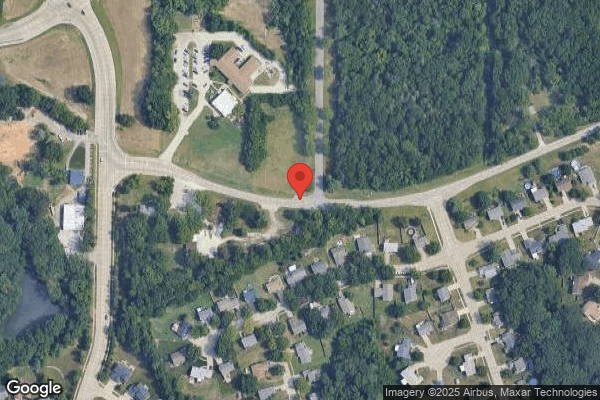
Mar 2023 2 deficiencies
CONCERN (D) 📢 Someone Reported This

A family member, employee, or ombudsman was alarmed enough to file a formal complaint

Potential for Harm - no one hurt, but risky conditions existed

Deficiency F0604 (Tag F0604)

Could have caused harm · This affected 1 resident

Based on interview and record review the facility failed to ensure staff did not use a physical restraint for convenience not required to treat a medical symptom for one resident (Resident #1) in a re...

Read full inspector narrative →
Based on interview and record review the facility failed to ensure staff did not use a physical restraint for convenience not required to treat a medical symptom for one resident (Resident #1) in a review of five sampled residents. The facility census was 55. Review of the facility policy Abuse Prevention Program dated 11/18 showed the residents have the right to be free from abuse. This includes but is not limited to physical or chemical restraints not used to treat the resident's symptoms. Abuse is defined in part as unreasonable confinement with resulting physical harm, pain or mental anguish. Review of the facility policy Use of Restraints dated 4/17 showed restraints shall only be used for the safety and well-being of the resident and only after other alternatives have been tried unsuccessfully. Restraints shall only be used to treat the resident's medical symptoms and never for discipline or staff convenience, or for the prevention of falls. Physical Restraints are defined as any manual method or physical or mechanical device, material or equipment attached or adjacent to the resident's body that the individual cannot remove easily, which restricts freedom of movement or restricts normal access to one's body. Examples of devices that are/may be considered physical restraints include leg restraints, arm restraints, hand mitts and soft ties. Restraints shall only be used upon the written order of a physician and after obtaining consent from the resident and/or representative (sponsor). The order shall include: a. The specific reason for the restraint (as it relates to the resident's medical symptoms); b. How the restraint will be used to benefit the resident's medical symptom); and c. The type of restraint, and period of time for the use of the restraint. 1. Review of Resident #1's undated face sheet showed the following: -re-admitted to skilled care on 3/16/23; *prior to 3/16 the resident was in a licensed only bed?*; -Diagnoses of left hip fracture, repeated falls, low back pain, osteoporosis (a bone disease that develops when bone mineral density and bone mass decreases, or when the structure and strength of bone changes) and Alzheimer's disease (progressive disease that destroys memory and other important mental functions). Review of the resident's care plan dated 12/4/21 showed: -At risk and history for falls related to impaired cognition, medication usage; -Fall on 3/13/23 resulting in hip fracture, fall on 3/16/23 with head injury which required three staples; -Resident can be impulsive, encourage him/her to await staff assistance; -Wandered through facility: staff to cue for use of assistive device, give re-directional cues, provide comfort measures for basic needs (pain, toileting); -Remind to use walker; -The care plan did not address restraints. Review of the resident's March 2023 Physician Order Sheet (POS) showed it did not include an order for any type of restraint. Observations of the resident on 3/19/23 at 2:29 P.M. showed the resident sat in a broda chair (reclining, mobile chair) pushed up to the table in the dining room, which was located across from the nursing desk. The resident wore non-slip socks and his/her feet sat on a foot rest with the left foot just off the edge. During interview on 3/19/23 at 4:00 P.M. Certified Nurse Assistant (CNA) C said the following: -He/She worked the evening shift on 3/17/23 and Licensed Practical Nurse (LPN) B was his/her charge nurse; -He/She observed the resident in a broda chair across from the nurse's desk; -He/She also observed LPN A wrap kerlex (stretchable gauze) multiple times around the resident's feet and the foot rest of the chair and tie it in a knot; -The resident would lean forward in his/her broda chair and attempt to un-tie the gauze; -When the resident would get the knot loose, the nurse would re-tie the knot again; -The resident cannot express his/her feelings but did appear to be frustrated. During interview on 3/19/23 at 3:26 P.M. LPN B said the following: -Staff were not allowed to use restraints on residents; -He/She worked as the charge nurse on A wing the evening of 3/17/23; -On 3/17/23, in the evening, the resident returned from the emergency room and sat in his/her broda chair, which sat across from the nursing desk; -The resident repeatedly attempted to stand without assist and was not going to stay seated; -He/She was the only nurse on the unit and was attempting to pass medications; -He/She took kerlex and wrapped it around the resident's feet and the chair foot rest one time and tied it in a bow on the top, to keep the resident from standing and to keep his/her left foot on the foot rest; -He/She did not get an order from the physician for a restraint; -He/She said this kept the resident busy for one and a half to two hours as the resident repeatedly attempted to untie the bow and that he/she (the nurse) kept checking on the resident (staff reported the nurse retied the knot when checking on the resident). During interview on 3/19/23 at 5:01 P.M. the Director Of Nursing said the following: -If staff tied a resident's feet to the chair footrest, she would consider that a restraint; -She would not expect staff to wrap a resident's foot in such a manner. During interview on 3/19/23 at 5:10 P.M. the administrator said the following: -She would not expect staff to wrap a resident's feet to a foot rest; -She would consider the act to be a restraint. MO215649
CONCERN (E) 📢 Someone Reported This

A family member, employee, or ombudsman was alarmed enough to file a formal complaint

Potential for Harm - no one hurt, but risky conditions existed

Accident Prevention (Tag F0689)

Could have caused harm · This affected multiple residents

**NOTE- TERMS IN BRACKETS HAVE BEEN EDITED TO PROTECT CONFIDENTIALITY** Based on observation, interview and record review, the facility failed to provide adequate monitoring, and initiate new interven...

Read full inspector narrative →
**NOTE- TERMS IN BRACKETS HAVE BEEN EDITED TO PROTECT CONFIDENTIALITY** Based on observation, interview and record review, the facility failed to provide adequate monitoring, and initiate new interventions to prevent falls for three (Resident #1, #2 and #3) of three sampled residents. The facility census was 55. Review of the facility policy for Falls-clinical Protocol dated 9/2012 showed: -The staff will evaluate and document falls that occur while the individual is in the facility; for example, when and where they happen, any observations of the events, etc; -Based on the preceding assessment, the staff and physician will identity pertinent interventions to try to prevent subsequent falls and to address risks of serious consequences of falling; -The staff and physician will monitor and document the individual's response to interventions interned to reduce falling or the consequences of falling; -If interventions have been successful in preventing falling, the staff will continue with the current approaches or reconsider whether these measures are still needed; -If the individual continues to fall, the staff and physician will re-evaluate the situation and consider other possible reasons for the resident's falling (besides those that have already been identified) and will re-evaluate the continued relevance of current interventions. 1. Review of Resident #1's care plan for falls dated 12/4/21 showed: -The resident is at risk for falls related to impaired cognition, medication use and is up on own with walker which he/she may forget, will go into others rooms looking for staff to take him/her out to smoke. The resident fell in the shower room getting undressed before staff could get in and help. Takes medication that increase fall risk. 11/22/22 fell. 3/13/23 fall with hip fracture. 3/17/23 fall, hit head with staples and skin injury; -Goal: The resident will have no injury from falls with a target date of 1/26/23; -Approaches with a start date of 12/4/21: discourage from going into others' rooms; encourage to wear appropriate footwear when out of bed and walking around; is impulsive, encourage him/her to wait for staff assist in shower; keep room and hallways free of clutter; monitor for falls, note cause when able; monitor for side effects of medications and follow up; monitor for unsteady gait and follow up, refer to therapy as needed; remind him/her of smoking schedule and need to adhere to it; remind to use walker, take it to him/her if he/she leaves it somewhere; take resident out on patio at designated smoking times. Review of the resident's undated face sheet showed the following: -admitted to skilled care on 3/16/23; -Diagnoses of fractured hip, repeated falls, low back pain, osteoporosis (a bone disease that develops when bone mineral density and bone mass decreases, or when the structure and strength of bone changes) and Alzheimer's disease. Review of the resident's nurses notes showed the following: -admitted to the facility on [DATE] with a fractured right hip; -On 3/17/23 at 10:00 A.M. the resident was sitting in a geri-chair, tried to stand and fell hitting his/her head. The resident was sent to the hospital and received three staples to the back of the head; -On 3/17/23 staff noted the resident is restless, the physician called and orders received for Ativan 1 milligram (MG), one time dose; -On 3/18/23 Ativan 0.5 mg every eight hours for anxiety. Review of the resident's care plan for falls dated 12/4/21, showed no new interventions and no cause identified for the falls with injuries on 3/13/23 or 3/17/23. Observation on 3/24/23 at 9:30 A.M. showed the following: -The resident sat in a geri-chair in the corner of the dining room that was across from the nurses' station. The resident had his/her legs down, he/she was slumped in the chair, with another high back chair positioned in front of him/her. The resident was asleep in the chair. During an interview on 3/24/23, Licensed Practical Nurse (LPN) A said the resident should have his/her legs elevated, as he/she is a fall risk and could fall out of the chair. 2. Review of Resident #2's face sheet showed: -admitted to the facility on [DATE]; -Diagnoses included Alzheimer's disease and visual loss. Review of the resident's care plan dated 9/26/19 with revisions on 11/17/22 and 2/9/23 showed: -The resident was at risk for falls due to impaired memory and decision making ability. He/She takes antidepressant medication, is incontinent, he/she requires supervision with ambulation and really takes initiative to get up and walk on own; -Goal: The resident will remain free from injury; -Approaches with start date of 5/24/22 included to refer to therapy as needed, monitor for falls, noting cause when able; keep bed in lowest position with brakes locked; provide resident an environment free of clutter, and well lit in waking hours; provide toileting assistance routinely; up with assistance, using wheelchair/geri chair for distance; wear proper, nonskid, well-maintained footwear. Review of the nurses notes dated 1/12/23 at 4:15 P.M. showed the resident was found lying on the floor on the left side in the dining area. Review of the resident's care plan for falls dated 9/26/19, showed no new interventions or approaches for the fall on 1/12/23. Review of the nurses notes dated 3/31/23 showed observed the resident in the hall way on his/her buttocks, no injuries. Review of the resident's care plan for falls dated 9/26/19, showed no new interventions or approaches for the fall on 1/31/23. Handwritten under the problem area was 2/7/23: fall 1/12/23 and fall 1/31/23 with no new interventions or approaches noted. 3. Review of Resident #3's undated face sheet showed the resident admitted to the facility on [DATE] with diagnoses of coronary heart disease, hypertension, diabetes and dementia. Review of the resident's care plan for falls dated 8/23/22 showed: -Problem: Falls. The resident is at risk for falls related to history of falls, medication use, occasional incontinence, impaired cognition, diabetes, history of hypoglycemia (low blood sugar) episode. History fall while getting clothes out of closet, was noted on the floor on 12/11/22 with no injuries: -Goal: The resident will not have injury from falls: -Approaches: Refer to therapy as needed; monitor for signs and symptoms of hypoglycemia (low blood sugar) such as sweating, lethargy, confusion, low blood sugar and follow up; encourage to wear well fitted proper footwear when out of bed, assist as needed; is occasionally incontinent, monitor for episodes of incontinence and assist with toileting/peri care as needed. Provide with incontinence briefs; keep call light within reach and encourage him/her to use it to call for assist if he/she feels unable to do so by self; keep room and hallway free of clutter and well lit; monitor for falls, note cause if able; monitor for side effects of medications and follow up; up with walker with wheels, may require supervision at meal times to get out of bed and to to the main dining room. Review of the resident's comprehensive Minimum Data Set (MDS), a federally mandated assessment instrument completed by staff, dated 3/1/23 showed: -Alert and oriented with confusion; -Supervision with staff set up for transfer, dressing, eating, and bathing, independent with walking; -At risk for falls with history of falls. Review of the resident's nurses notes showed: -On 3/14/23 at 11:50 P.M., summoned to resident's room, observed resident sitting on the floor with back against the bed. The resident is alert and reported that he/she got up from the bed, went to retrieve something from his/her refrigerator and returned to his/her bed. He/She miscalculated sitting on the bed, landing in a sitting position on the floor; -On 3/15/23 at 9:00 A.M. the resident was getting up for breakfast, stood up and got weak and sat on the floor; -On 3/18/23 at 1:30 P.M., staff found the resident in the bathroom on the floor. Review of the resident's care plan for falls dated 8/23/22 showed: -Problem: 3/14/23, fell in room with no new interventions or approaches; -On 3/15/23, fell when getting up for bathroom with no new interventions or approaches; -On 3/18/23, fell in bathroom with no new interventions or approaches. During an interview on 3/24/23 at 10:55 A.M. Registered Nurse (RN) A said: -When a fall occurs, the nurse will assess the resident, document the incident in the nurses notes, put on the shift to shift report sheet, and put an intervention in the care plan; -For most residents, they have exhausted the interventions and nothing has changed; -If a new intervention is placed on the care plan, this is passed onto the next shift and the Certified Nurse Aides (CNA's) in verbal report. During an interview on 3/28/23 at 11:00 A.M. the MDS Coordinator said: -He/She is not always informed of any falls, accidents or changes of condition; -Currently they do not have risk management meetings to discuss changes in the residents or interventions; -He/She looks in the resident's medical records for any documentation for falls or changes; -If he/she sees a note about a resident fall, then he/she will make a notation on the resident's care plan, but does not always put in new interventions; -Anyone should be able to put a new intervention on the care plan; -The nurses should assess the resident and the reason for the fall, and put an intervention in place at the time of the fall. During an interview on 3/24/23 at 2:00 P.M. the Director of Nursing said: -Falls should be investigated and new interventions put into place if possible; -Nurses or the MDS coordinator can put interventions in place at the time of the incident. During an interview on 3/24/23 at 2:15 P.M. the administrator said: -Interventions should be put in place with each fall or accident; -Nurses have the ability to put interventions in place. MO215649
Feb 2023 4 deficiencies
CONCERN (D) 📢 Someone Reported This

A family member, employee, or ombudsman was alarmed enough to file a formal complaint

Potential for Harm - no one hurt, but risky conditions existed

Deficiency F0658 (Tag F0658)

Could have caused harm · This affected 1 resident

Based on observation, interview, and record review, the facility failed to follow acceptable standards of practice for one resident (Resident #3) out of two sampled residents, when the facility failed...

Read full inspector narrative →
Based on observation, interview, and record review, the facility failed to follow acceptable standards of practice for one resident (Resident #3) out of two sampled residents, when the facility failed to obtain a physician ordered urinalysis (UA) and obtained a wound culture without a physician's order. The facility census was 26. Review of the facility policy for Lab and Diagnostic Test Results dated 2012 showed: -The physician will identify and order diagnostic and lab testing based on diagnostic and monitoring needs; -The staff will process test requisitions and arrange for tests; -The laboratory, diagnostic radiology provider, or other testing source will report test results to the facility; -A nurse will review all results and contact the physician with the results; -A physician can be notified by phone, fax, voicemail, email, mail, pager, or a telephone message to another person acting as the physician's agent (for example, office staff); -Facility staff should document information about when, how and to whom the information was provided and the response. This should be done in the Progress Notes section of the medical record and not on the lab results report. Review of the undated facility policy for Physician Orders showed all residents must have current, dated and signed physician orders. As all care given to the resident must have the direct order of the attending physician, it is important to follow a set format so all areas are covered. 1. Review of Resident #3's care plan for Urinary Incontinence dated 11/29/22 showed the following: -The resident has an indwelling catheter, with a current urinary tract infection (UTI) and is at risk for further UTI's; -Goal: The resident will have no further UTI's; -Approached in part: monitor for signs and symptoms of UTI; -Care of the indwelling catheter per facility policy. Review of the resident's comprehensive Minimum Data Set (MDS) a federally mandated assessment instrument, completed by staff, dated 2/9/23 showed: -Alert and oriented and able to answer questions appropriately; -Extensive assistance of two staff for Activities of Daily Living (ADL's); -Indwelling catheter (a tube inserted into the bladder to drain urine), incontinent of bowels; -Diagnoses of diabetes and dementia. Review of the resident's Physician's Order Sheet (POS) dated February 2023 showed on 2/11/23 an order for urinalysis (UA) with culture and sensitivity (C&S). Review of the resident's Nurses Notes dated 2/11/23 showed the following: -At 10:00 A.M. Registered Nurse (RN) A wrote, the resident said My catheter hurts. No urine in the collection bag since emptied on previous shift. New indwelling catheter inserted with immediate return of cloudy, yellow urine with mucous shreds. Order written to change the indwelling catheter monthly; -At 9:00 P.M. RN A wrote orders received for UA with C&S (urinalysis and culture and sensitivity). Review of the resident's medical record dated 2/11/23 to 2/16/23 showed no documentation of the UA with C&S completed. There was no documentation of the laboratory being notified of the orders, and no documentation of the physician being notified that the UA was not done. Observation on 2/16/23 at 10:00 A.M. showed the resident sat in a wheelchair, the tubing of the indwelling catheter was on the floor, the urine in the tube was yellow and cloudy with sediment in the tubing. During an interview on 2/16/23 at 10:58 A.M. the resident said: -His/her catheter hurts occasionally and the staff will only clean around the insertion site a couple of times a week. -He/she has some sores on his/her bottom that hurt and the staff does not change the dressing like they are suppose to. Observation on 2/16/23 at 1:30 P.M. showed: -The Director of Nursing (DON) and Licensed Practical Nurse (LPN) A entered the resident's room with dressing supplies and a container to obtain a culture of the resident's wound; -Both the DON and LPN A applied gloves; -The DON removed the brief and the old dressing from the wound on the coccyx and placed into a plastic bag; -the brief had a small amount of green drainage where the brief touched the wound on the coccyx (triangular shaped bone at the base of the spine); -LPN A removed two cotton tip applicators from the tube and rubbed the applicators on the soiled brief, rubbed the applicator on the wound on the coccyx, then placed the applicators into a tube. During an interview on 2/16/23 at 1:30 P.M. LPN A said: -He/She did not have an order to culture of the wounds on the resident's bottom; -There was greenish drainage and the physician would not mind if he/she got the culture. Review of the resident's medical record dated 2/16/23 showed no documentation of any drainage of the wound, no documentation of the physician being notified of any concerns about the wound and no documentation of a physician's order to culture the wound. During an interview on 2/16/23 at 3:00 P.M. RN A said: -He/She remembered obtaining the order for the UA with C&S; -He/She passed it onto the oncoming nurse; -He/She was not working on the side the resident lives on, but just took the phone call from the physician; -He/She thought he/she completed a lab requisition, but could not find one. During an interview on 2/16/23 at 3:10 P.M. and 4:53 P .M. the DON said the following: -She reviewed the resident's medical record and could not find any documentation of the UA with C&S being done; -She reviewed the facility contracted laboratory electronic record and could find no record of the UA being done; -The UA with C&S was not done; -She expected the nurses to follow physician orders and notify the physician if an order was not followed with the reason why and obtain any new orders; -She would expect the physician to be notified of any concerns of a wound infection and obtain an order for a culture. During a interview on 2/16/23 at 6:00 P.M. the administrator said the following: -She expected nursing to staff to follow physician orders and to obtain an order for any laboratory work that needs to be completed; -She would expect the nurses to notify the physician when an order is not followed. MO212901 MO213508
CONCERN (D) 📢 Someone Reported This

A family member, employee, or ombudsman was alarmed enough to file a formal complaint

Potential for Harm - no one hurt, but risky conditions existed

Incontinence Care (Tag F0690)

Could have caused harm · This affected 1 resident

Based on observation, interview and record review, the facility failed to properly secure one resident (Resident #3's) indwelling catheter to prevent contamination. The facility census was 26. Review ...

Read full inspector narrative →
Based on observation, interview and record review, the facility failed to properly secure one resident (Resident #3's) indwelling catheter to prevent contamination. The facility census was 26. Review of the facility policy for Catheter Care, Urinary dated 9/14 showed: -The purpose of this procedure is to prevent catheter-associated urinary tract infections; -The urinary drainage bag must be held or positioned lower than the bladder at all times to prevent the urine in the tubing and drainage bag from flowing back into the urinary bladder; -Be sure the catheter tubing and the drainage bag are kept off the floor; -Care of the catheter - Secure catheter utilizing a leg band. 1. Review of the resident's care plan for Pressure Ulcer dated 11/29/22 directed staff to secure indwelling catheter tubing to avoid it causing friction or pressure, monitor skin where it rests for redness or breakdown. Review of the the resident's comprehensive Minimum Data Set (MDS) a federally mandated assessment instrument, completed by staff, dated 2/9/23 showed: -Alert and oriented and able to answer questions appropriately; -Extensive assistance of two staff for Activities of Daily Living (ADL's); -Indwelling catheter (a tube inserted into the bladder to drain urine), incontinent of bowel; -Diagnoses of diabetes and dementia. Review of the resident's Physician's Order Sheet (POS) dated February 2023 showed on 2/11/23 an order for urinalysis (UA) with culture and sensitivity (C&S). Review of the resident's Nurses Notes dated 2/11/23 showed the following: -At 10:00 A.M. Registered Nurse (RN) A wrote, the resident said My catheter hurts. No urine in the collection bag since emptied on previous shift. New indwelling catheter inserted with immediate return of cloudy, yellow urine with mucous shreds. Order written to change the indwelling catheter monthly; -At 9:00 P.M. RN A wrote orders received for UA with C&S (urinalysis and culture and sensitivity). During an interview on 2/16/23 at 10:58 A.M. the resident said: -His/Her indwelling catheter hurt; -There was a slit at the insertion site of the catheter, the staff says this was normal; -The tubing was not secured to his/her leg, he/she has had a rash from the adhesive when the staff attempted to secure the tubing, they have not tried any other way to secure the tubing; -At times the tubing will pull and hurt, he/she will go to therapy and the therapist will adjust the tubing. During an interview on 2/16/23 at 11:30 A.M. Therapist A said: -There are times when the resident will come to the therapy department and say that the catheter tubing is pulling; -The tubing is not secured to the resident's leg and will pull at the insertion site; -He/She will adjust the tubing so it does not pull. Observation on 2/16/23 at 10:58 A.M., 11:30 A.M., and 1:35 P.M. showed the resident sitting a wheelchair with the tubing of the indwelling catheter touching the floor. The urine inside of the tubing was cloudy with sediment. Observation on 2/16/23 at 2:00 P.M. showed: -The resident's indwelling catheter tubing was not secured to the resident's leg; -There was a large slit in the resident's genitalia where the tubing went into the resident's body; -The area was red and swollen with drainage coming from the area. During an interview on 2/16/23 at 3:00 P.M. Licensed Practical Nurse (LPN) A said: -Indwelling catheter tubing should not be on the floor; -The tubing should be secured with a leg band. During an interview on 2/16/23 at 5:00 P.M. the Director of Nursing said: -Indwelling catheter tubing should not be touching the floor; -The tubing should be secured.
CONCERN (E) 📢 Someone Reported This

A family member, employee, or ombudsman was alarmed enough to file a formal complaint

Potential for Harm - no one hurt, but risky conditions existed

ADL Care (Tag F0677)

Could have caused harm · This affected multiple residents

**NOTE- TERMS IN BRACKETS HAVE BEEN EDITED TO PROTECT CONFIDENTIALITY** Based on observation, interview and record review, the facility failed to ensure residents who are unable to carry out activitie...

Read full inspector narrative →
**NOTE- TERMS IN BRACKETS HAVE BEEN EDITED TO PROTECT CONFIDENTIALITY** Based on observation, interview and record review, the facility failed to ensure residents who are unable to carry out activities of daily living receives the necessary services to maintain good grooming, and personal hygiene, when staff did not offer residents at least two showers a week. This affected two of two sampled residents (Residents #3 and #4). The facility census was 26. Review of the facility policy for Shower/Tub Bath revised 10/10 showed: -The purposes of this procedure are to promote cleanliness, provide comfort to the resident and to observe the condition of the resident's skin; -The following information should be recorded on the resident's Activities of Daily Living (ADL) record and/or in the resident's medical record: 1. the date an time the shower/tub bath was performed; 2. the name and the title of the individual(s) who assisted the resident with the shower/tub bath; 3. all assessment data (e.g. any reddened areas, sores, etc., on the resident's skin) obtained during the shower/tub bath; 4. how the resident tolerated the shower/tub bath; 5. if the resident refused the shower/tub bath, the reason(s) why and the intervention taken; 6. the signature and title of the person recording the data; -Reporting: notify the supervisor if the resident refuses the shower/tub bath; notify the physician of any skin areas that may need to be treated. 1. Review of Resident's #3's comprehensive Minimum Data Set (MDS) a federally mandated assessment instrument, completed by staff, dated 2/9/23 showed: -Alert and oriented and able to answer questions appropriately; -Extensive assistance of two staff for Activities of Daily Living (ADL's); -Indwelling catheter (a tube inserted into the bladder to drain urine), incontinent of bowels; -Diagnoses of diabetes and dementia. Review of the Care Sheet (a tool used by the Certified Nurse Aides (CNA's) to document) for February 2023 showed options of bath, whirlpool shower, bed bath and refused. There was no documentation to show if any of the options were completed. Review of the undated shower schedule showed the resident was to receive a shower on Tuesday and Friday evening. Review of the resident's medical record for February 2023 showed no documentation refused a bath/shower or that staff provided a bath/shower. Observation on 2/16/23 at 10:30 A.M. showed the resident with greasy appearing hair, there was black debris under the resident's finger nails and several days growth of facial hair. During an interview on 2/16/23 at 10:59 A.M. the resident said: -He/She has not had a shower in several weeks; -He/She asked the CNA's on the evening shift last night for a shower and staff told him/her they did not have time to give him/her a shower; -He/She would like a shower a couple times a week at the minimum. 2. Review of Resident #4's quarterly MDS dated [DATE] showed: -Unable to answer questions appropriately; -Dependent upon one staff member for ADL's; -Incontinent of bowel and bladder; -Diagnosis of Alzheimer's disease. Review of the Care Sheet for February 2023 showed options of bath, whirlpool shower, bed bath and refused. There was no documentation to show if any of the options were completed. Review of the resident's medical record for February 2023 showed no documentation refused a bath/shower or that staff provided a bath/shower. Review of the undated shower schedule showed the resident was to receive a shower on Monday and Thursday day shift. Observation on 2/16/23 at 1:30 P.M. showed the resident sitting in the dining room in a reclining chair. The resident had several days growth of facial hair, the resident's hair appeared unkempt and dirty, there was brown debris under the resident's nails. 3. During an interview on 2/16/23 at 12:13 P.M. Resident #12 said: -He/She attends the Resident Council monthly and facility management attends the meetings; -Several residents have told him/her that they are not receiving their showers as they desire and per the schedule; -The facility has been short staffed, and showers are not being done as the resident desires. During an interview on 2/16/23 at 2:00 P.M. Certified Nurse Aide (CNA) A and CNA B said: -There are many days when it is just two CNA's for the entire hall and they cannot get the showers done; -They will try to make the showers up, but at times the residents do not get their showers. During an interview on 2/16/23 at 2:30 P.M. Licensed Practical Nurse (LPN) A said: -The residents should get a shower at least two times a week; -If one shift is short staffed, then the other shift should pick the shower up; -The facility has had a lot of agency help and they do not give showers; -The full time employees of the facility are doing the best they can. During an interview on 2/16/23 at 5:00 P.M. the Director of Nursing said showers should be given at least two times a week or more often if the resident desires. During an interview on 2/16/23 at 6:00 P.M. the Administrator said showers should be given at least two times a week. MO212901
CONCERN (E) 📢 Someone Reported This

A family member, employee, or ombudsman was alarmed enough to file a formal complaint

Potential for Harm - no one hurt, but risky conditions existed

Infection Control (Tag F0880)

Could have caused harm · This affected multiple residents

Based on observation, interview and record review, the facility failed to maintain an infection prevention and control program to help prevent the development and transmission of communicable diseases...

Read full inspector narrative →
Based on observation, interview and record review, the facility failed to maintain an infection prevention and control program to help prevent the development and transmission of communicable diseases and infections. The facility staff failed to wear facemasks to cover their mouth and nose, failed to obtain a wound culture using good infection control technique, and staff failed to change their gloves and wash their hands from clean to dirty tasks for one resident (Resident #3), two sampled, and one additional unnamed resident. The facility census was 26. Review of the facility policy for Hand washing/Hand Hygiene revised 2015 showed: -This facility considers hand hygiene the primary means to prevent the spread of infections; -All personnel shall be trained and regularly in-serviced on the importance of hand hygiene in preventing the transmission of healthcare-associated infections; -All personnel shall follow the hand washing/hand hygiene procedures to help prevent the spread of infections to other personnel, residents,a and visitors; -Wash hands with soap and water for the following situations: when hands are visibly soiled and when in contact with a resident with infections; -Use an alcohol-based hand rub containing at least 62% alcohol; or, alternatively, soap and water for the following situations: before and after coming on duty; before and after direct contact with residents; before performing nay non-surgical invasive procedures; before and after handling an invasive device; before handing clean or soiled dressings, gauze pads, etc.; before moving from a contaminated body site to clean a clean body side during resident care; after contact with a resident's intact skin; after contact with blood or bodily fluids; after handling used dressings, contaminated equipment; -Hand hygiene is the final step after removing and disposing of personal protective equipment. Review of the undated facility policy for Pandemic Coronavirus (COVID-19) Plan showed: -The Administrator and Director of Nursing have been assigned as the designated workplace safety coordinators and, with the input of staff, will monitor and ensure compliance with the COVID-19 Plan; -Source control Measures: Mandate the use of masks and spatial separation by persons regardless of vaccination status; -a.) Provide masks for employees and visitors without their own Record review of the Centers for Disease Control and Prevention (CDC) website, updated 09/23/2022, showed the following: -When SARS-CoV-2 Community Transmission levels are high, source control (use of well-fitting cloth masks, facemasks, or respirators to cover a person's mouth and nose to prevent spread of respiratory secretions when they are breathing, talking, sneezing, or coughing) is recommended for everyone in a healthcare setting when they are in areas of the healthcare facility where they could encounter patients. Record review of the COVID Data Tracker, on the CDC website, showed the facility's county had a high community transmission rate for 2/16/2023. 1. Observation and interview on 2/16/23 from 9:22 A.M. to 10:00 A.M. showed: -At 9:25 A.M. two staff members standing at the nurses station, by medication cart on the 100, 200 and 300 wing, both staff members had their masks down below their chins and one staff member did not have a mask on; -Licensed Practical Nurse (LPN) A said masks are mandatory for all staff at all times. LPN A did not instruct the three staff members to pull up their masks; -At 9:30 A.M. to 9:45 A.M. a housekeeper going in and out of resident's rooms with his/her mask below his/her nose; -At 9:47 A.M. Certified Nurse Aide (CNA) A and CNA B were in a resident's room providing care with their masks down below their chins. -CNA A and CNA B without washing their hands, applied gloves and placed the resident in a mechanical lift and transferred the resident to the bed; -CNA B removed the resident's pants and unfastened the resident's brief, with his/her gloved hand, checked the resident's brief for wetness, the resident had not had an incontinent episode, CNA B fastened the resident's brief and pulled the covers up over the resident and left the room; -CNA B removed his/her gloves and without performing hand hygiene opened a food cart in the hallway, removed a food tray from the cart and began to take the tray down the hall, turned around and placed the food tray back into the cart; -During an interview CNA B said hands should be washed after removing gloves. -During an interview CNA A said masks should be worn when around the residents. 2. Review of Resident #3' care plan for Pressure Ulcer (PU) dated 11/29/22 showed: -The resident was admitted with an open area to the coccyx and moisture associated skin damage (MASD - caused by prolonged exposure to various sources of moisture, including urine or stool, perspiration, wound exudate, mucus, saliva, and their contents); -Goal: area to coccyx will be healed and the resident will have no further skin breakdown; -Approaches: monitor for redness or skin breakdown and follow up. Review of the comprehensive Minimum Data Set (MDS), a federally mandated assessment instrument completed by staff, dated 2/9/23 showed: -Alert and oriented and able to answer questions; -Requires extensive assistance of two staff members for Activities of Daily Living (ADL's); -Indwelling catheter (a tube placed in the genitalia to the bladder to drain urine), incontinent of bowels; -Diagnoses of anemia, atrial fibrillation (A-Fib - is an irregular and often very rapid heart rhythm (arrhythmia) that can lead to blood clots in the heart), coronary artery disease (CAD- CAD is caused by plaque buildup in the walls of the arteries that supply blood to the heart and other parts of the body), hypertension, and dementia. During an interview on 2/16/23 at 10:58 A.M. Resident #3 said: -Staff do not wear their masks over their noses when they care for him/her. -He/she has a sore on his/her bottom; -The nurses are suppose to do a treatment on the sore every day; -It does not always get done. Observation on 2/16/23 at 1:30 P.M. showed: -The Director of Nursing (DON) and LPN A entered the resident's room with dressing supplies and a container to obtain a culture of the wound; -Both the DON and LPN A applied gloves; -The DON removed the resident's incontinence brief and the old dressing from the wound on the coccyx and placed into a plastic bag; -The brief had a small amount of green drainage where the brief touched the wound on the coccyx; -LPN A removed two cotton tip applicators from a tube and rubbed the applicators on the soiled brief, then rubbed the applicator on the coccyx wound, then placed the applicators into the tube; -Without removing his/her gloves and washing his/her hands, LPN A handed the DON a clean brief, pulled the covers over the resident, picked up a tube of medication and unused treatment supplies and placed them back in the medication cart; -With the same gloves LPN A took the tube with the cotton tip applicators to the nurses station, obtained a lab form and began to fill out the form, then he/she stopped and said, I should wash my hands. During an interview on 2/16/23 at 2:00 P.M. LPN A said: -He/She should not have rubbed the applicators on the soiled brief, but he/she wanted to get the drainage from the wound; -He/She should have removed his/her gloves and washed his/her hands before he/she touched anything in the resident's room. During an interview on 2/16/23 at 4:50 P.M. the DON said: -Face masks must be worn al all times; -Staff should utilize hand hand hygiene before applying gloves and after the removal of the gloves or when visibly soiled; -Staff should change gloves and perform hand hygiene when going from dirty to clean tasks. During an interview on 2/16/23 at 6:00 P.M. the administrator said: -Staff are to wear facemasks at all times; -Staff should wash their hands between clean and dirty tasks. MO212901 MO213508
Sept 2019 10 deficiencies
CONCERN (D)

Potential for Harm - no one hurt, but risky conditions existed

Report Alleged Abuse (Tag F0609)

Could have caused harm · This affected 1 resident

Based on interview and record review, the facility failed to report two allegations of resident to resident physical abuse to the state survey agency for one resident (Resident #13), in a review of 12...

Read full inspector narrative →
Based on interview and record review, the facility failed to report two allegations of resident to resident physical abuse to the state survey agency for one resident (Resident #13), in a review of 12 sampled residents. The facility's total census was 73, with a certified census of 24. 1. Review of the facility policy Freedom from Abuse, Neglect, and Exploitation Reporting and Response, dated December 2018, showed the following: -Abuse allegations (abuse, neglect, exploitation, or mistreatment, including injuries of unknown source and misappropriation of resident property) are reported per Federal and State Law; -The facility will ensure that all alleged violations involving abuse, neglect, exploitation or mistreatment, including injuries of unknown source and misappropriation of resident property, are reported immediately, but not later than two hours after the allegation is made; -If the events that cause the allegation involve abuse or result in serious bodily injury or not later than 24 hours if the events that cause the allegation do not involve abuse and do not result in serious bodily injury, to the administrator of the facility and to other officials (including to the Missouri Survey Agency and adult protective services where state law provides for jurisdiction in long-term care facilities) in accordance with State law through established procedures; -Local law enforcement will be notified of any reasonable suspicion of a crime against a resident in the facility. 2. Review of Resident #13's care plan, last revised 4/18/19, showed the following: -Behavioral symptoms, he/she wanders (moves with no rationale or purpose seemingly oblivious to needs or safety); -The resident had impaired daily decision making related to dementia, he/she had memory impairment and was dependent on staff for all cares and supervision, dementia memory environment, provide cues and supervision; -May become restless/have some delusions and may exhibit some agitation (hand written in with a date of 4/18/19); Review of the resident's quarterly Minimum Data Set (MDS), a federally mandated assessment instrument required to be completed by facility staff, dated 4/18/19 showed the following: -Diagnoses included Alzheimer's disease, cerebral vascular accident (CVA or stroke), anxiety disorder and depression; -Long and short-term memory problem; -Cognitive skills for daily decision making moderately impaired; -Physical and verbal behavioral symptoms not exhibited. Review of the resident's nurse's note, dated 5/1/19 on the 3:00 P.M. to 11:00 P.M. (evening) shift, showed the resident was on investigative follow-up for pushing another resident over in his/her wheelchair and kicking the resident. Review of the Incident Investigation, dated 5/1/19, showed the following: -Incident between Resident #13 and Resident #301; -Resident #301 was observed tipped backwards in his/her wheelchair on the floor in dining room. Resident #13 was in his/her wheelchair next to the resident kicking him/her. The resident had a small red spot on the back of his/her head. No other injuries observed, and no complaint of pain or distress verbalized or observed from the resident; -When questioned what happened, Resident #13 said Resident #301 was in his/her spot at the table, so he/she was trying to get Resident #301 to move. He/she pulled Resident #301's wheelchair and it fell backwards. Resident #13 was kicking the resident to try and get him/her out of his/her spot; -Head to toe assessment completed with two small red spots observed to back of Resident #301's head that did fade quickly. No other areas of redness, swelling, tenderness or pain, observed or verbalized; -The facility did not believe this was an allegation of abuse. The incident was not reported. No injuries occurred. Resident #13 was not trying to harm the resident, he/she was only trying to get the resident to move from his/her spot. Even when he/she was kicking the resident, he/she was trying to move the resident out of his/her spot. Review of the resident's nurse's note, dated 6/30/19 on the 7:00 A.M.-3:00 P.M. shift, showed the resident was yelling in the hallway and kicked another resident. Unable to verbalize why he/she hit the resident. Review of the investigation of the incident, dated 6/30/19, showed the following: -Resident #13 was sitting in the hallway in his/her wheelchair. Another resident walked by the resident and stood in front of him/her. Resident #13 told the other resident to get away. The resident just stood there, so Resident #13 kicked the resident in the left shin; -When staff asked why he/she kicked the resident, Resident #13 was unable to verbalize a reason. It appeared as though Resident #13 did not like when the other resident was up wandering in the unit and was loud. Resident #13 did not like when the resident was standing in front of him/her after he/she was asked to move, so he/she kicked the resident; -Head to toe assessment done with no areas of concern verbalized or observed; -Incident not reported to the state, as there was no injury observed. No allegation of abuse due to abuse being willful affliction of injury, unreasonable confinement, intimidation or punishment with resulting physical harm, pain or mental anguish. During interview on 9/12/19 at 11:01 A.M., Certified Nurse Assistant (CNA) H said the following: -The resident had more than one physical altercation with other residents; -The resident had kicked one resident in the legs because that resident was in his/her space; -The resident also pushed another resident over in the wheelchair onto the floor, and kicked the resident. During interview on 9/12/19 at 9:05 A.M., Registered Nurse (RN) Q said if there were any resident to resident altercations, he/she reported this to the director of nursing (DON) and/or the administrator, physician, and family. At this facility, he/she was instructed to only report to the DON or administrator. During interview on 9/13/19 at 11:00 A.M., RN P said Resident #13 had problems with aggression. The facility did not know what triggered him/her. He/she would report any altercation to family. He/she would not report an incident where the resident kicked or hit another resident to the DON unless there was injury. During interview on 9/12/19 at 1:42 P.M., the DON said she did not know the facility had to report resident-to-resident abuse unless the physical altercation resulted in an injury or a bruise. She was aware of both incidents involving Resident #13. During interview on 9/12/19 at 1:35 P.M., the administrator said if they felt an incident was actual abuse, they would report this to the state. She believed there had to be actual injury to report abuse to state agency. Staff did report the incidents involving Resident #13 to him/her.
CONCERN (D)

Potential for Harm - no one hurt, but risky conditions existed

Deficiency F0658 (Tag F0658)

Could have caused harm · This affected 1 resident

Based on observation, interview, and record review, the facility failed to follow standards of nursing practice for one resident (Resident #18), in a review of 12 sampled residents. Nursing staff mixe...

Read full inspector narrative →
Based on observation, interview, and record review, the facility failed to follow standards of nursing practice for one resident (Resident #18), in a review of 12 sampled residents. Nursing staff mixed a prescription cream with a barrier cream, placed the cream in the resident's room for certified nursing assistants (CNAs) to apply to the resident's skin. The nursing staff documented their initials on the treatment record (indicating they had applied the medication) when the CNAs applied the cream to the resident's skin. The facility did not have a policy to direct staff on how to properly mix the medication. The facility also failed to administer liquid medication to one resident (Resident #6) in a manner that would ensure an accurate dose of the ordered medication. The facility census was 73 and the certified census was 24. 1. Review of the policy Administering Topical Medications, dated December 2018, showed the following: -Perform hand hygiene; -Arrange supplies in the medication room or move the medication cart outside the resident's room; -Select the drug from the unit dose drawer or stock supply; -Prepare the correct does of medication; -Place medications on the bedside table or tray; -Apply glove to your dominant hand, if exposure to blood or body fluids is likely, glove both hands; -Assess the area for broken skin, drainage, debris, rashes, allergic reaction, or signs of infection to the area; -Apply medications: Paste, cream, ointment, or lotion wear clean gloves and open the tube/ container; -Place medication on a sterile tongue blade and warm the medication using gloved hands, apply gently to the skin in the direction of the hair growth, remove gloves wash and dry hands thoroughly. . Review of the Certified Medication Technician manual, last revised 2008, showed the following procedures for preparing, administering, reporting and recording topical medications: -Administer only medications that you have prepared. -Remove medication from container. If the medication is supplied in a jar, use a clean applicator to remove the amount of medication needed and place it in a medicine cup. -Prepare the medication and place on the same tray with identification. -Document the medication on the MAR according to facility policy, making sure the MAR is signed. 3. Review of the facility policy Liquid Medication Administration showed the following: -To administer liquid medication as prescribed by the attending physician; -Choose appropriate dispensing method. If using a graduated cup, pour slowly, place cup on level surface and look at eye level to check dosage; -If too much liquid is dispensed, pour excess into another cup and discard. 4. Review of the Resident #18's admission Minimum Data Set (MDS), a federally mandated assessment instrument required to be completed by facility staff dated 7/31/19 showed the following: -Long and short-term memory problem; -The resident was at risk for developing pressure ulcers. Review of the resident's physician order, dated 8/25/19, showed an order to apply 50/50 mix Silvadene (Silver Silvadene, topical antibiotic to prevent infections) and Caldazinc (a moisture barrier cream) to open area left inside buttocks three times daily until healed. Review of the resident's care plan, last revised 8/25/19, showed the following: -The resident was at risk for breakdown related to impaired cognition and episodes of bowel and bladder incontinence; -Open area left inner buttock. Treatment per physicians orders. Monitor for changes and follow-up. Review of nursing skin assessment, dated 9/2/19, showed small red area left inner buttock. Review of nursing assessment, dated 9/10/19, was left blank. Observation on 9/12/19 at 6:33 A.M. showed Certified Nurse Assistant (CNA) J assisted the resident to the toilet in the resident's shared bathroom. CNA J provided perineal care and picked up a unlabeled cup of pale, pink colored paste and smeared it between the resident's inner buttocks. During an interview on 9/12/19 at 6:33 A.M., CNA J said the cream was for a sore or something the resident had. The nurses premixed the cream and left it in the resident's room. The CNAs applied the cream each time they toileted the resident. Observation on 9/13/19 at approximately 8:30 A.M. showed a unlabeled, uncovered medication cup containing a pale, pink, colored paste above the toilet in the resident's shared bathroom. During interview on 9/13/19 at 8:30 A.M., Registered Nurse (RN) X said the resident had an open area, but he/she thought it was healed. The resident's treatment was Silvadene and Caldazinc. Staff leave the Silvadene and Caldazinc in the resident's room for the aides to apply when they toilet the resident. During interview on 9/13/19 at 11:00 A.M., RN P said the following: -The nurses put the premixed cream (Silvadene and Caldazinc) in the resident's bathroom. The aides put the cream on the resident when they take the resident to the bathroom; -The nurses sign that the aides applied the cream. The nurses don't necessarily put the cream on the resident's skin. During interview on 9/27/19 at 11:30 A.M., the director of nursing said the facility did not have a specific policy regarding mixing the 50/50 cream or other creams. During interviews on 9/13/19 at 1:31 P.M. and 9/27/19 at 12:00 P.M., the director of nursing said the medical director has given permission for the CNAs to apply the 50/50 cream after toileting residents. If there is no physicians order for this, then the nurse should be applying the cream. The nurse should mix up the 50/50 cream each time it is used and not leave a cup uncovered in the bedside table drawer. There was no specific instruction on mixing, just mix a strip of each of the creams together. Technically, the premixed cream should be labeled. She was okay with staff leaving the cream in a drawer as long as it was out of a dementia resident's reach. She had no problems with the charge nurse signing the treatment record to show the aides completed the treatment. The nurse just needed to ask the aide if they had completed it before they signed it off. During interview on 9/13/19 at 9:10 A.M., the facility pharmacist said the zinc oxide was a barrier and Silvadene was a prescription and used on open areas. The facility mixed the creams 50/50 and put the cream on the open areas and extreme diaper rash. 5. Review of Resident #6's physician order sheet (POS), dated September 2019, showed the following: -Diagnoses included schizoaffective disorder (chronic mental health condition) and dementia encephalopathy (brain disease, damage or malfunction) due to motor vehicle accident; -Order for Trihexyphen (used to treat symptoms of Parkinson's or involuntary movements caused by certain psychiatric drugs) 0.4 milligrams (mg)/milliliter (ml) give 12.5 ml (5 mg) three times daily. Observation on 9/12/19 at 10:08 A.M. showed the following: -Certified Medication Technician (CMT) I prepared to administer medications to the resident; -CMT I poured Trihexypen solution from the bottle into a medication cup. CMT I glanced at the medication cup from the side and then poured some back into the cup. CMT I said he/she had to just eye it as there was no line on the cup for 12.5 ml amount; -CMT I administered the medication to the resident. During interview on 9/12/19 at 2:55 P.M. CMT I said the resident had an order for Trihexaphen 12.5 ml, the medication cup had a line for 10 ml and above it the next measurement was 15 ml so he/she just eyed it to try and get in the middle of the two. The medication cup did not have a line for 12.5 ml. He/She had not thought about measuring 2.5 ml in a separate cup and to measure 10 ml and combine the two for a more accurate dose. During interview on 9/13/19 at 1:31 P.M. and 9/27/19 at 12:00 P.M. the director of nursing said all medications including liquid should be administered as ordered. If the cup did not reflect a 12.5 ml line on the medication cup, she would expect staff to measure 2.5 ml and 10 ml and combine to ensure the resident received the accurate dose.
CONCERN (D)

Potential for Harm - no one hurt, but risky conditions existed

Accident Prevention (Tag F0689)

Could have caused harm · This affected 1 resident

**NOTE- TERMS IN BRACKETS HAVE BEEN EDITED TO PROTECT CONFIDENTIALITY** Based on observation, interview, and record review, the facility failed to ensure staff used a gait belt (special belt, used to ...

Read full inspector narrative →
**NOTE- TERMS IN BRACKETS HAVE BEEN EDITED TO PROTECT CONFIDENTIALITY** Based on observation, interview, and record review, the facility failed to ensure staff used a gait belt (special belt, used to provide assistance during transfer, ambulation, or positioning in a chair) during transfer for one resident (Resident #10), in a review of 12 sampled residents, and failed to ensure staff used proper technique when repositioning two residents (Residents #10 and #16) in the wheelchair. The total facility census was 73 with a certified census of 24. 1. Review of the facility's undated policy, Ambulate Resident Using Gait Belt, showed the following: -Purpose is to provide safety to residents and nursing staff during ambulation and transfers; -Lower bed to lowest level; assist resident to sit on edge of bed; -Assist resident in putting on nonskid shoes and socks; -Put gait belt around the resident's waist; -Assist the resident to a standing position; -Assist resident to stand by straightening legs as you lift with the gait belt as resident pushes down with hands on mattress. 2. Review of the Nurse Assistant in a Long-Term Care Facility manual, revised edition 2001, showed instructions for resident who slides forward in the chair included the following: -Apply gait belt; -Use two people. They should stand on opposite sides of the resident; -Each grasp the belt in back and place one hand under the thigh in front; -On the count of three, lift and move the resident back in the chair; -An alternate method uses two people, one should stand in front of the resident and one behind; -The one in front places his/her hands under the resident's thighs; -The one in back places his/her arms around the resident and grasps the gait belt in the front; -On the count of three, they lift and move the resident back in the chair. 3. Review of Resident #10's quarterly Minimum Data Set (MDS), a federally mandated assessment instrument required to be completed by facility staff, dated 6/24/19, showed the following: -Moderately impaired cognition; -Required extensive assistance of one staff for transfers; -Diagnoses included stroke, hemiplegia (paralysis on one side of the body), and dementia. Review of the resident's care plan, dated 4/2/19 and last reviewed 6/26/19, showed the following: -At risk for falls due to history of falling, requires assistance with transfers, weakness, and history of stroke with left sided weakness; -Provide assistance with transfers. Observation on 09/12/19 at 05:25 A.M., showed the following: -The resident lay on his/her back in bed; -Certified Nurse Assistant (CNA) A assisted the resident to sit on the side of the bed; -CNA A instructed the resident to put his/her hands on CNA A's hips; -CNA A stood in front of the resident, wrapped his/her arms around the resident's torso by hugging the resident around his/her torso, assisted the resident to stand and pivoted him/her into the wheelchair; -Once the resident was in the wheelchair, CNA A stood behind the resident, wrapped his/her arms around the resident's torso, lifted the resident and scooted the resident back in the chair; -The resident grimaced while being repositioned in the wheelchair; -CNA A did not use a gait belt during the transfer and while repositioning the resident in the chair. During interview on 9/12/19 at 05:58 A.M., CNA A said he/she should have used a gait belt on Resident #10 but wasn't planning on getting him/her up, so he/she didn't bring the gait belt into the resident's room. He/She should have used a gait belt to assist the resident to sit back in the wheelchair. 4. Review of Resident #16's Significant Change MDS, dated [DATE], showed the following: -Short and long-term memory problem; -Required extensive assistance from two staff for transfers. Review of the resident's care plan, dated 8/1/19, showed the following: -The resident is at risk for falls due to dependent transfers, unable to walk, weakness and confusion due to Alzheimer's dementia; -Assist with transfers; -Uses wheelchair for mobility. Observation on 9/12/19 at 8:10 A.M., showed CNA B and Licensed Practical Nurses (LPN) D assisted the resident to sit in his/her wheelchair from a standing position. The resident sat in the wheelchair but needed to be repositioned. CNA B grabbed the sides of the resident's pants and pulled the resident backwards in his/her wheelchair. During interview on 9/12/19 at 11:20 A.M., CNA B said he/she would grab the back of the resident's pants to reposition the resident in the wheelchair. He/She should have used the gait belt or had another staff assist him/her in scooting the resident back in the wheelchair. 5. During interview on 9/17/19 at 1:33 P.M., the Director of Nursing (DON) said the following: -Staff should not bear hug residents to transfer them as it is unsafe for the staff and residents; -It was not appropriate for staff to pull a resident back in their wheelchair by pulling on the back of their pants; -Staff are to use a gait belt for transfers.
CONCERN (D)

Potential for Harm - no one hurt, but risky conditions existed

Deficiency F0692 (Tag F0692)

Could have caused harm · This affected 1 resident

Based on observation, interview, and record review, the facility failed to provide one resident (Resident #6), in a review of 12 sampled residents, sufficient fluid intake to maintain proper hydration...

Read full inspector narrative →
Based on observation, interview, and record review, the facility failed to provide one resident (Resident #6), in a review of 12 sampled residents, sufficient fluid intake to maintain proper hydration and health. The facility census was 73, with a certified census of 24. 1. Review of the facility policy Resident Hydration and Prevention of Dehydration, approved December 2018, showed nurses aides will provide and encourage intake of bedside, snack and meal fluids, on a daily and routine basis as part of daily care. Intake will be documented in the medical records. Aides will report any change in fluid intake to nursing staff. 2. Review of the Nurse Assistant in a Long-Term Care Facility manual, 2001 Revision, showed the following: -Water is essential to life. A person can live only a few days without water. It provides minerals but no other nutrients. The body requires 2000 to 3000 milliliters (ml) daily; -The human body is 60 percent water; -Illness may upset water balance; -Dehydration is an excessive loss of water from body tissues. Symptoms may include thirst, dryness of skin and mucous membranes (inside of nose and mouth), constipation, little or no urination, fall in blood pressure, rise in temperature, loss of tissue elasticity, dizziness and mental confusion; -The following are some signs a resident may be at risk for or suffer from dehydration, drinks less than six cups of liquids per day, needs help drinking from a cup or glass, has trouble swallowing liquids, frequent vomiting, diarrhea, or fever and is easily confused/tired; -Some of the action steps to help residents get enough to drink, encourage resident to drink every time you see the resident, offer 2 to 4 ounces of water or liquids frequently, and offer appropriate assistance as needed if resident cannot drink without help. 3. Review of Resident #6's Annual Minimum Data Set (MDS), a federally mandated assessment instrument required to be completed by facility staff, dated 8/14/19, showed the following: -Diagnoses included dementia, traumatic brain injury, seizure disorder and schizophrenia; -Unclear speech rarely or never understood; -Short-term and long-term memory problem; -Cognitive skills for daily decision making moderately impaired; -Required extensive assistance from one staff member for eating; -Weight 173 pounds (estimated fluid needs 2359 mls per day). Review of the resident's care plan, last revised on 8/22/19, showed the following: -The resident was frequently incontinent of bladder; -Reports signs of urinary tract infection (acute confusion, urgency, frequency, bladder spasms, and concentrated urine, blood in urine) -Escort to meals and provide assist as needed. Resident is requiring extensive assist with feeding; -The resident had a history of hyponatremia (low concentration of sodium in the blood). He/She has lost weight over last few months, monitor weight and consumption of liquids and food. Observe for signs of symptoms of hyponatremia and follow-up as appropriate. Review of the resident's meal/fluid intake for September 2019 showed staff documented the following fluid intake for the resident: -On 9/1/19, breakfast and lunch, nothing was charted and supper, was 480 milliliters (ml); -On 9/2/19, 800 ml of fluid for the day; -On 9/3/19, 720 ml of fluid for the day; -On 9/4/19, 720 ml of fluid for the day; -On 9/5/19, 720 ml of fluid for the day; -On 9/6/19, 720 ml of fluid for the day; -On 9/7/19, 720 mls of fluid for the day; -On 9/8/19, 1200 ml of fluid for the day; -On 9/9/19, 620 ml of fluid for the day. Observation on 9/10/19 12:44 P.M. showed the following: -Nurse Assistant (NA) E fed the resident lunch. NA E repeatedly put bites of food up to the resident's mouth and the resident ate the food. NA E offered no fluids; -The resident coughed and sputtered out pieces of food and saliva as NA E continued to put bites of food to the resident's mouth without offering fluids; -At the end of the meal NA E put a cup of juice to the resident's mouth. NA E did not encourage fluids during the meal; -The resident did not attempt to pick up a glass and drink independently. Review of the resident's meal intake/fluid record, dated 9/10/19, showed the resident had 720 ml of fluid for the day. Observation on 9/11/19 at 8:26 A.M. 10:15 A.M. showed the following: -The resident sat in the dayroom at a table; -There was nothing in reach for the resident to drink; -Staff did not encourage or offer fluids. Observation on 9/11/19 at 12:41 P.M. showed the following: -The resident sat in his/her wheelchair in the dining room at the table; -There was nothing in reach for the resident to drink; -Staff placed a 240 cc glass of orange juice on the table in front of the resident; -The resident made no attempts to drink the glass of juice. -The resident did not attempt to pick up a glass and drink independently. Observation on 9/11/19 at 1:22 P.M., showed the following: -CNA H assisted the resident to the bathroom and transferred him/her onto the toilet; -CNA H said the resident was dry when he/she assisted the resident out of bed this morning and the resident remained dry and had not urinated all day; -The resident was unable to urinate in the toilet; -CNA H assisted the resident back to his/her wheelchair; -CNA H pushed the resident back up to the dayroom area and placed him/her at the table; -Staff did not encourage or offer the resident fluids; Observation on 9/11/19 at 3:00 P.M. showed the following: -CNA H transferred the resident to the toilet and the resident was dry; -CNA H said, Can you go to the bathroom? The resident did not urinate in the toilet; -CNA H pushed the resident in his/her wheelchair back to the dayroom and positioned him/her in front of a table; -CNA H did not encourage or offer fluids; -There was nothing in reach for the resident to drink. Observation on 9/11/19 at 3:05 P.M., showed CNA H reported to the oncoming CNA that the resident had been dry all day. Observation on 9/11/19 at 3:20 P.M. showed the following: -Various residents ate ice-cream and crackers while they sat at tables in the dayroom; -Staff did not encourage or offer fluids to the resident; -The resident's mouth was dry with peeling skin. Observation on 9/11/19 3:44 P.M. showed the following: -The resident remained in the dayroom and sat at the table; -Staff did not encourage or offer fluids; -There was nothing in reach for the resident to drink, the resident's mouth was dry with peeling skin. Observation on 9/11/19 at 4:00 P.M., showed the resident remained in the dayroom and sat in front of the table with no fluids within reach. Observation on 9/11/19 at 4:48 P.M., showed the resident remained in the dayroom in front of the table, with no fluids within reach. Review of the resident's meal intake/fluid record dated 9/11/19, showed the resident had 720 ml of fluid for the day. During interview on 9/12/19 at 7:04 A.M. CNA R said the resident was dry all night and did not urinate, he/she was not sure if the resident had urine output on the evening shift. Observation on 9/12/19 at 7:06 A.M. showed the following: -CNA H and NA E entered the resident's room to assist the resident up for the day; -The resident's mouth was dry and crusted and his/her tongue was dry and cracked; -A full glass of water with a straw sat on the bedside table; -The resident's bed was dry, CNA H assisted the resident to the toilet and provided the resident with a partial bath; -The resident urinated (briefly) dark, amber, concentrated urine into the toilet; -The resident smacked his/her dry mouth with his/her tongue; -CNA H provided the resident with a sip of mouth wash, assisted the resident back to his/her wheelchair, pushed him/her in his/her wheelchair to the dayroom, and placed him/her in front of the table; -Staff did not encourage or offer fluids; -There was nothing in reach for the resident to drink, the resident's mouth was dry with peeling skin. Observation on 9/12/19 at 7:23 A.M., showed the resident remained at the table in the dayroom, staff did not offer or encourage fluids. Observation on 9/12/19 at 8:20 A.M., showed staff placed a 240 cc cup of juice in front of the resident. The resident did not attempt to pick up the glass and drink independently. Observation on 9/12/19 at 8:25 A.M. showed the following: -NA E fed the resident a bowl of cereal with milk, the resident coughed multiple times, NA E did not provide the resident with a drink, but continued to spoon bites of cereal in the resident's mouth; -NA E fed the resident for approximately ten minutes, the resident started to cough and spit food onto the table, NA E continued to feed the resident scrambled eggs and put a strip of crispy bacon up to the resident's mouth, NA E put the glass of juice briefly to the resident's mouth. The resident took a quick sip before before NA E took the cup away from the resident's mouth and put the cup on the table and continued to feed the resident; -NA H put the cup of juice to the resident's mouth at the completion of the meal and the resident drank; -Activity staff picked up the cup which had approximately 40 cc of juice remaining in the cup; -The resident was dependent of staff throughout the meal, NA E did not encourage the resident to drink. Observation on 9/12/19 from 10:00 A.M. to 11:50 A.M. showed the following: -The resident sat in his/her wheelchair in the hall with no fluids in reach or offered; -CNA J pushed the resident in his/her wheelchair from the hall into the dayroom and placed the resident in front of a table; CNA J did not offer fluids and there were no fluids within the resident's reach. Review of the resident's meal intake/fluid record dated 9/12/19, showed the resident had 240 mls of fluid for breakfast and lunch. During interview on 9/12/19 at 2:05 P.M. CNA H said the following: -Staff on the unit did not offer water or a lot of fluids to drink, now that she/he thought about it, staff should offer water/fluids more; -Staff did not offer water to drink on the unit unless a resident asked; -It was a long time for the resident to go without urinating, he/she passed that information on to the oncoming CNA but did not mention it to the charge nurse. Once in awhile the resident would ask for a drink of diet Coke. During interview on 9/12/19 at 2:15 P.M. NA E said he/she was not sure if staff was to offer more than one glass of fluid each shift, he/she did not offer water and was never told to offer residents any water. During interview on 9/12/19 2:55 P.M. Certified Medication Technician (CMT) I said juice was the only drink passed with meals. During interview on 09/12/19 at 3:10 P.M. CMT F said dietary staff only brought pitchers of juice to the unit for meals, he/ she did not serve or offer water on the 3-11 shift unless the resident asked for water. During interview on 9/13/19 at 1:50 P.M., the Director of Nursing (DON) said staff were to encourage fluids. Staff offered water when the residents on the unit had snack time and the staff was to provide fresh water once a shift. Staff were to offer water throughout the day. Water should be placed within the resident's reach if the resident's remained in the day room during the day.
CONCERN (D)

Potential for Harm - no one hurt, but risky conditions existed

Infection Control (Tag F0880)

Could have caused harm · This affected 1 resident

**NOTE- TERMS IN BRACKETS HAVE BEEN EDITED TO PROTECT CONFIDENTIALITY** Based on observation and record review, the facility failed to ensure staff washed their hands after each direct resident contac...

Read full inspector narrative →
**NOTE- TERMS IN BRACKETS HAVE BEEN EDITED TO PROTECT CONFIDENTIALITY** Based on observation and record review, the facility failed to ensure staff washed their hands after each direct resident contact and when indicated by professional practices during personal care for two residents (Residents #3 and #16), in a review of 12 sampled residents. The total facility census was 73 with a certified census of 24. 1. Review of the facility's policy, Standard Precautions, dated December 2018, showed the following: -Standards precautions will be used in the care of all residents regardless of their diagnosis, or suspected or confirmed infection status. Standard precautions presume that all blood, body fluids, secretions and excretions (except sweat), non-intact skin and mucous membranes may contain transmissible infectious agents; -Hand hygiene refers to handwashing with soap (anti-microbial or non-antimicrobial) OR using alcohol-based hand rubs (gels, foams rinses) that do not require access to water; -Hands shall be washed with soap and water whenever visibly soiled with dirt, blood, or body fluids, or after direct or indirect contact with such, and before eating and after using the restroom; -In the absence of visible soiling of hands, alcohol-based rubs are preferred for hand hygiene; -Wash hands after removing gloves; -Wear gloves (clean, non-sterile) when anticipate direct contact with blood, body fluids, mucous membranes, non-intact skin, and other potentially infected material; -Wear gloves wen in direct contact with a resident who is infected or colonized with organisms that are transmitted by direct contact (VRE, MRSA, VISA-VRSA, etc); -Wear gloves when handling or touching resident-care equipment that is visibly soiled or potentially contaminated with blood, body fluids, or infectious organisms; -Change gloves, as necessary, during the care of a resident to prevent cross-contamination from one body site to another (when moving from a dirty site to a clean one); -Do not reuse gloves; -Remove gloves promptly after use, before touching non-contaminated items and environmental surfaces, and before going to another resident and wash hands immediately to avoid transfer of microorganisms to other residents or environments. 2. Review of the facility's undated policy, Dressing Change (clean), showed the following: -Purpose is to administer treatments as ordered to all residents on a timely basis and without contraindication; -Wash hands and apply gloves; -Remove dirty dressings and place gloves in garbage bag with dirty dressings; -Wash hands and apply clean gloves; -Clean wound with prescribed cleaning agent and place used supplies in plastic bag; -Remove gloves, wash hands, and apply clean gloves; -Apply prescribed medication and dressing. Cover with appropriate gauze covering. Tape dressing in place; -Remove gloves and wash hands. 3. Review of Resident #16's Significant Change Minimum Data Set (MDS), a federally mandated assessment instrument required to be completed by facility staff, dated 7/17/19, showed the following: -Short and long-term memory problem; -Required extensive assistance of one staff for toileting and personal hygiene; -Always incontinent of bowel and bladder. Review of the resident's care plan, dated 8/1/19, showed the following: -The resident is incontinent of the bladder and requires extensive assistance with toileting and hygiene; -Provide incontinence pericare after each incontinent episode; -Requires one person physical assist with toileting routinely before/after meals and at bedtime. Review of the resident's Physician Order Sheet (POS), dated September 2019, showed the following: -Silver alginate (antimicrobial dressing), Santyl (enzymatic debriding ointment), 4x4 gauze, kerlix (woven gauze on a roll) and tape. Change daily to left heel; -Border gauze (gauze with an adhesive border) to coccyx, change daily. Observation on 9/10/19 at 12:11 P.M., showed the following: -The resident lay in his/her bed on his/her back; -Registered Nurse (RN) C lay the dressing supplies directly on the resident's bed without a barrier; -Without washing his/her hands, RN C put on gloves; -RN C removed the heel protector from the resident's left foot; -RN C removed the old dressing from the resident's heel. Dark drown discoloration was noted on the heel portion of the dressing; -Without removing his/her gloves, RN C picked up a bottle of wound cleanser, sprayed a stack of 4X4 gauze and cleansed the resident's left heel wound. RN C opened the occlusive dressing (air and water tight dressing) and applied the dressing to the resident's heel. RN C wrapped the heel with Kling (gauze-type wrap) and secured the kling with tape; -RN C removed his/her gloves, and without washing his/her hands, reached into his/her pants pocket for a pen and dated the dressing. Observation on 9/11/19 at 10:00 A.M., showed the following: -The resident lay on his/her right side in bed; -RN C opened a border gauze dressing and lay the dressing on a quilted pad on the resident's bed without a barrier; -Without washing his/her hands, RN C put on gloves, and pulled down the resident's pants and incontinence brief; -The resident was incontinent of bowel and the resident's coccyx (tailbone) dressing was absent; -RN C sprayed 4x4 gauze with wound cleanser and cleansed the coccyx wound; -Without removing his/her gloves, RN C picked up a tube of Santyl (debriding ointment) and squeezed a small amount onto the dressing, then applied the dressing to the wound; -RN C removed his/her gloves, washed his/her hands, and put on new gloves; -RN C provided perineal care for the resident (who had been incontinent of bowel); -Without removing his/her gloves, RN C positioned a new incontinence brief between the resident's legs, and rolled the resident back and forth to position and secure the incontinence brief; -RN C removed his/her gloves, and without washing his/her hands, picked up the wound cleanser bottle, periwash bottle and Santyl tube and lay them in box with other dressing supplies. RN C then picked up his/her pen and keys and put them in his/her pocket. During interview on 9/11/19 at 11:45 A.M., RN C said the following: -Staff should wash their hands before going into a room and before leaving the room; -Staff should change gloves when they are finished with a task; -Staff should wash their hands after removing gloves and before putting on new gloves or before touching anything considered clean due to contamination; -After removing a dressing, those gloves would be considered dirty and should be changed before applying the new dressing; -Staff should change gloves and wash hands after providing pericare and before putting on a new incontinence brief; -When doing a dressing change, supplies should be laid on a barrier, not directly on the resident's bed to keep everything clean. Observation on 9/12/19 at 7:44 A.M., showed the following: -The resident lay on his/her right side in bed; -Certified Nurse Assistant (CNA) B washed his/her hands and put on gloves; -The resident was incontinent of bowel and fecal matter covered the bottom portion of the resident's coccyx (tailbone) dressing; -CNA B provided perineal care to the resident's front genitalia; -CNA B removed his/her gloves, and without washing his/her hands, left the room to tell the nurse about the soiled dressing; -CNA B re-entered the resident's room, washed his/her hands and put on gloves; -CNA B removed the soiled dressing from the resident's coccyx; -Feces covered the resident's coccyx area including the resident's pressure ulcer; -CNA B wiped around the wound and back and forth across the wound to remove the fecal matter; -Without removing his/her gloves, CNA B opened the bathroom door and retrieved toilet paper, and patted the resident's front genitalia with the dry toilet paper. CNA B opened the bedside table drawer, picked up a tube of barrier cream and squeezed the cream into his/her soiled gloved hand. CNA B applied the barrier cream to the resident's lower buttock/rectal area; -CNA B removed the glove from his/her right hand and positioned the clean incontinence brief behind the resident; -CNA B rolled the resident back and forth to position and secure the brief; -CNA B removed the glove from his/her left hand, and without washing his/her hands, proceeded to finish dressing the resident, assisted the resident to sit on the side of the bed and transferred the resident to the wheelchair. During interview on 9/12/19 at 11:20 A.M., CNA B said the following: -Staff should wash their hands upon entering a resident's room, wash when done with tasks and if gloves have to be changed when soiled; -Staff should remove gloves and wash hands before touching anything considered clean due to cross-contamination; -If a dressing becomes soiled, he/she would remove it, cleanse the wound of feces or urine and then let the nurse know. 4. Review of Resident 3's care plan, dated 6/4/19, showed the following: -The resident is incontinent of bladder. He/she requires assistance with toileting/hygiene. He/she has problems with recurrent urinary tract infections (UTIs); -Provide assistance for toileting/pericare. Review of the resident's quarterly MDS, dated [DATE], showed the following: -Severely impaired cognition; -Required total assistance from two staff for toileting; -Required extensive assistance from one staff for personal hygiene; -Always incontinent of bowel and bladder. Observation on 09/12/19 at 07:30 A.M., showed the following: -The resident lay on his/her back in bed; -CNA B entered the room, did not wash his/her hands, and put on gloves; -CNA B rolled the resident to his/her right side in bed and tucked the urine soiled incontinence pad under the resident; -The resident was incontinent of urine; -CNA B provided incontinence care; -Without removing his/her gloves, CNA B picked up the clean incontinence brief and positioned the brief behind the resident; -CNA B removed the glove from his/her right hand and rolled the resident to his/her left side to position the brief. CNA B pulled the brief between the resident's legs and secured it. CNA B placed the soiled linen in a bag; -CNA B removed the glove from his/her left hand, and without washing hands, left the room with the soiled bag of linens. During interview on 9/12/19 at 11:20 A.M., CNA B said the following: -Staff should wash their hands upon entering a resident's room, when staff are done with tasks, and when changing soiled gloves; -Staff should remove gloves and wash hands before touching anything considered clean due to cross-contamination; -If a dressing becomes soiled, then he/she would remove it, cleanse the wound of feces or urine and then let the nurse know. 5. During interview on 9/13/19 at 1:33 P.M., the director of nursing (DON) said the following: -If a dressing is soiled, staff should remove the dressing and notify the charge nurse; -Staff should wash their hands upon entering a room, when changing gloves, and before leaving a room; -Staff should change their gloves and wash their hands when going from a dirty task to a clean task; -Staff should not touch anything considered clean with dirty hands or dirty gloves; -Staff should lay down a barrier when laying out dressing supplies and staff should change their gloves and wash their hands after removing a dressing or cleaning a wound before applying new dressing.
CONCERN (E)

Potential for Harm - no one hurt, but risky conditions existed

ADL Care (Tag F0677)

Could have caused harm · This affected multiple residents

**NOTE- TERMS IN BRACKETS HAVE BEEN EDITED TO PROTECT CONFIDENTIALITY** Based on observation, interview, and record review, the facility failed to ensure staff provided three residents (Residents #3, ...

Read full inspector narrative →
**NOTE- TERMS IN BRACKETS HAVE BEEN EDITED TO PROTECT CONFIDENTIALITY** Based on observation, interview, and record review, the facility failed to ensure staff provided three residents (Residents #3, #10 and #16), who were unable to perform their own activities of daily living, in a review of 12 sampled, the necessary care and services to maintain good personal hygiene and prevent body odor. The total facility census was 73 with a certified census of 24. 1. Review of the facility's policy, Perineal Care, dated December 2018, showed the following: -The purpose of this procedure are to provide cleanliness and comfort to the resident, to prevent infections and skin irritation and to observe the resident's skin condition; -For a female resident: wet washcloth and apply soap or skin cleansing agent. Separate labia and wash area downward from front to back. Continue to wash the perineum moving from inside outward to and including thighs, alternating from side to side, and using downward strokes. Do not reuse the same washcloth or water to clean the urethra or labia. Rinse perineum thoroughly in same direction, using fresh water and a clean washcloth. Gently dry perineum. (Review of the policy showed no direction for providing care to a male resident.) 2. Review of Resident #16's Significant Change Minimum Data Set (MDS), a federally mandated assessment instrument required to be completed by facility staff, dated 7/17/19, showed the following: -Short and long-term memory problem; -Required extensive assistance of one staff for toileting and personal hygiene; -Always incontinent of bowel and bladder; -Urinary tract infection (UTI) in the last 30 days. Review of the resident's care plan, dated 8/1/19, showed the following: -The resident is incontinent of the bladder and requires extensive assistance with toileting and hygiene; -Provide incontinence pericare after each incontinent episode; Observation on 9/11/19 at 10:00 A.M., showed the following: -The resident lay in bed on his/her right side; -The resident was incontinent of bowel and bladder; -Registered Nurse (RN) C cleansed the resident's mid genital area from front to back. RN C did not clean all of the resident's front genitalia; -RN C did not clean all areas of the resident's front genitalia, groin areas, buttocks and rectal area. During interview on 9/11/19 at 11:45 A.M., RN C said staff should clean the front genitalia, groin area, rectal area and the buttocks when providing pericare. Observation on 9/12/19 at 7:44 A.M., showed the following: -The resident lay on his/her right side in bed; -The resident was incontinent of bowel; -Certified Nurse Assistant (CNA) B reached through the resident's legs from behind to clean the front genitalia with disposable wipes and wiped towards the rectal area; -CNA B used a new disposable wipe to clean the resident's buttocks in a back and forth motion; -CNA B patted the resident's perineal area with dry toilet paper; -CNA B applied barrier cream to the resident's buttock/rectal area and secured a new incontinence brief on the resident; -CNA B did not clean the resident's groin areas and did not fold the wipes after each swipe. During interview on 9/12/19 at 11:20 A.M., CNA B said the following: -Staff should clean the front genitalia, groin areas, buttocks and rectal area; -Staff should wipe front to back and fold the wipe or get a new one with each swipe. 3. Review of Resident 3's care plan, dated 6/4/19, showed the following: -The resident is incontinent of bladder. He/she requires assistance with toileting/hygiene. He/she has problems with recurrent UTIs; -Provide assistance for toileting/pericare. Review of the resident's quarterly MDS, dated [DATE], showed the following: -Severely impaired cognition; -Required total assistance from two staff for toileting; -Required extensive assistance from one staff for personal hygiene; -Always incontinent of bowel and bladder. Observation on 9/12/19 at 7:30 A.M., showed the following: -The resident lay on his/her back in bed; -CNA B rolled the resident to his/her right side in bed and tucked the soiled incontinence pad under the resident; -The resident was incontinent of urine; -CNA B reached through the resident's legs from behind and cleaned the resident's front genitalia wiping from front to back with disposable wipes; -CNA B then wiped the resident's right buttock; -CNA B did not clean the resident's rectal area, the resident's left buttock or groin areas. During interview on 9/12/19 at 11:20 A.M., CNA B said the following: -Staff should clean the front genitalia, groin areas, buttocks and rectal area; -Cleaning the resident from the back the way he/she did was how he/she always provided cares when he/she was by himself/herself. 4. Review of Resident #10's quarterly MDS, dated [DATE], showed the following: -Moderately impaired cognition; -Required extensive assistance from two staff for toileting; -Required extensive assistance from one staff for personal hygiene; -Always incontinent of bowel and bladder. Review of the resident's care plan, dated 4/2/19 and last reviewed 7/11/19, showed the following: -The resident is incontinent of bladder and requires assistance with toileting/hygiene; -Has a history of urinary tract infections; -Provide incontinence care after each incontinence episode. Observation on 9/12/19 at 5:25 A.M., showed the following: -The resident lay on his/her back in bed; -CNA A removed the resident's pants and pulled down the front of the resident's incontinence brief; -The resident was incontinent of urine; -CNA A sprayed periwash on a washcloth and wiped down the resident's left groin, then using the same cloth surface wiped back up the groin; -CNA A picked up a new cloth and washed the right groin in a downward motion and then used the same cloth surface to clean the resident's front genitalia in an upwards motion; -CNA A turned the resident to his/her the left side; -Using the same cloth surface, CNA A wiped the resident's right buttock with a back and forth motion. During interview on 9/12/19 at 5:58 A.M., CNA A said the following: -Staff should clean the groin areas, the front genitalia, the rectal area and buttocks; -Staff should fold the cloth with each wipe to prevent contamination; -Staff should wipe from front to back to try to prevent infections. 5. During interview on 9/13/19 at 1:31 P.M., the Director of Nursing (DON) said the following: -Staff should use a clean cloth or fold the cloth with each swipe; -Staff should clean the front genitalia, groin areas, buttocks and rectal areas when providing cares; -Staff should be cleaning the genitalia front to back.
CONCERN (E)

Potential for Harm - no one hurt, but risky conditions existed

Deficiency F0761 (Tag F0761)

Could have caused harm · This affected multiple residents

Based on observation, interview, and record review, the facility failed to store all medications in locked compartments when staff left the medication carts unlocked and left the medication keys unatt...

Read full inspector narrative →
Based on observation, interview, and record review, the facility failed to store all medications in locked compartments when staff left the medication carts unlocked and left the medication keys unattended on top of the medication cart. The total facility census was 73 with a certified census of 24. 1. Review of the facility's policy, Security of Medication Cart, dated December 2018, showed the following: -The medication cart shall be secured during medication passes to ensure medications are kept in a controlled environment, to restrict access by unauthorized personnel/residents, and to maintain resident safety; -The nurse must secure the medication cart during the medication pass to prevent unauthorized entry; -Medication carts are to be kept locked when not in use, or when not in direct line of sight of staff members; -Schedule II controlled substances must be stored behind two locks, requiring two separate keys to open. 2. Review of the Certified Medication Technician Student Manual, 2008 revision, showed the following: -Access control - access should be limited to persons authorized to administer medications; -Keys should be controlled to limit access to medications and limited to the minimum number necessary; -All keys should be accounted for at each controlled substance inventory counting; -Keys should be carried and never left unattended. -On a medication cart, Schedule II controlled substances must be stored in the locked drawer and the cart kept locked or secured behind a locked door. Two different keys for the locks are required. 3. Observation on 9/11/19 showed the following: -At 8:11 A.M., the medication cart facing the 100 hall sat unlocked and was not in use. Registered Nurse (RN) C left the nurses station and walked toward B-wing (at the center of the facility). An unidentified resident sat approximately 20 feet from the unlocked medication cart; -At 8:14 A.M., Certified Nurse Assistant (CNA) L walked past the unlocked medication cart facing the 100 hall towards the 200 hall. Social Service Director (SSD) M walked past the unlocked medication cart; -At 8:17 A.M., SSD M walked past the unlocked medication cart. RN C walked back to the nurses station, unlocked the treatment cart that sat beside the unlocked medication cart, placed something in the treatment cart, closed the drawer and locked the treatment cart. RN C left the medication cart unlocked facing the 100 hall; -At 8:19 A.M., RN C walked down the 300 hall to a resident's room, the medication cart remained unlocked; -At 8:22 A.M., RN C stood at the nurses' station on the 300 hall side (opposite the unlocked medication cart) and talked with another staff person; -At 8:23 A.M., RN C walked down the 300 hall to a resident's room, the medication cart remained unlocked and not in use; -At 8:28 A.M., various staff walked past the unlocked medication cart; -At 8:33 A.M., RN C walked down the 300 hall, passed the unlocked medication cart and continued walking toward B-wing; -At 8:37 A.M., the medication cart remained unlocked and not in use; -At 8:40 A.M., medication cart remained unlocked and not in use; -At 8:41 A.M., various staff and residents walked past the unlocked medication cart; -At 8:44 A.M., RN C walked back to the nurses' station from B-wing, then down the 300 hall passing the unlocked medication cart; -At 8:47 A.M., the dietary manager walked past the unlocked medication cart; -At 8:48 A.M., RN C assessed a resident's vital signs at the nurses' station on the 300 hall side and the medication cart remained unlocked and not in use; -At 8:51 A.M., RN C, RN Q and the director of nursing (DON) stood on the 300 hall side of the nurses station talking. The medication cart remained unlocked; -At 8:54 A.M., an unidentified staff walked past the unlocked medication cart to the bathroom behind the nurses' station; -At 8:56 A.M., RN C walked past the unlocked medication cart, walked up and down the 100 hall and back to the 300 hall side of the nurses station then down the hall toward B-wing; -At 8:59 A.M., central supply staff walked past the unlocked medication cart; -At 9:00 A.M., RN C walked up to the unlocked medication cart, looked at a resident's medication administration record (MAR), then locked the medication cart. Observation on 9/11/19 showed the following: -At 11:26 A.M., the medication and treatment carts sat unlocked facing the 100 hall with the nurses' keys sitting on top of the cart. Various residents sat around the nurses' station. The medication and treatment carts were not in use at the time; -At 11:29 A.M., the medication and treatment carts sat unlocked facing the 100 hall with the nurses' keys sitting on top of the cart. Various residents sat around the nurses' station; -At 11:30 A.M., RN C walked down the 100 hall and the medication and treatment carts remained unlocked with the keys on top of the cart. The carts were not in use; -At 11:31 A.M., RN C walked back to the nurses station and sat down. The medication and treatment carts remained unlocked and the keys sat on top of the cart; -At 11:32 A.M., RN C picked up the keys off the medication cart and went into the medication room. The medication and treatment carts remained unlocked and not in use; -At 11:33 A.M., RN C walked around and locked the medication cart only. The treatment cart remained unlocked; -At 11:34 A.M., RN C came back and locked the treatment cart. During interview on 9/11/19 at 11:45 A.M., RN C said he/she left the medication cart and treatment cart unlocked because he/she gets busy and gets distracted. Leaving the carts unlocked or the keys on the cart unattended was not the best practice. Observations on 9/12/19 showed the following: -At 6:00 A.M., the medication cart facing the 100 hall sat unlocked at the nurses station. Various staff and residents walked past the cart. The medication cart was not in use; -At 6:02 A.M., the charge nurse passed the medication cart and walked down 100 hall; -At 6:03 A.M., housekeeping staff walked past the unlocked medication cart; -At 6:08 A.M., the charge nurse walked into a resident's room to administer a medication and the medication cart facing the 100 hall remained unlocked. The medication cart sat at the nurses station; -At 6:13 A.M., the charge nurse, Licensed Practical Nurse (LPN) N, walked into a another resident's room to administer a medication and the medication cart facing the 100 hall remained unlocked at the nurses station; -At 6:18 A.M., the medication cart remained unlocked and not in use; -At 6:21 A.M., housekeeping staff vacuumed the floor in front of the unlocked medication cart facing the 100 hall; -At 6:25 A.M., housekeeping staff vacuumed around the nurses' station and the medication cart facing the 100 hall remained unlocked and not in use; -At 6:38 A.M., surveyor opened a drawer to medication cart. The medication cart contained packaged resident medications, a locked narcotic box and various treatment supplies. During interview on 9/12/19 at 6:38 A.M., LPN N said he/she just forgot to lock the medication cart. Observations on 9/12/19 showed the following: -At 8:31 A.M., the medication cart facing the 300 hall sat unlocked at the nurses station, was not in use and no staff was nearby; -At 8:32 A.M., an unidentified resident walked past the unlocked medication cart; -At 8:34 A.M., dietary staff brought breakfast to the dining room on C-wing and walked past the unlocked medication cart two times; -At 8:35 A.M., various staff propelled residents in their wheelchairs past the unlocked medication cart toward the dining room on B-wing; -At 8:37 A.M., LPN D tended to a resident who sat by the medication room door and the medication cart remained unlocked and not in use; -At 8:38 A.M., dietary and therapy staff walked past the unlocked medication cart facing the 300 hall; -At 8:41 A.M., a resident wheeled himself/herself past the unlocked medication cart and LPN D stood on opposite side of nurses' station; -At 8:43 A.M., therapy staff walked past the unlocked medication cart facing the 300 hall; -At 8:47 A.M., LPN D and Certified Medication Technician (CMT) O walked into medication room and shut the door. Various staff and residents walked past the unlocked medication cart facing the 300 hall; -At 8:50 A.M., LPN D left the nurses station and various staff walked past the medication cart; -At 8:52 A.M., dietary pushed the hot food cart past the unlocked medication cart facing the 300 hall; -At 8:55 A.M., LPN D and RN P talked at the nurses' station. The medication cart remained unlocked facing the 300 hall; -At 8:57 A.M., various staff and residents walked past the unlocked medication cart facing the 300 hall; -At 9:04 A.M., the surveyor opened drawers to the unlocked medication cart. LPN D and RN P stood on the opposite side of cart inside the nurses' station. LPN D asked if the medication cart was unlocked again. He/She said he/she did not remember leaving it unlocked. The medication cart contained packaged resident medication and treatment supplies. During interview on 9/13/19 at 1:33 P.M., the director of nursing (DON) said staff should not leave the medication/treatment carts unlocked and unattended nor leave the medication cart out in the open unattended. She said anyone could open the drawers and have access to medications. Staff should keep the medication cart within their line of sight if left unlocked.
CONCERN (E)

Potential for Harm - no one hurt, but risky conditions existed

Menu Adequacy (Tag F0803)

Could have caused harm · This affected multiple residents

Based on observation and interview, the facility failed to ensure staff served meals to meet residents' needs by not serving correct portion sizes of protein to residents on a mechanical soft diet. Th...

Read full inspector narrative →
Based on observation and interview, the facility failed to ensure staff served meals to meet residents' needs by not serving correct portion sizes of protein to residents on a mechanical soft diet. The total facility census was 73. Review of a list of residents and their physician-ordered diets, provided by the facility, showed 12 residents had physician orders for mechanical soft diets. Review of the facility's menu for the lunch meal on 9/10/19 showed residents on a mechanical soft diet were to receive ground pork steak. During interview on 9/10/19 at 10:42 A.M., the dietary supervisor said there are no spreadsheets to show serving sizes. Observation on 9/10/19 at 12:10 P.M. showed Dietary Aide W prepared six plates for residents on a mechanical soft diet. He/she used a pair of tongs to place an unmeasured amount of ground pork steak onto each of the plates. During interview on 9/11/19 at 2:40 P.M., Dietary Supervisor said he expected staff to use a 3 ounce scoop, spoodle, or ladle to serve mechanical soft protein. He would not expect to see tongs used for mechanical soft because they do not designate the portion size.
CONCERN (F)

Potential for Harm - no one hurt, but risky conditions existed

Food Safety (Tag F0812)

Could have caused harm · This affected most or all residents

Based on observation and interview, the facility failed to follow proper sanitation and food handling practices in the kitchen. The total facility census was 73. 1. Observation on 9/10/19 at 10:42 A.M...

Read full inspector narrative →
Based on observation and interview, the facility failed to follow proper sanitation and food handling practices in the kitchen. The total facility census was 73. 1. Observation on 9/10/19 at 10:42 A.M. showed the external thermometer of the three-door freezer showed a temperature of 0 degrees Fahrenheit (F) while the interior thermometer showed a temperature of +10 degrees F. Observations on 9/10/19 between 2:49 P.M. and 3:22 P.M. showed the three-door freezer had not been opened. At 3:22 P.M., the exterior thermometer read 0 degrees F and a calibrated thermometer was placed inside the freezer. Observations on 9/10/19 between 3:22 P.M. and 3:32 P.M. showed the freezer door had not been opened. At 3:32 P.M. the external thermometer of the freezer read 0 degrees F and the calibrated thermometer inside the freezer showed +10 degrees F. The facility's internal thermometer was not observed in the freezer at this time. Further observation showed the freezer held potentially hazardous food items such as, fish, ground beef, sausage, bacon, beef patties, chicken breast, chicken strips, and other meat products. Observation on 9/11/19 at 8:23 A.M. showed the facility's interior thermometer in the three-door freezer read +12 degrees F. During interview on 9/11/19 at 2:40 P.M., the dietary supervisor said whoever is cooking for the shift is responsible for monitoring freezer temperatures. He expected the temperatures in the freezer to be below 0 degrees F. He said there isn't enough freezer space without a walk-in freezer and so all food items are removed from their boxes, stuffed into the freezers, and the freezer fans get covered, causing higher temperatures in the freezer. 2. Observation on 9/10/19 at 10:48 A.M. showed 21 boxes of food items sat on the floor in the kitchen. The boxes contained sausage, chicken, and multiple boxes marked keep frozen. During interview on 9/10/19 at 10:49 A.M., the dietary supervisor said the items had been sitting on the floor for about an hour, ever since the delivery truck had come. Since the facility does not have a walk-in refrigerator or freezer, food items must be placed on the floor until room can be made for them and/or staff has time to put the items away. Food items usually sit on the floor a few hours before room is made for them. During interview on 9/11/19 at 2:40 P.M., the dietary supervisor said when food is delivered to the facility, it is placed directly on the floor. Staff usually put the food away within the hour, however, how long it remains on the floor also depends on what time it is delivered. The facility received two to three food deliveries per week. 3. Observation on 9/10/19 at 10:42 A.M. showed the dietary supervisor and Dietary Aide W had facial hair and did not wear beard guards when in the kitchen. Dietary Aide W was preparing food. Observation on 9/10/19 between 11:56 A.M. and 12:54 P.M. showed Dietary Aide W plated food for the lunch meal. Dietary Aide W had facial hair and was not wearing a beard guard. During interview on 9/11/19 at 2:40 P.M., the dietary supervisor said staff need to have beard guards on while in the kitchen, but they were out of them this week. 4. Observation on 9/10/19 at 11:17 A.M. showed the kitchen had a range hood containing seven baffle filter. The three filters located above the griddle and home style range had a heavy buildup of grease; runs could be seen. A pot of butter was cooking on the home style range. During interview on 9/10/19 at 11:18 A.M., Dietary Aide W said the butter was for cooking on the griddle and that a lot of items are cooked on the griddle.
MINOR (B)

Minor Issue - procedural, no safety impact

Deficiency F0582 (Tag F0582)

Minor procedural issue · This affected multiple residents

Based on interview and record review, the facility failed to ensure staff provided the resident or resident representative with a Notice of Medicare Provider Non-Coverage (NOMNC) when all covered Medi...

Read full inspector narrative →
Based on interview and record review, the facility failed to ensure staff provided the resident or resident representative with a Notice of Medicare Provider Non-Coverage (NOMNC) when all covered Medicare services were ending and Medicare days remained for two additional residents (Resident #500 and #501), in a review of three residents selected for review who remained in the facility after Medicare services ended. The total facility census was 73 with a certified census of 24. 1. Review of the Center for Medicare and Medicaid Services (CMS), Survey and Certification memo, dated 1/9/09, showed the following: -The Notice of Medicare Provider Non-coverage (NOMNC; form CMS-10123) informs the beneficiary of his/her right to an expedited review of a service termination. The skilled nursing facility (SNF) must issue this notice when there is a termination of all Medicare Part A services for coverage reasons. The SNF should not issue this notice if the beneficiary exhausts the Medicare covered days as the number of SNF benefit days is set in law and the quality improvement organization cannot extend the benefit period. -After issuing the NOMNC, the skilled nursing facility expects the beneficiary to remain in the facility in a non-covered stay, either the Skilled Nursing Facility Advanced Beneficiary Notice (SNFABN) or a denial letter must be issued to inform the beneficiary of potential liability for the non-covered stay. In most cases when all covered services end for coverage reasons, a SNF provider will issue the NOMNC and a SNFABN or denial letter, or only the NOMNC (if the resident does not remain in the facility). 2. During interview on 9/19/19 at 9:33 A.M., the Director of Nursing said the facility did not have a policy addressing when to issue the SNFABN or the NOMNC forms. 3. Review of Resident #500's SNF Beneficiary Protection Notification Review form showed the following: -Medicare Part A Skilled Services Episode start date 8/5/19; -Last covered day of Medicare Part A Services was 9/4/19; -The facility/provider initiated the discharge from Medicare Part A Services when benefit days were not exhausted; -The resident was discharged from Skilled care due to meeting prior level of function; -No documentation to show a NOMNC was provided. 4. Review of Resident #501's SNF Beneficiary Protection Notification Review form showed the following: -Medicare Part A Skilled Services Episode start date of 6/9/19; -Last covered day of Part A Services was 9/7/19; -The facility/provider initiated the discharge from Medicare Part A Services when benefit days were not exhausted; -The resident was discharged from Skilled care due to meeting prior level of function; -No documentation to show a NOMNC was provided. 5. During interview on 9/11/19 at 3:11 P.M., the social service director said she did not complete the NOMNC letter because she was under the impression she only had to provide the SNFABN.
Understanding Severity Codes (click to expand)
Life-Threatening (Immediate Jeopardy)
J - Isolated K - Pattern L - Widespread
Actual Harm
G - Isolated H - Pattern I - Widespread
Potential for Harm
D - Isolated E - Pattern F - Widespread
No Harm (Minor)
A - Isolated B - Pattern C - Widespread

Questions to Ask on Your Visit

  • "Why is there high staff turnover? How do you retain staff?"
  • "Can I speak with families of current residents?"
  • "What's your RN coverage like on weekends and overnight?"

Our Honest Assessment

Strengths
  • • Licensed and certified facility. Meets minimum state requirements.
Concerns
  • • 48 deficiencies on record, including 1 serious (caused harm) violation. Ask about corrective actions taken.
  • • $12,895 in fines. Above average for Missouri. Some compliance problems on record.
  • • Grade F (28/100). Below average facility with significant concerns.
  • • 59% turnover. Above average. Higher turnover means staff may not know residents' routines.
Bottom line: Trust Score of 28/100 indicates significant concerns. Thoroughly evaluate alternatives.

About This Facility

What is Garden View's CMS Rating?

CMS assigns GARDEN VIEW CARE CENTER an overall rating of 1 out of 5 stars, which is considered much below average nationally. Within Missouri, this rating places the facility higher than 0% of the state's 100 nursing homes. A rating at this level reflects concerns identified through health inspections, staffing assessments, or quality measures that families should carefully consider.

How is Garden View Staffed?

CMS rates GARDEN VIEW CARE CENTER's staffing level at 4 out of 5 stars, which is above average compared to other nursing homes. Staff turnover is 59%, which is 13 percentage points above the Missouri average of 46%. High turnover can affect care consistency as new staff learn residents' individual needs. RN turnover specifically is 62%, which is notably high. RNs provide skilled clinical oversight, so turnover in this role can affect medical care quality.

What Have Inspectors Found at Garden View?

State health inspectors documented 48 deficiencies at GARDEN VIEW CARE CENTER during 2019 to 2025. These included: 1 that caused actual resident harm, 43 with potential for harm, and 4 minor or isolated issues. Deficiencies causing actual harm indicate documented cases where residents experienced negative health consequences.

Who Owns and Operates Garden View?

GARDEN VIEW CARE CENTER is owned by a for-profit company. For-profit facilities operate as businesses with obligations to shareholders or private owners. The facility operates independently rather than as part of a larger chain. With 80 certified beds and approximately 53 residents (about 66% occupancy), it is a smaller facility located in O FALLON, Missouri.

How Does Garden View Compare to Other Missouri Nursing Homes?

Compared to the 100 nursing homes in Missouri, GARDEN VIEW CARE CENTER's overall rating (1 stars) is below the state average of 2.5, staff turnover (59%) is significantly higher than the state average of 46%, and health inspection rating (1 stars) is much below the national benchmark.

What Should Families Ask When Visiting Garden View?

Based on this facility's data, families visiting should ask: "How do you ensure continuity of care given staff turnover, and what is your staff retention strategy?" "Can I visit during a mealtime to observe dining assistance and food quality?" "How do you handle medical emergencies, and what is your hospital transfer rate?" "Can I speak with family members of current residents about their experience?" These questions are particularly relevant given the facility's high staff turnover rate.

Is Garden View Safe?

Based on CMS inspection data, GARDEN VIEW CARE CENTER has a clean safety record: no substantiated abuse findings (meaning no confirmed cases of resident harm), no Immediate Jeopardy citations (the most serious violation level indicating risk of serious injury or death), and is not on the Special Focus Facility watch list (a federal program monitoring the lowest-performing 1% of nursing homes). The facility has a 1-star overall rating and ranks #100 of 100 nursing homes in Missouri. While no facility is perfect, families should still ask about staff-to-resident ratios and recent inspection results during their visit.

Do Nurses at Garden View Stick Around?

Staff turnover at GARDEN VIEW CARE CENTER is high. At 59%, the facility is 13 percentage points above the Missouri average of 46%. Registered Nurse turnover is particularly concerning at 62%. RNs handle complex medical decisions and coordinate care — frequent RN changes can directly impact care quality. High turnover means new staff may not know residents' individual needs, medications, or preferences. It can also be disorienting for residents, especially those with dementia who rely on familiar faces. Families should ask: What is causing the turnover? What retention programs are in place? How do you ensure care continuity during staff transitions?

Was Garden View Ever Fined?

GARDEN VIEW CARE CENTER has been fined $12,895 across 2 penalty actions. This is below the Missouri average of $33,208. While any fine indicates a compliance issue, fines under $50,000 are relatively common and typically reflect isolated problems that were subsequently corrected. Families should ask what specific issues led to these fines and confirm they've been resolved.

Is Garden View on Any Federal Watch List?

GARDEN VIEW CARE CENTER is not on any federal watch list. The most significant is the Special Focus Facility (SFF) program, which identifies the bottom 1% of nursing homes nationally based on persistent, serious quality problems. Not being on this list means the facility has avoided the pattern of deficiencies that triggers enhanced federal oversight. This is a positive indicator, though families should still review the facility's inspection history directly.