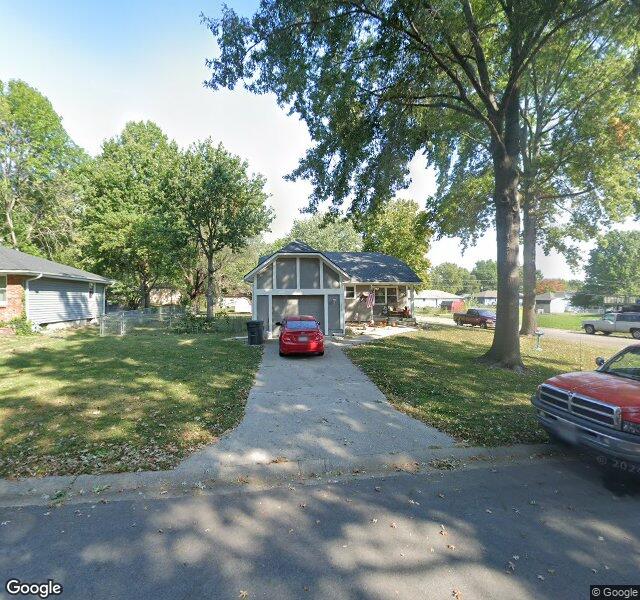
ASPIRE SENIOR LIVING OAK GROVE

2108 SW MITCHELL STREET, OAK GROVE, MO 64075 (816) 690-4118
For profit - Limited Liability company 90 Beds ASPIRE SENIOR LIVING Data: November 2025
Trust Grade
25/100
#329 of 479 in MO
Last Inspection: August 2024

Within standard 12-15 month inspection cycle. Federal law requires annual inspections.

Overview

Aspire Senior Living Oak Grove has a Trust Grade of F, indicating significant concerns about the quality of care provided. With a state rank of #329 out of 479, the facility is in the bottom half of nursing homes in Missouri, and it ranks #25 out of 38 in Jackson County, meaning there are many better options nearby. The facility is showing signs of improvement, as issues decreased from nine in 2024 to two in 2025. Although staffing has a below-average rating of 2 out of 5, the turnover rate is relatively low at 53%, which is better than the Missouri average. However, there have been concerning incidents, such as failures to properly administer insulin and issues with arbitration agreements that could affect residents' rights. While there are no fines on record, the overall rating of 1 out of 5 stars highlights ongoing challenges that families should carefully consider.

Trust Score
F
25/100
In Missouri
#329/479
Bottom 32%
Safety Record
High Risk
Review needed
Inspections
Getting Better
9 → 2 violations
Staff Stability
⚠ Watch
53% turnover. Above average. Higher turnover means staff may not know residents' routines.
Penalties
✓ Good
No fines on record. Clean compliance history, better than most Missouri facilities.
Skilled Nurses
⚠ Watch
Each resident gets only 25 minutes of Registered Nurse (RN) attention daily — below average for Missouri. Fewer RN minutes means fewer trained eyes watching for problems.
Violations
⚠ Watch
28 deficiencies on record. Higher than average. Multiple issues found across inspections.
★☆☆☆☆
1.0
Overall Rating
★★☆☆☆
2.0
Staff Levels
★☆☆☆☆
1.0
Care Quality
★★☆☆☆
2.0
Inspection Score
Stable
2024: 9 issues
2025: 2 issues

The Good

  • Full Sprinkler Coverage · Fire safety systems throughout facility
  • No fines on record

Facility shows strength in fire safety.

The Bad

1-Star Overall Rating

Below Missouri average (2.5)

Significant quality concerns identified by CMS

Staff Turnover: 53%

Near Missouri avg (46%)

Higher turnover may affect care consistency

Chain: ASPIRE SENIOR LIVING

Part of a multi-facility chain

Ask about local staffing decisions and management

The Ugly 28 deficiencies on record

Feb 2025 1 deficiency
CONCERN (D) 📢 Someone Reported This

A family member, employee, or ombudsman was alarmed enough to file a formal complaint

Potential for Harm - no one hurt, but risky conditions existed

Free from Abuse/Neglect (Tag F0600)

Could have caused harm · This affected 1 resident

**NOTE- TERMS IN BRACKETS HAVE BEEN EDITED TO PROTECT CONFIDENTIALITY** Based on observation, interview and record review, the facility failed to ensure one sampled resident (Resident #1) was free fro...

Read full inspector narrative →
**NOTE- TERMS IN BRACKETS HAVE BEEN EDITED TO PROTECT CONFIDENTIALITY** Based on observation, interview and record review, the facility failed to ensure one sampled resident (Resident #1) was free from physical abuse. On 2/5/25 Resident #2 struck Resident #1 on the left side of his/her face, resulting in a black eye out of four sampled residents. The facility was census was 87 residents. The Administrator was notified on 2/14/25 of the past noncompliance which began on 2/5/25. The facility inserviced all staff on the resident to resident abuse policy and interventions. The deficiency was corrected 2/5/25. Review of the facility's undated Abuse Prevention Program policy showed: -Abuse was the willful infliction of injury, unreasonable confinement, intimidation or punishment resulting in physical harm, pain or mental anguish. -It included verbal abuse, sexual abuse, physical abuse and mental abuse including the abuse facilitated or enabled through the use of technology. -Willful meant the individual must have acted deliberately, not that the individual must have intended to inflict injury or harm. 1. Review of Resident #1's admission Record face sheet, showed he/she was admitted to the facility on [DATE] with the following history: -Parkinson's Disease (a chronic, progressive neurological disorder that primarily affects movement). -Dementia (a decline in cognitive function severe enough to interfere with daily life). -Anxiety (excessive worry, nervousness or fear). Review of Resident #1's Quarterly Minimum Data Set (MDS - a federally mandated assessment instrument completed by facility staff for care planning), dated 1/25/25, showed he/she had severe cognitive impairment. Review of Resident #1's Care Plan dated 1/25/25 showed: -He/She had a communication problem related to symptoms from Parkinson's Disease and dementia. Interventions included: ensuring a safe environment with call light in reach and low light glare. He/She was able to communicate face-to-face. -He/She was on anticoagulant (blood thinner) therapy. He/She was to have weekly skin inspections. Review of Resident #2's admission Record face sheet showed he/she was admitted to the facility on [DATE] with the following history: -Cerebral Infarction, (event when a blockage prevents blood flow to the brain). -Dementia with behavioral disturbance. -Parkinson's Disease. -Anxiety. -Alzheimer's Disease, (a progressive degenerative disorder of the brain). Review of Resident #2's MDS assessment, dated 11/9/24, showed he/she was cognitively intact. Review of Resident #2's Care Plan dated 11/14/24 showed: -He/She was independent for meeting emotional, physical and social needs. -He/She had impaired cognitive function or thought processes. Interventions included cuing, reorienting and supervising as needed. Review of Resident #1's Weekly Skin Observation dated 2/5/25 at 5:30 A.M. showed: -He/She had a left black eye. -He/She had bite marks on his/her tongue. Review of Resident #1's Progress Note dated 2/5/25 showed: -At approximately 5:10 A.M. staff brought Resident #1 up to the nurse stating Resident #2 had hit Resident #1. -He/she had a left black eye, dried blood around his/her mouth and bite marks visible on his/her tongue. Review of Resident #2's progress notes dated 2/5/25 showed: -Resident #2 requested to speak to his/her sister and stated, I slapped his/her face into the wall because he/she wouldn't stop making that noise when I asked him/her to stop. -He/She then became very upset with the phone call and hung up the phone. Review of Resident #1's Provider Progress Note dated 2/5/25 showed: -He/she was struck by another resident during an altercation. -Staff reported at approximately 5:10 A.M. that morning, Resident #1 was struck by Resident #2 and sustained a left black eye, and had dried blood around the mouth. -Resident #1 did not know why he/she was struck. Review of the facility's investigation summary dated 2/7/25 showed: -Resident #2 admitted to the facility on [DATE] with no cognitive impairments. -Resident #1 admitted to the facility on [DATE] with severe cognitive impairment. -On 2/5/25 it was reported Resident #2 had hit Resident #1 causing Resident #1 to have a black eye. -An investigation was started immediately and the two residents were separated for their safety. -Upon observation, Resident #1 appeared to have bruising to his/her left eye consistent with being struck on the face. -Upon completion of the investigation, it was determined that an altercation between Resident #1 and Resident #2 did occur resulting in the injury to Resident #1's face. -According to interviews with the floor staff it was reported during room rounds, Resident #2 was sitting over Resident #1's bed and when questioned stated he/she was trying to get him/her to stop moving around. -Resident #2 was redirected without incident at the time. -Approximately one hour later staff noticed dried blood on Resident #1's face as well as discoloration to his/her left eye. -That was when Resident #1 stated Resident #2 hit him/her. -According to an interview with Resident #2, he/she reported he/she struck Resident #1 because he/she made noise all night and I got sick of it. During an interview on 2/14/25 at 11:40 A.M. Resident #2 said: -Resident #1 kept making noises and hollering at the top of his/her lungs in the middle of the night. -One time it scared him/her half to death. -He/She told Resident #1 several times to stop. -He/She did not call the staff for assistance because they had been in and out and he/she figured they knew. -Then he/she told him/her if he/she didn't stop, he/she would come slap his/her face. -Resident #1 kept making the noise, so he/she went over and gently slapped him/her on the cheek. -He/She was not trying to hurt him/her or he/she would have used his/her fist. Observation and interview on 2/14/25 at 11:50 A.M. showed Resident #1 said: -Resident #2 thought he/she talked in his/her sleep. -Resident #2 hit him/her with his/her fist. -He/She did not remember Resident #2 telling him/her to be quiet or threatening him/her. -He/She might be a little afraid of Resident #2. -He/She had slight darkness surrounding his/her left eye. -There was an approximately dime sized dark purple area under the eye surrounded by yellow and green coloration. Review of the written statement by Certified Medication Technician (CMT) A on 2/5/25 showed: -When he/she opened the door about 3:15 A.M. to Resident #1 and Resident #2's room, he/she noticed Resident #2 was sitting by Resident #1's bed. -He/She asked Resident #2 what he/she was doing and he/she stated I was trying to get him/her to stop moving around. -He/She checked on Resident #1 and asked if he/she was okay. -At around 4:30 A.M., he/she and Certified Nurses Aide (CNA) A found Resident #1 up for the day and noticed his/her eye was oddly colored and had become darker as they sat him/her up. -Resident #1 stated, My roommate hit me. During an interview on 2/14/25, at 12:30 P.M. CMT A said: -Resident #1 had a habit of shutting the door to their room because a resident across the hall could be loud, so the door was shut. -When he/she came back from his/her lunch break, he/she peeked in the door and saw Resident #2 sitting in his/her wheelchair by Resident #1's bed about 3 A.M. -He/She asked Resident #2 what he/she was doing and the resident said, I'm just trying to get him/her from moving around so much. -He/She told Resident #2 that Resident #1 was trying to sleep and could not help whether Resident #1 was moving around or talking in Resident #1's sleep. -Resident #2 made a scoffing noise and backed up. -He/She asked Resident #2 if he/she needed anything or needed any help and his/she said, No, its fine. -He/She checked Resident #1 to make sure he/she was okay. -He/She asked Resident #1 if he/she was okay and he/she said he/she was fine. He/She repositioned him/her and moved his/her pillow under his/her head. -At that time, Resident #1 just looked tired and did not have any bruising. -When he/she went to do rounds again around 4:30-4:45 A.M., Resident #1 asked to get up. -He/She called CNA A to assist him/her in getting the resident up. -They sat Resident #1 up on the side of the bed and noticed his/her eye was bruised. During an interview on 2/14/25 at 1:20 P.M. the Director of Nursing (DON) said: -He/She did not think it could have been prevented but understood Resident #2 slapped Resident #1 on purpose. -Resident #2 was more alert and oriented than many of the other residents, so things like noises bothered him/her. -Resident #1's room was changed and they moved him/her closer to the nurses' station because he/she was a fall risk. -The incident was considered abuse. During an interview on 2/14/25 at 1:30 P.M., the Director of Operations said: -He/She did not think this was predictable. -Resident #2 had been at the facility since 2018 and had never been known to behave this way. -He/She was really surprised and it caught him/her off guard. -The incident was resident to resident abuse. Review of the written statement by CNA A on 2/5/25 showed: -He/she and CMT A started to get residents up at 4:00 A.M. and started in the back rooms. -About 4:30 A.M. Resident #1 was found with blood on his/her face. -Then he/she saw the resident's eye and it was black. During an interview on 2/26/25 at 12:30 P.M. CNA A said: -He/She was working at the time of the incident. -During 2:00 A.M. rounds, both residents were in bed asleep. He/She awakened Resident #1 and changed his/her brief. -At about 4:30 A.M. CMT A asked for help and found blood on Resident #1's right cheek. -Resident #1 sometimes has night terrors in his/her sleep, and sometimes swings his/her arms and hits him/herself. -When they sat the resident up, that was when they noticed he/she had a black eye. -They asked the resident what happened and he/she pointed to Resident #2. MO00249058
Jan 2025 1 deficiency
CONCERN (D) 📢 Someone Reported This

A family member, employee, or ombudsman was alarmed enough to file a formal complaint

Potential for Harm - no one hurt, but risky conditions existed

Deficiency F0559 (Tag F0559)

Could have caused harm · This affected 1 resident

**NOTE- TERMS IN BRACKETS HAVE BEEN EDITED TO PROTECT CONFIDENTIALITY** Based on interview and record review, the facility failed to notify in writing the Durable Power of Attorney (DPOA) of resident ...

Read full inspector narrative →
**NOTE- TERMS IN BRACKETS HAVE BEEN EDITED TO PROTECT CONFIDENTIALITY** Based on interview and record review, the facility failed to notify in writing the Durable Power of Attorney (DPOA) of resident room and roommates changes for two sampled residents (Resident #1 and #3). The facility census was 85 residents. Review of the undated facility Resident Rights Policy showed the resident has the right to receive written notice before the resident's room or roommate in the facility is changed, including the reason for the change. Review of the undated facility Notification of Changes Policy showed: -Purpose to Ensure resident and/or resident representative notification of specific changes during the resident's stay in the facility. -The facility must promptly notify the resident and the resident representative, if any, when there is: --A change in room or roommate assignment or, --A change in resident rights under Federal or State law or regulations. 1. Review of Resident #1's Medical Record showed he/she admitted on [DATE] with diagnoses: -Depression (a state of intense sadness or despair that has advanced to the point of being disruptive to an individual's social functioning and/or activities of daily living). -Heart disease. -Anxiety (anticipation of impending danger and dread accompanied by restlessness, tension, fast heart rate, and breathing difficulty not associated with an apparent stimulus) -He/she shared a room on admission with Resident #3. Review of the resident's Quarterly Minimum Data Set (MDS - a federally mandated assessment instrument completed by facility staff for care planning) 11/25/24 showed the resident was moderately cognitively impaired. Review of Resident #3's Medical Record showed he/she admitted on [DATE] with diagnoses: -Dementia (a progressive organic mental disorder characterized by chronic personality disintegration, confusion, disorientation, stupor, deterioration of intellectual capacity and function, and impairment of control of memory, judgment, and impulses). -Alzheimer's disease (a slowly progressive disease of the brain that is characterized by impairment of memory and eventually by disturbances in reasoning, planning, language, and perception). -He/she shared a room on admission with Resident #1. Review of the resident's Quarterly MDS 11/15/24 showed the resident to be severely cognitively impaired. Review of Resident #1 and Resident #2's Durable Power of Attorney (DPOA) documentation showed the residents were to be incapacitated and the family DPOA was invoked on 6/15/23. Review of Resident #1's Nursing Note dated 12/8/23 showed he/she was upset and aggressive when staff advised him/her that Resident #3 was being moved to the secured care unit (SCU). During an interview on 1/29/25 at 11:48 A.M. the Social Services Designee (SSD) said: -Resident #3 was moved to the SCU due to wandering and almost eloping from the facility. -The DPOA was aware of the move. -Resident #1 was given a new roommate. -He/She notifies families by word of mouth about any room or roommate changes. -He/She did not document any notifications of roommates for Resident #1. During an interview on 1/29/25 at 12:04 P.M. the Administrator said notifications were verbal and no written proof was provided to anyone. During an interview on 1/29/25 at 12:44 P.M. the Director of Nursing (DON) said: -Resident #1 and Resident #3 were living in the same room upon admission. -Resident #3 was moved to SCU by the end of 2023. During an interview on 1/29/25 at 3:48 P.M. the DPOA said: -Resident #1 and Resident #3 were admitted to the same room together. -Resident #1 remained in the room when Resident #3 was moved to the SCU. -He/She was not advised of Resident #1 getting a roommate except for one time. -He/She has not been given a choice about roommates for Resident #1. MO00248173
Aug 2024 6 deficiencies
CONCERN (D)

Potential for Harm - no one hurt, but risky conditions existed

Deficiency F0578 (Tag F0578)

Could have caused harm · This affected 1 resident

**NOTE- TERMS IN BRACKETS HAVE BEEN EDITED TO PROTECT CONFIDENTIALITY** Based on interview and record review, the facility failed to offer one sampled resident (Resident #64) advanced directive electi...

Read full inspector narrative →
**NOTE- TERMS IN BRACKETS HAVE BEEN EDITED TO PROTECT CONFIDENTIALITY** Based on interview and record review, the facility failed to offer one sampled resident (Resident #64) advanced directive election when he/she wanted to formulate advanced directives to identify his/her family member as his/her Durable Power of Attorney (DPOA legal document that gives someone the ability to make important decisions for you) if he/she was unable to voice his/her wants/needs, out of 18 sampled residents. The facility census was 86 residents. Review of the undated facility policy titled Durable Power of Attorney for Health Care (DPOA) showed: -Residents will be given the option of completing a DPOA for HealthCare if they have not already done so. DPOA for Health Care does not go into effect unless the resident is unable to make a health care decision because of being unconscious or having significant dementia. This option will be presented to a resident on admission. DPOA for Health Care will be acknowledged on the resident's medical record. 1. Review of Resident #64's undated Face Sheet showed he/she admitted to the facility on [DATE] and readmitted on [DATE] with the following diagnoses: -Acute and chronic respiratory failure with hypoxia (acute respiratory failure results form acute or chronic impairment of gas exchange between the lungs and the blood) -Obstructive sleep apnea (characterized by episodes of complete of complete apnea (breathing stops) or partial collapse of the upper airway with associated decrease in oxygen saturation). -Morbid (severe) obesity (weight is more than 80 to 100 pounds above ideal body weight) with alveolar hypoventilation (breathing at an abnormally slow rate resulting in not enough oxygen). Review of the resident's Responsible Person Agreement dated [DATE] showed he/she was his/her own responsible person. Review of the resident's Resident Rights document dated [DATE] showed prior to or upon admission and annually after, the resident and family/responsible party would be informed of facility policies regarding provision of emergency and life-sustaining care, rights to make treatment decisions and State laws related to advanced directives for health care decision-making. If a resident had written advanced directives, a copy would be placed in the resident's medical record and reviewed annually with the resident, Guardian or health-care attorney-in-fact. Review of the resident's care plan dated [DATE] showed: -Problem: --Need for advance directives to be honored. -Intervention: --Advance directives were to be filed in the chart. --The resident wanted Cardiopulmonary Resuscitation (CPR emergency treatment that was done when someone's breathing or heartbeat had stopped) to be done. --The resident's code status was Full Code (in the event that breathing and the heart stops everything possible will be done to sustain life). --The resident's advance directives and code status were to be reviewed quarterly, annually, and with status changes. During an interview on [DATE] at 9:45 A. M the Social Service Director (SSD) said: -If a resident had their own Power of Attorney (POA) Health Care Directive, he/she would obtain copies for the medical record. -He/she would ask if the resident wanted one if the resident was competent. -Code status was discussed upon admission and paperwork would be placed in the medical record. -He/she did not ask the resident if he/she wanted to do an Advanced Directive on admission. -The resident was alert and oriented at admission. -Frequently a resident or family would come to him/her if they wanted to formulate an advance directive. -He/she wasn't aware it was a requirement to offer to formulate and review the DPOA on admission and annually. -He/she handled all advanced directives. During an interview on [DATE] at 12:50 P.M. the Director of Nursing (DON) said: -The SSD was responsible for offering to formulate advanced directives. -Health Care Directive to include DPOA was to be offered on admission and during care plan meetings.
CONCERN (D)

Potential for Harm - no one hurt, but risky conditions existed

Deficiency F0582 (Tag F0582)

Could have caused harm · This affected 1 resident

Based on interview and record review, the facility failed to ensure three out of three sampled residents (Residents #64, #43 and #537) for Skilled Nursing Facility Advanced Beneficiary Notices (SNF AB...

Read full inspector narrative →
Based on interview and record review, the facility failed to ensure three out of three sampled residents (Residents #64, #43 and #537) for Skilled Nursing Facility Advanced Beneficiary Notices (SNF ABN - Form CMS 10055) were notified in writing of the per diem rate of services when they were expected to no longer be covered by Medicare Part A services. The per diem rate was not provided to residents as soon as reasonably possible when the Notice of Medicare Non-Coverage (NOMNC -Form CMS 10123) was issued. The facility census was 86 residents. Review of the Centers for Medicare and Medicaid Services Survey and Certification memo (S&C-09-20), dated 1/9/09, showed the following: -If the skilled nursing facility (SNF) believes on admission or during a resident's stay that Medicare will not pay for skilled nursing or specialized rehabilitative services and the provider believes that an otherwise covered item or service may be denied as not reasonable or necessary, the facility must inform the resident or his/her legal representative in writing why these specific services may not be covered and the beneficiary's potential liability for payment for the non-covered services. The SNF's responsibility to provide notice to the resident can be fulfilled by either the use of the SNF ABN (form CMS-10055) or one of the five uniform denial letters. -The SNF ABN provides an estimated cost of items or services in case the beneficiary has to pay for them him/herself or through other insurance they may have. -Issuing the NOMNC (CMS 10123) to a beneficiary only conveys notice to the beneficiary of his/her right to an expedited review of a service termination. 1. Review of Resident #537's SNF Beneficiary Protection Notification Review showed: -A NOMNC-CMS 10123 form was provided to the resident showing Medicare Part A skilled services would end on 5/6/24. The resident signed the form on 5/3/24. -The resident was not provided a SNF ABN/CMS-10055 form until 5/6/24. The form did not show the estimated cost to continue services should the resident choose to do so. 2. Review of Resident #64's SNF Beneficiary Protection Notification Review showed: -A NOMNC-CMS 10123 form was provided to the resident showing Medicare Part A skilled services would end on 5/28/24. The resident signed the form on 5/23/24. -The resident was not provided a SNF ABN/CMS-10055 form until 5/28/24. The form did not show the estimated cost to continue services should the resident choose to do so. 3. Review of Resident #43's SNF Beneficiary Protection Notification Review showed: -A NOMNC-CMS 10123 form was provided to the resident showing skilled services would end on 1/31/24. The resident signed the form on 1/28/24. -The SNF ABN/CMS-10055 form, signed by the resident on 1/28/24, did not show the estimated cost to continue services should the resident choose to do so. 4. During an interview on 7/30/24 at 10:59 A.M. the Social Services Director (SSD) said: -All three residents met their skilled therapy goals, remained in the facility, and had Medicare days remaining. -He/She hadn't been putting the residents' estimated costs to continue therapy services on the ABN form, but was responsible for doing so. During an interview on 8/2/24 at 9:53 A.M. the Administrator said: -The cost per day to continue services when Medicare wasn't expected to pay should be included on the ABN form. -The Business Office Manager (BOM) knows the estimated costs to continue services and shares that information in morning clinical meetings. -The SSD should issue the SNF ABN at the same time as the NOMNC. -The SSD was responsible for ensuring the benefit notices contained all required information.
CONCERN (D) 📢 Someone Reported This

A family member, employee, or ombudsman was alarmed enough to file a formal complaint

Potential for Harm - no one hurt, but risky conditions existed

Accident Prevention (Tag F0689)

Could have caused harm · This affected 1 resident

**NOTE- TERMS IN BRACKETS HAVE BEEN EDITED TO PROTECT CONFIDENTIALITY** Based on interview and record review, the facility failed to ensure medication carts were locked at all times when not in use re...

Read full inspector narrative →
**NOTE- TERMS IN BRACKETS HAVE BEEN EDITED TO PROTECT CONFIDENTIALITY** Based on interview and record review, the facility failed to ensure medication carts were locked at all times when not in use resulting in one sampled resident (Resident #15) ingesting medications from medications cards he/she obtained from an unlocked medication cart out of 18 sampled residents. The facility census was 86 residents. The Administrator was notified on 8/2/24 of the past noncompliance which began on 7/20/24. The facility completed an investigation related to the incident. The facility in-serviced all staff who have access to medication carts as well as all facility department heads regarding medication carts being kept locked and ongoing monitoring to ensure medication carts were kept locked when not in use. All medication carts were inspected to ensure locking devices were in good repair. The deficiency was corrected on 7/22/24. Review of the Medications, Storage of policy dated March 2015 showed: -All medications for residents must be stored at or near the nurses' station in a locked cabinet, a locked medication room, or one or more locked mobile medication carts. -All mobile medication carts must be under visual control of the staff at all times when not stored safely and securely; carts must be either in a locked room or otherwise made immobile. -An unlocked medication cart must remain locked at all times, in the event the nurse is distracted from the task of passing medications by some unforeseen occurrence, the cart must be locked before leaving it or secured in a locked medication room. 1. Review of Resident #15's quarterly Minimum Data Set (MDS - a federally mandated assessment tool required to be completed by facility staff for care planning) dated 4/20/24 showed: -He/she was admitted to the facility on [DATE]. -He/she was severely cognitively impaired. -He/she had diagnoses of high blood pressure, dementia, and depression. Review of the resident's Physician's Orders Sheet (POS) dated 7/1/24 through 7/31/24 showed physician orders for: -Amlodipine 10 milligrams (mg) once a day; 6:00 A.M. - 10:00 A.M. for high blood pressure. -Carvedilol 25 mg twice daily; 6:00 A.M. - 10:00 A.M., 4:00 P.M. - 8:00 P.M. for high blood pressure. Review of Registered Nurse (RN) A's investigation statement dated 7/20/24 showed: -At 6:00 A.M. on 7/20/24 three medication cards were removed from the resident's wheelchair. -The resident was unable to tell when he/she took the medication cards or how he/she came to have them. -The resident said, I took them, and I ate two. -RN A notified the Director of Nursing (DON) via text message. -RN A called the resident's on-call physician who said to monitor the residents blood pressure and to call him/her if the resident had blood pressures or if he/she had a change in his/her condition. -The resident's blood pressure was monitored every hour. -At 9:00 A.M. the resident's blood pressure was elevated, he/she was diaphoretic (had excessive sweating) and clammy (having skin that is moist, cool, and often pale). -The resident's on-call physician was again contacted and advised to send the resident to hospital. -911 (Emergency Medical Services; also known as EMS) was activated. -The resident left the facility via EMS at 9:05 A.M. Review of the resident's records for his/her hospitalization from 7/20/24 through 7/24/24 showed: -He/she had a possible accidental overdose from ingesting Coreg (medication for high blood pressure, amlodipine and atorvastatin (medication used to lower cholesterol and fats in the blood). -He/she was reportedly having abdominal pain, nausea and vomiting in addition to uncontrolled high blood pressure. -He/she had no other no side effects from ingestion of medications and was discharged back to the facility on 7/24/24. Review of the resident's care plan dated 7/22/24 showed: -He/she was found in the dining room with another resident's medication cards in his/her wheelchair. -He/she was unable to state anything other than, I took them. -He/she was sent to hospital emergency room on 7/20/24. Review of the facility undated investigation summary on 7/30/24 showed: -A text message was sent from charge nurse stating the resident was seen with pills he/she had gotten from a medication cart, and the resident said he/she took two of the medications. -The on-call physician said to monitor the resident's blood pressure and call back if his/her baseline changed. -The resident had amlodipine 10 mg, carvedilol 12.5 mg, and donepezil 10 mg cards; the resident currently took amlodipine 10 mg, carvedilol 25 mg and was not currently taking donepezil (a medication that treats memory loss and confusion). -The DON read the text message at approximately 8:30 A.M. and called The Director of Operations who said to report the incident to the state agency. -RN A called EMS and the resident was transported to hospital at approximately 9:00 A.M.; the resident's family was notified. -The DON obtained statements from all staff on the day and night shift staff on the front hall (the hall where the resident resided). -After the DON spoke with staff, he/she believed the resident went by the medication cart, was able to open and take the medication cards from the medication cart, took the cards to the dining room and took an undetermined amount of medication from the medication cards. and take medication cards from the medication cart. -The DON completed the report to the state agency, completed education for all staff present in the building and sent out mass texts to all Certified Medication Technicians (CMT). During an interview on 8/2/24 at 9:59 A.M. RN A said: -On 7/20/24 at 6:00 A.M. the resident was in the dining room, had three medication cards belonging to a different resident, and said he/she had taken two pills. -Two of the medication cards were medications already prescribed for him/her, one of those medications was a lower dose than what was prescribed for the resident, another medication was not already prescribed for the resident. -He/she assessed the resident, including his/her vital signs, notified the DON and the on-call physician. -The on-call physician said to monitor the resident's blood pressure and to call again if the resident had high blood pressure or had any change in condition. -The on-call physician did not give a frequency for monitoring the resident's blood pressure, but RN A had monitored the resident's vital signs (body temperature, heart rate, and rate of breathing) and blood pressure hourly and after a few hours the resident's blood pressure was higher, and he/she was diaphoretic and clammy. -He/she called the resident's on-call physician and reported the changes in the resident and the on-call physician said to send the resident to hospital. -He/she then activated 911 and notified the resident's family and the DON. -The cart the resident had obtained the medication from had been usually kept in front of the nurse's station near the main dining room and always locked when not in use. -He/she was not aware of any medication cart not being kept locked when not use or of any medication cart lock not operating properly. -Immediately after what happened the DON directed that the medication cart be kept in a medication storage room when not in use and this directive was followed by staff. During an interview on 8/2/24 at 10:14 A.M. the DON said: -He/she was notified regarding the resident on 7/20/24 by about 6:10 A.M. -The determination of the investigation was that somehow the medication cart had to have been unlocked - that was the only thing that could have happened. -All staff were expected to lock any medication not locked when not in use by staff immediately near the medication cart. MO00239234
CONCERN (D)

Potential for Harm - no one hurt, but risky conditions existed

Respiratory Care (Tag F0695)

Could have caused harm · This affected 1 resident

**NOTE- TERMS IN BRACKETS HAVE BEEN EDITED TO PROTECT CONFIDENTIALITY** Based on observation, interview and record review, the facility failed to ensure necessary respiratory care for one sampled resi...

Read full inspector narrative →
**NOTE- TERMS IN BRACKETS HAVE BEEN EDITED TO PROTECT CONFIDENTIALITY** Based on observation, interview and record review, the facility failed to ensure necessary respiratory care for one sampled resident, (Resident #64), the facility failed to have an order for the Bilevel positive airway pressure (BiPAP a respiratory therapy intervention that delivers an inhale pressure and an exhale pressure to provide a patent airway), settings, cleaning and storage of the BiPap out of 18 sampled residents. The facility census was 86 residents. Review of undated facility policy titled Noninvasive Ventilation showed: -The facility would obtain an order for the use of BiPAP device and settings from the practitioner. -The facility will follow the manufacturer's instruction for use of the machine. -Document use of the machine, resident's tolerance, any skin, respiratory or other changes and response(s). -Follow manufacturer instructions for the frequency of cleaning, replacing filters and servicing the machine. Only the supplier may service the machine. -Replace equipment routinely in accordance with the manufacturer recommendation. General guidelines: --Face mask and tubing to be changed once every three months. --Headgear, non-disposable filters, and humidifier chamber to be changed once every six months. --Disposable filters to be changed twice monthly. Review of undated facility policy titled Oxygen Administration showed: -Staff shall document the initial and ongoing assessment of the resident's condition warranting oxygen and the response to oxygen therapy. -Cleaning and care of equipment shall be in accordance with the facilities policies for such equipment. -The equipment needed for oxygen administration will depend on the type of delivery system ordered. 1. Review of Resident #64's undated Face Sheet showed he/she was last admitted to the facility on [DATE] with the following diagnoses: -Acute and chronic respiratory failure with hypoxia. (acute respiratory failure results form acute or chronic impairment of gas exchange between the lungs and the blood) -Obstructive sleep apnea (characterized by episodes of complete of complete apnea (breathing stops) or partial collapse of the upper airway with associated decrease in oxygen saturation). -Morbid (severe) obesity (weight is more than 80 to 100 pounds above ideal body weight) with alveolar hypoventilation (breathing at an abnormally slow rate resulting in not enough oxygen). Review of the resident's current Physician Order Sheet (POS) showed no orders for BiPAP administration, settings, cleaning, or storage. Observation on 7/29/24 at 7:02 A.M. and 1:29 P. M. showed: -The BiPAP was on the stand next to the resident's bed and was not in a bag. -No bag available in the room for BiPAP. Observation on 7/30/24 at 8:56 A.M. showed: -The BiPAP was on the stand next to the resident's bed and was not in a bag. -No bag available in the room for BiPAP. During an interview on 8/2/24 at 9:12 A.M. Registered Nurse (RN) A said: -The BiPAP was used at night while the resident was sleeping. -A technician was sent out to set the resident's specific settings. -There were no orders for BiPAP. -Cleaning of the BiPAP mask, orders should have noted when and how to clean. -Oxygen order was for 4 to 8 liters as the resident chronically got pneumonia, when that happened, he/she needed more oxygen. -The resident had a special oxygen concentrator that had the capacity to go to 8 liters. -The resident saw a Pulmonologist (A doctor who had special training in diagnosing and treating diseases of the lungs). -The resident's Primary Care Physician (PCP) would attempt to titrate the oxygen down. -The resident felt best at 6 liters. -The Staffing Coordinator was responsible to change oxygen tubing and bag. -The Certified Medication Technicians (CMTs) helped with the changing of the tubing and water bottles. -Tubing was changed every 30 days. -The water canister should be dated. -The Staffing Coordinator was responsible for cleaning the filters for the concentrator. -The Certified Nursing Assistants (CNAs) were responsible to place the tubing in the bag. During an interview on 8/2/24 at 12:50 P.M. the Director of Nursing (DON) said: -If someone had BiPAP the orders should contain settings, and when to change the mask, and tubing. -The BiPAP mask should be stored in a bag. -The resident should have an order in place. -The charge nurse should input the order and the he/she should audit. -The Staffing Coordinator should store the mask when not in use. -The Staffing Coordinator was responsible for monitoring the oxygen and BiPAP.
CONCERN (D)

Potential for Harm - no one hurt, but risky conditions existed

Dental Services (Tag F0791)

Could have caused harm · This affected 1 resident

**NOTE- TERMS IN BRACKETS HAVE BEEN EDITED TO PROTECT CONFIDENTIALITY** Based on observation, interview and record review, the facility failed to ensure dental care for teeth in poor repair for one sa...

Read full inspector narrative →
**NOTE- TERMS IN BRACKETS HAVE BEEN EDITED TO PROTECT CONFIDENTIALITY** Based on observation, interview and record review, the facility failed to ensure dental care for teeth in poor repair for one sampled resident (Resident #13) out of 18 sampled residents. The facility census was 86 residents. Record review of the facility Dental Services policy dated 1/20/24 showed: -The facility must provide or obtain from an outside resource routine and emergency dental services to meet the needs of each resident 1. Review of Resident #13's admission Minimum Data Set (MDS - a federally mandated assessment tool required to be completed by facility staff for care planning) dated 11/23/23 showed: -He/she was admitted to the facility on [DATE]. -He/she was cognitively intact. -His/her oral/dental status included obvious or likely cavity or broken natural teeth. Review of the resident's Physician's Orders Sheet (POS) showed an order with a start date of 5/13/24 that the resident may see the dentist as needed. Review of the resident's MDS dated [DATE] showed. -He/she was cognitively intact. -His/her oral/dental status included obvious or likely cavity or broken natural teeth. Observation and interview on 7/30/24 at 10:12 A.M. showed: -The resident's front teeth were broken and jagged. -The resident said he/she had not seen a dentist since being admitted to the facility. -He/she would like to see a dentist. -He/she had not had any tooth pain. Review of the resident's Electronic Medical Record (EMR), on 7/30/24, showed no dental visits had been completed for the resident and dental care was not addressed on the resident's care plan. During an interview on 8/2/24 at 8:55 A.M. the MDS Coordinator said: -He/she was the charge nurse for the resident's living unit for the current shift. -He/she thought the resident had recently been seen by the dentist and that the dentist had said the resident did not need extractions but did not see that information in the resident's EMR. -He/she had assessed that the resident had something with his/her teeth and included that on the resident's MDS but was not aware the resident had not been seen by a dentist and had not included dental care on the resident's care plan. During an interview on 8/2/24 at 9:27 A.M. the Social Services Director (SSD) said: -He/she was not aware the resident needed to see a dentist. -He/she became aware of residents needing to see the dentist when licensed nurses told him/her or if a resident's doctor ordered for a resident to be seen by a dentist. -Residents did not routinely see dentists but would see the dentist came to the facility; that dentist would evaluate resident's he/she was asked to see to evaluate if he/she could complete any needed dental work or if there would be a need to see a dentist outside the facility. -Residents were not routinely seen by dentists. -Residents only saw dentists if there was a dental concern. -There was no system/schedule to ensure residents routinely saw a dentist. During an interview on 8/2/24 at 12:50 P.M. the Director of Nursing (DON) said: -The facility SSD was responsible for ensuring residents had routine dental care. -Should there be a dental concern for a resident licensed nurses should tell the SSD. -He/she had not been aware the resident had a dental need. -Any dental need other than routine examinations should be communicated to him/her by licensed nurses and discussed in clinical meetings and he/she would follow up to ensure resident's received needed dental care.
CONCERN (E)

Potential for Harm - no one hurt, but risky conditions existed

Deficiency F0847 (Tag F0847)

Could have caused harm · This affected multiple residents

**NOTE- TERMS IN BRACKETS HAVE BEEN EDITED TO PROTECT CONFIDENTIALITY** Based upon interview and record review, the facility failed to use a binding arbitration agreement that was optional, and stated...

Read full inspector narrative →
**NOTE- TERMS IN BRACKETS HAVE BEEN EDITED TO PROTECT CONFIDENTIALITY** Based upon interview and record review, the facility failed to use a binding arbitration agreement that was optional, and stated residents and/or their representatives were not compelled to sign the Arbitration Agreement as a condition of admission and could rescind the arbitration agreement within 30 calendar days of signing. This affected two residents (Resident #64 and #45) out of three sampled residents. This had the potential to affect all residents who had previously signed mandatory arbitration agreements. The facility assessment was 86 residents. 1. Review of the facility's Arbitration Agreement, undated, showed: -An Alternative Dispute Resolution Addendum showing: --The addendum was attached and made a part of the admission Agreement between the facility and resident. --All claims, disputes and controversies arising out of or in any manner relating, directly or indirectly to the resident's care or stay shall be subject to certain alternative dispute resolution procedures that must be exhausted prior to pursuing any other remedy that may be available. The required alternative dispute resolution procedures are (a) mandatory non-binding mediation and (b) mandatory non-binding appealable arbitration. --Each party agrees that compliance with the requirements of this addendum shall be a condition precedent to its right to assert any claims with respect to a dispute in any other forum. Review of Resident #64's Face Sheet showed: -The resident was admitted to the facility on [DATE]. -The resident was his/her own responsible party for finances. Review of the resident's quarterly Minimum Data Set (MDS - a federally mandated assessment instrument completed by facility staff for care planning), dated 7/2/24 showed the resident was cognitively intact. Review of the resident's arbitration agreement showed it was signed by the resident on 8/22/23 and witnessed by the Receptionist. During an interview on 7/30/24 at 1:15 P.M. the resident said: -He/She was admitted in the evening almost a year ago and was just getting out of the hospital so he/she couldn't remember if he/she signed an arbitration agreement or not. -He/She realized an arbitration agreement meant he/she would agree to an arbitrator and not go to court if there was a dispute. -He/She couldn't recall being told he/she had 30 days to get out of the arbitration agreement because if he/she was told that he/she would probably have asked to have the agreement explained to him/her. -He/She couldn't remember if he/she was told he/she could contact a resident advocate related to a dispute. Review of Resident #45's Face Sheet showed the resident was admitted to the facility on [DATE] and had a responsible party for medical care and finances. Review of the resident's quarterly MDS, dated [DATE], showed the resident was severely cognitively impaired. Review of the resident's arbitration agreement showed it was signed by the resident's representative on 4/8/24 and witnessed by the Receptionist. During an interview on 7/30/24 at 1:15 P.M. the resident's representative said: -He/She signed some papers when provided the admission agreement and thought one of them might have been an arbitration agreement. -He/She wasn't sure if the Social Services Director (SSD) mentioned having a certain number of days to rescind the agreement or if he/she was told he/she didn't need to sign it. -The SSD said if an issue arose, they would like to fix it before it went to litigation. During an interview on 8/2/24 at 8:44 A.M. the Receptionist said: -He/She worked the front desk and went into the SSD office when residents signed the arbitration agreement. -He/She didn't know what was explained to residents related to the arbitration agreement. During an interview on 8/2/24 at 9:30 A.M. the SSD said: -The arbitration agreement was one of the items in the admission packet. He/She was responsible for making sure the residents or their representatives understood the contents of the admission packet. -He/She didn't go over the arbitration agreement word for word but had the residents or their representatives read it and asked them if they had any questions about it. If they didn't have questions, he/she assumed they understood the arbitration agreement. -He/She didn't know whether they realized they were giving up their right to litigation unless they asked about it. -He/She couldn't recall if the arbitration agreement said there was a certain number of days where they could rescind the agreement. -The facility had a new admission packet which did not contain an arbitration agreement. Residents admitted on or after 6/26/24 did not have arbitration agreements. -As far as he/she knew everyone who was admitted prior to 6/26/24 had a signed arbitration agreement that was still in effect. During an interview on 8/2/24 at 9:50 A.M. with the Administrator and Director of Operations: -The Administrator said: --The arbitration agreement should have given residents the opportunity to rescind the agreement 30 days after signing it and the agreement should not have been mandatory. --An arbitration agreement was not part of the current admission packet. -The Director of Operations said: --There was a change of ownership May 1, 2022 and he/she didn't know why the arbitration agreement wasn't either updated or removed at the time. --The Management Team (corporate team) was using the prior company's admission packet and realized they needed their own packet. -The current admission packet was recently updated and doesn't contain an arbitration agreement, but arbitration agreements were on file for residents who already signed them. -If the facility notices something isn't current, they should work with the Management Team and make updates.
Jan 2024 3 deficiencies
CONCERN (D) 📢 Someone Reported This

A family member, employee, or ombudsman was alarmed enough to file a formal complaint

Potential for Harm - no one hurt, but risky conditions existed

Free from Abuse/Neglect (Tag F0600)

Could have caused harm · This affected 1 resident

**NOTE- TERMS IN BRACKETS HAVE BEEN EDITED TO PROTECT CONFIDENTIALITY** Based on interview and record review, the facility failed to ensure one sampled resident (Resident #1) was free from abuse when ...

Read full inspector narrative →
**NOTE- TERMS IN BRACKETS HAVE BEEN EDITED TO PROTECT CONFIDENTIALITY** Based on interview and record review, the facility failed to ensure one sampled resident (Resident #1) was free from abuse when on 1/4/24, Resident #2 grabbed Resident #1 by the right arm and twisted and pushed the resident, then on 1/4/24 Resident #2, with known aggressive behavior, again approached Resident #1 and pushed his/her head into the nurse's station desk out of five sampled residents. The facility census was 85 residents. Review of the facilities policy for Abuse, Neglect and Exploitation revised 9/9/22 showed: -Provide health, welfare and rights of each resident by developing and implementing written policies and procedures that prohibit and prevent abuse, neglect, exploitation and misappropriation of resident property. -Abuse includes verbal abuse, sexual abuse, physical abuse, and mental abuse. -Physical abuse includes, but not limited to hitting, slapping, punching, biting, and kicking. -The facility will make efforts to ensure all residents are protected from physical and psychosocial harm during and after the investigation. 1. Review review of Resident #2's Facility Face Sheet showed he/she was admitted on [DATE] with the following diagnoses: -Schizoeffective Disorder (a mental health problem where you experience psychosis and mood symptoms) -Dementia with Behavioral Disturbances. -Anxiety Disorder. Record review of the facility Care Plan Discussion Items dated 11/9/23 showed: -He/She refused care, yelled out at staff and other residents, was hard to re-direct. -The facility staff was to redirect him/her when combative with other residents. Record review of the resident's Quarterly Minimum Data Set (MDS- a federally mandated assessment tool completed by the facility staff and used for care planning) dated 11/19/23 showed: -He/She had moderate cognitive impairment, made poor decisions and had needed cues and supervision. -He/She was independent with mobility while in wheelchair. -He/She received an anti-anxiety daily during the look back period. -He/She was verbally aggressive four to six days during the look back period. Record review of the resident's care plan dated 11/28/23 showed: -He/She had verbal aggression. -He/She had physical aggression with staff. -He/She was not to threaten, scream at, or curse at other residents, visitors, and/or staff by next review date. -The facility staff was to administer medications as ordered. Monitor and record effectiveness -The facility staff was to assess him/her for placement in a specially designed therapeutic unit. -The facility staff was to assess whether his/her behaviors endangered the resident and/or others and intervene as necessary. -The facility staff was to avoid over-stimulation with him/her (e.g., noise, crowding, other physically aggressive residents) Review of Resident #1's Facility Face Sheet Showed he/she was admitted on [DATE] with the following diagnoses: -Dementia. -Stroke. -Anxiety Disorder. Review of resident's Quarterly MDS dated [DATE] showed: -He/She was severely cognitively impaired. -He/She had wandered daily. -He/She used a wheelchair. Review of the resident's care plan dated 1/10/24 showed: -He/She had developed fear related to history of neglect and abandonment. -He/She would able to identify situations, events, and/or images which trigger recollections past traumatic experiences by next review date. -The facility staff was to maintain safety during post-traumatic episodes. Record review of the facility's Incident Investigation Report dated 1/4/24 showed: -Resident #2 was agitated and yelling/cursing at staff at 6:00 A.M. -Staff had re-directed Resident #2 and offered him/her food and drink in the dining room. -Resident #2 was unable to be re-directed by staff. -Resident #2 had approached Resident #1 in the doorway of the dining room and began to yell and cuss at Resident #1. -Certified Medication Technician (CMT) A witnessed Resident #2 grab Resident #1 by his/her arm, twisted and shoved Resident #1 backward. -CMT A had separated Resident's #1 and #2 and notified the Licensed Practical Nurse (LPN) A. -Certified Nurses Assistant (CNA) A had escorted Resident #2 back to his/her room and turned on his/her radio. -LPN A was at the nursing station when Resident #2 came back down the hall in his/her wheelchair shortly after first incident and he/she again started cussing and yelling at Resident #1. -LPN A had attempted to intervene. -Resident #2 was able to reach Resident #1 and grabbed him/her and shoved him/her causing Resident #1 to hit his/her head on the nurse's station. -Resident #2 had continued to have aggressive physical behaviors and was transported to the emergency department for an evaluation. During an interview on 1/29/24 at 11:00 A.M., LPN A said: -Resident #2 was verbally and physically aggressive towards staff and 1/4/24 incident was first time he/she had been verbal and physical towards other residents. -He/She had redirected Resident #2 but did not increase any other oversight of Resident #2 to possibly prevent the incident from happening to Resident#1again. During an interview on 1/29/24 at 12:04 P.M., the Director of Nursing (DON) said: -He/She had been DON since 4/2023. -He/She would expect increase over-site if resident is physically abusive towards another resident to prevent and protect other residents. -He/She and the Administrator would discuss resident behaviors daily during morning meetings and review interventions. -Resident behaviors are monitored by psychiatrist, behavioral services and medical doctor. MO 00229711
CONCERN (D) 📢 Someone Reported This

A family member, employee, or ombudsman was alarmed enough to file a formal complaint

Potential for Harm - no one hurt, but risky conditions existed

Transfer Requirements (Tag F0622)

Could have caused harm · This affected 1 resident

**NOTE- TERMS IN BRACKETS HAVE BEEN EDITED TO PROTECT CONFIDENTIALITY** Based on interview and record review, the facility failed to provide a resident with an appropriate involuntary transfer dischar...

Read full inspector narrative →
**NOTE- TERMS IN BRACKETS HAVE BEEN EDITED TO PROTECT CONFIDENTIALITY** Based on interview and record review, the facility failed to provide a resident with an appropriate involuntary transfer discharge when they transferred one sampled resident (Resident #2) to the hospital and would not allow him/her to return out of three sampled residents. The facility census was 85 residents. Review of the facility policy Transfer and discharge date d 2021 showed: -The facility will permit each resident to remain in the facility, and not transfer or discharge the resident from the facility except in limited situations when the health and safety of the individual or other residents are endangered. -Facility Initiated Discharge is a transfer or discharge which the resident objects to, did not originate through a resident's verbal or written request, and/or in in alignment with the resident's stated goals of care and preferences. -The facility will evaluate and determine the level of care needed for the resident prior to admission to ensure the facility's ability to meet the resident's needs. -Obtain a physicians' orders for emergency transfer or discharge, stating the reason the transfer or discharge is necessary on an emergency basis. -Notify resident and/or resident representative. -Contact an ambulance service and provider hospital, or facility of resident's choice, when possible, for transportation and admission arrangements. -Complete and send with the resident (or provide as soon as practicable) a transfer form which document. --Resident status, including baseline and current mental, behavioral and functional status. --Recent vital signs. --Current diagnosis, allergies and reasons for transfer/discharge. --Resident representative information including contact information. --Current medications (including when last received), treatments, most recent labs and/or radiological findings and recent immunizations. --Special instructions or precautions for ongoing care. --Special risk for falls, elopement, bleeding, pressure injury and/or aspiration precautions. --Comprehensive care plan goals. --any other documentation, as applicable, to ensure a safe and effective transition of care. -A copy of any Advance Directives, Durable Power of Attorney (DPOA), Do Not Resusitate (DNR) or Withholding or Withdrawing of Life-Sustaining Treatment forms should be sent with the resident. Review of the Facility-Wide Self assessment dated [DATE] showed: -Dementia (a progressive organic mental disorder characterized by chronic personality disintegration, confusion, disorientation, stupor, deterioration of intellectual capacity and function, and impairment of control of memory, judgment, and impulses) services provided. -Thirty-nine dementia residents in the facility. -Seven residents with behavioral health needs with individualized behavioral healthcare care plans. 1. Review of Resident #2's Facility Face Sheet showed he/she was admitted on [DATE] with the following diagnoses: -Schizoeffective Disorder (a mental health problem where you experience psychosis and mood symptoms). -Dementia with Behavioral Disturbances. -Anxiety Disorder. Review of the facility Care Plan Discussion Items dated 11/9/23 showed: -He/She refused care, yelled out at staff and other residents, was hard to re-direct. -The facility staff was to redirect him/her when combative with other residents. Review of the resident's Quarterly Minimum Data Set (MDS- a federally mandated assessment tool completed by the facility staff and used for care planning) dated 11/19/23 showed: -He/She had moderate cognitive impairment, made poor decisions and had needed cues and supervision. -He/She was independent with mobility while in wheelchair. -He/She received an anti-anxiety daily during the look back period. -He/She was verbally aggressive four to six days during the look back period. Review of the resident's care plan dated 11/28/23 showed: -He/She had verbal aggression. -He/She had physical aggression with staff. -He/She was not to threaten, scream at, or curse at other residents, visitors, and/or staff by next review date. -The facility staff was to administer medications as ordered. Monitor and record effectiveness. -The facility staff was to assess him/her for placement in a specially designed therapeutic unit. -The facility staff was to assess whether his/her behaviors endangered the resident and/or others and intervene as necessary. -The facility staff was to avoid over-stimulation with him/her (e.g., noise, crowding, other physically aggressive residents). -He/She would be staying long term care. -Staff was to assist resident/family with discharge planning, if decision for long term care changes. -Staff was to arrange for discharge planning conference. -Staff was to assist resident and/or support person in locating and coordination of post-discharge services. -Staff was to explore care options with resident and family. -Staff was to make arrangements that resident/family needs assistance with, prior to discharge. Review of the resident's Discharge MDS dated [DATE] showed he/she was discharged with return anticipated. Review of the resident's discharge letter dated 1/4/24 addressed to a local hospital, the resident, and the resident's DPOA, showed: -Formal notification of immediate discharge. -Consult with Medical Director of the facility. -Reason for discharge: the facility was unable to provide adequate care to resident and ensure safety of others in the facility. During an interview on 1/29/24 the Administrator said: -He/She was not going to take back Resident #2 and put other residents in danger. -He/She should have sent more discharge information and written physician orders with why the facility could not care for resident and what has been attempted to try and meet resident needs for care. -He/She did not provide the resident or responsible party a thirty-day notice or appeal process. -He/She had declined to take the resident back to the facility when the acute medical hospital was ready to return the resident. MO00229714
CONCERN (D) 📢 Someone Reported This

A family member, employee, or ombudsman was alarmed enough to file a formal complaint

Potential for Harm - no one hurt, but risky conditions existed

Deficiency F0645 (Tag F0645)

Could have caused harm · This affected 1 resident

**NOTE- TERMS IN BRACKETS HAVE BEEN EDITED TO PROTECT CONFIDENTIALITY** Based on interview and record review, the facility failed to ensure the Preadmission Screen and Resident Review (PASARR is a fed...

Read full inspector narrative →
**NOTE- TERMS IN BRACKETS HAVE BEEN EDITED TO PROTECT CONFIDENTIALITY** Based on interview and record review, the facility failed to ensure the Preadmission Screen and Resident Review (PASARR is a federal requirement to help ensure that individuals are not inappropriately placed in nursing homes for long term care) Level I and if indicated, Level II was obtained for one sampled resident (Resident #2) having a mental condition, out of three sampled residents. The facility census was 85 residents. Review of facility PASARR policy dated 3/17/04 showed: -A resident discharged /transferred from a Medicaid certified bed in one nursing facility to a Medicaid certified bed in another nursing facility does not require a new PASARR to be completed. -The discharging/transferring nursing facility shall include a copy of the existing PASARR. -The discharging/transferring nursing facility shall notify the local Family Support Division office of the residents transfer. -The nursing facility to which the resident is being transferred shall notify the Family Support Division office in their county of the resident's admission to their facility. -The receiving facility is responsible for assuring that the PASARR is included in the transfer packet. -Should the PASARR not be included in the packet, admission should not be completed. -The PASARR should be requested from the prior facility by the receiving facility 1. Review of Resident #2's Facility Face Sheet showed he/she was admitted on [DATE] with the following diagnoses: -Schizoeffective Disorder (a mental health problem where you experience psychosis and mood symptoms) -Dementia (a progressive organic mental disorder characterized by chronic personality disintegration, confusion, disorientation, stupor, deterioration of intellectual capacity and function, and impairment of control of memory, judgment, and impulses) with Behavioral Disturbances. -Anxiety Disorder. -He/She was admitted from another nursing home. Review of the resident's Electronic Medical Record (EMR) on 1/29/24 showed no PASARR Level I and if indicated a Level II. Review of the resident's Quarterly Minimum Data Set (MDS- a federally mandated assessment tool completed by the facility staff and used for care planning) dated 11/19/23 showed: -He/She had moderate cognitive impairment, made poor decisions and had needed cues and supervision. -He/She was independent with mobility while in wheelchair. -He/She received an anti-anxiety daily during the look back period. -He/She was verbally aggressive four to six days during the look back period. -He/She was admitted from another nursing home. Review of the resident's care plan dated 11/28/23 showed: -He/She had verbal aggression. -He/She had physical aggression with staff. -He/She was not to threaten, scream at, or curse at other residents, visitors, and/or staff by next review date. -The facility staff was to administer medications as ordered. Monitor and record effectiveness -The facility staff was to assess him/her for placement in a specially designed therapeutic unit. -The facility staff was to assess whether his/her behaviors endangered the resident and/or others and intervene as necessary. -The facility staff was to avoid over-stimulation with him/her (e.g., noise, crowding, other physically aggressive residents) During an interview on 1/29/24 at 10:30 A.M. the Social Service Director (SSD) said: -It was his/her responsibility to ensure the residents have a PASARR if needed. -He/She had reached out to prior facility for Resident #2 when admitted on [DATE] and requested PASARR, had not followed up that it had been received. -He/She reviews PASARR's at least quarterly. During an interview on 1/29/24 the Administrator said: -He/She was not aware Resident #2 did not have a PASARR. -He/She and SSD are responsible for auditing to make sure PASARR's are completed. MO 00229711
Feb 2023 1 deficiency
CONCERN (D) 📢 Someone Reported This

A family member, employee, or ombudsman was alarmed enough to file a formal complaint

Potential for Harm - no one hurt, but risky conditions existed

Deficiency F0658 (Tag F0658)

Could have caused harm · This affected 1 resident

**NOTE- TERMS IN BRACKETS HAVE BEEN EDITED TO PROTECT CONFIDENTIALITY** Based on interview and record review, the facility staff failed to sign the Treatment Administration Record (TAR) after treatmen...

Read full inspector narrative →
**NOTE- TERMS IN BRACKETS HAVE BEEN EDITED TO PROTECT CONFIDENTIALITY** Based on interview and record review, the facility staff failed to sign the Treatment Administration Record (TAR) after treatments were completed for one sampled resident (Resident #1) out of three sampled residents. The facility census was 83 residents. The Administrator was notified on 2/23/23 of Past Non-Compliance which occurred on 2/2/23. On 2/2/23 the facility Administrator identified improper signing of the Medication Administration Record (MAR)s & TARs,by facility staff when passing medications for completing treatments for the residents. On 2/6/23 education was provided to Registered Nurse's (RN's), Licensed Practical Nurse's (LPN's) and Certified Medication Technician's (CMT's) about signing the MARs & TARs at the time of services. The deficiency was corrected on 2/6/23. Record review of the facility's undated Documentation of Wound Treatments showed: -The facility completes accurate documentation of wound assessment and treatments. -Wound treatments are documented at the time of each treatment. -Date and time of wound management treatments. -Treatments will be documented on the TAR. Record review of the facility Performance Improvement Program (PIP) dated 2/2/23 showed: -Areas of concern was MARs and TARs missing signatures. -Plan of Correction: --Education will be provided to RNs, LPNs and CMTs. ---Topic MAR and TAR signatures. ---Presenter was the Administrator on 2/6/23. ---Description of information presented: ----All MARs and TARs should be signed as work is completed. ---Review the MARs and TARs before staff leave their shift to ensure signatures are completed. --Administrator, Director of Nursing (DON) and Medical records will begin audits of all MARS and TARs. -Updates: --2/20/23, Quality Assurance meeting held with the Medical Director present. --2/21/23, continued verbal education given to nurses and CMTs via administrator, DON and Staffing Coordinator. --2/22/23, Staffing Coordinator and CMT reviewing February MARs and TARs. --2/22/23, Staffing Coordinator updating agency staffing companies currently in use, making sure agency nurses and CMTs are properly signing MARs and TARs. 1. Record review of Resident #1's Face Sheet showed he/she was admitted to the facility on [DATE] and re-admitted on [DATE] with the following diagnoses: -Pressure ulcer (an injury to the skin underlying tissue resulting from prolonged pressure on the skin) of right buttock, Stage III (a full thickness tissue loss. Subcutaneous fat may be visible but bone, tendon or muscle is not exposed. Slough may be present but does not obscure the depth of tissue loss. May include undermining or tunneling). -Pressure ulcer of sacral (large, triangular bone at the base of the spine and at the upper and back part of the pelvic cavity) region, unstageable unstageable (Full thickness tissue loss in which the base of the ulcer is covered by slough (yellow, tan, gray, green or brown) and/or eschar (tan, brown or black) in the wound bed). -Pressure ulcer of other site, unstageable. -Pressure ulcer of right hip, Stage III. -Atherosclerosis (the build-up of fats, cholesterol, and other substances in and on the artery walls) of native arteries of right leg with ulceration of other part of foot. -Complete traumatic amputation of left mid-foot, sequela. -Peripheral vascular disease (a circulation condition in which narrowed blood vessels reduce blood flow to the limbs). -Type II Diabetes (A chronic condition that affects the way the body processes blood sugar, the body either does not produce enough insulin, or it resist insulin). -Coronary artery disease (buildup of plaque in the heart's major blood vessels causing arteries to narrow, limiting blood flow to the heart). -High Blood Pressure. -Paroxysmal atrial fibrillation (an irregular, often rapid heart rate that commonly causes poor blood flow). -Congestive heart failure (a chronic condition in which the heart does not pump blood as well as it should). -Non-rheumatic aortic (valve) stenosis (the valve between the lower left heart chamber and the body's main artery (aorta) is narrowed and does not open fully reducing or blocking blood flow from the heart to the aorta and to the rest of the body). -Occlusion and stenosis of bilateral carotid arteries (is a narrowing of the large arteries on either side of the neck, face, and brain). -Chronic obstructive pulmonary disease (a group of lung diseases that block airflow and make it difficult to breath). Record review of the resident's Physician's Order Sheet (POS) and TAR dated 11/7/22 to 2/20/23 showed: -Outside Wound Care Company to evaluate and treat as indicated, started 1on 1/7/22 - open end date. -Santyl (Collagenase clostridium histolyticum is an enzyme used to promote debridement of necrotic tissue) ointment, 250 unit/gram, administer 1 topical once daily, cleanse wound to right lateral heel with hypochlorous acid, pat dry, apply skin prep to peri wound, apply Santyl nickel thick to calcium alginate that has been cut to fit wound bed, cover with 4 x 4 bordered silicone foam dressing, change daily and as needed (PRN) for soiling, started 11/11/22, end date 12/30/22. --From 11/11/22 through 11/30/22, the TAR was not signed as being treated two out of 20 opportunities. --From 12/1/22 through 12/29/22,the TAR was not signed as being treated 16 out of 30 opportunities. -New order 12/29/22, Gentamicin ointment 0.1%, administer 1 topical once daily, cleanse wound to right lateral heel with hypoclorous acid, pat dry, apply gentamicin ointment, then apply Santyl nickel thick to calcium alginate that had been cut to fit wound bed, cover with bordered silicone foam heel dressing, change daily and PRN for soiling, started 12/29/22, with an end date 1/20/23. --The new order was not transcribed to the December TAR so the treatment was missed three out of three opportunities. -New order on 12/30/22, Santyl (Collagenase clostridium histolyticum) ointment, 250 unit/gram, administer 1 topical once daily, cleanse wound to right lateral heel with hypochlorous acid, pat dry, apply skin prep to peri wound, apply gentamicin ointment, then Santyl ointment nickel thick to calcium alginate that had been cut to fit wound bed, cover with bordered silicone foam heel dressing, change daily and PRN for soiling, started 12/30/22 with an end date 1/20/23. --The new order was not transcribed to the December TAR so the treatment was missed two out of two opportunities. -Santyl (Collagenase clostridium histolyticum) ointment, 250 unit/gram, administer 1 topical once daily, cleanse wound to right lateral heel with hypochlorous acid, pat dry, apply skin prep to peri wound, apply collagen powder to wound bed, Then gentamicin ointment, then Santyl ointment nickel thick to calcium alginate that had been cut to fit wound bed, cover with bordered silicone foam heel dressing, change daily and PRN for soiling, started 1/20/23 - open end date. -From 1/20/23 through 1/31/23, theTAR was not signed as being treated nine out of 11 opportunities. --From 2/1/23 through 2/20/23,the TAR was signed when all the treatments were completed. -Gentamicin ointment 0.1%, administer 1 topical once daily, cleanse wound to right lateral heel with hypoclorous acid, pat dry, apply collagen powder to wound bed, then gentamicin ointment, then apply Santyl nickel thick to calcium alginate that had been cut to fit wound bed, cover with bordered silicone foam heel dressing, change daily and PRN for soiling, started 1/20/23 - open end date. --From 1/20/23 through 1/31/23, the TAR was not signed as being treated four out of 11 opportunities. --From 2/1/23 through 2/20/23 the TAR was signed when all the treatments were done. -Santyl (Collagenase clostridium histolyticum) ointment, 250 unit/gram, administer 1 topical once daily, cleanse wound to right ischium (hip) with hypochlorous acid, pat dry, apply skin prep to peri wound, apply Santyl nickel thick to calcium alginate that has been cut to fit wound bed only, being careful not to touch healthy tissue, cover with 4 x 4 bordered silicone foam dressing, change daily and as needed (PRN) for soiling, started 1/2/23 - open end date. --From 1/2/23 through 1/31/23, TAR was not signed as being treated nine out of 30 opportunities. --From 2/1/23 through 2/20/23, TAR was not signed as being treated one out of 20 opportunities. -New order 2/10/23, Apply skin prep to coccyx, once daily, pressure ulcer of sacral region, unstageable, started 2/10/23 - open end date, acquired at the hospital, and treatments were completed as ordered. -New order 2/10/23, Apply skin prep to right lateral fifth toe, once daily, pressure ulcer of other site, unstageable, stated 2/10/23 - open end date, acquired at the hospital, and treatements were completed as ordered. -New order 2/10/23, Apply skin prep to right lateral foot, once daily, pressure ulcer of other site, unstageable, stated 2/10/23 - open end date, acquired at the hospital, and treatments were completed as ordered. -New order 2/10/23, Apply skin prep to right lateral fourth toe, once daily, pressure ulcer of other site, unstageable, stated 2/10/23 - open end date, acquired at the hospital, and treatments were completed as ordered. During an interview on 2/21/23 at 2:09 P.M., CMT A said the Wound Nurse or the charge nurse would do all of the resident's treatments when he/she was working. During an interview on 2/21/23 at 2:38 P.M., the Wound Nurse said: -He/she knows the treatments were done daily during the week, but sometimes he/she forgot to document on the TAR when the treatment was done. -The Administrator did in-service about signing the MARs and TARs at the time of the in-service on 2/6/23. During an interview on 2/21/23 at 3:05 P.M., the Administrator said: -The DON was terminated in January 2023. -While uploading MARs and TARs in the medical record system he/she noticed holes in documentation. -The DON should have noticed and addressed these issues. -He/she started a PIP at that time 2/2/23, and in-serviced staff regarding documentation on 2/6/23. -MARs and TARs will be audited by the Administrator, DON, and Medical Records. During an interview on 2/22/23 at 10:20 A.M., LPN A said: -He/she would do the wound treatments for the residents in his/her care if the Wound Nurse was not working the days he/she worked. -Resident #1's treatments were daily and PRN. -If he/she treated the resident's wounds he/she would document on the TAR when the treatment was done. -He/she would forget to document on the TAR if he/she was really busy that day. -He/she would sign all treatments being done for the resident. -He/she knows the treatments were done on the days he/she worked. -He/she was in-serviced about signing the MARs and TARs when done giving medications and doing treatments on 2/6/23. During an interview on 2/22/23 at 10:30 A.M., LPN B said: -He/she should have signed the TAR as he/she did the treatments but did not always. -He/she would forget to go back and sign the TARs showing the treatments were done. -He/she was in-serviced on signing the MARs & TARs. -He/she would treat all of the resident's wounds at the same time. -He/she would do the treatments for his/her residents when the Wound Nurse was off work for the day. -If only one treatment was signed then only one treatment was done. During an interview on 2/22/23 at 1:51 P.M., RN A said: -He/she works at the facility PRN. -Resident #1 had a right hip/bottom wound and a right heel wound. -He/she would document on the TAR when he/she finished the treatment. -He/she was in-serviced at the beginning of February. During an interview on 2/22/23 at 2:01 P.M., RN B said: -He/she worked with Resident #1 twice. -He/she had to stay over on 1/14/23, to treat the resident's wounds. -He/she changed the dressing to the right heel wound but did not change the coccyx wound dressing as he/she was not aware of that wound. -He/she documented on the TAR when he/she finished the treatment. During an interview on 2/22/23 at 2:15 P.M., LPN C said: -He/she treated Resident #1's right heel on 12/23/22, and signed the TAR when done. -The resident did not have any other wounds at that time. -He/she has not worked at the facility since December. During an interview on 2/22/23 at 3:00 P.M., LPN D agency nurse said: -He/she would work with Resident #1 off and on where ever the facility needed him/her to work. -He/she would treat the resident's wounds and document on the TAR when done. -Sometimes he/she would forget to sign the TAR but knows the treatments were done on the days he/she worked. MO00213763
Nov 2022 10 deficiencies
CONCERN (D)

Potential for Harm - no one hurt, but risky conditions existed

Deficiency F0692 (Tag F0692)

Could have caused harm · This affected 1 resident

**NOTE- TERMS IN BRACKETS HAVE BEEN EDITED TO PROTECT CONFIDENTIALITY** Based on observation, interview and record review, the facility failed to maintain the usual body weight of one sampled resident...

Read full inspector narrative →
**NOTE- TERMS IN BRACKETS HAVE BEEN EDITED TO PROTECT CONFIDENTIALITY** Based on observation, interview and record review, the facility failed to maintain the usual body weight of one sampled resident (Resident #5) who had an unplanned significant weight loss of 27 pounds which is 15.5 percent (%) in six weeks, out of 18 sampled residents. The facility census was 83 residents. Record review of the facility's Weight Monitoring policy, undated, showed: -Based on the resident's comprehensive assessment, the facility ensured that all residents maintained acceptable parameters of nutritional status, such as usual body weight or desirable body weight range, unless the resident's clinical condition demonstrated that it was not possible or resident preference indicated otherwise. -Significant unintended changes in weight may indicate a nutritional problem. --The facility used a synthetic approach to optimize a resident's nutritional status and risk factors by: ---Identifying and assessing each resident's nutritional status and risk factors. ---Evaluating and analyzing the assessment information. ---Developing and implementing approaches. ---Monitoring the effectiveness of interventions and revisiting them as necessary. -A comprehensive nutritional assessment was completed upon admission on residents to identify those at risk for unplanned weight loss which included: --General appearance. --Height. --Weight. --Food and fluid intake. --Fluid loss or retention. --Laboratory/diagnostic evaluation. -Information gathered from the nutritional assessment were used to develop individual care plans to address the resident's specific nutritional concerns and preferences, which included: --Causes of impaired nutritional status. --The resident's personal goals and preferences. --Resident specific interventions. --Time frame and monitor parameters. --Updates that reflected condition changes, goals which were met, interventions which were not effective or new causes of nutrition related problems. --Interventions were identified, implemented, monitored and modified consistent with the resident's assessed needs, choices, preferences and goals. -A weight monitoring schedule was developed upon admission for all residents: --Weights were obtained and recorded. --Newly admitted resident's weight was monitored weekly for four weeks. --Residents with weight loss were monitored weekly. --If clinically indicated residents were weighed daily. --All other residents were weighed monthly. -Documentation of resident weight loss included: --Notifying the physician of a significant change in weight --Consideration of ordering nutritional interventions. --The physician was encouraged to document the diagnosis or clinical condition that may have caused the weight loss. --Meal consumption information was recorded and referenced by the interdisciplinary care team as needed. --The registered dietician or dietary manager was consulted to assist the interventions and documented in the nutrition progress notes. --The resident's weight stats was recorded in the medical record as appropriate. --The plan of care communicated care instructions to staff. Record review of the facility's Weight and Height Measurement policy, undated, showed: -Residents were weighed upon admission and monthly unless otherwise ordered by the attending physician to monitor the resident's condition. -Resident's height was measured upon admission. -Residents were assisted to their wheel chair, as necessary, and the wheel chair with the resident were placed on the scale platform following manufacturer's instructions. -The weight of the wheel chair was subtracted from the weight obtained with the resident. 1. Record review of Resident #5's face sheet, undated, showed he/she was admitted on [DATE] with the following diagnoses: -Unspecified dementia (a progressive organic mental disorder characterized by chronic personality disintegration, confusion, disorientation, stupor, deterioration of intellectual capacity and function, and impairment of control of memory, judgement, and impulses). -Anxiety (anticipation of impending danger and dread accompanied by restlessness, tension, fast heart rate, and breathing difficulty not associated with an apparent stimulus). -Anemia (a condition where the blood does not carry enough oxygen to the body). Record review of the resident's hospital patient summary dated 9/22/22 showed he/she weighed 201 pounds on 9/22/22. Record review of the resident's admission Minimum Data Set (MDS- a federally mandated assessment instrument completed by facility staff for care planning), dated 10/6/22, showed: -The resident scored a 10 on the Brief Interview for Mental Status (BIMS), an assessment tool that shows a score between 3 of 15 which shows the resident's mental status. This tool helps determine the resident's attention, orientation and ability to register and recall new information. These items are crucial factors in care planning decisions. --This showed that the resident had moderate cognitive impairment. -The resident's weight was recorded at 185 pounds. --This weight was a 16 pound, 8.64%, loss since admission. -The resident was independent with feeding and required set up assistance. Record review of the resident's facility weight record, undated, showed: -On 9/23/22 the resident weighed 201 pounds. -On 10/5/22 the resident weighed 185 pounds. --This was a 8.64% weight loss. -On 10/14/22 the resident weighed 181 pounds. -On 11/1/22 the resident weighed 181 pounds. -On 11/8/22 the resident weighed 174 pounds. --This was a 15.5% weight loss since admission. Record review of the resident's Food Intake Log, dated 9/25/22 to 11/8/22, showed: -From 9/25/22 to 10/9/22 the resident consumed on average 76-100% of his/her meals. -From 10/9/22 to 11/8/22 the resident consumed on average 0-50% of his/her meals. Record review of the resident's care plan, dated 10/5/22, showed: -No interventions regarding monitoring food/fluid intake. -No interventions regarding weight loss. Record review of the resident's Physician Order Sheet (POS), dated 10/9/22 to 11/9/22, showed on 9/28/22 the resident was ordered a regular diet. Observation on 11/3/22 at 12:30 P.M. showed: -The resident was noted to be in the dining room. -He/she was feeding him/herself. -He/she was picking at his/her plate, eating approximately 0 to 25% of the food on the plate. -No staff provided assistance or encouragement during the meal. During an interview on 11/4/22 at 10:32 A.M., Certified Nursing Assistant (CNA) D said: -The CNA's record the resident's meal consumption. -The resident had days when he/she ate well and others where he/she did not. -The Restorative Aide (RA) did resident weights. -He/she believed the resident was weighed monthly. Record review of the resident's POS updated on 11/8/22 showed: -On 11/8/22 the resident was ordered a house supplement, to be given daily at 6:00 A.M. -NOTE: No house supplement or weight loss interventions were noted prior to 11/8/22. -NOTE: No order for obtaining resident weights was noted on the POS. Record review of the resident's care plan updated on 11/8/22 showed: -New interventions to include monitor/record weight every week. -Notify physician and family of significant weight changes. Observation on 11/10/22 at 8:15 A.M. showed: -The resident was noted in the dining room. -He/she was feeding him/herself. -He/she had eaten approximately 50% of his/her meal. -No staff provided assistance or encouragement during the meal. During an interview on 11/10/22 at 8:52 A.M., the Dietary Manager said: -The resident did not have much of an appetite. -The resident ate in the dining room. -CNA's record what the resident consumed. -The dietician met with each resident twice a month. During an interview on 11/10/22 at 2:02 P.M., the Director of Nursing (DON) said: -Residents were weighed monthly. -Some were weighed daily or weekly. -There would be an order to weigh the resident if it was more frequently than monthly. -Weights have not been documented like they should. -The RA did all of the weights. -If the resident was on daily weights then the CNA weighed the residents on the days the RA was not in the facility. -Currently weights were being monitored by the DON. -Staff who weighed the residents were trained on how to weigh a resident. -He/she realized there was an issue with weights not being done consistently. -He/she started a project to monitor weight loss of all residents more consistently. -Monitoring weight loss of all residents was and continued to be addressed in the morning meetings where dietary was involved. -Any weight loss was also discussed with resident's family and the facility physician. -Physicians come in once a month and the nurse practitioner (NP) comes in weekly. -The NP was notified of noted weight loss via a communication book on a weekly basis. -He/she expected to see orders regarding supplements for resident's identified with a significant weight loss. -He/she notified the physician via the phone. -He/she spoke directly to dietary and if there was an order for a house supplement he/she expected to see it started as soon as order came in. -Weights should be documented in the resident's chart. -Any ordered interventions should be in the resident's POS and care plan.
CONCERN (D)

Potential for Harm - no one hurt, but risky conditions existed

Pharmacy Services (Tag F0755)

Could have caused harm · This affected 1 resident

**NOTE- TERMS IN BRACKETS HAVE BEEN EDITED TO PROTECT CONFIDENTIALITY** Based on observation, interview, and record review, the facility failed to coordinate with the pharmacy to ensure a system of me...

Read full inspector narrative →
**NOTE- TERMS IN BRACKETS HAVE BEEN EDITED TO PROTECT CONFIDENTIALITY** Based on observation, interview, and record review, the facility failed to coordinate with the pharmacy to ensure a system of medication records that enables accurate reconciliation and accounting for all controlled medications who were on liquid Morphine (a controlled substance, Scheduled II narcotic under the Controlled Substance Act -regulated by the government, used for pain relief that is highly addictive) for one sampled resident (Resident #72) and one supplemental resident (Resident #27) out of 18 sampled residents and 17 supplemental residents. The facility census was 83 residents. Record review of the facility's policy, Narcotic Count, dated March 2015 showed: -The purpose was to complete a physical inventory of narcotics at each shift change to identify discrepancies. -Narcotic records were reconciled by a physical count of the remaining narcotic supply at each shift change by the incoming and outgoing licensed nurse. -After the supply was counted and justified, the nurse records the date and his/her signature, verifying that the count was correct. -If the count was not accurate, the nurse going off duty was to remain on duty until the count was reconciled and the Director of Nursing must be notified for further instruction. 1. Record review of Resident #72's face sheet showed he/she was admitted to the facility on [DATE] with the following diagnosis: -Chronic Obstructive Pulmonary Disease (COPD- a group of lung diseases that block air flow making it hard to breathe). -The resident was admitted to Hospice (end of life care for a person who has six months or less life expectancy) care on 8/6/22. Record review of the resident's Medication Administration Record (MAR) dated November 2022 showed: -The resident had a Physician's order for Morphine concentrate 20 milligrams (mg)/milliliter (ml) to administer 0.5 ml orally three times a day. -The resident had chronic cough from COPD and took Morphine three times a day to treat. Observation on 11/4/22 at 7:00 A.M. of the narcotic count with Licensed Practical Nurse (LPN) C showed: -The resident had a bottle of liquid morphine 30 milliliters (ml). -The bottle had the resident's prescription on it which showed 30 ml was prescribed. -The count showed there should be 30 ml (full) in the bottle. -The bottle did not have a seal on the cap. -There were no lines on the side of the bottle to visibly measure the medication. -There was no way to measure the liquid Morphine. 2. Record review of Resident #27's face sheet showed the resident was admitted to the facility on [DATE] with the following diagnosis: -Acute respiratory disease (a condition in which fluid collects in the lungs making it hard to breathe). -The resident was on Hospice care. Record review of the resident's MAR dated November 2022 showed the resident had a Physician's order for Morphine Sulfate 20 mg/ml give 0.25 ml every hour sublingual (under the tongue) as needed for pain and shortness of air dated 10/19/22. Observation on 11/4/22 at 7:05 A.M. of the narcotic count with LPN C showed: -The resident had a bottle of liquid morphine 30 ml. -The bottle had the resident's prescription on it which showed 30 ml was prescribed. -The count showed there should be 30 ml (full) in the bottle. -The bottle did not have a seal on the cap. -There were no lines on the side of the bottle to visibly measure the medication. -There was no way to measure the liquid Morphine. 3. During an interview on 11/4/22 at 7:10 A.M. LPN C said: -He/she had contacted the Pharmacy about not having any lines on the side of the bottle to be able to count the amount left in the bottle about a month ago. -The pharmacy said that was the way the medication came, in a clear plastic bottle with no markings on the side to use for counting the amount of medication that was left in the bottle. -Nothing had been done from the pharmacy since then. -The staff looked at the bottle and approximated the amount remaining from the amount that had been used. -How much was in a full bottle minus how much had been used. -The nurse who received the medication should have refused to take it. During an interview on 11/07/22 at 2:18 P.M. the Director of Nursing (DON) said: -There was no way of accurately measuring the amount of medication in the bottle as it did not have any lines on the side of the bottle to measure it. -The bottles had come in from the Pharmacy without a means to measure the medication. -They had been using the Pharmacy for a month. -The charge nurse had called the Pharmacy about the issue but nothing had been done and the pharmacy needed to fix it. -The nurses should not have accepted the medication from the Pharmacy without a means of measuring it. -This was the first he/she had known of this problem. During an interview on 11/8/22 at 9:41 A.M. the DON said: -He/she had contacted the Pharmacy. -The Pharmacy had ran out of the usual containers for the Morphine so they had sent the ones without a measurement device. -He/she called the Pharmacy yesterday and they said they would be sending replacement bottles with a measurement on the bottle. -There was no way to measure how much had been used. -The nurses should have told him/her about the issue when the Morphine came in. During an interview on 11/8/22 at 9:47 A.M. the Administrator said he/she had received an email from the pharmacy saying they would be sending out replacement bottles of the Morphine today that would have count back lines on the side of the bottle so the medication could be measured. Record review of an email from the Pharmacy on 11/8/22 showed: -The Pharmacy did not realize that the stock bottle it not have count back lines for the nurses to be able to count the amount of remaining medication. -The Pharmacy now has a bottle that can accommodate those standards.
CONCERN (D)

Potential for Harm - no one hurt, but risky conditions existed

Drug Regimen Review (Tag F0756)

Could have caused harm · This affected 1 resident

**NOTE- TERMS IN BRACKETS HAVE BEEN EDITED TO PROTECT CONFIDENTIALITY** Based on interview and record review, the facility failed to maintain Drug Regimen Review (DRR) reports and to ensure the report...

Read full inspector narrative →
**NOTE- TERMS IN BRACKETS HAVE BEEN EDITED TO PROTECT CONFIDENTIALITY** Based on interview and record review, the facility failed to maintain Drug Regimen Review (DRR) reports and to ensure the reports were acted upon for three sampled residents (Residents #7, #51 and #63) out of six residents sampled for medication review, out of 18 total sampled residents. The facility census was 83 residents. Record review of the facility's DRR policy dated 2022 showed: -The pharmacist was responsible for reviewing the medications of all residents at least monthly. -Each resident's medications were reviewed in order to prevent, identify, report and resolve medication-related problems, medication errors or other irregularities. -The pharmacist was responsible for documenting that each DRR was completed and verbally communicating any irregularities to the attending physician, Director of Nursing (DON) and/or staff of any urgent needs. -The pharmacist was responsible for providing written communication to the attending physician, the facility's Medical Director and the DON. -Written communications from the pharmacist were to be a permanent part of the resident's medical record. -Facility staff should act upon all recommendations according to procedures for addressing DRR irregularities. -The facility was responsible for providing the pharmacist with the responses to the previous month's pharmacy recommendations. 1. Record review of Resident #7's undated face sheet showed he/she was admitted to the facility on [DATE]. Record review of the resident's care plan dated 12/12/2021 showed anemia (when there aren't enough healthy red blood cells to carry adequate oxygen to the body's tissues) was not included. Record review of the resident's DRR notes showed: -On 8/13/22 a DRR was completed and it referred to the DRR report for any noted irregularities and/or recommendations. --There was no DRR report for August 2022 found. Record review of the resident's DRR notes showed on 9/12/22, a DRR was completed and it referred to the report for any noted irregularities and/or recommendations. Record review of the resident's DRR report recommendation dated 9/12/22 showed: -The resident was receiving FeSO4 (an iron supplement) 325 milligrams (mg) used to treat iron deficiency. -The resident's last labs for hemoglobin (the protein contained in red blood cells that is responsible for delivery of oxygen to the tissues) and hematocrit (measures the volume of red blood cells compared to the total blood volume) were within normal limits. -The recommendation was to discontinue the iron supplement due to anemia (symptoms of anemia can include fatigue, pale skin, shortness of breath, lightheadedness, dizziness, or a fast heartbeat) was resolved. -There was no physician response to the recommendation. Record review of the resident's quarterly Minimum Data Set (MDS-a federally mandated assessment tool completed by facility staff for care planning) dated 9/14/22 showed the resident had a diagnosis of anemia. Record review of the resident's November 2022 Physician's Order Sheet (POS) showed a physician's order dated 1/3/22 for an iron tablet, 325 mg (65 mg iron) twice a day. Record review of the resident's medical record showed no additional hemoglobin and/or hematocrit labs. During an interview on 11/9/22 at 3:32 P.M., the Administrator said they could not find: -The resident's August 2022 DRR or the responses to the resident's August 2022 and September 2022 DRR's. -Any additional hemoglobin and/or hematocrit labs. 2. Record review of Resident #51's undated face sheet showed: -The resident admitted to the facility on [DATE]. -Some of the resident's diagnoses included schizoaffective disorder (a mental condition that causes loss of contact with reality and mood problems) and major depressive disorder (depressed mood most of the day and a loss of interest in normal activities and relationships). -The resident was receiving hospice care (end of life care). Record review of the resident's care plan dated 12/13/21 showed he/she was receiving antipsychotic (a group of psychoactive drugs (pertaining to a drug or other agent that affects such normal mental functioning as mood, behavior, or thinking processes) commonly but not exclusively used to treat psychosis), antianxiety (used to treat anxiety) and antidepressant (used to treat depression) medications. Record review of the resident's DRR notes showed on 1/11/22, a DRR was completed and it referred to the report for any noted irregularities and/or recommendations. Record review of the resident's DRR report recommendation dated 1/11/22 showed: -The resident had a physician's order for Escitalopram 10 mg (an antidepressant) at bedtime. -The resident had a physician's order for Quetiapine 50 mg (an antipsychotic) twice a day. -A recommendation for dose reduction or discontinuation of psychotropic (any drug that affects brain activities associated with mental processes and behavior) medications twice in the first year prescribed and annually thereafter. -The physician ordered to change the Quetiapine orders to Quetiapine 25 mg in the morning and 50 mg at bedtime. -There was no response regarding Escitalopram. -The physician did not date the form. -It was noted that the order was completed on 5/7/22. Record review of the resident's DRR notes showed on 6/10/22 a DRR was completed and it referred to the report for any noted irregularities and/or recommendations. Record review of the resident's DRR report recommendation dated 6/10/22 showed: -A recommendation for dose reduction or discontinuation of psychotropic medications twice in the first year prescribed and annually thereafter. -No response to the recommendation. Record review of the resident's DRR notes showed on 7/10/22, a DRR was completed and it referred to the report for any noted irregularities and/or recommendations. Record review of the resident's DRR report recommendation dated 7/10/22 showed: -A recommendation to monitor for involuntary movements due to antipsychotic medication use now and at least every six months thereafter. -There was no response to the recommendation. Record review of the resident's DRR notes showed on 9/12/22, a DRR was completed and it referred to the report for any noted irregularities and/or recommendations. Record review of the resident's DRR report recommendation dated 9/12/22 showed: -A second recommendation to monitor for involuntary movements due to antipsychotic medication use by using a scale such as AIMS now and at least every six months thereafter. -There was again no response to the recommendation. Record review of the resident's quarterly MDS dated [DATE] showed the following staff assessment of the resident: -Displayed no negative mood indicators and had no negative behaviors. -Some of his/her diagnoses included depression (a mood disorder that consists of intense sadness and a loss of interest or loss of pleasure in activities and/or life), bipolar disorder (a disorder characterized by extreme mood swings from depression to mania) and schizoaffective disorder (a mental condition that causes loss of contact with reality and mood problems). -Received an antipsychotic and an antidepressant medication seven out of the past seven days. -Was on hospice. Record review of the resident's November 2022 POS showed the following physician's orders: -7/28/21 Escitalopram oxalate 10 mg, one tablet at bedtime. -3/7/22 Quetiapine 25 mg, one tablet in the morning. -3/7/22 Quetiapine 50 mg, one tablet at bedtime. Record review of the resident's DRR notes showed on 11/1/22, a DRR was completed and it referred to the report for any noted irregularities and/or recommendations. Record review of the resident's DRR report recommendation dated 11/1/22 showed: -A recommendation to monitor for involuntary movements due to antipsychotic medication use by using a scale such as AIMS. -There was no response to the recommendation as of 11/9/22 at 10:00 A.M. Record review of the resident's medical record showed no assessments to monitor involuntary movements. During an interview on 11/9/22 at 3:32 P.M., the Administrator said they could not find any assessments that monitored involuntary movements on the resident. 3. Record review of Resident #63's undated face sheet showed: -The resident admitted to the facility on [DATE]. -Had pressure ulcers (localized injury to the skin and/or underlying tissue usually over a bony prominence, as a result of pressure, or pressure in combination with shear) and pain. Record review of the resident's care plan dated 8/27/21 showed: -The resident had a surgical wound. -Pain was not addressed in the care plan. Record review of the resident's DRR notes showed: -On 8/12/22 a DRR was completed and it referred to the DRR report for any noted irregularities and/or recommendations. --There was no DRR report for August 2022 found. Record review of an email to the Administrator dated 11/8/22 from the consulting Pharmacist showed the recommendations on 8/12/22 were to: -Discontinue the resident's multivitamin. -Clarify any medications containing Acetaminophen (Tylenol) to not exceed 3 grams of Acetaminophen in 24 hours. Record review of the resident's quarterly MDS dated [DATE] showed the following staff assessment of the resident: -Had no pressure ulcers. -Reported having no pain. -Received scheduled pain medication. Record review of the resident's DRR notes showed on 11/1/22, a DRR was completed and it referred to the report for any noted irregularities and/or recommendations. Record review of the resident's DRR report recommendation dated 11/1/22 showed: -A recommendation to discontinue the resident's multivitamin as a multivitamin supplement was not necessary and/or beneficial long-term. -No response to the recommendations as of 11/9/22 at 10:30 A.M. Record review of the resident's November 2022 Medication Administration Record (MAR) showed: -A physician's order dated 6/11/22 for a multivitamin with iron and folic acid. -A physician's order dated 6/17/22 for Hydrocodone-Acetaminophen 5-325 mg, administer 1/2 tablet four times a day. -A physician's order dated 6/17/22 for Hydrocodone-Acetaminophen 5-325 mg, administer one tablet four times a day as needed. -A physician's order dated 6/11/22 for Acetaminophen 325 mg, administer two tablets every six hours as needed. -No clarification of any medications containing Acetaminophen to not exceed 3 grams of Acetaminophen in 24 hours. During an interview on 11/9/22 at 3:32 P.M., the Administrator said they could not find the DRR report from 8/12/22 for the resident. 4. During an interview on 11/10/22 at 11:25 A.M., the DON said: -He/she had been at the facility for three months. -The Pharmacist emailed the DRR's to him/her. -The DRR was put in the nurse practitioner's or the physicians' boxes for review and signature. -The signed forms then went to him/her. -He/she put in any new orders or order changes. -There was a log book that the signed DRR forms should have been put in but it was incomplete when he/she started working at the facility. -He/she was working on getting the DRR log book up to date.
CONCERN (D)

Potential for Harm - no one hurt, but risky conditions existed

Deficiency F0761 (Tag F0761)

Could have caused harm · This affected 1 resident

**NOTE- TERMS IN BRACKETS HAVE BEEN EDITED TO PROTECT CONFIDENTIALITY** Based on observation, interview, and record review, the facility failed to ensure the residents' prescribed medications were sec...

Read full inspector narrative →
**NOTE- TERMS IN BRACKETS HAVE BEEN EDITED TO PROTECT CONFIDENTIALITY** Based on observation, interview, and record review, the facility failed to ensure the residents' prescribed medications were securely locked in a medication cart when not within sight of a Nurse or Certified Medication Technician (CMT); to ensure the narcotic medication count was correct; to dispose of medications for residents who were no longer in the facility, and to ensure the medication refrigerator was within the correct temperature range of 36 degrees Fahrenheit (F) to 46 degrees F. The facility census was 83 residents. Record review of the facility's policy dated [DATE], Narcotic Count, showed: -Narcotic records were reconciled by a physical count of the remaining narcotic supply at each shift change by the incoming and outgoing Nurse. -One prescription for a controlled substance was entered on one individual narcotic sheet. -If the count was not accurate, the nurse going off duty was to remain on duty until the count was reconciled and the Director of Nursing (DON) was notified. -Discrepancies found at any time were to be immediately reported to the DON. -The DON would initiate an investigation to determine the cause of the discrepancy and contact the pharmacist for assistance if needed. Record review of the facility's policy dated 2022, Medication Storage, showed: -It was the policy of this facility to ensure all medications housed on our premises would be stored in the medication rooms according to the manufacturer's recommendations and sufficient to ensure proper sanitation, temperature, light, ventilation, moisture control, segregation, and security. -All drugs and biological would be stored in locked compartment (example; medication carts, cabinets, refrigerator, and medication rooms) under proper temperature controls. -During a medication pass medication must be under the direct observation of the person administering medications or locked in the medication storage area or cart. -Scheduled II drugs were to be stored under double-lock and key. -All medications requiring refrigeration were to be stored in refrigerators located in the medication room. -Temperatures were to be maintained within 36 to 46 degrees F. -Charts were kept on each refrigerator and temperature levels were recorded daily by the charge nurse or other designee. -In the event that a refrigerator was malfunctioning, the person discovering the malfunction must promptly report such finding to the Maintenance Department for emergency repair. -The medication rooms were routinely inspected by the pharmacist for discontinued, outdated, defective, or deteriorated medications . -These medications were destroyed. Record review of the manufacture's instructions for Rhopressa (medication used to decrease the pressure in your eyes), dated 3/2019 showed; the medication should be stored (in a refrigerator) at 36 degrees F to 46 degrees F. Record review of the manufacture's instructions for Lantoprost (medication used to decrease the pressure in one's eyes) , dated [DATE] showed; the medication should be stored (in a refrigerator) at 36 degrees F to 46 degrees F and protected from light. Record review of the manufacture's instructions for Bisacodyl (medication used for occasional constipation), dated [DATE] showed; the medication should be stored at room temperature not above 77 degrees F, it can be placed in the refrigerator for a few minutes to harden it for administration. Record review of the manufacture's instructions for Acetaminophen suppository (mild pain relief or fever reducer), dated [DATE] showed; the medication should be stored at room temperature in the original container. 1. Continuous observation on [DATE] from 5:45 A.M. to 8:00 A.M. of the medication room across the hall from the nurses' station showed: -The medication room door was held open by a white sweat shirt. -The sleeve was tied to the door knob holding the door open the other side of the sweat shirt was attached to a hook on the wall. -There was an unlocked nurses medication cart in the medication room. -There was an unlocked treatment cart with medications in it. -A resident wandered by the medication room within one foot of the medication room, said he/she didn't know where he/she was. -The door to the medication room had two gouged areas around the mechanism that would lock the door which looked like the door to the medication room had been pried open. During an interview on [DATE] at 8:15 A.M. CMT B said: -He/she had never known the medication room across from the nurse's station to have been locked. -He/she did not have a key to that medication room. -The medication carts were usually stored there. -If the medication cart was in that room the cart and the room should have been locked. -The door should not have been tied open with someone's sweatshirt. During an interview on [DATE] at 8:30 A.M. Licensed Practical Nurse (LPN) C said: -The medication carts and room should have been locked. -He/she did not have a key to the medication room and did not know where it was. Observation on [DATE] at 12:58 P.M. showed the door to the medication room was shut but not locked. -The nurses' medication cart inside the room was unlocked. -The narcotic box inside one of the medication cart drawers was locked. -An unknown resident was sitting in a wheelchair within one foot of the door for 30 minutes. Observation on [DATE] at 2:18 P.M. of the medication room across the hall from the nurses' station with the DON showed: -The door to the medication room was not locked. -The nurses' medication cart was inside the room and it was not locked. During an interview on [DATE] at 2:20 P.M. the DON said: -The medication room across from the nurses' station used to be a telephone room for the residents. -They were storing the medication carts in there now. -The cart was not locked and should have been. -The room should have been locked because of the narcotics in the cart so it would have been double locked. -There were Lidocaine (pain medication) patches and Insulin (a hormone produced in the pancreas which regulates the amount of glucose in the blood) pens in it. -The staff said the room was not kept locked and they did not know where the key was. 2. Observation on [DATE] at 5:55 A.M. of the 100/300 medication cart showed: -A resident's Xarelto (a medication used to prevent blood clots) 20 milligram (mg) tablets card with 14 tablets in it was sitting on top of the cart. -A bag containing a resident's 14 inhalers (a medical device used to deliver medication into a person's lungs) was sitting on top of the cart. -There was no staff member within sight of the medication cart for 10 minutes. -Two residents walked by the cart to go into the dining room within one foot of the cart. During an interview on [DATE] at 6:15 A.M. CMT B said: -The night nurse should not have left the medications on top of the cart where a resident could have taken them. -The medications should have been locked inside the cart. -When the medication carts were not in use they should have been stored in a locked medication room if they had narcotics in them so they would be double locked like the nurses' medication cart. During an interview on [DATE] at 8:30 A.M. LPN C said you would never leave medications on top of the medication cart. During an interview on [DATE] at 9:41 A.M. the DON said: -He/she expected all medications to be inside the medications cart, not on top. -There should not be medications on top of a medication cart. 3. Observation on [DATE] at 6:30 A.M. of the narcotic count with LPN C and the night nurse who was an agency nurse showed: -There was a sheet that counted the number of narcotic medication sheets. -There should have been one sheet for each narcotic medication. -The sheet showed there were 55 narcotics. -There were 55 narcotic medication sheets. -There were 56 narcotics. -There was no sheet for a bottle of Hydrocodone/Acetaminophen 5/325 (a combination of pain medications in which one of them was an opioid - a Class II controlled substance). -There were 60 tablets in the bottle. -The bottle of medication was dated [DATE]. -From [DATE] to [DATE] the nursing staff had not counted the Hydrocodone/Acetaminophen 5/325 medication. -The narcotics were counted twice a day so the count would have been incorrect for 16 shifts. During an interview on [DATE] at 6:35 A.M. LPN C said: -There was a sheet that counted the number of narcotic medication sheets. -There should have been one sheet for each narcotic medication. -The sheet showed there were 55 narcotics. -There were 55 narcotic medication sheets. -There were 56 narcotics. -The count was wrong there was one more bottle of narcotics than there were medication sheets. -There was no sheet for a bottle of Hydrocodone/Acetaminophen 5/325 (a combination of pain medications in which one of them was an opioid - a Class II controlled substance). -There were 60 tablets in the bottle. -The bottle of medication was dated [DATE]. -A medication sheet should have been made for the medication on the day it came into the facility on [DATE] , which was not in the notebook. -From [DATE] to [DATE] the nursing staff had not counted the Hydrocodone/Acetaminophen 5/325 medication correctly. -The count should have been 56 narcotics with 56 narcotic sheets. -The narcotics were counted twice a day so the count would have been incorrect for 16 shifts that no one had caught. During an interview on [DATE] at 9:41 A.M. the DON said: -If the staff had been counting correctly, the count would have been off starting the day the medication came in from the pharmacy until a matching narcotic sheet was put into the notebook. -The staff eventually found the narcotic sheet which should have been put in the notebook. 4. Observation on [DATE] at 6:50 A.M. of the medication room behind the nurses' station with LPN C showed: -There were four bags of medications under the sink from residents who had expired more than four months ago. -There were more than 100 medications in the four bags underneath the sink. During an interview on [DATE] at 6:50 A.M. LPN C said: -The bags of medication should have been destroyed at least weekly but they don't have enough drug buster (a solution that dissolves medications) to do that. -Nursing should destroy the medications from residents who were no longer at the facility. Observation on [DATE] at 1:33 P.M. of the medication room on 300 hallway showed more than 100 cards of medications from residents who had passed away in the last week. During an interview on [DATE] at 1:45 P.M. CMT B said: -He/she had verified more than 100 cards of medications from residents who had passed away more than three days ago. -The medication cards should have been destroyed. -It should have been done as soon as staff have time. -They do not have any drug buster to destroy the medications currently. During an interview on [DATE] at 2:20 P.M. the DON said if a resident passed away the medication should be destroyed within 24 hours. During an interview on [DATE] at 9:41 A.M. the DON said the medications from residents who were no longer in the facility should have been destroyed within a day or so of the resident leaving or expiring. 5. Observation on [DATE] at 7:45 A.M. of the 300 hall CMT medication refrigerator showed: -The temperature was 32 degrees F. -The following medications were in the refrigerator: --Rhopressa eye drops 2.5 milliliters (m)l, four boxes. --Latanoprost eye drops 2.5 ml, two boxes. --Bisacodyl suppositories, one box. --Acetaminophen suppositories, one box. ---The box said to store at 68 to 77 degree F or a cool place. Record review of the medication refrigerator 300 hallway on [DATE] at 9:00 A.M. showed: -Refrigerator temperatures were to have been monitored and documented daily. -Notify Maintenance for temperatures that were of out of range (36 to 46 degrees) F. -During the month of [DATE]; temperatures were out of range 28 out of 30 opportunities. -During the month of [DATE]; temperatures were out of range 27 out of 31 opportunities. -During the month of [DATE]; temperatures were out of range three out of three opportunities. During an interview on [DATE] at 8:00 A.M. LPN C said: -The nurse verified the temperature in the medication refrigerator was 34 degrees F. -It should have been within 36 to 46 degrees F and it was not. -The night shift was supposed to check the refrigerator daily. -If it was out of range the nurse should have told the Maintenance director. -He/she did not think the Maintenance director had been notified. -The refrigerator log showed the last three nights the temperature was 32 degrees F, which was too cold. During an interview on on [DATE] at 2:00 P.M. the Maintenance Director said: -He/she had not been notified about any problems with the refrigerators. -If it was not within the range 36 to 46 degrees F he/she should have been notified. -He/she would change the temperature then recheck it to ensure the temperature was within the correct range by checking the temperature in ah hour or so. Observation on [DATE] at 1:20 P.M. of the medication refrigerator in the 300 hallway medication room showed: -The temperature was 34 degrees F, verified by CMT B and the Maintenance director. -The Maintenance Director turned the temperature up again. During an interview on [DATE] at 1:20 P.M. the Maintenance Director said the nurses should be able to check the temperatures and turn it up or down as needed. During an interview on [DATE] at 9:41 A.M. the DON said the nurses should check the temperature of the refrigerators and if it was out of range 34 degrees to 44 degrees they should have contacted the Maintenance director to have it fixed.
CONCERN (E)

Potential for Harm - no one hurt, but risky conditions existed

Deficiency F0655 (Tag F0655)

Could have caused harm · This affected multiple residents

**NOTE- TERMS IN BRACKETS HAVE BEEN EDITED TO PROTECT CONFIDENTIALITY** 3. Record review of Resident #53's admission record showed he/she was admitted on [DATE] with the following diagnoses: -Alzheime...

Read full inspector narrative →
**NOTE- TERMS IN BRACKETS HAVE BEEN EDITED TO PROTECT CONFIDENTIALITY** 3. Record review of Resident #53's admission record showed he/she was admitted on [DATE] with the following diagnoses: -Alzheimer's disease (a progressive disease that destroys memory and other important mental functions) with early onset. -Chronic Obstructive Pulmonary Disease (COPD - a disease process that decreases the ability of the lungs to perform ventilation). -Anxiety disorder (anticipation of impending danger and dread accompanied by restlessness, tension, fast heart rate, and breathing difficulty not associated with an apparent stimulus). -Major depressive disorder (mental health disorder characterized by persistently depressed mood or loss of interest in activities, causing significant impairment in daily life). Record review of the resident's medical record showed no baseline care plan. 4. Record review of Resident #66's admission record showed he/she was admitted on [DATE] with the following diagnoses: -Pressure Ulcer (localized injury to the skin and/or underlying tissue usually over a bony prominence, as a result of pressure, or pressure in combination with shear and/or friction) of the sacral region (area at base of spinal column and top of pelvic bones), stage 4 (extends below the fat tissue into deep tissues, including muscle, tendons, and ligaments). -Osteomyelitis (bone infection usually caused by bacteria) of vertebra (back bones), sacral and sacrococcygeal region (between the sacrum [large, triangular bone at the base of the spine and at the upper and back part of the pelvic cavity] and the tailbone). -Flaccid neuropathic bladder (Neurogenic bladder - the nerves that carry messages back-and-forth between the bladder and the spinal cord and brain don't work the way they should and may cause the bladder muscles to lose ability to hold urine). -Anxiety disorder. -Depression (a state of intense sadness or despair that has advanced to the point of being disruptive to an individual's social functioning and/or activities of daily living). Record review of the resident's medical record showed no baseline care plan. 5. During an interview on 11/10/22 at 10:41 A.M., the Administrator said: -He/she had been at the facility for three months. -Resident #53 and #66 were admitted before he/she started. -He/she would not know where to find the baseline care plan in the large back log of medical records if they were not in the resident's current medical record. -He/she would have to assume that the two resident's baseline care plans were not completed. 6. During an interview on 11/10/22 at 11:25 A.M., the Director of Nursing (DON) said: -The MDS Coordinator was responsible for baseline care plans but he/she was on leave. -The corporate MDS Coordinator was at the facility since before the facility MDS Coordinator went on leave. -The corporate MDS Coordinator was responsible for doing baseline care plans since the facility MDS Coordinator went on leave. During an interview on 11/10/22 at 1:09 P.M., the Regional MDS Coordinator said: -The admitting nurse or charge nurse did the baseline care plans. -He/she had not been doing the baseline care plans. -He/she was not sure who was responsible for giving the baseline care plan to the resident or representative and having them sign a copy. Based on observation, interview and record review, the facility failed to provide the resident or their responsible party with a summary of the baseline care plan for four sampled residents (Residents #71, #181, #66 and #53) out of 18 sampled residents. The facility census was 83 residents. Record review of the facility's Baseline care plan policy dated 2022 showed: -Baseline care plans were to be completed within 48 hours of a resident's admission. -The admitting nurse or supervising nurse on duty should collect information and establish resident goals. -A supervising nurse should verify within 48 hours that a baseline care plan was developed. -A written summary of the baseline care plan should be provided to the resident and resident representative by the supervising nurse or Minimum Data Set (MDS-a federally mandated assessment tool completed by facility staff for care planning) nurse. -The person providing the written summary of the baseline care plan shall obtain a signature from the resident/representative to verify that the summary was provided and make a copy of the summary for the medical record. 1. Record review of Resident #71's baseline care plan dated 6/18/22 showed: -The resident was admitted on [DATE]. -It was not documented that a summary of the baseline care plan was provided to the resident's representative. -The baseline care plan was not signed by the resident's representative. Record review of the resident's admission MDS dated [DATE] showed the following staff assessment of the resident: -Had long-term and short-term memory impairment. -Displayed mild symptoms of depression. -Had negative physical behaviors one to three days over the lookback period. -Rejected care one to three days over the lookback period. -Required extensive assistance with most cares. -Used a walker and a wheelchair. -Was incontinent of bowel and bladder. -Some of his/her diagnoses included high blood pressure, a bladder infection and dementia (a progressive mental disorder characterized by memory problems, impaired reasoning and personality changes). Observations on 11/4/22 showed: -At 6:18 A.M., the resident was asleep in a low bed. -At 8:00 A.M., the resident was in the dining room eating breakfast. During an interview on 11/10/22 at 10:39 A.M., the Administrator said Licensed Practical Nurse (LPN) B did not have a summary of the baseline care plan provided to the resident or their representative and did not have it signed. 2. Record review of Resident #181's baseline care plan dated 10/25/22 showed: -The resident was admitted on [DATE]. -It was not documented that a summary of the baseline care plan was provided to the resident's representative. -The baseline care plan was not signed by the resident's representative. Record review of the resident's admission MDS was in process of being completed. Observation on 11/2/22 at 8:52 A.M. showed the resident was asleep in his/her bed. Observation on 11/2/22 at 1:55 P.M. showed the resident had his/her right arm wrapped with an ace wrap. During an interview on 11/10/22 at 10:39 A.M., the Administrator said LPN B did not have a summary of the baseline care plan provided to the resident or their representative and did not have it signed.
CONCERN (E)

Potential for Harm - no one hurt, but risky conditions existed

Comprehensive Care Plan (Tag F0656)

Could have caused harm · This affected multiple residents

**NOTE- TERMS IN BRACKETS HAVE BEEN EDITED TO PROTECT CONFIDENTIALITY** Based on observation, interview and record review, the facility failed to develop and implement a comprehensive person-centered ...

Read full inspector narrative →
**NOTE- TERMS IN BRACKETS HAVE BEEN EDITED TO PROTECT CONFIDENTIALITY** Based on observation, interview and record review, the facility failed to develop and implement a comprehensive person-centered care plan that included the resident's Hospice (care that focuses on relieving symptoms and supporting patients with a life expectancy of six months or less) services, needs, goals, outcomes and preferences for one sampled resident (Resident #72) and to include oxygen usage in the comprehensive person-centered care plan for two sampled residents (Resident #53 and #66) out of 18 sampled residents. The facility census was 83 residents. Record review of the facility's Care Plan Comprehensive policy, dated March 2015, showed: -An individualized comprehensive care plan that included measurable goals and time frames will be developed to meet the resident's highest practicable physical, mental and psychosocial well-being. -The Care Plan Team used resident, family and/or legal representative input to develop and maintain a comprehensive care plan for each resident that identified the highest level of functioning the resident may be expected to attain. -The comprehensive care plan will be based on a thorough assessment that included but was not limited to the Minimum Data Set (MDS- a federally mandated assessment instrument completed by facility staff for care planning). -Assessment of each resident was an ongoing process and the care plan was revised as changes occur in the resident's condition. -A well-developed care plan will be oriented to: --Preventing avoidable declines in functioning or functional levels or otherwise clarifying why another goal takes precedence (palliative approaches in end of life situations). --Managing risk factors to the extent possible or indicating the limits of such interventions --Addressing ways to try to preserve and build upon resident strengths. --Applying current standards of practice in the care planning process. --Evaluation treatment of measurable goals, timetables and outcomes of care. --Respecting the resident's right to decline treatment. --Offering alternative treatments as applicable. --Using an appropriate interdisciplinary approach to care plan development to improve the resident's functional abilities. --Involving resident, resident's family and other resident representatives as appropriate. --Assessing and planning for care to meet the resident's medical, nursing, mental and psychosocial needs. --Involving the direct care staff with the care planning process relating to the resident's expected outcomes. --Addressing additional care planning areas that are relevant to meeting the resident's needs in the long term care setting. -The resident's comprehensive care plan was developed within seven days of the completion of the resident's MDS. -The interdisciplinary care plan team is responsible for the periodic review and updating the care plans: --When a significant change in the resident's condition occurred. --At least quarterly. --When changes occur that impact the resident's care (changes in diet, discontinuation of therapy, changes in care areas that do not require a significant change assessment). -The resident had the right to refuse to participate in the development of his/her care plan. -When this occurred it was addressed in the medical record. 1. Record review of Resident #72's face sheet, undated, showed: -The resident was admitted to the facility on [DATE]. -The resident's diagnoses included: Chronic Obstructive Pulmonary Disease (COPD- a disease process that decreases the ability of the lungs to perform ventilation), anxiety disorder (persistent and excessive panic and worry about activities or events) and drug induced constipation. Record review of the resident's admission MDS, dated [DATE], showed: -The resident scored a 14 on the Brief Interview for Mental Status (BIMS an assessment tool that shows a score between 0 to 15 which shows the resident's mental status. This tool helps determine the resident's attention, orientation and ability to register and recall new information. These items are crucial factors in care planning decisions). --This showed that the resident was cognitively intact. -The resident was on Hospice care. Record review of the resident's Physician Order Sheet (POS) dated 10/9/22 to 11/9/22, showed the resident was admitted to Hospice on 8/6/22. Record review of the resident's care plan, dated 11/8/22, showed there was no entry on the care plan addressing the resident's Hospice care needs. 2. Record review of Resident #53's admission record showed he/she was admitted on [DATE] with the following diagnoses: -COPD. -Essential hypertension (HTN-high blood pressure that's not the result of a medical condition). -Atherosclerotic heart disease (build-up of fats, cholesterol, and other substances in and on the artery walls causing obstruction of blood flow) without angina pectoris (severe pain in the chest spreading out to other areas cause by inadequate blood supply to the heart). -Major depressive disorder (mental health disorder characterized by persistently depressed mood or loss of interest in activities, causing significant impairment in daily life). Record review of the resident's POS dated November 2022 showed an order for Oxygen at 2 Liters (L- liter a measurement for the flow of oxygen received from an oxygen delivery device) as needed (PRN) start date 7/17/22. Observation on 11/2/22 at 3:22 P.M., of the resident's room showed Oxygen tubing attached to an Oxygen concentrator (a medical device/machine that delivers oxygen) next to the resident's bed. Observation on 11/7/22 at 12:11 P.M., showed: -An Oxygen concentrator at the side of the room. -No Oxygen tubing connected to it. -Unopened package of Oxygen tubing sitting on top of the Oxygen concentrator. Record review of the resident's care plans showed no care plan addressing the resident's PRN Oxygen usage. During an interview on 11/7/22 at 12:17 P.M., the resident said: -He/she did not use Oxygen all the time. -He/she used oxygen when he/she was short of breath. During an interview on 11/7/22 at 12:20 P.M., Certified Nursing Assistant (CNA) E said: -The resident did not use Oxygen very often. -Had Oxygen tubing available if Oxygen saturations were low. 3. Record review of Resident #66's admission record showed he/she was admitted on [DATE] with the following diagnoses: -Acute respiratory failure (results from inadequate gas exchange by the respiratory system). -Anxiety disorder (anticipation of impending danger and dread accompanied by restlessness, tension, fast heart rate, and breathing difficulty not associated with an apparent stimulus). Record review of the resident's POS dated November 2022 showed: -Oxygen at 3L per Nasal Cannula (NC-tubing with prongs that insert into a resident's nose to deliver Oxygen). Start date 7/19/2022. -Check Oxygen saturation level (measures how much oxygen is carried by the hemoglobin in your blood) PRN and notify physician if less than 90%. Start date 7/19/2022. -Change Oxygen tubing monthly on the first of the Month. Start date 7/19/2022. Record review of the resident's care plans showed no care plan addressing the resident's need for Oxygen usage. 4. During an interview on 11/10/22 at 11:30 A.M., CNA A said: -He/she worked at the facility for three years and pretty much knew all the resident's and their needs and didn't check care plans each day. -The care plans were in the computer under the care plan tab for the CNA's charting. -Oxygen usage was in the care plan. -If something was new with a resident the nurse would let the CNA's know when they came on duty. During an interview on 11/10/22 at 11:39 A.M., Licensed Practical Nurse (LPN) A said: -Care plans were on the computer under the Resident Assessment Instrument (RAI) tab and was updated by the nurse, MDS coordinator, Director of Nursing (DON), Administrator, Social Services Director (SSD) and dietary. -Hospice services should be on the care plan. -The Hospice staff let the nurse know what they did for the resident before they leave. During an interview on 11/10/22 at 2:02 P.M., the DON said: -He/she started working at the facility on 8/1/22. -Resident #72 was admitted to the facility already on Hospice. -Care plans were required to be completed within seven days after the MDS was completed. -The MDS Coordinator was responsible for initiating the care plan. -Resident's on Hospice should have those services written in the care plan. -He/she would expect to see Hospice services addressed in the care plan. -There should be a care plan written for each resident using Oxygen either full time or PRN.
CONCERN (E)

Potential for Harm - no one hurt, but risky conditions existed

Quality of Care (Tag F0684)

Could have caused harm · This affected multiple residents

**NOTE- TERMS IN BRACKETS HAVE BEEN EDITED TO PROTECT CONFIDENTIALITY** Based on interview and record review, the facility failed to communicate with Hospice (end of life care) regarding changes in th...

Read full inspector narrative →
**NOTE- TERMS IN BRACKETS HAVE BEEN EDITED TO PROTECT CONFIDENTIALITY** Based on interview and record review, the facility failed to communicate with Hospice (end of life care) regarding changes in the resident's condition, treatment and services provided by Hospice for five sampled residents (Resident #72, #17, #13, #34, and #53) out of 18 sampled residents. This practice had the potential to affect all residents receiving Hospice services. The facility census was 83 residents. Record review of the facility's Hospice Services Policy, undated, showed: -The facility provided and/or arranged for hospice services in order to protect resident's right to dignified existence, self-determination and communications with and access to persons and services inside and outside the facility. -Hospice care was furnished in the facility through an agreement. -The facility agreed to: --Ensure that Hospice services meet professional standards and principles that apply to individuals providing services in the facility. --Agreements were signed by the hospice authorized representative and the facility authorized representative. -The written agreements included: --The services Hospice provided. --The services the facility provided. --A communication process, included how the communication was documented between the facility and the hospice provider, to ensure that the needs of the resident were addressed and met. --A delineation of Hospice responsibilities and/or designee to be responsible forties, including but not limited to, providing medical direction and management of the resident, nursing, counseling, social work, medical supplies, durable medical equipment and medications necessary for palliation of pain and symptoms associated with the terminal illness and related conditions. -The facility Director of Nursing (DON), charge nurse and/or designee was responsible for: --Collaborating with Hospice representative and coordinating the facility staff participation in the Hospice care planning process. --Communicating with hospice representatives and other healthcare providers participating in the provision of care for the terminal illness, related conditions and other conditions to ensure quality of care for the resident and family. --Ensuring that the facility communicated with hospice's medical director, the resident's attending physician and other practitioners participating in the provision of care to the resident as needed to coordinator the Hospice care with the medical care provided by other physicians. 1. Record review of Resident #72's face sheet, undated, showed: -The resident was admitted to the facility on [DATE]. -The resident's diagnoses included Chronic Obstructive Pulmonary Disease (COPD- a disease process that decreases the ability of the lungs to perform ventilation), anxiety disorder (persistent and excessive panic and worry about activities or events) and drug induced constipation. Record review of the resident's Hospice binder, undated, showed: -The sign in sheet documented visits from 9/8/22 through 11/3/22 with date and signature only. -No progress notes entered by Hospice personnel regarding what tasks were completed for the resident. -No documentation of communication was noted. Record review of the resident's Electronic Health Record (EHR) showed no documentation of communication between Hospice and the facility. Record review of the resident's admission Minimum Data Set (MDS- a federally mandated assessment instrument completed by facility staff for care planning), dated 8/18/22, showed: -The resident scored a 14 on the Brief Interview for Mental Status (BIMS an assessment tool that shows a score between 3 of 15 which shows the resident's mental status. This tool helps determine the resident's attention, orientation and ability to register and recall new information. These items are crucial factors in care planning decisions). --This showed that the resident was cognitively intact. -The resident was on Hospice care. Record review of the resident's Physician Order Sheet (POS) dated 10/9/22 to 11/9/22 showed the resident was admitted to Hospice on 8/6/22. 2. Record review of Resident #13's face sheet showed the resident was admitted to the facility on [DATE] with the following diagnoses: -Cerebral infarct (stroke - a disruption of blood supply to the brain which causes part of the brain to die). -Was on Hospice care. Record review of the resident's care plan dated 7/26/22 showed the resident had chosen to be on Hospice care. Record review of the resident's admission MDS dated [DATE] showed he/she: -Had a primary diagnosis of stroke. -Had a condition that may have resulted in life expectancy of less than six months. -Was on Hospice care. Record review of the resident's POS dated November 2022 showed the resident was admitted to Hospice care with a diagnosis of Cerebral infarct on 7/26/22. Record review of the resident's Hospice notebook showed: -The purple sheet was signed on 8/19/22 (signifying the resident was a Do Not Resuscitate (DNR - no life saving measures) status. -The contract was signed 8/19/22. -The recertified period was from 9/13/22 to 11/11/22. -The Hospice care plan showed: --The Hospice nurse was to visit once a week for nine weeks from 9/13/22 to 11/11/22. --The Hospice nurse was to visit two times as needed (PRN) from 9/13/22 to 11/11/22. --The Hospice Home Health Aide was to visit once a week for one week 9/13/22 to 9/17/22. --The Hospice Home Health Aide was to visit once a week for eight weeks 9/18/22 to 10/5/22. -Documentation on the sign in sheet showed the following visits by the Hospice nurse: --No documentation of visits 9/13/22 to 9/17/22. --No documentation of visits 9/18/22 to 9/24/22. --No documentation of visits 9/25/22 to 10/1/22. --A visit on 10/4/22. --A visit on 10/11/22. --A visit on 10/19/22. --No documentation of visits 10/23/22 to 10/29/22. --A visit on 11/1/22. ---There was no documentation of what the Hospice nurse did during any of his/her visits to the resident. -Documentation on the sign in sheet showed the following visits by the Hospice Home Health Aide: --No documentation of visits 9/11 to 9/17. --A visit on 9/19/22 and 9/21/22. --A visit on 9/26/22 and 9/28/22. --No documentation of visits 10/2/22 to 10/8/22. ---There was no documentation of what the Hospice Home Health Aide did during any of his/her visits to the resident. 3. Record review of Resident #17's face sheet showed he/she was re-admitted to the facility on [DATE] with a diagnosis of Metabolic Encephalopathy (a problem in the brain caused by a chemical imbalance) and receiving Hospice services. Record review of resident's care plan dated 7/29/22 showed: -The resident was under Hospice care. -The resident had chosen to be a DNR status. Record review of the resident's admission MDS dated [DATE] showed: -He/she had a non traumatic brain function (not caused by an accident). -Hospice was not marked as a service the resident was receiving. Record review of the resident's POS dated November 2022 showed he/she admitted to Hospice with a Diagnosis of Metabolic Encephalopathy dated 8/11/22. During an interview on 11/1/22 at 1:37 P.M. Licensed Practical Nurse (LPN) A said: -When the facility nurse got an order for a resident to start on Hospice they called the Hospice company or would fax an order to them. -The Hospice staff would come the same day they get the order to admit the resident to Hospice services. -It looked like the Hospice company started service on 8/9/22 for the resident. -The resident's Physician's order for Hospice was dated 8/11/22. -The Hospice company should not have started service before they received an order from the Physician. Record review of the resident's Hospice notebook showed: -Hospice was to start on 8/9/22. -The Purple sheet was dated 7/27/22 (signifying the resident was a DNR status). -The Hospice care plan showed the Hospice nurse was to visit twice a week from 8/9/22 to 10/9/22. --A visit on 8/9/22. --No documentation of visits 8/14/22 to 8/20/22. --A visit on 8/26. --No documentation of visits 8/28/22 to 9/3/22. --A visit on 9/9/22. --A visit on 9/12/22. --A visit on 9/19/22. --A visit on 9/26/22, 9/28/22, and 9/29/22. --A visit on 10/3/22. -The Hospice care plan showed the Hospice Home Health Aide was to visit three times a week from 8/9/22 to 10/9/22. --No documentation of visits 8/9/22 to 8/13/22. --No documentation of visits 8/14/22 to 8/20/22. --A visit on 8/26/22. --A visit on 9/1/22. --No documentation of visits 9/4/22 to 9/10/22. --A visit on 9/12/22. --A visit on 9/19/22 and 9/22. --A visit on 9/26/22. --A visit on 10/3/22 and 10/6/22. -The Hospice care plan dated 10/10/22 showed the Hospice nurse was to visit once a week on Monday. --A visit on 10/10/22. --No documentation of visits 10/16/22 to 10/22/22. --No documentation of visits 10/23/22 to 10/29/22. --No documentation of visits 10/30/22 to 11/1/22. -The Hospice care plan dated 10/10/22 showed the Hospice Home Health Aide was to visit twice a week on Monday and Thursday. --A visit on 10/10/22 and 10/13/22. --No documentation of visits 10/16/22 to 10/22/22. --No documentation of visits 10/23/22 to 10/29/22. --No documentation of visits 10/30/22 to 11/1/22. Record review of the resident's MDS death in facility tracking form dated 11/5/22 showed the resident had passed away on 11/5/22. 4. Record review of Resident #34's admission record showed he/she was admitted on [DATE] and re-admitted on [DATE] with the following diagnoses: -Congestive heart failure (CHF-chronic condition in which the heart doesn't pump blood as well as it should). -End stage renal disease (ESRD-The kidneys have stopped working well enough to survive without dialysis or a kidney transplant.) -Hospice diagnosis. -Hydronephrosis (excess fluid in a kidney due to a backup of urine) with renal (kidney) and ureteral (ureters-tubes that carry urine from kidneys to bladder) calculous (kidney stones) obstruction. -Altered mental status (A general term used to describe various disorders of mental functioning that can range from slight confusion to coma). -Auditory (hearing) and visual (seeing) hallucinations (an experience involving the apparent perception of something not present). -Anxiety disorder (anticipation of impending danger and dread accompanied by restlessness, tension, fast heart rate, and breathing difficulty not associated with an apparent stimulus) -Depression (a state of intense sadness or despair that has advanced to the point of being disruptive to an individual's social functioning and/or activities of daily living) Record review of the resident's care plan dated 7/26/22 showed the resident had chosen to be on Hospice care. Record review of the resident's admission MDS dated [DATE], showed: -The resident scored a 14 on the Brief Interview for Mental Status (BIMS an assessment tool that shows a score between 3 of 15 which shows the resident's mental status. This tool helps determine the resident's attention, orientation and ability to register and recall new information. These items are crucial factors in care planning decisions). --This showed that the resident was cognitively intact. -The resident was on Hospice care. Record review of the resident's Physician Order Report dated 10/16/22 to 11/16/22 showed: -Admit to Hospice to evaluate and treat, dated 7/15/22. -Hospice to evaluate and admit if indicated (diagnosis CHF), dated 10/7/22. -Admit to Hospice (a different Hospice company) with diagnosis End Stage Renal Failure, dated 10/18/22. Record review of the resident's Hospice binder, undated, showed: -The Hospice nurse was to come one time a week. -The Hospice Home Health Aide (HHA) was to come two times a week. -The Spiritual Counselor (SC) to come once. -The Hospice Social Worker (SW) was to come once. -The Hospice Registered Nurse (RN) admit note dated 10/18/22 showed arrived at 2:31 P.M., left at 3:45 P.M. -There were no progress notes entered by Hospice personnel regarding what tasks were completed for the resident. -There was no documentation of communication between the Hospice staff and facility staff. Record review of the resident's EHR showed no documentation of communication between Hospice and the facility. 5. Record review of Resident #53's admission record showed he/she was admitted on [DATE] with the following diagnoses: -Alzheimer's disease (a progressive disease that destroys memory and other important mental functions) with early onset. -Chronic Obstructive Pulmonary Disease (COPD - a disease process that decreases the ability of the lungs to perform ventilation). -Atherosclerotic heart disease (build-up of fats, cholesterol, and other substances in and on the artery walls causing obstruction of blood flow) without angina pectoris (severe pain in the chest spreading out to other areas cause by inadequate blood supply to the heart). Record review of the resident's EHR nurses notes dated 7/16/2022 at 4:44 A.M., showed he/she was receiving Hospice services. Record review of the resident's admission MDS dated [DATE] showed: -The resident had a BIMS score of 5. --This showed that the resident's cognition was severely impaired. -The resident was on Hospice care. Record review of the resident's Hospice binder, undated, showed: -The Hospice nurse visits were scheduled for Mondays with a start date of 10/10/22. -The Hospice HHA visits were scheduled for Mondays and Thursdays with a start date of 10/10/22. -The Hospice SW visits were one to two as needed (PRN) per month. -There were no progress notes entered by Hospice personnel regarding what tasks were completed for the resident during staff visits. Record review of the resident's EHR showed no documentation of communication between Hospice and the facility. 6. During an interview on 11/4/22 at 10:57 A.M., LPN C said: -Each resident on Hospice had their own binder. -Hospice documents on the sign-in sheet in the front of each binder when they were at the facility. -Nursing staff charted every day on Hospice residents. -Hospice communicated with the DON regarding what services were performed and any changes to the care. During an interview on 11/4/22 at 11:17 A.M., the Hospice Social Worker said: -Each resident had their own book for Hospice. -Each service, Nursing, CNA's, SW, etc., charted on the computer. -The Hospice medical records printed off the charting notes. -The team member who was coming to the facility next brought the notes to put in the resident's Hospice book when they came to visit. -The printed charting should be brought sometime the next week. -Records were brought to the facility once a month. During an interview on 11/10/22 at 9:15 A.M. LPN B said: -He/she did not know who from the facility was in charge of Hospice. -He/she did not know what the Hospice staff schedule was or what they were to do when they came to visit the residents. -The Hospice staff should bring papers documenting what had been done during their visit with the residents the next time they come to put in the Hospice notebook. -He/she did not know if that was being done every time. -He/she was given a verbal report when the Hospice staff would leave. During an interview on 11/10/22 at 10:15 A.M. Hospice Registered Nurse (RN) A said: -The facility nurse would call Hospice or fax them a referral. -Hospice would usually come out the same day. -The expectation was Hospice would come and do an evaluation within 24 hours and services start then. -The Hospice Social Worker, Chaplin, Nurse, and Home Health Aide should all come within the first week. -Hospice staff gave a verbal report to the facility nurse before they left. -Hospice staff documented on their computers what was done during the visit when they got back to the office. -Their office was to print the report out every two weeks for the Hospice nurse to take back to the facility at least twice a month. -He/she was doing audits monthly and knew this was not being done. -He/she had given lists to the Hospice office about which Hospice residents were missing reports. -There have been a lot of reports that have not been done and given to the facility. -He/she started doing the audits about a month or so ago. -If there was an issue the Hospice Social Worker and facility Social Worker would talk about it. During an interview on 11/10/22 at 12:30 P.M., LPN A said: -The Hospice nurse came within 24 hours of obtaining physician orders to admit to Hospice. -The visit should be documented by Hospice in the Hospice book. -Hospice residents should have documentation for each visit including what tasks were completed. -He/she was unaware of who should be responsible to ensure there was documentation. -Knew that Hospice was coming to see the resident but did not know how often they were supposed to come. -The Hospice nurse gave the facility nurse on duty a verbal report. -Hospice staff should sign the Hospice book that they visited the resident. -Hospice staff should leave any paper work. -He/she was unaware of who should be responsible to ensure there was Hospice documentation. During an interview on 11/10/22 at 2:02 P.M. the DON said: -Each resident had a binder with Hospice. -Hospice staff should comment as to any changes. -Any changes were brought to his/her attention so he/she was aware. -Any changes should also be documented in the binder. -He/she spoke with each Hospice agency about communication with Hospice. -He/she expected a sign-in sheet and a comment as to any changes with the resident. -He/she wanted to know about changes even if just a note under his/her office door. -Hospice was a project he/she was working on. -He/she met with the Hospice companies and explained that his/her expectation was to have Hospice staff sign the sign-in sheet for each resident. -It should also include each discipline with a comment in changes of conditions and if he/she was notified. -He/she expected to be notified of any changes to the current medication list, a current plan of care and current home health aide plan of care. -He/she expected to be notified either in person or in writing in the chart. -All documentation should be in the binder. -Hospice staff should coordinate with the charge nurse. -The charge nurse then should document in the facility's records. -Nurses were expected to chart every day for Hospice residents. -During morning meetings Hospice residents were reviewed along with the documentation that was written on the resident.
CONCERN (E)

Potential for Harm - no one hurt, but risky conditions existed

Staffing Information (Tag F0732)

Could have caused harm · This affected multiple residents

Based on observation and interview, the facility failed to ensure staffing information was posted in a prominent place, readily accessible to residents and visitors of the daily resident census, or th...

Read full inspector narrative →
Based on observation and interview, the facility failed to ensure staffing information was posted in a prominent place, readily accessible to residents and visitors of the daily resident census, or the number of nursing staff for each shift. This practice had the potential to affect residents and visitors who were inquiring about the facility staffing hours. The facility census was 83 residents. Record review of the facility Nurse Staffing Posting Information dated 2022 showed: -It is the policy of this facility to make nurse staffing information readily available in a readable format to residents and visitors. -The nurse staffing sheet will be posted on a daily basis and will contain the following information: --The facility name. --the current date. --Facility's current resident census. --The total number and ours worked by the following categories of licensed and unlicensed nursing staff directly responsible for resident care per shift: ---Registered Nurses. ---Licensed Practical Nurses/Licensed Vocational Nurses. ---Certified Nurse Aides. -The information posted will be: --Presented in a clear and readable format. --In a prominent place readily accessible to residents and visitors. --Staffing shall include all nursing staff who are paid by the facility (including contract staff). --Any staff not paid for by the facility, such as hospice staff or individuals hired by families, shall not be included. -Nursing schedules and posting information will be maintained in the Human Resources Department for review for a minimum of 18 months or as required by State law, whichever is greater. 1. Observation from 10/31/22 to 11/2/22 showed no staffing sheets were posted in plain view for residents or visitors to the facility to see. During an interview on 11/10/22 at 11:39 A.M., Licensed Practical Nurse (LPN) A said: -Staffing is posted at the front nurse's station in a book. -It is not visible to residents or visitors. -Some residents want to know who is coming in for next shift and staff will tell them. -Everyone comes in from the front and pass the nurse's desk. -They can look at the schedule book at the nurse's desk to see who is on schedule. During an interview on 11/10/22 at 12:33 P.M., the Administrator said: -He/she thought the staff sheet just had to be posted in the front lobby to be seen. -It is posted, about chair height, on the board across from the reception desk and next to the front dining room entrance. During an interview on 11/10/22 at 2:02 P.M., The Director of Nursing (DON) said: -Has only been the DON for three months. -The daily staffing should be posted in the lobby where it is seen by staff, residents, and visitors. -The daily staffing sheet should show the census, the number of staff working each shift and the number of total hours worked for the day.
CONCERN (E)

Potential for Harm - no one hurt, but risky conditions existed

Room Equipment (Tag F0908)

Could have caused harm · This affected multiple residents

**NOTE- TERMS IN BRACKETS HAVE BEEN EDITED TO PROTECT CONFIDENTIALITY** Based on observation, interview, and record review, the facility failed to maintain an Automated External Defibrillator (AED - a...

Read full inspector narrative →
**NOTE- TERMS IN BRACKETS HAVE BEEN EDITED TO PROTECT CONFIDENTIALITY** Based on observation, interview, and record review, the facility failed to maintain an Automated External Defibrillator (AED - a machine that helps to re-establish an effective heart rhythm in those experiencing a sudden cardiac arrest (when your heart stops) machine by not insuring the staff was checking to ensure all of the pieces of the AED were in the AED bag. This deficient practice had the potential to affect 27 residents who were a full code (wished to have life saving measures preformed if their heart stopped). The facility census was 83 residents. Record review of the facility's undated Basic Life Support training showed: -Every defibrillator should have two sets of pads (which were placed on the victims chest to deliver electric shocks). -Maintenance sheet. Record review of the facility's policy, Emergency Crash Cart and AED dated 2022 showed: -The facility would ensure that at least one AED, if available was for use in the case of cardiac emergencies. -The purpose of this policy was to ensure that all supplies critical to basic life support were readily available on the emergency cart. -Equipment/supplies used from the emergency crash cart were noted and replaced promptly. -The emergency crash cart was to have been checked weekly and after every use. -Missing or expired items were to have been replaced, when applicable. -AED use was for authorized personnel certified in Cardio Pulmonary Resuscitation (CPR) and use of the AED. -The AED would be checked weekly, and the battery replaced according to manufacturer's recommendations. -Follow manufacturer's instructions for correct usage of the AED. -Nursing staff should be familiar with the contents located on and within the emergency crash cart. Record review of the AED Manufacturer's Instructions dated 2020 showed: -The electrode cable connects the pads to the AED machine. -Make sure to install a new package of electrodes and connect to the unit after each use. -After the AED is powered on and completed it's self test the unit will issue an Adult pads voice prompt to indicate which type of pads were connected. -Keep the electrode cable connected at all times. -Inspect frequently, as necessary. -Check for the green check mark showing the AED is ready for use. -Verify the electrodes were within their expiration date. -Verify batteries were within their expiration date. -Verify the electrodes were connected to the AED machine and pads were sealed in their package. -Verify supplies were available for use. Record review of the facility's resident roster dated [DATE] showed: -There were a total of 83 residents. -27 of the 83 residents were a full code status. 1. Observation on [DATE] at 2:34 P.M. showed: -The facility had an AED machine located in the dining room. -The AED machine was in a bag inside of a cabinet under the AED sign. -There were no pads with cords inside the bag. Record review of the undated Emergency Cart checklist sheet showed: -The Emergency Cart was to have been cleaned and restocked weekly which included the AED machine. -Should be restocked after each use. -From [DATE] to [DATE] the sheet had been checked and initialed as done daily. During an interview on [DATE] at 1:00 P.M. the Director of Nursing (DON) said: -The AED machine did not have any pads or cords. -The AED machine should have had both to have been checked. -The AED machine should have been checked by the night nurse. -The AED machine was dirty. -When staff checked the AED they must have just looked to ensure the machine was there and no one had opened the case since there was no cords or pads. During an interview on [DATE] at 2:50 P.M. Certified Medication Technician (CMT) B said: -He/she knew the crash cart and AED machine were located in the dining room. -The Nurses were responsible to check the AED machine. During an interview on [DATE] at 1:00 P.M. the Administrator said: -The facility did have residents that were a full code. -He/she was not aware all the parts were not there. -If you have equipment it should be in working order. -He/she would talk to Corporate to see if they will replace the AED or just order the parts. -If a resident's heart stopped the AED would have been used to re-start their heart. During an interview on [DATE] at 12:30 P.M. Licensed Practical Nurse (LPN) A said: -There was an AED machine in the dining room. -The night nurse should check it nightly. -He/she would not know how or what to check on the AED machine. -The staff member who checked should have made sure all the pieces were there. -During CPR training they were shown how to use an AED machine as part of their certification. -He/she has not had training on what or how to check the crash cart or AED machine.
CONCERN (F)

Potential for Harm - no one hurt, but risky conditions existed

Infection Control (Tag F0880)

Could have caused harm · This affected most or all residents

**NOTE- TERMS IN BRACKETS HAVE BEEN EDITED TO PROTECT CONFIDENTIALITY** 10. Record review of the facility's 2022 policy, Insulin Pens (a reusable device to give an Insulin injection - a medication use...

Read full inspector narrative →
**NOTE- TERMS IN BRACKETS HAVE BEEN EDITED TO PROTECT CONFIDENTIALITY** 10. Record review of the facility's 2022 policy, Insulin Pens (a reusable device to give an Insulin injection - a medication used to treat high blood sugars), showed: -Remove the cap from the insulin pen. -Wipe the rubber seal (the hub) with an alcohol pad. -Screw the pen needle onto the insulin pen. -Inject the insulin at a 90 degree angle. Record review of the manufacture's undated instruction sheet, Humalog (a fast acting insulin used to treat high blood sugars) Insulin Pen, showed: -Pull the pen cap straight off. -Wipe the rubber seal with an alcohol swab. -Push the capped needle onto the pen. -Attach the needle. -Inject the insulin. Record review of Resident # 2's quarterly Minimum Data Set (MDS - a federally mandated assessment tool completed by the facility for care planning), dated 7/8/22, showed the resident was admitted to the facility on [DATE] with a diagnoses of diabetes (a condition in which a person has too much sugar in their blood). Record review of the resident's November 2022 Medication Administration Record (MAR) showed the resident had a Physician's order for eight units of Humalog insulin to be given three times a day with meals. Observation of the medication pass on 11/01/22 at 10:37 A.M., with LPN B showed: -The resident had a Physician's order for Humalog Insulin eight units to have been administered three times a day with meals. -LPN B did not cleanse the hub of the insulin pen before administering the insulin to the resident. During an interview on 11/1/22 at 10:40 A.M. LPN B said: -He/she knew to clean off the hub with an alcohol swab, but did not do it. -He/she did not know what the facility's policy was. During an interview on 11/10/22 at 12:30 P.M. LPN A said: -The nurse should clean the insulin pen (the hub) with an alcohol wipe before attaching the needle to the pen. -The facility has had inservices on this. -There should have been education during orientation. -There should have been annual education during a skills fair. During an interview on 11/10/22 at 1:00 P.M. the DON said: -It was part of Nurses training how to use an insulin pen. -The Nurses should have cleaned the rubber hub with alcohol before attaching the needle to the insulin pen. Based on observation, interview, and record review, the facility failed to meet all the requirements for a comprehensive, facility-specific infection prevention and control program designed to help prevent the development and transmission of water-borne pathogens (a bacterium, virus, or other microorganism that can cause disease), including documented assessments for such an outbreak and a plan to deal with them, in accordance with Centers for Medicare and Medicaid Services (CMS) guidelines. This deficient practice had the potential to affect all residents, visitors, volunteers, and staff who resided, visited, used, or worked in the facility. The facility also failed to follow their policy to complete testing to screen new employees and residents for tuberculosis (TB- a communicable disease that affects especially the lungs, that is characterized by fever, cough, difficulty in breathing, abnormal lung tissue and function) for ten out of ten sampled new employees and for five out of five residents (Residents #18, #71, #73, #130, and #211) sampled for TB screening; and failed to cleanse an insulin hub (the rubber stopper on the insulin syringe) during a medication pass for one supplemental resident (Resident #2); failed to follow infection prevention measures when in COVID-19 precautionary isolation room for one sampled resident (Resident #181). The facility census was 83 residents. 1. Record review of the CMS Quality Safety and Oversight (QSO), dated 6/2/17 and revised on 7/6/18, showed: -Facilities must have water management plans and documentation that, at a minimum, ensure each facility: Conducts a facility risk assessment to identify where Legionella (A [NAME] of pathogenic Gram-negative bacteria that includes the species L. pneumophila, causing legionellosis (all illnesses caused by Legionella) and other opportunistic waterborne pathogens (e.g. Pseudomonas, Acinetobacter, Burkholderia, Stenotrophomonas, nontuberculous mycobacteria, and fungi) could grow and spread in the facility water system. -The facility should develop and implement a water management program that considers the American Society of Heating Refrigerating and Air Conditioning Engineers (ASHRAE) industry standard and the Center for Disease Control and Prevention (CDC) toolkit. -The toolkit should contain the following: text and flow diagrams, identify areas where Legionella including a pneumonia-type illness called Legionnaires' disease and a mild flu-like illness called Pontiac fever) could grow and spread, that the team has conducted a water program review at least annually, as stated. -The annual review should: 1) be implemented; 2) record findings and updates; 3) record participants; and 4) be submitted to the Executive Director. Record review of the facility's undated binder entitled Water MGMT Program, provided by the Administrator, showed the following: -There was no facility-specific risk assessment that considered the ASHRAE industry standard #188. -There was no schematic or diagram of the facility's complete water system with a written explanation of the water flow throughout the facility. -There was no facility-specific infection prevention program or plan to deal with outbreaks of Legionella (A [NAME] of pathogenic Gram-negative bacteria that includes the species L. pneumophila, causing legionellosis including a pneumonia-type illness called Legionnaires' disease and a mild flu-like illness called Pontiac fever) and/or other waterborne pathogens. -There was no program and/or flow chart that identified and indicated facility-specific potential risk areas of growth within the building with assessments of each individual area's potential risk level. -There were no written facility-specific interventions or action plans for when testing protocols and acceptable ranges for control limits are not met. -There was no documentation of any site log book being maintained with any dated cleanings, sanitizings, descalings, and inspections mentioned. -The last completed 3-page Monthly Water Management Checklist was dated 8/30/22, with the lines titled Date of Last Annual Cleaning all left blank. Observations during the Life Safety Code (LSC) kitchen inspection on 10/31/22 at 9:57 A.M., showed a three-sink area, a wall-mounted sink, a dish room with a chemical dish-washing machine, and an ice machine. Observations during the LSC facility room-by-room inspections with the Director of Maintenance (DOM) on 11/1/22 between 10:15 A.M. and 1:31 P.M., showed the following: -There was a facility-wide fire sprinkler system. -There were at least 45 resident rooms with sinks and bathrooms. -The facility had four shower rooms, a beauty shop with a sink, two public restrooms, and boilers. During an interview on 11/9/22 at 12:13 P.M. the Administrator said the following: -The last completed Monthly Water Management Checklist was dated 8/30/22, because the previous DOM did not keep up with them. -He/She thought the facility map was sufficient as a water flow diagram. -He/She was not aware of the need for a list of the rated risk levels for potential areas of growth. 11. Record review of the facility's Infection Prevention and Control Program, dated 2021, showed: -The facility had established and maintains an infection prevention and control program designed to provide a safe, sanitary and comfortable environment and to help prevent the development and transmission of communicable diseases and infections. -Standard Precautions: --All staff shall assume that all residents are potentially infected or colonized with an organism that could be transmitted during the course of providing resident care services. --All staff shall use Personal Protective Equipment (PPE) according to established facility policy governing the use of PPE. -Isolation Protocol (Transmission-Based Precautions-TBP): --Residents will be placed on the least restrictive TBP for the shortest duration possible under the circumstances. -Staff Education: --All staff shall receive training, relevant to their specific roles and responsibilities, regarding the facility's infection prevention and control program, including policies and procedures related to their job function. --All staff shall demonstrate competence in relevant infection control practices. --Direct care staff shall demonstrate competence in resident care procedures established by out facility. -NOTE: the policy did not address isolation precautions the resident should be on. -NOTE: the policy did not address what type or when to wear PPE with exposure to COVID (a new disease caused by a novel (new) coronavirus) positive residents. Record review of Resident #181's admission Record showed he/she was admitted to the facility on [DATE] with the following diagnoses: -Multiple sclerosis (MS, a neurological disease that attacks the protective covering of the nerves, leading to impaired sensory and motor nerve function, and in most cases some degree of disability). -Hypertension (HTN-abnormally high blood pressure that's not the result of a medical condition). -Muscle weakness (generalized) (when full effort doesn't produce a normal muscle contraction or movement, or a decrease in muscle strength). -Depression (a state of intense sadness or despair that has advanced to the point of being disruptive to an individual's social functioning and/or activities of daily living). During an interview on 11/7/22 at 8:32 A.M., the Administrator said: -The resident's roommate had tested positive for COVID-19 on 11/6/22, when he/she was admitted to the hospital. -The resident tested negative on 11/6/22 for COVID-19 and was placed on precautionary isolation. -All isolation precautions were put in place for the resident including: --Zippered plastic on door entry. --Isolation cart with PPE supplies outside the door. Observation on 11/8/22 at 1:28 P.M., showed Certified Nursing Assistant (CNA) B and CNA C: -Walked into an isolation room to answer the resident's call light and provide cares. -The residents were in the room on isolation. -Were not wearing PPE while in the isolation room. -NOTE: The isolation cart outside of the resident's room had gloves, gowns, face shields in it. During an interview on 11/8/22 at 1:30 P.M., CNA B and CNA C said: -They did not wear PPE into the isolation room. -The residents in room [ROOM NUMBER] were on isolation due to being on COVID-19 exposure precautions. -Staff do not need to wear the PPE due to the resident's were on exposure precautions and were not COVID-19 positive. -When asked what the cart outside of the room was CNA B said: --That's the isolation cart. --It has the PPE to wear for COVID-19 positive residents. -Both CNA's will check with the DON to see if need to wear PPE for COVID-19 exposure residents. During an interview on 11/9/22 at 10:50 A.M., the facility Physician said staff needed to wear full PPE when going into any Isolation room for COVID-19 precautions or COVID-19 positive rooms. During an interview on 11/10/22 at 2:02 P. M., the DON said: -Staff should be wearing PPE when entering any isolation rooms for precautionary exposure or positive COVID-19 residents. -If a resident is on COVID-19 exposure precautions they are treated as if they have COVID. 2. Record review of the facility's Employee Tuberculosis Screening policy, dated 2022, showed: -All new staff were required to undergo pre-placement screening for TB. -All new staff were required to receive two TB skin tests (TST)s given two weeks apart. -All initial and follow-up TSTs were to be interpreted 48-72 hours after administration. Record review of the facility's Resident Screening for Tuberculosis policy, dated 2022, showed: -Prior to or at the time of admission, all new residents would receive TB testing and/or chest x-ray in accordance with state requirements. -The preferred method of TB testing according to the state should be conducted. -In the absence of preferred testing, the facility shall follow CDC recommendations for targeting testing for TB infection. -All initial and follow-up TSTs shall be administered and interpreted (48-72 hours for TSTs) by a healthcare professional. -The admitting nurse shall assess for and document any symptoms of TB disease or any risk factors for TB if symptoms were present in the resident's medical record. Record review of TB Screening, Testing and Treatment of U.S. Health Care Personnel dated 8/30/22 on the CDC's website showed instructions to repeat a TST within one to three weeks after an initial negative TST. 3. Record review of the facility's list of employees hired since the facility's last annual survey showed: -Employee A was hired on 9/1/22. -Employee B was hired on 6/30/22. -Employee C was hired on 5/26/22. -Employee D was hired on 7/7/22. -Employee E was hired on 9/14/22. -Employee F was hired on 6/16/22. -Employee G was hired on 9/19/22. -Employee H was hired on 7/7/22. -Employee J was hired on 9/23/22. -Employee K was hired on 6/20/22. Record review of the above employees' TB testing forms showed: -Employee A's first TST was administered on 9/1/22 which was the date of hire and not prior to hire, read on 9/3/22 which was two days after hire and the results were negative (0 mm). Employee A's second TST was not completed. -Employee B's first TST was administered on 6/30/22 which was the date of hire and not prior to hire, read on 7/2/22 which was two days after hire and the results were negative (0 mm). -Employee C's first TST was administered on 5/26/22 which was the date of hire and not prior to hire, read on 5/28/22 which was two days after hire and the results were negative (0 mm). -Employee D had no documentation of any TSTs being completed. -Employee E had no documentation of any TSTs being completed. -Employee F's first TST was administered on 6/16/22 which was the date of hire and not prior to hire, read on 6/18/22 which was two days after hire and the results were negative (0 mm). Employee F's second TST was not completed. -Employee G's first TST was administered on 9/19/22 which was the date of hire and not prior to hire, read on 9/21/22 which was two days after hire and the results were negative (0 mm). Employee G's second TST was not completed. -Employee H's first TST was administered on 7/7/22 which was the date of hire and not prior to hire, read on 7/9/22 which was two days after hire and the results were negative (0 mm). Employee H's second TST was not completed. -Employee J's first and second TSTs were not administered as of 11/9/22, which was 47 days after hire. -Employee K's first TST was administered on 6/20/22 which was the date of hire and not prior to hire, read on 6/22/22 which was two days after hire and the results were negative (0 mm). During an interview on 11/9/22 at 9:15 A.M., the Administrator said: -He/She had been at the facility three months. -He/She did not know what the employee TB screening process was prior to his/her arrival. -Currently, the Business Office Manager (BOM) was to make sure the first TST was administered prior to hire and then give the form the Director of Nursing (DON). -He/She knows some of the TSTs were not done. During an interview on 11/9/22 at 11:37 A.M., the Administrator said he/she did not have any documentation of when the employees first had resident contact because they had a change of ownership recently and they do not have access to the previous company's information. During an interview on 11/10/22 at 11:25 A.M., the DON said: -He/She worked at the facility for three months. -When an individual accepted a position, they were supposed to get the first TST before they started working. -The Minimum Data Set (MDS-a federally mandated assessment tool completed by facility staff and used for care planning) Coordinator was responsible for administering the employee TSTs, but he/she recently went on leave. -Currently, any nurse working could administer and document the employees' TSTs. -Then the form was supposed to go to him/her. -He/She kept the forms in a book. -He/She flagged the forms, told the individuals to come back two days after administration of the TST so he/she could read the TST two days/48 hours later. -He/She kept the form flagged in the book until two weeks later when it was time for the 2nd TST to be completed. During an interview on 11/10/22 12:59 P.M., Licensed Practical Nurse (LPN) A said: -Sometimes the BOM asked the charge nurses to administer or read a new employee's TST and document it on the form. -The Business Office Manager waited while the TST was administered or read and took the form back with him/her. During an interview on 11/10/22 at 1:07 P.M., the BOM said: -He/She took the employees on their first day to get their first TST administered by a nurse. -The nurses documented on a form and that form was given to the DON. -He/She had no further involvement with the new employee TSTs after the first TST was administered and the form was given to the DON. 4. Record review of Resident #18's entry tracking form showed the resident was admitted to the facility on [DATE]. Record review of the resident's medical records showed no documentation of any TB screening. During an interview on 11/10/22 at 10:39 A.M., the Administrator said they could not find any documentation of TB screening for the resident. 5. Record review of Resident #71's June 2022 Medication Administration Record (MAR) showed: -The resident admitted to the facility on [DATE]. -The first TST was administered on 6/18/22, read on 6/20/22 and the results were negative (0 mm). -The second TST was administered on 6/28/22 and the results were not read on the space provided on 6/30/22. During an interview on 11/10/22 at 10:39 A.M., the Administrator said they could not find any documentation of the second TST result for the resident. 6. Record review of Resident #73's August 2022 MAR showed: -The resident admitted to the facility on [DATE]. -There was no documentation of any TB screening of the resident. During an interview on 11/10/22 at 10:39 A.M., the Administrator said they could not find any documentation of TB screening for the resident. 7. Record review of Resident #130's October 2022 MAR showed: -The resident admitted to the facility on [DATE]. -There was no documentation of the administration of the first TST. It was read on 10/6/22 and no results were documented. -There was no documentation of the administration of the second TST. It was read on 10/13/22 and the results were 0 mm. During an interview on 11/10/22 at 10:39 A.M., the Administrator said they could not find any additional documentation of TB screening for the resident. 8. Record review of Resident #211's October 2022 MAR showed the resident admitted to the facility on [DATE]. Record review of the resident's medical records showed no documentation of any TB screening. During an interview on 11/10/22 at 10:39 A.M., the Administrator said they could not find any documentation of TB screening for the resident. 9. During an interview on 11/10/22 at 12:59 P.M., LPN A said: -The admitting nurses put the orders in for TB testing and administers the first TST. -The reading of the first TST showed up on the MAR two days after it was administered. -The nurses document the results on the MAR. -Seven days later the second TST shows up on the MAR to be administered, to be read two days later and the nurses put the results on MAR. During an interview on 11/10/22 at 11:25 A.M., the DON said: -The charge nurses were responsible for administering the first TST upon admission. -There was a standard order on admission to administer TB testing. -The TST order was entered by the charge nurse. -The order showed the day of admission as the day to administer the TST and 48 hours later, it indicated to document results. -The charge nurses were responsible for reading the TST and documenting it on the MAR. -It should include their initials, results in mm and results as to whether it was negative or positive. -The second TST will automatically showed up on the MAR for two weeks later. -The charge nurses were responsible for administering the second TST and documenting it on the MAR. -The charge nurses were responsible for reading the TST and documenting the results on the [DATE] hours later.
Feb 2020 6 deficiencies
CONCERN (D)

Potential for Harm - no one hurt, but risky conditions existed

Deficiency F0688 (Tag F0688)

Could have caused harm · This affected 1 resident

Based on observation, interview and record review, the facility failed to provide Restorative Aide (RA) services as ordered for one sampled resident (Resident #5) out of 18 sampled residents. The faci...

Read full inspector narrative →
Based on observation, interview and record review, the facility failed to provide Restorative Aide (RA) services as ordered for one sampled resident (Resident #5) out of 18 sampled residents. The facility census was 81 residents. Record review of the facility's Restorative Nursing (RNA) Program policy dated May 2006, showed: -The restorative nursing program was an integral part of maximizing the daily restorative care process for the residents. -The RNA program was a part of the logical step-down process in resident care. -A proactive approach was necessary to prevent future negative outcomes. -Clear lines of authority, expectations, and responsibilities were necessary for implementation of the RNA program. -Restorative services were to be made available seven days a week, per residents' assessed needs. -Criteria for resident entry to, movement within, and discharge from the RNA program must be clearly established. -RNAs must be adequately trained and provided with ongoing training and consultation. 1. Record review of Resident #5's electronic health record (EHR) showed he/she was admitted to the facility 7/6/16. His/her current diagnoses included: -Rheumatoid Arthritis (a chronic progressive disease causing inflammation in the joints and resulting in painful deformity and immobility, especially in the fingers, wrists, feet, and ankles). -Pathological dislocation (A dislocation (force from normal position) resulting from paralysis or disease of the joint or supporting tissues) of unspecified knee. -Traumatic Brain Injury (TBI - a non-degenerative, non-congenital insult to the brain from an external mechanical force, possibly leading to permanent or temporary impairment of cognitive, physical, and psychosocial functions). -Pain in both lower legs. -Repeated falls. Record review of the resident's Care Plan, dated 7/21/19, showed the following: -The resident was limited in his/her ability to complete Activities of Daily Living (ADL)s and transfers related to non-weight bearing of his/her lower left extremity, history of left knee dislocation, and decreased cognition related to TBI. -Staff should encourage the resident to use environmental devices such as hand grips, hand rails, etc. -Staff should obtain physical therapy consult for all falls as needed (e.g., strength training, toning, positioning, transfer training, gait training, and mobility devices). -Staff should attempt and offer non-medication pain relief measures: (e.g., bio-feedback, application of heat/cold, massage, physical therapy, stretching and strengthening exercises). Record review of the resident's Restorative Daily Documentation and Program Note for the month of December 2019 showed the following: -Days: Tuesday, Wednesday and Thursday. -Treatment: Trunk Strengthen. -Exercise: Group. -RNA: RNA's name shown. -Codes: Initial=Done; Initial Circled=Treatment Not Done; H=Holiday. -On the back of the document there was space for Restorative Notes, Progress Notes, the RNA's signature and date, and a nurse's signature and date. -There was no documentation on the form showing RNA services were provided. -There was no documentation of group exercise. -There was no documentation on the back of the form. Record review of the resident's Restorative Daily Documentation and Program Note for the month of January 2020 showed the following: -Days: Tuesday, Wednesday and Thursday. -Treatment: Trunk Strengthen - (The record showed the RA's initials 4 days: 1/15/20, 1/16/20, 1/21/20, 1/22/20). -Exercise: Group - (There was no documentation showing exercise occurred.) -RNA: RNA's name. -Codes: Initial=Done; Initial Circled=Treatment Not Done; H=Holiday. -On the back of the document there was space for Restorative Notes, Progress Notes, the RNA's signature and date, and a nurse's signature and date. -There was no documentation on the back of the form. Record review of the resident's Quarterly Minimum Data Sets (MDS - a federally mandated assessment tool required to be completed by facility staff for care planning) dated 1/21/20, showed the resident: -Needed extensive assistance with bed mobility, dressing, toilet use and personal hygiene. -Needed total assistance with transfers, locomotion, and bathing. -Had limited range of motion of one of his/her lower extremities. During observation and interview on 2/11/20 at 2:55 P.M. the resident was resting in bed and said: -He/she could not walk or move much. -Staff reposition occasionally, but not often. -He/she had not been receiving regular exercise or restorative services. During an interview on 2/20/20 at 10:52 A.M., the RNA said: -He/she was responsible for providing restorative services. -He/she also worked as Certified Medication Technician (CMT) and Certified Nurse Aide (CNA). -This week he/she was on the medication cart, working as CMT. -When he/she was not able to provide RNA services, the other CNAs on the unit should work with the resident on movements when they change or reposition the resident. -There should be documentation of restorative services when done. -If services were not provided on the scheduled days, there should be documentation to show that. During an interview on 2/20/20 at 12:36 P.M., the Director of Nursing (DON) said: -He/She would expect RNA services for the resident to be consistent with the schedule. -He/She would expect to see documentation showing services provided and circled initials if the services were not provided according to the schedule. -He/She would expect to see documentation on the back of the form showing why services were not provided.
CONCERN (D)

Potential for Harm - no one hurt, but risky conditions existed

Garbage Disposal (Tag F0814)

Could have caused harm · This affected 1 resident

Based on observation, interview, and record review, the facility failed to properly contain waste in nearby close-lidded dumpsters to prevent the harboring and/or feeding of pests. This deficient prac...

Read full inspector narrative →
Based on observation, interview, and record review, the facility failed to properly contain waste in nearby close-lidded dumpsters to prevent the harboring and/or feeding of pests. This deficient practice potentially affected all residents who ate food from the kitchen. The facility census was 81 residents with a licensed capacity for 90. 1. Observation outside the facility at the north end of the parking lot on 2/10/20 at 12:55 P.M. showed the left of two dumpsters had its right lid propped open. Observation during the outer perimeter inspection with another corporate facility's Maintenance Director on 2/10/20 at 1:49 P.M. showed the right of two dumpsters had its left lid propped open. Observation on 2/10/20 at 3:59 P.M. showed the right of two dumpsters had its left lid propped open and a cat was lingering between the two dumpsters. Observation on 2/11/20 at 8:33 A.M. showed the left of two dumpsters had its right lid propped open by the overflow of trash bags. Observation on 2/11/20 at 1:45 P.M. showed the left of two dumpsters had its right lid propped open by the overflow of trash bags. Observation on 2/14/20 at 12:34 P.M. showed the right of two dumpsters had its left lid propped open and four cats were lingering about them. During an interview on 2/18/20 at 8:58 A.M., the Dietary Manager said the following: -The staff were in-serviced on keeping the dumpster lids closed. -To him/her it just made common sense to keep them shut. -Currently, many cats hung around the dumpsters. -In the past, a raccoon would get into them. Observation on 2/20/20 at 9:47 A.M. showed the right of two dumpsters had its left lid propped open. Record review of the 1999 and 2009 Food and Drug Administration (FDA) Food Code and Missouri Food Codes, showed: In Chapter 5-501.113 Covering Receptacles: Receptacles and waste handling units for refuse, recyclables, and returnables shall be kept covered: (A) Inside the food establishment if the receptacles and units: (1) Contain food residue and are not in continuous use; or (2) After they are filled; and (B) With tight-fitting lids or doors if kept outside the food establishment.
CONCERN (D)

Potential for Harm - no one hurt, but risky conditions existed

Deficiency F0883 (Tag F0883)

Could have caused harm · This affected 1 resident

**NOTE- TERMS IN BRACKETS HAVE BEEN EDITED TO PROTECT CONFIDENTIALITY** 2. Record review of Resident #13's entry tracking form showed the resident admitted to the facility on [DATE], and was over the ...

Read full inspector narrative →
**NOTE- TERMS IN BRACKETS HAVE BEEN EDITED TO PROTECT CONFIDENTIALITY** 2. Record review of Resident #13's entry tracking form showed the resident admitted to the facility on [DATE], and was over the age of 65. Record review of the resident's admission MDS, dated [DATE], showed the resident's pneumonia vaccine was not up to date. Record review of the resident's quarterly MDS, dated [DATE], showed the resident's pneumonia vaccine was not up to date. Record review of the resident's medical records showed no documentation that the pneumonia vaccine was offered and/or declined. 3. Record review of Resident #179's entry tracking form showed the resident admitted to the facility on [DATE], and was over the age of 65. Record review of the resident's admission MDS, dated [DATE], showed the resident's pneumonia vaccine was not up to date. Record review of the resident's medical records showed no documentation that the pneumonia vaccine was offered and/or declined. During an interview on 2/20/20 at 10:25 A.M., the DON said: -Residents #13 and #179 did not have their pneumonia vaccine. -There was no record of the pneumonia vaccine being offered to either resident. -An audit has been done for pneumonia vaccines, and the vaccine ordered, but had not been received. During an interview on 2/20/20 12:36 P.M. the DON said: -He/she had just started the audit for pneumonia vaccine this week. -He/she thought the order was being placed today by administrator. -When a resident was admitted Social Services had the vaccine consent form. -After admission, the follow-up nurse was responsible for administering the pneumonia vaccine once consent was given. Based on interview and record review, the facility failed to offer or document the refusal of the pneumonia (lung inflammation caused by infection) vaccine(s) for three sampled residents (Residents #32, #13, and #179) out of five residents sampled for immunizations out of a total of 18 sampled residents. The facility census was 81 residents. Record review of the facility's undated policy titled Immunization Recommendations for Residents of Long-Term Care Facilities showed: -The pneumonia vaccine(s) would be administered to residents age [AGE] and older unless contraindicated if they had not received either pneumonia vaccine or had an unknown vaccine history. -The pneumonia vaccine(s) would be administered after providing the resident and/or their legal representative information regarding the vaccine, obtaining consent from the resident and/or their legal representative and receiving a physician's order for the vaccine. 1. Record review of Resident #32's entry tracking form showed the resident admitted to the facility on [DATE] and was over the age of 65. Record review of the resident's Minimum Data Set (MDS-a federally mandated assessment tool completed by facility staff for care planning) showed: -The resident's admission MDS dated [DATE] showed the resident's pneumonia vaccine was not up to date. -The resident's quarterly MDS dated [DATE] showed the resident's pneumonia vaccine was not up to date. Record review of the resident's medical records showed no documentation that the pneumonia vaccine was offered and/or declined. During an interview on 2/20/20 at 8:45 A.M., the Administrator said he/she could not find any documentation regarding the resident's pneumonia vaccine. During an interview on 2/20/20 at 8:49 A.M., the Director of Nursing (DON) said Social Services asks if the resident wants to receive the pneumonia vaccine during the admission process and gives the paperwork to the nurse to administer if desired.
CONCERN (E)

Potential for Harm - no one hurt, but risky conditions existed

Deficiency F0658 (Tag F0658)

Could have caused harm · This affected multiple residents

**NOTE- TERMS IN BRACKETS HAVE BEEN EDITED TO PROTECT CONFIDENTIALITY** 3. Record review of Resident #42's face sheet showed he/she was admitted to the facility 7/16/15. His/her current diagnoses incl...

Read full inspector narrative →
**NOTE- TERMS IN BRACKETS HAVE BEEN EDITED TO PROTECT CONFIDENTIALITY** 3. Record review of Resident #42's face sheet showed he/she was admitted to the facility 7/16/15. His/her current diagnoses included pressure ulcers of right heel and left heel, stage 3 pressure ulcer of other site, stage 3; and dermatitis (a condition of the skin in which it becomes red, swollen, and sore, sometimes with small blisters, resulting from direct irritation of the skin). Record review of the resident's Significant Change MDS, dated [DATE], showed he/she had three unhealed stage III pressure ulcers. Record review of the resident's Pressure Ulcer Care Plan dated 12/30/19, showed: -The resident currently had pressure ulcers to the right heel, left heel and right calf. -The goal was for the resident's pressure ulcers to not increase in size or show signs and symptoms of infection. -Approaches dated 2/2/20, included dressings to the resident's bilateral heels being changed per the physician's order. Record review of the resident's February 2020 Treatment Administration Record (TAR) showed: -An open-ended order dated 12/11/19, showed staff should administer the following treatment to the resident's sacral area three times a day: between 6:00 A.M. and 2:00 P.M., between 2:00 P.M. and 10:00 P.M., and between 10:00 P.M. and 6:00 A.M. --Apply A and D Ointment (a skin protectant that works by moisturizing and sealing the skin, and aids in skin healing). --Apply topically to sacral area for redness. --The diagnosis showed dermatitis. --There was no documentation of the treatment between 6:00 A.M. and 2:00 P.M., on 2/5/20, 2/15/20 and 2/16/20. --There was no documentation of the treatment between 2:00 P.M. and 10:00 P.M., on 2/6/20, 2/15/20 and 2/16/20. --There was no documentation of the treatment between 10:00 P.M. and 6:00 A.M., on 2/1/20, 2/2/20, 2/3/20, 2/4/20, 2/5/20, 2/13/20 and 2/14/20. -An order dated 1/19/20, showed staff should administer the following treatment to the resident's left heel and posterior calf daily between 6:00 A.M. and 6:00 P.M., and as needed (PRN). --Cleanse with wound cleanser and pat dry. --Apply skin prep to peri-wound (tissue surrounding a wound), let dry. --Apply Maxorb AG (a wound dressing ideal for tunneling or undermining wounds that provides an antibacterial barrier to fight the bacteria absorbed in the wound) to the wound bed. --Cover with border gauze. --There was no documentation of the treatment on 2/14/20, 2/15/20, 2/16/20, and 2/18/20. -An order dated 1/26/20, showed staff should administer the following treatment to the resident's right heel daily between 6:00 A.M. and 6:00 P.M., and PRN. --Cleanse with wound cleanser and pat dry. --Apply skin prep to peri-wound and let dry. --Apply Maxorb AG to the wound bed. --Cover with border gauze. --There was no documentation of treatment on 2/15/20. Observation of the resident's wound care on 2/20/20 at 10:52 A.M., showed: -LPN C administered treatment according to physician orders and Certified Medication Technician (CMT) B assisted. -The resident's right heel had a circular wound that was three inches in diameter. -The resident's right calf had a wound two inches by four inches. -The resident's right calf had another wound, one inch in diameter. -There was a one inch dry bloody circle on the resident's right great toe. -The resident's left heel had a wound three inches in diameter. -The resident's wound on his/her heel had a bad odor. During an interview on 2/20/20 at 10:52 A.M., LPN C said: -Areas on the TAR with no documentation were on the weekends. -The weekend nurse was newer. -He/she thought the treatments may have been done and not marked as done, but couldn't say for sure they were done. -The resident was on hospice (end of life care) and non-healing wounds were part of his/her diagnoses. During an interview on 2/20/20 at 11:56 A.M., the Administrator said: -The resident had been in the hospital for the vascular wounds. -The hospital staff said that antibiotics were not affective. -The resident was placed on hospice. During an interview on 2/20/20 at 12:36 P.M., the DON said: -He/She would expect staff to administer treatments per the physician's orders. -He/She would expect the nurses to document treatments. Based on observation, interview and record review, the facility failed to accurately document the administration of as needed pain medication for two sampled residents (Residents #20 and #46) out of two residents sampled for pain, and to complete and/or document treatments for one sampled resident (Resident #42) who had stage III pressure ulcers (full thickness skin loss involving damage or necrosis of subcutaneous tissue that may extend down to, but not through, underlying fascia), out of a total of 18 sampled residents. The facility census was 81 residents. Record review of the facility policy titled Medication, Administration Guidelines dated March 2015 showed: -The person administering the medication must chart medications immediately following the administration. -The date, time administered and dosage must be documented when administering the medication. -The policy did not include instructions on administering as needed pain medications. Record review of the facility's Wound Care and Treatment Guidelines dated March 2015, showed: -The purpose was to prevent and treat all wounds. -There must be a specific order for treatment. -Documentation of the treatment should be done immediately after the treatment. 1. Record review of Resident #20's care plan dated 2/7/19 and last reviewed/revised 1/6/20 showed: -Some of the resident's diagnoses included Down's Syndrome (a genetic disorder characterized by physical growth delays, mild to moderate intellectual disability, and characteristic facial features) and Dementia (a progressive mental disorder characterized by memory problems, impaired reasoning and personality changes). -The resident had the potential for pain related to decreased mobility, a history of signs and symptoms of pain and a history of a left arm fracture. -Instructions to: --Monitor and record any complaints of pain: location, frequency, intensity, effect on function, alleviating factors, aggravating factors, etc --Monitor and record any non-verbal signs of pain (crying, guarding, moaning, restlessness, grimacing, withdrawal, etc.). --Attempt and offer non-medication pain relief measures: (application of heat/cold, massage, physical therapy, stretching and strengthening exercises, etc ) and monitor effectiveness. --Administer medications as ordered after non-medication interventions were tried or offered. --Evaluate, record and report effectiveness and any adverse side effects of medications administered. --Assess the effects of pain on the resident (disturbances in sleep, activity, self-care, appetite, psychosocial, etc ). Record review of the resident's quarterly Minimum Data Set (MDS-a federally mandated assessment tool completed by facility staff for care planning) dated 11/10/19 showed the following assessment of the resident: -He/she received scheduled and as needed pain medication. -He/she showed signs of pain through facial expressions and non-verbal sounds. Record review of the resident's January 2020 Medication Administration Record (MAR) and Controlled Drug Form showed: -A physician's order for Tylenol-Codeine #3 300/30 milligram (mg) (an opioid pain medication), one tablet every six hours as needed for pain. -Tylenol-Codeine #3 300/30 mg, one tablet was documented as administered on the controlled drug form nine times when it was not documented as administered on the front of the MAR. -Tylenol-Codeine #3 300/30 mg, one tablet was documented as administered on the controlled drug form five times when it was not documented as administered on the as needed medication notes section of the MAR and therefore did not have any documentation regarding the location of the pain, any non-verbal signs of pain, any non-medication interventions attempted or the effectiveness. Record review of the resident's January 2020 nurses' notes showed no additional documentation regarding the Tylenol-Codeine #3 300/30 mg for the times missing on the MAR. Record review of the resident's tracking forms and assessments showed the resident discharged to the hospital on 2/3/20 and returned on 2/8/20. Record review of the resident's February 2020 MAR showed a physician's order dated 2/14/20 for Tylenol-Codeine #3 300-30 mg, one tablet every six hours as needed for pain. Observation on 2/20/20 at 8:58 A.M. showed the resident was leaning forward in his/her wheelchair at the dining room table and staff were cueing him/her to lean back. 2. Record review of Resident #46's significant change MDS dated [DATE] showed the following staff assessment of the resident: -He/she was severely cognitively impaired. -One of his/her diagnoses was dementia. -He/she experienced pain. -The worst pain he/she experienced was a 10 out of 10 on a pain scale with 10 being the worst possible pain. -Expressed non-verbal sounds of pain. -Made vocal complaints of pain. -Made protective body movements indicating pain (guarding, clutching, holding a body part during movement, etc ). Record review of the resident's care plan dated 1/30/20 and last reviewed/revised 2/11/20 showed: -The resident experienced pain related to a left hip fracture with surgical repair. -Instructions to: --Monitor and record any complaints of pain: location, frequency, intensity, effect on function, alleviating factors, aggravating factors. --Administer medications as ordered after non-medication interventions have been tried or offered. --Evaluate/record/report effectiveness and any adverse side effects. --Assess effects of pain (disturbances in sleep, activity, self-care, appetite, psychosocial, etc ). --Attempt and offer non-medicated pain relief measures: (e.g., bio-feedback, application of heat/cold, massage, physical therapy, stretching and strengthening exercises, etc ) and monitor effectiveness. --Encourage him/her to request pain medication before pain becomes unbearable. --Monitor and record any non-verbal signs of pain (e.g., crying, guarding, moaning, restlessness, grimacing, withdrawal, etc.). Record review of the resident's February 2020 Physician's Order Sheet (POS) showed the following physician's orders: -Dated 1/31/20-2/3/20 for Norco 5/325 mg (an opioid pain medication), one tablet twice daily. -Dated 1/31/20 to open ended for Norco 5/325 mg, two tablets every six hours as needed. -Dated 1/31/20-2/3/20 Norco 10/325, one tablet every six hours as needed. May use until 5/325 is available. -Dated 2/10/20 to open ended for Norco 10/325 mg, one tablet as needed three times daily. May use 10/325 mg until 5/325 mg are delivered. Record review of the resident's February 2020 MAR, Controlled Drug Form and emergency kit tracking form (through 2/18/20) showed: -On the controlled drug form: A physician's order dated 1/31/20 for Norco 5/325 mg, two tablets every six hours as needed for pain. -Two tablets of Norco 5/325 mg was given 14 times. -One tablet of Norco 5/325 mg was given 12 times. -Norco 5/325 mg was documented as administered on the controlled drug form 14 times when it was not documented as administered on the front of the MAR. -Norco 5/325 mg, was documented as administered on the controlled drug form 16 times when it was not documented as administered on the as needed medication notes section of the MAR and therefore did not have any documentation regarding the location of the pain, any non-verbal signs of pain, any non-medication interventions attempted or the effectiveness. -Norco 5/325 mg was documented on the emergency kit form as one tablet given once and two tablets given twice with no documentation on the back of the MAR, the as needed medication notes section or the nurses' notes. -No documentation that Norco 10/325 mg was administered. -Norco 5/325 mg was administered less than six hours between doses five times involving a total of three tablets three times and four tablets two times. Observation on 2/10/20 at 10:36 A.M. showed the resident was sitting in his/her wheelchair moaning. The nurse asked the resident if he/she wanted any pain medication. The resident continued to moan. The nurse took the resident's vitals and gave the resident pain medication. During an interview on 2/20/20 at 8:53 A.M., Licensed Practical Nurse (LPN) A said -The administration of the as needed pain medication should be documented on the controlled count sheets and it should reflect the same administration as the MAR. -They should document the signs of pain, the complaint of pain, and the results on the MAR. During an interview on 2/20/20 at 12:36 P.M., the Director of Nursing (DON) said: -They should document on the MAR the time the pain medication was given, where the pain was located, the severity of the pain and the re-assessment for effectiveness. -The controlled count sheet should match the administration on the MAR. -If they administer as needed pain medication from the emergency kit, they should document the same information on the MAR.
CONCERN (E)

Potential for Harm - no one hurt, but risky conditions existed

Deficiency F0761 (Tag F0761)

Could have caused harm · This affected multiple residents

**NOTE- TERMS IN BRACKETS HAVE BEEN EDITED TO PROTECT CONFIDENTIALITY** 2. Observation on [DATE] at 5:45 A.M. of the Secure Care Unit Medication cart with Licensed Practical Nurse (LPN) A showed the f...

Read full inspector narrative →
**NOTE- TERMS IN BRACKETS HAVE BEEN EDITED TO PROTECT CONFIDENTIALITY** 2. Observation on [DATE] at 5:45 A.M. of the Secure Care Unit Medication cart with Licensed Practical Nurse (LPN) A showed the following prescribed medications: -One Depakote (a medication used for epilepsy (seizures) or bipolar mania - a psychological disorder of highs and lows)125 milligram (mg) capsule was loose in the bottom of the drawer. -Gavilax Prescription powder (a laxative) a 238 gm bottle was opened without an opened date written on it. Observation on [DATE] at 6:00 A.M. of the Secure Care Unit Treatment cart with LPN A showed the following prescribed medications: -A bottle of a clear gel did not have a label on it to identify what was in the bottle. -LPN A could not identify what was in the bottle. -The bottle was in a drawer with other medications. -The bottle had a label that showed it had expired 10/19. -A tube of Bactroban (an antibiotic used on the skin) was opened without an opened date written on it. -A tube of Diclofenac Sodium (a medication used to relieve pain and joint swelling) 1% topical gel was opened without an opened date written on it. -A bottle of Nystatin Powder (a medication used to treat fungus) was to be used three times a day for 14 days dated [DATE] was opened without an opened date written on it. -There was no order for the Nystatin Powder. During an interview on [DATE] at 6:45 A.M., LPN A said: -The medications should have had open dates written on them. -He/she did not know why the Nystatin was still in the cart if there was not an as needed order for it. -He/she threw it away. -He/she did not know what the bottle of clear gel was for. -He/she threw it away. 3. During an interview on [DATE] at 9:04 A.M. Certified Medication Technician (CMT) A said: -Medications should have an opened date on them if they have been opened. -If a medication did not not have a label on it, it should have been thrown away. -If a medication was expired it should have been thrown away. During an interview on [DATE] at 9:20 A.M. the Director of Nursing (DON) said: -Medications that have been opened should have had a date written on it when it had been opened. -Medications that have been expired should have been destroyed. -Random pills should not have been in the bottom of the medication drawer. -There should not be any unknown substances in the medication cart. -They should have been destroyed. Based on observation, interview, and record review, the facility failed to ensure accurate labeling to facilitate consideration of precautions and safe administration, of medications by not ensuring three vials of vaccines had open dates affecting all residents needing vaccines and medications that had been prescribed by a physician that had been opened had an opened date written on them. The facility census was 81 residents Record review of the facility's policy, Storage of Medications, dated [DATE] showed: -Medications must be stored in the container in which they were received. -No discontinued, outdated or deteriorated drugs may be retained for use. -All such drugs must be returned to issuing Pharmacy or destroyed in accordance with established guidelines. 1. Observation on [DATE] at 9:46 A.M., of the nurse's medication room refrigerator at the main nurse's station showed: -Two Mantoux Tuberculin PPD (A protein extracted from Mycobacterium tuberculosis that is used in a skin test to determine if a person has been exposed to tuberculosis) vaccine vials opened without open dates. -The manufacture label showed discard 30 days after opening. --A green label had been added to each tuberculin vial to record the when opened date. -One influenza vial opened without an open date anywhere on the vial. --No open label tag was attached to the influenza vial. During an interview on [DATE] at 9:50 A.M., the Director of Nursing (DON) said: -The vaccines should have had open dates written on the vial when the medication was opened. -He/She would remove and replace the vaccines. -He/She would educate the nurses to date medications when opening them.
CONCERN (E)

Potential for Harm - no one hurt, but risky conditions existed

Food Safety (Tag F0812)

Could have caused harm · This affected multiple residents

Based on observation and interview, the facility failed to separate dented cans of foodstuffs; to maintain safe, sanitary, and easily cleanable food preparation equipment and serving utensils; to use ...

Read full inspector narrative →
Based on observation and interview, the facility failed to separate dented cans of foodstuffs; to maintain safe, sanitary, and easily cleanable food preparation equipment and serving utensils; to use color-coded cutting boards to avoid food safety hazards; and to ensure foreign particles could not get into the food while being prepared. These deficient practices potentially affected all residents who ate food from the kitchen. The skilled nursing facility census was 81 residents with a licensed capacity for 90. 1. Observations during the initial kitchen inspection on 2/10/19 between 9:03 A.M. and 11:51 A.M. showed the following: -A 106 ounce can of diced pears that was dented at the top and bottom edges was on the can dispenser rack with normal stock. -The range hood above the stove had an accumulation of dust on the filters, their handles, and the wire guards around the lights. -The range hood's paint showed some signs of chipping. -A black handled fork-tipped knife in the wall-mounted knife holder had a greasy residue on the blade. -The manual can opener had paper debris on the blade. -Some of the green plastic plate covers were chipping on the inside of their lids. -A blue handled scoop in the drawer by the roll-up window had food residue in the bowl. 2. Observation during the follow-up kitchen inspection on 2/11/19 at 9:07 A.M. showed the following: -A 106 ounce can of diced pears that was dented at the top and bottom edges was on the can dispenser rack. -The range hood's paint showed some signs of chipping. -A black handled fork-tipped knife in the wall-mounted knife holder had a greasy residue on the blade. -Some of the green plastic plate covers were chipping on the inside of their lids. During an interview on 2/18/19 at 8:58 A.M., the Dietary Manager said the following: -The kitchen had no cutting boards, they just used a serving tray as one if needed. -Whoever used the food preparation equipment or serving utensils was to clean them after each use. -Dented cans were to be separated out from other cans to be picked up by the vendor for credit. -He/She would expect food to be prepared such that foreign particles would not get in it.
Understanding Severity Codes (click to expand)
Life-Threatening (Immediate Jeopardy)
J - Isolated K - Pattern L - Widespread
Actual Harm
G - Isolated H - Pattern I - Widespread
Potential for Harm
D - Isolated E - Pattern F - Widespread
No Harm (Minor)
A - Isolated B - Pattern C - Widespread

Questions to Ask on Your Visit

  • "What safeguards are in place to prevent abuse and neglect?"
  • "Can I speak with families of current residents?"
  • "What's your RN coverage like on weekends and overnight?"

Our Honest Assessment

Strengths
  • • No fines on record. Clean compliance history, better than most Missouri facilities.
Concerns
  • • Multiple safety concerns identified: Federal abuse finding. Review inspection reports carefully.
  • • 28 deficiencies on record. Higher than average. Multiple issues found across inspections.
  • • Grade F (25/100). Below average facility with significant concerns.
Bottom line: This facility has a substantiated abuse finding. Extreme caution advised. Explore alternatives.

About This Facility

What is Aspire Senior Living Oak Grove's CMS Rating?

CMS assigns ASPIRE SENIOR LIVING OAK GROVE an overall rating of 1 out of 5 stars, which is considered much below average nationally. Within Missouri, this rating places the facility higher than 0% of the state's 100 nursing homes. A rating at this level reflects concerns identified through health inspections, staffing assessments, or quality measures that families should carefully consider.

How is Aspire Senior Living Oak Grove Staffed?

CMS rates ASPIRE SENIOR LIVING OAK GROVE's staffing level at 2 out of 5 stars, which is below average compared to other nursing homes. Staff turnover is 53%, compared to the Missouri average of 46%. RN turnover specifically is 60%, which is notably high. RNs provide skilled clinical oversight, so turnover in this role can affect medical care quality.

What Have Inspectors Found at Aspire Senior Living Oak Grove?

State health inspectors documented 28 deficiencies at ASPIRE SENIOR LIVING OAK GROVE during 2020 to 2025. These included: 28 with potential for harm.

Who Owns and Operates Aspire Senior Living Oak Grove?

ASPIRE SENIOR LIVING OAK GROVE is owned by a for-profit company. For-profit facilities operate as businesses with obligations to shareholders or private owners. The facility is operated by ASPIRE SENIOR LIVING, a chain that manages multiple nursing homes. With 90 certified beds and approximately 87 residents (about 97% occupancy), it is a smaller facility located in OAK GROVE, Missouri.

How Does Aspire Senior Living Oak Grove Compare to Other Missouri Nursing Homes?

Compared to the 100 nursing homes in Missouri, ASPIRE SENIOR LIVING OAK GROVE's overall rating (1 stars) is below the state average of 2.5, staff turnover (53%) is near the state average of 46%, and health inspection rating (2 stars) is below the national benchmark.

What Should Families Ask When Visiting Aspire Senior Living Oak Grove?

Based on this facility's data, families visiting should ask: "What safeguards and monitoring systems are in place to protect residents from abuse or neglect?" "Can you walk me through typical staffing levels on day, evening, and night shifts?" "Can I visit during a mealtime to observe dining assistance and food quality?" "How do you handle medical emergencies, and what is your hospital transfer rate?" These questions are particularly relevant given the substantiated abuse finding on record and the below-average staffing rating.

Is Aspire Senior Living Oak Grove Safe?

Based on CMS inspection data, ASPIRE SENIOR LIVING OAK GROVE has documented safety concerns. The facility has 1 substantiated abuse finding (meaning confirmed case of resident harm by staff or other residents). The facility has a 1-star overall rating and ranks #100 of 100 nursing homes in Missouri. Families considering this facility should ask detailed questions about what corrective actions have been taken since these incidents.

Do Nurses at Aspire Senior Living Oak Grove Stick Around?

ASPIRE SENIOR LIVING OAK GROVE has a staff turnover rate of 53%, which is 7 percentage points above the Missouri average of 46%. Moderate turnover is common in nursing homes, but families should still ask about staff tenure and how the facility maintains care continuity when employees leave.

Was Aspire Senior Living Oak Grove Ever Fined?

ASPIRE SENIOR LIVING OAK GROVE has no federal fines on record. CMS issues fines when nursing homes fail to meet care standards or don't correct problems found during inspections. The absence of fines suggests the facility has either maintained compliance or corrected any issues before penalties were assessed. This is a positive indicator, though families should still review recent inspection reports for the full picture.

Is Aspire Senior Living Oak Grove on Any Federal Watch List?

ASPIRE SENIOR LIVING OAK GROVE is not on any federal watch list. The most significant is the Special Focus Facility (SFF) program, which identifies the bottom 1% of nursing homes nationally based on persistent, serious quality problems. Not being on this list means the facility has avoided the pattern of deficiencies that triggers enhanced federal oversight. This is a positive indicator, though families should still review the facility's inspection history directly.