CLARK'S MOUNTAIN NURSING CENTER
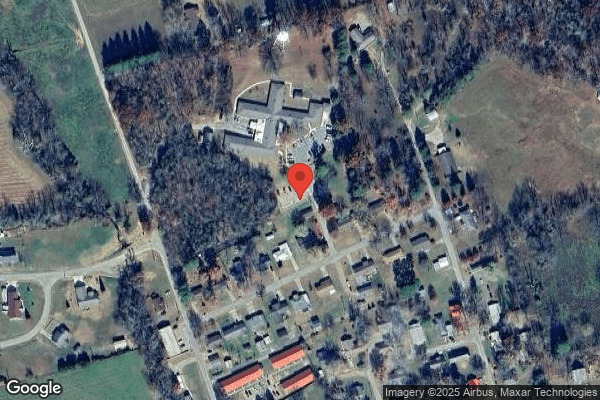
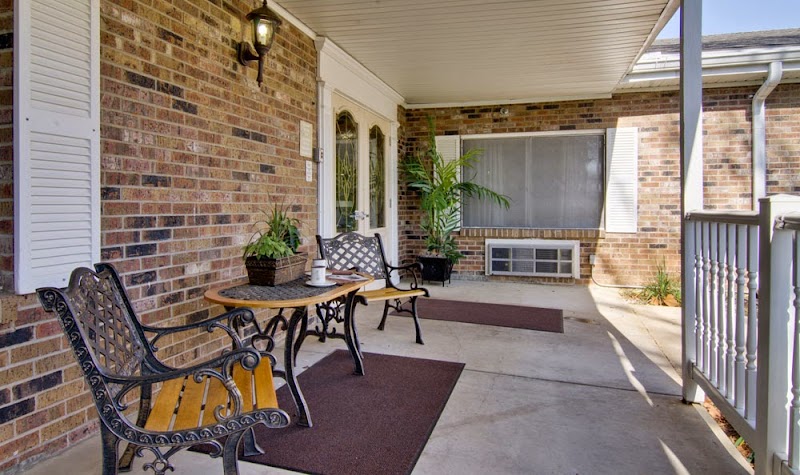
2100 BARNES, PIEDMONT, MO 63957 (573) 223-4297
For profit - Corporation 91 Beds AMERICARE SENIOR LIVING Data: November 2025
Trust Grade
90/100
#9 of 479 in MO
Last Inspection: January 2025

Within standard 12-15 month inspection cycle. Federal law requires annual inspections.

Overview

Clark's Mountain Nursing Center in Piedmont, Missouri, has an impressive Trust Grade of A, which indicates it is highly recommended and excels compared to other facilities. Ranked #9 out of 479 in Missouri, it sits comfortably in the top half, and is the best option among the two nursing homes in Wayne County. However, the facility is experiencing a worsening trend, with the number of reported issues increasing from 2 in 2023 to 3 in 2025. Staffing is an area of concern, with a 3/5 star rating and a turnover rate of 54%, which is slightly below the state average of 57%. While the nursing center has no fines on record, indicating compliance with regulations, recent inspections revealed some issues, such as failing to store food properly, which raised concerns about potential cross-contamination and food safety. Additionally, there were lapses in ensuring that all nurse aides received necessary training within the required timeframe, which could affect resident care. Overall, while Clark's Mountain Nursing Center has strengths, such as excellent ratings for health inspections, families should be aware of the recent concerns to make an informed decision.

Trust Score
A
90/100
In Missouri
#9/479
Top 1%
Safety Record
Low Risk
No red flags
Inspections
Getting Worse
2 → 3 violations
Staff Stability
⚠ Watch
54% turnover. Above average. Higher turnover means staff may not know residents' routines.
Penalties
✓ Good
No fines on record. Clean compliance history, better than most Missouri facilities.
Skilled Nurses
○ Average
Each resident gets 30 minutes of Registered Nurse (RN) attention daily — about average for Missouri. RNs are the most trained staff who monitor for health changes.
Violations
✓ Good
Only 5 deficiencies on record. Cleaner than most facilities. Minor issues only.
★★★★★
5.0
Overall Rating
★★★☆☆
3.0
Staff Levels
★★☆☆☆
2.0
Care Quality
★★★★★
5.0
Inspection Score
Stable
2023: 2 issues
2025: 3 issues

The Good

  • Full Sprinkler Coverage · Fire safety systems throughout facility
  • No fines on record

Facility shows strength in fire safety.

The Bad

Staff Turnover: 54%

Near Missouri avg (46%)

Higher turnover may affect care consistency

Chain: AMERICARE SENIOR LIVING

Part of a multi-facility chain

Ask about local staffing decisions and management

The Ugly 5 deficiencies on record

Jan 2025 3 deficiencies
CONCERN (D)

Potential for Harm - no one hurt, but risky conditions existed

Deficiency F0728 (Tag F0728)

Could have caused harm · This affected 1 resident

Based on interview and record review, the facility failed to ensure three nurse aides (NAs) (NA F, NA G, and NA H) out of six sampled NAs completed a nurse aide training program within four months of ...

Read full inspector narrative →
Based on interview and record review, the facility failed to ensure three nurse aides (NAs) (NA F, NA G, and NA H) out of six sampled NAs completed a nurse aide training program within four months of his/her employment in the facility. This deficient practice had the potential to affect all residents in the facility. The facility's census was 62. Review of facility's policy titled, Required Training, Certification and Continuing Education of Nurse Aides, undated, showed: - NAs may be employed as full-time and permanent, but must provide documentation of certification within 4 months of their hire date; - NAs who do not completed the required training and competency evaluation program and successfully pass the certification exams within the 4 month period will not be allowed to perform the duties of a nurse aide until certification is presented and verified with the state nurse aide registry. 1. Review of NA F's Training Record showed: - Hire date of 07/01/24; - NA F had been attending the nurse aide program; - The facility failed to ensure the completion of the program and certification within four months of the hire date. 2. Review of NA G's Training Record showed: - Hire date of 08/07/24; - NA G had completed the nurse aide program, but had not taken the test; - The facility failed to ensure the completion of the program and certification within four months of the hire date. 3. Review of NA H's Training Record showed: - Hire date of 09/20/24; - NA G had been attending the nurse aide program; - The facility failed to ensure the completion of the program and certification within four months of the hire date. During an interview on 01/31/25 at 4:25 P.M., the Administrator and Assistant Director of Nursing (ADON) said they make sure nurse aides have completed their training within four months of hire. During an interview on 01/31/25 at 4:25 P.M., the ADON said nurse aides are fired and rehired if they are not certified within four months.
CONCERN (D)

Potential for Harm - no one hurt, but risky conditions existed

Deficiency F0847 (Tag F0847)

Could have caused harm · This affected 1 resident

**NOTE- TERMS IN BRACKETS HAVE BEEN EDITED TO PROTECT CONFIDENTIALITY** Based on interview and record review, the facility failed to ensure the arbitration agreement was explained in a form and manner...

Read full inspector narrative →
**NOTE- TERMS IN BRACKETS HAVE BEEN EDITED TO PROTECT CONFIDENTIALITY** Based on interview and record review, the facility failed to ensure the arbitration agreement was explained in a form and manner which correctly describes the arbitration process for four residents (Resident #3, #46, #58 and #112) out of four sampled residents and had the potential to affect the other 51 residents who had signed an arbitration agreement. The facility's census was 62. Review of the facility's policy titled, Binding Arbitration Agreements, undated, showed: - Facility asks all residents to enter into an agreement for binding arbitration; - Do not require binding arbitration as a condition of admission to, or as a requirement to continue to receive care; - When explaining the arbitration agreement, the facility shall: - Explicitly inform the resident or his or her representative of his or her right not to sign the agreement as a condition of admission; - Explain to the resident or his or her representative in a form and manner that he or she understands; - Ensure the resident or his or her representative acknowledges that he or she understands the agreement. 1. Review of Resident #3's Face Sheet showed: - The resident admitted to the facility on [DATE]; - The resident was his/her own responsible party for finances. Review of the resident's admission Minimum Data Set (MDS - a federally mandated assessment instrument completed by facility staff), dated 10/02/22, showed the resident had moderately impaired cognition. Review of the resident's arbitration agreement showed it was signed by the resident on 09/26/22 and witnessed by a Social Service Designee (SSD). During an interview on 01/31/25 at 10:15 A.M., the resident said he/she was very sick when he/she was admitted to the facility and does not know what all he/she signed and could not define an arbitration agreement. 2. Review of Resident #46's Face Sheet showed: - The resident admitted to the facility on [DATE]; - The resident was his/her own responsible party for finances. Review of the resident's admission MDS, dated [DATE], showed the resident was cognitively intact. Review of the resident's arbitration agreement showed it was signed by the resident's Power of Attorney (POA) for Healthcare on 12/05/24 and witnessed by the SSD. During an interview on 01/31/25 at 10:25 A.M., the resident said he/she was not aware of what an arbitration agreement was and is his/her own responsible party for finances. 3. Review of Resident #58's Face Sheet showed: - The resident admitted to the facility on [DATE]; - The resident was his/her own responsible party for finances. Review of the resident's admission MDS, dated [DATE], showed the resident had moderately impaired cognition. Review of the resident's arbitration agreement showed it was signed by the resident on 12/11/24 and witnessed by a SSD. During an interview on 01/30/25 at 2:00 P.M. the resident said he/she was not feeling well when he/she was admitted to the facility, and everything was cloudy. The resident said he/she does not remember signing anything and could not define an arbitration agreement. 4. Review of Resident #112's Face Sheet showed: - The resident admitted to the facility on [DATE]; - The resident was his/her own responsible party for finances. Review of the resident's admission MDS, dated [DATE], showed the resident was moderately impaired. Review of the resident's arbitration agreement showed it was signed by the resident's next of kin on 01/13/25 and witnessed by the SSD. During an interview on 01/31/25 at 2:01 P.M. the resident and the next of kin said the arbitration agreement was not explained to them and was unaware of having 30 days to rescind the agreement. During an interview on 01/29/25 at 2:48 P.M. the SSD said: - The arbitration agreement is given to the resident or the resident's representative during admission; - He/she was unaware of a set amount of time the resident has to rescind the agreement until he/she read it on the policy; - The form is given to the person and he/she kind of reviews it with them, it has to do with a Missouri law and has to do with insurance agreements, stuff like that. During an interview on 01/31/25 at 2:49 P.M., the Administrator said the SSD is responsible for going over the arbitration agreement with the resident during admission.
CONCERN (D)

Potential for Harm - no one hurt, but risky conditions existed

Infection Control (Tag F0880)

Could have caused harm · This affected 1 resident

Based on observation, interview, and record review, the facility failed to follow infection prevention precautions for four residents (Resident #34, #38, #58 and #212) out of eight sampled residents b...

Read full inspector narrative →
Based on observation, interview, and record review, the facility failed to follow infection prevention precautions for four residents (Resident #34, #38, #58 and #212) out of eight sampled residents by not performing proper hand hygiene and glove changing techniques during wound and incontinent care and failed to provide infection prevention precautions by not following enhanced barrier precautions (EBP) for one resident (Resident #40) out of two sampled residents. The facility's census was 62. Review of the facility's policy titled, Hand Hygiene, dated May 2024, showed: - All staff will perform proper hand hygiene procedures to prevent the spread of infection to other personnel, residents, and visitors. This applies to all staff working in all locations within the facility; - Hand Hygiene is a general term for cleaning your hands by handwashing with soap and water or the use of an antiseptic hand rub, also known as alcohol-based hand rub (ABHR); - The use of gloves does not replace hand hygiene. If your task requires gloves, perform hand hygiene prior to donning gloves and immediately after removing gloves. Review of the facility policy's titled, Enhanced Barrier Precautions, undated, showed: - It is the policy of the facility to implement enhanced barrier precautions for the prevention of, and transmission of multidrug resistant organisms; - All staff receive training on enhanced barrier precautions upon hire and at least annually and are expected to comply with all designated precautions; - All staff receive training on high-risk activities and common organisms that require enhanced barrier precautions; - An order for enhanced barrier precautions will be obtained for residents with wounds and/or indwelling medical devices even if the resident is not known to be infected or colonized; - High-contact resident care activities are dressing, bathing, transferring, providing hygiene, changing linens, changing briefs, or assisting with toileting, device care, and wound care. 1. Observation of incontinent care provided for Resident #58 on 01/31/25 at 11:15 A.M. showed: - Nurse Aide (NA) A and NA E, without performing hand hygiene, donned gloves; - NA E opened brief and wiped the left side peri-area front to back with clean wet cloth; - NA E folded soiled cloth and wiped right side of peri-area front to back; - NA E placed soiled cloth in bag; - NA E and NA A assisted resident onto his/her right side; - NA E, without performing hand hygiene and changing gloves, rolled up clean bed pad with a clean incontinence brief and tucked under the resident; - NA E, wearing the same soiled gloves, wiped buttocks front to back with clean wet cloth; - NA E folded soiled cloth and wiped buttocks a second time; - NA E placed soiled cloth in bag; - NA E cleaned the coccyx (tailbone) area with clean wet cloth to remove barrier cream residue; - NA E, without performing hand hygiene and changing gloves, picked up the small cup of barrier cream from the bedside table; - NA E, without performing hand hygiene and changing gloves, scooped the cream out of the cup and applied it to coccyx area; - NA E, without performing hand hygiene and changing gloves, rolled the resident to his/her left side and pulled out the soiled bed pad and brief; - NA E, without performing hand hygiene and changing gloves, smoothed out clean bed pad and clean incontinence brief and rolled the resident onto his/her back; - NA E, without performing hand hygiene and changing gloves, placed the clean incontinence brief on the resident; - NA E, without performing hand hygiene and changing gloves, reached into his/her pocket and pulled out a permanent marker; - NA E, without performing hand hygiene and changing gloves, labeled the brief with the date and time, and placed the marker back into his/her pocket; - NA E, wearing the same soiled gloves, and NA A pulled the resident's pants up; - NA E, without performing hand hygiene and changing gloves, assisted the resident to a sitting position on the side of the bed; - NA E bagged up the soiled cloths and trash; - NA E removed gloves and washed hands with soap and water. During an interview on 1/31/24 at 11:20 A.M., NA A and NA E both said glove changes with hand hygiene should be performed when going from dirty to clean and before and after resident care. 2. Observation of incontinent care provided for Resident #38 on 01/31/25 at 11:25 A.M. showed - Certified Nurse Aide (CNA) I and NA J did not perform hand hygiene, donned gloves, and entered the resident's room; - NA J raised the resident's bed; - CNA I wet wash cloths in the sink and applied peri-care wash to them; - CNA I and NA J removed the resident's wet pants and brief; - CNA I performed hand hygiene and donned new gloves; - NA J, wearing the same soiled gloves, held onto the resident while CNA I wiped the resident's buttocks four times. CNA I did not clean the peri area, and placed a new brief under the resident. NA J touched his/her glasses and hair with soiled gloves; - CNA I removed gloves, performed hand hygiene and donned clean gloves; - NA J put soiled linen in soiled linen bag; - NA J, wearing the same soiled gloves, and CNA I pulled up and fastened the clean brief; - NA J removed soiled gloves, did not perform hand hygiene, got clean pants out of closet, and donned clean gloves without performing hand hygiene; - NA J and CNA I put clean pants on the resident; - NA J retrieved the mechanical lift sling out of the resident's wheelchair; -NA J and CNA I both put the lift sling under the resident; -NA J removed gloves and did not perform hand hygiene; -NA J brought the mechanical lift to the resident's bedside; -CNA I removed gloves, performed hand hygiene and donned clean gloves; -CNA I and NA J transferred the resident into the wheelchair via mechanical lift; -CNA I combed the resident's hair and covered the resident with a blanket; -CNA I removed gloves and performed hand hygiene; -NA J removed gloves and did not perform hand hygiene. During an interview on 01/31/25 at 12:15 P.M., NA J said hand hygiene should be performed after performing peri-care on the resident and after taking gloves off. Hands should be sanitized before entering and leaving residents' rooms. NA J said he/she forgot to do these things today. 3. Observation of incontinent care provided for Resident #34 on 01/31/25 at 11:45 A.M. showed; - NA J entered resident's room and did not perform hand hygiene; - NA J wet wash cloths in the sink and applied peri-care wash to them; - NA J removed the resident's soiled brief and cleaned the resident's peri area; - NA J cleaned fecal material from the resident's buttocks, and wearing the same soiled gloves, got a clean wet wash cloth, and cleaned the resident's buttocks; - NA J, wearing the same soiled gloves, got a clean brief, got a marker out of his/her pocket, labeled the brief with the date, time, and initials, adjusted his/her glasses and touched the resident's shirt; - NA J removed gloves and did not perform hand hygiene; - NA J put the resident's pants on, combed the resident's hair and wheeled the resident to the dining room for lunch. 4. Observation of wound care provided for Resident #212 on 01/31/25 at 1:45 P.M. showed: - Licensed Practical Nurse (LPN) C performed hand hygiene and donned gown, gloves, N95 mask and goggles before entering the resident's room; - LPN C cut old dressing from around the resident's left leg with scissors; - LPN C placed scissors on bedside table; - LPN C removed the soiled dressing and placed in trash; - LPN C, without performing hand hygiene and changing gloves, picked up the cup of 4x4's dampened with wound cleanser; - LPN C, without performing hand hygiene and changing gloves, pulled a 4x4 out of the cup and wiped the wound bed; - LPN C, without performing hand hygiene and changing gloves, pulled a second 4x4 out of the cup and wiped the wound bed and around the wound; - LPN C removed gloves, washed hands, and donned a clean pair of gloves; - LPN C placed dressing over wound bed and surrounding area, covered with ABD pad (absorbent dressing) and wrapped with kerlix (rolled gauze); - LPN C, without cleaning scissors, cut the clean kerlix and secured with tape; - LPN C wrapped the resident's lower leg from foot to knee with ace bandage; - LPN C removed gloves and gown, washed hands, and left the resident's room. During an interview on 1/31/25 at 2:04 P.M., LPN C and Assistant Director of Nursing (ADON) said gloves should be changed and hand hygiene performed when going from dirty to clean. 5. Review of Resident #40's medical record showed: - An order for Enhanced Barrier Precautions (EBP), dated 11/25/24. Observation on 01/31/25 at 11:54 A.M. of the resident's mechanical lift transfer, showed: - Personal Protection Equipment (PPE) and signage for EBP on the resident's door; - NA A and NA B entered the room, did not put on gloves or a gown; - NA A moved the mechanical lift over the resident, attached the sling straps to the lift on the resident's right side while touching the right side of the bed with his/her clothes: - NA B attached the sling straps to the left side of the mechanical lift, touching the bed with his/her clothes; - NA A and NA B transferred the resident from the bed to the wheelchair using the mechanical lift; - NA B placed a blanket over the legs of the resident in the wheelchair: - NA A brushed the resident's hair; - NA A and NA B performed hand hygiene and left the room. During an interview on 01/31/25 at 12:01 P.M., NA B said EBP should be done for care of residents with catheters or wounds and should have PPE on the door to the room. During an interview on 01/31/25 at 12:02 P.M., NA A said EBP should be followed for residents with wounds or feeding tubes, would know who requires it because of the PPE hanging on the door, and was unsure if EBP was required for transferring a resident, but could find out from the charge nurse. During an interview on 01/31/25 at 12:03 P.M., Licensed Practical Nurse (LPN) C and the ADON said EBP should be used for transferring a resident in their room. During an interview on 01/31/24 at 5:55 P.M., the Director of Nursing (DON), ADON and Administrator said that they would expect staff to perform hand hygiene and change gloves between dirty and clean care. They would expect staff to wash hands after performing peri-care and to perform hand hygiene between residents, as well as wash the entire peri-area when performing peri-care. They would expect staff to wear a gown and gloves while performing a mechanical lift transfer for residents on EBP.
Dec 2023 2 deficiencies
CONCERN (D)

Potential for Harm - no one hurt, but risky conditions existed

Safe Environment (Tag F0584)

Could have caused harm · This affected 1 resident

**NOTE- TERMS IN BRACKETS HAVE BEEN EDITED TO PROTECT CONFIDENTIALITY** Based on observation, interview, and record review, the facility failed to provide a safe, clean and comfortable homelike enviro...

Read full inspector narrative →
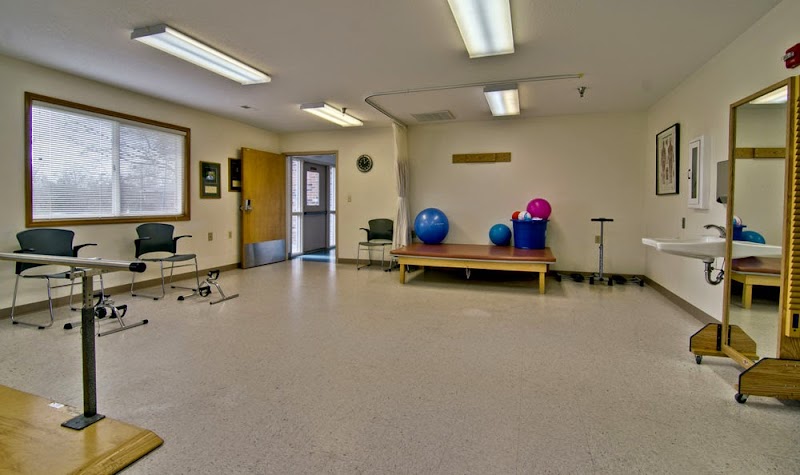
**NOTE- TERMS IN BRACKETS HAVE BEEN EDITED TO PROTECT CONFIDENTIALITY** Based on observation, interview, and record review, the facility failed to provide a safe, clean and comfortable homelike environment. This deficient practice had the potential to affect all residents in the facility. The facility census was 52. Review of the facility's policy titled, Homelike Environment, dated 2023, showed: - In accordance with residents' right, the facility will provide a safe, clean, comfortable and homelike environment, allowing the resident to use his or her personal belongings to the extent possible; - Housekeeping and maintenance services will be provided as necessary to maintain a sanitary, orderly and comfortable environment; - Report any unresolved environmental concerns to the Administrator. Observations on 12/04/23 at 9:45 A.M., and 12/05/23 at 9:22 A.M., of the [NAME] Hall showed: - Several small areas of exposed sheetrock on the right-side of the wall of the bed near the door in Room W02; - A 3 inch (in.) x 4 in. area of exposed sheetrock above the headboard located above the bed near the door in Room W02; - Several small areas of exposed sheetrock and peeled paint under the light fixture by the bed near the door in Room W04; - Several small areas of exposed sheetrock on the left-side of the wall located by the bed near the door in Room W04; - Several small areas of exposed sheetrock on the wall under the light fixture located by the bed near the door in Room W10. Observations on 12/04/23 at 11:22 A.M., and 12/05/23 2:01 P.M., of the therapy department showed: - Four air vents approximately 6 in. x 12 in. with a dark brown substance and a buildup of dust and debris located on the ceiling; - A large air vent approximately 20 in. x 24 in. with a buildup of dust and debris located on the ceiling near the privacy curtain. Observations on 12/06/23 at 8:22 A.M., of the South Hall showed: - A 1 foot (ft.) x 1 1/2 ft. dark circle located on the ceiling near room [ROOM NUMBER]; - A 1 ft. x 1 ft. air vent located on the ceiling with a dark brown substance near room [ROOM NUMBER]; - An 8 ft. cracked area of ceiling near the dining room with exposed sheetrock and screws and approximately a 3 foot crack running east and west from the original area; - Approximately 3 in. x 4 in. piece of vinyl plank flooring missing near the dresser, a 4 in. x 5 in. piece of vinyl flooring missing under the air conditioner/heating unit, and a 3 ft. x 6 in. strip of vinyl flooring missing in front of the closet in room [ROOM NUMBER]; - A 6 in. x 1 ft. air vent located on the ceiling with a build up of a gray substance near room [ROOM NUMBER]; - A large area around a call light of peeled paint and exposed sheetrock above the resident's door of room [ROOM NUMBER]; - Approximately 20 in. x 2 ft. air vent located on the ceiling covered with a buildup of dust and debris near the double doors; - A 6 in. x 1 ft. vent located on the ceiling covered with a a dark brown substance near room [ROOM NUMBER]; - A 6 in. x 1 ft. vent located on the ceiling covered with buildup of dust and debris near room [ROOM NUMBER]. Observations on 12/06/23 at 8:40 A.M., of the South Hall shower room showed: - A 6 in. area of peeled paint around the vent in the ceiling; - 14 - 1 in. x 1 in. cracked square tiles in the shower. Observation on 12/06/23 at 8:45 A.M., of the East Hall showed several areas of peeled paint and exposed sheetrock above the bed near the window and above the sitting area of room [ROOM NUMBER]. Review of the Maintenance and/or Housekeeping Job Orders, dated 6/13/23 through 12/5/23, showed no current requests for areas of concern documented. During an interview on 12/05/23 at 8:23 A.M., Dietary Aide A said the maintenance department was notified of any concerns such as exposed sheetrock or peeled paint. He/she had not seen any concerns in the kitchen area that needed to be reported to the maintenance department or written on the maintenance job log. During an interview on 12/05/23 at 8:33 A.M., Dietary Aide B said the maintenance department was notified of any concerns such as exposed sheetrock or peeled paint. He/she had not seen any concerns in the kitchen area that needed to be reported to the maintenance department or written on the maintenance job log. During an interview on 12/05/23 at 8:36 A.M., Housekeeper C said there were maintenance logs hanging by the mechanical room door and on South Hall to write down any needed repairs or concerns. He/she had reported areas of exposed sheetrock, peeled paint, torn wallpaper and wrote the concerns on the maintenance job log. During an interview on 12/05/23 at 8:42 A.M., Housekeeper D said there was a maintenance log hanging by the mechanical room door to write down any needed repairs or concerns. He/she had not noticed any environmental concerns such as peeled paint, exposed sheetrock or any other environmental concerns to report and write down on the maintenance job log. During an interview on 12/05/23 at 9:36 A.M., the Maintenance Supervisor (MS) said he/she would expect staff to write down any needed repairs such as exposed sheetrock, peeled paint or other environmental concerns on the maintenance job log so they could be addressed in a timely manner. During an interview on 12/06/23 at 8:35 A.M., the Administrator said she would expect staff to tell maintenance and/or her about any environmental issues throughout the facility. She would expect staff to notify maintenance and/or her regarding issues related to peeled paint, peeled wall paper, exposed sheetrock, missing floor panels, cracked tiles, vents and ceiling concerns so they could be addressed in a timely manner.
CONCERN (F)

Potential for Harm - no one hurt, but risky conditions existed

Food Safety (Tag F0812)

Could have caused harm · This affected most or all residents

**NOTE- TERMS IN BRACKETS HAVE BEEN EDITED TO PROTECT CONFIDENTIALITY** Based on observation, interview, and record review, the facility failed to store and distribute food under sanitary conditions, ...

Read full inspector narrative →
**NOTE- TERMS IN BRACKETS HAVE BEEN EDITED TO PROTECT CONFIDENTIALITY** Based on observation, interview, and record review, the facility failed to store and distribute food under sanitary conditions, increasing the risk of cross-contamination and food-borne illness. This deficient practice had the potential to affect all residents. The facility census was 52. Review of the facility's policy titled, Cleaning Instructions: Floors, Work Tables, Counter, Refrigerator, and Freezer, dated 2016, showed: - Floors will be kept clean and sanitary, washed daily or as needed; - Wipe down outside of refrigerator and freezer with a clean cloth dipped in sanitizing solution as needed; - Work tables and counters will be cleaned and sanitized on a regular basis before and after food preparation, meal service, and as needed. Observations on 12/04/23 at 9:29 A.M., and 4:01 P.M., of the dietary department showed: - The front door panels with a buildup of a milky substance located on the AdvantEdge refrigerators; - Dirt and debris on the floor under the AdvantEdge three door refrigerator; - The front door panels with a buildup of a milky substance located on the Traulsen refrigerator; - Dirt and debris on the floor under the Traulsen three door refrigerator; - The front door panels with a buildup of a milky substance located on the Traulsen refrigerator in the dry/canned goods area; - Dirt and debris on the floor under the Traulsen three door refrigerator; - A long area of scrapes, missing paint and exposed sheetrock the length of the wall behind the steam table; - Debris and dirt on top of an electrical outlet close to the wall clock by the steam table; - A trash can with miscellaneous trash and no lid located by the three compartment sink; - A white pipe with a build up grime and dirt coming out of the floor located near the three compartment sink; - A plunger lay on the floor and not contained with a build up of grime and milky residue located underneath the far left side of the three compartment sink; - A build up of grime and dried splatter on the wall underneath the far left side of three compartment sink; - A trash can overflowed with wet paper towels located under the handwashing sink; - A buildup of grime on the edges of the baseboard and the floor located under the handwashing sink; - Debris and buildup of grime on top and the sides of the [NAME] dishwasher; - Several areas of grime buildup and dirt on the floors throughout the kitchen; - A long narrow area of scrapes, exposed sheetrock and peeled paint the length of the wall located behind the steam table; - An area approximately 5 inch (in.) x 5 in. of exposed sheetrock on the bottom left-side located by the janitorial closet. Observation on 12/04/23 at 4:13 P.M., of the South Hall ice machine showed: - A buildup of a milky substance covered the entire inside of the ice lid; - A buildup of a crusty, milky substance around the edges where the ice lid sat; - A buildup of a dried, milky substance on the floor, wall and air gap pipe located at the bottom right-side area. Review of the Daily/Weekly Cleaning Checklist showed kitchen tasks initialed as completed included floors, baseboards, doors and facing, pipes under sink, counters and trash cans. During an interview on 12/05/23 at 8:23 A.M., Dietary Aide A said the floors should be free of buildup of grime and dirt. There should be no dirt and debris under the counter tops, refrigerators or other kitchen equipment. Kitchen surfaces should not have a milky buildup after cleaning. Trash cans should have lids on them when not in use. Maintenance was notified of any paint concerns and had not seen any concerns in the kitchen area. During an interview on 12/05/23 at 8:33 A.M., Dietary Aide B said the floors should be free of buildup of grime and dirt. There should be no dirt and debris under the counter tops, refrigerators or other kitchen equipment. Kitchen surfaces should not have a milky buildup after cleaning. Trash cans should have lids on them when not in use. Maintenance was notified of any paint concerns and had not seen any concerns in the kitchen area. During an interview on 12/05/23 at 8:42 A.M., the Dietary Manager (DM) said the staff were probably signing off on tasks as completed, but could be doing a better job at cleaning the kitchen overall. Kitchen cleaning duties were being done, but there needed to be a little more elbow grease put into it. During an interview on 12/05/23 at 9:42 A.M., the Administrator said the kitchen area should be free of grime, dirt, and debris including the floors, the counter tops and the surfaces, the refrigerators and the other kitchen equipment. She would expect the kitchen to be clean at all times.
Understanding Severity Codes (click to expand)
Life-Threatening (Immediate Jeopardy)
J - Isolated K - Pattern L - Widespread
Actual Harm
G - Isolated H - Pattern I - Widespread
Potential for Harm
D - Isolated E - Pattern F - Widespread
No Harm (Minor)
A - Isolated B - Pattern C - Widespread

Questions to Ask on Your Visit

  • "Can I speak with families of current residents?"
  • "What's your RN coverage like on weekends and overnight?"

Our Honest Assessment

Strengths
  • • Grade A (90/100). Above average facility, better than most options in Missouri.
  • • No major safety red flags. No abuse findings, life-threatening violations, or SFF status.
  • • No fines on record. Clean compliance history, better than most Missouri facilities.
  • • Only 5 deficiencies on record. Cleaner than most facilities. Minor issues only.
Concerns
  • • No significant concerns identified. This facility shows no red flags across CMS ratings, staff turnover, or federal penalties.
Bottom line: Generally positive indicators. Standard due diligence and a personal visit recommended.

About This Facility

What is Clark'S Mountain Nursing Center's CMS Rating?

CMS assigns CLARK'S MOUNTAIN NURSING CENTER an overall rating of 5 out of 5 stars, which is considered much above average nationally. Within Missouri, this rating places the facility higher than 99% of the state's 100 nursing homes. This rating reflects solid performance across the metrics CMS uses to evaluate nursing home quality.
How is Clark'S Mountain Nursing Center Staffed?

CMS rates CLARK'S MOUNTAIN NURSING CENTER's staffing level at 3 out of 5 stars, which is average compared to other nursing homes. Staff turnover is 54%, compared to the Missouri average of 46%.

What Have Inspectors Found at Clark'S Mountain Nursing Center?

State health inspectors documented 5 deficiencies at CLARK'S MOUNTAIN NURSING CENTER during 2023 to 2025. These included: 5 with potential for harm.
Who Owns and Operates Clark'S Mountain Nursing Center?

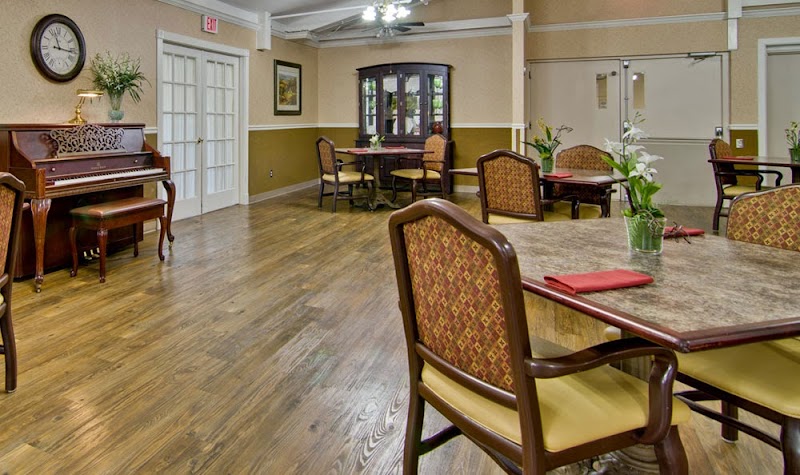
CLARK'S MOUNTAIN NURSING CENTER is owned by a for-profit company. For-profit facilities operate as businesses with obligations to shareholders or private owners. The facility is operated by AMERICARE SENIOR LIVING, a chain that manages multiple nursing homes. With 91 certified beds and approximately 61 residents (about 67% occupancy), it is a smaller facility located in PIEDMONT, Missouri.
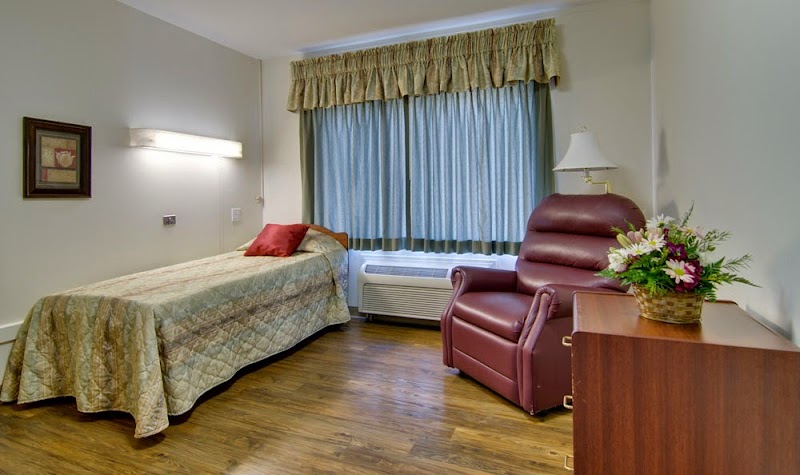
How Does Clark'S Mountain Nursing Center Compare to Other Missouri Nursing Homes?

Compared to the 100 nursing homes in Missouri, CLARK'S MOUNTAIN NURSING CENTER's overall rating (5 stars) is above the state average of 2.5, staff turnover (54%) is near the state average of 46%, and health inspection rating (5 stars) is much above the national benchmark.

What Should Families Ask When Visiting Clark'S Mountain Nursing Center?

Based on this facility's data, families visiting should ask: "Can I visit during a mealtime to observe dining assistance and food quality?" "How do you handle medical emergencies, and what is your hospital transfer rate?" "Can I speak with family members of current residents about their experience?"

Is Clark'S Mountain Nursing Center Safe?

Based on CMS inspection data, CLARK'S MOUNTAIN NURSING CENTER has a clean safety record: no substantiated abuse findings (meaning no confirmed cases of resident harm), no Immediate Jeopardy citations (the most serious violation level indicating risk of serious injury or death), and is not on the Special Focus Facility watch list (a federal program monitoring the lowest-performing 1% of nursing homes). The facility has a 5-star overall rating and ranks #1 of 100 nursing homes in Missouri. While no facility is perfect, families should still ask about staff-to-resident ratios and recent inspection results during their visit.

Do Nurses at Clark'S Mountain Nursing Center Stick Around?

CLARK'S MOUNTAIN NURSING CENTER has a staff turnover rate of 54%, which is 8 percentage points above the Missouri average of 46%. Moderate turnover is common in nursing homes, but families should still ask about staff tenure and how the facility maintains care continuity when employees leave.

Was Clark'S Mountain Nursing Center Ever Fined?

CLARK'S MOUNTAIN NURSING CENTER has no federal fines on record. CMS issues fines when nursing homes fail to meet care standards or don't correct problems found during inspections. The absence of fines suggests the facility has either maintained compliance or corrected any issues before penalties were assessed. This is a positive indicator, though families should still review recent inspection reports for the full picture.

Is Clark'S Mountain Nursing Center on Any Federal Watch List?

CLARK'S MOUNTAIN NURSING CENTER is not on any federal watch list. The most significant is the Special Focus Facility (SFF) program, which identifies the bottom 1% of nursing homes nationally based on persistent, serious quality problems. Not being on this list means the facility has avoided the pattern of deficiencies that triggers enhanced federal oversight. This is a positive indicator, though families should still review the facility's inspection history directly.