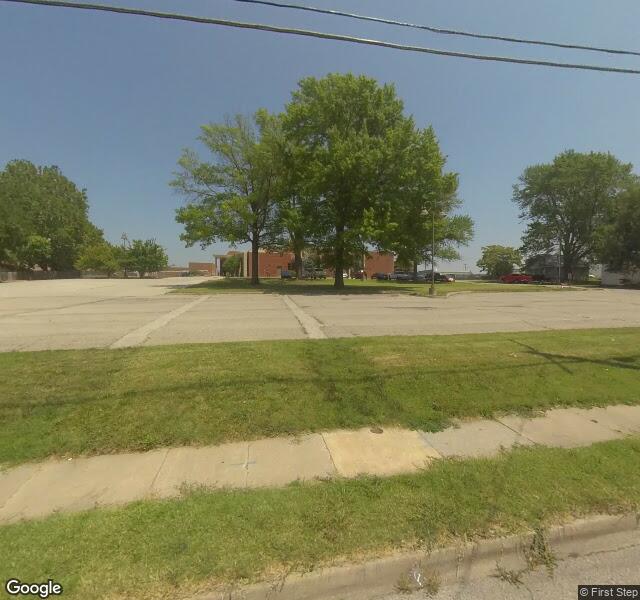
ALPINE BREEZE HEALTH AND WELLNESS

6124 RAYTOWN ROAD, RAYTOWN, MO 64133 (816) 358-8222
For profit - Corporation 154 Beds VERTICAL HEALTH SERVICES Data: November 2025 2 Immediate Jeopardy citations
Trust Grade
0/100
#219 of 479 in MO
Last Inspection: October 2023

Over 2 years since last inspection. Current conditions may differ from available data.

Overview

Alpine Breeze Health and Wellness has a Trust Grade of F, indicating significant concerns about the quality of care provided. With a state rank of #219 out of 479 in Missouri, they fall in the top half but still show room for improvement, especially with a county rank of #13 out of 38 in Jackson County. The facility's issues are worsening, increasing from 2 to 3 significant problems over the past year. Staffing is a weakness here, with a low rating of 1 out of 5 stars and a turnover rate of 43%, which, while better than the state average, still suggests instability. Additionally, the facility has incurred $33,569 in fines, which is concerning and indicates ongoing compliance issues. While RN coverage is average, it is critical to note some serious incidents reported, including instances where residents were harmed by others and failures related to essential services like water, which was shut off due to non-payment. These findings highlight the need for families to carefully consider the strengths and weaknesses of this facility.

Trust Score
F
0/100
In Missouri
#219/479
Top 45%
Safety Record
High Risk
Review needed
Inspections
Getting Worse
2 → 3 violations
Staff Stability
○ Average
43% turnover. Near Missouri's 48% average. Typical for the industry.
Penalties
✓ Good
$33,569 in fines. Lower than most Missouri facilities. Relatively clean record.
Skilled Nurses
⚠ Watch
Each resident gets only 14 minutes of Registered Nurse (RN) attention daily — below average for Missouri. Fewer RN minutes means fewer trained eyes watching for problems.
Violations
⚠ Watch
56 deficiencies on record. Higher than average. Multiple issues found across inspections.
★★☆☆☆
2.0
Overall Rating
★☆☆☆☆
1.0
Staff Levels
★★★★★
5.0
Care Quality
★☆☆☆☆
1.0
Inspection Score
Stable
2024: 2 issues
2025: 3 issues

The Good

  • 5-Star Quality Measures · Strong clinical quality outcomes
  • Full Sprinkler Coverage · Fire safety systems throughout facility
  • No fines on record
  • Staff turnover below average (43%)

    5 points below Missouri average of 48%

Facility shows strength in quality measures, fire safety.

The Bad

2-Star Overall Rating

Near Missouri average (2.5)

Below average - review inspection findings carefully

Staff Turnover: 43%

Near Missouri avg (46%)

Typical for the industry

Federal Fines: $33,569

Above median ($33,413)

Moderate penalties - review what triggered them

Chain: VERTICAL HEALTH SERVICES

Part of a multi-facility chain

Ask about local staffing decisions and management

The Ugly 56 deficiencies on record

2 life-threatening 2 actual harm
Apr 2025 1 deficiency 1 Harm
SERIOUS (G) 📢 Someone Reported This

A family member, employee, or ombudsman was alarmed enough to file a formal complaint

Actual Harm - a resident was hurt due to facility failures

Free from Abuse/Neglect (Tag F0600)

A resident was harmed · This affected 1 resident

**NOTE- TERMS IN BRACKETS HAVE BEEN EDITED TO PROTECT CONFIDENTIALITY** Based on observation, interview and record review, the facility failed to ensure one sampled resident (Resident #2) was free fro...

Read full inspector narrative →
**NOTE- TERMS IN BRACKETS HAVE BEEN EDITED TO PROTECT CONFIDENTIALITY** Based on observation, interview and record review, the facility failed to ensure one sampled resident (Resident #2) was free from physical abuse out of 8 sampled residents when on 4/17/25 Resident #1 struck Resident #2 on the head with rock resulting in an approximately 3 centimeter (cm) laceration and a hospital visit. The facility census was 138 residents. The Administrator was notified on 4/23/25 of the past noncompliance which began on 4/17/25. The facility immediately completed education for staff on the facility's Abuse and Neglect policy, the facility's Behavior Management police and de-escalation techniques. Resident #1 was placed on 1:1 supervision until his/her transport to the hospital on 4/18/25. Resident #2 was treated. The deficiency was corrected on 4/18/25. Review of the facility's Abuse, Neglect and Exploitation Policy, dated 8/22/22, showed: -It was the policy of the facility to provide protections for the health, welfare and rights of each resident by implementing policies and procedures that prohibit and prevent abuse, neglect, exploitation and misappropriation of resident property. -Abuse was the willful infliction of injury, unreasonable confinement, intimidation, or punishment with resulting physical harm, pain or mental anguish, which could include staff to resident abuse and certain resident to resident altercations. -Instances of abuse of all residents, irrespective of any mental or physical condition, caused physical harm, pain or mental anguish. -Willful meant the individual must have acted deliberately, not that the individual must have intended to inflict injury or harm. -Physical abuse included, but was not limited to hitting, slapping, punching, biting, and kicking. It also included controlling behavior by corporal punishment 1. Review of Resident #1's facility admission Record Face sheet showed he/she was admitted to the facility on [DATE] with the following diagnoses: -Homelessness. -Anxiety disorder (a mental condition characterized by excessive fear, worry or nervousness), uncomplicated. -Mood disorder due to known physiological condition. -Major depressive disorder (persistent sadness, loss of interest or pleasure in activities) recurrent. -Hemiplegia (a condition characterized by paralysis on one side of the body) and hemiparesis (a condition involving weakness on one side of the body) following cerebral infarction (stroke) affecting left dominant side. Review of Resident #1's quarterly Minimum Data Set (MDS-a federally mandated assessment tool completed by facility staff and used for care planning), dated 4/18/25, showed he/she was cognitively intact. Review of of Resident #1's Level One Facility Pre-admission Screening for Mental Illness, Intellectual Disability or Related Condition, dated 9/27/24, showed: -The person completing the document was the hospital case manager. -The resident did not show any signs of a major mental disorder. -He/She did have a current, suspected or history of a major mental illness. -The resident did not have any area of impairment due to serious mental illness. -The resident did not have a diagnoses of a major neurocognitive disorder. -The resident did not show behavioral symptoms. -The resident had a stable mental condition monitored by a physician or licensed mental health professional at least monthly or behavior symptoms exhibited in the past, but not currently present or psychiatric conditions exhibited in the past but not recently present. -The resident had impaired situational memory. -The resident displayed difficulty making decisions in new situations or occasionally required supervision with decision making and had issues with memory, mental function or ability to be understood/understand others. Review of Resident #1's Trauma Informed Care assessment, dated 4/13/25, showed: -He/She had an altercation with another resident on that date. -He/She was glad to be separated from the other resident, because he/she had a temper. -He/She stated he/she would stay to him/herself to prevent further incidents. Review of Resident #1's Care Plan Report, updated 4/17/25, showed: -He/She had a history of a traumatic event; no known triggers. Interventions included: medications as ordered to relieve anxiety or known stressors. -He/She had an altercation with a resident on 11/6/24 and was found to be the instigator in a dispute regarding a wheelchair. Interventions included: administering medications as ordered; color coding wheelchairs for easy identification. -He/She had an altercation with another resident on 4/13/25. Interventions included placing the resident on 15-minute checks for 72 hours; scheduled for team health; smoking times alternated for 48 hours; trauma informed assessment completed; determining what might lead to altercations; monitoring the resident's behavior and progress to assess effectiveness of care plan -He/She had an altercation with another resident on 4/17/25. Interventions included maintaining a calm, respectful tone of voice; listening attentively to the resident's thoughts and feelings, validating his/her emotions; use clear and simple language so the resident could understand; he/she was placed on 1:1 oversight. Review of Resident #2's facility admission Record Face sheet showed he/she was admitted to the facility on [DATE] with the following diagnoses: -Difficulty in walking. -Muscle weakness. -Long term drug therapy. Review of Resident #2's quarterly MDS, dated [DATE], showed he/she was cognitively intact. Review of Resident #3's facility admission Record Face sheet showed he/she was admitted to the facility on [DATE] with the following diagnoses: -Displaced fracture of left femur; closed fracture with routine healing. -Encounter for orthopedic aftercare. Review of Resident #3's quarterly MDS, dated [DATE], showed he/she was cognitively intact Review of Resident #3's Care Plan, report updated 4/13/25, showed: -He/She had an altercation with another resident. Interventions included: monitoring for behavioral changed such as mood swings, irritability, changes in sleep patterns or decreased productivity and report changes to physician; encouraging positive coping skills; increasing social interaction with peers. Review of Resident #1's progress note, dated 4/17/25 at 5:01 P.M., showed: -It was reported the resident was outside and threw a rock. -The nurse immediately went outside. -The resident was yelling and cursing stating, I didn't do shit! I didn't even mean to hit that man! -The Administrator attempted to deescalate the situation; resident struck the Administrator's phone out of his/her hand. -Police were called to assist. -The resident (Resident #2) who was hit with the rock pressed charges. -Police stated they were unable to take the resident. -The resident was immediately placed on 1:1 observation. -The physician and the resident's family member were made aware. -He/She was calm, resting in bed at that time with 1:1 observation at bedside; he/she apologized to the Administrator. Review of Resident #2's Progress Note, dated 4/17/25 at 2:55 P.M., showed: -It was reported the resident was injured with a rock by another resident. -Resident had a laceration of approximately 3 cm long to the back of his/her head and complained of pain. -Physician notified and ordered to send resident to the hospital as he/she was on blood thinners. Review of Resident #2's Care Plan Report, updated 4/18/25, showed: -He/She had a risk of trauma related to injury with a rock by another resident. Interventions included: assessment for trauma on 4/17/25; no new triggers identified with trauma assessment; referral to in-house psychological services. Review of Resident #2's Progress Note, dated 4/18/25 at 1:50 P.M., showed: -He/She had been self-propelling manual wheelchair outside by the front entrance. -Another resident threw a rock, not intending to hit this resident. -The rock did hit him/her on the back of the head. -He/She had no loss of consciousness; remained alert and oriented to baseline. -A 3 cm x 0.1 cm x < 0.1 cm laceration was noted to the back of the head; the area was cleansed, ice was applied. -He/She remained with the nurse until the ambulance arrived for transport. -Emergency Department (ED) evaluation was required per the resident's physician due to his/her use of blood thinner. -The Director of Nursing (DON), facility Administrator, physician and the resident's sister were notified. -His/her care plan was updated. Review of Resident #2's hospital Patient Visit Information, dated 4/17/25, showed: -He/She was seen for a scalp laceration. -He/She received the head injury on 4/17/25. -It did not appear serious at the time. -He/She received a head computed tomography (CT - a detailed imaging procedure that uses x-ray and computer technology to create cross-sectional pictures) which was negative. Review of the facility's Resident to Resident Investigation Summary, dated 4/18/25, showed: -On 4/17/25 Resident #1 had a resident-to-resident altercation with Resident #2. -Resident #1 was on the patio having a supervised smoke break. -Resident #1 became agitated at Resident #3 who Resident #1 felt was looking at him/her funny. -The Administrator attempted to intervene and deescalate. -Resident #1 struck the Administrator's hand, smacking his/her phone out of his/her hand. -Resident #1 got angry and threw a rock at Resident #3 and missed striking Resident #2. During an interview on 4/21/25 at 12:40 P.M., Resident #3 said: -On the day of the incident, he/she went outside and Resident #1 was already out there. -Resident #1 told him/her that he/she could not come out there and said, Get on out of here! -He/She was nowhere near Resident #1 who was sitting in the smoking area. -Resident #1 wheeled his/her chair over toward him/her, stopped at the fountain and picked up a rock. -He/She began backing away from Resident #1, who kept coming toward him/her. -He/She did not say anything to Resident #1. He/She did not think he/she could hit him/her with the rock, because he/she only had one good arm. -Resident #1 threw the rock and it hit the other resident, Resident #2, whose back was toward him/her. -He/She did not see anything else because the Administrator told him/her to go inside. -Resident #1 could get verbally aggressive with people. Resident #1 had his/her own room because he/she could not get along with anyone. During and observation and interview on 4/21/25 at 1:00 P.M., Resident #2 said: -Resident #1 threw the rock at someone and it hit him/her. -He/She was minding his/her business and Resident #1 was behind him/her and threw the rock at Resident #3. -He/She went to the hospital. -Resident #1 had a fight before with Resident #3 earlier in the week. -The place where the rock hit him/her was painful, but he/she had not asked for any pain medication. -He/She had an approximately inch long closed laceration on the back of his head. There was no discoloration or visible swelling. -He/she was angry and wanted to press charges. During an interview on 4/22/25 at 11:00 A.M., Resident #1 said: -He/She threw a rock at Resident #3, because Resident #3 had previously punched him/her in the face. -He/She was outside on a smoke break and Resident #3 was making fists at him/her. -He/She did not want to keep seeing the other resident when he/she was outside, so he/she picked up a rock and threw it, but it hit the other resident (Resident #2). -He/She and Resident #3 got along sometimes, but he/she did not like him/her. During an interview on 4/23/25 at 1:30 P.M., Resident #1's physician said: -He/She was aware of the rock throwing incident. -Medication adjustments were reviewed and the resident was put on 1:1 observation. -The staff were concerned about the safety of the other residents. -Resident #1 had dementia that was progressing. -Resident #1 had to be sent out for evaluation, because the facility was not able to manage his/her signs and symptoms. -It was never justified for a resident to throw a rock at another resident. During an interview on 4/23/25 at 2:00 P.M., the DON said: -He/She was at the facility on 4/17/25. Someone said help was needed outside, so he/she went running. -He/She took Resident #2 into his/her office. His/her laceration was very superficial and they were not originally going to send him/her to the hospital. It was cleansed and ice was applied. He/She was sent to the hospital due to being on a blood thinning medication. -Resident #1 should not have thrown a rock at Resident #3. During an interview on 4/23/25 at 2:00 P.M., the Administrator said: -It was never appropriate for a resident to throw a rock at another resident. -He/She did not feel the incident was predictable because prior to 4/13/25 the resident did not have behaviors. -When Resident #1 threw the rock, he/she had just gone outside. MO00252926
Jan 2025 1 deficiency 1 IJ (1 facility-wide)
CRITICAL (L) 📢 Someone Reported This

A family member, employee, or ombudsman was alarmed enough to file a formal complaint

Immediate Jeopardy (IJ) - the most serious Medicare violation

Administration (Tag F0835)

Someone could have died · This affected most or all residents

⚠️ Facility-wide issue

**NOTE- TERMS IN BRACKETS HAVE BEEN EDITED TO PROTECT CONFIDENTIALITY** Based on observation, interview, and record review, the facility management company failed to ensure payments were issued or iss...

Read full inspector narrative →
**NOTE- TERMS IN BRACKETS HAVE BEEN EDITED TO PROTECT CONFIDENTIALITY** Based on observation, interview, and record review, the facility management company failed to ensure payments were issued or issued in a timely manner, to Vendor A who provided necessary services to the residents. On [DATE] at 9:02 A.M., the running water to the facility was shut off for non-payment. The facility had received a 10-day notice of shut off for non-payment which expired on [DATE]. This affected all residents in the building. The facility census was 113 residents. The Administrator was notified on [DATE] at 3:56 P.M., of the Immediate Jeopardy (IJ) which began on [DATE]. The IJ was removed on [DATE] as confirmed by surveyor onsite verification. 1. Review of a facility e-mail, dated [DATE] at 11:38 A.M. showed: -An attached 10-day notice from Vendor A was sent to the facility management Account Manager for payment. -Copied on the e-mail was the facility Administrator and Chief Financial Officer. Review of the facility 10-Day Notice dated [DATE] showed: -Attention resident the water service is scheduled to be disconnected [DATE] at 7:00 A.M., for default on account. -The city will be notified that water had been shut-off and property may be considered unfit for occupancy. -This information was provided so you may make necessary arrangements. -Please note the water company cannot discuss any account information with tenants. During an interview on [DATE] at 8:38 A.M. Vendor A said: -Two late notices were mailed on [DATE], which notified of a late fee and shut off. -The facility received a second shut off notice on [DATE]. -The water was scheduled to be shut off at 9:00 A.M. on [DATE]. -The facility's outstanding balance was $14,000.81 and the overdue balance $6,686.00. -Someone called him/her on [DATE] and wanted to make a payment, they were told only credit/debit cards would be accepted. -They said OK and hung up. No name was provided and no payment was received. -Leniency was provided because a call was made on the facility behalf on [DATE]. -Due to no payment being made, the facility was placed on the shut off list for 9:00 A.M. on [DATE]. Observation on [DATE] at 9:02 A.M., showed no running water in the facility: -The running water in the bathroom and water fountain by the nurse's station was off. -The Administrator just noticed the water was shut off to the building during the observation. During an interview on [DATE] at 9:07 A.M., the Director of Nursing (DON) and Regional Nurse Consultant said: -The water was turned off in the past 15 minutes. -The water was on at 8:00 A.M. -Vendor A said the water would be turned back on in an hour. -Vendor A was just paid $6,738.69 and will be switching to an auto pay system. -The facility was activating their emergency water supply. -They will use water supply for toilets. -The facility was given a 10-day shut off notice on [DATE]. -The notice was sent to corporate to be paid on [DATE]. Observation on [DATE] at 9:20 A.M., showed the facility's running water had been re-connected and the facility once again had running water. During an interview on [DATE] at 8:38 A.M., Vendor A said: -The water was shut off at 9:00 A.M. -Payment was made for the overdue balance of $6,736.10. -The remaining balance was $7,723.71 was due on [DATE]. -The water was turned back on in the facility at 9:15 A.M. During an interview on [DATE] at 2:50 P.M., Certified Nurse Aides (CNA) A said: -He/she had no notice the water was going to be turned off. During an interview on [DATE] at 2:50 P.M., CNA B said: -He/she had just finished incontinent care on a resident and went to wash his/her hands and there was no water. -He/she had to use hand sanitizer on his/her hands until the water came back on then he/she washed his/her hands. -It would have been nice to know the water was going to be shut off. During an interview on [DATE] at 11:42 A.M., the Administrator said: -He/she received the 10-day shut off notice on [DATE] from Vendor A. -The 10-day shut off notice was e-mailed to the Chief Financial Officer and the facility management Account Manager on [DATE] for payment. -He/she expected the water bill to be paid and the water should have never been shut off. -He/she had not received training on the new bill paying system at this time but planned on the training to happen at any time on [DATE]. During an interview on [DATE] at 11:58 A.M., the facility management Account Manager said: -This was the facility's third party billing company. -They were in a transition period and started receiving the facility accounts from another billing company in [DATE]. -The original water bill was sent to the previous billing company and not received by this billing company until the facility sent the shut off notice. -The shut off notice was sent to him/her on [DATE] via e-mail. -A check was cut on [DATE] in the amount of $6,686.10 and sent through the mail from the east coast office. -The check was not cut earlier, because it was still in the window for being shut off and figured the check would be received by Vender A before the water was shut off. -The facility executives were just trained on this system last week and the facility staff were next on the list. -Once all the accounts are set up an Administrator will be able to see all accounts to see if they had been paid or approve for them to be paid. -All the facility's accounts have been set up on auto pay to the vendors. -Vendor A was just overlooked and had not been set up at the time of the water being shut off. -He/she has pulled all the facility vendors to make sure the were set up for auto pay and to make sure none were past due. -The check sent to Vendor A will be applied to the remaining balance due on [DATE]. NOTE: At the time of the survey, the violation was determined to be at the immediate and serious jeopardy level L. Based on observation, interview, and record review, completed during the onsite visit, it was determined the facility had implemented corrective action to address and lower the violation at the time. A revisit will be conducted to determine if the facility is I substantial compliance with participation requirements. At the time of exit, the severity of the deficiency was lowered to the F level. This statement does not denote that the facility has complied with State law (Section 198.026.1 RSMo.) requiring that prompt remedial action be taken to address Class I violation(s). MO00248678
Jan 2025 1 deficiency
CONCERN (D) 📢 Someone Reported This

A family member, employee, or ombudsman was alarmed enough to file a formal complaint

Potential for Harm - no one hurt, but risky conditions existed

Deficiency F0602 (Tag F0602)

Could have caused harm · This affected 1 resident

**NOTE- TERMS IN BRACKETS HAVE BEEN EDITED TO PROTECT CONFIDENTIALITY** Based on interview and record review, the facility failed to prevent the misappropriation of one sampled resident (Resident #1)....

Read full inspector narrative →
**NOTE- TERMS IN BRACKETS HAVE BEEN EDITED TO PROTECT CONFIDENTIALITY** Based on interview and record review, the facility failed to prevent the misappropriation of one sampled resident (Resident #1). Certified Nurses Aide (CNA) A used CashAPP (a mobile payment service that allows users to send, receive and store money digitally) for multiple withdrawals totaling $617.89 from the resident's bank account out of nine sampled residents. The facility census was 112 residents. On 1/24/25, the facility administration was notified of the past noncompliance which occurred on 1/11/25. Facility staff had subsequently been educated on abuse, neglect and exploitation protocols, resident belongings, and transactions involving resident funds. The money missing from the resident's account was replaced. The deficiency was corrected on 1/13/25. Review of the facility's Abuse, Neglect and Exploitation policy dated 8/22/22 showed: -It was the policy of this facility to provide protections for the health, welfare and rights of each resident by developing and implementing written policies and procedures that prohibit and prevent abuse, neglect, exploitation and misappropriation of resident property. -Misappropriation of Resident Property meant the deliberate misplacement, exploitation, or wrongful temporary or permanent use of a resident's belongings or money without the resident's consent. Review of the facility's Resident Personal Belongings policy dated 9/1/22 showed: -It was the policy of the facility to protect the resident's right to possess personal belongings while in the facility and assure the personal belongings and/or possessions were rightfully returned to the resident or the resident's representative in the event of the resident's discharge from the facility or death. -The facility would exercise reasonable care for the protection of the resident's personal property from loss or theft. Review of the facility's Transactions Involving Resident Funds or Property policy dated 3/12/24 showed: -It was the practice of the facility that any time there was a transaction involving resident funds, the resident must be provided a receipt for such transaction. Copies of each transaction were filed in the business office. -The facility would not utilize the resident's credit or debit card or non-cash forms of payment on personal devices. -No facility employee should knowingly exploit resident property. 1. Review of Resident #1's admission Record face sheet dated 1/21/25 showed he/she was admitted to the facility on [DATE] and he/she was his/her own responsible party and he/she did not have a guardian or power-of-attorney. Review of the resident's Brief Interview for Mental Status Evaluation (BIMS) dated 12/2/24 showed he/she was cognitively intact. Review of the resident's facility Care Plan dated 1/11/24 showed: -He/She was recently financially exploited. -He/She felt distrustful and angry over the event. -The goal was that re-traumatization would be avoided. -Interventions included: educating the resident on risks of giving others access to financial information; psychiatric evaluation as needed and referral to social services department as indicated. Review of the resident's Trauma Informed Care document dated 1/11/25 showed: -He/She was the involved resident. -He/She was financially exploited recently which left him/her feeling distrusting of other and angry. -This affected his/her overall health and well-being. Review of the resident's Progress Notes dated 1/11/25 showed: -An Interdisciplinary Team (IDT) meeting was held for alleged misappropriation of funds, primarily a debit card belonging to the resident. -An investigation was initiated immediately. -The Administrator, Director of Nursing (DON), family member, physician, local police department and Centers for Medicare and Medicaid Services (CMS) were notified. -His/Her care plan was updated, resident was interviewed and educated on the risk of giving any monetary access to anyone. -He/She was allowed to express feelings of sadness and disappointment. -He/She denied feeling afraid or unsafe in his/her current setting. Review of the resident's undated Abuse Investigation Report showed: -The alleged incident was reported on 1/11/25 at 10:23 A.M. -The most recent bank transaction was 1/10/25. -The alleged incident occurred in the resident's room. -He/She was the person reporting the alleged incident. -The allegation was misappropriation via a bank debit card. -He/She was not physically injured and did not require medical attention. -There were no witnesses. -The staff person allegedly involved was CNA A. -No other residents reported having money or funds missing or taken. -No staff had observed abuse or misappropriation. -Family Member A was called to review the charges on the resident's debit card. $244.00 was accounted for as spent by the resident; $617.89 was unaccounted for. -Police report #25-0070 by Officer A who spoke with the resident in his/her room accompanied by the Administrator. -Additional information included was that CNA A had been terminated from employment at the facility on 1/7/25 for poor performance and customer service. Review of the resident's Abuse Investigation Resident Questionnaire dated 1/11/25 at 10:23 A.M. showed: -The resident stated he/she asked CNA A to order him/her food because he/she did not know how to do Door Dash (an on-demand food delivery service that connects customers with local restaurants). -This happened sometime in December, but he/she did not remember an exact day. -The name on the bank statement had CNA A's name to the Cash App withdrawal. Review of the resident's Abuse Investigation Staff Questionnaire dated 1/11/25 at 3:52 P.M. showed: -CNA A was asked of he/she had used a resident's money source to purchase food for the resident; he/she answered he/she had not, but helped the resident order food from Door Dash on his/her phone. -When asked if he/she was aware of the restrictions on using a resident's money source, he/she replied he/she was. -When asked if he/she had any knowledge of the resident's debit card, he/she replied he/she had never seen his/her debit card. Review of the facility Investigation Timeline document dated 1/11/25 showed: -The resident identified as his/her own responsible party. -At 10:23 A.M., the resident reported an allegation that a former staff member used his/her debit card. He/She was offered assistance to order a new debit card, but he/she reported her family member had called and canceled the old card the night before. -The Administrator was notified and risk management was updated. -The resident stated CNA A got access to his/her bank card because he/she asked him/her to order food, because he/she did not know how to use Door Dash. -He/She said it had to have happened in December, but he/she did not remember the exact date. -He/She said the name on the bank statement showed the staff person's name next to the Cash App. -He/She said he/she felt safe at the facility. -At 12:09 P.M., Family Member A was contacted. He/She reviewed the charges of $244.00 from the ATM and confirmed this amount was accounted for by the resident. $617.89 remained unaccounted for, potentially spent by the alleged staff person. Family Member A sent the facility the December bank statement. -At 3:52 P.M., former staff person CNA A was contacted and interviewed. When asked if he/she used the resident's money source to purchase food, he/she stated, No, I helped the resident order food from Door Dash on his/her phone for him/her. -On 1/13/25 at 12:55 P.M., local Police Department was contacted for a follow-up on the resident's report. Police Officer B was assigned to the case. -On 1/15/25 at 10:09 A.M., Police Officer B contacted the Administrator by telephone. -He/She reported he/she had another investigation of a similar nature on CNA A from a previous employer and he/she would be coming out to the facility to follow up on this case with the resident. -The Administrator asked why this had not shown up on CNA A's background check. Police Officer B explained no charges had been filed yet, so nothing appeared on the criminal record. Review of the local Police Department report #25-0070 dated 1/11/25 showed: -The victim was the resident. -The complainant was the Administrator. -The suspect was CNA A. -The detailed description stated $861.89 worth of purchases were made on the resident's card. -The narrative stated a previous employee used patient's Cash App card. Employee was terminated. -Police Officer A was dispatched to the facility on 1/11/25 at 11:00 A.M. in regard to a larceny. -He/She spoke to the resident who allowed his/her nurse, CNA A access to his/her debit card to make purchase requested by the resident. -The resident specifically stated he/she did not allow CNA A to make any purchases outside his/her specified requests. He/She observed several unknown charges to his/her card between the dates of 1/1/25 and 1/10/25. -These transactions included transfers between the account and a Cash App account associated with CNA A, transactions through Door Dash, a general purchase an a cash withdrawal from the resident's bank ATM. -He/She spoke with the building Administrator who stated CNA A had been terminated from his/her employment at the facility on 1/10/25 and he/she learned of the theft prior to contacting law enforcement on 1/11/25. -The resident was able to provide a transaction statement which was scanned into the file. During an interview on 1/24/25 at 11:00 A.M., the resident said: -He/She allowed CNA A to use his/her bank card so he/she could order Door Dash, since he/she did not know how. -He/She did not authorize CNA A to use her card for any other purpose. -He/She was upset and distrustful due to this happening. -He/She was not going to let anyone else use her card. -The Administrator replaced his/her missing money. During an interview on 1/24/25 at 2:30 P.M., the Administrator said: -He/She became aware of the missing money when the resident came and told him/her. -CNA A denied knowledge of the resident's debit card. -All staff were trained regarding misappropriation of funds at orientation and CNA A had received this training. -CNA A's background check was clear when the facility hired him/her. -It was his/her expectation that staff followed the facility policies regarding handling and misappropriation of residents' money. -What another person was going to do was not always predictable. During an interview on 2/4/25, Family Member A said: -The resident was his/her grandparent. -He/She had access to the resident's bank account because sometimes the resident asks him/her to review his/her account. -The resident had tried to order food and the card did not work, so he/she called Family Member A to find out how much money he/she had in the account. -The resident's account only had about $30 in it and he/she felt there should have been more. -When he/she reviewed the bank statement with the resident they found there were some Cash App transactions and Door Dash transactions that had not been authorized by the resident. -He/She saw to it that the resident's card was closed so it could not be used again. Review of CNA A's employment file showed he/she had received competency training regarding compliance with the facility's abuse/neglect policy which included identification of misappropriation on 11/6/24 and completed a quiz regarding prevention of abuse on 11/6/24. He/she had signed off on the policy on that date. MO00247972
Oct 2024 2 deficiencies
CONCERN (D) 📢 Someone Reported This

A family member, employee, or ombudsman was alarmed enough to file a formal complaint

Potential for Harm - no one hurt, but risky conditions existed

Transfer Notice (Tag F0623)

Could have caused harm · This affected 1 resident

**NOTE- TERMS IN BRACKETS HAVE BEEN EDITED TO PROTECT CONFIDENTIALITY** Based on interview and record review, the facility failed to provide an discharge notice for one sampled resident (Resident #1) ...

Read full inspector narrative →
**NOTE- TERMS IN BRACKETS HAVE BEEN EDITED TO PROTECT CONFIDENTIALITY** Based on interview and record review, the facility failed to provide an discharge notice for one sampled resident (Resident #1) which included the request for an appeal and the location to which the resident was transferred that would meet the resident's level of care out of five sampled residents. The facility census was 108 residents. Review of the facility policy entitled Transfer and Discharge (including Against Medical Advice) dated 9/1/21 showed: -It was the policy of the facility to permit each resident to remain in the facility, and not transfer or discharge the resident from the facility except in limited situations when the health and safety of the individual or other residents are endangered. -Discharge referred to the movement of a resident from a bed in one certified facility to a bed in another certified facility or other location in the community, when return to the original facility was not expected. -The facility was to evaluate and determine the level of care needed for the resident prior to admission to ensure the facility's ability to meet the resident's needs. -The facility was to correctly complete the discharge documents and send them with the resident. 1. Review of Resident #1's facility admission Record showed he/she was admitted on [DATE] with the following diagnoses: -Paraplegia (loss of movement of both legs and generally the lower trunk). -Depression (a state of intense sadness or despair that has advanced to the point of being disruptive to an individual's social functioning and/or activities of daily living). -Post-Traumatic Stress Disorder (a condition of persistent mental and emotional stress occurring as a result of injury or severe psychological shock, typically involving disturbance of sleep and constant vivid recall of the experience, with dulled responses to others and to the outside world). -Bipolar Disorder ((formerly called manic-depressive illness or manic depression) is a mental illness that causes unusual shifts in mood, energy, activity levels, concentration, and the ability to carry out day-to-day tasks). -Need for assistance with personal care. Review of the resident's admission Minimum Data Set (MDS-a federally mandated assessment tool completed by staff and used for care planning) dated 7/10/24 showed he/she was cognitively intact. Review of the resident's nursing care plan dated 7/10/24 showed: -He/She had the right to have received a 30-day notice of discharge/transfer which included the reason, effective date, location to which the resident would be transferred/discharged , and the name, address, and telephone number of the Ombudsman (advocate). -He/She had the right to a safe transfer and or discharge through sufficient preparation by the facility. Review of the resident's Progress Notes dated 10/4/24 at 5:36 P.M., showed: -A call was placed to the resident's family member. -The resident's family member expressed that he/she knew how the resident was, and that the resident could not under any circumstances be discharged to and live with him/her due to the resident's behavior. Review of the resident's Progress Notes dated 10/4/24 at 6:06 P.M., showed the resident was given an immediate discharge notice, a copy was emailed to Ombudsman and the Ombudsman was called and a message was left on the Ombudsman's voicemail. Review of the facility Notice of Immediate Involuntary discharge date d 10/4/24 showed: -The resident was discharge on [DATE] to Family Member A's home. -The notice did not indicate the right to make an appeal and the who and how to contact to make the appeal. During an interview on 10/8/24 at 11:00 A.M., the Social Services Designee (SSD) said: -The resident was to be discharged to Family Member A's home. -Family Member A said the resident could not be discharged there. -The resident was then discharged to the hospital. During an interview on 10/8/24 at 1:15 P.M., the resident said: -He/She was discharged to the hospital. -The facility was not allowing him/her back to the facility. -He/She was discharged on 10/4/24. During an interview on 10/8/24 at 4:00 P.M., Hospital Social Worker said: -He/She was notified on 10/7/24 that the facility was not taking the resident back. -The facility had done an immediate discharge with the family member's address on it. Review of the Missouri Department of Health & Senior Services (DHSS) Appeals Unit letter dated 10/9/24 showed: -The resident as Petitioner. -The facility as Respondent. -The respondent discharge notice dated 10/4/24 failed to contain required information specifically it failed to contain the following: A request for hearing should be sent to DHSS Appeal Unit, with the mailing address, fax and phone number and email address. -The burden of showing that the facility has complied with all requirements for appropriate discharge of the resident shall be upon the facility, Respondent discharge did not meet the requirements for appropriate notice to discharge Petitioner; therefore, Respondent's discharge is DISMISSED. -ORDER: --Respondent's discharge of Petitioner is dismissed due to inadequate notice. Petitioner may remain at Respondent's facility. If Petitioner has been discharged , based upon the defective notice, Respondent is directed to proceed in accordance with the regulation for Petitioner's return to Respondent's facility. During an interview on 10/9/24 at 9:20 A.M., the Hospital Nurse said the facility had sent the resident to the hospital with a Emergency Discharge Notice. During an interview on 10/9/24 at 2:24 P.M., the Hospital Unit Manager said the resident was stable, ready for discharge and the facility would not accept the resident back. During an interview on 10/9/24 at 9:53 A.M., the Family Member A said: -He/She lived at the address listed on the Emergency Discharge Notice. -He/She could not care for the resident and he/she could not live with him/her. -The facility had not called him/her to see if the resident could be discharged to his/her home. During an interview on 10/9/24 at 10:15 A.M., the DON said: -The facility felt that to protect the other residents in the facility an emergency discharge was needed. -The resident was discharged to the hospital. During an interview on 10/9/24 at 10:40 A.M., the facility Administrator said: -It was determined due to the resident bringing in unknown males to the facility, and the possibility of the resident bringing in illicit substances; this posed a serious safety issue so the facility would do an emergency discharge and discharge the resident to the hospital due to his/her current medical issues. -The resident was given the discharge notice. Review of the facility Amended Notice of Discharge for Emergency Situation- Unsafe Environment and Unable to Meet need of Resident dated 10/17/24 showed: -The letter was addressed to the resident in care of an attorney. -The letter was sent to Family Member A and the Ombudsman. -The effective date of the discharge was 10/4/24. -The discharge was deemed an emergency and the resident was discharged to the hospital. During an interview on 10/17/24 at 3:49 P.M., Ombudsman A and Ombudsman B said: -Family member A was not an option for discharge, the facility social worker had said it was not an option. -The facility social worker was spoken to before the discharge letter was issued on 10/4/24. -The resident had filed an appeal and had representation from an attorney. -The discharge letter from 10/4/24 was dismissed as it was not proper notice. -The resident had filed a second appeal related to the 10/17/24 discharge notice. MO00242997
CONCERN (D) 📢 Someone Reported This

A family member, employee, or ombudsman was alarmed enough to file a formal complaint

Potential for Harm - no one hurt, but risky conditions existed

Safe Transfer (Tag F0626)

Could have caused harm · This affected 1 resident

**NOTE- TERMS IN BRACKETS HAVE BEEN EDITED TO PROTECT CONFIDENTIALITY** Based on interview and record review, the facility failed to permit one sampled resident (Resident # 1) to return to the facilit...

Read full inspector narrative →
**NOTE- TERMS IN BRACKETS HAVE BEEN EDITED TO PROTECT CONFIDENTIALITY** Based on interview and record review, the facility failed to permit one sampled resident (Resident # 1) to return to the facility after hospitalization out of five sampled residents. The facility census was 108 residents. Review of the facility policy Transfer and Discharge (including Against Medical Advice - AMA), dated 9/1/21 showed: -Discharge referred to the movement of a resident from a bed in one certified facility to a bed in another certified facility or other location in the community, when return to the original facility is not expected. -Transfer and discharge included movement of a resident to a bed outside of the certified facility whether that bed is in the same physical place or not. -Facility-initiated transfer or discharge was a transfer or discharge which the resident objected to, did not originate through a resident's verbal or written request, and/or is not in alignment with the resident's stated goals for care and preferences. -The facility would evaluate and determine the level of care needed for the resident prior to admission to ensure the facility's ability to meet the resident's needs. -The facility permitted each resident to remain in the facility, and not transfer or discharge the resident from the facility except in limited situations when the health and safety of the individual or other residents are endangered. -The physician shall document medical reasons for transfer or discharge in the medical record, when the reason for transfer or discharge is for any reason other than non payment of the stay or the facility ceasing to operate. -The facility was to have obtained a physician's order for the emergency transfer or discharge, stating the reason the transfer or discharge was necessary on an emergency basis. -The facility was to correctly complete the discharge documents and send them with the resident. 1. Record review of Resident #1's facility admission Record showed he/she was admitted on [DATE] with the following diagnoses: -Paraplegia (loss of movement of both legs and generally the lower trunk). -Depression (a state of intense sadness or despair that has advanced to the point of being disruptive to an individual's social functioning and/or activities of daily living). -Post-Traumatic Stress Disorder (a condition of persistent mental and emotional stress occurring as a result of injury or severe psychological shock, typically involving disturbance of sleep and constant vivid recall of the experience, with dulled responses to others and to the outside world). -Bipolar Disorder ((formerly called manic-depressive illness or manic depression) is a mental illness that causes unusual shifts in mood, energy, activity levels, concentration, and the ability to carry out day-to-day tasks). -Need for assistance with personal care. Review of the resident's admission Minimum Data Set (MDS-a federally mandated assessment tool completed by staff and used for care planning) dated 7/10/24 showed he/she: -Was cognitively intact. -Had no verbal behaviors directed toward others such as threatening, screaming, and cursing. -Had no physical behaviors such as hitting, kicking, pushing, scratching, and grabbing others. -Required limited assistance of one staff member for bed mobility, -Was dependent of staff assistance of two or more staff members for transferring, bathing, toileting, and personal hygiene. -Required supervision/set-up of one staff member for eating, and locomotion on and off the unit. Review of the resident's nursing care plan dated 7/10/24 showed he/she: -He/She had the right to have received a 30-day notice of discharge/transfer which included the reason, effective date, location to which the resident would be transferred/discharged , and the name, address, and telephone number of the Ombudsman (advocate). -He/She had the right to a safe transfer and or discharge through sufficient preparation by the facility. -Was verbally abusive to staff. -Was uncooperative with his/her cares. -The facility staff was to have the resident participate in his/her care and make decisions as possible. -The facility staff was to negotiate with the resident allowing him/her to make decisions. Review of the resident's Level Two Nursing Facility Preadmission Screening and Resident Review (PASRR - is a federal requirement to help ensure that individuals are not inappropriately placed in nursing homes for long term care) dated 8/22/24 showed: -Resident had a current, suspected, or history of a Major Mental Illness showed: --Major Depressive Disorder (a mental disorder characterized by a persistently depressed mood and long-term loss of pleasure or interest in life, often with other symptoms such as disturbed sleep, feelings of guilt or inadequacy, and suicidal thoughts). --Bipolar Disorder. --Post-Traumatic Stress Disorder. --Mood Disorder (a variety of conditions characterized by a disturbance in mood as the main feature). -The Level II Evaluation indicated the following supports and services were to be provided by the Facility: --Behavioral Support Plan. --Structured Environment. --Crisis Intervention Services. --Discharge Planning. --Medication Therapy. --Activities of Daily Living program. --Personal Support Network. Review of the facility Notice of Immediate Involuntary discharge date d 10/4/24 showed: -The resident was discharge on [DATE] to Family Member A's home. -The notice did not indicate the right to make an appeal and who and how to contact to make the appeal. -Transfer or discharge for the resident's welfare and the resident's needs could not be met in the facility. -The resident was actively seeking to become pregnant in a long term facility and refused to adhere to facility policies in relation to his/her safety and the safety of other residents. -The notification was given to the resident. Review of the resident's Progress Notes dated 10/4/24 at 2:30 P.M., showed: -The Director of Nursing (DON) visited with the resident regarding the smoking policy, illicit drug consumption and possession inside the facility and use on the facility property, and the resident acknowledged the policy. -Informed the resident that due to resident's resistance to follow policies the physician had revoked his/her leave of absence. -He/She had severe edema to both legs that had a shiny appearance. -The resident reported that pain was rated at an 8 out of 10 (pain scale). -Resident was offered to be transported to the hospital for evaluation and treatment, and the resident agreed. -Resident was sent to the hospital. Review of the Order Summary report dated 10/4/24 showed an order to transfer the resident to the hospital related to swelling to both his/her legs. Review of the resident's Progress Notes dated 10/4/24 at 5:36 P.M., showed: -A call was placed to the resident's family member. -The resident's family member expressed that he/she knew how the resident was, and that the resident could not under any circumstances be discharged to and live with him/her due to the resident's ongoing behavior. Review of the resident's Progress Notes dated 10/4/24 at 6:06 P.M., showed the resident was given an Immediate Discharge Notice, a copy was emailed to Ombudsman, the Ombudsman was called and a message was left on the Ombudsman voicemail. Review of the facility Transfer/Discharge Report dated 10/4/24 showed: -The resident was transferred/discharged on 10/4/21 at 6:10 P.M., to an acute care hospital. -No behaviors were listed on the report. During an interview on 10/8/24 at 11:00 A.M., Social Services Designee (SSD) said: -The resident was to be discharged to his/her family member's house. -The family member said the resident could not be discharged there. -The resident was then discharged to the hospital. -The facility could not treat the resident while wanting to become pregnant in the facility. During an interview on 10/8/24 at 1:15 P.M., the resident said: -He/She was discharged to the hospital. -The facility was not allowing him/her back to the facility. -He/She was discharged on 10/4/24. -He/she wanted to return to the facility. During an interview on 10/8/24 at 4:00 P. M, hospital social worker said: -He/She was notified on 10/7/24 that the facility was not taking the resident back. -The facility had done an Immediate Discharge Notice with the family member's address on it. -He/She was currently trying to find placement for the resident. Review of the Missouri Department of Health & Senior Services (DHSS) Appeals Unit letter dated 10/9/24 showed: -The resident as Petitioner. -The facility as Respondent. -The respondent discharge notice dated 10/4/24 failed to contain the required information specifically it failed to contain the address, fax, phone and email address that a request for a hearing needed to be sent to. -The burden of showing that the facility has complied with all requirements for appropriate discharge of the resident shall be upon the facility, Respondent discharge did not meet the requirements for appropriate notice to discharge Petitioner; therefore, Respondent's discharge is DISMISSED. -ORDER --Respondent's discharge of Petitioner is dismissed due to inadequate notice. Petitioner may remain at Respondent's facility. If Petitioner has been discharged , based upon the defective notice, Respondent is directed to proceed in accordance with the regulation for Petitioner's return to Respondent's facility. During an interview on 10/9/24 at 9:20 A.M., the Hospital Nurse said: -The facility had sent the resident to the hospital with a Emergency Discharge Notice. -The resident was reported to have violent behaviors but none were observed since admission. -The resident was admitted to the hospital because the facility refused to accept the resident back when stable and ready to readmit. During an interview on 10/9/24 at 2:24 P.M., the Hospital Unit Manager said: -The resident was stable, ready for discharge and the facility would not accept the resident back. -The resident was admitted because the facility refused to accept the resident back when stable and ready to readmit. During an interview on 10/9/24 at 9:53 A.M., the Family Member A said: -He/She lived at the address listed on the Emergency Discharge Notice. -He/She could not care for the resident and the resident could not live with him/her. -The facility had not called him/her to see if the resident could be discharged . -The facility had only informed him/her of the most recent problems after he/she was discharged . During an interview on 10/9/24 at 10:15 A.M., the Director of Nursing (DON) said: -The facility felt that in order to protect the residents in the facility an emergency discharge was needed. -The resident was discharged to the hospital. During an interview on 10/9/24 at 10:40 A.M., the facility Administrator said: -It was determined due to the resident brining in unknown males to the facility, and the possibility of the resident bringing in illicit substances, this posed a serious safety issue so the facility would do an emergency discharge and discharge the resident to the hospital due to her current medical issue. During an interview on 10/9/24 at 10:03 A.M., Registered Nurse (RN) A said: -The resident as having male visitors in his/her room. -The resident was trying to get pregnant. -The facility nor staff were prepared to handle a pregnant resident or a resident trying to get pregnant. -The resident was on several medications that would be harmful to a baby if the resident became pregnant. -The resident would cuss and yell at staff and other residents. -Staff were unsure who all the male visitors were that came to visit the resident. -The resident had said he/she met them on the street. During an interview on 10/9/24 at 10:15 A.M., the DON said: -The resident was receiving illicit substances from people from outside the facility. -The resident kept bringing in strange men to the facility. -The resident informed him/her that he/she was wanting to get pregnant. -The resident would leave the facility property with his/her male visitors. -It was deemed a resident safety issue when the resident kept bringing men into the facility to try and get pregnant. -The facility was concerned because the resident had said that the men that were brought into the facility were homeless. -The facility felt that to protect the other residents in the facility that an emergency discharge needed to be done. -The resident was discharged to the hospital. During an interview on 10/9/24 at 10:40 A.M., the facility Administrator said: -He/she would have never accepted the resident into the facility knowing that the resident was wanting to get pregnant. -The information was not known until after the resident was at the facility. -He/she would have expected that if the resident had a history of violent behaviors, the resident would have not been admitted to the facility. -The facility was not the place for a resident that wanted to get pregnant. -It was determined that due to the resident bringing in unknown males to the facility, and the possibility of the resident bringing in illicit substances, and that this posed a serious safety issue that the facility would do an emergency discharge and discharge the resident to the hospital due to her current medical issues. During an interview on 10/9/24 at 12:30 P.M., the Physician said: -That once it was known that the resident wanted to get pregnant the resident was not appropriate for the facility. -He/She had no experience in treating a resident that wanted to get pregnant in the long term care setting. -The resident was on several medications that were harmful to the baby if the resident were to get pregnant. -The best course of action was for the facility to discharge the resident to seek placement in a facility that could manage a resident that wanted to become pregnant. -He/She ordered the resident transferred to the hospital to be evaluated for the swelling in his/her legs. During an interview on 10/16/24 at 12:46 P.M., the Administrator said: -The resident had filed an appeal. -An attorney had contacted the facility and said the resident should return. -The facility said they couldn't meet the needs of the resident and does not plan to allow the resident to readmit. Review of the facility Amended Notice of Discharge for Emergency Situation- Unsafe Environment and Unable to Meet need of Resident dated 10/17/24 showed: -The letter was addressed to the resident in care of an attorney. -The letter was sent to Family Member A and the Ombudsman. -The effective date of the discharge was 10/4/24. -The discharge was deemed an emergency and the resident was discharged to the hospital. During an interview on 10/17/24 at 3:30 P.M., Attorney said: -The resident was given an emergency discharge 10/4/24 and sent to the hospital. -The resident had appealed. -The hearing officer dismissed the appeal as the resident was given an inadequate notice. -The facility had refused to allow the resident to return. -The facility issued an amended discharge letter 10/17/24. -The facility may face further legal action. During an interview on 10/17/24 at 3:49 P.M., Ombudsman A and Ombudsman B said: -Family member A was not an option for discharge, the facility social worker had said it was not an option. -The facility social worker was spoken to before the discharge letter was issued on 10/4/24. -The resident had filed an appeal and had representation from an attorney. -The discharge letter from 10/4/24 was dismissed as it was not proper notice. -The resident had filed a second appeal related to the 10/17/24 discharge notice. MO00242997
Oct 2023 21 deficiencies
CONCERN (D)

Potential for Harm - no one hurt, but risky conditions existed

Resident Rights (Tag F0550)

Could have caused harm · This affected 1 resident

**NOTE- TERMS IN BRACKETS HAVE BEEN EDITED TO PROTECT CONFIDENTIALITY** Based on observation, interview and record review, the facility failed to ensure privacy and dignity for one sampled resident wh...

Read full inspector narrative →
**NOTE- TERMS IN BRACKETS HAVE BEEN EDITED TO PROTECT CONFIDENTIALITY** Based on observation, interview and record review, the facility failed to ensure privacy and dignity for one sampled resident who received incontinence care (Resident #22) out of 19 sampled residents. The facility census was 91 residents. Upon exit the facility did not provide a policy on privacy/dignity. 1. Review of Resident #22's Face Sheet showed the resident was admitted on [DATE], with diagnoses including heart disease, diabetes (a group of diseases that result in too much sugar in the blood (high blood glucose), cognitive communication deficit (an impairment in organization/ thought organization, sequencing, attention, memory, planning, problem-solving, and safety awareness), swallowing disorder, muscle wasting, altered mental status, high blood pressure, abnormal posture, and dementia (a condition characterized by progressive or persistent loss of intellectual functioning, especially with impairment of memory and abstract thinking, and often with personality change, resulting from organic disease of the brain. Review of the resident's annual Minimum Data Set (MDS-a federally mandated assessment tool to be completed by facility staff for care planning) dated 8/2/23, showed the resident: -Had severe cognitive impairment. -Needed extensive assistance with bed mobility, transfers, dressing, eating, hygiene and toileting. Review of the resident's Care Plan dated 8/2/23 showed the resident: -Required assistance with activities of daily living (bathing, dressing, toileting, hygiene and grooming). -Was incontinent and required the assistance of one staff for care. Observation on 10/17/23 at 9:31 A.M., showed the Physical Therapist and Certified Nursing Assistant (CNA) C brought the resident into his/her room and the Physical Therapist transferred the resident from his/her wheelchair to the bed and then left the room, leaving the door to the resident's room open. CNA C did the following: -Without washing or sanitizing his/her hands, he/she gloved, raised the resident's bed and began undressing him/her. -CNA C did not close the door or pull the resident's privacy curtain between the resident and his/her roommate (who was sitting up in bed facing the resident). -CNA C removed the resident's pants, exposing the resident's brief. At 9:32 A.M., the Physical Therapist re-entered the room and closed the door. -CNA C removed the resident's soiled brief then provided incontinence care to the resident without ensuring the privacy curtain was pulled to prevent the resident's roommate from observing his/her care. During an interview on 10/17/23 at 9:40 A.M., CNA C said: -Usually when they enter the resident's room they try to protect the resident's privacy and dignity by closing the door and pulling the privacy curtain before they complete care. -He/She did not pull the privacy curtain because he/she forgot and was just trying to get in and out. During an interview on 10/20/23 at 1:36 P.M., Licensed Practical Nurse (LPN) C said during incontinence care, nursing staff should ensure the resident's privacy and dignity by closing the door, pulling the privacy curtain if the resident had a roommate or someone else was in the room and closing the blinds on the window if necessary. During an interview on 10/23/23 at 12:36 P.M., the Director of Nursing (DON) said nursing staff should maintain resident privacy and dignity at all times especially during incontinence care.
CONCERN (D)

Potential for Harm - no one hurt, but risky conditions existed

Deficiency F0558 (Tag F0558)

Could have caused harm · This affected 1 resident

**NOTE- TERMS IN BRACKETS HAVE BEEN EDITED TO PROTECT CONFIDENTIALITY** Based on observation, interview, and record review, the facility failed to ensure the call light (a device, once activated, that...

Read full inspector narrative →
**NOTE- TERMS IN BRACKETS HAVE BEEN EDITED TO PROTECT CONFIDENTIALITY** Based on observation, interview, and record review, the facility failed to ensure the call light (a device, once activated, that alerts nursing staff help is needed in that room) was appropriate for the resident, within reach, and properly care planned, for two sampled residents (Resident #42 and #45) out of 19 sampled residents. The facility census was 91 residents. Review of the facility's policy, dated 9/1/2021, titled Call Lights: Accessibility and Timely Response showed: -Staff were to evaluate each resident for unique needs and preferences and determine if any special accommodations are needed for the resident to use the call light system. -Special accommodations will be identified on the resident's care plan and provided accordingly. -Examples of special accommodations were light touch pads, larger buttons, and brighter colors. -Staff were to ensure the call light was within reach of the resident each time they entered the resident's room. Review of the facility's policy, dated 9/1/23, titled Comprehensive Care Plans showed: -Each resident's comprehensive care plan was to describe the services that were to be furnished to attain or maintain the resident's highest practicable level of well-being. 1. Review of Resident #42's face sheet showed he/she was admitted with the following diagnoses: -Unsteadiness on feet. -Abnormal Posture. Review of the resident's undated Care Plan showed: -Staff were to ensure the resident's call light was in reach. -Staff were to do frequent checks because the resident couldn't use a call light. Review of the resident's Quarterly Minimum Data Set (MDS-a federally mandated tool used for care planning), dated 7/10/23, showed the resident: -Required extensive assistance for dressing, toileting, and personal hygiene. -Required limited assistance for bed mobility and transferring. -Had severe cognitive impairment. Observation on 10/17/23 at 10:09 A.M. showed: -The resident was in his/her bed. -The resident's standard call light on the floor at the foot of the bed. Observation on 10/18/23 at 10:13 A.M. showed: -The resident entered his/her room and laid down. -The resident's standard call light was on the floor at the foot of the bed. 2. Review of Resident #45's face sheet showed he/she was admitted with the following diagnoses: -Generalized muscle weakness. -Lack of coordination. -Cerebral Infarction (stroke-occurs when a clot blocks a blood vessel that feeds the brain). Review of the resident's undated Care Plan showed: -Staff noted the resident was dependent on staff to meet all needs. -Staff were to anticipate the resident's needs for food, drinks, toileting, comfort, body positioning, and pain. -Staff were to assist with all decision making. -Staff were to ensure the resident's call light was within reach and encourage/remind the resident to use it. Review of the resident's Significant Change MDS dated [DATE], showed the resident: -Had severe cognitive impairment. -Needed extensive assistance was required from staff for dressing and personal hygiene. -Had continuously exhibited an altered level of consciousness (a state of reduced alertness or inability to arouse due to low awareness of the environment). Observation on 10/16/23 at 9:03 A.M. showed: -The resident was lying in bed. -The standard call light was lying on the floor. -The resident's room was at the end of the hallway, furthest room from the nurse's desk. Observation on 10/17/23 at 9:04 A.M. showed: -The resident was lying in bed. -The standard call light was lying on the floor at the foot of the bed. Observation on 10/18/23 at 2:56 P.M. showed the standard call light was wrapped around a machine at the foot of the resident's bed. 3. During an interview on 10/18/23 at 12:32 P.M., Certified Nursing Assistant (CNA) A said: -Staff were to ensure call lights were within reach when the resident was in his/her room. -Resident #45 was not able to use a call light due to his/her limitations so staff were to check on the resident frequently. -Resident #42 was able to use his/her call light. -Resident #42 had balance issues and was not to bend over to pick things up off the floor. During an interview on 10/19/23 at 9:16 A.M., Certified Medication Technician (CMT) A said: -Staff were to ensure call lights were within reach when the resident was in his/her room. -Staff were to frequently check on residents that were not able to use their call light. -He/She was unaware of any orders or interventions on the care plan that would notify staff which residents could and could not use their call lights. -Staff had nowhere to document that they had checked on the resident. -If a resident was unable to use his/her call light, he/she expected the resident's room to be closer to the nurse's station to ensure staff laid eyes on the resident frequently. -Resident #45 was unable to use his/her call light. During an interview on 10/19/23 at 9:27 A.M., CNA B said: -All staff were responsible for ensuring call lights were within reach of each resident, regardless of the resident's ability to use the call light. -Resident #45 was not able to use his/her call light. -For residents that aren't always able to use their call light, staff were to frequently check on those residents. -For residents that could not use their call light, their room should be closer to the nurse's station to ensure staff monitored those residents more closely. -Resident #42 could physically use the call light but did not always have the mental capacity to understand how to use it. During an interview on 10/19/23 on 9:40 A.M., Licensed Practical Nurse (LPN) A said: -Call lights were to be within the resident's reach when the resident was in their bed. -Call lights were never to be on the floor. -Resident #42 was capable of using his/her call light. During an interview on 10/19/23 at 11:39 A.M., Registered Nurse (RN) A said: -Staff were to ensure each resident's call light was within reach. -If a resident could not use their call light, he/she expected staff to check on the resident hourly. -All staff were responsible for ensuring each resident had a call light within reach. -Residents that weren't able to push the button on the call light were to be given a touch light (has a large, sensitive surface area, light touch anywhere on the pad activates the system, designed for those with difficulty pushing the button on a regular call light) call light. -All staff were responsible for ensuring the call light was within reach for every room they entered. During an interview on 10/19/23 at 2:10 P.M., the Director of Nursing (DON) said: -Each resident was to have a call light within reach when in their room. -The staff member that assisted the resident to their room was responsible for ensuring their call light was within reach. -For residents that were unable to use a call light due to physical or mental limitations, the facility provided touch light call lights. -Resident #42 was able to use a standard call light. -Resident #45 was not able to call out for help or use a standard call light; he/she could only use a touch light call light. -He/She expected staff to bring Resident #45 into the common areas as frequently as possible so staff could adequately monitor the resident. -He/She expected staff to care plan when a resident had difficulty using a call light, when a call light other than the standard was required for a resident, and when a resident needed to be monitored more frequently due to their inability to effectively use a call light.
CONCERN (D)

Potential for Harm - no one hurt, but risky conditions existed

Deficiency F0569 (Tag F0569)

Could have caused harm · This affected 1 resident

**NOTE- TERMS IN BRACKETS HAVE BEEN EDITED TO PROTECT CONFIDENTIALITY** Based on interview and record review, the facility failed to submit a Third Party Liability (TPL) form to Missouri (MO) Health N...

Read full inspector narrative →
**NOTE- TERMS IN BRACKETS HAVE BEEN EDITED TO PROTECT CONFIDENTIALITY** Based on interview and record review, the facility failed to submit a Third Party Liability (TPL) form to Missouri (MO) Health Net, for one deceased resident (Resident #500) within 30 days after the death of the resident. The facility census was 91 residents. 1. Review of the medical record of Resident #500 showed the resident passed away on [DATE]. Review of the resident's Trust Account records showed the resident had $255 in his/her account on the day of death. During an interview on [DATE] (240 days after the resident's death), at 12:37 P.M., the Interim Business Office Manager (BOM) said there was not a TPL form sent after the resident passed away on [DATE]. He/She did not know why any of the previous two BOMs did not send the TPL form.
CONCERN (D)

Potential for Harm - no one hurt, but risky conditions existed

ADL Care (Tag F0677)

Could have caused harm · This affected 1 resident

Based on observation, interview, and record review, the facility failed to ensure adequate grooming by not removing facial hair for one sampled resident (Resident #75) out of 19 sampled residents. The...

Read full inspector narrative →
Based on observation, interview, and record review, the facility failed to ensure adequate grooming by not removing facial hair for one sampled resident (Resident #75) out of 19 sampled residents. The facility census was 19 residents. Review of the facility's policy, dated 9/1/21, titled Grooming a Resident's Facial Hair showed: -Staff were to assist residents with grooming facial hair. 1. Review of Resident #75's face sheet showed he/she was admitted with a diagnosis of a Cerebral Infarction (stroke-occurs as a result of disrupted blood flow to the brain due to problems with the blood vessels that supply it). Review of the resident's undated Care Plan showed staff documented the resident: -Was totally dependent on staff for personal hygiene. -Had communication problems and difficulty answering questions. -NOTE: No mention of facial hair in the care plan. Review of the resident's Quarterly Minimum Data Set (MDS-a federally mandated tool used for care planning), dated 7/14/23, showed staff documented the resident: -Had a severe cognitive impairment. -Was totally dependent on staff for bathing. -Required extensive assistance from the staff for personal hygiene. Observation on 10/16/23 at 9:03 A.M. showed the resident had facial hair present. Review of the resident's Shower Sheet, dated 10/16/23, showed: -Staff had given the resident a bed bath. -Staff had noted areas of concern, that the linens had been changed, and that lotion had been applied to the resident's legs and arms. -No documentation regarding facial hair being present or removed. Observation on 10/17/23 at 11:16 A.M. showed the resident had facial hair present. Observation on 10/18/23 at 8:53 A.M. showed the resident had facial hair present. Observation on 10/19/23 at 8:37 A.M. showed the resident had two patches of curly gray facial hair, approximately 4 centimeters (cm) wide by 3 cm long. -The length of the hairs were approximately 1 cm. During an interview on 10/18/23 at 12:32 P.M., Certified Nursing Assistant (CNA) A said as someone who was the same gender as Resident #75, he/she would want any facial hair removed. During an interview on 10/19/23 at 9:16 A.M., Certified Medication Technician (CMT) A said: -He/She would be embarrassed by facial hair and would not want people to see him/her that way. -He/She expected facial hair to be checked and managed when staff bathed residents. During an interview on 10/19/23 at 9:27 A.M., CNA B said staff were to address facial hair each time a resident was bathed. During an interview on 10/19/23 at 9:40 A.M., Licensed Practical Nurse (LPN) A said as someone as the same gender as Resident #75, he/she would not be comfortable with people seeing him/her with facial hair. During an interview on 10/19/23 at 11:39 A.M., Registered Nurse (RN) A said: -He/She would feel uncomfortable with facial hair. -He/She would want someone to take care of facial hair if he/she was not able to do it themselves. During an interview on 10/19/23 at 2:10 P.M., the Director of Nursing (DON) said: -He/She would not want facial hair and would want someone to remove it if he/she was unable. -Residents that wished to keep their facial hair have that specified on their care plans. -Staff were to manage facial hair with each bath and as needed.
CONCERN (D)

Potential for Harm - no one hurt, but risky conditions existed

Quality of Care (Tag F0684)

Could have caused harm · This affected 1 resident

**NOTE- TERMS IN BRACKETS HAVE BEEN EDITED TO PROTECT CONFIDENTIALITY** 2. Review of Resident #241's admission Face Sheet showed the resident had diagnoses of cellulitis (is a skin infection) and lymp...

Read full inspector narrative →
**NOTE- TERMS IN BRACKETS HAVE BEEN EDITED TO PROTECT CONFIDENTIALITY** 2. Review of Resident #241's admission Face Sheet showed the resident had diagnoses of cellulitis (is a skin infection) and lymphedema (a build-up of lymph fluid in the fatty tissues just under your skin). Review of the resident's admission MDS dated [DATE] showed the resident: -Was cognitively intact and had no memory problems. -Was independent with activities of daily living. -Required use of skin treatment other then to feet. Review of the resident's Nursing Note dated 9/20/23 at 1:27 P.M. showed: -The nurse contacted the primary care physician who was coming to facility that shift. -Upon arrival the physician went and assessed the resident for open areas. -The resident had one area on his/her left lateral distal lower leg measuring 5 cm by 2 cm by and another area on his/her left posterior distal lower leg that measured 1 cm by 2 cm. -New physicians order as follow: cleanse areas with facility choice cleanser, apply Santyl (an ointment used for the debridement of pressure ulcers), and cover with abdominal (ABD, thick wound dressing) pad and wrap with Kerlix (woven gauze that is non-adhesive used to wrap wounds and burns) gauze daily and as needed for loose/soiled dressing. -This nurse to input into electric medical record and will have Wound Nurse Practitioner (NP) assess on next round day. Review of the resident's Care Plan initiated on 9/20/23 showed: -The resident has a venous/stasis ulcer of the left lateral lower leg and left posterior lower leg related to history of cellulitis and lymphedema. -The wound nurse were cleanse area with facility choice cleanser, apply hydroferra blue dressing and ABD pad, wrap with Kerlix daily and as needed for loose/soiled dressing. Review of the resident's POS 9/2023 showed: -He/she had a physician order dated 9/20/23 to refer the resident to lymphedema Clinic for lymphedema leg wraps and treatment. -He/she had a physician order dated 9/25/23 for Wound Care Clinic to evaluate and treatment. Review of the resident's Skin/Wound Note dated 9/26/23 at 9:00 A.M. showed: -The resident's initial assessment with the Wound NP showed a new order for left lower extremities; nursing staff to cleanse with facility choice of wound cleanser, apply hydroferra blue dressing (is an antibacterial foam dressing) and cover with an ABD pad, wrap with Kerlix gauze. Change dressing daily and as needed for loose or soiled dressing. Daily on the day shift for wound care and as needed. -This nurse will input order into electric medical record. Review of the resident's TAR for 10/1/23 to 10/31/23 showed: -The resident had a physician order dated 9/26/23 for wound care to his/her left lower extremity showed to cleanse the area with facility choice cleanser, then apply hydroferra blue dressing and cover with an ABD pad, wrap with Kerlix gauze. Change dressing daily and as needed for loose or soiled dressing. Daily on the day shift for wound care and as needed. -On 10/1, 10/2, 10/13 had no documentation to indicate wound care was provided or refused those days. -The resident TAR was code one to indicate he/she was out of the building on 10/3 and 10/5. -On 10/7 code nine (see progress note have detail if treatment was completed or not). Review of the resident's Electronic Medication Administration Record (EMAR)- Administration Note dated 10/7/23 at 5:03 P.M. showed: - The resident had a physician order for wound care to his/her left lower extremity: nursing to cleanse the area with facility choice cleanser, then apply hydroferra blue dressing and cover with ABD pad, wrap with Kerlix gauze. Change dressing daily and as needed for loose or soiled dressing. Every day shift. -NOTE: Did not have documentation if wound care was completed or not. Review of the resident's Wound NP Visit Report dated 10/10/23 showed: -The resident had a diagnosis of lymphedema and non-pressure chronic ulcer to his/her left calve with fat layer exposed. -Wound #1 located on his/her left lateral leg was a venous ulcer and wound was improving. -Wound #2 located on his/her left posterior lower leg was a venous ulcer. -Discontinued treatment of Santyl as wound beds were clean, no slough (is a non-viable fibrous yellow tissue) and maceration (softening and breaking down of skin) at peri-wound (skin is the skin around the wound that has been affected by the wound). -New wound treatment order for Wound #1 and Wound #2 were to cleanse with wound cleaner, then apply hydroferra blue dressing and cover with bordered gauze dressing. Change dressing daily and as needed, if soiled. Review of the resident's POS 10/2023 showed: -The resident had a physician order for wound care to his/her left lower extremity: Nursing to cleanse the area with facility choice cleanser, then apply hydroferra blue dressing and cover with an ABD pad, wrap with Kerlix gauze. Change dressing daily and as needed for loose or soiled dressing. Daily on the day shift for wound care and as needed (initial order date of 9/26/23). -No documentation of new of any wound care order changes for 10/10/23. Review of the resident's medical record to include progress notes for 10/10/23 to 10/14/23 showed had no new physician order dated 10/10/23 related to change in the type of dressing to be used in the resident's wound care treatment. Review of the resident's EMAR Administration Note dated 10/15/23 showed: - The resident had a physician order for wound care to his/her left lower extremity: nursing to cleanse the area with facility choice cleanser, then apply hydroferra blue dressing and cover with ABD pad, wrap with Kerlix gauze. Change dressing daily and as needed for loose or soiled dressing. Every day shift. -The resident had refused care said not today, dressing is fine. Dressing noted intact at that time. Nursing will continue to monitor. -NOTE: Had no new physician order dated 10/10/23 related to change in the type of dressing to be used in the resident wound care treatment. Review of the resident's Care Plan Intervention initiated on 10/16/23 showed the resident's left lower extremity care, nursing staff were to cleanse area with facility choice cleanser, apply hydroferra blue dressing and ABD pad, wrap with kerlix daily and as needed for loose/soiled dressing. During an interview on 10/16/23 at 9:28 A.M., the resident said: -The nurses had just wrap his/her leg that morning. -His/her wounds were getting better. Review of the resident's Wound NP Visit Report dated 10/17/23 showed: -He/she had diagnosis of lymphedema and non-pressure chronic ulcer to his/her left calve with fat layer exposed. -Wound #1 located on his/her left lateral leg was a venous ulcer and the wound was improving. -Wound #2 located on his/her left posterior lower leg was a venous ulcer. -Wound treatment order for Wound #1 and Wound #2 were to cleanse with wound cleaner, then apply hydroferra blue dressing and cover with bordered gauze dressing. Change dressing daily and as needed, if soiled. Observation on 10/20/23 at 11:29 A.M. of the resident's wound care showed: -Wound care Nurse washed his/her hands, gloves, supplies already out on a barrier, covered. -He/she removed old dressing from the resident's front left lower leg which was dated 10/19/23. Removed old gloves and sanitized his/her hands and applied new gloves to his/her hands. -The resident's left lower leg had two small areas with pink pale tissue. -Wound nurse cleansed the area then applied Hydroferra blue pad and covered with a bordered gauze dressing. -He/she removed old gloves, sanitized hands and repeated process. -The resident's posterior leg had two small areas with pink healing tissue. -He/she removed his/her gloves, sanitized his/her hands, applied new gloves. -Wound nurse cleansed the wound area then applied hydro blue pad and covered with bordered gauze dressing -He/she removed gloves, sanitized hands, pulled up the resident's socks over his/her lower leg. Observation on 10/20/23 at 12:24 P.M. of the resident showed: -The wound nurse said the resident had no Kerlix dressing wraps, his/her physician order was for bordered gauze. -He/She reviewed the resident's current wound order, the wound nurse said oh no it was wrap with Kerlix, and he/she thought it was the patches (bordered gauze dressing). -The wound nurse verbalized his/her process for wound care. He/she would setup wound care supplies on a bed side table. He/she would clean the table first and let it dry, then place barrier on top of the table for supplies to lay on, place supplies on the barrier and then he/she would always perform hand hygiene, using gloves. Then proceed with wound care. -He/she did not verbalize that he/she would have verify or checks wound care orders before starting wound care treatments. During an interview on 10/20/23 at 2:46 P.M., the Wound Nurse said: -He/she had used Kerlix gauze wrap on the resident's wounds before. -He/she were supposed to check the resident's physician order before starting any wound care treatment. -He/she had not check the physician order prior to wound care treatment that day and he/she did not check physician order on 10/19/23. -He/she had used Kerlix gauze for the resident treatment in past. -He/she had talked with Wound NP about not using Kerlix and use the bordered gauze dressing instead. -He/she had not place the changed order into electronic record POS and he/she did not document the wound care order change in the resident nursing notes. -The previous order was the hydroferra blue, then ABD pad, then wrap with Kerlix. During interview on 10/23/23 at 11:00 A.M., RN A said: -The resident's physician order was dated 9/26/23, for wound care to left lower extremity: to cleanse area with facility choice cleanser, apply hydroferra blue pad and ABD gauze pad, wrap with Kerlix daily and as needed for loose/soiled dressing. -He/she was not aware of any new wound treatment orders. -He/she had not completed any wound care treatment for the resident that week. -The wound nurse normally completes daily wound care treatment this resident and other wound in the facility. -The facility's wound nurse completes rounds with clinic Wound NP. -The facility Wound Nurse would be responsible for transcribing any new physician or NP order for any changes in the resident's wound care treatment. -Wound care treatment completed or refused were to be documented on the resident TAR. During an interview on 10/23/23 12:33 P.M., DON said: -He/she would expect nursing staff to follow physician orders for wound care and document daily wound care on the resident TAR. -The facility wound nurse would be responsible for ensuring to transcribe new wound care treatment orders to the resident's POS. -The facility's Infection Preventionist audited the wound care notes and treatments weekly. -The Wound Nurse was responsible wound care during the week and the charge nurse would be complete wound cares on the weekend or when wound care nurse unable to complete cares. -He/she would expect nursing staff and the wound care nurse to have document all wound care treatment on the resident TAR as ordered and code treatment care. He/she would expect nursing staff to document care on the TAR not leaving any days of care blank. -If the resident refused care, document on the resident's TAR and choose the appropriate code for care given, not given or refusal. -If resident would had refused cares, nursing staff would code the TAR for refusal and would be attached a progress note to explain reason why. -He/she would expect nursing staff to document any education provided, or if tried provided treatment later still refused and the reason why the resident refused care. -He/She would expect nursing staff and wound care nurse to document any change of condition that were positive or negative outcome the resident progress notes. Based on observation, interview and record review, the facility staff failed to follow physician's orders for wound treatments; to assess wounds weekly; to document wound care when completed, and/or to transcribe physician's orders when wound treatments changed for two sampled residents (Resident #19 and #241) out of 19 sampled residents. The facility census was 91 residents. Review of the facility's policy Documentation of Wound treatments dated 2021, showed: -The facility completes accurate documentation of wound assessment and treatments including response to treatment, change in condition and changes in treatments. -Wound treatments are documented at the time of each treatment. If no treatment is due, an indication on the status of the dressing shall be documented each shift. (i.e., clean, dry, intact). -Additional document shall include, but not limited to: Date and Time of wound treatment, modification of treatment or interventions and notifications to physicians or responsible party regarding wound or treatment changes. 1. Review of Resident #19's Face Sheet showed the resident was admitted to the facility on [DATE], with diagnoses including heart disease, high blood pressure, diabetes (a disease in which the body's ability to produce or respond to the hormone insulin is impaired, resulting in abnormal metabolism of carbohydrates and elevated levels of glucose in the blood and urine), low iron, obesity, edema (fluid in the tissues causing swelling), and kidney disease (a condition in which the kidneys are damaged and cannot filter blood as well as they should). Review of the resident's admission Minimum Data Set (MDS-a federally mandated assessment tool to be completed by facility staff for care planning) dated 9/10/23, showed the resident: -Was cognitively intact and had no memory issues. -Was independent or only needed set up assistance with eating, bed mobility and transfers. -Needed moderate assistance with dressing and hygiene and needed maximum assistance with bathing. -Did not walk and used a wheelchair for mobility. -Had wounds and received care and treatment/ointments. Review of the resident's Wound Notes showed: -On 9/14/23, the wound nurse documented he/she rounded with the wound consultant who discontinued treatment orders to the resident's bilateral lower extremities due to areas being healed. -There were new treatment orders to apply A&D daily to his/her bilateral lower extremities and a new order for treatment of his/her left great toe to cleanse with facility choice cleanser, apply xeroform (a fine mesh gauze dressing that is non-adhesive and used on low draining wounds) and bordered gauze daily and as needed for loose/soiled dressing every day shift for wound care and as needed. The nurse put in the new orders (on the electronic physician's order sheet) and discontinued the old treatment orders. Review of the resident's Physician's Telephone Orders showed: -An order to treat his/her left lower leg with facility wound cleanser, apply xerofoam, wrap with kerlix daily and as needed for soiled dressing (started on 9/12/23, discontinued on 9/14/23). -An order to treat his/her left great toe with facility wound cleanser, apply xerofoam and border gauze daily and as needed for soiled dressing (started on 9/15/23, discontinue date 9/26/23). Review of the resident's Wound Notes showed on 9/19/23 the nurse documented he/she rounded with the Wound Consultant but the resident was out of the building and his/her wounds were not assessed. Review of the resident's Care Plan dated 9/21/23, showed the resident had potential for impairment to his/her skin integrity due to impaired mobility, incontinent episodes, oxygen tubing, and treatment to the resident's great toe and left leg wounds. Interventions showed staff would: -Encourage good nutrition and hydration in order to promote healthier skin. -Encourage resident to use call light for assistance to and from toileting as needed. -Identify/document potential causative factors and eliminate/resolve where possible. -Provide diet, medications, and treatments as prescribed. Monitor effectiveness. -Provide pressure relieving devices if indicated. -Staff was to offer assistance prn with toileting, transfers, or hygiene needs to extent needed to maintain, clean, dry appearance, and safety precautions -Use caution during transfers and bed mobility to prevent striking arms, legs, and hands against any sharp or hard surface. -The interventions did not show the resident had current wounds on his/her lower legs and toe that were being treated or that the Wound Consultant was assessing weekly. Review of the resident's Wound Note dated 9/26/23 showed the nurse documented he/she rounded with Wound Consultant and the area on the resident's lower extremity re-opened. The same order to apply xerofoam and cover with gauze dressing was re-ordered. The left great toe was healed (the order for the left great toe was discontinued). Review of the resident's Wound Assessment Note dated 9/26/23 showed: -The resident's right great toe was healed and his/her left great toe was healed. -An initial assessment on the resident's left lower leg showed there was an open area measuring 3 centimeters (cm) length by 4.5 cm width by 0.1 cm in depth. It was a full thickness wound with a small amount of amber colored drainage, medium red granulation (new connective tissue and microscopic blood vessels that form on the surfaces of a wound during the healing process) and necrotic (dying tissue) tissue. The wound was not odorous. -Wound orders were to cleanse with wound cleanser, apply xerofoam gauze, change daily and as needed for soiling/saturation. -The plan of care was discussed with the resident and facility staff. -There were no wound assessments after this date in the resident's medical record. Review of the resident's weekly Skin Assessments from 9/26/23 to 9/30/23, showed there was no documentation that showed the resident had any additional wounds on his/her body. There was no documentation showing his/her left great toe had re-opened and there were no measurements or assessment of his/her left great toe or lower left leg wounds. Review of the resident's Treatment Administration Record (TAR) dated 9/2023, showed: - To treat his/her left lower leg with facility wound cleanser, apply xerofoam, wrap with kerlix daily and as needed for soiled dressing (started on 9/12/23, discontinued on 9/14/23). The TAR showed the nurse documented treatments were completed as ordered except on 9/14/23. There was no documentation showing the treatment was completed or why it was not completed. -To treat his/her left great toe with facility wound cleanser, apply xerofoam and border gauze daily and as needed for soiled dressing (started on 9/15/23, discontinue date 9/26/23). The TAR showed the nurse documented treatments were completed as ordered except on 9/19/23 and 9/26/23 and there was no documentation showing the treatment was completed or why it was not completed. Review of the resident's Nursing Notes from 9/1/23 to 19/30/23, showed there were no notes that showed the resident's wound to his/her left great toe re-opened. There were no nursing notes showing any skin issues or treatments provided to the resident's wounds. Review of the resident's Physician's Order Sheet (POS) dated 10/2023, showed: -Furosemide Tablet 80 milligrams (mg) two times a day for edema (started on 10/11/23). -Treatment to his/her left great toe with facility choice cleanser, apply xeroform and border gauze daily and as needed for loose/soiled dressing every day shift for wound care and as needed (started on 10/11/23). -Treatment to his/her left lower leg with facility choice cleanser, apply xeroform, and wrap with kerlix (gauze sponges and rolls that provide excellent absorbency) daily and as needed for loose/soiled dressing every day shift for wound care and as needed (started on 10/11/23). Review of the resident's Care Plan showed an update on 10/11/23 that showed the resident had wounds to his/her great toe and left lower leg. Interventions showed for weekly treatment documentation to include measurement of each area of skin breakdown's width, length, depth, type of tissue and exudate and any other notable changes or observations. Review of the resident's Treatment Assessment Record dated October 2023 showed: -Treatment to his/her left lower leg with choice of cleanser, apply xerofoam, and wrap with kerlix daily and as needed for soiled dressing (start date 10/11/23). Documentation showed there were no initials showing the treatments were ever followed daily or as needed. -Treatment to his/her lower extremity with choice of cleanser, apply xerofoam, cover with gauze dressing as needed for loose soiled dressing (start date 9/26/23 discontinue date 10/9/26). Documentation showed the order was followed on 10/3. On 10/4 and 10/5, documentation showed the resident was absent. There were no initials showing the orders were followed on any other date (was left blank). There were no initials showing the resident received as needed treatments during the ordered dates (all dates were left blank). -Left great toe cleanse with facility choice of cleanser, apply xerofoam, ABD, and wrap with kerlix daily and as needed for loose /soiled dressing every day shift for wound care (start date 10/12/23). Documentation showed the physician's orders were followed as ordered. Observation and interview on 10/16/23 at 10:02 A.M., showed the resident was sitting up in his/her bed, fully dressed. There was a small square dressing on his/her left leg (about two inches above his/her ankle) that was dated 10/16/23. There was also a dressing around his/her left great toe that was also dated 10/16/23. The resident said: -The wound nurse had come in to complete his/her wound care this morning. -He/She had other wounds on his/her legs and toes that were healed and these were the only two left. -The nurse was completing wound treatments and dressing changes (to his/her wounds) about three times weekly, but they were not completing daily treatments and dressing changes. -On days that he/she was out to dialysis (the process of removing excess water, solutes, and toxins from the blood in people whose kidneys can no longer perform these functions naturally) treatments, his/her wound treatments were not done if the wound nurse was not in the building. Observation and interview on 10/20/23 at 9:00 A.M., showed the resident was sitting up in his/her bed fully dressed. He/She was not wearing any dressings on his/her lower left leg or left toe. Observation of the resident's left great toe showed there was no open wound or broken skin. The toenail was bruised dark purple with dark red and purple bruising on the skin surrounding the nail. The skin on the toe was dry and flaky. The resident's left lower leg showed no open area, the skin was red and swelling was present without any oozing or drainage at the site. The resident said that the nurse removed his/her dressings today and said both of the areas were healed. The resident said due to his/her edema, his/her lower left leg wound usually drained which was why he/she often wore a dressing. During an interview on 10/20/23 at 1:36 P.M., Licensed Practical Nurse (LPN) C (also the Wound Nurse) said: -Physician's orders for wound care and treatment should be followed. -He/She completed all of the wound care, daily dressing changes and redressed any dressings that became soiled or fell off. -The other nurses can do the wound care if he/she was not in the building. -He/She worked Monday through Friday and he/she usually was able to get all of the wound care completed on all of the residents with wounds. -All of the wound orders were on the TAR and when he/she completed a treatment, he/she documented his/her initials showing the treatment was completed on the day it was completed. -The Wound Consultant came in on Tuesdays to round on all of the residents with wounds. The Wound Consultant completed all of the wound assessments and measured all of the wounds. This information was documented on the Wound Assessment. -The resident had wounds that were open upon admission and they had been treating the resident's wounds and had been able to heal some of them, but the resident recently had a lower left leg wound and a trauma wound to his/her left toe that occurred when he/she dropped a plate on his/her foot. -He/She completed the resident's wound treatment on 10/16/23. -He/She did not know why the order on the TAR would show the treatment as discontinued on 10/6/23, but he/she continued to complete the wound treatments on the resident. -He/She had issues with getting the resident's wound care treatments completed on days the resident would be gone to dialysis. -The nurses could complete wound care treatments on the residents if he/she was not in the building and he/she was aware that on the days that he/she was not in the building or on days that the resident returned late from dialysis his/her wound care treatments were not always completed. -Normally they will document on the TAR if they were unable to complete a treatment and then document any additional information in the notes. -(After looking at the TARs dated 9/2023 and 10/2023) he/she did not know why there was no documentation showing why the resident did not receive his/her treatments (why dates were left blank).
CONCERN (D)

Potential for Harm - no one hurt, but risky conditions existed

Pressure Ulcer Prevention (Tag F0686)

Could have caused harm · This affected 1 resident

**NOTE- TERMS IN BRACKETS HAVE BEEN EDITED TO PROTECT CONFIDENTIALITY** Based on observation, interview and record review, the facility failed to obtain physicians orders for use of low air loss mattr...

Read full inspector narrative →
**NOTE- TERMS IN BRACKETS HAVE BEEN EDITED TO PROTECT CONFIDENTIALITY** Based on observation, interview and record review, the facility failed to obtain physicians orders for use of low air loss mattress (LAL)(an air mattress covered with tiny holes that are designed to let out air very slowly which helps keep the skin dry and [NAME] away any moisture) to include the setting for the mattress, to ensure the monitor of the setting of the LAL were set for resident's weight and to ensure the mattress settings were documented in the resident's medical record for one sampled resident (Resident #1), who had pressure ulcers (damage to an area of the skin caused by constant pressure on the area) out of 19 sampled residents. The facility census was 91 residents. A facility policy for low air loss mattress was requested and not received at the time of exit. Review of the facility's policy Documentation of Wound treatments dated 2021, showed: -The facility completes accurate documentation of wound assessment and treatments including response to treatment, change in condition and changes in treatments. -Additional document shall include, but not limited to: modification of treatment or interventions. 1. Review of Resident #1's admission Face Sheet showed the resident had diagnoses of stroke and pressure ulcers. Review of the resident's Care Plan dated 2/23/23 showed: -The resident was admitted with multiple pressure ulcers and remains at risk for the development pressure ulcers. -The resident required assist of two staff member for bed mobility. -He/She requires a pressure relieve mattress on his/her bed. Review of the resident's Quarterly Minimum Data Set (MDS-a federally mandated assessment tool to be completed by facility staff for care planning) dated 9/24/23, showed the resident: -Had cognitive impaired and significant memory loss. -Needed extensive to total assistance with bed mobility, transfers, bathing, dressing and incontinence care and did not walk. -Had unhealed pressure ulcers that were present upon admission. -Had interventions including a pressure relief device for his/her bed, application of ointments and dressings and pressure ulcer care to address and prevent further deterioration of the resident's skin. Review of the resident's Physician Order Sheet (POS) 10/2023 showed the resident did not have a physician's order for use of LAL Mattress, to include control settings for the mattress and monitoring to ensure in working condition. Review of the resident's Treatment Administration Record (TAR) and Medication Administration Record (MAR) dated 9/2023 showed no physician order for the use of LAL Mattress, to include control settings for the mattress and the nursing documentation of the monitoring LAL mattress to ensure good working condition. Review of resident's medical record dated 10/16/23 showed the resident weight was 113 pounds. Observation and interview on 10/20/23 at 10:57 A.M., of the resident showed: -He/she was lying on his/her low air loss mattress during wound care. -After wound care, Licensed Practical Nurse (LPN ) C was requested to check the settings on the resident's LAL mattress. -He/she looked at the LAL mattress controls and said it was set at 180 pounds. -He/she said he/she did not know how much the resident weighed. Observation and interview on 10/20/23 at 3:02 P.M., showed: -The central supply (CS) staff A checked the resident's low air loss mattress settings. -CS staff A said it was set at 180 pounds. -He/she orders the LAL Mattress for the residents. -He/she do not setup the mattress or set or monitor the controls for the LAL mattress. During an interview on 10/20/23 at 3:07 P.M., Certified Nurse Assistance (CNA) G said: -He/she just check to see if the air was low in the mattress. -If the air mattress looks like does not have enough air, he/she will tell the charge nurse. -He/she did not normally monitor the LAL mattress. During an interview on 10/20/23 at 3:25 P.M., LPN G said: -After completing the resident's treatment that morning, he/she had not adjusted or checked the settings on the resident's LAL mattress. -If the resident's weight was 113 pounds, his/her low air loss mattress should have been set at 110 pounds. Observation on 10/23/23 at 8:55 A.M., the resident showed: -The resident laid on his/her back on a LAL mattress. -The LAL mattress was set at 180 pounds. During an interview on 10/23/23 at 9:00 A.M., LPN C said: -The resident should have a physician order for use of LAL mattress to include settings and monitoring. -The LAL mattress was to be set by resident's weight, which should be set at resident weight at 113 pounds. -Nursing staff were to document LAL mattress monitoring and checks on the resident TAR. During an interview on 10/23/23 at 9:59 A.M., Registered Nurse (RN) A said: -He/she would expect to had physician orders for the use and monitoring the resident LAL which would include the settings for the mattress. -Nursing staff would be responsible for documenting the checking mattress and setting of LAL Mattress in the resident's TAR. During an interview on 10/23/23 12:33 P.M., Director of Nursing (DON) said: -He/she would expect to have a physician's order for use of low air loss mattress, to include parameter for the setting of the LAL mattress and monitoring of the the mattress. -Nursing staff would be responsible for check low air loss mattress, settings and ensure in working condition. -Nursing staff were to ensure they had physician's orders for the LAL mattress. -The setting for the resident's mattress should be documented in the resident's TAR and care plan. -The resident's low air loss mattress should be set by parameter related to the resident's weight. -The resident's current weight was 113 pounds and the LAL mattress were to be set at 113 not 180. -He/she would expect nursing staff to document monitoring the LAL mattress in the resident's TAR.
CONCERN (D)

Potential for Harm - no one hurt, but risky conditions existed

Accident Prevention (Tag F0689)

Could have caused harm · This affected 1 resident

**NOTE- TERMS IN BRACKETS HAVE BEEN EDITED TO PROTECT CONFIDENTIALITY** Based on observation, interview and record review, the facility failed to ensure safe smoking for one sampled resident (Resident...

Read full inspector narrative →
**NOTE- TERMS IN BRACKETS HAVE BEEN EDITED TO PROTECT CONFIDENTIALITY** Based on observation, interview and record review, the facility failed to ensure safe smoking for one sampled resident (Resident #53) who experienced seizures and was known by the facility to be non-compliant with smoking rules and to ensure a safe transfer was completed on one sampled resident (Resident #15) out of 19 sampled residents. The facility census was 91 residents. Review of the facility Smoking Policy dated 8/1/22, showed: -Smoking is prohibited in all areas except designated smoking areas. -All residents and family members will be notified of this policy during the admission process and as needed. -Residents who smoke will be further assessed, using a smoking assessment to determine whether or not supervision is required for smoking, or if a resident is safe to smoke at all. -Any resident who is deemed safe to smoke, with or without supervision, will be allowed to smoke in designated smoking areas at designated times and in accordance with his/her care plan. -If a resident who smokes experiences any decline in condition or cognitive cognition, he/she will be reassessed for ability to smoke independently and/or to evaluate whether any additional safety measures are indicated. -If a resident or family does not abide by the smoking policy or care plan, the care plan may be revised to include additional safety measures. Review of the facility's Designated Supervised Smoking document showed the designated supervised smoking times and the staff/department that was responsible for supervising at each smoke period: -7:00 A.M. supervised by Housekeeping/Laundry. -10:00 A.M. supervised by Dietary staff. -1:15 P.M. supervised by south Certified Nursing Assistant (CNA) staff. -3:30 P.M. supervised by Activity staff. -6:00 P.M. supervised by south (CNA) staff. -8:00 P.M. supervised by north (CNA) staff. Review of the facility's Safe Handling/Transfers policy dated 2021, showed: -It is the policy of the facility to ensure that residents are handled and transferred safely to prevent or minimize the risks for injury and provide and promote a safe, secure and comfortable experience for the resident while keeping the employee safe in accordance with current standards and guidelines. -The interdisciplinary team or designee will evaluate and assess each resident's individual mobility needs, taking into account other factors as well, such as weight and cognitive status. -The resident's mobility needs will be assessed on admission and reviewed quarterly, after a significant change in condition or based on the direct care staff observations and recommendations. -Handling may include gait belts (a device put on a patient who has mobility issues, by a caregiver prior to that caregiver moving the patient), transfer boards (a device designed for helping those with a physical disability to move from one surface to another) and other devices. -Staff will be educated on the use of safe handling/transfer practices to include mechanical lift devices (devices used to assist with transfers and movement of individuals who require support for mobility beyond the manual support provided by caregivers alone) upon hire, annually and as the need arises or changes in equipment occur. -Staff members are expected to maintain compliance with safe handling/transfer practices. -Resident lifting and transferring will be performed according to the resident's plan of care. 1. Review of Resident #53's Face sheet showed the resident was admitted on [DATE] with diagnoses including heart disease, stroke with hemiplegia (partial paralysis on one side of the body that can affect the arms, legs, and facial muscles), difficulty walking, muscle weakness, heart failure, alcohol abuse, high blood pressure, seizures (a burst of uncontrolled electrical activity between brain cells that causes temporary abnormalities in muscle tone or movements, behaviors, sensations or states of awareness), depression and history of falls. Review of the resident's Physician's Order Sheet (POS) dated 10/2023, showed physician's orders for: -Depakote Tablet Delayed Release 500 milligrams (mg), give with 250 mg to equal 750 mg two times a day for seizures (start date 4/27/22). -Depakote Tablet Delayed Release 250 mg, give with 500 mg to equal 750 mg two times a day for seizures (start date 4/27/22). -Keppra (Levetiracetam) 500 mg two times a day for seizures (start date 8/29/23). Review of the resident's Social Service Notes showed: -On 6/22/23 during resident council staff reviewed the smoking policy with residents. The resident was present in resident council meeting for review. -On 7/3/23 showed staff provided the resident with a care plan letter along with smoking cessation information, and code status/advance directive update form. Review of the resident's Nursing Notes dated 8/29/23, showed the resident was outside smoking and having focal motor seizure. The nurse documented he/she notified the resident's physician who gave an order for the resident not to smoke, a neurology consultation and to start Keppra 500 mg twice daily for seizures. Review of the resident's Medical Record showed there was no documentation showing a review of the resident's smoking assessment was completed to determine if the resident continued to be safe to smoke. Review of the resident's Physician's Note dated 9/12/23 showed the resident's physician documented he visited the resident for a cardiology follow up. The Physician documented: -The Physician saw and examined the resident while he/she was lying in bed. He/She did not appear to be in acute distress and denied any concerns or complaints. He/She denied any reoccurring episodes of chest pain. He/She reported having a recent seizure. He/She denied heart palpitations, lightheadedness or dizziness, fainting or increased edema (swelling in the tissues). -The Assessment showed the resident denied shortness of breath, activity intolerance, or chest pain. The resident was previously experiencing intermittent episodes of chest pain that sounded atypical in nature. We will continue monitoring for this. Continue on aspirin. -Staff should continue to encourage complete cessation of smoking. The resident continued to smoke daily, and denies interest in quitting at this time. -The Physician documented he/she completed a focused cardiac assessment and review, including medications and recent laboratory results. He/She discussed the plan of care with the nursing staff. Continue to monitor and treat cardiac needs and collaborate with the physician as needed. -The Physician's note did not address the resident's seizure activity. Review of the resident's annual Minimum Data Set (MDS- a federally mandated assessment tool to be completed by facility staff for care planning) dated 9/18/23 showed the resident: -Was cognitively intact and had no memory problems. -Was independent with hygiene, eating, bed mobility, toileting, transfers, and locomotion. -Was unsteady on his/her feet but was able to stabilize. -Used a wheelchair for mobility. -Had shortness of breath and also used tobacco. Review of the resident's Care Plan dated 9/18/23, showed the resident smoked [NAME] and was at risk for injury. It showed the resident had been educated on respectfully safe, courteous practices necessary to promote, maintain and support a safe environment for himself/herself, visitors and staff regarding alcohol and drug use. The care plan goal showed the resident would have minimized risk of injury from unsafe smoking practices through the review date. Interventions showed: The resident was able to smoke unsupervised. -The resident's smoking supplies will be maintained at the nurse's station. He/She was non-compliant with this aspect of the smoking policy. -Staff would instruct the resident on the smoking policy to include smoking locations, smoke times, facility rules, and safe smoking practice. -Staff should notify the social worker/administrator if the resident had violated the facility's smoking policy. -Staff should observe the resident's clothing and skin for signs of cigarette burns. Observation on 10/18/23 at 9:16 A.M., showed the resident was dressed for the weather. He/She was self-propelling in his/her wheelchair in the dining room with his/her roommate and socializing with residents and staff. Shortly afterward the resident self-propelled to his/her room. At around 9:20 A.M., He/She came back out of his/her room with his/her roommate and was wearing a jacket. He/She self-propelled in his/her wheelchair down the hallway toward the main dining room. Observation and review on 10/18/23 at 9:35 A.M., showed the door alarm to the smoking patio sounded. The resident was outside in the designated smoking area dressed for the weather and was smoking a cigarette with his/her roommate who was also smoking. This was not during the designated smoking time and there was no staff outside supervising the residents. The resident was physically able to smoke safely and had no issues with ability to hold the cigarette or dispose of the ashes and cigarette butt in the proper receptacle. None of the staff came to check to see who was outside or if any residents were smoking. After smoking the resident came back inside. The supervised smoking times document was posted by the exit door to the smoke patio. Observation and interview on 10/18/23 at 9:45 A.M., showed the Staffing Coordinator was informing a resident of the designated smoking time at 10:00 A.M. He/She said: -They have a set smoking schedule for the residents and the smoking times are posted by the door to the designated smoking area and on the hall by the nursing station. -None of the residents are supposed to go out to smoke before the designated smoking time but they have some residents who do not follow those rules. -At the designated smoking times, staff were outside to supervise smoking. -They have addressed the smoking rules in the resident council meetings and they have had town hall meetings with the residents where they educated them on following the smoking policy and rules. -It had gotten better, but there were still residents who sometimes did not follow the rules. -It was a safety risk for residents to go out to smoke when it is not at the designated time, because none of the staff would be outside except for at the designated times. -Resident #53 was one of the residents who does not always follow the rules and will go out to smoke at will on occasion. -They have spoken with him/her specifically about his/her safety when smoking independently because he/she had seizures and the staff cannot supervise him/her to make sure he/she stayed safe when he/she chose to go out to smoke outside of the designated smoking period. -If the resident goes to smoke outside of designated smoke periods, staff are trying to provide cares, during meals, or at times when they are busy with other residents and cannot supervise him/her when he/she wants to go smoke. -He/She was also concerned about safety of the residents due to some activity in the apartments next door to the facility. -They have an alarm on the exit door to the designated smoking patio so anytime anyone goes out of the door it sounds loud enough for everyone to hear that someone is exiting onto the patio and they can check to see who is outside and why they are there (if they are smoking or not). -They are supposed to redirect residents who are smoking at unauthorized times. -The resident had gotten better but has still violated the rules on occasion. During an interview on 10/19/23 at 12:44 P.M., Certified Nursing Assistant (CNA) E said: -They have designated smoke times for the residents and they have a designated staff member that goes out with the resident at those times. -The residents are not supposed to go out to smoke outside of those designated times. -If anyone goes out to the smoking patio, the door alarm goes off and they were supposed to check to see if a resident was smoking outside of the designated time and redirect them back inside. -He/She had not seen the resident go out to smoke independently outside of the designated smoke times and was not aware of him/her doing this. -The resident usually will go out at every designated smoke period. -He/She was aware the resident had seizures, but no one had informed him/her that the resident should be supervised while on the patio because of this. -The resident was physically able to smoke independently without assistance and he/she smoked safely. Observation and interview on 10/19/23 at 2:55 P.M., showed the resident was sitting in his/her wheelchair in his/her room. The resident said: -They have designated smoking times in the facility that were posted. -The designated smoking times have been in place for several months. -He/She followed the designated smoking times, smoking policy and did not smoke outside of those times and did not smoke in his/her room. -He/She was safe to smoke independently and had not had any problems when smoking. -He/she did not like the designated smoking times because he/she was not a child and was able to determine when he/she wants to go out to smoke. During an interview on 10/20/23 at 1:36 P.M., Licensed Practical Nurse (LPN) C said: -There were designated smoking periods for residents who smoke and those smoke breaks were supervised by staff. -He/She was not aware of resident going out to smoke outside of the smoking times. -All staff were aware of the designated smoke times and who smokes, so they try to ensure they stay on the smoking schedule so it does not encourage residents trying to smoke outside of the smoke times. -The have an alarm on the door to the smoke patio so they will know when anyone goes outside the door and they try to go see who is going out when it sounds and why they are outside on the smoke patio. -If one of the residents was out trying to smoke they were supposed to stop them and educated them on the smoking policy and redirect them inside. -The resident has tried to go out to smoke outside of the smoke times, but when he/she was working, he/she will ask where he/she was going and redirect him/her to go out at the smoking times. -The resident does get upset but he/she will comply. -He/She was aware that the resident had seizures and had one within the last week. The physician had been trying to regulate the resident's seizure medications and the resident had gotten better. -The resident was able to smoke independently and was safe to smoke, but it was a safety issue because of his/her seizure activity. -The resident should not go outside to smoke without supervision and they should monitor him/her to ensure he does not. During an interview on 10/23/23 at 12:36 P.M., the Director of Nursing (DON) said: -They have residents who were independent with smoking, but none of the residents should be going outside to smoke outside of the designated smoking times. -He/She was aware they have residents who try to go out to smoke outside of the designated smoke times. -The door to the smoking patio alarms when anyone goes out of the door, and he/she expected all staff to go to the door when it alarms to check to see if residents were going outside to smoke and to redirect the resident if they are going out to smoke outside of the designated smoking times. -He/She was aware the resident was one of the residents that has gone outside to smoke at will and has not always smoked during the designated smoking time (followed the smoking policy). -If the resident was outside smoking outside of the designated smoke times he/she expected all staff to let the resident know it was not a designated smoke time and redirect the resident. -He/She was aware the resident has seizures and had a seizure most recently while in rehabilitation, but did not know if he/she had a seizure while outside smoking. -They have educated the resident on the smoking policy and the designated smoking times. -He/She expected the resident's care plan to reflect the resident's behaviors related to smoking and interventions implemented to to try to address it. 2. Review of Resident #15's Face Sheet showed the resident was admitted on [DATE], with diagnoses including muscle weakness, unsteadiness on feet, cognitive communication deficit (an impairment in organization/ thought organization, sequencing, attention, memory, planning, problem-solving, and safety awareness), lack of coordination, repeated falls, abnormal posture (rigid body movements and chronic abnormal positions of the body), and dementia (a condition characterized by progressive or persistent loss of intellectual functioning, especially with impairment of memory and abstract thinking, and often with personality change, resulting from organic disease of the brain). Review of the resident's quarterly MDS dated [DATE], showed the resident: -Showed significant cognitive incapacity. -Needed extensive assistance for eating, bed mobility and dressing. -Was totally dependent on staff for hygiene, transfers (with two persons), locomotion, bathing and toileting. -Did not ambulate and used a wheelchair for mobility. Review of the resident's POS dated 10/2023, showed there were no physician's orders that showed how the resident was to be transferred or transfer status. Review of the resident's Care Plan dated 10/2/23, showed the resident required assistance with activities of daily living (bathing, dressing, toileting, hygiene) related to diagnoses of dyskinesia and cognitive decline. Interventions showed: -The resident required extensive assistance of one with bed mobility. -The resident required total assistance of two for transfers. Staff used a mechanical lift for transfers. Review of the resident's Medical Record showed there was no documentation (mobility assessment) showing the resident had been assessed to determine how the resident needed to be transferred. There was no documentation showing what the resident's current transfer status was or how the resident was supposed to be transferred (mechanical lift or two person transfer). Observation on 10/18/23 at 8:32 A.M., showed the resident was in his/her bed with a fall mat on the floor. CNA D was in the room pulling the resident's covers up. CNA D left the room and returned shortly afterward with CNA E. The following occurred: -Both CNA D and CNA E, entered the resident's room and put on gloves. -CNA D began getting the residents clothes out while CNA E went into the bathroom and wet a wash cloth. -CNA E washed the resident's face while CNA D performed incontinence care and then assisted the resident to get dressed. -After getting the resident dressed, CNA E raised the head of the resident's bed and sat the resident up on the side of the bed. Without a gait belt, CNA D and CNA E stood on opposite sides of the resident, preparing to transfer the resident. CNA D and CNA E each put one hand under the resident's armpit and the other hand on the sides of the resident's pants. On the count of three, they lifted the resident, who was partially weight bearing, and moved the resident to his/her wheelchair. CNA D then took the resident to the dining area. During an interview on 10/18/23 at 8:49 A.M., with CNA D and CNA E: -CNA E said they did not use a mechanical lift to transfer the resident. He/She said usually they transfer the resident this way because the resident can bear weight and was very lightweight. -CNA E said he/she had never been told that he/she needed to use a gait belt when transferring the resident. -CNA D said he/she was new to the facility and was just nervous. During an interview on 10/19/23 at 12:58 P.M., Physical Therapy Assistant B said: -Anytime a resident is being transferred with one or two person assistance without a lift, they are always supposed to use a gait belt. -They have trained staff in the past on different types of transfers but they have not had any recent trainings for all staff regarding transfers. During an interview on 10/19/23 at 1:07 P.M., Physical Therapy Assistant A said: -When performing a transfer without using a lift, staff should use a gait belt. -Sometimes it depends on the resident's diagnosis and ability to bear weight and what the orders are for transferring. -Usually to perform a transfer, they should stand in front of the resident and using the gait belt placed around the resident's waist, put one hand on the side and the other hand on the back of the belt and assist the resident up. -If there were two staff assisting then each staff should be on the side of the resident and place one hand on the side of the belt and the other hand on the back of the belt and then assist the resident to stand and pivot. -The staff should never lift the resident under the armpit because they can cause damage to the resident. -Sometimes the resident may have an issue during the transfer when their pants are too big or are falling down and staff has to pull their pants up but they would not train the staff to lift the resident using their pants. -They try to train staff on how to transfer residents and different types of transfers but they have had a lot of staff turnover. -They probably should try to schedule another training session on transfers. During an interview on 10/20/23 at 1:36 P.M., Licensed Practical Nurse (LPN) C said: -When staff are transferring a resident using two people that is not a mechanical lift transfer, they should use a gait belt always. -Nursing staff are supposed to wear their gait belts so if they have to transfer a resident they have it available. -Nursing staff should never lift a resident under the arm or by their clothing or pants. -They have had in-services on how to transfer residents using a gait belt and using the mechanical lifts and they had a clinical fair for all staff in August and went over a variety of skills. -All nursing staff should know they should not complete a transfer without using a gait belt. During an interview on 10/23/23 at 12:36 P.M., the Director of Nursing (DON) said: -With two person transfers (without using a mechanical lift) one staff should be on each side of the resident with a gait belt around the resident's waist. -(If transferring to or from a wheelchair) the wheelchair should be in line with the bed and locked. -Each staff should have one hand holding onto the gait belt and the other hand on the resident's chest or back, depending on the residents need. -They should assist the resident to stand and should not carry the resident. -Staff should not place one hand under the resident's arms nor grab the resident by their pants. -Transferring the resident correctly using the gait belt increases the stability of the nursing aide and patient, control of the transfer and prevents injury to both the resident and staff.
CONCERN (D)

Potential for Harm - no one hurt, but risky conditions existed

Incontinence Care (Tag F0690)

Could have caused harm · This affected 1 resident

Based on observation, interview and record review, the facility failed to ensure infection control practices were maintained with the placement of Indwelling Foley catheter (a urinary bladder catheter...

Read full inspector narrative →
Based on observation, interview and record review, the facility failed to ensure infection control practices were maintained with the placement of Indwelling Foley catheter (a urinary bladder catheter inserted through urethra) drainage bag (catheter bag, a bag that hold drained urine) kept below the level of bladder during transfer and cares for one sampled resident (Resident #1) who at risk for infections, out of 19 sampled residents. The facility census of 91 residents. Review of the facility's Catheter Care Policy copyright 2021 showed to ensure catheter drainage bag were located below the level of the bladder to discourage backflow of urine. 1. Review of Resident #1's admission Face Sheet showed he/she was admitted with a diagnosis of Neurogenic Bladder (a disorder of urinary bladder control due to damage to the spinal cord or to the nerves supplying the bladder). Review of the resident's Catheter Care Plan revised on 2/11/23 showed: -The resident had an indwelling Foley catheter. -Position his/her catheter drainage bag and tubing below level of bladder. Review of the resident's Quarterly Minimum Data Set (MDS-a federally mandated assessment tool to be completed by facility staff for care planning) dated 9/24/23, showed the resident: -Had cognitive impaired and significant memory loss. -Needed extensive to total assistance with bed mobility, transfers, bathing, dressing and incontinence care and did not walk. -Had a indwelling catheter. Review of the resident's Physician's Order Sheet (POS) dated 10/2023 showed a physician order for a Foley Catheter and to Change Foley Catheter &/or Drainage bag when clinically indicated such as infection, obstruction, or when closed system is compromised. As needed for Catheter care, ordered on 10/13/23. Observation on 10/16/23 at 2:02 P.M., of the resident showed: -Resident was being assessed by therapy staff in dining area. -Underneath his/her wheelchair hung the resident's catheter drainage bag, which the bag was stored in a navy dignity bag. -His/Her dignity bag with catheter drainage bag hanging out and catheter tubing were laid on the ground next to the right side of the wheelchair. -Observed yellow substance in the catheter tube. Observation on 10/18/23 at 10:38 A.M., of the resident's transfer showed: -Transfer by Certified Nursing Assistance (CNA) H and CNA E. -CNA's enter the room and washed hands place gloves on hands. -CNA H placed the resident catheter drainage bag on mattress by the resident feet, then rolled the resident to his/her right side to place the Hoyer sling and back. -CNA's then connected the sling to Hoyer lift (mechical lift, allow a person to be lifted and transferred with a minimum of physical effort.). -CNA H had then hook catheter drainage bag onto the Hoyer sling lift loops right at level of the resident bladder where the tubing loop downward in a curve shape. (not able to flow into the drainage bag during transfer). -CNA E then lifted the resident safely from bed to his/her geri chair (specialized wheelchair). CNA H guided the resident to the chair. -After the staff lowered the resident to the chair, CNA E lowered the catheter drainage bag placed in privacy bag and secured under the resident's wheelchair. -CNA's removed their gloves and washed hands prior to exiting the resident's room. -CNA's had already provide catheter care and replaced the resident drainage bag prior to transfer due to catheter bag was leaking. During an interview on 10/18/23 at 1:20 P.M., CNA E said: -During resident care should not be placed catheter drainage bag on bed, should be kept below the level of the resident bladder at all times. -His/Her catheter bag should not been hook onto the Hoyer lift sling or lift and needs to be kept below level of the resident bladder during transfer. -When a resident was in wheelchair the staff need to ensure catheter tubing and drainage bag were secured under wheelchair and should never be touching the ground. -He/She was not aware CNA H had place the resident's catheter drainage bag on the Hoyer lift hook. During an interview 10/19/23 at 8:58 A.M., CNA H said: -During Hoyer lift transfer the resident's drainage bag needed to be kept level or below the resident bladder during care and lift transfer. -He/She had hooked the resident's catheter drainage bag at level of the resident's bladder and showed how place hooked the bag on the sling loop, which would had placed at level of the resident bladder. -He/She was trained the catheter drainage bag, it was ok to place at level of the bladder or below the level of the resident bladder to ensure to prevent backflow of urine. -CNA H had recent training on placement of catheter bag during transfer and during catheter care. -The resident catheter drainage bag and tubing should not be touching or dragging the ground. Observation on 10/19/23 at 9:23 A.M., of the resident showed: -His/Her bed was in lowest position to ground. -With with his/her catheter drainage bag and tubing laid on the floor fall mat with out a barrier. -Noted light tea color urine in tubing. Observation on 10/23/23 at 10:30 A.M., of the resident showed: -The resident was in his/her bed. -His/Her catheter drainage bag was in dignity storage bag, which was hung on right side of the bed frame. -The dignity bag with catheter drainage bag inside was touching the floor fall mat with out a barrier. During an interview on 10/23/23 at 10:51 A.M., CNA D said: -The resident catheter bag should be positioned below the bladder and not hooked onto Hoyer lift during transfer. -He/She would not have laid the resident's catheter drainage bag on bed during cares. The catheter bag should be kept below the residents bladder at all times. -The resident's catheter drainage bag should be in a privacy bag and should not be touching the ground. -If found touching the ground he/she would notify the nurse change or clean the tubing and bag. During an interview on 10/23/23 at 10:56 A.M., Licensed Practical Nurse (LPN) C said: -The catheter drainage bag should be kept below the bladder, not hooked on to Hoyer lift during a transfer. -Catheter drainage bag and tubing should not be touching the ground or left on the ground. -If found on the ground, he/she would either disinfect bag and tubing or replace the the catheter bag system. During an interview on 10/23/23 12:33 P.M., Director of Nursing (DON) said: -He/She would expect facility care staff to ensure the resident catheter drainage bag kept below the bladder during transfer and not hooked on to the sling loops or hooks. -He/She would expect facility care staff to ensure the resident catheter drainage bag be kept below the level of the resident bladder and not laid on the bed during care. -He/She would expect facility care staff to esnure to kept catheter drainage bag below the level of the baldder to prevent the urine from back flowing back into the bladder and to prevent the risk of infections. -The resident catheter drainage bag placed in privacy bag and position the catheter drainage bag and tubing were not dragging on the floor or touching the ground at any time.
CONCERN (D)

Potential for Harm - no one hurt, but risky conditions existed

Deficiency F0698 (Tag F0698)

Could have caused harm · This affected 1 resident

**NOTE- TERMS IN BRACKETS HAVE BEEN EDITED TO PROTECT CONFIDENTIALITY** Based on observation, interview and record review, the facility failed to ensure the physician's orders included monitoring of t...

Read full inspector narrative →
**NOTE- TERMS IN BRACKETS HAVE BEEN EDITED TO PROTECT CONFIDENTIALITY** Based on observation, interview and record review, the facility failed to ensure the physician's orders included monitoring of the resident's dialysis (the process of removing excess water, solutes, and toxins from the blood in people whose kidneys can no longer perform these functions naturally) port (a catheter used for exchanging blood to and from a hemodialysis machine and a patient) and fistula (a surgically created connection between vein and artery that allows direct access to the bloodstream for dialysis) sites; to ensure the resident's fistula and port sites were monitored and documented daily; to write a care plan that included dialysis and to ensure post dialysis documentation and monitoring was consistently completed for one sampled resident (Resident #19) out of 19 sampled residents. The facility census was 91 residents. Review of the facility Dialysis policy and procedure dated November 2017, showed: -The facility will ensure that each resident received care and services for the provision of dialysis consistent with professional standards of practice. This will include the ongoing assessment of the resident's condition and monitoring for complications before and after dialysis treatments, ongoing assessment and oversight of the resident before, during and after dialysis treatments and ongoing communication and collaboration with the dialysis facility regarding dialysis care and services. -The facility will ensure that the physician's orders for dialysis include the type of access for dialysis, the dialysis schedule, the dialysis facility and contact number, transportation arrangements to and from the dialysis facility, any medication administration or withholding prior to dialysis treatments and any fluid restrictions. -The nurse will ensure that the dialysis access site is checked before and after dialysis treatments and every shift for patency by auscultating (listening) for a bruit (a swooshing sound made by blood flowing) and palpating (feeling) for a thrill (a vibration caused by blood flowing). If absent the nurse will immediately notify the attending physician, and dialysis facility. -The nurse will monitor and document the status of the resident's dialysis site upon return from the dialysis treatment to observe for bleeding or other complications. -The nurse will communicate with the dialysis facility via telephone or written communication. 1. Review of Resident #19's Face Sheet showed the resident was admitted to the facility on [DATE], with diagnoses including heart disease, high blood pressure, diabetes (a disease in which the body's ability to produce or respond to the hormone insulin is impaired, resulting in abnormal metabolism of carbohydrates and elevated levels of glucose in the blood and urine), low iron, obesity, and kidney disease (a condition in which the kidneys are damaged and cannot filter blood as well as they should). Review of the resident's Hospital Discharge Record dated 8/29/23, showed the resident was seen for renal failure and received a permanent arteriovenous fistula (AVF- an irregular connection between an artery and a vein) placed due to kidney failure. It showed monitoring was to include checking the site daily for a thrill, which was a sign the fistula was working correctly. Review of the resident's Physician's Telephone Orders dated 8/29/23, showed the days of dialysis and location of the dialysis center. There were no physician's orders that showed the location of the resident's fistula or how the nursing staff was supposed to check and monitor the resident's fistula. Orders from the hospital were not transcribed to the Physician's Telephone Orders or Physician's Order Sheet (POS). Review of the resident's Nursing Notes from 8/29/23 to 8/30/23, showed there were no nursing notes showing the nursing staff documented monitoring the resident's fistula, the frequency of monitoring or the location of the resident's dialysis fistula. Review of the resident's Medication Administration Record (MAR) dated August 2023 and September 2023, showed there was no documentation showing physician's orders for monitoring of the resident's fistula site nor documentation showing nursing staff was monitoring the resident's fistula site at all. Review of the resident's Treatment Administration Record (TAR) from August 2023 and September 2023, showed there was no documentation showing physician's orders for monitoring of the resident's fistula site nor documentation showing nursing staff was monitoring the resident's fistula site at all. Review of the resident's admission Minimum Data Set (MDS-a federally mandated assessment tool to be completed by facility staff for care planning) dated 9/10/23, showed the resident: -Was cognitively intact and had no memory issues. -Was independent or only needed set up assistance with eating, bed mobility and transfers. -Needed moderate assistance with dressing and hygiene and needed maximum assistance with bathing. -Did not walk and used a wheelchair for mobility. -Did not show the resident received dialysis. Review of the resident's Physician's Note dated 9/12/23, showed: -The physician visited the resident and completed a physical assessment and reviewed his/her medical record to include his/her medications and labs. The physician documented: -This was an initial assessment of the resident. -The physician examined the resident and he/she denied having any issues/complaints. -The resident was receiving dialysis but there were no notes showing the nursing staff was monitoring the resident's fistula, how the nursing staff was to monitor the resident's fistula, or at what frequency they were to monitor it. Review of the resident's Care Plan dated 9/21/23, showed the resident had potential nutritional problem related to diagnoses of diabetes, low iron, edema (swelling in the tissues), dialysis, and obesity. Interventions showed staff was to: -Administer medications as ordered. Monitor/Document for side effects and effectiveness. -Develop an activity program that includes exercise, mobility. Offer activities of choice to help divert attention from food. -Obtain and monitor the resident's lab/diagnostic work as ordered. Report results to the physician and follow up as indicated. -Provide and serve diet as ordered. -Weigh the resident monthly and as needed. -The Care Plan did not show the resident was receiving dialysis three days weekly, the location of the resident's dialysis fistula, and showed no interventions for monitoring the resident's dialysis fistula. Review of the resident's Nursing Notes from 9/1/23 to 9/30/23, showed there were no nursing notes showing the nursing staff documented monitoring the resident's fistula daily or weekly. Review of the resident's Dialysis Communication Forms from 9/1/23 to 9/30/23 showed: -Nursing staff documented pre dialysis documentation (vital signs, medications administered prior to dialysis, fistula location and status) ever day the resident went to dialysis. -Nursing staff only completed post dialysis documentation (fistula location and status, bruit and thrill present, bleeding present, vital signs and general condition of the resident upon return) on 9/9/23, 9/23 (completed vital signs only), and on 9/26/23 9 completed vital signs only). Review of the resident's Hospital Record dated 10/9/23, showed: -The resident was sent to the hospital from dialysis treatment due to a malfunction of his/her dialysis fistula and chest pain. -The resident was seen by the vascular doctor and a dialysis port was placed in his/her chest. -The vascular surgeon dilated (to become larger/to open) the resident's fistula and it was working with limited flow, but they would not use the fistula until further assessment is completed. -The resident had atypical chest pain that showed no issues. -The resident would return to the facility once released by the vascular team. Review of the resident's Physician's order Sheet (POS) dated 10/2023, showed physician's orders for: -Dialysis Tuesday, Thursday and Saturday at 6:00 A.M. (the address was also documented). -There was no documentation showing the location of the resident's fistula or orders showing how the facility was to monitor the resident's fistula or port, the frequency of monitoring, possible complications nursing staff should look for or when to notify the physician or dialysis center. Review of the resident's MAR dated October 2023, showed there was no documentation showing physician's orders for monitoring of the resident's fistula site or port, and there was no documentation showing nursing staff was monitoring the resident's fistula or port site at all. Review of the resident's TAR dated October 2023, there was no documentation showing physician's orders for monitoring of the resident's fistula site or port and there was no documentation showing nursing staff was monitoring the resident's fistula or port site at all. Review of the resident's Care Plan on 10/16/23, showed was not updated to show the resident had a port placed, where it was placed or how to monitor it or any complications to look for during monitoring. There was no documentation showing the resident still had a fistula or how to check and monitor it. Review of the resident's Dialysis Communication Forms from 10/1/23 to 10/17/23 showed: -The facility only completed the Dialysis Communication Form on 10/3/23 and 10/17/23. -Nursing staff documented pre dialysis documentation (vital signs, medications administered prior to dialysis,fistula location and status) on 10/3/23 and 10/17/23. -On 10/3/23 the nurse only completed the resident's vital signs documentation on the post dialysis communication. Observation and interview on 10/20/23 at 9:00 A.M., showed the resident was alert and oriented and sitting on his/her bed. There was a port in his/her upper right chest with a white bandage covering it and there was a fistula in the resident's left forearm that did not look swollen or red/bruised. The resident said: -He/She was admitted in August from the hospital and he/she started dialysis upon admission to the facility. -He/She went to dialysis on Tuesday, Thursday and Saturday and the facility sends him/her with a sack lunch and communication sheet. -The port was on her right chest and this was where the dialysis access was at this time. -They were using initially using his/her fistula (in his/her left arm) for dialysis, but there was a blood clot in it so they had to put the port in. -They were not currently using his/her fistula at dialysis because the physician wants to make sure it continues to work correctly and they were going to complete another assessment on it before they begin to use it again. -No one at the facility looks at it (the fistula or port) or monitored them daily. -The only monitoring was done at the dialysis center. -Anytime he/she received orders from dialysis, he/she will give those orders to the charge nurse. During an interview on 10/20/23 at 1:36 P.M., Licensed Practical Nurse (LPN) C said: -The physician's orders should show the type of dialysis access the resident had, how they are supposed to monitor and the frequency of monitoring. -These orders should be on the TAR also and this was where the nurses should document monitoring of the resident's dialysis site. -They should be monitoring the resident's port for any signs and symptoms of infection, but they do not change the dressings or do anything with the port. -They were supposed to check the resident's fistula for the thrill and bruit (listening for a whooshing sound of the blood going through the vein) and look at the surrounding skin to see if there are any issues. -They are supposed to monitor before and after they go to dialysis and every shift daily. -They should document monitoring (of the port and fistula) on the TAR. -They used the communication forms to communicate with dialysis on the days the resident went to dialysis. -On the communication sheet they should document the resident's vital signs (blood pressure, temperature, pulse and respirations), weight and any additional documentation as needed before the resident went to dialysis. The dialysis center documented information that occurred while the resident was at dialysis including the resident's weight and how much fluid was pulled off of the resident. -The nurse was then supposed to document on the post dialysis section the resident's vital signs, that they checked the thrill and bruit at the fistula site and any issues they find with the port site after each dialysis visit. -She said they do not remove the dressing from the port site that is done at dialysis, but if there were any issues, it would be documented in the nursing notes. -All of this information on the resident's dialysis sites, care of the sites, monitoring and frequency of monitoring should be documented in the resident's care plan. -Unfortunately, he/she was aware that the dialysis documentation was not what it should be and the nursing staff had not been monitoring as they should be. During an interview on 10/23/23 at 12:36 P.M., showed the Director of Nursing (DON) said: -The dialysis physician's order should show the resident's dialysis site, days he/she went to dialysis and location, and time of dialysis. -The orders for checking/monitoring the resident's dialysis site would be a separate physician's order. -There should be an assessment on the resident's dialysis site, how often it should be addressed and/or cleaned, the location of the site and if there are instructions not to perform any additional treatments (taking a blood pressure) to the site. -All of the information regarding the resident's dialysis care should also be on the resident's care plan. -He/She expected the nursing staff to monitor according to the physician's orders. -The physician's order should also be on the TAR and he/she expected the nurses to document daily monitoring on the resident's TAR. -Any additional information regarding the resident's dialysis site should be documented in the nursing notes. -Nursing staff should check and monitor the resident's dialysis sites daily and before and after dialysis visits. -Regarding the dialysis communication form, the nursing staff should complete the pre and post dialysis visit documentation. -Before the resident's dialysis visit the nursing staff should complete the resident's vital signs and assessment. When the resident comes back from dialysis the nurse was supposed to complete a follow up assessment on the resident's fistula and port site, complete vital signs and all of this information should be documented on the communication form. -He/She expected the form to be filled out completely before and after every visit. -He/She was not aware that there were no physician's orders for treatment or monitoring of the resident's port or fistula on the resident's POS or TAR. -He/She was made aware that the nursing staff had not been monitoring the resident's port and fistula daily or that they were not consistently documenting on the dialysis communication forms. -He/She was unaware that the resident did not have a care plan for dialysis or interventions for care or monitoring of his/her port and fistula.
CONCERN (D)

Potential for Harm - no one hurt, but risky conditions existed

Garbage Disposal (Tag F0814)

Could have caused harm · This affected 1 resident

Based on observation and interview, the facility failed to ensure three trash containers were covered during the meal service preparation and to ensure the trash was removed from the grounds around th...

Read full inspector narrative →
Based on observation and interview, the facility failed to ensure three trash containers were covered during the meal service preparation and to ensure the trash was removed from the grounds around the outdoor trash dumpster. This practice affected the kitchen and one outdoor area. The facility census was 91 residents. 1. Observations on 10/16/23 at 9:25 A.M., 10:09 A.M., 10:40 A.M., 12:41 P.M., and 2:02 P.M., showed three open trash containers in the kitchen which were opened and were not being used. During an interview on 10/16/23 at 2:37 P.M., the Dietary Manager (DM) said: - He/She expected staff to cover trash containers when they were not being use. - He/She did not have a cover for the rectangle trash container and - He/She noticed all three trash containers were which still opened. 2. Observation on 10/17/23 at 1:59 P.M., showed assorted trash including bags, foam containers, glass bottles, paper, plastic containers, and leaves were on the grounds around the outdoor dumpster. During an interview on 10/17/23 at 2:01 P.M., the Maintenance Director said some the trash may be from the residents of the apartments that were behind the facility. During an interview on 10/23/23 at 12:34 P.M. the Maintenance Director said: -The housekeeping department would play a part in cleaning up around the trash container. -He/she was not informed that he/she needed to clean around the trash receptacles. During an interview on 10/23/23 at 12:36 P.M., the Regional Maintenance Director said the drivers of the trash trucks did not get out of their trucks to pick up any trash which fell on the ground.
CONCERN (D)

Potential for Harm - no one hurt, but risky conditions existed

Deficiency F0849 (Tag F0849)

Could have caused harm · This affected 1 resident

**NOTE- TERMS IN BRACKETS HAVE BEEN EDITED TO PROTECT CONFIDENTIALITY** 2. Review of Resident #34's face sheet showed he/she was admitted with Alzheimer's disease (a progressive disease that destroys ...

Read full inspector narrative →
**NOTE- TERMS IN BRACKETS HAVE BEEN EDITED TO PROTECT CONFIDENTIALITY** 2. Review of Resident #34's face sheet showed he/she was admitted with Alzheimer's disease (a progressive disease that destroys memory and other important mental functions). Review of the resident's Annual MDS dated [DATE], showed the resident had severe cognitive impairment. Review of the resident's undated Order Summary Report showed the physician entered an order for hospice on 10/3/23. Review of the resident's undated Care Plan showed: -Staff were to collaborate with hospice to create the plan of care. -Staff were to work with hospice to ensure the resident's needs were met. Review of the resident's undated Hospice Care Employee Community Sign-In Sheet showed: -A licensed social worker admitted the resident to hospice on 10/11/23. -A Home Health Aide (HHA) saw the resident on 10/11/23. -A HHA saw the resident on 10/13/23. -A HHA saw the resident on 10/16/23. Observation on 10/18/23 at 9:21 A.M. showed: -The facility had a hospice binder for the resident. -The binder contained no documentation of what occurred during each visit. During an interview on 10/18/23 at 9:25 A.M., Licensed Practical Nurse (LPN) A said: -The hospice binder was to have notes from each hospice visit detailing what they had done for the resident. -There were no notes in the binder for this resident, only the sign in sheet showing who had been to see the resident. -If no visit notes were in the binder, staff would not know what had been done for the resident or any changes that had occurred. Review of the resident's hospice binder, received from the Director of Nursing (DON) on 10/18/23 at 2:23 P.M. showed no visit notes were present. 3. During an interview on 10/19/23 at 9:16 A.M., Certified Medication Technician (CMT) A said: -Hospice staff gave verbal report to the nurses after seeing residents. -He/She was unsure if hospice documented their visit. During an interview on 10/19/23 at 9:27 A.M., Certified Nursing Assistant (CNA) B said: -Facility staff knew what hospice had done during their visit because they could see stuff. -Hospice gave verbal report to the nurses before leaving. -Each time hospice visited the resident, regardless of discipline, they were to put a note in the hospice binder. During an interview on 10/19/23 at 9:40 A.M., LPN A said: -Any time a member of the hospice team comes to visit, they were to put a note in the binder. -He/she assumed the hospice team talked to the facility nurse about the care provided but he/she didn't know because nothing was documented. During an interview on 10/19/23 at 11:39 A.M., Registered Nurse (RN) A said: -Staff knew what the hospice team had done because hospice asked the staff to help. -Hospice gave a verbal report to the nurse before completing their visit and gave the staff a paper detailing the cares that were provided to be placed in the hospice binder. During an interview on 10/19/23 at 2:10 P.M., the (Director of Nursing) DON said: -Staff knew what care had been provided to hospice residents through the documentation in the hospice binder. -Hospice staff were responsible for making their own visit note and placing it in the hospice binder. Based on observation, interview and record review, the facility failed to ensure monitoring of the communication between the contracted Hospice (comfort care provided at end of life) provider and the facility by failing to have obtain documentation by hospice nursing staff to include Nurse progress notes and Routine Visits for two sampled residents (Resident #14 and #34) out of 19 sampled residents. The facility census was 91 residents. Review of the facility's policy, dated 2021, titled Coordination of Hospice Service, showed: -The facility was to coordinate care in cooperation with hospice staff. -The facility was to communicate with hospice and document all interventions put into place by hospice and the facility. 1. Review of Resident #14's admission Face Sheet showed the resident had an diagnosis of Multiple Sclerosis (a disease in which your body's immune system eats away at the protective sheath that covers your nerves) and palliative care (is specialized medical care for people living with a serious illness). Review of the resident's Physician Order Sheet (POS) showed: the resident was admit to hospice services on 4/15/2023. Review of the resident's Significant Change Minimum Data Set (MDS - a federally mandated assessment instrument completed by facility staff for care planning) dated 4/14/23 showed: -The resident was on Hospice Services. -He/She was severely cognitive impaired, he/she was able to his/her needs known. Review of resident's Social Services Note dated 10/4/23 at 5:37 P.M. showed: -Hospice social worker was here on that date. He/she stated had spoke with both Durable Power of Attorney's (DPOA's) to include the immediate family member and cousin. Cousin who is listed at the fist agent of the DPOA states he/she will not make a code status (the type of emergent treatment a person would or would not receive if their heart or breathing were to stop) decision and referred that decision making to daughter other DPOA. Per hospice social worker, the family member called and code status reviewed with her. Family member stated he/she wanted to talk to cousin and would call hospice social worker back. Per Hospice social worker the family member was now not returning phone call with messages left. Hospice will continue to work with DPOA's on code status. the resident remains a full code. Hospice social worker did report that the resident looks good and he/she was happy to see the care the resident had received at the facility. Review of the resident's Hospice Binder on 10/18/23 at 11:28 A.M., showed: -Hospice wound care and Nursing visits on Tuesday and Thursday. -Hospice Bath aid visit on Monday and Thursday. -Had sign in sheet with the date of the visit, staff name, title and reason for visit. (routine, bath). -Hospice recertification from 7/13/23 to 10/10/23. -The resident hand written Hospice Aid Visit Notes were up to date. -Last Hospice Nurse Progress Note Routine Visit was dated 8/8/23. -He/She had no documentation of progress note for Hospice Nurse Visit for the following dates; 9/18/23, 9/27/23, 10/6/23, 10/12/23. (obtained visit dates from the hospice staff sign-in sheet) During an interview on 10/19/23 at 9:16 A.M., Certified Medication Technician (CMT) A said: -Hospice staff gave verbal report to the nurses after seeing residents. -He/She was unsure if hospice documented their visit. During an interview on 10/19/23 at 9:27 A.M., Certified Nursing Assistant (CNA) B said: -Facility staff knew what hospice had done during their visit because they could see stuff. -Hospice gave verbal report to the nurses before leaving. -Each time hospice visited the resident, regardless of discipline, they were to put a note in the hospice binder. During an interview on 10/23/23 at 9:50 A.M., the Hospice Provider said: -Hospice staff were to bring the Nurses Routine Visit Notes and place a copy of the note in the resident's hospice binder. -He/She was not aware the hospice binder had not been updated since 8/8/23. -Hospice staff were to also to review binder to ensure all hospice documents are in facility hospice binder. During an interview on 10/23/23 at 9:59 A.M., Registered Nurse (RN) A said: -He/She does not review the hospice binder for Nursing visit notes. -He/She would communicate verbally with hospice staff for any changes or new orders. -He/She does not have time to review the hospice binder, to ensure up to date. -He/She not aware of any communication with hospice staff for Resident #14. During an interview on 10/23/23 12:33 P.M., Director of Nursing (DON) said: -The resident's medical record were to be review at time of readmission from the hospital. -The charge nurses were responsible for the monitoring the hospice binder to ensure it had nursing visit summary and other documentation required. -He/She would expect the resident's hospice binder to include a detail Nurse Visit summary of the visit and care provided. -He/She would expect facility nursing staff to document communication with Hospice staff in the resident nursing notes.
CONCERN (D)

Potential for Harm - no one hurt, but risky conditions existed

Infection Control (Tag F0880)

Could have caused harm · This affected 1 resident

**NOTE- TERMS IN BRACKETS HAVE BEEN EDITED TO PROTECT CONFIDENTIALITY** Based on observation, interview and record review, the facility failed to ensure handwashing was completed to prevent cross cont...

Read full inspector narrative →
**NOTE- TERMS IN BRACKETS HAVE BEEN EDITED TO PROTECT CONFIDENTIALITY** Based on observation, interview and record review, the facility failed to ensure handwashing was completed to prevent cross contamination during incontinence care for two sampled residents (Resident #22 and #15) out of 19 sampled residents. The facility census was 91 residents. The Infection Control Policy on Handwashing was requested but was not received by the exit date. 1. Review of Resident #22's Face Sheet showed the resident was admitted on [DATE], with diagnoses including heart disease, diabetes (a group of diseases that result in too much sugar in the blood (high blood glucose), cognitive communication deficit (an impairment in organization/ thought organization, sequencing, attention, memory, planning, problem-solving, and safety awareness), swallowing disorder, muscle wasting, altered mental status, high blood pressure, abnormal posture, and dementia (a condition characterized by progressive or persistent loss of intellectual functioning, especially with impairment of memory and abstract thinking, and often with personality change, resulting from organic disease of the brain. Review of the resident's annual Minimum Data Set (MDS-a federally mandated assessment tool to be completed by facility staff for care planning) dated 8/2/23, showed the resident: -Had severe cognitive impairment. -Needed extensive assistance with bed mobility, transfers, dressing, eating, hygiene and toileting. Review of the resident's Care Plan dated 8/2/23 showed the resident: -Required assistance with activities of daily living (bathing, dressing, toileting, hygiene and grooming). -Was incontinent and required the assistance of one staff for care. Observation on 10/17/23 at 9:31 A.M., showed the Physical Therapy Assistant (PTA) and Certified Nursing Assistant (CNA) C brought the resident into his/her room and the PTA transferred the resident from his/her wheelchair to the bed and then left the room, leaving the door to the resident's room open. CNA C did the following: -Without washing or sanitizing his/her hands, he/she gloved, raised the resident's bed and began undressing him/her. -CNA C removed the resident's soiled brief then provided incontinence care. After cleaning the resident, without discarding his/her gloves and washing or sanitizing his/her hands, CNA C placed a clean brief on the resident. -CNA C, with the same gloves on, assisted the resident to the side of the bed. The Physical Therapist assisted the resident to stand while CNA C pulled his/her pants up. The Physical Therapist assisted the resident to transfer into his/her wheelchair and took him/her out of the room. -CNA C, with the same gloves on and without changing her gloves or washing or sanitizing her hands, pulled up the covers on the resident's bed, took the resident's trash and discarded it in the hallway bin outside of the resident's room. With the same gloves on CNA C went into another resident's room across the hall, and checked on the resident touching items in the room, then exited that room and then discarded his/her gloves into the trash bin in the hallway and did not wash or sanitize his/her hands. During an interview on 10/17/23 at 9:40 A.M., CNA C said: -He/She should wash his/her hands after every patient care. -He/She was supposed to wash his/her hands before and after completing resident care. -They have hand sanitation stations in the hallways but not in the resident rooms. -He/She does have access to portable hand sanitizer. -He/She has been in-serviced on handwashing. -He/She should have washed or sanitized his/her hands when he/she went into the resident's room, before he/she left the room and again before he/she entered the next resident room. 2. Review of Resident #15's Face Sheet showed the resident was admitted to the facility on [DATE], with diagnoses including heart failure, swallowing disorder, anxiety, repeated falls, abnormal posture, muscle wasting, dementia, and cognitive communication deficit. Review of the resident's quarterly MDS dated [DATE], showed the resident: -Showed significant cognitive incapacity. -Needed extensive assistance for eating, bed mobility and dressing. -Was totally dependent on staff for hygiene, locomotion, bathing and toileting. Review of the resident's Care Plan updated 6/26/23, showed the resident: -Required assistance with activities of daily living (bathing, dressing, toileting, hygiene and grooming). -Was incontinent, wore incontinence briefs and needed the assistance of one person to provide care. Observation on 10/18/23 at 8:32 A.M., showed the resident was in his/her bed with a fall mat on the floor. CNA D was in the room pulling the resident's covers up. CNA D left the room and returned shortly afterward with CNA E. The following occurred: -Both CNA D and CNA E, without washing or sanitizing their hands, put on gloves. -CNA D began getting the residents clothes out while CNA E went into the bathroom and wet a wash cloth. -CNA D raised the resident's bed, opened a clean brief and laid it on the bed. He/She then pulled several wipes from the container, unfastened the resident's soiled brief, removed the brief and discarded it. -CNA E washed the resident's face then went back to the bathroom sink, rinsed the wash cloth and hung it up. Without washing or sanitizing her hands, he/she changed his/her gloves then went back to assist with the resident's care. -CNA D performed incontinence care, cleaning the resident. Once he/she was done, without de-gloving, washing or sanitizing his/her hands, CNA D put a new brief on the resident then began to dress the resident with the help of CNA E. -After getting the resident dressed, CNA E and CNA D removed their gloves and washed their hands turning off the water with the paper towel. During an interview on 10/18/23 at 8:49 A.M., with CNA D and CNA E: -CNA E said they were supposed to wash or sanitize their hands before providing resident care, during resident care and after performing resident care. -CNA D said they should wash their hands before they come into the resident's room, during care if the resident is soiled, and after providing resident care. He/She said he/she did not wash or sanitize his/her hands after cleaning the resident because the resident was not soiled. During an interview on 10/20/23 at 1:36 P.M., Licensed Practical Nurse (LPN) C said: -During incontinence care, nursing staff should wash their hands before starting the resident care, after completing a dirty task and after performing incontinence care. -They should wash their hands before leaving the resident's room. -Nursing staff should have hand sanitizer with them because they have hand sanitizer available for staff to carry in the rooms. -There are hand sanitizing stations in the halls on the wall. -There should not be a time when staff should not either wash their hands or sanitize while providing resident care. -Nursing staff should not wear their gloves throughout providing incontinence care and they should never go from one resident room to another wearing the same gloves. During an interview on 10/23/23 12:36 P.M., the Director of Nursing (DON) said: -During incontinence care, handwashing or sanitizing should be done when entering the resident's room, between dirty and clean contact and when exiting the resident's room. -The nursing staff should never exit a room with gloves on. -The nursing staff should have entered the resident's room, washed their hands, gloved then started care. Once they completed cleaning the resident, they should have removed their gloves, washed or sanitized their hands and put on new gloves then put on a new brief and dressed the resident. -Before leaving the resident's room they should remove their gloves and wash their hands. -Nursing staff should never exit a resident's room and enter another resident's room wearing the same gloves.
CONCERN (E)

Potential for Harm - no one hurt, but risky conditions existed

Safe Environment (Tag F0584)

Could have caused harm · This affected multiple residents

**NOTE- TERMS IN BRACKETS HAVE BEEN EDITED TO PROTECT CONFIDENTIALITY** Based on observation interview and record review, the facility failed to ensure grime, dirt, mouse droppings debris were removed...

Read full inspector narrative →
**NOTE- TERMS IN BRACKETS HAVE BEEN EDITED TO PROTECT CONFIDENTIALITY** Based on observation interview and record review, the facility failed to ensure grime, dirt, mouse droppings debris were removed from resident rooms 810, 808, 807, 804, 803, 805, 700, 702, 705, 512, 510, 506, 505, 504, 503, 502, 501, 610, 606, 601, 604, 602, 210, 205, 206, 203. 308, 307, 304, 305, 302, and 300; to maintain the flooring without rips and tears in resident rooms [ROOM NUMBERS]; to maintain the mattresses without damaged areas in resident rooms [ROOM NUMBERS]; to maintain the tube-feeding pole free of a tube feeding substance debris; and to maintain the ceiling of the 600 Hall shower room free of peeling and chipping paint. This practice potentially affected at least 80 residents who resided in or used those areas throughout the facility. The facility census was 91 residents. 1. Observations on 10/17/23 with the Maintenance Director and the Regional Maintenance Director showed: - At 11:02 A.M., there was the presence of grime and cobwebs in the corners of resident room [ROOM NUMBER]. - At 11:06 A.M., there was the presence of grime and dirt in the corners of resident room [ROOM NUMBER]. - At 11:11 A.M., there was the presence of grime, food particles behind the beds in resident room [ROOM NUMBER]. - At 11:15 A.M., there was the presence of debris including an empty orange juice carton behind the drawer in resident room [ROOM NUMBER]. - At 11:16 A.M., there was the presence of grime in the corners of resident room [ROOM NUMBER]. - At 11:47 A.M., there was the presence of debris (paper napkins and food particles) under the beds in resident room [ROOM NUMBER]. and - At 12:05 P.M., grime and a buildup of dirt existed in the corners by the beds in resident room [ROOM NUMBER]. 2. Observations on 10/18/23 with the Maintenance Director and the Regional Maintenance Director showed: - At 9:07 A.M., there were clumps of hair and dirt on the floor in resident room [ROOM NUMBER]. - At 9:15 A.M., a brown colored grime was present on the floor along the bed in resident room [ROOM NUMBER]. - At 9:24 A.M., a brown colored grime was present along the corners of the walls in resident room [ROOM NUMBER]. - At 9:25 A.M., mouse droppings (the excrement of certain animals, such as rodents, sheep, birds, and insects) existed along the wall in resident room [ROOM NUMBER]. - At 9:33 A.M., grime was present on the floor of resident room [ROOM NUMBER]. - At 9:34 A.M., grime was present between the bed and the wall in resident room [ROOM NUMBER]. - At 9:38 A.M., mouse droppings existed between the wall and the bed in resident room [ROOM NUMBER]. -At 9:42 A.M. mouse droppings existed under the bed in resident room [ROOM NUMBER]. - At 10:09 A.M., mouse droppings existed in the closet and grime was present on the floor of resident room [ROOM NUMBER]. - At 10:13 A.M., there was grime, plastic cups and mouse droppings on the floor in resident room [ROOM NUMBER]. - At 10:18 A.M., eating utensils (silverware forks, Knives, etc.) and grime were present on the floor in resident room [ROOM NUMBER]. - At 10:32 A.M., grime was present behind the bed in resident room [ROOM NUMBER]. - At 10:35 A.M., grime was present between the bed and wall in resident room [ROOM NUMBER]. - At 10:36 A.M., grime and dirt were present between the bed and the wall in resident room [ROOM NUMBER]. - At 12:05 P.M., grime and dirt were present between the bed between the bed and the wall in resident room [ROOM NUMBER] - At 12:08 P.M., food particles and grime were present along the wall in resident room [ROOM NUMBER]. - At 12:10 P.M., there was grime on the floor in resident room [ROOM NUMBER]. - At 12:35 P.M., there was dust, and adult brief and grime on the floor in resident room [ROOM NUMBER]. - At 1:29 P.M., there was grime and dirt on the floor in resident room [ROOM NUMBER]. - At 1:36 P.M., there was grime and mouse droppings on the floor in resident room [ROOM NUMBER]. - At 1:40 P.M., grime was present along the wall in resident room [ROOM NUMBER]. - At 1:42 P.M., debris (paper and hair) and mouse droppings were present on the floor in resident room [ROOM NUMBER]. - At 1:43 P.M., thumb tacks and other assorted debris were present on the floor in resident room [ROOM NUMBER]. -At 1:46 P.M., there was a buildup of hair and dust along the walls in resident room [ROOM NUMBER]. During an interview on 10/18/23 at 3:15 P.M., the Administrator said he/she expected the housekeeping staff to get behind the corners in the resident rooms. During an interview on 10/18/23 at 3:17 P.M., the Housekeeping Supervisor said: - He/She expected housekeepers to pull the beds out from the walls to clean the resident rooms. - Currently, there were two floor technicians and 3 housekeepers as a part of the cleaning crew. - His/Her department had to share housekeeping with dietary dept. whenever they ask. Observations with Housekeeper A on 10/18/23, showed the following. Interviews were done at the same time as the observation of those rooms: - At 3:34 P.M., showed the orange juice carton still behind the drawer as it was on 10/17/23. During an interview, Housekeeper A said housekeeping staff should pull the beds out to clean along the walls. - At 3:36 P.M., the grime was in the corner behind the beds in resident room [ROOM NUMBER]. During an interview on 3/18/23 Housekeeper A said he/she saw the grime in the corner by the beds. - At 3:41 P.M., there was the presence of grime and the cobwebs in the corners of resident room [ROOM NUMBER] as it was on 10/17/23. Housekeeper A said he/she expected the housekeepers to sweep, mop, and pull out the furniture. - At 3:46 P.M., showed the washcloths and the clumps of hair along the wall in resident room [ROOM NUMBER]. During an interview on 10/18/23, Housekeeper A said The bed needed to be completed moved away from the wall. - At 3:49 P.M. showed the presence of mouse droppings between the wall and the bed in resident room [ROOM NUMBER], just like it was earlier that day. During an interview on 10/18/23, Housekeeper A said the boards to protect the beds can be moved to allow for better cleaning. -At 3:52 P.M., showed debris (paper and hair) and mouse droppings were present on the floor in resident room [ROOM NUMBER]. During an interview on 10/18/23 Housekeeper A said he/she observed the hair and napkins under the beds. -At 3:56 P.M., showed food particles and grime were present along the wall in resident room [ROOM NUMBER]. During an interview on 10/18/23 Housekeeper A said the beds should have been pulled out from that wall in resident room [ROOM NUMBER]. 3. Review of Resident #17's quarterly Minimum Data Set (MDS-a federally mandated assessment tool completed by the facility for care planning), dated 7/28/23, showed the resident was cognitively intact with a Brief Interview for Mental Status (BIMS-an assessment tool that shows a score between 3 of 15 which shows the resident's mental status, determines the resident's attention, orientation and ability to register and recall new information. These items are crucial factors in care planning decisions) of 15 out of 15. During an interview on 10/18/23 at 4:01 P.M., the resident said the only time the housekeepers ever pull the beds out is for deep cleaning. During an interview on 10/19/23 at 8:41 A.M., Housekeeper B said he/she works in housekeeping 7:00 A.M. to 3:00 3:30 P.M., then he/she goes to the dietary department. On 10/16/23 (the day the state surveyor observed him/her in the kitchen) he/she said he/she started in the dietary department at 9:00 A.M., and on those days he/she had to stop his/her housekeeping duties to do dietary duties. During an interview on 10/19/23 8:51 A.M., Housekeeper C said: - He/She did not have time to finish all the rooms that he/she was assigned. - He/She cleaned rooms on the 100, 200 and 300 Halls. - He/She has not consistently had a floor technician with her. and - He/She did not have enough time to clean and mop. 4. Observations on 10/18/23 with the Maintenance Director and the Regional Maintenance Director showed: - At 10:27 A.M., there was a 3.5 in. wide rip in the floor of the restroom in resident room [ROOM NUMBER]. - At 1:21 P.M., there was a 31.5 in. wide area where the restroom floor peeled away from the layer under that floor and the presence of cracked tiles behind the bed in resident room [ROOM NUMBER]. During an interview on 10/18/23 at 1:23 P.M., The Maintenance Director said the flooring in those areas really need to be changed. 5. Observations on 10/18/23 with the Maintenance Director and the Regional Maintenance Director showed: - At 12:26 P.M., there was a 22 in. diameter area of a damaged mattress in resident room [ROOM NUMBER] - At 1:50 P.M., there was a 6 in. diameter area of a damaged mattress in resident room [ROOM NUMBER]. During an interview on 10/18/23 at 3:00 P.M., Certified Nurse's Assistant (CNA) J said he/she has seen that mattress in Resident room [ROOM NUMBER], and he/she has noticed that mattress for a couple of weeks at least. He/she also believed that other staff who have worked on the south side of the facility have also seen that mattress like that in room [ROOM NUMBER]. During an interview on 10/18/23 at 3:03 P.M., the Director of Nursing (DON) said that mattress was like that when the resident was at the facility and the facility staff has placed a new one on order that day. -He/She expected staff to take a look at the condition of the mattress. -When the CNAs do bed changes they should notify either charge nurse or the DON and one of those positions would notify the Central Supply Coordinator. During an interview on 10/18/23 at 3:08 P.M., the DON said the mattress in resident room [ROOM NUMBER] had not come to his/her attention until 10/18/23 at 3:06 P.M. During an interview on 10/18/23 at 3:59 P.M., Central Supply Staff said no none notified him/her about obtaining new mattress until that day and as a result he/she ordered two mattresses. 6. Observation on 10/18/23 at 1:50 P.M., showed a buildup of tube feeding material which spilled on the tube feeding support pole in the past. Observation on 10/19/23 at 9:35 A.M., showed a buildup of tube feeding material which spilled on the tube feeding support pole in the past. During an interview on 10/19/23 at 9:38 A.M., Registered Nurse (RN) A said: -The tube feeding pole should be cleaned regardless of the department. -He/She thought it was the responsibility of the housekeeping department, but he/she, but was not sure if the housekeeping personnel wanted to touch anything that was medical. -The resident for whom that tube feeding pole belonged to, was at the hospital for 15 days from 10/4/23 through 10/19/23. During an interview on 10/19/23 at 9:46 A.M., the Regional Nurse Consultant said he/she would expect facility nurses to take a look at the pole to clean it at least once per week. 7. Observations with the Maintenance Director and the Regional Maintenance Director on 10/18/23 at 9:53 A.M., showed an area of 2 feet (ft.) by 2 ft. of peeling paint over the shower stall in the 600 Hall shower room. During an interview on 10/18/23 at 9:54 A.M., the Maintenance Director said that ceiling in the 600 Hall shower room was not like that for too long.
CONCERN (E)

Potential for Harm - no one hurt, but risky conditions existed

Deficiency F0692 (Tag F0692)

Could have caused harm · This affected multiple residents

**NOTE- TERMS IN BRACKETS HAVE BEEN EDITED TO PROTECT CONFIDENTIALITY** 4. Review of Resident #42's face sheet showed he/she was admitted with a diagnosis of Schizoaffective Disorder (a mental illness...

Read full inspector narrative →
**NOTE- TERMS IN BRACKETS HAVE BEEN EDITED TO PROTECT CONFIDENTIALITY** 4. Review of Resident #42's face sheet showed he/she was admitted with a diagnosis of Schizoaffective Disorder (a mental illness that can affect your thoughts, mood, and behavior). Review of the resident's Quarterly MDS dated [DATE], showed the resident: -Had severe cognitive impairment. -Required staff supervision for eating. Review of the resident's undated Care Plan showed: -Staff were to observe and encourage the resident's intake of food and fluid and offer substitutions if the resident did not like what was being served. -Staff were required to serve and set up the resident's meals. Review of the resident's weight history showed his/her weights were: -179 pounds on 4/6/23. -175 pounds on 7/17/23. -175 pounds on 8/8/23. -170 pounds on 9/12/23. -160 pounds on 10/10/23. -A 10.6% weight loss from 4/6/23 to 10/10/23. Review of the Physician's Progress Note, dated 4/6/23 through 10/12/23 showed the physician did not note any weight loss. Review of the resident's Nurses Notes, dated 10/10/23, showed: -Staff had notified the physician of the resident weight loss but that the resident was weighed on a different scale. -Staff were to begin weighing the resident weekly until his/her weights were stable. Review of the resident's Nurses Notes, dated 10/12/23, showed: -Staff had talked to the resident's guardian regarding weight loss and interventions that were put in place. -Staff did not add any new medications for the resident. During an interview on 10/16/23 at 2:09 P.M., the resident's family member said: -He/she was told by the facility that staff were giving the resident a dietary supplement. -The resident had been losing weight each month but had recently lost significantly more. Review of the resident's Order Summary Report, dated 10/18/23, showed an order was added for house supplements three times a day on 10/18/23. During an interview on 10/18/23 at 11:42 A.M., LPN B said: -He/she was aware of the resident's weight loss. -He/she had notified the physician of the resident's weight loss. -He/she had requested weekly weights due to the resident's weight loss. -There was not an order for weekly weights. -He/she believed there was no order for weekly weights because it had been missed. -He/she wouldn't know if the interventions were working if weights were not being done weekly. -There was no order for dietary supplements. -He/she expected dietary supplements ordered for anyone that had an unplanned weight loss; he/she wasn't sure why the order hadn't been entered. Observation on 10/18/23 at 1:07 P.M. showed the resident: -Was feeding himself/herself lunch. -Stood up to leave the table and another resident told him/her that he/she needed to eat more. -Asked the other resident what he/she should eat. -Ate another mouthful of food and walked away from the table. -No dietary supplement was provided with the meal. Observation on 10/18/23 at 1:14 P.M. showed: -The resident had eaten approximately 80% of his/her meal. -CNA A asked the resident if he/she was done with the meal, the resident said yes, and walked away from the table. -Speech Language Pathologist (SLP) A asked the resident to return to his/her seat and eat more of the meal. Observation on 10/19/23 at 9:09 A.M. showed: -The resident ate 100% of his/her meal. -No dietary supplement was provided with the meal. -Staff did not offer any additional food after seeing the resident had completed his/her meal. During an interview on 10/19/23 at 9:16 A.M., CMT A said: -He/she expected weekly weights to be done if it was recommended. -He/she did not know the resident was supposed to be on weekly weights. -He/she expected a dietary supplement to be ordered if a resident was losing weight. -Dietary supplements were given during meal times. -Staff were to promote residents eating the entirety of their meal if they had weight loss. -He/she expected staff to offer snacks if a resident ate all their meals and continued losing weight. During an interview on 10/19/23 at 9:27 A.M., CNA B said: -He/she worked with the resident frequently. -He/she was not aware the resident had a significant weight loss. -He/she was aware the resident generally ate 100% of his/her meals. -He/she expected double portions to be offered to any resident with weight loss who finished their meal. During an interview on 10/19/23 on 9:40 A.M., Licensed Practical Nurse (LPN) A said: -He/She expected weekly weights to be ordered if it was recommended. -He/She expected any resident with significant weight loss to have double portions at meals or dietary supplements. -He/She expected staff to promote residents with significant weight loss to eat all their meal and offer a substitute if the resident did not eat 100%. During an interview on 10/19/23 at 10:36 A.M.,the RD said: -He/She reviewed all resident's diets at least monthly. -He/She looked at weights during each review. -He/She made recommendations when weight loss was noted unless there was fluctuations or if the resident had good food intake. -He/She notified the nurses of his/her recommendations and the nurses were responsible for entering the order. -He/She knew when a supplement had been given because it would be marked on the TAR. -He/She expected weekly weights to be done if recommended. -For any resident with significant weight loss, he/she expected a dietary supplement to be started. -If a resident received a dietary supplement, ate all their meals, and continued to lose weight, he/she expected double portions to be offered. -He/She was aware the resident's weight was trending down. -The resident had no interventions put in place after weight loss was noted because it was not yet significant. -He/She believed the weight loss was acceptable since the resident continued to have a normal Body Mass Index (BMI- a measure of body fat based on height and weight). During an interview on 10/19/23 at 11:39 A.M., RN A said: -If weekly weights were recommended, he/she expected an order to be entered for the resident. -He/She expected a dietary supplement to be ordered for any resident with unplanned weight loss. -He/She expected staff to promote residents with weight loss to eat all their meal and offer more if all the meal is eaten. During an interview on 10/19/23 at 2:10 P.M., the DON said: -For residents with unplanned weight loss, he/she expected a recommendation put in a note for weekly weights and the order to be entered within 24 hours. -He/She expected weekly weights, dietary supplements, and potential blood work for any resident with a significant weight loss. -He/She expected the RD to address weight loss before it turned into a significant weight loss. -CNAs were aware of which residents had weight loss because they were given verbal report by the nurses on their shift. -He/She expected staff to promote residents finishing their meal if the resident had weight loss. -All residents that eat 100% of their meal, unless the facility was actively assisting the resisent in losing weight, were to be offered a second meal. -Staff were to document what the resident actually consumed, not what was offered. 5. Review of Resident #45's face sheet showed the following diagnoses: -Cerebral Infarction (occurs when a clot blocks a blood vessel that feeds the brain). -Lack of coordination. Review of the resident's Significant Change MDS, dated [DATE], showed the resident: -Had severe cognitive impairment. -Required partial assist for eating, oral hygiene, and dressing upper and lower body. -Had continuously exhibited an altered level of consciousness (a state of reduced alertness or inability to arouse due to low awareness of the environment). Review of the resident's undated Care Plan showed: -Staff noted the resident was dependent on staff to meet all needs. -Staff were to anticipate the resident's needs for food and drinks. -Staff were to assist with all decision making. -Staff were to service and setup the resident's meals and the resident required extensive assistance from staff to eat. -Staff were to provide and serve supplements and document the amount consumed. Review of the resident's undated Nutrition Log for the past 30 days showed staff: -Did not document any fluid intake for two days. -Documented the resident received less than 800 ml of fluid on fifteen separate days. -Documented the resident received less than or equal to 1,200 ml of fluid on twelve separate days. Observation on 10/16/23 09:03 at A.M. showed: -The resident was lying in bed. -No drinks at the resident's bedside. Observation on 10/17/23 at 9:07 A.M. showed: -The resident way lying in bed. -No drinks at the resident's bedside. Observation on 10/18/23 at 9:16 A.M. showed: -The resident was lying in bed. -An empty cup on the resident's bedside table dated 10/17/23. -Bedside table was not within the resident's reach. Observation on 10/18/23 at 10:17 A.M. showed: -The resident was lying in bed. -The resident's bedside table was moved to behind the head of the bed, out of the resident's reach. -No drinks were in the room. Observation on 10/18/23 at 12:09 P.M. showed: -The resident was lying in bed. -A drink had been placed on the resident's bedside table but the table remained behind the resident's head, out of reach. Observation on 10/18/23 at 12:48 P.M. showed: -Speech Language Pathologist (SLP) A was feeding the resident lunch. -SLP A put the cup with a straw in it to the resident's lips and the resident was able to take a drink from the straw while the SLP held the straw steady. -While SLP A held the straw, the resident drank quickly, and SLP A told the resident to take a break from drinking and removed the cup/straw from the resident's mouth. Observation on 10/18/23 at 01:09 P.M. showed: -The resident was lying in bed. -A cup and straw was present in the room but out of the resident's reach. -The cup was half full of liquid. Observation on 10/18/23 at 2:56 P.M. showed: -The resident was lying in bed. -A cup and straw was present in the room in the same location as earlier with the same amount of liquid in it. Observation on 10/19/23 at 8:48 A.M. showed: -The resident was lying in bed. -The resident had crusting around his/her lips. -A drink was present on the food tray left on the resident's bedside table but no straw was available. Observation on 10/19/23 at 8:53 A.M. showed: -Hospice staff entered the resident's room and used a washcloth to clean the crusting from around the resident's mouth. -The resident had darkened, sunken circles under his/her eyes. Observation on 10/19/23 at 8:57 A.M. showed: -CNA A began feeding the resident. -CNA A went to give the resident a drink but had no straw. -CNA A left the room and got a straw for the resident's drink. -CNA A offered the resident a supplement drink and the resident drank the entire carton before releasing the straw. Observation on 10/19/23 at 9:26 A.M. showed: -The resident was lying in bed. -There were no drinks in the resident's room. During an interview on 10/18/23 at 12:32 P.M., CNA A said: -The resident was not able to reach for or pick up a drink. -Staff gave the resident drinks with each meal. -Staff only documented the amount of liquids offered at each meal. -Staff did not document all fluid intake unless the resident was on fluid restrictions, and this resident was not. During an interview on 10/19/23 at 9:16 A.M., CMT A said: -The resident cannot take a drink without staff putting the drink to his/her mouth. -Staff would sometimes offer a drink to the resident when they go in the room. -He/she expected a physician's order or an intervention on the care plan so staff knew the resident was not able to ask for a drink or get a drink him/herself. During an interview on 10/19/23 at 9:27 A.M., CNA B said: -The resident was not able to take a drink without staff putting the drink to his/her mouth. -Staff gave the resident drinks while feeding him/her meals. -Staff were to document fluid intake. -Staff documented what fluids were offered to the residents, not the amount of liquids drank. During an interview on 10/19/23 on 9:40 A.M., LPN A said: -He/she expected any resident that required assistance drinking to have interventions listed on the care plan so staff were aware they needed to offer drinks frequently. During an interview on 10/19/23 at 10:36 A.M., the RD said: -For the resident's weight, he/she expected the resident to have 1,500 mls of fluid intake daily. -He/she did not look at fluid intake when reviewing residents' dietary needs. -He/she was not aware of any place where fluid intake was documented. -He/she was not responsible for monitoring for dehydration. -The nursing staff was responsible for monitoring for dehydration. During an interview on 10/19/23 at 11:39 A.M., RN A said: -The resident was not able to put a drink to his/her mouth. -He/she had difficulty getting the resident to drink until one day he/she gave the resident a straw and the resident was able to drink the whole drink. -During shift change, he/she told all the nursing staff that the resident was able to take in more fluid if offered a straw. -If a resident required a straw for drinking, he/she expected that to be reflected on the care plan. -Staff were to document fluid intake. -Staff do not measure how much fluid was taken in, they guess based on how much fluid is left. During an interview on 10/19/23 at 2:10 P.M., the DON said: -He/she did not believe the resident was able to move or pick up a drink. -Staff were required to document fluid intake in the electronic charting system under the 'Nutrition' tab. -The resident required a straw to take fluids. -He/she expected the resident's need for a straw to be care planned so all staff were aware it was needed. -He/she expected the staff to provide fluids to dependent residents every two hours during rounds. 3. Review of Resident #7's admission Face Sheet showed he/she was admitted with diagnoses of Severe Protein Calorie Malnutrition and Dementia. Review of the resident's Care Plan dated 6/30/23 showed: -Provide nutrition and supplements as ordered. -He/She did not have documentation or intervention related to his/her decline food intake or the monitoring of the resident weight loss. Review of the resident's admission MDS dated [DATE], showed the resident: -Had severe cognitive impairment. -Required staff supervision for eating. -Weight was 128 pounds. Review of the resident's POS dated 9/2023 showed: -He/She was on a Regular diet, Mechanical Soft texture, Regular/Thin consistency Diet, order date of 8/29/23. -House Supplement three times a day for weight loss give 120 ml by mouth, Supplement order dated 9/18/23. Review of the resident's Nutrition/Dietary Note dated 9/13/23 at 4:50 P.M., showed: -The resident was on a mechanical soft diet, liquid protein two times a day and a house supplement daily. -Intakes variable and having weight loss. -Recommending to increase house supplement to three times a day for weight loss. Review of the resident's Quarterly MDS dated [DATE] showed -The resident severely cognitively impaired. -Had unexplained weight loss and weight time of assessment was 118 pounds. Review of the resident's weight history showed his/her weights were: -134 pounds on 7/17/23. -134 pounds on 8/8/23. -118 pounds on 9/12/23. -102 pounds on 10/10/23. -112 pounds on 10/18/23 (reweigh with new scales). -From 7/17/23 to 10/18/23 that is 16.4% weight loss. Review of the resident's MAR dated 10/1/23 to 10/31/23, showed the resident: -Had House Supplement three times a day for weight loss give 120 ml by mouth Supplement order dated 9/18/23. -Had no documentation of amount consumed for 51 out 51 opportunities. -No documentation on 10/1/23 and 10/2/23 supplemental was given. Review of the resident's Weight Change Note dated 10/16/2023 at 10:12 A.M., showed: -The resident weight was trending down, the resident's physician was notified. -New order noted for Megestrol Acetate Suspension (used weight loss) 400 mg/10 ml give 10 ml by mouth one time a day for weight. loss. -Power of Attorney (POA) informed. -Will continue to monitor weight and oral intake starting on 10/17/23. Observation on 10/16/23 at 12:37 P.M., showed: -The resident laid in bed with head of bed elevated. -He/she had a supplemental drink on bedside table within reach of the resident. -Resident was unable to answer any question, random answers, rambling noted. Review of the resident's POS dated 10/17/23 showed: Megestrol Acetate Suspension 400 mg/10 ml give 10 ml by mouth one time a day for weight. loss. Observation on 10/17/23 at 2:20 P.M., showed: -The resident had supplement shake on bedside table. -The shake was full, resident had not reach for the drink. Observation on 10/18/23 at 12:56 P.M. showed: -Unknown Certified Nurses Assistant (CNA) staff passing out meal tray to the residents. -The Wound Nurse was setting up meal tray for the resident. -Lunch tray had his/her supplemental shake, fish and broccoli. -The resident was refusing the food. He/she was yelling out I don't want it, over and over again, I wanted head down (his/her head of bed down) and then said cover me up. -Facility staff removed the resident's meal tray and repositioned the resident. -Facility staff brought back the resident's health shake and glass of juice. -CNA E was able to get the resident to drink sips of the supplemental shake. -Resident said I don't like that, get away from me', then continue yelling out. -CNA E, ensure the resident was comfortable and safe before leaving the resident's room. During an interview on 10/18/23 at 1:20 P.M., CNA E said: -He/She would offered pudding and other frequent snacks. -The resident was able to feed himself/herself after setup meals or snacks. -The resident's prefers snacks instead of full meals. -That was a normal behavioral for the resident during meal times. -The resident would drink the shakes with encourage. -The ADON responsible for monitoring the resident weights. During an interview on 10/18/23 at 3:58 P.M., ADON said: -The facility has change the scale and working on education the facility care staff on use of the new scales. -The resident's weight may not be correct. -He/She was working with facility care staff on re-weighing the residents either with Hoyer scale or the new scale. -The facility were to going to re-weigh the resident. -The resident have been declining in his/her meal intake and refusing main meals. Observation on 10/19/23 at 9:27 A.M., showed therapy staff were offering the resident sips of his/her supplemental shakes and drinks of water. Observation on 10/19/23 at 9:28 A.M., showed: -The breakfast meal tray arrived, an unknown CNA assisting resident with setup of meal tray. -Resident able to take few bite of food. Observation on 10/19/23 At 9:40 A.M., showed: -Therapy staff in resident room. -Therapy assisting the resident with meal. -Resident able to eat with encouragement and setup. During an interview on 10/19/23 at 11:27 A.M., CNA F said: -He/She also works a CMT. -The resident's mighty shake and med pass were to be document on the MAR with yes or no. -The resident MAR do not have a place to document amount supplement taken. -He/She do not record if the resident amount of supplement consumed. During an interview on 10/23/23 12:33 P.M., DON said: -Previously document the supplement drinks on resident's MAR. -The CMT would be responsible for documenting amount of supplemental the resident had consumed. -CNA were able to assist the resident in ensuring the supplement shakes were drank and then report the intake to the CMT or Nurse. The resident was able to eat and drink with setup assistance by facility staff. The resident has had a decline in intake of meals and drinking his/her supplemental shakes/drinks. -The IDT have been reviewing the resident for reason of his/her weight loss and have implement intervention for resident's due to his/her decline in intake of meals. -The resident's new interview were to increase supplement drinks to four times a day and the facility were talking with family about referring the resident for Hospice services. -Supplemental drinks were to document on the resident's TAR in ml consumed and not just check mark as given. -The facility's IDT review resident's for weight loss monthly and as needed. -Residents with severe weight loss are recommended for weekly weights. Based on observation, interview and record review, the facility failed to follow physician's orders to provide supplements and implement them as prescribed for three sampled residents (Resident #15, #7, #42 and #85); to ensure nutritional orders were transcribed to the meal ticket to include dietary supplements for two sampled residents (Resident #15 and #85); to provide and monitor nutritional supplement intake at meals to prevent significant weight loss for four sampled residents (Resident #15, #7, #42 and #85), and to document amount of supplement consumed for three sampled residents (Resident #15, #7 and #85) with significant weight loss (weight loss of 3 pounds in 1 week, more than 5 percent in 1 month, more than 7.5 percent in 3 months, or more than 10 percent in 6 months); and to ensure adequate hydration was provided and the care plan adequately addressed the resident's need for assistance with hydration for one sampled resident (Resident #45) out of 19 sampled residents. The facility census was 91 residents. Review of the facility's policy, dated October 2010, titled Intake, Measuring and Recording showed: -Staff were to record the fluid intake as soon as possible after the resident had consumed the fluids. -Staff were to record all fluid intake on the intake and output record. -Staff were to pour the leftover fluid from the serving container into a measuring container on a flat surface and subtract that number from the amount in the serving container. -Staff were to document the amount of liquid consumed, the type of liquid consumed, and if the resident refused any fluids. Review of the facility's policy, dated October 2017, titled Resident Hydration and Prevention of Dehydration showed: -The Registered Dietitian (RD) was to calculate minimum fluid needs upon admission, annually, and when a significant change had occurred. -Nurse Aides (NA) were to provide and encourage intake of bedside, snack, and meal fluids. -Staff were to document all intake in the medical record. -Aides were to report intake of less than 1,200 milliliters (ml) a day to nursing staff. Review of the facility's policy, dated 9/1/21, titled Weight Monitoring showed: -Staff were to identify and assess each resident's nutritional status and risk factors. -Staff were to develop and consistently implement interventions. -Staff were to monitor the effectiveness of the interventions and revise them as needed. -Staff were to complete a comprehensive nutritional assessment upon admission and once unplanned weight loss was noted. -The comprehensive nutritional assessment was to include food and fluid intake. -Staff were to monitor resident weights weekly or daily if weight loss was noted. -The physician was to document the diagnosis or clinical condition that may be contributing to weight loss. -The Registered Dietitian (RD) was to be consulted with to assist with interventions and document the interventions in the nutrition progress note. Review of the facility's policy, dated 9/1/21, titled Comprehensive Care Plans showed: -Staff were responsible for carrying out interventions listed in the care plan. -Staff were to be notified of their roles and responsibilities for carrying out the interventions noted in the care plan when they are made. 1. Review of Resident #15's Face Sheet showed the resident was admitted on [DATE], with diagnoses including cognitive communication deficit (an impairment in organization/ thought organization, sequencing, attention, memory, planning, problem-solving, and safety awareness), lack of coordination, abnormal posture (rigid body movements and chronic abnormal positions of the body), dysphagia (difficulty swallowing foods or liquids) and dementia (a condition characterized by progressive or persistent loss of intellectual functioning, especially with impairment of memory and abstract thinking, and often with personality change, resulting from organic disease of the brain). Review of the resident's Dietary Profile dated 5/5/23, showed the resident: -Received a pureed diet with nectar thickened liquids. -Used a divided plate. -Needed assistance to eat but had a good appetite. -Weighed 119 pounds. -The profile did not show the resident's weight record, history of weight loss, or if any dietary supplements were provided. Review of the resident's Medical Record showed there was no documentation showing the resident had a Nutritional Assessment completed to show the resident's nutritional status, nutritional history, chewing and swallowing ability, adaptive equipment (if needed), feeding ability, hydration and nutritional requirements (caloric needs) to maintain a healthy weight. Review of the resident's Weight record showed the resident was on monthly weights. Documentation showed: 5/3/2023 = 119.0 pounds (did not identify how he/she was weighed). 6/13/2023 = 114.0 pounds (weighed sitting). Review of the resident's Weight Change Note dated 6/2/23, showed there was a weight warning. The document showed: -The resident's current weight was 119 pounds. -The resident's weight was down, and the resident was fed per staff with much encouragement. -Staff reports the resident had a poor appetite, only consumed 25 percent or less at meal times. -The resident currently received house supplement 120 milliliters (ml), three times daily. -The resident's family and physician were informed and gave a new order for house supplement 120 ml four times daily with weekly weights until the resident was stable. -Continue to monitor the resident's weight and intake. Review of the resident's Physician's Order Sheet (POS) dated 10/2023. showed physician's orders for: -House supplement 120 ml four times daily for weight loss (start date on 6/2/23). -ProsStat liquid protein 30 ml twice daily for wound healing and weight loss (start date on 7/2/23). -Regular diet, pureed texture, nectar thickened (mildly thick liquid consistency) liquids (start date of 9/19/23). -Fortified foods with meals for weight loss (start date on 9/19/23). Review of the resident's Weight record showed: -The resident was on monthly weights. -Documentation showed on 6/13/2023 = 114.0 pounds (weighed sitting) Review of the resident's Care Plan updated 6/26/23, showed the resident was at nutritional risk related to involuntary movements which result in him/her dropping food, diagnosis of dysphagia and poor appetite. The resident had a dietary order for pureed diet with nectar thickened liquids, appetite stimulant. Review of the resident's quarterly Minimum Data Set (MDS-a federally mandated assessment tool to be completed by facility staff for care planning) dated 7/1/23 showed the resident: -Had significant cognitive incapacity. -Needed extensive assistance for eating, bed mobility and dressing. -Was totally dependent on staff for hygiene, locomotion, bathing and toileting. -Did not ambulate and needed two staff for transferring. -Had no significant weight loss (5 percent in the last month or 10 percent in the last 6 months) and had no difficulty with chewing or swallowing -The resident's weight was 114 pounds. Review of the resident's Weight record showed; -The resident continued on monthly weights. Documentation showed: 7/17/2023 = 110.0 pounds (weighed sitting) showing there was an 8.8 percent weight loss (from 5/3/23 to 7/17/23) which was significant weight loss. Review of the resident's Physician's Notes dated 7/18/23, showed the physician documented he/she was seeing the resident for a routine visit. The physician documented he/she reviewed the resident's symptoms, labs and medications and completed a physical examination of the resident. He/She documented: -The resident's vital signs (blood pressure, temperature, respirations, pulse) were stable. -In general, the resident appeared to be in no apparent distress. -The resident had dysphagia and was on a pureed diet with nectar thickened liquids. -The resident had a wound on his/her bottom. -The plan regarding the resident's diet was to continue house supplements and to continue wound care. -The notes did not show follow up regarding the resident's weights, weight loss or weight warning. Review of the resident's monthly Medication Administration Records (MAR) dated 7/2023, showed physician's orders for House supplement 120 ml four times daily (start date 6/2/23), Prostat 30 ml twice daily (start date 7/2/23), and a multivitamin daily for supplement for wound healing (start date 7/11/23). The MAR showed: -Physician's orders were followed daily, but there was no documentation showing how much of the house supplement the resident consumed. Review of the resident's meal intake dated 7/2023, showed the resident ate between 100 calories to 1200 calories daily. His/her daily meal intake varied. Review of the resident's Registered Dietician's (RD) Notes dated 7/26/23, showed the RD reviewed the resident's weights, labs and medications. He/She documented: -The resident remained on a pureed diet with nectar thickened liquids, fortified foods, house supplement four times daily, and liquid protein twice daily. -The resident's intake at meals was variable. -The resident's weight was still trending down. -The resident's wound was stable. -The resident's liquid protein was just started and would provide additional calories (200 calories) daily. -he/She would continue to monitor the resident's weights. Review of the resident's Weight record showed; -The resident continued on monthly weights. Documentation showed: 8/8/2023 = 110.0 pounds (weighed in a wheelchair). Review of the resident's monthly MAR dated 8/20233, showed physician's orders for House supplement 120 ml four times daily (start date 6/2/23), Prostat 30 ml twice daily (start date 7/2/23), and a multivitamin daily for supplement for wound healing (start date 7/11/23). The MAR showed: -8/2023 MAR showed orders were followed daily but there was no documentation showing how much of the house supplement the resident drank. Review of the resident's Meal Intake Record dated 8/2023, showed the resident ate between 260 calories and 1320 calories daily. One day the resident consumed 22920 calories. The resident's intake varied daily. Review of the resident's RD Note dated 8/27/23 showed: -The resident was on a pureed diet with nectar thickened liquids, house supplement four times daily, liquid protein twice daily. -His/Her intake was variable. -The resident had weight loss for the last 6[TRUNCATED]
CONCERN (E)

Potential for Harm - no one hurt, but risky conditions existed

Deficiency F0804 (Tag F0804)

Could have caused harm · This affected multiple residents

**NOTE- TERMS IN BRACKETS HAVE BEEN EDITED TO PROTECT CONFIDENTIALITY** Based on observation, interview and record review, the facility failed to maintain breakfast foods served on the 600 Hall at or ...

Read full inspector narrative →
**NOTE- TERMS IN BRACKETS HAVE BEEN EDITED TO PROTECT CONFIDENTIALITY** Based on observation, interview and record review, the facility failed to maintain breakfast foods served on the 600 Hall at or close to 120 ºF (degrees Fahrenheit) at the time of service to the resident and to maintain the lunch meal served in the Gardens at or close to 120 ºF. This practice potentially affected at least 5 residents who received breakfast room trays on the 600 Hall and at least 10 residents in the Gardens who received lunch trays. The facility also failed to prepare pureed (to make food into a paste or thick liquid suspension usually made from cooked food that was ground finely) garlic bread according to the recipe. This practice caused the pureed garlic bread to be bland. The facility census was 91 residents. 1. Observation on 10/16/23 from 9:05 A.M. through 9:13 A.M., showed the temperatures of the following foods at the steam table: - Waffles were 89 ºF. - French Toast sticks were 124 ºF. - Sausage was 138.2 ºF. - Oatmeal cereal was 203 ºF. - Farina was 188.5 ºF. Observation on 10/16/23 at 9:38 A.M., showed the food cart with the trays for the 500 Hall, were loaded and ready to go. Observation on 10/16/23 at 9:42 A.M., showed the food cart for the 500 Hall left the kitchen. Tray for 500 Hall were ready to go out of kitchen at 9:38 A.M. and that cart was taken from the kitchen at 9:42 A.M. Review of Resident #46's quarterly Minimum Data Set (MDS-a federally mandated assessment tool completed by the facility for care planning), dated 8/24/23, showed the resident was cognitively intact. During an interview on 10/16/23 at 9:57 A.M., the resident said: - His/Her food was cold everyday. - He/She wanted his/her food to be hot. - He/She said he/she did not know what foods he/she would receive every day. - He/She did not want his/her food because it was cold. Observation on 10/16/23 at 10:01 A.M., showed the temperature of waffles on a test tray for 500 Hall, was 96.1 ºF, and the temperature of waffles on another tray that was not given to a resident, was 89.5 ºF During an interview on 10/16/23 at 10:15 A.M., Certified Nurse's Assistant (CNA) K said he/she has not seen anyone from dietary department check food regularly, but saw someone from the dietary department checked food temperatures one time. During an interview on 10/16/23 at 10:18 A.M., Certified Medication Technician (CMT) C said he/she has not seen anyone from dietary check the food temperatures of the room trays. During an interview on 10/16/23 at 10:26 A.M., the Regional Nurse Consultant said he/she saw someone from dietary checked food temperatures about a month ago. 2. Observation on 10/16/23 from 12:49 P.M. through 1:20 P.M., during the lunch meal showed the following: - Dietary staff placed plates for each of the 24 residents who resided in the Gardens area from 12:49 P.M. through 1:02 P.M. - Dietary Staff took the loaded food cart to the Garden's area and that cart arrived to the Garden's area at 1:05 P.M. - After all the residents who went to the Garden's dining room, were served, the food temperature of two trays which were not served to residents, were checked. - At 1:19 P.M., the temperature of the spaghetti and meat sauce on one tray was 112 ºF, and the temperature of the spaghetti and meat sauce of the other tray was 114 ºF. -These trays were checked in front CMT B. During an interview on 10/16/23 at 1:23 P.M., CMT B said he/she has not seen anyone from the dietary department check temperatures of trays in within the last month or so. During an interview on 10/16/23 at 2:12 P.M., the Dietary Manager (DM) said: - He/she used to check food temperatures of trays that went out, from 1/23 through 3/23, when there were more dietary staff available, since then, he/she has not had the amount of staff to allow him/her time to or other dietary staff time to check food temperatures. Review of Review of Resident #79's quarterly MDS dated [DATE], showed the resident was cognitively intact with a BIMS of 15 out of 15. During an interview on 10/19/23 at 9:46 A.M., the resident said - He/she has received his/her food cold sometimes. - He/she was disappointed when she received cold food. - He/she has not raised that issue to anyone in the dietary department. - He/she preferred his/her breakfast foods hot. Review of Review of Resident #19's quarterly MDS dated [DATE], showed the resident was cognitively intact with a BIMS of 15 out of 15. During an interview on 10/19/23 at 2:26 P.M., the resident said: - A lot of times the food was delivered to him/her cold. - He/she received a room tray. - He/She was grateful that there was food. - He/She still did not like his/her food cold. - He/She wanted his/her food warm - Sometimes the food was undercooked and cold food made the food difficult to eat. - Sometimes at dinner the food is cold and at breakfast the food was cold also. 3. Review of the pureed garlic bread recipe dated 9/18/23 showed: For 93 servings of garlic bread the following was needed. - 93 slices of Texas toast. - 4 cups butter or margarine. - 2 teaspoons of granulated garlic. - 2 cups of parmesan cheese. Directions: - Lay slices out on a sheet pan. - Combine melted margarine and granulated garlic in a small bowl, until smooth. - Spread mixture on each slice and sprinkle a light layer of parmesan cheese on top of the slices. Procedure for pureed garlic bread: Count the number of portions needed. Place the portions in a food processor until the bread had a soft pudding like consistency. Add milk, a little at a time, to achieve the smooth soft pudding like consistency. Allow the mixture to stand at least 60 seconds. Observation on 10/16/23 at 11:49 A.M., showed the DM used a bread crumb mixture entitled pureed bread mix into a food processor and added milk. No granulated garlic or parmesan cheese was added. Observation on 10/16/23 at 12:37 P.M. the regular garlic bread tasted the like garlic bread during a taste test. On 10/16/23 at 12:39 P.M., the pureed garlic bread tasted bland. During an interview on 10/16/23 at 12:52 P.M., the Regional Dietary Support Person said the pureed garlic bread tasted bland when he/she tasted it. During an interview on 10/16/23 at 2:25 P. M, the DM said the following: - He/She used a bread crumb mixture called Puree bread mix - He/She did not have parmesan cheese nor did he/she have granulated garlic - He/She tasted the pureed garlic bread after the state surveyor and the Regional - Dietary Support Manager tasted the pureed garlic bread and said the pureed garlic bread was bland when he/she tasted it.
CONCERN (E)

Potential for Harm - no one hurt, but risky conditions existed

Safe Environment (Tag F0921)

Could have caused harm · This affected multiple residents

Based on observation and interview, the facility failed to ensure the housekeeping Supervisor's office was free of mouse droppings; to properly affix a light fixture in the ceiling of the stairwell fr...

Read full inspector narrative →
Based on observation and interview, the facility failed to ensure the housekeeping Supervisor's office was free of mouse droppings; to properly affix a light fixture in the ceiling of the stairwell from the 600 Hall to the Garden's area, so that the light fixture would not be unevenly attached; to ensure the ceiling vent filter in the hallway between the North Nurse's station and the 100 Hall, was filled with a heavy buildup of dust; and to ensure the area under the vending machines were maintained free of debris. This practice affected three non-resident areas (the stairwell, the Housekeeping Supervisor's office and the vending machine area) and one resident use area throughout the facility. The facility census was 91 residents. 1. Observations on 10/18/23 with the Maintenance Director and the Regional Maintenance Director showed: - At 9:59 A.M., the presence of mouse droppings in the Housekeeping Supervisor's office. - At 10:42 A.M., the light fixture on the ceiling of the stairwell from the 600 Hall to the Gardens Area, was attached but one side of it was not properly attached. - At 11:16 A.M., the filter in the hallway ceiling vent between the North nurse's station and the 100 Hall had a buildup of dust. - At 1:53 P.M., there was a buildup of food debris under the vending machines. During an interview on 10/18/23 at 10:43 A.M., the Maintenance Supervisor said he/she needed to fix the light fixture. During an interview on 10//23/2/3 at 11:22 A.M., the Maintenance Director said he/she has been very active in asking the pest control company to come to the facility and implement pest control measures and the number of mice sightings have declined as a result, but the droppings may need to be cleaned up more often. During an interview on 10/18/23 at 11:17 A.M., the Maintenance Supervisor said he/she attempted to change the filters every two to three months. During an interview on 10/18/23 at 1:54 P.M., the Maintenance Supervisor said sometimes the vending machines needed to be moved.
CONCERN (E)

Potential for Harm - no one hurt, but risky conditions existed

Deficiency F0923 (Tag F0923)

Could have caused harm · This affected multiple residents

**NOTE- TERMS IN BRACKETS HAVE BEEN EDITED TO PROTECT CONFIDENTIALITY** Based on observation and interview, the facility failed to ensure required negative backflow ventilation was available in the fo...

Read full inspector narrative →
**NOTE- TERMS IN BRACKETS HAVE BEEN EDITED TO PROTECT CONFIDENTIALITY** Based on observation and interview, the facility failed to ensure required negative backflow ventilation was available in the following areas. The Gardens soiled utility room, the Garden's shower room, resident room [ROOM NUMBER], the South Nurse's station soiled utility room, resident room [ROOM NUMBER], resident room [ROOM NUMBER], and the 300 Hall shower room. This practice potentially affected at least 45 residents who resided in or used those areas in the facility. The facility census was 91 residents. Note: Air flow was tested by holding one piece of tissue paper to the ceiling vent. If the paper was sucked up, then negative air flow was present; if the paper fell to the floor, then negative airflow was absent. 1. Observations with the Maintenance Director and the Regional Maintenance Director on 10/17/23, showed: - At 11:31 A.M., negative air flow was absent from the Gardens soiled utility room. - At 11:44 A.M., negative air flow was absent from the Garden's shower room. During an interview on 10/17/23 at 11:45 A.M., the Maintenance Director said no one informed him/her that negative air flow was absent from the shower room. Observations on 10/18/23 with the Maintenance Director and the Regional Maintenance Director showed: - At 11:28 A.M., negative air flow was absent from the restroom of resident room [ROOM NUMBER]. Further observation showed the motor of the negative air flow device in resident room [ROOM NUMBER], rattled loudly when the Maintenance Director plugged it in. - At 11:49 A.M., negative air flow was absent from the south nurse's station soiled utility room. - At 12:01 P.M., negative air flow was absent from the shared restroom of resident rooms [ROOM NUMBERS] with a strong odor in resident room [ROOM NUMBER]. - At 12:29 P.M., negative air flow was absent from the restroom of resident room [ROOM NUMBER]. - At 1:21 P.M., negative air flow was absent from 300 Hall shower room. During an interview on 10/18/23 at 11:30 A.M., the Maintenance Director said he/she needed to adjust the ceiling vent in resident room [ROOM NUMBER], so it would not rattle any more. During an interview on 10/18/23 at 12:26 P.M., the Maintenance Director said the following regarding the lack of negative air flow in certain areas: - For some of the areas, the stand-alone negative air flow units/motors needed to be replaced. - For other areas they needed to get into the attics and look for disconnected tubing or look for any broken belts (a loop of flexible material used to link two or more rotating shafts mechanically) connected to the motor, were broken.
CONCERN (E)

Potential for Harm - no one hurt, but risky conditions existed

Deficiency F0925 (Tag F0925)

Could have caused harm · This affected multiple residents

Based on observation and interview, the facility failed to remove numerous dead flies that were on the window sill in the kitchen above the two compartment sink and to ensure openings in the attic are...

Read full inspector narrative →
Based on observation and interview, the facility failed to remove numerous dead flies that were on the window sill in the kitchen above the two compartment sink and to ensure openings in the attic area above the 500 Hall were properly sealed to prevent the entrance of birds. This practice potentially affected the kitchen area and 14 residents in the 500 Hall. 1. Observation on 10/16/23 at 9:11 A.M., 10:46 A.M. and 2:13 P.M., showed the presence of numerous dead flies on the window sill above the 2 compartment sink. During an interview on 10/16/23 at 2:24 P.M., the Dietary Manager (DM) said they need to clean that area every other day. 2. Observation with the Maintenance Director on 10/17/23 at 10:07 A.M., showed a 5 feet (ft.) 6 inches (in.) wide tear in the screen at the end of the attic and the presence of bird droppings in the attic area close to the screen at the outside end of the attic. During an interview on 10/17/23 at 10:10 A.M., the Maintenance Director said the day he/she was in the attic with the state surveyor, was the first day he/she saw the damaged screen and he/she would repair that section to keep out the pests.
CONCERN (F)

Potential for Harm - no one hurt, but risky conditions existed

Food Safety (Tag F0812)

Could have caused harm · This affected most or all residents

Based on observation and interview, the facility failed to do the following: maintain the floor of the walk-in refrigerator free of food debris; maintain the ceiling vents over the steam table and the...

Read full inspector narrative →
Based on observation and interview, the facility failed to do the following: maintain the floor of the walk-in refrigerator free of food debris; maintain the ceiling vents over the steam table and the area between the dishwasher and the food preparation table free of a grease buildup; maintain the pipes and floor under the dishwashing area free of grime; maintain the deep fat fryer free of a buildup of grease; wash the food processor between uses with a three-step process instead of a two-step process; maintain the cutting boards free of numerous grooves and areas that were not easily cleanable; and failed to maintain the milk at the south nurse's station. This practice potentially affected 89 residents who ate food from the kitchen. The facility census was 91 residents. 1. Observations on 10/16/23 from 9:15 A.M. through 1:28 P.M., showed: - One onion was on the floor of the walk-in refrigerator. - Three dessert items were uncovered in the walk-in refrigerator. - The presence of debris in two of the utensil drawers. - A heavy buildup of grease and dirt on the ceiling vents and the light fixtures over the food preparation area. - At 11:59 A.M., the Dietary Manager (DM) washed the food processor container in a two step process instead of a three-step process. - A heavy buildup of grease inside the deep fat fryer. - The DM used a cutting board with numerous indentations and grooves on that cutting board, to dice onions. - A 10 in. crack on a dietary cart that was not easily cleanable. - At 10:04 A.M., Dietary Aide (DA) A's hair was not fully restrained. - At 10:36 A.M., DA A made chocolate cupcakes with his/her hair not properly restrained. During an interview on 10//16/23 at 1:53 P.M., DA A said he/she did not know part of his/her hair was uncovered. During interviews on 10/16/23, the DM said the following: - At 1:57 P.M., the DM said it was in June or July 2023, and that was the last time he/she notified the maintenance dept. to clean the vent over the food preparation area. - At 1:59 P.M. the DM said he/she assigned dietary staff to check for food, debris and grime under the walk-in fridge shelves once per week. - At 2:02 P.M., the DM said at that current time, he/she did not have a full time dishwasher and if the was a full time dishwasher that person would be assigned to clean the area under the dishwasher once per month. - At 2:06 P.M., he/she was behind in the food preparation and he/she was moving too fast, and he/she did not do a three step process. - At 2:17 P.M., said he/she would expect the hair of all dietary staff to be fully restrained. - At 2:24 P.M., He/she requested new cutting boards a week ago; those cutting boards were in the kitchen when he/she got there in January 2023. -At 2:39 P.M., the DM said he/she had no idea of the last time the whole deep fat fryer was cleaned. He/she changed the oil last week. - At 2:40 P.M. DM said the last time the drawers were ran through the dishwasher was last week. 2. Observation on 10/18/23 at 1:13 P. M, showed a container of milk that was sitting in ice at the South Nurse's station. The ice only came to about 1/3 of the weight of the milk container. Observation showed the temperature of the milk that was poured into a cup was 50.1 ºF (degrees Fahrenheit). During an interview on 10/18/23 at 1:18 P.M., Certified Nurse's Assistant (CNA) L said the milk was placed in a tub of ice at the south nurse's station prior to lunch, daily.
CONCERN (F)

Potential for Harm - no one hurt, but risky conditions existed

Administration (Tag F0835)

Could have caused harm · This affected most or all residents

**NOTE- TERMS IN BRACKETS HAVE BEEN EDITED TO PROTECT CONFIDENTIALITY** Based on interview and record review, the facility failed to ensure that invoices were paid in a timely manner, so they would no...

Read full inspector narrative →
**NOTE- TERMS IN BRACKETS HAVE BEEN EDITED TO PROTECT CONFIDENTIALITY** Based on interview and record review, the facility failed to ensure that invoices were paid in a timely manner, so they would not be overdue, for the following entities: a pest control company, the local water company, a construction company, a Laboratory testing company, the local water company, and a laundry repair company. This practice potentially affected all residents. The facility census was 91 residents. 1. During a telephone interview on 10/23/23 at 12:44 P.M., the Customer Service Representative for the pest control company said: - The facility was not current with payments. - The last time a notice was sent to the facility was on 10/5/23. - As of the last notice, the facility owed $2,701.53. 2. During a phone interview on 10/23/23 at 12:58 P.M., the Account Person at the local water company said: - At that time the facility owed a past due amount of $4,835.63. - The most previous notice was sent to the facility on [DATE]. - The water company delivered a notice by hand on 10/17/23. - At that time no one from the facility had called to make arrangements for payment. 3. During a phone interview on 10/23/23 at 1:08 P.M., the Construction Company owner said: - The facility owed his/her company for handrail work which his/her company completed back on July 6, 2023. - He/She provided a copy of the invoice dated 7/6/23 which showed an amount of $6,840.00 for installing new handrails and materials and labor. 4. During a phone interview on 10/23/23 at 2:02 P.M., The Account Manager Consultant for the laboratory testing company said: - The facility has outstanding bills which the facility has not paid for June 2023 through September 2023. - The facility's outstanding bill is $1,299.35. - Their company has not received a payment since the facility changed names. 5. During a phone interview on 10/23/23 at 2:10 P.M., the representative from the Medical Waste Disposal company said: -The facility had two unpaid open invoices for $1,728.13. -The first invoice is for September 2023 and the 2nd invoice is for October 2023. 6. During a phone interview on 10/23/23 at 2:53 P.M., the representative from the laundry equipment repair company, said: - The facility owed $775.62, and had not received any payments since the facility changed names no payments under the current name. - He/she has communicated with Interim Business Office Manager (BOM) several times and the Interim BOM said he/she didn't take care of accounting and they were working on getting the invoices paid but he/she could not tell him/her when that bill would be paid. 7. During a phone interview on 11/2/23 at 11:58 A.M., the BOM said the following in explaining the process of how an invoice was processed: - He/She received the invoice. - He/She communicates with the various departments (dietary, central supply maintenance, nursing etc.) to verify if a product was received or a service happened. - The Administrator signs off on the invoice. - The invoice was then sent to the corporate office. During a phone interview on 11/2/23 at 1:04 P.M., the Administrator said: - When the invoices come to the facility, he/she gave them to the BOM. - The BOM sent the invoices to the corporate office.
CONCERN (F)

Potential for Harm - no one hurt, but risky conditions existed

Deficiency F0865 (Tag F0865)

Could have caused harm · This affected most or all residents

Based on interview and record review, the facility failed to develop a quality assurance program regarding interventions of ensuring the interventions from the Registered Dietitian (RD) were included ...

Read full inspector narrative →
Based on interview and record review, the facility failed to develop a quality assurance program regarding interventions of ensuring the interventions from the Registered Dietitian (RD) were included within the resident's medical record and the documentation of the volume of supplements consumed by residents, for continued issues of weight loss. This practice potentially affected at least three residents (Residents #15, #85 and #7) of 19 sampled residents. The facility census was 91 residents. 1. Review of the Nutrition and Weight Section of facility's undated Quality Area Report and Analysis, showed the departments (Dietary and the Assistant Director of Nursing (ADON) which were responsible to address weight loss with the percentages of weight loss, which indicated significant weight loss and a blank space in the column under the Action Performance Improvement Program (PIP) dated 7/13/23. 2. Review of the facility's policy, dated 9/1/21, titled Weight Monitoring showed: -Staff were to identify and assess each resident's nutritional status and risk factors. -Staff were to develop and consistently implement interventions. -Staff were to monitor the effectiveness of the interventions and revise them as needed. -Staff were to complete a comprehensive nutritional assessment upon admission and once unplanned weight loss was noted. -The comprehensive nutritional assessment was to include food and fluid intake. -Staff were to monitor resident weights weekly or daily if weight loss was noted. -The physician was to document the diagnosis or clinical condition that may be contributing to weight loss. -The Registered Dietitian (RD) was to be consulted with to assist with interventions and document the interventions in the nutrition progress note. 3. Review of Resident #15's Medical record showed the following recorded weights for that resident: -On 5/3/2023 -- 119.0 pounds (did not identify how he/she was weighed). -On 6/13/2023 -- 114.0 pounds (weighed sitting). -On 7/17/2023 -- 110.0 pounds (weighed sitting) showing there was an 8.8 percent weight loss from 5/3/23 to 7/17/23, which was significant weight loss. -On 8/8/2023 -- 110.0 pounds (weighed in a wheelchair). -On 9/12/2023 --105.0 pounds (weighed in a wheelchair). -On 10/10/2023 --104.0 pounds (weighed in a wheelchair) This weight indicated a weight loss of 12.61 percent in 6 months (5/3/23 to 10/10/23) which was significant weight loss. Review of the resident's monthly Medication Administration Record (MAR) dated 10/2023, showed physician's orders for House supplement 120 ml four times daily (start date 6/2/23), Prostat 30 ml twice daily (start date 7/2/23), and a multivitamin daily for supplement for wound healing (start date 7/11/23). The MAR's showed: -10/2023 MAR showed orders were followed daily except on 10/1/23 and 10/2/23 when there was no documentation showing the supplements were administered. 4. Review of Resident #85's medical record showed the following recorded weights for that resident: -On 8/30/23 - 131 pounds. -On 9/12/23 - 131.0 pounds (weighed in wheelchair). -On 10/16/23 - 110.0 pounds (weighed using a full body lift). 5. During an interview on 10/23/23 at 12:36 P.M. the Director of Nursing (DON) said: -All physician's orders should be followed. -Nursing staff uses the dietary communication form to communicate any changes in dietary orders to the dietary department. -The communication form should be filled out based on recommendations and orders from the physician, Speech Therapy, Registered Dietician and any new admission dietary orders. -The Dietary Manager created up the resident dietary cards based on this information. -House supplements include magic scups, prostat liquid protein and health shakes depending on the resident's dietary order. -All of these supplements are kept in the dietary department (kitchen). -Previously the house supplements were only documented on the MAR/Treatment Administration Record (TAR) and not on the diet cards. -The Certified Medication Technician (CMT) would let dietary staff know how many house supplements they needed and then dietary staff would bring the number and type of supplements needed to the floor. -There was a discrepancy and they realized residents were not getting their supplements as ordered. -In addition, the CMT's were documenting the supplement consumption incorrectly and they should be documenting how much the resident drank. 6. Review of Resident #7's medical record showed the following recorded weights for that resident: -On 7/17/23 --134 pounds. -On 8/8/23 --134 pounds. -On 9/12/23 -- 118 pounds. -On 10/10/23 -- 102 pounds. -On 10/18/23 -- 112 pounds. (this was a reweigh with new scales). -From 7/17/23 to 10/18/23, showed a significant (16.4%) weight loss over 4 months. Review of the resident's MAR dated 10/1/23 to 10/31/23, showed the resident: -Had House Supplement three times a day for weight loss give 120 ml by mouth Supplement order dated 9/18/23. -Had no documentation of amount consumed for 51 out 51 opportunities. -No documentation on 10/1/23 and 10/2/23 supplemental was given. During an interview on 10/19/23 at 11:27 A.M., CNA F said: -He/She also works a CMT. -The resident's mighty shake and med pass were to be document on the MAR with yes or no. -The resident's MAR did not have a place to document amount supplement taken. -He/She do not record if the resident amount of supplement consumed. During an interview on 10/23/23 12:33 P.M., DON said: -Previously document the supplement drinks on resident's MAR. -The CMT would be responsible for documenting amount of supplemental the resident had consumed. -CNA were able to assist the resident in ensuring the supplement shakes were drank and then report the intake to the CMT or Nurse. -Resident #7 was able to eat and drink with setup assistance by facility staff. The resident has had a decline in intake of meals and drinking his/her supplemental shakes/drinks. -The IDT have been reviewing the resident for reason of his/her weight loss and have implement intervention for resident's due to his/her decline in intake of meals. -The resident's new interview were to increase supplement drinks to four times a day and the facility were talking with family about referring the resident for Hospice services. -Supplemental drinks were to document on the resident's TAR in ml consumed and not just check mark as given. 7. During the Quality Assurance (QA) interview on 10/23/23 at 9:59 A.M. the DON said: -The most recent QA meeting was in August 2023. -Weight loss was always discussed in QAPI (Quality Assurance and Performance Improvement) meetings. -They discussed which residents triggered for weight loss, according to the reports. -The issue of the facility staff not documenting the amount of supplement that residents who were being watched for weight loss, had not come up as in issue. - The Registered Dietitian (RD) sent written recommendations through email. - The facility staff used the e-mailed recommendations for the interventions. - The facility prints the monthly weight reports. The weight reports are sent to the RD and the interventions were based on the assessment. - The interventions were entered into the computer system but the progress notes are not being entered. - The verification of supplement intake was through the MAR and the Certified Medication Technicians (CMTs) were supposed to document the intake on the MARs. - The QA committee addressed potential inaccuracies of the scale, by obtaining a new scale. - The QA committed did not address the inclusion of the RD recommendations into the medical record. - The QA committee did not address how facility staff should document the amount of a supplement that residents consumed. During an interview on 10/23/23 at 10:41 A.M., the Administrator said the residents were getting supplements but the amount consumed did not have a parameter.
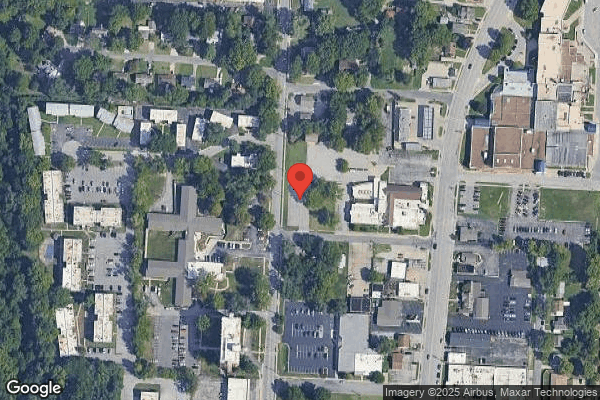
Jul 2023 1 deficiency
CONCERN (D) 📢 Someone Reported This

A family member, employee, or ombudsman was alarmed enough to file a formal complaint

Potential for Harm - no one hurt, but risky conditions existed

Transfer Notice (Tag F0623)

Could have caused harm · This affected 1 resident

**NOTE- TERMS IN BRACKETS HAVE BEEN EDITED TO PROTECT CONFIDENTIALITY** Based on interview and record review, the facility failed to provide proper notice for an immediate discharge for one sampled re...

Read full inspector narrative →
**NOTE- TERMS IN BRACKETS HAVE BEEN EDITED TO PROTECT CONFIDENTIALITY** Based on interview and record review, the facility failed to provide proper notice for an immediate discharge for one sampled resident (Resident #1) who was discharged to the hospital due to behaviors out of four sampled residents. The facility census was 99 residents. Review of the facility policy titled, Discharge Planning Process, dated 9/1/21 showed: -It is the policy of this facility to develop and implement an effective discharge planning process that focuses on the resident's discharge goals, the preparation of residents to be active partners and effectively transition them, to post-discharge care, and the reduction of factors leading to preventable readmissions. -Discharge planning is a process that generally begins on admission and involves identifying each resident's discharge goals and needs, developing and implementing interventions to address them, and continuously evaluating them throughout the resident's stay to ensure a successful discharge. -The facility will support each resident in the exercise of his or her right to participate in his or her care and treatment, including planning for discharge. -An active individualized discharge care plan will address, at a minimum: --Discharge destination, with assurances the destination meets the resident's health/safety needs and preferences. --Identified needs, such as medical, nursing, equipment, educational, or psychosocial needs. --Resident's goals for care and treatment preferences. -The Notice of Immediate Involuntary Discharge Letter must include: --The reason for discharge. --The effective date of the discharge. --The location that the resident is being discharged to. --Information on how to obtain an appeal, completing and submitting the appeal. --Contact information for the Long Term Care Ombudsman. --Information on the residents rights to appeal a discharge. --The location the resident is being discharged to, must be specific, appropriate, available and agree to admitting the resident. 1. Review of Resident #1's facility face sheet showed he/she was admitted to the facility on [DATE]. Review of the resident's admission Minimum Data Set (MDS - a federally mandated assessment tool used by facilities for care planning), dated 5/24/23 showed he/she had severe cognitive impairment. Review of the facility's Admission/Discharge report dated 5/1/23 to 7/6/23 showed the resident was sent to the hospital on 6/14/23. Review of the resident's Notice of Immediate Involuntary Discharge letter dated 6/14/23 showed: -The facility was forced to discharge the resident for his/her welfare and his/her needs could be met in the facility. -On 6/14/23 the resident was discharged to the Acute Care Hospital. -The Administrator had prepared the letter and the Director Of Nursing (DON) delivered the letter to the hospital on the date of discharge. During an interview on 7/6/23 at 12:36 P.M., Family Member A said: -The resident was still at the hospital. -The facility had dropped off a discharge letter at the hospital. -The DON and the Social Worker at the facility told him/her that the facility would not accept the resident back in the facility. -He/she felt that if the resident's behaviors were controlled, that the resident should be able to return to the facility. During an interview on 7/6/23 at 1:05 P.M., the DON said he/she agreed an appropriate discharge plan was not the hospital but he/she felt the facility had no other choice. During an interview on 7/6/23 at 1:30 P.M., the Administrator said: -He/she had written the discharge letter because the hospital had not addressed the resident behaviors and the facility could not address the resident behaviors. -He/she understood that the facility was not supposed to discharge a resident to the hospital. MO00219992
Jun 2023 3 deficiencies
CONCERN (D) 📢 Someone Reported This

A family member, employee, or ombudsman was alarmed enough to file a formal complaint

Potential for Harm - no one hurt, but risky conditions existed

Deficiency F0744 (Tag F0744)

Could have caused harm · This affected 1 resident

**NOTE- TERMS IN BRACKETS HAVE BEEN EDITED TO PROTECT CONFIDENTIALITY** Based on observation, interview and record review, the facility failed to provide increased behavioral monitoring for one sample...

Read full inspector narrative →
**NOTE- TERMS IN BRACKETS HAVE BEEN EDITED TO PROTECT CONFIDENTIALITY** Based on observation, interview and record review, the facility failed to provide increased behavioral monitoring for one sampled resident (Resident #1) who had known behaviors, which resulted in a resident to resident altercation between two sampled residents (Resident #1 and #2) out of three sampled residents. The facility census was 109 residents. Review of facility policy Behavior Management reviewed 9/1/22 showed: -Residents who exhibit behavioral concerns may require a behavior management care plan to ensure they are receiving appropriate services and interventions to meet their needs. the interdisciplinary team, including family member, should develop a behavioral plan for each resident with identified behaviors through the resident assessment process. -A behavior management plan can include a schedule of daily live events, which addresses the individuality of the resident. The plan should reflect the resident's personal preferences and usual routine, to the extent possible. the plan should include the recreation schedule, non-pharmacological interventions, and environmental adjustments needed to help the resident meet his or her highest practicable well-being. 1. Review of Resident #1's Face Sheet showed he/she was admitted to the facility on [DATE] with the following diagnoses: -Alzheimer's disease (a progressive mental deterioration). -Dementia (a progressive or persistent loss of intellectual,especially with impairment of memory and abstract thinking, and often with personality changes). Review of the resident's Behavioral Monitoring and Intervention Report showed: -On 5/13/23 he/she was anxious, restless, not sleeping, refusing care, and wandering with staff redirection being ineffective. -On 5/14/23 he/she was grabbing others, hitting others, physically aggressive towards others, disrobing in public, agitated, anxious, not sleeping, refusing care and wandering with staff redirection being ineffective. -On 5/18/23, he/she was hitting others with no staff interventions attempted. -On 5/21/23 he/she was physically aggressive towards others, cursing at others, expressing frustration/anger at others, entering other resident rooms, refusing care and wandering with staff redirection being ineffective. -On 5/27/23 he/she had entered other resident rooms and wandering with staff redirection being ineffective. -On 5/28/23 he/she had entered other resident rooms, was anxious, agitated and wandering with staff redirection being ineffective. Review of the resident's admission Minimum Data Set (MDS- a federally mandated assessment instrument completed by facility staff for care planning) dated 5/24/23 showed he/she: -Was severely cognitively impaired. -Had hallucinations and delusions during the look-back period. -Had physical behaviors one to three days during the look-back period. -Had verbal behaviors one to three days during the look-back period. -Had behaviors that significantly interfered with his/her cares. -Had behaviors that put others at risk for physical injury. -He/she wandered daily that significantly intruded on others during the look-back period. -Had rejected cares four to six days during the look-back period. -He/she required limited to extensive assistance with activities of daily living. Review of the resident's nursing note dated 6/5/23 showed: -He/she had increased aggression and his/her physician ordered Geodon (an antipsychotic medication) intramuscularly injection one time only and Buspar (medication that treats anxiety). --NOTE: The resident's medical record was not updated to include any newly resident specific increased behaviors, behavior monitoring, or updated interventions. Review of the resident's nursing progress notes dated 6/7/23 showed he/she: -Was threatening to hit others with a pill crusher while walking up and down the hallway. -Was in an altercation with a visitor at the facility trying to take the visitor's cane and pushed the visitor. -Was sent out to the hospital on 6/7/23 and returned on 6/7/23 with the diagnosis of urinary tract infection (UTI) and an order for Cefdinir (an antibiotic). --NOTE: He/she was not placed on any increased behavioral monitoring when he/she returned to the facility and the resident's medical record was not updated to include newly documented behaviors/UTI, behavior monitoring, and updated interventions. Review of the resident's nursing progress note dated 6/8/23 showed he/she: -Slapped Resident #2 in the face when he/she got hit in the head with a door accidentally by Resident #2 which caused a laceration above his/her left eye. -He/she went to the emergency room to have treatment for the laceration on 6/8/23 and returned to the facility on 6/8/23 and was placed on one-on-one monitoring. --NOTE: The resident's medical record was not updated to show the increase one-on-one monitoring and updated to resident specific behavior triggers or updated interventions. Review of the resident's care plan dated 6/8/23 showed: -A behavior care plan was initiated. -The care plan was not updated to include newly documented issues such as disrobing in public, kicking others, refusal of cares and not sleeping. --NOTE: Specific behaviors and triggers were not identified. Review of the resident's Behavioral Monitoring and Intervention Report showed: -On 6/9/23, he/she was agitated, anxious and wandering with staff redirection being ineffective. -On 6/10/23, he/she had entered other resident rooms, was anxious and withdrawn with staff redirection being ineffective. -On 6/11/23, he/she had entered other resident rooms, was anxious, wandering with staff redirection being ineffective. 2. Review of Resident #2's Face Sheet showed he/she admitted to the facility on [DATE] with the following diagnoses: -Traumatic brain injury (TBI a disruption in the normal function of the brain that can be caused by a bump, blow, or jolt to the head, or penetrating head injury). -Anxiety (a feeling of worry, nervousness, or unease, typically about an imminent event or something with an uncertain outcome). -Depression (a common and serious medical illness that negatively affects how you feel, the way you think and how you act). -Dementia. Review of the resident's admission MDS dated [DATE] showed he/she: -Was cognitively intact. -Had verbal behaviors four to six days during the look-back period. -Had other behaviors not directed towards others. -Had rejected care one to three days during the look-back period. -Was wandering one to three days during the look-back period. 3. Review of the facility resident to resident investigation dated 6/10/23 showed: -Resident #2 was opening the door to his/her room and accidentally hit Resident #1 in the head causing a laceration. -Resident #1 reacted and punched Resident #2 in his/her left eye. -Resident #1 was visibly upset and was verbally threatening towards Resident #2 stating I will kill you at the time of the altercation. -The facility investigation ruled out abuse as both residents were visibly upset and the physical altercation was a result of a response to an accidental occurrence. 4. During an interview on 6/12/23 at 10:30 A.M., Resident #2 said: -Resident #1 was behind the door when he/she opened it and accidentally hit him/her in head. -Resident #1 then slugged him/her in the face. During an interview 6/12/23 at 11:33 A.M., Certified Nursing Assistant (CNA) A said: -He/she documented resident behaviors under tasks in the electronic medical record and notified the nurse. -Resident #1 was on one-on-one monitoring for combative behaviors. -He/she did not know the current behavioral interventions or where to look for interventions for Resident #1 or other residents. -He/she would separate residents if in an altercation and notify the charge nurse. During interview on 6/12/23 at 11:56 A.M., Registered Nurse (RN) A said: -On 6/7/23, Resident #1 had tried to take a cane from a visitor. -He/she sent the resident out to the hospital. -On 6/7/23, Resident #1 returned from the hospital and he/she did not know why facility staff did not initiate increased behavioral monitoring or the facility protocol for increased resident behaviors other than notifying the Director of Nursing (DON). -He/she was aware that the night nurse had notified the DON when Resident #1 returned from the hospital and that the DON would re-evaluate Resident #1 in the morning, but no increased monitoring was initiated. -On 6/8/23, he/she responded to Resident #2 calling for help to get Resident #1 out of his/her room. During an interview on 6/12/23 at 12:30 P.M., the care plan nurse said: -He/she was responsible for updating resident care plans. -He/she would expect care plans to be updated with new resident behaviors. -He/she was off work when Resident #1 was having his/her increased behaviors. -He/she would expect the DON or a designee to update behavior care plans if he/she is off work. -He/she would have expected Resident #1 to have been placed on one on one monitoring when he/she returned to the facility on 6/7/23. During an interview on 6/12/23 at 11:42 A.M., Certified Medication Technician (CMT) A said: -He/she reported resident behaviors to the charge nurse. -He/she would separate residents if in an altercation and let the charge nurse know. -He/she did not know which residents needed increased monitoring for possible behaviors. During an interview on 6/12/23 at 11:56 A.M., Registered Nurse (RN) A said: -He/she charted in the residents' progress notes any behaviors and interventions tried and if they were effective or ineffective. -Resident's primary care physician and family were notified of the behavioral changes. -Behaviors were reviewed in daily morning meeting by the DON. -Behavior interventions were updated by the care plan nurse. -He/she would separated residents immediately if in an altercation and informed the DON, Administrator, Physician and the resident's responsible party. -He/she would look at the resident care plan for behavioral triggers or get updates during nurse to nurse report. During an interview on 6/12/23 at 12:34 P.M., the DON said: -He/she reviewed behavioral reports daily Monday through Friday. -He/she did not review the resident behavioral task reports that CNA's and CMT's document on every shift. -He/she expected resident care plans to be updated, individualized and specific to each resident's identified behaviors and interventions. -He/she and the care plan nurse were responsible for updating resident care plans. -He/she reported to nursing staff with any new behaviors and interventions. -He/she was made aware of Resident #1's return from the hospital on 6/7/23. -He/she did not initiate increased monitoring at that time and he/she would re-evaluate Resident #1 in the morning of 6/8/23. During interview on 6/12/23 at 1:30 P.M. Administrator said it was the expectation that known behaviors and identified triggers were to be communicated to staff and updated on the resident care plan. MO00219685
CONCERN (E) 📢 Someone Reported This

A family member, employee, or ombudsman was alarmed enough to file a formal complaint

Potential for Harm - no one hurt, but risky conditions existed

Deficiency F0924 (Tag F0924)

Could have caused harm · This affected multiple residents

Based on observation and interview, the facility failed to ensure hand rails were installed on both sides of the following resident occupied halls: the 200 Hall, the 300 Hall, the 500 Hall, and the 60...

Read full inspector narrative →
Based on observation and interview, the facility failed to ensure hand rails were installed on both sides of the following resident occupied halls: the 200 Hall, the 300 Hall, the 500 Hall, and the 600 Hall. This practice potentially affected 77 residents who resided on those halls. The facility census was 109 residents. 1. Observations with the Maintenance Director on 6/6/23, showed: - At 9:37 A.M., hand rails were absent from one side of the 500 Hall. - At 9:39 A.M., hand rails were absent from one side of the 600 Hall. - At 9:43 A.M., hand rails were absent from one side of the 300 Hall. - At 9:44 A.M., hand rails were absent from one side of the 200 Hall. During an interview on 6/6/23 10:09 A.M., the Assistant Director of Nursing (ADON) said: - The remodelers were supposed to take the hand rails off to paint the lower half of the wall. During an interview on 6/6/23 at 10:18 A.M., the Regional Maintenance Director said: - The walls of where the handrails were removed, needed to be painted. - The texture was smoothed down by Construction Company A, who was used by the past ownership group of the facility. -- The walls of 300 Hall are painted and ready for the handrails to be installed. - The 500, 600, and 200 Halls, still needed to be painted. - The painting has taken longer than it should. - All the parts for the handrail have not been delivered as yet. - The New ownership group will use Construction Company B and it (the new ownership group) still needed to finalize agreements with Construction Company B. MO 00218576
MINOR (B) 📢 Someone Reported This

A family member, employee, or ombudsman was alarmed enough to file a formal complaint

Minor Issue - procedural, no safety impact

Safe Environment (Tag F0921)

Minor procedural issue · This affected multiple residents

Based on observation and interview, the facility failed to place a sign at the beginning of the 400 Hall to restrict access to residents and for residents not to enter, except for therapy services. Th...

Read full inspector narrative →
Based on observation and interview, the facility failed to place a sign at the beginning of the 400 Hall to restrict access to residents and for residents not to enter, except for therapy services. This practice potentially affected at least 39 residents who resided on that side of the facility. The facility census was 109 residents. 1. Observations on 6/6/23 at 10:33 A.M. and 11:17 A.M., showed the absence of a sign or notice to restrict the access of residents to the 400 hall, which was closed for renovations except, for those residents who receive therapy services. During an interview on 6/6/23 at 11:39 A.M., the Maintenance Director said he/she understood why a no resident access sign was needed and he/she did not think about a sign to keep residents out until today. During an interview on 6/6/23 at 1:57 A.M., the Administrator said he/she would expect there to be signage on a hall where construction is happening. MO 00218576
Apr 2023 1 deficiency 1 IJ (1 facility-wide)
CRITICAL (L) 📢 Someone Reported This

A family member, employee, or ombudsman was alarmed enough to file a formal complaint

Immediate Jeopardy (IJ) - the most serious Medicare violation

Administration (Tag F0835)

Someone could have died · This affected most or all residents

⚠️ Facility-wide issue

**NOTE- TERMS IN BRACKETS HAVE BEEN EDITED TO PROTECT CONFIDENTIALITY** Based on observation, interview, and record review, the facility management company failed to ensure payments were issued or iss...

Read full inspector narrative →
**NOTE- TERMS IN BRACKETS HAVE BEEN EDITED TO PROTECT CONFIDENTIALITY** Based on observation, interview, and record review, the facility management company failed to ensure payments were issued or issued in a timely manner, to Vendor A and Vendor B who provided necessary services to the residents. On [DATE] at 9:22 A.M., the running water to the facility was shut off for non-payment. The facility had received a 10 day notice of shut off for non-payment which expired on [DATE]. As of [DATE] the facility also had an outstanding balance for Vendor D of $2,558 and the fire service was not being completed. The facility census was 111 residents. The Administrator was notified on [DATE] at 2:40 P.M., of the Immediate Jeopardy (IJ) which began on [DATE]. The IJ was removed on [DATE] as confirmed by surveyor onsite verification. 1. During the entrance interview on [DATE] at 9:40 A.M., the Director of Nursing (DON) said: -The facility running water had been shut off at around 9:34 A.M., apparently for non-payment, and they were currently working on getting it turned back on. -The facility had gotten one notice of non-payment that he/she knew of, which was sent to Accounts Payable towards the end of March. -When the running water was shut off in the facility earlier, the facility notified the Corporate office and they were to have been working on payment. -The bill should have been paid and they were hoping to get the running water turned back on within one to two hours. Observation on [DATE] at 9:48 A.M., showed no running water in the facility: -The running water for the Administrator's office sink was tested and it did not come on. -The running water was also tested for room [ROOM NUMBER]'s sink and the water did not come on. Record review of a payment receipt, dated [DATE] at 10:07 A.M., showed the facility paid $8,697.47 to Vendor A with confirmation on [DATE]. During an interview on [DATE] at 10:25 A.M., the Director of Maintenance said: -The facility had been on fire watch since the water got shut off. -He/she had staff at all doors, following the fire watch protocol. -He/she personally had been continually rounding in the building to ensure that all was being appropriately completed. -The kitchen had plenty of water to last a few days. -He/she was upset the facility had not paid the bill, resulting in getting the running water shut off. During an interview on [DATE] at 11:02 A.M., Licensed Practical (LPN) A said: -This situation had happened in the facility in the past where the running water had been shut off for non-payment of the water bill. -He/she felt as though the Corporation that owned the facility did not care about the consequences on the residents for not paying the bills. During an interview on [DATE] at 11:08 A.M., LPN B said: -He/she was getting fed up with these types of occurrences where the bills did not get paid and the residents and staff suffered because of it. -He/she felt as though the Corporation did not care about what happened in the facility. During an interview on [DATE] at 11:15 A.M., Resident #5 said: -This was the third time that the running water had been shut off in the facility since the new company had bought it. -He/she was told the shut off was due to the facility not paying their bills. -These types of issues had gotten worse over the past couple of years. -Record review of the resident's quarterly Minimum Data Set (MDS- a federally mandated assessment tool completed by the facility staff and used for care planning), dated [DATE], showed he/she was cognitively intact. During an interview on [DATE] at 11:25 A.M., Resident #7 said he/she was getting his/her things together to go to his/her family's house to take a bubble bath, because he/she was not going to wait and see if the facility water came back on. Record review of the resident's quarterly MDS, dated [DATE], showed he/she was cognitively intact. Observation on [DATE] at 11:45 A.M., showed the facility's running water remained shut off. During an interview on [DATE] at 12:20 P.M., Resident #8's family member said: -His/her family member had been a resident at the facility for 18 months. -The resident usually got baths completed by Hospice (end of life care) on Tuesdays and Thursdays. -The Hospice staff had come by and the running water was shut off, so they left. -He/she hoped they would come back after the running water was restored. -He/she was very frustrated as this had happened in the past where the facility neglected to pay the water bill and the running water was disconnected. During an interview on [DATE] at 12:30 P.M., Resident #6 said: -He/she had not been able to get a shower. -The bath aide had all of his/her belongings in the shower room, ready to come get him/her and the water got shut off. -He/she was very angry as this had happened before. -The facility doesn't pay their bills and the services get stopped. -He/she was afraid to go and flush the toilet. -He/she was using hand sanitizer for his/her hands after toileting and using disposable wipes to wipe him/herself after using the toilet. -The residents should not have to go through this. -The residents paid to stay in the facility and if they pay their bills, the facility should pay theirs. -He/she and other residents had voiced their concerns, but nothing changed. -These issues had gotten much worse since the new company took over. -Record review of the resident's quarterly MDS, dated [DATE], showed he/she was cognitively intact. Observation on [DATE] at 1:30 P.M., showed the facility's running water had been re-connected and the facility once again had running water. During an interview on [DATE] at 3:50 P.M., Vendor A (water company) said: -The facility's running water was officially shut off at 9:25 A.M., on [DATE]. -The facility's running water was officially turned back on at 1:15 P.M., on [DATE]. -The water bill was outstanding on [DATE] and a notice went to the facility on [DATE] notifying the facility of the outstanding amount owed which was $5,251.60. -An additional $ 52.04 was added on to the total due on [DATE]. -The notice on [DATE] threatened shut off for [DATE], with a latest shut off being [DATE], however, that did not happen as the company was giving the facility a chance to call or make payment arrangements. -A new 10 day shut off notice was sent on [DATE]. -We should have shut the facility's water off on [DATE], but gave them the day to make contact with them. -When contact still had not been made by the facility, the facility's running water was shut off on [DATE]. -After the payment was made on [DATE] to restore the running water, the facility still owed the company $4,331.29 which would come due on [DATE]. 2. During an interview on [DATE] at 4:45 P.M., Vendor B, for sewer services, said: -The facility had an over due amount and the facility owed them $18,376.78 which included April's bill. -The facility would be getting a late notice the first week of [DATE] if not paid by then. -If the full amount due was not paid by [DATE], the facility would get a 10 day shut off notice. -If the sewer was disconnected, the water would be shut off again at the same time. During interview on [DATE] at 2:20 P.M., the Director of Maintenance said: -He/she does not have a lot to do with the billing. -He/she does know what is outstanding and he/she shares that with his/her Corporate Director who is over 14 buildings, however he/she does not know what happens after he/she shares the information about the outstanding balance. 3. During an interview on [DATE] at 12:23 P.M., Vendor D (the alarm system servicing company) said: -They were no longer servicing the facility due to lack of payment. -The facility had a current outstanding balance of $2,558. -If the current fire alarm system quit working, they would not come out and service the facility as they had in the past. -They would have to pay their outstanding balance or obtain a new company to service their fire alarm system. During an interview on [DATE] at 9:30 A.M., Vendor D said: -The company took over monitoring the facility's fire alarm in mid-January. -The monitoring service was paid for in advance for a year. -The agreement was for the company to provide the facility with service as needed, monitoring, and scheduled inspections. -The facility currently has three open invoices totaling $5,116. -The facility has not paid for any service calls or the inspections his/her company has provided. -He/she is monitoring the account and if the monitoring bill for the following year is not paid the monitoring portion will be disconnected immediately. -The facility is in need of repairs to the their system, he/she was called about issues with the fire alarm panel. The work that was needed could not be done by his/her company, because it was proprietary in nature. He/she was initially going to facilitate locating a contractor to make the needed system updates and repairs, but due to the non-payment made the decision to not move forward with that due to fear of being stuck with the bill to the outside contractor. He/she is unsure if the facility's Maintenance Director has found someone to complete the repairs needed. 4. During an interview on [DATE] at 11:15 A.M., the Corporate Nurse Consultant said: -He/she was aware that the issue appeared to be with the third party company hired by the corporation to pay the bills. -There had to have been a breakdown in communication when it came to the bills and communicating what was owed to the third party company. -He/she had been in touch with the new Corporate Executive Officer (CEO) who was in the process of reaching out to the supervisor for the third party company who paid the bills. During an interview on [DATE] at 12:10 P.M., the Corporate Director of Accounting said: -The old process made it very easy for the invoices to fall through the cracks and not get paid as the facility received the bills, sent them to the third party billing company for processing, the third party billing company had to send them back to the facility Director and Administrator for approval, and the facility had to send them back to the third party billing company for payment. -With all the back and forth, the bills often did not go through to the correct place and in turn, did not get paid. During an interview on [DATE] at 2:45 P.M., the Accounts Payable Manager for the third party billing company said: -He/she was in charge of the two accounts payable representatives who paid all the bills for the corporation. -The three individuals were only responsible for the corporation's bills only. -The practice which had been in process was that the facility received the invoice. -The facility scanned those invoices to the third party accounting company. -The third party billing company would send them back to the facility Director and Administrator for approval. -Once the facility staff did their approval, they would scan it back to the third party billing company. -This process allowed for a lot of invoices to fall through the cracks and not get paid. -The third party billing company had just adopted a new process which should help to keep the invoices from falling through the cracks. -The third party billing company's goal was to get all the back outstanding bills paid to avoid any further disconnections or loss of services. -The bills were coming to the facility in a timely manner and as far as he/she was aware, there was money available for bill payment. During an interview on [DATE] at 11:00 A.M., the DON said: -He/she would have expected that all facility bills would be paid in a timely manner. -He/she would have expected that no services were disconnected. During an interview on [DATE] at 11:06 A.M., the Administrator said: -He/she would have expected the third party billing company would have paid the bills in a timely manner. -He/she would have expected there would have been no services shut off due to non-payment. NOTE: At the time of the survey, the violation was determined to be at the immediate and serious jeopardy level L. Based on observation, interview and record review, completed during the onsite visit, it was determined the facility had implemented corrective action to address and lower the violation at the time. A revisit will be conducted to determine if the facility is in substantial compliance with participation requirements. At the time of exit, the severity of the deficiency was lowered to the F level. This statement does not denote that the facility has complied with State law (Section 198.026.1 RSMo.) requiring that prompt remedial action be taken to address Class I violation(s). MO00217150
Jan 2023 1 deficiency
CONCERN (F) 📢 Someone Reported This

A family member, employee, or ombudsman was alarmed enough to file a formal complaint

Potential for Harm - no one hurt, but risky conditions existed

Administration (Tag F0835)

Could have caused harm · This affected most or all residents

Refer to F835 IWOU12 Based on interview and record review, the facility management company failed to ensure payments were issued or issued in a timely manner, to the facility's water company who provi...

Read full inspector narrative →
Refer to F835 IWOU12 Based on interview and record review, the facility management company failed to ensure payments were issued or issued in a timely manner, to the facility's water company who provided services for the needs of residents. On 1/10/23 the water was shut off at the facility from 12:43 P.M.-2:47 P.M., for non payment. The facility census was 113 residents. This deficiency is uncorrected. For previous example, please refer to the Statement of Deficiencies dated 11/15/22. 1. Record review of Quality Healthcare Resources showed: -The first email address listed as to where bills were sent was unmonitored. -The automatic reply from the first email address contained a second email address to contact. -The automatic reply from the second email address showed it was unmonitored. -Messages for a return phone call left for the facility's contact person were not returned. -Emails to the facility contact person asking for someone to call them. During an interview on 1/10/23 at 2:45 PM Vendor A said: -The water was shut off for nonpayment about 12:43 PM with over $18,000 being owed. -The facility was given two door notifications. During an interview on 1/10/23 at 3:46 P.M., the Administrator said: -The water was shut off but turned back on at 2:47 P.M. -The water was shut off due to a back balance. -They received a shut off notice for the gas last month. During an interview on 1/12/23 at 9:30 A.M., Vendor B said: -The last payment made to them was in November 2022. -The outstanding amount due was $15,743.55. -The facility was due to have the sewer shut off. -The facility would be eligible for shut-off in February 2023. -The water would be shut off as well. During an interview on 1/12/23 at 9:34 A.M., Vendor A said the water would be shut off if the sewer was shut off. During an interview on 1/13/23 at 12:15 P.M., the Administrator said: -The former Administrator completed most of the Plan of Correction (POC). -He/she was aware of the POC and the contents therein. -He/she was not aware of any other processes in progress to shut off any other utilities. -He/she was not aware of the sewer bill not being paid. -He/she didn't know the name of the agency that paid the bills for the facility. -He/she wasn't sure if there were any door notices when the utility was shut off. During an interview on 1/13/23 at 12:49 P.M., the Chief Nursing Officer (CNO) said: -He/she was aware of the POC. -The facility was auditing the bill paying method During an interview on 1/13/23 at 1:20 P.M., the Chief Executive Officer (CEO)/Owner said: -He/she was covering the facility because the regional person who usually covered the facility was on leave. -Vendor A sent a notice about the water being shut off but did not call before they shut it off. -He/she had never had a utility turned off without a phone call or something. -He/she was not aware that Vendor B was going to shut off the sewer. During an interview on 1/13/23 at 1:59 P.M., Vendor B said the facility was eligible for shut off at anytime as of 1/26/23 should payment not be made to the sewer services. During an interview on 1/20/23 at 2:30 P.M., the Administrator said: -The utility bills went directly sent to the agency that pays their bills. -Shut off notices were delivered to the building and then he/she sent them to the agency. -He/she emailed the notice that the water would be shut off on 1/9/23 to the agency on 12/28/22. -He/she did not have copies of the utility invoices. -He/she would request copies from the agency. MO00212388
Nov 2022 1 deficiency
CONCERN (F) 📢 Someone Reported This

A family member, employee, or ombudsman was alarmed enough to file a formal complaint

Potential for Harm - no one hurt, but risky conditions existed

Administration (Tag F0835)

Could have caused harm · This affected most or all residents

Based on interview and record review, the facility management company failed to ensure payments were issued or issued in a timely manner, to the facility's electric, gas, and water companies who provi...

Read full inspector narrative →
Based on interview and record review, the facility management company failed to ensure payments were issued or issued in a timely manner, to the facility's electric, gas, and water companies who provide services for the needs of residents. The facility census was 107 residents. 1. Record review of Vendor A's invoice A and facility payment information dated 9/13/22 showed: -Current balance due $3,683.62. -Previous balance due $5,127.30. -Payment $2,756.45. -Total current charges $1,312.77. -Late charges assessed $35.56. -Current balance of $3,683.62 due by 9/28/22, late charges assessed after 10/5/22. -Important notice: your natural gas service is scheduled to be shut off for nonpayment. Please see back of this bill for ways to pay in order to prevent disconnection. Record review of Vendor A's invoice A and facility payment information dated 10/12/22 showed: -Current balance due $3,660.98. -Previous balance due $3,683.62 -Payment $1,183.81 -Total current charges $1,161.17. -Late charges assessed $37.50. -Current balance of $3,660.98 due by 10/27/22, late charges assessed after 11/3/22. -Important notice: your natural gas service is scheduled to be shut off for nonpayment. Please see back of this bill for ways to pay in order to prevent disconnection. Record review of Vendor A's invoice A and facility payment information dated 11/9/22 showed: -Current balance due $4,945.00. -Previous balance due $3,660.98. -Total current charges $1,284.02. -Late charges assessed $54.91 -Current balance of $4,945.00 due by 11/28/22, late charges assessed after 12/5/22. -Important notice: your natural gas service is scheduled to be shut off for nonpayment. Please see back of this bill for ways to pay in order to prevent disconnection. Record review of Vendor A's invoice B and facility payment information dated 9/13/22 showed: -Current balance due $653.43. -Previous balance due $1,130.71. -Payment $706.27. -Total current charges $228.99. -Late charges assessed $6.37. -Current balance of $653.43 due by 9/28/22, late charges assessed after 10/5/22. -Important notice: your natural gas service is scheduled to be shut off for nonpayment. Please see back of this bill for ways to pay in order to prevent disconnection. Record review of Vendor A's invoice B and facility payment information dated 10/12/22 showed: -Current balance due $675.76. -Previous balance due $653.43. -Payment $211.10. -Total current charges $233.43 -Late charges assessed $6.63. -Current balance of $675.76 due by 10/27/22, late charges assessed after 11/3/22. -Important notice: your natural gas service is scheduled to be shut off for nonpayment. Please see back of this bill for ways to pay in order to prevent disconnection. Record review of Vendor A's invoice B and facility payment information dated 11/9/22 showed: -Current balance due $683.81. -Previous balance due $675.76. -Payment $213.39. -Total current charges $221.39. -Late charges assessed $6.94. -Current balance of $683.81 due by 11/28/22, late charges assessed after 12/5/22. -Important notice: your natural gas service is scheduled to be shut off for nonpayment. Please see back of this bill for ways to pay in order to prevent disconnection. 2. Record review of Vendor B's invoice and facility payment information dated 9/15/22 showed: -Amount due $12,845.02. -Previous balance on 8/15/22 was $12,602.64. -Late charge assessed on 9/9/22 was $60.84. -Payment on 8/22/22 was $6,471.13. -Past due balance $6,192.35. -Total new charges $6,652.67. -Total amount due by 10/6/22 $12,845.02, and after 10/6/22, amount due $12,911.07. -If you have a past due balance, that amount is due immediately and may be subject to turn off. The remaining balance is due on the due date. Record review of Vendor B's One Time Door Notice dated 9/20/22 showed: -Hot/Cold weather rules do not apply to water utilities, only electric and gas. -Your service is scheduled to be discontinued on 9/27/22 at 7:00 A.M. unless the past due balance on your account + $20.00 door note fee is paid at our office by end of day 9/26/22. -Balance due $6,212.35. -Door note fee instead of $50.00 disconnect fee was $20.00. -Miscellaneous charge was 39.20. -Water was $6,153.15. Record review of Vendor B's invoice and facility payment information dated 10/14/22 showed: -Amount due $11,554.81. -Previous balance on 9/20/22 was $12,865.02. -Late charge assessed on 10/7/22 was $66.05. -Payment on 9/26/22 was $6,192.35. -Past due balance $6,738.72. -Total new charges $4,816.09. -Total amount due by 11/7/22 $11,554.81, and after 11/7/22, amount due $11,602.49. -If you have a past due balance, that amount is due immediately and may be subject to turn off. The remaining balance is due on the due date. Record review of Vendor B's One Time Door Notice dated 10/18/22 showed: -Hot/Cold weather rules do not apply to water utilities, only electric and gas. -Your service is scheduled to be discontinued on 10/24/22 at 7:00 A.M. unless the past due balance on your account + $20.00 door note fee is paid at our office by end of day 10/25/22. -Balance due $6,758.72. -Door note fee instead of $50.00 disconnect fee was $20.00. -Miscellaneous charge was 39.61. -Water was $6,699.11. 3. Record review of Vendor C's invoice and payment information dated 9/6/22 showed: -Current balance due $15,373.65, due upon receipt. -Previous balance $14,105.46. -Payment on 8/24/22 was $6,484.79. -Current charges was $7,752.98. -$15,373.65 due by 9/27/22. Record review of Vendor C's Disconnect Notice dated 9/6/22 showed: -Your account was past due $7,620.67. Please submit payment immediately. -Disconnection may occur at any time between September 22, 2022 and October 22, 2022. -Due upon receipt $7,602.67. -Payments must be received before September 22, 2022. Record review of Vendor C's invoice and payment information dated 10/6/22 showed: -Current balance due $13,464.58, due upon receipt. -Previous balance $15,373.65. -Payment on 9/23/22 was $7,602.67. -Current charges was $5,711.60. -$13,464.58 due by 10/27/22. Record review of Vendor C's invoice and payment information dated 11/4/22 showed: -Current balance due $10,355.91, due upon receipt. -Previous balance $13,464.58. -Payment on 10/25/22 was $7,752.98. -Current charges was $4,644.31. -$10,355.91 due by 11/28/22. Record review of Vendor C's Disconnect Notice dated 11/7/22 showed: -Your account was past due $5,711.60. Please submit payment immediately. -Disconnection may occur at any time between November 28, 2022 and December 28, 2022. -Due upon receipt $5,711.60. -Payments must be received before November 28, 2022. 4. During an interview on 11/15/22 at 3:00 P.M. the Business Office Manager said: -Any bills received in the facility were submitted to the Administrator for approval. -Once approved by the Administrator, the bills were sent to accounts payable to the corporate offices via email. -The facility received shut off/disconnect notices when they are taped to the door of the facility. -There have been several shut off/disconnect notices taped to the front door by the electric company and the water company. During an interview on 11/15/22 at 3:05 P.M. the Administrator said: -The facility was unaware if any of the bills are behind. -The facility was notified when the notices are posted on the building by the utility companies. -When the notices were left at the facility, the administrator gives them to the business office manager to email to the corporate office. -He/she was advised the electric bill was to be paid on 11/15/22 or 11/16/22, but was not given confirmation of payment. During an interview on 11/15/22 at 3:21 P.M. Vendor C said: -A payment was received on 11/15/22 for $5,711.60. -A remaining balance of $4,644.31 was due by 11/28/22. During an interview on 11/15/22 at 3:38 P.M. Vendor B said: -The facility was due for disconnect on 11/22/22. -The company was scheduled to post the disconnect notice on 11/22/22. -The last payment was on 10/25/22 for $6,738.72. -The facility had a remaining balance of $4,903.77. MO00209900
May 2022 14 deficiencies
CONCERN (D)

Potential for Harm - no one hurt, but risky conditions existed

Report Alleged Abuse (Tag F0609)

Could have caused harm · This affected 1 resident

**NOTE- TERMS IN BRACKETS HAVE BEEN EDITED TO PROTECT CONFIDENTIALITY** Based on observation, interview and record review, the facility failed to notify the State Agency (SA) of an injury of unknown o...

Read full inspector narrative →
**NOTE- TERMS IN BRACKETS HAVE BEEN EDITED TO PROTECT CONFIDENTIALITY** Based on observation, interview and record review, the facility failed to notify the State Agency (SA) of an injury of unknown origin for one sampled resident (Resident #73) out of 24 sampled residents. The facility census was 115 residents. Record review of the facility's Abuse, Neglect and Exploitation policy dated 3/28/22 showed: -The facility should report to the SA immediately, but no later than two hours after the allegation was made if the events that caused the allegation involved abuse or resulted in serious bodily injury. -Not later than 24 hours if the events that caused the allegation do not involve abuse and did not result in bodily injury. 1. Record review of Resident #73's admission Record showed he/she was admitted to the facility on [DATE] with the following diagnoses: -Dementia (a progressive organic mental disorder characterized by chronic personality disintegration, confusion, disorientation, stupor, deterioration of intellectual capacity and function, and impairment of control of memory, judgment, and impulses). Record review of the resident's quarterly Minimum Data Set (MDS-a federally mandated assessment tool required to be completed for care planning) dated 4/19/22 showed he/she: -Was severely cognitively impaired. -Required the extensive assistance of staff for bed mobility and transfers. Record review of the resident's care plan revised 4/22/22 showed he/she: -Had severely impaired cognition. -Had a communication problem and did not understand others and was rarely understood. Record review of the resident's Incident Note dated 4/30/22 showed: -While serving the resident supper, there was bruising and swelling to his/her left cheek on his/her face. -The resident was unable to give an explanation of how it happened. -Ice was applied to the area. -The physician and family were notified. Observation on 5/19/22 at 1:18 P.M. showed the resident: -Was lying in a low bed with a fall mat on the floor. -Had blue/yellow faded bruising from under his/her left eye extending down the entire cheek and under his/her left jaw. Observation on 5/20/22 at 2:20 P.M. showed the resident: -Was lying in a low bed with a fall mat on the floor. -Had blue/yellow faded bruising from under his/her left eye extending down the entire cheek and under his/her left jaw. During an interview on 5/25/22 at 11:08 A.M. Certified Nursing Assistant (CNA) A said: -He/she was not sure about the bruise on the resident's face. -The resident had bruising around his/her eye then went down the side of his/her face. -He/she had been told the resident rolled out of bed and a new bed frame was now in place. -If he/she saw an injury on a resident, he/she would report this to the charge nurse. -The charge nurse would report this to the SA. During an interview on 5/25/22 at 11:23 A.M. Licensed Practical Nurse (LPN) A said: -He/she was aware of the resident having bruising to the left side of his/her face but did not know how the resident received the injury. -The resident had an injury of unknown origin. -The resident's bruising covered the whole side of his/her face. -He/she would report injuries of unknown origin to the Director of Nursing (DON). -The DON was responsible for reporting injuries of unknown origin to the SA. During the Quality Assurance (QA) interview on 5/26/22 at 8:45 A.M. the Administrator said he/she was responsible for reporting injuries of unknown origin to the SA. During an interview on 5/26/22 at 11:03 A.M. the DON, the Assistant Director of Nursing (ADON) A and ADON B said: -If a resident had an injury of unknown origin, the nurse was responsible for notifying the DON and completing an incident report. -The DON was responsible for notifying the Administrator. -The Administrator was responsible for notifying the SA of an injury of unknown origin.
CONCERN (D)

Potential for Harm - no one hurt, but risky conditions existed

Investigate Abuse (Tag F0610)

Could have caused harm · This affected 1 resident

**NOTE- TERMS IN BRACKETS HAVE BEEN EDITED TO PROTECT CONFIDENTIALITY** Based on observation, interview and record review, the facility failed to investigate an injury of unknown origin to determine i...

Read full inspector narrative →
**NOTE- TERMS IN BRACKETS HAVE BEEN EDITED TO PROTECT CONFIDENTIALITY** Based on observation, interview and record review, the facility failed to investigate an injury of unknown origin to determine if abuse occurred for one sampled resident (Resident #73) out of 24 sampled residents. The facility census was 115 residents. Record review of the facility's Abuse, Neglect and Exploitation policy dated 3/28/22 showed: -Possible indicators of abuse were physical injury of an unknown source. -The facility should focus on the investigation and determine if abuse or neglect had occurred focusing on the extent and the cause. -Provide complete and thorough documentation of the investigation. 1. Record review of Resident #73's admission Record showed he/she was admitted to the facility on [DATE] with the following diagnoses: -Dementia (a progressive organic mental disorder characterized by chronic personality disintegration, confusion, disorientation, stupor, deterioration of intellectual capacity and function, and impairment of control of memory, judgment, and impulses). Record review of the resident's quarterly Minimum Data Set (MDS-a federally mandated assessment tool required to be completed for care planning) dated 4/19/22 showed he/she: -Was severely cognitively impaired. -Required the extensive assistance of staff for bed mobility and transfers. Record review of the resident's care plan revised 4/22/22 showed he/she: -Had severely impaired cognition. -Had a communication problem and did not understand others and was rarely understood. Record review of the resident's Incident Note dated 4/30/22 showed: -While serving the resident supper, there was bruising and swelling to his/her left cheek on his/her face. -The resident was unable to give an explanation of how it happened. -Ice was applied to the area. -The physician and family were notified. Record review of the resident's Incident Report dated 4/30/22 showed: -While serving the resident supper, noted bruising and swelling was on the resident's left cheek on face. -Injury type: bruise (there was no further description). -The resident was alert and oriented to himself/herself only. -Mental status, predisposing environmental factors, predisposing physiological factors, and predisposing situational factors were not completed. -There were no witnesses found. -On 5/2/22, a summary note: --The resident was alert and oriented to self only, required total assistance with transfers. --Had a diagnosis of dementia. --An investigation was done and the conclusion was the resident rolled out of bed and hit the right side (the incident note showed left side of face) of his/her face on the bed frame. --The resident's bed frame was changed out. Observation on 5/19/22 at 1:18 P.M. showed the resident: -Was lying in a low bed with a fall mat on the floor. -Had blue/yellow faded bruising from under his/her left eye extending down the entire cheek and under his/her left jaw. Observation on 5/20/22 at 2:20 P.M. showed the resident: -Was lying in a low bed with a fall mat on the floor. -Had blue/yellow faded bruising from under his/her left eye extending down the entire cheek and under his/her left jaw. During an interview on 5/25/22 at 11:08 A.M. Certified Nursing Assistant (CNA) A said: -He/she was not sure about the bruise on the resident's face. -The resident had bruising around his/her eye then went down the side of his/her face. -He/she had been told the resident rolled out of bed and a new bed frame was now in place. -If he/she saw an injury on a resident, he/she would report this to the charge nurse. -The charge nurse was responsible for completing and incident report. During an interview on 5/25/22 at 11:23 A.M. Licensed Practical Nurse (LPN) A said: -He/she was aware of the resident having bruising to the left side of his/her face but did not know how the resident received the injury. -The resident had an injury of unknown origin. -The resident's bruising covered the whole side of his/her face. -He/she was dumfounded on how this happened to the resident. -The nurses were responsible for completing an incident report and then notifying the Director of Nursing (DON). -All areas of the incident report should be completed. -The DON was responsible for completing an investigation including interviewing staff on previous shifts to determine what happened. During the Quality Assurance (QA) interview on 5/26/22 at 8:45 A.M. the Administrator said: -The staff should report injuries of unknown origin to the DON and/or Administrator. -If the staff notify the DON, he/she was responsible for notifying the Administrator. -He/she was responsible for completing a thorough investigation that included interviews with witnesses and anyone working at the time of discovery. -The investigation needed to conclude what happened and why this happened. During an interview on 5/26/22 at 11:03 A.M. the DON, the Assistant Director of Nursing (ADON) A and ADON B said: -If a resident had an injury of unknown origin, the nurse was responsible for notifying the DON and completing an incident report. -The DON or ADONs would conduct an investigation and notify the Administrator. -The summary on 5/2/22 located on the Incident Report was the investigation. -He/she had talked to staff but did not write any staff interviews down. -A new bed frame was placed on the resident's bed. -A full investigation was not completed or documented to determine if abuse happened.
CONCERN (D)

Potential for Harm - no one hurt, but risky conditions existed

Comprehensive Assessments (Tag F0636)

Could have caused harm · This affected 1 resident

**NOTE- TERMS IN BRACKETS HAVE BEEN EDITED TO PROTECT CONFIDENTIALITY** Based on interview and record review,the facility failed to accurately code the Minimum Data Set (MDS-a federally mandated asses...

Read full inspector narrative →
**NOTE- TERMS IN BRACKETS HAVE BEEN EDITED TO PROTECT CONFIDENTIALITY** Based on interview and record review,the facility failed to accurately code the Minimum Data Set (MDS-a federally mandated assessment tool required to be completed by facility staff for care planning) for two sampled residents (Resident #48 and #37) out of 24 sampled residents. The facility census was 115 residents. 1. Record review Resident #48's admission Record showed he/she was admitted to the facility on [DATE] with the following diagnoses: -Schizophrenia (a long-term mental disorder of a type involving a breakdown in the relation between thought, emotion, and behavior, leading to faulty perception, inappropriate actions and feelings, withdrawal from reality and personal relationships into fantasy and delusion, and a sense of mental fragmentation). -Anxiety Disorder (a psychiatric disorder causing feelings of persistent dread, that can interfere with daily life). -Major depressive disorder (a state of intense sadness or despair that has advanced to the point of being disruptive to an individual's social functioning and/or activities of daily living) -Intellectual Disability (ID- a term used when a person has certain limitations in cognitive functioning and skills, including communication, social and self-care skills). Record review of the resident's Pre-admission Screening and Resident Review (PASRR-a federally mandated screening process for individuals with serious mental illness and/or intellectual disability/developmental disability related diagnosis who apply or reside in Medicaid Certified beds in a nursing facility regardless of the source of payment) Level II approval dated 1/29/13 showed he/she: -Had met the requirements of the Level II screening due to ID diagnosis. -Needed the staff to incorporate the lesser intensity services into the resident's care plan. Record review of the resident's admission MDS dated [DATE] showed he/she: -Was cognitively intact. -Had the following diagnoses: schizophrenia, major depressive disorder, and anxiety disorder. -Was not coded as having a PASRR. Record review of the resident's care plan revised 4/16/22 showed he/she: -Had behaviors and was being treated with medication for mental illness. -Had schizophrenia and mood disorders. 2. Record review Resident #37's admission Record showed he/she was admitted to the facility on [DATE] with the following diagnoses: -Autistic Disorder (a neurological and developmental disorder that affects how people interact with others, communicate, learn and behave, with symptoms generally appearing in the first two years of life). -Major depressive disorder (MDD) Record review of the resident's PASRR, Level I Pre-admission Screening for Mental Illness/Mental Retardation or Related Conditions, dated 5/15/15 showed he/she had a pervasive developmental disorder, requiring a Level II screening for mental retardation or related condition The resident had qualified for a special admission category due to having a terminal illness. Record review of a letter from the Department of Health and Senior Services (DHSS) Central Office Medical Review Unit (COMRU), dated 5/27/15 showed a previous Level II screening was completed for the resident in February, 2014 for Mental Illness and Intellectual Disability and the facility needed to incorporate the lesser intensity services identified at the time into the resident's care plan. Record review of the resident's annual MDS dated [DATE] showed he/she: -Was moderately cognitively impaired. -Had the following diagnoses: major depressive disorder and anxiety disorder. -Was not coded as having a PASRR. Record review of the resident's comprehensive care plan reviewed on 4/4/22 showed he/she: -Had behaviors. -Used psychotropic medications (any medication that affects behavior, mood, thoughts, or perception) related to autistic disorder and severe MDD with psychotic symptoms. 3. During an interview on 5/25/22 at 12:47 P.M. MDS Coordinator B said: -He/she was responsible for completing the MDS's for the residents. -If a resident had a PASRR, this should be coded on the annual MDS. During an interview on 5/26/22 at 11:03 A.M. the Director of Nursing (DON), the Assistant Director of Nursing (ADON) A and ADON B said: -The MDS Coordinators were responsible for the accuracy of the MDS. -If a resident had a PASRR, this should be coded on the MDS.
CONCERN (D)

Potential for Harm - no one hurt, but risky conditions existed

Incontinence Care (Tag F0690)

Could have caused harm · This affected 1 resident

**NOTE- TERMS IN BRACKETS HAVE BEEN EDITED TO PROTECT CONFIDENTIALITY** Based on observation, interview, and record review, the facility failed to ensure residents received appropriate treatment and s...

Read full inspector narrative →
**NOTE- TERMS IN BRACKETS HAVE BEEN EDITED TO PROTECT CONFIDENTIALITY** Based on observation, interview, and record review, the facility failed to ensure residents received appropriate treatment and services to prevent urinary tract infections (UTI) for one sampled resident (Resident #93) with an indwelling urinary catheter (a sterile tube inserted into the bladder to drain the urine from the bladder) out of 24 sampled residents. The facility census was 115 residents. The facility did not have a policy regarding catheter placement during transfers. 1. Record review of Resident #93's admission Record showed he/she was admitted to the facility on [DATE] with the following diagnoses: -Neuromuscular dysfunction of the bladder (when a person lacks bladder control due to brain, spinal cord or nerve problems). -Stroke. Record review of the resident's Clinical Physician Orders sheet showed on 10/27/21 an order for indwelling catheter for wound healing. Record review of the resident's quarterly Minimum Data Set (MDS-a federally mandated assessment tool required to be completed by facility staff for care planning) dated 1/30/22 showed he/she: -Was cognitively intact. -Required the total assistance of two staff members for transfers. -Had an indwelling catheter. Record review of the resident's care plan updated 2/2/22 showed the resident: -Required the total assistance of two staff members for transfers. -Had an indwelling catheter. Observation on 5/23/22 at 11:54 P.M. showed: -Certified Nurses Assistant (CNA) B and CNA C were completing a hoyer (a mechanical device to move an immobile resident) lift transfer. -The resident was being lifted in the hoyer lift from his/her bed to this/her electric wheel chair. -CNA B was holding the resident's catheter bag. -After the resident was placed down in the electric wheel chair CNA B placed the catheter bag and tubing on the floor in between the resident's feet. -The CNA B moved the catheter bag to the right side of the wheelchair and placed it on the floor. -CNA B then placed the catheter bag in the dignity bag on the wheel chair. During an interview on 5/23/22 at 11:58 A.M. CNA B said: -He/she had not realized he/she had placed the catheter bag and tubing on the floor during the transfer. -The catheter bag and tubing should not be placed on the floor during a transfer. -He/she had been in a hurry to complete the transfer. -He/she would usually lay the catheter bag on the resident's lap during the transfer. During an interview on 5/25/22 at 11:08 A.M. CNA A said: -During a hoyer lift transfer, the residents' catheter bag should not be placed on the floor. -He/she held the catheter bag during the transfer below the residents' bladder. During an interview on 5/25/22 at 11:23 A.M. Licensed Practical Nurse (LPN) A said: -When CNAs complete a transfer for a resident, the catheter bag and tubing should not be touching the floor at any time. -The catheter bag should always be below the residents' bladder. During an interview on 5/26/22 at 11:03 A.M. the Director of Nursing (DON), the Assistant Director of Nursing (ADON) A and ADON B said: -He/she expected the CNAs to have the catheter bag below the residents' bladder at all times. -He/she expected the CNAs to hold the catheter bag during the transfer and not place it on the floor.
CONCERN (D)

Potential for Harm - no one hurt, but risky conditions existed

Safe Environment (Tag F0921)

Could have caused harm · This affected 1 resident

**NOTE- TERMS IN BRACKETS HAVE BEEN EDITED TO PROTECT CONFIDENTIALITY** Based on observation and interview, the facility failed to maintain the kitchen floor in good repair; to maintain the threshold ...

Read full inspector narrative →
**NOTE- TERMS IN BRACKETS HAVE BEEN EDITED TO PROTECT CONFIDENTIALITY** Based on observation and interview, the facility failed to maintain the kitchen floor in good repair; to maintain the threshold to the walk-in fridge in good repair; to maintain the area under the Garden's area breakroom refrigerator clean and free of food of debris; to maintain the window blinds in resident rooms [ROOM NUMBER]; to maintain the window pane (single sheet of glass in a window or door) in resident room [ROOM NUMBER] in good repair; to ensure the restroom door in resident room [ROOM NUMBER] closed to provide privacy; to maintain the commode seats in resident rooms 506, 503 and 602; and to ensure the cold side of the faucet in resident room [ROOM NUMBER], had a knob to turn the cold side of the water on. This practice potentially affected at least 15 resident who resided in or used those areas. The facility census was 115 residents. 1. Observation on 5/19/22 of the kitchen at 9:40 A.M., showed the 36.5 inch (in.) wooden threshold at the entrance of the walk-in fridge, moved back and forth when it was stepped on. During an interview on 5/24/22 at 9:48 A.M., the Dietary Manager (DM) said the step into the walk-in fridge has been moving back and forth like that for a couple of weeks now. Observation on 5/19/22 of the kitchen showed: - At 10:06 A.M., showed a 16 square inch (in.) section of tile was missing from the kitchen floor at the dishwasher area. - At 10:10 P.M., showed an 8 square in. tile that moved back forth, when it was stepped on in the pathway to the dry goods storage room. 2. Observations on 5/20/22 at 2:05 P.M., showed a heavy buildup of grime and food debris under the refrigerator in the Garden's employee breakroom. During an interview on 5/20/22 at 2:06 P.M., Licensed Practical Nurse (LPN) D said he/she has to notify housekeeping to go in that room to sweep and mop. 3. Observation on 5/20/22 at 2:11 P.M., showed a window blinds (a screen for a window, especially one on a roller or made of slats) in resident room [ROOM NUMBER], with several slats that were missing from those blinds. Observation on 5/20/22 at 2:14 P.M., showed a window blinds in resident room [ROOM NUMBER], with several slats that were missing from those blinds. Observation on 5/20/22 at 2:29 P.M., showed the restroom door in resident room [ROOM NUMBER], did not close so it could provide privacy. Observation on 5/20/22 at 2:32 P.M., showed a window pane in resident room [ROOM NUMBER] with a hole in it that was covered over with tape. 4. Observation with the Maintenance Director on 5/23/22 at 10:19 A.M. showed a damaged commode seat in resident room [ROOM NUMBER], that was not easily cleanable. During an interview on 5/23/22 at 10:20 A.M. the Maintenance Director said he/she had not had a chance to go to all the rooms as yet since he only started in March of 2022. Observation with the Maintenance Director on 5/23/22 at 10:21 A.M., showed a commode seat in resident room [ROOM NUMBER] with a damaged coating of that seat that was not easily cleanable. Observation with the Maintenance Director on 5/23/22 at 10:23 A.M., showed a missing knob on the cold water side of the faucet in resident room [ROOM NUMBER]. Observation with the Maintenance Director on 5/23/22 at 11:07 A.M., showed a commode seat that was broken in resident room [ROOM NUMBER]. 5. During an interview on 5/25/22 at 10:16 A.M., the Maintenance Director said facility staff did not let him know about: -The restroom door in resident room [ROOM NUMBER]. -The hole in the window with the hole in resident room [ROOM NUMBER] and when he/she walked around the Garden's area, it was his/her first time, it was his/her first time he/she saw that hole. -Facility staff needed to write the items that needed repair in Maintenance log books which are locate at each nurse's station. MO00200992
CONCERN (E)

Potential for Harm - no one hurt, but risky conditions existed

Deficiency F0578 (Tag F0578)

Could have caused harm · This affected multiple residents

**NOTE- TERMS IN BRACKETS HAVE BEEN EDITED TO PROTECT CONFIDENTIALITY** Based on interview and record review, the facility failed to offer to formulate advanced directives (documents that allow one to...

Read full inspector narrative →
**NOTE- TERMS IN BRACKETS HAVE BEEN EDITED TO PROTECT CONFIDENTIALITY** Based on interview and record review, the facility failed to offer to formulate advanced directives (documents that allow one to communicate their health care preferences when decision-making capacity is lost) and/or a Durable Power of Attorney (DPOA- a person previously identified to make decisions for an individual in the event of inability to make wishes known) for three sampled residents (Resident #3, #35, and #93) out of 24 sampled residents. The facility census was 115 residents. Record review of the facility's policy Residents' Rights Regarding Treatment and Advanced Directives revised 4/30/22 showed: -On admission, the facility would determine if the resident had advanced directives. -If not, the staff would offer to formulate advanced directives in a manner that was easy to understand. -During the care planning process, the advanced directives would be periodically reviewed. 1. Record review of Resident #35's admission Record showed: -He/she was admitted to the facility on [DATE] with the following diagnoses: -Chronic Kidney Disease (CKD means your kidneys are damaged and can't filter blood the way they should). -Dialysis (process of cleansing the blood by passing it through a special machine - necessary when the kidneys are not able to filter the blood). -Had a friend as an emergency contact. Record review of the resident's admission Minimum Data Set (MDS-a federally mandated assessment tool required to be completed by facility staff for care planning) dated 3/16/22 showed he/she was cognitively intact. Record review of the resident's care plan revised 3/29/22 showed he/she had the right to individual preferences related to his/her care. Record review of the resident's electronic Medical Record on 5/20/22 showed no documentation advanced directives had been offered or formulated. During an interview on 5/23/22 at 7:32 A.M. the resident said: -He/she did not have any family. -He/she had a friend for his/her advanced directives. 2. Record review of Resident #3's admission Record showed he/she was admitted to the facility on [DATE] with the following diagnoses: -Stiff-Person Syndrome (SPS-a rare, progressive syndrome that affects the nervous system, specifically the brain and spinal cord which cause the muscles to become stiff). -[NAME] Syndrome (the acute dilatation of the colon in the absence of any mechanical obstruction in severely ill patients). -Quadriplegia (paralysis of all four extremities and usually the trunk). -Schizophrenia (a chronic mental illness that interferes with a person's ability to think clearly, to distinguish reality from fantasy, to manage emotions, make decisions, and relate to others). Record review of the resident's quarterly MDS dated [DATE] showed he/she was cognitively intact. Record review of the resident's care plan revised 2/21/22 showed he/she: -Had the right to complete advanced directives. -Did not have any advanced directives. Record review of the resident's electronic Medical Record on 5/20/22 showed no documentation advanced directives had been offered or formulated. 3. Record review of Resident #93's admission Record showed he/she was admitted to the facility on [DATE] and had a diagnosis of a stroke. Record review of the resident's quarterly MDS dated [DATE] showed he/she was cognitively intact. Record review of the resident's care plan updated 2/2/22 showed he/she: -Had the right to complete advanced directives. -Did not have any advanced directives. Record review of the resident's electronic Medical Record on 5/20/22 showed no documentation advanced directives had been offered or formulated. 4. During an interview on 5/25/22 at 11:43 A.M. the Social Services Director (SSD) said: -He/she was responsible for ensuring advanced directives were in place for the residents. -Advanced directives were offered upon admission. -The residents should be offered to formulate advanced directives and/or reviewed quarterly. -This should be completed with care plan meetings. -He/she had not been documenting this in the medical record. -There was no documentation that showed this was completed for the residents. During an interview on 5/26/22 at 11:03 A.M. the Director of Nursing (DON), the Assistant Director of Nursing (ADON) A and ADON B said: -The SSD was responsible for resident advanced directives. -The residents should be offered the right to formulate advanced directives annually and/or reviewed annually.
CONCERN (E)

Potential for Harm - no one hurt, but risky conditions existed

Safe Environment (Tag F0584)

Could have caused harm · This affected multiple residents

**NOTE- TERMS IN BRACKETS HAVE BEEN EDITED TO PROTECT CONFIDENTIALITY** Based on observation and interview, the facility failed to remove mouse droppings (the excrement of certain animals, such as rod...

Read full inspector narrative →
**NOTE- TERMS IN BRACKETS HAVE BEEN EDITED TO PROTECT CONFIDENTIALITY** Based on observation and interview, the facility failed to remove mouse droppings (the excrement of certain animals, such as rodents, sheep, birds, and insects) from resident rooms 809, 605, 603, 604 and 602; to address the pungent urine odor in resident room [ROOM NUMBER] and 209; to ensure that there was not a buildup of dust on the wall mounted fan in the therapy room; to ensure there was not a buildup of dust on the area where the blades join to the motor of the ceiling fan in the North Family Room; and to ensure the pillows in resident room [ROOM NUMBER] and 301 were maintained in a easily cleanable condition. This practice potentially affected at least 40 residents who resided in or used those areas within the facility. The facility census was 115 residents. 1. Observation on 5/20/22 at 2:05 P.M., of resident room [ROOM NUMBER] showed: -The presence of mouse droppings along with the resident's socks and gloves in the 2nd drawer. -The presence of mouse droppings with two pairs of pajama bottoms, one pajama top and three adult briefs in the 3rd drawer. -The presence of mouse droppings with a nightgown in the 4th drawer. -The presence of mouse droppings with several books in the 5th or the lowest drawer. Observation with the Maintenance Director on 5/23/22 at 10:49 A.M., showed the presence of mouse droppings in resident room [ROOM NUMBER]. Observation with the Maintenance Director on 5/23/22 at 10:56 A.M., showed the presence of mouse droppings in resident room [ROOM NUMBER]. Observation with the Maintenance Director on 5/23/22 at 10:59 A.M., showed the presence of mouse droppings in resident room [ROOM NUMBER]. Observation with the Maintenance Director on 5/23/22 at 11:03 A.M., showed the presence of mouse droppings in resident room [ROOM NUMBER]. Observation with the Maintenance Director on 5/23/22 at 11:07 A.M., showed the presence of mouse droppings in resident room [ROOM NUMBER]. During interview on 5/23/22 at 2:02 P.M., After looking at the mouse droppings in resident room [ROOM NUMBER], the Housekeeping Supervisor said he/she expected the housekeepers to do a better job. During interview on 5/23/22 at 2:05 P.M., Housekeeper B said the Housekeepers should move the beds and move the night stands to get behind them to clean the floors properly. Observation with Housekeeper A on 5/23/22 at 2:34 P.M., of Resident room [ROOM NUMBER], showed the presence of mouse droppings in the 2nd, 3rd, 4th and 5th drawer. During an interview on 5/23/22 at 2:36 P.M., Housekeeper A said there has been an issue with mice in the facility in the past. During interview on 5/23/22 at 2:37 P.M., Housekeeper B said in the past few months, there was a problem with the presence of mice within the facility. Observation on 5/24/22 at 11:19 A.M., showed: -Hospice Certified Nurse's Aide (CNA) A was in resident room [ROOM NUMBER] with the resident. -The resident wore a navy blue nightgown with a pink flower design which was in the third drawer which had mouse droppings in that drawer. During an interview on 5/24/22 at 11:24 A.M. Hospice CNA A said the resident was already wearing that nightgown, when he/she did his/her visit to the resident in resident room [ROOM NUMBER] and he/she was not sure which staff person assisted the resident in getting dressed that day. Observation on 5/25/22 at 8:00 A.M., showed the presence of mouse droppings in the 4th and 5th drawers, although there were fewer dropping than on 5/20/22 and 5/23/22. During an interview on 5/25/22 at 10:11 A.M., Housekeeper B said: -He/she was told about the mouse droppings and had already cleaned the resident's drawers. -He/she looked again at the resident's 5th dresser drawer and said he/she saw the mouse droppings in the drawer, but did not know why there were still mouse droppings in the drawer after having cleaned it. 2. Observation on 5/20/22 at 1:46 P.M., showed a pungent urine odor in resident room [ROOM NUMBER]. Observation on 5/23/22 at 12:48 P.M., showed a pungent urine odor in resident room [ROOM NUMBER]. Observation with the Housekeeping Supervisor on 5/23/22 at 2:37 P.M., showed a pungent urine odor in resident room [ROOM NUMBER]. During an interview on 5/23/22 at 2:38 P.M., the Housekeeping Supervisor said the urine smell in resident room [ROOM NUMBER] was horrific. During an interview on 5/23/22 at 2:39 P.M., Housekeeper A said the urine odor in resident room [ROOM NUMBER] has been prevalent for about a month. During an interview on 5/23/22 at 2:45 P.M., Housekeeper B said room [ROOM NUMBER] needed to be deep cleaned. 3. Observation on 5/23/22 at 8:30 A.M., showed the floor in resident room [ROOM NUMBER], was sticky when that floor was walked on. 4. Observation with the Maintenance Director on 5/23/22 at 10:01 A.M., showed a heavy buildup of dust on the wall mounted fan in the therapy area. Observation with the Maintenance Director on 5/23/22 at 12:30 P.M., showed the presence of a dust buildup on the area where the blades attach to the motor of the ceiling fans in the North Family Room. During an interview on 5/23/22 at 2:09 P.M., the Housekeeping Supervisor said the housekeepers got the blades dusted but not the areas where the blades attach to the motor. During an interview on 5/25/22 at 10:28 A.M., the Rehabilitation Services Director said: -He/she did not notice the fan was dusty. -If he/she had noticed the fan, he/she could have placed it in the Maintenance Work Order book. -In the future, he/she would look at the fan every few weeks to see if it needed cleaning. 5. Observation with the Maintenance Director on 5/23/22 at 1:32 P.M., showed the presence of a cracked pillow in resident room [ROOM NUMBER] that was used by a resident who was sleeping at the time. Observation with the Maintenance Director on 5/23/22 at 1:48 P.M., showed a pillow with a plastic covering that was shredded, which was on the bed in resident room [ROOM NUMBER]. During an interview on 5/23/22 at 2:20 P.M., Housekeeper B said the pillow in resident room [ROOM NUMBER] should trashed. During an interview on 5/23/22 at 2:24 P.M., Housekeeper B said the pillow in resident room [ROOM NUMBER] should trashed. 6. During an interview on 5/25/22 at 10:19 A.M., the Maintenance Director said the following about mice at the facility in the past: - When he/she first came, the facility had a mouse problem. - About month ago, the facility started contacting with Extermination Company B. -The facility used to contract with Extermination Company A. - Before the facility started using Extermination Company B, he/she used to see mice in the building, but as of late, no mice have been seen. MO00200992.
CONCERN (E)

Potential for Harm - no one hurt, but risky conditions existed

Deficiency F0657 (Tag F0657)

Could have caused harm · This affected multiple residents

**NOTE- TERMS IN BRACKETS HAVE BEEN EDITED TO PROTECT CONFIDENTIALITY** Based on interview and record review, the facility failed to have care plan conferences for three sampled residents (Resident #3...

Read full inspector narrative →
**NOTE- TERMS IN BRACKETS HAVE BEEN EDITED TO PROTECT CONFIDENTIALITY** Based on interview and record review, the facility failed to have care plan conferences for three sampled residents (Resident #3, #48, and #5) to ensure a person centered care plan was reviewed and revised on a quarterly basis out of 24 sampled residents. The facility census was 115 residents. Record review of the facility's Care Planning - Resident Participation policy, revised 4/30/22 showed: -The facility supports the resident's right to be informed of and participate in his/her care planning and treatment. -The facility will inform the resident in a language he/she can understand of his/her rights regarding planning and implementation of care, including the right to be informed of his/her total health status. -The physician or other practitioner/professional will inform the resident and/or resident representative of the risks and benefits of proposed care, treatment and treatment alternatives/options. -The facility will inform the resident and/or resident representative in advance of the care to be furnished and the caregiver or professional who will furnish care as well as changes to the plan of care. -The facility will encourage and assist the resident and/or resident representative to participate in choosing care and treatment options including decisions about treatment and treatment changes and the right to refuse treatment. -The facility will honor requests for care plan meetings and acknowledge requests for revisions to the person-centered plan of care. -The care planning process will incorporate the resident's personal and cultural preferences in developing goals and care. -The facility will discuss the plan of care with the resident and/or resident representative at regularly scheduled care plan conferences and allow them to see the care plan initially, at routine intervals, and after significant changes. The facility will make an effort to schedule the conference at the best time of the day for the resident/resident representative. The facility will obtain a signature from the resident and/or resident representative after discussion or viewing of the care plan. -If the participation of the resident and/or resident representative is determined not practicable for the development of the resident's care plan an explanation will be documented in the resident's medical record. 1. Record review of Resident #3's admission Record showed he/she was admitted to the facility on [DATE] with the following diagnoses: -Stiff-Person Syndrome (SPS-a rare, progressive syndrome that affects the nervous system, specifically the brain and spinal cord which cause the muscles to become stiff). -[NAME] Syndrome (the acute dilatation of the colon in the absence of any mechanical obstruction in severely ill patients). -Quadriplegia (paralysis of all four extremities and usually the trunk). -Schizophrenia (a chronic mental illness that interferes with a person's ability to think clearly, to distinguish reality from fantasy, to manage emotions, make decisions, and relate to others). Record review of the resident's quarterly Minimum Data Set (MDS a federally mandated assessment tool to be completed by facility staff for care planning) dated 2/17/22 showed he/she was cognitively intact. Record review of the resident's care plan revised 2/21/22 showed he/she: -Had chronic pain. -Did not participate in activities. -Refused to get out of bed. -Refused cares and treatments. -Felt down and depressed at times. During an interview on 5/19/22 at 10:05 A.M. the resident said: -He/she was not aware of care plan meetings. -He/she has not had the opportunity to go over his/her plan of care. Record review of the resident's electronic medical record on 5/24/22 showed no documentation showing care plan meetings had been held for the resident. 2. Record review Resident #48's admission Record showed he/she: -Was admitted to the facility on [DATE] with the following diagnoses: --Stroke. --Hemiplegia/hemiparesis (paralysis/weakness affecting one side of the body) of the dominant right side. --Schizophrenia. --Anxiety Disorder (a psychiatric disorder causing feelings of persistent dread that interferes with daily life). -Intellectual Disability (ID- a term used when a person has certain limitations in cognitive functioning and skills, including communication, social and self-care skills). -Had a family member as his/her responsible party. Record review of the resident's quarterly MDS dated [DATE] showed he/she was cognitively intact. Record review of the resident's care plan revised 4/16/22 showed he/she: -Did not participate in activities per his/her choice. -Had behaviors and was being treated with medication for mental illness. -Was at risk for falls. -Had trouble sleeping at night and was often up and out of bed. Record review of the resident's untitled care plan meeting sheet dated 4/21/22 showed: -The dietary manager, activities staff, the Social Services Director (SSD) and the MDS Coordinator attended the meeting. -There was no information on the sheet that showed the resident or the resident's responsible party was invited to the care plan meeting or what the meeting contained. During an interview on 5/19/22 at 10:16 A.M. the resident said he/she was not aware of care plan meetings being held to review his/her plan of care. 3. Record review of Resident #5's admission Record showed he/she was admitted to the facility on [DATE]. He/she had a legal representative and had diagnoses that included: -Cerebrovascular Disease (a group of conditions that disrupt blood flow to the brain) as the principal diagnosis upon admission. -Anorexia (an emotional disorder characterized by an obsessive desire to lose weight by refusing to eat). -Heart Disease (damage or disease to the heart's major blood vessels limiting blood flow to the heart). -Anxiety Disorder (a feeling of worry, nervousness, or unease, typically about an imminent event or something with an uncertain outcome) -Vascular Dementia (brain damage due to multiple strokes). Record review of the resident's MDS tracking record showed he/she had the following completed MDS's: -On 6/10/21 a quarterly MDS. --He/she was significantly cognitively impaired. -On 9/10/21 a quarterly MDS. --He/she was significantly cognitively impaired. -On 12/11/21 a quarterly MDS. --He/she was significantly cognitively impaired. -On 2/13/22 a significant change MDS. --He/she was significantly cognitively impaired. Record review of the resident's e-chart showed: -There was no documentation that the resident's responsible party had been invited to care plan meetings from 6/10/21 to 2/13/22. -There was no documentation showing that care plan meetings had taken place from 6/10/21 to 2/13/22. -There was no documentation explaining why the meetings had not taken place. -There was no documentation of any care plan meeting summaries or any care conference topics discussed since 9/30/20. 4. During an interview on 5/24/22 at 9:02 A.M. MDS Coordinator A said: -He/she was responsible for conducting care plan meetings for the residents. -The care plan conferences had not been completed for the residents but were required to be completed quarterly. -Care plan meeting notes were not being documented to show the content and if the resident or responsible party was invited or the information discussed related to the residents care. During an interview on 5/26/22 at 11:03 A.M. the Director of Nursing (DON), the Assistant Director of Nursing (ADON) A and ADON B said: -The MDS Coordinator was responsible for completing care plan meetings. -There should be documentation of what was reviewed and who attended. -Care plan meetings should be held for the residents.
CONCERN (E)

Potential for Harm - no one hurt, but risky conditions existed

Deficiency F0692 (Tag F0692)

Could have caused harm · This affected multiple residents

**NOTE- TERMS IN BRACKETS HAVE BEEN EDITED TO PROTECT CONFIDENTIALITY** 2. Record review of Resident #84's admission Record showed he/she was admitted to the facility on [DATE] and had the following d...

Read full inspector narrative →
**NOTE- TERMS IN BRACKETS HAVE BEEN EDITED TO PROTECT CONFIDENTIALITY** 2. Record review of Resident #84's admission Record showed he/she was admitted to the facility on [DATE] and had the following diagnoses: -Stroke. -Flaccid hemiplegia affecting the left dominant side (Paralysis of one side of the body). -Dysphagia (inability or difficulty swallowing) -Mild protein calorie malnutrition -Anorexia (an eating disorder that causes people to obsess about their weight and food). Record review of the Clinical Physician Orders sheet showed an order dated 5/21/21 for a Regular diet with regular texture with chopped meat and thin liquids. Record review of the resident's quarterly MDS dated [DATE] showed he/she: -Was cognitively intact. -Needed set up help with meals. -Had weight loss. -Was on a physician prescribed weight loss regimen. Record review of the resident's care plan revised 4/26/22 showed he/she: -Was at risk for weight loss related to poor appetite, mild protein calorie malnutrition, anorexia, and a history of weight loss. -Needed to be served a regular diet with thin liquids. During an interview on 5/19/22 at 12:19 P.M. the resident said he/she did not like the food here. Observation on 5/19/22 at 12:54 P.M. showed: -The resident was in his/her room eating lunch. -The dietary card showed the resident needed double portions at meals. --The resident was to receive baked ham, scalloped potatoes, lime gelatin with pineapple, and a dinner roll with butter. -The resident received one slice of ham, one portion of scalloped potatoes, and a brownie. -The resident was holding the slice of ham down on his/her lap with his/her left flaccid hand trying to pull the ham apart with his/her right hand. During an interview on 5/19/22 at 12:56 P.M. the resident said: -He/she did not get a dinner roll or butter. -He/she did not get double portions and was never served double portions. -The staff do not cut up his/her meat and he/she needed assistance with eating. During an interview on 5/23/22 at 7:08 A.M. the resident said he/she did not get double portions over the weekend. Observation on 5/23/22 at 8:19 A.M. showed: -The resident received a breakfast tray in his/her room. -The dietary card showed the resident needed double portions at meals. --The resident was to receive bacon, toast, hot or cold cereal, scrambled eggs, butter, jelly, assorted juice and milk. -The resident received one piece of burnt toast, one portion of eggs, one portion of cream of wheat, and one grape juice. During an interview on 5/23/22 at 8:19 A.M. the resident said: -The toast was burnt. -He/she did not receive any bacon, butter or jelly. -He/she did not receive double portions. During an interview on 5/25/22 at 11:08 A.M. CNA A said: -He/she looked at the dietary card before passing the tray to the resident to ensure the residents' received the correct diet order. -The resident needed help opening wrapped items that came with the meal. -If the resident needed anything cut up he/she would ask for help. During an interview on 5/25/22 at 11:23 A.M. LPN A said: -The CNAs were responsible for making sure the right tray was passed to the resident with the correct diet. -The electronic medical record physician's orders for the diet should match the diet card. -The resident did need assistance with meals including set up help and cutting up the meat that was served. -The resident should be receiving the correct diet. During an interview on 5/25/22 at 1:30 P.M. the Dietary Manager said: -The CNAs were responsible for checking the diet card before serving the tray to ensure the right diet was served. -Nursing was responsible for notifying dietary of any changes to a residents' diet orders. -He/she would enter the correct diet orders on the dietary card. -The electronic medical record orders and the dietary cards should match. 3. Record review of Resident #35's admission Record showed he/she was admitted to the facility on [DATE] with a diagnosis of protein calorie malnutrition. Record review of the resident's admission MDS dated [DATE] showed he/she: -Was cognitively intact. -Required set up help with meals. Record review of the resident's Clinical Physician Orders sheet dated 3/16/22 showed an order for a regular diet with thin liquids and large portions of meat and eggs for nutrition. Record review of the resident's care plan revised 3/29/22 showed he/she: -Had protein calorie malnutrition. -Needed his/her diet served as ordered. -Had a regular diet with thin liquids. Observation on 5/23/22 at 8:43 A.M. showed: -The resident was in the dining room. -The resident was served two fried eggs, two slices of bacon, one slice of toast and jelly. During an interview on 5/23/22 at 8:45 A.M. the resident said he/she did not get extra portions of eggs or meat with meals. Observation on 5/24/22 at 8:19 A.M. showed: -The resident was in the dining room. -The resident received one biscuit with one egg and one sausage patty on the biscuit. -There were no large portions of sausage or eggs. During an interview on 5/25/22 at 1:25 P.M. Dietary [NAME] A said: -He/she would use the diet card to plate the food. -When he/she served the food to the resident, he/she would check the diet card to ensure the resident received the correct diet. During an interview on 5/25/22 at 1:30 P.M. the Dietary Manager said when food was served in the dining room, the staff should be checking the diet card to ensure the resident received the correct diet. Based on observation, interview and record review, the facility failed to ensure the correct diet and needed assistance was provided to one sampled resident (Resident #5) who had experienced significant weight loss and was dependent upon staff to provide his/her meals and who required supervision and encouragement during meals; to ensure the correct diet orders were provided at meals and failed to provide assistance with meals for one sampled resident (Resident #84) with weight loss; to ensure one sampled resident (Resident #35) with protein calorie malnutrition (the state of inadequate intake of food) received the correct diet orders at meals; and to notify the physician and obtain physician's orders to increase one sampled resident's (Resident #106) tube feeding following a weight loss as recommended by the Registered Dietician (RD), out of 24 sampled residents. The facility census was 115 residents. Record review of the facility's Weight Monitoring policy, revised 4/30/22 showed: -The facility will ensure all residents maintain acceptable parameters of nutritional status, such as usual body weight and desirable body weight range and electrolyte balance unless the resident's clinical condition demonstrates that this is not possible or the resident preferences indicate otherwise. -The facility will utilize a systematic approach to optimize a resident's nutritional status. The process includes: --Identifying and assessing each resident's nutritional status and risk factors. --Evaluating/analyzing the assessment information. --Developing and consistently implementing pertinent approaches. --Monitoring the effectiveness of interventions and revising them as necessary. -Information gathered from the nutritional assessment and current dietary standards of practice are used to develop and individualized care plan to address the resident's specific nutritional concerns and preferences. The care plan should address the following to the extent possible: --Identify causes of impaired nutritional status. --Reflect the resident's goals and preferences. --Identify resident-specific interventions. --Time frame and parameters for monitoring. --Updating as needed when the resident's condition changes, goals are met, interventions are ineffective, or new causes of nutrition-related problems are identified. --If nutritional goals are not achieved, care planned interventions will be re-evaluated for effectiveness and modified as appropriate. --The resident/resident representative will be involved in the development of the care plan to ensure it is individualized and meets personal goals and preferences. -Interventions will be identified, implemented, monitored and modified as appropriate and consistent with the resident's assessed needs, preferences, goals and with current professional standards of practice to maintain acceptable parameters of nutritional status. -A weight-monitoring schedule will be developed upon admission for all residents. Residents with weight loss will have their weight monitored weekly. If clinically indicated residents with weight loss will have their weight monitored daily. Record review of the facility's Serving a Meal policy, revised 4/30/22 showed: -Diets should be served in accordance with the physician's order. -Residents should be encouraged to eat in the dining room; however, requests to remain in the room should be honored. -Ask the resident regarding the use of condiments such as salt, pepper, sugar, ketchup and apply as desired. -Cut up meats and assist the resident as needed. -Residents should use adaptive utensils when appropriate. -Check on the resident at regular intervals. -Residents are encouraged to feed themselves to the extent possible and to consume all foods. -Alternate foods, readily available foods, or supplements should be offered in accordance with diet restrictions when a resident consumes less than half of the meal. -Some residents will take a long time to eat. Provide adequate time for the resident to consume the meal and offer to reheat foods as needed. -Offer additional fluids and water with the meal when there are no fluid restrictions. 1. Record review of Resident #5's admission Record Face Sheet showed he/she was admitted to the facility on [DATE] and readmitted on [DATE] with diagnoses that included: -Anorexia (an emotional disorder characterized by an obsessive desire to lose weight by refusing to eat). -Vascular Dementia (problems with thought processes caused by impaired blood flow to the brain) without Behavioral Disturbance. -Cognitive Communication Deficit (difficulty with thinking and the use of language). Record review of the resident's readmission Nutritional Assessment, dated 1/21/22 showed he/she: -Was on a mechanical soft diet. -Required limited assistance during meals. Record review of the resident's weights for the past six months showed: -On 1/28/22 the resident weighed 124.3 pounds. -On 2/8/22 the resident weighed 122.3 pounds. -On 3/15/22 the resident weighed 108.4 pounds. --There was a significant weight loss of 11.37% in one month. -On 4/7/22 the resident weighed 110.1 pounds. -On 5/9/22 the resident weighed 109.8 pounds. --There was a significant weight loss of 10.22% in three months. --There was a significant weight loss of 13.95% in six months. Record review of the resident's Nutrition Note, dated 3/21/22 showed he/she: -Had significant weight loss at one month. -Had a poor appetite with consumption at less than 25% of meals. -Had recommendations to increase Ready Care/Med Pass 2.0 120 (milliliters)ml from three times daily to four times daily. Record review of the resident's Nutrition Note, dated 4/11/22 showed he/she: -Continued to eat less than 25% of his/her meals. -Med Pass 2.0 (Fortified Nutritional Shakes provides a convenient way to supplement calories and protein) 120 ml was increased to four times daily. -Current nutritional interventions were to continue. Record review of the resident's Significant Change Nutritional Assessment, dated 5/13/22 showed he/she: -Was on a mechanical soft diet. -Received Med Pass shakes three times daily. -Received Med Pass 2.0 four times daily. -Meal intake was 25 to 50%. -Had significant weight loss. -Required supervision during meals. -Weight had been stable the past two months. -Continue current nutrition interventions. Record review of the resident's Significant Change Minimum Data Set (MDS - a federally mandated assessment instrument completed by facility staff for care planning), dated 5/13/22 showed he/she: -Was severely cognitively impaired. -Had inattention (difficulty focusing) continuously present. -Had disorganized thinking (illogical flow of ideas) continuously present. -Required set up and supervision (oversight, encouragement and/or cuing) during meals. -Had coughing or choking during meals or when swallowing medications. -Had a weight loss of either 5% in one month or 10% in six months. -Was edentulous (had no natural teeth). -Received Hospice Care (end of life care). Record review of the resident's Activities of Daily Living (ADL - dressing, grooming, bathing, eating, and toileting) Care Plan, last updated 5/19/22 showed he/she: -Was dependent upon staff to serve and set up his/her meal. -Was able to feed himself/herself. Record review of the resident's Nutritional Problems Care Plan, last updated on 5/19/22, showed: -The resident had nutritional problems related to being edentulous, a history of weight loss, dementia and anorexia. -The resident was forgetting how to eat and would pocket or spit out food. -Consumption was the main issue. -Staff were to provide additional supplements to diet to help stabilize weights as ordered. -Provide and serve a mechanical soft diet with thin liquids. Observe intake and record after every meal. -Observe and document any signs or symptoms of dysphasia (inability or difficulty swallowing) such as pocketing or holding food in his/her mouth, choking, coughing, drooling, making several attempts to swallow, refusing to eat, and/or appearing concerned during meals. -If the resident had problems with the foods being served offer substitutions. -Registered Dietitian to evaluate and make diet change recommendations as needed. Record review of the resident's Physician Orders, dated 5/24/22 showed: -Regular Mechanical Soft texture diet (a diet that includes any foods that are mashed, pureed, blended, ground or chopped making them soft and easy to eat) starting 3/10/21. -Med Pass Shake three times a day for weight loss starting 2/16/22. -Mirtazapine tablet (Remeron used to treat depression that has a side effect of increased appetite and weight gain)15 milligram (mg) at bedtime for weight loss/appetite stimulator starting 2/16/22. -Med Pass 2.0 four times a day for weight loss. Give 120 cubic centimeters (cc)120 ml by mouth starting 3/29/22. Observation on 5/23/22 beginning at 8:30 A.M. showed: -The resident was in his/her room sitting on the side of his/her bed with his/her breakfast in front of him/her. He/she was not wearing dentures. -The resident's diet card showed the resident was to get a dental soft diet and a Mighty Shake (high calorie and high protein shake) with his/her meal. The menu was ground sausage with gravy, scrambled eggs, cereal, toast, and juice. -The resident did not get a shake with his/her meal. He/she received a round sausage patty that had not been ground with no gravy, oatmeal, scrambled eggs, toast, grape juice and a container of jelly. -The resident drank the juice immediately and ate half of his/her oatmeal. He/she ate the jelly from the container with his/her finger. There were no other beverages on the resident's tray such as milk, his/her shake or water and there was no water or other beverages in his/her room. The resident did not eat his/her toast, eggs, or sausage. -There was no staff checking on the resident to cut up his/her meat, offer another beverage, encourage him/her to eat or to provide alternatives or a shake when the resident did not eat. Observation on 5/23/22 beginning at 12:39 P.M. showed the resident was in his/her room sitting on the edge of his/her bed with his/her lunch meal in front of him/her. -The resident's diet card showed the resident was to get a dental soft diet and a Mighty Shake with his/her meal. The menu was ground pork, dressing, vegetable, dinner roll, pudding and assorted beverages. -The resident did not receive his/her Mighty Shake. He/she received ground pork, dressing, vegetable, a roll, banana pudding and what looked like Kool Aide. -The resident immediately drank his/her Kool Aide. There were no other beverages on his/her bedside table or in the resident's room. The resident picked up the empty cup and looked in the empty cup and then sat it back down on the bedside table. -The resident ate his/her meal very slowly using a fork the entire meal. Each time very little food was picked up with the end of the fork tines (the bottom ¼ inch of the tines). -The resident ate ¼ of a roll, ¼ of the dressing, a couple of tiny bites of ground pork, and the banana pudding. -There was no staff checking on the resident to encourage the resident to eat and no staff asked him/her is he/she would like an alternate food choice or his/her shake. -At 1:03 P.M. Certified Nurse Assistant (CNA) F came into the room and asked the resident if he/she was done and took his/her tray. He/she did not offer the resident any assistance, another beverage, food option, or a shake. Observation on 5/24/22 beginning at 8:20 A.M. showed: -The resident was lying in bed on his/her left side, head in hands, covered with a blanket facing away from his/her bedside table with breakfast. -The diet card showed the resident was to get a mechanical soft diet with a Mighty Shake. The menu was a ground egg and sausage biscuit with gravy, cereal, shredded potatoes, juice, milk, margarine and jelly. -There was no Mighty Shake, milk, margarine or jelly on the resident's bedside table. On the table was a regular egg and sausage biscuit sandwich. A fork had been stuck in the middle of the sandwich with the fork handle pointing toward the ceiling. There had been what looked like two bites taken of the sandwich. Neither the sandwich nor the sausage had been ground and there was no gravy on it. Ketchup had been squirted on the uneaten shredded potatoes. What looked like Cream of Wheat cereal had been uneaten. A two-inch hole had been poked in the foil cover of the six to eight ounce apple juice. -There was no staff in the resident's hallway. -CNA G entered the resident's room and asked him/her if he/she was done eating. The resident did not respond. CNA G said he/she would leave the juice on the bedside table and carried the resident's food container out of the room. He/she did not ask the resident if he/she would like any other food choice or a shake. During an interview on 5/24/22 at 11:24 A.M. Hospice CNA H said: -When he/she was here during meal times he/she will assist the resident during the meals. -The resident normally ate 50% to 100% of his/her food with cues and encouragement and with assistance such as cutting up his/her meat if it is not already chopped up. -It took the resident quite a while to eat, but when given ample time he/she would eat most of it. Observation on 5/24/22 beginning at 12:20 P.M. showed: -The resident was sitting on the side of his/her bed with lunch in front of him/her. Hospice CNA H was also in the resident's room. -The resident's dietary ticket showed he/she was to have a dental soft diet and a Mighty Shake. The menu was ground roasted chicken with gravy, herbed rice with gravy, peas and carrots, cinnamon baked apples, dinner roll with margarine, and beverages. -The resident did not receive his/her Mighty Shake with his/her meal. He/she received the rest of the meal as ordered and one container of juice. -Hospice CNA H could be heard telling the resident he/she was eating well and said he/she would get the resident some ice water. There was no ice water in the resident's room. -Hospice CNA H talked with and encouraged the resident off and on throughout the meal. The resident ate all the ground chicken and rice, ¼ of the peas and carrots, and ¼ of the dinner roll. He/She drank his/her juice and ½ of the water that Hospice CNA H had brought to him/her. -At 12:53 P.M. the resident was still chewing his/her main dinner and had not yet started eating the cinnamon apples when CNA G came into the room to get the resident's Styrofoam food container. While still chewing the resident looked up at CNA G and closed the food container lid. CNA G picked up the food container and while the resident was still chewing asked the resident if he/she wanted his/her cinnamon apples. The resident shook his/her head no and CNA G took the apples and left the room. During an interview on 5/24/22 at 1:00 P.M. Hospice CNA H said the resident typically ate about the amount he/she ate for lunch on 5/24/22. Observation on 5/25/22 beginning at 8:00 A.M. showed the resident was lying on his/her right side fully clothed and facing the bedside table with his/her breakfast. -The resident's diet card showed the resident was to have a dental soft diet and a Mighty Shake with his/her meal. The shake was not on the resident's bedside table. -The resident received a sausage link which had not been chopped or ground, eggs, oatmeal, and toast. There was no margarine or jelly as the meal ticket showed. The resident had eaten a few bites of the oatmeal, half of his/her eggs, and a little of his/her juice. -CNA F entered the resident's room and looked at his/her tray. He/she left the tray in the resident's room, but did not encourage him/her to sit up or eat. During an interview on 5/25/22 at 8:35 A.M. CNA F said: -The resident never received the Mighty Shake with his/her breakfast meal. It just depended on who was working in the kitchen whether or not the resident received his/her shake. -He/she was aware the resident had lost weight, but the resident had been eating much better in the past month. -Staff were to encourage the resident to eat. Sometimes staff would walk with the resident to the small table in the common area for meals. The resident ate better when encouraged to eat, although sometimes the resident didn't want to eat even when encouraged. During an interview on 5/25/22 at 10:50 A.M. CNA J said: -The resident had a poor appetite. -Sometimes staff brought the resident to the small table in the common area, but the resident often wants to eat in his/her room. The resident was assisted when in the common area, but staff don't assist the resident when he/she eats in his/her room. He/she wasn't sure if the resident was supposed to get assistance or encouragement during meals. -Hospice visited the resident twice weekly. When the hospice CNA was here during meal times he/she assisted the resident during meals. -If the resident's dietary ticket showed the resident was to receive a shake with his/her meal dietary should be sending it with his/her tray. The resident should get his/her meal as ordered and as reflected on the meal ticket. -If the resident is still chewing his/her food staff should not take his/her tray. During an interview on 5/25/22 at 12:14 P.M. Licensed Practical Nurse (LPN) D said: -If a shake is mentioned on a resident's meal ticket then dietary should send the shake with the meal. The resident should get his/her meal as ordered and as reflected on the diet card. The dietary orders and meal cards should match. -Staff were supposed to set up the resident's tray such as opening his/her juice container, but the resident can feed himself/herself. -He/She expected staff to encourage the resident during meals such as suggesting the resident take a few bites, but not insist that he/she eats. 4. Record review of Resident #106's admission Record showed: -He/she was admitted to the facility on [DATE]. -He/she had a diagnosis of dysphagia (difficulty in swallowing). Record review of the resident's physician's order dated 4/19/22 showed one time a day administer Jevity 1.2 ( fiber-fortified therapeutic nutrition that provides complete, balanced nutrition for long- or short-term tube feeding) via Percutaneous Endoscopic Gastrostomy tube (PEG tube a feeding tube inserted through the skin and the stomach wall, directly into the stomach used when unable to eat or drink) at 95 mL per hour - on at 6:00 P.M., off at 10:00 A.M. Record review of the resident's RD tube feeding progress note dated 5/18/22 showed: -His/her May 2022 weight was 131 pounds, down 5 pounds in one month, down 9 pounds in three months. -He/she remained on a pureed diet but ate less than 25% of his/her meals. -He/she received tube feeding of Jevity 1.2 at 95 mL per hour for 16 hours/24 hours per tube with 100 mL water flush every four hours. -No skin issues were noted. -He/she received Ensure (a complete balanced nutritional drink) by mouth twice daily. -The RD recommended to increase his/her Jevity 1.2 tube feeding rate to 100 mL/hr. for 16 hours per tube due to his/her weight loss trend. Record review of a document from the consulting RD dated 5/18/22 showed: -His/her recommendations regarding the residents for whom he/she had completed consultations on 5/18/22. -His/her recommendations, included increasing the resident's Jevity 1.2 tube feeding rate to 100 mL for 16 hours per tube due to his/her weight loss trend. Observation on 5/23/22 at 6:44 A.M. of the resident showed: -He/she was alert and laying on his/her bed. -His/her tube feeding was infusing at 95 mL/hr. via pump. Observation on 5/24/22 1:02 P.M. showed: -The resident was alert and lying on his/her bed -CNA E was attempting to feed the resident his/her pureed diet. -He/she turned his/her head with each attempt at giving him/her food on a spoon. -With each of several attempts the resident turned his/her head away and took no food. -CNA E also attempted unsuccessfully to get the resident to drink water. During an interview on 5/25/22 at 1:02 P.M. CNA E said the resident sometimes ate a little bit but it was hard to get him/her to eat. During an interview on 5/25/22 at 1:40 P.M. LPN C said: -If the RD did come and give him/her a recommendation he/she would call the resident's doctor. -The resident gets a pureed diet and tube feeding from 6:00 P.M. until 10:00 A.M. at 95 mL/hr. -To his/her knowledge there had been no RD recommendation to extend the amount of time of his/her tube feeding or to increase the rate of his/her tube feeding. During an interview on 5/25/22 at 1:45 P.M. Assistant Director of Nursing (ADON) B said: -When the RD made recommendations regarding a resident the Director of Nursing (DON) gave a copy of the RD recommendations to him/her. -It usually took one or two days after the RDs facility visit for the RD recommendations to get to him/her. -When he/she received a copy of the RD recommendations, he/she put the recommendation into the residents' electronic medical records (EMR) as a physician's order; he/she then notified residents' doctors of the RD recommendations. -He/she received the resident's RD tube feeding recommendation on 5/20/22. -He/she had not done any new orders, processed any recommendations or completed other documentation/consents that he/she was responsible for from the time the survey began on 5/19/22 until the morning of 5/25/22 because management wanted the ADONs to be visible and available during the survey process. -On 5/25/22 he/she started with working on psychoactive medication consents; maybe he/she should have started with the RD recommendations but on 5/25/22 he/she grabbed the psychoactive medication paper work and started with that. Record review of the resident's physician's order dated 5/25/22 showed a order for one time a day administer Jevity 1.2 via PEG tube at 100 mL/hr. -On at 6:00 P.M., off at 10:00 A.M. During an interview on 5/26/22 at 11:04 A.M. the DON said: -He/she expected RD recommendations to be followed up by contacting the resident's physician and putting the physician's orders in residents' EMRs within 72 hours after the RD made his/her recommendations. -The process for RD recommendations was that the RD came to the facility, compiled a report then the next day sent the report containing his/her RD recommendations to him/her, he/she then gave a copy of the report to ADON B for follow up in obtaining physician's orders and entering the orders in the residents' EMRs. 5. During an interview on 5/26/22 at 11:03 A.M. the DON, ADON A and ADON B said: -The nursing staff can see the dietary orders in the residents' electronic medical record. -Residents should be encouraged to eat. -The staff should offer more if the resident finished all of the meal or beverage. -The staff should review the diet card when passing the trays. -Dietary should be looking at the tray at time of plating to ensure the correct meal was on the tray. -Nurses were responsible for communicating the physician's orders for changes to a residents' diet to dietary staff. -The electronic medical record diet orders should match the residents' diet card. -If a resident was not eating the food on the tray the staff should offer something else. -The meat should be chopped up if ordered. -If a resident needed assistance with dining the staff should be helping. MO00200992
CONCERN (E)

Potential for Harm - no one hurt, but risky conditions existed

Deficiency F0698 (Tag F0698)

Could have caused harm · This affected multiple residents

**NOTE- TERMS IN BRACKETS HAVE BEEN EDITED TO PROTECT CONFIDENTIALITY** Based on observation, interview and record review, the facility failed to ensure a resident receiving dialysis had a correct phy...

Read full inspector narrative →
**NOTE- TERMS IN BRACKETS HAVE BEEN EDITED TO PROTECT CONFIDENTIALITY** Based on observation, interview and record review, the facility failed to ensure a resident receiving dialysis had a correct physician's order indicating when the resident was to go for dialysis treatment; to obtain orders directing staff to monitor the Central Venous Catheter (CVC) and to ensure communication between the facility and dialysis center was maintained and ongoing to ensure the continuum of care for one sampled resident (Resident #35) out of 24 sampled residents. The facility census was 115 residents. Record review of the facility's undated Hemodialysis policy showed: -The facility would have on-going communication and collaboration with the dialysis facility regarding dialysis care and services. -If a resident had catheter access (also called a Central Venous Catheter-CVC: which is a flexible, long, plastic, y-shaped tube that is threaded through your skin into a central vein in your neck, chest or groin for dialysis access), the nursing staff should assess the CVC site on every shift to ensure the dressing was intact and not soiled. 1. Record review of Resident #35's admission Record showed he/she was admitted to the facility on [DATE] with the following diagnoses: -Chronic Kidney Disease (CKD means your kidneys are damaged and can't filter blood the way they should). -Dialysis (process of cleansing the blood by passing it through a special machine - necessary when the kidneys are not able to filter the blood). Record review of the resident's admission Minimum Data Set (MDS-a federally mandated assessment tool required to be completed by facility staff for care planning) dated 3/16/22 showed he/she: -Was cognitively intact. -Required dialysis services. Record review of the resident's Clinical Physician Orders sheet showed: -3/16/22: Dialysis services one time daily on Tuesday, Thursday, and Saturday. -No physician's orders to monitor the CVC site. Record review of the resident's care plan revised 3/24/22 showed: -Had dialysis services on Tuesday, Thursday and Saturday. -The resident's CVC needed to be assessed for signs and/or symptoms of infection. During an interview on 5/23/22 at 10:03 A.M. Licensed Practical Nurse (LPN) A said the resident had dialysis services on Monday, Wednesday and Friday. Record review on 5/23/22 at 10:12 A.M. of the Dialysis Communication Book showed no communication forms completed for the resident. Observation on 5/24/22 at 8:18 A.M. showed the resident had a CVC in the upper part of his/her right chest covered with a white gauze dressing. During an interview on 5/25/22 at 11:23 A.M. LPN A said: -The resident had a CVC for dialysis. -The nurses were responsible for obtaining and/or clarifying physician's orders. -The resident's CVC should have physician's orders to assess for signs and symptoms of infection or bleeding. -The resident's physician's orders should reflect the correct days the resident received dialysis services. -The nurse was responsible for sending the Dialysis Communication Book with the resident to dialysis. -The communication form should be completed to ensure communication including pre and post dialysis weights, laboratory requests, and any issues that occurred. During an interview on 5/26/22 at 11:03 A.M. the Director of Nursing (DON), the Assistant Director of Nursing (ADON) A and ADON B said: -The nurses were responsible for completing the dialysis communication sheet and sending this with the resident to dialysis to ensure coordination of care with the dialysis clinic. -The nurses were to weigh the resident here but the dialysis clinic completed pre and post weights also. -The nurses should obtain physician's orders to monitor for signs and symptoms of infection with the resident's CVC. -The nurses were responsible for verifying the dialysis orders if the days of dialysis change.
CONCERN (E)

Potential for Harm - no one hurt, but risky conditions existed

Deficiency F0730 (Tag F0730)

Could have caused harm · This affected multiple residents

**NOTE- TERMS IN BRACKETS HAVE BEEN EDITED TO PROTECT CONFIDENTIALITY** Based on interview and record review, the facility failed to have a system in place to ensure Certified Nurse Assistants (CNAs) ...

Read full inspector narrative →
**NOTE- TERMS IN BRACKETS HAVE BEEN EDITED TO PROTECT CONFIDENTIALITY** Based on interview and record review, the facility failed to have a system in place to ensure Certified Nurse Assistants (CNAs) received the required 12 hours in-service education; to ensure competencies were completed, and to provide dementia (a progressive organic mental disorder characterized by chronic personality disintegration, confusion, disorientation, stupor, deterioration of intellectual capacity and function, and impairment of control of memory, judgment, and impulses) education based on performance reviews annually. The facility census was 115 residents. A policy was requested and not received by the facility. 1. Record review of the last year of training included the following: -On [DATE] a training on medication pass, borrowing medications from other residents. -On [DATE] abuse and neglect. -On [DATE] elopement, cardiopulmonary resuscitation (CPR-an emergency lifesaving procedure performed when the heart stops beating), night nurse duties, incident reports and notification, taking vital signs, covid testing, and chain of command. -On [DATE] anti-harassment and communication with the physician. -On [DATE] abuse and neglect. -No times were listed on the length of the in-services. During an interview on [DATE] at 1:20 P.M. the Administrator and the Director of Nursing (DON) said: -Staff competencies could not be located at this time. -The DON was responsible for ensuring training was completed for the staff. During an interview on [DATE] at 8:10 A.M. the Administrator said: -Dementia training had not been completed in the last year. -There was no documentation to show the staff received 12 hours of training in the past year. -Staff competencies were just started for the staff and had not been completed in the past year. During an interview on [DATE] at 11:03 A.M. the DON, the Assistant Director of Nursing (ADON) A and ADON B said: -The DON was responsible for training and competencies. -The training and competencies had not been completed in the last year for the staff. -Dementia training had not been completed in the past year. -He/she was trying to restart the training program now.
CONCERN (E)

Potential for Harm - no one hurt, but risky conditions existed

Deficiency F0804 (Tag F0804)

Could have caused harm · This affected multiple residents

**NOTE- TERMS IN BRACKETS HAVE BEEN EDITED TO PROTECT CONFIDENTIALITY** Based on observation, interview and record review, the facility failed to apply a process of coordination between the nursing an...

Read full inspector narrative →
**NOTE- TERMS IN BRACKETS HAVE BEEN EDITED TO PROTECT CONFIDENTIALITY** Based on observation, interview and record review, the facility failed to apply a process of coordination between the nursing and dietary departments; and to implement a system of monitoring test trays (a food tray that is evaluated for quality, including taste and temperature of a meal during a normal meal service and used to identify any areas for improvement) to ensure that food temperatures of room tray meals were maintained at or close to 120 degrees Fahrenheit (ºF ) at the time of delivery, for at least 8 residents who were served later in the delivery process on 300 Hall on 5/19/22 and at least 10 residents who were served later in the delivery process on 500 Hall on 5/23/22. The facility census was 115 residents. 1. Record review of Resident#84's Quarterly Minimum Data Set (MDS- a federally mandated assessment tool required to be completed by facility staff for care planning) dated 4/21/22, showed the resident was able to make himself/herself understood, was able to understand others, had no swallowing disorders, and was assessed as a resident who was alert and oriented as evidenced by the resident having a Brief Interview for Mental Status (BIMS)(A screen used to assist with identifying a resident ' s current cognition and to help determine if any interventions need to occur.) score of 15 indicating he/she was cognitive intact. During an interview on 5/19/22 at 12:19 P.M., he/she said: -The food was horrible. -He/she received choices. -He/she just thinks the dietary staff cannot cook. -He/she was losing weight. -He/she just didn't like the food. Observation during the lunch meal on 5/19/22 at 12:26 P.M.,showed the temperature of the sliced ham on the steam table, was between 109 ºF and 111 ºF. During an interview on 5/19/22 at 12:54 P.M. the resident said the food is always cold, when he/she received a food tray in his/her room. Observation during the lunch meal on 5/19/22 at 1:28 P.M. showed the temperature of the ham on the test tray had a temperature of 105 ºF. During an interview on 5/19/22 at 1:29 P.M., Certified Medication Technician (CMT) B said he/she delivered food five days per week and he/she has not seen dietary department employees, check food temperatures when the food was being delivered on the halls. During an interview on 5/19/22 at 1:33 P.M., Dietary [NAME] (DC) C said the dietary department did not check food temperatures at the time of delivery. Record review of Resident#34's quarterly MDS dated [DATE], showed he/she was usually able to make himself/herself understood, usually able to understand others, had no swallowing disorders, and was assessed as a resident who was alert and oriented as evidenced by the resident having a BIMS score of 10 indicating he/she was moderately impaired. During an interview on 5/19/22 at 2:52 P.M.,the resident said his/her food was usually delivered to his/her room cold and on that day (5/19/22), his/her food was cold. During an interview on 5/19/22 at 3:08 P.M., the Dietary Manager (DM) said: -Sometimes the food is delivered cold due to delays from the nursing staff in the process of delivering. -The nursing department has not communicated with the dietary staff to let them know that nursing staff is ready to deliver the food. 2. Observation on 5/23/22 of the delivery of room trays on the 500 hall, showed: -At 8:31 A.M., Certified Nurses' Aide (CNA) A took time to raise the bed of the resident in resident room [ROOM NUMBER]. -At 8:35 A.M., CNA A took time to remove items from the over-the-bed table in resident room [ROOM NUMBER]. -At 8:38 A.M., CNA A took time to move items from the over-the-bed table in resident room [ROOM NUMBER]. -At 8:40 A.M., CNAs A and B took time to raise the bed in resident room [ROOM NUMBER]. -At 8:43 A.M., CNA C took time away from delivering on the 500 Hall to deliver a tray to the resident in 606. -At 8:45 A.M., a temperature check with CNA C of the test tray foods showed the eggs were 93.0 ºF and the sausage patties were 95.0 ºF. During an interview on 5/23/22 at 8:46 A.M., CNA C said the CNAs are supposed to make getting the residents up their first priority. Record review of Resident # 22's quarterly MDS dated [DATE], showed the resident was usually able to make himself/herself understood, usually able to understand others, had no swallowing disorders, and was assessed as a resident who was alert and oriented as evidenced by the resident having a BIMs of 11 indicating he/she was mderately impaired. During an interview on 5/23/22 at 8:56 A.M., , the resident said most of the time, his/her meals were cold when they came to him/her. During an interview on 5/25/22 at 9:23 A.M., Assistant Director of Nursing (ADON) A said: -In the past, when he/she worked at the facility the first time, there used to be coordination between the dietary and nursing departments. -The dietary department would call the nurse's stations to ask if the nursing department was ready to deliver trays. -That coordination paused due to changes in both the dietary and nursing leadership and personnel. During an interview on 5/25/22 at 9:24 A.M., CNA C said: -On the morning of 5/23/22, he/she and the other CNAs were rushed and they knew they had to get trays delivered. -They did not know what time the trays would arrive at the 500 Hall. -Some residents go to the dining room and he/she and the other CNAs have to assist the residents to be presentable to go to the dining room. -Because of those tasks, he/she and the other CNAs, did not have enough time. -They may not have enough time to raise the beds up and clear the over-the-bed tables of excess items that can take up space where the food tray would be placed. During an interview on 5/25/22 at 9:38 A.M., the DM said: -He/she has worked at the facility for about 1 year. -Normally the dietary department tried to communicate with the nursing department at the north and south nursing stations. -Sometimes, the nursing department communicates with dietary department to deliver the food to the hallways. -The dietary department has modified the serving times to help alleviate the delivery of cold food. -Checking a test tray is not a practice that the dietary department did. During an interview on 5/25/22 at 12:11 P.M., the Consultant Registered Dietitian said: -He/she discussed the maintaining of temperatures through the whole delivery process. -He/she has not discussed monitoring test trays with the dietary staff. -He/she has monitored test trays in the past, but he/she had not discussed the need to monitor test trays with dietary staff.
CONCERN (E)

Potential for Harm - no one hurt, but risky conditions existed

Food Safety (Tag F0812)

Could have caused harm · This affected multiple residents

Based on observation, interview and record review, the facility failed to maintain the kitchen floor free of debris; to maintain the walk-in floor free of debris; to place a date on the tray that the ...

Read full inspector narrative →
Based on observation, interview and record review, the facility failed to maintain the kitchen floor free of debris; to maintain the walk-in floor free of debris; to place a date on the tray that the ground meat was pulled from the freezer for slackening; to maintain the ceiling vents and light fixtures free of dust and grease buildup; to maintain the utensil storage drawers free of food debris; to ensure the light fixture over the dishwasher area illuminated; to ensure three utensils were maintained in an easily cleanable condition; to ensure that all employees wore hair coverings to cover their hair completely; and to check the temperature of eggs before placing then on a plate for service to a resident. This practice potentially affected 111 residents who ate food from the kitchen. The facility census was 115 residents. 1. Observations on 5/19/22, from 8:42 A.M. through 11:49 A.M., showed: - At 8:42 A.M., a heavy buildup of debris was present under the dishwasher area. - At 8:44 A.M., food debris was present the three utensil storage containers. - At 8:47 A.M., there was food debris, including an apple on the floor of the walk-in refrigerator. - At 8:48 A.M., the absence of a date the ground meat was pulled from freezer for slackening (defrosting). - At 8:49 A.M., a heavy buildup of dust and grease were present on four ceiling vents throughout the kitchen. - At 9:11 A.M., the light fixture over dishwasher area, was not illuminated. - At 9:23 A.M. buildup of grease and debris on the light fixture close to six burner stove. - At 9:24 A.M., three spatulas which were not easily cleanable were present in the utensil storage drawers. - At 9:56 A.M. debris was present under the juice prep table, including a container of broth base. - At 11:27 A.M., Dietary [NAME] (DC) A was in the kitchen with hair covering that left the back part of his/her hair exposed without a hair covering for all his/her hair. - At 11:49 A.M., another employee who was not from the dietary department came through the kitchen from the entrance to the exit door at the back of the kitchen without a hairnet on. During an interview on 5/19/22 at 8:51 A.M., Dietary [NAME] (DC) C said he/she did not know the last time the floor of the walk-in fridge, was cleaned. During an interview on 5/19/22 at 9:11 A.M., Dietary Aide (DA) B said the light over the dish washer area, stopped illuminating a few days ago and he/she did not fill out a work order form. During an interview on 5/19/22 at 9:33 A.M., the Dietary Manager (DM) said the vents were pretty bad when he/she started working at the facility and the vent over the dishwasher has not been cleaned, since he/she started here about a year ago. During interviews on 5/19/22 from 1:13 P.M. through 1:46 P.M., the DM said the following: - He/she probably forgot to place a date on the meat. - He/she had not notified the maintenance department about cleaning the vents as yet. - The walk-in is usually swept but the walk-in floor has not been cleaned in a while. - Every [NAME] has a checklist they need to use for cleaning purposes. During an interview on 5/19/22 at 1:18 P.M., DC A said he/she did not know it (not having a hair covering for all his/her hair), was a problem. During an interview on 5/19/22 at 1:45 P.M. DC C said the utensil storage container should be cleaned once per week, while he/she noticed the debris inside the containers and the cooks should check the condition of the spatulas because he cooks are the ones who use the spatulas. 2. Observation during the breakfast preparation on 5/23/22 at 8:22 A.M., showed DC C fried eggs which were not pasteurized and did not check the temperature of the eggs to ensure that the eggs were at least 145 ºF before he/she placed them on a plate that was sent out to a resident. During an interview on 5/23/22 at 9:02 A.M., DC C said he/she did not check the temperatures of the fried eggs because he/she was rushing to get the eggs out of the kitchen. Record review of the 1999 and 2009 Food and Drug Administration (FDA) Food Code and Missouri Food Codes, showed: -In Chapter 2-402.11 (A) Except as provided in paragraph (B) of this section, FOOD EMPLOYEES shall wear hair restraints such as hats, hair coverings or nets, beard restraints, and clothing that covers body hair, that are designed and worn to effectively keep their hair from contacting exposed FOOD; clean EQUIPMENT, UTENSILS, and LINENS; and unwrapped SINGLE-SERVICE and SINGLE-USE ARTICLES. - In Chapter 3-305.14, During preparation, unpackaged FOOD shall be protected from environmental sources of contamination. -- In Chapter 3-501.17: When the food is removed from the freezer, to indicate the date by which the food shall be consumed which is: (a) seven calendar days, minus the time before freezing, that the food is held refrigerated if the food is maintained at 41 ºF or less before and after freezing, or (b) four calendar days, minus the time before freezing, that the food is held refrigerated if the food is maintained at 45 ºF or less as specified under 3-501.16(C) before and after freezing. - In Chapter 3-401.11 Raw Animal Foods. (A) Except as specified under paragraphs B, C and D of this section, raw animal FOODS such as EGGS, FISH, MEAT, POULTRY, and FOODS containing these raw animal FOODS, shall be cooked to heat all parts of the FOOD to a temperature and for a time that complies with one of the following methods based on the FOOD that is being cooked: 145 ºF or above for 15 seconds for - In Chapter 4-602.13, nonfood-CONTACT SURFACES of EQUIPMENT shall be cleaned at a frequency necessary to preclude accumulation of soil residues; -In Chapter 6-303.11 Intensity: The light intensity shall be: At least 50 foot candles at a surface where a FOOD EMPLOYEE is working with FOOD or working with UTENSILS or EQUIPMENT such as knives, slicers, grinders, or saws where EMPLOYEE safety is a factor. - In Chapter 6-501.12, paragraph A, The physical facilities shall be cleaned as often as necessary to keep them clean. - In Chapter 6-501.14, part A, Intake and exhaust air ducts shall be cleaned and the filters changed so they are not a source of contamination by dust, dirt, and other materials.
CONCERN (E)

Potential for Harm - no one hurt, but risky conditions existed

Garbage Disposal (Tag F0814)

Could have caused harm · This affected multiple residents

Based on observation, interview and record review, the facility failed to ensure the lids of the outdoor dumpster was closed on 5/19/22, 5/24/22 and 5/25/22. This practice potentially affected the out...

Read full inspector narrative →
Based on observation, interview and record review, the facility failed to ensure the lids of the outdoor dumpster was closed on 5/19/22, 5/24/22 and 5/25/22. This practice potentially affected the outdoor premises of the facility with the potential of pest harborage. The facility census was 115 residents. 1. Observation on 5/19/22 at 10:27 A.M., showed the lid to the outdoor dumpster lid was open. Observation on 5/19/22 at 10:32 A.M., showed two employees went to the dumpster to dump trash. Observation on 5/19/22 at 10:44 A.M., and 12:04 P.M., showed the dumpster lid was open. Observation on 5/24/22 at 8:33 A.M., showed the lid to the outdoor dumpster was open. During an interview on 5/24/22 at 8:37 A.M., the Administrator said facility staff should close the lid after they dump trash into the dumpster and he/she has ordered a second dumpster, but it has not arrived as yet. Observation on 5/25/22 at 11:28 A.M. and at 1:33 P.M. showed the lid to the outdoor dumpster was open. During an interview on 5/25/22 at 1:44 P.M., the Housekeeping Supervisor said he/she expected facility staff to close the dumpster lid after placing trash in it. Record review of the 2009 Food and Drug Administration (FDA) Food Code Chapter 5-501.110 entitled Storing Refuse, Recyclables, and Returnables, showed: Refuse, recyclables, and returnables shall be stored in receptacles or waste handling units so that they are inaccessible to insects and rodents. Chapter 5-501.113 entitled Covering Receptacles, showed: Receptacles and waste handling units for refuse, recyclables, and returnables shall be kept covered: (A) Inside the food establishment if the receptacles and units: (1) Contain food residue and are not in continuous use; or (2) After they are filled; and (B) With tight-fitting lids or doors if kept outside the food establishment.
Oct 2019 9 deficiencies 1 Harm
SERIOUS (G)

Actual Harm - a resident was hurt due to facility failures

Deficiency F0692 (Tag F0692)

A resident was harmed · This affected 1 resident

**NOTE- TERMS IN BRACKETS HAVE BEEN EDITED TO PROTECT CONFIDENTIALITY** Based on observation, interview, and record review, the facility failed to ensure the resident was offered three meals a day, to...

Read full inspector narrative →
**NOTE- TERMS IN BRACKETS HAVE BEEN EDITED TO PROTECT CONFIDENTIALITY** Based on observation, interview, and record review, the facility failed to ensure the resident was offered three meals a day, to ensure the resident went to the dining room for meals, to offer a room tray if the resident refused to go to the dining room for meals, and to prevent a significant weight loss of 37.6 pounds, 28.6% for one sampled resident (Resident #81). The facility also failed to ensure adequate monitoring of nutritional interventions by not documenting the amount of supplements consumed by one sampled resident with significant weight loss, who had no additional nutritional interventions (Resident #57) out of 24 sampled residents. The facility census was 111 residents. Record review of the facility policy titled Nutrition (impaired)/unplanned weight loss dated revised September 2017 showed: -Nursing staff will monitor and document the weight and dietary intake of residents in a format which permits comparisons over time. -The staff and physician will define the individual's current nutritional status and identify residents at significant risk for impaired nutrition. -The staff will report to the physician significant weight gains or losses or any abrupt or persistent change from baseline appetite or food intake. -The physician will review for medical causes of weight gain, anorexia, and weight loss before ordering interventions. -The physician will help identify medical conditions and medications that may be causing weight gain or loss or increasing the risk for either gaining or losing weight. -The physician will review carefully, and rule out medical causes of, oral or swallowing problems before authorizing other consults or interventions to modify diet consistency. -The staff and physician will identify pertinent interventions based on identified causes and overall resident condition, prognosis, and wishes. -The physician and staff will monitor nutritional status, an individual's response to interventions, and possible complications of such interventions (for example, additional weight gain or loss, nausea, or vomiting). 1. Record review of Resident #81's face sheet showed he/she admitted to the facility on [DATE] with the following diagnoses: -Schizoaffective disorder (a mental disorder in which a person experiences a combination of schizophrenia symptoms, such as hallucinations or delusions, and mood disorder symptoms, such as depression or mania.). -Diabetes. -Anxiety (a feeling of worry, nervousness, or unease, typically about an imminent event or something with an uncertain outcome). -Major Depressive Disorder (a common but serious mood disorder. It causes severe symptoms that affect how you feel, think, and handle daily activities, such as sleeping, eating, or working). Record review of the resident's nutritional evaluation/data collection form dated 7/1/16 showed he/she: -Was receiving a mechanical soft diet. -Weighed 146 pounds. -Had an average daily intake of 75% to 100% for breakfast, lunch, and dinner meals. -Had no documentation of snacks or supplement intakes. -Food/beverage preferences, dislikes, and ethnic/cultural/religious practices affecting meals were not listed. -Was alert, had impaired hearing (no description documented), used glasses, was able to make self understood, and understand others. -Had upper and lower dentures. -Did not have any chewing problems. -Did not have any swallowing problems. -Did not have any behaviors. -Required assistance with eating. -Required 1848 calories a day, 66 grams (gms) of protein a day, and 1080 milliliters (ml)'s of fluids a day. -Was eating well. Seemed to be meeting nutritional needs. -Recommend continue plan of care. Record review of the resident's food/beverage preference list showed: -It was completed on 8/3/16. --This was five months after his/her admission to the facility. Record review of the resident's nutritional evaluation/data collection form dated 3/7/17 showed he/she: -Was receiving a regular diet with 90 ml's of med pass supplement three times a day. -Weighed 170 pounds. -Had no documentation of average daily meal intake. -Had no documentation of snacks or supplement intakes. -Food/beverage preferences were referred to the preference sheet. -Was alert, had adequate hearing, used glasses, was able to make self understood, and understand others. -Had upper and lower dentures. -Did not have any chewing problems. -Did not have any swallowing problems. -Did not have any behavior problems. -Required supervision/cueing with eating. -Required 1904 calories a day, 68 gms of protein a day, and 2040 ml's of fluids a day. Record review of the resident's nutritional evaluation/data collection form dated 5/3/18 showed he/she: -Was receiving a regular diet with 90 ml's of med pass supplement three times a day. -Had no documentation of average daily meal intake. -Had no documentation of snacks or supplement intake. -Food/beverage preferences were referred to the preference sheet. -Was alert, had impaired hearing (was hard of hearing), used glasses, was able to make self understood, and understand others. -Had upper and lower dentures. -Did not have any chewing problems. -Did not have any swallowing problems. -Did not have any behavior problems. -Ability to feed self was left blank. -Required 1925 calories a day, 77 gms of protein a day, and 2310 ml's of fluids a day. -Recommend discontinue med pass. Record review of the resident's psychiatric progress notes dated 6/24/18 showed the resident isolated himself/herself, was internally preoccupied and guarded. Record review of the resident's food and beverage preference list showed: -It was dated 8/3/16. -There were no updates to the resident's preference list since that date. Record review of the resident's psychiatric progress notes dated 10/4/18 showed the resident continued to have the same behaviors of isolating himself/herself, was internally preoccupied and guarded. Record review of the resident's quarterly Minimum Data Set (MDS-a federally mandated assessment tool completed by facility staff for care planning) dated 1/2/19 showed he/she: -Was cognitively intact. -Required supervision and set up with eating. -Had diagnoses of Diabetes Anxiety, Depression, Schizophrenia. -Had no difficulties of loss of food/fluids from mouth while eating. -Had no difficulties of holding food/fluids in mouth while eating. -Had no difficulties coughing or choking during meals. -Had no complaints of pain with swallowing. -Weighed 169 pounds. -Did not have any weight loss or weight gain in the last one or six months. Record review of the resident's psychiatric progress notes dated 1/4/19 showed the resident continued to isolate himself/herself in his/her room, was internally preoccupied and guarded. Record review of the resident's nutritional progress notes dated 2/5/19 showed he/she: -Had a 10 pound weight loss in January 2019. -Had a significant weight loss of 5.9% in one month and 7.5% in three months. -Was receiving 60 ml's of med pass supplement twice a day and was taking Remeron (an antidepressant medication used for its appetite stimulant effects). -Recommend continue med pass supplement. Record review of the resident's nutritional progress notes dated 3/4/19 showed he/she: -Had a three pound weight loss in one month, 13 pound loss in three months, and 16 pound loss in six months. -Had a significant weight loss of 7.6% in three months. -Was receiving 60 ml's of med pass supplement twice a day. -Recommend if March weight is still showing weight loss, may need to increase med pass supplement. Record review of the resident's annual MDS dated [DATE] showed he/she: -Was cognitively intact. -Required supervision and set up with eating. -Had diagnoses of Diabetes Anxiety, Depression, Schizophrenia. -Had no difficulties of loss of food/fluids from mouth while eating. -Had no difficulties of holding food/fluids in mouth while eating. -Had no difficulties coughing or choking during meals. -Had no complaints of pain with swallowing. -Weighed 156 pounds (which is a 13 pound 8.3% loss in three months). -Did not have any weight loss or weight gain in the last one or six months. Record review of the resident's psychiatric progress notes dated 4/5/19 showed the resident continued to isolate himself/herself in his/her room, was internally preoccupied and guarded. Record review of the resident's psychiatric progress notes dated 6/27/19 showed the resident continued to isolate himself/herself to his/her room, was internally preoccupied and guarded. Record review of the resident's quarterly MDS dated [DATE] showed he/she: -Was cognitively intact. -Required supervision and assistance from one staff member with eating. -Had diagnoses of Diabetes Anxiety, Depression, Schizophrenia. -Had no difficulties of loss of food/fluids from mouth while eating. -Had no difficulties of holding food/fluids in mouth while eating. -Had no difficulties coughing or choking during meals. -Had no complaints of pain with swallowing. -Weighed 156 pounds. -Did not have any weight loss or weight gain in the last one or six months. Record review of the resident's documented weights showed the resident weighed 155.4 pounds on 7/3/19. Record review of the resident's physician's progress note dated 7/31/19 showed the resident had the following assessment: -He/she had no new issues. -Had no nausea or vomiting. -Abdomen was soft, non-tender with normal bowel sounds. -Extremities revealed no edema. -Weight loss was better. -Continue current care plan, medications and supplements. Record review of the resident's documented weights showed the resident weighed: -151.4 pounds on 8/6/19. Record review of the resident's physician's progress note dated 8/30/19 showed the resident had the following assessment: -Had noted weight loss. -Weighed 151 pounds (was 168 pounds in December 2018, an 11% loss in eight months). -Had no nausea or vomiting. -Abdomen was soft, non-tender with normal bowel sounds. -Extremities revealed no edema. -Increase supplement to three times a day. Record review of the resident's Physician Order Sheet (POS) dated September 2019 showed: -An order for a video swallow study dated 9/20/19. -An order for MedPass (a supplement) give 90 milliliters (ml) three times a day for weight loss dated 9/24/19. Record review of the resident's Medication Administration Record (MAR) dated September 2019 showed: -An order for Remeron (an antidepressant medication used for the appetite stimulant effect) 15 milligrams (mg) at bedtime dated 4/12/19. --Was documented as refused on 9/11/19, 9/12/19, 9/13/19, 9/15/19, 9/16/19, 9/18/19, and 9/19/19. -An order for med pass supplement 60 ml's three times a day dated 8/31/19 and discontinued on 9/24/19. --No documentation of the amount of ml's the resident consumed. --Documented the resident refused the supplement 26 times out of 69 opportunities. -An order for med pass supplement 90 ml's three times a day dated 9/24/19. --No documentation of the amount of ml's the resident consumed. --Documented the resident refused the supplement two times out of 21 opportunities. Record review of the resident's documented weights showed he/she weighed: -144.2 pounds on 9/4/2019. -143.6 pounds on 9/10/2019. Record review of the resident's nurse's notes dated 9/10/19 showed the resident: -Weighed 143 pounds. --Loss of 5.2% in 30 days. --Loss of 7.6% in 90 days. -Was provided a regular diet. -Was offered Med Pass (a supplement) as ordered. -Would be weighed weekly until stable and be referred to the dietitian as needed. Record review of the resident's nurse's notes dated 9/13/19 showed the resident: -Refused all medications and evening meal. -Said he/she was not taking any medications or eating anything because they were trying to poison him/her. Record review of the resident's nurse's notes dated 9/14/19 showed the resident: -Continued to refuse all medications and meals. -Said he/she was not going to take any medications or eat anything because someone was trying to poison him/her. -Was not sleeping at night, was pacing back in forth would not sit or lay down. Record review of the resident's nurse's notes dated 9/15/19 showed the resident: -Had been non-compliant with staff and caregivers. -Refused all medications and treatments. -Had increased anxiety and agitation. Record review of the resident's nurse's notes dated 9/16/19 showed he/she: -Refused all medications. -Refused to go to the dining room to eat. -Was sitting on the side of his/her bed since early morning. -Would not speak to or look up at anyone. -Continued to exhibit paranoia. -Continued to pace in his/her room and look out the door down the hallway. Record review of the resident's RD progress note dated 9/18/19 showed the resident: -Weighed 144 pounds. --Loss of seven pounds in 30 days. --Loss of 12 pounds in 90 and 120 days. --A significant weight loss of 7.6% in 90 days. -Had been refusing medications and meals. -Had order for med pass supplement 60 ml's three times a day. -Had an order for Remeron. -Had a recommendation to increase the med pass to 90 ml three times a day. --The last documented RD visit was on 3/4/19. That visit recommendation was to increase the med pass supplement if the resident's weight in March still showed a loss. --There was no RD visit documentation between 3/4/19 and 9/18/19. -Refer to the RD as needed. Record review of the resident's care plan dated 9/19/19 showed he/she had been refusing medications, insulin, and meals. He/she believed his/her spouse was divorcing him/her and the behaviors were related to that delusion. The goal for the resident was to cooperate with cares through the next review date. Staff were instructed to use the following interventions: -Give clear explanation of all care activities prior to and as they occur during each contact. Attempt to explain consequences of refusing medications, insulin, and meals. -If possible, negotiate a time for Activities of Daily Living (ADL) so the resident participates in the decision making process. Return at the agreed upon time. -If the resident resists with ADL's, reassure him/her, leave and return later and try again. -Keep the resident's physician notified of refusals and possible impact on his/her status. -Praise the resident when behavior is appropriate. -Provide consistency in care to promote comfort with ADL's. Maintain consistency in timing of ADL's, caregivers, and routines, as much as possible. -Provide the resident with opportunities for choice during care provision. Record review of the resident's psychological assessment dated [DATE] showed the resident: -Reported his/her sleep had been excessive. -Reported he/she had trouble swallowing and this was the reason he/she was not eating. -Reported his/her spouse was talking about divorce and that was very upsetting to him/her. -Was observed to be paranoid during the assessment by the Psychologist. -Was difficult to assess as he/she said very little and nodded his/her head when asked yes/no questions. -Reported he/she was not hopeful about the future, was bothered by thoughts he/she couldn't get out of his/her head, was not in good spirits, felt helpless, was sad, was withdrawn, felt downhearted, felt worthless, worried a lot about the past, had a lack of motivation, had a lack of energy, frequently got upset over little things, preferred to avoid social gatherings, and believed his/her mind was not as clear as it used to be. -Was seen by the psychiatrist on 6/27/19 when medications were decreased and he/she remained isolative, internally preoccupied and guarded. Record review of the resident's psychiatric progress note dated 9/20/19 showed the resident: -Was not taking his/her medications and was not eating. -Told staff he/she was refusing to take medications and eat because his/her spouse was divorcing him/her. --The reasoning behind the spouse divorcing the resident was coming from the spouse not visiting for a while. -Also told staff he/she was not taking medications and eating because he/she couldn't swallow. --A video swallow was ordered. -Was withdrawn and guarded, had soft and sparse speech, had a paranoid affect, had poor concentration, memory, and insight. Record review of the resident's psychological progress note dated 9/23/19 showed the resident: -Was lying down awake in his/her bed. -Was emotionally withdrawn with appetite disturbance, depression, fatigue, and feelings of helplessness. -Exhibited symptoms of suspiciousness including interpersonal problems, and loss of pleasure/interests. -Exhibited uncooperativeness with anxiety, grief/loss issues, paranoia, sleep disturbance, and withdrawal. -Had a short term therapy goal of staff were to encourage the resident to ventilate negative feelings that may be interfering with the ability to cope with anger, guilt, anxiety, and helplessness. -Had a long term therapy goal of stabilization/reduction of affective and/or cognitive symptoms, increase compliance with treatment plan and reduction of behavioral problems. Record review of the resident's documented weights showed the resident weighed 138.0 pounds on 9/24/2019. Record review of the resident's quarterly MDS dated [DATE] showed he/she: -Was cognitively intact. -Required supervision and assistance from one staff member with eating. -Had diagnoses of Diabetes Anxiety, Depression, Schizophrenia. -Had no difficulties of loss of food/fluids from mouth while eating. -Had no difficulties of holding food/fluids in mouth while eating. -Had no difficulties coughing or choking during meals. -Had no complaints of pain with swallowing. -Weighed 138 pounds (which is an 18 pound, 13% weight loss in three and six months). -Had a 10% weight loss in six months. -Was not on a prescribed weight loss regimen. Record review of the resident's physician's progress note dated 9/27/19 showed: -The resident was seen for his/her annual history and physical. -The resident had significant psychiatric issues during the past year. -There was no mention of the resident refusing medications or meals. -There was no mention of the resident's significant weight loss. Record review of the resident's psychological progress notes dated 9/30/19 showed the resident: -Was emotionally withdrawn with appetite disturbance, depression, fatigue, and feelings of helplessness. -Exhibited symptoms of suspiciousness including interpersonal problems, and loss of pleasure/interests. -Exhibited uncooperativeness with anxiety, grief/loss issues, paranoia, sleep disturbance, and withdrawal. -Had a short term therapy goal of staff were to encourage the resident to ventilate negative feelings that may be interfering with the ability to cope with anger, guilt, anxiety, and helplessness. -Had a long term therapy goal of stabilization/reduction of affective and/or cognitive symptoms, increase compliance with treatment plan and reduction of behavioral problems. Record review of the resident POS dated October 2019 showed the resident had an order for a regular diet, pureed texture with nectar consistency liquids for a failed video swallow. Record review of the resident's MAR dated October 2019 showed the resident: -Had an order for Remeron 15 mg at bedtime. -Had an order to monitor behaviors including refusing care, refusing to eat, refusing to get out of bed dated 10/22/19. -Documentation showed the resident did not refuse care, refuse to eat, or refuse to get out of bed on 10/22/19 on the evening or night shift. --The day shift did not have a yes or no indication of refusal. -An order for med pass supplement 90 ml's three times a day for weight loss dated 9/24/19. --No documentation of the amount of ml's the resident consumed. Record review of the resident's physician's progress notes dated 10/8/19 showed the resident: -Presented with dysphagia (difficulty swallowing). -Had difficulty with all liquids and solids. -Was experiencing silent aspiration (a condition when food or fluids that should go into the stomach go into the lungs instead. Usually when this happens the person will cough in order to clear the food or fluid out of their lungs. However, sometimes the person does not cough at all) daily with poor intake often refusing to eat or drink. Record review of the RD report dated 10/11/19 showed the resident was not included on the list of resident's seen. Observation on 10/21/19 from 11:30 A.M. to 12:15 P.M. showed: -The noon meal was being served in the main dining room. -The resident was not in the dining room. -The resident's tray card and thickened water and thickened tea were on the dining room table. Observation and interview on 10/21/19 at 12:20 P.M. showed the resident: -Was in his/her dark room laying on his/her side with his/her eyes closed. -Did not have the window curtains open. -Did not have any light of any source on in his/her side of the room. -Did not go to the dining room for the noon meal. -Did not have a room tray brought to him/her for the noon meal. -Said no one offered to bring him/her anything to eat. -Said he/she did not want to lose weight. Record review of the resident's meal intake record dated October 2019 showed: -Staff documented on 10/21/19 the resident consumed 26% - 50% of the noon meal. -Staff documented on 10/21/19 the resident drank 240 cubic centimeters (cc) of fluid at the noon meal. -Staff documented on 10/22/19 the resident consumed 76% - 100% of the noon meal. -Staff documented on 10/22/19 the resident drank 120 cc's of fluid at the noon meal. -Staff documented on 10/23/19 the resident consumed 26% - 50% of the noon meal. -Staff documented on 10/23/19 the resident drank 240 cc's fluid at the noon meal. -Staff documented on 10/24/19 the resident consumed 76% - 100% of the noon meal. -Staff documented on 10/24/19 the resident drank 120 cc's at the noon meal. -Staff documented on 10/25/19 the resident consumed 26% - 50% of the noon meal. -Staff documented on 10/25/19 the resident drank 120 cc's at the noon meal. Record review of the resident's documented weights showed he/she: -Weighed 131.4 pounds on 10/22/19. --Which is a seven pound, 5% weight loss in one month. --Which is a 24.6 pound, 18.7% weight loss in six months. --Which is a 37.6 pound, 28.6% weight loss in nine months. -Continuous observation on 10/22/19 from 11:20 A.M. to 12:00 P.M. during the noon meal showed: -The resident was not in the dining room. -Staff were bringing residents to the dining room. -Staff were serving meals to the resident's who were in the dining room. -The resident was in his/her room with the door closed, the lights turned off, the window curtains closed laying on his/her right side with his/her eyes closed. -The resident did not have a room tray for the noon meal. -No staff were seen writing down meal intakes. Record review of the resident's nurse's notes dated 10/22/19 at 11:36 A.M. showed the resident refused to go to lunch, became loud and cursing that he/she wasn't hungry and was not going to the dining room. During an interview on 10/22/19 at 12:10 P.M. the resident: -Answered questions calmly and in a soft tone of voice. -Said he/she did not and was not going to go to the dining room. -Said staff had not offered to bring him/her a room tray. Record review of the resident's nurse's notes dated 10/23/19 showed the resident: -Weighed 131.4 pounds. --A loss of 7.8 pounds, 5.6% in 30 days. --A loss of 20 pounds, 13.2% in 90 days. --A loss of 23.6 pounds, 15.2% in 120 days. -Was to be encouraged to go to the dining room for meals. -Refuses to go to the dining room saying he/she was not hungry. -Had orders for a puree diet, med pass supplement 90 ml three times a day, and Remeron as an appetite stimulant. -Was to remain on weekly weights until weight stabilized. Continuous observation and interview on 10/23/19 from 11:30 A.M. to 12:15 P.M. showed: -At 11:30 A.M. the resident's tray ticket and unopened nectar thick liquids were on the dining room table. -At 11:45 A.M. the resident was in his/her room in his/her bed with his/her eyes closed. --The resident said he/she was going to go to the dining room for the noon meal a little bit later. -At 11:47 A.M. Certified Nursing Assistant (CNA) B said he/she had checked on the resident a couple minutes ago and the resident said he/she would go to the dining room in a little while. --CNA B said he/she would check on the resident in a couple minutes to encourage him/her to go to the dining room for the noon meal. --CNA B said the resident was wasting away. -At 12:05 P.M. the resident remained in his/her room in bed with his/her eyes closed. --The dietary staff delivered four room trays to the unit. --The resident did not have a room tray delivered to him/her. -At 12:20 P.M. The resident was still in his/her room in bed with his/her eyes closed. --No room tray was delivered to the resident. --The resident did not go to the dining room. --The resident's tray card and unopened thickened liquids were still on the dining room table. -No staff were seen writing down meal intakes. Continuous observation on 10/24/19 from 11:30 A.M. to 12:15 P.M. showed: -At 11:30 A.M. the resident was in his/her dark room laying on his/her back with his/her eyes closed. -At 11:55 A.M. room trays were delivered to the unit. --CNA B delivered the room trays. --The resident did not have a room tray on the cart. --No food was taken to the resident. --The resident did not go to the dining room. -At 12:15 P.M. the resident was in his/her dark room on his/her back he/she did not have a meal tray in his/her room. --The resident said he/she did not have anything to eat for the noon meal. --The resident said the staff did not offer to bring him/her anything to eat for the noon meal. -No staff were seen writing down meal intakes. During an interview on 10/25/19 at 8:50 A.M. the resident said: -The reason he/she did not eat was because he/she did not have an appetite. -He/she would not eat the majority of lunch meals. -He/she would not eat some dinner meals. -He/she did not have a room tray brought to him/her if he/she refused to go to the dining room for a meal. -He/she did not eat any lunch meals between 10/21/19 and 10/24/19. -Staff did not offer to bring him/her anything to eat for the lunches that he/she refused to go to the dining room. -He/she did not like the med pass supplement. -He/she had not been told he/she was losing weight. -He/she did not want to lose any weight. During an interview on 10/25/19 at 10:00 A.M. Certified Nurses Aide (CNA) C said: -He/she would try to convince resident to participate by talking with them and trying to find out why they didn't want to participate so he/she could try to find something they would like to do. -He/she would ask the resident multiple times about going to the dining room. -He/she would notify the charge nurse if the resident was adamant about not going to the dining room. -He/she would offer the resident a snack or a room tray if the resident would not go to the dining room. -The kitchen staff passed the snacks. -Snacks including snack cakes, cookies, crackers, and sometimes fruit would be offered after meals. -He/she did not know what was available for resident's who required a puree diet. -Room trays were delivered to the unit when the nursing staff notified the kitchen staff the resident's were ready for the meal. -The charge nurse would notify the CNA's of any resident's who were losing weight. -If he/she was aware of a resident who was losing weight and that same resident was not going to the dining room for meals, he/she would make sure the resident had something to eat for all three meals at least offered. If the resident would refuse, he/she would notify the charge nurse. -It was the CNA's responsibility to chart meal intakes into the computer after the meal was done. -He/she would walk around the dining room and look at the plates and glasses for the resident's on his/her assigned unit and would keep track of everyone's meal intake in his/her head until he/she entered the amounts into the computer for each resident. During an interview on 10/25/19 at 10:15 A.M. Registered Nurse (RN) A said: -He/she would encourage resident's to participate in different activities in the facility that they were interested in. -He/she would encourage the resident to go to the dining room for meals, he/she would try to determine why the resident was not wanting to go to the dining room so the appropriate treatment can be done if needed. -Dietary staff passed the snacks after meals. -Cottage cheese, pudding, applesauce and bananas were the snacks that were offered to residents who had a puree diet. -He/she knew all resident's received a tray at each meal because he/she was in the dining room and would make sure everyone in the dining room had a tray. -The CNA's were responsible for documenting meal intakes after the meal into the computer. He/she did not know how the CNA's gathered the intake amounts that were entered into the computer. -He/she would expect to be notified of a resident refusing a meal so documentation could be done and further assessments could be done as needed. -The meal intake record should reflect what the resident ate at each meal. -The RD would be notified by the Assistant Director of Nursing (ADON) or the Director of Nursing (DON) if a resident had a significant weight loss. -The ADON, DON or RD would order supplements, weekly weights if a resident needed further interventions. -He/she did not know how often the RD was at the facility, he/she had not seen him/her. -He/she was aware of Resident #81's weight loss. During an interview on 10/25/19 at 10:45 A.M. Certified Medication Technician (CMT) C said: -He/she would make sure a resident would get food offered at each meal, in the dining room or a room tray. -He/she would feed the resident if needed to make sure the resident ate at every meal. -It was the CNA's and CMT's responsibility to pass snacks to the resident's. -It was the CMT's responsibility to pass the Med pass supplement to the resident's. -Med pass was given as scheduled/ordered which could be during or between meals. -He/she would ask the charge nurse if he/she did not know who had weight loss. -It was the CNA's responsibility to document the meal intakes after meals into the computer. He/she did not know the process the CNA's used to gather the meal intake amounts that were entered into the computer. -If a resident did not eat the documentation on the meal intake record should reflect the actual amount the resident ate. Continuous observation on 10/25/19 from 11:30 A.M. to 12:00 P.M. showed: -At 11:30 A.M. the resident was not in the dining room. --The resident's tray card and unopened thickened liquids were on the dining room table. -At 11:36 A.M. staff brought the resident to the dining room. -At 11:42 A.M. the resident was served his/her meal of pureed nectar thick minestrone soup, pureed ham and Swiss cheese sandwich, pureed mandarin oranges, nectar thick water and nectar thick tea. --The resident fed himself/herself the pureed thickened soup, the pureed sandwich, and took a few bites of the pureed fruit, drank no water and a few sips of the nectar thickened tea. -
CONCERN (D)

Potential for Harm - no one hurt, but risky conditions existed

Deficiency F0569 (Tag F0569)

Could have caused harm · This affected 1 resident

**NOTE- TERMS IN BRACKETS HAVE BEEN EDITED TO PROTECT CONFIDENTIALITY** Based on interview and record review, the facility failed to submit a Third Party Liability (TPL) form (a form which is sent to ...

Read full inspector narrative →
**NOTE- TERMS IN BRACKETS HAVE BEEN EDITED TO PROTECT CONFIDENTIALITY** Based on interview and record review, the facility failed to submit a Third Party Liability (TPL) form (a form which is sent to Missouri (MO) Health Net, which gives an accounting of the remaining balance of that resident's funds in the resident trust account), which is required to be sent within 30 days after death, to MO Health Net after the death of two residents (Residents #1000 and 1001). The facility census was 111 residents. 1. Record review of the facility's resident fund trial balance showed Resident #1000 passed away on 6/26/19. During an interview on 10/23/19 at 2:11 P.M., the Business Office Manager (BOM) said he/she did not send in a TPL form for Resident #1000, due to the following: -The resident passed away at the hospital on 6/26/19. -He/she sent the death Facility Notification Information Sheet ([NAME] ---a form that is sent to the state when ever anyone on Medicaid enters the facility, passes away, moves to another facility, or goes home) to the Division of Family Services. -He/she received a letter from the Social Security Administration (SSA) in July which stated the facility owed the money back. -SSA withdrew money from the resident's account. -He/she closed the account after the recoup by SSA. -He/she was told by the corporate office to reopen the resident's account. 2. Record review of the facility's admit/discharge report dated 7/22/19 through 10/22/19, showed Resident #1001 passed away on 8/5/19. Record review of the TPL form showed the TPL form was sent to MO Health Net on 9/11/19, 38 days after the resident passed away. During an interview on 10/23/19 at 2:40 P.M., the BOM said he/she did not know about the 30 day requirement for sending the TPL form.
CONCERN (D)

Potential for Harm - no one hurt, but risky conditions existed

Accident Prevention (Tag F0689)

Could have caused harm · This affected 1 resident

**NOTE- TERMS IN BRACKETS HAVE BEEN EDITED TO PROTECT CONFIDENTIALITY** Based on observation, interview and record review, the facility failed to ensure the safety of one sampled resident (Resident #5...

Read full inspector narrative →
**NOTE- TERMS IN BRACKETS HAVE BEEN EDITED TO PROTECT CONFIDENTIALITY** Based on observation, interview and record review, the facility failed to ensure the safety of one sampled resident (Resident #57) during a transfer out of 24 sampled residents. The facility census was 111 residents. 1. Record review of Resident #57's Face Sheet showed he/she was admitted to the facility on [DATE], with diagnoses including hip fracture, Alzheimer's disease, depression, anxiety disorder, vitamin D deficiency, abnormal weight loss, muscle weakness, difficulty walking, and physical debility. Record review of the resident's annual Minimum Data Set (MDS- a federally mandated assessment tool to be completed by facility staff for care planning) dated 6/5/19, showed he/she: -Was alert and had short and long term memory loss. -Needed extensive assistance with bathing, dressing, hygiene, toileting, eating, transferring and mobility. -Had range of motion limitations on one side of his/her lower extremity and used a wheelchair for mobility, -Did not have a history of falling and had no falls prior to or since admission. -Used a wheelchair for mobility. Record review of the resident's Nursing Notes dated 7/31/19, showed he/she had a safety concern, had severe dementia and impulsiveness. It showed the resident had a hip fracture and could no longer independently ambulate, but still attempted to stand to ambulate at times. Staff closely monitors and redirects as needed. Record review of the resident's Care Plan dated showed the resident has a self-care performance deficit related to his/her recent left hip fracture, confusion and dementia. It showed the resident ambulates using a wheelchair and depends on total assistance of one staff to propel it, was weight bearing as tolerated on his/her left lower extremity, required the extensive assistance of two for bed mobility and re-positioning. It showed the resident was at high risk for falling had a recent left hip fracture, inability to retain safety information, and muscle weakness. Interventions showed nursing staff would: -Anticipate and meet the resident's needs. -Ensure the resident's call light is within reach and encourage him/her to use it for assistance as needed. The resident needs prompt response to all requests for assistance and He/she may not remember to use his/her call light so staff should make purposeful rounds to ensure safety. -The resident needed a safe environment with: even floors free from spills and/or clutter; adequate, glare-free light; a working and reachable call light, handrails on walls, and personal items within reach. -Provide extensive assistance from two staff for bed mobility and transfers using a Hoyer lift dated 10-24-19. - The resident will make independent attempts to stand from her wheelchair without assistance. Staff should intervene and reposition him/her in his/her wheelchair. -Ensure the resident is wearing appropriate footwear when mobilizing in his/her wheelchair. -Follow the facility fall protocol if the resident falls. -Keep bedside table at the foot of the bed. -Keep the resident's bed in the lowest position. Observation and interview on 10/22/19 at 11:01 A.M., showed the resident was laying down on a low bed in his/her room. Certified Nursing Assistant (CNA) D and Certified Medication Technician (CMT) A pulled the resident's privacy curtain and closed the door. Both washed their hands and turned off the water faucet with a paper towel. They gloved and CMT A raised his/her bed and informed the resident that they were going to get him/her up for lunch. They assisted the resident to sit up on the side of the bed. CNA D pulled the resident's wheelchair up to the bed and locked the wheels. CMT A put the gait belt on the resident while CNA D assisted him/her to stay sitting upright. They were on each side of the resident and were ready to assist the resident into a standing position to the count of three. The resident did not bear any weight on his/her left leg and only put his/her toes on the floor. CMT A and CNA D lifted the resident and carried him/her to his/her wheelchair. CNA D said the resident's feet barely touched the ground. Once in the wheelchair they removed the resident's gait belt. [NAME] began to groom the resident. During an interview on 10/22/19 at 11:10 AM with CNA D and CMT A, CMT A said: -That the resident has never bared weight on his/her left leg and just barely [NAME] weight on his/her right but not enough to assist with the transfer. -They usually have to lift the resident during his/her transfer. -CNA D said only sometimes does the resident assist with the transfer by standing. -The both said they do not have a mechanical lift on the locked unit and when a resident is no longer able to stand or assist with his/her transfer, they will move the resident off of the unit. -CNA D and CMT A both said the resident has not been assisting with transfers for a while and probably would be a candidate for transferring to another unit since he/she probably does need a mechanical lift for transfer. -CMT A said they lift the resident with their knees so they do not get injured when transferring him/her. The both said they did not know if the Charge Nurse or Management staff knew that the resident had not been able to assist with transfers anymore. During an interview on 10/23/19 at 6:51 A.M., CMT D said: -They did not use lifts on the unit so if there are residents who no longer bear weight, they usually transfer to another unit. -He/she thought the resident could still bear some weight and can be transferred with one to two persons with a gait belt. -Sometimes the resident will not put his/her feet down, but if they continue to instruct the resident to do so, the resident will bear some of his/her weight to assist with the transfer. During an interview on 10/25/19 at 10:25 A.M., Licensed Practical Nurse (LPN) A said: -They do not use lifts on the unit and if the resident is not able to assist with their transfer anymore, the resident will be moved to another unit. -If they notice the resident has difficulty transferring or bearing weight, they will try to get rehabilitative therapy involved to work with the resident. -If the resident consistently cannot safely assist with his/her transfer, they will notify the Director of Nursing (DON/Assistant Director of Nursing (ADON) and the resident will be transferred off of the unit. -If the nursing staff could not get the resident to assist with transferring, they should not have continue to try to transfer him/her. -He/She was not aware that the resident was consistently no longer able to assist to transfer with a gait belt. -They were talking with the family about transferring the resident off of the unit because they noticed the resident was starting to have more difficulty but had not moved the resident yet. During an interview on 10/25/19 at 1:35 P.M., the ADON said: -If the resident is not participating in their transfer and not bearing weight, he/she would expect nursing staff to speak with the nurse and possibly get a different means for transferring the resident. -If the resident is consistently not assisting with the transfer, they should let the nurse know immediately so they can look into whether there is an acute issue with the resident, whether therapy can be implemented to correct the issue, or if they need to re-evaluate the resident's transfer status. -They were unaware of the extent that the resident was no longer bearing weight during his/her transfer, but they had been looking at the resident to possibly transfer off of the unit because he/she was not bearing as much weight during transfers. -He/she would not expect nursing staff to lift the resident if they were performing a two person transfer with a gait belt and the resident would not bear weight.
CONCERN (D)

Potential for Harm - no one hurt, but risky conditions existed

Infection Control (Tag F0880)

Could have caused harm · This affected 1 resident

**NOTE- TERMS IN BRACKETS HAVE BEEN EDITED TO PROTECT CONFIDENTIALITY** Based on observation, interview and recorded review, the facility failed to follow infection control protocol for cross-contamin...

Read full inspector narrative →
**NOTE- TERMS IN BRACKETS HAVE BEEN EDITED TO PROTECT CONFIDENTIALITY** Based on observation, interview and recorded review, the facility failed to follow infection control protocol for cross-contamination with the placement of the resident's catheter bag during cares for one sampled resident (Resident #36), and to perform proper hand hygiene during a transfer of one sampled resident (Resident #75) out of 24 sampled resident. The facility census was 111 residents. Review of the facility's Infection Prevention and Control Program policy revised 8/2016 showed: -Staff will perform hand hygiene frequently, including before and after all resident contact; -Training of staff will be done on the job or at task specific education and training on preventing transmission of infectious agents. -Staff competencies will be documented initially and repeatedly as appropriate for the specific staff. Record review of the Facility Assessment on 10/25/19 at 11:25 A.M. showed: -The facility was providing staff competencies in person, independent study, and with competency's checked off by management which did include hand washing, glove usage, catheter care and placement. -The facility did not have a wound nurse or infection control nurse at this time. 1. Record review of Resident #36's admission Face Sheet showed he/she was readmitted to the facility on [DATE] with the following diagnoses: -Supra-Pubic catheter (is a hollow flexible tube that is used to drain urine from the bladder). -Quadriplegic (paralysis of all four limbs). -Stiff-Man syndrome (is a progressive neurological disorder characterized by stiffness of the trunk or limb muscles). Record review of the resident's quarterly Minimum Data Set (MDS-a federally mandated assessment tool completed by facility staff for care planning) dated 8/20/19 showed he/she: -Was cognitively intact. -Was able to understand others and make his/her needs known. -Required total assistance from staff for all cares and transfers. -Had an indwelling catheter (a hollow tube inserted and left in the bladder to drain urine from the bladder into a bag outside his/her body). Record review of the resident's undated catheter care plan showed: -He/she required a suprapubic catheter related to his/her neurogenic bladder and urine retention. -The catheter tubing size was 25 French (F a form of measurement for the internal size of the catheter tubing) 30 cubic centimeter (cc). -Check tubing for kinks during cares. -Change the catheter as needed (PRN) for obstruction and leakage. -Change the catheter bag PRN. -Position catheter bag and tubing below the level of the bladder. -Observe/record/report to the doctor signs and symptoms of a Urinary Tract Infection (UTI) including: pain, burning, blood tinged urine, cloudiness, no output, deepening of urine color, increased pulse, increased temp, Urinary frequency, foul smelling urine, fever, chills, altered mental status, change in behavior, change in eating patterns. -Provide catheter care every shift and PRN. Observation on 10/23/19 at 10:40 A.M., of the resident's catheter care by Certified Nursing Assistant (CNA) E showed: -CNA E had completed the resident's bed bath and applied lotion to the resident. -The resident's catheter bag was laying on top of foot of his/her bed at level with his/her bladder. -CNA E moved the resident's catheter bag to the lower left side of the resident's bedrail and placed in it in a privacy bag. -CNA E removed his/her gloves and washed his/her hand before leaving the resident's room. During an interview on 10/25/19 at 2:30 P.M., CNA B said: -The resident's catheter bag should be kept below the resident bladder at all times. -The bag should not be placed on the resident bed during cares. During an interview on 10/25/19 at 2;35 P.M., Licensed Practical Nurse B (LPN) said: -The resident's catheter should remain below the resident's bladder during cares. -A resident's catheter bag should not be placed on the top of the bed during a resident's personal cares. During an interview on 10/25/19 at 12:35 P.M., the Assistant Director of Nursing (ADON) said: -He/she would expect staff to ensure the resident's catheter remained below the resident's bladder during cares. -A resident's catheter bag should not be placed on the top of the bed during a resident's personal cares. 2. Record review of the Resident #75 medical record showed he/she was admitted to the facility on [DATE]. Review of the resident's Physician Order Sheet (POS) dated 10/1/19 to 10/31/19 showed: -Had diagnosis of Major Depression and Dementia with behavioral disturbance. -Had a physician's order to be transferred with a mechanical lift. Observation 10/23/19 at 12:30 P.M., of the resident's transfer with mechanical left showed: -CNA E and CNA K entered the resident's room and placed gloves on their hands. -CNA E and CNA K did not use hand sanitizer or wash their hands prior to putting on gloves. -With contaminated gloved hands, CNA E connected the resident's sling to the mechanical lift for transfer. -With contaminated gloved hands, CNA E and CNA K lifted and transferred the resident safely to his/her bed. -With contaminated gloved hands, CNA E and CNA K assisted the resident to be more comfortable without removing the gloves, washing or sanitizing their hands. -CNA E removed his/her gloves and washed his/her hand before leaving the resident room. -CNA K continued to wear the same gloves and removed the mechanical lift from the resident's room. -CNA K did not wash or sanitize his/her hands prior to leaving the resident's room. During an interview on 10/25/19 at 11:00 A.M., CNA H said he/she: -Should wash his/her hand upon entering the resident room, and wash his/her hands before leaving the resident's room. -Should have gloves on his/her hands during resident's care, including transferring a resident. During the infection control interview on 10/25/19 at 11:59 A.M., the Assistant Director of Nursing (ADON) said he/she would expect: -Care staff to wash their hands when entering and prior to exiting the resident's room and after removal of gloves. -Staff to wash their hands and put gloves on hands prior to transferring a resident. -Staff to not exit the resident's room wearing gloves. -Care staff should remove gloves and wash his/her hands after care, resident transfers and before leaving the resident's room.
CONCERN (D)

Potential for Harm - no one hurt, but risky conditions existed

Safe Environment (Tag F0921)

Could have caused harm · This affected 1 resident

**NOTE- TERMS IN BRACKETS HAVE BEEN EDITED TO PROTECT CONFIDENTIALITY** Based on observation and interview, the facility failed to maintain the outside screen at the ends of 500 Hall and 200 Hall, pro...

Read full inspector narrative →
**NOTE- TERMS IN BRACKETS HAVE BEEN EDITED TO PROTECT CONFIDENTIALITY** Based on observation and interview, the facility failed to maintain the outside screen at the ends of 500 Hall and 200 Hall, properly sealed to the louvered openings; maintain the area where the commode joined to the floors, without caulk in the rest rooms of resident rooms [ROOM NUMBERS], failed to ensure the floor in in resident room [ROOM NUMBER] was maintained in a safe manner; failed to maintain the area under the commode in resident room free from a water leak which spread onto the floor in the restroom of resident room [ROOM NUMBER]; and to maintain the areas under the vending machines free of food debris, discarded gloves and dust. This practice potentially affected at least 38 residents who reside in those areas. The facility census was 111 residents. 1. Observation with the Maintenance Director on 10/21/19, showed: - At 9:23 A.M., showed the commode in the restroom of resident room [ROOM NUMBER] running periodically (every 30 seconds or so) with water leaking across floor with the baseboard peeling off wall. - At 9:51 A.M., the screen around a metal duct at the end of 200 Hall was incomplete. - At 11:05 A.M., approximately half of the screen covering the louvered opening at the end of 500 Hall, was detached from the staples which fastened the screen to the louvered area. - At 11:12 A.M., the Maintenance Director acknowledged the incomplete and torn screens could potentially let pests in. - At 1:20 P.M., there was the absence of caulk from around the commode in the restroom of resident room [ROOM NUMBER]. - At 1:22 P.M., there was a 56 inch (in.) crack in the floor in resident room [ROOM NUMBER] which created an uneven floor. - At 2:07 P.M., the commode in the restroom of resident room [ROOM NUMBER] running periodically, had water leaking across floor with the baseboard peeling off wall 2. Observations on 10/22/19 at 9:22 A.M., showed the presence of dust and debris including discarded gloves, discarded food packaging and a cigarette butt under the vending machines. - At 9:23 A.M., the Housekeeping Supervisor said they attempted to clean under that area once per month. 3. Observation on 10/24/19 at 9:33 A.M., showed water leaking on the floor and the absence of caulk from around the area where the commode joined to the floor in the restroom of resident room [ROOM NUMBER]. 4. Observation with Certified Medication Technician (CMT) A on 10/24/19 at 9:38 A.M., showed water leaking on the floor and the absence of caulk from around the area where the commode joined to the floor in the restroom of resident room [ROOM NUMBER]. During an interview on 10/24/19 at 9:39 A.M., CMT A said he/she did not know about the leak from under the toilet, room [ROOM NUMBER] and at 9:43 A.M., the Maintenance Director said no one from Garden Terrace notified him/her about the leak from under the toilet, and that the commode may have needed a new ring. During an interview on 10/24/19 at 9:46 A.M., Housekeeper A said that week (10/21/19 through 10/25/19) of the survey, was his/her 1st week cleaning the Garden Terrace area. During an interview on 10/24/19 at 9:50 A.M., the Housekeeping Supervisor said the housekeepers should report any thing that is malfunctioning and there is maintenance book on each unit where they (the housekeepers) can write down issues that needed to be addressed.
CONCERN (E)

Potential for Harm - no one hurt, but risky conditions existed

Deficiency F0679 (Tag F0679)

Could have caused harm · This affected multiple residents

**NOTE- TERMS IN BRACKETS HAVE BEEN EDITED TO PROTECT CONFIDENTIALITY** 5. Record review of Resident #34's Face Sheet showed he/she was admitted to the facility on [DATE] with the following diagnoses:...

Read full inspector narrative →
**NOTE- TERMS IN BRACKETS HAVE BEEN EDITED TO PROTECT CONFIDENTIALITY** 5. Record review of Resident #34's Face Sheet showed he/she was admitted to the facility on [DATE] with the following diagnoses: -Paranoid Schizophrenia (a serious mental disorder in which people interpret reality abnormally characterized by delusions of persecution, grandiosity, or jealousy and by auditory hallucinations, such as hearing voices). -Major Depressive Disorder (a mood disorder that causes a persistent feeling of sadness and loss of interest in life). -Dementia with Behavioral Disturbance. -Other Symptoms and Signs Involving Cognitive Functions and Awareness. -Abnormalities of Gait and Mobility (difficulty with walking and movement). -Generalized Muscle Weakness. -Bilateral Primary Osteoarthritis of Knee (a painful, degenerative condition in both knees that can reduce mobility and make daily tasks difficult to manage). Record review of the resident's Care Plan dated 2/14/19 showed: -He/she had impaired cognitive function as evidenced by poor orientation, poor memory, and disorganized thinking related to dementia. -He/she needed simple, structured activities that avoided overly-demanding tasks. -He/she had fluctuating levels of activities related to personal preferences. -He/she had a goal to express satisfaction with the type of activities and his/her level of activity involvement. -The following interventions were in place to assist him/her with meeting the activities goal: --He/she is able to participate in activities of choice, but may need some cues and assistance at times. --He/she loved to ask/talk about babies, inter-generational visits, to play bingo, to joke around, to drink soda, to attend cooking club, to listen to music, to recite poetry, to read [NAME] Novels, to get outside in nice weather, to watch television, and arts and crafts. --He/she needed invitations/escort to activity functions, as he/she defaults to going back to his/her room or leaving activities when he/she is not constantly engaged in what is going on. Record review of the resident's Significant Change MDS dated [DATE] showed: -He/she was severely cognitively impaired. -He/she was able to make himself/herself understood. -He/she had the ability to understand others. -He/she had the following activity preferences: --It was somewhat important to have books, newspapers, and magazines to read. --It was somewhat important to be around animals such as pets. --It was somewhat important to do things with groups of people. --It was very important to listen to music he/she liked. --It was very important to keep up with the news. --It was very important to do his/her favorite activities. --It was very important to go outside to get fresh air when the weather was good. --It was very important to participate in religious services or practices. Record review of the resident's Physician's Order Sheet (POS) dated October 2019 showed he/she may participate in activities as tolerated. Observation on 10/21/19 from 9:20 A.M. to 9:27 A.M. showed: -The resident was alone in his/her room sitting on the bed. -No attempt was made by facility staff to encourage resident participation in the Dot-to-Dot activity scheduled for 9:30 A.M. -No attempt was made by facility staff at one-on-one engagement/activity participation. -No announcement of any activity was made by facility staff. Observation on 10/21/19 from 12:15 P.M. through 1:17 P.M. showed: -The resident was alone in his/her room lying on the bed awake, staring at the wall. -No books, magazines, radio, television, or any other form of individual activity items were available. -No attempt by facility staff to encourage resident participation in the Reminiscing activity that was scheduled at 12:30 P.M. -No attempt at one-on-one engagement/activity participation. -No announcement of any activity. Observation on 10/22/19 at 12:53 P.M. showed: -The resident was alone in his/her room sitting on the bed. -No attempt by facility staff to encourage participation in the Reminiscing activity that was scheduled at 12:30 P.M. -No announcement of any activity. Observation on 10/23/19 at 8:40 A.M. showed: -The resident alone in his/her room lying on the bed awake. -No books, magazines, radio, television, or any other form of individual activity items were available. -No interaction with facility staff or one-on-one engagement. During an interview on 10/23/19 at 8:41 A.M., the resident said: -He/she was going to move back home and therefore did not need to do any activities. -No facility staff have come to his/her room to do one-on-one activities with him/her. 6. Record review of Resident #301's Face Sheet showed he/she was admitted to the facility on [DATE] with the following diagnoses: -Anxiety Disorder. -Cognitive Communication Deficit (problems with communication that have an underlying cause in a cognitive deficit rather than a primary language or speech deficit). -Dementia (a chronic or persistent disorder of the mental processes caused by brain disease or injury and marked by memory disorders, personality changes, and impaired reasoning) with Behavioral Disturbance. -Acute Respiratory Failure with Hypoxia (oxygen deficiency). -Chronic Obstructive Pulmonary Disease (COPD a lung disease characterized by chronic obstruction of lung airflow that interferes with normal breathing and is not fully reversible) with acute (sudden) Exacerbation (an acute increase in the severity of a problem, illness, or bad situation). -Generalized Muscle Weakness. -Difficulty in Walking. Record review of the resident's annual MDS dated [DATE] showed he/she had the following activity preferences: -It was somewhat important to listen to music he/she liked. -It was somewhat important to be around animals such as pets. -It was somewhat important to do things with groups of people. -It was very important to keep up with the news. -It was very important to do his/her favorite activities. -It was very important to go outside to get fresh air when the weather was good. Record review of the resident's Care Plan dated 4/17/19 showed: -He/she had impaired cognitive function related to a diagnosis of dementia, including some orientation and memory deficits. -He/she had little or no activity involvement related to his/her wishes not to participate. -He/she had a goal to express satisfaction with the type of activities and his/her level of activity involvement. -The following interventions were in place to assist him/her with meeting the activities goal: --Staff were to explain the importance of social interaction and leisure activity time and encourage participation by invitations, encouragement, and food/soda. --Staff were to remind the resident that he/she could leave activities at any time, and was not required to stay for the entire activity. --He/she needed invitations and encouragement to participate in activity functions. --His/her preferred activities were canteen/snacks, cooking club, TV in room, naps, inter-generational visits, family visits, and family calls. Record review of the resident's quarterly MDS dated [DATE] showed he/she: -Was cognitively intact. -Exhibited delusional (misconceptions or beliefs that are firmly held, contrary to reality) behavior. -Was able to make himself/herself understood. -Had the ability to understand others. Record review of the resident's POS dated October 2019 showed he/she may participate in activities as tolerated. Observation on 10/21/19 at 8:40 A.M. showed: -The resident sitting in his/her room alone on the bed with television on. -Staff entered the room at 8:45 A.M. to complete a task and did not interact with resident. -No attempt was made by facility staff to encourage resident participation in the Daily Dose activity scheduled for 8:30 A.M. -Staff made no attempt at one-on-one engagement/activity participation. -Staff made no announcement of any activity. Observation on 10/21/19 at 9:29 A.M. showed: -The resident was sitting in his/her room alone on the bed with television on. -No attempt by facility staff to encourage participation in the Dot to Dot activity that was scheduled at 9:30 A.M. -Staff made no attempt at one-on-one engagement/activity participation. -Staff made no announcement of any activity. Observation on 10/21/19 from 12:15 P.M. through 1:17 P.M. showed: -The resident sitting on the bed in his/her room watching television. -No attempt was made by facility staff to encourage resident participation in the Reminiscing activity that was scheduled at 12:30 P.M. -Staff made no attempt at one-on-one engagement/activity participation. -Staff made no announcement of any activity. Observation on 10/22/19 at 12:47 P.M. showed: -The resident was in his/her room alone. -No attempt was made by facility staff to encourage resident participation in the Reminiscing activity that was scheduled at 12:30 P.M. -Staff made no announcement of any activity. Observation on 10/23/19 from 8:05 A.M. to 8:21 A.M. showed: -The resident returned to his/her room at 8:05 A.M. after breakfast and laid on his/her bed with the television on. -No attempt was made by facility staff to encourage resident participation in the Greetings activity that was scheduled at 8:15 A.M. -Staff made no announcement of any activity. Continuous observation on 10/24/19 from 9:15 A.M. to 9:47 A.M., showed: -The resident sitting in his/her room on the edge of bed watching television. -No attempt was made by facility staff to encourage participation in the Chronicle activity scheduled at 9:45 A.M. -Staff made no announcement of any activity. During an interview on 10/24/19 at 9:43 A.M. the resident said: -Activities staff do not come to his/her room to encourage activity participation or to spend time talking, playing games, or doing favorite activities with him/her. -He/she just watches TV. Observation on 10/25/19 at 12:00 P.M. showed: -The resident sitting on a sofa in the common area of the unit. -The resident was waiting on dietary staff to bring him/her a second sandwich after lunch. This was the only time that the resident was observed sitting outside of his/her room other than while he/she was eating in the dining area. 7. Observation on 10/22/19 at 12:44 P.M. of the common area of the unit showed: -No formal activity or other resident engagement in group or individual activities. -The activity calendar showed Reminiscing was scheduled to start at 12:30 P.M. - -Some residents were sitting on chairs or sofas in the common area either sleeping or listening to music; no active engagement from staff. Observation on 10/23/19 from 8:05 A.M. to 8:21 A.M. showed: -Greetings activity was scheduled on the activities calendar to begin at 8:15 A.M. -No formal or informal activity was going on. Observation on 10/24/19 at 8:30 A.M. showed: -The activity calendar showed Exercise Group with RA was scheduled to start at 8:30 A.M. -The activity did not take place. -No residents from the memory care unit were offered the option to attend the exercise group elsewhere in the facility. Continuous observation on 10/24/19 from 9:15 A.M. to 9:47 A.M. showed: -At 9:15 A.M., the Activities Assistant read from a Bible or devotional book for one to two minutes with five residents listening. The stereo was playing behind the AA as he/she was reading and it was difficult to hear him/her. -At 9:20 A.M., the AA tossed a large rubber ball with four residents in the common area of the unit. --The AA did not make any attempt to wake the residents who were sitting in the common area asleep. -At 9:24 A.M., the AA attempted to enlist the participation of three residents who were more cognitively intact to play the game Four Square. -At 9:39 A.M., the AA sat at the table in the common area with three to four residents who were more cognitively intact and began reading about and discussing a cultural holiday. --Several other residents sat on the chairs and sofas sleeping or listening to music, but they were not encouraged to participate in the cultural activity. -No announcement of any activity for residents who were not in the common area at the front of the unit. -There was no attempt made by facility staff to encourage group activity participation or to engage residents in one-on-one activities. 8. During an interview on 10/24/19 at 8:40 A.M. CMT A said: -Staff in the memory care unit worked together to try to get residents involved in activities. -Staff know what activities are happening or coming up because there is an activities schedule. -He/she feels that the activities schedule is usually followed. -Most residents did not sit in their rooms alone and would usually go to the common area of the unit to participate in activities throughout the day. -Snacks are a good way to get residents out of their rooms to participate in activities. During an interview on 10/24/19 at 1008 A.M. CNA D said: -The Activities Assistant sometimes visits one-on-one with residents who stay in their rooms and/or do not participate in activities in the common area of the unit, but not very often. -The activities calendar is posted, but sometimes it is not followed. -The Activities Assistant would come to the unit to greet residents in the morning and tell them about the activities planned for the day. -Activity department staff should know the residents' care plan goals and interventions related to activities, not CNAs and nursing staff. -When Exercise Group with RA was scheduled on the activities calendar, this activity took place on a different floor of the facility; staff used to come to the memory care unit and took those residents who wanted to go to the activity. --He/she said it was usually the same few people, and it was those three to four people who were more cognitively intact. --He/she was not aware of residents with higher communication needs being asked or encouraged to participate. -The Activities Director comes to the memory care unit approximately two to three times a week to do paperwork on activity participation. --He/she has not observed the Activities Director work on activities alongside the Activities Assistant in this unit. -It was important for residents in the memory care unit to have activities and interaction. During an interview on 10/24/19 at 10:32 A.M. Licensed Practical Nurse (LPN) A said: -Unit nursing staff and activities staff worked together to try to get residents in the memory care unit involved in activities. --Examples are well-liked activities such as nail-painting spa day and having snacks and coffee to encourage participation. -He/she could not confirm that activities staff completed one-on-one activities with residents who could not or did not prefer to participate in group activities. -Activities department staff were responsible for knowing activities care plan goals and interventions; however, the nursing staff knew the residents well and tried to help engage them in activities. -The activities calendar is posted and is followed. -When Exercise Group with RA was scheduled on the activities calendar, this activity took place on a different floor of the facility; staff would come to the memory care unit and take those residents who wanted to participate to the activity. --He/she said it was usually the same few people who were able to state their desire to participate, as well as residents who had therapy orders/recommendations for a specific timeframe. -There were currently only two men in the memory care unit who regularly participated in group activities. --He/she was not aware of the activities department staff discussing or planning more activities geared toward men's preferences. During an interview on 10/25/19 at 1:20 P.M. the Activities Director said: -Activities department staff tried to follow the activities calendar of scheduled activities as much as possible. --The reason why the activities calendar may not be followed is low engagement from residents; in this case, activities staff had back-up activities and materials ready to switch to something different. --Activities staff had not let nursing staff know when an activity was changing, but were planning to start those notifications soon. -Regarding one-on-one activities for residents with a higher level of cognitive impairment, activities staff have tried basic activities such as singing and reading to residents. -It was possible to complete one-on-one activities with residents who were not currently participating in activities, particularly those with higher cognitive impairment. --He/she was working to create a list of residents who required one-on-one activity support. -It was his/her expectation that activities staff would work to make eye contact with and engage all residents who were sitting in the common area during an activity, as opposed to being focused on a small group of residents with a higher level of cognitive function. -He/she completed or ensured that daily activity participation records were completed. -He/she did not consider a resident who was sleeping in a chair during an activity as a passive participant in the activity; rather, he/she considered that person to have refused to participate in the activity. --An example of active participation was singing along to music. --An example of passive participation was a resident who occasionally hummed along or nodded his/her head to the music, but was not actively engaging. -For those residents who paced around the hallways, activities staff should walk and talk with those residents and try to figure out their likes and preferences. -It was his/her expectation that during reading or other activities where staff was verbally engaging residents that the radio should be turned off for less noise distraction. -He/she had not considered adding activities to the schedule that might appeal more to men, but was open to looking into it. -Physical exercise was important for all residents and he/she planned to add more physical activities for residents such as ball toss and parachute activities. -The Exercise Group with RA activity on the activities calendar was not consistently offered according to schedule due to the RA staff being called to work on the floor. -The process for surveying residents on activity preferences was to gather this information individually from residents during initial assessments and care plan meetings. -He/she attends all care plan meetings. -He/she completed activities assessments for new residents. -For current residents, it was important to review activity care plans to get to know residents' preferences and needs. --He/she would be fine with the AA reviewing care plans to become familiar with residents' needs related to activities. -He/she had not attended continuing education classes on current standards of practice in long term care activities programs. -Neither he/she nor the Activities Assistant had received special instruction related to activities for residents with a diagnosis of dementia, and most of their knowledge came from experience. 9. Record review of the Daily Activity Schedule dated 10/22/19 showed: -8:15 A.M. Greetings. -8:30 A.M. to 9:30 A.M. exercise group. -9:45 A.M. daily dose. -10:15 A.M. Crossword puzzle. -11:30 A.M. music and lunch. -12:30 P.M. Reminisce. -1:00 P.M. canteen. -3:30 P.M. possible spider web. -5:00 P.M. Chronicle. Observation on 10/22/19 from 10:31 A.M. to 11:25 A.M., showed nursing staff was passing snacks to residents. The Activity Assistant was sitting at table with five residents who were at the table. The Activity Assistant was talking with those residents and they were engaging with him/her. He/she asked the residents at the table if they wanted to play bingo and they said they did. He/she went to get supplies and came back to the table with bingo supplies. There were staff who asked residents who were more cognitively capable to come to bingo but there was no activity for those residents who were not cognitively capable. Staff turned on music. The Activity Assistant passed candy out to seven residents who were sitting in the common area and were not engaged in the bingo activity. He/she started the bingo activity at 10:34 A.M. and the bingo activity continued until 11:25 A.M., when staff began gathering residents to go to lunch. Observation on 10/22/19 from 12:30 P.M. to 1:30 P.M., showed the Reminiscing activity was supposed to start at 12:30 P.M. There was no activity occurring at this time. Observation showed 11 residents were sitting in the common area. There was music playing on the unit. Four residents were pacing the hallways. There was no engagement in any activities for those residents who were pacing or who for those who were sitting in the common area. At 12:57 P.M., the Activity Assistant came onto the unit. At 1:11 PM, the Activity Assistant brought the television onto the unit and put a movie on for the residents who were sitting in the common area to watch. Nursing staff turned off the music. There were five residents in the common area. Nursing staff began inviting residents to the activity. There were two residents who were sitting at a table who were not participating in the movie activity. At 1:37 PM there were only four residents watching the movie and there were two residents sitting at the table in the common area with the Activity Assistant, who was engaging them in an activity at the table. There were residents who were wandering the unit who were not engaged in any activity. Record review of the Daily Activity Schedule dated 10/23/19 showed: -8:15 A.M. Greetings. -8:30 A.M. to 9:30 A.M., Exercise group. -9:45 A.M. Chronicle. -10:15 A.M. Nails and Beauty. -11:30 A.M. Music and lunch. Observation on 10/23/19 from 8:14 A.M. to 10:00 A.M. showed at 8:14 A.M., staff turned on music in the common area where residents began to congregate after breakfast. From 8:14 A.M. to 8:30 A.M., there was no activity. There were 14 residents sitting in the common area. Three of those residents were sitting at a table talking with each other. Nursing staff were assisting residents who needed personal care. The Activity Assistant came onto the unit at 8:31 A.M. and nursing staff turned up the music. At 8:33 A.M., the Activity Assistant left the unit and stated he/she would be back in 30 minutes. There was no activity that was initiated (exercise group). At 9:00 A.M., the Activity Assistant returned to the unit stating he/she was going to complete nail care with the residents. There were 10 residents sitting in the common area and three residents were sitting at a table. Four of the residents were male and seven were female. The Activity Assistant sat down and began nail painting with the female residents in the common area. Two of the male residents were sitting with their eyes closed resting comfortably on the couches. One male resident was at the table reading a book. There were no activities initiated for any of the male residents nor any of the other residents who were sitting in the common sitting area. The Activity Assistant completed nail painting with three female by 10:00 A.M. Observation and interview on 10/23/19 at 12:35 P.M., showed residents had finished eating lunch and were sitting in the common area. Staff had music playing on the unit. LPN A said: -They play the music daily because the residents really like it and it keeps them calm (they will also sing). -He/She and some of the nursing staff also purchased plants and flowers that they planted outside with/for the residents. -They used to have a television that permanently sat in the sitting area, but now they only have it out periodically because some of the television shows/movies would trigger the residents to exhibit behaviors and they are a lot calmer with music. -At 12:40 P.M., CMT A brought orange slices to the unit for the residents. Record review of the daily Activity Schedule dated 10/24/19 showed: -8:15 A.M. Greetings. -8:30 A.M. to 9:30 AM; Group exercise. -9:45 A.M. Chronicle. -10:15 A.M. Chicken Soup stories. -11:30 A.M. Music and lunch. -1:00 P.M. Canteen. -3:30 P.M. Dia De Los Muertes (Day of the Dead-a Spanish holiday) coloring. Observation on 10/24/19 from 8:50 A.M. to 10:22 A.M., showed there were 11 residents sitting in the common sitting area. There was music playing. The scheduled activity, group exercise from 8:30 AM to 9:30 AM was not occurring. The Activity Assistant was on the unit, but was not conducting any activities during this time. At 9:10 AM the Activity Assistant began to ball toss with individual residents. At 9:40 A.M., the Activity Assistant sat down at a table, where there were three residents who were more cognitively intact, and began to talk about current events (Chronicle activity). There were nine residents sitting in the common sitting area and two residents were wandering on the unit. The Activity Assistant did not invite any of the other residents who were sitting in the common sitting area to the activity and those residents had no engagement or alternate activity to participate in. The Activity Assistant was not physically positioned in a way that he/she would be able to conduct the activity in a way that all of the residents could observe or hear him/her (even for passive participation). At 10:10 A.M. the Activity Assistant began reading a story to four residents who were sitting at the table. One of the residents was asleep. There were nine additional residents who were sitting in the common sitting area. There was one resident who was wandering in the area. The Activity Assistant did not try to invite or engage any of the residents who were sitting in the common sitting area. During an interview on 10/24/19 at 9:15 A.M., CMT A said: -The Activity Assistant comes daily to do activities with the residents. -Most of the time he/she is sitting with residents at the table and having an activity, but He/she will also put on a movie or complete art projects as a group activity. -The activities start at varying times of the day and there is no set schedule of activities (even though there is an activity calendar). -They usually did not know what activities were are going to be daily, it varies. -If they knew the activity and time the activity would start, they would get the residents together to participate in the activity. -The exercise group is conducted by the rehabilitative therapists and the Restorative A on the main unit in the facility and not on the locked unit. -There were only four to five residents who participated in the exercise group from the locked unit. -The residents who participate in the exercise activity are the higher functioning, and more cognitively intact residents from the locked unit. -Usually during the time the group exercise is occurring, the Activity Assistant will have some type of activity on the unit-bingo, an art activity or other type of game. -The Activity Director usually does the one to one activities with those residents who are more cognitively challenged. The one to one activities were supposed to be two to three times weekly. During an interview on 10/24/19 at 9:57 A.M., CNA G said: -They have an activity schedule, but usually it is not followed. -They do not know what the daily activities are going to be. -If they knew when the activity was starting or what the activity was, they could assist with getting the residents to participate and assisting with engaging them in the activity. -They will take about four of the residents to the exercise group upstairs twice weekly if those residents want to go. -They put music on for the residents and keep the radio playing for most of the day. -They used to have bingo more frequently, but they only have activities on the unit that everyone can participate in a couple times weekly. -They don't have very many activities for male residents on the unit and there are residents who like sports and want to watch the games on television. -He/she does not really see any one to one activities on the unit with the residents who are not as cognitively intact. -He/she saw the Activity Assistant do most of the activities with those residents who are more cognitively intact at the table on the unit. During an interview on 10/25/19 at 1:06 P.M., the Activity Director said: -They have an activity calendar and schedule, and they try to stay on schedule and do the activities that are on the schedule. -They also have backup activities because sometimes they have difficulty getting the residents to engage in the activities so they will change the activity. -They are just getting started with their activity planning-because he/she and the Activity Assistant have only been employed for a month and are trying to find a balance with getting to know the residents and getting the staff to assist with the activities. -He/She has not been engaging the staff as much. -They are in the beginning stages of getting to know the residents for one to one activity planning, so he/she is singing with some of the more cognitively impaired residents and the Activity Assistant has been reading to residents as a one to one activity. -They complete activity assessments on newly admitted residents and she has had to review the assessment and care plans of the residents to know what the resident likes or dislikes. -His/Her expectation is for the Activity Assistant to engage everyone in the room when he/she is initiating an activity and to try to find activities that he/she can do with the entire group. -The exercise group was supposed to occur daily with the Restorative Aide, but the Restorative Aide was getting pulled to the floor and the activity was not always occurring. -They are trying to improve and work with the nursing staff to begin having more activities on the locked unit, and to incorporate exercise in to the schedule. -They have not had a one to one activity list (of residents who would benefit from one to one activities), but he/she is going to develop a list of residents who they will do one to one activities with (those residents who have more cognitive challenges). -He/She is certified for the Activity Director position, but he/she has not had specific training for providing activities to residents with severe cognitive impairment. Based on observation, interview and record review, the facility failed to ensure activities were provided according to the resident's needs, abilities and preferences; to follow the activity schedule and encourage residents to participate in the activities that were provided; and to develop activity care plans that were individualized and measurable for six sampled residents (Resident #8, #46, #57, #72, #34 and #301) who lived on a locked dementia unit, out of 24 sampled residents. The facility census was 111 residents. Record review of the facility's Activity Program policy dated August 2006 showed: -Activity programs are designed to meet the needs of each resident are available daily. -Activity programs are designed to encourage maximum individual participation and are geared to the individual resident's needs. -Activities are scheduled seven days a week and residents are given an opportunity to contribute to the planning, preparation, conducting, cleanup, and critique of the programs. -Activity programs consist of individual and small and large group activities that are designed to meet the needs and interests of each resident. -Scheduled activities are posted on the resident bulletin board. Activity schedules are also provided individually to residents who cannot access the bulletin board. -Individualized and group activities are provided that: --Refl
CONCERN (E)

Potential for Harm - no one hurt, but risky conditions existed

Deficiency F0804 (Tag F0804)

Could have caused harm · This affected multiple residents

Based on observation and interview, the facility failed to have a communication system in place between the facility staff from the Garden Terrace area and the Dietary department to ensure meals were ...

Read full inspector narrative →
Based on observation and interview, the facility failed to have a communication system in place between the facility staff from the Garden Terrace area and the Dietary department to ensure meals were delivered to the Garden Terrace area when the staff and residents in the Garden Terrace area, were ready to receive the meals. This practice potentially affected at least five out of 34 residents who resided in the Garden Terrace area. The facility census was 111 residents. 1. Observations on 10/23/19, showed the following: - At 7:18 A.M., 35 breakfast trays, including one tray for temperature testing were loaded on a cart in the kitchen and delivered to the Garden Terrace area. - At 7:33 A.M., 21 breakfast trays had been served, while 14 breakfast trays still had not been served. - At 7:52 A.M., with Licensed Practical Nurse (LPN) A, the temperature of the test tray was 105 degrees Fahrenheit (ºF ) which was 15 ºF below the recommended serving temperature of 120 ºF. - Observations from 7:53 A.M. through 7:57 A.M., showed an additional two residents received a breakfast tray, after the test tray was checked. During an interview on 10/23/19 at 7:53 A.M., LPN A said some residents sleep in and in those residents wake up, they will offer those residents something else. During an interview on 10/23/19 at 7:59 A.M., Certified Medication Technician (CMT) B said there were three to five residents who would come to breakfast later in the mornings usually and potentially, night shift staff needed to get more people up or the facility needed to serve breakfast later. During an interview on 10/23/19 at 8:03 A.M., LPN A said dietary staff have checked the temperature of test trays in the past and there are about seven stragglers (residents who come to breakfast later than the usual time for breakfast) out of the 34 people who reside in the Gardens. During an interview on 10/23/19 at 8:21 A.M. the Dietary Manager (DM) said the LPN from Garden Terrace can communicate with the dietary department about the number of stragglers so that the trays could be delivered later and the facility has discussed the concept of having an open dining breakfast time so that the food will stay warm on the steam table in main kitchen until those residents are ready to receive the food.
CONCERN (E)

Potential for Harm - no one hurt, but risky conditions existed

Deficiency F0813 (Tag F0813)

Could have caused harm · This affected multiple residents

Based on observation, interview and record review, the facility failed to follow the facility's policy on labeling and dating food brought in by visitors for residents. This practice affected at least...

Read full inspector narrative →
Based on observation, interview and record review, the facility failed to follow the facility's policy on labeling and dating food brought in by visitors for residents. This practice affected at least two residents who resided on the north side who had food brought to them by visitors. The facility census was 111 residents. Record review of the food brought by family/visitors policy revised in 10/17 showed: - Foods brought by family/visitors for individual residents may not be shared with or distributed to other residents. - Food brought in by family/visitors that is left with the resident to consume later will be labeled and stored in a manner that is clearly distinguishable from facility-prepared food. - Nonperishable foods will be stored in resealable containers with tight fitting lids. Intact fresh fruit may be stored without a lid. - Perishable foods must be stored in resealable containers with tightly fitting lids in a refrigerator, Containers will be labeled with the resident's name, the item, and the use by date. - The nursing and/or food service staff will discard any foods prepared for the resident that show obvious signs of potential foodborne danger (for example, mold growth, foul odor, past due package expiration dates). 1. Observation with Licensed Practical Nurse (LPN) B on 10/23/19 at 8:51 A.M., showed an undated package of bologna for one resident and another bag of food that was not dated or labeled in the fridge located in the room next to the North side nurse's station. During an interview on 10/23/19 at 8:51 A.M., LPN B said a different facility staff member, who did not label those items properly, placed those items in the fridge.
CONCERN (F)

Potential for Harm - no one hurt, but risky conditions existed

Food Safety (Tag F0812)

Could have caused harm · This affected most or all residents

Based on observation, interview and record review, the facility failed to do or maintain the following: prevent a buildup of grime and food debris behind the six burner stove and deep fat fryer; preve...

Read full inspector narrative →
Based on observation, interview and record review, the facility failed to do or maintain the following: prevent a buildup of grime and food debris behind the six burner stove and deep fat fryer; prevent a buildup of grime on the floor of the walk-in refrigerator; remove debris from behind the reach-in refrigerator; take two cutting boards out of service when they were no longer easily cleanable and had stains that were not easily removed; remove debris from the nozzles of the dishwasher spray wands; ensure the bread crumbs under the automated toaster, were removed; ensure that two employees (the Dietary Manager (DM) and Dietary Aide (DA) A) wore hairnets which completely covered their hair. This practice potentially affected at least 106 residents who ate food from the kitchen. The facility census was 111 residents. 1. Observations during the initial kitchen tour on 10/21/19 from 8:23 A.M. through 8:36 A.M., showed: - The presence of grime and debris behind six burner stove and the deep fat fryer. - A buildup of grime and debris inside the deep fat fryer. - The presence of grime on the floor of walk-in refrigerator. - The presence of debris behind the reach-in refrigerator. - The presence of bread crumbs under the automated toaster. - The presence of numerous grooves and stains, which made the green and white cutting boards not easily cleanable. 2. Observations on 10/23/19 from 6:21 A.M. through 7:35 A.M., during the breakfast meal preparations, showed: - At 6:29 A.M., bread crumbs were still under the automated toaster. - At 6:30 A.M., food debris in upper and lower spray wands of dishwasher. - At 6:31 A.M., there was food debris under the reach-in refrigerator. - At 6:47 A.M., the green and white cutting boards not easily cleanable. - At 6:48 A.M., two dietary employees (the DM and DA A) had hair that was not completely covered, while they were in the kitchen. During an interview on 10/23/19 at 8;11 A.M., the DM said: - There was grime and debris at the area behind the six burner stove for about three to four weeks. - When the cutting boards start looking rough they place the cutting boards on the wish list for replacement and the green and the white cutting boards were most frequently used. - The floor of one side of the walk-in fridge was completed about 1 week ago, but the other side needed to be cleaned. - The spray wand do not get cleaned as often they needed to. - He/She acknowledged the debris under the reach-in fridge. - He/She acknowledged there were two employees (himself/herself and DA A), whose hair was not completely covered. Record review of the 1999 and 2009 Food and Drug Administration (FDA) Food Code and Missouri Food Codes, showed: - In Chapter 2-402.11 (A) Except as provided in (B) of this section, FOOD EMPLOYEES shall wear hair restraints such as hats, hair coverings or nets, beard restraints, and clothing that covers body hair, that are designed and worn to effectively keep their hair from contacting exposed FOOD. - In Chapter 3-305.14, During preparation, unPACKAGED FOOD shall be protected from environmental sources of contamination. - In Chapter 4-202.11, regarding Food-Contact Surfaces; Multi-use FOOD-CONTACT SURFACES shall be: (1) SMOOTH; (2) Free of breaks, open seams, cracks, chips, inclusions, pits, and similar imperfections; (3) Free of sharp internal angles, corners, and crevices; and 4) Finished to have SMOOTH welds and joints; - In Chapter 4-501.12, Surfaces such as cutting blocks and boards that are subject to scratching and scoring shall be resurfaced if they can no longer be effectively cleaned and SANITIZED, or discarded if they are not capable of being resurfaced. Surfaces such as cutting blocks and boards that are subject to scratching and scoring shall be resurfaced if they can no longer be effectively cleaned and SANITIZED, or discarded if they are not capable of being resurfaced. - In Chapter 4-602.13, nonFOOD-CONTACT SURFACES of EQUIPMENT shall be cleaned at a frequency necessary to preclude accumulation of soil residues; - In Chapter 6-501.12, paragraph A, The physical facilities shall be cleaned as often as necessary to keep them clean.
Understanding Severity Codes (click to expand)
Life-Threatening (Immediate Jeopardy)
J - Isolated K - Pattern L - Widespread
Actual Harm
G - Isolated H - Pattern I - Widespread
Potential for Harm
D - Isolated E - Pattern F - Widespread
No Harm (Minor)
A - Isolated B - Pattern C - Widespread

Questions to Ask on Your Visit

  • "What changes have you made since the serious inspection findings?"
  • "What safeguards are in place to prevent abuse and neglect?"
  • "Can I speak with families of current residents?"
  • "What's your RN coverage like on weekends and overnight?"

Our Honest Assessment

Strengths
  • • 43% turnover. Below Missouri's 48% average. Good staff retention means consistent care.
Concerns
  • • Multiple safety concerns identified: Federal abuse finding, 2 life-threatening violation(s), 2 harm violation(s), $33,569 in fines. Review inspection reports carefully.
  • • 56 deficiencies on record, including 2 critical (life-threatening) violations. These warrant careful review before choosing this facility.
  • • $33,569 in fines. Higher than 94% of Missouri facilities, suggesting repeated compliance issues.
  • • Grade F (0/100). Below average facility with significant concerns.
Bottom line: This facility has a substantiated abuse finding. Extreme caution advised. Explore alternatives.

About This Facility

What is Alpine Breeze Health And Wellness's CMS Rating?

CMS assigns ALPINE BREEZE HEALTH AND WELLNESS an overall rating of 2 out of 5 stars, which is considered below average nationally. Within Missouri, this rating places the facility higher than 0% of the state's 100 nursing homes. A rating at this level reflects concerns identified through health inspections, staffing assessments, or quality measures that families should carefully consider.

How is Alpine Breeze Health And Wellness Staffed?

CMS rates ALPINE BREEZE HEALTH AND WELLNESS's staffing level at 1 out of 5 stars, which is much below average compared to other nursing homes. Staff turnover is 43%, compared to the Missouri average of 46%. This relatively stable workforce can support continuity of care.

What Have Inspectors Found at Alpine Breeze Health And Wellness?

State health inspectors documented 56 deficiencies at ALPINE BREEZE HEALTH AND WELLNESS during 2019 to 2025. These included: 2 Immediate Jeopardy (the most serious level, indicating potential for serious harm or death), 2 that caused actual resident harm, 51 with potential for harm, and 1 minor or isolated issues. Immediate Jeopardy findings are rare and represent the most serious regulatory concerns. They require immediate corrective action.

Who Owns and Operates Alpine Breeze Health And Wellness?

ALPINE BREEZE HEALTH AND WELLNESS is owned by a for-profit company. For-profit facilities operate as businesses with obligations to shareholders or private owners. The facility is operated by VERTICAL HEALTH SERVICES, a chain that manages multiple nursing homes. With 154 certified beds and approximately 138 residents (about 90% occupancy), it is a mid-sized facility located in RAYTOWN, Missouri.

How Does Alpine Breeze Health And Wellness Compare to Other Missouri Nursing Homes?

Compared to the 100 nursing homes in Missouri, ALPINE BREEZE HEALTH AND WELLNESS's overall rating (2 stars) is below the state average of 2.5, staff turnover (43%) is near the state average of 46%, and health inspection rating (1 stars) is much below the national benchmark.

What Should Families Ask When Visiting Alpine Breeze Health And Wellness?

Based on this facility's data, families visiting should ask: "What changes have been made since the serious inspection findings, and how are you preventing similar issues?" "What safeguards and monitoring systems are in place to protect residents from abuse or neglect?" "Can you walk me through typical staffing levels on day, evening, and night shifts?" "Can I visit during a mealtime to observe dining assistance and food quality?" These questions are particularly relevant given the facility's Immediate Jeopardy citations, the substantiated abuse finding on record, and the below-average staffing rating.

Is Alpine Breeze Health And Wellness Safe?

Based on CMS inspection data, ALPINE BREEZE HEALTH AND WELLNESS has documented safety concerns. The facility has 1 substantiated abuse finding (meaning confirmed case of resident harm by staff or other residents). Inspectors have issued 2 Immediate Jeopardy citations (the most serious violation level indicating risk of serious injury or death). The facility has a 2-star overall rating and ranks #100 of 100 nursing homes in Missouri. Families considering this facility should ask detailed questions about what corrective actions have been taken since these incidents.

Do Nurses at Alpine Breeze Health And Wellness Stick Around?

ALPINE BREEZE HEALTH AND WELLNESS has a staff turnover rate of 43%, which is about average for Missouri nursing homes (state average: 46%). Moderate turnover is common in nursing homes, but families should still ask about staff tenure and how the facility maintains care continuity when employees leave.

Was Alpine Breeze Health And Wellness Ever Fined?

ALPINE BREEZE HEALTH AND WELLNESS has been fined $33,569 across 3 penalty actions. The Missouri average is $33,415. While any fine indicates a compliance issue, fines under $50,000 are relatively common and typically reflect isolated problems that were subsequently corrected. Families should ask what specific issues led to these fines and confirm they've been resolved.

Is Alpine Breeze Health And Wellness on Any Federal Watch List?

ALPINE BREEZE HEALTH AND WELLNESS is not on any federal watch list. The most significant is the Special Focus Facility (SFF) program, which identifies the bottom 1% of nursing homes nationally based on persistent, serious quality problems. Not being on this list means the facility has avoided the pattern of deficiencies that triggers enhanced federal oversight. This is a positive indicator, though families should still review the facility's inspection history directly.