RICHLAND CARE CENTER INC
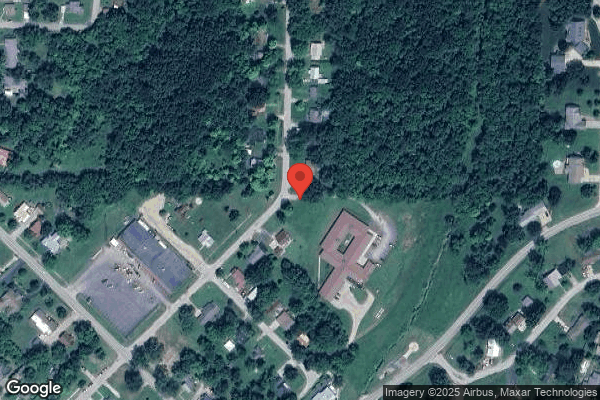
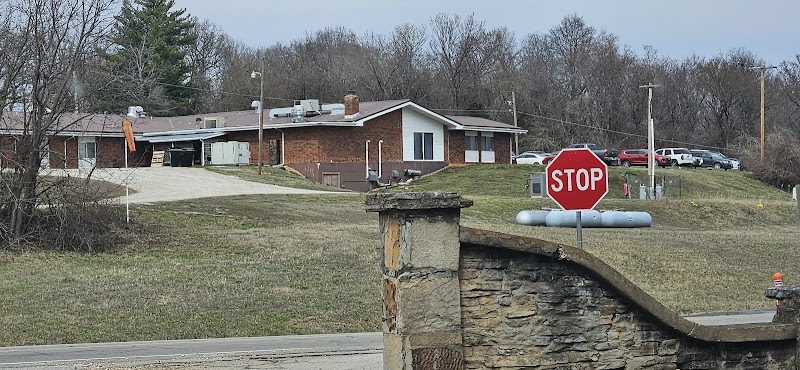
400 TRI-COUNTY LANE, RICHLAND, MO 65556 (573) 765-3243
Non profit - Corporation 86 Beds Independent Data: November 2025
Trust Grade
70/100
#113 of 479 in MO
Last Inspection: September 2024

Within standard 12-15 month inspection cycle. Federal law requires annual inspections.

Overview

Richland Care Center Inc has a Trust Grade of B, which means it is considered a good choice among nursing homes, offering solid care. It ranks #113 out of 479 facilities in Missouri, placing it in the top half, and it is the best option among two homes in Pulaski County. The facility is on an improving trend, with the number of issues decreasing from six in 2023 to five in 2024. However, staffing is a weakness, rated at 2 out of 5 stars, with a turnover rate of 52%, slightly better than the state average but still concerning. Specific incidents include a serious finding where a resident was inappropriately touched, highlighting issues with abuse prevention, and multiple concerns related to food safety and hygiene practices, which could pose health risks to residents. Despite these weaknesses, the facility has no fines on record and shows good overall health inspection ratings.

Trust Score
B
70/100
In Missouri
#113/479
Top 23%
Safety Record
Moderate
Needs review
Inspections
Getting Better
6 → 5 violations
Staff Stability
⚠ Watch
52% turnover. Above average. Higher turnover means staff may not know residents' routines.
Penalties
✓ Good
No fines on record. Clean compliance history, better than most Missouri facilities.
Skilled Nurses
⚠ Watch
Each resident gets only 14 minutes of Registered Nurse (RN) attention daily — below average for Missouri. Fewer RN minutes means fewer trained eyes watching for problems.
Violations
⚠ Watch
14 deficiencies on record. Higher than average. Multiple issues found across inspections.
★★★★☆
4.0
Overall Rating
★★☆☆☆
2.0
Staff Levels
★★★☆☆
3.0
Care Quality
★★★★☆
4.0
Inspection Score
Stable
2023: 6 issues
2024: 5 issues

The Good

  • Full Sprinkler Coverage · Fire safety systems throughout facility
  • No fines on record

Facility shows strength in fire safety.

The Bad

Staff Turnover: 52%

Near Missouri avg (46%)

Higher turnover may affect care consistency

The Ugly 14 deficiencies on record

1 actual harm
Sept 2024 5 deficiencies
CONCERN (D)

Potential for Harm - no one hurt, but risky conditions existed

Abuse Prevention Policies (Tag F0607)

Could have caused harm · This affected 1 resident

Based on interview and record review, facility staff failed to complete pre-employment screenings of the Criminal Background Check (CBC), Employee Disqualification List (EDL) verification, and Family ...

Read full inspector narrative →
Based on interview and record review, facility staff failed to complete pre-employment screenings of the Criminal Background Check (CBC), Employee Disqualification List (EDL) verification, and Family Care Safety Registry (FCSR), for three employees (Dietary Manager (DM), CNA C, and CNA B) out of 10 employees sampled. The facility census was 35. 1. Review of the facility's policy titled Abuse Prohibition, dated 12/26/23, showed all persons hired will be checked with appropriate licensing agencies and CBC as required by Missouri law. 2. Review of the DM's personnel file showed: -Date of hire 06/07/23; -Did not contain FCSR or CBC. Review of the DM's timecard showed his/her first day worked as 06/07/23. 3. Review of CNA C's personnel file showed: -Date of hire 07/24/23; -Did not contain FCSR or CBC. Review of CNA C's timecard showed his/her first day worked as 07/24/23. 4. Review of CNA B's personnel file showed: -Date of hire 10/03/23; -Did not contain a FCSR or CBC. Review of CNA B's timecard showed his/her first day worked as 10/03/23. 5. During an interview on 09/19/24 at 11:00 A.M., the administrator said the previous administrator had been responsible to complete the pre-employment screenings. The administrator said the Assistant DM is responsible to complete the screenings now but has only been responsible for two months. The administrator said he/she does not know why the pre-employment screenings were not completed prior to hire as he/she has only been in the facility a month. The administrator said all pre-employment screenings should be completed prior to the employee's date of hire. During an interview on 09/19/24 at 11:10 A.M., the Assistant DM said he/she is responsible for completing the pre-employment screenings now. The Assistant DM said he/she took on the responsibility two months ago. The Assistant DM said he/she did not complete any of the pre-employment screenings for the sampled staff. The Assistant DM said the previous Administrator was responsible for completing those. The Assistant DM said he/she does not know why they were not completed prior to the date of hire but should have been.
CONCERN (E)

Potential for Harm - no one hurt, but risky conditions existed

Deficiency F0568 (Tag F0568)

Could have caused harm · This affected multiple residents

Based on interview and record review, facility staff failed to prevent the commingling of four current residents (Resident #4, #22, #12, and #14) out of 15 sampled residents personal funds with the op...

Read full inspector narrative →
Based on interview and record review, facility staff failed to prevent the commingling of four current residents (Resident #4, #22, #12, and #14) out of 15 sampled residents personal funds with the operating funds of the facility. The facility census was 35. 1. The facility did not provide a policy for accounting records. 2. Review of the facility maintained Account Receivable (AR) Aging report, dated 09/17/24, showed current residents with personal funds held in the facility operating account as follows: -Resident #4 with a credit balance of $446.00 with a start date of 01/2024; -Resident #22 with a credit balance of $988.00 with a start date of 03/2024; -Resident #12 with a credit balance of $2971.92 with a start date of 05/2024; -Resident #14 with a credit balance of $18.00 with a start date of 06/2024. During an interview on 09/19/24 at 10:00 A.M., the administrator said he/she has been at the facility since 08/02/24 and is now responsible to review the AR reports monthly. The administrator said prior to him/her starting last month the former Business Office Manager (BOM) had been responsible to monitor the AR report. The Administrator said he/she started researching each account last week but had not completed it yet and does not know yet why each resident has a credit.
CONCERN (E)

Potential for Harm - no one hurt, but risky conditions existed

Deficiency F0804 (Tag F0804)

Could have caused harm · This affected multiple residents

**NOTE- TERMS IN BRACKETS HAVE BEEN EDITED TO PROTECT CONFIDENTIALITY** Based on observation, interview and record review, the facility staff failed to ensure prepared food items were served at a safe...

Read full inspector narrative →
**NOTE- TERMS IN BRACKETS HAVE BEEN EDITED TO PROTECT CONFIDENTIALITY** Based on observation, interview and record review, the facility staff failed to ensure prepared food items were served at a safe and appetizing temperature when the facility staff failed to maintain the internal temperatures of hot food items at 120 degrees Fahrenheit (º F) or higher upon service to residents who ate in their rooms. The facility census was 35. 1. Review of the facility's Cooking Potentially Hazardous Foods Standard of Practice policy, revised on 06/13/24, showed the policy directed staff to follow state and local health department requirements and to hold prepared hot foods at 135º F. Observation on 09/17/24 from 12:05 P.M. to 12:19 P.M., showed [NAME] E prepared plates of garlic herb pork loin, creamed potatoes and peas and seasoned red cabbage, for service to the residents who ate in their rooms, from the food items held in hot holding on the steamtable. Observation showed the cook placed the food on plates warmed in the steamtable, covered the plates with an insulated dome plate cover and then put the plate on a tray inside a hot holding food cart. Observation showed the food cart was unplugged and the interior of the cart cold to touch. Observation showed dietary staff delivered the food cart to the unit. During an interview on 09/17/24 at 12:19 P.M., [NAME] E said he/she warms the plates in the steamtable to try to keep the food hot since the heater to the food cart quit working a couple of months ago. Observation on 09/17/24 at 12:32 P.M., showed nursing staff served the trays of food to the residents who ate in their rooms. Observation showed the internal temperature of the garlic herb pork loin from Resident #10's tray, held in the cart, measured 105º F and the internal temperature of the creamed potatoes and peas measured 114º F. 2. Review of Resident #30's admission Minimum Data Set (MDS), dated [DATE], showed staff assessed the resident as: -Cognitively intact; -Completed eating by him/herself with no assistance from a helper. During an interview on 09/18/24 at 10:55 A.M., the resident said he/she eats in her room and the food is cold most of the time. The resident said when the food is served cold it affects how he/she enjoys his/her food. 3Review of Resident #3's Annual MDS, dated [DATE], showed staff assessed the resident as: -Cognitively Intact; -Required set up assistance from staff for eating. During an interview on 09/18/24 at 01:21 PM., the resident said he/she routinely eats in his/her room. The resident said the food is not good and it is not hot at all. Observation on 09/19/24 from 7:45 A.M. to 7:55 A.M., showed insulated bowls of oatmeal stacked on a tray on top of the steamtable. Observation showed [NAME] E prepared plates of french toast and sausage for service to the residents who ate in their rooms from the food items held in hot holding on the steamtable. Observation showed the cook placed the food on plates warmed in the steamtable, covered the plates with an insulated dome plate cover and then put the plate on a tray inside the hot holding food cart. Observation showed the cook placed the insulated bowls of oatmeal on the trays in the food cart. Observation showed the food cart was unplugged and the interior of the cart cold to touch. Observation showed dietary staff delivered the food cart to the unit. Observation on 09/19/24 begining at 7:59 A.M., showed nursing staff served the trays of food held in the food cart to residents who at in their rooms. Observation on 09/19/24 at 8:05 A.M., showed the internal temperature of the french toast from the trays held in the food cart for Resident #12 and Resident #21 measured 92º F and the internal temperature of the oatmeal measured 113º F. Observation showed staff served the trays to residents. 4. During an interview on 09/19/24 at 8:18 A.M., the Assistant Dietary Manager (DM) said the internal temperature of hot foods should be held at 135º F while in hot holding and should be at least 120º F when served to the residents. the Assistant DM said he/she checks the temperatures of room trays every once in a while at dinner as that seems to be the time when it takes staff the longest to serve them. The Assistant DM said the heater in hot holding food cart quit working a couple months ago, they do not make parts to fix it due to its age and the previous administrator would not authorize him/her to get a new one. The Assistant DM said he/she was not aware of any resident complaints about cold food and he/she did not know the room tray foods were served cold. During an interview on 09/19/24 at 2:00 P.M., the administrator said the temperature of hot foods should be at regulatory temperatures upon service to the residents. The administrator said staff should check the temperatures of hot foods when they are put on the steamtable and check the temperature of foods on a room tray daily. The administrator said plates of food for residents who eat in their rooms should be covered and placed in the hot holding food cart to keep them hot. The administrator said if a piece of equipment is not working, staff should notify him/her so it can be corrected. The administrator said staff had not told him/her the heater in the food cart did not work, he/she was not aware of any resident complaints about cold food, and he/she did not know the room tray foods were served cold.
CONCERN (F)

Potential for Harm - no one hurt, but risky conditions existed

Infection Control (Tag F0880)

Could have caused harm · This affected most or all residents

**NOTE- TERMS IN BRACKETS HAVE BEEN EDITED TO PROTECT CONFIDENTIALITY** Based on interview and record review, the facility staff failed to develop and implement policies and procedures for the inspect...

Read full inspector narrative →
**NOTE- TERMS IN BRACKETS HAVE BEEN EDITED TO PROTECT CONFIDENTIALITY** Based on interview and record review, the facility staff failed to develop and implement policies and procedures for the inspection, testing, and maintenance of the facility water systems to inhibit the growth of waterborne pathogens and reduce the risk of an outbreak of Legionnaire's Disease (LD). The facility census was 35. 1. Review of the Centers for Medicare and Medicaid Services (CMS) Survey and Certification (S&C) letter 17-30, dated 06/02/17 and revised on 06/09/17; showed: -The bacterium Legionella can cause a serious type of pneumonia called LD in persons at risk. Those at risk include persons who are at least [AGE] years old, smokers, or those with underlying medical conditions such as chronic lung disease or immunosuppression. Outbreaks have been linked to poorly maintained water systems in buildings with large or complex water systems including hospitals and long-term care facilities. Transmission can occur via aerosols from devices such as shower heads, cooking towers, hot tubs, and decorative fountains; -Facilities must develop and adhere to policies and procedures that inhibit microbial growth in building water systems that reduce the risk of growth and spread of Legionella and other opportunistic pathogens in water; -CMS expects Medicare certified healthcare facilities to have water management policies and procedures to reduce the risk of growth and spread of Legionella and other opportunistic pathogens in building water systems. An industry standard calling for the development and implementation of water management programs in large or complex building water systems to reduce the risk of legionellosis was published in 2015 by American Society of Heating, Refrigerating, and Air Conditioning Engineers (ASHRAE). In 2016, the CDC and its partners developed a toolkit to facilitate implementation of this ASHRAE Standard(https://www.cdc.gov/legionella/maintenance/wmp-toolkit.html). Environmental, clinical, and epidemiological considerations for healthcare facilities are described in this toolkit; -Surveyors will review policies, procedures, and reports documenting water management implementation results to verify that facilities: -Conduct a facility risk assessment to identify where Legionella and other opportunistic waterborne pathogens (e.g. Pseudomonas, Acinetobacter, Burkholderia, Stenotrophomonas, nontuberculous mycobacteria, and fungi) could grow and spread in the facility water system; -Implement a water management program that considers the ASHRAE industry standard and the CDC toolkit, and includes control measures such as physical controls, temperature management, disinfectant level control, visual inspections, and environmental testing for pathogens; -Specify testing protocols and acceptable ranges for control measures, and document the results of testing and corrective actions taken when control limits are not maintained. Review of the facility's Water Management Program, provided by the maintenance director on 09/18/24, showed the records contained documentaion of the facility's water management team, water flow description and generalized control measures to prohibit the growth of waterborne pathogens. Review showed the records did not contain a risk assessment to identify potential areas for the growth of waterborne pathogens including legionella, control measures specific to the facility's water systems, actions to be taken when the specified control limits are not met, and actions to be taken upon identification of the presence of legionella or other opportunistic waterborne pathogen or of a suspected case of LD. During an interview on 09/19/24 at 1:15 P.M., the Maintenance Director said he/she just became the maintenance director in the middle of July 2024 and he/she could not provide any additional documentation related to the facility's water management program. The maintenance director he/she did not know who was responsible for the development and implementation of the water management program. During an interview on 09/19/24 at 2:00 P.M., the administrator said the maintenance director is responsible for the development and implementation of the facility's water management program. The administrator said he/she just became the administrator in August 2024, he/she could not provide any additional documentaion related to the facility's water management program, and he/she did not know the records did not contain all information required.
MINOR (C)

Minor Issue - procedural, no safety impact

Deficiency F0569 (Tag F0569)

Minor procedural issue · This affected most or all residents

Based on record review and interview, facility staff failed to provide refunds of personal funds to from the facility operating account for nine residents (#294, #290, #296, #288, #295, #287, #286, #2...

Read full inspector narrative →
Based on record review and interview, facility staff failed to provide refunds of personal funds to from the facility operating account for nine residents (#294, #290, #296, #288, #295, #287, #286, #291, and #289) out of 15 sampled residents who discharged from the facility within the required 30 days. The facility census was 35. 1. The facility did not provide a policy for accounting records. Review of the facility's admission Agreement, undated, showed the facility agreed to refund the unused balance of payment when the resident discharges from the facility. 2. Review of the facility maintained Account Receivable (AR) Aging report, dated 09/17/24, showed discharged residents with personal funds held in the facility operating account as follows : -Resident #294 discharged from the facility on 12/21/23 with a credit balance of $2020.00; -Resident #290 discharged from the facility on 01/20/24 with a credit balance of $226.00; -Resident #296 discharged from the facility on 01/28/24 with a credit balance of $1323.00; -Resident #288 discharged from the facility on 02/24/24 with a credit balance of $466.38; -Resident #295 discharged from the facility on 05/02/24 with a credit balance of $452.00; -Resident #287 discharged from the facility on 06/08/24 with a credit balance of $452.00; -Resident #286 discharged from the facility on 06/28/24 with a credit balance of $353.00; -Resident #291 discharged from the facility on 07/01/24 with a credit balance of $7173.00; -Resident #289 discharged from the facility on 08/20/24 with a credit balance of $1932.00. During an interview on 09/19/24 at 10:00 A.M., the administrator said he/she has been at the facility since 08/02/24 and is now responsible to review the AR reports monthly. The Administrator said he/she started working on researching each account last week, but had not completed it yet and does not know yet why each resident has a credit. The Administrator said refunds should be issued within 30 days of a resident discharge. The Administrator said the facility does not have a written authorization to hold the credit balances from any resident.
Dec 2023 2 deficiencies
CONCERN (D) 📢 Someone Reported This

A family member, employee, or ombudsman was alarmed enough to file a formal complaint

Potential for Harm - no one hurt, but risky conditions existed

Report Alleged Abuse (Tag F0609)

Could have caused harm · This affected 1 resident

Based on interviews and record review, facility staff failed to report an allegation of sexual abuse towards one resident (Resident #1) to the Department of Health and Senior Services (DHSS) within th...

Read full inspector narrative →
Based on interviews and record review, facility staff failed to report an allegation of sexual abuse towards one resident (Resident #1) to the Department of Health and Senior Services (DHSS) within the two hour required time frame. The facility census was 33. 1. Review of the facility's policy titled, Abuse Prohibition, undated, showed staff were directed to report any alleged abuse or neglect will be investigated by the administrator or their designee. Proper authorities will be notifie and the facility will report any incidents and violations to the appropriate agencies and authorities within appropraite time frames. 2. Review of Resident #1's Quarterly Minimum Data Set (MDS) a federally mandated assessment tool, dated 11/29/23, showed staff assesed the resident as: -Cognitively intact; -Active diagnoses: anxiety (emotion characterized by feelings of tension, worried thoughts, and physical changes like increased blood pressure), depression (depression is a mood disorder that causes a persistent feeling of sadness and loss of interest and can interfere with your daily activities), debility (physical weakness, especially as a result of illness), peripheral vascualar disease (circulatory condition in which narrowed blood vessels reduce blood flow to the limbs); -Disorganized thinking (rambling and irrelevant conversation that comes and goes and changes in severity) for two of seven days of the look back period; -Wheelchair use. Review of the residents medical record did not contain documention of an investigation into the allegation of sexual abuse towards the resident. During an interview on 12/01/23 at 12:45 P.M., the administrator said he/she was not aware of any abuse or neglect allegations. During an interview on 12/01/23 at 1:05 P.M., Certified Nursing Assistant (CNA) A said Resident #1 alleged he/she had been raped, the Director of Nursing (DON) was present and aware of allegation. The CNA said the DON thought it was because the resident was on a new antibiotic and the resident does not handle antibiotics well. During an interview on 12/01/23 at 1:18 P.M., the DON said the resident had said a lot of things about rape but not that he/she had been raped. He/She said he/she did not think it was a reportable offense because the resident had been experiencing hallucinations. He/She said the facility policy on sexual abuse allegations is to interview and investigate and report within two hours but because of the situatioin he/she did not do that. During an interview on 12/01/23 at 2:52 P.M., the administrator said all staff have been instructed to report any allegations of abuse and neglect to the charge nurse who immediately reports to the DON and it is brought to me. He/She said he/she should have been notified immediately to start the investigation and to contact the state within two hours. He/She said the residents medication change was thought by the DON to be the issue and there was no truth behind the allegations. He/She said because of Covid-19 they are just trying to keep the facility afloat We are in survival mode. MO00228176
CONCERN (D) 📢 Someone Reported This

A family member, employee, or ombudsman was alarmed enough to file a formal complaint

Potential for Harm - no one hurt, but risky conditions existed

Investigate Abuse (Tag F0610)

Could have caused harm · This affected 1 resident

Based on interviews and record review, facility staff failed to investigate an allegation of rape for one resident (Resident #1). The facility census was 33. 1. Review of the facility's policy titled...

Read full inspector narrative →
Based on interviews and record review, facility staff failed to investigate an allegation of rape for one resident (Resident #1). The facility census was 33. 1. Review of the facility's policy titled, Abuse Prohibition, undated, showed staff were directed any report of alleged abuse or neglect will be investigated by the administrator or their designee. 2. Review of Resident #1's Quarterly Minimum Data Set (MDS) a federally mandated assessment tool, dated 11/29/23, showed staff assesed the resident as: -Cognitively intact; -Active diagnoses: anxiety (emotion characterized by feelings of tension, worried thoughts, and physical changes like increased blood pressure), depression (depression is a mood disorder that causes a persistent feeling of sadness and loss of interest and can interfere with your daily activities), debility (physical weakness, especially as a result of illness), peripheral vascualar disease (circulatory condition in which narrowed blood vessels reduce blood flow to the limbs); -Disorganized thinking (rambling and irrelevant conversation that comes and goes and changes in severity) for two of seven days of the look back period; -Wheelchair use. Review of the facility's records showed it did not contain an investigation into the allegation of sexual abuse towards the resident. During an interview on 12/01/23 at 12:45 P.M., the administrator said he/she was not aware of any abuse or neglect allegations. During an interview on 12/01/23 at 1:05 P.M., CNA A said Resident #1 alleged he/she had been raped, the Director of Nursing (DON) was present and aware of allegation. The DON thought it was because the resident was on a new medication and the resident's story changed three times but all ended in rape. He/She said he/she did not speak to any other residents about the allegation but did speak to the residents next of kin and let him/her know about the allegation. During an interview on 12/01/23 at 1:18 P.M., the Directed of Nursing (DON) said the resident had said a lot of things about rape but not that he/she had been raped. He/She said the resident's story changed multiple times. He/She said nothing in the residents allegations made sense. He/She assumed these hallucinations were because the resident was on an antibiotic which was not tolerated well. He/She said facility policy with alleged abuse is to interview and investigate but he/she did not because the story did not make sense. During an interview on 12/01/23 at 2:28 P.M., CNA A said he/she thinks the allegation was not taken seriously because the residents story changed. He/She said he/she does not know if the allegation should have been investigted further because the resident had said a lot of things and that is why he/she contacted next of kin because of the amount of things the resident had said. He/She said he/she is aware their policy says to investigate allegations of abuse and neglect but was told not to read into it by the DON because the resident had previous hallucinations. During an interview on 12/01/23 at 2:52 P.M., the administrator said all staff have been instructed to report any allegations of abuse and neglect to the charge nurse who immediately reports to the DON and it is brought to him/her. He/She said he/she should have been notified immediately to start the investigation and to contact the state within two hours. He/She said the residents medication change was thought by the DON to be the issue. MO00228176
May 2023 3 deficiencies
CONCERN (E)

Potential for Harm - no one hurt, but risky conditions existed

Infection Control (Tag F0880)

Could have caused harm · This affected multiple residents

**NOTE- TERMS IN BRACKETS HAVE BEEN EDITED TO PROTECT CONFIDENTIALITY** Based on observation, interview, and record review, the facility staff failed to use appropriate infection control procedures to...

Read full inspector narrative →
**NOTE- TERMS IN BRACKETS HAVE BEEN EDITED TO PROTECT CONFIDENTIALITY** Based on observation, interview, and record review, the facility staff failed to use appropriate infection control procedures to prevent the spread of bacteria or other infectious causing contaminants when staff failed to perform appropriate perineal care when they wiped multiple times with the same area of the wipe for two residents (Residents #3 and #13), and staff failed to maintain transmission based precautions for one resident (Resident #26) in order to prevent the transmission of clostridium difficile [C-diff- a germ (bacterium) that causes diarrhea and colitis (an inflammation of the colon)] infection and failed to post guidance (e.g., posted signs at entrances) on COVID- 19 recommendation actions for visitors. The facility census was 29. 1. Review of the Facility's Perineal Care of Female and Male Resident's, undated, showed staff are instructed to use a clean area of wash cloth for each wipe. 2. Review of Resident #3's annual Minimum Data Set (MDS), a federally mandated assessment tool completed by facility staff, dated [DATE], showed staff assessed the resident as follows: -Moderate cognitive impairment; -Required extensive, one person physical assistance for bed mobility, transfers, dressing and toileting; -Always incontinent of bowel and bladder; -Diagnosis of dementia (a term for several diseases that affect memory, thinking, and the ability to perform daily activities). Observation on [DATE] at 1:37 P.M., showed Certified Nurse Aide (CNA) A and B entered the resident's room to provide perineal care. CNA A wiped the resident from front to back twice on the left and right side of the resident's groin using the same side of the wipe. Further observation showed CNA A did not discard the wipe. He/She used the same portion of the same wipe to clean the resident's perineal area back to front. 3. Review of Resident #13's quarterly MDS, dated [DATE], showed staff assessed the resident as follows: -Cognitively intact; -Required extensive, two or more persons physical assistance for bed mobility, toileting and transfers; -Always incontinent of bowel and bladder; -On hospice; -Diagnosis of dementia. Observation on [DATE] at 4:45 P.M., showed CNA C and Nurse Aide (NA) F entered the resident's room to provide perineal care. While the resident was positioned on his/her left side, CNA C wiped the resident's left buttock twice using the same side of the wipe, then from front to back once up the center using the same side of the wipe. He/She discarded the wipe and with a new wipe, he/she wiped the resident's right buttock with the same side of the wipe two times. Observation on [DATE] at 9:42 A.M., showed CNA D and CNA B CNA entered the resident's room to provide perineal care. CNA D wiped the resident's left buttocks two times, right buttocks two times and then once from front to back using the same side of the same wipe. 4. During an interview on [DATE] at 3:05 P.M., CNA E said when providing perineal care staff are instructed to wipe front to back and to use a new wipe each time. During an interview on [DATE] at 3:30 P.M., the Director of Nursing (DON) said it is his/her expectation that when providing perineal care for a resident that his/her staff would always wipe front to back. He/She also said that the wipes should be used only once and after each swipe they should be thrown away. During an interview on [DATE] at 5:23 P.M., the administrator said a wipe should be used to swipe one time and wipes should move from the cleaner area to the dirtier area. 5. Review of the facility's Clostridium Difficile (C-diff ) policy, undated, showed resident's with diarrhea associated with C-diff will be placed on contact precautions for the duration of the illness. Review of the facility's Training Sheet for Contact Precautions, undated, showed staff were directed as follows: -Provide impermeable barriers to infectious agents that are either highly pathogenic, drug resistant, contagious, or persistent that can easily be contracted or spread to other environments via fomites and surface contact; -Put on gown or coveralls; -Put on gloves. Review of Centers for Disease Control (CDC) and Prevention C. diff Guidelines and Prevention Resources, last reviewed [DATE], showed the guidance directs healthcare personnel to follow the following recommendations: -Use contact isolation precautions, including wearing gloves and a gown for patients with unexplained diarrhea; -Following hand hygiene practices, including before seeing a patient and after removal of gloves; -Daily and terminal cleaning of patient rooms. 6. Review of Resident #26's admission MDS, dated [DATE], showed staff assessed the resident as follows: -Cognitively intact; -Required one person physical assistance with toileting; -Always incontinent of bowel and bladder; -Used a wheelchair. Review of the resident's care plan, updated [DATE], showed staff documented the resident was on isolation due to infection, and was on contact precautions. Staff were directed to wear appropriate personal protective equipment (PPE) when caring for him/her to protect yourself and the other residents. Review of the resident's nurse's note, dated [DATE], showed staff documented a call from the facility physician that the resident had C-diff. Staff moved the resident to a private room. Review of the resident's Physician's Order Sheet (POS), dated [DATE], showed an order for Vancomycin (antibiotic) 125 mg by mouth four times a day for ten days. Review of the resident's medical record, dated [DATE], showed a telephone encounter from the facility physician that directed staff to retest the resident for c-diff and continue precautions until results of tests return. Observation on [DATE] at 3:25 P.M., showed a container outside of the resident's room that contained PPE, i.e., gowns, gloves, and masks. Observation on [DATE] at 12:45 P.M., showed Licensed Practical Nurse (LPN) I entered the resident's room without the appropriate precautions. LPN I picked up the resident's paper plate and carried it out of the room. Observation on [DATE] at 4:05 P.M., showed CNA C enter the resident's room without the appropriate PPE. CNA C walked out of the room with the resident and wheeled him/her in their wheelchair outside to the smoking area. During an interview on [DATE] at 1:15 P.M., the resident said staff only wear gloves when they helped him/her with the bathroom. During an interview on [DATE] at 3:30 P.M., LPN H said the resident was on contact precautions, and staff were expected to wear gloves if they went into the resident's room, and wash their hands with soap and water when they exited the room. During an interview on [DATE] at 3:59 P.M., CNA E said the resident had been on contact precautions for the past 10 days due to C-diff. He/She said a sign on the resident's door alerted them to stop and apply PPE. He/She said for contact precautions staff were expected to wear a mask, gloves, and gown before entering the resident's room. He/She said staff must wash hands with soap and water because sanitizer doesn't work on C-diff. During an interview on [DATE] at 4:35 P.M., NA K said staff are expected to put on gowns and gloves everytime they enter the resident's room, and wash their hands with soap and water before they leave the room. During an interview with the DON and Administrator on [DATE] at 5:23 P.M., the Administrator said contact isolation for C. Diff required a mask, gown, and gloves for every person entering the room, regardless of the task and hands should be washed with soap and water before exiting the room and after exiting the room. 7. Review of the facility's policies showed the facility did not have a policy on required postings for the entrance to the facility. Review of the Centers for Medicare and Medicaid Services (CMS) Quality, Safety and Oversight (QSO) memo 20-39-NH, Nursing Home Visitation - COVID-19, updated [DATE] showed: Core Principles of COVID-19 Infection Prevention and Control (IPC): -Facilities should provide guidance (e.g., posted signs at entrances) about recommended actions for visitors who have a positive viral test for COVID-19, symptoms of COVID-19, or have had close contact with someone with COVID-19. Visitors with confirmed COVID-19 infection or compatible symptoms should defer non-urgent in-person visitation until they meet CDC criteria for healthcare settings to end isolation. For visitors who have had close contact with someone with COVID-19 infection, it is safest to defer non-urgent in-person visitation until 10 days after their close contact if they meet criteria described in CDC healthcare guidance (e.g., cannot wear source control); -Hand hygiene (use of alcohol-based hand rub is preferred); -Face covering or mask (covering mouth and nose) in accordance with CDC guidance; -Post visual alerts (e.g., signs, posters) at the entrance and in strategic places (e.g., waiting areas, elevators, cafeterias). These alerts should include instructions about current IPC recommendations (e.g., when to use source control); -Visitors who are unable to adhere to the core principles of infection prevention should not be permitted to visit or should be asked to leave. Observation on [DATE] at 10:15 A.M., showed the facility did not post guidance for infection prevention at the entrance of building. Observation on [DATE] at 8:00 A.M., showed the facility did not post guidance for infection prevention at the entrance of building. Observation on [DATE] at 8:00 A.M., showed the facility did not post guidance for infection prevention at the entrance of building. During an interview on [DATE] at 1:01 P.M., the infection preventionist said when the CDC guidelines changed and said masks were no longer required for visitors, all of the signs at the entrance were removed including the basic instructions requesting visitors to avoid entering the building if they had symptoms and for hand hygiene because they were sun damaged. The infection preventionist said the postings had not been replaced because it was no longer flu season. He/She was not aware COVID-19 postings were still required. During an interview on [DATE] at 5:23 P.M., the DON and the administrator said they were not aware COVID-19 precautions for visitors were required to be posted at the entrance of the facility since the COVID-19 public health emergency expired.
CONCERN (F)

Potential for Harm - no one hurt, but risky conditions existed

Food Safety (Tag F0812)

Could have caused harm · This affected most or all residents

Based on observation, interview and record review, the facility staff failed to store food in a manner to prevent potential contamination and out-dated use. Facility staff failed to wear hair restrain...

Read full inspector narrative →
Based on observation, interview and record review, the facility staff failed to store food in a manner to prevent potential contamination and out-dated use. Facility staff failed to wear hair restraints to protect food and food-contact surfaces from potential contamination. Facility staff failed to perform hand hygiene as often as necessary to prevent cross-contamination. Facility staff also failed to ensure two of three kitchen waste containers were covered when not in actual use. The facility census was 29. 1. Review of the facility's Preventing Cross-Contamination During Storage and Preparation Standard of Practice policy, dated 07/06/22, showed the policy directed staff to train food-service employees on using the procedures in the policy and to follow state and local health department requirements. Review also showed the policy directed that a designated food-service employee would continually monitor food storage and preparation to ensure that food is not cross-contaminated. 2. Observation on 05/23/23 at 10:08 A.M., showed the chest freezer contained opened and undated plastic bags of dinner roll dough and sweet potatoes. Observations on 05/23/23 at 10:10 A.M., showed large undated covered barrels in the cook's station that contained opened and undated packages of salt, dried navy beans, biscuit mix, non-fat dry milk, flour and sugar. Observation on 05/23/23 at 10:18 A.M., showed the shelf under the cook's station food preparation table contained: -an opened and undated one gallon bottle of soybean oil; -an opened and undated one gallon bottle of apple cider vinegar; -an opened and undated 42 ounce (oz.) box of quick oats; -an opened and undated five pound container of creamy peanut butter. Observation on 05/23/23 at 10:19 A.M., showed the filters for the reach-in freezer by the cook's station food preparation table heavily soiled with dust and lint. Observation also showed the freezer contained: -an unidentifiable chunk of meat wrapped in plastic wrap unlabeled and undated; -an undated stack of pork chops partially wrapped in plastic wrap which exposed the pork chops to the air; -a large opened and undated bag of french fries. Observation on 05/23/23 at 10:23 A.M., showed the reach-in refrigerator by the cook's station food preparation table contained: -an opened and undated 18 oz. jar of apricot jelly; -an opened and undated 32 oz. jar of dill hamburger slices; -an opened and undated 32 oz. bottle of lemon juice; -an opened and undated 32 oz. container of minced garlic; -an opened and undated eight oz. container of grated parmesan cheese; -an opened and undated 16 oz. container of beef base; -an opened and undated 64 oz. bottle of ketchup; -an undated package of yellow cheese slices wrapped in plastic wrap; -an undated case of raw sausage patties opened to the air; -an opened and undated five pound container of factory prepared tuna salad; -an opened and undated one gallon container of pepperslaw dressing. Observation on 05/23/23 at 10:39 A.M., showed the reach-in refrigerator by the steamtable contained an opened and undated 64 oz. bottle of ketchup and and opened and undated five pound container of cottage cheese. Observation on 05/23/23 at 10:42 A.M., showed the countertop near the steamtable contained: -opened and undated bags of apple cinnamon toasted oats, cornflakes and crisp rice cereal stored in undated plastic containers; -an opened and undated 8.5 oz. bag of cheese puffs; -an undated 11.3 oz. bag of pork roast gravy mix opened to the air; -an opened and undated one gallon bottle of imitation vanilla flavoring; -a 26 oz. bag of instant mashed potatoes opened to the air; an opened and undated one gallon bottle of soy sauce. During an interview on 05/24/23 at 8:36 A.M., the dietary manager (DM) said staff should store opened food items in sealed containers, dated with the date the item is opened and labeled with what it is if it is not easily identified. The DM said he/she is responsible to monitor the food storage and, while he/she does a quick scan every morning, he/she had not done a detailed look at the food storage to ensure it is stored correctly in a while. During an interview on 05/24/23 at 8:46 A.M., the administrator said opened food items should be stored in sealed containers, labeled with the date opened and labeled with what the item is if it is not identifiable. The administrator said the DM is responsible to monitor the food storage as part of his/her daily routine. 3. Observation on 05/23/23 at 10:05 A.M., showed the DM prepared pea salad for service at the lunch meal without the use of a hair restraint for his/her facial hair. Observation also showed Dietary Aide (DA) M put away sanitized dishes from the clean side of the mechanical dishwasher station with out the use of a hair restraint for his/her facial hair. Observation on 05/23/23 at 11:03 A.M., showed the assistant DM portioned prepared apple sauce into bowls for service at the lunch meal without the use of hair restraints for his/her head and facial hair. Observation on 05/23/23 at 12:00 P.M., showed the DM and assistant DM prepared meal trays for service to residents at the noon meal without the use of head and facial hair restraints. During an interview on 05/23/23 at 3:05 P.M., the administrator said he/she did not have a specific policy for the use of hair restraints. The administrator said the dietary staff are expected to wear hair restraints, including facial hair restraints, at all times while in the kitchen and he/she did not know staff did not wear hair restraints as required. Observation on 05/24/23 at 7:18 A.M., showed the DM put food items away in the refrigerators, prepared beverages for service to the residents at the breakfast meal and placed the beverages on a service cart without with the use of a hair restraint for his/her facial hair. Observation also showed DA N put away sanitized dishes from the clean side of the mechanical dishwasher station with out the use of a hair restraint for his/her facial hair. Observation on 05/24/23 at 7:29 A.M., showed the assistant DM prepared bowls of oatmeal for service to residents at the breakfast meal without the use of a hair restraint for his/her facial hair. During an interview on 05/24/23 at 7:31 A.M., the DM said the facility did not have facial hair restraints and he/she did not know the requirements for the length of facial hair before staff needed a hair restraint. The DM said staff should wear hair restraints anytime they are in the kitchen. 4. Review of the facility's Washing Hands Standard of Practice policy, dated 07/06/22, showed the policy directed staff to train food-service employees on using the procedures in the policy and to follow state and local health department requirements. Review showed the policy directed staff to wash their hands before they start work, during food preparation, when moving from one food preparation area to another, before they put on or change gloves, and after anytime the hands become contaminated. Review also showed the policy directed that a designated employee would visually observe the hand washing practices of the food-service staff during all hours of operation. Observation on 05/23/23 at 11:40 A.M., showed the DM prepared tuna salad sandwiches for service to residents at the lunch meal with gloved hands. Observation showed the DM removed his/her gloves and, without performing hand hygiene, wrapped the pan of sandwiches with plastic wrap and put the pan on top of the steamtable. Observation on 05/23/23 at 11:50 A.M., showed, with gloved hands, the assistant DM used the soiled water spray nozzle in the mechanical dishwashing station to rinse the ladle used to portion prepared pea salad. Observation showed, without removing his/her gloves and performing hand hygiene, the assistant DM used the ladle to portion prepared pea salad onto a plate and then used his/her wet, soiled gloved hands to remove a handful of potato chips from the bag and put them on the plate for service to a resident. Observation showed, while he/she wore the same soiled gloves, the assistant DM used the soiled water spray nozzle in the mechanical dishwashing station to rinse off a knife. Observation showed, without removing his/her soiled gloves an performing hand hygiene, the assistant DM placed the knife on the steamtable, pushed a cart of drinks into the dining room, returned to the kitchen and put pots of coffee on to a service cart with cups and condiments, pushed the coffee cart into the dining room, and brought soiled dishes from the dining room into the kitchen. Observation showed the assistant DM removed his/her soiled gloves and, without performing hand hygiene, donned another pair of gloves, removed ready-to-eat food items from the refrigerator, obtained a tray from beneath the cabinet, remove bread, turkey and ham slices from their packages to prepare sandwiches for service to residents at the lunch meal. Observation showed the assistant DM took dirty dishes to the mechanical dishwashing station and then, with the same gloved hands, removed potato chips from the bag and put them on a plate for service to a resident. Observation on 05/23/23 at 12:07 P.M., showed with gloves hands, the DM used an ink pen to document on paper, sorted tray cards, and open the refrigerator to obtain food items. Observation showed, without removing his/her soiled gloves and performing hand hygiene, the DM then used his/her soiled gloved hands to portion potato chips from the bag and put them on plates for service to residents at the lunch meal. Observation showed whiled he/she wore the same gloves, the DM then put bowls of soup into microwave, picked up his/her personal drink cup with his/her hand over top of the cup to move to another counter, removed soup from microwave and served it to a resident. During an interview on 05/23/23 at 12:17 P.M., the DM said staff should change gloves and wash their hands after they touch food or any thing dirty. The DM said staff should also wash their hands after they remove their gloves. Observation on 05/23/23 at 12:44 P.M., showed the assistant DM washed soiled dishes in mechanical dishwashing station with gloved hands and then, without removing his/her gloves and performing hand hygiene, put away sanitized dishes from the clean side of the station and returned containers of juice and milk to the refrigerator by the steamtable. The assistant DM returned to the dishwashing station and continued to put away sanitized dishes away. The assistant DM then removed his/her soiled gloves and without performing hand hygiene donned a new pair of gloves. Observation on 05/24/23 at 7:42 A.M., showed DA N entered the kitchen with gloved hands and, without removing his/her gloves and performing hand hygiene, filled a pitcher with water from the three-compartment sink faucet, used the water to prepare glasses of ice water, and then served the glasses of water and additional drinks from a service cart to residents in the dining room at the breakfast meal. During an interview on 05/24/23 at 8:12 A.M., DA N said he/she had worked at the facility for a couple of months and was trained on hand hygiene procedures upon hire. The DA said staff should wash their hands after doing anything dirty, before food service, after they remove gloves, and when they enter the kitchen. The DA said he/she should have removed his/her gloves and washed his/her hands when going in and out of the kitchen, but he/she just did not think to do so. During an interview on 05/24/23 at 8:52 A.M., the administrator said staff should wash their hands before and after gloving, after doing dirty tasks and as often as necessary to prevent cross-contamination. The administrator said the infection preventionist trained all staff on hand hygiene about six months ago and all new staff are trained upon hire. The administrator said the DM is responsible to monitor staff hand hygiene, but the facility did not have a current plan to routinely monitor hand hygiene. 5. Observations on 05/23/23 at 10:48 A.M. and 05/24/23 at 7:39 A.M., showed one side of the double flap coverage waste container lids broken on the waste containers by the handwashing sink and steamtable which caused the containers to remain continuously uncovered. Observation also showed food and paper waste inside the containers. During an interview on 05/24/23 at 7:39 A.M., the DM said the kitchen waste containers should be kept covered and the broken flaps did not allow for the containers to remain covered. The DM said the flaps on the waste containers had been broken for about two months and he/she had not told anyone they were broken, because he/she just did not think to do so. During an interview on 05/23/23 at 3:10 P.M., the administrator said the facility did not have a specific policy for waste containers. The administrator said kitchen waste containers should be covered and no one told him/her that the covers to the waste containers in the kitchen were broken. The administrator said he/she would expect staff to tell him/her if something is broken so that he/she can arrange for it to be fixed.
MINOR (C)

Minor Issue - procedural, no safety impact

Deficiency F0575 (Tag F0575)

Minor procedural issue · This affected most or all residents

Based on observation and interview, facility staff failed to post the required telephone number for the Department of Health and Senior Services (DHSS) Adult Abuse and Neglect Hotline (used to report ...

Read full inspector narrative →
Based on observation and interview, facility staff failed to post the required telephone number for the Department of Health and Senior Services (DHSS) Adult Abuse and Neglect Hotline (used to report allegations of abuse and neglect) in a form and manner accessible to residents and visitors. The census was 29. 1. Review of the facility's Abuse Prohibition Policy, undated, showed information on how and to whom to report can be made will be posted at all times in various places in the facility. Observation on 5/22/23 at 2:02 P.M., showed the facility did not post the name, address, and toll free telephone number for the Adult Abuse and Neglect Hotline in an accessible location for residents, visitors or staff. Observation on 5/23/23 at 3:15 P.M., showed the facility did not post the name, address, and toll free telephone number for the Adult Abuse and Neglect Hotline in an accessible location for residents, visitors or staff. Observation on 5/24/23 at 3:20 P.M., showed the facility did not have the name, address, and toll free telephone number for the Adult Abuse and Neglect Hotline posted on the bulletin board across from the nurse's station. During an interview on 5/24/23 at 2:40 P.M., Certified Medication Technician (CMT) G said the telephone number for the Adult Abuse and Neglect Hotline number is located on the bulletin board across from the nurse's station. He/She was not aware of it being posted anywhere else. During an interview 5/24/23 at 2:45 P.M., Licensed Practical Nurse (LPN) H said the toll free hotline for abuse and neglect is located at the time clocks, it is posted behind the nurses station and it should to be located next to the ombudsman's number on the bulletin board across from the nurses station. During an interview 5/24/23 at 3:00 P.M., Nurse Aide (NA) F said the Abuse and Neglect hotline number is posted by the staff time clocks. He/She said he/she is unsure if it is posted where it is visible for residents of their families. He/She said if a resident needed the number they could go to the charge nurse and ask for it. During an interview 5/24/23 at 3:18 P.M., the Director of Nursing (DON) said the Abuse and Neglect hotline number should be posted in the activities room or on the bulletin board by the nurse's station. During an interview 5/24/23 at 3:19 P.M., the Activities Director said the Abuse and Neglect hotline number should be posted in the resident rooms and across from the nurses station on the bulletin board. During an interview 5/24/23 at 3:25 P.M., the Restorative Aide said the Abuse and Neglect hotline number used to be posted in the activities room and on the bulletin board across from the nurses station. He/She said the number was not posted there anymore and he/she had not seen it posted anywhere else. During an interview on 5/24/23 at 3:30 P.M., the DON said staff had been rearranging some of the signs on the walls and might have taken them down thinking the ombudsman number was the same number as the Abuse and Neglect hotline number. It is his/her expectation that the Abuse and Neglect hotline number be posted where residents and their families can see it. During an interview on 5/24/23 at 5:23 P.M., the DON and the administrator said they did not realize the the Abuse and Neglect hotline number poster had not been replaced and was not currently posted.
Feb 2023 1 deficiency
CONCERN (D) 📢 Someone Reported This

A family member, employee, or ombudsman was alarmed enough to file a formal complaint

Potential for Harm - no one hurt, but risky conditions existed

Deficiency F0602 (Tag F0602)

Could have caused harm · This affected 1 resident

Based on record review and interview, facility staff failed to prevent the misappropriation from one resident's (Resident #1) checking account when Certified Medication Technician (CMT) A used the res...

Read full inspector narrative →
Based on record review and interview, facility staff failed to prevent the misappropriation from one resident's (Resident #1) checking account when Certified Medication Technician (CMT) A used the resident's bank card without authorization of the resident to pay for purchases from local businesses, and businesses in other locations. The facility census was 27. The administrator was notified on 02/23/23 of past Non-Compliance which occurred on 2/11/23. On 2/11/23, the administrator identified CMT A used Resident #1's debit card to make multiple purchases from businesses, without the authorization of the resident. Upon discovery, staff suspended CMT A on 2/11/23, conducted an investigation, notified the police department and appropriate parties, and terminated CMT A on 2/11/23. The Director of Nursing (DON) in-serviced all staff on the facility abuse, neglect, and misappropriation policies. Staff contacted all residents, or residents' responsible parties, and educated them on the options for the safe keeping of valuables, including money and debit or credit cards. Staff corrected the deficient practice on 2/11/23. 1. Review of the facility's Acceptance and/or Solicitation of Gifts policy, undated, showed employees should never be in possession of resident funds, credit cards, debit cards, and/or checkbook. Review showed gifts of cash, gift cards or certificates, gratuities, or other monetary equivalents of any kind should not be accepted for any reason. Review of Resident #1's Quarterly Minimum Data Set (MDS), a federally mandated assessment tool, dated 12/13/22, showed staff assessed the resident as cognitively intact. Review of the facility's investigation, dated 2/11/23, showed on 2/11/23, CMT A told the Assistant Director of Nursing (ADON) he/she had been using the resident's debit card since 10/2022. Review showed CMT A used the resident's debit card to pay for purchases from local businesses, and businesses in other locations. Review showed the resident told staff he/she told CMT A he/she could use his/her debit card for car repairs, but no other purchases. Review showed staff notified the police and terminated the CMT A on 2/11/23. Review of the resident's checking account statement, dated 11/15/22 through 01/15/23, showed unauthorized purchases on the resident's debit card. During an interview on 2/23/23 at 10:40 A.M., the administrator said the resident's bank returned the resident's check for room and board for insufficient funds. The administrator said they assisted the resident to cancel the debit card. He/She said they did not know staff was involved until CMT A admitted to using the resident's debit card for personal purchases. He/She said CMT A told the Assistant Director of Nursing (ADON) the resident gave him/her his/her debit card to purchase cigarettes for the resident. The administrator said staff removed CMT A from the floor to wait for the police. He/She said he/she terminated CMT A on 2/11/23. During an interview on 2/23/23 at 10:45 A.M., the Social Service Director (SSD) said when the bank returned the resident's check for room and board, he/she, knew something was not right, and the resident should have sufficient funds. He/She said he/she contacted the bank and requested they open a fraud investigation. During an interview on 2/23/23, at 12:20 P.M., the resident said he/she gave CMT A his/her debit card to pay for CMT A's vehicle repair. He/She said CMT A paid for the vehicle repair, and then some. He/She said he/she did not want to get anyone in trouble, but he/she did not give CMT A authorization to make personal purchases with his/her debit card. During a telephone interview on 2/28/23 at 10:46 A.M., the ADON said CMT A told a staff member he/she needed to talk to management. He/She said he/she talked to CMT A, and CMT A said the resident gave him/her his/her debit card to buy cigarettes for the resident, and he/she may have accidentally used the debit card for personal purchases. MO00213906
Dec 2022 1 deficiency 1 Harm
SERIOUS (G) 📢 Someone Reported This

A family member, employee, or ombudsman was alarmed enough to file a formal complaint

Actual Harm - a resident was hurt due to facility failures

Free from Abuse/Neglect (Tag F0600)

A resident was harmed · This affected 1 resident

**NOTE- TERMS IN BRACKETS HAVE BEEN EDITED TO PROTECT CONFIDENTIALITY** Based on interviews and record review the facility failed to keep one resident, Resident #1, free from sexual abuse when Residen...

Read full inspector narrative →
**NOTE- TERMS IN BRACKETS HAVE BEEN EDITED TO PROTECT CONFIDENTIALITY** Based on interviews and record review the facility failed to keep one resident, Resident #1, free from sexual abuse when Resident #2 touched Resident #1's chest. The facility census was 31. 1. Review of the facility's Abuse Prohibition Policy, undated, showed: -To ensure each resident is free from abuse, neglect and mistreatment; -Abuse is the willful infliction of injury, unreasonable confinement, intimidation, or punishment with resulting phyiscal harm, pain or mental anguish. Instances of abuse of all resident, irrespective of any mental or physical condition, cause physical harm, pain or mental anguish. It includes verbal abuse, sexual abuse, physical abuse, and mental abuse. Willful, as used in this definition of abuse, means the individual must have acted deliberately, not that the individual must have intended to inflict injury or harm; -Sexual abuse includes, but not limited to, sexual harrassment, sexual coercion, or sexual assualt; -Neglect is the failure of the facility, its employees or service providers to provide goods and services to a resident that are necesarry to avoid phyiscal harm, pain, mental anguish, or emotional distress. 2. Review of Resident #1's Quarterly Minimum Data Set (MDS), a federally mandated assessment tool, dated 8/16/22, showed staff assessed the resident as: -Impaired cognition; -Severe cognitive impairment; -Diagnoses of Non-traumatic brain dysfunction and Alzheimers disease; -Supervision with personal hygeine and dressing; -Independent with locomotion on and off unit, bed mobility and transfers. Review of the resident's care plan, dated 8/30/22, showed he/she has impaired cognitive function/dementia and directed staff to report to nurse for assessment, any out of the ordinary statements or things done by the resident that may indicate she is confused or disoriented. Gently reorient him/her to person, place, and time. Review of Resdient #2's Quarterly MDS, dated [DATE], showed staff assessed the resident as: -Cognitvely intact; -Diagnoses of Non-traumatic brain dysfunction and Dementia disease; -Independent with locomotion on and off unit, bed mobility and transfers; -Other behavioral symptoms not directed towards others- occurred one to three days Review of the resident's care plan, dated 11/28/22, showed he/she has impaired cognitive function/dementia or impaired thought process related to dementia. Review showed interventions directed staff to use his/her preferred name, identify yourself at each interaction, face him/her when speaking and make eye contact, reduce distractions, he/she understands consistent, simple, direct sentences, provide the resident with necessary cues - stop and return if agitated, keep routine consistent and try to provide consistent care givers as much as possible in order to decrease confusion. Review of the facility's investigation, dated 11/20/22, showed Resident #2 grabbed Resident #1's chest in the dining room. After being seperated Resident #2 pushed Resident #1 into his/her room and attempted to shut the door. Staff placed Resident #2 on 15 minute checks until proper discharge is initiated, sent for evaluation at hospital, and attempted and continue attempting to transfer Resident #2 due to sexual behaviors. Resident #2 started new medications for sexual aggression and his/her room is located next to the Director of Nursing's (DON) office and residents are on seperate hallways. During an interview on 12/8/22 at 9:47 A.M., the administrator and DON said CNA B saw Resident #2 grabbed Resident #1's chest and after he/she seperated the two residents, Resident #2 attempted to push Resident #1 into his/her room and close the door. Resident #2 was sent to the hospital for psychological evaluation, was put on a waiting list for a different facility and new orders were recieved for medications to help with sexual aggression. In addition to the previous measures Resident #2 is on continual 15 minute checks until he/she is discharged from the facility and staff have been instructed to keep him/her busy and in view when out of his/her room. During an interview on 12/8/22 at 11:32 A.M., Certified Nursing Assistant (CNA) B said he/she got coffee for a resident and noticed Resident #2 had his/her arm around Resident #1 with his/her hand on his/her chest. He/She seperated the residents, took Resident #1 to the nurses station with coffee and got Resident #2 a cup of coffee, answered another resident's call light and came out of that room to see Resident #2 pushing Resident #1 into his/her room and attempting to close the door. He/She then got addittional staff to seperate the residents, the additional staff member reported the allegation to the administrator. During an interview on 12/8/22 at 1:45 P.M., Resident #1's family member said the resident would have been very bothered by the incident before the diagnoses of dementia because he/she was very reserved MO00210210
Oct 2020 2 deficiencies
CONCERN (E)

Potential for Harm - no one hurt, but risky conditions existed

Unnecessary Medications (Tag F0759)

Could have caused harm · This affected multiple residents

Based on observation, interview and record review, facility staff failed to ensure a medication error rate of less than 5%. Facility staff made two medication errors out of 25 opportunities for error ...

Read full inspector narrative →
Based on observation, interview and record review, facility staff failed to ensure a medication error rate of less than 5%. Facility staff made two medication errors out of 25 opportunities for error resulting in a 7.69% medication error rate. This affected two residents (Resident # 4 and #8).Then Facility census was 32. Review of the facility's Insulin Administration policy, undated, showed staff are directed to the following: -Inject the insulin: Let go of the skin pinch before you inject the insulin. Push the plunger with your thumb at a moderate, steady pace until the insulin is fully injected. If using a syringe, keep the needle in the skin for 5 seconds. If using a pen, keep the needle in the skin for 10 seconds; -Pull out the needle: Remove at the same 90 degree angle at which you inserted the needle. Press your injection site with your finger for 5-10 seconds to keep insulin form leaking out. 1. Observation on 10/05/20 at 11:26 A.M., showed Licensed Practical Nurse (LPN) A administered 9 units of insulin to Resident #8. Further observation showed LPN A immediately pulled the needle out and did not keep the needle in the skin for 5 seconds as directed. 2. Observation on 10/05/20 at 11:36 A.M. showed LPN A administered 10 units of insulin to Resident # 4. Further observation showed LPN A immediately pulled the needle out and did not keep the needle in the skin for 5 seconds as directed. During an interview on 10/05/20 at 11:42 A.M., LPN A said when giving insulin, the skin is to be pinched, insulin administered, and to hold the syringe in place for a couple of seconds before removing. During an interview on 10/08/20 at 02:55 P.M., showed the Director of Nursing (DON) said when staff administer insulin, they should inject the area and hold for five seconds, remove the needle and hold pressure for five seconds and then dispose of the needle.
CONCERN (E)

Potential for Harm - no one hurt, but risky conditions existed

Infection Control (Tag F0880)

Could have caused harm · This affected multiple residents

**NOTE- TERMS IN BRACKETS HAVE BEEN EDITED TO PROTECT CONFIDENTIALITY** Based on observation, interview and record review, facility staff failed to store oxygen tubing and nebulizer masks when not in ...

Read full inspector narrative →
**NOTE- TERMS IN BRACKETS HAVE BEEN EDITED TO PROTECT CONFIDENTIALITY** Based on observation, interview and record review, facility staff failed to store oxygen tubing and nebulizer masks when not in use for four residents (Resident #16, #23, #24 and #26) in a way to avoid contamination. Additionally, facility staff failed to maintain proper transmission based precaution practices for two residents (Resident #16 and #32). The census was 32. Review of Centers for Disease Control and Prevention (CDC), Preparing for COVID-19 in Nursing Homes, updated June 25, 2020, showed the facility is directed to create a plan for managing new admissions and readmissions whose COVID-19 status is unknown. Review of the facility's Risk Assessment to Access COVID-19 Exposure Risk for Residents form, undated, showed residents who are high risk (blue) should remain in room with the exception of showers. The room door should remain closed. Staff members should utilize gown, gloves, mask and face shield (if the resident is symptomatic). Additional review showed the facility did not have a policy to address the storage of nasal cannulas and oxygen tubing when not in use. 1. Review of Resident #16's annual MDS, dated [DATE], showed the staff assessed the resident at follows: -BIMS of 5 (0-7=severe cognitive impairment); -Required extensive, one person assist with mobility, transfer, dressing, eating and personal hygiene; -Required limited, one person assist with locomotion; -Impairment of bilateral upper and lower extremities; -Wheelchair use; -Oxygen therapy. Observation on 10/05/20 at 11:59 A.M., showed the resident's oxygen tubing and nasal cannula lay on the resident's recliner and not in a bag. Observation on 10/7/20 at 11:15 A.M., showed Certified Nurse Assistant (CNA) D removed the resident's oxygen, coiled the tubing and placed it on top of the concentrator. The CNA did not place the tubing in a bag. Observation on 10/06/20 at 9:11 A.M., showed the resident's oxygen tubing and nasal cannula lay on the resident's recliner and not in a bag. Observation on 10/06/20 at 12:01 P.M., showed the resident's oxygen tubing and nasal cannula lay on the resident's recliner under the resident's fall mat and not in a bag. Observation on 10/07/20 at 11:39 A.M., showed the resident's oxygen tubing and nasal cannula lay across the concentrator and not in a bag. 2. Review of Resident #24's quarterly MDS, dated [DATE], showed staff assessed the resident as follows: -BIMS of 12 (8-12=moderately impaired cognition); -Required extensive, two person assist with transfers and toileting; -Required extensive, one person assist with mobility, dressing, personal hygiene and bathing; -Required supervision, one person assist with eating; -Impairments to bilateral lower extremities; -Wheelchair use; -Oxygen use. Observation on 10/06/20 at 8:39 A.M., showed a contact precaution sign on the resident's door. The door to the room was open and the resident could be heard coughing. Observation on 10/06/20 at 8:50 A.M., showed the resident's oxygen tubing and nasal cannula lay on the bedside table and not in a bag. The door to the room was open and the resident could be heard coughing. Observation on 10/06/20 at 11:59 A.M., showed the resident's oxygen tubing and nasal cannula lay on the bedside table and not in a bag. The door to the room was open and the resident could be heard coughing. Observation on 10/07/20 at 9:30 A.M., showed the resident's oxygen tubing and nasal cannula lay on the concentrator and not in a bag. A sign on the door read Droplet Precaution. The door to the room was open and the resident could be heard coughing. During an interview on 10/06/20 at 8:50 A.M., the resident said staff assist him/her to put on and take his/her oxygen. During an interview on 10/06/20 at 4:20 P.M., the Director of Nursing (DON) said the resident is on precautions, because he/she coughs a lot and has something going on and the door should be closed until they figure out what the resident has. The DON said he/she did not know why staff do not close the door to the resident's room. 3. Review of Resident #26's significant change MDS, dated [DATE], showed staff assessed the resident as follows: -BIMS of 9; -Required total, one person assist with locomotion and bathing; -Required extensive, one person assist with mobility, transfer, dressing, eating, toileting and personal hygiene; -Impairment of one upper and bilateral lower extremity; -Frequently incontinent of bladder; -Occasionally incontinent of bowels; -Wheelchair use; -Oxygen therapy. Observation on 10/05/20 at 12:01 P.M., showed the resident's oxygen tubing draped over the concentrator and the nasal cannula on the floor and not in a bag. Observation on 10/05/20 at 02:35 P.M., showed the resident's oxygen tubing draped over the concentrator and the nasal cannula on the floor and not in a bag. Observation on 10/06/20 at 09:12 A.M., showed the resident's oxygen tubing wrapped around the concentrator with the nasal cannula on the floor not in a bag. Observation on 10/06/20 at 12:03 P.M., showed the resident's oxygen tubing and nasal cannula wrapped around the concentrator and not in a bag. Observation on 10/7/20 at 11:15 A.M., showed CNA A removed the resident's oxygen, coiled the tubing, and placed it on top of the concentrator and not in a bag. 4. Review of Resident #32's risk assessment to access COVID-19 exposure risk for residents, showed staff assessed the resident as high risk (blue) due to new admit status. Observation on 10/05/20 at 3:50 P.M., showed the resident's room with the door open and the resident in the room. Additional observation showed a blue colored sign on the resident's door to indicate high risk. Observation on 10/06/20 at 9:12 A.M., showed the resident's room with the door open with the resident in the room. Additional observation showed a blue colored sign on the resident's door to indicate high risk. Observation on 10/06/20 at 12:49 P.M., showed the resident's room with the door open and the resident in the room. Additional observation showed a blue colored sign on the resident's door to indicate high risk. Observation on 10/07/20 at 09:20 A.M., showed the resident's room with the door open with the resident in the room. Additional observation showed a blue colored sign on the resident's door to indicate high risk. Observation on 10/07/20 at 10:08 A.M., showed the resident's room with the door open and the resident in the room. Additional observation showed a blue colored sign on the resident's door to indicate high risk. Observation on 10/07/20 at 11:32 A.M., showed the resident's room with the door open and the resident in the room. Additional observation showed a blue colored sign on the resident's door to indicate high risk. Observation on 10/08/20 at 11:09 A.M., showed the resident's room with the door open and the resident in the room. Additional observation showed a blue colored sign on the resident's door to indicate high risk. 6. During an interview on 10/07/2020 at 10:32 A.M., Licensed Practical Nurse (LPN) A said all residents on medium, and low level monitoring can have their doors to their rooms open. He/she said the door to the room should be shut or cracked for residents on high monitoring level. He/She said the only rooms to stay closed would be those on droplet precautions. During an interview on 10/08/2020 at 3:04 P.M., CNA F said residents on high level monitoring have their doors open, but the residents stay in their room. During an interview on 10/08/20 at 12:00 P.M., the administrator said they do not have a policy for oxygen storage. He/She said there is something in place for when to change the nasal cannula and tubing, but not storage. During an interview on 10/08/20 at 2:27 P.M., the DON said they do not have a policy in place for oxygen storage. He/She expects staff to keep cannulas and tubing off the floor and wound in some fashion when not in use, but we don't teach that. The DON said when residents are on precautions, staff should use gowns, gloves, and masks and the resident's door should be closed. The DON said the residents with 'Blue monitoring can have their door open, but not come out of their room. Additionally, the DON said the risk assessment form they use was made for the facility by the medical director. The assessment says the door should be closed and the DON said that should not be on there, but he/she will have to verify with the director since he/she approved it and the doors will be shut until then. .
Understanding Severity Codes (click to expand)
Life-Threatening (Immediate Jeopardy)
J - Isolated K - Pattern L - Widespread
Actual Harm
G - Isolated H - Pattern I - Widespread
Potential for Harm
D - Isolated E - Pattern F - Widespread
No Harm (Minor)
A - Isolated B - Pattern C - Widespread

Questions to Ask on Your Visit

  • "Can I speak with families of current residents?"
  • "What's your RN coverage like on weekends and overnight?"

Our Honest Assessment

Strengths
  • • No fines on record. Clean compliance history, better than most Missouri facilities.
Concerns
  • • 14 deficiencies on record, including 1 serious (caused harm) violation. Ask about corrective actions taken.
Bottom line: Mixed indicators with Trust Score of 70/100. Visit in person and ask pointed questions.

About This Facility

What is Richland Inc's CMS Rating?

CMS assigns RICHLAND CARE CENTER INC an overall rating of 4 out of 5 stars, which is considered above average nationally. Within Missouri, this rating places the facility higher than 99% of the state's 100 nursing homes. This rating reflects solid performance across the metrics CMS uses to evaluate nursing home quality.

How is Richland Inc Staffed?

CMS rates RICHLAND CARE CENTER INC's staffing level at 2 out of 5 stars, which is below average compared to other nursing homes. Staff turnover is 52%, compared to the Missouri average of 46%.

What Have Inspectors Found at Richland Inc?

State health inspectors documented 14 deficiencies at RICHLAND CARE CENTER INC during 2020 to 2024. These included: 1 that caused actual resident harm, 11 with potential for harm, and 2 minor or isolated issues. Deficiencies causing actual harm indicate documented cases where residents experienced negative health consequences.

Who Owns and Operates Richland Inc?

RICHLAND CARE CENTER INC is owned by a non-profit organization. Non-profit facilities reinvest revenue into operations rather than distributing to shareholders. The facility operates independently rather than as part of a larger chain. With 86 certified beds and approximately 40 residents (about 47% occupancy), it is a smaller facility located in RICHLAND, Missouri.

How Does Richland Inc Compare to Other Missouri Nursing Homes?

Compared to the 100 nursing homes in Missouri, RICHLAND CARE CENTER INC's overall rating (4 stars) is above the state average of 2.5, staff turnover (52%) is near the state average of 46%, and health inspection rating (4 stars) is above the national benchmark.

What Should Families Ask When Visiting Richland Inc?

Based on this facility's data, families visiting should ask: "Can you walk me through typical staffing levels on day, evening, and night shifts?" "Can I visit during a mealtime to observe dining assistance and food quality?" "How do you handle medical emergencies, and what is your hospital transfer rate?" "Can I speak with family members of current residents about their experience?" These questions are particularly relevant given the below-average staffing rating.

Is Richland Inc Safe?

Based on CMS inspection data, RICHLAND CARE CENTER INC has a clean safety record: no substantiated abuse findings (meaning no confirmed cases of resident harm), no Immediate Jeopardy citations (the most serious violation level indicating risk of serious injury or death), and is not on the Special Focus Facility watch list (a federal program monitoring the lowest-performing 1% of nursing homes). The facility has a 4-star overall rating and ranks #1 of 100 nursing homes in Missouri. While no facility is perfect, families should still ask about staff-to-resident ratios and recent inspection results during their visit.

Do Nurses at Richland Inc Stick Around?

RICHLAND CARE CENTER INC has a staff turnover rate of 52%, which is 6 percentage points above the Missouri average of 46%. Moderate turnover is common in nursing homes, but families should still ask about staff tenure and how the facility maintains care continuity when employees leave.

Was Richland Inc Ever Fined?

RICHLAND CARE CENTER INC has no federal fines on record. CMS issues fines when nursing homes fail to meet care standards or don't correct problems found during inspections. The absence of fines suggests the facility has either maintained compliance or corrected any issues before penalties were assessed. This is a positive indicator, though families should still review recent inspection reports for the full picture.

Is Richland Inc on Any Federal Watch List?

RICHLAND CARE CENTER INC is not on any federal watch list. The most significant is the Special Focus Facility (SFF) program, which identifies the bottom 1% of nursing homes nationally based on persistent, serious quality problems. Not being on this list means the facility has avoided the pattern of deficiencies that triggers enhanced federal oversight. This is a positive indicator, though families should still review the facility's inspection history directly.