ROLLA PRESBYTERIAN MANOR
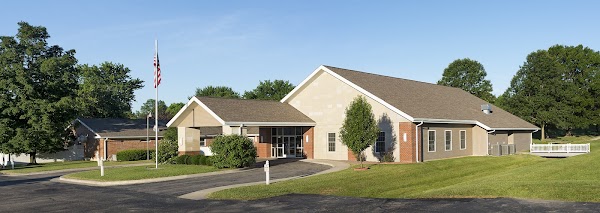
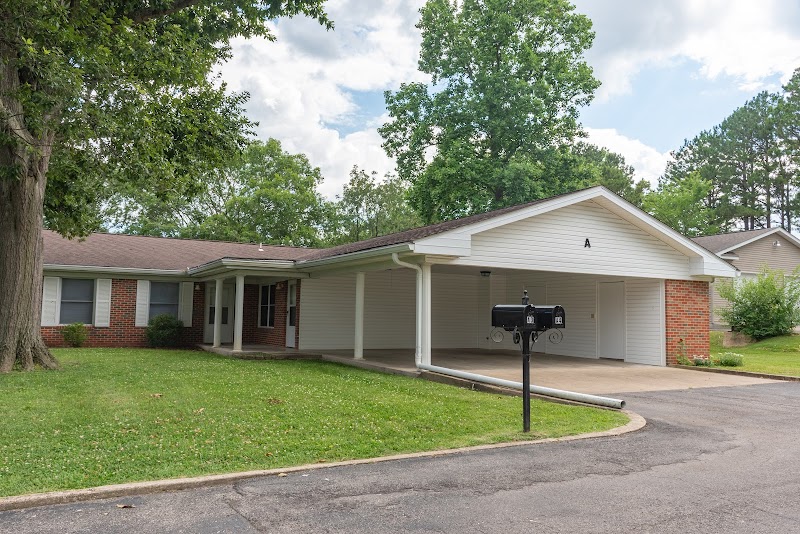
1200 HOMELIFE PLAZA, ROLLA, MO 65401 (573) 364-7336
Non profit - Corporation 30 Beds PRESBYTERIAN MANORS OF MID-AMERICA Data: November 2025
Trust Grade
85/100
#42 of 479 in MO
Last Inspection: March 2025

Within standard 12-15 month inspection cycle. Federal law requires annual inspections.

Overview

Rolla Presbyterian Manor has a Trust Grade of B+, which means it is recommended and performs above average compared to other facilities. It ranks #42 out of 479 nursing homes in Missouri, placing it in the top half, and #2 out of 6 in Phelps County, indicating it is one of the better local options. The facility is improving, with the number of issues decreasing from 3 in 2024 to 2 in 2025. Staffing is a strong point, receiving a 5-star rating and more RN coverage than 96% of Missouri facilities, although there is a turnover rate of 58%, which is average for the state. While there have been no fines, some concerns were noted during inspections, such as improper food storage that could lead to contamination and issues with hand hygiene that may increase infection risks. Overall, while Rolla Presbyterian Manor has several strengths, families should be aware of these specific weaknesses when considering this home for their loved ones.

Trust Score
B+
85/100
In Missouri
#42/479
Top 8%
Safety Record
Low Risk
No red flags
Inspections
Getting Better
3 → 2 violations
Staff Stability
⚠ Watch
58% turnover. Above average. Higher turnover means staff may not know residents' routines.
Penalties
✓ Good
No fines on record. Clean compliance history, better than most Missouri facilities.
Skilled Nurses
✓ Good
Each resident gets 78 minutes of Registered Nurse (RN) attention daily — more than 97% of Missouri nursing homes. RNs are the most trained staff who catch health problems before they become serious.
Violations
○ Average
8 deficiencies on record. Average for a facility this size. Mostly minor or procedural issues.
★★★★★
5.0
Overall Rating
★★★★★
5.0
Staff Levels
★★☆☆☆
2.0
Care Quality
★★★★☆
4.0
Inspection Score
Stable
2024: 3 issues
2025: 2 issues

The Good

  • 5-Star Staffing Rating · Excellent nurse staffing levels
  • Full Sprinkler Coverage · Fire safety systems throughout facility
  • No fines on record

Facility shows strength in staffing levels, fire safety.

The Bad

Staff Turnover: 58%

12pts above Missouri avg (46%)

Frequent staff changes - ask about care continuity

Chain: PRESBYTERIAN MANORS OF MID-AMERICA

Part of a multi-facility chain

Ask about local staffing decisions and management

Staff turnover is elevated (58%)

10 points above Missouri average of 48%

The Ugly 8 deficiencies on record

Mar 2025 2 deficiencies
CONCERN (F)

Potential for Harm - no one hurt, but risky conditions existed

Food Safety (Tag F0812)

Could have caused harm · This affected most or all residents

Based on observation, interview and record review, the facility staff failed to store food in a manner to prevent potential contamination and out-dated use. Facility staff also failed to use food in a...

Read full inspector narrative →
Based on observation, interview and record review, the facility staff failed to store food in a manner to prevent potential contamination and out-dated use. Facility staff also failed to use food in a first in-first out method when facility staff opened multiple containers of the same food item for use. These failures have the potential to affect all residents. The facility census was 19. 1. Review of the facility's Food Storage policy, revised January 2024, showed: -Food is stored immediately after receipt and maintained in a manner that prevents damage, spoilage, infestation and bacterial contamination; -All products are labeled and dated with the receiving date. Move old supplies to the front of the shelf to ensure rotation of products and place new supplies to the rear of the shelf; -The policy did not contain information related to storage of opened and prepared food items or management of food items past their best by or use by dates. Observation on 03/05/25 at 6:47 A.M., showed the reach-in freezer by the kitchen break room contained three undated plastic resealable bags of prepared cinnamon rolls, an opened and undated bag of uncooked cinnamon rolls, and an opened and undated bag of blueberries. Observation on 03/05/25 at 6:55 A.M., showed the basement dry goods pantry contained an opened and undated bag of shredded coconut, an undated five pound bag of egg noodles opened to the air, and an undated 25 pound bag of short grain brown rice opened to the air. Observation on 03/05/25 at 7:23 A.M., showed the walk-in freezer contained: -a plastic resealable bag of salami with an opened date of 08/27/24 and a facility printed use-by date of 09/17/24; -a cases of chicken fried breaded beef patties, beef patties, turkey bacon, hashbrown patties and double chocolate chip cookie dough opened to the air and undated; -an opened and undated plastic bag of pork chops removed from original packaging; -an opened and undated 10 pound bag of pepperoni slices; -an opened and undated bag of jumbo raw shrimp stored in an undated plastic resealable bag; -an opened and undated bag of whole kernel corn stored in an undated plastic resealable bag; -an opened and undated bag of okra stored in an undated plastic resealable bag; -an opened and undated plastic bag of french fries removed from original packaging; -an undated and unlabeled plastic resealable bag of unidentifiable breaded ball shaped items; -a large bag of shredded hashbrown's opened to the air and undated; -opened and undated bags of peas, green beans, and sugar snap peas. During an interview on 03/05/25 at 7:35 A.M., the kitchen supervisor said the breaded ball shaped items in the bag were hushpuppies. The kitchen supervisor said he/she did not know when the hushpuppies were put in the bag and the bag should have been labeled with what it is and when it was opened. Observation on 03/05/25 at 7:40 A.M., showed the walk-in refrigerator contained: -a plastic resealable bag labeled as Reese's cup candy with an opened date of 06/28/24 and facility printed use-by date of 09/26/24; -a plastic resealable bag labeled as Reese's cup candy dated 11-26; -a four pound bag of candy coated chocolate pieces opened to the air and undated; -two plastic bags of whipped topping opened to the air and undated; -an opened and undated five pound bag of shredded carrots; -a case of sausage patties opened to the air and undated. Observation on 03/05/25 at 8:39 A.M., showed the cabinet under the counter in the cook's station contained: -an opened bag of plain bread crumbs dated 03/22/24 with a manufacturer use-by date of 12/18/24; -a 42 ounce box of quick oats opened to the air and undated; -three bags of light brown sugar dated 02/03/25 opened to the air; -a 32 ounce bottle of vanilla opened to the air and undated; -a 36 ounce carton of augratin potatoes opened to the air and undated; -a bag of peppered gravy mix dated 12/10/24 opened to the air; -four opened and undated bags of powdered sugar. During an interview on 03/05/25 at 8:45 A.M., the kitchen supervisor said staff should use all of one food item before they open another container, staff should date and label opened and prepared food items, and staff should discard food items past their use-by dates. The kitchen supervisor said he/she had not been able to do much organizing or supervise as he/she should due to staffing issues and he/she knew they had a lot of work to do. Observation on 03/05/25 at 9:05 A.M., showed an undated bulk bin of flour removed from its original packaging and an undated bulk bin of sugar removed from its original packaging and measuring cup with its handle buried in the sugar. During an interview on 03/05/25 at 9:06 A.M., the kitchen supervisor said bulk food containers should be dated when they are filled and scoops should not be stored inside the containers. The kitchen supervisor said he/she did not know why the containers were not dated or why staff left the scoop inside the sugar. During an interview on 03/05/25 at 10:22 A.M., the Certified Dietary Manager (CDM) said opened and prepared food items should be stored in sealed containers, dated with their open or made dates and labeled with the product name if it is not easily identified. The CDM said staff should use the entirety of one food package before they open another of the same thing and staff are expected to discard food items that are past their use-by dates. The CDM said bulk containers of food should be dated when filled and scoops should not be stored inside the bins. The CDM said the receiving dietary aide is delegated to check the food storage twice a week on Tuesdays and Fridays to ensure food items are stored in correct areas, in sealed container, dated, labeled and not expired. The CDM said he/she is ultimately responsible to monitor the food storage and he/she looks daily, but he/she could not explain why their were food items past their use-by dates in active storage. The CDM staff are trained on food storage requirements and he/she had a discussion with staff about multiple packages of the same food items being opened when he/she cleaned out the cabinet in the cook's station about five weeks ago. During an interview on 03/05/25 at 10:42 A.M., the administrator said opened and prepared food items should be stored in sealed containers, dated with their open or made dates and labeled with the product name if it is not easily identified. The administrator said staff should use the entirety of one food package before they open another of the same thing unless the product is expired and staff are expected to discard food items that are past their use-by dates. The administrator said bulk containers of food should be dated when filled and scoops should not be stored inside the bins. The administrator said staff are trained on food storage requirements upon hire and the cooks are responsible to monitor the food storage at least weekly.
CONCERN (F)

Potential for Harm - no one hurt, but risky conditions existed

Garbage Disposal (Tag F0814)

Could have caused harm · This affected most or all residents

Based on observation, interview and record review, the facility staff failed to properly contain waste and refuge to prevent the harboring and/or feeding of rodents and pests when the facility failed ...

Read full inspector narrative →
Based on observation, interview and record review, the facility staff failed to properly contain waste and refuge to prevent the harboring and/or feeding of rodents and pests when the facility failed ensure indoor waste containers remained covered when not in actual use. This failure has the potential to affect all facility occupants. The facility census was 19. 1. Review of the facility's Garbage policy, undated, showed: -Team members must handle garbage in a manner that will minimize contamination and prevent pests; -This procedure applies to all units and the manger/person in charge is responsible to ensure that the removal and disposal of garbage is handled properly to minimize contamination and prevent pests; -Ensure garbage containers have bags and the containers must be covered when not in use. Observations on 03/05/25 at 6:22 A.M., 6:42 A.M., 7:50 A.M. and 10:07 A.M., showed the waste container near the mechanical dishwashing station, which contained food and paper waste, uncovered and the area unattended by staff. Observations on 03/05/25 at 6:33 A.M., 6:42 A.M., 7:50 A.M. and 10:07 A.M., showed the waste container in the cook's station, which contained food and paper waste, uncovered and the area unattended by staff. Observations on 03/05/25 at 06:42 A.M.,7:50 A.M. and 10:07 A.M., showed the waste container between the ice machine and reach-in refrigerator, which contained food and paper waste, uncovered and the area unattended by staff. Observation showed dead pests and a pest trap with dead pests on the floor behind the waste container. During an interview on 03/05/25 at 10:07 A.M., the kitchen supervisor said the waste containers had not had lids during his/her employment at the facility which began about a month ago. The kitchen supervisor said he/she believed the waste containers should be covered, but he/she did not know why they did not have lids to cover them. During an interview on 03/05/25 at 10:19 A.M., the Certified Dietary Manager (CDM) said trash cans should be covered when not in actual use to not attract pests, but someone previously said that the containers were in such constant use that they did not need to cover them. The CDM said staff were not trained to cover the waste containers when not in-use. During an interview on 03/05/25 at 10:38 A.M., the administrator said waste containers should be covered when not in actual use, all staff are responsible to ensure they are covered, and staff are trained on this requirement. The administrator said he/she did not know staff thought they did not need to cover the waste containers.
Jan 2024 3 deficiencies
CONCERN (D)

Potential for Harm - no one hurt, but risky conditions existed

Accident Prevention (Tag F0689)

Could have caused harm · This affected 1 resident

**NOTE- TERMS IN BRACKETS HAVE BEEN EDITED TO PROTECT CONFIDENTIALITY** Based on observation, interview, and record review, facility staff failed to maintain an accident free environment when staff f...

Read full inspector narrative →
**NOTE- TERMS IN BRACKETS HAVE BEEN EDITED TO PROTECT CONFIDENTIALITY** Based on observation, interview, and record review, facility staff failed to maintain an accident free environment when staff failed to provide a safe mechanical transfer for two residents (Resident #6, and #17). Facility staff failed to store razors in a safe and effective manner in an unlocked shower room. The facility census was 21. 1. Review of the facility's Lifting and Transferring Residents policy, dated October 11, 2007, showed staff were directed as follows: -The facility will provide a safe work environment for resident care areas by providing and requiring the use of safety materials, equipment and training designed to prevent injury; -Staff is accountable for utilizing proper body mechanics, lifting techniques and resident safety. Failure to utilize a mechanical resident lift when the use of the equipment is indicated in the resident's care plan may result in disciplinary action up to and including termination of employment. Review of the mechanical lift manufacturer's user manual, dated 10/01/18, showed when using an adjustable base lift, the legs must be in the maximum opened/locked position before lifting the patient. 2. Review of Resident #6's Quarterly Minimum Data Set (MDS), a federally mandated assessment dated [DATE], showed staff assessed the resident as: -Severely cognitively impaired; -Dependent on staff for transfers between the bed and wheelchair. Observation on 01/23/24 at 10:45 A.M., showed Certified Nursing Assistant (CNA) B lifted the resident from the bed with the mechanical lift, legs in the closed position, and kept the legs closed while he/she rolled the lift with the resident in the sling to the resident's wheelchair. CNA B did not open the mechanical lift legs in the open/maximal position before he/she lifted and transferred the resident from the bed to the wheelchair. During an interview on 01/23/24 at 03:47 P.M, CNA B said he/she believed the hoyer legs should be closed when a resident is lifted in the sling, but could not remember being trained on how to properly use a hoyer lift. 3. Review of Resident #17's Annual MDS, dated [DATE], showed staff assessed the resident as: -Severely cognitively impaired; -Dependent on staff for transfers between the bed and wheelchair. Observation on 01/23/24 at 03:34 P.M., showed CNA C raised the resident with the mechanical lift and said, we have to close the legs so we can get through, CNA C and CNA D rolled the resident from the couch to the resident's bed with the lift legs in closed position. CNA C and CNA D did not open the mecanical lift legs in the open/maximal position before he/she lifted and transferred the resident from the couch to the bed Observation on 01/23/24 at 03:44 P.M., showed CNA C and CNA D did not open the mechanical lift legs in the open/maximal position before he/she lifted and transferred the resident from the bed to the wheelchair. During an interview on 01/23/24 at 03:47 P.M, CNA C said he/she believed the mechanical lift legs should be closed. CNA C said he/she did not learn about the position the mechanical lift legs should be, or if it had been taught, it was a long time ago. 4. During an interview on 01/25/24 at 12:30 P.M., the Director of Nursing (DON) said the legs of a mechanical lift should be open because there is a risk for tipping. Staff should be educated on this procedure. During an interview on 01/25/24 at 1:00 P.M., the administrator said the legs of a mechanical lift should be open to the widest position possible to safety stabilize a resident. 5. Review of the facility's Storage of Chemicals and Environmental Services Supplies policy, dated 11/2022, showed the policy did not contain direction for the safe storage of razors or hazardous chemicals in the resident shower room. Observation on 01/23/24 at 2:07 P.M., showed the whirlpool room unlocked and unattended. Observation showed the shower room contained three boxes of 10 count razors and an open box of 10 count razors in a plastic unlocked tote and a single razor on the sink. Observation on 01/24/24 at 3:24 P.M., showed the 100 hall shower door unlocked and unattended with residents in the hall. The shower room contained a unsecured storage bin of resident razors. During an interview on 01/25/24 at 9:34 A.M., CNA F said shower rooms should be locked because there is a risk to the resident's safety with chemicals and razor blades being assessable. During an interview on 01/25/24 at 9:45 A.M., CNA G said shower room doors should be closed and locked when not in use. There is a resident safety issue if the are unlocked. During an interview on 01/25/24 at 10:00 A.M., Licensed Practical Nurse (LPN) H said shower rooms are to be locked due to the risks to a resident getting access to chemicals or razors. During an interview on 01/25/24 at 12:30 P.M., the Director of Nursing said shower rooms doors should be locked and supplies put away due to the risk of injury to a resident. During an interview on 01/25/24 at 1:00 P.M., the Administrator said shower rooms should be locked with chemicals and razors being a risk to residents. We are all responsible for checking this.
CONCERN (D)

Potential for Harm - no one hurt, but risky conditions existed

Infection Control (Tag F0880)

Could have caused harm · This affected 1 resident

**NOTE- TERMS IN BRACKETS HAVE BEEN EDITED TO PROTECT CONFIDENTIALITY** Based on observation, interview and record review, staff failed to maintain adequate infection control practices to prevent the ...

Read full inspector narrative →
**NOTE- TERMS IN BRACKETS HAVE BEEN EDITED TO PROTECT CONFIDENTIALITY** Based on observation, interview and record review, staff failed to maintain adequate infection control practices to prevent the transmission of infection when staff failed to use appropriate hand hygiene and perineal cleansing during provisions of personal care for three (Resident #14, #17, and #19) of three sampled residents. The facility census was 21. 1. Review of the facility's Hand Hygiene policy, revised September 7, 2022, showed when hands are visibly dirty or contaminated with proteinaceous material or are visibly soiled with blood or body fluids, wash hands with soap and water. Review showed handwashing may also be used for routinely decontaminating hands in the following clinical situations before and after having direct contact with residents, before and after contact with body fluids or excretions, mucous membranes, non-intact skin, and wound dressings, even if hands are not visibly soiled, when moving from a contaminated body site to a clean body site during resident care, before and after contact with inanimate objects including medical equipment in the immediate vicinity of the resident. Review showed after removing gloves. The use of gloves does not eliminate the need for hand hygiene, change gloves during elder care if moving from a contaminated body site to a clean body site and decontaminate hands after removing gloves by appropriate hand hygiene. 2. Review of Resident #14's Quarterly Minimum Data Set (MDS), a federally mandated assessment, dated 12/08/24, showed staff assessed the resident as: -Severely cognitively impaired; -Required substantial/maximal assistance for toileting hygiene; -Required substantial/maximal assistance for lower body dressing; -Frequently incontinent of urine; -Frequently incontinent of bowel. Observation on 01/24/24 at 02:15 P.M., showed Certified Nursing Assistant (CNA) C and CNA E entered the resident's room and applied gloves. Observation showed CNA C removed the residents soiled slacks. CNA C continued to wear the same soiled gloves, placed the resident clean slacks on the bed, removed the resident feces soiled brief and wiped the resident's peri-area multiple times with the same cleansing wipe. Observation showed CNA E used one wipe multiple times to clean fecal material from the resident's leg and wiped from the leg up toward the perineal area. CNA E removed his/her gloves and left the resident's room and returned with supplies and did not wash his/her hands before he/she re-entered the room and applied the resident's brief. During an interview on 01/24/24 at 02:31 P.M., CNA E said hands should be washed when entering and leaving a resident room, and gloves should be changed and hands sanitized using hand sanitizer when hands are contaminated. CNA E said when using wipes, one section of the wipe should be used for each section of the wipe. He/She said it was acceptable to repeat using the wipe as long as there was a clean area on the wipe left. 3. Review of Resident #17's Annual MDS, dated [DATE], showed staff assessed the resident as: -Severely cognitively impaired; -Required substantial/maximal assistance for toileting hygiene; -Dependent for lower body dressing; -Frequently incontinent of urine; -Occasionally incontinent of bowel. Observation on 01/23/24 at 03:34 P.M., showed CNA D removed the resident's soiled brief, changed gloves and put a clean brief on the resident. CNA D did not perform hand hygeine between glove changes. CNA C wiped fecal material from the resident's buttocks, changed gloves, then cleaned the front of the resident's perineal area. CNA C did not perform hand hygeine between glove changes. CNA C wiped the resident's perineal area multiple times with the same wipe. CNA C completed perineal care and did not remove his/her gloves or perform hand hygiene before he/she touched the mechanical lift. During an interview on 01/23/24 at 03:47 P.M., CNA C said hands should be sanitized before and after entering the room, and between glove changes. Glove changes with hand sanitization should be done when moving care to a different area of the resident's body. He/She said being observed made staff nervous and more mistakes are made. 4. Review of Resident #19's Quarterly MDS, dated [DATE], showed staff assessed the resident as follows: -Cognitively intact; -Dependent on staff for lower body dressing and toileting; -Used a catheter; -Incontinent of bowel; -Diagnosis of neurogenic bladder (lack bladder control due to nerve problem). Observation on 01/24/24 at 03:52 P.M., showed CNA C and CNA J performed catheter and perineal care on the resident. CNA J wiped down the mechanical lift, removed his/her gloves, applied new gloves and did not perform hand hygiene between glove changes. CNA C pulled down the resident's blankets and sheet, removed his/her gloves, applied new gloves and did not perform hand hygiene between glove changes. CNA J sprayed a foam cleaner directly on the resident's genitals, cleansed the genitals and used the same portion of a wet wipe multiple times over the area. CNA C and CNA J used the same area of the wipe and wiped the resident's groin folds. CNA J used the same wet wipe used on the groin folds and went over the resident's genitals again. CNA J removed his/her gloves, did not perform hand hygiene, applied clean gloves, cleansed the resident's catheter, removed his/her gloves, touched a throw blanket and clean brief, applied new gloves, applied a barrier cream to the genitals and inner thighs, removed gloves and did not perform hand hygiene. CNA C and J rolled the resident, cleansed the buttocks area, removed gloves, did not perform hand hygeine, applied clean gloves, secured a clean brief, pulled up the resident's pants, and positioned the mechanical lift sling. CNA C did not perform hand hygeine before he/she applied new gloves and hooked the resident's catheter to the wheelchair. During an interview on 01/24/24 at 4:15 P.M., CNA J said he/she was really nervous being watched and knows he/she should have washed his/her hands between glove changes to decrease germs from spreading. He/She said he/she did not think about changing the portion of the wipe but probably should have. Was just trying to get the job done. During an interview on 01/24/24 at 4:22 P.M., CNA C said when wiping a resident the wipe should be discarded after each swipe or at least change the position to keep the dirt from getting on the clean areas. He/She said he/she was aware he/she did it, but thought he/she corrected it when it was noticed. He/she said staff are instructed to wash hands between glove changes but was nervous and missed the step. 5. During an interview on 01/24/24 at 12:26 P.M., the Director of Nursing (DON) said staff should wash hands or sanitize between glove changes, when going into and out of a room, when visibly soiled. He/She said the same portion of a wet wipe should not be used over the skin multiple times or could risk introducing bacteria to the resident. The DON said a skills day was scheduled for the current week but due to survey, was canceled. During an interview on 01/24/24 at 12:41 P.M., the administrator said hand hygiene should be performed when hands are visibly soiled and between glove changes. He/she said using a wet wipe multiple times over one area causes germs and dirt to spread.
CONCERN (E)

Potential for Harm - no one hurt, but risky conditions existed

Assessment Accuracy (Tag F0641)

Could have caused harm · This affected multiple residents

**NOTE- TERMS IN BRACKETS HAVE BEEN EDITED TO PROTECT CONFIDENTIALITY** Based on record review and interview, facility staff failed to document a complete and accurate Minimum Data Set (MDS) assessmen...

Read full inspector narrative →
**NOTE- TERMS IN BRACKETS HAVE BEEN EDITED TO PROTECT CONFIDENTIALITY** Based on record review and interview, facility staff failed to document a complete and accurate Minimum Data Set (MDS) assessment (a federally mandated assessment instrument) when staff did not complete a discharge summary for resident (Resident #5), did not document a weight loss or injections received for one resident (Resident #6), failed to accurately document medication use for one resident (Resident #9), did not document a pressure injury for one resident (Resident #11), and failed to complete a significant change of status assessment (SCSA) for one resident (Resident #17) for hospice services. The facility census was 21. 1. Review of the facility's MDS Data Accuracy policy, dated [DATE], showed: -It is the responsibility of those who complete sections of the MDS to ensure data entered accurately reflects the resident's status and is coded according to Resident Assessment Instrument (RAI) Manual guidelines (universal guide for completion of the MDS); -RAI coordinator will import any data via interfaces/links; -RAI coordinator will work with staff to ensure any erroneous data is corrected and MDS is accurate; -The policy did not contain direction for when to complete an MDS assessment. Review of the Centers for Medicaid and Medicare Services (CMS) Long Term Care Facility RAI 3.0 User Manual, Version 1.18.11 dated [DATE] showed: -Comprehensive assessments are completed when a significant change of status occurs; -A SCSA is required to be performed when a terminally ill resident enrolls in a hospice program and the Assessment Reference Date (ARD) must be within 14 days from the effective date of the hospice election; -From the medical record, compare the weight in the current observation period to the weight in the observation period 30 days ago, if less than the weight in the observation 30 days ago, calculate the percentage of weight loss; -From the medical record, compare the weight in the current observation period to the weight in the observation period 180 days ago, if less than the weight in the observation 180 days ago, calculate the percentage of weight loss; -Check anticoagulant if an anticoagulant was taken by the resident in the 7-day lookback period; -Record the number of days the resident received any type of medication by injection in the lookback period, including insulin; -Enter the number of days insulin injections were administered; -Check if a resident has a stage I or greater pressure injury/ulcer over a bony prominence. -A discharge return not anticipated assessment is required to be performed 14 calendar days from the date of discharge from the facility 2. Review of Resident #5's Quarterly MDS dated [DATE], showed the resident admitted on [DATE]. Review of the resident's nurse notes, dated [DATE] through [DATE], showed the resident expired in the facility on [DATE]. Review of the resident's medical record showed the record did not contain a completed or submitted discharge return not anticipated assessment. During an interview on [DATE] at 12:26 P.M., the Director of Nursing (DON) said he/she was not aware of the missing discharge assessment for the resident. 3. Review of Resident #6's Quarterly MDS, dated [DATE], showed staff assessed the resident did not have a 5% or more weight loss in the last month or loss of 10% or more in the last six months. Review of the resident's weight record, dated [DATE], showed the resident weighed 193.8 lbs. On [DATE], the resident weighed 183.8 pounds which was a 5.16 % loss in one month. Review of the resident's Quarterly MDS, dated [DATE], showed staff assessed the resident as: -Cognitively impaired; -Did not receive injections of any type. Review of the resident's Physician Order Sheet (POS), dated [DATE], showed: -On [DATE], an order for Lantus Solostar U-100 Insulin to be given 37 units subcutaneous daily at bedtime; -On [DATE], an order for Insulin Aspart U-100 Insulin to be given by sliding scale three times daily at 6:00, 11:00 and 4:00. During an interview on [DATE] at 12:26 P.M., the DON said he/she was not aware of the incorrect coding for the resident. 4. Review of Resident #9's SCSA dated [DATE], showed the resident received an anticoagulant. Review of the resident's POS, dated [DATE] through [DATE], did not contain a physician order for an anticoagulant medication During an interview on [DATE] at 12:26 P.M., the DON said he/she was not aware of the incorrect coding for the resident. 5. Review of Resident #11's SCSA, dated [DATE], showed the resident did not have a stage I or greater pressure area over a bony prominence. Review of the resident's weekly skin assessments, showed on [DATE] a deep tissue injury to the right heel measured 0.8 centimeters (cm) by 1.0 cm. Review of the resident's POS, dated [DATE], showed an order on [DATE] for skin prep and a foam dressing to be applied daily to the right heel. During an interview on [DATE] at 12:26 P.M., the DON said he/she was not aware of the incorrect coding for the resident. 6. Review of Resident #17's Annual MDS, dated [DATE], showed the resident did not receive hospice services. Review of the resident's hospice coordination of care document, dated [DATE], showed the resident admitted to hospice services on [DATE]. Review of the resident's medical record showed the record did not contain a completed or submitted SCSA. During an interview on [DATE] at 12:26 P.M., the DON said he/she was not aware the significant change of status assessment was not complete for the resident. 7. During an interview on [DATE] at 12:26 P.M.,The DON said it is the MDS Coordinators responsibility to ensure the MDS assessments are accurate and completed timely. He/She said the MDS nurse recently left the position and he/she has been trying to keep up along with his/her other duties. The DON said there has been issues with the software pulling over data to the MDS and working on getting that fixed. During an interview on [DATE] at 12:41 P.M., the Administrator said he/she expects the MDS nurse to keep the MDS data accurate and completed timely.
Dec 2022 3 deficiencies
CONCERN (E)

Potential for Harm - no one hurt, but risky conditions existed

Medication Errors (Tag F0758)

Could have caused harm · This affected multiple residents

**NOTE- TERMS IN BRACKETS HAVE BEEN EDITED TO PROTECT CONFIDENTIALITY** Based on interview and record review, facility staff failed to perform Gradual Dose Reductions (GDRs) on psychotropic medication...

Read full inspector narrative →
**NOTE- TERMS IN BRACKETS HAVE BEEN EDITED TO PROTECT CONFIDENTIALITY** Based on interview and record review, facility staff failed to perform Gradual Dose Reductions (GDRs) on psychotropic medications for one resident (Resident #2) and failed to ensure that as needed (PRN) psychotropic medication orders were limited to 14 days unless specific duration and clinical rationale were provided for two residents (Resident #3, and #18). The facility census was 28. 1. Review of the facility's Psychoactive Psychopharmacological Medications policy showed the following: For the purposes of this policy, psychoactive medications includes antidepressants, anxiolytics, hypnotics, sedatives and antipsychotics. For any of these type of medications, gradual dose reductions and behavioral interventions will be done per physician orders, unless clinically contraindicated, in an effort to discontinue the medication or to reach the lowest effective dose. -A drug regimen review is conducted and documented monthly by a licensed nurse, pharmacist, or PCP. -PRN psychotropic medications (anti-depressant, anti-anxiety and hypnotics) are limited to 14 days unless the attending physician believes a prescription for longer than 14 days is appropriate and documents rationale in the medical records. -PRN antipsychotic medications are limited to 14 days. The prescribing physician must evaluate the resident before writing a new order for an antipsychotic medication. 2. Review of Resident #2's Quarterly Minimum Data Set (MDS), a federally mandated assessment tool, dated 11/22/22, showed the following: -Received antipsychotic and antidepressant medications 7 out of 7 days in the look back period (7 day period of time before the assessment is completed to capture the status of a resident); -Diagnosis of anxiety, and major depressive disorder. Review of the resident's Physician Order Sheets (POS), dated December 2022 showed the following: -On 07/01/21 Trazadone (antidepressant/sedative medication) 100 milligrams (mg) daily at Bedtime (HS); -On 05/27/22 Xanax (antianxiety medication) 0.25mg BID (twice a day) and Xanax 1mg at HS. Review of the resident's medical record showed the record did not contain an attempt for a GDR for the resident's psychotropic medications or a clinical rationale by the physician to continue the medication without a GDR. 3. Review of Resident #3's annual MDS, dated [DATE], showed the following: -Did not receive antianxiety medications; -Diagnosis of Alzheimer's disease (a progressive mental deterioration that can occur in middle or old age, due to generalized degeneration of the brain), Anxiety, and Major Depressive Disorder. Review of the resident's POS, dated December 2022 showed the following: -An order on 11/7/22 Lorazepam Intensol (antianxiety medication) 0.5 milliliters (ml) by mouth every twelve hours as needed for anxiety; -The order did not contain a 14 day stop date. Review of the resident's medical record showed the record did not contain a specific duration or clinical rationale by the physician for the use beyond the 14 days. 4. Review of Resident #18's significant change MDS dated [DATE], showed diagnoses of Dementia, Major Depressive Disorder, Generalized Anxiety Disorder. Review of the resident's POS, dated December 2022, showed the following: -An order on 9/8/22 Lorazepam Intensol 0.25ml Sublingual every six hours PRN for anxiety and restlessness; -The order did not contain a 14 day stop date. Review of the resident's medical record showed the record did not contain a specific duration or clinical rationale by the physician for the use beyond the 14 days. During an interview on 12/21/22 at 5:45 P.M., the Licensed Practical Nurse (LPN) G said to his/her knowledge, all pharmacist recommendations for GDRs and PRN psychotropic medication orders, are put into a folder for the physician to review. After the physician has reviewed, made changes, or has provided a rationale for continuing the drug, it is the Director of Nursing's (DON) responsibility to update the resident charts. During an interview on 12/21/22 at 6:22 P.M., the Administrator and DON said the monthly GDRs were reviewed by the physician and the physician must either implement the GDR or provide a rationale for continuing an order for psychotropic medication.
CONCERN (F)

Potential for Harm - no one hurt, but risky conditions existed

Food Safety (Tag F0812)

Could have caused harm · This affected most or all residents

Based on observation, interview and record review, the facility staff failed to perform hand hygiene as often as necessary using approved techniques to prevent cross-contamination. The facility census...

Read full inspector narrative →
Based on observation, interview and record review, the facility staff failed to perform hand hygiene as often as necessary using approved techniques to prevent cross-contamination. The facility census was 28. 1. Review of the facility's Hand Hygiene policy, dated 05/2018, showed Staff will perform hand hygiene when indicated, using proper technique consistent with accepted standards of practice. Review showed the policy directed staff to wash their hands before and after handling contaminated items and after they remove gloves. Review showed the policy directed staff to not reuse or wash disposable gloves. Review also showed the policy directed the staff to use the following technique when performing hand hygiene using soap and water: -Wet hands with water; -Apply enough soap to cover all hand surfaces; -Rub their hands together vigorously for at least 15 seconds over all surfaces of their hands and fingers; -Rinse hands with water; -Dry hands thoroughly with a single-use towel; -Use a towel to turn off the faucet. Observation on 12/20/22 at 10:28 A.M., showed Dietary Aide (DA) A washed his/her hands at the handwashing sink. Observation showed the DA used a paper towel to turn off the faucet and then used the same paper towel to dry his/her hands. Observation showed the DA continued to perform clean tasks, which included bare hand touching of food contact surfaces used to prepare and serve food items to residents at the lunch meal. Observation on 12/20/22 at 10:30 A.M., showed DA B washed his/her hands at the handwashing sink. Observation showed the DA used a paper towel to turn off the faucet and then used the same paper towel to dry his/her hands. Observation showed the DA continued to perform clean tasks, which included bare hand touching of food contact surfaces used to prepare and serve food items to residents at the lunch meal. Observation on 12/20/22 at 10:38 A.M., showed DA C washed his/her hands at the handwashing sink. Observation showed the DA turned the faucet off with his/her wet bare hands and then handled food service kitchenware. Observation on 12/20/22 at 12:44 P.M., showed DA A washed his/her hands at the handwashing sink. Observation showed the DA scrubbed his/her hands with soap for four seconds, rinsed his/her hands, turned the faucet off with a paper towel and then used the same paper towel to dry his/her hands. Observation showed the DA then put away sanitized dishes from the clean side of the mechanical dishwashing station. During an interview on 12/20/22 at 12:45 P.M., DA A said staff should turn the faucet off with a paper towel so they do not touch the handles that have germs on them. The DA said he/she did not think about the paper towel being contaminated when he/she used it to dry his/her hands. Observation 12/20/22 12:57 P.M., showed DA D washed his/her hands at the handwashing sink. Observation showed the DA scrubbed his/her hands with soap for four seconds, rinsed his/her hands and then turned the faucet off with his/her wet bare hands. Observation showed the DA put a bandage on over an open wound on his/her hand, donned a glove over his/her bandaged hand and then put sanitized dishes away from the clean side of the dishwashing station. Observation on 12/20/22 at 12:59 P.M., showed DA D washed his/her hands at the handwashing station while he/she wore the used glove on his/her bandaged hand. Observation showed the DA scrubbed his/her hands for three seconds, rinsed his/her hands, and then turned the faucet off with his/her wet bare hand. Observation showed the DA continued to put away sanitized dishes from the clean side of the mechanical dishwashing station. During an interview on 12/20/22 at 1:05 P.M., DA D said he/she had worked at the facility for about six months and thought he/she had been trained on handwashing procedures upon hire. The DA said staff should scrub their hands with soap for 15 seconds, rinse, dry their hands with paper towel and then turn the faucet off with a paper towel. The DA said he/she did not know why he/she did not scrub his/her hands long enough or turned the faucet off with his/her wet bare hands other than it was out of habit. During an interview on 12/20/22 at 1:11 P.M., the Certified Dietary Manager (CDM) said, when staff wash their hands, they should scrub their hands all over with soap for 20 to 30 seconds, rinse, dry their hands with a towel, and use a towel to turn off the faucet. The CDM said staff should not use the same paper towel to dry their hands that they used to turn of the faucet. The CDM said staff are trained on handwashing procedures upon hire and the Infection Control Preventionist audits handwashing in all departments. The CDM said staff's performance of hand hygiene had been an identified concern during past audits. During an interview on 12/20/22 at 1:37 P.M., the administrator said, when staff wash their hands, they should scrub their hands for 15 to 20 seconds with soap, rinse, dry their hands with a paper towel and then turn the faucet off with a paper towel. The administrator said staff should not wash their gloves or use the same paper towel to dry their hands that they used to turn off the faucet. The administrator said staff are trained on infection control, which includes hand hygiene procedures, upon hire. The administrator said each director is supposed to do audits for their own department, so the CDM would be responsible to do them for the dietary staff along with dietary services management company.
MINOR (C)

Minor Issue - procedural, no safety impact

Transfer Notice (Tag F0623)

Minor procedural issue · This affected most or all residents

**NOTE- TERMS IN BRACKETS HAVE BEEN EDITED TO PROTECT CONFIDENTIALITY** Based on interview and record review, facility staff failed to provide notice related to transfers of residents to the hospital ...

Read full inspector narrative →
**NOTE- TERMS IN BRACKETS HAVE BEEN EDITED TO PROTECT CONFIDENTIALITY** Based on interview and record review, facility staff failed to provide notice related to transfers of residents to the hospital to the Ombudsman (a resident advocate who provides support and assistance with problems and/or complaints regarding the facility) for five of four sampled residents (Resident #9, #11, #30, and #230). The facility census was 28. 1. Review of the facility's Admission, Transfer and Discharge Policy, revised 12/6/21, showed the policy did not include direction for staff to notify the ombudsman for resident discharges or transfers. Review of an email from the Ombudsman on 12/15/22 at 8:44 A.M., showed the Ombudsman wrote the facility does not send him/her monthly notifications of discharged or transferred residents. 2. Review of Resident #9's medical record showed the following: -Transferred to the hospital on 8/35/22; -The record did not contain written documentation staff notified the Ombudsman of the resident's transfer to the hospital. 3. Review of Resident #11's medical record showed the following: -Transferred to the hospital on 8/11/22 and readmitted to the facility on [DATE]; -Transferred to the hospital on 9/30/22; -The record did not contain written documentation staff notified the Ombudsman of the resident's transfer to the hospital. 4. Review of Resident #30's medical record showed the following: -Transferred to the hospital on [DATE]; -The record did not contain written documentation staff notified the Ombudsman of the resident's transfer to the hospital. 5. Review of Resident #230's medical record showed the following: -Transferred to the hospital on 8/1/22; -The record did not contain written documentation staff notified the Ombudsman of the resident's transfer to the hospital. 6. During an interview on 12/20/22 at 11:50 A.M., the Social Services Director (SSD) said he/she does not notify the Ombudsman of transfers or discharges. He/She has worked at the facility for six years but was not aware this needed to be done. During an interview on 12/21/22 at 6:22 P.M., the Administrator and Director of Nursing (DON) said the Ombudsman was not notified of resident transfers or discharges.
Understanding Severity Codes (click to expand)
Life-Threatening (Immediate Jeopardy)
J - Isolated K - Pattern L - Widespread
Actual Harm
G - Isolated H - Pattern I - Widespread
Potential for Harm
D - Isolated E - Pattern F - Widespread
No Harm (Minor)
A - Isolated B - Pattern C - Widespread

Questions to Ask on Your Visit

  • "Why is there high staff turnover? How do you retain staff?"
  • "Can I speak with families of current residents?"
  • "What's your RN coverage like on weekends and overnight?"

Our Honest Assessment

Strengths
  • • Grade B+ (85/100). Above average facility, better than most options in Missouri.
  • • No major safety red flags. No abuse findings, life-threatening violations, or SFF status.
  • • No fines on record. Clean compliance history, better than most Missouri facilities.
Concerns
  • • 58% turnover. Above average. Higher turnover means staff may not know residents' routines.
Bottom line: Generally positive indicators. Standard due diligence and a personal visit recommended.

About This Facility

What is Rolla Presbyterian Manor's CMS Rating?

CMS assigns ROLLA PRESBYTERIAN MANOR an overall rating of 5 out of 5 stars, which is considered much above average nationally. Within Missouri, this rating places the facility higher than 99% of the state's 100 nursing homes. This rating reflects solid performance across the metrics CMS uses to evaluate nursing home quality.
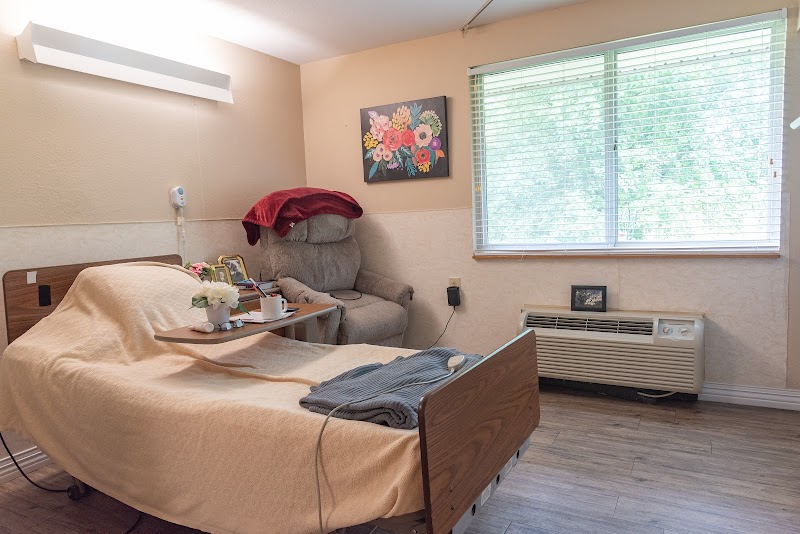
How is Rolla Presbyterian Manor Staffed?

CMS rates ROLLA PRESBYTERIAN MANOR's staffing level at 5 out of 5 stars, which is much above average compared to other nursing homes. Staff turnover is 58%, which is 12 percentage points above the Missouri average of 46%. High turnover can affect care consistency as new staff learn residents' individual needs.

What Have Inspectors Found at Rolla Presbyterian Manor?

State health inspectors documented 8 deficiencies at ROLLA PRESBYTERIAN MANOR during 2022 to 2025. These included: 7 with potential for harm and 1 minor or isolated issues.

Who Owns and Operates Rolla Presbyterian Manor?

ROLLA PRESBYTERIAN MANOR is owned by a non-profit organization. Non-profit facilities reinvest revenue into operations rather than distributing to shareholders. The facility is operated by PRESBYTERIAN MANORS OF MID-AMERICA, a chain that manages multiple nursing homes. With 30 certified beds and approximately 23 residents (about 77% occupancy), it is a smaller facility located in ROLLA, Missouri.
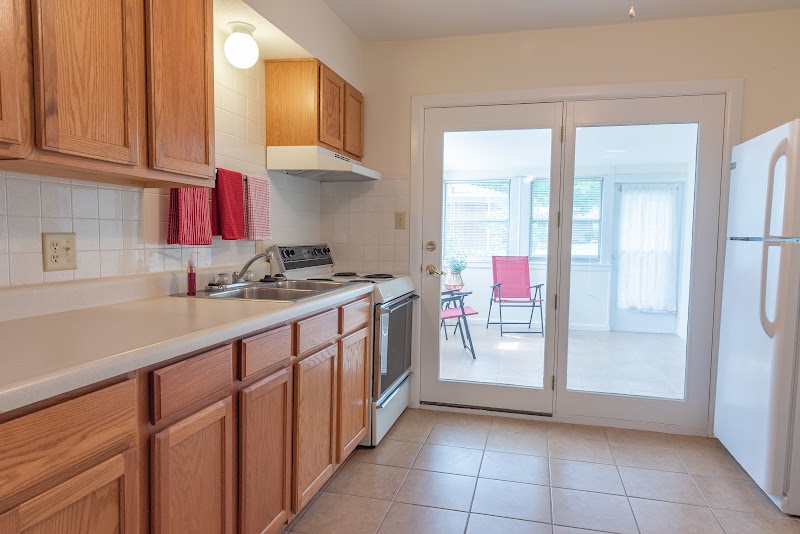
How Does Rolla Presbyterian Manor Compare to Other Missouri Nursing Homes?

Compared to the 100 nursing homes in Missouri, ROLLA PRESBYTERIAN MANOR's overall rating (5 stars) is above the state average of 2.5, staff turnover (58%) is significantly higher than the state average of 46%, and health inspection rating (4 stars) is above the national benchmark.

What Should Families Ask When Visiting Rolla Presbyterian Manor?

Based on this facility's data, families visiting should ask: "How do you ensure continuity of care given staff turnover, and what is your staff retention strategy?" "Can I visit during a mealtime to observe dining assistance and food quality?" "How do you handle medical emergencies, and what is your hospital transfer rate?" "Can I speak with family members of current residents about their experience?" These questions are particularly relevant given the facility's high staff turnover rate.

Is Rolla Presbyterian Manor Safe?

Based on CMS inspection data, ROLLA PRESBYTERIAN MANOR has a clean safety record: no substantiated abuse findings (meaning no confirmed cases of resident harm), no Immediate Jeopardy citations (the most serious violation level indicating risk of serious injury or death), and is not on the Special Focus Facility watch list (a federal program monitoring the lowest-performing 1% of nursing homes). The facility has a 5-star overall rating and ranks #1 of 100 nursing homes in Missouri. While no facility is perfect, families should still ask about staff-to-resident ratios and recent inspection results during their visit.

Do Nurses at Rolla Presbyterian Manor Stick Around?

Staff turnover at ROLLA PRESBYTERIAN MANOR is high. At 58%, the facility is 12 percentage points above the Missouri average of 46%. High turnover means new staff may not know residents' individual needs, medications, or preferences. It can also be disorienting for residents, especially those with dementia who rely on familiar faces. Families should ask: What is causing the turnover? What retention programs are in place? How do you ensure care continuity during staff transitions?

Was Rolla Presbyterian Manor Ever Fined?

ROLLA PRESBYTERIAN MANOR has no federal fines on record. CMS issues fines when nursing homes fail to meet care standards or don't correct problems found during inspections. The absence of fines suggests the facility has either maintained compliance or corrected any issues before penalties were assessed. This is a positive indicator, though families should still review recent inspection reports for the full picture.

Is Rolla Presbyterian Manor on Any Federal Watch List?

ROLLA PRESBYTERIAN MANOR is not on any federal watch list. The most significant is the Special Focus Facility (SFF) program, which identifies the bottom 1% of nursing homes nationally based on persistent, serious quality problems. Not being on this list means the facility has avoided the pattern of deficiencies that triggers enhanced federal oversight. This is a positive indicator, though families should still review the facility's inspection history directly.