ASPEN POINT HEALTH AND REHABILITATION
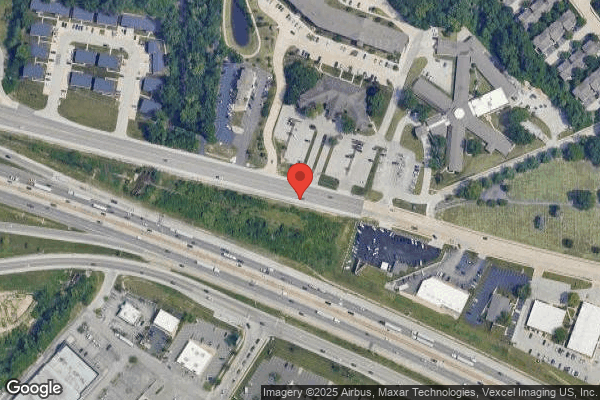
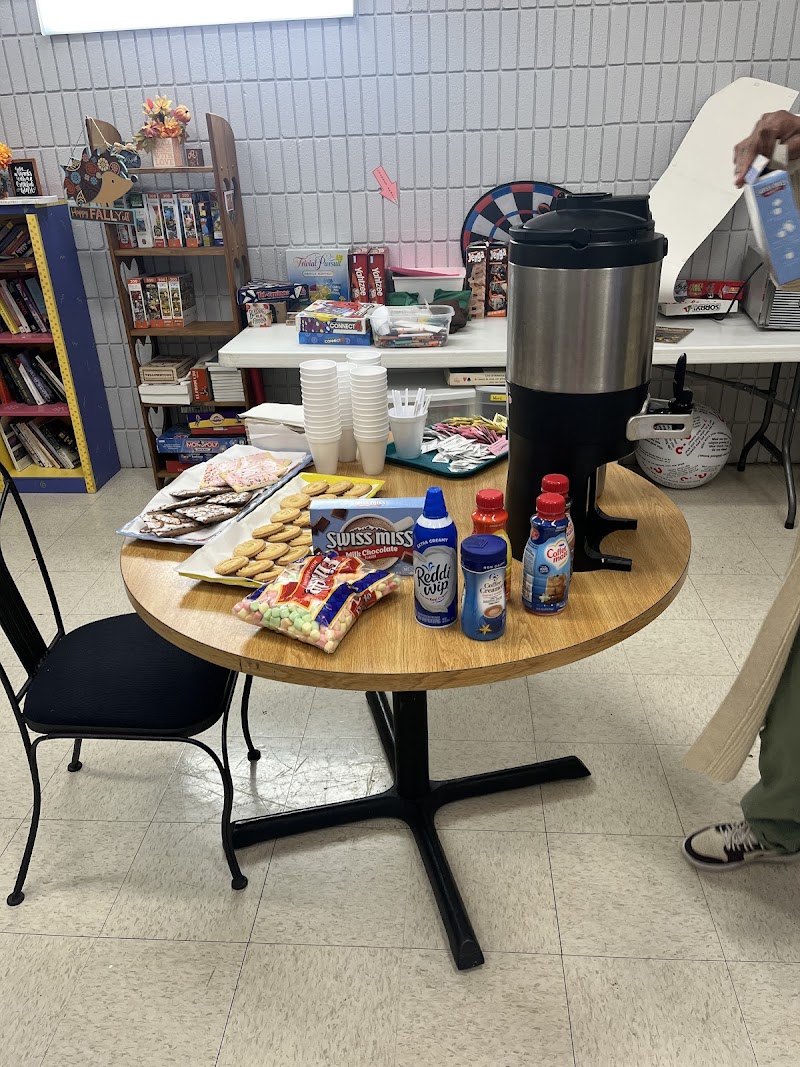
2840 WEST CLAY ST, SAINT CHARLES, MO 63301 (636) 946-6100
For profit - Limited Liability company 180 Beds VERTICAL HEALTH SERVICES Data: November 2025 11 Immediate Jeopardy citations
Trust Grade
0/100
Last Inspection: February 2025

Within standard 12-15 month inspection cycle. Federal law requires annual inspections.

Overview

Aspen Point Health and Rehabilitation has received a Trust Grade of F, indicating significant concerns and a poor reputation among nursing homes. It ranks at the bottom within Missouri and St. Charles County, meaning there are no better local options available. Although the facility has shown improvement in its issues, decreasing from 52 in 2024 to 7 in 2025, it still faces serious challenges, including a high staffing turnover rate of 76%, which is concerning compared to the state average of 57%. The facility has incurred $603,030 in fines, placing it among the highest for fines in Missouri, suggesting repeated compliance problems. Additionally, there are critical incidents, such as failures in infection control practices during blood glucose monitoring and improper documentation of residents' code status, which pose serious risks to residents' health and safety. While there is good RN coverage, more than 95% of state facilities, the overall picture shows both strengths and significant weaknesses that families should consider carefully.

Trust Score
F
0/100
In Missouri
#112/223
Top 50%
Safety Record
High Risk
Review needed
Inspections
Getting Better
52 → 7 violations
Staff Stability
⚠ Watch
76% turnover. Very high, 28 points above average. Constant new faces learning your loved one's needs.
Penalties
✓ Good
$603,030 in fines. Lower than most Missouri facilities. Relatively clean record.
Skilled Nurses
✓ Good
Each resident gets 42 minutes of Registered Nurse (RN) attention daily — more than average for Missouri. RNs are trained to catch health problems early.
Violations
⚠ Watch
127 deficiencies on record. Higher than average. Multiple issues found across inspections.
☆☆☆☆☆
0.0
Overall Rating
☆☆☆☆☆
0.0
Staff Levels
☆☆☆☆☆
0.0
Care Quality
☆☆☆☆☆
0.0
Inspection Score
Stable
2024: 52 issues
2025: 7 issues

The Good

  • Full Sprinkler Coverage · Fire safety systems throughout facility
  • No fines on record

Facility shows strength in fire safety.

The Bad

Staff Turnover: 76%

30pts above Missouri avg (46%)

Frequent staff changes - ask about care continuity

Federal Fines: $603,030

Well above median ($33,413)

Significant penalties indicating serious issues

Chain: VERTICAL HEALTH SERVICES

Part of a multi-facility chain

Ask about local staffing decisions and management

Staff turnover is very high (76%)

28 points above Missouri average of 48%

The Ugly 127 deficiencies on record

11 life-threatening 17 actual harm
Feb 2025 7 deficiencies 2 Harm
SERIOUS (G)

Actual Harm - a resident was hurt due to facility failures

Deficiency F0583 (Tag F0583)

A resident was harmed · This affected 1 resident

Based on observation, interview, and record review, the facility failed to ensure staff provided personal privacy and treated one resident (Resident #4), in a review of 17 sampled residents, with dign...

Read full inspector narrative →
Based on observation, interview, and record review, the facility failed to ensure staff provided personal privacy and treated one resident (Resident #4), in a review of 17 sampled residents, with dignity and respect when providing personal care. Staff provided a bed bath to the resident with the resident's privacy curtain and door open while talking to other residents in the hallway. The facility census was 56. Review of the facility policy, Promoting/Maintaining Resident Dignity, last revised 10/01/23, showed the following: -It is the practice of the facility to protect and promote resident rights and treat each resident with respect and dignity as well as care for each resident in a manner and in an environment that maintains or enhances resident's quality of life by recognizing each resident's individuality; -All staff members are involved in providing care to residents to promote and maintain resident dignity and respect resident rights; -The resident's former lifestyle and personal choices will be considered when providing care and services to meet the resident's needs and preferences; -When interacting with a resident, pay attention to the resident as an individual; -Explain care or procedures to the resident before initiating the activity; -Staff members do not talk to each other while performing a task for the resident as if the resident is not there. Conversation should be resident focused and resident centered; -Groom and dress residents according to resident preferences: -Speak respectfully to residents; avoid discussions about residents that may be overheard; -Maintain resident privacy; -Each resident will be provided equal access to quality of care regardless of diagnosis, severity of condition or payment source. 1. Review of Resident #4's Care Plan, last revised 11/18/24, showed the following: -The resident's autonomy and dignity will be honored; -The resident has the right to be treated with consideration, respect, and dignity; -He/She had an activities of daily living (ADL) performance deficit and impaired vision and required assistance with all care; -He/She was dependent on staff for personal hygiene, showering/bathing, toileting hygiene and dressing; -He/She had a communication problem; -He/She sometimes had a hard time making his/her needs known. -Request clarification from him/her to ensure understanding, face when speaking, make eye contact, turn off TV/radio to reduce environmental noise, Review of the resident's quarterly Minimum Data Set (MDS), a federally mandated assessment instrument to be completed by the facility, dated 12/21/24, showed the following: -Cognition severely impaired; -Dependent on staff for toilet hygiene and upper/lower body dressing; -Dependent on staff for showering/bathing. Observation on 2/26/25 at 7:23 A.M., showed the following: -Certified Medication Technician (CMT) L entered the resident's room and did not knock, introduce himself/herself, or pull the privacy curtain or bedroom door closed; -The resident did not wear any clothing or undergarments and sat fully exposed on his/her bed with his/her legs bent and crossed in front of him/her; -The resident sat in the middle of his/her bed facing the hallway. The door to the room was open and the privacy curtain was not pulled to provide privacy to the resident from the hallway; -Another resident was outside of the resident's room in the hallway. The entire front side of the resident's body was exposed to the resident in the hallway as the other resident looked in and talked to CMT L, who was in the resident's room; -CMT L filled a plastic tub with soapy water and sat it on the bedside table near the resident's bed; -CMT L provided a bed bath for the resident. The door to the resident's room remained open and the privacy curtain was not pulled. Another resident walked in the hallway by the resident's doorway. CMT L said, What's up? to the other resident and began having a conversation with the resident in the hallway as he/she provided the bed bath for Resident #4; -The resident was left completely exposed with no covering during the entire bed bath; -CMT L saw another resident in a wheelchair in the hallway and said, What are you doing?; -CMT L completed the bed bath, removed his/her gloves, left the resident exposed in the bed when he/she went over to the resident's sink to wash his/her hands and put on new gloves; -CMT L assisted the resident to dress in an incontinence brief, shorts, socks, and shirt, exposing all of the resident's body and genitalia to anyone in the hall. During an interview on 2/27/25 at 2:15 P.M., CMT L said the following: -He/She did not recall having the curtain/door open while providing care for the resident (on 2/26/25); -He/She did not recall having conversations with other residents walking by the resident's room while providing care; -He/She felt this would have been an invasion of the resident's privacy. During an interview on 2/27/25 at 2:10 P.M., Registered Nurse J said he/she expected staff to close the privacy curtain and the resident's room door to provide privacy when providing care. During an interview on 2/27/25 at 3:15 P.M., the Director of Nursing said she expected staff to ensure privacy for the resident or any other resident when providing personal care by closing the door, pulling the privacy curtain, and only exposing the area of the resident that they are working with. During an interview on 2/27/25 at 4:00 P.M., the Administrator said the following: -She expected staff to treat residents with dignity and respect; -She expected staff to provide residents with privacy.
SERIOUS (G)

Actual Harm - a resident was hurt due to facility failures

Deficiency F0692 (Tag F0692)

A resident was harmed · This affected 1 resident

**NOTE- TERMS IN BRACKETS HAVE BEEN EDITED TO PROTECT CONFIDENTIALITY** Based on observation, interview, and record review, the facility failed to consistently implement, evaluate, and modify interven...

Read full inspector narrative →
**NOTE- TERMS IN BRACKETS HAVE BEEN EDITED TO PROTECT CONFIDENTIALITY** Based on observation, interview, and record review, the facility failed to consistently implement, evaluate, and modify interventions to prevent unintended weight loss for one resident (Resident #26), in a review of 17 sample residents, who had a 8.61% weight loss in one month. The facility census was 56. Review of the facility policy, Weight Monitoring, last revised 9/1/22, showed the following: -Based on the resident's comprehensive assessment, the facility will ensure that all residents maintain acceptable parameters of nutritional status, such as usual body weight or desirable body weight range and electrolyte balance, unless the resident's clinical condition demonstrates that this is not possible or resident preferences indicate otherwise; -Weight can be a useful indicator of nutritional status. Significant unintended changes in weight (loss or gain) or insidious weight loss (gradual unintended loss over a period of time) may indicate a nutritional problem; -The facility will utilize a systemic approach to optimize a resident's nutritional status. This process includes: a. Identifying and assessing each resident's nutritional status and risk factors; b. Evaluating/analyzing the assessment information; c. Developing and consistently implementing pertinent approaches; d. Monitoring the effectiveness of interventions and revising them as necessary. -Information gathered from the nutritional assessment and current dietary standards of practice are used to develop an individualized care plan to address the resident's specific nutritional concerns and preferences. The care plan should address the following, to the extent possible: a. Identified causes of impaired nutritional status b. Reflect the resident's personal goals and preferences c. Identify resident-specific interventions d. Time frame and parameters for monitoring e. Updated as needed such as when the resident's condition changes, goals are met, interventions are determined to be ineffective or a new causes of nutrition-related problems are identified. f. If nutritional goals are not achieved, care planned interventions will be reevaluated for effectiveness and modified as appropriate. g. The resident and/or resident representative will be involved in the development of the care plan to ensure it is individualized and meets personal goals and preferences. -Interventions will be identified, implemented, monitored and modified (as appropriate), consistent with the resident's assessed needs, choices, preferences, goals and current professional standards to maintain acceptable parameters of nutritional status. -Weight Analysis: The newly recorded resident weight should be compared to the previous recorded weight. A significant change in weight is defined as: a. 5% change in weight in 1 month (30 days) b. 7.5% change in weight in 3 months (90 days) c. 10% change in weight in 6 months (180 days) -Documentation: a. The physician should be informed of a significant change in weight and may order nutritional interventions. b. The physician should be encouraged to document the diagnosis or clinical conditions that may be contributing to the weight loss. c. If the interdisciplinary care team desires to explore specific meal consumption information for a resident, the Registered Dietitian, Dietary Manager, or the nursing department may initiate this process. d. The Registered Dietitian or Dietary Manager should be consulted to assist with interventions; actions are recorded in the nutrition progress notes. e. Observations pertinent to the resident's weight status should be recorded in the medical record as appropriate. f. The interdisciplinary plan of care communicates care instructions to staff. 1. Review of Resident #26's quarterly Minimum Data Set (MDS), a federally mandated assessment instrument, dated 11/16/24, showed the following: -Cognition was severely impaired; -Understood others and was able to make himself/herself understood; -Severely impaired vision; -Required supervision or touch assist for eating; -Height was 68 inches; weight was 159 pounds; -No weight loss. Review of the resident's Care Plan, revised on 11/13/24, showed the following: -The resident had an activities of daily living (ADL) self-care performance deficit, he/she was blind, and required guidance; -When the resident was eating, explain placement of items and feed if necessary; -The resident was able to feed himself/herself with tray set up due to him/her being blind; -He/She repeatedly asks for food and drink; -He/She would eat either in his/her room or in the main dining area. -Instruct him/her to eat in an upright position, to eat slowly, and to chew each bite thoroughly. (The resident's care plan did not address weight loss or identify interventions to prevent weight loss.) Review of the resident's weight record, dated 1/08/25, showed the resident weighed 159.1 pounds. Review of the resident's Physician Progress Note, dated 1/21/25, showed the following: -Protein calorie malnutrition (an individual does not eat enough protein and calories to meet nutritional needs); -Encourage increased oral intake; -On house supplement (a fortified nutritional shake that provides calories and protein) and Remeron 15 milligrams (mg) at bedtime for appetite stimulant. Review of the resident's Physician Progress Note, dated 1/24/25, showed the following: -The resident gets up readily for snacks; -The resident had a very good appetite and seemed to always want to eat. Review of the resident's weight record, dated 02/06/25, showed the resident weighed 145.4 pounds (a weight loss of 13.7 pounds; a 8.61% weight loss in one month). Review of the resident's nutritional assessment, dated 02/10/25, showed the Registered Dietician (RD) documented the following: -Regular diet with regular consistency; -Nectar thickened liquids; -Meal intake 50-100%; -Weight on 02/06/25 was 145 pounds; -Loss of 5% or more in the last month or loss of 10% in the last six months; -Nutritional requirements: 1848 kilocalories (kcal), 66 grams of protein, and 1980 ml fluids; -The resident with fair to good oral intake with meals. Significant weight loss noted. Will add 60 milliliter (ml) med pass supplement (house supplement) three times a day to support nutritional needs and promote weight gain. Review of the resident's Physician's Orders, dated February 2025, showed the following: -Mirtazapine (Remeron) 15 mg, take one tablet my mouth at bedtime for depression, obsessive compulsive disorder, and anxiety (original order dated 8/17/24); -2.0 House Supplement (nursing), give 60 ml three times a day for weight loss (original order dated 2/10/25). Review of the resident's Care Plan, revised on 2/10/25, showed no documentation the facility developed a care plan to address the resident's weight loss. The care plan did not include documentation the resident had weight loss and did not include listed interventions to prevent further weight loss and promote weight gain. Review of the resident's Medication Administration Record (MAR), dated February 2025, showed the following: -On 02/13/25 at 2:00 P.M., staff documented 0 mls of the 2.0 House Supplement was administered; -On 02/14/25 at 9:00 A.M., staff documented 0 mls of the 2.0 House Supplement was administered; -On 02/14/25 at 2:00 P.M., staff documented 0 mls of the 2.0 House Supplement was administered. Review of the resident's annual MDS, dated [DATE], showed the following: -Cognition was moderately impaired; -Understood others and was able to make himself/herself understood; -Severely impaired vision; -Required supervision or touch assist for eating; -It was very important to the resident to have snacks in between meals; -Height was 68 inches; weight was 145 pounds. (Based on this information, the resident's calculated body mass index (BMI; a calculated measure of weight relative to height) was 22. Normal/healthy BMI is 18.5 to 24.9); -Weight loss of 5% or more in last month or loss of 10% or more in last six months; -On physician prescribed weight loss program. (Note: The physician's progress notes, dated 1/21/25, identified the resident had protein calorie malnutrition. Staff was to increase the resident's oral intake and provide supplements/medications to increase appetite. The resident was not on a prescribed weight loss program.) Review of the resident's MAR, dated February 2025, showed the following: -On 02/24/25 at 9:00 A.M., staff documented 0 mls of the 2.0 House Supplement was administered; -On 02/24/25 at 2:00 P.M., staff documented 0 mls of the 2.0 House Supplement was administered. Review of the resident's MAR, dated 02/27/25 at 9:00 A.M., showed Registered Nurse (RN) J charted 0 mls of the 2.0 House Supplement was administered. During an interview on 02/27/25 at 2:10 P.M., RN J said the following: -The resident sometimes refused his/her house supplement; -The resident didn't like the taste of the house supplement; -He/She charted it as 0 mls administered if the resident didn't drink the supplement. During an interview on 2/27/25 at 2:15 P.M., the resident said the following: -He/She did not refuse a milkshake this morning; -He/She would like to have a milkshake. Observation on 2/24/25 at 12:50 P.M., showed the following: -The resident sat on the side of the bed with his/her meal tray on the over-the-bed table in front of him/her. There were no staff in the resident's room; -The resident said he/she was blind and asked multiple times what food items were on his/her tray. The resident's tray included chicken strips, mixed vegetables, a cup of tortilla chips, a cup of fruit cocktail, a glass of thickened water and a glass of thickened juice. -The resident touched around his/her tray feeling for the food and for his/her drink glass with juice. -The resident said he/she could not find the juice and asked for assistance to find it on his/her tray. -The resident said he/she liked chicken but could not see it to enjoy it; -The resident ate 100% of the fruit cocktail and chips with his/her hands. The resident did not eat any of his/her chicken or mixed vegetables; -The resident asked for more chips and called out, Hello. More chips. Hello, nurse. Observation on 2/24/25 at 1:05 P.M., showed the resident lay in bed. His/Her meal tray sat on the over-the-bed table next to his/her bed. The chicken and the mixed vegetables remained on the resident's tray. The resident called out, hello. During interview on 2/24/25 at 1:05 P.M., the resident said he/she had no way to ask for help. He/She did not have a call light, or if he/she had one, he/she didn't know where it was. He/She couldn't call for help and would like for someone to come by his/her room periodically and ask if he/she needed something. He/She wished he/she had a menu of the items served for the meals so he/she could pick out his/her own food. He/She would like a choice in what he/she ate, but no one had asked him/her what he/she would like. He/She would like peanut butter and jelly sandwiches and grilled cheese. (These items were listed as an alternate the residents could request on the resident's meal ticket, however, the resident was blind and could not read the ticket). Observation on 2/24/25 at 1:30 P.M., showed CMT F took the resident's tray from his/her room and told the resident he/she would get the resident a snack. The resident lay in bed. Observation on 2/24/25 at 1:39 P.M., showed the resident lay in bed. The resident did not have any food or drink in his/her room. The resident said he/she would like more chips and something to drink. Observation on 2/24/25 at 1:42 P.M., showed the resident lay in bed. The resident called out, Nurse. Nurse. Hello. The resident did not have any food or drink in his/her room. No staff was in the hallway to respond to the resident. Observation on 2/24/25 at 2:55 P.M. showed the following: -The resident lay awake in bed; -No cup or fluids were available for the resident in his/her room. During an interview on 2/24/25 at 2:55 P.M., the resident said the following: -He/She thought there ought to be a way to get a hold of someone when he/she needed something; -He/She would like more food; -He/She was thirsty and would like something to drink. Observation on 2/25/25 at 11:40 A.M., showed the following: -The resident lay awake in bed; -The resident's water pitcher, which contained regular water (not thickened) was on the bedside table, and not within his/her reach. A small bendable straw was down inside the pitcher. During an interview on 2/25/25 at 11:40 A.M., the resident said the following: -He/She was hungry and thirsty; -He/She would like a milkshake. Observation on 2/25/25 at 11:45 A.M., showed CMT E poured a 4 ounce mighty milkshake (a fortified, frozen shake, used to add calories and protein to the diet) into a clear cup with a straw and handed it to the resident. (The mighty milkshake was not the same as the house supplement.) During an interview on 2/25/25 at 11:45 A.M., the resident said the straw was broken and he/she was not getting anything out through the straw. Observation on 2/25/25 at 11:45 A.M. showed CMT E told the resident he/she would get him/her a new straw and left the room. CMT E did not return with a new straw. Observation on 2/25/25 at 11:45 A.M. showed the following: -The resident repeatedly sucked through the straw and continued to say, This isn't working. This is broken; -The resident consumed approximately 50% of the shake before giving up on the broken straw and lying back down on the bed. Observation on 2/26/25 at 7:00 A.M. showed the resident called out, Hello, can I have some food please? Hello, can I have something to drink please? During an interview on 2/26/25 at 7:00 A.M., the resident said he/she would like something to eat and drink. Observation on 2/26/25 at 7:05 A.M., showed the following: -Licensed Practical Nurse (LPN) N brought the resident a small cup of koolaide and the resident drank it very quickly and asked where the food was; -LPN N told the resident he/she would bring it as soon as he/she got it. Review of the resident's dietary tray card for breakfast on 2/26/25 at 8:00 A.M., showed the following: -Regular, Finger Foods; -No pork; -Nectar thick liquids; -Provide assistance at meals; -Wants peanut butter and jelly for breakfast; -The resident was to receive corn flakes, French toast sticks, sausage links, juice of choice, coffee or hot tea, and milk of choice. Observation on 2/26/25 at 7:50 A.M., showed the following: -CMT F brought the resident's breakfast tray to the resident's room and sat it down on his/her bedside table; -The resident's breakfast tray included French toast, a bowl of oatmeal, a sausage patty, and juice. (The resident did not receive a peanut butter and jelly sandwich, corn flakes, milk, or coffee with his/her breakfast meal.); -The resident asked where his/her food and drink were and grabbed all around the plate and tray to find his/her food and drink; -He/She found his/her juice and drank it quickly, spilling it all over the blanket; -CMT F poured the syrup on the resident's French toast but did not explain where things were on the resident's tray; -CMT F left the room; -The resident felt around the plate to locate his/her food and got syrup all over his/her hands; -He/She ate his/her food very quickly; -He/She consumed 100% of the meal. Observation on 2/26/25 at 8:12 A.M., showed the following: -The resident was in bed; -The resident said, Nurse, can I get some more food? Can I get some toast and coffee? -CMT L was in the room assisting the resident's roommate. He/She went to the resident, removed the resident's tray, and said, You ate it all!; -The resident said, Nurse, can I get some coffee, please? Where can I get some coffee? Hello? Nurse, can I get some coffee?; -CMT L told the resident that he/she would get him/her some coffee when he/she was finished feeding the resident's roommate some grapes; -The resident asked, Can I get some grapes? Where is the food at? I'm so hungry!; -CMT L said, You just finished breakfast; -The resident said, Well, I'm still hungry! -CMT L said, Let's get up and I'll see about getting you a snack; -The resident said, Can I get some coffee? I don't want to get up; -CMT L finished assisting the resident to get dressed; the resident continued to say, I'm hungry. Can I get some food?; -CMT L assisted the resident to transfer into his/her wheelchair and pushed the resident to the dining room; -The resident said, I'd like breakfast and coffee; -CMT L said, You already ate; -The resident said, I'd like some more; -CMT L got the resident some coffee with cream and sugar from the dining room area and sat it in front of him/her on the table; -CMT L did not get the resident anything to eat. Observation on 2/26/25 at 8:34 A.M., showed the following: -The resident sat at the dining room table and said, Nurse, can I get something to eat or drink? I'm hungry; -The resident did not have any food in front of him/her; -Housekeeper M told the resident that he/she would get him/her a peanut butter and jelly sandwich; -Corporate RN delivered a peanut butter and jelly sandwich to the resident's old room (resident moved rooms during the survey) and sat it on a bedside table; -Staff did not bring any food to the resident who was in the dining room. Observation on 2/26/25 at 8:45 A.M., showed the following: -Corporate RN walked up to the resident in the dining room and asked how he/she was doing; -The resident asked for food; -Corporate RN told the resident the kitchen staff would get food for him/her; -The Registered Dietician (RD) brought the resident a cookie. Observation on 2/26/25 at 8:55 A.M., showed the following: -The resident ate all of his/her cookie and asked for another snack; -Corporate RN asked kitchen staff to get the resident another snack. Observation on 2/26/25 at 9:00 A.M., showed the following: -The resident ate cheese crackers off of a small saucer at the dining room table; -Crackers were scattered all around the outside of the plate. Observation on 2/26/25 at 1:45 P.M., showed the following: -The resident lay in bed awake and said, Nurse, I'm hungry. I'd like something to eat. Is there anymore food?; -The Assistant Director of Nursing (ADON) was in the resident's room providing a treatment for the resident's roommate. The ADON said, Wait, I'm helping your roommate; -The resident said, I've been waiting for quite some time; -The ADON said, How about some popcorn; -The resident said, Where is it?; -The ADON said, I'll have to get it; -Housekeeping M brought the resident some popcorn (no drink). The resident shoved the popcorn into his/her mouth one bite after the other very quickly; -The resident ate all of his/her popcorn and asked for more to eat. During an interview on 2/26/25 at 2:30 P.M., the resident said he/she would like a snack and a drink. Observation on 2/26/25 at 2:40 P.M., showed the RD brought the resident thickened water and a fig [NAME] bar for a snack. During an interview on 2/27/25 at 1:30 P.M., the resident's family member and power of attorney (POA) said the resident was thinner and had lost weight. During an interview on 3/11/25 at 9:40 A.M., the RD said the following: -She was not aware the resident was constantly asking for food and drink; -The resident asked her for a snack every once in a while, and she would get the resident whatever he/she asked for, which was usually something sweet like a danish or an alternate like an oatmeal cream pie; -The resident would also ask her for juice or coffee, and she would make sure it was thickened (nectar thick liquids); -She expected staff to give the resident food and drink that he/she liked, like sweets, to promote weight gain related to his/her weight loss; -She looked at her notes and the resident's weight was documented on 2/6/25; -Once the weight was put into the system, it triggered a list that she printed out, then made recommendations, and gave it to the Administrator and Director of Nursing; -She added a note on 2/10/25 and recommended a House Supplement three times daily for the resident; -She did not recall discussing the resident or his/her weight loss with the interdisciplinary team (IDT); -The IDT met every morning and discussed anyone on the list, so she was sure they discussed the resident at that time; -She did not recall the last time the IDT discussed the resident; -She was not aware staff were documenting that the resident did not consume his/her house supplement; -She could not see the resident refusing or not consuming his/her house supplement unless he/she was not feeling well that day; -She followed up monthly to ensure interventions were effective. During interview on 3/12/25 at 9:26 A.M., the Director of Nursing said the following: -She was not aware the resident asked for more food and drinks. She knew the the resident frequently said, Nurse, nurse but she was not aware of anything else; -She was not aware staff documented the resident did not consume all of his/her house supplement. She would have expected staff to have notified her; -She looked at the resident's medical record and was seeing now that the resident had a 14 pound weight loss. She would have expected staff to notify her of the resident's weight loss; -The IDT met daily and weekly to discuss interventions and to determine if interventions were successful. She did not recall discussing the resident's weight loss in the IDT meetings.
CONCERN (D)

Potential for Harm - no one hurt, but risky conditions existed

Deficiency F0558 (Tag F0558)

Could have caused harm · This affected 1 resident

**NOTE- TERMS IN BRACKETS HAVE BEEN EDITED TO PROTECT CONFIDENTIALITY** Based on observation, interview, and record review, the facility failed to ensure two residents (Residents #26 and #4), in a rev...

Read full inspector narrative →
**NOTE- TERMS IN BRACKETS HAVE BEEN EDITED TO PROTECT CONFIDENTIALITY** Based on observation, interview, and record review, the facility failed to ensure two residents (Residents #26 and #4), in a review of 17 sampled residents, had call lights within reach. The facility census was 56. Review of the facility policy, Call Lights: Accessibility and Timely Response, last revised September 2021, showed the following: -The purpose of this policy is to assure the facility is adequately equipped with a call light at each residents' bedside, toilet, and bathing facility to allow resident to call for assistance; -All staff will be educated on the proper use of the resident call system, including how the system works and ensuring resident access to the call light; -All residents will be educated on how to call for help by using the resident call system; -Each resident will be evaluated for unique needs and preferences to determine any special accommodations that may be needed in order for the resident to utilize the call system; -Special accommodations will be identified on the resident's person-centered plan of care, and provided accordingly (Examples include touch pads, larger buttons, bright colors, etc.); -With each interaction in the resident's room or bathroom, staff will ensure the call light is within reach of resident and secured, as needed. 1. Review of Resident #26's quarterly Minimum Data Set (MDS), a federally mandated assessment instrument, dated 11/16/24, showed the following: -Cognition was severely impaired; -Required partial to moderate assistance from lying to sitting on side of bed; -Required partial to moderate assistance with transfers; -Required substantial to maximal assistance with walking 10 feet - once standing, the ability to walk at least 10 feet in a room, corridor, or similar space; -Used a manual wheelchair. Review of the resident's care plan, last revised 02/10/25, showed the following: -He/She had an activities of daily living (ADL) self-care performance deficit; -He/She was blind and required guidance; -He/She was impulsive and had a history of falls/at risk for falls related to confusion, decreased balance, and blindness; -Be sure his/her call light is within reach or attached to his/her person; -Staff to do frequent rounds and to toilet and lay down after meals; -Anticipate and meet his/her needs; -He/She was to be laid down after meals. Observation on 2/24/25 at 12:50 P.M., showed the following: -The resident sat on the side of the bed with his/her meal tray on the over-bed-table in front of him/her. There were no staff in the resident's room; -The resident said he/she was blind and asked multiple times what food items were on his/her tray; -The resident touched around his/her tray feeling for the food and for his/her drink glass with juice; -The resident said he/she could not find the juice and asked for assistance to find it on his/her tray; -The resident asked for more chips and called out, Hello. More chips. Hello, nurse.; -The resident's call light hung on the wall between the two beds in the room and was not within the resident's reach. During interview on 2/24/25 at 1:05 P.M., the resident said he/she had no way to ask for help. He/She did not have a call light, or if he/she had one, he/she didn't know where it was. He/She was blind, so staff would have to put the call light somewhere he/she could find it and access. He/She couldn't call for help and would like for someone to come by his/her room periodically and ask if he/she needed something. Observation on 2/24/25 at 1:42 P.M., showed the resident lay in bed. The resident called out, Nurse. Nurse. Hello! No staff was in the hallway. The resident's call light hung on the wall between the two beds in the room and was not within the resident's reach. Observation on 2/24/25 at 2:04 P.M., showed the resident lay in bed. The resident's call light hung on the wall between the two beds in the room and was not within the resident's reach. Observation on 2/24/25 at 2:55 P.M. showed the following: -The resident lay awake in bed; -The resident's call light hung on the wall between the two beds in the room and was not within the resident's reach. During an interview on 2/24/25 at 2:55 P.M., the resident said the following: -He/She never had a call light to use; -He/She asked where the call light was located; -He/She wished he/she had a call light; -He/She thought there ought to be a way to get a hold of someone when he/she needed something. Observation on 2/25/25 at 11:40 A.M. showed the following: -The resident lay awake in bed; -The resident's call light hung on the wall between the two beds in the room and was not within the resident's reach. Observation on 2/25/25 at 12:17 P.M. showed the following: -The resident was in bed; -The resident's call light hung on the wall between the two beds in the room and was not within the resident's reach. Observation on 2/25/25 at 2:30 P.M. showed the following: -Certified Medication Technician (CMT) F and the Social Services Director (SSD) assisted the resident to the bathroom and then back into his/her wheelchair; -The resident wore a t-shirt and an incontinence brief and did not wear any pants; -The resident said he/she was very cold and would like a blanket and would like to lay back down; -CMT F covered the resident with a blanket and told him/her that he/she would have to get his/her pants from the shower room and left the room; -CMT F left the room around 2:40 P.M. and did not return with the resident's pants; -The resident sat in his/her wheelchair near the middle of the room with a blanket. The resident's call light hung on the wall between the two beds in the room and was not within the resident's reach. During an interview on 2/25/25 at 3:05 P.M., the resident said he/she would like to go to bed. Observation on 2/25/25 at 3:05 P.M. showed the resident called out, Hello, can I please go to bed now? The SSD talked to the resident and said she was working on getting the resident's belongings moved to his/her new room and staff would lay him/her down once they got his/her bed cleaned and made. The resident's call light hung on the wall between the two beds in the room and was not within the resident's reach. Observation on 2/25/25 at 3:35 P.M. showed the resident still slumped down in his/her wheelchair. The resident was not wearing pants and was covered with a blanket. The resident's call light hung on the wall between the two beds in the room and was not within the resident's reach. Observation on 2/25/25 at 4:50 P.M. showed the resident remained slumped down in his/her wheelchair. The resident's legs were stretched out in front of him/her, and he/she was covered with a blanket. The resident's call light hung on the wall between the two beds in the room and was not within the resident's reach. Observation on 2/25/25 at 5:15 P.M. showed the following: -The resident lay on the floor in front of his/her wheelchair; -His/Her blanket lay behind him/her on the floor; -The resident was curled up on his/her left side. The resident was not wearing pants and his/her t-shift was pulled over his/her knees. During an interview on 2/25/25 at 5:15 P.M., the resident said he/she had been asking to lay down, so he/she put one knee down and then the next to lay himself/herself down (on the floor). During an interview on 2/27/25 at 1:30 P.M., the resident's family member and power of attorney (POA) said the resident could use the call light to call for help if he/she remembered. During an interview on 2/27/25 at 2:10 P.M., Registered Nurse (RN) J said the following: -The resident was blind so he/she usually hollered if he/she needed anything; -He/She thought the resident had a call light, but he/she was not sure; -He/She expected for the resident's call light to be within the resident's reach at all times. During an interview on 2/27/25 at 2:20 P.M., CMT L said the resident's call light should be within reach at all times. During an interview on 2/27/25 at 10:00 A.M., the Assistant Director of Nursing (ADON) said resident should have his/her call light within reach at all times. During an interview on 2/27/25 at 3:15 P.M., the Director of Nursing (DON) said she expected the resident's call light to be within reach at all times. During an interview on 2/27/25 at 4:00 P.M., the Administrator said she expected all residents' call lights to be within reach. 2. Review of Resident #4's Care Plan, last revised 11/18/24, showed the following: -He/She has an ADL performance deficit and impaired vision and required assistance with all care; -Encourage him/her to use bell to call for assistance; -He/She was at risk for falls, gait/balance problems, was legally blind and had decreased safety awareness: -Be sure his/her call light is within reach and encourage him/her to use it for assistance as needed; -He/She has a communication problem; -He/She sometimes had a hard time making his/her needs known. Review of the resident's quarterly MDS, dated [DATE], showed the following: -Cognition severely impaired; -Required substantial/maximal assistance for transfers; -Frequently incontinent of urine. Observation on 2/24/25 at 2:55 P.M. showed the following: -The resident sat awake on his/her bed; -The resident's call light hung on the wall in between the beds in the room and was not within the resident's reach. During an interview on 2/24/25 at 3:00 P.M., the resident said the following: -When asked if he/she was able to use the call light, the resident said, Yes, yes, yes; -He/She shook his/her head back and forth, side to side when asked if he/she knew where the call light was. Observation on 2/26/25 at 5:55 A.M., showed the following: -The resident lay on his/her back in bed. The resident was awake and made screaming noises; -The resident's call light hung on the wall between the two beds in the room and was not within the resident's reach. Observation on 2/26/25 at 7:23 A.M., showed the following: -The resident sat in bed; -The resident's call light hung on the wall between the two beds in the room and was not within the resident's reach. During an interview on 2/26/25 at 8:40 A.M., Certified Nurse Assistant (CNA) B said the resident was able to use the call light. During an interview on 2/27/25 at 3:15 P.M., the DON said she expected the resident to have his/her call light within reach at all times. During an interview on 2/27/25 at 4:00 P.M., the Administrator said she expected the resident to have his/her call light within reach at all times.
CONCERN (D)

Potential for Harm - no one hurt, but risky conditions existed

Deficiency F0655 (Tag F0655)

Could have caused harm · This affected 1 resident

**NOTE- TERMS IN BRACKETS HAVE BEEN EDITED TO PROTECT CONFIDENTIALITY** Based on observation, interview, and record review, the facility failed to develop a baseline care plan, consistent with the res...

Read full inspector narrative →
**NOTE- TERMS IN BRACKETS HAVE BEEN EDITED TO PROTECT CONFIDENTIALITY** Based on observation, interview, and record review, the facility failed to develop a baseline care plan, consistent with the resident's specific conditions, needs and risks that provide effective person-centered care that met professional standards of quality of care within 48 hours of admission to the facility for two residents (Residents #405 and #102), in a review of 17 sampled residents. The facility census was 56. Review of the facility's policy, Baseline Care Plans, last reviewed 09/01/21, showed the following: -The facility would develop and implement a baseline care plan for each resident that included the instructions needed to provide effective and person-centered care of the resident that meet professional standards of quality care; -A baseline care plan would be developed within 48 hours of a resident's admission; -The admitting nurse, or supervising nurse on duty, should gather information from the admission physical assessment, hospital transfer information, physician orders, and discussion with the resident and resident representative, if applicable; -Interventions should be initiated that addressed the resident's current needs that may include, but not limited to any health and safety concerns to prevent decline or injury, such as elopement, fall, or pressure injury risk; any identified needs for supervision, behavioral interventions, and assistance with activities of daily living; -Once established, goals and interventions should be documented in the designated form; -The summary should include the initial goals of the resident, a summary of the resident's medication and dietary instructions, and any services and treatments to be administered by the facility and personnel acting on behalf of the facility. 1. Review of Resident #405's hospital medical records, dated 2/10/25, showed the following: -The resident had an unstageable pressure injury (obscured full-thickness skin and tissue loss in which the extent of tissue damage within the ulcer cannot be confirmed because the wound bed is obscured by slough (non-viable tissue that accumulates on the surface of a wound) or eschar (dead tissue within a wound)) to the sacrum (the large, triangle shaped bone at the base of the spine that connects the spine to the pelvis); -The resident had an unstageable pressure injury to the right hip; -The resident had an unstageable pressure injury to the right elbow. Review of the resident's undated face sheet showed the following: -admitted on [DATE]; -Diagnosis included metabolic encephalopathy (a change in how the brain works due to an underlying condition). Review of the resident's Progress Notes, dated 2/13/25 at 1:36 P.M., showed the Director of Nursing (DON) documented the resident arrived on a stretcher, with a surgical dressing in place from a pacemaker placement. The resident had a wound on this/her sacrum that measured 14 x 8 x 0.1 (no unit of measure provided), with the wound bed comprised of less than 3% slough. Both of the resident's legs were contracted. Review of the resident's Physician Order Sheet, dated February 2025, showed the following: -No added salt diet, mechanical soft texture, regular/thin liquids consistency (original order dated 2/13/25); -Right hip superior, clean with normal saline, pat dry, apply Santyl (an ointment that removes dead tissue from a wound), every day shift for unstageable wound (original order dated 2/13/25); -Weekly skin assessment, every day shift, every Friday, if there are any new skin issues, identify on skin assessment (original order dated 2/13/25) -Weekly weights for four weeks from admission, then monthly weights (original order dated 2/13/25). -Clean with normal saline, pat dry, apply dry dressing daily, one time a day for sacrum (original order dated 2/14/25); -Clean with normal saline, pat dry, apply Santyl right hip one time a day for unstageable wound (original order dated 2/14/25). Review of the resident's Care Plan, dated 2/14/25, showed the care plan included the resident's rights. The care plan did not include the type of assistance the resident required for activities of daily living (ADLs), his/her diet, pressure ulcers present on admission, weekly weights, incontinence, or any refusal of care. Review of the resident's admission Minimum Data Set (MDS), a federally mandated assessment instrument completed by facility staff, dated 2/15/25, showed the following: -Cognitively intact; -No behaviors or rejection of care; -Impairment of both lower extremities; -Required set up and clean up assistance with eating; -Required maximum assistance with toileting, showering/bathing, lower body dressing, and personal hygiene; -Required supervision/touching assistance with upper body dressing; -Was dependent on staff for putting on/taking off footwear and all mobility (rolling in bed, sitting up, lying down, standing, and all transfers); -Was always incontinent of bowel and bladder; -Had two stage III pressure ulcers (full-thickness loss of skin, in which subcutaneous fat may be visible in the ulcer and granulation tissue and epibole (rolled wound edges) are often present. Slough and/or eschar may be visible but does not obscure the depth of tissue loss. Undermining and tunneling may also occur) and one unstageable pressure ulcer on admission; -Was on a mechanically altered diet. Review of the resident's Physician Order Sheet, dated February 2025, showed the following: -Right hip, clean with normal saline/wound cleanser, pat dry, apply calcium alginate once daily, abdominal (ABD) pad and cover site dressing, every day shift for right hip (original order dated 2/19/25); -Sacrum, clean with wound cleanser/normal saline, pat dry, apply calcium alginate, ABD pad and cover site dressing, every day shift (original order dated 2/19/25). Review of the resident's care plan, dated 2/21/25, showed staff added the following to the resident's care plan: -The resident required enhanced barrier precautions for chronic wounds; -The resident had a stage III pressure ulcer on his/her right hip, a stage III pressure ulcer on his/her sacrum and an unstageable pressure ulcers on his/her left heel related to his/her impaired mobility. -Staff did not updated the care plan to include the type of assistance the resident required for ADLs, his/her diet, weekly weights, incontinence, or any refusal of care. Observation on 2/25/25 at 12:16 P.M., showed the Corporate Registered Nurse (RN) delivered the resident's meal tray and asked if the resident wanted help to eat. The resident initially refused, but then agreed. Certified Medication Technician (CMT) F attempted to feed resident. Observation on 2/25/25 at 12:21 P.M., showed CMT F left the resident's room. CMT F said the resident refused to eat any of his/her meal. Observation on 2/26/25 at 5:57 A.M., showed Certified Nurse Assistant (CNA) O and CNA P provided incontinence care to the resident. Observation on 2/26/25 at 7:53 A.M. showed CMT L assisted the resident to eat his/her breakfast. Observation on 2/26/25 at 9:19 A.M. showed the Assistant Director of Nursing (ADON) attempted to provide wound care to the resident, who refused. During interviews on 2/26/25 at 3:02 P.M. and 2/27/25 at 12:41 P.M., RN J said the following: -The resident had been refusing most cares, including getting out of bed, since his/her arrival to the facility; -The resident had been refusing to get up since he/she admitted , so staff had not been able to obtain an accurate weight; -Today was the first day he/she had seen the resident out of bed and in a wheelchair; -The resident required a mechanical lift for transfers; -The resident required assistance from staff to eat, but could drink on his/her own. Observation on 2/27/25 at 12:19 P.M., showed CNA B assisted the resident to eat his/her lunch During an interview on 2/27/25 at 1:01 P.M., CNA B said the resident had been refusing most of his/her cares since arriving to the facility. During an interview on 2/27/25 at 1:04 P.M., the Physician Assistant said the following: -He/She was not aware staff did not obtain the resident's weight, but they likely did not weigh the resident due to the resident's refusal and resistance to cares; -He/She would have expected staff to obtain and document the resident's weights. In the case the resident refused, he/she would have expected the staff to document the refusal make other attempts to obtain the resident's weight. During an interview on 2/27/25 at 3:16 P.M., the Director of Nursing (DON) said if the resident refused, she would expect staff to properly document and provide education to the resident. 2. Review of Resident #102's face sheet showed the following: -He/She was admitted to the facility on [DATE]; -Diagnoses included stroke, dysphagia (difficulty swallowing), and anxiety. Review of a nursing progress note, dated 02/26/25 at 2:44 P.M., showed the resident admitted to the facility on [DATE] after he/she suffered a cerebral infarction (stroke) with left side (dominant) paresis (inability to move one side of the body). His/Her arm was in a brace and he/she worked with physical therapy, occupational therapy, and speech therapy. During an interview on 02/24/25 at 2:49 P.M., the resident said the following: -He/She was unable to move his/her dominant left hand and needed assistance with oral hygiene; -He/She required assistance with transfers. Observation on 02/24/25 at 2:49 P.M., showed the resident was unable to move his/her left arm. The resident wore a brace on his/her left arm/wrist. Observation on 02/26/27 at 7:30 A.M., showed two staff transferred the resident from the bed to the wheelchair with a gait belt. Review of the resident's care plan, completed on 2/23/25, showed the facility did not address the resident's care needs including transfer status, assistance needed for oral care, use of a left arm/hand brace, or therapy services. During an interview on 2/27/25 at 9:15 A.M., RN H said the nurse who completed a resident's admission should complete an initial/baseline care plan. The care plan should be based on the nurse's initial assessment and the resident's initial care needs should be included on the baseline care plan. He/She was unsure why the baseline care plan was not completed for Resident #102. 3. During interviews on 02/27/25 at 11:30 A.M. and 3:16 P.M., the DON said completion of a baseline care plan had always been an expectation of the admitting nurse, but was not included on the checklist to ensure it was completed. She was unsure of the time frame requirement for a baseline care plan to be completed. During an interview on 2/27/25 at 4:02 P.M., the Administrator said she would expect baseline care plans to be done following guidelines and regulations and completed within 48 hours of a resident's admission.
CONCERN (E)

Potential for Harm - no one hurt, but risky conditions existed

Deficiency F0658 (Tag F0658)

Could have caused harm · This affected multiple residents

**NOTE- TERMS IN BRACKETS HAVE BEEN EDITED TO PROTECT CONFIDENTIALITY** Based on observation, interview, and record review, the facility failed to ensure staff followed physician orders for three resi...

Read full inspector narrative →
**NOTE- TERMS IN BRACKETS HAVE BEEN EDITED TO PROTECT CONFIDENTIALITY** Based on observation, interview, and record review, the facility failed to ensure staff followed physician orders for three residents (Residents #5, #14, and #30), in a review of 17 sampled residents. Staff failed to follow physician's orders for oxygen therapy and immunizations/vaccinations for Resident #5, failed to pack a wound as ordered for Resident #14, and failed to apply a soft hand splint for Resident #30. The facility census was 56. Review of the facility policy, Medical Provider Orders, revised 4/7/22, showed the following: -The facility shall use uniform guidelines for the ordering and following of medical provider orders; -Medical provider orders should be reviewed prior to administration of medication and/or treatment to validate the orders contains all required elements; -Staff should follow all valid medical provider orders timely unless there is an emergency which would temporarily delay the implementation of the order; -If an order does not contain all the required elements staff should contact the ordering provider for clarification of the order prior to implementation of the order. 1. Review of Resident #30's quarterly Minimum Data Set (MDS), a federally mandated assessment to be completed by the facility, dated 01/10/25, showed the following: -His/Her cognition was severely impaired; -He/She had impaired range of motion (ROM) in both his/her upper and lower extremities; -He/She was dependent on staff for activities of daily living (ADLs), including dressing. Review of the resident's Physician's Orders, dated February 2025, showed the following: -Nursing to apply soft palm splint to right hand as tolerated; -On 01/29/25, an order was obtained to administer Tdap (vaccine protects against tetanus (infection of the nervous system), diphtheria (serious bacterial infection), and pertussis/whooping cough (highly contagious respiratory infection), Prevnar 20, and a COVID booster. Review of the resident's medical record showed no evidence staff administered the Tdap vaccination, Prevnar 20, or COVID booster as ordered. Review of the resident's care plan, last reviewed on 02/23/25, showed the following: -His/Her cognitive function was impaired related to dementia; -He/She was dependent on staff with dressing; -He/She required a soft palm splint related to contracture of his/her right hand. Observation on 02/24/25 at 12:00 P.M., showed the following: -The resident's right hand was contracted; -He/She sat at the dining room table in his/her Broda (special tilt in space seating) chair with no soft palm guard on his/her right hand. Observation on 02/25/25 at 12:00 P.M., showed the following: -The resident's right hand was contracted; -He/She sat at the dining room table in his/her Broda chair with no soft palm guard on his/her right hand. Observation on 02/25/25 at 3:35 P.M., showed the following: -The resident lay in his/her bed without a soft palm guard on his/her contracted right hand; -No palm guard was visible in the resident's room. Observation on 02/26/25 at 6:00 A.M., showed the following: -The resident lay in his/her bed with no soft palm guard on his/her contracted right hand; -No palm guard was visible in the resident's room. Observation on 02/26/25 at 7:30 A.M. showed the following: -The resident's right hand was contracted; -Staff assisted the resident to the dining room for breakfast. Staff did not put a soft palm guard on the resident's contracted right hand; -No palm guard was visible in the resident's room. During an interview on 02/26/25 at 3:40 P.M., the Therapy Director said the following: -The resident should have a soft palm splint on the right hand to avoid his/her nails digging into the palm of the resident's contracted right hand; -She had educated staff and placed the palm guards in the resident's room prior to survey; -She was not aware staff did not use the soft palm guard. During an interview on 02/26/25 at 4:30 P.M., Certified Nurse Assistant (CNA) B said the resident had a soft hand guard that was suppose to be used on the contracted right hand, but he/she didn't know where it was. During an interview on 02/27/25 at 11:30 A.M., the Corporate Registered Nurse (RN) said the physician entered the orders for the vaccinations (Tdap, Pertussis, Prevnar 20, and COVID booster) as a routine order, therefore, the order did not generate into the nurse administration record to be given, and consequently staff did not administer the vaccinations. Administrative staff should have discovered the order in the chart review, but did not. 2. Review of Resident #14's quarterly MDS, dated [DATE], showed the following: -One or more unhealed pressure ulcers; -Three stage IV (full thickness, tissue loss with exposed bone, tendon or muscle, slough or eschar may be present on some parts of the wound bed, often includes undermining and tunneling) pressure ulcers; -Received application of non-surgical dressings. Review of the resident's Physician Order, dated February 2025, showed the following: -Right ischial (lower half of the hip bone) wound: Cleanse with normal saline, skin prep (a film-forming skin protectant) to peri wound, lightly pack wounds with Vashe (wound cleanser solution) soaked one solid length of gauze roll, cover with bordered foam, change twice a day and as needed if removed or soiled. Do not use multiple pieces of gauze. Every day and evening shift; -Coccyx (tailbone): Cleanse with normal saline, skin prep to peri wound, lightly pack wounds with Vashe soaked one solid length of gauze roll, cover with bordered foam, change twice a day and as needed if removed or soiled. Do not use multiple pieces of gauze. Every day and every evening shift. Review of the resident's Treatment Administration Record (TAR), dated 2/25/25, showed Licensed Practical Nurse (LPN) N provided the treatment to the resident's right ischium and coccyx on the evening shift. During an interview on 2/26/25 at 3:20 P.M., LPN N said the following: -The resident's wounds should be packed with gauze; -Last night (2/25/25), the wounds had some drainage so he/she just used a 4x4 gauze to cover the wounds to stop the drainage and covered them with the bordered foam dressing. Observation on 2/26/25 at 1:45 P.M., showed the Assistant Director of Nursing (ADON) entered the resident's room to perform treatment to the resident's pressure ulcers. The ADON removed bordered foam dressings from the resident's right ischium and coccyx. There was no packing in either of the resident's wounds. During an interview on 2/26/25 at 1:45 P.M., the ADON said there was an order for the pressure ulcers to be packed twice daily, so she was not sure why staff (LPN N) did not pack the pressure ulcers last night. During an interview on 2/27/25 a 10:10 A.M., the Physician Assistant said the following: -He expected staff to follow the physician orders; -The wound could worsen if staff did not pack the wound and follow the orders. During an interview on 2/27/25 at 3:15 P.M., the Director of Nursing (DON) said she expected staff to pack the wound packed as ordered. 3. Review of Resident #5's Care Plan, last reviewed/revised on 01/08/25, showed the following: -He/She required oxygen therapy as needed while in bed; -Administer oxygen as ordered. Review of the resident's quarterly MDS, dated [DATE], showed the following: -Cognition was intact; -Diagnoses included heart failure, stroke, hemiplegia (inability to move one side of the body), and anxiety; -No evidence to show the resident used oxygen during the previous seven-day look back period. Review of resident's Physician's Orders, dated February 2025, showed the following: -Apply oxygen at 2 liters (L) per nasal cannula continuously while in bed; -May titrate up oxygen to 3 liters to keep oxygen saturation level above 90% every shift (original order dated 12/18/24). Observation on 02/26/25 at 5:50 A.M., showed the resident lay in bed with oxygen via nasal cannula in place in his/her nostrils. The resident's oxygen concentrator was set to deliver 4.5 liters of oxygen per minute. Observation on 02/26/25 at 4:20 P.M., showed the resident lay in bed with oxygen nasal cannula in place in his/her nostrils. The resident's oxygen concentrator was set to deliver 4.5 liters of oxygen per minute. During an interview on 02/26/25 at 2:00 P.M., CNA B said the following: -CNAs were allowed to place oxygen on residents; -He/She applied the resident's oxygen and turned on the machine (on 2/26/25); -He/She knew what the resident's oxygen was supposed to be set at because he/she had worked with this resident a long time. Review of resident's progress notes, dated 02/26/25, showed no documentation the resident complained of shortness of breath and/or any other respiratory symptoms that warranted an increase in the resident's oxygen level. Observation on 02/27/25 at 9:00 A.M., showed the resident lay in bed with oxygen nasal cannula in place in the resident's nostrils. The resident's oxygen concentrator was set to deliver 4.5 liters per minute. During an interview on 02/27/25 at 9:15 A.M., RN H said the following: -The resident's oxygen was supposed to be set on 2 liters at night and as needed for shortness of breath or decreased oxygen saturation; -Licensed nurses were responsible for applying oxygen. He/She did not receive report that the resident required an increase in oxygen level; -The resident should not have oxygen set on 4.5 liters per minute. Review of resident's progress notes, dated 02/27/25, showed no documentation the resident complained of shortness of breath and/or any other respiratory symptoms that warranted an increase in the resident's oxygen level. During an interview on 02/27/25 at 11:20 A.M., the DON said the following: -Licensed nursing staff were responsible for applying oxygen on the residents; -CNAs could monitor and ensure oxygen was properly placed in the nose, but they were not to apply oxygen; -She expected staff to follow physician's orders as written. During an interview on 2/27/25 at 2:15 P.M., the resident's Physician's Assistant said the following: -He expected staff to follow orders as written and/or be notified if any changes were needed; -The resident's oxygen was ordered for 2 liters; -He expected staff to follow the resident's physician order, because 4.5 liters per minute was too much; -He consistently educated staff that more oxygen was not always better, and they should follow the orders and titrate as needed; -He was not notified that the resident required more oxygen than what was ordered. During an interview on 02/27/25 at 4:02 P.M., the Administrator said she expected staff to follow physician orders as written.
CONCERN (E)

Potential for Harm - no one hurt, but risky conditions existed

ADL Care (Tag F0677)

Could have caused harm · This affected multiple residents

**NOTE- TERMS IN BRACKETS HAVE BEEN EDITED TO PROTECT CONFIDENTIALITY** Based on observation, interview, and record review, the facility failed to provide three residents (Residents #102, #14, and #12...

Read full inspector narrative →
**NOTE- TERMS IN BRACKETS HAVE BEEN EDITED TO PROTECT CONFIDENTIALITY** Based on observation, interview, and record review, the facility failed to provide three residents (Residents #102, #14, and #12), who relied on staff to assist with their activities of daily living (ADLs), in a review of 17 sampled residents, the necessary care to maintain good personal hygiene. The facility census was 56. Review of the facility's policy, Oral Care, last reviewed/revised 09/01/21, showed it was the practice of the facility to provide oral care to residents in order to prevent and control plaque associated oral diseases. (The policy did not address how often staff were to provide assistance with oral care.) Review of the facility's policy, Providing Nail Care, reviewed/revised 9/1/21, showed the following: -Assessments of resident nails will be conducted on admission and readmission to determine the resident's nail condition, needs, and preferences for nail care; -Routine cleaning and inspection of nails will be provided during ADL care on an ongoing basis; -Routine nail care, to include trimming and filing, will be provided on a regular schedule. Nail care will be provided between scheduled occasions as the need arises. 1. Review of the Resident #102's Face Sheet showed the following: -He/She admitted to the facility on [DATE]; -His/Her diagnoses included stroke and dysphagia (difficulty swallowing). Review of the resident's Care Plan, dated 02/24/25, showed no documentation related to the type of assistance the resident required for oral hygiene. Observation on 02/24/25 at 2:49 P.M., showed the resident's left (dominant) hand/arm was flaccid (inability to move) and was in a brace. The resident's breath was odorous and there was a white substance around his/her mouth. The resident had his/her natural teeth. There were no oral hygiene products (toothpaste, toothbrush) located in the resident's room. During an interview on 02/24/25 at 2:49 P.M., the resident said the following: -He/She was unable to move his/her dominant left hand and needed assistance with oral hygiene; -None of the staff had assisted him/her with oral hygiene since he/she admitted to the facility on [DATE]. During an interview on 02/26/25 at 7:10 A.M., the resident said none of the staff helped him/her with oral care since he/she was admitted and his/her mouth was starting to taste pretty bad. Observation on 02/26/25 at 7:10 A.M., showed the resident's mouth was dry with a white substance around his/her gum line. Observation on 02/26/25 at 7:25 A.M., showed Certified Nurse Assistant (CNA) B did not assist the resident with oral hygiene as part of morning care before assisting the resident to the dining room for breakfast. There were no oral hygiene products located in the resident's room. During an interview on 02/26/25 at 7:30 A.M., CNA B said he/she did not assist the resident with oral hygiene, because the resident did not have any oral care supplies in his/her room as the resident was recently admitted . He/She had not worked for a few days and did not know why there were no supplies in the resident's room. Staff was supposed to provide oral care every morning. During an interview on 02/27/25 at 9:15 A.M., Registered Nurse (RN) H said CNAs and/or the nurse should provide oral care for residents, including residents with no teeth, every eight hours and/or shiftly. During an interview on 02/27/25 at 11:30 A.M., the Director of Nursing (DON) said CNAs should assist residents with oral care at a minimum with morning care. During an interview on 2/27/25 at 4:00 P.M., the Administrator said she expected staff to provide oral care in the morning, in the evenings, and as needed. 2. Review of Resident #14's quarterly MDS, dated [DATE], showed the following: -Cognition intact; -No rejection of care; -Dependent on staff for all ADLs. Review of the resident's Care Plan, revised on 2/24/25, showed the following: -He/She was dependent on staff for all ADLs; -He/She was able to make his/her needs known and wanted to make care decisions; -Check nail length and trim and clean on bath day and as necessary. Observation on 2/24/25 at 3:05 P.M. showed the resident lay awake in bed. The resident's fingernails were very long. During an interview on 2/24/25 at 3:05 P.M., the resident said the following: -His/Her nails were way too long and needed to be cut; -Staff usually cut his/her nails; they had not done this though for a while. Observation on 2/25/25 at 2:45 P.M. showed the resident lay in bed. The resident's fingernails were very long. 3. Review of the Resident #12's Face Sheet showed the resident's diagnoses included stroke, cognitive communication deficit, disorganized schizophrenia (mental disorder characterized by hallucinations, delusions, and disorganized thinking and behavior), Parkinson's disease (neurodegenerative disease affecting both motor and non-motor systems), and need for assistance with personal cares. Review of the resident's admission MDS, dated [DATE], showed the following: -He/She was cognitively intact; -He/She required supervision or touch assistance with personal hygiene and bathing. Review of the resident's Care Plan, revised 10/30/24, showed the following: -Required supervision/cues with cares due to diagnosis of schizophrenia, to ensure he/she had completed ADLs appropriately; -Staff to check nail length, trim and clean them on bath day and as necessary. Observation on 2/24/25 at 1:15 P.M., showed some of the resident's fingernails were long, jagged, and had brown debris under the nails. Observation on 2/25/25 at 11:27 A.M., showed some of the resident's fingernails were long, jagged, and had brown debris under the nails. Observation on 2/26/25 at 5:53 A.M., showed some of the resident's fingernails were long, jagged and had brown debris under the nails. Observation on 2/26/25 at 12:50 P.M., showed some of the resident's fingernails were long, jagged and had brown debris under the nails. Observation on 2/27/25 at 9:00 A.M., showed some of the resident's fingernails were long, jagged and had brown debris under the nails. During an interview on 2/27/25 at 11:15 A.M., CNA D said the following: -All staff were responsible for providing nail care; -CNAs should check residents' nails on shower days; -The resident does his/her own showers with staff supervision; -CNA D checked residents' nails on shower days and cleaned and cut them if needed. During an interview on 2/27/25 at 2:20 P.M., CNA B said the following: -A typical shower consisted of checking residents' nails; -He/She gave the resident a shower on 2/26/25 and did not notice the resident's nails needed to be cut. 4. During an interview on 2/27/25 at 2:10 P.M., RN J said he/she expected the aides to provide nail care with shower at least twice a week. During an interview on 2/27/25 at 10:00 A.M., the Assistant Director of Nursing (ADON) said aides should provide nail care on shower days and as needed. During an interview on 2/27/25 at 3:16 P.M., the DON said the following: -CNAs should complete nail care or at least check the residents' nails with showers; -Staff should completed nail care when needed and when the nails are soiled, broken or uneven. During an interview on 2/27/25 at 4:00 P.M., the Administrator said she expected staff to clean and trim/file nails on shower days and as needed.
CONCERN (E)

Potential for Harm - no one hurt, but risky conditions existed

Deficiency F0883 (Tag F0883)

Could have caused harm · This affected multiple residents

**NOTE- TERMS IN BRACKETS HAVE BEEN EDITED TO PROTECT CONFIDENTIALITY** Based on observation, interview, and record review, the facility failed to provide evidence the facility offered the pneumococca...

Read full inspector narrative →
**NOTE- TERMS IN BRACKETS HAVE BEEN EDITED TO PROTECT CONFIDENTIALITY** Based on observation, interview, and record review, the facility failed to provide evidence the facility offered the pneumococcal vaccination to three residents (Residents #5, #29, and #36), in a review of 17 sampled residents, and failed to provide education to each resident or resident representative regarding the benefits and potential side effects of the pneumococcal vaccination. The facility census was 56. Review of the facility policy, Pneumococcal Vaccine, dated 9/1/21, showed the following: -It is the facility policy to offer residents, staff, and volunteer workers immunization against pneumococcal disease in accordance with Centers for Disease Control and Prevention (CDC) guidelines and recommendations; -Each resident will be assessed for pneumococcal immunization upon admission, self-report of immunization shall be accepted, any additional efforts to obtain information shall documented, including efforts to determine date of immunization or type of vaccine received; -Each resident will be offered a pneumococcal immunization unless it is medically contraindicated or the resident has already been immunized, following assessment for any medical contraindications the immunization may be administered in accordance with physician-approved standing orders; -Prior to offering the pneumococcal immunization, each resident or the resident's representative will received education regarding the benefits and potential side effects of the immunization; -The individual receiving the immunization, or the resident's representative, will be provided with a copy of the CDC's current vaccine information statement relative to that vaccine; -If necessary, the vaccine information statement will be supplemented with visual presentations or oral explanations to assist vaccine recipients in understanding; -The resident/representative retains the rights to refuse the immunization, a consent form shall be signed prior to the administration of the vaccine and filed in the individual's medical record; -The type of pneumococcal vaccine offered will depend upon the recipient's age and susceptibility to pneumonia, in accordance with current CDC guidelines and recommendations; -Usually only one pneumococcal polysaccharide vaccination (PPSV) is needed in a lifetime, however, based on an assessment and practitioner recommendation, additional vaccines may be provided; -The resident's medical record shall include documentation that indicates at a minimum, the following: A. The resident or resident's representative was provided education regarding the benefits and potential side effects of pneumococcal immunization; B. The resident received the pneumococcal immunization or did not receive due to medical contraindication or refusal. Review of the CDC's recommendations for pneumococcal vaccine timing, dated 04/01/22, showed the following: -CDC recommends pneumococcal vaccination for adults [AGE] years old or older; -For adults who have never received a pneumococcal vaccine, or those with unknown vaccination history, one dose of PCV 15 (15-valent pneumococcal conjugate vaccine) or PCV 20 (20-valent pneumococcal conjugate vaccine) should be administered; -If PCV 20 is used, their pneumococcal vaccinations are complete; -If PCV 15 is used, follow with one dose of PPSV 23 (23-valent pneumococcal polysaccharide vaccine) with a recommended interval of at least one year; -For adults who have previously received PPSV 23 but who have not received any pneumococcal conjugate vaccine (PCV), one does of PCV 15 or PCV 20 may be administered with an interval of at least one year; -For adults 65 years or older without an immunocompromising condition, cerebrospinal fluid leak, or cochlear implant, who have previously received PCV13 at any age, it is recommended to receive one dose of PPSV 23 at or after [AGE] years of age (at least one year after PCV13 was received). Their pneumococcal vaccinations are complete; -For adults 19 years or older with an immunocompromising condition who have previously received a PCV13 at any age, CDC recommends two doses of PPSV 23 before age [AGE] years and one dose of PPSV 23 at the age of 65 or older. Administer a single dose of PPSV23 at least 8 weeks after the PCV13 was received. -If the patient was younger than [AGE] years old when the first dose of PPSV23 was given and has not turned [AGE] years old yet, administer a second dose of PPSV23 at least five years after the first dose of PPSV23. This is the last dose of PPSV23 that should be given prior to [AGE] years of age. -Once the patient turns [AGE] years old and at least five years have passed since PPSV23 was last given, administer a final dose of PPSV23 to complete their pneumococcal vaccinations. 1. Review of Resident #5's face sheet showed the following: -He/She admitted to the facility on [DATE]; -He/She was over [AGE] years old; -His/Her diagnoses included unspecified organ and tissue transplant with rejection. Review of the resident's vaccination record showed the following: -The resident received PPSV 23 on 02/05/22; -There was no documentation to show the resident received any other pneumococcal vaccinations prior to or after administration of PPSV 23; -There was no documentation to show the facility offered the PCV 20 vaccination to the resident per CDC guidelines. Review of the resident's quarterly Minimum Data Set (MDS), a federally mandated assessment instrument completed by the facility, dated 01/22/25, showed the resident was up to date with pneumococcal vaccinations. Review of the resident's medical record showed no documentation the facility offered the resident the pneumococcal vaccination, and no documentation the facility provided education to the resident regarding the benefits and potential side effects of the vaccination. 2. Review of Resident #29's face sheet showed the following: -admitted on [DATE]; -Diagnoses included cancer of the hypopharynx (the lower part of the throat) and chronic obstructive pulmonary disease (COPD); Review of the resident's admission MDS, dated [DATE], showed the resident was not up to date on his/her pneumococcal vaccinations. Staff documented the reason the resident did not receive the vaccination was because it was not offered. Review of the resident's Medication Administration Record (MAR), dated 11/15/24, showed the resident was to receive the PPSV23 vaccine. There was no documentation staff administered the vaccine. Review of the resident's significant change in status MDS, dated [DATE], showed the resident was not up to date on his/her pneumococcal vaccinations. Staff documented the reason the resident did not receive the vaccination was because it was not offered. Review of the resident's immunization record, located in the electronic medical record, showed no documentation the resident received a pneumococcal vaccine prior to or after admission to the facility. Review of the resident's medical record showed no documentation the facility offered the resident the pneumococcal vaccination, and no documentation the facility provided education to the resident regarding the benefits and potential side effects of the vaccination. During an interview on 2/27/25 at 2:59 P.M., the Corporate Registered Nurse (RN) said he could not locate any documentation staff administered the PPSV23 vaccine to the resident. During an interview on 2/27/25 at 3:16 P.M., the Director of Nursing (DON) said she was not aware the resident had not received the pneumococcal vaccine. 3. Review of Resident #36's Face Sheet showed the following: -admitted to the facility on [DATE]; -He/She was over [AGE] years old; -His/Her diagnoses included adult failure to thrive. Review of the resident's vaccination record showed the following: -The resident received Prevnar 13 (PCV13) on 12/12/14; -There was no documentation to show the resident received any other pneumococcal vaccinations prior to or after administration of the PCV13 vaccination. Review of the resident's quarterly MDS, dated [DATE], showed the resident was up to date with pneumococcal vaccinations. Review of the resident's medical record showed no documentation the facility offered the resident the pneumococcal vaccination, and no documentation the facility provided education to the resident regarding the benefits and potential side effects of the vaccination. 4. During an interview on 2/27/25 at 4:02 P.M., the Administrator said she expected staff to follow the Centers for Disease Control and Prevention (CDC) guidelines for determining the administration of pneumococcal vaccines.
Dec 2024 2 deficiencies 2 Harm
SERIOUS (G) 📢 Someone Reported This

A family member, employee, or ombudsman was alarmed enough to file a formal complaint

Actual Harm - a resident was hurt due to facility failures

Resident Rights (Tag F0550)

A resident was harmed · This affected 1 resident

**NOTE- TERMS IN BRACKETS HAVE BEEN EDITED TO PROTECT CONFIDENTIALITY** Based on interview and record review, the facility failed to ensure four residents (Resident #2, #3, #4, and #5) in a review of ...

Read full inspector narrative →
**NOTE- TERMS IN BRACKETS HAVE BEEN EDITED TO PROTECT CONFIDENTIALITY** Based on interview and record review, the facility failed to ensure four residents (Resident #2, #3, #4, and #5) in a review of five sampled residents were treated with respect and dignity, when residents reported staff cursed at them when responding to the residents and their needs. The residents reported the comments made them feel bad, worthless, upset, and less than human. The facility census was 53. Review of the facility policy for Resident Rights with a revision date of 9/3/22 showed the following: -The facility will ensure that all staff members are educated on the rights of residents and the responsibility of the facility to properly care for its residents; -The resident has the right to a dignified existence. 1. Review of Resident #2's quarterly Minimum Data Set (MDS) a federally mandated assessment instrument completed by staff dated 11/8/24 showed the following: -Able to make self understood and able to understand others; -Alert and oriented able to make decisions; -Diagnosis of schizophrenia (a chronic mental illness that affects a person's thoughts, feelings, and behaviors). During an interview on 12/9/24 at 11:30 A.M., the resident said the following: -There were several staff members who said fuck, shit, and damn around him/her and raised their voices when around the residents; -He/She had reported this to the staff, but nothing had been done about it; -He/She did not like staff using these words, it made him/her feel bad and worthless. 2. Review of Resident #3's quarterly MDS dated [DATE] showed the following: -Able to make self understood and able to understand others; -Alert and oriented and able to make decisions; -Diagnoses of depression and schizophrenia. During an interview on 12/9/24 at 12:30 P.M., the resident said the following: -There were some staff members who were very disrespectful in how they treated and talked to him/her; -Staff frequently said fuck when speaking to him/her and what the fuck do you want?. This made him/her feel ignorant; -It did not do any good to report this, nothing was ever done. 3. Review of Resident #4's comprehensive MDS dated [DATE] showed the following: -Able to make self understood and able to understand others; -Alert and oriented with some difficulty with decision making; -Diagnoses of schizophrenia, depression, and anxiety. During an interview on 12/9/24 at 11:15 A.M., the resident said the following: -There were some staff members, mainly on the evening and night shifts, that said fuck, damn, shit when taking care of him/her; -He/She did not like it when the staff used these words; -It upset him/her when staff talked like this. 4. Review of Resident #5 quarterly MDS dated [DATE] showed the following: -Able to make self understood and able to understand others; -Alert and oriented and able to make decisions; -Diagnosis of anxiety. During an interview on 12/9/24 at 3:00 P.M., the resident said the following: -There were some staff members on the evening and night shifts that talked to him/her in a rough and degrading manner; -The staff said fuck, damn, shit and what the fuck do you want? when answering his/her call light; -The way staff talked to him/her made him/her feel less than human; -He/She had reported this to the nurses, but nothing had been done about it. During an interview on 12/9/24 at 3:45 P.M., Licensed Practical Nurse (LPN) A said there were some staff members who talked in a rough manner. During an interview on 12/9/24 at 4:11 P.M., the Director of Nursing (DON) and the facility Administrator said the following: -They expected staff to not use foul language in front of the residents and to treat and speak to them with respect and dignity. After the surveyor shared the words and comments residents reported staff were directing to them, both the DON and administrator felt these described a dignity issue. MO246121
SERIOUS (G) 📢 Someone Reported This

A family member, employee, or ombudsman was alarmed enough to file a formal complaint

Actual Harm - a resident was hurt due to facility failures

Free from Abuse/Neglect (Tag F0600)

A resident was harmed · This affected 1 resident

**NOTE- TERMS IN BRACKETS HAVE BEEN EDITED TO PROTECT CONFIDENTIALITY** Based on interview and record review, the facility failed to ensure one resident (Resident #1) in a review of five sampled resid...

Read full inspector narrative →
**NOTE- TERMS IN BRACKETS HAVE BEEN EDITED TO PROTECT CONFIDENTIALITY** Based on interview and record review, the facility failed to ensure one resident (Resident #1) in a review of five sampled residents was free from verbal abuse. The resident reported staff cursed at him/her when responding to the resident and his/her needs. The resident said the verbal abuse made him/her feel angry and upset. The facility census was 53. Review of the facility policy for Abuse, Neglect and Exploitation with a revision date of 8/23/22 showed the following: -It is the policy of this facility to provide protection for the health, welfare and rights of each resident by developing and implementing written policies and procedures that prohibit and prevent abuse, neglect, exploitation and misappropriation of resident property; -Verbal Abuse means the use of oral, written or gestured communication or sounds that willfully includes disparaging and derogatory terms to residents or their families, or within their hearing distance regardless of their age, ability to comprehend, or disability. Review of the facility policy for Resident Rights with a revision date of 9/3/22 showed the following: -The facility will ensure that all staff members are educated on the rights of residents and the responsibility of the facility to properly care for its residents. 1. Review of Resident #1's face sheet showed the following: -admitted to the facility on [DATE]; -Diagnoses included anxiety and depression. Review of the resident's psychosocial assessment dated [DATE] showed the following: -Moderate impairment in cognition; -Has some delusions and showed signs of depression. Review of the resident's care plan for Residents' Rights dated 12/05/24 showed the following: -The resident's autonomy and dignity will be honored in the personal choices that he/she makes; -The resident has the right to be treated with consideration, respect, and dignity. During an interview on 12/9/24 at 12:00 P.M., the resident said the following: -A couple of days ago, a staff member was providing him/her care and called him/her a fucking bitch and told him/her to shut the fuck up then the staff member walked out of his/her room; -This made him/her angry and upset that a staff member would talk to him/her this way; -He/She did not know the person's name; -His/Her family member was on the telephone with him/her when the staff member talked to him/her this way. During an interview on 12/9/24 at 12:00 P.M., the resident's sister, [NAME] said the following: -He/She was talking on the phone with Resident #1 when he/she heard someone at the facility say fucking bitch and shut the fuck up; -He/She did not know who the person was; -It sounded like this person was in the resident's room when this was said. During an interview on 12/9/24 at 3:45 P.M., Licensed Practical Nurse (LPN) A said there were some staff members who talked in a rough manner. During an interview on 12/9/24 at 4:11 P.M., the Director of Nursing (DON) and the facility Administrator said the following: -They expected staff to not use foul language in front of the residents and to treat and speak to them with respect and dignity. After the surveyor shared the words and comments the resident reported staff directed at him/her, both the DON and administrator felt these described a dignity issue, rather than verbal abuse. MO246121
Aug 2024 23 deficiencies 2 IJ
CRITICAL (J) 📢 Someone Reported This

A family member, employee, or ombudsman was alarmed enough to file a formal complaint

Immediate Jeopardy (IJ) - the most serious Medicare violation

Accident Prevention (Tag F0689)

Someone could have died · This affected 1 resident

**NOTE- TERMS IN BRACKETS HAVE BEEN EDITED TO PROTECT CONFIDENTIALITY** Based on interview and record review, the facility failed to safely transfer one cognitively intact resident (Resident #157), wh...

Read full inspector narrative →
**NOTE- TERMS IN BRACKETS HAVE BEEN EDITED TO PROTECT CONFIDENTIALITY** Based on interview and record review, the facility failed to safely transfer one cognitively intact resident (Resident #157), who had a diagnosis of quadriplegia (a symptom of paralysis that affects all a person's limbs and body from the neck down), in a review of 17 sampled residents. Per the resident's interview, two unidentified staff (only identified by gender) failed to maintain control of the resident during a mechanical lift transfer, causing the resident's legs to hit the lift. When the resident was over the bed, staff hit the emergency release instead of the lowering button, and the resident dropped to the bed with his/her legs bent underneath him/her. During assessment, staff identified the resident had skin tears to both of his/her legs. The resident had pain and swelling in his/her legs and was sent to the hospital for evaluation. The resident was diagnosed with bilateral leg fractures consistent with the described incident. Staff failed to safely transfer two residents (Residents #12 and #36) in the mechanical lift when staff did not maintain control of the residents during the transfer. The wheels on the mechanical lift did not function properly during the transfers and staff forcefully pushed the lifts causing the residents to swing while suspended in the mechanical lift. The facility failed ensure the mechanical lifts utilized to transfer residents were maintained in good repair to ensure resident safety during transfers. The facility census was 54. The administrator was notified of the Immediate Jeopardy (IJ) on 8/23/24 at 5:00 P.M. which began on 8/5/24. The IJ was removed on 8/27/24 as confirmed by surveyor onsite verification. Review of the facility policy, Safe Resident Handling/Transfers, dated 09/01/21, showed the following: -The facility is to ensure that residents are handled and transferred safely to prevent or minimize risks for injury; -All residents require safe handling when transferred to prevent or minimize the risk for injury to themselves; -Dependent upon the resident's condition and mobility, the use of mechanical lifts are a safer alternative and should be used; -Resident lifting and transferring will be performed according to the resident's individual plan of care; -Staff will inspect the equipment prior to use to ensure functionality and will alert maintenance or other designee if the equipment is not functioning properly; -Damaged, broken, or improperly functioning lift equipment will not be used and tagged out according to facility policy; -Staff members are expected to maintain compliance with safe handling/transfer practices. Failure to maintain compliance may lead to disciplinary action up to and including termination of employment. 1. Review of Resident #157's admission Minimum Data Set (MDS), a federally mandated assessment instrument completed by staff, dated 06/17/24, showed the following: -Cognitively intact; -Limited range of motion in bilateral upper and lower extremities; -Dependent on staff for all transfers. Review of the resident's Face Sheet, dated August 2024, showed the following diagnoses: -Quadriplegia; -Need for assistance with personal care; -Other abnormalities of gait and mobility. Review of the resident's undated Care Plan showed the following: -The resident was unable to ambulate; -The resident was dependent on staff for all activities of daily living, including transfers; -Two staff were to use a Hoyer lift for transfers, and to use proper safety precautions. Review of the resident's Physician Orders, dated August 2024, showed oxycodone (a narcotic pain medication used to treat moderate to severe pain) 10 milligram (mg) tablet, give 10 mg every six hours as needed for pain. Review of the resident's Medication Administration Record (MAR), dated August 2024, showed staff administered oxycodone 10 mg as needed on 08/02/24 at 1:35 P.M. for a pain level of eight (on a scale of one to ten with a ten being the most pain). Review of the resident's MAR on 08/05/24 showed staff administered oxycodone 10 mg at 4:51 A.M. for a pain level of six. Review of the resident's Progress Note, dated 08/05/24 at 12:08 P.M. showed the MDS Coordinator/Licensed Practical Nurse (LPN) S was made aware of two skin tears on the resident's shins. He/She measured and assessed the skin tears. Review of the resident's Weekly Skin Check, dated 08/05/24, showed the following: -Skin tear to the front of the right lower leg; -Skin tear to the front of the left lower leg. During an interview on 08/28/24 at 5:33 A.M., Certified Nurse Assistant (CNA) V said the following: -He/She worked with the resident on 08/05/24; -He/She noticed both the resident's legs were swollen and there was a skin tear on the left lower leg; -He/She asked the resident what happened, and the resident said it must have happened when staff were rolling him/her in bed, but he/she could not say exactly when it happened; -He/She notified the wound nurse of the swelling, skin tear and what the resident reported happened. During an interview on 08/23/24 at 10:00 A.M., the wound nurse said the following: -On 08/05/24, staff notified him/her of skin tears on the resident's legs; -The staff told him/her the resident's legs hit the wall when staff rolled the resident onto his/her side while in bed; -He/She did not ask the resident what happened or initiate any further investigation or reporting. Review of the resident's medical record showed no documentation to show the resident obtained the skin tears as a result of staff rolling him/her into the wall while in bed. Review of the resident's MAR on 08/05/24 showed staff administered oxycodone 10 mg at 1:54 P.M. for a pain level of five. Review of the resident's MAR on 08/06/24 showed staff administered oxycodone 10 mg at 12:45 A.M. for a pain level of five. Review of the resident's Progress Note, dated 08/07/24 at 11:30 A.M., showed the Director of Nursing (DON) documented a CNA (CNA N) notified him/her that the resident's bilateral lower extremities appeared to look different. The DON assessed the bilateral lower extremities and found no bruising, abrasions, cuts or tears. The DON noticed swelling to the resident's right knee. The DON notified the nurse practitioner (NP) who was in the building at the time. The NP assessed the resident, found no signs of recent trauma, like bruising, but ordered x-rays (a photographic, or digital image, of the inside of the body) of the bilateral lower extremities to rule out fractures. The resident was cognitively intact, alert and oriented, and was asked about recent falls or other injuries and the resident denied experiencing any incidents. During an interview on 08/23/24 at 4:10 P.M., CNA N said the following: -He/She worked with the resident on 08/07/24; -He/She had worked with the resident prior to 08/07/24, but it had been a few days; -Prior to 08/07/24, he/she had not noticed anything abnormal with the resident's legs; -He/She notified the DON that the resident's legs were swollen and the left leg was curved different and did not appear normal; -He/She asked the resident what happened, and the resident said he/she did not know. Review of the resident's Physician Progress Note, dated 08/07/24, showed the resident was seen for complaints of right knee pain and left leg pain. The resident's right knee was swollen and his/her left leg was slightly deformed and bowed out. The resident was sent to the emergency room after x-ray results, which showed fluid on the right knee and a fracture of the left lower leg. Review of the resident's x-ray results, dated 08/07/24, showed the following: -Comminuted (caused by trauma) fracture of the left medial femoral condyle (the lower portion of the femur, or thigh bone); -Relatively nondisplaced (still in correct position or alignment) comminuted oblique fracture (a type of broken bone, where the bone is broken at an angle and the break goes all the way through the bone) at the proximal diaphyseal aspect of the tibia (the upper portion of the lower leg bone, closest to the knee); -Moderate-sized suprapatellar effusion (swelling around the knee) with a nondisplaced oblique fracture at the proximal diaphyseal aspect of the tibia; -Relatively nondisplaced fracture at the distal diaphyseal aspect of the femur (the lower portion of the upper leg bone, closest to the knee); -A CT Scan (a diagnostic imaging procedure that uses x-rays and computer technology to produce more detailed images of inside the body) was recommended for full assessment. Review of the resident's MAR on 08/07/24 showed staff administered oxycodone 10 mg at 11:13 P.M. for a pain level of four. Review of the resident's MAR on 08/08/24 showed staff administered oxycodone 10 mg at 11:35 P.M. for a pain level of six. Review of the resident's Progress Note, dated 08/08/24 at 4:52 P.M., showed the resident had a deformity in the left lower extremity that was bowed out. The NP wanted the resident sent to the emergency room for a CT scan to rule out pathological fractures of the left lower extremity and right lower leg, including the tibia (bone of the lower leg) and femur (bone of the upper leg, or thigh). The resident will need an orthopedic consult. Emergency Medical Services (EMS) called at this time to transport to the emergency room. Review of the resident's MAR on 08/08/24 showed staff administered oxycodone 10 mg at 5:20 P.M. for a pain level of six. Review of the resident's Progress Note, dated 08/08/24 at 6:45 P.M. showed the facility received orders from the NP to send to the resident to the emergency room for a bone density scan (a low-dose x-ray that measures calcium and other minerals in your bones to determine bone strength). Staff administered as needed pain medication (oxycodone) for six out of ten back pain. The EMS team left the facility with the resident. Review of the EMS Report, dated 08/08/24, showed the following: -Primary impression: extremity pain; -Chief complaint: leg pain for two days; -Extremities assessment: bilateral whole legs, motor function absent, pain, and swelling; -Narrative: the resident reported his/her legs had been swollen and hurting for a couple days. Review of the resident's hospital orthopedic consultation note, dated 08/12/24, showed the following: -The resident was not able to move his/her legs, but had the ability to detect pain in the legs; -The resident reported pain in the right leg at the kneecap and around the left lower leg; -The resident reported being moved with a Hoyer lift, when his/her knees torqued (twisted) after his/her legs were caught during movement; -X-rays were taken and the resident was found to have nondisplaced fractures of the right distal femur and left proximal tibia. Review of the resident's hospital x-ray records, dated 08/13/24, showed the following: -A comminuted mildly displaced fracture through the proximal tibial metadiaphysis of the left leg; -A comminuted mildly displaced fracture through the fibular neck of the left leg; -A mildly displaced supracondylar fracture of the distal femur of the right leg and may have intra-articular extension (the fracture continues into the joint space, indicating a more serious injury); -A mild valgus (an outward angle) of the femoral condyles in relationship to the distal femur of the right leg. Review of the resident's hospitalist discharge note, dated 08/14/24, showed the following: -The resident complained of bilateral leg pain; -Imaging demonstrated fractures; -Orthopedics saw the resident and recommended conservative (no surgery) management given his/her paraplegia; -The resident reported his/her legs were twisted at the nursing home, while in a lift; -It is felt this was when the fractures occurred. During interview on 08/22/24 at 5:46 P.M., the resident said the following: -He/She did not have movement in his/her extremities, but did have feeling; -He/She was sent to the hospital due to increased pain and fractures; -He/She reported two CNAs (only identified by gender) transferred him/her with a Hoyer lift and had problems with the lift, as it was being wonky to rotate around. The sling attachment that rotated his/her body and the legs of the lift were not moving smoothly, making the transfer feel unstable; -As the staff turned him/her in the lift, his/her legs hit one side of the lift. As the staff spun him/her the other way, his/her legs hit the other side of the lift; -When the staff went to lower him/her to the bed, the staff used the emergency release and lowered the resident quickly onto the bed with his/her legs bent underneath his/her body; -After this occurred, the staff repositioned him/her; he/she did not notice any pain; -No other staff came in that day to check on him/her. He/she did not report this to any staff as he/she was not experiencing pain; -The nurse practitioner came to see him/her on 8/7/24, the day before he/she was sent to the hospital (the resident was sent to the hospital on 8/8/24), two or three days after the incident occurred. He/She told the NP his/her legs hit the Hoyer lift during a transfer; -The wound nurse noticed skin tears on both of his/her lower legs a day or two before the NP saw him/her; -He/She told the NP and the DON on 08/07/24 about his/her legs hitting the Hoyer lift during the transfer. During interviews on 08/22/24 at 7:50 A.M. and 11:50 A.M., the Administrator said she didn't think the facility had any incidents or injury of unknown origin reports in the month of August. At 11:50 A.M., the Administrator provided a report which indicated one witnessed fall involving another resident and no injuries of unknown origin. During an interview on 08/23/24 at 10:44 A.M., the NP said the following: -A CNA told him/her the resident wanted to talk to him/her about pain in his/her right knee (on 8/7/24); -Upon examination, he/she noticed extreme swelling and tenderness in the resident's right knee, and the resident complained of pain in the left leg, which he/she then noticed was bowed out; -He/She ordered an x-ray to rule out a fracture; -He/She asked the resident what happened and if the resident had sustained any injuries from his/her wheelchair, staff, or transfers; all of which the resident denied; -He/She received results of the x-ray the next day (8/8/24); -The x-ray showed fractures, but he/she could not identify if they were old or new fractures; -He/She notified the facility staff to send the resident to the hospital for further evaluation due to the fractures; -He/She would not consider the resident's injuries to be of unknown origin; he/she would call it a pathological (indicative of or caused by a disease) fracture due to the resident's quadriplegia; -He/She denied the resident having any known calcium, vitamin, or bone deficiency, but wanted to get the resident tested; -He/She explained the comminuted fracture could be caused by the twisting or turning of the limb, which could occur with any transfer or wrong movement; -He/She recalled the resident saying, during his/her evaluation on 08/07/24, that sometimes when the staff is doing a transfer, his/her leg swing back and forth. During an interview on 08/23/24 at 11:23 A.M., the DON said the following: -On 08/07/24, CNA N was caring for the resident. Around 10:00 A.M., CNA N asked him to assess the resident due to the resident's leg not appearing normal. He assessed the resident and found swelling of the right knee, but did not see any bruising or abrasions. He questioned the resident as to what happened and the resident denied anything happening. He also asked CNA N to leave the room and again asked the resident what happened, and the resident denied any injuries. He then notified the NP who was in the building, and asked him/her to assess the resident. The NP ordered x-rays; -The following day he was notified of the x-ray results, sent the results to the NP, and received orders to send the resident to the hospital for further evaluation; -He also questioned CNA N (who provided care for the resident on 8/7/24) who denied any injuries or accidents occurring; -He did not feel the resident's injury was an injury of unknown origin because both the staff and resident denied anything happening and he asked multiple times. He was also told the fracture was an old fracture, and there were no new fractures that he was made aware of. 2. Review of Resident #12's quarterly MDS, dated [DATE], showed the following: -The resident was cognitively intact; -The resident had limited range of motion in both lower extremities; -The resident was dependent on staff for all transfers. Review of the resident's undated Care Plan showed the following: -The resident was dependent on staff for all transfers and required a full body lift transfer; -Staff were to support the resident's body and legs during a full body lift transfer; -Transfer status: the resident required a hoyer lift with the assistance of two staff. Observation on 08/21/24 at 2:05 P.M., showed the following: -CNA N and CNA Q transferred the resident from the shower chair to the bed with a Hoyer lift (mechanical lift); -CNA N operated the lift, while CNA Q controlled the resident's body; -Once the resident was lifted out of the chair and was suspended in the air in the Hoyer lift sling, CNA Q let go of the resident's body, walked away from the resident and went to the far side of the bed. The resident was suspended over the floor in the room; -CNA N pushed the Hoyer lift forcefully with the resident in lift. CNA N said the wheels on the lift were sticking. The resident swung uncontrolled side to side until CNA N grabbed the Hoyer sling to steady the resident. During an interview on 08/22/24 at 4:05 P.M., CNA Q said staff should always keep control of the resident during a mechanical lift transfer. He/She let go of the resident during the transfer on 08/21/24 to make room to move the resident from the shower chair to the bed. The other CNA (CNA N) put his/her hand on the resident to steady him/her. 3. Review of Resident #36's annual MDS, dated [DATE], showed the following: -The resident was cognitively intact; -The resident had limited range of motion in upper and lower extremities on one side; -The resident was dependent on staff for all transfers. Review of the resident's undated Care Plan showed the following: -The resident was dependent on staff for all transfers; -Transfer status: the resident required a hoyer lift with the assistance of two staff. Observation on 08/21/24 at 2:49 P.M., showed the following: -CNA Q and CNA O transferred the resident from his/her wheelchair to the bed with a Hoyer lift; -CNA O operated the lift, while CNA Q controlled the resident's body; -While CNA O lifted the resident in the Hoyer lift; the Hoyer lift made creaking and popping sounds. The lifting motion was jerking and bouncing the resident; -Once the resident was lifted out of the chair, CNA Q let go the resident's body, walked away from the resident and went to the far side of the bed The resident was suspended over the floor in the room; -CNA O kicked the wheels and legs of the Hoyer lift and pushed it forcefully while pushing the resident in the lift to the bed. The resident swung uncontrolled forward and backward and side to side, over the floor, until CNA O was able to grab the sling and steady the resident. During an interview on 08/22/24 at 4:05 P.M., CNA Q said staff should always keep control of the resident during a mechanical lift transfer. He/She let go of the resident during the transfer on 08/21/24 to make room to move the resident from his/her wheelchair to the bed. The other CNA (CNA O) put his/her hand on the resident to steady him/her. During an interview on 09/11/24, at 5:36 P.M., the DON said he expected two staff to be present during a Hoyer lift transfer. One staff was to work the lift and the other staff was to maintain contact with the resident during the transfer. 4. During an interview on 08/22/24 at 1:51 P.M., CNA M said some of the lifts were hard to use. The Hoyer lift legs didn't always roll or move freely. Sometimes staff had to kick or jerk the lift to get the wheels to move, which could be unsafe for the residents as the transfers were not smooth. During an interview on 08/22/24 at 4:05 P.M., CNA Q said the following: -The Hoyer lifts had malfunctioned on him/her before. The legs and wheels got stuck on one of the lifts and made it hard to use; -He/She has had a resident's legs get caught when transferring with the Hoyer lift, however, he/she immediately lowered the resident down and repositioned the resident prior to continuing the transfer; -He/She had never had any resident injured during a hoyer transfer. During interview on 08/23/24 at 9:06 A.M. and 9:40 A.M., CNA O said the following: -One of the Hoyer lifts was hard to use due to the wheels sticking; -He/She had not reported the wheels sticking because the lift was still useable, just hard to use. During an interview on 08/23/24 at 9:57 A.M., CNA N said two of the Hoyer lifts had issues with the legs sticking and the wheels not rolling. During an interview on 08/23/24 at 9:32 A.M., CNA M said the following: -The facility had three Hoyer lifts; -Staff could not use one of the Hoyer lifts because the battery was broken, and the other two Hoyer lifts were hard to use due to the legs and wheels sticking, but staff had to use them. During interviews on 08/23/24 at 11:23 A.M., the DON said the following: -The facility had three Hoyer lifts and one was not working due to a battery issue; -Staff had not notified him of any issues with or difficulty using the other two Hoyer lifts; -He expected staff to notify him and maintenance staff if they had concerns with the functionality of the Hoyer lifts. During an interview on 09/11/24, at 5:36 P.M., the DON said following survey exit, one Hoyer lift was taken out of service because it would lower quickly when the red emergency button was pushed. During an interview on 09/11/24, at 2:10 P.M., the Administrator said she expected the the Hoyer lifts to work properly. If there were issues with the caster wheels, electric or charging components, loose parts, or other malfunctions, the equipment should be taken out of service. NOTE: At the time of the survey, the violation was determined to be at the immediate jeopardy level J. Based on interview and record review completed during the onsite visit, it was determined the facility had implemented corrective action to remove the IJ violation at the time. A final revisit will be conducted to determine if the facility is in substantial compliance with participation requirements. At the time of exit, the severity of the deficiency was lowered to the D level. This statement does not denote that the facility has complied with State law (Section 198.026.1 RSMo.) requiring that prompt remedial action to be taken to address Class I violation(s). MO240516 MO241013
CRITICAL (J) 📢 Someone Reported This

A family member, employee, or ombudsman was alarmed enough to file a formal complaint

Immediate Jeopardy (IJ) - the most serious Medicare violation

Deficiency F0725 (Tag F0725)

Someone could have died · This affected 1 resident

**NOTE- TERMS IN BRACKETS HAVE BEEN EDITED TO PROTECT CONFIDENTIALITY** Based on observation, interview, and record review, the facility failed to provide sufficient staff to meet the residents' needs...

Read full inspector narrative →
**NOTE- TERMS IN BRACKETS HAVE BEEN EDITED TO PROTECT CONFIDENTIALITY** Based on observation, interview, and record review, the facility failed to provide sufficient staff to meet the residents' needs in the event of an emergency for two residents (Residents #25 and #157), in a review of 17 sampled residents. The residents' care plans directed for four staff to lower the resident to the ground with a sling and drag the residents out of the building to safety on a lift pad in the event on an emergency evacuation. The facility staffing showed three or less staff worked on the night shift on seven days between 7/12/24 and 8/26/24. Insufficient staff to evacuate the resident had the potential to cause serious injury, harm or death in the event of an emergency requiring an emergency evacuation. The facility assessment identified five staff were needed on the night shift to meet the residents' needs. The facility failed to ensure at least five staff worked on the night shift on 19 days between 7/12/24 and 8/26/24. The facility failed to provide sufficient staff to ensure two residents (Residents #23 and #49) received showers as scheduled. The facility census was 54. The administrator was notified of the Immediate Jeopardy (IJ) on 08/28/24 at 5:40 P.M. which began on 07/12/24. The IJ was removed on 08/29/24 as confirmed by surveyor onsite verification. Review of the facility policy, Nursing Services and Sufficient Staff, revised 09/01/21, showed the following: -It is the policy of this facility to provide sufficient staff with appropriate competencies and skill sets to assure resident safety and attain or maintain the highest practicable physical, mental and psychosocial well-being of each resident. The facility's census, acuity and diagnoses of the resident population will be considered based on the facility assessment; -The facility will supply services by sufficient numbers of each of the following personnel types on a 24-hour basis to provide nursing care to all residents in accordance with resident care plans; -Providing care includes, but is not limited to, assessing, evaluating, planning and implementing resident care plans and responding to resident's needs. 1. Review of the Facility Assessment, dated 08/02/24, showed the assessment identified five staff were needed for the night shift (two Licensed Practical Nurses (LPN) and three Certified Nurses Assistants (CNA)). 2. Review of the facility time record (Daily Punches), dated 07/01/24 through 08/26/24, and the Detailed Census Report showed the following: -On 07/12/24, the facility census was 56. Four staff (two CNAs, one Registered Nurse (RN) and one LPN) were in the building on the night shift from 12:01 A.M. through 6:38 A.M. (a total of six hours and 37 minutes); -On 07/14/24, the facility census was 55. Four staff (one CNA, one RN and two LPNs) were in the building on the night shift from 11:00 P.M. through 7:00 A.M. (a total of eight hours); -On 07/17/24, the facility census was 55. Three staff (one CNA, one RN and one LPN) were in the building on the night shift from 1:08 A.M. through 5:23 A.M. (a total of four hours and 15 minutes -On 07/21/24, the facility census was 56. Three staff (one RN and two LPNs) were in the building on the night shift from 12:53 A.M. through 6:01 A.M. (a total of five hours and eight minutes); -On 07/23/24, the facility census was 56. Four staff (two CNAs and two LPNs) were in the building on the night shift from 11:00 P.M. through 4:15 A.M. (a total of five hours and 15 minutes); -On 07/24/24, the facility census was 56. Four staff (two CNAs, one RN and one LPN) were in the building on the night shift from 12:05 A.M. through 6:05 A.M. (a total of six hours); -On 07/30/24, the facility census was 54. Three staff (one CNA and two LPNs) were in the building on the night shift from 12:38 A.M. through 6:27 A.M. (a total of five hours and 49 minutes); -On 08/02/24, the facility census was 54. Four staff (one RN, one LPN and two CNAs) were in the building on night shift from 11:55 P.M. through 6:56 A.M. (a total of seven hours and one minute); -On 08/08/24, the facility census was 55. Four staff (two LPNs and two CNAs) were in the building on the night shift from 11:00 P.M. through 6:14 A.M. (a total of seven hours and 14 minutes); -On 08/10/24, the facility census was 54. Two staff (one LPN and one CNA) were in the building on the night shift from 11:00 P.M. through 4:40 A.M. (a total of five hours and 40 minutes); -On 08/11/24, the facility census was 54. Two staff (the Assistant Director of Nursing (ADON) and one CNA) were in the building on the night shift from 11:00 P.M. through 3:54 A.M. (a total of four hours and 54 minutes); -On 08/14/24, the facility census was 53. Four staff (one RN, two LPNs and one CNA) were in the building on the night shift from 11:00 P.M. through 7:00 A.M. (a total of eight hours); -On 08/16/24, the facility census was 53. Four staff (three CNAs and one LPN) were in the building on night shift from 11:00 P.M. through 6:32 A.M. (a total of seven hours and 32 minutes); -On 08/17/24, the facility census was 52. Four staff (two CNAs, one Trained Medication Aide (TMA) and one LPN) were in the building on the night shift from 12:25 A.M. through 6:54 A.M. (a total of six hours and 29 minutes); -On 08/19/24, the facility census was 52. Three staff (one CNA, one RN and one LPN) were in the building on the night shift from 11:00 P.M. through 6:49 A.M. (a total of seven hours and 49 minutes); -On 08/21/24, the facility census was 53. Two staff (one RN and one LPN) were in the building on the night shift from 11:00 P.M. through 12:12 A.M. A CNA began work at 12:12 A.M. so three staff were in the building from 12:12 A.M. until 6:32 A.M. (a total of seven hours and 32 minutes); -On 08/24/24, the facility census was 53. Four staff (two RNs and two CNAs) were in the building on the night shift from 11:00 P.M. through 6:30 A.M. (a total of seven hours and 30 minutes); -On 08/25/24, the facility census was 53. Four staff (one RN and three CNAs) were in the building on the night shift from 11:00 P.M. through 6:11 A.M. (a total of seven hours and 11 minutes); -On 08/26/24, the facility census was 52. Three staff (one RN, one LPN and one CNA) were in the building on the night shift from 11:00 P.M. through 5:43 A.M. (a total of six hours and 43 minutes). 3. Review of Resident #25's admission record, dated 09/28/21, showed the resident's diagnoses included obesity, contracture (permanent tightening of muscles, tendons, ligaments or skin that limits movement in a joint or body part) of knee, unsteadiness on feet, generalized muscle weakness, and the need for assistance with personal care. Review of the resident's annual Minimum Data Set (MDS), a federally mandated assessment instrument completed by facility staff, dated 07/14/24, showed the following: -Cognitively intact; -The resident had functional limitations in range of motion (ROM) with upper extremity impairment on one side and lower extremity impairment on both sides; -The resident needed maximal assistance with lying to sitting on the side of the bed, sit to stand, and chair/bed to chair transfer; -The resident was 60 inches tall and weighed 302 pounds. Review of the resident's care plan, revised 07/31/24, showed the following: -Emergency evacuation - the resident had a bariatric bed and required assistance from staff for transfers; -Staff use bariatric sling at bedside; -Place bariatric sling under resident, put bed in lowest position and assist to floor times four staff and slide resident to safety. During interviews on 08/20/24 at 12:43 P.M , 08/27/24 at 3:49 P.M. and 08/28/24 at 11:43 A.M., the resident said the following: -There were not always four staff members working on the night shifts; -If staff had to physically move him/her out of the building it would take at least four staff members to do so. -The resident assumed he/she would be evacuated by wheelchair. The resident's electric wheelchair was not working during the survey and he/she did not have a manual wheelchair available the first couple days of the survey. During an interview on 08/27/24 at 3:31 P.M., Trained Medication Aide (TMA) W said it would take four people to use a blanket to get the resident out of the building safely. During an interview on 08/27/24 at 5:38 P.M., LPN C/Infection Preventionist (IP) said the resident would require four staff to move him/her from his/her bed, to the floor, onto a sheet and to drag him/her to safety. During an interview on 08/27/24 at 3:40 P.M., LPN B said the resident would require four staff to transfer him/her to the floor and pull him/her out with a sheet. 4. Review of Resident #157's admission MDS, dated [DATE], showed the following: -Cognitively intact; -Dependent on staff for all transfers. Review of the resident's Face Sheet, dated August 2024, showed the resident's diagnoses included quadriplegia (paralysis or loss of normal motor function that affects all of a person's limbs). Review of the resident's undated Care Plan showed the following: -The resident was dependent on staff for all activities of daily living, including transfers; -Unable to ambulate; -Ensure to use Hoyer lift for transfers, use proper safety precautions; -Emergency Evacuation: the resident is dependent on staff for transfer. Place sling under the resident, place bed in the lowest position, four staff to assist resident to the floor, and slide to safety. During an interview on 08/27/24 at 5:38 P.M., LPN C/IP said the resident would require four staff to move him/her from his/her bed, to the floor, onto a sheet and to drag him/her to safety. 5. Review of Resident #23's quarterly MDS, dated [DATE], showed the following: -Cognitively intact; -Dependent on staff for all ADLs. Review of the resident's undated Care Plan showed the resident required one to two staff assistance for bathing. Review of the resident's undated [NAME] showed his/her showers/bathing were scheduled for Monday and Thursday evenings. Review of the resident's Shower Sheets, for June 2024, showed the resident received a shower/bathing on 06/03/24. Review showed no documentation the resident refused or received a shower/bathing on 06/04/24 through 6/30/24 (27 days). (The facility did not provide any additional shower sheets for June 2024.) Review of the resident's Shower Sheets for July 2024 showed the following: -The resident received a shower/bathing on 07/01/24, 07/04/24, and 07/08/24; -No documentation the resident refused or received a shower/bathing on 07/09/24 through 07/14/24 (six days); -The resident received a shower/bathing on 07/15/24; -No documentation the resident refused or received a shower/bathing on 07/16/24 through 07/21/24 (six days); -The resident received a shower/bathing on 07/22/24; -The resident refused a shower/bathing on 07/25/24; -The resident received a shower/bathing on 07/29/24 (seven days after his/her last documented shower/bathing). Review of the resident's Shower Sheets for August 2024 showed the following: -The resident received a shower/bathing on 08/01/24, 08/05/24, and 08/08/24; -The resident refused a shower/bathing on 08/12/24; -The resident received a shower/bathing on 08/15/24 (seven days after his/her last documented shower/bathing). Review of the resident's 30-day Point of Care documentation for bathing for 08/15/24 showed the the resident received a partial bed/towel bath. Review of the resident's Shower Sheets showed the resident received a shower/bathing on 08/19/24. Review of the resident's 30-day Point of Care documentation for bathing showed no entry for 08/19/24. Observation on 08/20/24 at 3:14 P.M. showed the resident's hair was very oily and unclean. His/Her hair was clumped in strands and appeared shiny. During an interview on 08/20/24 at 3:14 P.M., the resident said the following: -He/She has had to wait up to four hours for staff to answer his/her call light; -The staffing on the weekends was always short; there never seemed to be enough staff; -Usually there was only one CNA on the weekends; -It could take staff a minimum of one hour to answer his/her call light on the weekends; -He/She was supposed to get showers two times per week, in the evening, but he/she typically only received one; -His/Her showers were scheduled two times a week, on Monday and Thursday evenings, after 4:00 P.M.; -Staff was supposed to provide him/her a shower yesterday (08/19/24), but did not; -Staff tell him/her they can't give him/her a shower due to not having enough staff; -He/She has not had a shower in three weeks; -He/She was emotional and had tears in his/her eyes, and said he/she feels like a grease ball and is embarrassed by his/her greasy hair. Observation on 08/21/24 at 7:48 A.M. showed the resident's hair was very oily and unclean. His/Her hair was clumped in strands and appeared shiny. During interview on 08/21/24 at 7:48 A.M., the resident said he/she had not received a shower. It was not his/her shower day, so he/she would have to wait one more day until his/her scheduled shower day. Observation on 08/22/24 at 9:31 A.M. showed the resident's hair was very oily and unclean. His/Her was clumped in strands and shiny. During interview on 08/22/24 at 9:31 A.M., the resident said the following: -He/She was scheduled to get a shower later this evening; -He/She was tearful and said, Just look at my hair, it is disgusting and it was unacceptable. During interviews on 08/29/24 at 11:52 A.M. and 5:41 P.M., the resident said the following: -He/She did not receive a shower on Monday (08/26/24); the staff did not attempt or offer; -He/She had refused showers in the past, but had not in the past month; -Every time he/she asked staff for a shower, during the past month, staff told him/her there was not enough staff to complete his/her shower; -He/She had absolutely not received a shower in the last four weeks, other than the previous week (08/23/24) when he/she had to complain to the Director of Nursing (DON); -He/She remembered refusing on 08/12/24, after review of Shower Sheets, but denied receiving any showers, other than on 08/23/24; -He/She asked staff today if he/she would get his/her scheduled shower, and staff replied, I don't know. 6. Review of Resident #49's admission MDS, dated [DATE], showed the following: -Cognitively intact; -Dependent on staff for showers and required minimal assistance with other personal hygiene. Review of the resident's undated [NAME] showed his/her showers were scheduled for Monday and Thursday. He/She required assistance from one staff. Review of the resident's Shower Sheets for July 2024 showed the following: -The resident received a shower on 07/17/24; -The resident refused a shower on 7/24/24, 07/27/24 and 07/31/24; -The resident only received one of the nine scheduled showers/baths he/she was scheduled to receive. Review of the resident's Shower Sheets for August 2024 (through 08/29/24), showed the following: -The resident received a shower on 08/03/24 (17 days after his/her last documented shower on 07/17/24); -No documentation the resident refused or received a shower on 08/04/24 through 08/13/24 (10 days); -The resident received a shower on 08/14/24 and 08/17/24; -The resident refused his/her shower on 08/21/24; -No documentation the resident received a shower after 08/21/24. During an interview on 08/20/24 at 3:30 P.M. and 08/29/24 at 1:20 P.M., the resident said the following: -He/She received a shower yesterday (08/28/24), but prior to that it had been one week since his/her last shower; -He/She wanted two showers a week and was scheduled to get two showers per week; -He/She was lucky to get one shower a week, and some weeks he/she didn't get a shower at all; -He/She has refused showers in the past, but denied any recent refusal; -Staff told him/her they were unable to complete showers due to not having enough staff; -The resident became upset and said he/she felt disgusting when he/she did not receive his/her scheduled showers; -It regularly took staff at least an hour to answer his/her call light. Sometimes, it took staff up to four hours to answer his/her call light. The weekends, especially Sundays, were the worst. During an interview on 08/29/24 at 12:09 P.M. and 08/29/24 at 1:34 P.M., CNA N said the following: -Most residents were scheduled for showers two times per week; -Some residents refused on their scheduled shower days, then asked for a shower on a different day. When this happened, he/she tried to accommodate the resident, but his/her first priority was completing the scheduled showers for that day; -He/She could not finish his/her tasks in his/her scheduled eight hour; -There had been times in the past were he/she would be responsible for an entire hall with 25 residents by himself/herself; -There was no extra help passing food trays, which would free him/her up to start assisting dependent residents who needed help with meals or needed to be fed 7. During an interview on 08/27/24 at 3:40 P.M., LPN B said the following: -The minimum staffing on the night shift was four staff; -At times, there were only three staff on the night shift and occasions where it was lower than that because staff did not come into work as scheduled. During an interview on 08/28/24, at 9:30 A.M., the Assistant Director of Nursing (ADON) said the following: -The facility preferred to staff two licensed nurses and three certified nurse assistants on the night shift; -He has worked on the night shift on 8/11/24; it was only him and one CNA during that shift. During an interview on 08/27/24 at 5:33 P.M., CNA V said the following: -He/She primarily worked on the night shift; -There was not always enough staff to complete tasks (providing care and transferring residents) safely and in a timely manner; -Sometimes he/she had to wait and/or find help, so it delayed him/her from getting things done timely and could force some staff to do things unsafely; -There are usually three CNAs scheduled, but typically there was only one or two CNAs who actually came in to work. During an interview on 09/18/24 at 12:40 P.M., the former staffing coordinator said the following: -He/She was the staffing coordinator from February 2024 until July 2024; -The position was then assigned to the LPN C/IP C in July 2024; he/she continued to help LPN C/IP with staff scheduling after July 2024; -He/She was not aware of the Facility Assessment (related to staffing); -In March 2024, he/she followed a staffing chart and was instructed there needed to be at least five staff working the night shift, and there should never be less than four staff to cover the shift; -He/She knew there should be two nurses, one TMA and two CNAs to cover the night shift; -When a staff called in (to report they were not coming into work as scheduled), he/she made phone calls to find staff to work; -Sometimes, staff would not call in, but would show up very late to their shift; -So many staff called in (did not report to work) in the middle of the night that he/she asked the staff to call the facility and let a manager know they would not be working their scheduled shift; -No one was really monitoring to ensure staffing was covered. During an interview on 09/18/24 at 12:40 P.M., LPN C/IP said the following: -He/She was the hired in May to be the Nurse Manager during the day; -When he/she was hired, there was no structure and he/she was not told what job he/she was responsible to do; -He/She was in charge of nursing functions and was not in charge of staffing; -In July 2024, the facility down-sized the positions and cut the staffing coordinator's position and assigned that duty to the DON; -He/She volunteered to help with coordinating the staffing, but did not have access to on-boarding and had no idea how to even contact the staff; -The facility's staff phone list was outdated, and he/she had no way to access the staff's phone numbers; -The facility did not provide any written guidance on what to do if staff called in (did not work their scheduled shift); -Ultimately, it was the DON's responsibility to ensure there was sufficient staffing; -Staffing was always scheduled at the bare minimum, so there were issues if staff did not come to work as scheduled; -The administration knew the facility's staffing was at the bare minimum and there was a chance there would not be enough staffing to cover the shifts; -Nothing was done to address only two staff working on the night shift, because the facility did not know about it (prior to the recertification survey); -He/She did not know what the facility did to ensure sufficient staffing. During an interview on 09/18/24 at 3:33 P.M., the DON said the following: -He started working for the facility in mid-May; -The former staffing coordinator was responsible for making sure there was an adequate number of staff to work; -In mid-August 2024, the staffing coordinator's position was cut; -The staffing was handed over to LPN C/IP and the DON, but LPN C/IP took care of the staffing; -If staff called-in (to report they would not work their scheduled shift), there was a two-hour policy, but the staff did not respect that time frame and would call in at the last minute. Sometimes, staff would not come to work and would not call-in; -Sometimes there was not enough staff to cover the shift at the beginning of the shift, and the nurse manager would have to try to find someone to fill in; -The DON would ensure compliance; -The facility made sure the schedule was filled to ensure there was sufficient staff in case a staff member called in and could not work; -It would require three staff members at the minimum working the night shift; -He was aware of the Facility Assessment, but could not remember what the needs break down included for staffing. NOTE: At the time of the survey, the violation was determined to be at the immediate jeopardy level J. Based on interview and record review completed during the onsite visit, it was determined the facility had implemented corrective action to remove the IJ violation at the time. A final revisit will be conducted to determine if the facility is in substantial compliance with participation requirements. At the time of exit, the severity of the deficiency was lowered to the G level. This statement does not denote that the facility has complied with State law (Section 198.026.1 RSMo.) requiring that prompt remedial action to be taken to address Class I violation(s). MO240480 MO240379
SERIOUS (G)

Actual Harm - a resident was hurt due to facility failures

ADL Care (Tag F0677)

A resident was harmed · This affected 1 resident

**NOTE- TERMS IN BRACKETS HAVE BEEN EDITED TO PROTECT CONFIDENTIALITY** Based on observation, interview, and record review, the facility failed to ensure two residents (Residents #23 and #49), who wer...

Read full inspector narrative →
**NOTE- TERMS IN BRACKETS HAVE BEEN EDITED TO PROTECT CONFIDENTIALITY** Based on observation, interview, and record review, the facility failed to ensure two residents (Residents #23 and #49), who were dependent on staff to complete their activities of daily living (ADLs), in a review of 17 sampled residents, were provided the necessary care to maintain good personal hygiene. Staff failed to assist and provide the residents showers per their shower schedule. The failure caused one resident to be tearful and embarrassed about his/her hygiene. A second resident became emotional and had tears in his/her eyes, saying he/she feels like a grease ball and was embarrassed by his/her greasy hair. The facility census was 54. Review of the facility policy, Resident Showers, dated 09/01/21, showed the following: -It is the practice of the facility to assist residents with bathing to maintain proper hygiene, stimulate circulation and help prevent skin issues as per current standards of practice; -Residents will be provided showers as per request or as per facility schedule protocols (per the [NAME] the residents are to receive at least two showers a week) and based upon resident safety; -Partial baths may be given between regular shower schedules as per facility policy; -Assist the resident with showers as needed. 1. Review of Resident #23's quarterly Minimum Data Set (MDS), a federally mandated assessment instrument completed by facility staff, dated 05/22/24, showed the following: -Cognitively intact; -Limited range of motion in bilateral (both) lower extremities; -Dependent on staff for all ADLs. Review of the resident's undated Care Plan showed the following: -The resident had an ADL self-care performance deficit related to obesity and history of stroke; -One to two staff assistance required for bathing; -If the resident refused to get out of bed for a shower, negotiate a time to return and try again. If resident continued to refuse, offer a bed bath in place of a shower. -The resident's care plan did not include how often the resident was to receive a shower/bathing. Review of the resident's undated [NAME] showed his/her showers/bathing were scheduled for Monday and Thursday evenings. Review of the resident's Shower Sheets for June 2024 showed the resident received a shower/bathing on 06/03/24. Review showed no documentation the resident refused or received a shower/bathing on 06/04/24 through 6/30/24 (27 days). (The facility did not provide any additional shower sheets for June 2024.) Review of the resident's Shower Sheets for July 2024 showed the following: -The resident received a shower/bathing on 07/01/24, 07/04/24, and 07/08/24; -No documentation the resident refused or received a shower/bathing on 07/09/24 through 07/14/24 (six days); -The resident received a shower/bathing on 07/15/24; -No documentation the resident refused or received a shower/bathing on 07/16/24 through 07/21/24 (six days); -The resident received a shower/bathing on 07/22/24; -The resident refused a shower/bathing on 07/25/24; -The resident received a shower/bathing on 07/29/24 (seven days after his/her last documented shower/bathing). Review of the resident's Shower Sheets for August 2024 showed the following: -The resident received a shower/bathing on 08/01/24, 08/05/24, and 08/08/24; -The resident refused a shower/bathing on 08/12/24; -The resident received a shower/bathing on 08/15/24 (seven days after his/her last documented shower/bathing). Review of the resident's 30-day Point of Care documentation for bathing for 08/15/24 showed the the resident received a partial bed/towel bath. Review of the resident's Shower Sheets showed the resident received a shower/bathing on 08/19/24. Review of the resident's 30-day Point of Care documentation for bathing showed no entry for 08/19/24. Observation on 08/20/24 at 3:14 P.M. showed the resident's hair was very oily and unclean. His/Her hair was clumped in strands and appeared shiny. During interview on 08/20/24 at 3:14 P.M., the resident said the following: -His/Her showers were scheduled two times a week, on Monday and Thursday evenings, after 4:00 P.M.; -Most weeks, he/she only received one shower; -Staff was supposed to provide him/her a shower yesterday (08/19/24), but did not; -Staff always told him/her they did not have enough staff to provide a shower; -His/Her last shower was three weeks ago; -He/She was emotional and had tears in his/her eyes, and said he/she feels like a grease ball and is embarrassed by his/her greasy hair. Observation on 08/21/24 at 7:48 A.M. showed the resident's hair was very oily and unclean. His/Her hair was clumped in strands and appeared shiny. During interview on 08/21/24 at 7:48 A.M., the resident said he/she had not received a shower. It was not his/her shower day, so he/she would have to wait one more day until his/her scheduled shower day. Observation on 08/22/24 at 9:31 A.M. showed the resident's hair was very oily and unclean. His/Her was clumped in strands and shiny. During interview on 08/22/24 at 9:31 A.M., the resident said the following: -He/She was scheduled to get a shower later this evening; -He/She was tearful and said, Just look at my hair, it is disgusting and it was unacceptable. During interviews on 08/29/24 at 11:52 A.M. and 5:41 P.M., the resident said the following: -He/She did not receive a shower on Monday (08/26/24); the staff did not attempt or offer; -He/She had refused showers in the past, but had not in the past month; -Every time he/she asked staff for a shower, during the past month, staff told him/her there was not enough staff to complete his/her shower; -He/She had absolutely not received a shower in the last four weeks, other than the previous week (08/23/24) when he/she had to complain to the Director of Nursing (DON); -He/She remembered refusing on 08/12/24, after review of Shower Sheets, but denied receiving any showers, other than on 08/23/24; -He/She asked staff today if he/she would get his/her scheduled shower, and staff replied, I don't know. 2. Review of Resident #49's admission MDS, dated [DATE], showed the following: -Cognitively intact; -Limited range of motion on one side of both upper and lower extremities; -Dependent on staff for showers and required minimal assistance with other personal hygiene. Review of the resident's undated Care Plan showed he/she needed extensive assistance with ADLs due to impaired mobility related to previous stroke. The resident's care plan did not include how often the resident was to receive a shower/bathing. Review of the resident's undated [NAME] showed his/her showers were scheduled for Monday and Thursday. He/She required assistance from one staff. Review of the resident's Shower Sheets for July 2024 showed the following: -The resident received a shower on 07/17/24; -The resident refused a shower on 7/24/24, 07/27/24, and 07/31/24. Review of the resident's Shower Sheets for August 2024 showed the following: -The resident received a shower on 08/03/24 (17 days after his/her last documented shower on 07/17/24); -No documentation the resident refused or received a shower on 08/04/24 through 08/13/24 (10 days); -The resident received a shower on 08/14/24 and 08/17/24; -The resident refused his/her shower on 08/21/24; -No documentation the resident received a shower after 08/21/24. During an interview on 08/29/24 at 1:20 P.M., the resident said the following: -He/She received a shower yesterday (08/28/24), but prior to that it had been one week since his/her last shower; -He/She wanted two showers a week and was scheduled to get two showers per week; -He/She usually only received one shower a week, and some weeks he/she didn't get a shower at all; -Staff told him/her they were unable to complete showers due to not having enough staff; -The resident emotional and had tears in his/her eyes, and said he/she feels like a grease ball and is embarrassed by his/her greasy hair.; -He/She had refused in the past, but had not refused in the past month. 3. During an interview on 08/29/24 at 12:06 P.M., Certified Nurse Assistant (CNA) R said the following: -Most residents were scheduled for showers two times per week; -If a resident refused, the resident must sign the shower sheet, indicating they refused; -Some residents refuse all day long, then ask to shower the next day, if this happened, he/she would try to get the resident showered, but must complete the scheduled showers first. During an interview on 08/29/24 at 12:09 P.M., CNA N said the following: -Staff fill out a shower sheet for every scheduled shower; -Most residents were scheduled for showers two times per week; -Some residents refused on their scheduled shower days, then asked for a shower on a different day. When this happened, he/she tried to accommodate the resident, but his/her first priority was completing the scheduled showers for that day. During an interview on 09/11/24, at 5:36 P.M., the DON said the following: -Staff were to complete shower sheets, and document if a resident refused; -If a resident refused, the CNA needed to notify the nurse, and the nurse was supposed to speak to the resident. If the resident continued to refuse, staff were to notify the physician and family/guardian and document those actions in the resident's medical record; -Staff were to encourage bathing and document it accurately; -It would never be okay for a resident to go three to four weeks without a shower. During an interview on 08/29/24 at 6:43 P.M., the Administrator said she expected staff to give residents two showers per week. The residents should not have greasy or dirty appearing hair.
CONCERN (D) 📢 Someone Reported This

A family member, employee, or ombudsman was alarmed enough to file a formal complaint

Potential for Harm - no one hurt, but risky conditions existed

Report Alleged Abuse (Tag F0609)

Could have caused harm · This affected 1 resident

**NOTE- TERMS IN BRACKETS HAVE BEEN EDITED TO PROTECT CONFIDENTIALITY** Based on interview and record review, the facility failed to report an injury of unknown origin for one resident (Resident #157)...

Read full inspector narrative →
**NOTE- TERMS IN BRACKETS HAVE BEEN EDITED TO PROTECT CONFIDENTIALITY** Based on interview and record review, the facility failed to report an injury of unknown origin for one resident (Resident #157), who had unexplained fractures in his/her legs, and failed to report an allegation of staff to resident verbal abuse for one resident (Resident #49), in a review of 17 sampled residents, to the state survey agency within two hours of the allegation or identified injury. The facility census was 54. Review of the facility policy, Unexplained Injuries, dated 09/01/21, showed the following: -Observations of any unexplained injuries shall be reported immediately to the resident's nurse; -An incident report form shall be completed. If an allegation of abuse is made or if the injury is of unknown source, reporting and investigation procedures shall be implemented in accordance with the facility's abuse policies and procedures; -An injury should be classified as an injury of unknown source when both of the following conditions are met: A. The source of the injury was not observed by any person or the source of the injury could not be explained by the resident; B. The injury is suspicious because of: i. The extent of the injury or; ii. The location of the injury or; iii. The number or injuries observed at one particular point in time or; iv. The incidence of injuries over time. Review of the facility policy for Abuse, Neglect and Exploitation, dated 8/22/22, showed the following: -It is the policy of this facility to provide protections for the health, welfare and rights of each resident by developing and implementing written policies and procedures that prohibit and prevent abuse, neglect, exploitation and misappropriation of resident property. -Verbal Abuse means the use of oral, written or gestured communications or sounds that willfully includes disparaging and derogatory terms to residents or their families, or within their hearing distance regardless of their age, ability to comprehend, or disability. -Alleged Violation is a situation or occurrence that is observed or reported by staff, resident, relative, visitor or others but has not yet been investigated and, if verified, could be indication of noncompliance with the Federal requirements related to mistreatment, exploitation, neglect, or abuse, including injures of unknown source and misappropriation of resident property. -Serious bodily injury means an injury involving extreme physician pain or requiring medical intervention such as surgery, hospitalization, or physical rehabilitation; -The facility will designate an abuse prevention coordinator in the facility who is responsible for reporting allegations or suspected abuse, neglect, or exploitation to the state survey agency and other officials in accordance with state law; -Reporting/Response: All alleged violations will be reported to the Administrator, the state agency, adult protective services and to all other required agencies within specified timeframes: immediately, but not later than two hours after the allegation is made, if the events that cause the allegation involve abuse or result in serious bodily injury; or, not later than 24 hours if the events that cause the allegation do not involve abuse and do not result in serious bodily injury. 1. Review of Resident #157's admission Minimum Data Set (MDS), a federally mandated assessment instrument completed by staff, dated 06/17/24, showed the following: -Cognitively intact; -Limited range of motion in bilateral upper and lower extremities; -Dependent on staff for all transfers. Review of the resident's Face Sheet, dated August 2024, showed the following diagnoses: -Quadriplegia (paralysis in all arms and legs); -Need for assistance with personal care; -Other abnormalities of gait and mobility. Review of the resident's undated Care Plan showed the following: -The resident was unable to ambulate; -The resident was dependent on staff for all activities of daily living (ADLs), including transfers; -Two staff were to use a mechanical lift for transfers, and to use proper safety precautions. Review of the resident's medication administration record (MAR) on 08/05/24 showed staff administered oxycodone 10 mg at 4:51 A.M. for a pain level of six. Review of the resident's Progress Note, dated 08/05/24 at 12:08 P.M., showed the MDS Coordinator/Licensed Practical Nurse (LPN) S was made aware of two skin tears on the resident's shins. He/She measured and assessed the skin tears. Review of the resident's Weekly Skin Check, dated 08/05/24, showed the following: -Skin tear to the front of the right lower leg; -Skin tear to the front of the left lower leg. During an interview on 08/28/24 at 5:33 A.M., Certified Nurse Assistant (CNA) V said the following: -He/She worked with the resident on 08/05/24; -He/She noticed both the resident's legs were swollen and there was a skin tear on the left lower leg; -He/She asked the resident what happened, and the resident said it must have happened when staff were rolling him/her in bed, but he/she could not say exactly when it happened; -He/She notified the wound nurse of the swelling, skin tear and what the resident reported happened. During an interview on 08/23/24 at 10:00 A.M., MDS Coordinator/LPN S said the following: -On 08/05/24, staff notified him/her of skin tears on the resident's legs; -The staff told him/her the resident's legs hit the wall when staff rolled the resident onto his/her side while in bed; -He/She did not ask the resident what happened or initiate any further investigation or reporting. Review of the resident's medical record showed no documentation to show the resident obtained the skin tears as a result of staff rolling him/her into the wall while in bed. Review of the resident's MAR on 08/05/24 showed staff administered oxycodone 10 mg at 1:54 P.M. for a pain level of five. Review of the resident's MAR on 08/06/24 showed staff administered oxycodone 10 mg at 12:45 A.M. for a pain level of five. Review of the resident's Progress Note, dated 08/07/24 at 11:30 A.M., showed the Director of Nursing (DON) documented a CNA (CNA N) notified him/her that the resident's bilateral lower extremities appeared to look different. The DON assessed the resident's bilateral lower extremities and found no bruising, abrasions, cuts or tears. The DON noticed swelling to the resident's right knee. The DON notified the nurse practitioner (NP) who was in the building at the time. The NP assessed the resident, found no signs of recent trauma, like bruising, but ordered x-rays of the bilateral lower extremities to rule out fractures. The resident was cognitively intact, alert and oriented, and was asked about recent falls or other injuries and the resident denied experiencing any incidents. Review of the resident's x-ray results, dated 08/07/24, showed the following: -Comminuted (caused by trauma) fracture of the left medial femoral condyle (the lower portion of the femur, or thigh bone); -Relatively nondisplaced (still in correct position or alignment) comminuted oblique fracture (a type of broken bone, where the bone is broken at an angle and the break goes all the way through the bone) at the proximal diaphyseal aspect of the tibia (the upper portion of the lower leg bone, closest to the knee); -Moderate-sized suprapatellar effusion (swelling around the knee) with a nondisplaced oblique fracture at the proximal diaphyseal aspect of the tibia; -Relatively nondisplaced fracture at the distal diaphyseal aspect of the femur (the lower portion of the upper leg bone, closest to the knee); -A CT Scan (a diagnostic imaging procedure that uses x-rays and computer technology to produce more detailed images of inside the body) was recommended for full assessment. During an interview on 08/23/24 at 4:10 P.M., CNA N said the following: -He/She worked with the resident on 08/07/24; -He/She had worked with the resident prior to 08/07/24, but it had been a few days; -Prior to 08/07/24, he/she had not noticed anything abnormal with the resident's legs; -He/She notified the DON that the resident's legs were swollen and the left leg was curved different and did not appear normal; -He/She asked the resident what happened, and the resident said he/she did not know. Review of the resident's Progress Note, dated 08/08/24 at 4:52 P.M., showed the resident had a deformity in the left lower extremity and the leg looked like it was bowed outward. The NP wanted the resident sent to the emergency room for a CT scan to rule out pathological fractures of the left lower extremity and right lower leg, including the tibia (bone of the lower leg) and femur (bone of the upper leg, or thigh).The resident will need an orthopedic consult. Emergency Medical Services (EMS) called at this time to transport to the emergency room. Review of the EMS Report, dated 08/08/24, showed the following: -Primary impression: extremity pain; -Chief complaint: leg pain for two days; -Extremities assessment: bilateral whole legs, motor function absent, pain, and swelling; -Narrative: the resident reported his/her legs had been swollen and hurting for a couple days. Review of the resident's hospital x-ray records, dated 08/13/24, showed the following: -A comminuted (caused by trauma) mildly displaced fracture through the proximal tibial metadiaphysis (the upper portion of the tibia nearest the center of the body) of the left leg; -A comminuted mildly displaced fracture (bone still in correct position or alignment) through the fibular neck (the area of the fibula (a bone of the lower leg) just below the head or top of the bone) of the left leg; -A mildly displaced supracondylar fracture (a break in the femur near the knee) of the distal femur (the longest bone in the leg located in the thigh region) of the right leg and may have intra-articular extension (the fracture continues into the joint space, indicating a more serious injury); -A mild valgus (an outward angle) of the femoral condyles in relationship to the distal femur of the right leg. During interviews on 08/22/24 at 7:50 A.M. and 11:50 A.M., the Administrator said she didn't think the facility had any injury of unknown origin reports in the month of August. At 11:50 A.M., the Administrator provided a report which indicated no injuries of unknown origin. During an interview on 08/23/24 at 11:23 A.M., the DON said the following: -On 08/07/24, CNA N was caring for the resident. Around 10:00 A.M., CNA N asked him to assess the resident due to the resident's leg not appearing normal. He assessed the resident and found swelling of the right knee, but did not see any bruising or abrasions. He questioned the resident as to what happened and the resident denied anything happening. He also asked CNA N to leave the room and again asked the resident what happened, and the resident denied any injuries. He then notified the nurse practitioner, who was in the building, and asked him/her to assess the resident. The NP ordered x-rays; -The following day he was notified of the x-ray results, sent the results to the NP, and received orders to send the resident to the hospital for further evaluation; -He also questioned CNA N (who provided care for the resident on 8/7/24) who denied any injuries or accidents occurring; -He did not feel the resident's injury was an injury of unknown origin because both the staff and resident denied anything happening and he asked multiple times. He was also told the fracture was an old fracture, and there were no new fractures that he was made aware of. During interviews on 8/29/24 at 2:30 P.M. and 6:43 P.M., the Administrator said she expected staff to notify her of any allegation of resident abuse or injury of unknown origin. 2. Review of Resident #49's admission MDS, dated [DATE], showed the following: -The resident was able to make self-understood and able to understand others; -Alert and oriented and able to make decisions; -No behaviors, occasionally feels depressed; -Required supervision with ADLs; -Required maximum assistance from one staff to stand and to transfer to the toilet; -The resident did not walk and used a wheelchair. Review of the resident's Care Plan for ADLs, dated 6/4/24, showed the following: -The resident required extensive assistance from one staff for ADLs due to impaired functional mobility from a previous stroke that with right sided weakness; -Encourage the resident to participate to the fullest extent possible with each interaction. Review of the resident's Care Plan for manipulative behaviors, dated 6/25/24, showed the following: -The resident can have manipulative behaviors and he/she will make statements about self harm; -Caregivers to provide opportunity for positive interactions, attention. If reasonable, discuss the resident behavior. Explain/reinforce why the behavior is inappropriate and/or unacceptable. Intervene as necessary to protect the rights and safety of others. Monitor behavior episodes and attempt to determine underlying cause, consider location, time of day, persons involved, and situations. Document behavior and potential causes. Review of the resident's Nurses Note, dated 8/02/24 at 2:29 P.M., showed LPN B documented that at 2:00 A.M., the resident put on the call light. CNA A went into the resident's room to check what the resident needed. CNA A told the nurse the resident threw a bottle at him/her. LPN B and CNA A went to the resident's room. The resident told LPN B that he/she would kill CNA A with a gun because CNA A went to his/her room and made fun of him/her that he/she should be walking to use the bathroom. LPN B notified the DON, Assistant Director of Nursing (ADON), and the nurse manager. During an interview on 8/12/24 at 12:00 P.M., the resident said the following: -On 8/2/24 during the midnight shift, he/she turned on the call light to get some help to go to the bathroom; -CNA A answered the call light and called him/her a nasty mother fucker and refused to take him/her to the bathroom; -He/She cursed back at the aide and told him/her to get out of his/her room and threw a plastic bottle at the staff. During an interview on 8/16/24 at 2:35 P.M. LPN B said the following: -On 8/2/24, CNA A answered the resident's call light; -CNA A came to him/her after answering the call light and said he/she told the resident that he/she could use the bathroom on his/her own since the resident was wanting to go home. The resident got mad at him/her and began to curse at CNA A and threw a spray bottle at him/her. CNA A said the resident was going to get a gun and shoot him/her. He/She told CNA A not to go into the resident's room and reported the incident to the nurse manager; -The resident admitted to cursing at CNA A and throwing a bottle at CNA A, however, the resident did not tell him/her that CNA A cursed at him/her. Review of the resident's Progress Note, dated 08/02/24 at 5:15 P.M., showed the Social Services Designee (SSD) documented he/she went to resident's room to follow up on both events of yesterday. The resident was still grieving for his/her family member and concerned about his/her another family member. The resident was still upset at the CNA from last night and he/she did not want that CNA in his/her room ever again. During an interview on 8/12/24 at 11:30 A.M., the SSD said the following: -On 8/2/24, she talked with the resident about a situation involving CNA A; -The resident was upset because of a loss in his/her family member and was trying to deal with the situation; -The resident admitted that he/she cursed at the staff, but did not mention that the staff had cursed at him/her; -She was getting ready to leave work on 8/9/24 when she was told the resident was telling staff that he/she was going to get a family member to bring a gun in and he/she was going to shoot CNA A if the staff member came near him/her; -On 8/9/24 around 5:00 P.M., she went to the resident. The resident told her that on 8/2/24 when he/she rang the call light to go to the bathroom, CNA A answered the light and told him/her that he/she was a nasty ass mother fucker who needs to stop pissing all over himself/herself; -The resident was very upset; -She reported what the resident said to the DON, but the DON had an emergency and she didn't know if he did anything about it; -She was in a hurry to leave the facility and does not remember if she told the regional nurse; -She did not get the impression that the resident was accusing the staff member of abuse, but staff should not curse at residents so she saw that this could be verbal abuse; -She should have reported this to the Director of Operations (the acting administrator at the time of this investigation). Review of the resident's Social Services Progress Note, dated 8/9/24 at 5:27 P.M., showed the SSD documented he/she went to resident's room to check on him/her. The resident was in the process of calling the state. He/She was upset because he/she heard that CNA A was in the building. The SSD spoke to the DON who was focusing on a situation with another resident, but would check into this. The SSD then contacted the administrator (Director of Operations). During an interview on 8/12/24 at 3:43 P.M., the DON said the following: -On 8/9/24, the SSD told him the resident said CNA A had cursed at him/her during an incident between the resident and CNA A on 8/2/24; -He was working the floor and had an emergent situation he was handling at the time; -He told the SSD to inform the regional nurse; -He assumed the SSD had reported this allegation to the regional nurse. During interviews on 8/12/24 at 10:30 A.M. and 8/21/24 at 9:43 A.M., the regional nurse said the following: -On 8/2/24, CNA A left a note under the DON's door saying the resident cursed at him/her and threw a plastic bottle at him/her; -She had the SSD go to the resident to see what was wrong; -The SSD reported the resident had experienced a loss in his/her family and was somewhat distraught and angry and thought that the incident could have been from this grief; -The SSD offered support to the resident; -She did not hear anything else; -She had let the DON know about the situation, but there was no investigation done since it was not employee to resident abuse. It was a resident behavior; -No one reported to her the resident said CNA A cursed at him/her. During interviews on 8/12/24 at 10:30 A.M. and 8/21/24 at 8:45 A.M., the Director of Operations said the following: -He had heard about a situation that occurred on 8/2/24 between the resident and CNA A, but since the resident had cursed at the aide, there was no abuse and he thought the SSD had taken care of the situation; -The SSD told him the resident admitted he/she had cursed at the employee and also threw a plastic bottle at the employee, but nothing was said about CNA A cursing at the resident; -He was not aware of any accusations of CNA A cursing at the resident; -If he had been made aware of the allegation of the staff cursing at the resident, he would have investigated the allegation and notified the state agency. MO240331 MO240516 MO241013
CONCERN (D) 📢 Someone Reported This

A family member, employee, or ombudsman was alarmed enough to file a formal complaint

Potential for Harm - no one hurt, but risky conditions existed

Investigate Abuse (Tag F0610)

Could have caused harm · This affected 1 resident

**NOTE- TERMS IN BRACKETS HAVE BEEN EDITED TO PROTECT CONFIDENTIALITY** Based on interview and record review, the facility failed to complete a thorough investigation of an injury of unknown origin fo...

Read full inspector narrative →
**NOTE- TERMS IN BRACKETS HAVE BEEN EDITED TO PROTECT CONFIDENTIALITY** Based on interview and record review, the facility failed to complete a thorough investigation of an injury of unknown origin for one resident (Resident #157), who had unexplained fractures in his/her legs, in a review of 17 sampled residents, and failed to investigate an allegation staff to resident verbal abuse for one resident (Resident #49). The facility census was 54. Review of the facility policy, Unexplained Injuries, dated 09/01/21, showed the following: -Observations of any unexplained injuries shall be reported immediately to the resident's nurse; -Care and treatment shall be provided to the resident as needed. This includes physician notification and implementation of physician orders or facility protocols; -An incident report form shall be completed. If an allegation of abuse is made or if the injury is of unknown source, reporting and investigation procedures shall be implemented in accordance with the facility's abuse policies and procedures; -An injury should be classified as an injury of unknown source when both of the following conditions are met: A. The source of the injury was not observed by any person or the source of the injury could not be explained by the resident; B. The injury is suspicious because of: i. The extent of the injury or; ii. The location of the injury or; iii. The number or injuries observed at one particular point in time or; iv. The incidence of injuries over time. -An injury of unknown source shall be investigated even if the resident is discharged from the facility as a result of an injury, or an injury of unknown source is identified after discharge. Review of the facility policy, Abuse, Neglect and Exploitation, dated 8/22/22, showed the following: -It is the policy of this facility to provide protections for the health, welfare and rights of each resident by developing and implementing written policies and procedures that prohibit and prevent abuse, neglect, exploitation and misappropriation of resident property. -Verbal Abuse means the use of oral, written or gestured communications or sounds that willfully includes disparaging and derogatory terms to residents or their families, or within their hearing distance regardless of their age, ability to comprehend, or disability. -Alleged Violation is a situation or occurrence that is observed or reported by staff, resident, relative, visitor or others but has not yet been investigated and, if verified, could be indication of noncompliance with the Federal requirements related to mistreatment, exploitation, neglect, or abuse, including injures of unknown source and misappropriation of resident property. -Serious bodily injury means an injury involving extreme physician pain, or requiring medical intervention such as surgery, hospitalization, or physical rehabilitation; -An immediate investigation is warranted when suspicion of abuse, neglect or exploitation, or reports of abuse, neglect or exploitation occur. 1. Review of Resident #157's admission Minimum Data Set (MDS), a federally mandated assessment instrument completed by staff, dated 06/17/24, showed the following: -Cognitively intact; -Limited range of motion in bilateral upper and lower extremities; -Dependent on staff for all transfers. Review of the resident's Face Sheet, dated August 2024, showed the following diagnoses: -Quadriplegia (paralysis in all arms and legs); -Need for assistance with personal care; -Other abnormalities of gait and mobility. Review of the resident's undated Care Plan showed the following: -The resident was unable to ambulate; -The resident was dependent on staff for all activities of daily living (ADLs), including transfers; -Two staff were to use a mechanical lift for transfers, and to use proper safety precautions. Review of the resident's medication administration record (MAR) on 08/05/24 showed staff administered oxycodone 10 mg at 4:51 A.M. for a pain level of six. Review of the resident's Progress Note, dated 08/05/24 at 12:08 P.M. showed the MDS Coordinator/Licensed Practical Nurse (LPN) S was made aware of two skin tears on the resident's shins. He/She measured and assessed the skin tears. Review of the resident's Weekly Skin Check, dated 08/05/24, showed the following: -Skin tear to the front of the right lower leg; -Skin tear to the front of the left lower leg. During an interview on 08/28/24 at 5:33 A.M., Certified Nurse Assistant (CNA) V said the following: -He/She worked with the resident on 08/05/24; -He/She noticed both the resident's legs were swollen and there was a skin tear on the left lower leg; -The resident did not complain of pain; -He/She asked the resident what happened, and the resident said it must have happened when staff were rolling him/her in bed, but he/she could not say exactly when it happened; -He/She notified the wound nurse of the swelling, skin tear and what the resident reported happened. During an interview on 08/23/24 at 10:00 A.M., MDS Coordinator/Licensed Practical Nurse (LPN) S said the following: -On 08/05/24, staff notified him/her of skin tears on the resident's legs; -The staff told him/her the resident's legs hit the wall when staff rolled the resident onto his/her side while in bed; -He/She assessed, measured, and treated the skin tears according to physician orders; -He/She did not ask the resident what happened or initiate any further investigation or reporting. Review of the resident's medical record showed no documentation to show the resident obtained the skin tears as a result of staff rolling him/her into the wall while in bed. Review of the resident's MAR on 08/05/24 showed staff administered oxycodone 10 mg at 1:54 P.M. for a pain level of five. Review of the resident's MAR on 08/06/24 showed staff administered oxycodone 10 mg at 12:45 A.M. for a pain level of five. Review of the resident's Progress Note, dated 08/07/24 at 11:30 A.M., showed the Director of Nursing (DON) documented a CNA (CNA N) notified him/her that the resident's bilateral lower extremities appeared to look different. The DON assessed the bilateral lower extremities and found no bruising, abrasions, cuts or tears. The DON noticed swelling to the resident's right knee. The DON notified the nurse practitioner (NP) who was in the building at the time. The NP assessed the resident, found no signs of recent trauma, such as bruising, but ordered x-rays of the bilateral lower extremities to rule out fractures. During an interview on 08/23/24 at 4:10 P.M., CNA N said the following: -He/She worked with the resident on 08/07/24; -He/She had worked with the resident prior to 08/07/24, but it had been a few days; -Prior to 08/07/24, he/she had not noticed anything abnormal with the resident's legs; -He/She notified the DON that the resident's legs were swollen and the left leg was curved different and did not appear normal; -The resident did not complaint of pain; -He/She asked the resident what happened, and the resident said he/she did not know. Review of the resident's x-ray results, dated 08/07/24, showed the following: -Comminuted (caused by trauma) fracture of the left medial femoral condyle (the lower portion of the femur, or thigh bone); -Relatively nondisplaced (still in correct position or alignment) comminuted oblique fracture (a type of broken bone, where the bone is broken at an angle and the break goes all the way through the bone) at the proximal diaphyseal aspect of the tibia (the upper portion of the lower leg bone, closest to the knee); -Moderate-sized suprapatellar effusion (swelling around the knee) with a nondisplaced oblique fracture at the proximal diaphyseal aspect of the tibia; -Relatively nondisplaced fracture at the distal diaphyseal aspect of the femur (the lower portion of the upper leg bone, closest to the knee); -A CT Scan (a diagnostic imaging procedure that uses x-rays and computer technology to produce more detailed images of inside the body) was recommended for full assessment. Review of the resident's Progress Note, dated 08/08/24 at 4:52 P.M., showed the resident had a deformity in the left lower extremity. The NP wanted the resident sent to the emergency room for a CT scan to rule out pathological fractures of the left lower extremity and right lower leg, including the tibia (bone of the lower leg) and femur (bone of the upper leg, or thigh). The resident will need an orthopedic consult. Emergency Medical Services (EMS) called at this time to transport to the emergency room. Review of the resident's hospital x-ray records, dated 08/13/24, showed the following: -A comminuted (caused by trauma) mildly displaced (bone is out of alignment) fracture through the proximal tibial metadiaphysis (the upper portion of the tibia nearest the center of the body) of the left leg; -A comminuted mildly displaced fracture (bone still in correct position or alignment) through the fibular neck (the area of the fibula (a bone of the lower leg) just below the head or top of the bone) of the left leg; -A mildly displaced supracondylar fracture (a break in the femur near the knee) of the distal femur (the longest bone in the leg located in the thigh region) of the right leg and may have intra-articular extension (the fracture continues into the joint space, indicating a more serious injury); -A mild valgus (an outward angle) of the femoral condyles in relationship to the distal femur of the right leg. During interviews on 08/22/24 at 7:50 A.M. and 11:50 A.M., the Administrator said she didn't think the facility had any injury of unknown origin reports in the month of August. At 11:50 A.M., the Administrator provided a report which indicated one witnessed fall involving another resident and no injuries of unknown origin. During an interview on 08/23/24 at 11:23 A.M., the DON said the following: -On 08/07/24, CNA N was caring for the resident. Around 10:00 A.M., CNA N asked him to assess the resident due to the resident's leg not appearing normal. He assessed the resident and found swelling of the right knee, but did not see any bruising or abrasions. He questioned the resident as to what happened and the resident denied anything happening. He also asked CNA N to leave the room and again asked the resident what happened, and the resident denied any injuries. -He also questioned CNA N (who provided care for the resident on 8/7/24) who denied any injuries or accidents occurring; -He did not feel the resident's injury was an injury of unknown origin because both the staff and resident denied anything happening and he asked multiple times. He was also told the fracture was an old fracture, and there were no new fractures that he was made aware of. During an interview on 8/29/24 at 2:30 P.M. and 6:43 P.M., the Administrator said she expected staff to begin an investigation immediately following an allegation of resident abuse or an injury of unknown origin. 2. Review of Resident #49's admission MDS, dated [DATE], showed the following: -The resident was able to make self-understood and able to understand others; -Alert and oriented and able to make decisions; -No behaviors, occasionally feels depressed; -Required supervision with ADLs; -Required maximum assistance from one staff to stand and to transfer to the toilet; -The resident did not walk and used a wheelchair. Review of the resident's Care Plan for manipulative behaviors, dated 6/25/24, showed the following: -The resident can have manipulative behaviors and he/she will make statements about self harm; -Caregivers to provide opportunity for positive interactions, attention. If reasonable, discuss the resident behavior. Explain/reinforce why the behavior is inappropriate and/or unacceptable. Intervene as necessary to protect the rights and safety of others. Monitor behavior episodes and attempt to determine underlying cause, consider location, time of day, persons involved, and situations. Document behavior and potential causes. Review of the resident's Nurses Note, dated 8/02/24 at 2:29 P.M., showed LPN B documented that at 2:00 A.M., the resident put on the call light. CNA A went into the resident's room to check what the resident needed. CNA A told the nurse the resident threw a bottle at him/her. LPN B and CNA A went to the resident's room. The resident told LPN B that he/she would kill CNA A with a gun because CNA A went to his/her room and made fun of him/her that he/she should be walking to use the bathroom. LPN B notified the DON, Assistant Director of Nursing (ADON), and the nurse manager. During an interview on 8/12/24 at 12:00 P.M., the resident said the following: -On 8/2/24 during the midnight shift, he/she turned on the call light to get some help to go to the bathroom; -CNA A answered the call light and called him/her a nasty mother fucker and refused to take him/her to the bathroom. During an interview on 8/12/24 at 3:43 P.M., the DON said the following: -On 8/9/24, the SSD told him the resident said CNA A had cursed at him/her during an incident between the resident and CNA A on 8/2/24; -He was working the floor and had an emergent situation he was handling at the time; -He told the SSD to inform the regional nurse; -He assumed the SSD had reported this allegation to the regional nurse. During interviews on 8/12/24 at 10:30 A.M. and 8/21/24 at 9:43 A.M., the Regional Nurse said the following: -On 8/2/24, CNA A left a note under the DON's door stating that the resident cursed at him/her and threw a plastic bottle at him/her; -She had the SSD go to the resident to see what was wrong; -The SSD reported that the resident had experienced a loss in his/her family and was somewhat distraught and angry and thought that the incident could have been from this grief; -She had let the DON know about the situation, but there was no investigation done since it was not employee to resident abuse. It was a resident behavior. -No one reported to her that the resident said CNA A cursed at him/her. During an interview on 8/12/24 at 12:00 P.M., the resident said the SSD was the only staff who came to talk to him/her about the what had happened. During an interview on 8/12/24 at 4:00 P.M., CNA A said the following: -On 8/2/24, the resident put on his/her call light and wanted to go to the bathroom; -The resident became very upset, started calling him/her names and threw a plastic bottle at him/her; -He/She reported the incident to the nurse who told him/her to write a statement and leave it under the Administrator's door; -LPN C spoke with him/her about his/her note the next day and told him/her not to go into the resident's room -No one else spoke to him/her about the note or any other allegations made by the resident. During interviews on 8/12/24 at 10:30 A.M. and 8/21/24 at 8:45 A.M., the Director of Operations said the following: -He had heard about a situation that occurred on 8/2/24 between the resident and CNA A, but since the resident had cursed at the aide, there was no abuse and he thought the SSD had taken care of the situation; -The SSD told him the resident admitted he/she had cursed at the employee and also threw a plastic bottle at the employee, but nothing was said about CNA A cursing at the resident; -He was not aware of any accusations of CNA A cursing at the resident; -If he had been made aware of the allegation of the staff cursing at the resident, he would have investigated the allegation. During an interview on 09/11/24 at 5:36 P.M., the DON said following an allegation of abuse, staff should start an investigation which should include an interview with the resident, other residents and staff to see if any witnesses or any other allegations of abuse. MO240331 MO240516 MO241013
CONCERN (D)

Potential for Harm - no one hurt, but risky conditions existed

Deficiency F0646 (Tag F0646)

Could have caused harm · This affected 1 resident

**NOTE- TERMS IN BRACKETS HAVE BEEN EDITED TO PROTECT CONFIDENTIALITY** Based on interview and record review, the facility failed to notify the appropriate state-designated authority for a Level II Pr...

Read full inspector narrative →
**NOTE- TERMS IN BRACKETS HAVE BEEN EDITED TO PROTECT CONFIDENTIALITY** Based on interview and record review, the facility failed to notify the appropriate state-designated authority for a Level II Preadmission Screening and Resident Review (PASRR) to ensure residents with diagnoses of a mental disorder or intellectual disability had a level I screen (used to evaluate for the presence of psychiatric conditions to determine if a preadmission screening/resident review (PASRR) level II screen is required) completed as required for two residents (Resident #8 and #13) of nine sampled residents. The facility census was 54. Review of the facility policy titled Resident Assessment - Coordination with PASRR Program, dated 09/01/21, showed the following: -All applicants to this facility will be screened for serious mental disorders or intellectual disabilities and related conditions in accordance with the State's Medicaid rules for screening; - A PASRR Level I - initial pre-screening is completed prior to admission; - A negative Level I screen permits admission to proceed and ends the PASARR process unless a possible serious mental disorder or intellectual disability arises later; - A positive Level I screen necessitates a PASRR Level II evaluation prior to admission; -The PASRR Level II is a comprehensive evaluation by the appropriate state-designated authority (cannot be completed by the facility) that determined whether the individual has Mental Disability (MD), Intellectual Disability (ID), or related condition, determines the appropriate setting for the individual, and recommends any specialized services and/or rehabilitative services the individual needs. 1. Review of Resident #8's face sheet showed the following: -Initial admission on [DATE]; -admission diagnoses included anxiety and major depressive disorder; -re-admission on [DATE]; -New diagnosis of schizoaffective disorder (symptoms such as hallucinations and delusions, and mood disorder) on 06/14/19. Review of the resident's Level I screening, dated 02/18/16, showed: -admission date of 02/18/16; -Diagnoses included major depressive disorder and schizoaffective disorder; -No Level II was indicated. Review of the resident's re-entry Minimum Data Set (MDS), a federal mandated assessment instrument, completed by facility staff, dated 08/30/18 (from facility record), showed the resident entered from a psychiatric hospital and diagnoses included schizoaffective disorder. Review of email communication with COMRU (Central Office Medical Review Unit), on 09/11/24 at 6:06 P.M., showed a Change in Status PASRR should have been submitted to COMRU when the resident admitted to the psychiatric hospital in 2018. 2. Review of Resident #13's Face Sheet showed the following: -Originally admitted on [DATE], most recent admission on [DATE]; -Primary admitting diagnoses of major depressive disorder, schizophrenia, anxiety and alcohol-induced persisting dementia. Review of the resident's medical records showed a level I screening completed on 06/27/19, without review or approval from COMRU; -The primary nursing facility admitting diagnosis was alcohol-induced major neurocognitive disorder; - A Level II screening was not triggered. Review of the resident's Progress Notes showed the following: -On 05/27/23 at 4:41 P.M., the resident told therapy he/she felt like his/her life wasn't worth living anymore, that his/her depression was increasing daily, and that he/she did not want to shower or eat. Therapy notified the resident's psychiatric physician due to the resident's history of depression and the psychiatric physician recommended a psychiatric evaluation at the hospital; -On 05/27/23 at 5:23 P.M., the resident was sent to the hospital for psychiatric evaluation as ordered by the physician; -05/31/23 at 9:34 P.M., the resident returned to the facility after being discharged from the psychiatric hospital with a discharge diagnosis of depression. Review of the resident's annual MDS, dated [DATE], showed the following: -The resident had moderately impaired cognition; -The resident experienced depression and was often socially isolated; -No documentation of a level II screening; -Diagnoses of anxiety, depression, schizophrenia and dementia; -The resident was taking antipsychotic, antidepressant and antianxiety medications. Review of the resident's undated Care Plan showed the following: -The resident was identified as having a PASRR positive status, related to his/her mental illnesses of schizophrenia, anxiety, insomnia and major depressive disorder; -The resident had little to no activity involvement due to depression; -Staff to encourage the resident to participate in activities. Review of email communication with COMRU on 08/22/24 at 8:34 A.M., showed a Change in Status PASRR should have been submitted to COMRU when the resident was admitted to the psychiatric hospital in 2023 and had a change in nursing facility primary admitting diagnosis. 3. During an interview on 08/29/24 at 05:32 P.M., the MDS Coordinator said the following: -The Social Service Director (SSD) or MDS Coordinator was responsible for answering the PASRR question on the MDS; -She did not know if the SSD double checks the PASRR question on the MDS; -If the PASRR was not in the resident's electronic medical record, she would not know if they have one; -When she was not sure how to answer the question she discussed it with the SSD and the SSD takes care of it. During an interview on 08/29/24 at 05:41 P.M., the SSD said the following: -She was responsible for the DA-124 level I and level II process and PASRR's when she was employed at the facility previously (2019); -She left the facility and when she returned (August 2023) the business office was completing the process; -She thought someone at the corporate office completed the process now, she was not responsible; -Staff were not ensuring that the information on the level I screenings was accurate; -The facility would initiate a change of condition PASRR after a meeting with the IDT and a medical person makes the determination; -A screen for a possible change of condition PASRR would be required if the resident had an inpatient psychiatric stay for a new condition or changed mental issue, or a new mental illness diagnosis; -The facility can request the level II from COMRU or may have to reach out to Bock and Associates. During an interview on 09/11/24, at 5:26 P.M., the Director of Nursing said the following: -He was not involved in the PASRR process. -The SSD was responsible for the Level I and Level II processes; -The MDS coordinator would be expected to review a PASRR if the resident required one to ensure the resident's care plan was consistent with recommendations and services identified on the PASRR. During an interview on 08/29/24 at 6:10 P.M., the Corporate nurse said the following: -Corporate admissions was not responsible for completing the PASRR level II process; -The facility was responsible for the PASRR level II; -The SSD had always been responsible to ensure the PASRR level II was completed at the facility. During an interview on 09/11/24 at 4:20 P.M., the Administrator said the following: -The SSD was expected to ensure level I screenings were done on all new admissions; -Results of level I screenings would be expected to be in the resident's electronic medical record; -The SSD should coordinate if a change of condition screening was needed with COMRU; -The SSD should coordinate obtaining the level II screening if it was required; -Staff are expected to review the level II screenings and ensure identified needs are included or addressed on the resident's care plan.
CONCERN (E)

Potential for Harm - no one hurt, but risky conditions existed

Deficiency F0567 (Tag F0567)

Could have caused harm · This affected multiple residents

Based on interview and record review, the facility failed to ensure residents had reasonable access to their personal funds. Residents were unable to gain access to their funds on the weekends. The fa...

Read full inspector narrative →
Based on interview and record review, the facility failed to ensure residents had reasonable access to their personal funds. Residents were unable to gain access to their funds on the weekends. The facility managed funds for 37 residents. The facility census was 54. Review of the facility policy, Resident Trust Policy and Procedure, dated February 2022, showed the following: -The administrator is responsible for the handling of the funds according to corporate policies as well as state and federal regulations; -The resident may retain his/her right to receive, retain and manage his/her own personal funds; -The policy did not document times for facility banking hours. Review of the undated facility admission agreement showed the following: -The resident has the right to manage his/her financial affairs; -The nursing home must allow you access to your bank accounts, cash, and other financial records; -The admission agreement did not include specific banking hours. 1. During the resident group interview on 08/21/24 at 1:00 P.M., eleven residents, Residents #14, #20, #13, #10, #11, #9, #21, #7, #18, #28 and #54, said they were only able to get money from their resident fund account Monday through Friday. Resident #54 said the facility does not have someone for banking at the facility on the weekends. He/She has been told in the last couple weeks that they do not have staff here on the weekend for them to get money out, so they have to get whatever they would need for the weekend out on Fridays. Review of the facility log, listing residents the facility held resident funds for, showed Residents #14, #20, #13, #10, #11, #9, #21, #7, #18, #28 and #54 all had funds in the resident fund account. During an interview on 08/21/24 at 11:00 A.M., the Regional Business Office Manager said the following: -The administrator was responsible for handing out resident money when residents requested; -The cash envelope was held in the administrator's office; -The facility held funds for 37 residents; -The facility's banking hours were Monday through Friday, with no set hours; -The facility did not have banking hours on Saturday. During an interview on 08/21/24 at 2:09 P.M., the administrator said she was not aware the facility needed to provide access to resident funds on the weekends.
CONCERN (E) 📢 Someone Reported This

A family member, employee, or ombudsman was alarmed enough to file a formal complaint

Potential for Harm - no one hurt, but risky conditions existed

Safe Environment (Tag F0584)

Could have caused harm · This affected multiple residents

**NOTE- TERMS IN BRACKETS HAVE BEEN EDITED TO PROTECT CONFIDENTIALITY** Based on observation, interview and record review, the facility failed to maintain a comfortable and homelike environment ensuri...

Read full inspector narrative →
**NOTE- TERMS IN BRACKETS HAVE BEEN EDITED TO PROTECT CONFIDENTIALITY** Based on observation, interview and record review, the facility failed to maintain a comfortable and homelike environment ensuring the residents' walls were painted and free of marring, resident room doors were painted and free of gouges and scuff marks, floor tiles were maintained without chips, cracks, and dirt buildup, and the handrails on the 100 and 300 hallway were free of chipping paint and scuff marks. The facility census was 54. Review of the facility's policy, Safe and Homelike Environment, reviewed 09/01/21, showed the following: -In accordance with residents' rights, the facility will provide a safe, clean, comfortable and homelike environment, allowing the resident to use his or her personal belongings to the extent possible. This includes ensuring that the resident can receive care and services safely and that the physical layout of the facility maximizes resident independence and does not pose a safety risk; -Housekeeping and maintenance services will be provided as necessary to maintain a sanitary, orderly and comfortable environment. 1. Observation on 08/27/24 at 10:00 A.M. showed missing paint and scuff marks on the hand rail in the 100 hallway. The door to occupied resident room [ROOM NUMBER] had gouges in the white paint with brown showing through and dark black lines at the bottom of the door, measuring approximately 24 inches. 2. Observation on 08/29/24 10:00 A.M. showed the wall in occupied resident room [ROOM NUMBER], by Resident #11's bed, had gouges in the paint on the wall and scuff marks and gouges in the paint behind the head of the resident's bed, measuring approximately 12 inches. During an interview on 08/29/24 at 1:31 P.M., Resident #11 said he/she had asked for his/her room to be painted three years ago. There were a lot of holes that needed to be covered with paint. 3. Observation of the 300 hall on 08/29/24 at 11:43 A.M. showed the following: -Multiple areas of different colored floor tiles, not presenting in a pattern between rooms 301-304, and from room [ROOM NUMBER] to the end of the hall; -The floor tiles scattered throughout the hallway had chipped/cracked corners and a black debris built up between the tiles and in the gaps; -The walls and rails throughout the hall were marred with scuffs, nicks, and chips in the paint; -Multiple doors (rooms 301-318 and 320) had black scuffs along the bottom and chipped paint throughout. 4. Observation on 08/29/24 at 1:45 P.M. showed the wall in occupied resident room [ROOM NUMBER], by Resident #25's bed, had unpainted drywall exposed, measuring approximately 6 inch square. The tiles in the room had yellow buildup on them and some were white and did not match. During an interview on 08/29/24 at 1:45 P.M., Resident #25 said he/she had asked for his/her wall to be painted since he/she was admitted in 2021. During an interview on 09/11/24 at 2:22 P.M., the Maintenance Director said the following: -Staff are expected to report repairs needed to equipment or the facility to the maintenance department; -The process to report needed repairs was as follows: Staff put items in the maintenance request book at the nurses desk. Maintenance checks the request book several times daily. Each page has two spots for needed repairs, when the repairs are complete, they take the page out of the book and document what was done. Completed maintenance request are kept in a binder in his office when the repair is completed; -The owner of the building said there was going to be a construction company to do a total remodel of the facility so they stopped doing monthly walk-throughs two months ago because the construction company was supposed to take care of the major repairs; -Any repairs in occupied rooms were done immediately, so if there were holes in the dry wall, no one made them aware of it. During an interview on 08/29/24 at 6:43 P.M. and 09/11/24 at 2:10 P.M., the Administrator said the following: -She expected the floors, doors, walls and handrails to be in good repair; -The Maintenance Director was responsible for making repairs or coordinating with outside contractors if he could not do the repairs in house; -During department head rounds, they were supposed to identify areas that needed to be repaired and the staff would let maintenance know if repairs were needed to the building, furniture, or equipment; -Maintenance was responsible for repairs to floors, walls, doors, rails etc.; -Staff either told maintenance or put a request in the maintenance request book.
CONCERN (E)

Potential for Harm - no one hurt, but risky conditions existed

Deficiency F0645 (Tag F0645)

Could have caused harm · This affected multiple residents

**NOTE- TERMS IN BRACKETS HAVE BEEN EDITED TO PROTECT CONFIDENTIALITY** Based on interview and record review, the facility failed to ensure four residents (Residents #15, #14, #3, and #13), in a revie...

Read full inspector narrative →
**NOTE- TERMS IN BRACKETS HAVE BEEN EDITED TO PROTECT CONFIDENTIALITY** Based on interview and record review, the facility failed to ensure four residents (Residents #15, #14, #3, and #13), in a review of nine sampled residents, had a preadmission screening for individuals with a mental disorder and individuals with an intellectual disability (Pre-admission Screening and Resident Review - PASRR) completed prior to admission. The facility census was 54. Review of the facility policy, Resident Assessment - Coordination with PASRR Program, dated 09/01/21, showed the following: -The facility coordinates assessments with the PASRR program under Medicaid to ensure that individuals with a mental disorder (MD), intellectual disability (ID), or a related condition receives care and services in the most integrated setting appropriate to their needs; -All applicants to this facility will be screened for serious mental disorders or intellectual disabilities and related conditions in accordance with the State's Medicaid rules for screening; -PASRR Level I: initial pre-screening that is completed prior to admission. Negative Level I screen permits admission to proceed and ends the PASRR process unless a possible serious MD or ID arises later. Positive Level I screen necessitates a PASRR Level II evaluation prior to admission; -PASRR Level II: a comprehensive evaluation by the appropriate state-designated authority (cannot be completed by the facility) that determines whether the individual has MD, ID, or a related condition, determines the appropriate setting for the individual, and recommends any specialized services and/or rehabilitative services the individual needs; -The facility will only admit individuals with an MD or ID who the state mental health or intellectual disability authority has determined as appropriate for admission; -A record of the pre-screening shall be maintained in the resident's medical record; -The Social Services Director (SSD) shall be responsible for keeping track of each resident's PASRR screening status and referring to the appropriate authority. 1. Review of Resident #15's undated face sheet showed the following: -admission date 10/12/23; -Diagnosis of schizophrenia (a serious mental illness that affects how a person thinks, feel, and behaves). Review of the resident's annual Minimum Data Set (MDS), a federally mandated assessment instrument completed by facility staff, dated 08/08/24, showed the following: -Cognitively intact; -PASRR: no, the resident had not been evaluated by a Level II PASRR; -PASRR II: left blank; -Diagnosis of schizophrenia. Review of the resident's medical record showed no documentation a level I or level II PASRR was completed. Review of email correspondence with COMRU (Central Office Medical Registry Unit) on 09/10/24 at 10:08 A.M., showed the resident had a level II screening completed in 2016, however since the level II was over a year old, the facility would need to complete a new online application for replacement. 2. Review of Resident #14's undated face sheet showed the following: -admission date 10/21/11; -Diagnoses of schizoaffective disorder (a mental health condition with a mix of symptoms including hallucinations, delusions, depression, and mania), anxiety disorder (an emotional disorder characterized by feelings of tension, worried though, and physical changes liked increased blood pressure), and disorganized schizophrenia (a mental disorder characterized by disorganized speech, disorganized behavior, and a flat or inappropriate emotional behavior). Review of the resident's quarterly MDS, dated [DATE], showed the following: -Cognitively intact; -PASRR: left blank; -PASRR II: left blank; -Diagnoses of schizophrenia, psychotic disorder, anxiety, and depression. Review of the resident's medical records showed a level I PASRR completed on 10/21/11, without review or approval from COMRU. Review of email correspondence with COMRU on 09/10/24 at 10:08 A.M., showed the resident had a Level II completed in 2009, however a copy was not available due to record retention, and the facility would need to complete a new online application for replacement. 3. Review of Resident #3's undated face sheet showed the following: -admission date 05/26/13; -Diagnosis of schizoaffective disorder. Review of the resident's quarterly MDS, dated [DATE], showed the following: -Cognitively intact; -PASRR: left blank; -Level II PASRR: left blank; -Diagnosis: schizophrenia. Review of the resident's medical record showed a level I PASRR completed on 01/07/08, without review or approval from COMRU. Review of email correspondence with COMRU to the state agency on 09/10/24 at 10:08 A.M. showed a completed copy of the resident's Level I screening was not available due to record retention, the facility would need to complete a new online application for replacement. 4. Review of Resident #13's Face Sheet showed the following: -Originally admitted on [DATE], most recent admission on [DATE]; -Primary admitting diagnoses of major depressive disorder, schizophrenia, anxiety and alcohol-induced persisting dementia. Review of the resident's annual MDS, dated [DATE], showed the following: -The resident had moderately impaired cognition; -PASRR: no, the resident had not been evaluated by a Level II PASRR; -PASRR II: left blank; -Diagnoses of anxiety, depression, schizophrenia and dementia; Review of the resident's medical records showed a level I PASRR completed on 06/27/19, without review or approval from COMRU. 5. During an interview on 08/29/24 at 05:32 P.M., the MDS Coordinator said the following: -The Social Service Director (SSD) or MDS Coordinator were responsible for answering the PASRR question on the MDS; -She did not know if the SSD double checks the PASRR question on the MDS; -If the PASRR was not in the resident's electronic medical record, she would not know if there was a PASRR; -When she was not sure how to answer the question she discussed it with the SSD and the SSD took care of it. During an interview on 08/29/24 at 05:41 P.M., the SSD said the following: -She was responsible for the level I and level II process and PASRR's when she was employed at the facility previously (2019); -She left the facility and when she returned (August 2023) the business office completed the process; -She thought someone at the corporate office completed the process now. She was not responsible for the process at this time; -The level I screening was required to be completed prior to admission to the facility and was initiated by the hospital; -Facility staff were not ensuring that the information on the level I screenings was accurate; -If the resident had a previous PASRR screening at another facility, it was the facility's responsibility to request that information from the last facility; -The facility can request the level II from COMRU or may have to reach out to Bock and Associates; -Results from the level I screening and a resident's PASRR was expected to be kept in a resident's electronic medical record. During an interview on 09/11/24 at 5:26 P.M., the Director of Nursing said the following: -He was not involved in the PASRR process; -The SSD was responsible for the Level I and Level II process; -The MDS Coordinator would be expected to review a PASRR if the resident required one to ensure the resident's care plan was consistent with recommendations and services identified on the PASRR. During an interview on 08/29/24 at 6:10 P.M., the Corporate nurse said the following: -Corporate admission staff were not responsible for completing the PASRR level II process; -The facility was responsible for the PASRR level II; -It had always been the SSD's responsibility to ensure the PASRR level II was completed at the facility. During an interview on 09/11/24 at 4:20 P.M., the Administrator said the following: -The SSD was expected to ensure the level I screening was done on all new admissions; -Results of level I screenings would be expected to be in the resident's electronic medical record; -The SSD would coordinate obtaining the level II screening if it was required; -Staff were expected to review the level II PASRR and ensure identified needs are included or addressed on the resident's care plan.
CONCERN (E) 📢 Someone Reported This

A family member, employee, or ombudsman was alarmed enough to file a formal complaint

Potential for Harm - no one hurt, but risky conditions existed

Deficiency F0804 (Tag F0804)

Could have caused harm · This affected multiple residents

Based on observation, interview, and record review, the facility failed to ensure staff served food that was palatable and served at a safe and appetizing temperature. The facility census was 54. Revi...

Read full inspector narrative →
Based on observation, interview, and record review, the facility failed to ensure staff served food that was palatable and served at a safe and appetizing temperature. The facility census was 54. Review of the facility policy titled, Food Safety Requirements, date implemented 9/1/21, showed the facility is to procure food from sources approved or considered satisfactory by federal, state, and local authorities. Food will also be stored, prepared, distributed and served in accordance with professional standards for food service safety. 1. During an interview on 08/20/24 at 12:43 P.M., Resident #25 said his/her food was never hot. During an interview on 08/20/24 at 3:14 P.M. Resident #23 said sometimes his/her food was cold. During an interview on 08/20/24 at 3:30 P.M. Resident #49 said the food was awful and it was regularly served cold. During an interview on 08/21/24 at 8:24 A.M., Resident #11 said his/her food was served cold most of the time. 2. Review of lunch menu for 8/20/24, showed the lunch meal included beef taco and Spanish rice. Observation on 8/20/24 at 11:50 A.M., showed staff took the final cooking temperatures of the following food items at the oven prior to placing them on the steam table: -Ground beef for tacos, 201.5 degrees Fahrenheit; -Spanish rice, 167.0 degrees Fahrenheit. Observation on 8/20/24 at 12:00 P.M., showed the following: -Dietary staff began serving the lunch meal from the steam table; -Staff placed the prepared plates (room temperature plate) on trays in the uninsulated food carts, and covered the plates with an insulated cover. Observation on 8/20/24 at 12:50 P.M., showed staff prepared the final resident lunch plate and placed it on a food cart. Observation of the food temperatures for the test tray (last tray served from kitchen to dining room) on 8/20/24 at 12:55 P.M., showed the ground beef soft shell taco was 107.5 degrees Fahrenheit and the Spanish rice was 111.2 degrees Fahrenheit. During an interview on 8/21/24 at 8:30 A.M., the Dietary Manager/Cook said the following: -He did not know the temperature of the food for the lunch meal on 8/20/24 was below 120 degrees Fahrenheit; -The cook records and documents the final cooking temperatures of the food items at the stovetop/oven/griddle (prior to meal service); -Due to COVID-19 in the facility, staff served all the dining room and room trays from the food carts; -Staff did not take or record the temperature of food items mid-meal or at the end of meal service; -Occasionally he received a concern regarding the temperature of the food. When it occurred, staff should make a fresh plate or warm the resident's food; -He expected hot foods to be served hot; -He expected staff to serve food at a safe and appetizing temperature. During an interview on 8/21/24 at 10:25 A.M., the Registered Dietician said the following: -She expected staff to serve meals at safe and appetizing temperatures; -She expected hot foods to be served hot. 3. Observation on 08/23/24 at 8:38 A.M. showed staff delivered the room trays. Many of the trays were on the cart and were not covered with an insulated lid. Observation on 08/23/24 at 8:42 A.M. showed staff pulled Resident #49's breakfast tray from the hall cart. The plate was not covered with a lid. Staff delivered the tray to the resident. During an interview on 08/23/24 at 8:43 A.M., Resident #49 said his/her breakfast was ice cold. During an interview on 08/23/24 at 8:55 A.M., Certified Nurse Assistant (CNA) R said the following: -There were approximately ten trays that came out on the hall try cart without lids over the plates; -Some residents complained of their food being cold today, but the food was cold everyday and the residents always complained about it being cold. During an interview on 08/23/24 at 10:48 A.M., the Director of Nursing (DON) said he had received reports of cold food from residents and the staff should recover the tray and take the food back to dietary and reheat the food for the resident. MO240480
CONCERN (E)

Potential for Harm - no one hurt, but risky conditions existed

Garbage Disposal (Tag F0814)

Could have caused harm · This affected multiple residents

Based on observation and interview, the facility failed to ensure the dumpsters utilized for facility garbage were kept covered when not in use. The facility census was 54. 1. Observation on 8/21/24 a...

Read full inspector narrative →
Based on observation and interview, the facility failed to ensure the dumpsters utilized for facility garbage were kept covered when not in use. The facility census was 54. 1. Observation on 8/21/24 at 8:05 A.M., showed the following: -Five dumpsters sat outside by the service hall entrance; -The lids on two of the dumpsters were open; -One of the open dumpsters was two-thirds full of garbage, and the second open dumpster was approximately half full; -Multiple pieces of plastic and paper garbage was on the ground in front of the dumpsters. During an interview on 8/21/24 at 8:05 A.M., the Dietary Manager said staff were responsible for keeping the dumpster lids closed. He expected the lids to be closed when not in use. During an interview on 8/21/24 at 8:20 A.M., Maintenance Staff K said the dumpster lids should be closed.
CONCERN (E) 📢 Someone Reported This

A family member, employee, or ombudsman was alarmed enough to file a formal complaint

Potential for Harm - no one hurt, but risky conditions existed

Room Equipment (Tag F0908)

Could have caused harm · This affected multiple residents

Based on observation, interview, and record review, the facility failed to ensure equipment used to transfer residents was maintained in good repair and in safe operating condition. The facility censu...

Read full inspector narrative →
Based on observation, interview, and record review, the facility failed to ensure equipment used to transfer residents was maintained in good repair and in safe operating condition. The facility census was 54. Review of the facility policy, Safe Resident Handling/Transfers, dated 09/01/21, showed the following: -Staff will inspect the equipment prior to use to ensure functionality and will alert maintenance or other designee if the equipment is not functioning properly; -Damaged, broken, or improperly functioning lift equipment will not be used and tagged out according to facility policy; -The lift will be cleaned and disinfected according to manufacturer's instructions and after each resident use. 1. Review of equipment checks provided by an outside vendor, dated April 2023, showed the following: -Three mechanical lifts in service; -Invacare RPL450-2, functional, hardware good, pass inspection; -Proactive Medical Protekt 600, functional, hardware good, battery low needs charged, pass inspection; -Invacare RPL600-2, functional, hardware good, scale calibrated, pass inspection; -Next inspection due April 2024. -Review showed the vendor did not complete an inspection after the April 2023. Observation of the facility mechanical lifts on 08/23/24 at 1:51 P.M. showed mechanical lifts in the storage hall, the Proactive Medical Protekt 600 and the Invacare RPL600-2, neither had a maintenance tag on them. A handwritten note was posted on the Proactive Medical Protekt 600 lift that noted, Do not use. Battery dead. Observation on 08/27/24 at 3:31 P.M. showed an additional mechanical lift, the Invacare RPL-450-2 was available in the storage hall. Observation on 08/27/24 at 3:49 P.M. of the Invacare RPL450-2 lift showed the following: -Marred legs with black buildup; -Wheels with dirt buildup and rust on the wheel covering and the wheel-lock; -Popping and creaking when raising and lowering the lift bar, without a resident in the lift. Observation on 08/27/24 at 3:57 P.M. of the Invacare RPL-600-2 lift showed the following: -Marred legs with black buildup; -Wheels with dirt buildup and rust on the wheel covering and the wheel-lock; -Marred lift arm and sling attachment point with chipping paint. 2. Observation on 08/21/24 at 2:05 P.M., showed the following: -Certified Nurse Assistant (CNA) N and CNA Q transferred Resident #12 from the shower chair to the bed with a mechanical lift. CNA N lifted the resident out of the chair with the mechanical lift and pushed the lift forcefully with the resident in lift. CNA N said the wheels on the lift were sticking. Observation on 08/21/24 at 2:49 P.M., showed the following: -CNA Q and CNA O transferred Resident #36 from his/her wheelchair to the bed with a mechanical lift; -While CNA O raised the resident in the lift, the lift made creaking and popping sounds. The lifting motion jerked and bounced the resident in the lift sling; -Once the resident was lifted out of the chair, CNA O kicked the wheels and legs of the lift and pushed it forcefully to the bed. 3. During an interview on 08/22/24 at 1:51 P.M., CNA M said some of the lifts were hard to use. The lift legs don't always roll or move freely. Sometimes staff had to kick or jerk the lift to get the wheels to move. During an interview on 08/22/24 at 4:05 P.M., CNA Q said the mechanical lifts had malfunctioned on him/her before. The legs and wheels got stuck on one of the lifts and made it hard to use. During interview on 08/23/24 at 9:06 A.M. and 9:40 A.M., CNA O said the following: -One of the mechanical lifts was hard to use due to the wheels sticking; -He/She had not reported the wheels sticking because the lift was still useable, just hard to use. During an interview on 08/23/24 at 9:57 A.M., CNA N said one of the mechanical lifts was broken; the battery did not work. The other two lifts had issues with the legs sticking and the wheels not rolling. During an interview on 08/23/24 at 9:32 A.M., CNA M said the following: -The facility had three mechanical lifts; -Staff could not use one of the lifts because the battery was broken, and the other two lifts were hard to use due to the legs and wheels sticking, but staff had to use them. During interviews on 08/23/24 at 11:23 A.M., the Director of Nursing (DON) said the following: -The facility had three mechanical lifts and one was not working due to a battery issue; -Staff had not notified him of any issues with or difficulty using the other two mechanical lifts; -He expected staff to notify him and maintenance staff if they had concerns with the functionality of the lifts. During an interview on 08/29/24, at 10:31 A.M., the Maintenance Director said the following: -The facility had three mechanical lifts; -One lift was just taken out of service because there was a problem with the battery connection; the battery wasn't holding a charge; -Staff had not reported any other issues regarding the Hoyer lifts to him; -Staff should tag the equipment for repair and communicate it needed to be repaired in the maintenance request book. During an interview on 09/11/24, at 2:10 P.M., the Administrator said the following: -She expected the mechanical lifts to work properly; -If there were issues with the wheels, electric or charging components, loose parts, or other malfunctions, the equipment should be taken out of service and maintenance made aware to make the needed repairs; -The Maintenance Director was responsible to ensure maintenance was completed on the mechanical lifts; -The Maintenance Director was responsible to complete repairs or coordinate with outside contractors if staff could not do the repairs in house; -During department head rounds, staff were supposed to identify areas that needed to be repaired, and the staff would let maintenance know if repairs were needed to the building, furniture or equipment.
CONCERN (F)

Potential for Harm - no one hurt, but risky conditions existed

Food Safety (Tag F0812)

Could have caused harm · This affected most or all residents

**NOTE- TERMS IN BRACKETS HAVE BEEN EDITED TO PROTECT CONFIDENTIALITY** Based on observation, interview, and record review, the facility failed to ensure non-food contact surfaces in the kitchen were ...

Read full inspector narrative →
**NOTE- TERMS IN BRACKETS HAVE BEEN EDITED TO PROTECT CONFIDENTIALITY** Based on observation, interview, and record review, the facility failed to ensure non-food contact surfaces in the kitchen were clean, failed to ensure an air gap at the ice machine drain, and failed to store food items off of the floor. The facility census was 54. Review of the the facility's policy, Sanitation Inspection, last reviewed/revised on 9/1/21, showed the following: -It is the policy of this facility to conduct inspections to ensure food service areas are clean, sanitary, and in compliance with applicable state and federal regulations; -Inspections will be conducted but not limited to dry storage, main production area, food preparation area, and general dietary observations. Review of the facility's policy, Food Safety Requirements, implemented on 9/1/21, showed the following: -It is the policy of this facility to procure food from sources approved or considered satisfactory by federal, state, and local authorities. Food will also be stored, prepared, distributed and served in accordance with professional standards for food service safety; -Food safety practices shall be followed throughout the facility's entire food handling process; -Storage of food in a manner that helps prevent deterioration or contamination of the food, including from growth of microorganisms; -Dry food storage - Keep foods/beverages in a clean, dry area off the floor and clear of ceiling sprinklers, sewer/waste disposal pipes, and vents. 1. Observations in the kitchen on 8/20/24 at 12:00 P.M. and on 8/21/24 at 7:55 A.M., showed the following: -The closed fire drop curtain at the serving window, located next to and above the steam table where staff served the meals, had buildup of a yellow grease and dust/debris; -The electrical junction box and metal conduit, located between clean plate cover table and the coffee maker, was soiled with an oily substance and dust/debris; -The electrical receptacle box and metal conduit, located behind the coffee maker, was soiled with an oily substance and dust/debris. During an interview on 8/21/24 at 8:50 A.M., the Dietary Manager said the following: -The dietary department was responsible for cleaning the fire drop curtain on the kitchen side and electrical boxes/conduit surfaces; -He did not know about the identified areas; -Moving forward he expected the identified areas to be cleaned weekly. During an interview on 8/21/24 at 10:25 A.M., the Registered Dietician said she expected the identified surfaces to be clean and free of grease and dust/debris. 2. Observation on 8/20/24 at 3:15 P.M., of the ice machine located in the kitchen, showed an approximately-inch plastic drainpipe exited the ice machine, and ran along the wall and into the floor drain well approximately 1-inch. There was no air gap above the floor drain well. During an interview on 8/21/24 at 9:57 A.M., Maintenance Staff Member K said the following: -The maintenance department is responsible for the kitchen ice machine drainage and maintaining the proper drainpipe air gap; -He did not know the plastic drain pipe was inside the floor drain well and below the floor surface; -The maintenance department monitored the ice machine drainage monthly; -He expected a proper ice machine air gap to be maintained. 3. Observation on 8/20/24 at 3:20 P.M., in room [ROOM NUMBER] (emergency supply room), showed the following: -One 5-pound bag of instant non-fat dry milk sat on the floor; -Two 1-pound bags of vanilla pudding and pie filling sat on the floor; -One box of vanilla wafers sat on the floor. During an interview on 8/21/24 at 8:50 A.M., the Dietary Manager said the following: -The dietary department was responsible for maintaining the food storage in room [ROOM NUMBER]; -He monitored the room one/two times per week; -He did not know about the identified items on the floor; -He expected food items in room [ROOM NUMBER] to be stored above the floor. During an interview on 8/21/24 at 10:25 A.M., the Registered Dietician said she expected food items to be stored off of the floor.
CONCERN (F) 📢 Someone Reported This

A family member, employee, or ombudsman was alarmed enough to file a formal complaint

Potential for Harm - no one hurt, but risky conditions existed

Administration (Tag F0835)

Could have caused harm · This affected most or all residents

**NOTE- TERMS IN BRACKETS HAVE BEEN EDITED TO PROTECT CONFIDENTIALITY** Based on observation, interview, and record review, the facility was not administrered in a manner to ensure the well-being of e...

Read full inspector narrative →
**NOTE- TERMS IN BRACKETS HAVE BEEN EDITED TO PROTECT CONFIDENTIALITY** Based on observation, interview, and record review, the facility was not administrered in a manner to ensure the well-being of each resident. From October, 2023- the facility had six changes in the licensed nursing home administrator position, which is responsbile for the overall oversight and supervision of employees and resident care. An allegation of verbal abuse was not reported to the state agency. Sufficient nursing staff were not present to ensure the health and safety of residents. Mechanical equipment was not maintained in a safe manner. Nurse aides were not trained to perform job functions and ongoing inservice training was not completed. The facility census was 54. 1. Record review of administrator records received by the licensure and certification unit showed the following: Administrator A worked at the facility from 10/13/23-4/9/24. Administrator B worked at the facility from 4/11/24-5/20/24. Administrator C worked at the facility from 5/20/24-5/28/24. Administrator D worked at the facility from 5/28/24-6/30/24. Administrator C worked at the facility from 6/30/24-8/19/24. Administrator E began working at the facility on 8/19/24. 2. During the resident group interview on 08/21/24 at 1:00 P.M., eleven residents, Residents #14, #20, #13, #10, #11, #9, #21, #7, #18, #28 and #54, said they were only able to get money from their resident fund account Monday through Friday. Resident #54 said the facility does not have someone for banking at the facility on the weekends. He/she has been told in the last couple weeks that they do not have staff here on the weekend for them to get money out, so they have to get whatever they would need for the weekend out on Fridays. During an interview on 08/21/24 at 11:00 A.M., the Regional Business Office Manager said the following: -The administrator was responsible for handing out resident money when residents requested; -The cash envelope was held in the administrator's office; -The facility did not have banking hours on Saturday. During an interview on 08/21/24 at 2:09 P.M., the administrator said she was not aware the facility needed to provide access to resident funds on the weekends. 3. Review of Resident #49's admission MDS, dated [DATE], showed the following: -Required supervision with ADLs; -Required maximum assistance from one staff to stand and to transfer to the toilet; -The resident did not walk and used a wheelchair. Review of the resident's Care Plan for ADLs, dated 6/4/24, showed the following: -The resident required extensive assistance from one staff for ADLs due to impaired functional mobility from a previous stroke that with right sided weakness; -Encourage the resident to participate to the fullest extent possible with each interaction. Review of the resident's Nurses Note, dated 8/02/24 at 2:29 P.M., showed LPN B documented that at 2:00 A.M., the resident put on the call light. CNA A went into the resident's room to check what the resident needed. CNA A told the nurse the resident threw a bottle at him/her. LPN B and CNA A went to the resident's room. The resident told LPN B that he/she would kill CNA A with a gun because CNA A went to his/her room and made fun of him/her that he/she should be walking to use the bathroom. LPN B notified the DON, Assistant Director of Nursing (ADON), and the nurse manager. During an interview on 8/12/24 at 12:00 P.M., the resident said the following: -On 8/2/24 during the midnight shift, he/she turned on the call light to get some help to go to the bathroom; -CNA A answered the call light and called him/her a nasty mother fucker and refused to take him/her to the bathroom; -He/She cursed back at the aide and told him/her to get out of his/her room and threw a plastic bottle at the staff. Review of the resident's Progress Note, dated 08/02/24 at 5:15 P.M., showed the Social Services Designee (SSD) documented he/she went to resident's room to follow up on both events of yesterday. The resident was still upset at the CNA from last night and he/she did not want that CNA in his/her room ever again. During an interview on 8/12/24 at 11:30 A.M., the SSD said the following: -On 8/9/24 around 5:00 P.M., she went to the resident. The resident told her that on 8/2/24 when he/she rang the call light to go to the bathroom, CNA A answered the light and told him/her that he/she was a nasty ass mother fucker who needs to stop pissing all over himself/herself; -The resident was very upset; -She reported what the resident said to the DON, but the DON had an emergency and she didn't know if he did anything about it; -She was in a hurry to leave the facility and does not remember if she told the regional nurse; -She did not get the impression that the resident was accusing the staff member of abuse, but staff should not curse at residents so she saw that this could be verbal abuse; -She should have reported this to the Director of Operations (the acting administrator at the time of this investigation). Review of the resident's Social Services Progress Note, dated 8/9/24 at 5:27 P.M., showed the SSD documented he/she went to resident's room to check on him/her. The resident was in the process of calling the state. He/She was upset because he/she heard that CNA A was in the building. The SSD spoke to the DON who was focusing on a situation with another resident, but would check into this. The SSD then contacted the administrator (Director of Operations). During an interview on 8/12/24 at 3:43 P.M., the DON said the following: -On 8/9/24, the SSD told him the resident said CNA A had cursed at him/her during an incident between the resident and CNA A on 8/2/24; -He was working the floor and had an emergent situation he was handling at the time; -He told the SSD to inform the regional nurse; -He assumed the SSD had reported this allegation to the regional nurse. During interviews on 8/12/24 at 10:30 A.M. and 8/21/24 at 9:43 A.M., the regional nurse said the following: -On 8/2/24, CNA A left a note under the DON's door saying the resident cursed at him/her and threw a plastic bottle at him/her; -She had the SSD go to the resident to see what was wrong; -The SSD reported the resident had experienced a loss in his/her family and was somewhat distraught and angry and thought that the incident could have been from this grief; -The SSD offered support to the resident; -She did not hear anything else; -She had let the DON know about the situation, but there was no investigation done since it was not employee to resident abuse. It was a resident behavior; -No one reported to her the resident said CNA A cursed at him/her. During interviews on 8/12/24 at 10:30 A.M. and 8/21/24 at 8:45 A.M., the Director of Operations said the following: -He had heard about a situation that occurred on 8/2/24 between the resident and CNA A, but since the resident had cursed at the aide, there was no abuse and he thought the SSD had taken care of the situation; -The SSD told him the resident admitted he/she had cursed at the employee and also threw a plastic bottle at the employee, but nothing was said about CNA A cursing at the resident; -He was not aware of any accusations of CNA A cursing at the resident; -If he had been made aware of the allegation of the staff cursing at the resident, he would have investigated the allegation and notified the state agency. 4. Review of the Facility Assessment, dated 08/02/24, showed the assessment identified five staff were needed for the night shift (two Licensed Practical Nurses (LPN) and three Certified Nurses Assistants (CNA)). Review of the facility time records, dated 07/01/24 through 08/26/24, and the Detailed Census Report showed during nineteen (19) shifts, the facility did not have sufficient nursing staff on duty as identified in the assessment. On 8 of the shifts- three or less nursing staff were on duty to provide the necessary care and services. Review of Resident #25's care plan, revised 07/31/24, showed the following: -Emergency evacuation - the resident had a bariatric bed and required assistance from staff for transfers; -Staff use bariatric sling at bedside; -Place bariatric sling under resident, put bed in lowest position and assist to floor times four staff and slide resident to safety. During interviews on 08/20/24 at 12:43 P.M , 08/27/24 at 3:49 P.M. and 08/28/24 at 11:43 A.M., Resident #25 said the following: -There were not always four staff members working on the night shifts; -If staff had to physically move him/her out of the building it would take at least four staff members to do so. Interviews with multiple nursing staff showed it would take four people to get Resident #25 out of the building safely. Review of Resident #157's undated Care Plan showed the following: -The resident was dependent on staff for all activities of daily living, including transfers; -Unable to ambulate; -Ensure to use Hoyer lift for transfers, use proper safety precautions; -Emergency Evacuation: the resident is dependent on staff for transfer. Place sling under the resident, place bed in the lowest position, four staff to assist resident to the floor, and slide to safety. During an interview on 08/27/24 at 5:38 P.M., LPN C/IP said Resident #157 would require four staff to move him/her from his/her bed, to the floor, onto a sheet and to drag him/her to safety. Review of Resident #23's quarterly MDS, dated [DATE], showed the following: -Cognitively intact; -Dependent on staff for all ADLs. Review of Resident #23's undated Care Plan showed the resident required one to two staff assistance for bathing. Observation on 08/20/24 at 3:14 P.M. showed Resident #23's hair was very oily and unclean. His/Her hair was clumped in strands and appeared shiny. During an interview on 08/20/24 at 3:14 P.M., Resident #23's said the following: -He/She has had to wait up to four hours for staff to answer his/her call light; -He/She was supposed to get showers two times per week, in the evening, but he/she typically only received one; -Staff tell him/her they can't give him/her a shower due to not having enough staff; -He/She has not had a shower in three weeks; -He/She was emotional and had tears in his/her eyes, and said he/she feels like a grease ball and is embarrassed by his/her greasy hair. Observation on 08/21/24 at 7:48 A.M. showed the resident's hair was very oily and unclean. His/Her hair was clumped in strands and appeared shiny. Observation on 08/22/24 at 9:31 A.M. showed the resident's hair was very oily and unclean. His/Her was clumped in strands and shiny. During interview on 08/22/24 at 9:31 A.M., the resident said the following: -He/She was scheduled to get a shower later this evening; -He/She was tearful and said, Just look at my hair, it is disgusting and it was unacceptable. Review of Resident #49's admission MDS, dated [DATE], showed the following: -Cognitively intact; -Dependent on staff for showers and required minimal assistance with other personal hygiene. Review of Resident #49's Shower Sheets for July 2024 showed the following: -The resident only received one of the nine scheduled showers/baths he/she was scheduled to receive. Review of Resident #49's Shower Sheets for August 2024 (through 08/29/24), showed the following: -The resident received a shower on 08/03/24 (17 days after his/her last documented shower on 07/17/24); -No documentation the resident refused or received a shower on 08/04/24 through 08/13/24 (10 days); -The resident received a shower on 08/14/24 and 08/17/24; -The resident refused his/her shower on 08/21/24; -No documentation the resident received a shower after 08/21/24. During an interview on 08/20/24 at 3:30 P.M. and 08/29/24 at 1:20 P.M., Resident #49 said the following: -He/She was lucky to get one shower a week, and some weeks he/she didn't get a shower at all; -The resident became upset and said he/she felt disgusting when he/she did not receive his/her scheduled showers; -It regularly took staff at least an hour to answer his/her call light. Sometimes, it took staff up to four hours to answer his/her call light. The weekends, especially Sundays, were the worst. During an interview on 08/27/24 at 3:40 P.M., LPN B said the following: -The minimum staffing on the night shift was four staff; -At times, there were only three staff on the night shift and occasions where it was lower than that because staff did not come into work as scheduled. During an interview on 08/28/24, at 9:30 A.M., the Assistant Director of Nursing (ADON) said the following: -The facility preferred to staff two licensed nurses and three certified nurse assistants on the night shift; -He has worked on the night shift on 8/11/24; it was only him and one CNA during that shift. During an interview on 08/27/24 at 5:33 P.M., CNA V said the following: -He/She primarily worked on the night shift; -There was not always enough staff to complete tasks (providing care and transferring residents) safely and in a timely manner; -Sometimes he/she had to wait and/or find help, so it delayed him/her from getting things done timely and could force some staff to do things unsafely; -There are usually three CNAs scheduled, but typically there was only one or two CNAs who actually came in to work. During an interview on 09/18/24 at 12:40 P.M., the former staffing coordinator said the following: -He/She was the staffing coordinator from February 2024 until July 2024; -The position was then assigned to the LPN C/IP C in July 2024; he/she continued to help LPN C/IP with staff scheduling after July 2024; -He/She was not aware of the Facility Assessment (related to staffing); -In March 2024, he/she followed a staffing chart and was instructed there needed to be at least five staff working the night shift, and there should never be less than four staff to cover the shift; -He/She knew there should be two nurses, one TMA and two CNAs to cover the night shift; -When a staff called in (to report they were not coming into work as scheduled), he/she made phone calls to find staff to work; -Sometimes, staff would not call in, but would show up very late to their shift; -So many staff called in (did not report to work) in the middle of the night that he/she asked the staff to call the facility and let a manager know they would not be working their scheduled shift; -No one was really monitoring to ensure staffing was covered. During an interview on 09/18/24 at 12:40 P.M., LPN C/IP said the following: -He/She was the hired in May to be the Nurse Manager during the day; -When he/she was hired, there was no structure and he/she was not told what job he/she was responsible to do; -He/She was in charge of nursing functions and was not in charge of staffing; -In July 2024, the facility down-sized the positions and cut the staffing coordinator's position and assigned that duty to the DON; -He/She volunteered to help with coordinating the staffing, but did not have access to on-boarding and had no idea how to even contact the staff; -The facility's staff phone list was outdated, and he/she had no way to access the staff's phone numbers; -The facility did not provide any written guidance on what to do if staff called in (did not work their scheduled shift); -Ultimately, it was the DON's responsibility to ensure there was sufficient staffing; -Staffing was always scheduled at the bare minimum, so there were issues if staff did not come to work as scheduled; -The administration knew the facility's staffing was at the bare minimum and there was a chance there would not be enough staffing to cover the shifts; -Nothing was done to address only two staff working on the night shift, because the facility did not know about it (prior to the recertification survey); -He/She did not know what the facility did to ensure sufficient staffing. During an interview on 09/18/24 at 3:33 P.M., the DON said the following: -He started working for the facility in mid-May; -The former staffing coordinator was responsible for making sure there was an adequate number of staff to work; -In mid-August 2024, the staffing coordinator's position was cut; -The staffing was handed over to LPN C/IP and the DON, but LPN C/IP took care of the staffing; -The facility made sure the schedule was filled to ensure there was sufficient staff in case a staff member called in and could not work; -It would require three staff members at the minimum working the night shift; -He was aware of the Facility Assessment, but could not remember what the needs break down included for staffing. During an interview on 08/23/24 at 11:23 A.M., 09/11/24 at 4:51 P.M. and 09/18/24 at 3:33 P.M., the Director of Nursing (DON) said the following: -He started as the DON in mid-May 2024, three and one half months ago; -The former staffing coordinator was responsible for making sure there was an adequate number of staff to work; -In mid-August 2024, the staffing coordinator's position was cut; -The staffing was handed over to Licensed Practical Nurse (LPN) C/Infection Preventionist (IP) and the DON, but LPN C/IP took care of the staffing; -Sometimes there was not enough staff to cover the shift at the beginning of the shift, and the nurse manager would have to try to find someone to fill in; -It would require three staff members at the minimum working the night shift; -He was aware of the Facility Assessment, but could not remember what the needs break down included for staffing; -He had not been in the role long enough to ensure all the policies were implemented. During an interview on 08/20/24 at 12:34 P.M. and 08/28/24 at 1:45 P.M., the Administrator said the following: -She started at the facility on 08/19/24 as the administrator; she was working at the facility for about a month before she took the role of administrator; -She was new to the administrator role at the facility; -The corporate team at the facility was also new in the last two weeks to the facility; -The facility could not use agency staffing because of payment issues with the previous company. 5. Review of equipment checks provided by an outside vendor, dated April 2023, showed the following: -Three mechanical lifts in service; -Invacare RPL450-2, functional, hardware good, pass inspection; -Proactive Medical Protekt 600, functional, hardware good, battery low needs charged, pass inspection; -Invacare RPL600-2, functional, hardware good, scale calibrated, pass inspection; -Next inspection due April 2024. -Review showed the vendor did not complete an inspection after the April 2023. Observation of the facility mechanical lifts on 08/23/24 at 1:51 P.M. showed mechanical lifts in the storage hall, the Proactive Medical Protekt 600 and the Invacare RPL600-2, neither had a maintenance tag on them. A handwritten note was posted on the Proactive Medical Protekt 600 lift that noted, Do not use. Battery dead. Observation on 08/27/24 at 3:31 P.M. showed an additional mechanical lift, the Invacare RPL-450-2 was available in the storage hall. Observation on 08/27/24 at 3:49 P.M. of the Invacare RPL450-2 lift showed the following: -Marred legs with black buildup; -Wheels with dirt buildup and rust on the wheel covering and the wheel-lock; -Popping and creaking when raising and lowering the lift bar, without a resident in the lift. Observation on 08/27/24 at 3:57 P.M. of the Invacare RPL-600-2 lift showed the following: -Marred legs with black buildup; -Wheels with dirt buildup and rust on the wheel covering and the wheel-lock; -Marred lift arm and sling attachment point with chipping paint. Observation on 08/21/24 at 2:05 P.M., showed Certified Nurse Assistant (CNA) N and CNA Q transferred Resident #12 from the shower chair to the bed with a mechanical lift. CNA N lifted the resident out of the chair with the mechanical lift and pushed the lift forcefully with the resident in lift. CNA N said the wheels on the lift were sticking. Observation on 08/21/24 at 2:49 P.M., showed CNA Q and CNA O transferred Resident #36 from his/her wheelchair to the bed with a mechanical lift; -While CNA O raised the resident in the lift, the lift made creaking and popping sounds. The lifting motion jerked and bounced the resident in the lift sling; -Once the resident was lifted out of the chair, CNA O kicked the wheels and legs of the lift and pushed it forcefully to the bed. During an interview on 08/22/24 at 1:51 P.M., CNA M said some of the lifts were hard to use. The lift legs don't always roll or move freely. Sometimes staff had to kick or jerk the lift to get the wheels to move. During an interview on 08/22/24 at 4:05 P.M., CNA Q said the mechanical lifts had malfunctioned on him/her before. The legs and wheels got stuck on one of the lifts and made it hard to use. During interview on 08/23/24 at 9:06 A.M. and 9:40 A.M., CNA O said the following: -One of the mechanical lifts was hard to use due to the wheels sticking; -He/She had not reported the wheels sticking because the lift was still useable, just hard to use. During an interview on 08/23/24 at 9:57 A.M., CNA N said one of the mechanical lifts was broken; the battery did not work. The other two lifts had issues with the legs sticking and the wheels not rolling. During an interview on 08/23/24 at 9:32 A.M., CNA M said the following: -The facility had three mechanical lifts; -Staff could not use one of the lifts because the battery was broken, and the other two lifts were hard to use due to the legs and wheels sticking, but staff had to use them. During interviews on 08/23/24 at 11:23 A.M., the Director of Nursing (DON) said the following: -The facility had three mechanical lifts and one was not working due to a battery issue; -Staff had not notified him of any issues with or difficulty using the other two mechanical lifts; -He expected staff to notify him and maintenance staff if they had concerns with the functionality of the lifts. During an interview on 08/29/24, at 10:31 A.M., the Maintenance Director said the following: -The facility had three mechanical lifts; -One lift was just taken out of service because there was a problem with the battery connection; the battery wasn't holding a charge; -Staff had not reported any other issues regarding the Hoyer lifts to him; -Staff should tag the equipment for repair and communicate it needed to be repaired in the maintenance request book. During an interview on 09/11/24, at 2:10 P.M., the Administrator said the following: -She expected the mechanical lifts to work properly; -If there were issues with the wheels, electric or charging components, loose parts, or other malfunctions, the equipment should be taken out of service and maintenance made aware to make the needed repairs; -The Maintenance Director was responsible to ensure maintenance was completed on the mechanical lifts; -The Maintenance Director was responsible to complete repairs or coordinate with outside contractors if staff could not do the repairs in house; -During department head rounds, staff were supposed to identify areas that needed to be repaired, and the staff would let maintenance know if repairs were needed to the building, furniture or equipment. 6. Record review of employee training records showed existing and new employees did not all receive orientation and ongoing training to meet the needs of residents. During an interview on 08/23/24 at 11:23 A.M., 09/11/24 at 4:51 P.M. and 09/18/24 at 3:33 P.M., the Director of Nursing (DON) said the following: -He started as the DON in mid-May 2024, three and one half months ago; -He was aware of the Facility Assessment, but could not remember what the needs break down included for staffing; -He was responsible for staff education but did not know there was a check list for new hire orientation; -He did not have many records of previous education/training (prior to his employment); -All he had was what the corporate staff had provided for the education fairs, and the binder provided for review; -He had not been in the role long enough to ensure all the policies were implemented. During an interview on 08/20/24 at 12:34 P.M. and 08/28/24 at 1:45 P.M., the Administrator said the following: -She started at the facility on 08/19/24 as the administrator; she was working at the facility for about a month before she took the role of administrator; -She was new to the administrator role at the facility; -The corporate team at the facility was also new in the last two weeks to the facility. MO 240379 MO 240480 MO 240516 MO 240331
CONCERN (F) 📢 Someone Reported This

A family member, employee, or ombudsman was alarmed enough to file a formal complaint

Potential for Harm - no one hurt, but risky conditions existed

Infection Control (Tag F0880)

Could have caused harm · This affected most or all residents

**NOTE- TERMS IN BRACKETS HAVE BEEN EDITED TO PROTECT CONFIDENTIALITY** Based on observation, interview, and record review, the facility failed to ensure staff utilized Enhanced Barrier Precautions as...

Read full inspector narrative →
**NOTE- TERMS IN BRACKETS HAVE BEEN EDITED TO PROTECT CONFIDENTIALITY** Based on observation, interview, and record review, the facility failed to ensure staff utilized Enhanced Barrier Precautions as required by facility policy when providing care and treatment to three residents (Residents #38, #46 and #12), who had wounds or an indwelling medical device, in a review of 17 sampled residents. The facility failed to implement their water management program to identify and reduce the risk of Legionella bacteria (cause of Legionnaire's disease - a severe form of pneumonia) growth and spread. The facility failed to track infections in the facility by organism and location. The facility failed to complete Tuberculin Skin Tests (TST) and/or annual evaluations as required to rule out Tuberculosis (TB) (a communicable disease that affects the lungs characterized by fever, cough, and difficulty breathing) for eight of eight new employees reviewed. The facility census was 54. Review of the facility policy, Enhanced Barrier Precautions, reviewed 06/15/24, showed the following: -It is the policy of this facility to implement enhanced barrier precautions for the prevention of transmission of multi drug-resistant organisms (a microorganism that is resistant to one or more classes of antibiotics or antifungals) (MDRO); -Enhanced barrier precautions (EBP) refer to an infection control intervention designed to reduce transmission of multi drug-resistant organisms that employs targeted gown and gloves use during high contact resident care activities; -All staff receive training on enhanced barrier precautions upon hire and at least annually and are expected to comply with all designated precautions; -All staff receive training on high-risk activities and common organisms that require enhanced barrier precautions; -The facility will have the discretion on how to communicate to staff which residents required the use of EBP, as long as staff are aware of which residents require the use of EBP prior to providing high-contact care activities; -An order for enhanced barrier precautions will be obtained for residents with any of the following: -1. Wounds e.g., chronic wounds such as pressure ulcers, diabetic foot ulcers, unhealed surgical wounds, and chronic venous stasis ulcers) and/or indwelling medical devices (e.g., central lines, urinary catheters, feeding tubes, tracheostomy/ventilator tubes, hemodialysis catheters, PICC lines, midline catheters) even if the resident is not known to be infected or colonized with a MDRO.; -2. Infection or colonization with a CDC-targeted MDRO when Contact Precautions do not otherwise apply; -3. MDRO's for which EBP applies are based on local epidemiology. At a minimum, they should include resistant organisms targeted by CDC but can also include other epidemiologically important MDRO's; 4. Additional epidemiologically important MDRO's may include, but are not limited to: Methicillin-resistant Staphylococcus aureus (MRSA); -Implementation of Enhanced Barrier Precautions: a. Make gowns and gloves available immediately near or outside of the resident's room. Note: face protection may also be needed if performing activity with risk of splash or spray (i.e., wound irrigation, tracheostomy care); b. PPE for enhanced barrier precautions is only necessary when performing high-contact care activities and may not need to be donned prior to entering the resident's room; e. The Infection Preventionist will incorporate periodic monitoring and assessment of adherence to determine the need for additional training and education; f. Provide education to residents and visitors; -High-contact resident care activities include: dressing; bathing; transferring; providing hygiene; changing linens; changing briefs or assisting with toileting; device care or use (central lines, urinary catheters, feeding tubes, tracheostomy/ventilator tubes); and wound care (any skin opening requiring a dressing); -Enhanced barrier precautions should be followed outside the resident's room when performing transfers and assisting during bathing in a shared/common shower room and when working with residents in the therapy gym, specifically when anticipating close physical contact while assisting with transfers and mobility; -Enhanced barrier precautions should be used for the duration of the affected resident's stay in the facility or until resolution of the wound or discontinuation of the indwelling medical device that placed them at higher risk. Review of the facility policy, Infection Prevention and Control Program, revised 05/15/23, showed the following: -This facility has established and maintains an infection prevention and control program designed to provide a safe, sanitary, and comfortable environment and to help prevent the development and transmission of communicable diseases and infections as per accepted national standards and guidelines; -Standard Precautions: All staff shall assume that all residents are potentially infected or colonized with an organism that could be transmitted during the course of providing resident care services. All staff shall use personal protective equipment (PPE) according to established facility policy governing the use of PPE. 1. Review of the Resident #38's admission record showed the following: -Original admission date of 07/05/21; -readmission date of 08/28/24; -The resident's diagnoses included methicillin resistant staphylococcus aureus infection (a type of bacteria that is resistant to many antibiotics) (MRSA) and infection and inflammation reaction due to other internal prosthetic devices, implants, and grafts; -The onset of the MRSA infection was 07/30/24. Review of the resident's admission Minimum Data Set (MDS), a federally mandated assessment instrument completed by facility staff, dated 08/02/24, showed the following: -The resident had an infection which was classified as an MDRO; -The resident had an intravenous (IV) (a tube inserted into a vein) and was receiving IV antibiotics. Review of the resident's Physicians Order Summary, dated 07/01/23 through 08/31/24, showed the following: -IV peripherally inserted central catheter (PICC) line (a long, thin tube that is inserted into a vein in the arm or upper body and ends in a large vein near the heart) located in right upper arm; monitor insertion site and surround skin for signs and symptoms of infection or bleeding every shift; -IV PICC flush with 10 milliliter (ml) saline before infusion, then flush with 10 ml saline after infusion, one time a day for before and after infusion; -Vancomycin (antibiotic) intravenous solution. Use 500 ml/hour intravenously one time a day related to methicillin resistant staphylococcus aureus infection. Review of the resident's Care Plan, revised 07/31/24, showed the resident has a PICC line in his/her left forearm due to a diagnosis of MRSA. The resident was receiving vancomycin until 08/30/24; the care plan did not address Enhanced Barrier Precautions. Observation on 08/22/24 at 9:31 A.M. showed the following: -LPN W gathered supplies from the medication storage room to administer medication through the resident's PICC line; -He/She washed his/her hands and donned (put on) gloves and entered the resident's room; -There was no signage/instruction outside the resident room regarding PPE; -LPN W did not wear a gown and no PPE, including a gown was available in the hallway outside of the resident's door or in his/her room; -LPN W cleaned the resident's PICC line port with an alcohol pad and administered 10 ml saline into the PICC line; -He/She then started the resident's scheduled vancomycin IV infusion; -He/She removed his/her gloves and threw them in the resident's trash can, washed his/her hands with soap and water and left the room. During an interview on 09/10/24 at 12:15 P.M., LPN W said he/she used standard precautions when administering IV medication. He/She did not wear a gown while administering IV medication through the resident's PICC line. He/She was unaware of any EBP practice used at the facility. During an interview on 08/29/24 at 11:29 A.M., the Infection Preventionist (IP) said she was new to her position. She would look at the hospital discharge paperwork to see if the resident had an infection upon readmission to the facility. The resident was on an antibiotic vancomyocin and was having trouble breathing. The facility would use standard precautions unless the resident had a diagnosis which required droplet or contact precautions. The IP said he/she did not know what EBP was and had not received training. 2. Review of Resident #46's admission Record, dated 05/24/24, showed the resident's diagnoses included acquired absence of leg below the knee and MRSA infection. Review of the resident's Care Plan, revised on 7/26/24, showed the following: -He/She had a surgical wound requiring a wound vac (is a medical treatment that helps wounds heal by using a vacuum to remove fluid and bacteria from the wound); -There was no documentation regarding EBP. Review of the resident's weekly wound assessment, dated 08/28/24, showed the following: -Date of onset: 05/21/24; -Wound site: left BKA stump lateral; -Surgical wound; -The wound measured two centimeters (cm) in length, 13 cm in width and 0.5 cm in depth; -The amount of drainage was documented as large (more than 75 percent (%) drainage); -The type of drainage was documented as serosanguineous (thin, watery, pale, red/pink drainage). Review of the resident's Physician Order Summary, dated 08/29/24, showed the following: -Continue wound vac therapy to the left BKA, twice weekly changes; cleanse with soap and water place a nickel thick layer of Santyl (ointment used to remove damaged tissue) over wound bed then place black granulation foam (a foam dressing used with the wound vac to aid and promote wound healing by removing excess exudates (fluids)) down place gauze over blistered areas before placing drape down, every day sift every Monday and Friday (order start date 08/26/24). Observation on 08/29/24 at 10:25 A.M., showed the following: -The wound care nurse gathered supplies and donned gloves, but no gown, and entered the resident's room; -The Assistant Director of Nursing (ADON) was already in the room and wore gloves, but no gown; -There was no signage/instruction regarding EBP outside the resident's room; -There was no PPE, including gowns available outside of the resident's door or inside the resident's room; -The resident sat in his/her wheelchair with his/her left BKA wound open to air; -The ADON placed two paper chux (absorbent material) on the floor underneath and in front of the resident's wheelchair; -The wound nurse cleaned the resident's left BKA wound using two 4x4's soaked in Vashe wound solution (a solution intended for cleansing, irrigating, moistening and removing matter from wounds); -The wound nurse applied a nickel sized amount of Santyl to the resident's left BKA wound; -The ADON cut a piece of granulated foam to place on top of the resident's left BKA wound; -The ADON kneeled down on the paper chux in front of the resident's left BKA wound and covered the wound with the cut piece of granulated foam; -The wound nurse placed a piece of clear wound tape over the granulated foam as the ADON held the foam in place on top of the resident's left BKA wound; -The wound nurse cut a small hole in the middle of the piece of clear wound tape that covered the granulated foam and the resident's left BKA wound; -The ADON adhered a 30 inch drain tube attachment on top of the small hole which was cut in the piece of clear wound tape; -The ADON attached the 30 inch drainage tube and connected it to a portable vacuum pump; -The ADON turned on the portable vacuum pump; -When the ADON started the suction on the portable wound vac, there was clear drainage immediately seen in the tube connected between the wound and the pump; -The wound nurse took off her gloves and put them in a plastic trash bag in the resident's room; -The ADON took off his gloves and put them in a plastic trash bag in the resident's room. During an interview on 08/29/24 at 10:59 A.M., the wound nurse said the following: -Staff change the resident's wound dressing two times a week and as needed; -She did not wear a gown while performing the resident's dressing change; -She and the ADON should have worn gowns when performing the resident's dressing change, but the facility had not started the EBP program; -The facility was working toward starting an EBP program. During an interview on 08/29/24 at 11:06 A.M., the ADON said the following: -Staff use PPE when a resident is positive for COVID-19; -He did not wear a gown today when helping with the resident's dressing change, because the wound was not draining; -He would not use a gown when changing the resident's dressing because there was not enough drainage; -There was no EBP practice in the facility. 3. Review of Resident #12's quarterly MDS, dated [DATE], showed the resident had two unstageable pressure injuries (injury to skin and underlying tissue resulting from prolonged pressure on the skin) with suspected deep tissue injury (DTI) (a type of pressure injury that occurs when prolonged pressure or shear forces damage the tissue beneath the skin). Review of the resident's undated Care Plan showed the following: -The resident had actual impairment to skin integrity; -No documentation regarding EBP. Review of the resident's Physician Order Sheet, dated August 2024, showed the following: -Cleanse left ischial (hip/sitting bone) and right buttock with soap and water, pat dry, and apply barrier cream twice daily; -May apply barrier cream as needed to redness or excoriation after episodes of incontinence; -Wound order: for the left buttock, left ischial and right buttock, cleanse with soap and water, pat dry, then cover with silicone border dressing (a foam dressing used to assist wound healing of moderately exudating wounds). Change dressing every three days on Monday, Wednesday and Friday. Ordered date 07/09/24. Review of the resident's Progress Notes, dated 08/09/24 at 10:25 A.M. showed the following: -Left ischial (hip/sitting bone) wound measured 15 centimeters (cm) x 10 cm x 0 cm; -Left buttock wound measured 14.5 cm x 13.5 cm x 0 cm; -Right buttock measured 11.5 cm x 9 cm x 0 cm.; -This was the last documented measurement assessment. Review of the resident's Progress Notes, dated 08/19/24 at 3:42 P.M. showed the following: -Nutrition/Dietary quarterly review; -Skin: pressure injury with suspected DTI to left ischial area, was worse. Pressure injury with suspected DTI to right buttock area, was resolved. Pressure injury with suspected DTI to left buttock, was improved. There was a new Stage II (Define) (partial thickness skin loss involving, epidermis, dermis, or both. The ulcer is superficial and presents clinically as an abrasion, blister or shallow crater) pressure ulcer to the left thigh. Observation on 08/20/24 at 3:44 P.M. and 08/21/24 at 9:42 A.M. showed no signs for EBP on or near the resident's room door. Observation on 08/21/24 at 2:20 P.M. showed the following: -No signs for EBP on or near the resident's room door; -The wound nurse performed wound care on the resident; -The wound nurse sanitized his/her hands, donned clean gloves and wore a mask but no gown; -The wound nurse removed the old dressing and cleansed the area with soap and water; -The wound nurse removed soiled gloves and sanitized his/her hands before donning clean gloves to complete dressing change; -The resident's bottom was reddened and had purple coloration and was not blanchable on bilateral buttocks and ischium. The resident also had a small open wound on the lower left buttock, near the thigh; -The wound nurse applied barrier cream and silicone border dressing. During an interview on 08/21/24 at 2:20 P.M. and 08/29/24 at 10:59 A.M., the wound nurse said the following: -The resident had multiple areas of DTI, on bilateral buttocks and ischium; -The resident had a small Stage II wound on the back of the left upper thigh, near the buttock. -The facility had not started the EBP program; -The facility was working toward starting an EBP program. During an interview on 08/29/24 at 11:29 A.M., the IP said the following: -If a resident's wound was not infected, staff could perform the dressing change without wearing full PPE; -Staff would wear gloves during the dressing change; -Staff should wear gown and gloves if there was an infection in the wound and the staff could wear eye protection at their own discretion; -She was not aware of an EBP practice at the facility. She was aware staff used standard precautions when completing a dressing change. During an interview on 08/23/24 at 10:48 A.M., the Director of Nursing (DON) said the facility had not initiated the EBP program because they were not totally prepared at this time. He was not sure what precautions should be taken or the resident population in which EBP should be practiced. During an interview on 09/11/24, at 5:36 P.M., the DON said the following: -He was told by corporate that the facility did not have to implement EBP yet, they had three months to implement; -With EBP, staff will be expected to wear gown and full PPE for wound care. 4. Review of the facility policy, Water Management Program, dated 09/01/21, showed the following: -It is the policy of this facility to establish water management plans for reducing the risk of Legionella and other opportunistic pathogens in the facility's water systems; -1. A water management team has been established to develop and implement the facility's water management program, including facility leadership, the Infection Preventionist, maintenance employees, safety officers, risk and quality management staff, and Director of Nursing: -a. Team members have been educated on the principles of an effective water management program, including how Legionella and other water-born pathogens grow and spread. Education is consistent with each team member's role; -b. The water management team has access to water treatment professionals, environmental health specialists, and state/local health officials; -2. The Maintenance Director maintains documentation that describes the facility's water system. A copy is kept in the water management program binder; -3. A risk assessment will be conducted by the water management team annually to identify where Legionella and other opportunistic waterborne pathogens could grow and spread in the facility's water systems; -4. Data to be used for completing the risk assessment may include, but are not limited to: -a. Water system schematic/description; -b. Legionella environmental assessment; -c. Resident infection control surveillance data (i.e. culture results); -e. Rounding observation data; -f. Water temperature logs; -g. Water quality reports from drinking water provider (i.e. municipality, water company); -h. Community infection control surveillance data (i.e. health department data); -5. Based on the risk assessment, control points will be identified. The list of identified points shall be kept in the water management program binder; -6. Control measures will be applied to address potential hazards at each control point. A variety of measures may be used, including physical controls, temperature management, disinfectant level control, visual inspections, or environmental testing for pathogens. The measures shall be specified in the water management program action plan; -7. Testing protocols and control limits will be established for each control measure: -a. Individuals responsible for testing or visual inspections will document findings; -b. When control limits are not maintained, corrective actions will be taken and documented accordingly; -c. Protocols and corrective actions will reflect current industry guidelines (i.e. ASHRAE, OSHA, CDC); -8. The water management team shall regularly verify that the water management program is being implemented as designed. Auditing assignments will reflect that individuals will not verify the program activity for which they are responsible; -9. The effectiveness of the water management program shall be evaluated no less than annually. Routine infection control surveillance data, water quality data, and rounding data shall be utilized to validate the effectiveness; -12. The facility will conduct an annual review of the water management program as part of the annual review of the infection prevention and control program, and as needed, such as when any of the following events occur: -a. Data review shows control measures are persistently outside of control limits; -b. A major maintenance or water service change occurs (including replacing tanks, pumps, heat exchangers, distribution piping, or water service disruption from the supplier to the building); -c. One or more cases of disease are thought to be associated with the facility's systems, or; -d. Changes occur in applicable laws, regulations, standards, or guidelines; -13. In the event of an update to the water management program, the water management team shall: -a. Update the water system schematic/description, associated control points, control limits, and any pre-determined corrective actions; -b. Train those responsible for implementing and monitoring the updated program; -14. Documentation of all the activities related to the water management program shall be maintained with the water management program binder for a minimum of three years; -15. The water management team shall report relevant information to the QAPI Committee. Review of the Centers for Disease Control and Prevention Legionella Environmental Assessment Form, undated, showed Legionella generally grows well between 77 degrees Fahrenheit (F) and 113 degrees F. The optimal growth range for Legionella is between 85 degrees F and 108 degrees F. Growth slows between 113 degrees F and 120 degrees F, and Legionella begin to die above 120 degrees F. Growth also slows between 68 degrees F and 77 degrees F, and Legionella become dormant below 68 degrees F. Review of the facility's water temperature log, dated 07/01/24, of the hot water temperatures showed the following: -Laundry, 108.2 degrees F. (no documentation any action was taken); -room [ROOM NUMBER], 105.3 degrees F. (no documentation any action was taken); -ORC unit, room [ROOM NUMBER], 106.3 degrees F. (no documentation any action was taken). Review of the water temperature log, dated 07/08/24, showed the temperature of the hot water in ORC unit room [ROOM NUMBER] was 107.1 degrees F. (no documentation any action was taken). Review of the water temperature log, dated 07/18/24, of the hot water temperatures showed the following: -room [ROOM NUMBER], 106.3 degrees F. (no documentation any action was taken); -room [ROOM NUMBER], 108.1 degrees F. (no documentation any action was taken); -Kitchen, 105.6 degrees F. (no documentation any action was taken); -Laundry, 105.2 degrees F. (no documentation any action was taken); -room [ROOM NUMBER], 107.4 degrees F. (no documentation any action was taken); -ORC 6, 105.1 degrees F. (no documentation any action was taken). Review of the water temperature log, dated 07/23/24, of the hot water temperatures showed the following: -room [ROOM NUMBER], 105.3 degrees F. (no documentation any action was taken); -room [ROOM NUMBER], 108.9 degrees F. (no documentation any action was taken); -Kitchen, 105.5 degrees F. (no documentation any action was taken); -room [ROOM NUMBER], 106.7 degrees F. (no documentation any action was taken); -ORC 8, 105.4 degrees F. (no documentation any action was taken). During an interview on 08/22/24 at 6:14 P.M. and 09/11/24 at 4:15 P.M., the maintenance director said the following: -He measured the water temperatures weekly to ensure they were between 105 degrees F and 120 degrees F; -He had only checked the hot water temperatures; -There was no water committee at the facility; -He had never been to a water management meeting; -He had never flushed the whirlpool tub, which was located on the 400 hallway, because it was behind a locked door and was not being used; -Currently, there was no water testing conducted to detect Legionella bacteria; -There was no water flow diagram for the building; -He did not check for bio-film in the building; -He took no action if water temperatures were under 110 degrees F. If the water temperature falls under 105 degrees F, he checks to make sure the mixing valve was working correctly for the hot water. Observations on 08/27/24 between 3:13 P.M. and 3:55 P.M. showed the following: -room [ROOM NUMBER], the cold water temperature was 80.2 degrees F; -room [ROOM NUMBER], the cold water temperature was 79.7 degrees F; -room [ROOM NUMBER], the cold water temperature was 84.0 degrees F; -room [ROOM NUMBER], the cold water temperature was 80.0 degrees F; -room [ROOM NUMBER], the cold water temperature was 80.5 degrees F; -room [ROOM NUMBER], the cold water temperature was 82.9 degrees F. During an interview on 09/11/24, at 5:36 P.M., the DON said the following: -The facility does not have a Water Management Committee that he was aware of; -The facility is expected to follow ASHRAE or CDC guidelines for legionella he does not think the facility has reviewed the guidelines. During an interview on 08/29/24 at 6:43 P.M., the Administrator said she expected a Legionella program to be followed and to include a water management team and to be compliant with ASHRAE guidelines. 5. Review of the facility policy, Infection Prevention and Control Program, revised 05/15/23, showed the following: -This facility has established and maintains an infection prevention and control program designed to provide a safe, sanitary, and comfortable environment and to help prevent the development and transmission of communicable diseases and infections as per accepted national standards and guidelines; -The designated Infection Preventionist is responsible for oversight of the program and serves as a consultant to our staff on infectious diseases, resident room placement, implementing isolation precautions, staff and resident exposures, surveillance, and epidemiological investigations of exposures of infectious diseases; -All staff are responsible for following all policies and procedures related to the program; -A system of surveillance is utilized for prevention, identifying, reporting, investigating, and controlling infections and communicable diseases for all residents, staff, volunteers, visitors, and other individuals providing services under a contractual arrangement based upon a facility assessment and accepted national standards; -The Infection Preventionist serves as the leader in surveillance activities, maintains documentation of incidents, findings, and any corrective actions made by the facility and reports surveillance findings to the facility's Quality Assessment and Assurance Committee; -An antibiotic stewardship program will be implemented as part of the overall infection prevention and control program; -Antibiotic use protocols and a system to monitor antibiotic use will be implemented as part of the antibiotic stewardship program; -The Infection Preventionist, with oversight from the Director of Nursing, serves as the leader of the antibiotic stewardship program; -The Medical Director, consultant pharmacist, and laboratory manager will serve as resources for the antibiotic stewardship program. Review of the facility provided, Infection Control Log, for August 2024, showed the following: -Resident #25 was ordered macrobid (antibiotic) 100 milligrams (mg) twice daily for seven days on 08/02/24 for a urinary tract infection (UTI). There was no documentation of the organism being treated or the location (mapping), and no follow up documented after the antibiotic was completed; -Resident #48 was ordered ceftriaxone (antibiotic) two grams daily via IV on 08/06/24 for an infection in his/her left leg. There was no documentation of the organism being treated or the location (mapping); -Resident #48 was ordered linezolid (antibiotic) 600 mg, one tablet twice daily for 21 days on 08/07/24 for an infection in his/her left leg. There was no documentation of the organism being treated or the location (mapping); -Resident #48 was ordered flagyl (antibiotic) 500 mg twice daily for 42 days on 08/07/24 for an infection in his/her left leg. There was no documentation of the organism being treated or the location (mapping); -Resident #38 was ordered vancomycin (antibiotic) 500 mg daily via IV for 30 days on 08/07/24 for bacteremia (infections of the blood). There was no documentation of the location (mapping); -Resident #6 was ordered azithromycin (antibiotic) 250 mg daily for 10 days on 08/20/24 for a bacterial infection. there was no documentation of the location (mapping); -Resident #13 was ordered bactrim DS (antibiotic) 800 - 160 mg twice daily for seven days on 08/21/24 for a leg leg wound, there was no documentation of the organism being treated or the location (mapping); no follow up documented after the antibiotic was completed; -Resident #38 was ordered rifampin (antibiotic) 600 mg daily until 08/31/24 on 08/21/24 for an infection and inflammatory reaction, there was no documentation of the organism being treated or the location (mapping); -Resident #38 was ordered vancomycin 500 mg daily via IV until 08/30/24 on 08/21/24 for MRSA, there was no documentation of the the location (mapping). During an interview on 08/22/24 at 04:30 P.M., the IP said she only downloaded a list of residents on antibiotics daily. She just makes sure the antibiotic was okay for the type of infection and did not track the organism or location of residents with infections. During an interview on 08/23/24 at 10:48 A.M., and 09/11/24 at 5:36 P.M., the DON said the following: -He expected the IP to have a map for infections; -He expected the IP to complete a follow up on the residents who have completed a course of antibiotics; -He expected the IP to contact physicians to document what organism is being treated when a resident is prescribed an antibiotic and to document the physicians response; -He expected IP to track infections and antibiotic use and communicate trends and concerns to the DON, the physician, and medical director if needed. 6. Review of the facility policy, Employee Tuberculosis Testing, implemented 09/01/21, showed the following: -Tuberculosis (TB) screening and testing is conducted in this facility for the purpose of early identification, evaluation, and treatment of employees with latent TB infection (LTBI) or TB disease; -Policy Explanation and Compliance Guidelines: 1. Follow state or local requirements regarding TB screening and testing of employees. In the absence of state or local requirements, follow CDC recommendations below; 2. New Staff Screening: a. At the time of employment, all new staff shall undergo pre-placement screening for TB, including an individual risk assessment, TB symptom screen, and a TB test. b. All new staff shall receive two Mantoux TB Skin Tests given two weeks apart (two-step testing) unless: i. A previously positive TB skin test reaction or positive TB blood test is reported, OR ii. Evidence of completion of adequate therapy for active TB is reported, OR iii. Two negative TB skin tests within the past twelve months, the more recent within the last three months, can be documented, OR iv. The employee has previously received the BCG vaccine. In this case, the employee shall be tested using a blood test (i.e. IGRA). c. All initial and follow-up TB tests shall be administered and interpreted (48-72 hours for skin tests) by a trained healthcare provider on our staff or a
CONCERN (F)

Potential for Harm - no one hurt, but risky conditions existed

Deficiency F0940 (Tag F0940)

Could have caused harm · This affected most or all residents

**NOTE- TERMS IN BRACKETS HAVE BEEN EDITED TO PROTECT CONFIDENTIALITY** Based on interview and record review, the facility failed to ensure an effective training program for new and existing staff was...

Read full inspector narrative →
**NOTE- TERMS IN BRACKETS HAVE BEEN EDITED TO PROTECT CONFIDENTIALITY** Based on interview and record review, the facility failed to ensure an effective training program for new and existing staff was in place. The facility identified specific training needs in the facility assessment. The facility did not have documentation or evidence required training was completed for four (Certified Nurse Assistant (CNA) O, CNA Y, CNA AA and CNA BB) out of nine employees. The facility census was 54. Review of the Facility Assessment, Staff training/education and competencies section, dated [DATE], showed the following: -The facility makes a good faith effort to provide staff training/education and the competencies/skill checks necessary to provide the level and types of support and care needed for our resident population; -The facility utilizes the Education/ Compliance Calendar to identity needed compliance and disaster education topics (available upon request); -Ad hoc education occurs based on facility need and circumstances/events that affect the overall operations of the facility and resident care. Skill checks are completed annually for nurses, nurse aides and medication aides through completion of annual Skills Fairs; -Our facility has identified the following training topics that may be utilized by our staff including managers, nursing, direct care staff, contracted individuals and volunteers consistent with their expected roles. This is not an inclusive list; -Communication: effective communications for direct care staff; -Resident's rights and facility responsibilities: staff members are educated on the rights of the resident and the responsibilities of a facility to properly care for its residents; -Abuse, neglect and exploitation: training that, at a minimum, educates staff regarding: -Activities which constitute abuse, neglect, exploitation and misappropriation of resident property; -Procedures for reporting incidents of abuse, neglect, exploitation or the misappropriation of resident property; -Care/management for persons with dementia and resident abuse prevention; -Infection control: includes the written standards, policies and procedures for the program including hand hygiene and personal protective equipment (PPE) Donning/ Doffing; -Required in-service training for nurse aides. In-service training must: -Be sufficient to ensure the continuing competence of nurse aides but must be no less than 12 hours per year; -Include dementia management training and resident abuse prevention training; -Address areas of weakness as determined in nurse aides' performance reviews and facility assessment and may address the special needs of residents as determined by the facility staff; and -For nurse aides providing services to individuals with cognitive impairments, also address the care of the cognitively impaired; -Identification of resident change in condition: Includes how to identify medical issues appropriately, how to determine if symptoms represent problems in need of intervention, how to identify when medical interventions are having negative outcomes rather than improving overall well-being and quality of life; -Cultural competency: includes ability to effectively deliver healthcare services that meet the social, cultural, and linguistic needs of residents including resident-centered care; -Quality Assurance Performance Improvement (QAPI) Process; -Emergency preparedness; -Wound/pressure injury prevention; Skin Management Program; -Fall Management Prevention Program; -Elopement Management Program; -Behavioral health, i.e., substance use disorder, de-escalation techniques; -Compliance and ethics; -Our facility has identified the following competencies that may be utilized by our staff. This is not an all-inclusive list; -Person-centered care: includes, but is not limited to, person-centered care planning,education to resident and family/resident representative about treatments and medications, documentation of resident treatment preferences, end-of-life care and advance care planning; -Activities of daily living (bathing, bed-making, transfers, etc.); -Disaster planning and procedures includes emerging infections, active shooter, elopement, fire, flood, power outage and weather; -Infection control: includes hand hygiene, isolation, standard universal precautions including use of personal protective equipment, multidrug resistant organisms (MDROs) precautions and environmental cleaning; -Medication administration: includes injectable, oral, subcutaneous, topical, intravenous via peripheral, peripherally inserted central catheter (PICC) (a long, thin flexible tube that's inserted into a vein in the upper arm and threaded into a larger vein above the heart), and/ or central lines (a thin, flexible tube that is inserted into a large vein in the body); -Resident assessment and examinations include the admission assessment, skin assessment, pressure injury assessment, neurological check, lung sounds, nutritional check, observations of response to treatment and pain assessment; -Caring for persons with Alzheimer's or other dementia; -Specialized care: includes catheterization insertion/care, colostomy care, diabetic blood glucose testing, oxygen administration, nebulizer treatments, suctioning, pre-op and post op care, trach care/suctioning, bipap/ cpap, ostomies, enteral/ parenteral nutrition, wound care/dressings, dialysis care, and IV placement, use and care; -Emergency care: CPR/ Heimlich Maneuver; -Behavioral health: includes caring for residents with mental and psychosocial disorders and residents with a history of trauma and/or post-traumatic stress disorder and implementing nonpharmacological interventions; -Resident safety; -Pressure injury prevention; -Abuse, Neglect, and Exploitation prevention and reporting; -Handling and oxygen safety; -Staff are trained in policies and procedures, consistent with their roles. The facility did not provide a copy of an Education/Compliance Calendar when requested. Review of the facility General Orientation Checklist, undated, showed the following: (Each item listed has a place for the instructor and employee to initial) -Customer Service/Core Values; -Facility Organization Structure; -Residents Rights; -Anti-Harassment; -Open Door Communication & Dispute Resolution Procedure; -Code of Conduct & Corporate Compliance Program; -Confidentiality & HIPAA/PHI; -Information Systems & Electronic Devices; -Abuse / Neglect Prevention - Power point; -Grievance Procedure and Form; -Cultural Diversity and Sensitivity - Power point; -Ethical Issues - Power point; -Caring for the Dementia Resident - Power point; -Advanced Directives and Procedure, DNR Form; -Work Orders Policy and Example; -Safety/Hazard Prevention (SDS, Lockout-Tagout, Safety Prevention) - Power point; -Fire Safety Code Red - Power Point and Policy; -Emergency Management Preparedness - Power point; -Emergency Management Color Code Chart; -Facility Tour - shut off valves, eye wash stations, Biohazard rooms, Alarm Keypads and Door Codes, etc.; -Location of Laundry Room / Cleaning Supplies/Linen; -Labeling Resident Clothing; -Bringing Down Soiled Linen/clothing; -Location of Kitchen; -Mealtimes and Snacks; -How to Read Resident Diet Card - sample; -Resident Menus, Menu Location Posting and Alternative Choices; -How to Report a Special Request; -Explain What activities does for residents; -Review Activity Calendar, where is it located, evening and weekend activities; -How Staff Can Help with Activities; -Resident Council; -What is the MDS; -Care Planning and Point of Care charting; -Infection Prevention - Standard and Transmission Based Precautions and Signage, Handwashing, PPE Usage - Power point; -PPE Donning/Doffing Procedure Handout; -Handwashing Policy and Competency; -Bloodborne Pathogens - Power Point; -Tuberculosis, Power Point; -Age Specific Care - Power point; -Fall & Accident Prevention - Power point; -Pain Management - Power point; -Pressure Ulcer Prevention - Power point; -Seasonal Flu Vaccine Information Sheet / Consent; -Hepatitis B Vaccine Information Sheet / Consent; -COVID 19 Information Sheet / Consent or Declination; -Therapy/ Nursing Staff Only; -Gait Belt Transfer training - Procedure; -Mechanical lift training - Power point; -Competency Check Off for transfers. -I certify that I have attended the General Orientation program for this facility. I acknowledge that I have received verbal and written instruction regarding the facility's policies and guidelines. I recognize that it is my responsibility to read and review the written guidelines provided to me during orientation and to seek clarification from my supervisor, department head, administrator or the human resources department if I have any questions regarding any of the facility policies, procedures, or guidelines. Review of the facility policy, Safe Resident Handling/Transfers, dated [DATE], showed the following: -The facility is to ensure that residents are handled and transferred safely to prevent or minimize risks for injury; -All residents require safe handling when transferred to prevent or minimize the risk for injury to themselves; -Staff will be educated on the use of safe handling/transfer practices to include use of mechanical lift devices upon hire, annually and as the need arises or changes in equipment occur; -Staff must demonstrate competency in the use of mechanical lifts prior to use and annually with documentation of that competency placed in their education file. The facility provided skills fair attendance records dated [DATE] and [DATE]. 1. Review of CNA O's employee education file showed a hire date of [DATE]. CNA O's employee file did not include a general orientation checklist and did not have documentation he/she attended the general orientation to the facility. Review of the facility skills fair attendance list for [DATE] and [DATE], showed they did not include CNA O's signature of attendance. Review of the In-Service record book showed the employee signed he/she attended an in-service on falls on [DATE]. CNA O did not sign that he/she attended any other education or training sessions. CNA O's education record did not show a minimum of 12 hours of training, training or competencies identified in the facility assessment, or other policies in the facility. 2. Review of CNA Y's employee education file showed a hire date of [DATE]. His/Her employee file did not include a general orientation checklist and did not have documentation he/she attended the general orientation to the facility. Review of the In-Service record book showed CNA Y did not sign that he/she attended any other education or training sessions. Review of the facility skills fair attendance list for [DATE] and [DATE] showed it did not include CNA Y's signature of attendance. CNA Y's education record did not show a minimum of 12 hours of training, training or competencies identified in the facility assessment or other policies in the facility. 3. Review of CNA AA's employee education file showed a hire date of [DATE]. His/Her employee file did not include a general orientation checklist and the employee did not have documentation he/she attended the general orientation to the facility. Review of the In-Service record book showed CNA AA did not sign that he/she attended any other education or training sessions. Review of the facility skills fair attendance list for [DATE] and [DATE] showed it did not include CNA AA's signature of attendance. CNA AA's education record did not show a minimum of 12 hours of training, training or competencies identified in the facility assessment or other policies in the facility. 4. Review of CNA BB's employee education file showed his/her hire date of [DATE]. His/Her employee file did not include a general orientation checklist and the employee did not have documentation he/she attended the general orientation to the facility. Review of the In-Service record book showed CNA AA did not sign that he/she attended any other education or training sessions. Review of the facility skills fair attendance list for [DATE] and [DATE] showed it did not include CNA BB's signature of attendance. CNA BB's education record did not show a minimum of 12 hours of training, training or competencies identified in the facility assessment or other policies in the facility. 5. During an interview on [DATE] at 1:51 P.M., CNA M said the facility did not provide any training on mechanical lifts. Staff learned from each other. During an interview on [DATE] at 3:57 P.M., CNA P said he/she had not received any training on mechanical lifts at the facility. During an interview on [DATE] at 2:20 P.M., the Director of Rehabilitation said the following: -The therapy department tried to conduct a safe transfer training a couple times each year; -The therapy department provided a group training at the beginning of the year and the facility recently had a Skills Fair to go over and practice the different types of transfers, including mechanical lift transfers; -They were planning to start this training as a part of the new hire orientation, but that had not happened. During an interview on [DATE] at 11:23 A.M. and [DATE] at 4:51 P.M., the Director of Nursing (DON) said the following: -He started as the DON three and one half months ago; -He was responsible for all nursing staff training and was responsible to ensure education and training was completed for all staff; -The DON thought everyone had completed the education fair in July but they did not. The previous corporate team was removed two weeks prior to survey and they provided that education; -He has been providing education for new hires and monthly since June, but did not have documentation, including sign up sheets that could be reviewed. -The company had an education calendar that listed two to five areas to provide education on each month; -He does not have individual records to track 12 hours of CNA education; -There was no education check off list that he knew of for new hires; -He reviewed the employee manual and thought Human Resources documented the education so he did not; -Mechanical lift training was one of the twelve required hours of training for CNAs every year; -He will provide additional training between the annual training if there was a lot of new employees or issues; -During all trainings he will do a hands-on demonstration, then staff will do a return demonstration.
CONCERN (F)

Potential for Harm - no one hurt, but risky conditions existed

Deficiency F0941 (Tag F0941)

Could have caused harm · This affected most or all residents

Based on interview and record review, the facility failed to ensure all employees completed communication training for nine out of nine employees (Certified Nurse Aide (CNA) O, CNA U, CNA Y, CNA Z, CN...

Read full inspector narrative →
Based on interview and record review, the facility failed to ensure all employees completed communication training for nine out of nine employees (Certified Nurse Aide (CNA) O, CNA U, CNA Y, CNA Z, CNA AA, CNA BB, CNA E, CNA Q and CNA CC) employees reviewed. The facility did not have a plan or system in place to ensure the training would be completed. The facility census was 54. Review of the Facility Assessment, Staff training/education and competencies section, dated 08/02/24, showed the following: -The facility makes a good faith effort to provide staff training/education and the competencies/skill checks necessary to provide the level and types of support and care needed for our resident population; -The facility utilizes the Education/Compliance Calendar to identity needed compliance and disaster education topics (available upon request); -Ad hoc education occurs based on facility need and circumstances/events that affect the overall operations of the facility and resident care. Skill checks are completed annually for nurses, nurse aides and medication aides through completion of Annual Skills Fairs; -Our facility has identified the following training topics that may be utilized by our staff including managers, nursing, direct care staff, contracted individuals and volunteers consistent with their expected roles; -This list included communication: effective communications for direct care staff. The facility did not provide evidence of an education/compliance calendar following request. Review of the facility General Orientation Checklist, undated, showed education for Open Door Communication & Dispute Resolution Procedure. 1. Review of CNA O's employee education file showed his/her hire date of 08/25/23 (employed by the facility approximately one year). His/Her employee file did not include a general orientation checklist. CNA O's education record did not show education on communication. 2. Review of CNA U's employee education file showed his/her hire date of 12/06/22. His/Her employee file did not include a general orientation checklist. CNA' Us education record did not show education on communication. 3. Review of CNA Y's employee education file showed his/her hire date of 08/05/23. His/Her employee file did not include a general orientation checklist. CNA Y's education record did not show education on communication. 4. Review of CNA Z's employee education file showed his/her hire date of 09/15/23. His/Her employee file did not include a general orientation checklist. CNA Z's education record did not show education on communication. 5. Review of CNA AA's employee education file showed his/her hire date of 09/15/23. His/Her employee file did not include a general orientation checklist. CNA AA's education record did not show education on communication. 6. Review of CNA BB's employee education file showed his/her hire date of 08/24/23. His/Her employee file did not include a general orientation checklist. CNA BB's education record did not show education on communication. 7. Review of CNA E's employee education file showed his/her hire date of 12/4/22. Review of CNA E's file showed a general orientation checklist completed 5/25/21 (7 months prior to his/her employment) that did not include education on communication. CNA E's education record did not show education on communication. 8. Review of CNA Q's employee education file showed his/her hire date of 6/18/23. Review of CNA Q's employee file showed a general orientation checklist completed 6/23/23 that did not include education on communication. CNA Q's education record did not show education on communication. 9. Review of CNA CC's employee education file showed his/her hire date of 8/4/23. His/Her employee file did not include a general orientation checklist. CNA CC's education record did not show education on communication. 10. During an interview on 09/11/24 at 4:51 P.M., the Director of Nursing (DON) said the following: -He started as the DON three and one half months ago; -He was responsible to ensure education and training was completed for all staff; -He said he provided education for new hires and monthly but did not document it. He did not think it included communication; -The company had an education calendar that listed two to five areas to provide education on each month; -He does not have individual records to track 12 hours of CNA education; -There was no education check off that he knew of for new hires; -He reviewed the employee manual and thought Human Resources documented the education so he did not.
CONCERN (F)

Potential for Harm - no one hurt, but risky conditions existed

Deficiency F0942 (Tag F0942)

Could have caused harm · This affected most or all residents

Based on interview and record review, the facility failed to ensure all employees received training on resident rights. The facility identified specific training needs in the facility assessment, and ...

Read full inspector narrative →
Based on interview and record review, the facility failed to ensure all employees received training on resident rights. The facility identified specific training needs in the facility assessment, and did not have documentation or evidence the required training was completed for four employees (Certified Nurse Aide (CNA) O, CNA Y, CNA AA and CNA BB) of nine employees (employees who have been working at the facility for at least one year) reviewed, or a current plan to ensure the training would be completed. The facility census was 54. Review of the Facility Assessment, Staff training/education and competencies section, dated 08/02/24, showed the following: -The facility makes a good faith effort to provide staff training/education and the competencies/skill checks necessary to provide the level and types of support and care needed for our resident population; -The facility utilizes the Education/Compliance Calendar to identity needed compliance and disaster education topics (available upon request); -Ad hoc education occurs based on facility need and circumstances/events that affect the overall operations of the facility and resident care. Skill checks are completed annually for nurses, nurse aides, and medication aides through completion of the annual Skills Fairs; -Our facility has identified the following training topics that may be utilized by our staff including managers, nursing, direct care staff, contracted individuals and volunteers consistent with their expected roles: Resident's rights and facility responsibilities, staff members are educated on the rights of the resident and the responsibilities of a facility to properly care for its residents. Review of the facility General Orientation Checklist, undated, showed Residents Rights was listed on the new employee checklist. 1. Review of CNA O's employee education file showed his/her hire date of 08/25/23 (employed by the facility approximately one year). His/Her employee file did not include a general orientation checklist. Review of the facility skills fair attendance list for 01/11/24 and 07/05/24 (only skills fair checklists provided) did not include CNA O's signature of attendance. Review of the In-Service record book showed the employee signed he/she attended an in-service on falls on 08/06/24. CNA O did not sign that he/she attended any other education or training sessions. CNA O's education record did not show education on Resident Rights. 2. Review of CNA Y's employee education file showed his/her hire date of 08/05/23. His/Her employee file did not include a general orientation checklist. Review of the In-Service record book showed CNA Y did not sign that he/she attended any other education or training sessions. Review of the facility skills fair attendance list for 01/11/24 and 07/5/24 (only skills fair checklists provided) did not include CNA Y's signature of attendance. CNA Y's education record did not show education on Resident Rights. 3. Review of CNA AA's employee education file showed his/her hire date of 09/15/23. His/Her employee file did not include a general orientation checklist. Review of the In-Service record book showed CNA AA did not sign that he/she attended any other education or training sessions. Review of the facility skills fair attendance list for 01/11/24 and 07/05/24 (only skills fair checklists provided) did not include CNA AA's signature of attendance. CNA AA's education record did not show education on Resident Rights. 4. Review of CNA BB's employee education file showed his/her hire date of 08/24/23. His/Her employee file did not include a general orientation checklist. Review of the In-Service record book showed CNA AA did not sign that he/she attended any other education or training sessions. Review of the facility skills fair attendance list for 01/11/24 and 07/05/24 (only skills fair checklists provided) did not include CNA BB's signature of attendance. CNA BB's education record did not show education on Resident Rights. 5. During an interview on 09/11/24 at 4:51 P.M., the Director of Nursing (DON) said the following: -He started as the DON three and one half months ago; -He was responsible to ensure education and training was completed for all staff; -He said he provided education for new hires and monthly but did not document it, and he thinks it included resident rights but wasn't sure. Resident rights was on the education fair list in July but all staff did not attend; -The company has an education calendar that listed two to five areas to provide education on each month; -He does not have individual records to track 12 hours of CNA education; -There was no education check off that he knew of for new hires; -He reviewed the employee manual and thought Human Resources documented the education so he did not.
CONCERN (F)

Potential for Harm - no one hurt, but risky conditions existed

Deficiency F0944 (Tag F0944)

Could have caused harm · This affected most or all residents

Based on interview and record review, the facility failed to ensure that Quality Assurance Performance Improvement (QAPI) process training was completed for all staff. The facility identified specific...

Read full inspector narrative →
Based on interview and record review, the facility failed to ensure that Quality Assurance Performance Improvement (QAPI) process training was completed for all staff. The facility identified specific training needs in the facility assessment, the facility did not have documentation or evidence the required training was completed for four employees (Certified Nurse Assistant (CNA) O, CNA Y, CNA AA and CNA BB) of nine employees (of employees who have been working at the facility for at least one year) reviewed, or a current plan to ensure the training would be completed. The facility census was 54. Review of the Facility Assessment, Staff training/education and competencies section, dated 08/02/24, showed the following: -The facility makes a good faith effort to provide staff training/education and the competencies/skill checks necessary to provide the level and types of support and care needed for our resident population; -The facility utilizes the Education/Compliance Calendar to identity needed compliance and disaster education topics (available upon request); -Ad hoc education occurs based on facility need and circumstances/events that affect the overall operations of the facility and resident care. Skill checks are completed annually for nurses, nurse aides and medication aides through completion of annual Skills Fairs; -Our facility has identified the following training topics that may be utilized by our staff including managers, nursing, direct care staff, contracted individuals and volunteers consistent with their expected roles: Quality Assurance Performance Improvement (QAPI) Process. Review of the facility General Orientation Checklist, undated, showed it did not include QAPI process training. 1. Review of CNA O's employee education file showed his/her hire date of 08/25/23 (employed by the facility approximately one year). His/Her employee file did not include a general orientation checklist. Review of the In-Service record book showed the employee signed he/she attended an in-service on falls on 08/06/24. CNA O did not sign that he/she attended any other education or training sessions. Review of the facility skills fair attendance list for 01/11/24 and 07/05/24 (only skills fair checklists provided) did not include CNA O's signature of attendance. CNA O's education record did not show QAPI process training. 2. Review of CNA Y's employee education file showed his/her hire date of 08/05/23. His/Her employee file did not include a general orientation checklist. Review of the In-Service record book showed CNA Y did not sign that he/she attended any other education or training sessions. Review of the facility skills fair attendance list for 01/11/24 and 07/05/24 (only skills fair checklists provided) did not include CNA Y's signature of attendance. CNA Y's education record did not show QAPI process training. 3. Review of CNA AA's employee education file showed his/her hire date of 09/15/23. His/Her employee file did not include a general orientation checklist. Review of the In-Service record book showed CNA AA did not sign that he/she attended any other education or training sessions. Review of the facility skills fair attendance list for 01/11/24 and 07/05/24 (only skills fair checklists provided) did not include CNA AA's signature of attendance. CNA AA's education record did not show QAPI process training 4. Review of CNA BB's employee education file showed his/her hire date of 08/24/23. His/Her employee file did not include a general orientation checklist. Review of the In-Service record book showed CNA BB did not sign that he/she attended any other education or training sessions. Review of the facility skills fair attendance list for 01/11/24 and 07/05/24 (only skills fair checklists provided) did not include CNA BB's signature of attendance. CNA BB's education record did not show QAPI process training. 5. During an interview on 09/11/24 at 4:51 P.M., the Director of Nursing (DON) said the following: -He started as the DON three and one half months ago; -He was responsible to ensure education and training was completed for all staff; -He provided education for new hires and monthly but did not document it. He did not think it included QAPI; -QAPI was on the education fair list in July but all staff did not attend; -The company has an education calendar that listed two to five areas to provide education on each month; -He does not have individual records to track 12 hours of CNA education; -There was no education check off that he knew of for new hires; -He reviewed the employee manual and thought Human Resources documented the education so he did not.
CONCERN (F)

Potential for Harm - no one hurt, but risky conditions existed

Deficiency F0945 (Tag F0945)

Could have caused harm · This affected most or all residents

Based on interview and record review, the facility failed to ensure all employees completed education on infection control. The facility identified specific training needs in the facility assessment, ...

Read full inspector narrative →
Based on interview and record review, the facility failed to ensure all employees completed education on infection control. The facility identified specific training needs in the facility assessment, the facility did not have documentation or evidence the required training was completed for four employees (Certified Nurse Assistant (CNA) O, CNA Y, CNA AA and CNA BB) of nine employees (employees who have been working at the facility for at least one year) reviewed, or a current plan to ensure the training would be completed. The facility census was 54. Review of the Facility Assessment, Staff training/education and competencies section, dated 08/02/24, showed the following: -The facility makes a good faith effort to provide staff training/education and the competencies/skill checks necessary to provide the level and types of support and care needed for our resident population; -The facility utilizes the Education/Compliance Calendar to identity needed compliance and disaster education topics (available upon request); -Ad hoc education occurs based on facility need and circumstances/events that affect the overall operations of the facility and resident care. Skill checks are completed annually for nurses, nurse aides and medication ides through completion of annual Skills Fairs; -Our facility has identified the following training topics that may be utilized by our staff including managers, nursing, direct care staff, contracted individuals and volunteers consistent with their expected roles. This is not an inclusive list: -Infection control: includes hand hygiene, isolation, standard universal precautions including use of personal protective equipment (PPE), multidrug resistant organisms (MDROs) precautions and environmental cleaning. Review of the facility General Orientation Checklist, undated, showed the following: -Infection Prevention - Standard and Transmission Based Precautions and Signage, Handwashing, PPE Usage - Power point; -PPE Donning/Doffing Procedure Handout; -Handwashing Policy and Competency; -Bloodborne Pathogens - Power Point; -Tuberculosis - Power Point. 1. Review of CNA O's employee education file showed his/her hire date of 08/25/23 (employed by the facility approximately one year). His/Her employee file did not include a general orientation checklist. Review of the facility skills fair attendance list for 01/11/24 and 07/05/24 (only skills fair checklists provided) did not include CNA O's signature of attendance. Review of the In-Service record book showed the employee signed he/she attended an in-service on falls on 08/06/24. CNA O did not sign that he/she attended any other education or training sessions. CNA O's education record did not show infection control training. 2. Review of CNA Y's employee education file showed his/her hire date of 08/05/23. His/Her employee file did not include a general orientation checklist. Review of the In-Service record book showed CNA Y did not sign that he/she attended any other education or training sessions. Review of the facility skills fair attendance list for 01/11/24 and 07/05/24 (only skills fair checklists provided) did not include CNA Y's signature of attendance. CNA Y's education record did not show infection control training. 3. Review of CNA AA's employee education file showed his/her hire date of 09/15/23. His/Her employee file did not include a general orientation checklist. Review of the In-Service record book showed CNA AA did not sign that he/she attended any other education or training sessions. Review of the facility skills fair attendance list for 01/11/24 and 07/05/24 (only skills fair checklists provided) did not include CNA AA's signature of attendance. CNA AA's education record did not show infection control training. 4. Review of CNA BB's employee education file showed his/her hire date of 08/24/23. His/Her employee file did not include a general orientation checklist. Review of the In-Service record book showed CNA AA did not sign that he/she attended any other education or training sessions. Review of the facility skills fair attendance list for 01/11/24 and 07/05/24 (only skills fair checklists provided) did not include CNA BB's signature of attendance. CNA BB's education record did not show infection control training. 5. During an interview on 09/11/24 at 4:51 P.M., the Director of Nursing (DON) said the following: -He started as the DON three and one half months ago; -He was responsible to ensure education and training was completed for all staff; -It was covered by the fair but some staff did not attend; -The company has an education calendar that listed two to five areas to provide education on each month; -He does not have individual records to track 12 hours of CNA education; -He did the education for new hires; -There was no education check off that he knew of for new hires; -He reviewed the employee manual and thought Human Resources documented the education so he did not.
CONCERN (F)

Potential for Harm - no one hurt, but risky conditions existed

Deficiency F0946 (Tag F0946)

Could have caused harm · This affected most or all residents

Based on interview and record review, the facility failed to ensure all staff completed compliance and ethics training. The facility identified specific training needs in the facility assessment, the ...

Read full inspector narrative →
Based on interview and record review, the facility failed to ensure all staff completed compliance and ethics training. The facility identified specific training needs in the facility assessment, the facility did not have documentation or evidence the required training was completed for seven employees (Certified Nurse Aide (CNA) O, CNA U, CNA Y, CNA Z, CNA AA, CNA BB and CNA CC) of nine employees ( employees who have been working at the facility for at least one year) reviewed, or a current plan to ensure the training would be completed. The facility census was 54. Review of the Facility Assessment, Staff training/education and competencies section, dated 08/02/24, showed the following: -The facility makes a good faith effort to provide staff training/education and the competencies/skill checks necessary to provide the level and types of support and care needed for our resident population; -The facility utilizes the Education/Compliance Calendar to identity needed compliance and disaster education topics (available upon request); -Ad hoc education occurs based on facility need and circumstances/events that affect the overall operations of the facility and resident care. Skill checks are completed annually for nurses, nurse aides and medication aides through completion of annual Skills Fairs; -Our facility has identified the following training topics that may be utilized by our staff including managers, nursing, direct care staff, contracted individuals and volunteers consistent with their expected roles. This is not an inclusive list: -Compliance and ethics. Review of the facility General Orientation Checklist, undated, showed the following: -Code of Conduct & Corporate Compliance Program; -Ethical Issues - Power point. 1. Review of CNA O's employee education file showed his/her hire date of 08/25/23 (employed by the facility approximately one year). His/Her employee file did not include a general orientation checklist. Review of the In-Service record book showed CNA O did not sign that he/she attended any other education or training sessions. CNA O's education record did not show completion of compliance and ethics training. 2. Review of CNA U's employee education file showed his/her hire date of 12/06/22. His/Her employee file did not include a general orientation checklist. Review of the In-Service record book showed CNA U did not sign that he/she attended any other education or training sessions. CNA U's education record did not show completion of compliance and ethics training. 3. Review of CNA Y's employee education file showed his/her hire date of 08/05/23. His/Her employee file did not include a general orientation checklist. Review of the In-Service record book showed CNA Y did not sign that he/she attended any other education or training sessions. CNA Y's education record did not show completion of compliance and ethics training. 4. Review of CNA Z's employee education file showed his/her hire date of 09/15/23. His/Her employee file did not include a general orientation checklist. Review of the In-Service record book showed CNA Z did not sign that he/she attended any other education or training sessions. CNA Z's education record did not show completion of compliance and ethics training. 5. Review of CNA AA's employee education file showed his/her hire date of 09/15/23. His/Her employee file did not include a general orientation checklist. Review of the In-Service record book showed CNA AA did not sign that he/she attended any other education or training sessions. CNA AA's education record did not show completion of compliance and ethics training. 6. Review of CNA BB's employee education file showed his/her hire date of 08/24/23. His/Her employee file did not include a general orientation checklist. Review of the In-Service record book showed CNA BB did not sign that he/she attended any other education or training sessions. CNA BB's education record did not show completion of compliance and ethics training. 7. Review of CNA CC's employee education file showed his/her hire date of 08/04/23. His/Her employee file did not include a general orientation checklist. Review of the In-Service record book showed CNA CC did not sign that he/she attended any other education or training sessions. CNA CC's education record did not show completion of compliance and ethics training. 8. During an interview on 09/11/24 at 4:51 P.M., the Director of Nursing (DON) said the following: -He started as the DON three and one half months ago; -He was responsible to ensure education and training was completed for all staff; -He thinks it is in new hire but did not have evidence all staff attended new hire or the fair, it was also covered in the skills fair; -The company has an education calendar that listed two to five areas to provide education on each month; -He does not have individual records to track 12 hours of CNA education; -He did the education for new hires; -There was no education check off that he knew of for new hires; -He reviewed the employee manual and thought Human Resources documented the education so he did not.
CONCERN (F) 📢 Someone Reported This

A family member, employee, or ombudsman was alarmed enough to file a formal complaint

Potential for Harm - no one hurt, but risky conditions existed

Deficiency F0947 (Tag F0947)

Could have caused harm · This affected most or all residents

**NOTE- TERMS IN BRACKETS HAVE BEEN EDITED TO PROTECT CONFIDENTIALITY** Based on interview and record review, the facility failed to ensure an effective training program for Certified Nurse Assistants...

Read full inspector narrative →
**NOTE- TERMS IN BRACKETS HAVE BEEN EDITED TO PROTECT CONFIDENTIALITY** Based on interview and record review, the facility failed to ensure an effective training program for Certified Nurse Assistants (CNA) that included training on dementia and abuse prevention. The facility identified specific training needs in the facility assessment and the facility did not have documentation or evidence the required training was completed for four employees (CNA O, CNA Y, CNA AA and CNA BB) of nine employees (employees who have been working at the facility for at least one year) reviewed, or a current plan to ensure the training would be completed. The facility did not ensure CNAs received a minimum of 12 hours of training annually. The facility census was 54. Review of the Facility Assessment, Staff training/education and competencies section, dated [DATE], showed the following: -The facility makes a good faith effort to provide staff training/education and the competencies/skill checks necessary to provide the level and types of support and care needed for our resident population; -The facility utilizes the Education/Compliance Calendar to identity needed compliance and disaster education topics (available upon request); -Ad hoc education occurs based on facility need and circumstances/events that affect the overall operations of the facility and resident care. Skill checks are completed annually for nurses, nurse aides and medication aides through completion of annual Skills Fairs; -Our facility has identified the following training topics that may be utilized by our staff including managers, nursing, direct care staff, contracted individuals and volunteers consistent with their expected roles. This is not an inclusive list: -Communication: effective communications for direct care staff; -Resident's rights and facility responsibilities: staff members are educated on the rights of the resident and the responsibilities of a facility to properly care for its residents; -Abuse, neglect and exploitation: training that, at a minimum, educates staff regarding: -Activities which constitute abuse, neglect, exploitation and misappropriation of resident property; -Procedures for reporting incidents of abuse, neglect, exploitation or the misappropriation of resident property; and -Care/management for persons with dementia and resident abuse prevention; -Infection control: includes the written standards, policies and procedures for the program including hand hygiene and PPE Donning/ Doffing. -Required in-service training for nurse aides. In-service training must: -Be sufficient to ensure the continuing competence of nurse aides but must be no less than 12 hours per year; -Include dementia management training and resident abuse prevention training; -Address areas of weakness as determined in nurse aides' performance reviews and facility assessment and may address the special needs of residents as determined by the facility staff; and -For nurse aides providing services to individuals with cognitive impairments, also address the care of the cognitively impaired. -Identification of Resident change in condition: Includes how to identify medical issues appropriately, how to determine if symptoms represent problems in need of intervention, how to identify when medical interventions are having negative outcomes rather than improving overall well-being and quality of life; -Cultural competency: includes ability to effectively deliver healthcare services that meet the social, cultural, and linguistic needs of residents including resident-centered care; -Quality Assurance Performance Improvement (QAPI) Process; -Emergency preparedness; -Wound/pressure injury prevention; Skin Management Program; -Fall Management Prevention Program; -Elopement Management Program; -Behavioral health, i.e., substance use disorder, de-escalation techniques; -Compliance and ethics; -Our facility has identified the following competencies that may be utilized by our staff. This is not an all-inclusive list: -Person-centered care: includes, but is not limited to, person-centered care planning,education to resident and family/resident representative about treatments and medications, documentation of resident treatment preferences, end-of-life care and advance care planning; -Activities of daily living (bathing, bed-making, transfers, etc.); -Disaster planning and procedures includes emerging infections, active shooter, elopement, fire, flood, power outage and weather; -Infection control: includes hand hygiene, isolation, standard universal precautions including use of personal protective equipment, multidrug resistant organisms (MDROs) precautions and environmental cleaning; -Medication administration: includes injectable, oral, subcutaneous, topical, intravenous via peripheral, PICC, and/ or Central lines; -Resident assessment and examinations include the admission assessment, skin assessment, pressure injury assessment, neurological check, lung sounds, nutritional check, observations of response to treatment and pain assessment; -Caring for persons with Alzheimer's or other dementia; -Specialized care: includes catheterization insertion/care, colostomy care, diabetic blood glucose testing, oxygen administration, nebulizer treatments, suctioning, pre-op and post op care, trach care/suctioning, bipap/ cpap, ostomies, enteral/ parenteral nutrition, wound care/dressings, dialysis care, and IV placement, use and care; -Emergency care: CPR/ Heimlich Maneuver; -Behavioral health: includes caring for residents with mental and psychosocial disorders and residents with a history of trauma and/or post-traumatic stress disorder and implementing nonpharmacological interventions; -Resident safety; -Pressure injury prevention; -Abuse, Neglect, and Exploitation prevention and reporting; -Handling and oxygen safety; -Staff are trained in policies and procedures, consistent with their roles. Review of the facility General Orientation Checklist, undated, showed the following: (Each item listed has a place for the instructor and employee to initial) -Customer Service/Core Values; -Facility Organization Structure; -Residents Rights; -Anti-Harassment; -Open Door Communication & Dispute Resolution Procedure; -Code of Conduct & Corporate Compliance Program; -Confidentiality & HIPPA/PHI; -Information Systems & Electronic Devices; -Abuse/Neglect Prevention - Power point; -Grievance Procedure and Form; -Cultural Diversity and Sensitivity - Power point; -Ethical Issues - Power point; -Caring for the Dementia Resident - Power point; -Advanced Directives and Procedure, DNR Form; -Work Orders Policy and Example; -Safety/Hazard Prevention (SDS, Lockout-Tagout, Safety Prevention) - Power point; -Fire Safety Code Red - Power point and Policy; -Emergency Management Preparedness - Power point; -Emergency Management Color Code Chart; -Facility Tour - shut off valves, eye wash stations, Biohazard rooms, Alarm Keypads and Door Codes, etc.; -Location of Laundry Room/Cleaning Supplies/Linen; -Labeling Resident Clothing; -Bringing Down Soiled Linen/clothing; -Location of Kitchen; -Mealtimes and Snacks; -How to Read Resident Diet Card - sample; -Resident Menus, Menu Location Posting and Alternative Choices; -How to Report a Special Request; -Explain What activities Does for Residents; -Review Activity Calendar, where is it located, evening and weekend activities; -How Staff Can Help with Activities; -Resident Council; -What is the MDS; -Care Planning and Point of Care charting; -Infection Prevention - Standard and Transmission Based Precautions and Signage, Handwashing, PPE Usage - Power point; -PPE Donning/Doffing Procedure Handout; -Handwashing Policy and Competency; -Bloodborne Pathogens - Power Point; -Tuberculosis, Power Point; -Age Specific Care - Power point; -Fall & Accident Prevention - Power point; -Pain Management - Power point; -Pressure Ulcer Prevention - Power point; -Seasonal Flu Vaccine Information Sheet/Consent; -Hepatitis B Vaccine Information Sheet/Consent; -COVID 19 Information Sheet/Consent or Declination; -Therapy/Nursing Staff Only; -Gait Belt Transfer training - Procedure; -Hoyer lift training - Power point; -Competency Check Off for transfers; -I certify that I have attended the General Orientation program for this facility. I acknowledge that I have received verbal and written instruction regarding the facility's policies and guidelines. I recognize that it is my responsibility to read and review the written guidelines provided to me during orientation and to seek clarification from my supervisor, department head, administrator or the human resources department if I have any questions regarding any of the facility policies, procedures, or guidelines. Review of the facility policy, Safe Resident Handling/Transfers, dated [DATE], showed the following: -The facility is to ensure that residents are handled and transferred safely to prevent or minimize risks for injury; -All residents require safe handling when transferred to prevent or minimize the risk for injury to themselves; -Staff will be educated on the use of safe handling/transfer practices to include use of mechanical lift devices upon hire, annually and as the need arises or changes in equipment occur; -Staff must demonstrate competency in the use of mechanical lifts prior to use and annually with documentation of that competency placed in their education file. The facility provided skills fair attendance records dated [DATE] and [DATE]. 1. Review of CNA O's employee education file showed a hire date of [DATE]. CNA O's employee file did not include a general orientation checklist and did not have documentation he/she attended the general orientation to the facility. Review of the facility skills fair attendance list for [DATE] and [DATE], showed they did not include CNA O's signature of attendance. Review of the In-Service record book showed the employee signed he/she attended an in-service on falls on [DATE]. CNA O did not sign that he/she attended any other education or training sessions. CNA O's education record did not show a minimum of 12 hours of training, training or competencies identified in the facility assessment, or other policies in the facility. 2. Review of CNA Y's employee education file showed a hire date of [DATE]. His/Her employee file did not include a general orientation checklist and did not have documentation he/she attended the general orientation to the facility. Review of the In-Service record book showed CNA Y did not sign that he/she attended any other education or training sessions. Review of the facility skills fair attendance list for [DATE] and [DATE] showed it did not include CNA Y's signature of attendance. CNA Y's education record did not show a minimum of 12 hours of training, training or competencies identified in the facility assessment or other policies in the facility. 3. Review of CNA AA's employee education file showed a hire date of [DATE]. His/Her employee file did not include a general orientation checklist and the employee did not have documentation he/she attended the general orientation to the facility. Review of the In-Service record book showed CNA AA did not sign that he/she attended any other education or training sessions. Review of the facility skills fair attendance list for [DATE] and [DATE] showed it did not include CNA AA's signature of attendance. CNA AA's education record did not show a minimum of 12 hours of training, training or competencies identified in the facility assessment or other policies in the facility. 4. Review of CNA BB's employee education file showed his/her hire date of [DATE]. His/Her employee file did not include a general orientation checklist and the employee did not have documentation he/she attended the general orientation to the facility. Review of the In-Service record book showed CNA AA did not sign that he/she attended any other education or training sessions. Review of the facility skills fair attendance list for [DATE] and [DATE] showed it did not include CNA BB's signature of attendance. CNA BB's education record did not show a minimum of 12 hours of training, training or competencies identified in the facility assessment or other policies in the facility. 5. During an interview on [DATE] at 1:51 P.M., CNA M said the facility did not provide any training on mechanical lifts. Staff learned from each other. During an interview on [DATE] at 3:57 P.M., CNA P said he/she had not received any training on mechanical lifts at the facility. 5. During an interview on [DATE] at 11:23 A.M., and [DATE] at 4:51 P.M., the Director of Nursing (DON) said the following: -He was responsible for all nursing staff training; -Dementia training was provided at the skills fair, but not all staff attended; -Mechanical lift training was one of the twelve required hours of training for CNAs every year and training was not provided; -He will provide additional trainings between the annual training if there were a lot of new employees or issues; -During all trainings, he will do a hands-on demonstration, then staff will do a return demonstration; -He started as the DON three and one half months ago; -He was responsible to ensure education and training is completed for all staff; -The company has an education calendar that listed two to five areas to provide education on each month; -He does not have individual records to track 12 hours of CNA education; -He does the education for new hires; -There was no education check off that he knew of for new hires; -He reviewed the employee manual and thought Human Resources documented the education so he did not document.
CONCERN (F)

Potential for Harm - no one hurt, but risky conditions existed

Deficiency F0949 (Tag F0949)

Could have caused harm · This affected most or all residents

Based on interview and record review, the facility failed to ensure that an effective training program was in place for all new and existing staff. The facility identified specific training needs in t...

Read full inspector narrative →
Based on interview and record review, the facility failed to ensure that an effective training program was in place for all new and existing staff. The facility identified specific training needs in the facility assessment, the facility did not have documentation or evidence the required training was completed for four employees (Certified Nurse Aide (CNA) O, CNA Y, CNA AA and CNA BB) of nine employee education files (of employees who have been working at the facility for at least one year) reviewed, or a current plan to ensure the training would be completed. The facility census was 54. Review of the Facility Assessment, Staff training/education and competencies section, dated 08/02/24, showed the following: -The facility makes a good faith effort to provide staff training/education and the competencies/skill checks necessary to provide the level and types of support and care needed for our resident population; -The facility utilizes the Education/Compliance Calendar to identity needed compliance and disaster education topics (available upon request); -Ad hoc education occurs based on facility need and circumstances/events that affect the overall operations of the facility and resident care. Skill checks are completed annually for nurses, nurse aides and medication aides through completion of annual Skills Fairs; -Our facility has identified the following training topics that may be utilized by our staff including managers, nursing, direct care staff, contracted individuals and volunteers consistent with their expected roles. This is not an inclusive list: -Behavioral health, i.e., substance use disorder, de-escalation techniques; -Behavioral health: includes caring for residents with mental and psychosocial disorders and residents with a history of trauma and/or post-traumatic stress disorder and implementing nonpharmacological interventions; -Staff are trained in policies and procedures, consistent with their roles. Review of the facility General Orientation Checklist, undated, showed it did not include behavioral health training. 1. Review of CNA O's employee education file showed his/her hire date of 08/25/23 (employed by the facility approximately one year). His/Her employee file did not include a general orientation checklist. Review of the In-Service record book showed the employee signed he/she attended an in-service on falls on 08/06/24. CNA O did not sign that he/she attended any other education or training sessions. Review of the facility skills fair attendance list for 01/11/24 and 07/05/24 (only skills fair checklists provided) did not include CNA O's signature of attendance. CNA O's education record did not include behavioral health training. 2. Review of CNA Y's employee education file showed his/her hire date of 08/05/23. His/Her employee file did not include a general orientation checklist. Review of the In-Service record book showed CNA Y did not sign that he/she attended any other education or training sessions. Review of the facility skills fair attendance list for 01/11/24 and 07/05/24 (only skills fair checklists provided) did not include CNA Y's signature of attendance. CNA Y's education record did not include behavioral health training. 3. Review of CNA AA's employee education file showed his/her hire date of 09/15/23. His/Her employee file did not include a general orientation checklist. Review of the In-Service record book showed CNA AA did not sign that he/she attended any other education or training sessions. Review of the facility skills fair attendance list for 01/11/24 and 07/05/24 (only skills fair checklists provided) did not include CNA AA's signature of attendance. CNA AA's education record did not include behavioral health training. 4. Review of CNA BB's employee education file showed his/her hire date of 08/24/23. His/Her employee file did not include a general orientation checklist. Review of the In-Service record book showed CNA BB did not sign that he/she attended any other education or training sessions. Review of the facility skills fair attendance list for 01/11/24 and 07/05/24 (only skills fair checklists provided) did not include CNA BB's signature of attendance. CNA BB's education record did not include behavioral health training. 5. During an interview on 09/11/24 at 4:51 P.M., the Director of Nursing (DON) said the following: -He started as the DON three and one half months ago; -He was responsible to ensure education and training was completed for all staff; -He said he had done the training and would send records. (DHSS made multiple requests for records, however, no training records were received as of 9/25/24.) -The company has an education calendar that listed two to five areas to provide education on each month; -He does not have individual records to track 12 hours of CNA education; -He did the education for new hires; -He was not able to provide any documentation of the education or who he had educated; -There was no education check off that he knew of for new hires; -He reviewed the employee manual and thought Human Resources documented the education so he did not.
Jun 2024 1 deficiency
CONCERN (E) 📢 Someone Reported This

A family member, employee, or ombudsman was alarmed enough to file a formal complaint

Potential for Harm - no one hurt, but risky conditions existed

ADL Care (Tag F0677)

Could have caused harm · This affected multiple residents

Refer to 1R4813. This deficiency is uncorrected. For previous examples, see the Statement of Deficiencies dated 4/17/24. Based on observation, interview, and record review, the facility failed to ensu...

Read full inspector narrative →
Refer to 1R4813. This deficiency is uncorrected. For previous examples, see the Statement of Deficiencies dated 4/17/24. Based on observation, interview, and record review, the facility failed to ensure staff provided three residents (Residents # 1, #2, and #11 ), who were unable to perform their own activities of daily living (ADLs), in a review of 11 sampled residents, the necessary care and services to maintain bathing, grooming to include shaving, personal hygiene, and nail care. The facility also failed to check one resident (Resident #5) for incontinence for a prolonged period of time which resulted in the resident being wet and soiled. The facility census was 60.
May 2024 1 deficiency 1 Harm
SERIOUS (G) 📢 Someone Reported This

A family member, employee, or ombudsman was alarmed enough to file a formal complaint

Actual Harm - a resident was hurt due to facility failures

Quality of Care (Tag F0684)

A resident was harmed · This affected 1 resident

**NOTE- TERMS IN BRACKETS HAVE BEEN EDITED TO PROTECT CONFIDENTIALITY** Based on interview and record review, the facility failed to ensure one resident (Resident #1), in a review of five sampled resi...

Read full inspector narrative →
**NOTE- TERMS IN BRACKETS HAVE BEEN EDITED TO PROTECT CONFIDENTIALITY** Based on interview and record review, the facility failed to ensure one resident (Resident #1), in a review of five sampled residents, received necessary care and services in accordance with professional standards of pactice when staff failed to obtain laboratory tests and administer lactolose (a liquid medication used to treat liver failure by removing ammonia from the blood, a waste product normally processed in the liver and removed through the urine. Ammonia build up in the blood can be very dangerous and can be toxic to the brain) as ordered by the resident'sphysician. The resident, with known liver disease, became lethargic and dehydrated (loss of more fluid than taken in, the body does not have enough water and other fluids to carry out its normal functions) with an elevated blood level of ammonia, critially elevated levels of sodium and chloride (minerals required for normal body function) and elevated kidney function laboratory tests indicating severe dehydration and kidney failure. The resident was hospitalized as a result. The facility census was 61. Review of the facility policy, Medication Administration, dated 9/1/22, showed the following: -Medications are administered by licensed nurses, or other staff who were legally authorized to do so, as ordered by the physician and in accordance with professional standards of practice; -Review the Medication Administration Record (MAR) to identify medication to be administered; -Remove the medication from the source; -Administer medication as ordered in accordance with manufacturer specificaions; -Observe the resident consumption of the medication; -Sign the MAR after administration; -Report and document any adverse side effects or refusals; -Correct any discrepancies and report to the nurse manager. Review of the facility policy Notification of Changes, dated 9/1/21, showed the following: -The facility must inform the resident, consult with the resident's physician and/or notify the resident's family member or legal representative when there was a change requiring such notification; -Circumstances requiring notification included accidents, significant change in the resident's physical, mental or psychosocial condition such as deterioration in health, mental or psychosocial status, and circumstances that required a need to alter treatment; -For residents incapable of making decisions, the representative would make any decisions that had to be made. 1. Review of Resident #1's Physician Order Sheet (POS), dated 2/15/23, showed the following: -Diagnoses of chronic kidney disease stage 3 (kidney failure), chronic viral hepatitis C (a viral infection that attacks the liver and leads to inflammation, spreads by contact with contaminated blood and can lead to serious liver damage), and cirrhosis of the liver (liver damage leading to scarring and liver failure); -Lactulose (liquid medication used to treat liver failure by removing ammonia from the blood) 10 grams (gm)/15 milliliters (ml) give 30 ml three times daily related to liver failure, cirrhosis of liver. Review of the resident's annual Minimum Data Set (MDS) a federally mandated assessment instrument, completed by facility staff, dated 2/16/24, showed the following: -Severely impaired cognition; -No hallucination or delusions; -Required substantial (staff assisting with more than half of the effort) with wheelchair mobility, toileting, personal hygiene. Review of the resident's POS dated 3/5/24 showed an order to obtain Complete Blood Cell Count (CBC, a laboratory blood test used for diagnostic purposes) and Comprehensive Metabolic Panel (CMP, a laboratory blood test use for diagnostic purposes that included electrolytes and liver function tests). Review of the resident's laboratory results dated [DATE] showed the following: -CMP specimen was hemolyzed (clotted blood in the tube rendering the specimen unusable); -Attempts to contact the nurse were unsuccessful, report sent to advise lab was unable to perform testing due to specimen hemolyzed. Please contact lab if redraw was needed stat (immediate) or make a new requisition for redraw on the next routine lab day. Review of the resident's care plan revised 3/13/24 showed the following: -Activities of Daily Living (ADLs) self-care deficit, his/her functional ability varied. Staff should encourage the resident to participate to the fullest extent possible, monitor/document and report any changes, any potential for improvement, reasons for self-care deficit, and declines in function; -Medications taken related to liver failure. Staff should monitor frequently for signs and symptoms of neurologic impairment. If neurologic compromise was noted, urgent treatment was necessary. Review of the resident's MAR dated 4/13/24 showed staff documented at 9:00 A.M. and 2:00 P.M. lactulose 30 ml not administered, see progress notes (nurses' notes). Review of the resident's nurses notes dated 4/13/24 showed no staff documentation regarding lactulose not administered at 9:00 A.M. and 2:00 P.M. and no documentation staff notified the resident's physician lactulose was not administered. Review of the resident's MAR showed staff documented the following: -On 4/14/24 at 2:00 P.M. lactulose 30 ml not administered, resident refused; -On 4/15/24 at 9:00 A.M. and 2:00 P.M. lactulose 30 ml not administered, resident refused; -On 4/17/24 at 9:00 P.M. lactulose 30 ml not administered, resident sleeping. Review of the resident's nurses notes showed no documentation staff notified the resident's physician lactulose was not administered on 4/14/24, 4/15/24 and 4/17/24. Review of the resident's vital signs record dated 4/20/24 at 9:08 A.M. showed staff documented the resident's blood pressure (measurement of how forcefully blood circulates against the walls of the blood vessels), was 175/126 mmHg (millimeters of mercury, a measurement of pressure, normal blood averages 120/80, indicates potential hypertensive, high blood pressure, crisis). Review of the resident's nurses notes showed no additional staff assessment of the resident's condition and no documentation staff notified the resident's physician of the resident's elevated blood pressure. Review of the resident's nurses note dated 4/21/24 showed Licensed Practical Nurse (LPN) A documented at 10:31 A.M. the resident was up in the wheelchair, was lethargic and his/her left arm was edematous (abnormally swollen with fluid). The resident was not responding to any stimuli, stared into space, pupils were fixed. Jerking motion noted while up in the wheelchair. LPN A called the physician. Blood pressure 135/110 (indicating high blood pressure), pulse 91 beats per minute (normal less than 80 at rest), respirations 18 breaths per minute, (normal range 10-18) temperature 97.5 degrees (normal 98.6 degrees). Review of the resident's vital signs record dated 4/21/24 at 11:42 A.M. showed staff documented the resident's blood pressure was 135/125 mmHg (indicating high blood pressure). Review of the resident's nurses notes dated 4/21/24 showed LPN A documented the following at 11:57 A.M. the physician's exchange (triage team) returned the telephone call and said they had no record of the resident. It was noted in the resident's medical record lactulose medication had not been given for four days. A dose was given at that time. The nurses note did not indicate the resident's physician was notified lactulose was not given for four days. Review of the resident's record showed no additional staff assessment of the resident and no documentation staff notified the resident's physician of the resident's condition. Review of the resident's MAR dated 4/22/24 showed staff documented at 2:00 P.M. lactulose 30 ml not administered, with no documentation indicating the reason why staff did not administer the resident's lactose. Review of the resident's vital signs record dated 4/24/24 showed staff documented the following: -At 8:47 A.M. blood pressure 177/100 mmHg (indicating high blood pressure); -At 9:43 P.M. blood pressure 100/73 mmHg. Review of the resident's nurses note dated 4/24/24 at 10:13 P.M., showed staff documented at 9:40 P.M. the resident had a hard time breathing, assessment revealed the resident used accessory muscles to breath (indicating respiratory distress), supplemental oxygen was applied at 2 liters (measurement of oxygen delivered through a tube inserted in the nose), blood pressure was 100/73, pulse 83, respirations 20. Resident was unresponsive to voice, touch, or pain. Staff called the physician, orders received to send the resident to the emergency department. Review of the resident's emergency room laboratory results dated [DATE] showed the following: -Sodium (mineral or electrolyte required in the blood for proper body function) level 169, critical level result (laboratory test with normal range 135-145, indicating dehydration or excessive lack of water. The most serious symptoms of dehydration are brain dysfunction, confusion, muscle twitching, seizures, coma and death); -Chloride (mineral or electrolyte required in the blood for proper body function) level 134, critical level (laboratory test with normal range 97-110, indicating dehydration or excessive lack of water); -Creatinine (laboratory blood test, normal 0.6 - 1.10) 2.66 high result (indicating kidney disease, not filtering waste from the blood effectively); -Blood Urea Nitrogen (BUN, laboratory blood test, normal 6 - 25) 80 high result (indicating kidney disease, could also indicate dehydration). Review of the resident's hospital laboratory results dated [DATE] showed ammonia level of 79 (normal less than 50, high ammonia blood levels are life threatening and can lead to confusion, disorientation, excessive sleepiness, change in consciousness, tremors, coma and death). During interview on 5/2/24 at 2:35 P.M. Certified Nurse Assistant (CNA) B said the resident could transfer with assistance, walk short distances and used a wheelchair for mobility. He/She was talkative and asked for water and sodas frequently. The resident went downhill, became sleepy and tired, drowsy and slept all the time. This went on for a week before staff sent the resident out to the hospital. During an interview on 5/2/24 at 2:45 P.M. Certified Medication Technician (CMT) C said the resident refused the lactulose at times, staff had to mix the lactulose with coffee or something to hide the taste and then the resident would take the medication. The resident was more lethargic the few days before he/she was transferred to the hospital. The resident missed several doses of lactulose before transfer to the hospital. During an interview on 5/2/24 at 1:45 P.M. LPN A said the following: -The resident was usually friendly and outspoken; -On 4/21/24 the resident was lethargic with an unclear voice, elevated blood pressure and not feeling well or acting normal. It was noticed on 4/21/24 the resident's lactulose bottle was full and staff had not administered the medication as ordered. Several doses were missed. LPN A called the physician's answering service with no call back. LPN A informed the Assistant Director of Nurses (ADON) who instructed LPN A to administer the resident's lactulose and watch the resident. The resident did wake up slightly following the lactulose administration. LPN A did not send the resident to the hospital, did not document any follow up assessments, or attempt to notify the physician again. He/She was not aware the resident was transferred to the hospital three days later. He/She should have sent the resident to the emergency room for treatment on 4/21/24. During an interview on 5/2/24 at 9:25 A.M. and 1:10 P.M. the Assistant Director of Nursing (ADON) said the following: -The CMP laboratory test ordered 3/7/24 was not done, no repeat blood draw was completed and the test was not completed as ordered; -The resident had a change in condition, was unresponsive and sent out to the emergency room on 4/24/24. During an interview on 5/2/24 at 2:50 P.M. the Director of Nursing said the following: -Staff should ensure the resident received the lactulose and all medications as ordered. The resident would take the medication if mixed with something to hide the taste. Staff should know to work with the resident and not miss any doses of the lactulose. The resident had liver disease and missed doses of lactulose could cause the resident increased lethargy and drowsiness; -Staff should have ensured the CMP ordered 3/7/24 was redrawn and followed up to ensure the results were received. The charge nurse was responsible for laboratory follow up and reporting results to the physicians; -Staff should have notified her when the resident had a change in condition with additional symptoms of lethargy. During an interview on 5/2/24 at 3:00 P.M. the Administrator said the following: -Staff should follow the physician's orders and ensure laboratory tests were completed as ordered and follow up completed regarding the results. Staff should ensure medications were administered as ordered and if medication was not given or laboratory tests were not obtained staff should notify the physician; -If a resident had a decline or significant change in condition, staff should seek help immediately from the physician or send the resident to the emergency room for evaluation and treatment; -Staff should avoid prolonging a residents' illness by not getting treatment. Staff should monitor and assess residents, administer medications as ordered and follow the physicians' orders. During an interview on 5/16/24 at 7:50 A.M. the resident's physician said the resident was confused and refused medication at times. If staff were aware of ways to encourage the resident to take his/her medications, those suggestions should be shared with all staff. The resident had liver disease and had an elevated ammonia level as a result. The lactulose should help control the ammonia level. A level of 79 might cause the resident some increased lethargy and confusion, although the resident's ammonia level ran higher than normal. No staff had informed him on 4/21/24 the resident was not responding to any stimuli, stared into space, pupils were fixed and he/she had jerking motion with blood pressure of 135/110. The DON and ADON had his direct number and should have notified him directly of these changes in the resident's condition. The resident's emergency room laboratory results indicated the resident was dehydrated on hospital admission. He might have sent the resident to the hospital sooner than 4/24/24 if staff had notified him of the resident's condition on 4/21/24 and kept him informed of his/her condition and decline. Earlier treatment might have prevented the resident's further decline. MO235276
Apr 2024 6 deficiencies
CONCERN (D) 📢 Someone Reported This

A family member, employee, or ombudsman was alarmed enough to file a formal complaint

Potential for Harm - no one hurt, but risky conditions existed

Pressure Ulcer Prevention (Tag F0686)

Could have caused harm · This affected 1 resident

Refer to event IR4812 Based on observation, interview, and record review, the facility failed to provide necessary treatment and services consistent with standards of practice to assess, prevent, and ...

Read full inspector narrative →
Refer to event IR4812 Based on observation, interview, and record review, the facility failed to provide necessary treatment and services consistent with standards of practice to assess, prevent, and promote healing of pressure ulcers (a localized injury to the skin and/or underlying tissue usually over a bony prominence, as a result of pressure, or pressure in combination with shear and /or friction) for one resident (Resident #1), in a review of 28 sampled residents. The facility census was 65.
CONCERN (E) 📢 Someone Reported This

A family member, employee, or ombudsman was alarmed enough to file a formal complaint

Potential for Harm - no one hurt, but risky conditions existed

Safe Environment (Tag F0584)

Could have caused harm · This affected multiple residents

Refer to event IR4812 *This deficiency is uncorrected. For previous examples, see Statement of Deficiencies dated 2/23/24. Based on observation, interview, and record review, the facility failed to pr...

Read full inspector narrative →
Refer to event IR4812 *This deficiency is uncorrected. For previous examples, see Statement of Deficiencies dated 2/23/24. Based on observation, interview, and record review, the facility failed to provide housekeeping services to maintain a clean, safe, and comfortable homelike environment. The facility failed to ensure resident rooms, hallways and common areas were clean and free of odors, failed to ensure the floors were clean and free of debris, and failed to empty trash in the resident rooms. The facility census was 65.
CONCERN (E) 📢 Someone Reported This

A family member, employee, or ombudsman was alarmed enough to file a formal complaint

Potential for Harm - no one hurt, but risky conditions existed

Deficiency F0658 (Tag F0658)

Could have caused harm · This affected multiple residents

Refer to event IR4812 Based on observation, interview, and record review, the facility failed to follow professional standards of practice when they did not administer medications to two residents (Re...

Read full inspector narrative →
Refer to event IR4812 Based on observation, interview, and record review, the facility failed to follow professional standards of practice when they did not administer medications to two residents (Residents # 9 and #21) in a review of 28 sampled residents within the time frame designated for morning medication pass. The facility failed to ensure one resident (Resident #8) took his/her medication when staff left the resident's medications on the resident's bedside table and left the room without observing the resident take the medication. The facility failed to administer a controlled medication to one resident (Resident #29) as ordered by the physician. The facility census was 65.
CONCERN (E) 📢 Someone Reported This

A family member, employee, or ombudsman was alarmed enough to file a formal complaint

Potential for Harm - no one hurt, but risky conditions existed

ADL Care (Tag F0677)

Could have caused harm · This affected multiple residents

Refer to event IR4812 Based on observation, interview, and record review, the facility failed to ensure staff provided three residents (Residents #1, #4, and #5), who were unable to perform their own ...

Read full inspector narrative →
Refer to event IR4812 Based on observation, interview, and record review, the facility failed to ensure staff provided three residents (Residents #1, #4, and #5), who were unable to perform their own activities of daily living (ADLs), in a review of 28 sampled residents, the necessary care and services to maintain bathing, grooming to include shaving, personal hygiene, and nail care. The facility census was 65.
CONCERN (E) 📢 Someone Reported This

A family member, employee, or ombudsman was alarmed enough to file a formal complaint

Potential for Harm - no one hurt, but risky conditions existed

Deficiency F0727 (Tag F0727)

Could have caused harm · This affected multiple residents

Refer to event IR4812 *This deficiency is uncorrected. For previous examples, see Statement of Deficiencies dated 2/23/24. Based on observation, record review, and interview, the facility failed to en...

Read full inspector narrative →
Refer to event IR4812 *This deficiency is uncorrected. For previous examples, see Statement of Deficiencies dated 2/23/24. Based on observation, record review, and interview, the facility failed to ensure the director of nursing (DON) did not work as a charge nurse during a time the facility census was greater then 60 residents on 4/1/24, 4/3/24, 4/4/24, 4/8/24, and 4/9/24. The facility census was 65.
CONCERN (F) 📢 Someone Reported This

A family member, employee, or ombudsman was alarmed enough to file a formal complaint

Potential for Harm - no one hurt, but risky conditions existed

Deficiency F0725 (Tag F0725)

Could have caused harm · This affected most or all residents

Refer to event IR4812 Based on observation, interview, and record review, the facility failed to provide sufficient nursing staff to meet residents' needs for eight residents (Residents #1, #4, #5, #9...

Read full inspector narrative →
Refer to event IR4812 Based on observation, interview, and record review, the facility failed to provide sufficient nursing staff to meet residents' needs for eight residents (Residents #1, #4, #5, #9, #13, #14, #20, and #21), in a review of 28 sampled residents, and failed to ensure licensed staff were scheduled as per the facility's assessment to meet the residents' needs. The facility census was 65.
Feb 2024 18 deficiencies
CONCERN (D) 📢 Someone Reported This

A family member, employee, or ombudsman was alarmed enough to file a formal complaint

Potential for Harm - no one hurt, but risky conditions existed

Free from Abuse/Neglect (Tag F0600)

Could have caused harm · This affected 1 resident

**NOTE- TERMS IN BRACKETS HAVE BEEN EDITED TO PROTECT CONFIDENTIALITY** Based on observation, interview, record review, and facility policy review, the facility failed to ensure staff supervised resid...

Read full inspector narrative →
**NOTE- TERMS IN BRACKETS HAVE BEEN EDITED TO PROTECT CONFIDENTIALITY** Based on observation, interview, record review, and facility policy review, the facility failed to ensure staff supervised residents with a history of aggression resulting in verbal abuse for two (Residents (R) 56 and 30) of two residents reviewed for verbal abuse of 26 sampled residents. The census was 60. Findings include: Review of the facility's policy titled, Abuse, Neglect and Exploitation, revised 08/22/22, revealed The facility will implement policies and procedures to prevent and prohibit all types of abuse, neglect, misappropriation of resident property, and exploitation that achieves: H. Assigning responsibility for the supervision of staff on all shifts for identifying inappropriate staff behaviors. 1. Review of R56's quarterly Minimum Data Set (MDS), with an Assessment Reference Date (ARD) date of 11/20/23, located in the MDS tab of the electronic medical record (EMR), revealed R56 had an admission date of 08/11/23 and had a Brief Interview for Mental Status (BIMS) score of 15 out of 15, indicating R56 was cognitively intact. R56 had diagnoses of post-traumatic stress disorder, and verbal behavioral symptoms directed towards others that occurred daily. Review of R56's nurse note located in the EMR under the Progress Notes tab, dated 02/21/24, revealed Resident in a verbal altercation with another resident at the foyer by the receptionist. Staff witnessed it. No physical injury noted. Resident denies any pain. Spoke with [name] at Dr. [name] office and made aware. Review of R56's EMR did not reveal any known prior incidents of verbal abuse with other residents at the facility. Review of R56's care plan located in the EMR under the Care Plan tab, dated 08/21/23, revealed R56 has a behavior issue r/t [related to] PTDS [posttraumatic stress disorder]. Behaviors include aggression and anxiety. R56 will cuss out staff when he is upset. Review of R56's revised care plan located in the EMR under the Care Plan tab, dated 02/21/24, revealed R56 is verbally aggressive to other male residents. R56 will accuse other resident was hitting his leg and will start to yell and scream at them and call them racial slurs. During an observation on 02/21/24 at 11:10 AM, R30 and R56 were arguing. R56 was in his wheelchair and R30 was sitting on a lounge chair. R56 was yelling don't call me the N word and R30 was stating don't call me names, don't call me the N word. This occurred back and forth numerous times until R30 pushed R20's wheelchair (a non-involved resident) inside the building still yelling and screaming at R56 about calling him names. After R30 came inside and walked down the hallway pushing R20, R56 then wheeled himself into the building. Minutes later, the administrator was observed to step between the two residents and separate them. 2. Review of R30's quarterly MDS with an ARD date of 01/17/24, located in the EMR under the MDS tab revealed R30 had an admission date of 07/13/23 and had a BIMS score of 15 out of 15, indicating R30 was cognitively intact. R30 had diagnoses which included bipolar disease, major depression, and anxiety, and no behaviors exhibited. Review of R30's nurse note located in the EMR under the Progress Note tab, dated 02/21/24, revealed Resident in a verbal altercation with another resident at the foyer by the receptionist. Staff witnessed it. No physical injury noted. Resident denies any pain. Spoke with [name] at Dr. [name] office and made aware. [family member] made aware. Review of the EMR revealed R30 did not have any known prior incidents of verbal abuse with other residents at the facility. Review of R30's care plan located in the EMR under the Care Plan tab, dated 10/19/23, revealed [R30] is/has potential to be verbally aggressive r/t his diagnosis of bipolar disorder and depression. [R30] has known to yell and cuss at staff and outside staff. Review of R30's care plan located in the EMR under the Care Plan tab, revised 02/21/24, revealed a goal of [R30] is/has potential to be verbally aggressive r/t his diagnosis of bipolar disorder and depression. [R30] has known to yell and cuss at staff and outside staff. [R30] will be verbally aggressive to other male resident he will yell and cuss at them any [sic] will say racial slurs to black male residents when they have made him angry. During an interview on 02/22/24 at 8:32 AM, the HS was interviewed about the verbal altercation between R56 and R30 on 02/21/24. HS stated he was up front when R56 started yelling at R30 saying he was going to kick his butt. HS stated, R30 tried to apologize for bumping R56's leg and R56 just wouldn't have it [his apology]. HS stated, R30 then left the area and went out to smoke. HS stated R56 followed R30 and went out to smoke. He stated R56 and another resident verbally ganged up yelling at [R30]. HS stated he spoke up instructing the residents to calm down. The Administrator was now present, and they stated they both told the residents to calm down. They stated, R30 then left the smoking area and went to his room. During an interview on 02/22/24 at 9:30 AM, the Administrator was asked about the verbal altercation between R56 and R30 on 02/21/24. The Administrator stated HS came in his office and grabbed him because residents were yelling at each other. The Administrator walked out and immediately stood between R30 and R56 who were yelling at each other and separated them. The Administrator stated the altercation started because R30 bumped R56's bad leg in the hallway while pushing a non-involved resident and R56 wanted R30 to tell him he was sorry. He stated R30 continued to push another non-involved resident into the smoking area when R56 followed him out there. He stated both residents began to argue about each other calling each other the N word. The Administrator stated he placed both residents on frequent checks for 48 hours and their care plans were updated. During an interview on 02/22/24 at 11:06 AM, R30 stated what started the verbal altercation was that R56 called him a 'punk ass N word.' R30 stated they have both apologized to each other since the incident, and they were friends now. R30 stated he didn't want to discuss it any further. During an interview on 02/22/24 at 11:12 AM, the Receptionist confirmed she witnessed the altercation between R56 and R30 on 02/21/24. The Receptionist stated she heard R30 yelling at R56 down the hall for R56 to get out of the hall. R56 followed R30 up here saying you can at least apologize for bumping my leg. The Receptionist stated, they both were going at it. She stated R56 went out to smoke. She stated, outside in the smoking area, R30 and R45 started arguing using the N word. She stated that was when the Administrator came out and the N word was said several more times. She stated the Administrator stood between both residents and brought the non-involved resident inside. She stated, R30 then came in and went back to his room. The Receptionist stated there had been no further issues.
CONCERN (D) 📢 Someone Reported This

A family member, employee, or ombudsman was alarmed enough to file a formal complaint

Potential for Harm - no one hurt, but risky conditions existed

Pressure Ulcer Prevention (Tag F0686)

Could have caused harm · This affected 1 resident

Based on observation, interview, and record review, the facility failed to provide necessary treatment and services consistent with standards of practice to assess, prevent, and promote healing of pre...

Read full inspector narrative →
Based on observation, interview, and record review, the facility failed to provide necessary treatment and services consistent with standards of practice to assess, prevent, and promote healing of pressure ulcers (a localized injury to the skin and/or underlying tissue usually over a bony prominence, as a result of pressure, or pressure in combination with shear and /or friction) for one resident (Resident #1), in a review of 28 sampled residents. The facility census was 65. Review of the facility's policy Pressure Injury Prevention and Management, dated 9/1/21, showed the following: -Facility is committed to the prevention of avoidable pressure injuries and the promotion of healing of existing pressure ulcers/injuries; -Pressure Ulcer refers to localized damage to the skin and/or underlying soft tissue usually over a bony prominence or related to a medical or other device; -Facility shall establish and utilize a systematic approach for pressure ulcer prevention and management, including prompt assessment and treatment, intervening to stabilize, reduce or remove underlying risk factors, monitoring the impact of the interventions, and modifying the interventions as appropriate; -Nursing assistants will inspect skin during bath and will report any concerns to the resident's nurse immediately after the task; -Evidence-based interventions for prevention will be implemented for all residents who are assessed at risk or who have a pressure ulcer present. Basic or routine care interventions could include, but are not limited to: -Redistribute pressure (such as repositioning, protecting and/or offloading heels, etc.); -Minimize exposure to moisture and keep skin clean, especially of fecal contamination; -Provide appropriate, pressure-redistributing, support surfaces; -Maintain or improve nutrition and hydration status, where feasible; -Evidence-based treatments in accordance with current standards of practice will be provided for all residents who have a pressure ulcer present; -Treatment decisions will be based on the characteristics of the wound, including the stage, size, amount of exudate, and presence of pain, infection, or non-viable tissue; -Interventions will be documented in the care plan and communicated to all relevant staff; -Registered Nurse unit manager or designee will review all relevant documentation regarding skin assessments, pressure ulcer risks, progression towards healing and compliance at least weekly, and document a summary of findings in the medical record. 1. Review of Resident #1's quarterly Minimum Data Set (MDS), a federally mandated assessment instrument, dated 1/26/24, showed the following: -Cognition was intact; -He/She did not reject care; -He/She was dependent on staff for toilet hygiene, personal hygiene, rolling from left to right, position changes from sitting to lying, lying to sitting, sitting to standing, and chair to chair; -He/She was always incontinent of bowel and bladder; -He/She was at risk for pressure ulcers; -Pressure ulcer prevention interventions included pressure relieving device for bed and chair, turning and repositioning program, and application of ointments and medications other than to the feet. Review of the resident's care plan, last revised on 2/1/24, showed the following: -He/She had an activities of daily living (ADL) self-care performance deficit of being obese and had history of a cerebral vascular accident (stroke); -He/She refused to get out of bed; -He/She was dependent for transfers with the use of a Hoyer lift (mechanical device used to assist person from once service to another) and assistance of two staff; -He/She was incontinent of bowel and bladder; -He/she required assistance of one to two staff with bed mobility; -He/She would refuse to get out of bed. He/She told staff that he/she had a doctor's order to stay in bed; -He/She was non-compliant with repositioning -Staff were to check on him/her with each round and assist with toileting as needed; -Staff were to provide peri care after each incontinent episode. -He/She had the potential for impairment to skin integrity and currently had an abrasion to the right lower leg; -Wound care consult recommendations included redistribution (of weight), positioning or wedge pillows, encourage repositioning, assist with reposition of left leg and provide preventative skin care. Review of the resident's Braden Scale (skin assessment to determine the resident's risk of developing pressure ulcers completed by the facility), dated 2/23/24, showed the following: -The resident was bedfast (confined to the bed); -His/Her mobility was very limited (made occasional slight changes in body or extremity position, but was unable to make frequent or significant changes independently); -The facility determined the resident was at low risk for developing pressure ulcers based on Braden score of 15. Review of the resident's progress notes, dated 4/5/24 at 3:37 P.M., showed the following: -Wound care consultants completed rounds on the resident today; -Right buttock wound measured 5.6 centimeters (cm) by 0.5 cm by 0.2 cm (length x width x depth); -Left buttock wound measured 6 cm by 3.6 cm by 0.2 cm; -New pressure wound on left ischial with onset of 3/29/24 measured 2.6 cm by 4.1 cm by 0.2 cm; -New wound on left lateral ischial, Stage III (full thickness tissue loss where the subcutaneous fat may be visible but the bone, tendon, or muscle may not be exposed) with onset of 4/5/24 measured 0.3 cm by 3 cm by 2 cm; -New treatment orders were obtained. Review of the resident's progress notes, dated 4/12/24 at 1:18 P.M., showed the following: -Wound care consultants completed rounds on the resident today; -Right buttock wound measured 8.6 cm by 0.5 cm by 1 cm (worsened from previous measurement on 4/5/24); -Left buttock wound measured 10.8 cm by 2.3 cm by 1 cm (worsened from previous assessment on 4/5/24); -Ischial wounds were healed. During an interview on 4/15/24 at 11:53 A.M., the resident said staff sometimes repositioned him/her, but not every two hours. He/She had been in the same position since last week. He/She would rather not get out of bed. He/She required a Hoyer lift for transfers, and once he/she was up, staff would leave him/her up for four plus hours and not put him/her back to bed when he/she requested. He/She just stayed in bed to avoid being left up past the time he/she wanted. He/She was supposed to be repositioned and have a wedge under him/her to alleviate pressure. He/She moved the head of the bed up and down in attempt to alleviate some pressure from his/her bottom. His/Her bottom would get sore if he/she stayed in the same position for an extended period. Observation on 4/15/24 at 11:53 P.M. showed the following: -The resident lay in bed in on his/her back with his/her head elevated; -The wedge cushion lay on the unoccupied bed in the room and not under the resident; -The resident used the bed remote and lowered the head of the bed to get comfortable. Observation on 4/16/24 at 9:30 A.M. showed the following: -The resident lay in his/her bed on his/her back; -There was an odor of urine in the room; -The wedge cushion lay on the unoccupied bed in the room and not under the resident; During an interview on 4/16/24 at 9:30 A.M., the resident said the following: -He/She was incontinent of urine and called for assistance at approximately 9:20 A.M., but no one had come to assist him/her; -He/She used the bed remote to raise and lower his/her head of the bed to get comfortable. -He/She currently felt the metal from the bed frame with his/her tailbone. Adjusting the head of the bed with the bed remote helped some, but not 100%. Observation on 4/16/24 at 9:45 A.M. showed Certified Nurse Assistant (CNA) J passed by the resident's room in the hallway and hollered into the room that he/she had one more stop and then he/she would come back to assist the resident. During an interview on 4/16/24 at 9:50 A.M., CNA J said he/she had not been in to assist the resident with incontinence care and/or repositioning that morning. He/She was busy passing meal trays to all the residents on the hall and did not have time to get to the resident. Observation on 4/16/24 at 10:00 A.M. showed the following: -The resident was incontinent of urine; -Staff provided incontinence care for the resident; -The resident's upper back was red; -Both of his/her buttocks and gluteal folds (the horizontal skin crease that forms below the buttocks, separating the upper thigh from the buttocks) were red with a purplish discoloration; -The resident told staff that his/her buttock area was sore. During an interview on 4/16/24 at 6:00 P.M., the resident said staff assisted him/her with incontinence care at 10:00 A.M. and did not provide care again until he/she requested assistance at 5:00 P.M. He/She asked staff for assistance twice before 5:00 P.M., but was not assisted until 5:00 P.M. Staff did not assist him/her with changing positions. During an interview on 4/17/24 at 10:15 A.M., the resident said staff provided incontinence care at 8:00 A.M., but no one had been in to check on him/her since. Staff did not check on him/her every two hours. He/She was incontinent of urine and needed cleaned. Observation on 4/17/24 at 10:15 A.M. showed the resident lay in his/her bed on his/her back. There was an odor of urine in the room. During an interview on 4/17/24 at 11:20 A.M., the resident's family member said staff would leave the resident wet for two to three hours before they came and clean the resident up. Observation on 4/17/24 at 11:30 A.M. showed the following: -The resident lay on his/her back in bed; -He/She was incontinent of urine; -He/She turned on his/her call light. During an interview on 4/17/24 at 11:45 A.M., the resident said staff, who he/she did not know, entered the room, turned off the call light, told him/her that he/she needed to get someone to assist him/her, exited the room and did not return. Observation on 4/17/24 at 11:48 A.M. showed the resident's call light sounded at the nurse's station and the light was illuminated above the resident's door. There was no staff were at the nurse's desk and/or on the hall at that time. Observation on 4/17/24 at 11:50 A.M., showed the assistant director of nursing (ADON) took a medication cart down the hall and passed the resident's room. CNA I entered the resident's room, turned off the call light, and exited the room without providing any care. During an interview on 4/17/24 at 12:00 P.M., the resident's family member said CNA I came to the room, but did not provide any care at that time. Observation on 4/17/24 at 12:00 P.M. showed the ADON entered the room and along with another staff, provided post-incontinence care. (The resident had laid in the same position and staff had not repositioned and/or checked the resident for incontinence for four hours). During an interview on 4/17/24 at 12:00 P.M., CNA I said the following: -The resident was always incontinent of bowel and bladder; -The resident would turn on his/her call light when he/she was incontinent and need to be cleaned up; -Staff were to check residents for incontinence and reposition residents every two hours and as needed; -He/She would like for the resident to get out of bed, but the resident only wanted to be up for an hour and then wanted assisted back to bed. He/She did not have time to do that with the number of staff the facility had so the resident stayed in bed.; -The resident could adjust himself/herself in bed; -The resident told staff when he/she was incontinent and needed to be cleaned up, but staff should still check the resident every two hours. During an interview on 4/17/24 at 2:08 P.M., the Director of Nursing said the resident did not want to get out of bed. She had not discussed this with the resident to see why the resident would not get out of bed and did not realize the resident refused and/or why he/she refused. She expected staff to turn and reposition residents, check for incontinence, and provide incontinence care as needed every two hours and as needed for residents who were dependent and/or required extensive assistance and especially for those residents who were bed bound. MO234093
CONCERN (D)

Potential for Harm - no one hurt, but risky conditions existed

Accident Prevention (Tag F0689)

Could have caused harm · This affected 1 resident

**NOTE- TERMS IN BRACKETS HAVE BEEN EDITED TO PROTECT CONFIDENTIALITY** Based on observations, record review, interviews, and facility policy review, the facility failed to ensure that three of three ...

Read full inspector narrative →
**NOTE- TERMS IN BRACKETS HAVE BEEN EDITED TO PROTECT CONFIDENTIALITY** Based on observations, record review, interviews, and facility policy review, the facility failed to ensure that three of three residents (Resident (R) 3, R163, and R56) reviewed for smoking received adequate supervision to prevent accident hazards of 14 residents that smoked at the facility. The cenus was 60. Findings include: Review of the facility's smoking policy titled, Resident Smoking, dated 09/01/21, revealed 1. Smoking is prohibited in all areas except the designated smoking area. A Designated Smoking Area sign will be prominently posted. 'e. Provision of ashtrays made of noncombustible material and safe design .13. Smoking materials of residents will be maintained by nursing staff. 1. Review of R3's undated admission Record located in the electronic medical record (EMR) under the Resident tab, revealed the resident was admitted on [DATE] and had diagnoses which included multiple sclerosis, acute respiratory failure with hypoxia, bipolar disorder unspecified, anxiety disorder unspecified, major depressive disorder recurrent, alcohol abuse with intoxication mild, and schizoaffective disorder bipolar type. Review of R3's admission Minimum Data Set (MDS) with an Assessment Reference Date (ARD) of 01/22/24 indicated a Brief Interview for Mental Status (BIMS) score of 15 out of 15 which indicated the resident was cognitively intact. Review of R3's care plan located in the EMR under the Care Plan tab, dated 10/03/23, revealed cigarettes and lighters were to be kept at the nursing station and staff were to be informed if the resident broke smoking rules. Review of the most recent smoking assessment provided and printed from the EMR by the Corporate Nurse Consultant, dated 02/19/24, indicated R3 could light her own, needed to store her lighter and cigarettes with the facility. During an observation on 02/20/24 at 2:00 PM, R3 was observed wheeling herself into the outside smoking area off the main lobby of the building with no staff present. Moments later she was observed smoking and extinguishing her cigarette on the window ledge one foot off the ground of the smoking area. She rubbed the lit part of the cigarette back and forth on the concrete window ledge, propped the self-closing metal red can open with the foot pedal, and tossed the cigarette butt in the can. She turned and wheeled herself back into the building and left the area. Further observation at 2:05 PM revealed smoke pouring out of the top of the red self-closing cigarette butt can R3 had tossed her cigarette butt moments earlier. Observation on 02/20/24 at 2:10 PM revealed when the red cigarette butt can lid was propped open,, fire and smoke were observed with flames on a section of a paper towel inside the self-closing can. No staff were present at the time. Staff were summoned to the area including the Corporate Nurse Consultant who quickly grabbed a fire extinguisher from the box on the wall of the smoking area and extinguished the fire in the red self-closing can. During an observation and interview on 02/20/24 at 2:50 PM, R3 was in her bedroom and she did not have a lighter on her or in her bedroom. She stated, I just have my cigarettes. She indicated R48 who was in the smoking area at the time of the fire, lit her cigarette for her earlier or at 2:00 PM. During an interview with the Receptionist on 02/20/24 at 3:00 PM who was seated directly across from the smoking area and occupied the area from 9:00 AM to 5:00 PM Monday through Friday, indicated she had seen R3 with a lighter and stated, she has a lighter. 2. Record review of R163 undated admission Record located in the EMR under the Resident tab revealed the resident was admitted on [DATE]. R163 had diagnoses which included schizoaffective disorder unspecified, chronic kidney disease, respiratory failure with hypoxia, muscle weakness, and generalized anxiety disorder. Review of R163's quarterly MDS with an ARD of 01/24/24 revealed a BIMS score of 15 out of 15 which indicated the resident was cognitively intact. Review of 163's care plan located in the EMR under the Care Plan tab, dated 01/24/24, revealed supervision was required when smoking. Observation on 02/20/24 at 5:05 PM revealed R163 was in the front of the building, approximately 100 feet from the front door, seated on a chair/bench, smoking a cigarette without staff present. During an interview on 02/21/24 at 9:50 AM, the Receptionist verified that sometimes R163 would smoke out front or outside the smoking area. She went on to state he had a lighter and cigarettes. 3. Review of R56's quarterly MDS with an ARD date of 11/20/23, located in the MDS tab of the EMR, revealed R56 had an admission date of 08/11/23. R56 had a BIMS score of 15 out of 15, indicating R56 was cognitively intact and had diagnoses of unqualified visual loss, both eyes and post-traumatic stress disorder, and tobacco use section left blank. Review of R56's smoking assessment located in the EMR under the Assessment tab, dated 08/23/23, revealed 1. Is resident a smoker? Yes .D. How often does the resident smoke (per day)? 5a. Morning, 5b. Afternoon, 5c. Evenings, 5d. Nights .E. Resident need for adaptive equipment 7c. Supervision .8. Does resident need facility to store lighter and cigarettes? Yes. Review of R56's smoking assessment located in the EMR under the Assessment tab, dated 02/19/24, revealed Is resident a smoker? No .D. How often does the resident smoke (per day)? 5a. Morning, 5b. Afternoon, 5c. Evenings .E. Resident need for adaptive equipment 7f. None of the above .8. Does resident need facility to store lighter and cigarettes? Yes. Review of R56's care plan located in the EMR under the Care Plan tab, dated 02/19/24, revealed R56 is a smoker. Interventions included Cigarettes (or other smoking materials) and lighter are required to be stored at the nurse's station and Instruct resident about the facility policy on smoking: locations, times, safety concerns. During an observation and interview on 02/19/24 at 5:15 PM, R56 was observed in his wheelchair parked at the front of the building near the large canopy holding a green butane lighter wearing an eye patch over his left eye. R56 stated he liked to come out here and smoke and watch the traffic. R56 confirmed he needed an ash tray out there. Numerous cigarette butts were observed in and around his wheelchair in the dried leaves and twigs. During an observation on 02/20/24 at 4:59 PM, R56 was observed sitting in his wheelchair on the front porch of the facility smoking a cigarette wearing an eye patch over his left eye. Numerous cigarette butts were observed in and around him in the landscaped areas and on the walkway. No signage was observed designating the area as an approved smoking area and no ash tray was in the area. During an interview on 02/21/24 at 4:27 PM, the Administrator was asked about R56's cigarette and lighter and the area in which R56's often smoked cigarettes. The Administrator stated R56 did keep his own cigarettes and lighters and was allowed at this point to keep them on his person. The Administrator stated R56 signed himself out to go to the front porch still on facility property and sat outside even in bad weather as he was his own person. The Administrator stated sometimes R56 would smoke out there. The administrator was asked what the facility's smoking policy required. The Administrator stated he hasn't gotten to the smoking policy yet as he has had many other areas that needed to be addressed since he started in October 2023. The Administrator confirmed the front porch wasn't an approved smoking area.
CONCERN (D)

Potential for Harm - no one hurt, but risky conditions existed

Deficiency F0760 (Tag F0760)

Could have caused harm · This affected 1 resident

**NOTE- TERMS IN BRACKETS HAVE BEEN EDITED TO PROTECT CONFIDENTIALITY** Based on record review, interviews, and facility policy review, the facility failed to administer medications in a timely manner...

Read full inspector narrative →
**NOTE- TERMS IN BRACKETS HAVE BEEN EDITED TO PROTECT CONFIDENTIALITY** Based on record review, interviews, and facility policy review, the facility failed to administer medications in a timely manner to two of three residents (Resident (R)8 and R18) reviewed for medication administration of 26 sampled residents. These failures resulted in significant medication errors which had the potential to cause hyper/hypoglycemia, seizures, hypertension, increased anxiety, and withdrawal symptoms. The census was 60. Findings include: Review of the facility's policy titled, Medical Provider Orders, revised 04/07/22 and provided by the facility, revealed This facility shall use uniform guidelines for the ordering and following of medical provider orders .Staff should follow all valid medical provider orders timely unless there is an emergency which would temporarily delay the implementation of the order . Review of the facility's policy titled, Timely Administration of Insulin, dated 09/01/21 and provided by the facility, revealed It is the policy of this facility to provide timely administration of insulin in order to meet the needs of each resident and to prevent adverse effects on a resident's condition .All insulin will be administered in accordance with physician's orders . Review of the facility's policy titled, Medication Administration, revised 09/01/22 and provided by the facility, revealed Medications are administered by licensed nurses, or other staff who are legally authorized to do so in this state, as ordered by the physician and in accordance with professional standards of practice, in a manner to prevent contamination or infection . Administer within 60 minutes prior to or after scheduled time unless otherwise ordered by physician . Sign MAR [Medication Administration Record] after administered .Correct any discrepancies and report to nurse manager . 1. Review of R8's undated admission Record located in the electronic medical record (EMR) under the Resident tab, revealed an original admission date on 03/15/06 with readmission on [DATE]. Diagnoses included hallucinations, hypotension, syncope, hypertension, and psychosis. Review of R8's Care Plan, revised on 02/12/24 and located in the EMR under the Care Plan tab, included medication usage for hypertension, as well as psychotropic and antidepressant medications. Review of R8's admission Minimum Data Set (MDS) with an Assessment Reference Date (ARD) of 01/22/24 revealed R8 had a Brief Interview for Mental Status (BIMS) score of 12 out of 15, which indicated he was moderately cognitively impaired. Review of R8's Orders located in the EMR under the Orders tab included amlodipine besylate (blood pressure medication) 10mg (milligram) tablet, give one tablet by mouth one time a day for hypertension; clonidine hydrochloride (blood pressure medication) delayed release 0.1mg capsule, give one tablet by mouth at bedtime for hypertension; divalproex sodium (antidepressant medication) delayed release 125mg capsule, give four (4) capsules by mouth every morning and at bedtime for depression; duloxetine hydrochloride delayed release 30mg capsule, give one capsule by mouth every morning and at bedtime for depression; isosorbide mononitrate (blood pressure medication) 20mg tablet, give 0.75 tablet by mouth two times a day for hypertension; metoprolol tartrate (blood pressure medication) 100mg tablet, give one tablet by mouth every morning and at bedtime for hypertension; olanzapine (antipsychotic medication) 2.5mg tablet, give one tablet by mouth at bedtime for psychotic disorder. Review of R8's Medication Admin Audit Report for the past month provided by the facility revealed amlodipine besylate 10mg tablet: 8:00 AM dose was given on 01/20/24 at 10:02 AM 8:00 AM dose was given on 01/21/24 at 10:17 AM 8:00 AM dose was given on 01/22/24 at 11:42 AM 8:00 AM dose was given on 01/24/24 at 10:12 AM 8:00 AM dose was given on 01/25/24 at 11:19 AM 8:00 AM dose was given on 01/31/24 at 10:18 AM 8:00 AM dose was given on 02/03/24 at 10:54 AM 8:00 AM dose was given on 02/05/24 at 9:19 AM 8:00 AM dose was given on 02/07/24 at 9:22 AM 8:00 AM dose was given on 02/08/24 at 9:21 AM 8:00 AM dose was given on 02/12/24 at 2:01 PM 8:00 AM dose was given on 02/13/24 at 12:55 PM 8:00 AM dose was given on 02/16/24 at 12:50 PM 8:00 AM dose was given on 02/19/24 at 10:47 AM Review of R8's Medication Admin Audit Report for the past month provided by the facility revealed clonidine hydrochloride delayed release 0.1mg capsule: 9:00 PM dose was given on 01/19/24 at 10:47 PM Review of R8's Medication Admin Audit Report for the past month provided by the facility revealed divalproex sodium delayed release 125mg tablet: 9:00 PM dose was given on 01/19/24 at 10:47 PM 9:00 AM dose was given on 01/21/24 at 10:18 AM 9:00 AM dose was given on 01/22/24 at 11:42 AM 9:00 AM dose was given on 01/24/24 at 10:21 AM 9:00 AM dose was given on 01/25/24 at 11:22 AM 9:00 AM dose was given on 01/31/24 at 10:20 AM 9:00 AM dose was given on 02/03/24 at 10:57 AM 9:00 AM dose was given on 02/12/24 at 2:44 PM 9:00 AM dose was given on 02/13/24 at 12:54 PM 9:00 AM dose was given on 02/15/24 at 1:29 PM 9:00 AM dose was given on 02/16/24 at 12:51 PM 9:00 AM dose was given on 02/19/24 at 12:04 PM Review of R8's Medication Admin Audit Report for the past month provided by the facility revealed duloxetine hydrochloride delayed release 30mg capsule: 9:00 PM dose was given on 01/19/24 at 10:47 PM 9:00 AM dose was given on 01/21/24 at 10:18 AM 9:00 AM dose was given on 01/22/24 at 11:42 AM 9:00 AM dose was given on 01/24/24 at 10:19 AM 9:00 AM dose was given on 01/25/24 at 11:22 AM 9:00 AM dose was given on 01/31/24 at 10:20 AM 9:00 AM dose was given on 02/03/24 at 10:58 AM 9:00 AM dose was given on 02/12/24 at 2:44 PM 9:00 AM dose was given on 02/13/24 at 12:54 PM 9:00 AM dose was given on 02/15/24 at 1:29 PM 9:00 AM dose was given on 02/16/24 at 12:53 PM 9:00 AM dose was given on 02/19/24 at 12:04 PM Review of R8's Medication Admin Audit Report for the past month provided by the facility revealed isosorbide mononitrate 20mg tablet: (note: dose changed to 8:00 AM and 5:00 PM on 01/23/24) 9:00 PM dose was given on 01/19/24 at 10:47 PM 9:00 AM dose was given on 01/21/24 at 10:18 AM 9:00 AM dose was given on 01/22/24 at 11:42 AM 8:00 AM dose was given on 01/24/24 at 10:23 AM 8:00 AM dose was given on 01/25/24 at 11:28 AM 5:00 PM dose was given on 01/27/24 at 7:53 PM 5:00 PM dose was given on 01/29/24 at 6:57 PM 8:00 AM dose was given on 01/31/24 at 10:20 AM 8:00 AM dose was given on 02/03/24 at 10:56 AM 8:00 AM dose was given on 02/05/24 at 9:19 AM 8:00 AM dose was given on 02/06/24 at 9:53 AM 8:00 AM dose was given on 02/07/24 at 9:24 AM 8:00 AM dose was given on 02/08/24 at 9:20 AM 8:00 AM dose was given on 02/12/24 at 2:44 PM 8:00 AM dose was given on 02/13/24 at 12:48 PM 5:00 PM dose was given on 02/14/24 at 7:41 PM 8:00 AM dose was given on 02/16/24 at 12:51 PM 8:00 AM dose was given on 02/19/24 10:46 AM Review of R8's Medication Admin Audit Report provided by the facility revealed metoprolol tartrate 100mg tablet: 9:00 AM dose was given on 01/21/24 at 10:18 AM 9:00 AM dose was given on 01/22/24 at 11:42 AM 9:00 AM dose was given on 01/24/24 at 10:20 AM 9:00 AM dose was given on 01/25/24 at 11:24 AM 9:00 AM dose was given on 01/31/24 at 10:20 AM 9:00 AM dose was given on 02/03/24 at 10:58 AM 9:00 AM dose was given on 02/06/24 at 9:53 AM 9:00 AM dose was given on 02/12/24 at 2:44 PM 9:00 AM dose was given on 02/13/24 at 12:54 PM 9:00 AM dose was given on 02/15/24 at 1:29 PM 9:00 AM dose was given on 02/16/24 at 12:51 PM 8:00 AM dose was given on 02/12/24 at 2:27 PM 9:00 AM dose was given on 02/19/24 at 12:04 PM Review of R8's Medication Admin Audit Report provided by the facility revealed olanzapine 2.5mg tablet: 9:00 PM dose was given on 01/19/24 at 10:48 PM During an interview on 02/19/24 at 10:48 AM, R8 stated his medications were not being given on time and on a consistent basis. He did not specify which shifts this was occurring. Upon review of R8's MAR, it was confirmed that R8's medications were frequently given late. 2. Review of R18's undated admission Record located in the EMR under the Resident tab, revealed an original admission date on 09/26/20 with readmission on [DATE]. Diagnoses included diabetes mellitus, anxiety, schizoaffective disorder, hypertension (HTN), vascular dementia and major depressive disorder (MDD). Seizure disorders were not indicated on admission record. Review of R18's quarterly MDS with an ARD of 02/08/24 revealed R18 had a BIMS score of 15 out of 15, which indicated she had no cognitive impairment. Review of R18's Care Plan located in the EMR under the Care Plan tab and revised on 02/19/24, indicated she had mental illness, schizoaffective disorder, MDD, vascular dementia, HTN, diabetes mellitus with insulin administration, seizure disorder, anxiety with alprazolam (benzodiazepine medication) with dependence and withdrawal reactions, psychotropic medication usage, and antidepressant medication usage. Review of R18's Orders located in the EMR under the Orders tab included alprazolam (benzodiazepine) 1mg tablet, give one tablet by mouth three times per day (TID) for anxiety, aripiprazole (antipsychotic) 15mg tablet, give one tablet by mouth twice daily (BID) for schizophrenia, buspirone Hcl (hydrochloride) (antianxiety) 15mg tablet, give one tablet by mouth TID for anxiety, carbidopa-levodopa (dopaminergic antiparkinsonism) 25-100mg tablet, give one tablet by my mouth before meals for Parkinson's Disease, clonazepam (benzodiazepines) 0.5mg tablet, give one tablet by mouth once daily for seizures, fluoxetine HCl (antidepressant) 40mg tablet, give two capsules by mouth once daily for depression, gabapentin 100mg capsule, give one capsule by mouth TID for pain, levetiracetam (antiepileptic) 500mg tablet, give three tablets by mouth BID for seizures, metformin Hcl (high blood pressure) 500mg tablet, give one tablet BID for hypertension, quetiapine fumarate (antipsychotic) 25mg tablet, give one tablet by mouth BID for schizophrenia, quetiapine fumarate 50mg tablet, give one tablet by mouth BID for schizophrenia, sertraline Hcl (selective serotonin reuptake inhibitors) 50mg tablet, give three tablets by mouth once daily for depression, trazodone Hcl 100mg tablet, give two tablets by mouth at bedtime for MDD, venlafaxine Hcl (selective serotonin-norepinephrin reuptake inhibitors) ER 75mg tablet, give one tablet by mouth once daily for depression, vimpat (anti-seizure) 100mg tablet, give two tablets BID for seizures, Review of R18's Medication Admin Audit Report for the past month provided by the facility revealed alprazolam 1mg tablet: 8:00 AM dose was given on 01/19/24 at 10:36 AM 8:00 AM dose was given on 01/20/24 at 9:21 AM 8:00 AM dose was given on 01/21/24 at 10:13 AM 5:00 PM dose was given on 01/21/24 at 7:06 PM 8:00 AM dose was given on 01/22/24 at 11:49 AM 8:00 AM dose was given on 01/24/24 at 10:39 AM 5:00 PM dose was given on 01/27/24 at 7:41 PM 5:00 PM dose was given on 01/29/24 at 7:06 PM 8:00 AM dose was given on 01/25/24 at 11:08 AM 8:00 AM dose was given on 01/31/24 at 10:26 AM 8:00 AM dose was given on 02/03/24 at 10:19 AM 8:00 AM dose was given on 02/06/24 at 10:05 AM 8:00 AM dose was given on 02/09/24 at 9:56 AM 8:00 AM dose was given on 02/12/24 at 2:27 PM 8:00 AM dose was given on 02/13/24 at 1:04 PM 5:00 PM dose was given on 02/14/24 at 7:42 PM 8:00 AM dose was given on 02/16/24 at 1:06 PM Review of R18's Medication Admin Audit Report for the past month provided by the facility revealed aripiprazole 15mg tablet: 8:00 AM dose was given on 02/17/24 at 9:27 AM 8:00 AM dose was given on 02/18/24 at 10:12 AM 5:00 PM dose was given on 02/20/24 at 7:35 PM 8:00 AM dose was given on 02/19/24 at 11:55 AM Review of R18's Medication Admin Audit Report for the past month provided by the facility revealed buspirone Hcl 15mg tablet: 9:00 AM dose was given on 01/19/24 at 10:37 AM 2:00 PM dose was given on 01/20/24 at 6:43 PM 9:00 AM dose was given on 01/21/24 at 10:13 AM 9:00 AM dose was given on 01/22/24 at 11:49 AM 9:00 AM dose was given on 01/24/24 at 10:39 AM 9:00 AM dose was given on 01/25/24 at 11:10 AM 9:00 AM dose was given on 01/31/24 at 10:28 AM 9:00 AM dose was given on 02/03/24 at 10:20 AM 9:00 AM dose was given on 02/06/24 at 10:08 AM 2:00 PM dose was given on 02/09/24 at 3:15 PM 9:00 AM dose was given on 02/12/24 at 2:27 PM 9:00 AM dose was given on 02/13/24 at 1:06 PM 9:00 AM dose was given on 02/16/24 at 1:07 PM 2:00 PM dose was given on 02/19/24 at 5:01 PM 9:00 AM dose was given on 02/19/24 at 12:01 PM Review of R18's Medication Admin Audit Report for the past month provided by the facility revealed carbidopa-levodopa 25-100mg tablet: 11:00 AM dose was given on 02/16/24 at 1:03 PM 4:00 PM dose was given on 02/20/24 at 7:35 PM Review of R18's Medication Admin Audit Report for the past month provided by the facility revealed clonazepam 0.5mg tablet: 8:00 AM dose was given on 02/17/24 at 9:27 AM 8:00 AM dose was given on 02/18/24 at 10:14 AM Review of R18's Medication Admin Audit Report for the past month provided by the facility revealed fluoxetine HCl 40mg tablet: 8:00 AM dose was given on 02/17/24 at 9:27 AM 8:00 AM dose was given on 02/18/24 at 10:14 AM Review of R18's Medication Admin Audit Report for the past month provided by the facility revealed gabapentin 100mg capsule: 9:00 AM dose was given on 02/18/24 at 10:14 AM Review of R18's Medication Admin Audit Report for the past month provided by the facility revealed levetiracetam 1500mg tablet: 8:00 AM dose was given on 01/16/24 at 9:33 AM 8:00 AM dose was given on 01/19/24 at 10:37 AM 8:00 AM dose was given on 01/20/24 at 9:25 AM 8:00 AM dose was given on 01/21/24 at 10:13 AM 5:00 PM dose was given on 01/21/24 at 7:06 PM 8:00 AM dose was given on 01/22/24 at 11:51 AM 8:00 AM dose was given on 01/24/24 at 10:38 AM 8:00 AM dose was given on 01/25/24 at 11:10 AM 5:00 PM dose was given on 01/27/24 at 7:42 PM 5:00 PM dose was given on 01/29/24 at 7:06 PM 8:00 AM dose was given on 01/31/24 at 10:28 AM 8:00 AM dose was given on 02/03/24 at 10:20 AM 8:00 AM dose was given on 02/06/24 at 10:05 AM 8:00 AM dose was given on 02/09/24 at 9:58 AM 8:00 AM dose was given on 02/12/24 at 2:27 PM 8:00 AM dose was given on 02/13/24 at 1:04 PM 5:00 PM dose was given on 02/14/24 at 7:42 PM 8:00 AM dose was given on 02/16/24 at 1:06 PM 8:00 AM dose was given on 02/19/24 at 11:57 AM Review of R18's Medication Admin Audit Report for the past month provided by the facility revealed metformin Hcl 500mg tablet: 8:00 AM dose was given on 01/19/24 at 10:37 AM 8:00 AM dose was given on 01/20/24 at 9:25 AM 8:00 AM dose was given on 01/21/24 at 10:13 AM 5:00 PM dose was given on 01/21/24 at 7:06 PM 8:00 AM dose was given on 01/22/24 at 11:51 AM 8:00 AM dose was given on 01/24/24 at 10:37 AM 8:00 AM dose was given on 01/25/24 at 11:10 AM 5:00 PM dose was given on 01/27/24 at 7:42 PM 5:00 PM dose was given on 01/29/24 at 7:06 PM 8:00 AM dose was given on 01/31/24 at 10:28 AM 8:00 AM dose was given on 02/03/24 at 10:20 AM 8:00 AM dose was given on 02/06/24 at 10:07 AM 8:00 AM dose was given on 02/09/24 at 9:58 AM 8:00 AM dose was given on 02/12/24 at 2:27 PM 8:00 AM dose was given on 02/13/24 at 1:04 PM 5:00 PM dose was given on 02/14/24 at 7:42 PM 8:00 AM dose was given on 02/16/24 at 1:06 PM 8:00 AM dose was given on 02/19/24 at 11:57 AM Review of R18's Medication Admin Audit Report for the past month provided by the facility revealed metoprolol tartrate 25mg tablet: 8:00 AM dose was given on 01/16/24 at 9:34 AM 8:00 AM dose was given on 01/19/24 at 10:37 AM 8:00 AM dose was given on 01/20/24 at 9:25 AM 8:00 AM dose was given on 01/21/24 at 10:13 AM 5:00 PM dose was given on 01/21/24 at 7:06 PM 8:00 AM dose was given on 01/22/24 at 11:52 AM 8:00 AM dose was given on 01/24/24 at 10:38 AM 8:00 AM dose was given on 01/25/24 at 11:11 AM 5:00 PM dose was given on 01/27/24 at 7:46 PM 5:00 PM dose was given on 01/29/24 at 7:17 PM 8:00 AM dose was given on 01/31/24 at 10:28 AM 8:00 AM dose was given on 02/03/24 at 10:20 AM 8:00 AM dose was given on 02/09/24 at 10:07 AM 8:00 AM dose was given on 02/09/24 at 9:58 AM 2:00 PM dose was given on 02/09/24 at 3:15 PM 8:00 AM dose was given on 02/12/24 at 2:27 PM 8:00 AM dose was given on 02/13/24 at 1:04 PM 5:00 PM dose was given on 02/14/24 at 7:42 PM 8:00 AM dose was given on 02/16/24 at 1:06 PM 8:00 AM dose was given on 02/19/24 at 11:57 AM Review of R18's Medication Admin Audit Report for the past month provided by the facility revealed quetiapine fumarate 25mg tablet: 8:00 AM dose was given on 02/17/24 at 9:27 AM 8:00 AM dose was given on 02/18/24 at 10:13 AM 5:00 PM dose was given on 02/20/24 at 7:35 PM Review of R18's Medication Admin Audit Report for the past month provided by the facility revealed quetiapine fumarate 50mg tablet: 8:00 AM dose was given on 02/17/24 at 9:27 AM 8:00 AM dose was given on 02/18/24 at 10:13 AM 5:00 PM dose was given on 02/20/24 at 7:35 PM Review of R18's Medication Admin Audit Report for the past month provided by the facility revealed sertraline Hcl 50mg tablet: 8:00 AM dose was given on 01/16/24 at 9:33 AM 8:00 AM dose was given on 01/19/24 at 10:37 AM 8:00 AM dose was given on 01/20/24 at 9:21 AM 8:00 AM dose was given on 01/21/24 at 10:13 AM 8:00 AM dose was given on 01/24/24 at 10:37 AM 8:00 AM dose was given on 01/25/24 at 11:10 AM 8:00 AM dose was given on 01/31/24 at 10:28 AM 8:00 AM dose was given on 02/03/24 at 10:22 AM 8:00 AM dose was given on 02/06/24 at 10:07 AM 8:00 AM dose was given on 02/09/24 at 9:57 AM 8:00 AM dose was given on 02/12/24 at 2:27 PM 8:00 AM dose was given on 02/13/24 at 12:59 PM 8:00 AM dose was given on 02/19/24 at 11:59 AM 8:00 AM dose was given on 02/16/24 at 1:07 PM Review of R18's Medication Admin Audit Report for the past month provided by the facility revealed trazodone Hcl 100mg tablet: 9:00 PM dose was given on 01/29/24 at 10:16 PM Review of R18's Medication Admin Audit Report for the past month provided by the facility revealed venlafaxine Hcl ER 75mg tablet: 8:00 AM dose was given on 01/19/24 at 10:37 AM 8:00 AM dose was given on 01/20/24 at 9:26 AM 8:00 AM dose was given on 01/21/24 at 10:13 AM 8:00 AM dose was given on 01/22/24 at 11:51 AM 8:00 AM dose was given on 01/24/24 at 10:38 AM 8:00 AM dose was given on 01/25/24 at 11:10 AM 8:00 AM dose was given on 01/31/24 at 10:28 AM 8:00 AM dose was given on 02/03/24 at 10:20 AM 8:00 AM dose was given on 02/06/24 at 10:07 AM 8:00 AM dose was given on 02/09/24 at 9:58 AM 8:00 AM dose was given on 02/12/24 at 2:27 PM 8:00 AM dose was given on 02/13/24 at 1:00 PM 8:00 AM dose was given on 02/19/24 at 11:59 AM 8:00 AM dose was given on 02/16/24 at 1:08 PM Review of R18's Medication Admin Audit Report for the past month provided by the facility revealed vimpat 100mg tablet: 8:00 AM dose was given on 01/16/24 at 9:34 AM 8:00 AM dose was given on 01/19/24 at 10:37 AM 8:00 AM dose was given on 01/21/24 at 10:13 AM 5:00 PM dose was given on 01/21/24 at 7:06 PM 8:00 AM dose was given on 01/22/24 at 11:49 AM 8:00 AM dose was given on 01/24/24 at 10:38 AM 8:00 AM dose was given on 01/25/24 at 11:10 AM 5:00 PM dose was given on 01/27/24 at 7:41 PM 5:00 PM dose was given on 01/29/24 at 7:06 PM 8:00 AM dose was given on 01/31/24 at 10:28 AM 8:00 AM dose was given on 02/03/24 at 10:20 AM 8:00 AM dose was given on 02/06/24 at 10:07 AM 8:00 AM dose was given on 02/09/24 at 9:57 AM 8:00 AM dose was given on 02/12/24 at 2:27 PM 8:00 AM dose was given on 02/13/24 at 1:04 PM 5:00 PM dose was given on 02/14/24 at 7:42 PM 8:00 AM dose was given on 02/16/24 at 1:06 PM 8:00 AM dose was given on 02/19/24 at 11:58 AM During an interview on 02/19/24 at 11:01 AM, R18 reported she was not receiving her medications on time most days of the week. Upon review of R18's MAR, it was confirmed that R18's medications were frequently given late. During an interview on 02/22/24 at 10:15 AM, Licensed Practical Nurse (LPN) 2 stated she was new to the facility but had not had any difficulties administering medications on time. LPN2 stated the expectation was for medications to be given one hour before and up to one hour after the medication was due. LPN2 stated medications should be signed off in the computer upon administration. During an interview on 02/22/24 at 4:06 PM, LPN4 stated he suspected that R8 and R18's documentation was incorrect and felt that the staff member had administered the medication on time, but possibly didn't document until the end of the shift. LPN4 stated the facility expectation was for medications to be administered up to an hour before or an hour after the medications were due and all medications should be signed off in the computer upon administration. During an interview on 02/23/24 at 3:18 PM, the Assistant Director of Nurses (ADON) confirmed that R8 and R18's medications had been administered late based on the facility expectation to give all medications and treatments up to an hour before or up to an hour after the medication was due. The ADON stated additionally, all nurses and medication technicians were to document medication administration in the EMR immediately upon administration of all medications. The ADON stated all nurses and medication technicians received three days of orientation including medication administration protocol. The ADON confirmed that the errors were considered a significant medication error due to the type of medications that were administered late. The ADON stated the errors should have been reported as a medication error but were not. Additionally, the DON audited medication administration but had not been monitoring the time that medications were being administered, only that they had been administered.
CONCERN (E)

Potential for Harm - no one hurt, but risky conditions existed

Safe Environment (Tag F0584)

Could have caused harm · This affected multiple residents

**NOTE- TERMS IN BRACKETS HAVE BEEN EDITED TO PROTECT CONFIDENTIALITY** Based on observation, interviews, and facility policy review, the facility failed to maintain a safe, clean, comfortable, and ho...

Read full inspector narrative →
**NOTE- TERMS IN BRACKETS HAVE BEEN EDITED TO PROTECT CONFIDENTIALITY** Based on observation, interviews, and facility policy review, the facility failed to maintain a safe, clean, comfortable, and homelike environment, including but not limited to ensuring housekeeping services were conducted as necessary to maintain a sanitary, orderly, and comfortable interior. This had the potential to affect 60 of 60 residents who resided at the facility. Findings include: Review of the facility's policy titled, Cycle Cleaning, last revised 09/01/21, revealed It is the policy of this facility to identify the functional areas in the facility that require cleaning and to use cleaning cycle schedules to outline the frequencies and maintain regularly scheduled environmental services tasks. Specific areas include resident rooms. The Environmental Services Manager is responsible to ensure that cycle cleaning is maintained. Review of the facility's policy titled, Preventative Maintenance Programs, dated 09/01/21, revealed the Maintenance Director would develop a calendar or a schedule of maintenance. 1. During observation and interview on 02/19/24 at 11:09 AM, R43's room revealed a dirty floor. The floor had discolorations and footprint imprints. R43 stated that housekeeping services were not the best. 2. During an observation and interview on 02/19/24 at 12:05 PM, R12's room revealed a dirty floor. The floor had dark streaks throughout the area in front of the residents' beds. There were small pieces of paper debris on the floor under the bedside tables. R12 stated that the floors were filthy and the least they could do was to sweep and mop. During an observation on 02/20/24 at 7:47 AM, R12's room revealed the same dark streaks throughout the floor area and small pieces of paper debris. During observation rounds and interview on 02/21/24 at 10:15 AM, the Housekeeping Supervisor (HS) confirmed that R43's room was dirty, had discolorations on the floor and footprint marks. The Housekeeping Supervisor confirmed that R12's room was dirty and had dark streaks throughout the flooring. The Housekeeping Supervisor stated that housekeeping employees were to sweep and mop every day. The Housekeeping Supervisor stated that he was short three housekeeping employees. He stated that a former employee used a Windex cleaning solution incorrectly and degraded the wax in multiple rooms and that dust, debris, and footprints would adhere because of the damage to the wax. The Housekeeping Supervisor stated that R43's room and R12's room were due a deep clean and wax stripping to correct the damage, if indicated. During an interview on 02/21/24 at 3:00 PM, the Housekeeping Supervisor stated that he could not provide a schedule for housekeepers that detailed what employees were supposed to clean in a resident's room daily. When asked how the housekeeping employees knew what they were supposed to do, he stated that he provided one on one orientation for new employees until they caught on. 3. Observation on 02/22/24 at 9:05 AM revealed both privacy curtains in bedroom [ROOM NUMBER] were stained with dark smear marks on both curtains. Observation on 02/22/24 at 9:08 AM of bedroom [ROOM NUMBER] revealed mattress on the floor to prevent injury from falling from the bed. The mattress was coated with spills and stains. In addition, the tube feeding pump stand/base was marred with dried spills and splashes coating the entire base. Observation on 02/22/24 at 9:10 AM of bedroom [ROOM NUMBER] revealed a large amount of staining inside the toilet and toilet rim with yellow, red, and brown stains, and splatters. Observation on 02/22/24 at 9:15 AM revealed the floor in bedroom [ROOM NUMBER] was very sticky from the bathroom to the bed and to the door to the room. Observation on 02/22/24 at 9:20 AM revealed the water in bedroom [ROOM NUMBER] was running continuously and would not shut off. Observation on 02/22/24 at 9:25 AM revealed the toilet in bedroom [ROOM NUMBER] was running continuously. Observation on 02/22/24 at 10:00 AM revealed the window in bedroom eight was cracked from the windowsill to the top of the window. Review of the form titled, Housekeeping Log, located at the main nursing office, revealed only one item listed above was on the log. That item was bedroom [ROOM NUMBER] that needed mopping, on 01/17/24. During an interview on 02/22/24 at 9:30 AM, the Maintenance Director revealed they had a log that staff wrote down repairs and then they would go fix or clean the items. Further interview with the Housekeeping Supervisor on 02/22/24 at 9:35 AM revealed he was not able to produce a cycle schedule of cleaning and indicated when training new hires, he just walked around with them and showed them what to do. During an interview on 02/22/24 at 9:30 AM- 9:35 AM, the Maintenance Director and Housekeeping Supervisor verified the problems noted above.
CONCERN (E)

Potential for Harm - no one hurt, but risky conditions existed

Deficiency F0657 (Tag F0657)

Could have caused harm · This affected multiple residents

**NOTE- TERMS IN BRACKETS HAVE BEEN EDITED TO PROTECT CONFIDENTIALITY** Based on interviews, record reviews, and facility policy review, the facility failed to ensure that care conferences were held f...

Read full inspector narrative →
**NOTE- TERMS IN BRACKETS HAVE BEEN EDITED TO PROTECT CONFIDENTIALITY** Based on interviews, record reviews, and facility policy review, the facility failed to ensure that care conferences were held for four of four residents (Resident (R) 8, R18, R23, and R36) reviewed for care conferences of 26 sampled residents. The failure increased the risk of the resident's preferences and concerns not being included in the plan of care. The census was 60. Findings include: Review of the facility's policy titled, Care Planning- Resident Participation, dated 09/01/21, revealed This facility supports the resident's right to be informed of, and participate in, his or her care planning and treatment (implementation of care) .The facility will discuss the plan of care with the resident and/or representative at regularly scheduled care plan conferences, and allow them to see the care plan, initially, at routine intervals, and after significant changes . 1. Review of R8's undated admission Record located in the electronic medical record (EMR) under the Resident tab, revealed an original admission date on 03/15/06 with readmission on [DATE]. Review of R8's admission Minimum Data Set (MDS) with an Assessment Reference Date (ARD) of 01/22/24 revealed R8 had a Brief Interview for Mental Status (BIMS) score of 12 out of 15, which indicated he was moderately cognitively impaired. Review of R8's Care Conference observation note, provided by the facility, indicated the most recent care conference had been held on 01/25/23. During an interview on 02/19/24 at 4:01 PM, R8 revealed he did not recall having any recent meetings about his care or preferences. R8 confirmed he would like to participate and have care conferences because he had concerns about insomnia and anxiety. He felt his current medications were not effective. 2. Review of R18's undated admission Record located in the EMR under the Resident tab, revealed an original admission date on 09/26/20 with readmission on [DATE]. Review of R18's quarterly MDS with an ARD of 02/08/24 revealed R18 had a BIMS score of 15 out of 15, which indicated she had intact cognition. Review of R18's Care Conference observation note, provided by the facility, indicated the most recent care conference had been held on 09/28/22. During an interview on 02/19/24 at 11:01 AM, R18 revealed she did not recall having any recent meetings about her care or preferences. R18 confirmed she would like to participate and have care conferences because she had concerns about her anxiety medication, frequency of bathing, and her medications not being administered in a timely manner. 3. Review of R23's undated admission Record located in the EMR under the Resident tab, revealed an original admission date on 07/19/19 with readmission on [DATE]. R23's responsible party (RP) was her daughter. Review of R23's quarterly MDS with an ARD of 01/25/24 revealed R23 had a BIMS score of three out of 15, which indicated she had severe cognitive impairment. Review of R23's Care Conference observation note, provided by the facility, indicated the most recent care conference had been held on 02/15/23. During an interview on 02/20/24 at 10:25 AM, RP1 revealed there had not been a care conference since early 2023. RP1 confirmed she would like to participate in care conferences because it was hard to get someone to answer the phones when she called the facility, and she felt she didn't really know what was going on with her mother. 4. Review of R36's undated admission Record located in the EMR under the Resident tab, revealed an original admission date on 09/28/21 with readmissions on 11/01/23 and 12/14/23. R36's RP was his friend. Review of R36's admission MDS with an ARD of 12/17/23 revealed R36 had a BIMS score of 15 out of 15, which indicated had no cognitive impairment. Review of R36's Care Conference observation note, provided by the facility, indicated the most recent care conference had been held on 04/06/22. During an interview on 02/19/24 at 2:27 PM, R36 revealed he did not recall having any recent care conferences. R36 confirmed that he would like to participate in care conferences because he stated he was a Do Not Resuscitate for his advance directive status but was unaware that the facility had on file orders and a signed document stating he wished to be Full Code. During an interview on 02/21/24 at 12:03 PM, the Social Services Director (SSD) stated that the MDS nurse scheduled all the care conferences and that getting them scheduled had been a long-standing problem. The expectation was for the MDS nurse to schedule quarterly and significant change care conferences based on the ARD dates. Department heads were expected to participate in the care conferences. During an interview on 02/21/24 at 2:51 PM, the Minimum Data Set Coordinator (MDSC) stated that the expectation was for either herself or the SSD schedule quarterly and significant change care conferences. She stated they would usually get together and come up with a schedule for care conferences, based on the ARD dates for the upcoming month. She stated all department heads were expected to attend the care conferences. The MDSC stated the admission nurse was responsible for doing the base line care plan and then she was responsible for scheduling the admission care conference. MDSC confirmed that R8, R18, R23, and R36 had not had quarterly care conferences but should have. When asked what the reason was that the care conferences had not been held, she stated that due to all the problems that the facility had been having over the past year, care conferences were not a priority and therefore had not been scheduled.
CONCERN (E) 📢 Someone Reported This

A family member, employee, or ombudsman was alarmed enough to file a formal complaint

Potential for Harm - no one hurt, but risky conditions existed

Deficiency F0658 (Tag F0658)

Could have caused harm · This affected multiple residents

**NOTE- TERMS IN BRACKETS HAVE BEEN EDITED TO PROTECT CONFIDENTIALITY** Based on observation, interview, and record review, the facility failed to follow professional standards of practice when they d...

Read full inspector narrative →
**NOTE- TERMS IN BRACKETS HAVE BEEN EDITED TO PROTECT CONFIDENTIALITY** Based on observation, interview, and record review, the facility failed to follow professional standards of practice when they did not administer medications to two residents (Residents # 9 and #21) in a review of 28 sampled residents within the time frame designated for morning medication pass. The facility failed to ensure one resident (Resident #8) took his/her medication when staff left the resident's medications on the resident's bedside table and left the room without observing the resident take the medication. The facility failed to administer a controlled medication to one resident (Resident #29) as ordered by the physician. The facility census was 65. Review of the facility's policy, Medication Administration, reviewed 9/11/22, showed the following: -Medications are administered by licensed nurses, or other staff who are legally authorized to do so in this state, as ordered by the physician and in accordance with professional standards of practice, in a manner to prevent contamination or infection; -Administer within 60 minutes prior to or after scheduled time unless otherwise ordered by physician; -Observe resident consumption of medication. 1. Review of Resident #8's care plan, revised 10/25/23, showed the following: -He/She will sometimes place his/her medications on his/her tray and not take them; -Certified medication technician (CMT) to watch resident take his/her medications. If refused, report to the charge nurse. Review of the resident's Minimum Data Set (MDS), a federally mandated assessment instrument, dated 3/13/24, showed the resident was cognitively intact. Review of the resident's physician order sheet (POS), dated April 2024, showed the following: -Diagnoses included atrial flutter (condition where the hearts upper chambers beat too quickly), major depressive disorder (condition with persistently low or depressed mood), hypertension (elevated blood pressure), gastroesophageal reflux disease (digestive disorder where stomach acid irritates the esophagus), insomnia (difficulty sleeping), heart failure ( condition in which heart does not pump blood as well as it should), hemiplegia (paralysis of one side of the body), hemiparesis (partial weakness of one side of the body) following cerebral infarction (stroke) affecting the right and left dominant side; -Apixaban (anticoagulant) 5 milligrams (mg) two times daily; -Aspirin enteric coated (antianflammatory medication and blood thinner) 81 mg daily; -Atorvastatin (a medication to treat high cholesterol) 20 mg at bedtime; -Baclofen (muscle relaxant) 20 mg three times daily; -Bupropion (antidepressant medication) 75 mg, give two tablets three times daily; -Carvedilol (medication to treat high blood pressure) 6.25 mg twice daily; -Entresto (a medication to treat heart failure) 24-26 mg daily; -Famotidine (acid reducer) 20 mg daily; -Furosemide (diuretic) 40 mg daily; -Gabapentin (a medication to treat nerve pain) 600 mg three times daily; -Lactobacillus (probiotic) capsule, one daily, -Melatonin (sleep aide) 3 mg two tablets at bedtime; -Sennosides-Docusate sodium (a medication to treat constipation) 8.6-50 daily; -Sertraline (antidepressant) 25 mg two tablets daily; -Tamsulosin (a medication to treat urinary retention) 0.4 mg at bedtime; -Zolpidem tartrate (a medication to treat insomnia) 5 mg at bedtime. (The resident did not have an order to self -administer medications or for staff to leave them at his/her bedside.) Review of resident's Medication Administration Record (MAR), dated 4/16/24, showed CMT A documented he/she administered the following medications at 9:00 P.M.: -Atorvastatin 20 mg; -Melatonin 3 mg, two tablets; -Tamsulosin 0.4 mg; -Zolpidem 5 mg; -Baclofen 20 mg; -Bupropion 75 mg, two tablets; -Gabapentin 600 mg. Review of the resident's MAR, dated 4/17/24, showed CMT A documented he/she administered the following medications at 8:00 A.M.: -Apixaban 5 mg; -Enteric coated aspirin 81 mg; -Baclofen 20 mg; -Bupropion 75 mg, two tablets; -Carvedilol 6.25 mg; -Entresto 24-26 mg; -Famotidine 20 mg; -Furosemide 40 mg; -Gabapentin 600 mg; -Lactobacillus capsule; -Sennosides-docusate sodium 8.6-50 mg; -Sertraline 25 mg, two tablets. Observation on 4/17/24 at 8:46 A.M. of the resident's bedside table showed the following: -One medication cup (identified by the resident as his/her night medications) contained a total of nine pills; -One medication cup (identified by the resident as his/her morning medications) contained a total of 11 pills. During interviews on 4/17/24 at 8:46 A.M. and 9:16 A.M., the resident said the following: -The two cups of medication on his/her bedside table were from last night and this morning; -He/She forgot to take his/her medication last night and wasn't ready to take his/her morning medication yet; -Sometimes the nurse left his/her medications in his/her room to take later on his/her own. Observation on 4/17/24 at 9:20 A.M. showed the resident took (ingested) medications from a cup. During an interview on 4/17/24 at 9:20 A.M. the resident said the medications he/she just took were his/her medications from that morning. During an interview on 4/17/24 at 9:25 A.M., CMT A said he/she worked on 4/16/24 from 7:30 A.M. until 10:00 P.M. and again on 4/17/24 at 7:30 A.M. He/She sat the medications on the bedside table in front of the resident's computer and the resident took them on his/her own. He/She did this last night and this morning. The resident's family member was in the resident's room this morning (4/17/24) to make sure the resident took his/her medications. CMT A did not see the cup of 9:00 P.M. medications on the resident's table this morning. Observation on 4/17/24 at 9:30 A.M. showed a medication cup containing nine tablets (five white tablets, one capsule, two orange tablets, and half a brown tablet) sat on the resident's bedside table. The assistant director of nursing (ADON) came into the resident's room and removed the cup with the medications and asked the resident if they were the resident's night time medications. The resident responded, yes. The ADON asked the resident if CMT A stayed in the room to watch him/her take his/her morning medications and the resident responded, No. 2. Review of Resident #29's admission MDS, dated [DATE], showed the following: -The resident was cognitively intact; -The resident had diagnoses that included anxiety, depression and central cord syndrome (is an incomplete traumatic injury to the cervical spinal cord, the portion of the spinal cord that runs through the bones of the neck). Review of the resident's March 2024 POS showed an order dated 3/23/24 for pregabalin 200 milligrams (mg), give one capsule by mouth three times a day for nerve pain. Review of the resident's MAR, dated March 2024, showed the following: -On 3/23/24 at 7:00 A.M. staff documented administering pregabalin 100 mg, two capsules (a total of 200 mg); -On 3/23/24 at 9:00 A.M., 2:00 P.M. and 9:00 P.M. staff documented administering pregabalin 100 mg, two capsules (a total of 200 mg with each scheduled dose); -Documentation showed staff administered pregabalin 200 mg four times on 3/23/24 instead of the ordered three times a day. Review of the resident's Controlled Drug Receipt/Record/Disposition Form #1 for pregabalin showed the following: -Drug name and strength: Pregabalin 100 mg capsule; -Directions: Take two capsules (100 mg each) by mouth three times daily; -On 3/23/24, staff signed out two capsules (200 mg) at 7:00 A.M., two capsules at 9:00 A.M., two capsules at 2:00 P.M. and two capsules at 9:00 P.M. (Staff signed out an additional morning dose of the medication for the resident in addition to the ordered three doses). Review of the resident's MAR for 3/24/24 showed staff administered pregabalin 200 mg as ordered at 9:00 A.M., 2:00 P.M., and 9:00 P.M. Review of the resident's Controlled Drug Receipt/Record/Disposition Form #1 for pregabalin showed no documentation on 3/24/24 that staff signed out the ordered dose for 9:00 P.M. Review of the resident's MAR for 3/25/24 showed staff administered pregabalin 200 mg as ordered at 9:00 A.M., 2:00 P.M., and 9:00 P.M. Review of the resident's Controlled Drug Receipt/Record/Disposition Form #1 for pregabalin showed no documentation on 3/25/24 that staff signed out the ordered dose for 9:00 A.M. Review of the resident's MAR for 3/26/24 showed staff administered pregabalin 200 mg as ordered at 9:00 A.M., 2:00 P.M., and 9:00 P.M. Review of the resident's Controlled Drug Receipt/Record/Disposition Form #1 for pregabalin showed no documentation on 3/26/24 that staff signed out the ordered dose for 9:00 P.M. Review of the resident's MAR for 3/28/24 showed staff administered pregabalin 200 mg as ordered at 9:00 A.M., 2:00 P.M., and 9:00 A.M. Review of the resident's Controlled Drug Receipt/Record/Disposition Form #2 for pregabalin showed staff signed out one capsule (100 mg) on 3/28/24 at 12:00 P.M. (Staff did not sign out two capsule to total 200 mg as ordered.) Review of the resident's MAR for 3/31/24 showed staff administered pregabalin 200 mg as ordered at 9:00 A.M., 2:00 P.M., and 9:00 A.M. Review of the resident's Controlled Drug Receipt/Record/Disposition Form #2 for pregabalin showed staff signed out one capsule on 3/31/24 at 8:00 A.M., one capsule at 2:00 P.M., and one capsule at bedtime. (Staff did not sign out two capsules with each ordered dose to total 200 mg.) Review of the resident's April 2024 POS showed an order, dated 3/23/24, for pregabalin 200 mg, give one capsule by mouth three times a day for nerve pain. Review of the resident's MAR, dated 4/1/24, showed staff administered pregabalin 200 mg at 9:00 A.M. Review of the resident's Controlled Drug Receipt/Record/Disposition Form #2 for pregabalin showed staff signed out one capsule on 4/1/24 in the A.M. (Staff did not sign out two capsule to total 200 mg as ordered.) During an interview on 4/24/24 at 1:55 P.M., the MDS Coordinator/charge nurse said he/she must have looked at the resident's medication order incorrectly on 3/31/24. He/She administered one capsule (100 mg pregabalin) to the resident at 8:00 A.M. and 2:00 P.M. 3. Review of Resident #9's POS, dated April 2024, showed the following: -Diagnoses included gastroesophageal reflux disease (digestive disorder where stomach acid irritates the esophagus), -Famotidine (an antacid) 20 mg two times daily. Review of the resident's MAR, dated April 2024, showed famotidine 20 mg was scheduled at 9:00 A.M. and 5:00 P.M. Observation on 4/16/24 at 10:44 A.M. showed the following: -At 10:45 A.M., CMT L began to prepare the resident's 9:00 A.M. medications, which included famotidine; -At 10:49 A.M. CMT L administered the medication to the resident. 4. Review of Resident #21's POS, dated April 2024, showed the following: -Diagnoses included Alzheimer's disease (disease that destroys memory and other mental functions), dementia (condition characterized by impairment of brain functions), cognitive communication deficit (difficulty thinking and using language); -Depakote (an antiseizure medication used as a mood stabilizer) 125 mg two times daily; -Memantine (a medication used to treat dementia related to Alzheimer's disease)10 mg two times daily. Review of the resident's MAR, dated April 2024, showed the following: -Depakote 125 mg was scheduled at 8:00 A.M. and 5:00 P.M.; -Memantine 10 mg was scheduled at 8:00 A.M. and 5:00 P.M. Observation on 4/16/24 at 10:35 A.M. showed the following: -At 10:37 A.M., CMT L began to prepare the resident's 8:00 A.M. medications, which included Depakote and memantine; -At 10:44 A.M., CMT L administered the medications to the resident. During an interview on 4/16/24 at 10:05 A.M., CMT L said he/she was late getting the medication pass started on the hall due to having to pass medications on another hall first. Medications should be administered one hour before or one hour after they were scheduled. 5. During an interview on 4/17/24 at 5:40 P.M., the Director of Nursing (DON) said the following: -She expected staff to administer medications on time; -She would not expect staff to leave a resident's medications on the table; -She expected the CMT or nurse to observe the resident take the medications. During an interview on 4/25/24 at 10:15 A.M., the Administrator said the following: -He expected staff to administer medications on time per the facility's policy and as as ordered by the resident's physician; -It was not acceptable for staff to leave medications at the bed side for residents to self-administer. He expected staff to observe residents take all of their medications. During an interview on 4/25/24 at 2:30 P.M., the Regional Nurse Consultant said the following: -She was unaware staff did not administer medications per the facility's scheduled time protocol and/or per physician's orders; -Staff were to administer medications within one hour before and/or one hour after the scheduled time frame, per facility's policy, and as ordered by the physician; -It was not acceptable for staff to leave medications at the resident's bedside for the resident to self-administer, unless the resident had an order that he/she could self-medicate; -Staff should physically observe the resident take medications. MO233161 MO233765
CONCERN (E) 📢 Someone Reported This

A family member, employee, or ombudsman was alarmed enough to file a formal complaint

Potential for Harm - no one hurt, but risky conditions existed

ADL Care (Tag F0677)

Could have caused harm · This affected multiple residents

**NOTE- TERMS IN BRACKETS HAVE BEEN EDITED TO PROTECT CONFIDENTIALITY** Based on observation, interview, and record review, the facility failed to ensure staff provided three residents (Residents #1, ...

Read full inspector narrative →
**NOTE- TERMS IN BRACKETS HAVE BEEN EDITED TO PROTECT CONFIDENTIALITY** Based on observation, interview, and record review, the facility failed to ensure staff provided three residents (Residents #1, #4, and #5), who were unable to perform their own activities of daily living (ADLs), in a review of 28 sampled residents, the necessary care and services to maintain bathing, grooming to include shaving, personal hygiene, and nail care. The facility census was 65. Review of the facility's policy for activities of daily living (ADLs), dated November 2017, showed the following: -The facility would ensure a resident's abilities in ADLs did not deteriorate unless deterioration was unavoidable; -A resident who was unable to carry out activities of daily living (bathing, dressing, grooming, and toileting) would receive the necessary services to maintain good grooming, and personal and oral hygiene. 1. Review of Resident #1's care plan, last revised on 2/1/23, showed the following: -He/She had an ADL self-care performance deficit of being obese and had history of a cerebral vascular accident (stroke); -He/She was dependent for transfers with the use of a Hoyer lift (mechanical mechanism used to transfer from one service to another) and assistance of two staff; -He/She required the assistance of one to two staff with bathing/showering and preferred to take bed baths. Staff were to check nail length and trim/clean on bath days and as necessary; -He/She required assistance of one staff with personal hygiene and oral care; -He/She required assistance of one staff with toileting. He/She used the bed pan; -He/She required assistance of one to two staff with bed mobility; -He/She was non-compliant with repositioning and getting up for showers; -He/She was incontinent of bowel and bladder; -Staff were to check on him/her with each round and assist with toileting as needed; -Staff were to provide bed pan/bedside commode; -Staff were to provide peri care after each incontinent episode. Review of the resident's quarterly Minimum Data Set (MDS), a federally mandated assessment instrument, dated 1/26/24, showed the following: -Cognition was intact; -He/She did not reject care; -He/She was dependent on staff for bathing/showers, toilet hygiene, personal hygiene, dressing, rolling from left to right, position changes from sitting to lying, lying to sitting, sitting to standing, chair to chair, toilet transfers, and tub/shower transfers; -Required set up assistance with oral hygiene; -He/She was always incontinent of bowel and bladder. Review of the facility's undated shower schedule showed the resident's scheduled shower days were Monday and Thursday evenings. Review of the resident's skin monitoring, comprehensive certified nurse assistant (CNA) shower reviews from 4/1/24 to 4/15/24 showed the following: -The resident received a shower on 4/1/24; -No documentation the resident received or refused a shower on 4/2/24 through 4/7/24 (six days); -The resident received a shower on 4/8/24; -No documentation the resident received or refused a shower on 4/9/24 through 4/15/24 (seven days). During an interview on 4/15/24 at 11:53 A.M., the resident said he/she had not received a shower or bath in the previous three weeks which included washing his/her hair. Staff provided a bed bath last week, but he/she wanted a shower. Staff nurse told him/her last week that his/her hair looked terrible, but no one had washed it. Staff provided him/her with various excuses when he/she questioned why a shower had not been completed. Staff told him/her that the opposite shift was responsible and then when he/she asked that shift, that shift would blame the other shift. He/She did not like that and did not feel as if he/she was clean. Observation on 4/15/24 at 11:53 P.M. showed the resident lay in bed. The resident's hair was greasy and his/her fingernails were long and unkept. The resident smelled of urine and body odor. During an interview on 4/16/24 at 9:30 A.M., the resident said he/she called to alert staff that he/she needed to be cleaned up because he/she was incontinent of urine approximately 10 minutes ago. Staff entered the room and told him/her that there was only one staff working on the hall and they would return, but had not returned. Observation on 4/16/24 at 10:00 A.M. showed the following: -The resident was incontinent of urine; -The resident's bilateral buttocks and gluteal folds (the horizontal skin crease that forms below the buttocks, separating the upper thigh from the buttocks) were red with a purplish discoloration; -Staff provided incontinence care (approximately 40 minutes after the resident had requested to be changed). The resident told staff that his/her perineal area was sore. During an interview on 4/16/24 at 6:00 P.M., the resident said he/she finally begged staff to give him/her a shower and they did, but he/she had not had one in three weeks prior to that. Staff assisted him/her with incontinence care at 10:00 A.M. and did not provide care again until he/she requested assistance at 5:00 P.M. He/She asked staff for assistance twice before 5:00 P.M., but was not assisted until 5:00 P.M. During an interview on 4/17/24 at 10:15 A.M., the resident said staff provided incontinence care at 8:00 A.M., but no one had been in to check on him/her since. Staff did not check on him/her every two hours. He/She was incontinent of urine and needed to be cleaned. Weekend and night shifts are worse than any other shifts. Observation on 4/17/24 at 10:15 A.M. showed there was a urine odor in the resident's room. During an interview on 4/17/24 at 10:30 A.M., CNA I said the following: -The resident was able to call and let staff know when he/she needed to be cleaned after an episode of incontinence; -The resident was not on any certain schedule for turning, repositioning, or incontinence care; -The residents in general were supposed to be turned and repositioned, and checked for incontinence every two hours. During an interview on 4/17/24 at 11:20 A.M., the resident's family member said staff occasionally left the resident wet for two to three hours before they came and cleaned the resident. Observation on 4/17/24 at 11:30 A.M. showed the resident was incontinent of urine. He/She turned on his/her call light. During an interview on 4/17/24 at 11:45 A.M., the resident said at 11:40 A.M., staff who he/she did not know, entered the room, turned off the call light, told him/her that he/she needed to get someone to assist him/her, exited the room and had not returned. Observation of the resident's call light on 4/17/24 at 11:45 A.M. showed it was not illuminated outside the door and/or sounding at the nurse's station. Observation on 4/17/24 at 11:48 A.M. showed the resident's call light was sounding at the nurse's station and the light was illuminated above the resident's door. There was no staff noted at the nurse's desk and/or on the hall at that time. Observation on 4/17/24 at 11:50 A.M., showed the assistant director of nursing (ADON) took a medication cart down the hall and passed by the resident's room. CNA I entered the resident's room, turned off the call light, exited the room without providing care. During an interview on 4/17/24 at 12:00 P.M., the resident's family member said a CNA came to the room but did not provide any care at that time. Observation on 4/17/24 at 12:00 P.M. showed the ADON entered the resident's room and along with another staff, provided incontinence care for the resident. 2. Review of Resident #5's care plan, last revised on 2/1/24, showed the following: -He/She had an ADL self-care performance deficit, he/she was obese, and was dependent on staff for transfers with use of a Hoyer lift; -He/She was resistive to care and refused showers at times; -Allow the resident to make decisions about treatment regimen; -If he/she resisted ADLs, reassure resident, leave, and return in five to ten minutes later to try again; -Provide consistency in care to promote comfort with ADLs; -Maintain consistency in timing of ADLs, caregivers, and routine as much as possible Review of the resident's admission MDS, dated [DATE], showed the following: -Cognition was intact; -He/She had not rejected cares in the previous seven day look back period; -It was very important to him/her to choose bathing preference; -He/She was dependent on staff for bathing; -He/She was always incontinent of bowel and bladder. Review of the resident's physician's orders, dated April 2024, showed the resident's regular shower days were on Monday and Friday evening (2/23/24). Review of the facility's undated shower schedule showed the resident's scheduled shower days were Monday and Friday evenings. Review of the resident's skin monitoring/CNA shower reviews, dated 4/1/24 to 4/15/24, showed the following: -No documentation the resident received a shower on 4/3/24 through 4/7/24 (four days); -The resident received a shower on 4/8/24; -No documentation the resident received a shower on 4/9/24 through 4/15/24 (seven days). During an interview on 4/15/24 at 1:00 P.M., the resident said he/she took showers, but had not had one for approximately two weeks because he/she was told there was not enough staff. He/She complained of feeling miserable due to itching from the sweat in the folds of his/her skin and scalp. He/She asked staff every day for a shower, but staff told him/her there was only one aide and they couldn't get his/her shower completed. He/She had tried to talk to administration, but it did not do any good. He/She did not refuse to take showers. Staff did not assist with oral care. His/Her family member cleaned his/her dentures when he/she was at the facility every other day. He/She had to go to dialysis three days a week and wanted to be clean because he/she knew if he/she could smell himself/herself, so could others and it did not make him/her feel good. Observation on 4/15/24 at 1:00 P.M. showed the resident's hair was greasy and unkempt. The resident scratched at his/her scalp as he/she complained of it being itchy due to not being washed for several days. During an interview on 4/16/24 at 6:00 P.M., the resident said staff still had not offered to give him/her a shower. His/Her head still itched bad and he/she smelled. He/She felt nasty from not having a bath. Once again, staff told him/her that they did not have time to assist him/her with a shower and that they had all their showers completed for the day. Observation on 4/16/24 at 6:00 P.M. showed the resident's hair was greasy and unkempt. The resident's room had odors of urine and sweat. Review of the resident's shower documentation on 4/17/24 showed staff documented the resident's last shower was completed on 4/8/24. 3. Review of Resident #4's care plan, last revised on 2/15/24, showed the following: -He/She had an ADL self-care performance deficit; -Provide supervision and/or assistance of one staff with bathing/showering on scheduled bath days and as necessary; -Provide sponge bath when a full bath or shower could not be tolerated; -He/She refused showers at times; -Allow the resident to make decisions about treatment regimen; -Encourage as much participation/interaction by the resident as much as possible during care activities. Review of the resident's quarterly MDS, dated [DATE], showed the following: -Cognition was intact; -He/She had not rejected cares in the previous seven day look back period; -It was very important to him/her to choose bathing preference; -He/She required supervision/touch assistance for bathing, oral hygiene, toileting, and personal hygiene; -He/She was frequently incontinent of bowel and bladder. Review of the facility's undated shower schedule showed the resident's shower days were on Mondays and Wednesdays. Review of the resident's shower documentation from 4/1/24 to 4/15/24 showed the following: -Staff documented the resident required supervision or touch assistance with a shower on 4/3/24; -Staff documented the resident was independent with a shower on 4/8/24; -No documentation the resident received or refused a shower on 4/9/24 through 4/15/24 (six days). During an interview on 4/15/24 at 12:45 P.M., the resident said he/she had not had a shower for three weeks. Staff had not offered a shower and he/she had not refused to take a shower. Staff did not offer to assist with removal of facial hair and he/she would like for it to be removed because it was getting bad. Observation on 4/15/24 at 12:45 P.M. showed the resident had facial hair. Review of the resident's shower documentation showed no documentation the resident received or refused a shower on 4/16/24 or 4/17/24 (eight days since his/her last documented shower on 4/8/24). Observation on 4/17/24/24 at 9:45 A.M. showed the resident wore the same clothes as he/she wore on 4/15/24 and facial hair was present on his/her face. The resident began to cry. During an interview on 4/17/24 at 9:45 A.M., the resident said no one had offered him/her a shower and/or to remove the facial hair from his/her face. He/She was unsure of when he/she showered and had his/her hair washed last. He/She felt as if no one from the facility cared. 4. During an interview on 4/16/24 at 9:00 A.M., CNA J said he/she was not able to complete showers. Some days showers need to be skipped in order to complete other tasks due to the amount of staffing. There were several residents on the hall that required assistance from two staff, including Resident #1. He/She would have to wait until another staff was available to assist him/her with those residents. During an interview on 4/17/24 at 10:30 A.M., CNA I said the following: -He/She completed showers if he/she had time. It just depended on how many staff were scheduled on the halls, but it was hard to get the showers completed with the number of staff they had scheduled. There was no shower aide to complete showers; -Staff were to check residents for incontinence every two hours and were to complete incontinence care if the resident was incontinent; -Resident #1 did not refuse showers; -Resident #5 was dependent on staff for bathing on Mondays and Thursdays during the day shift. The resident did not refuse showers and always wanted to take one. The resident's hair was thick and needed to be washed with the shower. Staff passed the resident's scheduled showers off to the next shift and ignored the resident. The resident was incontinent of bowel and bladder and would turn on his/her call light when he/she needed to be changed; -Resident #4 was independent with bathing, but the resident was not stable and needed staff assistance. Resident #4 did not refuse to take a shower. During an interview on 4/17/24 at 5:38 P.M., the Director of Nursing said the following: -She expected staff to offer and/or complete showers on the resident's scheduled shower day; -Showers included washing the resident's hair and removal of facial hair, if needed; -Staff should offer showers again later if the resident refused when offered; -She expected staff to check and provide incontinence care at least every two hours and as needed; -Staff had mentioned to her that showers had not been completed because they did not have time to complete them, but she expected staff to offer again at another time that might not be on the resident's scheduled day if possible. During an interview on 4/25/24 at 10:15 A.M., the Administrator said the following: -He expected staff to check residents who were incontinent for incontinence every two hours and as needed and/or per the facility's policy, and to provide incontinence care at that time as needed; -Residents should receive showers/baths per their shower schedule and as needed per the resident's preference. During an interview on 4/25/24 at 2:30 P.M., the Regional Nurse Consultant said she was unaware residents were not receiving showers per their shower schedule and per the resident's preference. MO233765
CONCERN (E) 📢 Someone Reported This

A family member, employee, or ombudsman was alarmed enough to file a formal complaint

Potential for Harm - no one hurt, but risky conditions existed

Deficiency F0692 (Tag F0692)

Could have caused harm · This affected multiple residents

**NOTE- TERMS IN BRACKETS HAVE BEEN EDITED TO PROTECT CONFIDENTIALITY** Based on observations, interview, record review, and facility policy review, the facility failed to provide interventions to add...

Read full inspector narrative →
**NOTE- TERMS IN BRACKETS HAVE BEEN EDITED TO PROTECT CONFIDENTIALITY** Based on observations, interview, record review, and facility policy review, the facility failed to provide interventions to address significant weight loss and notify the physician about significant weight loss for three of five residents (Residents (R)18, R34, R41) reviewed for nutritional status out of 26 sampled residents. The census was 60. Findings include: Review of the facility's policy titled, Weight Monitoring, revised 09/01/22, revealed Based on the resident's comprehensive assessment, the facility will ensure that all residents maintain acceptable parameters of nutritional status, such as usual body weight or desirable body weight range and electrolyte balance, unless the resident's clinical condition demonstrates that this is not possible or resident preferences indicate otherwise .4. Interventions will be identified, implemented, monitored, and modified (as appropriate), consistent with the resident's assessed needs, choices, preferences, goals and current professional standards to maintain acceptable parameters of nutritional status .6. Weight Analysis: The newly recorded resident weight should be compared to the previous recorded weight. A significant change in weight is defined as: a. 5% [percent] change in weight in 1 month (30 days) b. 7.5% change in weight in 3 months (90 days) c. l0% change in weight in 6 months (180 days) .7. Documentation: a. The physician should be informed of a significant change in weight and may order nutritional interventions. 1. Review of R18's undated admission Record located in the electronic medical record (EMR) under the Resident tab, revealed an original admission date on 09/26/20 with readmission on [DATE] and a primary diagnosis of chronic obstructive pulmonary disease (COPD). Comorbidities included dysphagia, oropharyngeal phase, diabetes mellitus, anemia, and gastroesophageal reflux disease without esophagitis. Review of R18's quarterly Minimum Data Set (MDS) with an Assessment Reference Date (ARD) of 02/08/24 revealed R18 had a Brief Interview for Mental Status (BIMS) score of 15 out of 15, which indicated she had intact cognition. The MDS assessment indicated R18 had weight loss and was not on a physician-prescribed weight-loss regimen, as well as received a mechanically altered diet. Review of R18's Care Plan located in the EMR under the Care Plan tab and revised on 01/31/24, indicated she had diabetes mellitus with interventions to monitor/document/report weight loss, had anxiety and depression with the risk for weight loss, and actual/potential for impaired nutritional status with the risk for weight loss and poor intake. Interventions included monitoring/ recording/ reporting signs and symptoms of malnutrition including significant weight loss greater than five percent (5%) in one month, and greater than 10% in six months. Additionally, the care plan indicated she was at risk for weight loss, had poor intake, and needed weights taken as ordered. Review of R18's Orders located in the EMR under the Orders tab, included orders for mirtazapine (antidepressant medication) 30 mg (milligram) tablet by mouth once daily for depression and insomnia on 11/05/23, pureed diet on 11/06/23, weekly weight monitoring 01/31/24, and health shakes three times per day on 02/01/24. Review of R18's weight monitoring located in the EMR under the Vitals tab, revealed R18 weighed 158 pounds on 05/01/23, weighed 180 pounds on 06/08/23, weighed 183 pounds on 12/11/23, and weighed 160.3 pounds on 02/07/24. Weight gain from May to June 2023 was 12.22% and weight loss from December 2023 to January 2024 was 10.38%. Review of R18's dietary Progress Notes located in the EMR under the Progress Notes tab, revealed a dietary note dated 01/31/24 indicating R18 had an unusual weight loss this month to 164 pounds with a usual weight range of 180-185 pounds. It was reported that R18 was on a pureed diet with thin liquids, fair oral intake was reported, was receiving Remeron (mirtazapine) medication, and weekly weights had been ordered to monitor weight closely. Continued nutrition orders and encouraged the resident at mealtime, along with weekly weights and appetite monitoring. Review of R18's oral intake during meals for the past 30 days, located in the EMR under the Tasks tab revealed the resident consumed 25%-75% of meals. During an interview on 02/19/24 at 11:01 AM, R18 confirmed she was diabetic, had poorly managed anxiety, received a pureed diet, did not like the food, and usually ate snacks brought in by the family including Boost nutritional supplements. The resident was not aware that she had lost weight. During an interview on 02/21/24 at 10:50 AM, R18's responsible party (RP) 2 stated that her mother did not like to eat pureed diet, had a history of difficulty swallowing and coughing while eating. RP2 reported that she brought her mother snacks such as pudding and instant mashed potatoes. During an interview on 02/21/24 at 3:22 PM, the Minimum Data Set Coordinator (MDSC) stated R18 did not like the food that the facility served, and that RP2 frequently brought Boost supplements which the resident drank multiple times per day. She stated the risk management team met every Friday to discuss weight loss, the Registered Dietitian (RD) attended the meetings and discussed any residents with weight loss. She did not recall if the RD had mentioned R18 in any recent meetings. During an interview on 02/22/24 at 9:15 AM, Certified Nurse's Assistant (CNA) 2 stated R18 ate a pureed diet, barely ate any facility food, liked instant mashed potatoes that her daughter brought, as well as Boost nutrition supplements. CNA2 stated her nutritional intake varied between 25%-75%. During an interview on 02/22/24 at 5:20 PM the RD confirmed that R18 had a weight change with suspected weight loss from December 2023 to January 2024. She confirmed that she ordered weekly weight monitoring on 01/31/24, and on 02/01/24 supplemental shakes were ordered for R18 three times per day. She stated R18's weight had leveled out in her opinion since the first weekly weight. The RD stated as of this time, the team could not determine why there was a 20-pound weight loss from December 2023 to January 2024. Additionally, the team did not determine why there was a 23-pound weight gain from May to June 2023. The RD was not sure if the Director of Nursing (DON) or Assistant Director of Nursing (ADON) had notified the physician but should have. During an interview on 02/23/24 at 12:51 PM, Restorative Aide (RA) confirmed that he was the primary staff member that performed weights by the fifth of the month. He stated the facility protocol was for the DON to give him a list of residents to weigh by the fifth of the month. RA stated he wrote down the weights and then the DON entered them in the EMR. He stated that he always weighed R18 via mechanical lift, so her weights were consistent. He stated it was the DON's responsibility to keep track of the weights, and if there was a significant change. He stated when the DON identified a significant weight change, she would have him re-weigh the resident. He did not recall if any re-weights had been done for R18. During an interview on 02/23/24 at 3:18 PM, the ADON stated that she and the DON entered the weights for all residents between the first of the month and the fifth of the month. She stated late last year they noticed some of the weights being unstable, so they would routinely recommend supplements. The team felt that the weights may have been off due to the wheelchairs not being deducted from the weight reported. On an unknown, undocumented date, the weight management team felt that the weights were wrong. When the ADON was asked for documentation to support her statement, no documentation was available. When asked if the physician was notified, the ADON stated that if he had been notified the DON would have documented her notification in a progress note. 2. Review of R34's quarterly MDS with an ARD date of 02/13/24, located in the MDS tab of the EMR revealed R34 had an admission date of 08/14/23 and had a BIMS score of 10 out of 15, indicating R34 had moderate cognition impairment. R34 had diagnoses which included iron deficiency anemia, type two diabetes mellitus, vitamin D and B12 deficiencies, and depression. Review of R34's nutritional assessment located in the EMR under the Assessment tab, dated 09/06/23, revealed weight at 156 Lbs. [pounds], height at 69.0 inches and Resident admitted on a Regular diet; good po [oral] reported. Unusual wt. [weight] loss this month to 156# [pounds]; would recheck to confirm and monitor weekly weights until stable/follow in risk. BMI [body mass index] 23 WNL [within normal limits]. No wounds noted. Labs [laboratory] reviewed, no nutrition concerns. Diet is appropriate and supportive of estimated needs. Review of R34's care plan located in the EMR under the Care Plan tab, dated 11/08/23, revealed [R34] is at risk for nutritional problems due to Parkinsons disease and Diabetes. He is on a Regular Diet. He likes to eat either in his room or in the main dining area. He likes to eat breakfast between 7- 8am. An intervention included Monitor/record/report to MD [physician] PRN [as needed] s/sx [signs/symptoms] of malnutrition: Emaciation (Cachexia), muscle wasting, significant weight loss: 3lbs in 1 week, > [greater than] 5% in 1 month, >7.5% in 3 months, >10% in 6 months. Review of R34's order located in the EMR under the Order tab, revealed Regular diet, Regular texture, Regular/Thin consistency, dated 02/15/24 and Weekly Weight, dated 02/07/24. Review of R34's weight history, located in the EMR under the Weight/Vitals tab, revealed R34 had lost 8% of his body weight in two months. This included: 02/21/24 at 154.4 pounds., 02/07/24 at 156.8 pounds., 01/12/24 at 159.0 pounds., 12/13/23 at 168.2 pounds., Review of the nurse notes, dated 12/13/23 to 02/22/24, located in the EMR under the Progress Note tab, revealed no documentation that the physician was notified of R34's weigh loss. During an observation on 02/19/24 at 12:20 PM, R34 was served lunch in the dining room that included beef burgundy, noodles, fruit, cabbage, and tea. R34 fed himself and ate poorly, 25%. During an observation and interview on 02/20/24 at 7:24 AM, R34 was served breakfast in his room. The tray was observed covered on the overbed table with an unopened milk carton and juice. At 7:42 AM, CNA4 knocked on door and asked R34 if he was going to eat. CNA4 then said, I will leave it here for you. At 7:45 AM, R34 was observed sitting on the side of his bed trying to open his milk carton. At 7:59 AM, R34 was still trying to open his milk when CNA4 came in and the opened milk container for R34. At 8:05 AM, R34 was feeding himself his meal. His breakfast included scrambled eggs, a waffle, hot cereal, milk, and juice. At 8:23 AM, R34 was in bed and his tray was gone. R34 was asked about his breakfast. R34 stated he only ate the pancake [waffle] and not the eggs because he didn't like eggs. R34's meal consumption was 25%. During an interview on 02/21/24 at 9:26 AM, R34 was asked if he was losing weight and R34 stated, yes. R34 was asked why he was losing weight. R34 stated he didn't know saying, that's a good question. R34 stated he was supposed to be getting a [health] shake at every meal but he hasn't been getting them. During an observation and interview on 02/21/24 at 12:48 PM, R34 stated he wasn't hungry and didn't eat his lunch. R34's lunch tray was observed on the meal cart with nothing consumed. R34 had been served meatloaf, mashed potatoes, mixed vegetable, cake, a thickened drink, and water. During an interview on 02/21/24 at 12:50 PM, CNA3 was asked what happened when R34 did not eat. CNA3 stated they were supposed to go to the kitchen and get something else like a sandwich. CNA3 stated he asked R34 if he wanted one and R34 said no. CNA3 stated R34 did drink his milk. During an observation on 02/21/24 at 1:43 PM, Registered Nurse (RN) 1 was observed to give R34 a nutritional supplement. RN1 was asked if R34 always received a supplement and RN1 stated this was her first time but there were more supplements in the adjacent room. RN1 stated, I've not given them until now. During an interview on 02/21/24 at 2:00 PM, the RD was asked about R34's weight loss of 8% in two months. The RD was asked if there were interventions in place to combat R34's weight loss. The RD stated she was aware of R34's weight loss and she had added R34 to the weekly weights because she noted his weight was trending down. The RD went on to say, but no extra calories, no other interventions were added. The RD stated R34 was on Remeron for depression which can have a positive effect on appetite. The RD stated she wasn't aware R34 didn't like eggs. The RD reviewed the EMR for past supplementation and none were found. During an interview on 02/23/24 at 11:46 AM, CNA1 stated R34 hadn't been eating good as he hadn't been feeling well. CNA1 was asked what happened if R34 did not eat well and CNA1 stated she reported it to the nurse. CNA1 confirmed R34 only received meals and nothing else. During an observation and interview on 02/23/24 at 12:15 PM, R34's covered lunch tray was observed sitting on the top of the meal cart with a brownie, glass of punch, a milk carton, and a chocolate flavored health shake. At 12:17 PM, Certified Medication Technician (CMT) 1 and Licensed Practical Nurse (LPN) 1 were asked if they were aware of any residents on the unit losing weight. Both stated they weren't aware. LPN1 was asked if she was aware R34 was losing weight and she stated, no. At 12:37 PM, R34's lunch tray was still sitting on the meal cart. At 12:49 PM, CMT1 reheated R34's tray and served it to him. The health shake was not on the tray. At 1:00 PM, CMT1 confirmed she replaced R34's health shake. During an interview on 02/23/24 at 3:48 PM, the ADON, the Corporate Nurse Consultant and the Administrator were interviewed about weight loss. ADON was asked if she was aware R34 had lost weight that included an 8% in two months. ADON stated, no she was not aware. 3. Review of R41's quarterly MDS with an ARD date of 11/19/23, located in the EMR under the MDS tab revealed R41 had an admission date of 02/14/23 and had a BIMS score of eight out of 15, indicating R41 was severely cognitively impaired. R41 had diagnoses which included diabetes mellitus, schizophrenia, unspecified cirrhosis of liver, and hepatic failure. Review of R41's diet order located in the EMR under the Order tab, dated 02/24/23, revealed Regular diet, Mechanical Soft texture, Regular/Thin consistency. Review of R41's notes located in the EMR under the Progress Note tab, revealed on 09/06/23, Note Text: Weekly Weight one time a day every Tue [Tuesday] for abnormal weight loss, on 10/11/23 Note Text: Weekly Weight every day shift every Wed [Wednesday] for abnormal weight loss, and on 10/21/23 Note text: RD consult made. Review of R41's nutritional assessment located in the EMR under the Assessment tab, dated 09/19/23, revealed Resident readmitted on a Mech [mechanical] soft diet; fair to good po reported. Wt [weight] 189#, more stable past 2 months but had leg amp [amputation] 2 months ago. Remains overweight. No labs for review. Would continue diet at this time; monitor future weight trends. During an observation on 02/21/24 at 2:10 PM, R41 was observed in the wheelchair in the hallway using both feet to push herself around the unit. There was no leg amputation observed. During an interview on 02/21/24 at 2:11 PM, RN1 was asked if R41 had an amputation and RN1 stated, no. Review of R41's nutrition/dietary note located in the EMR under the Progress Note tab, dated 10/05/23, revealed Resident's wt 9/27 177#, 10/4 180#. stable past 2 weeks following loss over past month. Noted previous loss r/t [related to] leg amputation. On a mech soft diet w/ [with] good po reported. Would add to risk to monitor weekly weights until stabilized. Review of R41's care plan located in the EMR under the Care Plan tab, dated 11/17/23, revealed Nutritional: [R41] is able to feed herself, she has history of diff. [difficulty] swallowing. [R41] is on a mechanical soft diet. She likes to eat in the main dining area and likes to eat breakfast between 7-8am [R41] is on weekly weights she is to be weight [sic] every Wednesday due to weight loss. Review of R41's nutritional assessment located in the EMR under the Assessment tab, dated 12/08/23, revealed the form was blank except medication allergies Penicillins, Adhesive Tape and Weight:174.0 (Lbs), and Height: 66.0 (Inches). Review of the nurse notes, dated 02/20/23 to 02/22/24, located in the EMR under the Progress Note tab, revealed the only documentation that the physician was notified of R41's weigh loss was on 08/14/23. No documentation was found that R41's weights were incorrect. Review of R41's weight history, located in the EMR under the Weight/Vitals tab, revealed R41 had lost 13% of her body weight in six months. This included: 02/07/24 at 167.6 pounds 01/17/24 at 172.3 pounds 01/09/24 at 171.6 pounds 01/03/24 at 171.6 pounds 12/20/23 at 169.8 pounds 12/06/23 at 174.0 pounds 12/05/23 at 173.6 pounds 11/29/23 at 175.0 pounds 11/10/23 at 172.4 pounds 10/11/23 at 180.6 pounds 10/04/23 at 180.0 pounds 09/27/23 at 177.0 pounds 09/04/23 at 189.0 pounds 08/09/23 at 192.8 pounds During an observation on 02/19/24 at 12:18 PM, R41 was served lunch in the dining room which consisted of beef burgundy, noodles, fruit, cabbage, and tea. R41 fed herself a few bites at a time then wheeled herself away from her food as staff redirected her. At 12:47, LPN2 spoon fed her and R41 consumed well. Nothing extra was provided. During an observation on 02/20/24 at 7:22 AM, R41 was served in the dining room feeding herself a bowl of cheerios cereal with milk, scrambled eggs, orange juice, cream of wheat, and a waffle. Nothing extra was provided. R41 ate well. During an observation on 02/21/24 12:49 PM, R41 was served lunch in the dining room feeding herself meatloaf, mixed vegetables, mashed potatoes, cake, milk, punch, and water. R41 ate 100%. Nothing extra was provided. At 12:51 PM, R41 requested a sandwich from CNA3, telling him she was still hungry. A sandwich was never provided. During an interview on 02/21/24 at 2:03 PM, Diet Aide (DA) 1 confirmed no one came to the kitchen to ask for more food including a sandwich today at or after lunch. During an interview on 02/21/24 at 2:05 PM, the RD was asked if there were interventions in place to combat further weight loss for R41. The RD stated, no. The RD went on to say R41 had an amputation in October 2023 which was when R41's weight loss occurred. The RD reviewed the EMR and brought up her 10/05/23 Nutrition/Dietary Resident's wt 9/27 177#, 10/4 180#. stable past 2 weeks following loss over past month. Noted previous loss r/t leg amputation . The resident was not observed to have an amputation. During an interview on 02/23/24 at 11:45 AM, CNA1 stated R41 ate good and did not get anything extra. CNA1 stated R41 wheeled about the unit a lot [using up calories]. During an interview on 02/23/24 at 12:17 PM, CMT1 and LPN1 were asked if they were aware of any residents on the unit losing weight. Both stated they weren't aware. LPN1 was asked if she was aware R41 was losing weight and she stated, no. During an interview on 02/23/24 at 3:48 PM, the ADON, the Corporate Nurse Consultant, and the Administrator were interviewed about weight loss. ADON was asked if she was aware R41 had lost weight that included a 13% loss in six months. ADON was informed R41 only received a regular diet with no additional calories and R41 was in constant movement on the unit. ADON stated, yes, she was aware of R41's weight loss and it contributed to the weights not being entered correctly. ADON was asked where it was documented about the incorrect entries. ADON stated the Director of Nurses (DON) took care of that. ADON was asked if the physician had been notified of R41's weight loss. ADON stated the DON made the call and it would be documented in the nurse notes. ADON was asked what interventions nursing used for weight loss. ADON and the Corporate Nurse Consultant stated they may add supplements, shakes, fortified diets, double portions or protein, or pharmacological interventions. The Corporate Nurse Consultant confirmed some of these interventions did not require a physician's order. ADON was asked what her expectation was of the CNAs and nurses when a resident did not eat their meals well. ADON stated the CNA needed to report it to the nurse and encourage the resident to eat. ADON stated the staff needed to see what was going on and get a substitute. The ADON stated they needed to let the family and physician know after three times the resident didn't eat well and offer an alternative. ADON was asked if she had heard dietary staff being rude to staff when they asked for food for the residents. The Administrator stated, yes, the past staff were rude, so the rudeness wasn't new, saying that's the reason staff were replaced. ADON was asked who was monitoring weights. ADON stated the CNAs did that. ADON went onto say but as of now we will make sure the nurses monitor. ADON stated the DON put weights in on the first through the fifth of the month and they noticed resident weights were off and now residents were reweighed. ADON stated they had added changes such as giving additional supplements and consistency in weighing residents. ADON stated they discovered the weights were done incorrectly saying sometimes they don't subtract the wheelchair or keep prosthesis on, so we are working on consistency. ADON asked who is monitoring meal consumption. ADON stated the CNAs, but now would make sure the nurse monitored as well. ADON was asked if there was a follow up on the 10/23 RD consult for R41. ADON stated the RD would have done that.
CONCERN (E) 📢 Someone Reported This

A family member, employee, or ombudsman was alarmed enough to file a formal complaint

Potential for Harm - no one hurt, but risky conditions existed

Deficiency F0727 (Tag F0727)

Could have caused harm · This affected multiple residents

Based on interview and staffing record review, the facility failed to ensure that a Registered Nurse (RN) was on duty for at least eight consecutive hours in a 24-hour period for one day in the last 3...

Read full inspector narrative →
Based on interview and staffing record review, the facility failed to ensure that a Registered Nurse (RN) was on duty for at least eight consecutive hours in a 24-hour period for one day in the last 30 days. This had the ability to affect 60 census residents. Findings include: Review of a report titled Today's Staffing, provided by the facility, revealed no RN's listed in the report for first, second or third shifts for a total of no RN's for 01/22/24. During an interview with the Corporate Nurse Consultant on 02/22/24 at 4:00 PM revealed that day was heavy snow with ice. Some of the staff did not come in to work including the RN's assigned for the day. The census on 01/22/24 was 66 residents.
CONCERN (E)

Potential for Harm - no one hurt, but risky conditions existed

Pharmacy Services (Tag F0755)

Could have caused harm · This affected multiple residents

**NOTE- TERMS IN BRACKETS HAVE BEEN EDITED TO PROTECT CONFIDENTIALITY** Based on observations, interviews, record review and policy review, the facility failed to maintain accurate narcotic count for ...

Read full inspector narrative →
**NOTE- TERMS IN BRACKETS HAVE BEEN EDITED TO PROTECT CONFIDENTIALITY** Based on observations, interviews, record review and policy review, the facility failed to maintain accurate narcotic count for three of four residents (Resident (R) 5, R58, and R163) with liquid morphine concentrate of 26 sampled residents. This failure increased the risk for drug diversion and inaccurate medication administration. The census was 60. Findings include: Review of the facility's policy titled, Pharmacy Services Agreement, dated [DATE] and provided by the facility, revealed .The consultant pharmacist shall be a qualified pharmacist, licensed in the state in which good and services are provided under the Agreement, who will assist the Facility's Administrator for developing, coordinating, supervising, and reviewing all consultant pharmaceutical services and for assessing distributive services upon request of Facility's Administrator .Assist Facility in the accounting, destruction, and reconciliation of unused controlled substances as prescribed by law, rule, or regulation .Assist Facility's administrative and medical staff in establishing and implementing polices and procedures for the safe and effective distribution, control, and use of drugs . Review of the facility's policy titled, Medication Administration, revised [DATE], revealed .18. If medication is a controlled substance, sign narcotic book .20. Correct any discrepancies and report to nurse manager . Review of the facility's policy titled, Medication Storage, revised [DATE], revealed It is the policy of this facility to ensure all medications housed on our premises will be stored in the pharmacy and/or medication rooms according to the manufacturer's recommendations and sufficient to ensure proper sanitation, temperature, light, ventilation, moisture control, segregation, and security . Any discrepancies which cannot be resolved must be reported immediately as follows: i. Notify the DON [Director of Nursing], charge nurse, or designee and the pharmacy; ii. Complete an incident report detailing the discrepancy, steps taken to resolve it, and the names of all licensed staff working when the discrepancy was noted . Review of the facility's policy titled, Controlled Substance Administration & Accountability, revised [DATE], revealed It is the policy of this facility to promote safe, high quality patient care, compliant with state and federal regulations regarding monitoring the use of controlled substances. The facility will have safeguards in place in order to prevent loss, diversion or accidental exposure . All controlled substances obtained from a non-automated medication cart or cabinet are recorded on the designated usage form. Written documentation must be clearly legible with all applicable information provided . In all cases, the dose noted on the usage form or entered into the automated dispensing system must match the dose recorded on the Medication Administration Record (MAR), Controlled Drug Record, or other facility specified form and placed in the patient's medical record . Inventory Verification: . For areas without automated dispensing systems, two licensed nurses or per state regulations account for all controlled substances and access keys at the end of each shift . Discrepancy Resolution: a. Any discrepancy in the count of controlled substances or disposition of the narcotic keys is resolved by the end of the shift during which it is discovered . Any discrepancies which cannot be resolved must be reported immediately as follows: i. Notify the DON, charge nurse, or designee and the pharmacy; ii. Complete an incident report detailing the discrepancy, steps taken to resolve it, and the names of all licensed staff working when the discrepancy was noted . Review of the facility's reported Medication Errors, provided by the facility for the past month did not include narcotic count discrepancies for R5, R58, or R163. Review of R5's admission Record located in the electronic medical record (EMR) under the Profile tab, indicated she was readmitted to the facility on [DATE] with a primary diagnosis of heart failure. Review of R5's Orders located in the EMR under the Orders tab included an order for morphine sulfate (concentrate) solution 20mg (milligram)/ml (milliliter), dated [DATE]. Give 10mg (0.5ml) by mouth every hour for severe pain. Review of R58's admission Record located in the EMR under the Profile tab indicated he was readmitted to the facility on [DATE] with a primary diagnosis of fracture of base of skull. Review of R58's Orders located in the EMR under the Orders tab included an order for morphine sulfate (concentrate) solution 20mg/ml, dated [DATE]. Give 5mg (0.25ml) via gastric tube every four hours for pain. During an observation and interview on [DATE] at 4:20 PM with Licensed Practical Nurse (LPN) 5 of the A Hall medication cart revealed R5 had a bottle of morphine sulfate oral solution 100mg/5ml (20mg/ml). The quantity documented on the narcotic count sheet was 23.5ml, and the actual count was 29ml. R58 had a bottle of morphine sulfate oral solution 100mg/5ml) (20mg/ml). The quantity documented on the narcotic count sheet was 14.5ml and the actual count was 16ml. LPN5 verified the discrepancies and stated she didn't know why there was more in the bottles than what was recorded on the sheet. During an observation and interview on [DATE] at 5:28 PM with the Assistant Director of Nursing (ADON) and LPN2 confirmed that R5's bottle of morphine sulfate oral solution 100mg/5ml (20mg/ml) had just below the 16ml mark on the bottle, and the narcotic count sheet indicated there was 13.5ml. R58's bottle of morphine sulfate oral solution 100mg/5ml (20mg/ml) had between 15ml-18ml in the bottle, and the narcotic count sheet indicated there was 13.5ml. During an observation and interview on [DATE] at 5:49 PM with LPN4 of the C Hall medication cart revealed R163 had a bottle of morphine sulfate oral solution 100mg/5ml (20mg/ml). The quantity documented on the narcotic count sheet was 12ml and the actual count was 15ml. LPN4 stated he was not sure why there was a discrepancy and was not sure if this had been reported to the DON. The expectation was for the actual amount in the bottle to match what was written on the narcotic count sheet. During an interview on [DATE] at 4:32 PM, the DON and ADON stated the bottles were always overfilled and they did not have a checks and balances system for extra that was delivered by the pharmacy. The DON stated she was not concerned about the narcotic count being over, but she would have been concerned if the narcotic count was under. The DON confirmed that the nurses and medication technicians verified their narcotic counts at the end of every shift, and no one had reported the narcotic counts were incorrect, and when had done cart checks, she had not noted any discrepancies. During an interview on [DATE] at 4:59 PM, Pharmacy Consultant (PC) stated he's never heard of the pharmacy overfilling narcotic prescription bottles. He stated the facility having bottles on hand that have more in the bottle than what was recorded on the narcotic count sheet was an issue. PC said it didn't make sense to him why there would be a discrepancy, but when the staff were doing their narcotic counts at the end of every shift, this should have been reported. PC stated that when he had been to the facility he assumed that the narcotic counts were correct and if not then he would expected someone to call him. PC stated he hadn't looked at any of the narcotics in the carts or compared them with the narcotic count sheet. He stated his practice had been to look for expired meds, free pills, and cleanliness of the medication carts. He stated if a physician wrote a script for 30ml then it had to be 30ml that was dispensed. He stated it had to be perfect. PC stated he had not provided any training to the facility, but he did know that the pharmacy provided a person that came and filled the carts, there were in-services that may be provided. He stated the actual pharmacy would typically do in-services. He stated the concern would be that they were not giving the correct dose, not giving enough, or not documenting what had actually been given; the narcotic count had to be accurate. During an interview on [DATE] at 6:11 PM, Doctor of Pharmacy (PharmD) stated she was concerned about this, due to the potential for nurses taking medication out and replacing with water. She stated that something was wrong, either the resident was not getting the medication, or the medication had been tampered with. She stated the pharmacy was frequently regulated regarding controlled substances. She stated the bottles were stocked directly from the manufacturer; they did not remove the tamper resistant seal. The PharmD stated the quantity that the physician ordered was how much the pharmacy was required to dispense, no more and no less. PharmD stated she checked the bottles of morphine on hand at the pharmacy, and none were noted to be over 30 ml.
CONCERN (E) 📢 Someone Reported This

A family member, employee, or ombudsman was alarmed enough to file a formal complaint

Potential for Harm - no one hurt, but risky conditions existed

Deficiency F0809 (Tag F0809)

Could have caused harm · This affected multiple residents

**NOTE- TERMS IN BRACKETS HAVE BEEN EDITED TO PROTECT CONFIDENTIALITY** Based on interview and record review, the facility failed to offer a daily bedtime snack to four of 28 sampled residents (Reside...

Read full inspector narrative →
**NOTE- TERMS IN BRACKETS HAVE BEEN EDITED TO PROTECT CONFIDENTIALITY** Based on interview and record review, the facility failed to offer a daily bedtime snack to four of 28 sampled residents (Residents #1, #2, #4, #5, #14 and #17). The facility census was 65. Review of the facility policy, Offering/Serving Bedtime Snacks, dated 9/1/21, showed the following: -It is the practice of the facility to offer and serve residents with a nourishing snack in accordance with their needs, preferences and requests at bedtime on a daily basis; -All diabetic or special diet bedtime snacks are labeled and dated. Each label contains the resident's name and room number; -Dietary services staff delivers bedtime snacks to each nurse's station. The charge nurse is made aware of the delivery of the snacks; -Nursing staff delivers and serves snacks to the residents. 1. Review of Resident #4's annual Minimum Data Set (MDS), a federally mandated assessment to be completed by the facility, dated 7/13/23, showed the following: -Cognition was intact; -He/She considered it very important to have snacks between meals. During an interview on 4/15/24 at 12:45 P.M., the resident said the following: -The facility did not provide bedtime snacks; -He/She would love to have a bedtime snack. 2. Review of the Resident #5's annual MDS, dated [DATE], showed the following: -Cognition was intact; -His/Her diagnoses included diabetes (elevated blood sugar); -He/She considered it very important to have snacks between meals. During an interview on 4/15/24 at 11:53 A.M., the resident said the following: -The facility did not provide bedtime snacks; -He/She would like to have a bedtime snack. 3. Review of the Resident #1's admission MDS, dated [DATE], showed the following: -Cognition was intact; -He/She considered it very important to have snacks between meals. During an interview on 4/15/24 at 1:00 P.M., the resident said the following: -The facility did not provide bedtime snacks; -He/She would like to have a bedtime snack. 4. Review of the Resident #2's admission MDS, dated [DATE], showed the following: -Cognition was intact; -His/Her diagnoses included diabetes; -He/She considered it very important to have snacks between meals. During an interview on 4/15/24 at 12:30 P.M., the resident said the following: -He/She was diabetic and received insulin at bedtime; -The facility did not provide bedtime snacks; -He/She would like to have a bedtime snack. 5. Review of the Resident #14's admission MDS, dated [DATE], showed the following: -Cognition was intact; -His/Her diagnoses included diabetes; -He/She considered it very important to have snacks between meals. During an interview on 4/16/24 at 9:42 A.M., the resident said the following: -He/She did not get bedtime snacks and he/she didn't know why. The residents used to get bedtime snacks; -He/She would like to have bedtime snacks. 6. During an interview on 4/16/24 at 5:50 P.M., Certified Nursing Assistant (CNA) G said the residents do not get bedtime snacks very often. He/She was not sure why dietary staff didn't bring them to the nursing station anymore. During an interview on 4/17/24 at 9:35 A.M., Dietary Staff K said the following: -He/She had worked at the facility for about three weeks; -The residents had not been served bedtime snacks in the last two weeks; -Other staff told him/her that there was not money in the budget for bedtime snacks; -He/She knew for sure there were no bedtime snacks delivered in the last two weeks. During an interview on 4/17/24 at 5:38 P.M., the Director of Nursing (DON) said the following: -Bedtime snacks should be offered at 8:00 P.M. every night; -Dietary staff take the snacks to the medication room and leave them before they leave each night and then the nursing staff was supposed to pass them to the residents; -She was aware the residents did not get bedtime snacks lately. Dietary staff told her they did not have bedtime snacks to serve. During an interview on 4/25/24 at 2:30 P.M., the Regional Nurse said the following: -She was not aware bedtime snacks were not offered/provided to residents; -The procedure was that dietary staff brought snacks to the nurse's station on a tray every evening before they left at approximately 7:00 P.M.; -CNAs were expected to offer snacks to the residents who were unable to come out of their room to get one; -She was not aware the facility did not have snacks available to provide to the residents.
CONCERN (E)

Potential for Harm - no one hurt, but risky conditions existed

Deficiency F0847 (Tag F0847)

Could have caused harm · This affected multiple residents

Based on record review, interview, and review of the facility arbitration agreement, the facility failed to ensure residents understood what they were signing and document the residents' decision to a...

Read full inspector narrative →
Based on record review, interview, and review of the facility arbitration agreement, the facility failed to ensure residents understood what they were signing and document the residents' decision to accept or decline for three of three residents (Resident (R)58, R60, and R28) reviewed for arbitration. This had the potential to affect 60 of 60 census residents. The findings include: A review of the undated arbitration agreement provided by the facility, revealed Resident or Representative has read this agreement or has had it read to him/her; has had an opportunity to ask questions about the agreement; and understands it and accepts its terms . The agreement included a section _I accept arbitration agreement or _I decline arbitration agreement. During an interview on 02/19/24 at 9:39 AM, the Administrator was asked if any resident had entered into a binding arbitration agreement. The Administrator stated no resident had signed an arbitration agreement. 1. Review of R58's admission Minimum Data Set (MDS) with an Assessment Reference Date (ARD) date of 09/25/23 (after the time the arbitration agreement was signed), located in the MDS tab of the electronic medical record (EMR), revealed R58 had an admission date of 09/15/23 and had a Brief Interview for Mental Status (BIMS) score of four out of 15, indicating R58's cognition was severely impaired. R58 had diagnoses of respiratory failure, traumatic brain injury, and paraplegia. Review of R58's arbitration agreement, provided by the facility, revealed the agreement was signed by the resident on 09/15/23. R58's arbitration agreement did not include the section for the resident to mark if he accepted the arbitration agreement or declined the arbitration agreement. Review of R58's admission record located in the EMR under the Profile tab, revealed R58's [Family member] had a financial and medical power of attorney at the time of admission, 09/15/23. During an observation on 02/23/24 at 10:18 AM, R58 was in bed with a gastrostomy feeding tube in progress. R58 did not respond to a greeting. 2. Review of R60's admission MDS with an ARD date of 12/11/23, located in the EMR under the MDS tab, revealed R60 had an admission date of 12/07/23 and had a BIMS score of 14 out of 15, indicating R60 was cognitively intact. R60 had diagnoses which included hemiplegia and hemiparesis following cerebral infraction affecting left non-dominant side, cerebrovascular disease, visuospatial deficit, and spatial neglect following cerebral infarction, and cognitive communication deficit. Review of R60's arbitration agreement, provided by the facility, revealed the agreement was signed by the resident on 12/07/23. The section requiring R60 to mark if he accepted the arbitration agreement or declined the arbitration agreement was left blank. During an observation on 02/23/24 at 10:21 AM, R60 was awake in bed. R60 was shown the arbitration agreement paper with his signature on it, dated 12/07/23, and asked if he remembered signing it. R60 confirmed it was his signature and that he had signed the paper. R60 was asked what the facility explained about the paper. R60 then stated he signed thinking it was his permission to treat him. 3. Review of R28's admission MDS with an ARD date of 07/19/23 (after the time the arbitration agreement was signed) located in the EMR under the MDS tab, revealed R28 had an admission date of 07/12/23 and had a BIMS score of 15 out of 15, indicating R28 was cognitively intact. R28 had diagnoses which included anxiety, depression, bipolar disease, and obsessive-compulsive disorder. Review of R28's arbitration agreement, provided by the facility, revealed R28 signed the agreement on 07/20/23. The agreement did not include a section for the resident to mark if she accepted the arbitration agreement or declined the arbitration agreement. During an observation and interview on 02/23/24 at 10:30 AM, R28 was seated in the front dining room in her wheelchair on the secured unit. R28 was shown the arbitration agreement with her signature on it, dated 7/20/23. R28 confirmed it was her signature, but she did not know what the form was about. R28 stated she wouldn't have signed it as she would have had her son read and sign it, making that decision. During an interview on 02/22/24 at 7:31 PM, Admissions Director (AD) stated she started her position at the facility on 04/05/23. AD stated she covered the arbitration information because it was in the admission packet. AD stated she explained it to the best of her knowledge in a simple and very basic way telling the residents it was a grievance legal litigation and that there would be a neutral party standing in the gap for an issue. AD stated she informed the residents they were signing their rights away to sue if a problem arose. AD stated no residents were refused admission because they haven't signed. During an interview on 02/23/24 at 3:39 PM, the Administrator asked about arbitration agreements that were signed by two residents with a high BIMS who didn't remember signing the agreement and another resident who had a low BIMS of four. The Administrator stated he had never reviewed the admission packet [which was where the arbitration agreement was located]. The Administrator stated they hadn't had a lot of admissions since he started in October 2023. The Administrator went on to say, I didn't know they were doing these.
CONCERN (E)

Potential for Harm - no one hurt, but risky conditions existed

Deficiency F0868 (Tag F0868)

Could have caused harm · This affected multiple residents

Based on interview and facility document review, the facility failed to show evidence the Quality Assessment and Assurance (QAA) committee met at least quarterly for three of the four quarters. This h...

Read full inspector narrative →
Based on interview and facility document review, the facility failed to show evidence the Quality Assessment and Assurance (QAA) committee met at least quarterly for three of the four quarters. This had the potential to affect 60 of 60 census residents. Findings include: Review of the QAPI [Quality Assurance and Performance Improvement] Plan, dated 09/01/21, revealed 2. The QAA [Quality Assessment and Assurance] Committee shall be interdisciplinary and shall: a. Consist at a minimum of: ii. The Medical Director or his/her designee; . b. Meet at least quarterly and as needed to coordinate and evaluate activities under the QAPI program, such as identifying issues with respect to which quality assessment and assurance activities, including performance improvement projects under the QAPI program, are necessary. Review of the QAPI minutes, provided by the facility, revealed the only meeting the Medical Director attended was 10/17/23. During an interview on 02/23/24 at 7:00 PM, the Administrator was asked for copies of sign-in sheets for the past 12 months of the facility's quality assurance meetings with the Medical Director's attendance. The Administrator stated they did not have sign-in sheets from the past administration. The Administrator stated he only had evidence (record of attendance) for the 10/17/23, fourth quarter and the 02/13/24 first quarter as he only started in his position as Administrator in October 2023. The Administrator confirmed the Medical Director only attended the 10/17/23 meeting and not the 02/13/24 meeting.
CONCERN (F) 📢 Someone Reported This

A family member, employee, or ombudsman was alarmed enough to file a formal complaint

Potential for Harm - no one hurt, but risky conditions existed

Deficiency F0725 (Tag F0725)

Could have caused harm · This affected most or all residents

**NOTE- TERMS IN BRACKETS HAVE BEEN EDITED TO PROTECT CONFIDENTIALITY** Based on observation, interview, and record review, the facility failed to provide sufficient nursing staff to meet residents' n...

Read full inspector narrative →
**NOTE- TERMS IN BRACKETS HAVE BEEN EDITED TO PROTECT CONFIDENTIALITY** Based on observation, interview, and record review, the facility failed to provide sufficient nursing staff to meet residents' needs for eight residents (Residents #1, #4, #5, #9, #13, #14, #20, and #21), in a review of 28 sampled residents, and failed to ensure licensed staff were scheduled as per the facility's assessment to meet the residents' needs. The facility census was 65. Review of the facility's policy, Nursing Services and Sufficient Staff, dated 9/1/21, showed the following: -It was the policy of this facility to provide sufficient staff with appropriate competencies and skill sets to assure resident safety and attain or maintain the highest practicable physical, mental, and psychosocial well-being of each resident. The facility's census, acuity and diagnoses of the resident population will be considered based on the facility assessment; -The facility will supply services by sufficient numbers of each of the following personnel types on a 24-hour basis to provide nursing care to all residents in accordance with resident care plans-except when waived, licensed nurses and other nursing personnel, including but not limited to nurse aides; -Except when waived, the facility must designate a licensed nurse to serve as a charge nurse on each tour of duty; -Providing care includes, but is not limited to, assessing, evaluating, planning, and implementing resident care plans and responding to residents' needs; -The facility must ensure that nurse aides are able to demonstrate competency in skills and techniques necessary to care for the residents' needs, as identified through resident assessments, and described in the plan of care. Review of the facility's policy, Medication Administration, reviewed 9/11/22, showed the following: -Medications are administered by licensed nurses, or other staff who are legally authorized to do so in this state, as ordered by the physician and in accordance with professional standards of practice, in a manner to prevent contamination or infection. -Administer within 60 minutes prior to or after scheduled time unless otherwise ordered by physician. Review of the Facility's assessment dated [DATE] showed the following: -Purpose of the assessment was to determine what resources were necessary to care for residents competently during both day-to-day operations and emergencies; -The facility was certified for 180 beds; -Average daily census was 65-75; -50 residents required assistance with dressing and bathing,; -41 residents required assistance with transfers; -48 residents required assistance with toileting; -38 residents required assistance with mobility; -44 residents required assistance with eating; -Most showers were done during the day shift with shower aides. All other preferences would be addressed by the staff on the other shifts as they arose; -There was one RN scheduled daily; -There was two to four LPNs scheduled per shift; -There were five to eight aides/certified medication technicians (CMTs) staffed on the day shift; -There were two to six aides/aides staffed on the evening shift; -There were two to four aides/CMTs staffed on the night shift; -Total nursing aide hours per resident day was 72 plus; -Individual staff assignments were determined in order to promote continuity of care for residents within and across the assignments in the following ways: staff were assigned to the same residents/units whenever possible for continuity of care, accountability, and the comfort of the resident; -Changes were made to meet the demands of the facility, resident and family request and scheduling needs; -The number of admissions and changing needs of residents' acuity played a factor in staff assignments and coordination. 1. Review of the facility's staffing sheet, dated 3/30/24, showed the MDS Coordinator was the only licensed nurse from 7:00 A.M. until 3:00 P.M. (This did not meet the facility's staffing needs for licensed nurses as identified in the facility assessment.) Review of the facility's staffing sheet, dated 3/31/24, showed the MDS Coordinator was the only licensed nurse from 7:00 A.M. until 3:00 P.M. Review of the facility's staffing sheet, dated 4/13/24, showed the MDS Coordinator was the only licensed nurse from 7:00 A.M. until 3:00 P.M. Review of the facility's staffing sheet, dated 4/14/24, showed the MDS Coordinator was the only licensed nurse from 7:00 A.M. until 3:00 P.M. During an interview on 4/17/24 at 2:43 P.M., the MDS coordinator said the following: -She was the only nurse for the entire census from 7:00 A.M. until 3:00 P.M. this past weekend (4/13/24 and 4/14/24) which was not the first time that had occurred; -Being the only licensed nurse for the entire census of 65 made her uncomfortable. During an interview on 4/17/24 at 3:38 P.M., the Director of Nursing (DON) said it was not acceptable for one licensed nurse to be the only nurse responsible for the entire census of the facility, but they did not have enough licensed staff and it sometimes occurred. During an interview on 4/25/24 at 10:15 A.M., the Administrator said the following: -Staffing should be completed as directed on the facility's assessment; -The average daily census was 65 which was too much for one licensed nurse to be responsible for. During an interview on 4/25/24 at 2:30 P.M., the Regional Nurse Consultant said the following: -She was unaware there was only one nurse scheduled on 3/30/24, 3/31/24, 4/13/24, and 4/14/24; -The ADON and/or the DON should have come in to help if there was only one nurse scheduled on the above dates; -It was not acceptable practice to have one nurse for 65 residents; -The facility should be staffed according to acuity and per the facility assessment; -She had not identified any staffing concerns, but was not at the facility every day. 2. Review of Resident #1's annual Minimum Data Set (MDS), a federally mandated assessment to be completed by the facility, dated 12/21/23, showed the following: -Cognition was intact; -He/She was dependent on staff for toilet hygiene, personal hygiene rolling from left to right, position changes from sitting to lying, lying to sitting, sitting to standing, and chair to chair; -He/She was always incontinent of bowel and bladder; -He/She was at risk for pressure ulcers; -Pressure ulcer prevention interventions included turning and repositioning program. Review of the resident's care plan, last revised on 2/1/23, showed the following: -He/She had an activities of daily living (ADL) self-care performance deficit of being obese and had history of a cerebral vascular accident (stroke); -He/She was dependent for transfers with the use of a Hoyer lift and assistance of two staff; -He/She was incontinent of bowel and bladder; -He/She required assistance of one staff with personal hygiene; -He/She required assistance of one staff with toileting; -He/she required assistance of one to two staff with bed mobility. Review of the resident's skin monitoring; comprehensive certified nurse assistant (CNA) shower reviews from 4/1/24 to 4/15/24 showed the following: -The resident received a shower on 4/1/24; -No documentation the resident received or refused a shower on 4/2/24 through 4/7/24 (six days); -The resident received a shower on 4/8/24; -No documentation the resident received or refused a shower on 4/9/24 through 4/15/24 (seven days). During an interview on 4/15/24 at 11:53 A.M., the resident said the following: -Staff sometimes repositioned him/her, but not every two hours; -He/She had been in the same position since last week; -He/She would rather not get out of bed because transfer required the use of a Hoyer lift (a mechanical lift that allows a person to be lifted and transferred with minimum physical effort) and once he/she was up, staff would leave him/her up for four plus hours and not put him/her back to bed when requested, therefore, he/she just stayed in bed to avoid being left up past the time he/she wanted; -He/She was supposed to be repositioned; -His/Her bottom gets sore if stayed in the same position for an extended period; -He/She had not received a shower/bath in the previous three weeks which included washing his/her hair; -Staff provided a bed bath last week, but he/she wanted a shower; -Staff nurse told him/her last week that his/her hair looked terrible, but no one has washed it; -Staff have provided him/her with various excuses when he/she has questioned why shower had not been completed; -Staff told him/her that the opposite shift was responsible and then when he/she asked that shift, that shift would blame the other shift. Observation on 4/15/24 at 11:53 P.M. showed the following: -The resident lay in bed in on his/her back; -He/She had an odor of urine and body odor, greasy hair, and long unkempt fingernails. During an interview on 4/16/24 at 9:30 A.M., the resident said he/she called to alert staff that he/she needed to be cleaned up because he/she was incontinent of urine approximately 10 minutes ago. Staff entered the room and told him/her that there was only one staff working on the hall and would return, but had not returned. Observation on 4/16/24 at 9:45 A.M. showed Certified Nurse Assistant (CNA) J passed by the resident's room in the hallway and hollered into the room that he/she had one more stop and then would come back to assist the resident. During an interview on 4/16/24 at 9:50 A.M., CNA J said the following: -He/She had not been in to assist the resident with incontinence care and/or repositioning that morning; -He/She was the only CNA on the 300 hall; -He/She was busy passing meal trays to all the residents on the hall and did not have time to get to the resident. Observation on 4/16/24 at 10:00 A.M. showed the following: -The resident was incontinent of urine; -The resident's bilateral buttocks and gluteal folds (the horizontal skin crease that forms below the buttocks, separating the upper thigh from the buttocks) were red with a purplish discoloration; -Staff provided incontinence care and the resident told staff that the area was sore. During an interview on 4/16/24 at 6:00 P.M., the resident said the following: -He/She begged staff to give him/her a shower and they did; -Staff assisted him/her with incontinence care at 10:00 A.M. and did not provide care again until he/she requested staff assistance at 5:00 P.M.; -He/She asked staff for assistance twice before 5:00 P.M., but was not assisted until 5:00 P.M. During an interview on 4/17/24 at 10:15 A.M., the resident said the following: -Staff provided incontinence care at 8:00 A.M., but no one had been in to check on him/her since; -He/She was incontinent of urine and needed to be cleaned up; -Receiving assistance was worse on the weekends and night shifts. Observation of the resident's room on 4/17/24 at 10:15 A.M. showed there was an odor of urine in the room. During an interview on 4/17/24 at 11:20 A.M., the resident's family member said staff left the resident wet for two to three hours before they come and clean the resident. Observation on 4/17/24 at 11:30 showed resident was incontinent of urine and needed assistance with post-incontinence care. He/She turned on his/her call light. During an interview on 4/17/24 at 11:45 A.M., the resident said staff who he/she did not know entered the room, turned off the call light, told him/her that he/she needed to get someone to assist him/her, and exited the room without providing any care. Observation on 4/17/24 at 11:48 A.M. showed the resident's call light was sounding at the nurse's station and the call light was illuminated above the resident's door. There was no staff noted at the nurse's desk and/or on the hall at that time. Observation on 4/17/24 at 11:50 A.M., the assistant director of nursing (ADON) took a medication cart down the hall and passed the resident's room. CNA I entered the resident's room, turned off the call light, and exited the room. During an interview on 4/17/24 at 12:00 P.M., the resident's family member said a CNA came to the room, but did not provide any care at that time. Observation on 4/17/24 at 12:00 P.M. showed the ADON entered the room and provided post-incontinence care. During an interview on 4/17/24 at 12:00 P.M., CNA I said the following: -The resident would turn on his/her call light when he/she was incontinent and need to be cleaned up; -The resident did not have any specific time schedule that he/she needed to be provided incontinence care; -Staff were supposed to check residents for incontinence and repositioned the resident every two hours and as needed; -He/She would like for the resident to get out of bed, but the resident only wanted to be up for an hour and then wanted assisted back to bed; -He/She did not have time to assist the resident back to bed within an hour of getting him/her up with the number of staff the facility had so the resident stayed in bed. 3. Review of Resident #5's care plan last revised on 2/1/23 showed the resident had an ADL self-care performance deficit, he/she was obese, and was dependent for transfers with use of a Hoyer lift. Review of the resident's admission MDS, dated [DATE], showed the following: -Cognition was intact; -He/She had not rejected cares in the previous seven day look back period; -It was very important to him/her to choose bathing preference; -He/She was dependent on staff for bathing. Review of the resident's physician's orders dated April 2024 showed the following: -Resident required assistance of Hoyer lift and two staff for transfers; -Resident's regular shower days were on Monday and Friday evening (2/23/24). Review of the facility's undated shower schedule showed the resident's scheduled shower days were Monday and Friday evenings. Review of the resident's skin monitoring/CNA shower reviews dated 4/1/24 to 4/17/24 showed the following: -No documentation the resident received a shower on 4/3/24 through 4/7/24 (four days); -The resident received a shower on 4/8/24; -No documentation the resident received a shower on 4/9/24 through 4/15/24 (seven days). During an interview on 4/15/24 at 1:00 P.M., the resident said the following: -He/She took not had a shower for approximately two weeks because he/she was told there was not enough staff; -He/She complained of feeling miserable due to itching from the sweat in the folds of his/her skin and scalp; -He/She asked staff every day for a shower, but staff told him/her that there was only one aide and they couldn't get his/her shower completed; -He/She had not refused showers. Observation on 4/15/24 showed the resident's hair was greasy and unkempt, and the resident was scratching at his/her scalp as he/she complained of it being itchy due to not being washed for several days. During an interview on 4/16/24 at 6:00 P.M., the resident said the following: -Staff had not offered him/her a shower; -His/Her head itched bad and he/she smelled; -He/She felt nasty from not having a bath; -Staff told him/her that they did not have time to assist him/her with a shower and that they had all their showers completed for the day. Observation on 4/16/24 at 6:00 P.M. showed the resident's hair was greasy and unkempt and there were odors of urine and sweat noted in the resident's room. During an interview on 4/17/24 at 12:00 P.M., CNA I said the following: -The resident did not refuse showers and always wanted to take one; -Staff passed the residents shower off to the next shift and ignored the resident. 4. Review of Resident #4's care plan, last revised on 2/15/24, showed the following: -He/She had an ADL self-care performance deficit; -Provide supervision and/or assistance of one staff with bathing/showering on scheduled bath days and as necessary; -Provide sponge bath when a full bath or shower could not be tolerated. Review of the resident's quarterly MDS, dated [DATE], showed the following: -Cognition was intact; -It was very important to him/her to choose bathing preference; -He/She required supervision/touch assistance for bathing; Review of the resident's shower documentation from 4/1/24 to 4/15/24 showed the following: -Staff documented the resident required supervision or touch assistance with a shower on 4/3/24; -Staff documented the resident was independent with a shower on 4/8/24; -No documentation the resident received or refused a shower on 4/9/24 through 4/15/24 (six days). During an interview on 4/15/24 at 12:45 P.M., the resident said the following: -He/She had not had a shower for three weeks; -Staff had not offered to assist him/her with a shower; -He/She did not refuse showers; -Staff do not offer to assist with removal of facial hair and he/she would like for it to be removed because it was getting bad. Observation of the resident on 4/15/24 at 12:45 P.M. showed he/she had facial hair. Observation on 4/17/24 at 9:45 A.M. showed the resident wore the same clothes as he/she had on 4/15/24 and facial hair was present on his/her face. The resident began to cry. During an interview on 4/17/24 at 9:45 A.M., the resident said the following: -Staff had not offered a shower and/or to remove facial hair from his/her face; -He/She was unsure of when he/she showered and had his/her washed last; -He/She felt as if no one from the facility cared. Review of the resident's electronic medical record (EMR) for shower documentation on 4/17/24 showed the resident's last shower was completed on 4/8/24 (nine days). During an interview on 4/16/24 at 9:00 A.M., CNA J said the following: -He/She was not able to complete showers; -Some days showers needed to be skipped to complete other tasks due to staffing; -There were several residents on the hall that required assistance of two staff; -He/She would have to wait until another staff from another hall was available to assist him/her with those residents. During an interview on 4/17/24 at 10:30 A.M., CNA I said staff were to complete showers if he/she had time. It just depended on how many staff were scheduled on the halls, but it was hard to get the showers completed with the number of staff they had scheduled. There was no shower aide to complete showers 5. Review of Resident #9's POS, dated April 2024, showed the following: -Diagnoses included gastroesophageal reflux disease (digestive disorder where stomach acid irritates the esophagus), -Famotidine (an antacid) 20 mg two times daily; Review of the resident's MAR, dated April 2024, showed famotidine 20 mg was scheduled at 9:00 A.M. and 5:00 P.M. Observation on 4/16/24 at 10:44 A.M. showed the following: -At 10:45 A.M., CMT L began to prepare the resident's 9:00 A.M. medications, which included famotidine; -At 10:49 A.M. CMT L administered the medication to the resident. 6. Review of Resident #21's POS, dated April 2024, showed the following: -Diagnoses included Alzheimer's disease (disease that destroys memory and other mental functions), dementia (condition characterized by impairment of brain functions), cognitive communication deficit (difficulty thinking and using language); -Depakote (an antiseizure medication used as a mood stabilizer) 125 mg two times daily; -Memantine (a medication used to treat dementia related to Alzheimer's disease)10 mg two times daily; Review of the resident's MAR, dated April 2024, showed the following: -Depakote 125 mg scheduled at 8:00 A.M. and 5:00 P.M.; -Memantine 10 mg scheduled at 8:00 A.M. and 5:00 P.M. Observation on 4/16/24 at 10:35 A.M. showed the following: -At 10:37 A.M., CMT L began to prepare the resident's 8:00 A.M. medications, which included Depakote and memantine; -At 10:44 A.M., CMT L administered the medications to the resident. During an interview on 4/16/24 at 10:05 A.M., CMT L said he/she was late getting the medication pass started on the hall due to having to pass medications on another hall first. Medications should be administered one hour before or one hour after they were scheduled. Observation on 4/16/24 at 11:45 A.M. showed CMT L finished passing morning medications on the hall. 7. Review of Resident #14's admission MDS, dated [DATE], showed the following: -The resident was admitted to the facility on [DATE]; -The resident was cognitively intact; -The resident required partial to moderate assistance of staff for transfers, sitting to standing, sit to lying and lying to sitting; -The resident was dependent on staff for toileting; -The resident was occasionally incontinent of bladder and always incontinent of bowel; -The resident's diagnoses included intraoperative cerebral infarction (a result of disrupted blood flow to the brain due to problems with the blood vessels that supply it), hemiplegia (the loss of voluntary movement of one side of the body) and hemiparesis (weakness of one entire side of the body) of the left dominant side and need for assistance with personal care. Review of the resident's care plan, dated 4/2/24, showed no documentation to direct cares and activities of daily living for the resident or the level of assistance required. Review of the resident's progress note, dated 4/2/24 at 9:16 P.M., showed the following: -The resident was alert and oriented times four (person, place, time and situation); -The resident was continent of urine but required assistance using the urinal. During an interview on 4/15/24 at 3:54 P.M. and 4/16/24 at 5:56 P.M., the resident said the following: -He/She had a stroke three weeks ago and had difficulty moving his/her left side; -He/She used the call light to get assistance from staff to get his/her incontinence brief changed. Staff came in his/her room, turned off the call light and said they were helping other residents and would be back; -The resident waited over two hours for staff to change his/her incontinent brief; -It was consistently a long time for staff to answer his/her call light or provide help; -He/She could use a urinal, but by the time staff would get to the room, he/she would have an accident. He/She now wore an incontinence brief because it had gotten to the point of ridiculous to get help; -He/She limited his/her fluid intake so he/she would not have to urinate as often. 8. Review of Resident #20's MDS, dated [DATE], showed the following: -The resident's cognition was severely impaired and never or rarely made decisions; -The resident had diagnoses that included quadriplegia (paralysis of all four limbs), seizures and malnutrition; -The resident required tube feedings for all nutritional needs; -The resident was dependent on staff for all activities of daily living, transfers and ambulation in an electric wheelchair. During an interview on 4/17/24 at 12:45 P.M., the resident's family member said the following: -He/She did not think there was enough staff to transfer the resident from the bed to the wheelchair (the resident required two staff to transfer him/her with a mechanical lift). The family member transferred the resident, bathed the resident and changed the resident's linens as needed; -Over the past few months, the family member had provided more cares for the resident because the facility did not have enough staff. 9. Review of Resident #13's admission MDS, dated [DATE], showed the following: -The resident was cognitively intact; -The resident required supervision for showers and personal hygiene; -The resident was frequently incontinent of bowel and bladder. During an interview on 4/15/24 at 3:54 P.M. the resident said the following: -He/She only washed up at the sink in his/her room; -The resident was afraid to take a shower because he/she saw how long it took staff to help Resident #14. The resident was afraid he/she would be left in the shower room for long periods of time by himself/herself. 10. During an interview on 4/17/24 at 3:38 P.M., the DON said the following: -It was the facility's expectation to have enough staff that residents could receive good quality of care. For the most part the facility reached the expectation, but she was aware staff had not been able to complete showers at times; -She was unaware residents stayed in bed because of an inadequate amount of staff to assist residents back to bed when requested; -She expected staff to administer medications on time and as ordered by the physician; -She was ultimately responsible to ensure staff administered medication on time and as ordered; -She ran a medication audit everyday and a 72 hour medication audit on Mondays. The audits showed medications were not always administer on time. During an interview on 4/25/24 at 9:15 A.M., the Staffing Coordinator said the following: -He based staffing on quality of care the residents were to receive; -The residents quality of care was not being met because the facility did not have enough staff; -There was only one aide staffed on each hall, which was not enough; -A Hall had 20 plus residents; -C hall was the heavier care hall and had 20 plus residents and of those residents, eight required assistance of two or more staff; -D hall had 10 plus residents, and of those residents, two to three required assistance of two or more staff; -Staff voiced concerns about not being able to assist residents with showers and other tasks of daily living as a result of not having enough staff; -Residents have voiced concerns about not receiving showers/baths and call lights not answered timely as a result of not having enough staff; -There have been times, mostly on weekends and occasionally on night shift, where there was only one nurse was scheduled for the entire facility as a result of not having enough nurses staffed at the facility; -The facility had a total of four licensed charge nurses for evening (3:00 P.M. to 11:00 P.M.) and night (11:00 P.M. to 7:00 P.M.) shifts; -The facility had a total of one licensed charge nurse for the day shift (7:00 A.M. to 3:00 P.M.). During an interview on 4/25/24 at 12:45 P.M., the Regional Director of Operations said the following: -He was aware of staffing concerns, but was told by the previous administrator and DON that staffing was taken care of; -The previous administrator and DON contained issues such as staffing, and did not make him aware of any issues of non-compliance. MO233823 MO233951 MO234093 MO233161 MO233837
CONCERN (F)

Potential for Harm - no one hurt, but risky conditions existed

Food Safety (Tag F0812)

Could have caused harm · This affected most or all residents

Based on observation, interview, and facility policy review, the facility failed to ensure the dish machine sanitized properly, staff were washing hands between handling soiled and clean dishes, a han...

Read full inspector narrative →
Based on observation, interview, and facility policy review, the facility failed to ensure the dish machine sanitized properly, staff were washing hands between handling soiled and clean dishes, a hand sink was conveniently located for ware washing, and pasteurized eggs were utilized for over easy eggs for one of five residents (Resident (R) 50) reviewed for fried eggs. This had the potential to affect 58 of 60 residents who received meals prepared in the facility's one of one kitchen. The census was 60. Findings include: During an interview on 02/23/24 at 2:54 PM, the Administrator stated they didn't have manufacturer's guidelines for the dish machine, as the dish machine was leased. The Administrator confirmed the review of the machine's operational requirements were posted on the outside of the machine which revealed Chemical Sanitizing Sanitizer Required: Minimum Temperature 50 PPM [parts per million] Available Chlorine. Review of the facility's policy titled, Sanitation Inspection, date 09/01/21, revealed 4. Sanitation inspections will be conducted in the following manner: a. Daily: Food service staff shall inspect refrigerators/coolers, freezers, storage area temperatures, and dishwasher temperatures daily . There was no mention of chemical sanitization checks for the dishwasher. Review of the facility's policy titled, Handwashing Guidelines for Dietary Employees, dated 09/01/21, revealed 2. The facility shall provide a handwashing sink(s), with supply of hand cleaning solutions, in a location that is convenient for use by employees in food preparation, food dispensing, ware washing areas and in or immediately adjacent to toilet rooms .6. Frequency of Handwashing: Dietary employees shall clean their hands and exposed portions of their arms immediately before engaging in food preparation including working with exposed food, clean equipment and utensils, and unwrapped single service and single use articles and also in the following situations: .b. After hands have touched anything unsanitary i.e., garbage, soiled utensil/equipment, dirty dishes, etc. Review of the United States Federal Food & Drug Food Code 2022: ttps://www.fda.gov/media/164194/download?attachment, revealed: 3-801.11 Pasteurized Foods, Prohibited Re-Service, and Prohibited Food. In a food establishment that serves a highly susceptible population: (C) The following foods may not be served or offered for sale in a ready-to-eat form: (2) A partially cooked animal food such as lightly cooked fish, rare meat, soft-cooked eggs that are made from raw eggs, and meringue. During the initial tour of the kitchen on 02/19/24 at 9:39 AM with the Dietary Manager (DM), the following observations were made: 1. On 02/19/24 at 9:39 AM, the dish machine was observed in progress in a separate room adjacent the kitchen. The DM confirmed the dish machine was a low temperature machine that used a chemical for sanitization. The DM checked the sanitation level with a chlorine test strip and the test strip did not turn purple, indicating the chemical concentration wasn't detected. Review of the posted February 2024 temperature log for the dish machine, provided by the facility, revealed the PPM [parts per million] for 02/19/24 was documented at 200. The log had no column to record the temperature of the rinse cycle, only the wash cycle. At this time Cook1 was observed handling clean dishes after loading soiled dishes with his bare hands without washing his hands. No hand sink was observed in the dish room. On 02/19/24 at 9:54 AM, Cook1 was asked if he checked the chemical concentration that morning. Cook1 stated, yes, he checked the machine at 200 PPM. Cook1 then demonstrated how he checked it. Cook1 retrieved a container of Quaternary ammonia (QUAT) test strips and placed a test strip in the middle of the wash cycle, opening the front door of the machine. The test strip did not change color. Cook1 was asked why he used the QUAT test strips and he said they were the ones he always used. Cook1 was asked why he checked the machine during the wash cycle, and he said this was the way he always checked it. On 02/19/24 at 10:02 AM, the Administrator was informed the dish machine was not sanitizing. The Administrator immediately went to the kitchen and found an empty container of the sanitizing solution, chlorine, located under the machine. The Administrator confirmed the chlorine solution had run out. The Administrator replaced the empty container with a full container of chlorine sanitizer. The Administrator started the dish machine and confirmed the sanitizer was now working. On 02/20/24 at 1:50 PM, the Registered Dietitian (RD) tested the dish machine using a chlorine test strip. The test strip did not turn purple for the required 50 PPM for sanitation. The RD left to retrieve another bottle of test strips. In the meantime, at 2:18 PM, two loads of meal trays and a load of plates were observed to run through the dish machine as Dietary Aide (DA) 1 unloaded them on the clean side of the dish machine. Cook1 was observed on the right side of the machine loading a rack of soiled dishes, a rack of small cups, and a rack of plate lids. These racks moved through the machine and to the clean side on the left. Cook1 was observed to step left over to the clean side and proceeded to unload the items without washing his hands. The RD was present at this time and the lack of hand washing was pointed out to the RD. The RD confirmed the only hand sink was on the other side of the kitchen out of sight and no other hand sink was conveniently available in the dish room. The RD stated the dish machine was set up for two staff, one for the soiled side and one for the clean side. The RD retested the machine with a different bottle of chlorine test strips. The test strip turned purple indicating the sanitization measured at the required 50 PPM. The RD stated the other test strips were old. 2. During an observation of the kitchen on 02/20/24 at 1:49 PM with the RD, the following observations were made: On 02/19/24 at 9:39 AM, the walk-in refrigerator was observed with a tall box of unpasteurized shelled eggs with one tray of eggs used. The unpasteurized eggs were verified by the outside label and the lack of a stamp on the eggs inside the box. DM confirmed the eggs did not contain a stamp on the individual eggs. DM stated they had several residents who like fried eggs at breakfast. Review of the food vendor invoice, dated 02/13/24, provided by the facility, revealed Egg Shell, Med [medium] GR [grade] AA USDA [United Stated Department of Agriculture] WH [white]. During an interview on 02/20/24 at 7:19 AM, DA1 was asked about fried eggs for breakfast. DA1 stated they only had one resident who received a soft fried egg this morning and fresh eggs were used. During an observation on 2/20/24 at 7:30 AM, R50 was served breakfast in her room that included two eggs over easy. The yellow egg yolk was noted to be broken and liquid as R50 was eating them. R50 was asked about the eggs. R50 responded saying, I don't like scrambled eggs and I only eat over easy or fried eggs. Review of R50's meal ticket, provided by the facility, dated 02/19/24, revealed Regular, Fried Eggs & Toast at Breakfast. During an interview on 02/20/24 at 8:31 AM, Cook1 stated he cooked R50's fried egg this morning. Cook1 was asked what eggs he used to cook R50's fried egg. The RD spoke up and said the eggs they used were gone. The RD was asked to clarify, and RD stated the box of fresh eggs was discarded because they weren't pasteurized. The RD was asked when the unpasteurized eggs were discovered, and RD stated after breakfast. The RD confirmed the unpasteurized eggs were discovered after R50 received her fried eggs. RD stated the food vendor delivered the wrong eggs and the correct eggs would arrive soon. During an interview on 02/20/24 at 8:40 AM, Certified Nurse Assistant (CNA) 2 was asked about R50's fried eggs. CNA2 confirmed the eggs were over easy. CNA2 stated yes, lately she [R50] has been getting two eggs fried and two pieces of toast for a while.
CONCERN (F) 📢 Someone Reported This

A family member, employee, or ombudsman was alarmed enough to file a formal complaint

Potential for Harm - no one hurt, but risky conditions existed

Deficiency F0865 (Tag F0865)

Could have caused harm · This affected most or all residents

Based on interview, review of facility documents, and facility policy review, the facility failed to ensure a Quality Assurance Performance Improvement (QAPI) plan was implemented to drive quality ass...

Read full inspector narrative →
Based on interview, review of facility documents, and facility policy review, the facility failed to ensure a Quality Assurance Performance Improvement (QAPI) plan was implemented to drive quality assurance (QA) measures which addressed resident smoking and safety, weight loss, timely administration of medications, and accuracy of narcotic reconciliation with the potential to affect 60 census residents. Additionally, the facility had not reviewed or updated their written QAPI plan. Findings include: Review of the facility's policy titled, Quality Assurance and Performance Improvement (QAPI) revealed .b. Meet at least quarterly and as needed to coordinate and evaluate activities under the QAPI program, such as identifying issues with respect to which quality assessment and assurance activities, including performance improvement projects under the QAPI program, are necessary. C. Develop and implement appropriate plans of action to correct identified quality deficiencies . 3.b. Policies and procedures for feedback, data collection systems, and monitoring . 2.b. Governing oversight responsibilities include, but are not limited to the following: i. Approving the QAPI plan annually, and as needed . Review of the facility's QAPI plan, provided by the facility, revealed it was last reviewed/revised on 09/01/21. Review of the QAPI plan revealed it failed to address the following potential quality of care issues: program feedback, data systems, and monitoring of smoking safety, clinical logs for weight loss, medication administration, high risk medications, and narcotic reconciliation. During an interview on 02/23/24 at 7:15 PM, the Administrator was asked about the development and review of the QAPI plan, and he stated that the team was working on so much at one time that they had identified concerns with weight discrepancies in November 2023, but had not developed a Performance Improvement Project (PIP). Additionally, the Administrator stated that he had not had a chance to review the facility's smoking policy but was aware that the previous Administrator had made changes and he had not realized the facility was not following their own smoking policy. He stated regarding medication administration, the Director of Nursing (DON) ran an audit of medication administration for the preceding day to verify all medications had been administered. He stated there was not a system in place to verify timeliness of medication administration. The Administrator stated the DON also performed random narcotic count checks and was not aware of the narcotic count inaccuracies that were discovered
MINOR (C)

Minor Issue - procedural, no safety impact

Deficiency F0838 (Tag F0838)

Minor procedural issue · This affected most or all residents

Based on interview and facility assessment review, the facility failed to create and implement a comprehensive Facility Assessment to include smoking status with the potential to affect 60 census resi...

Read full inspector narrative →
Based on interview and facility assessment review, the facility failed to create and implement a comprehensive Facility Assessment to include smoking status with the potential to affect 60 census residents. Findings include: Review of the Facility Assessment for [Name of Facility] provided by the facility and approved on 11/21/23, failed to identify the facility was a smoking campus. During an interview on 02/23/24 at 7:15 PM, the Administrator confirmed that the facility allowed smoking on campus in a designated area. The Administrator stated that the Facility Assessment was approved on 11/21/23 and reviewed monthly thereafter but was not aware that the smoking status was not included in the Facility Assessment but should have been.
Jan 2024 1 deficiency 1 Harm
SERIOUS (G) 📢 Someone Reported This

A family member, employee, or ombudsman was alarmed enough to file a formal complaint

Actual Harm - a resident was hurt due to facility failures

Deficiency F0697 (Tag F0697)

A resident was harmed · This affected 1 resident

**NOTE- TERMS IN BRACKETS HAVE BEEN EDITED TO PROTECT CONFIDENTIALITY** Refer to ZNHX13 Based on interview and record review, the facility failed to obtain and administer pain medication in a timely m...

Read full inspector narrative →
**NOTE- TERMS IN BRACKETS HAVE BEEN EDITED TO PROTECT CONFIDENTIALITY** Refer to ZNHX13 Based on interview and record review, the facility failed to obtain and administer pain medication in a timely manner after pain was identified, failed to obtain a prescription from the resident's physician for the pain medication, and failed to ensure the medication was available for administration for two residents (Resident #1 and #2), in a sample of eleven residents. Resident #1 had an order for morphine sulfate (a narcotic medication used to treat severe pain), and oxycodone (a narcotic medication used to relieve moderate to severe pain) for pain, and Lyrica (a medication used to treat nerve and muscle pain). The facility failed to obtain Resident #1's morphine sulfate and oxycodone, resulting in the resident having increased pain, becoming angry and upset and ultimately self-discharging from the facility. Additionally, facility staff documented administering Resident #1's Lyrica on 1/3/24 at 9:00 P.M. when it had not been administered. Resident #2 had an order for hydrocodone acetaminophen (a narcotic medication with a Tylenol additive used to relieve moderate to severe pain) for pain. The facility failed to obtain Resident #2's hydrocodone/acetaminophen resulting in the resident having increased pain and staying in bed more where he/she maintained a position that he/she thought would help with his/her pain. Facility staff documented administering Resident #2's hydrocodone/acetaminophen when the medication was not available to administer or obtained through the facility's Pyxis (emergency kit/automated medication dispensing system). The facility census was 63. Review of the facility's policy, Pain Management, dated 9/1/21, showed the following: -The facility must ensure that pain management is provided to residents who require such services, consistent with professional standards of practice, the comprehensive person-centered care plan, and the resident's goals and preferences; -The facility will utilize approach for recognition, assessment, treatment and monitoring of pain; -In order to help a resident attain or maintain his/her highest practicable level of physical, mental, and psychosocial well-being and to prevent or manage pain the facility shall recognize when the resident is experiencing pain and identify circumstances when the pain can be anticipated; -Evaluate the resident for pain upon admission, during ongoing scheduled assessments and when a significant change in condition or status occurs; -Manage or prevent pain, consistent with the comprehensive assessment and plan of care, current professional standards of practice and the resident's goals and preferences; -Based upon the evaluation, the facility in collaboration with the attending physician/prescriber, or other health care professionals and the resident/and the resident's representative, will develop, implement, monitor, and revise necessary interventions to prevent or manage each individual resident's pain at the beginning at admission; -Facility staff will notify the nurse practitioner (NP) if the resident's pain is not controlled by the current treatment regime. Review of the undated facility's policy, Controlled Substance Prescriptions, showed the following: -Before a controlled drug can be dispensed, the pharmacy must be in receipt of a clear, complete, and signed written prescription from a person lawfully authorized to prescribe; -A chart order is not equivalent to a prescription for controlled drugs. Therefore, the prescriber issuing the chart order must also provide the pharmacist with a valid prescription. The written prescription may be faxed to the pharmacy for long-term care facility residents; -Verbal orders for controlled medications are permitted for CII controlled drugs (certain narcotics, stimulants, and depressant drugs, some examples are morphine, and oxycodone) only in emergency situations. Verbal orders for controlled medications received by facility should be noted in the resident's medical record and nursing facility staff must confirm that the prescriber or the prescriber's employee has communicated the order to the pharmacy; -Incomplete prescriptions and verbal orders for controlled substances may not be edited or changed by the facility nursing staff. Controlled substance prescriptions from physician assistants, nurse practitioners, and agent of the physician who are authorized to prescribe controlled drugs are valid if they comply with requirements listed (date the prescription is issued or verbal order taken, full name and address of the resident, name of medication, strength of medication, dose of medication and dosage form, quantity prescribed, route of administration, duration of therapy or number of refills, diagnoses or indication for use and name, address and Drug Enforcement Administration (DEA) registration number ( a unique identifier provided by the drug enforcement agency to medical practitioners allowing them to prescribe dispense and administer drugs defined to be controlled dangerous substances) of the prescriber); -For emergency-controlled substance orders, the nurse will review the emergency kit list for available medications prior to contacting the prescriber. The nurse will communicate to the prescriber the emergency medications available to provide appropriate care to the patient; -New orders for controlled substances communicated to the nurse verbally or orally by the prescriber via telephone are entered into the physician order sheet/telephone sheet or entered into the electronic medical records system; -The prescriber or prescriber's employee or agent prepares a written prescription and faxes the complete prescription (containing all required elements) to the pharmacist directly, or in instances of an emergency situation, the prescriber orally/verbally communicates the order directly to the pharmacist of a quantity sufficient for emergency situation; -In order to communicate CII orders orally/verbally between prescriber and pharmacist, the prescription must meet the DEA's criteria of an emergency situation. Conformance with such a criteria must be discussed between the prescriber and pharmacist and documented on the prescription; -Immediate administration of the controlled substance is necessary for proper treatment of the intended ultimate user; -No appropriate alternative treatment is available, including administration of a drug which is not a controlled substance under schedule II; and it is not reasonably possible for the prescribing practitioner to provide a written prescription to be presented to the person dispensing the substance prior to dispensing; -Only after verifying that the above communication has occurred and the pharmacy and facility receive a complete prescription, the nurse reviews the emergency kit list to assess the contents. After finding the medication on the list the nurse unlocks the container, or enters the secured cabinet, or breaks the seal, and removes the required medication if it is available in the emergency kit. 1. Review of Resident #1's face sheet, undated, showed the following: -admission date to the facility was 12/28/23; -Diagnoses included fusion of spine, cervical region (surgery that joins two or more of the vertebrae in your neck), generalized anxiety disorder and major depressive disorder. Review of the resident's nursing note, dated 12/28/23 at 6:08 P.M., showed the resident was admitted to the facility from the hospital. The resident had a motor vehicle accident (MVA) and had surgery done on C1 and C2 vertebrae (the first two vertebrae of the cervical spine located at the neck and at the base of the skull). He/She was alert and oriented. The resident said he/she experiences jerky like movements at times and can voice when and where he/she has pain, as well as using descriptive words for his/her pain. Review of the resident's physician order sheets (POS) dated December 2023 showed the following: -Morphine 30 mg extended release (ER) by mouth in the morning and one tablet before bedtime for pain (order start date 12/28/23) -Oxycodone 10 mg one tablet by mouth every three hours as needed for severe pain for up to six days (order start date 12/28/23); -Lyrica 150 mg one capsule by mouth in the morning and one capsule before bedtime (order start date 12/28/23); -Methocarbamol (used to treat muscle spasms and pain) 500 milligrams (mg) by mouth every eight hours as needed for muscle spasms (order start date 12/29/23). Review of the resident's nursing note dated 12/29/23 at 12:11 P.M., showed staff spoke with the pharmacy and notified them that an updated script due to hard copy script received from the hospital was only valid for two doses of morphine. Spoke with the physician's office and made aware a prescription was needed. Review of the resident's nursing note dated 12/29/23 at 8:16 P.M., showed a prescription for morphine 30 mg ER on e tablet in the morning and at bedtime was needed from the physician. Review of the resident's nursing note dated 12/29/23 at 8:17 P.M. showed a prescription was needed from the physician for pregabalin (Lyrica) 150 mg one capsule in the morning and at bedtime. Review of the resident's medication administration record (MAR) dated 12/29/23 showed the resident reported no pain in the morning, no pain in the evening, and the resident's pain level was a 6 (on a pain scale from 0 to 10 with 0 being no pain and 10 the worst pain) at night. Review of the resident's MAR dated December 2023 showed the following: -On 12/29/23 there was no evidence facility staff administered the resident's morphine sulfate 30 mg at bedtime; -On 12/29/23 there was no evidence facility staff administered the resident's Lyrica 150 mg at bedtime. Review of the resident's nursing note dated 12/30/23 at 3:38 A.M., showed the resident reports unrelieved pain with intense muscle spasms. The NP was also notified that the resident had no more morphine and only two of the as needed (PRN) oxycodone left at this time. Orders to give methocarbamol (used to treat muscle spasms and pain) 500 milligrams (mg) now and start new tizanidine (used to treat muscle spasms) 4 mg every six hours as needed. Review of the resident's nursing note dated 12/30/23 at 5:36 A.M., showed staff administered methocarbamol 500 mg and administration was effective. Review of the resident's MAR dated December 2023 showed the following: -On 12/30/23 there was no evidence facility staff administered the resident's morphine sulfate 30 mg in the morning or at bedtime; -On 12/30/23 there was no evidence facility staff administered the resident's Lyrica 150 mg in the morning or at bedtime. Review of the resident's nursing note, dated 12/30/23 at 4:26 P.M., showed staff spoke with the NP multiple times this shift to make sure he/she was aware of the missed medication (morphine). At this time no solution has been achieved. The physician has been notified. Tylenol has been offered and the resident has refused. Review of the resident's MAR dated 12/30/23 showed the resident was assessed and had no pain in the morning, evening or at night. Review of the resident's nursing note dated 12/31/23 at 1:24 A.M. showed the resident denied presence of pain now but wanted to call 911 due to the lack of his/her pain medication. Review of the resident's nursing note dated 12/31/23 at 10:45 P.M. showed the resident's morphine for pain control was just delivered. Review of the resident's MAR dated 12/31/23 showed pain a 1 in the morning and in the evening, and no pain at bedtime. Review of the resident's MAR dated December 2023 showed the following: -There was no evidence facility staff administered the resident's Lyrica 150 mg in the morning or at bedtime on 12/31/23 (a total of five missed doses between 12/28/23 and 12/31/23) -There was no evidence the facility staff administered morphine sulfate in the morning or at bedtime on 12/31/23 as ordered (the resident missed five consecutive doses of his/her routinely scheduled morphine between 12/28/23 and 12/31/23). Review of the facility's Controlled Drug Receipt/Record/Disposition Form dated 12/31/23 showed 30 tablets of morphine sulfate 30 mg were delivered and facility staff signed out the first dose on 1/1/24 at 9:00 A.M. Review of the resident's MAR dated January 2024 showed staff administered the resident's morphine sulfate 30 mg in the morning of 1/1/24 at 9:00 A.M. Review of the resident's admission Minimum Data Set (MDS), a federally mandated assessment instrument, completed by the facility staff, dated 1/1/24, showed the following: -Cognitively intact; -Received scheduled and as needed (PRN) medications for pain; -Received non-medication intervention for pain; -Frequent presence of pain; -Pain effect on sleep frequent; -Pain frequently interferes with therapy activities; -Pain frequently interferes with day-to-day activities; -Pain intensity severe. Review of the resident's physical therapy evaluation dated 1/1/24, untimed, showed the following: -Diagnoses included fusion of spine, cervical, muscle weakness and unsteadiness on feet; -Frequency three times a week; -The resident presents from hospital following C1-C2 fusion following a MVA with resulting hemiparesis (muscle weakness or partial paralysis that can affect one side of the body) to left upper extremity and lower extremity. The resident had the ability to express wants and ideas, understands others and follows one step directions independently; -He/She was alert and oriented while appearing agitated due to report of lack of care since in the facility and wanting to return home. The resident had good participation throughout evaluation while demonstrating use of crutches and manual wheelchair with bilateral lower extremities; -Unsteady upon standing while recommended supervision assistance throughout due to occasional muscles spasms in left lower extremity and working on greater development of lower extremity motor control. Review of the resident's care plan dated 1/1/24 showed the care plan did not address pain. Review of the resident's nursing note dated 1/1/24 at 11:58 A.M., showed spoke with the resident's physician office regarding Lyrica. The office must have a request from the pharmacy before they will send a script from the physician. The nurse spoke with the pharmacy, and they will send over the request. The resident was notified of the pharmacy and physician notification. Review of the resident's MAR dated 1/1/24 showed no pain in the morning, evening, or at night. Review of the resident's MAR dated 1/2/24 showed pain a 3 in the morning, a 3 in the evening, and none at bedtime. Review of the resident's MAR dated January 2024 showed the following: -There was no evidence staff administered Lyrica 150 mg twice a day as ordered on 1/1/24 or on 1/2/24; -Staff documented they administered Lyrica 150 mg on 1/3/24 in the morning and at bedtime, and on the morning of 1/4/24. Review of the facility's Controlled Drug Receipt/Record/Disposition Form dated 1/2/24 showed 30 capsules of pregabalin (Lyrica) 150 mg were delivered to the facility. Facility staff signed out the first dose on 1/3/24 at 9:00 A.M. Facility staff signed out the next dose on 1/4/24 at 9:00 A.M. Facility did not sign out the bedtime dose on 1/3/24 as ordered. Review of the resident's nursing note dated 1/4/24 at 1:35 P.M., the resident was discharged home today. During an interview on 1/24/24 at 10:15 A.M., the resident's pharmacy clinician said Lyrica 150 mg was not in the facility Pyxis pool (an automated medication dispensing system). The resident's Lyrica 150 mg was dispensed on 1/2/24, but not delivered to the facility until 1/3/24 at 8:53 A.M. It is a narcotic, so facility staff must call the pharmacy to notify them of the order. The order was put in the electronic medical record on 12/28/23, but the pharmacy was not notified of the order until 1/2/24. During interview on 1/17/24 at 3:40 P.M. the resident said the following: -He/She was at the facility for a short time. He/She was traumatized by his/her stay at the facility due to the uncontrolled pain in his/her neck and surgical area. He/She had excruciating pain while at the facility; -He/She rated his/her pain a 10 or higher on a scale of 0 to 10 (0 being none and 10 being the worst pain possible) most of the time while he/she was in the facility; -He/She did not receive his/her pain medications as ordered and because of this he/she could not eat, sleep, or participate in therapy as he/she should. When he/she did receive his/her pain medication it was late; -He/She went home too early following surgery, but he/she had no other choice because of the intense pain and lack of pain control at the facility. During an interview on 1/18/24 at 9:45 A.M. and 11:10 A.M. and on 1/24/24 at 4:00 P.M. Licensed Practical Nurse (LPN) A said the following: -On 1/2/24 at around 12:00 P.M., the resident requested his/her oxycodone for breakthrough pain, but it had run out. He/She forgot to put in a nursing note regarding the pain. The resident rated his/her pain an 8 (on a 0-10 scale with 0 being none and 10 being the worst pain). The medication did not come in till the next day; -On 1/3/24 at 9:00 P.M., he/she documented/initialed on the MAR that he/she administered the resident's Lyrica, if he/she did not sign out the Lyrica on the narcotic sheet, he/she did not administer the medication. The resident may have been asleep. He/She should have put in a nursing note on why he/she didn't administer the medication. During interview on 1/24/24 at 11:43 A.M. the assistant director of nursing (ADON) said a narcotic cannot be accessed through the Pyxis system without a prescription, same as an order at the pharmacy for a narcotic, it cannot be filled without a prescription from the physician, Lyrica 150 mg and morphine 30 mg was not available in the facility Pyxis. During an interview on 1/18/24 at 11:30 A.M. and at 5:15 P.M., the director of nursing (DON) said the following: -Resident #1 had a prescription for two doses of morphine and a few doses of his/her PRN oxycodone when he/she was admitted to the facility, and the resident's primary physician was to refill the narcotics after his/her admission. The nurses at the facility had been communicating with the resident's physician office that a prescription was needed for the resident's pain medications; -The resident was upset and frustrated that he/she did not have his/her pain medications, but he/she did not feel the resident's pain was uncontrolled. If the resident's pain was uncontrolled, the facility would have sent the resident back to the hospital. During an interview on 1/18/24 at 2:30 P.M. the resident's physician said he/she was not notified that Resident #1 needed a prescription refill for narcotics, he/she was out of town at the time. There was no good reason for the facility not getting Resident #1's Lyrica filled. The facility basically needed to make a phone call to the pharmacy to get it taken care of. The resident should have received his/her medication as ordered. 2. Review of Resident #2's undated, medical diagnosis sheet showed the resident had a diagnoses that included unspecified abdominal pain. Review of the resident's care plan, revised 1/29/23, showed the following: -The resident had pain related to recent surgery on his/her bowels, he/she is able to make his/her needs known and has as-needed pain medications; -The resident will verbalize adequate relief of pain or ability to cope with incompletely relieved pain through the review date; -Administer analgesia (medications that relieve different types of pain) as per orders, give/offer one-half hour before treatments or cares, observe and report changes in usual routine, sleep patterns, decrease in functional abilities, decrease range of motion, withdrawal or resistance to cares. Review of the resident's quarterly MDS, dated [DATE], showed the following: -Cognitively intact; -Utilized a walker and a wheelchair; -Received scheduled and as-needed pain medications; -Described pain as moderate; -Received an opioid (a pain medication used to treat moderate to severe pain) routinely. During an interview on 01/18/24 at 2:40 P.M., the resident said the following: -He/She had chronic pain in his/her low back from a motor vehicle accident years ago; -His/Her pain scale level was usually between a three and a four on a 0-10 pain scale even with pain medication use; -He/She used to take hydrocodone/acetaminophen 10/325 mg by mouth four times daily as needed for pain, but his/her physician changed the medication to four times daily routinely so he/she could sleep better and not have to ask for pain medications in the night; -He/She did not receive any pain medication from 9:00 P.M. on 01/12/24 until 9:00 A.M. on 01/17/24; -His/Her pain was a seven on the 0-10 pain scale when he/she did not get the pain medication; -He/She stayed in bed a lot more when he/she did not get the pain medication, because he/she would hurt more when he/she moved. Review of the resident's nursing progress notes showed staff documented on 01/09/24 at 2:39 P.M., physician at the facility and new orders received to discontinue Norco 10/325 (hydrocodone) PRN (as needed) and start Norco 10/325 mg by mouth four times a day. Review of the resident's January 2024 physician order sheet (POS) showed the following: -Hydrocodone/acetaminophen oral tablet 10/325 mg by mouth every four hours PRN (as needed) for pain, discontinued on 01/09/24; -Hydrocodone/acetaminophen oral tablet 10/325 mg by mouth, scheduled four times a day for pain, scheduled for 9:00 A.M., 12:00 P.M., 5:00 P.M. and 9:00 P.M., start date 01/09/24. Review of the resident's controlled drug receipt/record/disposition form for his/her hydrocodone/acetaminophen 10/325 mg, one tablet by mouth every four hours as needed for pain, showed the count went to a zero balance on 01/12/24 at 9:00 P.M. (the facility had used all of the resident's supply of medication at this time and no medication remained). Review of the resident's January 2024 MAR showed staff documented on 01/13/24, 9:00 A.M., hydrocodone/acetaminophen tablet 10/325 mg, give one tablet by mouth four times a day for pain, administered as ordered. Review of the pharmacy log for the facility Pyxis system, dated January 2024, showed hydrocodone/acetaminophen 10/325 mg was available in the Pyxis system at the facility, quantity was seven and it was last dispensed on 1/4/24. Review of the account of medications removed from the facility Pyxis system showed staff removed no hydrocodone/acetaminophen from the emergency system for the resident on 1/13/24. Review of the facility's Controlled Drug Receipt/Record/Disposition Form showed there was no hydrocodone/acetaminophen 10/325 mg, one tablet by mouth four times a day, dispensed from the pharmacy to the facility for the resident on 1/13/24. During an interview on 1/18/24 at 9:45 A.M., 11:10 A.M. and 4:30 P.M., LPN A said the following: -He/She documented/initialed that he/she administered Resident #2's hydrocodone/acetaminophen 10/325 mg one tablet on 1/13/24 at 9:00 A.M. on the MAR. He/She went to the narcotic cart (which is another cart) to get the medication and it was not available; -He/She forgot to go back and change the MAR to show the medication was not available. He/She did not administer the medication like the documentation indicated he/she had; -He/She could not access the Pyxis for the medication because it was a new prescription and they were required to put a code in to access the medication. Review of the resident's nursing progress notes showed staff documented on 01/13/24 at 11:04 A.M., hydrocodone/acetaminophen 10/325 mg, give one tablet by mouth four times a day for pain, resident medication on the way from RX (pharmacy). Review of the resident's January 2024 MAR showed staff documented on 01/13/24 at 12:00 P.M., hydrocodone/acetaminophen tablet 10/325 mg, give one tablet by mouth four times a day for pain, medication unavailable. Review of the resident's nursing progress notes showed staff documented on 01/13/24 at 4:30 P.M., hydrocodone/acetaminophen 10/325 mg, give one tablet by mouth four times a day for pain, pharmacy contacted, waiting on delivery. Review of the resident's January 2024 MAR showed staff documented on 01/13/24 at 5:00 P.M., hydrocodone/acetaminophen table 10/325 mg, give one tablet by mouth four times a day for pain, medication unavailable. Review of the resident's January 2024 MAR showed staff documented on 01/13/24, 9:00 P.M., hydrocodone/acetaminophen tablet 10/325 mg, give one tablet by mouth four times a day for pain, administered as ordered. Review of the facility's Controlled Drug Receipt/Record/Disposition Form showed there was no hydrocodone/acetaminophen 10/325 mg, one tablet by mouth four times a day, dispensed from the pharmacy to the facility for the resident on 01/13/24. Review of the account of medications removed from the facility Pyxis system showed no hydrocodone/acetaminophen was removed from the emergency system for the resident on 1/13/24. During an interview on 1/18/24 at 5:00 P.M., LPN C said he/she documented/initialed that he/she administered Resident #2's hydrocodone/acetaminophen 10/325 mg one tablet on 1/13/24 at 9:00 P.M. on the MAR. He/She went to the narcotic cart to get the medication and it was not available. He/She forgot to go back and change it on the MAR. He/She did not administer the medication. The resident said he/she was having pain but he/she told the resident it was out of his/her control. He/She did not have the medication to administer. Review of the resident's January 2024 MAR showed staff documented on 01/14/24 at 9:00 A.M., hydrocodone/acetaminophen tablet 10/325 mg, give one tablet by mouth four times a day for pain, medication unavailable. Review of the resident's nursing progress notes showed staff documented on 01/14/24 at 9:13 A.M., hydrocodone/acetaminophen 10/325 mg, give one tablet by mouth four times a day for pain, waiting on prescription from physician, call made, pharmacy contacted. Review of the resident's January 2024 MAR showed staff documented on 01/14/24 at 12:00 P.M., hydrocodone/acetaminophen tablet 10/325 mg, give one tablet by mouth four times a day for pain, medication unavailable. Review of the resident's January 2024 MAR showed staff documented on 01/14/24, 5:00 P.M., hydrocodone/acetaminophen tablet 10/325 mg, give one tablet by mouth four times a day for pain, administered as ordered. Review of the facility's Controlled Drug Receipt/Record/Disposition Form showed there was no hydrocodone/acetaminophen 10/325 mg, one tablet by mouth four times a day, dispensed from the pharmacy to the facility for the resident from 01/13/24 through 01/14/24. Review of the account of medications removed from the facility Pyxis system showed staff had removed no hydrocodone/acetaminophen from the emergency system for the resident on 1/14/24. Staff could not have administered the resident's medication on 1/14/24 at 5:00 P.M. as the resident did not have a supply of the medication that had been delivered from the pharmacy and none had been pulled from the Pyxis system. Review of the resident's nursing progress notes showed staff documented 01/14/24 at 6:33 P.M., hydrocodone/acetaminophen 10/325 mg, give one tablet by mouth four times a day for pain, pending physician's prescription and pharmacy delivery. Review of the resident's January 2024 MAR showed staff documented on 01/14/24 at 9:00 P.M., hydrocodone/acetaminophen tablet 10/325 mg, give one tablet by mouth four times a day for pain, medication unavailable. Review of the resident's nursing progress notes showed staff documented on 01/14/24 at 9:16 P.M., hydrocodone/acetaminophen 10/325 mg, give one tablet by mouth four times a day for pain, resident medication is waiting on a prescription, faxed the resident's physician Friday night and awaiting for prescription to be signed to send medication. Review of the resident's January 2024 MAR showed staff documented on 01/15/24 at 9:00 A.M., hydrocodone/acetaminophen tablet 10/325 mg, give one tablet by mouth four times a day for pain, medication unavailable. Review of the resident's January 2024 MAR showed staff documented on 01/15/24 at 12:00 P.M., hydrocodone/acetaminophen tablet 10/325 mg, give one tablet by mouth four times a day for pain, medication unavailable. Review of the resident's nursing progress notes showed staff documented 01/15/24 at 12:12 P.M., spoke with the physician's office staff, made aware that the pharmacy said they had not received a prescription for the Norco (hydrocodone) that was written on 01/09/24. Office staff said their policy is they wait to receive a prescription request from the pharmacy. Informed that the resident was in a lot of pain since he/she has been out of the medication. Review of the resident's January 2024 MAR showed staff documented on 01/15/24 at 5:00 P.M., hydrocodone/acetaminophen tablet 10/325 mg, give one tablet by mouth four times a day for pain, medication unavailable. Review of the resident's nursing progress notes showed staff documented on 01/15/24 at 6:07 P.M., hydrocodone/acetaminophen 10/325 mg, give one tablet by mouth four times a day for pain, waiting on physician. Review of the resident's January 2024 MAR showed staff documented on 01/15/24 at 9:00 P.M., hydrocodone/acetaminophen tablet 10/325 mg, give one tablet by mouth four times a day for pain, medication unavailable. Review of the resident's January 2024 MAR, from 1/13/24 at 9:00 A.M. to 1/15/24 at 9:00 P.M., showed staff documented the resident's hydrocodone/acetaminophen medication was not available for administration nine times and had documented the medication was given three times when record review and interview showed the medication had not been administered, the medication was not available or pulled from the Pyxis system. The resident missed a total of 12 doses of the ordered pain medication. Review of controlled drug receipt/record/disposition form for the resident's hydrocodone/acetaminophen 10/325 mg, one tablet by mouth four times daily, showed the pharmacy dispensed the medication to the facility on [DATE] (no time indicated); the form showed staff gave the first dose on 01/16/24 at 7:00 A.M. During an interview on 01/23/24 at 3:20 P.M., the pharmacy technician said the following: -No hydrocodone/acetaminophen 10/325 mg tabs were pulled from the facility's Pyxis on 01/13/24, 01/14/24, and 01/15/24 for the resident; -New orders for a narcotic medication cannot be transmitted by the facility's electronic medical record (EMR). Facility staff will notify the pharmacy of a new order for a narcotic and the pharmacy will contact the provider's office to obtain the written prescription. During an interview on 1/18/24 at 4:30 P.M., LPN A said Resident #2 went without his/her hydrocodone for multiple days, staff communicated with the physician's office and pharmacy about the issue. The resident stayed in bed more during this time because of the pain. During an email correspondence on 1/25/24 at 7:39 A.M., the ADON said hydrocodone/acetaminophen 10/325 mg was available in the facility Pyxis. During an interview on 1/18/24 at 11:30 A.M. and at 5:15 P.M. the DON said the following: -Facility staff communicated with the physician's office several times regarding Resident #2's hydrocodone needing a new prescription and refill, she called the resident's physician office herself on 1/15/24 and explained the resident was still waiting on his/her medication and they needed it now. The prescription was finally filled. The resident was without the medication for several days. The resident ran out of the medication on 1/13/24 and it was not refilled until 1/16/24; -She would expect for each resident's pain medications/narcotics be administered as ordered to assure pain control; -The facility had ongoing issues wi[TRUNCATED]
Dec 2023 4 deficiencies 1 Harm
SERIOUS (G) 📢 Someone Reported This

A family member, employee, or ombudsman was alarmed enough to file a formal complaint

Actual Harm - a resident was hurt due to facility failures

Quality of Care (Tag F0684)

A resident was harmed · This affected 1 resident

**NOTE- TERMS IN BRACKETS HAVE BEEN EDITED TO PROTECT CONFIDENTIALITY** Based on interview and record review, the facility failed to follow professional standards of practice for two residents(Residen...

Read full inspector narrative →
**NOTE- TERMS IN BRACKETS HAVE BEEN EDITED TO PROTECT CONFIDENTIALITY** Based on interview and record review, the facility failed to follow professional standards of practice for two residents(Resident #1 and Resident #2) out of seven sampled. Staff failed to notify the physician when Resident #2, who is dependent upon oxygen, had oxygen levels fall below the recommended range as ordered by the physician, causing the resident to become incoherent and having difficulty breathing and required hospitalization. Staff also failed to document the change in condition for Resident #1 and failed to monitor and document the resident's oxygen saturation (SPO2 levels). Staff failed to follow professional standards for Resident #1, when the resident experienced a change in the ability to swallow and staff used to a syringe to give the resident food and fluids without the order from the physician or consulting speech therapy. The facility census was 65. Review of the facility undated policy for Oxygen Administration showed: -Oxygen is administered to residents who need it, consistent with professional standards of practice, the comprehensive person-centered care plans, and the resident's goals and preferences; -Oxygen is administered under orders of a physician, except in the case of an emergency; -Staff shall document the initial and ongoing assessment of the resident's condition warranting oxygen and the response to oxygen therapy; -The resident's care plan shall identify the interventions for oxygen therapy such as they type of oxygen delivery system, when to administer, equipment settings, monitoring of the SPO2 (oxygen saturations) levels and/or vital signs and complications associated with the use of oxygen; -Staff shall monitor for complications associated with the use of oxygen and take precautions to prevent them such as ventilatory depression (slowed respiratory rate) associated with elevated carbon dioxide levels; -Staff shall notify the physician of any changes in the resident's condition, including changes in vital sighs, oxygen concentrations, or evidence associated with the use of oxygen. Review of the facility's undated policy for Documentation in the Medical Record showed: -Each resident's medical record shall contain an accurate representation of the actual experience of the resident and include enough information to provide a picture of the resident's progress through complete, accurate, and timely documentation; -Licensed staff and interdisciplinary team members shall document all assessments, observations, and services provided in the resident's medical record; -Record descriptive and objective information based on first-hand knowledge of assessment, observation, or service provided; -Documentation shall be accurate, relevant, and complete, containing sufficient details about the resident's care and/or response to care. Review of the facility's undated policy for Noninvasive Ventilation (CPAP, BIPAP) showed: -It is the policy of this facility to provide noninvasive ventilation as per physician's orders and current standards of practice; -CPAP, or continuous positive airway pressure, is a respiratory therapy intervention used to provide a patent airway during periods of sleep apnea; -BiPAP or bi-level positive airway pressure, is a similar respiratory therapy intervention that delivers inhalation pressure and exhalation pressure to provide a patent airway; -Document use of the machine, resident's tolerance, any skin, respiratory or other changes and response(s). Review of the facility policy for Notification of Changes dated 9/01/21 showed: -The purpose of this policy is to ensure the facility promptly informs the resident, consults the resident's physician; and notifies, consistent with his or her authority, resident's representative when there is a change requiring notification; -The facility must inform the resident, consult with the resident's physician and/or notify the resident's family member or legal representative when there is a change requiring such notification; -Significant change in the resident's physical, mental or psychosocial condition such as deterioration in health, mental or psychosocial status. 1. Review of Resident #2's comprehensive Minimum Data Set (MDS), a comprehensive assessment instrument completed by staff,d dated 10/5/23 showed: -Able to make self understood and able to understand others; -Able to make decisions; -Dependent upon staff for Activities of Daily Living (ADL's); -Receives continuous oxygen, use of BiPAP or CPAP not marked; -Diagnoses of atrial fibrillation (irregular heartbeat), coronary artery disease (CAD is caused by plaque buildup in the wall of the arteries that supply blood to the heart), heart failure, hypertension, diabetes, asthma and chronic obstructive pulmonary disease (COPD refers to a group of diseases that cause airflow blockage and breathing-related problems). Review of the care plan for oxygen therapy with a revision date of 10/12/23 showed: -The resident is on oxygen therapy and will refuse to wear oxygen; -Goal: the resident will have no signs or symptoms of poor oxygen absorption; -Interventions in part of: administer oxygen as ordered; monitor for signs and symptoms of respiratory distress and report to the physician; position resident to facilitate ventilation/perfusion (ability to breath) Review of the care plan for COPD with a revision date of 10/25/23 showed: -The resident has COPD; -Goal: the resident will display optimal breathing patterns daily; -Interventions in part of : administer oxygen as ordered; monitor of signs and symptoms of acute respiratory insufficiency such as anxiety, confusion, restlessness, shortness of breath at rest, cyanosis (a bluish color in the skin, lips, and nail beds caused by a shortage of oxygen in the blood), somnolence ( a state of drowsiness or strong desire to fall asleep); monitor and document and report. Review of the care plan for use of BiPAP with a revision date of 11/7/23 showed: -The resident uses a BiPAP, has been non-compliant with wearing it. -Goal: the resident will use the BiPAP nightly with minimal risk of complications; -Interventions in part of : Encourage the resident to wear the CPAP when he/she sleeps; explain the risk vs benefit of wearing the BiPAP as per physician orders; monitor for respiratory difficulty, decreased oxygen saturation; staff to check to ensure the resident has the CPAP on when sleeping. Review of the Physician Order Sheet (POS) dated December 2023 showed: -BiPAP at bedtime, apply at night and document any refusals with an order date of 10/27/22; -Oxygen O2 at 3 liters per minute (LPN) via nasal cannula as needed for SOB or to keep O2 sats above 90%. May titrate up to 4 LPN to keep O2 sats above 90% with an order date of 10/25/23; -Respiratory Therapy to evaluate and treat as recommended; -Ipratropium-Albuterol (combination is used to help control the symptoms of lung diseases, such as asthma, chronic bronchitis, and emphysema) solution 0.5-2.5 milligrams (mg) inhale every 4 hours as needed for SOB or wheeze via nebulizer with a start date of 10/25/23; -Trelegy Ellipta Inhalation aerosol powder (used to treat COPD), one puff orally daily for SOB with a start date of 10/26/23. Review of the Medication Administration Record (MAR) dated December 2023 showed: -Ipratropium-Albuterol (combination is used to help control the symptoms of lung diseases, such as asthma, chronic bronchitis, and emphysema) solution 0.5-2.5 milligrams (mg) inhale every 4 hours as needed for SOB or wheeze via nebulizer with a start date of 10/25/23 not documented as given 12/1/23 through 12/9/23; -CPAP, as needed, not documented as done 12/1/23 through 12/9/23; -No documentation of SPO2 or respiratory rate. Review of the nurses notes dated 12/03/2023 1:30 showed: -Residents family called the desk phone requesting that someone go and check on the resident. He/She stated that he/she had just gotten off the phone with the resident and he/she sounded confused and may need to go to the hospital. This nurse went to assess the resident after hanging up with the family member and findings are as follows: Temperature. 97.4, Blood pressure 100/68, Pulse 90 bpm, Respirations 20, O2 was at 96% via nasal cannula. Resident was alert and orientated to person, place, time, and events able to respond to questions appropriately and is able to voice his/her own needs. Will continue to monitor. Review of the nurses notes from 12/03/23 - 12/12/23, showed no documentation the staff continued to monitor the resident. During an interview on 12/12/23 at 10:55 A.M. Certified Nurse Aide (CNA) A said: -He/she checked on the resident shortly after 3:00 P.M. on 12/9/23; -The resident usually knows him/her by name, but this day, the resident was very confused and did not know his/her name, the resident kept calling him/her [NAME], he/she does not know who that is; -The resident had been very incontinent of urine with brown stains on the bed linen; -His/her breakfast and lunch had been split onto the floor; -This was unusual for the resident to spill food; -He/she and LPN A cleaned the resident up; -The resident had his/her oxygen on; -He/she kept calling out for a [NAME] and [NAME], he/she does not know who that is; -After supper, the resident's FM came in to see the resident and said that he/she was concerned due to the resident had not called him/her all day; -He/she could not find LPN A; -LPN B tried to contact LPN A but could not find him/her, so LPN B called 911; -The resident kept saying I can't breath, I need to go to the hospital. During an interview on 12/12/23 at 2:50 P.M. LPN B said: -On 12/9/23 around 7:00 P.M. CNA A came to him/her and said that he/she could not find LPN A; -Resident #2 was having difficulty breathing and FM A was with the resident and wanted the resident to be sent to the hospital; -He/she had not taken care of the resident on this day and attempted to call for LPN A who said that he/she would be to the hall soon, but LPN A did not return to the hall for over a half hour; -He/she checked on the resident who was very confused and his/her O2 sats were 94% with the oxygen on; -He/she called 911 for the ambulance and the resident was sent to the hospital. During an interview on 12/13/23 at 9:45 A.M. FM A said: -He/she came to the facility on [DATE] around 7:30 P.M. because he/she was very concerned about the resident; -The resident usually calls him/her several times a day, and he/she had not heard from the resident; -When he/she arrived in the room, the resident was very confused and CNA A said that the resident had not eaten, that breakfast and lunch food was on the floor and that the resident had been combative with him/her; -This is not like the resident, who usually eats all of his/her food and is very pleasant; -He/she asked to see the nurse and CNA A went to find the nurse but could not find him/her, LPN B came into the room and said he/she was calling for the resident's nurse; -The resident was holding the BiPAP mask in his/her hand and was trying to put the mask on, but could not; -The resident was very cold to touch and said that he/she was cold; -After about 30 minutes, he/she told CNA A and LPN B that if they did not call 911 then he/she would, about this time, LPN A showed up and the resident was taken to the hospital and admitted to the ICU. -He/she had not received a phone call all day from the facility. Review of the nurses notes dated 12/09/2023 at 11:05 P.M. signed by Licensed Practical Nurse (LPN) A showed: - Resident had to have CPAP placed throughout the day. Resident O2 was fluctuating between 60-94% on 3L due to the resident is non compliant with wearing the oxygen. The resident kept dropping food throughout the day. The resident's aide reported the resident does not ever drop food. The Resident locked him/herself out of his/her phone due to being confused. Resident cleaned up with aide and charge nurse. Resident kept saying he/she could not breath when rolling. Charge nurse awaited until oxygen was in 90% to exit room. Resident's family member came when charge nurse was rounding on another hall. The Resident's family member insisted to another nurse, that he/she would like for the resident to go to hospital. Resident charge nurse immediately spoke to family member and the resident was picked up by 4 paramedics and sent to local hospital for COPD. Review of the medical record for 12/9/23 showed no documentation of the resident's vital signs, oxygen levels, the physician of the change of condition. During an interview on 12/11/23 at 1:48 P.M. LPN A said: -He/she applied the BiPAP during the day shift on 12/9/23 due to the resident kept taking his/her oxygen off and the O2 sats would drop into the 60's. The resident was confused and kept dropping his/her food at meal time. -When he/she was making rounds on another hall, FM A came to the facility and insisted the resident to the hospital; -LPN B called the ambulance and sent the resident to the hospital; -He/she had documented in the resident's medical record the events of the day. During an interview on 12/12/23 at 10:00 A.M. Physician A said: -He/she or the on call physician should have been notified of the oxygen levels dropping and the application of the BiPAP to keep the oxygen levels up; -He/she can not find any documentation of the on call physician being notified of the oxygen levels dropping, the increased confusion. During an interview on 12/13/23 at 10:00 A.M. LPN A said: -On 12/9/23, he/she had put on the BiPAP to bring the resident's carbon monoxide levels down as he/she had not worn the BiPAP during the night and was having some shortness of breath, was very confused; -As long as the resident had the BiPAP on, his/her oxygen levels was 96%; -He/she did not notify the physician due to applying the BiPAP was working and there was not need to call the physician; -He/she was on break when LPN B called for him/her; -He/she responded quickly when LPN B called and said FM A was there wanting the resident to be sent to the hospital; -The resident has a behavior of removing his/her oxygen and BiPAP mask and the resident's oxygen levels will drop if he/she doesn't keep the masks on; -He/she did notify the Director of Nursing about the resident's behavior of not keeping the oxygen on; -He/she thinks the oxygen levels are documented on the MAR. During an interview on 12/13/23 at 11:30 P.M. the Assistant Director of Nursing said: -The resident frequently takes his/her oxygen off and will remove the BiPAP mask; -This is a behavior for him/her and he/she is aware of the consequences. During an interview on 12/13/23 at 11:30 A.M., the DON said: -She was notified by LPN A after the resident had sent the resident to the hospital that he/she had put the BiPAP on the resident during the day; -LPN B had called her after he/she had sent the resident to the hospital; -She would expect the nurses to document the resident's oxygen saturation at least daily and more often if the resident was having difficulty; -The physician or the physician on call should have been notified of the increase in confusion and disorientation and the difficulty of keeping the oxygen levels above 90%; -She would have expected this information to be documented with individual notes, vital signs should have been taken and documented as well as the O2 levels; -The family should have been called to notify them of the change of condition. During an interview on 12/18/23 at 10:15 A.M. Nurse Practitioner (NP) A said: -He/she was the NP on call for 12/9/23 and he/she did not receive a phone call from the facility for Resident #2; -If he/she would have received a phone call regarding a change in condition for Resident #2, he/she would have given the order to send the resident to the hospital. 2. Review of Resident #1's quarterly MDS dated [DATE] showed: -The resident was able to sometime make him/her self understood and usually understood others; -Unable to make decision; -Totally dependent upon staff for ADL's; -Receives a mechanically altered diet; -Has a Stage II (Partial thickness loss of dermis presenting as a shallow open ulcer with a red or pink wound bed, without slough or bruising); -Incontinent of bowel and bladder; -On isolation; -Received speech therapy; -Diagnoses of COVID 19, dysphagia (difficulty swallowing), Friedreich ataxia (is a rare inherited disease that causes progressive damage to the nervous system and movement problems), seizure disorder, anxiety and depression. Review of the care plan for nutrition with a revision date of 10/12/23 showed: -The resident has a potential nutritional problem related to dysphagia, he/she needs to be fed; -Goal: The resident will maintain adequate nutritional status; -Interventions in part: feed him/her meals, serve diet as ordered. Review of the POS for December 2023 showed: -Regular mechanical soft texture, regular/thin consistency, the resident requires assistance with all meals for diet. Review of the speech therapy notes dated 12/1/23 showed: -Resident seen for one on one dysphagia session in room. The resident with severe difficulty swallowing this date. Speech Language Therapist (SLP) trialed alternate modes (cup, sip, spoon) and reduced amounts to assess if any modifications would reduce the residents overt signs or symptoms of aspiration. No clinician or resident modifications sufficient to reduce overt cough, multiple swallows, watery eyes, and audible gulping in relation to amount trialed. SLP conferred with staff to establish a plan of care. Staff educated on the decline of swallow, the resident is not receptive to modifications at this time; significant skill and medical decline this date. Review of the nurses notes dated 12/04/2023 at 8:13 T A.M. signed by Licensed Practical Nurse (LPN) C showed: - Resident is having difficulty with regular diet. Resident diet changed to pureed. Speech therapy working on barium swallow test. Review of the nurses notes dated 12/05/2023 at 8:01 A.M. showed: - Resident in room and speech therapy. Report given resident not swallowing properly. Resident observed eating well in room per ADON. Resident physician called and family. Awaiting return call. v/s 120/79-123-98% resident eating food and fluids well. Review of the SLP note dated 12/5/23 at 2:57 P.M. signed by SLP A showed: -Resident not able to use straw to intake liquids this date. The resident continued to demonstrate overtly signs and symptoms of aspiration this dated via clinician controlled cup sip this date. Premature posterior spillage noted with delayed swallow initiation with multiple tongue movements to propel bolus. The resident gulping during oral transit and pharyngeal phase. The resident with cough two times on thin liquid. SLP withheld further trials and recommended a modified barium swallow to assess residents safety with liquids. ADON, charge nurse and meal aid called SLP to resident's room during breakfast and resident continued to exhibit premature spillage into the pharynx (throat) (observed via resident;'s open mouth posture and mastication) prior to oral initiation of the swallow. SLP educated staff on physiology of swallow and origin of concerns but staff dismissive and all stated she's fine despite SLP's concerns. The resident supine in bed with head of bed raised to 60 degrees for intake during this session. SLP educated staff on ensuring the resident is properly positioned in chair prior to meal intake due to concerns for safety of swallow. Review of the nurses notes dated 12/05/2023 at 7:39 P.M. signed by LPN D showed: -Resident observed in room yelling while in bed. Nurse readjusted resident position in bed. Resident fed chocolate pudding, applesauce, water and chocolate ensure through a piston syringe, resident swallows slowly but tolerated well. Resident in bed resting. Prefers light to be on, call light in reach, bed in lowest position and fall mat on floor by bedside. Will continue to monitor throughout shift. Review of the SLP note dated 12/6/23 signed by SLP A showed: -SLP assessed the resident's safety with liquids via straw. The resident unable to pull liquids through stray. SLP trialed small amount of preferred drink via spoon. The resident with no swallow reflex. SLP modified approach to be 2 cc's via straw. Liquid noted to fall back past the back of throat and then the resident initiated a swallow with gurgling, wet, gulping six times before a week singular cough. Further by mouth (PO) trials withheld due to concerns for safety. Nurse in attendance for session and verbalized that this was abnormal foe the resident. SLP recommended considering sending the resident to hospital due to difficulty swallowing/severe aspiration risk. Review of the nurses notes dated 12/06/2023 at 12:11 P.M. showed: -Per speech therapy request this nurse called to lunch table for swallowing difficulty for patient. Resident offered a small amount of cool soda which he/she held in his/ her mouth then a gargling sound noted with delayed swallowing reflex. Resident has had minimal intake for past 2 meals. Notified physician office, reviewed med list, and will be sending information to provider. Resident appears lethargic, dry lips and mucosa, low tone for bilateral upper extremities. Resident does not appear to cry as he/she normally does when he/she is hungry or in need of care. Resident heart rate tachy but regular rate and rhythm. Resident O2 sat 96% on room air. Review of the nurses notes dated 12/7/23 at 1:13 P.M. signed by LPN C showed: - Resident still struggling with eating. This nurse fed resident and it was hard for resident to swallow. Resident was able to get down about 4 bites of oatmeal pureed and about 5 bites of pudding before resident was exhausted. Drops of water with a straw was given to help with hydration. Therapy also came and tried to assist with feeding. Resident was up in the chair for this. Review of the SLP notes dated 12/7/23 at 3:07 P.M. signed by SLP A showed: -Nursing reported that the resident choked on small amount of liquid via syringe and consumed three bites of breakfast and half a cup of pudding. Resident unable to use a straw. Attempted fluids with a cup, with the resident holding fluids at back of throat with gulping swallows. Awaiting orders for a modified barium swallow to assess the swallow. During an interview on 12/11/23 at 11:20 A.M. LPN C said: -The resident had been sent to the hospital on [DATE] due to not eating or drinking for several days; -The resident did not have a swallow reflux and was unable to swallow; -He/she had been to the hospital several times over the last couple of days due to concern of aspiration (sucking food or fluids into the airway) and dehydration; -Speech therapy was working with the resident and was concerned about his/her swallow and wanted a modified barium swallow (is an X-ray procedure performed in the Radiology department that looks at the anatomic structures in your head and neck area to make sure they are working properly while you are chewing, drinking and swallowing) done and was waiting for the orders to do the test. During an interview on 12/11/23 at 3:50 P.M. LPN D said: -The resident had not been eating or drinking well. -He/she fed the resident via a 90 cc (Centimeter) syringe, he/she have the resident applesauce, pudding and water through the syringe. The resident was able to swallow this better than using a straw. During an interview on 12/12/23 at 9:40 A.M. SLP A said: -He/she had been working with the resident on the resident's swallow technique; -The resident had a difficult time swallowing foods and fluids due to his/her disease process; -The resident's swallow had deteriorated rapidly to where he/she began to cough with foods and fluids; -He/she had asked for a modified barium swallow to assess the resident's swallow and was waiting for physician orders; -He/she was notified that the nursing staff had used a syringe to feed the resident food and fluid; -After this the resident had an increase in the cough with any attempt to administer fluids or food; -He/she could see an increase in the delay of the swallow; -He/she would not have recommended using a syringe to give foods or fluids to the resident because of the delay in the swallow reflex and the possibility of aspiration or choking. During an interview on 12/12/23 at 10:25 A.M. Physician A said: -He/she would not have recommended using a syringe to give fluids or food to the resident. During an interview on 12/13/23 at 11:30 A.M. the DON said: -Using a syringe to give food or fluids to a resident is not acceptable method of feeding; -Staff were desperate to get food and fluids into the resident; -She would not have expected staff to use a syringe. MO228525 MO228602
CONCERN (D) 📢 Someone Reported This

A family member, employee, or ombudsman was alarmed enough to file a formal complaint

Potential for Harm - no one hurt, but risky conditions existed

Notification of Changes (Tag F0580)

Could have caused harm · This affected 1 resident

**NOTE- TERMS IN BRACKETS HAVE BEEN EDITED TO PROTECT CONFIDENTIALITY** Based on interview and record review, the facility failed to notify one resident's (Resident #2's) physician and responsible par...

Read full inspector narrative →
**NOTE- TERMS IN BRACKETS HAVE BEEN EDITED TO PROTECT CONFIDENTIALITY** Based on interview and record review, the facility failed to notify one resident's (Resident #2's) physician and responsible party after the resident experienced a change of condition which resulted in the resident going to the emergency room for evaluation. The facility census was 65. Review of the facility policy for Notification of Changes dated 9/01/21 showed: -The purpose of this policy is to ensure the facility promptly informs the resident, consults the resident's physician; and notifies, consistent with his or her authority, resident's representative when there is a change requiring notification; -The facility must inform the resident, consult with the resident's physician and/or notify the resident's family member or legal representative when there is a change requiring such notification; -Significant change in the resident's physical, mental or psychosocial condition such as deterioration in health, mental or psychosocial status. 1. Review of Resident #2's comprehensive Minimum Data Set (MDS), a comprehensive assessment instrument completed by staff,d dated 10/5/23 showed: -Able to make self understood and able to understand others; -Able to make decisions; -Dependent upon staff for Activities of Daily Living (ADL's); -Receives continuous oxygen, use of BiPAP or CPAP not marked; -Diagnoses of atrial fibrillation (irregular heartbeat), coronary artery disease (CAD is caused by plaque buildup in the wall of the arteries that supply blood to the heart), heart failure, hypertension, diabetes, asthma and chronic obstructive pulmonary disease (COPD refers to a group of diseases that cause airflow blockage and breathing-related problems). Review of the resident's care plan for oxygen therapy with a revision date of 10/12/23 showed: -The resident is on oxygen therapy and will refuse to wear oxygen; -Goal: the resident will have no signs or symptoms of poor oxygen absorption; -Interventions in part of: administer oxygen as ordered; monitor for signs and symptoms of respiratory distress and report to the physician; position resident to facilitate ventilation/perfusion (ability to breath) Review of the resident's care plan for COPD with a revision date of 10/25/23 showed: -The resident has COPD; -Goal: The resident will display optimal breathing patterns daily; -Interventions in part included administer oxygen as ordered; monitor of signs and symptoms of acute respiratory insufficiency such as anxiety, confusion, restlessness, shortness of breath at rest, cyanosis (a bluish color in the skin, lips, and nail beds caused by a shortage of oxygen in the blood), somnolence ( a state of drowsiness or strong desire to fall asleep); monitor and document and report. Review of the resident's care plan for use of BiPAP/CPAP with a revision date of 11/7/23 showed: -The resident uses a BiPAP/CPAP, has been non-compliant with wearing it. -Goal: Tthe resident will use the CPAP/BiPAP nightly with minimal risk of complications; -Interventions included encourage the resident to wear the CPAP when he/she sleeps; explain the risk vs benefit of wearing the BiPAP/CPAP as per physician orders; monitor for respiratory difficulty, decreased oxygen saturation; staff to check to ensure the resident has the CPAP on when sleeping. Review of the resident's Physician Order Sheet (POS) dated December 2023 showed: -BiPAP at bedtime, apply at night and document any refusals with an order date of 10/27/22; -Oxygen O2 at 3 liters per minute (LPN) via nasal cannula as needed for SOB or to keep O2 saturation above 90%. May titrate up to 4 LPN to keep O2 sats above 90% with an order date of 10/25/23; -Respiratory Therapy to evaluate and treat as recommended; -Ipratropium-Albuterol (combination is used to help control the symptoms of lung diseases, such as asthma, chronic bronchitis, and emphysema) solution 0.5-2.5 milligrams (mg) inhale every 4 hours as needed for SOB or wheeze via nebulizer with a start date of 10/25/23; -Trelegy Ellipta Inhalation aerosol powder (used to treat COPD), one puff orally daily for SOB with a start date of 10/26/23. Review of the resident's Medication Administration Record (MAR) dated December 2023 showed: -Ipratropium-Albuterol (combination is used to help control the symptoms of lung diseases, such as asthma, chronic bronchitis, and emphysema) solution 0.5-2.5 milligrams (mg) inhale every 4 hours as needed for SOB or wheeze via nebulizer with a start date of 10/25/23 not documented as given 12/1/23 through 12/9/23; -CPAP as needed not documented as done 12/1/23 through 12/9/23; -No documentation of SpO2 or respiratory rate. Review of the resident's nurses notes dated 12/03/2023 1:30 showed: -Resident's family called the desk phone requesting that someone go and check on the resident. He/She said he/she had just gotten off the phone with the resident and the resident sounded confused and may need to go to the hospital. This nurse went to assess the resident after hanging up with the family member. Findings included temperature. 97.4, blood pressure 100/68, Pulse 90 bpm, Respirations 20, O2 was at 96% via nasal cannula. Resident was alert and orientated to person, place, time, and events able to respond to questions appropriately and is able to voice his/her own needs. Will continue to monitor. Review of the resident's nurses notes dated 12/09/2023 at 11:05 P.M. signed by Licensed Practical Nurse (LPN) A showed: - Resident is in the hospital. Resident had to have CPaP placed throughout the day. Resident's oxygen was fluctuating between 60-94% on 3L due to the resident is non compliant with wearing the oxygen. The resident kept dropping food throughout the day. The resident's aide reported the resident does not ever drop food. The resident locked him/herself out of his/her phone due to being confused. Resident cleaned up by aide and charge nurse. Resident kept saying he/she could not breath when rolling. Charge nurse waited until oxygen was in 90% to exit room. Resident's family member came when charge nurse was rounding on another hall. The resident's family member insisted to another nurse, that he/she would like for the resident to go to hospital. Resident charge nurse immediately spoke to family member and the resident was picked up by four paramedics and sent to local hospital for COPD. Review of the resident's medical record for 12/9/23 showed no documentation of the resident's vital signs, oxygen levels, the physician or family notification of the change of condition. During an interview on 12/12/23 at 10:00 A.M. Physician A said: -He/She or the on call physician should have been notified of the resident's oxygen levels dropping and the application of the BiPAP to keep the oxygen levels up; -He/S could not find any documentation of the on call physician being notified of the oxygen levels dropping or of the resident's increased confusion. During an interview on 12/12/23 at 10:55 A.M. Certified Nurse Aide (CNA) A said: -He/She checked on the resident shortly after 3:00 P.M.; -The resident usually knew him/her by name, but this day the resident was very confused and did not know his/her name, the resident kept calling him/her [NAME], he/she does not know who that is; -The resident had been very incontinent of urine with brown stains on the bed linen; -His/Her breakfast and lunch had been spilled on the floor; -This was unusual for the resident to spill food; -He/She and LPN A cleaned the resident up; -The resident had his/her oxygen on; -The resident kept calling out for a [NAME] and [NAME], he/she did not know who that was; -After supper, the resident's family member came in to see the resident and said that he/she was concerned due to the resident had not called him/her all day; -He/She could not find LPN A; -LPN B tried to contact LPN A but could not find him/her, so LPN B called 911; -The resident kept saying I can't breathe, I need to go to the hospital. During an interview on 12/12/23 at 2:50 P.M. LPN B said: -On 12/9/23 around 7:00 P.M. CNA A came to him/her and said that he/she could not find LPN A; -Resident #2 was having difficulty breathing and Family Member A was with the resident and wanted the resident to be sent to the hospital; -He/She had not taken care of the resident on this day and attempted to call for LPN A who said that he/she would be to the hall soon, but LPN A did not return to the hall for over a half hour; -He/She checked on the resident who was very confused and his/her O2 sats were 94% with the oxygen on; -He/She called 911 for the ambulance and the resident was sent to the hospital. During an interview on 12/13/23 at 9:45 A.M. Family Member A said: -He/She came to the facility on [DATE] around 7:30 P.M. because he/she was very concerned about the resident; -The resident usually calls him/her several times a day, and he/she had not heard from the resident; -When he/she arrived in the room, the resident was very confused and CNA A said that the resident had not eaten, that breakfast and lunch food was on the floor and that the resident had been combative with him/her; -This was not like the resident, who usually eats all of his/her food and is very pleasant; -He/She asked to see the nurse and CNA A went to find the nurse but could not find him/her. LPN B came into the room and said he/she was calling for the resident's nurse; -The resident was holding the BiPAP mask in his/her hand and was trying to put the mask on, but could not; -The resident was very cold to touch and said that he/she was cold; -After about 30 minutes, he/she told CNA A and LPN B that if they did not call 911 then he/she would, about this time, LPN A showed up and the resident was taken to the hospital and admitted to the intensive care unit; -He/She had not received a phone call all day from the facility. During an interview on 12/13/23 at 10:00 A.M. LPN A said: -He/She had put the resident's BiPAP on to bring the resident's carbon monoxide levels down as he/she had not worn the BiPAP during the night and was having some shortness of breath, was very confused; -As long as the resident had the BiPAP on, his/her oxygen level was 96%; -He/She did not notify the physician as the BiPAP was working and there was no need to call the physician; -He/She was on break when LPN B called for him/her; -He/She responded quickly when LPN B called and said Family Member A was there wanting the resident to be sent to the hospital; -The resident would remove his/her oxygen and BiPAP mask and the resident's oxygen levels would drop if he/she did not keep the masks on; -He/She did notify the Director of Nursing (DON) about the resident's behavior of not keeping the oxygen on. During an interview on 12/13/23 at 11:30 A.M., the DON said: -The physician or the physician on call should have been notified of the resident's increase in confusion and disorientation and the difficulty of keeping the oxygen levels above 90%; -The family should have been called to notify them of the change of condition. During an interview on 12/18/23 at 10:15 A.M. Nurse Practitioner (NP) A said: -He/She was the NP on call for 12/9/23 and he/she did not receive a phone call from the facility for Resident #2; -If he/she would have received a phone call regarding a change in condition for Resident #2, he/she would have given the order to send the resident to the hospital. MO228602
CONCERN (E) 📢 Someone Reported This

A family member, employee, or ombudsman was alarmed enough to file a formal complaint

Potential for Harm - no one hurt, but risky conditions existed

Safe Environment (Tag F0584)

Could have caused harm · This affected multiple residents

**NOTE- TERMS IN BRACKETS HAVE BEEN EDITED TO PROTECT CONFIDENTIALITY** Based on observation and interview, the facility failed to maintain the resident room, equipment and flooring in good repair for...

Read full inspector narrative →
**NOTE- TERMS IN BRACKETS HAVE BEEN EDITED TO PROTECT CONFIDENTIALITY** Based on observation and interview, the facility failed to maintain the resident room, equipment and flooring in good repair for three residents (Resident #2, #3, and #5) out of seven sampled residents. The facility census was 65. The facility did not provide a policy for keeping the facility floors clean and in good repair. 1. Review of Resident #2 medical record showed the resident was admitted to the hospital on [DATE]. Observation on 12/12/23 at 11:24 A.M. of the resident's room showed: -A dirty bed pan in the bathroom leaning up against the toilet; -The bottom right side was damaged with the particle board falling off; -Broken and loose tile around the bed and by the air conditioning unit. Some tiles were not the same size as others with gaps of the concrete floor exposed. Several tiles were broken and coming up off the floor and slid when walked on; -The low air loss mattress was dirty with brown and white substances on the mattress and a section of the top layer of plastic worn off. 2. Review of Resident #3 quarterly Minimum Data Set (MDS), a federally mandated assessment instrument completed by staff dated 10/15/23 showed: -The resident is able to make him/herself understood and able to understand others; -Poor decision making; -Required assistance with toileting; -Diagnoses of depression and schizophrenia (a serious mental illness that affects how a person thinks, feels, and behaves). Observation of the resident's bathroom and room floor on 12/12/23 at 2:00 P.M. showed: -A bath towel saturated with some type of liquid, black around the edges placed on the floor in front of the shared toilet. The floor was covered in some type of liquid; -The floor in the resident's room was sticky and had visible dirt and grime. During an interview on 12/12/23 at 2:00 P.M. the resident said the following: -He/She has not been able to use the bathroom in several days due to the toilet being plugged up; -No one has been in to fix it; -He/She has to use another bathroom down the hall. 3. Review of Resident #5's comprehensive MDS dated [DATE] showed: -Usually understands and usually able to make self understood; -Unable to make decisions; -Dependent upon staff for cares; -Diagnoses of schizophrenia. Observation on 12/13/23 at 11:31 A.M. of the resident's room showed the following: -The resident was not in the room; -The bed only had a fitted sheet and a bed pad, the fitted sheet had a brown substance on the side of the sheet, there was no top sheet, blanket or bedspread; -There were different colored tile and different sizes on the floor. The floor tile was loose and coming up around the resident's bed. The was a brownish colored and sticky substance on the floor. During an interview on 12/13/23 at 12:00 P.M. the Housekeeping Supervisor said: -He/She was new and has only been at the facility for a few weeks; -He/she was working on a floor maintenance program but does not have one in place; -Housekeepers should sweep and mop the floors daily. During an interview on 12/13/23 at 12:05 P.M. the Maintenance Director said: -Maintenance will re-tile the floor when notified; -Resident #3 will put items down the toilet and plug the toilet up; -He/She has not been notified that there was a problem with the toilet; -Resident #2's room will be re-tiled while the resident is in the hospital; -He was unaware of any issues with Resident #5's floor. During an interview on 12/14/23 at 12:30 P.M. the Administrator said he would expect resident rooms to be clean and in good repair. MO228661
CONCERN (E) 📢 Someone Reported This

A family member, employee, or ombudsman was alarmed enough to file a formal complaint

Potential for Harm - no one hurt, but risky conditions existed

Respiratory Care (Tag F0695)

Could have caused harm · This affected multiple residents

**NOTE- TERMS IN BRACKETS HAVE BEEN EDITED TO PROTECT CONFIDENTIALITY** Based on observation, interview, and record review, the facility failed to implement oxygen interventions according to standards...

Read full inspector narrative →
**NOTE- TERMS IN BRACKETS HAVE BEEN EDITED TO PROTECT CONFIDENTIALITY** Based on observation, interview, and record review, the facility failed to implement oxygen interventions according to standards of practice by failure to ensure that humidification and oxygen tubing were changed, labeled and stored per physician's orders for three residents (Resident #3, #5 and #4), in a review of seven sampled residents. The facility census was 65. The facility did not have a policy for changing, labeling or storing humidification and oxygen tubing. 1. Review of Resident #2's comprehensive Minimum Data Set (MDS), a comprehensive assessment instrument completed by staff,d dated 10/5/23 showed: -Able to make self understood and able to understand others; -Able to make decisions; -Dependent upon staff for Activities of Daily Living (ADL's); -Receives continuous oxygen, use of BiPAP or CPAP not marked; -Diagnoses of atrial fibrillation (irregular heartbeat), coronary artery disease (CAD is caused by plaque buildup in the wall of the arteries that supply blood to the heart), heart failure, hypertension, diabetes, asthma and chronic obstructive pulmonary disease (COPD refers to a group of diseases that cause airflow blockage and breathing-related problems). Review of the resident's Physician Order Sheet (POS) dated December 2023 showed to change oxygen tubing weekly on Sunday. Ensuring tubing is labeled with the date and placed in a clean bag every Sunday. Observation on 12/12/23 at 11:24 A.M. of the resident's room showed two BiPAP machines (a machine can help push air into your lungs), one sitting on the over the bed table with tubing attached and the tubing lying on the floor with no label or date on the tubing. The other machine sat on a night stand with the tubing and a mask. The mask sat on the table open and not contained in a labeled bag. The tubing was not labeled or dated. 2. Review of Resident #3 quarterly MDS dated [DATE] showed: -The resident is able to make him/herself understood and able to understand others; -Poor decision making; -Required assistance with toileting; -Diagnoses of hypertension, depression and schizophrenia (a serious mental illness that affects how a person thinks, feels, and behaves) and chronic obstructive pulmonary disease (COPD). Review of the resident's POS dated December 2023 showed and order for ipatropium-albuterol (a medication used to open the airway) 0.5-2.5, 3 milliliters (ml) four times a day for COPD. Observation in the resident's room on 12/13/23 at 10:30 A.M. showed a nebulizer machine ( turns liquid medications into a fine mist, allowing for easy absorption into the lungs.) sitting in an open drawer in the resident's night stand with tubing and the container for the medication attached. The tubing and the container for the medication was not labeled or placed in a clean bag. The container had a small amount of liquid in the container. 3. Review of Resident #4 quarterly MDS dated [DATE] showed: -Able to understand and able to make self understood; -Diagnoses of anemia and pneumonia. Review of the resident's Physician Order Sheet (POS) dated December 2023 showed and order to change oxygen tubing weekly on Sunday. Ensure tubing is labeled with the date and placed in a clean bag every Sunday. Observation on 12/13/23 at 10:35 A.M. of the resident's room showed: -An oxygen concentrator in the resident's room with the tubing draped over the open drawer of the night stand with no label or date; - A nebulizer machine inside of the night stand drawer with the tubing and mask attached with no label or date on the tubing. During an interview on 12/13/23 at 11:30 A.M. the Director of Nursing said: -The facility does not have a policy for labeling or dating of oxygen tubing or of tubing for nebulizer machines or BiPAP machines; -She would expect the nurses to follow physician's orders and standards of practice and change, label and store the tubing and masks. MO228602 MO228661
Nov 2023 4 deficiencies 1 IJ (1 affecting multiple)
CRITICAL (K) 📢 Someone Reported This

A family member, employee, or ombudsman was alarmed enough to file a formal complaint

Immediate Jeopardy (IJ) - the most serious Medicare violation

Infection Control (Tag F0880)

Someone could have died · This affected multiple residents

**NOTE- TERMS IN BRACKETS HAVE BEEN EDITED TO PROTECT CONFIDENTIALITY** Refer to ZNHX12 Based on observation, interview and record review, the facility failed to ensure proper infection control techni...

Read full inspector narrative →
**NOTE- TERMS IN BRACKETS HAVE BEEN EDITED TO PROTECT CONFIDENTIALITY** Refer to ZNHX12 Based on observation, interview and record review, the facility failed to ensure proper infection control techniques were followed for two residents (Resident #1 and #2) in a sample of 24 residents. The facility failed to follow infection control practices while performing blood glucose monitoring (a procedure where a drop of blood is obtained to test the amount of sugar in the blood) for Resident #1 and #2 when staff failed to appropriately sanitize the glucometer machine (machine that tests a drop of blood for the amount of sugar it contains) after use. Review showed Resident #1 had Hepatitis C (a virus that attacks the liver and leads to inflammation and is spread by contact with contaminated blood). Staff failed to provide incontinence care per the facility's perineal care policy/procedure and to wash their hands when they removed contaminated gloves while performing post-incontinence care for Resident #2 and #4. The facility census was 70. The administrator was notified on 11/08/23 at 4:45 P.M. of an Immediate Jeopardy (IJ) which began on 11/07/23. The IJ was removed on 11/09/23 as confirmed by surveyor on-site verification. Review of the facility policy, Glucometer Disinfection, revised 09/01/21, showed the following: -The purpose of this procedure is to provide guidelines for the disinfection of capillary-blood sampling devices to prevent transmission of blood-borne diseases to residents and employees; -Disinfection is a process that eliminates many or all pathogenic microorganisms, except bacterial spores, on inanimate objects; -The facility will ensure blood glucometers will be cleaned and disinfected after each use and according to manufacturer's instructions for multi-resident use; -The glucometers should be disinfected with a wipe pre-saturated with EPA registered healthcare disinfectant that is effective against human immunodeficiency virus/HIV (a virus that targets the immune system and can be spread through contact with infected blood), Hepatitis C and Hepatitis B (a serious liver infection caused by a virus that most commonly spread by exposure to infected body fluids) virus; -Glucometers should be cleaned and disinfected after each use and according to manufacturer's instructions regardless of whether they are intended for single resident or multiple resident use; -Procedure: h. Reapply gloves if there is visible contamination of the device or if the resident is HIV or Hepatitis B or C positive; i. Retrieve two disinfectant wipes from container; j. Using first wipe, clean first to remove heavy soil, blood and/or other contaminants left on the surface of the glucometer; k. After cleaning, use second wipe to disinfect the glucometer thoroughly with the disinfectant wipe, following the manufacturer's instructions, allow the glucometer to air dry. Review of the facility policy, Blood Glucose Monitoring, dated 09/01/21, showed the following: -It is the policy of this facility to perform blood glucose monitoring to diabetic residents as per physician's orders; -Policy explanation and compliance guidelines: 3. The nurse will will abide by the infection control practices of cleaning and disinfection of the glucometer as per the manufacturer's instructions and in accordance with the facility's glucometer disinfection policy; 4. If possible, glucometers should not be shared between residents, but if this is not possible, the nurse is responsible for cleaning and disinfection of the machine between residents following the manufacturer's instructions and in accordance with the facility's glucometer disinfection policy; -Procedure: 2. Obtain needed equipment and supplies: gloves, glucometer, alcohol pads, gauze pads, single use auto-disabling lancet, blood glucose testing strips; -The policy did not address placing a barrier between the glucometer and other items while in use. Review of the Evencare G2 glucometer manufacturer/guidelines for disinfecting the piece of equipment showed the following: -To disinfect the meter, clean the meter with one of the following validated disinfection wipes listed below: a. Dispatch Hospital Cleaner Disinfectant Towels with bleach; b. Medline Micro-Kill+ Disinfecting, Deodorizing, Cleaning Wipes with Alcohol; c. Clorox Healthcare Bleach Germicidal and Disinfectant wipes; d. Medline Micro-Kill Bleach Germicidal Bleach wipes; -Wipe all external areas of the meter or lancing device including both front and back surfaces until visibly clean; -Allow the surface of the meter to remain wet at room temperature for the contact time listed on the wipe's directions for use; -Wipe meter dry or allow to air dry. 1. Review of Resident #1's face sheet showed the following: -Diagnosis of diabetes mellitus with hyperglycemia (a group of diseases that result in too much sugar in the blood); -Diagnosis of unspecified viral Hepatitis C. Review of the resident's November 2023 physician order sheet showed an order for Humalog insulin (medication injected for elevated blood sugar), inject subcutaneously before meals related to type II diabetes mellitus with hyperglycemia:. If blood sugar is 61-150 = no insulin, blood sugar 151-200 = 3 units, 201 - 250 = 5 units, 251 - 300 = 8 units, 301 - 350 = 10 units, 351 - 400 = 12 units, greather than 400 give 15 units and contact physician, with an order start date of 02/13/22. Review of the resident's November 2023 medication administration record (MAR) showed the following: -Resident receives a blood glucose test three times a day at 6:00 A.M., 11:00 A.M., and 4:00 P.M.; -Staff document the blood sugar results on page seven of the MAR; -Page 1 of the MAR listed the resident with diagnosis of Hepatitis C. Observation on 11/07/23 at 5:49 A.M., showed the following: -Registered Nurse (RN) A took a glucometer out of the top drawer of the medication cart; -RN A put on a pair of gloves after using alcohol based hand sanitizer; -RN A cleaned the glucometer with an alcohol pad, assembled equipment to test the blood glucose level and entered the resident's room; -RN A sat the glucometer directly on the resident's bed without placing a barrier between the glucometer and the mattress; -RN A performed the finger stick procedure and placed a drop of the resident's blood on a test strip in the glucometer; -RN A obtained the results and left the resident's room; -RN A removed the test strip from the glucometer with a gloved hand and placed the strip and lancet device in the biohazard sharps container on the medication cart; -RN A placed the glucometer on top of the medication cart without placing a barrier between the glucometer and the top of the medication cart and removed his/her gloves; -RN A cleaned the glucometer with two individual packaged alcohol pads and placed the glucometer in the top drawer of the medication cart; -RN A performed hand hygiene with hand sanitizer; -RN A did not clean the meter with one of the disinfection wipes as suggested by the glucometer's manufacturer and cleaned the glucometer with bare hands. 2. Review of Resident #2's face sheet showed a diagnosis of diabetes mellitus. Review of the resident's November 2023 physician order sheet showed an order for Lispro insulin (medication injected for elevated blood sugar) inject subcutaneously before meals and at bedtime related to type II diabetes mellitus with diabetic neuropathy (a type of nerve damage that can occur with diabetes): if blood sugar is 0 -150 = no insulin, blood sugar 151-200 = no insulin, 201 - 250 = 6 units, 251 - 300 = 8 units, 301 - 350 = 10 units, 351 - 400 = 12 units and call physician/nurse practitioner, with an order start date of 06/15/23. Review of the resident's November 2023 MAR showed the resident received a blood glucose test four times a day at 6:00 A.M., 11:00 A.M., 4:00 P.M. and 9:00 P.M. Observation on 11/07/23 at 6:11 A.M., showed the following: -RN A took the same glucometer he/she used to check Resident #1's blood sugar out of the top drawer of the medication cart; -RN A put on a pair of gloves after using alcohol based hand sanitizer; -RN A cleaned the glucometer with an alcohol pad, assembled equipment to test the resident's blood glucose level and entered the resident's room; -RN A sat the glucometer directly on the resident's bedside table without placing a barrier between the glucometer and a magazine on the bedside table; -RN A performed the finger stick procedure and placed a drop of the resident's blood on a test strip in the glucometer; -RN A obtained the results and left the resident's room; -RN A removed the test strip from the glucometer with a gloved hand and placed the strip and lancet device in the biohazard sharps container on the medication cart; -RN A placed the glucometer on top of the medication cart without placing a barrier between the glucometer and top of the medication cart and removed his/ her gloves; -RN A cleaned the glucometer with two individual packaged alcohol pads and placed the glucometer in the top drawer of the medication cart; -RN A performed hand hygiene with hand sanitizer; -RN A did not clean the meter with one of the disinfection wipes as suggested by the glucometer's manufacturer and cleaned the used glucometer with bare hands; -No disinfection wipes were available for use on the medication cart. During interviews on 11/07/23 at 5:50 A.M. and 7:05 A.M., and 11/08/23 at 2:10 P.M., RN A said the following: -He/She cleans the glucometer with alcohol wipes if there were no sanitizer (disinfectant) wipes on the cart; -He/She had given the sanitizer wipes to another staff member earlier in the shift and did not have any sanitizer wipes on his/her medication cart; -Sanitizer wipes were in central supply, but central supply was generally locked at night and he/she did not have a key to central supply; -When cleaning a glucometer, you should clean it with alcohol wipes or sanitizer wipes, make it wet and then let it air dry; -When he/she takes a glucometer into a resident room, he/she should place a barrier, such as a paper towel, so he/she did not place the equipment on a dirty surface; -He/She did not place a barrier between the glucometer and mattress for Resident #1 or between the glucometer and bedside table for Resident #2 when he/she obtained the residents' blood sugars but should have; -He/She used the same glucometer for the residents on A hall and D hall; -He/She was not aware of any residents with an infectious disease such as viral hepatitis; -If a resident has an infectious disease, they should have their own glucometer. During an interview on 11/08/23 at 2:18 P.M., Licensed Practical Nurse (LPN) G said the following: -He/She believed each hall had its own glucometer to use for multiple residents; -The A hall had four residents who have routine blood glucose monitoring; -MicroKill One sanitizers were available on the medication cart and could be used to sanitize the glucometer; -He/She usually cleaned the glucometer in between each resident with alcohol wipes; -He/She thought the night shift staff disinfected the glucometer each night with the sanitizer wipes; -He/She was unsure if anyone at the facility had Hepatitis C; -He/She was unsure what the manufacturer's recommendations were for disinfecting the glucometer. During an interview on 11/08/23 at 4:00 P.M., the Director of Nursing (DON) said the following: -She expected staff to follow the facility policy for cleaning a multi-use glucometer after each use; -She expected staff to clean the glucometer with sanitizer wipes; -She would not expect staff to know off of the top of their head if a resident they were obtaining a blood sugar on had an infectious disease such as hepatitis C; -All of the residents' diagnoses are listed in the resident health record; -If staff disinfected a glucometer properly, staff could use a multi-use glucometer on a resident that has Hepatitis C, and then other residents; -Extra sanitizer wipes were available in central supply and the 11-7 shift had access to the central supply with a key; -Alcohol wipes were not acceptable to disinfect a multi-use glucometer; -There were two residents at the facility that had Hepatitis C. During an interview on 11/08/23 at 3:50 P.M., the administrator said the following: -He expected staff to clean a multi-use glucometer properly after use and to disinfect the glucometer per manufacturer's recommendations and company policy; -He expected staff to follow infection control policies to ensure no infection was passed to another resident; -If a resident had diagnosis of Hepatitis C, he expected staff to follow company policy for glucometer use, follow infection control policies and then follow proper cleaning to be able to use the glucometer for multiple residents. 3. Review of the facility policy, Perineal Care, revised 09/01/21, showed the following: -Policy explanation and compliance guidelines: -Perform hand hygiene and put on gloves; Apply other personal protective equipment as appropriate; -If perineum is grossly soiled, turn resident on side, remove fecal material with toilet paper, then remove and discard; -Cleanse buttocks and anus, front to back; vagina to anus in females and scrotum to anus in males, using a separate washcloth or wipes; -Dry thoroughly; -Re-position resident in supine (laying on back) position. Change gloves if soiled and continue with perineal care; -Cleanse perineal area using separate washcloth or wipes for each area; -Change gloves if soiled and continue with perineal care; -If using soap, rinse after washing; -Reposition as desired and cover resident; -Remove gloves and discard. Perform hand hygiene. Review of the facility hand washing policy, dated 9/1/21, showed the following: -All staff would perform proper hand hygiene procedures to prevent the spread of infections to other personnel, residents, and visitors; -Hand hygiene was the general term for cleaning the hands by handwashing with soap and water or use of an antiseptic hand rub, also known as an alcohol-based hand rub (ABHR); -Staff would perform hand hygiene when indicated, using proper technique consistent with accepted standards of practice; -Hand hygiene was indicated and would be performed under conditions listed in, but not limited to the attached hand hygiene table which included; -ABHR with 60-95% alcohol was the preferred method for cleaning hands in most clinical situations. Wash hands with soap and water whenever they were visibly dirty, before eating, and after using the restroom. Review of the facility hand hygiene table, dated 2021, showed the following: -Hands should be cleaned with soap and water when hands were visibly dirty, and hands were visibly soiled with blood or there body fluids; -Hands should be cleaned with ether soap and water or ABHR (ABHR is preferred) between resident contacts, after handling contaminated objects, before performing invasive procedures, before applying and after removing personal protective equipment (PPE), including gloves, before performing resident care procedures, when, during resident care, moving from a contaminated body site to a clean body site, after assistance with personal body functions, and whenever in doubt. Review of Resident #2's electronic medical record (EMR) showed he/she had the following diagnoses: -Overactive bladder (condition of the bladder that causes a frequent and sudden urge to urinate that may be difficult to control); -Urinary tract infections (UTI, an infection involving the urinary tract system); -Dysuria (painful urination). Review of the resident's care plan, last revised on 8/24/22, showed the following: -He/She was on diuretic (a substance that promotes an increased production of urine) therapy; -He/She was incontinent of bowel and bladder and had a history of UTIs; -He/She had a self-care deficit with performance of activities of daily living (ADLs) due to decreased strength and limited mobility; -Staff were to assist the resident with cleaning the perineal area after each incontinence episode. Review of resident's annual Minimum Data Set (MDS), a federally mandated assessment completed by facility staff, dated 9/19/23, showed the resident's cognition was intact, he/she was frequently incontinent of bowel and bladder, and did not have a history of rejecting care. Observation on 11/7/23 at 5:37 A.M., showed the following: -The resident was incontinent; his/her incontinence brief was saturated with orange colored urine and urine was on the bed pad located under the resident; -With a soapy, wet bath towel and gloved hands, Certified Nurse Assistant (CNA) J cleaned urine from resident's perineal area, abdominal fold and thighs. He/She wiped the resident's left groin multiple times, right groin, and genital area, but did not use a different cloth surface after each wipe. CNA J walked over to the resident's sink, rinsed the towel with water and walked back over to the resident to rinse the resident's groin and genitalia with the same towel. With the same gloves, CNA J obtained a clean brief from resident's bedside storage. CNA J assisted the resident onto his/her left side, placed an incontinence brief under the resident, and without cleansing urine from the resident's buttock and thigh areas, CNA J assisted the resident onto his/her right side to pull the brief through, then assisted the resident to his/her back and attached the clean brief. With the same gloves, CNA J opened the resident's door to his/her room to discard trash; -CNA J had not changed gloves when he/she went from a dirty process to a clean process and touched the resident's bedside storage, clean brief, the resident and the resident's door with the gloves. During an interview on 11/7/23 at 5:45 A.M., the resident said staff had last changed his/her incontinence brief and provided care at approximately 8:00 P.M. on 11/6/23. During an interview on 11/7/23 at 1:40 P.M., CNA J said he/she should change the surface of the cloth with every wipe. He/She did not realize he/she used the same surface of the cloth and did not change cloths when needed. Resident #2 did not like to be awakened during the night for staff to check for incontinence, so he/she changed him/her in the morning. Resident #2's bed pad was not wet, therefore he/she did not change the pad. 4. Review of Resident #4's diagnoses showed he/she had the following: -Overactive bladder; -Recent UTI (10/10/23). Review of the resident's care plan, last revised on 10/25/23, showed the following: -He/She had an ADL self-care performance deficit and was dependent on staff for all ADLs, including personal hygiene and toileting; -He/She was frequently incontinent of bladder related to an overactive bladder; -He/She wore adult briefs; -Staff were to assist the resident with cleaning his/her perineal area after each incontinence episode. Review of the resident's admission MDS, dated [DATE], showed the following: -His/Her cognition was intact; -He/She was dependent on staff with toileting; -He/She was frequently incontinent of bowel and bladder; -He/She did not reject care. Observation of the resident, on 11/7/23 at 5:53 A.M., showed the resident lay in his/her bed and had been incontinent of bladder. The resident's incontinence brief was saturated. With gloved hands, CNA J cleaned urine from the resident's perineal area, lower abdomen, buttocks, and thighs. CNA J wiped the resident's left groin, right groin and genital area multiple times with a wet, soapy bath towel. He/She did not change the cloth surface after each wipe. CNA J assisted the resident onto his/her left side and wiped the right and left buttocks multiple times. He/She did not change the surface of the cloth after each wipe. CNA J rinsed the towel with water and rinsed the resident's buttocks areas, groin and genitalia, but did not change the surface of the cloth after each wipe. With the same gloves, CNA J obtained barrier cream from the resident's bedside table and placed it on the resident's buttocks, obtained a clean brief from resident's bedside storage area and placed it on the resident. CNA J removed his/her gloves and without performing hand hygiene, he/she grabbed the resident's door knob, opened the door, and exited the room to discard trash. During an interview on 11/7/23 at 1:40 P.M., CNA J said he/she should not have touched any clean items with contaminated gloves. During an interview on 11/9/23 at 10:30 A.M., the DON said she would expect staff to remove gloves and wash their hands before touching any clean items. Hands were to be washed with soap and water when visibly soiled and after removal of gloves. Staff were expected to remove gloves and wash their hands after applying barrier cream and before touching any clean items. She expected staff to change the surface of the cloth after each wipe when providing incontinence care. Staff should not use the same surface multiple times before changing surfaces. She expected staff to clean all areas of the perineum with wash cloths and/or wipes. NOTE: At the time of the abbreviated survey, the violation was determined to be at the immediate jeopardy level K. Based on observation, interview and record review completed during the onsite visit, it was determined the facility had implemented corrective action to remove the IJ violation at the time. A final revisit will be conducted to determine if the facility is in substantial compliance with participation requirements. At the time of exit, the severity of the deficiency was lowered to the E level. This statement does not denote that the facility has complied with State law (Section 198.026.1 RSMo.) requiring that prompt remedial action to be taken to address Class I violation(s). MO225546 MO226124
SERIOUS (G) 📢 Someone Reported This

A family member, employee, or ombudsman was alarmed enough to file a formal complaint

Actual Harm - a resident was hurt due to facility failures

Resident Rights (Tag F0550)

A resident was harmed · This affected 1 resident

Refer to ZNHX12. Based on interview and record review, the facility failed to ensure three confidential residents (Resident #700, #800 and #900), in a review 24 residents, felt like they could voice c...

Read full inspector narrative →
Refer to ZNHX12. Based on interview and record review, the facility failed to ensure three confidential residents (Resident #700, #800 and #900), in a review 24 residents, felt like they could voice concerns to staff or the state agency (SA) without fear of retaliation from staff members. The facility also failed to ensure staff treated residents with dignity and respect for one resident (Residents #10) when staff failed to assist the resident up from a fall mat. The facility census was 70. Review of the facility's policy, Resident Rights, revised December 2016 showed the following: -Employees shall treat all residents with kindness, respect and dignity; -Federal and state laws guarantee certain basic rights to all residents of this facility. These rights include the resident's right to voice grievances to the facility, or other agency that hears grievances, without discrimination or reprisal and without fear of discrimination or reprisal, and to communicate with outside agencies (e.g. sate surveyors) regarding any matter. Review of the facility's policy, Resident and Family Grievances, dated 9/2/22, showed the following: -The facility would support each resident's right to voice grievances without discrimination, reprisal or fear of discrimination or reprisal; -The facility would not retaliate or discriminate against anyone who filed a grievance or participated in investigation of grievances. Review of the facility policy, Promoting/Maintaining Resident Dignity, revised 09/01/22, showed the following: -It is the practice of this facility to protect and promote resident rights and treat each resident with respect and dignity as well as care for each resident in a manner and in an environment, that maintains or enhances resident's quality of life by recognizing each resident' individuality; -When interacting with a resident, pay attention to the resident as an individual; - Respond to requests for assistance in a timely manner. 1. Review of confidential Resident #900's face sheet showed the resident was his/her own responsible party. Review of the resident's comprehensive Minimum Data Set (MDS), a federally mandated assessment required to be completed by facility staff, showed the following: -Adequate hearing and clear speech; -Able to make self understood and able to understand others; -Cognitively intact. During a confidential interview on 11/6/23 at 1:00 P.M., the resident said the following: -Staff do not come in and take care of him/her when he/she needed help; -He/She has complained to the management staff about the lack of response to his/her call light, and then the staff will take even more time to answer the call light. He/She has waited up to an hour for staff to come in and assist him/her; -He/She feels that staff will punish him/her for talking with the State Agency (SA) and the staff will take longer to answer the call light or refuse to give him/her medication; -He/She has tried to voice his/her concerns to management, but feels that nothing is done about these concerns and then staff will ignore him/her when he/she needs help; -He/She has filed grievances, but has not received any resolution to his/her grievances; -He/She needs help to get in and out of bed at times and help to use the bathroom. When he/she has complained about staff members to management, these staff members will then ignore him/her and refuse to help him/her. He/She has been told (specified staff member), if he/she talks with the SA or calls the abuse and neglect hotline, that he/she can look for another place to live. 2. Review of confidential Resident #700's face sheet showed the resident was his/her own responsible party. Review of the resident's quarterly MDS showed the following: -Adequate hearing and clear speech; -Ability to make self understood and understands others; -Cognitively intact. During a confidential interview on 11/07/23 at 7:30 A.M., the resident said the following: -He/She feared repercussions from staff simply for talking to the SA; -He/She felt like the repercussions would be that staff would ignore him/her more than they already do, and that it will take a really long time to answer his/her call light now, longer than usual which was at times a really long time. 3. Review of confidential Resident #800's face sheet showed the resident was his/her own responsible party. Review of the resident's quarterly MDS showed the following: -Adequate hearing and clear speech; -Ability to make self understood and understood others; -Cognitively intact. During a confidential interview on 11/6/23 at 1:36 P.M., the resident said the following: -He/She would not complain due to real fear of retaliation from staff; -The retaliation was real, the resident would not explain, but turned his/her head away and would not talk further. 4. Review of Resident #10's face sheet showed an admission date of 9/15/23. Review of the resident's quarterly minimum data set (MDS), a federally mandated assessment instrument to be completed by the facility, dated 9/25/23, showed the following: -Cognitively impaired; -Understood others and able to make others understand; -No behaviors or rejection of care; -Dependent on staff for bed mobility; -No falls in the last month prior to admission; -One non-injury and one injury fall since admission or prior assessment. Review of the resident's fall risk assessment, dated 10/30/23, showed he/she had had two falls in the last 30 days and was high risk for falls. Review of the resident's care plan, last revised on 10/30/23, showed the following: -History of traumatic event; -Further traumatization will be avoided; -Required assist of one staff for activities of daily living (ADL), including transfers; -Dependent on staff for meeting emotional, intellectual, physical and social needs; -Increased risk for falls due to impaired mobility and will throw self on the floor due to having a difficult time making needs known; -Low bed; -Fall mattress/mat next to bed when in bed; -Resident required prompt response to all requests for assistance. Review of a video/audio recording (received anonymously), date stamped 10/31/23, showed the following: -On 10/31/23 at 4:20 A.M., Resident #10 was observed on the floor by a confidential resident. Resident #10 can be heard saying, Can you help me get back into the bed, I rolled off the bed. Can you help me; -On 10/31/23 at 4:29 A.M., a video of a hallway with a male voice, repeatedly yelling out for help; -On 10/31/23 at 4:33 A.M., a female staff member observed standing at the doorway of Resident #10 and saying, I need you to stay on the mat and be quiet; the staff member was identified as Certified Nurse Assistant (CNA) H by a confidential resident. During an interview on 11/8/23 at 11:00 A.M., the resident said the following: -In the last two weeks, he/she fell out of bed, yelled for help and when unidentified staff initially arrived, they told him/her to be quiet and stay on the mat. He/She asked for help to get back into bed and the same unidentified staff refused to assist him/her. This made him/her feel helpless and upset. During interview on 11/7/2023 at 2:15 P.M. CNA H said the following: -He/She did not necessarily recall the resident being on the floor the night of 10/30/23 or early morning of 10/31/23 as he/she was not assigned that hall, however the resident is always on the mat; -He/She did not tell the resident to be quiet or that he/she would have to stay on the mat. During an interview on 11/9/23 at 1:00 P.M. and 1:20 P.M., the Director of Nursing said the following: -She would not expect staff to ignore a resident's call light or request for help. She would expect staff to assist the residents when they request help; -Residents should not fear retaliation for voicing concerns or complaints. -She would expect staff to respond to resident's needs promptly; -She would not expect staff to tell a resident to be quiet, stay on the fall mat and then leave without assisting them back to bed, and had not heard of that happening; -It would be a dignity/respect issue if staff told a resident to be quiet, left them wet for extended periods of time or did not answer call lights timely. During an interview on 11/9/23 at 1:10 P.M., the Administrator said the following: -Residents should not fear any retaliation against them if they brought any concerns to any staff members; -He would find it unacceptable for any staff member to retaliate against a resident for voicing concerns. MO225143 MO227066 MO226198 MO226300 MO226124
SERIOUS (G) 📢 Someone Reported This

A family member, employee, or ombudsman was alarmed enough to file a formal complaint

Actual Harm - a resident was hurt due to facility failures

Accident Prevention (Tag F0689)

A resident was harmed · This affected 1 resident

**NOTE- TERMS IN BRACKETS HAVE BEEN EDITED TO PROTECT CONFIDENTIALITY** Refer to ZNHX12. Based on observation, interview and record review, the facility failed to provide care and supervision in a saf...

Read full inspector narrative →
**NOTE- TERMS IN BRACKETS HAVE BEEN EDITED TO PROTECT CONFIDENTIALITY** Refer to ZNHX12. Based on observation, interview and record review, the facility failed to provide care and supervision in a safe manner for three residents (Resident #5, #6, and #15) in a review of 24 sampled residents. When providing incontinence care for Resident #6, staff failed to ensure proper and safe positioning at all times that resulted in the resident being pushed too far toward to the edge of the bed and fell out of bed sustaining an injury requiring care at the emergency room. Staff also failed to ensure the resident's air loss mattress was at the correct setting for the resident's weight. Additionally, facility staff failed to properly transfer Resident #5 during a Hoyer (a mechanical lift used to transfer a resident from one surface to another) lift transfer by transferring the resident with only one staff member. The facility failed to provide adequate supervision and monitoring for Resident #15, who resided on a locked dementia unit and was on a pureed diet, when staff placed a peanut butter and jelly sandwich down on a table near the resident. The resident picked the sandwich up and ate it without staff knowledge. The facility census was 70. 1. During email communication on 11/28/23, at 12:49 P.M., the facility administrator said the facility did not have a Low-Air Loss mattress policy. Review of the undated operation manual for the Proactive medical product, Protekt Aire 6000 mattress, showed the following: -The Protekt Aire 6000 pump and mattress are intended to reduce the incidence of pressure ulcers while optimizing comfort; -Pressure range is 20 - 55mmHg adjustable and should be selected by a using the person's weight guide listed on the panel providing pressure range options; -Weight range option settings are: 80 pounds, 130 pounds, 180 pounds, 230 pounds, 280 pounds, 340 pounds, 400 pounds and 450 pounds. Review of Resident #6's face sheet showed diagnoses included morbid obesity (a condition when weight exceeds 100 pounds over recommended weight) and muscle weakness. Review of the resident's quarterly Minimum Data Set (MDS), a federally mandated assessment instrument completed by facility staff, dated 10/03/23, showed the following: -Adequate hearing, clear speech, makes self understood and understands others; -Cognitively intact; -No mobility impairment; -Toileting hygiene, dependent (helper does all of the effort, resident does none of the effort to complete the activity); -Mobility: roll left and right, substantial/maximum assist; -Bed rails not used. Review of the resident's progress notes showed staff documented the following: -On 10/28/23 at 2:17 A.M., staff documented at 2:00 A.M., Certified nursing assistant (CNA) B went to the resident's room to answer the call light. The resident needed to use the bed pan. When the resident finished with bed pan, he/she activated call light and CNA B went to the resident's room to remove the resident from the bed pan. In the process of cleaning the resident, the resident pushed himself/herself toward the edge of the bed whereby CNA B was telling the resident not to move too far toward the edge of bed but the resident was not listening. In the process, the resident slid out of the bed and CNA B tried to pull the resident back in the bed with linen, but the resident lost balance and fell where he/she hurt his/her scalp and had a laceration. CNA B asked Licensed Practical Nurse (LPN) C to come to the resident's room due to a fall. LPN C found the resident bleeding from his/her head, cleansed the resident's head and put a pressure dressing on the injury to stop the bleeding. Assessment revealed no injuries to legs or feet, two lacerations on nose and head. The resident was transferred back to bed via Hoyer lift (a mechanical lift used to transfer a resident from one surface to another) and the physician was called with an order to send to the emergency room for evaluation; -On 10/28/23 at 9:15 A.M., the resident returned from the emergency room with sutures to his/her forehead and a brace to his/her right hand to be worn while awake and remove while sleeping. Review of the resident's emergency room records, dated 10/28/23, documented the resident's assessment showed tenderness over his/her right clavicle (collarbone), pain at the base of his/her right thumb, a four centimeter laceration between his/her eyebrows, a one centimeter laceration on the bridge of his/her nose. Review of the resident's care plan, revised 10/21/23, showed the following: -At risk for falls; -Goal: will not sustain serious injury through the review date; -Resident had a fall on 10/28/23 at 2:07 A.M. and went to emergency room due to head laceration, has sutures in his/her forehead and two black eyes; -Anticipate and meet the resident's needs; -Resident has an activity of daily living (ADL) self-care performance deficit, is obese and weak; -Bed mobility assist times one to two; -Toilet use: change in bed. -Personal hygiene assist as needed with one to two staff. Review of the resident's November 2023 physician order sheet showed the following: -May have brace on right hand while awake and remove while sleeping with a start date of 10/28/23; -Remove sutures to forehead in 10 days with a start date of 10/28/23. Observation on 11/07/23 at 6:30 A.M., showed the following: -The resident lay awake in his/her bed; -The resident had purple and yellow bruising below both eyes: -A healing laceration was noted on the bridge of his/her nose and on his/her forehead between his/her eye brows; -The resident was wearing a splint on his/her right hand/thumb; -Low air loss mattress at alternating setting, set at 450 pounds (residents documented weight in his/her electronic health record was 269 pounds). Observation on 11/07/23 at 9:15 A.M., showed the resident lay awake in bed with the low air loss mattress at alternating setting, set at 450 pounds. During interviews on 11/07/23 at 6:30 A.M. and 9:15 A.M., the resident said the following: -The day he/she fell out of bed, CNA B was cleaning him/her up after having to use the bed pan; -CNA B had his/her hand on the resident's right hip and was looking at the resident's bottom to see if he/she had cleaned everything ok; -CNA B pushed his/her bottom too far and he/she fell out of bed; -He/She was sent to the emergency room for stitches and x-rays; -The hospital told him/her that he/she had a broken nose, but did not break his/her thumb; -He/She had black eyes since the fall; -He/She got a new bed that had side rails on them after he/she fell; -His/Her mattress was pretty firm and could be softer; -When he/she got too close to the edge of the mattress the edge crumpled. During an interview on 11/07/23 at 2:50 P.M. and 11/20/23 at 3:40 P.M., CNA B said the following: -He/She cared for Resident #6 on the night he/she fell out of bed; -The resident asked to use the bedpan and he/she placed the resident on the bed pan; -After the resident was finished, he/she removed the resident from the bed pan; -After providing incontinence care, he/she applied barrier cream on the resident's buttocks; -The resident kept moving toward the edge of the bed on the left side; -He/She asked the resident to stop moving toward the edge of the bed, but he/she continued to move and started to slide out of the bed; -He/She used the turn sheet to attempt to reposition the resident and stop him/her from sliding, but the resident fell out of bed; -When the resident fell to the floor, he/she noticed there was blood on the resident's face; -He/She got the nurse to provide care and the resident was sent to the hospital; -If two staff had provided incontinent care for the resident, he/she would not have fallen out of bed. During an interview on 11/07/23, at 2:56 P.M., LPN C said the following: -He/She was the charge nurse for the resident the night he/she fell out of bed; -CNA B reported the resident had pushed against CNA B when providing care and started to slide toward the edge of the bed; -The resident slid out of the bed and fell to the floor; -The resident received a laceration to his/her scalp and nose and was sent to the emergency room for treatment; -Side rails were applied to the resident's bed after the fall; -The resident had a low air loss mattress due to skin breakdown in the past; -The air mattress should be set to the resident's weight; -Anyone can check to make sure the setting on the air mattress is correct, all nurses should check that; -If the air mattress was set too high it could have been a factor in the fall. Observation on 11/08/23 at 9:12 A.M., showed the resident lay awake in bed with the low air loss mattress at alternating setting, set at 450 pounds. During an interview on 11/7/23 at 10:30 A.M. and 11:00 A.M., 11/8/23 at 1:20 P.M. and 11/21/23 at 10:49 A.M., the Director of Nursing (DON) said the following: -Resident #6 was sent to the hospital during the night shift after a fall from his/her bed during incontinence care and received two lacerations; -The wound care nurse and central supply is in charge of checking the air mattresses to make sure the setting are correct, but any nurse should also monitor to make sure settings are correct; -If the air mattress was at maximum fill at 450 pounds, that could have been a potential factor in Resident #6 falling out of bed; -She would have expected CNA B to stop the incontinence care/repositioning and get additional help for Resident #6 when the resident began pushing himself/herself toward the edge of the bed and when CNA B was telling the resident not to move too far toward the edge of bed and the resident was not listening; -There was adequate staff the night of Resident #6's fall out of bed to provide two people for the resident's care. 2. Review of the facility policy titled, Meal Supervision and Assistance, last revised January 2023, showed the following: -Policy: The resident will be prepared for a well-balanced meal in a calm environment, location of his/ her preference and with adequate supervision and assistance to prevent accidents. This included identifying hazard(s) and risk(s), evaluating and analyzing hazard(s) and risk(s), implementing interventions to reduce hazard(s) and risk(s) and monitoring for effectiveness and modifying interventions when necessary; -Supervision/Adequate Supervision refers to an intervention and means of mitigating the risk of an accident. Facilities are obligated to provide adequate supervision to prevent accidents. Adequate supervision is determined by assessing the appropriate level and number of staff required, the competency and training of the staff and the frequency of supervision needed. This determination is based on the individual resident's assessed needs and identified hazards in the resident' environment. Adequate supervision may vary from resident to resident and from time to time for the same resident; -The facility will utilize a systemic approach to ensure safety throughout the resident's environment and among all staff; -The facility will develop and implement an individualized care plan based on the Resident Assessment Instrument (RAI) to address the resident's needs and goals, and to monitor the results of the planned interventions such as adequate supervision during meal time. Review of Resident #15's comprehensive MDS, dated [DATE], showed: -admitted to the facility on [DATE]; -Difficulty making self understood and sometimes understands others; -Unable to make decisions; -Requires limited assistance with ADL's and feeding; -Diagnoses of stroke and dementia; -No swallow disorder and no speech therapy marked; -Alteration in diet left blank. Review of the registered dietician progress note, dated 9/19/23, showed the resident was on a pureed diet. Review of the resident's care plan, dated 10/11/23, showed no care plan for nutrition, the resident's diet, or swallow problems. Review of the resident's physician's order sheet, dated 11/2023, showed an order for a pureed diet. Observation on 11/6/23 at 12:43 P.M., showed: -Resident #15 sat at a table in the dining room on the locked dementia unit; -The resident was served a tray of pureed food; -The resident said the food was terrible and ate the pudding; -Another resident said that he/she was still hungry. During an interview on 11/6/23 at 12:45 P.M., CNA M said: -Resident #15 does not like the pureed food; -He/She does not know why the resident was on a pureed diet, but he/she was not suppose to have solid food. Observation on 11/6/23 at 12:50 P.M. showed: -CNA M went to the kitchen and returned with two peanut butter and jelly sandwiches wrapped in plastic wrap; -CNA M placed one wrapped sandwich on the table, where Resident #15 sat; the sandwich was within the resident's reach; CNA M unwrapped the second sandwich and handed it to another resident; -Resident #15 picked up the wrapped sandwich, removed the plastic wrap and began to eat the sandwich; -CNA M and Registered Nurse (RN) A stood in the dining room where Resident #15 sat and ate the sandwich; -Neither CNA M or RN A noticed the resident had eaten the sandwich. During an interview on 11/7/23 at 10:45 A.M., CNA M said: -The resident was on a pureed diet and was to be monitored closely for taking food and choking. Staff are to observe the resident closely; -He/She was unaware the resident ate the peanut butter and jelly sandwich; he/she wondered what had happened to the sandwich and why there was plastic wrap on his/her tray. During an interview on 11/7/23 at 7:00 A.M., Registered Nurse (RN) A said: -He/She was unaware the resident ate a peanut butter and jelly sandwich; -The resident was on a pureed diet; -The resident was not safe to eat regular food; he/she could have choked. During an interview on 11/7/23 at 10:30 A.M. the DON said: -Resident #15 has a diagnosis of dysphagia (difficulty swallowing; Some people with dysphagia have problems swallowing certain foods or liquids, while others can't swallow at all) with orophangeal dysphagia (difficulty initiating a swallow); -Resident #15 should be monitored closely because he/she does not like the pureed food and will take food off other resident's trays; -Staff should monitor the residents and ensure they eat foods that are ordered for them. 3. Review of Resident #5's care plan, last revised 2/1/23, showed the following: -He/She had an ADL self-care performance deficit related to his/her diagnosis of Friedreich's ataxia (an inherited disorder that affects some of the body's nerves); -He/She required assistance of two with Hoyer lift transfers. Review of the resident's physician's orders, dated November 2023, showed an order for Hoyer lift assist of two for all transfers (2/1/23). During an interview on 11/7/23 at 6:00 A.M., CNA J said the resident should be a two person transfer with a Hoyer lift, but he/she transferred the resident with only one person because the resident was so small. Technically he/she was supposed to use two staff for Hoyer transfers. During an interview on 11/7/23 at 10:30 A.M. and 11:00 A.M., 11/8/23 at 1:20 P.M. and 11/21/23 at 10:49 A.M., the DON said the following: -Under no circumstances should a Hoyer lift transfer be completed with only one staff. She expected all Hoyer lift transfers be completed with two staff. MO226653 MO227065 MO226124
CONCERN (F) 📢 Someone Reported This

A family member, employee, or ombudsman was alarmed enough to file a formal complaint

Potential for Harm - no one hurt, but risky conditions existed

Deficiency F0725 (Tag F0725)

Could have caused harm · This affected most or all residents

Refer to ZNHX12. Based on interview and record review, the facility failed to ensure adequate staffing to provide resident care and protective oversight for residents in the facility. The facility's a...

Read full inspector narrative →
Refer to ZNHX12. Based on interview and record review, the facility failed to ensure adequate staffing to provide resident care and protective oversight for residents in the facility. The facility's assessment showed the number of residents the facility was licensed to provide care for was 180 with an average daily census range of 70-80. The staffing plan showed the average number of licensed nurses providing direct care was three to four and the average number of nurse aides was between 5-10. The facility failed to provide the staff that their facility assessment indicated was necessary from 11/5/23 at 11:00 P.M. to 11/6/23 at 3:52 A.M. when there were three staff caring for 71 residents. Interviews with various staff said it was difficult to adequately provide care, including answering call lights timely, with the amount of staff they had and there was not enough staff to cover call-ins. Interviews and review of anonymously provided videos showed staff sleeping while on duty and the only care staff responsible for certain areas of the facility. The census was 70. Review of the facility's policy, Nursing Services and Sufficient Staff, dated 9/1/21, showed the following: -It is the policy of this facility to provide sufficient staff with appropriate competencies and skill sets to assure resident safety and attain or maintain the highest practicable physical, mental and psychosocial well-being of each resident. The facility's census, acuity and diagnoses of the resident population will be considered based on the facility assessment; -The facility will supply services by sufficient numbers of each of the following personnel types on a 24-hour basis to provide nursing care to all residents in accordance with resident care plans-except when waived, licensed nurses and other nursing personnel, including but not limited to nurse aides. 1. Review of the facility assessment, last updated on 5/31/23, showed the following: -Number of residents the facility was licensed to provide care for was 180; -Average daily census range was 70-80; -Staffing plan showed the average number of licensed nurses providing direct care was three to four and the average number of nurses aides was between 5-10 (the assessment did not indicate if this was per shift or per day). Review of the facility's staffing sheet, dated 11/5/23, showed the following: -The facility's census was 71. -Staff scheduled to work from 11:00 P.M. to 7:00 A.M. included Licensed Practical Nurse (LPN) L, Registered Nurse (RN) K, Certified Nurse Assistant (CNA) M, Certified Medication Technician (CMT) N, CNA B and CNA J; -CMT N's name was circled and the word late was written beside his/her name; -CNA B's name was circled and crossed out with the letters WNBI (will not be in) written beside his/her name; -CNA J would be arriving at 4:00 A.M. Review of the facility's time card punches, dated 11/5/23, showed the following: -LPN L worked from 3:00 P.M. (11/5/23) until 10:11 A.M. (11/6/23); -RN K worked from 10:41 P.M. (11/5/23) until 7:25 A.M. (11/6/23); -CNA M worked from 10:33 P.M. (11/5/23) until 11:41 A.M. (11/6/23); -CNA J worked from 3:52 A.M. (11/6/23) until 2:06 P.M.; -CNA B did clock in or out on; -CMT N clocked out at 10:54 P.M. and did not clock back in. -From 11/5/23 at 11:00 P.M. to 11/6/23 at 3:52 A.M., there were three staff caring for 71 residents. During an interview on 11/7/23 at 5:00 A.M., CNA J said on Sunday, 11/5/23, he/she was the only CNA for A, C, and D halls. There was another CNA back on Freedom hall (a locked, secured dementia unit). He/She did not get to the facility until after 3:00 A.M. and had picked up this shift as extra. 2. Review of a video/audio recording (received anonymously), date stamped 10/31/23, showed the following: -On 10/30/23 at 10:45 P.M., a person appeared asleep in a chair in the dining room. The person was identified as CNA B by a confidential resident; -On 10/31/23 at 4:20 A.M., a person sitting in a chair in the dining room and appeared to be asleep. The person was identified as CNA H by a confidential resident. Review of the staffing schedule for 10/30/23 for the 11:00 P.M. to 7:30 A.M. (10/31/23) shift showed CNA B was the only CNA assigned to the C hall and he/she also split the D hall with another staff member. Review of the staffing schedule for 10/31/23 for the 11:00 P.M. to 7:30 A.M. (11/1/23) shift showed CNA H was the only CNA assigned to the A hall. During an interview on 11/7/23 at 3:09 P.M. and 11/8/23 at 3:08 P.M., CNA B said the following: -On 10/30/23, he/she worked the evening and the midnight shift; -He/She worked until 7:30 A.M. on 10/31/23; -Staff are not allowed to sleep while at work unless they are on their breaks; -He/She has seen staff sleeping. One night a staff member went to their car for their break and fell asleep. The administrator came in early and brought the staff member back into the facility; -He/She has been told that staff cannot sleep on their breaks. Staff will go to their cars for their breaks and sleep; -He/She denied sleeping while on duty. During an interview on 11/7/23 at 5:21 A.M., Licensed Practical Nurse (LPN) C said the following: -He/She recently had two CNAs having difficulty staying awake on the midnight shift; -The administrator came in and caught them sleeping; -The Director of Nursing (DON) removed them from the midnight shift. During an interview on 11/7/23 at 5:30 A.M., Registered Nurse (RN) A said there were times he/she could not locate a CNA and had found CNAs asleep in the past. During an interview on 11/8/23 at 3:08 P.M. CNA B said the census was going down, so management staff was cutting staff and staff were leaving. There was no one to pick up the shifts. During an interview on 11/7/23 at 5:21 A.M. LPN C said there are some nights when there are only a couple of CNA's and two nurses for the entire facility. During an interview on 11/7/23 at 5:30 A.M., RN A said three CNAs at night was not enough staff to adequately provide resident care and it was not possible to answer call lights quickly. CNAs would come to work late because they forgot they had to work which would cause him/her to be late with his/her tasks (medications and treatments) because he/she would have to cover the late CNAs tasks as well as his/hers. Administration has been made aware, but nothing has been done to correct staffing concerns. During an interview on 11/8/23 at 10:24 A.M., RN K said on 11/5/23 there was a staffing problem. A lot of the staff would not show up and the charge nurses would have to provide resident care. If nurses were at the end of A hall, a call light could not be seen and/or heard that was going off on D hall, which causes the light to go off for extended periods of time and resident's needs were not being responded to promptly. On 11/5/23, there was one CNA and two nurses in the entire facility from 11:00 P.M. until approximately 2:00 A.M. The CNA was on the Freedom Unit and there were no CNAs on A, C, or D halls. This has occurred more than once. During an interview on 11/8/23 at 11:30 A.M., the staffing coordinator said there was no set number of staff, but he/she tried to schedule three licensed nurses, four CNAs (one for each hall) and two CMTs for day and evening shifts, and three nurses and four CNAs (one for each hall) for night shift. She received a call at approximately 2:00 A.M. on 11/6/23 from the charge nurse who reported there were staff who had called in and there was only one CNA and two nurses in the facility. She then started to make phone calls to see if she could get staff to come in. She found a CNA that was able to be at the facility at 3:30 A.M. The facility did not have enough staff and it was hard to replace staff who call in because all of the staff were working so much, were tired and refused to come in. Administration/corporate does not base staffing on resident acuity levels. During an interview on 11/9/23 at 10:40 A.M. and 1:17 P.M. DON said the following: -She was not aware there was only one CNA and two nurses from 11:00 P.M. (11/5/23) until 3:52 A.M. (11/6/23); -She was not notified and should have been because that was not considered acceptable practice for resident care; -She does not expect staff to be sleeping while on duty. Staff should be awake and available at all times. During an interview on 11/9/23 at 1:17 P.M., the facility's corporate nurse said lack of staff from 11:00 P.M. (11/5/23) until 3:52 A.M. (11/6/23) should not have happened. The charge nurse had multiple phone numbers to call, including the nurse manager's and her number. The staffing coordinator admitted that she did not notify anyone of the staffing shortage. During an interview on 11/9/23 at 9:30 A.M., the administrator said he was not aware only three staff members were in the facility from 11:00 P.M. (11/5/23) until 3:52 A.M. (11/6/23). This was not enough staff to adequately provide care. He would have expected to have been notified if staffing was that low. He didn't know what the staffing requirements were per the facility's assessment as he had not had a chance to review the assessment. Staff are not allowed to sleep while on duty. He/She was not aware of staff sleeping and if he/she knew of it the staff would be fired per the employee handbook. -He has caught one person sleeping in their car on the midnight shift; -It was irresponsible for staff to be sleeping while on duty. MO225546 MO225143 MO226198 MO227065 MO226124 MO226124
Oct 2023 12 deficiencies 3 IJ (1 affecting multiple)
CRITICAL (J) 📢 Someone Reported This

A family member, employee, or ombudsman was alarmed enough to file a formal complaint

Immediate Jeopardy (IJ) - the most serious Medicare violation

Pressure Ulcer Prevention (Tag F0686)

Someone could have died · This affected 1 resident

**NOTE- TERMS IN BRACKETS HAVE BEEN EDITED TO PROTECT CONFIDENTIALITY** Based on interview and record review, the facility failed to ensure a resident with pressure ulcers and skin conditions received...

Read full inspector narrative →
**NOTE- TERMS IN BRACKETS HAVE BEEN EDITED TO PROTECT CONFIDENTIALITY** Based on interview and record review, the facility failed to ensure a resident with pressure ulcers and skin conditions received necessary treatment and services, consistent with professional standards of practice, to promote healing and prevent infection and worsening of pressure ulcers and skin conditions for one resident (Resident #6). On 8/15/23, staff documented the resident had open areas to the left great toe, right rear thigh and left rear thigh. No measurements or staging of the wounds was documented. On 8/16/23 staff obtained treatment orders for the wound on the left toe. On 8/25/23, staff documented the resident had open areas, identified as pressure, to the right gluteal fold and right hip. On 8/26/23 staff obtained treatment orders for the wounds to the buttocks and right hip. On 8/31/23, the resident was seen by a wound care consultant nurse in the facility who documented an acute unstageable pressure ulcer to the right hip, chronic unstageable pressure ulcer to the right buttock, an acute stage 3 pressure ulcer to the genitalia, a chronic [NAME] Grade (a tool used to identify diabetic ulcers) 2 diabetic ulcer to the left foot, a chronic unstageable pressure ulcer to the left hip, an acute [NAME] Grade 1 diabetic ulcer to the left great toe and an acute, unstageable pressure ulcer to the left lower leg. The resident required emergent treatment in the hospital due to the wounds where the physician identified possible wound infection to the left foot that may represent osteomyelitis and cellulitis of the right gluteal fold and sepsis, and documented the resident was critically ill and if he/she did not acutely intervene upon those illnesses, the resident's life was in danger and facility neglect was suspected. Staff also failed to complete dressing changes as ordered for Resident #7 and the resident's wounds were reported to have declined four days after admission. The resident's provider, discharged the resident back to the hospital because the facility did not have qualified staff to care for wounds. The facility census was 79. The administrator was notified on 10/11/23 at 2:00 P.M. of an Immediate Jeopardy (IJ) which began on 08/31/23. The IJ was removed on 10/12/23 as confirmed by surveyor on-site verification. Review of the Facility Assessment, last revised 8/25/22, showed the following: -New admissions begin with the referral process. The Director of Nursing (DON) will review the referral upon receipt and look for any diagnoses, conditions or symptoms. If an issue is identified, the DON will discuss with the Administrator and any other discipline that may be involved to determine our ability to meet the needs of the resident. During this evaluation we will review, as necessary, medications, treatments, equipment needs, capability and capacity of staff as required. New admission clinical needs are evaluated by using the clinical admission grid; -We provide care that is appropriate and seeks to meet all standards of quality; -Services and care offered based on residents' needs include: skin integrity, pressure injury prevention and care, skin care, wound care Review of the facility policy titled, Medical Provider Orders, revised 4/7/22, showed the following: -This facility shall use uniform guidelines for the ordering and following of medical provider orders; -Staff should follow all valid medical provider orders timely unless there is an emergency which would temporarily delay the implementation of the order. Review of the facility policy titled, Skin Assessment, revised 9/1/22, showed the following: -It is our policy to perform a full body skin assessment as part of our systematic approach to pressure injury prevention and management. This policy includes the following procedural guidelines in performing the full body skin assessment; -Policy Explanation and Compliance Guidelines: -A full body, or head to toe, skin assessment will be conducted by a licensed or registered nurse upon admission/re-admission and weekly thereafter. The assessment may also be performed after a change of condition or after any newly identified pressure injury; -Documentation of skin assessment: a. Include date and time of the assessment, your name, and position title; b. Document observations (e.g. skin conditions, how the resident tolerated the procedure, etc.); c. Document type of wound; d. Describe wound (measurements, color, type of tissue in wound bed, drainage, odor, pain); e. Document if resident refused assessment and why; f. Document other information as indicated or appropriate. Review of the facility policy titled, Wound Treatment Management, revised 9/1/22, showed the following: -To promote wound healing of various types of wounds, it is the policy of this facility to provide evidence-based treatments in accordance with current standards of practice and physician orders; -Wound treatments will be provided in accordance with physician orders, including the cleansing method, type of dressing, and frequency of dressing change; -The facility will follow specific physician orders for providing wound care; -Treatments will be documented on the Treatment Administration Record; -The effectiveness of treatments will be monitored through ongoing assessment of the wound. Considerations for needed modifications include: a. Lack of progression towards healing; b. Changes in the characteristics of the wound. Review of the National Pressure Ulcer Advisory Panel (NPUAP) guidelines, dated September 2016, showed the following definitions: -Stage I pressure ulcer is intact skin with localized area of non-blanchable (when you press on the area of redness the redness does not go away) erythema (redness). Presence of blanchable erythema changes in sensation, temperature, or firmness may precede visual changes; -Stage II pressure ulcer is a partial-thickness loss of skin with exposed dermis (the thick layer of living tissue below the top layer of skin that forms the true skin). The wound bed is viable, visible and deeper tissue are not visible. Granulation tissue (new connective tissue), slough (dead tissue in the process of separating from the body which is usually light colored, soft, moist, or stringy), and eschar (dead tissue that sheds or falls off from health skin) are not present; -Stage III pressure ulcer is a full thickness loss of skin, where adipose (fat) is visible in the ulcer and granulation tissue and rolled wound edges are often present. Slough and eschar may be visible, but do not obscure the extent of tissue loss. The depth of tissue damage varies by the location on the body. Undermining and tunneling may occur. Fascia (a thin sheath of fibrous tissue), muscle, tendon, ligament, cartilage or bone are not exposed; -Stage IV pressure ulcer is a full-thickness skin and tissue loss with exposed or directly palpable fascia, muscle, tendon, ligament, cartilage or bone in the ulcer. Slough and or eschar may be visible, but do not obscure the extent of tissue loss. Rolled edges, undermining and or tunneling often occur. Depth varies by location; -Unstageable pressure ulcer is a full thickness skin and tissue loss in which the extent of tissue damage within the ulcer cannot be confirmed because it is obscured by slough or eschar; -Deep Tissue Pressure Injury is an intact or non-intact skin with localized area of persistent non-intact skin with localized area of persistent non-blanchable deep red, maroon, purple discoloration or epidermal separation revealing a dark wound bed or blood filled blister. This injury results from intense and/or prolonged pressure and shear forces at the bone-muscle interface. The wound may evolve rapidly to reveal the actual extent of tissue injury, or may resolve without tissue loss. If necrotic tissue, subcutaneous tissue, granulation tissue, fascia, muscle, or other underlying structures are visible, this indicates a full thickness pressure ulcer (unstageable, Stage III or Stage IV pressure ulcer). 1. Review of the facility Matrix (identifies residents and specific conditions- including those with pressure ulcers), dated 8/29/23 and completed by facility staff, showed no residents identified with a pressure ulcer. 2. Review of Resident #6's face sheet showed the following: -admission date was 12/28/22; -Diagnoses included hemiplegia (paralysis of one side of the body) and hemiparesis (partial weakness of one side of the body) following cerebral infarction (also known as a stroke; CVA) affecting the dominant side, diabetes, contracture of muscle (tightening or shortening of a muscle), moderate protein calorie malnutrition and need for assistance with personal cares. Review of the resident's care plan, last revised 1/13/23, showed the following: -The resident has an activities of daily living (ADL) self-care performance deficit and a history of CVA with right sided weakness. Staff should assist to the extent needed to accomplish task; bathing/showering: assist times one; report any changes to the nurse. The resident required assist times one to two for bed mobility and dressing, assist times one to two for personal hygiene/oral care, assist times one for toilet use, assist times one to two for transfers; -Has diabetes mellitus- he/she will have no complications related to diabetes through the review date; -Monitor/document/report as needed (PRN) any signs and symptoms of dry skin or poor wound healing; -Monitor/document/report PRN any signs or symptoms of infection to any open areas including redness or pus formation; -Has potential for impairment to skin integrity. Will maintain or develop clean and intact skin by the review date; keep body parts from excessive moisture, ensure he/she is clean and dry; -Has bladder/bowel incontinence, will remain free from skin breakdown due to incontinence. Review of the resident's Braden Scale (a score for predicting pressure ulcer risk) assessment form, dated 6/2/23, completed by facility staff, showed the following: -Sensory perception - ability to respond meaningfully to pressure-related discomfort: slightly limited - responds to verbal commands but cannot always communicate discomfort or the need to be turned or has some sensory impairment which limits ability to feel pain or discomfort in one or two extremities; -Moisture - very moist, skin is often but not always moist; -Activity -chair fast, ability to walk severely limited or non-existent, cannot bear own weight and/or must be assisted into chair or wheelchair; -Mobility - slightly limited, makes frequent though slight changes in body or extremity position independently; -Friction and Sheer - moves feebly or requires maximum assistance. During a move, skin probably slides to some extent against sheets, chairs, restraints or other devices. Maintains relatively good position in chair or bed most of the time but occasionally slides down; -Score: 15 (low risk for pressure ulcers). Review of the resident's weekly skin check, dated 6/26/23 at 5:58 A.M., showed the following: -Observations: Site: no documentation; -Facility staff documented in the notes section the resident had no open areas noted, skin intact; -Staff checked the box indicating there were no new wounds identified during this skin check. Review of resident's quarterly Minimum Data Set (MDS), a federally mandated assessment instrument completed by the facility staff, dated 7/21/23, showed the following: -Severe cognitive impairment; -The resident required extensive assistance of one staff member with bed mobility; -The resident was dependent on one staff member for personal hygiene; -Always incontinent of bowel and bladder; -The resident required total dependence of one staff member for bathing; -The resident was at risk for pressure ulcers; -The resident did not have any pressure ulcers at a stage one or higher; -The resident did not have any unhealed pressure ulcers or injuries; -The resident had no wounds or skin problems; -No application of dressings to feet; -Not on a turning/repositioning program; -The resident had a pressure relieving device for his/her chair and bed. Review of the resident's August 2023 physician order sheets (POS) showed orders for the following: -Protective barrier cream to buttocks, posterior thighs and genitalia every day shift to promote wound healing, start date of 1/28/23; -Collagenase ointment (a prescription medicine that removes dead tissue from wounds so they can start to heal), apply to left thigh topically every day shift for wound care, start date of 8/9/23. Review of the resident's electronic health record (EHR) showed no weekly skin assessment for the resident since 6/26/23. Review of the resident's weekly skin check, dated 8/15/23 at 6:22 A.M., showed the following: -Site - left toe(s); type: wound; no documentation of measurement for length, width or depth or wound stage; -Site - right thigh (rear); type: wound; no documentation of measurement for length, width or depth or wound stage; -Site - left thigh (rear); type: wound; no documentation of measurement for length, width or depth or wound stage; -Facility staff documented in the notes section the resident had wounds on the left toes, right thigh (rear), left thigh and the resident had dry feet; -Staff checked the box indicating there were no new wounds identified during this skin check. Review of the resident's progress note, dated 8/15/23 at 6:30 A.M., showed the resident had a wound on the left great toe, back of his/her thigh and on the left buttock. Review of the resident's August 2023 Medication Administration Record (MAR) showed on 8/15/23, the administration box for the ordered Collagenase ointment, apply to left thigh topically every shift for wound care, was blank, indicating the treatment was not completed. There was no documentation to show why the treatment was not completed as ordered Review of the resident's progress note, dated 8/16/23 at 2:12 A.M., showed the following: -This morning the nurse aide was providing care and found an open area to the left toe, also buttock and thigh; -Nurse did an assessment and found no drainage at this time, called the medical director (physician) and order received to clean wound with wound cleanser, apply Santyl (an ointment used to remove dead tissue from wounds to promote healing) then calcium alginate (a wound dressing that is highly absorbent and helps with maintaining a moist healing environment) and border dressing (a foam dressing with an adhesive edge); -Treatment started right away, resident to remain on monitoring for new skin issues. Review of the resident's weekly skin check, dated 8/16/23 at 2:21 A.M., showed the following: -Facility staff documented in the notes section the resident had wounds on the left toes, wound on the buttock, wound on the thigh and the resident had dry feet; -Staff completed no documentation of the type of wound, specific measurements, location (no documentation to indicate which buttock or thigh) or the status of the wounds (such as drainage or signs of infection); -Staff did not indicate if there were any new wounds identified during this skin check. Review of the resident's August 2023 POS showed an order for Santyl ointment, apply to left great toe topically every day shift for wound care, cleanse with wound cleanser, pat dry, apply Santyl, then calcium alginate, cover with border dressing- start date 8/16/23. Review of the resident's physician progress note, completed by the Nurse Practitioner (NP) dated 8/17/23, showed he/she documented the resident had a wound on his/her buttocks, but would not let the NP see or assess it today. The wound nurse ordered Santyl. Review of the resident's August 2023 MAR showed the following: -On 8/20/23, the administration box for the ordered Collagenase ointment, apply to left thigh topically every shift for wound care, was blank, indicating the treatment had not been completed. There was no documentation to show why the treatment had not been completed as ordered; -On 8/20/23, the administration box for the ordered Santyl ointment, apply to left great toe topically every day shift for wound care, cleanse with wound cleanser, pat dry, apply Santyl, then calcium alginate, cover with border dressing, was blank, indicating the treatment had not been completed. There was no documentation to show why the treatment had not been completed as ordered. Review of the resident's EHR showed no documentation of a weekly skin assessment on 8/22/23. Review of the resident's quarterly MDS, dated [DATE], showed the following: -Severe cognitive impairment; -The resident required extensive assistance of one staff member with bed mobility and personal hygiene; -The resident required extensive assistance of two staff members with transfers and dressing; -The resident was dependent on one staff member with locomotion on and off the unit and with toilet use; -Frequently incontinent of bowel and bladder; -The resident was dependent on one staff member for bathing; -Functional limitation in range of motion; upper and lower extremity impairment on one side; -No rejection of cares; -The resident was at risk for pressure ulcers; -The resident did not have any pressure ulcers at a stage one or higher; -The resident did not have any unhealed pressure ulcers or injuries; -The resident had no wounds or skin problems, including feet; -No application of dressings to feet; -Not on a turning/repositioning program; -The resident had a pressure relieving device for his/her chair and bed; -No documentation to show the resident was on hospice. Review of the resident's progress note, dated 8/25/23 at 8:59 A.M., showed the following: -During morning cares, noted to have an open area to the right buttock and right hip; -Assess for pain and injury; -Physician, Director of Nursing, and family member notified. Review of the resident's weekly skin check, dated 8/25/23 at 9:00 A.M., showed the following: -The resident had a right gluteal fold wound, type of wound was pressure (facility staff did not document the length, width, depth or the stage of the pressure ulcer); -The resident had a right trochanter (hip) wound, type was pressure (facility staff did not document the length, width, depth or the stage of the pressure ulcer); -Notes indicate open areas; -Staff did not indicate if there were any new wounds identified during this skin check; -There was no documentation of skin concerns to the resident's toe, thigh or buttocks. Review of the resident's August 2023 POS showed orders for the following: -Collagenase ointment, apply to right buttock topically every day shift for wound care, start date of 8/26/23; -Skin prep wipes, apply to right hip topically every day shift for wound care, start date of 8/26/23. Review of the resident's August 2023 MAR showed the following: -On 8/26/23, the administration box for the ordered Collagenase ointment, apply to left thigh topically every shift for wound care, was blank, indicating the treatment had not been completed. There was no documentation to show why the treatment had not been completed as ordered; -On 8/26/23, the administration box for the ordered Collagenase ointment, apply to right buttock topically every day shift for wound care, was blank, indicating the treatment had not been completed. There was no documentation to show why the treatment had not been completed as ordered; -On 8/26/23, the administration box for the ordered Santyl ointment, apply to left great toe topically every day shift for wound care, cleanse with wound cleanse, pat dry, apply Santyl, then calcium alginate, cover with border dressing, was blank, indicating the treatment had not been completed. There was no documentation to show why the treatment had not been completed as ordered; -On 8/26/23, the administration box for the ordered protective barrier cream to buttocks, posterior thighs and genitalia every day shift to promote wound healing, was blank, indicating the treatment had not been completed. There was no documentation to show why the treatment had not been completed as ordered. Review of the resident's Wound Care Plus progress note, dated 8/31/23, showed the following: -The resident was being seen for evaluation and management of multiple wounds; -The resident was not on hospice services; -Narrative note: New consult received for multiple wounds. Right buttock, left plantar foot, left second toe wounds positive for bacteria per Moleculight (portable imaging device that detects bacteria in wounds). Resident unable to tolerate debridement (the removal of damaged tissue) today. Right buttock and left plantar foot wounds with strong, malodorous and purulent (thick, white, yellow or brown fluid and is a sign of infection) drainage. Left foot edematous (abnormally swollen with fluid) and erythematous (redness of the skin). Right buttock and left plantar foot wound culture obtained. Due to resident's malnutrition and severity of wounds, recommend transfer to hospital as soon as possible for further workup to rule out osteomyelitis (infection of the bone) and sepsis (life-threatening complication of an infection, usually produces an elevated white blood cell count (WBC) white blood cells protect against illness and disease). Assistant Director of Nursing (ADON) updated on resident's condition; -Physical exam: lower extremity assessment - no off-loading device in use for the left or right extremity. Encouraged air mattress and bilateral Prafo boots (prevents pressure ulcers from developing on the back of the heel and allows current ulcers to heal); - Wound Assessment(s): -Wound #1, right hip, is an acute, unstageable pressure injury, obscured full-thickness skin and tissue loss, pressure ulcer and has received a status of not healed. Initial wound encounter measurements are 2 centimeters (cm) length x 4.2 cm width x 0.2 cm depth, with an area of 8.4 square (sq) cm and a volume of 1.68 cubic cm. The resident reports a wound pain level of 5/10 (pain scale with 10 being the worst pain imaginable). Wound bed has 1-25 percent (%) eschar (dead tissue that sheds or falls off from health skin), 76-100% epithelialization (the restoration of damaged epithelium (thin tissue forming the outer layer of the body's surface)). The periwound skin exhibited scarring. The periwound skin was dry/scaly. Unable to determine depth. (The facility had identified a concern with the resident's right hip on 8/25/23 and treatment order obtained on 8/26/23, but no measurements were documented for monitoring); -Wound #2, right buttock, is a chronic, unstageable pressure injury, obscured full-thickness skin and tissue loss, pressure ulcer and has received a status of not healed. Initial wound encounter measurements are 6 cm length x 4.5 cm width x 0.2 cm depth, with an area of 27 sq cm and a volume of 5.4 cubic cm. There is a moderate amount of purulent drainage noted which has a strong odor. The resident reports a wound pain of level 5/10. Wound bed has 76-100% slough, 1-25% eschar and 1-25% epithelialization. The periwound skin exhibited callus (hard, thickened skin), scarring and maceration (when the skin has been exposed to moisture for too long). The periwound skin was moist. Periwound skin presents with signs and symptoms (s/s) of infection. Confirmation description and treatment plan: Signs and symptoms present, culture and sensitivity (C&S) pending, topical antibiotics prescribed. Unable to determine depth. (The facility had identified a concern with the resident's right buttock on 8/25/23 and treatment order obtained on 8/26/23, but no measurements were documented for monitoring); -Wound #3, genitalia, is an acute, Stage III pressure injury pressure ulcer and has received a status of not healed. Initial wound encounter measurements are 1 cm length x 0.5 cm width x 0.2 cm depth, with an area of 0.5 sq cm and a volume of 0.1 cubic cm. Wound bed has 1-25% eschar. The periwound skin exhibited scarring. The periwound skin was dry/scaly. Affects 90% of the skin; -Wound #4, left plantar foot is a chronic, [NAME] Grade 2 diabetic ulcer (deep ulcer extended to ligament, tendon, joint capsule, bone or deep fascia), and has received a status of not healed. Initial wound encounter measurements are 8 cm length x 6 cm width x 0.2 cm depth, with an area of 48 sq cm and a volume of 9.6 cubic cm. Tendon, bone and adipose are exposed. There is a large area of epithelialization. The periwound skin exhibited edema and erythema. The periwound skin was friable (easily crumbled), denuded (the loss of epidermis caused by prolonged moisture and friction) and moist. The temperature of the periwound skin is warm. Periwound skin presents with s/s of infection. Confirmation description and treatment plan is: Signs and symptoms present, topical antibiotics prescribed. Unable to determine depth, affects 10% of the skin. The secondary diagnosis for this wound is pressure ulcer; -Wound #5, left hip is a chronic, unstageable pressure injury, obscured full-thickness skin and tissue loss, pressure ulcer and has received a status of not healed. Initial wound encounter measurements are 5 cm length x 2.5 cm width x 0.2 cm depth, with an area of 12.5 sq cm and a volume of 2.5 cubic cm. There is a moderate amount of serous (thick, clear to yellow) drainage. The resident reports a wound pain of level 5/10. Wound bed has 1-25% slough, 76-100% eschar, 1-25% epithelialization. The periwound skin exhibited scarring. The periwound skin was friable and dry/scaly. Periwound skin presents with s/s of infection. Confirmation description and treatment plan is: Signs and symptoms present, C&S pending, topical antibiotics prescribed. Unable to determine depth; -Wound #6, left plantar second toe is an acute, [NAME] Grade 1 diabetic ulcer (superficial ulcer on the outer layer of the skin) and has received a status of not healed. Initial wound encounter measurements are 1 cm length x 2 cm width x 0.2 cm depth, with an area of 2 sq cm and a volume of 0.4 cubic cm. The resident reports a wound pain of level 5/10. Wound bed has 1-25% eschar and 51-75% epithelialization. The periwound skin exhibited callus. The periwound skin was dry/scaly. Periwound skin presents with s/s of infection. Confirmation description and treatment plan is: Signs and symptoms present, C&S pending, topical antibiotics prescribed; -Wound #7, left medial (toward the middle or center), lower leg is an acute, unstageable pressure injury, obscured full-thickness skin and tissue loss, pressure ulcer and has received a status of not healed. Initial wound encounter measurements are 1 cm length x 1 cm width x 0.2 cm depth, with an area of 1 sq cm and a volume of 0.2 cubic cm. There is a moderate amount of serous drainage noted. Wound bed has 1-25%, pink, granulation, 1-25% eschar and 1-25% epithelialization. The periwound skin exhibited scarring. The periwound skin was friable and moist. Affects 80% of skin, suspected deep tissue injury (SDTI) and unable to determine depth; -Assessment: Pressure Versus Non-Pressure Screening Questions: Is the resident or the resident's affected body part immobile?: Yes Was the resident or the resident's affected body part immobile recently (last 2 weeks) prior to the wound developing?: Yes Evaluate the location of the ulcer. Did the nursing staff note it is directly from positioning (i.e. bed, chair, shoe, device)?: Yes Observe the resident in actual supine, side lying, sitting and with their devices (i.e. splints, braces, etc). Did the nursing staff determine the specific area of breakdown was consistent with applied external force?: Yes Preliminary impression of this skin breakdown/ulceration is as follows: The ulcers are consistent with pressure as the primary etiology. -Wound and Skin Evaluation: I certify the resident was located at the Skilled Nursing Facility during the encounter; Visit Type: Initial Visit. Review of the resident's progress notes, dated 8/31/23, showed the following: -At 2:11 P.M., Wound Care Plus (an outside resource for wound treatment) nurse practitioner assessed the resident and gave an order to send the resident to the emergency room for evaluation and treatment related to wound treatment; -At 2:45 P.M., the resident was transported to the hospital. Review of the resident's hospital paperwork showed the following: -admission date of 8/31/23; -Presented from long term care facility; unable to obtain history from caregiver; registered nurse (RN) at facility reported was seen by wound care that day and referred to the emergency department for additional evaluation; -History and physical: skin: multiple wounds, skin breakdown noted to genitalia, bilateral hips, plantar aspect of the left foot with exposed bone; -Diagnoses included multiple open wounds and osteomyelitis of the left foot; -Active wound areas included dorsal left (did not specify where), right buttocks, anterior (near the front) proximal (near the center) right upper leg and anterior left proximal upper leg; -Assessment and plan: suspected osteomyelitis of the left foot, multiple open wounds, cellulitis (bacterial infection involving the inner layers of the skin) of the right gluteal (buttocks)/ischial (sitting bone) soft tissue and sepsis (a serious condition resulting from the presence of harmful microorganisms in the blood or other tissues and the body's response to their presence, potentially leading to the malfunctioning of various organs, shock, and death); -The resident had an elevated WBC of 21.1 (normal is 4.5 to 11); -An x-ray of the resident's left foot showed findings of a wound over the medial forefoot that may reflect developing osteomyelitis and there was soft tissue swelling noted; -The resident is critically ill. If I (the physician) do not acutely intervene upon these illnesses, the resident's life is in danger; -The resident required four different intravenous (IV) antibiotics for suspected infection of the skin/soft tissue, wounds, bone/joint and for cellulitis; -Required a wound vacuum (wound vac) (vacuum-assisted closure of a wound is a type of therapy to help wounds heal) to his/her left foot; -Sacral (below the spine and above the tailbone) decubitis ulcer with infection - right ischial (the curved bone that makes up the bottom of the pelvis) gangrene (dead tissue caused by an infection or lack of blood flow); -Left lower ext
CRITICAL (J) 📢 Someone Reported This

A family member, employee, or ombudsman was alarmed enough to file a formal complaint

Immediate Jeopardy (IJ) - the most serious Medicare violation

Accident Prevention (Tag F0689)

Someone could have died · This affected 1 resident

Based on observation, interview and record review, the facility failed to provide adequate supervision and monitoring for one resident (Resident #1) who resided on the locked dementia unit. The reside...

Read full inspector narrative →
Based on observation, interview and record review, the facility failed to provide adequate supervision and monitoring for one resident (Resident #1) who resided on the locked dementia unit. The resident had a diagnosis of dysphagia (difficulty swallowing, taking more time and effort to move food from the mouth to the stomach) and was identified by the facility as a choking risk. The resident had an order to receive a mechanical soft diet and, per his/her physician orders, staff were to supervise and cue the resident due to unsafe eating habits (eating too fast and not completely chewing food). On 8/16/23, the resident obtained oatmeal pies as well as half a peanut butter sandwich without staff knowledge from an unsupervised snack cart. Certified Nurse Assistant (CNA) A was the only staff member on the unit for 15 residents. CNA A initially noticed the resident coughing in the hallway while CNA A passed dinner trays to residents in the dining room. When the resident was no longer able to cough, CNA A performed a finger sweep without result. CNA A then left the resident alone (no other staff in the area), and went to the locked door of the unit, unlocked the door and yelled at staff, that he/she needed help. CNA A returned to the resident and performed two Heimlich thrusts (a first aid procedure where abdominal thrusts are given and used to treat upper airway obstructions) while the resident sat in the wheelchair. Half an oatmeal cream pie came out of the resident's mouth. Staff responded to the call for help and suctioned the resident's mouth without success. The resident expired at the facility. The facility census was 79. The administrator was notified on 8/29/23 at 3:18 P.M. of an Immediate Jeopardy (IJ) which began on 8/16/23. The IJ was removed on 9/01/23 as confirmed by surveyor on-site verification. Review of the facility policy titled, Meal Supervision and Assistance, last revised January 2023, showed the following: -Policy: The resident will be prepared for a well-balanced meal in a calm environment, location of his/ her preference and with adequate supervision and assistance to prevent accidents, provide adequate nutrition, and assure an enjoyable event. This included identifying hazard(s) and risk(s), evaluating and analyzing hazard(s) and risk(s), implementing interventions to reduce hazard(s) and risk(s) and monitoring for effectiveness and modifying interventions when necessary; -Accidents refers to any unexpected or unintentional incident, which may result in injury or illness to a resident.; -Environment refers to any environment or area in the facility that is frequented by or accessible to residents, including (but not limited to) the residents' rooms, bathrooms, hallways, dining areas, lobby, outdoor patios, therapy areas and activity areas; -Risk refers to any external factor, facility characteristic (e.g. staffing or physical environment) or characteristics of an individual resident that influences the likelihood of an accident; -Supervision/Adequate Supervision refers to an intervention and means of mitigating the risk of an accident. Facilities are obligated to provide adequate supervision to prevent accidents. Adequate supervision is determined by assessing the appropriate level and number of staff required, the competency and training of the staff and the frequency of supervision needed. This determination is based on the individual resident's assessed needs and identified hazards in the resident' environment. Adequate supervision may vary from resident to resident and from time to time for the same resident; -The facility will utilize a systemic approach to ensure safety throughout the resident's environment and among all staff; -The facility will develop and implement an individualized care plan based on the Resident Assessment Instrument (RAI) to address the resident's needs and goals, and to monitor the results of the planned interventions such as adequate supervision during meal time; -Check the tray before serving it to the resident to be sure that it is the correct diet ordered and that the food consistency is appropriate to the resident's ability to chew and swallow; -Be careful to provide portions of food easy for the resident to chew. 1. Observation on 8/29/23 at 1:05 P.M., of the nurses office of the secured, locked unit showed the following: -The door to the nurses office was open; -Just inside the nurses office and to the right, two sandwiches, two packages of saltine crackers and an individual cup of applesauce sat on an overbed table; -Staff identified the sandwiches as being for residents, one was a meat sandwich and one was a peanut butter sandwich; -Residents were going in and out of the nurses office to use the restroom and get ice and water from a cart in the nurses office. 2. Observation on 8/30/23 at 11:14 A.M., of the secured, locked unit showed the following: -The nursing office door was open; staff were initially nowhere to be seen; -Just inside the nurses office and to the right, was an overbed table with two packages of saltine crackers on the table; -An open bag of corn chips and an open bag of cookies sat on the nurses desk; -The door beside the nursing office was propped open; inside was a refrigerator; on top of the refrigerator was a large jar of peanut butter, a half loaf of bread, and a meal tray with partially eaten food. Staff identified this room as the snack room and said the door did not fully latch or lock and the meal tray must have been left over from last night's supper; -Residents were in the day area just adjacent to both of these rooms and walked up and down the hall. 3. Observation on 8/31/23 at 6:30 A.M., of the secured, locked unit showed the following: -The nursing office door was open; staff were at the opposite end of the hallway; -The door beside the nursing office was open and not pulled shut; -Residents were in the day area just adjacent to these rooms and walking up and down the hall. 4. Observation on 8/31/23 at 2:28 P.M., of the secured, locked unit showed the following: -The door beside the nursing office was open and not pulled shut; inside was a refrigerator; on top of the refrigerator were wrapped packages of cookies. Staff said the door still did not lock but maintenance staff had been made aware; -Residents were in the day area just adjacent to this room and walked up and down the hall. 5. Review of Resident #1's undated face sheet showed he/she had diagnoses that included cerebral infarction (stroke) and dysphagia. Review of the resident's hospice binder showed an admission note and orders, dated 07/13/22, that included an order for mechanical, chopped, diet. Review of the resident's medication review report showed the following: -May have diet liberties for holidays and special events. May omit diet restrictions, except for texture modifications, on special occasions, order date of 7/20/22; -Registered dietitian consult as needed, order date of 7/20/22. Review of the resident's facility progress notes, showed dietary/nutritional services notes as follows: -On 7/25/22 at 11:02 A.M., new admission assessment, resident on hospice, mechanical soft diet, feeds self with supervision. Review of the resident's facility progress notes, showed dietary/nutritional services notes as follows: -On 8/15/22 at 11:53 A.M., mechanical soft diet, feeds self with supervision. Review of the resident's hospice interdisciplinary plan of care revision/physician order, dated 5/25/23, showed the resident may have pleasure foods. Review of the resident's facility care plan, last revised 6/24/23, showed the following: -Behaviors: The resident has attempted to get in the nurses cart. The resident will remain safe through the next review date. Monitor his/her locomotion, ensure he/she is in appropriate places, redirect when attempting to get into nurses cart; -Activities of daily living (ADL): Has a self-care performance deficit, is able to ambulate short distances and uses wheelchair for long distances. The resident needs meal tray set up for eating, ensure he/she is at meals; -Cognition: The resident has impaired cognitive function/dementia or impaired thought process. Cue, reorient and supervise as needed; -Nutritional: Provide and serve diet as ordered. Review of the resident's facility progress notes showed the following: -On 6/27/23 at 2:20 P.M., the resident was seen eating lunch, chewing, and coughing up food; -On 6/28/23 at 10:11 A.M., this writer contacted and spoke with hospice. The resident does have orders for pleasure foods, but still remains on mechanical soft diet, resident is noted to be noncompliant. New order obtained for the resident to have appropriate foods cut up and encourage to chew slowly and not stuff food in his/her mouth. Review of the resident's August 2023 physician orders (POS) showed the following: -Resident is to be up in wheelchair in the dining room for all meals for supervision and cueing due to unsafe eating habits (eating too fast and not completely chewing food), order date of 6/28/23. Review of the resident's facility care plan dated 6/24/23 showed it had not been updated and was not resident specific to the resident regarding his/her diet order or need for supervision and cueing due to unsafe eating habits. Review of the resident's medication review report showed the following: -Speech therapy (ST) evaluation for dysphagia; ST recommends pureed diet at this time per speech evaluation, order date of 6/29/23; -Dietary order for regular diet, pureed texture, order date of 6/29/23. Review of the resident's Speech Therapy Evaluation and Plan of Treatment, dated 6/29/23, showed the following: -Diagnoses included cerebral infarction and dysphagia; -Plan of Treatment: Resident and caregiver goals: Resident to consume the least restrictive diet consistency with decreased risk of aspiration; -Resident referral and history: The resident was referred for dysphagia services after observation of the resident demonstrating decreased ability forming bolus (a ball-like mixture of food and saliva that forms in the mouth during the process of chewing), and removal of food from the oral cavity. Prior the resident took solids as mechanical soft/chopped textures; -Chart review and resident interview: Medical factors included swallowing precautions, current intake of solids was pureed consistency and the resident required supervision at mealtime prior to onset; -Clinical bedside assessment of swallowing: The resident required supervision/assistance at mealtime due to swallowing safety 91 - 100 percent (%) of the time; -Assessment summary: Resident presents with oral dysphagia; due to the documented physical impairments and associated functional deficits, the resident is at risk for aspiration; -Recommend solids of puree consistencies. Review of the resident's hospice binder showed his/her hospice plan of care, dated 07/08/23, included staff was to provide feeding assistance, assist and cue with eating and he/she was on a mechanical soft, pleasure food diet. Review of the resident's August 2023 physician orders (POS) showed the following: -Regular diet, mechanical soft consistency; order date of 7/14/23. Review of the resident's facility progress notes showed staff documented the following: -On 08/16/2023 at 4:13 P.M. at approximately 4:35 P.M., this writer was called to the hall by a staff member because the resident didn't look right. The resident was in his/her wheelchair. This writer assessed the resident and the resident was unresponsive. Staff put the resident in bed and applied oxygen at two liters per nasal cannula. Resident is a do not resuscitate (DNR) under the care of hospice. Call placed to hospice at approximately 4:45 PM. Director of Nursing (DON) and Administrator made aware. During an interview on 8/28/23 at 1:20 P.M. and 8/29/23 at 2:16 P.M., CNA A said: -He/She took care of the resident on 8/16/23; -The resident was on hospice and had a suction machine in his/her room due to being a choking risk; -The resident was to receive a pureed diet with thickened liquids and could have candy and soda; no resident should eat alone and they all should be monitored; -He/She was on the hall by him/herself as the Certified Medication Technician (CMT) had left the hall to get some applesauce; -Resident #1 had been sitting by him/her in the hall; -Two other residents began to yell at each other and he/she got up and responded to them; -When he/she returned back where he/she was sitting, Resident #1 had a peanut butter and jelly sandwich and half of it was gone; -He/She took the half of the sandwich from the resident and told the resident that he/she was going to choke. The resident then took two oatmeal cream pies from the side of his/her wheelchair and he/she took them away from the resident; -The supper meal trays were delivered from the kitchen, so he/she got up to begin passing the trays and looked back and saw Resident #1 had a third oatmeal cream pie and had half of it in his/her hand. The resident was coughing and then he/she stopped coughing and his/her color was not good, his/her color was pale gray and white; -He/She did a couple of finger sweeps and was not able to remove anything from the resident's mouth. He/She then went to the locked door, opened the door and yelled at the therapy staff and called for help STAT (immediately); -When he/she returned back to Resident #1, the resident remained in the wheelchair and was not coughing, so he/she did a couple of Heimlich maneuver thrusts and a couple of pieces of the oatmeal cream pie came out of the resident's mouth. The resident took a breath and his/her color was better; -When RN B arrived, the resident was breathing. RN B tried to suction the resident and got large amounts of thick phlegm. The resident then took a deep breath and slumped over onto his/her right arm and the resident was gone (died); -The resident could self-propel in his/her wheelchair; -Snacks for residents were sometimes left on a table tray in the nursing office when dietary delivered them to the hall; -Peanut butter sandwiches and oatmeal cream pies were frequent snack items dietary brought for residents; -He/She had passed out oatmeal cream pies to other residents that day, but had not given Resident #1 a snack because he/she had requested a coke and a candy bar; -The resident had to have gotten the peanut butter and jelly sandwich and oatmeal cream pies from the nursing office; -The resident was constantly grabbing food and stuffing it in his/her mouth; -If the resident saw food, he/she was going to get it; -The resident would try and get into the hot cart that dietary brought meals down in because he/she knew there was food in the cart. The resident would try and get in the nursing cart because he/she knew that is where his/her cigarettes and candy bars were kept. During an interview on 9/5/23 at 12:05 P.M., Physical Therapy Assistant U said observation on 08/16/2023 showed: -He/She had been sitting in the therapy department outside the secured, locked unit's doors on 8/16/23 when CNA staff came to the door and yelled that he/she needed help and needed a nurse; -He/She ran to the front nurses station to get the nurse, Registered Nurse (RN) B and they returned to the unit; -When he/she got back to the unit, he/she saw CNA A doing the Heimlich maneuver on Resident #1 in the hallway outside of the resident's room; the resident was in his/her wheelchair; -He/She helped stabilize the resident's trunk while RN B got a suction machine from the resident's room and brought it into the hallway; -He/She also tried to administer the Heimlich but was unsuccessful, nothing was coming up. He/She could not tell if the resident was able to take a breath; -He/She was then instructed to monitor the other residents while CNA A performed a finger sweep of the resident's mouth and a white goopy substance was removed; -He/She was later told the resident had passed away. During an interview on 8/28/23 at 11:54 A.M. and 9/5/23 at 12:42 P.M., Certified Medication Technician (CMT) L said the following: -He/She was in the front of the facility when a therapist came up to the desk and said staff on the locked memory care unit needed a nurse, there was a resident choking; -When he/she got to the locked memory care unit, CNA A was doing the Heimlich maneuver on Resident #1. CNA A was sweating, so he/she took over and continued to do the Heimlich maneuver. The resident had what looked like vomit (did not say how he/she knew this was vomit) down the front of his/her shirt; it was white and thick in color and consistency, like bread; -RN B began to suction the resident; -The resident's hands went blue in color and he/she was limp; -He/She called the resident's hospice provider, RN B said that the resident had expired; -He/She had worked in the unit for the past month and a half and had always known the resident to be on a pureed diet; -He/She had not handed out any resident snacks; -He/She thought peanut butter and jelly sandwiches and oatmeal cream pies were part of the snacks that dietary delivered. Sometimes those snacks were left in the nursing office and the door to the nursing office was usually left open; -The resident could self-propel anywhere he/she wanted to go in his/her wheelchair; -The resident was always trying to take everyone's food. During interviews on 8/25/23 at 5:00 P.M. and 8/28/23 at 4:39 P.M., RN B said on 08/16/2023 he/she observed the following: -He/She was working the 200 and 400 halls and responded to the locked memory care unit when CMT L came to the kitchen door and said that the CNA on the locked memory care unit had yelled to therapy staff that he/she needed help and was calling for a nurse; -When he/she got back to the locked memory care unit, Resident #1 was slumped over in his/her wheelchair by his/her room and leaning to his/her right side; he/she had a brown emesis on his/her gown; -Resident #1 was pale with a very weak, faint pulse but no response; -He/She checked Resident #1's pulse at the neck and the wrist; he/she did not check for a blood pressure or check his/her pupils; -The resident had oxygen in his/her room. He/She put the oxygen on the resident as high as it would go; -CNA A said the resident had something in his/her mouth and that he/she had tried to remove it, but couldn't as the resident tried to bite him/her; -CNA A said the resident took food from the nurse's station; -He/She tried to suction the resident, but only got saliva; -The resident expired. During an interview on 8/29/23 at 3:18 P.M., the administrator and Chief Executive Officer (CEO) said the following: -Resident snacks should be locked up and not within reach of residents until they are passed out to residents; -Staff should be monitoring residents while they are eating snacks. During an interview on 8/31/23 at 7:25 A.M., the Dietary Supervisor said the following: -He/She had been the dietary supervisor for two weeks; -He/She thought the resident was a pureed diet and that is all he/she had ever prepared to send the resident; -Snacks he/she sent to the unit for the resident would have been applesauce, pudding and blended cake; -Peanut butter or peanut butter and jelly sandwiches and oatmeal cream pies were snack items dietary delivered to the halls for residents. He/She did not deliver the snacks, so he/she did not know where the snacks were placed when delivered. Those items would not have been appropriate for a pureed diet. During an interview on 8/30/23 at 11:20 A.M., Graduate Practical Nurse (GPN) K said the following: -The resident had behaviors that included grabbing and snatching of food when he saw it; this could be from other residents' trays or even from the hot cart when dietary delivered the meals; -He/She knew the resident was to be up in his/her wheelchair for meals, but had not been instructed to sit with the resident, supervise or monitor him/her; -He/She could not recall the specific diet the resident was supposed to receive. During an interview on 8/31/23 at 7:30 A.M., LPN Supervisor E said the following: -The resident liked food and was constantly trying to take food when he/she saw it and would try and get the hot cart open when dietary brought the meal trays to the unit. The resident knew the hot cart contained food; -The resident was on a mechanical soft diet but had been having problems with chewing and swallowing, so he/she had down graded the resident's diet to a pureed diet; -He/She had not obtained an order for the pureed diet because he/she thought if you down graded the diet you did not have to; -There should always be staff around when residents are eating a meal or snack so they can be monitored. During an interview on 9/5/23 at 2:22 P.M., the resident's hospice nurse said the following: -The resident had been on a regular diet but at some point, LPN Supervisor E told him/her the resident was on a pureed diet due to choking. The facility had down graded the resident's diet and he/she thought staff was to be monitoring the resident when the resident ate. He/She had been told the resident pocketed food; -The resident had behaviors that included stealing food from others; -The resident could propel him/herself in a wheelchair and could get to things he/she wanted. Review of the resident's death certificate showed the disease, injury or complication that caused the resident's death included aspiration. NOTE: At the time of the abbreviated survey, the violation was determined to be at the immediate jeopardy level J. Based on observation, interview and record review completed during the onsite visit, it was determined the facility had implemented corrective action to remove the IJ violation at the time. A final revisit will be conducted to determine if the facility is in substantial compliance with participation requirements. At the time of exit, the severity of the deficiency was lowered to the D level. This statement does not denote that the facility has complied with State law (Section 198.026.1 RSMo.) requiring that prompt remedial action to be taken to address Class I violation(s). MO223484
CRITICAL (K) 📢 Someone Reported This

A family member, employee, or ombudsman was alarmed enough to file a formal complaint

Immediate Jeopardy (IJ) - the most serious Medicare violation

Deficiency F0678 (Tag F0678)

Someone could have died · This affected multiple residents

**NOTE- TERMS IN BRACKETS HAVE BEEN EDITED TO PROTECT CONFIDENTIALITY** Based on interview and record review, the facility failed to ensure systems were in place to clearly document residents' choice ...

Read full inspector narrative →
**NOTE- TERMS IN BRACKETS HAVE BEEN EDITED TO PROTECT CONFIDENTIALITY** Based on interview and record review, the facility failed to ensure systems were in place to clearly document residents' choice for code status. The facility also failed to clearly communicate the choice of code status to direct care staff so staff knew immediately what actions to take in the event of an emergency for four residents (Residents #2, #3, #4, and #5) in a review 79 residents. This had the potential to result in a resident who wished to be full code status not receiving cardiopulmonary resuscitation (CPR) (an emergency lifesaving procedure performed when the heart stops beating) in the event of an emergency, or residents receiving CPR who wished to be a do-not-resuscitate (DNR) (when a person elects to not have CPR attempted on them if their heart or breathing stops). The facility census was 79. The administrator was notified on [DATE] at 11:10 A.M. of an Immediate Jeopardy (IJ) which began on [DATE]. The IJ was removed on [DATE] as confirmed by surveyor on-site verification. Review of the facility policy, titled Advanced Directives, revised [DATE], showed the following: -Upon admission, the resident will be provided with written information concerning the right to formulate an advance directive if he or she chooses to do so; -If the resident is incapacitated and unable to receive information about his or her right to formulate an advance directive, the information may be provided to the resident's legal representative; -Prior to or upon admission of a resident, the social services director or designee will inquire of the resident, his/her family members and/or his or her legal representative, about the existence of any written advance directives; -Information about whether or not the resident has executed an advance directive shall be displayed prominently in the medical record; -If the resident indicates that he or she has not established advanced directives, the facility staff will offer assistance in establishing advance directives; -The resident will be given the option to accept or decline the assistance and care will not be contingent on either decision; -Nursing staff will document in the medical record the offer to assist and the resident's decision to accept or decline assistance; -The plan of care for each resident will be consistent with his or her documented treatment preferences and/or advanced directive; -A resident will not be treated against his or her own wishes; -In accordance with current omnibus budget reconciliation act (OBRA) definitions and guidelines governing advance directives, our facility has defined advance directives as preferences regarding treatment options and include, but are not limited to: a. Advanced Directive - a written instruction, such as a living will or durable power of attorney for health care, recognized by state law, relating to the provisions of health care when the individual is incapacitated; c. Durable Power of Attorney (DPOA) for Health Care (i.e. Medical Power of Attorney) - a document delegating authority to a legal representative to make health care decisions in case the individual delegating the authority subsequently becomes incapacitated; e. Do Not Resuscitate - indicates that, in case of respiratory or cardiac failure, the resident, legal guardian, health care proxy or representative has directed that no cardiopulmonary resuscitation or other life-sustaining treatments or methods are to be used; -The director of nursing services or designee will notify the attending physician of advance directives so that appropriate orders can be documented in the resident's medical record and plan of care. Review of the facility admission checklist, showed items to be obtained and orders entered, included a resident's code status order and signature. The form showed columns to indicate the item had been obtained, had not been obtained, the item was not applicable and a section for comments and follow up. 1. Review of Resident #2's medical record showed he/she had a representative (DPOA) and there was no code status identified on his/her face sheet or physician orders. His/Her admission date was [DATE]. During an interview on [DATE] at 4:20 P.M., the resident said when he/she died, he/she would prefer that staff just let him/her go and not perform CPR. During an interview on [DATE] at 10:15 A.M., Registered Nurse (RN) C said the following: -When he/she admits a resident, he/she reviews hospital discharge records for a resident's code status and/or calls the resident's physician to obtain a code status order; -Each resident's electronic health record should have an identified code status; -He/She was the admitting nurse for the resident; -Upon review of the resident's electronic health record on [DATE], along with the surveyor, RN C confirmed the resident's electronic health record did not include an identified code status; -He/She did not realize a code status had not been obtained or addressed; -Staff should be able to locate a resident's code status in the resident's electronic health record, on the face sheet, or on the physician orders; -In the event of an emergency, and no code status is listed, he/she would begin CPR. 2. Review of Resident #3's medical record showed he/she was his/her own person and there was no code status identified on his/her face sheet or physician orders. His/Her admission date was [DATE]. During an interview on [DATE] at 3:45 P.M., the resident said he/she wanted to live, and if he/she stopped breathing, he/she wanted everything done to save him/her. During an interview on [DATE] at 10:30 A.M., Licensed Practical Nurse (LPN) G said the following: -He/She could recall the resident's admission; it occurred at shift change; -Graduate Practical Nurse (GPN) K had started the admission and then told him/her that he/she (LPN G) needed to finish the admission, He/She thought all he/she needed to complete was an admission assessment and that all other information had been obtained; -He/She though the Assistant Director of Nursing (ADON) had been the one to enter the resident's orders, including the code status. He/She had not checked to see that that information had been collected; -The facility used an admission checklist to complete resident admission that had a list of things that was to be obtained during the admission process. The admission list included code status. He/She did not see this resident's admission checklist. Once completed, the admission nurse turns this form into the Director of Nursing (DON); -Each resident's electronic health record should have an identified code status and it should be located on the face sheet and physician orders; -Upon review of the resident's electronic health record on [DATE] with the surveyor, LPN G confirmed the resident's electronic health record did not contain an identified code status; -In the event of an emergency, and no code status is listed, he/she would begin CPR. During an interview on [DATE] at 12:05 P.M., GPN K said the following: -He/She had received the resident's admission paperwork from the admissions staff right at shift change; -When his/her shift ended, the resident had not yet arrived at the facility; -He/She had not played any part in the resident's admission other than to tell LPN G to expect an admission on his/her shift, but he/she did not know an arrival time. 3. Review of Resident #4's medical record showed he/she had a representative. There was no code status identified on his/her face sheet or physician orders. His/Her admission date was [DATE]. During an interview on [DATE] at 8:28 A.M., the resident's representative said he/she was the resident's guardian and that the facility had not discussed the resident's code status with him/her. The resident would not want CPR done if he/she stopped breathing. During an interview on [DATE] at 12:02 P.M., LPN Supervisor E said the following: -He/She was the admitting nurse for the resident; -He/She uses the admission checklist when completing resident admissions; -He/She could not recall if he/she obtained the resident's code status at admission; -All residents should have an identified code status; -Staff can locate a resident's code status in their electronic health record on the face sheet or on the physician orders; -If no code status is listed and there is an emergency, then staff should start CPR. 4. Review of Resident #5's medical record showed he/she had a (DPOA) and there was no code status identified on his/her face sheet or physician orders. His/Her admission date was [DATE]. During interview on [DATE] at 5:10 P.M., the resident's DPOA said the following: -The facility did not go over anything regarding code status on admission; -The resident should be a full code. Review of the resident's care plan, dated [DATE], showed it stated the following: -I have a living will or other advanced directive: health care agent; I will have my desires and wishes followed according to my signed directive; Facility will place my advanced directive in my medical record. Review of the resident's medical record showed no documentation of an advanced directive. During a phone interview on [DATE] at 11:55 A.M., LPN I said the following: -He/She believed he/she was the admitting nurse for the resident. As the admitting nurse, it would be his/her responsibility to obtain the resident's code status and to do that, he/she would look through any hospital discharge paperwork, ask the resident or ask the family, and obtain the physician order for the code status; -If a resident elected a DNR status, the order needed to be entered into the resident's electronic health record right away; -If a resident elected a full code status, the order did not have to be entered; -He/She could not recall anything about the resident's code status at the time of admission; -All residents should have an identified code status; -Staff can locate a resident's code status in their electronic health record on the face sheet or on the physician orders; -If no code status is listed for a resident and there is an emergency, he/she would start CPR. During an interview on [DATE] at 4:20 P.M., Nurse Aide (NA) X said he/she was not CPR certified, did not know where to locate a resident's code status and would not know the first thing about doing CPR. During an interview on [DATE] at 3:25 P.M. Certified Medication Technician (CMT) M said the following: -He/She would search for a resident's code status in the electronic health record on the face sheet; -He/She would initiate CPR if the code status wasn't indicated or found in the health record; -He/She had CPR training in the past, but his/her certification had expired. During an interview on [DATE] at 3:50 P.M., CMT W said the following: -He/She is CPR certified; -A resident's code status should be in his/her electronic health record; -He/She would not start CPR if he/she does not know a resident's code status. During an interview on [DATE] at 3:55 P.M., CMT V said the following: -He/She is CPR certified; -A resident's code status should be in his/her electronic health record; -He/She would not initiate CPR on a resident without knowing the resident's code status. During an interview on [DATE] at 6:35 A.M., CMT S said the following: -He/She is CPR certified; -A resident's code status should be in his/her electronic health record; -If code status is unknown, he/she would not initiate CPR; -He/She would not want to bring somebody back that did not want CPR. During an interview on [DATE] at 6:35 A.M. Registered Nurse (RN) R said the following: -He/She was CPR certified; -He/She would check the face sheet on the electronic health record for a resident's code status; -If the code status was not indicated, he/she would start CPR. During an interview on [DATE] at 10:45 A.M., the admission staff said the following: -The clinical nurse is to get the orders for the resident's code status at admission; he/she had not been told that this was his/her responsibility to obtain that information; -He/She obtains hospital discharge records or transfer records on the resident and shares those documents with the clinical nurse/admitting nurse and also uploads those records in the resident's electronic health record for anyone to review; -He/She starts the demographics of the resident face sheet, including weight, payer source, previous address and any special emergency contacts; he/she does not enter code status information. During an interview on [DATE] at 5:20 P.M., the social services director said the following: -She had been working on a binder for resident code status for over a month, but had not been able to complete the binder due to interruptions; -Staff were to locate a resident's code status in the resident's electronic health record, either on the face sheet or the physician orders; -Each resident should have an identified code status; -It was not her responsibility to obtain a resident's code status at the time of admission, that would be the responsibility of the admitting nurse. During an interview on [DATE] at 11:30 A.M., the Director of Nursing (DON) said the following: -Resident code status should be on the resident's face sheet and on their physician order sheets in their electronic health record; -Social Services was responsible to get the information at admission if the admission is during business hours. If the admission is after business hours, the admitting charge nurse is responsible for collecting this information from the resident's physician; -The facility admission checklist is an internal tool that staff use on a resident's admission and turn into the DON for final review to ensure all items have been addressed. The checklist is then filed away, these forms would not be available for the surveyor to review because they were internal documents; -Medical records staff was responsible to enter the code status in the resident's electronic health record; -The expectation is for staff to identify code status in the electronic health record, on the resident face sheet and/or the physician order sheet; -If a resident did not have a code status listed, staff should start CPR. During an interview on [DATE] at 8:15 A.M., the administrator said the following: -She expects every resident's electronic medical record to include an elected code status; -The social worker is responsible for gathering the code status information; -The admitting charge nurse could also gather that information if the social worker is not available; -If a code status is not known at the time of admission, she expects staff to follow up with the resident or resident's representative to obtain that information; -Medical records is responsible for scanning the advanced directive documentation into the resident's electronic medical record; -In the event of an emergency, she expects staff to look for a resident's code status in the electronic medical record. If a code status cannot be identified, she would expect staff to start CPR while other staff call the resident's emergency contact for clarification. NOTE: At the time of the abbreviated survey, the violation was determined to be at the immediate jeopardy level K. Based on observation, interview and record review completed during the onsite visit, it was determined the facility had implemented corrective action to remove the IJ violation at the time. A final revisit will be conducted to determine if the facility is in substantial compliance with participation requirements. At the time of exit, the severity of the deficiency was lowered to the E level. This statement does not denote that the facility has complied with State law (Section 198.026.1 RSMo.) requiring that prompt remedial action to be taken to address Class I violation(s).
CONCERN (E) 📢 Someone Reported This

A family member, employee, or ombudsman was alarmed enough to file a formal complaint

Potential for Harm - no one hurt, but risky conditions existed

Deficiency F0565 (Tag F0565)

Could have caused harm · This affected multiple residents

Based on interview and record review, facility staff failed to act promptly upon the grievances and recommendations of the Resident Council concerning issues of resident care and quality of life in th...

Read full inspector narrative →
Based on interview and record review, facility staff failed to act promptly upon the grievances and recommendations of the Resident Council concerning issues of resident care and quality of life in the facility, and failed to provide the Resident Council with rationale, responses, and actions taken regarding their concerns. The facility census was 79. Review of the facility policy, Resident Council Meetings, last revised 4/7/22, showed the following: -This facility supports the rights of residents to organize and participate in resident groups including a resident council. This policy provides guidance that promotes structure, order and productivity, in these group meetings; -Resident or family group is defined as a group of residents' or family members that meets regularly to discuss and offer suggestions about facility policies and procedures affecting residents' care, treatment and quality of life; support each other or for any other reason; -All residents are eligible to participate in Resident Council and are encouraged by facility staff to participate; -The resident council meets as least quarterly, but no less than as determined by the group. The date, time, and location of the meeting are noted on the activity calendar; The activity director shall be designated, if approved by the group to serve as the liaison between the group and the facility's administration and other staff members; -The designated liaison shall be responsible for providing assistance with facilitating successful group meetings and responding to written requests from the group meetings; -The facility shall act upon concerns and recommendations of the council, make attempts to accommodate recommendations to the extent practicable, and communicate its decisions to the council. 1. Review of the resident council minutes, dated 6/1/2023, showed the following: -A total of 15 residents attended the meeting; -No old business; -Dietary: the residents said they are tired of the food being half done, tired of having noodles with every meal and would like more cold cereal. The dietary manager was there and said if they want cold cereal they can have it and she would get with the dietician about the menu, to try and switch up the pasta; -Staff did not document follow-up from the last month's resident council meeting or plan of action. Review of the resident council minutes, dated 7/31/23, showed the following: -A total of 15 residents attended the meeting; -No old business; -Dietary: the residents are still complaining about the same meals every day, the residents would like some new snacks to eat at night, they would like to have coffee early on the weekends like on the weekdays; -Activities: they would like to bring the snack cart back; -The dietary manager attended and said he/she would get with the cooks and make sure they are following the menu for the day; -Staff did not document follow-up from the last month's resident council meeting or plan of action. Observation of the resident council meeting on 8/31/23 showed the following: -A total of 13 residents attended the meeting; -Resident #24 said he/she was hungry in the mornings because he/she didn't get snacks at night. He/She ate supper around 4:30 P.M. and had nothing again to eat until breakfast around 8:30 A.M. or 9:00 A.M. He/She was diabetic. If his/her blood sugar was low, staff would ask if he/she had something in his/her room to eat; -Another resident said he/she did not get routine snacks; -One resident mentioned no coffee was available on the weekends; -Staff did not discuss follow-up from the last month's resident council meeting or plan of action. During an interview on 9/1/23 at 12:15 P.M., the dietary manager said he/she has worked at the facility for a few weeks. He/She wasn't aware of any resident complaints regarding the meals or snacks or any other dietary concerns. If the dietary manager had been notified of this, he/she could address the issue. During an interview on 9/1/23 at 8:55 A.M., the Director of Nursing (DON) said he/she was not aware of any resident complaints about the food. This was the first the DON heard about it. During an interview on 9/1/23 at 8:55 A.M., the administrator said department heads were supposed to go around to each of the residents every morning to see if they had any concerns. She was not aware of complaints from residents about meals or snacks. Snacks were to be passed out by the Certified Nurse Aides (CNAs), but it was not being done consistently.
CONCERN (E) 📢 Someone Reported This

A family member, employee, or ombudsman was alarmed enough to file a formal complaint

Potential for Harm - no one hurt, but risky conditions existed

Deficiency F0658 (Tag F0658)

Could have caused harm · This affected multiple residents

**NOTE- TERMS IN BRACKETS HAVE BEEN EDITED TO PROTECT CONFIDENTIALITY** Based on observation, interview and record review the facility failed to provide care and treatment in accordance with professio...

Read full inspector narrative →
**NOTE- TERMS IN BRACKETS HAVE BEEN EDITED TO PROTECT CONFIDENTIALITY** Based on observation, interview and record review the facility failed to provide care and treatment in accordance with professional standards of practice for ten residents (Resident #2, 3, 15, 18, 28, 29, 33, 34, 37, and 39). The facility failed to report a red, itchy rash to a resident's bilateral extremities for one resident (Resident #18) to the physician and obtain orders in a timely manner. The resident was noted to have a red rash to his/her bilateral extremities on 8/29/23. The resident said he/she had the rash for about a week and had reported it to the facility staff, the rash itched and kept him/her awake at night. The facility also failed to follow physician orders for an x-ray after one resident (Resident #15), had a fall and complained of pain in his/her left arm. Facility staff failed to ensure ordered bloodwork was obtained as ordered for Resident #2, #28 and #39, failed to ensure ordered bloodwork was transcribed on Resident #37's physician orders and obtained as ordered, failed to obtain ordered accu checks (a finger stick procedure where a droplet of blood is obtained for sampling and the amount of sugar in the blood is determined), resulting in failure to administer fast acting insulin (medication used to treat diabetes) as ordered and failed to ensure orders for long acting insulin were entered correctly for Resident #3, resulting in him/her not receiving his/her long acting insulin for seven days, failed to ensure Resident #29's medications, including medications for constipation, high blood pressure, abdominal infections and prevention of cardiovascular events were administered as ordered, failed to ensure Resident #33's medications, including a potassium replacement medication, behavioral medication and medication for anxiety and accu check procedure were administered and completed as ordered, and failed to administer Resident #34's medications, including an antibiotic, anti-depressant, blood thinner and supplement as ordered, failed to transcribe a new order for the resident's blood thinner, and failed to add hospital discharges orders to the resident's treatment administration record. Additionally, facility staff failed to utilize the facility's emergency kit when medications were not available, thus preventing missed doses of medications. The facility census was 79. Review of the facility policy, Medical Provider Orders, revised 4/7/22, showed the following: -This facility shall use uniform guidelines for the ordering and following of medical provider orders; -Elements of medication and/or treatment order should include: -Date and time the order is written; -Resident's full name; -Name of medication and/or treatment; -Dosage-strength of medication included; -Time and frequency of medication; -Route of administration; -Type and formulation (if applicable); -Hour of administration (if applicable); -Diagnosis or indication for use; -As needed (PRN) orders should also specify the condition, for which they are being administered; -Each medication and/or treatment order should be documented with the date, time, and signature of the person receiving the order; -Validate newly prescribed medications and/or treatment order to the provider pharmacy; -Validate the new order is in the electronic medication administration record (MAR) and treatment administration record (TAR); -Medical provider orders should be reviewed prior to administration of medication and/or treatment to validate the orders contains all required elements; -Staff should follow all valid medical provider orders timely unless there is an emergency, which would temporarily delay the implementation of the order; -Hand written order signed by the medical provider- the charge nurse on duty at the time the order is received should note the order and enter it on the medical provider order sheet or electronic order format, if not written by the medical provider. If necessary, the order should be clarified before the medical provider leaves the nursing station, whenever possible; -Verbal orders- the nurse should document an order by telephone or in person on the medical provider's order sheet or input into the electronic record as per the facility policy, transmit the appropriate copy to the pharmacy for dispensing, and place the signed copy on the designated page in the resident's medical records. Review of the facility policy titled, Laboratory Services and Reporting, revised 8/8/22, showed the following: -Policy: the facility must provide or obtain laboratory services when ordered by a physician, physician assistant, nurse practitioner or clinical nurse specialist in accordance with state law; -Policy explanation and compliance guidelines: 1. The facility must provide or obtain laboratory services to meet the needs of its residents; 5. All laboratory reports will be filed in the resident's clinical record. Review of the facility emergency kit medication list showed the facility had the following medications available in the event of an emergency: -Sulfamethoxazole/Trimethoprim (Bactrim DS) (antibiotic) 800 - 160 milligrams (mg) tablets; -Ciprofloxacin (antibiotic) 250 mg tablets; -Potassium Chloride Extended Release (supplement) 20 mill equivalence (meq) tablets; -Quetiapine Fumarate (antipsychotic) 100 mg tablets; -Alprazolam (anti-anxiety) 0.25 mg tablets; -Doxycycline (antibiotic) 100 mg capsules; -Sertraline (zoloft) (antidepressant) 25 mg tablets; -Warfarin (Coumadin) (blood thinner) 1 mg tablets, 2.5 mg tablets and 5 mg tablets. 1. Review of Resident #18's annual. Minimum Data Set (MDS), a federally mandated assessment instrument, completed by the facility staff, dated 8/24/23, showed the following: -Cognitively intact; -The resident makes self-understood and understands others; -The resident required extensive assistance of two staff members' assistance with bed mobility, transfers and dressing; -Total dependence of one staff member with bathing; -Diagnoses included heart failure (condition that develops when your heart doesn ' t' pump enough blood for you body's needs), diabetes and asthma. Review of the resident's care plan dated 5/28/23 showed the following: -The resident has an activity of daily living (ADL) self-care deficit, the resident is obese and becomes short of breath with exertion, at rest and when lying flat; -The resident has a potential for impairment of skin integrity; -Avoid scratching and keep hands and body parts from excessive moisture; -Complete weekly skin assessments. Observation on 8/29/23 at 11:00 A.M., showed the resident lay in bed and wore a short sleeved hospital gown, a bright, red, rash with dry peeling patches covered the resident's anterior upper extremities (front of the arms). During an interview on 8/29/23 at 11:02 P.M., the resident said he/she reported the rash to the nurse this morning, but hadn't heard back from the nurse. His/Her upper extremities itched so badly it kept him/her up at night. During an interview on 8/31/23 at 3:25 P.M. the resident said the following: -He/She had the rash for a week and had reported it to staff and nothing had been done; -The rash was easy to see, because it covered both of his/her arms. The wound care specialist saw him/her today; -They monitor his/her other wounds, but haven't done anything about the rash. Nothing was said about the rash during the wound care visit. During an interview on 8/31/23 certified medication technician (CMT) S said the following: -He/She was aware of the rash. The resident didn't complain about the rash; -He/She thought the rash would just come and go and had not reported the rash to anyone. During an interview on 8/31/23 at 3:35 P.M., licensed practical nurse (LPN) G said he/she had help change the resident yesterday, but didn't notice a rash to the resident's arms. During an interview on 8/31/23 at 3:30 P.M. Registered Nurse (RN) D said he/she had worked with the resident on 8/30/23 as he/she was assigned to the resident's hall. Wound Care Plus followed the resident for wounds, so he/she thought they were following the rash. He/She was not sure if the physician had been notified of the rash. He/She didn't work on the resident's hall routinely. During an interview on 9/1/23 at 10:15 A.M. the Assistant Director of Nursing (ADON) said the charge nurse assigned to the resident's hall was responsible for completing the weekly skin assessments and obtaining any orders for wound care/skin treatments. The ADON notified the resident's nurse practitioner of the resident's rash and obtained orders this morning. Review of the resident's progress note, dated 9/1/23 at 9:09 A.M., (completed by the ADON) showed he/she spoke with the nurse practitioner regarding the rash. Previous treatment for rash that resolved was Prednisone (a medication used to treat many diseases and conditions including allergic reactions and skin conditions) and Diflucan (medication used to treat fungal or yeast infections), received new order for treatment. New Order Prednisone 60 milligrams every day for three days, then 40 mg daily for three days, 20 mg for three days and Diflucan 150 mg daily for three days. Resident made aware. During an interview on 9/7/23 at 9:15 P.M. the resident's nurse practitioner said the resident had an issue with a rash in the past and it was treated and had resolved. He/She would expect staff to report a new rash to him/her immediately so he/she could provide orders to treat the rash, not a week later. He/She found out about the rash on 9/1/23 and provided orders. 2. Review of Resident #15's admission MDS, dated [DATE], showed the following: -Makes self-understood and understands others; -Cognition intact; -The resident required extensive assistance of two staff members with bed mobility and transfers; -Total dependence of one staff member with locomotion on and off the unit; -Diagnoses included hemiparesis (muscle weakness on one side). Review of the resident's progress note, dated 7/28/23 at 8:27 P.M., showed that evening the resident fell to the floor. The nurse was called to the resident's room by the nurse aide and the nurse went to the resident's room and did an assessment. No injuries were seen and no complaints of pain from the resident at this moment. Review of the resident's physician progress note, dated 7/29/23, showed the following: -The resident fell out of his/her wheelchair onto the floor and was now complaining of left arm pain.; -Contusion (deep bruise as a result to a blunt injury to tissues and muscle fibers under the skin), of the left upper extremity; -Plan: X-ray left arm. Review of the resident's progress note, dated 7/29/23, showed the physician was at the facility and received an order for X-ray of the left humerus (upper arm bone). Review of the resident's physician orders, dated 7/29/23, showed an order for X-ray of left humerus due to pain. Review of the resident's reports (radiology) showed the facility staff did not obtain an X-ray of the resident's left humerus as ordered by the physician. During interview on 8/31/23 at 3:35 P.M., LPN G said the following: -He/She could not find an X-ray in the electronic medical records; -He/She did not know if it had been completed. During an interview on 9/9/23 at 9:15 A.M., the nurse practitioner said the X-ray was not completed as ordered on Resident #15. She would expect all orders be completed as ordered. She wrote orders and they were not being followed. 3. Review of Resident #3's EHR showed the resident had a diagnoses of diabetes. Review of the resident's August 2023 POS showed an order for humalog insulin (fast acting injectable medication for diabetes) per sliding scale (a dosing amount to be determined after an accu check procedure) before meals and at bedtime (scheduled for 7:30 A.M., 11:00 A.M., 4:00 P.M. and 9:00 P.M.); For accu check 0 - 200 give 0 units (U), 201 - 250 give 2 U, 251 - 300 give 3 U, 301 - 350 give 4 U, 351 - 400 give 5 U, 401 - 450 give 6 U, greater than 450 call the medical director. Review of the resident's August 2023 MAR showed the following: -8/17/23 at 4:00 P.M., 8/20/23 at 9:00 P.M., 8/21/23 at 4:00 P.M., 8/23/23 at 4:00 P.M., and -8/23/23 at 9:00 P.M., the procedure and administration box for the resident's accu check and humalog insulin administration was blank, indicating the procedure and insulin administration had not been completed as ordered. Review of documentation provided by the resident's provider, showed he/she had ordered on 8/24/23, for the resident to be on lantus (long acting injectable medication for diabetes) 15 units (U). Review of the resident's accu check log showed the resident's blood sugar on 8/24/23 at 11:30 A.M. was 214 (70 - 140 is considered normal). Review of the resident's August 2023 MAR showed the following: -8/24/23 at 11:00 A.M., the humalog insulin administration box was blank, indicating staff had not administered the resident 2 U of humalog insulin as per ordered sliding scale; -8/24/23 at 4:00 P.M., the procedure and administration box for the resident's accu check and humalog insulin administration was blank, indicating the procedure and insulin administration had not been completed as ordered. Review of the resident's accu check log showed the resident's blood sugar on 8/24/23 at 8:18 P.M. was 331. Review of the resident's facility progress notes showed on 8/25/23 at 3:24 A.M., the assistant director of nursing (ADON) documented the resident was seen by the NP today, increase lantus to 15 units every day. Review of the resident's August 2023 POS showed the following: -Lantus 10 units one time a day related to diabetes, scheduled for 8:00 A.M., start date of 8/15/23, discontinue (D/C) date of 8/25/23; -Increase lantus to 15 units every day, one time a day for diabetes, scheduled for 8:00 A.M., start date 8/25/23, revision date 8/27/23. Review of the resident's August 2023 MAR showed the following: -Lantus 10 units one time a day related to diabetes, scheduled for 8:00 A.M., start date of 8/15/23, discontinue (D/C) date of 8/25/23; -Increase lantus to 15 units every day, one time a day for diabetes, scheduled for 8:00 A.M., start date 8/25/23, D/C date 8/25/23; -Staff did not document administering the resident any lantus insulin on 8/25/23 at 8:00 A.M. Review of the resident's accu check log showed the resident's blood sugar was the following: -8/25/23 at 10:51 A.M., 215; -8/25/23 at 5:34 P.M., 251; -8/25/23 at 8:23 P.M., 198. Review of the resident's August 2023 MAR showed the following: -8/26/23 at 7:30 A.M., the procedure and administration box for the resident's accu check and humalog insulin administration was blank, indicating the procedure and insulin administration had not been completed as ordered; -Staff did not document administering the resident any lantus insulin on 8/26/23 at 8:00 A.M.; -8/26/23 at 11:00 A.M., the procedure and administration box for the resident's accu check and humalog insulin administration was blank, indicating the procedure and insulin administration had not been completed as ordered. Review of the resident's accu check log showed the resident's blood sugar was the following: -8/26/23 at 3:44 P.M., 420; -8/26/23 at 10:21 P.M., 215. Review of the resident's August 2023 MAR showed the following: -8/27/23 at 7:30 A.M., the procedure and administration box for the resident's accu check and humalog insulin administration was blank, indicating the procedure and insulin administration had not been completed as ordered; -Staff did not document administering the resident any lantus insulin on 8/27/23 at 8:00 A.M. Review of the resident's accu check log showed the resident's blood sugar was the following: -8/27/23 at 11:54 A.M., 198; -8/27/23 at 7:16 P.M., 301; -8/27/23 at 9:13 P.M., 201. Review of the resident's August 2023 MAR showed staff did document administering the resident any lantus insulin on 8/28/23 at 8:00 A.M. Review of the resident's accu check log showed the resident's blood sugar was the following: -8/28/23 at 10:11 A.M., 325; -8/28/23 at 4:38 P.M., 174; -8/28/23 at 9:25 P.M., 154. Review of the resident's August 2023 MAR showed staff did not document administering the resident any lantus insulin on 8/29/23 at 8:00 A.M. Review of the resident's accu check log showed the resident's blood sugar was the following: -8/29/23 at 11:43 A.M., 154; -8/29/23 at 5:39 P.M., 318. Review of the resident's August 2023 MAR showed staff did not document administering the resident any lantus insulin on 8/30/23 at 8:00 A.M. and on 8/31/23 at 8:00 A.M. Review of the resident's accu check log showed the resident's blood sugar was the following: -8/30/23 at 7:59 A.M., 227; -8/30/23 at 12:39 P.M., 238; -8/30/23 at 6:05 P.M., 200; -8/30/23 at 9:45 P.M., 190; -8/31/23 at 8:35 A.M., 200; -8/31/23 at 11:46 A.M., 200; -8/31/23 at 4:15 P.M., 198. Review of the resident's September 2023 MAR showed staff had not documented administering the resident any lantus insulin on 9/1/23 at 8:00 A.M. Review of the resident's accu check log showed the resident's blood sugar was the following: -9/1/23 at 8:40 A.M., 157; -9/1/23 at 12:45 P.M., 213. During an interview on 9/1/23 at 12:30 P.M., the ADON said she did not know how the lantus order got entered and then revised and discontinued. She confirmed the POS showed it was a current order, but the MAR showed the order had not been started and the previous order had been stopped, verifying the resident had not been receiving any lantus insulin. She was going to have to get clarification from the NP. The resident had missed seven doses of lantus insulin and his/her blood sugars had been elevated. Review of the resident's accu check log showed on 9/1/23 at 12:45 P.M., the resident's blood sugar was 213. Review of the resident's September 2023 MAR showed staff had not documented administering the resident any lantus insulin on 9/2/23 at 8:00 A.M. Review of an email conversation on 9/2/23 at 5:43 P.M., the ADON sent to the State Agency (SA), confirmation from the NP that the resident was to have been ordered lantus 15 units. 4. Review of Resident #34's hospital discharge orders, dated 8/21/23, showed the following: -Hospital stay for Methicillin-resistant Staphylococcus aureus (MRSA) infection (contagious bacterial infection) to the left knee; -Discharge diagnoses of septic bursitis (painful swelling or irritation of a bursa (a fluid-filled sac that acts as a cushion between tendons, ligaments, bones and skin)); -Surgical/Procedure Care Instructions: Procedural site (incision) to left knee; Incision care - Keep the surgical vacuum (wound vac) dressing clean and dry. Do not disconnect the pump while the vacuum remains functional. Remove the entire dressing system when the pump shuts off in approximately seven days and dispose of it into the trash. Cover the incision with a dry gauze dressing. Change the dressing daily thereafter; -Discharge medications included: Doxycycline 100 mg every 12 hours for 6 days, Zoloft 100 mg at bedtime, Warafrin 4 mg on Monday and Friday, 6 mg the other days, folic acid (supplement) 1 mg every day. Review of the resident's facility document, titled All-Inclusive Admission, completed by facility staff, showed the resident was admitted to the facility on Thursday, 8/21/23 at 6:00 P.M. (on the previous shift), an assessment was completed that included vital sign monitoring at 5:33 P.M. Review of the resident's August 2023 MAR showed the following: -The resident's ordered Doxycycline 100 mg every 12 hours for 6 days was not started until 8/25/23 at 8:00 A.M.; the resident missed six doses; no documented reason why (this medication was available in the emergency kit); -The resident's ordered Zoloft 100 mg at bedtime was not started until 8/25/23 at 8:00 A.M.; the resident missed three doses; no documented reason why (this medication was available in the emergency kit); -The resident's ordered Warfarin 4 mg on Monday and Friday was not started until Monday, 8/25/23 at 8:00 A.M.; the resident missed one dose; no documented reason why (this medication was available in the emergency kit); -The resident's ordered Warfarin 6 mg on Tuesday, Wednesday, Thursday, Saturday and Sunday was not started until 8/26/23 at 8:00 A.M.; the resident missed two doses; no documented reason why (this medication was available in the emergency kit); -The resident's ordered folic acid 1 mg every day, start date of 8/22/23, discontinue date of 8/21/23; no documentation the medication was ever administered; no documented reason why. Review of the resident's August 2023 POS showed an order, dated 8/25/23, for a prothrombin (PT)/ international normalized ration (INR) (a blood test that tells you how many seconds it took your blood to form a clot) lab test every three days while on Coumadin (Warfarin) then weekly. Review of the resident's PT/INR lab report, dated 8/28/23, showed the resident's typed lab result 11.4 (normal is 9.8 - 12.2). Staff documented on the form, new order, see attached order sheet (there was no attached order at that time). Review of the resident's facility progress notes showed the following: -8/28/23 at 2:14 P.M., lab results received and faxed to medical director's (MD) office, called and spoke with nurse and notified of PT/INR results and requires response, pending response; -8/28/23 at 3:36 P.M., LPN H documented he/she received a return call from MD office, new orders for Coumadin to increase to 7 mg on Tuesday, Wednesday, Thursday, Saturday, Sunday and 5 mg on Monday and Friday; -8/28/23 at 8:46 P.M., the ADON documented that all lab results were reported to NP, new order to discontinue Warfarin 5 mg every Mon and Fri; start Warfarin 6 mg every Mon and Fri.; -8/28/23 at 10:13 P.M., the ADON documented new order to decrease Warfarin 6 mg to 5 mg every Monday and Friday. Review of the resident's August 2023 MAR showed the following: - Coumadin 7 mg on Tuesday, Wednesday, Thursday, Saturday, Sunday, order date of 8/29/23, administered as ordered at 5:00 P.M. on 8/29 (Tuesday), 8/30 (Wednesday) and 8/31 (Thursday); -No documentation that any Coumadin order had been entered for administration on Monday or Friday. Review of the resident's September 2023 MAR showed the following: -No documentation that any Coumadin order had been entered for instruction of administration on Monday or Friday or administered on Friday (9/1) or administered on Monday (9/4); -Coumadin 7 mg on Tuesday, Wednesday, Thursday, Saturday, Sunday, order date of 8/29/23, administered as ordered at 5:00 P.M. on 9/2 (Saturday), 9/3 (Sunday). During an interview on 9/5/23 at 12:27 P.M., the ADON said she could not recall any specifics about her documentation regarding the resident's changes to his/her Coumadin orders. After reviewing the orders and documentation, it looked like the orders for the Coumadin administration on Monday and Friday just did not get entered; the resident had not been receiving any Coumadin on Monday or Friday and would have missed two doses. During an interview on 9/5/23 at 1:00 P.M., the resident's NP said she had instructed for the resident to receive Coumadin daily with varying doses. Not receiving the scheduled doses would make the resident's blood thicker and put him/her at risk for having a blood clot. Observation of the resident on 8/29/23 at 2:00 P.M., 8/30/23 at 9:00 A.M., 8/31/23 at 11:52 A.M., 9/1/23 at 8:16 A.M. and 9/5/23 at 7:20 A.M. showed the resident had a wound vac in place to his/her left knee. The device box monitoring screen was blank with no pressure monitoring and no collection of matter in the device tubing. During an interview on 9/5/23 at 8:00 A.M., the resident said the wound vac device had stopped working approximately a week and a half ago. Review of the resident's facility medical record, including his/her physician orders, treatment administration records, progress notes and care plan, showed the hospital discharge order including monitoring/removal of the wound vac device and incision care had not been added to the resident's plan of care, orders or treatment. (Per the hospital discharge orders, the device would have turned off on 8/28/23 and staff should have removed and disposed of the entire dressing system into the trash at that time and then covered the incision with a dry gauze dressing, completing daily dressing changes daily thereafter.) During an interview on 9/5/23 at 10:15 A.M., LPN G said he/she was aware the resident had a wound vac, but he/she had not been monitoring it when he/she worked. He/She thought facility staff was not supposed to touch it and the surgeon was going to care for the wound vac at a follow up appointment. He/She was not aware what the resident's hospital discharge orders had instructed regarding the wound vac. Review of documentation provided by the resident's provider, showed he/she had left a note for staff on 8/24/23, asking staff to check on the resident's wound vac order. Review of the resident's EHR showed no follow up regarding the resident's wound vac after the 8/24/23 note from the provider. During an interview on 9/1/23 at 12:35 P.M. and 9/5/23 at 12:15 P.M., the ADON said the following: -She had received orders from the resident's provider late in the evening on 8/24/23; -She must have missed seeing the note regarding the wound vac; -She knew the resident had a wound vac, but was not sure what the orders for it were. She thought the surgeon was responsible for the removal of the device. 5. Review of Resident #29's facility medical diagnoses page showed the resident had diagnoses that included bacterial peritonitis (acute infection of the abdomen), high blood pressure and cellulitis (infection) of the abdomen. Review of the resident's August 2023 POS showed orders for the following: -Lactulose 30 milliliters (ml) three times daily for constipation, scheduled for 9:00 A.M., 2:00 P.M. and 9:00 P.M., order date of 7/6/23; -Rifaximin 550 mg, one tablet two times daily for prevention of cardiovascular event, scheduled for 8:00 A.M. and 5:00 P.M., order date of 7/7/23; -Midodrine 5 mg three times daily for high blood pressure, scheduled for 9:00 A.M., 2:00 P.M. and 9:00 P.M., order date of 7/11/23; -Ciprofloxacin 500 mg, ½ tablet two times daily for infection of the stomach for three days; scheduled for 8:00 A.M. and 5:00 P.M., start date of 8/5/23; -Bactrim DS 800-160 mg, one tablet daily for stomach infection, scheduled for 8:00 A.M., start date of 8/8/23; -Benadryl 25 mg twice daily for cellulitis of abdominal wall; scheduled for 6:00 A.M. and 9:00 P.M.; start date of 8/25/23. Review of the resident's August 2023 MAR showed the following: -8/5/23, Rifaximin 550 mg, one tablet two times daily for prevention of cardiovascular event; the scheduled 8:00 A.M. administration box had a code of 9; -Review of the coding chart showed a 9 instructed to see progress notes; -8/5/23, Ciprofloxacin 500 mg, ½ tablet two times daily for infection of the stomach; the scheduled 5:00 P.M. administration box had a code of 9; -8/5/23, Rifaximin 550 mg, one tablet two times daily for prevention of cardiovascular event; the scheduled 5:00 P.M. administration box had a code of 9. Review of the resident's facility progress notes showed staff documented an EMAR administration note stating the following: -8/5/23 at 9:53 A.M., Ciprofloxacin medication on order (this medication would have been available for staff to obtain from the emergency kit); -8/5/23 at 9:53 A.M., Rifaximin medication on order; 8/5/23 at 17:02 P.M., Rifaximin medication on order. Review of the resident's August 2023 MAR showed on 8/8/23, Rifaximin 550 mg, one tablet two times daily for prevention of cardiovascular event; the scheduled 5:00 P.M. administration box had a code of 9. Review of the resident's facility progress notes showed staff documented an EMAR administration note stating on 8/8/23 at 5:36 P.M., Rifaximin 550 mg, one tablet two times daily for prevention of cardiovascular event (no further documentation). Review of the resident's August 2023 MAR showed the following: -8/11/23, Rifaximin 550 mg, one tablet two times daily for prevention of cardiovascular event; the scheduled 8:00 A.M. administration box had a code of 7; -8/11/23, Midodrine 5 mg three times daily for high blood pressure; the scheduled 9:00 A.M. administration box had a code of 7; -Review of the coding chart showed a 7 documented the resident was sleeping; -8/11/23, Bactrim DS 800-160 mg, one tablet daily for stomach infection; the scheduled 8:00 A.M. administration box had a code of 7; -8/11/23, Lactulose 30 ml three times daily for constipation; the scheduled for 9:00 A.M. and 2:00 P.M. administration box had a code of 7; -8/11/23, Midodrine 5 mg three times daily for high blood pressure; the scheduled 2:00 P.M. administration box had a code of 7; -8/11/23, Rifaximin 550 mg, one tablet two times daily for prevention of cardiovascular event; the scheduled 5:00 P.M. administration box had a code of 9. Review of the resident's facility progress notes showed staff documented an EMAR administration note stating on 8/11/23 at 4:14 P.M., Rifaximin medication not available. Review of the resident's August 2023 MAR showed on 8/12/23, Rifaximin 550 mg, one tablet two times daily for prevention of cardiovascular event; the scheduled 8:00 A.M. administration box had a code of 9. Review of the resident's facility progress notes showed staff documented an EMAR administration note stating on 8/12/23 at 10:04 A.M., Rifaximin medication on order. Review of the resident's August 2023 MAR showed on 8/12/23, Rifaximin 550 mg, one tablet two times daily for prevention of cardiovascular event; the scheduled 5:00 P.M. administration box had a code of 9. Review of the resident's facility progress notes showed staff documented an EMAR administration note stating on 8/12/23 at 4:19 P.M., Rifaximin medication on order. Review of the resident's August 2023 MAR showed the following: -8/14/23, Lactulose 30 ml three times daily for constipation; the scheduled 2:00 P.M. administration box was blank, indicating the medication had not been administered but no documented code why; -8/14/23, Midodrine 5 mg three times daily for high blood pressure; the scheduled 2:00 P.M. administration box was blank, indicating the medication had not been administered but no documented code why; -8/15/23, Rifaximin 550 mg, one tablet two times daily for prevention of cardiovascular event; the scheduled 8:00 A.M. administration box was blank, indicating the medication had not been administered but no documented code why; -8/15/23, Midodrine 5 mg three times daily for high blood pressure; the scheduled 9:00 A.M. administration box was blank, indicating the medication had not been administered but no documented code why; -8/15/23, Lactulose 30 ml three times daily for constipation; the scheduled for 9:00 A.M. administration box was blank, indicating the medication had not been administered but no documented code why; -8/15/23, Lactulose 30 ml three times daily for constipation; the scheduled for 2:00 P.M. administration box was blank, indicating the medication had not been administered but no documented code why; -8/15/23, Rifaximin 550 mg, one tablet two times daily for prevention of cardiovascular event; the scheduled 5:00 P.M. administration box had a code of 9. Review of the resident's facility progress notes showed staff documented an EMAR administration note stating on 8/15/23 at 4:16 P.M., Rifaximin 550 mg, one tablet two times daily for prevention of cardiovascular event (no further documentation). Review of the resident's August 2023 MAR showed on -8/16/23, Lactulose 30 ml three times daily for co[TRUNCATED]
CONCERN (E) 📢 Someone Reported This

A family member, employee, or ombudsman was alarmed enough to file a formal complaint

Potential for Harm - no one hurt, but risky conditions existed

Menu Adequacy (Tag F0803)

Could have caused harm · This affected multiple residents

Based on observation, interview, and record review, the facility failed to ensure dietary staff followed menus and served the appropriate portion sizes for the meal. The facility failed to ensure food...

Read full inspector narrative →
Based on observation, interview, and record review, the facility failed to ensure dietary staff followed menus and served the appropriate portion sizes for the meal. The facility failed to ensure food items were available to serve at the scheduled meals as outlined in the facility's menus. The facility census was 79. Review of the facility policy, Serving a Meal, dated November 2017, showed it is the policy of this facility to serve meals that meet the nutritional needs of the residents. Review of the facility's menu for Tuesday 8/29/23 showed the following: -Chicken Jambalaya; (requested the menu from the facility, with regular portion size indicated for each resident for the Jambalaya received a copy for the recipe serving 80 residents, but it did not indicate the portion size individually) -Biscuit, serving was one for each resident; -Green Beans, portion size was a four ounce spoodle or #8 scoop; -Fruited gelatin, portion size was a #8 scoop; -Choice of milk and beverage of choice portion size four ounces. Review of the facility recipe for herb chicken dated 9/4/23 showed the regular portion was a boneless chicken thigh, three ounces cooked weight of edible chicken. Review of the facility recipe for Spanish rice dated 9/4/23 showed the regular portion was a four ounce spoodle. Review of the facility recipe for green beans dated 9/4/23 showed the regular portion was a four ounce spoodle. 1. Observation in the dining room on 8/29/23 at 12:05 P.M. showed the following: -Facility staff served Resident #16 his/her lunch tray; -Staff served the resident one chicken wing (bone in-the menu called for a chicken thigh), green beans, white rice (menu called for Spanish rice), teddy grahams and a glass of pink lemonade. During interview on 8/31/23 at 7:00 A.M., the resident said on 8/29/23 staff served one chicken wing with lunch and that was not enough to eat. He/She asked for more chicken. He/She often didn't get enough to eat. 2. Observation in the dining room on 8/29/23 at approximately 12:10: P.M. showed the following: -Facility staff served Resident #40 his/her lunch tray; -Staff served the resident one chicken wing, green beans, white rice, teddy grahams and a glass of pink lemonade. 3. Observation on the 100 hall on 8/29/23 at approximately 12:18 P.M. showed the following: -Facility staff served Resident #21 his/her lunch (room) tray; -Staff served the resident one chicken wing, green beans, white rice, teddy grahams and a glass of pink lemonade. 4. During an interview on 8/30/23 at 11:15 A.M. Resident #22 said the following: -He/She never had enough to eat; -He/She often went to bed hungry at night. During an interview on 8/31/23 at 11:35 A.M. Resident #23 said the following: -He/She often didn't get enough to eat and especially on the weekends, because the facility ran out of food; -If he/she had enough money, the resident ordered fast food so he/she had enough to eat. During an interview on 8/30/23 at 11:40 A.M., Certified Nurse Assistant (CNA) P said residents often complained of being hungry and not getting enough to eat. The weekends were awful because the residents don't get enough to eat. During an interview on 8/30/23 at 12:45 P.M., Dietary Aide Q said the following: -He/She was not trained on serving size or portions; -He/She served lunch on 8/29/23; -He/She served one chicken wing with many of the trays. Dietary Aide Q thought they may run out of chicken so he/she just served one piece; -He/She just grabbed a scoop to serve the rice and vegetables. He/She was not sure of which serving scoop to use when serving food; -Many of the residents came back and requested more to eat after each meal or said they were still hungry; -The residents took food off the food cart from other trays, because they were still hungry; -They often run out of food and didn't have the ingredients needed to prepare what was on the menu. During an interview on 8/31/23 at 10:55 A.M. the Dietary Manager said the following: -Chicken jambalaya was on the menu for 8/29/23, but the truck didn't come in with the ingredients he/she would need to make the jambalaya; -He/She used what ingredients he/she had on hand; -On 8/29/23 he/she expected dietary staff to serve two chicken wings or a wing and leg, one chicken wing would not be enough; -The dietary aides have been here long enough they should be educated on the portion sizes when serving meals; -He/She ran out of fruit and snacks, but usually had enough to serve the menu. Staff may have to run to the store for items that they run out of at times; -Menu items have to be exchanged often because the budget doesn't cover everything that was included in the menu or it doesn't come in on the truck; -He/She had worked in dietary for years and really didn't have to follow a recipe; -The vegetables and rice serving size was three or four ounces. During an interview on 9/1/23 at 10:30 A.M. the dietician said the following: -He/She thought the dietary staff had just made a mistake when one chicken wing was served for lunch; -He/She would expect staff to serve a couple of wings, a wing and a leg, or one large piece of chicken such as a breast or thigh to meet the protein requirement and to follow the menu. During an interview on 9/1/23 at 8:55 A.M. the administrator said the following: -She would expect dietary staff to serve the appropriate serving size to meet nutrition; -She was not aware that residents had complained about meal portions or not getting enough to each day.
CONCERN (E) 📢 Someone Reported This

A family member, employee, or ombudsman was alarmed enough to file a formal complaint

Potential for Harm - no one hurt, but risky conditions existed

Deficiency F0809 (Tag F0809)

Could have caused harm · This affected multiple residents

Based on interview and record review, the facility failed to offer a routine nourishing snack to each resident when substantial meals were served over 14 hours a part. The facility census was 79. Rev...

Read full inspector narrative →
Based on interview and record review, the facility failed to offer a routine nourishing snack to each resident when substantial meals were served over 14 hours a part. The facility census was 79. Review of the facility policy, Frequency of Meals dated 5/10/22 showed the following: The facility will ensure that each resident receives at least three meals daily without extensive time lapses between meals; -The facility has scheduled three regular meal times, comparable to normal mealtimes in the community, per day and has scheduled regular snack times. There will be no more than 14 hours between an evening meal and breakfast the following day, unless a nourishing snack is served at bedtime; then, up to 16 hours may elapse between an evening meal and breakfast the following day if the resident council agrees to this meal time span; Nutritious snacks and convenience foods (i.e., canned soups, peanut butter, crackers, cereal, and fruit) shall be available for those residents who request food outside scheduled meal and snack times. Review of the facility policy Snacks (Between Meal and Bedtime), Serving revised September 2010 showed the following: -The purpose of this procedure is to provide the resident with adequate nutrition; -Place the snack on the over bed table or serving area. Arrange the snack so it can be easily reached by the resident. Review of the policy offering/serving bedtime snacks last revised 1/6/22 showed the following: -It is the practice of this facility to offer and serve residents with a nourishing snack in accordance with their needs, preferences and requests at bedtime on a daily basis; -Nourishing snack means items from the basic food groups, either singly or in combination with each other; -The nursing staff offers bedtime snacks to all residents in accordance with the resident's needs preferences and requests on a daily basis; -Dietary services staff delivers bedtime snacks to each nurse's station. The charge nurse is made aware of the delivers of the snacks; -Nursing staff delivers and serves snacks to residents. 1. Review of the resident council minutes dated 7/31/23 showed the following: -The residents would like some new snacks that they could eat at night; -The residents would like the snack cart back, we (facility staff) let them know we would bring it back in August. During an interview on 8/30/23 at 11:15 A.M., Resident #22 said the following: -He/She never had enough to eat; -The facility was always out of snacks; -He/She often went to bed hungry at night. During an interview on 8/31/23 at 11:35 A.M., Resident #23 said the following: -He/She did not routinely receive snacks; -If he/she was in bed, he/she did not receive a snack, as snacks were not passed out; -The facility ran out of food and snacks, especially on the weekends; -He/She went to bed hungry. Observation of the facility resident council meeting on 8/31/23 at 2:00 P.M., showed the following: -Thirteen residents attended the meeting; -The residents said they didn't receive routine snacks at bedtime. During and interview on 8/31/23 at 2:00 P.M., Resident #24 (who attended the resident council meeting) said the following: -He/She was hungry in the morning, because he/she did not receive snacks at bedtime; -He/She ate supper around 4:30 P.M. and then had nothing to eat until breakfast around 8:30 A.M. or 9:00 A.M.; -He/She was diabetic and if his/her blood sugar was low, staff would ask if he/she had anything in his/her room to eat (as snacks were not available). During an interview on 8/30/23 at 11:40 A.M. Certified Nurse Assistant (CNA) P said snacks weren't available routinely for the residents, residents often complained of being hungry and not having enough to eat. During an interview on 8/31/23 at 6:35 A.M. Registered (RN) R said the following: -The residents requested snacks at night and were still hungry, often snacks were not available; -Sometimes at night he/she purchased snacks out of the vending machine for the diabetic residents, as there were no routine snacks available. During an interview on 8/31/23 at 12:20 P.M. the dietary supervisor said the following: -Meals times are 8:00 A.M., 12:00 P.M. and 5:00 P.M. -He/She prepared snacks and took them to the nurse's station, but they didn't get passed out like they were supposed to. During an interview on 9/1/23 at 8:55 A.M. the administrator said the following: -She would expect snacks to be consistently passed out to each resident, some of the residents were getting snacks, but not all of them; -She would expect each resident to receive a snack.
CONCERN (F) 📢 Someone Reported This

A family member, employee, or ombudsman was alarmed enough to file a formal complaint

Potential for Harm - no one hurt, but risky conditions existed

Drug Regimen Review (Tag F0756)

Could have caused harm · This affected most or all residents

Based on interview and record review, facility staff failed to communicate pharmacy recommendations to the physicians of multiple residents, for three months, to prevent or minimize adverse consequenc...

Read full inspector narrative →
Based on interview and record review, facility staff failed to communicate pharmacy recommendations to the physicians of multiple residents, for three months, to prevent or minimize adverse consequences related to medication therapy to the extent possible. The facility census was 79. Review of the facility's policy, titled Medication Regimen Review, revised 5/4/22, showed the following: -The drug regimen of each resident is reviewed at least once a month by a licensed pharmacist and includes a review of the resident's medical chart; -Policy Explanation and Compliance Guidelines: 1. Medication Regimen Review (MRR), or Drug Regimen Review, is an evaluation of the medication regimen of a resident, with the goal of promoting positive outcomes and minimizing adverse consequences and potential risks associated with medication. The MRR includes: a. Review of the medical record in order to prevent, identify, report, and resolve medication related problems, medication errors, or other irregularities; b. Collaboration with other members of the interdisciplinary team, including the resident, their family, and/or resident representative; 2. The requirements associated with the MRR apply to all residents, whether short or long stay; 4. The pharmacist shall document, either manually or electronically, that each medication regimen review has been completed; a. The pharmacist shall document either that no irregularity was identified or the nature of any identified irregularities; 5. The pharmacist shall communicate any irregularities to the attending physician, Director of nursing/designee, and Medical Director; 7. Timelines and responsibilities for Medication Regimen Review: a. The consultant pharmacist shall schedule at least one monthly visit to the facility, and shall allow for sufficient time to complete all required activities; b. The pharmacist shall communicate any recommendations and identified irregularities via written communication within 10 working days of the review; c. If the pharmacist should identify an irregularity that requires urgent action to protect a resident, the DON or designee is informed verbally. Review of the facility's policy, titled Addressing Medication Regimen Review Irregularities, revised 5/4/22, showed the following: -It is the policy of this facility to provide a MRR for each resident in order to identify irregularities and respond to those irregularities in a timely manner to prevent the occurrence of an adverse drug event; -Definitions: Adverse consequence refers to unwanted, uncomfortable, or dangerous effects that a drug may have, such as impairment or decline in an individual's mental or physical condition or functional or psychosocial status. It may include various types of adverse drug reactions and interactions (e.g., medication-medication, medication-food, and medication-disease). Adverse drug reaction (ADR) is a form of adverse consequence. It may be either a secondary effect of a medication that is usually undesirable and different from the therapeutic and helpful effects of the medication or any response to a medication that is noxious and unintended and occurs in doses used for prophylaxis, diagnosis, or therapy. Irregularity refers to use of medication that is inconsistent with accepted standards of practice for providing pharmaceutical services, not supported by medical evidence and/or that impedes or interferes with achieving the intended outcomes of pharmaceutical services. Irregularity also includes, but not limited to, use of medications without adequate indication, without adequate monitoring, in excessive doses, and/or in the presence of adverse consequences, as well as the identification of conditions that may warrant initiation of medication therapy. Medication Regimen Review (MRR) or Drug Regimen Review is a thorough evaluation of the medication regimen of a resident, with the goal of promoting positive outcomes and minimizing adverse consequences and potential risks associated with medication. The MRR includes (l) review of the medical record in order to prevent, identify, report, and resolve medication-related problems, medication errors, or other irregularities, and (2) collaborating with other members of the interdisciplinary team including the resident, their family, and/or the resident representative. -Policy Explanation and Compliance Guidelines: l. The facility shall utilize a systematic approach for reviewing each resident's medication regimen which includes preventing, identifying, reporting, and resolving medication-related problems, medication errors, or other irregularities, and collaborating with other members of the interdisciplinary team; 5. The pharmacist shall report any irregularities to the attending physician, director of nursing/designee, and the medical director; d. The attending physician shall document in the resident's medical record that the identified irregularity has been reviewed and what, if any, action has been taken to address it. If there is to be no change in the medication, the attending physician should document his or her rationale in the resident's medical record; 6. The report should be submitted to the DON/designee within 10 working days of the review; 7. Timeliness of notification of irregularities depends on factors including the potential for or presence of serious adverse consequences; 8 a. The facility shall immediately act upon the recommendation, contacting the physician no later than midnight of the next calendar day; b. The response shall be documented in the resident's medical record or on a form designated by the facility; 12 a. Facility nursing staff will notify attending physician of any recommendations; b. Attending physician response to the recommendations shall be documented on the form; c. The attending physician shall sign the form upon the next visit to the facility; d. Nursing staff shall file the completed form in the resident's medical record. 1. Review of the facility monthly pharmacy review reports for June 2023 showed the following: -Characterization of responses to previous recommendations: 32 pending responses; -Consultant pharmacist's medication regimen review active recommendations lacking a final response included 22 recommendations for nine different residents; -Consultant pharmacist's medication regimen review recommendations pending a final response included 31 recommendations for 29 different residents; -28 current notes to the attending physician/prescriber for 20 different residents; these notes contained no documentation to show the physician/prescriber had been notified of the recommendation and there was no documented physician response; -Medical record review recommendation summary showed 29 recommendations for 21 different residents. 2. Review of the facility monthly pharmacy review reports for July 2023 showed 20 current notes to the attending physician/prescriber for 20 different residents; these notes contained no documentation to show the physician/prescriber had been notified of the recommendation and there was no documented physician response. 3. Review of the facility monthly pharmacy review reports for August 2023 showed 15 current notes to the attending physician/prescriber for 14 different residents; these notes contained no documentation to show the physician/prescriber had been notified of the recommendation and there was no documented physician response. 4. During an interview on 8/31/23 at 10:15 A.M., the Assistant to the Director of Nursing (ADON) said the following: -The former Director of Nursing (DON) was responsible for ensuring the monthly pharmacy reviews were reviewed, communicated to the physicians and addressed; -She did not know whose responsibility it was to complete the reviews and ensure the recommendations got relayed to the physicians after the DON left; -She had not been completing the reviews and had not been told it was her responsibility. During an interview on 8/30/23 at 10:30 A.M. and 9/1/23 at 9:00 A.M., the DON said the following: -She was a corporate nurse and had assumed the responsibilities of the DON position temporarily, six weeks prior; -The facility should have a staff member that was responsible for ensuring the monthly pharmacy reviews were reviewed, sent to the physicians and followed up on; -She thought the previous DON was responsible for this task and after she had left the facility, the ADON was to be doing the review; -She had just learned that the monthly pharmacy reviews had not been addressed for June, July or August. During interview on 9/1/23 at 1:05 P.M., the Administrator said the following: -The DON is responsible for ensuring the monthly pharmacy recommendations are reviewed and communicated to the physician and that the recommendations are addressed; -The former DON left suddenly, probably around the time the reviews quit being completed; -She thought the ADON took over the reviews after the DON left; -She had not communicated to the current, temporary DON that the review of the monthly pharmacy reviews was her responsibility; -Pharmacy recommendations should be followed up on and a response received timely; timely would be within two weeks.
CONCERN (F) 📢 Someone Reported This

A family member, employee, or ombudsman was alarmed enough to file a formal complaint

Potential for Harm - no one hurt, but risky conditions existed

Medication Errors (Tag F0758)

Could have caused harm · This affected most or all residents

**NOTE- TERMS IN BRACKETS HAVE BEEN EDITED TO PROTECT CONFIDENTIALITY** Based on interview and record review, the facility failed to ensure gradual dose reductions (GDRs; the stepwise tapering of a me...

Read full inspector narrative →
**NOTE- TERMS IN BRACKETS HAVE BEEN EDITED TO PROTECT CONFIDENTIALITY** Based on interview and record review, the facility failed to ensure gradual dose reductions (GDRs; the stepwise tapering of a medication to determine if symptoms, conditions, or risks can be managed by a lower dose or if the dose of medication can be discontinued) were attempted, or the physician documented the rationale for not attempting a GDR on antipsychotic medications (medications that affects brain activities associated with mental processes and behavior) and antidepressant medications for five residents residents (Residents #27, #30, #32, #35 and #38). The facility failed to ensure as needed (PRN) psychotropic medications were limited to 14 days, as required, except if an attending or prescribing physician believed and documented that it was appropriate for the PRN order to be extended beyond 14 days, for one resident (Resident #17). The facility census was 79. The facility did not provide a facility policy regarding antipsychotic medication use, psychotropic medication reductions or PRN psychotropic medications. 1. Review of Resident #17's care plan, dated 3/23/23, showed the following: -Receives psychotropic medications, has times of increased anxiety; -Will be/remain free of psychotropic drug related complications, including movement disorder, discomfort, hypotension (low blood pressure), gait disturbance, constipation/impaction or cognitive/behavioral impairment. Review of the resident's facility electronic health record (EHR) showed a medical diagnoses page that showed the resident had diagnoses that included generalized anxiety and anxiety disorder. Review of the resident's July 2023 physician order sheets (POS) showed an order for Xanax (Alprazolam) (psychotropic medication) (treatment of anxiety and panic disorders) 0.25 milligrams (mg), one tablet every 12 hours as needed (PRN) twice daily; order date of 2/25/23; no stop date noted. Review of the resident's July 2023 medication administration record (MAR) showed on 7/7/23 at 12:22 A.M., staff documented administering the resident PRN Xanax. Review of the resident's pharmacy document, titled Note to Attending Physician/Prescriber, printed 7/18/23, showed the following: -Please consider the following psychotropic PRN medication: Alprazolam 0.25 mg PRN every 12 hours for complaint of anxiety; -Please choose from the following choices: -Discontinue; -Add stop date to PRN for short term use (maximum 14-days per CMS guidelines) and evaluate use; -No change at this time - current order can be extended greater than 14 days, please provide duration (up to 180 days) as part of the medication order, indication for use and document reason - risk/benefit to assist facility with regulation compliance; -No documentation to show the facility had shared this pharmacy recommendation with the resident's physician; -Physician/Prescriber response to recommendation was blank; -No documentation from the resident's physician regarding duration, indication for use or rationale. Review of the resident's quarterly Minimum Data Set (MDS), a federally mandated assessment instrument completed by facility staff, dated 7/21/23, showed the following: -No documented behaviors; -Diagnoses of anxiety disorder and depression; -He/She received an antianxiety medication seven days out of the seven days in the assessment. Review of the resident's July 2023 MAR showed on 7/23/23 at 12:07 P.M., staff documented administering the resident PRN Xanax. Review of the resident's August 2023 POS showed an order for Xanax 0.25 mg, one tablet every 12 hours PRN twice daily; order date of 2/25/23; no stop date noted. Review of the resident's August 2023 MAR showed on 8/6/23 at 8:00 A.M., staff documented administering the resident PRN Xanax. Review of the resident's EHR showed no documentation the physician had been made aware of the pharmacist's note of 7/18/23, the recommendation to discontinue the resident's Xanax medication, the recommendation to add a stop date to the resident's PRN Xanax or made aware of the opportunity to extend an administration date to more than 180 days with a documented indication for use and reason -risk/benefit documented. 2. Review of Resident #27's care plan, dated 11/18/21, showed the following: -Receives psychotropic medications, diagnosis of depression and delusional disorders; -He/She will reduce the use of psychotropic medication. Review of the resident's annual MDS, dated [DATE], showed the following: -No documented behaviors; -Diagnoses of dementia, depression and psychotic disorder; -He/She received an antipsychotic medication seven days out of the seven days in the assessment; -The assessment did not indicate if a GDR had or had not been attempted; -The assessment did not indicate if a GDR had or had not been documented by a physician as being clinically contraindicated. Review of the resident's August 2023 POS showed an order for Seroquel (antipsychotic) (treatment of schizophrenia, bipolar disorder and depression) 25 mg, half of a tablet three times daily related to delusional disorder; order date of 1/21/23. Review of the resident's pharmacy document, titled Note to Attending Physician/Prescriber, printed 8/6/23, showed the following: -As a reminder, per CMS guidelines, this resident is due for GDR for the following medications to ensure that he/she is using the lowest possible effective/optimal dose; Quetiapine (Seroquel) 12.5 mg three times daily; attempt dose reduction to 12.5 mg every twice daily; -No documentation to show the facility had shared this pharmacy recommendation with the resident's physician; -Physician/Prescriber response to recommendation was blank; -No documentation from the resident's physician regarding the rationale for declining the GDR request. Review of the resident's August 2023 MAR showed staff documented administering the resident's Seroquel 25 mg, half of a tablet three times daily related to delusional disorder, every day at 9:00 A.M., 2:00 P.M. and 9:00 P.M. Review of the resident's September 2023 POS showed an order for Seroquel 25 mg, half of a tablet three times daily related to delusional disorder; original order date of 1/21/23. Review of the resident's September 2023 MAR showed staff documented administering the resident's Seroquel 25 mg, half of a tablet three times daily related to delusional disorder, every day from 9/1/23 to 9/4/23 at 9:00 A.M., 2:00 P.M. and 9:00 P.M. Review of the resident's EHR showed no documentation the physician had been made aware of the pharmacist's note of 8/6/23 recommending a GDR for the resident's Seroquel and suggestion to decrease the frequency from three times daily to twice daily and there was no documentation to support that the resident's physician had offered a rationale to continue it or had declined the GDR request. 3. Review of Resident #30's care plan, dated 12/21/20, showed the following: -Uses psychotropic medications related to paranoid schizophrenia; -Consult with pharmacy and medical director to consider dosage reduction when clinically appropriate at least quarterly. Review of the resident's quarterly MDS, dated [DATE], showed the following: -No documented behaviors; -Diagnoses of Alzheimer's, depression and schizophrenia; -He/She received an antidepressant medication seven days out of the seven days in the assessment; -GDR had not been attempted; -GDR had not been documented by a physician as being clinically contraindicated. Review of the resident's June 2023 POS showed orders for the following: -Trazodone (antidepressant and sedative) 100 mg, give two tablets at bedtime for major depressive disorder; order date of 3/11/23; -Trazodone 50 mg, give one tablet at bedtime for major depressive disorder; order date of 4/25/23. Review of the resident's pharmacy document, titled Note to Attending Physician/Prescriber, printed 6/10/23, showed the following: -This resident has been taking the antidepressant Trazodone 250 mg since 4/22. Please evaluate the current dose and consider a dose reduction to 200 mg; -No documentation to show the facility had shared this pharmacy recommendation with the resident's physician; -Physician/Prescriber response to recommendation was blank; -No documentation from the resident's physician regarding the rationale for declining the dose reduction request. Review of the resident's June 2023 MAR showed the following: -Staff documented administering the resident's Trazodone 100 mg, give two tablets at bedtime for major depressive disorder, every night at 9:00 P.M.; -Staff documented administering the resident's Trazodone 50 mg, give one tablet at bedtime for major depressive disorder, every night at 9:00 P.M. Review of the resident's July 2023 POS showed orders for the following: -Trazodone 100 mg, give two tablets at bedtime for major depressive disorder; order date of 3/11/23; -Trazodone 50 mg, give one tablet at bedtime for major depressive disorder; order date of 4/25/23. Review of the resident's July 2023 MAR showed the following: -Staff documented administering the resident's Trazodone 100 mg, give two tablets at bedtime for major depressive disorder, every night at 9:00 P.M.; -Staff documented administering the resident's Trazodone 50 mg, give one tablet at bedtime for major depressive disorder, every night at 9:00 P.M. Review of the resident's annual MDS, dated [DATE], showed the following: -No documented behaviors; -Diagnoses of Alzheimer's, depression and schizophrenia; -He/She received an antidepressant medication seven days out of the seven days in the assessment; -Last GDR 5/12/22; -GDR had not been documented by a physician as being clinically contraindicated. Review of the resident's August 2023 POS showed orders for the following: -Trazodone 100 mg, give two tablets at bedtime for major depressive disorder; order date of 3/11/23; -Trazodone 50 mg, give one tablet at bedtime for major depressive disorder; order date of 4/25/23. Review of the resident's August 2023 MAR showed the following: -Staff documented administering the resident's Trazodone 100 mg, give two tablets at bedtime for major depressive disorder, every night at 9:00 P.M.; -Staff documented administering the resident's Trazodone 50 mg, give one tablet at bedtime for major depressive disorder, every night at 9:00 P.M. Review of the resident's September 2023 POS showed orders for the following: -Trazodone 100 mg, give two tablets at bedtime for major depressive disorder; order date of 3/11/23; -Trazodone 50 mg, give one tablet at bedtime for major depressive disorder; order date of 4/25/23. Review of the resident's September 2023 MAR showed the following: -Staff documented administering the resident's Trazodone 100 mg, give two tablets at bedtime for major depressive disorder, every night at 9:00 P.M. from 9/1/23 to 9/4/23; -Staff documented administering the resident's Trazodone 50 mg, give one tablet at bedtime for major depressive disorder, every night at 9:00 P.M. from 9/1/23 to 9/4/23. Review of the resident's EHR showed no documentation the physician had been made aware of the pharmacist's note of 6/10/23 recommending a dose reduction to the resident's Trazodone medication or any documentation to show the physician declined the recommendation and/or provided a rationale to continue it. 4. Review of Resident #32's facility face sheet showed the resident was [AGE] years old. Review of the resident's EHR showed a medical diagnoses page that showed the resident had diagnoses that included generalized anxiety, mild major depressive disorder and bipolar. Review of the resident's July 2023 POS showed an order for Amitriptyline (combination antipsychotic and antidepressant with sedative effects) 50 mg, one tablet every day for minor major depressive disorder; order date of 11/12/20. Review of the resident's pharmacy document, titled Note to Attending Physician/Prescriber, printed 7/18/23, showed the following: -As a reminder, per CMS guidelines, this resident is due for GDR for the following medications to ensure that he/she is using the lowest possible effective/optimal dose; Amitriptyline 50 mg every HS for major depressive disorder (MDD) (not recommended in older adults); attempt dose reduction to 25 mg every HS; -No documentation to show the facility had shared this pharmacy recommendation with the resident's physician; -Physician/Prescriber response to recommendation was blank; -No documentation from the resident's physician regarding the rationale for declining the GDR request. Review of the resident's July 2023 MAR showed staff documented administering the resident's Amitriptyline 50 mg, one tablet every day for minor major depressive disorder, every evening at 6:00 P.M. Review of the resident's quarterly MDS, dated [DATE], showed the following: -No documented behaviors; -Diagnoses of anxiety, depression and manic depression (bipolar disorder); -He/She received an antidepressant medication seven days out of the seven days in the assessment; -He/She received an antipsychotic medication seven days out of the seven days in the assessment; -GDR had not been attempted; -GDR had not been documented by a physician as being clinically contraindicated. Review of the resident's August 2023 POS showed an order for Amitriptyline 50 mg, one tablet every day for minor major depressive disorder; order date of 11/12/20. Review of the resident's August 2023 MAR showed staff documented administering the resident's Amitriptyline 50 mg, one tablet every day for minor major depressive disorder, every evening at 6:00 P.M. Review of the resident's September 2023 POS showed an order for Amitriptyline 50 mg, one tablet every day for minor major depressive disorder; order date of 11/12/20. Review of the resident's September 2023 MAR showed staff documented administering the resident's Amitriptyline 50 mg, one tablet every day for minor major depressive disorder, every evening at 6:00 P.M. from 9/1/23 to 9/4/23. Review of the resident's EHR showed no documentation the physician had been made aware of the pharmacist's note of 7/18/23 recommending a GDR for the resident's Amitriptyline medication and there was no documentation to support that the resident's physician had offered a rationale to continue or had declined the GDR request. 5. Review of Resident #35's care plan, dated 7/18/19, showed he/she receives psychotropic medications and has diagnosis of schizophrenia, depressive disorder and generalized anxiety as well as bouts of depression, irritation, anxiety and history of falls. Review of the resident's August 2023 POS showed an order for Seroquel 300 mg, one tablet at bedtime for schizophrenia; order date of 11/5/22. Review of the resident's pharmacy document, titled Note to Attending Physician/Prescriber, printed 8/6/23, showed the following: -As a reminder, per CMS guidelines, this resident is due for GDR for the following medications to ensure that he/she is using the lowest possible effective/optimal dose; Quetiapine 300 mg every HS; attempt dose reduction to 275 mg every HS; -No documentation to show the facility had shared this pharmacy recommendation with the resident's physician; -Physician/Prescriber response to recommendation was blank; -No documentation from the resident's physician regarding the rationale for declining the GDR request. Review of the resident's quarterly MDS, dated [DATE], showed the following: -No documented behaviors; -Diagnoses of dementia, anxiety,depression and schizophrenia; -He/She received an antipsychotic medication seven days out of the seven days in the assessment; -GDR had not been attempted; -GDR had not been documented by a physician as being clinically contraindicated. Review of the resident's August 2023 MAR showed staff documented administering the resident's Seroquel 300 mg, one tablet at bedtime for schizophrenia, every evening at 9:00 P.M. Review of the resident's September 2023 POS showed an order for Seroquel 300 mg, one tablet at bedtime for schizophrenia;order date of 11/5/22. Review of the resident's September 2023 MAR showed staff documented administering the resident's Seroquel 300 mg, one tablet at bedtime for schizophrenia, every evening at 9:00 P.M. from 9/1/23 to 9/4/23. Review of the resident's EHR showed no documentation the physician had been made aware of the pharmacist's note of 8/6/23 recommending a GDR for the resident's Quetiapine medication and there was no documentation to support that the resident's physician had offered a rationale to continue or had declined the GDR request. 7. Review of the Resident #38's care plan, dated 2/1/23, showed the following: -Receives psychotropic medications, diagnosis of anxiety and depression; -Consult with pharmacy, MD to consider dosage reduction when clinically appropriate at least quarterly. Review of the resident's facility EHR showed a medical diagnoses page that showed the resident had diagnoses that included depression. Review of the resident's July 2023 POS showed an order for Trazodone 50 mg, one tablet three times a day for depression; order date of 1/18/23. Review of the resident's pharmacy document, titled Note to Attending Physician/Prescriber, printed 7/18/23, showed the following: -This [AGE] year old resident appears to continue on the following: Trazodone 50 mg three times daily for depression; -This agent has been known to cause/contribute to sedation and is used with caution in the older adult; Most recent review of the resident indicates minimal depression; -Recommend the following: -Decrease to 100 mg every HS, or; -Change indication for use to ______; -No documentation to show the facility had shared this pharmacy recommendation with the resident's physician; -Physician/Prescriber response to recommendation was blank; -No documentation from the resident's physician regarding the rationale for declining the dose reduction or change of indication for use request. Review of the resident's quarterly MDS, dated [DATE], showed the following: -No documented behaviors; -Diagnoses of traumatic brain injury, dementia, depression and anxiety; -He/She received an antidepressant medication seven days out of the seven days in the assessment; -GDR had not been attempted; -GDR had not been documented by a physician as being clinically contraindicated. Review of the resident's July 2023 MAR showed staff documented administering the resident's Trazodone 50 mg, one tablet three times a day for depression, every day at 9:00 A.M., 2:00 P.M. and 9:00 P.M. Review of the resident's August 2023 POS showed an order for Trazodone 50 mg, one tablet three times a day for depression; order date of 1/18/23. Review of the resident's August 2023 MAR showed staff documented administering the resident's Trazodone 50 mg, one tablet three times a day for depression, every day at 9:00 A.M., 2:00 P.M. and 9:00 P.M. Review of the resident's September 2023 POS showed an order for Trazodone 50 mg, one tablet three times a day for depression; order date of 1/18/23. Review of the resident's September 2023 MAR showed staff documented administering the resident's Trazodone 50 mg, one tablet three times a day for depression, every day at 9:00 A.M., 2:00 P.M. and 9:00 P.M. from 9/1/23 to 9/4/23. Review of the resident's EHR showed no documentation the physician had been made aware of the pharmacist's note of 7/18/23 recommending a dose reduction and frequency to the resident's Trazodone medication or any documentation to show the physician declined the recommendation and/or provided a rationale to continue it. 8. During an interview on 8/31/23 at 10:15 A.M., the Assistant to the Director of Nursing (ADON) said the following: -The former Director of Nursing (DON) was responsible for ensuring the monthly pharmacy reviews were reviewed, communicated to the physicians and addressed; -She did not know whose responsibility it was to complete the reviews and ensure the recommendations got relayed to the physicians after the DON left; -She had not been completing the reviews and had not been told it was her responsibility. During an interview on 8/30/23 at 10:30 A.M. and 9/1/23 at 9:00 A.M., the DON said the following: -She was a corporate nurse and had assumed the responsibilities of the DON position temporarily, six weeks prior; -The facility should have a staff member that was responsible for ensuring the monthly pharmacy reviews were reviewed, sent to the physicians and followed up on; -She thought the previous DON was responsible for this task and after she had left the facility, the ADON was to be doing the review; -She had just learned that the monthly pharmacy reviews had not been addressed for June, July or August. During interview on 9/1/23 at 1:05 P.M., the Administrator said the following: -The DON is responsible for ensuring the monthly pharmacy recommendations are reviewed and communicated to the physician and that the recommendations are addressed; this would include making sure the GDR recommendations are communicated; -The former DON left suddenly, probably around the time the reviews quit being completed; -She thought the ADON took over the reviews after the DON left; -She had not communicated to the current, temporary DON that the review of the monthly pharmacy reviews was her responsibility; -Pharmacy recommendations should be followed up on and a response received timely; timely would be within two weeks; -She expected PRN psychotropic medications to have a specified stop date; -Antipsychotic medications should have an appropriate clinical diagnosis for use. During an interview on 9/13/23 at 2:15 P.M., the Consulting Pharmacist said the following: -He/She performed a medication review monthly on all residents; -He/She sent his/her recommendations to the DON on a monthly basis; -The physicians do not address these recommendations very often; he/she does not know why that is.
CONCERN (F) 📢 Someone Reported This

A family member, employee, or ombudsman was alarmed enough to file a formal complaint

Potential for Harm - no one hurt, but risky conditions existed

Deficiency F0868 (Tag F0868)

Could have caused harm · This affected most or all residents

Based on interview and record review, the facility failed to complete a quality assessment and assurance (QAA) committee meeting quarterly to identify and address issues necessary with respect to qual...

Read full inspector narrative →
Based on interview and record review, the facility failed to complete a quality assessment and assurance (QAA) committee meeting quarterly to identify and address issues necessary with respect to quality assurance. The facility failed to provide evidence the facility consistently implemented a Quality Assurance and Process Improvement (QAPI) program with measurable data, actions and evaluations. Further review showed neither the Medical Director nor his designee or Infection Preventionist attended quarterly QAA committee meetings. The facility census was 79. Review of the Facility Assessment Tool, last updated 8/25/22, showed the following: -Facility resources needed to provide competent support and care for our resident population every day and during emergencies included QAPI; -Policies and procedures for provision of care: Policies ore reviewed at least yearly and with any change in regulation or according to facility needs. This is done through the QAPI process; -Working with medical practitioners: Recruitment of medical practitioners is a team effort between the facility and corporate office to ensure adequately trained and knowledgeable physicians, nurse practitioners and other health care providers. The facility will communicate with the medical practitioners on a regular basis and include them in QAPI and policy review. The QAPI committee works with the Medical Director in reviewing the facility specific data, identification of areas needing focus and development of tools to ensure staff competency. The facility invites the physicians, nurse practitioners, laboratory pharmacy and ambulance service to attend QAPI. This give the staff and others a chance to discuss the standard of care and competencies that are necessary to provide good quality care and quality of life to each resident; -Infections are discussed weekly in Quality-of-Care meeting and monthly in QAPI. Any deficient practice or potential risk is reviewed, and a plan is put in place to correct or prevent. Policies and procedures are reviewed at least yearly and as needed. Review of the facility Quality Assurance Performance Implementation (QAPI) Plan, last revised 7/14/22, showed the following: - Policy: It is the policy of this facility to develop, implement and maintain an effective, comprehensive, data-driven QAPI program that focuses on indicators of the outcomes of care and quality of life; -Definitions: Adverse Event is an untoward, undesirable and usually unanticipated event that causes death or serious injury, or the risk thereof, including near misses; High Risk refers to care or service areas associated with significant risk to the health or safety of residents (e.g., tracheostomy care; pressure injury prevention; administration of high-risk medications such as warfarin, insulin and opioids); ''High Volume refers to care or service areas performed frequently or affecting a large population, thus increasing the scope of the problem (e.g., transcription of orders; medication administration; laboratory testing); Performance Improvement (PI) is the continuous study and improvement of processes with the intent to improve services or outcomes, and prevent or decrease the likelihood of problems, by identifying opportunities for improvement, and testing new approaches to fix underlying causes of persistent/systemic problems or barriers to improvement; Problem-Prone refers to care or service areas that have historically had repeated problems (e.g., call bell response times; staff turnover; lost laundry); Quality Assurance (QA) is the specification of (1) standards for quality of care, service and outcomes, and (2) systems throughout the facility for assuring that care is maintained at acceptable levels in relation to those standards; QAPI is the coordinated application of two mutually reinforcing aspects of a quality management system: (QA) and Performance Improvement (PI); -Policy Explanation and Compliance Guidelines: 1. The QAPI program includes the establishment of a Quality Assessment and Assurance (QAA) Committee and a written QAPI Plan; 2. The QAA Committee shall be interdisciplinary and shall: a. Consist at a minimum of: 1. The Director of Nursing Services; ii. The Medical Director or his/her designee; iii. At least three other members of the facility's staff, at least one of which must be the Administrator, Owner, a Board Member or other Individual in a leadership role; and iv. The Infection Preventionist; b. Meet at least quarterly and as needed to coordinate and evaluate activities under the QAPI program, such as identifying issues with respect to which quality assessment and assurance activities, including performance improvement projects under the QAPI program, are necessary; c. Develop and implement appropriate plans of action to correct identified quality deficiencies; d. Regularly review and analyze data, including data collected under the QAPI program and data resulting from drug regimen reviews, and act on available data to make improvements; e. The QAA committee must sign to verify approval of all plans of correction written; 3. The QAPI plan will address the following elements: a. Design and scope of the facility's QAPI program and QAA Committee responsibilities and actions; b. Policies and procedures for feedback, data collection systems, and monitoring; c. Process addressing how the committee will conduct activities necessary to identify and correct quality deficiencies. Key components of this process include, but are not limited to, the following: i. Tracking and measuring performance; ii. Establishing goals and thresholds for performance improvements; iii. Identifying and prioritizing quality deficiencies; iv. Systematically analyzing underlying causes of systemic quality deficiencies; v. Developing and implementing corrective action or performance improvement activities; vi. Monitoring and evaluating the effectiveness of corrective action/performance improvement activities and revising as needed; d. A prioritization of program activities that focus on high-risk, high-volume, or problem-prone areas as identified in the facility assessment that reflects the specific units, programs, departments and unique population the facility serves; e. A commitment to quality assessment and performance improvement by the governing body and/or executive leaders; f. Process to ensure care and services delivered meet accepted standards of quality; 4. The facility will maintain documentation and demonstrate evidence of its ongoing QAPI program. Documentation may include, but is not limited to: a. The written QAPI plan; b. Systems and reports demonstrating systematic identification, reporting, investigation, analysis, and prevention of adverse events; c. Documentation demonstrating the development, implementation, and evaluation of corrective actions or performance improvement activities; 5. The plan and supporting documentation will be presented to the State Survey Agency or Federal surveyor at each annual recertification survey and upon request; 6. The plan and supporting documentation will be presented to Centers for Medicare & Medicaid Services (CMS) upon request; -Program Development Guidelines: 1. Program Design and Scope - a. The QAPI program will be ongoing, comprehensive, and will address the full range of care and services provided by the facility; b. At a minimum, the QAPI program will: i. Address all systems of care and management practices; ii. Include clinical care, quality of life, and resident choice; iii. Utilize the best available evidence to define and measure indicators of quality and facility goals that reflect processes of care and facility operations that have been shown to be predictive of desired outcomes for residents of a Skilled Nursing Facility (SNF) or Nursing Facility (NF); iv. Reflect the complexities, unique care, and services the facility provides; 2. Governance and Leadership - a. The governing body and/or executive leadership is responsible and accountable for the QAPI program; b. Governing oversight responsibilities include, but are not limited to the following: i. Approving the QAPI plan annually, and as needed; ii. Ensuring the program is ongoing, defined, implemented, maintained, and addresses; identified priorities; iii. Ensuring the program is sustained during transitions in leadership and staffing; iv. Ensuring the program is adequately resourced, including ensuring staff time, equipment, and technical training as needed; v. Ensuring the program identifies and prioritizes problems and opportunities that reflect organizational processes, functions, and services provided to residents based on performance indicator data, and resident and staff input, and other information; vi. Ensuring that corrective actions address gaps in systems, and are evaluated for effectiveness; vii. Setting clear expectations around safety, quality, rights, choice, and respect; c. The QAA Committee shall communicate its activities and the progress of its subcommittee activities to the governing body (if leadership role is greater than the administrator) at least quarterly, with a formal meeting no less than annually; d. The QAA Committee shall submit supporting documentation of ongoing QAPI activities to the Governing Body upon request; e. QAPI training for all staff that outlines and informs staff of the elements of QAPI and goals of the facility; 3. Program Feedback, Data Systems, and Monitoring- a. The facility maintains procedures for feedback, data collection systems, and monitoring, including adverse event monitoring; b. The facility draws data from multiple sources, including input from all staff, residents, families, and others as appropriate. Data sources may include, but are not limited to: i. The facility assessment; ii. Grievance logs; iii. Medical record and drug regimen reviews; iv. Skilled care claims; v. Clinical logs such as for falls, pressure injuries, and weights; vi. Staffing trends; vii. Incident and accident reports, including reports of adverse events or abuse, neglect, or exploitation; viii. Quality measures; ix. Survey outcomes; x. Staff, resident, and family satisfaction surveys; c. Data is collected from all departments and is used to develop and monitor performance indicators; i. Facility staff are responsible for following departmental procedures for data collection; ii. Department heads are responsible for ensuring data is collected appropriately and performance metrics are monitored in accordance with facility policy; 4. Program Activities - a. All identified problems will be addressed and prioritized, whether by frequency of data collection/monitoring or by the establishment of sub-committees. Considerations include, but are not limited to: i. High-risk, high-volume, or problem-prone areas; ii. Incidence, prevalence, and severity of problems in those areas; iii. Measures affecting resident health, safety, autonomy, choice, and quality of care; b. Medical errors and adverse events are routinely tracked; i. Facility staff monitor residents for medical errors and adverse events in accordance with established procedures for the type of adverse event; ii. An investigation will be conducted on each identified medical error or adverse event to analyze causes; ii. Preventive actions and mechanisms will be implemented to prevent medical errors and adverse events, including feedback and education; c. The facility conducts at least one distinct performance improvement project (PIP) annually that focuses on high risk or problem prone areas. Additional projects may be conducted as needed, and may be clinical or non-clinical in nature; i. The number and frequency of improvement activities conducted shall reflect the scope and complexity of the facility's services as reflected in the facility assessment; ii. PIPs shall be designed to achieve and sustain performance improvement over time and to have an expected favorable outcome; iii. The QAA Committee shall select additional members to participate in various subcommittees based upon the PIP topic and participant expertise; iv. Each sub-committee shall be guided by a QAA Committee member who will facilitate coordination of the PIP and ensure each sub-committee is adequately resourced; v. Upon conclusion of the PIP, the sub-committee shall provide the QA committee with a report, which contains a summary and analysis of activities and recommendations for improvement; 5. Program Systematic Analysis and Systemic Action - a. The facility takes actions aimed at performance improvement as documented in QAA Committee meeting minutes and action plans. Performance/success of the actions will be monitored and documented in subsequent QAA Committee or sub-committee meetings; b. To ensure improvements are sustained, the effectiveness of performance improvement activities will be monitored in QAA Committee meetings in accordance with the QAPI plan, but no less than annually. Record review showed the only documentation the facility could provide regarding a QAPI meeting, was pages 1 and 2 of a 6 page document for a meeting dated 6/28/23. Pages 1 and 2 were the sign in sheets showing who attended the meeting. The medical director or his/her designee and the infection preventionist signature sections were blank. There were no attached/included agenda or minutes to show what was discussed or the data reviewed at the meeting. Review of a typed page, provided by the administrator, showed the page was titled QAPI minutes and dated 6/28/23. The page showed the following: -Maintenance: Preventive maintenance Drills (Fire, Weather Disaster), Safety concerns Areas of Improvement; -Activities: Group Activities, Individual Activities, Documentation, Areas of Improvement; -Housekeeping: Cleaning, Deep Cleaning schedule; -Admissions: Referrals, Marketing events, Areas of Improvement; -Social Services: Discharges, Admissions, Grievances, Care Plan Meetings; -Medical Records: Records Review; -Therapy: Skilled, Types of Therapy, Areas of improvement: -Business Office: Admissions and discharges, Census, DA 124, Resident Trust, Areas of improvement; -MDS: Care Plans, Assessments, Quality Measures; -Dietary: Diets, Food Concerns, Sanitation, Areas of improvement; -Nursing: Infection control, Incidents, Medication audits and concerns, Weight loss, Self-Reports; -Human Resource: Staffing concerns, Incidents, Injuries, Records. There were no attached/included minutes to show what was discussed or the data reviewed at the meeting. During interview on 9/1/23 at 10:05 A.M., the Administrator said the following: -The facility has had several staff turnovers over the last year; she had just started in May of 2023; -QAPI meetings are to be completed quarterly; -QA meetings are held with management staff during the daily morning meeting; -Any staff can go to any department head with issues and then those department heads are to bring those concerns to the morning meeting; -There was no written documentation or specific tracking process utilized for these meetings, other than notes individuals took; -She only had the attendance roster for the 6/28/23 QAPI meeting and the additional typed form that showed what was to be discussed, more like an agenda; she did not know where any previous meeting documentation was kept; -She did not know where the meeting minutes were for the 6/28/23 meeting; she was not sure who was responsible for completing or keeping the meeting minutes; -Items reviewed at the meeting should have measurable data, measurable goals, and should be able to measure the progress; there were no specific details for the 6/28/23 meeting; -The Medical Director does not attend the QAPI meetings; -The facility did not have an infection preventionist; -The facility does not currently have any PIPS; -The facility has not implemented any QA plans that she knew of. During an interview on 9/22/23 at 10:32 A.M., the facility Medical Director said he did not attend QAPI meetings because the facility did not hold meetings when he was at the facility making rounds.
CONCERN (F) 📢 Someone Reported This

A family member, employee, or ombudsman was alarmed enough to file a formal complaint

Potential for Harm - no one hurt, but risky conditions existed

Antibiotic Stewardship (Tag F0881)

Could have caused harm · This affected most or all residents

Based on interview and record review, the facility failed to ensure an antibiotic stewardship program as a part of their infection prevention and control program that included antibiotic use protocols...

Read full inspector narrative →
Based on interview and record review, the facility failed to ensure an antibiotic stewardship program as a part of their infection prevention and control program that included antibiotic use protocols and to ensure a system to monitor antibiotic use was in place. The facility census was 79. Review of the Facility Assessment Tool, last updated 8/25/22, showed the following: -Services and care offered based on our resident's needs included infection prevention and control; identification and containment of infections and prevention of infections; -Facility resources needed to provide competent support and care for our resident population every day and during emergencies included infection control and prevention; -Staffing plan included one infection preventionist. Review of the facility policy titled, Antibiotic Stewardship Policy, last revised 8/18/22, showed the following: -Policy: It is the policy of this facility to implement an Antibiotic Stewardship Program as part of the facility's overall infection prevention and control program. The purpose of the program is to optimize the treatment of infections while reducing the adverse events associated with antibiotic use; -Policy Explanation and Compliance Guidelines: 1. The Infection Preventionist, with oversight from the Director of Nursing, serves as the leader of the Antibiotic Stewardship Program and receives support from the Administrator and other governing officials of the facility; a. Infection Preventionist - coordinates all antibiotic stewardship activities, maintains documentation, and serves as a resource for all clinical staff; b. Director of Nursing - serves as back up coordinator for antibiotic stewardship activities, provides support and oversight, and ensures adequate resources for carrying out the program; c. Administrator - provides adequate resources for carrying out the program and ensures review of antibiotic use and resistance data at QAPI meetings; 2. The Medical Director, Consultant Pharmacist, and Medical Providers support the program via active participation in developing, promoting, and implementing a facility-wide system for monitoring the use of antibiotics; a. Medical Director - serves as the primary medical point of contact for the program and serves as a liaison between the facility and other medical staff members; b. Consultant Pharmacist - reviews antibiotics prescribed to residents during their medication regimen review and serves as resource for questions related to antibiotics; c. Medical Providers - prescribe appropriate antibiotics in accordance with standards of practice and facility protocols; 3. Licensed nurses participate in the program through assessment of residents and following protocols as established by the program; 4. The program includes antibiotic use protocols and a system to monitor antibiotic use; a. Antibiotic use protocols: i. Nursing staff shall assess residents who are suspected to have an infection prior to notifying the physician; ii. Laboratory testing shall be in accordance with current standards of practice; iii. The facility uses the McGreer's criteria to define infections; iv. All prescriptions for antibiotics shall specify the dose, duration, and indication for use; v. Reassessment of empiric antibiotics is conducted after 2-3 days for appropriateness and necessity, factoring in results of diagnostic tests, laboratory reports, and/or changes in the clinical status of the resident; vi. Whenever possible, narrow-spectrum antibiotics that are appropriate for the condition being treated shall be utilized; b. Monitoring antibiotic use: i. Antibiotic orders obtained upon admission, whether new admission or readmission, to the facility shall be reviewed for appropriateness; ii. Antibiotic orders obtained from consulting, specialty, or emergency providers shall be reviewed for appropriateness; iii. At least one outcome measure associated with antibiotic use will be tracked monthly, as prioritized from the facility's infection control risk assessment and other infection surveillance data; iv. A review of the facility's antibiogram will be performed every 18-24 months to guide development or revision of antibiotic use protocols or prescribing practices; 5. At least annually, feedback shall be provided on the facility's antibiotic use data in the form of a written report shared with administration, medical and nursing staff, resident and family council, and the QAA Committee; 6. At least annually, each medical provider shall be provided feedback on his/her antibiotic use data; 7. Education regarding antibiotic stewardship shall be provided to facility staff, prescribing practitioners, residents, and families; 8. The elements of the program and associated protocols are reviewed on an annual basis as part of the facility's review of the overall infection prevention and control program; 9. Documentation related to the program is maintained by the Infection Preventionist and may include: a. Action plans and/or work plans associated with the program; b. Assessment forms; c. Antibiotic use protocols/algorithms; d. Data collection forms for antibiotic use, process, and outcome measures; e. Antibiotic stewardship meeting minutes; f. Feedback reports; g. Records related to education of physicians, staff, residents, and families; h. Annual reports; 10. Data obtained from antibiotic stewardship monitoring activities is discussed in the facility's QAPI meetings. Review of the facility policy titled, Infection Prevention and Control Program, last revised 9/1/21, showed the following: -Policy: This facility has established and maintains an infection prevention and control program designed to provide a safe, sanitary, and comfortable environment and to help prevent the development and transmission of communicable diseases and infections; -Policy Explanation and Compliance Guidelines: 1. The designated Infection Preventionist is responsible for oversight of the program and serves as a consultant to our staff on infectious diseases, resident room placement, implementing isolation precautions, staff and resident exposures, surveillance, and epidemiological investigations of exposures of infectious diseases; 3. Surveillance: a. A system of surveillance is utilized for prevention, identifying, reporting, investigating, and controlling infections and communicable diseases for all residents, staff, volunteers, visitors, and other individuals providing services under a contractual arrangement based upon a facility assessment and accepted national standards; b. The Infection Preventionist serves as the leader in surveillance activities, maintains documentation of incidents, findings, and any corrective actions made by the facility and reports surveillance findings to the facility's Quality Assessment and Assurance Committee; c. The RNs and LPNs participate in surveillance through assessment of residents and reporting changes in condition to the residents' physicians and management staff, per protocol for notification of changes and in-house reporting of communicable diseases and infections; 6. Antibiotic Stewardship: a. An antibiotic stewardship program will be implemented as part of the overall infection prevention and control program; b. Antibiotic use protocols and a system to monitor antibiotic use will be implemented as part of the antibiotic stewardship program; c. The Infection Preventionist, with oversight from the Director of Nursing, serves as the leader of the antibiotic stewardship program. Review of the facility's Infection Control Log showed the last documentation that antibiotics were tracked was in April of 2023. Review of a facility provided pharmacy print out of residents on antibiotic therapy showed the following: -The report for 5/1/23 to 6/15/23 showed 15 different residents had been prescribed antibiotics; -The report for 6/1/23 to 6/30/23 showed 12 different residents had been prescribed antibiotics; -The report for 7/1/23 to 7/31/23 showed 22 different residents had been prescribed antibiotics; -The report for 8/7/23 to 8/14/23 showed 8 different residents had been prescribed antibiotics; -The report for 8/21/23 to 8/28/23 showed 18 different residents had been prescribed antibiotics. During an interview on 9/5/23 at 11:11 A.M., the Assistant Director of Nursing (ADON) said the following: -She had taken the Infection Preventionist (IP) classes, but had not been given the title or told that was her job responsibility; -She felt her responsibility load was too full and could not take on that responsibility and had not been doing any tracking of the antibiotics. During an interview on 8/30/23 at 10:30 A.M. and 9/5/23 at 12:00 P.M., the Director of Nursing (DON) said the following: -She was a corporate nurse and had assumed the responsibilities of the DON position temporarily six weeks prior; -The facility should have a staff member that had the required training for the IP and had been assigned the IP responsibilities; -The responsibilities would include reviewing the Infection Control Logs to track infections for systemic failures and collecting or providing infection and antibiotic usage data to nursing staff or physicians; -She was not, or had never been told, she was responsible for the IP program; -She thought the facility IP was the ADON. During interview on 9/1/23 at 1:05 P.M., the Administrator said the following: -The former DON was the Infection Preventionist, but after she left suddenly, she did not think the position had been reassigned. There currently was no one fulfilling that role or completing the responsibilities of tracking the facility infections; -There was no facility map to track where infections were located; -Incidents of infection should be monitored when antibiotics are started or cultures were obtained; monitoring was to include the appropriateness of antibiotic usage; -She was aware regulation directed the facility keep an infection control log or antibiotic surveillance tracking form that needed to include specific information.
CONCERN (F) 📢 Someone Reported This

A family member, employee, or ombudsman was alarmed enough to file a formal complaint

Potential for Harm - no one hurt, but risky conditions existed

Deficiency F0882 (Tag F0882)

Could have caused harm · This affected most or all residents

Based on interview and record review, the facility failed to designate a qualified individual, in the roll of the Infection Preventionist (IP), who was responsible for implementing programs and activi...

Read full inspector narrative →
Based on interview and record review, the facility failed to designate a qualified individual, in the roll of the Infection Preventionist (IP), who was responsible for implementing programs and activities to prevent and control infections. The facility census was 79. Review of the Facility Assessment Tool, last updated 8/25/22, showed the following: -Services and care offered based on our resident's needs included infection prevention and control; identification and containment of infections and prevention of infections; -Facility resources needed to provide competent support and care for our resident population every day and during emergencies included infection control and prevention; -Staffing plan included one infection preventionist. Review of the facility policy titled, Antibiotic Stewardship Policy, last revised 8/18/22, showed the following: -Policy: It is the policy of this facility to implement an Antibiotic Stewardship Program as part of the facility's overall infection prevention and control program. The purpose of the program is to optimize the treatment of infections while reducing the adverse events associated with antibiotic use; -Policy Explanation and Compliance Guidelines: 1. The Infection Preventionist, with oversight from the Director of Nursing, serves as the leader of the Antibiotic Stewardship Program and receives support from the Administrator and other governing officials of the facility; a. Infection Preventionist - coordinates all antibiotic stewardship activities, maintains documentation, and serves as a resource for all clinical staff; 9. Documentation related to the program is maintained by the Infection Preventionist. Review of the facility policy titled, Infection Prevention and Control Program, last revised 9/1/21, showed the following: -Policy: This facility has established and maintains an infection prevention and control program designed to provide a safe, sanitary, and comfortable environment and to help prevent the development and transmission of communicable diseases and infections; -Policy Explanation and Compliance Guidelines: 1. The designated Infection Preventionist is responsible for oversight of the program and serves as a consultant to our staff on infectious diseases, resident room placement, implementing isolation precautions, staff and resident exposures, surveillance, and epidemiological investigations of exposures of infectious diseases; 3. Surveillance: b. The Infection Preventionist serves as the leader in surveillance activities, maintains documentation of incidents, findings, and any corrective actions made by the facility and reports surveillance findings to the facility's Quality Assessment and Assurance Committee; 6. Antibiotic Stewardship: c. The Infection Preventionist, with oversight from the Director of Nursing, serves as the leader of the antibiotic stewardship program. During an interview on 9/5/23 at 11:11 A.M., the Assistant Director of Nursing (ADON) said the following: -She had taken the IP classes, but had not been given the title or told that was her job responsibility; -She felt her responsibility load was too full and could not take on that responsibility and had not been doing any tracking of the antibiotics. During an interview on 8/30/23 at 10:30 A.M. and 9/5/23 at 12:00 P.M., the Director of Nursing (DON) said the following: -She was a corporate nurse and had assumed the responsibilities of the DON position temporarily six weeks prior; -The facility should have a staff member that had the required training for the IP and had been assigned the IP responsibilities; -The responsibilities would include reviewing the Infection Control Logs to track infections for systemic failures and collecting or providing infection and antibiotic usage data to nursing staff or physicians; -She was not, or had never been told, she was responsible for the IP program; -She thought the facility IP was the ADON. During interview on 9/1/23 at 1:05 P.M., the Administrator said the former DON was the Infection Preventionist, but after she left suddenly, she did not think the position had been reassigned. There currently was no one fulfilling that role or completing the responsibilities of tracking the facility infections.
Aug 2023 11 deficiencies 1 IJ (1 affecting multiple)
CRITICAL (K) 📢 Someone Reported This

A family member, employee, or ombudsman was alarmed enough to file a formal complaint

Immediate Jeopardy (IJ) - the most serious Medicare violation

Infection Control (Tag F0880)

Someone could have died · This affected multiple residents

**NOTE- TERMS IN BRACKETS HAVE BEEN EDITED TO PROTECT CONFIDENTIALITY** Based on observation, interview and record review, the facility failed to ensure proper infection control techniques were follow...

Read full inspector narrative →
**NOTE- TERMS IN BRACKETS HAVE BEEN EDITED TO PROTECT CONFIDENTIALITY** Based on observation, interview and record review, the facility failed to ensure proper infection control techniques were followed for two residents (Resident #1 and #2) in a sample of 24 residents. The facility failed to follow infection control practices while performing blood glucose monitoring (a procedure where a drop of blood is obtained to test the amount of sugar in the blood) for Resident #1 and #2 when staff failed to appropriately sanitize the glucometer machine (machine that tests a drop of blood for the amount of sugar it contains) after use. Review showed Resident #1 had Hepatitis C (a virus that attacks the liver and leads to inflammation and is spread by contact with contaminated blood). Staff failed to provide incontinence care per the facility's perineal care policy/procedure and to wash their hands when they removed contaminated gloves while performing post-incontinence care for Resident #2 and #4. The facility census was 70. The administrator was notified on 11/08/23 at 4:45 P.M. of an Immediate Jeopardy (IJ) which began on 11/07/23. The IJ was removed on 11/09/23 as confirmed by surveyor on-site verification. Review of the facility policy, Glucometer Disinfection, revised 09/01/21, showed the following: -The purpose of this procedure is to provide guidelines for the disinfection of capillary-blood sampling devices to prevent transmission of blood-borne diseases to residents and employees; -Disinfection is a process that eliminates many or all pathogenic microorganisms, except bacterial spores, on inanimate objects; -The facility will ensure blood glucometers will be cleaned and disinfected after each use and according to manufacturer's instructions for multi-resident use; -The glucometers should be disinfected with a wipe pre-saturated with EPA registered healthcare disinfectant that is effective against human immunodeficiency virus/HIV (a virus that targets the immune system and can be spread through contact with infected blood), Hepatitis C and Hepatitis B (a serious liver infection caused by a virus that most commonly spread by exposure to infected body fluids) virus; -Glucometers should be cleaned and disinfected after each use and according to manufacturer's instructions regardless of whether they are intended for single resident or multiple resident use; -Procedure: h. Reapply gloves if there is visible contamination of the device or if the resident is HIV or Hepatitis B or C positive; i. Retrieve two disinfectant wipes from container; j. Using first wipe, clean first to remove heavy soil, blood and/or other contaminants left on the surface of the glucometer; k. After cleaning, use second wipe to disinfect the glucometer thoroughly with the disinfectant wipe, following the manufacturer's instructions, allow the glucometer to air dry. Review of the facility policy, Blood Glucose Monitoring, dated 09/01/21, showed the following: -It is the policy of this facility to perform blood glucose monitoring to diabetic residents as per physician's orders; -Policy explanation and compliance guidelines: 3. The nurse will will abide by the infection control practices of cleaning and disinfection of the glucometer as per the manufacturer's instructions and in accordance with the facility's glucometer disinfection policy; 4. If possible, glucometers should not be shared between residents, but if this is not possible, the nurse is responsible for cleaning and disinfection of the machine between residents following the manufacturer's instructions and in accordance with the facility's glucometer disinfection policy; -Procedure: 2. Obtain needed equipment and supplies: gloves, glucometer, alcohol pads, gauze pads, single use auto-disabling lancet, blood glucose testing strips; -The policy did not address placing a barrier between the glucometer and other items while in use. Review of the Evencare G2 glucometer manufacturer/guidelines for disinfecting the piece of equipment showed the following: -To disinfect the meter, clean the meter with one of the following validated disinfection wipes listed below: a. Dispatch Hospital Cleaner Disinfectant Towels with bleach; b. Medline Micro-Kill+ Disinfecting, Deodorizing, Cleaning Wipes with Alcohol; c. Clorox Healthcare Bleach Germicidal and Disinfectant wipes; d. Medline Micro-Kill Bleach Germicidal Bleach wipes; -Wipe all external areas of the meter or lancing device including both front and back surfaces until visibly clean; -Allow the surface of the meter to remain wet at room temperature for the contact time listed on the wipe's directions for use; -Wipe meter dry or allow to air dry. 1. Review of Resident #1's face sheet showed the following: -Diagnosis of diabetes mellitus with hyperglycemia (a group of diseases that result in too much sugar in the blood); -Diagnosis of unspecified viral Hepatitis C. Review of the resident's November 2023 physician order sheet showed an order for Humalog insulin (medication injected for elevated blood sugar), inject subcutaneously before meals related to type II diabetes mellitus with hyperglycemia:. If blood sugar is 61-150 = no insulin, blood sugar 151-200 = 3 units, 201 - 250 = 5 units, 251 - 300 = 8 units, 301 - 350 = 10 units, 351 - 400 = 12 units, greather than 400 give 15 units and contact physician, with an order start date of 02/13/22. Review of the resident's November 2023 medication administration record (MAR) showed the following: -Resident receives a blood glucose test three times a day at 6:00 A.M., 11:00 A.M., and 4:00 P.M.; -Staff document the blood sugar results on page seven of the MAR; -Page 1 of the MAR listed the resident with diagnosis of Hepatitis C. Observation on 11/07/23 at 5:49 A.M., showed the following: -Registered Nurse (RN) A took a glucometer out of the top drawer of the medication cart; -RN A put on a pair of gloves after using alcohol based hand sanitizer; -RN A cleaned the glucometer with an alcohol pad, assembled equipment to test the blood glucose level and entered the resident's room; -RN A sat the glucometer directly on the resident's bed without placing a barrier between the glucometer and the mattress; -RN A performed the finger stick procedure and placed a drop of the resident's blood on a test strip in the glucometer; -RN A obtained the results and left the resident's room; -RN A removed the test strip from the glucometer with a gloved hand and placed the strip and lancet device in the biohazard sharps container on the medication cart; -RN A placed the glucometer on top of the medication cart without placing a barrier between the glucometer and the top of the medication cart and removed his/her gloves; -RN A cleaned the glucometer with two individual packaged alcohol pads and placed the glucometer in the top drawer of the medication cart; -RN A performed hand hygiene with hand sanitizer; -RN A did not clean the meter with one of the disinfection wipes as suggested by the glucometer's manufacturer and cleaned the glucometer with bare hands. 2. Review of Resident #2's face sheet showed a diagnosis of diabetes mellitus. Review of the resident's November 2023 physician order sheet showed an order for Lispro insulin (medication injected for elevated blood sugar) inject subcutaneously before meals and at bedtime related to type II diabetes mellitus with diabetic neuropathy (a type of nerve damage that can occur with diabetes): if blood sugar is 0 -150 = no insulin, blood sugar 151-200 = no insulin, 201 - 250 = 6 units, 251 - 300 = 8 units, 301 - 350 = 10 units, 351 - 400 = 12 units and call physician/nurse practitioner, with an order start date of 06/15/23. Review of the resident's November 2023 MAR showed the resident received a blood glucose test four times a day at 6:00 A.M., 11:00 A.M., 4:00 P.M. and 9:00 P.M. Observation on 11/07/23 at 6:11 A.M., showed the following: -RN A took the same glucometer he/she used to check Resident #1's blood sugar out of the top drawer of the medication cart; -RN A put on a pair of gloves after using alcohol based hand sanitizer; -RN A cleaned the glucometer with an alcohol pad, assembled equipment to test the resident's blood glucose level and entered the resident's room; -RN A sat the glucometer directly on the resident's bedside table without placing a barrier between the glucometer and a magazine on the bedside table; -RN A performed the finger stick procedure and placed a drop of the resident's blood on a test strip in the glucometer; -RN A obtained the results and left the resident's room; -RN A removed the test strip from the glucometer with a gloved hand and placed the strip and lancet device in the biohazard sharps container on the medication cart; -RN A placed the glucometer on top of the medication cart without placing a barrier between the glucometer and top of the medication cart and removed his/ her gloves; -RN A cleaned the glucometer with two individual packaged alcohol pads and placed the glucometer in the top drawer of the medication cart; -RN A performed hand hygiene with hand sanitizer; -RN A did not clean the meter with one of the disinfection wipes as suggested by the glucometer's manufacturer and cleaned the used glucometer with bare hands; -No disinfection wipes were available for use on the medication cart. During interviews on 11/07/23 at 5:50 A.M. and 7:05 A.M., and 11/08/23 at 2:10 P.M., RN A said the following: -He/She cleans the glucometer with alcohol wipes if there were no sanitizer (disinfectant) wipes on the cart; -He/She had given the sanitizer wipes to another staff member earlier in the shift and did not have any sanitizer wipes on his/her medication cart; -Sanitizer wipes were in central supply, but central supply was generally locked at night and he/she did not have a key to central supply; -When cleaning a glucometer, you should clean it with alcohol wipes or sanitizer wipes, make it wet and then let it air dry; -When he/she takes a glucometer into a resident room, he/she should place a barrier, such as a paper towel, so he/she did not place the equipment on a dirty surface; -He/She did not place a barrier between the glucometer and mattress for Resident #1 or between the glucometer and bedside table for Resident #2 when he/she obtained the residents' blood sugars but should have; -He/She used the same glucometer for the residents on A hall and D hall; -He/She was not aware of any residents with an infectious disease such as viral hepatitis; -If a resident has an infectious disease, they should have their own glucometer. During an interview on 11/08/23 at 2:18 P.M., Licensed Practical Nurse (LPN) G said the following: -He/She believed each hall had its own glucometer to use for multiple residents; -The A hall had four residents who have routine blood glucose monitoring; -MicroKill One sanitizers were available on the medication cart and could be used to sanitize the glucometer; -He/She usually cleaned the glucometer in between each resident with alcohol wipes; -He/She thought the night shift staff disinfected the glucometer each night with the sanitizer wipes; -He/She was unsure if anyone at the facility had Hepatitis C; -He/She was unsure what the manufacturer's recommendations were for disinfecting the glucometer. During an interview on 11/08/23 at 4:00 P.M., the Director of Nursing (DON) said the following: -She expected staff to follow the facility policy for cleaning a multi-use glucometer after each use; -She expected staff to clean the glucometer with sanitizer wipes; -She would not expect staff to know off of the top of their head if a resident they were obtaining a blood sugar on had an infectious disease such as hepatitis C; -All of the residents' diagnoses are listed in the resident health record; -If staff disinfected a glucometer properly, staff could use a multi-use glucometer on a resident that has Hepatitis C, and then other residents; -Extra sanitizer wipes were available in central supply and the 11-7 shift had access to the central supply with a key; -Alcohol wipes were not acceptable to disinfect a multi-use glucometer; -There were two residents at the facility that had Hepatitis C. During an interview on 11/08/23 at 3:50 P.M., the administrator said the following: -He expected staff to clean a multi-use glucometer properly after use and to disinfect the glucometer per manufacturer's recommendations and company policy; -He expected staff to follow infection control policies to ensure no infection was passed to another resident; -If a resident had diagnosis of Hepatitis C, he expected staff to follow company policy for glucometer use, follow infection control policies and then follow proper cleaning to be able to use the glucometer for multiple residents. 3. Review of the facility policy, Perineal Care, revised 09/01/21, showed the following: -Policy explanation and compliance guidelines: -Perform hand hygiene and put on gloves; Apply other personal protective equipment as appropriate; -If perineum is grossly soiled, turn resident on side, remove fecal material with toilet paper, then remove and discard; -Cleanse buttocks and anus, front to back; vagina to anus in females and scrotum to anus in males, using a separate washcloth or wipes; -Dry thoroughly; -Re-position resident in supine (laying on back) position. Change gloves if soiled and continue with perineal care; -Cleanse perineal area using separate washcloth or wipes for each area; -Change gloves if soiled and continue with perineal care; -If using soap, rinse after washing; -Reposition as desired and cover resident; -Remove gloves and discard. Perform hand hygiene. Review of the facility hand washing policy, dated 9/1/21, showed the following: -All staff would perform proper hand hygiene procedures to prevent the spread of infections to other personnel, residents, and visitors; -Hand hygiene was the general term for cleaning the hands by handwashing with soap and water or use of an antiseptic hand rub, also known as an alcohol-based hand rub (ABHR); -Staff would perform hand hygiene when indicated, using proper technique consistent with accepted standards of practice; -Hand hygiene was indicated and would be performed under conditions listed in, but not limited to the attached hand hygiene table which included; -ABHR with 60-95% alcohol was the preferred method for cleaning hands in most clinical situations. Wash hands with soap and water whenever they were visibly dirty, before eating, and after using the restroom. Review of the facility hand hygiene table, dated 2021, showed the following: -Hands should be cleaned with soap and water when hands were visibly dirty, and hands were visibly soiled with blood or there body fluids; -Hands should be cleaned with ether soap and water or ABHR (ABHR is preferred) between resident contacts, after handling contaminated objects, before performing invasive procedures, before applying and after removing personal protective equipment (PPE), including gloves, before performing resident care procedures, when, during resident care, moving from a contaminated body site to a clean body site, after assistance with personal body functions, and whenever in doubt. Review of Resident #2's electronic medical record (EMR) showed he/she had the following diagnoses: -Overactive bladder (condition of the bladder that causes a frequent and sudden urge to urinate that may be difficult to control); -Urinary tract infections (UTI, an infection involving the urinary tract system); -Dysuria (painful urination). Review of the resident's care plan, last revised on 8/24/22, showed the following: -He/She was on diuretic (a substance that promotes an increased production of urine) therapy; -He/She was incontinent of bowel and bladder and had a history of UTIs; -He/She had a self-care deficit with performance of activities of daily living (ADLs) due to decreased strength and limited mobility; -Staff were to assist the resident with cleaning the perineal area after each incontinence episode. Review of resident's annual Minimum Data Set (MDS), a federally mandated assessment completed by facility staff, dated 9/19/23, showed the resident's cognition was intact, he/she was frequently incontinent of bowel and bladder, and did not have a history of rejecting care. Observation on 11/7/23 at 5:37 A.M., showed the following: -The resident was incontinent; his/her incontinence brief was saturated with orange colored urine and urine was on the bed pad located under the resident; -With a soapy, wet bath towel and gloved hands, Certified Nurse Assistant (CNA) J cleaned urine from resident's perineal area, abdominal fold and thighs. He/She wiped the resident's left groin multiple times, right groin, and genital area, but did not use a different cloth surface after each wipe. CNA J walked over to the resident's sink, rinsed the towel with water and walked back over to the resident to rinse the resident's groin and genitalia with the same towel. With the same gloves, CNA J obtained a clean brief from resident's bedside storage. CNA J assisted the resident onto his/her left side, placed an incontinence brief under the resident, and without cleansing urine from the resident's buttock and thigh areas, CNA J assisted the resident onto his/her right side to pull the brief through, then assisted the resident to his/her back and attached the clean brief. With the same gloves, CNA J opened the resident's door to his/her room to discard trash; -CNA J had not changed gloves when he/she went from a dirty process to a clean process and touched the resident's bedside storage, clean brief, the resident and the resident's door with the gloves. During an interview on 11/7/23 at 5:45 A.M., the resident said staff had last changed his/her incontinence brief and provided care at approximately 8:00 P.M. on 11/6/23. During an interview on 11/7/23 at 1:40 P.M., CNA J said he/she should change the surface of the cloth with every wipe. He/She did not realize he/she used the same surface of the cloth and did not change cloths when needed. Resident #2 did not like to be awakened during the night for staff to check for incontinence, so he/she changed him/her in the morning. Resident #2's bed pad was not wet, therefore he/she did not change the pad. 4. Review of Resident #4's diagnoses showed he/she had the following: -Overactive bladder; -Recent UTI (10/10/23). Review of the resident's care plan, last revised on 10/25/23, showed the following: -He/She had an ADL self-care performance deficit and was dependent on staff for all ADLs, including personal hygiene and toileting; -He/She was frequently incontinent of bladder related to an overactive bladder; -He/She wore adult briefs; -Staff were to assist the resident with cleaning his/her perineal area after each incontinence episode. Review of the resident's admission MDS, dated [DATE], showed the following: -His/Her cognition was intact; -He/She was dependent on staff with toileting; -He/She was frequently incontinent of bowel and bladder; -He/She did not reject care. Observation of the resident, on 11/7/23 at 5:53 A.M., showed the resident lay in his/her bed and had been incontinent of bladder. The resident's incontinence brief was saturated. With gloved hands, CNA J cleaned urine from the resident's perineal area, lower abdomen, buttocks, and thighs. CNA J wiped the resident's left groin, right groin and genital area multiple times with a wet, soapy bath towel. He/She did not change the cloth surface after each wipe. CNA J assisted the resident onto his/her left side and wiped the right and left buttocks multiple times. He/She did not change the surface of the cloth after each wipe. CNA J rinsed the towel with water and rinsed the resident's buttocks areas, groin and genitalia, but did not change the surface of the cloth after each wipe. With the same gloves, CNA J obtained barrier cream from the resident's bedside table and placed it on the resident's buttocks, obtained a clean brief from resident's bedside storage area and placed it on the resident. CNA J removed his/her gloves and without performing hand hygiene, he/she grabbed the resident's door knob, opened the door, and exited the room to discard trash. During an interview on 11/7/23 at 1:40 P.M., CNA J said he/she should not have touched any clean items with contaminated gloves. During an interview on 11/9/23 at 10:30 A.M., the DON said she would expect staff to remove gloves and wash their hands before touching any clean items. Hands were to be washed with soap and water when visibly soiled and after removal of gloves. Staff were expected to remove gloves and wash their hands after applying barrier cream and before touching any clean items. She expected staff to change the surface of the cloth after each wipe when providing incontinence care. Staff should not use the same surface multiple times before changing surfaces. She expected staff to clean all areas of the perineum with wash cloths and/or wipes. NOTE: At the time of the abbreviated survey, the violation was determined to be at the immediate jeopardy level K. Based on observation, interview and record review completed during the onsite visit, it was determined the facility had implemented corrective action to remove the IJ violation at the time. A final revisit will be conducted to determine if the facility is in substantial compliance with participation requirements. At the time of exit, the severity of the deficiency was lowered to the E level. This statement does not denote that the facility has complied with State law (Section 198.026.1 RSMo.) requiring that prompt remedial action to be taken to address Class I violation(s). MO225546 MO226124
SERIOUS (G) 📢 Someone Reported This

A family member, employee, or ombudsman was alarmed enough to file a formal complaint

Actual Harm - a resident was hurt due to facility failures

Resident Rights (Tag F0550)

A resident was harmed · This affected 1 resident

Based on interview and record review, the facility failed to ensure three confidential residents (Resident #700, #800 and #900), in a review 24 residents, felt like they could voice concerns to staff ...

Read full inspector narrative →
Based on interview and record review, the facility failed to ensure three confidential residents (Resident #700, #800 and #900), in a review 24 residents, felt like they could voice concerns to staff or the state agency (SA) without fear of retaliation from staff members. The facility also failed to ensure staff treated residents with dignity and respect for one resident (Residents #10) when staff failed to assist the resident up from a fall mat. The facility census was 70. Review of the facility's policy, Resident Rights, revised December 2016 showed the following: -Employees shall treat all residents with kindness, respect and dignity; -Federal and state laws guarantee certain basic rights to all residents of this facility. These rights include the resident's right to voice grievances to the facility, or other agency that hears grievances, without discrimination or reprisal and without fear of discrimination or reprisal, and to communicate with outside agencies (e.g. sate surveyors) regarding any matter. Review of the facility's policy, Resident and Family Grievances, dated 9/2/22, showed the following: -The facility would support each resident's right to voice grievances without discrimination, reprisal or fear of discrimination or reprisal; -The facility would not retaliate or discriminate against anyone who filed a grievance or participated in investigation of grievances. Review of the facility policy, Promoting/Maintaining Resident Dignity, revised 09/01/22, showed the following: -It is the practice of this facility to protect and promote resident rights and treat each resident with respect and dignity as well as care for each resident in a manner and in an environment, that maintains or enhances resident's quality of life by recognizing each resident' individuality; -When interacting with a resident, pay attention to the resident as an individual; - Respond to requests for assistance in a timely manner. 1. Review of confidential Resident #900's face sheet showed the resident was his/her own responsible party. Review of the resident's comprehensive Minimum Data Set (MDS), a federally mandated assessment required to be completed by facility staff, showed the following: -Adequate hearing and clear speech; -Able to make self understood and able to understand others; -Cognitively intact. During a confidential interview on 11/6/23 at 1:00 P.M., the resident said the following: -Staff do not come in and take care of him/her when he/she needed help; -He/She has complained to the management staff about the lack of response to his/her call light, and then the staff will take even more time to answer the call light. He/She has waited up to an hour for staff to come in and assist him/her; -He/She feels that staff will punish him/her for talking with the State Agency (SA) and the staff will take longer to answer the call light or refuse to give him/her medication; -He/She has tried to voice his/her concerns to management, but feels that nothing is done about these concerns and then staff will ignore him/her when he/she needs help; -He/She has filed grievances, but has not received any resolution to his/her grievances; -He/She needs help to get in and out of bed at times and help to use the bathroom. When he/she has complained about staff members to management, these staff members will then ignore him/her and refuse to help him/her. He/She has been told (specified staff member), if he/she talks with the SA or calls the abuse and neglect hotline, that he/she can look for another place to live. 2. Review of confidential Resident #700's face sheet showed the resident was his/her own responsible party. Review of the resident's quarterly MDS showed the following: -Adequate hearing and clear speech; -Ability to make self understood and understands others; -Cognitively intact. During a confidential interview on 11/07/23 at 7:30 A.M., the resident said the following: -He/She feared repercussions from staff simply for talking to the SA; -He/She felt like the repercussions would be that staff would ignore him/her more than they already do, and that it will take a really long time to answer his/her call light now, longer than usual which was at times a really long time. 3. Review of confidential Resident #800's face sheet showed the resident was his/her own responsible party. Review of the resident's quarterly MDS showed the following: -Adequate hearing and clear speech; -Ability to make self understood and understood others; -Cognitively intact. During a confidential interview on 11/6/23 at 1:36 P.M., the resident said the following: -He/She would not complain due to real fear of retaliation from staff; -The retaliation was real, the resident would not explain, but turned his/her head away and would not talk further. 4. Review of Resident #10's face sheet showed an admission date of 9/15/23. Review of the resident's quarterly minimum data set (MDS), a federally mandated assessment instrument to be completed by the facility, dated 9/25/23, showed the following: -Cognitively impaired; -Understood others and able to make others understand; -No behaviors or rejection of care; -Dependent on staff for bed mobility; -No falls in the last month prior to admission; -One non-injury and one injury fall since admission or prior assessment. Review of the resident's fall risk assessment, dated 10/30/23, showed he/she had had two falls in the last 30 days and was high risk for falls. Review of the resident's care plan, last revised on 10/30/23, showed the following: -History of traumatic event; -Further traumatization will be avoided; -Required assist of one staff for activities of daily living (ADL), including transfers; -Dependent on staff for meeting emotional, intellectual, physical and social needs; -Increased risk for falls due to impaired mobility and will throw self on the floor due to having a difficult time making needs known; -Low bed; -Fall mattress/mat next to bed when in bed; -Resident required prompt response to all requests for assistance. Review of a video/audio recording (received anonymously), date stamped 10/31/23, showed the following: -On 10/31/23 at 4:20 A.M., Resident #10 was observed on the floor by a confidential resident. Resident #10 can be heard saying, Can you help me get back into the bed, I rolled off the bed. Can you help me; -On 10/31/23 at 4:29 A.M., a video of a hallway with a male voice, repeatedly yelling out for help; -On 10/31/23 at 4:33 A.M., a female staff member observed standing at the doorway of Resident #10 and saying, I need you to stay on the mat and be quiet; the staff member was identified as Certified Nurse Assistant (CNA) H by a confidential resident. During an interview on 11/8/23 at 11:00 A.M., the resident said the following: -In the last two weeks, he/she fell out of bed, yelled for help and when unidentified staff initially arrived, they told him/her to be quiet and stay on the mat. He/She asked for help to get back into bed and the same unidentified staff refused to assist him/her. This made him/her feel helpless and upset. During interview on 11/7/2023 at 2:15 P.M. CNA H said the following: -He/She did not necessarily recall the resident being on the floor the night of 10/30/23 or early morning of 10/31/23 as he/she was not assigned that hall, however the resident is always on the mat; -He/She did not tell the resident to be quiet or that he/she would have to stay on the mat. During an interview on 11/9/23 at 1:00 P.M. and 1:20 P.M., the Director of Nursing said the following: -She would not expect staff to ignore a resident's call light or request for help. She would expect staff to assist the residents when they request help; -Residents should not fear retaliation for voicing concerns or complaints. -She would expect staff to respond to resident's needs promptly; -She would not expect staff to tell a resident to be quiet, stay on the fall mat and then leave without assisting them back to bed, and had not heard of that happening; -It would be a dignity/respect issue if staff told a resident to be quiet, left them wet for extended periods of time or did not answer call lights timely. During an interview on 11/9/23 at 1:10 P.M., the Administrator said the following: -Residents should not fear any retaliation against them if they brought any concerns to any staff members; -He would find it unacceptable for any staff member to retaliate against a resident for voicing concerns. MO225143 MO227066 MO226198 MO226300 MO226124
SERIOUS (G) 📢 Someone Reported This

A family member, employee, or ombudsman was alarmed enough to file a formal complaint

Actual Harm - a resident was hurt due to facility failures

Accident Prevention (Tag F0689)

A resident was harmed · This affected 1 resident

**NOTE- TERMS IN BRACKETS HAVE BEEN EDITED TO PROTECT CONFIDENTIALITY** This deficiency is uncorrected. For previous examples, refer to Statement of Deficiencies dated 10/12/23. Based on observation, ...

Read full inspector narrative →
**NOTE- TERMS IN BRACKETS HAVE BEEN EDITED TO PROTECT CONFIDENTIALITY** This deficiency is uncorrected. For previous examples, refer to Statement of Deficiencies dated 10/12/23. Based on observation, interview and record review, the facility failed to provide care and supervision in a safe manner for three residents (Resident #5, #6, and #15) in a review of 24 sampled residents. When providing incontinence care for Resident #6, staff failed to ensure proper and safe positioning at all times that resulted in the resident being pushed too far toward to the edge of the bed and fell out of bed sustaining an injury requiring care at the emergency room. Staff also failed to ensure the resident's air loss mattress was at the correct setting for the resident's weight. Additionally, facility staff failed to properly transfer Resident #5 during a Hoyer (a mechanical lift used to transfer a resident from one surface to another) lift transfer by transferring the resident with only one staff member. The facility failed to provide adequate supervision and monitoring for Resident #15, who resided on a locked dementia unit and was on a pureed diet, when staff placed a peanut butter and jelly sandwich down on a table near the resident. The resident picked the sandwich up and ate it without staff knowledge. The facility census was 70. 1. During email communication on 11/28/23, at 12:49 P.M., the facility administrator said the facility did not have a Low-Air Loss mattress policy. Review of the undated operation manual for the Proactive medical product, Protekt Aire 6000 mattress, showed the following: -The Protekt Aire 6000 pump and mattress are intended to reduce the incidence of pressure ulcers while optimizing comfort; -Pressure range is 20 - 55mmHg adjustable and should be selected by a using the person's weight guide listed on the panel providing pressure range options; -Weight range option settings are: 80 pounds, 130 pounds, 180 pounds, 230 pounds, 280 pounds, 340 pounds, 400 pounds and 450 pounds. Review of Resident #6's face sheet showed diagnoses included morbid obesity (a condition when weight exceeds 100 pounds over recommended weight) and muscle weakness. Review of the resident's quarterly Minimum Data Set (MDS), a federally mandated assessment instrument completed by facility staff, dated 10/03/23, showed the following: -Adequate hearing, clear speech, makes self understood and understands others; -Cognitively intact; -No mobility impairment; -Toileting hygiene, dependent (helper does all of the effort, resident does none of the effort to complete the activity); -Mobility: roll left and right, substantial/maximum assist; -Bed rails not used. Review of the resident's progress notes showed staff documented the following: -On 10/28/23 at 2:17 A.M., staff documented at 2:00 A.M., Certified nursing assistant (CNA) B went to the resident's room to answer the call light. The resident needed to use the bed pan. When the resident finished with bed pan, he/she activated call light and CNA B went to the resident's room to remove the resident from the bed pan. In the process of cleaning the resident, the resident pushed himself/herself toward the edge of the bed whereby CNA B was telling the resident not to move too far toward the edge of bed but the resident was not listening. In the process, the resident slid out of the bed and CNA B tried to pull the resident back in the bed with linen, but the resident lost balance and fell where he/she hurt his/her scalp and had a laceration. CNA B asked Licensed Practical Nurse (LPN) C to come to the resident's room due to a fall. LPN C found the resident bleeding from his/her head, cleansed the resident's head and put a pressure dressing on the injury to stop the bleeding. Assessment revealed no injuries to legs or feet, two lacerations on nose and head. The resident was transferred back to bed via Hoyer lift (a mechanical lift used to transfer a resident from one surface to another) and the physician was called with an order to send to the emergency room for evaluation; -On 10/28/23 at 9:15 A.M., the resident returned from the emergency room with sutures to his/her forehead and a brace to his/her right hand to be worn while awake and remove while sleeping. Review of the resident's emergency room records, dated 10/28/23, documented the resident's assessment showed tenderness over his/her right clavicle (collarbone), pain at the base of his/her right thumb, a four centimeter laceration between his/her eyebrows, a one centimeter laceration on the bridge of his/her nose. Review of the resident's care plan, revised 10/21/23, showed the following: -At risk for falls; -Goal: will not sustain serious injury through the review date; -Resident had a fall on 10/28/23 at 2:07 A.M. and went to emergency room due to head laceration, has sutures in his/her forehead and two black eyes; -Anticipate and meet the resident's needs; -Resident has an activity of daily living (ADL) self-care performance deficit, is obese and weak; -Bed mobility assist times one to two; -Toilet use: change in bed. -Personal hygiene assist as needed with one to two staff. Review of the resident's November 2023 physician order sheet showed the following: -May have brace on right hand while awake and remove while sleeping with a start date of 10/28/23; -Remove sutures to forehead in 10 days with a start date of 10/28/23. Observation on 11/07/23 at 6:30 A.M., showed the following: -The resident lay awake in his/her bed; -The resident had purple and yellow bruising below both eyes: -A healing laceration was noted on the bridge of his/her nose and on his/her forehead between his/her eye brows; -The resident was wearing a splint on his/her right hand/thumb; -Low air loss mattress at alternating setting, set at 450 pounds (residents documented weight in his/her electronic health record was 269 pounds). Observation on 11/07/23 at 9:15 A.M., showed the resident lay awake in bed with the low air loss mattress at alternating setting, set at 450 pounds. During interviews on 11/07/23 at 6:30 A.M. and 9:15 A.M., the resident said the following: -The day he/she fell out of bed, CNA B was cleaning him/her up after having to use the bed pan; -CNA B had his/her hand on the resident's right hip and was looking at the resident's bottom to see if he/she had cleaned everything ok; -CNA B pushed his/her bottom too far and he/she fell out of bed; -He/She was sent to the emergency room for stitches and x-rays; -The hospital told him/her that he/she had a broken nose, but did not break his/her thumb; -He/She had black eyes since the fall; -He/She got a new bed that had side rails on them after he/she fell; -His/Her mattress was pretty firm and could be softer; -When he/she got too close to the edge of the mattress the edge crumpled. During an interview on 11/07/23 at 2:50 P.M. and 11/20/23 at 3:40 P.M., CNA B said the following: -He/She cared for Resident #6 on the night he/she fell out of bed; -The resident asked to use the bedpan and he/she placed the resident on the bed pan; -After the resident was finished, he/she removed the resident from the bed pan; -After providing incontinence care, he/she applied barrier cream on the resident's buttocks; -The resident kept moving toward the edge of the bed on the left side; -He/She asked the resident to stop moving toward the edge of the bed, but he/she continued to move and started to slide out of the bed; -He/She used the turn sheet to attempt to reposition the resident and stop him/her from sliding, but the resident fell out of bed; -When the resident fell to the floor, he/she noticed there was blood on the resident's face; -He/She got the nurse to provide care and the resident was sent to the hospital; -If two staff had provided incontinent care for the resident, he/she would not have fallen out of bed. During an interview on 11/07/23, at 2:56 P.M., LPN C said the following: -He/She was the charge nurse for the resident the night he/she fell out of bed; -CNA B reported the resident had pushed against CNA B when providing care and started to slide toward the edge of the bed; -The resident slid out of the bed and fell to the floor; -The resident received a laceration to his/her scalp and nose and was sent to the emergency room for treatment; -Side rails were applied to the resident's bed after the fall; -The resident had a low air loss mattress due to skin breakdown in the past; -The air mattress should be set to the resident's weight; -Anyone can check to make sure the setting on the air mattress is correct, all nurses should check that; -If the air mattress was set too high it could have been a factor in the fall. Observation on 11/08/23 at 9:12 A.M., showed the resident lay awake in bed with the low air loss mattress at alternating setting, set at 450 pounds. During an interview on 11/7/23 at 10:30 A.M. and 11:00 A.M., 11/8/23 at 1:20 P.M. and 11/21/23 at 10:49 A.M., the Director of Nursing (DON) said the following: -Resident #6 was sent to the hospital during the night shift after a fall from his/her bed during incontinence care and received two lacerations; -The wound care nurse and central supply is in charge of checking the air mattresses to make sure the setting are correct, but any nurse should also monitor to make sure settings are correct; -If the air mattress was at maximum fill at 450 pounds, that could have been a potential factor in Resident #6 falling out of bed; -She would have expected CNA B to stop the incontinence care/repositioning and get additional help for Resident #6 when the resident began pushing himself/herself toward the edge of the bed and when CNA B was telling the resident not to move too far toward the edge of bed and the resident was not listening; -There was adequate staff the night of Resident #6's fall out of bed to provide two people for the resident's care. 2. Review of the facility policy titled, Meal Supervision and Assistance, last revised January 2023, showed the following: -Policy: The resident will be prepared for a well-balanced meal in a calm environment, location of his/ her preference and with adequate supervision and assistance to prevent accidents. This included identifying hazard(s) and risk(s), evaluating and analyzing hazard(s) and risk(s), implementing interventions to reduce hazard(s) and risk(s) and monitoring for effectiveness and modifying interventions when necessary; -Supervision/Adequate Supervision refers to an intervention and means of mitigating the risk of an accident. Facilities are obligated to provide adequate supervision to prevent accidents. Adequate supervision is determined by assessing the appropriate level and number of staff required, the competency and training of the staff and the frequency of supervision needed. This determination is based on the individual resident's assessed needs and identified hazards in the resident' environment. Adequate supervision may vary from resident to resident and from time to time for the same resident; -The facility will utilize a systemic approach to ensure safety throughout the resident's environment and among all staff; -The facility will develop and implement an individualized care plan based on the Resident Assessment Instrument (RAI) to address the resident's needs and goals, and to monitor the results of the planned interventions such as adequate supervision during meal time. Review of Resident #15's comprehensive MDS, dated [DATE], showed: -admitted to the facility on [DATE]; -Difficulty making self understood and sometimes understands others; -Unable to make decisions; -Requires limited assistance with ADL's and feeding; -Diagnoses of stroke and dementia; -No swallow disorder and no speech therapy marked; -Alteration in diet left blank. Review of the registered dietician progress note, dated 9/19/23, showed the resident was on a pureed diet. Review of the resident's care plan, dated 10/11/23, showed no care plan for nutrition, the resident's diet, or swallow problems. Review of the resident's physician's order sheet, dated 11/2023, showed an order for a pureed diet. Observation on 11/6/23 at 12:43 P.M., showed: -Resident #15 sat at a table in the dining room on the locked dementia unit; -The resident was served a tray of pureed food; -The resident said the food was terrible and ate the pudding; -Another resident said that he/she was still hungry. During an interview on 11/6/23 at 12:45 P.M., CNA M said: -Resident #15 does not like the pureed food; -He/She does not know why the resident was on a pureed diet, but he/she was not suppose to have solid food. Observation on 11/6/23 at 12:50 P.M. showed: -CNA M went to the kitchen and returned with two peanut butter and jelly sandwiches wrapped in plastic wrap; -CNA M placed one wrapped sandwich on the table, where Resident #15 sat; the sandwich was within the resident's reach; CNA M unwrapped the second sandwich and handed it to another resident; -Resident #15 picked up the wrapped sandwich, removed the plastic wrap and began to eat the sandwich; -CNA M and Registered Nurse (RN) A stood in the dining room where Resident #15 sat and ate the sandwich; -Neither CNA M or RN A noticed the resident had eaten the sandwich. During an interview on 11/7/23 at 10:45 A.M., CNA M said: -The resident was on a pureed diet and was to be monitored closely for taking food and choking. Staff are to observe the resident closely; -He/She was unaware the resident ate the peanut butter and jelly sandwich; he/she wondered what had happened to the sandwich and why there was plastic wrap on his/her tray. During an interview on 11/7/23 at 7:00 A.M., Registered Nurse (RN) A said: -He/She was unaware the resident ate a peanut butter and jelly sandwich; -The resident was on a pureed diet; -The resident was not safe to eat regular food; he/she could have choked. During an interview on 11/7/23 at 10:30 A.M. the DON said: -Resident #15 has a diagnosis of dysphagia (difficulty swallowing; Some people with dysphagia have problems swallowing certain foods or liquids, while others can't swallow at all) with orophangeal dysphagia (difficulty initiating a swallow); -Resident #15 should be monitored closely because he/she does not like the pureed food and will take food off other resident's trays; -Staff should monitor the residents and ensure they eat foods that are ordered for them. 3. Review of Resident #5's care plan, last revised 2/1/23, showed the following: -He/She had an ADL self-care performance deficit related to his/her diagnosis of Friedreich's ataxia (an inherited disorder that affects some of the body's nerves); -He/She required assistance of two with Hoyer lift transfers. Review of the resident's physician's orders, dated November 2023, showed an order for Hoyer lift assist of two for all transfers (2/1/23). During an interview on 11/7/23 at 6:00 A.M., CNA J said the resident should be a two person transfer with a Hoyer lift, but he/she transferred the resident with only one person because the resident was so small. Technically he/she was supposed to use two staff for Hoyer transfers. During an interview on 11/7/23 at 10:30 A.M. and 11:00 A.M., 11/8/23 at 1:20 P.M. and 11/21/23 at 10:49 A.M., the DON said the following: -Under no circumstances should a Hoyer lift transfer be completed with only one staff. She expected all Hoyer lift transfers be completed with two staff. MO226653 MO227065 MO226124
SERIOUS (G) 📢 Someone Reported This

A family member, employee, or ombudsman was alarmed enough to file a formal complaint

Actual Harm - a resident was hurt due to facility failures

Deficiency F0692 (Tag F0692)

A resident was harmed · This affected 1 resident

**NOTE- TERMS IN BRACKETS HAVE BEEN EDITED TO PROTECT CONFIDENTIALITY** Based on observation, interview and record review, the facility failed to ensure two residents (Resident #1 and #2), of 14 sampl...

Read full inspector narrative →
**NOTE- TERMS IN BRACKETS HAVE BEEN EDITED TO PROTECT CONFIDENTIALITY** Based on observation, interview and record review, the facility failed to ensure two residents (Resident #1 and #2), of 14 sampled residents, received care and services to prevent weight loss. Staff failed to obtain weights per facility protocol or document intake per facility policy. The facility to failed carry through with recommendations from the Registered Dietitian, notify the physician and dietitian with further weight loss, and failed to update the resident's care plan timely when new weight loss was identified. Resident #1 had a 15% weight loss in six months and a 33% weight loss since his/her admission in October of 2022. Resident #2 had a 15% weight loss in six months. The facility census was 92. Review of the facility's policy for Weight Monitoring dated 6/2/22 showed: -Based on the resident's comprehensive assessment, the facility will ensure that all residents maintain acceptable parameters of nutritional status, such as usual body weight or desirable body weight range and electrolyte balance, unless the resident's clinical condition demonstrates that this is not possible or resident preferences indicate otherwise; -Weight can be a useful indicator of nutritional status. Significant unintended changes in weight (loss or gain) or insidious weight loss (gradual unintended loss over a period of time) may indicate a nutritional problem; -The facility will utilize a systemic approach to optimize a resident's nutritional status. This process includes: -Identifying and assessing each resident's nutritional status and risk factors; -Evaluating/analyzing the assessment information; -Developing and consistently implementing pertinent approaches; -Monitoring the effectiveness of interventions and revising them as necessary; -A weight monitoring schedule will be developed upon admission for all residents. Weights should be recorded at the time obtained. Newly admitted residents will have their weight monitored weekly for four weeks. Residents with significant weight loss/weight gain should be weighed weekly until stable. If clinically indicated monitor weight daily until stable; -The medical provider should be informed of a significant change in weight and may order nutritional interventions; the medical provider should be encouraged to document the diagnosis or clinical conditions that may be contributing to the weight loss. Meal consumption information should be recorded and may be referenced by the interdisciplinary care team as needed. The registered dietitian or dietary manager should be consulted to assist with interventions. Observations pertinent to the resident's weight status should be recorded in the medical record. Review of the facility's Weight Assessment and Intervention policy dated 9/2008 showed: -The multidisciplinary team will strive to prevent, monitor and intervene for undesirable weight loss for our residents; -Nursing staff will measure resident weights on admission, the next day, and weekly for two weeks thereafter. If no weight concerns are noted at this point, weights will be measured monthly thereafter; -Any weight change of 5% or more since the last weight assessment will be retaken the next day for confirmation. If the weight is verified, nursing will immediately notify the dietician in writing; -The dietician will review the unit weight record by the 15th of the month to follow individual weight trends over time. Negative trends will be evaluated by the treatment team whether or not the criteria for significant weight change has been met; -The threshold for significant unplanned and undesired weight loss will be based on the following criteria: One month - 5% weight loss is significant; greater than 5% is severe. Three months - 7.5% weight loss is significant; greater than 7.5% is severe. Six months - 10% weight loss is significant; greater than 10% is severe; -Assessment information shall be analyzed by the multidisciplinary team and conclusions shall be made regarding the following: -The resident's target weight range (including rationale if different from ideal body weight); -Approximate calorie, protein, and other nutrient needs compared with the resident's current intake; -The relationship between current medical condition or clinical situation and recent fluctuations in weight; -Whether and to what extent weight stabilization or improvement can be anticipated; -The physician and the multidisciplinary team will identify conditions and medications that may be causing anorexia, weight loss or increasing the risk of weight loss; -Care planning for weight loss or impaired nutrition will be a multidisciplinary effort and will include the physician, nursing staff, dietician, consultant pharmacist, and the resident or resident's legal surrogate; -Individualized care plans shall address the identified cause of weight loss, goals and benchmarks for improvement, and the time frames and parameters for monitoring and reassessment; -Interventions for undesirable weight loss shall be based on careful considerations of the resident choice and preferences, nutritional and hydration needs of the resident, functional factors that may inhibit independent eating, environmental factors that may inhibit appetite or desire to participate in meals, chewing and swallowing abnormalities and the need for diet modifications, medications that may interfere with appetite, chewing, swallowing, or digestion, the use of supplements and/or feeding tubes, and end of life decisions and advance directives. Review of the facility policy for Nutrition (Impaired)/Unplanned Weight Loss - Clinical Protocol dated 8/2017 showed: -Nursing staff will monitor and document the weight and dietary intake of residents in a format which permits comparisons over time; -The staff and physician will define the individual's current status - weight, food/fluid intake, and pertinent laboratory values, and identify individuals with anorexia, weight loss or gain, and significant risk for impaired nutrition: -The staff will report to the physician significant weight gains or losses or any abrupt or persistent change from baseline appetite or food intake; -The physician and staff will monitor nutritional status, an individual's response to interventions, and possible complications of such interventions. 1. Review of Resident #1's electronic medical record titled Weights and Vital Signs, showed staff documented the resident weighed 95# on 10/20/22 and 87# on 10/26/22 (8# loss in six days). Review of the resident's care plan for nutrition dated 11/1/22 showed the following: -The resident has potential for nutritional problem, he/she needs to be fed. At risk for weight loss; -The resident will have no significant weight loss of 5% in 30 days or 10% in 180 days; -Monitor/document/report as needed any signs or symptoms of dysphagia (difficulty swallowing), pocketing, choking, coughing, drooling, holding food in mouth, several attempts at swallowing, refusing to eat, appears concerned during meals - initiated on 11/1/22; -Offer routine snacks and hydration, initiated on 11/1/22; -Provide and serve diet as ordered, initiated on 11/1/22. Review of the resident's electronic medical record titled Weights and Vital Signs showed staff documented the following weights: -11/2/22 -90.2# -No weight documented for the week of 11/7/22; -11/16/22 - 89.9#; -No weight documented for the week of 11/21/22; -11/29/22-88.0# -12/6/22-88# - No weights documented for the weeks of 12/12/22, 12/19/22, 12/26/221/2/23; -1/10/23-74# -1/18/23-80# (Further weight loss since 10/26/22 of 7#). Review of the resident's Registered Dietician progress note on 1/24/23 showed: -Diet order of mechanical soft with 2.0 supplement three times daily (TID); -Height 66 weight 74#; Body Mass Index (a weight-to-height ratio, calculated by dividing one's weight in kilograms by the square of one's height in meters and used as an indicator to obesity and underweight) 11.9 (normal range for an adult female is 18.5 to 25.9; -Estimated nutritional needs of 34 kilograms (35) = 1190 kcals, 34 (1.2) = 41 grams protein and 1020 milliliters of fluid; -Resident is on a mechanical soft diet with fair oral intake. 2.0 supplement three times a day with medication pass. Weight loss to 74#; BMI 11.9 - low. Would add house supplement with lunch & supper. Encourage good oral intake and provide assist as needed. Monitor weekly until weights are stable. Review of the resident's electronic medical record titled Weights and Vital Signs showed staff documented the resident's weight as 78# on 1/25/22, (further loss of two pounds in seven days). Review of the resident's care plan for nutrition showed an update on 1/29/23 to give supplements as ordered. Review of the resident's medical record titled Weights and Vital Signs showed staff documented the following weights: -No weight documented for the week of 1/3/23 -2/1/23-80# -2/10/23-78# -2/15/23-76# Review of the resident's medical record from 1/24/23 through 2/17/23 showed no documentation staff notified the resident's physician of the resident's weight loss or RD recommendations. There was no documentation of the resident's food or fluid intake. Review of the resident's RD progress note dated 2/17/23 showed: -Resident continues on weekly weights with overall fluctuations (the resident's medical record showed staff did not consistently assessed the resident's weight weekly). Currently 76#. On a mechanical soft diet with fair to good intake per staff; -House supplement added last month as appropriate. No wounds reported. No labs for review. Would continue nutrition interventions and weekly weights. Review of the resident's electronic medical record titled Weights and Vital Signs showed staff documented the following weights: -2/22/23-79# -3/10/23-74# Review of the resident's electronic medical record from 2/17/23 through 4/5/23, showed the following: -Missing weekly weights during the weeks of 3/1/23, 3/15/23, 3/22/23, and 3/29/23; -No evidence staff notified the resident's physician of the RD's recommendations or of the resident's weight loss. There was no documentation of the resident's food or fluid intake. Review of the resident's RD progress note dated 4/5/23 showed: -Resident's March weight down to 74#. On a mechanical soft diet with 90 ml 2.0 supplements TID and house supplement with lunch & supper. Fair to good oral intake reported. No wounds reported. No recent labs. Would add double entree with lunch to increase calories; monitor weekly weights until stable. Review of the resident's care plan dated 11/1/22 showed no update related to the RD's recommendation to add double entree at lunch. Review of the resident's medical record titled Weights and Vital Signs showed staff documented the resident weighed 70# on 4/10/23, (weight down 25 pounds since 10/22/22). Review of the resident's quarterly Minimum Data Set (MDS), a federally mandated assessment instrument completed by staff, dated 4/10/23 showed: -The resident admitted to the facility on [DATE]; -Dependent upon staff for eating; -Diagnoses of stroke and malnutrition; -Weights: On 10/27/22 87 pounds (#), on 12/19/22 87 #, on 2/27/23 79#, and 4/10/23 79#. Review of the resident's medical record titled Weights and Vital Signs showed staff documented the following weights: -5/1/23-70#; -6/8/23-63# Review of the resident's weights on 6/8/23 showed a 19% weight loss in six months; 10% weight loss in three months; a 10% weight loss in one month and an overall 33% weight loss since admission on [DATE]. Review of the resident's physician's order sheet (POS) dated June 2023, showed the following: -Weekly weights, notify physician with a weight gain or loss of three pounds or more in one week ordered on 4/19/23; -Regular diet, mechanical soft texture; -Ready Care/Med Pass 2.0 (a high calorie drink), 90 milliliters (ml) three times a day ordered on 10/26/22; -House supplement two times a day with lunch and dinner ordered on 10/26/22. Review of the resident's discharge MDS dated [DATE], showed the resident was discharged to the hospital with a weight of 79#. Review of the resident's Medication Administration Record and the Treatment Administration Record for April 2023, May 2023 (one weight obtained 5/1/23), and June 2023 (one weight obtained on 6/8/23), showed staff did not obtain weekly weights and did not document why staff did not obtain the weekly weights. There was no documentation to show staff notified the resident's physician of the resident's weights or of the resident's weight change, or of the RD's recommendations. Review of the resident's nurses notes dated 6/20/23 at 2:45 P.M., showed the resident was noted to have altered mental status. Call placed to physician with orders to send the resident to the emergency room. Review of the resident's hospital discharge summary 7/12/23, showed the following: -Severe protein-calorie malnutrition; -Weight of 69#. During an interview on 8/15/23 at 11:46 A.M. and 8/23/23 at 8:20 A.M., the resident's physician/facility Medical Director said he would have expected weekly weights to be done and to be notified of the resident's weight loss. The discussion of a feeding tube or hospice services should have been discussed due to the continued weight loss and disease process. 2. Review of Resident #2's medical record labeled Weights and Vital Signs showed staff documented the resident's admission weight as 160# on 1/3/23. Review of Resident #2's nutritional care plan dated 1/13/23 showed: -The resident has potential for nutritional problem. He/She will stuff food in his/her mouth. He/She is at risk for aspiration/weight/fluid imbalance, has a history of malnutrition, and weight fluctuates (gains/losses) month to month; -The resident will maintain adequate nutritional status as evidenced by maintaining weight, no signs or symptoms of malnutrition; -Interventions include a sippy cup for fluids, initiated 1/13/23, monitor what he/she is eating, if not feed him/her or give cues, initiated 1/13/23; monitor/document/report as needed any signs or symptoms of dysphagia including pocketing, choking, coughing, drooling, or holding food in the mouth. Several attempts at swallowing, refusing to eat. Appears concerned during meals, monitor/record/report to physician as needed signs or symptoms of malnutrition, 1/13/23, emaciation (cachexia - muscle mass loss with or without fat mass loss), significant weight loss: more than 5 % in one month, more than 10% in 6 months initiated 1/13/23; offer snacks and hydration, provide and serve diet as ordered, initiated 1/13/23. Review of the resident's RD progress note dated 1/24/23, showed the resident was admitted on a mechanical soft diet, no bread related to dysphagia (difficulty swallowing). No wounds. Would continue diet and monitor weight trends. Review of the resident's medical record labeled Weights and Vital Signs showed staff documented the following weights: -2/17/23 - 146#; -3/10/23 - 135#, (loss of 11 pounds in one month); -No weights documented for April 2023. Review of the resident's RD progress note dated 4/5/23 showed the resident's March weight was down to 136#, BMI 18.4 low. On a mechanical soft diet with no bread, fair to good intake reported. No labs for review. No wounds reported. Would discontinue no bread restrictions. Monitor weekly weights until stable. Review of the resident's medical record labeled Weights and Vital Signs showed staff documented the following weights: -No weights documented for May 2023; -6/8/23 - 147#; -No weight documented for July 2023. -There was no evidence staff assessed weekly weights until stable as recommended by the RD. Review of the resident's quarterly MDS dated [DATE] showed: -admitted to the facility on [DATE]; -Requires extensive assistance of one staff member for eating; -Diagnoses of stroke and malnutrition; -Weights: 1/2/23 160#; 2/27/23 147 #, 4/21/23 147#; 7/21/23 147#. Review of the resident's medical record labeled Weights and Vital Signs showed staff documented the resident's weight on 8/9/23 as 124# (loss of 23 pounds in 19 days). Review of the resident's medical record from 4/5/23 through 8/14/23 showed no documentation of weekly weights, no documentation of the resident's intake, no documentation of the physician notification of weight loss or any further RD progress notes. During an interview on 8/25/23 at 4:30 P.M. Certified Nurse Aide (CNA) E said: -He/She does the monthly weights and will do the weekly weights when a nurse tells him/her to; -He/She documents the weights on a spreadsheet and used to give the list to the former Assistant Director of Nursing (ADON), but the ADON had not been at the facility for several months; -He/She writes the weights down on paper now and hands them to the nurses now; -No one has told him/her to get weekly weights on any of the residents. During an interview on 8/14/23 at 2:00 P.M. and 8/15/23 at 5:15 P.M.,the Director of Nursing (DON said the following: -Staff do not document the resident intakes; -Staff should document the percentage of the nutritional supplements consumed on the Medication Administration Record (MAR); -The facility has not had an RD at the facility for several months. -She would expect weights to be done on time, following the facility policy and the physician's orders; -Weights should be reported to the DON or ADON for any weight loss; -The residents who have had a weight loss should be reported to the physician, the responsible party and consult with the RD. MO220317
SERIOUS (G) 📢 Someone Reported This

A family member, employee, or ombudsman was alarmed enough to file a formal complaint

Actual Harm - a resident was hurt due to facility failures

Deficiency F0697 (Tag F0697)

A resident was harmed · This affected 1 resident

Based on observation, interview and record review, the facility failed to routinely assess pain, obtain and administer pain medication timely after pain was identified, failed to notify the physician ...

Read full inspector narrative →
Based on observation, interview and record review, the facility failed to routinely assess pain, obtain and administer pain medication timely after pain was identified, failed to notify the physician the resident did not have pain medication available for administration and failed to plan care with interventions to address the resident's pain for one resident (Resident #4) a 14 sampled residents. Resident #4 had a bacterial infection of the knee and osteoarthritis and was to receive physical therapy. The failure to have pain medication for the resident caused pain with therapy and a delayed the resident's progress with therapy. The census was 70. Review of the facility policy for Pain Management dated 9/1/21 showed: -The facility must ensure that pain management is provided to residents who require such services, consistent with professional standards of practice, the comprehensive person-centered care plan, and the resident's goals and preferences; -The facility will utilize a systematic approach for recognition, assessment, treatment and monitoring of pain; -In order to help a resident attain or maintain his/her highest practicable level of physical, mental and psychosocial well-being and to prevent or manage pain, the facility will recognize when the resident is experiencing pain and identify circumstances when the pain can be anticipated, evaluate the resident for pain upon admission, during ongoing scheduled assessments, and when a significant change in condition occurs, and manage or prevent pain, consistent with comprehensive assessment and plan of care, current professional standards of practice, and the resident's goals and preferences. -Facility staff shall observe for nonverbal indicators which may indicate the presence of pain. -Staff shall be aware of verbal descriptors a resident may use to report or describe their pain; -The facility shall utilize a pain assessment tool, which is appropriate for the resident's cognitive status, to assist staff in consistent assessment of a resident's pain; -Based upon the evaluation, the facility in collaboration with the attending physician/prescriber, other health care professions and the resident and/or the resident's representative will develop, implement, monitor and revise as necessary interventions to prevent or manage each individuals resident's pain beginning at admission; -The interventions for pain management will be incorporated into the components of the comprehensive care plan, addressing conditions or situations that may be associated with pain or may be included as a specific pain management need or goal; -Non-pharmacological interventions and pharmacological interventions shall be included; -Facility staff shall reassess resident's pain management for effectiveness and/or adverse consequences. 1. Review of Resident #4's admission record showed: -admitted to the facility 7/13/23; -Diagnoses included arthritis due to bacterial infection in the right knee, pyogenic arthritis (pyogenic, or septic arthritis is a serious and painful infection of a joint), pain in the right knee and osteoarthritis. Review of the resident's comprehensive care plan initiated 7/13/23, showed no care plan to address the resident's pain or arthritis. Review of the resident's physician's orders sheet (POS) dated July 2023 showed the following: -Pain monitoring every shift, 1-10 scale (one being little to no pain and 10 being excruciating pain); -Gabapentin (a medication used to treat nerve pain) 300 milligrams (mg) one capsule at bedtime for nerve pain; - Acetaminophen tablet 325 mg, give 2 tablets by mouth every six hours as needed for general discomfort; -Hydrocodone-acetaminophen (narcotic medication), 5-325 mg, one tablet every six hours as needed for pain. Review of the resident's physical therapy (PT) notes dated 7/14/23, and signed by Physical Therapist A, showed the resident was alert and oriented with a history of right knee septic arthritis with further deconditioning (reversible changes in the body brought about by physical inactivity and disuse) and increased pain levels upon light movement of the right knee. Review of the resident's PT notes dated 7/18/23, signed by Physical Therapist A, showed the resident reported that staff bent his/her right knee yesterday when attempting to get him back into bed. Pain today a 7 out of 10 in the right knee. Review of the resident's admission Minimum Data Set (MDS), a federally mandated assessment instrument completed by staff, dated 7/20/23 showed: -The resident is alert and oriented, able to make self understood and able to understand others; -Requires extensive assistance of one staff member for activities of daily living (ADL's); -Occasional mild pain. Review of the resident's physician progress note dated 7/25/23 showed: -The resident is going to need some extensive therapy. He/She is not able to bear weight; -He/She is having some increased pain. Order for Tramadol (used for the short-term relief of severe pain) 50 mg every eight hours as needed. Review of the resident's POS for July 2023 showed an order for Tramadol Hcl tablet 50 mg, give one tablet every eight hours as needed. Review of the resident's Medication Administration Record (MAR) dated July 2023 showed: -Pain monitoring every shift for pain; -There was no documentation staff assessed the resident's level of pain for dates 7/14/23 through 7/31/23; -Tramadol Hcl tablet 50 mg one tablet every 8 hours as needed for pain related to osteoarthritis; -There was no documentation staff administered Tramadol Hcl 50 mg. on any dates; -Hydrocodone-acetaminophen 5-325 mg one tablet every six hours as needed for pain scale of 1-10, documented as given one time on 7/18/23 for a pain level of 5; -Acetaminophen 325 mg take two tablets every six hours as needed for pain documented as administered on 7/19/23 with a pain level of 9; on 7/23/23 with a pain level of a 5, and 7/31/23 with a pain level of 5. Review of the resident's MAR dated August 2023 showed: -Pain monitoring every shift; -There was no documentation staff assessed the resident for pain from 8/1/23 through 8/10/23; -On 8/11/23 through 8/15/23, staff documented every shift the resident had a no pain (0); -There was no documentation staff administered any Tramadol Hcl tablet 50 mg one tablet every 8 hours as needed for pain; -There was no documentation staff administered hydrocodone-acetaminophen 5-325 mg one tablet every six hours as needed for pain; -There was no documentation staff administered acetaminophen 325 mg take 2 tablets every six hours as needed for pain. Review of the resident's PT notes dated 8/2/23 signed by PT A, showed the resident was unable to lift his/her left lower extremity long enough due to right knee pain. Review of the resident's PT notes dated 8/4/23 signed by PT A, showed the resident was unable to tolerate standing greater than 15 minutes today due to right knee pain. Review of the resident's PT notes dated 8/8/23 signed by PT A, showed stand by assistance, but unable to ambulate due to soreness in the right knee today. During an interview on 8/15/23 at 3:00 P.M. Physical Therapist A said: -The resident has had a lot of right knee pain since admission and has not been able to complete some therapy due to the pain in the right knee; -He/She continues to complain of knee pain during therapy and has said that he/she asked for pain medication and has not received any; -By not receiving the pain medication, this delayed the resident's progress in therapy. During an interview on 8/15/23 at 10:30 A.M. Resident #4 said the following: -He/She has a lot of pain in the right knee; -He/She had asked for pain medication and staff told him/her there was no prescription for the Tramadol or the hydrocodone-acetaminophen and the medication was not available; -Staff gave him/her Tylenol, but it only dulled the pain at times; -There have been times when he/she cannot sleep or participate in therapy due to the pain in his/her knee. During an interview on 8/14/23 at 10:30 A.M., the Medical Director/Physician A said: -The resident told him that he/she has not had any pain medication since he/she has been at the facility; -He ordered Tramadol a few weeks ago for the resident due to the resident's increase in pain; -The resident should have hydrocodone-acetaminophen 5-325 mg available; -The resident said that he/she asked for a pain pill last night and only got Tylenol which did not touch his/her pain. Observation and interview on 8/14/23 at 2:00 P.M. showed the following: -Licensed Practical Nurse (LPN) B looked in the medication cart and could not find the resident's Tramadol or hydrocodone-acetaminophen medications; -He/She said the medications were not in the medication cart or in the medication room; -He/She would have to call pharmacy. During an interview on 8/15/23 at 10:00 A.M. LPN C said the following: -The resident did not have Tramadol or hydrocodone-acetaminophen because the facility did not have a written prescription signed by the physician to send to the pharmacy for the medication to be filled; -A prescription should have been sent by the hospital but it was not; -He/She did not know why the prescription had not been obtained. During an interview on 8/15/23 at 11:10 A.M. Pharmacist A said: -The pharmacy did not have a prescription for the hydrocodone-acetaminophen for the resident so the pharmacy cannot send the medication; -The pharmacy had not been notified of the order for the Tramadol so the medication has not been sent to the facility. During an interview on 8/15/236 at 11:46 A.M. Medical Director/Physician A said: -He was at the facility on 8/14/23 to make rounds and see the resident; -He was not aware the pharmacy needed a prescription for the hydrocodone-acetaminophen or he would have given one yesterday; -He would expect the facility to contact him and request a prescription for narcotic pain medication upon receiving the order for the narcotic for pain. During an interview on 8/15/23 at 5:15 P.M. the Director of Nursing said: -She was not aware that the resident did not have pain medication; -She would have expected the nurses to obtain a prescription for the pain medication upon admission to the facility and ensured the resident had his/her pain medication. During an interview on 8/15/23 at 5:15 P.M. the Administrator said she would expect staff to administer medications as ordered by the physician. MO222958
CONCERN (D) 📢 Someone Reported This

A family member, employee, or ombudsman was alarmed enough to file a formal complaint

Potential for Harm - no one hurt, but risky conditions existed

Deficiency F0605 (Tag F0605)

Could have caused harm · This affected 1 resident

Based on interview and record review the facility failed to ensure on resident (Resident #7), in a review of 14 sampled residents, was free from chemical restraints. Staff requested Provera (a hormone...

Read full inspector narrative →
Based on interview and record review the facility failed to ensure on resident (Resident #7), in a review of 14 sampled residents, was free from chemical restraints. Staff requested Provera (a hormone used to decrease sex drive) from the resident's psychiatrist to administer to the resident based on a progress note of inappropriate behaviors. The staff did not investigate the root cause of the resident's behavior that was later determined to be unfounded. The resident recieved mutiple doses of the medication. The resident was not provided information about the new medication, it's purpose as a chemical restrain, risks or benefits. The facility census was 70. Review of the facility policy, Use of Restraints, revised April 2017, showed the following: -Restraints shall only be used for the safety and well-being of the resident(s) and only after other alternatives have been tried unsuccessfully; -Restraints shall only be used to treat the resident's medical symptoms and never for discipline or staff convenience, or for the prevention of falls; -Chemical restraints are defined as any pharmacological method to manage a resident's behaviors; -Restraints may only be used if/when the resident has a specific medical symptom that cannot be addressed by another less restrictive intervention AND a restraint is required to treat the medical symptom, protect the resident's safety and help the resident attain the highest level of his/her physical or psychological well-being; -Prior to placing a resident in restraints, there shall be a pre-restraining assessment and review to determine the need for restraints. The assessment shall be used to determine possible underlying causes of the problematic medical symptom and to determine if there are less restrictive interventions (programs, devices, referrals, etc.) that may improve the symptoms; -Restraints shall only be used upon the written order of a physician and after obtaining consent from the resident and/or representative. The order shall include the following: the specific reason for the restraint (as it relates to the resident's medical symptom), how the restraint will be used to benefit the resident's medical symptom and the type of restraint and period of time for the use of the restraint. 1. Review of Resident #7's quarterly Minimum Data Set (MDS), a federally mandated assessment instrument required to be completed by facility staff, dated 7/14/23, showed the following: -The resident's cognition was intact; -The resident did not have physical, verbal or other behaviors directed toward others; -The resident had diagnoses that included anxiety, depression, and Post Traumatic Stress Disorder (PTSD). Review of the resident's face sheet, dated 8/2/23, showed the following: -The resident was his/her own responsible person; -The resident did not have any diagnoses that would indicated he/she was at high risk for sexual behavioral. Review of the resident's care plan, revised on 8/4/23, showed the following: -The resident had potential to be verbally aggressive related to anxiety disorder and major depressive disorder; -The resident had fabricated situations (the resident would make up stories/lie about situations), will go into resident rooms of the opposite sex and has touched them inappropriately. When asked to leave by staff he/she will become verbally aggressive; -Monitor behaviors each shift. Document observed behavior and attempted interventions. Review of the resident's progress notes, dated 8/6/23, showed Licensed Practical Nurse (LPN) A charted the resident had a behavior of touching another resident (Resident #6) of the opposite sex inappropriately. Review of the resident's progress notes, dated 8/7/23 through 8/9/23 showed no behaviors noted. Review of the resident's progress notes, dated 8/10/23, showed the following: -The resident had verbal behaviors toward staff and other residents; -The physician was notified by nursing staff; -The Nurse Practitioner ordered labs and a one time dose of melatonin (a supplement that helps regulate your sleep cycle) 6 mg and a psych evaluation. Review of the resident's Medication Review Report, dated August 2023, showed an order for Provera Oral Tablet 5 mg, give 5 mg by mouth three times a day related to High Risk Heterosexual Behavior. Review of the resident's electronic health record showed a diagnosis of High Risk Heterosexual Behavior with a start date of 8/11/23. Review of the resident's progress notes order note, date 8/11/23, showed a note text, the order (Provera 5 mg three times a day) is outside of the recommended dose or frequency. The frequency of three times per day exceeds the usual frequency of daily. Review of the resident's Medication Administration Record, dated 8/11/23, showed the following: -On 8/11/2 at 2:00 P.M., an order to start Provera oral tablet 5 milligrams (mg) three times a day; -Staff administered Provera 5 mg at 2:00 P.M. and 9:00 P.M. Review of the resident's Medication Administration Record, dated 8/12/23, showed the following: -Staff administered Provera 5 mg at 9:00 A.M.; -Staff administered Provera 5 mg at 2:00 P.M.; -Staff administered Provera 5 mg at 9:00 P.M. Review of the resident's progress notes, dated 8/12/23, showed no behaviors noted. Review of the resident's Medication Administration Record (MAR), dated 8/13/23, showed the following: -Staff administered Provera 5 mg at 9:00 A.M.; -Staff administered Provera 5 mg at 2:00 P.M.; -Staff administered Provera 5 mg at 9:00 P.M. Review of the resident's progress notes, dated 8/13/23, showed the resident had verbal behaviors toward staff. Review of the resident's progress notes, dated 8/14/23, showed no behaviors noted. Review of the resident's MAR, dated 8/14/23, showed the following: -Staff administered Provera 5 mg at 2:00 P.M.; -Staff administered Provera 5 mg at 9:00 P.M. Review of the resident's progress notes, dated 8/15/23, showed the resident argued and had verbal behavior toward staff. Review of the resident's MAR, dated 8/15/23, showed the following: -Staff administered Provera 5 mg at 9:00 A.M.; -Staff administered Provera 5 mg at 2:00 P.M. During an interview on 8/15/23 at 2:40 P.M. Licensed Practical Nurse (LPN) A said: -He/She wrote the note about the resident touching another resident inappropriately; -The other resident said he/she did not want Resident #7 in his/her room anymore, that Resident #7 had touched him/her and he/she did not like it; -When LPN A told Resident #7 the other resident did not want him/her back in his/her room, Resident #7 said he/she had not touched the other resident inappropriately, but just had rubbed lotion on his/her legs; -LPN A went to the other resident's room with Resident #7 and the other resident recanted the remark about the resident touching him/her inappropriately and that he/she did not mind him/her in his/her room; -LPN A had not seen Resident #7 touch anyone inappropriately. During an interview on 8/15/23 at 3:42 P.M. the Director of Nursing (DON) said she was not aware of the note charted by LPN A about the resident inappropriately touching another resident. During an interview on 8/15/23 at 4:19 P.M. the Assistant Director of Nursing (ADON) said: -The Administrator to her to contact the psychiatrist to obtain an order for a medication to curb the resident's sexual ideations and verbalizations; -The ADON contacted the psychiatrist who had seen the resident earlier in August; -The psychiatrist ordered the Provera. During an interview on 8/29/23 at 7:55 A.M. the resident's Psychiatrist said the following: -On 8/3/23 he saw Resident #7 and did not feel at the time the resident needed Provera; -The facility did call him a few days later and asked him to prescribe Provera for Resident #7; -For the isolated incident on 8/6/23, Provera would not have been appropriate; -There had been instances in the past the facility had talked to him about the resident's hypersexuality; -He did not discuss the new prescription with the resident. The nurses usually take care of that discussion. During an interview on 8/25/23 at 9:45 A.M. Resident #7 said the following: -He/She had not asked for any new medications; -A physician did not talk to him/her about a new medication to curb sexual desires; -The staff told the resident he/she had a new pill to take, but did not tell him/her what it was or what it was for; -He/She did not have any sex drive due to medical issues. During an interview on 8/15/23 at 1:29 P.M. and 4:25 P.M. the Administrator said the following: -She did know about the nursing note entered by LPN A. -She had contacted the ADON and asked him/her to contact the psychiatrist and get a medication for the resident's sexual behaviors, based upon the note written in the resident's medical record by LPN A; -She did not talk with LPN A or complete an investigation into what LPN A meant in the note. During an interview on 8/15/23 at 3:42 P.M. and 5:25 P.M., the Corporate Nurse said following: -Resident #7 should not be on Provera; -Provera should be discontinued for the resident; -Resident #7 should have never been on Provera. The physician was called to have the medication discontinued. During an interview on 8/15/23 at 11:46 A.M. Physician A/Medical Director said: -Provera would be considered a chemical restraint and should not have been ordered until the behaviors had been investigated and other interventions attempted; -He was not aware of any issues with Resident #7.
CONCERN (D) 📢 Someone Reported This

A family member, employee, or ombudsman was alarmed enough to file a formal complaint

Potential for Harm - no one hurt, but risky conditions existed

Report Alleged Abuse (Tag F0609)

Could have caused harm · This affected 1 resident

**NOTE- TERMS IN BRACKETS HAVE BEEN EDITED TO PROTECT CONFIDENTIALITY** Based on interview and record review, the facility failed to report allegations of abuse immediately and no later than two hours...

Read full inspector narrative →
**NOTE- TERMS IN BRACKETS HAVE BEEN EDITED TO PROTECT CONFIDENTIALITY** Based on interview and record review, the facility failed to report allegations of abuse immediately and no later than two hours to the state survey agency after an allegation was made of sexual abuse towards one resident (Resident #6), in review of 13 sampled residents. The facility census was 70. Review of the facility Abuse, Neglect and Exploitation policy, dated 6/1/23, showed the following: -The facility will develop and implement written policies and procedures that prohibit and prevent abuse, neglect, exploitation and misappropriation of resident property; -The facility will designate an Abuse Prevention Coordinator in the facility who is responsible for reporting allegation or suspected abuse, neglect, or exploitation to the state survey agency and other officials in accordance with state law; -Sexual abuse is non-consensual sexual contact of any type with a resident; -The facility will have written procedures that include reporting of all alleged violations to the Administrator, state agency, and adult protective services and to all other required agencies within specified timeframes. Immediately, but no later than two hours after the allegation is made, if the events that cause the allegation involve abuse or result in serious bodily injury or not later than 24 hours if the event that cause the allegation do no involve abuse and do not result in serious bodily injury. Review of the facility policy Compliance with Reporting Allegation of Abuse, Neglect and Exploitation, dated 6/1/23, showed the following: -The facility shall develop and operationalize policies and procedures for screening and training employees, protection of residents and for the prevention, identification, and investigation and reporting of abuse, neglect, mistreatment and misappropriation of property; -The facility will report all alleged violations and all substantiated incidents to the state agency and to all other agencies as required; -When suspicion or reports of abuse, neglect or exploitation occur the following procedure will be initiated: the licensed nurse will notify the director of nursing (DON) and Administrator, the DON, Administrator/designee will notify the appropriate agencies immediately; as soon as possible, but no later than 24 hours after discovery of the incident. In the case of serious bodily injury, no later than two hours after discovery or forming the suspicion. 1. Review of Resident #6's undated face sheet showed the following: -The resident was his/her own responsible person; -The resident had diagnoses that included hemiplegia (the loss of voluntary movement of one side of the body) and hemiparesis (weakness of one entire side of the body) following a cerebral infarction (stroke - a result of disrupted blood flow to the brain due to problems with the blood vessels that supply it), muscle weakness, need for assistance with personal care and unsteadiness on feet. Review of the resident's admission Minimum Data Set (MDS), a federally mandated assessment instrument required to be completed by facility staff, dated 7/18/23, showed the following: -The resident was cognitively intact; -The resident had an indwelling catheter (a tube inserted into the bladder allowing urine to drain freely) and a colostomy (creating a hole (stoma) in the abdominal wall allowing waste to leave the body. A colostomy bag attaches to the stoma to collect the waste); -He/She required total dependence of one staff member for catheter and colostomy assistance; -He/She required extensive assistance of two staff members for bed mobility and transfers; -He/She required extensive assistance of one staff member for dressing and personal hygiene. During an interview on 8/15/23 at 12:50 P.M. the resident said the following: -On 8/3/23 or 8/4/23 a staff was in his/her room with three other staff. The staff cleaned him/her up after his/her colostomy bag burst open; -Certified Nurse Aide (CNA) D stood over his/her bed and put an incontinent brief on the resident. CNA D spread his/her legs apart and before CNA D pulled the brief up, CNA D poked his/her finger in the resident's genitalia; -The resident never told staff the incident did not happen; -CNA D was the only person in the room with him/her cleaning him/her up. 2. Review of Resident #7's quarterly MDS, dated [DATE], showed the resident was cognitively intact. During an interview on 8/15/23 at 4:04 P.M., the resident said the following: -Resident #6 told him/her that CNA D poked the resident in the genitalia with their finger; -CNA D did that when he/she went to clean Resident #6 up after his/her colostomy bag had leaked. 3. Review of Resident #8's quarterly MDS, dated [DATE], showed the resident was cognitively intact. During an interview on 8/22/23 at 2:41 P.M., the resident said he/she and Resident #6 were up talking on the evening/night of 8/4/23 when Resident #6 told Resident #8 that CNA D fingered him/her. 4. Review of Resident #14's quarterly MDS, dated [DATE], showed the resident was cognitively intact. During an interview on 8/22/23 at 8:28 A.M., Resident #14 (Resident #6's roommate), said the following: -Resident #14 heard Resident #6 tell Resident #7 he/she was fingered by CNA D. Resident #14 heard this about ten minutes after CNA D left the room; -Resident #14 said this occurred at night. 5. During an interview on 8/15/23 at 12:38 P.M. the Social Service Director (SSD) said the following: -Resident #7 reported to the SSD on 8/4/23 that CNA D touched Resident #6 inappropriately; -She talked to Resident #6 about a staff member inappropriately touching him/her; -Resident #6 said the staff member inserted his/her fingers into the resident's genitalia; -The SSD asked the resident if the staff member touched him/her where the catheter goes or their genitalia and the resident said it was his/her genitalia. Then the resident said CNA D touched him/her where his/her catheter goes and the SSD told the resident that was not the same thing as his/her genitalia; -The resident then told the SSD later that same day the staff did not do anything to him/her; -The SSD did report the incident to the administrator on 8/4/23; -The SSD did not report the incident to the state agency because they (SSD and Administrator) decided the incident did not happen after talking with Residents #6 and #7 and Resident #14 (Resident #6's roommate). During an interview on 8/15/23 at 1:29 P.M. the Administrator said the following: -Resident #7 had a psychiatric evaluation and told the physician that abuse did not happen (review of Resident #7's psychiatric evaluation was dated 8/3/23 and this incident occurred on 8/4/23); -She and the SSD determined the allegations were not true so she did not think the incident needed to be reported to the state agency; -She would expect the facility/staff to report all abuse allegations to the state agency. MO223009
CONCERN (D) 📢 Someone Reported This

A family member, employee, or ombudsman was alarmed enough to file a formal complaint

Potential for Harm - no one hurt, but risky conditions existed

Transfer Notice (Tag F0623)

Could have caused harm · This affected 1 resident

**NOTE- TERMS IN BRACKETS HAVE BEEN EDITED TO PROTECT CONFIDENTIALITY** Based on interview and record review, the facility failed to provide written notice to one resident (Resident #5), or the reside...

Read full inspector narrative →
**NOTE- TERMS IN BRACKETS HAVE BEEN EDITED TO PROTECT CONFIDENTIALITY** Based on interview and record review, the facility failed to provide written notice to one resident (Resident #5), or the resident's representative regarding the resident's transfers to the hospital out of 13 sampled residents. In addition, the facility failed to provide the resident a 30-day prior written notice of a date of discharge from the facility with the resident's appeal rights, failed to find appropriate placement for the resident, and refused to readmit the resident after a hospital stay. The facility census was 75. Review of the facility policy for Transfer and discharge date d 9/1/21 showed in part: -It is the policy of this facility to permit each resident to remain in the facility, and not transfer or discharge the resident from the facility, except in limited situations when the health and safety of the individual or other residents is endangered. -The facility will evaluate and determine the level of care needed for the resident prior to admission to ensure the facility's ability to meet the resident's needs; -The facility permits each resident to remain in the facility, and not transfer or discharge the resident from the facility, except in limited situations when the health and safety of the individual or other residents are endangered; -The facility may initiate transfers or discharges in the following limited circumstances: a. The transfer or discharge is necessary for the resident's welfare and the resident's needs cannot be met in the facility; b. The residents health has improved sufficiently so that the resident no longer needs the care and/or services of the facility c. The safety of the individuals in the facility is endangered due to the clinical or behavioral status of the resident d. The health of the individuals in the facility would otherwise be endangered. -Emergency Transfers/Discharges-initiated by the facility for medical reasons, or for the immediate safety and welfare of a resident (nursing responsibilities unless otherwise specified include: a. Obtain physician's orders for emergency transfer or discharge, stating the reason for the transfer or discharge is necessary on an emergency basis; b. Notify resident and/or resident representative; c. Contact an ambulance service and provider hospital, or facility of resident's choice, when possible, for transportation and admission arrangements; d. Complete and send with the resident (or provide as soon as practicable) a Transfer Form which documents: i. Resident status, including baseline and current mental, behavioral and functional status and recent vital signs; ii. Current diagnosis, allergies and reasons for transfer/discharge; iii. Contact information of the practitioner responsible for the care of the resident iv. Resident representative information including contact information v. Current medications (including when last received), treatments, most recent relevant lab and/or radiological findings and recent immunizations; h. Document assessment findings and other relevant information regarding the transfer in the medical record; i. Provide a notice of the resident's bed hold polity to the resident and representative at the time of the transfer, as possible, but no later than 24 hours of the transfer; j. Provide transfer notice as soon as practicable to resident and representative; l. In the case of discharge, notice requirements and procedures for facility initiated discharges shall be followed. 1. Review of Resident #5's admission Record showed: -admitted to the facility on [DATE]; -Diagnoses of bipolar disorder (a mental illness that causes unusual shifts in a person's mood, energy, activity levels, and concentration), borderline personality disorder (a deeply ingrained pattern of behavior of a specified kind that deviates markedly from the norms of generally accepted behavior). Review of the nurses notes dated 7/13/23 at 7:34 P.M. showed the resident arrived at the facility from a local hospital and admitted to room [ROOM NUMBER]. The resident is alert and oriented to person, place and time with some confusion. Review of the resident's nurse notes dated 7/13/23 at 8:32 P.M., signed by Licensed Practical (LPN) A showed the following: -This evening the resident was admitted in room [ROOM NUMBER]. After admission, the resident said he/she wanted to smoke, he/she was taken outside for a supervised smoke break. After the resident finished smoking he/she went to his/her room, took his/her things and walked toward the nurse's station. This nurse asked if he/she needed help and he/she said no, but he/she went toward a different hall and said he/she wanted to go home. This nurse redirected the resident, but the resident did a second attempt of pushing the front door. The resident was moved to the locked unit due to high risk for elopement. During an interview on 8/15/23 at 4:30 P.M. LPN A said the resident did not want to be at the facility, after a smoke break, he/she tried to leave, so he/she was moved to the secured, locked hall. Review of the resident's nurses notes dated 7/23/23 at 8:42 P.M. and signed by LPN B showed: -The resident was found breaking the window with a fire extinguisher. The resident tried to use the glass from the window to stab this nurse. The nurse tried to calm the resident down and redirect the resident out of the room. The resident was upset being in the building and was trying to get out the doors. The resident left his/her room and went to another room to break the window. 911 and EMS (emergency medical services) called. The resident was taken to a local hospital. During an interview on 8/14/23 at 11:20 A.M. LPN B said: -The resident was moved to the locked unit due to attempting to leave the facility; -He/She would walk back and forth trying to open the door; -He/She took a fire extinguisher and broke a window to try and escape; -He/She called 911 and the resident was sent to the hospital; -He/She did not know if the facility had discharge paperwork to send with a resident. During an interview on 8/14/23 at 11:25 A.M. the Administrator said: -The hospital called a few days after the resident left the facility and said the resident was ready to come back to the facility; -The facility refused to readmit the resident after hospitalization due to a danger to other residents; -She did not issue a discharge letter, she did not know that an emergency discharge notice could be issued. During an interview on 8/15/23 at 11:45 A.M. the medical director said he would expect the facility to issue an emergency discharge notice if unable to meet the resident's needs or if the resident was a danger to themselves or others. MO221788 MO221924 MO222470
CONCERN (D) 📢 Someone Reported This

A family member, employee, or ombudsman was alarmed enough to file a formal complaint

Potential for Harm - no one hurt, but risky conditions existed

Deficiency F0658 (Tag F0658)

Could have caused harm · This affected 1 resident

**NOTE- TERMS IN BRACKETS HAVE BEEN EDITED TO PROTECT CONFIDENTIALITY** Based on observation, interview and record review, the facility failed to meet professional standards when the facility failed t...

Read full inspector narrative →
**NOTE- TERMS IN BRACKETS HAVE BEEN EDITED TO PROTECT CONFIDENTIALITY** Based on observation, interview and record review, the facility failed to meet professional standards when the facility failed to follow physician orders for administration of levothyroxine (a medication used to treat hypothyroidism) for one resident (Resident #13) of 14 sampled residents. The facility census was 75. Review of the facility policy for Medical Provider Orders dated 4/7/22 showed the facility shall use uniform guidelines for the ordering and following of medical provider orders. 1. Review of Resident #13's quarterly MDS dated [DATE] shows: -Alert and oriented, able to make self understood and able to understand others; -Diagnosis of hypothyroidism. Review of the resident's POS dated 8/23 showed an order for levothyroxine 75 micrograms (mcg), give one tablet by mouth for thyroid. Review of the resident' MAR dated August 2023 showed levothyroxine 75 mcg one tablet by mouth one time a day documented as given 8/1/23 through 8/13/23. On 8/14/23 documentation showed refer to notes (no reason documented). Review of the resident's nurses note dated 8/14/23 showed levothyroxine 75 mcg not given - on order. During an interview on 8/14/23 at 11:33 A.M. the resident said the following: -He/She had not received levothyroxine in several days; -The facility was always running out of the medication. During interview on 8/15/23 at 10:00 A.M. Licensed Practical Nurse (LPN) C said the resident did not have any levothyroxine available in the medication cart or in the medication room. During an interview on 8/15/23 at 11:10 A.M. Pharmacist A said the pharmacy filled the resident's prescription of levothyroxine for the resident and sent it to the facility on 8/6/23. During an interview on 8/15/23 at 5:15 P.M. the Director of Nursing said: -She would expect that the resident's medication was available and given per the physician's orders; -She would expect the nurses to ensure that the resident's medications are ordered and delivered timely. MO219754
CONCERN (E) 📢 Someone Reported This

A family member, employee, or ombudsman was alarmed enough to file a formal complaint

Potential for Harm - no one hurt, but risky conditions existed

Investigate Abuse (Tag F0610)

Could have caused harm · This affected multiple residents

Based on interview and record review, the facility failed to conduct a timely and thorough investigation of an allegation of abuse involving one resident (Resident #6), in a review of 14 sampled resid...

Read full inspector narrative →
Based on interview and record review, the facility failed to conduct a timely and thorough investigation of an allegation of abuse involving one resident (Resident #6), in a review of 14 sampled residents. Resident #6 made an allegation of sexual abuse on 8/4/23, naming Certified Nurse Aide (CNA) D as the alleged perpetrator. The facility also failed to implement effective measures to prevent further potential abuse from occurring when CNA D continued to have access to vulnerable residents in the facility when he/she worked the next four days without supervision to protect the resident or other residents. The facility census was 70. Review of the facility Abuse, Neglect and Exploitation policy, dated 6/1/23, showed the following: -The facility will develop and implement written policies and procedures that prohibit and prevent abuse, neglect, exploitation and misappropriation of resident property and establish policies and procedures to investigate any such allegations; -The facility will provide ongoing oversight and supervision of staff in order to assure that its policies are implemented as written; -An immediate investigation is warranted when suspicion or reports of abuse, neglect or exploitation occur; -Written procedure of investigations include: Identifying staff responsible for the investigation, identifying and interviewing all involved persons, including the alleged victim, alleged perpetrator, witnesses and others who might have knowledge of the allegations and providing complete and thorough documentation of the investigation; -The facility will make efforts to ensure all residents are protected from physical and psychosocial harm, as well as additional abuse, during and after the investigation, including but not limited to: responding immediately to protect the alleged victim and integrity of the investigation, examining the alleged victim for any sign of injury, including a physical exam or psychosocial assessment if needed, increased supervision of the alleged victim and residents; -The facility has written policies and procedures that define how staff will communicate and coordinate situations of abuse, neglect, misappropriation of resident property and exploitation with the Quality Assurance and Performance Improvement program; -Cases of physical or sexual abuse will be reviewed for and receive corrective action and tracking by the Quality Assessment and Assurance committee. Review of the facility Monthly Concern Tracking Log, dated August 2023, showed the following: -Date of Grievance: 8/4/23; -Resident Name: Resident #6; -Complainant Name: Resident #7; -Grievance/Concern: Resident #7 was concerned that a Certified Nurse Aide (CNA) touched Resident #6 inappropriately; -Follow up Investigation Date: 8/4/23; -Follow up Investigation Person Assigned: Social Service Director (SSD) and the Director of Nursing (DON) -Resolution: Both parties identified there was no abuse; -Date Complainant Notified: 8/8/23. Review of the facility Customer Concern and Feedback Form, dated 8/4/23, showed the following: -Person Reporting Concern: Resident #7; -Resident Name: Resident #6; -Were you able to report the comment/concern to a staff member: Yes; -If, yes please provide the staff member name: Social Services Director (SSD); -Was staff able to resolve concern at time it was shared: No, did further investigation; -Describe in detail the comment or concern: Resident #7 said the following: At 2:00 A.M. Resident #8 came to my room and said he/she had a problem. Residents #7 and #8 went to Resident #6's room. Resident #8 said there was an incident in Resident #6's room. Somebody inappropriately touched Resident #6. Resident #7 said the person ran circles around the inside of Resident #6's genitalia and then reached up and pulled his/her top down and exposed his/her chest; -The SSD conducted interviews with Resident #6, #7 and #14. During an interview on 8/15/23 at 12:38 P.M. the SSD said the following: -Resident #7 reported to the SSD on 8/4/23 that CNA D touched Resident #6 inappropriately; -She talked to Resident #6 about a staff member inappropriately touching him/her; -She got interviews from Resident #6, Resident #7 and Resident #14 (Resident #6's roommate); -Residents #6 and #7 said later that day (8/4/23) the incident did not happen; -She did not get an interview with CNA D. Review of the facility's documentation showed there were no interviews or statements obtained from the alleged perpetrator or any other staff. There was no evidence the facility completed a thorough investigation. Review of an email, dated 8/22/23, from the Administrator showed the following: -On 8/4/23 CNA D worked from 3:32 P.M. to 10:59 P.M.; -On 8/5/23 CNA D worked from 3:18 P.M. to 11:05 P.M.; -On 8/6/23 CNA D worked from 8:50 A.M. to 10:19 P.M.; -On 8/7/23 CNA D worked from 8:47 A.M. to 11:11 P.M.; -On 8/8/23 CNA D worked from 8:47 A.M. to 2:11 P.M. During an interview on 8/15/23 at 1:29 P.M. the Administrator said the following: -She did not do a full investigation. The only investigation into the incident was what the SSD completed. She felt after talking with Residents #6 and #7 on 8/4/23, when they said the incident did not happen, that she did not need to investigate further; -She did not immediately suspend CNA D and he/she continued to work his/her scheduled shifts; -She did not interview or get a statement from CNA D; -She should have done a full investigation and suspended CNA D when she learned of the allegations. MO223009
CONCERN (F) 📢 Someone Reported This

A family member, employee, or ombudsman was alarmed enough to file a formal complaint

Potential for Harm - no one hurt, but risky conditions existed

Deficiency F0725 (Tag F0725)

Could have caused harm · This affected most or all residents

Based on interview and record review, the facility failed to ensure adequate staffing to provide resident care and protective oversight for residents in the facility. The facility's assessment showed ...

Read full inspector narrative →
Based on interview and record review, the facility failed to ensure adequate staffing to provide resident care and protective oversight for residents in the facility. The facility's assessment showed the number of residents the facility was licensed to provide care for was 180 with an average daily census range of 70-80. The staffing plan showed the average number of licensed nurses providing direct care was three to four and the average number of nurse aides was between 5-10. The facility failed to provide the staff that their facility assessment indicated was necessary from 11/5/23 at 11:00 P.M. to 11/6/23 at 3:52 A.M. when there were three staff caring for 71 residents. Interviews with various staff said it was difficult to adequately provide care, including answering call lights timely, with the amount of staff they had and there was not enough staff to cover call-ins. Interviews and review of anonymously provided videos showed staff sleeping while on duty and the only care staff responsible for certain areas of the facility. The census was 70. Review of the facility's policy, Nursing Services and Sufficient Staff, dated 9/1/21, showed the following: -It is the policy of this facility to provide sufficient staff with appropriate competencies and skill sets to assure resident safety and attain or maintain the highest practicable physical, mental and psychosocial well-being of each resident. The facility's census, acuity and diagnoses of the resident population will be considered based on the facility assessment; -The facility will supply services by sufficient numbers of each of the following personnel types on a 24-hour basis to provide nursing care to all residents in accordance with resident care plans-except when waived, licensed nurses and other nursing personnel, including but not limited to nurse aides. 1. Review of the facility assessment, last updated on 5/31/23, showed the following: -Number of residents the facility was licensed to provide care for was 180; -Average daily census range was 70-80; -Staffing plan showed the average number of licensed nurses providing direct care was three to four and the average number of nurses aides was between 5-10 (the assessment did not indicate if this was per shift or per day). Review of the facility's staffing sheet, dated 11/5/23, showed the following: -The facility's census was 71. -Staff scheduled to work from 11:00 P.M. to 7:00 A.M. included Licensed Practical Nurse (LPN) L, Registered Nurse (RN) K, Certified Nurse Assistant (CNA) M, Certified Medication Technician (CMT) N, CNA B and CNA J; -CMT N's name was circled and the word late was written beside his/her name; -CNA B's name was circled and crossed out with the letters WNBI (will not be in) written beside his/her name; -CNA J would be arriving at 4:00 A.M. Review of the facility's time card punches, dated 11/5/23, showed the following: -LPN L worked from 3:00 P.M. (11/5/23) until 10:11 A.M. (11/6/23); -RN K worked from 10:41 P.M. (11/5/23) until 7:25 A.M. (11/6/23); -CNA M worked from 10:33 P.M. (11/5/23) until 11:41 A.M. (11/6/23); -CNA J worked from 3:52 A.M. (11/6/23) until 2:06 P.M.; -CNA B did clock in or out on; -CMT N clocked out at 10:54 P.M. and did not clock back in. -From 11/5/23 at 11:00 P.M. to 11/6/23 at 3:52 A.M., there were three staff caring for 71 residents. During an interview on 11/7/23 at 5:00 A.M., CNA J said on Sunday, 11/5/23, he/she was the only CNA for A, C, and D halls. There was another CNA back on Freedom hall (a locked, secured dementia unit). He/She did not get to the facility until after 3:00 A.M. and had picked up this shift as extra. 2. Review of a video/audio recording (received anonymously), date stamped 10/31/23, showed the following: -On 10/30/23 at 10:45 P.M., a person appeared asleep in a chair in the dining room. The person was identified as CNA B by a confidential resident; -On 10/31/23 at 4:20 A.M., a person sitting in a chair in the dining room and appeared to be asleep. The person was identified as CNA H by a confidential resident. Review of the staffing schedule for 10/30/23 for the 11:00 P.M. to 7:30 A.M. (10/31/23) shift showed CNA B was the only CNA assigned to the C hall and he/she also split the D hall with another staff member. Review of the staffing schedule for 10/31/23 for the 11:00 P.M. to 7:30 A.M. (11/1/23) shift showed CNA H was the only CNA assigned to the A hall. During an interview on 11/7/23 at 3:09 P.M. and 11/8/23 at 3:08 P.M., CNA B said the following: -On 10/30/23, he/she worked the evening and the midnight shift; -He/She worked until 7:30 A.M. on 10/31/23; -Staff are not allowed to sleep while at work unless they are on their breaks; -He/She has seen staff sleeping. One night a staff member went to their car for their break and fell asleep. The administrator came in early and brought the staff member back into the facility; -He/She has been told that staff cannot sleep on their breaks. Staff will go to their cars for their breaks and sleep; -He/She denied sleeping while on duty. During an interview on 11/7/23 at 5:21 A.M., Licensed Practical Nurse (LPN) C said the following: -He/She recently had two CNAs having difficulty staying awake on the midnight shift; -The administrator came in and caught them sleeping; -The Director of Nursing (DON) removed them from the midnight shift. During an interview on 11/7/23 at 5:30 A.M., Registered Nurse (RN) A said there were times he/she could not locate a CNA and had found CNAs asleep in the past. During an interview on 11/8/23 at 3:08 P.M. CNA B said the census was going down, so management staff was cutting staff and staff were leaving. There was no one to pick up the shifts. During an interview on 11/7/23 at 5:21 A.M. LPN C said there are some nights when there are only a couple of CNA's and two nurses for the entire facility. During an interview on 11/7/23 at 5:30 A.M., RN A said three CNAs at night was not enough staff to adequately provide resident care and it was not possible to answer call lights quickly. CNAs would come to work late because they forgot they had to work which would cause him/her to be late with his/her tasks (medications and treatments) because he/she would have to cover the late CNAs tasks as well as his/hers. Administration has been made aware, but nothing has been done to correct staffing concerns. During an interview on 11/8/23 at 10:24 A.M., RN K said on 11/5/23 there was a staffing problem. A lot of the staff would not show up and the charge nurses would have to provide resident care. If nurses were at the end of A hall, a call light could not be seen and/or heard that was going off on D hall, which causes the light to go off for extended periods of time and resident's needs were not being responded to promptly. On 11/5/23, there was one CNA and two nurses in the entire facility from 11:00 P.M. until approximately 2:00 A.M. The CNA was on the Freedom Unit and there were no CNAs on A, C, or D halls. This has occurred more than once. During an interview on 11/8/23 at 11:30 A.M., the staffing coordinator said there was no set number of staff, but he/she tried to schedule three licensed nurses, four CNAs (one for each hall) and two CMTs for day and evening shifts, and three nurses and four CNAs (one for each hall) for night shift. She received a call at approximately 2:00 A.M. on 11/6/23 from the charge nurse who reported there were staff who had called in and there was only one CNA and two nurses in the facility. She then started to make phone calls to see if she could get staff to come in. She found a CNA that was able to be at the facility at 3:30 A.M. The facility did not have enough staff and it was hard to replace staff who call in because all of the staff were working so much, were tired and refused to come in. Administration/corporate does not base staffing on resident acuity levels. During an interview on 11/9/23 at 10:40 A.M. and 1:17 P.M. DON said the following: -She was not aware there was only one CNA and two nurses from 11:00 P.M. (11/5/23) until 3:52 A.M. (11/6/23); -She was not notified and should have been because that was not considered acceptable practice for resident care; -She does not expect staff to be sleeping while on duty. Staff should be awake and available at all times. During an interview on 11/9/23 at 1:17 P.M., the facility's corporate nurse said lack of staff from 11:00 P.M. (11/5/23) until 3:52 A.M. (11/6/23) should not have happened. The charge nurse had multiple phone numbers to call, including the nurse manager's and her number. The staffing coordinator admitted that she did not notify anyone of the staffing shortage. During an interview on 11/9/23 at 9:30 A.M., the administrator said he was not aware only three staff members were in the facility from 11:00 P.M. (11/5/23) until 3:52 A.M. (11/6/23). This was not enough staff to adequately provide care. He would have expected to have been notified if staffing was that low. He didn't know what the staffing requirements were per the facility's assessment as he had not had a chance to review the assessment. Staff are not allowed to sleep while on duty. He/She was not aware of staff sleeping and if he/she knew of it the staff would be fired per the employee handbook. -He has caught one person sleeping in their car on the midnight shift; -It was irresponsible for staff to be sleeping while on duty. MO225546 MO225143 MO226198 MO227065 MO226124 MO226124
May 2023 6 deficiencies 2 IJ (1 affecting multiple)
CRITICAL (J) 📢 Someone Reported This

A family member, employee, or ombudsman was alarmed enough to file a formal complaint

Immediate Jeopardy (IJ) - the most serious Medicare violation

Deficiency F0760 (Tag F0760)

Someone could have died · This affected 1 resident

Based on observation, interview and record review, the facility failed to ensure one resident (Resident #1), received his/her psychotropic medication (a medication used to treat psychosis or behaviors...

Read full inspector narrative →
Based on observation, interview and record review, the facility failed to ensure one resident (Resident #1), received his/her psychotropic medication (a medication used to treat psychosis or behaviors), per physician's orders and failed to communicate laboratory testing to the physician required to refill the medication. The facility also failed to administer the resident's insulin as ordered by the physician. As a result of these failures, the resident felt depressed and worthless. The resident left the facility without staff knowledge, walked along multi-lane roads including an interstate highway, to a grocery store. The resident relayed he/she planned to walk to the store to eat a meal and then walk out into oncoming traffic and commit suicide. The census was 77. The Administrator was notified on 5/5/23 at 1:30 P.M of the Immediate Jeopardy (IJ), which began on 5/4/23. The IJ was removed on 5/12/23 as confirmed by surveyor onsite verification. Review of the facility policy for Medication Reorder dated 9/21 showed: -It is the policy of this facility to accurately and safely provide or obtain pharmaceutical services including the provision of routine and emergency medications and biological's in a timely manner to meet the needs of the residents; -The facility will utilize a systematic approach to provide or obtain routine and emergency medications and biological's in order to meet the needs of each resident; -Acquisition of medications should be completed in a timely manner to ensure medications are administered in a timely manner; -Each time a nurse is administering medications and observes six (6) or less doses left of one kind, that nurse will order the medication. Review of the facility policy for Laboratory Services and Reporting dated 9/21 showed: -The facility must provide or obtain laboratory services when ordered by a physician, physician assistant, nurse practitioner, or clinical nurse specialist in accordance with state law; -The facility must provide or obtain laboratory services to meet the needs of its residents; -All laboratory reports will be dated and contain the name and address of the testing laboratory and will be filed in the resident's clinical record; -Promptly notify the ordering physician, physician assistance, nurse practitioner, or clinical nurse specialist of laboratory results that fall outside the clinical reference range. 1. Review of Resident #1's Level One Prescreen Form (a pre-admission screening form to determine if a resident has a series mental illness and is appropriate for nursing home placement), dated 7/21/21, showed the resident rarely or never had the capability to make decisions or displays consistent unsafe/poor decision making or requires total supervision requiring reminders, cues or supervision at all times. Review of the care plan for psychotropic medication dated 6/16/22 showed the following: -The resident received psychotropic medications, had diagnosis of bipolar (a brain disorder that causes changes in a person's mood, energy, and ability to function) and schizophrenia (a serious mental disorder in which people interpret reality abnormally); -The resident will be/remain free from psychotropic drug related complications; -Administer medication as ordered by the physician, monitor for side effects and effectiveness; monitor/record occurrence of target behavior symptoms such as pacing or wandering; -The resident has diabetes. He/She receives daily insulin; -The resident will have no complications related to diabetes; -Monitor blood glucose per physicians orders; diabetes medication as ordered by the physician; -Monitor/document for side effects and effectiveness. Review of the resident's care plan addressing depression dated 4/17/23 showed: -The resident uses antidepressant medication related to depression; -The resident will be free from discomfort or adverse reactions related to antidepressant therapy; -Administer medication as ordered by the physician. Monitor/document side effects and effectiveness; -Monitor/document/report as needed adverse reactions to antidepressant therapy such as change in behavior/mood/cognition, hallucinations/delusions, social isolation, suicidal thoughts, withdrawal. Review of the Brief Interview for Mental Status (BIMS, an evaluation used to determine level of orientation) dated 3/29/23, showed the resident scored a 7, indicating the resident had severe cognitive impairment. Review of the resident's Minimum Data Set (MDS), a federally mandated assessment instrument, completed by staff dated 4/15/23 showed: -Alert and oriented and able to answer some questions appropriately; -No wandering or behaviors; -Mood: Has trouble falling asleep, feeling tired daily, trouble concentrating daily with a mood severity code of 8, (mild depression); -Independent with ambulation, and required oversight when off the unit; -Diagnoses included depression, bipolar disorder and schizophrenia. Review of the resident's physician orders sheet (POS) dated April 2023 showed: -Humulin N Kwik Pen (a medication for diabetes), subcutaneous (sub q, under the skin) 100 Units/ml (milliliters), inject 30 units daily with a start date of 4/18/23; -Glargine Insulin (a medication for diabetes), 100 units/ml, inject 15 units sub q daily with a start date of 3/13/23; -Admelog Solostar (a medication for diabetes), 100 units/ml inject per sliding scale; -Clozapine 100 mg, take three tablets at bedtime (HS), (review of the website Drugs.com showed Clozapine is an antipsychotic medication that works by changing the actions of chemicals in the brain. Clozapine is used to treat schizophrenia in adults after other treatments have failed. Clozapine is also used to reduce the risk of suicidal behavior in adults with schizophrenia or similar disorders. Frequent medical tests are necessary while using this medication. Clozapine should not be suddenly stopped. It is important to follow the physician's dosing instructions very carefully. If a dose is missed for more than two days in a row, call the physician before taking the medication again. Get the prescription refilled before you run out of medicine completely. A mandatory requirement for use includes regular monitoring of white blood cell count and absolute neutrophil count (white blood cell count). Review of the resident's Medication Administration Record (MAR) dated April 2023 showed: -Clozapine 100 mg, give 3 tablets at HS documented as not given on 4/10/23, 4/15/23, 4/28/23, 4/29/23 and a 9 documented on 4/30/23, indicating to check nurses notes and documented as medication was not available; -Glargine solution 100 units/ml give 15 ml at HS documented as not given on 4/12/23, 4/15/23, 4/16/23, 4/27/23 and 4/28/23; -Humulin N KwikPen sub q 100 units/ml, give 25 units at HS documented as not given on 4/1/23, documented as not available on 4/11/23, not documented as given on 4/12/23 and discontinued on 4/17/23; -Humulin N Kwik Pen sub q 100 units/ml given 30 units sub q at HS with a start date of 4/18/23 documented as not available on 4/28/23. Review of the nurses notes dated 4/1/23 through 4/30/23 showed no documentation of physician notification or why staff did not administer the Clozapine or the insulins as ordered. Review of the resident's MAR dated May 2023 showed Clozapine 100 mg, give three tablets at HS documented with a 9 on 5/1/23 and 5/2/23 with no documentation in the nurses notes as to why staff did not administer the medication. Review of the resident's nurses notes dated 5/2/23 at 3:18 P.M. signed by Licensed Practical Nurse (LPN)/Unit Manager (UM) A, showed the resident's Clozapine to be delivered once recent labs are sent to pharmacy as they are needed in order to refill medication; will be sent to them per physician's nurse. Observation of the medication cart on the locked behavior unit on 5/4/23 at 3:00 P.M. with LPN C showed: - Humulin N Kwik Pen 100 units/ml, give 30 units at HS dated filled on 4/26/23 with 90 ml left in the pen; - Glargine solution 100 units/ml give 15 ml at HS, with 3 ml's in the pen, dated 4/19/23 as filled, the pen was full - There was no Clozapine medication on the cart. During an interview on 5/4/23 at 3:15 P.M. Pharmacist A said: -He/She is the pharmacist who fills the resident's medication; -The pharmacy last sent Clozapine 100 mg on 3/20/23. The pharmacy only sends one card of the medication at a time for a 30 day supply of the medication as the medication required blood work to be done before the medication can be refilled. The pharmacy had not received any lab work or physician authorization for the medication to be filled. -The pharmacy had not received any communication from the facility for the need of the medication to be refilled; -The pharmacy computer will indicate when the physician has given the approval to fill the Clozapine; -The Glargine insulin was last refilled on 4/19/23 for a 20 day supply, half of this medication should have been used out of the prefilled pen; -Humulin N Kwik Pen was last filled on 4/26/23 for a 10 day supply, there should only be very little left in the prefilled pen. During an interview on 5/4/23 at 2:00 P.M. the Family Member (FM) A said: -The resident has bipolar disorder and has been suicidal in the past. The resident takes Clozapine for this. The resident told him/her, he/she had not received the Clozapine for over a week. The resident also said he/she had not been getting his/her insulin; -He/She talked with someone at the facility and was told the Clozapine had not been refilled and the resident had not received the medication. During an interview on 5/4/23 at 3:30 P.M. Licensed Practical Nurse (LPN)/Unit Manager (UM) A said: -He/She passed medications on 5/2/23 and did not find any Clozapine on the medication cart to give to the resident; -He/She called the pharmacy and was told they were waiting on the necessary lab work and the approval from the physician to refill the Clozapine; -He/She called the physician's office and they said they had received the necessary lab work earlier and was sending the approval to the pharmacy; -He/She gave the resident a shower earlier in the day on 5/2/23, the resident seemed upset and unhappy. The resident said staff did not care about him/her and that he/she felt depressed; -He/she knew the resident needed his/her blood sugar checked before lunch on 5/3/23, but could not find the resident; -The resident was found at a local grocery store and brought back by the police. He/she was sent to the hospital for evaluation. During an interview on 5/4/23 at 3:30 P.M., LPN B said: -He/she was told on 5/3/23 the resident could not be found; -He/She and another staff member got into a car and drove to a local grocery store and found the resident in the grocery store diner with the local police; -The resident was very upset and crying; -The local police brought the resident back to the facility; -The resident said he/she was very unhappy, he/she had not been getting his/her medication and did not want to be at the facility any more. The resident felt staff did not care about him/her. Review of the resident's local psychiatric hospital admission notes dated 5/3/23 showed the resident presents from the emergency room from the nursing home. The resident was sent due to suicidal ideation. The resident said he/she was going to walk in front of a vehicle because he/she had been neglected at the nursing home. The resident said he/she has not been getting his/her psychiatric medications as prescribed. Review on 5/10/23 at 11:00 A.M. of the resident's discharge orders dated 5/9/23 from the local psychiatric hospital showed an order for Clozapine 300 mg at HS. During an interview on 5/10/23 at 10:36 A.M. the resident said the following: -He/She came back to the facility (following hospitalization), on 5/9/23 around 3:00 or 4:00 P.M. and he/she did not receive his/her Clozapine last night; -He/She had not been receiving the Clozapine prior to going to the hospital; -He/She did not feel anyone would miss him/her as they did not care if he/she got his/her medication; -He/She had walked out the front door and crossed the street to get to the interstate, he/she walked along the interstate trying to get a ride. When no one picked him/her up, he/she walked up the interstate to the next exit and crossed over the over pass and went into a local grocery store that had a diner. He/She got something to eat. He/She was going to wait until the store closed, then walk out in front of a car because no one at the facility cared about him/her. Observation on 5/10/23 at 11:00 A.M. of the medication cart on the locked behavior unit showed no Clozapine. During an interview on 5/10/23 at 11:00 A.M. LPN/UM A said: -The resident had an order for Clozapine 300 mg at HS from the hospital; -He/she did not know why the medication was not delivered; -He/she called the pharmacy and ordered the medication. During an interview on 5/10/23 at 2:00 P.M. the Director of Nursing said: -The resident had a standing order for a Complete Blood Count (CBC) to be done weekly for the use of Clozapine; -In March the facility changed laboratory companies and the pharmacy can no longer see the lab work on the electronic medical record, the nurses have to fax the pharmacy the blood work. She cannot find where the latest blood work was sent to the pharmacy or the physician; -She would expect the nurses to send the laboratory findings to the physician for review and then send to the pharmacy for the medication to be filled; -She would expect the nurses to reorder the medication when needed and to call the pharmacy when the medication is not delivered. During an interview on 5/11/23 at 3:00 P.M. the Administrator said: -Resident #1 had exited the facility without staff knowledge on 5/3/23; -The resident was upset because he/she had not been receiving his/her medication, felt that no one would miss him/her and no one would care that he/she was gone; -She would expect the nurses to administer medication as prescribed by the physicians or the psychiatrist; -She would expect the staff to send lab work to the physician for review. During an interview on 5/4/23 at 12:30 P.M. and 5/5/23 at 8:00 A.M. Physician A said: -He was the resident's physician; -He had been made aware the resident had left the facility unattended and unknown to the staff and the resident had been admitted to a psychiatric hospital; -He was not aware the resident's Clozapine had not been given as ordered; -Clozapine was a very dangerous medication, it is not a medication that should be disrupted or altered; -The resident and other residents had told him they had not been receiving their medication as ordered; -He would expect the facility administer medication as ordered by the physician and psychiatrist, and obtain any necessary lab work to continue a medication. He would also expect the facility to notify a physician or the psychiatrist when a resident misses their medication. -If the medication is not administered as it is ordered, it could lead to depression and suicidal thoughts. MO217921 MO217937 MO217945 MO217698 NOTE: At the time of the abbreviated survey, the violation was determined to be at the immediate and serious ,jeopardy level J. Based on observation, interview and record review completed during the onsite visit, it was determined the facility had implemented corrective action to remove the IJ violation at the time. A final revisit will be conducted to determine if the facility is in substantial compliance with participation requirements. At the time of exit, the severity of the deficiency was lowered to the D level. This statement does not denote that the facility has complied with State law (Section 198.026.1 RSMo.) requiring that prompt remedial action to be taken to address Class I violation(s).
CRITICAL (K) 📢 Someone Reported This

A family member, employee, or ombudsman was alarmed enough to file a formal complaint

Immediate Jeopardy (IJ) - the most serious Medicare violation

Administration (Tag F0835)

Someone could have died · This affected multiple residents

**NOTE- TERMS IN BRACKETS HAVE BEEN EDITED TO PROTECT CONFIDENTIALITY** Based on observation, interview and record review, the facility failed to have a system in place for the administrator to ensure...

Read full inspector narrative →
**NOTE- TERMS IN BRACKETS HAVE BEEN EDITED TO PROTECT CONFIDENTIALITY** Based on observation, interview and record review, the facility failed to have a system in place for the administrator to ensure the facility van, used to transport residents to and from appointments including dialysis, was inspected and licensed for the safe and legal transport of residents. The facility had not paid personal property tax on the facility van for 2021 or 2022 and the van had not been inspected and licensed for two years. The van was not taken out of use and the facility continued to transport residents in the van including three residents (Resident #9, #11 and #12), of 12 sampled residents which the facility transported to dialysis. The administrator was not aware the facility van was not appropriately inspected or licensed until the van driver was ticketed by police for expired plates. The facility also failed to have a system in place for the administrator to ensure there were sufficient funds to disperse as a refund to one resident, (Resident #3). The facility issued the resident a refund check on [DATE] in the amount of $5460.00 which was returned due to insufficient funds. The facility census was 77. The Administrator was notified on [DATE] at 1:30 P.M of the Immediate Jeopardy (IJ), which began on [DATE]. The IJ was removed on [DATE], as confirmed by surveyor onsite verification. Review of the facility policy for Transportation dated [DATE] showed: -The community can assist with arranging and providing transportation for residents to and from medical appointments; -Should it become necessary for the facility to provide transportation, the Social Service Designee (SSD) or charge nurse (CN) will be responsible for the arranging of the transportation. 1. Review of Resident #9's quarterly Minimum Data Set (MDS), a federally mandated assessment instrument, completed by staff dated [DATE] showed: -Alert and oriented and able to answer questions; -Extensive assistance of one staff member for Activities of Daily Living (ADLs); -Diagnoses of end stage renal disease (ESRD, is a medical condition in which a person's kidneys cease functioning on a permanent basis leading to the need for a regular course of long-term dialysis or a kidney transplant to maintain life). Review of the resident's Physician Order Sheet (POS) dated 5/23 showed an order for dialysis on Tuesday, Thursday and Saturday. During an interview on [DATE] at 2:00 P.M. Resident #9 said: -He/She goes to dialysis three days a week; -He/She used to use the facility van until this week, when he/she went on a Medicaid transport van on Saturday. 2. Review of Resident #11's quarterly MDS dated [DATE] showed: -Unable to answer questions appropriately or make decisions appropriately; -Extensive assistance of one staff member for ADLs; -Diagnoses of ESRD. Review of the resident's POS for 5/23 showed an order for dialysis Monday, Wednesday and Friday. Review of nurses notes dated [DATE] at 12:26 P.M. showed the resident to be transferred to a local hospital to under go dialysis. Resident lethargic, easy to arouse. Review of the nurses notes [DATE] at 10:23 P.M. showed resident returned back from the hospital at 7:00 P.M., no dialysis was done at the hospital. During an interview on [DATE] at 10:00 A.M. Resident #11 said: -He/she is more short of breath than he/she normally is; -He/she is suppose to have dialysis three times a week, but has not received any dialysis in a few days. 3. Review of Resident #12's quarterly MDS dated [DATE] showed: -Alert and oriented and able to answer questions appropriately; -Dependent upon two staff members for ADLs -Diagnoses of ESRD. Review of the resident's POS dated 5/23 showed an order for dialysis on Monday, Wednesday and Friday. 4. Observation on [DATE] at 12:30 P.M. showed the facility van parked in the parking lot with license plates dated 2021. During an interview on [DATE] at 3:55 P.M. the Administrator said the following: -She was made aware of the license plates being expired on [DATE] when an employee who drives the van received a ticket for expired plates; -She contacted the corporate office on [DATE] to see if they had received information on renewal of the license plates and she heard back from the corporate office today; -She was told that licensing the facility van was handled at the facility level; -She could not find an insurance card for the van, there was none in the van, she had contacted the corporate office for information on the insurance; -She checked the county assessor to see if the taxes had been paid for the year and found the taxes had not been paid for two years; -She had contacted the corporate office today for assistance on renewing the license plates; -The van has been transporting residents to appointments since the van driver received the ticket; -She will inform the Director of Nurses (DON) the van is not to be used and to find other transportation for the resident with dialysis and physician appointments. During an interview on [DATE] at 4:30 P.M. the DON said: -There were three residents who receive dialysis and one resident who had a wound doctor appointment; -She will work on finding other methods of transportation. During an interview on [DATE] at 10:00 A.M. the DON said: -Resident #9 receives dialysis on Tuesday, Thursday and Saturday. She was able to set up Medicaid transportation, and the resident will not miss any dialysis appointments. He/she went to dialysis on Thursday before the van was no longer able to be used; -Resident #11 is private pay and she has not been able to set up any transportation. The resident does not have any family that lives in the area to help with transportation. She had contacted the dialysis clinic for possible alternative placement for the resident; -Resident #12 receives dialysis on Monday, Wednesday and Friday and will miss one appointment, but Medicaid transportation has been set up and will start on Monday. During an interview on [DATE] at 8:00 A.M. the Medical Director said: -He was informed of the facility van being unlicensed on [DATE] and for his permission to send the residents via ambulance to dialysis if other transportation could not be found; -He has been told the facility owes transportation companies money and they will not transport until they receive payment. During an interview on [DATE] at 11:00 A.M. the Administrator said the van's insurance has been expired since December of 2022. She has notified the corporate offices to get the insurance updated. Observation on [DATE] at 9:00 A.M. showed the van parked at the facility with license plates dated 2021. During an interview on [DATE] at 9:00 A.M. the Administrator said: -The van was inspected on Monday, the checks were given to the county assessor on Monday, but there is a problem with the names on the van title and the personal property taxes. The names do not match, she has contacted the corporate office and they are trying to figure out the problem. The van was not in use. -Resident #11 has not had dialysis since last Friday. There was no transportation that will take him/her. The DON has contacted all outside transportation companies and no one will take the resident due to out standing bills that have not been paid by the corporation. During an interview on [DATE] at 9:15 A.M. the Medical Director said: -Resident #11 was sent to the hospital on [DATE] and should have received dialysis there, but did not; -The nursing staff need to monitor the resident closely for any signs of shortness of breath, if the resident displays any shortness of breath, then he/she needs to be sent back to the hospital; -The DON is trying to find someone to transport the resident, but is not having any luck as the facility owes money to transport companies and they will not transport. During an interview on [DATE] at 10:00 A.M. the Administrator said: -Resident #11 still has not had dialysis, she is working with sister homes to see if they can transport the resident if an appointment can be made for today. During an interview on [DATE] at 1:00 P.M. the DON said: -The dialysis provider the resident goes to does not have any appointments available for today. The physician has been contacted and if the resident develops shortness of breath, the resident is to go to a local hospital for treatment. 5. Review of the undated facility policy for Conveyance of Resident Funds showed: -Any funds on deposit with the facility are refunded to the resident, the resident representative, or the resident's estate, upon discharge, eviction or death as applicable. -The resident's personal funds and a final accounting of funds are returned to the resident, the resident's representative or tot he resident's estate (individual or probate jurisdiction per state), as applicable within thirty(30) days from the date of the resident's discharge from the facility or death. Review of Resident #3's medical record showed the resident was admitted to the facility on [DATE] and expired on [DATE]. During an interview on [DATE] at 10:50 A.M. the Administrator said the following: -She was informed on [DATE] by the prior Business Office Manager (BOM) Resident #3's refund check, dated for [DATE] in the amount of $5,460.00 had not cleared the bank; -The former BOM said he/she had contacted the corporate office and they were reissuing a check; -The new check should be at the facility in a week. During an interview on [DATE] at 9:20 A.M. the Corporate BOM said; -The first refund check that was issued [DATE] was returned due to insufficient funds; -The previous BOM contacted the corporate office and they re-issued a new check on [DATE] and that check was given to the family on [DATE]; -She is aware that refunds should be issued within 30 days. During an interview on [DATE] at 3:00 P.M. the Administrator said: -She expects bills to be paid in a timely manner by the corporation so the facility can provide services to the residents uninterrupted and per physician's orders; -She expects that when a refund check is issued it does not get returned for insufficient funds, that refunds are issued within the 30 day time frame. NOTE: At the time of the abbreviated survey, the violation was determined to be at the immediate and serious ,jeopardy level K. Based on observation, interview and record review completed during the onsite visits, it was determined the facility had implemented corrective action to remove the IJ violation at the time. A final revisit will be conducted to determine if the facility is in substantial compliance with participation requirements. At the time of exit, the severity of the deficiency was lowered to the E level. This statement does not denote that the facility has complied with State law (Section 198.026.1 RSMo.) requiring that prompt remedial action to be taken to address Class I violation(s). MO217264 MO217926
SERIOUS (G) 📢 Someone Reported This

A family member, employee, or ombudsman was alarmed enough to file a formal complaint

Actual Harm - a resident was hurt due to facility failures

Free from Abuse/Neglect (Tag F0600)

A resident was harmed · This affected 1 resident

Based on interview and record review, the facility failed to protect one resident (Resident #2) from staff verbal abuse of 12 sampled residents. The resident was in pain and requested ordered pain med...

Read full inspector narrative →
Based on interview and record review, the facility failed to protect one resident (Resident #2) from staff verbal abuse of 12 sampled residents. The resident was in pain and requested ordered pain medication. Licensed Practical Nurse (LPN) D yelled and cursed at the resident and called the resident a dope head and drug seeking in front of other residents. The resident reported LPN D's actions made him/her feel humiliated and embarrassed. The facility census was 77. Review of the facility policy for Abuse, Neglect and Exploitation dated 9/1/21 showed: -It is the policy of this facility to provide protections for the health, welfare and rights of each resident by developing and implementing written policies and procedures that prohibit and prevent abuse, neglect, exploitation and misappropriation of resident property; -Definition of Verbal Abuse - means the use of oral, written or gestured communication or sounds that willfully includes disparaging and derogatory terms to residents or their families, or within their hearing distance regardless of their age, ability to comprehend, or disability. 1. Review of Resident #2's quarterly Minimum Data Set (MDS), a federally mandated assessment instrument completed by staff, dated 4/26/23 showed: -Alert and oriented and able to answer questions; -Able to make self understood and able to understand others; -Vision and hearing is adequate; -Independent with mobility, requires assistance of one staff member for dressing, personal hygiene and toilet use; -Diagnoses of heart failure. During an interview on 5/4/23 at 2:00 P.M. the Administrator said she had been informed on 4/27/23 by Licensed Practical Nurse (LPN) B the resident was upset. She went to the resident and the resident told her that on 4/25/23 on the evening shift, he/she had asked LPN D several times for his/her pain medication. The staff on the evening shift could not find LPN D and when they did, LPN D came to his/her room and began yelling at the resident and using curse words towards the resident. Other staff members heard LPN D verbally abusing the resident and removed LPN D from the resident's room. During an interview on 5/4/23 at 3:20 P.M. LPN B said the following: -He/she was doing a treatment on the resident's leg 4/27/23 on the day shift, when the resident told him/her that he/she was very upset that no one had come to speak with him/her about LPN D from a couple of nights ago; -The resident said he/she was in pain and needed a pain pill, staff could not find LPN D, and when they did, LPN D came into his/her room and began to yell and scream at him/her. LPN D called the resident drug seeking. He/She felt verbally abused and humiliated. Other residents over heard this as well; -Certified Medication Technician (CMT) B came and told LPN D to leave the resident's room. During an interview on 5/5/23 at 2:10 P.M. CMT B said the following: -LPN D had been leaving the facility several times on the evening shift on 4/25/23; -CMT B was passing the bedtime medications on 4/25/23 around 7:00 P.M. when Resident #2 asked for a pain pill; -He/She did not have the particular medication on the medication cart, this was on the nurse's cart; -He/She could not find LPN D in the facility. Another staff member went outside to find LPN D and when LPN D came back into the building, he/she went to the resident's room and began to yell and curse at the resident. LPN D called the resident a drug seeker and a dope head; -CMT B told LPN D this was inappropriate and to give the resident a pain pill. The nurse finally gave the resident a pain pill around 9:00 P.M.; -The resident was angry and upset by the incident. During an interview on 5/5/23 at 2:45 P.M. the Activity Director said the following: -He/She was working the evening shift on 4/25/23. LPN D would disappear and staff would have to go out to his/her car and tell him/her to come into the facility; -Around 8:45 P.M. Resident #2 wanted a pain pill, LPN D could not be found; -A staff member went outside and LPN D was in his/her car, the staff member told LPN D he/she needed to come in and give the resident a pain pill; -LPN D came into the facility and began yelling and told the resident it was not time for his/her pain pill, then proceeded to yell at the resident that he/she was a drug seeker and a dope head; -He/she told LPN D to lower his/her voice and not to use the words that he/she was using. During an interview on 5/5/23 at 2:15 P.M. LPN E said: -He/She was the nurse on the 300 hall on the night of 4/25/23; -He/She overheard a commotion on the 100 hall after supper where Resident #2 resides but could not understand what was being said, the voices were loud and angry; -CMT B came and asked if he/she could give the resident a pain pill after supper and he/she could not get into LPN D's medication cart, he/she did not have the key; -LPN D had taken several long breaks that evening and was difficult to find; -LPN D came in from outside and gave the resident a pain pill around 9:00 P.M. During an interview on 5/5/23 at 11:30 A.M. Resident #2 said the following: -On 4/25/23 on the evening shift, he/she had asked CMT B for a pain pill. The CMT said a nurse had to give the pain pill. He/She waited a long time, then rang his/her call light again for the pain pill. CMT B said LPN D was in the facility, he/she would go find him/her; -The resident said the pain was an 8 out 10, with 10 being severe pain; -When LPN D came to his/her room, Resident #2 was in pain, LPN D began to yell and curse at him/her calling him/her drug seeking and left his/her room; -He/She got out of bed and went out into the hallway. LPN D was talking with another resident about him/her and saying that he/she was always asking for a pain pill, that he/she was drug seeking and a dope head. He/She yelled at LPN D and said I want my pain pill now. LPN D yelled at him/her that he/she did not need the pills. He/She yelled at LPN D again, I want my pain pill. CMT B came and told LPN D to leave the resident alone and get his/her pain medication. Finally LPN D got his/her pain medication; -He/she felt humiliated by what LPN D said and was embarrassed other residents heard what LPN D said about him/her. During an interview on 5/12/23 at 4:00 P.M. the Administrator said: -She considered the incident with Resident #2 verbal abuse; -She would expect the staff to talk calmly with the residents and not to yell and scream at residents. MO217645
CONCERN (D) 📢 Someone Reported This

A family member, employee, or ombudsman was alarmed enough to file a formal complaint

Potential for Harm - no one hurt, but risky conditions existed

Report Alleged Abuse (Tag F0609)

Could have caused harm · This affected 1 resident

Based on interview and record review, the facility failed to ensure staff reported all allegations of abuse for one resident (Resident #2) of 12 sampled residents, when staff observed a staff member y...

Read full inspector narrative →
Based on interview and record review, the facility failed to ensure staff reported all allegations of abuse for one resident (Resident #2) of 12 sampled residents, when staff observed a staff member yelling and cursing at the resident. The facility census was 77. Review of the facility policy for Abuse, Neglect and Exploitation dated 9/1/21 showed: -It is the policy of this facility to provide protection for the health, welfare and rights of each resident by developing and implementing written policies and procedures that prohibit and prevent abuse, neglect, exploitation and misappropriation of resident property; -Definition of Verbal Abuse - means the use of oral, written or gestured communication or sounds that willfully includes disarranging and derogatory terms to residents or their families, or within their hearing distance regardless of their age, ability to comprehend, or disability; -An immediate investigation is warranted when suspicion of abuse, neglect or exploitation, or reports of abuse, neglect or exploitation occur; -The facility will make efforts to ensure all residents are protected from physical and psychosocial harm, as well as additional abuse, during and after the investigation. Examples include, but are not limited to: -A. Responding immediately to protect the alleged victim and integrity of the investigation; -B. Examining the alleged victim for any sign of injury, including a physical examination or psychosocial assessment if needed; -C. Increased supervision of the alleged victim and residents; -E. Protection from retaliation; -Reporting of all alleged violations to the Administrator, state agency, adult protective services and all other required agencies within specified timeframe's: immediately, but not later that 2 hours after the allegation is made, if the events that cause the allegation involve abuse or result in serious bodily injury or not later that 24 hours if the events that cause the allegation do not involve abuse and do not result in serious bodily injury. 1. Review of Resident #2's quarterly Minimum Data Set (MDS), a federally mandated assessment instrument completed by staff, dated 4/26/23 showed: -Alert and oriented and able to answer questions; -Independent with mobility, requires assistance of one staff member for dressing, personal hygiene and toilet use; -Diagnoses of heart failure. During an interview on 5/4/23 at 2:00 P.M. the Administrator said: -She had been informed on 4/27/23 by Licensed Practical Nurse (LPN) B the resident was upset. She went to the resident and the resident told her that on 4/25/23 on the evening shift, he/she had asked LPN D several times for his/her pain medication. The staff on the evening shift could not find the nurse, when they did, LPN D came to his/her room and began to yell at him/her and use curse words towards him/her. Other staff members heard LPN D verbally abusing him/her and removed LPN D from his/her room; -She had received a text message from the Activity Director on the night of 4/25/23, but the text message did not indicate there was any abuse; -She discussed the situation the next day in morning meeting, but no one mentioned abuse when discussing what had happened; -It was not until she had talked with the resident that abuse was considered. During an interview on 5/4/23 at 3:20 P.M. LPN B said: -He/She was doing a treatment on the resident's leg on 4/27/23 in the morning when the resident told him/her that he/she was very upset that no one had come to speak with him/her about LPN D from a couple of nights ago; -The resident said he/she was in pain and needed a pain pill, staff could not find LPN D, and when they did, LPN D came into his/her room and began to yell and scream at him/her, calling him/her drug seeking. He/She felt verbally abused and humiliated. Other residents over heard this as well; -Certified Medication Technician (CMT) B came and told LPN D to leave the resident's room. During an interview on 5/5/23 at 2:10 P.M. CMT B said the following: -On 4/25/23 around 7:00 P.M. he/she was passing the bedtime medications when Resident #2 asked for a pain pill; -He/She did not have the particular medication on the medication cart, this was on the nurse's cart; -He/She could not find LPN D in the facility. Another staff member went outside to find LPN D and when LPN D came back into the building, he/she went to the resident's room and began to yell and curse at the resident. LPN D called the resident a drug seeker and a dope head; -CMT B told LPN D this was inappropriate and to give the resident a pain pill, the nurse finally gave the resident a pain pill around 9:00 P.M.; -The resident was visually upset by the incident -(CMT B did not report the incident). During an interview on 5/5/23 at 2:45 P.M. the Activity Director (AD) said: -He/She was working the evening shift on 4/25/23. LPN D would disappear and staff would have to go out to his/her car and tell him/her to come into the facility; -Around 8:45 P.M. Resident #2 wanted a pain pill, LPN D could not be found; -A staff member went outside and LPN D was in his/her car, the staff member told LPN D he/she needed to come in and give the resident a pain pill; -LPN D came into the facility and began yelling and told the resident it was not time for his/her pain pill, then proceeded to yell at the resident that he/she was a drug seeker and a dope head; -He/She told LPN D to lower his/her voice and not to use the words that he/she was using; -He/She left the facility around 9:00 P.M. and LPN D was still in the facility; -He/She texted the administrator around 9:02 P.M. of the incident. The administrator, Director of Nursing or the Staff Coordinator did not answer their phones and he/she did not leave a voice mail, when he/she called. During an interview on 5/5/23 at 11:30 A.M. Resident #2 said: -On 4/25/23 on the evening shift, he/she had asked CMT B for a pain pill, the CMT said a nurse had to give him/her the pain pill, he/she waited a long time, then rang his/her call light again for the pain pill. CMT B said LPN D was in the facility, but he/she would go find him/her; -When LPN D came to his/her room, he/she was in pain, LPN D began to yell and curse at him/her calling him/her drug seeking and left his/her room; -He/She got out of bed and went out into the hallway, LPN D was talking with another resident about him/her and saying that he/she was always asking for pain pill, that he/she was drug seeking and a dope head. He/She yelled at LPN D and said I want my pain pill now. LPN D yelled at him/her that he/she did not need the pills. He/She yelled at LPN D again, I want my pain pill. CMT B came and told LPN D to leave the resident alone and get his/her pain medication. Finally LPN D got the resident's pain medication. -He/She felt humiliated by the words of LPN D and embarrassed that other residents heard what LPN D said about him/her; -A couple of days later the Administrator came and talked to him/her about the incident. During an interview on 5/12/23 at 4:00 P.M. the Administrator said: -She had received a text message from the AD on 4/25/23 when she awoke the next day. The message did not indicate there had been a verbal altercation; -In morning meeting on 4/26/23 the situation was discussed, but the information that was given was an altercation between LPN D and CMT B, nothing was mentioned about the resident and LPN D; -She was unaware of any altercation between LPN D and the resident until 4/27/23 when LPN B informed her the resident was upset and wanted to talk with her; -She would have expected to be informed of the altercation the evening that it occurred, and given the circumstances of the events; -She has in-serviced staff several times on timely reporting of abuse; -She would have suspended the employee and began her investigation immediately if staff had reported as required. MO217645
CONCERN (E) 📢 Someone Reported This

A family member, employee, or ombudsman was alarmed enough to file a formal complaint

Potential for Harm - no one hurt, but risky conditions existed

Safe Environment (Tag F0584)

Could have caused harm · This affected multiple residents

**NOTE- TERMS IN BRACKETS HAVE BEEN EDITED TO PROTECT CONFIDENTIALITY** Based on observation and interview, the facility failed to provide a clean and comfortable homelike environment, when staff fail...

Read full inspector narrative →
**NOTE- TERMS IN BRACKETS HAVE BEEN EDITED TO PROTECT CONFIDENTIALITY** Based on observation and interview, the facility failed to provide a clean and comfortable homelike environment, when staff failed to clean resident rooms, bathrooms and shower rooms. The facility census was 77. The facility did not provide a policy for cleaning of the facility. 1. Observation on 5/5/23 at 11:30 A.M. of occupied Resident room [ROOM NUMBER] showed: -A brown liquid spilled on the floor, the resident had a hand towel on the floor attempting to mop it up; -Trash and dirty clothing on the floor around the bed; -Resident #2, who is alert and oriented, said housekeeping had not been in the room for a few days. 2. Observation on 5/10/23 at 10:36 A.M. of occupied resident room [ROOM NUMBER] showed: -A clear liquid spilled on the floor around the resident's bed and under the over the bed table. The resident was not interviewable. 3. Observation on 5/10/23 at 2:00 P.M. of occupied resident room [ROOM NUMBER] showed: -Towels on the window sill that was covered in dead ants, the towels were brown in color; -Towels under the air conditioning unit were covered in dead ants, the towels were brown in color. During an interview on 5/10/23 at 2:00 P.M. Housekeeper A said: -He/she had just cleaned the room; -Someone had sprayed the room the other day. During an interview on 5/10/23 at 2:15 P.M. Resident #6 said: -The towels were there to stop the water from coming in when it rained real hard; -The room did have ants, but someone came in and sprayed a few days ago. 4. Observation on 5/10/23 at 2:00 P.M. of occupied resident room [ROOM NUMBER] showed: -By the window, there was trash on the floor around the bed, under the air conditioning unit and behind the bed; -The window sill had dead bugs and black dirt. -Resident #15, who is alert and oriented said housekeeping does not sweep or pick up around or behind his/her bed. 5. Observation on 5/10/23 at 2:30 P.M. of unoccupied resident room [ROOM NUMBER] showed: -A black substance built up in the window sill; -A strong smell of mildew. -The wall paper peeling away from the wall; -A thin dried black object, which appeared to be a dried worm in the corner Observation on 5/10/23 at 2:45 P.M. of occupied resident room [ROOM NUMBER] showed a thick wet black substance in the window sill. During an interview won 5/10/23 at 2:45 P.M. Resident #16 said: -His/her room floods when it rains hard; -There is a smell of mold and mildew and at times will give him/her a headache. During an interview on 5/10/23 at 2:30 P.M. the Maintenance Supervisor said: -There is a problem with the slope to the building outside, when it rains real hard, water will come into the building especially around rooms 410, 411 and 409. -The thin dried black object looked like a dried worm. 6. Observation on 5/10/23 at 1:20 P.M. of the shower room on the 100 hall showed a brown substance coming from under a wall by the shower chair. The shower curtain had a brownish colored stain on the bottom of the curtain. 7. Observation on 5/10/23 at 1:24 P.M. of the exit door at the end of the 100 hall showed a black substance around the door frame with thin dried black debris, which appeared to be dried worms around the door frame. 8. During an interview on 5/12/23 at 3:00 P.M. the Administrator said: -She would expect the facility to be clean with the rooms, including the window sills and the corners, cleaned daily; -A landscaping company is coming to give a bid for the landscape to prevent the water from coming into the facility. MO217926 MO217431 MO217466 MO217243
CONCERN (E) 📢 Someone Reported This

A family member, employee, or ombudsman was alarmed enough to file a formal complaint

Potential for Harm - no one hurt, but risky conditions existed

ADL Care (Tag F0677)

Could have caused harm · This affected multiple residents

**NOTE- TERMS IN BRACKETS HAVE BEEN EDITED TO PROTECT CONFIDENTIALITY** Based on observation, interview, and record review, the facility failed to ensure five residents (Resident #4, #5, #6, #7 and #8...

Read full inspector narrative →
**NOTE- TERMS IN BRACKETS HAVE BEEN EDITED TO PROTECT CONFIDENTIALITY** Based on observation, interview, and record review, the facility failed to ensure five residents (Resident #4, #5, #6, #7 and #8), in a review of 12 sampled residents, who required assistance with activities of daily living (ADLs), received the necessary care and services to maintain good grooming and personal hygiene. The facility census was 77. Review of the facility policy for Activities of Daily Living (ADLs) dated 9/1/21 showed: -The facility shall strive to maintain a resident's abilities to perform ADLs, with no deterioration in performance, unless deterioration is unavoidable; -A resident who is unable to carry out ADLs will receive the necessary services to maintain good nutrition, grooming and personal and oral hygiene. Review of the facility policy for Resident Showers dated 9/1/21 showed: -It is the practice of this facility to assist residents with bathing to maintain proper hygiene and help prevent skin issues; -Assist the resident to the shower room and bring all necessary supplies, assist the resident with showering as needed. Encourage the resident to participate as much as possible, wash from head to toe, rinse with washcloth as needed. Help the resident dry off, use personal hygiene products and assist to dress. 1. Review of Resident #4's care plan for ADLs dated 1/29/23 showed: -The resident has an ADL self-care performance deficit, the resident is cognitively impaired, has poor safety awareness and impaired balance; -Assist to bathe with one assist, check nail length and trim and clean on bath day as necessary. Report any changes to the nurse. Review of the resident's quarterly Minimum Data Set (MDS), a federally mandated assessment instrument completed by staff dated 4/10/23 showed: -Unable to answer questions, unable to make self understood, or understands others; -Extensive assistance of one staff member for ADLs; -Diagnoses of stroke (CVA), bipolar disorder (a mental health condition that causes extreme mood swings that include emotional highs (mania or hypomania) and lows (depression) and schizophrenia (a serious mental illness that affects how a person thinks, feels, and behaves). Review of the undated Visual/Bedside [NAME] (a tool used by the Certified Nurse Aides (CNAs) to provide care) showed the resident was to receive a bath on Monday and Thursday on the day shift. Review of the bathing Point of Care (POC) Response (where the CNAs document when an ADL task has been completed) dated 4/10/23 through 5/10/23 showed staff provided assistance with bathing on 4/13/23, 4/23/23 and 5/5/23. Observation on 5/5/23 at 11:00 A.M. showed the resident walking around on the locked behavior unit with dried food around his/her mouth, dirty nails and in his/her left hand, the resident gripped oatmeal left from breakfast. Observation on 5/10/23, 5/11/23 and 5/12/23 at various times of the day showed the resident with dried food on his/her face and long dirty nails. 2. Review of Resident #5's care plan for ADLs dated 12/31/22 showed: -The resident has an ADL self care performance deficit related to his/her cognitive status. -The resident required limited assistance times one, check nail length and trim and clean on bath day as necessary. Report any changes to the nurse. Review of the resident's quarterly MDS dated [DATE] showed: -The resident is unable to answer questions appropriately; -Needs limited assistance of one staff member for personal hygiene and bathing; -Diagnoses of Alzheimer's disease and dementia. Review of the undated Visual/Bedside [NAME] showed the resident was to receive a bath on Monday and Thursday during the evening shift. Review of the POC response history for the resident from 4/10/23 through 5/10/23 showed the resident received one bath on 4/24/23. During an interview on 5/4/23 at 3:00 A.M. Family Member A said: -The resident's spouse shares a room at the facility; -The spouse is alert and oriented and has been telling him/her the resident was not getting bathed; -The resident is unkempt and will have an odor at times when he/she visits; -He/She has attempted to talk with the staff about bathing, but he/she cannot get any staff to tell him/her if the resident is getting bathed. Observation on 5/4/23, 5/5/23, 5/10/23, 5/11/23 and 5/12/23 at various times of the day showed the resident with several days growth of facial hair. The resident's hair was unkempt and greasy. During an interview on 5/12/23 at 2:00 P.M. the resident's spouse said the resident had not had a bath in several weeks. 3. Review of Resident #6's care plan for behaviors dated 3/8/23 showed: -The resident has very specific wants, prefers to have a bed bath; -Educated on importance of getting showers; allow the resident input on times that care will be done, give the resident notice of when care will be done. Review of the resident's comprehensive MDS dated [DATE] showed: -The resident is alert and oriented and able to make needs known; -Bathing is very important; -Total dependence upon staff for ADLs -Diagnoses of spinal cord injury with quadriplegia (paralysis of all extremities). Review of the POC response history for May 2023 showed no documentation staff bathed the resident. During an interview on 5/10/23 at 2:00 P.M. the resident said the following: -He/She has not had a bath in several weeks; -He/She would like to have a bath. 4. Review of Resident #7's care plan for ADLs dated 12/14/22 showed: -The resident has a ADL self care- performance deficit related to decrease strength and poor balance; -The resident required limited assistance times one, check nail length and trim and clean on bath day as necessary. Report any changes to the nurse. Review of the resident's quarterly MDS dared 4/19/22 showed the resident was alert and able to make needs known. Review of the undated Visual/Bedside [NAME] for the resident showed the resident preferred a shower on Monday, Wednesday and Friday. The resident requested three showers a week. Review of the POC Response dated 4/10/23 through 5/10/23 showed the resident received one bath on 4/19/23. During an interview on 5/11/23 at 11:00 A.M. the resident said he/she has not had a bath or a shower in several weeks, he/she would like to have a shower. 5. Review #8's quarterly MDS dated [DATE] showed: -Unable to make decisions; -Required extensive assistance of one staff member for ADLs; -Diagnoses of cancer and depression. Review of the resident's care plan showed no care plan for bathing. Review of the undated Visual/Bedside [NAME] for the resident showed the section for bathing was left blank with no instructions on the resident's preferences for bathing or how often to give a bath or a shower. Observation and interview on 5/12/23 at 1:00 P.M. showed the resident in bed with facial hair approximately one to two inches long on his/her chin. The resident's hair was greasy and the resident said he/she had not had a bath in a long time. 6. During an interview on 5/10/23 at 10:30 A.M. Licensed Practical Nurse/Unit Manager A said: -Staff were not getting showers done as scheduled due to not having enough staff on unit every day; -He/She tried to make sure residents get at least one shower a week. During an interview on 5/12/23 at 4:00 P.M. the Director of Nursing said the following: -She was aware showers and bathing were not being done. There was not enough staff at times to complete showers and staff do not go back and do the ones that were missed; -She has not been keeping track of which showers have not been done. During an interview on 5/12/23 at 4:00 P.M. the Administrator said she expected staff to provide residents showers per the residents' preferences. MO217945 MO217698 MO217431
Apr 2023 3 deficiencies
CONCERN (E) 📢 Someone Reported This

A family member, employee, or ombudsman was alarmed enough to file a formal complaint

Potential for Harm - no one hurt, but risky conditions existed

Safe Environment (Tag F0584)

Could have caused harm · This affected multiple residents

See event ID QGV313 This deficiency is uncorrected. For previous examples, see the Statement of Deficiencies dated 1/5/23 and 2/7/23. Based on observation and interview, the facility failed to provide...

Read full inspector narrative →
See event ID QGV313 This deficiency is uncorrected. For previous examples, see the Statement of Deficiencies dated 1/5/23 and 2/7/23. Based on observation and interview, the facility failed to provide hand soap and disposable hand towels in resident's rooms for hand hygiene. The facility census was 81. The facility did not provide a policy regarding provision of supplies including handsoap and towels in resident rooms. 1. Observation on 4/13/23 at 3:00 P.M. of a dressing change with Licensed Practical Nurse (LPN) G showed: -The nurse went into the resident's bathroom to wash his/her hands and there was no hand soap in the dispenser; -The nurse went to the nurses station and came back with a small container of hand soap. Observation on 4/13/23 at 4:00 P.M. showed the bathrooms in 301, 318, 102, 103 and 105 resident rooms did not have any hand soap in the dispensers. Further observation showed that there were no disposable hand towels in the dispensers in the resident bathrooms. During an 4/13/23 at 4:30 P.M. the Housekeeping Supervisor said: -There are a few containers of hand soap in the housekeeping store room; -They have to put an order in for some more; -The housekeepers should check the rooms each day for soap and hand towels and stock when out or low. During an interview on 4/17/23 at 5:00 P.M. the Administrator said she would expect staff to ensure that hand soap and paper towels are stocked in each bathroom every day. MO216661
CONCERN (E) 📢 Someone Reported This

A family member, employee, or ombudsman was alarmed enough to file a formal complaint

Potential for Harm - no one hurt, but risky conditions existed

Deficiency F0658 (Tag F0658)

Could have caused harm · This affected multiple residents

See event ID QGV313 This deficiency is uncorrected. For previous examples, see Statement of Deficiencies dated 1/5/23 and 2/7/23. Based on interview and record review, the facility failed to follow ph...

Read full inspector narrative →
See event ID QGV313 This deficiency is uncorrected. For previous examples, see Statement of Deficiencies dated 1/5/23 and 2/7/23. Based on interview and record review, the facility failed to follow physician orders to administer medications to three residents (Resident #9, #10 and #11), in a review of 13 residents. Facility staff were unable to access resident records as a result of the facility's electronic medication administration record system's inoperability from 8:00 A.M. until approximately 1:00 P.M. on 4/12/23 to administer medications as ordered. The facility census was 81. 1. Review of the facility's Medication Administration policy, dated 4/7/2022, showed the following: -Medications are administered by licensed nurses, or other staff who are legally authorized to do so in this state, as ordered by the medical provider and in accordance with professional standards of practice; -Review Medication Administration Record (MAR) to identify medication to be administered; -Sign MAR after administered; -Correct any discrepancies and report to nurse manager. 2. Review of Resident #11's face sheet showed the following: -The resident had diagnoses that included primary osteoarthritis (pain and stiffness from the wearing down of the protective tissue at the ends of bones and worsens over time), anxiety, neurocognitive disorder with Lewy Body (a disease that affects chemicals in the brain whose changes, in turn, can lead to problems with thinking, movement, behavior, and mood), and Alzheimer's (A progressive disease that destroys memory and other important mental functions). Review of the resident's Physician Order sheet, dated April 2023, showed the following: -The resident was a hospice patient; -Morphine sulfate (narcotic pain medication) 5 milligrams (mg) every two hours as needed for shortness of breath or pain; -Lorazepam (treats anxiety) oral concentrate 0.25 milliliters (ml) twice a day; -Midodrine (treats orthostatic hypotension (sudden fall in blood pressure that occurs when a person assumes a standing position). HCl 5 mg twice a day. Review of the resident's medication administration record (MAR), dated 4/12/23 at 8:00 A.M., showed the resident did not receive lorazepam oral concentrate and midodrine. Review of the resident's medication administration record (MAR), dated 4/12/23, showed the resident was not able to receive his/her as needed morphine since the electronic medication system was not operational. Review of the resident's progress notes, dated 4/12/23, showed no documentation as to why the resident did not receive medication as ordered. 3. Review of Resident #9's face sheet showed the resident had diagnoses that included mild dementia (a mental disorder in which a person loses the ability to think, remember, learn, make decisions and solve problems) with agitation, pain in foot, and anxiety. Review of the resident's physician order sheet, dated April 2023 showed: -The resident was a hospice patient; -Acetaminophen (treats pain) 325 mg, two tablets three times a day for foot pain. Review of the resident's paper MAR, printed on 4/12/23 at 10:51 A.M., showed the resident did not receive scheduled 9:00 A.M. pain medication. Review of the resident's progress notes, dated 4/12/23 at 12:49 P.M. showed an electronic medication administration record (eMAR) Note that said system failure. There was no documentation that showed why medication was not administered. 4. Review of Resident #10's face sheet showed the following: -The resident had diagnoses that included pain, anxiety, pulmonary hypertension (high blood pressure that affects the arteries in the lungs and the right side of the heart), chronic obstructive pulmonary disease, COPD, (airflow blockage and breathing-related problems). Review of the resident's physician order sheet, dated April 2023, showed: -The resident was a hospice patient; -Morphine sulfate (narcotic pain medication) concentrate 0.25 mg every four hours; -Sertraline HCI (treats depression) 25 mg once a day; -Donepezil HCl (treats symptoms of dementia) 10 mg twice a day; -Memantine HCl (treats neurodegenerative diseases) 10 mg twice a day. Review of the resident's paper MAR, printed on 4/12/23 at 11:52 A.M., showed the following: -The resident did not receive the following medications at 8:00 A.M.; morphine sulfate and sertraline HCl, -The resident did not receive the following medications at 9:00 A.M.; donepezil HCl, memantine HCl. Revie of the resident's progress notes, dated 4/12/23, showed no documentation as to why the resident's medications were not administered. During an interview on 4/13/23 at 7:44 A.M., the Minimum Data Set (MDS) coordinator said she did not have access to the electronic health records system on 4/12/23 for most or all of the morning. She did not know why the system was down. During an interview on 4/13/23 at 8:31 A.M. and 4:32 P.M., the Director of Nursing (DON) said the following: -She told the staff not to pass medications to any of the residents when the electronic health records system went down on 4/12/23 because they did not have any medication administration records (MARs) to go by. The facility did not have a back up plan to use for medication administration if the computer went down; -Staff had to wait until she got paper MARs printed for the staff to pass medications (approximately 11:00 A.M.); -She was told about 10:00 A.M. on 4/12/23 the facility had four backup computers with the MARs available to print but she could only find one that was working; -The electronic health record system began working at about 12:30 P.M. on 4/12/23; -Once a day medication should have been administered once the staff had access to paper MARs; -Nursing staff should have notified the physician of narcotic pain medication that was not administered and obtained new orders for administering. During an interview on 4/13/23 at 11:45 A.M. the medical director said the following: -He did not know why the facility's electronic health record system was down on 4/12/23; -He worked at other facilities that used the same electronic health record system and it was not down at those facilities. During an interview on 4/13/23 at 4:32 P.M., the chief executive officer (CEO) said: -She contacted their supply guy and they contacted the electronic health records system. She is waiting for a response as to why the system was down; -She wasn't sure why it was down. Through email communication on 4/17/23, 4/18/23, and 4/19/23 the CEO said she had not gotten a response from the electronic health records system as to why the system was not operating on 4/12/23. MO216886
CONCERN (E) 📢 Someone Reported This

A family member, employee, or ombudsman was alarmed enough to file a formal complaint

Potential for Harm - no one hurt, but risky conditions existed

Deficiency F0804 (Tag F0804)

Could have caused harm · This affected multiple residents

See event ID QGV313 Based on observation, interview, and record review, the facility failed to ensure staff prepared and provided food that was served at an appetizing temperature. The facility census...

Read full inspector narrative →
See event ID QGV313 Based on observation, interview, and record review, the facility failed to ensure staff prepared and provided food that was served at an appetizing temperature. The facility census was 81. The facility did not provide a policy for food temperature of resident meal trays. Observation of the noon meal on 4/13/23 at 12:00 P.M. to 12:45 P.M. showed the following: -The hall meal cart for the 400/500 hall was pushed out of the dietary department; -The meal consisted of spaghetti with meat sauce, zucchini, a snack pack pudding cup and cranberry juice; -Staff served the last resident tray off the cart at 12:45 P.M. -Temperature of the spaghetti with meat sauce was 102 degrees; the zucchini was 100 degrees, the snack pack pudding cup was 78 degrees and the cranberry juice was 62 degrees. During an interview on 4/13/23 at 1:30 P.M. Resident #4 said: -He/She eats in their room for all meals; -The food was seldom warm when served; -He/She will ask for the food to be reheated. During a interview on 4/13/23 at 1:10 P.M. the Dietary Manager said: -The facility does not have a way to keep the plates warm for hall trays; -The majority of the residents eat their meals in their rooms; -Dietary has to wait on nursing to come and pass the food trays and sometimes this was a long time; -The food on the carts will get cold. During an interview on 4/17/23 at 5:00 P.M. the Administrator said she expected the food to be warm and at a safe temperature when it is served to the residents. MO216661
Mar 2023 2 deficiencies
CONCERN (E) 📢 Someone Reported This

A family member, employee, or ombudsman was alarmed enough to file a formal complaint

Potential for Harm - no one hurt, but risky conditions existed

Investigate Abuse (Tag F0610)

Could have caused harm · This affected multiple residents

Based on interview and record review, the facility failed follow their policy to maintain documentation and complete a thorough investigation of an allegation of resident abuse. One resident's (Reside...

Read full inspector narrative →
Based on interview and record review, the facility failed follow their policy to maintain documentation and complete a thorough investigation of an allegation of resident abuse. One resident's (Resident #1) family member, of three sampled residents, reported abuse when he/she witnessed on camera Certified Nurse Aide (CNA) A pick Resident #1 off the floor without the use of a gait belt and roughly transfer the resident to bed. The resident yelled out in pain during the incident. The facility census was 80. Review of the facility policy for Abuse, Neglect and Exploitation revised on 9/22/22 showed the following: -It is the policy of this facility to provide protections for the health, welfare and rights of each resident by developing and implementing written policies and procedures that prohibit and prevent abuse, neglect, exploitation and misappropriation of resident property; -Investigation of alleged abuse, neglect and exploitation: an immediate investigation is warranted when suspicion of abuse, neglect or exploitation, or reports of abuse, neglect or exploitation occur; -Protection of resident: the facility will make efforts to ensure all residents are protected from physical and psychosocial harm, as well as additional abuse, during and after the investigation. Examples include but are not limited to: A. Responding immediately to protect the alleged victim and integrity of the investigation; B. Examining the alleged victim for any signs of injury; C. Increased supervision of the alleged victim and residents; D. Room or staffing changes, if necessary, to protect the resident(s) from the alleged perpetrator; E. protection from retaliation; F. Providing emotional support and counseling to the resident during and after the investigation, as needed; G. Revision of the resident's care plan if the resident's medical, nursing, physical, mental, or psychosocial needs or preferences change as a result of an incident of abuse; -Reporting/Response: A. The facility will have written procedures that include: 1. Reporting of all alleged violations to the Administrator, state agency, adult protective services and to all other required agencies; 2. Assuring that reporters are free from retaliation or reprisal; B. The Administrator will follow up with government agencies, during business hours, to confirm the initial report was received, and to report the results of the investigation when final within 5 working days of the incident, as required by state agencies. 1. Review of Resident #1's face sheet showed the resident's diagnoses included neurocognitive disorder with Lewy bodies (Lewy body dementia (LBD) is a disease associated with abnormal deposits of a protein called alpha-synuclein in the brain. These deposits, called Lewy bodies, affect chemicals in the brain whose changes, in turn, can lead to problems with thinking, movement, behavior, and mood), cognitive communication deficit, Alzheimer's disease, unsteadiness on feet, osteoarthritis of the left shoulder, anxiety disorder, and difficulty walking. Review of the resident's care plan for Activities of Daily Living (ADL's) with a revision date of 3/21/22 showed the following: -The resident required some assist with daily care; he/she has poor balance, safety awareness and memory related to diagnosis of Lewy body dementia; -Staff to follow facility policies and protocols for gait belt use; transfer: set up/guidance, ambulates with walker. Review of the resident's care plan for residing on the the memory care unit with a revision date of 3/21/22 showed the following: -The resident resides on the memory care unit; -Goal: The resident's safety will be maintained; -Interventions: Address the resident by his/her name when giving care, involve him/her as much as possible; explain all procedures using terms that the resident can understand; monitor the resident per protocol to ensure safety. Review of the resident's comprehensive Minimum Data Set (MDS), a federally mandated assessment instrument, completed by staff dated 1/7/23, showed the following: -Unable to answer questions appropriately; -Required extensive assistance of one staff member for bed mobility and transfers; -Diagnoses of arthritis, Alzheimer's disease and dementia; -Almost constant pain; -History of falls with one recent fall with no injuries. During an interview on 3/10/23 at 12:30 P.M., the resident's family member said the following: -He/She has a camera in the resident's room that he/she controls via his/her cell phone so he/she can visit with the resident; -On 3/9/23 around 5:00 P.M., he/she turned on the camera from home and saw the resident on the floor beside the bed; -He/She yelled through the camera for someone to come and help, and Certified Nurse Aide (CNA) A came into the room. CNA A stood behind the resident, and without a gait belt, put his/her arms under the resident's arms, picked him/her up off the floor, and the resident landed hard crossways on the bed. The resident cried out in pain; -CNA A then took the resident's shoulders and twisted them to position the resident on the bed; -He/She yelled through the camera for the aide to stop, that he/she was hurting the resident; -He/She called the facility to get some help; -He/She reported what he/she saw and CNA A's actions to the business office manager (BOM) and demanded that this be investigated; -The BOM assured him/her that he/she would report it to the administrator and investigate the incident; -He/She has not heard from the administrator or the BOM. During an interview on 3/10/23 at 1:30 P.M., Licensed Practical Nurse (LPN) A said the following: -He/She was passing medication on a different hall when the BOM came to him/her and asked that he/she assess the resident after a fall; -The resident's family member said he/she saw the resident through the camera in the resident's room and asked that the camera be turned back on; -The BOM did not mention any allegation of resident abuse to him/her; -If the BOM had mentioned resident abuse, he/she would have reported this to the director of nursing (DON) and the administrator for an investigation to begin. During an interview on 3/10/23 at 1:37 P.M., the BOM said the following: -He/She received a phone call from the resident's family member on 3/9/23 around 5:00 P.M. or 5:30 P.M.; -The resident's family member was very upset and demanded that he/she speak to the administrator; -He/She informed the family member that he/she would take the information and inform the administrator; -The resident's family member reported that he/she saw through the camera in the resident's room that the resident was on the floor. CNA A came into the resident's room and lifted the resident up under the resident's arms and did not use a gait belt. The resident's family member said the resident cried out in pain, and that he/she wanted something done immediately; -He/She went to the memory care unit and talked with CNA A who said he/she had transferred the resident under the arms back into the bed; he/she counseled CNA A on using a gait belt; -He/She then called the administrator and informed her of the incident and that he/she had counseled CNA A on using the gait belt; -The family member was very upset and thought CNA A had abused the resident. During an interview on 3/10/23 at 2:00 P.M., the former administrator said the following: -She received a phone call from the BOM on 3/9/23, informing her of the resident's family member's concerns; -The BOM never mentioned any allegations of resident abuse. The BOM said the resident's family member was upset because CNA A did not use a gait belt when he/she picked the resident off the floor; -She did not consider this abuse and had not done an investigation. During an interview on 3/15/23 at 2:00 P.M., the current administrator said the following: -The former administrator's last day worked was 3/10/23. -Per the former administrator, she was informed of the incident on 3/9/23 and was told the BOM had taken care of the situation and was not informed of any allegation of resident abuse. She also did not call and speak with the resident's family member as the family member had requested; -She would have expected the former administrator to have started an investigation into the situation. During an interview on 3/15/23, the Regional Director of Operations said the following: -She would have expected the former administrator to have called the family member and obtained information; -She would have expected an investigation into the incident to have been started on 3/9/23 when the BOM received the phone call from the resident's family member; -CNA A should have been removed from taking care of the resident pending the investigation. MO215226 and MO215262
CONCERN (E) 📢 Someone Reported This

A family member, employee, or ombudsman was alarmed enough to file a formal complaint

Potential for Harm - no one hurt, but risky conditions existed

Accident Prevention (Tag F0689)

Could have caused harm · This affected multiple residents

Based on observation, interview, and record review, the facility failed to ensure resident safety for one resident (Resident #1) of three sampled residents, when staff failed to use a gait belt (an as...

Read full inspector narrative →
Based on observation, interview, and record review, the facility failed to ensure resident safety for one resident (Resident #1) of three sampled residents, when staff failed to use a gait belt (an assistive device which can be used to help safely transfer a person from a bed to a wheelchair, assist with sitting and standing, and help with walking around) when lifting the resident off the floor, and failed to put interventions in place for recurring falls. The facility census was 80. Review of the facility policy for Fall Prevention program dated 9/1/21 showed the following: -Each resident will be assessed for fall risk and will receive care and services in accordance with their individualized level of risk to minimize the likelihood of falls; -A falls is an event in which an individual unintentionally comes to rest on the ground, floor, or other level, but not as a result of an overwhelming external force. The even may be witnessed, reported,or presumed when a resident is found on the floor or ground, and can occur anywhere; -When any resident experiences a fall, the facility will: a. Assess the resident; b. Complete a post-fall assessment; c. Complete an incident report d. Notify the Medical provider and the family e. Review the resident's care plan and update as indicated; f. Document all assessments and actions; g. Obtain witness statements in the case of injury. Review of the facility policy for Use of Gait Belt dated 9/1/21 showed the following: -It is the policy of this facility to use gait belts with residents that cannot independently ambulate or transfer for the purpose of safety; -Gait belts will be available for each staff member to use; -All employees will receive education on the proper use of a gait belt during orientation and annually; -It is the responsibility of each employee to ensure they have it available for use at all times when at work; -Failure to use a gait belt properly may result in termination. 1. Review of Resident #1's care plan for falls with a revision date of 4/9/21 showed the following: -The resident is at risk for falls ; -The resident will free of minor injury; -Ensure he/she has a gait belt on when ambulating; be sure the call light is within reach; -Unwitnessed fall noted on 1/5/23 with no injuries. (Review showed no new interventions on the care plan following this fall); -Fall on 2/19/23; the resident was found on the floor with skin tears to the nose and a hematoma (collection of blood under the skin) to the left forehead. (Review showed no new interventions on the care plan following this fall); -On 2/23/23, the resident was found on the floor in a seated position. (Review showed no new interventions on the care plan following this fall.) Review of the resident's care plan for Activities of Daily Living (ADL's) with a revision date of 3/21/22 showed the following: -The resident required some assist with daily care; he/she has poor balance, safety awareness and memory related to diagnosis of Lewy body dementia ( a disease associated with abnormal deposits of a protein called alpha-synuclein in the brain. These deposits, called Lewy bodies, affect chemicals in the brain whose changes, in turn, can lead to problems with thinking, movement, behavior, and mood); -Goal: He/She will maintain current level of function; -Interventions in part: Staff to follow facility policies and protocols for gait belt use; transfer: set up/guidance, ambulates with walker. Review of the resident's comprehensive Minimum Data Set (MDS), a federally mandated assessment instrument, completed by staff, dated 1/7/23 showed the following: -Unable to answer questions appropriately; -Required extensive assistance of one staff member for bed mobility, transfers, dressing, toilet use and personal hygiene; -Incontinent of bowel and bladder; -Diagnoses of hypertension, arthritis, Alzheimer's disease and dementia; -Almost constant pain; -History of falls with one recent fall with no injuries. During an interview on 3/10/23 at 12:30 P.M., the resident's family member said the following: -He/She has a camera in the resident's room that he/she controls via his/her cell phone so he/she can visit with the resident; -On 3/9/23 around 5:00 P.M., he/she turned on the camera from home and saw the resident sitting on the floor beside the bed; -He/She yelled through the camera for someone to come and help, and Certified Nurse Aide (CNA) A came into the room. CNA A stood behind the resident and without a gait belt, put his/her arms under the resident's arms, picked him/her up off the floor and placed the resident crossway on the bed. The resident landed hard and cried out in pain as the aide lifted him/her off the floor and landed on the bed; -CNA A then took the resident's shoulders and twisted them to put the resident in the right position on the bed; -He/She had to stop the camera and called the facility to get some help. During an interview on 3/15/23 at 7:00 P.M., CNA A said the following: -He/She was making rounds on the memory care unit when he/she opened the door to Resident #1's room and saw the resident on the floor; -He/She got behind the resident and put his/her arms under the resident's arms and picked the resident up off the floor and put him/her on the bed. He/She did not mean to place the resident so roughly on the bed. He/She made sure the resident's head did not hit the wall; -A gait belt should be used when transferring the resident, but he/she did not have one to use. During an interview on 3/15/23 at 3:00 P.M., the administrator said the following: -She expected staff to follow the facility policy and use a gait belt when transferring a resident; -If a resident is on the floor, staff may have to use a mechanical lift to get the resident off the floor. MO215226 and MO215262
Feb 2023 10 deficiencies 1 Harm
SERIOUS (G) 📢 Someone Reported This

A family member, employee, or ombudsman was alarmed enough to file a formal complaint

Actual Harm - a resident was hurt due to facility failures

Pressure Ulcer Prevention (Tag F0686)

A resident was harmed · This affected 1 resident

Refer to QGV312 Based on interview and record review, the facility failed to properly identify and treat a deep tissue injury for one resident (Resident #3), who was at risk for developing pressure ul...

Read full inspector narrative →
Refer to QGV312 Based on interview and record review, the facility failed to properly identify and treat a deep tissue injury for one resident (Resident #3), who was at risk for developing pressure ulcers, in a review of 18 sampled residents. The facility census was 92. Review of the facility's policy, Pressure Injury Prevention and Management, revised 3/3/22, showed the following: -This facility is committed to the prevention of avoidable pressure injuries and the promotion of healing of existing pressure injuries; -Pressure ulcer/injury refers to localized damage to the skin and/or underlying soft tissue usually over a bony prominence or related to a medical or other device; -The facility shall establish and utilize a systematic approach for pressure injury prevention and management, including prompt assessment and treatment, intervening to stabilize, reduce or remove underlying risk factors, monitoring the impact of interventions, and modifying the interventions as appropriate; -After completing a thorough assessment/evaluation, the interdisciplinary team shall develop a relevant care plan that includes measurable goals for prevention and management of pressure injuries with appropriate interventions. e Injury Advisory Panel (NPIAP), prevention and treatment of pressure ulcers: quick reference guide, Washington DC: National Pressure Injury Advisory Panel 2019 showed the following: -Assess the pressure ulcer initially and re-assess it at least weekly; -With each dressing change, observed the pressure ulcer for signs that indicate a change in treatments as required (e.g., Wound improvement, wound deterioration, more or less exudate, signs of infection, or other complications); -Address the signs of deterioration immediately. Review of the Long Term Care Facility Resident Assessment Instrument User's Manual 3.0, Version 1.17.1, Chapter 3, Section M, defines the different stages of pressure ulcers (localized injury to the skin and/or underlying tissue usually over a bony prominence, as a result of pressure, or pressure in combination with shear and/or friction) as follows: -Stage I: an observable, pressure related alteration of intact skin, whose indicators as compared to an adjacent or opposite area on the body may include changes in skin temperature, tissue consistency, sensation, and/or a defined area of persistent redness; -Stage II: Partial thickness loss of dermis (the inner layer that makes up skin) presenting as a shallow open ulcer with a red-pink wound bed, without slough (non-viable yellow, tan, gray, green or brown tissue) or bruising. May also present as an intact or open/ruptured blister; -Stage III: full thickness tissue loss. Subcutaneous fat may be visible but bone, tendon or muscle is not exposed. Slough may be present but does not obscure the depth of tissue loss. May include undermining (destruction of tissue or ulceration extending under the skin edges) or tunneling (a passage way of tissue destruction under the skin surface that has an opening at the skin level from the edge of the wound); -Stage IV: Full thickness tissue loss with exposed bone, tendon or muscle. Slough or eschar (dead or devitalized tissue that is hard or soft in texture; usually black, brown, or tan in color) may be present on some parts of the wound bed. Often includes undermining and tunneling; -Unstageable pressure ulcers (known but unstageable due to coverage the wound bed by slough (necrotic/avascular tissue in the process of separating from the viable portion of the body, usually light colored, soft, moist and stringy) and or eschar (thick leathery, frequently black or brown in color). Until enough slough and/or eschar is removed to expose the base of the wound, the true depth, and therefore stage, cannot be determined; -Deep tissue injury: Purple or maroon area of discolored intact skin due to damage of underlying soft tissue damage. The area may be preceded by tissue that is painful, firm, mushy, boggy, warmer or cooler as compared to adjacent tissue; -Slough: non-viable yellow, tan, gray, green or brown tissue; usually moist, can be soft, stringy and mucinous in texture. May adhere to the base of the wound or present in clumps throughout the wound; -Eschar: dead or devitalized tissue that is hard or soft in texture; usually black, brown, or tan in color, and may appear scab-like. Necrotic tissues and eschar are usually firmly adherent to the base of the wound and often the sides/edges of the wound. Review of the National Pressur 1. Review of Resident #3's face sheet showed the following: -Diagnoses include: diabetes mellitus (a group of diseases that result in too much sugar in the blood), COVID-19 (1/18/23), peripheral vascular disease/PVD (a systemic disorder that involves the narrowing of peripheral blood vessels) and dementia (a group of thinking and social symptoms that interferes with daily functioning). Review of the resident's weekly skin check, dated 12/27/22, showed no open areas noted and skin intact with no new wounds identified (there were no previous wounds noted). Review of the resident's January 2023 physician order sheet (POS) showed a treatment order for skin prep wipes (a topical skin protectant), apply to both heels and left ankle every day and evening shift; order date of 5/27/22. No indication of a treatment for the resident's buttocks or coccyx (also known as the tailbone, a triangular arrangement of bone that makes up the very bottom portion of the spine). Review of the resident's January 2023 treatment administration record (TAR) showed the following: -A treatment of skin prep wipes, apply to both heels and left ankle every day and evening shift; -No indication of a treatment for the resident's buttocks or coccyx. Review of the resident's 1/1/23 treatment administration record (TAR) showed a scheduled twice a day treatment of skin prep wipes to both heels and left ankle was not completed for the evening shift. Review of the resident's 1/2/23 - 1/4/23 TAR showed a scheduled twice a day treatment of skin prep wipes to both heels and left ankle was not completed each indicated day for the day shift. Review of the resident's weekly skin check, dated 1/4/23, showed no open areas noted, skin intact and no new wounds identified (there were no previous wounds noted). Review of the resident's care plan, revised on 1/6/23, showed the following: -Resident is at risk for skin problems related to PVD; -Monitor extremities for signs and symptoms of injury, ulcers, coldness of extremity, pallor (a pale appearance), blistering, burning, bruising or other skin lesions; -Resident has activities of daily living - self-care deficit: bed mobility: requires assist of one, dressing: requires assist of one, personal hygiene: requires assist of one, toilet use: requires assist of one; -Resident is incontinent and is at risk for skin breakdown; -No indication on care plan that the resident has any current skin problems or is at risk for pressure ulcer development. Review of the resident's quarterly Minimum Data Set (MDS), a federally mandated assessment instrument completed by facility staff, dated 1/6/23, showed the following: -Severe cognitive impairment; -No behaviors or rejection of cares; -Extensive assist of one staff for bed mobility, transfers, and personal hygiene; -Total dependence of one staff for toileting; -Always incontinent of bowel and bladder; -At risk for pressure ulcer development; -No unhealed pressure ulcers or foot ulcers; -No applications of treatments or dressings to any area. Review of the resident's 1/7/23 - 1/8/23 TAR showed a scheduled twice a day treatment of skin prep wipes to both heels and left ankle was not completed each indicated day for the day shift. Review of the resident's 1/9/23 TAR showed a scheduled twice a day treatment of skin prep wipes to both heels and left ankle was not completed for the day or evening shift. Review of the resident's 1/10/23 TAR showed a scheduled twice a day treatment of skin prep wipes to both heels and left ankle was not completed for the day shift. Review of the resident's weekly skin check, dated 1/11/23, showed no skin concerns noted, skin intact and no new wounds identified (there were no previous wounds noted). Review of the resident's 1/13/23 - 1/14/23 TAR showed a scheduled twice a day treatment of skin prep wipes to both heels and left ankle was not completed each indicated day for the day or evening shift. Review of the resident's 1/15/23 TAR showed a scheduled twice a day treatment of skin prep wipes to both heels and left ankle was not completed for the day shift. Review of the resident's weekly skin check, dated 1/18/23, showed no skin concerns noted, skin intact and no new wounds identified (there were no previous wounds noted). Review of the resident's 1/19/23 TAR showed a scheduled twice a day treatment of skin prep wipes to both heels and left ankle was not completed for the day shift. Review of the resident's 1/20/23 TAR showed a scheduled twice a day treatment of skin prep wipes to both heels and left ankle was not completed for the evening shift. Review of the resident's 1/21/23 TAR showed a scheduled twice a day treatment of skin prep wipes to both heels and left ankle was not completed for the day shift. Review of the resident's 1/22/23 TAR showed a scheduled twice a day treatment of skin prep wipes to both heels and left ankle was not completed for the day shift. Review of the resident's 1/23/23 TAR showed a scheduled twice a day treatment of skin prep wipes to both heels and left ankle was not completed for the day or evening shift. Review of the resident's nursing progress notes 1/1/23 - 1/23/23 showed the following: -No documented skin concerns or skin related issues; -On 1/23/23 at 11:23 P.M., staff documented the resident was transported to a local emergency room for evaluation related to increased shortness of breath and low oxygen saturation. Review of the resident's hospital admission record for 1/24/23 showed the resident arrived at the hospital at 12:01 A.M. on 1/24/23. Review of the resident's hospital wound/skin assessment records, dated 1/24/23 at 8:00 A.M., showed the following: -Pressure injury on coccyx right; left; medial (center) was present on admission with wound bed assessment deep purple/eschar/deep pink/beefy red, scant exudate (drainage), measuring 8 centimeters length and 10 centimeters width and no depth, staging of a suspected deep tissue injury; -Pressure injury on left heel was present on admission with wound bed deep purple and dusky, no exudate, measuring 7 centimeters length and 7 centimeters width with depth, staging of a suspected deep tissue injury, peri-wound (area surrounding the wound) is boggy (soft and mushy); -Pressure injury on right foot; lateral (side away from the middle); proximal (closer to center) was present on admission with wound bed assessment deep purple, no exudate, measuring 3 centimeters length and 4 centimeters width with no depth, staging of a suspected deep tissue injury, peri-wound is boggy; -Pressure injury on right foot; lateral; medial was present on admission with wound bed deep purple, no exudate, measuring 2 centimeters length and 2 centimeters width with no depth, staging of a suspected deep tissue injury, peri-wound intact; -Pressure injury on right foot; lateral; distal (farther away from the center) was present on admission with wound bed deep purple, no exudate, measuring 3 centimeters length and 3 centimeters width with no depth, staging of a suspected deep tissue injury; -Pressure injury on right outer ankle was present on admission with wound bed deep purple, no exudate, measuring 3 centimeters length and 2 centimeters width with no depth, staging suspected deep tissue injury, peri-wound intact. During an interview on 2/2/23, at 2:40 P.M., Certified Medication Technician (CMT) F said Resident #3 had breakdown on his/her bottom and feet and was unsure what the treatments were for the breakdown. During an interview on 2/2/23, at 8:17 P.M., Certified Nursing Assistant (CNA) H said he/she did remember working with Resident #3 and he/she had breakdown on his/her bottom, but was not sure about the treatment being provided. During an interview on 2/3/23, at 10:06 A.M., CMT/CNA G said the following: -He/She remembers working with Resident #3; -The resident had been going downhill and had declined recently; -The resident had a hole on his/her bottom about the size of a golf ball that staff were putting cream on; -He/She felt like the wound nurse was aware of the area since staff were putting cream on the resident's bottom; -He/She thinks there was a treatment to the resident's feet, but he/she was not sure. During an interview on 2/15/23, at 9:39 A.M., CMT K said it had been reported to him/her that the resident had a diaper rash, but he/she was not sure how long or what treatment was being performed. He/She was not aware of any other skin issues with the resident. During an interview on 2/14/23, at 9:44 A.M., Licensed Practical Nurse (LPN) A said the following: -He/She feels like the resident had some chaffing on his/her bottom and had a cream applied to his/her bottom; -He/She was not sure if the wound nurse was aware of the resident's breakdown. During an interview on 2/14/23, at 3:08 P.M., LPN I said he/she was aware of a treatment of skin prep to the resident's heels that had some bruising he/she thought, but was unaware of any concerns with the resident's bottom. During an interview on 2/14/23, at 8:37 P.M., Registered Nurse (RN) E said the following: -The resident had a small area of breakdown on his/her bilateral buttocks; -He/She was not aware of any issues with the resident's feet; -He/She reported the bottom breakdown to the wound nurse earlier that week, but did not document in the resident progress notes when reported; -When there is a skin issue staff tells the wound care nurse and she determines a treatment and does the treatments; -The wound care nurse does all of the weekly skin assessments. During an interview on 2/3/23, at 11:28 A.M., the wound care/treatment nurse said the following: -Skin assessments are done on every resident weekly; -Resident #3 had a pressure a ulcer on his/her bottom that was just noticed the day he/she was transferred to the hospital; -She had not evaluated or assessed the reported pressure ulcer and did not document anything about it; -She was going to assess the resident the day the resident went to the hospital but did not; -He/She was made aware of the pressure ulcer the morning the resident went to the hospital; -There was nothing wrong with the resident's feet, the skin prep treatment was for protection; -The resident did not have breakdown or bruises on either foot. During an interview on 2/7/23 at 2:00 P.M. the Director of Nursing (DON) and administrator said: -They would expect the resident's skin was inspected by a nurse when a staff member informs them of skin breakdown; -They would expect the nurse to document skin breakdown, notify the physician and obtain a treatment order; -The nurses can do a treatment when the wound nurse is not available. During an interview on 2/10/22 at 8:30 A.M. the Medical Director said he expected the facility to follow their policy for skin integrity, to inspect and document any break in the skin and to notify the physician for treatment orders. During an interview on 2/16/23, at 5:00 P.M., the resident's physician said the following: -He was unaware the resident had skin breakdown prior to transfer to the hospital; -He would have expected to have been notified about the breakdown to give orders for a treatment; MO213076 MO213230
CONCERN (D) 📢 Someone Reported This

A family member, employee, or ombudsman was alarmed enough to file a formal complaint

Potential for Harm - no one hurt, but risky conditions existed

Resident Rights (Tag F0550)

Could have caused harm · This affected 1 resident

**NOTE- TERMS IN BRACKETS HAVE BEEN EDITED TO PROTECT CONFIDENTIALITY** Refer to QGV312 Based on observation, interview and record review, the facility failed to ensure residents were cared for in a d...

Read full inspector narrative →
**NOTE- TERMS IN BRACKETS HAVE BEEN EDITED TO PROTECT CONFIDENTIALITY** Refer to QGV312 Based on observation, interview and record review, the facility failed to ensure residents were cared for in a dignified manner for two resident's (Resident #13 and #5) out of 18 sampled residents. The facility census was 92. Review of the facility policy Resident Rights, revised 5/4/22, showed the following: -The resident has a right to be treated with respect and dignity, including the right to reside and receive services in the facility with reasonable accommodation of resident needs and preferences. 1. Review of Resident #13's quarterly Minimum Data Set (MDS) a federally mandated assessment instrument completed by staff, dated 12/15/22 showed: -Alert and oriented and able to answer questions; -Extensive assistance of one staff member for Activities of Daily Living (ADLs), total dependence upon staff for bathing; -Incontinent of bowel and bladder; -Diagnoses of stroke, hypertension, diabetes, depression, bipolar (a mental illness that causes unusual shifts in mood, energy, activity levels, concentration, and the ability to carry out day-to-day tasks.), and Schizophrenia (a serious mental disorder in which people interpret reality abnormally). Review of the care plan for ADLs revised on 2/1/23 showed: -The resident has limited physical mobility related to right sided weakness, history of stroke; -Goal: The resident will have his/her basic care needs met daily; -Interventions: Assist times one to two with all cares; showers prefer bed baths. Observation and interview on 2/2/23 at 10:48 A.M. showed: -The resident was in his/her bed with the call light on; -He/She said the call light had been on since 7:30 A.M.; -Staff would come in and shut the call light off without saying a word to him/her; -He/She was wet and uncomfortable and would like to be changed; -Certified Nurse Aide (CNA) I walked into the resident's room, shut off the call light and walked out of the room without speaking to the resident; -The resident turned the call light back on. Observation on 2/2/23 at 10:52 A.M. showed: -CNA I returned to the resident's room and without speaking to the resident turned off his/her call light and walked out of the room. In in a few seconds, he/she returned to the room with clean linen and proceeded to remove the resident's sheets, and provided incontinent care without explaining the procedures or conversing with the resident; -The resident's brief was saturated with urine; -The aide provided incontinent care with little interaction with the resident during care and walked out of the room. During an interview on 2/2/23 at 11:10 A.M. the resident said: -He/She wants the facial hair removed; -He/She has asked several staff members and they won't touch him/her. 2. Review of Resident #5's face sheet showed he/she was their own responsible party. Review of the resident's quarterly MDS, dated [DATE], showed the following: -He/She had minimal hearing issues and is able to understand others without issues; -He/She is able to make himself/herself understood; -He/She was cognitively intact; -He/She did not have any memory issues. During an interview on 2/2/23, at 11:05 A.M., the resident said the following: -Depends on who the staff is as to how staff treat you; -Many staff have a major attitude; -Staff get mad at him/her because he/she takes a long time to eat; -One staff member said he/she would take his/her tray whenever he/she wanted to and it didn't matter if he/she was finished eating or not; During an interview on 2/7/23 at 1:00 P.M. the administrator said: -Staff should give the residents care as needed; -Staff should answer the call light in a timely manner. -Staff should speak with the residents when they are giving them care. During an interview on 2/10/23 at 8:30 A.M. the Medical Director said staff should treat the residents with respect. MO213230 MO213504
CONCERN (D) 📢 Someone Reported This

A family member, employee, or ombudsman was alarmed enough to file a formal complaint

Potential for Harm - no one hurt, but risky conditions existed

Notification of Changes (Tag F0580)

Could have caused harm · This affected 1 resident

Refer to QGV312 Based on interview and record review, facility staff failed to immediately inform one resident's (Resident #3) responsibly party and physician of the development of skin breakdown in a...

Read full inspector narrative →
Refer to QGV312 Based on interview and record review, facility staff failed to immediately inform one resident's (Resident #3) responsibly party and physician of the development of skin breakdown in a review of 18 sampled residents. The facility census was 92. Review of the facility policy, Notification of Changes, revised 3/3/22, showed the following: -The facility must inform the resident, consult with the resident's medical provider and/or notify the resident's family member or legal representative when there is a change requiring such notification; -Circumstances requiring notification include: 2. Significant change in the resident's physical, mental or psychosocial condition such as deterioration in health, mental, or psychosocial status; 3. Circumstances that require a need to alter treatment that may include a new treatment or discontinuation of current treatment. 1. Review of Resident #3's face sheet showed the following: -Resident has a family member that is his/her Durable Power of Attorney (DPOA) for health care; -Diagnoses included diabetes mellitus (a group of diseases that result in too much sugar in the blood), legal blindness, COVID-19 (1/18/23), peripheral vascular disease/PVD (a systemic disorder that involves the narrowing of peripheral blood vessels) and dementia (a group of thinking and social symptoms that interferes with daily functioning. Review of the resident's quarterly Minimum Data Set (MDS), a federally mandated assessment instrument completed by facility staff, dated 1/6/23, showed the following: -Severe cognitive impairment; -Extensive assist of one staff for bed mobility, transfers, and personal hygiene; -Total dependence of one staff for toileting; -Always incontinent of bowel and bladder; -At risk for pressure ulcer development; -No unhealed pressure ulcers or foot ulcers; -No applications of treatments or dressings to any area. Review of the resident's January 2023 physician order sheet (POS) showed a treatment order for skin prep wipes (a topical skin protectant applied directly to the skin), apply to both heels and left ankle every day and evening shift; order date of 5/27/22. No indication of a treatment for the resident's buttocks or coccyx (also known as the tailbone, a triangular arrangement of bone that makes up the very bottom portion of the spine). Review of the resident's care plan, revised on 1/6/23, showed the following: -Resident is at risk for skin problems related to PVD; -Monitor extremities for signs and symptoms of injury, ulcers, coldness of extremity, pallor (a pale appearance), blistering, burning, bruising or other skin lesions; -Resident has activities of daily living - self-care deficit: bed mobility: assist of one, dressing: assist of one, personal hygiene: assist of one and toilet use: assist of one; -Resident is incontinent and is at risk for skin breakdown, clean peri-area after each incontinent episode; -No indication on care plan that the resident has any current skin problems or is at risk for pressure ulcer development. Review of the resident's nursing progress notes dated 1/1/23 - 1/23/23 showed no documented skin concerns or skin related issues and no documentation of notifying the resident's DPOA with any skin concerns. Review of the resident's nursing progress notes showed the resident was transferred to the emergency room for treatment on 1/23/23 at 11:51 P.M. Review of the resident's hospital admission record for 1/24/23 showed the resident arrived at the hospital at 12:01 A.M. on 1/24/23. Review of the resident's hospital wound/skin assessment records, dated 1/24/23 at 8:00 A.M., showed the following: -Pressure injury on coccyx right; left; medial (center) was present on admission with wound bed assessment deep purple/eschar/deep pink/beefy red, scant exudate (drainage), measuring 8 centimeters length and 10 centimeters width and no depth, staging of a suspected deep tissue injury; -Pressure injury on left heel was present on admission with wound bed deep purple and dusky, no exudate, measuring 7 centimeters length and 7 centimeters width with depth, staging of a suspected deep tissue injury, peri-wound (area surrounding the wound) is boggy (soft and mushy); -Pressure injury on right foot; lateral (side away from the middle); proximal (closer to center) was present on admission with wound bed assessment deep purple, no exudate, measuring 3 centimeters length and 4 centimeters width with no depth, staging of a suspected deep tissue injury, peri-wound is boggy; -Pressure injury on right foot; lateral; medial was present on admission with wound bed deep purple, no exudate, measuring 2 centimeters length and 2 centimeters width with no depth, staging of a suspected deep tissue injury, peri-wound intact; -Pressure injury on right foot; lateral; distal (farther away from the center) was present on admission with wound bed deep purple, no exudate, measuring 3 centimeters length and 3 centimeters width with no depth, staging of a suspected deep tissue injury; -Pressure injury on right outer ankle was present on admission with wound bed deep purple, no exudate, measuring 3 centimeters length and 2 centimeters width with no depth, staging suspected deep tissue injury, peri-wound intact. During an interview on 2/2/23, at 10:11 A.M., the resident's DPOA said the facility had not made him/her aware of any skin issues the resident had with his/her bottom. During an interview on 2/14/23, at 8:37 P.M., Registered Nurse (RN) E said the following: -Resident #3 had a small area of breakdown on his/her bilateral buttocks; -He/She was not sure if family was aware of the skin breakdown or not. During an interview on 2/3/23 at 8:45 A.M. the administrator said she would expect the nursing staff to notify a resident's responsible party with changes in condition such as development of skin issues. During an interview on 2/16/23, at 5:00 P.M., the resident's physician said he would have expected to be notified by the facility for condition changes such as development of skin issues. He was not made aware of any skin issues for the resident. MO213076
CONCERN (D) 📢 Someone Reported This

A family member, employee, or ombudsman was alarmed enough to file a formal complaint

Potential for Harm - no one hurt, but risky conditions existed

Deficiency F0919 (Tag F0919)

Could have caused harm · This affected 1 resident

**NOTE- TERMS IN BRACKETS HAVE BEEN EDITED TO PROTECT CONFIDENTIALITY** Refer to QGV312 Based on observation and interview, the facility failed to maintain a call system that was adequately equipped t...

Read full inspector narrative →
**NOTE- TERMS IN BRACKETS HAVE BEEN EDITED TO PROTECT CONFIDENTIALITY** Refer to QGV312 Based on observation and interview, the facility failed to maintain a call system that was adequately equipped to allow residents to call for staff through a communication system which relayed the call directly to a staff member or at a centralized staff work area. The facility census was 92. Review of the facility's policy Call Lights: Accessibility and Timely Response, revised 7/14/22, showed the following: -The purpose of this policy is to provide guidance to the facility to be adequately equipped with a call light at each resident's bedside, toilet, and bathing facility to allow residents to call for assistance; -Call lights will directly relay to a staff member or centralized location to ensure appropriate response; -Staff will be educated on the proper use of the resident call system, including how the system works and ensuring resident access to the call light. 1. Review of the facility provided census form showed a resident located in ORC (outpatient rehabilitation center) room [ROOM NUMBER]-2 and was the only resident located on that wing of the facility. Observation on 2/2/23 and 2/3/23 showed no staff member stationed and working the nursing station near ORC. Call lights for ORC sound and alert at this nursing station and do not alert at the centralized nursing station. Observation on 2/2/22 at 4:37 P.M. showed a call light activated outside room [ROOM NUMBER]-2 on ORC above the door way. The call light indicator was activated at the unmanned nursing station near ORC. During an interview on 2/2/23 at 4:38 P.M. the resident in room ORC 5-2 said the call light had been on for about ten minutes. Observation on 2/2/23 at 4:40 P.M. showed no call light indicator for room ORC 5-2 at the centralized nursing station at the front of the building. Observation on 2/2/23 at 4:59 P.M. showed the call light answered by staff, approximately 30 minutes after activated by the resident. During an interview on 8:17 P.M., Certified Nursing Assistant (CNA) H said the call light for ORC sounds at the ORC nursing station and not does not alert at the central nursing station. The staff member assigned to the 400/500 hall will answer the call light when they see it. There hasn't been a staff member that stays at the ORC nursing station. You cannot hear the call light at ORC from the central nursing station. Observation on 2/2/23 and again on 2/3/23 at various times of the day showed the call light activated in room ORC 5-2 by observation of the activated light outside the door. Upon checking, there was no indication the call light was on at the central nurses station. During an interview on 2/3/23 at 2:00 P.M. Licensed Practical Nurse (LPN) A said: -The call lights on the ORC do not light up at the main nurses station in the front lobby; -Staff will have to be at the nurses station on the ORC to actually hear the call lights from this hall; -When there are more residents on the ORC hall, there was a designated staff member on that hall to answer the call lights; -With only one resident on the hall, staff who work the center hall have to check frequently for the call lights. During an interview on 2/3/23 at 3:00 P.M. the administrator said: -The call lights for ORC only ring at the ORC nurses station call light box; -Staff who work the 500 hall need to monitor the call lights on the ORC. MO213230
CONCERN (E) 📢 Someone Reported This

A family member, employee, or ombudsman was alarmed enough to file a formal complaint

Potential for Harm - no one hurt, but risky conditions existed

Safe Environment (Tag F0584)

Could have caused harm · This affected multiple residents

**NOTE- TERMS IN BRACKETS HAVE BEEN EDITED TO PROTECT CONFIDENTIALITY** Refer to QGV312 This deficiency is uncorrected. For previous examples, see Statement of Deficiencies dated 1/5/23. Based on obse...

Read full inspector narrative →
**NOTE- TERMS IN BRACKETS HAVE BEEN EDITED TO PROTECT CONFIDENTIALITY** Refer to QGV312 This deficiency is uncorrected. For previous examples, see Statement of Deficiencies dated 1/5/23. Based on observation and interview, the facility failed to maintain the resident room ceilings, walls, flooring, doors and resident equipment in good repair. The facility census was 92. The facility did not provide a policy for repairs of the facility equipment, walls, floors and/or doors. Review of the facility audits provided by the Maintenance Director on 2/3/23 showed no audits were completed to show what needed to be repaired prior to 2/3/23. Observation on 2/2/23 from 9:45 A.M. to 5:00 P.M. showed: -Exit door on the A hall had a build up of dirt and grime behind the door and in the corner; -At the bottom of the exit door, the door was damaged and peeling; -In room [ROOM NUMBER] occupied by two residents, by the bed next to the window there were four floor tiles that were in pieces exposing the concrete floor underneath and loose and broken tile in the corner by the window with a four foot by three foot area of dirt. The air conditioning unit had a build up of grime and dirt; -room [ROOM NUMBER] occupied by one resident, the tile under the bed was warped and loose; -room [ROOM NUMBER], occupied by two residents, the floor was visibly soiled with a brown substance; -The second shower room on the A hall, in use for residents, contained a dirty shower chair, two dirty shower gurneys, the walls of the room were damaged and there was a brown substance smeared on the walls. A bottle with a purple colored liquid sat on a table. There was no label identifying the liquid; -room [ROOM NUMBER], occupied by two residents, the floor was sticky and shoes stuck to the floor during observation; -room [ROOM NUMBER], occupied by a resident, with a large build up of leaves between the screen and window. The window was visibly dirty. During an interview on 2/2/23 at 10:20 A.M., Resident #1, in room [ROOM NUMBER], said staff had just mopped the floor, but did not mop the bathroom or around his/her bed and the floor was very sticky. During an interview on 2/2/23 at 11:05 A.M., Resident #5, in room [ROOM NUMBER], said he/she would like to open his/her window, but the screen was sprung and leaves get in between the screen and window. The other window was so dirty it was hard to see out. Housekeeping had just been in and swept, but did not sweep under his/her bed. During an interview on 2/3/23 at 10:00 A.M. the administrator said the Maintenance Director had developed a plan for repairs based upon the work orders and daily inspections. During an interview on 2/3/23 at 10:10 A.M. the Maintenance Director said: -He had been working with the Corporate Maintenance Director to identify areas that needed to be repaired; -He was not aware tiles in room [ROOM NUMBER] tiles were broken and needing repair. During an interview on 2/3/23 at 10:30 A.M. the Housekeeping Director said: -He was not aware of the tiles needing repair in room [ROOM NUMBER]; During an interview on 2/10/23 at 8:30 A.M. the Medical Director said he would expect the facility to be clean and in good repair. MO213230
CONCERN (E) 📢 Someone Reported This

A family member, employee, or ombudsman was alarmed enough to file a formal complaint

Potential for Harm - no one hurt, but risky conditions existed

Deficiency F0625 (Tag F0625)

Could have caused harm · This affected multiple residents

Refer to QGV312 Based on interview and record review, the facility failed to provide a written notice of bed hold with required information to the resident and/or resident representative for one resid...

Read full inspector narrative →
Refer to QGV312 Based on interview and record review, the facility failed to provide a written notice of bed hold with required information to the resident and/or resident representative for one resident (Resident #5) in a review of 18 sampled residents, when the resident went on therapeutic leave and exceeded allotted Medicare/Medicaid days in a six month period. The facility census was 92. Review of the facility's undated Bed Hold Policy showed the following: -If a resident leaves the facility on a temporary basis for medically-necessary inpatient hospitalization or therapeutic leave (visits home with family or friends), the resident or his/her legal representative may ask the facility to hold the resident's bed and the facility will hold the resident's bed as outlined herein (bed hold); -The resident and/or his/her representative will be given a copy of the facility's bed-hold policy before the resident actually leaves for his/her temporary leave or hospitalization; -Upon receipt of the resident's/representative request, the facility will hold resident's bed available for a period of no more than 12 days in the first six calendar months and no more than 12 days in the second six calendar months, provided a written request to hold the bed is made by the resident or their representative and all appropriate fees are paid to the facility during resident's leave; -In order to ensure the resident's bed is available to him/her when he/she is ready to return, the resident or his/her representative shall pay the basic rate of (no value indicated - just a blank line), which rate represents the total allowable per diem billing rate the facility would have received if the resident had been at the facility, in addition to any other charged incurred by resident. 1. Review of Resident #5's face sheet showed he/she was his/her own responsible party. Review of the resident's quarterly Minimum Data Set (MDS), a federally mandated assessment instrument completed by facility staff, dated 1/11/23, showed the following: -He/She had minimal hearing issues and is able to understand others without issues; -He/She was able to make himself/herself understood; -He/She was cognitively intact; -He/She did not have any memory issues; -He/She had no mental status changes, behaviors or rejection of cares. During an interview on 2/3/23, at 10:40 A.M., the business office manager (BOM) said the following: -Only one resident had ever exceeded the 12 days per six months leave of absence (LOA) restriction; -It was explained during admission and then again if a resident exceeds the limit of therapeutic leave; -It was explained to Resident #5 that he/she owed $181.04/day for four days and that he/she exceeded the therapeutic leave; -She feels like the conversation was documented by social services or his/herself; -She was unable to provide documentation that exceeded therapeutic leave would be charged at $181.04 and was unable to provide documentation of a bed hold given as required. During an interview on 2/3/23, at 11:00 A.M., the resident said the following: -He/She remembered going over a lot of papers on admission, but he/she was not sure what the papers were; -He/She had not been told by anyone from the facility that he/she had only a specific amount of days that he/she could leave the facility for family visits; -He/She had not been told by anyone from the facility that if he/she went over 12 days in a period of time that he/she would be responsible for paying each day that he/she went over the limit; -If he/she knew of the limit and the cost for going over, he/she would have paid closer attention to the time he/she left the facility; -He/She did not get to visit family for Christmas because he/she exceeded his/her days before Christmas; -It was upsetting that he/she did not get to spend time with family for the holidays, he/she would have gladly changed around some days so he/she could have gone out for Christmas; -He/She had to pay the facility $700 due to being out of the facility too many days; -He/She was not told about the $700 until he/she got a bill. Review of admission agreements for 9/2/21 showed the following: -Verbal agreement from family member with no resident signature noted with the admission paperwork; -Page 7: reserving your room if you leave with family member initials after verbal agreement, no resident signature or initials; -Bed Hold Policy Notification indicated as given by verbal agreement to family member with no resident signature or initials indicated on acknowledgment of receipt of bed hold policy notification. Review of the resident's medical record showed no documentation in his/her medical record a conversation regarding progress notes of a conversation relating to exceeding therapeutic leave limit or cost associated with the exceeding of the limit. There also was no indication a bed hold agreement had been provided for each therapeutic leave. During an interview on 2/17/23, at 3:02 P.M., the social services director said the following: -She does not have anything to do with the bed hold or therapeutic leave policies or procedures; -She is not sure when the bed hold or therapeutic leave policies are explained to the resident; -The BOM explains the bed hold and therapeutic leave policies to the resident; -She has not explained any bed hold or therapeutic leave policies to any residents. During interview on 2/3/23, at 8:45 A.M., the administrator said the following: -She would expect staff to explain to a resident that is getting close to using all of their therapeutic leave what the cost would be for each day exceeding the limit; -She would expect her BOM and Social Services Director to explain the bed hold policy and therapeutic leave policy to the residents; -She would expect the bed hold agreement and therapeutic leave policy to be explained to the resident before the resident exceeds their limit on therapeutic leave; -She would expect that conversation to be documented on the bed hold agreement or a form for the resident to sign; -She was not sure if a bed hold agreement was completed with each leave of absence; -The BOM was responsible for completing the bed hold agreement during the week, if the resident goes on a therapeutic leave on the weekend the BOM with complete the bed hold agreement and nursing staff might get it signed by the resident; -She felt like the BOM documented the situation with Resident #5. MO213504
CONCERN (E) 📢 Someone Reported This

A family member, employee, or ombudsman was alarmed enough to file a formal complaint

Potential for Harm - no one hurt, but risky conditions existed

Deficiency F0658 (Tag F0658)

Could have caused harm · This affected multiple residents

**NOTE- TERMS IN BRACKETS HAVE BEEN EDITED TO PROTECT CONFIDENTIALITY** Refer to QGV312 This deficiency is uncorrected. For previous examples, see Statement of Deficiencies dated 1/5/23. Based on obse...

Read full inspector narrative →
**NOTE- TERMS IN BRACKETS HAVE BEEN EDITED TO PROTECT CONFIDENTIALITY** Refer to QGV312 This deficiency is uncorrected. For previous examples, see Statement of Deficiencies dated 1/5/23. Based on observation, interview and record review, the facility failed to follow professional standards of practice for five sampled residents (Resident #8, #9, #10 #1 and #18) out of 18 sampled residents when the facility failed to ensure one resident (Resident #8) had a medication used for breathing available as ordered by the physician; failed to observe one resident (Resident #9) take his/her medication upon administration; failed to ensure staff administered medication correctly to one resident (Resident #1); failed to ensure medication used for a treatment to a wound was administered as ordered (Resident #10): and failed to document and investigate after one resident, (Resident #18), was found on the floor. The facility census was 92. The facility did not provide a policy for Medication Administration. Review of the facility policy for Fall Prevention Program dated 9/1/21 showed: -A fall is an event in which an individual unintentionally comes to rest on the ground, floor, or other level, but not as a result of an overwhelming external force. The event may be witnessed, reported, or presumed when a resident is found on the floor or ground, and can occur anywhere; -When any resident experiences a fall, the facility will: assess the resident, complete a post-fall assessment, complete an incident report, notify medical provider and family, review the resident's care plan and update as indicated, document all assessments and actions and obtain witness statements in the case of injury. 1. Review of Resident #8's quarterly Minimum Data Set (MDS), a federally mandated assessment instrument completed by staff dated 1/5/22 showed: -The resident is alert and oriented and able to answer questions; -Independent with Activities of Daily Living (ADLs); -Diagnoses of asthma, and chronic obstructive pulmonary disease (COPD, a chronic inflammatory lung disease that causes obstructed airflow from the lungs). Review of the resident's Physician Order Sheet (POS) dated February 2023, showed an order for Albuterol Sulfate Aerosol (used to prevent and treat wheezing and shortness of breath caused by breathing problems (such as asthma), give two puffs by mouth every six hours as needed for shortness of breath (SOB) related to COPD with a start date of 11/2/22. Review of the resident's Medication Administration Record (MAR) dated February 2023 showed Albuterol Sulfate Aerosol, give two puffs by mouth every six hours as needed for shortness of breath (SOB) related to COPD with a start date of 11/2/22. During interview on 2/2/23 at 10:00 A.M., the resident said the following: -He/She was suppose to get Albuterol inhaler when he/she needs it; -The nurses tell him/her that the inhaler is not in the facility; -He/She needed the inhaler occasionally, as it helped him/her breath. Observation on 2/3/23 at 3:42 P.M. with the Director of Nursing (DON) of the medication cart showed no Albuterol inhaler for the resident. During an interview on 2/3/23 at 4:00 P.M. the DON said the resident has an order for Albuterol but the medication was not in the facility to give to the resident. 2. Review of Resident #9's quarterly MDS dated [DATE] showed the following: -Alert and oriented and able to answer questions; -Dependent upon staff for ADLs; -Diagnoses of hypertension (high blood pressure), stroke, diabetes and anxiety; -Has occasional pain and receives as needed pain medication. Review of the resident's POS for February 2023 showed an order for acetaminophen (medication for pain relief) extra strength tablets 500 milligrams (mg) three times a day. Review of the resident's MAR dated February 2023 showed: -Acetaminophen extra strength tablets 500 milligrams (mg) three times a day. Documented as given at 10:00 A.M., 2:00 P.M. and 9:00 P.M. on 2/1/23 and at 10:00 A.M. and 2:00 P.M. on 2/2/23. Observation on 2/2/23 at 1:30 P.M. showed two white pills in a medication cup sitting on the dresser in the resident's room. During an interview on 2/2/23 at 1:30 P.M. Licensed Practical Nurse (LPN) A identified the pills as acetaminophen extra strength tablets. During an interview on 2/2/23 at 2:00 P.M. Certified Medication Technician (CMT) F said: -He/She gave the resident two acetaminophen tablets at 10:00 A.M. and the resident does not receive two more until 2:00 P.M.; -The two pills must have been left from a previous shift; -Staff should watch the resident take their medication and not leave it unattended. During an interview on 2/2/23 at 2:10 P.M. the resident said that he/she has received his/her acetaminophen for the day. During an interview on 2/7/23 at 2:00 P.M. the DON said: -Resident medication should be available as ordered by the physician; -Medication should be given as ordered by the physician; -Staff should observe the resident take their medication. During an interview on 2/10/23 at 9:00 A.M. the Medical Director said: -He expected the facility to have the medication that is ordered by the physician available and that the resident receives their medication as ordered by the physician; -The facility should follow professional standards. 3. Review of Resident #10's face sheet showed the following: -The resident was admitted to the facility on [DATE]; -Diagnoses of Cerebral Infarction (Also called ischemic stroke, a cerebral infarction occurs as a result of disrupted blood flow to the brain due to problems with the blood vessels that supply it). Review of the resident's Treatment Administration Record (TAR) dated February 2023 showed: -Comfort foam to right hip every day shift every other day for surgical wound with a start date of 2/4/23; -Comfort foam to right ischium (the sitting bone) every day shift every other day for surgical wound with a start date of 2/4/23. -Dry dressing to right hip every other day every day shift with a start date of 2/4/23. Review of the resident's discharge orders from the local hospital dated 2/6/23 showed an order for Mafenide Acetate External Packet 5% (is used to prevent and treat bacterial or fungus infections), apply to open surgical sites topically every day for wounds. Mix solution per instructions, soak kerlix gauze and apply to gaping wounds prior to covering with dressing. Review of the resident's nurses notes dated 2/6/23 at 4:18 P.M. showed the resident's incision to right lateral hip with an open center, sutures removed from center of site, with new treatment order to be packed daily. Observation and interview on 2/7/23 at 9:30 A.M. showed the following: -Resident #10 lay in bed with right hip exposed. There was no dressing to the right hip or lateral thigh area. A surgical site noted to the right hip approximately six inches long with approximately 3 inches in the center that was gaping open; -The resident said that he/she had fallen out of bed the other night and opened the surgical wound on his/her hip; -He/she went to the hospital; -No one has put any medication or dressings on his/her hip since he/she had returned. During an interview on 2/7/23 at 9:45 A.M. LPN B said: -The resident went to the hospital a couple of days ago, due to the surgical wound had opened up; -The treatment nurse has not done the treatment yet on the surgical site; -The treatment nurse does the treatments. During an interview on 2/7/23 at 11:57 A.M. Treatment Nurse said: -The resident went to the hospital yesterday with the wound opening; -The resident came back from the hospital after he/she had already left the facility; -If a dressing was not on a wound, the nurses on the floor should do the treatments; -The new treatment of Mafenide Acetate External Packet 5% was provided by the hospital and was available to put on the wound. Review of the resident's Treatment Administration Record (TAR) dated February 2023 showed: -Mafenide Acetate External Packet 5% ( used to prevent and treat bacterial or fungus infections), apply to open surgical sites topically every day for wounds. Mix solution per instructions, soak kerlix gauze and apply to gaping wounds prior to covering with dressing with a start date of 2/8/23. -No documentation to show the treatment was completed on 2/6/23 or 2/7/23. During an interview on 2/7/23 at 12:00 P.M. the DON said: -The resident returned from the hospital with a supply of the new treatment order; -Nurses should have applied the new treatment to the wound; -Nurses should do the treatments when the Treatment nurse is not available. During an interview on 2/10/23 at 8:30 A.M. the Medical Director said he expected the nursing staff to follow physician's orders and ensure that dressings are applied to wounds as ordered. 4. Review of Resident #1's face sheet showed the following: -admission on [DATE]; -Diagnoses include: multiple fractures of ribs/left side, chronic obstructive pulmonary disease (a group of lunch diseases that block airflow and make it hard to breathe), hypertension (high blood pressure), bipolar disorder (a disorder associated with episodes of mood swings ranging from depressive lows to manic highs), anxiety disorder (a mental health disorder characterized by feelings of worry, anxiety, or fear that are strong enough to interfere with one's daily activities), major depressive disorder (a mental health disorder characterized by persistently depressed mood or loss of interest in activities, causing significant impairment in daily life) and chronic pain. Review of the resident's February 2023 medication administration record showed the following: -Medications to be administered at 8:00 A.M.: -Amphetamine-Dextroamphet extended release 20 milligrams (a medication given for ADHD); -Aspirin 325 milligrams (a medication given for pain and to prevent blood clot formation); -Ergocalciferol 50,000 units (a dietary supplement); -Hydrochlorothiazide 25 milligrams (a medication given for high blood pressure); -Iloperidone 4 milligrams (a medication given for bipolar disorder); -Lidoderm patch 5% (a patch applied for pain relief); -Pantoprazole sodium 40 milligrams (a medication given for gastro-esophageal reflux disease); -Vilazodone hydrochloride 40 milligrams (a medication for bipolar disorder); -Gabapentin 300 milligrams (a medication given for neuropathy pain); -Cephalexin 500 milligrams (an antibiotic medication for a current urinary tract infection); -Medications to be administered at 9:00 A.M.: -Alprazolam 1 milligrams (a narcotic medication given for anxiety); -Fluticasone-Salmeterol aerosol powder 1 puff (an inhaled medication for COPD). Observation on 2/2/23, at 10:30 A.M., showed the following: -Certified Medication Technician (CMT) F entered resident #1's room carrying a medication cup with multiple pills and a medication cup with a pink liquid in it and told Resident #1 he/she had his/her medications; -Resident #1 questioned what the pink liquid medication was as he/she had never taken liquid medication in the past; -CMT F left the room with the pink liquid and left the cup of pills on the resident's bedside table with Resident #1 out of line of sight; -CMT F verified the medication and discovered the medication he/she had dispensed was for the resident across the hall from Resident #1; -CMT F entered Resident #1's room and said he/she apologized and that the medication he/she brought in was for another resident; -CMT F asked the resident if he/she had taken any of the pills that were left on the bedside table; -Resident #1 said no since he/she was not even sure the medication was correct; -CMT F picked up the cup of medication from the bedside table and put it in the top drawer of the medication cart to secure the medication and began dispensing Resident #1's medications. During an interview on 2/2/23, at 2:40 P.M., CMT F said the following: -He/She was responsible for passing medications on Resident #1's hall that A.M.; -He/She was late getting the medications administered due to not being used to giving medications on the 300 hall and the pass is a little heavier than the other units; -He/She was unfamiliar with Resident #1 and was unsure who he/she was; -He/She made a mistake with who Resident #1 was and took the wrong medication in the room; -The medication he/she took in to give Resident #1 was for the resident across the hall. During an interview on 2/3/23 at 8:45 A.M. the administrator said she would expect the correct resident to receive the correct medications. 5. Review Resident #18's comprehensive MDS dated [DATE] showed: -Unable to answer questions; -Dependent upon one staff member for Activities of Daily Living (ADL's); -Diagnoses of stroke; -History of falls with one fall with no injury. Review of the care plan for Falls dated 1/11/23 showed: -Focus: The resident is at risk for falls; -Goal: The resident will not sustain serious injury: -Interventions: Anticipate and meet the resident's needs; be sure the call light is within reach and check per facility policy. During an interview on 2/2/23 at 4:30 P.M. Registered Nurse (RN) M said: -He/She had witnessed the resident on the floor by his/her bed on the evening of 1/27/23; -The evening was very busy and he/she did not document the fall in the resident's record; -He/She should have documented the incident in the nurses notes. Review of the resident's nurses notes dated 1/4/23 through 1/30/23 showed no documentation the resident sustained a fall or of an investigation/assessment of the resident after a fall. During an interview on 2/7/23 at 2:00 P.M. the DON said: -All witnessed or unwitnessed falls should be documented in the resident's medical record; -An assessment should be completed and the physician notified. During an interview on 2/10/23 at 8:30 A.M., the Medical Director said all falls should be investigated and documented per the facility policy. MO213580
CONCERN (E) 📢 Someone Reported This

A family member, employee, or ombudsman was alarmed enough to file a formal complaint

Potential for Harm - no one hurt, but risky conditions existed

ADL Care (Tag F0677)

Could have caused harm · This affected multiple residents

**NOTE- TERMS IN BRACKETS HAVE BEEN EDITED TO PROTECT CONFIDENTIALITY** Refer to QGV312 Based on observation, interview, and record review, the facility failed to provide the necessary care and servic...

Read full inspector narrative →
**NOTE- TERMS IN BRACKETS HAVE BEEN EDITED TO PROTECT CONFIDENTIALITY** Refer to QGV312 Based on observation, interview, and record review, the facility failed to provide the necessary care and services to maintain good personal hygiene for six residents (Resident #11, #12, #13, #14, #15, and #16 ), who required assistance to perform activities of daily living, in a review of 18 sampled residents. The facility census was 92. Review of the facility policy for Providing Nail Care dated 9/1/21 showed: -Policy: The purpose of this procedure is to provide guidelines for the provision of care to a resident's nails for good grooming and health; -Policy Explanation and Compliance Guidelines showed: Routine cleaning and inspection of nails will be provided during Activities of Daily Living (ADL) care on an ongoing basis; Routine nail care, to include trimming and filing, will be provided on a regular schedule. Nail care will be provided between scheduled occasions as the need arises. Review of the facility policy for Activities of Daily Living (ADLs) dated 9/1/21 showed: -Policy: The facility shall strive to maintain a resident's abilities to perform ADL, with no deterioration in performance, unless deterioration is unavoidable; -A resident who is unable to carry out ADLs will receive the necessary services to maintain good nutrition, grooming and personal and oral hygiene. Review of the facility policy for Resident Showers dated 9/1/21 showed: -It is the practice of this facility to assist residents with bathing to maintain proper hygiene and help prevent skin issues; -Policy Expectations and Compliance Guidelines: Assist the resident to the shower room and bring all necessary supplies; assist the resident with showering as needed, encourage the resident to participate as much as possible, wash from head to toe, rinse with washcloth as needed; help the resident dry off, use personal hygiene products and get dressed; help the resident back to their room. 1. Review Resident #11's care plan for ADLs revised on 8/24/22 showed: -Focus: The resident has an ADL self-care performance deficit related to decreased strength and limited mobility; -Goal: To have basic needs met; -Interventions: Assist times one, prefers bed baths, encourage participation. Review of the resident's care plan for behaviors, revised on 9/13/22, showed: -Focus: The resident has refused showers and to get out of bed. He/She is selective on who he/she allows to care for him/her; -Goal: He/She will comply with taking showers as scheduled; -Interventions: Empower the resident by allowing choices on time and day shower will be given; monitor, document circumstances surrounding shower refusals. Review of the resident's quarterly Minimum Data Set (MDS), a federally mandated assessment instrument completed by staff, dated 1/27/23 showed: -Alert and oriented and able to answer questions; -Limited assistance of one staff for ADL's with physical help with bathing; -Incontinent of bowel and bladder; -Diagnoses of heart failure, renal failure and diabetes. Review of the skin monitoring comprehensive CNA shower review (a form used by the facility to document when a shower/bath is provided) showed: -On 12/21/22 bed bath given with CNA signature; -On 1/10/23 resident refused. Review of the resident's Plan of Care Response History (a tool used by the Certified Nurse Aides (CNA) to document when the resident receives a bath or shower) POC Response for bathing dated 1/2/23 through 2/2/23 showed: -On 1/6/23 documented as resident refused -On 1/20/23 documented as resident refused; -On 1/24/23 documented as not applicable. Review of the resident's nurses notes dated 1/3/23 through 2/3/23 showed no documentation of the refusal of showers/baths or any documented behaviors regarding bathing. Observation and interview on 2/2/23 at 10:35 A.M. showed: -Resident #11 lay in bed, his/her hair appeared greasy; -He/She said he/she preferred to have a bed bath and have his/her hair shampooed at least two times a week; -He/She had not received a bed bath since Christmas (2022); -His/Her hair had not been washed, and his/her scalp was itchy; -He/She had asked several staff members to shampoo his/her hair and the staff say they do not have the time; -He/She felt unclean and would like to have a bed bath. 2. Review of Resident #12's quarterly MDS dated [DATE] showed: -Unable to answer questions; -Extensive assistance of one staff member for ADL's; dependent upon staff for bathing; -Incontinent of bowel and bladder; -Diagnosis of Fredreich ataxia ( an inherited disorder that affects some of the body's nerves). Review of the care plan for ADLs revised 8/29/22 showed: -Focus: The resident has an ADL self-care performance deficit related to his/her diagnosis of Fredreich ataxia. He/She has a communication problem and impairment of the hands; -Goal: The resident will his/her basic care needs; -Interventions in part: Bathing/shower: provide sponge bath when a full bath or shower cannot be tolerated. Review of the undated visual [NAME] showed: -Bathing: Bath on Wednesday/Saturday day shift; -Bathing/Showering: Provide sponge bath when a full bath or shower cannot be tolerated. Review of the POC response history dated 1/2/23 through 2/2/23 showed no bathing occurred. Review of the comprehensive CNA Shower Review showed: -On 1/18/23 a form with no documentation except a CNA signature; -On 1/21/23 a form with no skin issues documented with a CNA signature; -On 1/25/23 a form with skin looks good documented with a CNA signature; -On 2/1/23 a form with shower, skin was good with a CNA signature that was dated 1/1/23. Observation on 2/2/23 at 10:35 .A.M showed the following: -The resident sat in a high back wheelchair in his/her room; -The resident appeared to be asleep in the chair; -The resident's hair was greasy with white flecks in the hair, the resident's fingernails were dirty with brown debris under the nails. 3. Review of Resident #13's quarterly MDS dated [DATE] showed: -Alert and oriented and able to answer questions; -Extensive assistance of one staff member for ADL's, total dependence upon staff for bathing; -Incontinent of bowel and bladder; -Diagnoses of stroke. Review of the care plan for behaviors revised on 1/26/22 showed: -The resident may refuse care and can become verbally aggressive to staff; -Goal: The resident will cooperate with care; -Interventions: Allow the resident to make decisions; encourage participation. Review of the care plan for ADLs revised on 2/1/23 showed: -The resident has limited physical mobility related to right sided weakness, history of stroke; -Goal: The resident will have his/her basic care needs met daily; -Interventions: Assist times one to two with all cares; showers, prefers bed baths. Review of the visual [NAME] (a tool used by the CNA's to give care) showed no documentation of how the resident was to receive his/her showers/baths or how often. Review of the POC response history from 1/2/23 to 2/2/23 showed no documentation of any bathing performed. Review of the skin monitoring comprehensive CNA shower review provided by the facility showed: -On 1/20/23, resident refused with a CNA signature; -On 1/24/23, resident refused with a CNA signature with a date of 1/20/23; -On 1/27/23, no skin issues notes with a CNA signature; -On 1/31/23, refused with a CNA signature. Review of the nurses notes dated 12/8/22 through 2/2/23 showed no documentation of the resident's refusal for a bath or shower. Observation and interview on 2/2/23 at 10:48 A.M. showed the following: -The resident said he/she had not received a bed bath in over two weeks; -He/She felt dirty and would like to have a bath; -Observation showed the resident had facial hair over an inch long; -The resident said it had been over eight weeks since someone has shaved him/her and he/she would like to have the facial hair removed; -The resident's hair appeared greasy, his/her nails were long with dark debris under the nails. Observation on 2/2/23 at 10:52 A.M. showed the following: -CNA I walked into the resident's room and without speaking to the resident turned off his/her call light and walked out of the room, in a few seconds, he/she returned to the room with clean linen and proceeded to remove the resident's sheets, and provide incontinent care without explaining the procedures or conversing with the resident; -The resident's brief was saturated with urine; -The resident said to the CNA that he/she wanted his/her facial hair removed; -The aide completed incontinent care and walked out of the room. During an interview on 2/2/23 at 11:10 A.M. the resident said: -He/She wanted the facial hair removed; -He/She has asked several staff members and they won't touch him/her; -He/She would like to have a bed bath at least two times a week. 4. Review of Resident #14's care plan for ADL's with a revision date of 8/30/22 showed: -The resident has an ADL self-care performance deficit, has poor balance and decrease safety awareness; -Goal: He will improve current level of function in at least one ADL; -Interventions: Bathing/showering: assist times one. Check nail length and trim and clean on bath day and as necessary. Review of the resident's quarterly MDS dated [DATE] showed: -Unable to answer questions appropriately; -Extensive assistance of one staff for toilet use, personal hygiene, dependent upon staff for bathing; -Incontinent of bowel and bladder; -Diagnoses of dementia. Review of the POC responses dated 1/2/23 through 2/2/23 showed one bathing task on 1/6/23 with notation resident refused. Review of the Skin Monitoring, comprehensive CNA Shower Review dated 1/14/23 showed the resident refused with no CNA signature. Observation on 2/2/23 at 11:45 A.M. showed: -The resident sat in the dining room asking for someone to change his/her shirt, the shirt was stained and dirty; -The resident's hair appeared disheveled and greasy, his/her fingernails were long with brown debris under the nails, the resident has several days growth of facial hair. 5. Review of Resident #15's care plan for ADL's dated 12/31/22 showed; -Focus: The resident has an ADLS self-care performance deficit related to his/her cognitive status; -Goal: He/she will maintain/improve level of functioning: -Interventions in part: Bathing/showering: limited assistance of one. Check nail length and trim and clean on bath day and as necessary. Report any changes to the nurse; Monitor/document/ report as needed any changes, any potential for improvement, reasons for self-care deficit, expected course, declines in function. Review of the resident's comprehensive MDS dated [DATE] showed: -Unable to answer questions appropriately; -Supervision to limited assistance of one person with ADL's; -Occasionally incontinent; -Diagnoses of dementia. Review of the undated Visual [NAME] showed: -Bathing/Showers Monday and Thursday evening shift; -Bathing/Showering Bathing/showering: limited assistance of one. Check nail length and trim and clean on bath day and as necessary. Review of the Skin Monitoring comprehensive CNA Shower Review showed: -On 1/16/23 - skin okay; -On 1/19/23 - resident refused; -On 1/23/23 - refused; -On 1/26/23 - skin okay. Review of the POC Response History for bathing from 1/2/23 through 2/2/23 showed one entry on 1/30/23 with resident refused. Review of the resident's nurses noted from 1/2/23 through 2/2/23 showed no documentation of resident refusal. Observation on 2/3/23 at 12:45 P.M. showed the resident sat at the dining room table with one sock on the right foot and no shoe, the left foot was without a sock or shoe. The resident had several days growth of facial hair, his/her hair was disheveled and greasy; -The resident's left great toe nail was long and curled under the toe. 6. Review of Resident #16's quarterly MDS dated [DATE] showed: -Unable to answer questions; -Totally dependent upon two staff members for ADL's; -Incontinent of bowel and bladder; -Diagnoses of heart failure and stroke. Review of the care plan for ADL's revised on 9/1/22 showed: -The resident has an ADL self-care performance deficit, he/she has a history of stroke; -Goal: The resident will maintain/improve level of functioning; -Interventions: Assist times one. Check nail length and trim and clean on bath day and as necessary. Review of the undated bedside [NAME] showed: -Bathing/Showering: assist times one. check nail length and trim and clean on bath days; -Shower on Monday/Thursday evening. Review of the POC responses from 1/2/23 to 2/2/23 showed no documentation of bathing documented. During an interview on 2/2/23 at 1:30 P.M. the resident's Family Member A said: -He/She comes every day to ensure the resident has been fed and is clean; -He/She cuts the resident's nails as the staff had not done this; -He/She cleans the resident's face and shaves him/her as the staff does not do this; -The resident would not want his/her nails long and dirty, he/she would not want facial hair. During an interview on 2/2/23 at 9:00 A.M. Certified Nurse Aide (CNA) G said: -He/She worked all the halls in the facility; -There are days when there was not enough staff to get showers done; -He/She will give showers if he/she has time; -When a shower is done, it is documented in the computer under the POC responses and a skin monitoring sheet is completed. During an interview on 2/2/23 at 3:00 P.M. CNA H said: -Skin monitoring sheets are completed and given to the nurses; -The CNAs or nurses will clean the resident's nails and the Social Services Director will schedule the residents to see the podiatrist when the toe nails need to be cut. During an interview on 2/2/23 at 4:35 P.M. The Social Services Director said: -He/She will schedule the podiatrist to see the residents when the nursing staff lets him/her know that the resident needs their nails cut; -He/She has not been informed that Resident #15 needed to be seen by the podiatrist. During an interview on 2/7/23 at 1:00 P.M. the administrator said staff should give the residents care as needed. During an interview on 2/10/23 at 8:30 A.M. the Medical Director said staff should give care to the residents per the residents' needs. MO213230 MO213580
CONCERN (E) 📢 Someone Reported This

A family member, employee, or ombudsman was alarmed enough to file a formal complaint

Potential for Harm - no one hurt, but risky conditions existed

Deficiency F0725 (Tag F0725)

Could have caused harm · This affected multiple residents

**NOTE- TERMS IN BRACKETS HAVE BEEN EDITED TO PROTECT CONFIDENTIALITY** Refer to QGV312 Based on observation, interview, and record review, the facility failed to provide adequate staffing to ensure r...

Read full inspector narrative →
**NOTE- TERMS IN BRACKETS HAVE BEEN EDITED TO PROTECT CONFIDENTIALITY** Refer to QGV312 Based on observation, interview, and record review, the facility failed to provide adequate staffing to ensure residents that required staff assistance were clean and groomed appropriately for for six residents (Resident #11, #12, #13, #14, #15, and #16), in a review of 18 sampled residents. The facility also failed to ensure enough staff to respond to address assessment and documentation for one resident with a fall, (Resident #18) and two additional unamed residents for toileting and falls. Staff at the facility report staff numbers may appear sufficient, but staff on duty often do not complete their shift or do not complete their assignments while on duty. This staffing issue had been reported with no resolution. The facility census was 92. 1. Review of the Facility Assessment Tool last updated 1/28/23 showed: -Licensed for 180 beds with an average daily census of 86-90; -Has 18 residents who are independent with dressing, 36 for transfer, 27 for toilet use, 68 for eating and 17 for mobility; -Has 72 residents who require assist of one or two staff members for bathing; 61 for dressing, 39 for transfers, 50 for toilet use, 15 for eating and 10 resident who use an assistive device to ambulate; -Has 19 residents who are dependent upon staff for bathing; 12 for dressing, 16 for transfer, 14 for toilet use, 8 for eating and 43 residents who are in the chair most of the time; -The facility will provide care that is appropriate, respectful, seek to meet all standards of quality and promote recovery, well-being, and independence. The facility will strive to address the residents needs with a sense of urgency, give as many choices as possible, provide person centered care and anticipate the needs of the resident. Upon admission, residents are asked their preferences for their daily schedules. The interview for daily preferences is completed upon admission and with every unit unless residents or staffing needs are changed; -Staffing plan: Licensed nurses providing direct care with an average or range of 3-4; Nurse aides 5-10; Certified Medication Technician (CMT)- 3-4; other nursing personnel (e.g. those with administration duties) - 1 Director of Nursing, 1 Assistant Director of Nursing and 1 Infection Preventionist; -Individual staff assignments: nurse management makes request rounds to evaluate resident needs and review in weekly clinical meeting to determine staffing needs. During an interview on 2/21/23 at 3:00 P.M. the administrator said: -The facility assessment tool is reviewed annually; -The assessment tool is used to determine the amount of nursing staff needed; -The facility ensures there is enough staff to meet the state's regulation of the number of staff for fire code. 2. During interview on 2/1/23 at 5:04 P.M. anonymous family member B said: -His/her loved one resided at the facility. Around 9:00 P.M. on a Friday evening he/she received a phone call from his/her loved one, the resident was very upset and was crying, stating he/she had their call light on for a long time and no one would answer the call light. The resident wanted to use the bathroom, but the staff had taken so long that he/she had soiled him/herself; -He/She came into the facility to check on the resident the same night. When he/she arrived at the facility, there was several staff members sitting at the nurses station on their cell phones. You could hear the call lights ringing. He/she could hear a voice yelling that someone was on the floor and needed help. The staff at the nurses station did not get up when he/she asked them for help. He/She could see no other staff on any of the halls. As he/she walked to the resident's room, he/she could see another resident in a room laying on the floor with no clothes on, no one was around to ask for help for this resident; -When he/she got to his/her family member/resident's room, the resident was half way on the bed and half way off. The resident told him/her that he/she was scared, no one would help him/her and he/she did not want to stay there any longer. He/She began to yell for help and finally a nurse came and asked him/her what the problem was. During an interview on 2/1/23 at 3:00 P.M., Staff Member A said: -The evening and midnight shifts are staffed with very few staff to care for the residents; -There have been times when there are only two aides for three halls and that was not enough staff to answer the call lights and check on the residents to make sure they are clean and dry; -Many staff members will come and clock in and leave, just to get paid, they do not stay for the entire shift; -Management was aware of the issue, but have not given any help or assistance. During an interview 2/2/23 at 3:00 P.M. Staff member B said: -Usually there are two nurses on the night shift and two to three aides for three halls, there have been many times that there will only be one aide for three halls; -Frequently it is difficult to get medication passed. During interview on 2/2/23 at 4:35 P.M. Staff member C said: -He/She worked all the halls on the evening/night shifts; -In the last couple of weeks, staffing has not been good. Recently there was a Friday evening when several CNAs were on the schedule and in the facility, but refused to work. One staff member sat at the nurses station the entire night, one staff member refused to work where they were assigned which then left that hall with no CNA to work. Management was aware of the concern, but offered no help; -Frequently CNAs will clock in then leave or sit at the nurses station, they do not listen to the nurses; -Resident care does not always get done, showers are not being given, it was difficult just to get basic care done. During interview on 2/2/23 at 5:30 P.M., Staff Member D said: -He/She has witnessed CNAs sitting at the nurses station doing nothing with the call lights ringing and residents asking for help; -The CNAs do not listen to the nurses, they will clock in then disappear. The residents are not getting their showers done, nurses are having to work the floor as aides, and unable to get all of their work done; -Management is aware, but nothing was done; -There may be enough staff on the schedule and staffing sheets, and those staff may be in the facility, but they are not doing the work. It is like social time for them. 3. Review Resident #11's care plan for Activities of Daily Living (ADL's) revised on 8/24/22 showed: -Focus: the resident has an ADL self-care performance deficit related to decrease strength and limited mobility; -Goal: to have basic needs met; -Interventions: assist times one, prefers bed baths, encourage participation. Review of the resident's care plan for behaviors, revised on 9/13/22, showed: -Focus: the resident has refused showers and to get out of bed. He/She is selective on who he/she allows to care for him/her; -Goal: he/she will comply with taking showers as scheduled; -Interventions: empower the resident by allowing choices on time and day shower will be given; monitor, document circumstances surrounding shower refusals. Review of the resident's quarterly Minimum Data Set (MDS), a federally mandated assessment instrument completed by staff, dated 1/27/23 showed: -Alert and oriented and able to answer questions; -Limited assistance of one staff for ADL's with physical help with bathing; -Incontinent of bowel and bladder; -Diagnoses of heart failure, renal failure and diabetes. Review of the skin monitoring comprehensive CNA shower review (a form used by the facility to document when a shower/bath is provided) showed: -On 12/21/22 bed bath given with CNA signature; -On 1/10/23 resident refused. Review of the resident's Plan of Care (POC) Response History (a tool used by the Certified Nurse Aides (CNA) to document when the resident receives a bath or shower) POC Response for bathing dated 1/2/23 through 2/2/23 showed: -On 1/6/23 documented as resident refused -On 1/20/23 documented as resident refused; -On 1/24/23 documented as not applicable. Review of the resident's nurses notes dated 1/3/23 through 2/3/23 showed no documentation of the refusal of showers/baths or any documented behaviors regarding bathing. Observation and interview on 2/2/23 at 10:35 A.M. showed: -Resident #11 lay in bed, his/her hair appeared greasy; -He/She said he/she preferred to have a bed bath and have his/her hair shampooed at least two times a week; -He/She had not received a bed bath since Christmas (2022); -His/Her hair had not been washed, and his/her scalp was itchy; -He/She had asked several staff members to shampoo his/her hair and the staff say they do not have the time; -He/She felt unclean and would like to have a bed bath. 4. Review of Resident #12's quarterly MDS dated [DATE] showed: -Unable to answer questions; -Extensive assistance of one staff member for ADL's; dependent upon staff for bathing; -Incontinent of bowel and bladder; -Diagnosis of Fredreich ataxia (an inherited disorder that affects some of the body's nerves). Review of the care plan for ADL's revised 8/29/22 showed: -Focus: the resident has an ADL self-care performance deficit related to his/her diagnosis of Fredreich ataxia. He/She has a communication problem and impairment of the hands; -Goal: the resident will his/her basic care needs; -Interventions in part: Bathing/shower: provide sponge bath when a full bath or shower cannot be tolerated. Review of the undated visual [NAME] (a tool used by the CNA's to give care) showed: -Bathing: Bath on Wednesday/Saturday day shift; -Bathing/Showering: provide sponge bath when a full bath or shower cannot be tolerated. Review of the POC response history dated 1/2/23 through 2/2/23 showed no bathing occurred. Review of the comprehensive CNA Shower Review showed: -On 1/18/23 a form with no documentation except a CNA signature; -On 1/21/23 a form with no skin issues documented with a CNA signature; -On 1/25/23 a form with skin looks good documented with a CNA signature; -On 2/1/23 a form with shower, skin was good with a CNA signature that was dated 1/1/23. Observation on 2/2/23 at 10:35 .A.M showed the following: -The resident sat in a high back wheelchair in his/her room; -The resident appeared to be asleep in the chair; -The resident's hair was greasy with white flecks in the hair, the resident's fingernails were dirty with brown debris under the nails. 5. Review of Resident #13's quarterly MDS dated [DATE] showed: -Alert and oriented and able to answer questions; -Extensive assistance of one staff member for ADL's, total dependence upon staff for bathing; -Incontinent of bowel and bladder; -Diagnoses of stroke. Review of the resident's care plan for behaviors revised on 1/26/22 showed: -The resident may refuse care and can become verbally aggressive to staff; -Goal: The resident will cooperate with care; -Interventions: Allow the resident to make decisions; encourage participation. Review of the resident's care plan for ADL's revised on 2/1/23 showed: -The resident has limited physical mobility related to right sided weakness, history of stroke; -Goal: The resident will have his/her basic care needs met daily; -Interventions: Assist times one to two with all cares; showers, prefers bed baths. Review of the visual [NAME] showed no documentation of how the resident was to receive his/her showers/baths or how often. Review of the POC response history from 1/2/23 to 2/2/23 showed no documentation of any bathing performed. Review of the skin monitoring comprehensive CNA shower review provided by the facility showed: -On 1/20/23, resident refused with a CNA signature; -On 1/24/23, resident refused with a CNA signature with a date of 1/20/23; -On 1/27/23, no skin issues notes with a CNA signature; -On 1/31/23, refused with a CNA signature. Review of the nurses notes dated 12/8/22 through 2/2/23 showed no documentation of the resident's refusal for a bath or shower. Observation and interview on 2/2/23 at 10:48 A.M. showed the following: -The resident was in his/her bed with the call light on; -He/She said the call light had been on since 7:30 A.M.; -Staff would come in and shut the call light off without saying a word to him/her; -He/She was wet and uncomfortable and would like to be changed; -The resident said he/she had not received a bed bath in over two weeks; -He/She felt dirty and would like to have a bath; -Observation showed the resident had facial hair over an inch long; -The resident said it had been over eight weeks since someone has shaved him/her and he/she would like to have the facial hair removed; -The resident's hair appeared greasy, his/her nails were long with dark debris under the nails. -CNA I walked into the resident's room, shut off the call light and walked out of the room without speaking to the resident; -The resident turned the call light back on. Observation on 2/2/23 at 10:52 A.M. showed the following: -CNA I walked into the resident's room and without speaking to the resident turned off his/her call light and walked out of the room, in a few seconds, he/she returned to the room with clean linen and proceeded to remove the resident's sheets, and provide incontinent care without explaining the procedures or conversing with the resident; -The resident's brief was saturated with urine; -The resident said to the CNA that he/she wanted his/her facial hair removed; -The aide completed incontinent care and walked out of the room without removing the resident's facial hair. During an interview on 2/2/23 at 11:10 A.M. the resident said: -He/She wanted the facial hair removed; -He/She has asked several staff members and they won't touch him/her; -He/She would like to have a bed bath at least two times a week. 6. Review of Resident #14's care plan for ADL's with a revision date of 8/30/22 showed: -The resident has an ADL self-care performance deficit, has poor balance and decrease safety awareness; -Goal: He will improve current level of function in at least one ADL; -Interventions: Bathing/showering: assist times one. Check nail length and trim and clean on bath day and as necessary. Review of the resident's quarterly MDS dated [DATE] showed: -Unable to answer questions appropriately; -Extensive assistance of one staff for toilet use, personal hygiene, dependent upon staff for bathing; -Incontinent of bowel and bladder; -Diagnoses of dementia. Review of the POC responses dated 1/2/23 through 2/2/23 showed one bathing task on 1/6/23 with notation resident refused. Review of the Skin Monitoring, comprehensive CNA Shower Review dated 1/14/23 showed the resident refused. Observation on 2/2/23 at 11:45 A.M. showed: -The resident sat in the dining room asking for someone to change his/her shirt, the shirt was stained and dirty; -The resident's hair appeared disheveled and greasy, his/her fingernails were long with brown debris under the nails, the resident has several days growth of facial hair. 7. Review of Resident #15's care plan for ADL's dated 12/31/22 showed; -Focus: The resident has an ADLS self-care performance deficit related to his/her cognitive status; -Goal: He/she will maintain/improve level of functioning: -Interventions in part: Bathing/showering: limited assistance of one. Check nail length and trim and clean on bath day and as necessary. Report any changes to the nurse; Monitor/document/ report as needed any changes, any potential for improvement, reasons for self-care deficit, expected course, declines in function. Review of the resident's comprehensive MDS dated [DATE] showed: -Unable to answer questions appropriately; -Supervision to limited assistance of one person with ADL's; -Occasionally incontinent; -Diagnoses of dementia. Review of the undated Visual [NAME] showed: -Bathing/Showers Monday and Thursday evening shift; -Bathing/Showering Bathing/showering: limited assistance of one. Check nail length and trim and clean on bath day and as necessary. Review of the Skin Monitoring comprehensive CNA Shower Review showed: -On 1/16/23 - skin okay; -On 1/19/23 - resident refused; -On 1/23/23 - refused; -On 1/26/23 - skin okay. Review of the POC Response History for bathing from 1/2/23 through 2/2/23 showed one entry on 1/30/23 with resident refused. Review of the resident's nurses noted from 1/2/23 through 2/2/23 showed no documentation of resident refusal. Observation on 2/3/23 at 12:45 P.M. showed the resident sat at the dining room table with one sock on the right foot and no shoe, the left foot was without a sock or shoe. The resident had several days growth of facial hair, his/her hair was disheveled and greasy. The resident's left great toe nail was long and curled under the toe. 8. Review of Resident #16's quarterly MDS dated [DATE] showed: -Unable to answer questions; -Totally dependent upon two staff members for ADL's; -Incontinent of bowel and bladder; -Diagnoses of heart failure and stroke. Review of the care plan for ADL's revised on 9/1/22 showed: -The resident has an ADL self-care performance deficit, he/she has a history of stroke; -Goal: The resident will maintain/improve level of functioning; -Interventions: Assist times one. Check nail length and trim and clean on bath day and as necessary. Review of the undated bedside [NAME] showed: -Bathing/Showering: assist times one. check nail length and trim and clean on bath days; -Shower on Monday/Thursday evening. Review of the POC responses from 1/2/23 to 2/2/23 showed no documentation of bathing documented. During an interview on 2/2/23 at 1:30 P.M. resident's family member, Family Member A, said: -He/She comes every day to ensure that the resident has been fed and is clean; -He/She cuts the resident's nails as the staff had not done this; -He/She cleans the resident's face and shaves him/her as the staff does not do this; -The resident would not want his/her nails long and dirty, he/she would not want facial hair. 9. Review Resident #18's comprehensive MDS, dated [DATE] showed: -Unable to answer questions; -Dependent upon one staff member for ADLs; -Incontinent of bowel and bladder; -Diagnoses of stroke; -History of falls with one fall with no injury. Review of the Fall Risk assessment dated [DATE] showed the resident is at high risk for falls. Review of the care plan for Falls dated 1/11/23 showed: -Focus: the resident is at risk for falls; -Goal: the resident will not sustain serious injury: -Interventions: anticipate and meet the resident's needs; be sure the call light is within reach and check per facility policy. During an interview on 2/2/23 at 4:30 P.M. Registered Nurse (RN) M said: -He/she had witnessed the resident on the floor by his/her bed on the evening of 1/27/23; -The evening was very busy and he/she did not document the fall in the resident's record; -He/She should have documented the incident in the nurses notes. -He/She was the only one on the hall, along with a CMT on the evening of 1/27/22; -There were several call ins and no shows for this evening, leaving them short staff on the hall. Review of the nurses notes dated 1/4/23 through 1/30/23 showed no documentation of any falls. 10. During an interview on 2/2/23 at 9:00 A.M. Certified Nurse Aide (CNA) G said: -He/She worked all the halls in the facility; -There were days when there was not enough staff to get showers done; -He/She will give showers if he/she has time; -When a shower is done, it is documented in the computer under the POC responses and a skin monitoring sheet is completed. During an interview on 2/21/23 at 4:00 P.M. the Staffing Coordinator said: -He/She tries to make sure that there is a nurse, a CMT and two aides on each hall; -At times it was difficult to schedule this many staff due to call ins and staffing agencies; -He/She has been told to make sure there was enough staff to meet the state requirement for fire code. During an interview on 2/7/23 at 2:00 P.M. the DON said: -The facility ensures there is enough staff to meet fire code; -She, the Assistant Director of Nurses, the staffing coordinator, the wound nurse and another management nurse carried the on-call phone on weekends; -When there was a call in, the staff will call the on-call phone and attempts are made to cover the call in. During an interview on 2/3/23 at 8:45 A.M. and 3:00 P.M. and 2/7/23 at 1:00 P.M. the administrator said the following: -Staff should give the residents care as needed; -The facility was staffed to meet the state requirement for fire code; -She has not been made aware of staff clocking in and not working. During an interview on 2/10/23 at 8:30 A.M. and 9:00 A.M., the Medical Director said the following: -Staff should give care to the residents per the residents' needs; -He expected the facility to have enough staff available and working to take care of the residents at all times. MO213230 MO213076 MO213580
MINOR (C) 📢 Someone Reported This

A family member, employee, or ombudsman was alarmed enough to file a formal complaint

Minor Issue - procedural, no safety impact

Staffing Information (Tag F0732)

Minor procedural issue · This affected most or all residents

Refer to QGV312 Based on observation, interview, and record review, facility staff failed to post required nurse staffing information, which included the resident census and actual hours worked by bot...

Read full inspector narrative →
Refer to QGV312 Based on observation, interview, and record review, facility staff failed to post required nurse staffing information, which included the resident census and actual hours worked by both licensed and unlicensed nursing staff directly responsible for resident care, per shift on a daily basis. The facility census was 92. Observation on 2/2/23 between 9:00 A.M. to 9:00 P.M., on 2/3/23 between 9:00 A.M. to 4:00 P.M., and on 2/7/23 between 8:30 A.M. to 12:00 P.M., showed a nurse staff information sheet posted on a bulletin board in the front of the building by the lobby area dated 1/26/23. During an interview on 2/7/23 at 11:00 A.M. the Staffing Coordinator said: -He/She was responsible for posting the daily staffing; -He/She did not know who was responsible for posting the daily staffing when he/she was not there; -He/She had not posted the daily staffing in a while; -He/She was not aware that the posted daily staffing sheet was dated 1/26/23. During an interview on 2/7/23 at 2:00 P.M. the administrator said: -The staffing coordinator was responsible for posting the daily staffing; -She was not aware if anyone posted the daily staffing on the weekends; -The daily staffing should be posted daily. MO213580
Jan 2023 3 deficiencies
CONCERN (D) 📢 Someone Reported This

A family member, employee, or ombudsman was alarmed enough to file a formal complaint

Potential for Harm - no one hurt, but risky conditions existed

Deficiency F0658 (Tag F0658)

Could have caused harm · This affected 1 resident

**NOTE- TERMS IN BRACKETS HAVE BEEN EDITED TO PROTECT CONFIDENTIALITY** Based on observation, interview and record review, the facility failed to assess two residents (Resident #3 and Resident #5) of ...

Read full inspector narrative →
**NOTE- TERMS IN BRACKETS HAVE BEEN EDITED TO PROTECT CONFIDENTIALITY** Based on observation, interview and record review, the facility failed to assess two residents (Resident #3 and Resident #5) of seven sampled residents, for the ability to self administer medication and left medication at the residents' bedside. Staff also failed to clarify an order for one hospice resident's (Resident #2's) pain medication or contact the resident's physician when the resident was placed on hospice to verify medications when the facility had information the resident was allergic to the ordered medication. As a result, there was a delay in the resident receiving the pain medication. The facility census was 90. Review of the facility policy for Resident Self-Administration of Medication dated 9/21 showed: -It is policy of this facility to support each resident's right to self-administer medication. A resident may only self-administer medication after the facility's interdisciplinary team has determined which medications may be administered safely; -When determining if self-administration is clinically appropriate for a resident, the interdisciplinary team should at a minimum consider the following: the medications appropriate and self for self-administration; the resident's physical capacity to swallow without difficulty, open medication bottles; the residents cognitive status, including their ability to correctly mane their medications and know what conditions they are taken for; the resident's capability to follow directions and tell time to know when medications need to be taken; the resident's comprehension of instructions for the medications they are taking, including the dose, timing, and signs of side effects and then to report to facility's staff; the resident's ability to understand what refusal of education is,a and appropriate steps taken by staff to educate when this occurs; the resident's ability to ensure that medication is stored safely and securely; -The results of the interdisciplinary team assessment is placed in the resident's medical record; -Bed side medication storage is permitted only when it does not present a risk to confused residents who wander into the other resident's rooms or to confused roommates of the resident who self-administers medication; -The care plan must reflect resident self-administration and storage arrangements for such medications. The facility did not provide a policy for clarification of drug allergies. 1. Review of Resident #2's nurses notes showed the following: -On 12/29/2022 10:42 A.M. the Social Services Director (SSD) contacted a local hospice for the resident to have an evaluation. Representative said he/she will have one of the hospice team members call the SSD back. Review of the resident's Medication Profile dated 12/29/22 by a local hospice provider showed the following ordered medications: -Morphine (narcotic pain medication) 100 milligrams (mg) per 5 milliliters (ml), 0.25 mg every 2 hours as needed (PRN); -Allergies left blank. During an interview on 1/4/23 at 2:10 P.M. Family Member (FM) A said: -Hospice evaluated the resident on 12/29/22, and he/she was told that morphine was ordered for comfort for the resident; -The resident was not receiving the morphine; -He/She has been told by several Certified Medication Technicians (CMT's) at the facility the medication was not on the medication cart; -The resident had a urinary tract infection which was causing him/her some discomfort; -The resident has pain in his/her shoulder from an old injury. The resident had been receiving Tramadol (medication is used to help relieve moderate to moderately severe pain) prior to hospice, but the nurses discontinued this medication when the hospice provider ordered morphine; -The resident expresses some pain when he/she visits and has not received any pain medication. Review of the nurses notes showed: - On 1/1/2023 at 1:10 P.M., physician orders not taken out of computer, no medications given. Per family member the resident is to have had a hospice evaluation. (Nothing found in notes showing the resident was seen and placed on hospice); -On 1/1/2023 at 1:55 P.M., spoke with hospice and was told they would come tomorrow 1/2/23 and make sure the resident orders are verified and placed in the electronic medical record and that comfort medication of morphine was ordered. The medication was not found in the nurse cart. The resident resident also has allergies to morphine as seen on profile; -On 1/2/2023 at 11:14 the system identified a possible drug allergy for the following order: Morphine sulfate (concentrate) solution 20 MG/ML give 5 mg by mouth every 2 hours as needed for shortness of breath or pain and give 5 mg by mouth two times a day related to primary osteoarthritis left shoulder. Review of the resident's Physician Order Sheet (POS) dated January 2023 showed: -An allergy to morphine; -Morphine sulfate solution 20 milligrams (mg) per milliliter (ml). give 5 mg by mouth (PO) two times (BID) a day related to primary osteoarthritis, left shoulder with a start date of 1/2/23; -(Documented on 1/3/23 and 1/4/23 at 8:00 A.M. and 5:00 P.M. as medication unavailable); -Morphine sulfate solution 20 mg/ml. give 5 mg PO (by mouth) every 2 hours as needed (PRN) for shortness of breath or pain with a start date of 1/2/23. Review of the resident's medical record showed on 1/3/23 and 1/4/23 at 8:00 A.M. and 5:00 P.M. as medication unavailable. Observation of the resident on 1/4/23 at 2:10 P.M. showed the resident laid in his/her bed in a fetal position. During an interview on 1/4/23 at 3:00 P.M. CMT A said: -The resident does not have any morphine; -He/She thinks the facility was waiting on a prescription from the physician or the pharmacy. During an interview on 1/5/23 at 10:00 A.M. CMT B said: -The resident does not have any morphine available; -The night nurse told him/her that the medication was put on hold due to the resident having an allergy to the medication. Review of the resident's nurses notes showed the following: -On 1/05/2023 12:10 P.M., hospice Registered Nurse (RN) in to see resident, this nurse spoke with nurse about resident's order for morphine and listed allergy to morphine, hospice nurse said he/she spoke with the resident's family member, who said that was incorrect and morphine was not a true allergy. This nurse spoke to family member and confirmed this; received order from hospice to resume morphine order, call out to Nurse Practitioner to update on above, awaiting return call; -1/5/2023 1:07 P.M. received return call from NP updated on medication morphine order, that med has been on hold related to allergy, no doses yet received. No new orders also updated that family member states morphine not an allergy, order to remove morphine from allergy list and resume hospice ordered morphine. -The resident's medical record showed no documentation of any pain, or pain medication given. During an interview on 1/5/23 at 2:00 P.M. Family Member A said: -Today was the first time someone at the facility has talked with him/her regarding the resident's noted allergy to morphine; -The resident still had not received any pain medication other than Tylenol. Review of the resident's record showed no documentation staff attempted to resolve the discrepancy regarding the resident's allergy to morphine initially ordered by hospice on 12/29/22 and again on 1/2/23 until 1/5/23, or to obtain an order for an alternate pain medication. During an interview on 1/5/23 at 4:30 P.M. Nurse Practitioner A said: -The physician was not notified that the resident was evaluated by a hospice provider and orders were given for morphine until today; -The physician would expect to be notified at the time that an evaluation was done by a hospice provider and what medication orders were given by that provider. During an interview on 1/17/23 at 1:27 P.M. the Hospice provider supervisor said: -Hospice evaluated the resident on 12/29/22 and wrote orders for morphine on 12/29/22; -The hospice nurse did not have access to the resident's electronic medical record upon evaluation and only had contact with a CMT. The nurse doing the evaluation notified him/her of the inability to locate a nurse in the facility on 12/29/22 to give report and the orders to; -The hospice physician did give the order for the morphine on 12/29/22, but the facility requires the resident's primary physician to give the order for narcotic medication; -It took several attempts and several days for the hospice nurse to contact a facility nurse to review and give the orders for the morphine, causing a delay in the administration of the morphine; -Once the order has been given by the hospice provider, it is up to the nurses at the facility to contact the resident's primary physician to obtain orders for the medication. It was difficult for this to be done, as the hospice nurse did not have access to the medical record and could not find a nurse to give the orders to for several days. During an interview on 1/5/23 at 10:45 A.M. the Assistant Director of Nursing said: -The resident had not received any morphine due to an allergy to the medication; -The facility was waiting on the physician to give approval to give the medication or begin a different medication. During an interview on 1/5/23 at 10:45 A.M. the administrator said: -Hospice usually provides the morphine; -The resident has an allergy to the morphine and the medication was on hold until the physician can review the allergy and issue another order. 2. Review of Resident #3's quarterly Minimum Data Set (MDS), a federally mandated assessment instrument completed by staff, showed: -BIM's (Brief Interview for Mental Status - BIMS is a simple screening that can aid in detecting the presence of cognitive impairment in older adults) score of 12, which means the resident is mildly impaired for decision making; -Independent with Activities of Daily Living (ADL's); -Diagnoses of asthma, chronic obstructive pulmonary disorder (COPD - a condition involving constriction of the airways and difficulty or discomfort in breathing), and respiratory failure (a serious condition that makes it difficult to breathe on your own). Review of the resident's care plans and medical record showed no assessment for the self-administration of medication. Review of the resident's Physician Orders Sheet (POS) dated January 2023 showed an order for Trelegy Ellipta Aerosol Power (is for maintenance treatment of patients with chronic obstructive pulmonary disease (COPD). Asthma: TRELEGY is for maintenance treatment of adults with asthma.) 100-62.5-25 MCG(micrograms). One inhalation orally one time a day for asthma. Observation on 1/4/23 at 1:12 P.M. showed an inhaler of Trelegy sitting on the resident's over the bed table. During an interview on 1/4/23 at 1:12 P.M. the resident said the nurse will leave the inhaler on his/her bedside to take when he/she needed the inhaler. 3. Review of Resident #5's comprehensive MDS dated [DATE] showed: -Resident was cognitively intact, alert and oriented and able to answer questions; -Requires extensive assistance with activities of daily living; -Diagnoses of arthritis and asthma. Review of the resident's care plan and medical record showed no assessment for the self-administration of medication. Observation on 1/4/23 at 12:01 P.M. showed the resident sitting in a wheelchair in his/her room with an over the bed table in front of him/her. A medication cup sat on the over the bed table with five pills in the cup. During an interview on 1/4/23 at 12:01 P.M. the resident said: -He/She did not know what the medication was for; -He/She could not recall the day or the year or the time of day. During an interview on 1/5/23 at 10:45 A.M. the administrator said: -Resident #5, was not alert and oriented and able to make his/her own decisions regarding medications. Resident #3 should not have the Trelegy left at the bedside; -The facility currently does not have any resident who can self administer medication. During an interview on 1/5/23 at 4:30 P.M. Nurse Practitioner (NP) A said: -The facility should complete an assessment on the resident to determine if medications can be self administered; -He/She was unaware if either resident has been assessed to be able to self medicate; -Nurses should not leave medication at the resident's bedside, nurses should observe the resident taking the medication. MO00211894
CONCERN (D) 📢 Someone Reported This

A family member, employee, or ombudsman was alarmed enough to file a formal complaint

Potential for Harm - no one hurt, but risky conditions existed

Deficiency F0744 (Tag F0744)

Could have caused harm · This affected 1 resident

Based on observation, interview and record review the facility failed to ensure the resident had a behavioral management plan per facility policy to ensure the resident recieved appropriate interventi...

Read full inspector narrative →
Based on observation, interview and record review the facility failed to ensure the resident had a behavioral management plan per facility policy to ensure the resident recieved appropriate interventions and services for one resident with behaviors and diagnosis of dementia and traumatic brain injury (Resident #1) of seven sampled residents. The resident presented with behaviors with potential to cause harm to self and others. The facility failed to assess and plan care to appropriately address his/her mental and psychosocial needs. The facility census was 90. Review of the facility policy for Behavior Management Plan dated 9/21 showed: -Residents who exhibit behavioral concerns may require a behavior management plan to ensure they are receiving appropriate services and interventions to meet their needs. The interdisciplinary team, including the family member, should develop a behavioral plan for each resident with identified behaviors through the Resident Assessment Instrument (RAI. The RAI helps facility staff to: Gather definitive information on a resident's strength & needs which must be addressed in an individualized care plan. Evaluate goal achievement & revise care plans, tracking changes in the resident's status) process. A behavior management plan can include a schedule of daily life events, which addresses the individuality of the resident. The plan should reflect the resident's personal preferences and usual routine, to the extent possible. The plan should include the recreation schedule, non-pharmacological interventions, and environmental adjustments needed to help the resident meet his or her highest practicable well-being.; -Behavior should be documented clearly and concisely by facility staff. Documentation should include specific behaviors,time and frequency of behaviors, observation of what may be triggering behaviors, what interventions were utilized and the outcomes of the interventions; -Behaviors should be identified and approaches for modification or redirection should be included in the comprehensive plan of care. 1. Review of Resident #1's admission Minimum Data Set (MDS), a federally mandated assessment instrument complete by staff, dated 11/23/22 showed: -Brief Interview for Mental Status (BIMS: BIMS is a simple screening that can aid in detecting the presence of cognitive impairment in older adults) of 3, which indicates the resident is severely impaired for decision making; -Daily preferences and activities are very important; -No mood concerns; -Physical, verbal and other behaviors such as scratching or hitting self, pacing, rummaging, public sexual acts, disrobing in public, throwing or smearing food or bodily waste, or verbal/vocal symptoms like screaming or disruptive sounds exhibited one to three times a week. - Does these acts interfere with the resident care - marked yes; -Does these acts interview with the privacy of others - marked yes; -Rejection of care marked one to three days; -Wandering marked one to three days; -Wandering place the resident at a significant risk of getting into a potentially dangerous place - marked yes; -Does wandering significantly intrude on the privacy of others marked yes; -Required supervision with Activities of Daily Living (ADL's); -Occasionally incontinent of urine, continent of bowels; -Diagnoses of traumatic brain injury (TBI - a form of acquired brain injury, occurs when a sudden trauma causes damage to the brain), hypertension, dementia, seizure disorder; -Received seven days of an antipathetic medication (a medication used to control behaviors), seven days of an antiquity medication and seven days of an antidepressant. Review of the resident's care plan for elopement risk dated 11/23/22 showed: -The resident is an elopement risk/wanderer, he/she is on a secured hall, he/she does exit seek; -Goal: The resident's safety will be maintained through the review date with a target date of 2/14/23; -Interventions showed: assess for fall risk, -Avoid events that lead to wandering behaviors whenever possible, identify and avoid the trigger; -Complete a medication review to identify any medications that may cause anxiety, impaired vision, or poor balance, -Consider reality orientation but this may not be appropriate for a cognitively impaired resident, -Distract resident from wandering by offering pleasant diversions, structured activities, food, conversation, television, book. Resident prefers: (left blank). - Document wandering episode(s); -Provide structured activities: toileting, waling inside and outside, reorientation strategies including signs, pictures and memory boxes. Review of the resident's care plan for cognition dated 11/30/22 showed: -The resident has impaired cognitive function/dementia or impaired thought processes, he/she thinks he/she is a staff member and will attempt to give care to residents; -Goal: the resident will maintain current level of cognitive function; -Interventions: Administer medications as ordered. Monitor/document for side effects and effectiveness; -Ask yes/no questions in order to determine the resident's needs; -Cue, reorient and supervise as needed; -Discuss concerns about confusion, disease process, nursing home placement with resident/family/caregivers; -Monitor/document/report as needed any changes in cognitive function; -Redirect him/her when he/she is attempting to give other resident care. Offer to let him/her fold towels - date initiated 1/5/23; -Review medications and record possible causes of cognitive deficit: new medications or dosage increases, anticholinergics, opioids, benzodiazepines, recent discontinuation, omission or decrease in dose of benzodiazepines, drug interactions errors or adverse drug reactions, drug toxicity; -The resident understands consistent, simple, directive sentences. Provide the resident with necessary cues -stop and return if agitated. Review of the resident's record showed no Behavior Management Plan for the resident. Review of the resident's Nurses Notes showed the following: -On 12/05/2022 at 2:45 P.M., Certified Nurse Aide (CNA) reported to this nurse that resident was attempting to push another resident down the hall in his/her wheelchair. The resident being pushed said, I don't need your help, just leave me alone which agitated the resident. He/She tipped the wheelchair forward trying to remove the other resident out of his/her chair. Resident #1 tried to push the resident's wheelchair again and pushed the resident into the wall. Staff deescalated the situation, separated both residents and will continue to monitor; -On 12/07/2022 at 9:40 A.M., CNA reported to this nurse that resident continues to enter other residents' rooms and touch their belongings. It was reported that this resident broke another resident's snow globe last night and believes that he/she works at this facility. Resident needs continuous redirection. Administrator and Director of Nurses (DON) aware; -On 12/07/2022 at 12:13 P.M., Nurse Practitioner (NP) called regarding resident's behavior. The physician and NP instructed this nurse to send the resident to a local hospital emergency room for evaluation. Non-emergent transfer- resident left facility with no belongings. DON aware; -On 12/13/2022 at 11:12 P.M., resident readmitted to the facility at 8:00 P.M., admit diagnosis of conduct disorder; -On 12/17/2022 at 8:16 A.M., Behavior Note: the resident noted to walk up on CNA walking down hallway stating Bitch I will beat your ass. The resident was able to be redirected; -On 12/17/2022 at 9:18 A.M., Behavior Note: The resident noted to be continually walking into an other resident's room saying this was his/her room and he/she will beat up the other resident. The resident again able to be redirected out of the room. The resident continues to wander throughout halls; -On 12/23/2022 at 6:49 A.M., the resident was very agitated. He/She continued to set off door alarms and was exit seeking. The resident was very combative with the nurse and CNA when attempting to redirect. Resident was given PRN (as needed) medication for increased agitation, nurse will monitor for effectiveness; -On 12/26/2022 at 1:00 P.M., family member arrived to facility and noted resident laying down, lethargic and with edema (swelling) to left leg. Family member verbalized he/she was unsatisfied with the resident's mental status and new onset swelling and would like resident sent to a local hospital for tests and medication adjustment. Notified administrator and NP of family request and received orders to send; -On 12/26/2022 at 6:27 P.M. returned from ER (emergency room) visit, escorted to secured hall; -On 12/28/2022 at 9:15 A.M., reviewed discharge medications with NP for psych in detail. Several changes made including Seroquel (an antipsychotic medication) to 300 milligrams (mg) at bedtime and nurse must call NP for behavior reporting. Haldol (antipsychotic medication) was verified to be continued at 5 mg po (by mouth) three times a day (tid) and added Benadryl injection (antihistamine) 50 mg as needed every six hours. Reviewed med list again and orders verified as in computer; -On 1/01/2023 at 2:50 P.M., the resident sent to a local hospital for physical assault of a CNA; -On 1/01/2023 at 3:20 P.M., night nurse stated the resident was going to hospital , being discharged for being combative with staff and this was not the first time. Sent to ER at about 7:30 A.M. There were about six paramedics to assist with smooth transfer. No behaviors resident was calm. Review of the resident's care plan dated 11/30/22 showed no interventions to address the resident's behavior of assaulting a staff member, pushing another resident or entering other resident's rooms. There was no care plan for activities for the resident or to address the resident's past preferences. There was no behavior management plan. Observation on 1/4/23 and 1/5/23 showed the resident sat in a wheelchair in the dining room on a secured unit with no activities or interaction from staff. During an interview on 1/5/23 at 10:00 A.M. Certified Medication Technician (CMT) B said: -The resident had behaviors, since the last hospital visit and medication adjustment, the resident's behaviors had been manageable. A few residents appeared to be afraid of the resident, staff will monitor and redirect as needed; -He/She has not seen any activity personnel on the secured unit. During an interview on 1/5/23 at 1:25 P.M. CNA B said: -He/She was aware of the resident and his/her behaviors, but did not know of any specific interventions for his/her behaviors; -He/she would redirect the resident and notify the CMT or nurse for any medication for the resident. During an interview on 1/5/23 at 1:476 P.M. the Social Service Director (SSD) said: -The resident has an issue with some staff and another resident; -The resident thinks he/she was a nurse and caring for the other residents, the other residents get scared; -The resident has gotten aggressive with staff members; -The facility was trying to find other placement for the resident; -Staff should keep a close eye on the resident to ensure that he/she does not go into other resident's room; -The resident recently had his/her medication increased. During an interview on 1/19/23 at 10:30 A.M. the Social Services Director said: -She does not provide any education for staff regarding behavior management; -There were no residents on a program for the management of their behaviors; -The facility does not have a program to handle residents with behaviors. During an interview on 1/5/23 at 10:45 A.M. the administrator said the following: -The resident was out of control and assaulted a staff member, the resident was sent to a local hospital and returned to the facility. He/she had an increase in medication and as long as the resident was medicated, he/she was manageable. The staff need to monitor the resident very closely; -He was not aware that there were no activities on the secured unit, he would expect activities to be held to keep the resident occupied; -He would expect interventions to be in place on the care plan to assist the staff to care for the resident. During an interview on 1/19/23 at 9:00 A.M. the administrator said: -The facility did not have any behavior management plan or have any resident set up on a behavior program; -The DON or the Assistant Director of Nursing were responsible for monitoring the residents with behaviors and contacting the physician and/or psychiatrist to inform them of the resident's behaviors and obtain orders if needed. MO00211809
CONCERN (E) 📢 Someone Reported This

A family member, employee, or ombudsman was alarmed enough to file a formal complaint

Potential for Harm - no one hurt, but risky conditions existed

Safe Environment (Tag F0584)

Could have caused harm · This affected multiple residents

**NOTE- TERMS IN BRACKETS HAVE BEEN EDITED TO PROTECT CONFIDENTIALITY** Based on observation and interview, the facility failed to maintain the resident room ceilings, walls, flooring, doors and resid...

Read full inspector narrative →
**NOTE- TERMS IN BRACKETS HAVE BEEN EDITED TO PROTECT CONFIDENTIALITY** Based on observation and interview, the facility failed to maintain the resident room ceilings, walls, flooring, doors and resident equipment in good repair. The facility census was 90. Review of the facility policy for Cycle Cleaning dated 9/21 showed: -It is the policy of this facility to identify the functional areas in the facility that require cleaning and to use cycle cleaning schedules to outline the frequencies and maintain regularly scheduled environmental service tasks. -Routine cleaning of environmental surfaces and non-critical resident care items shall be performed according to a predetermined schedule and shall be sufficient enough to keep surfaces clean and dust free; - Surfaces that are frequently touched by hands of health care personnel and residents, may require more frequent cleaning; -Cycle cleaning will be completed according to the facility schedule; -Specific areas included: hallways/dayrooms/dining rooms; offices/support rooms/exterior; showers/utility/bathrooms; resident rooms; -The frequency of cleaning and disinfection of the the facility environment may vary according to the : type of surface to be cleaned, the number of individuals in the area; amount of activity in the area; risk to residents and amount of soiling; -The Environmental Services Manager is responsible to ensure that cycle cleaning is maintained. Observation on 1/4/23 at 9:30 A.M. and 11:33 A.M. showed the following: -In room [ROOM NUMBER] the baseboard was peeling away from the wall exposing the dry wall. The floor was dirty with dirt and grime build up in the corners and debris on the floor. The wallpaper was peeling away from the wall by the window with a black substance on the wall behind the wall paper. There were cob webs in the window sill with the window covered in a white film and unable to see out of the window; -In room [ROOM NUMBER] the door frame was scratched with paint missing; -Happy Halloween stickers were located on the exit door in the main dining room; -A hand sanitizer container was torn off the wall and sat on the counter top; -In the main dining room door the paint was chipped off with a black substance build up behind the door. The dining room floor was dirty with a build up of brownish/black substance. Observation and interview on 1/4/23 at 11:33 A.M. of the 300 hall showed: -A large area of tile removed from the floor exposing the concrete in the hallway to the dining room; -The black non skid material was peeling off the stand up scale that sat in the hallway; -A blackish/brown substance covered the floor; -A resident laid in the bed closest to the door in room [ROOM NUMBER]. The sheets on the bed were dirty; -The resident said that he/she has not seen a housekeeper in his/her room for several days; -In room [ROOM NUMBER] the paint was off the doorjamb with wall paper peeling off the wall located next to the hand sanitizer container. Black dirt was tracked all over the floor; -In room [ROOM NUMBER] black track marks were located across the floor with the paint peeling off the door jam; -In room [ROOM NUMBER] a brownish/black substance was built up along the baseboards. The floor was dingy with foot and wheelchair track marks on the floor. The cover to the florescent lights directly above both resident beds were only partially attached to the light fixture with the covers half off the fixture. The window sill tracks were covered in a black substance with dead bugs in the tracks. Several floor tiles in front of the night stand and bed by the window were loose exposing the glue and the concrete under the tile. The tiles were off to the side of their placement and remained loose. A full length mirror attached to the door was covered with a white substance. The air conditioner had a grayish/black substance caked on the louvers. -room [ROOM NUMBER] had no toilet paper in the resident's bathroom.The bathroom was located in the middle of the resident's room. A resident was going into the bathroom in a wheelchair and said there had not been any toilet paper in the bathroom for several days. There had not been a housekeeper in his/her room for several days. He/she was unable to close the bathroom door once he/she was in the bathroom, due to the door opens outward and he/she cannot close it. He/she used the bathroom with the door open. The floor in the bathroom was dirty with a black/brown substance. The floor around the first bed in the room was dirty with a black/brown substance. The overbed table for the first bed was dirty and sticky; -In room [ROOM NUMBER] the floor was dirty with a black substance. Observation on 1/4/23 at 12:01 P.M. of the 100 hall showed: -In room [ROOM NUMBER] a piece of material was under the air conditioning unit, the material was discolored with black spots. The floor in the room was dirty and sticky in areas; -In room [ROOM NUMBER] the floor was dirty; -In room [ROOM NUMBER] by the second bed closest to the window, areas of brownish colored spots. There was build up of dirt and dead bugs on the window sill. A brown substance was smeared on the nightstand. There were two cartons of unopened milk sitting on the window sill and several salt and pepper packets open and split and spilling into the air conditioning unit; -In room [ROOM NUMBER] a pair of disposable gloves was under the bed closest to the door with food crumbs on the floor. The tile by the sink was chipped in several places with a build up of brownish/black substance. Observation on 1/5/23 at 9:57 A.M. of the 500 hall showed: -In room [ROOM NUMBER] a large puddle of a yellow colored liquid was on the floor beside the bed closest to the door with some of the liquid seeping out into the hall way. The plastic material on the mattress was peeling off; -In room [ROOM NUMBER] the floor was dirty with a brownish substance that was sticky to walk on; -In room [ROOM NUMBER] the floor covering in the bathroom was peeling off the floor in the corners, there was a rust buildup around the toilet with a yellow stain on the floor. There was rust build up around the door jams. The entire floor in the room was sticky to walk on; -In room [ROOM NUMBER] the baseboard was coming away from the wall in the room; -In room [ROOM NUMBER] the floor was covered with paper, wrappers and medication cups. The floor covering in the bathroom was peeling off the floor; -In room [ROOM NUMBER] the bed closest to the door was broken. The bed frame was rusted. The nightstand next to the bed had no door or drawer. The bathroom floor was covered with liquid and toilet paper; -In room [ROOM NUMBER] the wall covering was separating from the wall where the wall met with the ceiling with a gap of approximately two inches. Where the wall was separated from the ceiling There was a black substance behind the wall paper. There was toilet paper was on the floor with brown spots on the wall in the bathroom. During an interview on 1/5/23 at 10:00 A.M. Certified Nurse Aide (CNA) A said: -He/She had not seen a housekeeper on the hall in several days; -He/She will mop up spills and urine, but has not had a clean mop or mop water in several days. During an interview on 1/5/23 at 10:30 A.M. Family Member (FM) A said; -He/She has reported the wall separating from the ceiling to management and was told that the facility was scheduled for renovation, but that was a year ago, and nothing has been done; -He/She usually cleaned his/her loved one's room, as there was seldom a housekeeper on the hall. During an interview on 1/5/23 at 11:00 A.M. the Housekeeping Director said: -He was just appointed the Director of Housekeeping; -He was aware that the 300 hall had not been cleaned in a while as the facility has had call in's and difficulty with housekeeping personnel; -It had been a hit and miss with cleaning due to lack of staff recently; -He would expect the resident rooms to be cleaned daily. During an interview on 1/5/23 at 10:45 A.M. the administrator said: -The facility has had a turn over in the housekeeping staff. She just appointed a new Director of Housekeeping. The facility began repairs to the resident rooms and halls, but this was stopped; -She expected the facility to be clean and well kept. MO00212047, MO00211430, MO00212086, MO00211809
Dec 2022 13 deficiencies 2 IJ (1 affecting multiple)
CRITICAL (J) 📢 Someone Reported This

A family member, employee, or ombudsman was alarmed enough to file a formal complaint

Immediate Jeopardy (IJ) - the most serious Medicare violation

Quality of Care (Tag F0684)

Someone could have died · This affected 1 resident

**NOTE- TERMS IN BRACKETS HAVE BEEN EDITED TO PROTECT CONFIDENTIALITY** Based on interview and record review, the facility failed to ensure one resident (Resident #2), received all of his/her physicia...

Read full inspector narrative →
**NOTE- TERMS IN BRACKETS HAVE BEEN EDITED TO PROTECT CONFIDENTIALITY** Based on interview and record review, the facility failed to ensure one resident (Resident #2), received all of his/her physician ordered medications in a review of 14 residents. Resident #2, with a diagnosis of seizures (abnormal electrical activity in the brain that happens quickly), did not receive his/her evening and/or bedtime medications on his/her day of admission [DATE]) and did not receive any medications on 10/29/22 including the medication Keppra (medication used to control seizures). The resident became unresponsive and was sent to the hospital in a postictal state (a period that begins when a seizure subsides and ends when the patient returns to baseline) and had to be emergently intubated. The resident had physician orders for medication to prevent seizures and the facility did not have the medication available for administration. The resident missed three total doses of scheduled antiseizure medication. The facility census was 104. The Administrator was notified on 12/12/22 at 1:20 P.M. of the Immediate Jeopardy (IJ), which began on 10/28/22. The IJ was removed on 12/12/22, as confirmed by surveyor onsite verification. Review of the facility's Medication Reconciliation policy, revised 4/7/22, showed the following: -Medication reconciliation refers to the process of verifying that the resident's current medication list matches the medical provider's orders for the purposes of providing the correct medications to the resident at all points throughout his/her stay; -Medication reconciliation involves collaboration with the resident/resident representative and multiple disciplines, including admission liaisons, licensed nurses, medical providers, and pharmacy staff; -Pre-admission Process: obtain current medication list from the referral source (hospital, home health, hospice or primary care provider), obtain current medication/admission orders, forward to the nursing unit accepting the resident; -admission Process: compare orders to hospital records, etc. obtain clarification orders as needed, transcribe orders in accordance with procedures for admission orders, order medications from the pharmacy in accordance with facility procedures for ordering medications, obtain a home list of medications from the resident/resident representative. Place on chart for the medical provider to review and revision of medication regimen, if warranted. Review of the facility's Medical Provider Orders policy, revised on 4/7/22, showed the following: -The facility shall use uniform guidelines for the ordering and following of medical provider orders; -Each medication and/or treatment order should be documented with the date, time, and signature of the person receiving the order; -If using electronic medication records, input the medication and/or treatment order according to the electronic health record instruction and facility policy; -Validate the new order in the electronic medication administration record and treatment administration record; -Medical provider orders should be reviewed prior to administration of medication and/or treatment to validate the orders contain all required elements; -Staff should follow all valid medical provider orders timely unless there is an emergency which would temporarily delay the implementation of the order; -Written transfer order (sent with a resident by a hospital or other health care facility) should be implemented without further validation if it is signed and dated by the resident's current attending medical provider. 1. Review of Resident #2's undated face sheet showed the following: -The resident admitted to the facility on [DATE] from the hospital; -The resident was his/her own responsible party; -The resident's pharmacy was the pharmacy used by the facility; -The resident had diagnoses that included metabolic encephalopathy (damage or disease from another health condition that affects the brain and can lead to an altered mental state and confusion), autistic disorder (a complicated condition that includes problems with communication and behavior), seizures, and mild intellectual disabilities. Review of the resident's hospital discharge summary list of medications, dated 10/28/22, included the following: -Keppra (used to prevent seizures) 750 milligram (mg) tablet, take one tablet by mouth two times daily for seizures; -Guanfacine (used to treat high blood pressure) 2 mg tablets, take one tablet by mouth two times daily; -Nadolol (used to treat high blood pressure) 80 mg tablet, take one table by mouth daily; -Tizanidine (muscle relaxant) 4 mg tablet, take one tablet by mouth every eight hours; -Diazepam 5 mg tablet, take one tablet by mouth two times daily. Administer in the morning and at lunch time; -Diazepam 10 mg tablet, one tablet by mouth daily at bedtime; -Lamotrigine (used to treat seizures) 150 mg tablet, take one tablet by mouth daily; -Polyethylene glycol 17 gram powder in packet, take one packet by mouth daily; -Seroquel (used to treat mental/mood disorders) 200 mg tablet, take one tablet by mouth three times daily; -Temazepam (used for insomnia) 15 mg capsule, take one capsule by mouth daily at bedtime; -Melatonin (used for insomnia) 5 mg tablet, take one tablet by mouth daily at bedtime; -Note to stop taking fluconazole (an antifungal medication) 150 mg tablet. Review of the resident's hospital Discharge summary dated [DATE], showed the following: -The resident was non-verbal at baseline; -The resident had been in the hospital from [DATE] - 10/28/22 for neuroleptic malignant syndrome (life-threatening, neurological disorder most often caused by an adverse reaction to neuroleptic or antipsychotic drugs); -The records also showed medication adjustments to control the resident's seizures; -He/She had not had any recent seizures on Keppra 750 mg twice daily and Lamotrigine 150 mg daily; -His/Her discharge condition was stable with a good prognosis. Review of the resident's undated physician order sheet showed the following: -The resident was admitted on [DATE]; -Diazepam 10 mg give one table by mouth at bedtime for anxiety, start date was 10/29/22; -Diazepam 5 mg give one tablet by mouth two times a day for anxiety, start date was 10/29/22; -Fluconazole tablet 150 mg, give one tablet by mouth one time a day every seven days for infection for four weeks until finished, start date was 10/29/22; -Guanfacine HCI tablet 2mg, give 2mg by mouth two times a day for hypertension (high blood pressure), start date was 10/29/22; -Hydroxyzine HCl 25 mg, give two tablets by mouth every eight hours as needed for anxiety and itching, start date was 10/29/22; -Lamotrigine 150 mg tablet, give one tablet by mouth one time a day for seizures and bipolar disorders, start date was 10/29/22; -Nadolol 80 mg tablet, give one tablet by mouth one time a day for hypertension, start date was 10/29/22 (This same order was listed three times on the physician order sheet); - Seroquel 200 mg, give one tablet by mouth every eight hours for schizophrenia, bipolar disorder and depression, start date was 10/29/22; -Temazepam 15 mg capsule, give one capsule by mouth at bedtime for insomnia, start date was 10/29/22; -Tizanidine 4 mg tablet, take one tablet by mouth every eight hours as needed for muscle spasm, start date was 10/29/22; -Tizanidine 4 mg tablet, take one tablet by mouth three times a day for muscle relaxant, start date was 10/29/22 (This same order was listed two times on the physician order sheet); -No order for Keppra. Review of the resident's medication administration record (MAR), dated October 2022, showed the following: -Diazepam 10 mg tablet, give one tablet by mouth at bedtime for anxiety. Start date was 10/29/22, the MAR showed 6 (hospitalized ) on 10/29/22, 10/30/22 and 10/31/22; -Diazepam 5 mg tablet, give one tablet by mouth two times a day for anxiety. The start date was 10/29/22, the MAR showed 9 (other/see progress notes) on 10/29/22, 10/30/22 and 10/31/22; -Diazepam solution 1mg/1ml, give 5 ml by mouth every four hours as needed for anxiety, start date was 10/29/22 and the boxes for 10/29/22, 10/30/22 and 10/31/22 were blank; -Fluconazole 150 mg tablet, give one tablet by mouth one time a day every seven days for infection for four weeks until finished. The start date was 10/29/22, the MAR showed 9 on 10/29/22, 10/30/22 and 10/31/22; -Lamotrigine 150 mg tablet, take one tablet by mouth one time a day for seizures and bipolar disorders. The start date was 10/29/22, the MAR showed 9 on 10/29/22, 10/30/22 and 10/31/22; -Nadolol 80 mg give one tablet by mouth one time a day for hypertension. The start date was 10/29/22, the MAR showed 9 on 10/29/22, 10/30/22 and 10/31/22; (This same order was on the MAR three times. One to be given at 7:00 A.M. and two orders to be administered at 8:00 A.M.) -Temazepam 15 mg, give one capsule by mouth at bedtime for insomnia. The start date was 10/29/22, the MAR showed 9 on 10/29/22, 10/30/22 and 10/31/22; -Guanfacine 2 mg tablet, give 2 mg by mouth two times a day for hypertension. The start date was 10/29/22, the MAR showed 9 on 10/29/22, 10/30/22 and 10/31/22; -Seroquel 200 mg tablet, give one tablet by mouth every eight hours for schizophrenia, bipolar disorder and depression. The start date was 10/29/22, the MAR showed 9 on 10/29/22, 10/30/22 and 10/31/22; -Tizanidine 4 mg tablet, give one tablet by mouth every three times a day for muscle relaxant. The start date was 10/29/22, the MAR showed 9 on 10/29/22, 10/30/22 and 10/31/22; -Benadryl Allergy 25 mg capsule, give one capsule by mouth every six hours as needed for allergies, start date was 10/29/22 and the boxes for 10/29/22, 10/30/22 and 10/31/22 were blank; -Hydroxyzine HCl (used to help control anxiety and tension caused by nervous and emotional conditions) 25 mg tablet, give two tablets by mouth every eight hours as needed for anxiety and itching, start date was 10/29/22 and the boxes for 10/29/22, 10/30/22 and 10/31/22 were blank; -No documentation staff administered Keppra. Review of the facility's medication inventory for the Pyxis (an automated medication dispensing system), dated 12/15/22, showed the following: -A quantity of 10 Seroquel 25 mg tablets were available; -There were no other medications available that the resident was ordered to receive. Review of the resident's progress notes, dated 10/28/22 at 9:20 P.M., showed the following: -The resident was admitted to the facility from the hospital; -The resident did not respond verbally to any questions Licensed Practical Nurse (LPN) D asked during his/her assessment of the resident; -It was reported to LPN D that the resident was trying to get out of bed. Review of the resident's progress notes, dated 10/29/22, showed the following: -At 7:56 A.M., the resident was very agitated. The resident couldn't stay in his/her bed or wheelchair and was always wandering around the room and unit with an unsteady gait requiring one on one supervision. The Director of Nurses (DON) was made aware of the resident's state. The resident kept yelling for help, one on one care provided this shift; -At 8:02 A.M., the resident required one on one care, he/she was agitated and wandering the hallway with unsteady gait. The resident was constantly trying to roll out of bed. One on one care was provided and the resident calmed down; -At 8:22 P.M., LPN P charted that at approximately 7:00 P.M. the resident was in the dining room slouched over in a chair. The LPN assessed the resident, the resident did not respond to verbal or physical stimuli. The LPN called 911 and the resident was transported to the hospital and the nurse practitioner was made aware; -There was no documentation correlated to the MAR as to why the resident did not receive medications scheduled for 10/29/22. Review of the resident's hospital records, dated 10/29/22 and 10/30/22 showed the following: -The resident was admitted to the emergency room (ER) on 10/29/22 at approximately 7:40 P.M.; -The nursing home staff could not provide any information about the resident or if he/she had missed any medications -The resident was very positictal and confused; -Given the resident's underlying issues the physician anticipated it would take him/her quite some time to return back to baseline and it may warrant admission for prolonged postictal state; -The resident had seizure activity in the emergency room and had to be intubated (a tube inserted into the resident's trachea to keep it open so air can get through); -The resident's Keppra levels were less than two micrograms (mcg)/ml and the normal range is 10.0 - 40.0 mcg/ml; -The resident was in the Intensive Care Unit (ICU) where his/her seizure medications were restarted and no more seizures were witnessed; -The likely cause of the resident's seizures was from not taking his/her medication. During an interview on 12/7/22 at 2:18 P.M., the resident's guardian said the following: -The resident's seizures were under control before he/she left the hospital and was admitted to the facility on [DATE]; -The only seizures the resident had in the past was when he/she did not get his/her medication; During an interview on 12/6/22 at 1:03 P.M., 12/12/22 at 2:14 P.M., LPN D said the following: -He/She was the admitting nurse for the resident; -It is the responsibility of the admitting nurse to enter all orders and medications for the new resident; -He/She got the medication list from the resident's hospital records; -He/She called the facility family nurse practitioner (FNP) and went over the resident's medications; -He/She must not have seen Keppra on the hospital records, so it did not get on the resident's MAR; -The facility did not have a Pyxis to pull medications from at the time the resident was admitted to the facility. During an interview on 12/8/22 at 2:49 P.M. LPN P said the following: -The resident wandered the hallways on his/her shift; -He/She was checking on other residents and went back to the dining room and found the resident unresponsive and unable to sit up in the chair; -He/She did not take any vital signs on the resident because the cart was down the hall. The resident was breathing and had a pulse. LPN P stayed with the resident until the emergency medical services (EMS) arrived; -When the EMS arrived they took the resident's vital signs, assessed him/her and then took the resident to the hospital. During an interview on 12/7/22 at 9:15 A.M. and 12:23 P.M. and 12/8/22 at 2:42 P.M., the DON said the following: -It was LPN D's responsibility to enter the resident's order and verify them with the physician; -She would expect LPN D to chart if he/she verified the medications with the physician; -The resident's medications had probably not been reviewed by another nurse; -The staffing coordinator was on call the weekend the resident was admitted and she isn't qualified to review medications because she is not a nurse; -Ultimately it would have been her responsibility to check the medications of the new admit, but it did not get done. During an interview on 12/7/22 at 3:45 P. M., the administrator said the following: -It was the responsibility of the weekend nurse manager to check orders for new admits; -If medications were not available in the Pyxis the staff should call the physician for new orders; -She would have expected staff to administer the resident's medications when they arrived from the pharmacy at 3:27 P.M. on 10/29/22; -She did not know why it took so long for the resident's medication to arrive to the facility. During an interview on 1/9/23 at 2:26 P.M. the Pharmacy Director (from the pharmacy the facility utilized for medication deliveries) said the following: -The facility did not start processing orders for the resident until approximately 3:30 A.M. on 10/29/22; -The pharmacy did not start processing the orders for the resident until 8:00 A.M. on 10/29/22; -The pharmacy makes deliveries Monday -Friday at noon and 7:00 P.M. and Saturday and Sunday at 3:00 P.M.; -If the facility needed medication after hours (7:00 P.M. Monday - Friday) they have been in-serviced to put the orders in their electronic medication administration program and then call the pharmacy number to let them know they need the medications stat. The pharmacy would usually get the medications to the facility within four hours. If it was medications that needed a physician approval, the pharmacy would call the physician and get the approval for the medications for the stat order; -Even if the facility Pyxis did not have the medications available there should have been an emergency kit with medications available for the resident. During an interview on 12/21/22 at 4:18 P.M., the Medical Director said the following: -He is finding out way later about new admissions than he would like. He would like to be notified when the facility is anticipating a new resident's arrival so he can be better prepared to meet their needs and medication needs; -He was very frustrated that he was not notified about the resident and not having medications available for him/her. -In this instance his team should have heard about it immediately; -He needed to know about emergent issues immediately, not hours later; -He said clinically if there was a lag of starting medications for the resident it would have contributed to him/her having a seizure at the facility; -The resident didn't have protection he/she needed because the facility did not have his/her medications available. MO209255 NOTE: At the time of the abbreviated survey, the violation was determined to be at the immediate jeopardy level J. Based on observation, interview and record review completed during the onsite visit, it was determined the facility had implemented corrective action to remove the IJ violation at the time. A final revisit will be conducted to determine if the facility is in substantial compliance with participation requirements. At the time of exit, the severity of the deficiency was lowered to the D level. This statement does not denote that the facility has complied with State law (Section 198.026.1 RSMo.) requiring that prompt remedial action to be taken to address Class I violation(s).
CRITICAL (K) 📢 Someone Reported This

A family member, employee, or ombudsman was alarmed enough to file a formal complaint

Immediate Jeopardy (IJ) - the most serious Medicare violation

Administration (Tag F0835)

Someone could have died · This affected multiple residents

Based on observation, interview and record review, the facility failed to ensure a system was in place for the administrator to have knowledge of, and access to payment status and funds for essential ...

Read full inspector narrative →
Based on observation, interview and record review, the facility failed to ensure a system was in place for the administrator to have knowledge of, and access to payment status and funds for essential services, including Internet service and trash service, to ensure there is no disruption in services. The facility's Internet bill had not been paid. This caused a disruption in Internet service from approximately 5:00 P.M. on 12/13/22 until 1:00 P.M. on 12/14/22. As a result, staff were unable to access the facility's electronic medication administration records (only accessible with Internet service), and failed to administer morning medications on 12/14/22 to at least 27 residents as a result of non-payment for the service. The administrator was without access to funds to prevent a disruption of services including Internet and trash disposal. The facility census was 104. The administrator was notified on 12/14/21 at 7:07 P.M. of the Immediate Jeopardy (IJ), which began on 12/13/22. The IJ was removed on 12/15/22, as confirmed by surveyor onsite verification. Review of the facility's Emergency Procedure - Utility Outage policy, dated August 2018, did not include how the facility would address issues if there was loss of Internet services (services that enable the facility to access resident's medical records and ability to administer medications). 1. During an interview on 12/13/22 at 1:40 P.M., the Business Office Manager (BOM) said the following: -If he/she received a bill at the facility he/she sent it to the third party billing company for payment; -He/She had gotten late notices for nonpayment for the electric bill, trash pickup and for linen purchases. He/She sent those notices to the third party billing company; -12/7/22 was the last time the trash was picked up at the facility. Trash disposal services quit picking up the trash because of non-payment for service. During an interview on 12/14/22 at 1:35 P.M. and 5:15 P.M., the administrator said the following: -The facility was without Internet service, but it was working now. Internet service went out between 4:30 P.M. - 5:00 P.M. on 12/13/22. She had Medication Administration Records (MARs) printed for the staff and some of the staff used their personal hotspots (a feature on a wireless device used to connect to the Internet) to connect to the Internet so they could give medications; -On the evening of 12/13/22 she was on the phone with the facility's Information Technology (IT) company to find out the problem with the Internet, they told her it was technical difficulties; -Today (12/14/22), when the Internet was still not working after 12:00 P.M. and not all staff had hotspots, Corporate Nurse H called a sister facility to get MARs printed for today; -At 9:50 A.M. Corporate Nurse H called her and told her a sister facility was printing MARs for the staff; -The administrator arrived at the sister facility to pick up the MARs between 11:00 A.M. and 11:30 A.M., at 11:05 A.M. she got a call from the IT company telling her the Internet was up and running; -The facility had difficulty getting the Internet rebooted and running. The facility did not have access to the Internet until about 1:00 P.M. on 12/14/22; -She did not have all MARs printed yesterday (12/13/22) for today (12/14/22) because she anticipated that the Internet would be working; -The BOM sends a copy of the bills for her to sign off on to be paid, through a messaging system. She signs off on them and forwards them on to the corporate office and she doesn't know what happens after that; -If she gets a disconnect notice she sends it to the corporate office and they send it to the third party billing company; -She does not have access funds to pay any of the bills for the facility, everything goes through the third party billing company. During an interview on 12/14/22 at 2:17 P.M., Resident #5 said he/she had not gotten any of his/her medications yet for the day. During an interview on 12/14/22 at 2:35 P.M., Certified Medication Tech (CMT) E said the following: -He/She was responsible for the 300 hall and there were 27 resident that had not had their medicine; -He/She could not pass medications to the residents since the beginning of his/her shift (7:00 A.M.), because the Internet was not available and he/she did not have a hotspot to access it; -He/She was given paper MARs at 1:30 P.M. to be able to administer medications. During an interview on 12/14/22 at 2:40 P.M., CMT I said the following: -He/She was responsible for the 400 and 500 halls and there were some residents that got their medications, but not all of them; -He/She used another employees hotspot to access the Internet, but he/she did not have a hotspot and could not finish passing medications. During an interview on 12/14/22 at 3:04 P.M., Licensed Practical Nurse (LPN) F said there were some residents that did not get their insulin because he/she could not access their electronic MARs. During an interview on 12/14/22 at 4:31 P.M. Corporate Nurses A and B said the following: -After making a phone call they found out the disruption in Internet service was due to non-payment; -Because of the third party billing company the facility used, the facility did not see all the bills; -The facility was having problems with the third party billing company paying the facility bills; -The BOM did not notify the administrator or the corporate office of past due notices; -The facility had never received an aging report (a record of overdue invoices from a specific time period that is used to measure the financial health of a company) from the third party billing company. Observation on 12/14/22 at 1:27 P.M. showed three trash dumpsters at the back of the building. All three were overflowing with waste, so much so the lids could not close. There was a heaping pile of trash bags to the side of a dumpster and cardboard boxes piled to the side of another dumpster. During an interview on 12/14/22 at 2:45 P.M., the Dietary Manager said: -The facility trash has not been picked up from approximately 12/7/22 through 12/14/22; -Trash was piled around and above the dumpsters. Dietary staff take kitchen trash bags out and place them on the existing pile. During an interview on 12/14/22 at 3:00 P.M., the Maintenance Director said: -Facility trash was picked up on Monday, Wednesday and Friday of each week; -The trash company has not picked up facility trash since 12/7/22; -Trash piled outside created an opportunity for attracting rodents to the area. During an interview on 12/14/22 at 4:15 P.M., the trash company representative said the facility did not have trash picked up because of non-payment for the service. During an interview on 12/21/22 at 4:18 P.M., the medical director said the following: -The facility had a lot of problems with non-payment with vendors such as laboratory and imaging; -His physician group had a meeting with the facility's chief operating officer (COO) to address the issues of non-payment to vendors; -He did not have sufficient resources available when trying to provide care for the residents when the facility did not pay their vendors; -He was very frustrated he did not hear from the facility on 12/14/22 until 4:30 P.M. about residents missing morning medications. He should have been notified immediately. MO208894 NOTE: At the time of the abbreviated survey, the violation was determined to be at the immediate jeopardy (IJ) level K. Based on observation, interview and record review completed during the onsite visit, it was determined the facility had implemented corrective action to remove the IJ violation at the time. A final revisit will be conducted to determine if the facility is in substantial compliance with participation requirements. At the time of exit, the severity of the deficiency was lowered to the E level. This statement does not denote that the facility has complied with State law (Section 198.026.1 RSMo.) requiring that prompt remedial action to be taken to address Class I violation(s).
SERIOUS (G) 📢 Someone Reported This

A family member, employee, or ombudsman was alarmed enough to file a formal complaint

Actual Harm - a resident was hurt due to facility failures

Pressure Ulcer Prevention (Tag F0686)

A resident was harmed · This affected 1 resident

Based on interview and record review, the facility failed to properly identify and treat a deep tissue injury for one resident (Resident #3), who was at risk for developing pressure ulcers, in a revie...

Read full inspector narrative →
Based on interview and record review, the facility failed to properly identify and treat a deep tissue injury for one resident (Resident #3), who was at risk for developing pressure ulcers, in a review of 18 sampled residents. The facility census was 92. Review of the facility's policy, Pressure Injury Prevention and Management, revised 3/3/22, showed the following: -This facility is committed to the prevention of avoidable pressure injuries and the promotion of healing of existing pressure injuries; -Pressure ulcer/injury refers to localized damage to the skin and/or underlying soft tissue usually over a bony prominence or related to a medical or other device; -The facility shall establish and utilize a systematic approach for pressure injury prevention and management, including prompt assessment and treatment, intervening to stabilize, reduce or remove underlying risk factors, monitoring the impact of interventions, and modifying the interventions as appropriate; -After completing a thorough assessment/evaluation, the interdisciplinary team shall develop a relevant care plan that includes measurable goals for prevention and management of pressure injuries with appropriate interventions. Review of the National Pressure Injury Advisory Panel (NPIAP), prevention and treatment of pressure ulcers: quick reference guide, Washington DC: National Pressure Injury Advisory Panel 2019 showed the following: -Assess the pressure ulcer initially and re-assess it at least weekly; -With each dressing change, observed the pressure ulcer for signs that indicate a change in treatments as required (e.g., Wound improvement, wound deterioration, more or less exudate, signs of infection, or other complications); -Address the signs of deterioration immediately. Review of the Long Term Care Facility Resident Assessment Instrument User's Manual 3.0, Version 1.17.1, Chapter 3, Section M, defines the different stages of pressure ulcers (localized injury to the skin and/or underlying tissue usually over a bony prominence, as a result of pressure, or pressure in combination with shear and/or friction) as follows: -Stage I: an observable, pressure related alteration of intact skin, whose indicators as compared to an adjacent or opposite area on the body may include changes in skin temperature, tissue consistency, sensation, and/or a defined area of persistent redness; -Stage II: Partial thickness loss of dermis (the inner layer that makes up skin) presenting as a shallow open ulcer with a red-pink wound bed, without slough (non-viable yellow, tan, gray, green or brown tissue) or bruising. May also present as an intact or open/ruptured blister; -Stage III: full thickness tissue loss. Subcutaneous fat may be visible but bone, tendon or muscle is not exposed. Slough may be present but does not obscure the depth of tissue loss. May include undermining (destruction of tissue or ulceration extending under the skin edges) or tunneling (a passage way of tissue destruction under the skin surface that has an opening at the skin level from the edge of the wound); -Stage IV: Full thickness tissue loss with exposed bone, tendon or muscle. Slough or eschar (dead or devitalized tissue that is hard or soft in texture; usually black, brown, or tan in color) may be present on some parts of the wound bed. Often includes undermining and tunneling; -Unstageable pressure ulcers (known but unstageable due to coverage the wound bed by slough (necrotic/avascular tissue in the process of separating from the viable portion of the body, usually light colored, soft, moist and stringy) and or eschar (thick leathery, frequently black or brown in color). Until enough slough and/or eschar is removed to expose the base of the wound, the true depth, and therefore stage, cannot be determined; -Deep tissue injury: Purple or maroon area of discolored intact skin due to damage of underlying soft tissue damage. The area may be preceded by tissue that is painful, firm, mushy, boggy, warmer or cooler as compared to adjacent tissue; -Slough: non-viable yellow, tan, gray, green or brown tissue; usually moist, can be soft, stringy and mucinous in texture. May adhere to the base of the wound or present in clumps throughout the wound; -Eschar: dead or devitalized tissue that is hard or soft in texture; usually black, brown, or tan in color, and may appear scab-like. Necrotic tissues and eschar are usually firmly adherent to the base of the wound and often the sides/edges of the wound. 1. Review of Resident #3's face sheet showed the following: -Diagnoses include: diabetes mellitus (a group of diseases that result in too much sugar in the blood), COVID-19 (1/18/23), peripheral vascular disease/PVD (a systemic disorder that involves the narrowing of peripheral blood vessels) and dementia (a group of thinking and social symptoms that interferes with daily functioning). Review of the resident's weekly skin check, dated 12/27/22, showed no open areas noted and skin intact with no new wounds identified (there were no previous wounds noted). Review of the resident's January 2023 physician order sheet (POS) showed a treatment order for skin prep wipes (a topical skin protectant), apply to both heels and left ankle every day and evening shift; order date of 5/27/22. No indication of a treatment for the resident's buttocks or coccyx (also known as the tailbone, a triangular arrangement of bone that makes up the very bottom portion of the spine). Review of the resident's January 2023 treatment administration record (TAR) showed the following: -A treatment of skin prep wipes, apply to both heels and left ankle every day and evening shift; -No indication of a treatment for the resident's buttocks or coccyx. Review of the resident's 1/1/23 treatment administration record (TAR) showed a scheduled twice a day treatment of skin prep wipes to both heels and left ankle was not completed for the evening shift. Review of the resident's 1/2/23 - 1/4/23 TAR showed a scheduled twice a day treatment of skin prep wipes to both heels and left ankle was not completed each indicated day for the day shift. Review of the resident's weekly skin check, dated 1/4/23, showed no open areas noted, skin intact and no new wounds identified (there were no previous wounds noted). Review of the resident's care plan, revised on 1/6/23, showed the following: -Resident is at risk for skin problems related to PVD; -Monitor extremities for signs and symptoms of injury, ulcers, coldness of extremity, pallor (a pale appearance), blistering, burning, bruising or other skin lesions; -Resident has activities of daily living - self-care deficit: bed mobility: requires assist of one, dressing: requires assist of one, personal hygiene: requires assist of one, toilet use: requires assist of one; -Resident is incontinent and is at risk for skin breakdown; -No indication on care plan that the resident has any current skin problems or is at risk for pressure ulcer development. Review of the resident's quarterly Minimum Data Set (MDS), a federally mandated assessment instrument completed by facility staff, dated 1/6/23, showed the following: -Severe cognitive impairment; -No behaviors or rejection of cares; -Extensive assist of one staff for bed mobility, transfers, and personal hygiene; -Total dependence of one staff for toileting; -Always incontinent of bowel and bladder; -At risk for pressure ulcer development; -No unhealed pressure ulcers or foot ulcers; -No applications of treatments or dressings to any area. Review of the resident's 1/7/23 - 1/8/23 TAR showed a scheduled twice a day treatment of skin prep wipes to both heels and left ankle was not completed each indicated day for the day shift. Review of the resident's 1/9/23 TAR showed a scheduled twice a day treatment of skin prep wipes to both heels and left ankle was not completed for the day or evening shift. Review of the resident's 1/10/23 TAR showed a scheduled twice a day treatment of skin prep wipes to both heels and left ankle was not completed for the day shift. Review of the resident's weekly skin check, dated 1/11/23, showed no skin concerns noted, skin intact and no new wounds identified (there were no previous wounds noted). Review of the resident's 1/13/23 - 1/14/23 TAR showed a scheduled twice a day treatment of skin prep wipes to both heels and left ankle was not completed each indicated day for the day or evening shift. Review of the resident's 1/15/23 TAR showed a scheduled twice a day treatment of skin prep wipes to both heels and left ankle was not completed for the day shift. Review of the resident's weekly skin check, dated 1/18/23, showed no skin concerns noted, skin intact and no new wounds identified (there were no previous wounds noted). Review of the resident's 1/19/23 TAR showed a scheduled twice a day treatment of skin prep wipes to both heels and left ankle was not completed for the day shift. Review of the resident's 1/20/23 TAR showed a scheduled twice a day treatment of skin prep wipes to both heels and left ankle was not completed for the evening shift. Review of the resident's 1/21/23 TAR showed a scheduled twice a day treatment of skin prep wipes to both heels and left ankle was not completed for the day shift. Review of the resident's 1/22/23 TAR showed a scheduled twice a day treatment of skin prep wipes to both heels and left ankle was not completed for the day shift. Review of the resident's 1/23/23 TAR showed a scheduled twice a day treatment of skin prep wipes to both heels and left ankle was not completed for the day or evening shift. Review of the resident's nursing progress notes 1/1/23 - 1/23/23 showed the following: -No documented skin concerns or skin related issues; -On 1/23/23 at 11:23 P.M., staff documented the resident was transported to a local emergency room for evaluation related to increased shortness of breath and low oxygen saturation. Review of the resident's hospital admission record for 1/24/23 showed the resident arrived at the hospital at 12:01 A.M. on 1/24/23. Review of the resident's hospital wound/skin assessment records, dated 1/24/23 at 8:00 A.M., showed the following: -Pressure injury on coccyx right; left; medial (center) was present on admission with wound bed assessment deep purple/eschar/deep pink/beefy red, scant exudate (drainage), measuring 8 centimeters length and 10 centimeters width and no depth, staging of a suspected deep tissue injury; -Pressure injury on left heel was present on admission with wound bed deep purple and dusky, no exudate, measuring 7 centimeters length and 7 centimeters width with depth, staging of a suspected deep tissue injury, peri-wound (area surrounding the wound) is boggy (soft and mushy); -Pressure injury on right foot; lateral (side away from the middle); proximal (closer to center) was present on admission with wound bed assessment deep purple, no exudate, measuring 3 centimeters length and 4 centimeters width with no depth, staging of a suspected deep tissue injury, peri-wound is boggy; -Pressure injury on right foot; lateral; medial was present on admission with wound bed deep purple, no exudate, measuring 2 centimeters length and 2 centimeters width with no depth, staging of a suspected deep tissue injury, peri-wound intact; -Pressure injury on right foot; lateral; distal (farther away from the center) was present on admission with wound bed deep purple, no exudate, measuring 3 centimeters length and 3 centimeters width with no depth, staging of a suspected deep tissue injury; -Pressure injury on right outer ankle was present on admission with wound bed deep purple, no exudate, measuring 3 centimeters length and 2 centimeters width with no depth, staging suspected deep tissue injury, peri-wound intact. During an interview on 2/2/23, at 2:40 P.M., Certified Medication Technician (CMT) F said Resident #3 had breakdown on his/her bottom and feet and was unsure what the treatments were for the breakdown. During an interview on 2/2/23, at 8:17 P.M., Certified Nursing Assistant (CNA) H said he/she did remember working with Resident #3 and he/she had breakdown on his/her bottom, but was not sure about the treatment being provided. During an interview on 2/3/23, at 10:06 A.M., CMT/CNA G said the following: -He/She remembers working with Resident #3; -The resident had been going downhill and had declined recently; -The resident had a hole on his/her bottom about the size of a golf ball that staff were putting cream on; -He/She felt like the wound nurse was aware of the area since staff were putting cream on the resident's bottom; -He/She thinks there was a treatment to the resident's feet, but he/she was not sure. During an interview on 2/15/23, at 9:39 A.M., CMT K said it had been reported to him/her that the resident had a diaper rash, but he/she was not sure how long or what treatment was being performed. He/She was not aware of any other skin issues with the resident. During an interview on 2/14/23, at 9:44 A.M., Licensed Practical Nurse (LPN) A said the following: -He/She feels like the resident had some chaffing on his/her bottom and had a cream applied to his/her bottom; -He/She was not sure if the wound nurse was aware of the resident's breakdown. During an interview on 2/14/23, at 3:08 P.M., LPN I said he/she was aware of a treatment of skin prep to the resident's heels that had some bruising he/she thought, but was unaware of any concerns with the resident's bottom. During an interview on 2/14/23, at 8:37 P.M., Registered Nurse (RN) E said the following: -The resident had a small area of breakdown on his/her bilateral buttocks; -He/She was not aware of any issues with the resident's feet; -He/She reported the bottom breakdown to the wound nurse earlier that week, but did not document in the resident progress notes when reported; -When there is a skin issue staff tells the wound care nurse and she determines a treatment and does the treatments; -The wound care nurse does all of the weekly skin assessments. During an interview on 2/3/23, at 11:28 A.M., the wound care/treatment nurse said the following: -Skin assessments are done on every resident weekly; -Resident #3 had a pressure a ulcer on his/her bottom that was just noticed the day he/she was transferred to the hospital; -She had not evaluated or assessed the reported pressure ulcer and did not document anything about it; -She was going to assess the resident the day the resident went to the hospital but did not; -He/She was made aware of the pressure ulcer the morning the resident went to the hospital; -There was nothing wrong with the resident's feet, the skin prep treatment was for protection; -The resident did not have breakdown or bruises on either foot. During an interview on 2/7/23 at 2:00 P.M. the Director of Nursing (DON) and administrator said: -They would expect the resident's skin was inspected by a nurse when a staff member informs them of skin breakdown; -They would expect the nurse to document skin breakdown, notify the physician and obtain a treatment order; -The nurses can do a treatment when the wound nurse is not available. During an interview on 2/10/22 at 8:30 A.M. the Medical Director said he expected the facility to follow their policy for skin integrity, to inspect and document any break in the skin and to notify the physician for treatment orders. During an interview on 2/16/23, at 5:00 P.M., the resident's physician said the following: -He was unaware the resident had skin breakdown prior to transfer to the hospital; -He would have expected to have been notified about the breakdown to give orders for a treatment; MO213076 MO213230
CONCERN (D) 📢 Someone Reported This

A family member, employee, or ombudsman was alarmed enough to file a formal complaint

Potential for Harm - no one hurt, but risky conditions existed

Resident Rights (Tag F0550)

Could have caused harm · This affected 1 resident

**NOTE- TERMS IN BRACKETS HAVE BEEN EDITED TO PROTECT CONFIDENTIALITY** Based on observation, interview and record review, the facility failed to ensure residents were cared for in a dignified manner ...

Read full inspector narrative →
**NOTE- TERMS IN BRACKETS HAVE BEEN EDITED TO PROTECT CONFIDENTIALITY** Based on observation, interview and record review, the facility failed to ensure residents were cared for in a dignified manner for two resident's (Resident #13 and #5) out of 18 sampled residents. The facility census was 92. Review of the facility policy Resident Rights, revised 5/4/22, showed the following: -The resident has a right to be treated with respect and dignity, including the right to reside and receive services in the facility with reasonable accommodation of resident needs and preferences. 1. Review of Resident #13's quarterly Minimum Data Set (MDS) a federally mandated assessment instrument completed by staff, dated 12/15/22 showed: -Alert and oriented and able to answer questions; -Extensive assistance of one staff member for Activities of Daily Living (ADLs), total dependence upon staff for bathing; -Incontinent of bowel and bladder; -Diagnoses of stroke, hypertension, diabetes, depression, bipolar (a mental illness that causes unusual shifts in mood, energy, activity levels, concentration, and the ability to carry out day-to-day tasks.), and Schizophrenia (a serious mental disorder in which people interpret reality abnormally). Review of the care plan for ADLs revised on 2/1/23 showed: -The resident has limited physical mobility related to right sided weakness, history of stroke; -Goal: The resident will have his/her basic care needs met daily; -Interventions: Assist times one to two with all cares; showers prefer bed baths. Observation and interview on 2/2/23 at 10:48 A.M. showed: -The resident was in his/her bed with the call light on; -He/She said the call light had been on since 7:30 A.M.; -Staff would come in and shut the call light off without saying a word to him/her; -He/She was wet and uncomfortable and would like to be changed; -Certified Nurse Aide (CNA) I walked into the resident's room, shut off the call light and walked out of the room without speaking to the resident; -The resident turned the call light back on. Observation on 2/2/23 at 10:52 A.M. showed: -CNA I returned to the resident's room and without speaking to the resident turned off his/her call light and walked out of the room. In in a few seconds, he/she returned to the room with clean linen and proceeded to remove the resident's sheets, and provided incontinent care without explaining the procedures or conversing with the resident; -The resident's brief was saturated with urine; -The aide provided incontinent care with little interaction with the resident during care and walked out of the room. During an interview on 2/2/23 at 11:10 A.M. the resident said: -He/She wants the facial hair removed; -He/She has asked several staff members and they won't touch him/her. 2. Review of Resident #5's face sheet showed he/she was their own responsible party. Review of the resident's quarterly MDS, dated [DATE], showed the following: -He/She had minimal hearing issues and is able to understand others without issues; -He/She is able to make himself/herself understood; -He/She was cognitively intact; -He/She did not have any memory issues. During an interview on 2/2/23, at 11:05 A.M., the resident said the following: -Depends on who the staff is as to how staff treat you; -Many staff have a major attitude; -Staff get mad at him/her because he/she takes a long time to eat; -One staff member said he/she would take his/her tray whenever he/she wanted to and it didn't matter if he/she was finished eating or not; During an interview on 2/7/23 at 1:00 P.M. the administrator said: -Staff should give the residents care as needed; -Staff should answer the call light in a timely manner. -Staff should speak with the residents when they are giving them care. During an interview on 2/10/23 at 8:30 A.M. the Medical Director said staff should treat the residents with respect. MO213230 MO213504
CONCERN (D) 📢 Someone Reported This

A family member, employee, or ombudsman was alarmed enough to file a formal complaint

Potential for Harm - no one hurt, but risky conditions existed

Notification of Changes (Tag F0580)

Could have caused harm · This affected 1 resident

Based on interview and record review, facility staff failed to immediately inform one resident's (Resident #3) responsibly party and physician of the development of skin breakdown in a review of 18 sa...

Read full inspector narrative →
Based on interview and record review, facility staff failed to immediately inform one resident's (Resident #3) responsibly party and physician of the development of skin breakdown in a review of 18 sampled residents. The facility census was 92. Review of the facility policy, Notification of Changes, revised 3/3/22, showed the following: -The facility must inform the resident, consult with the resident's medical provider and/or notify the resident's family member or legal representative when there is a change requiring such notification; -Circumstances requiring notification include: 2. Significant change in the resident's physical, mental or psychosocial condition such as deterioration in health, mental, or psychosocial status; 3. Circumstances that require a need to alter treatment that may include a new treatment or discontinuation of current treatment. 1. Review of Resident #3's face sheet showed the following: -Resident has a family member that is his/her Durable Power of Attorney (DPOA) for health care; -Diagnoses included diabetes mellitus (a group of diseases that result in too much sugar in the blood), legal blindness, COVID-19 (1/18/23), peripheral vascular disease/PVD (a systemic disorder that involves the narrowing of peripheral blood vessels) and dementia (a group of thinking and social symptoms that interferes with daily functioning. Review of the resident's quarterly Minimum Data Set (MDS), a federally mandated assessment instrument completed by facility staff, dated 1/6/23, showed the following: -Severe cognitive impairment; -Extensive assist of one staff for bed mobility, transfers, and personal hygiene; -Total dependence of one staff for toileting; -Always incontinent of bowel and bladder; -At risk for pressure ulcer development; -No unhealed pressure ulcers or foot ulcers; -No applications of treatments or dressings to any area. Review of the resident's January 2023 physician order sheet (POS) showed a treatment order for skin prep wipes (a topical skin protectant applied directly to the skin), apply to both heels and left ankle every day and evening shift; order date of 5/27/22. No indication of a treatment for the resident's buttocks or coccyx (also known as the tailbone, a triangular arrangement of bone that makes up the very bottom portion of the spine). Review of the resident's care plan, revised on 1/6/23, showed the following: -Resident is at risk for skin problems related to PVD; -Monitor extremities for signs and symptoms of injury, ulcers, coldness of extremity, pallor (a pale appearance), blistering, burning, bruising or other skin lesions; -Resident has activities of daily living - self-care deficit: bed mobility: assist of one, dressing: assist of one, personal hygiene: assist of one and toilet use: assist of one; -Resident is incontinent and is at risk for skin breakdown, clean peri-area after each incontinent episode; -No indication on care plan that the resident has any current skin problems or is at risk for pressure ulcer development. Review of the resident's nursing progress notes dated 1/1/23 - 1/23/23 showed no documented skin concerns or skin related issues and no documentation of notifying the resident's DPOA with any skin concerns. Review of the resident's nursing progress notes showed the resident was transferred to the emergency room for treatment on 1/23/23 at 11:51 P.M. Review of the resident's hospital admission record for 1/24/23 showed the resident arrived at the hospital at 12:01 A.M. on 1/24/23. Review of the resident's hospital wound/skin assessment records, dated 1/24/23 at 8:00 A.M., showed the following: -Pressure injury on coccyx right; left; medial (center) was present on admission with wound bed assessment deep purple/eschar/deep pink/beefy red, scant exudate (drainage), measuring 8 centimeters length and 10 centimeters width and no depth, staging of a suspected deep tissue injury; -Pressure injury on left heel was present on admission with wound bed deep purple and dusky, no exudate, measuring 7 centimeters length and 7 centimeters width with depth, staging of a suspected deep tissue injury, peri-wound (area surrounding the wound) is boggy (soft and mushy); -Pressure injury on right foot; lateral (side away from the middle); proximal (closer to center) was present on admission with wound bed assessment deep purple, no exudate, measuring 3 centimeters length and 4 centimeters width with no depth, staging of a suspected deep tissue injury, peri-wound is boggy; -Pressure injury on right foot; lateral; medial was present on admission with wound bed deep purple, no exudate, measuring 2 centimeters length and 2 centimeters width with no depth, staging of a suspected deep tissue injury, peri-wound intact; -Pressure injury on right foot; lateral; distal (farther away from the center) was present on admission with wound bed deep purple, no exudate, measuring 3 centimeters length and 3 centimeters width with no depth, staging of a suspected deep tissue injury; -Pressure injury on right outer ankle was present on admission with wound bed deep purple, no exudate, measuring 3 centimeters length and 2 centimeters width with no depth, staging suspected deep tissue injury, peri-wound intact. During an interview on 2/2/23, at 10:11 A.M., the resident's DPOA said the facility had not made him/her aware of any skin issues the resident had with his/her bottom. During an interview on 2/14/23, at 8:37 P.M., Registered Nurse (RN) E said the following: -Resident #3 had a small area of breakdown on his/her bilateral buttocks; -He/She was not sure if family was aware of the skin breakdown or not. During an interview on 2/3/23 at 8:45 A.M. the administrator said she would expect the nursing staff to notify a resident's responsible party with changes in condition such as development of skin issues. During an interview on 2/16/23, at 5:00 P.M., the resident's physician said he would have expected to be notified by the facility for condition changes such as development of skin issues. He was not made aware of any skin issues for the resident. MO213076
CONCERN (D) 📢 Someone Reported This

A family member, employee, or ombudsman was alarmed enough to file a formal complaint

Potential for Harm - no one hurt, but risky conditions existed

Deficiency F0919 (Tag F0919)

Could have caused harm · This affected 1 resident

**NOTE- TERMS IN BRACKETS HAVE BEEN EDITED TO PROTECT CONFIDENTIALITY** Based on observation and interview, the facility failed to maintain a call system that was adequately equipped to allow resident...

Read full inspector narrative →
**NOTE- TERMS IN BRACKETS HAVE BEEN EDITED TO PROTECT CONFIDENTIALITY** Based on observation and interview, the facility failed to maintain a call system that was adequately equipped to allow residents to call for staff through a communication system which relayed the call directly to a staff member or at a centralized staff work area. The facility census was 92. Review of the facility's policy Call Lights: Accessibility and Timely Response, revised 7/14/22, showed the following: -The purpose of this policy is to provide guidance to the facility to be adequately equipped with a call light at each resident's bedside, toilet, and bathing facility to allow residents to call for assistance; -Call lights will directly relay to a staff member or centralized location to ensure appropriate response; -Staff will be educated on the proper use of the resident call system, including how the system works and ensuring resident access to the call light. 1. Review of the facility provided census form showed a resident located in ORC (outpatient rehabilitation center) room [ROOM NUMBER]-2 and was the only resident located on that wing of the facility. Observation on 2/2/23 and 2/3/23 showed no staff member stationed and working the nursing station near ORC. Call lights for ORC sound and alert at this nursing station and do not alert at the centralized nursing station. Observation on 2/2/22 at 4:37 P.M. showed a call light activated outside room [ROOM NUMBER]-2 on ORC above the door way. The call light indicator was activated at the unmanned nursing station near ORC. During an interview on 2/2/23 at 4:38 P.M. the resident in room ORC 5-2 said the call light had been on for about ten minutes. Observation on 2/2/23 at 4:40 P.M. showed no call light indicator for room ORC 5-2 at the centralized nursing station at the front of the building. Observation on 2/2/23 at 4:59 P.M. showed the call light answered by staff, approximately 30 minutes after activated by the resident. During an interview on 8:17 P.M., Certified Nursing Assistant (CNA) H said the call light for ORC sounds at the ORC nursing station and not does not alert at the central nursing station. The staff member assigned to the 400/500 hall will answer the call light when they see it. There hasn't been a staff member that stays at the ORC nursing station. You cannot hear the call light at ORC from the central nursing station. Observation on 2/2/23 and again on 2/3/23 at various times of the day showed the call light activated in room ORC 5-2 by observation of the activated light outside the door. Upon checking, there was no indication the call light was on at the central nurses station. During an interview on 2/3/23 at 2:00 P.M. Licensed Practical Nurse (LPN) A said: -The call lights on the ORC do not light up at the main nurses station in the front lobby; -Staff will have to be at the nurses station on the ORC to actually hear the call lights from this hall; -When there are more residents on the ORC hall, there was a designated staff member on that hall to answer the call lights; -With only one resident on the hall, staff who work the center hall have to check frequently for the call lights. During an interview on 2/3/23 at 3:00 P.M. the administrator said: -The call lights for ORC only ring at the ORC nurses station call light box; -Staff who work the 500 hall need to monitor the call lights on the ORC. MO213230
CONCERN (E) 📢 Someone Reported This

A family member, employee, or ombudsman was alarmed enough to file a formal complaint

Potential for Harm - no one hurt, but risky conditions existed

Safe Environment (Tag F0584)

Could have caused harm · This affected multiple residents

**NOTE- TERMS IN BRACKETS HAVE BEEN EDITED TO PROTECT CONFIDENTIALITY** This deficiency is uncorrected. For previous examples, see Statement of Deficiencies dated 1/5/23. Based on observation and inte...

Read full inspector narrative →
**NOTE- TERMS IN BRACKETS HAVE BEEN EDITED TO PROTECT CONFIDENTIALITY** This deficiency is uncorrected. For previous examples, see Statement of Deficiencies dated 1/5/23. Based on observation and interview, the facility failed to maintain the resident room ceilings, walls, flooring, doors and resident equipment in good repair. The facility census was 92. The facility did not provide a policy for repairs of the facility equipment, walls, floors and/or doors. Review of the facility audits provided by the Maintenance Director on 2/3/23 showed no audits were completed to show what needed to be repaired prior to 2/3/23. Observation on 2/2/23 from 9:45 A.M. to 5:00 P.M. showed: -Exit door on the A hall had a build up of dirt and grime behind the door and in the corner; -At the bottom of the exit door, the door was damaged and peeling; -In room [ROOM NUMBER] occupied by two residents, by the bed next to the window there were four floor tiles that were in pieces exposing the concrete floor underneath and loose and broken tile in the corner by the window with a four foot by three foot area of dirt. The air conditioning unit had a build up of grime and dirt; -room [ROOM NUMBER] occupied by one resident, the tile under the bed was warped and loose; -room [ROOM NUMBER], occupied by two residents, the floor was visibly soiled with a brown substance; -The second shower room on the A hall, in use for residents, contained a dirty shower chair, two dirty shower gurneys, the walls of the room were damaged and there was a brown substance smeared on the walls. A bottle with a purple colored liquid sat on a table. There was no label identifying the liquid; -room [ROOM NUMBER], occupied by two residents, the floor was sticky and shoes stuck to the floor during observation; -room [ROOM NUMBER], occupied by a resident, with a large build up of leaves between the screen and window. The window was visibly dirty. During an interview on 2/2/23 at 10:20 A.M., Resident #1, in room [ROOM NUMBER], said staff had just mopped the floor, but did not mop the bathroom or around his/her bed and the floor was very sticky. During an interview on 2/2/23 at 11:05 A.M., Resident #5, in room [ROOM NUMBER], said he/she would like to open his/her window, but the screen was sprung and leaves get in between the screen and window. The other window was so dirty it was hard to see out. Housekeeping had just been in and swept, but did not sweep under his/her bed. During an interview on 2/3/23 at 10:00 A.M. the administrator said the Maintenance Director had developed a plan for repairs based upon the work orders and daily inspections. During an interview on 2/3/23 at 10:10 A.M. the Maintenance Director said: -He had been working with the Corporate Maintenance Director to identify areas that needed to be repaired; -He was not aware tiles in room [ROOM NUMBER] tiles were broken and needing repair. During an interview on 2/3/23 at 10:30 A.M. the Housekeeping Director said: -He was not aware of the tiles needing repair in room [ROOM NUMBER]; During an interview on 2/10/23 at 8:30 A.M. the Medical Director said he would expect the facility to be clean and in good repair. MO213230
CONCERN (E) 📢 Someone Reported This

A family member, employee, or ombudsman was alarmed enough to file a formal complaint

Potential for Harm - no one hurt, but risky conditions existed

Deficiency F0625 (Tag F0625)

Could have caused harm · This affected multiple residents

Based on interview and record review, the facility failed to provide a written notice of bed hold with required information to the resident and/or resident representative for one resident (Resident #5...

Read full inspector narrative →
Based on interview and record review, the facility failed to provide a written notice of bed hold with required information to the resident and/or resident representative for one resident (Resident #5) in a review of 18 sampled residents, when the resident went on therapeutic leave and exceeded allotted Medicare/Medicaid days in a six month period. The facility census was 92. Review of the facility's undated Bed Hold Policy showed the following: -If a resident leaves the facility on a temporary basis for medically-necessary inpatient hospitalization or therapeutic leave (visits home with family or friends), the resident or his/her legal representative may ask the facility to hold the resident's bed and the facility will hold the resident's bed as outlined herein (bed hold); -The resident and/or his/her representative will be given a copy of the facility's bed-hold policy before the resident actually leaves for his/her temporary leave or hospitalization; -Upon receipt of the resident's/representative request, the facility will hold resident's bed available for a period of no more than 12 days in the first six calendar months and no more than 12 days in the second six calendar months, provided a written request to hold the bed is made by the resident or their representative and all appropriate fees are paid to the facility during resident's leave; -In order to ensure the resident's bed is available to him/her when he/she is ready to return, the resident or his/her representative shall pay the basic rate of (no value indicated - just a blank line), which rate represents the total allowable per diem billing rate the facility would have received if the resident had been at the facility, in addition to any other charged incurred by resident. 1. Review of Resident #5's face sheet showed he/she was his/her own responsible party. Review of the resident's quarterly Minimum Data Set (MDS), a federally mandated assessment instrument completed by facility staff, dated 1/11/23, showed the following: -He/She had minimal hearing issues and is able to understand others without issues; -He/She was able to make himself/herself understood; -He/She was cognitively intact; -He/She did not have any memory issues; -He/She had no mental status changes, behaviors or rejection of cares. During an interview on 2/3/23, at 10:40 A.M., the business office manager (BOM) said the following: -Only one resident had ever exceeded the 12 days per six months leave of absence (LOA) restriction; -It was explained during admission and then again if a resident exceeds the limit of therapeutic leave; -It was explained to Resident #5 that he/she owed $181.04/day for four days and that he/she exceeded the therapeutic leave; -She feels like the conversation was documented by social services or his/herself; -She was unable to provide documentation that exceeded therapeutic leave would be charged at $181.04 and was unable to provide documentation of a bed hold given as required. During an interview on 2/3/23, at 11:00 A.M., the resident said the following: -He/She remembered going over a lot of papers on admission, but he/she was not sure what the papers were; -He/She had not been told by anyone from the facility that he/she had only a specific amount of days that he/she could leave the facility for family visits; -He/She had not been told by anyone from the facility that if he/she went over 12 days in a period of time that he/she would be responsible for paying each day that he/she went over the limit; -If he/she knew of the limit and the cost for going over, he/she would have paid closer attention to the time he/she left the facility; -He/She did not get to visit family for Christmas because he/she exceeded his/her days before Christmas; -It was upsetting that he/she did not get to spend time with family for the holidays, he/she would have gladly changed around some days so he/she could have gone out for Christmas; -He/She had to pay the facility $700 due to being out of the facility too many days; -He/She was not told about the $700 until he/she got a bill. Review of admission agreements for 9/2/21 showed the following: -Verbal agreement from family member with no resident signature noted with the admission paperwork; -Page 7: reserving your room if you leave with family member initials after verbal agreement, no resident signature or initials; -Bed Hold Policy Notification indicated as given by verbal agreement to family member with no resident signature or initials indicated on acknowledgment of receipt of bed hold policy notification. Review of the resident's medical record showed no documentation in his/her medical record a conversation regarding progress notes of a conversation relating to exceeding therapeutic leave limit or cost associated with the exceeding of the limit. There also was no indication a bed hold agreement had been provided for each therapeutic leave. During an interview on 2/17/23, at 3:02 P.M., the social services director said the following: -She does not have anything to do with the bed hold or therapeutic leave policies or procedures; -She is not sure when the bed hold or therapeutic leave policies are explained to the resident; -The BOM explains the bed hold and therapeutic leave policies to the resident; -She has not explained any bed hold or therapeutic leave policies to any residents. During interview on 2/3/23, at 8:45 A.M., the administrator said the following: -She would expect staff to explain to a resident that is getting close to using all of their therapeutic leave what the cost would be for each day exceeding the limit; -She would expect her BOM and Social Services Director to explain the bed hold policy and therapeutic leave policy to the residents; -She would expect the bed hold agreement and therapeutic leave policy to be explained to the resident before the resident exceeds their limit on therapeutic leave; -She would expect that conversation to be documented on the bed hold agreement or a form for the resident to sign; -She was not sure if a bed hold agreement was completed with each leave of absence; -The BOM was responsible for completing the bed hold agreement during the week, if the resident goes on a therapeutic leave on the weekend the BOM with complete the bed hold agreement and nursing staff might get it signed by the resident; -She felt like the BOM documented the situation with Resident #5. MO213504
CONCERN (E) 📢 Someone Reported This

A family member, employee, or ombudsman was alarmed enough to file a formal complaint

Potential for Harm - no one hurt, but risky conditions existed

Deficiency F0658 (Tag F0658)

Could have caused harm · This affected multiple residents

**NOTE- TERMS IN BRACKETS HAVE BEEN EDITED TO PROTECT CONFIDENTIALITY** This deficiency is uncorrected. For previous examples, see Statement of Deficiencies dated 1/5/23. Based on observation, intervi...

Read full inspector narrative →
**NOTE- TERMS IN BRACKETS HAVE BEEN EDITED TO PROTECT CONFIDENTIALITY** This deficiency is uncorrected. For previous examples, see Statement of Deficiencies dated 1/5/23. Based on observation, interview and record review, the facility failed to follow professional standards of practice for five sampled residents (Resident #8, #9, #10 #1 and #18) out of 18 sampled residents when the facility failed to ensure one resident (Resident #8) had a medication used for breathing available as ordered by the physician; failed to observe one resident (Resident #9) take his/her medication upon administration; failed to ensure staff administered medication correctly to one resident (Resident #1); failed to ensure medication used for a treatment to a wound was administered as ordered (Resident #10): and failed to document and investigate after one resident, (Resident #18), was found on the floor. The facility census was 92. The facility did not provide a policy for Medication Administration. Review of the facility policy for Fall Prevention Program dated 9/1/21 showed: -A fall is an event in which an individual unintentionally comes to rest on the ground, floor, or other level, but not as a result of an overwhelming external force. The event may be witnessed, reported, or presumed when a resident is found on the floor or ground, and can occur anywhere; -When any resident experiences a fall, the facility will: assess the resident, complete a post-fall assessment, complete an incident report, notify medical provider and family, review the resident's care plan and update as indicated, document all assessments and actions and obtain witness statements in the case of injury. 1. Review of Resident #8's quarterly Minimum Data Set (MDS), a federally mandated assessment instrument completed by staff dated 1/5/22 showed: -The resident is alert and oriented and able to answer questions; -Independent with Activities of Daily Living (ADLs); -Diagnoses of asthma, and chronic obstructive pulmonary disease (COPD, a chronic inflammatory lung disease that causes obstructed airflow from the lungs). Review of the resident's Physician Order Sheet (POS) dated February 2023, showed an order for Albuterol Sulfate Aerosol (used to prevent and treat wheezing and shortness of breath caused by breathing problems (such as asthma), give two puffs by mouth every six hours as needed for shortness of breath (SOB) related to COPD with a start date of 11/2/22. Review of the resident's Medication Administration Record (MAR) dated February 2023 showed Albuterol Sulfate Aerosol, give two puffs by mouth every six hours as needed for shortness of breath (SOB) related to COPD with a start date of 11/2/22. During interview on 2/2/23 at 10:00 A.M., the resident said the following: -He/She was suppose to get Albuterol inhaler when he/she needs it; -The nurses tell him/her that the inhaler is not in the facility; -He/She needed the inhaler occasionally, as it helped him/her breath. Observation on 2/3/23 at 3:42 P.M. with the Director of Nursing (DON) of the medication cart showed no Albuterol inhaler for the resident. During an interview on 2/3/23 at 4:00 P.M. the DON said the resident has an order for Albuterol but the medication was not in the facility to give to the resident. 2. Review of Resident #9's quarterly MDS dated [DATE] showed the following: -Alert and oriented and able to answer questions; -Dependent upon staff for ADLs; -Diagnoses of hypertension (high blood pressure), stroke, diabetes and anxiety; -Has occasional pain and receives as needed pain medication. Review of the resident's POS for February 2023 showed an order for acetaminophen (medication for pain relief) extra strength tablets 500 milligrams (mg) three times a day. Review of the resident's MAR dated February 2023 showed: -Acetaminophen extra strength tablets 500 milligrams (mg) three times a day. Documented as given at 10:00 A.M., 2:00 P.M. and 9:00 P.M. on 2/1/23 and at 10:00 A.M. and 2:00 P.M. on 2/2/23. Observation on 2/2/23 at 1:30 P.M. showed two white pills in a medication cup sitting on the dresser in the resident's room. During an interview on 2/2/23 at 1:30 P.M. Licensed Practical Nurse (LPN) A identified the pills as acetaminophen extra strength tablets. During an interview on 2/2/23 at 2:00 P.M. Certified Medication Technician (CMT) F said: -He/She gave the resident two acetaminophen tablets at 10:00 A.M. and the resident does not receive two more until 2:00 P.M.; -The two pills must have been left from a previous shift; -Staff should watch the resident take their medication and not leave it unattended. During an interview on 2/2/23 at 2:10 P.M. the resident said that he/she has received his/her acetaminophen for the day. During an interview on 2/7/23 at 2:00 P.M. the DON said: -Resident medication should be available as ordered by the physician; -Medication should be given as ordered by the physician; -Staff should observe the resident take their medication. During an interview on 2/10/23 at 9:00 A.M. the Medical Director said: -He expected the facility to have the medication that is ordered by the physician available and that the resident receives their medication as ordered by the physician; -The facility should follow professional standards. 3. Review of Resident #10's face sheet showed the following: -The resident was admitted to the facility on [DATE]; -Diagnoses of Cerebral Infarction (Also called ischemic stroke, a cerebral infarction occurs as a result of disrupted blood flow to the brain due to problems with the blood vessels that supply it). Review of the resident's Treatment Administration Record (TAR) dated February 2023 showed: -Comfort foam to right hip every day shift every other day for surgical wound with a start date of 2/4/23; -Comfort foam to right ischium (the sitting bone) every day shift every other day for surgical wound with a start date of 2/4/23. -Dry dressing to right hip every other day every day shift with a start date of 2/4/23. Review of the resident's discharge orders from the local hospital dated 2/6/23 showed an order for Mafenide Acetate External Packet 5% (is used to prevent and treat bacterial or fungus infections), apply to open surgical sites topically every day for wounds. Mix solution per instructions, soak kerlix gauze and apply to gaping wounds prior to covering with dressing. Review of the resident's nurses notes dated 2/6/23 at 4:18 P.M. showed the resident's incision to right lateral hip with an open center, sutures removed from center of site, with new treatment order to be packed daily. Observation and interview on 2/7/23 at 9:30 A.M. showed the following: -Resident #10 lay in bed with right hip exposed. There was no dressing to the right hip or lateral thigh area. A surgical site noted to the right hip approximately six inches long with approximately 3 inches in the center that was gaping open; -The resident said that he/she had fallen out of bed the other night and opened the surgical wound on his/her hip; -He/she went to the hospital; -No one has put any medication or dressings on his/her hip since he/she had returned. During an interview on 2/7/23 at 9:45 A.M. LPN B said: -The resident went to the hospital a couple of days ago, due to the surgical wound had opened up; -The treatment nurse has not done the treatment yet on the surgical site; -The treatment nurse does the treatments. During an interview on 2/7/23 at 11:57 A.M. Treatment Nurse said: -The resident went to the hospital yesterday with the wound opening; -The resident came back from the hospital after he/she had already left the facility; -If a dressing was not on a wound, the nurses on the floor should do the treatments; -The new treatment of Mafenide Acetate External Packet 5% was provided by the hospital and was available to put on the wound. Review of the resident's Treatment Administration Record (TAR) dated February 2023 showed: -Mafenide Acetate External Packet 5% ( used to prevent and treat bacterial or fungus infections), apply to open surgical sites topically every day for wounds. Mix solution per instructions, soak kerlix gauze and apply to gaping wounds prior to covering with dressing with a start date of 2/8/23. -No documentation to show the treatment was completed on 2/6/23 or 2/7/23. During an interview on 2/7/23 at 12:00 P.M. the DON said: -The resident returned from the hospital with a supply of the new treatment order; -Nurses should have applied the new treatment to the wound; -Nurses should do the treatments when the Treatment nurse is not available. During an interview on 2/10/23 at 8:30 A.M. the Medical Director said he expected the nursing staff to follow physician's orders and ensure that dressings are applied to wounds as ordered. 4. Review of Resident #1's face sheet showed the following: -admission on [DATE]; -Diagnoses include: multiple fractures of ribs/left side, chronic obstructive pulmonary disease (a group of lunch diseases that block airflow and make it hard to breathe), hypertension (high blood pressure), bipolar disorder (a disorder associated with episodes of mood swings ranging from depressive lows to manic highs), anxiety disorder (a mental health disorder characterized by feelings of worry, anxiety, or fear that are strong enough to interfere with one's daily activities), major depressive disorder (a mental health disorder characterized by persistently depressed mood or loss of interest in activities, causing significant impairment in daily life) and chronic pain. Review of the resident's February 2023 medication administration record showed the following: -Medications to be administered at 8:00 A.M.: -Amphetamine-Dextroamphet extended release 20 milligrams (a medication given for ADHD); -Aspirin 325 milligrams (a medication given for pain and to prevent blood clot formation); -Ergocalciferol 50,000 units (a dietary supplement); -Hydrochlorothiazide 25 milligrams (a medication given for high blood pressure); -Iloperidone 4 milligrams (a medication given for bipolar disorder); -Lidoderm patch 5% (a patch applied for pain relief); -Pantoprazole sodium 40 milligrams (a medication given for gastro-esophageal reflux disease); -Vilazodone hydrochloride 40 milligrams (a medication for bipolar disorder); -Gabapentin 300 milligrams (a medication given for neuropathy pain); -Cephalexin 500 milligrams (an antibiotic medication for a current urinary tract infection); -Medications to be administered at 9:00 A.M.: -Alprazolam 1 milligrams (a narcotic medication given for anxiety); -Fluticasone-Salmeterol aerosol powder 1 puff (an inhaled medication for COPD). Observation on 2/2/23, at 10:30 A.M., showed the following: -Certified Medication Technician (CMT) F entered resident #1's room carrying a medication cup with multiple pills and a medication cup with a pink liquid in it and told Resident #1 he/she had his/her medications; -Resident #1 questioned what the pink liquid medication was as he/she had never taken liquid medication in the past; -CMT F left the room with the pink liquid and left the cup of pills on the resident's bedside table with Resident #1 out of line of sight; -CMT F verified the medication and discovered the medication he/she had dispensed was for the resident across the hall from Resident #1; -CMT F entered Resident #1's room and said he/she apologized and that the medication he/she brought in was for another resident; -CMT F asked the resident if he/she had taken any of the pills that were left on the bedside table; -Resident #1 said no since he/she was not even sure the medication was correct; -CMT F picked up the cup of medication from the bedside table and put it in the top drawer of the medication cart to secure the medication and began dispensing Resident #1's medications. During an interview on 2/2/23, at 2:40 P.M., CMT F said the following: -He/She was responsible for passing medications on Resident #1's hall that A.M.; -He/She was late getting the medications administered due to not being used to giving medications on the 300 hall and the pass is a little heavier than the other units; -He/She was unfamiliar with Resident #1 and was unsure who he/she was; -He/She made a mistake with who Resident #1 was and took the wrong medication in the room; -The medication he/she took in to give Resident #1 was for the resident across the hall. During an interview on 2/3/23 at 8:45 A.M. the administrator said she would expect the correct resident to receive the correct medications. 5. Review Resident #18's comprehensive MDS dated [DATE] showed: -Unable to answer questions; -Dependent upon one staff member for Activities of Daily Living (ADL's); -Diagnoses of stroke; -History of falls with one fall with no injury. Review of the care plan for Falls dated 1/11/23 showed: -Focus: The resident is at risk for falls; -Goal: The resident will not sustain serious injury: -Interventions: Anticipate and meet the resident's needs; be sure the call light is within reach and check per facility policy. During an interview on 2/2/23 at 4:30 P.M. Registered Nurse (RN) M said: -He/She had witnessed the resident on the floor by his/her bed on the evening of 1/27/23; -The evening was very busy and he/she did not document the fall in the resident's record; -He/She should have documented the incident in the nurses notes. Review of the resident's nurses notes dated 1/4/23 through 1/30/23 showed no documentation the resident sustained a fall or of an investigation/assessment of the resident after a fall. During an interview on 2/7/23 at 2:00 P.M. the DON said: -All witnessed or unwitnessed falls should be documented in the resident's medical record; -An assessment should be completed and the physician notified. During an interview on 2/10/23 at 8:30 A.M., the Medical Director said all falls should be investigated and documented per the facility policy. MO213580
CONCERN (E) 📢 Someone Reported This

A family member, employee, or ombudsman was alarmed enough to file a formal complaint

Potential for Harm - no one hurt, but risky conditions existed

ADL Care (Tag F0677)

Could have caused harm · This affected multiple residents

**NOTE- TERMS IN BRACKETS HAVE BEEN EDITED TO PROTECT CONFIDENTIALITY** Based on observation, interview, and record review, the facility failed to provide the necessary care and services to maintain g...

Read full inspector narrative →
**NOTE- TERMS IN BRACKETS HAVE BEEN EDITED TO PROTECT CONFIDENTIALITY** Based on observation, interview, and record review, the facility failed to provide the necessary care and services to maintain good personal hygiene for six residents (Resident #11, #12, #13, #14, #15, and #16 ), who required assistance to perform activities of daily living, in a review of 18 sampled residents. The facility census was 92. Review of the facility policy for Providing Nail Care dated 9/1/21 showed: -Policy: The purpose of this procedure is to provide guidelines for the provision of care to a resident's nails for good grooming and health; -Policy Explanation and Compliance Guidelines showed: Routine cleaning and inspection of nails will be provided during Activities of Daily Living (ADL) care on an ongoing basis; Routine nail care, to include trimming and filing, will be provided on a regular schedule. Nail care will be provided between scheduled occasions as the need arises. Review of the facility policy for Activities of Daily Living (ADLs) dated 9/1/21 showed: -Policy: The facility shall strive to maintain a resident's abilities to perform ADL, with no deterioration in performance, unless deterioration is unavoidable; -A resident who is unable to carry out ADLs will receive the necessary services to maintain good nutrition, grooming and personal and oral hygiene. Review of the facility policy for Resident Showers dated 9/1/21 showed: -It is the practice of this facility to assist residents with bathing to maintain proper hygiene and help prevent skin issues; -Policy Expectations and Compliance Guidelines: Assist the resident to the shower room and bring all necessary supplies; assist the resident with showering as needed, encourage the resident to participate as much as possible, wash from head to toe, rinse with washcloth as needed; help the resident dry off, use personal hygiene products and get dressed; help the resident back to their room. 1. Review Resident #11's care plan for ADLs revised on 8/24/22 showed: -Focus: The resident has an ADL self-care performance deficit related to decreased strength and limited mobility; -Goal: To have basic needs met; -Interventions: Assist times one, prefers bed baths, encourage participation. Review of the resident's care plan for behaviors, revised on 9/13/22, showed: -Focus: The resident has refused showers and to get out of bed. He/She is selective on who he/she allows to care for him/her; -Goal: He/She will comply with taking showers as scheduled; -Interventions: Empower the resident by allowing choices on time and day shower will be given; monitor, document circumstances surrounding shower refusals. Review of the resident's quarterly Minimum Data Set (MDS), a federally mandated assessment instrument completed by staff, dated 1/27/23 showed: -Alert and oriented and able to answer questions; -Limited assistance of one staff for ADL's with physical help with bathing; -Incontinent of bowel and bladder; -Diagnoses of heart failure, renal failure and diabetes. Review of the skin monitoring comprehensive CNA shower review (a form used by the facility to document when a shower/bath is provided) showed: -On 12/21/22 bed bath given with CNA signature; -On 1/10/23 resident refused. Review of the resident's Plan of Care Response History (a tool used by the Certified Nurse Aides (CNA) to document when the resident receives a bath or shower) POC Response for bathing dated 1/2/23 through 2/2/23 showed: -On 1/6/23 documented as resident refused -On 1/20/23 documented as resident refused; -On 1/24/23 documented as not applicable. Review of the resident's nurses notes dated 1/3/23 through 2/3/23 showed no documentation of the refusal of showers/baths or any documented behaviors regarding bathing. Observation and interview on 2/2/23 at 10:35 A.M. showed: -Resident #11 lay in bed, his/her hair appeared greasy; -He/She said he/she preferred to have a bed bath and have his/her hair shampooed at least two times a week; -He/She had not received a bed bath since Christmas (2022); -His/Her hair had not been washed, and his/her scalp was itchy; -He/She had asked several staff members to shampoo his/her hair and the staff say they do not have the time; -He/She felt unclean and would like to have a bed bath. 2. Review of Resident #12's quarterly MDS dated [DATE] showed: -Unable to answer questions; -Extensive assistance of one staff member for ADL's; dependent upon staff for bathing; -Incontinent of bowel and bladder; -Diagnosis of Fredreich ataxia ( an inherited disorder that affects some of the body's nerves). Review of the care plan for ADLs revised 8/29/22 showed: -Focus: The resident has an ADL self-care performance deficit related to his/her diagnosis of Fredreich ataxia. He/She has a communication problem and impairment of the hands; -Goal: The resident will his/her basic care needs; -Interventions in part: Bathing/shower: provide sponge bath when a full bath or shower cannot be tolerated. Review of the undated visual [NAME] showed: -Bathing: Bath on Wednesday/Saturday day shift; -Bathing/Showering: Provide sponge bath when a full bath or shower cannot be tolerated. Review of the POC response history dated 1/2/23 through 2/2/23 showed no bathing occurred. Review of the comprehensive CNA Shower Review showed: -On 1/18/23 a form with no documentation except a CNA signature; -On 1/21/23 a form with no skin issues documented with a CNA signature; -On 1/25/23 a form with skin looks good documented with a CNA signature; -On 2/1/23 a form with shower, skin was good with a CNA signature that was dated 1/1/23. Observation on 2/2/23 at 10:35 .A.M showed the following: -The resident sat in a high back wheelchair in his/her room; -The resident appeared to be asleep in the chair; -The resident's hair was greasy with white flecks in the hair, the resident's fingernails were dirty with brown debris under the nails. 3. Review of Resident #13's quarterly MDS dated [DATE] showed: -Alert and oriented and able to answer questions; -Extensive assistance of one staff member for ADL's, total dependence upon staff for bathing; -Incontinent of bowel and bladder; -Diagnoses of stroke. Review of the care plan for behaviors revised on 1/26/22 showed: -The resident may refuse care and can become verbally aggressive to staff; -Goal: The resident will cooperate with care; -Interventions: Allow the resident to make decisions; encourage participation. Review of the care plan for ADLs revised on 2/1/23 showed: -The resident has limited physical mobility related to right sided weakness, history of stroke; -Goal: The resident will have his/her basic care needs met daily; -Interventions: Assist times one to two with all cares; showers, prefers bed baths. Review of the visual [NAME] (a tool used by the CNA's to give care) showed no documentation of how the resident was to receive his/her showers/baths or how often. Review of the POC response history from 1/2/23 to 2/2/23 showed no documentation of any bathing performed. Review of the skin monitoring comprehensive CNA shower review provided by the facility showed: -On 1/20/23, resident refused with a CNA signature; -On 1/24/23, resident refused with a CNA signature with a date of 1/20/23; -On 1/27/23, no skin issues notes with a CNA signature; -On 1/31/23, refused with a CNA signature. Review of the nurses notes dated 12/8/22 through 2/2/23 showed no documentation of the resident's refusal for a bath or shower. Observation and interview on 2/2/23 at 10:48 A.M. showed the following: -The resident said he/she had not received a bed bath in over two weeks; -He/She felt dirty and would like to have a bath; -Observation showed the resident had facial hair over an inch long; -The resident said it had been over eight weeks since someone has shaved him/her and he/she would like to have the facial hair removed; -The resident's hair appeared greasy, his/her nails were long with dark debris under the nails. Observation on 2/2/23 at 10:52 A.M. showed the following: -CNA I walked into the resident's room and without speaking to the resident turned off his/her call light and walked out of the room, in a few seconds, he/she returned to the room with clean linen and proceeded to remove the resident's sheets, and provide incontinent care without explaining the procedures or conversing with the resident; -The resident's brief was saturated with urine; -The resident said to the CNA that he/she wanted his/her facial hair removed; -The aide completed incontinent care and walked out of the room. During an interview on 2/2/23 at 11:10 A.M. the resident said: -He/She wanted the facial hair removed; -He/She has asked several staff members and they won't touch him/her; -He/She would like to have a bed bath at least two times a week. 4. Review of Resident #14's care plan for ADL's with a revision date of 8/30/22 showed: -The resident has an ADL self-care performance deficit, has poor balance and decrease safety awareness; -Goal: He will improve current level of function in at least one ADL; -Interventions: Bathing/showering: assist times one. Check nail length and trim and clean on bath day and as necessary. Review of the resident's quarterly MDS dated [DATE] showed: -Unable to answer questions appropriately; -Extensive assistance of one staff for toilet use, personal hygiene, dependent upon staff for bathing; -Incontinent of bowel and bladder; -Diagnoses of dementia. Review of the POC responses dated 1/2/23 through 2/2/23 showed one bathing task on 1/6/23 with notation resident refused. Review of the Skin Monitoring, comprehensive CNA Shower Review dated 1/14/23 showed the resident refused with no CNA signature. Observation on 2/2/23 at 11:45 A.M. showed: -The resident sat in the dining room asking for someone to change his/her shirt, the shirt was stained and dirty; -The resident's hair appeared disheveled and greasy, his/her fingernails were long with brown debris under the nails, the resident has several days growth of facial hair. 5. Review of Resident #15's care plan for ADL's dated 12/31/22 showed; -Focus: The resident has an ADLS self-care performance deficit related to his/her cognitive status; -Goal: He/she will maintain/improve level of functioning: -Interventions in part: Bathing/showering: limited assistance of one. Check nail length and trim and clean on bath day and as necessary. Report any changes to the nurse; Monitor/document/ report as needed any changes, any potential for improvement, reasons for self-care deficit, expected course, declines in function. Review of the resident's comprehensive MDS dated [DATE] showed: -Unable to answer questions appropriately; -Supervision to limited assistance of one person with ADL's; -Occasionally incontinent; -Diagnoses of dementia. Review of the undated Visual [NAME] showed: -Bathing/Showers Monday and Thursday evening shift; -Bathing/Showering Bathing/showering: limited assistance of one. Check nail length and trim and clean on bath day and as necessary. Review of the Skin Monitoring comprehensive CNA Shower Review showed: -On 1/16/23 - skin okay; -On 1/19/23 - resident refused; -On 1/23/23 - refused; -On 1/26/23 - skin okay. Review of the POC Response History for bathing from 1/2/23 through 2/2/23 showed one entry on 1/30/23 with resident refused. Review of the resident's nurses noted from 1/2/23 through 2/2/23 showed no documentation of resident refusal. Observation on 2/3/23 at 12:45 P.M. showed the resident sat at the dining room table with one sock on the right foot and no shoe, the left foot was without a sock or shoe. The resident had several days growth of facial hair, his/her hair was disheveled and greasy; -The resident's left great toe nail was long and curled under the toe. 6. Review of Resident #16's quarterly MDS dated [DATE] showed: -Unable to answer questions; -Totally dependent upon two staff members for ADL's; -Incontinent of bowel and bladder; -Diagnoses of heart failure and stroke. Review of the care plan for ADL's revised on 9/1/22 showed: -The resident has an ADL self-care performance deficit, he/she has a history of stroke; -Goal: The resident will maintain/improve level of functioning; -Interventions: Assist times one. Check nail length and trim and clean on bath day and as necessary. Review of the undated bedside [NAME] showed: -Bathing/Showering: assist times one. check nail length and trim and clean on bath days; -Shower on Monday/Thursday evening. Review of the POC responses from 1/2/23 to 2/2/23 showed no documentation of bathing documented. During an interview on 2/2/23 at 1:30 P.M. the resident's Family Member A said: -He/She comes every day to ensure the resident has been fed and is clean; -He/She cuts the resident's nails as the staff had not done this; -He/She cleans the resident's face and shaves him/her as the staff does not do this; -The resident would not want his/her nails long and dirty, he/she would not want facial hair. During an interview on 2/2/23 at 9:00 A.M. Certified Nurse Aide (CNA) G said: -He/She worked all the halls in the facility; -There are days when there was not enough staff to get showers done; -He/She will give showers if he/she has time; -When a shower is done, it is documented in the computer under the POC responses and a skin monitoring sheet is completed. During an interview on 2/2/23 at 3:00 P.M. CNA H said: -Skin monitoring sheets are completed and given to the nurses; -The CNAs or nurses will clean the resident's nails and the Social Services Director will schedule the residents to see the podiatrist when the toe nails need to be cut. During an interview on 2/2/23 at 4:35 P.M. The Social Services Director said: -He/She will schedule the podiatrist to see the residents when the nursing staff lets him/her know that the resident needs their nails cut; -He/She has not been informed that Resident #15 needed to be seen by the podiatrist. During an interview on 2/7/23 at 1:00 P.M. the administrator said staff should give the residents care as needed. During an interview on 2/10/23 at 8:30 A.M. the Medical Director said staff should give care to the residents per the residents' needs. MO213230 MO213580
CONCERN (E) 📢 Someone Reported This

A family member, employee, or ombudsman was alarmed enough to file a formal complaint

Potential for Harm - no one hurt, but risky conditions existed

Deficiency F0725 (Tag F0725)

Could have caused harm · This affected multiple residents

**NOTE- TERMS IN BRACKETS HAVE BEEN EDITED TO PROTECT CONFIDENTIALITY** Based on observation, interview, and record review, the facility failed to provide adequate staffing to ensure residents that re...

Read full inspector narrative →
**NOTE- TERMS IN BRACKETS HAVE BEEN EDITED TO PROTECT CONFIDENTIALITY** Based on observation, interview, and record review, the facility failed to provide adequate staffing to ensure residents that required staff assistance were clean and groomed appropriately for for six residents (Resident #11, #12, #13, #14, #15, and #16), in a review of 18 sampled residents. The facility also failed to ensure enough staff to respond to address assessment and documentation for one resident with a fall, (Resident #18) and two additional unamed residents for toileting and falls. Staff at the facility report staff numbers may appear sufficient, but staff on duty often do not complete their shift or do not complete their assignments while on duty. This staffing issue had been reported with no resolution. The facility census was 92. 1. Review of the Facility Assessment Tool last updated 1/28/23 showed: -Licensed for 180 beds with an average daily census of 86-90; -Has 18 residents who are independent with dressing, 36 for transfer, 27 for toilet use, 68 for eating and 17 for mobility; -Has 72 residents who require assist of one or two staff members for bathing; 61 for dressing, 39 for transfers, 50 for toilet use, 15 for eating and 10 resident who use an assistive device to ambulate; -Has 19 residents who are dependent upon staff for bathing; 12 for dressing, 16 for transfer, 14 for toilet use, 8 for eating and 43 residents who are in the chair most of the time; -The facility will provide care that is appropriate, respectful, seek to meet all standards of quality and promote recovery, well-being, and independence. The facility will strive to address the residents needs with a sense of urgency, give as many choices as possible, provide person centered care and anticipate the needs of the resident. Upon admission, residents are asked their preferences for their daily schedules. The interview for daily preferences is completed upon admission and with every unit unless residents or staffing needs are changed; -Staffing plan: Licensed nurses providing direct care with an average or range of 3-4; Nurse aides 5-10; Certified Medication Technician (CMT)- 3-4; other nursing personnel (e.g. those with administration duties) - 1 Director of Nursing, 1 Assistant Director of Nursing and 1 Infection Preventionist; -Individual staff assignments: nurse management makes request rounds to evaluate resident needs and review in weekly clinical meeting to determine staffing needs. During an interview on 2/21/23 at 3:00 P.M. the administrator said: -The facility assessment tool is reviewed annually; -The assessment tool is used to determine the amount of nursing staff needed; -The facility ensures there is enough staff to meet the state's regulation of the number of staff for fire code. 2. During interview on 2/1/23 at 5:04 P.M. anonymous family member B said: -His/her loved one resided at the facility. Around 9:00 P.M. on a Friday evening he/she received a phone call from his/her loved one, the resident was very upset and was crying, stating he/she had their call light on for a long time and no one would answer the call light. The resident wanted to use the bathroom, but the staff had taken so long that he/she had soiled him/herself; -He/She came into the facility to check on the resident the same night. When he/she arrived at the facility, there was several staff members sitting at the nurses station on their cell phones. You could hear the call lights ringing. He/she could hear a voice yelling that someone was on the floor and needed help. The staff at the nurses station did not get up when he/she asked them for help. He/She could see no other staff on any of the halls. As he/she walked to the resident's room, he/she could see another resident in a room laying on the floor with no clothes on, no one was around to ask for help for this resident; -When he/she got to his/her family member/resident's room, the resident was half way on the bed and half way off. The resident told him/her that he/she was scared, no one would help him/her and he/she did not want to stay there any longer. He/She began to yell for help and finally a nurse came and asked him/her what the problem was. During an interview on 2/1/23 at 3:00 P.M., Staff Member A said: -The evening and midnight shifts are staffed with very few staff to care for the residents; -There have been times when there are only two aides for three halls and that was not enough staff to answer the call lights and check on the residents to make sure they are clean and dry; -Many staff members will come and clock in and leave, just to get paid, they do not stay for the entire shift; -Management was aware of the issue, but have not given any help or assistance. During an interview 2/2/23 at 3:00 P.M. Staff member B said: -Usually there are two nurses on the night shift and two to three aides for three halls, there have been many times that there will only be one aide for three halls; -Frequently it is difficult to get medication passed. During interview on 2/2/23 at 4:35 P.M. Staff member C said: -He/She worked all the halls on the evening/night shifts; -In the last couple of weeks, staffing has not been good. Recently there was a Friday evening when several CNAs were on the schedule and in the facility, but refused to work. One staff member sat at the nurses station the entire night, one staff member refused to work where they were assigned which then left that hall with no CNA to work. Management was aware of the concern, but offered no help; -Frequently CNAs will clock in then leave or sit at the nurses station, they do not listen to the nurses; -Resident care does not always get done, showers are not being given, it was difficult just to get basic care done. During interview on 2/2/23 at 5:30 P.M., Staff Member D said: -He/She has witnessed CNAs sitting at the nurses station doing nothing with the call lights ringing and residents asking for help; -The CNAs do not listen to the nurses, they will clock in then disappear. The residents are not getting their showers done, nurses are having to work the floor as aides, and unable to get all of their work done; -Management is aware, but nothing was done; -There may be enough staff on the schedule and staffing sheets, and those staff may be in the facility, but they are not doing the work. It is like social time for them. 3. Review Resident #11's care plan for Activities of Daily Living (ADL's) revised on 8/24/22 showed: -Focus: the resident has an ADL self-care performance deficit related to decrease strength and limited mobility; -Goal: to have basic needs met; -Interventions: assist times one, prefers bed baths, encourage participation. Review of the resident's care plan for behaviors, revised on 9/13/22, showed: -Focus: the resident has refused showers and to get out of bed. He/She is selective on who he/she allows to care for him/her; -Goal: he/she will comply with taking showers as scheduled; -Interventions: empower the resident by allowing choices on time and day shower will be given; monitor, document circumstances surrounding shower refusals. Review of the resident's quarterly Minimum Data Set (MDS), a federally mandated assessment instrument completed by staff, dated 1/27/23 showed: -Alert and oriented and able to answer questions; -Limited assistance of one staff for ADL's with physical help with bathing; -Incontinent of bowel and bladder; -Diagnoses of heart failure, renal failure and diabetes. Review of the skin monitoring comprehensive CNA shower review (a form used by the facility to document when a shower/bath is provided) showed: -On 12/21/22 bed bath given with CNA signature; -On 1/10/23 resident refused. Review of the resident's Plan of Care (POC) Response History (a tool used by the Certified Nurse Aides (CNA) to document when the resident receives a bath or shower) POC Response for bathing dated 1/2/23 through 2/2/23 showed: -On 1/6/23 documented as resident refused -On 1/20/23 documented as resident refused; -On 1/24/23 documented as not applicable. Review of the resident's nurses notes dated 1/3/23 through 2/3/23 showed no documentation of the refusal of showers/baths or any documented behaviors regarding bathing. Observation and interview on 2/2/23 at 10:35 A.M. showed: -Resident #11 lay in bed, his/her hair appeared greasy; -He/She said he/she preferred to have a bed bath and have his/her hair shampooed at least two times a week; -He/She had not received a bed bath since Christmas (2022); -His/Her hair had not been washed, and his/her scalp was itchy; -He/She had asked several staff members to shampoo his/her hair and the staff say they do not have the time; -He/She felt unclean and would like to have a bed bath. 4. Review of Resident #12's quarterly MDS dated [DATE] showed: -Unable to answer questions; -Extensive assistance of one staff member for ADL's; dependent upon staff for bathing; -Incontinent of bowel and bladder; -Diagnosis of Fredreich ataxia (an inherited disorder that affects some of the body's nerves). Review of the care plan for ADL's revised 8/29/22 showed: -Focus: the resident has an ADL self-care performance deficit related to his/her diagnosis of Fredreich ataxia. He/She has a communication problem and impairment of the hands; -Goal: the resident will his/her basic care needs; -Interventions in part: Bathing/shower: provide sponge bath when a full bath or shower cannot be tolerated. Review of the undated visual [NAME] (a tool used by the CNA's to give care) showed: -Bathing: Bath on Wednesday/Saturday day shift; -Bathing/Showering: provide sponge bath when a full bath or shower cannot be tolerated. Review of the POC response history dated 1/2/23 through 2/2/23 showed no bathing occurred. Review of the comprehensive CNA Shower Review showed: -On 1/18/23 a form with no documentation except a CNA signature; -On 1/21/23 a form with no skin issues documented with a CNA signature; -On 1/25/23 a form with skin looks good documented with a CNA signature; -On 2/1/23 a form with shower, skin was good with a CNA signature that was dated 1/1/23. Observation on 2/2/23 at 10:35 .A.M showed the following: -The resident sat in a high back wheelchair in his/her room; -The resident appeared to be asleep in the chair; -The resident's hair was greasy with white flecks in the hair, the resident's fingernails were dirty with brown debris under the nails. 5. Review of Resident #13's quarterly MDS dated [DATE] showed: -Alert and oriented and able to answer questions; -Extensive assistance of one staff member for ADL's, total dependence upon staff for bathing; -Incontinent of bowel and bladder; -Diagnoses of stroke. Review of the resident's care plan for behaviors revised on 1/26/22 showed: -The resident may refuse care and can become verbally aggressive to staff; -Goal: The resident will cooperate with care; -Interventions: Allow the resident to make decisions; encourage participation. Review of the resident's care plan for ADL's revised on 2/1/23 showed: -The resident has limited physical mobility related to right sided weakness, history of stroke; -Goal: The resident will have his/her basic care needs met daily; -Interventions: Assist times one to two with all cares; showers, prefers bed baths. Review of the visual [NAME] showed no documentation of how the resident was to receive his/her showers/baths or how often. Review of the POC response history from 1/2/23 to 2/2/23 showed no documentation of any bathing performed. Review of the skin monitoring comprehensive CNA shower review provided by the facility showed: -On 1/20/23, resident refused with a CNA signature; -On 1/24/23, resident refused with a CNA signature with a date of 1/20/23; -On 1/27/23, no skin issues notes with a CNA signature; -On 1/31/23, refused with a CNA signature. Review of the nurses notes dated 12/8/22 through 2/2/23 showed no documentation of the resident's refusal for a bath or shower. Observation and interview on 2/2/23 at 10:48 A.M. showed the following: -The resident was in his/her bed with the call light on; -He/She said the call light had been on since 7:30 A.M.; -Staff would come in and shut the call light off without saying a word to him/her; -He/She was wet and uncomfortable and would like to be changed; -The resident said he/she had not received a bed bath in over two weeks; -He/She felt dirty and would like to have a bath; -Observation showed the resident had facial hair over an inch long; -The resident said it had been over eight weeks since someone has shaved him/her and he/she would like to have the facial hair removed; -The resident's hair appeared greasy, his/her nails were long with dark debris under the nails. -CNA I walked into the resident's room, shut off the call light and walked out of the room without speaking to the resident; -The resident turned the call light back on. Observation on 2/2/23 at 10:52 A.M. showed the following: -CNA I walked into the resident's room and without speaking to the resident turned off his/her call light and walked out of the room, in a few seconds, he/she returned to the room with clean linen and proceeded to remove the resident's sheets, and provide incontinent care without explaining the procedures or conversing with the resident; -The resident's brief was saturated with urine; -The resident said to the CNA that he/she wanted his/her facial hair removed; -The aide completed incontinent care and walked out of the room without removing the resident's facial hair. During an interview on 2/2/23 at 11:10 A.M. the resident said: -He/She wanted the facial hair removed; -He/She has asked several staff members and they won't touch him/her; -He/She would like to have a bed bath at least two times a week. 6. Review of Resident #14's care plan for ADL's with a revision date of 8/30/22 showed: -The resident has an ADL self-care performance deficit, has poor balance and decrease safety awareness; -Goal: He will improve current level of function in at least one ADL; -Interventions: Bathing/showering: assist times one. Check nail length and trim and clean on bath day and as necessary. Review of the resident's quarterly MDS dated [DATE] showed: -Unable to answer questions appropriately; -Extensive assistance of one staff for toilet use, personal hygiene, dependent upon staff for bathing; -Incontinent of bowel and bladder; -Diagnoses of dementia. Review of the POC responses dated 1/2/23 through 2/2/23 showed one bathing task on 1/6/23 with notation resident refused. Review of the Skin Monitoring, comprehensive CNA Shower Review dated 1/14/23 showed the resident refused. Observation on 2/2/23 at 11:45 A.M. showed: -The resident sat in the dining room asking for someone to change his/her shirt, the shirt was stained and dirty; -The resident's hair appeared disheveled and greasy, his/her fingernails were long with brown debris under the nails, the resident has several days growth of facial hair. 7. Review of Resident #15's care plan for ADL's dated 12/31/22 showed; -Focus: The resident has an ADLS self-care performance deficit related to his/her cognitive status; -Goal: He/she will maintain/improve level of functioning: -Interventions in part: Bathing/showering: limited assistance of one. Check nail length and trim and clean on bath day and as necessary. Report any changes to the nurse; Monitor/document/ report as needed any changes, any potential for improvement, reasons for self-care deficit, expected course, declines in function. Review of the resident's comprehensive MDS dated [DATE] showed: -Unable to answer questions appropriately; -Supervision to limited assistance of one person with ADL's; -Occasionally incontinent; -Diagnoses of dementia. Review of the undated Visual [NAME] showed: -Bathing/Showers Monday and Thursday evening shift; -Bathing/Showering Bathing/showering: limited assistance of one. Check nail length and trim and clean on bath day and as necessary. Review of the Skin Monitoring comprehensive CNA Shower Review showed: -On 1/16/23 - skin okay; -On 1/19/23 - resident refused; -On 1/23/23 - refused; -On 1/26/23 - skin okay. Review of the POC Response History for bathing from 1/2/23 through 2/2/23 showed one entry on 1/30/23 with resident refused. Review of the resident's nurses noted from 1/2/23 through 2/2/23 showed no documentation of resident refusal. Observation on 2/3/23 at 12:45 P.M. showed the resident sat at the dining room table with one sock on the right foot and no shoe, the left foot was without a sock or shoe. The resident had several days growth of facial hair, his/her hair was disheveled and greasy. The resident's left great toe nail was long and curled under the toe. 8. Review of Resident #16's quarterly MDS dated [DATE] showed: -Unable to answer questions; -Totally dependent upon two staff members for ADL's; -Incontinent of bowel and bladder; -Diagnoses of heart failure and stroke. Review of the care plan for ADL's revised on 9/1/22 showed: -The resident has an ADL self-care performance deficit, he/she has a history of stroke; -Goal: The resident will maintain/improve level of functioning; -Interventions: Assist times one. Check nail length and trim and clean on bath day and as necessary. Review of the undated bedside [NAME] showed: -Bathing/Showering: assist times one. check nail length and trim and clean on bath days; -Shower on Monday/Thursday evening. Review of the POC responses from 1/2/23 to 2/2/23 showed no documentation of bathing documented. During an interview on 2/2/23 at 1:30 P.M. resident's family member, Family Member A, said: -He/She comes every day to ensure that the resident has been fed and is clean; -He/She cuts the resident's nails as the staff had not done this; -He/She cleans the resident's face and shaves him/her as the staff does not do this; -The resident would not want his/her nails long and dirty, he/she would not want facial hair. 9. Review Resident #18's comprehensive MDS, dated [DATE] showed: -Unable to answer questions; -Dependent upon one staff member for ADLs; -Incontinent of bowel and bladder; -Diagnoses of stroke; -History of falls with one fall with no injury. Review of the Fall Risk assessment dated [DATE] showed the resident is at high risk for falls. Review of the care plan for Falls dated 1/11/23 showed: -Focus: the resident is at risk for falls; -Goal: the resident will not sustain serious injury: -Interventions: anticipate and meet the resident's needs; be sure the call light is within reach and check per facility policy. During an interview on 2/2/23 at 4:30 P.M. Registered Nurse (RN) M said: -He/she had witnessed the resident on the floor by his/her bed on the evening of 1/27/23; -The evening was very busy and he/she did not document the fall in the resident's record; -He/She should have documented the incident in the nurses notes. -He/She was the only one on the hall, along with a CMT on the evening of 1/27/22; -There were several call ins and no shows for this evening, leaving them short staff on the hall. Review of the nurses notes dated 1/4/23 through 1/30/23 showed no documentation of any falls. 10. During an interview on 2/2/23 at 9:00 A.M. Certified Nurse Aide (CNA) G said: -He/She worked all the halls in the facility; -There were days when there was not enough staff to get showers done; -He/She will give showers if he/she has time; -When a shower is done, it is documented in the computer under the POC responses and a skin monitoring sheet is completed. During an interview on 2/21/23 at 4:00 P.M. the Staffing Coordinator said: -He/She tries to make sure that there is a nurse, a CMT and two aides on each hall; -At times it was difficult to schedule this many staff due to call ins and staffing agencies; -He/She has been told to make sure there was enough staff to meet the state requirement for fire code. During an interview on 2/7/23 at 2:00 P.M. the DON said: -The facility ensures there is enough staff to meet fire code; -She, the Assistant Director of Nurses, the staffing coordinator, the wound nurse and another management nurse carried the on-call phone on weekends; -When there was a call in, the staff will call the on-call phone and attempts are made to cover the call in. During an interview on 2/3/23 at 8:45 A.M. and 3:00 P.M. and 2/7/23 at 1:00 P.M. the administrator said the following: -Staff should give the residents care as needed; -The facility was staffed to meet the state requirement for fire code; -She has not been made aware of staff clocking in and not working. During an interview on 2/10/23 at 8:30 A.M. and 9:00 A.M., the Medical Director said the following: -Staff should give care to the residents per the residents' needs; -He expected the facility to have enough staff available and working to take care of the residents at all times. MO213230 MO213076 MO213580
CONCERN (E) 📢 Someone Reported This

A family member, employee, or ombudsman was alarmed enough to file a formal complaint

Potential for Harm - no one hurt, but risky conditions existed

Deficiency F0804 (Tag F0804)

Could have caused harm · This affected multiple residents

Based on observation, interview, and record review, the facility failed to ensure staff prepared and provided food that was served at an appetizing temperature. The facility census was 81. The facilit...

Read full inspector narrative →
Based on observation, interview, and record review, the facility failed to ensure staff prepared and provided food that was served at an appetizing temperature. The facility census was 81. The facility did not provide a policy for food temperature of resident meal trays. Observation of the noon meal on 4/13/23 at 12:00 P.M. to 12:45 P.M. showed the following: -The hall meal cart for the 400/500 hall was pushed out of the dietary department; -The meal consisted of spaghetti with meat sauce, zucchini, a snack pack pudding cup and cranberry juice; -Staff served the last resident tray off the cart at 12:45 P.M. -Temperature of the spaghetti with meat sauce was 102 degrees; the zucchini was 100 degrees, the snack pack pudding cup was 78 degrees and the cranberry juice was 62 degrees. During an interview on 4/13/23 at 1:30 P.M. Resident #4 said: -He/She eats in their room for all meals; -The food was seldom warm when served; -He/She will ask for the food to be reheated. During a interview on 4/13/23 at 1:10 P.M. the Dietary Manager said: -The facility does not have a way to keep the plates warm for hall trays; -The majority of the residents eat their meals in their rooms; -Dietary has to wait on nursing to come and pass the food trays and sometimes this was a long time; -The food on the carts will get cold. During an interview on 4/17/23 at 5:00 P.M. the Administrator said she expected the food to be warm and at a safe temperature when it is served to the residents. MO216661
MINOR (C) 📢 Someone Reported This

A family member, employee, or ombudsman was alarmed enough to file a formal complaint

Minor Issue - procedural, no safety impact

Staffing Information (Tag F0732)

Minor procedural issue · This affected most or all residents

Based on observation, interview, and record review, facility staff failed to post required nurse staffing information, which included the resident census and actual hours worked by both licensed and u...

Read full inspector narrative →
Based on observation, interview, and record review, facility staff failed to post required nurse staffing information, which included the resident census and actual hours worked by both licensed and unlicensed nursing staff directly responsible for resident care, per shift on a daily basis. The facility census was 92. Observation on 2/2/23 between 9:00 A.M. to 9:00 P.M., on 2/3/23 between 9:00 A.M. to 4:00 P.M., and on 2/7/23 between 8:30 A.M. to 12:00 P.M., showed a nurse staff information sheet posted on a bulletin board in the front of the building by the lobby area dated 1/26/23. During an interview on 2/7/23 at 11:00 A.M. the Staffing Coordinator said: -He/She was responsible for posting the daily staffing; -He/She did not know who was responsible for posting the daily staffing when he/she was not there; -He/She had not posted the daily staffing in a while; -He/She was not aware that the posted daily staffing sheet was dated 1/26/23. During an interview on 2/7/23 at 2:00 P.M. the administrator said: -The staffing coordinator was responsible for posting the daily staffing; -She was not aware if anyone posted the daily staffing on the weekends; -The daily staffing should be posted daily. MO213580
Understanding Severity Codes (click to expand)
Life-Threatening (Immediate Jeopardy)
J - Isolated K - Pattern L - Widespread
Actual Harm
G - Isolated H - Pattern I - Widespread
Potential for Harm
D - Isolated E - Pattern F - Widespread
No Harm (Minor)
A - Isolated B - Pattern C - Widespread

Questions to Ask on Your Visit

  • "What changes have you made since the serious inspection findings?"
  • "What safeguards are in place to prevent abuse and neglect?"
  • "Why is there high staff turnover? How do you retain staff?"
  • "Can I speak with families of current residents?"
  • "What's your RN coverage like on weekends and overnight?"

Our Honest Assessment

Strengths
  • • Licensed and certified facility. Meets minimum state requirements.
Concerns
  • • Multiple safety concerns identified: Federal abuse finding, 11 life-threatening violation(s), Special Focus Facility, 17 harm violation(s), $603,030 in fines, Payment denial on record. Review inspection reports carefully.
  • • 127 deficiencies on record, including 11 critical (life-threatening) violations. These warrant careful review before choosing this facility.
  • • $603,030 in fines. Extremely high, among the most fined facilities in Missouri. Major compliance failures.
  • • Grade F (0/100). Below average facility with significant concerns.
Bottom line: This facility has a substantiated abuse finding. Extreme caution advised. Explore alternatives.

About This Facility

What is Aspen Point's CMS Rating?

ASPEN POINT HEALTH AND REHABILITATION does not currently have a CMS star rating on record.
How is Aspen Point Staffed?

Staff turnover is 76%, which is 30 percentage points above the Missouri average of 46%. High turnover can affect care consistency as new staff learn residents' individual needs. RN turnover specifically is 73%, which is notably high. RNs provide skilled clinical oversight, so turnover in this role can affect medical care quality.

What Have Inspectors Found at Aspen Point?

State health inspectors documented 127 deficiencies at ASPEN POINT HEALTH AND REHABILITATION during 2022 to 2025. These included: 11 Immediate Jeopardy (the most serious level, indicating potential for serious harm or death), 17 that caused actual resident harm, 96 with potential for harm, and 3 minor or isolated issues. Immediate Jeopardy findings are rare and represent the most serious regulatory concerns. They require immediate corrective action.

Who Owns and Operates Aspen Point?

ASPEN POINT HEALTH AND REHABILITATION is owned by a for-profit company. For-profit facilities operate as businesses with obligations to shareholders or private owners. The facility is operated by VERTICAL HEALTH SERVICES, a chain that manages multiple nursing homes. With 180 certified beds and approximately 53 residents (about 29% occupancy), it is a mid-sized facility located in SAINT CHARLES, Missouri.
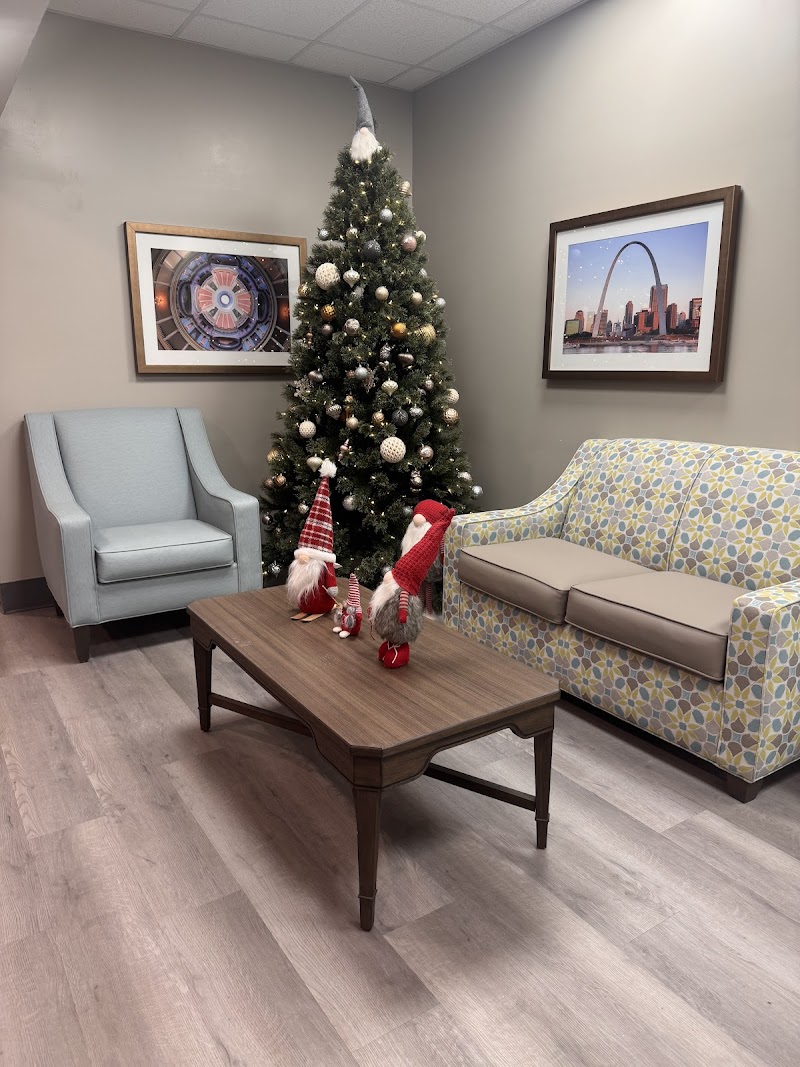
How Does Aspen Point Compare to Other Missouri Nursing Homes?

Compared to the 100 nursing homes in Missouri, ASPEN POINT HEALTH AND REHABILITATION's staff turnover (76%) is significantly higher than the state average of 46%.

What Should Families Ask When Visiting Aspen Point?

Based on this facility's data, families visiting should ask: "What changes have been made since the serious inspection findings, and how are you preventing similar issues?" "What safeguards and monitoring systems are in place to protect residents from abuse or neglect?" "How do you ensure continuity of care given staff turnover, and what is your staff retention strategy?" "Can I visit during a mealtime to observe dining assistance and food quality?" These questions are particularly relevant given the facility's Immediate Jeopardy citations, the substantiated abuse finding on record, and the facility's high staff turnover rate.

Is Aspen Point Safe?

Based on CMS inspection data, ASPEN POINT HEALTH AND REHABILITATION has documented safety concerns. The facility has 1 substantiated abuse finding (meaning confirmed case of resident harm by staff or other residents). Inspectors have issued 11 Immediate Jeopardy citations (the most serious violation level indicating risk of serious injury or death). The facility is currently on the Special Focus Facility watch list (a federal program monitoring the lowest-performing 1% of nursing homes nationwide). The facility has a 0-star overall rating and ranks #100 of 100 nursing homes in Missouri. Families considering this facility should ask detailed questions about what corrective actions have been taken since these incidents.

Do Nurses at Aspen Point Stick Around?

Staff turnover at ASPEN POINT HEALTH AND REHABILITATION is high. At 76%, the facility is 30 percentage points above the Missouri average of 46%. Registered Nurse turnover is particularly concerning at 73%. RNs handle complex medical decisions and coordinate care — frequent RN changes can directly impact care quality. High turnover means new staff may not know residents' individual needs, medications, or preferences. It can also be disorienting for residents, especially those with dementia who rely on familiar faces. Families should ask: What is causing the turnover? What retention programs are in place? How do you ensure care continuity during staff transitions?

Was Aspen Point Ever Fined?

ASPEN POINT HEALTH AND REHABILITATION has been fined $603,030 across 12 penalty actions. This is 15.4x the Missouri average of $39,109. Fines at this level are uncommon and typically indicate a pattern of serious deficiencies, repeated violations, or failure to correct problems promptly. CMS reserves penalties of this magnitude for facilities that pose significant, documented risk to resident health or safety. Families should request specific documentation of what issues led to these fines and what systemic changes have been implemented.

Is Aspen Point on Any Federal Watch List?

ASPEN POINT HEALTH AND REHABILITATION is currently on the Special Focus Facility (SFF) watch list. This federal program identifies the roughly 1% of nursing homes nationally with the most serious and persistent quality problems. SFF facilities receive inspections roughly twice as often as typical nursing homes. Factors in this facility's record include 11 Immediate Jeopardy findings, a substantiated abuse finding, and $603,030 in federal fines. Facilities that fail to improve face escalating consequences, potentially including termination from Medicare and Medicaid. Families considering this facility should ask for documentation of recent improvements and what specific changes have been made since the designation.