NHC HEALTHCARE, ST CHARLES
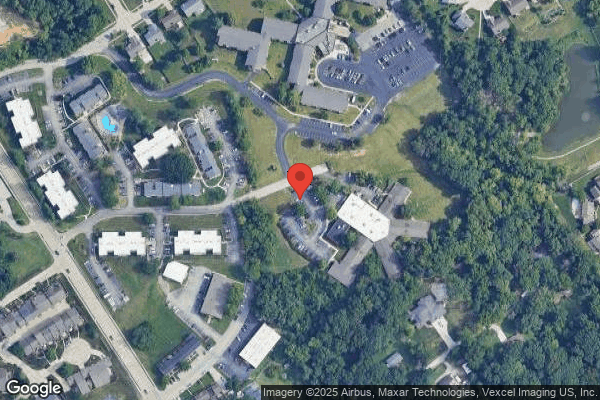

35 SUGAR MAPLE LANE, SAINT CHARLES, MO 63303 (636) 946-8887
For profit - Corporation 120 Beds NATIONAL HEALTHCARE CORPORATION Data: November 2025
Trust Grade
75/100
#105 of 479 in MO
Last Inspection: June 2024

Within standard 12-15 month inspection cycle. Federal law requires annual inspections.

Overview

NHC Healthcare in St. Charles has earned a Trust Grade of B, indicating it is a good choice among nursing homes, though there is room for improvement. It ranks #105 out of 479 facilities in Missouri, placing it in the top half, and #2 out of 13 in St. Charles County, suggesting only one other local facility performs better. The facility's condition is currently worsening, with issues increasing from 3 in 2022 to 4 in 2024. Staffing is a strong point with a rating of 4 out of 5 stars and a turnover rate of 55%, which is slightly below the state average, indicating that staff members tend to stay longer and build relationships with residents. There are no fines on record, which is a positive sign, and the nursing home offers more RN coverage than 78% of Missouri facilities, ensuring that registered nurses can catch potential issues missed by other staff. However, there are some concerns, including recent inspector findings. For instance, staff failed to maintain proper hand hygiene and glove use during personal care for two residents, increasing the risk of infection. There were also failures to inspect bed frames and rails for safety, which could lead to entrapment risks for residents using them. Additionally, there was an incident involving a staff member misappropriating medications from multiple residents, which raises significant concern about oversight and safety. Overall, while the facility has strengths in staffing and RN coverage, families should be aware of these weaknesses and the recent decline in quality.

Trust Score
B
75/100
In Missouri
#105/479
Top 21%
Safety Record
Low Risk
No red flags
Inspections
Getting Worse
3 → 4 violations
Staff Stability
⚠ Watch
55% turnover. Above average. Higher turnover means staff may not know residents' routines.
Penalties
✓ Good
No fines on record. Clean compliance history, better than most Missouri facilities.
Skilled Nurses
○ Average
Each resident gets 32 minutes of Registered Nurse (RN) attention daily — about average for Missouri. RNs are the most trained staff who monitor for health changes.
Violations
○ Average
8 deficiencies on record. Average for a facility this size. Mostly minor or procedural issues.
★★★★☆
4.0
Overall Rating
★★★★☆
4.0
Staff Levels
★★★★☆
4.0
Care Quality
★★★★☆
4.0
Inspection Score
Stable
2022: 3 issues
2024: 4 issues

The Good

  • 4-Star Staffing Rating · Above-average nurse staffing levels
  • 4-Star Quality Measures · Strong clinical quality outcomes
  • Full Sprinkler Coverage · Fire safety systems throughout facility
  • No fines on record

Facility shows strength in staffing levels, quality measures, fire safety.

The Bad

Staff Turnover: 55%

Near Missouri avg (46%)

Frequent staff changes - ask about care continuity

Chain: NATIONAL HEALTHCARE CORPORATION

Part of a multi-facility chain

Ask about local staffing decisions and management

Staff turnover is elevated (55%)

7 points above Missouri average of 48%

The Ugly 8 deficiencies on record

Jun 2024 3 deficiencies
CONCERN (D)

Potential for Harm - no one hurt, but risky conditions existed

Accident Prevention (Tag F0689)

Could have caused harm · This affected 1 resident

Based on observation, interview, and record review, the facility failed to safely transfer one resident (Resident #36), in a review of 21 sampled residents, during a mechanical lift transfer when staf...

Read full inspector narrative →
Based on observation, interview, and record review, the facility failed to safely transfer one resident (Resident #36), in a review of 21 sampled residents, during a mechanical lift transfer when staff failed to maintain control of the resident during the transfer, causing the resident to hit his/her head and foot on the lift. The facility census was 89. 1. Review of Resident #36's quarterly Minimum Data Set (MDS), a federally mandated assessment instrument, dated 5/23/24, showed the following: -His/Her cognition was moderately impaired; -Dependent on staff for bed to chair transfers and chair to bed transfers. Review of the resident's care plan, last reviewed/updated on 5/28/24, showed he/she required the use of a mechanical lift for all transfers. Review of the certified nurse assistant (CNA) care reference book, located at the nurse's desk, showed the resident required two persons assist with the mechanical lift. Observation on 6/19/24 at 10:42 A.M. showed the following: -The resident lay in his/her bed; -CNA A and CNA B placed a lift pad under the resident to transfer him/her from the bed to the shower gurney; -CNA B operated the lift moving the resident from the bed to the shower gurney; the sides of the shower gurney were in the raised position and CNA A and CNA B were not able to get the resident on the gurney; -CNA C did not to keep his/her hands on the resident as the resident swung in mid air; -As the resident was next to the gurney, CNA C placed his/her hands on the resident to move the resident away from the gurney to lower the side rail on the gurney. When the CNA moved the resident away from the gurney, the resident hit the back of his/her head on the lift. The resident said, ouch. Observation on 6/19/24 at 11:45 A.M. showed the following: -The resident returned to his/her room from the shower via a shower gurney; -CNA B and CNA C placed the lift pad under the resident to transfer him/her from the shower gurney to his/her wheelchair; -CNA C operated the lift while CNA B prepared the wheelchair; -CNA C used the mechanical lift to raise the resident from the shower gurney and pushed the lift with the resident swinging in mid air from the gurney to the wheelchair. No staff guided the resident while he/she was in the lift. -While the resident swung in midair, he/she spun around and hit his/her right foot on the lift. The resident said, ouch. During an interview on 6/19/24 at 1:45 P.M., the resident said the following: -Sometimes the staff rush and the mechanical lift transfers were kind of rough; -He/She hit his/her head and foot on the lift today when the staff were getting him/her up. During an interview on 6/19/24 at 2:10 P.M., CNA B said the following: -Mechanical lift transfers required two staff; -One staff should always hold and maintain control of the resident; -Residents should not be left hanging in midair; -They did not have control of the resident, and the resident hit his/her head and foot on the lift during the transfer; -There were only two staff on the very heavy hall (residents who resided on the call required a lot of care) and they were rushed to get the transfer done; -The resident should not have hit his/her head and foot on the lift. During an interview on 6/19/24 at 2:30 P.M., CNA C said the following: -Mechanical lift transfers required two staff; -One staff should always hold and maintain control of the resident; -Residents should not be left hanging in midair; -They did not have control of the resident and the resident hit his/her head and foot on the lift during the transfer; -There were only two staff on the very heavy hall and they were rushed to get the transfer done. During an interview on 6/20/24 at 2:32 P.M., the Director of Nursing said she expected staff to maintain control of a resident during a mechanical lift transfer. A resident should not have been left hanging in midair without staff maintaining control. The resident should not have hit their head and/or foot on the lift.
CONCERN (E)

Potential for Harm - no one hurt, but risky conditions existed

Infection Control (Tag F0880)

Could have caused harm · This affected multiple residents

**NOTE- TERMS IN BRACKETS HAVE BEEN EDITED TO PROTECT CONFIDENTIALITY** Based on observation, interview and record review, the facility failed to ensure nursing staff performed appropriate hand hygien...

Read full inspector narrative →
**NOTE- TERMS IN BRACKETS HAVE BEEN EDITED TO PROTECT CONFIDENTIALITY** Based on observation, interview and record review, the facility failed to ensure nursing staff performed appropriate hand hygiene and changed gloves during personal care of two residents (Residents #21 and #55), in a review of 21 sampled residents. The facility census was 89. Review of the facility's policy, Hand Hygiene, dated April 2024, showed the following: -Hand hygiene includes both handwashing with plain or antiseptic containing soap and water or the use of alcohol-based products that do not require the use of water for the following situations: -Before and after contact with each resident; -Before donning gloves; -After removing gloves. Review of the facility's policy, Glove Technique, dated April 2024, showed gloves are used to prevent contamination of healthcare personnel hands in the following situations: -Anticipating direct contact with blood or body fluids, mucous membranes, nonintact skin and other potentially infectious material; -Having direct contact with residents who are colonized or infected with pathogens transmitted by the contact route; -Handling or touching visibly or potentially contaminated resident care equipment and environmental surfaces. 1. Review of Resident #21's quarterly Minimum Data Set (MDS), a federally mandated assessment instrument, dated 5/31/24, showed the following: -Dependent on staff for toilet hygiene and transfers; -Always incontinent of bowel and bladder. Observation on 6/17/24 at 1:30 P.M. showed the following: -Certified Nurse Assistant (CNA) G entered the resident's room, and without washing his/her hands, put on gloves; -CNA G assisted the resident to the bathroom with the sit-to-stand lift; -CNA G removed the resident's soiled incontinence brief and assisted the resident to sit on the toilet; -CNA G removed his/her gloves, did not wash his/her hands, and put on new gloves. He/She went to the resident's roommate's closet to get out clothes for the roommate's shower to be done after this resident was done toileting; -CNA G returned to the bathroom and removed the resident's soiled pants, and while wearing the same gloves, he/she put clean pants and a clean incontinence brief on the resident, raised the resident off the toilet with the sit-to-stand lift and used incontinence wipes to provide incontinence care. He/She grabbed more wipes with the same gloved hand as he/she had provided incontinence care; -Without changing his/her gloves after providing incontinence care, CNA G pulled up resident's incontinence brief and pants and lowered the resident into a wheelchair; -CNA G wiped fecal matter off the toilet, removed one glove, picked up the trash with the other gloved hand, and left the resident's room and take the trash to the trash bin in the closet on the hall. Observation on 6/19/24 at 7:04 A.M. showed the following: -CNA G entered the resident's room, and without washing his/her hands, put on gloves; -The resident lay in bed and his/her incontinence brief was soiled with urine; -CNA G attached the sling for the sit-to-stand lift, raised the resident to a standing position, removed the wet incontinence brief and cleaned the resident's peri area with incontinence wipes; -Without removing his/her gloves, CNA G pulled up the resident's clean incontinence brief and pants, lowered the resident into a wheelchair with the sit-to-stand lift, removed the sling for the sit-to-stand lift from around the resident, assisted the resident to put on his/her shirt, and gave the resident a wet washcloth to wash his/her face; -CNA G stripped the linens off the bed, removed the trash and took it to the utility room closet on the resident's hall; -CNA G then removed his/her soiled gloves and used hand sanitizer. During an interview on 6/19/24 at 10:15 A.M., CNA G said he/she should change his/her gloves between dirty and clean cares. 2. Review of Resident #55's annual MDS, dated [DATE], showed the following: -Severe cognitive impairment; -He/She required maximum assistance with toileting; -He/She was always incontinent of bowel and bladder. Review of the resident's care plan, updated 4/15/24, showed the following: -He/She needed assistance in performing, improving and maintaining some activities of daily living (ADLs); -He/She was incontinent of bowel and bladder. Observation on 6/19/24 at 10:53 P.M. showed the following: -CNA C wore gloves and removed the resident's urine-soiled incontinence brief; -Without removing his/her gloves, CNA C assisted the resident to put on clothing, rolled the resident to his/her side and wiped the resident's back and buttock; -CNA C did not remove his/her gloves, put the mechanical lift pad and a clean incontinence brief under the resident, rolled the resident to his/her back and provided incontinence care; -CNA C did not remove his/her gloves after providing incontinence care and finished dressing the resident; -CNA C removed his/her gloves and did not wash hands; -CNA C and Certified Occupational Therapist Assistant (COTA) used the mechanical lift to transfer the resident from the bed to the chair; -CNA C took the resident in his/her chair into the hall, brushed the resident's hair, put glasses on the resident's face, and put shoes on the resident's feet. During an interview on 6/19/24 at 2:18 P.M., CNA C said the following: -He/She should change his/her gloves after providing peri-care; -He/She should wash his/her hands after taking dirty gloves off and putting on clean gloves; -He/She should change his/her gloves when going from a dirty area to a clean area; -He/She was in a hurry when performing the resident's care and that was why he/she did not change his/her gloves. During an interview on 6/20/24 at 2:32 P.M., the Director of Nursing (DON) said the following; -Staff should perform hand hygiene after removing dirty gloves and before putting on clean gloves; -When performing incontinence care, staff were to change their gloves between dirty and clean areas; -Staff should wash their hands or use hand sanitizer after removing dirty gloves and before putting on clean gloves; -If gloves were soiled, the staff should not touch anything and wash hands after removing gloves; -Staff should not touch any clean items with contaminated gloves and/or hands.
CONCERN (E)

Potential for Harm - no one hurt, but risky conditions existed

Deficiency F0909 (Tag F0909)

Could have caused harm · This affected multiple residents

**NOTE- TERMS IN BRACKETS HAVE BEEN EDITED TO PROTECT CONFIDENTIALITY** Based on observation, interview, and record review, the facility failed to complete inspections of bed frames, mattresses, and b...

Read full inspector narrative →
**NOTE- TERMS IN BRACKETS HAVE BEEN EDITED TO PROTECT CONFIDENTIALITY** Based on observation, interview, and record review, the facility failed to complete inspections of bed frames, mattresses, and bed rails, as part of a regular maintenance program to identify areas of possible entrapment for three residents (Resident #3, #7, #36 ), who used bed rails/assist bars, in a review of 21 sampled residents. The facility census was 89. Review of the undated facility policy, Bed Rails Safety Check, showed the following: -When using bed rails, close attention must be given to the design of the rail and the relationship between rails and other parts of the bed. The seven areas in the bed system that have the potential for entrapment include; 1. Within the rail; 2. Under rail, between rail supports; 3. Between rail and mattress; 4. Under rail, and ends of rail; 5. Between split bed rails; 6. Between end of rail and side edge of head or foot board; 7. Between head or foot board and mattress end; -Entrapment may occur in flat or raised bed positions, with the rails fully or partially raised; -Regularly inspect each of the seven areas on each bed; -The mattress to bed rail interface should prevent an individual from falling between the mattress and bed rails and possibly smothering; -Check for compression of the mattress's outside perimeter. Easily compressed perimeters can increase the gaps between the mattress and the bed rail; -Ensure that the mattress is appropriately sized for the bed frame. Not all beds and mattresses are interchangeable; -The space between the bed rails and the mattress and the headboard and the mattress should be filled by the mattress or by an added firm inlay. This creates an interface with the bed rail that prevents an individual from falling between the mattress and bed rails; -Bed rails with tapered or winged ends should not be used for residents at risk of entrapment; -Maintenance and monitoring of the bed, mattress, and accessories should be ongoing; -Summary of Federal Drug Administration (FDA) potential zones of entrapment with FDA dimension recommendations; 1. Zone 1: Within the rail, FDA recommended space is: less than 4 ¾ inches; 2. Zone 2: Under the rail between rail supports or next single rail support, FDA recommended is less than 4 ¾ inches; 3. Zone 3: Between the rail and the mattress, FDA recommended space is less than 4 ¾ inches; 4. Zone 4: Under the rail at the ends of the rail, FDA recommended space is less than 2 3/8 inches and greater than 60-degree angle. 1. Review of Resident #3's physician order sheet (POS), dated June 2024, showed an open-ended order for quarter side rails for positioning and bed mobility (original order dated 10/11/23). Review of the resident's quarterly Minimum Data Set (MDS), a federally mandated assessment instrument completed by facility, dated 6/4/24, showed the following: -The resident had moderately impaired cognition; -He/She had impairment with range of motion (ROM) with one side of both upper and lower extremities; -He/She was independent with rolling right and left in bed; -He/She was independent with lying to sitting on the side of bed. Review of the resident's quarterly bed rail assessment, dated 6/4/24, showed the following: -Type of rail used: right side bed cane; -He/She demonstrated poor bed mobility or difficulty moving to a sitting position on the side of the bed; -There was no documentation of entrapment zone measurements. Review of the resident's care plan, last reviewed/updated 6/5/24, showed the following: -Left side cane rail (assist rail) to assist with transfers; -Assist of one staff for transfers; -Independent with bed mobility. Observation on 06/18/24 at 2:48 P.M., showed the following: -The resident lay in his/her bed with his/her feet hanging off the right side of the bed; -An assist rail was attached to the right side of the resident's bed and was in the raised position; -The mattress did not fit appropriately and there was a gap between the mattress and the assist rail, exposing the metal bed frame. Observation on 06/19/24 at 5:45 A.M., showed the following: -The resident lay in his/her bed; -An assist rail was attached to the right side of the bed in the raised position; -The mattress did not fit appropriately and there was a gap between the mattress and the assist rail exposing the metal bed frame. Review of the resident's electronic medical record showed no evidence staff conducted a current inspection of the resident's bed frame, mattress or assist rails to identify areas of possible entrapment. 2. Review of Resident #36's quarterly MDS, dated [DATE], showed the following: -The resident had moderately impaired cognition; -He/She had impaired ROM in both lower extremities; -He/She required substantial/maximum assistance with rolling right and left in bed; -He/She was independent with lying to sitting on the side of bed. Review of the resident's quarterly bed rail assessment, dated 5/23/24, showed the following: -Quarter sized bed rails were used on both sides of the bed; -He/She demonstrated poor bed mobility or difficulty moving to a sitting position on the side of the bed; -There was no documentation of entrapment zone measurements. Review of the resident's care plan, last reviewed/updated on 5/28/24, showed the following: -The resident used bilateral bed rails to increase independence with bed mobility and activities of daily living (ADLs); -He/She was dependent on staff for bed mobility; -He/She required the use of a mechanical lift for transfers. Observation on 6/17/24 at 1:49 P.M. showed the resident lay in his/her bed on a low air loss mattress (a type of mattress system that floats the resident on air-filled cells while circulating air across the skin). The resident's bed had half bed rails on both sides of the bed. The bed rails were in the raised position. Review of the resident's low air loss mattress's manufacturer guidelines showed no directions for bed rail use. Review of the resident's electronic medical record showed no evidence staff conducted an inspection of the resident's bed frame, low air loss mattress or assist rails to identify areas of possible entrapment. 3. Review of Resident #7's physician's orders, dated 3/20/24, showed an order for a low air loss mattress. Review of the resident's significant change MDS, dated [DATE], showed the following: -The resident had moderately impaired cognition; -He/She had impaired ROM of bilateral lower extremities; -He/She required substantial/maximum assistance with rolling right and left in bed; -He/She was dependent with sitting to lying flat on the bed; -He/She was dependent with lying to sitting on the edge of the bed. Review of resident's quarterly bed rail assessment, dated 04/05/24, showed the following: -Bilateral U-bar/cane assist rails; -No documentation of entrapment zone measurements. Observation on 06/17/24 at 12:53 P.M. showed the resident lay in bed on a low air loss mattress. Assist bars were in the raised position on both sides of the resident's bed. Review of the resident's low air loss mattress's manufacturer guidelines showed no directions for bed rail use. Review of the resident's electronic medical record showed no evidence staff conducted an inspection of the resident's bed frame, low air loss mattress or assist rails to identify areas of possible entrapment. 4. During an interview on 06/20/24 at 11:15 A.M., the Maintenance Director said the following: -Entrapment zone measurements were completed when bed rails were installed to see if rails were safe for use; -It was a group effort between therapy, nursing, and the maintenance department to ensure the bed rails were safe for resident use; -He thought the bed rail entrapment zones were supposed to be assessed monthly, but could not provide documentation that this was completed; -Resident #3's mattress did not fit appropriately. The resident had hyperactivity, but the mattress should not move, and the bed frame should not show. The mattress would need to be replaced with one that fit the bed frame for the resident's safety. He was not aware the mattress moved like that. During an interview on 6/20/24 at 3:20 P.M., the Administrator said he thought the entrapment zone measurements were completed when the resident had a change in status.
Jan 2024 1 deficiency
CONCERN (E) 📢 Someone Reported This

A family member, employee, or ombudsman was alarmed enough to file a formal complaint

Potential for Harm - no one hurt, but risky conditions existed

Deficiency F0602 (Tag F0602)

Could have caused harm · This affected multiple residents

**NOTE- TERMS IN BRACKETS HAVE BEEN EDITED TO PROTECT CONFIDENTIALITY** Based on observation, interview and record review, the facility failed to ensure five residents (Resident #1, #2, #3, #4, and #6...

Read full inspector narrative →
**NOTE- TERMS IN BRACKETS HAVE BEEN EDITED TO PROTECT CONFIDENTIALITY** Based on observation, interview and record review, the facility failed to ensure five residents (Resident #1, #2, #3, #4, and #6) in a review of 16 sampled residents, were free from misappropriation of property when Licensed Practical Nurse (LPN) A misappropriated the residents' medications. The facility census was 86. On [DATE] at 9:57 A.M., the administrator was notified of the past noncompliance which occurred on [DATE]. On [DATE] the Director of Nurses (DON) identified Licensed Practical Nurse (LPN) A misappropriated Resident #1's antianxiety medication (Xanax). Upon discovery, staff sent LPN A home, conducted an investigation which showed additional misappropriation and inconsistencies, followed the facility policy and notified appropriate parties, including local law enforcement. Staff reviewed the abuse and neglect policies on [DATE], [DATE] and [DATE] which included abuse and neglect and the destruction of discontinued medications. LPN A was listed as do not return and the deficiency was corrected on [DATE]. Review of the facility policy, Controlled Substance Storage: Discrepancies, Loss and/or Diversion of Medications, dated [DATE], showed the following: -Schedule II medications are stored in an affixed, double-locked compartment separate from all other non-controlled medications or per state regulation. The access system to Schedule II controlled medications is not the same as the system giving access to other medications (the key that opens the compartment is different from the key that opens the medication cart.) If a key system is used, the medication nurse on duty maintains possession of the key to controlled substance storage areas. Back-up keys to all medication storage areas, including those for controlled substances, are kept by the DON; -A controlled substance accountability record is prepared by the pharmacy for all Schedule II, III, IV, and V medications, including those in the emergency supply. The following information is completed on the accountability form upon removing a controlled substance: 1) Name of the resident; 2) Name, strength, and dosage form of medication; 3) Date removed; 4) Quantity removed; -At each shift change, or when keys are transferred, a physical inventory of all controlled substances, including refrigerated items is conducted by two licensed nurses, or medication technicians in states where allowed by law, and is documented; -Controlled Substance Disposal: -When controlled drugs are expired, discontinued from use or the patient for whom they are ordered is no longer a patient, the medication shall be removed from the active stock immediately and inventoried and verified by two people who shall be licensed either as a nurse or a pharmacist. The completed inventory record shall be signed and dated by those two individuals. The inventory record should include: 1) Date of discontinuance or inventory date; 2) Name of the patient; 3) Name and strength of the drug; 4) Quantities of drugs in containers when inventoried; 5) Signatures of the two persons verifying; -After being removed from active stock, inventoried controlled substances to be destroyed must be placed in a secure cabinet or area as identified by the consultant pharmacist and DON; -Discrepancies, Loss and/or Diversion of Medications: -All discrepancies, suspected loss and/or diversion of medications, irrespective of drug type or class, are immediately investigated and report filed. Review of the facility's policy, Patient Protection and Response Policy for Allegations/Incidents of Abuse, Neglect, Misappropriation of Property and Exploitation, last revised [DATE], showed the following: -Abuse, neglect, misappropriation of patient property and exploitation, as hereafter defined, will not be tolerated by anyone, including staff, patients, consultants, volunteers, family members or legal guardians, friends, visitor or any other individual in the center. The patient has the right to be free from abuse, neglect, misappropriation of patient property and exploitation; -The center administrator is responsible for assuring that patient safety, including freedom from risk of abuse or neglect, holds the highest priority; -Misappropriation of Patient Property: the deliberate misplacement, exploitation, or wrongful, temporary or permanent use of a patient's belongings or money with the patient's consent; -The center will train all partners, through orientation and ongoing in-services, on the prevention, identification, investigation and reporting of abuse, neglect, misappropriation of patient property and exploitation. 1. Review of the facility's abuse investigation report, completed by the Director of Nursing (DON), dated [DATE], showed the following: -The staffing coordinator alerted the DON on [DATE] at 6:56 P.M. that Licensed Practical Nurse (LPN) A was sitting at the end of the hall with the medication cart. DON reviewed the surveillance footage and noted LPN A sat in a chair at the end of the hall behind the medication cart and was unable to view him/her. Due to this, the DON viewed previous footage and noted LPN A had not signed into the electronic medication administration record (EMAR), pulled up medications and threw some medications straight into the trash can; -At 7:00 P.M., LPN A was scheduled to have a staff CMT pass bedtime medications for him/her. When the CMT came down the hall to count and take over, LPN A said, I have already given everyone their medication. I only have a couple left. LPN A then told the CMT to go to B hall and help the other nurse. When the DON noted the CMT walking away from LPN A, the DON called the CMT and asked what LPN A had said, which was the above. This call took place at 7:46 P.M. The DON asked the CMT to go straight to the supervisor on duty, who was then updated. LPN A was then asked to count (medications) and leave the building. The count was thought to have been okay at that time because all the numbers were checked out; -At 8:58 P.M., the supervisor called the DON and said they noted clear tape on the back of a couple of cards (of medications). They went looking after finding a Tylenol getting ready to fall out of Resident #3's oxycodone/APAP 5/325 mg card. This resident is in the hospital. The supervisor and CMT found six residents' medications in the trash can, still in the packs received from pharmacy and nothing was signed off on the EMAR; -On the morning of [DATE], the investigation continued. The first thing in the morning, the number of cards was off. Resident #1's alprazolam was signed out without a date, but the medication that was missing was a card of Xanax for Resident #2 that had been discontinued. The entry that was written in (for Resident #1) has a signature that was made to look like one of the in-house staff member's signatures who did not work in the building on [DATE]. At the beginning of the day of [DATE], there were 21 cards but when the agency LPN (LPN A) left, there were 20. Review of the facility's final investigation report, undated, showed the following: -On exam, Tylenol was replaced in one of the bubbles (on Resident #3's medication card); -On further investigation, four bubbles of a Xanax card (labeled for Resident #1) were substituted with Tramadol and taped shut on the back side of card. -On further investigation, a Xanax card (labeled for Resident #4) was missing, other controlled medications were signed out that were prescribed, erroneous times were documented, and dispensing time noted when LPN A had already left and wasn't even in the building. -After viewing the surveillance footage, LPN A put narcotics into a medicine cup, dumped the cup into his/her hand, held his/her coat up while bringing his/her hand up to his/her mouth, put on his/her coat, and sipped some water. As he/she walked up the hall, he/she popped his/her head backwards; -LPN A went through the nurse's station cabinet and placed the tape dispenser on top of the control sign out book on the medication cart. He/She pushed the medication cart to the end of the hall and sat behind the medication cart but unable to see what he/she was doing. LPN A was at the end of the hall for approximately 40 minutes. Staff noted LPN A sat at the end of the hall with the medication cart and the drawers open. -On the surveillance footage, LPN A took off his/her light jacket, placed it onto the control sign out binder, which lay on top of the medication cart, then picked up both, then walked into an unoccupied room for approximately two minutes. When exiting the room, he/she put his/her jacket on the nurse's station desk, drank water and popped his/her head backwards. -LPN A placed his/her right hand onto the control medication binder (located under his/her jacket on the nurses station) while placing his/her winter coat from the chair onto the jacket that was on the nurses station. At the same time, he/she removed the control medication log binder out from underneath the jacket and placed it on the medication cart, then removed a paper from the binder, folded it and placed it at nurses station (said paper has not been found). LPN A picked up folded paper off of the nurse's station, looked at it then folded it and put it into his/her winter coat. LPN A put on his/her winter coat, grabbed his/her jacket from the on the nurses' station with his/her right hand like it had something under it and held it with his/her hand in a U position. A flat appearance with corners was observed at times with movement. LPN A placed the jacket under his/her left arm inside his/her winter coat. As he/she walked out through the front door, his/her left arm had minimal movement compared to right arm. 2. Review of Resident #1's quarterly Minimum Data Set (MDS), a federally mandated assessment instrument required to be completed by facility staff, dated [DATE], showed the following: -Moderately impaired cognition; -Received antianxiety medication during the look back period; -Diagnoses included heart failure, high blood pressure, high cholesterol, dementia, anxiety and depression. Review of the resident's care plan, last reviewed on [DATE], showed the following: -Psychotropic drug use: anxiety and depression; -Administer medication as ordered and observe for adverse effects. Review of the resident's Physician Order Sheet (POS), dated [DATE], showed the following: -Alprazolam (brand name Xanax; an antianxiety medication) 0.25 milligrams (mg) at 8:00 A.M. and 12:00 P.M.; -Alprazolam 0.5 mg at 8:00 P.M. (bedtime; HS).; -Vitamin D3 (vitamin) 1000 units, two capsules at HS; -Eliquis (an anticoagulant medication) 5 mg at 4:00 P.M.; -Pravastatin (a medication used to treat high cholesterol) 20 mg at HS; -Trazadone (an antidepressant medication) 50 mg at HS; -Tylenol eight-hour extended release (a arthritis pain reliever) 650 mg at HS. Review of the resident's EMAR showed staff (not LPN A) administered the resident's scheduled dose of alprazolam 0.25 mg at 8:00 A.M. and 12:00 P.M. (prior to LPN A's scheduled shift). Review of the resident's Narcotic Inventory Record (a paper document staff use to show a narcotic medication was pulled from the resident's narcotic medication card) for alprazolam 0.5 mg showed staff (unable to verify signature) signed out one tablet on [DATE] at 4:30 P.M. (This dose of the medication was scheduled to be given at 8:00 P.M.) Review of the resident's Narcotic Inventory Record for alprazolam 0.25 mg showed staff (unable to verify signature) signed out one tablet on [DATE] at 8:00 P.M. (This dose of the medication was scheduled to be given at 8:00 A.M. and 12:00 P.M. The resident had already received these scheduled doses of the medication on [DATE].) Review of the resident's Narcotic Inventory Record for alprazolam 0.5 mg showed staff (unable to verify signature) signed out one tablet on [DATE] at 10:45 P.M. (This dose of the medication was scheduled once a day at 8:00 P.M. Staff signed out this dose of the medication twice on [DATE].) During interviews on [DATE] at 11:50 A.M., the DON said LPN A would have been the only staff to have the keys to the medication cart on the A-hall (evening shift) on [DATE]. (Review of LPN A's timeclock report showed he/she clocked in at 3:03 P.M. and signed out at 8:07 P.M.) During interview on [DATE] at 3:03 P.M., CMT D (who took over the medication cart after LPN A left at 8:07 P.M. on [DATE]) verified the signature found on the narcotic inventory sheet at 10:45 P.M. was not his/her signature. Review of the resident's EMAR, dated [DATE], showed no documentation LPN A administered alprazolam, vitamin D3, Eliquis, pravastatin, Trazodone or Tylenol eight-hour extended release as ordered to the resident on [DATE]. Review of the facility's surveillance footage from [DATE], with the DON, showed LPN A opened the medication cart drawer, opened the locked narcotic box, picked up a medication card from the back of the box (Resident #1's alprazolam), popped out four tablets into a small medication cup, placed the medication card back in the narcotic box, closed the lid and sat the medication cup on top of the medication cart. Review of the resident's Alprazolam medication card showed four bubbles packs where the alprazolam had been removed and replaced with another medication. During interviews on [DATE] at 11:50 A.M. and 2:00 P.M., the DON said the following: -She saw LPN A put medications in a medication cup from a card that was located in the back of the narcotic box (belonging to Resident #1, his/her alprazolam) because that is where the resident's card was located; -The signatures on Resident #1's narcotic inventory records for [DATE] at 4:30 P.M., 8:00 P.M. and 10:45 P.M. would have been LPN A's signature because when viewing the surveillance footage, LPN A is seen picking up a card from the back of the locked narcotic box and Resident #1's card is located in the back. LPN A would have had to sign those medications out for the count to be correct; -Resident #1's medications were found in the trash. 3. Review of Resident #3's quarterly MDS, dated [DATE], showed the following: -Received scheduled and PRN pain medications for constant moderate pain that affected his/her sleep; -Received an opioid (a class of pain medication) for pain. Review of the resident's care plan, dated [DATE], showed the following: -Has complaints of chronic pain related to osteoarthritis and a stage 4 pressure ulcer (full thickness tissue loss with exposed bone, tendon or muscle); -Evaluate effectiveness of pain management interventions. -Offer pain medication prior to dressing change. Review of the resident's POS, dated [DATE], showed oxycodone/acetaminophen (APAP) (a narcotic pain medication) 5/325 mg one tablet by mouth at 5:00 A.M. and every four hours as needed (PRN) for pain. Review of the resident's nurses' notes, dated [DATE], showed the resident was admitted to the hospital. (The resident had not been readmitted to the facility and remained in the hospital through [DATE].) Review of the resident's Narcotic Inventory Record for oxycodone/APAP 5/325 mg showed staff (unable to verify signature) signed out one tablet at 3:00 P.M. on [DATE]. Review of the resident's Narcotic Inventory Record for oxycodone/APAP 5/325 mg showed staff (unable to verify signature) signed out one tablet at 9:00 P.M. on [DATE]. Review of the resident's EMAR, dated [DATE], showed no documentation LPN A administered any oxycodone/APAP to the resident. (The resident was in the hospital on [DATE] and was not available to receive the two tablets of oxycodone/APAP 5/325 mg staff removed from the resident's medication card.) During interview on [DATE] at 11:50 A.M. and 2:00 P.M., the DON said LPN A would have been the only staff to have the keys to the medication cart on the A-hall (evening shift) on [DATE]. She believed LPN A made the entries on the resident's narcotic inventory records on [DATE]. 4. Review of Resident #4's annual MDS, dated [DATE], showed the following: -Received scheduled and PRN pain medications; -Received an opioid during the look back period. Review of the resident's care plan, dated [DATE], showed the following: -The resident has complaints of chronic pain related to osteoporosis and leg pain; -Administer medications as ordered. Monitor and record effectiveness. Review of the resident's POS, dated [DATE], showed the following: -Tramadol (an opioid pain medication used for severe pain) 50 mg by mouth every 12 hours at 8:00 A.M. and 8:00 P.M.; -Tramadol 50 mg by mouth twice a day PRN for severe pain. Review of the resident's Narcotic Inventory Record for Tramadol 50 mg showed the following: -Staff (unable to verify signature) signed out a tablet of Tramadol 50 mg (no date or time listed). This entry was located just above the entry dated [DATE] at 8:00 P.M.; -Staff (unable to verify signature) signed out a tablet of Tramadol 50 mg on [DATE] at 8:00 P.M.; Review of the resident's second Narcotic Inventory Record for Tramadol 50 mg showed the following: -Staff (unable to verify signature) signed out one tablet of tramadol 50 mg on [DATE] at 5:00 P.M. -Staff (unable to verify signature) signed out one tablet of tramadol 50 mg on [DATE] at 8:45 P.M. During interview on [DATE] at 3:03 P.M., CMT D (who took over the medication cart after LPN A left at 8:07 P.M. on [DATE]) said he/she did not give the resident alprazolam at 8:45 P.M. on [DATE]. He/She verified the signature found on the narcotic inventory sheet at 8:45 P.M. was not his/her signature. Review of the resident's medical record showed no documentation the resident was having pain which would have required a PRN pain medication on [DATE]. Review of the resident's EMAR, dated [DATE], showed no documentation LPN A administered tramadol to the resident on [DATE] during his/her shift. (Staff signed out four tablets of tramadol on [DATE] between 5:00 P.M. and 8:45 P.M., and did not document the medication was administered to the resident.) During interview on [DATE] at 11:50 A.M., the DON said LPN A would have been the only staff to have the keys to the medication cart on the A-hall (evening shift) on [DATE]. She believed LPN A made the entries on the resident's narcotic inventory record on [DATE], including the entry with no date, because the count was correct when LPN F turned the cart over to LPN A (at the beginning of LPN A's shift). 5. Review of Resident #6's quarterly MDS, dated [DATE], showed the following: -Received antianxiety medication in the seven-day look back period; -Diagnosis included anxiety. Review of the resident's care plan, dated [DATE], showed the resident receives antianxiety medication related to generalized anxiety disorder in the past. Review of the resident's POS, dated [DATE], showed an order for alprazolam 0.25 mg by mouth three times a day at 8:00 A.M., 1:00 P.M., and 8:00 P.M. Review of the resident's Narcotic Inventory Record for alprazolam 0.25 mg showed staff (unable to verify signature) signed out two tablets on [DATE] at 8:00 P.M. (The physician's order was for one tablet at 8:00 P.M.) Review of the resident's EMAR, dated [DATE], showed no documentation LPN A administered alprazolam to the resident during his/her shift. (Staff signed out two tablets of alprazolam 0.25 mg on [DATE] at 8:00 P.M. and did not document the medication was administered to the resident. The physician's order was for one tablet at 8:00 P.M.) 6. Review of Resident #2's POS, dated [DATE], showed an order for alprazolam 0.25 mg by mouth twice a day PRN for two weeks then discontinue ([DATE]). Review of the Controlled Substance Shift Change Count Check Sheet, dated [DATE], showed the total count of narcotic/controlled medication cards on the A-hall medication cart on [DATE] at 7:00 A.M. was 21 cards. Review of the A-hall Medication Substance Inventory Record (a document listing the narcotic/controlled medication cards located in the medication cart) showed the following: -An undated entry (located underneath an entry dated [DATE]) on the 7:00-3:00 P.M. shift, showed one card of alprazolam 0.5 mg, labeled for Resident #1, was removed from the medication cart. -Two signatures were listed verifying this entry and removal of the card from the cart; -The new count was 20 cards. During interview on [DATE] at 2:09 P.M., LPN B denied removing any alprazolam cards for Resident #1 and verified the signature associated with the undated entry on the Substance Inventory Record for Resident #1 was not his/her signature. During interview on [DATE] at 2:58 P.M., the Staffing Coordinator said LPN A called her to see about picking up an evening shift for [DATE]. LPN A asked if he/she had a CMT to pass medications. LPN A said he/she preferred to pass his/her own medications. On [DATE] around 7:00 P.M., she went to talk to LPN A. LPN A had the medication cart at the end of A-hall, and was sitting in a Broda chair (a supportive positioning wheelchair). The narcotic box was open and LPN A had the narcotic book open in his/her lap. LPN A told her he/she was counting narcotics. She reminded LPN A that he/she couldn't count the narcotics by himself/herself. LPN A replied, I know. She felt uneasy about LPN A and called the DON. During interview on [DATE] at 6:27 P.M., CMT D said he/she arrived at the facility around 7:00 P.M. on [DATE] and went to A-hall to count narcotics and found LPN A backed into a corner. LPN A told him/her that he/she didn't need a medication technician and to go help on B-hall. LPN A acted a little nervous and said, I didn't know I had a medication technician for tonight. CMT D got a call from the DON and was told to go with another nurse to A-hall and count and relieve LPN A. He/She counted narcotics with LPN A and got to Resident #3's card. He/She asked LPN A if the resident was back from the hospital. LPN A said, Oh, I made an error. He/She went back to the medication cart after LPN A left to double check medications and found a Tylenol in Resident #3's oxycodone card and found Tramadol in Resident #1's alprazolam card and those areas had been taped over. He/She reported this to Registered Nurse (RN) E and the DON. Review of RN E's written statement, dated [DATE], showed he/she was working as a charge nurse on the C-hall on the evening shift on [DATE]. At 7:45 P.M., CMT D came to him/her because the DON observed the nurse (LPN A) through the surveillance cameras and saw him/her throwing medications into the trash. The DON asked him/her and the CMT to go to A-hall and ask the nurse (LPN A) to leave. RN A asked the nurse (LPN A) to count (a check to ensure the number of medications in the medication card matched the number of medications listed on the narcotic inventory record for each narcotic medication) with the CMT on the medication cart and the medications in the medication room, then he/she needed to leave the building. The count was correct on the medication cart and in the medication room. The agency nurse (LPN A) left the building some minutes after 8:00 P.M. After he/she (LPN A) left, the CMT let RN E know that he/she and the nurse had to correct a count on a resident's card (Resident #3) who was not in the building because the nurse (LPN A) took out narcotics for this resident who was in the hospital. Because of this, staff took a closer look on the narcotics and found out that the nurse (LPN A) took out more than one pill from that resident's oxycodone card, then replaced one of those pills with a Tylenol. Then staff found one more narcotic card (that belonged to Resident #1) which was opened, four pills were taken out and replaced with different narcotics and taped back on the back of the cards. By doing this, he/she was looking up the script number for the medications involved and at that time I realized that a narcotic card was taken out from the count that day and it was signed by a nurse who did not work that day. During interview on [DATE] at 5:31 P.M., RN E said the DON told him/her that she was watching LPN A on the camera, and LPN A was throwing away unopened medications. He/She and CMT D went to LPN A and told him/her they needed to count narcotics and send him/her home. RN E told LPN A that the DON was watching him/her throw medications away, and all LPN A said was that he/she had passed his/her medications. CMT D counted the narcotics on the medication cart, and he/she counted the narcotics with LPN A in the medication room. At that point, the narcotic counts were okay. CMT D noticed that Resident #3's card had been used and asked LPN A if the resident was back from the hospital. LPN A acted surprised. After LPN A left the building, CMT D went through the medication cards again and noticed a Tylenol (used for pain or fever) tablet fell out of Resident #3's oxycodone card and Resident #1's alprazolam's card had four Tramadol in the card and had been taped over. During interview on [DATE] at 1:34 A.M., the DON said the following: -Prior to [DATE], when a narcotic card was empty, staff would slide the empty card and the corresponding narcotic sheet under her door. She would then check the card off the inventory record log (that keeps track of the number of cards on the medication cart) and would put her initials in the corner (meaning she had checked it against the record log) and then send the paper to medical records to scan into the electronic medical records (EMR). -The entry on the inventory record log showing Resident #1 had no date or time for the entry and he/she did not have any corresponding medication card or count sheet for this entry (LPN A listed Resident #1 as the owner of the card but it was actually Resident #4). She started auditing the inventory log and when looking at the additions and subtractions of cards, the last entry for Resident #1 was not correct. The missing card belonged to Resident #4; -Upon review of the inventory record log for A-hall, it looked like LPN A tried to [NAME] LPN B's signature (LPN B wasn't working on [DATE]) so she went through every card for every resident to see what was missing; -She found an entry for [DATE] for Resident #2's alprazolam (which was discontinued on [DATE]) that had not been destroyed but the card was missing. She knew it had not been destroyed because she did not have the card not the inventory sheet for that card. When medications are discontinued, the card and inventory sheet are put under her door so she can make sure the card is removed from the inventory log located in front of the narcotic book binder. -The Staffing Coordinator called her and reported he/she had an uneasy feeling about LPN A sitting at the end of A-hall, so she pulled up the surveillance video on her phone and watched LPN A; -LPN A was observed sitting at the end of the hall behind the medication cart for long periods of time; -She called CMT D and told him/her to get the RN supervisor (RN E) and go count the narcotics and send LPN A home. During interviews on [DATE] at 1:34 P.M. and on [DATE] at 2:00 P.M., the DON said the following: -The signatures on the undated entry on the Medication Substance Inventory Record (showing one card of alprazolam was removed for Resident #1) were LPN A and LPN B's signatures. -Upon review of the Medication Substance Inventory Record for A-hall, it looked like LPN A tried to [NAME] LPN B's signature (LPN B wasn't working on [DATE]); -Resident #1 did not have any corresponding medication card or count sheet for the undated entry on the Medication Substance Inventory Record. She started auditing the Medication Substance Inventory Record and identified the undated entry for Resident #1 was not correct. The missing card of alprazolam belonged to Resident #2; -Resident #2's alprazolam (which was discontinued on [DATE]) had not been destroyed (and not subtracted from the inventory record) but the card was missing from the medication cart. During interview on [DATE] at 9:57 A.M. and [DATE] at 2:48 A.M., the Administrator said staff should not divert narcotics or any resident medications. He expected LPN A to do his/her job within his/her scope of practice. Based on the review of the surveillance video he felt LPN A misappropriated the residents' medications. MO2301015
Nov 2022 3 deficiencies
CONCERN (D)

Potential for Harm - no one hurt, but risky conditions existed

Deficiency F0761 (Tag F0761)

Could have caused harm · This affected 1 resident

Based on observations, interviews, and facility policy review, it was determined that the facility failed to ensure the medication cart was closed and locked when unattended for one (B Hall) of four m...

Read full inspector narrative →
Based on observations, interviews, and facility policy review, it was determined that the facility failed to ensure the medication cart was closed and locked when unattended for one (B Hall) of four medication carts in the facility. Findings included: A review of the facility's policy titled Security of Medication Cart, dated 04/2007, indicated, Medication carts must be securely locked at all times when out of the nurse's view. When the medication cart is not being used, it must be locked and parked on the hallway. During an observation on 11/08/2022 at 8:59 AM, the medication cart on the B Hall was unlocked, with the top drawer open approximately 1/4 inch. Licensed Practical Nurse (LPN) #2 was sitting in a computer area approximately seven feet away. During a concurrent observation and interview on 11/08/2022 at 9:02 AM with another surveyor present, the surveyor opened the third drawer of the medication cart and then closed it. LPN #2 was in the computer area and did not respond. When asked, LPN #2 indicated Certified Medical Technician (CMT) #1 was responsible for the B Hall medication cart but was on the D Hall presently. LPN #2 indicated the medication cart should be locked when stored. LPN #2 confirmed the medication cart was not locked but should have been. During an interview on 11/08/2022 at 9:05 AM, CMT #1 was at the D Hall medication cart and indicated she was also responsible for the B Hall medication cart. CMT #1 indicated medication carts should be locked when stored/unattended. During an interview on 11/09/2022 at 12:21 PM, the Director of Nursing (DON) indicated the medication cart should be locked if not in use. During a follow-up interview on 11/10/2022 at 10:16 AM, the DON stated her expectation was for staff to keep the medication carts locked and on the hall. The DON indicated the medication carts should be locked if unattended. During an interview on 11/10/2022 at 11:08 AM, the Administrator indicated he expected for staff to lock a medication cart before staff walked away.
CONCERN (E)

Potential for Harm - no one hurt, but risky conditions existed

Assessment Accuracy (Tag F0641)

Could have caused harm · This affected multiple residents

**NOTE- TERMS IN BRACKETS HAVE BEEN EDITED TO PROTECT CONFIDENTIALITY** Based on observations, interviews, record review, and facility policy review, the facility failed to ensure that assessments wer...

Read full inspector narrative →
**NOTE- TERMS IN BRACKETS HAVE BEEN EDITED TO PROTECT CONFIDENTIALITY** Based on observations, interviews, record review, and facility policy review, the facility failed to ensure that assessments were completed accurately for four (Residents #15, #17, #38, and #63) of nineteen residents reviewed. Specifically, the facility failed to ensure that 1. Residents #15, #17, and #63 had a Brief Interview for Mental Status (BIMS) attempted; 2. Resident #17 had skin conditions coded correctly; and 3. Resident #38 had insulin and anti-coagulant medications coded correctly. Findings included: A review of an undated Nursing Policies document indicated, Patients are assessed initially and at regular intervals using a Federal/state specified, standardized, comprehensive resident assessment instrument to identify functional capacity and health status. 1. A review of the Centers for Medicare & Medicaid Long-Term Care Facility Resident Assessment Instrument 3.0 Manual, dated 10/2019, indicated that a BIMS should be completed if a resident was at least sometimes understood. a. A review of Resident #15's 5-day Minimum Data Set (MDS), dated [DATE], revealed the resident had clear speech, made themselves understood, and had the ability to understand others. The MDS further revealed a BIMS should not be conducted due to the resident rarely/never being understood. During an observation on 11/07/2022 at 9:42 AM, Resident #15 was observed in their room. The surveyor observed a staff member knock on Resident #15's room door and Resident #15 asked the staff for some water and ice. In an interview on 11/09/2022 at 11:11 AM, Resident #15 stated, I'm alright. How about yourself? Resident #15 confirmed he/she ate breakfast that morning and stated, It was good. b. A review of Resident #17's annual Minimum Data Set (MDS), dated [DATE], revealed the resident had clear speech, usually made themselves understood, and usually understood others. The MDS further revealed a BIMS should not be conducted due to the resident rarely/never being understood. In an interview on 11/09/2022 at 11:23 AM, Resident #17 stated their name correctly, accurately noted that breakfast had been eaten, and identified that breakfast was pretty good. c. A review of Resident #63's annual Minimum Data Set (MDS), dated [DATE], revealed the resident had clear speech, usually made themselves understood, and usually understood others. The MDS further revealed a BIMS should not be conducted due to the resident rarely/never being understood. During an observation on 11/08/2022 at 8:03 AM, Resident #63 was in the dining room and requested a bowl of a particular cereal brand with breakfast, which staff brought to the resident. In an interview on 11/09/2022 at 11:40 AM, the Social Services Director (SSD) stated the Social Worker (SW) completed the cognitive pattern section of the MDS assessments. According to the SSD, the BIMS should be attempted for all residents and if the resident was either nonverbal or refused to participate, staff should complete a Staff Assessment for Mental Status (SAMS). In an interview on 11/09/2022 at 1:37 PM, the SW stated she tried to complete a BIMS for every resident but sometimes with residents who had dementia, the resident may not be able to complete the BIMS. According to the SW, if the resident could not answer or started to get frustrated, she would mark that the resident was unable to complete the BIMS and did the SAMS instead. Per the SW, the MDS Coordinator completed the cognitive pattern section of the MDS for Residents #15 and Resident #63. The SW explained that with Resident #17, the resident was able to remember the three words, but then could not answer any more questions. In an interview on 11/10/2022 at 8:55 AM, the Director of Nursing (DON) said her expectation was for the MDS to be accurate. The DON stated that she thought every resident should have a BIMS completed. According to the DON, Resident #15, Resident #17, and Resident #63 could all converse. In an interview on 11/10/2022 at 9:14 AM, the MDS Coordinator confirmed she had completed the MDS for Residents #15 and #63 due to the SW being off. The MDS Coordinator stated she did not mean for the MDS to indicate that the residents could not communicate, because she knew the residents could since she had filled out the speech/hearing section of the MDS for the residents. In an interview on 11/10/2022 at 9:22 AM, the Administrator said he expected the MDS Coordinator to know the MDS guidelines, follow the guidelines, and, if there were questions, to reach out to a regional person for assistance. In an interview on 11/10/2022 at 11:42 AM, Certified Nurse Aide (CNA) #10 stated Resident #15, Resident #17, and Resident #63 could all communicate their needs and answered questions appropriately most of the time. In an interview on 11/10/2022 at 11:46 AM, Licensed Practical Nurse (LPN) #7 stated Resident #15, Resident #17, and Resident #63 could all communicate their needs. 2. A review of Resident #17's Wound Management report indicated a diabetic ulcer on the resident's right big toe, a rash on the left top of the foot, and an area of skin breakdown to the right shin all healed on 08/17/2022. A review of Resident #17's annual Minimum Data Set (MDS), dated [DATE], indicated Resident #17 had one unstageable pressure ulcer and two venous and arterial ulcers present. In an interview on 11/08/2022 at 2:59 PM, the Wound Care Nurse (WCN) stated Resident #17 did not have any current skin concerns. According to the WCN, Resident #17 previously had a diabetic ulcer on the toe, a rash on the foot, and excisional drainage to the shin, but all those areas had healed. In an interview on 11/08/2022 at 3:09 PM, LPN #8 stated Resident #17 currently had a skin tear to their foot that was being treated, but no other skin breakdown. In an interview on 11/10/2022 at 8:55 AM, the Director of Nursing (DON) said her expectation was for the MDS to be accurate. During an interview on 11/10/2022 at 11:08 AM, the Administrator indicated he expected the MDS to be accurate and match care that was provided. 3. AreviewofResident#38'sResidentFaceSheet indicatedthefacilityadmitted theresidentwithdiagnosesthatincludedatrialfibrillation longtermaspirinuse andlongtermuseofantiplatelets AreviewofResident#38'squarterlyMinimumDataSet(MDS, dated [DATE], indicatedResident#38 hadreceivedinsulininjectionsandananticoagulantmedicationduringthelastsevendays AreviewofResident#38'sSeptember2022 MedicationAdministrationRecord revealednoevidencetheresidentwasadministeredinsulinorananticoagulantmedication AreviewofResident#38'sOrderHistory from05/10/2022 through11/10/2022, revealednoordersforinsulinorananticoagulantmedication Duringaninterviewon11/09/2022 at11:28 AM theMDSCoordinatorstatedshecompletedthemedicationsectionoftheMDSforResident#38. TheMDSCoordinatorstatedshewouldhaveobtainedmedicationinformationforResident#38 fromtheresidentselectronichealthrecord AccordingtotheMDSCoordinator Resident#38 wasonPlavix whichshethoughtwasananticoagulantatthetimeshecompletedtheMDS notingshewasnowawarethatPlavixwasnotananticoagulant TheMDSCoordinatorstatedshethoughtResident#38 hadbeenoninsulinbutwasunabletolocateanyphysicianordersforinsulinfortheresident PertheMDSCoordinator shewouldcorrecttheresidentsMDS Duringaninterviewon11/10/2022 at8:55 AM theDONindicatedherexpectationwasfortheMDStobeaccurate Duringaninterviewon11/10/2022 at11:08 AM theAdministratorindicatedheexpectedtheMDStobeaccurateandmatchthecarethatwasprovided
CONCERN (E)

Potential for Harm - no one hurt, but risky conditions existed

Food Safety (Tag F0812)

Could have caused harm · This affected multiple residents

Based on observations, interviews, document review, and policy review, it was determined the facility failed to ensure food was covered during delivery on two (C and D Hall) of four halls in the facil...

Read full inspector narrative →
Based on observations, interviews, document review, and policy review, it was determined the facility failed to ensure food was covered during delivery on two (C and D Hall) of four halls in the facility. The deficient practice had the potential to affect 24 residents who were served meals in their rooms. Findings included: A review of the facility's policy, revised 11/2020 and titled, Meal Service & Patient Meal Delivery, revealed the policy did not address covering food items during meal delivery. During an observation on 11/08/2022 at 11:53 AM, the surveyor observed Certified Nurse Aide (CNA) #1 delivering lunch meal trays on D Hall. The enclosed cart containing the meal trays was parked at the end of the hall near room D1. CNA #1 removed a food tray from the cart, poured a beverage, and placed the beverage on the cart. CNA #1 then carried the tray, with the dessert and the beverage uncovered, approximately 70 feet down the hallway, past the medication cart and the nurses' station, to room D9. CNA #1 then returned to the cart and picked up another meal tray, poured a beverage, walked down the hallway past the medication cart and the nurses' station, and delivered the tray to room D11. During an observation and concurrent interview on 11/08/2022 at 11:58 AM, the surveyor observed CNA #2 delivering meal trays on C Hall. Two meal trays were observed on an uncovered baking rack near the front end of the hallway, with the dessert items uncovered. CNA #2 carried one meal tray down the hall to a dining room at the far end of the hall, with the dessert and lemonade uncovered. CNA #2 returned to the cart and carried the second tray approximately 75 feet down the hall to room C5, with the beverage and dessert uncovered. CNA #2 stated the plastic cover on the food delivery cart was meant to keep the food insulated and kept the food items from being contaminated. CNA #2 stated that when the plastic over was removed from the cart and the tray carried with uncovered items, food items could get cold or become contaminated. According to CNA #2, the trays should remain covered during delivery to resident rooms. In an interview on 11/08/2022 at 12:03 PM, CNA #1 stated the covered cart kept the food warm. CNA #1 could not state any other reason for covering food during delivery. CNA #1 stated covering the food was the responsibility of the kitchen. In an interview on 11/08/2022 at 12:50 PM, Licensed Practical Nurse (LPN) #1 stated food was always exposed when taken out of the cart. LPN #1 stated she usually pushed the cart room to room to avoid traveling down the hall with food and drinks uncovered. In an interview on 11/08/2022 at 1:40 PM, the Dietary Manager (DM) stated the dietary department delivered the meal trays to the hallways and then nursing staff delivered the meal tray to the residents' rooms. The DM stated nursing should take the covered cart and roll it down the hall to each room, pour the beverages at the resident's door, and then take the meal tray and beverage into the room. The DM stated the purpose of the covered cart was to ensure that nothing contaminated the food during transport. The DM stated the kitchen staff did not send anything out of the kitchen unless it was covered. The DM stated she was unaware of any recent in-services on meal delivery. In an interview on 11/08/2022 at 2:03 PM, the Registered Dietitian (RD) stated dietary put the food on the covered carts and relied on nursing staff to deliver the meal trays to the residents' rooms. The RD stated the carts were covered to help maintain food temperature and to keep foreign things out of the food between the kitchen and the residents' rooms. In an interview on 11/08/2022 at 3:31 PM, the Director of Nursing (DON) stated her expectation was for staff to push the covered cart down the hall and deliver meal trays from the cart. The DON stated she was aware of the issue observed at lunch and had already talked to staff about how trays should be delivered. In an interview on 11/08/2022 at 3:35 PM, the Administrator stated the dietary department managed meal delivery. The Administrator stated the process for delivering meal trays to the residents' rooms could be improved, and the DM was his expert on dietary and would be addressing the meal delivery process. A review of a facility document with a print date of 11/08/2022 indicated 24 residents ate their meals in their room.
Oct 2019 1 deficiency
MINOR (C)

Minor Issue - procedural, no safety impact

Deficiency F0730 (Tag F0730)

Minor procedural issue · This affected most or all residents

Based on interview and record review, the facility failed to ensure five of five randomly selected Certified Nurse Aides (CNA) received the required annual 12 hours resident care training. This defici...

Read full inspector narrative →
Based on interview and record review, the facility failed to ensure five of five randomly selected Certified Nurse Aides (CNA) received the required annual 12 hours resident care training. This deficient practice had the potential to affect all residents. The facility census was 101. Review of the CNA individual in-service records, showed: - CNA A, hired 04/17/12, no documentation of the training hours per in-service; - CNA B, hired 10/07/02, no documentation of the training hours per in-service; - CNA C, hired 06/29/17, no documentation of the training hours per in-service; - CNA D, hired 08/06/15, no documentation of the training hours per in-service; - CNA E, hired 09/13/12, no documentation of the training hours per in-service. During an interview on 10/09/19 at 10:48 A.M., the Director of Nursing (DON) said the prior DON had not been tracking each CNAs hours of in-service training. She said the in-service records listed the topic and the date but no length of time. She said she expects each CNA to receive 12 hours of in-service training. The facility did not provide a policy regarding CNA in-service training.
Understanding Severity Codes (click to expand)
Life-Threatening (Immediate Jeopardy)
J - Isolated K - Pattern L - Widespread
Actual Harm
G - Isolated H - Pattern I - Widespread
Potential for Harm
D - Isolated E - Pattern F - Widespread
No Harm (Minor)
A - Isolated B - Pattern C - Widespread

Questions to Ask on Your Visit

  • "Why is there high staff turnover? How do you retain staff?"
  • "Can I speak with families of current residents?"
  • "What's your RN coverage like on weekends and overnight?"

Our Honest Assessment

Strengths
  • • No major safety red flags. No abuse findings, life-threatening violations, or SFF status.
  • • No fines on record. Clean compliance history, better than most Missouri facilities.
Concerns
  • • 55% turnover. Above average. Higher turnover means staff may not know residents' routines.
Bottom line: Generally positive indicators. Standard due diligence and a personal visit recommended.

About This Facility

What is Nhc Healthcare, St Charles's CMS Rating?

CMS assigns NHC HEALTHCARE, ST CHARLES an overall rating of 4 out of 5 stars, which is considered above average nationally. Within Missouri, this rating places the facility higher than 99% of the state's 100 nursing homes. This rating reflects solid performance across the metrics CMS uses to evaluate nursing home quality.
How is Nhc Healthcare, St Charles Staffed?

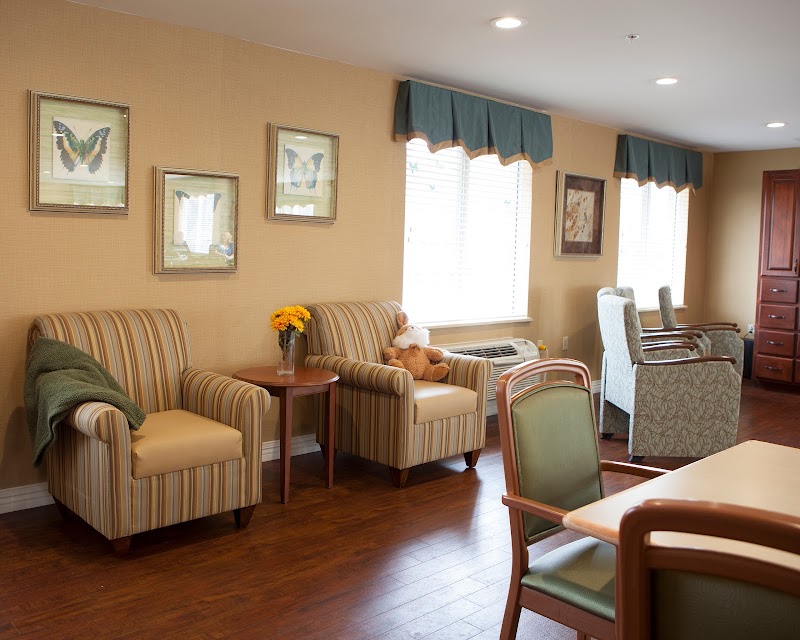
CMS rates NHC HEALTHCARE, ST CHARLES's staffing level at 4 out of 5 stars, which is above average compared to other nursing homes. Staff turnover is 55%, which is 9 percentage points above the Missouri average of 46%. High turnover can affect care consistency as new staff learn residents' individual needs.

What Have Inspectors Found at Nhc Healthcare, St Charles?

State health inspectors documented 8 deficiencies at NHC HEALTHCARE, ST CHARLES during 2019 to 2024. These included: 7 with potential for harm and 1 minor or isolated issues.
Who Owns and Operates Nhc Healthcare, St Charles?

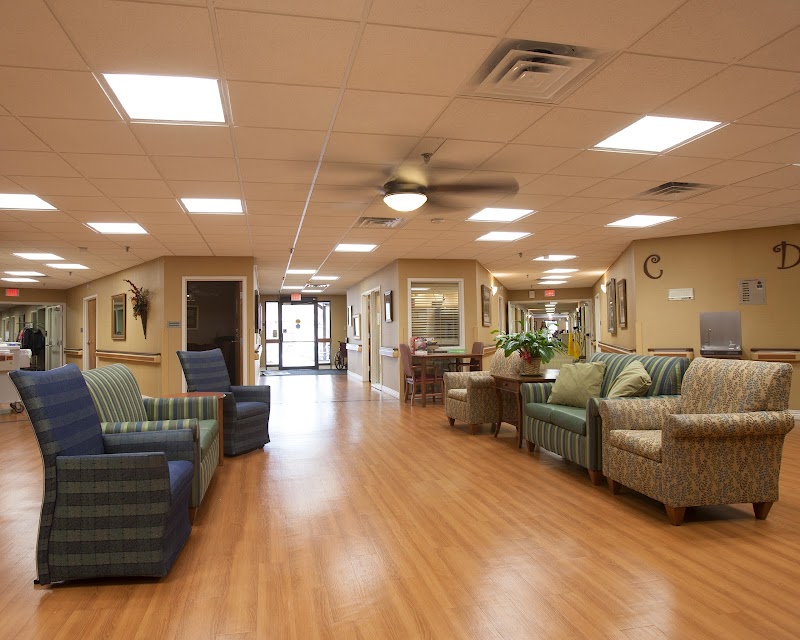
NHC HEALTHCARE, ST CHARLES is owned by a for-profit company. For-profit facilities operate as businesses with obligations to shareholders or private owners. The facility is operated by NATIONAL HEALTHCARE CORPORATION, a chain that manages multiple nursing homes. With 120 certified beds and approximately 87 residents (about 72% occupancy), it is a mid-sized facility located in SAINT CHARLES, Missouri.

How Does Nhc Healthcare, St Charles Compare to Other Missouri Nursing Homes?

Compared to the 100 nursing homes in Missouri, NHC HEALTHCARE, ST CHARLES's overall rating (4 stars) is above the state average of 2.5, staff turnover (55%) is near the state average of 46%, and health inspection rating (4 stars) is above the national benchmark.

What Should Families Ask When Visiting Nhc Healthcare, St Charles?

Based on this facility's data, families visiting should ask: "How do you ensure continuity of care given staff turnover, and what is your staff retention strategy?" "Can I visit during a mealtime to observe dining assistance and food quality?" "How do you handle medical emergencies, and what is your hospital transfer rate?" "Can I speak with family members of current residents about their experience?" These questions are particularly relevant given the facility's high staff turnover rate.

Is Nhc Healthcare, St Charles Safe?

Based on CMS inspection data, NHC HEALTHCARE, ST CHARLES has a clean safety record: no substantiated abuse findings (meaning no confirmed cases of resident harm), no Immediate Jeopardy citations (the most serious violation level indicating risk of serious injury or death), and is not on the Special Focus Facility watch list (a federal program monitoring the lowest-performing 1% of nursing homes). The facility has a 4-star overall rating and ranks #1 of 100 nursing homes in Missouri. While no facility is perfect, families should still ask about staff-to-resident ratios and recent inspection results during their visit.

Do Nurses at Nhc Healthcare, St Charles Stick Around?

Staff turnover at NHC HEALTHCARE, ST CHARLES is high. At 55%, the facility is 9 percentage points above the Missouri average of 46%. High turnover means new staff may not know residents' individual needs, medications, or preferences. It can also be disorienting for residents, especially those with dementia who rely on familiar faces. Families should ask: What is causing the turnover? What retention programs are in place? How do you ensure care continuity during staff transitions?

Was Nhc Healthcare, St Charles Ever Fined?

NHC HEALTHCARE, ST CHARLES has no federal fines on record. CMS issues fines when nursing homes fail to meet care standards or don't correct problems found during inspections. The absence of fines suggests the facility has either maintained compliance or corrected any issues before penalties were assessed. This is a positive indicator, though families should still review recent inspection reports for the full picture.

Is Nhc Healthcare, St Charles on Any Federal Watch List?

NHC HEALTHCARE, ST CHARLES is not on any federal watch list. The most significant is the Special Focus Facility (SFF) program, which identifies the bottom 1% of nursing homes nationally based on persistent, serious quality problems. Not being on this list means the facility has avoided the pattern of deficiencies that triggers enhanced federal oversight. This is a positive indicator, though families should still review the facility's inspection history directly.