WINDSOR ESTATES OF ST CHARLES
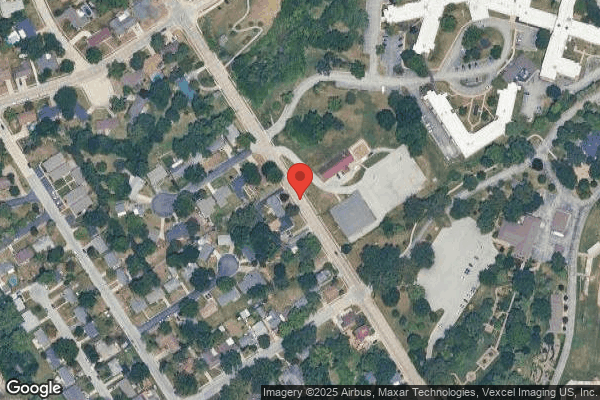
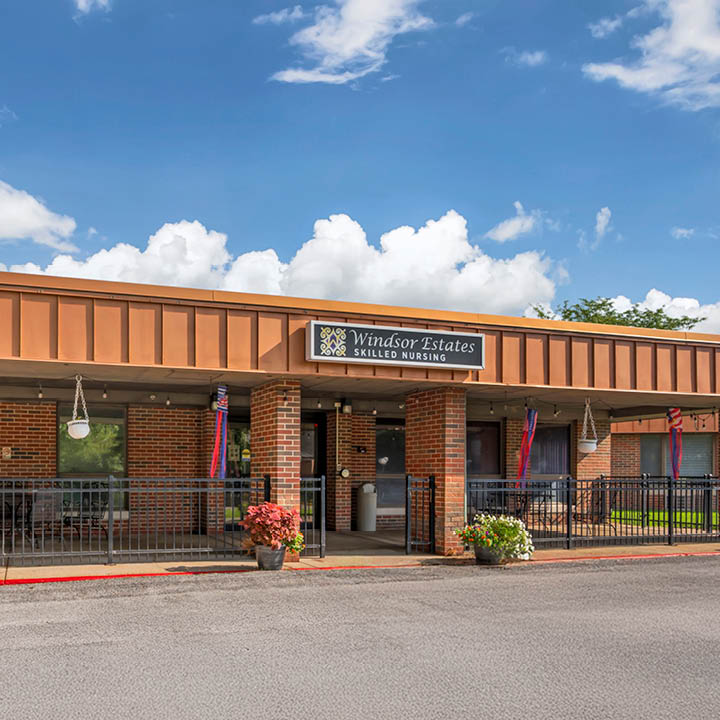
2150 WEST RANDOLPH STREET, SAINT CHARLES, MO 63301 (636) 946-4966
For profit - Limited Liability company 81 Beds TUTERA SENIOR LIVING & HEALTH CARE Data: November 2025 1 Immediate Jeopardy citation
Trust Grade
0/100
#479 of 479 in MO
Last Inspection: March 2024

Within standard 12-15 month inspection cycle. Federal law requires annual inspections.

Overview

Windsor Estates of St. Charles has received a Trust Grade of F, indicating significant concerns about its care quality. With a state ranking of #479 out of 479 and a county ranking of #13 out of 13, the facility is in the bottom tier of nursing homes in Missouri. The situation is worsening, increasing from 12 issues in 2024 to 13 in 2025, and staffing is a major concern with a high turnover rate of 73%, well above the state average. They have incurred $113,900 in fines, which is more than 92% of Missouri facilities, suggesting ongoing compliance problems. Additionally, a critical incident involved a resident being injured due to improper wheelchair securement during transport, highlighting serious safety risks. Another serious issue involved the failure to properly monitor and treat a resident’s pressure ulcer. While the facility has average quality measures, the combination of high fines, poor staffing, and critical incidents raises significant red flags for potential residents and their families.

Trust Score
F
0/100
In Missouri
#479/479
Bottom 1%
Safety Record
High Risk
Review needed
Inspections
Getting Worse
12 → 13 violations
Staff Stability
⚠ Watch
73% turnover. Very high, 25 points above average. Constant new faces learning your loved one's needs.
Penalties
✓ Good
$113,900 in fines. Lower than most Missouri facilities. Relatively clean record.
Skilled Nurses
⚠ Watch
Each resident gets only 9 minutes of Registered Nurse (RN) attention daily — below average for Missouri. Fewer RN minutes means fewer trained eyes watching for problems.
Violations
⚠ Watch
99 deficiencies on record. Higher than average. Multiple issues found across inspections.
★☆☆☆☆
1.0
Overall Rating
★☆☆☆☆
1.0
Staff Levels
★★★☆☆
3.0
Care Quality
★☆☆☆☆
1.0
Inspection Score
Stable
2024: 12 issues
2025: 13 issues

The Good

  • Full Sprinkler Coverage · Fire safety systems throughout facility
  • No fines on record

Facility shows strength in fire safety.

The Bad

1-Star Overall Rating

Below Missouri average (2.5)

Significant quality concerns identified by CMS

Staff Turnover: 73%

26pts above Missouri avg (46%)

Frequent staff changes - ask about care continuity

Federal Fines: $113,900

Well above median ($33,413)

Significant penalties indicating serious issues

Chain: TUTERA SENIOR LIVING & HEALTH CARE

Part of a multi-facility chain

Ask about local staffing decisions and management

Staff turnover is very high (73%)

25 points above Missouri average of 48%

The Ugly 99 deficiencies on record

1 life-threatening 10 actual harm
Sept 2025 1 deficiency 1 Harm
SERIOUS (G) 📢 Someone Reported This

A family member, employee, or ombudsman was alarmed enough to file a formal complaint

Actual Harm - a resident was hurt due to facility failures

Pressure Ulcer Prevention (Tag F0686)

A resident was harmed · This affected 1 resident

Deficiency Text Not Available

Read full inspector narrative →
Deficiency Text Not Available
Aug 2025 4 deficiencies 1 Harm
SERIOUS (G) 📢 Someone Reported This

A family member, employee, or ombudsman was alarmed enough to file a formal complaint

Actual Harm - a resident was hurt due to facility failures

Pressure Ulcer Prevention (Tag F0686)

A resident was harmed · This affected 1 resident

**NOTE- TERMS IN BRACKETS HAVE BEEN EDITED TO PROTECT CONFIDENTIALITY** Based on interview and record review, the facility failed to ensure one resident (Resident #9) of ten sampled residents, with a ...

Read full inspector narrative →
**NOTE- TERMS IN BRACKETS HAVE BEEN EDITED TO PROTECT CONFIDENTIALITY** Based on interview and record review, the facility failed to ensure one resident (Resident #9) of ten sampled residents, with a history of pressure ulcers received the necessary care and services, when staff failed to identify the presence of, history or risk of pressure ulcers including a pressure ulcer on admission on the resident's sacrum. The resident was identified eight days following admission [DATE]) with a Stage III pressure ulcer on his/her sacrum with an old dressing prior to the resident's transfer to a hospital. The facility had no documentation to show prior identification of the ulcer, assessment, treatment or a care plan to address the pressure ulcer. The facility census was 72.Review of the facility's policy, Wound Prevention, dated August 2023 showed the following:-Educate residents, their families, and staff members about wound prevention techniques and best practices;-Implement regular assessments and screening to identify residents at risk of developing wounds;-Create personalized service plans for residents with specific wound prevention needs;-Provide ongoing staff training and education on wound care prevention and management;-Encourage open communication and collaboration among staff, residents and health care providers to address any concerns or issues related to wound prevention promptly;-Conduct a comprehensive assessment upon admission to identify any existing wounds, skin conditions, or risk factors for wound development;-Perform routine skin assessments on all residents during regular monthly assessments;-Document and review the assessed information to establish appropriate wound prevention measures for each resident;-Provide good hygiene practices, including regular showering, and regular changing of soiled garments or incontinence products;-Encourage residents to change positions as necessary;-Educate staff about proper body alignment techniques, especially for residents with limited mobility;-Provide initial and ongoing training to all clinical staff members on wound prevention techniques, early identification of wounds, and appropriate care interventions;-Document all wound prevention measures, assessments, and interventions in resident's service plans and medical records;-Promptly report any new wounds, changes in skin conditions, or concerns related to wound prevention to appropriate healthcare personnel. Review of the National Pressure Ulcer Advisory Panel (NPUAP) guidelines, dated September 2016, showed the following definitions:-Stage III pressure ulcer is a full thickness loss of skin, where adipose (fat) is visible in the ulcer and granulation tissue and rolled wound edges are often present. Slough and eschar may be visible, but do not obscure the extent of tissue loss. The depth of tissue damage varies by the location on the body. Undermining may occur. Fascia (a thin sheath of fibrous tissue), muscle, tendon, ligament, cartilage or bone are not exposed;-Deep Tissue Pressure Injury (DTI) is an intact or non-intact skin with localized area of persistent non-intact skin with localized area of persistent non-blanchable deep red, maroon, purple discoloration or epidermal separation revealing a dark wound bed or blood filled blister. This injury results from intense and/or prolonged pressure and shear forces at the bone-muscle interface. The wound may evolve rapidly to reveal the actual extent of tissue injury or may resolve without tissue loss. 1. Review of Resident #9's hospital history and physical, dated 7/14/25 at 1:01 P.M., showed the following: -The resident lived alone, had a history of dementia and was brought in by emergency medical services after a fall;-Wound care note/reason for consult: Sacrum (a triangular bone in the lower back formed from vertebra situated between the two hip bones of the pelvis) and deep tissue injury;-Pressure injury location: sacrum;-Site assessment: Black; purple/red;-Shape: circular;-Peri wound (the skin area extending from the wound's edges outwards) fragile;-Dressing: foam with a protective barrier. Review of the resident's Post Acute Discharge Instructions from the hospital, dated 8/22/35 at 2:00 P.M., showed recapitulation of the resident stay included mobility and positioning assistance, skin management and wound care. There were no orders included for wound care. Review of the resident's undated face sheet showed the following:-The resident admitted to the facility on [DATE];-Diagnoses included dementia, urinary tract infection and repeated falls. During an interview on 9/2/25 at 2:30 P.M. the resident's family member said the following:-The resident recently admitted to the facility;-He/She thought the resident had a sore on his/her bottom when he/she admitted to the facility on [DATE]. Review of the resident's physician order sheets dated August 2025 showed no orders for treatment of pressure ulcers. Review of the resident's admission Assessment form, dated 8/22/25 at 5:02 P.M., showed the following:-The resident was understood and understands others;-The resident was alert to person and place;-The resident required one staff assistance with transfers, dressing, toilet use, personal hygiene, bathing, and with locomotion on and off the unit;-The resident required set up help with bed mobility;-The resident did not have impaired skin integrity;-The resident used incontinent briefs to control his/her bladder;-The resident used incontinent briefs to control bowel incontinence. Review of the resident's Braden scale (scale used to predict pressure ulcer risk) dated 8/22/25 at 6:15 P.M. showed the following:-Sensory perception: the resident was very limited on sensory perception, responds only to painful stimuli. Cannot communicate discomfort except by moaning or restlessness or has a sensory impairment which limits the ability to feel pain or discomfort over 1/2 of the body;-Moisture/very moist: the skin was often moist but not always. Linen must be changed at least once a shift;-Activity: Chairfast. Ability to walk was severely limited or nonexistent. Cannot bear weight and/or must be assisted into chair or wheelchair;-Nutrition: Was probably inadequate. Rarely eats a complete meal and generally eats only 1/2 of what was offered;-Friction/Shear: Potential problem, moves feebly or requires minimum assistance. During a move skin probably slides to some extent against sheets, chair, restraints or other devices;-The resident was at moderate risk for pressure ulcer development. Review of the resident's daily skilled nursing note, dated 8/23/25 at 1:34 A.M., showed staff documented skin issues were not applicable. Review of the resident's daily skilled nursing note dated, 8/25/25 at 7:21 P.M., showed staff documented skin issues were not applicable. Review of the resident's care plan, dated 8/25/25, showed the following:-Check resident every two hours and assist with toileting;-Provide peri care with each incontinent episode;-The resident has impaired cognitive function related to dementia;-The resident required standby assistance of one staff member to reposition and turn in bed;-The resident required assistance of one staff member to dress, with personal hygiene, to use the toilet and with transfers;-The care plan did not address care of pressure ulcers or interventions for prevention of pressure ulcers. Review of the resident's Skin Monitoring: Comprehensive Shower Review Sheet, dated 8/27/25, showed the resident refused his/her shower. Review of the resident's daily skilled nursing note dated 8/28/25 at 3:42 P.M. showed staff documented the resident had no skin issues. Review of the resident's Skin Monitoring: Comprehensive Shower Review Sheet, dated 8/30/25, showed staff provided the resident with a bed bath and noted no skin issues. Review of the resident's progress note, dated 8/31/25 at 5:11 A.M., showed the following:-The nurse was called to the resident's room at 4:50 A.M. and the resident was noted on the floor mat, on his/her right side with a hematoma (when an injury causes blood to collect and pool under the skin) and laceration to the back side of the head;-The resident was sent to the hospital for evaluation and treatment. During an interview on 9/2/25 at 11:46 A.M., Certified Nurse Aide (CNA) H said the following:-He/She cared for the resident when he/she was at the facility. The resident had no pressure ulcers;-The resident had some redness on his/her bottom. The resident could turn and reposition in bed;-CNA H did not observe a dressing on the resident's bottom. During an interview on 9/2/25 at 4:05 P.M., CNA E said the following:-He/She did not recall providing care for this resident and was unaware of any residents at the facility that had pressure ulcers or who were at risk of developing pressure ulcers;-He/She checked incontinent residents every couple of hours and changed the residents, if necessary, but he/she did not reposition them. During an interview on 9/3/25 at approximately 9:30 A.M., CNA A said he/she was unaware of any residents with pressure ulcers or specific interventions in place for pressure ulcers. During an interview on 9/2/25 at 3:35 P.M., Licensed Practical Nurse (LPN) C said the following:-He/She completed the resident's admission assessment; -He/She worked with the resident a lot;-The resident's skin was intact, and he/she had no skin issues or dressings in place;-He/She was unaware of any history of pressure ulcers. During an interview on 9/2/25 at 3:50 P.M., Wound Nurse/LPN D said the following:-He/She was responsible to complete a skin assessment on all new admissions;-He/She completed a skin assessment of the resident upon admission but forgot to chart it;-The resident did not have any pressure ulcers or any dressings in place. During an interview on 9/2/25 At 6:07 P M., LPN B said the following:-He/She was worked at the facility on 8/31/25 when the resident fell and hit his/her head;-The resident was incontinent of bowel. He/She assisted the aide with cleaning the resident up before the resident was sent out to the hospital for evaluation;-While cleaning the resident up, he/she saw a soft foam type dressing on the resident's sacral area that was rolled up with no date visible on the dressing. The resident had a deep pressure ulcer probably a stage III or higher to his/her sacral area;-He/She had worked with the resident two days since the resident's admission to the facility and was unaware the resident had a pressure ulcer;-He/She cleaned the area and covered it with another dressing before the resident was sent to the hospital;-He/She looked at the resident's medical record and could not find any documentation of wounds or dressing changes;-He/She was going to speak with the Director of Nursing (DON) about the issue, but he/she had not been back to work since 8/31/25;-He/She did not complete a transfer assessment which included a skin assessment before the resident went out to the hospital. During an interview on 9/10/25 at 1:15 P.M., Hospital Wound Nurse F said the following:-He/She was assigned the resident's wound consultation upon admission to the hospital on 8/31/25;-The resident had a Stage III pressure to the sacral area and the area measured 3 centimeters (cm) x 3 cm x 1 cm with tunneling;-The resident also had DTI to both heels. The left heel DTI measured 1 cm x 3 cm, and the right heel DTI measured 3 cm x 4 cm. During an interview on 9/2/25 at 4:20 P.M. and 9/3/25 at approximately 11:45 A.M., the DON said the following:-The nurse responsible for completing an admission to the facility was to complete a head-to-toe skin assessment of the resident;-The admitting nurse did not complete a head-to-toe assessment on the resident and the assessment that was documented was not accurate;-She would expect the Wound Nurse/LPN D to complete a head-to-toe skin assessment on any new admissions also and document the assessment in the resident's medical record. The wound nurse was more experienced with pressure ulcers and deep tissue wound assessments;-The Wound Nurse/LPN D did not complete a head-to-toe skin assessment on the resident;-Staff were to follow any pressure ulcer interventions that had been put place. If a resident refused a specific intervention staff should continue to offer or have another staff attempt to provide the care;-Residents at risk for pressure ulcers should be encouraged to reposition every two hours for pressure redistribution;-LPN B did not complete the transfer assessment before he/she sent the resident out to the hospital which should have included any documentation of wounds a resident had;-She would expect staff to follow the Wound Prevention policy. During interview on 9/3/25 at 11:30 A.M., the Administrator said the following:-The facility relied on the nursing staff for accuracy of skin assessments;-The assessments completed on Resident #9 were not completed accurately;-He would expect the nursing staff to follow the Wound Prevention policy. Intake 2604410
CONCERN (D) 📢 Someone Reported This

A family member, employee, or ombudsman was alarmed enough to file a formal complaint

Potential for Harm - no one hurt, but risky conditions existed

Safe Environment (Tag F0584)

Could have caused harm · This affected 1 resident

Based on observation and interview, the facility failed to maintain the main parking lot. The facility census was 68. Observation on 8/7/25 at 12:45 P.M. and again at 7:30 P.M. showed the facility fro...

Read full inspector narrative →
Based on observation and interview, the facility failed to maintain the main parking lot. The facility census was 68. Observation on 8/7/25 at 12:45 P.M. and again at 7:30 P.M. showed the facility front driveway and parking lot with a large area of damaged asphalt. The area was approximately ten feet in diameter and approximately 8-10 inches in depth at the center. This area was at the end of the visitor parking area and would affect any vehicle using the area for travel. During an interview on 8/15/25 at 2:00 P.M. the Administrator said he was aware the area needed repair, there were several projects in the works; he would expect the area to be repaired. Complaint #2566328
CONCERN (E) 📢 Someone Reported This

A family member, employee, or ombudsman was alarmed enough to file a formal complaint

Potential for Harm - no one hurt, but risky conditions existed

ADL Care (Tag F0677)

Could have caused harm · This affected multiple residents

**NOTE- TERMS IN BRACKETS HAVE BEEN EDITED TO PROTECT CONFIDENTIALITY** Based on observation, interview and record review, the facility failed to ensure four residents (Resident #1, #3, #4, and #6), o...

Read full inspector narrative →
**NOTE- TERMS IN BRACKETS HAVE BEEN EDITED TO PROTECT CONFIDENTIALITY** Based on observation, interview and record review, the facility failed to ensure four residents (Resident #1, #3, #4, and #6), of eight sampled residents, who required assistance with Activities of Daily Living (ADL's) received the necessary care and services to maintain good grooming when staff failed to provide nail care. The facility census was 63.Review of the undated facility policy for Activities of Daily Living showed this facility provides each resident with care, treatment, and services according to the resident's individualized care plan. Review of the undated facility policy for Foot Care showed the following:-This community will ensure that all residents receive proper treatment and care to maintain mobility and good foot health by providing foot care and treatment in accordance with professional standards or practice including prevention of complications from a resident's medical condition and assisting the resident in making appointments with a qualified person and arranging for transportation to and from podiatry appointments;-All foot care and treatment will be provided within professional standards of practice and state of practice as applicable;-Toenail clipping for residents without complicating disease processes will be provided by direct care staff who have received training and in-service and have demonstrated competency in toenail clipping at the time of each bathing experience as needed;-If a resident has any contributing disease process including but not limited to diabetes, peripheral vascular disease, neuropathy, or immobility affecting foot condition, a podiatrist will perform toenail clipping. 1. Review of Resident #1's face sheet showed the resident admitted on [DATE] with diagnosis of Alzheimer's disease. Review of the resident's care plan dated 4/25/23 showed no care plan to address nail care. Review of the quarterly Minimum Data Set (MDS), a federally mandated assessment instrument completed by staff dated 6/26/25 showed the following:-Unable to make decision;-Required staff assistance with ADL's. During interview on 8/7/25 at 2:00 P.M. Family Member A said the following:-He/She had just cut Resident #1's fingernails and cleaned them;-He/She had taken pictures of the resident's fingernails prior to cutting them and showed the surveyor the pictures. The pictures showed the resident's fingernails on both hands were long and jagged, with black debris noted around the nails and thick black debris under the nails.Observation on 8/7/25 at 6:45 P.M. with the assistance of Licensed Practical Nurse (LPN) B showed the following:-The resident's toenail on the right foot, big toe was short and jagged with black debris around the edges of the nail;-The second, third and fourth toenails were long and curved toward the other toes with the nail touching the other toes; there was black debris under the nails;-The toenails on the left foot were long and curved toward the other toes with a black debris under the nails. During an interview on 8/7/25 at 6:45 P.M. LPN B said the following:-The resident was seen by a contracted podiatrist who comes every other month;-Nursing could cut and clean the resident's toenails between visits;-Nursing should clean under the residents fingernails as needed. During an interview on 8/15/25 at 4:00 P.M. FM A said it was obvious by the looks of Resident #1's toenails on 8/7/25 that the resident was not seen by podiatry in July. 2. Review of Resident #3's face sheet showed the following:-admitted to the facility on [DATE];-Diagnoses of fracture of left arm and Parkinson's disease (a progressive neurodegenerative disorder that primarily affects movement). Review of the resident's care plans dated 6/16/25 showed no care plan to address nail care. Review of the resident's comprehensive MDS dated [DATE] showed the following:-Able to make self understood and understands others;-Alert and oriented and able to make some decisions;-Requires assistance with ADL's. Observation on 8/7/25 at 3:00 P.M. showed the resident's toenails on both feet were long, thick with gray debris under the big toenail. During an interview on 8/7/25 at 3:00 P.M. the resident said he/she would like to have his/her toenails cut, they were too long and hurt in some of his/her shoes. 3. Review of Resident #4's face sheet showed the following:-admitted to the facility on [DATE];-Diagnoses of diabetes. Review of the resident's care plan for diabetes dated 3/13/25 showed the following:-The resident has diabetes;-The resident will have no complications related to diabetes;-There were no interventions to address nailcare for the resident with diagnosis of diabetes. Review of the resident's quarterly MDS dated [DATE] showed the following:-Able to make self understood and usually understands others;-Alert and oriented and able to make some decisions;-Required assistance with ADL's. During an interview on 8/7/25 at 2:50 P.M. the resident said:-His/Her toenails were long and he/she would like to see a podiatrist. Observation on 8/7/25 at 2:50 P.M. showed the resident's toenails on both feet were thick and long with gray debris under the nails. 4. Review of Resident #6 face sheet showed:-admitted to the facility on [DATE] with diagnoses of multiple sclerosis (MS- a chronic, autoimmune disease that affects the central nervous system (brain and spinal cord). Review of the comprehensive MDS dated [DATE] showed:-Sometimes able to make self understood and usually understands others;-Alert and oriented and able to make decisions;-Dependent upon staff for ADL's. Review of the care plans dated 5/1/25 showed no care plan for nail care or how staff are to care for the resident's toenails. Observation on 8/7/25 at 4:15 P.M. showed the resident's fingernails were long with black debris under the nails. During an interview on 8/7/25 at 4:15 P.M. Family Member B said he/she tried to keep the resident's nails trimmed and clean but felt nursing staff should take care of them when they provide the resident care. During an interview on 8/7/25 at 7:00 P.M. the Administrator and Assistant Director of Nursing (ADON) said the following:-If a resident was diabetic, the nurse could trim the resident's nails on shower days and as needed;-For residents who were not diabetic, staff should clean and trim the resident's nails (hand and toes) on shower days and as needed;-The facility had a contracted podiatrist that saw residents at least every 60 days;-The Social Services Director (SSD) usually sets up the appointments;-The facility had not had an SSD for several weeks. During an interview on 8/15/25 at 2:00 P.M. the Administrator said the following:-The contracted podiatry company provided nail care to most of the residents every 60 days;-A nurse could cut a residents toenails if they were not diabetic, otherwise they would encourage the resident to be seen by podiatry.
CONCERN (E) 📢 Someone Reported This

A family member, employee, or ombudsman was alarmed enough to file a formal complaint

Potential for Harm - no one hurt, but risky conditions existed

Deficiency F0804 (Tag F0804)

Could have caused harm · This affected multiple residents

Based on observation, interview, and record review, the facility failed to ensure staff prepared and served food at a safe and appetizing temperature. The facility census was 68. Review of the undated...

Read full inspector narrative →
Based on observation, interview, and record review, the facility failed to ensure staff prepared and served food at a safe and appetizing temperature. The facility census was 68. Review of the undated facility policy for Monitoring Food Temperatures for Meal Service showed:-Food temperatures will be monitored daily to prevent food borne illness and ensure foods are served at palatable temperatures;-Prior to serving a meal, food temperatures will be taken and documented for all hot and cold foods to ensure proper servicing temperatures. Any food item not found at the correct holding/serving temperature will not be served unless appropriate action is taken, such as reheating;-If the serving/holding temperature of a hot food item is not at 135 degrees Fahrenheit (F) or higher (check state specific regulations) when checked prior to meal service, the item will be reheated to at least 165 degree F for a minimum of 15 seconds-If the serving/holding temperature of a cold food item or beverage is not at 41 degree F or below (for less than four hours in duration) when checked prior to meal service, the item will be chilled on ice or in the freezer until it reaches 41 degree F (or less) before service;-Meals that are served on room trays may be periodically checked at the point of service for palatable food temperatures. Food temperatures of hot foods on room trays at the point of service are preferred to be at 120 degree F or greater to promote palatability for the resident.;-All room trays are sent to the room with a meal card and documentation of the time the meal was delivered when it should be served to assure the tray is delivered to the correct resident and to assure that it is not held longer than needed for palatability and safety.1. During an interview on 8/7/25 at 2:30 P.M. Resident #4 said he/she eats meals in his/her room, the food was not hot when served.2. During an interview on 8/7/25 at 2:40 P.M. Resident #3 said he/she ate in his/her room. The food was not hot when served.3. During an interview on 8/7/25 at 2:50 P.M. Resident #5 said he/she ate meals in his/her room, and the food was not hot when served. 4. During an interview on 8/7/25 at 4:30 P.M. Resident #7 and Resident #8 said the following:-They prefer to eat their meals in the assist dining room;-The food was usually not hot when served.5. Observation on 8/7/25 at 4:45 P.M. showed staff began the evening meal service from the steam table to the main dining room which included roast pork, mashed potatoes, and corn. Observation on 8/7/25 at 5:03 showed staff begin to prepare room trays for the 200 hall. Staff plated meals to include roast pork, mashed potatoes, and corn, then covered the plate with plastic film and placed the completed trays on an open metal cart with no covering. -There was a metal pan with approximately a half inch of water on the bottom of the cart with several cartons of milk, tea, and juice for service;-Dietary staff pushed the cart out into the hallway;-At 5:16 P.M. nursing staff received the cart, took it to the 200 hall and began delivering the meal trays to residents;-Staff delivered the last meal tray at 5:34 P.M.Observation on 8/7/25 at 5:34 P.M. of the test tray, after the last resident was served, showed the following food temperatures:-Roast pork was 110 degrees F and cool to taste;-Mashed potatoes were 89.1 degrees F and cool to taste;-Corn was 118 degrees F and warm to taste;-Milk from a carton was 51.4 degrees F and warm to taste.During an interview on 8/7/25 at 6:15 P.M. [NAME] A said the following:-The meat should be at 199-200 degrees, the potatoes and should be at 178 degrees when served;-He/She usually takes the temperature of the food before he/she puts the food on the steam table;-At the steam table the dietary aides should take the food temperatures, but they did not;-There were two wells on the steam table that were not currently working to keep the food warm, and that could be the difference in the food temperatures;-The dietary aides set up the drinks, the drinks should be kept on ice.During an interview on 8/7/25 at 5:45 P.M. the Dietary Manager said the following:-The facility did not have any insulated plate covers to help keep the food warm;-Dietary was dependent upon when staff were available to begin serving the room trays;-The hot foods should be at 160 degrees when served;-The beverages, especially milk should be kept on ice to keep cool.During an interview on 8/7/25 at 7:00 P.M. the Administrator said he would expect the food to be at the proper temperature when served to the residents.Complaint #2566328
Jun 2025 1 deficiency
CONCERN (E) 📢 Someone Reported This

A family member, employee, or ombudsman was alarmed enough to file a formal complaint

Potential for Harm - no one hurt, but risky conditions existed

ADL Care (Tag F0677)

Could have caused harm · This affected multiple residents

Deficiency Text Not Available

Read full inspector narrative →
Deficiency Text Not Available
May 2025 5 deficiencies 1 Harm
SERIOUS (G) 📢 Someone Reported This

A family member, employee, or ombudsman was alarmed enough to file a formal complaint

Actual Harm - a resident was hurt due to facility failures

Accident Prevention (Tag F0689)

A resident was harmed · This affected 1 resident

**NOTE- TERMS IN BRACKETS HAVE BEEN EDITED TO PROTECT CONFIDENTIALITY** Based on interview and record review, the facility failed to ensure the safety of one resident (Resident #1) of 10 sampled resid...

Read full inspector narrative →
**NOTE- TERMS IN BRACKETS HAVE BEEN EDITED TO PROTECT CONFIDENTIALITY** Based on interview and record review, the facility failed to ensure the safety of one resident (Resident #1) of 10 sampled residents when the resident fell out of bed while receiving care, sustained injuries and required treatment at a local hospital. The resident required staff assistance for bed mobility and care. The resident's bed had a mattress overlay that reportedly shifted on the bed. Staff rolled the resident to his/her side, turned away from the resident to get supplies, and the resident fell out of the bed to the floor. The resident sustained a laceration to the right side of the forehead, a skin tear to the right outer eyebrow area, a skin tear to the right forearm, and bruising to the right elbow. The resident was sent to a local hospital and required staples to close the laceration to the forehead. The facility census was 62. Upon request, the facility said they did not have a policy for monitoring of residents utilizing air mattresses or mattress overlays. 1. Review of Resident #1's face sheet showed the resident was admitted to the facility on [DATE] with diagnoses of respiratory failure, dementia and stroke. Review of the Physical Therapy (PT) evaluation dated 11/8/23 showed the following: -Reason for referral - the resident currently uses a mechanical lift for transfers. The facility has requested a PT evaluation to determine an emergency transfer status in the event of an emergency where the mechanical lift is unavailable; -Functional Mobility Assessment: bed mobility: substantial/maximal assistance with rolling left and right, sit to lying position, lying to sitting on side of bed; -Transfers: sit to stand - dependent upon staff, chair/bed-to-chair transfer, toilet transfer - dependent upon staff; -Ambulation not applicable; -Resident uses a manual wheelchair; -Resident does not sit unsupported for 30 seconds, not able to sit on the side of the bed unsupported, or stand without upper extremity support; -Clinical assessment: resident needs assistance of two staff to pivot transfer; -The PT evaluation does not address or indicate the number of staff members needed for bed mobility. Review of the resident's Care Plan for Activities of Daily Living (ADL's), revised 7/22/24 showed the following: -The resident required one staff to reposition and turn in bed; -The resident was totally dependent upon staff for dressing; -The resident required one staff for personal hygiene care. Review of the Fall Risk Data Collection (an assessment completed by staff to determine if the resident is at risk for falls) dated 1/23/25 showed the resident was at low risk for falls. Review of the quarterly Minimum Data Set (MDS), a federally mandated assessment instrument completed by staff dated 3/28/25 showed the following: -Usually able to understand others and able to make self understood; -Impairment of one side of the lower extremities; -Dependent upon staff for lower body dressing, bathing and personal hygiene; -Substantial assistance (helper does more than half of the assistance) with rolling left and right; -Incontinent of bowel and bladder; -Received hospice services. Review of the resident's undated visual/bedside [NAME] report showed the following: -Personal hygiene/oral care: the resident required one staff participation with personal hygiene; -Mobility: the resident required one staff for repositioning and turning in bed. Review of the resident's nurses notes dated 4/23/25 at 10:00 P.M. signed by Licensed Practical Nurse (LPN) D showed the following: -This writer called to resident's room by Certified Nurse Aide (CNA) E. Upon entering room CNA said the resident accidentally hit the floor during peri care. Resident observed on the floor in the area between the resident's bed and roommate's bed. Resident observed on his/her back with head pointed toward head of bed and bilateral feet pointed towards foot of bed. Resident observed with bilateral arms down to sides, while attempting to keep head off of floor. Resident was bleeding coming from right side of forehead, right outer eyebrow and right top of forearm. Resident head propped and pressure applied to laceration to right side of forehead to stop bleeding. Laceration to right side of forehead red and light purple in color with swelling observed measuring 3.5 x 0.3 x 0.3 centimeters (cm). Area cleansed with normal saline (NS) and dry dressing lightly applied. 2) Skin tear to right outer eyebrow red in color measuring 0.5 x 0.1 x 0.1 cm, area cleansed with NS and dry dressing lightly applied. 3) Skin tear to top of right forearm red and pink in color with minimal bleeding area measures 2.5 x 2.0 x 0.1 cm, area cleansed with NS and dry dressing lightly applied. 4) Right outer elbow observed with bruising dark red in color measuring approximately. 3.0 x 2.0 cm. Call placed to primary provider who gave the order to send to emergency room (ER) for possible sutures if okay with hospice. Call placed to responsible party to make aware of fall, injuries and possible need for sutures, stated he/she was okay with all interventions he/she just wanted to be updated, made aware this writer would update. At 11:20 P.M. call placed to 911 to make aware of need to transport resident without lights and sirens. At approximately 9:30 P.M. emergency personnel in to transport resident to local hospital ER. Review of the nurses notes dated 4/24/2025 at 5:40 A.M. showed the resident returned to facility from local hospital. Resident observed with five staples to the right side of forehead and dark purple bruising to the right eye. During an interview on 5/1/25 at 7:15 P.M. Certified Nurse Aide (CNA) E said the following: -The resident was a one person assist with bed mobility; -The resident was easy to take care of and he/she would not move in the bed; -The resident was also on hospice and had an air mattress on the bed. The air mattress was on top of the regular mattress and would shift at times; he/she had not reported the issue with the air mattress to anyone; -He/She had to put the air mattress back in the center of the bed two times on the shift; -Towards the end of the shift, he/she went to check on the resident and the resident needed to be changed, he/she rolled the resident on to his/her right side; -He/She thought the resident was positioned in the center of the bed, but the air mattress seemed like it was too big and was shifting on the bed, so the resident could have been more toward the right edge of the bed; -He/She needed more wipes, so he/she turned away from the resident to get some more wipes off the bedside table. The bedside table was behind him/her and when he/she turned back towards the resident, the resident was sliding off the bed and landed on the floor; -He/She yelled for the nurse; -The resident was hurt with blood coming from his/her head, but he/she was still talking with him/her and the nurse; -After the nurse assessed the resident, they got the resident off the floor and put him/her back in the bed; -The nurse called 911 and the resident went to the hospital; -He/She should have had all of the supplies he/she needed at the bedside and should not have turned away from the resident; -He/She should have gotten more help to turn and change the resident, but did not elaborate why she should have had more help. During an interview on 5/1/25 at 7:15 P.M. Licensed Practical Nurse (LPN) D said the following: -He/She heard Nurse, help! and when he/she went into the resident's room, the resident was on the floor beside the bed on his/her right side. There was a laceration above the resident's right eye on the forehead and bruising to the elbow with a skin tear; -CNA E stood over the resident, visibly shaken saying, I tried to turn him/her by myself and he/she hit the floor. CNA E said something about the mattress not staying on the bed, but the mattress was on the bed; -He/She assessed the resident, and then with assistance from several staff, got the resident back in the bed, treated the resident's injuries then began calling the physician and the hospice provider to get the resident sent to the hospital for evaluation; -The resident was normally cooperative with care and did not move much; -He/She was surprised to see the resident on the floor as the resident could not move without help; -The resident returned from the hospital with staples to the laceration on the right side of the forehead. There was bruising on the resident's face from the fall. During an interview on 5/2/25 at 7:55 A.M. LPN A/Assistant Director of Nurses (ADON) said the following: -He/She had began the investigation into the resident rolling out of the bed; -CNA E said he/she did not have all of the supplies needed to provide care, and when he/she turned to get the supplies then back toward the resident, the resident was falling out of the bed; -The resident could use his/her arms and bend his/her knees, but did not move his/her body. The resident could not help staff when they turned and repositioned him/her. During an interview on 5/2/25 at 7:55 A.M. the Director of Nursing said the following: -She would expect staff to have the supplies they need at the bedside before providing care; -She would expect staff to ask for help to provide care if needed. During an interview on 5/1/25 at 3:00 P.M. the Administrator said the following: -The resident's fall was investigated and it was determined that CNA E had turned the resident onto his/her side, then turned away from the resident. When CNA E turned back to the resident, the resident was sliding off the bed and onto the floor; -The resident was a one person assist with bed mobility; -Therapy assessed the resident for bed mobility and will make recommendations on how many people are needed for cares; the resident was last evaluated in 2023. During an interview on 5/14/25 at 2:45 p.m. the Medical Director said the following: -She would have expected staff to have the mattress overlay secured to the bed, to prevent it from sliding; -Staff should monitor and ensure that any mattress was stable and secured; -She would expect therapy to assess the resident for bed mobility and the number of staff members needed to provide care in the bed and if a resident has a change of condition, or a decline in condition, the evaluation should be redone; -She would expect staff to ask for additional help with residents as needed for cares. MO253244
CONCERN (D) 📢 Someone Reported This

A family member, employee, or ombudsman was alarmed enough to file a formal complaint

Potential for Harm - no one hurt, but risky conditions existed

Room Equipment (Tag F0908)

Could have caused harm · This affected 1 resident

Based on observation, interview and record review, the facility failed to maintain the water supply to the dishwasher in good working condition. The water pipe to the dishwasher leaked, causing water ...

Read full inspector narrative →
Based on observation, interview and record review, the facility failed to maintain the water supply to the dishwasher in good working condition. The water pipe to the dishwasher leaked, causing water to pool under the dishwasher and run onto the floor in the dishwashing area. The facility census was 62. 1. Review of an inspection report dated 2/12/25 from the local county public health department showed: -Leaking plumbing or plumbing in disrepair; -Out of compliance with plumbing. Observation on 5/1/25 between 9:50 A.M. to 2:30 P.M. and again on 5/2/25 between 6:30 A.M. to 12:30 P.M. showed the following: -Water dripped out of pipes located under the dishwashing machine in the kitchen; -Pooled water under the dishwasher and the shelving attached to the dishwasher that flowed out from under the dishwasher and onto the floor. During an interview on 5/2/25 at 11:15 A.M. [NAME] C said the following: -The dishwasher had been leaking for over a year; -The kitchen staff mop up the water several times a day. During an interview on 5/1/25 at 10:20 A.M. the Dietary Manager said the following: -The local health department was at the facility several months again and cited them for a leaking pipe under the sink; this was repaired; -The leak under the dishwasher was new and a plumber has been scheduled to come out to repair the leak; -The facility was on the list for the plumber; -Kitchen staff mop the water up several times a day. During an interview on 5/2/25 at 1:00 P.M. the Administrator said: -He was not aware that the dishwasher has been leaking until recently; -He had contacted a plumber to come and repair the leak. During an interview on 5/5/25 at 1:00 P.M. a representative from the local county health department said the following: -An initial inspection was done on 2/12/25 of the kitchen; -There were some plumbing issues identified; -A revisit was done on 2/26/25, 3/12/25 and 3/26/25 with the leak in the dishwashing area identified and not corrected; -He was told that the area would be fixed. MO253574
CONCERN (E) 📢 Someone Reported This

A family member, employee, or ombudsman was alarmed enough to file a formal complaint

Potential for Harm - no one hurt, but risky conditions existed

ADL Care (Tag F0677)

Could have caused harm · This affected multiple residents

**NOTE- TERMS IN BRACKETS HAVE BEEN EDITED TO PROTECT CONFIDENTIALITY** Based on observation, interview and record review, the facility failed to ensure facility staff provided four residents (Residen...

Read full inspector narrative →
**NOTE- TERMS IN BRACKETS HAVE BEEN EDITED TO PROTECT CONFIDENTIALITY** Based on observation, interview and record review, the facility failed to ensure facility staff provided four residents (Resident #2, #6, #10 and #11), who were unable to perform their own activities of daily living, the necessary care and services to maintain good personal hygiene and prevent body odor, in a review of 11 sampled residents. The facility census was 61. Review of the facility's undated policy, Activities of Daily Living, showed the following: -The facility provides each resident with care, treatment and services according to the resident's individualized care plan; -Based on the individual resident's comprehensive assessment, facility staff will ensure that each resident's abilities in activities of daily living do not diminish unless circumstances of the resident's clinical condition demonstrate that the decline was unavoidable, including bathing and grooming. Upon request, the facility responded they did not have a policy for showers, shaving, nail care or haircuts. 1. Review of the Resident #2's undated face sheet showed that he/she was his/her own responsible party. Review of the resident's care plan, revised 02/07/25, showed the following: -He/She required staff assist of one with bathing; -He/She required staff assist of one with personal hygiene. Review of the shower schedule, updated 03/10/25, showed the resident's scheduled shower days were Tuesdays and Fridays each week. Review of the resident's quarterly Minimum Data Set (MDS), a federally mandated assessment instrument, required to be completed by facility staff, dated 03/16/25, showed the following: -Cognitively intact; -No rejection of cares; -The resident was dependent on staff for showering/bathing; -The resident required substantial/maximal assistance from staff for personal hygiene; -The resident was frequently incontinent of urine; -The resident was always incontinent of bowel. Review of the resident's April 2025 shower sheets showed the following: -Staff documented giving the resident a shower as scheduled on 04/01/25; -No documentation the resident refused, was offered, or received a shower as scheduled on 04/04/25; -The resident only received one of two scheduled showers for the first week of April; -On 04/08/25, staff documented the resident refused his/her scheduled shower. There was no documentation to show staff followed up or offered to shower the resident at a later time; there was no resident signature on the form; -No documentation the resident refused, was offered or received a shower as scheduled on 04/11/25; -The resident did not receive either of his/her scheduled showers for the second week of April; -On 04/15/25, staff documented the resident refused his/her scheduled shower. There was no documentation to show staff followed up, or offered to shower the resident at a later time; there was no resident signature on the form; -On 04/18/25, staff documented giving the resident a shower as scheduled and noted the resident had reddened areas on his/her buttocks and legs (17 days since staff gave the last documented shower on 04/01/25); -The resident only received one of two scheduled showers for the third week of April; -On 04/22/25, staff documented giving the resident a shower as scheduled; -On 04/25/25, staff documented the resident refused his/her scheduled shower. There was no documentation to show staff followed up or offered to shower the resident at a later time; there was no resident signature on the form; -The resident only received one of two scheduled showers for the fourth week of April; -On 04/29/25, staff documented staff gave the resident his/her scheduled shower and the resident had skin rashes, dryness, blisters and hardened skin. Review of the resident's census showed he/she discharged to the hospital on [DATE] and readmitted to the facility on [DATE]. Review of the resident's May 2025 shower sheets showed the following: -No documentation the resident refused, staff offered or the resident received a shower as scheduled on 05/13/25; -On 05/14/25, staff documented the resident's shower was due. There was no documentation to show the resident refused, staff followed up or offered to shower the resident at this time or at a later time. There was no resident signature on the form; -On 05/16/25, staff documented the resident refused his/her scheduled shower. There was no documentation to show staff followed up or offered to shower the resident at a later time. There was no resident signature on the form; CNA A signed the form; -The resident did not receive either of his/her scheduled showers for the third week of May; -On 05/20/25, staff documented the resident refused his/her scheduled shower. There was no documentation to show staff followed up or offered to shower the resident at a later time. There was no resident signature on the form; -On 05/23/25, staff documented giving the resident his/her shower as scheduled (24 days since last documented shower on 04/29/25); -The resident received one of two scheduled showers for the fourth week of May; -On 05/27/25, staff documented giving the resident his/her shower as scheduled (four days since last documented shower); -There was no documentation the resident refused, was offered or received a shower as scheduled on 05/30/25; -The resident received one of two scheduled showers for the fifth week of May. Review of the resident's June 2025 shower sheets (06/01/25 through 06/10/25) showed the following: -One 06/03/25, staff documented giving the resident his/her shower as scheduled; -There was no documentation the resident refused, was offered or received a shower as scheduled on 06/06/25; -The resident received one of two scheduled showers for the first week of June. Observation of the resident on 06/09/25 at 2:30 P.M., showed the following: -His/Her hair was long, stringy, greasy and matted in the back; -He/She had facial hair; -His/Her room smelled of body odor. During an interview on 06/09/25 at 2:30 P.M., the resident said the following: -He/She had recently been in the hospital for ten days and had not been shaved or showered since he/she has been back; -Prior to going to the hospital, he/she had only had one shower in the past two months; -He wanted to be bathed at least twice a week; -He/She preferred a shorter hair cut; -He/She would like to be shaved; -He/She told staff that he/she would like his/her hair cut and said they could not cut hair due to regulations; -He/She did not refuse showers. During an interview on 06/10/25 at 11:48 A.M., Certified Nurse Assistant (CNA) A said the following: -Sometimes showers did not get done; -The aides split up the shower assignments for the day and are responsible for showering/bathing their assigned residents; -He/She tried to get them done the next day if they were not completed on the resident's scheduled day; -Resident #2 refused showers a lot and then will ring the call light at the end of his/her shift and ask for his/her shower; he/she has had to tell the resident he/she could not do the shower; -He/She will have the resident sign the shower sheet if they refuse their shower. 2. Review of Resident #6's undated face sheet showed his/her family member was his/her responsible party. Review of the resident's care plan, revised 07/08/24, showed the following: -He/She had diabetes mellitus; -Staff to encourage him/her to practice good hygiene; -Refer to a podiatrist/foot care nurse to monitor/document foot care needs and to cut long nails; -Wash feet daily with mild soap and water, dry thoroughly. May use a light dusting of powder or lotion. Do not apply lotion or powder between the toes; -He/She prefers a bed bath on Tuesdays only; -Staff to check nail length and trim and clean on bath day and as necessary, report any changes to the nurse; -The resident was totally dependent on staff to provide a bath twice a week and as necessary; -Staff to provide the resident with a sponge bath when a full bath or shower cannot be tolerated; -He/She required assistance bathing/showering; -He/She required two staff assistance with bathing; -He/She was able to request staff to assist with his/her baths; -Staff will bathe his/her lower body, back, and perform incontinent care as needed. Review of the shower schedule, updated 03/10/25, showed the resident's scheduled shower days were Wednesdays and Saturdays each week, and the resident preferred a bed bath on Tuesdays only. Review of the resident's April 2025 shower sheets showed the following: -No documentation the resident refused, staff offered or the resident received a bed bath per his/her preference on 04/01/25; -No documentation the resident refused, staff offered or the resident received a shower as scheduled on 04/02/25; -No documentation the resident refused, staff offered or the resident received a shower as scheduled on 04/05/25; -The resident did not receive any of his/her scheduled showers or preferred bed bath for the first week of April; -No documentation the resident refused, staff offered or the resident received a bed bath on 04/08/25; -On 04/09/25, staff documented giving the resident his/her shower as scheduled; -No documentation the resident refused, staff offered or the resident received a shower as scheduled on 04/12/25; -The resident received one of three scheduled/preferred showers or bed baths for the second week of April; -No documentation the resident refused, staff offered or the resident received a bed bath on 04/15/25; -On 04/16/25, staff documented giving the resident his/her shower as scheduled (seven days since last documented shower); -On 04/19/25, staff documented giving the resident his/her shower as scheduled; -The resident received two of three scheduled showers or bed baths for the third week of April; -No documentation the resident refused, staff offered or received a bed bath on 04/22/25; -On 04/23/25, staff documented giving the resident his/her shower as scheduled; -On 04/26/25, staff documented giving the resident his/her shower as scheduled; -The resident received two of three scheduled showers or bed baths for the fourth week of April; -No documentation the resident refused, staff offered or the resident received a bed bath on 04/29/25; -On 04/30/25, staff documented giving the resident his/her shower as scheduled; -The resident received one of three scheduled showers or bed baths for the fifth week of April; -There was no documentation that the resident's feet had been washed daily with mild soap and water and that powder or lotion had been applied as the care plan instructed. Review of the resident's May 2025 shower sheets showed the following: -No documentation that the resident refused or was offered or received a shower as scheduled on 05/03/25; -The resident only received one of three scheduled/preferred showers or bed baths for the first week of May; -No documentation that the resident refused or was offered or received a bed bath per his/her preference on 05/06/25; -On 05/07/25, staff documented giving the resident his/her shower as scheduled; -On 05/10/25, staff documented giving the resident his/her shower as scheduled; -The resident only received two of three scheduled/preferred showers or bed baths for the second week of May; -No documentation that the resident refused or was offered or received a bed bath per his/her preference on 05/13/25; -On 05/14/25, staff documented giving the resident his/her shower as scheduled; -On 05/17/25, staff documented giving the resident his/her shower as scheduled; -The resident only received two of three scheduled/preferred showers or bed baths for the third week of May; -No documentation that the resident refused or was offered or received a bed bath per his/her preference on 05/20/25; -On 05/21/25, staff documented giving the resident his/her shower as scheduled and documented the resident needed his/her nails cut; the charge nurse signed the form; no documentation to support a follow up or that the resident's nails had been cut; -No documentation that the resident refused or was offered or received a shower as scheduled on 05/24/25; -The resident only received one of three scheduled/preferred showers or bed baths for the fourth week of May; -No documentation that the resident refused or was offered or received a bed bath per his/her preference on 05/27/25; -On 05/28/25, staff documented giving the resident his/her shower as scheduled; -No documentation that the resident refused or was offered or received a shower as scheduled on 05/31/25; -The resident only received one of three scheduled/preferred showers for the fifth week of May; -No documentation the resident's feet had been washed daily with mild soap and water and that staff had applied powder or lotion as the care plan directed. Review of the resident's June 2025 shower sheets (06/01/25 through 06/10/25) showed the following: -No documentation the resident refused, staff offered or the resident received a bed bath on 06/03/25; -On 06/04/25, staff documented giving the resident his/her shower as scheduled; -No documentation the resident refused, staff offered or the resident received a shower as scheduled on 06/07/25; -The resident received one of three scheduled showers or bed baths for the first week of June; -No documentation the resident refused, staff offered or the resident received a shower as scheduled on 06/10/25; -No documentation the resident's feet had been washed daily with mild soap and water and that staff had applied powder or lotion as the care plan directed. Review of the resident's annual MDS, dated [DATE], showed the following: -Cognitively intact; -No rejection of cares; -The resident was dependent on staff for showering/bathing; -The resident required substantial/maximal assistance from staff for personal hygiene; -The resident was always incontinent of bowel. Observation of the resident on 06/10/25 at 8:55 A.M. showed the following: -The resident lay in bed; -He/She had dry, scaly, flaky skin all over his/her face and neck; -His/Her hair was long, greasy and disheveled; -He/She had a full facial hair; -His/Her nails were long (some approximately 0.5 inches), uneven, and dirty. During an interview on 06/10/25 at 8:55 A.M., the resident said the following: -It has been a while since he/she has been shaved or had a hair cut and he/she would like to be trimmed up because he/she was looking kind of wild; -Staff say they will do it, but they never get to it (cutting his/her hair, shaving, trimming nails); -The podiatrist comes to do his/her toe nails but he/she would like staff to trim or file his/her fingernails because they are way too long. 3. Review of Resident #10's undated face sheet showed his/her family member was his/her responsible party. Review of the shower schedule, updated 03/10/25, showed the resident's scheduled shower days were Mondays and Thursdays each week. Review of the resident's April 2025 shower sheets showed the following: -No documentation the resident refused, staff offered or the resident received assistance with bathing as scheduled on 04/03/25; -The resident did not receive assistance with bathing as scheduled for the first week of April; -No documentation the resident refused, staff offered or the resident received assistance with bathing as scheduled on on 04/07/25; -The resident did not receive assistance with bathing as scheduled, for the second week of April. Review of the resident's care plan, revised 04/10/25, showed the following: -The resident preferred to bathe in his/her room with a wash basin and sink at least two times per week at any time of the day and can complete this task independently; -He/She required one staff assistance to bathe; -Staff to check nail length and trim and clean on bath day and as necessary and report any changes to the nurse; -The resident has diabetes mellitus; -His/Her nails should always be cut straight across, never cut corners, file rough edges with emery board. Review of the resident's April 2025 shower sheets showed the following: -On 04/14/25, staff documented that the resident refused assistance with bathing on this scheduled day. There was no documentation to show staff followed up or offered to assistance the resident with bathing as the resident preferred at a later time. There was no resident signature on the form; -No documentation the resident refused, staff offered or the resident received assistance with bathing, as scheduled on 04/17/25; -The resident did not receive assistance with bathing the third week in April; -On 04/21/25, staff documented the resident received assistance with bathing as scheduled (this was the first documented assistance with bathing for April - 20 days in April with no documented assistance with bathing); -No documentation the resident refused, staff offered or the resident received assistance with bathing as scheduled on 04/24/25; -The resident received assistance for one of two scheduled bathing days for the fourth week in April; -On 04/28/25, staff documented the resident received assistance with bathing as scheduled (seven days since last documented assistance with bathing); -The resident received assistance for one of two scheduled bathing days for the fifth week in April. Review of the resident's significant change MDS, dated [DATE], showed the following: -No rejection of cares; -The resident was dependent on staff for showering/bathing; -The resident required substantial/maximal assistance from staff for personal hygiene; -The resident was frequently incontinent of bowel. Review of the resident's medical record showed the resident began hospice services on 05/01/25. His/Her medical record and care plan did not include, and was not updated, to show if bathing services were to be provided by hospice. Review of the resident's May 2025 shower sheets showed the following: -No documentation the resident refused, staff offered or the resident received assistance with bathing as scheduled on 05/01/25; -On 05/03/25, staff documented the resident received assistance with bathing as scheduled (five days since last documented assistance with bathing) and the resident needed his/her nails cut; the charge nurse signature was on the form; there was no documentation to support a follow up or that staff cut the resident's nails; -The resident received assistance with bathing for one of two bathing days for the first week in May; -No documentation the resident refused, staff offered or the resident received assistance with bathing as scheduled on 05/05/25; -No documentation the resident refused, staff offered or the resident received assistance with bathing as scheduled on 05/08/25; -The resident did not receive assistance with bathing for either of his/her scheduled days for the second week of May; -No documentation the resident refused, staff offered or the resident received assistance with bathing as scheduled on 05/12/25; -On 05/15/25, staff documented that the resident received assistance with bathing as scheduled (12 days since last documented assistance with bathing); -The resident received assistance with bathing for one of two bathing days for the third week in May; -On 05/16/25, documentation showed the resident received assistance with bathing from the Hospice Aide; -No documentation the resident refused, staff offered or the resident received assistance with bathing as scheduled on 05/19/25; -On 05/22/25 documentation showed the resident received assistance with bathing from the Hospice Aide (seven days since last documented assistance with bathing); -The resident received assistance with bathing for one of the two bathing days for the fourth week in May; -No documentation the resident refused, staff offered or the resident received assistance with bathing as scheduled on 05/26/25; -On 05/29/25, staff documented that the resident refused assistance with bathing. There was no documentation to show if staff followed up with or offered assistance with bathing; -The resident did not receive assistance with bathing for either of his/her scheduled bathing days for the fifth week in May. Review of the resident's June 2025 shower sheets (06/01/25 through 06/10/25) showed the following: -On 06/02/25, staff documented that the resident received assistance with bathing as scheduled (11 days since last documented assistance with bathing); -On 06/09/25, staff documented that the resident received assistance with bathing as scheduled and that he/she needed his/her nails cut. There was no documentation to support a follow up or that the resident's nails had been cut. Observation of the resident on 06/10/25 at 10:10 A.M. showed the following: -The resident lay in bed, -His/Her hair was disheveled; -He/She had facial hair; -His/Her fingernails were long (some approximately 0.5 inches) and visibly dirty with black debris under the nails. During an interview on 06/10/25 at 10:10 A.M., the resident said the following: -He/She does not get his/her showers; -He/She would like to be clean shaven and would like to get a shower. During an interview on 06/18/25 at 3:58 P.M., the resident's responsible party/guardian said the following: -The resident complained to him/her about lack of ADL care many times; -The resident's family member had occasionally come to shave the resident or cut his/her hair; -He/She had brought concerns to aides, nurses, the Assistant Director of Nursing (ADON), Director of Nursing (DON), and even the Administrator regarding lack of showers, not shaving the resident, nail care not being completed, the resident having odors, etc.; -The staff would tell him/her that the resident had refused his/her shower and the resident would tell him/her that he/she did not refuse; -Sometimes the resident would ask for a shower on a Wednesday and staff would tell him/her it's not your shower day, so you'll have to wait until tomorrow; -The resident needs assistance with ADL's and hasn't been independent with washing himself/herself up for over a year and a half. During an interview on 06/10/25 at 11:48 A.M., CNA A said Resident #10 has been good about receiving his/her showers and not refusing. 4. Review of Resident #11's undated face sheet showed the resident's family member was his/her responsible party. Review of the resident's care plan, revised 09/17/24, showed the following: -He/She was totally dependent on staff for bathing; -He/She required staff assistance of one for bathing. Review of the shower schedule, updated 03/10/25, showed the resident's scheduled shower days were Tuesdays and Fridays each week. Review of the resident's quarterly MDS, dated [DATE], showed the following: -Cognitively intact; -No rejection of cares; -The resident was dependent on staff for showering/bathing; -The resident required partial/moderate assistance from staff for personal hygiene; -The resident was always incontinent of urine; -The resident was always incontinent of bowel. *** Review of the resident's April 2025 shower sheets showed the following: -No documentation the resident refused, staff offered or the resident received a shower as scheduled on 04/01/25; -No documentation the resident refused, staff offered or the resident received assistance with bathing as scheduled as scheduled on 04/04/25; -The resident did not receive either of his/her scheduled showers for the first week of April; -On 04/08/25, staff documented that the resident received his/her shower as scheduled (this was the first documented shower for the first eight days of April); -No documentation the resident refused, staff offered or the resident received assistance with bathing as scheduled on 04/15/25; -No documentation the resident refused, staff offered or the resident received assistance with bathing as scheduled on 04/18/25; -The resident did not receive either of his/her scheduled showers for the third week of April; -On 04/22/25, staff documented that the resident received his/her shower as scheduled (11 days since last documented shower). Review of the resident's May 2025 shower sheets showed the following: -No documentation the resident refused, staff offered or the resident received assistance with bathing as scheduled on 05/20/25; -No documentation the resident refused, staff offered or the resident received assistance with bathing as scheduled on 05/23/25; -The resident did not received either of his/her scheduled showers for the fourth week in May; -On 05/27/25, staff documented the resident received his/her shower as scheduled (11 days since last documented shower); -No documentation the resident refused, staff offered or the resident received assistance with bathing as scheduled on 05/30/25; -The resident only received one of two of his/her scheduled showers for the fifth week in May. Review of the resident's June 2025 shower sheets (06/01/25 through 06/10/25) showed the following: -No documentation the resident refused, staff offered or the resident received assistance with bathing as scheduled on 06/03/25; -On 06/06/25, staff documented that the resident received his/her shower as scheduled (10 days since last documented shower); -The resident received one of two scheduled showers for the first week of June; -No documentation the resident refused, staff offered or the resident received assistance with bathing as scheduled on 06/10/25. Observation of the resident on 06/10/25 at 10:20 A.M. showed the following: -The resident lay in bed; -His/Her hair was long, greasy and disheveled; -He/She had facial hair. During an interview on 06/10/25 at 10:20 A.M., the resident said the following: -Staff finally gave him/her a shower last week, but it had been three to four weeks prior to that since he/she had received a shower; -Staff shaved him/her last week, but he/she already need ed to be shaved again because his/her hair grows really fast; -He/She preferred to be shaved on shower days; -He/She also needed a hair cut. During an interview on 06/10/25 at 1:00 P.M., CNA B said there were usually around 12 showers on the schedule each day and they were assigned and split up among the four aides. During an interview on 06/10/25 at 3:15 P.M., CNA C said the following: -CNA's don't do nail care or shave residents during showers; -Nurses are responsible for nail care and shaving for all residents. During an interview on 06/17/25 at 11:52 A.M., Licensed Practical Nurse (LPN D) said the following: -He/She worked as the charge nurse; -CNAs are responsible for cleaning/clipping/filing fingernails for the residents unless the resident was diabetic; -For diabetic residents, he/she or the Charge Nurse would be responsible for providing nail care; -He/She was not aware of any residents that were diabetic that needed their nails clipped/filed/trimmed; -CNAs are responsible for washing/grooming/shaving/combing/brushing the hair of the resident, but they are not responsible for cutting the resident's hair; -Usually family members will cut the resident's hair; -He/She would expect CNAs to clean/clip/file the resident's nails and shave the resident on scheduled shower days and as needed (PRN); -There was usually a specific shower aide assigned to do showers and there have been no issues with getting showers completed. During an interview on 06/10/25 at 8:20 P.M., the Assistant Director of Nursing (ADON) said the following: -CNAs are responsible for completing showers, nail care, shaving and grooming residents; -For diabetic residents, the charge nurse would be responsible for completing nail care; -She would expect all residents to receive their two scheduled showers each week and as needed or requested to resident preference. During an interview on 06/10/25 at 8:20 P.M., the Director of Nursing (DON) said the following: -CNAs are responsible for showers, nail care, shaving, and grooming; -The charge nurse was responsible for completing nail care for diabetic residents, -She would expect all residents to receive their two scheduled showers each week and as needed or requested to resident preference. During an interview on 06/10/25 at 8:20 P.M., the Administrator said the following: -He would expect all residents to receive their two scheduled showers each week and as needed or requested to resident preference; -He would expect staff to follow the facility policy regarding activities of daily living. MO254858
CONCERN (F) 📢 Someone Reported This

A family member, employee, or ombudsman was alarmed enough to file a formal complaint

Potential for Harm - no one hurt, but risky conditions existed

Deficiency F0801 (Tag F0801)

Could have caused harm · This affected most or all residents

Based on interview and record review, the facility failed to ensure the Dietary Manager (DM) had the appropriate competencies and skills set to carry out the function of the food and nutrition service...

Read full inspector narrative →
Based on interview and record review, the facility failed to ensure the Dietary Manager (DM) had the appropriate competencies and skills set to carry out the function of the food and nutrition services. This practice effected all residents in a facility. The facility census was 62. The facility did not have a policy regarding training or competency requirements for the Dietary Manager. 1. Review of the Food Establishment Inspection Report from the local county health department dated 2/12/25 showed: -Foodborne Illness Risk Factors and Public Health Interventions: Supervision: Certified Food Protection Manager out of compliance; -2-102 in accordance with Section 2-102-11, the person in charge must successfully complete a program that is approved by the Department for food protection manager certification and have posted in the food establishment a current certificated of training issued by the program; During an interview on 5/1/25 at 10:30 A.M. the DM said the following: -He had been the dietary manager for a couple of years; -He was enrolled in an online dietary manager course with a college and had not completed the course; -He began the course about mid last year, he could not remember the month that he started the course; -He reviewed a module or two with the Registered Dietician when he/she came to the facility each week; -He did not know how long it would be before he completed the course; -He had not taken any other classes for being a dietary manager. During an interview on 5/1/25 at 11:00 A.M. the Administrator said the following: -The facility's DM hire date was 8/30/23. The DM started as a cook/supervisor and was promoted to DM on 9/11/23; -The DM was enrolled in a dietary manager's course; -He did not know how much of the course the DM had completed or know how long it would take the DM to complete the course; -He was not aware the DM has been enrolled in the course since mid last year; -He would have expected the DM to have completed the course by now. MO253574
CONCERN (F) 📢 Someone Reported This

A family member, employee, or ombudsman was alarmed enough to file a formal complaint

Potential for Harm - no one hurt, but risky conditions existed

Food Safety (Tag F0812)

Could have caused harm · This affected most or all residents

**NOTE- TERMS IN BRACKETS HAVE BEEN EDITED TO PROTECT CONFIDENTIALITY** Based on observation, interview and record review, the facility failed to properly label food for expiration date, failed to dis...

Read full inspector narrative →
**NOTE- TERMS IN BRACKETS HAVE BEEN EDITED TO PROTECT CONFIDENTIALITY** Based on observation, interview and record review, the facility failed to properly label food for expiration date, failed to discard food that has passed the expiration date as identified on the food label, failed to maintain one refrigerator to be free of rust and ice build up and failed to ensure a thermometer was present in the refrigerator. The facility failed to label and date when a food item was opened and refrigerated. The facility census was 62. Review of the undated facility policy for Food storage (Dry, Refrigerated, and Frozen) showed the following: -Food shall be stored on shelves in a clean, dry area, free from contaminants. Food shall be stored at appropriate temperatures using appropriate methods to ensure the highest level of food safety; -All food items will be labeled. The label must include the name of the food and the date by which it should be sold, consumed, or discharged ; -Discard food that has passed the expiration date; -Keep potentially hazardous foods out of the temperature danger zone (41 degrees Fahrenheit (F ) to 135 degrees F , or per state specific regulations; -Set refrigerators to the proper temperature. The setting must ensure the internal temperature of the food is 41 degrees F or lower. Place hanging thermometer in the warmest part of the refrigerator; -Conduct random temperature checks of food items. Review of the undated facility policy for Labeling and Dating Foods (Date Marking) showed the following: -All stored foods will be properly labeled according to the following guidelines: -Date marking for refrigerated storage food items: unopened cases of refrigerated times will be dated with the date the item was received into the facility; -Prepared food or opened food items should be discarded when: the food item is left over for more than 72 hours; the food item is older than the expiration date. 1. Observation on 5/1/25 at 10:20 A.M. of the refrigerator in the main dining room showed the following: -A a half empty large stainless steel pan of Jello with fruit covered with plastic wrap with a date of 4/25/25 written in black marker with no use by date; -A stainless steel pan containing eight individually wrapped ham sandwiches with a date of 4/26/25 and a discard date of 4/29/25 written on the label; -A plastic container from a local grocery store that was half full of potato salad with no date when the container was opened or when to discard the container; -A plastic container from half full of [NAME] slaw with no date when the container was opened or when to discard the container; -An opened container of prepackage thickened lemon water dated 4/3/25 with no discard date; -A three quarter full gallon of milk that was not dated when opened and the container had a use by date of 4/27/25 on the container; -A plastic container of an assortment of cut up melon, grapes and pineapple with a label dated 4/23/25 with no discard date. The melon was dried with white around the edges and the pineapple was dried with black edges; -No hanging thermometer in the refrigerator; -Small reddish/brown, rusty looking spots on the inside of the walls of the refrigerator with a buildup of ice at the back of the refrigerator. Observation of the refrigerator/freezer of the refrigerator in the kitchen prep/storage area on 5/1/25 at 10:45 A.M. showed the following: -In the freezer five individually wrapped pieces of cake on a plate covered with plastic wrap that was not dated; -The back of the freezer was had a build up of food; -No hanging thermometer in the freezer. During an interview on 5/1/25 at 11:00 A.M. Dietary Aide B said the following: -The containers of potato salad and [NAME] slaw did not come from the kitchen; -Only food from the dietary department should be in the refrigerator in the dining room; -He/She did not know when the last time the refrigerator was cleaned or who was responsible for the cleaning; -Food should be labeled with the date prepared and use by date three days after preparation. During an interview on 5/1/25 at 11:30 A.M. the Dietary Manager said the following: -The dietary department was responsible for the refrigerator in the main dining room and the prep/storage area and should be cleaning when dirty or food has been spilled; -Food that was made by the kitchen should be used within three days or discarded and should be dated when made. During an interview on 5/1/25 at 11:40 A.M. the Administrator said the following: -Food should be dated and discarded per the policy; -The refrigerators should be clean and equipped with a thermometer. MO253574
Mar 2025 1 deficiency
CONCERN (D) 📢 Someone Reported This

A family member, employee, or ombudsman was alarmed enough to file a formal complaint

Potential for Harm - no one hurt, but risky conditions existed

Deficiency F0658 (Tag F0658)

Could have caused harm · This affected 1 resident

**NOTE- TERMS IN BRACKETS HAVE BEEN EDITED TO PROTECT CONFIDENTIALITY** Based on observation, interview and record review, the facility failed to ensure residents received care and services in accorda...

Read full inspector narrative →
**NOTE- TERMS IN BRACKETS HAVE BEEN EDITED TO PROTECT CONFIDENTIALITY** Based on observation, interview and record review, the facility failed to ensure residents received care and services in accordance with professional standards of practice when staff failed to ensure ordered medications were available for administration for two residents (Resident #1 and Resident #2), in a review of four sampled residents. The facility census was 61. 1. Review of Resident #1's face sheet showed the resident admitted to the facility on [DATE] with diagnoses of infection of a joint prosthesis and low back pain. Review of the resident's physician orders dated 2/18/25 showed an order for Tramadol (medication used to relieve moderate to moderately severe pain, including pain after surgery) 50 milligrams (mg) every six hours as needed (PRN) for pain. Review of the resident's nurses note dated 2/19/25 at 6:03 P.M., showed staff notified the physician about the resident complaints of lower back pain, that Tramadol had not been delivered at this time and the physician needed to sign a script for the medication. The physician gave an order for Tylenol 500 mg every four hours PRN for pain; this nurse administered the medication. Review of the resident's admission Minimum Data Set (MDS), a federally mandated assessment instrument completed by staff, dated 2/20/25 showed the following: -Able to make self understood and able to understand others; -Alert and oriented and able to make decisions; -Occasional pain rated a four (0 being no pain and 10 being excruciating pain). Review of Medication Administration Record (MAR) dated 2/25 showed an order for Tramadol 50 mg every six hours for pain with an order date of 2/18/25 with no medication documented as given. Review of the resident's Medication Administration Record (MAR) dated 2/25 showed Tylenol ES (extra strength) 500 mg every four hours PRN for pain with an order date of 2/19/25 and administered as at 6:28 P.M. for a pain level of six with no documentation if the medication was effective. Review of the resident's nurses notes dated 2/23/25 at 1:11 P.M. showed Tramadol 50 mg every six hours PRN, new script required, notified physician. Review of the resident's MAR dated 2/23/25 at 1:11 P.M. showed Tramadol 50 mg. not available. During an interview on 3/3/25 at 2:30 P.M. Family Member (FM) A said the resident had an infection in his/her right hip prosthesis and had to have it removed several years ago, this has caused him/her pain since. When the resident admitted to the facility on [DATE], the hospital gave the facility an order for Tramadol for pain. The resident would call him/her crying in pain and the facility did not have the medication. He/she called the facility numerous times asking about the medication and was told a physician had to write a script. On 2/23/25, an agency nurse told him/her that the physician had been out of town and a different physician had to be called to get a script for the Tramadol. He/She did not know if the medication was delivered or not, he/she took the resident to another facility on 2/25/25. During an interview on 3/4/25 at 1:00 P.M. Licensed Practical Nurse (LPN) A said on 2/20/25 he/she notified the physician on call for the resident's primary physician asking for a script for the resident's Tramadol. He/She received a text message from the physician saying the script had been sent to the pharmacy. He/She called the pharmacy and the pharmacy relayed they did not receive the script. The pharmacy said they attempted to call the physician, but had no return call back. No one from pharmacy contacted the facility regarding the script. He/She was not told that the medication was not delivered to the facility. During an interview on 3/5/25 at 9:10 A.M. Registered Nurse (RN) B said he/she received a phone call from FM A on 2/23/25 very upset that the resident's Tramadol had not been available and that the resident had called him/her in extreme pain. He/She called the resident's physician and found out the physician was out of town, so he/she called the back up physician who then sent a script to the pharmacy for the medication. This was the first time he/she had worked with the resident and the resident had not expressed any pain for necessitating staff give the medication. During an interview on 3/4/25 at 2:00 P.M. the Director of Nursing said the following: -Medications should be available when ordered; -Narcotics require a script to be sent to the pharmacy, these scripts should be available upon admission; -Staff should follow up and ensure that medications are delivered from the pharmacy. 2. Review of Resident #2's face sheet showed admitted to the facility on [DATE] with diagnoses of cellulitis (a common bacterial infection of the skin and underlying tissues) of the right lower leg, diabetes with a foot wound, osteomyelitis (an infection of the bone) of the right foot and ankle. Review of the admission MDS dated [DATE] showed the following: -Able to make self understood and able to understand; -Alert and oriented and able to make decisions; -Received intravenous (IV) medications. Review of the nurses notes dated 2/25/25 at 5:12 P.M. showed the resident arrived per private vehicle. Resident is alert and oriented, able to make needs known. Resident has a single PICC ( peripherally inserted central catheter (PICC) is a thin, flexible tube that's inserted into a vein in the arm, leg, or neck. It's used to deliver fluids, blood, and drugs intravenously, and to draw blood) lumen to right upper arm. Resident will be receiving IV antibiotics every 8 hours for 34 days. Review of the nurses notes dated 2/25/25 at 9:37 P.M. showed the following: -Cefazolin ( used to treat bacterial infections in many different parts of the body) in sodium chloride intravenous solution 2-0.9 GM/100 ml, use 2 gram intravenously every 8 hours for wound for 34 Days; -New Admission. Spoke with pharmacy and medication is set for delivery on 2/26/25. Medication not in cubex (emergency medication box). Review of the MAR dated 2/25 showed the following: -Cefazolin 0.9 grams per 100 liters for 2 grams every 8 hours IV for wound infection for 34 days; -Documented on 2/25/25 at 10:00 P.M. as not available, 2/26/25 at 6:00 A.M. as not available and 2:00 P.M. as not available. During an interview on 3/4/25 at 11:00 A.M. Resident #2 said the following: -He/She has a severe infection in the right foot; -He/She was supposed to get an IV antibiotic three times a day; -He/She did not receive several doses when he/she was first admitted . During an interview on 3/4/25 at 11:15 A.M. Licensed Practical Nurse (LPN) A said the following: -The resident admitted around 3:00 P.M. on 2/25/25; -The hospital did not send the medication orders prior to the resident's arrival; -They were not aware that the resident had IV medications until the resident arrived at the facility with the orders; -Staff contacted the pharmacy and received the medication the next day. The resident missed several doses. During an interview on 3/4/25 at 12:20 P.M. the Admissions Coordinator said the following: -He/She received information regarding new admissions from the hospital; -He/She will send the information to their admission clinical liaison staff who was not at the facility. They reviewed the paperwork and made a decision if the facility was capable of meeting the prospective resident's needs; -Resident #2 was approved by the clinical liaison for admission and he/she sent the admission paperwork to the Director of Nursing via email on 2/25/25 at 11:40 A.M. with the resident's medication orders for the IV medication. Observation on 3/4/25 at 1:45 P.M. P.M. of the facility cubex showed cefazolin 2 gm available for IV administration. During an interview on 3/11/25 at 5:14 P.M. the facility's pharmacy consultants manager said the following: -Resident #1's Tramadol order did not come with a prescription for the narcotic when the resident was admitted ; -The pharmacy will communicate with the physician the need for the prescription; -The pharmacy received the prescription for the Tramadol on 2/24/25 and the medication was delivered to the facility on 2/25/25 at 9:43 P.M.; -Resident #2's cefazolin medication order was received by the pharmacy after the cut off time in the afternoon, the medication was delivered to the facility on 2/26/25 early in the evening; -Cefazolin medication was in the facility cubex and could have been pulled from there and administered from the emergency kit supply. During an interview on 3/4/25 at 2:00 P.M. the Director of Nursing said the following: -New admissions are screened by a clinical liaison who is not on site. The facility was not always aware of the resident's medications or needs prior to a resident being admitted to the facility; -If he/she was sent an email regarding the resident's admission, he/she did not read it; -Residents with IV medication orders should not miss doses, the medication should be communicated to the pharmacy as soon as possible and the medication and the equipment needed for the administration should be at the facility upon the resident's arrival; -She would expect the nurses to notify the physician if medications are not available and get orders for what they would want to have administered until the medication arrived; -She would expect the nurses to call the pharmacy to see when the facility could expect IV medication. During an interview on 3/4/25 at 2:10 P.M., the Administrator said he would expect medications to be given as ordered by the physician and if the medication was not available, the physician should be notified. During an interview on 3/17/25 at 12:15 P.M. the Medical Director said the following: -She would expect the facility to notify the physician when a medication was not available; -She would expect the facility to call the pharmacy to see why the medication was not not sent when ordered by the physician; -She would expect the facility to check the cubex to see if the medication was available and administer the medication from the cubex. MO250247 and MO250170
Feb 2025 1 deficiency
CONCERN (F) 📢 Someone Reported This

A family member, employee, or ombudsman was alarmed enough to file a formal complaint

Potential for Harm - no one hurt, but risky conditions existed

Deficiency F0919 (Tag F0919)

Could have caused harm · This affected most or all residents

**NOTE- TERMS IN BRACKETS HAVE BEEN EDITED TO PROTECT CONFIDENTIALITY** Based on observation, interview and record review, the facility failed to maintain a call system that was adequately equipped to...

Read full inspector narrative →
**NOTE- TERMS IN BRACKETS HAVE BEEN EDITED TO PROTECT CONFIDENTIALITY** Based on observation, interview and record review, the facility failed to maintain a call system that was adequately equipped to to ensure staff received alerts through a communication system which relayed the call directly to a staff member or to a centralized staff work area with an audible sound. This affected the entire facility. The facility census was 66. 1. Review of the facility's daily census sheet provided by the facility on 2/21/25 showed the following: -100 hall with 19 residents; -200 hall with 29 residents; -300 hall with 18 residents. 2. Review of Resident #1's comprehensive Minimum Data Set (MDS), a federally mandated assessment instrument completed by staff, dated 12/19/24 showed the following: -Able to make self understood and able to understand others; -Alert and oriented and able to make decision; -Requires supervision with transfers from bed to chair or toilet and from chair or toilet to bed. Observation on 2/21/25 at 11:03 A.M. showed the resident lay in bed with a call light cord next to him/her and attached to the wall. During an interview on 2/21/25 at 11:03 A.M. the resident said the following: -He/She used the call light at night for help when he/she needed to go to the bathroom; -There were times when staff did not respond to the call light for over 30 minutes; -He/She sees staff walk past his/her door and do not acknowledge he/she had the call light activated. 3. Review of Resident #2's quarterly MDS dated [DATE] showed the following: -Able to make self understood and able to understand others; -Alert and oriented and able to make decisions; -Requires assistance with coming to a sitting position when in bed. Observation on 2/21/25 at 11:17 A.M. showed the resident lay in bed with a call light cord next to him/her and attached to the wall. During an interview on 2/21/25 at 11:17 A.M. the resident said the following: -He/She has activated the call light for him/herself and roommate who needed a lot of help with cares; -There have been times when the staff walked past the room and do not answer the call light; either they did not care or did not know the call light was on. 4. Review of Resident #3's quarterly MDS dated [DATE] showed the following: -Able to make self understood and able to understand others; -Alert and oriented and has some difficulty making decisions in new situations; -Dependent upon staff for transferring in and out of bed and the wheelchair and toileting. Observation on 2/21/25 at 12:33 P.M. showed the resident lay in the bed with the call light cord on the floor behind the bed. During an interview on 2/21/25 at 12:33 P.M. the resident said the following: -He/She has had to wait for over 30 minutes for his/her call light to be answered; -He/She has had to yell when he/she needed help because no one has answered the call light. 5. Observation on 2/21/25 from 10:00 A.M. to 1:30 P.M., at the 100/300 hall nurses station showed a monitor attached to the wall that showed when a call light was activated. When a call light was activated therewas no audible sound to alert staff. The only way staff were aware a call light was activated was by looking at the monitor or seeing the light over the door of the resident's room was illuminated; -The monitor attached to the wall by the nurses station for the 200 hall had no audible sound to alert staff when a call light was activated. During an interview on 2/21/25 at 11:13 A.M. Certified Nurse Aide (CNA) A said the following: -There was a monitor at both nurses stations that will show the room number when a call light was turned on; -There was no sound at the monitor or at the resident's room when the call light was activated to let staff know a call was on; -A light will come on outside the resident's room, but there was no sound; -He/She did not carry a pager or phone for the call light system; -He/She would have to look at the computer screen or see the light on the outside the resident's room door to know when a call light was on. During an interview on 2/21/25 at 11:15 A.M. CNA B said the following: -He/She did not have a pager or a phone for the call lights; -He/She would have to look at the monitor at the nurses station or above the resident's door to see if a call light was on; -If staff are in the dining room or in a resident's room, you would not know if a resident had their call light on because the call lights do not sound when they are turned on During an interview on 2/21/25 at 12:20 P.M. Licensed Practical Nurse (LPN) C said the following: -Staff do not carry a pagers or a phone to alert them when a call light was activated; -Staff are alerted by looking at the monitors at the nurses station or by visualizing the light above the resident's room door; -There was nothing that sounded when a call light was activated. During an interview on 2/21/25 at 1:00 P.M. the Administrator said the following: -The call light system for the entire facility did not have an audible sound when activated. There was a monitor at both nurses stations and lights above resident room doors that alert staff; -He was not aware of the exception granted by the state agency where staff were to carry pagers at all times to alert them when a call light was activated; -His corporate office had been working with the state agency on the updates to the call light system; he did not know why the system did not have an audible function. MO248211 and MO248383
Sept 2024 1 deficiency 1 Harm
SERIOUS (G) 📢 Someone Reported This

A family member, employee, or ombudsman was alarmed enough to file a formal complaint

Actual Harm - a resident was hurt due to facility failures

Accident Prevention (Tag F0689)

A resident was harmed · This affected 1 resident

**NOTE- TERMS IN BRACKETS HAVE BEEN EDITED TO PROTECT CONFIDENTIALITY** Based on observation, interview, and record review, the facility failed to ensure the safety of one resident (Resident #2), a re...

Read full inspector narrative →
**NOTE- TERMS IN BRACKETS HAVE BEEN EDITED TO PROTECT CONFIDENTIALITY** Based on observation, interview, and record review, the facility failed to ensure the safety of one resident (Resident #2), a resident dependent on staff for bed mobility, when staff rolled the resident to his/her side in the bed to provide care, the resident reached out to the side opposite of staff, and fell from the bed to the floor. The resident was to have a fall mat in place on the floor per his/her care plan. No fall mat was in place at the time of the fall. Staff reported the resident often reached out during care, but the resident had not been reassessed for safety with bed mobility. The resident required hospitalization as a result of the fall and sustained injuries including intracranial hemorrhage (bleeding inside the head), epidural hematoma (collection of blood within the potential space between the outer layer of the dura mater and the inner table of the skull), subdural hematoma (occurs when a blood vessel in the space between the skull and the brain (the subdural space) is damaged) , concussion, and right rib fracture. Staff also failed to safely transfer Resident #1, a resident who required staff assistance for transfers. The resident had a rotator cuff tear, and after being transferred unsafely by two staff and a gait belt when the resident did not bear weight, told staff that they had caused pain in his/her injured shoulder during the transfer. The facility census was 62. Review of the facility policy for Falls dated 9/17/19 showed the following: -The purpose of the Fall Management Program is to develop, implement, monitor and evaluate an interdisciplinary team falls prevention approach and manage strategies and interventions that foster resident independence and quality of life. The Fall Management Program promotes safety, prevention and education of both staff and residents; -Policy: the facility shall ensure that a Fall Management Program will be maintained to reduce the incidence of falls and risk of injury to the resident and promote independence and safety; -A fall is the unintentional coming to rest on the ground, floor or other lower level. If a resident loses balance and would have otherwise fallen if not for someone intervening is considered a fall. Includes witnessed and unwitnessed falls. Includes with or without injury; -Serious injury includes but not limited to: fracture, laceration requiring sutures, any falls related injury requiring an evaluation to the emergency room or admission to the hospital; -The Fall Risk Data Collection should be completed at Admission/readmission, with the Minimum Data Set (MDS, a federally mandated assessment instrument completed by staff), schedule, and post fall incidents. The Fall Risk Data collection can be completed at any other time the facility deems appropriate; -Residents found to be at high risk for falls are placed on the Fall Program, and Interventions are implemented to meet individual needs; -Resident room or bed, or assistive devices are identified with a symbol that indicates risk; -If a resident has a fall, they should be enrolled in the program, regardless of prior assessment status; -Following any falls, the facility staff completes an occurrence report. Details of the fall will be recorded and potential casual factors identified and investigated. Interventions will be implemented and the care plan updated; -Falls patterns and trends should be discussed and recorded in the Quality Assurance minutes to enhance the success of the program. Review of the facility policy for Safe Lifting and Movement of Residents dated 1/2017 showed: -Resident safety, dignity, comfort and medical condition will be incorporated into goals and decisions regarding the safe lifting and moving of residents; -Manual lifting of residents shall be eliminated when feasible; -Staff responsible for direct resident care will be trained in the use of manual (gait/transfer belts, slide boards) and mechanical lifting devices; -Staff will be observed for competency in using mechanical lifts and observed periodically for adherence to policies and procedures regarding use of equipment and safe lifting techniques; -Mechanical lifts shall be made readily available and accessible to staff 24 hours a day. Back-up battery packs on remote chargers shall be provided as needed so that lifts can be used 24 hours a day while batteries are being recharged; -Enough slings, in the sizes required by residents in need, will be available at all times; -Staff shall perform routine checks and maintenance of equipment used for lifting to ensure that it remains in good working order. Review of the undated Skills Checklist (a form used to assess the knowledge and ability of the care giver in using a gait/transfer belt) Transfer-Two Person Transfer showed in part: -Position chair/wheelchair/commode to the resident's strong side; -Apply the gait belt; -One Certified Nurse Aide (CNA) stands in front of the resident with one foot parallel to the wheelchair and one foot at right angle to the wheelchair; -The other CNA stands behind with foot between the bed and the wheelchair; -CNA in front of the resident grasps gait belt at the resident's sides; -CNA behind the wheelchair grasps gait belt at the residents back with hand furthest from the bed and grasps gait belt at the resident's side with the other hand; -On a count of 3 both aides help the resident to stand by lifting up on the gait belt while encouraging the resident to push up with arms on the arm rests; -Do not pull on the residents shoulders or let the resident put arms around your neck. 1. Review of Resident #1 face sheet showed the following: -admitted to the facility on [DATE]; -Diagnoses of pneumonia, alcohol induced dementia (is a type of alcohol-related brain damage), vascular dementia (refers to changes to memory, thinking, and behavior resulting from conditions that affect the blood vessels in the brain. Cognition and brain function can be significantly affected by the size, location, and number of vascular changes.), muscle weakness, chronic obstructive pulmonary disease (COPD - an ongoing lung condition caused by damage to the lungs. The damage results in swelling and irritation, also called inflammation, inside the airways that limit airflow into and out of the lungs), and stroke. Review of the resident's care plan for fall risk dated 4/28/22 showed the following: -The resident is at risk for falls related to increased confusion, gait/balance problems and incontinence; -The resident will be free of injury; -Assistive devices will be within reach of the resident, call light within reach and encourage the resident use, educate resident/family/caregivers about calling for assistance prior to cares, and what to do if a fall occurs. Ensure personal items are within reach and a fall mat is beside the bed when the resident is in bed with initiation dates of 4/28/22. Review of the resident's care plan for Activities of Daily Living (ADL's) dated 8/29/23 showed the following: -The resident has an ADL self care performance deficit; -The resident will maintain current level of function; -The resident is able to reposition independently but requires verbal prompting to do so. The resident requires one staff participation to reposition and turn in bed. The resident is not toileted at his/her request, he/she does not feel safe sitting on the toilet. Resident uses incontinent briefs to maintain dignity and requires one staff assist for changing the brief. Review of the resident's quarterly Minimum Data Set (MDS), a federally mandated assessment tool required to be used by facility staff, dated 8/28/24 showed the following: -Alert and oriented and usually able to answer questions appropriately; -Able to understand others and make self understood; -Dependent upon staff for rolling side to side in bed; coming to a sitting position from a lying position and transfers; -No behaviors or rejection of cares; -Incontinent of bowel and bladder; -No history of falls; -No therapy services; -Height of five feet 10 inches, and weight of 140 pounds. Review of the resident's nurses notes dated 9/5/24 at 5:29 A.M., signed by Licensed Practical Nurse (LPN) A showed Certified Nurse Aide (CNA) B alerted this nurse that Resident #1 slid out of bed while he/she was providing care. The resident was on the floor on the left side of the bed with his/her left arm across his/her chest and legs fully extended. Resident was assessed with a small skin tear to the right forearm above the elbow. Called placed to the emergency contact and the physician with new orders for X-ray to thoracic, lumbar and right hip/pelvis. Review of the resident's nurses notes dated 9/5/24 at 12:31 P.M., showed at 10:00 A.M. contracted x-ray tech here to do resident x-ray. X-ray tech said the resident was uncooperative and he/she was unable to complete x-rays and was unable to do resident spinal x-ray due to the resident stiffening up and fighting against him/her. Review of the resident's nurses progress notes dated 9/5/24 at 2:45 P.M. showed family member here and requesting the resident go to emergency department for evaluation and treatment due to complaints of stomach and back pain. Physician here at this time and gave orders to send the resident to ER for evaluation and treatment. The Director of Nursing (DON) here and made aware. 911 called and advised of the resident requesting to be sent to ER for evaluation and treatment related to complaints of stomach and back pain. Review of the resident's progress note signed by the physician and dated 9/5/24 showed the following: Presenting Problem: Had a fall last night and acquired a skin tear, fell out of the bed. Had no complaints of pain until this morning and complained of pain to his/her mid back and low back pain on the right side. Has PRN (as needed) Tramadol ( pain relief medication, specifically indicated for moderate-to-severe pain). Order given for 2-view thoracic, lumbar, and right hip/pelvis X-rays; -The resident is seen today for a follow up problem. X-ray reviewed and was unremarkable for the right hip, thoracic and lumbosacral spine though osteopenia (a decrease in bone mineral density (BMD) below normal reference values) was revealed. Family member insists that the resident be sent to the hospital for severe pain. Perhaps there is something we missed on the X-ray. Gave orders to send the resident to the hospital. Review of the resident's nurses noted dated 9/5/24 at 6:22 P.M., showed at 5:00 P.M. the Director of Nurses (DON) made aware of the resident being admitted to a local hospital. At 5:45 P.M. the physician was called to report status of the resident. The resident was admitted with diagnosis of a brain bleed and collapsed lung. Review of the resident's hospital records dated 9/5/24, showed the resident presented to the emergency department with a fall. Diagnoses included fracture, intracranial hemorrhage (bleeding inside the head), epidural hematoma (collection of blood within the potential space between the outer layer of the dura mater and the inner table of the skull), subdural hematoma (occurs when a blood vessel in the space between the skull and the brain (the subdural space) is damaged) , concussion, and right rib fracture. During an interview on 9/18/24 at 10:00 A.M. the DON said the following: -Resident #1 had a fall out of his/her bed on 9/4/24 on the evening shift; -CNA B was changing the resident and the resident reached out for the privacy curtain and rolled out of the bed; -LPN A assessed the resident and found no injuries other than a skin tear to the right forearm; -The physician was notified and orders were received to obtain X-rays of the right hip pelvis region; -On 9/5/24 he/she assessed the resident and found no injuries and the resident's neuro checks were within normal limits. The contracted X-ray staff was at the facility, but was unable to complete the X-ray as the resident was combative; -The resident's family member was in the facility and requested the resident be sent to the hospital; -The resident was admitted to the hospital for a subdural bleed, subarachnoid hemorrhage (bleeding in the space between the brain and the surrounding membrane (subarachnoid space), fractures of multiple ribs on the right side. During an interview on 9/18/24 at 6:55 P.M. LPN A said the following: -CNA B informed him/her that the resident had rolled out of the bed as he/she was providing care; -He/She went to the resident's room and found the resident between the beds. The resident was alert and talking. The resident said the CNA had rolled him/her to give him/her care and he/she was reaching for something and fell out of the bed. The resident did not complain of pain. There was a skin tear of the right upper elbow. The resident's vital signs and neuro checks were within normal limits; -CNA B said the resident became stiff and resistive to care, the aide should have asked for help when the resident began to resist care. During an interview on 9/20/24 at 3:18 P.M. CNA B said the following: -The resident takes one person to change and two people to transfer in and out of the bed; -The resident usually does not get out of bed; -On 9/4/24 he/she was changing the resident by him/herself. He/She rolled the resident to the left side, the resident stiffened his/her body and reached for the privacy curtain; -The resident usually reached for the privacy curtain, he/she assumed this was something for him/her to hold on to; -Everything happened quickly, as the resident reached for the curtain, the resident rolled off the bed; -He/She did not see the resident land on the floor as he/she was on the opposite side of the bed; -There was no floor mat on the floor; -The resident laid on his/her side and there was a skin tear to his/her right elbow. The resident talked to him/her and then he/she left the room and got the nurse; -The resident said that he/she didn't think he/she hit his/her head, and said that his/her back hurt. During an interview on 9/18/24 at 1:30 P.M. the DON said the following: -Nurses can assess a resident for assistance needed for positioning and transfer; -If the resident was being uncooperative with cares, this needed to communicated to the nurses so the resident could have been assessed; -The resident was to have a fall mat placed at the side of the bed and this was not done, she would expect staff to follow the care plan and any safety measures that had been put into place; -She would have expected staff to communicate that the resident was resistive at times so he/she could have been assessed for bed safety. During an interview on 9/18/24 at 1;30 P.M. the Administrator said the following: -Staff was following the care plan and did not communicate that the resident was resistive to care at times; -He would expect staff to follow the care plan and to communicate to the nurses when a resident was resistive or combative so more help could be provided. 2. Review of Resident #2's face sheet showed: -admitted to the facility on [DATE] with diagnoses of rheumatoid arthritis (a chronic inflammatory disorder that can affects the joints), peripheral vascular disease (is a slow and progressive disorder of the blood vessels), diabetes, kidney disease, and amputation of above the right knee. Review of the resident's quarterly MDS dated [DATE] showed the following: -The resident was able to make self understood and able to understand others; -Alert and oriented and able to make decisions; -Requires substantial assistance of staff for toileting, showering, lower body dressing, putting on and taking off showed; -Partial assistance from staff with upper body dressing; -Partial to moderate assist with chair to bed and bed to chair transfer; -Sit to stand mobility not attempted due to medical condition or safety concern; -Used a manual wheelchair. Review of the resident's care plan for Activity of Daily Living (ADL) dated 7/22/24 showed the following: -The resident has an ADL self care deficit; -Interventions included a restorative program with passive range of motion to both upper extremities; and the resident required two staff participation with transfers. Review of the physician's progress notes dated 9/5/24, showed the resident was seen today for a routine rounds. Complains of shoulder pain. Plan: Arthropathy (arthritis) of shoulder region continue Norco (narcotic pain medication) scheduled and Tramadol (narcotic pain medication) as needed (PRN). Consider orthopaedic consultation. Review of the resident's progress notes dated 9/12/24 at 3:07 P.M., showed physician here at the facility today and wrote new orders. Refer resident to orthopaedic surgeon for possible injection of the shoulder joints, and/or further management. X-ray of bilateral shoulder 4 view related to bilateral shoulder arthropathy. Review of the resident's X-ray report dated 9/12/24 showed the following: -X-ray left shoulder - arthritic changes, sclerosis of the humeral (bone in your upper arm ) head; -X-ray of the right shoulder - diffuse osteopenia, (a condition where bone mineral density (BMD) is lower than normal) superiorly displaced humeral head and visualized proximal humerus. (the top part of the humerus, or upper arm bone, that connects to the shoulder joint) Review of the resident's nurses notes dated 9/13/24 at 12:09 P.M. showed physician aware of the X-ray results, the physician's nurse requested the resident be sent out to hospital based on results from right shoulder X-ray. Resident assessed and complained of pain 4/10 (pain scale is 0 being no pain and 10 being extreme pain). Review of the resident's nurses notes dated 9/13/24 at 12:09 P.M. showed received verbal order to have physical therapy (PT) evaluate the resident for transfer status. Review of the resident's nurses notes dated 9/13/24 at 1:31 P.M., showed report called from local hospital regarding resident status. Nurse said X-Rays were completed at ER and resident had a chronic rotator cuff tear. The resident soul be given PRN Tylenol for pain relief and would return to the facility. Resident returned to the facility. Review of the resident's hospital ER report dated 9/13/24 showed chronic rotator cuff tear with superior subluxation ( an incomplete or partial dislocation of a joint ) of the humeral head (A chronic rotator cuff tear with superior subluxation of the humeral head is a shoulder condition that occurs when a rotator cuff tear causes the humeral head to move out of the center of the shoulder socket and upward). Review of the resident's medical record from 9/13/24 through 9/17/24 showed no evaluation for transfer status by PT. During an interview on 9/17/24 at 10:45 A.M. Resident #2 said the following: -His/Her right shoulder has bothered him/her for some time; -Staff to transfer him/her using a Sit to Stand lift, would not always use the belt that helped lift him/her up in the lift and would not always use two staff during the transfer; -When the staff would not use the belt, this would pull on his/her arms and cause him/her pain; -After the injury to his/her arm, staff used a gait belt and two people to transfer him/her. Observation on 9/17/24 at 10:30 A.M. showed the following: -The resident sat in a wheelchair and informed CNA C and CNA D he/she needed to use the bathroom; -CNA C and CNA D moved the wheelchair into the bathroom and positioned the resident to the side of the toilet; -CNA C placed a gait belt around the resident's waist; -CNA C was on the right side of the resident and placed his/her left arm under the resident's arm pit and the left hand on the gait belt; -CNA D was on the left side of the resident and placed one hand on the gait belt and the other hand at the resident's back; -Both CNAs lifted the resident out of the wheelchair. As CNA C lifted the resident with the staff member's left arm under the resident the resident cried out in pain. They then instructed the resident to pivot his/her left foot, the resident was unable to pivot the foot, the CNA's drug the resident and placed him/her down onto the toilet; -The resident did not bear weight during the transfer, the resident's arms were wrapped around the arms of CNA C and CNA D; -Both staff members had difficulty holding the resident up; -The resident said his/her right shoulder was hurting after being pulled on by CNA C; -CNA D transferred the resident back to the wheelchair by placing the gait belt around the resident's waist and lifting the resident up with both hands on the gait belt and pivoting the resident back in the wheelchair. During an interview on 9/17/24 at 12:45 P.M. CNA C said the following: -Staff should put one hand on the gait belt and the other hand under the resident's arm when transferring with a gait belt; -He/She did not know why staff should not put a hand under a resident's arm when lifting. During an interview on 9/17/24 at 1:00 P.M. CNA D said the following: -You should never put your arm under the resident's arm when lifting, this could cause an injury; -The resident does not bear weight and should not be a two person gait belt transfer. During an interview on 9/17/24 at 2:00 P.M. Certified Occupational Therapy Assistant (COTA) E said the following: -The physical therapist was aware that there was an order for the resident to be evaluated for transfer; -The PT was not at the facility full time; -She did not know why the resident had yet to be evaluated. During an interview on 9/18/24 at 10:00 A.M. the DON said the following: -Resident #2 had complained of pain in the right shoulder to the physician. The resident has a rotator cuff tear and now has an appointment with an orthopedic surgeon; -Prior to the X-rays the resident was a two person Sit to Stand transfer, now he/she was transferred with two staff and a gait belt; -The physician ordered for the resident to be evaluated by physical therapy for transfer; -She did not know if the resident has been evaluated yet. During an interview on 9/18/24 at 12:20 P.M. the Director of Rehab said she found out about the order for physical therapy to evaluate the resident on 9/14/24, the resident had not been evaluated yet. During an interview on 9/18/24 at 2:30 P.M. the DON said: -When the physician writes an order for therapy, that order should be communicated immediately to the Director of Rehab, she does not know why this was not done; -Nursing can assess a resident for transfer and communicate any concerns regarding the transfer to therapy for consultation; -Staff should be using two staff members for the Sit to Stand and use the belt for the transfer; -She would expect staff to place both hands on the gait belt when transferring and communicate to their nurse and therapy if a resident was unable to bear weight; -If a resident was combative with cares, then two staff members should be assisting the resident; -The resident behaviors should be communicated to the nurse for assessment and follow up; -She would expect two staff members to provide care to residents who are combative or resistive to cares to prevent any injuries. MO242240 MO241655
Jul 2024 1 deficiency 1 Harm
SERIOUS (G) 📢 Someone Reported This

A family member, employee, or ombudsman was alarmed enough to file a formal complaint

Actual Harm - a resident was hurt due to facility failures

Accident Prevention (Tag F0689)

A resident was harmed · This affected 1 resident

**NOTE- TERMS IN BRACKETS HAVE BEEN EDITED TO PROTECT CONFIDENTIALITY** Based on interview and record review, the facility failed to ensure the safety of one resident (Resident #1), of five sampled re...

Read full inspector narrative →
**NOTE- TERMS IN BRACKETS HAVE BEEN EDITED TO PROTECT CONFIDENTIALITY** Based on interview and record review, the facility failed to ensure the safety of one resident (Resident #1), of five sampled residents, who was dependent upon staff for transfers and at risk for falls. Staff left the resident in bed positioned on mechanical lift mat with the bed in the high position and then left the room, leaving the resident unattended. The resident slid off the bed and fell to the floor sustaining a fracture of the left leg. The facility census was 60. The administrator was notified on 7/30/24 at 10:00 A.M., of the Past Non-Compliance which occurred on 7/16/24. On 7/16/24, the administrator became aware of the injury to Resident #1 which resulted from a fall from the bed. The facility began an investigation and determined that the resident was left unattended and had a fall from the bed which resulted in a fractured left leg. The facility began in-servicing all staff on safety, transferring the resident and not to leave a resident unattended while in bed. Residents were assessed for bed safety and care plans interventions were added for Resident #1 and any resident who had concerns with positioning in bed or safety when left unattended. The G grid deficiency was removed and corrected on 7/18/24. Review of the facility policy for Falls dated 9/17/19 showed the following: -The purpose of the Fall Management Program is to develop, implement, monitor and evaluate an interdisciplinary team falls prevention approach and manage strategies and interventions that foster resident independence and quality of life. The Fall Management Program promotes safety, prevention and education of both staff and residents; -Residents found to be at high risk for falls are placed on the Fall Program, and interventions are implemented to meet individual needs. 1. Review of Resident #1's face sheet showed the following: -The resident admitted to the facility on [DATE]; -Diagnoses of heart failure and and stage 5 chronic kidney disease (kidney failure requiring dialysis), below the knee amputation of the right leg, and muscle weakness. Review of the resident's care plan for falls dated 5/9/24 showed the following: -The resident is at risk for falls due to deconditioning (the decline in physical function of the body as a result of physical inactivity and/or bed rest or an extremely sedentary lifestyle); - Ensure call light is within reach, personal items within reach, low bed with wheels locked, place wheelchair next to bed, and mechanical lift for transfers. Review of the resident's quarterly Minimum Data Set (MDS), a federally mandated assessment instrument completed by staff, dated 5/10/24 showed: -The resident is able to make him/herself understood and able to understand others; -Alert and oriented and makes appropriate decisions; -No behaviors; -Impairment on one side of the body; -Dependent upon staff for bed mobility, transfers and wheelchair mobility. Review of the resident's nurses note dated 7/15/24 at 9:27 P.M., signed by Registered Nurse (RN) A, showed at 8:45 A.M. he/she heard the resident asking for help. Upon entering room, observed the resident on his/her left side on the floor between his/her bed and the roommate's bed. The resident said, The bed is just slippery, and I rolled out of bed onto the floor. The resident was alert and oriented and able to make needs known. The resident complained of left knee pain. The left knee noted to be swollen. Resident assisted off the floor with a mechanical lift and three staff. Nurse Practitioner in the facility and informed of the fall. Orders received to send the resident to the emergency room for evaluation. Review of the resident's nurses notes dated 7/15/24 at 4:49 P.M. showed the resident returned from emergency room with diagnosis of fractured left tibia (large bone in the lower leg). During an interview on 7/30/24 at 11:40 A.M. the resident said the following: -A staff member was helping him get ready to go to dialysis and had rolled him/her to one side of the bed. He/She was close to the edge of the bed. The aide told him/her to stay and not move and left the room. He/She felt him/herself begin to slide off the bed and then rolled off the bed onto the floor. He/She began to yell for help. His/her left lower leg hurt. A nurse and two other staff members came into the room and helped him/her off the floor; -He/She went to the hospital to get an x-ray and returned to the facility. His/Her left lower leg was broken. During an interview on 7/30/24 at 11:55 A.M. Resident #2, Resident #1's roommate, said the following: -He/She heard a thud and saw Resident #1's arm was sticking up over the edge of his/her bed; -The curtain was partially pulled between his/her bed and Resident #1's bed; -He/She knew that Resident #1 had rolled off the bed; -Staff had just left the room; -He/She pushed the call light to get Resident #1 help; -Only a few minutes had passed and three staff members came in the room and helped get Resident #1 off the floor. During an interview on 7/30/24 at 12:46 P.M. Certified Nurse Aide (CNA) B said the following: -He/She was getting Resident #1 ready to go to dialysis; -When he/she rolled the resident onto his/her side he/she noticed the resident had scratched his/her back with something and it was bleeding; -He/She told the resident not to move, he/she would be right back and left the room to get the nurse; -Only a few minutes went by until RN A came and got him/her and another staff member to get the resident off the floor. During an interview on 7/31/24 at 8:28 A.M. RN A said the following: -He/She had checked on the resident earlier in the shift to make sure he/she was ready to go to dialysis; -A short while later, he/she was walking down the hall and heard the resident call for help; -When he/she entered the room, the resident was on the floor on the right side of the bed between his/her and the Resident #2's bed; -Resident #1 complained of pain in the left leg and there was swelling in the left knee; -The resident said that he/she slid off the bed, that the mattress was slippery; -He/She and two other staff members got the resident off the floor and he/she called the physician and got an order to send the resident to the hospital for an x-ray; -The resident returned from the hospital with a fractured left tibia. During an interview on 7/30/24 at 1:30 P.M. the Director of Nursing said the following: -After the incident all staff were in-serviced not to leave a resident unattended on the side of a bed; -While giving care and a staff member has to leave the room, staff should position the resident in the middle of the bed before leaving the room. During an interview on 7/30/24 at 10:45 A.M. and 2:00 P.M. the Administrator said the following: -It was reported to him/her on 7/15/24 that a staff member was assisting the resident with getting ready to go to dialysis. The resident said his/her back was itching and the resident was attempting to scratch his/her back using a back scratcher. The staff member had the resident dressed and the mechanical lift pad under him/her and told the resident not to move, that he/she was going to get the nurse. When the staff member came back, the resident was on the floor. A nurse assessed him/her and noted that the left leg was swollen. The resident was sent to the emergency room and returned. The resident sustained a fractured left leg. All staff have been in-serviced not to leave a resident on the edge of the bed but to use the call light if needing help. The resident's care plan has been updated to reflect that he/she was not safe to be left unattended while at the side of the bed; -All direct care staff had been in-serviced to position the resident in the center of the bed if they need to leave the resident room for any reason; -Staff should never leave a resident on the side of the bed and leave the room. MO239102
Jul 2024 1 deficiency
CONCERN (E) 📢 Someone Reported This

A family member, employee, or ombudsman was alarmed enough to file a formal complaint

Potential for Harm - no one hurt, but risky conditions existed

Deficiency F0620 (Tag F0620)

Could have caused harm · This affected multiple residents

**NOTE- TERMS IN BRACKETS HAVE BEEN EDITED TO PROTECT CONFIDENTIALITY** Based on interview and record review, the facility failed to develop an admission policy and implement an admission protocol to ...

Read full inspector narrative →
**NOTE- TERMS IN BRACKETS HAVE BEEN EDITED TO PROTECT CONFIDENTIALITY** Based on interview and record review, the facility failed to develop an admission policy and implement an admission protocol to ensure residents and/or residents' representatives signed the admission agreement for one resident (Resident #10). The facility also failed to ensure at least a 30 day notice was provided to four residents (Resident #2, #5, #6, and #11) and/or the resident representatives in writing for an increase in charges for services provided to residents at the facility. The facility census was 59. During an interview on 7/22/24 at 2:45 P.M. the administrator said the facility did not have an admission policy. Review of the facility's Financial Responsibility Agreement, private method of payment section, dated October 2015, showed the following: -The agreement is for payment for the care and services that are provided to the resident by the facility; -The facility will provide the resident and his/her authorized representative with not less than 30 days prior written notice of any increase in the private pay rates to be charged by the facility. Review of the facility's admission Agreement, dated October 2018, showed the following: -All notices required to be provided hereunder or under any applicable law shall be in writing and deemed delivered when mailed, first class, or hand delivered to the resident and his/her designee and resource person, if any, together with an appropriate acknowledgement form, at the address shown on the last page of this agreement; -The admission agreement did not show any documentation regarding the financial responsibility of the resident or his/her authorized representative. 1. Review of Resident #10's durable power of attorney with general powers for all purposes, dated 9/3/19, showed the following: -The resident signed on 9/3/19 to appoint two family members (including his/her primary contact) as co-attorneys in fact, jointly or alone; -Any person named as attorney in fact shall act for the resident in his/her name with general powers and authority in all matters allowed by Missouri law and for all purposes including to manage the resident's business, property, investments, financial and tax affairs and to arrange for his/her support, comfort, housing, and welfare. Review of the resident's admission Minimum Data Set (MDS), a federally mandated assessment instrument required to be completed by facility staff, dated 6/27/24 showed the following: -The resident admitted to the facility on [DATE]; -The resident was cognitively impaired; -The resident had diagnoses that included cognitive communication deficit (a person with trouble participating in conversations, difficulty understanding what is said, or be unable to respond in a timely fashion and trouble speaking clearly, or conveying their thoughts efficiently and effectively), and dementia (a mental disorder in which a person loses the ability to think, remember, learn, make decisions, and solve problems). Review of the resident's face sheet, dated 7/17/24, showed the following: -The resident's primary payer source was private pay; -The resident's family member was his/her primary contact person. During an interview on 7/17/24 at 10:10 A.M. the resident's primary contact/attorney in fact said the following: -He/She did not get an admission packet when the resident admitted to the facility; -He/She did not sign any paperwork when the resident admitted to the facility; -The resident was originally admitted for rehabilitation but required a permanent stay; -He/She was told over the phone by the previous administrator that if the resident was to going to continue to live at the facility he/she would owe $7,300.00 immediately; -He/She went to the facility and paid the $7,300.00. At that time there was still no paperwork provided to him/her regarding the resident's admission to the facility; -He/She was also told over the phone by the previous administrator that there would be a rate increase in July 2024 but he/she did not receive anything in writing by mail. 2. Review of Resident #2's, annual MDS, dated [DATE], showed the resident was cognitively intact. Review of a letter on facility letterhead, dated 5/31/24, showed the following: -The letter was addressed to the resident's family member; -The resident's daily room rate would increase by $10.00 per day; -The rate increase would be effective 7/1/24; -The letter was dated 5/31/24 by the administrator; -A copy of the letter was provided to the resident. Review of the resident's face sheet, dated 7/16/24, showed the following: -The resident's primary payer source was private pay; -The resident was his/her own responsible person. During an interview on 7/16/24 at 1:00 P.M. the resident said the following: -He/She did not get a letter from the facility about a rate increase; -This was the second time the facility had raised the room rate without providing notice to the resident or his/her representative; -His/Her family member took care of his/her financial needs. During an interview on 7/16/24 at 11:37 A.M. the resident's family member said the following: -He/She received a bill about two weeks ago from the facility; -There was an increase of over $250.00 for July 2024; -He/She called the facility and left a message for the administrator but never got a call back about the increased rate. 3. Review of a letter on facility letterhead, dated 5/31/24, showed the following: -The letter was addressed to Resident # 5 with no address; -The resident's daily room rate would increase by $10.00 per day; -The rate increase would be effective 7/1/24; -The letter was dated 5/31/24 by the administrator. Review of the resident's quarterly MDS, dated [DATE], showed the resident was cognitively intact. Review of the resident's face sheet, dated 7/16/24, showed the following: -The resident's primary payer source was private pay; -The resident was his/her own responsible person. During an interview on 7/16/24 at 11:05 A.M. the resident said the following: -He/She did not know about a rate increase; -He/She did not receive a letter from the facility; -His/Her payments to the facility were paid directly from his/her bank account; -The resident was his/her own responsible person. 4. Review of Resident #6's quarterly MDS, dated [DATE], showed the resident was cognitively intact. Review of the resident's face sheet, dated 7/16/24, showed the following: -The resident's primary payer source was private pay; -The resident's family member was his/her power of attorney for financial and health care. During an interview on 7/17/24 at 10:29 A.M., the resident's power of attorney said he/she did not get any mail from the facility in June or July that indicated a rate increase. Review of the rate increase letters provided by the facility that were sent to residents showed there was no letter sent to Resident #6 or his/her power of attorney. 5. Review of a letter on facility letterhead, dated 5/31/24, showed the following: -The letter was addressed to Resident #11's responsible party; -The resident's daily room rate would increase by $10.00 per day; -The rate increase would be effective 7/1/24; -The letter was dated 5/31/24 by the administrator. Review of the resident's quarterly MDS, dated [DATE], showed the resident was cognitively intact. Review of the resident's face sheet, dated 7/16/24, showed the following: -The resident's primary payer source was private pay; -The resident's family member was his/her responsible party. During an interview on 7/17/24 at 9:45 A.M., the resident's responsible party said the following: -He/She did not get a letter that indicated a rate increase; -This was devastating news to him/her; -If the responsible party had gotten a letter, he/she would have called the facility to discuss the matter; -The resident's payments were automatically paid through his/her bank account. 6. Review of rate increase letters, dated 5/31/24, showed there were ten letters addressed to private pay residents signed by the previous administrator. Review of a corporate memo, dated 5/31/24, showed the following: -The memo was sent to the facility administrator and business office manager; -The memo regarded a private pay rate increase; -A rate increase was approved for private pay rates effective 7/1/24; -After the increases had been implemented the memo asked for an acknowledgement by signature from the administrator and/or business office manager (BOM) and emailed back to the corporate office; -The previous administrator signed and dated the memo 5/31/24. During an interview on 7/16/24 at 1:23 P.M. and 4:50 P.M. the BOM said the following: -She was on vacation when the previous administrator got notice from the corporate office to send rate increase letters to the private pay residents; -The previous administrator told the BOM she sent the letters out and the residents/resident representatives would get them by the end of May 2024. -She did not see the letters that were sent. During an interview on 7/17/24 at 8:18 A.M. the previous administrator said the following: -She got notice from the corporate office to send letters that would indicate a rate increase for private pay residents; -She took the letters to the post office on June 1, 2024. MO238812
Mar 2024 7 deficiencies
CONCERN (D)

Potential for Harm - no one hurt, but risky conditions existed

Deficiency F0554 (Tag F0554)

Could have caused harm · This affected 1 resident

**NOTE- TERMS IN BRACKETS HAVE BEEN EDITED TO PROTECT CONFIDENTIALITY** Based on observation, interviews, record review, and policy review, the facility failed to ensure a resident that had nasal medi...

Read full inspector narrative →
**NOTE- TERMS IN BRACKETS HAVE BEEN EDITED TO PROTECT CONFIDENTIALITY** Based on observation, interviews, record review, and policy review, the facility failed to ensure a resident that had nasal medication and two inhaler medications on the resident's bedside had a self-administration of medication assessment, a physician's order, and care plan completed for one of one resident (Resident (R) 3) reviewed for self-administration of medications. Failure to assess and care plan residents for self-administration of medications increases the potential of medication errors for residents. Findings include: Review of facility's policy titled, Self-Administration of Medications by Residents, dated 05/19, revealed Self-administration medications will be encouraged if it is desired by the resident, safe for the resident and other residents of the facility, ordered by the attending physician, and approved by the Interdisciplinary team (IDT). Procedure: 1. Each resident is offered the opportunity to self-administer his or her medications during the routine assessment by the facility IDT. 2. If the resident indicates no desire to self-administrate medications, this is documented on the appropriate form in accordance with facility policy and procedures. This form becomes part of the resident's medical record, and the resident is deemed to have deferred this right to the facility. If the resident desires to self-administer medications, an assessment is conducted by an IDT. This assessment includes the resident's cognitive, physical, and visual ability to carry out this responsibility. 3. An IDT determines the resident's ability to self-administer medications by means of a skill assessment . 4. If the resident demonstrates the ability to safely self-administer medications, a further assessment of the safety of bedside medication storage is conducted. c. The medications provided to the resident for bedside storage are kept in containers dispensed by UnitedRx. d. The facility nurse is responsible to account for every dose of medication the resident has taken. 5. A physician order is obtained to self-administer medications if the above storage and skill assessment has been approved for the resident by the IDT. The order is recorded on the medication administration record (MAR) . Review of R3's Face Sheet located under 'Profile' tab in the electronic medical record (EMR) revealed that R3 was re-admitted to the facility on [DATE] with a diagnosis of chronic obstructive pulmonary disease (COPD). During observation and interview with R3 on 03/18/24 at 4:08 PM, Astepro nasal solution, Albuterol sulfate hydro fluoroalkane (HFA) inhalation aerosol solution and Trilogy inhaler were observed at the resident's bedside. R3 said that she used the Albuterol sulfate hydro fluoroalkane (HFA) inhalation aerosol solution when needed, the Astepro nasal solution and Trilogy inhaler once a day. Review of quarterly Minimum Data Set (MDS) with Assessment Reference Date (ARD) of 02/16/24 indicated that R3 had a Brief Interview for Mental Status (BIMS) of 15 out of 15, which indicated R3 was cognitively intact. Review of Assessments located under the Assessment tab in the EMR revealed no self-administration assessment. Review of R3's (facility provided) Order Summary Report, dated 03/16/24, revealed Astepro Nasal Solution, one puff in both nostrils one time a day for allergies with start date of 02/07/24. There was no evidence R3 could self-administer this medication. Review of R3's (facility provided) Order Summary Report dated 03/16/24 revealed Albuterol sulfate hydro fluoroalkane (HFA) inhalation aerosol solution 108 (90 Base) MCG/ACT (microgram/asthma control test), two puffs inhaled orally every four hours as needed for shortness of breath (SOB) with start date 06/29/23. There was no evidence that R3 could self-administer this medication. Review of R3's (facility provided) Order Summary Report dated 03/16/24 revealed Trilogy Ellipta Inhalation Aerosol Powder Breath Activated 200-62.5-25 MCG/ACT, one puff inhaled orally one time a day for COPD, rinse mouth after use with start date of 06/29/23. There was no physician order for R3 to self-administer this medications. Review of R3's Care Plan located under Care Plan tab in the EMR revised 09/29/23, revealed no evidence that R3 could self-administer the nasal spray or inhaler medications. During interview on 03/18/24 at 4:25 PM, Certified Medication Tech (CMT) 1 indicated that there were no residents on the hall that R3 resided that were allowed to self-administer medications. Interview with Director of Nursing (DON) on 03/19/24 at 08:30 AM, the DON stated that she removed the medications until R3 could be assessed for self-administration of nasal spray and inhaler medication and that she could speak with the physician about whether R3 could self-administer her medications.
CONCERN (D) 📢 Someone Reported This

A family member, employee, or ombudsman was alarmed enough to file a formal complaint

Potential for Harm - no one hurt, but risky conditions existed

Report Alleged Abuse (Tag F0609)

Could have caused harm · This affected 1 resident

**NOTE- TERMS IN BRACKETS HAVE BEEN EDITED TO PROTECT CONFIDENTIALITY** Based on record review, interview and policy review, the facility failed to ensure an allegation of injury of unknown origin was...

Read full inspector narrative →
**NOTE- TERMS IN BRACKETS HAVE BEEN EDITED TO PROTECT CONFIDENTIALITY** Based on record review, interview and policy review, the facility failed to ensure an allegation of injury of unknown origin was reported to the State of Missouri Department of Health and Senior Services State Agency (SA) timely for one or one (Resident (R) 21) reviewed for abuse in the sample of 19. Findings include: Review of R21's admission Record, located in the Profile tab of the electronic medical record (EMR) revealed admission to the facility on [DATE] and readmission was on 03/18/24 with diagnoses of Alzheimer's disease, cerebral infarction, and repeated falls. Review of R21's quarterly Minimum Data Set (MDS) under the MDS tab of the EMR, with an Assessment Reference Date (ARD) of 12/26/23, revealed the Brief Interview for Mental Status (BIMS), was unable to be completed due to the resident was rarely understood. Review of the facility's Reportable Event revealed that R21's injury of unknown origin was found on 03/12/24 at 8:49 AM. However, the incident was not reported until 03/18/24 at 3:11 PM. Review of a Nurse's Note, in the EMR, under the Notes tab by Registered Nurse (RN) 3 dated 03/12/24 at 9:22 AM indicated, R21 observed guarding left knee and wincing in pain, left knee noted to be swollen and discolored purple and green. During an interview on 03/21/24 at 12:35 PM, RN3 stated that a Certified Nurse Aide (CNA) told that R21 was in pain and the CNA observed the resident's left leg appeared swollen through the clothing. RN3 stated that when she pulled back the resident's clothing the left leg was very swollen, dark purple but not red in color. RN3 stated that when she touched the left knee, R21 experienced discomfort. RN3 stated that she did not report it to the Administrator or Director of Nursing (DON) but notified the facility's on call physician and obtained an order for an X-ray. During an interview on 03/21/24 at 2:13 PM, the DON said she first heard about R21's left knee on 03/18/24 when she learned R21 had a fracture. The DON stated that she knew it was an injury of unknown origin and reported it to the SA that day. She confirmed that R21's injury of unknown origin should have been reported to the SA on 03/12/24, the day it was found. Review of the facility's policy titled ABUSE, PREVENTION AND PROHIBITION POLICY revised 01/24 revealed, .nursing staff is responsible for reporting the appearance of injuries of unknown origin. An Occurrence Report must be completed .Law enforcement and your state agency (SA) must be notified within two hours of the discovery of the injury .Notify your Regional Nurse of notification that will be made to the State (SA) .
CONCERN (D) 📢 Someone Reported This

A family member, employee, or ombudsman was alarmed enough to file a formal complaint

Potential for Harm - no one hurt, but risky conditions existed

Investigate Abuse (Tag F0610)

Could have caused harm · This affected 1 resident

**NOTE- TERMS IN BRACKETS HAVE BEEN EDITED TO PROTECT CONFIDENTIALITY** Based on record review, interview and policy review, the facility failed to ensure an investigation was immediately initiated wh...

Read full inspector narrative →
**NOTE- TERMS IN BRACKETS HAVE BEEN EDITED TO PROTECT CONFIDENTIALITY** Based on record review, interview and policy review, the facility failed to ensure an investigation was immediately initiated when an allegation of injury of unknown origin was found for one of one resident (Resident (R) 21) reviewed for abuse in the sample of 19. Findings include: Review of R21's admission Record, located in the Profile tab of the electronic medical record (EMR) revealed admission to the facility on [DATE] and readmission was on 03/18/24 with diagnoses of Alzheimer's disease, cerebral infarction, and repeated falls. Review of R21's quarterly Minimum Data Set (MDS) under the MDS tab of the EMR, with an Assessment Reference Date (ARD) of 12/26/23, revealed the Brief Interview for Mental Status (BIMS), was unable to be completed due to resident was rarely understood. Review of the facility's Reportable Event revealed R21's injury of unknown origin was found on 03/12/24 at 8:49 AM. However, the investigation was not initiated until 03/18/24. Review of a Nurse's Note, in the EMR, under the Notes tab by Registered Nurse (RN) 3 dated 03/12/24 at 9:22 AM indicated, R21 was observed guarding left knee and wincing in pain, left knee noted to be swollen and discolored purple and green. RN 3 called the on-call physician and obtained an order for an X-ray of left knee. During an interview on 03/21/24 at 12:35 PM, RN3 stated that Certified Nurse Aide (CNA) told her R21 was in pain and she observed that R21's left leg appeared swollen. RN3 stated that when she pulled back the resident's clothing, R21's left leg was very swollen, and the resident was in pain when RN3 touched the knee. RN3 stated that she did not report it to the Administrator or Director of Nursing (DON). During an interview on 03/21/24 at 2:13 PM, the DON confirmed that she first learned of R21's left knee was on 03/18/24 when she learned that R21 had a fracture and that she knew it was an injury of unknown origin. The DON stated that she initiated her investigation on 03/18/24. The DON confirmed that the investigation should be initiated immediately when the injury of unknown origin was found on 03/12/24. Review of the facility's policy titled ABUSE, PREVENTION AND PROHIBITION POLICY revised 01/24 revealed that nursing staff is responsible for reporting the appearance of injuries of unknown origin if the sources of the injuries are unknown, an Occurrence Report must be completed, and an investigation initiated. Resident abuse must be reported immediately to the Administrator. The facility Administrator will ensure a thorough investigation of alleged violations of individual rights and document appropriate action.
CONCERN (D)

Potential for Harm - no one hurt, but risky conditions existed

Deficiency F0657 (Tag F0657)

Could have caused harm · This affected 1 resident

**NOTE- TERMS IN BRACKETS HAVE BEEN EDITED TO PROTECT CONFIDENTIALITY** Based on record review, and interview, the facility failed to update the resident's care plan with new interventions for one of ...

Read full inspector narrative →
**NOTE- TERMS IN BRACKETS HAVE BEEN EDITED TO PROTECT CONFIDENTIALITY** Based on record review, and interview, the facility failed to update the resident's care plan with new interventions for one of three residents (R )21) care plans reviewed in the sample of 19. Specifically, R21, who had wandering behaviors, left the skilled nursing unit without staff knowledge or supervision and was found in the portion of the building identified as the independent living Bistro on 09/03/23 and then again found missing for over two hours on 10/05/23 in the portion of the building identified as the chapel which was located past two closed double doors at the end of the hall. Findings include: Review of R21's admission Record, located in the Profile tab of the electronic medical record (EMR) revealed admission to the facility on [DATE] and readmission was on 03/18/24 with diagnoses of Alzheimer's disease, cerebral infarction, and repeated falls. Review of R21's quarterly Minimum Data Set (MDS) under the MDS tab of the EMR, with an Assessment Reference Date (ARD) of 12/26/23, revealed the Brief Interview for Mental Status (BIMS), was unable to be completed due to resident was rarely understood. Review of R21's Care Plan, located under the Care Plan tab of the EMR dated 07/12/23, revealed The resident was a wanderer and will occasionally wander into other rooms. Interventions in place were to distract the resident from wandering by offering pleasant diversions, structured activities, food conversation and redirection. Further review revealed no additional updates to interventions after the 09/02/23 and 10/05/23 incidents in which R21 was missing from the unit. Review of R21 Incident report dated 10/05/23 provided by the Director of Nursing (DON) revealed R21 was at the end of her hallway in the chapel, sitting in a wheelchair sleeping. Further review of incident reports and confirmed by the DON on 03/21/24 at 2:13 PM that there was no incident report for 09/03/23 incident. Review of a Nurse's Note, in the EMR, under the Notes tab written by Registered Nurse (RN)2 dated 09/03/23 at 12:34 PM indicated, received a call from the Bistro-resident was there. Retrieved by this nurse and taken to the assist dining room for lunch. No change/update to the plan of care. Review of a Nurse's Note, in the EMR, under the Notes tab written by Licensed Practical Nurse (LPN3) dated 10/05/23 at 10:47 PM indicated, resident was at the end of her hallway in the chapel, sitting in wheelchair sleeping . No change/update to the plan of care. During an interview on 03/21/24 at 2:13 PM, the Director of Nursing (DON) stated staff would need to try and figure out the root cause of what was going on, look for patterns and put new care plan interventions in place. The DON stated the facility did not have a policy related to updating care plans.
CONCERN (D)

Potential for Harm - no one hurt, but risky conditions existed

Accident Prevention (Tag F0689)

Could have caused harm · This affected 1 resident

**NOTE- TERMS IN BRACKETS HAVE BEEN EDITED TO PROTECT CONFIDENTIALITY** Based on observation, record review, interview and policy review, the facility failed to prevent a resident with wandering behav...

Read full inspector narrative →
**NOTE- TERMS IN BRACKETS HAVE BEEN EDITED TO PROTECT CONFIDENTIALITY** Based on observation, record review, interview and policy review, the facility failed to prevent a resident with wandering behaviors from leaving the skilled nursing unit without staff's knowledge or supervision for one of three residents (R )21) reviewed for accidents in the sample of 19. Specifically, R21 left the skilled nursing unit and was found in the portion of the building identified as the independent living Bistro on 09/03/23 and then again found missing for over two hours on 10/05/23 in the portion of the building identified as the chapel which was located past two closed double doors at the end of the hall. Findings include: Review of R21's admission Record, located in the Profile tab of the electronic medical record (EMR) revealed admission to the facility on [DATE] and readmission was on 03/18/24 with diagnoses of Alzheimer's disease, cerebral infarction, and repeated falls. Review of R21's quarterly Minimum Data Set (MDS) under the MDS tab of the EMR, with an Assessment Reference Date (ARD) of 12/26/23, revealed the Brief Interview for Mental Status (BIMS), was unable to be completed due to resident was rarely understood. Review of R21's Care Plan, located under the Care Plan tab of the EMR dated 07/12/23, revealed The resident was a wanderer and will occasionally wander into other rooms. Interventions in place were to distract the resident from wandering by offering pleasant diversions, structured activities, food conversation and redirection. Further review revealed no additional updates to interventions after the 09/03/23 incident and the 10/05/23 incident. In addition, R21's Care Plan dated 03/20/23 indicated, The resident has impaired cognitive function or impaired through process. Interventions in place were keep the resident's routine and caregivers consistent to try and reduce confusion. Review of R21 Incident report dated 10/05/23 provided by the Director of Nursing (DON) revealed R21 was at the end of her hallway in the chapel, sitting in a wheelchair sleeping. Further review of incident reports and confirmed by the DON on 03/21/24 at 2:13 PM that there was no incident report for 09/03/23 incident. Review of a Nurse's Note, in the EMR, under the Notes tab by Registered Nurse (RN2) dated 09/03/23 at 12:34 PM indicated, received a call from the Bistro-resident was there. During an interview on 03/20/24 at 12:17 PM, RN1 stated that R21 was a wanderer, and that staff are supposed to try and keep an eye on her. When she is missing staff will look in other resident rooms. RN1 stated that on 09/03/23, R21 would have had to go through the Assisted and Independent living areas portions of the building to get to the Bistro. Review of a Nurse's Note, in the EMR, under the Notes tab by Licensed Practical Nurse (LPN)3 dated 10/05/23 at 10:47 PM indicated, resident was at the end of her hallway in the chapel, sitting in wheelchair sleeping. During an interview on 03/20/24 at 12:39 PM, Certified Nurse Aide (CNA)/Certified Medication Technician (CMT)7 stated that on 10/05/23, she remembered seeing R21 roll past her in the resident's wheelchair heading towards the double doors at the end of the 100 hall around 7:30 PM and thought she was going towards her room. Sometime after that staff told her R21 was missing but she was unaware there was anything behind the double doors because the doors were always kept shut. During an interview on 03/20/24 at 1:06 PM, LPN1 stated that she became aware on 10/05/23 between 8:30 PM to 8:45 PM that R21 was missing, and she assisted with searching the entire facility complex to try and locate her. She said it was at least a good hour or more before she was found. LPN1 stated that she was aware that R21 was a wanderer, but she was unsure of what interventions were in place to provide R21 supervision. During an interview on 03/20/24 at 1:17 PM, LPN2 stated that she knew that R21 was a wanderer, but she was unsure of any interventions in place to supervise R21 other than staff try to keep an eye on her. On 10/05/23 around 8:00 PM, LPN2 stated that staff were going to assist R21 get ready for bed when they determined that they were unable to locate her. LPN2 stated that staff came to 200 hall and asked her if she had seen R21. LPN2 stated that she had not seen R21. LPN2 stated that she did search the 200 unit but was unable to locate R21. LPN2 thinks that after they found her, they were doing 15-minute checks on her, but she did not know if that was documented. She said the double doors that led to the chapel were always kept shut and it did not alarm when it was opened. Residents were not allowed to go to the chapel without staff present. During an interview on 03/20/24 at 1:29 PM, LPN3 stated that she knew R21 wandered, and that staff were to keep an eye on her and redirect her if she was going towards somewhere she was not supposed to go. She remembered on 10/05/23 staff looked all over the facility and R21 was found in the chapel. The doors at the end of the 100 hall that led to the chapel were always kept shut and there was a chime sound when they were opened but it did not an alarm. LPN3 stated that there was no delay on the doors at the end of the 100 hall and that anyone could just push the doors to open. LPN3 stated that she and the night shift CNA were checking on R21 every hour after she was found until 6:30 AM the next day, however, there was no documentation of the hourly monitoring. Interview and observations on 03/20/24 at 11:20 AM, the Maintenance Director stated that there were 41 exits from the whole complex building to the outside and that you can walk the whole building without going outside. The Maintenance Director stated that since demolition of the residential care facility (RCF) in January 2024, you would have to exit the building and re-enter through another door to finish the tour of the whole building. The Maintenance Director stated that the independent living area was demolished in March 2024. The Maintenance Director stated that there were three ways to exit the skilled nursing facility and to get to another part of the building. One way was at the end of hall 200 in the activity area. Another way was at the end of 100 hall which goes directly into the RCF. This door has an alarm. Observation on 03/20/24 at 11:29 AM revealed a small white doorbell box observed in the middle of the double doors. The door alarm was tested and made a very faint ding [NAME] sound. After opening these doors, there was thick white plastic with red zippers which have been placed up for construction in the RCF area. Also, on these doors there were two signs that indicated emergency exit only. He said if there was an emergency, staff and residents would go through these doors, unzip the thick plastic and exit the double doors to the to the outside parking lot. The third exit was from the skilled nursing portion of the facility to another portion of the building without going outside through the door to the assisted living area (AL). The door going out of the skilled facility had a small white doorbell in the middle of the doors, which made a ding-[NAME] sound when opened. When these doors were open, you entered the entrance into the AL. There was a small black box on top of the right-side door, inside of the metal frame, which made a ding [NAME] sound when opened. He said there were other exits from the skilled nursing facility that could be used to exit the area. One would be the front door which has a magnetic lock on it with a coded keypad. One would be to the left of the end of 300 hall. It has a magnetic lock with a coded keypad. One is to the right of the end of 300-hall, through the dining room. The door to the outside of the main dining room has a red round stop panic alarm on the upper right side of the door. When tested the panic alarm went off faintly for around five seconds. At the end of the 200-hall, there was an activity room, with a door that has a magnetic lock with a coded keypad. The other door, which was unlocked, goes into a courtyard, which is between the buildings and has no exit to any parking lots. During an interview on 03/21/24 at 2:13 PM, the DON confirmed that she was unable to find an elopement assessment for R21 prior to the two elopement incidents and after the incidents and that she was unable to find a root cause analysis or investigation into how R21 exited the unit on 09/03/23 or the 10/05/23 incidents. The DON stated that she was unable to find documentation of staff's 15-minute checks intervention that was implemented after R21 was found on the 10/05/23 incident. Review of the facility's policy titled Elopements revised 05/2023, revealed it is the policy of this facility that all residents are afforded adequate supervision to provide the safest environment possible. All residents will be assessed for behaviors or conditions that put them at risk for elopement. All residents identified will have these issues addressed in their individual care plans.
CONCERN (D)

Potential for Harm - no one hurt, but risky conditions existed

Infection Control (Tag F0880)

Could have caused harm · This affected 1 resident

**NOTE- TERMS IN BRACKETS HAVE BEEN EDITED TO PROTECT CONFIDENTIALITY** Based on observation, interviews, record review, and facility policy review, the facility failed to ensure that the Certified Nu...

Read full inspector narrative →
**NOTE- TERMS IN BRACKETS HAVE BEEN EDITED TO PROTECT CONFIDENTIALITY** Based on observation, interviews, record review, and facility policy review, the facility failed to ensure that the Certified Nurse Aide (CNA)changed gloves and performed hand hygiene when going from a contaminated area to a clean area for one of one resident (Resident (R) 18) observed for catheter care from a total of 18 residents sampled, to prevent possible cross contamination. Findings include: Review of the facility's policy titled, Prevention of Catheter-Associated Urinary Tract Infections, dated 2019, revealed .Standard Precautions .2. Hand hygiene is performed immediately after any manipulation of or contact with the catheter site, catheter, tubing, drainage bag, or emptying container, even when gloves were worn. Review of facility policy titled, Standard Precautions, dated 2019, revealed Gloves . Policy .3. Sterile gloves and examination gloves are removed .d. before touching uncontaminated surfaces or other areas of the same resident's body that may be uncontaminated. Review of R18's (facility provided) Face Sheet revealed that R18 was re-admitted to the facility on [DATE], with a diagnosis of neuromuscular dysfunction of the bladder. Review of (facility provided) Lab Report dated 05/26/23 revealed R18 had a urinalysis with mixed pathogen growth. Observation during R18's catheter care on 03/18/24 at 4:44 PM, revealed CNA 2 and CNA1 rolled R18 over to his right side, CNA2 reached for the wipes and removed bowel movement from R18's bottom. CNA2 stuffed the soiled linen, and soiled incontinent brief under R18's right hip. While wearing the same gloves, CNA2 gathered another blanket from the end of R18's bed, and placed a new incontinence brief on the blanket, and stuffed it under the soiled linens under R18. CNA1 assisted CNA to roll R18 over to his left side, and CNA1 pulled the soiled linen from under R18, along with the clean linen. CNA1 placed soiled linen into a bag and without CNA1 changing her gloves, she assisted CNA2 in rolling R18 to his back. At this point, CNA1 went out of the room, wearing the same gloves. CNA1 returned to the room wearing gloves, took several wipes out of the package and placed them on the side of R18's bed, and placed the package of wipes on the ledge of the window. CNA2 took two wipes, and wiped R18's pubic area in a triangle motion, moving down his right leg, and up his left leg. While wearing the same gloves, CNA2 assisted R18 in removing his shirt, adjusting his top bed sheet, and placing two bath towels on R18's stomach over R18's suprapubic catheter tubing, and fastening R18's new incontinent brief. CNA2 went into R18's closet and obtained a clean shirt and assisted R18 to put the shirt on. At this point, CNA2 removed her gloves, however, did not perform hand hygiene after removing her gloves. Interview with CNA2 on 03/20/24 at 6:17 PM, she indicates that gloves should be changed when going from dirty to clean. Interview with Director of Nursing (DON) on 03/20/24 at 6:25 PM, the DON indicated that gloves should be changed when going from a dirty area to a clean area.
CONCERN (F)

Potential for Harm - no one hurt, but risky conditions existed

Deficiency F0801 (Tag F0801)

Could have caused harm · This affected most or all residents

Based on interviews and record review, the facility failed to employee a Food Service Director (FSD) with credentials that were not expired. This failure had the potential to affect 55 of 55 residents...

Read full inspector narrative →
Based on interviews and record review, the facility failed to employee a Food Service Director (FSD) with credentials that were not expired. This failure had the potential to affect 55 of 55 residents as there were no enteral feeding residents at the facility. Findings include: Interview on 03/20/24 at 8:05 AM the Director of Nursing (DON) stated the facility has a Registered Dietician (RD) who was at the facility two days a week. The DON stated that the FSD does not have a certification at this time. The DON stated the FSD started in October of 2023 and the Administrator (ADM)2 was going to pay and enroll the FSD in the certification course, however, this did not occur. Interview on 03/20/24 at 11:35 AM, the FSD confirmed that he started October 2023 and that he has started the certification course but has not completed it. Interview on 03/21/24 at 11:25 AM, the Regional Director of Operations (RDO) stated the FSD did not have his certification for food and safety management. Review of facility's job description titled, 6001 Dietary Supervisor Position Description supplied by the facility revealed the FSD must have certification in food safety. Review of FDS's employee file revealed a certification that expired on 10/01/23.
Jan 2024 2 deficiencies
CONCERN (D) 📢 Someone Reported This

A family member, employee, or ombudsman was alarmed enough to file a formal complaint

Potential for Harm - no one hurt, but risky conditions existed

ADL Care (Tag F0677)

Could have caused harm · This affected 1 resident

**NOTE- TERMS IN BRACKETS HAVE BEEN EDITED TO PROTECT CONFIDENTIALITY** Based on observation, interview and record review, the facility failed to ensure staff provided one resident (Resident #1 and #2...

Read full inspector narrative →
**NOTE- TERMS IN BRACKETS HAVE BEEN EDITED TO PROTECT CONFIDENTIALITY** Based on observation, interview and record review, the facility failed to ensure staff provided one resident (Resident #1 and #2 ), who were unable to perform own activities of daily living (ADLs), in a review of 5 sampled residents, the necessary care and services to maintain good personal hygiene. The facility census was 57. The facility did not provide a policy for Peri Care for the gender specific resident. Review of the undated Skills Checklist for Peri Care ( a tool used to train staff on how to properly provide peri care showed the following: -Apply gloves; -Help the resident into a dorsal recumbent (lying on the back with the knees slightly bent) position; -Wash and dry upper thighs; -Separate the perineal folds and wash in a down stroke alternating from side to side moving outward on the thighs; -Use a different wash cloth for each stroke; -With fresh water and a clean washcloth, rinse area thoroughly with same strokes; -Gently pat dry; -Position the resident on the side exposing buttocks; -Clean rectal area wiping from base of perineal fold over buttocks using a different part of washcloth for each stroke; -Rinse and dry anal area; -Remove gloves and wash hands. 1. Review of Resident #1's annual Minimum Data Set (MDS), a federally mandated assessment instrument completed by staff, dated 10/11/23 showed the following: -Difficulty making decisions; -Able to make self understood and able to understand others; -Dependent upon staff for toileting, bathing, dressing and personal hygiene; -Diagnosis of dementia. Review of the resident's care plan for skin impairment with a revision date of 12/31/23 showed the following: -The resident will have no complications in skin alteration; -Keep body parts free from excessive moisture, use mild cleansers for per-care/washing related to urinary incontinence. Observation of the resident on 1/3/24 at 12:30 P.M. showed the following: -The resident lay in the bed; -Certified Nurse Aide (CNA) A rolled the resident onto his/her right side and removed the resident's incontinence brief; -The brief was saturated with urine; -With the resident on his/her right side, CNA A obtained a wet wipe and wiped down the right side of the resident's buttocks. There was a moderate amount of feces present in the resident's anal area. There were dried feces on the inner areas of both of the resident's buttocks; -CNA A did not remove the feces or cleanse the areas; -CNA A placed a clean brief under the resident and rolled the resident onto his/her left side; -CNA A wiped the left side of the resident's buttocks then pulled the clean incontinence brief from under the resident, rolled the resident onto his/her back and secured the brief in place; -CNA A did not provide incontinence care to the resident's front perineal area after the resident had been incontinent of urine or clean feces from the resident's anal area and skin. During an interview on 1/3/24 at 12:45 P.M. CNA A said the following: -He/She wiped the resident's front perineal area when he/she wiped the resident on his/her side; -He/She did not see any feces on the resident. 2. Review of Resident #2's comprehensive MDS dated [DATE] showed the following: -The resident was alert and oriented and able to answer questions appropriately; -Able to make self understood and able to understand others; -Dependent upon staff for toileting and personal hygiene; -Diagnoses of anxiety and depression. Review of the resident's care plan for bladder incontinence with a revision date of 12/7/23 showed; -The resident has bladder incontinence; -Check the resident frequently as as required for incontinence. Wash, rinse and dry perineum. Change clothing as needed after incontinence episodes. Observation of the resident on 1/3/24 at 1:00 P.M. showed the following: -Using a sit to stand mechanical lift CNA A and CNA B lifted the resident up out of the wheelchair and pulled the resident's pants down exposing an incontinence brief; -With the resident standing up in the lift, CNA B removed the resident's brief, the brief was saturated with urine; -The resident remained in the lift and hanging onto the handles of the lift; -CNA B stood behind the resident in the lift and with a spray bottle, sprayed perineal cleanser on the resident's buttocks. CNA B then wiped the resident's buttock with a towel using a downward motion, folded the same towel and placed his/her hand between the resident's legs and wiped from the front to the back; -The towel was noted with debris, slightly brown in color; -CNA B then took a clean incontinent brief and placed it under the resident's buttocks and pulled the brief up between the resident's legs and secured the brief. CNA A lowered the resident back down into the wheelchair; -Staff did not provide incontinence care to the resident's front perineal area after the resident had been incontinent of urine. During an interview on 1/3/24 at 1:15 P.M. CNA B said he/she did not clean the resident's frontal perineal area. During an interview on 1/3/24 at 3:30 P.M. the Director of Nursing said the following: -Staff should cleanse all areas of the body that has come into contact with urine or feces; -Staff should lay a resident down to provide incontinent care and not provide care when up in a lift. MO229527
CONCERN (D) 📢 Someone Reported This

A family member, employee, or ombudsman was alarmed enough to file a formal complaint

Potential for Harm - no one hurt, but risky conditions existed

Infection Control (Tag F0880)

Could have caused harm · This affected 1 resident

**NOTE- TERMS IN BRACKETS HAVE BEEN EDITED TO PROTECT CONFIDENTIALITY** Based on observation, interview and record review, the facility failed to ensure nursing staff washed their hands and changed gl...

Read full inspector narrative →
**NOTE- TERMS IN BRACKETS HAVE BEEN EDITED TO PROTECT CONFIDENTIALITY** Based on observation, interview and record review, the facility failed to ensure nursing staff washed their hands and changed gloves appropriately while performing peri care for two residents (Resident #1 and #2), of five sampled residents. The facility census was 57. Review of the undated facility policy for Hand Hygiene showed the following: -Appropriate hand hygiene is essential in preventing transmission of infectious agents; -Hand hygiene continues to be the primary means of preventing the transmission of infection. Hand hygiene (washing hands and or Alcohol-Based Hand Rub (ABHR) are consistent with accepted standards of practice such as the use of ABHR instead of soap and water in all clinical situations except when hands are visibly soiled (e.g. blood, body fluids) or after caring for a resident with a known or suspected Clostridium (C.) difficle (an infection affecting the gut) or norovirus (an infection affecting the gastro intestinal tract) infection during an outbreak; if exposure to Bacillius anthracis (anthrax) is suspected or proven; before eating and after using the restroom; -Wear gloves when it can be reasonably anticipated that contact with blood or other potentially infectious materials, mucous membranes, non-intact skin or potentially contaminated intact skin (e.g., a resident incontinent of bowel or urine) could occur; -Remove gloves after contact with the resident, bodily fluids, excretions, and the surrounding environment (including medical devices) using proper technique to prevent hand contamination; -Change gloves during resident care if the hands will move from a contaminated body site (e.g. perineal area) to a clean body site (face, clothing, etc.) 1. Review of Resident #1's annual Minimum Data Set (MDS), a federally mandated assessment instrument completed by staff, dated 10/11/23 showed the following: -Difficulty making decisions; -Able to make self understood and able to understand others; -Dependent upon staff for toileting, bathing, dressing and personal hygiene; -Diagnosis of dementia. Review of the resident's care plan for skin impairment with a revision date of 12/31/23 showed the following: -The resident will have no complications in skin alteration; -Keep body parts free from excessive moisture, use mild cleansers for per-care/washing related to urinary incontinence. Observation of the resident on 1/3/24 at 12:30 P.M. showed the following: -The resident lay in the bed; -Without washing his/her hands Certified Nurse Aide (CNA) A applied a pair of gloves and rolled the resident to his/her right side and removed the resident's incontinence brief; -The brief was saturated with urine; -With the resident on his/her right side, CNA A obtained a wet wipe and wiped down the right side of the resident's buttocks. There was a moderate amount of feces present in the resident's anal area. There was dried feces on the inner areas of both of the resident's buttocks; -CNA A did not remove the feces or cleanse the areas; -Without removing his/her soiled gloves, CNA A placed a clean brief under the resident and rolled the resident onto his/her left side; -CNA A wiped the left side of the resident's buttocks then pulled the clean incontinence brief from under the resident, rolled the resident onto his/her back and without removing his/her soiled gloves and washing his/her hands secured the brief in place; -CNA A removed his/her soiled gloves, pulled the covers over the resident, picked up the trash can liner containing the soiled brief and exited the room; -CNA A did not wash his/her hands prior to leaving the room. During an interview on 1/3/24 at 12:45 P.M. CNA A said he/she did not wash his/her hands or change gloves after he/she provided incontinent care. 2. Review of Resident #2's comprehensive MDS dated [DATE] showed the following: -The resident was alert and oriented and able to answer questions appropriately; -Able to make self understood and able to understand others; -Dependent upon staff for toileting and personal hygiene; -Diagnoses of anemia, anxiety and depression. Review of the resident's care plan for bladder incontinence with a revision date of 12/7/23 showed; -Focus: the resident has bladder incontinence; -Goal: the resident will remain free from skin breakdown; -Interventions: check the resident frequently as as required for incontinence. Wash, rinse and dry perineum. Change clothing as needed after incontinence episodes. Observation of the resident on 1/3/24 at 1:00 P.M. showed the following: -CNA A and CNA B washed their hands and applied gloves; -Using a sit to stand mechanical lift CNA A and CNA B lifted the resident up out of the wheelchair and pulled the resident's pants down exposing a saturated brief; -With the resident standing up in the lift, CNA B removed the resident's saturated brief, the brief was soaked with urine; -The resident remained in the lift and hanging onto the handles of the lift; -CNA B stood behind the resident in the lift and with a spray bottle, sprayed perineal cleanser on the resident's buttocks. CNA B then wiped the resident's buttock with a towel using a downward motion, folded the same towel and placed his/her hand between the resident's legs and wiped from the front to the back; -The towel was noted with debris, slightly brown in color; -Without washing his/her hands or changing gloves, CNA B then took a clean incontinence brief and placed it under the resident's buttocks, pulled the brief up between the resident's legs and secured the brief. CNA A then lowered the resident back down into the wheelchair; -Without washing hands or applying a new pair of gloves, CNA B got a clean pair of pants and put the pants on the resident. -CNA A and CNA B removed their gloves and without washing their hands took the sit to stand mechanical lift and exited the resident's room. During an interview on 1/3/24 at 2:00 P.M. CNA A and CNA B said hands should be washed before putting gloves on and after providing resident care. During an interview on 1/3/24 at 3:00 P.M. the Director of Nursing said hands should be washed before putting on gloves and between dirty and clean tasks. MO229527
Nov 2023 1 deficiency 1 Harm
SERIOUS (G) 📢 Someone Reported This

A family member, employee, or ombudsman was alarmed enough to file a formal complaint

Actual Harm - a resident was hurt due to facility failures

Deficiency F0697 (Tag F0697)

A resident was harmed · This affected 1 resident

**NOTE- TERMS IN BRACKETS HAVE BEEN EDITED TO PROTECT CONFIDENTIALITY** Refer to K2AZ12. Based on observation, interview and record review, the facility failed to obtain and administer pain medication...

Read full inspector narrative →
**NOTE- TERMS IN BRACKETS HAVE BEEN EDITED TO PROTECT CONFIDENTIALITY** Refer to K2AZ12. Based on observation, interview and record review, the facility failed to obtain and administer pain medication timely after pain was identified, failed to obtain a prescription from the resident's physician for the pain medication, failed to ensure the medication was available for administration, and failed to plan care with interventions to address the resident's pain for two residents (Resident #1 and #3) out of three sampled residents. Resident #1 had an order for oxycodone (narcotic medication used to relieve severe pain), 5 milligrams (mg) two times (BID) a day for pain. The facility failed to obtain a refill for the resident's oxycodone resulting in the resident not having the pain medication for five days. The resident's pain level was high and the resident reported he/she became very angry and upset and aggressive due to the pain being out of control. The census was 62. The facility did not provide a policy for pain or for ordering or re-ordering narcotic medications. 1. Review of Resident #1's face sheet showed the following: -admitted to the facility on [DATE]; -Diagnoses of chronic heart failure (a long-term condition that happens when your heart can't pump blood well enough to give your body a normal supply), disorder of the brain, emphysema (damage to the lung tissue that affects the ability to breath), seizure disorder, osteoarthritis ( a degenerative joint disease, in which the tissues in the joint break down over time). Review of the resident's care plan for pain with a revision date of 4/24/23 showed the following: -The resident has pain; -The resident will verbalize adequate relief of pain or ability to cope with incompletely relieved pain; -Monitor and report to the nurse resident complaints of pain or requests for pain treatment; monitor/record/report to the nurse any signs or symptoms of non-verbal pain, changes in breathing, monitor behavior (changes, irritable, restless, aggressive, squirmy), eyes, face, body; evaluate the effectiveness of pain interventions every shift; review for compliance, alleviating of symptoms, dosing schedules and resident satisfaction with results, impact on functional ability and impact on cognition. Review of the resident's comprehensive Minimum Data Set (MDS), a federally mandated assessment instrument completed by staff, dated 9/3/23 showed the following: -Able to make self understood, and able to understand others; -Some difficulty in new situations to make decisions; -No mood or behavior problems; -Independent with Activities of Daily Living (ADLs); -Has pain, but no scheduled pain management program, takes as needed (PRN) pain medication, no non-medical interventions marked. Pain intensity is a nine, with 0 being no pain and 10 being the worst pain imaginable; -Opioid medication usage left blank. Review of the resident's Physicians Order Sheet (POS) dated November 2023 showed an order for oxycodone (narcotic medication used to relieve severe pain), 5 milligrams (mg) two times (BID) a day for pain with a start date of 10/27/23. Review of the resident's Medication Administration Record (MAR) dated November 2023 showed oxycodone 5 mg by mouth BID for pain, documented as not given on 11/12/23 with the resident's pain level marked as not applicable in the AM and 0 in the PM. On 11/13/23 pain level marked as 0 in the AM and not applicable in the PM. Review of the resident's nurses notes dated 11/13/23 at 12:45 P.M. showed a call placed to physician's office, requesting new prescription for oxycodone 5 mg. Per the office nurse, the physician is waiting for an electronic prescription for the pharmacy. Pharmacy made aware. On 11/13/23 at 6:31 P.M. the nurses notes showed oxycodone 5 mg, script (prescription) needed. Review of the resident's MAR dated November 2023 showed on 11/14/23 no documentation of pain in the AM, and marked not applicable in the PM. Review of the resident's nurses notes dated 11/14/23 showed the following: -At 9:58 A.M. notation acetaminophen (over the counter pain reliever - Tylenol) 325 mg, give 2 tablets for pain, ineffective; -At 10:00 A.M. oxycodone 5 mg, pharmacy waiting on script form physician; -At 12:54 P.M. cyclobenzaprine HCL (a muscle relaxant to relieve pain) 5 mg for muscle spasms given, medication was ineffective. Review of the resident's MAR dated November 2023 showed on 11/15/23 no pain marked in the AM or the PM, and on 11/16/23 no pain marked in the AM or the PM. Review of the resident's nurses notes dated 11/15/23 at 10:58 P.M. showed oxycodone 5 mg for pain, awaiting script. Review of the resident's MAR dated November 2023 showed on 11/16/23 no pain marked in the AM or the PM. Review of the resident's nurses notes dated 11/16/23 at 9:33 P.M. showed oxycodone 5 mg for pain, awaiting pharmacy. Review of the resident's MAR dated November 2023 showed oxycodone 5 mg documented as given on 11/17/23 in the morning with a pain level of 8. During an interview on 11/17/23 at 11:00 A.M. the resident said the following: -He/She was in a lot of pain and has not been receiving his/her pain medication; -When asked to describe his/her pain on a scale of 0 to 10, with 0 being no pain and 10 being the worst pain, the resident said his/her pain was a 30. He/she described the pain as very intense and affecting his/her entire body; -It had been almost a week since he/she had any pain medication, the nursing staff tell him/her they are waiting on the physician for a script; -He/She has been very angry and upset and aggressive due to the pain being out of control; -He/She wished the staff would do something, he/she doesn't know if he/she can take much more; -The resident was visibly upset, pacing about the room and spoke in an increasingly loud voice. During an interview on 11/17/23 at 11:10 A.M., Resident #2, Resident #1's roommate said the following: -The other day, Resident #1 was very angry and loud and was yelling and cursing at him/her; -Resident #1 had not had any pain medication and was very upset; -He/She wished the resident would stop yelling; -He/She did not understand why staff could not just give Resident #1 his/her pain medication. During an interview on 11/17/23 at 11:20 A.M. and 12:45 P.M. Licensed Practical Nurse (LPN) A said the following: -A couple of days ago, Resident #1 was yelling and screaming at his/her roommate; -He/She attempted to calm the resident, but he/she became louder and more upset; -The resident has not had any oxycodone in several days; -He/She has called the pharmacy who said they needed a script from the physician in order to fill the medication; -He/She called the physician who said that the script was sent to the pharmacy earlier in the day; -He/She did not know if oxycodone was in the facility emergency kit, he/she could not access the emergency kit. During an interview on 11/17/23 at 12:51 P.M. a representative of the facility pharmacy said: -Oxycodone was in the facility emergency kit; -The pharmacy received a refill sticker for Resident #1's oxycodone from the facility on 11/3/23. The pharmacy faxed back to the facility a script was needed. The pharmacy faxed the physician's office (also the facility's medical director), on 11/3/23, 11/6/23 and 11/14/23 that a script was needed to refill the medication. The pharmacy received the script from the physician on 11/17/23 at 9:45 A.M. During an interview on 11/17/23 at 1:10 P.M. the Director of Nurses (DON) said the following: -The facility switched pharmacies on 11/1/23. The old pharmacy removed their emergency kit and the new pharmacy just delivered their emergency kit last week; -Oxycodone was in the emergency kit. Observation on 11/17/23 at 1:10 P.M. with the DON of the medication room showed a small locked box marked as emergency kit, with the contents of the box on a paper out side of the box dated 11/1/23 with oxycodone 5 mg noted as available in the box. Observation and interview on 11/17/23 at 1:55 P.M. showed LPN B said the following: -The facility has been communicating the physician's office that a script was needed to refill the resident's medication; -The Administrator was made aware of the physician not providing a script for the medication and she has been talking with the physician's office; -He/She entered the resident's name in the emergency kit computer to obtain the code to open the emergency drug box to get the oxycodone. The prescription for the oxycodone did not show up for the resident. He/She called the pharmacy who said that the resident did not have an order for the oxycodone due to the physician not sending the script. The pharmacy had received the script just a few minutes ago and the pharmacy then entered the medication, and supplied LPN B with the code to open the emergency kit; -LPN B opened the emergency kit and obtained oxycodone 5 mg tablet and administered the medication to the resident. During an interview on 11/17/23 at 2:30 P.M. the resident said the following: -He/She has received oxycodone about an half hour ago (2:00 P.M.), he/she could not tell if his/her pain was less at this point; -He/She did not understand why he/she had to go without the pain medication. During an interview on 11/20/23 at 10:25 A.M. the Administrator said the following: -She became aware of the problem with Resident #1 not having the oxycodone on 11/14/23; -She called the physician's group and was told the resident was not a patient of the physician due to them not accepting the resident's insurance and this was why the physician had not sent a script for the oxycodone; -She informed the physician's group of the resident's secondary payment status and asked for the script to be filled; -She was unaware the script had not been filled until 11/17/23. 2. Review of Resident #3's face sheet showed: -admitted to the facility on [DATE]; -Diagnoses of gastric ulcer, anxiety, schizophrenia (mental illness), obsessive compulsive disorder, and hypertension. Review of the resident's comprehensive MDS dated [DATE] showed: -The resident is able to make self understood and understands others; -Cognitively able to make decisions appropriately; -Dependent upon staff for activities of daily living; -No scheduled pain medication, no non-medication interventions for pain, no pain present; -Does not receive opioid medication. Review of the resident's care plan for pain dated 11/17/23 showed: -The resident has pain; -The resident will verbalize adequate relief of pain or ability to cope with incompletely relieved pain; -Administer analgesia as per orders. Give one half hour before treatments or care; anticipate the resident's need for pain relief and respond immediately to any complaint of pain; evaluate the effectiveness of pain interventions 30 minutes to one hour after administration. Monitor/document side effects of pain mediation; provide the resident and family with information about pain and options available for pain management, discuss and record preferences; the resident is able to answer yes/no questions regarding pain and pain level. Review of the resident's POS dated November 2023 showed an order for Norco 5-325 mg ( is a relatively potent drug for moderate-to-severe pain control), one tablet every morning and bedtime for pain with an order date of 9/24/23. Review of the resident's MAR dated November 2023 showed Norco 5-325 mg one tablet every morning and bedtime for pain documented as not given on 11/10/23, 11/11/23, 11/12/23, 11/13/23 and 11/14/23. Review of the resident's nurse's notes dated 11/10/23 at 7:51 P.M. showed Norco 5-325 mg every morning and at bedtime for pain, need a script. Pharmacy and physician notified. Review of the resident's nurse's notes dated 11/11/23 at 6:22 P.M. showed Norco 5-325 mg every morning and at bedtime for pain, script needed. Physician notified. Review of the resident's nurse's notes dated 11/12/23 at 9:10 P.M. showed Norco 5-325 mg every morning and at bedtime for pain, need a script. Review of the the resident's nurse's notes dated 11/13/23 at 12:38 P.M. showed Norco 5-325 mg every morning and at bedtime for pain, new script needed. Review of the nurse's notes dated 11/13/23 at 12:41 P.M. showed: -Call placed to physician's office, requesting new script for Norco 5-325 mg. Per nurse at the physician's office, waiting an electronic script from pharmacy. Pharmacy made aware. Responsible party notified. Review of the nurses notes dated 11/14/23 at 9:08 P.M. showed Norco 5-325 mg, waiting on pharmacy to deliver. During an interview on 11/20/23 at 11:44 P.M. Resident #3 said he/she could not recall if he/she had received any pain medication. During an interview on 11/20/23 at 1:00 P.M. the Administrator and DON said they were not aware Resident #3 had gone without his/her pain medication. During an interview on 11/20/23 at 1:34 P.M. a representative of the facility pharmacy said the following: -The pharmacy faxed the physician on 11/1/23, 11/13/23 and 11/14/23 for a script for Resident #3's Norco 5-325 mg; -The pharmacy received a script from the physician on 11/14/23 at 7:39 P.M. and processed the order at 7:59 P.M.; -The medication was delivered to the facility on [DATE] at 3:33 A.M. During an interview on 11/20/23 at 2:00 P.M. the Administrator said she would expect narcotic medication be filled and refilled in a timely manner. She would expect the physician to be responsive and sign a script for the resident not to have a lapse in receiving the medication. MO 227481
Oct 2023 5 deficiencies 3 Harm
SERIOUS (G) 📢 Someone Reported This

A family member, employee, or ombudsman was alarmed enough to file a formal complaint

Actual Harm - a resident was hurt due to facility failures

Pressure Ulcer Prevention (Tag F0686)

A resident was harmed · This affected 1 resident

**NOTE- TERMS IN BRACKETS HAVE BEEN EDITED TO PROTECT CONFIDENTIALITY** Based on interview and record review, the facility failed to provide the necessary treatment and services consistent with standa...

Read full inspector narrative →
**NOTE- TERMS IN BRACKETS HAVE BEEN EDITED TO PROTECT CONFIDENTIALITY** Based on interview and record review, the facility failed to provide the necessary treatment and services consistent with standards of practice, when the facility failed to ensure weekly skin assessments were completed to include measurements, appearance, and any other wound characteristics for one resident, (Resident #2) of two sampled residents. The resident presented with a new open area on the sacrum (triangular bone at the base of the spine) on 9/16/23. The facility failed to consistently assess the wound to identify any changes in the wound necessitating a change in treatment. On 9/30/23, a wound care consultant assessed the resident's wound was now a Stage III pressure ulcer (full thickness tissue loss, subcutaneous fat may be visible, but bone, tendon, or muscle is not exposed. Slough (dead skin) may be present but does not obscure the depth of tissue loss. May include undermining and tunneling). The census was 59. Review of the facility policy for Wound Care System Requirements revised 3/21 showed: -The following are the minimum wound care system requirements that are to be maintained in each facility: -This facility has a designated Wound Care Nurse, who completes weekly assessments and documentation; -Standardized Pressure ulcer/pressure injury (PU/PI) Risk Assessment Tool in use - Braden Scale (tool used to assess a resident for the risk of developing PU), completed upon admission, weekly for four weeks, and then quarterly or with any significant change; -Individualized turning and repositioning, toileting, incontinent care, and hydration per individual resident needs; -Certified Nurse Aides (CNA's) will observe skin during care daily. Any changes will be reported to the licensed nurse for follow up; -Skin checks by licensed staff weekly for all residents; -Monthly 100% Skin Audits of all residents by the Director of Nursing and administrative nurse team completed by the the 10 th of each month; -Support surfaces according to resident's risk level and specialty beds appropriate for existing wounds; -Weekly wound assessment is being completed, with individual documentation; -A PU/PI worksheet will be completed each time an in house acquired PU/PI is identified; -Physician will be notified of findings from PU/PI worksheet as needed, for further Physician review; -Other ulcers and skin conditions are assessed and documented weekly; -Weekly PU/PI and other skin condition reports are generated and distributed to the appropriate team members; -Weekly Care Management System meetings are being held with appropriate attendance and input; -The Registered Dietician (RD) is reviewing all residents with wounds on a monthly basis, and as needed (PRN); -The physician and family are notified timely when wounds are identified and with any significant change in status; -Treatments are being completed as ordered, and are changed if no progress is noted in two weeks; -Treatments orders are consistent with the Protocols, unless contraindicated; -Products are being used per the Protocol and formulary; -Care plans and Minimum Data Set (MDS, a federally mandated assessment instrument completed by staff) reflect the current wound status, risk factors and individualized approaches/interventions; 1. Review of Resident #2's face sheet showed the resident was admitted to the facility on [DATE] with diagnoses of cerebral infarct (stroke), cerebral atherosclerosis (a disease that occurs when the arteries in the brain become hard, thick, and narrow due to the buildup of plaque (fatty deposits) inside the artery walls. This buildup decreases the amount of blood flow to certain areas of the brain.), encephalopathy (any disease that affects the whole brain and alters its structure or how it works, and causes changes in mental function), Crohn's disease ( an inflammatory bowel disease that causes chronic inflammation of the GI tract, which extends from your stomach all the way down to your anus), diabetes. Review of the resident's Braden Scale for predicting PU/PI dated 9/8/23, showed the resident was at very high risk for developing a PU/PI. Review of the resident's nursing admission note dated 9/8/23, showed the resident's skin was intact with no open areas. Review of the resident's medical record dated 9/8/23 through 9/14/23 showed no care plan to address the resident's high risk for development of PU/PI or interventions for the prevention of PU/PI. Review of the resident's admission MDS dated [DATE] showed: -Unable to make self understood and unable to understand others; unable to make decisions; -Dependent upon two staff for Activities of Daily Living (ADL's); -Incontinent of bowel and bladder; -At risk for PU, no PU. Review of the nurses notes from 9/9/23 through 9/15/23 showed the skin was intact with no open areas. Review of the resident's nurses note dated 9/16/23 showed this nurse was informed by the Certified Nurse Aide (CNA) the resident has an open area on the right buttock. Cleansed with wound cleanser, applied xeroform (a treatment used on wounds that are not draining) and a border dressing ( a dressing used to cover the wound). During an interview on 10/3/23 at 12:00 P.M. Certified Nurse Aide (CNA) C said: -He/She usually took care of the resident; -When he/she was giving the resident a bath a few days after he/she was admitted , the top layer of skin on his/her bottom peeled off exposing a pink layer of skin, he/she had notified a nurse. Review of the resident's Physician Order Sheet (POS) dated 9/17/23 showed and order to cleanse open area on the right buttock with wound cleanser, apply xeroform and border dressing daily and as needed. Review of the resident's weekly skin assessment dated [DATE] showed: -Right buttock new open area; -No documentation of measurements including size and depth, color, odor, if drainage present, or other assessment of the wound. Review of the resident's medical record showed no documentation staff staff notified the RD of the resident's wound. per facility policy or completed a Braden Scale per policy. Review of the resident's care plan for actual impairment to the skin related to immobility, dated 9/18/23, showed: -On 9/17/23 - open area to the right buttock; -Goal: The resident will be free from injury to skin through the next review; -Administer treatments as ordered and monitor for effectiveness, avoid shearing while repositioning in bed, float heels while in bed as tolerated, frequent repositioning, PU redistributing mattress on the bed (low air loss), and wound measurements. Review of the resident's progress notes dated 9/18/23 signed by the physician showed: -Nursing staff reports a wound to the right buttock; -No documentation of size, staging, or appearance of the wound. Review of the resident's weekly skin assessment dated [DATE] showed the following: -Right buttock open area 2 x 3.5 x 0.1 cm (centimeters); -Left buttock darkened area, no measurements of the area to the left buttock; -No other assessment of the resident's wound. Review of the resident's daily skilled nurses notes dated 9/19/23 through 9/20/23 showed wounds to buttocks, treatment completed. Review of the resident's medical record dated 9/21/23 showed no documentation of a wound assessment related to the resident's PU. Review of the resident's daily skilled notes dated 9/22/23 and 9/23/23 showed open area to buttock with dressing intact. Review of the resident's weekly skin assessment dated [DATE] showed the following: -Open area to right and left buttock; -No documentation of wound assessments including the size or the appearance of the wound on the right buttock or dark area on the left buttock. Review of the resident's medical record for 9/25/23 and 9/26/23 showed no documentation of a wound assessment related to the PU. Review of the resident's weekly skin assessment dated [DATE] showed: -Right buttock - open area -Left buttock - open area. -There's was no assessment of either wound including measurements, or other characteristics of the wounds. Review of the medical record for 9/28/23 and 9/29/23 showed no documentation of a wound assessment related to the PU. Review of the resident's weekly wound assessment dated [DATE] showed the document was blank, with no assessment note. Review of the resident's outside wound care provider notes dated 9/30/23 showed: -Wound #1 - sacral is an acute Stage III pressure ulcer and has received a status of Not Healed. Initial wound encounter measurements are 8.5 cm length x 6 cm width x 0.2 cm depth. Adipose (fat tissue) is exposed. No tunneling has been noted. No undermining has been noted. There is a moderate amount of serosanguineous drainage (a thin and watery fluid that is pink in color due to the presence of small amounts of red blood cells.) noted which has no odor. The resident reports a wound pain of level 4/10. Wound bed has 26-50%,granulation (good tissue), 1-25% slough (dead tissue), 1-25% eschar (dead tissue), 1-25% epithelialization (new tissue); -Wound #1 (Pressure Ulcer) is located on the sacrum A skin/subcutaneous tissue level excisional/surgical debridement completed (removal of dead tissue) with the total measurement after the debridement of 8.5 cm length x 6 cm width x 0.2 cm depth; -Additional Orders: Calcium alginate sheet (primary dressing): Apply calcium alginate to wound base: -Apply Santyl (wound preparation) nickel-thick and Bactroban (antibiotic) to entire wound bed daily. Cut to fit size of wound; -Ancillary Services: Laboratory: Prealbumin ( test to show the amount of protein in the blood); -Laboratory: Hemoglobin A1c/Hemoglobin ( blood test to show the amount of red blood cells in the blood; -Radiology:X-ray, coccyx - and sacrum to rule out osteomyelitis (infection in the bone). Review of the resident's medical record dated 10/1/23 and 10/2/23 showed no documentation of the resident's pressure ulcers. During an interview on 10/2/23 at 10:55 A.M. Licensed Practical Nurse (LPN) B said: -The resident has an area to his/her coccyx (tailbone), it is not really a pressure ulcer, the skin just peeled off; -This area just developed and the resident was seen by the wound care provider. (the area was to the resident's sacrum, not coccyx) Observation of the resident on 10/2/23 at 10:55 A.M. showed: -The resident had a dressing located on his/her sacrum. LPN B removed the dressing; -There was a large pressure ulcer to the sacrum, encompassing the the right and left buttock with some drainage; LPN B did not measure the pressure ulcer at the time of the observation. During an interview on 10/2/23 at 4:00 P.M. the Assistance Director of Nursing (ADON) said: -He/She was made aware of the area to the resident's sacrum on 9/19/23 and he/she assessed the area and notified the wound care consultant of the new area; -He/She went with the wound care consultant on 9/30/23 for the initial assessment of the wound; During an interview on 10/3/23 at 12:40 P.M. the Wound care consultant said: -He/She had seen the resident on 9/30/23 and was concerned about the appearance of the wound on the resident's sacrum/coccyx; -The wound has a mushy feeling with a presence of bacteria and treated with Bactroban During an interview on 10/3/23 at 1:45 P.M. the Director of Nursing (DON) said: -She would expect nurses to assess a resident's skin upon admission, then weekly; -She would expect the nurses to follow the facility policy for completing skin assessments, documentation of the skin appearance and physician notification; -She would expect the nurses to notify the physician of any new or worsening skin conditions, if a pressure ulcer developed. -She would expect the nurses to document the skin condition on the skin assessments; -She would expect the nurses to implement interventions and follow any physician order and work with the contracted wound company. During an interview on 10/19/23 at 1:00 P.M. the DON said the following: -He/She was also the wound nurse; -A skin assessment should be completed on every resident one time a week; -The nurses should document on the skin assessment the appearance of the resident's skin and if there is an open area, the documentation should include the appearance of the wound, any drainage, any odor, and the size of the wound. There should also be documentation that the physician was notified and a treatment order obtained; -The wound nurse should be notified of any wounds or any changes in a wound as soon as this occurs; -If the resident would have had skin assessments completed per the facility policy, this would have identified the wound sooner, the deterioration of the wound and expedited the treatment process; -She did not know why the weekly skin assessments were not completed. During an interview on 10/3/23 at 2:00 P.M. the Administrator said: -She would expect the staff to assess the resident's skin upon admission and per the facility policy; -She would expect the staff to notify the physician of any areas of concern; -She would expect the staff to monitor, document and treat any skin issues; -She would expect the staff to follow physician orders and to notify the physician of any recommendations or orders from outside consultants. MO224953 and MO224619
SERIOUS (G) 📢 Someone Reported This

A family member, employee, or ombudsman was alarmed enough to file a formal complaint

Actual Harm - a resident was hurt due to facility failures

Accident Prevention (Tag F0689)

A resident was harmed · This affected 1 resident

Based on observation and interview, the facility failed to safely transfer one resident (Resident #1), in a review of two sampled residents, when staff failed to utilize a sit to stand lift to transfe...

Read full inspector narrative →
Based on observation and interview, the facility failed to safely transfer one resident (Resident #1), in a review of two sampled residents, when staff failed to utilize a sit to stand lift to transfer the resident per the resident's plan of care and was at risk for falls. Staff transferred the resident using a transfer belt, the resident's knees buckled, causing staff to lower the resident to the floor and the resident suffered a fractured femur (large bone in the upper leg). The facility census was 58. Review of the facility policy for Safe Lifting and Movement of Residents, dated 1/17, showed: -Resident safety, dignity, comfort and medical condition will be incorporated into goals and decisions regarding the safe lifting and moving of residents; -Manual lifting of residents shall be eliminated when feasible; -Staff responsible for direct resident care will be trained in the use of manual (gait/transfer belt, slide boards) and mechanical lifting devices; -Mechanical lifts shall be made readily available and accessible to staff 24 hours a day. Back-up battery packs on remote chargers shall be provided as needed so that lifts can be used 24 hours a day while batteries are being recharged; -Staff shall perform routine checks and maintenance of equipment used for lifting to ensure that it remains in good working order. 1. Review of Resident #1's care plan for at risk for falls, revised on 4/11/23, showed: -The resident was at risk for falls; -The resident will be free from injury; -There were no approaches to indication to staff the method of transfer for the resident. Review of the resident's care plan for Activities of Daily Living (ADL) deficit, dated 4/11/23, showed : -The resident had a ADL self care deficit related to impaired mobility; -The resident will maintain current level of functioning; -The resident was able to transfer to toilet with extensive physical assistance. Certified Nurse Aide (CNA) assistance of two people and a lift. -Transfer: The resident used a sit to stand lift; -Transfers: The resident need extensive physical assistance of two people and a sit to stand mechanical lift. Review of the quarterly Minimum Data Set (MDS), a federally mandated assessment instrument completed by staff, dated 8/24/23, showed: -Able to make self understood and able to understand others; -Alert and oriented and able to make decisions; -Extensive assistance of two staff members for transfers, uses a wheelchair for locomotion; -Diagnoses of heart failure, hypertension, diabetes and Alzheimer's; -No history of falls. Review of the resident's nurse progress note, dated 9/24/23 at 6:30 P.M. signed by Licensed Practical Nurse (LPN) A, showed upon entering the bathroom the resident was noted on floor on his/her back in front of toilet after being lowered to the floor. His/her feet were near bottom right of the toilet. Resident complained of pain to right knee. Able to perform range of motion. Increased pain and decreased movement to right knee. Neurochecks within normal limits. No visible injury. Resident assisted via mechanical lift from floor to bed. During an interview on 10/3/23 at 12:00 P.M., Certified Nurse Aide (CNA) A said the following: -He/She worked on 9/24/23 when another CNA asked for help to transfer Resident #1; -Resident #1 used a sit to stand lift to transfer; -The sit to stand lift had not worked at all that day, and was not working the day before. Staff had to transfer the resident without the lift the day prior; -Three CNA's went to the resident to take the resident to the bathroom; -The resident asked them to take him/her to the shower room to use the toilet as there was more room; -He/She put a gait belt (a belt used around a person's waist to help the person stand up), there was one CNA on each side of the resident and he/she was standing behind the resident and assisted with pulling the resident's pants down; -As the other two CNA's helped the resident pivot to sit on the toilet, the resident's knee gave out and they lowered the resident to the floor; -The resident's right leg was bent under him/her and as they were trying to straighten his/her leg out, the resident said his/her knee hurt; -The nurse came in to assess the resident and they transferred the resident off the floor using a mechanical lift. They put the resident to bed and he/she complained of pain in the right leg; -CNA A said he/she did not know if there another lift that could have been used. During an interview on 10/3/23 at 12:12 P.M., CNA B said the following: -He/She had not taken care of Resident #1 prior to 9/24/23; -He/She knew the resident used a sit to stand lift and assistance of two to transfer, but the battery was dead in the sit to stand and there was no other one available to use; -He/She and two other CNA's took the resident into the shower room to transfer to the toilet; -The resident had a gait belt around his/her waist and when they stood the resident up and was turning him/her to sit on the toilet, the resident's knee gave out and they lowered the resident to the floor; -They got a mechanical lift and got the resident off the floor, he/she complained of pain in the right leg; -He/She did not know if there was another lift that could have been used. Review of the resident's nurse progress note, dated 9/24/23 at 6:50 P.M. signed by LPN A, showed the Nurse Practitioner (NP) on call gave orders for two views x-ray for right knee and left ankle due to pain and recent fall. Review of the resident's physician order sheet (POS), dated 9/24/23 at 7:54 P.M., showed an order for ibuprofen (medication for pain) oral tablet 600 milligrams (mg). Give 600 mg by mouth every eight hours as needed for pain related to fall. Review of the resident's nurses notes, dated 9/24/23 at 7:55 P.M., showed the NP added right ankle to existing x-ray orders per resident complaint of pain. Review of the resident's nurses notes, dated 9/24/23 at 10:35 P.M., noted as a late entry, showed talked with family member and informed resident would be sent to the Emergency Room, family member in agreement, he/she had been here during the evening shift and had previously been made aware of fall by previous shift. Was also aware of orders for x-rays and had left before X-ray technician arrived. He/She was kept informed of all information as it occurred and was made aware of resident going to hospital. Review of the resident's x-ray report, dated 9/24/23, showed the resident had a comminuted distal femoral (upper leg) fracture (when a bone breaks in many pieces) of the right leg. Review of the resident's nurses notes, dated 9/25/23 at 3:30 P.M., showed spoke with resident's family member who was present in resident's hospital room. The resident's family member said the resident had a fracture to the femur which was supposed to be repaired and the resident will have surgery on Wednesday. Review of the resident's nurses notes, dated 9/27/23 at 3:15 P.M., showed the resident's family member called from the hospital with a update. The resident just had surgery on his/her femur and was expected to be back at the facility in three to four days for rehabilitation. During an interview on 10/3/23 at 1:40 P.M. Licensed Practical Nurse (LPN) B said the following: -He/She worked on 9/24/23, but did not care for the resident; -He/She does recall a problem with the sit to stand lift and the battery not holding a charge, but was unaware that staff could not use it at all. During an interview on 10/3/23 at 5:05 P.M. LPN A said: -He/She was the nurse assigned to Resident #1 on 9/24/23; -He/She was aware that the sit to stand lift was not working. The staff had mentioned that the lift was not holding a charge, but was not aware that no other sit to stand lifts were available; -Staff were trying to assist the resident to the bathroom using a gait belt, when the resident's knee gave out and they had to lower the resident to the floor; -The resident complained on pain in the right leg, she notified the physician and the family and got orders to x-ray the leg and the hip; -The resident was eventually sent to the hospital. During an interview on 10/3/23 at 2:30 P.M. the Administrator said the following: -She would expect staff to use the mechanical lift per the facility policy; -She would expect staff to alert the nurse when a lift was not functioning properly. MO224958
SERIOUS (G) 📢 Someone Reported This

A family member, employee, or ombudsman was alarmed enough to file a formal complaint

Actual Harm - a resident was hurt due to facility failures

Deficiency F0697 (Tag F0697)

A resident was harmed · This affected 1 resident

**NOTE- TERMS IN BRACKETS HAVE BEEN EDITED TO PROTECT CONFIDENTIALITY** Based on observation, interview and record review, the facility failed to obtain and administer pain medication timely after pai...

Read full inspector narrative →
**NOTE- TERMS IN BRACKETS HAVE BEEN EDITED TO PROTECT CONFIDENTIALITY** Based on observation, interview and record review, the facility failed to obtain and administer pain medication timely after pain was identified, failed to obtain a prescription from the resident's physician for the pain medication, failed to ensure the medication was available for administration, and failed to plan care with interventions to address the resident's pain for two residents (Resident #1 and #3) out of three sampled residents. Resident #1 had an order for oxycodone (narcotic medication used to relieve severe pain), 5 milligrams (mg) two times (BID) a day for pain. The facility failed to obtain a refill for the resident's oxycodone resulting in the resident not having the pain medication for five days. The resident's pain level was high and the resident reported he/she became very angry and upset and aggressive due to the pain being out of control. The census was 62. The facility did not provide a policy for pain or for ordering or re-ordering narcotic medications. 1. Review of Resident #1's face sheet showed the following: -admitted to the facility on [DATE]; -Diagnoses of chronic heart failure (a long-term condition that happens when your heart can't pump blood well enough to give your body a normal supply), disorder of the brain, emphysema (damage to the lung tissue that affects the ability to breath), seizure disorder, osteoarthritis ( a degenerative joint disease, in which the tissues in the joint break down over time). Review of the resident's care plan for pain with a revision date of 4/24/23 showed the following: -The resident has pain; -The resident will verbalize adequate relief of pain or ability to cope with incompletely relieved pain; -Monitor and report to the nurse resident complaints of pain or requests for pain treatment; monitor/record/report to the nurse any signs or symptoms of non-verbal pain, changes in breathing, monitor behavior (changes, irritable, restless, aggressive, squirmy), eyes, face, body; evaluate the effectiveness of pain interventions every shift; review for compliance, alleviating of symptoms, dosing schedules and resident satisfaction with results, impact on functional ability and impact on cognition. Review of the resident's comprehensive Minimum Data Set (MDS), a federally mandated assessment instrument completed by staff, dated 9/3/23 showed the following: -Able to make self understood, and able to understand others; -Some difficulty in new situations to make decisions; -No mood or behavior problems; -Independent with Activities of Daily Living (ADLs); -Has pain, but no scheduled pain management program, takes as needed (PRN) pain medication, no non-medical interventions marked. Pain intensity is a nine, with 0 being no pain and 10 being the worst pain imaginable; -Opioid medication usage left blank. Review of the resident's Physicians Order Sheet (POS) dated November 2023 showed an order for oxycodone (narcotic medication used to relieve severe pain), 5 milligrams (mg) two times (BID) a day for pain with a start date of 10/27/23. Review of the resident's Medication Administration Record (MAR) dated November 2023 showed oxycodone 5 mg by mouth BID for pain, documented as not given on 11/12/23 with the resident's pain level marked as not applicable in the AM and 0 in the PM. On 11/13/23 pain level marked as 0 in the AM and not applicable in the PM. Review of the resident's nurses notes dated 11/13/23 at 12:45 P.M. showed a call placed to physician's office, requesting new prescription for oxycodone 5 mg. Per the office nurse, the physician is waiting for an electronic prescription for the pharmacy. Pharmacy made aware. On 11/13/23 at 6:31 P.M. the nurses notes showed oxycodone 5 mg, script (prescription) needed. Review of the resident's MAR dated November 2023 showed on 11/14/23 no documentation of pain in the AM, and marked not applicable in the PM. Review of the resident's nurses notes dated 11/14/23 showed the following: -At 9:58 A.M. notation acetaminophen (over the counter pain reliever - Tylenol) 325 mg, give 2 tablets for pain, ineffective; -At 10:00 A.M. oxycodone 5 mg, pharmacy waiting on script form physician; -At 12:54 P.M. cyclobenzaprine HCL (a muscle relaxant to relieve pain) 5 mg for muscle spasms given, medication was ineffective. Review of the resident's MAR dated November 2023 showed on 11/15/23 no pain marked in the AM or the PM, and on 11/16/23 no pain marked in the AM or the PM. Review of the resident's nurses notes dated 11/15/23 at 10:58 P.M. showed oxycodone 5 mg for pain, awaiting script. Review of the resident's MAR dated November 2023 showed on 11/16/23 no pain marked in the AM or the PM. Review of the resident's nurses notes dated 11/16/23 at 9:33 P.M. showed oxycodone 5 mg for pain, awaiting pharmacy. Review of the resident's MAR dated November 2023 showed oxycodone 5 mg documented as given on 11/17/23 in the morning with a pain level of 8. During an interview on 11/17/23 at 11:00 A.M. the resident said the following: -He/She was in a lot of pain and has not been receiving his/her pain medication; -When asked to describe his/her pain on a scale of 0 to 10, with 0 being no pain and 10 being the worst pain, the resident said his/her pain was a 30. He/she described the pain as very intense and affecting his/her entire body; -It had been almost a week since he/she had any pain medication, the nursing staff tell him/her they are waiting on the physician for a script; -He/She has been very angry and upset and aggressive due to the pain being out of control; -He/She wished the staff would do something, he/she doesn't know if he/she can take much more; -The resident was visibly upset, pacing about the room and spoke in an increasingly loud voice. During an interview on 11/17/23 at 11:10 A.M., Resident #2, Resident #1's roommate said the following: -The other day, Resident #1 was very angry and loud and was yelling and cursing at him/her; -Resident #1 had not had any pain medication and was very upset; -He/She wished the resident would stop yelling; -He/She did not understand why staff could not just give Resident #1 his/her pain medication. During an interview on 11/17/23 at 11:20 A.M. and 12:45 P.M. Licensed Practical Nurse (LPN) A said the following: -A couple of days ago, Resident #1 was yelling and screaming at his/her roommate; -He/She attempted to calm the resident, but he/she became louder and more upset; -The resident has not had any oxycodone in several days; -He/She has called the pharmacy who said they needed a script from the physician in order to fill the medication; -He/She called the physician who said that the script was sent to the pharmacy earlier in the day; -He/She did not know if oxycodone was in the facility emergency kit, he/she could not access the emergency kit. During an interview on 11/17/23 at 12:51 P.M. a representative of the facility pharmacy said: -Oxycodone was in the facility emergency kit; -The pharmacy received a refill sticker for Resident #1's oxycodone from the facility on 11/3/23. The pharmacy faxed back to the facility a script was needed. The pharmacy faxed the physician's office (also the facility's medical director), on 11/3/23, 11/6/23 and 11/14/23 that a script was needed to refill the medication. The pharmacy received the script from the physician on 11/17/23 at 9:45 A.M. During an interview on 11/17/23 at 1:10 P.M. the Director of Nurses (DON) said the following: -The facility switched pharmacies on 11/1/23. The old pharmacy removed their emergency kit and the new pharmacy just delivered their emergency kit last week; -Oxycodone was in the emergency kit. Observation on 11/17/23 at 1:10 P.M. with the DON of the medication room showed a small locked box marked as emergency kit, with the contents of the box on a paper out side of the box dated 11/1/23 with oxycodone 5 mg noted as available in the box. Observation and interview on 11/17/23 at 1:55 P.M. showed LPN B said the following: -The facility has been communicating the physician's office that a script was needed to refill the resident's medication; -The Administrator was made aware of the physician not providing a script for the medication and she has been talking with the physician's office; -He/She entered the resident's name in the emergency kit computer to obtain the code to open the emergency drug box to get the oxycodone. The prescription for the oxycodone did not show up for the resident. He/She called the pharmacy who said that the resident did not have an order for the oxycodone due to the physician not sending the script. The pharmacy had received the script just a few minutes ago and the pharmacy then entered the medication, and supplied LPN B with the code to open the emergency kit; -LPN B opened the emergency kit and obtained oxycodone 5 mg tablet and administered the medication to the resident. During an interview on 11/17/23 at 2:30 P.M. the resident said the following: -He/She has received oxycodone about an half hour ago (2:00 P.M.), he/she could not tell if his/her pain was less at this point; -He/She did not understand why he/she had to go without the pain medication. During an interview on 11/20/23 at 10:25 A.M. the Administrator said the following: -She became aware of the problem with Resident #1 not having the oxycodone on 11/14/23; -She called the physician's group and was told the resident was not a patient of the physician due to them not accepting the resident's insurance and this was why the physician had not sent a script for the oxycodone; -She informed the physician's group of the resident's secondary payment status and asked for the script to be filled; -She was unaware the script had not been filled until 11/17/23. 2. Review of Resident #3's face sheet showed: -admitted to the facility on [DATE]; -Diagnoses of gastric ulcer, anxiety, schizophrenia (mental illness), obsessive compulsive disorder, and hypertension. Review of the resident's comprehensive MDS dated [DATE] showed: -The resident is able to make self understood and understands others; -Cognitively able to make decisions appropriately; -Dependent upon staff for activities of daily living; -No scheduled pain medication, no non-medication interventions for pain, no pain present; -Does not receive opioid medication. Review of the resident's care plan for pain dated 11/17/23 showed: -The resident has pain; -The resident will verbalize adequate relief of pain or ability to cope with incompletely relieved pain; -Administer analgesia as per orders. Give one half hour before treatments or care; anticipate the resident's need for pain relief and respond immediately to any complaint of pain; evaluate the effectiveness of pain interventions 30 minutes to one hour after administration. Monitor/document side effects of pain mediation; provide the resident and family with information about pain and options available for pain management, discuss and record preferences; the resident is able to answer yes/no questions regarding pain and pain level. Review of the resident's POS dated November 2023 showed an order for Norco 5-325 mg ( is a relatively potent drug for moderate-to-severe pain control), one tablet every morning and bedtime for pain with an order date of 9/24/23. Review of the resident's MAR dated November 2023 showed Norco 5-325 mg one tablet every morning and bedtime for pain documented as not given on 11/10/23, 11/11/23, 11/12/23, 11/13/23 and 11/14/23. Review of the resident's nurse's notes dated 11/10/23 at 7:51 P.M. showed Norco 5-325 mg every morning and at bedtime for pain, need a script. Pharmacy and physician notified. Review of the resident's nurse's notes dated 11/11/23 at 6:22 P.M. showed Norco 5-325 mg every morning and at bedtime for pain, script needed. Physician notified. Review of the resident's nurse's notes dated 11/12/23 at 9:10 P.M. showed Norco 5-325 mg every morning and at bedtime for pain, need a script. Review of the the resident's nurse's notes dated 11/13/23 at 12:38 P.M. showed Norco 5-325 mg every morning and at bedtime for pain, new script needed. Review of the nurse's notes dated 11/13/23 at 12:41 P.M. showed: -Call placed to physician's office, requesting new script for Norco 5-325 mg. Per nurse at the physician's office, waiting an electronic script from pharmacy. Pharmacy made aware. Responsible party notified. Review of the nurses notes dated 11/14/23 at 9:08 P.M. showed Norco 5-325 mg, waiting on pharmacy to deliver. During an interview on 11/20/23 at 11:44 P.M. Resident #3 said he/she could not recall if he/she had received any pain medication. During an interview on 11/20/23 at 1:00 P.M. the Administrator and DON said they were not aware Resident #3 had gone without his/her pain medication. During an interview on 11/20/23 at 1:34 P.M. a representative of the facility pharmacy said the following: -The pharmacy faxed the physician on 11/1/23, 11/13/23 and 11/14/23 for a script for Resident #3's Norco 5-325 mg; -The pharmacy received a script from the physician on 11/14/23 at 7:39 P.M. and processed the order at 7:59 P.M.; -The medication was delivered to the facility on [DATE] at 3:33 A.M. During an interview on 11/20/23 at 2:00 P.M. the Administrator said she would expect narcotic medication be filled and refilled in a timely manner. She would expect the physician to be responsive and sign a script for the resident not to have a lapse in receiving the medication. MO 227481
CONCERN (D) 📢 Someone Reported This

A family member, employee, or ombudsman was alarmed enough to file a formal complaint

Potential for Harm - no one hurt, but risky conditions existed

Deficiency F0658 (Tag F0658)

Could have caused harm · This affected 1 resident

Based on interview and record review, the facility failed to follow physician orders for one resident (Resident #2) of two sampled residents, when staff failed to notify the physician and obtain order...

Read full inspector narrative →
Based on interview and record review, the facility failed to follow physician orders for one resident (Resident #2) of two sampled residents, when staff failed to notify the physician and obtain orders for blood work and an x-ray that were recommended from an outside wound care provider. The facility census was 59. The facility did not provide a policy for following physician orders or policy for notifying the physician of recommendations from an outside wound care provider. 1. Review of Resident #1's admission Minimum Data Set (MDS), a federally mandated assessment instrument completed by staff, dated 9/15/23 showed: -The resident was unable to understand or make self understood; -Was not oriented to person, place or time; -Totally dependent upon two staff members for Activities of Daily Living (ADL's); -Diagnoses of stroke, diabetes, and Crohn's disease (an inflammatory bowel disease that causes chronic inflammation of the GI tract, which extends from the stomach all the way down to the anus). Review of the outside wound care provider's note dated 9/29/23 showed: -Labs orders of prealbumin (a measurement of protein in the blood), hemoglobin A1C (a measurement of the blood sugars) and X-ray of the coccyx (tailbone) to rule out osteomyelitis (infection in the bone). Review of the resident's nurses notes dated 9/29/23 through 10/2/23, showed no communication from the facility to the primary physician for the recommendations and the orders provided by the outside wound care provider. Review of the resident's medical record dated 9/29/23 through 10/2/23 showed no prealbumin level, no hemoglobin A1C or X-ray of the coccyx. During an interview on 10/3/23 at 2:30 P.M. the Assistant Director of Nursing (ADON) said: -He/She was with the outside wound care provider when he/she wrote the order for the lab work and the X-ray on 9/29/23; -He/She communicated to the nurse that was assigned to the resident that the recommendations were written and the orders needed to be communicated to the lab and the X-ray provider; -He/She did not check to see if this was done. During an interview on 10/3/23 at 2:45 P.M. the Director of Nursing (DON) said: -She did not find any documentation or communication to the physician of the outside wound care provider's recommendation for the lab work or the X-ray; -She would expect the nurses to communicate the recommendations of any outside provider to a resident's primary care physician; -She would expect the nurses to communicate and order the lab work and any x-rays. During an interview on 10/3/23 at 4:00 P.M. the Administrator said: -She would expect the nurses to communicate the recommendations of an outside provider to the physician for orders for treatments; -She would expect the nurses to follow the orders of the physician. MO224953, MO224619
CONCERN (D) 📢 Someone Reported This

A family member, employee, or ombudsman was alarmed enough to file a formal complaint

Potential for Harm - no one hurt, but risky conditions existed

Deficiency F0692 (Tag F0692)

Could have caused harm · This affected 1 resident

**NOTE- TERMS IN BRACKETS HAVE BEEN EDITED TO PROTECT CONFIDENTIALITY** Based on observation, interview and record review, the facility failed to ensure one resident (Resident #2), of two sampled resi...

Read full inspector narrative →
**NOTE- TERMS IN BRACKETS HAVE BEEN EDITED TO PROTECT CONFIDENTIALITY** Based on observation, interview and record review, the facility failed to ensure one resident (Resident #2), of two sampled residents, received care and services to prevent weight loss. Staff failed to obtain weights per facility protocol. As a result, the facility failed to identify the resident's weight loss and failed to notify the physician and dietitian of the weight loss to address the weight loss. The resident had a weight loss of 5.3 pounds in 23 days for a 6.81% weight loss (considered severe loss). The facility census was 59. Review of the facility policy for Weight Assessment and Interventions dated 1/2017 showed: -Weight Assessment: Nursing staff will measure the resident's weights on admission, and weekly for four weeks thereafter If no weight concerns are noted at this point, weights will be measured monthly; -Weights will be recorded in the individual's medical record; -The threshold for significant unplanned and undesired weight loss will be based on the following criteria: one month - 5% weight loss is significant; greater that 5% is severe; three months - 7.5% weight loss is significant; greater than 7.5% is severe; six months - 10% weight loss is significant; greater than 10% is severe; Review of the facility policy for Nutrition (impaired)/Unplanned Weight Loss - clinical protocol dated 9/2021 showed: -The nursing staff will monitor and document the weight and dietary intake of residents in a format which permits readily available comparisons over time; -As part of the initial assessment, the staff and physician will review the individual's current nutritional status (weight, food/fluid intake, and pertinent laboratory values) and identify individuals with recent weight loss and significant risk for impaired nutrition; for example, high risk resident with acute symptoms such as vomiting, diarrhea, fever and infection, or those taking medications that may be causing or increasing the risk of anorexia or weight loss; -The dietician will estimate calorie, nutrient and fluid needs and, with the Physician will, will identify whether the resident's current intake is adequate to meet his or nutritional needs. 1. Review of Resident #2's face sheet showed the resident was admitted to the facility on [DATE] with diagnoses of cerebral infarct (stroke), cerebral atherosclerosis (a disease that occurs when the arteries in the brain become hard, thick, and narrow due to the buildup of plaque (fatty deposits) inside the artery walls. This buildup decreases the amount of blood flow to certain areas of the brain.), encephalopathy (any disease that affects the whole brain and alters its structure or how it works, and causes changes in mental function), Crohn's disease ( an inflammatory bowel disease that causes chronic inflammation of the GI tract), major depressive disorder (a mood disorder that causes a persistent feeling of sadness and loss of interest and can interfere with your daily routine), and diabetes. Review of the resident's admission weight dated 9/8/23 showed a weight of 101.6 pounds. Review of the resident's physician's orders sheet (POS) dated 9/2023 showed and order for enteral tube feeding (a liquid that is administered via a tube placed in the stomach for nutrition) of Glucerna (a high calorie diabetic tube feeding) at 85 cc per hour for 16 hours a day. Review of the resident's quarterly Minimum Data Set (MDS), a federally mandated assessment instrument completed by staff dated 9/15/23 showed: -Rarely or never understands others or able to make self understood; -Unable to make decisions; -Totally dependent upon staff for Activities of Daily Living (ADL's); -Weight of 102 pounds; -Receives all nutrition via a feeding tube. Review of the resident's care plan for tube feeding dated 9/18/23 showed: -The resident requires tube feeding related to a swallowing problem; -The resident will maintain adequate nutritional and hydration status and weight stable, no signs or symptoms of malnutrition or dehydration; - The Registered Dietitian to evaluate quarterly and as needed. Monitor caloric intake, estimate needs. Make recommendations for changes to tube feeding as needed; -No interventions in the plan to monitor the resident's weight. Review of the resident's weights in the medical record showed: -On 9/8/23 - 101.6 pounds; -No weight documented for the week of 9/10/23-9/16/23. Review of the resident's Dietician Nutrition assessment dated [DATE] showed: -Glucerna 1.2 at 85 ml per hour for 16 hours; -Flushes 350 ml every six hours; -Resident is bed bound, receives insulin; -Weight last taken on 9/8/23 of 101.6 pounds; -Well nourished, thin with no skin issues; -Calculated calories need 1299 to 1380 calories; -Calculated protein: 51-60; -Calculated fluids 1150 to 1380; -admission status post hospitalization. Nothing by mouth status with tube feeding providing total nutrition and hydration. Tube feeding of Glucerna 1.2 at 85 ml per hour for 16 hours, flush 350 ml every 6 hours. Will advise to clarify as equivalent formula available. Weight 101.6 pounds. -Recommend: 1. clarify tube feeding as Diabetisource AC at 85 ml per hours for 16 hours to provide: 1632 calories, 82 grams of protein, 1110 ml of fluids. This exceeds current nutritional needs as effort to promote weight gain. 2. change flushed to 120 ml every 4 hours for total of 1830 ml with meets/exceeds estimated fluid range; -Monitor weights as available. Will follow. Review of the resident's nurses notes dated 9/16/23 at 6:02 P.M. showed this nurse was informed by Certified Nurse Aide (CNA) that resident has an open area on the right buttock. Review of the resident's weights in the medical record showed: -No weights for the week of 9/17/23 - 9/23/23; -No weights for the week of 9/24/23 - 9/30/23. Review of the outside wound care provider notes dated 9/30/23 showed wound #1 sacral (triangular bone at the base of the spine) is a Stage 3 pressure ulcer , (a full thickness tissue loss. Subcutaneous (under) fat may be visible, but bone, tendon, or muscle is not exposed. Slough (dead tissue) may be present but does not obscure the depth of tissue loss. May include undermining and tunneling). Review of the resident's weights in the medical record showed on 10/1/23 a weight of 96.3 pounds for a weight change of 5.0%. Review of the nurses notes dated 9/17/23 through 10/1/23 showed: -No documentation that the RD had been notified of the Stage 3 pressure ulcer on the sacral area; -No documentation that the RD had been notified of the resident's weight loss. During an interview on 10/3/23 at 11:00 A.M. Licensed Practical Nurse (LPN) B said: -Newly admitted residents should have the weights taken upon admission and weekly; -He/She does not know why the resident does not have weekly weights; -The resident is a new admission and should have weekly weights. During an interview on 10/3/23 at 2:00 P.M. the Director of Nursing (DON) said: -The facility policy for new admissions is to have their weights taken every week for four weeks; -She did not know why the weights were not completed. During an interview on 10/3/23 at 2:30 P.M. the administrator said: -Newly admitted residents should have their weights taken weekly for four weeks; -She would expect staff to follow the facility policy for weights. During an interview on 10/4/23 at 3:45 P.M. the Registered Dietician said: -He/she was reviewing the new admissions on 9/13/23 and saw the resident; -He/she has not been made aware that the resident has a pressure ulcer; -He/She has not been made aware of the weight loss or any difficulty obtaining weights. MO224953 & MO224619
Jun 2023 3 deficiencies 1 IJ
CRITICAL (J) 📢 Someone Reported This

A family member, employee, or ombudsman was alarmed enough to file a formal complaint

Immediate Jeopardy (IJ) - the most serious Medicare violation

Accident Prevention (Tag F0689)

Someone could have died · This affected 1 resident

Based on interview and record review, the facility failed to secure Resident #1 with a seatbelt while in the facility bus for transport to an appointment. While driving, staff had to apply the brakes ...

Read full inspector narrative →
Based on interview and record review, the facility failed to secure Resident #1 with a seatbelt while in the facility bus for transport to an appointment. While driving, staff had to apply the brakes hard causing the resident to come out of the wheelchair and slide approximately 12 feet to the front of the bus sustaining injuries including facial fractures and fractured ribs. The facility census was 60. The administrator was notified on 6/28/23 at 1:00 P.M., of the Immediate Jeopardy (IJ) Past Non-Compliance which occurred on 6/16/23. On 6/16/23, the administrator became aware of the violation. The facility suspended the staff member driving the bus and in-serviced the staff on the proper way to transport a resident in the facility bus including the application of a seat belt. The IJ was corrected on 6/18/23. Review of the facility policy for the use of Q'Straint (wheelchair securement system installed in the facility bus) showed: -Secure the wheelchair: Place the wheelchair facing forward in secure area, apply wheel locks, attach tie-downs into the floor anchorages and ensure they are locked in, attach the four tie-down hooks to solid frame members or weldments, near seat level. Ensure tie-downs are fixed at approximately 45 degrees. Ensure all tie-downs are locked and properly tensioned; -Attach lap belts - use integrated stiffeners to feed belts through openings between seat backs and bottoms, and/or armrests to ensure proper belt fit around occupant. On the aisle side, attach belt with female buckle to rear tie-down pin connector ensuring buckle rests on passenger's hip. On the window-side, attach belt with male tongue to rear tie-down pin connector and insert into female buckle. Attach shoulder belt - extend shoulder belt over passenger's shoulder and across upper torso and fasten pin connector onto lap belt. 1. Review of Resident #1's admission Minimum Data Set (MDS), a federally mandated assessment instrument completed by staff, dated 5/24/23, showed: -Brief Interview for Mental Status (BIMS - a tool used to screen and identify the cognitive condition of a person) of 13, which indicated the resident was alert and oriented and able to answer questions, able to make self understood and understand others; -Independent with bed mobility, locomotion on and off the unit; supervision with transfers, walking in room and personal hygiene; limited assistance with dressing and toilet use; -Not stable with movement or transfer without staff assistance; -Utilizes a wheelchair and walker for locomotion; -Diagnoses of heart failure, end stage renal disease (ESRD- occurs when the kidneys are no longer able to work at a level needed for day-to-day life), and cancer. Review of the resident's local ambulance report, dated 6/16/23 at 11:30 A.M., showed the following: -Upon arrival the resident was found lying on his/her right side in the aisle on the bus, head against the front of the bus. The bus driver said he/she had to step on the brakes hard and the resident fell out of his/her wheelchair and slid from the back of the bus to the front of the bus down the aisle, only stopping when he/she hit his/her head on the front of the bus. The resident complained of right sided rib pain, that was worse when taking a breath, and also complained of head pain where a laceration was located. The resident had pain on the nose with palpation. Review of the resident's nurses notes, dated 6/16/23 at 12:47 P.M., showed the facility transporter reported to the nurse the resident was at a local hospital as the resident fell out of the wheelchair on the bus on the way to dialysis. The nurse at the hospital said the resident was having x-rays. Review of the resident's hospital records, dated 6/16/23, showed the following: -The resident had a history of ESRD and was on dialysis. The resident was on his/her way to dialysis with no seat belt to his/her wheelchair. When the bus he/she was transported in braked, he/she fell out of the wheelchair. The resident hit his/her head. The resident complained of a headache, right shoulder pain, right upper and lower arm pain, and right sided rib pain; -The resident sustained fractures including a right orbital fracture (when one or more of the bones around the eyeball break, often caused by a hard blow to the face), fracture of the right maxillary sinus (facial bone), and fracture of the right fourth, fifth, sixth and seventh ribs. Review of the nurses notes, dated 6/17/23 at 12:45 P.M., showed the resident arrived at the facility at 12:45 P.M. from a local hospital. The resident had multiple rib fractures on the right side, a fractured orbit, and multiple closed fractures of the facial bone. Review of the resident's neuro check assessment, dated 6/18/23 at 7:40 A.M. showed the resident had a lot of bruising to the upper and lower extremities and remained in a lot of pain. During an interview on 6/27/23 at 2:55 P.M., Certified Nurse Aide (CNA)/bus driver A said: -He/She drove the bus on 6/16/23 and was taking Resident #1 to dialysis; -He/She loaded the resident onto the facility bus and secured the wheelchair in the back of the bus with the four straps used to secure the wheelchair to the floor of the bus. -He/She did not put the seat belt on the resident, because he/she was thinking about a phone call he/she had received prior to loading the resident onto the bus; -He/She drove several miles away from the facility and had to stop suddenly. He/She saw the resident leave the wheelchair and slide along the floor of the bus in the rearview mirror. The resident hit his/her head on the compartment located next to the driver's seat in the front of the bus; -The resident went several feet in the air until he/she landed on the floor of the bus; -The resident had blood coming from the top of his/her head; -He/She called 911 and an ambulance came and took the resident to a local hospital, he/she went back to the facility and told them what had happened; -He/She should have secured the resident with a seat belt. During an interview on 6/27/23 at 1:00 P.M. and 6/28/23 at 4:00 P.M., the Administrator said: -On 6/16/23, the resident was being transported via the facility bus when the bus driver reported he/she had to apply the brakes on the van hard. The resident came out of the wheelchair that had been secured in the back of the bus and slid to the front of the bus, hitting his/her head on a hard plastic compartment by the driver. The driver called 911 to transport the resident to the hospital; -The resident was hospitalized over night with fractures of the right orbital, nose and facial bones, ribs on the right side and a laceration to the top of the head; -She would expect all staff to place the seat belt on residents before driving the bus. MO220242
CONCERN (E) 📢 Someone Reported This

A family member, employee, or ombudsman was alarmed enough to file a formal complaint

Potential for Harm - no one hurt, but risky conditions existed

Administration (Tag F0835)

Could have caused harm · This affected multiple residents

Based on observation and interview, the facility failed to ensure a bus owned by the facility and used to transport residents was licensed by the state and insured per state law. This had the potentia...

Read full inspector narrative →
Based on observation and interview, the facility failed to ensure a bus owned by the facility and used to transport residents was licensed by the state and insured per state law. This had the potential to affect any resident who utilized the bus for transportation. The facility census was 60. The facility did not provide a policy for licensing and insuring the facility bus. Observation on 6/27/28 at 3:00 P.M., showed: - A 12 passenger bus with a temporary license plate in the back window dated with an expiration date of 12/7/22. There was no permanent license plate on the bus. -There was no insurance card located in the bus. During an interview on 6/27/23 at 3:00 P.M., the Administrator said: - She was unaware the facility bus did not have permanent license plates. The facility had utilized the bus in resident transports and it was recently involved in an accident involving a resident who had not been properly restrained in the bus. -The facility had recently undergone a change in management company, and she was not sure who was responsible for the vehicle insurance or license. During an interview on 6/28/23 at 4:00 P.M., the Administrator said the following: -She has not been able to find out why the bus did not have permanent license plates; -The bus was purchased in September 2022 and it appeared no one applied for the permanent plates; -She could not find any information if the bus was currently insured; -She would expect the bus be properly licensed and insured.
CONCERN (E) 📢 Someone Reported This

A family member, employee, or ombudsman was alarmed enough to file a formal complaint

Potential for Harm - no one hurt, but risky conditions existed

Deficiency F0920 (Tag F0920)

Could have caused harm · This affected multiple residents

Based on observation and interview, the facility failed to provide sufficient dining space to accommodate all residents for dining. The facility had two dining rooms, however, one one was available fo...

Read full inspector narrative →
Based on observation and interview, the facility failed to provide sufficient dining space to accommodate all residents for dining. The facility had two dining rooms, however, one one was available for all residents to use. The facility census was 60. The facility did not provide a policy for the dining room and dining room accommodations. Observation on 6/28/23 at 11:59 A.M., showed the following: -Two dining rooms in the facility. One dining room was currently not in use and one dining room was open for all 60 residents. - Two square tables pushed together and a place setting for five residents was set up next to the window, with one resident sitting at a place setting in a large Broda chair directly in front of the exit door. A round table was set up for five residents and a square table set up for four residents; -The middle row had three square tables with set up for four residents at each table; -The row by the interior wall included two tables pushed up against the wall, one table had set up for three residents and the other for two residents; -One square table by the dining room entrance door accommodated four residents; -There was a total of 35 place settings; -26 residents were seated at various tables; -Dining room service began at 12:10 P.M.; -There were 34 residents eating in their rooms. The facility did not provide a separate time for these residents to eat in the dining room. During an interview on 6/28/27 at 12:05 P.M., Resident #3 and Resident #4 said: -If you want to come into the dining room, you need to get in the dining room early to get your seat; -Once staff bring in the residents who cannot push themselves, it was very difficult to get to a table; -There have been times when they have come to the dining room late, and there was no seat available and they had to go back and eat in their room. This made them feel angry and upset and they wondered why the facility did not open the other dining room. Observation on 6/28/23 from 12:15 P.M. to 12:30 P.M., showed various staff members wheel residents to the dining room door. There was not enough room for the residents to sit at a table, so staff wheeled the residents back to their rooms. During an interview on 6/28/23 at 12:30 P.M., Resident #5 and Resident #6 said: -They prefer to sit at the back of the dining room; -One resident was in a large wheelchair that would not go through the dining room if he/she came later when the dining room was full. Resident #5 said if he/she needed to use the bathroom once meal service began, he/she could not get out of the dining room without moving several residents out of the dining room first; -Their wheelchairs are being moved and hit as staff bring residents into the dining room due to not enough room to maneuver. During an interview on 6/28/23 at 2:00 P.M., Certified Nurse Aide (CNA) A said: -There was not enough room for all of the residents to eat in the dining room at the same time; -Staff try to get the residents who need assistance in the dining room, but that was difficult if the residents who can take themselves to the dining room get there first. Staff have to move residents out to get the ones who need help in and this upsets the residents who are already in the dining room; -He/She does not know why the other dining room was not being used. During an interview on 6/28/23 at 2:00 P.M., CNA B said: -The other dining room had been closed for some time; -He/She did not know why the other dining room was not being used; -Not all residents can fit into one dining room; -There are some residents who come down for all meals, and some that do not want to eat in the dining room for every meal, but when these residents choose to eat in the dining room, then the regular people may not have a their seat, then they get upset. During an interview on 6/28/23 at 4:30 P.M., the Administrator said: -She will assess the current dining situation to see if other options are available; -She would expect the dining room to be big enough to accommodate the residents comfort and safety; -She did not say why one of the dining rooms was closed. MO220459
Apr 2023 4 deficiencies
CONCERN (E) 📢 Someone Reported This

A family member, employee, or ombudsman was alarmed enough to file a formal complaint

Potential for Harm - no one hurt, but risky conditions existed

Deficiency F0565 (Tag F0565)

Could have caused harm · This affected multiple residents

**NOTE- TERMS IN BRACKETS HAVE BEEN EDITED TO PROTECT CONFIDENTIALITY** See Event ID 6DV513 Based on interview and record review, the facility failed to act promptly upon the grievances of the residen...

Read full inspector narrative →
**NOTE- TERMS IN BRACKETS HAVE BEEN EDITED TO PROTECT CONFIDENTIALITY** See Event ID 6DV513 Based on interview and record review, the facility failed to act promptly upon the grievances of the resident council members concerning issues of resident care and life in the facility. Facility staff failed to communicate back with the resident council regarding their concerns and failed to follow up on grievances. The facility census was 61. Review of the facility policy for Resident Council dated 2/16 showed: -Each facility must have a Resident Advisory Council. This Council is to consist of at least five resident members. If there is not fire residents at the facility capable of functioning on the Resident council, representatives shall take the place of the required number of residents. All resident Council meetings are open to participation by all residents; -Staff members or affiliates of facility cannot be a member of the Resident Council. The designated staff member of the facility is to assist and help coordinate the Council meetings; -The Resident Council shall met at least one time per month with the facility staff who shall provide assistance to the council in preparing and disseminating a report of each meeting (minutes) to all residents, the administrator and the facility staff; -The Council may communicate to the Administrator the opinions and concerns of the residents. The Council shall review procedures for implementing resident rights and facility responsibilities and the Council can make recommendations for changes or additions which will strengthen the facilities' policies and procedures as they effect resident rights and facility responsibilities. The Council may also present complaints on behalf of a resident tot he Department of Public Health, or any other person it considers appropriate; -Any concerns identified in the Resident council will cause a grievance form to the initiated in order to ensure that the concerns are addressed. Grievance forms will be given to the appropriate follow up and response will be provided to the Council. 1. Review of the Resident Council Meeting minutes from 1/19/23 showed: -Housekeeping: room [ROOM NUMBER] smells like urine and there was missing clothing, a saturated diaper and sheets molded under the bed. He/She is missing a peach shirt and a camo slipper. The resident would also like to be supplied with a silver sharpie to be able to mark darker clothing. Also said they need more linen to be available to them. 304 B is missing socks and said they were marked. Also said he/she sends clothes down with stains and they come back the same way. A line for Action Taken was left blank; -Maintenance: room [ROOM NUMBER] and 304 needs color on TV. room [ROOM NUMBER] B needs arm on toilet seat tighten and toilet keeps running. A line for Action Taken was blank; -Dietary: Would like to have more fresh fruit. Chef salads are not available when they have ongoing orders to get them every day. Substitutes are not available. Food they are given does not match diets on cards. Residents are receiving food that they can not eat. Would like to have seating arrangements changes. Evening snacks are to be available. A line for Action Taken was left blank; -Activities: Residents had concerns that activity director (AD) needs more training and needs to be interact them them more. Residents had concerns about scheduled times for activities and feels director is not knowledgeable of how to do activities on calendar (example - snowflake activity). The AD does not stick to the calendar. Would like to do painting with a twist, more board and card games. They would like to have board games, cards and tables left out for after hours along with colors and paper. Would like more interaction from the activity staff. They don't like the exercise on TV. Would like to have better music during exercise. They would also like to have music during lunch and dinner. They would like to have quarters back during bingo. Residents want to have more fun activities. Residents would like to set up an election date and time to vote for President and [NAME] President of the Resident Council. Residents would like to have Resident Council meetings changed to after lunch 2 P.M. Residents would like to see more decorations and they would like the dining room decorated to match the theme for the month and flowers on the tables. A line for Action Taken was left blank; -Nursing: Residents would like staff to wear name badges that don't flip. Residents would like call lights answered in a timely manner. Residents would like nurses to answer phones at nurses station at night. Evening snacks to be handed out. A line for Action Taken was left blank; -Social Services: Residents would like a date and time for eye doctor visits to the facility, dentist and podiatrist. Residents would like to set up appointments to go shopping for needs. A line for Action Taken was left blank; -Highlighted at the bottom of the page: Department heads please complete and hand back within 24 hours. Review of the Resident Council Meeting Minutes dated 2/16/23 showed: -Nursing: meds are sometimes not getting passed on time, Resident #10 would like a copy of all his/her medications. One resident said that he/she hasn't been getting his/her 5:00 A.M. meds, one resident said that he/she is not getting eye drops; -Resident #10 and Resident #13, along with three other residents are not getting their showers; -Resident #10's shower times were changes and he/she does not know why; -Water and snacks are not being passed, residents would like to get fresh ice water every two hours; -Bed linens are not being changed; -Residents said there is never a good supply of incontinence briefs on the weekends and need 3X size; -Aides are not cleaning up after themselves. -Dietary: food could be warmer, too much pepper. The residents would like to change in menu, don't like to have the same thing every week. Don't like the substitutions, needs to change sometimes; -Housekeeping; laundry is not being done. Sometimes clothes are not coming back, clothes coming back ripped up and torn up with bleach and sometimes find someone else's clothing in their closets; -Maintenance: room [ROOM NUMBER] bathroom call light not working, 219 door won't shut. Resident #10 would like his/her bed looked at. room [ROOM NUMBER] the closet door is off track; -Resident #11 said he/she is not getting therapy. -Residents would like to receive a resident's rights book. Residents would like for all staff to wear a name badge so they will know who is caring for them; -No response to the residents concerns. 2. Review of Resident #10's quarterly Minimum Data Set (MDS), a federally mandated assessment instrument completed by staff, dated 1/27/23 showed the resident was alert and oriented and able to answers questions appropriately. Review of Resident #11's comprehensive MDS dated [DATE] showed the resident was alert and oriented and able to answer questions appropriately. Review of Resident #13's quarterly MDS dated [DATE] showed the resident was alert and oriented and able to answer questions appropriately. During an interview on 4/4/23 at 2:00 P.M. Resident #10 and Resident #13 said the following: -Resident #13 has been the President of the Resident Council since February 2023; -They have not had a Resident Council meeting since February; -They have asked for the facility policy for Resident Council and have not received it; -They would also like a copy of the facility rules and regulations to help the other residents, but no one will give him/her this or tell him/her if one exists; -The Activity Director helped with the Resident Council but that person is no longer at the facility; -They and other resident's have filed a grievance and have received no response to their concerns; -They do not have a grievance person, as the Social Services Director is no longer there; -They would like to have resolution to their concerns. -They have had no response to their concerns voiced in Resident Council; -They are still not getting their showers; -Call lights do not always work; -Resident #10 said no one has looked at his/her bed. During an interview on 4/5/23 at 10:00 A.M. Resident #11 said: -He/She has been at the facility since January 2023; -He/She came to the facility to get therapy; -He/She is not receiving therapy. During an interview on 4/5/23 at 5:30 P.M. the administrator said the following: -There has been a change in the Activity Department; -There has been no Resident Council meeting since February; -She has met with Resident #10 and Resident #13, but has not documented her response to their concerns; -Resident Council concerns should be reviewed with individual department managers and a response should be given within five days; -The responses should be reviewed in the next month's resident council meeting. MO216549
CONCERN (E) 📢 Someone Reported This

A family member, employee, or ombudsman was alarmed enough to file a formal complaint

Potential for Harm - no one hurt, but risky conditions existed

Grievances (Tag F0585)

Could have caused harm · This affected multiple residents

**NOTE- TERMS IN BRACKETS HAVE BEEN EDITED TO PROTECT CONFIDENTIALITY** See Event ID 6DV513 Based on interview and record review, facility staff failed to make a prompt effort to resolve resident grie...

Read full inspector narrative →
**NOTE- TERMS IN BRACKETS HAVE BEEN EDITED TO PROTECT CONFIDENTIALITY** See Event ID 6DV513 Based on interview and record review, facility staff failed to make a prompt effort to resolve resident grievances (cause for complaint) and provide written documentation of responses related to the grievances for two of 15 sampled residents (Resident #10 and #13). The facility census was 61. Review of the facility policy for Resident Grievance Policy and Procedure dated 2/21 showed: -It is the intent of this facility/community to encourage residents, their representatives or family members, opportunities to communicate any concerns, suggestions, complaints or opportunities of improvement in care or services. This facility /community offers a variety of mechanisms to communicate this information. One of these is the Grievance procedure; -Policy: Utilization of the grievance form offers residents, families or resident representatives an opportunity to make written accounts of their concerns utilizing the grievance form.; -Any resident or their representative may complete a grievance concerning his/or her treatment, medical care, safety or other issues without fear of reprisal of any type. -The Administrator/Executive Director (ED) will act as the facility/community designated grievance official. The Administrator,with the assistance of the Social Service Designee,will be responsible for the oversight of the grievance process. Each grievance will be investigated and addressed with a response. The actual response may be completed by a department head and will be reviewed by the Administrator. -Procedure: Grievance Forms are located throughout the facility/community at all nurses' stations and the activity area; -When a grievance is received, the Social Service Designee or other designee for the grievance process will enter it on the electronic Grievance Log; -The Social Service Designee or the employee responsible for the process will take a copy of all open grievance forms to the Daily Morning/QA Meeting for review by the Administrator/ED. The Administrator/ED will ensure grievances are addressed and resolved within a five-day time frame and final outcome communicated to the person originating the grievance.; -The response will be given to the person initiating the grievance within five (5) working days of the findings and along with any corrective action accomplished. 1. Review of Resident #13's quarterly Minimum Data Set (MDS), a federally mandated assessment instrument completed by staff, dated 2/8/23 showed the resident is alert and oriented and able to answer questions appropriately. Review of Resident #10's quarterly MDS dated [DATE] showed the resident was alert and oriented and able to answers questions appropriately. During an interview on 4/4/23 at 2:00 P.M. Resident #10 and Resident #13 said: -They have filed grievances and have received no response to their concerns; -The facility has no grievance person, as the Social Services Director was no longer there; -They would like to have a resolution to their concerns. Review of the facility's grievance forms for March 2023 showed: -Resident #13 had filed one grievance on 3/7/23 with no resolution; -Resident #10 had filed six grievances on various days of the month with no resolutions. During an interview on 4/5/23 at 2:00 P.M. Certified Nurse Aide A said: -There are supposed to be forms at the nurses station for the staff and the residents to fill out for grievances; -He/She would tell the nurse or the Director of Nursing the resident concerns. During an interview on 4/5/23 at 5:00 P.M. the administrator said the following: -The facility currently does not have a Social Services Designee to take the grievances; -Grievances should have been discussed every day in the daily stand up meetings with all department managers; -The residents should have been given a resolution to their concerns within five days of the grievance. MO216549
CONCERN (E) 📢 Someone Reported This

A family member, employee, or ombudsman was alarmed enough to file a formal complaint

Potential for Harm - no one hurt, but risky conditions existed

Deficiency F0658 (Tag F0658)

Could have caused harm · This affected multiple residents

**NOTE- TERMS IN BRACKETS HAVE BEEN EDITED TO PROTECT CONFIDENTIALITY** See Event ID 6DV513 This deficiency is uncorrected. For previous examples, see the Statement of Deficiencies dated 1/18/23 and 2...

Read full inspector narrative →
**NOTE- TERMS IN BRACKETS HAVE BEEN EDITED TO PROTECT CONFIDENTIALITY** See Event ID 6DV513 This deficiency is uncorrected. For previous examples, see the Statement of Deficiencies dated 1/18/23 and 2/28/23. Based on observation, interview and record review, the facility failed to follow acceptable standards of practice when they failed to follow physician orders for four residents (Resident #10, #11, #6 and #7) of 15 sampled residents. Staff failed to follow through with physician's orders for therapy and a consultant appointment for Resident #10 and for therapy orders for Resident #11. The staff failed to administer medications to Resident #6 on 3/21/23 when his/her medications were not available at the facility and the staff did not notify the physician or access the emergency medication kit. The staff also failed to administer medication to Resident #7 on 3/6/23. Review of the undated facility procedure for Medication Administration and missed medication showed: -When conducting medication administration, the following is the process of how to address any missed medication administrations, regardless of reason for the missed administration; -Every order must be signed off regardless if the medication was administered or not; -If a medication was unable to be passed, or administered, the appropriate box is initialed and then circled -Acceptable reasons medication was not administered: a. Medication was not available i. See step 1; ii. Notify nurse immediately; iii. Nurse to pull medication from Statsafe (emergency medication kit); iv. Nurse to call pharmacy with medication information; -If unable to resolve, please call the on-call nurse; -If on-all nurse is unable to resolve, call the Director of Nurse (DON)/Administrator; -Nurse to document in electronic medical record in a progress note who, what, how medication missed, is resolved, and update appropriate Physician and Responsible Party. Review of the undated facility policy for Physician's Orders showed: -Policy: drugs will be administered only when the clean, complete, and signed order of a person lawfully authorized to prescribe. Verbal orders will be received only by licensed nurses or pharmacists and confirmed in writing by the physician; -Documentation of the Medication Order: the physician's new order may be received by the admission Physician's order form, by telephone, or handwritten on the Physician Order Sheet (POS). All drug orders received via transfer sheet must be verified by the attending physician and transcribed on to the POS; each medication order is documented in the resident's medical record with the date and signature of the person receiving the order. The order is recorded on the POS or the telephone order sheet if it is a verbal order, and the Medication Administration Record (MAR) or treatment record (TAR); -Transcribed newly prescribed medication on the medication administration record (MAR) or treatment administration record (TAR). 1. Review of Resident #10's quarterly Minimum Data Set, (MDS) a federally mandated assessment instrument completed by facility staff, dated 1/27/23 showed: -Alert and oriented and able to answers questions appropriately; -Totally dependent upon two staff members for transfers and toilet use, extensive assistance of one staff member for dressing, and limited assistance of one staff member for personal hygiene; -Occasionally incontinent of urine and continent of bowel; -Diagnoses of hypertension (HTN), spina bifida (a congenital defect of the spine in which part of the spinal cord and its meninges (membranes that line the skull and enclose the brain and spinal cord) are exposed through a gap in the backbone). Review of the resident's Physician's Order Sheet (POS) dated 3/2/23 showed an order to change the SCD (Sequential Compression Device (SCD) a method of deep vein thrombosis (blood clots) and lymphedema (swelling in the legs) prevention that improves blood flow in the legs. SCD's are shaped like sleeves that wrap around the legs and inflate with air one at a time. This imitates walking and helps prevent blood clots.) every evening one to two hours per day, seven days a week. Review of the resident's POS dated 3/2023 showed no order for the SCD to be applied, how long the device should be on, or what to monitor for. Review of the resident's POS dated 3/8/23 showed: -Please make sure the resident is placed on the list to be seen by podiatry (a specialist that treats problems with the feet and toes); -Consult dermatology (skin specialist) for cyst. Review of the resident's nurses notes dated 3/11/23 at 5:43 p.m. showed an order for resident to see a podiatrist and dermatologist. Order placed under the door of the social worker's office to address on Monday 3/13/23. Review of the resident's POS dated 3/16/23 showed: -Occupational therapy to evaluate for need of an adjustable bed and additional rail in the bathroom for mobility and transfer; -Dermatology referral for cysts on the scalp. Review of the Occupational Therapy (OT) Evaluation and Plan of Treatment form dated 3/23/23 showed: -Reason for referral/current illness: resident referred to skilled OT because the resident is requesting a grab bar for use in the bathroom as well at the resident reporting he/she has been requesting a different bed. The resident reports he/she would have improved outcomes if he/she was able to have another grab bar installed in the bathroom as well as a different bed; -Goals: the resident will improve ability to complete toilet/commode transfers with supervision or touching assistance in the presence of high sensory demand situations,with ability to right self to achieve/maintain balance,with implementation of compensatory strategies and with recognition of safety hazards (target date 4/5/23); -The resident will improve ability to safely and efficiently maintain perineal hygiene, adjust clothes before/after voiding or having a bowl movement (target date 4/5/23); -The resident will have appropriate bed for resident transfers and medical condition (target date 4/5/23). Review of the resident's medical record from 3/8/23 to 4/5/23 showed no consultation with the podiatrist or the dermatologist. During an interview on 4/4/23 at 12:30 P.M. Resident #10 said: -His/Her compression socks (SCD) are not working and have not worked in several weeks. No one is assisting him/her to get these fixed; -He/She has not been seen by the podiatrist. The podiatrist was in the facility in the last couple of weeks, but he/she was told that his/her name was not added to the list; -He/She has not been seen by a dermatologist. No one has talked with him/her about any appointment; -He/She has been evaluated by OT for a grab bar and a new bed several weeks ago, but has not received any therapy. During an interview on 4/5/23 at 9:45 A.M. the Physical Therapy Assistant/Program Manager (PTA/PM) said: -The resident had been evaluated for OT on 3/23/23 by OT, but the resident had never received any therapy; -There had been a change in the program manager and the resident fell through the cracks and has not received any therapy. During an interview on 4/5/23 at 12:03 P.M. the administrator said the following: -Nurses will take the orders given by the physician and will then let the transportation staff member know to schedule the transportation for the appointment; -A staff nurse, who is no longer employed, was suppose to schedule the appointments for the resident, but never did; -The resident had not been seen by the podiatrist or by a dermatologist; -Nurses should set up appointments with the specialist and then notify the transportation aide for the transportation to the appointments; -She would expect therapy staff to follow up with the evaluation and provide treatments. 2. Review Resident #11's care plan for discharge date d 1/11/23 showed: -The resident wished to be discharged to an Assisted Living Facility (ALF) apartment; -Goal: The resident will be discharged to an ALF; -Interventions: evaluate and discuss with the resident the prognosis of independent or assisted living, identify, discuss and address limitations, risks, benefits and needs for maximum independence; Evaluate the resident's motivation to return to the community; Therapy to evaluate the potential of improvement with his/her activities of daily living. Review of the resident's admission MDS dated [DATE] showed: -The resident was alert and oriented and able to make decisions; -Required assistance of one staff members for Activities of Daily Living; -Incontinent of urine, continent of bowels; -Diagnosis of high blood pressure, peripheral vascular disease (PVD is a slow and progressive circulation disorder caused by narrowing, blockage, or spasms in a blood vessel.) with amputation above the knee on the right leg; -No therapy or restorative nursing. Review of the resident's POS dated 2/1/23 through 2/28/23, showed an order written on 2/13/23 for physical therapy (PT) and OT please evaluate the resident for need of more therapy (per the resident's request). If not appropriate start Restorative Therapy. During an interview on 4/4/23 at 11:30 P.M. Resident #11 said the following: -He/She has been at the facility since January 2023; -He/She came from another facility to get therapy; -He/She has not had any therapy since he/she was been admitted ; -He/She would like to get therapy so he/she can move to an ALF. During an interview on 4/5/23 9:45 A.M. the Physical Therapy Assistant/Program Manager (PTA/PM) said: -The resident's insurance was not accepted at the facility; -He/She had a conversation with the person responsible for insurance earlier this week to discuss the possibility of the resident changing insurance so he/she could receive therapy; -The facility does not have a Restorative Nursing program for the resident; During an interview on 4/5/23 at 11:00 A.M. the Administrator said the following: -The resident is Medicaid pending; -She cannot find any initial notes that the resident was screened or evaluated by therapy; -All residents, regardless of payer status, should be evaluated for the need for therapy upon admission, quarterly and with an accident or fall; -She would have expected the resident to be evaluated for therapy upon admission. 3. Review of Resident #6's face sheet showed the following: -The resident was admitted to the facility on [DATE]; -No diagnoses were documented on the resident's face sheet. Review of the resident's Physician's Order Sheet (POS), dated March 2023, showed the following: -Amlodipine (treats high blood pressure) 10 milligrams (mg) once a day; -Aspirin 81 mg (used to treat the resident's high blood pressure) once a day; -Finasteride (used to shrink an enlarged prostate) 5mg once a day; -Lisinopril (treats high blood pressure) 10 mg once a day; -Omega 3 Ethyl [NAME] (treats high cholesterol) 1 gram (g) once a day; -Pantoprazole sodium delayed release (treats gastroesophageal reflux disease) 40 mg once a day; -Therms-M (multivitamin and iron product used to treat or prevent vitamin deficiency due to poor diet) one tablet once a day; -Gabapentin (treats nerve pain) 300 mg twice a day; -Metformin HCL (treats diabetes) 500 mg twice a day with morning and evening meals; -Diclofenac (treats pain and inflammation in joints) 50 mg twice a day; -The resident was discharged on 3/24/23. Review of the resident's Medication Administration Record (MAR), dated March 21, 2023, showed the following: -Amlodipine 10 mg was not administered as ordered; -Aspirin 81 mg was not administered; -Finasteride 5 mg was not administered; -Lisinopril 10 mg was not administered; -Omega 3 Ethyl [NAME] one gram was not administered; -Pantoprazole sodium delayed release 40 mg was not administered; -Therms-M tablet was not administered; -Gabapentin 300 mg the A.M. dose was not administered; -Metformin HCL 500 mg the A.M. dose was not administered; -Diclofenac 50 mg the A.M. dose was not administered. Review of the resident's MAR notes charted by Certified Med Tech (CMT) D showed the following: -On 3/21/23, all 8:00 A.M. prescription medications not here, Pharmacy notified; -On 3/22/23, talked to the nurse and Director of Nursing (DON), medications still not available, will tell nurse and pharmacy again; -On 3/22/23, CMT D told the DON twice the resident's medications were not available, he/she told the nurse yesterday and called the pharmacy twice; -On 3/22/23, the resident's medications were found in the medication room in a bin of medications that were to go back to the pharmacy by the Assistant Director of Nursing (ADON). CMT D did not have a key to the medication room to check for the resident's medication. During an interview on 4/3/23 at 7:53 A.M., CMT D said he/she checked the other medication carts for Resident #6's medications and they were not in the other carts. During an interview on 4/5/23 at 3:16 P.M., the ADON said the following: -If a resident does not have medications available the staff should access the emergency medication kit to see if the medications are available; -She was not aware Resident #6 did not have medications available on 3/21/23 until 3/22/23. She found a fax that was sent to the pharmacy that the resident's medications were not at the facility; -She immediately began looking for the medication and found the roll of medications attached to another resident's medications (medications are received from the pharmacy in a roll of individual pouches that are perforated for easy tear off); -The DON (who no longer worked at the facility as of 4/2/23) did not discuss the missing medications with her. 4. Review of Resident # 7's face sheet showed the following: -Diagnoses included cerebral infarction, also known as a stroke, (tissue death due to the blood vessel blockage), muscle weakness, and impairment of right dominant side following cerebral infarction. Review of the resident's care plan, dated 6/21/21. Showed the following: -The resident was at risk for pain due to bursitis (a painful condition that affects the small, fluid-filled sacs that cushion the bones, tendons and muscles near your joints), he she will receive pain medications as ordered and will have a pain patch applied as directed; -The resident had hypotension (low blood pressure), give medications as ordered. Review of the resident's POS, dated March 2023 showed the following: -Calcium (mineral used to help maintain strong bones) 600 mg once a day; -Ferrous gluconate (iron supplement) 324 mg once a day; -Glucosamine-Chondroitin (supplement used to ease joint pain) two tablets once a day; -Lisinopril (treats high blood pressure) 5 mg once a day; -Polyethylene glycol (laxative) 17 grams once a day; -Prednisone (steroid used to decrease inflammation) 10 mg once a day with breakfast; -Tolterodine tartrate (treat an overactive bladder) 4 mg once a day; -Simethicone (treats indigestion) 80 mg twice a day; -Vitamin C 500 mg twice a day; -Health shake (protein shake) three times a day with meals. Review of the resident's MAR, dated March 6, 2023, showed the resident did not receive any prescribed medications as ordered, except vitamin c and the simethicone for indigestion in the evening (both are over the counter medications). During an interview on 4/19/23 at 4:21 P.M. the resident said the following: -He/She did not get her medications on 3/6/23; -He/She reported to an unknown staff member at the desk he/she did not get medications that day; -The person passing medications on 3/6/23 was not the regular person, he/she thought they were from an agency; -No one could give him/her a reason why the medications were not administered; -He/She felt it was important to get his/her medications every day. During an interview on 4/5/23 at 4:15 P.M., the administrator said the following: -She would expect the staff to follow physician orders timely; -She would expect staff to notify physicians if medications are not available. MO216996 MO215609 MO216396
CONCERN (E) 📢 Someone Reported This

A family member, employee, or ombudsman was alarmed enough to file a formal complaint

Potential for Harm - no one hurt, but risky conditions existed

Deficiency F0725 (Tag F0725)

Could have caused harm · This affected multiple residents

**NOTE- TERMS IN BRACKETS HAVE BEEN EDITED TO PROTECT CONFIDENTIALITY** See Event ID 6DV513 This deficiency is uncorrected. For previous examples, see Statement of Deficiencies dated 2/28/23. Based on...

Read full inspector narrative →
**NOTE- TERMS IN BRACKETS HAVE BEEN EDITED TO PROTECT CONFIDENTIALITY** See Event ID 6DV513 This deficiency is uncorrected. For previous examples, see Statement of Deficiencies dated 2/28/23. Based on observation, interview and record review, the facility failed to provide adequate staff to provide care and services to the residents when it took over an hour and half to serve the noon meal to residents who had hall trays for 2 residents (Resident #16 and #17). Staff did not answer call lights in a timely manner and failed to provide showers to three sampled residents (Resident #5, #14, and #15) who required staff assistance with activities of daily living (ADLs) to ensure residents received bathing and hygiene services. The facility census was 61. Review of the undated facility policy for Call Lights showed the following: -Answering call lights: Remember our residents are at the center of everything we do: it is our policy to answer all call lights quickly. No staff member should ever walk by a resident's room without answering the call light. Review of the undated facility policy for Answering the Call light showed: -The purpose of this procedure is to respond to the resident's requests and needs: -Be sure that the call light is plugged in at all times; -Report all defective call lights to the nurse supervisor promptly; -Answer the residents's call as soon as possible. Review of the undated facility policy for Shower/Tub Bath showed: -The purposes of this procedure are to promote cleanliness, provide comfort to the resident and to observe the condition of the resident's skin. -Be sure the the bath area is at a comfortable temperature for the resident; -Stay with the resident throughout the bath; -Observe the resident's skin for any redness, rashes, broken skin, tender places, irritation, reddish or blue-gray area of skin over a pressure point, blisters, or skin breakdown; -Handle the resident as gently as possible; -Documentation: the date and time the shower/tub bath was performed; -The name and title of the individual(s) who assisted the resident with the shower/tub bath; -All assessment data obtained during the shower/tub bath; -how the resident tolerated the shower/tub bath; -If the resident refused the shower/tub bath and the reason(s) why and the intervention taken; -The signature and title of the person recording the data. 1. Review of the facility's Resident Census and Condition of Resident's report (a report required by Centers for Medicare and Medicaid Services to show the number of residents who require assistance with Activities of Daily Living (ADL's) dated 4/4/23 showed: -Facility census was 61; -Bathing: Two residents were independent, 37 required assistance of one or two staff, and 19 were dependent upon staff; -Dressing: 13 residents were independent, 36 required assistance of one or two staff, and nine were dependent upon staff; -Transferring: 16 residents were independent, 25 required assistance of one or two staff, and 19 were dependent upon staff; -Toilet Use: 15 residents were independent, 26 required assistance of one or two staff, and and 16 were dependent upon staff; -Eating: 41 were independent, 13 required assistance of one or two staff, and five were dependent. -11 resident were bedfast all or most of the time and 47 resident were in a chair all or most of the time; -Six residents has indwelling catheters (a tube inserted into the bladder to drain urine), 28 were occasionally or frequently incontinent of bladder and 19 were occasionally or frequently incontinent of bowels with 28 residents on a urinary toileting program and 20 on a bowel toileting program. Review of the facility staffing sheets, dated 3/28/23, showed the following: -Two CNAs scheduled to work the 200 hall for evening shift; -One CNA scheduled to work both the 100 and 300 halls for evening shift. Review of the facility staffing sheets, dated 3/29/23 and 3/30/23, showed the following: -Two CNAs scheduled to work the 200 hall for day shift; -One CNA scheduled to work the 100 hall for day shift; -One CNA scheduled to work the 300 hall for day shift; -Two CNAs scheduled to work the 200 hall for evening shift; -One CNA scheduled to work the 100 hall for evening shift; -One CNA scheduled to work the 300 hall for evening shift. Review of the facility staffing sheets, dated 3/31/23, showed the following: -Two CNAs scheduled to work the 200 hall for day shift; -One CNA scheduled to work the 100 hall for day shift; -One CNA scheduled to work the 300 hall for day shift; -Two CNAs scheduled to work the 200 hall for evening shift; -One CNA scheduled to work both the 100 and 300 halls for evening shift. Review of the facility staffing sheets, dated 4/1/23, showed the following: -One CNA scheduled to work the 200 hall for day shift; -One CNA scheduled to work the 100 hall for day shift; -One CNA scheduled to work the 300 hall for day shift; -Two CNAs scheduled to work the 200 hall for evening shift; -One CNA scheduled to work the 100 and 300 halls for evening shift. Review of the facility staffing sheets, dated 4/2/23, showed the following: -Two CNAs scheduled to work the 200 hall for day shift; -One CNA scheduled to work the 100 hall for day shift; -One CNA scheduled to work the 300 hall for day shift; -Two CNAs scheduled to work the 200 hall for evening shift; -No CNAs scheduled to work the 100 and 300 halls for evening shift. Review of the facility staffing sheets, dated 4/3/23, showed the following: -Two CNAs scheduled to work the 200 hall for day shift; -One CNA scheduled to work the 100 and 300 halls for day shift; -One CNA scheduled to work the 200 hall for evening shift; -There were no CNAs scheduled to work the 100 hall or the 300 hall for evening shift. Review of the facility staffing sheets, dated 4/4/23, showed the following: -Two CNAs scheduled to work the 200 hall for day shift; -One CNA scheduled to work the 100 hall for day shift; -One CNA scheduled to work the 300 hall for day shift; -Two CNAs scheduled to work the 200 hall for evening shift; -One CNA scheduled to work the 100 hall for evening shift; -One CNA scheduled to work the 300 hall for evening shift. 2. Review of Resident #16's comprehensive Minimum Data Set (MDS), a federally mandated assessment instrument completed by staff, dated 1/24/23, showed: -Alert and oriented and able to answer questions appropriately; -Diagnoses of high blood pressure, peripheral vascular disease (PVD, a slow and progressive circulation disorder. Narrowing, blockage, or spasms in a blood vessel can cause PVD PVD may affect any blood vessel outside of the heart including the arteries, veins, or lymphatic vessels), and respiratory failure. During an interview on 4/4/23 at 1:15 P.M. Resident #16 said: -He/she eats meals in his/her room; -He/she will wait until 1:00 P.M. and if staff have not brought in his/her meal tray, then he/she will turn on his/her call light; -He/she usually does not get his/her meal tray until after 1:30 P.M.; -Usually the food is cold; Observation on 4/4/23 at 1:36 P.M. showed: -The resident's call light was on. The resident said he/she would like to have his/her lunch tray. Observation on 4/4/23 at 1:43 P.M. showed staff brought the resident the lunch tray. 3. Review of Resident #17's quarterly Minimum Data Set (MDS), a federally mandated assessment instrument required to be completed by facility staff, dated 2/7/23, showed: -The resident's cognition was severely impaired; -The resident usually understood verbal communication and could make him/herself understood to others; -The resident required assistance of one staff member to eat; -The resident had diagnoses that included multiple sclerosis (a disease that affects your nerves and causes symptoms such as fatigue, difficulty walking, and speech issues), paraplegia (paralysis of the legs and lower body) vascular dementia (problems with reasoning, planning, judgment, memory and other thought processes caused by brain damage from impaired blood flow to your brain), dysphagia (difficulty swallowing) and cognitive communication deficit (difficulty with thinking and how someone uses language). Observation on 4/4/23 at 1:24 P.M. of the resident's room showed the following: -His/Her lunch plate covered with plastic wrap sat on his/her refrigerator; -He/She sat in his/her chair awake. During an interview on 4/4/23 at 1:25 P.M. the resident said he/she was hungry and ready to be fed. Observation on 4/4/23 at 1:57 P.M. showed the Assistant Director of Nursing (ADON) asked a Certified Nurse Aide (CNA) to warm the resident's lunch plate and assist the resident with eating. Observation on 4/4/23 at 2:10 P.M. showed staff assisted the resident with eating lunch. Observation on 4/4/23 showed only one CNA working on the 100 hall during the day shift. During an interview on 4/5/23 at 3:16 P.M., the ADON said the following: -She would expect a dependent resident to be fed within 30 minutes of trays being passed to the halls; -One person could not feed three to four dependent residents on the 100 hall in 30 minutes. 4. Review of the resident #11's admission MDS dated [DATE] showed: -The resident was alert and oriented and able to make decisions; -Required assistance of one staff members for Activities of Daily Living; -Diagnosis of high blood pressure, PVD with amputation above the knee on the right leg. During an interview on 4/4/23 at 8:20 P.M. Resident #11 said: -He/she has had the call light on for awhile; -He/she would like to go to bed; -He/she has to wait a long time before someone will come and help him/her to bed. Observation on 4/4/23 at 8:45 P.M. showed: -The call light panel at the nurses station showed the call light had been activated at 8:06 P.M. During an interview with the resident and observation on 4/4/23 at 8:50 P.M. showed: -The resident's call light was not on; -The resident sat in his/her wheelchair in the room; -The resident said a staff member came in and told the resident that he/she needed to finish passing ice water and then he/she would be back to put the resident to bed; -The facility does not have enough staff to complete all their work; -You get to go to bed and go with out ice water, or wait for them to complete their work then go to bed. 5. Review of Resident #5's care plan, 1/23/23, showed the following: -The resident had an activities of daily living self-care performance deficit; -The resident required total assistance with bathing/showering twice a week and as necessary; -The resident preferred a shower; -The resident required total assistance with personal hygiene care; -The resident was totally dependent on staff for toileting; Review of the resident's admission MDS dated [DATE], showed: -The resident's cognition was intact; -The resident had diagnoses that included medically complex conditions, hand contractures and was legally blind; -The resident did not have behaviors or reject cares; -The resident was totally dependent on one staff member for bed mobility, personal hygiene, and bathing; -The resident was totally dependent on two staff members for transfers with a mechanical lift. Review of the resident's shower sheets showed: -The resident did not get a shower from 3/1/23 to 3/7/23 (seven days); -The resident did not get a shower from 3/9/23 to 4/5/23 (28 days). During an interview on 4/5/23 at 1:31 P.M., the resident said the following: -He/She sometimes got two showers a week, sometimes one shower a week and sometimes he/she did not get a shower; -Sometimes he/she got a bed bath but he/she preferred a shower; -He/She had dry flaky skin on his/her eyebrows and face and it falls into his/her eyes. The resident is not able to move his/her arms or use his/her hands to brush it off his/her eyes and it was very irritating. He/She thinks his/her skin is flaky because he/she doesn't get bathed enough. Observation on 4/5/23 at 1:35 P.M. showed the resident had dry flaky skin on his/her face and left groin area. 6. Review of the Resident #14's care plan, dated 1/25/22, showed: -The resident needed assistance with his/her activities of daily living and functional mobility related to weakness, schizophrenia and blindness due to cataracts; -Provide a sponge bath when a shower cannot be tolerated; -The resident required assist of one staff for showers; -The resident required assist of one staff for personal hygiene and oral care; -The resident required extensive assist of one staff for toilet use. Review of the resident's quarterly MDS, dated [DATE], showed: -The resident's cognition was intact; -The resident had diagnoses that included visual loss and muscle weakness; -The resident did not have behaviors or reject cares; -The resident required limited assistance of one staff member for transfers, dressing, personal hygiene and bathing; -The resident used a wheelchair. Review of the resident's shower sheets showed: -The resident did not get a shower on 3/1/23; -The resident did not get a shower from 3/3/23 to 3/12/23 (10 days); -The resident did not get a shower from 3/14/23 to 3/19/23 (six days); -The resident did not get a shower from 3/21/23 to 4/5/23 (16 days). During an interview on 4/4/23 at 4:30 P.M., the resident said he/she was lucky to get a shower once a week. Observation on 4/4/23 at 4:30 P.M. of the resident showed his/her hair was unkempt and his/her skin was dry. 7. Review of the Resident #15's care plan, dated 1/25/23, showed the following: -The resident is able to perform a shower with minimum assist of one staff; -Resident ambulated with a walker. Review of the resident's quarterly MDS, dated [DATE], showed: -The resident's cognition was intact; -The resident had diagnoses that included medically complex conditions, muscle weakness, and abnormality of gait and mobility; -The resident did not have behaviors or reject cares; -The resident was independent with his/her activities of daily living and required no physical help or set up from staff for bathing; -The resident did not use any assistive devices for ambulation. Review of the resident's medical record showed no documentation the resident had received showers for March and April 2023. During an interview on 4/4/23 at 4:24 P.M., the resident said the following: -His/Her shower days were Wednesdays and Saturdays; -He/She missed a shower on 4/1/23 but was not sure why; -He/She had always been able to take a shower on his/her own, but needs a little help washing his/her hair; -He/She thought the staff didn't like to help wash his/her hair because it was so long; -He/She tried to keep his/her hair pinned up the best they could even though it was not always clean; -He/She could wash up at the sink, but prefers a shower. Observation on 4/4/23 at 4:30 P.M. showed the resident's hair was in a braid and was down below his/her shoulders. The resident's hair was unkempt in the front, he/she had it pinned up in multiple places and it appeared greasy. During an interview on 4/5/23 at 4:15 P.M., the administrator said: -If possible, she would interview all residents to find out their preference for bathing and meet their needs; -The residents' ADL needs should be on the care plan; -She only interviewed residents listed in the statement of deficiency from the last citation, she did not get a chance to interview all residents about their preference for bathing. MO215609 MO216375 MO216549 MO216375 MO215910
Feb 2023 9 deficiencies
CONCERN (D) 📢 Someone Reported This

A family member, employee, or ombudsman was alarmed enough to file a formal complaint

Potential for Harm - no one hurt, but risky conditions existed

Investigate Abuse (Tag F0610)

Could have caused harm · This affected 1 resident

See event ID 6DV512 Based on interview and record review, the facility failed to provide evidence that alleged staff roughness while providing peri care and a bruise of unknown origin were thoroughly ...

Read full inspector narrative →
See event ID 6DV512 Based on interview and record review, the facility failed to provide evidence that alleged staff roughness while providing peri care and a bruise of unknown origin were thoroughly investigated for one resident (Residents #3), in a review of 17 sampled residents. The facility census was 58. Review of the facility policy, Abuse, Prevention and Prohibition Policy, dated 11/2018, showed the following: -Resident abuse must be reported immediately to the administrator. The facility administrator will ensure a thorough investigation of alleged violations of individual rights and document appropriate action. While a facility investigation is under way, steps will be taken to prevent further abuse. If a person is identified in the allegation of abuse, that person will not be allowed access to the facility while the investigation is in progress, except to meet with the administrator as part of the investigation. The person identified in the allegation of abuse will have no contact with residents or other employees during the investigation process; -Implement steps to prevent further potential abuse; -Utilize Resident Abuse Investigation Forms for completing investigation; -A licensed professional nurse will assess the resident for signs of injury and notify the resident's physician, and responsible party of any injuries noted; -Complete a thorough investigation. Two management level staff will conduct interviews with witnesses or other staff, residents or visitors who could have knowledge of the allegation. Witnesses's will be asked to assist with completing a questionnaire and complete a statement if indicated; -Interview the resident if they are cognitively able to answer questions in a private setting free from any intimidating factors. Request that all staff members who had a special rapport participate if possible. -Follow up counseling should be made available by the Social Service designee, weekly for at least two weeks or as needed, to victims of abuse and/or neglect; -Complete the investigation summary of statements and summary of investigation; -Review outcome of investigation report with the Regional Nurse; -Complete notifications upon completion of the investigations and record notification on form provided. 1. Review of the facility Summary of Investigation, dated 1/21/23, showed the following: -Resident #3 was diagnosed with surgical amputation, subacute osteomyelitis (chronic low-grade infection of bone), peripheral vascular disease (PVD, a slow and progressive circulation disorder), and diabetes (a condition that happens when your blood sugar is too high); -The resident had mildly impaired cognition; -The incident was reported to the Assistant Director of Nursing (ADON) by a Certified Nurse Aide (CNA) on 1/21/23 at 3:30 P.M.; -Upon interviewing Resident #3, it was noted he/she was unable to give staff a description and was unsure if the incident happened Monday or Tuesday; -The resident was only able to remember that it was a staff member and the incident happened during the night; -The resident told the ADON when he/she received peri care the staff member was rough wiping him/her and it felt like the staff member snatched his/her privates off; -The resident received a head to toe assessment with the only area noted as an area of discoloration to the left forearm. The skin was intact and there was no pain noted upon palpation. The resident denied pain or discomfort; -The resident showed no adverse reactions to the alleged altercation; -Resident interviews yielded no complaints, issues with care, or staff members in the last seven days; -After interviewing the staff, the wound nurse, and therapist reported that while changing the resident's wound vacuum assisted closure (VAC, a machine that gently pulls fluid from the wound over time and helps pull the edges of the wound together. And it may stimulate the growth of new tissue that helps the wound close) on 1/18/23, he/she was moving around in the bed swinging his/her arms and legs which made it difficult for them to place the wound VAC properly. It was possible the resident may have hit his/her arm during that interaction; -The investigation yielded no actual findings of abuse or neglect; -Staff were in-serviced on the importance on customer service, abuse and neglect and abuse reporting. Review of the facility's investigation showed there were no written statements from staff or residents to show a complete and thorough investigation was completed. During an interview on 2/27/23 at 1:20 P.M. Resident #3 said the following: -He/She got a bruise from CNA H; -It was late at night and CNA H was cleaning him/her up because there was bowel movement all over him/her and that was when CNA H grabbed my privates and it startled him/her; -He/She said he/she may have gotten a little rambunctious and then the CNA grabbed his/her left arm. During an interview on 3/2/23 at 2:06 P.M. the ADON said the following: -She did not interview any of the night shift staff from the reported incident because they were mostly agency staff; -The only staff she could interview was the staff in the building on the day the incident was reported (1/20/23); -The resident was not sure who it was that was rough with him/her and was not sure if it happened on Monday (1/16/23) or Tuesday (1/17/23). She did not interview staff that worked Monday or Tuesday because she did not know who to interview. During an interview on 2/27/23 at 10:50 A.M. the administrator said the following: -She read the facility Summary of Investigation, dated 1/21/23; -She said there should have been more interviews conducted with staff and residents. Review of an electronic communication (e-mail) sent on 3/7/23 at 3:17 P.M., from the Administrator showed the following: -She spoke with the ADON and there was no further documentation she could provide about the investigation; -The ADON had not communicated with the interim administrator to get additional guidance on completing the investigation. During an interview on 3/8/23 at 3:00 P.M. the Medical Director said: -He would expect the facility to do a complete and thorough investigation of all allegations of abuse and neglect; -He would expect the facility to remove the alleged perpetrator, if one is known, from the facility immediately upon the allegation of abuse or neglect; -He would expect the facility to conduct interviews with other residents and staff. MO212899
CONCERN (E) 📢 Someone Reported This

A family member, employee, or ombudsman was alarmed enough to file a formal complaint

Potential for Harm - no one hurt, but risky conditions existed

Deficiency F0658 (Tag F0658)

Could have caused harm · This affected multiple residents

**NOTE- TERMS IN BRACKETS HAVE BEEN EDITED TO PROTECT CONFIDENTIALITY** See event ID of 6DV512 This deficiency is uncorrected. For previous examples, see the Statement of Deficiencies dated 1/18/23. B...

Read full inspector narrative →
**NOTE- TERMS IN BRACKETS HAVE BEEN EDITED TO PROTECT CONFIDENTIALITY** See event ID of 6DV512 This deficiency is uncorrected. For previous examples, see the Statement of Deficiencies dated 1/18/23. Based on observation, interview and record review, the facility failed to follow acceptable standards of practice when they failed to document and notify the physician for one resident (Resident #13) of an excoriation on the resident's buttocks; failed to follow physician's orders for a wound treatment for Resident #3; and failed to order sleep aid medication and follow physician orders for Resident #2 out of 17 sampled residents. The facility census was 58. Review of the undated facility procedure for Medication Administration and missed medication showed: -When conducting medication administration, the following is the process of how to address any missed medication administrations, regardless of reason to the missed administration; -Every order must be signed of regardless of if the medication was administered or not; -If a medication was unable to be passed, or administered, the appropriate box is initialed and then circled -Acceptable reasons medication was not administered: a. Medication was not available i. See step 1; ii. Notify nurse immediately; iii. Nurse to pull medication from Statsafe (emergency medication kit); iv. Nurse to call pharmacy with medication information; -If unable to resolve, please call the on-call nurse; -If on-all nurse is unable to resolve, call the Director of Nurse (DON)/Administrator; -Nurse to document in electronic medical record in a progress note who, what, how medication missed, is resolved and update appropriate Physician and Responsible Party. Review of the undated facility policy for Physician's Orders showed: -Policy: drugs will be administered only when the clean, complete and signed order of a person lawfully authorized to prescribe. Verbal orders will be received only by licensed nurses or pharmacists and confirmed in writing by the physician; -Documentation of the Medication Order: the physician's new order may be received by the admission Physician's order form, by telephone or handwritten on the Physician Order Sheet (POS). All drug orders received via transfer sheet must be verified by the attending physician and transcribed on to the POS; each medication order is documented in the resident's medical record with the date and signature of the person receiving the order. The order is recorded on the POS or the telephone order sheet if it is a verbal order, and the Medication Administration Record (MAR) or treatment record (TAR); -Transcribed newly prescribed medication on the medication administration record (MAR) or treatment administration record (TAR). 1. Review of Resident #13's care plan for skin impairment dated 7/22 showed: -The resident has actual impairment to skin integrity related to decreased mobility, bilateral above the knee amputation, incontinence and poor circulation to bilateral buttocks; -Goal: the resident's skin impairments will show evidence of improvement: -Interventions: administer treatments as ordered; monitor/document/report to physician as needed for signs and symptoms of infection, drainage, foul odor, redness and swelling, excessive pain. Review of the quarterly Minimum Data Set (MDS), a federally mandated assessment instrument completed by staff, dated 1/3/23 showed: -Alert and oriented and able to answer questions; -Independent with eating, extensive assistance with bed mobility, toilet use did not occur, dependent upon one staff member for bathing; -Has a colostomy (a surgical operation in which a piece of the colon is diverted to an artificial opening in the abdominal wall so as to bypass a damaged part of the colon.), continent of urine; -Diagnoses of cancer of the colon, hypertension, depression and above the knee amputation of both legs. Review of the resident's Physician Order Sheet (POS) dated February 2023 showed: -Change colostomy every seven days on Monday and as needed; -Left and right gluteal treatment: cleanse with wound cleanser, protect peri wound with Calazime ( a skin protectant), apply calcium to wound bed and cover with ABD super absorbent dressing daily and change as needed. Observation on 2/28/23 at 3:41 P.M. showed: -Licensed Practical Nurse (LPN) C and LPN T entered the resident's room with a bath basin, numerous wash cloths and towels, a container of body wash and new treatment supplies; -LPN C put water in the bath basin and placed it at the foot of the bed; -LPN C rolled the resident to his/her left side and took a wash cloth and began to wash the resident's back, a brownish/blackish colored ring around the resident's waistline was removed with several wash cloths, each wash cloth was black in color. LPN C washed the resident's buttocks, once the stool was removed, the resident's buttocks were raw with visible blood. -LPN C and LPN T completed the bed bath, applied lotion to the resident's skin and placed a new dressing on the resident's wounds. During an interview on 2/28/23 at 4:30 P.M. LPN C said: -The resident frequently refuses care; -The resident had exudate (drainage) and stool on his/her back and buttocks; -The exudate and stool should have been removed sooner; -Once the stool was removed, the resident's buttocks were very excoriated; Review of the resident's medical record on 3/1/23 at 11:00 A.M. showed no documentation of the excoriation on the resident's buttocks and no physician notification of the excoriation and bleeding on the resident's buttocks. During an interview on 3/1/23 at 10:35 A.M. LPN V said: -He/She was the nurse responsible for the resident today; -He/She was unaware of excoriation on the resident's buttocks. During an interview on 3/1/23 at 11:00 A.M. LPN T said: -He/She did not see the excoriation on the resident's buttocks when he/she was assisting LPN C with care the night before; -He/She did not notify the physician of the excoriation; -He/She assumed LPN C had notified the physician. During an interview on 3/1/23 at 11:30 A.M. the Director of Nursing (DON) said he would expect the nurses to notify the physician of any break in the resident's skin and obtain a treatment order, and to document in the nurses notes. During an interview on 2/28/23 at 5:30 P.M. the Administrator said staff should notify the physician of any skin issues and obtain treatment orders. 2. Review of Resident #3's face sheet showed the following: -The resident was admitted to the facility on [DATE]; -The resident was his/her own responsible person; -The resident had diagnoses that included: encounter or orthopedic aftercare following surgical amputation, complete traumatic amputation of one right lesser toe, peripheral vascular disease (PVD, a slow and progressive circulation disorder), and subacute osteomyelitis (chronic low-grade infection of bone). Review of the resident's care plan for skin impairment, dated 1/10/23, showed the following: -He/She had actual impairment to skin related to fifth toe amputation of right foot; -Risk for additional skin injury related to peripheral artery disease; -Administer treatments as ordered; -Document progress in wound healing on an ongoing basis and notify physician as indicated. Review of the resident's admission MDS, dated [DATE], showed the following: -His/her cognition was mildly impaired; -He/She did not have any behaviors or reject cares; -He/She required extensive assistance of one staff member for walking. Review of the resident's nursing note, dated 1/27/23, showed the following: -The resident was alert and oriented; -The resident required skilled nursing services for physical and occupational therapy for bilateral upper and lower extremity strength. Review of the resident's POS, dated February 2023, showed the following: -Wound Vacuum Assisted Closure (VAC, a machine that gently pulls fluid from the wound over time and helps pull the edges of the wound together. And it may stimulate the growth of new tissue that helps the wound close) with continuous suction to right foot, change every Monday and Thursday; -Right lateral foot: cleanse with wound cleanser, apply xeroform (a petroleum dressing that works to cover and protect low to non-draining wounds and is not intended for use on excessively draining wounds), abdominal pad (highly absorbent dressings that provide padding and protection for wounds), wrap with kerlix (bandage rolls that provide fast-wicking action, superior aeration, and excellent absorbency) and change once daily as needed only if issues with the wound VAC; -Wound Care Plus to evaluate and treat right foot wound. During an interview on 2/27/23 at 1:20 P.M. the resident said the following: -He/She went to the wound clinic every two weeks; -He/She did have a wound VAC but doesn't know why he/she doesn't have one now. During an interview on 2/28/23 at 12:08 P.M., CMT B said the following: -The resident liked to get up and move a lot and his/her wound VAC was coming undone; -The staff had to replace the wound VAC dressing daily and sometimes two times a day. During an interview on 2/28/23 at 11:05 A.M., LPN P said the resident did have a wound VAC last week, but not now and LPN P was going to clarify why it wasn't on the resident but LPN P was sick and leaving. During an interview on 2/28/23 at 1:00 P.M. and 4:30 P.M., LPN/Wound Nurse C said the following: -The facility ran out of wound VAC supplies for the resident on 2/24/23. He/She ordered more supplies on 2/24/23, but they haven't arrived yet. LPN/Wound Nurse C did not know the facility was low or out of supplies until he/she went to replace the wound VAC dressing on the resident on 2/24/23; -He/She removed the resident's wound VAC on 2/24/23 due to not having any supplies; -He/She put a wet to dry dressing (gauze moistened with a cleansing solution and put on the wound and allowed to dry to remove dead tissue) as ordered (the order on the POS is for a petroleum dressing covered with an abdominal pad and kerlix) on the resident's foot until the wound VAC supplies arrived; -He/She reported to the facility physician the resident was without his/her wound VAC, but LPN/Wound Nurse C was not sure the physician heard him/her because the physician did not acknowledge the nurse; -He/She did not notify the resident's wound care provider that the resident was without supplies for the wound VAC; -He/She said the wound VAC had to be changed four times in one week due to the resident walking more than he/she should, which pulled the dressing off. During an interview on 2/28/23 at 12:21 P.M. the DON said he did not know anything about the resident's wound VAC. During an interview on 2/28/23 at 12:30 P.M. the facility nurse practitioner (NP) said the following: -She wrote an order today for the resident to be evaluated and treated by the wound company utilized by the facility because the resident was supposed to have a wound VAC. The wound VAC companies have changed and she did not know where the facility was on the situation and did not want the resident to fall through the cracks and not have his/her foot treated; -The resident had an appointment on 3/1/23 with his/her wound physician and the nurse practitioner hoped the resident made it to the appointment. The resident's foot did not look good and it needed to be treated. During an interview on 2/28/23 at 5:08 P.M. the Administrator said the following: -She would expect the staff to notify her or the DON if the resident was out of supplies for his/her wound VAC; -She would expect staff to notify the physician if the wound VAC had to be removed to get new orders or instructions; -She would expect supplies to be available for the resident's wound VAC. 3. Review of Resident #2's face sheet showed the resident was admitted on [DATE]. Review of the resident's care plan, dated 2/23/23, showed the following: -The resident had pain; -Anticipate the resident's need for pain relief and respond immediately to any complaint of pain; -Evaluate the effectiveness of pain interventions frequently; -Review for compliance, alleviating of symptoms, dosing schedules and resident satisfaction with results, impact on functional ability and impact on cognition. Review of the resident's hospital Discharge summary, dated [DATE], showed the following: -Diagnoses included: brain metastases (occur when cancer cells spread from their original site to the brain), malignant neoplasm of endocrine pancreas (cancerous tumors in the pancreas) and cancer; metastatic to liver (cancer that has spread to the liver from somewhere else in the body); -A computerized tomography (CT) scan (a diagnostic scan for detecting diseases and injuries) of the head showed multiple areas of the brain metastasis and some areas of hemorrhage (bleeding). Review of the resident's POS, dated 2/23/23, showed the following: -Temazepam (treats insomnia) 15 milligrams (mg), one tablet as needed; -Meclizine (treats nausea, vomiting and dizziness) 12.5 mg three times a day as needed; -Morphine (pain medication) 15 mg tablet every 12 hours; -Dexamethasone (reduces inflammation) 4 mg every six hours; -Lorazepam (treats anxiety) 0.25 milliliters (ml) sublingual (SL, under the tongue) every two hours as needed. Review of the resident's Physician Order Sheet (POS), dated 2/24/23, showed the following (this was observed being written on the POS by hospice nurse on 2/28/23): -Discontinue temazepam 15 mg; -Start temazepam 30 mg at bedtime. Review of the resident's Medication Administration Record (MAR), dated February 2023, showed the following: -Morphine 15 mg tablet every 12 hours; -Temazepam 15 mg nightly as needed (discontinued on 2/24/23); -Lorazepam (treats anxiety) 0.25 milliliters (ml) sublingual (SL, under the tongue) every two hours as needed; -Morphine 0.25 ml SL every two hours for pain; -Temazepam 30 mg at bedtime (started on 2/24/23). Review of the resident's POS, dated 2/26/23, showed the following: -Hydroxyzine (treats itching) 25 mg three times a day; -Hydroxyzine 25 mg every four hours as needed; -Baclofen (muscle relaxer) 5 mg three times a day. Review of the resident's MAR, dated 2/26/23, showed the following: -Hydroxyzine 25 mg three times a day was not administered as ordered; -Baclofen 5 mg three times a day was not administered as ordered. Review of the resident's MAR, dated 2/27/23, showed the following: -Hydroxyzine 25 mg three times a day was charted for the 8:00 A.M. and 2:00 P.M. times for administration but the handwriting was illegible to note if it was administered or not; -Hydroxyzine 25 mg three times a day was not administered at 8:00 P.M.; -Baclofen 5 mg three times a day was charted on at 8:00 A.M. and 2:00 P.M. administration times but the handwriting was illegible to note if it was administered or not; -Baclofen 5 mg three times a day was not administered at 8:00 P.M.; -Dexamethasone 4 mg one tablet every six hours was not administered at 12:00 P.M. Review of the resident's POS, dated 2/28/23, showed the hospice nurse wrote the following orders: -Lorazepam Intensol (liquid concentrated oral medication used to treat anxiety) 0.25 ml SL every two hours as needed; -Morphine 0.25 ml SL every two hours for pain and shortness of breath (SOB); -Morphine sulfate (liquid used for moderate to severe pain) 0.5 ml SL every four hours routinely. Review of the resident's MAR, dated 2/28/23, showed the following: -Hydroxyzine 25 mg three times a day was not administered at 2:00 P.M.; -Baclofen 5 mg three times a day was not administered at 2:00 P.M.; -Morphine sulfate 0.5 ml SL every four hours routinely was not added to the MAR. Observation on 2/28/23 at 11:54 A.M. showed the resident's hospice nurse wrote orders on the resident's POS for lorazepam intensol (liquid concentrated oral medication used to treat anxiety) 0.25 ml every two hours as needed, morphine 0.25 ml SL every two hours for pain and shortness of breath (SOB), and morphine sulfate (used for moderate to severe pain) 0.5 ml SL every four hours routinely. During an interview on 2/28/23 at 11:54 A.M. the resident's hospice nurse said the following: -On 2/24/23 the facility called and asked to have the resident's tempazepam increased. The hospice nurse called the physician and got the order. He/She then called the facility and spoke with LPN V; the new order was to discontinue the temazepam 15 mg at bedtime as needed and to start temazepam 30 mg every night at bedtime; -When he/she reviewed the resident's physician order sheet the new order was not on there so he/she had to add it himself/herself and dated the order for 2/24/23. He/She didn't know why the facility would call and ask for an increase in temazepam and not even put it on the POS; -He/She was very frustrated that the resident did not get the new dosage added to his/her POS. During an interview on 3/2/23 at 2:51 P.M. CMT B said he/she must have forgotten to administer the resident's Dexamethaxone on 2/28/23 at 12:00 P.M. because he/she got distracted with another resident. During an interview on 3/2/23 at 3:25 P.M., CMT W said the following: -On 2/28/23 he/she was the CMT for the entire building; -He/She could not get all medications passed on time, but did make sure all residents got their medication; -There was no baclofen in the facility available for Resident #2 and he/she told the family it was not available; -He/She notified LPN X there was no baclofen available to administer. LPN X said they would have to pull it for the evening med pass. CMT W thought that meant LPN X would have to get the baclofen from the emergency medication kit. During an interview on 3/6/232 at 2:57 A.M. the resident's family member said the following: -The family kept track of all the medications administered to the resident; -There was a family member at the facility with the resident at all times day and night; -On 2/28/23 the nurses told the family there was not any baclofen in the facility and the resident did not get his/her ordered doses that day; -The family had to continually ask the nurses for the resident's medication to be administered; -One nurse (unknown) came in and administered liquid medication that was to go under the resident's tongue and he/she just squirted it in the resident's mouth and the resident started choking and coughing. The nurse said he/she did not have time to stay and watch to see if the resident swallowed the medication, he/she was too busy and had other medications to deliver. During an interview on 3/8/23 at 10:42 A.M. LPN V said the following: -On 2/24/23 he/she received a call from the hospice nurse on the facility phone to increase Resident #2's temazepam to 30 mg and to administer it every night at bedtime; -The resident did not get his/her morphine sulfate that was scheduled every four hours as ordered; -On 3/2/23 there were several medications that had been pulled apart from the rolled medication strips with previous dates and times that had not been given. Those medications were in the drawer; -On 3/2/23 LPN R told him/her that all of Resident #2's medications were in the nurse medication cart now because they were having problems with the resident getting medications at the correct times. During an interview on 2/28/23 at 5:08 P.M. and 3/8/23 at 8:11 A.M., the Administrator said the following: -She would have expected the nurse who received the order over the phone on 2/24/23 to have written it on the resident's POS at that time; -She would have expected the nurse to administer the medications as ordered by the physician; -New orders should be on the MAR by the end of each shift; -She wasn't clear on any of the information regarding the resident's medication and couldn't figure it out from the documentation; -She had documentation from the pharmacy that showed the resident's baclofen was not delivered to the facility until 3/1/23. During a interview on 3/8/23 at 3:00 P.M. the Medical Director said: -He has written orders on residents' medical records and have come back after a few days or week and found that the orders have not been followed through with; -He has addressed this issue with staff, but this continues to be a problem; -He would expect the nursing staff to follow through with new orders immediately, write the new orders on the POC and the MAR, and notify the pharmacy of the new orders; -He expects that the POS and the MAR should match; -He would expect the staff to utilize their emergency medication kit for any new orders; -He would expect to be notified of any new skin issues so treatment can be initiated immediately. MO213340 MO213891
CONCERN (E) 📢 Someone Reported This

A family member, employee, or ombudsman was alarmed enough to file a formal complaint

Potential for Harm - no one hurt, but risky conditions existed

ADL Care (Tag F0677)

Could have caused harm · This affected multiple residents

**NOTE- TERMS IN BRACKETS HAVE BEEN EDITED TO PROTECT CONFIDENTIALITY** See Event ID 6DV512 Based on observation, interview and record review, the facility failed to ensure five of 16 sampled resident...

Read full inspector narrative →
**NOTE- TERMS IN BRACKETS HAVE BEEN EDITED TO PROTECT CONFIDENTIALITY** See Event ID 6DV512 Based on observation, interview and record review, the facility failed to ensure five of 16 sampled residents (Resident #5, #8, #12, #13 and #14) who required staff assistance for activities of daily living, received care and services to ensure residents received bathing and hygiene services. The facility census was 58. Review of the undated facility policy for Shower/Tub Bath showed: -The purposes of this procedure are to promote cleanliness, provide comfort to the resident and to observe the condition of the resident's skin. -Be sure the the bath area is at a comfortable temperature for the resident; -Stay with the resident throughout the bath; -Observe the resident's skin for any redness, rashes, broken skin, tender places, irritation, reddish or blue-gray area of skin over a pressure point, blisters, or skin breakdown; -Handle the resident as gently as possible; -Documentation: the date and time the shower/tub bath was performed; -The name and title of the individual(s) who assisted the resident with the shower/tub bath; -All assessment data obtained during the shower/tub bath; -how the resident tolerated the shower/tub bath; -If the resident refused the shower/tub bath and the reason(s) why and the intervention taken; -The signature and title of the person recording the data. 1. During an interviews on 3/1/23 at 11:00 A.M. Resident #1 and #17 said the following: -Showers are not been given per the resident requests, there was not enough staff to give everyone a shower; -If a resident is alert and can speak up for themselves, then they are getting their showers, but if the resident cannot speak for themselves, then they do not always get a shower. 2. Review of Resident #13's care plan for Activities of Daily Living (ADL's) dated 7/22 showed the following: -The resident has an ADL self-care/mobility performance deficit related to above the knee amputation and neuropathy (a result of damage to the nerves located outside of the brain and spinal cord); -Goal: The resident will maintain current level of function in ADL's/mobility; -Interventions: Bathing/showering, check finger nail length and trim and clean on bath day and as necessary; the resident requires extensive assistance of one staff with bed bath two times a week and as necessary. Personal Hygiene: the resident requires limited assistance of one staff to maximize independence. Review of the resident's quarterly Minimum Data Set (MDS), a federally mandated assessment instrument required to be completed by facility staff, dated 1/3/23 showed: -Alert and oriented and able to answer questions; -Extensive assistance with bed mobility, toilet use did not occur, dependent upon one staff member for bathing; -Has a colostomy (a surgical operation in which a piece of the colon is diverted to an artificial opening in the abdominal wall so as to bypass a damaged part of the colon), continent of urine; -Diagnoses of cancer of the colon and above the knee amputation of both legs. Review of the resident's medical record from 2/1/23 through 2/28/23 showed no documentation of the refusal of cares or documentation of the resident receiving a bath or a shower. During an interview on 2/27/23 at 2:00 P.M. the resident said it had been awhile since he/she has had a bath. Observation of the resident on 2/28/23 from 6:30 A.M. to 3:10 P.M. showed: -The resident's room had a foul odor; -The resident was in bed on his/her back. Observation of the resident on 2/28/23 at 3:10 P.M. showed the following: -Licensed Practical Nurse (LPN)/Wound Nurse C and Certified Nurse Aide (CNA) S enter the resident's room to provide wound care; -LPN C pulled away the resident's covers and a urinal was placed at the resident's genitalia to collect urine, there was a very foul odor present. As LPN C pushed the resident onto his/her right side, the pad under the resident was saturated in a foul smelling, brown/black colored liquid, the pad was brown and black in color and the dressing to the resident's buttocks fell off. There was visible stool on the resident's buttocks and up the resident's back with a brown/black line at the resident's waist. -LPN C removed the soiled dressing and placed it in a trash bag in the trash can, he/she then rolled the soiled pad and pushed it up under the resident, without changing his/her gloves and washing his/her hand, the LPN took the bottle of wound cleanser and sprayed both buttocks and attempted to provide wound care. The tape for the dressing would not stick to the resident's skin and as it pulled away from the skin, the tape contained a black substance along the edge of the tape where it touched the skin. LPN C pressed the tape, attempting to stick it to the resident's skin. LPN C applied several more pieces of tape to the dressing with none of the tape sticking to the resident's skin; -LPN C instructed CNA S to roll the resident onto his/her right side, as CNA S rolled the resident to the right side, the dressing to the buttocks fell off and the clean pad was now soiled with a brown/black substance; -CNA S then told LPN C the resident needed to have a bath; -CNA S removed his/her soiled gloves, washed his/her hands and walked out of the room; -LPN C removed his/her soiled gloves and washed his/her hands and left the room. Observation on 2/28/23 at 3:41 P.M. showed: -LPN C and LPN T entered the resident's room with a bath basin, numerous wash cloths and towels, a container of body wash and new treatment supplies; -LPN C put water in the bath basin and placed it at the foot of the bed and turned and said the resident is soiled with stool and we are going to give him/her a bed bath; -LPN C handed the resident a wet wash cloth to wash his/her hands and face, as the resident was wiping his/her hands, the wash cloth turned a brown color as he/she wiped his/her hands; -LPN T took a wet wash cloth, applied body wash and began to wash the resident's groin area, with each wipe with the wash cloth, the cloth was brown; -LPN T took another wash cloth and wet the cloth, with out wringing out the excess water, LPN T took the wash cloth and placed the excess water onto the resident's groin and said, The resident had a crusty build-up that needed to be soaked with water to clean; -LPN C rolled the resident to his/her left side and took a wash cloth and began to wash the resident's back, the brownish/blackish colored ring around the resident's waistline was removed with several wash cloths, each wash cloth was black in color. LPN C washed the resident's buttocks, once feces were removed, the resident's buttocks were raw with visible blood; -LPN C then washed the resident's back and used approximately 10 wash cloths, each wash cloth was brown/black in color. -LPN C and LPN T completed the bed bath, applied lotion to the resident's skin and placed a new dressing on the resident's wounds. During an interview on 2/28/23 at 4:30 P.M. LPN C said: -The resident frequently refuses care; -He/She should have given the resident a bath before wound care was attempted; -The resident had not received care in a while. During an interview on 3/1/23 at 10:15 A.M. CNA G said: -He/She was assigned to care for the resident on 2/28/23; -He/She changed the resident's colostomy bag and then removed the air from the bag around 7:00 A.M.; -He/She emptied the resident's urinal; -He/She thinks that he/she gave the resident a bed bath about a week ago. During an interview on 3/1/23 at 3:00 P.M. CNA U said: -He/She frequently takes care of the resident and washed the resident's body the night before; -The resident will sweat when he/she is in the bed, the resident has a colostomy that will occasional leak stool, if not put on properly or if the air is not let out of the bag; -The resident does not refuse care for him/her. During an interview on 3/1/23 at 10:30 A.M. LPN T said: -The resident had a very strong odor; -The brown/black substance appeared to be feces and was dried; -The resident does not refuse care from him/her. During an interview on 2/28/23 at 5:30 P.M. the Administrator said: -The resident should have been given a bath before the treatment was started; -Staff should have checked on the resident to see if he/she needed care; -She would expect staff to check on the the resident at least every two hours and more often if needed; -The condition of the resident was unacceptable. 3. Review of Resident #12's care plan for Activities of Daily Living (ADL's) Self Care Performance Deficit dated 12/8/22 showed: -The resident will maintain current level of function: -Interventions: Provide the resident with a sponge bath when a full bath or shower cannot be tolerated; the resident is able to: wash upper body, arms, face and abdomen. The resident requires extensive assistance of one staff member to wash lower extremities, fee, back and hair Review of the resident's care plan for Care/ADL's dated 12/28/22 showed: -Goal: Staff will honor my preferences while caring for me; -Interventions: I prefer a (tub bath, shower, sponge bath), (X) times per week at (X) time of day (incomplete for the resident's choices). Review of the resident's shower sheets showed the following: -On 1/3/23 resident refused; -On 1/6/23 Hair washed; -On 1/10/23 shower given; -On 1/20/23 resident not in the facility; -On 1/24/23 showered; -On 1/31/23 showered; -No shower sheets provided for the month of February. Review of the resident comprehensive Minimum Data Set (MDS), a federally mandated assessment instrument completed by staff, dated 2/3/23 showed: -Unable to answer questions appropriately; -Limited assistance with ADL's, set up help with bathing only; -Diagnoses of coronary artery disease (CAD a heart condition caused by a build up of plaque in the blood vessels in the heart), and diabetes. Observation on 2/27/23 and 2/28/23 showed the resident's hair was greasy and unkempt, the resident's nails were dirty with black debris under the nails. 4. Review of Resident #14's care plan for ADL self care Deficit dated 1/16/23 showed: -No Goal was listed; -Intervention: the resident needs staff assist of one to provide a bath. Review of the resident's comprehensive MDS dated [DATE] showed: -The resident is not alert and unable to answer questions; -Total dependence upon two staff members for ADL's; -Diagnoses of Alzheimer's disease and stroke. Observation on 2/27/23 and on 2/28/23 showed the resident was unkempt, with greasy hair and black debris under his/her nails. During an interview on 2/28/23 at 2:00 P.M. CNA G said: -Showers should be done at least two times a week; -CNA's fill out a shower sheet when they have completed a bath and give to the nurses; -Showers have not been done two times a week lately due to not enough help. During an interview on 2/27/23 at 1:30 P.M. LPN Y said: -There were several staff call ins today, there is only one aide on the 200 hall, a nurse and a Certified Medication Aide (CMT) are working on the 100, 200 and 300 halls; -Showers have not been done today on the day shift; -The facility has been short staffed recently and showers do not always get done; -The evening shift should make up the showers, if they cannot, then the next day shift will try. 5. Review of Resident #5's care plan, dated 11/30/23, showed the following: -The resident had diagnoses that included Parkinson's disease (a brain disorder that causes unintended or uncontrollable movements, such as shaking, stiffness, and difficulty with balance and coordination) and unspecified dementia (a mental disorder in which a person loses the ability to think, remember, learn, make decisions and solve problems); -The resident had impaired cognitive function or impaired thought processes and difficulty making self understood due to long term and short term memory problems; -The resident had an Activities of Daily Living (ADL) self-care performance deficit related to non-ambulatory, cognitive deficits and difficulty making self understood; -The resident is totally dependent on staff to provide a bath frequently and as necessary; -The resident needed assistance of one staff member for his/her ADLs. Review of the resident's shower sheets for January and February 2023 showed the following: -No documentation the resident received a shower or bath from 1/1/23 through 1/5/23 (five days); -On 1/6/23; visual assessment, OK, no documentation to indicate if the resident had a shower or bed bath, signed by a certified nurse aide (CNA); -No documentation the resident received a shower or bath from 1/7/23 through 1/26/23 (20 days); -On 1/27/23; visual assessment, OK, no documentation to indicate if the resident had a shower or bed bath, signed by a CNA and charge nurse; -No documentation the resident received a shower or bath from 1/28/23 through 2/13/23 (17 days); -On 2/14/23; no documentation to indicate if the resident had a shower or bed bath, signed by a CNA and charge nurse; -No documentation the resident received a shower or bath from 2/15/23 through 2/23/23 (nine days); -2/24/23; no documentation to indicate if the resident had a shower or bed bath, signed by a CNA. Review of the the resident's quarterly MDS, dated [DATE], showed the following: -The resident was totally dependent of one staff member for personal hygiene and bathing; -The resident had impairment of bilateral upper and lower extremities; -The resident did not exhibit behaviors (verbal or physical) towards others and did not reject cares. Observation on 2/27/23 at 12:42 P.M. showed the resident with greasy hair and facial hair growth on his/her face. 6. Review of Resident #8's care plan, 11/30/22, showed the following: -The resident had an ADL self-care performance deficit; -The resident was totally dependent on two staff members to provide a bath twice a week and as necessary; -The resident required a Hoyer lift (a mechanical machine used to transfer residents from one spot to another) with assistance of two staff members for transfers. Review of the resident's annual MDS, dated [DATE], showed the following: -The resident did not exhibit behaviors (verbal or physical) towards others and did not reject cares; -The resident required limited assistance of one staff member with personal hygiene; -The resident required physical assistance in part of his/her bathing activity from one staff member. Review of the resident's shower sheets for January and February 2023 showed the following: -No documentation the resident received a shower or bath from 1/1/23 through 1/6/23 (six days); -On 1/7/23; visual assessment, no tears and no bruising, no documentation to indicate if the resident had a shower or bed bath, signed by a CNA; -No documentation the resident received a shower or bath from 1/8/23 through 1/17/23 (10 days); -On 1/18/23; visual assessment, OK, no documentation to indicate if the resident had a shower or bed bath, signed by a CNA and charge nurse; -No documentation the resident received a shower or bath from 1/19/23 through 2/17/23 (30 days); -On 2/18/23; visual assessment, OK, no documentation to indicate if the resident had a shower or bed bath, signed by a CNA and charge nurse; -No documentation the resident received a shower or bath from 2/19/23 through 2/27/23 (nine days). During an interview on 2/28/23 at 5:20 A.M. the resident said the following: -He/She usually gets a shower or a bed bath once a week if the staff aren't too busy; -The facility is short staffed and it makes it hard for them to help with showers; -He/She would like to have more showers. Observation of the resident on 2/28/23 at 5:20 A.M. showed the following: -His/Her hair was greasy; -His/Her fingernails were dirty with brown debris under the nails; -His/Her white T-shirt was stained orange on his/her right upper chest and had other spots of stains down the middle of his/her shirt. 7. During an interview on 2/28/23 at 6:00 P.M. the Administrator said: -Showers should be given two times a week or more often per the resident's request or as needed; -She would expect the showers to be given per the resident's choice; -She would expect the nurses to monitor to ensure that the showers are given or to report to the Director of Nurses (DON) or herself if the staff is unable to give the showers. During an interview on 3/8/23 at 3:00 P.M. the Medical Director said: -He has had residents tell him that they have not received their showers as they desire, and he has seen residents in an unkempt state; -He expects that residents receive showers at least two times a week, or more often if they desire; -He expects the residents to receive personal care. MO213891
CONCERN (E) 📢 Someone Reported This

A family member, employee, or ombudsman was alarmed enough to file a formal complaint

Potential for Harm - no one hurt, but risky conditions existed

Deficiency F0692 (Tag F0692)

Could have caused harm · This affected multiple residents

**NOTE- TERMS IN BRACKETS HAVE BEEN EDITED TO PROTECT CONFIDENTIALITY** See Event ID 6DV512 Based on observation, interview, and record review, the facility failed to consistently monitor a resident's...

Read full inspector narrative →
**NOTE- TERMS IN BRACKETS HAVE BEEN EDITED TO PROTECT CONFIDENTIALITY** See Event ID 6DV512 Based on observation, interview, and record review, the facility failed to consistently monitor a resident's weight and ensure interventions to address weight loss, including supplements and snacks, were consistently implemented or re-evaluated for effectiveness for three sampled residents (Resident #11, #12 and #14) with weight loss out of 16 sampled residents. The facility census was 58. Review of the facility policy, Weight Assessment and Intervention, dated 1/2017, showed the following: -The nursing staff will measure resident weights on admission and weekly for four weeks thereafter. If no weight concern are noted at this point, weights will be measured monthly; -Weights will be recorded in the individual's medical record; -The threshold for significant unplanned and undesired weight loss will be based on the following criteria (where percentage of body weight loss = (usual weight - actual weight) / (usual weight) x 100): a. 1 month - 5% weight loss is significant; greater than 5% is severe; b. 3 months - 7.5% weight loss is significant; greater than 7.5% is severe; c. 6 months - 10% weight loss is significant; greater than 10% is severe; -If the weight change is desirable, this will be documented and no change in the care plan will be necessary; -Should the resident become unweighable due to medical condition, the medical practitioner will be contacted to discuss need to continue to weigh the resident. Review of the facility policy, Nutrition (Impaired)/Unplanned Weight Loss - Clinical Protocol, dated 9/2012, showed the following: -Assessment and Recognition: -The nursing staff will monitor and document the weight and dietary intake of residents in a format which permits readily available comparisons over time; -As part of the initial assessment, the staff and physician will review the individual's current nutritional status (weight, food/fluid intake, and pertinent laboratory values) and identify individuals with recent weight loss and significant risk for impaired nutrition; -The threshold for significant unplanned and undesired weight loss will be based on the following criteria (where percentage of body weight loss = (usual weight - actual weight) / (usual weight) x 100): a. 1 month - 5% weight loss is significant; greater than 5% is severe; b. 3 months - 7.5% weight loss is significant; greater than 7.5% is severe; c. 6 months - 10% weight loss is significant; greater than 10% is severe; -Cause Identification: -The physician will review possible causes of anorexia or weight loss with the nursing staff and/or Dietician before ordering interventions; -The physician, with the help of the multidisciplinary team, will identify conditions wand medications that may be causing anorexia, weight loss or increasing the risk of weight loss. For example, cognitive or functional decline, chewing or swallowing abnormalities, pain, medication-related adverse consequences, increased need for calories and/or protein, poor digestion or absorption, and/or fluid and nutrient loss; -The interdisciplinary team will document relevant medical observations and conclusions regarding the nature,severity, causes and consequences of impaired nutritional status; -Treatment/Management: -The staff and physician will identify pertinent interventions based on identified causes and overall resident condition, prognosis and treatment wishes. Treatment decisions should consider all pertinent confirmation or evidence (food intake, overall condition and prognosis, etc.) and should not be based solely on lab test results (albumin (a type of protein made by your liver to keep fluid in your bloodstream and carry vitamins and nutrients throughout your body), cholesterol (a waxy substance in your bloodstream that your body needs to build cells and make vitamins and other hormones), etc.) -The physician will authorize and the staff will implement appropriate general or cause -specific interventions, as indicated, with careful consideration of the following: -Resident choice: The resident has the right to make informed decisions about his/her own care. If the resident is unable to directly participate in the decision-making process then interventions will be based on the resident's advance directives, or the decisions made by the resident's representative; -Nutritional needs: The Dietitian and physician consult to determine the appropriate diet for the resident based on the resident's degree of nutritional impairment, expressed wishes, and underlying causes and conditions. Order for the appropriate diet will be obtained from the physician; -Supplementation: Strategies to increase a resident's intake of nutrients and calories may include fortification of foods, increasing portion sizes at mealtimes and providing between meal snacks and/or nutritional supplementation; -Feeding tubes: The physician will help staff address the use of artificial nutrition and hydration related to severe or prolonged impairment of nutritional status and weight loss. 1. Review of Resident 11's care plan for dietary dated 11/30/22 showed: -My dietary preferences will be honored; -Interventions: prefer snacks between meals. I would like (specify snack food) for a snack. Resident preferences not specified. Review of the resident's care plan for nutrition dated 11/30/22 showed: -The resident has a nutritional problem or potential nutritional problem related to (an unknown) diagnosis; -Goal: the resident will maintain adequate nutritional status as evidenced by no significant weight loss; -Interventions: provide and serve diet as ordered - cardiac mechanical soft, nectar consistency liquids and eats meals in his/her room or main dining room; Registered Dietician (RD) to evaluate and make diet change recommendations as needed; weigh monthly and report significant gain/loss to primary care physician and responsible party. Review of the resident's weights from 11/2/22 to 1/9/23 showed: -On 11/2/22 a weight of 178.8 pounds (lbs); -On 12/3/22 a weight of 175.0 lbs; -On 1/9/23 a weight of 161.2 lbs -A weight loss of 17.6 lbs in three months for a 9.8% weight loss in three months. Review of the resident's discharge orders from a local hospital dated 1/3/23 showed ensure high protein supplement, take one container by mouth, three times a day (TID). Review of the resident's significant change MDS dated [DATE] showed: -The resident is not alert and able to answer questions appropriately; -Requires limited assistance with ADL's, set up with meals; -Diagnoses of cancer, coronary artery disease, hypertension and diabetes; -Weight 161 pounds. Review of the resident's Physician Order Sheet (POS) dated February 2023, showed an order for Ensure High Protein Liquid, drink one container by mouth TID (three times daily). Observation on 2/27/23 from 11:30 A.M. to 2:30 P.M. showed the resident did not receive the ordered Ensure High Protein drink on his/her noon meal tray or at the noon or 2:00 P.M. medication pass. Observation on 2/28/23 at 8:55 A.M. showed: -The resident was not interviewable; -The resident's breakfast tray sat on his/her over bed table; -The resident lay in bed with his/her eyes closed; -The breakfast tray card read; mechanical soft diet with nectar thick liquids and 6 ounces of supplement health shake; -The breakfast tray did not contain the thickened liquids or the health shake. Observation on 2/28/23 at 10:30 P.M. showed the resident's breakfast tray on a food cart. The meal was uneaten and there was no container of a health shake on the tray or left on the resident's over the bed table in his/her room. 2. Review of Resident #12's care plan for dietary dated 12/28/22 showed: -Goal: My dietary preferences will be honored: -Interventions: Prefer snacks between meals. -No interventions for weight loss or the use of supplements. Review of the resident's weights from 1/9/23 to 2/4/23 showed: -Weight on 1/9/23 of 148.8 pounds; -Weight on 2/4/23 of 137.0 lbs; -A weight loss of 11.8 lbs in one month for a 7.9 % weight loss in one month. Review of the comprehensive MDS completed on 2/3/23 showed: -The resident is not able to answer questions; -Limited assistance with ADL's, independent with meals; -Diagnoses of coronary artery disease (CAD), hypertension and diabetes. Review of the resident's POS for February 2023 showed orders for a regular diet with a health shake three times a day. Observation on 2/27/23 from 12:59 P.M. to 2:30 P.M. showed: -The resident's noon meal tray was delivered to the resident at 1:15 P.M. The resident was in his/her room in bed; -At 1:33 P.M. the resident moved the food around on the tray with a spoon; -There was no health shake on the meal tray; -At 1:35 P.M. the resident sat looking at the food and said, This food is (expletive). The roast beef and sweet potatoes are not cooked right and the vegetables are frozen, (expletive) food; -At 2:00 P.M. the Director of Housekeeping brought the resident a different meal tray with a hamburger. There was no health shake on the tray; -At 2:30 P.M. the meal tray was picked up out of the resident's room, there was no food eaten on the tray. 3. Review of Resident #14's medical record showed the resident's weight on 1/16/23 as 101 lbs. Review of the resident's comprehensive MDS dated [DATE] showed: -Unable to answer questions; -Dependent upon two staff for transfer and dressing, assistance with eating, toilet use and personal hygiene; -Diagnosis of anemia, hypertension, arthritis, Alzheimer's, stroke and malnutrition; -Weight of 101 pounds; -Stage 2 pressure ulcer (Partial thickness loss of dermis presenting as a shallow open ulcer with a red or pink wound bed, without slough or bruising.) Review of the resident's admission POS dated 1/22/23 showed an order for a regular diet. Review of the Registered Dietician (RD) progress note dated 1/25/23 showed: -admission status post hospitalization. Receiving a mechanical soft diet with thin liquids. Had an order for Ensure in the hospital, will advise to add Boost Plus. Recommend: Add Boost Plus BID (twice daily), multivitamins with minerals daily. Will follow. Review of the resident's physicians progress notes dated 1/27/23 showed an order for probiotic tablet daily by mouth for two weeks due to poor appetite signed by a nurse practitioner. Review of the resident's medical record dated 1/22/23 through 1/31/23 showed no documentation staff notified the physician of the RD's recommendations. Review of the physician's progress notes dated 2/3/23 at 2:35 P.M. showed the physician noted dehydration: give one can, house shakes two times a day for seven days, signed by the nurse practitioner. Review of the resident's medical record showed the resident's weight on 2/22/23 as 81.2 lbs., a 19.8 pound weight loss since 1/16/23 for a 19.6% weight loss in one month. Review of the resident's medical record from 2/1/23 through 2/28/23 showed no documentation of the resident's weight loss. Observation on 2/28/23 at 9:04 A.M. at 9:21 A.M. and 9:29 A.M. showed: -The resident lay in the bed with in a gown and with no covers; -The breakfast tray sat on the bed to the left side of the resident, the resident had piled the sausage, omelette and biscuit on top of the oatmeal that was in a bowl. The resident picked ground meat off the tray and placing the pieces on top of the biscuit. Orange juice was spilled on the floor to the right side of the bed; -At 9:21 A.M. the resident pushed the tray onto the floor, pulled an incontinent pad out from underneath him/her and placed it on top of his/her body. -At 9:29 A.M. a staff member picked the tray off of the floor and removed it from the room. Review of the residents medical record from 2/3/23 through 2/28/23 showed no documentation of the physician being notified of the weight loss or refusal to eat. During an interview on 2/28/23 at 9:06 A.M., CNA O said the following: -He/She was the only aide working the 100 hall today; -He/She was feeding one dependent resident in bed and the roommate had not gotten his/her breakfast tray yet; -He/She had eight residents on the 100 hall to assist with eating (two of them had family members assisting them today) and three that required cueing and/or redirection; -The residents have to wait for long periods to get their meals because he/she also has residents that need to be changed or other needs when they put on their call lights; -When he/she does get to the resident to assist them with their meals and the food is cold, he/she takes it to the microwave and warms it up for them so they are not eating cold food. Observation at 1:33 P.M showed the 100 and 200 hall lunch trays were starting to be passed to resident rooms by staff. Observation and interview on 2/28/23 at 2:45 P.M. showed CNA Q finished assisting Resident #6 with his/her meal and the CNA said there was still one resident that hadn't had their lunch yet. Review of the resident's record showed no evidence the resident refused to eat. 4. During an interview on 2/27/23 at 9:30 A.M. the Dietary Manager said the following: -The Health Shakes come out on the dietary trays for the staff to pass, there are some kept in a refrigerator in the assist dining room; -Boost or Ensure are given by nursing, but orders should be changed for the health shakes due to the cost and the supply shortage of the Ensure and the Boost; -He/She reviews the resident weights one time a week and will notify the RD of any concerns; -The RD will review the weights when he/she comes in for the monthly visits, he/she will make recommendations; -The recommendations are given to nursing to inform the physician for any new orders; -He/She monitors the weights for any that are missing or any that need to be reweighed. During an interview on 2/28/23 at 10:00 A.M. Licensed Practical Nurse (LPN) F said: -The Certified Nurse Aides (CNA) do the monthly weights; -The weights should be done by the 5th of the month; -The weights are documented in the electronic medical record; -If there are variations, the nurses will notify the Director of Nursing (DON) of the discrepancies, but there has not been a DON for a while; -The Certified Medication Aides (CMT) will pass the health shakes. During an interview on 2/28/23 at 1:30 P.M. the Registered Dietician said: -He/She receives a report with the resident weights, he/she reviews this weight report with the nursing staff, normally the Assistant Director of Nursing (ADON) or another nurse manager; -He/She meets monthly with the ADON since there was no DON; -He/She will make recommendations, these recommendations will be communicated via email to the ADON, DON, MDS coordinator and the Dietary Manager; -The ADON should be contacting the physician with any recommendations for orders; -He/she was in the facility on 2/22/23. During an interview on 2/28/23 at 2:00 P.M. CMT J said: -Dietary sends out the health shakes on the meal trays; -CMT's will pass Ensure or Boost if ordered; -He/She only passes out the Ensure and the Boost. During an interview on 2/28/23 at 2:05 P.M. Certified Nurse Aide (CNA) G said: -The CNA's do the monthly weights and the nurses enter them into the computer; -He/She has not done the weights for the 200 hall this month; -He/She does not give out any supplements; -The supplements come out on the resident meal trays. During an interview on 2/28/23 at 2:22 P.M. the MDS coordinator said: -He/She has been at the facility for about a month and does not have all of the emails set up yet; -He/She does not get any reports from the RD. During an interview on 2/28/23 at 6:00 P.M. the Administrator said: -Weights should be done at least monthly; -If there is a discrepancy in the weight from one month to the next, the resident should be reweighed; -Nursing staff should follow up with weight loss, they should notify the RD and the physician for any orders and recommendations; -The DM meets weekly with nursing to discuss any concerns with the residents weights and residents not eating; -Residents should be weighed one time a week for the first month after admission then monthly after that, if there is a weight loss then the resident should be weighed weekly; -The ADON or the DON notifies the physician of any recommendations by the RD. -Supplements should be given as ordered, if the resident refuses the supplements nursing should notify the RD and the physician; -There was enough staff scheduled to ensure the residents received the assistance that was needed; -She will need to evaluate where the staff are scheduled and adjust the assignments according to need. During an interview on 3/8/23 at 3:00 P.M. the Medical Director said: -He expects the facility to weigh the resident upon admission and per their protocol; -He would expect the facility to reweigh a resident if there is a discrepancy in weights; -He would expect the facility to administer the supplements as they are ordered; -He would expect the facility to consult with the RD if there was a concern; -He would expect the facility to assist any resident with their meals, if the resident required assistance. MO213279 MO213340 MO213318 MO213920 MO213891
CONCERN (E) 📢 Someone Reported This

A family member, employee, or ombudsman was alarmed enough to file a formal complaint

Potential for Harm - no one hurt, but risky conditions existed

Deficiency F0725 (Tag F0725)

Could have caused harm · This affected multiple residents

**NOTE- TERMS IN BRACKETS HAVE BEEN EDITED TO PROTECT CONFIDENTIALITY** See Event ID 6DV512 Based on observation, interview and record review the facility failed to have sufficient nursing staff to me...

Read full inspector narrative →
**NOTE- TERMS IN BRACKETS HAVE BEEN EDITED TO PROTECT CONFIDENTIALITY** See Event ID 6DV512 Based on observation, interview and record review the facility failed to have sufficient nursing staff to meet resident grooming and hygiene needs, for five residents (Resident #5, #8, #12, #13 and #14) of 17 sampled residents. The facility census was 58. Review of the undated Facility Assessment showed: -Licensed for 66 beds with an average daily census of 66; -Have 5-10 residents who are independent with dressing, 5-10 for bathing, 10-15 for transfer, 20 for eating, 10-15 for toileting; -Has 20-25 residents who require assist of one to two staff for dressing, bathing, transfer and toileting and 15-20 for eating; -Has 10-15 residents who are dependent upon staff for dressing, bathing and transfer and 15 residents for eating; -Staffing plan: Licensed nurses providing direct care: Registered Nurse (RN): one full time days, Licensed Practical Nurse (LPN): 1-2 full time days and nights; -Resident support and care will be given for Activities of Daily Living (ADL's) such as bathing, showers, dressing eating. Bowel and bladder, incontinence prevention and care. Skin integrity for pressure injury preventions and care, skin care and wound care. Medications and administration of medications. Pain management - assessment of pain, pharmacological and nonpharmacological pain management. Management of medical conditions - assessment, early identification of problems, deterioration, management of medical conditions. Nutrition of individualized dietary requirements, monitoring; -Provide person-centered/directed care: Psycho/social spiritual support: build relationship with the resident/get to know him,/her; engage resident in conversations. Find out what resident's preferences and routines are; what makes a good day for the resident; what upsets him/her and incorporate this information into the care planning process. Make sure staff caring for the resident have this information. Prevent abuse and neglect. Provide family/representative support; -Staffing plan: Direct Care Staff: 3-5 Certified Nurse Aides (CNA) days; 3-4 CNA's Evenings; 2-3 CNA's nights; physical therapy one minute per resident day; -Other nursing personnel (e.g. those with administrative duties: Director of Nursing: one RN full time days; RN Charge: one full time days; Minimum Data Set (MDS) coordinator: one LPN full time days; -Individual staff assignments: Individual assignments are based on the overall acuity of the current resident population care needs. We strive to provide consistent staff in order to maintain continuity of care throughout the community. Based on the daily census and acuity needs of the residents our staffing my be adjusted, as we determined necessary in order to provide person centered care to our residents; Review of the facility policy Sufficient Nursing Staff, dated 10/2022, showed the following: -The policy of the facility is that there will be sufficient team members with appropriate competencies and skill sets available in each unit to provide nursing and related services to the residents as planned by the interdisciplinary team based on the resident's assessment (s) to attain or maintain the highest practicable physical, mental and psychosocial well-being of each resident. Facility leadership will provide sufficient personnel on a 24 hour basis to provide nursing care to all residents in accordance with the residents' individual care plans. Facility leadership will provide for sufficient number and mix of staff to support safe quality care, treatment, and services including licensed nurses and other nursing personnel, including but not limited to nurse aides. Facility leadership will designate a licensed nurse to serve as a charge nurse on each tour of duty; -The Director of Nursing (DON) will periodically meet with the unit charge nurses and unit nurses of each unit to discuss staffing patterns for the unit; -All staffing requirements will be based on information included in the Facility Assessment based on acuity information including but not limited to: Minimum Data Set (MDS, a federally mandated assessment instrument required to be completed by facility staff) information, Level of Care Assessments, Centers for Medicare and Medicaid Services (CMS) information indicating information including but not limited to number of two person assists, number of on person assists, number of independent residents, number of residents receiving tube feedings, number of residents with urinary catheters, number of residents with infections, number of residents with diagnosis of dementia and/or number of resident receiving one on one care; -Each resident will be reviewed prior to admission, at least quarterly and with any change in condition to determine if increased staffing is necessary to meet the needs of the residents, including but not limited to more/less licensed nursing time, more/less direct care staff time, more/less certified medication aide time. -The facility assessment will be reviewed/revised to reflect additional information immediately, with significant changes and at least annually. 1. During an interview on 2/27/23 at 1:30 P.M. LPN Y said: -There were several staff call ins today, there is only one aide on the 200 hall, a nurse and a Certified Medication Aide (CMT) are working on the 100, 200 and 300 halls; -Showers have not been done today on the day shift; -The facility has been short staff recently and showers do not always get done; -The evening shift should make up the showers, if they cannot, then the next day shift will try. 2, During an interview on 2/28/23 at 9:06 A.M., 9:20 A.M., 10:10 A.M., 2:14 P.M. and 3:50 P.M., Certified Nurse Aide (CNA) O said the following: -He/She had to go room to room to assist the residents that needed help with their breakfast; -He/She would like to get all of the dependent residents up out of bed, but was not sure he/she could because he/she was the only aide on the 100 hall; -At 9:20 A.M. he/she had to stop assisting residents with their breakfast because he/she had to get one dependent resident up and dressed for an appointment. The resident had to be ready to leave by 11:00 A.M.; -At 2:14 P.M. CNA O said he/she was going to assist Resident #6 with his/her lunch and still had one more resident to assist with eating lunch; -He/She did not have time to get all the dependent residents up today because he/she was too busy changing them, answering call lights and trying to assist them with eating their meals; -He/She said there were 12 residents on the 100 hall that needed cueing/encouragement to eat or needed total assistance with eating, ADLs and/or transfers. 3. During interviews on 3/1/23 at 11:00 A.M. Resident #1 and #17 said: -Showers are not been given per the resident requests, there is not enough staff to give everyone a shower; -If a resident is alert and can speak up for themselves, then they are getting their showers, but if the resident cannot speak for themselves, then they do not always get a shower. 4. During an interview on 3/2/23 at 3:30 P.M. Family Member A said: -He/She comes in frequently to visit his/her family member; -Staff would be observed sitting around on their phones and not answering the call lights or helping the residents; -He/She frequently would find his/her family member incontinent of stool and urine and unclothed; -He/She would give the resident care as no staff member would come and help. 5. Review of Resident #12's care plan for Activities of Daily Living (ADL's) Self Care Performance Deficit dated 12/8/22 showed: -The resident will maintain current level of function: -Interventions: Provide the resident with a sponge bath when a full bath or shower cannot be tolerated; the resident is able to wash upper body, arms, face and abdomen. The resident requires extensive assistance of one staff member to wash lower extremities, fee, back and hair Review of the resident's care plan for Care/ADL's dated 12/28/22 showed: -Goal: Staff will honor my preferences while caring for me; -Interventions: I prefer a (tub bath, shower, sponge bath), (X) times per week at (X) time of day, incomplete for the resident's choice. Review of the residents shower sheets showed: -1/3/23 - resident refused; -1/6/23 Hair washed; -1/10/23 shower given; -1/20/23 - resident not in the facility; -1/24/23 showered; -1/31/23 showered; -No shower sheets provided for the month of February. Review of the resident comprehensive Minimum Data Set (MDS), a federally mandated assessment instrument completed by staff, dated 2/3/23 showed: -Unable to answer questions appropriately; -Limited assistance with ADL's, set up help with bathing only; -Diagnoses of coronary artery disease (CAD a heart condition caused by a build up of plaque in the blood vessels in the heart) and diabetes. Observation on 2/27/23 and 2/28/23 showed the resident's hair was greasy and unkempt, the resident's nails were dirty with a black debris under the nails. 6. Review of Resident #13's care plan for ADL's dated 7/22 showed: -The resident has an ADL self-care/mobility performance deficit related to above the knee amputation and neuropathy (a result of damage to the nerves located outside of the brain and spinal cord); -Goal: The resident will maintain current level of function in ADL's/mobility; -Interventions: Bathing/showering: check finger nail length and trim and clean on bath day and as necessary; the resident requires extensive assistance of one staff with bed bath two times a week and as necessary; Personal Hygiene: the resident requires limited assistance of one staff to maximize independence. Review of the quarterly MDS dated [DATE] showed: -Alert and oriented and able to answer questions; -Independent with eating, extensive assistance with bed mobility, toilet use did not occur, dependent upon one staff member for bathing; -Has a colostomy (a surgical operation in which a piece of the colon is diverted to an artificial opening in the abdominal wall so as to bypass a damaged part of the colon.), continent of urine; -Diagnoses of cancer of the colon, hypertension, depression and above the knee amputation of both legs. Review of the resident's medical record from 2/1/23 through 2/28/23 showed no documentation of the refusal of cares or documentation of the resident receiving a bath or a shower. During an interview on 2/27/23 at 2:00 P.M. the resident said it had been awhile since he/she has had a bath. Observation on 2/28/23 from 6:30 A.M. to 3:10 P.M. showed: -The resident's room had a foul odor; -The resident was in bed on his/her back. Observation on 2/28/23 at 3:10 P.M. showed: -Licensed Practical Nurse (LPN)/Wound Nurse C and Certified Nurse Aide (CNA) S enter the resident's room to provide wound care; -LPN C pulled away the resident's covers and a urinal was placed at the residents genitalia to collect urine, there was a very foul odor that was present, as LPN C pushed the resident onto his/her right side, the pad under the resident was saturated in a foul smelling, brown/black colored liquid, the pad was brown and black in color and the dressing to the resident's buttocks fell off. There was visible stool on the resident's buttocks and up the resident's back with a brown/black line at the resident's waist; -CNA S then told LPN C that the resident needed to have a bath. Observation on 2/28/23 at 3:41 P.M. showed: -LPN C and LPN T entered the resident's room with a bath basin, numerous wash clothes and towels, a container of body wash and new treatment supplies; -LPN C put water in the bath basin and placed it at the foot of the bed and turned and said the resident is soiled with stool and we are going to give him/her a bed bath; -LPN T took a wash cloth and wet the cloth, without wringing out the excess water, LPN T took the wash cloth and placed the excess water onto the resident's groin and said The resident had a crusty buildup that needed to be soaked with water to clean During an interview on 3/1/23 at 10:15 A.M. CNA G said: -He/She was assigned to care for the resident on 2/28/23; -He/she thinks that he/she gave the resident a bed bath about a week ago. During an interview on 2/28/23 at 4:30 P.M. LPN C said the resident had not received care in a while. During an interview on 3/1/23 at 10:30 A.M. LPN T said: -The resident had a very strong odor; -The brown/black substance appeared to be feces and was dried. 7. Review of Resident #14's care plan for ADL self care Deficit dated 1/16/23 showed: -No Goal was listed; -Intervention of: the resident needs staff assist of one to provide a bath. Review of the comprehensive MDS dated [DATE] showed: -The resident is not alert and unable to answer questions; -Total dependence upon two staff members for ADL's; -Diagnoses of Alzheimer's disease, stroke and anxiety. Observation on 2/27/23 and on 2/28/23 showed the resident was unkempt, with his/her hair greasy and a black debris under the nails. During an interview on 2/28/23 at 2:00 P.M. CNA G said: -Showers should be done at least two times a week; -CNA's fill out a shower sheet when they have completed a bath and give to the nurses; -Showers have not been done two times a week lately due to not enough help. 8. Review of Resident #5's care plan, dated 11/30/23, showed the following: -The resident had diagnoses that included: Parkinson's disease (a brain disorder that causes unintended or uncontrollable movements, such as shaking, stiffness, and difficulty with balance and coordination) and unspecified Dementia (a mental disorder in which a person loses the ability to think, remember, learn, make decisions and solve problems); -The resident had impaired cognitive function or impaired thought processes and difficulty making self understood due to long term and short term memory problems; -The resident had an Activities of Daily Living (ADL) self-care performance deficit related to non-ambulatory, cognitive deficits and difficulty making self understood; -The resident is totally dependent on staff to provide a bath frequently and as necessary; -The resident needed assistance of one staff member for his/her ADLs. Review of the Resident's shower sheets for January and February 2023 showed the following: -No documentation the resident received a shower or bath from 1/1/23 through 1/5/23 (five days); -1/6/23; visual assessment, OK, no documentation to indicate if the resident had a shower or bed bath, signed by a certified nurse aide (CNA); -No documentation the resident received a shower or bath from 1/7/23 through 1/26/23 (20 days); -1/27/23; visual assessment, OK, no documentation to indicate if the resident had a shower or bed bath, signed by a CNA and charge nurse; -No documentation the resident received a shower or bath from 1/28/23 through 2/13/23 (17 days); -2/14/23; no documentation to indicate if the resident had a shower or bed bath, signed by a CNA and charge nurse; -No documentation the resident received a shower or bath from 2/15/23 through 2/23/23 (nine days); -2/24/23; no documentation to indicate if the resident had a shower or bed bath, signed by a CNA. Review of the the resident's quarterly MDS, dated [DATE], showed the following: -The resident was totally dependent of one staff member for personal hygiene and bathing; -The resident had impairment of bilateral upper and lower extremities; -The resident did not exhibit behaviors (verbal or physical) towards others and did not reject cares. Observation on 2/27/23 at 12:42 P.M. showed the resident with greasy hair and 1/8 growth of facial hair. 9. Review of Resident #8's care plan, 11/30/22, showed the following: -The resident had an ADL self-care performance deficit; -The resident was totally dependent on two staff members to provide a bath twice a week and as necessary; -The resident required a Hoyer lift (a mechanical machine used to transfer residents from one spot to another) with assistance of two staff members for transfers. Review of the resident's annual MDS, dated [DATE], showed the following: -The resident did not exhibit behaviors (verbal or physical) towards others and did not reject cares; -The resident required limited assistance of one staff member with personal hygiene; -The resident physically helped in part of his/her bathing activity with the assistance of one staff member. Review of the resident's shower sheets for January and February 2023 showed the following: -No documentation the resident received a shower or bath from 1/1/23 through 1/6/23 (six days); -1/7/23; visual assessment, not tears and no bruising, no documentation to indicate if the resident had a shower or bed bath, signed by a CNA; -No documentation the resident received a shower or bath from 1/8/23 through 1/17/23 (10 days); -1/18/23; visual assessment, OK, no documentation to indicate if the resident had a shower or bed bath, signed by a CNA and charge nurse; -No documentation the resident received a shower or bath from 1/19/23 through 2/17/23 (30 days); -2/18/23; visual assessment, OK, no documentation to indicate if the resident had a shower or bed bath, signed by a CNA and charge nurse; -No documentation the resident received a shower or bath from 2/19/23 through 2/27/23 (nine days). During an interview on 2/28/23 at 5:20 A.M. the resident said the following: -He/She usually gets a shower or a bed bath once a week if the staff aren't too busy; -The facility is short staffed and it makes it hard for them to help with showers; -He/She would like to have more showers. Observation of the resident on 2/28/23 at 5:20 A.M. showed the following: -His/Her hair was greasy; -His/Her nails were dirty with brown debris under the nails; -His/Her white T-shirt was stained orange on his/her right upper chest and other spots of stains down the middle of his/her shirt. 10. During an interview on 3/1/23 the Administrator said: -She began work as the Administrator of the facility in February 2023; -The facility assessment should be updated. -She has recently monitored staff and reassigned them to what she thought was the most needed, example of being in the dining room at meal time; -She was not aware of so many residents eating in their rooms or that needed assistance; -She will re-evaluate the assignments of staff. During an interview on 3/8/23 at 3:00 P.M. the Medical Director said: -He expects the facility to staff according to the resident's needs and conditions; -He expects the staff to have the competencies and skill set to complete the job; -He expects management to monitor the staff to ensure that the resident's needs are met. MO213891 MO213920
CONCERN (E) 📢 Someone Reported This

A family member, employee, or ombudsman was alarmed enough to file a formal complaint

Potential for Harm - no one hurt, but risky conditions existed

Deficiency F0761 (Tag F0761)

Could have caused harm · This affected multiple residents

See Event ID 6DV512 Based on observation, interview and record review, the facility failed to store drugs and biologicals in a locked storage area to ensure drugs and biologicals were inaccessible to ...

Read full inspector narrative →
See Event ID 6DV512 Based on observation, interview and record review, the facility failed to store drugs and biologicals in a locked storage area to ensure drugs and biologicals were inaccessible to unauthorized staff and residents, when the lock on the door to the storage area was broken. The facility census was 58. Review of the undated pharmacy policy, Medication Storage in the Facility, showed the following: -Medications and biological are stored safely,securely and properly following the manufacture or supplier recommendations. The medication supply is accessible only to licensed nursing personnel, pharmacy personnel, or staff members lawfully authorized to administer medications; -Medication rooms, carts and medication supplies are locked or attended by a person with authorized access: licensed nursed, consultant pharmacist, pharmacist technician, individual lawfully authorized to administer drugs and consultant nurses; -All drugs classified as Schedule II (drugs with a potential for abuse, with use potentially leading to severe psychological or physical dependence; opioids, stimulants and depressant drugs) of the Controlled Substances Act will be stored under double locks. Review of the undated facility policy for Work Orders showed: -Maintenance work orders shall be completed in order to establish a priority of maintenance service; -In order to establish a priority of maintenance services, work orders must be filled out and forwarded to the Maintenance Director; -It shall be the responsibility of the department directors to fill out and forward such work orders to the Maintenance Director; -Work order requests should be placed in the appropriate file basket at the nurse's station. Work orders are picked up daily; -Emergency requests will be given priority in making necessary repairs. 1. Observation on 2/27/23 at 4:00 P.M. showed the Medication Storage Room door located on the 100 hall unlocked. The door had an external lock that required a series of numbers to be entered to open the door. The door was pulled to the door jam, but when pressure was applied the door opened. Inside the Medication Storage Room there were several medication carts with one medication cart that was unlocked. On top of the medication cart there was an inhaler, wound supplies and ointments. The were several storage cabinets with unlocked doors. One storage cabinet had five shelves that contained over the counter medication including acetaminophen, ibuprofen, and vitamins. One storage cabinet contained treatment supplies including syringes. During an interview on 2/27/23 at 4:30 P.M. the Administrator and Director of Nursing said: -They were not aware that the lock on the Medication Storage Room door did not work; -The Administrator would notify maintenance right away and get the lock on the door repaired. Observation on 2/28/23 at 5:30 A.M. showed the door to the Medication Storage Room open approximately five inches. Inside the Medication Storage Room there were three medication carts, all three of the medication carts were unlocked. Observation and interview on 2/28/23 at 5:45 A.M. showed the following: -Licensed Practical Nurse (LPN) Q said he/she was an agency nurse, but had been working several shifts at the facility; -The med room door lock had been broken for about a month; -The carts in the storage room do not contain any narcotic medications; -He/She did not know if a work order was filled out for the door lock; -The medication carts should be locked when in the room and the door should be locked due to medications being in the room. During an interview on 2/28/23 at 11:15 A.M. LPN F said: -The door to the Medication Storage Room had been broken since December 2022; -He/She did not know if maintenance had been notified. During an interview on 2/28/23 at 8:00 A.M. Maintenance Staff M said: -He/She was notified this morning to repair a lock on a medication room door, he/she assumed that it was the medication room; -He/She was unaware of the Medication Storage Room door lock being broken. During an interview on 3/7/23 at 11:55 A.M. the Maintenance Director said the following: -He was not aware the Medication Storage Room lock was not working until the surveyor notified facility staff; -He never received a work order that the lock was not working. During an interview on 2/28/23 at 6:00 P.M. the Administrator said the following: -Nursing staff should complete a work order and give it to the receptionist to give to the Maintenance Director; -The door lock to the Medication Storage Room should have been repaired immediately or the medication removed and stored in a different room that can be locked until the lock can be repaired. During an interview on 3/8/23 at 3:00 P.M. the Medical Director said he expected all rooms that contained medication be locked at all times. MO213891
CONCERN (E) 📢 Someone Reported This

A family member, employee, or ombudsman was alarmed enough to file a formal complaint

Potential for Harm - no one hurt, but risky conditions existed

Food Safety (Tag F0812)

Could have caused harm · This affected multiple residents

**NOTE- TERMS IN BRACKETS HAVE BEEN EDITED TO PROTECT CONFIDENTIALITY** See Event ID 6DV512 Based on observation and interview, the facility failed to ensure proper sanitation and food handling practi...

Read full inspector narrative →
**NOTE- TERMS IN BRACKETS HAVE BEEN EDITED TO PROTECT CONFIDENTIALITY** See Event ID 6DV512 Based on observation and interview, the facility failed to ensure proper sanitation and food handling practices. The facility census was 58. Review of the facility policy Preventing Foodborne Illness - Food Handling, dated 4/2010, showed the following: -Food will be stored, prepared, handled and served so that the risk of foodborne illness is minimized; -This facility recognized that the critical factors implicated in foodborne illness included poor personal hygiene of food service employees; -All employees who handle, prepare or serve food will be trained in the practices of safe food handling and preventing foodborne illness. Employees will demonstrate knowledge and competency in the practices prior to working with food or serving food to residents; -Food that has been served to resident without temperature controls will be discarded if not eaten within two hours. Review of the facility policy Food Safety, dated 2006, showed the following: -The purpose of the policy is to provide food that is free from contamination thus risking the health and well-being of the residents and staff; -All staff will be aware of proper food handling and storage procedures; -Food will be served in such a way as to prevent growth of bacteria; -All food service staff will wash their hands upon entering the kitchen and when moving from one food prep area to another. 1. Observation on 2/28/23 at 7:50 A.M. in the assist dining room showed the following: -Wearing gloves, Dietary staff K served a plate of food to a resident and then picked up a dirty fork off the floor; -Dietary staff K went back to the steam table and proceeded to prepare another plate for a resident without removing the gloves or washing his/her hands. Dietary staff K used his/her gloved hand to place a biscuit and bacon on the plate. He/She finished plating the food and then served it to a resident; -Resident #10 was in his/her wheelchair, but was not up to the table to eat. Dietary staff K used his/her gloved hand to turn the resident towards the table and touched the dusty wheel of the wheelchair; -Dietary staff K went in the kitchen door without removing gloves or washing his/her hands and came back out of the kitchen into the dining room with plastic wrap. He/She proceeded to prepare another plate of food by placing a biscuit and bacon on the plate with the same gloves. He/She covered the plate of food with plastic wrap and then removed his/her gloves. Dietary staff K took the plastic covered plate to room [ROOM NUMBER]. -Dietary staff K returned to the assist dining room and did not wash his/her hands or use alcohol based hand rub. Dietary staff K wiped his/her nose on the back of his/her left hand and put on a clean pair of gloves and continued to pick up a clean plate and place food on it using tongs and spatulas. During an interview on 2/28/23 at 8:41 A.M. Dietary staff K said the following: -He/She should use tongs and/or utensils to plate food for residents; -He/She should change gloves after touching something dirty and either wash his/her hands or use alcohol based hand rub. During an interview on 2/28/23 at 2:10 P.M., the Dietary Manager said the following: -Dietary staff K recently went through a food handler's class and should know better than to serve food with his/her hands; -She would expect Dietary staff K to use utensils to plate food, not gloved hands. During an interview on 2/28/23 at 5:08 P.M. the Administrator said the dietary staff should use scoops and utensils to serve food to the residents, and should definitely not use their hands.
CONCERN (E) 📢 Someone Reported This

A family member, employee, or ombudsman was alarmed enough to file a formal complaint

Potential for Harm - no one hurt, but risky conditions existed

Infection Control (Tag F0880)

Could have caused harm · This affected multiple residents

See Event ID 6DV512 Based on observation, interview and record review, the facility failed maintain an infection prevention and control program designed to help prevent the development and transmissio...

Read full inspector narrative →
See Event ID 6DV512 Based on observation, interview and record review, the facility failed maintain an infection prevention and control program designed to help prevent the development and transmission of communicable diseases and infections, when staff failed to practice appropriate hand hygiene during personal care and while completing treatment dressings for one resident (Resident # 13) out of 17 sampled residents. The census was 58. Review of the facility policy Infection and Prevention and Control Manual, Standard Precautions, dated 2019, showed the following: -Hand Hygiene: Appropriate hand hygiene is essential in preventing transmission of infectious agents; -The purpose is to cleanse hands to prevent the spread of potentially deadly infections, to provide a clean and healthy environment for residents, staff and visitors, and to reduce the risk to the healthcare provider of colonization or infections acquired from a resident; -Hand hygiene continues to be the primary means of preventing the transmission of infection. Hand hygiene (hand washing and/or Alcohol based hand rub (ABHR), consistent with accepted standards of practice such as the use of ABHR instead of soap and water in all clinical situation except when: -hands are visibly soiled (e.g., blood , body fluids); -after caring for a resident with known or suspected clostridium difficile (a bacteria that causes life-threatening diarrhea usually a side effect of antibiotic use) or norovirus infection (a very contagious virus that causes vomiting and diarrhea) during an outbreak; -Before eating and after using the restroom; -Staff must perform hand hygiene even if gloves are utilized; -Recommended techniques for washing hands with soap and water include: -wetting hands first with clean, running warm water; -applying the amount of product recommended by the manufacturer to hands; -rubbing hands together vigorously for at least 15 seconds covering all surfaces of the hands and fingers; -rinsing hands with water and drying thoroughly with a disposable towel; -turning off the faucet on the hand sink with the disposable paper towel; -Recommended techniques for performing hand hygiene with an ABHR include applying the product to the palm of one hand and rubbing hands together, covering all surfaces of hands and fingers, until the hands are dry - approximately 20 seconds. 1. Review of Resident #13's quarterly Minimum Data Set (MDS), a federally mandated assessment instrument completed by staff, dated 1/3/23 showed: -Alert and oriented and able to answer questions; -Independent with eating, extensive assistance with bed mobility, toilet use did not occur, dependent upon one staff member for bathing; -Has a colostomy (a surgical operation in which a piece of the colon is diverted to an artificial opening in the abdominal wall so as to bypass a damaged part of the colon.), continent of urine; -Diagnoses of cancer of the colon and above the knee amputation of both legs. Review of the resident's Physician Order Sheet (POS) dated February 2023 showed: -Change colostomy every seven days on Monday and as needed; -Left and right gluteal treatment: cleanse with wound cleanser, protect peri wound with Calazime ( a skin protectant), apply calcium to wound bed and cover with ABD super absorbent dressing daily and change as needed. Observation on 2/28/23 at 3:10 P.M. showed: -Licensed Practical Nurse (LPN)/Wound Nurse C and Certified Nurse Aide (CNA) S enter the resident's room to provide wound care; -The resident's over the bed table was covered with the resident's personal items, LPN C pushed aside a couple of items and placed the wound cleanser and a medication cup with Calazime directly on the table, he/she then pushed away a blanket on the bed and placed the dressings still in the package on the bed; -Both the LPN and the CNA washed their hands and applied gloves; -LPN C pulled away the resident's covers and a urinal was placed at the resident's genitalia to collect urine, there was a very foul odor that was present, as LPN C pushed the resident onto his/her right side, the pad under the resident was saturated, the pad was brown and black in color and the dressing to the resident's buttocks fell off. There was visible stool on the resident's buttocks and up the resident's back with a brown/black line at the resident's waist. The resident put his/her hand at his/her back and said the area itched; -LPN C removed the soiled dressing and placed it in a trash bag in the trash can, he/she then rolled the soiled pad and pushed it up under the resident, without changing his/her gloves and washing his/her hands, the LPN took the bottle of wound cleanser and sprayed both buttocks. He/She then placed the bottle of wound cleanser back onto the resident's over the bed table. He/She then removed his/her gloves and, without cleansing his/her hands, he/she put on a new pair of gloves and picked up several 4 by 4 dressings and wiped the resident's buttocks. His/Her gloves were visibly soiled with a brown fecal material. He/she then removed his/her soiled gloves and applied a clean pair of gloves, without washing his/her hands. LPN C picked a medication cup that contained the Calazime and spread the ointment with his/her gloved hands onto the resident's buttocks that were open and actively bleeding. LPN C continued to spread the ointment. Without changing his/her gloves, he/she picked up a ABD dressing and applied the dressings to the right and left buttock. LPN C removed his/her visibly soiled gloves and, without washing his/her hands, applied a clean pair of gloves and took a piece of tape and applied it to the left side of the dressing. The tape would not stick to the resident's skin and as it pulled away from the skin, the tape contained a black substance along the edge of the tape where it touched the skin. LPN C pressed the tape, attempting to stick it to the resident's skin. LPN C applied several more pieces of tape to the dressing with none of the tape sticking to the resident's skin; -LPN C instructed CNA S to roll the resident onto his/her right side, as CNA S rolled the resident to the right side, the dressing to the buttocks fell off and the clean pad was soiled with fecal material. -CNA S told LPN C the resident needed to have a bath; -CNA S removed his/her gloves, washed his/her hands and walked out of the room; -LPN C removed his/her gloves and washed his/her hands and left the room. During an interview on 2/28/23 at 3:45 P.M. CNA S said: -The resident was soiled with stool, the treatment should not have been done without cleaning the resident first; -Hands should be washed and new gloves applied when the gloves are dirty. During an interview on 2/28/23 at 4:30 P.M. LPN C said: -He/She did not wash his/her hands after removing the visibly soiled gloves; -He/She should have washed his/her hands with every glove change; -He/She should have removed his/her gloves after touching the resident and before picking up the treatment supplies. During an interview on 2/28/23 at 6:00 P.M. the Administrator said she would expect staff to wash hands before applying clean gloves and when the gloves are visibly soiled before applying clean gloves. During an interview on 3/8/23 at 3:00 P.M. the Medical Director said: -He expects the facility staff to provide resident's with incontinent care immediately; -He would expect the facility staff to wash their hands and change gloves then soiled; -He would expect the facility to follow standards of practice with infection control. MO213340
CONCERN (E) 📢 Someone Reported This

A family member, employee, or ombudsman was alarmed enough to file a formal complaint

Potential for Harm - no one hurt, but risky conditions existed

Deficiency F0919 (Tag F0919)

Could have caused harm · This affected multiple residents

**NOTE- TERMS IN BRACKETS HAVE BEEN EDITED TO PROTECT CONFIDENTIALITY** See Event ID 6DV512 Based on observation and interview, the facility failed to maintain a call system that was adequately equipp...

Read full inspector narrative →
**NOTE- TERMS IN BRACKETS HAVE BEEN EDITED TO PROTECT CONFIDENTIALITY** See Event ID 6DV512 Based on observation and interview, the facility failed to maintain a call system that was adequately equipped to allow residents to call for staff through a communication system which relayed the call directly to a staff member or to a centralized staff work area. The facility census was 58. Review of the undated facility policy for Call Lights showed: -Answering call lights: Remember our residents are at the center of everything we do: it is our policy to answer all call lights quickly. No staff member should ever walk by a resident's room without answering the call light. Review of the undated facility policy for Answering the Call light showed: -The purpose of this procedure is to respond to the resident's requests and needs: -Be sure that the call light is plugged in at all times; -Report all defective call lights to the nurse supervisor promptly; -Answer the residents's call as soon as possible. 1. Observation on 2/27/23 at 1:57 P.M. showed the following: -In room [ROOM NUMBER] bed B, the resident activated the call light, the call light did not light at the wall or above the door in the hall; -In room [ROOM NUMBER] bed A, the call light box was removed from the wall (still in working order) laying in the middle of the bed. Resident #6 was up in his/her wheelchair and could not reach the call light. The resident's hands were contracted. During an interview on 2/27/23 at 1:57 P.M. Resident #6 said the following: -He/She cannot reach the call light in the middle of the bed; -He/She would like a soft touch call light he/she can use with his/her head, because he/she had a very hard time using the call light due to his/her hands being contracted; -He/She had to have help getting in and out of bed to and from his/her wheelchair. Observation on 2/27/23 at 4:41 P.M. showed Resident #6 lay in bed and his/her call light was on the dresser out of reach for the resident. Observation on 2/28/23 at 2:13 P.M. showed the following: -Resident #6 lay in bed on his/her back with the head of the bed elevated about 45 degrees; -The resident's call light was draped over the head of the bed up high on the right side out of reach for the resident. Observation on 2/28/23 at 9:08 A.M. showed the following: -In room [ROOM NUMBER], the bathroom call light was activated in the bathroom, the call light did not light up above the door in the hallway; -In room [ROOM NUMBER], the bathroom light did not light up in the bathroom when activated, did not light up outside the room above the door in the hall and did not not light up in the center of the hallway. room [ROOM NUMBER] bathroom call light did light up at the monitor at the 100 hall. During an interview on 3/1/23 at 10:00 A.M. Resident #17 said: -His/Her call light will activate and no one has pushed the button; -Several weeks ago there were areas of the facility that the call lights did not work and the staff gave the residents small bells that could not be heard and some residents could not use them. During an interview on 2/28/23 at 9:15 A.M. the Receptionist said: -The call lights should light up in the resident's room, either on the wall or in the bathroom, outside of the resident's room, in the center of the halls and on the monitor at the 100 hall nurses station; -If a call light was not working, he/she would notify the Maintenance Director via a two way radio and enter in the Maintenance work order system on the computer (TELS system). During an interview on 3/7/23 at 11:55 A.M. the Maintenance Director said the following: -He had to reprogram the call light system to get all the call lights to work properly after he was notified on 2/27/23; -The facility did have two situations where the call light system was not working and the residents were given bells to use to call staff. He thought it was probably an overnight period of time each time. The last time it happened was after Christmas that the residents had to use bells; -There is an operating system located in the medication storage room on the 100 hall for the call light system. He can look at the system and it will show which lights are not working properly and then he can reprogram each one as needed; -He does an audit on the call light system once a month. During an interview on 2/28/23 at 6:00 P.M. the Administrator said: -The resident call light system should be working and accessible 24 hours a day; -Maintenance should be checking the call lights to ensure they are working; -Maintenance had contacted an outside company to come in and check the call light system due to it not working properly. During an interview on 3/8/23 at 3:00 P.M. the Medical Director said: -He expects all call lights to be in working order; -He expects staff to answer the resident's call lights in a timely manner. MO213891
Jan 2023 13 deficiencies
CONCERN (D) 📢 Someone Reported This

A family member, employee, or ombudsman was alarmed enough to file a formal complaint

Potential for Harm - no one hurt, but risky conditions existed

Investigate Abuse (Tag F0610)

Could have caused harm · This affected 1 resident

Based on interview and record review, the facility failed to provide evidence that alleged staff roughness while providing peri care and a bruise of unknown origin were thoroughly investigated for one...

Read full inspector narrative →
Based on interview and record review, the facility failed to provide evidence that alleged staff roughness while providing peri care and a bruise of unknown origin were thoroughly investigated for one resident (Residents #3), in a review of 17 sampled residents. The facility census was 58. Review of the facility policy, Abuse, Prevention and Prohibition Policy, dated 11/2018, showed the following: -Resident abuse must be reported immediately to the administrator. The facility administrator will ensure a thorough investigation of alleged violations of individual rights and document appropriate action. While a facility investigation is under way, steps will be taken to prevent further abuse. If a person is identified in the allegation of abuse, that person will not be allowed access to the facility while the investigation is in progress, except to meet with the administrator as part of the investigation. The person identified in the allegation of abuse will have no contact with residents or other employees during the investigation process; -Implement steps to prevent further potential abuse; -Utilize Resident Abuse Investigation Forms for completing investigation; -A licensed professional nurse will assess the resident for signs of injury and notify the resident's physician, and responsible party of any injuries noted; -Complete a thorough investigation. Two management level staff will conduct interviews with witnesses or other staff, residents or visitors who could have knowledge of the allegation. Witnesses's will be asked to assist with completing a questionnaire and complete a statement if indicated; -Interview the resident if they are cognitively able to answer questions in a private setting free from any intimidating factors. Request that all staff members who had a special rapport participate if possible. -Follow up counseling should be made available by the Social Service designee, weekly for at least two weeks or as needed, to victims of abuse and/or neglect; -Complete the investigation summary of statements and summary of investigation; -Review outcome of investigation report with the Regional Nurse; -Complete notifications upon completion of the investigations and record notification on form provided. 1. Review of the facility Summary of Investigation, dated 1/21/23, showed the following: -Resident #3 was diagnosed with surgical amputation, subacute osteomyelitis (chronic low-grade infection of bone), peripheral vascular disease (PVD, a slow and progressive circulation disorder), and diabetes (a condition that happens when your blood sugar is too high); -The resident had mildly impaired cognition; -The incident was reported to the Assistant Director of Nursing (ADON) by a Certified Nurse Aide (CNA) on 1/21/23 at 3:30 P.M.; -Upon interviewing Resident #3, it was noted he/she was unable to give staff a description and was unsure if the incident happened Monday or Tuesday; -The resident was only able to remember that it was a staff member and the incident happened during the night; -The resident told the ADON when he/she received peri care the staff member was rough wiping him/her and it felt like the staff member snatched his/her privates off; -The resident received a head to toe assessment with the only area noted as an area of discoloration to the left forearm. The skin was intact and there was no pain noted upon palpation. The resident denied pain or discomfort; -The resident showed no adverse reactions to the alleged altercation; -Resident interviews yielded no complaints, issues with care, or staff members in the last seven days; -After interviewing the staff, the wound nurse, and therapist reported that while changing the resident's wound vacuum assisted closure (VAC, a machine that gently pulls fluid from the wound over time and helps pull the edges of the wound together. And it may stimulate the growth of new tissue that helps the wound close) on 1/18/23, he/she was moving around in the bed swinging his/her arms and legs which made it difficult for them to place the wound VAC properly. It was possible the resident may have hit his/her arm during that interaction; -The investigation yielded no actual findings of abuse or neglect; -Staff were in-serviced on the importance on customer service, abuse and neglect and abuse reporting. Review of the facility's investigation showed there were no written statements from staff or residents to show a complete and thorough investigation was completed. During an interview on 2/27/23 at 1:20 P.M. Resident #3 said the following: -He/She got a bruise from CNA H; -It was late at night and CNA H was cleaning him/her up because there was bowel movement all over him/her and that was when CNA H grabbed my privates and it startled him/her; -He/She said he/she may have gotten a little rambunctious and then the CNA grabbed his/her left arm. During an interview on 3/2/23 at 2:06 P.M. the ADON said the following: -She did not interview any of the night shift staff from the reported incident because they were mostly agency staff; -The only staff she could interview was the staff in the building on the day the incident was reported (1/20/23); -The resident was not sure who it was that was rough with him/her and was not sure if it happened on Monday (1/16/23) or Tuesday (1/17/23). She did not interview staff that worked Monday or Tuesday because she did not know who to interview. During an interview on 2/27/23 at 10:50 A.M. the administrator said the following: -She read the facility Summary of Investigation, dated 1/21/23; -She said there should have been more interviews conducted with staff and residents. Review of an electronic communication (e-mail) sent on 3/7/23 at 3:17 P.M., from the Administrator showed the following: -She spoke with the ADON and there was no further documentation she could provide about the investigation; -The ADON had not communicated with the interim administrator to get additional guidance on completing the investigation. During an interview on 3/8/23 at 3:00 P.M. the Medical Director said: -He would expect the facility to do a complete and thorough investigation of all allegations of abuse and neglect; -He would expect the facility to remove the alleged perpetrator, if one is known, from the facility immediately upon the allegation of abuse or neglect; -He would expect the facility to conduct interviews with other residents and staff. MO212899
CONCERN (E) 📢 Someone Reported This

A family member, employee, or ombudsman was alarmed enough to file a formal complaint

Potential for Harm - no one hurt, but risky conditions existed

Deficiency F0565 (Tag F0565)

Could have caused harm · This affected multiple residents

**NOTE- TERMS IN BRACKETS HAVE BEEN EDITED TO PROTECT CONFIDENTIALITY** Based on interview and record review, the facility failed to act promptly upon the grievances of the resident council members co...

Read full inspector narrative →
**NOTE- TERMS IN BRACKETS HAVE BEEN EDITED TO PROTECT CONFIDENTIALITY** Based on interview and record review, the facility failed to act promptly upon the grievances of the resident council members concerning issues of resident care and life in the facility. Facility staff failed to communicate back with the resident council regarding their concerns and failed to follow up on grievances. The facility census was 61. Review of the facility policy for Resident Council dated 2/16 showed: -Each facility must have a Resident Advisory Council. This Council is to consist of at least five resident members. If there is not fire residents at the facility capable of functioning on the Resident council, representatives shall take the place of the required number of residents. All resident Council meetings are open to participation by all residents; -Staff members or affiliates of facility cannot be a member of the Resident Council. The designated staff member of the facility is to assist and help coordinate the Council meetings; -The Resident Council shall met at least one time per month with the facility staff who shall provide assistance to the council in preparing and disseminating a report of each meeting (minutes) to all residents, the administrator and the facility staff; -The Council may communicate to the Administrator the opinions and concerns of the residents. The Council shall review procedures for implementing resident rights and facility responsibilities and the Council can make recommendations for changes or additions which will strengthen the facilities' policies and procedures as they effect resident rights and facility responsibilities. The Council may also present complaints on behalf of a resident tot he Department of Public Health, or any other person it considers appropriate; -Any concerns identified in the Resident council will cause a grievance form to the initiated in order to ensure that the concerns are addressed. Grievance forms will be given to the appropriate follow up and response will be provided to the Council. 1. Review of the Resident Council Meeting minutes from 1/19/23 showed: -Housekeeping: room [ROOM NUMBER] smells like urine and there was missing clothing, a saturated diaper and sheets molded under the bed. He/She is missing a peach shirt and a camo slipper. The resident would also like to be supplied with a silver sharpie to be able to mark darker clothing. Also said they need more linen to be available to them. 304 B is missing socks and said they were marked. Also said he/she sends clothes down with stains and they come back the same way. A line for Action Taken was left blank; -Maintenance: room [ROOM NUMBER] and 304 needs color on TV. room [ROOM NUMBER] B needs arm on toilet seat tighten and toilet keeps running. A line for Action Taken was blank; -Dietary: Would like to have more fresh fruit. Chef salads are not available when they have ongoing orders to get them every day. Substitutes are not available. Food they are given does not match diets on cards. Residents are receiving food that they can not eat. Would like to have seating arrangements changes. Evening snacks are to be available. A line for Action Taken was left blank; -Activities: Residents had concerns that activity director (AD) needs more training and needs to be interact them them more. Residents had concerns about scheduled times for activities and feels director is not knowledgeable of how to do activities on calendar (example - snowflake activity). The AD does not stick to the calendar. Would like to do painting with a twist, more board and card games. They would like to have board games, cards and tables left out for after hours along with colors and paper. Would like more interaction from the activity staff. They don't like the exercise on TV. Would like to have better music during exercise. They would also like to have music during lunch and dinner. They would like to have quarters back during bingo. Residents want to have more fun activities. Residents would like to set up an election date and time to vote for President and [NAME] President of the Resident Council. Residents would like to have Resident Council meetings changed to after lunch 2 P.M. Residents would like to see more decorations and they would like the dining room decorated to match the theme for the month and flowers on the tables. A line for Action Taken was left blank; -Nursing: Residents would like staff to wear name badges that don't flip. Residents would like call lights answered in a timely manner. Residents would like nurses to answer phones at nurses station at night. Evening snacks to be handed out. A line for Action Taken was left blank; -Social Services: Residents would like a date and time for eye doctor visits to the facility, dentist and podiatrist. Residents would like to set up appointments to go shopping for needs. A line for Action Taken was left blank; -Highlighted at the bottom of the page: Department heads please complete and hand back within 24 hours. Review of the Resident Council Meeting Minutes dated 2/16/23 showed: -Nursing: meds are sometimes not getting passed on time, Resident #10 would like a copy of all his/her medications. One resident said that he/she hasn't been getting his/her 5:00 A.M. meds, one resident said that he/she is not getting eye drops; -Resident #10 and Resident #13, along with three other residents are not getting their showers; -Resident #10's shower times were changes and he/she does not know why; -Water and snacks are not being passed, residents would like to get fresh ice water every two hours; -Bed linens are not being changed; -Residents said there is never a good supply of incontinence briefs on the weekends and need 3X size; -Aides are not cleaning up after themselves. -Dietary: food could be warmer, too much pepper. The residents would like to change in menu, don't like to have the same thing every week. Don't like the substitutions, needs to change sometimes; -Housekeeping; laundry is not being done. Sometimes clothes are not coming back, clothes coming back ripped up and torn up with bleach and sometimes find someone else's clothing in their closets; -Maintenance: room [ROOM NUMBER] bathroom call light not working, 219 door won't shut. Resident #10 would like his/her bed looked at. room [ROOM NUMBER] the closet door is off track; -Resident #11 said he/she is not getting therapy. -Residents would like to receive a resident's rights book. Residents would like for all staff to wear a name badge so they will know who is caring for them; -No response to the residents concerns. 2. Review of Resident #10's quarterly Minimum Data Set (MDS), a federally mandated assessment instrument completed by staff, dated 1/27/23 showed the resident was alert and oriented and able to answers questions appropriately. Review of Resident #11's comprehensive MDS dated [DATE] showed the resident was alert and oriented and able to answer questions appropriately. Review of Resident #13's quarterly MDS dated [DATE] showed the resident was alert and oriented and able to answer questions appropriately. During an interview on 4/4/23 at 2:00 P.M. Resident #10 and Resident #13 said the following: -Resident #13 has been the President of the Resident Council since February 2023; -They have not had a Resident Council meeting since February; -They have asked for the facility policy for Resident Council and have not received it; -They would also like a copy of the facility rules and regulations to help the other residents, but no one will give him/her this or tell him/her if one exists; -The Activity Director helped with the Resident Council but that person is no longer at the facility; -They and other resident's have filed a grievance and have received no response to their concerns; -They do not have a grievance person, as the Social Services Director is no longer there; -They would like to have resolution to their concerns. -They have had no response to their concerns voiced in Resident Council; -They are still not getting their showers; -Call lights do not always work; -Resident #10 said no one has looked at his/her bed. During an interview on 4/5/23 at 10:00 A.M. Resident #11 said: -He/She has been at the facility since January 2023; -He/She came to the facility to get therapy; -He/She is not receiving therapy. During an interview on 4/5/23 at 5:30 P.M. the administrator said the following: -There has been a change in the Activity Department; -There has been no Resident Council meeting since February; -She has met with Resident #10 and Resident #13, but has not documented her response to their concerns; -Resident Council concerns should be reviewed with individual department managers and a response should be given within five days; -The responses should be reviewed in the next month's resident council meeting. MO216549
CONCERN (E) 📢 Someone Reported This

A family member, employee, or ombudsman was alarmed enough to file a formal complaint

Potential for Harm - no one hurt, but risky conditions existed

Safe Environment (Tag F0584)

Could have caused harm · This affected multiple residents

Based on observation and interview, the facility failed to provide a clean and comfortable homelike environment for the residents, including three residents, (Resident #10, #11 and #13) of 15 sampled ...

Read full inspector narrative →
Based on observation and interview, the facility failed to provide a clean and comfortable homelike environment for the residents, including three residents, (Resident #10, #11 and #13) of 15 sampled residents, when the facility failed to have enough linens for resident use. This had the potential to affect all residents. The facility census was 61. The facility did not provide a policy for linen. 1. Review of the Resident Council Meeting minutes from 1/19/23 showed the residents would like more linen available to them. Review of photographs sent to the surveyor on 3/26/23 at 2:37 P.M. by an anonymous reporter showed two separate linen closets with three sheets, several gowns, and a couple of fitted sheets. There were no wash cloths, no hand towels, no bath towels, no pillow cases, no blankets, and no incontinent pads. During an interview on 4/4/23 at 1:00 P.M. Resident #10, #11 and #13 said the following: -There is not enough linen in the facility; -They do not get the linens on their beds changed weekly; -They do not get their showers as they like, due to the staff saying they do not have the towels or wash cloths to give them a shower; -They have to hide linen in their rooms to ensure they have a towel and a washcloth. Observation on 4/4/23 at 7:30 P.M. of the two linen closets at the facility showed a few bed sheets and fitted sheets, there were no wash cloths, no hand towels or bath towels. There were no pillow cases or blankets in the closets. Observation on 4/4/23 at 7:45 P.M. of the laundry room showed no hand towels, approximately six to ten wash clothes, no bath towels, a few fitted sheets and bed sheets, and no blankets or bed spreads. During an interview on 4/4/23 at 7:45 P.M. Laundry Aide C said the following: -The linen in the laundry was all of the linen available to be put out for the staff to use; -There were three washers, but only two were operational. Of the three dryers, there was only one operational and that one will over heat and shut itself off, then you have to wait to use the dryer again. During an interview on 4/5/23 at 8:40 A.M. the administrator said the following: -She was not aware there was not enough linen until last night when the surveyors brought this to her attention; -The facility had extra linen in storage, and it was placed on the floor last night; -Staff can use the washers and dryers on the assisted living facility or the independent living side; -In March, there was a contractor in and looked at the washers and dryers and there was a plan to purchase new washers and dryers in the next 60 to 90 days; -The laundry aide that worked last night was not aware of the washer and dryer availability in the assisted and independent living. MO216549 MO215910
CONCERN (E) 📢 Someone Reported This

A family member, employee, or ombudsman was alarmed enough to file a formal complaint

Potential for Harm - no one hurt, but risky conditions existed

Grievances (Tag F0585)

Could have caused harm · This affected multiple residents

**NOTE- TERMS IN BRACKETS HAVE BEEN EDITED TO PROTECT CONFIDENTIALITY** Based on interview and record review, facility staff failed to make a prompt effort to resolve resident grievances (cause for co...

Read full inspector narrative →
**NOTE- TERMS IN BRACKETS HAVE BEEN EDITED TO PROTECT CONFIDENTIALITY** Based on interview and record review, facility staff failed to make a prompt effort to resolve resident grievances (cause for complaint) and provide written documentation of responses related to the grievances for two of 15 sampled residents (Resident #10 and #13). The facility census was 61. Review of the facility policy for Resident Grievance Policy and Procedure dated 2/21 showed: -It is the intent of this facility/community to encourage residents, their representatives or family members, opportunities to communicate any concerns, suggestions, complaints or opportunities of improvement in care or services. This facility /community offers a variety of mechanisms to communicate this information. One of these is the Grievance procedure; -Policy: Utilization of the grievance form offers residents, families or resident representatives an opportunity to make written accounts of their concerns utilizing the grievance form.; -Any resident or their representative may complete a grievance concerning his/or her treatment, medical care, safety or other issues without fear of reprisal of any type. -The Administrator/Executive Director (ED) will act as the facility/community designated grievance official. The Administrator,with the assistance of the Social Service Designee,will be responsible for the oversight of the grievance process. Each grievance will be investigated and addressed with a response. The actual response may be completed by a department head and will be reviewed by the Administrator. -Procedure: Grievance Forms are located throughout the facility/community at all nurses' stations and the activity area; -When a grievance is received, the Social Service Designee or other designee for the grievance process will enter it on the electronic Grievance Log; -The Social Service Designee or the employee responsible for the process will take a copy of all open grievance forms to the Daily Morning/QA Meeting for review by the Administrator/ED. The Administrator/ED will ensure grievances are addressed and resolved within a five-day time frame and final outcome communicated to the person originating the grievance.; -The response will be given to the person initiating the grievance within five (5) working days of the findings and along with any corrective action accomplished. 1. Review of Resident #13's quarterly Minimum Data Set (MDS), a federally mandated assessment instrument completed by staff, dated 2/8/23 showed the resident is alert and oriented and able to answer questions appropriately. Review of Resident #10's quarterly MDS dated [DATE] showed the resident was alert and oriented and able to answers questions appropriately. During an interview on 4/4/23 at 2:00 P.M. Resident #10 and Resident #13 said: -They have filed grievances and have received no response to their concerns; -The facility has no grievance person, as the Social Services Director was no longer there; -They would like to have a resolution to their concerns. Review of the facility's grievance forms for March 2023 showed: -Resident #13 had filed one grievance on 3/7/23 with no resolution; -Resident #10 had filed six grievances on various days of the month with no resolutions. During an interview on 4/5/23 at 2:00 P.M. Certified Nurse Aide A said: -There are supposed to be forms at the nurses station for the staff and the residents to fill out for grievances; -He/She would tell the nurse or the Director of Nursing the resident concerns. During an interview on 4/5/23 at 5:00 P.M. the administrator said the following: -The facility currently does not have a Social Services Designee to take the grievances; -Grievances should have been discussed every day in the daily stand up meetings with all department managers; -The residents should have been given a resolution to their concerns within five days of the grievance. MO216549
CONCERN (E) 📢 Someone Reported This

A family member, employee, or ombudsman was alarmed enough to file a formal complaint

Potential for Harm - no one hurt, but risky conditions existed

Deficiency F0658 (Tag F0658)

Could have caused harm · This affected multiple residents

Based on observation, interviews and record review, the facility failed to follow physician orders and obtain pain medication for one resident (Resident #1) of three sampled residents, when that resid...

Read full inspector narrative →
Based on observation, interviews and record review, the facility failed to follow physician orders and obtain pain medication for one resident (Resident #1) of three sampled residents, when that resident complained of pain in his/her left shoulder; the facility also failed to clarify an order for a heart medication after that order was discontinued, then re-ordered, and failed to administer the heart medication as ordered. The facility census was 57. Review of the undated facility procedure for Medication Administration and missed medication showed: -When conducting medication administration, the following is the process of how to address any missed medication administrations, regardless of reason to the missed administration; - Every order must be signed of regardless of if the medication was administered or not; -If a medication was unable to be passed, or administered, the appropriate box is initialed and then circled -Acceptable reasons medication was not administered: a. Medication was not available i. See step 1; ii. Notify nurse immediately; iii. Nurse to pull medication from Statsafe (emergency medication kit); iv. Nurse to call pharmacy with medication information; -If unable to resolve, please call the on-call nurse; -If on-all nurse is unable to resolve, call the Director of Nurse (DON)/Administrator; -Nurse to document in electronic medical record in a progress note who, what, how medication missed, is resolved and update appropriate Physician and Responsible Party. 1. Review of Resident #3's nurses note dated 9/17/22 at 3:35 P.M. showed: -The resident returned to the facility from a hospital stay via private car with family. Resident is alert and oriented to person, place and time, denies pain or discomfort at this time, lungs are clear no signs of shortness of breath noted, skin is clear with no open areas, has some bruises from IV (intravenous) sticks, able to transfer with one assist, has some new orders from the hospital, pharmacy has been faxed. Review of the resident's discharge orders dated 9/17/22 from the local hospital showed an order to discontinue digoxin (medication used to treat heart failure and abnormal heart rhythms)125 micrograms (mcg). Review of the resident's Medication Administration Record (MAR) dated 9/22, 10/22 and 11/22 showed the order for digoxin was discontinued. Review of the resident's quarterly Minimum Data Set (MDS), a federally mandated assessment instrument completed by staff, dated 11/14/22 showed: -Alert and oriented and able to answer questions; -Independent with Activities of Daily Living (ADL's); -Diagnoses included hypertension, end stage renal disease (ERSD-a medical condition in which a person's kidneys cease functioning), stroke with hemiplegia ( is a symptom that involves one-sided paralysis); -No indicators of pain, receives no pain medication. Review of the resident's Physician Orders Sheet (POS) dated 12/1/22 showed an order written by a nurse practitioner (NP): clarify: keep digoxin order for A-Fib (atrial fibrillation - is an irregular and often very rapid heart rhythm (arrhythmia) that can lead to blood clots in the heart). Review of the resident's MAR dated 12/22 showed digoxin 125 mcg, take one tablet by mouth once a day, documented as given 12/1/22 through 12/31/22. During an interview on 1/18/23 at 10:43 A.M. the resident said he/she had gone out to the hospital in September with cardiac issues. The physician discontinued the digoxin while in the hospital. He/She did not think that he/she was to take the digoxin anymore. During an interview on 1/18/23 at 10:43 A.M. Resident #1's Family Member said the resident's physician discontinued the digoxin when the resident was in the hospital in September of 2022. Review of the nurses notes dated 12/15/22 at 9:34 A.M. showed: -At approximately 9:10 A.M. a Certified Nurse Aide (CNA) notified this nurse and another nurse on duty immediately after he/she found the resident on the floor in his/her bathroom. Upon assessment the resident had a large hematoma (area of swelling) over the right eye. He/She was found lying on his/her right side face down. Vitals were obtained. The resident was alert and oriented to person, place and time reported no pain. The resident said he/she attempted to take off his/her brief when he/she fell. The ambulance was called and resident was taken to a local hospital for evaluation. Review of the resident's Physician Order Sheet (POS) dated January 2023 showed a hand written order dated 1/6/23 signed by a Nurse Practitioner (NP) and Licensed Practical Nurse (LPN) A, resident complained severe back pain with intensity of 8 out of 10, give Flexeril ( used short-term to treat muscle spasms) 5 milligrams (mg) by mouth two times a day (BID) as needed (PRN). Review of the resident's medical record showed a Non-Covered Medication Notification form from the pharmacy dated 1/6/23 showed: -Attention nursing home staff. The following medication ordered for this resident is not covered by this resident's pharmacy benefits and required immediate action from the facility and prescriber: -Order information: listed the resident's name and date of birth , the facility name and the physician's name. -Medication cyclobenzaprine (Flexeril) 5 mg table, take one tablet by mouth twice daily as needed; -Insurance requires a prior authorization of this medication. Once has been started via covermymeds.com. You can access the form, please complete the form and submit to the plan for approval; -Facility response: one time authorization checked, with signature of Licensed Practical Nurse (LPN) B and hand written on the bottom of the form: faxed 1/14/23 with initials of LPN B. Review of the resident's nurses notes dated 1/14/23 at 10:53 A.M. signed by LPN B showed: -Received call from acting Director of Nurses (DON) inquiring about Flexeril medication. Order was placed by Nurse Practitioner for resident to receive Flexeril 5 mg BID PRN for severe back pain. Resident's chart was reviewed and confirmed POS was faxed. Pharmacy was contacted to follow up on order. Pharmacy Representative said form was faxed to inform facility that insurance required a prior authorization to cover payment. Verbal authorization was given by DON to complete the form for the facility to do a one time payment. Form faxed back to pharmacy, called to confirm receipt, representative confirmed receipt and said medication would be sent out on the 6:00 P.M. shipment today. Regular shipment of routine medications will be as scheduled for delivery on Monday 1/16/23. Resident informed directly. During an interview on 1/18/23 at 10:43 A.M. Resident #1 said: -He/She had a fall in December when he/she stood up at the toilet and lost his/her balance. -He/She hurt his/her right side with some bruising to the right side of the face; -After the fall, he/she asked for some therapy, but has not received any evaluation or treatment due to pain in his/her right shoulder and back from the fall; -On 1/6/23 the NP was in and ordered Flexeril for the shoulder pain; -He/She had not received any Flexeril as the nurses said the medication is not here; -He/She has taken Tylenol for the pain, which helped, but did not relieve the pain and he/she had some difficulty sleeping due to the pain. -It had been so long now, the pain was not as bad. During an interview on 1/18/23 at 10:43 A.M. Family Member A said: -The resident mentioned to the family on 1/10/23 that the NP had been in and ordered the Flexeril, but the resident had never received any; -A phone call was made to the administrator, who said that he would look into it and see why the resident had not received any of the medication, but the family has not received a response from the administrator as to why the medication has not been given. During an interview on 1/18/23 at 2:10 P.M. LPN B said: -He/She had been off work for several days and upon his/her return, he/she was aware that Resident #1 had an order for Flexeril, but was not aware that the medication was not in the facility; -On 1/11/23 he/she faxed the pharmacy inquiring as to why the medication was not available, he/she did not receive any information back; -He/She was off for a few days and upon his/her return on 1/14/23, the medication was still not in the facility; -The acting Director of Nurses (DON) asked her to call the pharmacy and see why the medication was not in the facility; -The medication is not stocked in the Statsafe (emergency kit); -On 1/14/23 he/she faxed the Non-Covered Medication Notification form back to the pharmacy with STAT (emergency) written on the form and the pharmacy reported that the medication would be delivered that night; -He/She did pass this information onto the next nurse before he/she left that evening; -He/She has not worked since 1/14/23. During an interview on 1/18/23 at 2:30 P.M. LPN A said: -He/She remembered the NP ordering the medication and he/she remembers faxing the order to the pharmacy; -He/She did not remember receiving a Non-Covered Medication Notification form from the pharmacy; -If the pharmacy faxed the Non-Covered Medication Notification form, he/she would not have received it, unless someone would have pulled it off the fax machine and brought it to him/her; -There was a lot of paperwork that is sent via the fax machine and he/she does not have the time to go through all of the paperwork. During an interview on 1/18/23 at 12:09 P.M. a pharmacy representative said: -The pharmacy received the order for Flexeril on 1/6/23; -The medication was not covered by the resident's insurance and the Non-Covered Medication Notification form was faxed to the facility on 1/6/23; -The pharmacy did not receive the Non-Covered Medication Notification form back, nor receive any communication from the facility regarding the medication until 1/11/23 when the facility faxed a notice to the pharmacy requesting the medication be filled; -A phone call was made to the facility informing them of the need for the Non-Covered Medication Notification form to be completed; -The Non-Covered Medication Notification form was received on 1/14/23; -The medication was sent to the facility on 1/18/23. During an interview on 1/18/23 at 1:00 P.M. the administrator said: -He had received a phone call from the resident's family member informing him the medication, Flexeril not being given; -He was unaware that the medication was not covered by the resident's insurance and asked the acting DON to find out why the medication was not here. -He assumed the medication was in the facility; -On 1/14/23 he was unaware that the medication still was not in the facility had asked the acting DON to find out why and get the medication to the resident; -He expected the nursing staff to obtain the resident's medication when it is ordered, or inform him of insurance not paying for medication, then the facility will cover the cost. During an interview on 1/18/23 at 1:35 P.M. the Acting DON said: -She had received a text message from the administrator on 1/14/23 informing him/her that the Flexeril was not in the facility and to get it from the pharmacy and the facility would pay for it; -This was the first time he/she had been informed that the medication was not in the facility; -She instructed LPN B to sign the Non-Covered Medication Notification form and inform the pharmacy to bill the facility for the medication; -The pharmacy said that they had sent out the Non-Covered Medication Notification form but apparently it was not received by the facility; -On Monday 1/16/23, he/she had talked with the pharmacy, and they had re-billed the insurance company and the medication was still not in the facility; -LPN B did not follow up with the pharmacy on 1/14/23 to ensure that the medication was delivered; -She was not aware that the resident had not received the medication. During an interview on 1/19/23 at 9:30 A.M. Physician A said: -He was not aware of that happened with the digoxin, the facility made him aware of the discontinuation and the reordering by the NP on 1/18/23; -If the NP reordered the medication, he would expect the facility to administer the medication as it was ordered; -He would expect the facility to obtain a medication and administer the medication as ordered or call the prescriber and inform him/her of the insurance non-payment for a different medication; -He was not aware until 1/18/23 that the resident's Flexeril had not been received and not given. MO00212540
CONCERN (E) 📢 Someone Reported This

A family member, employee, or ombudsman was alarmed enough to file a formal complaint

Potential for Harm - no one hurt, but risky conditions existed

ADL Care (Tag F0677)

Could have caused harm · This affected multiple residents

**NOTE- TERMS IN BRACKETS HAVE BEEN EDITED TO PROTECT CONFIDENTIALITY** Based on observation, interview and record review, the facility failed to ensure five of 16 sampled residents (Resident #5, #8, ...

Read full inspector narrative →
**NOTE- TERMS IN BRACKETS HAVE BEEN EDITED TO PROTECT CONFIDENTIALITY** Based on observation, interview and record review, the facility failed to ensure five of 16 sampled residents (Resident #5, #8, #12, #13 and #14) who required staff assistance for activities of daily living, received care and services to ensure residents received bathing and hygiene services. The facility census was 58. Review of the undated facility policy for Shower/Tub Bath showed: -The purposes of this procedure are to promote cleanliness, provide comfort to the resident and to observe the condition of the resident's skin. -Be sure the the bath area is at a comfortable temperature for the resident; -Stay with the resident throughout the bath; -Observe the resident's skin for any redness, rashes, broken skin, tender places, irritation, reddish or blue-gray area of skin over a pressure point, blisters, or skin breakdown; -Handle the resident as gently as possible; -Documentation: the date and time the shower/tub bath was performed; -The name and title of the individual(s) who assisted the resident with the shower/tub bath; -All assessment data obtained during the shower/tub bath; -how the resident tolerated the shower/tub bath; -If the resident refused the shower/tub bath and the reason(s) why and the intervention taken; -The signature and title of the person recording the data. 1. During an interviews on 3/1/23 at 11:00 A.M. Resident #1 and #17 said the following: -Showers are not been given per the resident requests, there was not enough staff to give everyone a shower; -If a resident is alert and can speak up for themselves, then they are getting their showers, but if the resident cannot speak for themselves, then they do not always get a shower. 2. Review of Resident #13's care plan for Activities of Daily Living (ADL's) dated 7/22 showed the following: -The resident has an ADL self-care/mobility performance deficit related to above the knee amputation and neuropathy (a result of damage to the nerves located outside of the brain and spinal cord); -Goal: The resident will maintain current level of function in ADL's/mobility; -Interventions: Bathing/showering, check finger nail length and trim and clean on bath day and as necessary; the resident requires extensive assistance of one staff with bed bath two times a week and as necessary. Personal Hygiene: the resident requires limited assistance of one staff to maximize independence. Review of the resident's quarterly Minimum Data Set (MDS), a federally mandated assessment instrument required to be completed by facility staff, dated 1/3/23 showed: -Alert and oriented and able to answer questions; -Extensive assistance with bed mobility, toilet use did not occur, dependent upon one staff member for bathing; -Has a colostomy (a surgical operation in which a piece of the colon is diverted to an artificial opening in the abdominal wall so as to bypass a damaged part of the colon), continent of urine; -Diagnoses of cancer of the colon and above the knee amputation of both legs. Review of the resident's medical record from 2/1/23 through 2/28/23 showed no documentation of the refusal of cares or documentation of the resident receiving a bath or a shower. During an interview on 2/27/23 at 2:00 P.M. the resident said it had been awhile since he/she has had a bath. Observation of the resident on 2/28/23 from 6:30 A.M. to 3:10 P.M. showed: -The resident's room had a foul odor; -The resident was in bed on his/her back. Observation of the resident on 2/28/23 at 3:10 P.M. showed the following: -Licensed Practical Nurse (LPN)/Wound Nurse C and Certified Nurse Aide (CNA) S enter the resident's room to provide wound care; -LPN C pulled away the resident's covers and a urinal was placed at the resident's genitalia to collect urine, there was a very foul odor present. As LPN C pushed the resident onto his/her right side, the pad under the resident was saturated in a foul smelling, brown/black colored liquid, the pad was brown and black in color and the dressing to the resident's buttocks fell off. There was visible stool on the resident's buttocks and up the resident's back with a brown/black line at the resident's waist. -LPN C removed the soiled dressing and placed it in a trash bag in the trash can, he/she then rolled the soiled pad and pushed it up under the resident, without changing his/her gloves and washing his/her hand, the LPN took the bottle of wound cleanser and sprayed both buttocks and attempted to provide wound care. The tape for the dressing would not stick to the resident's skin and as it pulled away from the skin, the tape contained a black substance along the edge of the tape where it touched the skin. LPN C pressed the tape, attempting to stick it to the resident's skin. LPN C applied several more pieces of tape to the dressing with none of the tape sticking to the resident's skin; -LPN C instructed CNA S to roll the resident onto his/her right side, as CNA S rolled the resident to the right side, the dressing to the buttocks fell off and the clean pad was now soiled with a brown/black substance; -CNA S then told LPN C the resident needed to have a bath; -CNA S removed his/her soiled gloves, washed his/her hands and walked out of the room; -LPN C removed his/her soiled gloves and washed his/her hands and left the room. Observation on 2/28/23 at 3:41 P.M. showed: -LPN C and LPN T entered the resident's room with a bath basin, numerous wash cloths and towels, a container of body wash and new treatment supplies; -LPN C put water in the bath basin and placed it at the foot of the bed and turned and said the resident is soiled with stool and we are going to give him/her a bed bath; -LPN C handed the resident a wet wash cloth to wash his/her hands and face, as the resident was wiping his/her hands, the wash cloth turned a brown color as he/she wiped his/her hands; -LPN T took a wet wash cloth, applied body wash and began to wash the resident's groin area, with each wipe with the wash cloth, the cloth was brown; -LPN T took another wash cloth and wet the cloth, with out wringing out the excess water, LPN T took the wash cloth and placed the excess water onto the resident's groin and said, The resident had a crusty build-up that needed to be soaked with water to clean; -LPN C rolled the resident to his/her left side and took a wash cloth and began to wash the resident's back, the brownish/blackish colored ring around the resident's waistline was removed with several wash cloths, each wash cloth was black in color. LPN C washed the resident's buttocks, once feces were removed, the resident's buttocks were raw with visible blood; -LPN C then washed the resident's back and used approximately 10 wash cloths, each wash cloth was brown/black in color. -LPN C and LPN T completed the bed bath, applied lotion to the resident's skin and placed a new dressing on the resident's wounds. During an interview on 2/28/23 at 4:30 P.M. LPN C said: -The resident frequently refuses care; -He/She should have given the resident a bath before wound care was attempted; -The resident had not received care in a while. During an interview on 3/1/23 at 10:15 A.M. CNA G said: -He/She was assigned to care for the resident on 2/28/23; -He/She changed the resident's colostomy bag and then removed the air from the bag around 7:00 A.M.; -He/She emptied the resident's urinal; -He/She thinks that he/she gave the resident a bed bath about a week ago. During an interview on 3/1/23 at 3:00 P.M. CNA U said: -He/She frequently takes care of the resident and washed the resident's body the night before; -The resident will sweat when he/she is in the bed, the resident has a colostomy that will occasional leak stool, if not put on properly or if the air is not let out of the bag; -The resident does not refuse care for him/her. During an interview on 3/1/23 at 10:30 A.M. LPN T said: -The resident had a very strong odor; -The brown/black substance appeared to be feces and was dried; -The resident does not refuse care from him/her. During an interview on 2/28/23 at 5:30 P.M. the Administrator said: -The resident should have been given a bath before the treatment was started; -Staff should have checked on the resident to see if he/she needed care; -She would expect staff to check on the the resident at least every two hours and more often if needed; -The condition of the resident was unacceptable. 3. Review of Resident #12's care plan for Activities of Daily Living (ADL's) Self Care Performance Deficit dated 12/8/22 showed: -The resident will maintain current level of function: -Interventions: Provide the resident with a sponge bath when a full bath or shower cannot be tolerated; the resident is able to: wash upper body, arms, face and abdomen. The resident requires extensive assistance of one staff member to wash lower extremities, fee, back and hair Review of the resident's care plan for Care/ADL's dated 12/28/22 showed: -Goal: Staff will honor my preferences while caring for me; -Interventions: I prefer a (tub bath, shower, sponge bath), (X) times per week at (X) time of day (incomplete for the resident's choices). Review of the resident's shower sheets showed the following: -On 1/3/23 resident refused; -On 1/6/23 Hair washed; -On 1/10/23 shower given; -On 1/20/23 resident not in the facility; -On 1/24/23 showered; -On 1/31/23 showered; -No shower sheets provided for the month of February. Review of the resident comprehensive Minimum Data Set (MDS), a federally mandated assessment instrument completed by staff, dated 2/3/23 showed: -Unable to answer questions appropriately; -Limited assistance with ADL's, set up help with bathing only; -Diagnoses of coronary artery disease (CAD a heart condition caused by a build up of plaque in the blood vessels in the heart), and diabetes. Observation on 2/27/23 and 2/28/23 showed the resident's hair was greasy and unkempt, the resident's nails were dirty with black debris under the nails. 4. Review of Resident #14's care plan for ADL self care Deficit dated 1/16/23 showed: -No Goal was listed; -Intervention: the resident needs staff assist of one to provide a bath. Review of the resident's comprehensive MDS dated [DATE] showed: -The resident is not alert and unable to answer questions; -Total dependence upon two staff members for ADL's; -Diagnoses of Alzheimer's disease and stroke. Observation on 2/27/23 and on 2/28/23 showed the resident was unkempt, with greasy hair and black debris under his/her nails. During an interview on 2/28/23 at 2:00 P.M. CNA G said: -Showers should be done at least two times a week; -CNA's fill out a shower sheet when they have completed a bath and give to the nurses; -Showers have not been done two times a week lately due to not enough help. During an interview on 2/27/23 at 1:30 P.M. LPN Y said: -There were several staff call ins today, there is only one aide on the 200 hall, a nurse and a Certified Medication Aide (CMT) are working on the 100, 200 and 300 halls; -Showers have not been done today on the day shift; -The facility has been short staffed recently and showers do not always get done; -The evening shift should make up the showers, if they cannot, then the next day shift will try. 5. Review of Resident #5's care plan, dated 11/30/23, showed the following: -The resident had diagnoses that included Parkinson's disease (a brain disorder that causes unintended or uncontrollable movements, such as shaking, stiffness, and difficulty with balance and coordination) and unspecified dementia (a mental disorder in which a person loses the ability to think, remember, learn, make decisions and solve problems); -The resident had impaired cognitive function or impaired thought processes and difficulty making self understood due to long term and short term memory problems; -The resident had an Activities of Daily Living (ADL) self-care performance deficit related to non-ambulatory, cognitive deficits and difficulty making self understood; -The resident is totally dependent on staff to provide a bath frequently and as necessary; -The resident needed assistance of one staff member for his/her ADLs. Review of the resident's shower sheets for January and February 2023 showed the following: -No documentation the resident received a shower or bath from 1/1/23 through 1/5/23 (five days); -On 1/6/23; visual assessment, OK, no documentation to indicate if the resident had a shower or bed bath, signed by a certified nurse aide (CNA); -No documentation the resident received a shower or bath from 1/7/23 through 1/26/23 (20 days); -On 1/27/23; visual assessment, OK, no documentation to indicate if the resident had a shower or bed bath, signed by a CNA and charge nurse; -No documentation the resident received a shower or bath from 1/28/23 through 2/13/23 (17 days); -On 2/14/23; no documentation to indicate if the resident had a shower or bed bath, signed by a CNA and charge nurse; -No documentation the resident received a shower or bath from 2/15/23 through 2/23/23 (nine days); -2/24/23; no documentation to indicate if the resident had a shower or bed bath, signed by a CNA. Review of the the resident's quarterly MDS, dated [DATE], showed the following: -The resident was totally dependent of one staff member for personal hygiene and bathing; -The resident had impairment of bilateral upper and lower extremities; -The resident did not exhibit behaviors (verbal or physical) towards others and did not reject cares. Observation on 2/27/23 at 12:42 P.M. showed the resident with greasy hair and facial hair growth on his/her face. 6. Review of Resident #8's care plan, 11/30/22, showed the following: -The resident had an ADL self-care performance deficit; -The resident was totally dependent on two staff members to provide a bath twice a week and as necessary; -The resident required a Hoyer lift (a mechanical machine used to transfer residents from one spot to another) with assistance of two staff members for transfers. Review of the resident's annual MDS, dated [DATE], showed the following: -The resident did not exhibit behaviors (verbal or physical) towards others and did not reject cares; -The resident required limited assistance of one staff member with personal hygiene; -The resident required physical assistance in part of his/her bathing activity from one staff member. Review of the resident's shower sheets for January and February 2023 showed the following: -No documentation the resident received a shower or bath from 1/1/23 through 1/6/23 (six days); -On 1/7/23; visual assessment, no tears and no bruising, no documentation to indicate if the resident had a shower or bed bath, signed by a CNA; -No documentation the resident received a shower or bath from 1/8/23 through 1/17/23 (10 days); -On 1/18/23; visual assessment, OK, no documentation to indicate if the resident had a shower or bed bath, signed by a CNA and charge nurse; -No documentation the resident received a shower or bath from 1/19/23 through 2/17/23 (30 days); -On 2/18/23; visual assessment, OK, no documentation to indicate if the resident had a shower or bed bath, signed by a CNA and charge nurse; -No documentation the resident received a shower or bath from 2/19/23 through 2/27/23 (nine days). During an interview on 2/28/23 at 5:20 A.M. the resident said the following: -He/She usually gets a shower or a bed bath once a week if the staff aren't too busy; -The facility is short staffed and it makes it hard for them to help with showers; -He/She would like to have more showers. Observation of the resident on 2/28/23 at 5:20 A.M. showed the following: -His/Her hair was greasy; -His/Her fingernails were dirty with brown debris under the nails; -His/Her white T-shirt was stained orange on his/her right upper chest and had other spots of stains down the middle of his/her shirt. 7. During an interview on 2/28/23 at 6:00 P.M. the Administrator said: -Showers should be given two times a week or more often per the resident's request or as needed; -She would expect the showers to be given per the resident's choice; -She would expect the nurses to monitor to ensure that the showers are given or to report to the Director of Nurses (DON) or herself if the staff is unable to give the showers. During an interview on 3/8/23 at 3:00 P.M. the Medical Director said: -He has had residents tell him that they have not received their showers as they desire, and he has seen residents in an unkempt state; -He expects that residents receive showers at least two times a week, or more often if they desire; -He expects the residents to receive personal care. MO213891
CONCERN (E) 📢 Someone Reported This

A family member, employee, or ombudsman was alarmed enough to file a formal complaint

Potential for Harm - no one hurt, but risky conditions existed

Deficiency F0692 (Tag F0692)

Could have caused harm · This affected multiple residents

**NOTE- TERMS IN BRACKETS HAVE BEEN EDITED TO PROTECT CONFIDENTIALITY** Based on observation, interview, and record review, the facility failed to consistently monitor a resident's weight and ensure i...

Read full inspector narrative →
**NOTE- TERMS IN BRACKETS HAVE BEEN EDITED TO PROTECT CONFIDENTIALITY** Based on observation, interview, and record review, the facility failed to consistently monitor a resident's weight and ensure interventions to address weight loss, including supplements and snacks, were consistently implemented or re-evaluated for effectiveness for three sampled residents (Resident #11, #12 and #14) with weight loss out of 16 sampled residents. The facility census was 58. Review of the facility policy, Weight Assessment and Intervention, dated 1/2017, showed the following: -The nursing staff will measure resident weights on admission and weekly for four weeks thereafter. If no weight concern are noted at this point, weights will be measured monthly; -Weights will be recorded in the individual's medical record; -The threshold for significant unplanned and undesired weight loss will be based on the following criteria (where percentage of body weight loss = (usual weight - actual weight) / (usual weight) x 100): a. 1 month - 5% weight loss is significant; greater than 5% is severe; b. 3 months - 7.5% weight loss is significant; greater than 7.5% is severe; c. 6 months - 10% weight loss is significant; greater than 10% is severe; -If the weight change is desirable, this will be documented and no change in the care plan will be necessary; -Should the resident become unweighable due to medical condition, the medical practitioner will be contacted to discuss need to continue to weigh the resident. Review of the facility policy, Nutrition (Impaired)/Unplanned Weight Loss - Clinical Protocol, dated 9/2012, showed the following: -Assessment and Recognition: -The nursing staff will monitor and document the weight and dietary intake of residents in a format which permits readily available comparisons over time; -As part of the initial assessment, the staff and physician will review the individual's current nutritional status (weight, food/fluid intake, and pertinent laboratory values) and identify individuals with recent weight loss and significant risk for impaired nutrition; -The threshold for significant unplanned and undesired weight loss will be based on the following criteria (where percentage of body weight loss = (usual weight - actual weight) / (usual weight) x 100): a. 1 month - 5% weight loss is significant; greater than 5% is severe; b. 3 months - 7.5% weight loss is significant; greater than 7.5% is severe; c. 6 months - 10% weight loss is significant; greater than 10% is severe; -Cause Identification: -The physician will review possible causes of anorexia or weight loss with the nursing staff and/or Dietician before ordering interventions; -The physician, with the help of the multidisciplinary team, will identify conditions wand medications that may be causing anorexia, weight loss or increasing the risk of weight loss. For example, cognitive or functional decline, chewing or swallowing abnormalities, pain, medication-related adverse consequences, increased need for calories and/or protein, poor digestion or absorption, and/or fluid and nutrient loss; -The interdisciplinary team will document relevant medical observations and conclusions regarding the nature,severity, causes and consequences of impaired nutritional status; -Treatment/Management: -The staff and physician will identify pertinent interventions based on identified causes and overall resident condition, prognosis and treatment wishes. Treatment decisions should consider all pertinent confirmation or evidence (food intake, overall condition and prognosis, etc.) and should not be based solely on lab test results (albumin (a type of protein made by your liver to keep fluid in your bloodstream and carry vitamins and nutrients throughout your body), cholesterol (a waxy substance in your bloodstream that your body needs to build cells and make vitamins and other hormones), etc.) -The physician will authorize and the staff will implement appropriate general or cause -specific interventions, as indicated, with careful consideration of the following: -Resident choice: The resident has the right to make informed decisions about his/her own care. If the resident is unable to directly participate in the decision-making process then interventions will be based on the resident's advance directives, or the decisions made by the resident's representative; -Nutritional needs: The Dietitian and physician consult to determine the appropriate diet for the resident based on the resident's degree of nutritional impairment, expressed wishes, and underlying causes and conditions. Order for the appropriate diet will be obtained from the physician; -Supplementation: Strategies to increase a resident's intake of nutrients and calories may include fortification of foods, increasing portion sizes at mealtimes and providing between meal snacks and/or nutritional supplementation; -Feeding tubes: The physician will help staff address the use of artificial nutrition and hydration related to severe or prolonged impairment of nutritional status and weight loss. 1. Review of Resident 11's care plan for dietary dated 11/30/22 showed: -My dietary preferences will be honored; -Interventions: prefer snacks between meals. I would like (specify snack food) for a snack. Resident preferences not specified. Review of the resident's care plan for nutrition dated 11/30/22 showed: -The resident has a nutritional problem or potential nutritional problem related to (an unknown) diagnosis; -Goal: the resident will maintain adequate nutritional status as evidenced by no significant weight loss; -Interventions: provide and serve diet as ordered - cardiac mechanical soft, nectar consistency liquids and eats meals in his/her room or main dining room; Registered Dietician (RD) to evaluate and make diet change recommendations as needed; weigh monthly and report significant gain/loss to primary care physician and responsible party. Review of the resident's weights from 11/2/22 to 1/9/23 showed: -On 11/2/22 a weight of 178.8 pounds (lbs); -On 12/3/22 a weight of 175.0 lbs; -On 1/9/23 a weight of 161.2 lbs -A weight loss of 17.6 lbs in three months for a 9.8% weight loss in three months. Review of the resident's discharge orders from a local hospital dated 1/3/23 showed ensure high protein supplement, take one container by mouth, three times a day (TID). Review of the resident's significant change MDS dated [DATE] showed: -The resident is not alert and able to answer questions appropriately; -Requires limited assistance with ADL's, set up with meals; -Diagnoses of cancer, coronary artery disease, hypertension and diabetes; -Weight 161 pounds. Review of the resident's Physician Order Sheet (POS) dated February 2023, showed an order for Ensure High Protein Liquid, drink one container by mouth TID (three times daily). Observation on 2/27/23 from 11:30 A.M. to 2:30 P.M. showed the resident did not receive the ordered Ensure High Protein drink on his/her noon meal tray or at the noon or 2:00 P.M. medication pass. Observation on 2/28/23 at 8:55 A.M. showed: -The resident was not interviewable; -The resident's breakfast tray sat on his/her over bed table; -The resident lay in bed with his/her eyes closed; -The breakfast tray card read; mechanical soft diet with nectar thick liquids and 6 ounces of supplement health shake; -The breakfast tray did not contain the thickened liquids or the health shake. Observation on 2/28/23 at 10:30 P.M. showed the resident's breakfast tray on a food cart. The meal was uneaten and there was no container of a health shake on the tray or left on the resident's over the bed table in his/her room. 2. Review of Resident #12's care plan for dietary dated 12/28/22 showed: -Goal: My dietary preferences will be honored: -Interventions: Prefer snacks between meals. -No interventions for weight loss or the use of supplements. Review of the resident's weights from 1/9/23 to 2/4/23 showed: -Weight on 1/9/23 of 148.8 pounds; -Weight on 2/4/23 of 137.0 lbs; -A weight loss of 11.8 lbs in one month for a 7.9 % weight loss in one month. Review of the comprehensive MDS completed on 2/3/23 showed: -The resident is not able to answer questions; -Limited assistance with ADL's, independent with meals; -Diagnoses of coronary artery disease (CAD), hypertension and diabetes. Review of the resident's POS for February 2023 showed orders for a regular diet with a health shake three times a day. Observation on 2/27/23 from 12:59 P.M. to 2:30 P.M. showed: -The resident's noon meal tray was delivered to the resident at 1:15 P.M. The resident was in his/her room in bed; -At 1:33 P.M. the resident moved the food around on the tray with a spoon; -There was no health shake on the meal tray; -At 1:35 P.M. the resident sat looking at the food and said, This food is (expletive). The roast beef and sweet potatoes are not cooked right and the vegetables are frozen, (expletive) food; -At 2:00 P.M. the Director of Housekeeping brought the resident a different meal tray with a hamburger. There was no health shake on the tray; -At 2:30 P.M. the meal tray was picked up out of the resident's room, there was no food eaten on the tray. 3. Review of Resident #14's medical record showed the resident's weight on 1/16/23 as 101 lbs. Review of the resident's comprehensive MDS dated [DATE] showed: -Unable to answer questions; -Dependent upon two staff for transfer and dressing, assistance with eating, toilet use and personal hygiene; -Diagnosis of anemia, hypertension, arthritis, Alzheimer's, stroke and malnutrition; -Weight of 101 pounds; -Stage 2 pressure ulcer (Partial thickness loss of dermis presenting as a shallow open ulcer with a red or pink wound bed, without slough or bruising.) Review of the resident's admission POS dated 1/22/23 showed an order for a regular diet. Review of the Registered Dietician (RD) progress note dated 1/25/23 showed: -admission status post hospitalization. Receiving a mechanical soft diet with thin liquids. Had an order for Ensure in the hospital, will advise to add Boost Plus. Recommend: Add Boost Plus BID (twice daily), multivitamins with minerals daily. Will follow. Review of the resident's physicians progress notes dated 1/27/23 showed an order for probiotic tablet daily by mouth for two weeks due to poor appetite signed by a nurse practitioner. Review of the resident's medical record dated 1/22/23 through 1/31/23 showed no documentation staff notified the physician of the RD's recommendations. Review of the physician's progress notes dated 2/3/23 at 2:35 P.M. showed the physician noted dehydration: give one can, house shakes two times a day for seven days, signed by the nurse practitioner. Review of the resident's medical record showed the resident's weight on 2/22/23 as 81.2 lbs., a 19.8 pound weight loss since 1/16/23 for a 19.6% weight loss in one month. Review of the resident's medical record from 2/1/23 through 2/28/23 showed no documentation of the resident's weight loss. Observation on 2/28/23 at 9:04 A.M. at 9:21 A.M. and 9:29 A.M. showed: -The resident lay in the bed with in a gown and with no covers; -The breakfast tray sat on the bed to the left side of the resident, the resident had piled the sausage, omelette and biscuit on top of the oatmeal that was in a bowl. The resident picked ground meat off the tray and placing the pieces on top of the biscuit. Orange juice was spilled on the floor to the right side of the bed; -At 9:21 A.M. the resident pushed the tray onto the floor, pulled an incontinent pad out from underneath him/her and placed it on top of his/her body. -At 9:29 A.M. a staff member picked the tray off of the floor and removed it from the room. Review of the residents medical record from 2/3/23 through 2/28/23 showed no documentation of the physician being notified of the weight loss or refusal to eat. During an interview on 2/28/23 at 9:06 A.M., CNA O said the following: -He/She was the only aide working the 100 hall today; -He/She was feeding one dependent resident in bed and the roommate had not gotten his/her breakfast tray yet; -He/She had eight residents on the 100 hall to assist with eating (two of them had family members assisting them today) and three that required cueing and/or redirection; -The residents have to wait for long periods to get their meals because he/she also has residents that need to be changed or other needs when they put on their call lights; -When he/she does get to the resident to assist them with their meals and the food is cold, he/she takes it to the microwave and warms it up for them so they are not eating cold food. Observation at 1:33 P.M showed the 100 and 200 hall lunch trays were starting to be passed to resident rooms by staff. Observation and interview on 2/28/23 at 2:45 P.M. showed CNA Q finished assisting Resident #6 with his/her meal and the CNA said there was still one resident that hadn't had their lunch yet. Review of the resident's record showed no evidence the resident refused to eat. 4. During an interview on 2/27/23 at 9:30 A.M. the Dietary Manager said the following: -The Health Shakes come out on the dietary trays for the staff to pass, there are some kept in a refrigerator in the assist dining room; -Boost or Ensure are given by nursing, but orders should be changed for the health shakes due to the cost and the supply shortage of the Ensure and the Boost; -He/She reviews the resident weights one time a week and will notify the RD of any concerns; -The RD will review the weights when he/she comes in for the monthly visits, he/she will make recommendations; -The recommendations are given to nursing to inform the physician for any new orders; -He/She monitors the weights for any that are missing or any that need to be reweighed. During an interview on 2/28/23 at 10:00 A.M. Licensed Practical Nurse (LPN) F said: -The Certified Nurse Aides (CNA) do the monthly weights; -The weights should be done by the 5th of the month; -The weights are documented in the electronic medical record; -If there are variations, the nurses will notify the Director of Nursing (DON) of the discrepancies, but there has not been a DON for a while; -The Certified Medication Aides (CMT) will pass the health shakes. During an interview on 2/28/23 at 1:30 P.M. the Registered Dietician said: -He/She receives a report with the resident weights, he/she reviews this weight report with the nursing staff, normally the Assistant Director of Nursing (ADON) or another nurse manager; -He/She meets monthly with the ADON since there was no DON; -He/She will make recommendations, these recommendations will be communicated via email to the ADON, DON, MDS coordinator and the Dietary Manager; -The ADON should be contacting the physician with any recommendations for orders; -He/she was in the facility on 2/22/23. During an interview on 2/28/23 at 2:00 P.M. CMT J said: -Dietary sends out the health shakes on the meal trays; -CMT's will pass Ensure or Boost if ordered; -He/She only passes out the Ensure and the Boost. During an interview on 2/28/23 at 2:05 P.M. Certified Nurse Aide (CNA) G said: -The CNA's do the monthly weights and the nurses enter them into the computer; -He/She has not done the weights for the 200 hall this month; -He/She does not give out any supplements; -The supplements come out on the resident meal trays. During an interview on 2/28/23 at 2:22 P.M. the MDS coordinator said: -He/She has been at the facility for about a month and does not have all of the emails set up yet; -He/She does not get any reports from the RD. During an interview on 2/28/23 at 6:00 P.M. the Administrator said: -Weights should be done at least monthly; -If there is a discrepancy in the weight from one month to the next, the resident should be reweighed; -Nursing staff should follow up with weight loss, they should notify the RD and the physician for any orders and recommendations; -The DM meets weekly with nursing to discuss any concerns with the residents weights and residents not eating; -Residents should be weighed one time a week for the first month after admission then monthly after that, if there is a weight loss then the resident should be weighed weekly; -The ADON or the DON notifies the physician of any recommendations by the RD. -Supplements should be given as ordered, if the resident refuses the supplements nursing should notify the RD and the physician; -There was enough staff scheduled to ensure the residents received the assistance that was needed; -She will need to evaluate where the staff are scheduled and adjust the assignments according to need. During an interview on 3/8/23 at 3:00 P.M. the Medical Director said: -He expects the facility to weigh the resident upon admission and per their protocol; -He would expect the facility to reweigh a resident if there is a discrepancy in weights; -He would expect the facility to administer the supplements as they are ordered; -He would expect the facility to consult with the RD if there was a concern; -He would expect the facility to assist any resident with their meals, if the resident required assistance. MO213279 MO213340 MO213318 MO213920 MO213891
CONCERN (E) 📢 Someone Reported This

A family member, employee, or ombudsman was alarmed enough to file a formal complaint

Potential for Harm - no one hurt, but risky conditions existed

Deficiency F0725 (Tag F0725)

Could have caused harm · This affected multiple residents

**NOTE- TERMS IN BRACKETS HAVE BEEN EDITED TO PROTECT CONFIDENTIALITY** Based on observation, interview and record review the facility failed to have sufficient nursing staff to meet resident grooming...

Read full inspector narrative →
**NOTE- TERMS IN BRACKETS HAVE BEEN EDITED TO PROTECT CONFIDENTIALITY** Based on observation, interview and record review the facility failed to have sufficient nursing staff to meet resident grooming and hygiene needs, for five residents (Resident #5, #8, #12, #13 and #14) of 17 sampled residents. The facility census was 58. Review of the undated Facility Assessment showed: -Licensed for 66 beds with an average daily census of 66; -Have 5-10 residents who are independent with dressing, 5-10 for bathing, 10-15 for transfer, 20 for eating, 10-15 for toileting; -Has 20-25 residents who require assist of one to two staff for dressing, bathing, transfer and toileting and 15-20 for eating; -Has 10-15 residents who are dependent upon staff for dressing, bathing and transfer and 15 residents for eating; -Staffing plan: Licensed nurses providing direct care: Registered Nurse (RN): one full time days, Licensed Practical Nurse (LPN): 1-2 full time days and nights; -Resident support and care will be given for Activities of Daily Living (ADL's) such as bathing, showers, dressing eating. Bowel and bladder, incontinence prevention and care. Skin integrity for pressure injury preventions and care, skin care and wound care. Medications and administration of medications. Pain management - assessment of pain, pharmacological and nonpharmacological pain management. Management of medical conditions - assessment, early identification of problems, deterioration, management of medical conditions. Nutrition of individualized dietary requirements, monitoring; -Provide person-centered/directed care: Psycho/social spiritual support: build relationship with the resident/get to know him,/her; engage resident in conversations. Find out what resident's preferences and routines are; what makes a good day for the resident; what upsets him/her and incorporate this information into the care planning process. Make sure staff caring for the resident have this information. Prevent abuse and neglect. Provide family/representative support; -Staffing plan: Direct Care Staff: 3-5 Certified Nurse Aides (CNA) days; 3-4 CNA's Evenings; 2-3 CNA's nights; physical therapy one minute per resident day; -Other nursing personnel (e.g. those with administrative duties: Director of Nursing: one RN full time days; RN Charge: one full time days; Minimum Data Set (MDS) coordinator: one LPN full time days; -Individual staff assignments: Individual assignments are based on the overall acuity of the current resident population care needs. We strive to provide consistent staff in order to maintain continuity of care throughout the community. Based on the daily census and acuity needs of the residents our staffing my be adjusted, as we determined necessary in order to provide person centered care to our residents; Review of the facility policy Sufficient Nursing Staff, dated 10/2022, showed the following: -The policy of the facility is that there will be sufficient team members with appropriate competencies and skill sets available in each unit to provide nursing and related services to the residents as planned by the interdisciplinary team based on the resident's assessment (s) to attain or maintain the highest practicable physical, mental and psychosocial well-being of each resident. Facility leadership will provide sufficient personnel on a 24 hour basis to provide nursing care to all residents in accordance with the residents' individual care plans. Facility leadership will provide for sufficient number and mix of staff to support safe quality care, treatment, and services including licensed nurses and other nursing personnel, including but not limited to nurse aides. Facility leadership will designate a licensed nurse to serve as a charge nurse on each tour of duty; -The Director of Nursing (DON) will periodically meet with the unit charge nurses and unit nurses of each unit to discuss staffing patterns for the unit; -All staffing requirements will be based on information included in the Facility Assessment based on acuity information including but not limited to: Minimum Data Set (MDS, a federally mandated assessment instrument required to be completed by facility staff) information, Level of Care Assessments, Centers for Medicare and Medicaid Services (CMS) information indicating information including but not limited to number of two person assists, number of on person assists, number of independent residents, number of residents receiving tube feedings, number of residents with urinary catheters, number of residents with infections, number of residents with diagnosis of dementia and/or number of resident receiving one on one care; -Each resident will be reviewed prior to admission, at least quarterly and with any change in condition to determine if increased staffing is necessary to meet the needs of the residents, including but not limited to more/less licensed nursing time, more/less direct care staff time, more/less certified medication aide time. -The facility assessment will be reviewed/revised to reflect additional information immediately, with significant changes and at least annually. 1. During an interview on 2/27/23 at 1:30 P.M. LPN Y said: -There were several staff call ins today, there is only one aide on the 200 hall, a nurse and a Certified Medication Aide (CMT) are working on the 100, 200 and 300 halls; -Showers have not been done today on the day shift; -The facility has been short staff recently and showers do not always get done; -The evening shift should make up the showers, if they cannot, then the next day shift will try. 2, During an interview on 2/28/23 at 9:06 A.M., 9:20 A.M., 10:10 A.M., 2:14 P.M. and 3:50 P.M., Certified Nurse Aide (CNA) O said the following: -He/She had to go room to room to assist the residents that needed help with their breakfast; -He/She would like to get all of the dependent residents up out of bed, but was not sure he/she could because he/she was the only aide on the 100 hall; -At 9:20 A.M. he/she had to stop assisting residents with their breakfast because he/she had to get one dependent resident up and dressed for an appointment. The resident had to be ready to leave by 11:00 A.M.; -At 2:14 P.M. CNA O said he/she was going to assist Resident #6 with his/her lunch and still had one more resident to assist with eating lunch; -He/She did not have time to get all the dependent residents up today because he/she was too busy changing them, answering call lights and trying to assist them with eating their meals; -He/She said there were 12 residents on the 100 hall that needed cueing/encouragement to eat or needed total assistance with eating, ADLs and/or transfers. 3. During interviews on 3/1/23 at 11:00 A.M. Resident #1 and #17 said: -Showers are not been given per the resident requests, there is not enough staff to give everyone a shower; -If a resident is alert and can speak up for themselves, then they are getting their showers, but if the resident cannot speak for themselves, then they do not always get a shower. 4. During an interview on 3/2/23 at 3:30 P.M. Family Member A said: -He/She comes in frequently to visit his/her family member; -Staff would be observed sitting around on their phones and not answering the call lights or helping the residents; -He/She frequently would find his/her family member incontinent of stool and urine and unclothed; -He/She would give the resident care as no staff member would come and help. 5. Review of Resident #12's care plan for Activities of Daily Living (ADL's) Self Care Performance Deficit dated 12/8/22 showed: -The resident will maintain current level of function: -Interventions: Provide the resident with a sponge bath when a full bath or shower cannot be tolerated; the resident is able to wash upper body, arms, face and abdomen. The resident requires extensive assistance of one staff member to wash lower extremities, fee, back and hair Review of the resident's care plan for Care/ADL's dated 12/28/22 showed: -Goal: Staff will honor my preferences while caring for me; -Interventions: I prefer a (tub bath, shower, sponge bath), (X) times per week at (X) time of day, incomplete for the resident's choice. Review of the residents shower sheets showed: -1/3/23 - resident refused; -1/6/23 Hair washed; -1/10/23 shower given; -1/20/23 - resident not in the facility; -1/24/23 showered; -1/31/23 showered; -No shower sheets provided for the month of February. Review of the resident comprehensive Minimum Data Set (MDS), a federally mandated assessment instrument completed by staff, dated 2/3/23 showed: -Unable to answer questions appropriately; -Limited assistance with ADL's, set up help with bathing only; -Diagnoses of coronary artery disease (CAD a heart condition caused by a build up of plaque in the blood vessels in the heart) and diabetes. Observation on 2/27/23 and 2/28/23 showed the resident's hair was greasy and unkempt, the resident's nails were dirty with a black debris under the nails. 6. Review of Resident #13's care plan for ADL's dated 7/22 showed: -The resident has an ADL self-care/mobility performance deficit related to above the knee amputation and neuropathy (a result of damage to the nerves located outside of the brain and spinal cord); -Goal: The resident will maintain current level of function in ADL's/mobility; -Interventions: Bathing/showering: check finger nail length and trim and clean on bath day and as necessary; the resident requires extensive assistance of one staff with bed bath two times a week and as necessary; Personal Hygiene: the resident requires limited assistance of one staff to maximize independence. Review of the quarterly MDS dated [DATE] showed: -Alert and oriented and able to answer questions; -Independent with eating, extensive assistance with bed mobility, toilet use did not occur, dependent upon one staff member for bathing; -Has a colostomy (a surgical operation in which a piece of the colon is diverted to an artificial opening in the abdominal wall so as to bypass a damaged part of the colon.), continent of urine; -Diagnoses of cancer of the colon, hypertension, depression and above the knee amputation of both legs. Review of the resident's medical record from 2/1/23 through 2/28/23 showed no documentation of the refusal of cares or documentation of the resident receiving a bath or a shower. During an interview on 2/27/23 at 2:00 P.M. the resident said it had been awhile since he/she has had a bath. Observation on 2/28/23 from 6:30 A.M. to 3:10 P.M. showed: -The resident's room had a foul odor; -The resident was in bed on his/her back. Observation on 2/28/23 at 3:10 P.M. showed: -Licensed Practical Nurse (LPN)/Wound Nurse C and Certified Nurse Aide (CNA) S enter the resident's room to provide wound care; -LPN C pulled away the resident's covers and a urinal was placed at the residents genitalia to collect urine, there was a very foul odor that was present, as LPN C pushed the resident onto his/her right side, the pad under the resident was saturated in a foul smelling, brown/black colored liquid, the pad was brown and black in color and the dressing to the resident's buttocks fell off. There was visible stool on the resident's buttocks and up the resident's back with a brown/black line at the resident's waist; -CNA S then told LPN C that the resident needed to have a bath. Observation on 2/28/23 at 3:41 P.M. showed: -LPN C and LPN T entered the resident's room with a bath basin, numerous wash clothes and towels, a container of body wash and new treatment supplies; -LPN C put water in the bath basin and placed it at the foot of the bed and turned and said the resident is soiled with stool and we are going to give him/her a bed bath; -LPN T took a wash cloth and wet the cloth, without wringing out the excess water, LPN T took the wash cloth and placed the excess water onto the resident's groin and said The resident had a crusty buildup that needed to be soaked with water to clean During an interview on 3/1/23 at 10:15 A.M. CNA G said: -He/She was assigned to care for the resident on 2/28/23; -He/she thinks that he/she gave the resident a bed bath about a week ago. During an interview on 2/28/23 at 4:30 P.M. LPN C said the resident had not received care in a while. During an interview on 3/1/23 at 10:30 A.M. LPN T said: -The resident had a very strong odor; -The brown/black substance appeared to be feces and was dried. 7. Review of Resident #14's care plan for ADL self care Deficit dated 1/16/23 showed: -No Goal was listed; -Intervention of: the resident needs staff assist of one to provide a bath. Review of the comprehensive MDS dated [DATE] showed: -The resident is not alert and unable to answer questions; -Total dependence upon two staff members for ADL's; -Diagnoses of Alzheimer's disease, stroke and anxiety. Observation on 2/27/23 and on 2/28/23 showed the resident was unkempt, with his/her hair greasy and a black debris under the nails. During an interview on 2/28/23 at 2:00 P.M. CNA G said: -Showers should be done at least two times a week; -CNA's fill out a shower sheet when they have completed a bath and give to the nurses; -Showers have not been done two times a week lately due to not enough help. 8. Review of Resident #5's care plan, dated 11/30/23, showed the following: -The resident had diagnoses that included: Parkinson's disease (a brain disorder that causes unintended or uncontrollable movements, such as shaking, stiffness, and difficulty with balance and coordination) and unspecified Dementia (a mental disorder in which a person loses the ability to think, remember, learn, make decisions and solve problems); -The resident had impaired cognitive function or impaired thought processes and difficulty making self understood due to long term and short term memory problems; -The resident had an Activities of Daily Living (ADL) self-care performance deficit related to non-ambulatory, cognitive deficits and difficulty making self understood; -The resident is totally dependent on staff to provide a bath frequently and as necessary; -The resident needed assistance of one staff member for his/her ADLs. Review of the Resident's shower sheets for January and February 2023 showed the following: -No documentation the resident received a shower or bath from 1/1/23 through 1/5/23 (five days); -1/6/23; visual assessment, OK, no documentation to indicate if the resident had a shower or bed bath, signed by a certified nurse aide (CNA); -No documentation the resident received a shower or bath from 1/7/23 through 1/26/23 (20 days); -1/27/23; visual assessment, OK, no documentation to indicate if the resident had a shower or bed bath, signed by a CNA and charge nurse; -No documentation the resident received a shower or bath from 1/28/23 through 2/13/23 (17 days); -2/14/23; no documentation to indicate if the resident had a shower or bed bath, signed by a CNA and charge nurse; -No documentation the resident received a shower or bath from 2/15/23 through 2/23/23 (nine days); -2/24/23; no documentation to indicate if the resident had a shower or bed bath, signed by a CNA. Review of the the resident's quarterly MDS, dated [DATE], showed the following: -The resident was totally dependent of one staff member for personal hygiene and bathing; -The resident had impairment of bilateral upper and lower extremities; -The resident did not exhibit behaviors (verbal or physical) towards others and did not reject cares. Observation on 2/27/23 at 12:42 P.M. showed the resident with greasy hair and 1/8 growth of facial hair. 9. Review of Resident #8's care plan, 11/30/22, showed the following: -The resident had an ADL self-care performance deficit; -The resident was totally dependent on two staff members to provide a bath twice a week and as necessary; -The resident required a Hoyer lift (a mechanical machine used to transfer residents from one spot to another) with assistance of two staff members for transfers. Review of the resident's annual MDS, dated [DATE], showed the following: -The resident did not exhibit behaviors (verbal or physical) towards others and did not reject cares; -The resident required limited assistance of one staff member with personal hygiene; -The resident physically helped in part of his/her bathing activity with the assistance of one staff member. Review of the resident's shower sheets for January and February 2023 showed the following: -No documentation the resident received a shower or bath from 1/1/23 through 1/6/23 (six days); -1/7/23; visual assessment, not tears and no bruising, no documentation to indicate if the resident had a shower or bed bath, signed by a CNA; -No documentation the resident received a shower or bath from 1/8/23 through 1/17/23 (10 days); -1/18/23; visual assessment, OK, no documentation to indicate if the resident had a shower or bed bath, signed by a CNA and charge nurse; -No documentation the resident received a shower or bath from 1/19/23 through 2/17/23 (30 days); -2/18/23; visual assessment, OK, no documentation to indicate if the resident had a shower or bed bath, signed by a CNA and charge nurse; -No documentation the resident received a shower or bath from 2/19/23 through 2/27/23 (nine days). During an interview on 2/28/23 at 5:20 A.M. the resident said the following: -He/She usually gets a shower or a bed bath once a week if the staff aren't too busy; -The facility is short staffed and it makes it hard for them to help with showers; -He/She would like to have more showers. Observation of the resident on 2/28/23 at 5:20 A.M. showed the following: -His/Her hair was greasy; -His/Her nails were dirty with brown debris under the nails; -His/Her white T-shirt was stained orange on his/her right upper chest and other spots of stains down the middle of his/her shirt. 10. During an interview on 3/1/23 the Administrator said: -She began work as the Administrator of the facility in February 2023; -The facility assessment should be updated. -She has recently monitored staff and reassigned them to what she thought was the most needed, example of being in the dining room at meal time; -She was not aware of so many residents eating in their rooms or that needed assistance; -She will re-evaluate the assignments of staff. During an interview on 3/8/23 at 3:00 P.M. the Medical Director said: -He expects the facility to staff according to the resident's needs and conditions; -He expects the staff to have the competencies and skill set to complete the job; -He expects management to monitor the staff to ensure that the resident's needs are met. MO213891 MO213920
CONCERN (E) 📢 Someone Reported This

A family member, employee, or ombudsman was alarmed enough to file a formal complaint

Potential for Harm - no one hurt, but risky conditions existed

Deficiency F0761 (Tag F0761)

Could have caused harm · This affected multiple residents

Based on observation, interview and record review, the facility failed to store drugs and biologicals in a locked storage area to ensure drugs and biologicals were inaccessible to unauthorized staff a...

Read full inspector narrative →
Based on observation, interview and record review, the facility failed to store drugs and biologicals in a locked storage area to ensure drugs and biologicals were inaccessible to unauthorized staff and residents, when the lock on the door to the storage area was broken. The facility census was 58. Review of the undated pharmacy policy, Medication Storage in the Facility, showed the following: -Medications and biological are stored safely,securely and properly following the manufacture or supplier recommendations. The medication supply is accessible only to licensed nursing personnel, pharmacy personnel, or staff members lawfully authorized to administer medications; -Medication rooms, carts and medication supplies are locked or attended by a person with authorized access: licensed nursed, consultant pharmacist, pharmacist technician, individual lawfully authorized to administer drugs and consultant nurses; -All drugs classified as Schedule II (drugs with a potential for abuse, with use potentially leading to severe psychological or physical dependence; opioids, stimulants and depressant drugs) of the Controlled Substances Act will be stored under double locks. Review of the undated facility policy for Work Orders showed: -Maintenance work orders shall be completed in order to establish a priority of maintenance service; -In order to establish a priority of maintenance services, work orders must be filled out and forwarded to the Maintenance Director; -It shall be the responsibility of the department directors to fill out and forward such work orders to the Maintenance Director; -Work order requests should be placed in the appropriate file basket at the nurse's station. Work orders are picked up daily; -Emergency requests will be given priority in making necessary repairs. 1. Observation on 2/27/23 at 4:00 P.M. showed the Medication Storage Room door located on the 100 hall unlocked. The door had an external lock that required a series of numbers to be entered to open the door. The door was pulled to the door jam, but when pressure was applied the door opened. Inside the Medication Storage Room there were several medication carts with one medication cart that was unlocked. On top of the medication cart there was an inhaler, wound supplies and ointments. The were several storage cabinets with unlocked doors. One storage cabinet had five shelves that contained over the counter medication including acetaminophen, ibuprofen, and vitamins. One storage cabinet contained treatment supplies including syringes. During an interview on 2/27/23 at 4:30 P.M. the Administrator and Director of Nursing said: -They were not aware that the lock on the Medication Storage Room door did not work; -The Administrator would notify maintenance right away and get the lock on the door repaired. Observation on 2/28/23 at 5:30 A.M. showed the door to the Medication Storage Room open approximately five inches. Inside the Medication Storage Room there were three medication carts, all three of the medication carts were unlocked. Observation and interview on 2/28/23 at 5:45 A.M. showed the following: -Licensed Practical Nurse (LPN) Q said he/she was an agency nurse, but had been working several shifts at the facility; -The med room door lock had been broken for about a month; -The carts in the storage room do not contain any narcotic medications; -He/She did not know if a work order was filled out for the door lock; -The medication carts should be locked when in the room and the door should be locked due to medications being in the room. During an interview on 2/28/23 at 11:15 A.M. LPN F said: -The door to the Medication Storage Room had been broken since December 2022; -He/She did not know if maintenance had been notified. During an interview on 2/28/23 at 8:00 A.M. Maintenance Staff M said: -He/She was notified this morning to repair a lock on a medication room door, he/she assumed that it was the medication room; -He/She was unaware of the Medication Storage Room door lock being broken. During an interview on 3/7/23 at 11:55 A.M. the Maintenance Director said the following: -He was not aware the Medication Storage Room lock was not working until the surveyor notified facility staff; -He never received a work order that the lock was not working. During an interview on 2/28/23 at 6:00 P.M. the Administrator said the following: -Nursing staff should complete a work order and give it to the receptionist to give to the Maintenance Director; -The door lock to the Medication Storage Room should have been repaired immediately or the medication removed and stored in a different room that can be locked until the lock can be repaired. During an interview on 3/8/23 at 3:00 P.M. the Medical Director said he expected all rooms that contained medication be locked at all times. MO213891
CONCERN (E) 📢 Someone Reported This

A family member, employee, or ombudsman was alarmed enough to file a formal complaint

Potential for Harm - no one hurt, but risky conditions existed

Food Safety (Tag F0812)

Could have caused harm · This affected multiple residents

**NOTE- TERMS IN BRACKETS HAVE BEEN EDITED TO PROTECT CONFIDENTIALITY** Based on observation and interview, the facility failed to ensure proper sanitation and food handling practices. The facility ce...

Read full inspector narrative →
**NOTE- TERMS IN BRACKETS HAVE BEEN EDITED TO PROTECT CONFIDENTIALITY** Based on observation and interview, the facility failed to ensure proper sanitation and food handling practices. The facility census was 58. Review of the facility policy Preventing Foodborne Illness - Food Handling, dated 4/2010, showed the following: -Food will be stored, prepared, handled and served so that the risk of foodborne illness is minimized; -This facility recognized that the critical factors implicated in foodborne illness included poor personal hygiene of food service employees; -All employees who handle, prepare or serve food will be trained in the practices of safe food handling and preventing foodborne illness. Employees will demonstrate knowledge and competency in the practices prior to working with food or serving food to residents; -Food that has been served to resident without temperature controls will be discarded if not eaten within two hours. Review of the facility policy Food Safety, dated 2006, showed the following: -The purpose of the policy is to provide food that is free from contamination thus risking the health and well-being of the residents and staff; -All staff will be aware of proper food handling and storage procedures; -Food will be served in such a way as to prevent growth of bacteria; -All food service staff will wash their hands upon entering the kitchen and when moving from one food prep area to another. 1. Observation on 2/28/23 at 7:50 A.M. in the assist dining room showed the following: -Wearing gloves, Dietary staff K served a plate of food to a resident and then picked up a dirty fork off the floor; -Dietary staff K went back to the steam table and proceeded to prepare another plate for a resident without removing the gloves or washing his/her hands. Dietary staff K used his/her gloved hand to place a biscuit and bacon on the plate. He/She finished plating the food and then served it to a resident; -Resident #10 was in his/her wheelchair, but was not up to the table to eat. Dietary staff K used his/her gloved hand to turn the resident towards the table and touched the dusty wheel of the wheelchair; -Dietary staff K went in the kitchen door without removing gloves or washing his/her hands and came back out of the kitchen into the dining room with plastic wrap. He/She proceeded to prepare another plate of food by placing a biscuit and bacon on the plate with the same gloves. He/She covered the plate of food with plastic wrap and then removed his/her gloves. Dietary staff K took the plastic covered plate to room [ROOM NUMBER]. -Dietary staff K returned to the assist dining room and did not wash his/her hands or use alcohol based hand rub. Dietary staff K wiped his/her nose on the back of his/her left hand and put on a clean pair of gloves and continued to pick up a clean plate and place food on it using tongs and spatulas. During an interview on 2/28/23 at 8:41 A.M. Dietary staff K said the following: -He/She should use tongs and/or utensils to plate food for residents; -He/She should change gloves after touching something dirty and either wash his/her hands or use alcohol based hand rub. During an interview on 2/28/23 at 2:10 P.M., the Dietary Manager said the following: -Dietary staff K recently went through a food handler's class and should know better than to serve food with his/her hands; -She would expect Dietary staff K to use utensils to plate food, not gloved hands. During an interview on 2/28/23 at 5:08 P.M. the Administrator said the dietary staff should use scoops and utensils to serve food to the residents, and should definitely not use their hands.
CONCERN (E) 📢 Someone Reported This

A family member, employee, or ombudsman was alarmed enough to file a formal complaint

Potential for Harm - no one hurt, but risky conditions existed

Infection Control (Tag F0880)

Could have caused harm · This affected multiple residents

Based on observation, interview and record review, the facility failed maintain an infection prevention and control program designed to help prevent the development and transmission of communicable di...

Read full inspector narrative →
Based on observation, interview and record review, the facility failed maintain an infection prevention and control program designed to help prevent the development and transmission of communicable diseases and infections, when staff failed to practice appropriate hand hygiene during personal care and while completing treatment dressings for one resident (Resident # 13) out of 17 sampled residents. The census was 58. Review of the facility policy Infection and Prevention and Control Manual, Standard Precautions, dated 2019, showed the following: -Hand Hygiene: Appropriate hand hygiene is essential in preventing transmission of infectious agents; -The purpose is to cleanse hands to prevent the spread of potentially deadly infections, to provide a clean and healthy environment for residents, staff and visitors, and to reduce the risk to the healthcare provider of colonization or infections acquired from a resident; -Hand hygiene continues to be the primary means of preventing the transmission of infection. Hand hygiene (hand washing and/or Alcohol based hand rub (ABHR), consistent with accepted standards of practice such as the use of ABHR instead of soap and water in all clinical situation except when: -hands are visibly soiled (e.g., blood , body fluids); -after caring for a resident with known or suspected clostridium difficile (a bacteria that causes life-threatening diarrhea usually a side effect of antibiotic use) or norovirus infection (a very contagious virus that causes vomiting and diarrhea) during an outbreak; -Before eating and after using the restroom; -Staff must perform hand hygiene even if gloves are utilized; -Recommended techniques for washing hands with soap and water include: -wetting hands first with clean, running warm water; -applying the amount of product recommended by the manufacturer to hands; -rubbing hands together vigorously for at least 15 seconds covering all surfaces of the hands and fingers; -rinsing hands with water and drying thoroughly with a disposable towel; -turning off the faucet on the hand sink with the disposable paper towel; -Recommended techniques for performing hand hygiene with an ABHR include applying the product to the palm of one hand and rubbing hands together, covering all surfaces of hands and fingers, until the hands are dry - approximately 20 seconds. 1. Review of Resident #13's quarterly Minimum Data Set (MDS), a federally mandated assessment instrument completed by staff, dated 1/3/23 showed: -Alert and oriented and able to answer questions; -Independent with eating, extensive assistance with bed mobility, toilet use did not occur, dependent upon one staff member for bathing; -Has a colostomy (a surgical operation in which a piece of the colon is diverted to an artificial opening in the abdominal wall so as to bypass a damaged part of the colon.), continent of urine; -Diagnoses of cancer of the colon and above the knee amputation of both legs. Review of the resident's Physician Order Sheet (POS) dated February 2023 showed: -Change colostomy every seven days on Monday and as needed; -Left and right gluteal treatment: cleanse with wound cleanser, protect peri wound with Calazime ( a skin protectant), apply calcium to wound bed and cover with ABD super absorbent dressing daily and change as needed. Observation on 2/28/23 at 3:10 P.M. showed: -Licensed Practical Nurse (LPN)/Wound Nurse C and Certified Nurse Aide (CNA) S enter the resident's room to provide wound care; -The resident's over the bed table was covered with the resident's personal items, LPN C pushed aside a couple of items and placed the wound cleanser and a medication cup with Calazime directly on the table, he/she then pushed away a blanket on the bed and placed the dressings still in the package on the bed; -Both the LPN and the CNA washed their hands and applied gloves; -LPN C pulled away the resident's covers and a urinal was placed at the resident's genitalia to collect urine, there was a very foul odor that was present, as LPN C pushed the resident onto his/her right side, the pad under the resident was saturated, the pad was brown and black in color and the dressing to the resident's buttocks fell off. There was visible stool on the resident's buttocks and up the resident's back with a brown/black line at the resident's waist. The resident put his/her hand at his/her back and said the area itched; -LPN C removed the soiled dressing and placed it in a trash bag in the trash can, he/she then rolled the soiled pad and pushed it up under the resident, without changing his/her gloves and washing his/her hands, the LPN took the bottle of wound cleanser and sprayed both buttocks. He/She then placed the bottle of wound cleanser back onto the resident's over the bed table. He/She then removed his/her gloves and, without cleansing his/her hands, he/she put on a new pair of gloves and picked up several 4 by 4 dressings and wiped the resident's buttocks. His/Her gloves were visibly soiled with a brown fecal material. He/she then removed his/her soiled gloves and applied a clean pair of gloves, without washing his/her hands. LPN C picked a medication cup that contained the Calazime and spread the ointment with his/her gloved hands onto the resident's buttocks that were open and actively bleeding. LPN C continued to spread the ointment. Without changing his/her gloves, he/she picked up a ABD dressing and applied the dressings to the right and left buttock. LPN C removed his/her visibly soiled gloves and, without washing his/her hands, applied a clean pair of gloves and took a piece of tape and applied it to the left side of the dressing. The tape would not stick to the resident's skin and as it pulled away from the skin, the tape contained a black substance along the edge of the tape where it touched the skin. LPN C pressed the tape, attempting to stick it to the resident's skin. LPN C applied several more pieces of tape to the dressing with none of the tape sticking to the resident's skin; -LPN C instructed CNA S to roll the resident onto his/her right side, as CNA S rolled the resident to the right side, the dressing to the buttocks fell off and the clean pad was soiled with fecal material. -CNA S told LPN C the resident needed to have a bath; -CNA S removed his/her gloves, washed his/her hands and walked out of the room; -LPN C removed his/her gloves and washed his/her hands and left the room. During an interview on 2/28/23 at 3:45 P.M. CNA S said: -The resident was soiled with stool, the treatment should not have been done without cleaning the resident first; -Hands should be washed and new gloves applied when the gloves are dirty. During an interview on 2/28/23 at 4:30 P.M. LPN C said: -He/She did not wash his/her hands after removing the visibly soiled gloves; -He/She should have washed his/her hands with every glove change; -He/She should have removed his/her gloves after touching the resident and before picking up the treatment supplies. During an interview on 2/28/23 at 6:00 P.M. the Administrator said she would expect staff to wash hands before applying clean gloves and when the gloves are visibly soiled before applying clean gloves. During an interview on 3/8/23 at 3:00 P.M. the Medical Director said: -He expects the facility staff to provide resident's with incontinent care immediately; -He would expect the facility staff to wash their hands and change gloves then soiled; -He would expect the facility to follow standards of practice with infection control. MO213340
CONCERN (E) 📢 Someone Reported This

A family member, employee, or ombudsman was alarmed enough to file a formal complaint

Potential for Harm - no one hurt, but risky conditions existed

Deficiency F0919 (Tag F0919)

Could have caused harm · This affected multiple residents

**NOTE- TERMS IN BRACKETS HAVE BEEN EDITED TO PROTECT CONFIDENTIALITY** Based on observation and interview, the facility failed to maintain a call system that was adequately equipped to allow resident...

Read full inspector narrative →
**NOTE- TERMS IN BRACKETS HAVE BEEN EDITED TO PROTECT CONFIDENTIALITY** Based on observation and interview, the facility failed to maintain a call system that was adequately equipped to allow residents to call for staff through a communication system which relayed the call directly to a staff member or to a centralized staff work area. The facility census was 58. Review of the undated facility policy for Call Lights showed: -Answering call lights: Remember our residents are at the center of everything we do: it is our policy to answer all call lights quickly. No staff member should ever walk by a resident's room without answering the call light. Review of the undated facility policy for Answering the Call light showed: -The purpose of this procedure is to respond to the resident's requests and needs: -Be sure that the call light is plugged in at all times; -Report all defective call lights to the nurse supervisor promptly; -Answer the residents's call as soon as possible. 1. Observation on 2/27/23 at 1:57 P.M. showed the following: -In room [ROOM NUMBER] bed B, the resident activated the call light, the call light did not light at the wall or above the door in the hall; -In room [ROOM NUMBER] bed A, the call light box was removed from the wall (still in working order) laying in the middle of the bed. Resident #6 was up in his/her wheelchair and could not reach the call light. The resident's hands were contracted. During an interview on 2/27/23 at 1:57 P.M. Resident #6 said the following: -He/She cannot reach the call light in the middle of the bed; -He/She would like a soft touch call light he/she can use with his/her head, because he/she had a very hard time using the call light due to his/her hands being contracted; -He/She had to have help getting in and out of bed to and from his/her wheelchair. Observation on 2/27/23 at 4:41 P.M. showed Resident #6 lay in bed and his/her call light was on the dresser out of reach for the resident. Observation on 2/28/23 at 2:13 P.M. showed the following: -Resident #6 lay in bed on his/her back with the head of the bed elevated about 45 degrees; -The resident's call light was draped over the head of the bed up high on the right side out of reach for the resident. Observation on 2/28/23 at 9:08 A.M. showed the following: -In room [ROOM NUMBER], the bathroom call light was activated in the bathroom, the call light did not light up above the door in the hallway; -In room [ROOM NUMBER], the bathroom light did not light up in the bathroom when activated, did not light up outside the room above the door in the hall and did not not light up in the center of the hallway. room [ROOM NUMBER] bathroom call light did light up at the monitor at the 100 hall. During an interview on 3/1/23 at 10:00 A.M. Resident #17 said: -His/Her call light will activate and no one has pushed the button; -Several weeks ago there were areas of the facility that the call lights did not work and the staff gave the residents small bells that could not be heard and some residents could not use them. During an interview on 2/28/23 at 9:15 A.M. the Receptionist said: -The call lights should light up in the resident's room, either on the wall or in the bathroom, outside of the resident's room, in the center of the halls and on the monitor at the 100 hall nurses station; -If a call light was not working, he/she would notify the Maintenance Director via a two way radio and enter in the Maintenance work order system on the computer (TELS system). During an interview on 3/7/23 at 11:55 A.M. the Maintenance Director said the following: -He had to reprogram the call light system to get all the call lights to work properly after he was notified on 2/27/23; -The facility did have two situations where the call light system was not working and the residents were given bells to use to call staff. He thought it was probably an overnight period of time each time. The last time it happened was after Christmas that the residents had to use bells; -There is an operating system located in the medication storage room on the 100 hall for the call light system. He can look at the system and it will show which lights are not working properly and then he can reprogram each one as needed; -He does an audit on the call light system once a month. During an interview on 2/28/23 at 6:00 P.M. the Administrator said: -The resident call light system should be working and accessible 24 hours a day; -Maintenance should be checking the call lights to ensure they are working; -Maintenance had contacted an outside company to come in and check the call light system due to it not working properly. During an interview on 3/8/23 at 3:00 P.M. the Medical Director said: -He expects all call lights to be in working order; -He expects staff to answer the resident's call lights in a timely manner. MO213891
CONCERN (F) 📢 Someone Reported This

A family member, employee, or ombudsman was alarmed enough to file a formal complaint

Potential for Harm - no one hurt, but risky conditions existed

Deficiency F0838 (Tag F0838)

Could have caused harm · This affected most or all residents

Based on record review and interview, the facility failed to review and update their facility-wide assessment to determine what resources are necessary to care for their residents competently during d...

Read full inspector narrative →
Based on record review and interview, the facility failed to review and update their facility-wide assessment to determine what resources are necessary to care for their residents competently during day to day operations and emergencies. The facility census was 58. The facility did not provide a policy for the completion of the facility assessment. Review of the undated Facility Self-Assessment provided to the surveyor on 3/1/23 showed: -The Executive Director and the Director of Nursing (DON) were not the current Executive Director or the current DON; -There were no dates of the assessment or any dates that the assessment was updated; -There were no dates to show the assessment was reviewed with the Quality Assurance Team or the Quality Assurance or Performance Improvement committee. During an interview on 3/1/23 the Administrator said: -She began work as the Administrator of the facility in February 2023; -This was the most current facility assessment that she could find; -The facility assessment should be updated as the acuity of the residents change, or as needed; -The facility assessment should be updated. During an interview on 3/8/23 at 3:00 P.M. the Medical Director said: -He would expect the facility to complete a facility assessment as needed.
Dec 2022 2 deficiencies
CONCERN (D) 📢 Someone Reported This

A family member, employee, or ombudsman was alarmed enough to file a formal complaint

Potential for Harm - no one hurt, but risky conditions existed

Deficiency F0658 (Tag F0658)

Could have caused harm · This affected 1 resident

**NOTE- TERMS IN BRACKETS HAVE BEEN EDITED TO PROTECT CONFIDENTIALITY** Refer to SSH413. This deficiency is uncorrected. For previous examples, see the Statement of Deficiencies dated 7/13/22 and 10/...

Read full inspector narrative →
**NOTE- TERMS IN BRACKETS HAVE BEEN EDITED TO PROTECT CONFIDENTIALITY** Refer to SSH413. This deficiency is uncorrected. For previous examples, see the Statement of Deficiencies dated 7/13/22 and 10/11/22. Based on interview and record review, the facility failed to follow professional standards of practice for one resident (Resident #2), in a review of ten sampled residents. The resident was admitted on [DATE]. Staff failed to conduct a skin assessment as directed in the facility's policy and failed to obtain the resident's medications. The resident went without medications after admission on [DATE] and on 12/9/22. The facility failed to notify the resident's physician when the resident's medication for sleep was unavailable. The resident did not receive the ordered sleeping medication from 12/8/22 to 12/13/22. The facility census was 58. Review of facility's admission policy, dated January 2017, showed the following: -Objective was to admit residents who could be cared for adequately by the facility; -Prior to or at time of admission, the resident's attending physician must provide the facility with information needed for immediate care of the resident, including covered medication orders to cover each medical condition (as necessary), and routine care orders to maintain or improve the resident's function until the physician and care planning team could conduct a comprehensive assessment and develop a more detailed interdisciplinary care plan. Review of facility document titled: New admission Process Checklist, undated, showed the following: -Complete a full skin assessment; -Call physician and verify medication orders; -Write orders out on the physician orders sheet (POS), medication administration record (MAR)/treatment administration record (TAR)/nurse MAR; -Fax orders to pharmacy along with face sheet and new admission notification form (found in black file cabinet on 100 hall nurses station). 1. Review of Resident #2's hospital wound care notes, dated 11/30/22, showed the following: -Wound care was consulted due to sacral (region located at the base of the spine) pressure ulcer (an injury to skin and underlying tissue resulting from prolonged pressure on the skin) and left leg wound; -Large sacral Mepiplex (prevention dressing for individuals with contained/managed incontinence) to be changed every three days and as needed when soiled. May also cover the upper sacrum/lower back scarred open area with Aquacel ag (an antimicrobial dressing) and foam and change every three days and as needed; -The resident had surgical scarring above the coccygeal region (tailbone) with a pilonidal cyst (a fluid-filled sac under the skin in the lower back, near the crease of the buttocks) that had re-opened; -A small, open linear wound was present to the left ischial/lower buttock region; -Clean left buttock open linear cut wound with normal saline, apply Aquacel over the wound, then cover with a Mepiplex dressing every three days and as needed; -Right heel noted with a linear dry skin discoloration; -Paint right heel discolored area with Betadine (topical antispectic) daily. Review of the resident's face sheet showed the following: -He/She was admitted to the facility on [DATE]; -His/Her diagnoses included rheumatoid arthritis (immune system attacks healthy cells in your body by mistake, causing inflammation/painful swelling in the affected parts of the body), paraplegia (paralysis that affects legs and lower body), subacute cutaneous lupus erythematosus (auto-immune disorder that affects the skin), anxiety disorder, hypothyroidism (condition where the thyroid gland does not make enough thyroid hormone), gastro-esophageal reflux disease without esophagitis (stomach acid repeatedly flows back into the tube connecting your mouth and stomach), insomnia (inability to sleep), and chronic pain syndrome. Review of resident's progress notes, dated 12/8/22 at 7:31 P.M., showed staff documented the resident arrived to the facility at approximately 4:00 P.M. The physician was made aware of the resident's arrival and medications were reviewed and verified with the physician. (Review showed no documentation the resident's medications were not available, and no documentation to show staff conducted a full head to toe skin assessment.) Review of resident's nursing admission assessment, dated 12/8/22, showed no documented skin assessment. During an interview on 12/13/22 at 10:45 A.M., Licensed Practical Nurse (LPN) A said the following: -He/She admitted the resident to the facility on [DATE]; -Staff usually received an unofficial medication list to preview before a resident's admission, but staff wait for the official medication list from the physician and/or hospital before sending the medication list to the pharmacy. He/She faxed the resident's medication list to the pharmacy on 12/8/22 at approximately 5:00 P.M. He/She was finished with his/her shift and the nurse who was relieving him/her said he/she would ensure the medications were completed. Ideally, a head to toe skin assessment was to be completed upon admission and documented in the resident's electronic medical record (EMR). He/She did not know any specifics about dressings on the resident's bottom, but was aware the resident had three dressings; a big one on the middle (coccyx area), sacral area, and left buttock. He/She did not remove any of the dressings on 12/8/22 to assess what the resident's skin looked like under the dressings because he/she did not have an order and was not going to remove a dressing without an order. He/She did not contact the physician because it was shift change. The on-coming nurse, LPN D said he/she would finish the admission. He/She did not make anyone else aware of resident's wounds. During an interview on 12/19/22 at 12:55 P.M., LPN D said the resident came in before his/her shift started on 12/8/22. He/She assumed the admission was completed and did not recall doing any assessments. He/She did not recall notifying the physician of any wounds because he/she thought the previous nurse had already contacted the physician. Full skin assessments, including removal of dressings if warranted, were part of the admission process. He/She did not recall concerns with the resident not having medications available. He/She did not recall contacting the resident's physician to make him/her aware the resident's medications were not available. Staff should have contacted the resident's physician if medications were not available. He/She assumed the previous nurse (LPN A) had already contacted the physician. Review of the resident's physician's orders, dated 12/8/22 to 12/31/22, showed the following: -Atenolol (medication used to treat hypertension) 25 milligram (mg) daily; -Belsomra (medication used to treat insomnia) 15 mg daily at bedtime (HS); -Gabapentin (medication used to treat nerve pain) 300 mg daily at HS; -Hydroxychloroquine (medication used to treat rheumatoid arthritis and decrease the pain and swelling) 200 mg twice a day (BID); -Levothyroxine (medication used to treat hypothyroidism) 88 micrograms (mcg) daily before breakfast; -Omeprazole (medication used to reduce stomach acid) 20 mg daily before breakfast; -Vitamin D (vitamin) 125/500 mcg daily; -Nystatin 1000,000 powder to be applied to affected area (abdominal fold) BID; -All orders were verified with the physician on 12/8/22. Review of the resident's medication administration record (MAR), dated 12/8/22, showed no documentation staff administered any of the resident's ordered medications on 12/8/22, including the following medications (medications ordered for times after the resident was admitted at 4:00 P.M.): -Belsomra 15 mg, one tablet at bedtime (9:00 P.M.); -Gabapentin 300 mg at HS (9:00 P.M.); -Hydroxychloroqine 200 mg tablet (7:00 P.M. to 10:00 P.M.); -Nystatin 1000,000 unit/grams (gm) powder (7:00 P.M. to 10:00 P.M.). Review of the resident's progress notes, dated 12/8/22, showed no evidence staff notified the resident's physician when staff had not adminsitered the resident's ordered medications on 12/8/22. Review of the resident's MAR, dated 12/9/22, showed the following: -No documentation staff administered atenolol 25 mg; -No documentation staff administered Belsomra 15 mg at HS; -No documentation staff administered gabapentin 300 mg at HS; -No documentation staff administered hydroxychloroqine 200 mg BID (administration times 7:00 A.M. to 10:00 A.M. and 7:00 P.M. to 10:00 P.M.); -No documentation staff administered levothyroxine 88 mcg before breakfast; -No documentation staff administered omeprazole 20 mg before breakfast; -No documentation staff administered Vitamin D 125 mcg capsule. Review of resident's daily skilled nurse's note, dated 12/9/22 at 9:42 P.M., showed the following: -He/She was alert and had no memory problems; -He/She required skilled services for weakness; -He/She did not have any skin concerns, (the resident had dressing and wounds). (Review showed no documentation staff notified the resident's physician when the resident's ordered medications were not administered on 12/9/22.) Review of the resident's MAR, dated 12/10/22, showed no documentation the resident received Belsomra 15 mg at HS as ordered. Staff circled their initials in the box on the MAR, indicating the medication was not administered. Review of the resident's progress notes, dated 12/10/22, showed staff did not document a skilled nursing assessment or a skin assessment. Review showed no evidence staff notified the resident's physician when the resident's Belsomra was not administered on 12/10/22. Review of the resident's MAR, dated 12/11/22, showed no documentation the resident received Belsomra 15 mg at HS as ordered. Staff circled their initials in the box on the MAR, indicating the medication was not administered. Review of the resident's progress notes, dated 12/11/22, showed staff did not document a skilled nursing assessment or a skin assessment. Review showed no evidence staff notified the resident's physician when the resident's Belsomra was not administered on 12/11/22. During an interview on 12/12/22 at 11:45 A.M., the resident said the following: -He/She was admitted to facility on 12/8/22 for therapy. -He/She had Mepiplex (self-adherent, multilayer foam dressings designed for use on the heel and sacrum aiming to prevent pressure ulcers) dressings to his/her sacral area and right heel. Staff had not removed any of the dressings to look at the areas and/or change the dressings since he/she was admitted . The dressings on these areas were placed before he/she left the hospital. He/She thought the dressings were to be changed daily. -He/She had not had his/her sleeping medication (Belsomra) for the past four nights because he/she was told they didn't have it to give. He/She did not receive any of his/her other medications until 12/9/22. He/She had not been able to sleep because he/she was mentally and physically worn out, and needed medication to help him/her sleep. Review of resident's physician's orders, dated December 2022, showed no orders to treat the resident's sacral area and right heel. Observation on 12/12/22 at 11:45 A.M. showed the resident had a Mepliplex dressing to the right heel. (Observation was not made of the resident's buttocks at this time.) Review of the resident's MAR, dated 12/12/22, showed no documentation the resident received Belsomra 15 mg at HS as ordered. Review of the resident's progress notes, dated 12/12/22, showed staff did not document a skilled nursing assessment or a skin assessment. At 4:30 P.M., the administrator notified the physician that the resident's medication Belsomra was on back order from the pharmacy. During an interview on 12/13/22 at 10:45 A.M., LPN A said he/she was not sure why the resident did not have his/her medications until 12/10/22. Staff should have notified the resident's physician when the resident's medications were not available. Yesterday (12/12/22), the resident told him/her that he/she was not doing well because he/she had not had any sleep. During an interview on 12/13/22 at 2:00 P.M., the resident said no one had unwrapped and/or changed any of his/her dressings. Observation on 12/13/22 at 2:00 P.M. showed the same Mepiplex dressing located on the resident's right heel. Review of the resident's weekly skin check documentation, completed by LPN C, dated 12/13/22 at 11:43 P.M., showed areas of skin impairment included moisture associated skin damage (MASD) right abdominal fold and open to air (OTA) coccyx pressure ulcer. Review of the resident's pressure ulcer weekly wound evaluation, completed by LPN C, dated 12/14/22 at 1:15 A.M., showed the following: -The resident had a Stage 1 pressure ulcer (intact skin with non-blanchable redness of a localized area usually over a bony prominence) to his/her coccyx (tailbone) with no drainage, non-blanchable skin in an area of 0.5 centimeters (cm) by 0.5 cm; -The resident's physician was notified and treatment orders were obtained on 12/13/22; -Area of concern was present on admission. (The facility did not completed a skin assessment until 12/13/22, five days after the resident was admitted to the facility.) During an interview on 12/14/22 at 12:15 P.M., LPN C said he/she removed the resident's dressings (on 12/13/22) and completed a full head to toe skin assessment. He/She found moisture associated skin damage (MASD) under the resident's right abdominal skin fold and an open to air (OTA) coccyx pressure ulcer. He/She notified the resident's physician on 12/13/22 of the wounds/areas of concern and obtained treatment orders. He/She reviewed resident's electronic medical record and noted that a nursing admission assessment was started by LPN D on 12/8/22 and a skin assessment was documented as completed by the ADON on 12/14/22. Review of a daily skilled nursing note dated 12/9/22 showed the resident had no skin concerns. There was no documentation to show the wounds were assessed from 12/8/22 until 12/13/22. He/She was not notified of the resident's wounds prior to his/her assessment on 12/13/22. Observation on 12/14/22 at 12:43 P.M. showed the following: -The resident had redness/excoriation under the right breast of which resident noted was tender when touched; -Redness/excoriation under the right abdominal fold; -Redness/excoriation of bilateral groin, inner thighs, and perineal area; -Hard calloused/scarred area on the right heel; -Scarring with no open areas noted on the coccyx. During an interview on 12/13/22 at 4:50 P.M., the director of nursing (DON) said the assistant director of nursing (ADON) was to complete an admission audit the next day or within 24 hours of admission to ensure the admission was completed correctly. She did not know what the break in this process was. The resident should have had his/her medications. The nurse who completed the resident's admission was new and needed some additional training. During the audit process, the resident's physician should have been notified about the medications that were unavailable and a request for a replacement made. The resident should not have gone five days without the medication (Belsomra). During an interview on 12/20/22 at 11:00 A.M., the assistant director of nursing (ADON) said there was an admission checklist to ensure nurses completed all required tasks for an admission, including nursing assessments. Nursing admission assessments should include a full head to toe assessment which included removal of any dressings to assessment under the dressing. Hospital orders should be followed and if there were no orders that was sent with resident, the wound care physician would be consulted. A wound care consult could take some time to obtain, therefore the resident's physician should be made aware for orders. She was not aware of resident's wound or skin concerns upon the resident's admission. She was not involved in resident's admission process at all and did not complete the original admission assessment on 12/8/22. She was unable to recall when she completed her actual assessment of the resident's skin. She followed up on the resident's admission and that was when she noted the left foot wound. As she recalled, the resident was missing a sleeping medication that was on back order from the pharmacy. She noted the resident's physician was aware of the unavailable medication, but the resident only wanted to take that particular medication and did not want anything else. (There was no evidence to show staff offered and/or the resident refused to take different medication. There was no documentation the administrator notified the physician on 12/12/22.) The resident's medications were delayed because the resident's POS that was sent to the pharmacy did not include the resident's physician or the nurse's signature, therefore the pharmacy sent the orders back. She found the fax the day after the resident was admitted (12/9/22) on the fax machine and sent it back to the pharmacy with the appropriate documentation. Regular staff knew to look at the fax machine, but new staff and agency might not have known to look at the fax machine. During an interview on 12/20/22 at 10: 55 A.M., the administrator said the following: -He expected staff to complete a full admission assessment on new residents, including a full skin assessment and review of admission/medication orders; -He expected staff to review admission/medication orders with the admitting physician; -He expected staff to call the transferring facility if admission/medication orders were not received or were not clear; -He expected staff to call the admitting (attending) physician for admission/medication orders if they are unable to reach the transferring facility.
CONCERN (D) 📢 Someone Reported This

A family member, employee, or ombudsman was alarmed enough to file a formal complaint

Potential for Harm - no one hurt, but risky conditions existed

Quality of Care (Tag F0684)

Could have caused harm · This affected 1 resident

**NOTE- TERMS IN BRACKETS HAVE BEEN EDITED TO PROTECT CONFIDENTIALITY** Refer to SSH413. Based on observation, interview, and record review, the facility failed complete a thorough assessment of one ...

Read full inspector narrative →
**NOTE- TERMS IN BRACKETS HAVE BEEN EDITED TO PROTECT CONFIDENTIALITY** Refer to SSH413. Based on observation, interview, and record review, the facility failed complete a thorough assessment of one resident (Resident #2), in a review of ten sampled residents, upon admission to ensure identification and appropriate services were in place to address the resident's needs. The resident was admitted to the facility from the hospital following the amputation of toes on his/her left foot on 12/8/22. The facility did not conduct a skin assessment, did not remove dressings on the resident's foot, and did not obtain orders to treat the surgical wounds on the resident's left foot until 12/13/22 (five days following admission). The facility census was 58. Review of facility's undated New admission Process Checklist showed the following: -Complete full skin assessment; -Call physician and verify medication orders. 1. Review of Resident #2's hospital records showed he/she under went surgical procedure to remove toes of his/her left foot on 11/14/22. Review of the resident's face sheet, dated 12/8/22, showed the following: -He/She was admitted to the facility on [DATE]; -His/Her diagnoses included paraplegia (paralysis of the legs and lower body) and osteomyelitis (infection of the bone). Review of the resident's medical record showed no hospital discharge orders to treat the surgical wound on the resident's left foot. Review of the resident's progress notes, dated 12/8/22 at 7:31 P.M., showed staff documented the resident arrived at the facility at approximately 4:00 P.M. via ambulance. The resident's physician was made aware of the resident's arrival and medications were verified. (Review showed no documentation staff conducted a full head to toe skin assessment and documented any areas of concern.) Review of the resident's physician's orders, dated 12/8/22, showed no orders to treat the surgical wound to the resident's left foot. Review of resident's nursing admission assessment, dated 12/8/22, showed staff completed no documented skin assessment. During an interview on 12/13/22 at 10:45 A.M., Licensed Practical Nurse (LPN) A said he/she admitted the resident to the facility on [DATE]. Ideally, a head to toe skin assessment was to be completed upon admission and documented in the resident's electronic medical record (EMR). He/She did not unwrap the dressing on the resident's left foot because the resident needed to be seen/evaluated by the wound nurse first, however, he/she did not know who the wound nurse was. He/She did not remove the dressing to assess what the resident's skin looked like under the dressing because he/she did not have an order and was not going to remove a dressing without an order. He/She did not contact the physician because it was shift change and he/she reported to the on-coming nurse about the resident's toes. The on-coming nurse said he/she would finish the admission. He/She did not make anyone else aware of the resident's wounds. During an interview on 12/19/22 at 12:55 P.M., LPN D said resident came in before his/her shift started on 12/8/22. He/She assumed the admission was completed and did not recall doing any assessments. He/She recalled the resident had boots/heel protectors on his/her feet, but did not physically look at the resident's feet. He/She did not recall notifying the physician of any wounds because he/she thought the previous nurse (LPN A) had already contacted the physician. Full skin assessments, including removal of dressings if warranted, were part of the admission process. Staff should notify the physician of any skin concerns and orders obtained for treatments if needed. Review of resident's daily skilled nurse's note, dated 12/9/22 at 9:42 P.M., showed the following: -He/She was alert and had no memory problems; -He/She required skilled services for weakness; -He/She didn't have any skin concerns. Review of resident's nursing progress notes, dated 12/10/22, showed staff did not document a skilled nursing assessment or a skin assessment. Review of resident's nursing progress notes, dated 12/11/22, showed staff did not document a skilled nursing assessment or a skin assessment. During an interview on 12/12/22 at 11:45 A.M., the resident said he/she was admitted to facility on 12/8/22 for therapy. He/She had toes removed from his/her left foot last month and had sutures in his/her foot. Staff had not removed the dressing to look at his/her foot and had not changed the dressing since he/she was admitted . The dressing on his/her left foot was placed before he/she left the hospital. He/She thought the dressing was to be changed daily. Observation on 12/12/22 at 11:45 A.M. showed the resident had a large undated gauze dressing covering the left foot/toe area. During an interview on 12/13/22 at 12:20 P.M., LPN B said he/she took care of the resident, but the resident was new and he/she didn't know much about the resident. He/She was unaware of the resident's foot wound and why the resident's left foot was wrapped. He/She had only worked with the resident one day and did not assess the resident's wounds. Staff were to complete full head to toe skin assessments upon admission and on shower days. Staff should remove dressings and observe the skin during an admission assessment. Assessments should include description of the wounds, including measurements, and physicians should be notified to obtain orders if needed. Dressings that were put on by the hospital should not be left in place for several days after a resident was admitted . Review of the resident's nursing progress notes, dated 12/12/22, showed staff did not document a skilled nursing assessment or a skin assessment. Review of the resident's care plan, dated 12/12/22, showed no documentation of the resident's surgical wound or sutures to his/her left foot. Observation on 12/13/22 at 2:00 P.M. showed the same undated dressing remained on the resident's left foot. During an interview on 12/13/22 at 2:00 P.M., the resident said no one had unwrapped or changed the dressing to his/her left foot. Review of the resident's weekly skin check documentation, completed by LPN C, dated 12/13/22 at 11:43 P.M., showed left toe amputation with stitches intact and minimal redness/swelling. During an interview on 12/14/22 at 12:15 P.M., LPN C said he/she completed the resident's skin assessment (on 12/13/22) and found the resident's wound to the left foot. He/She notified the resident's physician on 12/13/22 of the wound and obtained orders to change the left foot dressing. He/She removed the old dressing, assessed the surgical wound, and replaced the dressing as ordered. He/She noted the left toes had been amputated and sutures were intact. Review of resident's physician's order, dated 12/13/22, showed to cleanse the left amputated toes with wound cleanser and apply xeroform (a type of dressing that keeps air out and protects the area underneath) and kerlex (rolled gauze) to the foot daily and as needed. During an interview on 12/14/22 at 9:00 A.M., the resident said a nurse came in last night and removed the dressings and reapplied new dressings to all of his/her wounds. Review of the resident's admission data collection skin integrity assessment, provided by the facility on 12/14/22, dated 12/8/22 at 9:42 P.M., showed the following: -The resident had stitches in place from left toe amputation; -The resident was admitted with left toe amputation. During an interview on 12/14/22 at 12:15 P.M., LPN C said after his/her review of the resident's electronic medical record, he/she noted LPN D started the nursing admission assessment on 12/8/22 and the ADON documented a skin assessment was completed on 12/14/22. Review of a daily skilled nursing note, dated 12/9/22, showed the resident had no skin concerns. There was no documentation to show staff assessed the wound from 12/8/22 until 12/13/22. He/She was not notified of the resident's wound prior to his/her assessment on 12/13/22. Observation on 12/14/22 at 12:43 P.M. showed a surgical wound with 15 intact sutures of the left foot where all of the toes on the resident's left foot had been surgically removed. During an interview on 12/20/22 at 11:00 A.M., the assistant director of nursing (ADON) said there was an admission checklist to ensure nurses completed all required tasks for an admission, including nursing assessments. Nursing admission assessments should include a full head to toe assessment which included removal of any dressings to assessment under the dressing. Staff should follow hospital orders, and if no orders were sent with resident, staff would consult with the wound care physician. A wound care consult could take some time to obtain, therefore, the resident's physician should be made aware for orders. She was not aware of resident's wound or skin issues upon the resident's admission. She was not involved in resident's admission process at all and did not complete the original admission assessment on 12/8/22. She was unable to recall when she completed her actual assessment of the resident's skin. She followed up on the resident's admission and that was when she noted the left foot wound. During an interview on 21/22 at 12:55 P.M., the administrator said he expected the admissions nurse to perform a complete head to toe assessment, including removal of dressings to assess the skin. If there were any wounds, the nurse should report the skin concerns to the nurse manager responsible for the wound program who would then add the resident to the physician wound rounds. He would expect the resident's physician to be aware of any skin concerns and orders obtained for treatment upon assessment findings.
Jul 2022 20 deficiencies 1 Harm
SERIOUS (G)

Actual Harm - a resident was hurt due to facility failures

Accident Prevention (Tag F0689)

A resident was harmed · This affected 1 resident

**NOTE- TERMS IN BRACKETS HAVE BEEN EDITED TO PROTECT CONFIDENTIALITY** Based on observation, interview and record review, the facility failed to provide a safe environment for one resident(Resident #...

Read full inspector narrative →
**NOTE- TERMS IN BRACKETS HAVE BEEN EDITED TO PROTECT CONFIDENTIALITY** Based on observation, interview and record review, the facility failed to provide a safe environment for one resident(Resident #205) of 20 sampled residents and one additional resident (Resident #40). Maintenance staff failed to fix a grab bar in Resident #205 and #40's bathroom that both residents used. The grab bar came out of the wall during Resident #205's use, he/she fell, hitting his/her head. The resident was evaluated at the hospital and sustained a closed head injury as a result. The facility census was 54. The facility provided no policy regarding work order completion expectations. 1. Review of Resident #40's admission Minimum Data Set (MDS), a federally mandated assessment instrument, completed by facility staff, dated 4/28/22, showed the following: -Cognitively intact; -Required total dependence of two staff for transfers; -Required extensive, physical assistance of one staff for toilet use; -Functional limitation in range of motion (ROM); lower extremity impairment on both sides; -Always continent of bowel and bladder; -Diagnoses included hip and other fractures. Observation and interview on 7/5/22 at 1:55 P.M. in resident room [ROOM NUMBER] showed the following: -Two large areas and two smaller areas of dry wall compound were visible on the wall in the restroom where the grab bars used to be attached to the wall; -A sign on the wall said do not touch wet paint; -The resident near the window (Resident #40) said the facility needed to replace the grab bar in the restroom. The bar was loose and his/her roommate grabbed it and fell to the floor on 7/1/22. His/Her roommate had to go to the emergency room, but is now back at the facility. He/She doesn't feel that the facility is going to replace the grab bar. Someone must have put dry wall compound on the wall recently, but didn't put the grab bar back up. He/She used the grab bars too and wants the grab bars to be re-installed. Observation of the resident on 7/5/22 at 2:20 P.M. showed the following: -The resident sat in his/her wheelchair in his/her room; -The resident's right leg has been amputated. During an interview on 7/5/22 at 2:20 P.M., the resident said the following: -He/She had been was at the facility for therapy; -He/She sustained injuries to both of his/her legs and his/her right leg had to be amputated; -He/She used the grab bar in the bathroom to assist with his/her transfers onto the toilet; -The grab bar in the bathroom had been loose and both he/she and his/her roommate had reported the concern as far back as three weeks ago; -His/Her roommate fell in the bathroom when the grab bar pulled out of the wall and the grab bar had not been replaced; -Without the grab bar he/she had to try and use the sink to stabilize him/herself during a transfer and he/she did not feel safe; -He/She could call for staff assistance, but it took them too long to answer his/her call light; -He/She was continent of bowel and bladder and sure hoped he/she did not have to have an accident (be incontinent) because of transfer issues and the lack of the grab bar. 2. Review of Resident #205's admission MDS, dated [DATE], showed the following: -Cognitively intact; -Independent with transfers and toileting; -Balance during transitions, moving from seated to standing position and moving on and off of the toilet, the resident was not steady, but able to stabilize without staff assistance; -Functional limitation in range of motion (ROM); lower extremity impairment on both sides; -Always continent of bowel and bladder; -Diagnoses included stroke, hemiplegia (paralysis of one side of the body) or hemiparesis (muscle weakness or partial paralysis on one side of the body that can affect the arms, legs and facial muscles) and neurogenic bladder (when a person lacks bladder control due to brain, spinal cord or nerve problems). During an interview on 7/6/22 at 9:28 A.M., the resident said the following: -He/She had had a stroke that affected his/her left, non-dominant side; -He/She had had several knee surgeries and his/her knees were weak; -He/She had had a recent fall in the bathroom, during a transfer off of the toilet, when the grab bar pulled out of the wall; -He/She had reported the grab bar being loose two or three times and it never got fixed. His/Her first report about the grab bar was a couple weeks before the fall; -After his/her fall he/she was sent to the hospital because he/she hit his/her head and he/she took blood thinners; -Since hitting his/her head on the sink, he/she had had really bad headaches; -He/She did not like having to take medications for pain but had had to increase use since the fall. Review of the resident's undated care plan showed the following: -Has limited physical mobility; -Has pain; prefers to have pain controlled by non-medication interventions; -At risk for falls; -On anticoagulant (blood thinner) therapy. Review of the resident's facility nursing notes showed staff documented the following: -On 7/1/22 at 6:03 P.M., the resident had a fall on 7/1/22 at 3:00 P.M. while transferring in the bathroom to the toilet. The resident obtained a raised reddened area on right side of his/her head as a result of hitting his/her head on the sink. Ambulance arrived at this facility at 3:15 P.M. and departed from this facility at 3:23 P.M.; -On 7/1/22 at 9:50 P.M., resident returned via ambulance. Review of the resident's hospital discharge papers showed the following: -Date of arrival, 7/1/22 at 5:37 P.M.; -Chief complaint: trauma: brought to the emergency room (ER) from Long Term Care Facility (LTCF) due to fall. Resident, who normally gets around by self, went to the restroom; grabbed hold of support bar and the bar broke. Resident dropped forward onto bilateral (both) knees and then hit right side of head on sink. Resident takes Eliquis (blood thinner); small abrasion to the right side of head, both knees and right elbow; found sitting in bathroom with back against the wall complaining of pain; -History: resident with history of stroke and presents to ER via emergency medical services (EMS) from LTCF secondary to fall; was using the restroom and when he/she grabbed on to a hand rail, the hand rail broke causing the resident to fall to the ground. Resident did strike his/her head. Currently complaining of headache, right hip pain, right and left knee pain and right ankle pain; -Diagnoses: closed head injury after fall encounter; acute pain; discharged back to the long-term care facility. During an interview on 7/6/22 at 3:10 P.M., the maintenance supervisor said the following: -He was aware that the grab bar of the bathroom of occupied resident room [ROOM NUMBER] had pulled out of the wall; -The grab bar had been reported to him as being loose a couple of times before he could actually get around to getting it fixed; -It wasn't until a resident fell and the grab bar was pulled out of the wall that he had gone to fix it; -He was the only one making repairs and addressing maintenance issues and he had just not gotten to it when it was first reported or when it was reported the second time; -He could not recall specifically when the loose grab bar had been reported but he thought it was maybe the middle of June; -He had received a work order on the loose grab bar; (a copy of the work order was requested but never provided by the facility); -A receptionist kept a spreadsheet that tracked the work orders (request and completion); (a copy of this spreadsheet was requested but never provided by the facility). Surveyor: [NAME], [NAME] During an interview on 7/13/22 at 2:43 P.M., the DON said he expected maintenance work orders for things such as resident grab bars, that are in use, to be repaired by the end of the day or within a 24 hour timeframe; During an interview on 7/13/22 at 3:22 P.M., the administrator said: -She expected maintenance staff to get repairs done as soon as possible; if critical, address it right away; floor staff should assess and flag any hazardous/dangerous areas/equipment; staff should then submit a work order and the following day/morning maintenance staff should be monitoring for the repair. MO 00181185 MO00181608
CONCERN (D)

Potential for Harm - no one hurt, but risky conditions existed

Deficiency F0578 (Tag F0578)

Could have caused harm · This affected 1 resident

**NOTE- TERMS IN BRACKETS HAVE BEEN EDITED TO PROTECT CONFIDENTIALITY** 1. Review of Resident #32's admission Minimum Data Set (MDS), a federally mandated assessment instrument completed by facility s...

Read full inspector narrative →
**NOTE- TERMS IN BRACKETS HAVE BEEN EDITED TO PROTECT CONFIDENTIALITY** 1. Review of Resident #32's admission Minimum Data Set (MDS), a federally mandated assessment instrument completed by facility staff, dated [DATE], showed the resident was admitted on [DATE]. Review of the resident's Outside the Hospital Do-Not-Resuscitate Order located in the resident's paper chart, signed by resident's representative on [DATE] and signed by resident's physician on [DATE], showed in the event of the observed absence of vital signs, no CPR will be initiated and 911 will not be called. Review of resident's care plan, revised [DATE], showed no entries related to the resident's advance directive status. Review of resident's [DATE] Physician's Order Sheet, showed the resident's code status was Full Code. Review of resident's face sheet, dated [DATE], showed: -The resident's representative was listed as the resident's responsible party and power of attorney for care; -Advance directive status: DNR (do not resuscitate). During an interview on [DATE] at 2:16 PM, the resident's representative said the following: -He/She indicated the status of DNR to the facility as per the resident's wishes; -He/She did not want the resident to be full code status at this time. 2. Review of Resident #206's, physician signed, [DATE] Physician Order sheets showed the following: -Page 1 showed a check mark on the line before the DNR indication; (no indication as to who placed this check mark); -Page 2 showed hand written, code status, full code (no indication as to who documented this statement); -The physician orders had contradicting code status information making it unclear what the resident/resident representative had elected. Review of the resident's facility hard chart/medical file showed the file did not contain the purple outside the hospital do not resuscitate (OHDNR) form. Review of the resident's care plan, dated [DATE], showed the care plan coordinator documented the resident's code status was a DNR. During an interview on [DATE] at 8:33 A.M., the Social Services Coordinator said the following: -She had transitioned from CNA to Social Services in June; -She was not aware she had any responsibilities related to resident code status; -To check for a resident's code status in the event of an emergency, she would check the resident's physician orders in the resident's hard chart or the resident's care plan. During an interview on [DATE] at 3:06 P.M., Licensed Practical Nurse (LPN) F said he/she would look in the resident's chart to find their code status, specifically a purple paper or would go by the POS. During interview on [DATE] at 7:49 A.M., the assistant director of nursing said the following: -A resident's code status should be consistent and accurate throughout the medical record; -Staff should be looking in the resident's medical record to confirm their code status; the medical record could be the physician orders, the hard chart for the purple DNR paper or care plan; -She thought Social Services did some type of audit of records for code status consistency; -Admissions staff and admission charge nurses are responsible for gathering the resident code status at admission and making sure it was on the physician orders; -The Care Plan Coordinator should be pulling the resident code status from the resident's medical file and including it accurately on the resident's care plan. During an interview on [DATE] at 2:43 P.M., the Director of Nurses (DON) said he expected a resident's code status to be consistent throughout the resident's medical record. During an interview on [DATE] at 3:22 P.M., the interim administrator said the following: -She expected a resident's code status to be consistent throughout the medical record; -Social services staff audit residents' code status weekly; -Staff verify orders for advanced directives in the electronic medical record and ensure the record in the hard chart was consistent with the electronic record; -There is a delay in electronic medical record access granted to agency staff, these staff are usually granted access within a few hours of their shift start time; -She expected staff to follow the facility's policies. Based on interview and record review, the facility failed to ensure a resident's choice of code status (full code (if the heart stops beating or breathing ceases, all life saving methods are performed) or no code (do not resuscitate (DNR), no life prolonging methods are performed)) was consistent and without conflicting information, throughout two residents' (Resident #32 and #206's) medical records, in a review of 20 sampled residents. The facility census was 54. Review of the facility policy titled, Advance Directives, revised February 2021, showed the following: 1. Prior to or upon admission of a resident to our facility, the Social Services Director or designee will provide written information to the resident concerning his/her right to make decisions concerning medical care, including the right to accept or refuse medical or surgical treatment, and the right to formulate advance directives; 3. Prior to or upon admission of a resident, the Social Services Director or designee will inquire of the resident, and/or his/her representative, about the existence of any written advance directives; 4. Information about whether or not the resident has executed an advance directive shall be placed in the medical record; 7. The plan of care for each resident will be consistent with his or her documented treatment preferences and/or advance directive; 12. In accordance with current OBRA definitions and guidelines governing advance directives, our facility has defined advanced directives as preferences regarding treatment options and include, but are not limited to: a. Advance Directive - a written instruction, such as a living will or durable power of attorney for health care, recognized by State law, relating to the provisions of health care when the individual is incapacitated; e. Legal Representative (i.e., Substitute Decision-Maker, Proxy, Agent) - a person designated and authorized by an advance directive or State law to make treatment decisions for another person in the event the other person becomes unable to make necessary health care decisions; f. Do Not Resuscitate - indicates that, in case of respiratory or cardiac failure, the resident, legal guardian, health care proxy, or representative (sponsor) has directed that no cardiopulmonary resuscitation (CPR) or other life-sustaining treatments or methods are to be used; 14. The Interdisciplinary Team will review at regular intervals with the resident his or her advance directives to ensure that such directives are still the wishes of the resident. Staff will assist the resident or representative to make changes to advanced directives in accordance with state law. Changes and/or revocations will be added to the clinical record. Care plan will be updated to reflect the change. Review of the facility policy titled, Do Not Resuscitate, revised February 2021, showed the following: 1. DNR orders must be signed by the resident's medical practitioner; 2. DNR order form must be completed and signed by the medical practitioner and resident (or resident's representative, as permitted by State law) and placed in the medical record; Use only State-approved DNR forms; If no State form is required, use facility-approved form; 3. In addition to the advance directive and DNR order form, state-specific forms may be used to specify whether to administer CPR in case of a medical emergency. State-specific forms include: Physician Orders for Life-Sustaining Treatment (POLST); Physician Orders for Scope of Treatment (POST); Medical Orders for Life-Sustaining Treatment (MOLST); Medical Orders for Scope of Treatment (MOST); Clinicians Orders for Life Sustaining Treatment (COLST); and Transportable Physician Orders for Patient Preference (TPOPP); 5. DNR orders will remain in effect until the resident (or representative) provides the facility with a request to end the DNR order; 6. The Interdisciplinary Care Planning Team will review advance directives with the resident during quarterly care planning sessions to determine if the resident wishes to make changes in such directives; 7. The resident's medical practitioner and/or facility staff (nurse or social services) will clarify and present any relevant medical issues and decisions to the resident or legal representative as the resident's condition changes in an effort to clarify and adhere to the resident's wishes; 8. Inquiries concerning do not resuscitate orders/requests should be referred to the Administrator, Director of Nursing Services, or to the Social Services Director.
CONCERN (D)

Potential for Harm - no one hurt, but risky conditions existed

Deficiency F0637 (Tag F0637)

Could have caused harm · This affected 1 resident

**NOTE- TERMS IN BRACKETS HAVE BEEN EDITED TO PROTECT CONFIDENTIALITY** Based on interview and record review, the facility failed to complete a significant change in status assessment (SCSA) Minimum D...

Read full inspector narrative →
**NOTE- TERMS IN BRACKETS HAVE BEEN EDITED TO PROTECT CONFIDENTIALITY** Based on interview and record review, the facility failed to complete a significant change in status assessment (SCSA) Minimum Data Set (MDS), a federally mandated assessment, required to be completed by facility staff, for one residents (Resident #34), in a review of 20 sampled residents, within 14 days after the facility determined, or should have determined, there had been a significant change (major decline or improvement in the resident's status) in the resident's physical or mental condition which had an impact on more than one area of the resident's health status, and required interdisciplinary review and/or revision of the care plan. The facility census was 54. Review of the facility policy titled, Care Planning - Interdisciplinary Team Policy, reviewed February 2021, showed the following: -Policy: Every resident will be assessed using the Minimum Data Set (MDS) according to the guidelines set forth in the Resident Assessment Instrument (RAI) manual; -Purpose: 1) To assess each resident's strengths, weaknesses, and care needs; 2) To use this assessment data to develop a comprehensive plan of care (POC) for each resident that will assist a resident in achieving and maintaining the highest practical level of mental functioning, physical functioning, and well being as possible; 3) To enter this assessment data into a computerized format that will be transmitted to the Center for Medicare/Medicaid Services (CMS); -Equipment: 1) Electronic Health Record 2) RAI (Resident Assessment Instrument) manual -Completing the MDS: 1) MDS Coordinator will schedule each resident for a 7-day assessment period in which data will be gathered about the resident; this will be at least every 92 days with the frequency and type of assessment being determined according to the guidelines in the RAI Manual. Tracking Records will also be completed according to these same guidelines; 2) During this assessment period, various persons will gather assessment data on the resident to complete all sections of the MDS. Persons involved may include (but are not limited to) nurses, nurse aides, social services, dietary, and activities. In addition, the clinical record during this 7-day period is also utilized to gather data including (but not limited to) nursing notes, medication/treatment records, lab results, physician notes, and demographic information. This assessment information is then encoded into the MDS using EHR; 3) Each person completing a section of the MDS attests to its accuracy by affixing his/her signature to that section; 4) Completion of the MDS is attested to by the Registered Nurse Assessment Coordinator who signs and dates item Z0500 on the MDS; -Completing the Care Area Assessments (CAAs): 1) Upon completion of comprehensive assessments (as defined by the RAI Manual), CAAs will be triggered to flag areas of concern that may need to be addressed in the POC for that resident. Each triggered CAA will be reviewed by designated staff to determine if a triggered condition affects the resident ' s function and quality of life or if the resident is at significant risk of developing the triggered condition; 2) CAA documentation will be done following guidelines in the RAI Manual and will state whether or not a care plan is needed to address the triggered area and the rationale for arriving at this decision; 3) While CAAs identify common areas of concern in nursing home residents, the POC is not to be limited to the triggered areas. The comprehensive POC must address all care issues that are relevant to the individual, whether or not they are specifically covered in the MDS/CAA process; -Transmission of the MDS: 1) The MDS (including the CAAs when needed) is to be completed according to the timelines set forth in the RAI Manual; 2) The MDS Coordinator (or his/her designee) will transmit completed MDS assessments to CMS within 14 days of the completion of the MDS; 3) Validation Reports of transmitted MDS assessments will be saved electronically. Review of the Long Term Care Facility Resident Assessment Instrument (RAI) User's Manual, version 3.0 showed a significant change is a decline or improvement in a resident's status that: -Shows consistent pattern of changes, with either two or more areas of decline, or two or more areas of improvement. This may include two changes within a particular domain (e.g., two areas of activities of daily living (ADL) decline or improvement); -Will not normally resolve itself without intervention by staff or by implementing standard disease-related clinical interventions, is not self-limiting; -Impacts more than one area of the resident's health status; -Requires interdisciplinary review and/or revision of the care plan; -When a resident's status changes and it is not clear whether the resident meets the SCSA guidelines, the nursing home may take up to 14 days to determine whether the criteria are met; -If a significant change in status is identified in the process of completing any OBRA (Omnibus Budget Reconciliation Act of 1987) assessment except admission and SCSAs, code and complete the assessment as a comprehensive SCSA instead. 1. Review of Resident #34's undated care plan showed the following: -Has a communication problem related to hearing difficulties; he/she is hard of hearing; -Has a nutritional problem related to poor intake and anorexia; provide and serve ordered diet; provide and serve supplements/health shakes as ordered; regular diet with regular consistencies; supervise and encourage; -Has impaired visual function; -Extensive physical assistance to turn/reposition; -Has a behavior problem; frequently self-propels up and down the hall spitting/vomiting on the floor. Review of the resident's annual MDS, dated [DATE], showed the following: -Independent with bed mobility; no physical assistance from staff -Independent with eating, required no help or staff oversight at any time; -No skin concerns, including skin tears or moisture associated skin damage; -No hospice services; -No weight loss; -Adequate vision and hearing; -No behaviors. Review of the resident's June 2022 Physician Order Sheets (POS) showed orders for the following: -Diagnoses of abnormal weight loss; -Mechanical soft diet; health shakes at meals; -Med Pass 2.0 nutritional supplement, 20 milliliters (ML) three times daily; order since 5/24/22; -Resource 2.0 nutritional supplement, 8 ounces three times daily; order since 3/23/22; -Cleanse area to left heel with wound cleaner, apply skin prep to unopened area and cover with foam dressing, change every other day and as needed for soiling and saturation; order since 6/21/22. Review of the resident's facility nursing notes showed staff documented the following: -On 6/16/22 at 1:02 P.M., resident remained on Med B services for positioning and feeding; frequent encouragement and cueing with feeding; -On 6/22/22 at 10:59 A.M., resident with new wound to left heel; treatment orders obtained; -On 6/23/22 at 1:24 P.M., care plan meeting to discuss resident health status over the last three months; resident has experienced overall weight loss, decreased appetite, new wounds, decreased cognitive function and increased sleep habits; physician has been in multiple times over this course of time with multiple interventions to prevent/slow decline with minimal success; family expressed desire for hospice consult; nurse called physician and requested hospice evaluation; -On 6/25/22 at 4:33 P.M., remains on Med B services for positioning and feeding; frequent encouragement and cueing with feeding; -On 6/28/22 at 3:02 A.M., remains on Med B services for repositioning and feeding; -On 6/28/22 at 7:35 P.M., resident not him/herself, noted hard to arouse, not responding to verbal stimuli, call placed to hospice. Review of the resident's July 2022 POS showed the following: -Diagnoses of abnormal weight loss; -Mechanical soft diet; health shakes at meals; -Med Pass 2.0 nutritional supplement, 20 milliliters (ML) three times daily; order since 5/24/22; -Resource 2.0 nutritional supplement, 8 ounces three times daily; order since 3/23/22; -Cleanse area to left heel with wound cleaner, apply skin prep to unopened area and cover with foam dressing, change every other day and as needed for soiling and saturation; order since 6/21/22; -Right upper arm skin tear, cleanse with normal saline or wound cleaner, apply a thin layer of Solosite (type of wound dressing), or wound gel, cover loosely with foam/non-adherent/no adhesive dressing, secure with rolled gauze, change daily and as needed until healed. Review of the resident's facility nursing notes showed staff documented the following: -On /1/22 at 8:45 P.M., skin tear to right arm, treatment completed; -On 7/5/22 at 2:22 A.M., remains on Med B services for positioning and feeding. Review of the resident's medical record showed no evidence the staff completed a significant change in status MDS. The facility did not complete a significant change in status assessment when the resident experienced overall weight loss, decreased appetite, new wounds, decreased cognitive function, change in levels of alertness and began hospice services. Further review showed the resident's care plan and MDS were not consistent and accurate with the resident's status. During an interview on 7/7/22 at 11:50 A.M., the MDS Coordinator said the following: -She was responsible for the completion of MDS information and between she and the charge nurses, the care plans were completed; -She had received training on the MDS process, when significant change MDSs were to be completed and the expected time frame for completion; -The resident's care plan and MDS should accurately reflect the resident and be kept updated with changes as regulation required. Surveyor: [NAME] During an interview on 7/13/22 at 2:43 P.M., the DON said: -The resident's MDS should be updated with a significant changes within 24 hrs unless something prevents it from being updated; -He expected a resident's MDS to reflect the resident, their care and condition. During an interview on 7/13/22 at 3:22 P.M., the interim administrator said she expected the MDS Coordinator to update a resident's MDS with any significant changes.
CONCERN (D)

Potential for Harm - no one hurt, but risky conditions existed

Quality of Care (Tag F0684)

Could have caused harm · This affected 1 resident

**NOTE- TERMS IN BRACKETS HAVE BEEN EDITED TO PROTECT CONFIDENTIALITY** Based on observation, interview, and record review, the facility failed complete a thorough assessment of one resident (Resident...

Read full inspector narrative →
**NOTE- TERMS IN BRACKETS HAVE BEEN EDITED TO PROTECT CONFIDENTIALITY** Based on observation, interview, and record review, the facility failed complete a thorough assessment of one resident (Resident #2), in a review of ten sampled residents, upon admission to ensure identification and appropriate services were in place to address the resident's needs. The resident was admitted to the facility from the hospital following the amputation of toes on his/her left foot on 12/8/22. The facility did not conduct a skin assessment, did not remove dressings on the resident's foot, and did not obtain orders to treat the surgical wounds on the resident's left foot until 12/13/22 (five days following admission). The facility census was 58. Review of facility's undated New admission Process Checklist showed the following: -Complete full skin assessment; -Call physician and verify medication orders. 1. Review of Resident #2's hospital records showed he/she under went surgical procedure to remove toes of his/her left foot on 11/14/22. Review of the resident's face sheet, dated 12/8/22, showed the following: -He/She was admitted to the facility on [DATE]; -His/Her diagnoses included paraplegia (paralysis of the legs and lower body) and osteomyelitis (infection of the bone). Review of the resident's medical record showed no hospital discharge orders to treat the surgical wound on the resident's left foot. Review of the resident's progress notes, dated 12/8/22 at 7:31 P.M., showed staff documented the resident arrived at the facility at approximately 4:00 P.M. via ambulance. The resident's physician was made aware of the resident's arrival and medications were verified. (Review showed no documentation staff conducted a full head to toe skin assessment and documented any areas of concern.) Review of the resident's physician's orders, dated 12/8/22, showed no orders to treat the surgical wound to the resident's left foot. Review of resident's nursing admission assessment, dated 12/8/22, showed staff completed no documented skin assessment. During an interview on 12/13/22 at 10:45 A.M., Licensed Practical Nurse (LPN) A said he/she admitted the resident to the facility on [DATE]. Ideally, a head to toe skin assessment was to be completed upon admission and documented in the resident's electronic medical record (EMR). He/She did not unwrap the dressing on the resident's left foot because the resident needed to be seen/evaluated by the wound nurse first, however, he/she did not know who the wound nurse was. He/She did not remove the dressing to assess what the resident's skin looked like under the dressing because he/she did not have an order and was not going to remove a dressing without an order. He/She did not contact the physician because it was shift change and he/she reported to the on-coming nurse about the resident's toes. The on-coming nurse said he/she would finish the admission. He/She did not make anyone else aware of the resident's wounds. During an interview on 12/19/22 at 12:55 P.M., LPN D said resident came in before his/her shift started on 12/8/22. He/She assumed the admission was completed and did not recall doing any assessments. He/She recalled the resident had boots/heel protectors on his/her feet, but did not physically look at the resident's feet. He/She did not recall notifying the physician of any wounds because he/she thought the previous nurse (LPN A) had already contacted the physician. Full skin assessments, including removal of dressings if warranted, were part of the admission process. Staff should notify the physician of any skin concerns and orders obtained for treatments if needed. Review of resident's daily skilled nurse's note, dated 12/9/22 at 9:42 P.M., showed the following: -He/She was alert and had no memory problems; -He/She required skilled services for weakness; -He/She didn't have any skin concerns. Review of resident's nursing progress notes, dated 12/10/22, showed staff did not document a skilled nursing assessment or a skin assessment. Review of resident's nursing progress notes, dated 12/11/22, showed staff did not document a skilled nursing assessment or a skin assessment. During an interview on 12/12/22 at 11:45 A.M., the resident said he/she was admitted to facility on 12/8/22 for therapy. He/She had toes removed from his/her left foot last month and had sutures in his/her foot. Staff had not removed the dressing to look at his/her foot and had not changed the dressing since he/she was admitted . The dressing on his/her left foot was placed before he/she left the hospital. He/She thought the dressing was to be changed daily. Observation on 12/12/22 at 11:45 A.M. showed the resident had a large undated gauze dressing covering the left foot/toe area. During an interview on 12/13/22 at 12:20 P.M., LPN B said he/she took care of the resident, but the resident was new and he/she didn't know much about the resident. He/She was unaware of the resident's foot wound and why the resident's left foot was wrapped. He/She had only worked with the resident one day and did not assess the resident's wounds. Staff were to complete full head to toe skin assessments upon admission and on shower days. Staff should remove dressings and observe the skin during an admission assessment. Assessments should include description of the wounds, including measurements, and physicians should be notified to obtain orders if needed. Dressings that were put on by the hospital should not be left in place for several days after a resident was admitted . Review of the resident's nursing progress notes, dated 12/12/22, showed staff did not document a skilled nursing assessment or a skin assessment. Review of the resident's care plan, dated 12/12/22, showed no documentation of the resident's surgical wound or sutures to his/her left foot. Observation on 12/13/22 at 2:00 P.M. showed the same undated dressing remained on the resident's left foot. During an interview on 12/13/22 at 2:00 P.M., the resident said no one had unwrapped or changed the dressing to his/her left foot. Review of the resident's weekly skin check documentation, completed by LPN C, dated 12/13/22 at 11:43 P.M., showed left toe amputation with stitches intact and minimal redness/swelling. During an interview on 12/14/22 at 12:15 P.M., LPN C said he/she completed the resident's skin assessment (on 12/13/22) and found the resident's wound to the left foot. He/She notified the resident's physician on 12/13/22 of the wound and obtained orders to change the left foot dressing. He/She removed the old dressing, assessed the surgical wound, and replaced the dressing as ordered. He/She noted the left toes had been amputated and sutures were intact. Review of resident's physician's order, dated 12/13/22, showed to cleanse the left amputated toes with wound cleanser and apply xeroform (a type of dressing that keeps air out and protects the area underneath) and kerlex (rolled gauze) to the foot daily and as needed. During an interview on 12/14/22 at 9:00 A.M., the resident said a nurse came in last night and removed the dressings and reapplied new dressings to all of his/her wounds. Review of the resident's admission data collection skin integrity assessment, provided by the facility on 12/14/22, dated 12/8/22 at 9:42 P.M., showed the following: -The resident had stitches in place from left toe amputation; -The resident was admitted with left toe amputation. During an interview on 12/14/22 at 12:15 P.M., LPN C said after his/her review of the resident's electronic medical record, he/she noted LPN D started the nursing admission assessment on 12/8/22 and the ADON documented a skin assessment was completed on 12/14/22. Review of a daily skilled nursing note, dated 12/9/22, showed the resident had no skin concerns. There was no documentation to show staff assessed the wound from 12/8/22 until 12/13/22. He/She was not notified of the resident's wound prior to his/her assessment on 12/13/22. Observation on 12/14/22 at 12:43 P.M. showed a surgical wound with 15 intact sutures of the left foot where all of the toes on the resident's left foot had been surgically removed. During an interview on 12/20/22 at 11:00 A.M., the assistant director of nursing (ADON) said there was an admission checklist to ensure nurses completed all required tasks for an admission, including nursing assessments. Nursing admission assessments should include a full head to toe assessment which included removal of any dressings to assessment under the dressing. Staff should follow hospital orders, and if no orders were sent with resident, staff would consult with the wound care physician. A wound care consult could take some time to obtain, therefore, the resident's physician should be made aware for orders. She was not aware of resident's wound or skin issues upon the resident's admission. She was not involved in resident's admission process at all and did not complete the original admission assessment on 12/8/22. She was unable to recall when she completed her actual assessment of the resident's skin. She followed up on the resident's admission and that was when she noted the left foot wound. During an interview on 21/22 at 12:55 P.M., the administrator said he expected the admissions nurse to perform a complete head to toe assessment, including removal of dressings to assess the skin. If there were any wounds, the nurse should report the skin concerns to the nurse manager responsible for the wound program who would then add the resident to the physician wound rounds. He would expect the resident's physician to be aware of any skin concerns and orders obtained for treatment upon assessment findings.
CONCERN (E)

Potential for Harm - no one hurt, but risky conditions existed

Deficiency F0558 (Tag F0558)

Could have caused harm · This affected multiple residents

**NOTE- TERMS IN BRACKETS HAVE BEEN EDITED TO PROTECT CONFIDENTIALITY** Based on observation, record review, and interview, the facility failed to ensure one resident (Resident #10) had a call light o...

Read full inspector narrative →
**NOTE- TERMS IN BRACKETS HAVE BEEN EDITED TO PROTECT CONFIDENTIALITY** Based on observation, record review, and interview, the facility failed to ensure one resident (Resident #10) had a call light or other means of summoning staff when needed, and failed to ensure two residents (Resident #1, 21), who were dependent on staff for activities of daily living, consistently had access to a call light or other means of summoning staff within reach of the residents, in a sample of 20 residents. The census was 53. During an interview on 7/7/22 at 4:36 P.M., the interim administrator said the facility did not have a policy regarding call lights. 1. Review of Resident #20's care plan, dated 1/25/22, showed the resident was totally dependent on staff with his/her activities of daily living (ADLs) and mobility with cerebrovascular accident (stroke) with dysphagia (difficulty or discomfort in swallowing, as a symptom of disease) and left hemiplegia (paralysis of one side of the body). Observation on 7/5/22 at 11:35 A.M., showed the resident lay in bed. The resident's call light was on the overbed table against the wall on the right side of the resident's bed between the bed and the privacy curtain, out of the resident's reach. During an interview on 7/5/22 at 12:45 P.M., the resident said he/she could not reach the call light on his/her overbed table. Observation on 7/6/22 at 3:50 P.M., showed the resident lay in bed. The resident's call light lay on the resident's overbed table. The table was against the wall between the right side of the resident's bed and the privacy curtain. The call light was out of the resident's reach. Observation on 7/7/22 at 9:20 A.M., showed the resident lay in bed. The resident's call light lay on the resident's overbed table. The table was against the wall between the right side of the resident's bed and the privacy curtain. The call light was out of the resident's reach. Observation on 7/7/22 at 9:20 A.M. showed Certified Nurse Assistant (CNA) A located the resident's call light on the resident's overbed table. He/She pushed the call light button to test the call light. After activating the call light, CNA A laid the call light back on the resident's overbed table out of the resident's reach. During interviews on 7/7/22 at 9:20 A.M. and 10:35 A.M., CNA A said the following: -Staff should check to ensure call lights are in the resident's reach each time staff are in the resident's room; -He/She did not place the call light within the resident's reach before leaving the resident's room on 7/7/22 at 9:20 A.M. Observation on 7/8/22 at 11:03 A.M., showed the resident lay in bed. The resident's call light lay on the overbed table. The table was against the wall between the right side of the resident's bed and the privacy curtain. The call light was out of the resident's reach. During interview on 7/8/22 at 11:03 A.M., the resident said he/she can use his/her call light when it was within his/her reach. During an interview on 7/8/22 at 11:05 A.M., CNA B said the following: -The resident can use his/her call light; -The call light should be next the resident so he/she can use it if needed; -Care staff are to check to ensure call light buttons are within residents' reach when in the residents' rooms. Observation on 7/11/22 at 10:54 A.M., showed the resident lay in bed. The resident's call light lay on the overbed table. The table was against the wall between the right side of the resident's bed and the privacy curtain. The call light was out of the resident's reach. Observation on 7/12/22 at 4:01 P.M., showed the resident lay in bed. The resident's call light lay on the overbed table. The table was against the wall between the right side of the resident's bed and the privacy curtain. The call light was out of the resident's reach. 2. Review of Resident #14's care plan, dated 1/25/22, showed the following: -Be sure the resident's call light is within reach; -Encourage the resident to use call light for assistance as needed. Review of the resident's quarterly MDS, dated [DATE], showed the following: -Diagnoses included hemiplegia and seizure disorder; -Makes self-understood. Observation on 7/5/22 at 11:36 A.M., showed the resident lay in bed. The resident's call light lay on the wheelchair to the left of the resident's bed. The call light was out of the resident's reach. Observation on 7/5/22 at 12:45 P.M. showed the resident lay in bed. The resident's call light lay on the wheelchair to the left of the resident's bed. The call light was out of the resident's reach. During an interview on 7/5/22 at 12:45 P.M., the resident said he/she could not reach his/her call light. Observation on 7/6/22 at 3:50 P.M., showed the resident lay in bed. The resident's call light lay on the wheelchair to the left of the resident's bed. The call light was out of the resident's reach. During an interview on 7/6/22 at 3:50 P.M., the resident said the following: -He/She could not reach the call light button in her/his wheelchair seat on the left side of her/his bed; -He/She needed his/her urinal out of the bathroom. Observation on 7/7/22 at 9:20 A.M., showed the resident lay in bed. The resident's call light lay on the wheelchair to the left of the resident's bed. The call light was out of the resident's reach. CNA A located the resident's call light on the resident's wheelchair and pushed the call light button to test the call light. After activating the call light, CNA A laid the call light back on the resident's wheelchair out of the resident's reach. During interviews on 7/7/22 at 9:20 A.M. and 10:35 A.M., CNA A said the following: -Care staff should check to ensure call lights are within a resident's reach each time they are in a resident's room; -He/She did not place the resident's call light within his/her reach before leaving her/his room on 7/7/22 at 9:20 A.M. 3. Review of Resident #10's care plan, revised 1/25/22, showed the following: -The resident had a mobility/activities of daily living (ADL) self-care performance deficit related to dementia, glaucoma, schizophrenia, and neuropathy. He/She was at risk for falls related to psychotropic medication use and impaired safety awareness. Staff were to encourage the resident to use call light to call for assistance; -The resident had a communication problem related to paralysis of vocal cords and larynx. The resident slurred his/her speech sometimes. Staff were to ensure/provide a safe environment: Call light in reach. Review of the resident's annual MDS, dated [DATE], showed the following: -The resident required limited assistance with dressing, eating, toileting and personal hygiene; -The resident used a wheelchair. Observation on 7/5/22 at 10:59 A.M. showed the following: -No handheld call light was located on the resident's side of the room. (The resident's bed was closest to the door); -The call light wall unit was present on the wall, but no handheld call light or accompanying call light cord was plugged into the wall unit. During interview on 7/5/22 at 10:59 A.M., the resident said the following: -He/She has been at the facility for a year and a half and had not had a call light since he/she was admitted to the facility; -When he/she needed help, he/she goes out into the hallway and asks staff for help. Observation on 7/6/22 at 9:56 A.M. showed the following: -The resident sat in his/her wheelchair in his/her room. The resident was awake and looking around in the room; -The resident's handheld call light and call light cord were draped over the call light unit attached to the wall and not within the resident's reach. During a telephone interview on 7/7/22 at 10:28 A.M., the resident's representative said the following: -The resident had never had a call light since the resident has been at the facility; -The facility had not discussed other call system options for the resident to use. Observation on 7/12/22 at 4:43 A.M. showed the resident lay in bed with his/her eyes open. The resident's call light cord was draped over the call light unit located on the wall above the resident's bed and not within the resident's reach. During interview on 7/12/22 at 4:43 A.M., the resident said the following: -When asked if staff ever put the resident's call light on the bed so he/she could reach it, the resident said 'no'; -When asked if there had ever been times when the resident needed to use the call light and couldn't reach it, the resident said 'yes'. During an interview on 7/13/22 at 2:43 P.M., the director of nursing (DON) said the following: -He expected call lights to be in reach of each resident; -Direct care staff should check call lights every time they go into a resident's room and make sure the call lights are within the resident's reach. During an interview on 7/13/22 at 3:21 P.M., the interim administrator said the following: -She expected call lights to be in reach of residents; -Direct care staff should make sure call lights are within the resident's reach before exiting the resident's room.
CONCERN (E)

Potential for Harm - no one hurt, but risky conditions existed

Safe Environment (Tag F0584)

Could have caused harm · This affected multiple residents

**NOTE- TERMS IN BRACKETS HAVE BEEN EDITED TO PROTECT CONFIDENTIALITY** Based on observation, interview, and record review, the facility failed to provide housekeeping and maintenance services necessa...

Read full inspector narrative →
**NOTE- TERMS IN BRACKETS HAVE BEEN EDITED TO PROTECT CONFIDENTIALITY** Based on observation, interview, and record review, the facility failed to provide housekeeping and maintenance services necessary to ensure the environment was clean and maintained in good repair. The facility census was 54. Observation on 7/5/22 at 11:18 A.M. in resident room [ROOM NUMBER], showed the following: -Two wood sliding closet doors would not open or close properly. Both sliding closet doors were marred and scratched; -The flooring in the room was covered with numerous white areas of dried debris; -The drywall was marred and the cove base was peeled back at the base of the wall by the bathroom. Observation on 7/5/22 at 9:56 A.M., 11:22 A.M., and 1:48 P.M. in resident room [ROOM NUMBER], showed the following: -The flooring in the room was covered with a heavy buildup of crusty dried debris; -The drywall was marred and missing paint; -White flakes of paint were located on the floor next to the bathroom and on the bathroom floor; -A large stain approximately 1 foot by 2 feet on the bathroom floor; -Damage to the bathroom wall and paint missing on areas of the bathroom wall; -Damage to the wall located on the outside of the resident's closet and paint missing on the wall located on the outside of the resident's closet; -The window blind slats were damaged and pieces of the window blind slats were missing on the right side of the blinds; -The edge of the bathroom door was sticky with a dried dark residue; -The cove base by the bathroom was missing, the wall was damaged and paint was missing along the base of the wall by the bathroom. Observation on 7/5/22 at 11:20 A.M. of the toilet in room [ROOM NUMBER] showed a moist area around the base of the toilet with a discolored with a buckled area of flooring nearby. During interview on 7/5/22 at 11:18 A.M., Resident #35, who resided in room [ROOM NUMBER], said the following -The toilet in his/her bathroom leaked when flushed, and water from the toilet was sometimes on the floor; -He/She informed staff of the issue but it had not been repaired. Observation on 7/5/22 at 11:25 A.M. in resident room [ROOM NUMBER], showed the drywall was marred and missing from the wall in a vertical section that measured approximately 12-inches tall. Observation on 7/5/22 at 11:33 A.M. in the 300 hall shower room, showed a quarter-sized hole and two pencil-sized holes in the door to the room. Observation on 7/5/22 at 11:38 A.M. in the 200 hall shower room by the nurse's station showed a 2-inch round hole and two pencil-sized holes in the door to the room. Observation on 7/5/22 at 11:54 A.M. in resident room [ROOM NUMBER], showed the following: -Two wood sliding closet doors would not open or close properly; -Paint was missing in numerous places on the walls; -The walls were marred and damaged. Observation on 7/5/22 at 11:55 A.M. in resident room [ROOM NUMBER] showed the following: -The drywall outside the bathroom was damaged and marred; -Yellow paint was missing from the wall; -A 5-inch section of cove base outside the bathroom was not attached to the wall. Observation on 7/5/22 at 12:27 P.M. in room [ROOM NUMBER] showed the window blind was broken and missing pieces of window blind slats; the blinds were in the down position. During interview on 7/5/22 at 12:27 P.M., Resident #13, who resided in room [ROOM NUMBER], said the following: -His/Her overhead light hadn't worked in three to four weeks; -The window blind in his/her room was broken and wouldn't go up and down, and had been like that for at least a year. Observation on 7/5/22 at 12:51 P.M. in the women's restroom in the lobby showed two pencil-sized holes in the wood door to the hallway. Observation on 7/5/22 at 12:52 P.M. in the men's restroom in the lobby showed two pencil-sized holes in the wood door to the hallway. Observation and interview on 7/5/22 at 1:13 P.M. in resident room [ROOM NUMBER] showed the following: -Two wood sliding closet doors were stuck and could not be opened; -The drapes/curtains could not be opened or closed properly; -The resident who resided in the room said the doors were very hard to move. The curtains didn't work because they were not attached appropriately. Observation on 7/5/22 at 1:19 P.M. in resident room [ROOM NUMBER] showed a slat from the vertical blinds lay on the floor under the heating/air unit. Observation on 7/5/22 at 1:28 P.M. in resident room [ROOM NUMBER] showed the following: -A 2-foot section of cove base next to the bathroom was missing; -A section of drywall was missing from the wall next to the bathroom; -A large area that measured approximately 3 feet tall by 1 foot wide of dry wall compound was visible on the wall behind the bed near the window. A few other areas of the wall had dry wall compound on the walls that measured approximately 2 feet by 1 foot and were not painted. There were seven areas total with visible drywall compound on the walls. Observation on 7/5/22 at 1:47 P.M. in the 200 hall shower room (labeled room [ROOM NUMBER]) showed the following: -A 2-inch hole and two pencil-sized holes were visible in the wood door to the room; -Standing water was visible on the floor around the bathtub. The tub did not appear to have been used recently due to dust in the bottom of the bathtub; -A large round area of standing water with rust spots and a rusted metal squeegee sat in the pooled water near the sink. During an interview on 7/5/22 at 4:00 P.M., the maintenance supervisor said the standing water in the 200 hall shower room looked like it had been there for a while. He was unsure why there was standing water in this area. He thought the rust on the floor was from the metal squeegee. Observation on 7/5/22 at 1:58 P.M. in the hallway outside resident room [ROOM NUMBER] showed a section of gray cove base was loose from the wall. Observation on 7/5/22 at 1:59 P.M. in the hallway outside resident room [ROOM NUMBER] showed a section of brown wall board was dented in and exposed the area behind the wall covering. Observation on 7/5/22 at 2:00 P.M. in resident room [ROOM NUMBER] showed the following: -The wall near the bathroom was marred; -The cove base was missing. Observation on 7/5/22 at 2:26 P.M. in the copy machine room showed a heavy buildup of dust and debris on the ceiling vent. Observation on 7/6/22 at 10:06 A.M. showed dried, dark residue and a large amount of dust on the horizontal surfaces of the white metal framed glass windows located near the door to the non-assisted dining room on the 300 hall. Paint was missing on the wall under the blue chair rail located inside the main entrance of the dining room. Observation on 7/6/22 at 10:10 A.M. in the 300 hall corridor near room [ROOM NUMBER] showed the ceiling tiles around the light fixture were discolored a light brown color with a circular stain approximately 2 feet in diameter. The ceiling tiles were slightly thickened in areas and appeared to have been damaged by water. Observation on 7/6/22 at 10:12 A.M. in the 300 hall corridor near room [ROOM NUMBER] showed the floor trim was detached approximately 1/4 inch from the wall. Observation on 7/6/22 at 10:18 A.M. in the 300 hall assisted dining room showed the following: -The vertical blinds on the window were damaged and had approximately 10 missing slats; -Orange colored splatters of a dried residue on the ceiling and on two window blind slats; -Multiple window screens were missing from windows and some screens were not secured in place and were protruding approximately 3 inches from the screen to the window frame; -Large crumbs of cornbread scattered on the floor under the dining room tables (cornbread was served the previous day). Observation on 7/5/22 at 11:57 A.M. and 7/6/22 at 2:53 P.M. showed the following: -Scuff marks on the wall in the assisted dining room and areas of the walls were missing paint; -A large amount of sticky tape residue on the door to the assisted dining room. The edge of the door was very chipped with duct tape residue and duct tape peeling off in multiple areas. Observation on 7/6/22 at 9:09 A.M., 7/6/22 at 10:28 A.M., and 7/6/22 at 1:42 P.M. in room [ROOM NUMBER] showed the following: -Two slats of the window blind (right side) were broken and an outlet cover on the wall by the head of the residents' beds was broken; -Dried splattered residue was located on the wall behind the head of the bed 1 (located near the door to the room); -Damage to the wall and paint at the base of the wall near the bathroom, and the floor trim was missing. Observation on 7/6/22 at 10:26 A.M., 7/7/22 at 10:57 A.M. and 7/7/22 at 2:14 P.M. in room [ROOM NUMBER] showed the following: -The window blinds were damaged; -The bedside table, floor, and dresser drawers had dried white colored residue on them, and the trim was coming off of the foot and head boards of the bed in several areas. Observation on 7/6/22 at 1:36 P.M. in room [ROOM NUMBER] showed paint on the wall just above the bed was scuffed and chipped in a horizontal section approximately three feet in length. Observation on 7/6/22 at 3:21 P.M. of a couch, located in the main seating area near the entrance by the 100-300 halls, showed the springs were hanging down underneath the couch and the cushion on the right side (facing couch) was lower than the left side cushion. During an interview on 7/7/22 at 9:03 A.M., the maintenance supervisor said the following: -The maintenance department was short-staffed and he was the only full-time employee; -He carried a radio and staff would call him for urgent matters; -If the issue was not urgent, staff should fill out a maintenance work order request form. Staff placed the completed forms in the mailbox at the lobby nurses station and he picked up the work orders periodically. The receptionist put the paper work order on the computer. He would then fix the issue and write done on the paper and turn the form into the receptionist. The receptionist would then clear it out on the computer as completed. He was unsure if he had any outstanding work orders at this time, but there might be a few; -Closet doors have issues and won't slide appropriately; -Housekeeping was responsible for sweeping and mopping floors daily. During an interview on 7/7/22 at 9:46 A.M. and at 10:38 A.M., the director of nurses (DON) (who was the administrator prior to the recertification survey) said the following: -Maintenance was responsible for maintaining the facility; -All resident rooms were scheduled to be redone/renovated in the future (late 2022, early 2023). MO00174101
CONCERN (E)

Potential for Harm - no one hurt, but risky conditions existed

Grievances (Tag F0585)

Could have caused harm · This affected multiple residents

**NOTE- TERMS IN BRACKETS HAVE BEEN EDITED TO PROTECT CONFIDENTIALITY** Based on observation, interview and record review, the facility failed to ensure residents knew how they could file a grievance ...

Read full inspector narrative →
**NOTE- TERMS IN BRACKETS HAVE BEEN EDITED TO PROTECT CONFIDENTIALITY** Based on observation, interview and record review, the facility failed to ensure residents knew how they could file a grievance other than through resident council, failed to ensure the facility responded to all grievances and made prompt efforts to resolve any grievances. Residents said they felt their concerns were not heard or addressed. The facility did not follow their policy with the administrator signing, reviewing and documenting the completion of the grievance process. The facility census was 54. Review of the facility policy, titled Resident Grievance Policy and Procedures, revised February 2021, showed the following: -It is the intent of this facility/community to encourage residents, their representatives or family members, opportunities to communicate any concerns, suggestions, complaints or opportunities for improvement in care or services. This facility/community offers a variety of mechanisms to communicate this information. One of these is the Grievance Process; -POLICY: Utilization of the grievance form offers residents, families or resident representatives an opportunity to make written accounts of their concerns utilizing the grievance form. Any resident or their representative may complete a grievance concerning his or her treatment, medical care, safety or other issues without fear of reprisal of any type. The Administrator/Executive Director, will act as the facility/community designated grievance official. The Administrator, with the assistance of the Social Service Designee (SSD), will be responsible for the oversight of the grievance process. Each grievance will be investigated and addressed with a response. The actual response may be completed by a department head and will be reviewed by the Administrator; -PROCEDURE: Grievance Forms are located throughout the facility/community at all nurses' stations and the activity area. When a grievance is received, the Social Services Designee or other designee for the grievance process will enter it on the electronic Grievance Log. The Social Services Designee or the employee responsible for the process will review open grievances in the Daily Morning/QA Meeting with the appropriate department head and/or Administrator/Executive Director. The Administrator/Executive Director will ensure grievances are addressed and resolved within a five-day time frame and final outcome communicated to the person originating the grievance. The appropriate department head will investigate grievances, document findings, and report the outcome of the investigation to the Social Services Designee or the employee responsible for the grievance process. The SSD or employee responsible for the process will review the completed grievance with the Administrator. Review will include ensuring a response has been given to the person initiating the grievance and that the response is documented. The Administrator will sign all completed grievances, indicating review and completion. The response will be given to the person initiating the grievance within 5 working days of the findings and along with any corrective action accomplished; -Copies of all grievances will be maintained per the facility/community Record Retention Policy. Review of the facility admission agreement for Resident Grievance Procedures, page five, showed the following: -The resident has the right to be free from abuse and neglect and from misappropriation of his or her property. If the Resident believes that these or other rights (or the rights of another Resident) are being violated in a way that the staff cannot resolve or has not resolved, the resident should bring the matter to the attention of the facility Social Worker or any other facility staff member; -The facility expects the resident/authorized representative will make known any complaints about the services they receive, or grievances they may have with respect to residents or staff members. The facility will make every effort to resolve the problem consistent with needs of other residents and proper management of the facility; -The resident will be appropriately informed of actions taken within a reasonable period of time. If a resident is not satisfied with the decision or action of the facility, the resident should submit the complaint to the administrator in writing, stating specifically the facts upon which the complaint is based and the decision or action the resident seeks; -The administrator will undertake any appropriate investigation, and will inform the resident of the decision or action taken; - If the facility's administrator is unable to resolve a resident's complaint, the resident shall be provided with a written explanation as to why the complaint could not be resolved. Residents may also discuss any grievances that they may have with the Resident Council. 1. Review of the facility resident council meeting minutes for April 2022 (no date) showed the following: -5. Old Business: (list each issue brought up as new business at the last meeting. Read the department responses that were submitted to show the resolution of the issue. Ask for a show of hands of how many residents feel the department's resolution resolved the issue to their satisfaction. Record the number. If the residents don't feel the issue was resolved to their satisfaction, resubmit it to the appropriate department head or to the QAA (quality assurance) committee.); -A. snacks not being offered; was this resolved to your satisfaction? no was the documented response; -B. 210 bathroom sink leaking; was this resolved to your satisfaction? no was the documented response; -C. rooms [ROOM NUMBERS] have ants; was this resolved to your satisfaction? no was the documented response; -D. room [ROOM NUMBER] and 213 closet doors are off track; was this resolved to your satisfaction? no was the documented response; -E. room [ROOM NUMBER] and 307 need new mini blinds; was this resolved to your satisfaction? no was the documented response; -G. 210b missing a pair of green pants and white shirt with green swirl on it; was this resolved to your satisfaction? no was the documented response; -H. 307 is concerned that their room is not getting cleaned; was this resolved to your satisfaction? no was the documented response; -6. New Business: (Ask if there are any issues or concerns. Write all concerns raised by absentee participants. For each concern raised, ask for a show of hands of how many shared the same concern. If only one resident has the concern, do not list it below, instead, write it as a referral to the appropriate department.); -C. 210b is still missing a pair of green pants, Capri jeans and a white shirt with green swirl on it; 310a is missing an orange tie-dye dress with two pair of black slacks; number of residents who share the concern was two; -D. Residents would like name labels put in their clothes; number of residents who shared the concern was 13; -E. 307 and 310 said their rooms are not getting cleaned and the bathroom is nasty; number of residents who shared the concern was two; -F. Residents said their beds aren't getting made and linen not getting changed on shower days; number of residents who share the concern was 13; -G. 206b, 207b, 210a and 307b all said they have not had a shower in over a week or longer; number of residents who shared the concern was four; -H. Some residents aren't getting fresh water daily and snacks aren't being offered in the evenings; number of residents who shared the concern was 13; -7. Resident satisfaction questions: Refer to the State Operations Manual Sections on QA/CQI indicators. (A list of some of the SOM probes is provided in this manual on a separate page.) Use the same questions that surveyors will ask. Fill in four questions. You may want to ask questions about issues you feel might be resident concerns. Ask for a show of hands of all residents who agree with the questions; -D. Are you offered snacks at bedtime; number of residents who agreed was zero; -The minutes were signed by the resident council president and two staff members that assisted with resident council; -The section indicating the minutes had been reviewed by the executive director was blank (no signature). 2. Review of the facility resident council meeting minutes dated 5/19/22 showed the following: -5. Old Business: (list each issue brought up as new business at the last meeting. Read the department responses that was submitted to show the resolution of the issue. Ask for a show of hands of how many residents feel the department's resolution resolved the issue to their satisfaction. Record the number. If the residents don't feel the issue was resolved to their satisfaction, resubmit it to the appropriate department head or to the QAA committee.); -A. Residents would like name labels put in their clothes; was this issue resolved to your satisfaction, 12 responded no; -B. 307 and 310 room isn't getting cleaned; was this issue resolved to your satisfaction, two responded no; -C. Beds aren't getting made, no clean linen on shower days; was this issue resolved to your satisfaction, 12 responded no; -D. 206b, 207b, 210a and 310a have not had a shower in over a week; was this issue resolved to your satisfaction, four responded no; -E. No fresh water or snack being offered; was this issue resolved to your satisfaction, 12 responded no; -6. New Business: (Ask if there are any issues or concerns. Write all concerns raised by absentee participants. For each concern raised, ask for a show of hands of how many share the same concern. If only one resident has the concern, do not list it below, instead, write it as a referral to the appropriate department.); -A. Not getting shower; number of residents who share the concern was twelve out of twelve; -C. Residents feel that their rooms aren't getting clean; number of residents who share the concern was twelve out of twelve; -7. Resident satisfaction questions: Refer to the State Operations Manual Sections on QA/CQI indicators. (A list of some of the SOM probes is provided in this manual on a separate page.) Use the same questions that surveyors will ask. Fill in four questions. You may want to ask questions about issues you feel might be resident concerns. Ask for a show of hands of all residents who agree with the questions; -D. Does the administrator here listen to your suggestions; number of residents who agree was zero, all 12 said no; -The minutes were signed by the resident council president and two staff members that assisted with resident council; -The section indicating the minutes had been reviewed by the executive director was blank (no signature). Review of grievances filed as a result of Resident Council showed staff did not address or follow up on resident grievances. There was no documentation to support the appropriate department heads investigated the grievances, no findings were documented and no documentation to support the completed grievances were reviewed by the administrator. The administrator had not signed showing the grievances had been completed. The facility policy had not been followed. 3. Observations from 7/5/22 at 11:15 A.M. through 7/8/22 at 3:30 P.M. and 7/11/22 10:30 A.M. through 7/12/22 5:00 P.M., showed no information posted anywhere in the facility giving residents information on how to file a grievance or who the facility's Grievance Official was. During a group interview on 7/6/22, at 3:53 P.M., nine residents present said most residents did not know how to file a grievance or who the Grievance official was for the facility. No resident knew anything about a form. All said they have the same complaints at every resident council meeting and they do not get responses to those grievances. Staff attend the resident council meetings so they should be reporting to the administration the resident concerns. Residents try to report concerns to floor staff, but they say they don't know who to report the concerns to and never mention anything about a form. Residents did not feel like the facility listened to their concerns. Observation on 7/6/22 at 5:00 P.M. of the front nursing station showed a section of the wall, forming the nurses station, with a pocket that held multiple three ring binders. One of the binders was labeled Grievance Book. The pages inside the book were blank. During an interview on 7/8/22 at 3:00 P.M., the Social Service Coordinator said the following: -She had just started his/her position in June; -She had not attended a resident council meeting yet; -She was not aware of any current resident or family grievances; -She did not know where the previous social worker had stored all of the grievance forms; -The binder at the nursing station was where residents, families or staff could complete a grievance form for review; -She did not know if residents knew the forms were at the nursing station to complete if they had a grievance, but felt staff probably knew and could fill them out for residents. During an interview on 7/7/22 2:08 P.M. and 7/13/22 at 2:43 P.M., the Director of Nursing (DON) said the following: -He was not aware of any current resident grievances; -Social Services usually sit in on resident council meetings and collect any grievances there; -The facility explains the grievance process upon admission; -If questions/concerns are expressed, then residents are shown the procedure for filing a grievance again. During an interview on 7/13/22 at 3:22 P.M., the interim administrator said the following: -Staff are to report to the nursing manager any resident grievances; -Nursing managers are then to report these concerns to social services, who then reports to administration; -Residents can verbally express a grievance to anyone; -Anyone can complete a grievance form for a resident or family member; -Residents are told how to voice a grievance and the process was explained during resident council meetings and at the time of admission.
CONCERN (E)

Potential for Harm - no one hurt, but risky conditions existed

Deficiency F0602 (Tag F0602)

Could have caused harm · This affected multiple residents

Based on interview and record review, the facility failed to ensure one resident (Resident #805), in a review of 20 sampled residents, was free from misappropriation of property, when the former Direc...

Read full inspector narrative →
Based on interview and record review, the facility failed to ensure one resident (Resident #805), in a review of 20 sampled residents, was free from misappropriation of property, when the former Director of Nursing (DON) misappropriated the resident's narcotics. The former DON had pulled the resident's narcotic medication from the active medication cart, stating the medication had been discontinued when there was no documentation to support the medication had been discontinued. Further review showed the former DON improperly prepared the medication for destruction and upon investigation, there was one less tablet accounted for than was on the narcotic control sheet. The facility census was 54. Review of the undated pharmacy Controlled Substance Storage and Handling policy showed the following: -Policy: Controlled substances (medications in Schedule II, III, IV, V) have high abuse potential and may be subject to handling, storage and record keeping; -Procedure: -E: 3) Schedule II medications and any other medications that the facility requires a more stringent control, will be kept in a locked area in the medication cart designated for that purpose, separate from other medications Review of the undated pharmacy policy titled Controlled Drug Disposal showed the following: -Policy: It is the policy of this facility to comply with federal and state requirements for controlled substances. The following procedure will be adhered to at all times for disposal of Schedule II thru V medications: -Procedure: -A. Controlled substances that are no longer needed in the facility must be disposed of in the facility; -B. When a Schedule II substance is discontinued or when a resident receiving Schedule II substances expires, a licensed nurse will record the number of doses that remain; -C. The medication and accompanying count sheet will be kept in the medication cart until they are surrendered to the DON or his/her designee for destruction. Shift to shift counts will be done and endorsed on the appropriate record, for all controlled substances awaiting destruction for which there are count sheets; -E. The DON will keep the medication and numbered count sheets in a secure, double locked area. Record review of the undated facility policy titled Abuse Prevention Policy and Procedure Checklist, showed the following: -The resident has the right to be free misappropriation of resident property and exploitation; -Misappropriation of resident property is defined as the deliberate misplacement, exploitation, or wrongful, temporary, or permanent use of a resident's belongings or money without the resident's consent. 1. Review of Resident #805's May 2022 Physician Order Sheets (POS) showed the following: -An order for oxycodone immediate release (IR) (schedule II narcotic controlled substance medication (substances in this schedule have a high potential for abuse which may lead to severe psychological or physical dependence)) 15 milligrams (mg) every eight hours as needed for pain; an order as of 5/4/22; -No documentation that the order had been discontinued. Review of the resident's narcotic control count sheet for his/her oxycodone IR 15 mg, showed a balance of 13 tablets on 5/15/22. During an interview on 7/26/22 at 3:02 P.M., Licensed Practical Nurse (LPN) M said the following: -On 5/15/22, the former DON came to him/her and said Resident #805's oxycodone medication had been discontinued and she needed the medication cart keys to remove the narcotic medication card; -He/She gave the former DON the medication cart keys. He/She did not stay with the former DON and witness when she removed the narcotic medication card, but he/she did see her remove a card and document the removal of the card on the total card count page. He/She did not do a card count of the amount of narcotic medications in the card with the former DON when she pulled the card from the active count; -At shift change there was a narcotic count discrepancy which he/she and LPN N reported to the nurse manager (the MDS coordinator) and an investigation began. During an interview on 7/28/22 at 6:19 P.M., the former DON said the following: -As she was walking out the door on 5/15/22, LPN M told her he/she had gotten an order to decrease the resident's oxycodone dose and his/her current narcotic medication card for oxycodone needed to be pulled from the active medication cart; -She took the keys for the medication cart from LPN M, removed the narcotic card of medication and documented removing one card from the total card count; she did not count the amount of pills that were in the card with LPN M; -She took the card of medications into the medication room and removed the pills, she could recall 13, and placed them in a plastic medication cup for destruction; -She then realized there was not another nurse manager on duty and because the medication required two nurse managers to destroy the medication, she placed the cup of 13 tablets in her locked desk drawer to destroy the next day with another nurse manager; -After leaving the facility, she got a call from the administrator that she needed to return to the facility to investigate a narcotic discrepancy; -She admitted to the administrator that she had popped the resident's narcotic medications out for destruction, but then ended up locking them in her desk drawer, the administrator instructed her to return to the facility; -When she returned to the facility, she and another nurse manager, the MDS coordinator, did an audit of the cup of medications she had and the cup only had 12 pills; she did not know where the missing pill went; -A police report was filed. Review of a facility document, dated 5/15/22, regarding narcotic diversion allegation, showed the following: -On 5/15/223, the Nurse Manager/MDS Coordinator reported to the former administrator that she had received a call from staff stating that during shift change, it was identified that the narcotic count had a discrepancy. The Nurse Manager was instructed to immediately report to the facility and conduct a medication cart audit. The former DON was notified and was instructed to report to the facility to participate in the audit and investigation which resulted in one unaccounted for narcotic. Review of a timeline regarding the investigation by the facility showed the following: - On 5/15/22 at 7:30 P.M., the nurse manager (MDS Coordinator) spoke with LPN N who expressed concerns regarding the narcotic card count sheet being off and the last card removed, documentation of removal was incomplete. It was missing the full medication name and dose being removed and no one had signed as the responsible party removing that card. LPN N expressed concerns that it was medication for Resident #805 being removed, as there was no new order change and the resident had several pills remaining in his/her card when he/she had completed the narcotic count that morning. LPN N expressed that LPN M, day shift nurse, informed her that the former DON had removed the card earlier in the day and had not returned it. LPN N said he/she expressed to LPN M that he/she did not feel comfortable taking the keys and accepting the cart with the count being off/incomplete. LPN N said he/she then began receiving messages from the former DON instructing him/her to pull two - 7.5 mg oxycodone from the StatSafe and that the resident's physician had provided approval to do so and it (removing the medication card and the medication being discontinued) was just a mistake.; -On 5/15/22 7:55 P.M., the former administrator instructed the MDS Coordinator to go into the facility and complete a narcotic audit and begin investigation; -On 5/15/22 at 8:30 P.M., the Nurse Manager arrived at the facility. She looked through the 200 hall narcotic log and found that Resident #805's Oxycodone IR 15 mg tablets had been removed from the cart. The line regarding removal on the card count sheet was incomplete and indicated 5.1, 27, -1, (Resident #805's last name), oxy. At that time LPN N and the Nurse Manager sat at the 200 hall nurses station with the medication cart and DON office in sight and waited for the former DON to arrive; -At 5/15/22 at 8:45 P.M., the former DON arrived to the facility, the Nurse Manager witnessed the former DON approach the 200 hall nurses station with a plastic medication cup that contained several pills that was small, circular and blue in color. The medication contained a scoring line and read Al49. The former DON came from the direction of 300 hall, still had her purse on her shoulder and had not entered her office at that time. The former DON searched the narcotic book looking for Resident #805's narcotic count sheet and was unable to locate it, she made the statement that it had been placed in the front of the narcotic book. It was no longer there at this time. The former DON and the Nurse Manager entered the former DON's office through the Assistant DON's office, the door was locked and all lights were off at the time they entered. The Nurse Manager counted the number of pills in the cup, there were 12 present; -At 5/15/22 at approximately 9:00 P.M., the former administrator was called, and the former DON said she was unable to locate the narcotic count sheet. The former administrator said the narcotic sheet needed to be located immediately. The call ended and the former DON was witnessed by the Nurse Manager leaving the copy room with a piece of paper that would later prove to be the narcotic count sheet for Resident #805's medications. The former DON then called the former administrator and updated him that the narcotic count sheet had reflected that 13 pills should be present and only 12 were in the cup, the former administrator then gave direction to get hold of LPN M and find out if he/she had administered a medication and forgotten to sign it out. The medication administration record (MAR) was reviewed and no as needed (PRN) medication had been provided that day; -On 5/15/22 at 9:50 P.M., police department notified; -On 5/15/22 at 11:30 P.M., police arrived to facility to start report of missing narcotic medication. Review of a facility document, dated 5/15/22, regarding narcotic diversion allegation, showed the following: -Upon completion of the investigation, the facility was unable to locate the missing narcotic; -During interviews with staff, it was noted that the former DON was noted to have removed a narcotic card from the medication cart without justifiable cause during the day shift; -The former DON was asked to return to the facility to produce missing narcotics. She presented to the facility and was in possession of medications later verified to be oxycodone IR 15 mg tablets. The tablets were presented in a medication cup, as the narcotic was removed from its original packaging and pre-popped to make it easier to destroy according to verbal and written statements by the former DON; -All tablets were counted by the Nurse Manager. The narcotic control count sheet was noted to have 13 tablets to be remaining after the last noted administration. The former DON was only able to produce 12 tablets, leaving the discrepancy unable to be resolved. During an interview on 7/13/22 at 3:22 P.M.,the interim administrator said the following: -She expected narcotics to be counted every shift between shifts or when pulled from the medication cart for any reason and should be kept locked behind two locks; -Removal of narcotics from a medication cart are to be documented by two nurses; -Medications should stay in their original packaging until they can be destroyed by two staff (a registered nurse (RN) and a RN or an RN and a Licensed Practical Nurse (LPN); the facility also had an agreement that qualified facility staff can also destroy with pharmacy staff; -Narcotics should remain under two locks and counted until they can be destroyed; at the time of the misappropriation, destruction could have been completed by any two nurses; Discontinue orders should be verified before destruction. -She expected staff to follow facility policies. MO201964 MO178769
CONCERN (E)

Potential for Harm - no one hurt, but risky conditions existed

Deficiency F0638 (Tag F0638)

Could have caused harm · This affected multiple residents

Based on interview and record review, the facility failed to ensure a Quarterly Minimum Data Set (MDS), a federally mandated resident assessment completed by the facility staff, was completed no less ...

Read full inspector narrative →
Based on interview and record review, the facility failed to ensure a Quarterly Minimum Data Set (MDS), a federally mandated resident assessment completed by the facility staff, was completed no less than once every three months for two of 20 sampled residents (Resident #5 and #6). The facility census was 54. Review of the Centers for Medicare and Medicaid Services (CMS) Long-Term Care Facility Resident Assessment Instrument (RAI) User's Manual MDS 3.0, dated 2019, showed the following: -The OBRA of 1987 provided the statutory authority for federal statute and regulations that required nursing homes to conduct initial and periodic assessments for all their residents. The assessment information is used to develop, review, and revise the resident's plans of care that will be used to provide services to attain or maintain the resident's highest practicable physical, mental, and psychosocial well-being; -The Quarterly Assessment is a non-comprehensive assessment for a resident that must be completed at least every 92 days following the previous OBRA assessment of any type; -It is used to track a resident's status between comprehensive assessments to ensure critical indicators of gradual change in a resident's status are monitored; -The ARD (assessment reference date), must be within 92 days after the ARD of the previous OBRA assessment (Quarterly, Admission, SCSA, SCPA, or Annual assessment plus 92 days); -The completion date (item Z0500B) is ARD plus 14 days. 1. Review of Resident #5's MDS record showed the following: -The last quarterly assessment was dated 2/18/22; -There was no documentation to show staff completed a quarterly assessment for the resident in of May 2022. 2. Review of Resident #6's MDS record showed the following: -The last quarterly assessment was dated 2/25/22; -There was no documentation to show staff completed a quarterly assessment for the resident in of May 2022. During an interview on 7/7/22 at 11:50 A.M., and 7/29/22 at 12:33 P.M., the MDS Coordinator said the following: -She was responsible for the completion of MDS information; -She keeps three different types of tracking to determine when MDS assessments are due; -She must have just somehow missed these assessments. During an interview on 7/13/22 at 2:43 P.M., the DON said: -The resident's MDS should be updated quarterly/every three months; -The MDS coordinator was responsible for making sure the quarterly assessments are getting completed; -He expects facility policies to be followed. During an interview on 7/13/22 at 3:22 P.M., the interim administrator said: -She expected staff (MDS Coordinator) to update a resident's MDS quarterly as required by regulation; -She expects facility policies to be followed.
CONCERN (E)

Potential for Harm - no one hurt, but risky conditions existed

Deficiency F0658 (Tag F0658)

Could have caused harm · This affected multiple residents

**NOTE- TERMS IN BRACKETS HAVE BEEN EDITED TO PROTECT CONFIDENTIALITY** Based on observation, interview and record review, the facility failed to follow standards of practice and physician orders for ...

Read full inspector narrative →
**NOTE- TERMS IN BRACKETS HAVE BEEN EDITED TO PROTECT CONFIDENTIALITY** Based on observation, interview and record review, the facility failed to follow standards of practice and physician orders for four residents (Residents #21, #28, #32 and #42) in a review of 20 sampled residents, and for one additional resident (Residents #5). Staff did not follow physician orders, did not prepare or administer medications as ordered, did not ensure medications were available for administration, administered medications when they were not ordered, did not administer resident's gastrostomy tube (G-tube; a tube inserted into the stomach that brings nutrition/medications directly into the stomach) medication correctly or ensure tube feeding infused per order, did not prime an insulin pen prior to administration to ensure the correct dose was administered and did not check vital signs as ordered before the administration of medications. The facility census was 54. Review of the on-line Enteral Nutrition Practice Recommendations, a comprehensive guide developed by an interdisciplinary task force in 2009, showed the following: -Prepare each drug separately. Each medication should be prepared individually so that it can be administered separately; -Each medication should be given separately through the feeding tube. Review of the facility policy, Enteral Tube Feeding, last reviewed February 2021, showed the following: -Preparation: Verify there is a physician's order for this procedure; -Assemble equipment and supplies needed. -Check the enteral nutrition label against the order before administration, add the following information: Resident name, type of formula, date/time formula was prepared, rate of administration (milliliters/hours); -Refer to facility procedures for hang times and administration set changes. Review of the facility's undated document titled, Administration of Meds Via Enteral Tube - Skills Checklist, showed the following: -Compare label on each medication to the EMAR (electronic medication administration record); -Verify physician order for crushed medication; -Crush each medication separately; -Place each medication into a separate cup and mix with water to dissolve; -Mark Y on EMAR as medication is placed into cup; -If feeding is running, pause feeding, verify tube placement, check for residual feeding; -Clamp the tube, remove plunger from syringe, unclamp the tube; -Flush tube with at least 30 cc water and allow to flow via gravity; -Pour in first medication; -Flush with at least 15 cc water between each medication; -Flush with at least 30 cc water after all medications administered. The facility did not provide a policy regarding medication administration, insulin administration or vital sign monitoring with medication administration. Review of the Level I Medication Aide Student Manual dated February 1998 showed: -Lesson plan 10, Unit IV preparation and administration, Outline V Record on medication chart, Letter B Record immediately after giving each resident medication by the person who administered the medication, Letter C What to record, #5 Initial and name of person administering medication, Letter D Omission of a dose; circle the time dose should have been given and initial on medication record, #2 document why medication was omitted on the nurses medication notes. 1. Review of Resident #28's quarterly MDS, dated [DATE], showed staff documented the resident was cognitively intact. During an interview on 7/5/22 at 11:22 A.M., the resident said he/she did not always get his/her medications like he/she was supposed to. Review of the resident's July 2022 Physician Order Sheets (POS) showed the following: -Diagnoses included diabetes; -Metformin (medication to help control diabetes) 500 milligrams (mg) twice daily; Review of the resident's July 2022 Medication Administration Record (MAR) showed the following: -Metformin 500 mg twice daily; scheduled for 7 - 10 A.M. and 7 - 10 P.M.; -No documentation the resident received his/her Metformin medication on 7/1/22 between 7 - 10 P.M.; -No documentation the resident received his/her Metformin medication on 7/2/22 between 7 - 10 P.M.; -No documentation the resident received his/her Metformin medication on 7/9/22 between 7 - 10 A.M. 2. Review of Resident #5's July POS showed the following: -Diagnoses of A-fib (irregular heart beat); -Digoxin (medication used to treat irregular heartbeats) 125 micrograms (mcg) daily, check and record pulse prior to admission, hold if less than (<) 60 and call physician. Observation on 7/7/22 at 9:05 A.M. showed the following: -Certified Medication Technician (CMT) I prepared the resident's medication, including digoxin, for administration; -CMT I administered the resident his/her medication; -CMT I did not check or document the resident's pulse prior to the administration of the medication. Review of the resident's July 2022 MAR showed the following: -Digoxin 125 mcg daily, check and record pulse prior to admission, hold if < 60 and call physician; -7/2/22, no documentation to show staff checked the resident's pulse prior to administration of the medication; -7/4/22, no documentation to show staff checked the resident's pulse prior to administration of the medication; -7/5/22, no documentation to show staff checked the resident's pulse prior to administration of the medication; -7/6/22, no documentation to show staff checked the resident's pulse prior to administration of the medication; -7/7/22, no documentation to show staff checked the resident's pulse prior to administration of the medication; -7/8/22, no documentation to show staff checked the resident's pulse prior to administration of the medication; -7/9/22, no documentation to show staff checked the resident's pulse prior to administration of the medication; -7/10/22, no documentation to show staff checked the resident's pulse prior to administration of the medication; -7/11/22, no documentation to show staff checked the resident's pulse prior to administration of the medication; -For the time period of 7/1/22 through 7/11/22, staff had not documented checking the resident's pulse prior to administration of his/her digoxin medication seven out of nine times. 3. Review of Resident #42's quarterly MDS, dated [DATE], showed staff documented the resident was cognitively intact. During an interview on 7/11/22 at 11:20 A.M., the resident said he/she was hurting so bad; he/she did not think he/she was getting his/her gabapentin medication like he/she was supposed to be. Review of the resident's July 2022 POS showed the following: -An order, dated 7/7/22, to increase gabapentin (nerve pain medication) to 100 mg three times daily for three days; -Pain assessment, check and record twice daily. Review of the resident's July 2022 MAR showed the following: -Gabapentin 100 mg three times daily for three days, &- 10 A.M., 3 - 6 P.M. and bedtime, begin 7/8/22 and stop 7/11/22; -Pain assessment, check and record twice daily; 6:00 A.M. - 6:00 P.M. and 6:00 P.M. to 6:00 A.M.; -No documentation to show staff administered the resident his/her gabapentin medication on 7/8/22 at bedtime; staff documented the resident's pain score a 10 on the 6:00 P.M. to 6:00 A.M. check; -No documentation to show staff administered the resident his/her gabapentin medication on 7/9/22 between 3 - 6 P.M.; -No documentation to show staff administered the resident his/her gabapentin medication on 7/10/22 between 3 - 6 P.M.; -No documentation to show staff administered the resident his/her gabapentin medication on 7/10/22 at bedtime; -Staff documented the resident's pain score a 10 on the 6:00 A.M. to 6:00 P.M. check; -Staff had not documented administering the resident his/her ordered medication three of the nine times. 4. Review of Resident #8's July 2022 POS showed orders for the following: -Novolog per sliding scale three times daily; -Blood sugar check (finger prick procedure that tests the amount of sugar in the blood) four times daily. Review of the resident's July 2022 MAR showed the following: -Novolog (insulin) per sliding scale three times daily; scheduled for 8:00 A.M., 11:00 A.M. and 4:00 P.M.; -Blood sugar check (finger prick procedure that tests the amount of sugar in the blood) four times daily; scheduled for 8:00 A.M., 11:00 A.M., 4:00 P.M. and 9:00 P.M.; no insulin was to be administered at the 9:00 P.M. blood sugar check; -7/2/22 at 9:00 P.M., staff documented administering the resident 2 units (u) of Novolog insulin for a blood sugar of 189; -7/11/22 at 9:00 P.M., staff documented administering the resident 4 u of Novolog insulin for a blood sugar of 269. Review of the resident's facility progress notes showed no documentation to support staff had called the physician or received an order to administer the resident insulin on 7/2/22 and 7/11/22 at 9:00 P.M. 5. Review of Resident #32's July 2022 POS showed orders for the following: -Lantus Solostar (injectable diabetic medication) 13 units (u) every day; -Levetiracetam (anticonvulsant) 100 mg/ml, give 2.5 ml per G-tube twice daily; -Carvedilol (hypertension) 25 mg, one tablet twice daily per G-tube; -Folic Acid (supplement) 1 mg, one tablet daily per G-tube; -Vitamin B-12 (supplement) 1,000 mcg, one tablet per G-tube daily; -Modafinil (stimulant) 100 mg, one tablet per G-tube daily; -Lasix (diuretic) 40 mg, one tablet daily per G-tube. Observation on 7/12/22 at 8:07 A.M. showed the following: -Licensed Practical Nurse (LPN) D prepared the resident's liquid levtiracetam medication in a plastic medication cup (cup #1); -LPN D prepared the resident's carvedilol medication and placed it in a plastic medication cup (cup #2); -LPN D prepared the resident's folic acid medication and placed it in the same plastic medication cup; -LPN D prepared Vitamin B-12 medication for the resident and placed it in the same plastic medication cup; -LPN D prepared the resident's Modafinil medication and placed it in the same plastic medication cup; -LPN D prepared the resident's Lasix medication and placed it in the same plastic medication cup; -LPN D placed the contents of the plastic medication cup (cup #2) into a plastic sleeve and then crushed the resident's medications with a crushing device; -LPN D placed the contents of the plastic sleeve into another plastic medication cup (cup #3) and added distilled water and mixed the contents with a plastic spoon; -LPN D poured the contents of the plastic medication cup (cup #2) into a syringe attached to the resident's feeding tube and then flushed the tube with distilled water; -LPN D poured the contents of the plastic medication cup (cup #3) into a syringe attached to the resident's feeding tube and then flushed the tube with distilled water; -LPN D did not administer the resident's G-tube medications one at a time; -LPN D removed the resident's Lantus Solostar insulin pen from the medication cart, applied a needle tip and dialed the dosing to the 13 u marking and administered the resident the insulin; LPN D did not prime the insulin pen prior to the administration. (If insulin pens are not primed to remove the air from the needle and cartridge, residents may not get the correct amount of insulin). Review of the resident's July 2022 MAR showed the following: -Modafinil 100 mg every day; scheduled for 7:00 A.M. to 10:00 A.M.; -No documentation staff administered the resident his/her medication as ordered on 7/8/22 (the administration box had initials in the box that were circled); No documentation as to why the resident's medication was not administered on 7/8/22; -No documentation staff administered the resident his/her medication as ordered on 7/9/22 (the administration box had initials in the box that were circled); No documentation as to why the resident's medication was not administered on 7/9/22; -No documentation staff administered the resident his/her medication as ordered on 7/10/22 (the administration box had initials in the box that were circled); No documentation as to why the resident's medication was not administered on 7/10/22; -No documentation staff administered the resident his/her medication as ordered on 7/11/22 (the administration box had initials in the box that were circled); No documentation as to why the resident's medication was not administered on 7/11/22; -Levetiracetam 100 mg/ml, give 2.5 ml per G-tube twice daily; scheduled for 7:00 A.M. to 10:00 A.M. and 7:00 P.M. to 10:00 P.M.; -The administration boxes for the resident's medication on 7/5/22, 7/6/22, 7/7/22, 7/9/22, 7/10/22 and 7/11/22 for the 7:00 P.M. to 10:00 P.M. time showed no documentation the medication was administered, the administration boxes were blank; there was no documentation as to why the medication was not give; -Documentation showed the resident did not receive his/her seizure medication six times. Review of the resident's Modanfinil medication card pharmacy label showed the card was dispensed on 7/9/22. Review of the resident's Modanfinil narcotic log page showed the pharmacy card was logged on 7/11/22 at 3:00 P.M. During an interview on 7/12/22 at 9:00 A.M., LPN D said the following: -He/She was not sure why the resident's Modafinil had not been administered 7/8/22 through 7/11/22 (four days); - -The medication must have run out after the 7/7/22 administration; -He/She did not know anything about priming insulin pens. ?Review of Resident #26's care plan, dated 4/6/22, showed the following: -The resident requires tube feeding; -The resident will maintain adequate nutritional and hydration status; -The resident is dependent with tube feeding and water flushes. Review of the resident's admission MDS, dated [DATE], showed the following: -Cognition moderately impaired; -Feeding tube currently and before becoming a resident; -Receives 51% or more of calories from tube feedings. Review of resident's physician's order, dated July 2022, showed the following: -Jevity 1.5 (a fiber-fortified therapeutic nutrition and provides complete balanced nutrition for long or short-term tube feedings) 60 milliliters (ml) per hour for 22 hours by gastrostomy tube (g-tube); -Flush tube with 150 ml water every four hours. Record review of resident's medication administration record (MAR), dated July 2022, showed the following: -Jevity 1.5, 60 milliliters (ml) per hour times 22 hours. Flush 150 ml water every four hours; -Feeding (Jevity) on at 10:00 A.M.; -Feeding (Jevity) off at 8:00 A.M. Review of the resident's MAR, dated July 2022, showed no documentation the resident received Jevity on 7/3/22 and 7/4/22. Observation on 7/5/22 at 2:00 P.M., showed the following: -The resident had a g-tube; -A bag of Jevity and a bag of water hung on the tube feeding pole in the resident's room; -The resident's g-tube was not attached to the tubing that contained Jevity. During interview on 7/5/22 at 2:00 P.M., the resident said he/she did not know when he/she got his/her g-tube feedings. Observation on 7/5/22 at 4:16 P.M., showed the resident's g-tube was not attached to the tubing that contained Jevity. Observation on 7/5/22 at 5:00 P.M., showed the resident's g-tube was not attached to the tubing that contained Jevity. Record review of resident's MAR, dated July 2022, showed the following: -No documentation the resident received Jevity on 7/5/22; -No documentation staff flushed the resident's g-tube with water on 7/5/22 at 1:00 P.M. and 5:00 P.M. During interview on 7/7/22 at 10:05 A.M., LPN A said the following: -Nurses administer tube feedings to the residents; -He/She was the resident's nurse on 7/5/22; -He/She did not know the physician's orders for the resident's tube feedings; -He/She unhooked the resident's tube feeding at 8:00 A.M. (on 7/5/22); -He/She should have started the resident's tube feeding at 10:00 A.M. and did not; -He/She did not know the resident did not get his/her tube feeding the entire day. 6. Review of Resident #21's annual MDS, dated [DATE], showed the following: -The resident required total dependence for bed mobility, transfers, locomotion, dressing, eating, toileting, personal hygiene and bathing; -The resident's nutritional approaches included a feeding tube. Review of resident's care plan, revised 1/25/22, showed: -The resident's diagnoses included ileus (gastrointestinal condition in which digested material is prevented from passing normally through the bowel); -The resident required total care for activities of daily living; -The resident had an alteration in nutrition and used a gastrostomy tube, the resident was to have adequate nutrition, no signs/symptoms of fluid volume imbalance, and no significant weight gain/loss; -Jevity 1.5 (kcal) (tube feeding formula) was to be given at 70cc/hour for 14 hours from 2 P.M. to 4 A.M., with a water flush of 200cc every 4 hours; -Staff were to check tube placement and flush prior to medication administration, check residual before each feeding, monitor intake and output. Review of resident's quarterly MDS, dated [DATE], showed: -The resident required total dependence for bed mobility, transfers, locomotion, dressing, eating, toileting, personal hygiene and bathing; -The resident's nutritional approaches included a feeding tube; Review of the resident's July 2022 physician's order sheet, showed: -Isosource 1.5 calorie liquid (a calorically dense supplement/formula that is high calorie and contains fiber to help support digestive health) at 70 cc/hour per g-tube for 14 hours per day, on at 2:00 P.M. and off at 4:00 A.M.; -May crush appropriate medications as indicated; -Levothyroxine 175 MCG tab, take 1 tablet per tube daily, 7 A.M. to 10 A.M.; -Senna 8.6 mg tablet, take 2 tablets per g-tube twice daily, 7 A.M. to 10 P.M. and 7 P.M. to 10 P.M.; -Vitamin D3 125 MCG (5000U), take 1 tablet per g-tube once daily, 7 A.M. to 10 A.M.; -Omeprazole 20 mg tab, crush tab with 50 ml of water through g-tube twice per day, 7 A.M. to 10 A.M. and 3 P.M. to 6 P.M. Observations on 7/8/22 showed the following: -At 9:44 A.M. the resident lay in bed with Isosource 1.5 calorie formula, labeled 7/8 at 3 A.M.,70 cc/hr connected to the feeding pump; -The feeding pump machine's display showed the machine was turned off (orders direct the tube feeding to run from 2:00 P.M. to 4:00 A.M.). Staff entered the resident's room and disconnected the tubing at the resident's port in his/her abdomen, checked for gastric residual, and re-connected the tubing at the resident's port in his/her abdomen and started the feeding. (The feeding pump should not have been infusing at this time per physician order); -At 9:50 A.M., -The feeding pump display showed the pump was in holding mode. Staff repositioned the resident in his/her bed, and restarted the feeding pump; -At 10:08 A.M. and 10:23 A.M. the feeding pump showed it was on and infusing; -At 11:16 A.M., 11:49 A.M. and 12:49 P.M. the resident's feeding pump was on and infusing. Review of resident's medication administration record (MAR) for 7/8/22, showed: -Isosource 1.5 cal liquid (formula) at 70 cc/hr per tube for 14 hours per day, staff initialed and placed a checkmark as administered on 7/8/22 on at 2 P.M. and off at 4 A.M. Observation on 7/12/22 at 7:33 A.M. showed the following: -LPN D prepared the resident's levothyroxine medication and placed it in a plastic medication cup; -LPN D prepared the resident's Senna medication and placed it in the same plastic medication cup; -LPN D prepared the resident's Vitamin D3 medication and placed it in the same plastic medication cup; -LPN D placed the contents of the plastic medication cup into a plastic sleeve and then crushed the resident's medications with a crushing device; -LPN D placed the contents of the plastic sleeve into another plastic medication cup and added distilled water and mixed the contents with a plastic spoon; -LPN D poured the contents of the plastic medication cup into a syringe attached to the resident's feeding tube and then flushed the tube with distilled water; -The plastic medication cup had a thick residue at the base of the medication cup of settled medication particles; -LPN D had not rinsed the plastic medication cup, ensuring all of the resident's medications were administered and did not administer the resident's G-tube medications one at a time. During interview on 7/12/22 at 8:00 A.M. and 9:10 A.M., LPN D said the following: -The plastic medication cup used to administer Resident #21's medications still had settled medications in the bottom of the cup; he/she should have rinsed the cup out to ensure all of the medications had been administered; -He/She was not aware he/she needed to administer G-tube medications one at a time. During interview on 7/7/22 at 8:50 A.M., the assistant director of nursing (ADON) said the following: -Nurses were responsible for completing g-tube feeding orders; -She would expect nursing staff to follow physician orders for feedings and provide the right formula at the right times. During an interview on 7/13/22 at 2:43 P.M., the Director of Nurses (DON) said: -he expects physician orders to be followed, supplements to be given as ordered and documented on the TAR; -he expects tube feeding formula bags to be labeled with the date and time feeding is initiated; -he expects staff to administer tube feeding medications per physician order, prepared/crushed separately and administered separately with flush; -medications should not all be crushed together and not administered at one time, medications prepared in a cup should all be administered and no portion of the medications left in the cup; -Medications should always be available for administration and if they are not, staff needs to inquire and find out why; -He expects staff to document the administration of a medication at the time it is prepared; if for some reason the medication is then not administered, the initials need circled and an explanation as to why the medication was not administered documented on the back of the MAR; -If the order of a medication administration includes to check and monitor a resident's vital signs, like blood pressure and pulse, he expects staff to check that vital sign before administering the medication and document the result; -he expects facility policies to be followed During an interview on 7/13/22 at 3:22 P.M., the interim administrator said: -Physician orders should be followed; -She expected staff to label tube feeding formula bags with the date, time, nurse's initials, and flow rate; -Staff should administer tube feeding medications per physician orders. Medications should be prepared and crushed separately and administered with 30 ml of water separately with a flush in between, all medications to be given and no residual left in the medication cup; -Staff should document the preparation and administration of a medication on the MAR. Lack of documentation meant it was not administered or staff just did not document it; it would be hard to tell which; -Medication should always be available for administration, if medication is not available, it should be investigated as to why and the medication obtained; -Medications that require vital sign monitoring should be obtained and documented on the MAR before administering the medication; -Insulin pens should be primed while preparing an insulin dose from an insulin pen to make sure the correct dose is given; -She expected facility policies to be followed. MO00191148 MO00188786
CONCERN (E)

Potential for Harm - no one hurt, but risky conditions existed

ADL Care (Tag F0677)

Could have caused harm · This affected multiple residents

**NOTE- TERMS IN BRACKETS HAVE BEEN EDITED TO PROTECT CONFIDENTIALITY** Based on observation, interview and record review, the facility failed to ensure four residents (Residents #9, #21, #28, and #20...

Read full inspector narrative →
**NOTE- TERMS IN BRACKETS HAVE BEEN EDITED TO PROTECT CONFIDENTIALITY** Based on observation, interview and record review, the facility failed to ensure four residents (Residents #9, #21, #28, and #206), in a review of 20 sampled residents, who required assistance with activities of daily living (ADLs), received the necessary care and services to maintain good grooming and personal hygiene. The facility census was 54. Review of the facility policy titled, Dental Care, revised 2021, did not address expectations of staff providing oral care to residents. Review of the facility's undated document titled, Oral Hygiene Skills Check, showed for the unconscious resident - repeat oral hygiene as often as necessary to keep the mouth and lips clean and moist. Review of the Nurse Assistant in a Long Term Care Facility manual, Revision November 2001, showed the following: -Purposes of oral hygiene (mouth care)-A clean mouth and properly functioning teeth are essential for physical and mental well-being of the resident: Prevent infections in mouth, Remove food particles and plaque, Stimulate circulation of gums, Eliminate bad taste in mouth; thus food is more appetizing; -Give oral care before breakfast, after meals, and also at bedtime; -Specific observations to make: tooth decay, any loose or broken teeth; red or swollen gums; sores or white patches in the mouth or on the tongue; changes in eating habits; and poorly fitting dentures; -A clean mouth is very important to the physical and mental well-being of the resident. Oral care can prevent infections, the buildup of plaque, and bad breath. It can even influence the resident's appetite. Remember to observe the resident during oral care to identify potential problems. -Purposes of bathing - to promote cleanliness and comfort, stimulate circulation, relax the resident, observe the condition of the resident's body; -Any time a resident is incontinent, provide peri (perineal) care as needed; -If a resident is continent and without odor problems, bathe at least twice a week or more often as resident desires. -The bed bath provides cleanliness and comfort for residents who are unable to get out of bed. This is a good opportunity to observe the condition of the resident's body as well as communicate with the resident. -The tub bath or shower bath should be a relaxing, pleasurable experience for the resident. Let the resident choose which type of bath to take if not specified in the care plan. This is an ideal time to observe the resident's skin condition and identify problem areas. Record review of sheet located in CNA binder located at nurses' desk, showed: -CNA/CMT: Please complete shower sheet for every shower/bath provided; -Once sheet/shower is complete, indicate any skin issues and provide to charge nurse with your signature; -Charge Nurse: Once received, complete skin assessment in PCC (electronic medical record), obtain new orders if needed, sign and place in ADON box for audit; -If resident refuses their shower/skin assessment, resident signature, CNA/CMT signature and charge nurse signature are required on sheet and a progress note must be entered indicating multiple attempts, once complete, please place in ADON box for audit. 1. Review of Resident #28's quarterly Minimum Data Set, (MDS), a federally mandated assessment instrument completed by facility staff, dated 4/15/22, showed the following: -Cognitively intact; -No rejection of cares; -Required limited assistance and physical help of one staff for personal hygiene. Review of the resident's undated care plan showed the following: -ADL self care performance deficit related to obesity and weakness; -Report to nurse when refuses showers and document; -Requires limited to extensive assistance of one staff for ADL care; -Likes to refuse showers saying he/she washes him/herself up; encourage showers. Review of the facility binder that held the facility shower list schedule, showed the resident was to receive showers on day shift on Mondays and Thursdays. Observation on 7/5/22 at 1:25 P.M. of the resident showed the following: -He/She sat in his/her wheelchair in his/her room; -His/Her hair had a greasy appearance. Observation on 7/6/22 at 9:55 A.M. of the resident showed the following: -He/She sat in his/her wheelchair in his/her room; -A wallboard on the resident's wall showed a written message, showers Mondays and Thursdays. During an interview on 7/6/22 at 10:00 A.M. the resident said the following: -He/She often refuses showers because the shower chair was not being wide enough and was not comfortable; -The facility had suggested bed baths, several administrators ago, and that was fine with him/her, but staff don't ever offer them; -He/She cleans him/herself at the sink, even washes his/her hair with handsoap. Staff will give him/her washcloths and towels when he/she asks, but most of the time he/she has to get them from the hall linen cart him/herself; -A shower would feel good if the chair did not hurt; -Staff never ask him/her why he/she refuses showers. He/She has to sign a form if he/she refuses; -He/She was not always offered a shower twice a week. He/She was not offered a shower Monday, 7/4/22; -It had been a long time since his/her back had been washed, he/she was a large (person) and it was difficult to reach to all areas of his/her body. Observation on 7/7/22 at 11:05 A.M. of the resident showed the following: -He/She sat in his/her wheelchair in his/her room; -His/Her hair had a greasy appearance. During an interview on 7/7/22 at 11:09 A.M., the resident said the following: -Today was his/her shower day; -Staff offered him/her a shower that morning but he refused and requested a bed bath; -Staff (name unknown) that offered the shower said they don't do that (when the resident asked for a bed bath), and walked away; -He/She had washed him/herself up at his/her bathroom sink and washed his/her hair. Review of the facility binder that held the facility shower list schedule, showed the resident in room [ROOM NUMBER] was to receive showers on day shift on Mondays and Thursdays. Review of shower sheets, provided by the facility on 7/12/22, for the time period of 4/18/22 through 7/12/22, showed the following: -4/18/22, the resident refused a shower, the resident and CNA staff signed the form, no nurse signature and no intervention listed; -6/2/22, the resident refused a shower, the resident, CNA and charge nurse signed the form, the charge nurse documented the resident refused a shower for him/her also; no intervention listed; -6/20/22, the resident refused a shower, the resident and CNA staff signed the form; no nurse signature and no intervention listed; -6/23/22, bed bath given; -6/30/22, the shower sheet included the resident, CNA and charge nurse signatures, no intervention listed; (the form did not indicate the shower was refused, per the resident, he/she only signed the forms when he/she refused a shower; -7/4/22, the resident refused a shower, CNA and nursing staff signed the form, there was no resident signature or intervention listed; (the resident identified this as a day he was not offered a shower); -7/7/22, the resident refused a shower, the resident and CNA staff signed the form, no nurse signature and no intervention listed; -From 4/18/22 to 7/12/22, the resident should have received a shower 25 times. The facility could only provide documentation that a shower had been offered seven times, six of those times it was documented the resident refused, but no intervention was documented why the resident refused; -Documentation showed the resident had only received one bed bath from 4/18/22 to 7/12/22. During an interview on 7/7/22 at 3:10 P.M., Certified Nurse Aide (CNA) F said he/she had offered the resident a shower but he/she refused. The resident asked for a bed bath, but he/she did not have time to give a bed bath. The resident mentioned he/she did not like showers because the chair was not comfortable. He/She had not reported this to a charge nurse yet or completed the shower sheet. During an interview on 7/8/22 at 10:15 A.M., CNA C said he/she knew Resident #28 often refused showers; he/she had heard the resident give the excuse that the shower chair was uncomfortable; he/she had not reported that to the charge nurse. 2. Review of Resident #21's annual MDS, dated [DATE], showed: -The resident's diagnoses included other neurological conditions, arthritis, contracture and profound intellectual disabilities; -Staff assessment of the resident's daily and activity preferences indicated resident preferred receiving a shower, receiving a bed bath; -The resident required total dependence for bed mobility, transfers, locomotion, dressing, eating, toileting, personal hygiene (combing hair, brushing teeth, etc.), oral hygiene, and bathing; -The resident was always incontinent of bowel and bladder. Review of resident's care plan, revised 1/25/22, showed: -The resident was total care for mobility and activities of daily living, resident had total incontinence; -The resident had an alteration in nutrition and had a gastrostomy tube, the resident was at risk for complications in oral status related to carious/missing teeth; -The resident was at risk for urinary tract infection, skin breakdown, further decrease in range of motion; -Resident was to receive a shower two times per week and oral care two times per day and as needed, lubricate lips, dental consult as needed; -The resident was incontinent of bowel and bladder, keep personal hygiene and bathing on a routine schedule. Review of the Day/Evening Shower schedule, dated 6/17/22, showed the resident was scheduled to receive a shower/bath on Tuesdays and Fridays during the day. There were no shower sheets provided by the facility for April 1, 5, 8, and 12, 2022. Review of the resident's Skin Monitoring: Comprehensive CNA Shower Review sheets, completed by staff after the completion of resident's bed bath/shower, showed a sheet completed for 4/15/22. There were no shower sheets provided by the facility for April 19, 22, 26, and 29, 2022, or for May 3, 6, 10, 13, 17, 20, and 24, 2022. Documentation showed the resident received one shower for the month of April, 2022. Review of resident's Skin Monitoring: Comprehensive CNA Shower Review sheets, completed by staff after the completion of resident's bed bath/shower, showed a sheet completed for 5/27/22. There were no shower sheets provided by the facility for resident's bath/shower for May 31, 2022 or for June 3, 7, 10, 14, and 17, 2022. Documentation showed the resident received one shower during the month of May, 2022. Review of resident's Skin Monitoring: Comprehensive CNA Shower Review sheets, completed by staff after the completion of resident's bed bath/shower, showed a sheet completed for 6/21/22. There were no shower sheets provided by the facility for resident's bath/shower for June 24 and 28 2022 or for July 1, 2022. Documentation showed the resident received on shower during the month of June, 2022. Observation on 7/5/22 at 11:11 A.M. showed the resident had white crusted residue around his/her mouth, his/her hair was disheveled and oily in appearance, and he/she was dressed in a hospital-style gown lying in bed. Review of the resident's Skin Monitoring: Comprehensive CNA Shower Review sheets, completed by staff after the completion of resident's bed bath/shower, showed a sheet completed for 7/5/22. Continuous observation on 7/6/22 from 9:11 A.M. to 9:46 A.M. showed the resident's lips were dry in appearance with an approximately 1/4 inch long raised blistered area on resident's right side of lip, his/her hair was disheveled and oily in appearance, and he/she was dressed in a hospital-style gown lying in bed. Observation on 7/6/22 at 10:26 A.M. and 7/6/22 at 2:12 P.M. showed the resident's hair was disheveled and oily in appearance, and he/she was dressed in a hospital-style gown lying in bed. Observation on 7/6/22 at 2:30 P.M. showed staff Licensed Practical Nurse (LPN) E entered resident's room to connect the resident's tube feeding. LPN E did not perform oral care or use a moistened swab to moisten the resident's mouth. Observation on 7/7/22 at 10:57 A.M. showed the resident's hair was disheveled and oily in appearance and he/she was dressed in a hospital-style gown lying in bed. The facility provided no shower sheets for the resident's bath/shower for July 8, 2022. Observation on 7/11/22 at 11:34 A.M. showed the the resident's hair was disheveled and oily in appearance, he/she had a yellow-colored film that was coating approximately 25% of resident's right side of his/her lips, and he/she was dressed in a hospital-style gown lying in bed. The facility provided no shower sheets for the resident's bath/shower for July 12, 2022. During interview on 7/12/22 at 4:20 P.M., CNA E said staff are supposed to perform oral care with moistened swab for residents with tube feeding every time staff go in to those residents' rooms to check on them. 3. Review of Resident #206's entry tracking MDS showed the following: -Date of admission was 6/30/22; -There was no other portion of the MDS completed; the MDS did not address care needs and at the time of exit the MDS had not been updated. Review of the resident's care plan dated 7/2/22 showed the following: -Has impaired cognitive function/dementia and impaired thought processes; -Has an ADL (activities of daily living) self care performance deficit; -Check nail length and trim and clean on bath day and as necessary; -Requires one staff and verbal cueing with bathing; -Requires verbal cueing and set up assistance with personal hygiene and oral care. Observation on 7/5/22 at 11:30 A.M. showed the resident sat in his/her room. The resident had an unkempt appearance. His/Her hair was disheveled, fingernails long and jagged with black debris under the nails. Observation on 7/7/22 at 12:45 P.M. showed the resident sat in the dining room. The resident had an unkempt appearance. His/Her hair was disheveled, fingernails long and jagged with black debris under the nails. Review of the facility binder that held the facility shower list schedule, showed the shower list did not have the resident's room number listed as a room that had a resident in the designated room. Review of shower sheets, provided by the facility on 7/12/22, for the time period of 6/30/22 through 7/12/22, showed the resident had only received one shower during that 13 day period. 4. Review of Resident #9's quarterly, dated 3/11/22 showed the following: -Cognitively intact; -The resident was dependent on one staff to assist in personal hygiene and bathing; -Diagnoses of multiple sclerosis (disabling disease of the brain and spinal cord). Review of the resident's undated care plan showed the following: -The resident will remain clean and well groomed; -He/She is dependent with bathing; -He/She has an ADL Self Care Performance Deficit (impaired ability to perform basic daily activities of daily living); -He/She requires one staff assist with a bathing and oral care; -Provide the resident with a sponge bath when a full bath or shower cannot be tolerated. Observation on 7/5/22 at 11:06 A.M. in the resident's room showed the following: -The resident lay in bed; -His/Her shirt and scalp had dandruff; -His/Her facial hair not trimmed or shaved. During an interview on 7/5/22 at 11:07 A.M. the resident said the following: -He/She liked to shave twice a week; -He/She likes to have his/her hair washed twice a week; -The staff had not washed his/her hair for three weeks; -He/She refused showers because the PVC shower chair was uncomfortable. During interview on 7/6/22 at 8:58 A.M. the resident said the following: -He/She feels dirty and looks forward to shaves and hair washes; -He/She would rather have a shower if the shower chair did not cause pain when sitting in it; -He/She would feel cleaner by taking a shower. Record review of the resident's shower scheduled showed the resident was schedule for showers on Tuesdays and Fridays. Record review of the resident's shower sheets dated 6/1/22 through 7/2/22 showed the following: -He/She had a bed bath on Wednesday, 6/1/22; -He/She had a showered/washed hair on Saturday, 6/4/22; -He/She had a bed bath on Wednesday, 6/15/22; -He/She had a bed bath on Saturday, 6/25/22; -He/She had a bed bath on Saturday, 7/2/22. During interview on 7/8/22 at 12:15 P.M., CNA C said the following: -The resident refused showers, morning cares and makes staff aware when he/she was ready to do things; -He/She did not know last time the resident took a shower or shaved. During an interview on 7/8/22 at 9:55 A.M., CNA H said the following: -If there was a shower aide scheduled, showers get completed, if there was no shower aide scheduled, showers were difficult to get completed with all of the other daily care assignments; -If he/she needed to know who was to have a shower on what day, he/she would look in the binder at the nursing station. The binder had a papers that listed room numbers, days of the week and day or evening shift; showers were given according to that schedule; -He/She did not know when Resident #206 was to have a shower; after reviewing the shower schedule, he/she confirmed the resident's room was not on the list he/she would refer to; -He/She knew that Resident #28 frequently refused showers but he/she did not know why; -He/She did not always fill out shower sheets when he/she did showers; he/she knew he/she was supposed to but usually just did not have time. During an interview on 7/12/22 at 9:30 A.M., LPN D said the following: -He/She was the charge nurse when he/she worked; -Sometimes there was a shower aide scheduled and sometimes there was not; if no aide scheduled, staff assigned to a particular hall were responsible for completing the assigned showers per the shower schedule in the binder; -Sometimes staff gave him/her shower sheets to sign and other times no shower sheets were presented. He/She never really followed up with staff and the assigned showers for the day. If there was no shower sheet, he/she would say that meant there were no showers given; -He/She had known Resident #28 to refuse showers but he/she did not know why. During an interview on 7/7/22 at 3:45 P.M., the MDS/Care Plan Coordinator said the following: -She had a whole stack of resident shower sheets she was trying to go through to address and see if resident showers were being given as they should be; -She was behind on her audits. During an interview on 7/7/22 at 3:22 P.M., the Assistant Director of Nursing (ADON) said the following: -The Skin Monitoring: Comprehensive CNA Shower Review sheets, also called shower sheets, were to be completed by staff when showers were given. Staff are to sign the form indicating the shower was completed and give to their charge nurse. The charge nurse was to sign the form and note any documented concerns regarding the resident's skin. The charge nurse then turned the form in to the MDS/Care Plan Coordinator who was supposed to be tracking the showers; -She knew there had been issues with getting staff to complete the forms; -She knew there was also a process that should be followed for resident refusals of showers, but wasn't sure how that was monitored or documented; -Staff know what resident gets a shower by looking in the binder; showers are listed by room number and identified to be given either on days or evenings and a specific set of days (twice a week). During an interview on 7/13/22 at 2:43 P.M., the Director of Nurses (DON) said: -He expected oral care to be completed after meals, in the morning, at bedtime, and per resident preference; -Staff should offer supplies to residents to perform oral care if residents are able to perform oral care themselves; -For residents dependent on assistance for oral care, he expected staff to perform oral care for these residents, including moistening the resident's mouth with a swab for residents with tube feeding; -Shaving should be performed during the two showers that are offered weekly and per resident preference; -Residents are to be offered a shower or bed bath two times per week; -If a resident refuses a shower or bed bath, staff should tell a nurse who would attempt to intervene, such as asking why they don't want a shower, offer a different time, etc.; -When a resident is admitted , it is the responsibility of the admitting staff to make sure the resident's room number was on the shower list; -He expected facility policies to be followed. During an interview on 7/13/22 at 3:22 P.M., the interim administrator said: -She expected oral care to be conducted in the morning and as needed, particularly after meals; -Staff should offer oral care supplies to residents who can perform oral care themselves for those who can and for dependent residents such as those with tube feeding whenever administer medications, repositioning, etc.; -She expected showers to be offered to residents twice weekly or as care planned; -Staff should document showers/baths on shower sheets after completion of a resident's shower or bed bath, staff should take the shower sheet up to the nurse and have nurse sign sheet and note any skin concerns and review with the nurse; -If a resident refuses a shower/bed bath, she expected staff try again later, notify the nurse, and have another staff try to offer the shower/bed bath with at least three repeated attempts and to find out why the resident was refusing a shower/bath; -She expected shaving to be performed every morning and as needed, and as resident prefers; -When a resident is admitted it is the responsibility of the admitting nurse to make sure the resident's room number is on the shower list; -She expected facility policies to be followed. MO00174101 MO00202497 MO00181608 MO00188786 MO00178725
CONCERN (E)

Potential for Harm - no one hurt, but risky conditions existed

Deficiency F0679 (Tag F0679)

Could have caused harm · This affected multiple residents

**NOTE- TERMS IN BRACKETS HAVE BEEN EDITED TO PROTECT CONFIDENTIALITY** 1. Review of Resident #32's admission Minimum Data Set (MDS), a federally mandated assessment instrument completed by facility s...

Read full inspector narrative →
**NOTE- TERMS IN BRACKETS HAVE BEEN EDITED TO PROTECT CONFIDENTIALITY** 1. Review of Resident #32's admission Minimum Data Set (MDS), a federally mandated assessment instrument completed by facility staff, dated 4/21/22, showed the following: -The resident had severe cognitive impairment; -The resident had no signs or symptoms of inattention, disorganized thinking, or altered level of consciousness; -The resident's diagnoses included stroke and hemiplegia (paralysis of one side of the body) or hemiparesis (muscle weakness or partial paralysis on one side of the body); -The resident had no speech pattern (absence of spoken words), sometimes made himself/herself understood (ability was limited in making concrete requests), sometimes understood others (responded adequately to simple, direct communication only), and he/she had adequate vision and hearing; -The resident had impairment in his/her upper and lower extremity on one side of his/her body; -Staff assessment of daily and activity preferences was conducted and showed the resident preferred reading books/newspapers/magazines, listening to music, being around animals such as pets, and spending time outdoors; -The resident was dependent on staff for bed mobility, transfers, locomotion on unit, and mobility in his/her wheelchair. Review of the resident's Activities and Preferences Comprehensive Evaluation, dated 4/25/22, showed the following: -The resident would prefer or benefit from one-to-one, small group, general activities program, socializing or reminiscing; -The resident would like to participate in watching movies, computer use, reading, going to the casino; -The resident required physical assistance to and/or from activities; -The resident required physical adaptations related to his/her use of one hand, had language barriers, and required assistance with opening/reading of mail; -The resident representative indicated it was very important to the resident to keep up with the news and have books, newspapers, and magazines to read. The resident liked to read and do puzzles. The activity history for the resident showed he/she liked to go to the casino, do puzzles, and read books. Review of the resident's care plan, revised 5/24/22, showed the following: -Activity Preferences - staff will do one-on-one activities two to three times a week. The resident's activity preferences would be honored; -He/She liked to keep up with the news on TV in the morning; -He/She liked to use the computer. He/She liked to do puzzles on the computer, and liked to watch movies with other people; -He/She liked to read books - mysteries and romance novels. He/She wanted friends/family involvement in his/her care; -The resident would not have an interruption in normal activities due to pain. Staff to report to nurse any change in usual activity attendance patterns or refusal to attend activities related to signs or symptoms, or complaints of pain or discomfort. Review of resident's activity participation note, on 5/31/22 at 11:06 P.M., showed the resident did not attend any group activities this month. He/She stayed in bed most of the time. His/Her family visits daily. Staff will keep asking him/her to all activities of his/her choice. Record review showed no activity participation note for the resident for June 2022. Observation on 7/5/22 at 12:22 P.M. showed the resident lay in his/her bed with his/her eyes open looking around, no television or radio were on in the resident's room. The resident did not have any visitors. Observations on 7/6/22 showed the following: -At 9:31 A.M., the resident lay in his/her bed with his/her eyes open looking around. No television or radio was on in the room, and the resident did not have any visitors; -At 1:32 P.M., the resident lay in his/her bed. No television or radio was on in the resident's room, and the resident did not have any visitors. Record review of the daily activities schedule showed the activity for 7/6/22 at 2:00 P.M. was Pretty Nails and Music. Observations on 7/6/22 at 1:54 P.M., at 2:02 P.M., and at 2:14 P.M., showed the resident lay in his/her bed. No television or radio was on in the room, and the resident did not have any visitors. No staff were observed offering the resident to attend the 2:00 P.M. activity nor did staff bring an alternate activity to the resident. Observation on 7/6/22 at 2:24 P.M. in the activities area at the end of 200 hall, showed multiple residents participated in the nail painting activity and listened to music. Resident #32 was not present at the scheduled activity. Observations on 7/6/22 at 2:26 P.M., at 3:54 P.M., and at 4:02 P.M. showed the resident lay in his/her bed. No television or radio was on in the room, and the resident did not have any visitors. Observation on 7/7/22 at 11:05 A.M. showed the resident and the resident's family member were in the activity area at the end of the 200 hall. The resident sat in a wheelchair at the activities table and participated in the activity by rolling dice onto the table. During interview on 7/7/22 at 12:47 P.M., the resident's family member said the following: -This morning was the first time since the resident had been at the facility that staff took the resident to the activity room for activities, and the first time in a while the resident has been out of bed; -The resident used to like reading and doing puzzles, but he/she was unsure if the resident was still able to do so with his/her current arm limitation. He/She was unsure if the resident was able to comprehend all of the words when reading anymore. Observation on 7/7/22 at 1:12 P.M., showed the resident lay in his/her bed. No television or radio was on in the resident's room, and the resident did not have any visitors. Record review of the daily activities schedule showed the activity for 7/7/22 at 2:00 P.M. was Strawberry Sundae Social. Observation on 7/7/22 at 2:13 P.M., in the activities area at the end of 200 hall, showed multiple residents participated in a game, ate ice cream, and listened to music. Resident #32 was not present in the activities area. Observation on 7/7/22 at 2:15 P.M. showed the resident lay in his/her bed, no television or radio were on, and the resident's family member was just leaving from visiting with the resident. No staff were observed bringing an alternate activity to the resident or offering to take the resident to the activity. During an interview on 7/7/22 at 2:16 P.M., the resident's family member said the following: -He/She visits the resident almost daily; -Staff did not ask the resident if he/she wanted to participate in the 2:00 P.M. activity today; -Staff didn't bring an alternate activity to the resident; -Staff don't normally come and offer the resident to do an activity in the resident's room. Observation on 7/7/22 at 3:58 P.M. showed the resident lay in his/her bed. No television or radio was on in the resident's room, and the resident did not have any visitors. Observation on 7/8/22 at 9:14 A.M. showed the resident lay in his/her bed. No television or radio was on, and the resident did not have any visitors. Record review of the daily activities schedule showed the activity for 7/8/22 at 9:30 A.M. was This Day in History and for 7/8/22 at 10:00 A.M. was Chair Yoga. During continuous observation on 7/8/22 from 9:21 A.M. to 10:26 A.M. showed the resident lay in his/her bed. No television or radio was on in the resident's room, and no staff brought an alternate activity to the resident or visited with the resident to ask if he/she would like to attend the scheduled activities. The resident did not have any visitors during this time. Observation on 7/8/22 at 10:27 A.M., in the activities area at the end of 200 hall, showed multiple residents participated in the scheduled chair yoga activity. Resident #32 was not present in the activities area. Observation on 7/8/22 at 11:21 A.M., showed the resident continued to lay in his/her bed. No television or radio was on in the resident's room, and the resident did not have any visitors. During interview on 7/8/22 at 1:17 P.M., the resident's family member said the following: -He/She only saw the resident up in his/her chair three or four times since the resident had been at the facility; -He/She was shocked, in a good way, to see the resident up in his/her chair for the activity yesterday. Observations on 7/11/22 at 10:59 A.M. and at 1:22 P.M. showed the resident lay in his/her bed. No television or radio was on in the resident's room, and the resident did not have any visitors. During interview on 7/12/22 at 3:27 P.M., the resident said the following: -He/She answered 'no' when asked if staff get him/her up in his/her chair very often; -He/She answered 'no' when asked if staff bring him/her activities to do in his/her room; -He/She answered 'yes' when asked if he/she ever gets bored in his/her room with no activities to do; -He/She answered 'no' when asked if staff usually bring him/her to the activities programs in his/her chair. During interview on 7/26/22 at 3:43 P.M., Certified Nurse Aide (CNA) G said there were not enough staff to get bed-bound residents up in their chairs each day, nor to get these residents to scheduled activities each day. During interview on 7/28/22 at 8:33 A.M., the activity director said the following: -She takes residents who are up in their chairs to the scheduled activities; -A lot of the time there's not enough staff to get bed-bound residents up in their chairs and to take them to scheduled activities. -Staff have been trying to get the resident up in his/her chair at least once per day, but she'd like to see the resident up in his/her chair more often; -She does activities with the resident in the resident's room such as reading, talking with him/her, and recently the resident has been able to do some coloring. -She maintains a daily log of resident activity attendance, refusals, etc. Review of the resident's medical record showed no documentation of the resident's participation in activities for July 2022. 2. Review of Resident #21's annual MDS, dated [DATE], showed the following: -The resident's diagnoses included other neurological conditions, arthritis, seizure disorder or epilepsy, convulsions, contracture, and profound intellectual disabilities; -The resident had no speech pattern (absence of spoken words), and rarely/never made him/herself understood or understands others; -The resident had short and long-term memory problems, with severely impaired (never/rarely made decisions) cognitive skills for daily decision making; -The resident had inattention and disorganized thinking; -The resident was totally dependent on staff for bed mobility, transfers, and locomotion; -The resident had upper and lower extremity impairments on both sides; -Staff assessment of daily and activity preferences was conducted and showed the resident preferred listening to music. Review of resident's care plan, revised 1/25/22, showed the following: -The resident was non-verbal, demonstrated no response to verbal communication or awareness to surroundings; -The resident was at risk for social isolation; -Activities staff were to perform one-on-one visits five times per week, twice daily; -Staff were to encourage daily activity attendance with staff to escort the resident to and from activities; -Staff were to provide reading at the resident's bedside, engage in small conversation, conduct one-on-one visits, and provide sensory stimulation; -Staff were to place the resident up in his/her high back wheelchair for at least two hours daily; -The resident required total care for mobility and activities of daily living; -The resident required transfers per two person hoyer lift. Staff to propel the resident in high back wheelchair; -The resident had limited physical mobility, and was totally dependent on staff for ambulation/locomotion; -The resident had impaired cognitive function/dementia or impaired thought processes. Staff were to communicate with the resident/family/caregivers regarding resident's capabilities and needs. The resident was unable to make needs known related to cognitive loss. Staff were to keep the resident's routine consistent and try to provide consistent care givers as much as possible in order to decrease confusion. Review of resident's quarterly MDS, dated [DATE], showed the following: -The resident was indicated as having a persistent vegetative state/no discernible consciousness; -The resident was totally dependent on staff for bed mobility, transfers, and locomotion. Observation on 7/5/22 at 11:11 A.M. showed the resident lay in his/her bed and was looking around. Continuous observation on 7/6/22 from 9:11 A.M. to 9:46 A.M. showed the resident lay in his/her bed and was looking around. The radio in the resident's room was not turned on. (The resident's MDS showed the resident like listening to music. The resident's care plan directed staff to provide sensory stimulation.) Observation on 7/6/22 at 10:26 A.M. showed the resident lay in his/her bed. The radio in the resident's room was off. Record review of the daily activities schedule showed the activity for 7/6/22 at 2:00 P.M. was Pretty Nails and Music. Observation on 7/6/22 at 2:12 P.M. showed the resident lay in his/her bed. The radio in the resident's room was turned off. Observation on 7/6/22 at 2:24 P.M. in the activities area at the end of 200 hall, showed multiple residents participated in the nail painting activity and listening to music. Resident #21 was not present in the activities area. Observation on 7/7/22 at 10:57 A.M. showed the resident lay in his/her bed. The radio in the resident's room was turned off. Record review of the daily activities schedule showed the activity for 7/7/22 at 2:00 P.M. was Strawberry Sundae Social. Observation on 7/7/22 at 2:13 P.M., in the activities area at the end of 200 hall, showed multiple residents participated in a game, ate ice cream, and listened to music. Resident #21 was not present in the activities area. Observation on 7/7/22 at 2:14 P.M. showed the resident lay in his/her bed. The radio in the resident's room was turned off. No staff brought the resident an alternate activity. Record review of the daily activities schedule showed the activity for 7/8/22 at 9:30 A.M. was This Day in History and for 7/8/22 at 10:00 A.M. was Chair Yoga. During continuous observation on 7/8/22 from 9:21 A.M. to 10:26 A.M. of the 300 hall, showed no staff brought an alternate activity to the resident. Observation on 7/8/22 at 10:27 A.M., in the activities area at the end of 200 hall, showed multiple residents participated in the scheduled chair yoga activity. Resident #21 was not present in the activities area. Observations on 7/11/22 at 10:56 A.M., 11:34 A.M. and 7/11/22 at 1:14 P.M. showed the resident lay in his/her bed. The radio in the resident's room was turned off. Review of the resident's record showed no documentation for activities for the resident in July 2022. During interview on 7/28/22 at 8:33 A.M., the activity director said she hardly ever sees the resident up in his/her chair. 3. Review of Resident #1's annual MDS, dated [DATE], showed the following: -The resident had severe cognitive impairment; -The resident's diagnoses included other neurological conditions, non-Alzheimer's dementia, depression, metabolic encephalopathy (a problem in the brain caused by a chemical imbalance in the blood), and macular degeneration (an eye disease that causes vision loss); -It was very important to the resident to participate in religious services or practices; -It was somewhat important to the resident to listen to music, do favorite activities, and go outside to get fresh air when the weather is good. Review of the resident's care plan, revised 1/25/22, showed the following: -Staff were to conduct one-on-one visits, involve family, make referrals as needed, encourage activity participation/attendance, assess interests, inform of activities, offer assistance to and from activities, and encourage resident out of room for meals and activities for added social contact and mental stimulation; -The resident preferred one-on-one activity sessions. He/She liked to be alone and do things by himself/herself. Staff were to provide one-on-one activity sessions four to five times weekly for approximately 15 to 20 minutes per session; -He/She liked to do crafts with the help of staff. He/She liked to keep up with the news by having staff read it to him/her. He/She preferred to have someone read books, short stories, and newspapers to him/her; -He/She was at risk for communication decline related to moderate difficulty in hearing and impaired cognition related to dementia. Staff were to encourage participation in activities and give a structured environment. Review of resident's quarterly MDS, dated [DATE], showed the following: -The resident had severe cognitive impairment; -The resident had adequate hearing and clear speech; -The resident made himself/herself understood and understood others (clear comprehension); -The resident was independent in self-performance of transfers and walking in room; -The resident required supervision for walking in corridor and locomotion on unit; -The resident used a walker. Review of resident's activity participation note, dated 5/31/22 at 11:00 A.M., showed the resident needed lots of encouragement to attend activities. We will continue asking to all activities of his/her choice and assist him/her to and from activities. Record review of the daily activities schedule showed the activity for 7/6/22 at 2:00 P.M. was Pretty Nails and Music. Observation on 7/6/22 at 2:24 P.M. in the activities area at the end of 200 hall, showed multiple residents participated in the scheduled fingernail painting activity and were listening to music. Resident #1 was not present in the activities area. Record review of the daily activities schedule showed the activity for 7/8/22 at 9:30 A.M. was This Day in History and for 7/8/22 at 10:00 A.M. was Chair Yoga. During continuous observation on 7/8/22 from 9:21 A.M. to 10:26 A.M. of the 300 hall, showed the resident walked with his/her walker in his/her room and in the area just outside of his/her room. No staff brought an alternate activity to the resident or visited with the resident to ask if he/she would like to attend the scheduled activities. The radio in the resident's room was turned off. Observation on 7/8/22 at 10:27 A.M., in the activities area at the end of 200 hall, showed multiple residents participated in the scheduled chair yoga activity. Resident #1 was not present in the activities area. Observations on 7/11/22 at 10:56 A.M. and at 1:14 P.M. showed the resident lay in bed in his/her bed. The radio in the resident's room was turned off. During interview on 7/28/22 at 8:33 A.M. the activity director said the following: -Staff encourage the resident to come to activities but he/she doesn't come to many activities and sometimes doesn't stay long; -The resident enjoys music-related activities and will usually stay longer at those types of activities before leaving. During interview on 7/26/22 at 3:20 P.M., the resident's representative said the following: -The resident enjoys listening to religious hymns; -The resident used to go to scheduled activities but was not interested in going as much anymore. 4. During an interview on 7/13/22 at 2:43 P.M., the director of nursing (DON) said the following: -Activities staff perform one-on-one services with bed-bound residents in the residents' rooms; -If staff are able to get bed-bound residents up in their chair, they can take them to participate in activities with other residents; -If a resident's care plan indicates a resident should be up in the resident's chair for two hours a day, staff should attempt to get the resident up in his/her chair for that amount of time. During an interview on 7/13/22 at 3:22 P.M., the interim administrator said activities staff perform one-on-one services with bed-bound residents such as doing puzzles, bedside crafting, musician comes out sometimes, etc. If staff is able to get the resident's up to participate, staff will get them up and participate with scheduled activities. Based on observation, interview, and record review, the facility failed to ensure three residents (Residents #1, #21, and #32), in a review of 20 sampled residents, were provided an ongoing activities program in accordance with the resident's comprehensive assessment, care plan, and the resident's preferences, designed to meet their individual interests and their physical, mental, and psychosocial well-being. The facility census was 54. Review of the Nurse Assistant in a Long Term Care Facility manual, revised November 2001, showed the following: -Responsibilities of the nurse assistant in resident activities: -Suggest activities of interest to the resident in a positive, enthusiastic way; -Check activity calendar daily and plan care accordingly. Encourage resident to select activities of personal interest to attend; -See that the resident is toileted, clean, and properly dressed before taking him/her to the activity; -See that the resident goes or is taken to the proper place at the right time; -See that the resident returns to care area after an activity. Do not leave the resident sitting without a means of calling for help; -Confer with activities director regarding things to do and equipment availability; -Develop an attitude of support and encouragement to the activity program -Encourage residents to think about activities they would like to do and suggest those activities to the activities director.
CONCERN (E)

Potential for Harm - no one hurt, but risky conditions existed

Pharmacy Services (Tag F0755)

Could have caused harm · This affected multiple residents

Based on observation, interview, and record review, the facility failed to ensure inventories of schedule II controlled substance medication (substances in this schedule have a high potential for abus...

Read full inspector narrative →
Based on observation, interview, and record review, the facility failed to ensure inventories of schedule II controlled substance medication (substances in this schedule have a high potential for abuse which may lead to severe psychological or physical dependence) were securely stored behind two locks when staff that received the medications left the narcotic controlled substances on a desk and unattended. The medications came up missing as a result. Further review showed the current Director of Nursing (DON) stored oxycodone immediate release (IR), a schedule II narcotic controlled substance for pain, in his office with no accountability. The facility census was 54. Review of the facility CONTROLLED SUBSTANCE POLICY, revised 2/2021, showed the following: -Controlled substances are subject to special handling, storage, disposal and record-keeping requirements. The facility will maintain compliance with these special provisions; -PROCEDURES: 1. Controlled substances in Schedules II, III and IV are subject to special handling, storage, disposal and record-keeping requirements. Such drugs are to be accessible only to authorized nursing and pharmacy personnel. The Director of Nurses is responsible for the control of such drugs; 2. Drugs listed in Schedules II, III and IV are to be stored under double-lock conditions. The key to the separately locked storage area is not the same key that is used to gain access to other drugs. The medication nurse on duty at the time will maintain possession of the key. The key must remain in the possession of the licensed nurse that completed the count at all times during their shift. Should it be necessary to give the keys to another licensed nurse( ex. Leaving the facility for lunch) a count will be done to verify the inventory. A count will be done again when the keys are returned to the original licensed nurse; 3. The authorized person receiving and checking in a drug in Schedules II, III and IV is to prepare a controlled substance proof of use record form for that medication, if one is not provided by the pharmacy. Thereafter, a physical inventory of that medication will be made at the change of each nursing shift. Shift Verification Count Sheets/Packages shall be completed at the change of each shift; 4. The persons performing the inventory will sign to verify that the inventory was done. All controlled substances are to be counted every shift. The count is to be performed by the on-coming licensed nurse and the off-going licensed nurse. The oncoming nurse will be responsible for looking at the medication to verify the amount of medication present at the time of the count. The off-going nurse will be responsible for viewing the Controlled Substance Proof of Use Record to verify the amount on the record at the time of the count. Both nurses will sign on the NARCOTIC SIGN IN & OUT SHEET that the count was completed. Review of the undated pharmacy Controlled Substance Storage and Handling policy showed the following: -Policy: Controlled substances (medications in Schedule II, III, IV, V) have high abuse potential and may be subject to handling, storage and record keeping; -Procedure: -E: All scheduled medications will be delivered to a licensed nurse. It is the nurse's responsibility to promptly: 1)verify drug strength and number received as well as verify the delivery; 2) sign the manifest sheet verifying receipt of medication and quantity of medication; 3) place medication in appropriate storage area. Schedule II medications and any other medications that the facility requires a more stringent control, will be kept in a locked area in the medication cart designated for that purpose, separate from other medications; -2. All Class II controlled substances will be counted each shift. 1. Review of Resident #805's May 2022 Physician Order Sheets (POS) showed an order for oxycodone IR 15 milligrams (mg) every eight hours as needed for pain. During an interview on 7/6/22 at 4:00 P.M., the current DON said the following: -There had been a facility investigation into missing narcotics that began on 5/15/22; -During that investigation, it was discovered that the former DON had in her possession 12 tablets of Resident #805's oxycodone medication in a medication cup; -The tablets had all been removed by the former DON from a pharmacy medication card and placed in the medication cup; -The police had been involved with the investigation and had instructed him to keep the tablets safe, locked up and away from other medications; -He had taken those medications to his office and locked them up in his desk drawer. Observation on 7/6/22 at 4:14 P.M. of the current DON's locked desk drawer showed one unsealed envelope that contained 12 round blue tablets with the marking of A49 on one side of the tablet; there was a score line between the letter and the number; Review of the Drugs.com web site, specifically pill identifier section showed a round, blue tablet with markings of A49 to be oxycodone 15 mg. Review of an individual patient narcotic record form that was with the unsealed envelope of medications showed: -The form was not specific for any resident; -The form documented it was a count for one sealed envelope, do not open; -The documentation began with the accountability of the one sealed envelope (no specific contents documented) on 5/15 (no year); no time; no staff signatures; -5/16 (no year) at 1:10 A.M., one staff documented one envelope on hand; -5/16 (no year) at 6:33 A.M., one staff documented one envelope on hand; -5/16 (no year) at 1:04 P.M., two staff (one of whom was the current DON) documented one envelope on hand was removed; -There was no documentation to show where the medication was removed to; -There was no accountability for the medication from 5/16/22 at 1:04 P.M. to 7/6/22 at 4:15 P.M. (52 days). 2. Review of a Delivery Manifest for the facility, dated 5/11/22 at 11:45 A.M. showed the following: -Eight tablets of oxycodone IR 10 mg was delivered to the facility for the facility stat safe (emergency medication system where medications can be obtained for emergency use); -Licensed Practical Nurse (LPN) O signed receiving the medication. Review of a facility investigation (no date) showed the following: 1. Eight Missing Oxycodone IR10mg; a. LPN O is noted to have signed and received a delivery of medication from the pharmacy on 5/11/2022 at 11:45 A.M. The delivery included Oxycodone IR 10 mg tablets, which was intended to be placed in the stat safe for emergency use. LPN O sent a text message to the former DON on 5/11/22 at 12:39 P.M. stating, Oxy on ur desk from pharmacy.; -Through a variety of conversations that were conducted via text messages with the former administrator, former DON and LPN O, LPN O left a card containing eight schedule II controlled substances (Oxycodone (IR)10mg tablets) unsecured and now remain unaccounted for. During an interview on 7/26/22 at 3:22 P.M., LPN O said the following: -He/She had received a pharmacy delivery of medications, including narcotics on 5/11/22; -The stat safe medications always came in a package marked for the DON. He/She signed the delivery receipt acknowledging that there was one narcotic card of oxycodone medication in the sealed sack for the DON. He/She had not opened the sack to verify the contents, only the DON and/or the assistance director of nurses (ADON) could place medications in the stat safe; -He/She could not locate the former DON or ADON, so he/she placed the sealed sack on the former DON's desk; -The former DON's desk was behind two doors that were unlocked; -He/She texted the former DON to let her know he/she had placed the stat safe narcotic delivery on her desk; -The former DON responded, acknowledging his/her message; -He/She knew narcotics were to be kept safe and accounted for; he/she should have probably kept the DON pharmacy delivery with him/her until it could be handed over personally. He/She had other pharmacy delivered medications, including narcotics, to disperse throughout the facility and wanted to get it done; -He/She had placed such deliveries on the former DON's desk in the past and there were no issues. During an interview on 7/13/22 at 2:43 P.M., the current DON said the following: -He expected narcotics to be locked and stored behind two locks; -A shift count should be completed on all resident narcotics held at the facility to verify the narcotic count was correct; -Removing medication from packaging prior to destruction without a witness would be a poor practice; -He expected staff to follow facility policies. During an interview on 7/13/22 at 3:22 P.M.,the interim administrator said the following: -She expected narcotics to be counted every shift between shifts and kept locked behind two locks; -Removal of narcotics from a medication cart are to be documented by two nurses; -Medications should stay in their original packaging until they can be destroyed by two staff (a registered nurse (RN) and a RN or an RN and a Licensed Practical Nurse (LPN); the facility also had an agreement that qualified facility staff can also destroy with pharmacy staff; -Narcotics should remain under two locks and counted until they can be destroyed; -Staff receiving a delivery of narcotics from a pharmacy should log them and place them directly into a double lock system; two nurses would sign them onto the medication cart or into the stat safe; -She expected staff to follow facility policies. MO201964 MO178769
CONCERN (E)

Potential for Harm - no one hurt, but risky conditions existed

Deficiency F0761 (Tag F0761)

Could have caused harm · This affected multiple residents

Based on observation, interview and record review, the facility failed to ensure insulin (medication used to treat diabetes) pens for two residents (Residents #8 and #32), were dated when opened and/o...

Read full inspector narrative →
Based on observation, interview and record review, the facility failed to ensure insulin (medication used to treat diabetes) pens for two residents (Residents #8 and #32), were dated when opened and/or discarded within the designated time frame after opening. Further review showed the facility failed to discard expired stock medications and staff administered the expired medication to one resident (Resident #32). The facility census was 54. Review of the Food and Drug Administration guidelines for Novolog (insulin), Levemir (insulin) and Lantus (insulin) showed the following: -Novolog Insulin should be discarded 28 days after opening; -Lantus Solostar pens should be discarded 28 days after opening. The facility provided no policy regarding insulin administration, storage or destruction. 1. Review of Resident #32's July 2022 Physician Order Sheets (POS) showed the following: -Lantus Solostar (injectable diabetic medication) 13 units (u) every day; discard the remainder of this medication 28 days after first use; -Novolog (injectable diabetic medication) every six hours per sliding scale (an amount to be determined based on a finger prick procedure that tests the amount of sugar in the blood); -Vitamin B-12, one tablet per G-tube every day. Observation on 7/12/22 at 8:07 A.M. showed the following: -Licensed Practical Nurse (LPN) D removed a stock bottle of Vitamin B-12 from the medication cart and placed a tablet in a plastic medication cup. He/She placed the resident's medications in a plastic sleeve, crushed the medications and administered the resident his/her medications, including the Vitamin B-12; -The stock bottle of Vitamin B-12 that LPN D used to administer the medication, had an expiration date of 5/22; -LPN D administered the resident expired medication; -LPN D removed from the medication cart an in-use, unmarked (no pharmacy label to identify what resident the medication belonged to), undated (no open or dispense date) Lantus Solostar insulin pen from the medication cart and used the pen to administer the resident's insulin. Observation on 7/12/22 at 8:10 A.M. of the 100 hall nurses medication cart showed an open, in-use Novolog insulin pen, labeled for the resident; there was no pharmacy dispense date or open date on the insulin pen. During an interview on 7/12/22 at 9:00 A.M., LPN D said the following: -He/She had not looked at the expiration date of the stock bottle of Vitamin B-12, the expiration date of 5/22 showed the medication would be expired; -He/She did not know who the Lantus Solostar insulin pen belonged to, but the Assistant Director of Nursing said that the pen belonged to the resident and it had been pulled out of the facility emergency kit. The pen did not have an open date and he/she did not know when the insulin had been opened or taken out of the emergency kit. He/She did not know if the insulin was expired or not; -He/She knew insulin should be dated with an open date and discarded after 28 or 30 days from opening. 2. Review of Resident #8's July 2022 POS showed orders for the following: -Novolog per sliding scale three times daily; -Blood sugar check (finger prick procedure that tests the amount of sugar in the blood) four times daily. Observation on 7/12/22 at 8:10 A.M. of the 100 hall nurses medication cart showed an open, in-use Novolog insulin pen, labeled for the resident with an open date of 7/10/22 (no time); the manufacturer's printed expiration date of the pen was 7/22. Review of the resident's July 2022 Medication Administration Record (MAR) showed the following: -Novolog per sliding scale three times daily; scheduled for 8:00 A.M., 11:00 A.M. and 4:00 P.M.; -Blood sugar check (finger prick procedure that tests the amount of sugar in the blood) four times daily; scheduled for 8:00 A.M., 11:00 A.M., 4:00 P.M. and 9:00 P.M.; -7/10/22 at 8:00 A.M., staff documented administering the resident 2 units (u) of Novolog insulin for a blood sugar of 188; -7/10/22 at 11:00 A.M., staff documented administering the resident 2 u of Novolog insulin for a blood sugar of 184; -7/10/22 at 4:00 P.M., staff documented administering the resident 2 u of Novolog insulin for a blood sugar of 197; -7/12/22 at 8:00 A.M., staff documented administering the resident 2 u of Novolog insulin for a blood sugar of 195; -7/12/22 at 11:00 A.M., staff documented administering the resident 3 u of Novolog insulin for a blood sugar of 220; -Staff had administered the resident expired insulin five times. During an interview on 7/13/22 at 2:43 P.M., the Director of Nursing said the following: -He expected staff to check expiration dates of medications when preparing and administering medications. Staff should place all expired medications in the bin for destruction; -Staff should not be administering expired medications; -He expected staff to date insulin pens with an open date when opened. The emergency kit (stat safe) did have stock insulin pens. Staff should not use a shared pen among residents, each medication (insulin pen) should be individualized. If staff have to pull insulin pens from the stat safe, staff should be labeling then for a particular resident. During an interview on 7/13/22 at 3:22 P.M., the interim administrator said the following: -She expected staff to date insulin products with an open date when opened; -She was not sure if the facility had stock insulin pens, but staff should label all medications removed from the stat safe for the particular resident the medication was removed for; -She expected staff to make the charge nurse aware of any expired medications and discard them properly if expired and to not administer expired medications. MO201964 MO178769
CONCERN (E)

Potential for Harm - no one hurt, but risky conditions existed

Menu Adequacy (Tag F0803)

Could have caused harm · This affected multiple residents

Based on observation, interview, and record review, the facility failed to ensure staff followed the menu by not preparing or serving all food items for lunch as directed by the spreadsheet menu on 07...

Read full inspector narrative →
Based on observation, interview, and record review, the facility failed to ensure staff followed the menu by not preparing or serving all food items for lunch as directed by the spreadsheet menu on 07/07/22. The facility census was 54. Review on 07/07/22 of the facility policies showed no documentation of a policy for following the menu. Review of the diet spreadsheet for lunch on 07/07/22 showed the following: -Residents on a pureed diet were to receive pureed roll and pureed cream cheese brownie; -All residents, except low concentrated sweet and heart healthy diets, were to receive cream cheese brownie. Review of the Diet Roster-By Diet, dated 07/07/22, showed five residents with a physician's order for a pureed diet. Observation on 07/07/22 at 10:23 A.M. showed staff prepared pureed rolls and cream cheese brownies, including pureed cream cheese brownies, for the lunch meal. Observation on 07/07/22 between 11:52 A.M. and 12:38 P.M., during the lunch meal service, showed staff did not serve pureed rolls to the residents on a pureed diet. Staff did not serve cream cheese brownies to any resident unless the resident requested it. During an interview on 07/07/22 at 1:02 P.M., Dietary Staff A said he/she forgot to serve the pureed rolls. He/She did not know why she did not serve the cream cheese brownies to the residents as the spreadsheet menu directed. During interview on 07/07/22 at 1:10 P.M., the dietary manager said she expected the menu to be followed and expected the pureed diets to get pureed breads and everyone to be served dessert and not have to ask for it. During interview on 07/07/22 at 2:08 P.M., the administrator said he expected the menus to be followed and everyone to be served what was on the menu.
CONCERN (E)

Potential for Harm - no one hurt, but risky conditions existed

Deficiency F0804 (Tag F0804)

Could have caused harm · This affected multiple residents

Based on observation, interview, and record review, the facility failed to ensure staff prepared and served food at a safe and appetizing temperature. The facility census was 54. Review on 07/07/22 of...

Read full inspector narrative →
Based on observation, interview, and record review, the facility failed to ensure staff prepared and served food at a safe and appetizing temperature. The facility census was 54. Review on 07/07/22 of the facility policies showed no documentation of a policy for food temperatures. Observation on 07/07/22 at 11:52 A.M. of the dining room showed staff served residents the noon meal from the steam table which included meatloaf and peas. Observation on 07/07/22 at 12:46 P.M. of the test tray, received after the last resident was served, showed the following food temperatures: -The peas were 103 degrees Farenheit (F) and cool to taste; -The pureed peas were 111 degrees F and cool to taste; -The ground meatloaf was 104 degrees F and cool to taste. During interview on 07/07/22 at 1:02 P.M., Dietary staff A said the food should be served at 165 degrees F so it was not too hot. The food did not keep temperature because the steam table cover had been taken off to serve the food. During interview on 07/07/22 at 1:10 P.M., the dietary manager said she expected the food to be served at at least 120 degrees F. During interview on 07/07/22 at 2:08 P.M., the administrator said he expected the food to be served at 120 degrees F.
CONCERN (E)

Potential for Harm - no one hurt, but risky conditions existed

Deficiency F0924 (Tag F0924)

Could have caused harm · This affected multiple residents

**NOTE- TERMS IN BRACKETS HAVE BEEN EDITED TO PROTECT CONFIDENTIALITY** Based on observation and interview, the facility failed to ensure corridors were equipped with firmly secured handrails on each ...

Read full inspector narrative →
**NOTE- TERMS IN BRACKETS HAVE BEEN EDITED TO PROTECT CONFIDENTIALITY** Based on observation and interview, the facility failed to ensure corridors were equipped with firmly secured handrails on each side of the hall. The facility census was 54. Observations on 7/5/22 between 10:57 A.M. and 4:33 P.M. and on 7/6/22 at 2:53 P.M. showed the following: -A 6-foot section of handrail outside resident room [ROOM NUMBER] was loose from the wall and not secured; -A 3-foot section of handrail outside resident room [ROOM NUMBER] was loose from the wall and not secured; -A 2-foot section of handrail outside resident room [ROOM NUMBER] was loose from the wall and not secured; -A 3-foot section of handrail between resident room [ROOM NUMBER] and 304 was loose from the wall and not secured; -A section of handrail between room [ROOM NUMBER] and room [ROOM NUMBER] was loose and moved slightly when grasped; -A 3-foot section of handrail outside resident room [ROOM NUMBER] was loose from the wall and not secured; -Two 3-foot sections of handrail outside resident room [ROOM NUMBER] were loose from the wall and not secured; -A 3-foot section of handrail outside the 300 Hall dining room was loose from the wall and not secured; -A 4-foot section of handrail between the restrooms and main lobby nurse's station was loose from the wall and not secured. During an interview on 7/7/22 at 9:03 A.M., the maintenance supervisor said maintenance was responsible for ensuring handrails were secured to the wall. Handrails are supposed to be checked daily by maintenance staff. He was unaware some handrails were loose. Daily checks were not documented.
CONCERN (F)

Potential for Harm - no one hurt, but risky conditions existed

Infection Control (Tag F0880)

Could have caused harm · This affected most or all residents

2. Review of Resident #9's quarterly Minimum Data Set (MDS), a federally mandated assessment instrument completed by facility staff, dated 3/11/22 showed the following: -Cognitively intact; -The res...

Read full inspector narrative →
2. Review of Resident #9's quarterly Minimum Data Set (MDS), a federally mandated assessment instrument completed by facility staff, dated 3/11/22 showed the following: -Cognitively intact; -The resident had an indwelling catheter (a tube inserted to drain urine from bladder); -Diagnosis of neurogenic bladder (damage of nerves between the bladder and the brain); -Dependant on staff in transfers and catheter care. Observation on 7/05/22 at 11:06 A.M. showed the following: -The resident lay in bed; -The resident's urine collection bag contained yellow urine and lay directly on a wet sticky substance on the floor. During an interview on 7/5/22 at 12:45 P.M., LPN C said the following: -He/She aware the urine collection bag lay in sticky wet substance on the floor and planned to change the urine collection bag; -All staff was responsible for managing catheter care. During an interview on 7/5/22 at 4:21 P.M., Registered Nurse (RN) A said the following: -He/She aware the resident's urine collection bag lay on floor without privacy cover and said hangers broke off the bag to keep bag off the floor. Observation on 7/07/22 at 10:55 A.M. in the resident's room showed the following: -The resident lay in bed; -The resident's urine collection bag lay on the floor. During interview on 7/13/22 at 2:43 P.M. the Director of Nurses (DON) said catheter bags should be attached to the bed rail and should not lay on the floor. During interview on 7/13/22 at 3:22 P.M., the interim administrator said catheter bags should be attached to the bed rail and should not lay on the floor. 3. Record review showed no evidence the facility had implemented a water management program that considers the ASHRAE industry standard and the Centers for Disease Control (CDC) toolkit. The facility program should include control measures such as physical controls, temperature management, disinfectant level control, visual inspections, and environmental testing for pathogens. During interview on 7/7/22 at 10:11 A.M., the maintenance supervisor said the following: -He had not completed any monitoring or testing since taking over the supervisor position; -He did not know how to do the testing and had not been given any guidance on how and when to do testing; -He did not have any test kits and was not able to find documentation of when water testing was last completed. During interview on 6/8/22 at 2:05 P.M., the administrator said the maintenance supervisor was responsible for water testing and overseeing the water management program. The regional staff were to train the maintenance director, but he was unsure if this had been completed. He was not able to locate documentation water monitoring had been completed. Based on observation, interview and record review, the facility failed to ensure staff followed appropriate infection control procedures when staff failed to change gloves after performing an accucheck procedure (finger stick to obtain blood), for one resident (Resident #32) in a review of 20 sampled residents. Staff handled multiple residents' insulin pens with contaminated gloves and gave insulin with contaminated gloves. The facility also failed to keep one resident's (Resident #9)'s ,urine collection bag off the floor to reduce risk of infection. Further review showed the facility failed to implement their water management program to identify and reduce the risk of Legionella bacteria (cause of Legionnaire's disease - a severe form of pneumonia) growth and spread. The facility census was 54. Review of a facility policy titled, Blood Sampling - Capillary (Finger Sticks), reviewed February 2021, showed the following: -Steps in the Procedure: 1. Wash hands. Explain procedure to resident. 2. [NAME] gloves. 3. Place blood glucose monitoring device on clean field. 4. Place a new lancet and disposable test strip on the spring-loaded finger-stick device. 5. Wipe the area to be lanced with an alcohol wipe. 6. Obtain the blood sample, following the manufacturer ' s instructions for the device. 7. Discard lancet and test strip into the sharps container. 8. Following the manufacturer's instructions, clean and disinfect reusable equipment, parts, and/or devices after each use. See Glucometer User Guide for detailed instructions. 9. Remove gloves, and discard into appropriate receptacle. 10. Wash hands The facility did not provide any policy regarding insulin administration. Review of the facility policy, Water Management Program, Reduce Legionella Growth/Spread, undated, showed the following: -Each facility will complete the attached worksheet that will identify if entire building or parts of the building are at risk for Legionella growth and spread; -Key Points of the Water Management Program: 1. Identifying building water systems for which Legionella control measures are needed/required; 2. Assess how much/level of risk the hazardous conditions in those water systems pose; 3. Apply/Institute control measures to reduce the hazardous conditions, whenever possible, to prevent Legionella growth and spread; 4. Ensure the program stays operational as designed and effective; 5. Audit the program each month to ensure it is fully operational and nothing has changed or been added to the risk identified areas or sources; -Identifying Buildings at Risk: Worksheet 1. Survey your building/property to determine if you need a water management program to reduce the risk of Legionella growth/spread; -Identified areas of potential risk of Legionella growth or spread: 1. Water tanks (hot or cold); 2. Hot water heaters; 3. Water hammer arrestors; 4. Expansion tanks; 5. Water filters; 6. Electronic/Manual Water Faucets; 7. Aerators; 8. Faucet flow restrictors; 9. Showerheads and hoses; 10. Pipes, valves and fittings; 11. Centrally-installed misters, atomizers, air washers and humidifiers; 12. Infrequent used equipment (eye wash stations); 13. Ice machines; 14. (Medical devices) Cpap, hydrotherapy and bronchoscopes; -External factors to buildings that can lead to Legionella growth: 1. Construction/vibration and changes to the water pressure can dislodge biofilm and free Legionella into water entering the building; 2. Water main breaks cause the same as listed directly above as well as foreign matter; 3. Changes in Municipal water quality, increase sediment and lower disinfectant levels, increase turbidity or cause PH to be outside recommended ranges; 4. Not properly maintained fountains, pools, ponds, ice machines, water sources, tanks, vessels, evaporators/cooling towers; -Water management team includes administrator, Maintenance director, regional and corporate staff; -Describe your facility building water system: 1. Water enters the property via a main from municipal water line. Water is immediately drawn off for the fire suppression system. The rest of the water is sent through cold water distribution; 2. Cold water is distributed directly to resident's rooms, sinks and toilets, ice machines, shower rooms, med rooms, clean and soiled utility rooms, employees restrooms, housekeeping closets where they get water from, the visitors rest rooms, beauty and barber shop, kitchen and the therapy restroom and also laundry; 3. Cold water is heated to 150 degrees by each 120 gallon water heaters, two that serve east wing, two that serve the center core, kitchen and laundry, and two that serve the west wing; 4. Hot water is distributed to plumbing in the basement by maintenance shop to east wing, plumbing in basement by laundry to the laundry area, center core and kitchen and plumbing in the Medicare office to west wing. Hot water is tempered (mixed with cold water) by mixing valves; 5. Hot, cold, and tempered water is discarded through the sanitary sewer line; -Factors internal to sites/facilities that lead to Legionella growth: 1. Biofilm: protects the Legionella bacteria from heat and disinfectant; provides food and shelter to germs; grows on any surface that is always or consistently moist and can last for decades; 2. Scale and sediment: uses up disinfectant and creates a protected home for Legionella and other germs; 3. Water temperature fluctuations: provide conditions where Legionella grows best (77 degrees-108 degrees Fahrenheit). Legionella can still grow outside this range however the risk is reduced; 4. Water pressure changes: can cause biofilm to dislodge, colonizing downstream devices; 5. pH: disinfectants are most effective within a narrow range (6.5-8.5). Many things can cause the hot water temperature to drop into a range where Legionella can grow, including low settings on hot water heaters, heat loss as hot water travels through long pipe away from the heat source, mixing valves (cold/hot) within the plumbing system, heat transfer when cold and hot water pipes are too close together and transfer heat loss or heat loss due to water stagnation in hot weather, cold water pipes can heat up into this range; 6. Inadequate disinfection: does not kill or inactivate Legionella. Even if water entering the building is of high quality, it may contain Legionella. In some facilities, processes such as heating, storing, and filtering can be degrading the quality of the water. These processes use up disinfectant the water entered with, allowing the few Legionella that entered to grown into large number if not controlled; 7. Water stagnation: encourages the growth of biofilm and reduces the temperatures and levels of disinfectant. Common issues that contribute to water stagnation include renovations that lead to (DEAD LEGS), reduced building occupancy, unused fixtures, including faucets, showers, hose bibs and other water producing fixtures; -Control measures and monitoring: 1. Water lines that transfer/distribute (cooling/chill water, boiler water, and potable water) shall be properly insulated to ensure condensate cannot form on and penetrate ceiling surfaces, false ceilings, and become a growth area for Legionella; 2. Scheduled cleaning/sanitizing/descaling of shower heads and distribution points of water quarterly; a. Faucets, shower heads, hose bibs, dishwashers, booster heaters, atomizing valves, misters, any point water may become vaporized or air borne; 3. Faucets and shower heads will be turned on for 20 minutes one time every two weeks. Upon new admissions into rooms that have been unoccupied, the admission department will run the faucet of the room for 20 minutes prior to a new admission; 4. Inspect water holding tanks, hot water heaters, thermostatic modulating valve, calorifiers (steam-water heaters) and record set point of temperatures and condition of equipment and components; 5. Ice Makers: will be monthly emptied, drained, cleaned and sanitized internally, coils cleaned and maintained and all drains cleaned; a. Filters (water filtration) changed on all water dispensing/ice dispensing equipment in accordance with manufacturing guidelines, usually (six to eight months) based upon use/flow. Each filter when changed will be marked with a permanent marker month day year on cartridge to ensure the last service date. This will be kept in the site log book for water management; 6. Medical devices: CPAP etc properly documented sanitizing/sterilizing of CPAP type devices; -Documentation: a site log book will be maintained at each facility containing the completed risk assessment, flow diagram of water flow entering the building and its distribution. Each facility will use attached diagram to make site specific as each facility will differ slightly in configuration and distribution; 1. Training: all personnel assigned to the site water management team or assigned in completing tasks associated with this program will be competent and have a solid knowledge of identifying risk of Legionella within their facility and appropriate methods of reducing that risk; 2. Record keeping: a. Maintenance director is required to document all parameters for Life Safety checks regarding water temperatures, equipment condition, in the log book. A single log sheet with all maintenance points requiring documented parameters will be maintained and recorded daily, weekly, and monthly. The maintenance director will sign the log book stating he/she has reviewed weekly. b. Site administrator is required to review the water management log book monthly, sign and date ensuring the program is functioning and monitored; c. Regional vice president is required to review quarterly or on the next scheduled visit. Creating any dialogue to address concerns or validated controls of the water management program; d. Regional review/corporate: will assist each facility in creating proper spreadsheet for documentation; -Ways to intervene when control limits are not met: 1. Program will be formally reviewed annually for changes, improvements or whenever the following occurs; 2. Data review shows control measures are persistently outside of control limits; 3. Major maintenance or water service change occurs such as: a. New construction; b. Equipment changes; c. Changes in treatment products; d. Change in water usage; e. Changes in municipal water supply; f. One or more cases of disease are thought to be associated with facility systems; g. Change occurs in applicable laws, regulations, standards or guidelines; 4. If an event occurs requiring you to or triggers you to review and update the water management program, remember to: a. Update the flow process diagram, associated control points, and any control limits including corrective actions; b. Update the written description of your building water systems; c. Train/retrain those responsible for implementing and monitoring the updated program, sign and date; -Validation process: (Testing) reporting/recording: 1. Testing of the water system will be completed in accordance with state guidelines. As of the date 10/5/21, it will go as the following: a. Once every two weeks until 1/5/22; b. Once every month until 4/5/22; c. Once every quarter until 3/5/23' d. Then one time per year starting 3/5/24. 1. Review of Resident #32's July 2022 Physician Order Sheets (POS) showed the following: -Diagnosis of diabetes; -Blood sugar check (finger stick procedure to obtain a drop of blood to assess the amount of sugar in the blood), every day at 6:00 A.M.; -Lantus Solostar (injectable diabetic medication) 13 units (u) every day. Observation on 7/12/22 at 8:07 A.M. showed the following: -Licensed Practical Nurse (LPN) D donned gloves, wiped the resident's finger with an alcohol pad, pricked the resident's finger with a needle device and squeezed the resident's finger obtaining a drop of blood that was applied to a test strip in a machine that read the resident's blood sugar result; -After the result was obtained, LPN D removed the blood filled strip with his/her gloved hand, soiling the glove; -LPN D touched the medication cart with his/her soiled glove, opened the drawer and touched multiple insulin pens belonging to multiple residents until he/she found one he/she said was for the resident; -With the soiled gloves, LPN D prepared and administered the resident's insulin and then returned the pen to the medication drawer. During an interview on 7/12/22 at 9:00 A.M., LPN D said he/she had not thought to change gloves between checking the resident's blood sugar and administering his/her insulin; his/her gloves would have been soiled because he/she had removed the test strip from the machine with his/her gloved hand and did not change gloves before moving items around in the drawer, finding the resident's insulin and preparing and administering the insulin. He/She should have removed the gloves between steps and washed his/her hands with soap and water. During interview on 7/13/22 at 2:43 P.M.,the Director of Nurses (DON) said he expected staff to change gloves in between accucheck and insulin procedures to prevent contamination. During interview on 7/13/22 at 3:22 P.M., the interim administrator said she expected staff to change gloves in between accuchecks and insulin procedures to prevent contamination.
MINOR (B)

Minor Issue - procedural, no safety impact

Deficiency F0625 (Tag F0625)

Minor procedural issue · This affected multiple residents

2. Review of Resident 38's undated face sheet showed the resident's family member was his/her responsible party and power of attorney (POA) for health care. Review of the resident's progress notes, d...

Read full inspector narrative →
2. Review of Resident 38's undated face sheet showed the resident's family member was his/her responsible party and power of attorney (POA) for health care. Review of the resident's progress notes, dated 4/17/22 at 6:40 P.M., showed the following: -The resident was sent out to the hospital by emergency medical services (EMS); -The resident was lethargic and flaccid in upper extremities, able to respond to verbal communication, but would not respond to commands. Review of the resident's progress notes, dated 4/18/22 at 3:24 P.M., showed the hospital registered nurse (RN) reported the resident had been admitted to the hospital. Review of the resident's medical record showed no evidence the resident and/or resident representative was informed in writing of the facility's bed hold agreement at the time of transfer on 4/17/22 that included: -The duration of the state bed-hold policy, during which the resident is permitted to return and resume residence in the nursing facility; -The reserve bed payment policy; -The nursing facility's policies regarding bed-hold periods. 3. Review of Resident #46's face sheet, dated 7/5/22 at 3:48 P.M., showed the resident's family member was his/her responsible party and POA for health care. Review of the resident's progress notes, dated 4/27/22 at 5:22 P.M., showed the nurse practitioner called with orders to send the resident to the emergency department for further evaluation, concerned he/she may have appendicitis (infection of the appendix). Review of the resident's progress notes, dated 4/27/22 at 5:57 P.M., showed the resident was taken to the hospital emergency department via ambulance. Review of the resident's progress notes, dated 4/28/22 at 9:55 A.M., showed the facility nurse spoke with hospital RN and was told the resident was admitted for appendicitis and currently in surgery. Review of the resident's medical record showed no evidence the resident and/or resident representative was informed in writing of the facility's bed hold agreement at the time of transfer on 4/27/22 that included: -The duration of the state bed-hold policy, during which the resident is permitted to return and resume residence in the nursing facility; -The reserve bed payment policy; -The nursing facility's policies regarding bed-hold periods. During an interview on 7/28/22 at 9:10 A.M., the Business Office Manager said the following: -She had been checking the electronic medical record every morning upon her arrival to work and any residents discharged or transferred, she called the responsible party and let them know; -She had not been providing any written notices regarding bed hold policies to the resident or responsible party; -Residents and responsible parties were made aware of the facility bed hold policy at time of admission; -She was not aware written notifications regarding bed hold policies had to be given at the time of every transfer/discharge. During an interview on 7/13/22 at 2:43 P.M., the Director of Nurses (DON) said the following: -He expected regulatory guidelines to be followed for bed hold policy and agreement; -Written bed hold policy notifications should be given with every leave of absence or hospital stay, regardless of payer source; -The social service worker or MDS coordinator was responsible for completing the bed hold notifications. During an interview on 7/13/22 at 3:21 P.M., the interim administrator said: -The facility bed hold policy was same as the written notifications of transfer and discharge (written notice be given to resident, resident representative and ombudsman). She expected bed hold policy and agreement notification to be given to resident and resident representative; -Bed hold notifications go out in the mornings by mail, by the business office manager to residents and family. It depended on the resident's insurance if one was sent out; -She expected facility policies to be followed. MO00167525 Based on interview and record review, the facility failed to provide a written notice of bed hold with required information to the resident and/or resident representative when the facility initiated a transfer to the hospital for three residents (Resident #38, #46, #205), in a review of 20 sampled residents. The facility census was 54. The facility did not provide a policy for bed hold notification. Review of the facility admission packet showed it contained a section regarding Bed Hold policy on page eight that read as follows: -When a private pay resident is given an order by a physician to be admitted to a hospital or to be discharged from the facility for therapeutic leave, the resident, designee or resource person will be notified concerning the transfer and the daily rate required to hold such resident's bed if resident desires to return to the same bed; -At the time of transfer, the facility will contact resident and/or authorized representative to execute an acknowledgement stating whether or not such resident desires to exercise his or her right to a bed hold; -The applicable laws in the state in which the facility is located shall govern the bed hold policy for Medicaid residents; -This bed hold policy will be provided to the resident or his/her authorized representative at the time of the transfer or discharge from the facility. 1. Review of Resident #205's undated face sheet showed the resident had a family member that was his/her Power of Attorney (POA) for financial concerns and was listed as emergency contact #1. He/She also had a listed POA for care concerns that was listed as emergency contact #2. An address and phone number was listed for emergency contact #1. Review of the resident's facility nursing notes, dated 7/1/22 at 6:03 P.M., showed staff documented the following: -The resident had a fall on 7/1/22 at 3:00 P.M. while transferring in the bathroom to the toilet. The resident obtained a raised reddened area on right side of his/her head as a result of hitting his/her head on the sink. The resident had complained of both knees. A call was placed to the ambulance. Ambulance arrived at this facility at 3:15 P.M. and departed from this facility at 3:23 P.M. A call was placed to resident's family member (emergency contact #1) making him/her aware of the incident and resident's current location. Review of the resident's medical record showed no evidence the resident and/or resident representative was informed in writing of the facility's bed hold agreement at the time of transfer on 7/1/22 that included: -The duration of the state bed-hold policy, during which the resident is permitted to return and resume residence in the nursing facility; -The reserve bed payment policy; -The nursing facility's policies regarding bed-hold periods; -Permitting a resident to return. During an interview on 7/12/22 at 12:30 P.M., the resident's emergency contact #2 said he/she had not been notified by the facility regarding a bed hold either verbally or in writing. During an interview on 7/12/22 at 12:38 P.M., the resident's emergency contact #1 said he/she had not been notified by the facility regarding a bed hold policy, neither verbally or in writing, after the resident was transferred to the hospital on 7/1/22.
MINOR (C)

Minor Issue - procedural, no safety impact

Transfer Notice (Tag F0623)

Minor procedural issue · This affected most or all residents

**NOTE- TERMS IN BRACKETS HAVE BEEN EDITED TO PROTECT CONFIDENTIALITY** 3. Review of Resident 38's face sheet showed the resident's family member was his/her responsible party and power of attorney (P...

Read full inspector narrative →
**NOTE- TERMS IN BRACKETS HAVE BEEN EDITED TO PROTECT CONFIDENTIALITY** 3. Review of Resident 38's face sheet showed the resident's family member was his/her responsible party and power of attorney (POA) for health care. Review of the resident's progress notes, dated 4/17/22 at 6:40 P.M., showed the following: -The resident was lethargic and flaccid in upper extremities and able to respond to verbal communication, but would not respond to commands. -The resident was sent out to the hospital by emergency medical services (EMS). Review of the resident's progress notes, dated 4/18/22 at 3:24 P.M., showed the hospital registered nurse (RN) reported the resident had been admitted to the hospital. Review of the resident's medical record showed no evidence the facility provided written notification of the resident's transfer to the hospital to the resident and/or the resident's representative following the transfer on 4/17/22. 4. Review of Resident #46's face sheet showed the resident's family member was his/her responsible party and POA for health care. Review of the resident's progress notes, dated 4/27/22 at 5:22 P.M., showed the nurse practitioner called with orders to send the resident to the emergency department for further evaluation, concerned he/she may have appendicitis (inflammation of the appendix). Review of the resident's progress notes, dated 4/27/22 at 5:57 P.M., showed the resident was taken to the hospital emergency department via ambulance. Review of the resident's progress notes, dated 4/28/22 at 9:55 A.M., showed the facility nurse spoke with hospital RN and was told patient was admitted for appendicitis and is currently in surgery. Review of the resident's medical record showed no evidence the facility provided written notification of the resident's transfer to the hospital to the resident and/or the resident's representative following the transfer on 4/27/22. During an interview on 7/6/22 at 11:12 A.M., the resident's responsible party/POA said the following: -The facility did not notify him/her on 4/27/22 that the resident was not feeling well and had been sent to the emergency department for evaluation of possible appendicitis; -He/She did not receive any written notification from the facility (regarding the transfer); -He/She expected the facility to notify her/him as the resident's responsible party/POA about any transfers/discharges. 5. During an interview on 7/28/22 at 9:10 A.M., the business office manager said the following: -She checked the electronic medical records every morning. She called the responsible party for any residents discharged or transferred to let them know (of the transfer); -She had not provided any written notices to the resident or responsible party; -She was not aware she had to provide written notice of the transfer; -She had not been sending the ombudsman notification when a resident was transferred or discharged from the facility; she was not aware she had to do this. During an interview on 7/13/22 at 2:43 P.M., the Director of Nurses (DON) said the following: -Staff give a written notice to the resident and the resident's representative upon transfer/discharge; -Staff do not notify the ombudsman; he didn't know they needed to be; -Staff would follow regulatory guidance for an emergency discharge of a resident. During an interview on 7/13/22 at 3:21 P.M., the interim administrator said the following: -She expected staff to provide a written notice of transfer/discharge to the resident, resident's representative and ombudsman; -Nursing does a verbal transfer/discharge with resident guardian/family at time of transfer/discharge; -The business office manager mails out notifications to residents, family and the ombudsman the morning following a transfer/discharge. -The discharge/transfer process starts when a resident is transferred out of or is discharged from the facility; -If a resident had behaviors or was a threat to others or his/herself, staff should contact the resident's family as soon as possible and initiate in trying to find the resident other placement. MO00167525 Based on interview and record review, the facility failed to notify the resident and/or the resident's representative in writing of a transfer to the hospital and the reason for the transfer for four residents (Residents #38, #46, #205, and #806), failed to notify one resident and/or the resident's representative in writing of an emergency discharge from the facility for one resident (Resident #806), and failed to notify the Ombudsman when residents were transferred and/or discharged from the facility. The facility census was 54. The facility provided a copy of the transfer/discharge form letter but no transfer/discharge or notification policy was provided. Record review of the facility's undated policy, Resident Involuntary Discharge, showed the following: -The facility will only initiate involuntary discharge proceedings when: 1. The discharge is necessary to meet the resident's welfare and the resident's welfare cannot be met in the facility. The justification must be documented in the resident record by the resident's physician. 3. The safety of individuals in the facility would otherwise be endangered. The details must be documented in the record. -Prior to discharge, the resident and family members, surrogate or legal representative must be notified of the reasons for the discharge. -All conversations regarding potential discharge will be documented in the resident record. Include the date and time of the discussions, names of those involved, and details of the conversations. The record will also contain all previous efforts by the facility to resolve the issues which are leading to the involuntary discharge. This may include accurate assessments, attempts through care planning to address the resident's needs and what attention was given to assessing the resident's customary routines. -Written notice must be provided at least 30 days in advance and include the following: -The reason for the discharge. -The effective date of the discharge. -The location to which the resident is being discharged . -The resident's right to appeal the discharge with the State and the telephone number and address of the appropriate office. -The name, telephone numbers and address of the State Long Term Care Ombudsman. -The name, telephone numbers and address of the agencies responsible for advocating developmentally disabled or mentally ill individuals IF the resident is developmentally disabled or mentally ill. -Orientation materials for discharge which include information for the resident and family on safe transportation to the new location and the material necessary to provide continuity of care at the new location. This will include discharge plans of care. The notice will be given in a language and with wording that the resident/family can understand and will be in a 12-point type. -The 30 day advance notice is not required when the resident is an endangerment to the health or safety of others in the facility. In this case, notice must be provided as soon as is practicable before transfer, but must be given before the resident leaves the facility. The notice will contain the same information as is given in a 30-day notice. The notice must also be provided to the resident's guardian or family member or durable power of attorney prior to discharge. In addition, advise the facility receiving the resident, that you have discharged the resident and will not be accepting him/her back to your facility. 1. Review of Resident #806's face sheet showed the resident's family member was listed as the resident's responsible party and power of attorney (POA) for health care. Review of the resident's progress notes (late entry), dated 3/3/20 at 1:15 A.M., showed the following: -The resident was pacing the hallway, being aggressive, and striking staff; -The resident was walking down the hallway pushing chairs, throwing items, and cussing at other residents; -Other residents were complaining to the director of nurses (DON) and nursing staff that they were scared that the resident would hit them; -Staff called the resident's family for emergency discharge due to the resident hitting staff and the concern that he/she will hit other residents. Review of the resident's progress notes, dated 3/3/20 at 2:37 A.M., showed the resident was transferred to the hospital this shift related to aggression and aggressive behaviors. Report was called in to staff at the hospital. The resident's responsible party was notified about the transfer. Review of the resident's progress notes, dated 3/3/20 at 8:37 P.M., showed the following: -The resident's responsible party called the facility questioning the resident's placement in the facility and whether the resident would be returning that evening; -Staff informed him/her the resident would not be readmitted to the facility at this time; -The responsible party questioned the resident's behaviors and staff updated him/her that the resident was becoming more aggressive with staff as they attempted to redirect, the resident was throwing objects into hallways, and becoming aggressive towards other residents; -The responsible party voiced no other concerns and said he/she would contact the hospital and speak with them about next steps. Review of the resident's medical record showed no evidence the facility provided written notification of the resident's transfer to the hospital to the resident and/or the resident's representative following the transfer on 3/3/20. Review of the resident's medical record showed no evidence the facility provided written notification of the resident's discharge from the facility to the resident and/or the resident's representative following the discharge on [DATE]. During interview on 8/2/22 at 10:33 A.M., the resident's representative said the following: -The facility did not notify him/her that the resident was going to the hospital due to behaviors on 3/3/20; -The facility did not provide him/her or the resident with a written transfer notice regarding the resident's transfer to the hospital; -When the hospital's ambulance staff attempted to bring the resident back to the facility on 3/3/20, the facility refused to take the resident back and sent the resident's belongings in the ambulance with the resident; -The facility did not provide him/her or the resident with a written discharge notice regarding the resident's discharge from the facility and did not assist him/her regarding the resident's placement at another facility. 2. Review of Resident #205's face sheet showed the resident had a family member that was his/her POA for financial concerns and was listed as emergency contact #1. He/She also had a listed POA for care concerns that was listed as emergency contact #2. Review of the resident's nursing notes, dated 7/1/22 at 6:03 P.M., showed staff documented the resident had a fall on 7/1/22 at 3:00 P.M. while transferring in the bathroom to the toilet. The resident obtained a raised reddened area on right side of his/her head as a result of hitting his/her head on the sink. The resident complained of both knees. A call was placed to the ambulance. Ambulance arrived at this facility at 3:15 P.M. and departed from this facility at 3:23 P.M. A call was placed to the resident's family member (emergency contact #1) making him/her aware of the incident and the resident's current location. Review of the resident's medical record showed no documentation the facility provided written notification of the resident's transfer to the hospital to the resident and/or the resident's representative following the transfer on 7/1/22. During an interview on 7/12/22 at 12:30 P.M., the resident's emergency contact #2 said the facility did not notify him/her verbally or in written form of the resident's transfer to the hospital on 7/1/22. During an interview on 7/12/22 at 12:38 P.M., the resident's emergency contact #1 said the facility did not notify him/her in writing of the resident's transfer to the hospital on 7/1/22.
Aug 2019 17 deficiencies
CONCERN (D)

Potential for Harm - no one hurt, but risky conditions existed

Deficiency F0578 (Tag F0578)

Could have caused harm · This affected 1 resident

**NOTE- TERMS IN BRACKETS HAVE BEEN EDITED TO PROTECT CONFIDENTIALITY** Based on observation, interview, and record review, the facility failed to ensure a resident's choice of code status was consist...

Read full inspector narrative →
**NOTE- TERMS IN BRACKETS HAVE BEEN EDITED TO PROTECT CONFIDENTIALITY** Based on observation, interview, and record review, the facility failed to ensure a resident's choice of code status was consistent throughout one resident's (Resident #57) medical records, in a review of 15 sampled residents. The facility census was 58. 1. Review of the facility policy Advance Directives, revised December 2006, showed the following: -Policy statement: Advance directives will be respected in accordance with state law and facility policy; -Should the resident indicate he/she has issued advance directives about his/her care and treatment, documentation must be recorded in the medical record of such directive and a copy of such directive must be included in the resident's medical record. 2. Record review of Resident #57's outside the hospital do not resuscitate (OHDNR) form, dated 3/12/19, showed the resident's code status as do not resuscitate (DNR). The physician had signed the DNR order. Review of the resident's medical file showed the file contained the purple OHDNR form and a facility red page that stated DNR. Review of the resident's face sheet showed the resident was a DNR. Review of the resident's April 2019 Physician Order Sheets (POS) showed the resident was a DNR. Review of the resident's May 2019 Physician Order Sheets (POS) showed the following: -On one page, the resident was marked as a full code. -On one page, the resident was marked as a DNR. Review of the resident's June 2019 POS showed the following: -On one page, the resident was marked as a full code. -On one page, the resident was marked as a DNR. Review of the resident's July 2019 POS showed the resident was a full code. Review of the resident's August 2019 POS showed the resident was a full code. Review of the resident's [NAME] showed the resident was a DNR. Observation of the outside of the resident's medical file showed no type of markings to indicate code status. Observation of the resident's room door and door frame showed no type of markings to indicate code status. During an interview on 8/20/19 at 3:06 P.M., Licensed Practical Nurse (LPN) D said he/she would look in the resident's chart to find their code status, specifically the red or purple paper or would go by the POS. During an interview on 8/20/19 at 3:10 P.M., Certified Medication Technician (CMT) E said the following: -He/She would look at the markings on the resident's door; -He/She thought a resident that was a DNR was marked with a circle on their door; -He/She thought a resident that was a full code had no markings on their door; -He/She could also look at the resident's POS or [NAME] for that information. During interview on 8/22/19 at 2:15 P.M., the assistant director of nursing said the following: -A resident's code status should beconsistentt and accurate throughout their medical record; -Staff should be looking in the resident's medical record to confirm their code status; -Currently there were several different places the code status was listed; -He had recently taken indicators of code status off of the resident charts because it seemed there were too many places the code status was and he was trying to get it cleaned up. During an interview on 8/26/19 at 2:23 P.M., the director of nursing said a resident's code status should be consistent throughout their medical record.
CONCERN (D)

Potential for Harm - no one hurt, but risky conditions existed

Transfer Notice (Tag F0623)

Could have caused harm · This affected 1 resident

**NOTE- TERMS IN BRACKETS HAVE BEEN EDITED TO PROTECT CONFIDENTIALITY** Based on interview and record review, facility staff failed to provide a copy of the transfer notice to a representative of the ...

Read full inspector narrative →
**NOTE- TERMS IN BRACKETS HAVE BEEN EDITED TO PROTECT CONFIDENTIALITY** Based on interview and record review, facility staff failed to provide a copy of the transfer notice to a representative of the Office of the State Long-Term Care Ombudsman for one resident (Resident #4), who were transferred to the hospital, in a review of 15 sampled residents. The facility census was 58. 1. During interview on 8/22/19 at 6:00 P.M., the assistant director of nursing said the facility did not have a policy regarding notification of the Office of the State Long-Term Care Ombudsman regarding resident transfers and discharges from the facility. 2. Review of Resident #4's medical record showed the following: -The resident was sent from the facility to the emergency room and admitted to the hospital on [DATE]; -The resident was readmitted to the facility on [DATE]; -No documentation the facility notified the ombudsman of the resident's transfer to the hospital on 7/15/19. 3. During interview on 8/21/19 at 3:19 P.M., the Social Services Designee said the following: -She was responsible for resident and responsible party's notification of the facility bed hold policy on transfer to the hospital; -She did not always notify the ombudsman when a resident was discharged ; -She only notified the ombudsman when there was a problem; -She did not notify the ombudsman when a resident went to the hospital; -She stopped sending the ombudsman a list of dismissals about six months ago. 4. During interview on 8/26/18 at 2:30 P.M., the director of nursing said staff should notify the ombudsman of residents' transfers and discharges from the facility. The facility staff were not currently doing this.
CONCERN (D)

Potential for Harm - no one hurt, but risky conditions existed

Deficiency F0661 (Tag F0661)

Could have caused harm · This affected 1 resident

**NOTE- TERMS IN BRACKETS HAVE BEEN EDITED TO PROTECT CONFIDENTIALITY** Based on interview and record review, the facility failed to complete a comprehensive discharge summary and recapitulation of st...

Read full inspector narrative →
**NOTE- TERMS IN BRACKETS HAVE BEEN EDITED TO PROTECT CONFIDENTIALITY** Based on interview and record review, the facility failed to complete a comprehensive discharge summary and recapitulation of stay for one resident (Resident #300), in a review of three closed records with only one requiring the recapitulation. The facility census was 58. 1. Review of the facility policy Discharge Summary and Plan, revised 8/2006, showed the following: Policy Interpretation and Implementation: 1. When the facility anticipates a resident's discharge to a private residence, or another nursing care facility, a discharge summary and a post-discharge plan will be developed which will assist the resident to adjust to his or her new living environment; 2. The discharge summary will include a recapitulation of the resident's stay at this facility and a final summary of the resident's status at the time of the discharge in accordance with established regulations governing release of resident information and as permitted by the resident; 3. The post-discharge plan will be developed by the Care Planning/Interdisciplinary Team with the assistance of the resident and his or her family may contain, but should not be limited to: a. A description of the resident's and family's preferences for care; b. A description of how the resident and family will access such services; c. A description of how the care should be coordinated if continuing treatment involves multiple caregivers; d. The identity of specific resident needs after discharge (i.e. personal care, sterile dressings, physical therapy, etc.) e. A description of how the resident and family need to prepare for the discharge. 4. The Social Services Department will review the plan with the resident and family before the discharge is to take place; 5. A copy of the post-discharge plan will be provided to the resident and/or receiving facility, and a copy will be filed in the resident's medical record. 2. Review of Resident #300's medical record showed the following: -admitted to the facility on [DATE]; -discharged on 8/7/19; -The resident left the facility with all of his/her belongings packed by his/her family member; -Discharge sheet and medication sheets signed by the family member; -Report called to receiving facility; -All medications sent with family member; -Cervical collar in place and skin intact; -The medical record section titled, Discharge Summary was blank; -The medical record contained no post discharge plan of care, no discharge summary or recapitulation of stay. During interview on 8/22/19 at 3:00 P.M., the assistant director of nursing said the following: -Staff should be completing a discharge summary at the resident's discharge; -There was no discharge summary completed for the resident at discharge; -Staff completed discharge instructions that he believed they sent to the receiving facility along with the resident's physician orders and care plan. He considered that to be a discharge summary. During an interview on 8/26/19 at 2:32 P.M., the director of nursing said she expected staff to complete a discharge summary/recapitulation when a resident discharged from the facility.
CONCERN (D)

Potential for Harm - no one hurt, but risky conditions existed

Incontinence Care (Tag F0690)

Could have caused harm · This affected 1 resident

**NOTE- TERMS IN BRACKETS HAVE BEEN EDITED TO PROTECT CONFIDENTIALITY** Based on observation, interview and record review, the facility failed to provide incontinence care with a urinary catheter (a s...

Read full inspector narrative →
**NOTE- TERMS IN BRACKETS HAVE BEEN EDITED TO PROTECT CONFIDENTIALITY** Based on observation, interview and record review, the facility failed to provide incontinence care with a urinary catheter (a sterile tube inserted into the bladder to drain urine) consistent with acceptable standards of practice, failed to maintain the catheter bag below the level of the bladder, and failed to keep catheter tubing and drainage bag off the floor for two residents (Resident #16 and #210) in a review of 15 residents. The facility identified three residents with urinary catheters. The facility census was 58. 1. Review of the facility policy Urinary Catheter Care revised September 2005 showed the following: Purpose: The purpose of this procedure is to prevent infection of the resident's urinary tract; General guidelines: 4. The urinary drainage bag must be held or positioned lower than the bladder at all times to prevent the urine in the tubing and drainage bag from flowing back into the urinary bladder; 11. Be sure the catheter tubing and drainage bag are kept off the floor. 2. Review of the Nurse Assistant in a Long Term Care Facility, 2001 revision, showed the following: -The bladder is considered sterile, the catheter, drainage tubing and bag are a sterile system; -To provide peri care with a catheter wash the catheter tubing from the opening of the urethra outward four inches or farther if needed; -Using a fresh washcloth, continue washing and rinsing the peri area. 3. Review of Resident #16's annual Minimum Data Set (MDS) a federally mandated assessment tool, dated 6/12/19, showed the following: -Total dependence of two staff for transfers; -Extensive assist of one staff for personal hygiene; -Extensive assist of one staff for toileting; -Indwelling catheter; -Always incontinent of bowel; -Diagnoses included neurogenic bladder, (condition whereby a person lacks bladder control due to a brain, spinal cord or nerve problem); Review of the resident's care plan, dated 7/29/19, showed the following: -Has suprapubic catheter (a surgically created connection between the urinary bladder and the skin of the lower abdomen used to drain urine from the bladder) related to neurogenic bladder; -Diagnoses included multiple sclerosis (a disease in which the immune system eatsawayy at the protective covering of the nerves) (MS); -At risk for urinary tract infections; -Don't pull, make sure catheter is secured to leg; -Total dependence for all transfers, requiring a Hoyer lift and two staff; -Dependent on catheter care; -Keep urine drain bag below bladder level; -Re-admit from hospital with diagnoses of sepsis (a life threatening complication of an infection) due to clostridium difficile colitis (c-diff) (inflammation of the colon caused by bacteria) and colitis (inflammation of the colon). Observation on 8/21/19 at 4:00 P.M., showed the following: -The resident sat in his/her electric wheelchair in his/her room; -The resident was incontinent of stool; -Licensed Practical Nurse (LPN) D and LPN E entered the room and assisted the resident to bed via Hoyer lift; -LPN E removed the urinary catheter bag from the dignity bag on the resident's wheelchair, raising the bag above the resident's waist, and sat it on his/her lap; -The resident's urinary catheter bag contained approximately 200 milliliters (ml) of urine and the catheter tubing was pulled tight; -Urine ran down the catheter tubing toward the resident's bladder; -LPN D removed the urinary catheter bag from the resident's lap and hung it from the top lift bar of the mechanical lift approximately twelve inches above the level of the resident's bladder; -Urine ran down the catheter tubing toward the resident's bladder; -The resident was elevated in the mechanical lift above his/her bed; -LPN D and LPN E lowered the resident onto the bed; -LPN D removed the resident's catheter bag from the top lift bar of the mechanical lift and laid the catheter bag on the resident's bed; -Urine remained in the catheter tubing; -LPN E then hung the resident's urinary catheter bag on the bed frame; -LPN D and LPN E rolled the resident back and forth, performing incontinence care as the resident was incontinent of bowel and then completed wound care treatment to the resident's buttocks; -Neither LPN D or LPN E completed catheter care; - LPN D and LPN E placed a new brief on the resident and pulled the resident's pants up. During interview on 8/20/19 at 4:30 P.M., LPN E said the following: -Catheter drainage bags should never be above the level of the bladder; -He/She should not place the catheter drainage bag during mechanical lift transfers above the level of the bladder; -He/She did not know where to hang the bag during transfer and just tossed it up on the resident's lap; -He/She saw the urine backflow up the tubing. During interview on 8/20/19 at 4:10 P.M., LPN D said the following: -He/She did not know where the catheter drainage bag should hang while the resident was transferred with a mechanical lift; -The catheter drainage bag should not be above the level of the resident's bladder. 4. Review of Resident #210's admission MDS dated [DATE] showed the following: -admitted to the facility 7/30/19; -Severely impaired cognition; -Indwelling catheter; -Diagnosis of cancer. Review of the resident's care plan dated 8/9/19 showed the following: -The resident has an indwellingcatheterr: neurogenic bladder; -Position catheter bag and tubing below the level of the bladder and away from entrance room door. Observation on 8/21/19 at 7:01 A.M. in the resident's room showed the following: -Certified Nurse Aide (CNA) P entered the resident's room; -The catheter drainage bag and tubing lay on the fall mat on the floor; -CNA P emptied 950 milliliters (ml) of yellow urine into a graduated cylinder; -CNA P held the catheter drainage bag above the resident's bladder, urine back flowed into the tubing; -CNA P held the catheter drainage bag above the resident's bladder as he/she cleaned the tubing with analcoholl pad. Observation on 8/22/19 at 8:38 A.M. in the resident's room showed the following: -The resident lay in bed awake; -CNA R entered the resident's room and asked the resident if he/she wanted breakfast; -The resident's urine was yellow and cloudy; -The bedside drainage bag hung on the bed frame in a dignity bag; -The resident's catheter tubing rested on the fall mat on the floor. During interview on 8/22/19 at 5:15 P.M. CNA R said the following: -He/She didn't realize the catheter drainage bag and tubing were laying on the fall mat on the floor; -The catheter drainage bag and tubing should be off the floor. During interview on 8/26/19 at 2:32 P.M., the Director of Nursing (DON) said the following: -Staff should keep urinary drainage bags below the level of the bladder; -Staff should not attach the resident's catheter drainage bag on the mechanical lift above the level of the bladder and let urine run back into the resident's bladder; -Catheter care should be completed daily and as needed; -Catheter care should be done after a resident had been incontinent of bowel.
CONCERN (D)

Potential for Harm - no one hurt, but risky conditions existed

Deficiency F0697 (Tag F0697)

Could have caused harm · This affected 1 resident

**NOTE- TERMS IN BRACKETS HAVE BEEN EDITED TO PROTECT CONFIDENTIALITY** Based on observation, interview and record review, the facility failed to comprehensively assess pain and provide PRN (as needed...

Read full inspector narrative →
**NOTE- TERMS IN BRACKETS HAVE BEEN EDITED TO PROTECT CONFIDENTIALITY** Based on observation, interview and record review, the facility failed to comprehensively assess pain and provide PRN (as needed) pain medication at all, or in a timely manner, prior to dressing changes, personal cares and repositioning for one resident (Resident #210) in a review of 15 sampled residents. The resident cried out in pain during dressing changes, peri care and with position changes. The facility census was 58. 1. Review of the facility policy Pain Assessment revised 8/2008 showed the following: Purpose: the purpose of this procedure is to assess the resident's pain level and provide optimal comfort through a pain control plan which is mutually established with the resident, family and members of the health care team; General guidelines: 1. A comprehensive pain assessment will be completed as part of the initial nursing assessment with development of a pain management program as indicated; 3. Continuing assessment of pain management will occur daily and will focus on the effectiveness of the program and the comfort level of the resident; 4. Pain will be assessed and documented at regular intervals. Evaluation of the effectivenesss of analgesic medication in relieving pain should be performed consistent with facility protocol. 2. Review of Resident #210's admission Minimum Data Set (MDS), a federally mandated assessment instrument completed by facility staff, dated 8/8/19 showed the following: -admitted to the facility 7/30/19; -Severely impaired cognition; -Inattention present, fluctuates; -Disorganized thinking present, fluctuates; -Requires extensive assist of one for bed mobility; -Totally dependent on two or more staff members for transfers; -Totally dependent on one staff member for personal hygiene and toilet use; -Indwelling catheter; -Diagnosis of cancer; -Been on scheduled pain medication regimen in the last five days; -Received as needed pain medications in the last five days; -Received non-medication intervention for pain in the last five days; -Indicators of pain or possible pain in the last five days: non-verbal sounds (crying, whining, gasping, moaning or groaning), facial expressions (grimaces, winces, wrinkled forehead, furrowed brow, clenched teeth or jaw); -Indicators of pain or possible pain observed one to two days; -Has one or more unhealed pressure ulcer(s) at Stage I (an observable, pressure-related alteration of intact skin, whose indicators as compared to an adjacent or opposite area on the body may include changes in one or more of the following parameters: skin temperature, tissue consistency, sensation, and/or a defined area of persistent redness in lightly pigmented skin, whereas in darker skin tones, the ulcer may appear with persistent red, blue or purple hues)or higher; -One Stage II pressure ulcer (partial thickness skin loss involving, epidermis, dermis, or both. The ulcer is superficial and presents clinically as an abrasion, blister, or shallow crater); -One Stage III pressure ulcer (full thickness skin loss involving damage to, or necrosis of, subcutaneous tissue that may extend down to, but not through underlying fascia. The ulcer presents clinically as a deep crater with or without undermining of adjacent tissue) present on admission; -Pressure ulcer care; -Opioid (narcotic medication used to treat moderate to severe pain) received three of the last seven days; -Hospice care. Review of the resident's care plan dated 8/9/19 showed the following: -The resident is on pain medication therapy (Fentanyl (narcotic pain reliever) patch 75 micrograms (mcg)/hour) related to lung cancer; -Administer analgesic medications as ordered by physician. Monitor/document side effects and effectiveness every shift; -Review for pain medication efficacy. Assess whether pain intensity is acceptable to the resident, no treatment regimen or change in regimen required; controlled adequately by therapeutic regimen no treatment regimen or change in regimen required but continue to monitor closely; controlled when therapeutic regimen followed, but not always followed as ordered; therapeutic regimen followed, but pain control not adequate, changes required; -The resident has hospice services related to diagnosis of lung cancer; -Observe resident closely for signs of pain, administer pain medications as ordered, and notify physician immediately if there is breakthrough pain; -Work with nursing staff to provide maximum comfort for the resident. Review of the resident's physician's orders dated August 2019 showed the following: -Tylenol (pain reliever) 325 milligrams give two tabs every four hours for pain as needed (8/9/19); -Increase Fentanyl 75 mcg patch change every 72 hours for pain (8/14/19); -Norco (narcotic pain reliever) 7.5/325 every four hours for pain (8/19/19); -Tramadol (pain reliever) 50 mg one tablet every six hours as needed for pain (8/8/19); -Sacrum (bony structure located at the bottom of the spine) wound cleanse with normal saline. Apply Santyl (medication used to help the healing of burns and skin ulcers. It works by helping to break up and remove dead skin and tissue) apply collagen powder (assists in boosting tissue growth in a wound bed). Cover with foam dressing. Change daily and as needed. Observation on 8/20/19 at 9:57 A.M. in the residents's room showed the following: -Licensed Practical Nurse (LPN) D and the hospice aide transferred the resident from the wheelchair to bed; -The resident yelled out Ow, [NAME], wee! multiple times during the transfer; -The resident exhibited facial grimacing during the transfer; -LPN D and the hospice aide lowered the head of the resident's bed and the resident cried out Ow, ow!, that hurts!; -LPN D rolled the resident to his/her right side; -The resident yelled Ow, ow! during turning and repositioning; -LPN D removed the old wound dressing; -The resident cried out during the dressing removal and when staff cleaned his/her bottom; -The resident was incontinent of stool; -The resident continued to cry out Ow, ow! as LPN D provided pericare; -The resident's coccyx (tailbone) wound appeared beefy red with a craterlike appearance, tunneling (channels that extend from a wound into and through subcutaneous tissue or muscle) was present; -LPN D cleaned the wound bed by rubbing and patting the wound bed with gauze covered with normal saline; -The resident screamed Ow, ow! while LPN D cleaned the wound; -LPN D applied Santyl and collagen powder to the wound bed and covered with an adherent pad; -LPN D and the hospice aide rolled the resident to his/her back; -The resident screamed Oh my God! and exhibited facial grimacing; -LPN D and the hospice aide continued to roll the resident back and forth in bed to fasten the brief; -LPN D told the resident I know, we're almost done. During interview on 8/20/19 at 10:08 A.M. LPN D said the following: -The resident has pain in his/her bottom, due to the wound; -The resident was on scheduled morphine (narcotic pain reliever) for pain but the resident and his/her family did not like it's effects; -The resident has been off morphine for several days and now has a Fentanyl patch; -The charge nurse already gave the resident scheduled pain medication. Review of the resident's Medication Administration Record (MAR) dated August 2019 showed the following: -Tramadol 50 mg give one tablet by mouth every six hours as needed for pain; -No documentation staff administered Tramadol as needed for pain on 8/20/19. -Staff documented administering Norco 7.5/325 every four hours on 8/20/19 at 9:00 A.M., 1:00 P.M., 5:00 P.M. and 9:00 P.M. During interview on 8/21/19 at 7:00 A.M. the resident's roommate said he/she was awakened (last night), by the resident crying out which was not usual for the resident. Observation on 8/21/19 at 7:01 A.M. in the resident's room showed the following: -The resident lay in bed with his/her eyes closed; -Certified Medication Technician (CMT) W entered the room; -CMT W told the resident she received a Norco at 5:00 A.M.; -CMT W administered Tramadol to the resident. Observation on 8/21/19 at 7:05 A.M. in the resident's room showed the following: -The resident lay in bed with his/her eyes closed; -CNA P emptied the resident's catheter and told the resident he/she was going to check him/her; -The resident continued to yell out Ow, ow, whoo, whoo!; -The resident was incontinent of stool; -CNA P asked the resident Is that the problem?; -When CNA P touched the resident's left hip the resident yelled Ow, ow!; -CNA P left the room to get supplies; -The resident continued to yell out loudly Ow, ow, oh God!; -The resident exhibited facial grimacing, rolled his/her head back and forth and yelled Ow, ow!; -CNA P re-entered the room and said is it getting any better? -The resident responded Lord, oh Lord and rubbed his/her right thigh; -The resident continued to yell Oh Lord, anybody, ow, ow!; -CNA P said He/She's hospice I think; -CNA P provided pericare; -During pericare and repositioning, the resident exhibited facial grimacing and continued to cry out It burns in the tail, ow, ow! During interview on 8/21/19 at 8:08 A.M., the resident's family member said the following: -He/She visits the resident every morning after he/she gets off work. He/she brings the resident a muffin; -This morning the resident was hurting so bad when he/she got here that the resident couldn't eat the muffin; -The resident told him/her that he/she didn't sleep well last night because he/she was hurting so bad. Review of the resident's medical record on 8/21/19 showed no evidence staff completed a pain assessment when the resident verbalized pain and exhibited non-verbal signs of pain. Observation and interview on 8/21/19 at 8:58 A.M. in the resident's room showed the following: -The resident lay in bed with his/her eyes closed; -CMT W entered the resident's room and administered the resident's morning medications including scheduled Norco; -The resident said the pain medicine given earlier this morning worked; -The resident told CMT W it was hurting so bad he/she didn't sleep well, but he/she felt better now. Review of the resident's nurses' notes dated 8/21/19 showed no evidence facility staff notified the resident's physician regarding the resident's complaints of increased pain during ADL care and wound care. During interview on 8/22/19 at 10:12 A.M. the resident said he/she thought yesterday was his/her last day because of the pain. During interview on 8/22/19 at 5:15 P.M. CNA R said the resident was verbally able to tell staff when he/she is having pain. During interview on 8/22/19 at 5:05 P.M. CMT W said the following: -The resident seems to be having more pain now; -He/She completes pain assessments on some residents; -The resident can tell staff if he/she is having pain; -He/She doesn't assess the resident's pain when administering Tramadol; -He/She usually assesses the resident's pain when administering Norco; -He/She does not do pain assessments on residents receiving scheduled pain medication. During interview on 8/22/19 at 2:22 P.M. the Director of Nursing (DON) said the following: -Staff should complete pain assessments on admission, when administering as needed pain medication and every five days; -Pain assessments should be documented in the electronic health record (EHR) and MARS; -If a resident expresses pain by crying out or complaining of pain during ADL care or wound care staff should stop the procedure and reassess the resident's pain; -Staff should administer pain medication prior to performing treatments. During interview on 9/4/19 at 3:45 P.M. the resident's physician said the following: -The resident has a diagnosis of lung cancer and was on hospice; -The resident complains of pain in his/her back, heel and wound on his/her buttocks; -The resident complains of pain every time staff turn him/her or change his/her wound dressing; -The resident has orders for both scheduled and as needed pain medication along with a Fentanyl patch; -He would like to be notified by staff if the resident is having unrelieved pain; -The goal was to keep the resident comfortable.
CONCERN (D)

Potential for Harm - no one hurt, but risky conditions existed

Deficiency F0698 (Tag F0698)

Could have caused harm · This affected 1 resident

**NOTE- TERMS IN BRACKETS HAVE BEEN EDITED TO PROTECT CONFIDENTIALITY** Based on observation, interview and record review, the facility failed to assess two residents' (Resident #7 and #12) dialysis a...

Read full inspector narrative →
**NOTE- TERMS IN BRACKETS HAVE BEEN EDITED TO PROTECT CONFIDENTIALITY** Based on observation, interview and record review, the facility failed to assess two residents' (Resident #7 and #12) dialysis arteriovenous (AV) shunt/fistula (access used to artificially connect a vein with an artery, so that a higher blood flow is created to allow blood to be pumped out of the body to an artificial kidney machine, and returned to the body by tubes that connect the patient to the machine) daily and after the resident returned from dialysis treatments in a review of 15 sampled residents. The facility census was 58. 1. Review of the facility's policy for Post Dialysis Monitoring and Observation with Implanted A-V Shunt Policy, dated January 2018 showed the following: -Policy - Charge nurse to conduct access site observations one time per day; -Procedure - The A-V access site will be monitored during rounds; -To monitor site: Check shunt area for bruit (audible vascular sound associated with turbulent blood flow) with stethoscope. Palpitation over site should reflect a thrill. Chart on medication administration record (MARS). Monitor site daily for redness or signs of inflammation. If any bleeding or oozing at the site is noted, APPLY PRESSURE GAUZE DRESSING & NOTIFY PHYSICIAN. Check radial (lateral of the wrist) pulse and skin temperature to observe neuro vascular status. Monitor for excess edema and degree of pitting. Monitor for congestive heart failure (CHF); -Documentation - Document vital signs for each dialysis day. 2. Review of Nursing Management: The Journal of Excellence in Nursing Leadership, October 2010, Volume 41, Issue 10, Caring for a Patient's Vascular Access for Hemodialysis showed the following: -A patient in end-stage kidney disease relies on dialysis to mechanically remove fluid, electrolytes, and waste products from the blood. For the most effective hemodialysis, the patient needs good vascular access with an arteriovenous (AV) fistula or an AV graft (access used to artificially connect a vein with an artery, so that a higher blood flow is created to allow blood to be pumped out of the body to an artificial kidney machine, and returned to the body by tubes that connect the patient to the machine) that provides adequate blood flow. Follow your facility's policies and procedures and these clinical tips to protect and preserve the vascular access and avoid complications such as infection, stenosis, thrombosis, and hemorrhage: -Assess for patency at least every eight hours. Palpate the vascular access to feel for a thrill or vibration that indicates arterial and venous blood flow and patency. Auscultate the vascular access with a stethoscope to detect a bruit or swishing sound that indicates patency. -Check the patient's circulation by palpating his/her pulses distal to the vascular access; observing capillary refill in his/her fingers; and assessing him/her for numbness, tingling, altered sensation, coldness, and pallor in the affected extremity. -Assess the vascular access for signs and symptoms of infection such as redness, warmth, tenderness, purulent drainage, open sores, or swelling. Patients with end-stage kidney disease are at increased risk of infection. -After dialysis, assess the vascular access for any bleeding or hemorrhage. 3. Review of Resident #7's care plan last reviewed on 11/29/18 showed the following: -The resident needs dialysis three times a week, related to of end stage renal disease (ESRD) (complete failure of the kidneys); -Monitor vitals and for edema; -Assess vascular access site for complications of bleeding, swelling or redness; -Monitor AVF for bruit and thrill every shift; -Outpatient dialysis Monday-Wednesday-Friday; -Communicate with dialysis for weights/labs and any other important information; -The care plan did not address the care/assessment of the fistula/shunt. Review of the resident's quarterly Minimum Data Set (MDS), a federally mandated assessment to be completed by facility staff, dated 5/23/19, showed the following: -The resident's cognition was intact; -The resident received dialysis. Review of the resident's Physician's Order Sheets (POS) dated 8/1/19 to 8/31/19 showed the following: -The resident had a diagnosis of ESRD; -Dialysis days Monday-Wednesday-Friday; -There were no orders to assess the fistula/shunt. Observation on 8/19/19 at 4:44 P.M. showed the resident had returned from dialysis. During interview on 8/19/19 at 4:45 P.M., the resident said the following: -The facility staff never assessed his/her fistula after returning from dialysis; -He/She had a dialysis shunt/fistula located in his/her upper right arm; -He/She received dialysis treatments every Monday, Wednesday, and Friday; -Staff did not monitor his/her dialysis shunt daily or when he/she returned from dialysis treatments. Review of the resident's August Medication Administration Record (MARS) and Treatment Administration Record (TARS) showed no daily documented assessment of the resident's dialysis shunt/fistula. Review of the resident's electronic medical record progress notes showed the following: -There were no documented daily assessments of the resident's dialysis shunt/fistula 6/22/19 through 8/5/19, 8/8/19 and 8/10/19 through 8/22/19; -There was no documented assessment of the resident's dialysis shunt/fistula when he/she returned from dialysis on 8/19/19 and 8/21/19. 4. Review of Resident #12's care plan last reviewed on 1/4/19 showed the following: -The resident has limited physical mobility with diagnosis of ESRD; -The resident receives dialysis three times a week on Monday-Wednesday-Friday; -Monitor/document/report as needed for signs and symptoms of bleeding, hemorrhage, bacteremia, septic shock and new/worsening peripheral edema; -Communicate with dialysis for weights/labs and any other important information; -The care plan did not address the care/assessment of the fistula/shunt. Review of the resident's quarterly MDS, dated [DATE] showed the following: -The resident's cognition was intact; -The resident received dialysis. Review of the resident's POS dated 8/1/19 to 8/31/19 showed the following: -The resident had a diagnosis of ESRD and heart failure; -There were no orders to assess the fistula/shunt. Observation on 8/19/19 at 4:44 P.M. showed the resident had returned from dialysis. During interview on 8/19/19 at 4:45 P.M., the resident said the following: -The facility staff never assessed his/her fistula after returning from dialysis; -He/She had a dialysis shunt/fistula located in his/her upper right arm; -He/She received dialysis treatments every Monday, Wednesday, and Friday; -Staff did not monitor his/her dialysis shunt daily or when he/she returned from dialysis treatments. Review of the resident's August MARS/TARS showed no daily documented assessment of the resident's dialysis shunt/fistula. Review of the resident's electronic medical record progress notes showed the following: -There were no documented daily assessments of the resident's dialysis shunt/fistula 6/21/19 through 6/27/19, 6/29/19 through 7/13/19, 7/15/19 through 7/18/19, 7/20/19 through 8/3/19, 8/5/19, 8/6/19 and 8/8/19 through 8/22/19; -There was no documented assessment of the resident's dialysis shunt/fistula when he/she returned from dialysis on 8/19/19 and 8/21/19. During an interview on 8/22/19 at 6:05 P.M., Licensed Practical Nurse (LPN) D said the following: -Vital signs are done at the dialysis facility; -Each resident has a folder that they take to dialysis with them; -The facility staff apply lidocaine to the resident's fistula site prior to the resident going to dialysis and check for the bruit and thrill; -Staff should document the bruit and thrill in the electronic medical record progress notes. During an interview on 8/26/9 at 2:30 P.M., the director of nursing (DON) said the following: -She expected staff to assess the resident's dialysis shunt/fistula after returning from dialysis; -Nursing staff should assess the residents fistula after returning from dialysis to rule out bleeding issues of the site; -The facility had no specific assessment form to be completed for dialysis residents, prior to the survey.
CONCERN (D)

Potential for Harm - no one hurt, but risky conditions existed

Medication Errors (Tag F0758)

Could have caused harm · This affected 1 resident

Based on interview and record review, the facility failed to ensure one resident's (Resident #31) in a review of 15 sampled residents, medication regimen was free of unnecessary medications. The facil...

Read full inspector narrative →
Based on interview and record review, the facility failed to ensure one resident's (Resident #31) in a review of 15 sampled residents, medication regimen was free of unnecessary medications. The facility failed to ensure that orders for as needed (PRN) psychotropic medications were limited to 14 days as required for Resident #31, except when his/her attending physician believed it was appropriate the PRN order be extended beyond 14 days, then the physician should document their rationale in the resident's medical record and indicate the duration for the as needed order. The facility census was 58. 1. Review of the undated facility policy Psychopharmacologic Drug Use Procedure showed the following: Procedure: 6. Dose reductions must be attempted, unless medically or psychiatrically contraindicated as documented by the interdisciplinary team and/or the physician. Dose reductions will be initially considered in two separate quarters, with at least one month between the assessments, and annually thereafter: C. Response to medication reduction must be clearly documented on a routine basis; D. Unsuccessful reduction of medication must be substantiated by documentation, including a physician statement why the medication cannot be reduced further; The policy did not address the use of PRN psychotropic medications. 2. Record review of Resident #3's April 2019 Physician Order Sheets (POS) showed an order for alprazolam (anti-anxiety medication) 0.5 milligrams (mg) every six hours as needed (PRN), order start date of 4/23/19. Review of the resident's April 2019 medication administration record (MAR) showed staff documented administering PRN alprazolam 0.5 mg on 4/49/19. Record review of the resident's May 2019 POS showed an order for alprazolam 0.5 mg every six hours PRN. Review of a pharmacy review and fax communication, dated 5/14/19, showed the following: -The resident was currently on alprazolam 0.5 mg every six hours as needed for anxiety with a diagnoses of anxiety; -PRN psychotropic orders cannot exceed 14 days with the exception that the prescriber documents their rationale in the resident's medical record and indicate the duration for the PRN order; -Please specify a duration and reason for continuation of the PRN; -The physician responded, dated 5/21/19, that the resident needed the medication as ordered, continue without change; -There was no specified duration. Review of the resident's May 2019 MAR showed staff documented administering PRN alprazolam 0.5 mg on 5/31/19. Record review of the resident's June 2019 POS showed an order for alprazolam 0.5 mg every six hours PRN. Review of the resident's June 2019 MAR showed the following: -Staff documented administering PRN alprazolam 0.5 mg on 6/10/19; -Staff documented administering PRN alprazolam 0.5 mg on 6/12/19; -Staff documented administering PRN alprazolam 0.5 mg on 6/20/19; -Staff documented administering PRN alprazolam 0.5 mg on 6/22/19; -Staff documented administering PRN alprazolam 0.5 mg on 6/21/19; -Staff documented administering PRN alprazolam 0.5 mg on 6/26/19; -Staff documented administering PRN alprazolam 0.5 mg on 6/28/19. Record review of the resident's July 2019 POS showed an order for alprazolam 0.5 mg every six hours PRN. Review of the resident's care plan, dated 7/5/19, showed the following: -The resident used psychotropic medications, including PRN alprazolam 0.5 mg every six hours; -GDR will be attempted quarterly and PRN; -Consult with pharmacy and physician to consider dosage reductions when clinically appropriate at least quarterly; -Diagnoses included dementia and anxiety disorder. Review of the resident's July 2019 MAR showed the following: -Staff documented administering PRN alprazolam 0.5 mg on 7/5/19; -Staff documented administering PRN alprazolam 0.5 mg on 7/7/19; -Staff documented administering PRN alprazolam 0.5 mg on 7/9/19; -Staff documented administering PRN alprazolam 0.5 mg on 7/10/19; -Staff documented administering PRN alprazolam 0.5 mg on 7/12/19; -Staff documented administering PRN alprazolam 0.5 mg on 7/21/19; -Staff documented administering PRN alprazolam 0.5 mg on 7/31/19. Record review of the resident's August 2019 POS showed an order for alprazolam 0.5 mg every six hours PRN. Review of the resident's August 2019 MAR showed the following: -Staff documented administering PRN alprazolam 0.5 mg on 8/5/19; -Staff documented administering PRN alprazolam 0.5 mg on 8/9/19. Review of the resident's medical record showed the following: -No evidence a GDR was attempted for alprazolam after 5/21/19; -No documentation a GDR was contraindicated; -No documentation of a specific duration for the medication. During interview on 8/23/19 at 2:32 P.M., the Director of Nursing said the following: -She would expect staff to follow the gradual dose reduction guidelines and regulations; -She would expect staff to get a duration of medication administration from a physician for psychotropic medications.
CONCERN (D)

Potential for Harm - no one hurt, but risky conditions existed

Garbage Disposal (Tag F0814)

Could have caused harm · This affected 1 resident

Based on observation and interview, the facility failed to ensure dumpsters, located next to the facility, were covered to prevent access to rodents and pests. The census was 58. Observation on 8/19/1...

Read full inspector narrative →
Based on observation and interview, the facility failed to ensure dumpsters, located next to the facility, were covered to prevent access to rodents and pests. The census was 58. Observation on 8/19/19 at 11:28 A.M. showed the facility dumpster was located outside the kitchen. The dumpster had two lids. One of the lids was open and the dumpster contained trash. Observation on 8/20/19 at 9:58 A.M. showed Dietary Staff W took the trash out from the kitchen and placed it in the open dumpster. Dietary Staff W left the dumpster open and returned to the kitchen. Observation on 8/20/19 at 4:18 P.M. showed one of the two lids to the dumpster was open and trash was visible in the dumpster. Next to the dumpster was a sign which read, CAUTION WATCH FOR WILDLIFE IN CONTAINER. Further observation showed a squirrel on top of the dumpster pulling trash out of the dumpster. During interview on 8/21/19 at 2:34 P.M., the administrator said he would expect staff to follow regulations and policy in to order to reduce the attraction of wildlife to the dumpster.
CONCERN (E)

Potential for Harm - no one hurt, but risky conditions existed

Deficiency F0561 (Tag F0561)

Could have caused harm · This affected multiple residents

**NOTE- TERMS IN BRACKETS HAVE BEEN EDITED TO PROTECT CONFIDENTIALITY** Based on observation, interview, and record review, the facility staff failed to create an environment that was respectful of th...

Read full inspector narrative →
**NOTE- TERMS IN BRACKETS HAVE BEEN EDITED TO PROTECT CONFIDENTIALITY** Based on observation, interview, and record review, the facility staff failed to create an environment that was respectful of the rights of each resident to make choices about aspects of their lives that were significant to the resident when the facility removed partial side rails from the residents' beds which the residents used as assistive devices while in their beds for two residents (Residents #16 and #43), in a review of 15 sampled residents, and for one additional resident (Residents #58). The facility also failed to evaluate residents' preferences for time to awaken for three residents (Residents #19, #21, and #57) and for four additional residents (Residents #56, #9, #52, and #32). The facility census was 58. 1. Review of the facility policy Proper Use of Beds and Bed Mobility Systems, dated 4/2018, showed the following: -Purpose: The purpose of these guidelines is to ensure the safe use of all beds and bed mobility systems as resident mobility aids; -Mobility Systems are defined as any mechanical, material or equipment attachment devices that are used to assist and increase the resident's functional status with activities of daily living (ADLs) as determined by the interdisciplinary team. All such devices must be in compliance with state and federal guidelines. Mobility systems include, but are not limited to, trapeze, Halos, side rails, and poles; -General Guidelines: 1. The use of mobility systems as restraints is prohibited; 2. Bed mobility systems may be used to treat resident's medical symptoms; 3. Bed mobility systems may be used to assist in mobility and transfer of residents; 4. An assessment will be made to determine the resident's symptoms or reason for utilizing bed mobility systems. When used for mobility or transfer, an assessment will include a review of the resident's: a. Bed mobility and; b. Ability to transfer between positions, to and from bed or chair, to stand and toilet; 5. The use of bed mobility systems as an assistive device will be addressed in the resident care plan. 2. Review of the facility Resident [NAME] of Rights provided in the admission Agreement showed the following: -You are entitled to take part in planning your care and in being informed of all aspects of you care; -You may refuse any treatment you do not want. 3. Review of the facility policy Resident Rights Protocol for All Nursing Procedures, revised August 2008, showed the following general guidelines: -If the resident is sleeping, and the procedure is not urgent or scheduled, return when the resident is awake; -Explain the procedure to the resident. Answer any questions he/she may have; -Ask permission to implement the procedure. If the resident refuses, notify your supervisor; -If permission is obtained, proceed with the procedure. 4. Review of the Resident Rights for Long-Term Care in Missouri handbook showed residents were to be treated with consideration and respect, with full recognition of their dignity and individuality. Residents should not be required to do things against their will. 5. Review of Resident #16's face sheet showed the resident had diagnoses that included multiple sclerosis (MS) (nerve damage that disrupts communication between the brain and the body) with quadraparesis (weakness of all four limbs), paranoid schizophrenia (mental illness), anxiety disorder, contractures of the right and left shoulder, muscle weakness, muscle spasms and major depressive disorder. Review of the resident's Annual Minimum Data Set (MDS), a federally mandated assessment instrument, completed by facility staff, dated 6/12/19, showed the following: -The resident required limited assistance of one staff of physical assistance for bed mobility; -The resident had no upper extremity impairment; -No bed rails were used. Review of the resident's care plan, dated 7/29/19, showed the following: -The resident was unable to take care of him/herself related to his/her MS with quadraparesis diagnoses; -Impaired mobility; -Limited range of motion to both upper extremities; -Dependent with bathing, dressing, transfers and repositioning; -Set up materials as needed to enable resident to complete tasks; -Encourage the resident to do as much for him/herself as possible to increase independence; -At risk for falls related to MS with quadraparesis; -Dependant on staff to reposition in bed and encourage to reposition self; -Continue to allow to make choices for him/herself; -Cognition is intact; -Alteration in comfort related to pain; position for comfort; -Will maintain strength; -Provide turning schedule and allow time to complete task as needed; -Encourage proper body alignment and offer support. Observation on 8/20/19 at 4:00 P.M. showed the following: -Licensed Practical Nurse (LPN) D and LPN E entered the resident's room to provide resident care while the resident was in bed; -The resident's bed had no attached side rails; -LPN D asked the resident to assist to roll on his/her left side; -The resident said he/she was not able to do so because the rail had been taken away; -LPN E asked the resident why the rail was taken off; -The resident said he/she did not know but sure wished it was back on his/her bed; -LPN D assisted the resident by pushing him/her over on to his/her left side; -LPN E assisted the resident by pulling him/her over to his/her left side and holding him/her on his/her side so LPN D could provide care; -The resident said he/she was afraid he/she might fall out of bed, was used to having the rail for support and required LPN D and LPN E's reassurance that he/she was safe; -The resident said, Yeah, but I still wish I had that rail. During interview on 8/19/19 at 3:46 P.M., the resident said the following: -He/She used to have quarter side rails on his/her bed; -Someone took the rails off of his/her bed and did not tell him/her why they were doing so probably five weeks prior; -He/She used the rail to help position himself/herself in bed, used it to hold onto to feel safe when staff had him/her turned on his/her side when providing care; -He/She wished he/she could have the rail back on his/her bed and not be so dependent on staff sometimes to reposition. 6. Review of Resident #43's care plan, dated 4/26/19, showed the following: -The resident has an activities of daily living (ADL) self-care performance deficit related to diagnosis including multiple contractures, debility, congestive heart failure (CHF), and chronic kidney disease (CKD); -Extensive to dependent on staff for ADLs; -Praise all efforts at self-care; -Requires extensive assist of one with bed mobility every two hours and as needed; -Diagnoses of diabetes, morbid (severe) obesity due to excess calories, age-related physical debility and weakness. Review of the resident's quarterly MDS, dated [DATE], showed the following: -Moderately impaired cognition; -Required extensive assist of one staff member for bed mobility; -Totally dependent on two or more staff members for transfer; -Upper extremity impairment on both sides; -Frequently incontinent of bladder and bowel. Review of the resident's physician's orders, dated 8/14/19, showed an order for physical therapy (PT)/occupational therapy (OT) evaluation for need for bed rail. During interview on 8/21/19 at 7:46 A.M. and 9:38 A.M., the resident said the following: -He/She used to have bed rails on his/her bed; -He/She used the bed rails to hold himself/herself over in bed during changing and repositioning; -Now he/she has nothing to hold on to, he/she feels like he/she is going to fall; -He/She is so scared without his/her bed rails; -He/She used the rails to pull himself/herself over; -No facility staff asked him/her about removing the bed rails; -He/She came into his/her room about a week ago and his/her bed rails were gone; -He/She asked staff about the rails and staff told him/her state said the facility had to take the rails off; -He/She would prefer to have some kind of rail to help with bed mobility; -It was harder to hold himself/herself over and turn without something to hold onto. During interview on 8/22/19 at 9:34 A.M. Certified Medication Technician (CMT) F said staff were told residents could not have bed rails without a physician's order or it is considered a restraint. A lot of residents have complained about the bed rails being removed because they want something to hold on to when they sit up or turn in bed. 7. Review of Resident #58's face sheet showed the resident had diagnoses that included left fibula (leg bone) fracture, weakness, fracture of right hand bones, muscle weakness, abnormalities of mobility, anxiety disorder and osteoarthritis (joint disease). Review of the resident's occupational therapy note, dates of service 7/12/19 to 10/9/19, showed the following: -Resident will safely perform bed mobility tasks with use of siderailss; -Resident will increase both upper extremity strength; -Resident anxious and a fall risk; -Training in segmental rolling technique to increase independence in bed mobility tasks; -Bed rails removed secondary to state regulation. Review of the resident's significant change MDS, dated [DATE], showed the following: -The resident was cognitively intact and was independent with decision making that was consistent and reasonable; -The resident required extensive assistance of one staff with physical assistance for bed mobility; -The resident had no upper extremity impairment; -The resident required substantial assistance to roll from left to right; -No bed rail use. Review of the resident's care plan, dated 7/19/19, showed the following: -The resident was at risk for skin breakdown related to muscle weakness; -The resident is at risk for falls; -Encourage the resident to do as much for self as possible to maintain level of independence. During interview on 8/19/19 at 3:00 P.M., the resident said the following: -He/She used to have quarter side rails on his/her bed; -Someone took the rails off of his/her bed and told the resident he/she could no longer have them because it was against a state rule or law; that was maybe two months ago; -He/She used the rail to help position himself/herself in bed and used it to feel safe in bed; -He/She had fallen out of bed in the past and just felt safer with the rails on his/her bed; -He/She wished he/she could have the rail back on his/her bed. Observation on 8/19/19 at 3:00 P.M. showed no side rails were attached to the resident's bed. During interview on 8/22/19 at 2:36 P.M., the resident said he/she sometimes was so scared to turn over in bed due to the fear of falling and knew rails helped him/her position himself/herself and feel safe. 8. During interview on 8/21/19 at 6:16 A.M., Certified Nursing Assistant (CNA) B said the following: -Administration had instructed all resident side rails were to come off of the residents' beds because it was against state regulation to use them; -He/She knew some residents were upset with this because they used the side rails to feel safe when turned and when staff provided cares. During interview on 5/21/19 at 5:45 A.M., CNA C said the following: -Administration had instructed that all resident side rails were to come off of the resident beds because it was against state regulation to use them; -He/She knew some residents were upset with this because they used the side rails to help reposition themselves in bed. During interview on 8/20/19 at 2:41 P.M., the assistant director of nursing (ADON) said the following: -The facility removed all of the bed rails on the residents' beds approximately two months ago; -The bed rails were removed because the facility felt like it was a violation of the regulation and the facility was not allowed to have bed rails; -He was aware residents used the rails as assistive devices; -Nothing had been put in place to assist the residents after the rails were removed; -He felt like he would have to get a physician's order for an assistive device. 9. Review of Resident #21's admission MDS, dated [DATE], showed the following: -Severely impaired cognition; -Very important to choose own bedtime. Review of the resident's care plan, last revised 6/21/19, showed the resident needs help with his/her daily care related to history of subdural hematoma (a collection of blood outside the brain), Alzheimer's dementia, congestive heart failure, and depression/anxiety. The resident's care plan did not address the resident's preferred waking time. During interviews on 8/19/19 at 4:40 P.M., 8/20/19 at 9:48 A.M. and 8/22/19 at 903A.M , the resident said the following: -Two staff members come in at 5:00 A.M. and start undressing him/her; -The staff wake him/her and get him/her up at 5:00 A.M.; -The staff don't tell him/her what they are going to do and just start at it; -He/She has nothing to do at 5:00 A.M. but sit; -He/She would like to sleep until at least 6:00 A.M. because he/she just sits in his/her room until time to eat breakfast at 7:00 A.M.; -He/She guessed he/she was used to it; -It doesn't feel too good to get up that early. -He/She is so tired. During interview on 8/20/19 at 2:30 P.M., the resident's family member said the following: -The resident does not like to get up early; -He/She visits the resident often; -The resident complains to him/her about getting up so early. 10. Review of Resident #19's quarterly MDS, dated [DATE], showed the following: -Severely impaired cognitive skills for daily decision making; -Required extensive assist of one staff for bed mobility; -Totally dependent on one staff for personal hygiene; -Totally dependent on two staff for transfers; -Diagnoses of dementia and psychotic disorder. Review of the resident's care plan, revised 6/18/19, showed the following: -The resident has activities of daily living (ADL) self-care performance deficit related to muscular-skeletal impairment, perceptual/cognitive impairment, contractures, Alzheimer's disease, stroke and fatigue; -Dependent on staff for all mobility. Hoyer lift for transfers. Observation on 8/21/19 at 5:16 A.M. showed the following: -The resident lay on his/her back in bed with his/her eyes closed; -Certified Nurse Assistant (CNA) P entered the resident's room and turned on the light; -The resident was incontinent of urine and stool; -CNA P provided incontinence care and dressed the resident; -The resident's eyes remained closed during cares. Observations on 8/21/19 showed the following: -At 5:47 A.M., Licensed Practical Nurse (LPN) Q entered the resident's room. LPN Q and CNA P transferred the resident from bed to wheelchair with the mechanical lift. The resident's eyes remained closed. CNA P propelled the resident to the common area in his/her wheelchair; -From 5:58 A.M. to 7:48 A.M. (continuous observation), the resident sat in his/her wheelchair in the common area with his/her eyes closed; -At 7:48 A.M., a staff member propelled the resident to the assisted dining room. Staff assisted the resident to eat breakfast; -At 8:14 A.M., the resident sat in his/her wheelchair in the common area. His/her eyes were closed. During interview on 9/4/19 at 8:10 A.M., CNA P said the following: -The resident requires a lift for transfers so he/she gets him/her up first; -The resident has dementia and doesn't know what time of day it is, so he/she starts with him/her when getting residents up in the morning. 11. Record review of Resident #56's face sheet showed the resident's diagnoses included Alzheimer's disease and major depressive disorder. Review of the resident's care plan, dated 7/5/19, showed the following: -The resident was dependent on staff for meeting physical needs related to cognitive deficits and physical limitations; -The resident had limited physical mobility related to Alzheimer's, contractures and weakness; -The resident was dependent on staff for activities of daily living (ADL)s and mobility; -Hoyer lift (mechanical lift) for transfers; -The resident had impaired cognition function/dementia or impaired thought processes related to dementia and impaired decision making; -Staff were to meet all the resident's needs; -Provide the resident with a home-like environment. Review of the resident's quarterly MDS, dated [DATE], showed the resident required limited assistance from one staff for bed mobility, transfers, and dressing. Observation on 8/21/19 at 5:20 A.M. showed the following: -A bedside table sat outside the resident's room that held a stack of washcloths, towels, a bottle peri-wash, a bottle soap and bottles of lotions and perfumes; -Certified Nurse Assistant (CNA) C was in the resident's room. The resident sat up in his/her wheelchair, dressed for the day and CNA C combed the resident's hair; -CNA C began propelling the resident out of his/her room and into the hallway; -The resident asked CNA C where they were going. CNA C replied he/she was taking the resident to the television area; -The resident said, Oh, well. It would have been fun to stay in bed. 12. Record review of Resident #32's face sheet showed the resident had a diagnoses that included dementia, major depressive disorder, anxiety, stroke and Alzheimer's disease. Review of the resident's care plan, dated 7/5/19, showed the following: -The resident had a self-care deficit, and required total assistance with dressing and grooming related to perceptual/cognition impairment; -Alzheimer's disease; -Immobility; -Not able to make decisions; -ADL functional deficit; -Dependent on two staff for dressing and transfers; -Transfer per Hoyer lift; -Encourage restful bed time environment. Review of the resident's Significant Change MDS, dated [DATE], showed the resident was totally dependent on staff for bed mobility, dressing and transfers. Observation on 8/21/19 at 5:40 A.M. showed the resident lay in his/her bed with his/her eyes closed. The resident was fully dressed in his/her day clothes and was wearing glasses. The Hoyer lift sling was placed under the resident and the resident lay on top of his/her bedcovers. 13. Record review of Resident #52's face sheet showed the resident had a diagnoses that included contractures, major depressive disorder and adjustment disorder with anxiety. Review of the resident's care plan, dated 7/5/19, showed the following: -The resident was dependent on staff for meeting physical needs related to cognitive deficits and physical limitations; -The resident had limited physical mobility related to Alzheimer's disease, contractures and weakness; -The resident was dependent on staff for ADLs and mobility; -Hoyer lift for transfers; -The resident had impaired cognition function/dementia or impaired thought processes related to dementia and impaired decision making; -All needs were to be met by staff; -Provide the resident with a home-like environment. Review of the resident's quarterly MDS, dated [DATE], showed the following: -Required extensive physical assistance from one staff for bed mobility; -Totally dependent on staff for dressing and transfers. Observation on 8/21/19 at 5:40 A.M. showed the resident lay in his/her bed on top of his/her bedcovers. The resident's eyes were closed. The resident was fully dressed in his/her day clothes and a Hoyer lift sling was placed under the resident. 14. Record review of Resident #57's face sheet showed the resident had a diagnoses that included muscle weakness, major depressive disorder, and dementia. Review of the resident's care plan, dated 5/10/19, showed the following: -The resident had an ADL self-care performance deficit related to impaired cognition due to Alzheimer's disease; -Required extensive assistance from one staff for bed mobility; -Dependent on staff for transfers; -The resident had impaired cognitive function/dementia or impaired thought process related to Alzheimer's dementia; -Communication deficit related to impaired cognition. Review of the resident's quarterly MDS, dated [DATE], showed the following:Requiredd limited assistance from one staff for bed mobility; Totally dependentt on one staff for dressing. Observation on 8/21/19 at 5:48 A.M. showed the resident lay in his/her bed with his/her eyes closed. The resident was fully dressed in his/her day clothes, wore his/her shoes, and was under the bed covers. 15. Record review of Resident #9's face sheet showed the resident's diagnoses included dementia. Review of the resident's care plan, dated 7/30/19, showed the following: -The resident had an ADL self-care performance deficit related to impaired cognition related to dementia; -The resident changes into pajamas nightly. Review of the resident's quarterly MDS, dated [DATE], showed the resident required limited assistance from one staff for bed mobility and dressing. Observation on 8/21/19 at 5:59 A.M. showed the resident lay in his/her bed with his/her eyes closed. The resident was fully dressed in his/her day clothes and wore shoes on. The resident lay under the covers in his/her bed. 16. During interview on 8/21/19 at 5:30 A.M., Graduate Nurse A said the following: -During their last rounding, night shift staff were to get those residents they could, up for the day; -If residents did not want to get up, night shift staff at least dressed the residents and had them ready for day shift to get up later. During interview on 8/21/19 at 5:15 A.M., CNA C said the following: -He/She had not been told to get any certain resident up for the day before leaving; -He/She just liked to get those residents up he/she could to help day shift out; -He/She usually dressed the residents and kept them in bed on his/her last rounding which started around 4:30 A.M., depending on what hall he/she worked; -He/She just got up the residents, who needed assistance or were more dependant, for the day; -Resident #9 had been up and down all night and he/she had just gotten him/her dressed for the day around 1:30 A.M. The resident had just recently gone back to sleep in his/her bed; -Resident #32 and #52 required two staff to transfer, so he/she had placed their Hoyer lift slings under them after getting them dressed for the day. When other night shift staff had time to help him/her, they would get the residents up, or day shift would because they had more staff. During interview on 8/21/19 at 5:45 A.M., CNA B said the following: -Night shift staff usually got residents up and dressed for day shift; -Those residents that were not up and ready for the day were at least dressed and ready to be gotten up to make day shift's morning routine go easier; -Dependent residents were the ones that generally received that care; independent residents were allowed to sleep until they wanted. During interview on 8/26/19 at 2:32 P.M., the director of nursing said the following: -Residents should be allowed to make their own choices; -The facility is to provide resident centered care; -Night shift staff should not be dressing residents, leaving them in bed or leaving Hoyer lift pads under them for day shift to get up at a later time.
CONCERN (E)

Potential for Harm - no one hurt, but risky conditions existed

Deficiency F0570 (Tag F0570)

Could have caused harm · This affected multiple residents

Based on interview and record review, the facility failed to maintain a surety bond sufficient (an amount equal to at least one and one half times the average monthly balance of the resident's persona...

Read full inspector narrative →
Based on interview and record review, the facility failed to maintain a surety bond sufficient (an amount equal to at least one and one half times the average monthly balance of the resident's personal funds), to ensure protection of the resident funds. The facility census was 58. 1. Review of the facility Resident Personal Trust Funds Policy & Procedures dated 1/2018 showed the following: -Policy specifications: To establish guidelines and maintain a system for protecting resident funds which assures a full and separate accounting, according to generally accepted accounting principles, of each resident's personal funds entrusted to the facility on the resident's behalf; Standards: 10. The Office Manager will make arrangements for an interest-bearing account which will be used for the sole purpose of resident personal funds in excess of $50.00 and will assure that such accounts remain separate from any facility operating accounts; 13. The facility shall maintain a surety bond to protect resident personal funds and the insurance certificate will be kept on file in the Administrator's Office. 2. Record review of the facility's resident trust fund bank statement for the period of August 2018-July 2019 showed an average monthly balance of $21,086.18. Calculation showed the facility required bond amount of $31,500.00 to cover the deposited money of the residents. Record review of the facility's current surety bond showed the facility held a bond in the amount of $30,000.00. During interview on 8/22/19 at 3:47 P.M., the Business Office Manager said he/she did not know the bond amount. Record review of the bond received from the facility on 8/19/18 showed the bond amount of $30,000.00. During interview on 8/22/19 at 7:30 P.M., the administrator said the facility recently received a new bond and thought it was $40,000.00.
CONCERN (E)

Potential for Harm - no one hurt, but risky conditions existed

Safe Environment (Tag F0584)

Could have caused harm · This affected multiple residents

Based on observation, interview, and record review, the facility failed to provide a comfortable homelike environment and ensure the resident dining room temperature remained between a temperature ran...

Read full inspector narrative →
Based on observation, interview, and record review, the facility failed to provide a comfortable homelike environment and ensure the resident dining room temperature remained between a temperature range of 71 degrees to 81 degrees Fahrenheit (F). The facility census was 58. Record review of the resident council minutes, dated 7/25/19, showed residents said the air conditioning needed adjusted in the dining room. Record review of the resident council minutes, dated 7/29/19, showed residents said the following: -The dining room was cold; -The air conditioning needed adjustment in the dining room; -Departmental response was that dietary staff was to notify maintenance about the temperatures being cold. Observation on 8/19/19 at 12:09 P.M. of the main dining room showed the following: -Eighteen residents were in the dining room eating their noon meal; -Ten residents complained the temperature in the dining room was cold; -The thermostat on the wall read 62 degrees F. Observation on 8/19/19 at 8:47 A.M. of the main dining room showed the following: -Nine residents were in the dining room eating their morning meal; -Four residents wore sweaters; -One resident wore a jacket with a hood over his/her head; -One resident had a blanket wrapped around his/her shoulders; -The thermostat on the wall read 64 degrees F. Observation on 8/20/19 at 12:00 P.M. showed the temperature in the dining room was 65 degrees F. Residents in the dining room wore hooded sweatshirts. During interview on 8/20/19 at 12:00 P.M., Resident #309 said he/she was freezing and the temperature must be 25 degrees colder in the dining room than in the hallways. Observation on 8/20/19 at 2:31 P.M. showed the temperature of the main dining room was 67 degrees. During interview on 8/20/19 at 8:50 A.M., various residents said the following: -It was always cold in the dining room; -A resident willadjustt the thermostat to a warmer temperature when staff are not looking; -Staff ignore when residents request for the temperature to be adjusted so it was not so cold; -It was usually freezing in the dining room. -Residents bring sweaters to wear in the dining room; -Dietary staff tell them it is hot behind the steam table and they do not think the temperature in the dining room is too cold. During interview on 08/19/19 at 12:30 P.M., Dietary Staff G said the following: -It was always cool in the dining room; -He/She did not know if he/she was to adjust the temperature in the dining room. During interview on 8/20/19 at 9:00 A.M., Dietary [NAME] I said the temperature was usually 64 degrees F or cooler in the dining room. During interview on 8/20/19 at 8:55 A.M., Certified Nurse Aide (CNA) H said it was either warm or extremely cold in the dining room, there was no in-between, and it was cold more times than warm. During group interview on 8/21/19 at 10:30 A.M., all residents in attendance said the dining room was cold. The residents said when they ask staff to adjust the temperature, staff tell them they were hot behind the serving table. During interview on 8/26/19 at 2:23 P.M. the director of nursing said the following: -She expected the facility to be homelike and comfortable to the residents; -She expected the temperatures to be in a comfortable range for the residents; -She expected staff to adjust the temperatures when the residents asked; -She was not sure what the regulation required for room temperatures.
CONCERN (E)

Potential for Harm - no one hurt, but risky conditions existed

Deficiency F0658 (Tag F0658)

Could have caused harm · This affected multiple residents

Based on observation, interview and record review, the facility failed to follow standards of practice and physician orders for two residents (Residents #7 and #36), in a review of 15 sampled resident...

Read full inspector narrative →
Based on observation, interview and record review, the facility failed to follow standards of practice and physician orders for two residents (Residents #7 and #36), in a review of 15 sampled residents, and for three additional residents (Residents #2, #15 and #29) when staff provided treatments without a physician's order, did not follow physician orders and did not administer a resident's gastrostomy tube (G-tube; a tube inserted into the stomach that brings nutrition/medications directly into the stomach) medication correctly. The facility census was 58. 1. Review of the facility policy Medication and Treatment Order Policy, dated 2/2018, showed the following: -A physician may write orders directly in the resident's record at the time they visit the resident or dictate the order(s) to a licensed personnel while in the facility; -Telephone and/or verbal orders taken by licensed personnel from a licensed physician must be promptly recorded on the physician's orders sheet (POS) in the resident's record by the same licensed personnel receiving the order(s). 2. Review of the undated facility policy Enteral (route to provide food through a tube placed in the nose, the stomach, or the small intestine) Medication Administration showed the following: -Policy: Medication delivered through an enteral tube will be administered using safe and proven medication pass methods following all applicable general medication administration guidelines; -Procedure: Prepare prescribed medication for administration. Do not mix different medications. 3. Review of the on-line Enteral Nutrition Practice Recommendations, a comprehensive guide developed by an interdisciplinary task force in 2009, showed the following: -Prepare each drug separately. Each medication should be prepared individually so that it can be administered separately; -Dilute medications. The crushed drug, as well as liquid medications, should be diluted. Purified (sterile) water is the preferred diluent for most drugs. Tap water is not advised, because it often contains chemical contaminants (e.g., heavy metals and medications) that might interact with the drug; -Flush. After the drug is delivered, the feeding should be stopped and the tube should be flushed with at least 15 milliliters (mL) of purified water before and after each medication is given. Administer each drug separately. Each medication should be given separately through the feeding tube. Flush the tube again. The tube should be flushed again with at least 15 mL of purified water to ensure that the drug has been delivered and the tube is clear. 4. Review of Resident #7's face sheet showed the resident's diagnoses included end stage renal disease (ESRD) (complete failure of the kidneys). Review of the resident's care plan, last reviewed on 11/29/18, showed the following: -The resident needs dialysis three times a week, related to ESRD; -Outpatient dialysis Monday,Wednesday,and Fridayy; -Straight cath (a sterile tube inserted through the urethra into the bladder to drain urine) as needed for discomfort/distention. Review of the resident's quarterly Minimum Data Set (MDS), a federally mandated assessment to be completed by facility staff, dated 5/23/19 showed the following: -The resident's cognition was intact; -The resident received dialysis. Review of the resident's August 2019 POS showed an order dated 8/14/19 for urinalysis (UA) (the physical, microscopic, or chemical examination of urine) reflex culture and sensitivity (C&S) (A culture is a test to find germs (such as bacteria or a fungus) that can cause an infection. A sensitivity test checks to see what kind of medicine, such as an antibiotic, will work best to treat the illness or infection). Review of the resident's electronic medical record progress notes, dated 8/14/19 at 11:04 A.M., showed communication with the physician. The resident complaining of burning and pain when urinating and a history of past urinary tract infection (UTI) and discomfort. The resident said he/she has pain and burning when urinating, pain seven out of ten, alert times four. Physician here and ordered UA to be collected. Urine collected and will be sent to lab in the A.M. Review of the resident's electronic medical record progress notes, dated 8/14/19 at 11:07 A.M., showed health status note. The resident refused to go to dialysis today, complaint of pain seven out of ten and burning when urinating, new order to do UA. Urine collected and waiting for pick up in the A.M. from lab. During interview on 8/19/19 at 5:02 P.M., the resident asked why couldn't he/she get anything for his/her urinary tract infection (UTI). He/She provided a sample last Wednesday, 8/14/19. Review of the resident's electronic medical record and hard medical chart showed no laboratory results of a UA dated 8/14/19. During interview on 8/19/19 at 5:10 P.M., LPN E said he/she collected the specimen (resident's urine). He/She looked and could not find results of the UA collected on 8/14/19. Observation in the medication room on 8/19/19 at 5:15 P.M., showed LPN E found two bags with requisitions located in the refrigerator for the resident and one had one small vial with urine dated 8/14/19 and timed 12:30 PM. The other sample of urine was in a UA cup and also had a vial of urine that was timed 1900 and dated 8/14/19. During interview on 8/19/19 at 5:15 P.M., LPN E said the urine samples intherer refrigerator belonged to the resident. 5. Review of Resident #15's August 2019 POS showed the following: -Ace wraps (elastic bandage) to both lower extremities at all times except when showering; -An order for skin prep (a liquid that when applied to the skin forms a protective film or barrier) and dry dressing to the resident's right heel daily and as needed; -No order for a treatment to the left heel. Review of the resident's August 2019 medication administration record (MAR) showed the following: -Ace wraps to both lower extremities at all times except when showering, scheduled for 6:00 A.M.; -Skin prep and dry dressing to the resident's right heel daily and as needed, scheduled for 6:00 A.M. to 6:00 P.M.; -Skin prep to the resident's left heel and leave open to air, scheduled for 8:00 A.M. Observation on 8/21/19 at 10:16 A.M. showed the following: -Registered Nurse (RN) K removed the resident's Ace wrap from his/her right leg; -RN K removed a two by two gauze from the resident's right heel; -RN K applied skin prep to the resident's right heel and wrapped his/her leg with the Ace wrap; -RN K did not apply a dry dressing to the resident's right heel after applying the skin prep; -RN K removed the Ace wrap from the resident's left leg; -RN K applied skin prep to the resident's left heel. During interview on 8/21/19 at 10:24 A.M., RN K said the following: -He/She did not apply a dry dressing to the resident's right heel because he/she thought the order had changed and it was to be left open to air; -He/She had just completed the treatment to the resident's left heel as the MAR instructed. He/She did not know there was no physician order on the resident's POS for the treatment. 6. Review of Resident #29's August 2019 POS showed the following: -Diagnosis of gastrointestinal (GI) bleed; -Pantoprazole (medication to treat damaged esophagus and can treat high levels of stomach acid caused by tumors) delayed release (DR) 40 milligrams (mg) take one tablet twice daily before breakfast and supper. Review of the resident's August 2019 MAR showed Pantoprazole DR 40 mg, take one tablet twice daily before breakfast and supper at 9:00 A.M. and 9:00 P.M. Observation on 8/20/19 at 8:40 A.M. showed the following: -RN M removed the resident's morning medications from the medication cart; -RN M reviewed the MAR, Pantoprazole DR 40 mg by mouth twice a day before breakfast and supper; -RN M popped the medication into a medication cup and administered it to the resident. During interview on 8/20/19 at 8:42 A.M., RN M said the resident already had breakfast. The resident gets up early to eat breakfast. He/She was going to take him/her to the day room to watch television. During interview on 8/20/19 at 9::47 A.M., RN M said Pantoprazole should be given before meals to reduce acid. He/She administered it when he/she did due to following times on the MAR and whoever did the admission put the time in the computer for the MAR. 7. Review of Resident #36's face sheet showed the resident had diagnoses that included anxiety disorder, high blood pressure and subdural hemorrhage (broken blood vessels that pool blood and push on the brain). Review of the resident's care plan, dated 1/11/19, showed the following: -Diagnoses included stroke; -The resident is at risk of dehydration related to his/her need of a G-tube and is nothing by mouth (NPO) status; -Provide water flushes through G-tube per physician orders. Review of the resident's August 2019 POS showed the following: -Ranitidine (medication that decreases stomach acid) 150 mg via G-tube daily, scheduled for 8:00 A.M.; -Finasteride (urinary retention medication) 5 mg via G-tube daily, scheduled for 8:00 A.M.; -Hydralazine (blood pressure medication) 50 mg via G-tube twice daily, scheduled for 8:00 A.M.; -Lisinopril (blood pressure medication) 20 mg via G-tube daily, scheduled for 8:00 A.M.; -Metoprolol Tartrate (blood pressure medication) 25 mg via G-tube twice daily, scheduled for 8:00 A.M.; -Amlodipine (blood pressure medication) 5 mg via G-tube daily, scheduled for 8:00 A.M.; -Aspirin (blood thinner and anti-inflammatory medication) 81 mg chewable via G-tube daily, scheduled for 8:00 A.M.; -Baclofen (muscle relaxer) 5 mg, ½ tablet via G-tube three times daily, scheduled for 8:00 A.M.; -Flush G-tube with 200 cubic centimeters (cc) of water every four hours. Observation on 8/21/19 at 9:01 A.M. showed the following: -LPN J prepared the resident's ranitidine medication and placed it in a plastic medication cup; -LPN J prepared the resident's finasteride medication and placed it in the same plastic medication cup; -LPN J prepared the resident's hydralazine medication and placed it in the same plastic medication cup; -LPN J prepared the resident's Lisinopril medication and placed it in the same plastic medication cup; -LPN J prepared the resident's metoprolol medication and placed it in the same plastic medication cup; -LPN J prepared the resident's amlodipine medication and placed it in the same plastic medication cup; -LPN J prepared the resident's aspirin medication and placed it in the same plastic medication cup; -LPN J prepared the resident's Baclofen medication and placed it in the same plastic medication cup; -LPN J placed the contents of the plastic medication cup into a plastic sleeve and then crushed the resident's medications with a crushing device; -LPN J placed the contents of the plastic sleeve into an irrigation canister with measurement markings on the side, and placed tap water in the canister to the 100 cc mark; -LPN J swirled the contents in the canister, drew the contents up in a 60 cc syringe and administered the medications through the resident's G-tube; -LPN J did not administer the resident's G-tube medications one at a time and did not flush the tube with the ordered 200 cc of water. Observation on 8/22/19 at 8:04 A.M. showed the following: -LPN J prepared the resident's ranitidine medication and placed it in a plastic medication cup; -LPN J prepared the resident's finasteride medication and placed it in the same plastic medication cup; -LPN J prepared the resident's hydralazine medication and placed it in the same plastic medication cup; -LPN J prepared the resident's Lisinopril medication and placed it in the same plastic medication cup; -LPN J prepared the resident's metoprolol medication and placed it in the same plastic medication cup; -LPN J prepared the resident's amlodipine medication and placed it in the same plastic medication cup; -LPN J prepared the resident's aspirin medication and placed it in the same plastic medication cup; -LPN J prepared the resident's Baclofen medication and placed it in the same plastic medication cup; -LPN J placed the contents of the plastic medication cup into a plastic sleeve and then crushed the resident's medications with a crushing device; -LPN J placed the contents of the plastic sleeve into an irrigation canister with measurement markings on the side, and placed tap water in the canister to the 200 cc mark; -LPN J swirled the contents in the canister, drew the contents up in a 60 cc syringe and administered the medications thru the resident's G-tube; -LPN J did not administer the resident's G-tube medications one at a time. During interview on 8/22/19 at 9:10 A.M., LPN J said the following: -He/She was not aware he/she needed to administer the resident's G-tube medications one at a time; -He/She was not aware he/she had not used enough water to flush the resident's G-tube. 8. Review of Resident #2's August 2019 POS showed the following: -No order for multivitamin gummies; -No order to keep medications at bedside for self-administration. Observations on 08/19/19 through 8/22/19 showed an open bottle of multivitamin gummies sat on top of the resident's bedside dresser. During interview on 08/19/19 at 3:33 P.M., the resident said the following: -He/She had his/her family bring him/her the bottle of multivitamin gummies; -He/She sometimes felt like he/she just needed an extra boost and would take some whenever he/she felt like he/she needed them. During interview on 8/21/19 at 10:00 A.M., Licensed Practical Nurse (LPN) J said the following: -He/She had seen the bottle of multivitamin gummies at the resident's bedside; -He/She did not know if the resident was self-administering the medication; -He/She did not know if the resident had an order for the multivitamin gummies; -He/She knew residents needed to have orders to keep medications at bedside and self-administer them. 9. During interview on 8/26/19 at 2:32 P.M., the director of nursing said the following: -She expected staff to obtain orders for medications if found at a resident's bedside; -She expected staff to administer G-tube medications one at a time with a flush inbetweenn; -She expected staff to follow physicians' orders. During interview on 8/22/19 at 10:36 A.M., the facility medical director said the following: -He expected staff to follow physician's orders; -G-tube medications should be administered one at a time.
CONCERN (E)

Potential for Harm - no one hurt, but risky conditions existed

Deficiency F0659 (Tag F0659)

Could have caused harm · This affected multiple residents

**NOTE- TERMS IN BRACKETS HAVE BEEN EDITED TO PROTECT CONFIDENTIALITY** Based on interview and record review, the facility failed to ensure staff were trained and available to provide Cardiopulmonary ...

Read full inspector narrative →
**NOTE- TERMS IN BRACKETS HAVE BEEN EDITED TO PROTECT CONFIDENTIALITY** Based on interview and record review, the facility failed to ensure staff were trained and available to provide Cardiopulmonary Resuscitation (CPR) (the manual application of chest compressions and ventilations to persons in cardiac arrest, done in an effort to maintain viability until advanced help arrives) when transporting residents who requested to be full code, in the facility vehicle. Full code residents were transported by facility transporters who were not comfortable with or certified to perform CPR. The facility census was 58. 1. Review of email communication from the administrator, dated [DATE], showed the facility does not have a policy for transporters. Review of the resident list provided by the administrator showed 22 residents with full code status. During interview on [DATE] at 11:56 A.M., Transporter O said the following: -He/She transports facility residents; -He/She does not know residents' code status; -The nurse would have to tell him/her resident code status; -He/She was not currently CPR certified and he/she was not comfortable performing CPR; -He/She would have to take a CPR class to know current guidelines; -If a resident would become unresponsive, he/she would pull over, call 911 and ask 911 staff what to do. During interview on [DATE] at 2:22 P.M., the director of nursing (DON) said she expected facility staff who transport full code residents to be CPR certified. During interview on [DATE] at 11:22 A.M., the administrator said the following: -The facility had two staff members who transported residents to and from appointments; -As far as he knew neither of the staff members were CPR certified; -The staff members transported full code residents; -He was not aware the regulation required staff who transport full code residents to be CPR certified.
CONCERN (E)

Potential for Harm - no one hurt, but risky conditions existed

Pressure Ulcer Prevention (Tag F0686)

Could have caused harm · This affected multiple residents

**NOTE- TERMS IN BRACKETS HAVE BEEN EDITED TO PROTECT CONFIDENTIALITY** Based on observation, interview, and record review, the facility failed to turn and reposition three residents (Residents #19, #...

Read full inspector narrative →
**NOTE- TERMS IN BRACKETS HAVE BEEN EDITED TO PROTECT CONFIDENTIALITY** Based on observation, interview, and record review, the facility failed to turn and reposition three residents (Residents #19, #31, and #57), who were at risk for developing pressure ulcers, in a review of 15 sampled residents. The facility census was 58. 1. Review of the Nurse Assistant in a Long-Term Care Facility, Student Reference, 2001 Revision, showed the following: -A pressure ulcer is an inflammation, sore, or lesion that develops over areas where the skin and tissue underneath are injured due to a lack of blood flow and oxygen supply to an area of the body; -This lack of circulation/blood flow and oxygen supply usually happens because of continuous pressure on the skin over a bony prominence resulting from the way or length of time a resident is positioned; pressure is the main cause; -Residents prone to forming pressure ulcers include elderly residents due to sluggish circulation, poor hydration, poor nutrition, and lack of exercise/mobility; paralyzed, thin, malnourished, obese, and incontinent residents; and residents with chronic diseases; -Prevention of pressure ulcers includes: change the resident's position at least every 2 hours or more frequently if indicated in the care plan, encourage residents in a geri chair or wheelchair to raise themselves every 10-15 minutes, use anti-pressure devices, promote good circulation by giving passive and active ROM exercises, promote good skin condition, and prevent friction on the resident's skin; -Turning should be scheduled for residents who are helpless; -A pressure ulcer can be as stressful to the human body as major surgery; it is worth every effort to prevent one; for every minute it takes to cause a pressure ulcer, it takes weeks to heal. 2. Review of the National Pressure Ulcer Advisory Panel (NPUAP), prevention and treatment of pressure ulcers: quick reference guide, Washington DC: National Pressure Ulcer Advisory Panel: 2009, showed the following: -Ongoing assessment of the skin is necessary to detect early signs of pressure damage; -Repositioning should be considered in all at-risk individuals, repositioning should be undertaken to reduce the duration and magnitude of pressure over vulnerable areas of the body; -In order to lessen the individual's risk of pressure ulcer development, it is important to reduce the time and the amount of pressure he/she is exposed to; -When an individual is seated in a chair, the weight of the body causes the greatest exposure to pressure to occur over the ischial tuberosities. As the loaded area in such cases is relatively small, the pressure will be high, therefore, without pressure relief, a pressure ulcer will occur very quickly. 3. Review of Resident #31's significant change Minimum Data Set (MDS), a federally mandated assessment instrument completed by facility staff, dated 7/1/19, showed the following: -Diagnoses included Alzheimer's dementia; -Cognition severely impaired; -Required extensive assistance of one staff for transfers; -Total dependence of one staff for locomotion on and off the unit and for toileting; -Always incontinent of bladder and bowel; -At risk for pressure ulcers. Review of the resident's care plan, last reviewed on 7/5/19, showed the following: -The resident required extensive assistance to dependent assistance on staff for activities of daily living (ADLs) and mobility; -Non-ambulatory; -Incontinent of bowel and bladder; -At risk for limitations in range of motion (ROM); -At risk for skin break down; -Up in Broda chair (reclining wheelchair); -Monitor, document and report any signs and symptoms of skin break down; -Extensive assistance of two staff with transfers and toileting; -Reposition every two hours while up in chair; -Totally dependent on one staff for locomotion. Observations on 8/22/19 showed the following: -At 8:02 A.M., the resident sat in his/her Broda chair by the nurses station day area with his/her head down to his/her chest; -At 8:10 A.M., staff awakened the resident and propelled the resident in his/her Broda chair to the dining room; -At 8:29 A.M., the resident sat in his/her Broda chair in the dining room and was being assisted with his/her morning meal; -At 9:00 A.M., staff propelled the resident in his/her Broda chair to the nurses station day area where the resident sat, looking at the television; -Staff did not reposition the resident in his/her chair during this time. Further observations on 8/22/19 showed the following: -At 9:10 A.M., the resident sat in his/her Broda chair by the nurses station day area, looking at the television, when Assistant Activity Director S spoke to the resident and began propelling him/her to the activity room; -At 10:00 A.M. the resident remained in his/her Broda chair in the activity room with the activity staff; -At 11:12 A.M. the resident remained in his/her Broda chair in the activity room with the activity staff; -At 11:55 A.M., Assistant Activity Director S propelled the resident in his/her Broda chair to the nurses station day area; -At 12:05 P.M. Certified Nurse Assistant (CNA) T propelled the resident in his/her Broda chair to the dining room; -At 12:23 P.M., the resident sat in his/her Broda chair in the dining room and staff assisted feeding him/her; -At 1:00 P.M., CNA T propelled the resident to his/her room; the resident sat with his/her head held down; -At 1:50 P.M., Assistant Activity Director S entered the resident's room, the resident remained with his/her head down on his/her chest and he/she asked the resident if he/she wanted to attend the 2:00 P.M. activity; -At 1:52 P.M. CNA H and the assistant director of nursing (ADON) transferred the resident to his/her bed using a mechanical lift; -CNA H removed the resident's urine saturated incontinence brief; -The resident had reddened areas across his/her buttocks and bony prominences, approximately the size of a baseball on each buttock. (The resident remained in his/her Broda chair from before 6:30 A.M. to 1:50 P.M., seven hours and 20 minutes, without staff repositioning, toileting or checking the resident for incontinence or providing pressure relief.) During interview on 8/22/19 at 2:10 P.M., CNA H said that was the first he/she had gotten to Resident #31 that day. 4. Review of Resident #57's quarterly MDS, dated [DATE], showed the following: -Diagnoses included dementia; -Cognition severely impaired; -Total dependence of one staff for transfers, for locomotion on and off the unit, and toileting; -Always incontinent of bladder and bowel; -At risk for pressure ulcers. Review of the resident's care plan, last reviewed on 5/10/19, showed the following: -Diagnoses included dementia; -The resident had an ADL self-care performance deficit related to impaired cognition due to Alzheimer's disease; -Non ambulatory; -At risk for limitations in ROM; -At risk for skin break down related to decreased mobility; -Monitor and report any noted skin redness/break down; -Extensive assistance of one staff with bed mobility; -Turn and reposition every two hours and when needed; -Requires extensive assistance with personal cares; -Dependent on staff for toilet use; -Toilet every two hours while awake; -Dependent on staff for transfers. Observations on 8/22/19 showed the following: -At 8:30 A.M., the resident sat in his/her wheelchair in the dining room and was being assisted with his/her morning meal; -At 9:05 A.M., staff propelled the resident in his/her wheelchair to the nurses station day area where the resident sat, slumped to the right, with his/her head down; -Staff did not reposition the resident in his/her chair during this time. Further observations on 8/22/19 showed the following: -At 9:20 A.M., Assistant Activity Director S spoke to the resident and began propelling him/her to the activity room; -At 10:00 A.M., the resident remained in his/her wheelchair in the activity room with the activity staff; -At 11:12 A.M., the resident remained in his/her wheelchair in the activity room with the activity staff; -At 12:05 P.M., Assistant Activity Director S propelled the resident in his/her wheelchair to the dining room; -At 12:23 P.M., the resident sat in his/her wheelchair in the dining room and staff assisted the resident to eat; -At 12:45 P.M., the resident's physician propelled the resident in his/her wheelchair from the dining room to an exam room off of the nurses station; -At 12:55 P.M., the resident's physician propelled the resident to the nurses station day area; -At 1:20 P.M., CNA H propelled the resident from the nurses station day area to his/her room; -CNA H transferred the resident to his/her bed; -CNA H removed the resident's urine saturated incontinence brief; -The resident had reddened areas across his/her buttocks and bony prominences, approximately the size of a fist on each buttock; -The resident's buttocks appeared macerated (prolonged exposure to moisture). (The resident remained in his/her wheelchair from before 6:30 A.M. to 1:20 P.M., six hours and 50 minutes, without staff repositioning, toileting or checking the resident for incontinence or providing pressure relief.) During interview on 8/22/19 at 1:30 P.M. CNA H said the following: -He/She was just getting to the resident for the day to lay him/her down and perform an incontinence check; -It had just been a really busy day. 5. During interview on 8/22/19 at 8:40 A.M., CNA H said the following: -He/She came on duty at 6:30 A.M. (on 8/22/19); -Resident #31 and #57 were already up when he/she came on duty; -He/She was working on Resident #31 and #57's hall; -He/She had not provided any care to either resident since coming on duty. During interview on 8/22/19 at 11:20 A.M., CNA H said the following: -Staff should turn and reposition residents every two hours to help prevent skin breakdown; -Residents #31 and #57 required total assistance and were incontinent of bowel and bladder; -He/She had not returned either resident to bed or repositioned them in their chair since coming on shift at 6:30 A.M.; -The residents had been busy with breakfast and activities; -Resident #31 had behaviors and always had to be monitored; -He/She hoped to be able to lay them down that afternoon, after lunch. During interview on 8/22/19 at 12:00 P.M., Assistant Activity Director S said the following: -Resident #31 an #57 had been involved with activities all morning; -He/She had not seen staff take either away from any activity that morning; -It was his/her job to keep the resident's busy with activities most of the day. 6. Review of Resident #19's quarterly MDS, dated [DATE], showed the following: -Rarely/never understood; -Severely impaired cognitive skills for daily decision making; -Required extensive assist of one for bed mobility; -Totally dependent on two or more staff for transfers; -Upper and lower extremity impairment on both sides; -Always incontinent of bladder and bowel; -At risk for developing pressure ulcers; -Turning/repositioning program; -Pressure reducing device for chair; -Pressure reducing device for bed; -Application of ointments/medications other than to feet; -Diagnoses of dementia and psychotic disorder. Review of the resident's Weekly Skin Observation, dated 8/15/19, showed the following: Observations: -General appearance: dry, warm and reddened; Site: buttocks reddened; Site: right foot outer plantar deep tissue injury; C. Are any of the above skin issues new? Marked no. Review of the resident's Braden Scale, dated 8/17/19, showed the resident was at high risk for developing pressure ulcers. Review of the resident's care plan, revised 8/20/19, showed the following: -The resident has an activities of daily living (ADL) self-care performance deficit related to muscular-skeletal impairment, perceptual/cognitive impairment, contractures, Alzheimer's disease, stroke and fatigue; -Dependent on staff for all mobility; -The resident is totally dependent on two staff for repositioning and turning in bed; -The resident is totally dependent on one staff for personal hygiene and oral care; -The resident requires a Hoyer (mechanical lift) with two staff assistance for transfers; -The resident has a potential for pressure ulcer development related to incontinence and diagnosis of dementia, inability to perform ADLS, totally dependent; -2/15/19 Moisture Associated Skin Damage (MASD) widespread to buttocks; -8/15/19 Right fifth metatarsal (the long bones in the foot that connect the ankle to the toes) necrotic (dead tissue); left heel blister; -Assist in positioning resident; -Left heel cleanse with normal saline; apply skin prep (a liquid that when applied to the skin forms a protective film or barrier) and cover with foam dressing; daily and as needed. If blister no longer intact apply calcium alginate (a highly absorbent, biodegradable alginate dressing derived from seaweed. Alginate dressings maintain a physiologically moist microenvironment that promotes healing and the formation of granulation tissue) cover with foam dressing daily and as needed; -Barrier cream to buttocks as directed; -Right fifth metatarsal apply skin prep and foam dressing to change every seven days and as needed. Observations on 8/21/19 showed the following: -At 5:47 A.M., CNA P and Licensed Practical Nurse (LPN) Q transferred the resident from bed to wheelchair with the mechanical lift. Staff propelled the resident to the common area in the wheelchair; -From 5:58 A.M. to 7:48 A.M. (continuous observations), the resident sat in the common area in his/her wheelchair; -At 7:48 A.M., a staff member propelled the resident in his/her wheelchair from the common area to the assisted dining room; -From 7:48 A.M. to 9:05 A.M., the resident sat in his/her wheelchair in the assisted dining room. Staff did not reposition the resident in his/her chair during this time. -At 9:20 A.M., staff propelled the resident to the shower room in his/her wheelchair. CNA staff shaved the resident. Staff did not reposition the resident in his/her chair during this time; -At 9:44 A.M., the resident sat in his/her wheelchair in the restorative therapy room. Staff provided range of motion exercises to the resident as he/she sat in his/her wheelchair. Staff did not reposition the resident in his/her chair during this time; -At 10:12 A.M., CNA H propelled the resident in his/her wheelchair to the activity room. -At 10:48 A.M., the resident sat in his/her wheelchair in the activity room with his/her eyes closed. Staff did not reposition the resident in his/her chair during this time; -At 11:27 A.M., the resident sat in his/her wheelchair in the activity room with his/her eyes closed. Staff did not reposition the resident in his/her chair during this time. During interview on 8/21/19 at 11:27 A.M., Activity Aide U said the resident had been sitting in his/her wheelchair in the activity room since CNA H brought the resident to the activity (10:12 A.M.). Continued observations on 8/21/19 showed the following: -At 11:38 A.M., the resident sat in his/her wheelchair in the activity room with his/her eyes closed. Activity staff propelled the resident in his/her wheelchair to the common area; -From 11:46 A.M. to 11:57 A.M. (continuous observation), the resident sat in his/her wheelchair in the common area. Staff did not reposition the resident in his/her chair during this time. -At 11:57 A.M., a staff member propelled the resident in his/her wheelchair to the assisted dining room. (The resident remained in his/her wheelchair from 5:47 A.M. to 11:57 A.M., six hours and 10 minutes, without staff repositioning the resident). Observations on 8/21/19 from 1:06 P.M. to 1:33 P.M., showed the resident sat in his/her wheelchair in his/her room with his/her eyes closed. Observation on 8/21/19 at 2:38 P.M. showed the following: -The resident lay in bed on his/her right side; -The resident's buttocks were reddened; -The resident's buttocks, low back and upper thighs had visible deep creases. During interview on 8/21/19 at 1:55 P.M., CNA H said the following: -He/She worked the resident's hall from 7:00 A.M. to 9:00 A.M. today then CNA/Certified Medication Technician (CMT) V came in at 9:00 A.M.; -The resident was already up when he/she arrived today; -He/She did not lay the resident down or reposition him/her this morning; -He/She helped CNA/CMT V lay the resident down around noon; -All residents, including this resident, are at risk for skin breakdown; -The resident should be turned and repositioned every two hours; -The resident's bottom looked okay today. During interview on 8/21/19 at 1:35 P.M. and 2:10 P.M., CNA/CMT V said the following: -He/She did not reposition the resident from 9:00 A.M. to noon today; -He/She was not aware the resident had been up in the chair since 5:47 A.M.; -Staff try to reposition residents in their chairs every two hours; it depends on how busy it is; -He/She laid the resident down in bed after lunch. He/She performed pericare and then transferred the resident back to the wheelchair. During interview on 8/26/19 at 2:32 P.M., the director of nursing (DON) said the following: -She expected staff to follow the resident's care plan regarding checking, turning and repositioning; -She expected staff to turn and reposition residents for pressure relief every two hours to help prevent skin breakdown.
CONCERN (E)

Potential for Harm - no one hurt, but risky conditions existed

Infection Control (Tag F0880)

Could have caused harm · This affected multiple residents

**NOTE- TERMS IN BRACKETS HAVE BEEN EDITED TO PROTECT CONFIDENTIALITY** Based on observation, interview, and record review, the facility failed to ensure staff washed their hands when indicated by pro...

Read full inspector narrative →
**NOTE- TERMS IN BRACKETS HAVE BEEN EDITED TO PROTECT CONFIDENTIALITY** Based on observation, interview, and record review, the facility failed to ensure staff washed their hands when indicated by professional standards of practice during personal care for two residents (Residents #16 and #19), in a review of 15 sampled residents and three additional residents (Resident #26, #41 and #55). The facility census was 58. 1. Review of the facility policy Handwashing Competency Evaluation revised 7/31/17 showed staff should wash hands before leaving the room, upon entering the room, after removing gloves, and before and after pericare. 2. Review of Resident #19's quarterly MDS dated [DATE] showed the following: -Unclear speech; -Rarely/never understood; -Severely impaired cognitive skills for daily decision making; -Required extensive assist of one for bed mobility; -Totally dependent on one staff for personal hygiene; -Totally dependent on two staff for transfers; -Always incontinent of bladder and bowel; -Diagnoses of dementia and psychotic disorder. Review of the resident's care plan revised 6/18/19 showed the following: -The resident has functional bladder incontinence related to dementia and total dependence on staff for all Activities of daily living (ADLS); -Clean peri-area with each incontinence episode; -Alteration in bowel elimination related to incontinence related to cognitive impairment; brain injury; -Monitor incontinent episodes. Keep clean and dry; -Resident wears incontinent pads/briefs. Apply barrier cream after each incontinent episode and as needed. Observation on 8/21/19 at 5:16 A.M. in the resident's room showed the following: -The resident lay in bed; -He/She was incontinent of urine and a large amount of loose stool; -Certified Nurse Aide (CNA) P entered the room and applied gloves; -CNA P unfastened the soiled brief and provided front peri care; -Feces were visible on CNA P's gloves; -CNA P tucked the resident's soiled brief and cloth pad under the resident's hips; -Without changing gloves or washing his/her hands, CNA P placed a clean brief under the resident's hips; -Feces were visible on the fasteners of the resident's clean brief; -Without changing gloves or washing his/her hands, CNA P reached into his/her pants pockets with his/her soiled gloves; -With the same soiled gloves, CNA P picked up a tube of barrier cream, rolled the resident to his/her right side and applied barrier cream to the resident's buttocks; -CNA P removed his/her gloves and without washing his/her hands, exited the resident's room; -CNA P returned to the room with clean linens; -Feces were visible on the resident's inner thighs; -With gloved hands, CNA P cleaned the resident's inner thighs; -Without changing gloves or washing his/her hands, CNA P picked up a clean wet washcloth and wiped the resident's eyes; -Without changing gloves or washing his/her hands, CNA P tucked a clean cloth pad under the resident's hips and rolled the resident back and forth in bed; -With the same gloved hands, CNA P picked up the tube of barrier cream and applied barrier cream to the resident's external frontal genitalia; -With the same gloved hands, CNA P rolled the resident to his/her back and fastened the brief; -Feces were visible on the fasteners of the clean brief. During interview on 9/4/19 at 8:10 A.M. CNA P said the following: -He/She usually washes hands when he/she enters the room, after pericare and when he/she leaves the room; -He/She should change gloves when they become soiled and before touching clean items; -He/She washed his/her hands when he/she exited the room to get clean linens. 3. Review of Resident #41's quarterly MDS dated [DATE] showed the following: -Severely impaired cognition; -Totally dependent on one staff member for toilet use and personal hygiene; -Always incontinent of bladder and bowel; -Diagnoses of diabetes and anxiety. Review of the resident's care plan revised on 7/19/19 showed the following: -Needs total assistance related to stroke, impaired mobility, cognitive impairment related to dementia; -Dependent with all aspects of care by staff; -Wears incontinence briefs. Change as needed. Observation on 08/20/19 at 08:25 A.M. in the resident's room showed the following: -The resident lay in bed; -He/She was incontinent of urine; -CNA R entered the resident's room, washed hands and applied gloves; -CNA R provided peri care and rolled the resident to his/her right side; -Feces were visible on the towel; -Without changing gloves or washing his/her hands, CNA R picked the clean brief up off the table, removed his/her gloves and without washing his/her hands, applied clean gloves; -With gloved hands, CNA R rolled the resident back and forth in bed; -CNA R placed the clean brief under the resident's hips. During interview on 8/22/19 at 5:15 P.M. CNA R said the following: -He/She normally washes his/her hands before and after providing care; -He/She should change gloves when going from dirty to clean. 4. Review of Resident #16's August 2019 Physician Order Sheets (POS) showed the following: -Diagnoses included clostridium difficile colitis (C-diff) (inflammation of the colon caused by bacteria); -Bilateral buttocks treatment: cleanse with soap and water, apply triad paste (a zinc oxide-based hydrophilic paste that absorbs moderate levels of wound exudate ), cover with foam dressing, change daily and as needed (PRN). Observation on 8/20/19 at 3:30 P.M. showed the following: -Licensed Practical Nurse (LPN) D and LPN E entered Resident #16's room, assisted the resident to bed and prepared to perform the resident's buttocks treatment; -During the procedure, with gloved hands, LPN D and LPN E performed peri-care on the resident, including the cleansing of his/her front and rectal peri-area with included the removal of feces; -After care was provided, LPN E removed his/her gloves, LPN D attempted to pump hand sanitizer from a bottle into LPN E's hands and when the solution would not pump out of the bottle, LPN E unscrewed the hand sanitizer bottle and placed the pump rod in LPN E's hand to apply hand sanitizer to his/her hands; -LPN D sat the bottle and pump rod down on the unprotected bedside table, removed his/her gloves and applied hand sanitizer in his/her hands by rubbing the pump rod on his/her hand; -LPN D then placed the contaminated pump rod back into the hand sanitizer bottle; -LPN D and LPN E did not wash their hands with soap and water after the use of gloves after coming into contact with feces. 5. Record review of Resident #26's August 2019 POS showed the following: -Diagnoses included diabetes; -Basaglar (medication to treat diabetes) 32 units (u) in the morning, scheduled for 8:00 A.M. 6. Record review of Resident #55's August 2019 POS showed the following: -Diagnoses included diabetes; -Accu checks (finger poke procedure where a drop of blood is obtained for testing of sugar in the blood), three times daily, scheduled for 7:00 A.M.; -Levemir Flextouch (long acting medication to treat diabetes) 36 u twice daily, scheduled for 8:00 A.M. Observation on 8/21/19 at 6:41 A.M. showed the following: -LPN J gathered the supplies to perform Resident #55'sAccuu check and entered the resident's room; -With gloved hands, LPN J cleaned the resident's finger with an alcohol pad, used the lancet device to obtain a blood droplet from the resident's finger, wiped the blood droplet with the alcohol pad and squeezed the resident's finger to obtain another blood droplet; -LPN J's gloves were visibly soiled from the blood droplet and he/she held the blood soiled alcohol pad in his/her gloved hand; -LPN J applied the test strip to the meter and once the testing was completed, he/she removed the blood filled test strip with his/her soiled glove; -LPN J returned to the medication cart in the hallway, removed his/her soiled gloves, disposing of the gloves and trash in thetrash [NAME], returned theAccuu check supplies to the medication cart and he/she then used hand sanitizer to clean his/her hands; -LPN J did not wash his/her hands with soap and water after the removal of gloves; -LPN J prepared Resident #26's Basaglar insulin,donned gloves and entered the resident's room; -LPN J pulled the resident's visibly soiled and wet sheets down from the resident who lay in his/her bed and administered the resident his/her Basaglar insulin injection; -LPN J returned to the medication cart in the hallway, removed his/her gloves, disposing of the gloves and trash in the sharps container andtrash [NAME], returned the Basaglar insulin pen in the medication cart drawer and he/she then used hand sanitizer to clean his/her hands; -LPN J did not wash his/her hands with soap and water after the removal of gloves; -LPN J prepared Resident #55's Levemir insulin,donned gloves and entered the resident's room; -LPN J administered the resident his/her Levemir insulin injection; -LPN J returned to the medication cart in the hallway, removed his/her gloves, disposing of the gloves and trash in the sharps container andtrash [NAME] and he/she then used hand sanitizer to clean his/her hands; -LPN J did not wash his/her hands with soap and water after the removal of gloves. During interview on 8/20/19 at 4:00 P.M. LPN D said the following: -He/She knew he/she needed to clean his/her hands after providing resident care; -He/She thought the use of hand sanitizer was ok; -He/She was just trying to get the hand sanitizer solution out of the bottle and when it wouldn't come out, he/she had used the inner pump piece to get the sanitizer on his/her hands as well as LPN E's hands; -He/She had not thought that might be considered contamination. During interview on 8/20/19 at 4:02 P.M. LPN E said the following: -Using the inner pump of the hand sanitizer and then placing the pump back into the bottle would be contamination; -He/She should have used soap and water after the removal of gloves but just forgot. During interview on 8/21/19 at 7:00 P.M. LPN J said the following: -He/She thought using hand sanitizer was good enough hand washing; -He/She had never been told he/she needed to wash with soap and water after the removal of gloves; -He/She knew he/she should wash with soap and water if his/her hands came into contact with body fluids, but he/she thought that was if he/she was not wearing gloves. During interview on 8/26/19 at 2:32 P.M. the Director of Nursing said the following: -She expected staff to change gloves and wash hands after performing pericare prior to touching clean items; -She expected staff to wash their hands with soap and water after the use of gloves, especially after potentially coming into contact with blood products; -It would not be appropriate for staff to use hand sanitizer from the inner pump, placed directly on the staff member's bare hand.
CONCERN (E)

Potential for Harm - no one hurt, but risky conditions existed

Deficiency F0883 (Tag F0883)

Could have caused harm · This affected multiple residents

**NOTE- TERMS IN BRACKETS HAVE BEEN EDITED TO PROTECT CONFIDENTIALITY** Based on interview and record review, the facility failed to develop policies and procedures to ensure a pneumococcal vaccine pr...

Read full inspector narrative →
**NOTE- TERMS IN BRACKETS HAVE BEEN EDITED TO PROTECT CONFIDENTIALITY** Based on interview and record review, the facility failed to develop policies and procedures to ensure a pneumococcal vaccine program was appropriately implemented for residents, failed to assess, provide appropriate education, and vaccinate eligible residents with the pneumococcal vaccines in a timely manner as indicated by the current Centers for Disease Control (CDC) guidelines for six residents (Residents #19, #21, #31, #39, #57, and #210), in a review of 15 sampled residents. The facility census was 58. 1. Review of the facility policy Influenza and Pneumococcal Immunizations dated November 2016 showed the following: Policy: To assure that each resident receives education regarding the benefits and potential side effects before being offered influenza and pneumococcal immunizations and securing their informed consent for administration of these immunizations; Policy Specifications: 1. Each resident, or when appropriate their resident representative, will be educated regarding the benefits and potential side effects of both influenza and pneumococcal immunizations and will be provided the opportunity to accept or refuse them; 2. While all residents will be offered these immunizations, residents excluded from the immunization process will be those for whom the immunizations are medically contraindicated or those who have already been immunized during the standard of practice time periods: Pneumococcal-Five (5) years; 3. The facility will document both the education provided and the resident's decision, or when appropriate that of the resident representative, to accept or refuse the offered immunizations that will be maintained in the resident's clinical record; 4. The facility will maintain additional documentation for those residents accepting offered immunizations including: -Date(s) the immunizations were provided; -Vaccine agent type(s); -Vial lot numbers; -Injection site(s); -Post-vaccination monitoring of adverse effects; 5. The facility will assure that an on-going process exists to educate and provide new residents or their representatives with the opportunity to accept or refuse both the pneumococcal and influenza immunizations, the latter of which will be offered during the annual influenza season. 2. Review of the US Department of Health and Human Services CDC Pneumococcal Vaccine Time for Adults, dated 11/30/15, showed the following: -Two pneumococcal vaccines were recommended for adults: 13-valent pneumococcal conjugate vaccine (PCV13, PREVNAR 13) and 23-valent pneumococcal polysaccharide vaccine (PPSV23, Pneumovax 23): -One dose of PCV13 was recommended for adults 65 years or older who had not previously received PCV13; -One dose of PPSV23 was recommended for adults 65 years or older, regardless of previous history of vaccination with pneumococcal vaccines. Once a dose of PPSV23 was given at age [AGE] years or older, no additional doses of PPSV23 should be administered; -For those age [AGE] years or older who had not received any pneumococcal vaccines, or those with unknown vaccination history, administer one dose of PCV13. Administer one dose of PPSV23 at least one year later for most adults or at least eight weeks later for adults with immunocompromising conditions; -For those age [AGE] years or older who previously received one dose of PPSV23 and no doses of PCV13, administer one dose of PCV13 at least one year after the dose of PPSV23 for all adults regardless of medical conditions; -For residents age [AGE]-64 years, administer one dose of PPSV23 at 19 through 64 years. This includes adults with chronic heart or lung disease, diabetes mellitus, alcoholism, chronic liver disease and adults who smoke; -For residents age [AGE]-64 years, administer one dose of PCV13 then administer PPSV23 at least eight weeks apart from the PCV13 (at 19-64 years). Administer another PPSV23 at least five years after the first dose of PPSV23(at 19-64 years). 3. Review of Resident #31's face sheet showed the following: -admission date of 10/01/18; -The resident was over age [AGE]. Review of the resident's electronic immunization record showed the following: -Pneumovax, dose 2 administered on 7/5/18; -No documentation the resident had received PCV13 in the past; -No documentation staff administered a PCV13 immunization 12 months after the pneumovax had been administered. Review of the resident's significant change Minimum Data Set (MDS), a federally mandated assessment form completed by facility staff, dated 7/1/19, showed the following: -Diagnoses included chronic obstructive pulmonary disease (COPD) (lung disorder); -Pneumococcal vaccine was up to date. Review of the resident's August 2019 physician's orders (POS) showed may have pneumonia vaccine per CDC protocol unless contraindicated. Review of the resident's medical record showed no documentation the resident had received the PCV 13 vaccination. 4. Review of Resident #39's face sheet showed the following: -admission date of 9/30/17; -The resident was over age [AGE]. Review of the resident's electronic immunization record showed the following: -Pneumovax, administered on 4/18/18; -No documentation the resident had received PCV13 in the past; -No documentation staff administered a PCV13 immunization 12 months after the pneumovax had been administered. Review of the resident's annual MDS, 7/16/19, showed the following: -Diagnoses included COPD and diabetes mellitus; -Pneumococcal vaccine was up to date. Review of the resident's August 2019 POS showed may have pneumonia vaccine per CDC protocol unless contraindicated. Review of the resident's medical record showed no documentation the resident had received the PCV 13 vaccination. 5. Review of Resident #57's face sheet showed the following: -admission date of 3/12/19; -The resident was over age [AGE]. Review of the resident's electronic immunization record showed the following: -No documentation the resident had a PCV13 immunization; -No documentation staff administered a PCV13 immunization. Review of the resident's hospital discharge record, dated 5/2/19, showed the following: -Discharge diagnoses included pneumonia; -Pneumococcal PPSV23 had been administered on 1/1/09. Review of the resident's August 2019 physician's orders (POS) showed may have pneumonia vaccine per CDC protocol unless contraindicated. Review of the resident's quarterly Minimum Data Set MDS, dated [DATE], showed the following: -Diagnoses included pneumonia, septicemia (blood poisoning caused by bacteria) and COPD; -Pneumococcal vaccine was up to date. Review of the resident's medical record showed no documentation the resident had received the PCV 13 vaccination. 6. Review of Resident #210's face sheet showed the following: -admission date 7/30/19; -The resident was over age [AGE]. Review of the resident's August 2019 POS showed may have pneumonia vaccine per CDC protocol unless contraindicated. Review of the resident's admission MDS dated [DATE] showed pneumococcal vaccine up do date was left blank. Review of the resident's medical record showed no documentation the resident had received the PCV 13 vaccination. 7. Review of Resident #19's face sheet showed the following: -admission date 9/7/2017; -The resident was over age [AGE]. Review of the resident's electronic immunization record showed the following: -No documentation the resident had a PCV13 immunization; -No documentation staff administered a PCV13 immunization. Review of the resident's August 2019 POS showed may have pneumonia vaccine per CDC protocol unless contraindicated. Review of the resident's quarterly MDS dated [DATE] showed the resident's pneumococcal vaccine was up to date. Review of the resident's medical record showed no documentation the resident had received the PCV 13 vaccination. 8. Review of Resident #21's face sheet showed the following: -admission date 8/1/18; -The resident was over age [AGE]. Review of the resident's electronic immunization record showed the following: -No documentation the resident had a PCV13 immunization; -No documentation staff administered a PCV13 immunization. Review of the resident's August 2019 POS showed may have pneumonia vaccine per CDC protocol unless contraindicated. Review of the resident's quarterly MDS dated [DATE] showed the resident's pneumococcal vaccine was up to date. Review of the resident's medical record showed no documentation the resident had received the PCV 13 vaccination. Observation on 8/21/19 at 8:45 A.M. of the facility medication refrigerator showed the following: -PPSV23 vaccine available for administration; -No PCV13 vaccine. During interview on 08/21/19 11:54 A.M. and 4:53 P.M. the Assistant Director of Nursing (ADON) said the following: -He had been at the facility six weeks; -He was responsible for managing administration of vaccines; -Charge nurses are responsible for obtaining consent and administering immunizations; -The admission packet contains the Vaccine Information Sheet (VIS) for PCV13 only (not administered in the facility); -The admission packet does not contain a VIS for PPSV23; -The pharmacy only delivers PPSV23; -The facility has not administered any PCV13. During interview on 8/26/19 at 2:32 P.M., the Director of Nursing said the following: -No one had been delegated to monitor the pneumococcal immunizations since the former ADON left employment; -She was not aware of what vaccines were being offered. During interview on 8/22/19 at 10:36 A.M. the facility Medical Director said the following: -The facility policy needed to be updated; -The policy needed the PCV13 portion added; -He would expect all residents to have a PCV13 and a PPSV23 by age [AGE]; -He would expect staff to obtain resident immunization history and administer the immunizations if they did not have them; -He would expect the facility to follow the CDC guidelines regarding immunization administration.
CONCERN (F)

Potential for Harm - no one hurt, but risky conditions existed

Food Safety (Tag F0812)

Could have caused harm · This affected most or all residents

Based on observation, interview, and record review, the facility failed to follow proper sanitation and food handling practices. The facility census was 58. 1. Review of facility's policy Food Safety,...

Read full inspector narrative →
Based on observation, interview, and record review, the facility failed to follow proper sanitation and food handling practices. The facility census was 58. 1. Review of facility's policy Food Safety, dated 2006, showed the facility will provide food that is free from contamination thus risking the health and well being of the residents and staff. Review of facility's policy Employee Hygiene, dated 2006, showed employees must keep their hands, arms and fingernails clean. 2. Observation on 8/19/19 at 11:21 A.M. showed a bag of pre-cubed potatoes sat on the food preparation table. There were multiple areas of greenish-gray spots on the cubed potatoes with white fuzz around the greenish-gray areas. Observation on 8/19/19 at 11:44 A.M. showed Dietary Staff X cut open the bag of pre-cubed potatoes and dumped the entire bag into a metal pan and set the pan on the preparation table. Observation on 8/19/19 at 11:47 A.M. showed Dietary Staff N picked up the pan of potatoes, added cold water to the pan, and set them on the counter near the oven. During interview on 8/19/19 at 11:55 A.M., Dietary Staff X said he/she was going to cook the potatoes to make them softer and use them to make potato salad for the meal on 8/20/19. He/she thought the greenish-gray and white hairy spots on the potatoes were just bad spots on the potatoes. He/She said he/she would never purposefully use moldy potatoes. During interview on 8/21/19 at 2:34 P.M., the facility administrator said he expected the food to be free of mold, fungus, and other pathogens. 3. Observation on 8/19/19 at 11:28 A.M. showed no soap was available at the kitchen handwashing sink by the dish machine. Observation on 8/19/19 at 11:28 A.M. showed Dietary Staff W attempt to wash his/her hands at the sink by the dish machine. No soap was available for him/her wash his/her hands. Dietary Staff W then proceeded to put away clean dishes. 4. Observation on 8/19/19 at 11:40 A.M. showed a light fixture over the food preparation area contained three, 4-foot light light bulbs. There was no cover for the bulbs. Observation on 8/19/19 at 11:43 A.M. showed the maintenance supervisor entered the kitchen without a hairnet and walked through the food preparation area where food was being prepared. Observation on 8/20/19 at 8:30 A.M. showed a stew was boiling on the stove. Fuzzy debris hung from the range hood suppression system piping located above the stew. Observation on 8/20/19 at 8:47 A.M. showed the ice machine had a pink and black buildup in splotches on the white ice slide above the ice cubes. 5. During interview on 8/21/19 at 2:34 P.M., the facility administrator said he expected staff to follow the policy for kitchen sanitation.
Understanding Severity Codes (click to expand)
Life-Threatening (Immediate Jeopardy)
J - Isolated K - Pattern L - Widespread
Actual Harm
G - Isolated H - Pattern I - Widespread
Potential for Harm
D - Isolated E - Pattern F - Widespread
No Harm (Minor)
A - Isolated B - Pattern C - Widespread

Questions to Ask on Your Visit

  • "What changes have you made since the serious inspection findings?"
  • "Why is there high staff turnover? How do you retain staff?"
  • "Can I speak with families of current residents?"
  • "What's your RN coverage like on weekends and overnight?"

Our Honest Assessment

Strengths
  • • Licensed and certified facility. Meets minimum state requirements.
Concerns
  • • Multiple safety concerns identified: 1 life-threatening violation(s), 10 harm violation(s), $113,900 in fines, Payment denial on record. Review inspection reports carefully.
  • • 99 deficiencies on record, including 1 critical (life-threatening) violation. These warrant careful review before choosing this facility.
  • • $113,900 in fines. Extremely high, among the most fined facilities in Missouri. Major compliance failures.
  • • Grade F (0/100). Below average facility with significant concerns.
Bottom line: Trust Score of 0/100 indicates significant concerns. Thoroughly evaluate alternatives.

About This Facility

What is Windsor Estates Of St Charles's CMS Rating?

CMS assigns WINDSOR ESTATES OF ST CHARLES an overall rating of 1 out of 5 stars, which is considered much below average nationally. Within Missouri, this rating places the facility higher than 0% of the state's 100 nursing homes. A rating at this level reflects concerns identified through health inspections, staffing assessments, or quality measures that families should carefully consider.
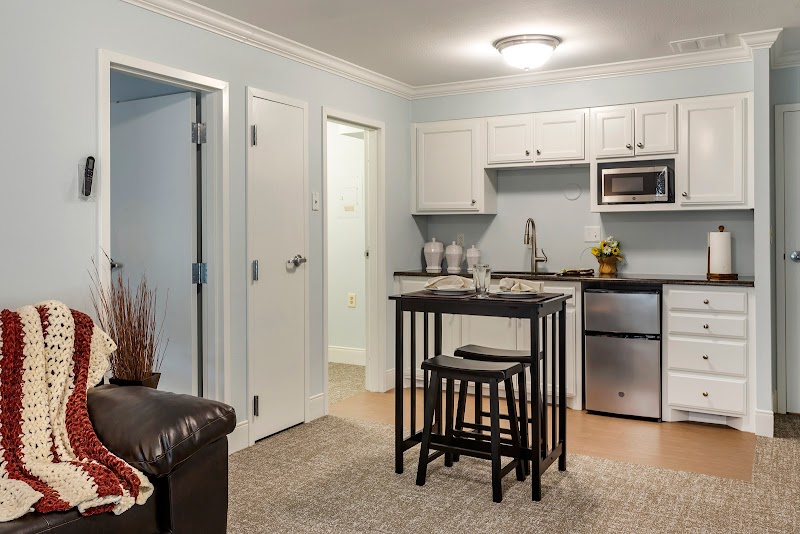
How is Windsor Estates Of St Charles Staffed?

CMS rates WINDSOR ESTATES OF ST CHARLES's staffing level at 1 out of 5 stars, which is much below average compared to other nursing homes. Staff turnover is 73%, which is 26 percentage points above the Missouri average of 46%. High turnover can affect care consistency as new staff learn residents' individual needs. RN turnover specifically is 100%, which is notably high. RNs provide skilled clinical oversight, so turnover in this role can affect medical care quality.

What Have Inspectors Found at Windsor Estates Of St Charles?

State health inspectors documented 99 deficiencies at WINDSOR ESTATES OF ST CHARLES during 2019 to 2025. These included: 1 Immediate Jeopardy (the most serious level, indicating potential for serious harm or death), 10 that caused actual resident harm, 86 with potential for harm, and 2 minor or isolated issues. Immediate Jeopardy findings are rare and represent the most serious regulatory concerns. They require immediate corrective action.
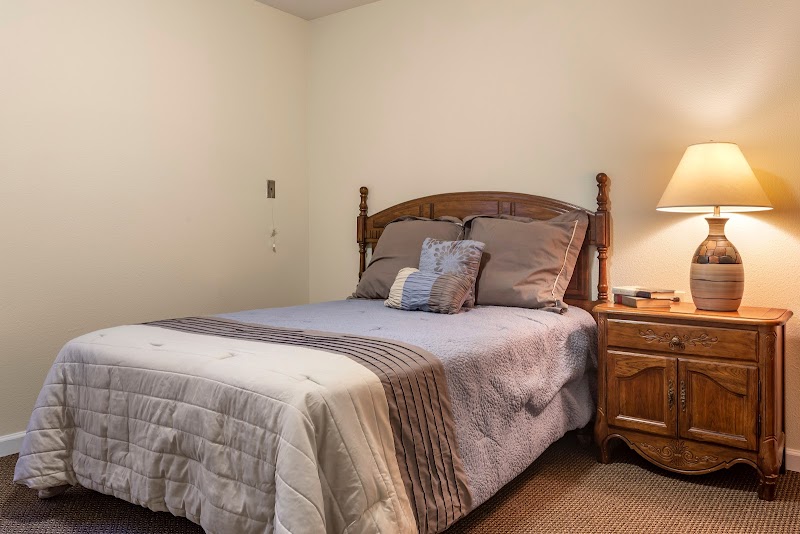
Who Owns and Operates Windsor Estates Of St Charles?

WINDSOR ESTATES OF ST CHARLES is owned by a for-profit company. For-profit facilities operate as businesses with obligations to shareholders or private owners. The facility is operated by TUTERA SENIOR LIVING & HEALTH CARE, a chain that manages multiple nursing homes. With 81 certified beds and approximately 64 residents (about 79% occupancy), it is a smaller facility located in SAINT CHARLES, Missouri.
How Does Windsor Estates Of St Charles Compare to Other Missouri Nursing Homes?

Compared to the 100 nursing homes in Missouri, WINDSOR ESTATES OF ST CHARLES's overall rating (1 stars) is below the state average of 2.5, staff turnover (73%) is significantly higher than the state average of 46%, and health inspection rating (1 stars) is much below the national benchmark.

What Should Families Ask When Visiting Windsor Estates Of St Charles?

Based on this facility's data, families visiting should ask: "What changes have been made since the serious inspection findings, and how are you preventing similar issues?" "How do you ensure continuity of care given staff turnover, and what is your staff retention strategy?" "Can you walk me through typical staffing levels on day, evening, and night shifts?" "Can I visit during a mealtime to observe dining assistance and food quality?" These questions are particularly relevant given the facility's Immediate Jeopardy citations, the facility's high staff turnover rate, and the below-average staffing rating.

Is Windsor Estates Of St Charles Safe?

Based on CMS inspection data, WINDSOR ESTATES OF ST CHARLES has documented safety concerns. Inspectors have issued 1 Immediate Jeopardy citation (the most serious violation level indicating risk of serious injury or death). The facility has a 1-star overall rating and ranks #100 of 100 nursing homes in Missouri. Families considering this facility should ask detailed questions about what corrective actions have been taken since these incidents.

Do Nurses at Windsor Estates Of St Charles Stick Around?

Staff turnover at WINDSOR ESTATES OF ST CHARLES is high. At 73%, the facility is 26 percentage points above the Missouri average of 46%. Registered Nurse turnover is particularly concerning at 100%. RNs handle complex medical decisions and coordinate care — frequent RN changes can directly impact care quality. High turnover means new staff may not know residents' individual needs, medications, or preferences. It can also be disorienting for residents, especially those with dementia who rely on familiar faces. Families should ask: What is causing the turnover? What retention programs are in place? How do you ensure care continuity during staff transitions?

Was Windsor Estates Of St Charles Ever Fined?

WINDSOR ESTATES OF ST CHARLES has been fined $113,900 across 7 penalty actions. This is 3.3x the Missouri average of $34,218. Fines at this level are uncommon and typically indicate a pattern of serious deficiencies, repeated violations, or failure to correct problems promptly. CMS reserves penalties of this magnitude for facilities that pose significant, documented risk to resident health or safety. Families should request specific documentation of what issues led to these fines and what systemic changes have been implemented.

Is Windsor Estates Of St Charles on Any Federal Watch List?

WINDSOR ESTATES OF ST CHARLES is not on any federal watch list. The most significant is the Special Focus Facility (SFF) program, which identifies the bottom 1% of nursing homes nationally based on persistent, serious quality problems. Not being on this list means the facility has avoided the pattern of deficiencies that triggers enhanced federal oversight. This is a positive indicator, though families should still review the facility's inspection history directly.