ST ELIZABETH CARE CENTER
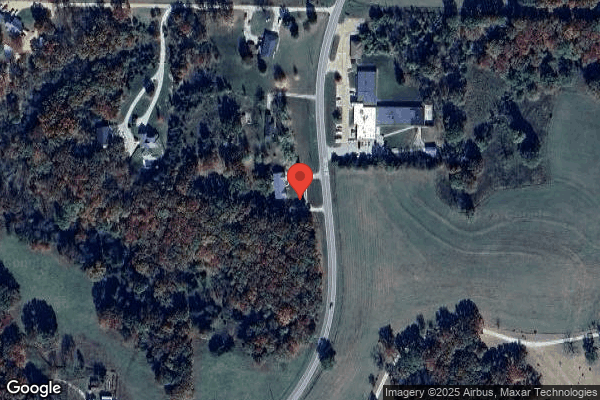

649 SOUTH WALNUT, SAINT ELIZABETH, MO 65075 (573) 493-2215
For profit - Corporation 63 Beds RELIANT CARE MANAGEMENT Data: November 2025
Trust Grade
20/100
#455 of 479 in MO
Last Inspection: February 2025

Within standard 12-15 month inspection cycle. Federal law requires annual inspections.

Overview

St. Elizabeth Care Center has received a Trust Grade of F, which indicates significant concerns about the quality of care provided. It ranks #455 out of 479 nursing homes in Missouri, placing it in the bottom half of facilities in the state, and #4 out of 4 in Miller County, meaning there are no better local options. The facility is worsening, as it reported an increase in issues from 2 in 2024 to 6 in 2025. Staffing is a major concern, with a low rating of 1 out of 5 stars and a high turnover rate of 76%, which is above the state average of 57%. The facility has also incurred fines totaling $37,733, which is higher than 82% of Missouri facilities, suggesting ongoing compliance problems. In terms of RN coverage, it has an average level, which may not be sufficient to catch potential issues. Specific incidents include a nurse failing to monitor a resident with a change in condition, which could have led to serious harm, and a lack of proper maintenance of the facility's water systems, risking the health of residents through potential Legionnaire's disease outbreaks. Additionally, kitchen equipment was not maintained properly, posing a risk of foodborne illness. While there are some areas of concern, families should weigh these serious issues against any positive aspects they may find in other areas of care.

Trust Score
F
20/100
In Missouri
#455/479
Bottom 6%
Safety Record
Moderate
Needs review
Inspections
Getting Worse
2 → 6 violations
Staff Stability
⚠ Watch
76% turnover. Very high, 28 points above average. Constant new faces learning your loved one's needs.
Penalties
○ Average
$37,733 in fines. Higher than 62% of Missouri facilities. Some compliance issues.
Skilled Nurses
⚠ Watch
Each resident gets only 20 minutes of Registered Nurse (RN) attention daily — below average for Missouri. Fewer RN minutes means fewer trained eyes watching for problems.
Violations
⚠ Watch
42 deficiencies on record. Higher than average. Multiple issues found across inspections.
★☆☆☆☆
1.0
Overall Rating
★☆☆☆☆
1.0
Staff Levels
★☆☆☆☆
1.0
Care Quality
★★★☆☆
3.0
Inspection Score
Stable
2024: 2 issues
2025: 6 issues

The Good

  • Full Sprinkler Coverage · Fire safety systems throughout facility
  • No fines on record

Facility shows strength in fire safety.

The Bad

1-Star Overall Rating

Below Missouri average (2.5)

Significant quality concerns identified by CMS

Staff Turnover: 76%

30pts above Missouri avg (46%)

Frequent staff changes - ask about care continuity

Federal Fines: $37,733

Above median ($33,413)

Moderate penalties - review what triggered them

Chain: RELIANT CARE MANAGEMENT

Part of a multi-facility chain

Ask about local staffing decisions and management

Staff turnover is very high (76%)

28 points above Missouri average of 48%

The Ugly 42 deficiencies on record

1 actual harm
Feb 2025 6 deficiencies
CONCERN (E)

Potential for Harm - no one hurt, but risky conditions existed

Deficiency F0576 (Tag F0576)

Could have caused harm · This affected multiple residents

Based on interview and record review, facility staff failed to ensure residents received their mail on Saturdays. The facility census was 52. Review of the facility's policy titled, Resident Rights, ...

Read full inspector narrative →
Based on interview and record review, facility staff failed to ensure residents received their mail on Saturdays. The facility census was 52. Review of the facility's policy titled, Resident Rights, revised July 2023, showed residents have the right to privacy in written communications including the right to send and promptly receive mail that is unopened. During the resident group meeting on 02/05/25 at 10:07 A.M., the residents said staff does not deliver their mail on Saturdays. During an interview on 02/06/25 at 1:54 P.M., Licensed Practical Nurse (LPN) E said the activities department is in charge of and distributes the mail. The LPN said he/she did not know who delivered the mail on Saturdays. During an interview on 02/06/25 2:59 P.M., the activity director said the administrator gets the mail and hands it out. The activity director typically just takes care of packages. The activity director said the residents do not get mail on the weekends because a department head has to be present to make sure the mail is not contraband. During an interview on 02/06/25 03:52 P.M., the administrator said mail is not delivered to the residents on the weekends. The Administrator said he/she never thought about it but the registered nurse (RN) on duty could pass the mail out to the residents. The administrator said he/she prefers the department head to go through the packages with the residents due to contraband.
CONCERN (E)

Potential for Harm - no one hurt, but risky conditions existed

Deficiency F0657 (Tag F0657)

Could have caused harm · This affected multiple residents

**NOTE- TERMS IN BRACKETS HAVE BEEN EDITED TO PROTECT CONFIDENTIALITY** Based on observation, interview, and record review, facility staff failed to review and revise the plan of care with changes in ...

Read full inspector narrative →
**NOTE- TERMS IN BRACKETS HAVE BEEN EDITED TO PROTECT CONFIDENTIALITY** Based on observation, interview, and record review, facility staff failed to review and revise the plan of care with changes in the resident's needs for seven residents (Resident #4, #31, #34, #40, #42, #48 and #55) out of seven sampled residents. The facility census was 52. 1. Review of the facility's policy titled Care Plan Policy, revised 5/18/24 showed it is the policy of this facility to develop and implement a comprehensive person-centered care plan for each resident, consistent with resident rights that includes measurable objectives and time frames to meet a resident's medical, nursing, and mental and psychosocial needs that are identified in the resident's comprehensive assessment. The comprehensive care plan will describe, at a minimum, the following: the services that are to be furnished to attain or maintain the resident's highest practicable physical, mental, and psychosocial well-being. Review of the facility's policy titled Coordination of Hospice Services, revised 05/18/24, showed the facility and hospice provider will coordinate a Plan of Care and will implement interventions in accordance with the resident's needs, goals, and recognized standards of practice in consultation with the resident's attending physician/practitioner and resident's representative, to the extent possible. The Plan of Care will identify the care and services each entity will provide in order to meet the needs of the resident and his/her expressed desire for hospice care. The Plan of Care will include directives for managing pain and other uncomfortable symptoms and will be revised and updated as necessary. Review of the facility's policy titled Proper Use of Bedrails, revised 06/26/24 showed the facility will continue to provide necessary treatment and care to the resident who has bed rails in accordance with professional standards of practice and the resident's choices. This should be evidenced in the resident's records, including their care plan. 2. Review of the Resident #4's Quarterly Minimum Data Set (MDS), a federally mandated assessment tool, dated 11/26/24, showed staff assessed the resident as: -Cognitively intact; -Required setup or cleanup assistance for showers; -Required setup or cleanup assistance for personal hygiene. Review of the resident's medical record showed staff documented the resident has diagnoses of drug induced subacute dyskinesia (involuntary, erratic, writhing movements of the face, arms, legs or trunk); extrapyramidal and movement disorder, unspecified (EMDU) (a medical term used to describe a group of disorders characterized by involuntary, abnormal movements that are not caused by damage to the pyramidal tract of the brain); orthostatic hypotension (a form of low blood pressure that happens when standing up from sitting or lying down which can cause dizziness or loss of consciousness); and Post-Traumatic Stress Disorder (PTSD), (a disorder that makes a person feel in danger even though the danger is past, especially when there are triggers). Review showed staff documented the resident fell on [DATE]. Review of the resident's Care Plan, revised 08/12/24, showed the care plan did not address the residents specific PTSD triggers, the type of assistance the resident required for showers, personal hygiene, his/her unsteadiness and dizziness or his/her fall 02/02/25. Observation on 02/03/25 at 11:53 A.M., showed the resident unsteady as he/she stood up from his/her bed. Observation on 02/04/25 at 10:50 A.M., showed the resident stood by his/her dresser and had involuntary movements of his/her lower extremities, tremors, and unsteadiness. During an interview on 02/04/25 at 10:50 A.M., the resident said he/she experienced dizziness while standing. Observation on 02/06/25 at 10:30 A.M., showed the resident unsteady as he/she walked in his/her room. 3. Review of Resdient # 31's Quarterly MDS, dated [DATE] showed staff assessed the resident as cognitively intact and did not use bed rails. Review of the care plan, revised 01/31/25, showed the care plam did not address the use of bed rails. Observation 02/03/25 10:45 A.M., showed a bed rail up on the right side of the resident's bed. Observation 02/04/25 10:59 A.M., showed a bed rail up on the right side of the resident's bed. During an interview on 02/03/25 at 10:45 A.M., the resident said he/she uses the rail when he/she needs to get out of bed because he/she is large and his/her legs are very swollen. 4. Review of Resident # 34's Five Day MDS, dated [DATE] showed staff assessed the resident as: -Cognitively impaired; -Ostomy (a prosthetic device that collects waste from a surgically created opening in the abdomen). -Did not receive hospice care. Review of the care plan, last revised on 12/27/24 showed the care plan did not address hospice care or ostomy care. Review of the medical record showed staff documented hospice care had been initiated for the resident on 01/30/25. Review of the Physician Order Summary (POS), dated 02/02/25 showed an order for hospice care. 5. Review of Resident #40's Quarterly MDS, dated [DATE], shows staff assessed the resident as cognitively intact and did not have dental issues. Review of the resident's care plan, revised 09/23/24, showed the care plan did not address the resident's dental issues. During an interview on 02/03/25 at 11:00 A.M., the resident said he/she has had dental issues since August. During an interview on 02/05/25 at 5:05 P.M., the Social Services Director (SSD) said the resident has seen a dentist several times and had a tooth extracted in January. The SSD did not know the resident's dental issues were not on the care plan and said it should be. 6. Review of Resident #42's Quarterly MDS, dated [DATE], showed staff assessed the resident as severe cognitive impairment and did not receive hospice care. Review of the resident's medical record showed staff documented the resident discharged to an acute care hospital on [DATE] and returned to the facility on [DATE] on hospice care. Review of the resident's care plan, revised 12/01/24, showed the care plan did not address the resident's hospice care. 7. Review of Resident #48's Significant Change MDS, dated [DATE], showed staff assessed the resident as cognitively intact and did not receive hospice care. Review of the resident's Care Plan, revised 08/07/24, showed the care plan did not address the resident's hospice care. 8. Review of Resident #55's Quarterly MDS, dated [DATE], showed staff assessed the resident as moderate cognitive impairment and did not receive hospice care. Review of the resident's medical record showed staff documented the resident discharged to an acute care hospital on [DATE] and returned to the facility on [DATE] on hospice care. Review of the resident's care plan, dated 08/01/24, showed the care plan did not address the resident's hospice care. 9. During an interview on 02/06/25 at 1:24 P.M., Certified Nurse Aide (CNA) B said when he/she is unfamiliar with a resident he/she will ask what type of care the resident requires. The CNA said he/she did not know about care plans, or how to find the care information. During an interview on 02/06/25 at 1:54 P.M., the MDS Coordinator said care plans should be updated with all information, including the type and amount of assistance needed, and if the resident receives hospice care. LPN E said care plans should be used to properly care for the resident. The MDS Coordinator said he/she is new to the position and still getting caught up. During an interview on 02/06/25 at 3:24 P.M., the Director of Nursing (DON) said the MDS Coordinator is responsible to ensure care plans are completed. The DON said all topics related to the resident's care should be covered including the type of assistance needed for ADL's such as showers and personal hygiene, as well as if the resident receives hospice care. The DON said care plans should guide the care a resident receives. The DON said he/she did not know the care plans were not up to date. He/She said he/started in the position in July and is still getting up to speed. During an interview on 02/06/25 at 3:52 P.M., the administrator said the MDS Coordinator is responsible for updating care plans. The staff has quarterly care plan meetings where goals and the residents' issues are covered. The administrator said he/she would expect the care plan to reflect all care issues including ADL's, dental issues, and hospice care. The administrator said he/she did not know care plans were not being updated.
CONCERN (E)

Potential for Harm - no one hurt, but risky conditions existed

Deficiency F0658 (Tag F0658)

Could have caused harm · This affected multiple residents

**NOTE- TERMS IN BRACKETS HAVE BEEN EDITED TO PROTECT CONFIDENTIALITY** Based on observation, interview and record review, facility staff failed to maintain professional standards of care when staff f...

Read full inspector narrative →
**NOTE- TERMS IN BRACKETS HAVE BEEN EDITED TO PROTECT CONFIDENTIALITY** Based on observation, interview and record review, facility staff failed to maintain professional standards of care when staff failed to transcribe accurate and complete physician's orders for five residents (Resident #10, #20, #34, #42 & #55) out of five sampled residents. The facility census was 52. 1. Review of the facility's policy titled Medications Order, dated 05/18/24, showed: -The order should be recorded in the physician orders in the electronic health records, which will add the order to the Medication Administration Record (MAR); -Clarify the order; -If using electronic medication records, input the medication order according to the electronic health record (EHR) instructions and facility policy; -Call or fax the medication order to the provider pharmacy if EHR states to; -Ensure the order is in the electronic MAR (eMAR); -When an order changes the dosage of a previously prescribed medication, discontinue the order as per the electronic software instructions and retype the new order; -Ensure the new order is in the eMAR. 2. Review of Resident #10's Physician Order Summary (POS), dated 02/25, showed a physicain order for Divalproex Sodium Direct Release ((DR) seizures) 500 milligrams (mg). Take one tablet every morning. Review showed Divalproex DR 250 mg, take 3 tablets (750 mg) twice a day, and one tablet in the afternoon discontinued on 08/04/24. Review of the resident's eMAR, dated 02/04/25, showed staff did not discontinue the Divalproex DR 250 mg, take 3 tablets (750 mg) twice a day, and one tablet in the afternoon as ordered on 08/04/24. Review of the resident's medication card showed the medication pack label instructed staff to administer Divalproex DR 250 mg 3 tablets (750 mg) by mouth twice a day and take one tablet daily in the afternoon. Observation showed additional instruction to administer Divalproex DR 500 mg every morning. During an interview on 02/04/25 at 8:52 A.M. CMT D said the nurse told him/her to administer and select the 500 mg instructions in the eMAR. The CMT said he/she crossed out the discontinued instructions on the medication labels in stock from the pharmacy that included both orders. During an interview on 02/04/25 2:00 P.M. Licensed Practical Nurse (LPN) A said the pharmacy did not discontinue the order on their end and continues to send packets with both orders on the label. LPN A said he/she did not know why the discrepancy had not been resolved earlier. The LPN said staff should not strike through anything on the medication label. During an interview on 02/06/25 10:32 A.M. the Director of Nursing (DON) said the eMAR shows the Divalproex DR 750 mg as an active order. The DON said he/she thinks the pharmacy removes the orders from the eMAR. During an interview on 02/06/25 1:45 P.M., the DON said it is ultimately his/her responsibility to ensure the eMAR is correct. It is important so residents receive the correct medication. During an interview on 02/06/25 02:00 P.M., the administrator said it is not acceptable for a resident to have a discontinued order on the eMAR since August 2024. The administrator said it should have been addressed in a timely manner. The DON is responsible for ensuring the accuracy of the eMARS. 3. Review of the facility's policy titled Medication Orders, revised 05/18/24, showed an element of a medication order is route of administration. Review of the manufacturer's instructions for Nystatin 100,000 units/milliliter (ml) Oral Suspension (Ready-Mixed), dated 07/23, showed always take this medicine exactly as prescribed. Check with physician or pharmacist if unsure. 4. Review of Resident #20's POS, dated February, 2025, showed an order for Nystatin oral suspension 100,000 unit/ml 5 mls four times a day for thrush (a fungal infection). The order did not contain the route of adminstration. During an interview on 02/04/25 at 9:22 A.M., CMT D stated he/she did not know if the medication should be swallowed or spit out by the resident. During an interview on 02/04/25 at 9:50 A.M., LPN A said the order does not state whether the resident should swallow or spit the medication. LPN A said spit and swallow are different modes of administration. The nurse taking the order is responsible for the accuracy of the orders and contacting the physician for clarification. During an interview on 02/06/25 3:25 P.M. the DON said it is the responsibility of the nurse taking the order to ensure instructions are complete. Missing or incomplete orders should be clarified with the physician so medications are taken correctly. The DON said it is ultimately his/her responsibility orders are correct. During an interview on 02/06/25 at 3:49 P.M., the administrator said it is the DON's responsibility to ensure orders are complete and accurate. He/she said staff should contact they physician or DON if something is missing or unclear. 5. Review of the facility's policy titled Coordination of Hospice Services, revised 05/24, showed when a resident chooses to receive hospice care and services, the facility will coordinate and provide care in cooperation with hospice staff in order to promote the resident's highest practicable physical, mental, and psychosocial well-being. The policy did not contain direction for staff to obtain a physician's order for hospice care. Review of the facility's policy titled Oxygen Administration, revised 05/18/24, instructed staff to administer oxygen under orders of a physician. 6. Review of Resident #34's Prospective Payment System (PPS) Five Day Scheduled Minimum Data Set (MDS), a federally mandated assessment tool, dated 01/10/25, showed staff assessed the resident as: -Severe cognitive impairment; -Continuous oxygen use; -Did not receive hospice services. Review of the resident's medical record showed staff documented hospice services initiated on 01/30/25. Review of the POS, dated 02/25, showed an order oxygen without the rate of oxygen to be adninistered. Review showed the POS did not contain the hospice order. Observation on 02/03/25 at 11:15 A.M., showed the resident wore oxygen at three liters per minute. During an interview on 02/03/25 at 11:15 A.M., the resident said he/she receives one liter of oxygen during the day and three liters at night. Observation on 02/04/25 at 11:03 A.M., showed the resident wore oxygen at three liters per minute. Observation on 02/05/25 at 12:23 P.M., showed the resident wore oxygen at three liters per minute. During an interview on 02/06/25 at 2:49 P.M., LPN A said he/she did not know the resident's oxygen order did not have a flow rate. 7. Review of Resident #42's Quarterly MDS, dated [DATE], showed staff assessed the resident as severely impaired cognition and did not receive hospice services. Review of the resident's medical record showed staff documented the resident discharged to an acute care hospital on [DATE] and returned to the facility on [DATE] with hospice services. Review of the resident's POS, dated February 2025, showed it did not contain an order for hospice services. 8. Review of Resident #55's Quarterly MDS, dated [DATE], showed staff assessed the resident as -Moderate cognitive impairment; -Independent for all mobility; -Diagnoses of pneumonia, stroke, and depression; Review of the resident's medical record showed staff documented the resident discharged to an acute care hospital on [DATE] and returned to the facility on [DATE] with hospice services. Review of the resident's POS, dated 12/24, showed it did not contain an order for hospice services. 9. During an interview on 02/06/25 at 1:54 P.M., Licensed Practical Nurse (LPN) E said residents who receive hospice services should have a physicians order on their POS. LPN E said he/she did not know how the orders were missed. During an interview on 02/06/25 at 3:24 P.M., the Director of Nursing (DON) said the nurses are responsible for transcribing orders from the hospital paperwork. If clarification is needed, or an order has been omitted, the charge nurse is responsible to get clarification from the physician.
CONCERN (E)

Potential for Harm - no one hurt, but risky conditions existed

Deficiency F0700 (Tag F0700)

Could have caused harm · This affected multiple residents

**NOTE- TERMS IN BRACKETS HAVE BEEN EDITED TO PROTECT CONFIDENTIALITY** Based on observation, interview, and record review, facility staff failed to obtain consent for the use of bed rails for two res...

Read full inspector narrative →
**NOTE- TERMS IN BRACKETS HAVE BEEN EDITED TO PROTECT CONFIDENTIALITY** Based on observation, interview, and record review, facility staff failed to obtain consent for the use of bed rails for two residents (Resident #31 and #48) of two sampled residents. The facility census was 52. 1. Review of the facility's policy titled Proper Use of Bed Rails, dated February 2025, showed informed consent from the resident or resident representative must be obtained after appropriate alternatives have been attempted prior to installation and use of bed rails. This information should be presented in an understandable manner, and consent given voluntarily, free from coercion. The information that the facility should provide to the resident, or resident representative includes, but is not limited to: the resident's risk from the use of bed rails and likelihood of the benefits, and the risks from the use of bed rails an how these risk will be mitigated. 2. Review of Resident #31's Quarterly Minimum Data Set (MDS), a federally mandated assessment tool, dated 10/31/24, showed staff assessed the resident as: -Cognitively intact; -Independent with Activities of Daily Living (ADL's); -Diagnoses of traumatic brain injury (TBI), anxiety, depression, psychotic disorder, and schizophrenia; -Bed rails not used. Review of the resident's care plan, revised 02/03/25, showed staff documented the resident at risk for falls due to multiple medication use. Review showed the care plan did not include bed rail use. Review of the resident's medical record did not contain an informed consent for bed rail use. Observation on 02/03/25 10:45 A.M. showed the resident in bed with his/her right quarter bed rail up. Observation on 02/04/25 10:59 A.M. showed the resident in bed with his/her right quarter bed rail up. During an interview on 02/04/25 at 10:59 A.M., the resident said he/she asked for the bed rail to help him/her move in bed and get up. The resident said he/she does not remember if staff talked to him/her about the risk and benefits of bed rail use. 3. Review of Resident #48's Significant Change MDS, dated [DATE], showed staff assessed the resident as: -Cognitively intact; -Independent with ADL's; -Diagnoses of heart failure, hypertension, stroke, depression, and respiratory failure; -Bed rails not used. Review of the resident's care plan, revised 02/04/25, showed staff documented the resident has problems positioning self in bed, has grab/positional bars in place on bilateral sides of bed to help turn from side to side. Review of the resident's medical record did not contain an informed consent for bed rail use. Observation on 02/03/25 at 10:10 A.M., showed the resident in bed with the grab bars up on both sides. Observation on 02/06/25 09:55 A.M., showed the resident used his/her grab bars to reposition. During an interview on 02/06/25 at 10:15 A.M., the resident said he/she requested the bed rails to help him/her reposition and get out of the bed. 4. During an interview on 02/06/25 at 3:15 P.M., the Director of Nursing (DON) said the residents asked for the bed rails to assist with mobility. The residents or the residents representatives should sign a consent for bed rail use. He/She does not know why this had not been completed. During an interview on 02/06/25 at 3:49 P.M., the Administrator said bed rail consents should be signed before the bed rails are installed. He/She did not know the residents did not have a consent in the their medical records.
CONCERN (E)

Potential for Harm - no one hurt, but risky conditions existed

Infection Control (Tag F0880)

Could have caused harm · This affected multiple residents

Based on observation, interview, and record review, facility staff failed to follow infection control practices when staff did not properly sanitize the blood glucose monitor for four residents (Resid...

Read full inspector narrative →
Based on observation, interview, and record review, facility staff failed to follow infection control practices when staff did not properly sanitize the blood glucose monitor for four residents (Resident #53, #7, #6 and #20) out of four sampled residents. The facility census was 52. 1. Review of the facility's policy titled Glucometer Disinfection, dated February 2025 showed the facility will ensure glucometers will be cleaned and disinfected after each use and according to manufacturer's instructions for multi-resident use. The glucometers will be disinfected with a wipe pre-saturated with an Environmental Protection Agency (EPA), an independent agency of the United States government tasked with environmental protection matters, registered healthcare disinfectant that is effective against Human Immunodeficiency Virus (HIV), Hepatitis C and Hepatitis B virus. -Procedural steps include: -retrieve two disinfectant wipes from container; -Using first wipe, clean first to remove heavy soil, blood and/or other contaminants left on the surface of the glucometer; -After cleaning, use the second wipe to disinfect the glucometer with the disinfectant wipe following the manufacturer's instructions. Allow the glucometer to air dry; Review of the MicroKill One Medline Germicide Alcohol wipes manufacturer instructions, showed to use one or more wipes as necessary to wet surface sufficiently and to thoroughly disinfect hard nonporous surface. Clean the surface: use one or more wipes as necessary to thoroughly wet the surface to be treated. Treated surface must remain visibly wet for one minute to achieve complete disinfection of all pathogens listed on this label. Observation on 02/04/25 at 11:39 A.M. showed Certified Medication Technician (CMT) D checked Resident #53's blood glucose, and loosely wrapped the glucometer with a disinfectant wipe. The wipe did not cover the collection strip insertion site for the required one minute. Observation on 02/04/25 at 11:50 A.M. showed CMT D checked Resident #7's blood glucose, and loosely wrapped the glucometer with a disinfectant wipe. The wipe did not cover the collection strip insertion site for the required one minute. Observation on 02/04/25 at 12:06 P.M. showed CMT D checked Resident #6's blood glucose, and loosely wrapped the glucometer with a disinfectant wipe. The wipe did not cover the collection strip insertion site for the required one minute. Observation on 02/04/25 at 12:15 P.M., showed CMT D checked Resident #20's blood glucose, and placed the glucometer in the medication cart drawer. The CMT did not disinfect the glucometer. During an interview on 02/04/25 at 12:17 P.M., CMT D said the most contaminated portion of the glucometer is where the test strip is inserted. The CMT said the way he/she cleansed the glucometer would not be sufficient because it did not cleanse the strip insertion site. The CMT said he/she received training in regard to cleansing the glucometer. CMT D said he/she did not realize he/she had not cleansed the glucometer after checking Resident #20's blood glucose. The CMT said the glucometer is used for multiple residents. During an interview on 02/06/25 at 3:15 P.M., the Director of Nursing (DON) said he/she expects staff to thoroughly cleanse the glucometer between each resident to prevent cross contamination. He/She said all staff who pass medications have received training on disinfecting glucometers. During an interview on 02/06/25 at 3:49 P.M., the administrator said he/she expects staff to follow the facility's glucometer disinfection policy. It is the DON's responsibility to ensure staff are trained and performing thorough disinfection to prevent harm to the residents.
CONCERN (E)

Potential for Harm - no one hurt, but risky conditions existed

Deficiency F0887 (Tag F0887)

Could have caused harm · This affected multiple residents

**NOTE- TERMS IN BRACKETS HAVE BEEN EDITED TO PROTECT CONFIDENTIALITY** Based on interview and record review, facility staff failed to educate and offer the Coronavirus disease (COVID-19) vaccination ...

Read full inspector narrative →
**NOTE- TERMS IN BRACKETS HAVE BEEN EDITED TO PROTECT CONFIDENTIALITY** Based on interview and record review, facility staff failed to educate and offer the Coronavirus disease (COVID-19) vaccination for five residents (#14, #31, #34, 40 and #51) out of five sampled residents. The facility census was 52. 1. The Center's for Disease Control COVID-19 Vaccination Long Term Care guidelines, dated August 2024, recommends everyone ages 5-64 years, including people who live and work in long-term care (LTC) settings, get one dose of a 2024-2025 COVID-19 vaccine; and everyone ages 65 years and older, including people who live and work in LTC settings, get two doses of a 2024-2025 COVID-19 vaccine 6 months apart. 2. Review of Resident #14's medical record showed: -The resident is under age [AGE]; -admitted on [DATE]; -The record did not contain a COVID-19 vaccination consent or declination form; -The record did not contain documentation the resident received or refused the COVID-19 vaccine. 3. Review of Resident #31's medical record showed: -The resident is under age [AGE]; -admitted on [DATE]; -The record did not contain a COVID-19 vaccination consent or declination form; -The record did not contain documentation the resident received or refused the COVID-19 vaccine. 4. Review of Resident #34's medical record showed: -The resident is under age [AGE]; -admitted on [DATE]; -The record did not contain a COVID-19 vaccination sent or declination form; -The record did not contain documentation the resident received or refused the COVID-19 vaccine. 5. Review of Resident #40's medical record showed: -The resident is over age [AGE]; -admitted on [DATE]; -The record did not contain a COVID-19 vaccination consent or declination form; -The record did not contain documentation the resident received or refused the COVID-19 vaccine. 6. Review of Resident #51's medical record showed: -The resident is under age [AGE]; -admitted on [DATE]; -The record did not contain a COVID-19 vaccination consent or declination form; -The record did not contain documentation the resident received or refused the COVID-19 vaccine. 7. During an interview, on 02/03/25 at 2:10 P.M., the Infection Preventionist said he/she started in the position in July of 2024 after his/her predecessor quit abruptly. The Infection Preventionist said he/she did not believe the COVID-19 education or vaccine had been provided to the residents because the facility is remote, and they do not have local access to the vaccine. The Infection Preventionist said he/she could not locate a policy in regard to COVID-19 vaccinations for residents. During an interview on 02/06/25 03:49 P.M., the administrator said the facility does not provide education in regard to the COVID-19 vaccine to the residents and does not provide the vaccine. The administrator said he/she started in the position in July of 2024, and there is not a policy.
Nov 2024 2 deficiencies
CONCERN (D) 📢 Someone Reported This

A family member, employee, or ombudsman was alarmed enough to file a formal complaint

Potential for Harm - no one hurt, but risky conditions existed

Free from Abuse/Neglect (Tag F0600)

Could have caused harm · This affected 1 resident

Based on interview and record review, facility staff failed to ensure one resident (Resident #2) remained free from verbal and emotional abuse, when Certified Nurse Aid (CNA) E threatened to take the ...

Read full inspector narrative →
Based on interview and record review, facility staff failed to ensure one resident (Resident #2) remained free from verbal and emotional abuse, when Certified Nurse Aid (CNA) E threatened to take the resident to the floor, blocked and refused to leave the resident's room after repeated requests made by the resident. The facility census was 58. 1. Review of the facility's policy titled Abuse and Neglect , dated 06/12/24, showed abuse is the willful infliction, injury, unreasonable confinement, intimidation, or punishment with resulting physical harm, pain or mental anguish, which can include staff to resident abuse. Instances of abuse of all residents, irrespective of any mental or physical condition, cause physical harm, pain or mental anguish. Verbal abuse includes speaking in a demeaning, non-therapeutic, undignified, threatening or derogatory manner in a resident's presence. Mental abuse includes humiliation, harassment, threats of punishment or deprivation, or abuse that is facilitated or caused by nursing home staff. Verbal abuse includes the use of verbal conduct by staff to cause the resident to experience agitation. This includes hovering over a resident with the intent to intimidate, threatening and isolating the resident. 2. Review of Resident #2's Quarterly Minimum Data Set (MDS), a federally mandated assessment tool, dated 10/31/24, showed staff assessed the resident as: -Intact cognition; -Rejection of care not exhibited; -Behaviors not exhibited; -Received antipsychotic medication seven days out of the seven day look back period; -Post Traumatic Stress Disorder (PTSD), anxiety and flashbacks triggered by traumatic event, Bipolar disorder and Depression. Review of the resident's care plan, revised 09/17/24, showed staff documented the resident as: -Emotional distress is triggered by overwhelming emotions, feelings, or memories; -Poor impulse control with restlessness and increased anxiety, agitation and aggressive behavior; -History of PTSD, encourage resident to express emotions in a safe environment; -A safe environment should be free from actual or perceived judgement and physical or perceived danger; -Listen to what the resident is saying and establish trust with the resident; -Behave in a calm manner around the resident, especially when the resident has a high level of anxiety; -Resident is triggered by people being to close and gets angry when people don't listen; -Residents with PTSD are often fearful, providing a calm and relaxing environment can help lessen, or relieve anxiety and promote a feeling of safety; -May often have difficulty communicating due to racing thought or inability to concentrate; -Avoid rushing the resident and allow them more time to answer, or respond to promote security; -Do not argue, or become defensive with the resident; -Do not get into a power struggle with the resident. 2. Review of the facility's investigation, dated 11/02/24, showed the resident notified the Director of Nursing (DON) on 11/1/24 Certified Nurse Aide (CNA) E abused him/her when CNA E would not leave the resident's room after being asked to leave multiple times, and blocked the doorway from the resident. Review showed Nurse Aide (NA) C statement showed he/she witnessed CNA E and resident yelling at each other and CNA E would not leave after the Licensed Practical Nurse told CNA E to leave. Review showed LPN D documented he/she heard yelling from the resident and CNA E. LPN D asked CNA E to leave the resident's room multiple times and instructed CNA E to go behind the unit doors. LPN documented CNA E left the room but not the unit. LPN D documented the resident left his/her room and CNA E approached the resident and stood abdomen to abdomen. The LPN notified the DON on 11/2/24 at. Review showed the DON notified the administrator on 11/2/24. During an interview on 11/06/24 at 11:03 A.M., the resident said the incident happened on 11/02/24 he/she thinks. The resident said he/she asked CNA E to please get out of his/her room. The resident said CNA E said no, he/she is not leaving. The resident said he/she asked CNA E to leave his/her room approximately eight times. The resident said CNA E had his/her arms spread across the door frame and said he/she can do this for 12 more hours and smiled at him/her. The resident said he/she became frustrated and told CNA E to get out of his/her room, or he/she will put CNA E out of his/her room. The resident said CNA E then said he/she would put the resident on the floor. The resident said he/she became more agitated, and grabbed hot sauce packets and threw them in the hall and the CNA stood in the door frame and blocked him/her from leaving the room. The resident said Licensed Practical Nurse (LPN) D and Nurse Aide (NA) C came to his/her room. The resident said LPN D told CNA E to get out of the resident's room several times and CNA E would not leave the resident's room. The resident said after this incident CNA E continued to walk past his/her room and smile at him/her to frustrate him/her. The resident said he/she walked down the hall, yelled at CNA E and the CNA turned around walked back up to him/her and got face to face. During an interview on 11/06/24 at 12:45 P.M., CNA E the resident yelled he/she was going to beat the CNA's ass and for the CNA to leave the room. The CNA said LPN D told him/her to get out of the resident's room and he/she told LPN D he/she couldn't because the resident had him/her pinned. The CNA said he/she stayed in the resident's room, after the resident told him/her to leave, because he/she tried to calm the resident down. During an interview on 11/06/24 at 1:23 P.M., NA C said he/she and LPN D were at the nurse's station and heard yelling coming from the resident's room. NA C said he/she and LPN D went to the resident's room. NA C said when he/she got to the room CNA E and the resident were face to face and abdomen to abdomen. NA C said LPN D told CNA E to walk away several times and CNA E wouldn't. NA C said CNA E yelled several times that he/she could do this for 12 hours and smiled at the resident. During an interview on 11/06/24 at 2:00 P.M., the resident said when CNA E would not leave his/her room and had blocked his/her door, it made him/her feel trapped and unsafe, Like I was a prisoner in my own room. The resident said it made him/her really agitated and upset, because he/she couldn't get out of his/her room and CNA E would not leave the room. During an interview on 11/06/24 at 2:26 P.M., the DON said LPN D called him/her on 11/01/24 and said the resident yelled that he/she was going to beat the shit out of the CNA. The DON said LPN D called him/her again and said the resident left his/her room and went after the CNA. The DON said he/she took statements the next day and the staff statements were different from what he/she had been told over the phone. The DON said CNA E should have respected the resident's wishes and left the room. The DON said CNA E should have removed himself/herself from the situation. The DON did not say whether or not CNA E abused the resident. During an interview on 11/06/24 at 2:54 P.M., the administrator he/she investigated the resident's behavior and he/she should have investigated it as abuse. The administrator said he/she terminated CNA E because he/she would not listen to LPN D and stood in the resident's room to continually agitate the resident. The administrator said what CNA E did could increase the resident's agitation and cause further behaviors. The Administrator did not say whether or not CNA E abused the resident. During an interview on 11/07/24 at 7:45 A.M., LPN D said CNA E went into the resident's room and that is when he/she heard the resident yell get out, get out. LPN D said he/she heard CNA E say, I will take you to the floor. LPN D said the resident told CNA E to get out of his/her room several times but CNA E would not leave the room. LPN D said he/she told CNA E to leave the resident's room and CNA E would not leave the room. LPN D said CNA E stayed face to face with the resident. LPN D said CNA E could have left the room at any time. MO00244704
CONCERN (D) 📢 Someone Reported This

A family member, employee, or ombudsman was alarmed enough to file a formal complaint

Potential for Harm - no one hurt, but risky conditions existed

Report Alleged Abuse (Tag F0609)

Could have caused harm · This affected 1 resident

Based on interviews and record review, facility staff failed to report an allegation of employee to resident emotional abuse to the Department of Health and Senior Services (DHSS) within the two hour ...

Read full inspector narrative →
Based on interviews and record review, facility staff failed to report an allegation of employee to resident emotional abuse to the Department of Health and Senior Services (DHSS) within the two hour timeframe for one resident (Resident ##2) who reported an allegation of abuse. The facility census was 58. 1. Review of the facility's policy titled Abuse and Neglect , dated 06/12/24, showed the licensed nurse will protect the resident from further incident and remove the accused employee from resident care areas. The nurse will then notify the administrator or designee. Should the incident be a reportable event, the administrator should notify appropriate agencies immediately, as soon as possible, but no later that 24 hours after the discovery of the incident. In case of serious bodily injury, no later than two hours after discovery or forming the suspicion. 2. Review of the facility's investigation, dated 11/02/24, showed the resident notified staff on 11/1/24 that Certified Nurse Aide (CNA) E abused him/her when CNA E would not leave the resident's room after being asked to leave multiple times, and blocked the doorway from the resident. Review of Nurse Aide (NA) C's statement showed he/she witnessed CNA E and the resident yelling at each other and CNA E would not leave after the Licensed Practical Nurse (LPN) D told CNA E to leave the resident's room. Review showed LPN D documented he/she heard yelling from the resident and CNA E. LPN D asked CNA E to leave the resident's room multiple times and instructed CNA E to go behind the unit doors. LPN D documented CNA E left the room but not the unit. LPN D documented the resident left his/her room and CNA E approached the resident and stood abdomen to abdomen. The LPN notified the DON on 11/2/24. Review showed the DON notified the administrator on 11/2/24. Review showed facility staff did not notify the state agency with in the two hour timeframe as required. During an interview on 11/06/24 at 1:23 P.M., NA C said when he/she got to the resident's room CNA E and the resident were face to face. NA C said he/she knows there is a two hour timeframe for reporting allegations of abuse. The NA said he/she is not aware if it was reported to the state. During an interview on 11/06/24 at 2:26 P.M., the DON said he/she did not know he/she is supposed to call state, he/she said he/she called the administrator on 11/2/24, and the administrator takes care of reporting. The DON said it was reported to him/her the staff shoved the resident. The DON said he/she did not know the timeframes. During an interview on 11/06/24 at 2:54 P.M., the administrator said he/she investigated the resident's behavior and he/she should have investigated it as abuse. The administrator said he/she considers what CNA E did as trying to get a rise out of the resident and staff should not be doing that, as it could increase the resident's agitation and cause behaviors. The administrator said he/she contacted his/her regional administrator and told the regional administrator. The regional administrator told him/her to get statements and go from there. The administrator said he/she got statements and called the regional administrator and left a voicemail and did not receive a call back. The administrator said he/she knows now that he/she should have called state. During an interview on 11/07/24 at 7:45 A.M., LPN D said he/she heard the resident yell get out, get out. LPN D said he/she heard CNA E say, I will take you to the floor. LPN D said the resident continued to tell CNA E get out of my room and CNA E would not leave the room. LPN D said he/she told CNA E to leave the resident's room and CNA E would not leave the room, CNA E stayed face to face with the resident. LPN D said staff have two hours to report abuse allegations to state. LPN D said the DON told him/her they needed to ask corporate if they had to report it. LPN D said he/she is not aware if it was reported to state. LPN D said the resident reported to him/her that CNA E shovedhim/her. MO00244704
Oct 2023 16 deficiencies
CONCERN (D)

Potential for Harm - no one hurt, but risky conditions existed

Medication Errors (Tag F0758)

Could have caused harm · This affected 1 resident

**NOTE- TERMS IN BRACKETS HAVE BEEN EDITED TO PROTECT CONFIDENTIALITY** Based on interview and record review, facility staff failed to perform Gradual Dose Reductions (GDRs) on psychotropic medication...

Read full inspector narrative →
**NOTE- TERMS IN BRACKETS HAVE BEEN EDITED TO PROTECT CONFIDENTIALITY** Based on interview and record review, facility staff failed to perform Gradual Dose Reductions (GDRs) on psychotropic medications for two residents (Resident #19 and #45). The facility census was 49. 1. Review of the facility's policy titled, Antipsychotic and Psychotropic Medications, revised 06/29/23, showed staff were directed to do the following: -Residents who use psychotropic drugs will receive GDR and behavior intervention, unless clinically contraindicated, in effort to discontinue these drugs; i. If GDR is not desired by the physician, they must document reasoning in resident's clinical record; ii. Documentation should include any previous attempts failed, and/or resident is at baseline with current dose, and/or current dose is needed for resident to sustain a quality of life. 2. Review of Resident #19's Annual Minimum Data Set (MDS), a federally mandated assessment tool, dated 09/04/23, showed staff assessed the resident as: -Unable to assess cognition level; -No speech; -At risk for falls; -Received antipsychotic, antianxiety, and antidepressant medications. Review of the resident's Physicians Order Sheet (POS), dated 10/18/23, showed the following orders: -Alprazolam (antianxiety medication) 0.5 milligrams (mg), give one tablet three times a day (TID), ordered on 07/15/20; -Risperdal (antipsychotic medication) 4 mg, give one tablet two times a day (BID), ordered on 06/22/21; -Trazodone HCL (antidepressant medication) 50 mg, give one tablet TID, ordered on 06/27/23; -Venlafaxine HCL ER (antidepressant medication) 37.5 mg, give one capsule BID, ordered on 10/06/22. Review of the resident's pharmacy consult notes showed the record did not contain a documented attempt of a GDR from 11/09/22 through 10/18/23. 3. Review of Resident #45's Quarterly MDS, dated [DATE], showed staff assessed the resident as follows: -Severe cognitive impairment; -Received antipsychotic and antidepressant medications. Review of the resident's POS, dated 10/18/23, showed the following orders: -Fluoxetine (antidepressant medication) 40 mg, give one tablet daily, ordered on 11/04/22; -Haloperidol (antipsychotic medication) 5 mg, give one tablet BID, ordered on 08/23/23; -Mirtazapine (antidepressant medication) 15 mg, give one table at bedtime (HS), ordered on 11/04/22. Review of the resident's pharmacy consult notes showed the record did not contain a documented attempt of a GDR from 11/09/22 through 10/20/23. 4. During an interview on 10/19/23 at 10:08 A.M., the Director of Nursing (DON) said that if the pharmacist makes a GDR attempt that he/she, the DON, was responsible for following up. He/She said the facility will send the GDR request to the resident's physician to have it addressed. Once it was addressed he/she said it should be uploaded into the resident's chart under the miscellaneous tab. If they were not there, he/she said they would still be in medical records awaiting to be uploaded. He/She said when the pharmacist made a note to recommend reducing the risk of falls, that this was for the facility to put interventions in place and not an attempt at a GDR. He/She said he/she made a note linked to the pharmacist note of what the facility's intervention were at that time. He/She said as far as he/she was aware, no GDRs had been attempted for either resident. During an interview on 10/20/23 at 9:17 A.M., Certified Medication Tech (CMT) E said that the pharmacist did visit each month. He/She said that GDRs were attempted sometimes, but he/she was not sure how often. He/She said that he/she would make suggestions for a GDR to the pharmacist if he/she felt a resident needed one. During an interview on 10/20/23 at 1:00 P.M., the Administrator said the DON was responsible for following up on the pharmacy consults and GDRs. He/She said that a GDR should be attempted monthly depending on the physician's orders. He/She said that if a GDR was completed it should be filed in the resident's chart under miscellaneous. He/She said that they do look at GDRs in Quality Assurance and Performance Imporvement (QAPI) and if they have not been attempted it should trigger there and the facility would alert the pharmacist to attempt to do one. He/She said he/she could run a report to see how long it had been since a resident has had a GDR.
CONCERN (E)

Potential for Harm - no one hurt, but risky conditions existed

Deficiency F0568 (Tag F0568)

Could have caused harm · This affected multiple residents

Based on record review and interview, the facility staff failed to maintain an accurate accounting system that assured the resident fund bank statement matched the reconciliation for the same month fr...

Read full inspector narrative →
Based on record review and interview, the facility staff failed to maintain an accurate accounting system that assured the resident fund bank statement matched the reconciliation for the same month from 09/01/22 through 03/31/23. This had the potential to affect all residents that had funds entrusted to the facility on the residents' behalf. The facility census was 49. 1. Review of the Facility's Resident Trust policy, dated 9/17/21, showed: -The facility shall keep an accurate and maintained accounting system for the residents that choose to have their personal funds managed; -A reconciliation of the bank statements, checkbook and trust funds must be completed monthly. 2. Review of the facility's Bank Statement dated 09/30/22 showed: -A beginning balance of $6,699.59; -An ending balance of $5,138.51. Review of the facility's Reconciliation dated 09/01/22 through 09/30/22, showed the bank with: -A beginning balance of $15,003.88; -An ending balance of $14,631.56. 3. Review of the facility's Bank Statement dated 10/31/22 showed: -A beginning balance of $5,661.87; -An ending balance of $6,126.24. Review of the facility's Reconciliation dated 10/01/22 through 10/31/22 showed the bank with: -A beginning balance of $14,631.56; -An ending balance of $15,324.47. 4. Review of the facility's Bank Statement dated 11/30/22 showed: -A beginning balance of $6,126.24; -An ending balance of 3,671.01. Review of the facility's Reconciliation dated 11/01/22 through 11/30/22 showed the bank with: -A beginning balance of $15,234.47; -An ending balance of $12,894.24. 5. Review of the facility's Bank Statement dated 12/31/22 showed: -A beginning balance of $3,671.01; -An ending balance of $6,756.32. Review of the facility's Reconciliation dated 12/01/22 through 12/31/22 showed the bank with: -A beginning balance of $12,779.24; -An ending balance of $16,096.71. 6. Review of the facility's Bank Statement dated 01/31/23 showed: -A beginning balance of $6,756.32; -An ending balance of $4,207.01. Review of the facility's Reconciliation dated 01/01/23 through 01/31/23 showed the bank with: -A beginning balance of $16,096.71; -An ending balance of $13,763.40. 7. Review of the facility's Bank Statement dated 02/28/23 showed: -A beginning balance of $4,207.01; -An ending balance of $3,552.47. Review of the facility's Reconciliation dated 02/01/23 through 02/28/23 showed the bank with: -A beginning balance of $13,763.40; -An ending balance of $13,324.86. 8. Review of the facility's Bank Statement dated 03/31/23 showed: -A beginning balance of $3,552.47; -An ending balance of $2,127.78. Review of the facility's Reconciliation dated 03/01/23 through 03/31/23 showed the bank with: -A beginning balance of $13,324.86; -An ending balance of $7,116.17. 9. During an interview on 10/19/23 at 10:23 A.M., the Administrator and the Corporate Liaison said the newly hired business office manager is out on a family emergency and the Corporate business office manager is not in town. The Corporate Liaison was trying to find out why the reconciliation did not match the bank statements. During an interview on 10/20/23 at 10:54 A.M., the Administrator and Corporate Liaison said there had been no word from the Corporate office on the reason for the discrepancies with the resident fund accounts. During an interview on 10/20/23 at 01:01 P.M., the Administrator said he/she was responsible to review the end of month resident funds to ensure they were accurate and then signed off on them. He/She said there had been a lot of staff changes and all department leaders were new and learning their roles.
CONCERN (E)

Potential for Harm - no one hurt, but risky conditions existed

Deficiency F0569 (Tag F0569)

Could have caused harm · This affected multiple residents

**NOTE- TERMS IN BRACKETS HAVE BEEN EDITED TO PROTECT CONFIDENTIALITY** Based on interview and record review, the facility failed to provide refunds of personal funds to residents from the facility op...

Read full inspector narrative →
**NOTE- TERMS IN BRACKETS HAVE BEEN EDITED TO PROTECT CONFIDENTIALITY** Based on interview and record review, the facility failed to provide refunds of personal funds to residents from the facility operating account in a timely manner for four residents (Resident #1, #2, #3, #4, and #8) discharged from the facility. The facility census was 49. 1. Review of the Facility's Resident Trust policy, dated [DATE], showed: -Upon the discharge of a resident, the facility shall provide an up-to-date accounting of the resident trust account balance; -The resident shall be issued a check for all remaining personal funds in his/her account within five (5) days of discharge along with a complete accounting record of the funds; -Checks received after a resident is discharged should be either forwarded to the resident or returned to the sender; -If the facility is Representative Payee, any unspent Social Security or Social Security Income (SSI) funds that are held on behalf of a beneficiary belong to that beneficiary; -Upon the death of a resident who had received aid or assistance from the Department of Social Services, the facility will submit in writing a complete accounting of the resident's remaining personal funds within 30 days from the date of the resident's death. Funeral expenses may be paid from a resident's personal funds held by a facility if no other funds are available to cover the cost. If funds are used for this purpose, this fact and the amount used shall be noted on the account report submitted to the department and documentation of payment shall be attached; -Upon the death of a resident who had not received aid or assistance from the Department of Social Services or the Department has not made claim to the funds, the facility must provide the fiduciary of the resident's estate, at his/her request, all personal possessions and funds along with their complete accounting records within 30 days from the date of the resident's death; -Checks received after a resident has expired must be returned to the sender with written explanation. Review of the facility's maintained Accounts Receivable Report for the period [DATE] through [DATE], showed the following residents with personal funds held in the facility operating account:. Resident Amount Held in Operating Account discharge date #1 $1,606.00 [DATE] #2 $ 260.00 [DATE] #3 $5,364.00 [DATE] #4 $1,903.00 [DATE] #8 $ 873.56 [DATE] Total $10,006.56 During an interview on [DATE] at 10:23 A.M., the Administrator and the Corporate Liaison said the facility recently hired a person to review the aging and clean up the credits but is out on a family emergency. The Corporate Liaison said that the business office works with the corporate office to ensure credits are refunded timely During an interview on [DATE] at 10:54 A.M., the Administrator and the Corporate Liaison said they have not heard from the corporate office on why the credits exist on the accounts receivable report. During an interview on [DATE] at 1:01 P.M., the Administrator said patient fund credits should be refunded within 30 days of discharge from the facility. He/She said that it is the responsibility of the business office staff with guidance of the corporate office to ensure refunds are issued within 30 days.
CONCERN (E)

Potential for Harm - no one hurt, but risky conditions existed

Deficiency F0583 (Tag F0583)

Could have caused harm · This affected multiple residents

Based on observation and interview, the facility staff failed to ensure complete privacy for residents by failing to close an exterior curtain for one resident whose abdomen was exposed during an insu...

Read full inspector narrative →
Based on observation and interview, the facility staff failed to ensure complete privacy for residents by failing to close an exterior curtain for one resident whose abdomen was exposed during an insulin injection (Resident #27), close an exterior curtain for one resident who was being assisted to bed (Resident #30), and to close a privacy curtain between two residents who shared a room during assistance to bed (Resident #30 and #34) and failed to ensure resident's personal information was protected when they left the Medication Administration Records (MARs) open and unattended in public hallways. The facility census was 49. 1. Review of the facility's Resident Rights Policy, dated 7/5/23, showed: -The resident has the right to personal privacy and confidentiality of his or her personal and clinical records; -Personal privacy includes personal care and accommodations. Review of the facility's Medication Administration and Monitoring policy, dated 09/2023 showed it did not contain direction on privacy during medication administration. 2. Observation on 10/17/23 at 01:44 P.M., showed Nurse Aide (NA) Q and the Director of Nursing (DON) entered the room to assist Resident #30 to bed. Resident #34, the roommate, was in the room and the exterior curtain was open. NA Q and the DON transferred Resident #30 to bed without pulling the curtain between the two residents or the exterior curtain. The resident's brief was exposed during the transfer. The view out the exterior window was the employee break area with two employees present. 3. Observation on 10/18/23 at 2:33 P.M., showed Certified Medication Technician (CMT) F entered Resident #27's room to administer his/her insulin and left the Electronic Health Record screen open showing the resident's information including his/her medication list. CMT F raised the resident's shirt to expose his/her abdomen and did not close the exterior window curtain. Additionally, two visitors were seen coming into the building from the open window. 4. During an interview on 10/17/23 at 10:51 A.M., NA Q said he/she was still in training but knew to pull the curtains for resident privacy. He/She did not know why the curtain was not pulled during the transfer for Resident #30. During an interview on 10/20/23 at 09:34 A.M., Licensed Practical Nurse (LPN) C said staff are instructed to make sure the screen on the medication cart is hidden when stepping away from the cart to ensure resident privacy is maintained. He/She said when providing care, including administration of insulin and during transfers and/or patient care, all the room curtains should be closed so the staff maintain the resident's privacy. During an interview on 10/20/23 at 01:01 P.M., the Administrator and DON said staff were expected to maintain the resident's privacy at all times by keeping medication screens locked or minimized when stepping away and keeping doors closed, exterior curtains closed, and privacy curtains pulled between residents during care. The DON said he/she should have pulled the curtain between resident #30 and #34 when laying resident #30 down for a nap to maintain his/her privacy.
CONCERN (E)

Potential for Harm - no one hurt, but risky conditions existed

Safe Environment (Tag F0584)

Could have caused harm · This affected multiple residents

**NOTE- TERMS IN BRACKETS HAVE BEEN EDITED TO PROTECT CONFIDENTIALITY** Based on observation, interview and record review, the facility staff failed to provide a clean, homelike and comfortable enviro...

Read full inspector narrative →
**NOTE- TERMS IN BRACKETS HAVE BEEN EDITED TO PROTECT CONFIDENTIALITY** Based on observation, interview and record review, the facility staff failed to provide a clean, homelike and comfortable environment when staff failed to clean and maintain resident rooms. The facility census was 49. 1. Review of the facility's policy Environmental Rounds, dated 6/09/23, showed staff were directed as follows: -Environmental rounds are to be done daily by department heads using the environmental rounds form; -The department head should be inspecting the rooms for potentially hazardous items and any areas that may not be in compliance of state and federal regulations. Review of the facility's policy Work Order Policy, dated 12/21/22, showed staff were directed as follows: -The facility maintenance department's function is to provide material and labor to maintain the buildings, equipment and grounds; -Work order forms should be submitted for any issues that an employee observes which need the attention of facility maintenance. 2. Observation on 10/17/23 at 10:05 A.M., showed the floors of the kitchen area, pantry, and kitchen passages with yellow, brown, and black stains, cracks, gouges in the tiles, and missing tiles. Observation on 10/17/23 at 10:30 A.M., showed the dining room had two doors off the kitchen area with missing veneer and gouges. Vinyl was ripped on the seat of an arm chair, and white paint dried on two dining room chairs. The dining room floor had yellow stains throughout the room. Observation on 10/17/23 at 10:39 A.M., showed a handrail loose on 100 hallway across from room [ROOM NUMBER]. Observation on 10/17/23 at 10:53 A.M., showed room [ROOM NUMBER] had areas on the wall with chipped paint, the floor with dark stains near bed one, a dark stain between the beds, a cracked tile near the foot of bed one, and black stains surrounded each individual tile. The toilet area was stained with brown stains in the bowl and the sink had a crack and brown stains. The door for the toilet area had veneer scraped off with raw unfinished wood exposed. Observation on 10/17/23 at 10:58 A.M., showed room [ROOM NUMBER] with the toilet area with multiple spots of gray paint on the floor and walls, the toilet bowl with brown spots on back and brown stains inside the entire bowl area. The drain in the shower was rusty and chipped tile left rough edges around the drain. Observation on 10/17/23 at 11:15 A.M, showed room [ROOM NUMBER] had damaged walls behind the bed and sitting chair in the room. Paint missing, tears and gouges in the sheetrock. Wall trim between the flooring and walls is missing with damaged sheetrock exposed. Further observation showed the flooring in the bathroom was ripped and raised up. Observation on 10/17/23 at 11:21 A.M., showed room [ROOM NUMBER] with dark brown stains on the outside of the toilet bowl and the top of the inside of the toilet bowl, and a tan stain in the bottom area of the toilet bowl. Observation on 10/19/23 at 3:17 P.M., showed the grab bar at the end of 100 hall was missing the corner trim piece. Under the missing trim were sharp metal mounting edges. Observation on 10/20/23 at 8:53 A.M., showed room [ROOM NUMBER] contained broken wall corner trim, gouged sheetrock, and torn paint. The flooring was separated and had a raised edge between the bathroom and sink area. Observation on 10/20/23 at 9:15 A.M., showed the bathroom sink in room [ROOM NUMBER] had cracks in it around the drain area that leaked when used. Observation on 10/20/23 at 9:30 A.M., showed room [ROOM NUMBER] had multiple dead insects in the corner of room in a pile. Observation on 10/20/23 at 9:38 A, M. showed room [ROOM NUMBER] had damaged and missing wall corner trim and the sink had deep cracks in it around the drain. Observation on 10/20/23 at 10:00 A.M., showed the 100 hall shower had a large pile of small dead insects in a corner between a wall and a storage cabinet. 3. During an interview on 10/18/23 at 10:12 A.M., the resident of room [ROOM NUMBER] said the chipped paint, worn sinks and floors bothered him/her. During an interview on 10/20/23 at 8:49 A.M., Certified Medication Technician F said there were forms staff filled out to tell Maintenance what needed to be repaired. During an interview on 10/20/23 at 9:03 A.M., the Activity Director said staff told the maintenance supervisor if they found broken items in a resident's room. During an interview on 10//20/23 at 9:10 A.M., the housekeeping supervisor said he/she told the maintenance supervisor when he/she saw a broken item in a resident's room and there was a form they could fill out with repair requests. During an interview on 10/20/23 at 10:07 A.M., Nurse Aid Q and Certified Nurse Aid J said they told the charge nurse when a broken item was found and there was a maintenance from staff could fill out. During an interview on 10/20/23 at 10:40 A.M., the Maintenance Supervisor said he/she got a work order from staff and they were going to a computer based repair system for work orders soon. Some staff tell him/her about needed repairs directly. They have replacement parts coming but there were not all here. They were attempting to fix the flooring or replace it. A pest control company came biweekly. During an interview on 10/20/23 at 1:08 P.M., the Director of Nursing and the Administrator said damaged or broken items could be put into their computer system to be tracked now. There was also a paper report that maintenance could use to know what needed to be fixed. The maintenance director was responsible for fixing items as well as all staff. If needed repairs cost over $1000 dollars, they had to request approval from their corporate office.
CONCERN (E)

Potential for Harm - no one hurt, but risky conditions existed

Transfer Notice (Tag F0623)

Could have caused harm · This affected multiple residents

**NOTE- TERMS IN BRACKETS HAVE BEEN EDITED TO PROTECT CONFIDENTIALITY** Based on interview and record review, facility staff failed to provide written notice to the resident or the resident's represen...

Read full inspector narrative →
**NOTE- TERMS IN BRACKETS HAVE BEEN EDITED TO PROTECT CONFIDENTIALITY** Based on interview and record review, facility staff failed to provide written notice to the resident or the resident's representatives regarding resident transfers to the hospital for two of two sampled residents (Resident #26 and #42). The facility census was 49. 1. Review of the facility's policy titled, Resident Transfer / Discharge, Immediate Discharge, and Therapeutic Leave Policy, revised 06/30/23, showed before any resident is transferred or discharged , staff are directed to notify the resident and the resident representative the reason for the transfer or discharge in writing in a manner they understand. 2. Review of Resident #26's medical record showed the following: -Transferred to the hospital on [DATE] and returned on 09/27/23; -Did not contain documentation staff provided written notification to the resident or resident's representative of the resident's transfer to the hospital. 3. Review of Resident #42's medical record showed the following: -Transferred to the hospital on [DATE] and returned on 12/20/22; - Did not contain documentation staff provided written notification to the resident or resident's representative of the resident's transfer to the hospital. 4. During an interview on 10/20/23 at 1:02 P.M., the Director of Nursing and Administrator said the facility had not issued any resident or resident representative a written notice of residents' transfers to the hospital. The Administrator said the mistake had been noted and the facility had already started to correct this problem.
CONCERN (E)

Potential for Harm - no one hurt, but risky conditions existed

Deficiency F0625 (Tag F0625)

Could have caused harm · This affected multiple residents

**NOTE- TERMS IN BRACKETS HAVE BEEN EDITED TO PROTECT CONFIDENTIALITY** Based on interview and record review, facility staff failed to provide written information to the resident and/or the resident's...

Read full inspector narrative →
**NOTE- TERMS IN BRACKETS HAVE BEEN EDITED TO PROTECT CONFIDENTIALITY** Based on interview and record review, facility staff failed to provide written information to the resident and/or the resident's representative of the bed hold policy at the time of transfer to the hospital for two sampled residents (Resident #26 and #42). The facility census was 49. 1. Review of the facility's policy titled, Resident Transfer / Discharge, Immediate Discharge, and Therapeutic Leave Policy, revised 06/30/23, showed: Notice of Bed Hold Policy; -When a resident is transferred to the hospital or other location or when the resident goes on therapeutic leave, the facility must provide to the resident or their legal representative, a written copy of the bed hold policy; -This notice must be given at the time of transfer or therapeutic leave. For emergency transfers, the notice must be given within 24 hours of transfer; -If the emergency transfer was to a hospital, the facility may send copy of the bed hold policy to the resident in the hospital if a hospital representative such as a social worker, agrees and will confirm the resident received the copy in an e-mail that will be kept in the medical record; -In the case of an emergency transfer, if the resident returns to facility within 24 hours, the facility may document in the medical record that the notice was not issued due to resident returning within 24 hours; -If the facility is unable to provide a copy to the resident's legal representative, the facility should document the multiple attempts to reach the resident's representative; -Documentation that the bed hold policy was provided must be put in the resident's medical record. This documentation shall include how and when the notice was issued. Review of the facility's policy titled, Bed Hold Policy, revised 12/10/21, showed when a resident is discharged to the hospital or goes on therapeutic leave, the facility will provide to the resident or their legal representative, a copy of the Bed Hold Policy. 2. Review of Resident #26's medical record showed the following: -Transferred to the hospital on [DATE] and returned on 09/27/23; -Staff did not document they notified the resident and or the resident's representative of the bed hold policy in writing. 3. Review of Resident #42's medical record showed the following: -Transferred to the hospital on [DATE] and returned on 12/20/22; -Staff did not document they notified the resident and or the resident's representative of the bed hold policy in writing. 4. During an interview on 10/20/23 at 01:02 P.M., the Director of Nursing and Administrator said the facility was not providing written notification of the facility's bed hold notification to the residents or representatives upon transfer of a resident. The Administrator said the mistake had been noted and the facility had already started to correct this problem.
CONCERN (E)

Potential for Harm - no one hurt, but risky conditions existed

Assessment Accuracy (Tag F0641)

Could have caused harm · This affected multiple residents

**NOTE- TERMS IN BRACKETS HAVE BEEN EDITED TO PROTECT CONFIDENTIALITY** Based on observation, interview and record review facility staff failed to document a complete and accurate Minimum Data Set (MD...

Read full inspector narrative →
**NOTE- TERMS IN BRACKETS HAVE BEEN EDITED TO PROTECT CONFIDENTIALITY** Based on observation, interview and record review facility staff failed to document a complete and accurate Minimum Data Set (MDS) assessment (a federally mandated assessment instrument) by not accurately coding use of a blood thinner and gastrostomy tube (g-tube, tube inserted into the stomach used for nutrition and medication administration) for one resident (Resident #34), failed to record signs and symptoms of possible swallow disorders for two resident's (Resident #19 and #38). The facility census was 49. 1. Review of the facility's MDS Care Assessment Summary and Individualized Care Plans policy, dated 02/26/21 showed: -Section K to be completed by Dietary Manager. This section addresses nutritional and swallowing status; -Section N is to be completed by Nursing Staff. This section focuses on the medications the resident has received in the last 7 days or since admission or re-entry if less than 7 days; -MDS assessments must be kept current and up to date. 2. Review of Resident #34's admission MDS, dated [DATE] showed staff assessed the resident as: -Cognitively intact; -Diagnosis of Esophageal Obstruction (narrowing or blockage of the esophagus), atrial fibrillation (irregular heartbeat), and gastrostomy status; -Did not contain use of an anticoagulant (blood thinner); -Did not contain use of gastrostomy tube. Review of the resident's Quarterly MDS, dated [DATE] showed staff assessed the resident as: -Cognitively intact; -Diagnosis of Esophageal Obstruction, atrial fibrillation, and gastrostomy status; -Did not contain use of an anticoagulant; -Did not contain use of gastrostomy tube. Review of the resident's Physician Order Sheet (POS), dated 10/18/23 showed: -An order dated 5/1/23 for Eliquis (a blood thinner) 5 milligrams (mg) twice a day for atrial fibrillation; -An order dated 5/1/23 for Nothing by Mouth (NPO); -Diagnosis of gastrostomy status. Observation on 10/17/23 at 11:04 A.M., showed the resident in his/her room with a g-tube to his/her abdomen. Observation on 10/19/23 at 11:45 A.M., showed Licensed Practical Nurse (LPN) C administered nutrition and medication using the resident's g-tube. During an interview on 10/17/23 at 11:04 A.M., the resident said he/she has had the g-tube for a year and a half due to swallowing issues and on blood thinners for an irregular heartbeat. 3. Review of Resident #19's Annual MDS, dated [DATE], showed staff assessed the resident as: -Unable to assess cognition level; -Having no speech; -Diagnosis of Gastroesophageal Reflux Disease (GERD) (when stomach acid flows backwards), Aphasia (loss of the ability to understand or express speech), Mild Intellectual Disabilities (slower in all areas of conceptual development and social daily living skills), and impacted teeth (remains stuck in the gum); -Did not indicate chewing or swallowing signs and symptoms. Review of the resident's care plan, revised 09/14/23, showed the following: -Resident is at risk for choking, dated 11/12/21; -Monitor for choking at all meals, dated 11/12/21; -Speech Therapy (ST) to evaluate and treat as needed, dated 11/12/21; -Monitor/document/report any episodes of dysphagia, pocketing, choking, coughing, drooling, holding food in mouth; -Mechanical soft diet, thin liquids. Review of the resident's POS, dated 10/18/23, showed the resident had the following orders: -Mechanical soft diet, thin liquids; -Soft, small pieces with ground meat; -ST to evaluate and treat as needed, dated 11/12/21. Review of the aspiration risk list in the dining room showed the resident was listed as an aspiration risk. 4. Review of Resident #38's Quarterly MDS, dated [DATE], showed staff assessed the resident as follows: -Moderate cognitive impairment; -Did not indicate chewing or swallowing signs and symptoms. Review of the resident's nurse's notes showed the resident received the Heimlich maneuver on 07/05/23 at 5:18 P.M., and 07/28/23 at 4:26 P.M. Further review showed that on 09/02/23 at 11:40 A.M. ST recommended pureed diet. Review of the resident's speech therapy notes, dated 09/02/23, showed the following: -Reason for referral was due to a decline of the resident's swallowing and safety, increase coughing and decreased chewing; -Diagnosis of dysphagia; -Treatment of swallowing dysfunction and/or oral function for feeding; -Evaluation of oral and pharyngeal swallow function; -Recommendation of pureed diet with thin liquids. Review of the resident's care plan, revised 09/27/23, showed staff were directed to do the following: -Provide meal support as needed; -Pureed diet, thin liquids; -Diet texture was degraded due to resident choking episode; -ST as ordered. Review of the resident's POS, dated 10/18/23, showed the resident had the following orders: -Pureed diet, thin liquids; -Complete lung assessment each shift; -ST to evaluate and treat due to choking. Review of the aspiration risk list that hung on the wall in the dining room of the BHU showed the resident was listed as an aspiration risk. Observation on 10/17/23 at 11:20 A.M., showed Certified Medication Tech (CMT) E sat with the resident at lunch cueing and assisting him/her to eat his/her lunch. Further observation showed the resident was served a pureed diet. 5. During an interview on 10/20/23 at 9:47 A.M., the MDS coordinator said that he/she is responsible for completing the MDSs and care plans. He/She said that he/she started 09/18/23 and is still learning this role. He/She said a resident's MDS should match their POS. He/She said he/she was not aware of Resident's #19 and #38 MDSs being coded incorrectly regarding their swallowing issues. He/She said that those were done prior to him/her starting by Registered Nurse (RN) V from the corporate office. He/She said he/she would address both the resident's MDSs to ensure they got coded correctly. During an interview on 10/20/23 at 1:00 P.M., the Director of Nursing (DON) and Administrator both said the MDS should be coded accurately to reflect the resident's needs. The Administrator said that the MDS and POS should match.
CONCERN (E)

Potential for Harm - no one hurt, but risky conditions existed

Comprehensive Care Plan (Tag F0656)

Could have caused harm · This affected multiple residents

**NOTE- TERMS IN BRACKETS HAVE BEEN EDITED TO PROTECT CONFIDENTIALITY** Based on observation, interview and record review, facility staff failed to develop and/or revise the comprehensive person-cente...

Read full inspector narrative →
**NOTE- TERMS IN BRACKETS HAVE BEEN EDITED TO PROTECT CONFIDENTIALITY** Based on observation, interview and record review, facility staff failed to develop and/or revise the comprehensive person-centered care plan for four residents (Resident #19, #38, #42, and #46) to meet their medical and nursing needs. The facility census was 49. 1. Review of the facility's policy titled, Comprehensive Care plans and Baseline Care Plans, revised 01/19/22, showed staff were directed to do the following: -The facility must develop a comprehensive care plan for each resident that includes measureable objectives and timetables to meet a resident's medical, nursing, mental, and psychosocial needs that are identified in the comprehensive assessment; -A Licensed Nurse, that has been designated by the facility administration, will coordinate each assessment with the appropriate participation of health professionals known as the Interdisciplinary Team (IDT); -Daily nursing meetings will occur Monday through Friday with a review of the resident's medical, functional, and psychosocial problems; -From the nursing meeting, the information will be individualized to the resident's care plan; -IDT discussed realistic ways to revise care plans timely to be accurate and individualized; -Copies of telephone orders will be forwarded to the Minimum Data Set (MDS) Coordinator to facilitate revision of care plans; -The care plan team will meet and address changes in resident's care plan within 24 hours during the week and within 72 hours after the weekend. 2. Review of Resident #19's Annual Minimum Data Set (MDS), a federally mandated assessment, dated 09/04/23, showed staff assessed the resident as: -Unable to assess cognition level; -Having no speech; -Received antipsychotic, antianxiety, and antidepressant medications. Review of the resident's Physician's Orders Sheet (POS), dated 10/18/23, showed an order for the following: -Alprazolam (antianxiety medication) 0.5 milligrams (mg), give one tablet three times a day (TID); -Trazodone HCL (antidepressant medication) 50 mg, give one tablet TID; -Venlafaxine HCL ER (antidepressant medication) 37.5 mg, give one capsule two times a day (BID). Review of the resident's care plan, revised 09/14/23, showed the following: -Did not contain direction for the use and risk of Alprazolam; -Did not contain direction for the use and risk of Trazadone; -Did not contain direction for the use and risk of Venlafaxine. 3. Review of Resident #38's Quarterly MDS, dated [DATE], showed staff assessed the resident as follows: -Moderately impaired cognitively; -Received antipsychotics. Review of the resident's POS, dated 10/18/23, showed an order for the following: -Olanzapine (antipsychotic medication) 15 mg, give 1 tablet at bedtime (HS); -Mirtazapine (antidepressant medication) 30 mg, give 1 tablet at HS. Review of the resident's care plan, revised 09/27/23, showed the following: -Did not contain direction for the use and risk of Olanzapine; -Did not contain direction for the use and risk of Mirtazapine. 4. Review of Resident #42's Quarterly MDS, dated [DATE], showed staff assessed the resident as follows: -Cognitively intact; -Received antipsychotic, antianxiety, and antidepressant medications. Review of the resident's POS, dated 10/18/23, showed an order for the following: -Risperdal (an atypical antipsychotic medication) Intramuscular Suspension Reconstituted ER 50 mg, inject 50 mg intramuscularly one time a day every 14 days; -Risperdal Tablet 1 mg, give 1 tablet by mouth two times a day; -Lithium (a mood stabilizer) Carbonate Capsule 600 mg, give 1 capsule by mouth two times a day; -Prazosin (a medication used for PTSD-associated nightmares) HCl Capsule 1 mg, give 3 capsules by mouth at bedtime for nightmares; -Bupropion (an antidepressant medication) HCl ER (XL) Tablet Extended Release 450 mg, give 1 tablet by mouth one time a day. Review of the resident's care plan, revised 09/27/23, showed the following: -Did not contain direction for the use and risk of Risperdal; -Did not contain direction for the use and risk of Lithium; -Did not contain direction for the use and risk of Prazosin; -Did not contain direction for the use and risk of Bupropion. 5. Review of Resident #46's Quarterly MDS, dated [DATE], showed staff assessed the resident as: -Cognitively intact; -Able to walk 10 feet, 50 feet with 2 turns, and 150 feet with partial/moderate (helper provides less than half the work) assistance. Review of the resident's care plan, revised 09/20/23, showed the following: -The resident was able to ambulate with a walker. -Did not address knee pain. During an interview on 10/19/23 at 11:32 A.M., the resident said he/she could not walk at all because of knee pain. The resident said he/she had been unable to walk since July of 2023, and treatment with shots had been postponed due to uncontrolled diabetic sugar ranges. 6. During an interview on 10/20/23 at 9:17 A.M., Certified Medication Tech (CMT) E said that the MDS Coordinator was responsible for updating the care plans. He/She said that the care plan should be individualized. During an interview on 10/20/23 at 9:47 A.M., the MDS Coordinator said that he/she was responsible for updating the care plans, but that the nursing staff also can update them as needed. He/She said the care plan should be updated quarterly, with a change in status, any new orders, or incidents such as a fall. He/She said care plans should be individualized for each resident. He/She said that they have a morning department head meeting, and also a daily nursing meeting with the Director of Nursing (DON), MDS Coordinator, and Resident Care Coordinator (RCC) where he/she is told of any changes that may have happened. He/She said he/she will update the care plan at that time with new changes. During an interview on 10/20/23 at 1:00 P.M., the DON, and Administrator said that the MDS Coordinator is ultimately responsible for updating the care plan. The DON said that care plans should be updated quarterly and as needed. He/She said any nurse can also update the care plan with changes. The Administrator said the care plan should be individualized and match the POS. The Administrator said that the MDS Coordinator was notified of changes in the morning department head meeting and also the daily nursing meeting with the DON and RCC. He/She said he/she would expect any changes to be updated on the care plan. He/She said prior to the current MDS Coordinator they had corporate nurse come to the facility and complete the MDSs.
CONCERN (E)

Potential for Harm - no one hurt, but risky conditions existed

Deficiency F0658 (Tag F0658)

Could have caused harm · This affected multiple residents

**NOTE- TERMS IN BRACKETS HAVE BEEN EDITED TO PROTECT CONFIDENTIALITY** Based on observation, interview and record review, the facility staff failed to maintain professional standards of documentation...

Read full inspector narrative →
**NOTE- TERMS IN BRACKETS HAVE BEEN EDITED TO PROTECT CONFIDENTIALITY** Based on observation, interview and record review, the facility staff failed to maintain professional standards of documentation for falls and neurological checks of one resident (Resident #19), failed to appropriately sign out administration of Schedule narcotics (drugs based on medical value and potential for abuse as classified by the Drug Enforcement Agency (DEA)) for three residents (Resident #5, #22, and #27), failed to obtain a hold order for an antipsychotic for one resident (Resident #22), failed to clarify medication orders for one resident (Resident #34) who was to receive nothing by mouth, and failed to update the advanced directives listed in a folder on a crash cart (cart used in emergency situations) in the main dining area per facility policy. The facility census was 49. 1. Review of the facility's policy titled, Post Fall Protocol, revised 06/30/23, showed staff were directed to do the following: -The Licensed Practical Nurse/Registered Nurse (LPN/RN) on duty will perform a head to toe assessment of the resident immediately when informed of the fall; -Vital Signs (VS) are to be taken immediately, and a neurological assessment (if fall was unwitnessed or if the resident hits any part of head, or if the resident is cognitively impaired). Neurological assessment is to include the level of consciousness, movement of extremities, hand grasps, pupil size, pupil reaction, and speech; -Stabilize and perform first aide as needed; -Notify the physician of the incident and of any injuries; -Notify the resident's responsible party/guardian of the incident; -Document the resident's fall including the incident details, description of any injuries, any actions taken by staff, implementation of any new orders; -Continue neurological checks (if the fall was unwitnessed or the resident hit their head) every 15 minutes X 1 hour, every 30 minutes X 1 hour, every four hours until follow up complete; -Document follow up within 24 hours after the fall. 2. Review of Resident #19's Annual Minimum Data Set (MDS), a federally mandated assessment tool, dated 09/04/23, showed staff assessed the resident as: -Unable to assess cognition level; -No speech; -Diagnosis of Gastroesophageal Reflux Disease (GERD) (when stomach acid flows backwards), Aphasia (loss of the ability to understand or express speech), Mild Intellectual Disabilities (slower in all areas of conceptual development and social daily living skills); -At risk for falls. Review of the resident's care plan, revised 09/14/23, showed staff were directed to do the following: -Resident noncompliant with wearing shoes and non-skid socks, encourage resident to wear them to help decrease the amount of falls; -Pharmacy consult to evaluate medications; -Monitor/document/report as needed (prn) for 72 hours to physician for signs or symptoms of pain, bruises, change in mental status, new onset of confusion, sleepiness, inability to maintain posture, or agitation; -Resident required verbal cues and reminders for Activities of Daily Living (ADLs). Review of the resident's nursing notes showed the resident had the following falls: -04/04/23 at 1:27 P.M., the resident had an unwitnessed fall where he/she was found sitting upright with his/her back against the wall with socks on his/her feet and no shoes; -04/05/23 at 12:26 P.M., the resident had an witnessed fall where he/she was found sitting on the floor with his/her back leaned against the door with socks on his/her feet and no shoes. Further review showed the resident was trying to pick a bowl up off the floor and stumbled forward and his/her face struck the floor; -06/01/23 at 9:10 A.M., the resident had an unwitnessed fall where the Activities Director (AD) reported hearing a smack on the floor and found the resident lying face down on the floor. Further review showed the resident had a small amount of bright red blood from the right side of his/her front tooth. Licensed Practical Nurse (LPN) C started neurological checks at that time. Further review showed the resident's guardian was not notified of the resident's fall; -Did not contain documentation of the resident's fall on 6/18/23. Review of the resident's neurological assessment showed the following: -04/04/22 neurological assessments were started at 1:30 P.M. and completed every 15 minutes times four at 1:45 P.M., 2:00 P.M. and 2:15 P.M., then were completed 30 minutes later at 2:45 P.M. Further review showed the next documented neurological assessment was not completed until 04/04/23 at 4:15 P.M., 04/04/23 at 11:08 P.M., 04/05/23 at 8:21 A.M., 04/05/23 at 12:10 P.M., 04/05/23 at 4:10 P.M., 04/06/23 at 8:30 A.M., and 04/07/23 at 8:01 A.M.; -04/05/23 showed that neurological assessments were not restarted when the resident fell again the next day hitting his/her face on the floor; -06/01/23 showed the neurological assessments were done on 06/01/23 at 9:07 A.M. Further review showed the next documented neurological assessment was not completed until 06/01/23 at 9:52 A.M., and 06/01/23 at 1:52 P.M. Further review showed no further neurological assessments were documented; -06/18/23 showed neurological assessments done on 06/18/23 at 1:58 P.M The next neurological assessment was not completed until 06/18/23 at 2:42 P.M. 06/18/23 at 3:39 P.M., 06/18/23 at 3:52 P.M., 06/18/23 at 4:30 P.M., 06/18/23 at 4:58 P.M., 06/18/23 at 10:35 P.M., and 06/19/23 at 3:59 A.M. Further review showed no further neurological assessments were documented. During an interview on 10/20/23 at 9:17 A.M., Certifed Medication Tech (CMT) E said that with any fall that he/she will call for the nurse on duty to come and assess the resident. He/She said it is up the nurse at that point to decide what to do after their assessment. During an interview on 10/20/23 at 9:56 A.M., LPN C said that any falls should be documented in the nurse's notes. He/She said he/she would expect the note to be accurate, say if it was a witnessed or unwitnessed fall, how the resident was found, if they were wearing shoes or non-skid socks, if they were incontinent or not, if the resident hit their head, any injuries or complaints of pain. He/She said he/she would also expect to see documentation where the physician and guardian were notified. He/She said that if the fall is unwitnessed or if the resident hits their head the neurological checks are to be completed per policy. During an interview on 10/20/23 at 1:00 P.M., the Director of Nursing (DON) and Administrator both said that any fall should be documented in the nurse's notes. The Administrator said he/she expected staff to document accurately and the fall note should contain if the fall was witnessed or unwitnessed, if the resident hit their head, and that the physician and guardian were notified of the fall. The DON said that if a resident has an unwitnessed fall or hits their head then he/she expects staff to follow the facility policy and neurological checks are to be completed. 3. Review of the Medication Administration and Monitoring policy, dated 09/20/23, showed: -It did not contain direction for when to document on the narcotic count sheet during medication administration; -Medications are to be given per physician orders; -The nurse or CMT will check each medication to the Electronic Medication Adminsitration Record (EMAR) noting correct route of medication administration; -It is imperative that all medications are given using the seven rights to medication administration including right route, right medication, and right documentation; -A medication error is a mistake in administering medication. An error occurs when a resident receives an incorrect route of administration and failure to administer the medication at the appropriate times or administering the medication on an incorrect schedule; -In the event of a medication error, the physician will be notified immediately and all orders and directives will be followed. 4. Observation on 10/18/23 at 11:28 A.M., showed CMT F dispensed one Lorazepam (anti-anxiety medication) 0.5 mg tablet into a medication cup, administered it to Resident #5, documented the administration in the electronic health record (EHR). Additionally, he/she did not document the administration on the narcotic count record. Observation on 10/18/23 at 08:19 A.M., showed CMT F dispensed one hydrocodone-acetaminophen (pain pill) 5/325 milligram (mg) tablet into a medication cup, administered it to Resident #22, documented in the EHR. Additionally, he/she did not document the administration on the narcotic count record. Observation on 10/18/23 at 11:18 A.M., showed CMT F dispensed one Lyrica (pain pill) 75 mg tablet into a medication cup, administered it to Resident #27, documented the administration in the EHR. Additionally, he/she did not document the administration on the narcotic count record. During an interview on 10/18//23 at 11:36 A.M., CMT F said he/she keeps a list on paper of resident names that receive narcotics and documents them at the end of his/her medication pass. He/She said the narcotic count book is too big to keep on his/her cart. During an interview on 10/20/23 at 9:34 A.M., LPN C said medications should be signed out as you go or risk someone coming behind you and either giving the medication again or cause the narcotic count to be incorrect. During an interview on 10/20/23 at 1:01 P.M., the Administrator said when a narcotic is dispensed it should be immediately documented on the narcotic count sheet and not charted as late. He/She said CMT F has been told before about this but was not aware it was happening again. The Administrator said if it's not documented right away, it could result in a resident not getting medication they need or given again. 5. Review of Resident #22's Significant Change MDS dated [DATE], showed staff assessed the resident as: -Cognitively impaired; -Had no behaviors or rejection of care; -Had no signs or symptoms of delirium; -Diagnosis of anxiety disorder and systemic lupus (disease of the immune system attacking itself). Review of the resident's Physician Order Sheet (POS) dated 10/17/23, showed the following orders: -06/27/23, Lorazepam 1 mg by mouth twice daily for anxiety disorder; -10/08/23, Hydrocodone-acetaminophen 5/325 mg, one tablet by mouth every six hours as needed for pain; -10/10/23, Acetaminophen Extra Strength 500 mg tablets. Give 1000 mg (2 tablets) twice a day for 30 days for pain. -Did not contain an order to hold the lorazepam 1 mg tablet twice per day. Review of the Medication Administration Record (MAR) dated October 2023, showed the following: -On 10/16/23 the lorazepam was held on the am and pm dose due to the administration of the as needed hydrocodone-acetaminophen; -On 10/17/23 the lorazepam was held on the am dose due to the administration of the as needed hydrocodone-acetaminophen; -On 10/18/23 the lorazepam was held on the am and pm dose due to the administration of the as needed hydrocodone-acetaminophen. Observation on 10/18/23 at 8:19 A.M., showed CMT F administered one hydrocodone-acetaminophen 5/325 milligram (mg) tablet and did not administer the resident's scheduled lorazepam. During an interview on 10/18/23 at 8:23 A.M., CMT F said he/she was instructed to hold the resident's lorazepam due to sedation when given in combination with the hydrocodone-acetaminophen tablet. During an interview on 10/20/23 at 9:34 A.M., LPN C said he/she was not aware the resident's lorazepam was being held. He/She said medication omission is considered a medication error and would need to review why it is being held. He/She would expect staff to report if/when a medication is being held and why so appropriate action can be taken such as reporting to the physician or assessing the resident. During an interview on 10/20/23 at01:01 P.M., the Administrator said if staff need to hold a medication, he/she would expect there to be an order to hold it, a duration to hold it, and a reason to hold it all documented in the medical record. He/She was not aware of the resident's need to hold the lorazepam. 8. Review of Resident #34's Quarterly MDS, dated [DATE] showed staff assessed the resident as: -Cognitively intact; -Diagnosis of gastrostomy status (tube inserted into the stomach for nutrition and medication), esophageal obstruction (blockage to the esophagus) and pneumonia. Review of the resident's POS, dated October 2023 showed an order for: -Nothing by mouth (NPO); -Lansoprazole (medication used to treat stomach and esophageal ulcers) delayed release (DR) oral 30 mg capsule, give 30 mg by mouth daily; -Clonazepam (used to treat seizures and panic disorders) oral 0.5 mg tablet, give 0.5 mg by mouth daily; -Clonazepam oral 1 mg tablet, give 1 mg by mouth daily at bedtime; -Melatonin (used for sleep) oral 10 mg oral tablet, give 10 mg by mouth daily at bedtime. Review of the resident's MAR dated October 2023 showed: -Lansoprazole DR oral 30 mg capsule, give 30 mg by mouth daily; -Clonazepam oral 0.5 mg tablet, give 0.5 mg by mouth daily; -Clonazepam oral 1 mg tablet, give 1 mg by mouth daily at bedtime; -Melatonin oral 10 mg oral tablet, give 10 mg by mouth daily at bedtime. Observation on 10/17/23 at 11:04 A.M., showed the resident with a gastrostomy tube in her left abdomen. Observation on 10/19/23 at 11:45 A.M., showed LPN C administered the resident's noon medication, nutrition and water by use of a gastrostomy tube. During an interview on 10/17/23 at 11:04 A.M., the resident said he/she had not taken any nutrition or medication by mouth in a year and a half and all of her food and medications were administered by gastrostomy tube. During an interview on 10/20/23 at 9:34 A.M., LPN C said the resident did not receive any medications by mouth. He/She was not aware of any orders stating to give medication by mouth and that it was a transcription error and should have been caught and corrected. During an interview on 10/20/23 at 01:01 P.M., the Administrator said orders should be clarified if it's the wrong route. He/She said the orders were entered incorrectly into the health record and have been corrected since becoming aware of the issue. The Administrator said if a resident is given a medication the wrong way it could have a potential negative outcome for the resident. 9. Review of the facility's Code Status, Emergency Procedures, Medical Emergencies policy, dated 07/05/22 showed: -Assess if resident is a full code (Cardiopulmonary Rescuscitation (CPR) will begin), or Do Not Resuscitate (DNR); -If a resident is not a full code then the physician will be notified and comfort measures and physician orders will be followed; -If the resident is determined to be a full code, then the nurse will direct a staff member to call 911 with the residents name and condition and begin CPR as soon as possible; -The Social Service Director or Designee will complete a weekly audit of all DNR residents and ensure the resident's name is on the DNR list; -The DNR list will be updated weekly and as needed (PRN) and placed on every crash cart and nurse station. Observation on 10/17/23 at 11:23 A.M., showed a crash cart in the dining room with a red folder that contained a list of DNR residents. Additionally, the date shown on the list was 07/06/22 and no other list was available to review. Observation on 10/18/23 at 2:33 P.M., showed a crash cart in the dining room with a red folder that contained a list of DNR residents. Additionally, the date shown on the list was 07/06/22 and no other list was available to review. During an interview on 10/20/23 at 9:34 A.M., the Resident Care Coordinator (RCC) said he/she was responsible to update the code status list on the crash cart and updates it weekly. He/she said there is a large binder with the update list inside it and was not aware of the red folder. The RCC said if there is two lists, it could cause confusion and the resident's wishes may not be followed. During an interview on 10/20/23 at 01:01 P.M., the Administrator said the RCC is responsible to ensure the advanced directives are up to date on the crash carts weekly. He/She was not aware of the discrepancy until today and that if incorrect, it risks the resident's wishes to not be followed.
CONCERN (E)

Potential for Harm - no one hurt, but risky conditions existed

Deficiency F0728 (Tag F0728)

Could have caused harm · This affected multiple residents

Based on interview and record review, the facility staff failed to ensure three Nurse Aides (NA) (NA O, NA P, and NA Q) of a sample of seven completed the nurse aid training program within four months...

Read full inspector narrative →
Based on interview and record review, the facility staff failed to ensure three Nurse Aides (NA) (NA O, NA P, and NA Q) of a sample of seven completed the nurse aid training program within four months of their employment in the facility. The facility census was 49. 1. Review of the facility's policy titled, Facility Assessment Policy and Tool, revised 06/29/23, showed staff were directed to: -Facility must have sufficient nursing staff with appropriate competencies and skills to provide nursing and related services to assure resident safety; -Facility must develop, implement, and maintain an effective training program for all new and existing staff. Review of the facility staff list showed seven NAs employed in the facility. Three were found to be employed beyond 120 days without becoming certified. 2. Review of NA O's personnel file showed a hire date of 05/08/23 and did not contain documentation he/she completed the nurse aide training program. 3. Review of NA P's personnel file showed a hire date of 02/06/21 in a non-nursing department. Further review showed he/she was moved to the NA role on 04/09/23 and did not contain documentation he/she completed the nurse aide training program. 4. Review of NA Q's personnel file showed a hire date of 05/08/23 and did not contain documentation he/she completed the nurse aide training program. During an interview on 10/19/23 at 3:48 P.M., the Administrator said that all three of these NAs were current employees and currently enrolled in Certified Nurse Aide (CNA) class, but he/she wasn't sure how close they were to completing the class. He/She said that all NA's should be certified within 120 days of hire. He/She said he/she wasn't aware they were over their 120 days.
CONCERN (E)

Potential for Harm - no one hurt, but risky conditions existed

Deficiency F0761 (Tag F0761)

Could have caused harm · This affected multiple residents

Based on observation, interview, and record review, facility staff failed to store and label medication in a safe and effective manner in one of one medication storage room, and one of two medication ...

Read full inspector narrative →
Based on observation, interview, and record review, facility staff failed to store and label medication in a safe and effective manner in one of one medication storage room, and one of two medication carts sampled. The facility census was 49. 1. Review of the facility's policy Medication Storage and Destruction, dated 01/05/23, showed the policy did not contain direction on expired medications. Observation on 10/19/23 at 10:35 A.M., showed the medication storage room contained: -1 Assure dose bottle with an expiration date of 05/19/23; -6 boxes of Evencare G2 glucose control solution with an expiration date of 07/08/23; -1 bottle of Fiber laxative 90 capsules with an expiration date of 02/23; -1 bottle of Flamontidine 30 tablets with an expiration date of 06/23. -Bottles of Gatorade and a bottle of vodka stored with disinfectant cleaners and a spray bottle of odor eliminator. During an interview on 10/20/23 at 8:47 A.M., Certified Medication Technician F said expired medication is brought to a nurse to be destroyed or the pharmacist checks for out of date medication for destruction. During and interview on 10/20/23 at 1:05 P.M., the Director of Nursing and the Administrator said the Resident Care Coordinator is responsible for the destruction of expired medications and the organization of the medication storage room. Medications are reviewed weekly for expiration and the pharmacist reviews them during their visits. Expired medication must be destroyed.
CONCERN (E)

Potential for Harm - no one hurt, but risky conditions existed

Deficiency F0883 (Tag F0883)

Could have caused harm · This affected multiple residents

**NOTE- TERMS IN BRACKETS HAVE BEEN EDITED TO PROTECT CONFIDENTIALITY** Based on interview and record review, the facility staff failed to document the administration or refusal of the pneumococcal (l...

Read full inspector narrative →
**NOTE- TERMS IN BRACKETS HAVE BEEN EDITED TO PROTECT CONFIDENTIALITY** Based on interview and record review, the facility staff failed to document the administration or refusal of the pneumococcal (lung inflammation caused by bacterial or viral infection) vaccine for four (Resident #22, #32, #33, and #40) of six sampled residents. The facility census was 49 residents. 1. Review of the facility's Pneumococcal Vaccine Policy, dated 6/30/23 showed: -As part of the admission process, the resident or the resident's legal representative will be provided education on both the benefits and potential side effects of the pneumococcal immunization; -All Centers for Disease Control (CDC) recommendations for the pneumococcal immunization will be followed; -The residents clinical record will document the resident or legal representative was provided education regarding the benefits and potential side effects of the pneumococcal immunization and if the resident either received the pneumococcal immunization or did not receive it due to medical contraindications or refusal. Review of the CDC guidelines for the pneumococcal vaccine, dated 9/11/23, showed people age [AGE] or older who previously received the pneumococcal polysaccharide vaccine (PPV23) should receive one dose of PPV23 at least 1 year after the PPV23 dose. 2. Review of Resident #22's medical record showed: -The resident was over age [AGE]; -admitted to facility on 09/24/18; -Consented to receiving the pneumonia vaccine on 10/15/19; -The record did not contain documentation the resident received or refused the pneumococcal vaccine. 3. Review of Resident #32's medical record showed: -The resident was age [AGE]; -admitted to facility on 05/02/23; -Consented to receiving the pneumonia vaccine on 10/10/23; -Diagnosis of Chronic Obstructive Pulmonary Disease (COPD, disease that blocks airflow making it difficult to breathe); -The record did not contain documentation the resident received or refused the pneumococcal vaccine. 4. Review of resident #33's medical record showed: -The resident was over age [AGE]; -admitted to facility on 07/28/23; -Consented to receiving the pneumonia vaccine on 10/10/23; -The record did not contain documentation the resident received or refused the pneumococcal vaccine. 5. Review of resident #40's medical record showed: -The resident was over age [AGE]; -admitted on [DATE]; -The record did not contain a consent or declination form; -The record did not contain documentation the resident received or refused the pneumococcal vaccine. 6. During an interview on 10/20/23 at 09:34 A.M., Licensed Practical Nurse (LPN) C said pneumococcal vaccines are reviewed on admission, given if needed per CDC guidelines and documented in the medical record. He/She said he/she was not sure if the vaccines were up to date. During an interview on 10/20/23 at 01:01 P.M., the Director of Nursing said pneumococcal vaccines are reviewed on admission, then yearly thereafter. He/She said they are aware of the issue with pneumococcal vaccines being late and working on a process to correct it.
CONCERN (E)

Potential for Harm - no one hurt, but risky conditions existed

Deficiency F0947 (Tag F0947)

Could have caused harm · This affected multiple residents

Based on interview and record review, the facility staff failed to ensure staff received the required trainings upon hire and/or annually. The facility census was 49. Review of the facility's policies...

Read full inspector narrative →
Based on interview and record review, the facility staff failed to ensure staff received the required trainings upon hire and/or annually. The facility census was 49. Review of the facility's policies showed staff did not provide a policy for staff training. Review of the facility assessment, dated 09/20/23, showed staff were to have the following training: -All New hires receive Preventing, Recognizing, and Report Abuse; -All New Nursing, Social Service, and Activities hires receive additional training of Care of the Cognitively Impaired, and Communicating with Older Adults with Dementia; -All New Administrators, Director of Nursing (DON), Register Nurse (RN), and Licensed Practical Nurse (LPN) hires receive additional training of Documentation that Prevents Fraud and Abuse; -All employed staff receive annual training of Preventing, Recognizing, and Reporting Abuse. Review of the facility's Census and Condition of Residents showed there was seven residents that resided within the facility with a diagnosis of dementia and/or Alzheimer's disease. Review of the facility's Training log, dated 10/19/23, showed the log did not contain documentation that 20 of the 43 current active employees (DON, RN B, LPN C, LPN D, Certified Medication Tech (CMT) G, CMT H, Certified Nurse Assistant (CNA) I, CNA J, CNA K, CNA L, CNA M, CNA N, Nurse Assistant (NA) O, NA P, NA Q, NA R, NA S, and NA T), one laundry aide, one maintenance staff, and one transporter received new hire and/or dementia training. During an interview on 10/20/23 at 9:17 A.M., CMT E said staff are to complete training upon hire and annually. He/She said that the DON also has had in person meetings. During an interview on 10/20/23 at 9:56 A.M., LPN C said that all staff are to complete training upon hire and annually. He/She said that the DON also has in person in-services. During an interview on 10/20/23 at 10:10 A.M., the DON said that he/she has implemented doing in-services on each payday since he/she started. He/She said that he/she is planning to start doing staff competency check off sheets next. He/She said he/she gets an email letting him/her know when he/she has courses due, but he/she isn't sure all the staff do as he/she has a supervisor role in the training courses. During an interview on 10/20/23 at 1:00 P.M., the DON and Administrator said that all staff are expected to complete their Relias training upon hire and annually. The Administrator said that if the trainings are not completed that the staff member has to be taken off the schedule until he/she completes the assigned trainings. The Administrator said that he/she and the DON get an email from the Cooperate Compliance Officer at least monthly letting them know what staff have courses due. The Administrator said he/she is aware that there are many staff with outstanding training courses not completed and he/she will be working with staff to get those completed. He/She said if a staff member has trouble reading that there are videos to most of the courses, and if needed he/she would read the course to the staff member to help them.
CONCERN (F)

Potential for Harm - no one hurt, but risky conditions existed

Infection Control (Tag F0880)

Could have caused harm · This affected most or all residents

**NOTE- TERMS IN BRACKETS HAVE BEEN EDITED TO PROTECT CONFIDENTIALITY** Based on interview and record review, the facility staff failed to develop and implement policies and procedures for the inspect...

Read full inspector narrative →
**NOTE- TERMS IN BRACKETS HAVE BEEN EDITED TO PROTECT CONFIDENTIALITY** Based on interview and record review, the facility staff failed to develop and implement policies and procedures for the inspection, testing, and maintenance of the facility water systems to inhibit the growth of waterborne pathogens and reduce the risk of an outbreak of Legionnaire's Disease (LD). The facility census was 49. 1. Review of the Centers for Medicare and Medicaid Services (CMS) Survey and Certification (S&C) letter 17-30, dated 06/02/17 and revised on 06/09/17; showed: -The bacterium Legionella can cause a serious type of pneumonia called LD in persons at risk. Those at risk include persons who are at least [AGE] years old, smokers, or those with underlying medical conditions such as chronic lung disease or immunosuppression. Outbreaks have been linked to poorly maintained water systems in buildings with large or complex water systems including hospitals and long-term care facilities. Transmission can occur via aerosols from devices such as shower heads, cooking towers, hot tubs, and decorative fountains; -Facilities must develop and adhere to policies and procedures that inhibit microbial growth in building water systems that reduce the risk of growth and spread of Legionella and other opportunistic pathogens in water; -CMS expects Medicare certified healthcare facilities to have water management policies and procedures to reduce the risk of growth and spread of Legionella and other opportunistic pathogens in building water systems. An industry standard calling for the development and implementation of water management programs in large or complex building water systems to reduce the risk of legionellosis was published in 2015 by American Society of Heating, Refrigerating, and Air Conditioning Engineers (ASHRAE). In 2016, the CDC and its partners developed a toolkit to facilitate implementation of this ASHRAE Standard(https://www.cdc.gov/legionella/maintenance/wmp-toolkit.html). Environmental, clinical, and epidemiological considerations for healthcare facilities are described in this toolkit; -Surveyors will review policies, procedures, and reports documenting water management implementation results to verify that facilities: -Conduct a facility risk assessment to identify where Legionella and other opportunistic waterborne pathogens (e.g. Pseudomonas, Acinetobacter, Burkholderia, Stenotrophomonas, nontuberculous mycobacteria, and fungi) could grow and spread in the facility water system; -Implement a water management program that considers the ASHRAE industry standard and the CDC toolkit, and includes control measures such as physical controls, temperature management, disinfectant level control, visual inspections, and environmental testing for pathogens; -Specify testing protocols and acceptable ranges for control measures, and document the results of testing and corrective actions taken when control limits are not maintained. -Utilize tools provided by the CDC and ASHRAE industry standard as guidance in development, implementation, and ongoing evaluation of program to limit Legionella and other waterborne germs from growing and spreading; -Conduct a facility risk assessment to identify where Legionella and other opportunistic waterborne pathoges could grow and spread in the facility water system; -Identify areas where Legionella could grow and spread by completing an analysis of the current building water system; -Complete a written description and process flow diagram. Identify waster sources, flow, temperature, stagnation, disinfection, conditions for bacteria spread, special considerations, and external hazards; -Put control measures into place and how to monitor them utilizing indicators identified on the process flow diagram; -Establish ways to intervene when control limits are not met; -Make sure the program is running as designed and is efective. Review of the facility's inspection, testing and maintenance records showed the records contained a Legionella Disease policy, revised 6/29/2023. Further review showed the policy was a corporate template and did not contain any facility specific information related to an active water management program. During an interview on 10/19/23 at 11:50 A.M., the maintenance director said he/she did not have a water management program. During an interview on 10/19/23 at 3:45 P.M., the administrator said the facility did not have an active water management program. The administrator said he/she started at the facility two months ago and did not have a chance to get the program started yet.
MINOR (C)

Minor Issue - procedural, no safety impact

Grievances (Tag F0585)

Minor procedural issue · This affected most or all residents

Based on interview and record review, facility staff failed to have a system to provide residents with a written response to grievances. The facility census was 49. 1. Review of the facility's policy ...

Read full inspector narrative →
Based on interview and record review, facility staff failed to have a system to provide residents with a written response to grievances. The facility census was 49. 1. Review of the facility's policy titled Grievance Policy Residents, dated 9/25/23, showed staff were directed as follows: - If requested by the resident or legal representative or family/friend, the response to grievance shall be put in writing. Any written response shall include the date the grievance was received, a summary statement of the resident's grievance, a summary of the pertinent findings or conclusions regarding the resident's concern(s), a statement as to whether the grievance was confirmed or not, any corrective action taken or to be taken by the facility, and the date the written decision was issued. Review of the facility's resident grievance form showed the form had a section to list the facility response to a resident grievance. 2. During an interview on 10/18/23 at 9:45 A.M., Resident #46 said some suggestions or complaints are ignored and residents do not hear back from staff. During an interview on 10/18/23 at 2:07 P.M., the resident council members said they did not feel like concerns or grievances were ever answered by facility staff. The council members said they do not receive a written response about grievances they have filed. During and interview on 10/20/23 at 8:50 A.M., Certified Medication Technician F said grievances that are told to staff are taken to the charge nurse to follow up on. There also may be a form they can fill out. During an interview on 10/20/23 at 9:04 A.M., the Activity Director said he/she handled resident concerns if they could be resolved. The residents could also fill out the grievance form and this would be shared with administration. When a resolution was reached, staff told the resident in person. The did not have a written response and he/she did not know if they kept the form. During an interview on 10/20/23 at 10:12 A.M., Nurse Aid Q and Certified Nurse Aid J said they told the charge nurse if a resident came to them with a complaint or grievance and then administration worked out the grievance with the resident. During an interview on 10/20/23 at 10:15 A.M., the Social Services Director said they responded to grievances by talking with the resident directly or responding to a grievance given on the grievance form. They did not provide a written response. During an interview on 10/20/23 at 1:01 P.M., the Director of Nursing and the Administrator said the Social Services Director was responsible for responding to grievances. The grievance was then taken to the department head it concerned. They responded to the resident in person and did not provide a written response.
Aug 2023 3 deficiencies 1 Harm
SERIOUS (G) 📢 Someone Reported This

A family member, employee, or ombudsman was alarmed enough to file a formal complaint

Actual Harm - a resident was hurt due to facility failures

Free from Abuse/Neglect (Tag F0600)

A resident was harmed · This affected 1 resident

Based on interview and record review, Registered Nurse (RN) F failed to assess and monitor one resident (Resident #2) in accordance with the resident plan of care, with a change in condition consisten...

Read full inspector narrative →
Based on interview and record review, Registered Nurse (RN) F failed to assess and monitor one resident (Resident #2) in accordance with the resident plan of care, with a change in condition consistent with a previous seizure activity. RN F instructed staff to turn lights off and close the resident's door and did not notify the resident' physician with the change in condition. RN F failed to assess the resident from approxiamely 5:40 P.M., to 6:00 P.M. when shift change occurred. RN G immediately assessed the resident during rounds with RN F, notified the resident's physician who ordered they send the resident to the hospital for evaulation and treatment of the change in condition. The facility census was 46. 1. Review of the facility's Abuse and Neglect policy, revised 01/05/23, showed the purpose of this policy is to outline procedures for reporting and investigating complaints of abuse, neglect and misuse of funds and property and to define terms of abuse, neglect, and misappropriation. Review showed class I neglect is defined as the failure of an employee to provide reasonable and necessary services to maintain the physical and mental health of any resident when that failure presents either imminent danger to the health, safety or welfare of a resident, or a substantial probability that death or physical injury would result. Review showed Class II neglect is defined as a failure of an employee to provide reasonable or necessary services to a resident according to the individualized treatment/habilitations plan, if feasible, or according to acceptable standards of care. 2. Review of the Resident #2's Quarterly Minimum Data Set (MDS), a federally mandated assessment tool, dated 06/08/23, showed staff assessed the resident as: -Severely cognitive impaired; -Active diagnoses of medically complex conditions, stroke, dementia, hemiplegia, seizure disorder, anxiety and depression; -Always incontinent of bowel and bladder; -Wheelchair use; -Required extensive two person physical assistance for personal hygiene, toilet use, dressing, locomotion on and off the unit, transfers and bed mobility. Review of the resident's plan of care, dated 12/13/22, showed staff documented the resident with a seizure disorder. Review showed staff are instructed to not leave the resident alone during a seizure. Review of the resident's progress notes, dated 08/06/23, showed RN F documented the resident's blood pressure (BP) 142/82 and pulse 78. The resident began staring off which is normal for him/her, was tapping his/her feet during supper. The RN documented the resident had been alert and talkative all day and in a good mood. The resident did not have muscle twitches at this time. Nurse Aide (NA) I was asked to lie down resident in his/her chair as he/she seemed tired from being awake all day. RN F documented report given to oncoming nurse at 5:55 P.M., then both RN and oncoming nurse went to see the resident. The resident was staring off and having some minor twitches in her right hand. Oncoming nurse made decision to send resident out. Review of the resident's progress notes, dated 08/06/23, showed RN G documented the resident in his/her recliner in his/her room with head turned to the right and not responding to staff. BP 172/96 and Pulse 102. Resident had slight tremor to right hand and eyes were twitching. Spoke with the resident's guardian and reported resident's condition. Called on-call doctor with the hospital and reported resident's condition. Resident had a history of seizure activity and resident was not responding to staff and eyes were twitching. The Physician assistant on call directed staff to send the resident to emergency room for evaluation and treatment. Review of the resident's admission hospital records, dated 08/06/23, showed the resident arrived to the hospital intubated (a tube placed through a person's mouth or nose, then down into their trachea to maintain an airway) and admitted with status epilepticus (a seizure that lasts longer than five minutes, or having more than one seizure within a 5 minutes period, without returning to a normal level of consciousness between episodes) and urinary tract infection. During an interview on 08/08/23 at 9:15 A.M, the administrator said emergency medical services took over an hour to get to the facility. Staff believed the resident was having a stroke. They life flighted him/her and he/she was not back yet. The administrator said the resident was in the intensive care unit, intubated. RN F was in charge when the symptoms occurred. During an interview on 08/08/23 at 09:25 A.M., RN F said the resident started staring off and not responding while in the dining room, which he/she has done in the past. He/She believed the resident might have been having a seizure and instructed staff to take the resident into his/her room to be away from stimuli like light and noise and to rest. At approximately 05:45 P.M., he/she was with RN G in the resident's room for visual rounds and RN G said he/she was going to send the resident out. He/She said the resident was stable when he/she left the building around 06:20 P.M., they have sent the resident out before thinking he/she was having a stroke and they always send her back and it was a seizure, all his/her medications were given that day . RN F said it was his/her anniversary and he/she wanted to put his/her family over her work. He/She did not notify the administrator, DON, EMS, physician or guardian of change in condition. During an interview on 08/08/23 at 09:44 A.M., the interim director of nursing said RN G called him/her around 6:30 P.M. on 08/06/23 very upset due to the resident change in condition, concerned it was not a seizure and the resident blood pressure was very high and his/her eyes were twitching back and forth. The resident had a history of stroke and seizures and never should have been left alone, the physician and EMS should have been notified sooner and RN F should have never left in the middle of an emergency. During an interview on 08/08/23 at 10:02 A.M., the resident care coordinator said some days the resident was alert and some days he/she was not. He/She did often stare into space and you could tell when the resident was going to have a seizure. They usually sent the resident out due to the severity of his/her seizures, and they mimic strokes. In the past, staff had removed her from stimuli to see if the resident can come out of it, but staff needed to stay with the resident at all times. It is best not to assume a (seizure vs. stroke) because it could be either. The resident had a history of both seizure and stroke. During an interview on 08/08/23 at 10:43 A.M., CNA H said the resident often stares off but this was different then his/her normal state. The CNA said RN F had the other aides take the resident to his/her room to relax. No staff stayed with the resident. During an interview on 08/08/23 at 10:50 A.M., Nurse Aide I said the resident's status changed at dinner and RN F said he/she might have had a seizure. The resident's hand was clenched and very stiff, his/her eyes were darting left and right and his/her foot started tapping on the floor. He/She was instructed to put the resident in his/he room to relax because RN F was convinced the seizure had passed. He/She said the resident was put back in his/her room around 5:40 P.M. and at 6:00 P.M., shift change occurred where he/she gave visual report to oncoming aides. The resident's head was turned to the right with eyes still moving left to right. During an interview on 08/08/23 at 11:10 A.M., CNA J said the day shift aide and him/her were doing rounds and the aide reported the resident had a seizure at dinner and they put the resident in his/her recliner to relax and decrease stimuli. The resident was awake but not normal. When the resident has had a seizure in the past his/her body got stiff. They alerted the nurse and stayed with him/her until EMS got there. It was abnormal they did not send the resident out when it happened. During an interview on 08/08/23 at 11:36 A.M., CNA K said he/she got the facility around 5:45 P.M., and RN F was outside smoking and told him/her that the resident had a seizure and put him/her in his/her room. He/She said they did visual walking rounds around 6:00 P.M., and could tell something was off with the resident. He/She stayed with the resident until the nurses came in for report. RN G told RN F he/she was sending the resident out and RN F said there was no need because the hospital would just send him/her back and it was his/her anniversary and he/she needed to go. The resident has a history of seizures but this one seemed worse. His/Her good hand was tensed, he/she was crying and his/her eyes were darting back and forth. They usually sent the resident out with these symptoms. During an interview on 08/08/23 at 11:48 A.M., the director of operations said he/she believed this happened because of shift change and that was a concern to him/her. He/She said the resident was never left alone. He/She would expect the physician to be contacted to see if there were any new orders and if the physician wanted the resident sent out. During an interview on 08/08/23 at 03:07 P.M., NA L said he/she arrived for his/her shift around 5:50 P.M. and said RN F was outside. The aides did walking rounds and the resident was alone in his/her room, the other staff said he/she had a seizure at dinner. The resident did not appear normal. His/Her eyes were bobbling left to right, the resident seemed scared and it was not a normal seizure for the resident. During an interview on 08/08/23 at 04:28 P.M., RN G said he/she arrived around 6:00 P.M. and RN F was outside smoking. He/She got report the resident had a seizure at dinner. The RN said during rounds he/she knew something was wrong with the resident and called the physician. The physician, EMS, guardian, DON and administrator had not been notified before RN G came on shift. The resident has a history of seizures but he/she has not witnessed one before. He/she knew the resident did not usually convulse but his/her head was turned to the right, the resident was not responsive and his/her eyes were twitching. When he/she told RN F that he/she was sending the resident out because he/she needed a higher level of care, he/she said well you can, but I have to go, it's my anniversary. Upon EMS arrival, they believed it could be a stroke and called for a helicopter. When the resident did not respond to stroke medication they believed the resident may have a brain bleed. During an interview on 08/08/23 at 4:44 P.M., the resident's guardian said the resident did have a history of seizures but since getting his/her medications under control he/she had not had one since 3/1/23. The guardian said EMS should have been called sooner because he/she cannot remember a time when the resident's seizures did not result in hospitalization due to the severity. During an interview on 08/22/23 at 04:28 P.M., EMS staff D and E said when they arrived on scene no one was in the room with the resident. The resident was unresponsive, head stuck to the right, arm buckled and foot pointed downward. EMS staff E thought the resident might be having a stroke due to symptoms and longevity of symptoms and they called for the helicopter. EMS staff said the timeframes for the facility to call EMS abnormally long whether a stroke, seizure or another medical emergency, the resident needed a higher level of care. As of 8/24/23, the resident's physician had not responded to request for interview. MO00222611
CONCERN (D) 📢 Someone Reported This

A family member, employee, or ombudsman was alarmed enough to file a formal complaint

Potential for Harm - no one hurt, but risky conditions existed

Comprehensive Care Plan (Tag F0656)

Could have caused harm · This affected 1 resident

**NOTE- TERMS IN BRACKETS HAVE BEEN EDITED TO PROTECT CONFIDENTIALITY** Based on interview and record review, facility staff failed to develop a comprehensive, person-centered care plan to meet the re...

Read full inspector narrative →
**NOTE- TERMS IN BRACKETS HAVE BEEN EDITED TO PROTECT CONFIDENTIALITY** Based on interview and record review, facility staff failed to develop a comprehensive, person-centered care plan to meet the resident's medical, dietary, and nursing needs for one resident (Resident #1). The facility census was 46. 1. Review of the facility's Comprehensive care plans and baseline care plans, dated 1/19/22, showed the comprehensive care plan must be completed within 14 days of admission. Daily nursing meetings will occur Monday through Friday with a review of the resident's medical, functional, an psychosocial problems. From the meeting, information will be individualized to the resident's plan of care. On Monday morning, the resident's status will be reviewed from the weekend to ensure all areas that need to be assessed for care plan needs are addressed. The care plan will be oriented toward managing risk factors, using current standards of practice in the care planning process, evaluating treatment objectives and outcomes of care, and assessing and planning for care sufficient to meet the care needs of new admissions. Review of Resident #1's Discharge Minimum Data Set (MDS), a federally mandated assessment tool, dated 7/5/23, showed staff assessed the resident as: -Moderately impaired cognition; -Totally dependent on staff for bed mobility, transfers, toilet use, and personal hygiene; -Diagnoses of Congestive Heart Failure (CHF)(chronic condition in which the heart doesn't pump blood as well as it should), Chronic Obstructive Pulmonary Disease (COPD) (chronic inflammatory lung disease that causes obstructed airflow from the lungs); -admitted [DATE]. Review of the resident's plan of care, dated 7/1/23, showed it did not have documentation to address or have interventions for the resident's tracheostomy, tracheostomy care, PEG tube, stoma (surgical opening) care, rate and amount of continuous feedings, flush amount and frequency, oxygen use with route and rate. During an interview on 7/27/23 at 12:48 P.M., Licensed Practical Nurse (LPN) B said he/she would expect to see the resident's PEG tube, continuous feeding, nutrition, and oxygen use on the care resident's care plan. He/She said the MDS coordinator completes the resident's care plans and any nurse can update or add to it. He/She said if the care plan is updated the Director of Nursing (DON) and MDS coordinator should be made aware. He/She said the MDS coordinator is responsible for making sure care plans are completed and updated. During an interview on 7/27/23 at 12:59 P.M., the Director of Nursing (DON) said the charge nurse is responsible for putting in the resident's initial care plan. He/She said the MDS coordinator is responsible for making sure care plans are completed and staff are expected to let him/her and the MDS coordinator know if a care plan has been updated. He/She said he/she would expect for the resident's care plan to address the resident's PEG tube, continuous feeding, nutrition, and oxygen use. During an interview on 7/28/23 at 1:40 P.M., LPN A said he/she would expect for the resident's PEG tube, continuous feeding, nutrition, and oxygen use to be addressed on the care plan. He/She said all staff can update a care plan and would expect staff to notify the DON if changes were made. He/She said he/she does not know who is responsible for completing the resident's care plans or making sure they are completed. During an interview on 7/28/23 at 2:34 P.M., MDS coordinator said he/she does not know who is responsible for the care plans. He/She said he/she would expect for the resident's care plan to address the resident's PEG tube, continuous feeding, nutrition, and oxygen use. He/She said he/she works remotely and signs off for completion and review of resident's MDS's. During an interview on 7/31/23 at 3:13 P.M., the administrator said he/she was unaware the resident's care plan did not address the resident's PEG tube, continuous feedings, nutrition, and oxygen use. He/She said the MDS coordinator and LPN A are responsible for completing care plans. He/She said the DON would be responsible for making sure care plans are completed and current. MO00221471 MO00222611
CONCERN (D) 📢 Someone Reported This

A family member, employee, or ombudsman was alarmed enough to file a formal complaint

Potential for Harm - no one hurt, but risky conditions existed

Deficiency F0658 (Tag F0658)

Could have caused harm · This affected 1 resident

**NOTE- TERMS IN BRACKETS HAVE BEEN EDITED TO PROTECT CONFIDENTIALITY** Based on interview and record review, facility staff failed to meet professional standards when staff did not transcribe orders ...

Read full inspector narrative →
**NOTE- TERMS IN BRACKETS HAVE BEEN EDITED TO PROTECT CONFIDENTIALITY** Based on interview and record review, facility staff failed to meet professional standards when staff did not transcribe orders for one resident (Resident #1) who had a tracheostomy ( a procedure to help air and oxygen reach the lungs by creating an opening into the trachea (windpipe) from outside the neck), Pecutaneious Endoscopic Gastrostomy (PEG) tube (provide a means of feeding when oral intake is not adequate), continuous feedings, and utilized oxygen. The facility census was 46. 1. Review of the facility's Transcription of orders/following physician's orders policy, dated 7/9/21, showed staff are directed upon receipt of a physician's order by telephone, fax, written order, verbal order, transcribed order or other, it will be written on the physician order sheet (POS). The order is transcribed on the right side of the POS, the nurse must place their initial and noted and the date to verify the order has been addressed. Any changes in medication are to be addressed on the left side of the POS where the medications are listed. If medications are discontinued, the medication is to be crossed through with d/c and the date that the medication was discontinued. All medication orders are to be transcribed on the medication administration record (MAR) or the treatment administration record (TAR). The Resident Care Coordinator (RCC), Unit Director, Licensed Practical Nurse (LPN), Director of Nursing (DON), or designee will audit all physicians orders daily to ensure all new physician's orders are recapped and followed completely and accurately. On weekends, the Registered Nurse (RN) supervisor will check all charts in the facility to ensure that all new orders received have been transcribed accurately and implemented. The RCC, Unit Director, LPN, DON, or designee will document the audit on the Daily Physician's Order Form, which will include initial of reviewer, date and notation that the chart was checked. 1. Review of Resident #1's Discharge Minimum Data Set (MDS), a federally mandated assessment tool, dated 7/5/23, showed staff assessed the resident as: -Moderately impaired cognition; -Totally dependent on staff for bed mobility, transfers, toilet use, and personal hygiene; -Diagnoses of Congestive Heart Failure (CHF)(chronic condition in which the heart doesn't pump blood as well as it should), Chronic Obstructive Pulmonary Disease (COPD) (chronic inflammatory lung disease that causes obstructed airflow from the lungs); -admitted [DATE]. Review of the resident's plan of care, dated July 2023, showed it did not address or have interventions for the resident's tracheostomy, tracheostomy care, PEG tube, stoma (surgical opening) care, rate and amount of continuous feedings, flush amount and frequency, oxygen use with route and rate. Review of the resident's POS, dated July 2023, showed the POS did not contain orders for the resident's tracheostomy, tracheostomy care, PEG tube care, stoma (surgical opening) care, rate and amount of continuous feedings, flush amount and frequency, and oxygen use with route and rate. Review of the resident's MAR and TAR, dated June and July 2023, showed the MAR did not contain orders for the resident's tracheostomy, tracheostomy care, PEG tube, stoma (surgical opening) care, rate and amount of continuous feedings, flush amount and frequency, and oxygen use with route and rate. Review of the nurses notes, dated 7/14/23, showed staff documented the resident had Glucerna (dietary supplement) started at 55 milliliters (ml)/hour (hr) with 30 ml/hr flush as ordered. Resident oxygen at 97% on 5 Liters (L)/minute via tracheostomy collar after suctioning. During an interview on 7/27/23 at 12:48 P.M., LPN B said there should be orders for a resident's oxygen use, PEG tube care and feedings, tracheostomy, and tracheostomy care. He/She said the nurses are responsible for putting in the orders. He/She said the DON is responsible for going back to make sure all are put in correctly. He/She said the oxygen was put in the que but not pulled over. He/She does not know why the other orders were not put in correctly. During an interview on 7/27/23 at 12:59 P.M., the DON said he/she would expect there to be orders in the system for residents with PEG tubes, continuous feedings, tracheostomies, and oxygen use. He/She said the nurses are responsible for putting in orders and the oncoming nurse is responsible to review the orders from the prior shift. He/She said he/she is responsible to make sure staff complete this. During an interview on 7/28/23 at 1:40 P.M., LPN A said the nurses are responsible transcribing orders. He/She said the DON is responsible for making sure they are entered by staff. He/She said he/she would expect to see orders for a resident's tracheostomy, PEG tube, and oxygen utilization. During an interview on 7/31/23 at 3:06 P.M., the DON said he/she and LPN B worked on the resident's admission paper work and he/she was unaware the resident did not have orders for his/her tracheostomy, PEG tube, and oxygen. He/She said he/she delegated the PEG tube orders to be put in by LPN B. He/She said they must not have hit the generated orders which populate in Point Click Care (PCC). He/She said the resident did not required oxygen when admitted , but should have been added when he/she returned from the hospital. He/She does not know why the orders were not put in correctly and said he/she is responsible for making sure they are put in correctly. He/She said staff knew how to care for the resident through report and the admission papers were placed at the resident's bed side for the first couple days. During an interview on 7/31/23 at 3:13 P.M., the administrator said he/she was not aware the resident did not have orders for his/her tracheostomy, PEG tube, or oxygen use. He/She said the nurses are responsible for putting in orders and the DON is responsible for making sure orders are put in correctly. He/She said staff knew how to care for the resident through report. MO00221471
Oct 2022 15 deficiencies
CONCERN (D)

Potential for Harm - no one hurt, but risky conditions existed

Transfer Notice (Tag F0623)

Could have caused harm · This affected 1 resident

Based on interview and record review, facility failed to provide a written notice of transfer/discharge to the resident and/or the resident representative when one resident (Resident #45) was transfer...

Read full inspector narrative →
Based on interview and record review, facility failed to provide a written notice of transfer/discharge to the resident and/or the resident representative when one resident (Resident #45) was transferred to the hospital, and failed to notify the ombudsman of the transfer/discharge. The facility census was 57. 1. Review of the facility's Resident Transfer/Discharge, Immediate Discharge, and Therapeutic Leave Policy, revised 7/12/22, showed: -Before any resident is transferred or discharged under a Facility-Initiated Transfer or Discharge, the facility must notify the resident and the resident representative the reason for the transfer or discharge in writing in a manner they understand; -Notify a representative of the Office of the State Long-Term Care Ombudsman; -When a resident is transferred to the hospital or other location or when the resident goes on therapeutic leave, the Facility must provide to the resident or their legal representative, a written copy of the bed hold policy. This notice must be given at the time of transfer or therapeutic leave. For emergency transfers, the notice must be given within 24 hours of transfer. If the emergency transfer was to a hospital, the facility may send a copy of bed hold policy to the resident in the hospital if a hospital representative such as a social worker, agrees and will confirm the resident received the copy in an e-mail that will be kept in the medical record. In the care of an emergency transfer, if the resident returns to the facility within 24 hours, the facility may document in the medical record that the notice was not issued due to resident returning within 24 hours. Documentation that the bed hold policy was provided must be put in the resident's medical record. Review of Resident #45's medical record showed the resident was transferred to the hospital on 9/18/22. Further review showed it did not contain documentation the resident, or resident representative, were notified with the required discharge/transfer information in writing and the ombudsman was not contacted. During an interview on 10/21/22 at 12:14 P.M., the Director of Nursing (DON) said staff do not complete a discharge/transfer form for a resident when they are sent to hospital. He/She said the responsible party or guardian is verbally notified, but a discharge/transfer form is not completed. Additionally, he/She said the staff did not notify the ombudsman when the resident was transferred to the hospital. He/She said he/she did not know staff were required to notify the ombudsman when a resident is transferred or discharged from the facility. During an interview on 10/21/22 at 1:15 P.M., the Administrator said written notification should be provided to residents upon transfer and discharge. He/she said social services responsibilities have been put on the Minimum Data Set (MDS-a federally mandated assessment tool) Coordinator and the Business Office Manager (BOM) due to staffing issues. He/She said it was the responsibility of social services to notify the ombudsman and ensure the proper transfer/discharge notifications were given. He/She said it was missed.
CONCERN (D)

Potential for Harm - no one hurt, but risky conditions existed

Deficiency F0725 (Tag F0725)

Could have caused harm · This affected 1 resident

Based on observation, interview and record review, staff failed to ensure an adequate number of staff to ensure the integrity of a locked behavioral unit, when staff had to leave the doors open at nig...

Read full inspector narrative →
Based on observation, interview and record review, staff failed to ensure an adequate number of staff to ensure the integrity of a locked behavioral unit, when staff had to leave the doors open at night to ensure the unit with 23 residents was supervised. Staff reported residents had wandered off the unit and a resident to resident altercation occurred due to lack of supervision on the unit. The facility census was 57. 1. Review of the facility's Facility Assessment Policy and Tool, revised 7/9/21, showed: -The facility must conduct and document a facility wide assessment to determine what resources are necessary to care for its residents completely during both day to day operations and emergencies; -The Facility Assessment must include both the resident census and facility capacity, and the care required by the resident population considering the types of diseases, conditions, physical and cognitive disabilities, overall acuity, and other pertinent facts that are present in the population; -The total number needed or average or range per day included one Quality of Life Aide (QLA) and hall monitors (Needed in addition to nursing staff for behavioral healthcare and services); -Review showed staff did not document the total number of staff needed to provide care and supervision to residents who resided on the locked unit. Review of the Nursing Master Schedule by Shift for the QLA, dated 9/19/22 to 10/20/22, showed a QLA was not scheduled on 9/24/22, 9/25/22, 10/1/22, 10/2/22, 10/8/22, and 10/9/22. Observation from 10/17/22 to 10/20/22, showed no QLA staff members on the locked behavioral unit. Review of the Behavioral Unit Workers record, dated 10/17/22 to 10/22/22, showed: -On 10/17/22: One Certified Medication Technician (CMT) worked on the unit from 3:55 P.M., to 10/18/22 at 12:30 A.M.; Review showed no staff were assigned to the locked unit from 12:30 A.M. on 10/18/22, until 10/18/22 at 5:35 A.M.; -On 10/18/22: One CMT worked on the behavioral unit from 3:55 P.M., to 10:24 P.M.; Review showed no staff were assigned to the locked unit from 10:24 P.M. on 10/18/22, until 10/19/22 at 5:39 A.M.; -On 10/19/22: One CMT worked on the behavioral unit from 3:52 P.M., to 10:38 P.M.; Review showed no staff were assigned to the locked unit from 10:38 P.M. on 10/19/22, until 10/20/22 at 5:38 A.M.; -On 10/21/22: One CMT worked on the behavioral unit from 2:51 P.M. until 8:28 P.M.; Review showed no staff were assigned to the locked unit from 8:28 P.M. on 10/21/22, until 10/22/22 at 5:43 A.M.; -On 10/22/22: One CMT worked on the behavioral unit from 5:43 A.M. until 1:57 P.M.; Reviewed showed one staff member was assigned to the locked unit. Observation on 10/18/22 at 3:06 P.M., showed only one staff member on the locked unit. Observation on 10/20/22 at 3:23 P.M., showed only one staff member on the locked unit. During an interview on 10/18/22 at 11:57 A.M., CNA A said the locked behavioral unit typically has two staff members who work from 6:00 A.M. to 2:00 P.M., Monday through Friday. He/She said a CMT usually comes in around 2:00 P.M., but he/she did not know about night shift. During an interview on 10/20/22 at 3:23 P.M., CMT B said he/she did not feel there was enough staff on the unit to provide the residents adequate care and supervision. He/She said he/she was the only staff member scheduled from 2:00 P.M. to 10:00 P.M., Monday through Friday. Additionally, he/she said he/she believed a resident to resident altercation on 10/17/22 occurred because there was not enough staff to supervise the residents. He/She said he/she can't watch all the residents because he/she has to administer medications and has other responsibilities that prevent him/her from monitoring the residents constantly. During an interview on 10/20/22 at 4:00 P.M., the Director of Nursing (DON) said he/she did not believe one staff member could meet the care needs of twenty-three residents who resident on the unit. During an interview on 10/20/22 at 4:05 P.M., the Minimum Data Set (MDS- a federally mandated assessment tool) Coordinator said staff had been leaving the doors to the locked unit propped open during the night shift, from 10:00 P.M., to 6:00 A.M., because there was not enough staff to provide care and supervision to all the residents. He/She said residents have wandered out of the locked unit because the doors have been propped open by staff. He/She said he/she thought a resident to resident altercation, on 10/17/22, could have been avoided, if there there were more staff to supervise the residents on the locked unit. During an interview on 10/21/22 at 9:58 A.M., the Administrator said she was informed the night shift staff were leaving the locked unit doors open at night due to low staffing when she started at the facility. She said she was told it had always been that way when they don't have adequate staffing, because corporate will not budget for any more staff. She said she feels the locked unit doors should remain locked at all times, and staff should be present on the unit. She said behaviors could be prevented if there was always a staff member on the locked behavioral unit, and there is not.
CONCERN (D)

Potential for Harm - no one hurt, but risky conditions existed

Deficiency F0883 (Tag F0883)

Could have caused harm · This affected 1 resident

**NOTE- TERMS IN BRACKETS HAVE BEEN EDITED TO PROTECT CONFIDENTIALITY** Based on interview and record review, facility staff failed to maintain and follow policies and procedures for resident immuniza...

Read full inspector narrative →
**NOTE- TERMS IN BRACKETS HAVE BEEN EDITED TO PROTECT CONFIDENTIALITY** Based on interview and record review, facility staff failed to maintain and follow policies and procedures for resident immunizations against pneumococcal disease (an infection caused by the bacteria called Streptococcus pneumoniae, or pneumococcus) in accordance with national standards of practice and/or failed to assess and vaccinate two of five sampled residents (Resident #4 and #49). The facility census was 57. 1. Review of the facility's Influenza and Pneumococcal Immunization Policy, dated 3/18/2022, showed: -The resident or their legal representative will be told the Pneumococcal Immunization will be offered upon admission, and a second Pneumococcal Immunization may be recommended after five years from the first immunization; -The Pneumococcal Immunization will not be given if the immunization is medically contraindicated, the facility has evidence to support the resident received the immunization, or the resident or their legal representative has refused the immunization; -The resident's clinical record will document the resident either received the influenza and pneumococcal immunizations or did not receive them due to medical contraindications or refusal. 2. Review of the United States (U.S.) Department of Health and Human Services Centers for Disease Control and Prevention (CDC's), Pneumococcal vaccine timing for adults, dated 4/1/22 showed: -The CDC recommends pneumococcal vaccination for adults 19 through [AGE] years old who have certain chronic medical conditions or other risk factors that include: Chronic Heart/Liver/Lung disease, Chronic Renal Failure (kidneys fail to function), cigarette smoking, and Diabetes; -The CDC recommends for those who have never received a pneumococcal vaccine or those with unknown vaccine history receive one does of 15-valent pneumococcal conjugate vaccine (PCV15) or 20-valent pneumococcal conjugate vaccine (PCV20); -If a PCV20 is used, their pneumococcal vaccinations are complete; -If a PCV15 is used, follow with one does of 23-valent pneumococcal polysaccharide vaccine (PPSV23) in eight weeks to one year of receiving the PCV15, their vaccinations are then complete; -For those who received a PPSV23 but have not received any pneumococcal conjugate vaccines, administer one does of PCV15 or PCV20 in one year or greater, their vaccinations are complete; 3. Review of Resident #4's Quarterly Minimum Data Set (MDS), a federally mandated assessment tool, dated 7/9/22, showed staff assessed the resident as : -admitted on [DATE]; -Cognitively Intact; -[AGE] years old; -Did not receive a pneumococcal vaccine; -Has diagnoses of Hypertension, Chronic Obstructive Pulmonary Disease (COPD) (condition involving constriction of the airways and difficulty breathing), and renal failure (decreased kidney function). Review of the resident's medical record showed staff documented the resident smoked. Further review, showed staff did not document they offered the resident a pneumococcal vaccine. 4. Review of Resident #49's admission MDS, dated [DATE], showed staff assessed the resident as: -admitted on [DATE]; -Cognitively Intact; -[AGE] years old; -Did not receive a pneumococcal vaccine; -Has diagnoses of Hypertension, Diabetes Mellitus, and COPD; -Used tobacco. Review of the resident's medical record, showed staff did not document they offered the resident a pneumococcal vaccine. 5. During an interview on 10/20/22 at 12:17 P.M., the physician said he/she expects staff to assess the residents for their need of the pneumonia vaccine. He/She said if staff determines the resident should be offered the vaccine, he/she said he/she expects the staff to offer it. During an interview on 10/20/22 at 3:39 P.M., the MDS Coordinator said he/she is responsible to ensure residents have received their pneumonia vaccines, and uses the medical record to determine when the resident received their last one. He/she said he/she does not administer the vaccine if the resident has not received one. He/she said residents are asked to sign a revolving consent with their admission paperwork, but even if a resident consents and later refuses, it should be documented in the medical record. He/she said it is now his/her and the business office manager's (BOM) responsibility to complete the paperwork on admission. During an interview on 10/21/22 at 12:14 P.M., the Director of Nursing (DON) said the residents are screened for pneumonia upon admission and are required to sign consent forms. He/She said he/she and RCC are responsible to ensure the vaccines are administered. During an interview on 10/21/22 at 1:15 P.M., the Administrator said the Director of Nursing (DON) is responsible to ensure the residents are offered and receive the pneumonia vaccine when it is due. He/she did not know some of the residents were not offered the vaccine.
CONCERN (E)

Potential for Harm - no one hurt, but risky conditions existed

Deficiency F0567 (Tag F0567)

Could have caused harm · This affected multiple residents

Based on interview and record review, the facility failed to ensure resident funds were placed in an account separate from the facility operating account. The facility did not provide refunds of perso...

Read full inspector narrative →
Based on interview and record review, the facility failed to ensure resident funds were placed in an account separate from the facility operating account. The facility did not provide refunds of personal funds to residents from the facility operating account in a timely manner for 15 residents (Resident #1, #2, #3, #4, #5, #6, #7, #8, #9, #10, #11, #12, #13, #14 and #15). The facility census was 57. 1. Record review of the facility's maintained Accounts Receivable Report for the period 10/01/21 through 10/17/22, dated 10/17/22, showed the following residents with personal funds held in the facility operating account:. Resident Amount Held in Operating Account #1 $ 418.00 #2 $ 94.00 #3 $5,364.00 #4 $ 13.00 #5 $ 612.40 #6 $2,750.00 #7 $1,277.00 #8 $1,247.20 #9 $ 686.00 #10 $ 484.30 #11 $ 99.97 #12 $9,703.00 #13 $ 642.00 #14 $ 346.00 #15 $2,916.00 Total $26,652.87 During email correspondence on 10/21/22 at 11:17 A.M., the Business Office Manager said the previous [NAME] Staff and Business Office Manager were not sending out the credits on the accounts. The current Business Office Manager and new [NAME] Center is working on cleaning up all of the credits and the credits will be refunded.
CONCERN (E)

Potential for Harm - no one hurt, but risky conditions existed

Safe Environment (Tag F0584)

Could have caused harm · This affected multiple residents

**NOTE- TERMS IN BRACKETS HAVE BEEN EDITED TO PROTECT CONFIDENTIALITY** Based on observation, interview, and record review, facility staff failed to provide a comfortable and homelike environment for ...

Read full inspector narrative →
**NOTE- TERMS IN BRACKETS HAVE BEEN EDITED TO PROTECT CONFIDENTIALITY** Based on observation, interview, and record review, facility staff failed to provide a comfortable and homelike environment for all residents, when staff failed to ensure residents' rooms were clean and free of debris. The facility census was 57. 1. Review of the facility's Housekeeping-Deep Cleaning policy, revised 2/26/21, showed: -Deep cleaning is to be completed as scheduled. This includes: -Complete pull-outs of furniture in rooms; -Wall cleaning; -Floor cleaning (scrubbing and waxing included); -Restrooms to be cleaned and disinfected; -Cob webs removed; -Beds and rails to be cleaned and free of bugs; -Sink cleaned; -Windows to be cleaned and ensured they are free of spider webs; -Drapes and curtains to be cleaned (including privacy curtains); -Call lights to be clean and free from dust/dirt build up; -Floors at closets and doorways are to be free from wax/dirt build up, etc; -All areas should be monitored on a daily basis and all resident living areas and non- living areas should be clean and odor free; -Daily cleaning: - Pick up all trash and put into trash can and empty; - Dust, mop or sweep floor; - Surfaces are to be cleaned including wall smudges, light and call light and side tables, head/foot board/side rails of beds, and windows; - Clean the sink around the light fixtures and dispensers; - Clean inside and outside of the trash can, let it air dry, then replace trash can liner; - Clean bathroom using the same cleaner/disinfectant wall smudges, lights, call switches and support side rails. Use Honey Bowl to clean the inside, outside toilet tank, seat and bowl; - Clean shower rooms inside the shower, around the shower, and the base boards in the room. 2. Observation on 10/17/22 at 11:13 A.M., showed room [ROOM NUMBER] had chipped paint and gouged walls behind both of the beds and and debris scattered across the floor. Further observation, showed the front plate of the air conditioner partially hung off the unit. Observation on 10/18/22 at 8:46 A.M., showed room [ROOM NUMBER] had chipped paint and gouged walls behind both of the beds and and debris scattered across the floor. Further observation, showed the front plate of the air conditioner partially hung off the unit. 3. Observation on 10/17/22 at 11:24 A.M., showed room [ROOM NUMBER] had linens on the floor next to the beds, trash cans filled with trash, and a foul odor that lingered. Further observation showed, dirt and debris on the floor. 4. Observation on 10/17/22 at 11:31 A.M., showed room [ROOM NUMBER] had chipped paint and gouged walls behind the beds. Further observation, showed the floor was dull and had a buildup of debris. 5. Observation on 10/17/22 at 11:38 A.M., showed the trash can in room [ROOM NUMBER] filled to the top with trash, chipped paint on the door frame and marks on wall. Further observation showed a pink substance on the privacy curtain and numerous empty cups on the counter next to the sink. The sink and mirror were covered with debris and the soap dispenser was empty. Observation on 10/18/22 at 2:39 P.M., showed the trash can in room [ROOM NUMBER] filled to the top with trash, chipped paint on the door frame and marks on wall. Further observation showed a pink substance on the privacy curtain and numerous empty cups on the counter next to the sink. The sink and mirror were covered with debris and the soap dispenser was empty. Observation on 10/19/22 at 12:24 P.M., showed the trash can in room [ROOM NUMBER] filled to the top with trash, chipped paint on the door frame and marks on wall. Further observation showed a pink substance on the privacy curtain and numerous empty cups on the counter next to the sink. The sink and mirror were covered with debris and the soap dispenser was empty. During an interview on 10/19/22 at 12:14 P.M., Resident #40 said the room has not been cleaned in a month, and it bothers him/her that the room is dirty. 6. Observation on 10/17/22 at 11:44 A.M., showed the trash can in room [ROOM NUMBER] filled to the top with trash, chipped paint on the door frame and marks on the wall. The sink, mirror, and floor were covered in debris, and no toilet tissue in the restroom. Observation on 10/19/22 at 12:28 P.M., showed the trash can in room [ROOM NUMBER] filled to the top with trash, chipped paint on the door frame and marks on the wall. The sink, mirror, and floor were covered in debris. 7. Observation on 10/17/22 at 11:48 A.M., showed room [ROOM NUMBER] had rust near the floor on the wall next to the sink and a missing base board on the wall next to the closet, and linens on the floor. Further observation, showed a foul odor lingered in the room. During an interview on 10/18/22 at 11:48 A.M., Resident #4 said the facility is not clean. He/She said he/she did not know if the facility had a housekeeper. He/she said the toilets get real bad and he/she has to ask before it gets cleaned. He/she said its been weeks since his/her room has been cleaned. 8. Observation on 10/17/22 at 11:49 A.M., showed the trash can in room [ROOM NUMBER] filled to the top with trash, chipped paint on the door frame and marks on the wall. The sink, mirror and floor were covered in debris. Further observation showed the privacy curtain had debris on it. Observation on 10/18/22 at 3:25 P.M., showed room [ROOM NUMBER] had chipped paint on the door frame and marks on the wall. The sink, mirror, toilet and privacy curtain were visibly dirty. During an interview on 10/18/22 at 3:25 P.M., Resident #36 said he/she did not feel like his/her room is homelike and it bothered him/her how dirty the room was. Observation on 10/19/22 at 2:53 P.M., showed room [ROOM NUMBER] had chipped paint on the door frame and marks on the wall. The sink, mirror, toilet and privacy curtain were visibly dirty. During an interview on 10/19/22 at 2:53 P.M., Resident #33 said he/she understands the staff are behind, but the facility being so dirty does bother him/her. 9. Observation on 10/17/22 at 12:44 P.M., showed Resident #48's room had a trash can filled to the top with trash and debris on the floor. Observation on 10/18/22 at 9:27 A.M., showed the resident's room had a trash can that overflowed with trash and and debris that covered floor. During an interview on 10/18/22 at 9:27 A.M., the resident said it has been two or more weeks since staff has cleaned his/her room. He/she said he/she used to keep the room clean themselves but can't do it anymore and does not like it when the trash overflows. 10. During an interview on 10/17/22 at 2:16 P.M., the resident council members said it takes two to three weeks for rooms to be cleaned. They said they have not seen many members of the housekeeping staff . They said the staff come in once a week to empty the trash cans. 11. Observation on 10/17/22 at 2:19 P.M. showed room [ROOM NUMBER] had brown stains on the window sill, and an unknown brown substance stuck to the wall by the window. Further observation, showed the floor covered in food debris and stains. Observation on 10/18/22 at 10:48 A.M., showed the floor in room [ROOM NUMBER] covered in stains and food debris. Further observation, showed dry food debris on the walls of the room. 12. During an interview on 10/19/22 at 8:49 A.M., the Administrator said the housekeeping staff walked out last week, but the facility is attempting to get new applicants for the positions. During an interview on 10/20/22 at 3:23 P.M., Certified Medication Technician (CMT) B said the Certified Nurse Aide (CNA) and CMT on duty try to clean the residents' rooms daily, since there is no housekeeping staff, but they are not always able to complete the task. He/She said the residents' rooms are not homelike. During an interview on 10/20/22 at 3:39 P.M., the Minimum Data Set (MDS-a federally mandated assessment) Coordinator said the housekeeping supervisor walked out last week, leaving two laundry staff to help and a part-time housekeeper that only works three days a week from 4:00 P.M. to 8:00 P.M. He/she said they take out the trash, sweep and mop. He/She said he/she does not feel the facility is clean. During an interview on 10/20/22 at 3:47 P.M., CNA C said the residents' rooms should be cleaned every other day, but there is no housekeeping staff on the weekends. He/She said the residents' rooms do not appear clean and homelike. During an interview on 10/21/22 at 12:14 P.M., the Director of Nursing (DON) said the residents' rooms were cleaned daily when there was housekeeping staff, but currently there is no housekeeping staff. He/She said there are two full-time and one part-time staff members filling in to complete housekeeping duties, however, they also have other duties. He/She said the rooms are cleaned as quickly as we can. He/She said trash should be emptied daily and he/she had noticed resident's trash cans overflowing with garbage. He/She said he/she did not feel a dirty environment is considered homelike for the residents. During an interview on 10/21/22 at 1:15 P.M., the Administrator said the facility recently lost their housekeeping staff and they are doing the best they can with what they have. He/she said they had interviews lined up but had to postpone them due to the survey process. He/she said staff are expected to report broken, damaged and environmental concerns on a form for maintenance staff to review daily unless the problem is potentially harmful, then it is expected to be reported immediately. He/she said maintenance is expected to review the sheets daily and prioritize as needed. The administrator said soap dispensers are normally housekeeping responsibility but maintenance has been helping until the positions are filled. He/she said they were aware there were some dispensers without soap in some of the resident rooms.
CONCERN (E)

Potential for Harm - no one hurt, but risky conditions existed

Comprehensive Care Plan (Tag F0656)

Could have caused harm · This affected multiple residents

**NOTE- TERMS IN BRACKETS HAVE BEEN EDITED TO PROTECT CONFIDENTIALITY** Based on observation, interview, and record review, facility staff failed to accurately identify care areas for six residents (R...

Read full inspector narrative →
**NOTE- TERMS IN BRACKETS HAVE BEEN EDITED TO PROTECT CONFIDENTIALITY** Based on observation, interview, and record review, facility staff failed to accurately identify care areas for six residents (Residents #9, #15, #34, #45, #46, and #53) in the resident's comprehensive care plans (CP). The facility census was 57. 1. Review of the facility's Comprehensive Care Plans and Baseline Care Plans, revised 1/19/22, showed: -The purpose of this policy is ensure that the facility must develop a comprehensive care plan for each resident that includes measurable objectives and timetables to meet a resident's medical, nursing, mental and psychosocial needs that are identified in the comprehensive assessment; -Daily nursing meetings will occur Monday through Friday with a review of the resident's medical, functional and psychosocial problems. From this meeting, information will be individualized to the resident's plan of care. On Monday morning, the resident's status will be reviewed from the weekend to ensure all areas that need to be assessed for care plan needs are addressed; -The care plan will be oriented toward preventing avoidable declines in functioning or functional levels; managing risk factors; addressing resident strengths; using an Interdisciplinary Team (IDT) approach to care plan development to improve the resident's functional status; assessing and planning for care sufficient to meet the care needs of new admissions; involving the direct care staff with the care planning process relating to the resident's expected outcomes, and; addressing additional care planning areas that could be considered in the facility setting, and the care plan will be updated toward preventing declines in functioning; will reflect on managing risk factors and building on resident's strengths; all treatment objectives will be measure-able and corroborate with the resident's own goals and wishes when appropriate; -IDT discussed realistic ways to revise care plans on a timely basis and tools needed to revise care plans to be accurate and individualized. 2. Review of Resident #9's Quarterly Minimum Data Set (MDS), a federally mandated assessment tool completed by facility staff, dated 8/1/22, showed staff documented the resident required assistance from one staff member with hygiene and bathing. Review of the resident's care plan, revised 6/22/22, showed it did not contain direction for staff in regard to the assistance the resident required with his/her Activities of Daily Living (ADL). Observation on 10/17/22 at 2:09 P.M., showed the resident in the community television (TV) area. The resident's hair appeared oily, clumped together and unkept. The resident had long hairs on his/her chin. Observation on 10/18/22 at 10:23 A.M., showed the resident in the community TV area. The resident had long hairs on his/her chin and his/her hair appeared oily and clumped together. During an interview on 10/18/22 at 10:23 A.M., the resident said the hairs on his/her chin bother him/her a little bit and he/she wants them removed. He/She said he/she used to tweeze the hairs, but staff told him/her they don't do that. 3. Review of Resident #15's Quarterly MDS, dated [DATE] showed staff assessed the resident as: -Cognitively impaired; -Required assistance from one staff member for transfers; -Unsteady when moving from a seated to standing position and with transfers; -Used a wheelchair; -Did not have a fall since his/her last assessment; -Had diagnoses of Alzheimer Dementia (disease which causes memory and ADL impairment) and arthritis. Review of the resident's nurses' notes, showed staff documented the resident had witnessed falls on 7/24/22 and 10/13/22. Review of the care plan, revised 2/4/22, showed it did not contain direction for staff in regard to fall interventions for the resident. 4. Review of Resident #34's Annual MDS, dated [DATE], showed staff assessed the resident as: -Cognitively intact; -Did not reject care; -Diagnoses of an antipsychotic disorder (a mental disorder characterized by a disconnection from reality) and mania depression (a disorder associated with episodes of mood swings ranging from depressive lows to manic highs); -Received an anti-psychotic medication seven out of seven days in the look back period (timeframe used to completed assessment). Review of the resident Physician Order Summary (POS), dated 1/6/21, showed an order for Risperdal 4 milligrams (mg) two times a day (BID). Review of the resident's care plan, revised 12/16/22, showed it did not contain direction for staff in regard to anti-psychotic medication use for the resident. 5. Review of Resident #45's Quarterly MDS, dated [DATE], showed staff assessed the resident as: -Severe cognitive impairment; -Independent with bed mobility and transfers; -Did not reject care; -Had one fall since admission; -Diagnoses of anxiety (intense, excessive, and persistent worry and fear about everyday situations), depression (a mental health disorder characterized by persistently depressed mood or loss of interest in activities, causing significant impairment in daily life) and schizophrenia (a disorder that affects a person's ability to think, feel, and behave clearly). Review of the resident's nurses' notes, showed staff documented the resident had a fall on 9/9/22, 9/17/22, and 10/7/22. Review of the resident's care plan, revised 3/22/22, showed it did not contain direction for staff in regard to fall interventions for the resident. 6. Review of Resident #46's 5-day MDS dated [DATE], showed staff assessed the resident as: -Cognitively intact; -Did not reject care; -Independent with personal hygiene; -Diagnoses of anxiety, depression and diabetes. Review of the resident's care plan, dated 9/20/22, showed it did not contain direction for staff in regard to the resident's facial hair preference or assistance required for hygiene. Observation on 10/18/22 at 9:27 A.M., showed the resident had long facial hair. Observation on 10/18/22 at 11:54 A.M., showed the resident had long facial hair. During an interview on 10/18/22 at 11:54 A.M., the resident said he/she has not been shaved in a while and it bothered him/her. He/she said he/she could do it, but he/she couldn't keep a razor in his/her room. 7. Review of Resident #53's Quarterly MDS, dated [DATE], showed staff assessed the resident as: -Moderate cognitive impairment; -Diagnosis of schizophrenia; -Did not wander; -Received an anti-psychotic and anti-anxiety medication seven out of seven days in the look back period. Review of the resident's POS, dated May 2022, and June 2022, showed the following orders: -Seroquel (anti-psychotic medication) 100 mg tablet in the afternoon; -Seroquel 100 mg tablet one time daily; -Seroquel 300 mg tablet at bedtime (HS). Review of resident's nurses' notes, showed staff documented the resident wandered on the unit on 7/12/22 and 10/19/22. Review of the facility's RN Investigation Report, dated 10/18/22, showed staff documented the resident had a history of wandering and had wandered into another resident's room. Review of the resident's care plan, dated 2/1/22, showed staff documented: -The resident wandered into other resident's rooms without permission. If peers are sleeping, he/she would attempt to mess with things in their room, or take items out of their room; -The staff are directed to redirect resident if being seen trying to enter a peer's room and attempt to educate the resident not enter the rooms of others; -The staff are to remove the resident as quickly as possible if he/she goes into another resident's room; Review showed it did not contain revised interventions for staff in regard to the the resident's wandering, or alert staff to the resident's use of anti-psychotic medication. During an interview on 10/18/22 at 10:37 A.M., the Director of Nursing (DON) said the resident frequently wandered into other resident's rooms and took their belongings. He/She said staff are directed to redirect and monitor the resident. He/She said the resident had been involved in an altercation with another resident on 10/17/22, because he/she wandered into another resident's room. 8. During an interview on 10/20/22 at 3:39 P.M., the MDS Coordinator said he/she is responsible for updating the care plans, but feels the care plans are not personalized. He/she said the software has drop down boxes with standardized interventions. The MDS Coordinator said the interventions could be modified. He/she said hygiene preferences such as facial hair and showers, fall interventions, behaviors, and anti-psychotic medication use should be part of the care plan. He/she said sometimes residents who have multiple falls are difficult to find new interventions for. During an interview on 10/21/22 at 12:14 P.M., the DON said he/she expects staff to document new interventions on the care plan for wandering, especially if there was an incident. He/She said he/she expects a resident's risk for falls identified on the care plan, and new intervention attempted after every fall. He/She also said he/she would expect facial hair preference and anti-psychotic use listed on the care plan to direct to staff in regard to preferences and interventions. He/She said the MDS Coordinator is responsible for updating the care plan as needed, and on a quarterly basis. He/She said Certified Nurse Aides (CNAs) have access to the care plans at the nurse's desk, and the documentation software. Additionally, he/she said the nursing staff meets every morning to discuss changes, so even if it was missed in the care plan they should be aware. During an interview on 10/21/22 at 1:15 P.M., the Administrator said the MDS Coordinator is responsible for ensuring care plans are updated timely. He/She said he/she expects the resident's care plan to include personal hygiene preferences, fall interventions, behaviors and medication use. He/She said the care plan should be used by all staff.
CONCERN (E)

Potential for Harm - no one hurt, but risky conditions existed

Deficiency F0658 (Tag F0658)

Could have caused harm · This affected multiple residents

Based on observation, interviews and record review, staff failed to maintain a professional standard of care, by not following physician diet orders for three residents (Resident #4, #7 and #45) with ...

Read full inspector narrative →
Based on observation, interviews and record review, staff failed to maintain a professional standard of care, by not following physician diet orders for three residents (Resident #4, #7 and #45) with listed allergies to eggs. Facility census was 57. 1. Review of the facility's Food Allergies Policy, dated 2020, directed staff as follows: -When an individual is admitted with a food allergy, a thorough diet history and assessment, and individualized meal planning is essential as persons may vary greatly in severity and symptoms resulting from food intolerance or allergy; -Avoidance of the specific offending food is the only way to avoid a reaction for a food allergy. You must check the specific ingredient label for the food items used in your facility for any allergens your specific residents may need to avoid. Always check the ingredients that you purchase as manufactures periodically change the ingredients used in an items. 2. Review of the facility's lunch menu, dated 10/19/2022, showed staff intended to serve buttered noodles for lunch. Observation on 10/19/22 at 10:15 A.M., showed a dietary white board on the wall of the kitchen. The white board showed staff documented that Residents #4, #7 and #45 had a food allergy to eggs. During an interview on 10/19/2022 at 12:45 P.M., [NAME] E said the noodles served for lunch were egg noodles. Review of a half empty bag of noodles with tape on it, dated 10/19/2022, showed eggs were listed as an ingredient. 3. Review of Resident #4's Physician Order Sheet (POS), dated 10/19/2022, showed staff documented the resident had an allergy to egg. Review of the resident's dietary slip, undated, showed staff documented the resident had an egg allergy. Observation on 10/19/22 at 1:06 P.M., showed staff served the resident his/her lunch in his/her room. The staff member served the resident egg noodles. Observation on 10/19/2022 at 1:23 P.M., showed the resident had eaten half of the noodles. During an interview on 10/19/2022 at 1:23 P.M., the resident said he/she ate some of the noodles. Observation on 10/20/22 at 12:58 P.M., showed the resident sat in bed. During an interview on 10/20/22 at 12:58 P.M., the resident said he/she learned he/she was allergic to eggs when he/she was five. The resident said he/she had allergy testing done and it showed he/she was allergic to eggs. 4. Review of Resident #7's POS, dated 10/19/2022, showed staff documented the resident had an egg allergy. Review of the resident's dietary slip, undated, showed staff documented the resident had an egg allergy. Observation on 10/19/2022 1:12 P.M., showed staff served the resident egg noodles. Further observation, showed the resident ate all of the noodles. 5. Review of Resident #45's POS, dated 10/19/2022, showed staff documented the resident had an egg allergy. Review of the resident's dietary slip, undated, showed staff documented the resident had an egg allergy. Observation on 10/19/2022 at 1:14 P.M., showed staff served the resident egg noodles. Further observation, showed the resident ate a portion of the noodles. 6. During an interview on 10/19/2022 at 2:53 P.M., [NAME] E said he/she always looks at the diet order. He/She said the orders are posted on the whiteboard and the resident's dietary slip. The cook said he/she would tell the Dietary Manager (DM) and charge nurse, if he/she served a resident food they were allergic to. During an interview on 10/20/2022 at 8:08 A.M., the DM said he/she had not been notified the staff served egg noodles to three residents with an egg allergy. The DM said the cooks are expected to review and prepare the menu every day. He/She said he/she would expect staff to not serve something harmful to the residents. The DM said the nurses' are expected to give him/her the diet orders from the physician and he/she would puts them on the dietary slip as soon as possible. The DM said there is not a process to show the cooks check for allergies, but there should be. During an interview on 10/20/2022 8:43 A.M., the Minimum Data Set (MDS) Coordinator said the cook told him/her yesterday he/she had served the three residents eggs. He/She said he/she notified the physician, and they were told to monitor the residents for 72 hours. The MDS Coordinator said the residents had shown no adverse reactions due to eating the egg noodles. He/She said the nursing staff should fill out a dietary order and give it to the DM. The MDS Coordinator said all staff should be aware of what the resident is served and what they are allergic to. During an interview on 10/20/2022 at 9:18 A.M., [NAME] E said he/she received diet orders from the nursing staff. He/She said the allergies are also listed on the meal tickets and the board inside the kitchen. The cook said in the morning, he/she looks at the menu and provides an alternative if residents have an allergy what is being served. The cook said egg noodles were served for lunch yesterday. The cook said he/she told the DM and nurse, he/she served the residents egg noodles. He/She said the residents had already eaten the noodles, before he/she realized they were allergic. During an interview on 10/20/2022 at 12:09 P.M., Physician H said if the residents did not have a reaction to the noodles, they may not have a true egg allergy. He/She said sometimes the process of cooking the eggs makes it less likely to cause a reaction. He/She said eggs should be avoided for residents with an egg allergy. He/She said staff should follow physician's orders. During an interview on 10/21/2022 at 12:14 P.M., the Director of Nursing (DON) said dietary staff are expected to follow the physician orders and not serve residents foods they are allergic too. He/She said the kitchen staff notified him/her, the physician and the residents guardians of the incident. During an interview on 10/21/2022 at 1:15 P.M., the Administrator said he/she was notified the three residents were served eggs even though they had a allergy to eggs. He/she said he/she expects staff to follow diet orders and serve food to the residents they are not allergic to. He/she said serving residents food they are allergic to can cause them to become ill.
CONCERN (E)

Potential for Harm - no one hurt, but risky conditions existed

Drug Regimen Review (Tag F0756)

Could have caused harm · This affected multiple residents

**NOTE- TERMS IN BRACKETS HAVE BEEN EDITED TO PROTECT CONFIDENTIALITY** Based on interview and record review, facility staff failed to ensure documentation of Pharmacist Medication Regiment Reviews (M...

Read full inspector narrative →
**NOTE- TERMS IN BRACKETS HAVE BEEN EDITED TO PROTECT CONFIDENTIALITY** Based on interview and record review, facility staff failed to ensure documentation of Pharmacist Medication Regiment Reviews (MRR), a monthly review of each residents' medications to check for irregularities, were documented as reviewed and completed by the physician for three residents (#34, #45 and #53). The facility census was 57. 1. Review of the facility's Monthly Drug Regimen Review policy, revised 7/5/22, showed: -The consultant pharmacist or his agent will review the drug regimen of each resident at least monthly and report, in writing, any irregularities; -The consultant pharmacist will provide the Director of Nursing (DON), each month, a written report with a statement about each resident and any irregularities found; -The nurse/Resident Care Coordinator (RCC)/DON will forward the pharmacists recommendations to the attending physician within 48 hours of receiving the recommendation. The nurse/RCC/DON will document the date and time that the physician was notified of the recommendation; -If the attending physician does not respond to the recommendation within seven days, the nurse/RCC/DON will follow up with the physician's office to obtain any orders if necessary; -The attending physician will indicate if they agree or disagree with the recommendation made by the Licensed Pharmacist. If the physician does not agree with the recommendation, the physician will be asked to document the reason in the resident's clinic record. 2. Review of Resident #34's Annual Minimum Data Set (MDS), a federally mandated assessment tool, dated 9/3/22, showed staff assessed the resident as: -Cognitively intact; -Diagnoses of Aphasia (loss of ability to understand or express speech caused by brain damage), mania depression (a disorder associated with episodes of mood swings ranging from depressive lows to manic highs), and psychotic disorder (a mental disorder characterize by a disconnection from reality); -Did not reject care; -Received an anti-psychotic (type of drug used to treat symptoms of psychosis), anti-anxiety and anti-depressant medication seven out of seven days in the look back period (period of time used to complete the assessment); -Gradual Dose Reduction (GDR) (tapering of a medication to meet therapeutic needs or discontinue if no longer needed) not been documented by a physician as clinically contraindicated. Review of a Pharmacy Consult Note, dated 10/4/22, showed the pharmacist recommended a reduction of Topamax 200 mg twice a day, Trazodone 25 mg and 50 mg at bedtime, Risperidone 4 mg twice a day, and Alprazolam 0.5 mg twice a day. Review of the resident's medical record, showed it did not contain documentation of follow up from the physician or facility staff in regard to recommendation. 3. Review of Resident #45's Quarterly MDS, dated [DATE], showed staff assessed the resident as: -Severe cognitive impairment; -Diagnoses of anxiety (intense, excessive, and persistent worry and fear about everyday situations), depression (a mental health disorder characterized by persistently depressed mood or loss of interest in activities, causing significant impairment in daily life) and schizophrenia (a disorder that affects a person's ability to think, feel, and behave clearly); -Did not reject care; -Received an anti-psychotic and anti-anxiety medication seven out of seven days in the look back period; -GDR has not been documented by a physician as clinically contraindicated. Review of a Pharmacy Consult Note, dated 4/4/22, showed the pharmacist reviewed the medications as part of a fall assessment, due to co-morbid diagnosis and medications ordered and determined the resident is at risk for falling. He/She recommended to reduce the risk associated with falling. Review of a Pharmacy Consult Note, dated 6/4/22, showed the pharmacist reviewed the resident's medications as part of a fall assessment, due to co-morbid diagnosis and medications ordered and determined the resident is at risk for falling. He/She recommended to reduce the risk associated with falling. Review of the resident's medical record, showed it did not contain documentation of follow up from the physician or facility staff in regard to the recommendation. 4. Review of Resident #53's Annual MDS, dated [DATE], showed staff assessed the resident as: -Moderate cognitive impairment; -Diagnosis of schizophrenia; -Did not reject care; -Received an anti-psychotic and anti-anxiety medication seven out of seven days in the look back period; -GDR has not been documented by a physician as clinically contraindicated. Review of a pharmacy consult note, dated 8/3/22, showed the pharmacist recommended the physician review the resident's as needed (PRN) Haldol (antipsyhotic medication) for the addition of a stop date (14 days) or have the physician or psychiatrist provide a progress note for the continued use of the medication. Review of the resident's medical record, showed it did not contain documentation of follow up from the physician or facility staff in regard to the recommendation. 5. During an interview on 10/21/22 at 12:14 P.M., the Director of Nursing (DON) said he/she is responsible for ensuring the recommendations get forwarded to the physician. He/She said staff are directed to email the physician the recommendation and he/she believed the physician replied with his/her determination. He/She said the physician is not required to document his/her response to the recommendation. He/She said there is potential for a medication recommendation to be missed, since there is no formal process in place. During an interview on 10/21/22 at 1:15 P.M., the Administrator said he/she expects nursing staff to follow up on pharmacy recommendations with the physician. He/she said the facility is actively looking for the recommendations for the sampled residents. The Administrator said the DON recently resigned and the new DON just started this week.
CONCERN (E)

Potential for Harm - no one hurt, but risky conditions existed

Deficiency F0761 (Tag F0761)

Could have caused harm · This affected multiple residents

Based on observation, interview, and record review, facility staff left a medication cart unlocked and unattended, while one resident (Resident #48) stood at the cart. Additionally, staff failed to st...

Read full inspector narrative →
Based on observation, interview, and record review, facility staff left a medication cart unlocked and unattended, while one resident (Resident #48) stood at the cart. Additionally, staff failed to store controlled (narcotic) medications in a safe manner for four residents (Residents #55, #46, #43 and #4) when staff prepared the medications for the residents ahead of time, and placed then in the drawer of the medication cart. The facility census was 57. 1. Facility staff did not provide a policy in regard to safe storage of medications. 2. Observation on 10/17/2022 at 11:44 A.M., Certified Medication Technician (CMT) D left the medication cart unlocked and unattended in a resident hallway. Further observation, showed Resident #48 stood next to the medication cart. The resident said he/she was waiting on his/her medications. During and interview on 10/20/2022 at 08:59 A.M., CMT D said he/she should lock the medication cart if he/she leaves it. He/She said if the cart is left unlocked and unattended residents could get into it. He/She said leaving the cart unlocked is not a good thing to do. During an interview on 10/21/2022 at 11:55 A.M., the Minimum Data Set (MDS), a federally mandated assessment, Coordinator said staff are expected to make sure the medication cart is locked and secure before they leave it. He/She said if the medication cart is left unlocked and unattended a resident could get into the cart and take the wrong medication, which could be harmful to the resident. During an interview on 10/21/22 at 12:14 P.M., the Director of Nursing (DON) said the medication cart should be locked when unattended. During an interview on 10/21/22 at 1:15 P.M., the Administrator said he/she expects staff to lock the medication cart before leaving it unattended. 3. Review of the facility's Storage of Controlled Substances Policy, undated, showed staff were directed: -Controlled medications are to be kept in the medicine cart's special secure drawer with double-locking system. (Double lock system includes keeping in a special locked drawer of the medication cart and/or a locked box located inside a locked medication cart). 4. Observation on 10/17/2022 at 11:54 A.M., showed eight pill cups with medications in them in the drawers of the medication cart. Further observation, showed the cups had residents' names written on them. During an interview on 10/17/2022 at 11:54 A.M. CMT D said he/she had pre-popped controlled medications for the residents. He/She said he/she pre-pops the residents' afternoon medications so he/she can get through the medication pass. 5. Review of Resident #55's Physician Order Sheet (POS), dated 9/23/2022, showed the following: -Methylphenidate (a controlled medication) 5 milligrams (mg), once a day; -Modafinil (a controlled medication) 200 mg, in the afternoon. Observation on 10/17/2022 at 12:00 P.M., showed the resident's Methylphenidate 5 MG tablet and Modafinil 200 MG tablet in a medication cup in a drawer of the medication cart. The controlled medication was not stored behind a double lock. 6. Review of Resident #46's Physician Order Sheet (POS), dated 9/23/2022, showed the following: -Diazepam (a controlled medication) 5 mg, four times a day. Observation on 10/17/2022 12:02 P.M. showed the resident's Diazepam had been pre-popped and stored in a unlocked drawer, inside the medication cart. The controlled medication was not stored behind a double lock. 7. Review of Resident #43's Physician Order Sheet (POS), dated 9/23/2022, showed the following: -Clonazepam (controlled medication) 1 mg, three times a day. Observation on 10/17/2022 12:04 P.M., showed the resident's Clonazepam had been pre-popped and stored in an unlocked drawer, inside the medication cart. The controlled medication was not stored behind a double lock. 8. Review of Resident #4's Physician Order Sheet (POS), dated 9/23/2022, showed the following: -Diazepam (controlled medication) 5 mg, three times a day. Observation on 10/17/2022 12:06 P.M., showed the resident's Diazepam had been pre-popped and stored in unlocked drawer in the medication cart. The controlled medication was not stored behind a double lock. The controlled medications had been left unlocked and unattended one time, and behind one lock multiple times. 9. During and interview on 10/20/2022 at 8:59 A.M., CMT D said controlled medications should be stored behind a double lock in the box on the side of the locked medication cart. The CMT said when he/she pre-popped the medications, he/she put them in the medication cups, and placed them in the resident's cubby, in the medication cart. The CMT said the medications were not behind a double lock. The CMT said with the cart locked, there was no way for a resident to get in there, so he/she didn't think it was that big of an issue. During an interview on 10/21/2022 at 11:55 A.M., the MDS Coordinator said controlled medications should be behind a double lock. He/she said the facility has a lock box on the cart and the cart itself locks. The MDS Coordinator said staff should never pre-pop medication. The MDS Coordinator said if the controlled medications are pre-popped and stored in resident's cubby, the medications are not stored properly. During an interview on 10/21/22 at 12:14 P.M., the DON said controlled medications should be secured behind a double lock inside the medication carts. During an interview on 10/21/22 at 1:15 P.M., the Administrator said he/she expects narcotic medications to be stored with a double lock. Additionally, he/she said medications should not be prepared in advance for administration.
CONCERN (E)

Potential for Harm - no one hurt, but risky conditions existed

Deficiency F0925 (Tag F0925)

Could have caused harm · This affected multiple residents

Based on observation, interview, facility staff failed to ensure the kitchen remained free of flies, as well as the room of one resident (Resident #51). The facility census was 57. 1. The facility did...

Read full inspector narrative →
Based on observation, interview, facility staff failed to ensure the kitchen remained free of flies, as well as the room of one resident (Resident #51). The facility census was 57. 1. The facility did not provide a pest control policy. 2. Observation on 10/17/2022 at 10:30 A.M., showed four fly ribbon traps hung from the ceiling in the kitchen's food service area. The traps were covered with flies. Further observation, showed flies flew around the kitchen and landed on food preparation areas. During an interview on 10/20/2022 at 8:08 A.M., the Dietary Manager (DM) said he/she had mentioned the fly issue and a blue light was put in. He/She said the blue light does not work. He/She said staff go out the kitchen door to smoke, and on their way back in they leave the door open, and the flies get in. During an interview on 10/20/2022 at 9:18 A.M., [NAME] E said flies are ridiculous. He/She said the fly traps were there to catch flies, but and they got removed. He/She said they were removed because staff know they aren't supposed to have fly traps, and they were full and nasty. 3. Observation on 10/18/2022 at 12:31 P.M., showed Resident #51 sat in a recliner in his/her room with his/her eyes shut. Three fly ribbon traps hung from the ceiling and all three ribbons were covered with flies. Additional observation, showed flies landed on the resident. Observation on 10/18/2022 at 12:56 P.M., showed the resident ate lunch in his/her room. Flies flew around the room while the resident ate. Observation on 10/18/2022 2:43 P.M., showed the resident's lunch tray sat on the bedside table beside the resident. Flies landed on the resident and around the resident's lunch tray. Further observation, showed flies flew around the room. Observation on 10/19/22 at 10:25 A.M., showed the resident's room had a fly ribbon trap hung from the ceiling. The trap was covered with flies. Further observation, showed two flies on the floor below the resident's recliner and an additional fly flew around the room. 4. During an interview on 10/21/22 at 12:14 P.M., the Director of Nursing (DON) said there are pest control lights in the hallway and the facility utilizes a pest control company. He/She said the ribbon fly traps should not be hung in the food preparation area or the residents' rooms. He/She said the traps are replaced when needed. He/She said the residents complain about the fly infestation, especially during the summer. During an interview on 10/21/22 at 1:15 P.M., the Administrator said the facility has been dealing with flies for a while. He/She said they have had complaints from the residents and visitors. He/she said they are located next to a farm and he/she believes the flies come from there. He/She said there are pest lights in the hallways to assist with control of the flies. He/she said fly strips are not to be used in patient care areas or in the kitchen/food preparation area.
CONCERN (F)

Potential for Harm - no one hurt, but risky conditions existed

Food Safety (Tag F0812)

Could have caused harm · This affected most or all residents

Based on observation and interview, facility staff failed to maintain kitchen equipment and flooring in a clean and sanitary manner to prevent potential cross-contamination. Additionally, facility sta...

Read full inspector narrative →
Based on observation and interview, facility staff failed to maintain kitchen equipment and flooring in a clean and sanitary manner to prevent potential cross-contamination. Additionally, facility staff also failed to prepare and hold food items at appropriate temperatures to prevent the growth of food-borne pathogens. The facility census was 57. 1. Observation on 10/19/2022 at 11:26 A.M., showed the dishwasher reached a temperature of 80 degrees F. Further observation, showed the DM tested the rinse cycle at 10 Parts Per Million (PPM) of Sanitizer. During an interview on 10/19/2022 at 11:26 A.M., the DM said the water was cold. He/She said the water should be 120 degrees F, and the rinse cycle should test at 50 PPM. The DM said he/she checks the rinse water temperature twice a day, but he/she does not document the temperatures. During an interview on 10/19/2022 at 12:23 P.M., the DM said staff had the wrong chemical hooked up to the dishwasher. He/she said the chemical being used was sanitizer, just not a strong enough sanitizer for the cold temperature dish washer, and it had not been for a while. Observation on 10/19/2022 at 12:27 P.M., showed the DM told the kitchen staff all of the dishes needed to be rewashed. The DM told the staff to serve the main dining room residents on Styrofoam. Observation on 10/19/2022 at 12:33 P.M., showed [NAME] F and DA G removed prepared drinks and desserts from the cups and bowls and put the same drinks and desserts in Styrofoam cups and bowls. During an interview on 10/20/2022 at 8:08 A.M., the DM said staff should not have used the drinks and deserts that were prepared and placed in the dishes washed in the dishwasher with the wrong chemical. He/She said staff had used the wrong chemical for the dishwasher for a couple of months. During an interview on 10/20/2022 at 9:18 A.M., [NAME] E said he/she washed dishes and he/she did not know the wrong chemical had been hooked up to the dishwasher. During an interview on 10/20/2022 at 9:18 A.M., [NAME] E said he/she did not remake the drinks or desserts that were in the unsanitized dishes because he/she did not have time to do it. He/She said the drinks and desserts should have been thrown out. During an interview on 10/21/22 at 12:14 P.M., the Director of Nursing (DON) said the staff should have disposed of the food. 2. Observation on 10/19/2022 at 10:47 A.M., showed [NAME] F entered the kitchen. The cook had a full beard. Further observation, showed the cook did not have a beard guard on. Observation on 10/19/2022 at 11:04 A.M., showed the cook prepared pureed meals for residents without a beard guard. During an interview on 10/20/2022 at 8:08 A.M., The DM said [NAME] F should have had a beard guard on while in the kitchen. During an interview on 10/20/2022 at 9:18 A.M., [NAME] E said [NAME] F prepared food without a beard guard on. [NAME] E said he/she didn't know if [NAME] F was required to wear a beard guard while in the kitchen. 3. Observation on 10/19/2022 at 10:51 A.M., showed baking sheets and pans, and steam table bins stacked on storage rack in the kitchen. Further observation, showed water and food debris on eight of the baking sheets and pans, and six of the steam table bins. During an interview on 10/20/2022 at 8:08 A.M., The DM said staff are expected to ensure dishes are clean and dry before they are stacked. He/She said dirty or wet pans and bins can grow mold. During an interview on 10/20/2022 at 9:18 A.M., [NAME] E said he/she washes dishes. The cook said dishes should be clean and dry before they are stacked. He/She said dirty or wet pans and bins could cause a build up of bacteria. During an interview on 10/21/22 at 12:14 P.M., the Director of Nursing (DON) said staff should make sure the dishes are clean and dry before they stack them. During an interview on 10/21/22 at 1:15 P.M., the Administrator said dietary staff are expected to ensure dishes are clean, and they should be air dried. He/She said staff should not stack dishes if they are dirty or wet. 4. Observation on 10/19/2022 at 11:52 A.M., showed [NAME] E checked the temperature of Resident #35's food when it was served. [NAME] E obtained temperatures of: -Hamburger Steak measured 109 degrees Fahrenheit (F); -Carrots measured 117.8 degrees F; -Buttered Egg Noodles measured 115.2 degrees F. Further observation, showed [NAME] E served the food to the resident, and the resident ate the meal. During an interview on 10/20/2022 at 8:08 A.M., the Dietary Manager (DM) said he/she expects food to be at a temperature of 120 degrees F when served to residents. During an interview on 10/20/2022 at 9:18 A.M., [NAME] E said food should be at a temperature of 120 degrees F when served to the residents. 5. Observation on 10/19/2022 at 12:30 P.M., showed black debris on the floor tiles under the steam table. During an interview on 10/20/2022 at 8:08 A.M., the DM said he/she had never moved the steam table to clean underneath it. During an interview on 10/20/2022 at 9:18 A.M., [NAME] E said he/she had never moved steam table to clean under it. Observation 10/19/2022 at 12:36 P.M., showed two light fixtures over the steam table and food preparation area that did not have light covers. Additional observation, showed the vent above the steam table had a build up of black dirt and debris. During an interview on 10/20/2022 at 8:08 A.M., the DM said nobody cleans the ceiling or lights. The DM said he/she had no idea who is supposed to clean the vents. During an interview on 10/20/2022 at 9:18 A.M., [NAME] E said he/she did not think the lights have ever had covers. The cook said he/she doesn't think staff have ever cleaned the lights, ceiling or vents above the steam table. The cook said the debris could fall into the food, when staff remove the lids on the steam table. During an interview on 10/21/22 at 12:14 P.M., the Director of Nursing (DON) said the vent in the kitchen is cleaned deeply every six months by a professional.
MINOR (C)

Minor Issue - procedural, no safety impact

Deficiency F0570 (Tag F0570)

Minor procedural issue · This affected most or all residents

Based on record review, the facility failed to maintain a surety bond sufficient to ensure the protection of resident funds. The facility census was 57. 1. Record review of the facility maintained Res...

Read full inspector narrative →
Based on record review, the facility failed to maintain a surety bond sufficient to ensure the protection of resident funds. The facility census was 57. 1. Record review of the facility maintained Resident Trust Reconciliation for the period 10/2021 through 09/2022, showed an average monthly balance of $22,050.31. Record review of the facility maintained Accounts Receivable A/R Aging Report for the period 10/01/21 through 10/17/22, dated 10/17/22, showed the facility held an average balance of resident funds in the amount of $26,652.87 in the facility operating account. Record review of the facility's current surety bond showed the facility held a bond in the amount of $60,000, which was insufficient by $13,500.
MINOR (C)

Minor Issue - procedural, no safety impact

Deficiency F0575 (Tag F0575)

Minor procedural issue · This affected most or all residents

**NOTE- TERMS IN BRACKETS HAVE BEEN EDITED TO PROTECT CONFIDENTIALITY** Based on observation and interview, facility staff failed to post the telephone number for the Department of Health and Senior S...

Read full inspector narrative →
**NOTE- TERMS IN BRACKETS HAVE BEEN EDITED TO PROTECT CONFIDENTIALITY** Based on observation and interview, facility staff failed to post the telephone number for the Department of Health and Senior Services (DHSS) Adult Abuse and Neglect Hotline (used to report allegations of abuse and neglect) in a form and manner accessible to residents and visitors. The facility census was 57. 1. Review of the facility's Complaint Procedure, undated, showed any time a resident who believes that there has been a violation of his rights concerning abuse, neglect, or the misappropriation of property my file a complaint to the DHSS by telephone at [PHONE NUMBER]. Observations from 10/17/22 at 10:00 A.M. through 10/20/22 at 3:00 P.M., showed the facility did not post the name, address, and toll free telephone number for the Adult Abuse and Neglect Hotline in an accessible location for residents or visitors to use if needed. During an interview on 10/20/22 at 3:39 P.M., the Minimum Data Set (MDS-a federally mandated assessment tool) Coordinator, said he/she thought the number was posted. He/she said the facility recently painted and it must not have been put back up. During an interview on 10/21/22 at 1:15 P.M., the Administrator said he/she did not know the number wasn't posted. He/she said the walls were recently painted and he/she would make sure it was put back up.
MINOR (C)

Minor Issue - procedural, no safety impact

Staffing Information (Tag F0732)

Minor procedural issue · This affected most or all residents

Based on observation, interview, and record review, facility staff failed to complete or post the required nurse staffing information in an area readily accessible to residents and visitors. The facil...

Read full inspector narrative →
Based on observation, interview, and record review, facility staff failed to complete or post the required nurse staffing information in an area readily accessible to residents and visitors. The facility census was 57. 1. The facility did not provide a nurse staff posting policy when asked. Review of the facility's Daily Staffing sheets, showed staff had not completed one since 8/5/22. Observations from 10/17/22 at 10:00 A.M. through 10/20/22 at 4:00 P.M., showed the nurse staffing information was not posted in a visible location for residents and visitors. During an interview on 10/20/22 at 4:00 P.M., the Director of Nursing (DON) said he/she did not know who was responsible to complete and post the nurse staff posting. He/She said he/she had not seen the nurse staff posting. During an interview on 10/20/22 at 4:05 P.M., the Minimum Data Set (MDS-a federally mandated assessment tool completed by facility staff) Coordinator said the the night shift nurse is responsible to update the staff posting. He/She said he/she did not believe staff had filled out or completed the form. During an interview on 10/21/22 at 1:15 P.M., the Administrator said the MDS Coordinator used to update the posting on the night shift. He/she said when they changed to the opposite shift it must of dropped off. He/she said he/she was not aware it had not been kept up to date.
MINOR (C)

Minor Issue - procedural, no safety impact

Deficiency F0868 (Tag F0868)

Minor procedural issue · This affected most or all residents

Based on record review and interview, facility staff failed to maintain a Quality Assessment and Assurance (QAA), (identification, assessment, correction and monitoring of important aspects of residen...

Read full inspector narrative →
Based on record review and interview, facility staff failed to maintain a Quality Assessment and Assurance (QAA), (identification, assessment, correction and monitoring of important aspects of resident care to enhance quality) committee that consisted of the minimum required members. The facility census was 57. 1. Review of the facility's Quality Assessment Performance Improvement (QAPI) plan, dated 5/14/21, showed: -A QAPI meeting will be held on a monthly basis; -All department heads, the Administrator, the Director of Nursing (DON), Antibiotic Steward, the Infection Control and Prevention Officer, Medical Director, consulting Pharmacist will provide QAPI leadership by being on the QAPI committee; -At least quarterly, all disciplines should have a representative at the QAPI meetings. Review of the facility's Weekly Interdisciplinary (IDT)/Care Plan/QAPI notes, dated 10/22/22, for the week of 10/14/22, showed the Administrator and Care Plan Coordinator attended the QAPI meeting. Review showed the Medical Director did not attend the meeting. During an interview on 10/20/22 at 3:00 P.M., the Minimum Data Set (MDS) nurse said the Medical Director does not attend any meetings. He/she said the corporate office has a contract with the medical director to oversee all the resident needs. He/She said he/she did not know if the Medical Director was supposed to attend the QAA meetings. During an interview on 10/17/22 at 10:05 A.M., the Administrator said the QAPI team meets two times a month and includes the Administrator, DON, Care Plan Nurse and Human Resources when necessary. He/she said the Medical Director does not attend the meetings.
Understanding Severity Codes (click to expand)
Life-Threatening (Immediate Jeopardy)
J - Isolated K - Pattern L - Widespread
Actual Harm
G - Isolated H - Pattern I - Widespread
Potential for Harm
D - Isolated E - Pattern F - Widespread
No Harm (Minor)
A - Isolated B - Pattern C - Widespread

Questions to Ask on Your Visit

  • "Why is there high staff turnover? How do you retain staff?"
  • "Can I speak with families of current residents?"
  • "What's your RN coverage like on weekends and overnight?"

Our Honest Assessment

Strengths
  • • Licensed and certified facility. Meets minimum state requirements.
Concerns
  • • 42 deficiencies on record, including 1 serious (caused harm) violation. Ask about corrective actions taken.
  • • $37,733 in fines. Higher than 94% of Missouri facilities, suggesting repeated compliance issues.
  • • Grade F (20/100). Below average facility with significant concerns.
  • • 76% turnover. Very high, 28 points above average. Constant new faces learning your loved one's needs.
Bottom line: Trust Score of 20/100 indicates significant concerns. Thoroughly evaluate alternatives.

About This Facility

What is St Elizabeth's CMS Rating?

CMS assigns ST ELIZABETH CARE CENTER an overall rating of 1 out of 5 stars, which is considered much below average nationally. Within Missouri, this rating places the facility higher than 0% of the state's 100 nursing homes. A rating at this level reflects concerns identified through health inspections, staffing assessments, or quality measures that families should carefully consider.

How is St Elizabeth Staffed?

CMS rates ST ELIZABETH CARE CENTER's staffing level at 1 out of 5 stars, which is much below average compared to other nursing homes. Staff turnover is 76%, which is 30 percentage points above the Missouri average of 46%. High turnover can affect care consistency as new staff learn residents' individual needs. RN turnover specifically is 80%, which is notably high. RNs provide skilled clinical oversight, so turnover in this role can affect medical care quality.

What Have Inspectors Found at St Elizabeth?

State health inspectors documented 42 deficiencies at ST ELIZABETH CARE CENTER during 2022 to 2025. These included: 1 that caused actual resident harm, 36 with potential for harm, and 5 minor or isolated issues. Deficiencies causing actual harm indicate documented cases where residents experienced negative health consequences.

Who Owns and Operates St Elizabeth?

ST ELIZABETH CARE CENTER is owned by a for-profit company. For-profit facilities operate as businesses with obligations to shareholders or private owners. The facility is operated by RELIANT CARE MANAGEMENT, a chain that manages multiple nursing homes. With 63 certified beds and approximately 57 residents (about 90% occupancy), it is a smaller facility located in SAINT ELIZABETH, Missouri.

How Does St Elizabeth Compare to Other Missouri Nursing Homes?

Compared to the 100 nursing homes in Missouri, ST ELIZABETH CARE CENTER's overall rating (1 stars) is below the state average of 2.5, staff turnover (76%) is significantly higher than the state average of 46%, and health inspection rating (3 stars) is at the national benchmark.

What Should Families Ask When Visiting St Elizabeth?

Based on this facility's data, families visiting should ask: "How do you ensure continuity of care given staff turnover, and what is your staff retention strategy?" "Can you walk me through typical staffing levels on day, evening, and night shifts?" "Can I visit during a mealtime to observe dining assistance and food quality?" "How do you handle medical emergencies, and what is your hospital transfer rate?" These questions are particularly relevant given the facility's high staff turnover rate and the below-average staffing rating.

Is St Elizabeth Safe?

Based on CMS inspection data, ST ELIZABETH CARE CENTER has a clean safety record: no substantiated abuse findings (meaning no confirmed cases of resident harm), no Immediate Jeopardy citations (the most serious violation level indicating risk of serious injury or death), and is not on the Special Focus Facility watch list (a federal program monitoring the lowest-performing 1% of nursing homes). The facility has a 1-star overall rating and ranks #100 of 100 nursing homes in Missouri. While no facility is perfect, families should still ask about staff-to-resident ratios and recent inspection results during their visit.

Do Nurses at St Elizabeth Stick Around?

Staff turnover at ST ELIZABETH CARE CENTER is high. At 76%, the facility is 30 percentage points above the Missouri average of 46%. Registered Nurse turnover is particularly concerning at 80%. RNs handle complex medical decisions and coordinate care — frequent RN changes can directly impact care quality. High turnover means new staff may not know residents' individual needs, medications, or preferences. It can also be disorienting for residents, especially those with dementia who rely on familiar faces. Families should ask: What is causing the turnover? What retention programs are in place? How do you ensure care continuity during staff transitions?

Was St Elizabeth Ever Fined?

ST ELIZABETH CARE CENTER has been fined $37,733 across 1 penalty action. The Missouri average is $33,456. While any fine indicates a compliance issue, fines under $50,000 are relatively common and typically reflect isolated problems that were subsequently corrected. Families should ask what specific issues led to these fines and confirm they've been resolved.

Is St Elizabeth on Any Federal Watch List?

ST ELIZABETH CARE CENTER is not on any federal watch list. The most significant is the Special Focus Facility (SFF) program, which identifies the bottom 1% of nursing homes nationally based on persistent, serious quality problems. Not being on this list means the facility has avoided the pattern of deficiencies that triggers enhanced federal oversight. This is a positive indicator, though families should still review the facility's inspection history directly.