MILLER COUNTY CARE AND REHABILITATION CENTER
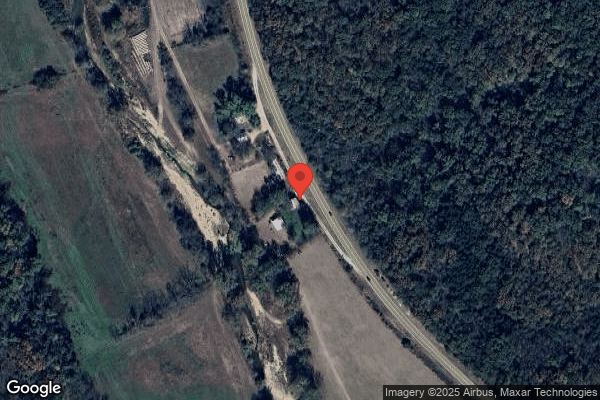
1157 HIGHWAY 17, TUSCUMBIA, MO 65082 (573) 369-2318
Non profit - Other 86 Beds Independent Data: November 2025
Trust Grade
75/100
#101 of 479 in MO
Last Inspection: April 2025

Within standard 12-15 month inspection cycle. Federal law requires annual inspections.

Overview

Miller County Care and Rehabilitation Center has a Trust Grade of B, which indicates it is a good option for families considering nursing homes. It ranks #101 out of 479 facilities in Missouri, placing it in the top half statewide, and #1 out of 4 in Miller County, meaning it is the best choice among local options. However, the facility's trend is worsening; issues reported increased from 3 in 2024 to 5 in 2025. Staffing is a concern, with a 2/5 stars rating and a turnover rate of 36%, which is better than the state average but still below optimal levels. The facility has not incurred any fines, which is a positive sign, and it offers average RN coverage, suggesting that registered nurses are present to catch potential problems. Specific incidents noted include failures in food safety practices, such as thawing meat improperly and not ensuring proper hand hygiene during resident care and food preparation, which could increase the risk of infection. While there are strengths in its overall care quality, the facility's recent issues and staffing concerns are important factors for families to consider.

Trust Score
B
75/100
In Missouri
#101/479
Top 21%
Safety Record
Low Risk
No red flags
Inspections
Getting Worse
3 → 5 violations
Staff Stability
○ Average
36% turnover. Near Missouri's 48% average. Typical for the industry.
Penalties
✓ Good
No fines on record. Clean compliance history, better than most Missouri facilities.
Skilled Nurses
⚠ Watch
Each resident gets only 18 minutes of Registered Nurse (RN) attention daily — below average for Missouri. Fewer RN minutes means fewer trained eyes watching for problems.
Violations
⚠ Watch
15 deficiencies on record. Higher than average. Multiple issues found across inspections.
★★★★☆
4.0
Overall Rating
★★☆☆☆
2.0
Staff Levels
★★★★☆
4.0
Care Quality
★★★★☆
4.0
Inspection Score
Stable
2024: 3 issues
2025: 5 issues

The Good

  • 4-Star Quality Measures · Strong clinical quality outcomes
  • Full Sprinkler Coverage · Fire safety systems throughout facility
  • No fines on record
  • Staff turnover below average (36%)

    12 points below Missouri average of 48%

Facility shows strength in quality measures, fire safety.

The Bad

Staff Turnover: 36%

Near Missouri avg (46%)

Typical for the industry

The Ugly 15 deficiencies on record

Apr 2025 5 deficiencies
CONCERN (D)

Potential for Harm - no one hurt, but risky conditions existed

PASARR Coordination (Tag F0644)

Could have caused harm · This affected 1 resident

**NOTE- TERMS IN BRACKETS HAVE BEEN EDITED TO PROTECT CONFIDENTIALITY** Based on interview and record review, facility staff failed to complete an accurate Level I Pre-admission Screening (used to eva...

Read full inspector narrative →
**NOTE- TERMS IN BRACKETS HAVE BEEN EDITED TO PROTECT CONFIDENTIALITY** Based on interview and record review, facility staff failed to complete an accurate Level I Pre-admission Screening (used to evaluate for the presence of psychiatric conditions to determine if a Pre-admission Screening and Resident Review (PASARR) level II screen is required) as required for two residents (Resident #6 and #56) out of 18 sampled residents with new mental health diagnoses. The facility census was 60. 1. Review of the facility's policy titled admission Criteria, revised March 2019, showed staff are directed to use the PASRR to screen all potential admissions to determine if they meet the criteria for mental disorder, intellectual disabilities, or related disorders regardless of payer source. 2. Review of Resident #6's Face Sheet, dated 09/30/22, showed the resident admitted to the facility on [DATE] with a diagnosis of Post Traumatic Stress Disorder (PTSD) Review of the resident's medical record showed staff used a Level I Pre-admission Screening completed at another facility on 09/10/21, which did not contain the diagnosis of PTSD. During an interview on 04/23/25 at 1:23 P.M., the Social Service Designee (SSD) said with the resident's new diagnosis a new Level I Pre-admission Screening should have been completed. The SSD said he/she did not review the resident's previous Level I screening when he/she was admitted . The SSD said he/she did not know the resident had PTSD. The SSD said he/she did not know he/she should review Level I screenings for residents admitted from different facilities. 3. Review of Resident #56's Significant Change in Status Assessment (SCSA) minimum data set (MDS), a federally mandated assessment tool, dated 03/07/25, showed staff assessed resident as: -Severely cognitively impaired; -Had verbal and physical behaviors one to three days during the look back period; -Diagnoses of non-traumatic brain dysfunction, Alzheimer's disease, Dementia, and anxiety disorder. Review of the residents Level I Pre-admission Screening dated, 01/14/25 showed the resident did not have any mental health diagnoses. Review of the resident's medical record, dated 02/10/25, showed the resident transferred to a psychiatric hospital for evaluation and treatment an returned to the facility on [DATE]. The record did not contain an updated Level I Pre-admission Screening. During an interview on 04/23/25 at 1:23 P.M., said he/she did know about the resident's psychiatric evaluation and new diagnosis. 4. During an interview on 04/23/25 at 1:23 P.M., the SSD said he/she is responsible for completing the PASARR's. The SSD said PASRR's should be completed before admission and updated with any change in condition or if the resident is on a leave of absence for greater than 60 days. A change in condition would include being diagnosed with a new mental health diagnosis. The SSD said they were not aware that a new PASRR needed to be completed with a change in condition until this week. During an interview on 04/24/25 at 10:58 A.M., the Director of Nursing (DON) said he/she did not know until this week when a PASRR should be completed. The SSD is responsible for accurately completing PASRR's. During an interview on 04/24/25 at 11:40 A.M., the administrator said the SSD is responsible for completing PASRR's. PASRR's should be completed on admission and with a change in condition. The SSD did not know the requirements and is in the process of learning PASRR's. The resident's PASRR should have been updated after the psychiatric stay and new diagnosis.
CONCERN (D)

Potential for Harm - no one hurt, but risky conditions existed

Deficiency F0645 (Tag F0645)

Could have caused harm · This affected 1 resident

**NOTE- TERMS IN BRACKETS HAVE BEEN EDITED TO PROTECT CONFIDENTIALITY** Based on interview and record review, facility staff failed to accurately complete the Pre-admission Screening and Resident Revi...

Read full inspector narrative →
**NOTE- TERMS IN BRACKETS HAVE BEEN EDITED TO PROTECT CONFIDENTIALITY** Based on interview and record review, facility staff failed to accurately complete the Pre-admission Screening and Resident Review (PASRR) process prior to admission for two residents (Residents #18, and #44) out of 18 sampled residents. The facility census was 60. 1. Review of the facility's policy titled admission Criteria, dated March 2019, showed all new admissions and readmissions are assessed for mental disorders, intellectual disabilities or related disorders RD per the Medicaid PASSAR process. The facility conducts a Level I PASSAR screen for all potential admissions, regardless of payer source, to determine if the individual meets the criteria for mental disorders, intellectual disabilities or related disorders. 3. Review of Resident 18's Face Sheet, dated 12/04/24, showed the resident admitted to the facility on [DATE] with diagnoses of Schizophrenia, Generalized Anxiety Disorder and Mild Cognitive Impairment. Review of the resident's medical record showed staff completed a Level I Pre-admission Screening, dated 03/18/25, more than three months after the resident had been admitted . During an interview on 04/23/25 at 1:23 P.M., the Social Service Designee (SSD) said the resident admitted from a residential care facility (RCF) and he/she forgot to complete the Level I Pre-admission screening until the medicaid office called and said they were waiting on one. The SSD said he/she thinks he/she has 30 days to complete the screening. The SSD said he/she did not complete the screening within 30 days of the resident's admission. 4. Review of Resident 54's Face Sheet, dated 11/25/24, showed the resident admitted to the facility on [DATE] with diagnoses of Dementia with psychotic disturbance, Major Depressive Disorder, Generalized Anxiety Disorder and Insomnia. Review of the resident's medical record showed staff completed a Level I Pre-admission Screening on 03/18/25, more than four months after the resident had been admitted . Review showed staff failed to document the resident's in patient psychiatric stay within the last three months. During an interview on 04/23/25 at 1:23 P.M., the SSD said he/she did not complete the resident's Level I Screening within 30 days of the resident's admission because he/she forgot. During an interview on 04/24/25 at 10:51 A.M., the Director of Nursing (DON) said he/she does not know how long the facility has to complete the Level I Pre-admission Screening for newly admitted residents. The DON said he/she does not know why it had not been completed for the two residents upon admission. During an interview on 04/24/25 at 11:41 A.M., the administrator said the SSD should complete a Level I Pre-admission screening upon the residents' admission. The administrator said he/she does not know why the screenings were not completed when the two residents were admitted to the facility, and it should have been done on admission. The administrator said he/she is responsible to ensure the SSD has completed the screenings.
CONCERN (D)

Potential for Harm - no one hurt, but risky conditions existed

Deficiency F0688 (Tag F0688)

Could have caused harm · This affected 1 resident

Based on observation, interview, and record review, facility staff failed to provide appropriate treatment and services to prevent further decrease in range of motion (ROM), movement of a joint, for o...

Read full inspector narrative →
Based on observation, interview, and record review, facility staff failed to provide appropriate treatment and services to prevent further decrease in range of motion (ROM), movement of a joint, for one resident (Resident #23) out 18 sampled residents, who had a contracture (shortening and hardening of muscles, tendons, or other tissue, often leading to deformity and rigidity of joints) to the left hand. The facility census was 60. 1. Review of the facility's policy titled, Resident Mobility and Range of Motion, dated July 2017, showed residents will not experience an avoidable reduction in ROM. Residents with limited ROM will receive treatment and services to increase and/or prevent a further decrease in ROM. Residents with limited mobility will receive appropriate services, equipment and assistance to maintain or improve mobility unless reduction to mobility is unavoidable. The resident's care plan will include specific interventions, exercises and therapies to maintain, prevent avoidable decline in, and/or improve mobility and ROM. Resident will receive restorative nursing care as needed to help promote optimal safety and independence. Restorative goals and objectives are individualized and resident-centered, and are outline in the resident's plan of care. 2. Review of Resident #23's Annual Minimum Data Set (MDS), a federally mandated assessment tool, dated 01/11/25, showed staff assessed the resident as: -Severe cognitive impairment; -ROM impairment to one side of upper and lower extremities; -Used a wheelchair; -Diagnoses of Stroke, Aphasia (language disorder that affects a person's ability to communicate, affects a person's ability to express and understand written and spoken language) and Hemiplegia (paralysis, or the ability to move on side of the body). Review of the resident's care plan, dated 01/30/25, showed staff documented the resident is not on a restorative program, he/she is at his/her potential. Monitor and record any increased stiffness in joints. Provide instruction and assistance during ROM. Restorative Aid provided assistance with ROM. Review of the resident's Contracture Risk Assessment, dated 01/30/2023, showed staff documented: -Joint condition has moderate limitation; -Muscle tone has moderate hypertonicity (muscles are abnormally tight or stiff) or flaccid; -Degenerative Disorder (gradual deterioration of tissues); -Restorative program. Observation on 04/21/25 at 12:22 P.M., showed the resident's left hand contracted without an intervention in place. Observation on 04/21/25 at 3:18 P.M., showed the resident's left hand contracted without an intervention in place. Observation on 04/22/25 at 11:01 A.M., showed the resident's left hand contracted without an intervention in place. Observation on 04/23/25 at 8:30 A.M., showed resident propelled self down the hall in his/her wheelchair. Resident attempted to open his/her contracted left hand with his/her right hand. Observation on 04/24/25 at 10:01 A.M., showed the resident propelled self down the hall in his/her wheelchair. The resident's left hand contracted with no intervention in place. During an interview on 04/23/25 at 3:20 P.M., Certified Medication Technician (CMT) M said he/she had not noticed the resident's left hand is contracted. The CMT said he/she doesn't know if staff are doing anything with the resident's left hand, and doesn't know if restorative is working with the resident. During an interview 04/24/25 at 9:21 A.M., Restorative Aide (RA) O he/she does not work with the resident. The RA said when he/she walks by the resident he/she puts a rolled up washcloth in the resident's left hand, but it's probably not on the resident's care plan. The resident had a carrot (devices placed in hand to prevent further contractures). The RA said he/she does not think any of the staff do the rolled up wash cloth with the resident. The RA said he/she has not talked to staff about rolling up a washcloth for the resident and that's his/her fault. The RA said he/she did not tell the Therapy Department when the resident lost his/her carrot over a year ago. The RA said he/she did not think to tell therapy, because the resident does not receive therapy anymore. The RA said he/she does not provide ROM for the resident and has not seen staff do it either. The RA said he/she has seen the resident pull on his/her fingers on his/her contracted hand, it's probably because he/she needs ROM completed with him/her. During an interview on 04/24/25 at 9:47 A.M., the Rehabilitation Director said the resident has a contracture to the left hand from a stroke. The Rehabilitation Director said he/she would expect staff to complete ROM when getting the resident dressed. The Rehabilitation Director said to his/her knowledge there has not been a specific splint recommended or anything like that for the resident, and it has not been mentioned to him/her. The Rehabilitation Director said if there is not an intervention in place, the contracture would get worse. The Rehabilitation Director said he/she would have expected staff to let him/her know the resident lost his/her carrot, the Rehabilitation Department has plenty of carrots, or splinting things downstairs. During an interview on 04/24/25 at 10:16 A.M., CMT M said he/she doesn't know if anything is care planned for the resident's ROM, and he/she doesn't even know if he/she has access to look at the care plans. CMT M said he/she hasn't looked at the resident's care plan. During an interview on 04/24/25 at 11:03 A.M., the Director of Nursing (DON) said he/she would expect staff to use a rolled up wash cloth or a carrot in the resident's hand to prevent further contracture. The DON said he/she would expect staff to provide ROM with the resident when they clean his/her hands throughout the day. The DON said if the resident had a carrot and it went missing, he/she would expect staff to report it to restorative therapy, or the charge nurse. The DON said he/she doesn't know why staff are not providing interventions for the resident's contracted hand. During an interview on 04/24/25 at 11:41 A.M., the administrator said he/she would expect staff to follow orders for residents with contractures. The administrator said staff usually keep continuous orders for restorative therapy if a resident has contractures to keep the contractures from getting worse. The administrator said he/she expects staff to report to the charge nurse if a resident has a device and it gets lost, so it can get replaced. The administrator said he/she doesn't know why staff did not report the resident's missing therapy device.
CONCERN (F)

Potential for Harm - no one hurt, but risky conditions existed

Deficiency F0801 (Tag F0801)

Could have caused harm · This affected most or all residents

Based on interview and record review, the facility staff failed to designate a person to serve as the Director of Food and Nutrition Services (DFNS) with the appropriate qualifications, when the facil...

Read full inspector narrative →
Based on interview and record review, the facility staff failed to designate a person to serve as the Director of Food and Nutrition Services (DFNS) with the appropriate qualifications, when the facility did not employ a qualified dietitian or other clinically qualified nutrition professional full-time. This failure has the potential to affect all residents. The facility census was 60. 1. Review of the facility's Dietitian policy, revised November 2022, showed: -If a dietician is not employed full time (35 or more hours per week) a director of food and nutrition services will be designated. The individual will: a. be a certified dietary manager; or b. be a certified food service manager; or c. be nationally certified in food service management and safety; or d. have a associated's (or higher) desgree in food service management or hospitality, if the course study includes food service or restaurant management, from an accredited institution; or e. has two or more years of experience in the position of director of food and nutrition services in a nursing facility setting and has completed a course of study in food safety and management, by no later than October 1, 2023, that includes topics integral to managing dietary operations including, but not limited to, foodborne illness, sanitation procedures, and food purchasing/receiving; and f. receives frequently scheduled consultations from a qualified dietitian or other qualified nutrition professional. -For designations made before November 28, 2016, the director of food and nutrition services will meet the above requirements no later than November 28, 2021. For designations made after November 28, 2016, the requirements will be met no later than November 26, 2017. Review of the dietary manager's (DM) personnel records showed a hire date for the DFNS position listed as 03/17/25. Review showed the records did not contain documentation of prior experience as a DFNS in a nursing facility and certification or other education required for the director of nutritional services position. During an interview on 04/23/25 at 1:15 P.M., the DM said he/she became the DM on 03/17/25 and he/she did not have a degree or certification related to food service management. The DM said he/she had been a DM in another nursing facility for at least two years, but he/she had not completed any courses of study related to food safety and managment. The DM said the facility enrolled him/her in an online certified dietary manager's course, but he/she had not started the course yet. The DM said the facility's consultant registered dietician (RD) only works part-time and the facility did not have any other clinically qualified nutritional staff employed full-time. During an interview on 04/23/25 at 2:13 P.M., the administrator said the DM had been the DM since March 2025 and he/she did not have a degree or certification related to food service management. The administrator said the DM had been a DM in another nursing facility for at least two years, but he/she had not completed any courses of study related to food safety and managment. The administrator said the facility's consultant RD only works part-time and the facility did not have any other clinically qualified nutritional staff employed full-time. The administrator said they enrolled the DM in an online certified dietary manager's course after his/her hire, but he/she had not started the course yet. The administrator said he/she knew of the qualifications that the DFNS had to meet by regulation, but he/she thought they just needed to enroll the DM into a course and did not realize that the DM had to meet the qualifications upon hire.
CONCERN (F)

Potential for Harm - no one hurt, but risky conditions existed

Food Safety (Tag F0812)

Could have caused harm · This affected most or all residents

Based on observation, interview and record review, the facility staff failed to thaw frozen meat in a manner to prevent the growth of food-borne pathogens. This failure has the potential to affect all...

Read full inspector narrative →
Based on observation, interview and record review, the facility staff failed to thaw frozen meat in a manner to prevent the growth of food-borne pathogens. This failure has the potential to affect all residents. The facility census was 60 . 1. Review of the 2022 United States Food and Drug Administration Food Code, section 3-501.13 Thawing, showed: -Except as specified in paragraph (D) of this section, time/temperature control for safety food shall be thawed: (A) Under refrigeration that maintains the food temperature at 41 degrees Fahrenheit (dF) or less; or (B) Completely submerged under running water: (1) At a water temperature of 70 dF or below, (2) With sufficient water velocity to agitate and float off loose particles in an overflow, and (3) For a period of time that does not allow thawed portions of ready-to-eat food to rise above 41 dF, or (4) For a period of time that does not allow thawed portions of a raw animal food requiring cooking as specified under paragraphs 3-401.11(A) or (B) to be above 41 dF for more than 4 hours including: (a) The time the food is exposed to the running water and the time needed for preparation for cooking, or (b) The time it takes under refrigeration to lower the food temperature to 41 dF; (C) As part of a cooking process if the food that is frozen is: (1) Cooked as specified under paragraphs 3-401.11(A) or (B), subsection 3-401.12, or subsection 3-401.15, or (2) Thawed in a microwave oven and immediately transferred to conventional cooking equipment, with no interruption in the process; or (D) Using any procedure if a portion of frozen ready-to-eat food is thawed and prepared for immediate service in response to an individual consumer's order. Observation on 04/23/25 at 9:48 A.M., showed the food preparation sinks in the cook's station contained a 10 pound package of raw ground beef and a half cut fully cooked deli-style turkey breast in a plastic resealable bag floating in water without running water on it. Observation also showed a package of frozen blueberries laid in a small amount of 82 degrees Fahrenheit (dF) water. Observation showed the frozen blueberries did not have running water on them. During an interview on 04/23/25 at 9:52 A.M., [NAME] B said he/she put the hamburger in the sink a little bit ago to thaw for use at lunch, but he/she put the turkey breast in the sink at 7:00 A.M. to thaw for use on the sandwiches for dinner. The cook said he/she just put the package of blueberries in sink to thaw so he/she could make the dessert for lunch. The cook said he/she was trained to pull foods from the freezer to thaw in refrigerator three days a head of time, but staff did not pull the items so they were still frozen. The cook said he/she was not trained how to thaw foods in the sink and he/she had seen other staff thaw frozen foods this way. Observation on 04/23/25 at 10:18 A.M., showed the cook removed the raw hamburger from the sink of water, removed it from the packaging, placed it in a pan on the stove and cooked it to make goulash for the lunch meal. Observation showed the plastic bag of turkey breast and package of blueberries remained in the sinks of water without water running on them. Observation on 04/23/25 at 11:02 A.M., showed the cooked removed the package of blueberries from the sink and used the contents to prepare the dessert for the lunch meal. Observation showed the plastic bag of turkey breast remained in the sink of water without water running on it. During an interview on 04/23/25 at 11:02 A.M., the DM said, if thawed in the sink, frozen food should be submerged in cool water with cool water running on it and staff have been trained on how to properly thaw food. The DM said he/she has had to provide a lot of correction and reeducation to staff since he/she became the DM on 03/17/25. During an interview on 04/23/25 at 3:00 P.M., the administrator said the facility did not have a policy for food thawing and in the absence of a policy, staff should follow the current food code requirements. The administrator said, when thawed in the sink, frozen food should be submerged under cool running water and staff have been trained on how to properly thaw food as he/she had just in-serviced staff on the requirements after they recently had to throw away two cases of turkey due to improper thawing.
Feb 2024 3 deficiencies
CONCERN (D)

Potential for Harm - no one hurt, but risky conditions existed

Notification of Changes (Tag F0580)

Could have caused harm · This affected 1 resident

Based on interview and record review, facility staff failed to notify one resident's physician (Resident #4) when his/her blood sugar reached a level greater 450 milligrams/deciliter (mg/dL). The faci...

Read full inspector narrative →
Based on interview and record review, facility staff failed to notify one resident's physician (Resident #4) when his/her blood sugar reached a level greater 450 milligrams/deciliter (mg/dL). The facility census was 62. 1. Review of the policies provided by the facility did not contain a policy for physician notification instruction, physician orders, or professional standards. 2. Review of Resident #4's Quarterly Minimum Data Set (MDS), a federally mandated assessment tool, dated 12/09/23, showed staff assessed the resident as follows: -Cognitively intact; -Rejection of care not exhibited; -Insulin injections received seven out of the last seven days; -Diagnosis of Diabetes Mellitus (the body's ability to produce or respond to the hormone insulin is impaired, resulting in abnormal metabolism of carbohydrates and elevated levels of glucose in blood and urine). Review of the resident's care plan, revised 02/16/24, showed staff documented the resident's glucose will stabilize and range between normal limits and absence of signs of hypoglycemia (low blood sugars) or hyperglycemia (high blood sugars). Review of the resident's Physician Order Sheet (POS), dated 01/22/24 through 02/22/24, showed an order for Novolog U-100 Insulin aspart solution (short-acting insulin), sliding scale, three times a day, and Lantus U-100 Insulin solution (long-acting insulin), 100 unit/milliliter (ml), 15 units once daily. Review of the resident's Medication Administration Record (MAR), dated 02/01/24 through 02/22/24, showed staff documented the following resident's blood sugar readings as: -02/03/24, 456; -02/11/24, 522; -02/13/24, 493; -02/16/24, 462; -02/18/24, 485. Review of the resident's Progress Notes, dated 02/01/24 through 02/22/24, showed staff did not contain documentatin staff notified the physician when the resident's blood sugars reached a level greater than 450 mg/dL. During an interview on 02/21/24 at 2:29 P.M., the resident said recently his/her blood sugars have not been stable, his/her blood sugars have been running high. During an interview on 02/22/24 at 3:13 P.M., Certified Medication Technician (CMT) J said usually the orders say to notify the physician if a resident's blood sugar is greater than 450. The CMT said the CMT's are responsible for obtaining the resident's blood sugars and administering insulin. The CMT said no one had ever mentioned the resident's high blood sugars in shift report. The CMT said he/she had not reported the resident's high blood sugars to the physician. The CMT said he/she is not aware if a nurse had notified the physician about the resident's high blood sugars. The CMT said if the a nurse notified the physician, the nurse would have documented the notification in the resident's progress notes. During an interview on 02/22/24 at 4:04 P.M., Licensed Practical Nurse (LPN) K said he/she would expect staff to let him/her know if a resident's blood sugar is above 400. The LPN said he/she would notify the physician if the resident's blood sugar is above 450, especially if the POS does not have a documented parameter for physician notification. The LPN said he/she would expect the physician to be notified with as many high blood sugars as the resident has had. The LPN said he/she does not see a progress note, where staff documented the physician had been notified of the resident's high blood sugars. The LPN said he/she does not recall if he/she had received any reports at shift changes of the resident's high blood sugars. During an interview on 02/23/24 at 9:15 A.M., the Medical Director (MD) said he/she typically wants to be notified with blood sugars if the resident receives sliding scale insulin. The MD said he/she would expect staff to contact him/her if a resident had multiple blood sugars over 450, because he/she would need to address it. During an interview on 02/23/24 at 10:15 A.M., the Director of Nursing (DON) said he/she expects staff to notify the nurse with blood sugars over 400. The DON said he/she would expect the nurse to check the resident's parameters, which should be listed on the POS. The DON said he/she would expect the nurses to notify the physician when a resident has blood sugars greater than 450. The DON said he/she does not know why staff did not notify the physician when the resident's blood sugars were greater than 450. The DON said he/she would expect the nurses to document the physician notification in the progress notes. During an interview on 02/23/24 at 11:01 A.M., the administrator said he/she knew the resident had high blood sugars and there were not parameters listed on the order, and there should be, especially because the resident receives sliding scale insulin. The administrator said the other residents who receive sliding scale insulin have parameters listed for when to notify the physician, and it needs to be the same across the board. The nurse should have notified the physician, it was staffs mistake that they did not make sure there was a parameter on the resident's insulin order on his/her POS.
CONCERN (D)

Potential for Harm - no one hurt, but risky conditions existed

Respiratory Care (Tag F0695)

Could have caused harm · This affected 1 resident

**NOTE- TERMS IN BRACKETS HAVE BEEN EDITED TO PROTECT CONFIDENTIALITY** Based on observation, interview and record review, facility staff failed to ensure one resident (Resident #53), who required con...

Read full inspector narrative →
**NOTE- TERMS IN BRACKETS HAVE BEEN EDITED TO PROTECT CONFIDENTIALITY** Based on observation, interview and record review, facility staff failed to ensure one resident (Resident #53), who required continuous oxygen, received continous oxygen as ordered by the physician. The facility census was 62. 1. Review of the facility's policy titled, Oxygen Administration, revised October 2010, showed staff are directed to: -Review the physician's orders or facility protocol for oxygen administration; -Review the resident's care plan to assess for any special needs; -Assemble the equipment and supplies as needed. Did not contain direction for staff in regard to continuous oxygen use. 2. Review of Resident #53's Quarterly MDS, dated [DATE], showed staff assessed the resident as follows: -Cognitively intact; -Rejection of care not exhibited; -Independent with transfers and ambulation; -Uses a walker; -Requires oxygen therapy; -Diagnosis of Chronic Obstructive Pulmonary Disease (COPD), a group of lung diseases that block airflow and make it difficult to breathe. Review of the resident's comprehensive care plan, revised 01/04/24, showed staff documented the resident admitted to facility due to being extremely short of breath and unable to care for self. Review showed staff assesed the resident at risk for falls due to shortness of breath and impaired balance required a walker. The resident has difficulty getting around due to shortness of breath and required continuous oxygen. Review showed staff will teach resident pursed lipped breathing techniques during exertion. Review showed staff should apply oxygen at all times. Resident can take off oxygen for smoking, but that is the only time. Review of the resident's Physician Order Sheet (POS), dated 01/22/24 through 02/22/24, showed an order for oxygen at three liters per minute (LPM) by nasal cannula (N/C), continuously. Observation on 02/20/24 at 12:12 P.M., showed the resident in dining room without his/her oxygen on. Observation showed the resident took breaks between bites of food, to lean back in chair and open his/her mouth wide for deep breathes. Observation showed Certified Nurse Aide (CNA) J in the dining room for the meal. Observation on 02/21/24 at 12:13 P.M., showed the resident in the dining room for lunch without his/her oxygen. Observation showed the resident leaned back in his/her chair and took deep gasps of air between bites. Observation on 02/22/24 at 12:03 P.M., showed the resident ate in the dining room without his/her oxygen. Observation showed the resident put his/her silverware down and leaned back in his/her chair and opened his/her mouth wide to take breathes between each bite. CNA J and Certified Medication Technician (CMT) I were in the dining room. Observation showed the resident took off his/her extra shirt. The CNA approached the resident and sat beside him/her. The CNA opened the window by the resident, after the resident requested fresh air. The CMT checked the resident's oxygen saturation (O2) and it went up to 93% and back down to 91%. Observation showed staff did not leave the dining room to get the resident's oxygen. During an interview on 02/20/24 at 12:12 P.M., the resident said he/she had a portable oxygen concentrator and it stopped working. The resident said staff will not get him/her a new one. The resident said he/she does not have a portable oxygen tank to carry with him/her, but he/she would like one. During an interview on 02/22/24 at 2:34 P.M., CNA J said he/she is pretty sure the resident receives oxygen as needed. The CNA said if the resident needs oxygen it is in his/her room. The CNA said he/she doesn't know if he/she has access to care plans, so he/she never looks at the care plans. The CNA said he/she goes by what the nurses tell him/her. The CNA said the resident had a portable oxygen concentrator but it broke. The CNA said when the resident gets short of breath in the dining room he/she opens a window. The CNA said he/she does not know why the resident doesn't have a portable oxygen tank. The CNA said the resident walks with a walker so a staff member would have to walk with him/her to the dining room with an oxygen concentrator. The CNA said he/she just figured the resident used the oxygen in his/her room. The CNA said he/she had not reported the resident's broken portable oxygen concentrator to anyone. During an interview on 02/22/24 at 3:05 P.M., CMT J said he/she did not know the resident was to receive oxygen on a continuous basis. The CMT said the resident should not have to go back to his/her room, from the dining room, to get oxygen. The CMT said the resident's Medication Administration Record (MAR) shows an order for three liters of oxygen continuously. The CMT said whether the resident uses it or not, staff should bring the resident's oxygen concentrator to the dining room in he/she needs it. During an interview on 02/22/24 at 3:56 P.M., Licensed Practical Nurse (LPN) K said the resident walks with a walker. The LPN said staff should take the resident's oxygen concentrator to the dining room during meals. The LPN said at one point, the resident had a mobile oxygen concentrator, but then it malfunctioned. The LPN said when the resident had the mobile oxygen concentrator, the resident would take it to the dining room with him/her. The LPN said if a resident has an order for continuous oxygen, staff should make sure the resident has their oxygen at all time, except if the resident goes outside to smoke. During an interview on 02/23/24 at 9:15 A.M., the Medical Director (MD) said if a resident is on continuous oxygen he/she would expect staff to take the concentrator or portable device with the resident to the dining room. The MD said he/she would expect staff to get oxygen for a resident in the dining room if the resident is symptomatic. The MD said opening a window is not an expected treatment for a resident who is short of air. During an interview on 02/23/24 at 10:15 A.M., the Director of Nursing (DON) said staff should take the concentrator or a bottle of oxygen to dining room for a resident who receives oxygen on a continuous basis. The DON said staff can also use a portable oxygen tank. The DON said if the resident leans back in the chair, is breathing rapidly, or sets back with mouth open in between bites, staff should assess the resident. The DON said opening a window is not a form of treatment. During an interview on 02/23/24 at 11:01 A.M., the administrator said if a resident is on continuous oxygen, staff should get the resident an oxygen bottle when the resident goes to the dining room, or take the resident's concentrator to the dining room for them.
CONCERN (F)

Potential for Harm - no one hurt, but risky conditions existed

Infection Control (Tag F0880)

Could have caused harm · This affected most or all residents

**NOTE- TERMS IN BRACKETS HAVE BEEN EDITED TO PROTECT CONFIDENTIALITY** Based on observation, interview and record review, the facility staff failed to perform hand hygiene as often as necessary using...

Read full inspector narrative →
**NOTE- TERMS IN BRACKETS HAVE BEEN EDITED TO PROTECT CONFIDENTIALITY** Based on observation, interview and record review, the facility staff failed to perform hand hygiene as often as necessary using approved techniques to prevent cross-contamination and reduce the risk of infection during the provision of perineal care for two residents (Resident #2 and Resident #8) and during food preparation and service. Facility staff also failed to develop and implement complete policies and procedures for the inspection, testing and maintenance of the facility's water systems to inhibit the growth of waterborne pathogens and reduce the risk of an outbreak of Legionnaire's Disease (LD). The facility census was 62. 1. Review of the facility's policy, titled Handwashing/Hand Hygiene, revised August 2019, showed the policy directed staff as follows: -Wash hands with soap and water when hands are visibly soiled; -Use an alcohol-based hand rub (ABHR) containing at least 62% alcohol or use soap and water for the following situations: -Before and after direct contact with residents; -Before moving from a contaminated body site to a clean body site during resident care; -After contact with a resident's intact skin; -After contact with blood or bodily fluids; -After handling used dressings, contaminated equipment, etc.; -After removing gloves; -The use of gloves does not replace hand washing/hand hygiene. Integration of glove use along with routine hand hygiene is recognized as the best practice for preventing healthcare-associated infections; -Perform hand hygiene before applying non-sterile gloves and perform hand hygiene after removing gloves. Observation on 02/21/24 at 11:53 A.M., showed Certified Nurse Aide (CNA) O and CNA P entered Resident #2's room to provide perineal care. CNA O and CNA P performed hand hygiene, and applied clean gloves. CNA P completed perineal care rolled the resident with same soiled gloves on to his/her left side, and CNA O completed perineal care. With the same soiled gloves on, CNA O and CNA P put a clean brief on the resident. CNA O and CNA P removed gloves and applied clean gloves without performing hand hygiene between gloves changes, and CNA P helped the resident put pants on, while CNA O placed the Hoyer lift (mechanical lift) sling on the bed next to the resident. CNA O then put a clean shirt on the resident. CNA P removed urine soiled linens from the bed and placed the linens in a plastic bag. With the same soiled gloves, CNA P brushed the resident's hair, applied the resident's glasses, and touched the handles of the resident's wheelchair. Observation on 02/21/24 at 2:31 P.M., showed CNA O and CNA P entered Resident #8's room to provide perineal care. The CNA's performed hand hygiene and applied gloves. CNA P provided perineal care to the resident's front, and with the same soiled gloves on, applied zinc cream to the resident's perineal area. CNA O and CNA P removed gloves, and applied new gloves without performing hand hygiene. CNA O performed perineal care to resident's back side, removed feces, and with applied zinc cream to the resident's bottom with the same soiled gloves on. CNA P removed his/her gloves, did not perform hand hygiene, and repositioned the resident's bed, covered the resident with a blanket, and touched the call light, and floor mat. During an interview on 02/21/24 at 2:43 P.M., CNA P said staff should complete hand hygiene before and after resident care. CNA P said he/she should have at least used hand sanitizer in between glove changes and knew he/she forgot something. The CNA said if hand hygiene is not completed right it puts the resident at risk for infection. During an interview on 02/21/24 at 2:45 P.M., CNA O said he/she was not sure what he/she did wrong. CNA O said he/she should complete hand hygiene anytime he/she touches something, and from dirty to clean during procedures. The CNA said he/she should have performed hand hygiene between glove changes, and it slipped his/her mind. The CNA said if hand hygiene is not done appropriately it puts the resident at risk for infection. During an interview on 02/23/24 at 10:32 A.M., Registered Nurse (RN) H said staff should change gloves from dirty to clean tasks, or when visibly soiled. RN H said staff should wash hands between glove changes. RN H said if staff touch soiled linens, staff should change gloves and wash hands before providing care such brushing a resident's hair or touching clean clothing. During an interview on 02/23/24 at 10:30 A.M., the Director of Nursing (DON) said staff should follow the facility's policy and should wash hands upon entering and exiting a residents' room. The DON said hands should be washed when moving from dirty to clean tasks, before and after eating, and and after toileting. The DON said staff should perform hand hygiene between gloves changes. The DON said ff staff are not performing hand hygiene appropriately it could cause an infection. During an interview on 02/23/24 at 11:50 A.M., the administrator said staff should wash hands upon the start of their work day, with any resident contact, from dirty to clean tasks, and with glove changes. The administrator said there is risk for infection if hand hygiene is not completed appropriately. 2. Review of the facility's Proper Hand Washing and Glove Use policy, dated 2020, showed: -All employees will use proper hand washing procedures and glove usage in accordance with state and federal guidelines; -All employees will wash their hands upon entering the kitchen from any other location, after all breaks, and between all tasks; -Hand washing should occur at a minimum of every hour; -Hands are to be washed before donning gloves and after removing gloves; -Gloves are changed any time hand washing would be required. This includes when leaving the kitchen for a break or going to another location in the building; after handling potentially hazardous raw food; or if the gloves become contaminated by touching of the face, hair, uniform, or other non-food contact surface, such as door handles and equipment; -When gloves must be changed, they are removed, hand washing procedure is followed, and a new pair of gloves is donned; -Gloves are never to be placed on dirty hands and the procedure for glove use is always wash, glove, remove, rewash, and re-glove. Observation on 02/21/24 at 9:56 A.M., showed [NAME] A washed his/her hands in the handwashing sink and scrubbed his/her hands with soap for seven seconds under running water. Observation showed, after he/she washed his/her hands, the cook donned gloves and continued to prepare chili for service to residents at the noon meal. Observation on 02/21/24 at 10:12 A.M., showed [NAME] A took soiled dishes to the mechanical dishwashing station and, without performing hand hygiene: -Stirred a pan of peas and carrots cooking on the stove; -Used a cleaning cloth from a sanitizer bucket to wipe down the countertops in his/her station and clean the food preparation sink; -Obtained plastic containers, a knife, a cutting board and two raw tomatoes; -Donned a pair of gloves and cut the tomatoes into wedges for service at noon meal: -Removed his/her gloves and, again without performing hand hygiene, removed serving utensils from the drawer; -Obtained a cleaning cloth from the sanitizer bucket and used the cloth to wipe his/her hands; -Used the same cloth to clean out the utensil drawer and returned the utensils to drawer; -Put his/her hands on his/her waist to review the menu; -Obtained portion scoops from another utensil drawer by touching the food contact ends of the scoops with his/her bare hands; -Picked up sanitized scoops from clean side of mechanical dishwashing station; -Sprayed a food service pan with pan release, filled the pan with water, placed the pan on stove and added melted butter; -Stirred the pan of peas and carrots cooking on the stove. Observation on 02/21/24 at 11:15 A.M., showed Dietary Aide (DA) F washed his/her hands at the handwashing sink and scrubbed his/her hands with soap for five seconds. Observation showed the DA donned gloves and prepared cups of sour cream for service to residents at noon meal. Observation on 02/21/24 at 11:16 A.M., showed [NAME] B washed his/her hands at the handwashing sink and scrubbed his/her hands for seven seconds. Observation showed the cook donned gloves and prepared cups of sour cream for service to residents at the noon meal. Observation on 02/21/24 at 11:23 A.M., showed DA E entered the kitchen, washed his/her hands at the handwashing sink and scrubbed his/her hands with soap for five seconds. The DA then prepared meal tickets, which are placed on the food service trays, for the noon meal service. Observation on 02/21/24 at 11:24 A.M., showed DA F washed his/her hands at the handwashing sink and scrubbed his/her hands with soap for three seconds . Observation showed the DA obtained food items from the dry goods storage pantry. Observation on 02/21/24 at 11:42 A.M., showed DA E washed his/her hands at the handwashing sink. Observation showed the DA scrubbed his/her hands with soap for four seconds; turned the faucet off with his/her bare hand; dried his/her hands with a paper towel; used the same paper towel to wipe off the faucet; and used the same paper towel to dry his/her hands again. Observation showed the DA prepared two cups of coffee and delivered the cups to residents in the dining room. Observation on 02/21/24 at 12:19 P.M., showed DA C touched his/her facemask twice and without performing hand hygiene, served coffee to a resident and plates of food to residents in the small dining room. During an interview on 02/21/24 at 12:22 P.M., DA C said staff are to wash their hands after they touch anything dirty, which would include their facemasks. The DA said he/she did not wash his/her hands after he/she touched his/her facemask because he/she just did not think about it. Observation on 02/23/24 at 10:52 A.M., showed DA G entered the kitchen, took off his/her jacket and touched his/her facemask. Observation showed the DA then washed his/her hands at the handwashing sink and scrubbed his/her hands with soap for five seconds. Observation showed the DA then served drinks to residents in the small dining room. Observation on 02/23/24 at 11:00 A.M., showed [NAME] B and DA F prepared dessert for service to residents at the noon meal with gloved hands. Observation showed the cook and DA removed their gloves, washed their hands at the handwashing sink and scrubbed their hands with soap for five seconds each. Observation showed the cook and DA then donned gloves and continue to prepare dessert for service to the residents. During an interview on 02/23/24 at 11:01 A.M., DA F said he/she had worked at the facility for about a year and staff trained him/her on proper handwashing procedures upon hire. The DA said staff should wash their hands after doing anything, handling food and doing anything dirty. The DA said staff should scrub their hands with soap for 20 seconds when they wash their hands and he/she did not know why he/she did not scrub his/her hands with soap for 20 seconds. Observation on 02/23/24 at 11:05 A.M., showed DA G entered the kitchen, washed his/her hands at the handwashing sink and scrubbed his/her hands with soap for four seconds. Observation showed the DA obtained food items from the reach-in refrigerator. During an interview on 02/23/24 at 11:06 A.M., DA G said he/she had worked at the facility for six years and had been trained on how to properly wash his/her hands. The DA said he/she did not know how long he/she is supposed to scrub his/her hands with soap, but thought that he/she had just done so for a minute or two. During an interview on 02/23/24 at 11:11 A.M., the dietary manager (DM) said all staff are trained on proper hand hygiene upon hire and routinely throughout the year. The DM said staff should wash their hands when their hands are visibly soiled, when they enter the kitchen, before they prepare food, before and after glove use, after they touch themselves or their facemasks, and after they touch dirty dishes. The DM said, when staff wash their hands, they should scrub their hands with soap out of the water long enough to sing the ABC song, which should take about 20 seconds, dry their hands with a clean paper towel and then turn the faucet off with a paper towel. The DM said staff should not use the same paper towel to dry their hands that they used to turn off the faucet. During an interview on 02/23/24 at 11:27 A.M., the administrator said staff should wash their hands when they enter the kitchen, after they touch themselves, between tasks, and anytime they go from a dirty to a clean task. The administrator said, when staff wash their hands, they should scrub their hands with soap out of the water for 20 seconds out, turn the faucet off with a clean paper towel and use a different towel to dry their hands. The administrator said all staff are trained on proper hand hygiene procedures upon hire and during routine in-services. 3. Review of the Centers for Medicare and Medicaid Services (CMS) Survey and Certification (S&C) letter 17-30, dated 06/02/17 and revised on 06/09/17; showed: -The bacterium Legionella can cause a serious type of pneumonia called LD in persons at risk. Those at risk include persons who are at least [AGE] years old, smokers, or those with underlying medical conditions such as chronic lung disease or immunosuppression. Outbreaks have been linked to poorly maintained water systems in buildings with large or complex water systems including hospitals and long-term care facilities. Transmission can occur via aerosols from devices such as shower heads, cooking towers, hot tubs, and decorative fountains; -Facilities must develop and adhere to policies and procedures that inhibit microbial growth in building water systems that reduce the risk of growth and spread of Legionella and other opportunistic pathogens in water; -CMS expects Medicare certified healthcare facilities to have water management policies and procedures to reduce the risk of growth and spread of Legionella and other opportunistic pathogens in building water systems. An industry standard calling for the development and implementation of water management programs in large or complex building water systems to reduce the risk of legionellosis was published in 2015 by American Society of Heating, Refrigerating, and Air Conditioning Engineers (ASHRAE). In 2016, the CDC and its partners developed a toolkit to facilitate implementation of this ASHRAE Standard(https://www.cdc.gov/legionella/maintenance/wmp-toolkit.html). Environmental, clinical, and epidemiological considerations for healthcare facilities are described in this toolkit; -Surveyors will review policies, procedures, and reports documenting water management implementation results to verify that facilities: -Conduct a facility risk assessment to identify where Legionella and other opportunistic waterborne pathogens (e.g. Pseudomonas, Acinetobacter, Burkholderia, Stenotrophomonas, nontuberculous mycobacteria, and fungi) could grow and spread in the facility water system; -Implement a water management program that considers the ASHRAE industry standard and the CDC toolkit, and includes control measures such as physical controls, temperature management, disinfectant level control, visual inspections, and environmental testing for pathogens; -Specify testing protocols and acceptable ranges for control measures, and document the results of testing and corrective actions taken when control limits are not maintained. Review of the facility's water management program records, provided by the maintenance director on 02/21/24, showed the records contained documentation of a Developing A Legionella Water Management Program to Reduce Legionella Growth and Spread in Buildings toolkit published by the Centers for Disease Control and Prevention (CDC) which directed the staff to: -Form a water management team; -Describe the building water systems using text and flow diagrams; -Identify areas where Legionella could grow and spread; -Decide where control measures should be applied and how to monitor them; -Establish ways to intervene when control limits are not met; -Make sure the program is running as designed and is effective; -Document and communicate all the activities of the water management program; -Utilize tools provided by the CDC and the ASHRAE industry standard as guidance in development, implementation, and ongoing evaluation of program; -Review the elements of the program at least once per year and whenever: *Data review shows control measures are persistently outside of control limits; *A major maintenance or water service change occurs; *One or more cases of disease are thought to be associated with your system(s); *Changes occur in applicable laws, regulations, standards, or guidelines. Review also showed the records contained documentation of a Legionella Prevention Policy, updated 09/27/23, which included control measures, limits and corrective actions when control limits are not met, and documentation of a water flow diagram. Review showed the records did not contain documentation of a water management team, a risk assessment to identify potential areas for the growth of waterborne pathogens including legionella, and activities of the water management program including testing results, monitoring activities, and any corrective actions taken. During an interview on 02/22/24 at 12:00 P.M., the maintenance director said he/she could not provide any additional information related to the facility's water management program. The maintenance director said if the information is not with the remainder of water management program documentation, then they just did not have it as part of the program and he/she did not know the program did not contain all required information. During an interview on 02/23/27 at 11:27 A.M., the administrator said said he/she could not provide any additional information related to the facility's water management program. The administrator said the maintenance director is responsible for the facility's water management program and if he/she could not provide the information, then it was not included in the program and he/she did not know the program did not contain all required information.
Nov 2022 7 deficiencies
CONCERN (D)

Potential for Harm - no one hurt, but risky conditions existed

Deficiency F0625 (Tag F0625)

Could have caused harm · This affected 1 resident

**NOTE- TERMS IN BRACKETS HAVE BEEN EDITED TO PROTECT CONFIDENTIALITY** Based on interview and record review, facility staff failed to provide written information to the resident and/or the resident's...

Read full inspector narrative →
**NOTE- TERMS IN BRACKETS HAVE BEEN EDITED TO PROTECT CONFIDENTIALITY** Based on interview and record review, facility staff failed to provide written information to the resident and/or the resident's representative of the bed hold policy for three sampled residents (Resident #3, #8, and #12). The facility census was 61. 1. Review of the facility's Notice of Bed-hold and readmission policy, undated, showed: -If a resident requires transfer to an acute hospital, the facility will offer the resident the opportunity of electing to have the bed held for a maximum of 30 days; -Before a resident is transferred to a hospital or goes on therapeutic leave, the facility will provide written information to the resident and a family member or legal representative specifying: -The duration of the bed-hold policy under the State plan, during which the resident is permitted to return and resume residence in the facility; -After the period of bed-hold specified above has been exceeded, the resident shall be readmitted to the facility immediately into the first available bed in a semi-private room if the resident requires the services provided by the facility and the resident is eligible for Medicaid nursing facility services. 2. Review of Resident #3's medical record showed the resident was discharged to the hospital on [DATE]. Further review of the medical record showed it did not contain documentation staff notified the resident or the resident's responsible party of the facility's bed-hold policy. 3. Review of Resident #8's medical record showed the resident was discharged to the hospital on 8/30/22 and 11/1/22. Further review of the medical record showed it did not contain documentation staff notified the resident or the resident's responsible party of the facility's bed-hold policy. 4. Review of Resident #12's medical record showed the resident was discharged to the hospital on [DATE]. Further review of the medical record showed it did not contain documentation staff notified the resident or the resident's responsible party of the facility's bed-hold policy. During an interview on 11/16/22 at 3:22 P.M. the Social Service Designee (SSD) said that he/she is responsible for providing the bed hold information to the residents. He/She said he/she did not know why the bed hold information was not given. 5. During an interview of 11/17/22 at 7:58 A.M., the SSD said he/she just learned about bed holds and he/she is going to add the policy to the admission packets. The SD said residents #3, #8, and #12 did not receive the required bed hold information. During an interview on 11/17/22 at 8:20 A.M., Registered Nurse (RN) B said he/she did not know what to do with bed hold information, and had not given the information to the residents. During an interview on 11/17/22 at 8:25 A.M., the Administrator said the SSD is fairly new to the position and didn't realize the bed hold requirements. He/she said the SSD has been educated to add the information to the admission packet, and ensure bed hold information is given to the resident upon transfer.
CONCERN (D)

Potential for Harm - no one hurt, but risky conditions existed

Accident Prevention (Tag F0689)

Could have caused harm · This affected 1 resident

**NOTE- TERMS IN BRACKETS HAVE BEEN EDITED TO PROTECT CONFIDENTIALITY** Based on observation, interview, and record review, facility staff failed to ensure the residents' environment remained free of ...

Read full inspector narrative →
**NOTE- TERMS IN BRACKETS HAVE BEEN EDITED TO PROTECT CONFIDENTIALITY** Based on observation, interview, and record review, facility staff failed to ensure the residents' environment remained free of accident hazards when staff failed to properly propel two residents (Resident #8 and #19) in wheelchairs in a manner to prevent accidents. The facility census was 61. 1. Review of the facility's Wheelchair, Use of policy, undated, showed the purpose is to provide mobility for the non-ambulatory residents with safety, comfort and learning to become independent in activities of daily living (ADLs) and directed staff to: -Do not remove foot rests unless resident uses feet on floor to enable mobility; -Lower foot rests and place resident's feet on foot rests if used. Position feet in good body alignment and elevate legs as ordered. 2. Review of Resident #8's Significant Change Minimum Data Set (MDS), a federally mandated assessment tool completed by facility staff, dated 9/15/22, showed staff assessed the resident as: -Cognitively impaired; -Required physical assistance from one staff member for locomotion; -Used a wheelchair; -Had diagnoses of Dementia and Arthritis. Observation on 11/16/22 at 4:21 P.M., showed an unidentified staff member wheeled the resident from the dining room to the shower room as both of the resident's feet dragged on the floor. 3. Review of Resident #19's Annual MDS, dated [DATE], showed staff assessed the resident as: -Severe Cognitive Impairment; -Required extensive assistance from two staff members for bed mobility and transfers; -Required supervision from one staff member for locomotion on and off unit; -Used a wheelchair. Observation on 11/14/22 at 10:48 A.M., showed the Cleaning Service Supervisor (CSS) propelled the resident without the use of foot pedals. Further observation, showed the resident's hand on the wheel of the chair and his/her foot touched the floor. During an interview on 11/14/22 at 10:50 A.M., the CSS said staff are directed to ensure the resident's feet are on the foot pedals and their hands are inside the wheelchair before they start propelling the resident. He/She said he/she knew not to propel the resident without using foot pedals. He/She did not say why he/she pushed the resident without foot pedals. He/She said he/she did not see the resident's foot touch the floor. He/She said if the resident's feet touched the ground, it could cause the resident to fall out of the wheelchair. Observation on 11/15/22 at 9:04 A.M., showed Certified Nurse Aide (CNA) C propelled the resident down the hallway to the shower room. Further observation showed the resident's foot touched the floor. During an interview on 11/15/22 at 9:14 A.M., CNA C said staff should use foot pedals when propelling a resident in a wheelchair. He/She said the resident typically keeps his/her feet raised when propelled. He/She said he/she did not notice the resident's foot touch the floor. He/She said if a resident is not propelled in a safe manner they could be injured. 4. During an interview on 11/17/22 at 8:25 A.M., the Director of Nursing (DON) said staff should ask the residents to propel themselves if able. He/She said if the resident is unable to propel themselves, staff should put foot pedals on the wheelchair. He/She said staff are expected to ensure the resident's feet stay on the foot pedals while they propel the residents. He/she said if the resident's feet do not sit properly on the foot pedals, he/she would expect staff to notify the charge nurse, so adaptive devices can be implemented. He/she said staff have been taught no pedals/no push. He/she said propelling residents without foot pedals puts the resident at an increased risk for falls, fractures and skin tears. During an interview on 11/16/22 at 11:29 A.M., the Medical Director (MD) said if the staff did not propel residents in a wheelchair in a safe manner, the residents could sustain injury by his/her foot dragging on the ground, folding under, or the resident could fall out of the wheelchair.
CONCERN (D)

Potential for Harm - no one hurt, but risky conditions existed

Infection Control (Tag F0880)

Could have caused harm · This affected 1 resident

Based on observation, interview, and record review, facility staff failed to provide wound care in a manner to reduce the risk of infection for two residents (Resident #24 and Resident #4). The facili...

Read full inspector narrative →
Based on observation, interview, and record review, facility staff failed to provide wound care in a manner to reduce the risk of infection for two residents (Resident #24 and Resident #4). The facility census was 61. 1. Review of the facility's Hand Washing policy, undated, directed staff to wash hands before beginning work, before and after direct resident contact, before and after handling equipment, before and after eating, after using the restroom and anytime they are noticeably soiled. The policy did not contain direction regarding hand hygiene between glove changes. Review of the facility's Wound Care policy dated October 2010, directed staff to: -Use a disposable cloth (paper towel is adequate) to establish clean field on resident's overbed table. Place all items to be used during procedure on the clean field. Arrange supplies so they can be easily reached; -Wash and dry hands, apply gloves, and remove dressing; -Remove glove over dressing and discard into appropriate receptacle and wash and dry hands thoroughly; -Apply gloves and use a no-touch technique to cleanse the wound; -Apply treatments as indicated; -Dress wound and be certain all clean items are on clean field; -Discard all disposable items, soiled laundry, linen, towels and washcloths; -Remove glove and discard; -Wash and dry hands thoroughly; -Wipe reusable supplies with alcohol as indicated and return to resident's drawer in the treatment cart; -Take only disposable supplies that are necessary for the treatment into the room. Disposable supplies cannot be returned to the cart. -Wash and dry hands thoroughly. 2. Observation on 11/15/22 at 9:10 A.M., showed Licensed Practical Nurse (LPN) D obtained tape, a foam dressing, a large bag of gauze pads, rolled gauze and wound cleanser. He/she entered Resident #24's room and sat the supplies on the foot rest of the resident's reclined wheelchair, without a barrier. The LPN removed a soiled dressing from the resident's left foot, removed his/her gloves, placed a paper towel on the bed and moved the clean supplies to the paper towel. He/She then cleansed the wound, wrapped the resident's foot with the rolled gauze, and placed the leftover rolled gauze in the bag with the clean gauze pads, without performing hand hygiene between glove changes. LPN D then took the bag, with the used roll of gauze inside, and placed it in the treatment cart. 3. Observation on 11/15/22 at 9:23 A.M., showed LPN D took two rolls of gauze, tape, a foam dressing, scissors and the same bag of gauze pads he/she used for Resident #24 into the Resident #4's room and placed them on a paper towel on the overbed table. Certified Nurse Aide (CNA) D rolled the resident to his/her side. LPN D grabbed several gauze pads out of the bag, and sat the bag on the resident's bed, without a barrier. The LPN cleansed the wound to the resident's sacrum with the gauze pads and applied the treatment, without performing hand hygiene between glove changes. Further observation, showed the LPN removed a a dressing from the resident's left lower extremity, removed gloves and re-applied new gloves, cleansed the wound, removed gloves and re-applied new gloves, dressed the wound, removed gloves and re-applied new gloves, without performing hand hygiene between glove changes. The LPN removed a dressing with red drainage on it, from the resident's right lower extremity, removed gloves and re-applied new gloves, cleansed the wound with gauze pads from the same bag, removed gloves and re-applied new gloves, dressed the wound and removed his/her gloves and re-applied new gloves without performing hand hygiene between glove changes. He/she picked up the bag of gauze pads and moved them from the bed to the resident's cabinet, and placed the bag in the treatment cart. During an interview on 11/18/22 at 4:36 P.M., LPN D said staff are directed to wash their hands between all glove changes and should not take treatment supplies from room to room. He/she would normally gather the supplies before he/she went in to the resident's room, but he/she was nervous. He/she said taking supplies from room to room could spread infection. During an interview on 11/17/22 at 8:20 A.M., Registered Nurse (RN) B said staff should not take treatment supplies from room to room, because it could potentially spread infections from resident to resident. During an interview on 11/16/22 at 11:28 A.M., the Medical Director said staff should perform hand hygiene between all glove changes. He/she said wound care supplies should not come in contact with contaminated surfaces or items in the residents rooms, because it risks cross contamination and infection. During an interview on 11/17/22 at 8:25 A.M., the Director of Nursing said he/she expects staff to wash their hands between glove changes. He/she said staff is expected to take the wound care supplies they need into the room, but the supplies should not be removed from the room, or used for a resident in another room. He/she said wound supplies should be placed on a barrier on the resident's overbed table and not on residents bed or chair. He/she said using the supplies from room to room could spread infections.
CONCERN (E)

Potential for Harm - no one hurt, but risky conditions existed

Deficiency F0561 (Tag F0561)

Could have caused harm · This affected multiple residents

**NOTE- TERMS IN BRACKETS HAVE BEEN EDITED TO PROTECT CONFIDENTIALITY** Based on observation, interview and record review, facility staff failed to create an environment in which residents could make ...

Read full inspector narrative →
**NOTE- TERMS IN BRACKETS HAVE BEEN EDITED TO PROTECT CONFIDENTIALITY** Based on observation, interview and record review, facility staff failed to create an environment in which residents could make choices in regard to significant aspects of their lives when staff implemented a new smoking policy, and did not allow four residents (Resident #23, #48, #54 and #62) to smoke as they previously could. The facility census was 61. 1. Review of the facility's Smoking Policy, revised 11/14/22, showed staff were directed when the outside temperatures are below 32 degrees and/or above 100 degrees, residents will not be allowed to go outside and smoke. 2. Review of Resident #23's Significant Change Minimum Data Set (MDS), a federally mandated assessment tool completed by facility staff, dated 10/15/22, showed staff assessed the resident as follows: -Cognitively Intact; -Required no physical assistant from staff for Activities of Daily Living (ADLs); -Used a walker. Review of the resident's Care Plan, revised 11/2/22, showed staff documented: -admitted to the facility on [DATE]; -Resident to be involved in care and decision making; -Resident uses tobacco, he/she will remove oxygen when he/she smokes; -Resident will safely smoke with staff supervision; -Explain the facility smoking policy. Review of the resident's medical record showed a Smoking Policy, dated 9/16/22, and signed by the resident's Durable Power of Attorney (DPOA). Further review, showed it did not contain smoking restrictions due to to temperatures. During an interview on 11/14/22 at 11:18 A.M., the resident said he/she was not allowed to go outside to smoke two nights ago. The resident said staff told him/her that he/she could not go outside to smoke because of state regulations. The resident said he/she is not an idiot, he/she has a winter coat and winter boots. The resident said he/she had smoked his/her whole life and when he/she can't smoke it increases his/her stress. Observation on 11/14/22 at 12:00 P.M., showed the resident dressed in a winter coat, with the hood pulled over his/her head, and winter boots. During an interview on 11/15/22 at 9:41 A.M., the resident said he/she was not allowed to go outside and smoke last night, because the facility did not have enough staff to go outside with the residents. Observation on 11/16/22 at 9:05 A.M., showed the resident waited at the door to go outside to smoke, at the designated smoke break time. Further observation, showed staff did not take the resident outside to smoke. During an interview on 11/16/22 at 10:51 A.M., the resident said he/she did not get to go outside and smoke this morning. He/She had to call his/her spouse to come to the facility and take him/her outside to smoke. He/She said it upset him/her that he/she was not allowed to go outside and smoke. 3. Review of Resident #48's Quarterly MDS, dated [DATE], showed staff assessed the resident as follows: -Severe Cognitive Impairment; -Required no physical assistance from staff for ADLs. Review of the resident's care plan, revised 11/11/22, showed staff documented: -admitted to the facility on [DATE]; -Smokes cigarettes and understands the smoking policies; -Has intermittent confusion, but is alert to person, place and time. Review of the resident's medical record, showed a Smoking Policy, dated 12/20/21, and signed by the resident's DPOA. Further review, showed it did not contain smoking restrictions due to temperatures. Observation on 11/16/22 at 9:09 A.M., showed the resident waited by the front door with his/her coat on for staff to take him/her outside to smoke. The Activity Director (AD) told the resident he/she could not take him/her outside to smoke, because it was too cold. 4. Review of Resident #54's Quarterly MDS, dated [DATE], showed staff assessed the resident as follows: -Moderate Cognitive Impairment; -Required no physical assistance from staff, for transfers, or walking in room or corridor; -Used a walker. Review of the resident's care plan, revised 11/4/22, showed staff documented: -admitted to the facility on [DATE]; -Has intermittent confusion, but is alert to person, place and time. Review of the resident's medical record, showed a Smoking Policy, dated 5/27/2022, and signed by the resident's DPOA. Further review, showed the policy did not contain smoking restrictions due to temperatures. Observation on 11/16/22 at 9:09 A.M., showed the resident stood by the front door, dressed in a winter coat and waited for a staff member to take him/her outside to smoke. The AD told the resident he/she could not take the resident outside to smoke, because it was too cold. The resident said, Damn, I was really ready for a cigarette. 5. Review of Resident #62's admission MDS, dated [DATE], showed staff assessed the resident as follows: -Cognitively Intact; -Required limited assistance from one staff member for locomotion on and off the unit; -Used a wheelchair. Review of the resident's care plan, revised 11/14/22, showed staff documented: -admitted to the facility on [DATE]; -Resident planned to return to community; -Resident depressed several days a week over his/her health; -Resident had signs and symptoms of mood distress. Review of the resident's medical record, showed a Smoking Policy, dated 10/21/22, and signed by the resident. Further review, showed it did not contain smoking restrictions due to temperatures. Observation on 11/16/22 at 9:05 A.M., showed the resident stood by the front door, and waited for a staff member to take him/her outside to smoke, at the designated smoke break time. Further observation showed staff did not take the resident outside to smoke. During an interview on 11/15/22 at 10:30 A.M., the resident said there had been nights when the staff told him/her they did not have enough help to take him/her outside to smoke. He/She said there had also been mornings when staff said he/she couldn't go outside to smoke because it was too cold. The resident said it frustrates him/her that he/she can't go outside to smoke. He/She said he/she is his/her own responsible party, and he/she has all of his/her mental faculties. 6. During an interview on 11/16/22 9:15 A.M., the AD said the residents couldn't go outside to smoke, because his/her phone said it was 30 degrees outside. He/She said the facility policy states the residents can't go outside to smoke if the temperature outside is 31 degrees or below. He/She said he/she told the residents they could not go out and smoke because it was too cold. The AD said it upsets him/her that he/she can't take the residents outside. He/She said the residents have coats and know when they get cold. During an interview on 11/16/22 at 9:52 A.M., the Administrator said the facility has a policy in regard to smoking when it is too cold, or too hot. He/She said the policy was new, and he/she was aware it had issues. During an interview on 11/16/22 at 11:32 A.M., the Medical Director (MD) said nicotine is addictive, and a resident could experience significant withdrawals if not allowed to smoke. During an interview on 11/16/22 at 11:57 A.M., Certified Nurse Assistant (CNA) E said the residents did not go outside that morning to smoke, because it was below 32 degrees outside. During an interview on 11/16/22 at 12:16 P.M. Licensed Practical Nurse (LPN) F said he/she didn't know if the residents went outside to smoke that morning. The LPN said he/she told the staff it was 30 degrees outside and they probably shouldn't take residents outside when it's that cold. He/She said the facility policy states if it is below 32 degrees or above 100 degrees, the residents can't go outside to smoke. During an interview on 11/16/22 at 3:21 P.M., the Director of Nursing (DON) said he/she didn't know the residents didn't go outside to smoke that morning, until CNA E told him/her. The DON said if the smoking policy changed, the residents who were admitted prior to the change should be grandfathered in, under the original policy. During an interview on 11/17/22 at 8:00 A.M., Social Services Designee (SSD) said he/she goes over the admission packets with the residents or their responsible party. The SSD said the new smoking policy was placed in the admission packet on Monday, 11/14/22. Prior to then it had not been in the admission packet. He/She said the former smoking policy didn't have restrictions in regard to the temperature outside. He/She said all the residents who smoked were admitted prior to 11/14/22. The SSD said he/she thought the new policy applied to all residents. During an interview on 11/17/22 at 8:39 A.M., the Administrator said the new smoking policy had not been added to admission packet. He/She said he/she expected the staff to hold the residents accountable to the smoking policy in place upon admission. He/She said prior to Monday, 11/14/22 the facility had no temperature restrictions in the policy.
CONCERN (E)

Potential for Harm - no one hurt, but risky conditions existed

Deficiency F0578 (Tag F0578)

Could have caused harm · This affected multiple residents

**NOTE- TERMS IN BRACKETS HAVE BEEN EDITED TO PROTECT CONFIDENTIALITY** Based on interview and record review, facility staff failed to provide consistent documentation in regard to residents' Physicia...

Read full inspector narrative →
**NOTE- TERMS IN BRACKETS HAVE BEEN EDITED TO PROTECT CONFIDENTIALITY** Based on interview and record review, facility staff failed to provide consistent documentation in regard to residents' Physician's Orders for Life-Sustaining Treatment (designed to improve patient care by creating a medical order form that records residents' treatment wishes so staff know what treatments the resident wants in the event of a medical emergency) for four residents (Resident #4, #8, #24 and #50). The facility census was 61. 1. Review of the facility's Emergency Procedure - Cardiopulmonary Resuscitation (CPR) policy, undated, showed: -If an individual is found unresponsive and not breathing normally, a licensed staff member who is certified in CPR shall initiate CPR unless it is known that a Do Not Resuscitate (DNR) order that specifically prohibits CPR exists for the individual or there are obvious signs of irreversible death (e.g. rigor mortis (stiffening of the joints and muscles of the body)); -If the resident's DNR status is unclear, CPR will be initiated until it is determined that there is a DNR or a physicians order not to administer CPR. Review of the facility's Do Not Resuscitate Order Policy, undated, showed: -The facility will not use CPR and related emergency measures to maintain life functions for a resident when there is DNR Order in effect; -DNR orders are received from the attending physician and must be signed by the resident's attending physician on the physician's order maintained in the resident's medical record; -A DNR form must be completed and signed, with two witnesses, and the resident or legal surrogate and placed in the resident's medical record; -The care plan team will review advanced directives with the resident during quarterly care planning sessions to determine if the resident wishes to make changes; -Inquiries concerning DNR orders/requests should be referred to the Administrator, Director of Nursing (DON) or Social Service Designee (SSD). 2. Review of Resident #4's admission Minimum Data Set (MDS), a federally mandated assessment tool, dated [DATE], showed staff assessed the resident as cognitively intact. Review of the resident's face sheet (a document that gives a patient's information at a quick glance), care plan and Outside the Hospital DNR order showed the resident was a DNR. Review of the resident's Physician's Orders, dated [DATE], showed it did not contain an order in regard to the resident's code status as directed in their policy. 3. Review of Resident #8's Annual MDS, dated [DATE] showed staff assessed the resident as cognitively impaired. Review of the resident's face sheet, care plan, signed Outside the Hospital DNR and facility admission code form, showed the resident was a DNR. Review of the resident's Physician's Orders, dated [DATE], showed staff documented the resident was a Full Code (full life sustaining treatment, including CPR). 4. Review of Resident #24's Annual MDS, dated [DATE] showed staff assessed the resident as severely cognitively impaired. Review of the resident's medical record showed staff documented the resident had a DNR code status. Review of the resident's Physician's Orders, dated [DATE], showed it did not contain an order in regard to the resident's code status as directed in their policy. 5. Review of Resident #50's Significant Change MDS, dated [DATE]/22 showed staff assessed the resident as severely cognitively impaired. Review of the resident's POS, dated [DATE] showed an order for full code. Review of the resident's face sheet and care plan revised [DATE], showed staff documented the resident was a DNR. 6. During an interview on [DATE] at 11:29 A.M., the Medical Director (MD) said a DNR code status required a physician's order. He/She said staff should contact the physician if their is a conflicting code status listed in the resident's medical record. He/She said the nurses are responsible for updating the physician's orders. During an interview on [DATE] at 8:20 A.M., Registered Nurse (RN) B said advanced directives are updated by Social Services. He/she said if there are discrepancies it could delay resident treatment. During an interview on [DATE] at 8:25 A.M., the Administrator said a code status required physician's orders. He/she said he/she expects social services to obtain code status information from the resident upon admission. He/She said social services should then relay the information to the charge nurse. He/She said if social services is not available, he/she would expect the change nurse to obtain the code status information from the resident upon admission. He/she said he/she expects social services to update the residents' code status annually. He/She said he/she expects social services and nursing to work together to ensure the correct code status is maintained in the medical record for the residents during the extent of their stay. He/she said the code status should be listed on the face sheet, physician orders and care plan. He/she said he/she expects all the information to match, so resident treatment is not delayed.
CONCERN (E)

Potential for Harm - no one hurt, but risky conditions existed

Abuse Prevention Policies (Tag F0607)

Could have caused harm · This affected multiple residents

Based on interview and record review, facility staff failed to check the Employee Disqualification List (EDL) (a list of individuals who have been determined to have abused or neglected a resident or ...

Read full inspector narrative →
Based on interview and record review, facility staff failed to check the Employee Disqualification List (EDL) (a list of individuals who have been determined to have abused or neglected a resident or misappropriated funds or property belonging to a resident) in accordance with their policy for existing staff quarterly, for nine out of ten sampled employees. The facility census was 61. 1. Review of the facility's Employee Disqualification List Policy, dated 11/14/22, showed in addition to pre-employment EDL checks, the facility must also check all their current employees against each quarterly EDL update to assure that no one employed, in any capacity has been added to the EDL, since the initial EDL check. 2. Review of Certified Nurse Aide (CNA) D's personnel records, showed the CNA with a hire date of 8/2/21. Further review showed the personnel record did not contain documentation the facility had completed an EDL check since his/her hire date. 3. Review of [NAME] E's personnel records, showed the [NAME] with a hire date of 1/18/21. Further review showed the personnel record did not contain documentation the facility had completed an EDL check since his/her hire date. 4. Review of the Beautician's personnel records, showed the beautician with a hire date of 9/15/21. Further review showed the personnel record did not contain documentation the facility completed an EDL check since his/her date. 5. Review of Registered Nurse (RN) F's personnel records showed the RN with a hire date of 1/14/21. Further review showed the personnel record did not contain documentation the facility completed an EDL check since his/her hire date. 6. Review of the Dietary Supervisor's personnel records showed the dietary supervisor with a hire date of 2/22/21. Further review showed the personnel record did not contain documentation the facility completed an EDL check since his/her hire date. 7. Review of Laundry Aide G's personnel records showed the laundry aide with a hire date of 3/29/22. Further review showed the personnel record did not contain documentation the facility completed an EDL check since his/her hire date. 8. Review of General Practice Nurse's (GPN) personnel records showed the GPN with a hire date of 7/13/20. Further review showed the personnel record did not contain documentation the facility completed an EDL check since his/her hire date. 9. Review of the Administrator's personnel records showed the Administrator with a hire date of 6/6/22. Further review showed the personnel record did not contain documentation the facility completed an EDL check since hi/her hire date. 10. Review of Activity Assistant (AA) H's personnel records showed the AA H with a hire date of 9/27/21. Further review showed the personnel record did not contain documentation the facility completed an EDL check since his/her hire date. 11. During an interview on 11/16/22 at 2:24 P.M., the Administrator said the facility did not have a policy in regard to the EDL prior to 11/15/22. She said the EDL was checked for staff upon hire, but it had not been checked since. She said she didn't know staff were not checking the EDL on a quarterly basis. During an interview on 11/16/22 at 11:57 A.M., the Human Resource Manager said he/she is responsible for running the EDL reports. He/She said the EDL reports were checked upon hire, but had not been checked after that. He/She said they have now implemented a policy to run the reports quarterly to check for any current staff that may have been added. He/She said he/she didn't know the EDL had to be checked quarterly. He/She said he/she didn't know how staff would know if a staff member had been placed on the EDL since it had not been checked since they were hired.
CONCERN (F)

Potential for Harm - no one hurt, but risky conditions existed

Food Safety (Tag F0812)

Could have caused harm · This affected most or all residents

Based on observation, interviews, and record review, the facility staff failed perform hand hygiene as often as necessary and to wash, rinse, and sanitize the food preparation sink between uses to pre...

Read full inspector narrative →
Based on observation, interviews, and record review, the facility staff failed perform hand hygiene as often as necessary and to wash, rinse, and sanitize the food preparation sink between uses to prevent cross-contamination and the growth of food-borne pathogens. Facility staff also failed to to store dishes in a safe and sanitary manner, utilize hair restraints while in the kitchen, store the sanitation rag submerged in the sanitation liquid, ensure the ice bin drained through an air gap, and properly store open food to prevent outdated usage. This had the potential to affect all facility residents. The census was 61. 1. Review of the facility's handwashing policy, undated, showed staff were instructed to wash hands after eating, after touching the face, and before putting on new gloves. Observation on 11/16/22 at 9:55 A.M., showed [NAME] I wore gloves as he/she prepared resident lunch meals. [NAME] I touched his/her gloved hand to the front of his/her facemask and continued to touch food related items, to include the food processor blade which he/she laid on the processed chicken. [NAME] I did not remove his/her gloves and perform hand hygiene after touching his/her facemask and before touching food related items. Observation on 11/16/22 at 10:25 A.M., showed [NAME] K walked through the food preparation are drinking and eating chips. Further observation showed [NAME] K did not perform hand hygiene after eating and drinking and before touching food related items, to include clean dishes used for resident meal service. Observation on 11/16/22 at 10:42 A.M., showed dietary aide (DA) L entered the kitchen, put on gloves, and began to touch food related items. DA L did not perform hand hygiene after he/she entered the kitchen and before he/she touched food related items. Observation on 11/16/22 at 11:05 A.M., showed [NAME] I wore gloves as he/she prepared resident lunch meals. [NAME] I touched his/her gloved hand to the front of his/her facemask and continued to touch rolls for the residents' lunch plate. During an interview on 11/17/22 at 11:18 A.M., the dietary supervisor (DS) said it is expected staff would wash their hands when they enter the kitchen, before food preparation, after removing gloves, after eating or smoking, after touching their face masks, and when moving from a dirty to a clean task. She said the facility has a policy, and staff have been trained on the policy. The DS said it is expected the staff would perform hand hygiene according to the policy. During an interview on 11/17/22 at 3:44 P.M., the administrator said staff are expected to wash their hands when they enter the kitchen, when moving from a dirty to clean task, after eating or smoking, after touching their face masks, after removing gloves, or whenever their hands are visibly soiled. She said the facility has a policy on hand hygiene, and staff are trained on the policy. 2. Review of the facility's Dishwashing: Manual policy, dated 2020, showed all soiled pots and pans shall be placed on the dirty side of the pot and pan sink. Observation on 11/16/22 at 10:00 A.M., showed the kitchen contained a three vat pot and pan sink and a two vat food preparation sink. Further observation showed, [NAME] I used the food processor to prepare the residents' lunch meal. [NAME] I washed the dirty food processor in the food preparation sink then took it to the dishwashing area. [NAME] I did not sanitize the food preparation sink after washing the food processor. Observation on 11/16/22 at 10:20 A.M., showed [NAME] J took a pan with chicken breast out of the oven and transferred them to a steam table pan. [NAME] J washed the dirty pan in the food preparation sink then took it to the dishwashing area. Further observation showed [NAME] J did not sanitize the food preparation sink after washing the dirty pan. During an interview on 11/17/22 at 11:18 A.M., the dietary supervisor said the two vat sink is for food preparation only. She said staff should not wash dished in the two vat sink, because there is a risk for cross contamination. The DS said it is expected staff would sanitize the sink immediately after using the food preparation sink for a dirty task. During an interview on 11/17/22 at 3:44 P.M., the administrator said the two vat sink in the kitchen is for food preparation only. She said staff should not use the two vat sink to wash dishes due to cross contamination. The administrator said it is expected staff would sanitize the sink after using it for a dirty process. She said the facility has a policy, and staff are trained on the policy. 3. Review of the facility's Dishwashing: Manual policy, dated 2020, showed the pots and apans will be drained and air dried on the drain counter or designated drying racks. Review of the facility's Dietary Services Policy, reviewed 10/1/04, showed staff are instructed as follows: -Food preparation equipment, dishes and utensils are effectively sanitized; -Dishes and utensils are stored in a protective manner to protect from disease-carrying organisms. Observation on 11/14/22 at 9:50 A.M., showed eight steam table pans stacked and stored, with moisture in them. Two of the pans had food debris on them. Observation on 11/16/22 at 8:50 A.M., showed twelve wet steam table pans had been stacked and stored. Three of the pans had food debris on them. Observation on 11/16/22 at 10:15 A.M., showed [NAME] I got the food processor from the dishwashing area to prepare pureed vegetables for the residents' lunch meal. Further observation showed the food processor visibly wet when [NAME] I put the vegetable medley into the food processor bowl. During an interview on 11/16/22 at 8:51 A.M., the DS said the dishwasher is responsible for stacking the clean dishes, and they should make sure the dishes are dry before they are stacked. She said the pans should be air dried before they are stacked, because bacteria could grow due to the moisture. During an interview on 11/16/22 at 11:54 A.M., dishwasher G said staff are supposed to place the clean dishes on a rack and let dishes air dry. He/She said he/she didn't know why the dishes were stacked wet. He/She said the cooks wash the pans. He/She said if the dishes are stacked wet or with food debris on them, there is a risk for bacteria or mold to grow. During an interview on 11/17/22 at 11:18 A.M., the dietary supervisor said dishes should be air dried completely after they are washed and before use. She said the facility has a policy, and the staff have been trained on the policy. The DS said it is expected staff would wait for the food processor bowl to dry or get another processor bowl to use for food preparation. During an interview on 11/17/22 at 3:44 P.M., the administrator said dishes should be completely air dried after washing and before use. She said the facility has a policy, and staff have been trained on the policy. The administrator said it is expected staff would not use wet dishes to prepare resident food. 4. Review of the facility's Hair Restraints policy, dated 2020, showed: - Staff will wear hair restraints in all food production, dishwashing, and serving areas; - Hair restraints, hats, and/or beard guards shall be used to prevent hair from contacting exposed food; - Facial hair is discouraged. Any facial hair that is longer than the eyebrow shall require coverage with a beard guard in the production and dishwashing areas. Observation on 11/16/22 at 10:23 A.M., showed [NAME] K stood at the food preparation area and talked to the cooks while they prepared the resident lunch meal. He/She had a beard with hair longer than the eyebrow, but he/she did not wear a hair guard or face mask over his/her beard as he/she stood over food items. Observation on 11/16/22 at 11:07 A.M. showed [NAME] K rolled resident silverware in a napkin for meal service. He/She had a beard, but he/she did not wear a hair guard or face mask over his/her beard as he/she prepared the silverware. During an interview on 11/17/22 at 11:18 A.M., the dietary supervisor said she did not know if staff could wear a face mask in the place of a beard guard. She said it is expected staff would have something in place over their entire beard while in the kitchen. The DS said the facility has a policy and staff have been trained on the policy. During an interview on 11/17/22 at 3:44 P.M., the administrator said the facility has a policy regarding hair restraints, and staff are trained on the policy. She said it is expected staff wear hair guards on their face, covering their whole beard as needed, when in the kitchen. 5. Review of the facility's Sanitizing and Disinfectant Solutions, dated 2020, showed all rags used for sanitizing must be kept submerged in the sanitation solution when not in use. Observation on 11/16/22 at 10:23 showed [NAME] I used the rag from the sanitation bucket to wipe down the counters in the food preparation area. He/She returned the rag to the bucket. Further observation showed the rag not fully submersed in the sanitation solution. Observation on 11/16/22 at 10:25 A.M., showed [NAME] J used the rag from the sanitation solution, which was not fully submerged in the solution, to wipe down the food service counters near the oven. Further observation showed [NAME] J left the dirty rag on the counter, out of the sanitation solution. At 10:42 A.M. [NAME] J returned the rag to the sanitation solution, but he/she did not submerge the rag in the solution. Observation on 11/16/22 at 10:45 A.M., showed [NAME] J used the unsubmerged rag from the sanitation solution to wipe down the stove and the food service counters near the two vat sink. Further observation showed [NAME] J left the dirty rag on the counter, out of the sanitation solution. Observation on 11/16/22 at 11:10 A.M., showed [NAME] J used the rag stored on the counter, out of the sanitation solution, to wipe down counters and carts throughout the kitchen. During an interview on 11/17/22 at 11:18 A.M., the dietary supervisor said staff should use the rags in the sanitation bucket to wipe down the food preparation areas and appliances. She said the rags should be stored submerged in the sanitation solution when not in use. The DS said it is expected staff would discard rags left on the counter and get a new rag for wiping down the kitchen. She said the facility has a policy and staff are trained on the policy. During an interview on 11/17/22 at 3:44 P.M., the administrator said staff are expected to store the cleaning rag submerged in the sanitation solution. She said staff should replace any rag that is not fully submerged in the solution. The administrator said the facility has a policy and staff are trained on the policy. 6. Review of the facility's Ice Handling and Cleaning policy, dated 2020, showed ice storage bins shall be drained through an air gap. Observation on 11/16/22 at 4:30 P.M., showed the ice machine, located in a utility hallway near the assisted dining room, did not drain through an air gap. During an interview on 11/16/22 at 4:31 P.M., the maintenance director said the ice machine is used for everyone in the facility. He is responsible to ensure the ice machine is maintained according to regulations. He knew the ice machine should drain through an air gap, but he did not know the air gap needed to be between the floor drain and the ice machine drain pipe. He thought the ice machine drain pipe could go into the drain as long as it did not touch the drain pipe. During an interview on 11/17/22 at 3:44 P.M., the administrator said the maintenance director is responsible to ensure the ice machine is maintained according to regulations. She was not aware the ice machine should drain through an air gap. 7. Review of the facility's Food Storage (Dry, Refrigerated, and Frozen) policy, dated 2020, showed: - All food items will be labeled. The label must include the name of the food and the date by which it should be sold, consumed, or discarded; - The policy did not address the storage of bulk food items. Observation on 11/16/22 at 12:00 P.M. of the small pantry, showed: - One open bag of cheese puffs, undated; - One open bag of corn meal, undated; - One open box of baking soda, undated; - One open bag of rice krispies, undated. Observation on 11/16/22 at 12:10 P.M., of the large pantry, showed a bulk container with white substance unlabeled and with scoop stored on top of the white substance. Observation on 11/16/22 at 12:15 P.M., of the walk-in refrigerator, showed: - One bag of sliced Swiss cheese unprotected; - One pan and one container labeled bacon grease undated; - Two bowls of a cream colored substance unprotected and unlabeled; - Two pieces of cake unprotected. Observation on 11/16/22 at 12:20 A.M., of the walk-in freezer, showed: - One bag hash brown patties undated; - One gallon Ziploc bag of a red substance unlabeled and undated. During an interview on 11/17/22 at 11:18 A.M., the dietary supervisor said opened food should be closed securely, labeled, and dated before it is returned to storage. She said scoops for bulk food should be stored on top of the containers and not inside the container on the product due to potential for cross contamination. The DS said the facility has a policy for food storage, and the dietary staff have been trained on the policy. She said it is expected staff would store food according to the policy. During an interview on 11/17/22 at 3:44 P.M., the administrator said opened food should be sealed, labeled, and dated before it is returned to storage. She said the DS should monitor the storage area to ensure the food is stored correctly. The facility has a policy on food storage, and the staff is trained on the policy. She said it is expected staff would correct any food they saw stored incorrectly.
Understanding Severity Codes (click to expand)
Life-Threatening (Immediate Jeopardy)
J - Isolated K - Pattern L - Widespread
Actual Harm
G - Isolated H - Pattern I - Widespread
Potential for Harm
D - Isolated E - Pattern F - Widespread
No Harm (Minor)
A - Isolated B - Pattern C - Widespread

Questions to Ask on Your Visit

  • "Can I speak with families of current residents?"
  • "What's your RN coverage like on weekends and overnight?"

Our Honest Assessment

Strengths
  • • No major safety red flags. No abuse findings, life-threatening violations, or SFF status.
  • • No fines on record. Clean compliance history, better than most Missouri facilities.
  • • 36% turnover. Below Missouri's 48% average. Good staff retention means consistent care.
Concerns
  • • 15 deficiencies on record. Higher than average. Multiple issues found across inspections.
Bottom line: Generally positive indicators. Standard due diligence and a personal visit recommended.

About This Facility

What is Miller County Care And Rehabilitation Center's CMS Rating?

CMS assigns MILLER COUNTY CARE AND REHABILITATION CENTER an overall rating of 4 out of 5 stars, which is considered above average nationally. Within Missouri, this rating places the facility higher than 99% of the state's 100 nursing homes. This rating reflects solid performance across the metrics CMS uses to evaluate nursing home quality.

How is Miller County Care And Rehabilitation Center Staffed?

CMS rates MILLER COUNTY CARE AND REHABILITATION CENTER's staffing level at 2 out of 5 stars, which is below average compared to other nursing homes. Staff turnover is 36%, compared to the Missouri average of 46%. This relatively stable workforce can support continuity of care.

What Have Inspectors Found at Miller County Care And Rehabilitation Center?

State health inspectors documented 15 deficiencies at MILLER COUNTY CARE AND REHABILITATION CENTER during 2022 to 2025. These included: 15 with potential for harm.

Who Owns and Operates Miller County Care And Rehabilitation Center?

MILLER COUNTY CARE AND REHABILITATION CENTER is owned by a non-profit organization. Non-profit facilities reinvest revenue into operations rather than distributing to shareholders. The facility operates independently rather than as part of a larger chain. With 86 certified beds and approximately 60 residents (about 70% occupancy), it is a smaller facility located in TUSCUMBIA, Missouri.

How Does Miller County Care And Rehabilitation Center Compare to Other Missouri Nursing Homes?

Compared to the 100 nursing homes in Missouri, MILLER COUNTY CARE AND REHABILITATION CENTER's overall rating (4 stars) is above the state average of 2.5, staff turnover (36%) is near the state average of 46%, and health inspection rating (4 stars) is above the national benchmark.

What Should Families Ask When Visiting Miller County Care And Rehabilitation Center?

Based on this facility's data, families visiting should ask: "Can you walk me through typical staffing levels on day, evening, and night shifts?" "Can I visit during a mealtime to observe dining assistance and food quality?" "How do you handle medical emergencies, and what is your hospital transfer rate?" "Can I speak with family members of current residents about their experience?" These questions are particularly relevant given the below-average staffing rating.

Is Miller County Care And Rehabilitation Center Safe?

Based on CMS inspection data, MILLER COUNTY CARE AND REHABILITATION CENTER has a clean safety record: no substantiated abuse findings (meaning no confirmed cases of resident harm), no Immediate Jeopardy citations (the most serious violation level indicating risk of serious injury or death), and is not on the Special Focus Facility watch list (a federal program monitoring the lowest-performing 1% of nursing homes). The facility has a 4-star overall rating and ranks #1 of 100 nursing homes in Missouri. While no facility is perfect, families should still ask about staff-to-resident ratios and recent inspection results during their visit.

Do Nurses at Miller County Care And Rehabilitation Center Stick Around?

MILLER COUNTY CARE AND REHABILITATION CENTER has a staff turnover rate of 36%, which is about average for Missouri nursing homes (state average: 46%). Moderate turnover is common in nursing homes, but families should still ask about staff tenure and how the facility maintains care continuity when employees leave.

Was Miller County Care And Rehabilitation Center Ever Fined?

MILLER COUNTY CARE AND REHABILITATION CENTER has no federal fines on record. CMS issues fines when nursing homes fail to meet care standards or don't correct problems found during inspections. The absence of fines suggests the facility has either maintained compliance or corrected any issues before penalties were assessed. This is a positive indicator, though families should still review recent inspection reports for the full picture.

Is Miller County Care And Rehabilitation Center on Any Federal Watch List?

MILLER COUNTY CARE AND REHABILITATION CENTER is not on any federal watch list. The most significant is the Special Focus Facility (SFF) program, which identifies the bottom 1% of nursing homes nationally based on persistent, serious quality problems. Not being on this list means the facility has avoided the pattern of deficiencies that triggers enhanced federal oversight. This is a positive indicator, though families should still review the facility's inspection history directly.