LIFE CARE CENTER OF ST LOUIS


3520 CHOUTEAU AVE, SAINT LOUIS, MO 63103 (314) 771-2100
For profit - Individual 100 Beds LIFE CARE CENTERS OF AMERICA Data: November 2025 1 Immediate Jeopardy citation
Trust Grade
51/100
#93 of 479 in MO
Last Inspection: April 2024

Within standard 12-15 month inspection cycle. Federal law requires annual inspections.

Overview

Life Care Center of St. Louis has a Trust Grade of C, which means it is average and falls in the middle of the pack compared to other facilities. It ranks #93 out of 479 nursing homes in Missouri, indicating it is in the top half, and is the best option out of 13 in St. Louis City County. Unfortunately, the facility's trend is worsening, with issues increasing from 13 in 2022 to 17 in 2024. Staffing is a relative strength, earning 4 out of 5 stars, but it has a turnover rate of 65%, which is average for the state. They have been fined $15,646, which is concerning as it is indicative of compliance problems. The facility has good RN coverage, exceeding that of 75% of Missouri facilities, which is beneficial for catching potential health issues. However, there have been significant concerns, including a critical incident where a resident who fell was not given timely x-rays, leading to a fractured hip. Additionally, the facility has repeatedly failed to send required hospital transfer notifications to the Ombudsman, and there were issues with timely encoding of resident assessment data. These weaknesses highlight areas that families should consider when evaluating care for their loved ones.

Trust Score
C
51/100
In Missouri
#93/479
Top 19%
Safety Record
High Risk
Review needed
Inspections
Getting Worse
13 → 17 violations
Staff Stability
⚠ Watch
65% turnover. Above average. Higher turnover means staff may not know residents' routines.
Penalties
○ Average
$15,646 in fines. Higher than 54% of Missouri facilities. Some compliance issues.
Skilled Nurses
○ Average
Each resident gets 35 minutes of Registered Nurse (RN) attention daily — about average for Missouri. RNs are the most trained staff who monitor for health changes.
Violations
⚠ Watch
41 deficiencies on record. Higher than average. Multiple issues found across inspections.
★★★★☆
4.0
Overall Rating
★★★★☆
4.0
Staff Levels
★★★★★
5.0
Care Quality
★★★☆☆
3.0
Inspection Score
Stable
2022: 13 issues
2024: 17 issues

The Good

  • 4-Star Staffing Rating · Above-average nurse staffing levels
  • 5-Star Quality Measures · Strong clinical quality outcomes
  • Full Sprinkler Coverage · Fire safety systems throughout facility
  • No fines on record

Facility shows strength in staffing levels, quality measures, fire safety.

The Bad

Staff Turnover: 65%

19pts above Missouri avg (46%)

Frequent staff changes - ask about care continuity

Federal Fines: $15,646

Below median ($33,413)

Minor penalties assessed

Chain: LIFE CARE CENTERS OF AMERICA

Part of a multi-facility chain

Ask about local staffing decisions and management

Staff turnover is elevated (65%)

17 points above Missouri average of 48%

The Ugly 41 deficiencies on record

1 life-threatening
Oct 2024 1 deficiency 1 IJ
CRITICAL (J) 📢 Someone Reported This

A family member, employee, or ombudsman was alarmed enough to file a formal complaint

Immediate Jeopardy (IJ) - the most serious Medicare violation

Quality of Care (Tag F0684)

Someone could have died · This affected 1 resident

**NOTE- TERMS IN BRACKETS HAVE BEEN EDITED TO PROTECT CONFIDENTIALITY** Based on interview and record review, the facility failed to follow physician orders for x-rays for one of seven sampled residen...

Read full inspector narrative →
**NOTE- TERMS IN BRACKETS HAVE BEEN EDITED TO PROTECT CONFIDENTIALITY** Based on interview and record review, the facility failed to follow physician orders for x-rays for one of seven sampled residents (Resident #1) who had fallen from his/her bed on 9/6/24. The x-ray order was not completed for nine days, during which time the resident experienced pain and refused care, which he/she had not done prior. The resident was diagnosed with a fractured hip. The sample was 7. The census was 86. The Administrator was notified on 10/21/24 at 3:46 P.M., of the Immediate Jeopardy (IJ) past non-compliance, which occurred on 09/06/24. Facility staff were inserviced beginning on 9/13/24 and a system was implemented to monitor the completion of ordered x-rays. The IJ was corrected on 9/16/24. Review of Resident #1's annual Minimum Data Set (MDS), a federally mandated assessment instrument completed by facility staff, dated 6/13/24, showed the following: -Diagnoses of diabetes, heart failure and peripheral vascular disease (PVD, a circulatory condition that occurs when blood vessels outside of the heart and brain narrow, spasm, or become blocked); -Short-term memory loss; -No behaviors; -Dependent on staff for toileting, bathing, and transfers. Review of the resident's progress notes, dated 9/6/24 at 3:34 P.M.: Late entry for 9/6/24 at 12:15 P.M., showed the following: Noise heard from room, resident yelled for help. Resident lay on the left side of the bed with his/her phone in his/her hand. Resident stated he/she was reaching for his/her phone. Range of motion (ROM) completed with complaints of pain. Assisted off the floor with Hoyer lift (mechanical device used to assist residents who are unable to stand and transfer) and three staff members. Spouse and physician notified. Orders received. Review of the resident's Physician Order Sheet (POS), dated 9/2024, showed the following: -Order dated 9/6/24, for a stat (urgent or rush) x-ray of the left shoulder, left arm, left hip two views, right hip two views and chest x-ray; -Tramadol (medication used to treat moderate to severe pain) 50 milligram (mg) every six hours as needed (PRN) for pain; -Tylenol extra strength 500 mg one tablet by mouth every six hours PRN for pain and elevated temperature. Review of the resident's progress notes, showed the following: -9/7/24 at 11:16 A.M., Resident screaming out in pain during care. Staff reported the resident requested pain medication. Tramadol 50 mg every six hours PRN for pain; -9/7/24 at 10:56 P.M., Tylenol extra strength given for complaint of pain; -9/8/24 at 2:31 P.M., Tramadol 50 mg given for complaint of pain; -9/8/24 at 5:34 P.M., Tramadol 50 mg given for complaint of pain; -9/9/24 at 12:20 P.M., Cleanse right medial (closer to the midline of the body) thigh with normal saline, cover with hydrocolloid dressing (forms a hydrated gel over the wound, creating a moist environment that promotes healing and protects new tissue) every Monday and Friday. Resident refused to allow nurse to touch his/her thigh; -9/9/24 at 2:06 P.M., Resident remains on incident follow up for unwitnessed fall. Resident had pain pill this shift. Refused treatment due to pain; -No documentation to show whether x-rays ordered for 9/6/24, were completed. Review of the resident's care plan, updated 9/9/24, showed the following: -Problem: At risk for falls/injury related to history of falls and bilateral amputee; -Intervention: Ensure frequently used items are within reach. Fall mats beside bed when in bed. Hoyer lift used for transfers, staff to ensure proper positioning while in bed Review of the resident's progress notes, showed the following: -9/10/24 at 06:47 A.M., Tramadol 50 mg given for complaint of leg pain; -No documentation to show whether x-rays ordered for 9/6/24, were completed. Review of the POS, dated 9/10/24 at 8:00 A.M., showed an order for a x-ray to bilateral hips. Review of the resident's progress notes, showed the following: -No documentation whether x-ray to bilateral hips was completed on 9/10/24; -9/12/24 at 12:24 A.M., Tramadol 50 mg as needed for pain; -9/12/24 at 12:24 A.M., Tylenol extra strength 500 mg given for pain; -9/13/24 at 6:28 A.M., Tramadol 50 mg given for pain; -9/13/24 at 6:37 A.M., Resident medicated with Tramadol 50 mg for complaints of pain when turned and repositioned during care. Review of the resident's progress note, dated 9/13/24 at 10:55 A.M., showed mobile x-ray in the facility to complete x-ray to right and left shoulder and right and left hip. Review of the resident's progress notes, showed the following: -9/13/24 at 10:30 P.M., Certified Nurse Aide (CNA) reported the resident being combative during night rounds times two; -9/14/24 at 5:32 A.M., Tramadol 50 mg effective for pain; -9/15/24 at 9:10 A.M., Tramadol 50 mg for complaint of pain all over body. 10 out of 10. Review of the resident's x-ray, completed on 9/13/24, showed the following: -Left hip and pelvis: No evidence of obvious fracture; -Right hip and pelvis: Possible fracture at the femoral (thigh) neck; -Handwritten by staff: Staff notified the resident's physician on 9/15/24 at 10:10 A.M. Order received to repeat stat x-ray of the right pelvis and hip. Review of the resident's progress notes, showed the following: -9/15/24 at 1:49 P.M., Tylenol extra strength 500 mg given for complaint of pain, 10 out of 10; -9/15/24 at 8:57 P.M., Result of x-ray showed possible fracture at the neck of the femur. Physician ordered a computed tomography (CT, imaging technique that uses x-rays to create detailed cross-sectional images of the body) scan of the right hip and pelvis to be scheduled on 9/16/24; 9/16/24 at 4:07 A.M., Staff attempted to provide peri care (cleansing of the hips, genitals and rectal area), resident allowed limited peri rectal hygiene. During an interview on 9/16/24 at 9:06 A.M., the Medical Director and resident's physician said she was sending the resident to the emergency room for continued complaints of pain. His/Her x-ray showed possible fracture of the right hip. Observation on 9/16/24 at 9:13 A.M., showed the resident lay in bed on his/her back. Fall mat noted to left side of the bed. Bruises noted to left inner arm. The resident had bilateral above the knee amputations. The resident was unable to say how he/she got the bruises to his/her arm. Review of the resident's progress notes, showed the following: -9/16/24 at 10:10 A.M., Tramadol 50 mg given for complaint of hip/pelvis, 10 out of 10; -9/16/24 at 12:50 P.M., New order received to send resident to the hospital for evaluation of pain to right hip and pelvis. Review of the resident's hospital admission records, showed he/she was admitted to hospital on [DATE] for repair of right hip fracture. During an interview on 10/8/24 at 1:43 P.M., CNA A said he/she worked on the day-shift and has taken care of the resident. On 9/6/24, the resident fell from his/her bed. When he/she and CNA B entered the room, the resident said he/she was reaching for his/her phone and fell out of the bed. The Assistant Director of Nurses (ADON) entered the room and assessed the resident. They used a Hoyer lift to assist the resident back to bed. The resident complained of pain in his/her back and said his/her legs hurt. The ADON said he/she was going to call the physician for an x-ray order. CNA A took care of the resident several days after his/her fall. The resident complained of severe pain each time he/she went in to change him/her. It was difficult to provide care. The resident required two staff to provide care because the resident would resist. At times, the nurse would come in to assist. This was not the resident's normal behavior. It usually took one staff member to provide care and the resident was able to turn to each side when asked. Now two staff had to roll him/her from side to side and the resident would yell out in pain. CNA A could tell the resident was in a lot of pain. They would report it to the nurse each time the resident complained. The nurse would give him/her pain medication. CNA A was concerned about the resident and thought the pain was caused by the fall. During an interview on 10/8/24 at 2:30 P.M., the ADON said she assessed the resident after his/her fall on 9/6/24. She called the physician and got orders for stat x-rays of his/her left shoulder, left arm, left hip two views, right hip two views and chest x-ray. The orders were sent to the x-ray company. She didn't realize the x-rays weren't completed until grand rounds with the Director of Nursing (DON) on 9/13/24. No one reported the resident's increase in pain. She was surprised the resident was taking the Tramadol because that was not something he/she usually did. She expected staff to inform her of the resident's complaints of pain. She should have followed up the next day to ensure the x-rays were completed. She doesn't know why she failed to do so. During an interview on 10/16/24 at 12:56 P.M., Licensed Practical Nurse (LPN) D said he/she worked for an agency. He/She worked on 9/13/24. In report, he/she was told the resident had an order for a hip x-ray to be completed on his/her shift. He/She didn't receive the results on his/her shifts. During an interview on 10/16/24 at 10:36 A.M., LPN E said he/she worked the night shift and had taken care of the resident. Prior to the fall, one staff member could provide care. After the fall, it took two people to turn and provide care. At times, LPN E had to go in and help the staff. The resident complained of pain while staff provided care. LPN E gave the resident pain medication a couple of times when he/she asked for it. He/she doesn't recall receiving any x-ray results on nights but if he/she had, they would come directly to the floor via the fax machine. If a result came in and it showed a fracture, LPN E would call the doctor to report it. He/She would also notify the DON and document it. During an interview on 10/15/24 at 2:25 P.M., LPN G said the ADON asked him/her to help get the resident off the floor on 9/6/24. When they entered the room, the resident sat on the left side of the bed, on the floor. After the ADON assessed the resident, several staff assisted the resident via the Hoyer lift to the bed. The ADON reported the fall to the doctor and got orders for x-rays. LPN G didn't follow up because he/she wasn't the resident's nurse. Several days later during morning rounds, the DON asked if the x-ray was completed. It was at that time staff realized the x-ray wasn't done. During an interview on 10/15/24 at 1:00 P.M., LPN F said he/she worked for the agency and recalled hearing in report about an x-ray from the ADON. LPN F wasn't the resident's nurse so he/she didn't follow up. Several days later, when he/she returned to work, the DON asked whether the x-ray had been completed during rounds. They talked about the x-ray not being completed. During an interview on 10/8/24 at 1:35 P.M., CNA B said he/she has taken care of the resident on day-shift. The resident required total care from the staff. After the fall, the resident would complain of pain in his/her back, legs and refused to get out of bed. CNA B would report to the nurse when the resident complained of pain. During an interview on 10/8/24 at 2:21 P.M., CNA C said he/she works on the day-shift and has taken care of the resident. Prior to the fall, the resident was able to turn easily by him/herself. During rounds, the resident would complain of pain in his/her back and hips. It was difficult to clean him/her because of the pain. It took two staff to get him/her cleaned up. The resident would say, I can't do it, it hurts when staff would try to clean him/her. CNA C reported the resident's complaints of pain to several nurses. The nurse would go in to check on him/her and give pain medication. During an interview on 10/9/24 at 1:37 P.M. a representative from the mobile x-ray company said on 9/6/24, they received an order for x-rays of the left shoulder and arm, left hip two views, right hip two views and chest x-ray. They tried to contact the facility to recommend the resident be sent to the hospital due to the high exposure to radiation. They placed several calls to the nursing station but no one answered the phone. During an interview on 10/21/24 at 11:20 A.M., the DON said she was unaware the x-rays ordered on 9/6/24 weren't completed until 9/13/24, during rounds. No one reported the resident's complaints of pain during care. She expected the ADON to follow up the next day regarding the x-rays. She was unaware a new order was received on 9/10/24. Staff failed to complete the x-ray until 9/13/24. She expected staff to complete orders as written. During an interview on 10/17/24 at 11:14 A.M., the resident's physician and Medical Director said she expected staff to complete the 9/6/24 x-rays as ordered. Staff notified her on 9/10/24 of the resident's complaints of pain. She ordered an x-ray of the right and left hip and pelvis. She was not aware the x-ray was not completed until 9/13/24. She expected the x-rays to be completed as ordered. She expected staff to notify her if mobile imaging is unable to complete the x-ray as ordered. MO00242412 MO00243201
Apr 2024 14 deficiencies
CONCERN (D)

Potential for Harm - no one hurt, but risky conditions existed

Comprehensive Assessments (Tag F0636)

Could have caused harm · This affected 1 resident

**NOTE- TERMS IN BRACKETS HAVE BEEN EDITED TO PROTECT CONFIDENTIALITY** Based on interview and record review, the facility failed to complete a comprehensive resident assessment for one of 12 resident...

Read full inspector narrative →
**NOTE- TERMS IN BRACKETS HAVE BEEN EDITED TO PROTECT CONFIDENTIALITY** Based on interview and record review, the facility failed to complete a comprehensive resident assessment for one of 12 residents investigated for comprehensive assessment completion (Resident #30). The census was 92. Review of the Minimum Data Set (MDS, a federally mandated assessment instrument completed by facility staff) version 3.0 Resident Assessment Instrument (RAI) User's Manual, showed: -For all non-admission assessments, the MDS completion date must be no later than 14 days after the Assessment Reference Date (ARD); -For the admission assessment, the MDS Completion Date must be no later than 13 days after the entry date; -Encoding Data: Within 7 days after completing a resident's MDS assessment or tracking record, the provider must encode the MDS data (i.e., enter the information into the facility MDS software). Review of Resident #30's medical record, showed: -admitted [DATE]; -An annual MDS assessment, dated 4/1/24 with ARD date 2/24/24, in progress. During an interview on 4/22/24 at 10:09 A.M., the MDS Coordinator said she has been the MDS Coordinator for 5 years. The facility just hired a new MDS staff who is in training. She has been the only MDS Coordinator since 2021. If an MDS shows in progress, this means it either still needs to be completed or needs to be signed off on. Comprehensive MDS assessments are completed on admission and at least annually. She is aware she is behind on MDS assessments. The facility has been without a social worker for about a year and a half, so the business office manager, director of rehab, and herself have been filling the role.
CONCERN (D)

Potential for Harm - no one hurt, but risky conditions existed

Comprehensive Care Plan (Tag F0656)

Could have caused harm · This affected 1 resident

**NOTE- TERMS IN BRACKETS HAVE BEEN EDITED TO PROTECT CONFIDENTIALITY** Based on observation, interview and record review, the facility failed to ensure residents had complete, accurate and individual...

Read full inspector narrative →
**NOTE- TERMS IN BRACKETS HAVE BEEN EDITED TO PROTECT CONFIDENTIALITY** Based on observation, interview and record review, the facility failed to ensure residents had complete, accurate and individualized care plans to address specific needs of the residents for two of 19 sampled residents (Residents #175 and #59) and one of three sampled closed records (Resident #174). The census was 92. 1. Review of Resident #175's medical record showed: -admitted on [DATE]; -Diagnoses included encounter for surgical aftercare following surgery on the skin and subcutaneous tissue (deepest layer of the skin), severe sepsis (complication of an infection) without septic shock (widespread infection causing organ failure and dangerously low blood pressure), iron deficiency anemia (low red blood cells) secondary to blood loss, unspecified open wound left leg, necrotizing fasciitis (serious bacterial infection that destroys tissue under the skin), muscle weakness, and difficulty walking. Review of the resident's electronic Physician's Orders Sheet (ePOS), dated April 2024, showed: -An order dated 2/28/24, for Roxicodone (opioid, treats severe pain) oral tablet 5 milligram (gm). Give two tablet by mouth every six hours as needed (PRN) for severe pain; -An order dated 3/29/24, to cover lower left extremity wound with normal saline (NS), apply xeroform gauze (fine mesh gauze used on low drainage wounds) and bacitracin (topical antibiotic ointment) to entire wound, cover with dry kerlix (dry sterile bandage roll) and secure with ace wrap (compression bandage designed to wrap snugly). Change daily and PRN, every day shift for necrotizing fasciitis. Review of the resident's progress notes, showed: -On 2/28/24 at 10:03 P.M., resident admitted to room via stretcher from the hospital. Resident alert and oriented x 3-4 (person, place, time, situation). Skin assessment done. Resident has wound to lower left leg with approximately 111 staples. Dressing done. All medications verified; -On 3/25/24 at 1:36 P.M., met with resident today related to requesting housing. At this time, resident does not have income. He/She was made aware that social services will assist and refer him/her to a program after income starts. Per resident statement, he/she had no stable prior living arrangements and previously worked at McDonalds. He/She plans to remain long term care (LTC) at this time. Will continue to follow up as needed; -On 4/17/24 at 1:36 P.M., office visit with resident today to check on well-being. Resident is pleasant but sad stating he/she would like to go home. At this time, resident does not have a home to go to. He/She is currently applying for Social Security disability benefits. Social services made him/her aware that assist will be offered to help him/her with housing once income is established. Resident states he/she has family support but sometimes gets upset with his/her sibling. He/She is unable to live with his/her family and wants his/her own place. Resident made aware this writer is here for room visits and to offer assistance. He/She also agreed to behavioral health services. Nurse Practitioner in office after visit and signed new patient referral and will write order. Review of the resident's care plan, in use at the time of survey, showed: -Focus: Activities of Daily Living (ADL) assistance and therapy services needed to maintain or attain the highest level of function; -Goal: Resident wishes to attain prior level of function; -Interventions: Assist with mobility and ADLs as needed. Therapy services as ordered; -Focus: Resident express pain/discomfort related to (blank); -Goal: The resident will express pain relief; -Interventions: Evaluate the effectiveness of pain interventions. Pain medications as ordered; -The care plan did not show focus, goals, and interventions related to the resident's diagnosis of Necrotizing Fasciitis of the lower left extremity, discharge planning goals, and mental health concerns. Location of pain cause was not documented. Observation and interview on 4/17/24 at 11:47 A.M., showed the resident in his/her bed. He/She had a bandage wrapped around the left leg. The dressing was dated 4/16. Drainage visible on the bottom of the wrapped leg that leaked onto the resident's sheet. The resident said he/she had a skin graft (donor tissue surgically applied to an area of tissue loss). He/She receives pain medication. He/She was trying to figure out what is next after his/her treatment. He/She had no care plan meeting with staff. Observation and interview on 4/18/24 at 8:10 A.M., showed the resident in his/her bed. The left leg wrapped in ace wrap, no drainage noted. Resident said he/he was in pain and always had pain with his/her leg. 2. Review of Resident #59's medical record, showed: -admitted on [DATE]; -Diagnoses included hemiplegia (paralysis of one side of the body) and hemiparesis (partial weakness on one side of the body) following unspecified cerebrovascular disease (disease of the vascular system in the brain) affecting left dominant side, dysphagia (difficulty swallowing) following other cerebrovascular disease, gastrostomy status (tube surgically inserted into the stomach for fluid, medications, and nutrition), other speech and language deficits following stroke, and need for assistance with personal care. Review of the resident's quarterly Minimum Data Set (MDS, a federally mandated assessment instrument completed by facility staff), dated 2/21/24, showed: -Diagnoses included stroke, hemiplegia or hemiparesis, high blood pressure, and heart failure; -No swallowing disorders; -Nutritional approaches: Feeding tube; -Proportion of total calories the resident received through parenteral (administered or occurring elsewhere in the body than the mouth and alimentary canal) or tube feeding: 51% or more; -Average fluid intake per day by intravenous (IV) or tube feeding: 501 cubic centimeter (cc)/day or more. Review of the resident's ePOS, dated April 2024, showed: -An order dated 11/14/23, for enteral feed (tube feeding) order every four hours. Verify position of enteral access device by comparing the documented length or numerical marking at the exit site of the device to the previously documented length. If changes have occurred and concern for migration exist, contact provider; -An order dated 11/14/23, enteral feed order for every 8 hours as needed. Verify position of enteral access device prior to feeding/medication administration, compare documented length or numerical marking at the exit site to the previously documented length. If changes have occur/concern for migration, contact provider; -An order dated 11/14/23, for enteral feed order every day shift. Assess the tube exit site for new or increasing pain and signs of skin breakdown, redness, edema (swelling), leakage, induration (when soft tissue becomes thicker), bleeding, and wear and tear; -An order dated 11/14/23, for enteral feed order every shift. Administer at least 15 milliliter (ml) of purified water via enteral access device after administration of each medication; -An order dated 11/14/23, for enteral feed order every shift. At least 15 ml purified water flush before and after medication administration; -An order dated 11/14/23, for enteral feed order every shift. Check residual at beginning of shift and record amount. Flush tube with 30 ml of water following residual check. Notify physician if residual is greater than 60 ml or if resident has nausea, abdominal distension (bloating or swelling) or bleeding; -An order dated 11/14/23, for enteral feed order every shift. Head of bed elevated at least 30 degrees; -An order dated 11/14/23, for enteral feed order every shift. If percutaneous endoscopic gastrostomy (PEG, feeding tube through the skin and stomach wall) tube bumper not snugly against the skin, hold tube firmly with one hand and slide the bumper against the abdominal with the other. Do not place bumper too tightly against skin as it will result in skin breakdown; -An order dated 11/14/23, for enteral feed order every shift. Verify position of external bumper on PEG tube. Bumper to remain snugly flush against abdominal with dry slit gauze placed underneath; -An order dated 12/19/23, for regular diet, puree (smooth, crushed, or blended food) texture. Add ice cream to lunch and dinner tray for nutrition; -An order dated 4/6/24, for Jevity 1.5 calorie (therapeutic nutrition that provides complete, balanced nutrition for long or short term tube feeding)/fiber oral liquid, nutritional supplement. Give 237 ml by mouth after meals and at bedtime for one hour after meals. Review of the resident's progress notes, showed: -On 4/14/24 at 10:27 A.M., alert and oriented 1-2 to self. Able to make some needs known. Dysphagia present. Take medication by mouth. Gastric tube (G-tube, feeding tube) patent and intact flushes without difficulties. Jevity bolus (single, large dose of medicine) 237 ml given and tolerated well; -On 4/6/24 at 2:36 P.M., resident can take medicine by mouth per physician. New order Bolus feed x 4 at bedtime. Observation on 4/18/24 at 8:08 A.M., showed the resident lay in bed. He/She was served a puree meal. Observation on 4/17/24 at 1:10 P.M., showed the resident in his/her room and ate a meal. He/She was served a puree meal on a divided plate. Jevity 1.5 bottle sat on the bedside table next to the bed. Review of the resident's care plan, in use at the time of survey, showed: -Focus: Resident is at risk for rehospitalization due to (blank); -Goal: Resident will not have an avoidable rehospitalization related to current medical diagnosis within the first 30 days; -Interventions: Interdisciplinary team to meet as needed to discuss resident's condition and interventions. Labs as ordered. Staff to provide timely communication to physician and nurse practitioner regarding any change in resident condition; -Focus: Resident is at risk for falls; -Goal: Blank; -Interventions: Blank; -Focus: Bowel incontinence; -Goal: Will have no skin breakdown related to bowel incontinence; -Interventions: Blank; -The care plan did not show focus, goals, and interventions related to the resident's dietary status, difficulty swallowing, and PEG tube. There was no documentation of the resident's rehospitalization, falls, and bowel incontinence focus, goals, and interventions. 3. Review of Resident #174's medical record, showed: -admitted on [DATE]; -Diagnoses included encounter for surgical aftercare following surgery on the respiratory system, malignant (cancer) neoplasm of pharynx (throat), tracheostomy (procedure to help air and oxygen reach the lungs by creating an opening into the trachea (windpipe) from outside the neck) status, cognitive communication deficit; -discharged on 3/22/24. Review of the resident's hospital record, dated 1/16/24, showed patient with pharyngeal (pharynx) mass, dysphagia, and weight loss who presented 1/16/24 for planned awake tracheotomy, direct laryngoscopy (procedure to examine the larynx (voice box), PEG and biopsy. Biopsy showed p16 (tumor suppressor protein) negative invasive keratinizing (cancer cells producing keratin) squamous cell carcinoma (SCC, skin cancer). Computed Tomography (CT, diagnostic imaging test) chest and neck performed showing large heterogeneously (different gene mutations (changes) cause the same disease or condition) enhancing mass extending from the right posterior oropharynx (middle part of the throat) inferiorly to involve the hypopharynx (bottom part of the pharynx) and supraglottic (upper part of the larynx) larynx. Patient now status post total laryngectomy with bilateral neck dissection, right pharyngectomy (surgery to remove all or part of pharynx) right thyroidectomy (surgical removal of all or part of the thyroid gland), right anterolateral (both anterior and lateral) thigh free flap and pharyngeal (group of muscles) repair on 1/29. Salivary bypass tube (directs the saliva into the distal esophagus and allows for spontaneous closure of the fistula) removed 2/9 and subsequent esophogram (x-ray of the esophagus) without leak. Review of the resident's progress notes, showed: -On 2/23/24 at 2:47 P.M., resident arrived via stretcher at 1:05 P.M. Resident alert and uses dry erase board for communication. Resident with [NAME] box (voice box), and g-tube. Physician here and reviewing discharge orders at this time. Received call from physician with reports of follow up radiation oncology appointment on 2/28/24 at 10:30 A.M.; -On 2/22/24 at 3:33 P.M., call to resident's adult child for care plan and pre discharge planning. Resident's children have moved into home and will be primary caretakers for him/her. Resident lives in a house with bedroom and bathroom on main level. There are 3 steps, walkway and 5 steps to enter house. Patient has no durable medical equipment (DME) at home. Adult Child stated patient has never had to use any DME prior to hospitalization. Patient uses store delivery for medications. Adult Child inquired about activating Medicaid for chore worker services when discharged home. Referred to Business Office Manager (BOM). Educated on education needed for [NAME] tube (flexible silicone tube designed to maintain the stoma right after the laryngectomy surgery) care and g-tube care. Adult Child requested patient to also learn how to administer tube feeding herself. Stated when visits the resident, will ask nurses to start [NAME] tube and g-tube training. Explained to adult child since resident receives an oral diet and tube feeding insurance will not pay for tube feeding at home and recommendations will be made at time of discharge. Home health for physical therapy (PT)/ occupational therapy (OT) and speech therapy (ST) referrals will be made and any equipment needed will be ordered closer to discharge date . Adult child had no further questions/concerns at this time; -On 2/24/24 at 3:43 P.M., resident remains on observation for new admit. Resident has [NAME] tube in place suctioned x 3. Disposable tube changed during this shift. Bed side commode placed in resident room. Resident assisted x 3 to commode during this shift. Resident is nonverbal, but able to write all needs down on paper; -On 3/12/24 at 2:48 P.M., home health referral sent to company and wheelchair request along with trach supplies sent to medical company for pending discharge home 3/15. Requested wheelchair be delivered to the facility; -On 3/13/24 at 10:53 A.M., met with patient and niece this morning with MDS and Director of Rehabilitation (DOR) to discuss discharge for 3/15. Patient's family is to speak with adult child to have him/her come tomorrow for training in [NAME] tube and g-tube and for training with therapy. Home health referrals sent to companies; -On 3/13/24 at 1:50 P.M., spoke with nurse practitioner regarding tube feeding orders for discharge. Received orders Ensure plus (nutritional health shake) 4 cans/day with calories goal of 1200-1500 calories per day; -On 3/21/24 at 5:11 P.M., instructed resident on how to remove and replace Heat Moisture Exchange (HME, provide humidification to adult tracheostomy patients) cap while [NAME] tube has been removed for cleaning, repeat demonstration given successfully; -On 3/22/24 at 11:49 A.M., resident left via stretcher at 11:20 A.M. for radiation. Ambulance to transport resident home after radiation treatment. Resident's family at his/her bedside and this nurse sent remaining medications and discharge instructions home after reviewing all with him/her. States nurse to meet family at home for continuing care. Resident provided [NAME] tube care this morning, suctioned per his/her request, had puree diet with good food and fluid intake. Resident also administered all peg-tube medications per order without difficulty. Resident alert and appeared stable upon leaving. Review of the resident's ePOS, dated April 2024, showed: -An order dated 2/23/24, for enteral feed order as needed. Enteral access site care; verify tube securement in place; -An order dated 2/23/24, for enteral feed order every six hours, 200 ml water/ hour via peg tube; -An order dated 2/23/24, for enteral feed order every day shift. Assess the tube exit site for new or increasing pain and signs of skin breakdown, redness, edema, leakage, induration, bleeding, and wear and tear; -An order dated 2/23/24, for enteral feed order every day shift. Enteral access site care. Verify tube securement is in place; -An order dated 2/23/24, for enteral feed order every shift. Administer at least 15 ml of purified water via enteral access device after administration of each medication; -An order dated 2/23/24, for enteral feed order every shift. At least 15 ml purified water flush before and after medication administration; -An order dated 2/23/24, for enteral feed order every shift. Check residual at beginning of shift and record amount. Flush tube with 30 ml of water following residual check. Notify physician if residual is greater than 60 ml or if resident has nausea, abdominal distension or bleeding; -An order dated 2/23/24, for enteral feed order every shift for nutrition nocturnal tube feeding. Jevity 1.5 start 8:00 P.M. to 6:00 A.M. at 40 cc. Increase as tolerated in 12-24 hours to 60 cc; -An order dated 2/23/24, for enteral feed order every shift. Head of bed elevated at least 30 degrees; -An order dated 2/23/24, for enteral feed order every shift. Verify position of external bumper on PEG tube. Bumper to remain snugly flush against abdominal with dry slit gauze placed underneath; -An order dated 2/23/24, for enteral feed order two times a day for feedings. Jevity 1.5 bolus 240 ml via gravity twice a day (BID); -An order dated 2/23/24, may suction [NAME] stoma as needed; -An order dated 3/12/24, for high humidity [NAME] (HHC) at 35%. Review of the resident's care plan and in use during the resident's stay, showed: -Focus: Resident is at risk for falls; -Goal: blank; -Interventions: Assist with ADLs as needed. Call light within reach. Complete fall risk assessment. Education provided to dietician on safe weighing of residents; -Focus: At risk for weight fluctuation related to current health status; -Goal: Resident wishes to maintain current weight; -Interventions: Diet order (blank). Enteral feeding as ordered; -Focus: At risk for respiratory illness related to recent hospitalization; -Goal: blank; -Interventions: Monitor for change in condition and notify practitioner of findings; -The care plan did not show focus, goals, and interventions related to the resident's dietary status, [NAME] tube, current radiation treatments, and discharge planning. There was no documentation of the resident's rehospitalization and fall goals. 4. During an interview on 4/23/24 at 9:54 A.M., the Administrator said she would expect the dietary, [NAME] tube, g-tube, and discharging planning to be care planned. Each department is expected to go and address the needs of the resident. The MDS coordinator is responsible for going over the care plans. 5. During an interview on 4/23/24 at 10:47 A.M., MDS Coordinator said she updates the care plans annually and quarterly. She also works with nursing when updating the care plans. A resident's use of g-tube is care planned. Any dietary needs such as mechanical or renal (kidney) diets are expected to be care planned. After the admission MDS is completed, she will complete the care plan. Nursing is also able to enter information and possibly the Certified Nurse Aides (CNA), but they have access to [NAME] (summary of patient information such as medications, clinical follow up, and daily care schedules). The information on the [NAME] comes from the care plan. Discharge planning is expected to be on the care plan. The MDS Coordinator confirmed that Resident #174 had only a baseline care plan. She would expect the care plans to meet the resident's medical, nursing, and mental psychosocial needs that are identified in the comprehensive assessment. The comprehensive care plans are expected to be completed timely.
CONCERN (D) 📢 Someone Reported This

A family member, employee, or ombudsman was alarmed enough to file a formal complaint

Potential for Harm - no one hurt, but risky conditions existed

Deficiency F0660 (Tag F0660)

Could have caused harm · This affected 1 resident

**NOTE- TERMS IN BRACKETS HAVE BEEN EDITED TO PROTECT CONFIDENTIALITY** Based on interview and record review, the facility failed ensure a safe resident discharge to the community by failing to ensure...

Read full inspector narrative →
**NOTE- TERMS IN BRACKETS HAVE BEEN EDITED TO PROTECT CONFIDENTIALITY** Based on interview and record review, the facility failed ensure a safe resident discharge to the community by failing to ensure referrals to local contact agencies and orders for medical equipment were sent timely for one of two residents reviewed with an order to discharge home (Resident #174). The resident was discharged without home health set up or durable medical equipment after a change in the discharge date . This has the potential to affect all residents who discharge from the facility. The census was 92. Review of the facility's Discharge Plan policy, reviewed 8/9/23, showed: -Policy: The discharge planning process will address each resident's discharge goals and needs including caregiver support and referrals to local contact agencies, as appropriate, and involves the resident and if applicable, the resident representative and the interdisciplinary team in developing the discharge plan; -Procedure: Identify the patient's needs and goals regarding discharge upon or as soon as practicable after admission; -Social Services or Care Management associates will complete the initial discharge plan evaluation form within 48 hours of admission to collect data that will assist in development of the discharge plan; -The Discharge Plan is incorporated into the Interdisciplinary Care Plan. It originates on the baseline care plan and will be included on the patient's comprehensive care plan, once developed; -Involve the patient and patient representative. Consider the patient's support/care giver's availability, capacity, and capability to perform required care when identifying discharge needs. Document the patient/patient representative involvement in the discharge plan development; -Involve other interdisciplinary team (IDT) members in the identification of needs and development of the plan. The IDT should include but is not limited to: -The attending physician; -The registered nurse (RN) with responsibility for the patient; -The nurse aide with responsibility for the patient; -A member of food and nutrition services staff; -To the extent it is practicable the patient and their representative; if this is not practicable document why; -Other appropriate staff or professionals in disciplines as determined by the patient's needs or as requested by the patient; -After the needs and goals are identified, ensure this results in the development of a discharge plan for the patient; -Address the patient's goals and treatment preferences in the plan; -Inform the patient and patient's representative of the final plan; -Document that the patient has been asked about their interest in receiving information regarding returning to the community; -Document any referrals to local contact agencies or other appropriate entities made based on the patient's choices and interest returning to the community; -Document if the discharge to the community is not feasible, who made the determination, and why; -Involve the patient, patient's representative, and the IDT with any re-evaluation of the patient's needs or goals that require modification of the discharge plan and update the plan as needed; -Document the date and any updated information in the discharge plan; -Include if the discharge plan was updated based on information received from referrals to local contact agencies or other appropriate entities; -The discharge plan will identify the discharge destination, and ensure it meets the residents' health and safety needs as well as preferences. If a resident wishes to be discharged to a setting that does not appear to meet his or her post-discharge needs or appears unsafe, the facility must: -Discuss with the resident, (and/or representative, if applicable) and document the implications and/or risks of being discharged to a location that is not equipped to meet his/her needs and attempt to get the information as to why the resident is selecting that location; -Document that other, more suitable options of locations that are equipped to meet the needs of the resident were presented and discussed; -Document that despite being offered other options that could meet the resident's needs, the resident refused those other more appropriate settings; -Determine if a referral to Adult Protective Services or other state entity charge with investigating abuse and neglect is necessary. The referral will be made at the time of discharge, if appropriate. Review of Resident #174's medical record, showed: -admitted on [DATE]; -Diagnoses included encounter for surgical aftercare following surgery on the respiratory system, malignant (cancer) neoplasm of pharynx (throat), tracheotomy (procedure to help air and oxygen reach the lungs by creating an opening into the trachea (windpipe) from outside the neck) status, cognitive communication deficit; -discharged on 3/22/24. Review of the resident's hospital record, dated 1/16/24, showed patient with pharyngeal (pharynx) mass, dysphagia (difficulty swallowing), and weight loss who presented 1/16/24 for planned awake tracheotomy, direct laryngoscopy (procedure to examine the larynx (voice box), Percutaneous Endoscopic Gastrostomy (PEG, feeding tube) and biopsy. Biopsy showed p16 (tumor suppressor protein) negative invasive keratinizing (cancer cells producing keratin) squamous cell carcinoma (SCC, skin cancer). Computed Tomography (CT, diagnostic imaging test) chest and neck performed showing large heterogeneously (different gene mutations (changes) cause the same disease or condition) enhancing mass extending from the right posterior oropharynx (middle part of the throat) inferiorly to involve the hypopharynx (bottom part of the pharynx) and supraglottic (upper part of the larynx) larynx. Patient now status post total laryngectomy with bilateral (both sides) neck dissection, right pharyngectomy (surgery to remove all or part of pharynx), right thyroidectomy (surgical removal of all or part of the thyroid gland), right anterolateral (both anterior and lateral, front and side) thigh free flap and pharyngeal (group of muscles) repair on 1/29. Salivary bypass tube (directs the saliva into the distal esophagus and allows for spontaneous closure of the fistula) removed 2/9 and subsequent esophogram (x-ray of the esophagus) without leak. Review of the resident's care plan and in use during the survey, showed the care plan did not show focus, goals, and interventions related to the resident's discharge planning. Review of the resident's progress notes, showed: -On 2/23/24 at 2:47 P.M., resident arrived via stretcher at 1:05 P.M. Resident alert and uses dry erase board for communication. Resident with [NAME] box (artificial voice box), and gastric tube (g-tube, feeding tube). Physician here and reviewing discharge orders at this time. Received call from physician with reports of follow up radiation oncology appointment on 2/28/24 at 10:30 A.M.; -On 2/22/24 at 3:33 P.M., call to resident's adult child for care plan and pre discharge planning. Resident's children have moved into home and will be primary caretakers for him/her. Resident lives in a house with bedroom and bathroom on main level. There are 3 steps, walkway and 5 steps to enter house. Patient has no durable medical equipment (DME) at home. Adult child stated patient has never had to use any DME prior to hospitalization. Patient uses store delivery for medications. Adult child inquired about activating Medicaid for chore worker services when discharged home. Referred to Business Office Manager (BOM). Educated adult child on education needed for [NAME] tube (flexible silicone tube designed to maintain the stoma right after the laryngectomy surgery) care and g-tube care. Adult child requested patient to also learn how to administer tube feeding him/herself. Adult child stated when visits the resident, will ask nurses to start [NAME] tube and g-tube training. Explained to adult child since resident receives an oral diet and tube feeding, insurance will not pay for tube feeding at home and recommendations will be made at time of discharge. Home health for physical therapy (PT)/ occupational therapy (OT), and speech therapy (ST) referrals will be made and any equipment needed will be ordered closer to discharge date . Adult child had no further questions/concerns at this time; -On 3/12/24 at 2:48 P.M., home health referral sent to company and wheelchair request along with trach supplies sent to medical company for pending discharge home 3/15. Requested wheelchair be delivered to the facility; -On 3/13/24 at 10:53 A.M., met with patient and family this morning with Minimum Data Set (MDS) and Director of Rehabilitation (DOR) to discuss discharge for 3/15. Patient's family is to speak with adult child to have him/her come tomorrow for training in [NAME] tube and g-tube and for training with therapy. Home health referrals sent to companies; -On 3/13/24 at 1:50 P.M., spoke with nurse practitioner regarding tube feeding orders for discharge. Received orders for Ensure plus (nutritional health shake) 4 cans/day with calories goal of 1200-1500 calories per day; -On 3/15/24, (no documentation the resident was discharged or why the discharge date changed. No documentation the home health or DME companies were notified of the new discharge date ); -On 3/21/24 at 5:11 P.M., instructed resident on how to remove and replace Heat Moisture Exchange (HME, provide humidification to adult tracheostomy patients) cap while [NAME] tube has been removed for cleaning, repeat demonstration given successfully; -On 3/22/24 at 11:49 A.M., resident left via stretcher at 11:20 A.M. for radiation. Ambulance to transport resident home after radiation treatment. Resident's niece at his/her bedside and this nurse sent remaining medications and discharge instructions home after reviewing all with him/her. States nurse to meet family at home for continuing care. Resident provided [NAME] tube care this morning, suctioned per his/her request, had puree diet with good food and fluid intake. Resident also administered all peg-tube medications per order without difficulty. Resident alert and appeared stable upon leaving; -No documentation of change to resident's discharge date or home health referrals sent for an anticipated discharge date of 3/22/24. Review of the resident's discharge order, dated 3/11/24, showed: -Discharge home with family, with home health, status post laryngectomy and esophagectomy (removal of part or all esophagus); -Expected to discharge on [DATE]; -The following services are medically necessary home health services: -Physical therapy evaluation and treat; -Occupational therapy evaluation and treat; -Speech therapy evaluation and treat; -Registered nurse; -Evaluate and treat on disease process management with a focus strength and balance as it applies to home safety and independence with activities of daily living (ADLs); -Evaluate and treat on disease state management regarding education and instruction on intravenous (IV), j-peg, g-tube, tracheostomy care, and ostomy care; -Patient will need the following medical equipment: -Wheeled walker; -Trach supplies for [NAME] tube; -Two referrals for home health were faxed on 3/11/24 with a documented discharge date of 3/15/24. Review of the resident's Discharge summary, dated [DATE], showed: -discharged to home; -Accompanied by family; -Reason for discharge: Patient's health improved sufficiently so patient no longer needs services provided by facility; -Special instructions: [NAME] tube, g-tube care and administration of medications and food; -Cognitive status: Resident understands and able to communicate his/her needs; -Nutritional status: Nocturnal PEG tube feeding and bolus during wake hours; -Patient needs, strength, goals, life history, and preferences: Resident progressed in skilled therapy; -Participants in patient's assessment: Resident included and educated; -Additional discharge planning information: Continue radiation per schedule. Resident to follow up with his/her primary doctor within 7-10 days of discharging home; -Does patient need outpatient rehab services after discharge: yes; -Follow-up physician care: Call physician to schedule an appointment; -Recapitulation of stay: blank; -Rehabilitation/therapy: blank; -Copy of instructions given to: blank; -Name of patient/patient representative giving consent: blank; -Received by and date: blank; -Nurse signature and date: blank. Review of the resident's medical record, showed no documentation of an updated home health referral with the resident's new discharge date . During an interview on 3/29/24 at 1:55 P.M., Hospital Representative V said the resident presented to the hospital after he/she was sent home from the facility without proper equipment. Emergency medical services dropped him/her off at home but did not leave him/her at home because he/she did not have the necessary equipment delivered to care for him/herself (oxygen, suction, etc.). During an interview on 4/23/24 at 9:22 A.M., the Social Services Director said she had been at the facility for only three weeks. There was no Social Service Director at the time when she arrived. It had been a long time since the facility had one. If a resident is ready to be discharged , there is a 72 hour care plan if a referral is needed, she will ask the resident their discharge plan and go over it in the 72 hour care plan meeting. They try to send out the referral right away. They home health agencies need a discharge date so it cannot be sent too early. She likes to do it after the 72 hour care plan. If there are already services in place, then she will notify home health agency and let them know they are going home. If the resident does not discharge on their anticipated date, she will either call or email the home health agency and document it in the record. If there is a delay in discharge, the home health agency would let her know if they have anything available or not. If not, she would notify the family and let them know they would have to use another agency. The DME takes a while, but she will put the orders in. She cannot promise it will be available, the facility tries to work something out with the family. During an interview on 4/23/24 at 10:40 A.M., the Administrator would expect the referrals to be resent if the discharge date was changed. MO00233936
CONCERN (D)

Potential for Harm - no one hurt, but risky conditions existed

Deficiency F0676 (Tag F0676)

Could have caused harm · This affected 1 resident

**NOTE- TERMS IN BRACKETS HAVE BEEN EDITED TO PROTECT CONFIDENTIALITY** Based on observation, interview and record review, the facility failed to provide care and services related to communication, by...

Read full inspector narrative →
**NOTE- TERMS IN BRACKETS HAVE BEEN EDITED TO PROTECT CONFIDENTIALITY** Based on observation, interview and record review, the facility failed to provide care and services related to communication, by failing to provide speech assistive devices for one of one sampled resident (Residents #32) who is deaf. The facility also failed to ensure staff were knowledgeable on how to locate information regarding how the resident communicated with staff. The census was 92. Review of Resident #32's quarterly assessment Minimum Data Set (MDS), a federally mandated assessment instrument completed by facility staff, dated 1/14/24, showed: -Hearing highly impaired- absence of useful hearing; -Diagnoses included stroke, high blood pressure, and seizures; -No hearing aid or other hearing appliances used. Review of the resident's care plan, dated 5/30/19, showed: -Focus: I have a hearing deficit/deaf and I have difficulty understanding. I prefer to have an American Sign Language (ASL) interpreter to assist me with understanding; -Goal: My needs will be anticipated and met by staff by next review date, and I will be able to communicate my needs through next review date; -Interventions: Anticipate and meet needs, be conscious of resident position when in groups, activities, dining room to promote proper communication with others, allow adequate time to respond, repeat as necessary, do not rush, requestion clarification from the resident to ensure understanding, face when speaking, make eye contact, turn off TV/radio to reduce environmental noise, ask yes/no questions if appropriate, use simple, brief, consistent words/cues, use alternative communication tools as needed. Review of the MDS [NAME] Report (a report to direct care staff on how to care for residents), printed 4/22/24, showed: -Communication is highly impaired; -No directions/guidance on how to communicate with the resident. During an observation and interview with the resident on 4/17/24 at 11:20 A.M., it was noticed that the resident had difficulty hearing questions, would make grunt like noises, and point. The resident pointed to his/her ears and said deaf. He/She was able to convey that he/she could read lips but not very well. There was no communication device available to the resident during the interview. With written questions on paper, the resident was able to answer yes and no questions. The resident communicated that he/she liked living at the facility, had no complaints, and the staff treated him/her well. During an interview on 4/19/24 at 9:09 A.M., Certified Nursing Assistant (CNA) G said that he/she is aware that the resident is deaf. He/She gets information on how to care for the residents from the nurses during report. He/She is not aware of other resources available to get information regarding care for the residents. During an interview on 4/19/24 at 9:09 A.M., CNA H said he/she worked for a staffing agency and is aware that there is a resident who is deaf. He/She gets information on resident care while listening to report from the nurses and information from full-time staff. He/She works on different floors at the facility and is unaware of resources available regarding resident care. During an interview on 4/22/24 at 10:49 A.M., the Administrator provided a [NAME] for the resident. She said that the interventions on the care plan have not been transferring over to the [NAME] and this is something that she and the Director of Nursing (DON) would be addressing. She expects the staff to review to the [NAME], that is located in the computer, when performing resident care. During an interview on 4/23/24 at 7:31 A.M., CNA I said that he/she gets information from the nurse during report or reviews the report sheet. He/She does not have access to the computer and is unaware of other resources to get information on resident care. CNA I said being able to communicate allows the staff to know if the resident is hungry, needs to use the restroom, take a shower, or needs to be turned. During an interview on 4/23/24 at 7:41 A.M., Registered Nurse (RN) J said that he/she gets information about resident care during report. He/She has access to the Care Plan in the computer. During an interview on 4/23/24 at 7:46 A.M., the Assistant Director of Nursing (ADON) said that she expects the staff to access the computer and to review the [NAME] to provide care to the residents. She is aware that there are CNAs who do not have access to the computer. The ADON said she expects the staff to report if they are unable to access the computer and it is her responsibility to create access for the CNAs.
CONCERN (D)

Potential for Harm - no one hurt, but risky conditions existed

Quality of Care (Tag F0684)

Could have caused harm · This affected 1 resident

**NOTE- TERMS IN BRACKETS HAVE BEEN EDITED TO PROTECT CONFIDENTIALITY** Based on observation, interview and record review, the facility failed to ensure that residents receive treatment and care in ac...

Read full inspector narrative →
**NOTE- TERMS IN BRACKETS HAVE BEEN EDITED TO PROTECT CONFIDENTIALITY** Based on observation, interview and record review, the facility failed to ensure that residents receive treatment and care in accordance with professional standards of practice for one resident with chronic wounds (Resident #4). The resident readmitted from the hospital on 3/29/24. Hospital records indicated wounds present to the left knee. The facility admission nursing assessment identified open areas on the left knee and lower extremities. The facility did not complete a full wound assessment until 4/3/24. Treatment orders were not obtained for the left plantar (foot) until 4/11/24 and left knee until 4/19/24. The census was 92. Review of the facility's Skin Integrity and Pressure Ulcer/Injury prevention and Management policy, dated 10/3/19 and last revised 8/25/21, showed: -Provide associates and licensed nurses with procedures to manage skin integrity, prevent pressure ulcer/injury (skin injuries as a result of prolonged pressure or friction), complete wound assessment/documentation, and provide treatment and care of skin and wound utilizing professional standers; -A comprehensive skin inspection/assessment on admission and re-admission to the center may identify re-existing signs of possible deep tissue damage already present; -A skin assessment/inspection occurs on admission/readmission. Skin observations also occur throughout points of care provided by Certified Nursing Assistant (CNAs) during activities of daily living (ADL) care. Any changes or open areas are reported to the nurse; -A risk assessment tool, Braden Scale or Norton Scale, determines the resident's risk for pressure injury development. The score is documented on the tool and placed in the resident's medical record using the appropriate form; -A skin assessment/inspection should be performed weekly by a licensed nurse; -Measures to maintain and improve the resident's tissue tolerance to pressure are implemented in the plan of care. All residents upon admission area considered to be at risk for pressure injury development due to medical issues requiring nursing care related to disease process and illness or need for rehabilitation services; -When skin breakdown occurs, it is requires attention and a change in the plan of care may be indicated to treat the resident. Review of the facility's Documentation and Assessment of Wounds, effective 10/3/19 and last revised 8/23/21, showed: -To guide the associates and licensed nurse in the assessment of wound to include pressure ulcer/injuries, venous (wounds caused by poor venous blood flow), atrial (wounds caused by poor atrial blood flow), diabetic (wounds caused by poor blood flow and poor wound healing associated with diabetes), dehisced surgical wound (surgical wounds that re-open), and other; -A wound assessment/documentation is required to occur at a minimum weekly. Review of Resident #4's medical record, showed diagnoses included high blood pressure, paraplegia (paralysis of the legs and lower body), diabetes, and weakness. Review of the resident's quarterly Minimum Data Set (MDS, a federally mandated assessment instrument completed by facility staff), dated 1/3/24, showed: -Cognitively intact; -Rolling left to right: Partial/moderate assistance required; -No venous and atrial ulcers. Review of the resident's wound observation tool, showed: -On 2/28/24, left lateral knee atrial ulcer. Overall impression, unchanged. Wound measurements: Length 2.4 centimeters (cm), by width 3.0 cm, by depth 0.1 cm. Current treatment orders: Cleanse with normal saline. Apply Aquacell AG (antimicrobial absorbent dressing), cover with Allevyn (foam dressing); -On 2/28/24, left plantar foot arterial ulcer. Overall impression, unchanged. Wound measurements: Length 2.1 cm by width 4 cm by depth 0.1 cm. Review of the resident's progress notes, dated 3/5/24 at 8:06 P.M., showed a transfer to hospital summary. Resident was complaining of feeling sick. He/She also complained about his/her heart fluttering. Sent to hospital for observation via ambulance. Review of the resident's hospital records, showed: -admitted to the hospital on [DATE]; -Diagnoses: Severe sepsis (systemic reaction to an infection); -Wound left plantar foot, multiple areas measured as one: Healed on 3/27/24; -Wound left knee. On 3/29/24 assessed as pink/red, excoriated (redness), exposed fascia (the connective tissue that surrounds organs, bone, and muscles to keep them in place). Serosanguinous (blood tinged drainage) drainage. No measurements documented. Review of the resident's readmission assessment, dated 3/29/24 at 3:00 P.M., showed: -admitted from the hospital with diagnosis of sepsis; -Open area/wound bottom of both lower extremities; -See nurses notes. Review of the resident's admission/readmission process note, dated 3/29/24 at 1:00 P.M., showed: -Resident readmitted to the facility at approximately 12:45 P.M. from the hospital. Foam dressing noted to the left knee. Multiple areas of broken skin noted to lower extremities; -No wound measurements or descriptions. Review of the resident's medical record, from 3/30/24 through 4/2/24, showed no further description of the left knee or lower extremity skin conditions. Review of the resident's March 2024 Treatment Administration Record (TAR), showed no treatment orders for the left knee wound or the left lower extremity open areas as noted on the admission nursing progress note. Review of the resident's wound observation tool, showed: -On 4/3/24, left knee atrial ulcer. Overall impression, unchanged. Wound measurements: Length 3 cm, width 3 cm, depth 0.1 cm. Current treatment plan: Normal saline, Aquacel AG, Allevyn; -On 4/3/24, left plantar foot atrial ulcer. Overall impression, unchanged. Wound measurements: Length 3 cm by width 1.7 cm by depth 0.1 cm. Current treatment plan: Normal saline, ABD (absorbent dressing), gauze wrap. Review of the resident's April 2024 TAR, showed: -An order dated 4/10/24 and start date 4/11/24, to cleanse left plantar foot with normal saline/wound cleanser, apply wound gel (used to maintain a moist wound environment to aide in wound healing), cover with ABD pad and wrap with kerlix (gauze wrap) and secure with tape daily: -No documentation of a treatment ordered or completed prior to 4/11/24; -An order dated 4/18/24 and start date 4/19/24, cleanse left knee with wound cleanser/normal saline, apply Alginate and cover wit Allevyn daily, every day shift for wound: -No documentation of a treatment ordered or completed prior to 4/19/24. Review of the resident's care plan, in use at the time of the survey, showed: -Focus: Date initiated 4/18/24, left knee atrial wound, left plantar venous ulcer; -Goal: Minimize risk for symptoms of infection; -Interventions/tasks: Educate resident and/or family regarding skin problem and treatment. Pressure reducing mattress. Treatment as ordered. Weekly skin checks. Observation on 4/19/24 at 1:35 P.M., showed the Wound Nurse entered the resident's room to provide wound care. The resident wore heel protector boots on both lower extremities. A dressing intact to the left foot/plantar. The Wound Nurse removed the dressing and exposed a small irregular shaped wound with a small amount of bloody drainage. The Wound Nurse cleaned the wound with wound cleanser spray. The wound began to bleed slightly. Wound gel and an ABD dressing applied over the wound, the area wrapped with gauze wrap, then secured with tape. A dressing was intact to the left outer knee. The Wound Nurse removed the dressing and exposed a round bloody wound. The dressing had both dried and wet blood on it. The Wound Nurse cleansed the wound with wound cleansing spray, applied Alginate and covered with Allevyn. During an interview on 4/22/24 at 9:45 A.M., Resident #4 said regarding his/her leg and foot wounds, in the hospital one of his/her wounds dried up and then opened back up when he/she came back to the facility. Staff were treating the wounds. During an interview on 4/22/24 at 2:53 P.M., the Wound Nurse said all wounds should have treatment orders and all treatments should have corresponding orders. Wounds are assessed weekly. The assessment includes wound characteristics, size, location, drainage and treatment order. Wounds should be assessed upon arrival. If there are no treatment orders, the admitting nurse should notify the physician of the areas and obtain treatment orders when they call to verify orders. For the resident, if the nurse documented a knee treatment in place and open areas to the lower extremities, there should be orders. The documentation is vague, so it is hard to say exactly where on the lower extremity wounds were or their condition. The resident was readmitted on the weekend by an agency nurse. The Wound Nurse said she had just accepted the position as the wound nurse and was not yet filling the role. She was working on completing skin assessments on all the residents. It was Wednesday when she assessed the wounds on the resident and obtained treatment orders. The orders must have been missed when adding orders into the computer.
CONCERN (D)

Potential for Harm - no one hurt, but risky conditions existed

Deficiency F0685 (Tag F0685)

Could have caused harm · This affected 1 resident

Based on interview and record review, the facility failed to ensure that residents receive proper treatment to maintain vision when staff failed to make transportation arrangements for one sampled res...

Read full inspector narrative →
Based on interview and record review, the facility failed to ensure that residents receive proper treatment to maintain vision when staff failed to make transportation arrangements for one sampled resident (Resident #224) out of 19 sampled residents, to go to a follow-up appointment for eye surgery and failed to reschedule the appointment after it was missed. The census was 92. Review of the facility's Transportation Coordination and Services Policy, issued 1/27/23 and reviewed on 7/17/23, showed: -Policy: The facility will assist residents in making necessary appointments for services not provided in the facility and arranging for transportation to and from appointments; -Procedure: The facility will assist the resident and or resident representative in the making of necessary appointments, such as, but not limited to Medical Specialists, Laboratory and Vision Services; -The facility will provide transportation through facility transportation or through a contracted service. Review of Resident #224's quarterly Minimum Data Set (MDS), a federally mandated assessment instrument completed by facility staff, dated 3/1/24, showed: -Cognitively intact; -Diagnoses included heart disease/heart failure, Parkinson's disease (a brain disorder that causes unintended or uncontrollable movements, such as shaking, stiffness, and difficulty with balance and coordination) and depression. Review of the resident's physician's orders, showed an order dated 4/9/24, to arrange transportation for ophthalmology (a physician who diagnoses and treats eye diseases) clinic follow up appointment on Wednesday 4/17/24 at 11:00 A.M. Review of the resident's care plan, showed: -Problem: Activity of daily living (ADL) Assistance and Therapy Services needed to maintain or attain highest level of function; -Interventions: Assist with mobility and ADLs as needed, therapy services; -Problem: At risk for an ADL self-care performance deficit due to comorbidities; -Interventions: Encourage the resident to participate to the fullest extent possible with each interaction. Encourage the resident to use bell to call for assistance. Review of the resident's nurse progress notes, showed: -On 3/27/2024 at 11:09 A.M., Alert Note, resident scheduled for right eye cataract surgery on 3/28/24. Resident ok to have surgery tomorrow; -On 3/30/2024 10:17 Type: Health Status: Resident has no acute distress noted. Resident had appointment on 3/28/24 for a procedure to the right eye, no redness, no irritation noted, no signs of infection noted. Resident able to make all needs known, vital signs stable. During an observation and interview on 4/17/24 10:55 A.M., the resident entered his/her room, visibly upset, and said he/she had been waiting downstairs for transportation and they never arrived. He/She said they failed to get transportation for him/her to see his/her eye doctor. Review of the transportation log on 4/18/24 at 8:39 A.M., located at the fourth floor nurse's station, showed: -Passenger's name: Resident #224; -Service required: Round trip/wheelchair; -Pick up 4/17/24 at 11:00 A.M., lobby; -Special notes, need escort, *needs rescheduled; -No additional information regarding a reschedule date. During an interview on 4/22/24 at 2:18 P.M., Nurse B said nursing sets up the resident's physician's appointments and the front desk schedules transportation. They then place the transportation sheet in the binder. He/she was unaware of the resident's optometrist appointment that needed rescheduled. During an interview on 4/22/24 3:06 P.M., the Receptionist said he/she is responsible for scheduling transportation for the resident's appointments. Nursing lets him/her know about an appointment and he/she sets up the appointment with transportation. He/She does not have access to the resident's electronic medical records. There is a transportation log on each floor where the resident's transportation's information is kept and the log has all the transportation services he/she has booked. He/She was unaware the resident missed his/her optometrist appointment on 4/17/23 and was unaware if the appointment was rescheduled. During an interview on 4/23/24 at 9:35 A.M., Nurse U said the resident just left for his/her appointment at the vascular lab. Nursing is supposed to check the transportation log daily to see if a resident has an appointment. He/She was unaware of any rescheduling needs for the missed optometrist appointment on 4/17/24. During an interview on 4/25/26 at 10:40 A.M., the optometrist's secretary said he/she is the one who schedules appointments for patients. The resident had eye surgery on 3/28/24, and did not show up for his/her follow up appointment. Their office would not know if a resident is not able to go to an appointment unless someone calls and lets them know they cannot make the appointment. The resident's appointment is marked as a no show, and no one has called or made a follow up appointment for the visit. During an interview on 4/23/24 at 10:51 A.M., the Administrator said nursing enters the orders for the residents' appointments and notifies the Receptionist regarding transportation needs. The Receptionist makes the appointment with transportation. She did not know why the resident missed the appointment. She expected physician's orders to be followed and transportation provided for the residents.
CONCERN (D)

Potential for Harm - no one hurt, but risky conditions existed

Deficiency F0760 (Tag F0760)

Could have caused harm · This affected 1 resident

Based on observation, interview and record review, the facility failed to ensure residents were free from significant medication errors for one resident who did not receive his/her ordered routine ins...

Read full inspector narrative →
Based on observation, interview and record review, the facility failed to ensure residents were free from significant medication errors for one resident who did not receive his/her ordered routine insulin (Resident #29). The census was 92. Review of the facility's Administration of Medications policy, dated 4/24/19 and last revised 2/13/23, showed: -The policy will ensure medications are administered safely and appropriately per physician order to address residents' diagnoses and signs and symptoms; -Medication error- this means the observed or identified preparation or administration of medications or biologicals which is not in accordance with: -Physician order; -Manufacturer's specifications regarding the preparation and administration of the medication or biologicals; -Accepted professional standards and principals which apply to professionals providing services; -Significant medication error- this means one which causes the resident discomfort or jeopardizes his or her health and safety. Significance may be subjective or relative depending on the individual situation and duration; -Staff who are responsible for medication administration will adhere to the 10 rights of medication administration: Right drug, right resident, right dose, right route, right time and frequency, right documentation, right assessment (note the resident's history and any parameters around drug administration), right to refuse, right evaluation/response, right education and information; -High-alert medications include, but are not limited to: Insulins- all formulations and strengths. Review of Resident #29's medical record, showed: -Diagnoses included diabetes; -An order dated 3/5/24, for Admelog SoloStar (fast acting insulin pen injector) 100 unit/milliliter (ml). Inject 10 units subcutaneously (under the skin) two times a day for diabetes before breakfast and dinner: -Scheduled administration times of 7:30 A.M. and 4:30 P.M.; -No directions to hold if blood sugar levels are within normal range; -An order dated 4/17/24 at 1:22 P.M., for Admelog SoloStar subcutaneous solution, 100 units/ml. Inject as per sliding scale: -For a blood sugar result of less than 250, no direction to give sliding scale insulin; -Call the physician if results below 60 or above 500. During an observation on 4/17/24 at 4:35 P.M., Licensed Practical Nurse (LPN) C checked the resident's blood sugar and obtained results of 138 (a blood sugar of less than 140 and more than 70 is considered normal). LPN C said he/she will not administer the resident any insulin because the results were normal. Review of the resident's progress notes, showed Admelog insulin (fast acting insulin) ordered 10 units twice a day before breakfast and dinner. On 4/17/24 at 5:54 P.M., LPN C documented held due to blood sugar within normal limits. No documentation the physician was notified the insulin was held or an order to hold the insulin. During an interview on 4/18/24 at 11:56 A.M., the Assistant Director of Nursing (ADON) said medications should be administered as ordered. Following medication orders can be a nursing judgement, but staff should then call the physician and inform the resident that the medication was not administered. If a resident has an order for both sliding scale and routine insulin and the residents blood sugar is within normal limits and not requiring the sliding scale, the routine insulin should not be held unless the physician is called and notified. Insulin is considered a high risk medication, however, she does not believe that holding a high risk medication, such ask insulin, without a physician order constitutes a significant medication error. The resident is a very brittle diabetic. Giving his/her insulin too far away from a meal can cause his/her blood sugar to drop. It is scheduled to be administered at 4:30 P.M., but that time needs to be changed. Nursing staff should have gotten an order to change the time.
CONCERN (D)

Potential for Harm - no one hurt, but risky conditions existed

Deficiency F0761 (Tag F0761)

Could have caused harm · This affected 1 resident

Based on observation, interview and record review, the facility failed to ensure drugs and biologicals were stored per acceptable standards of practice for one of four medication carts reviewed and on...

Read full inspector narrative →
Based on observation, interview and record review, the facility failed to ensure drugs and biologicals were stored per acceptable standards of practice for one of four medication carts reviewed and one of one treatment cart reviewed. The medication cart contained insulin pens not labeled when removed from refrigeration to indicate when they expire. The treatment cart contained ointments for 2 residents (Residents #74 and #224) with the cap off. The facility had 10 medication/treatment carts. The census was 92. Review of the facility's Storage and Expiration Dating of Medications, Biologicals policy, dated 12/1/07 and last revised 8/7/23, showed: -This policy sets forth the procedures relating to the storage and expiration dates of medications, biologicals, syringes, and needles; -Facility should ensure that medications and biologicals that have an expiration dates on the label, have been retained longer that recommended by manufacturer or supplies guidelines, or have been contaminated or deteriorated, are stored separate from other medication until destroyed or returned to the pharmacy or supplier; -Once any medication or biological package is opened, facility should follow manufacturer/supplier guideline with respect to expiration dates for opened medications. Facility staff should record the date opened on the primary medication container when the medication has a shortened expiration date once opened; -Facility staff may record the calculated expiration date base on date opened on the primary medication container; -Facility should ensure that medications and biologicals are stored at their appropriate temperatures according to the united states pharmacopeia guidelines for temperature range. 1. Observation on 4/17/24 at 11:12 A.M., of the nurse medication cart for the 320-330 hall, showed: -Two insulin glargine injection pens (generic form of Lantus, long acting insulin), in the top drawer of the cart and not labeled with the date it was removed from refrigeration or the date it expires after being removed from refrigeration; -Two insulin lispro pens (generic for Humalog, short acting insulin), in the top drawer of the cart and not labeled with the date it was removed from refrigeration or the date it expires after being removed from refrigeration; -One Novolin 70/30 insulin pen (a mix of both long and short acting insulin), in the top drawer of the cart and not labeled with the date it was removed from refrigeration or the date it expires after being removed from refrigeration. During an interview on 4/17/24 at 11:12 A.M., Registered Nurse (RN) A said staff label insulin when opened. The insulin in the cart is not currently in use and is still unopened. He/She did not know when it was removed from the refrigerator and placed in the medication cart. All pens have expiration dates printed on the pen. Review of the manufacturer's recommendations for Lantus (insulin glargine injection pen), showed: -Always store unopened pens in the refrigerator; -After the first use, don't refrigerate the pen. Keep it at room temperature only; -After 28 days, throw your opened pen away, even if it still has insulin in it. Review of the manufacturer's recommendations for Humalog (insulin lispro), showed: -Unopened pens should be stored in a refrigerator and can be used until the expiration date on the carton or label; -Opened cartridges or prefilled pens should be kept at room temperature; -Once opened, prefilled pens and cartridges should be thrown away after 28 days. Review of the manufacturer's recommendations for Novolin 70/30 insulin, showed: -Insulin should be stored in a cold place, preferably in a refrigerator, but not in the freezer; -Keep Novolin 70/30 PenFill cartridges in the carton so that they will stay clean and protected from light; -The Novolin 70/30 PenFill cartridge that you are currently using should not be refrigerated but should be kept as cool as and away from direct heat and light;U -Unrefrigerated Novolin 70/30 PenFill cartridges must be discarded 10 days after the first use, even if they still contain Novolin 70/30 insulin. 2. Review of Resident #74's medical record, showed an order dated 2/8/24 for Lotrisone cream 1-0.05% (clotrimazole-betamethasone, used to treat fungal infections). Apply to PEG (type of gastric tube used to administer medications, food, and fluids) site topically every day and every evening shift for yeast rash. Review of Resident #224's medical record, showed an order dated 3/12/24, for gentamicin sulfate (antibiotic) external cream 0.1%. Apply to dorsal (top) medial (middle) left toe topically every day shift for treatment. Apply gentamicin and dry dressing. Observation on 4/17/24 at 11:28 A.M., of the 4th floor treatment cart, showed: -One tube of clotrimazole-betamethasone cream labeled for Resident #74, opened and lay directly in the top drawer of the treatment cart and without a lid; -One tube of gentamycin ointment labeled for Resident #224, opened and lay directly in the top drawer of the treatment cart and without a lid. During an interview on 4/17/24 at 11:28 A.M., Licensed Practical Nurse (LPN) B said the facility has a wound nurse who maintains the treatment cart. 3. During an interview on 4/18/24 at 11:56 A.M., the Assistant Director of Nursing (ADON) said insulin pens should be refrigerated until they are opened and dated when opened. If insulin pens are removed from the refrigerator prior to use, they should be dated when removed from the refrigerator. Ointment and creams should be stored with their lids on.
CONCERN (E)

Potential for Harm - no one hurt, but risky conditions existed

Deficiency F0638 (Tag F0638)

Could have caused harm · This affected multiple residents

**NOTE- TERMS IN BRACKETS HAVE BEEN EDITED TO PROTECT CONFIDENTIALITY** Based on interview and record review, the facility failed to complete quarterly resident assessments for nine of 19 residents in...

Read full inspector narrative →
**NOTE- TERMS IN BRACKETS HAVE BEEN EDITED TO PROTECT CONFIDENTIALITY** Based on interview and record review, the facility failed to complete quarterly resident assessments for nine of 19 residents investigated for quarterly assessment completion (Residents #54, #6, #53, #43, #2, #7, #29, #14 and #23). The census was 92. Review of the Minimum Data Set (MDS, a federally mandated assessment instrument completed by facility staff) version 3.0 Resident Assessment Instrument (RAI) User's Manual, showed: -For all non-admission assessments, the MDS completion date must be no later than 14 days after the Assessment Reference Date (ARD); -For the admission assessment, the MDS Completion Date must be no later than 13 days after the entry date; -Encoding Data: Within 7 days after completing a resident's MDS assessment or tracking record, the provider must encode the MDS data (i.e., enter the information into the facility MDS software). 1. Review of Resident #54's medical record, showed: -admitted [DATE]; -A quarterly MDS assessment, dated 1/25/24 with ARD date 1/25/24, in progress. 2. Review of Resident #6's medical record, showed: -admitted [DATE]; -A quarterly MDS assessment, dated 12/29/23 with ARD date 12/29/23, in progress. 3. Review of Resident #53's medical record, showed: -admitted [DATE]; -A quarterly MDS assessment, dated 2/13/24 with ARD date 2/13/24, in progress. 4. Review of Resident #43's medical record, showed: -admitted [DATE]; -A quarterly MDS assessment, dated 2/18/24 with ARD date 2/18/24, in progress. 5. Review of Resident #2's medical record, showed: -admitted [DATE]; -A quarterly MDS assessment, dated 2/8/24 with ARD date 2/8/24, in progress. 6. Review of Resident #7's medical record, showed: -admitted [DATE]; -A quarterly MDS assessment, dated 1/27/24 with ARD date 1/28/24, in progress. 7. Review of Resident #29's medical record, showed: -admitted [DATE]; -A quarterly MDS assessment, dated 2/17/24 with ARD date 2/17/24, in progress. 8. Review of Resident #14's medical record, showed: -admitted [DATE]; -A quarterly MDS assessment, dated 2/15/24 with ARD date 2/15/24, in progress. 9. Review of Resident #23's medical record, showed: -admitted [DATE]; -A quarterly MDS assessment, dated 2/4/24 with ARD date 2/4/24, in progress. 10. During an interview on 4/22/24 at 10:09 A.M., the MDS Coordinator said she has been the MDS Coordinator for 5 years. The facility just hired a new MDS staff who is in training. She has been the only MDS Coordinator since 2021. If an MDS shows in progress, this means it either still needs to be completed or needs to be signed off on. Quarterly assessments are completed quarterly, in between the comprehensive assessments. She is aware she is behind on MDS assessments. The facility has been without a social worker for about a year and a half, so the business office manager, director of rehab, and herself have been filling the role.
CONCERN (E)

Potential for Harm - no one hurt, but risky conditions existed

Deficiency F0730 (Tag F0730)

Could have caused harm · This affected multiple residents

Based on interview and record review, the facility failed to ensure eight of 10 randomly selected Certified Nurse Aides (CNAs) received the required annual 12 hour resident care training. The census w...

Read full inspector narrative →
Based on interview and record review, the facility failed to ensure eight of 10 randomly selected Certified Nurse Aides (CNAs) received the required annual 12 hour resident care training. The census was 92. Review of the facility assessment, showed: -Staff training/Education and Competencies: Facility provides staff training/education and competencies through a variety of methods such as new employee orientation, impromptu small group training during the regular course of business, scheduled in-house in-services, webinars, classes, seminars, memos, Healthcare Academy, etc. on subjects that are either required for continued certification or in areas determined to need education or re-education. The facility provides or arranges for personnel to receive outside education to meet staff certification and re-certification requirements as applicable. The facility provides or arranges for training in the following subject areas. This is not an inclusive list: -Communication; -Resident's right and facility responsibilities; -Abuse, neglect, and exploitation; -Infection control; -Medication administration; -Measurements; -Resident assessment and examinations; -Caring for persons with Alzheimer's disease or other dementia; -Specialized care; -Caring for residents with mental and psychosocial disorders. Review of the CNA individual in-service records, showed the following: -CNA L hired 7/7/98, showed no documentation of an in-service education tracking record; -CNA M hired 3/15/07, with 0 hours of in-service education; -CNA N hired 6/2/02, with 7.49 hours of in-service education; -CNA O hired 11/23/22, with 0 hours of in-service education; -CNA P hired 10/14/22, with 0 hours of in-service education; -CNA Q hired 2/3/23, with 0 hours of in-service education; -CNA R hired 8/24/23, with 0 hours of in-service education; -CNA S hired 5/11/22, with 0 hours of in-service education. During an interview on 4/22/24 at 1:05 P.M., the Administrator said CNA L was not logged into the system to take any trainings. During an interview on 4/23/24 at 9:50 P.M., the Administrator said the facility did not currently have a Staff Development Coordinator (SDC), who would be responsible for tracking the in-service training for CNAs. Healthcare academy would send the report and the SDC would pull the report to see what was due. Since there was no one in that position, that is why it is deficient.
CONCERN (E)

Potential for Harm - no one hurt, but risky conditions existed

Staffing Information (Tag F0732)

Could have caused harm · This affected multiple residents

Based on observation, interview and record review, the facility failed to post the required nurse staffing in a prominent place, readily accessible to residents and visitors on a daily basis. The cens...

Read full inspector narrative →
Based on observation, interview and record review, the facility failed to post the required nurse staffing in a prominent place, readily accessible to residents and visitors on a daily basis. The census was 92. Review of the facility assessment, showed: -Scheduling plan: 8 + full-time per unit on 6:30 A.M. to 2:30 P.M. shift; -8 + full-time per unit on 2:30 P.M. to 10:30 P.M. shift; -6 + full-time per unit on 10:30 P.M. to 6:30 A.M. shift. Observations from 4/17/24 through 4/19/24 and 4/22/23 and 4/23/24, showed a board on the wall behind the front desk reception desk. The board contained categories for date, census, total number and actual hours worked by Registered Nurses (RN), Licensed Practical Nurses (LPN), and Certified Nurse Aides (CNA) per shift; -On 4/17/24 at 10:10 A.M., 4/18/24 at 6:20 A.M., and 4/19/24 at 6:44 A.M., showed a date of 4/4/24 and census of 92. There was no documentation of the total number and actual hours worked by RNs, LPNs, and CNAs per shift; -On 4/22/24 at 12:35 P.M. and 4/23/24 at 8:59 A.M., showed a census of 92. The date showed only the month and year. There was no documentation of the total number and actual hours worked by RNs, LPNs, and CNAs per shift. During an interview on 4/23/24 at 9:50 A.M., the Administrator said the nursing staffing information is to be written on the board, but the Director of Nursing (DON) had put the information on a paper copy to be framed. The frame was kept on the reception desk. Since the DON was not there during the survey, no one completed it. The Administrator would expect the nurse staffing information to be completed daily.
CONCERN (E)

Potential for Harm - no one hurt, but risky conditions existed

Infection Control (Tag F0880)

Could have caused harm · This affected multiple residents

Based on observation, interview and record review, the facility failed to follow acceptable standards of practice for infection prevention and control when staff failed to change gloves while administ...

Read full inspector narrative →
Based on observation, interview and record review, the facility failed to follow acceptable standards of practice for infection prevention and control when staff failed to change gloves while administering medication via an enteral nutrition device (feeding tube) and left suction equipment at the bedside uncovered for one resident (Resident #1), and not testing new hire employees for Tuberculosis (TB) per their policy for eight of eight employees sampled. The census was 92. 1. Review of the facility's Administration of Medications policy, dated 8/24/23, showed: -The facility will ensure medications are administered safely and appropriately per physician order to address residents' diagnoses and signs and symptoms. Review of the facility's Enteral Nutrition Therapy policy, dated 8/8/23, showed: -The facility will provide bolus enteral nutrition therapy in accordance with physician orders and professional standards of practice. This facility will utilize the Lippincott procedures, Enteral tube feeding, gastric; -Lippincott Nursing Procedures, Ninth Edition, 2023, page 295 Enteral tube feedings shows: Implementation: Perform hand hygiene. Review of the facility's Oral Suctioning policy, dated 8/22/23, showed: -The facility will provide oral suctioning in accordance with professional standards of practice and physicians order, to clear secretions from the mouth in the event a resident in unable to remove secretions or foreign matter by effective coughing; -General Considerations: Yankauer (brand of suction device) and tubing should be stored in a patient setup bag when not in use. Review of Resident #1's Medication Administration Record (MAR) for April 2024, showed: -An order dated 11/21/20, for Aspirin Tablet Chewable 81 milligram (mg). Give 81 mg via Gastronomy Tube (G-Tube, tube inserted into the stomach to provide fluid, medication, and nutrition) one time a day for heart health; -An order dated 3/3/22, for Famotidine (used to treat heart burn) tablet 20 mg, give 20 mg via G-Tube one time a day for acid reflux; -An order dated 10/25/22, for Atenolol (used to treat high blood pressure) tablet 100 mg, give one tablet via G-Tube one time a day for high blood pressure; -An order dated 1/31/24, for Amlodipine Besylate (used to treat high blood pressure) oral tablet 5 mg, give one tablet via G-Tube in the morning for high blood pressure; -An order dated 2/1/24, for Iron oral tablet, give 325 mg via G-Tube one time a day for low iron. Review of the resident's care plan, in use at the time of the survey, showed: -Focus: The resident requires tube feeding related to trouble swallowing and his/her stomach has difficulty processing food dated 4/18/19; -Goal: The resident will remain free of the side effects or complications related to tube feeding dated 3/18/24. The resident will maintain adequate nutritional and hydration states as evidenced by having a stable weight, no signs or symptoms of malnutrition or dehydration dated 3/18/24. Observation on 4/18/24 at 8:20 A.M., showed Licensed Practical Nurse (LPN) T near the nurse's station, put on a pair of gloves, pushed the medication cart passed two residents rooms and stopped at the resident's room. LPN T prepped the medications in the doorway of the room, on the medication cart. LPN T did not remove gloves or wash his/her hands. He/she brought medications into the resident's room, administered medications via the G-tube, and returned to the medication cart. LPN T did not remove his/her gloves or wash his/her hands. LPN T proceeded to the next resident room. During an interview on 4/23/24 at 7:41 A.M., Registered Nurse (RN) J said that anytime a nurse puts on and takes off gloves they should wash their hands. Nurses should not put gloves on at the nurse's station and proceed to administer medications or treatments to residents. The importance of handwashing is to prevent the spread of infection. During an interview on 4/23/24 at 7:46 A.M., the Assistant Director of Nursing (ADON) said that the nurses should wash their hand or use alcohol gel every time the nurses take off their gloves. Nurse should not put gloves on the nurse's station and go to provide care to the residents. The G-Tube is an entry way for bacteria and that is why the nurses should wash their hands and wear gloves. Observation of care provided for the resident on 4/19/24 at 7:20 A.M., showed Certified Nursing Assistant (CNA) H assisted the resident to turn to his/her side to perform care. During care, the resident began drooling from the left side of his/her mouth. CNA H used the Yankauer connected to the suction machine and lay it directly, uncovered on the bedside table to remove the drool from the resident's mouth and then placed the Yankauer back on the top of the machine, uncovered. The Yankauer and tubing was left uncovered on 4/22/24 at 9:14 A.M. and 4/23/24 at 7:37 A.M. During an interview on 4/23/24 at 7:41 A.M., RN J said that the suction tubing and Yankauer should be covered when not in use to decrease the chance of introduction of bacteria. During an interview on 4/23/24 at 7:46 A.M., the ADON said that after each use of the suction equipment, it should be disposed of but she had to check the policy. 2. Review of the facility's Tuberculosis-Testing and Screening (Associates and Volunteers) policy, dated 6/6/23, showed: -The facility will evaluate each associate and volunteer for tuberculosis in accordance with current Centers for Disease Control and Prevention (CDC) guidelines, unless more stringent guidance is provided by local or state regulation; -New Associate or Volunteer Testing: (1) New associates or volunteers who have been made a conditional offer shall be screened for presence of infection through the following measures; (b) The facility should also perform skin test for M Tuberculosis using the Mantoux TST skin test. Skin testing will employ the two-step procedure. (If the reaction to the first is less than 10 millimeters (mm) induration (swelling and redness), a second test will be given 1-3 weeks later). A positive second test is indicative of boosted reaction and not a new infection. If the second test remains negative, the person is classified as uninfected. Review of the employee files, showed: -Employee AA date of hire 9/20/23. No documentation for TB testing; -Employee BB date of hire 8/23/23. No documentation for TB testing; -Employee CC date of hire 1/25/24. No documentation for TB testing; -Employee DD date of hire 3/27/24. First step TB test completed on 3/27/24 and read negative on 3/29/24. No documentation of a second step TB test; -Employee EE date of hire 1/24/24. No documentation for TB testing; -Employee FF date of hire 3/10/23. No documentation for TB testing; -Employee GG date of hire 3/20/24. First step TB test completed on 3/27/24 and read negative on 3/29/24. No documentation of a second step TB test; -Employee HH date of hire 2/24/23. No documentation for TB testing. During an interview on 4/23/24 at 7:48 A.M., the ADON said that she expects new hires to have the Tuberculosis Screening per policy. The process is done in 2 steps and there is one to three weeks between them. The Director of Nursing (DON), ADON, Unit Managers (UM), and the wound nurse could administer, assess, and document the results of the testing. The importance of the testing is to prevent the spread of the disease.
CONCERN (F)

Potential for Harm - no one hurt, but risky conditions existed

Transfer Notice (Tag F0623)

Could have caused harm · This affected most or all residents

Based on interview and record review, the facility failed to submit facility initiated transfers (such as an emergency transfer to the hospital with intent to take the resident back) to the Ombudsman ...

Read full inspector narrative →
Based on interview and record review, the facility failed to submit facility initiated transfers (such as an emergency transfer to the hospital with intent to take the resident back) to the Ombudsman on a monthly basis. The census was 92. During an interview on 4/16/24 at 11:07 A.M., Ombudsman F said the facility had not sent their monthly transfer notifications to the ombudsman office since November of 2022. Review of the email communication between the facility Social Service Director and the ombudsman office, dated 4/18/24 at 9:13 A.M., showed an admission/discharge log dated 4/1/24 through 4/18/24. During an interview 4/18/24 at 9:35 A.M., the Administrator said the social worker will be responsible to submit hospital transfer logs monthly to the Ombudsman. It has not been done since she started two weeks ago and that is about the same time the Social Service Director started. She is not sure when the last submission was completed. The Social Service Director just turned in a submission today for April 2024 and will be submitting them at the end of each month ongoing.
CONCERN (F)

Potential for Harm - no one hurt, but risky conditions existed

MDS Data Transmission (Tag F0640)

Could have caused harm · This affected most or all residents

**NOTE- TERMS IN BRACKETS HAVE BEEN EDITED TO PROTECT CONFIDENTIALITY** Based on interview and record review, the facility failed to encode and transmit resident assessment data within 7 days after a ...

Read full inspector narrative →
**NOTE- TERMS IN BRACKETS HAVE BEEN EDITED TO PROTECT CONFIDENTIALITY** Based on interview and record review, the facility failed to encode and transmit resident assessment data within 7 days after a facility completes a resident's assessment for 12 of 19 residents investigated for MDS encoding and transmission, as indicated by the MDS showing in progress (Residents #22, #51, #54, #6, #53, #43, #2, #7, #29, #14, #30, and #23). The census was 92. Review of the Minimum Data Set (MDS, a federally mandated assessment instrument completed by facility staff) version 3.0 Resident Assessment Instrument (RAI) User's Manual, showed: -For all non-admission assessments, the MDS completion date must be no later than 14 days after the Assessment Reference Date (ARD); -For the admission assessment, the MDS Completion Date must be no later than 13 days after the entry date; -Encoding Data: Within 7 days after completing a resident's MDS assessment or tracking record, the provider must encode the MDS data (i.e., enter the information into the facility MDS software). 1. Review of Resident #22's medical record, showed: -admitted [DATE]; -A quarterly MDS assessment, dated 3/25/24 with ARD date 3/25/24, in progress. 2. Review of Resident #51's medical record, showed: -admitted [DATE]; -A quarterly MDS assessment, dated 2/20/24 with ARD date 2/20/24, in progress. 3. Review of Resident #54's medical record, showed: -admitted [DATE]; -A quarterly MDS assessment, dated 1/25/24 with ARD date 1/25/24, in progress. 4. Review of Resident #6's medical record, showed: -admitted [DATE]; -A quarterly MDS assessment, dated 12/29/23 with ARD date 12/29/23, in progress. 5. Review of Resident #53's medical record, showed: -admitted [DATE]; -A quarterly MDS assessment, dated 2/13/24 with ARD date 2/13/24, in progress. 6. Review of Resident #43's medical record, showed: -admitted [DATE]; -A quarterly MDS assessment, dated 2/18/24 with ARD date 2/18/24, in progress. 7. Review of Resident #2's medical record, showed: -admitted [DATE]; -A quarterly MDS assessment, dated 2/8/24 with ARD date 2/8/24, in progress. 8. Review of Resident #7's medical record, showed: -admitted [DATE]; -A quarterly MDS assessment, dated 1/27/24 with ARD date 1/28/24, in progress. 9. Review of Resident #29's medical record, showed: -admitted [DATE]; -A quarterly MDS assessment, dated 2/17/24 with ARD date 2/17/24, in progress. 10. Review of Resident #14's medical record, showed: -admitted [DATE]; -A quarterly MDS assessment, dated 2/15/24 with ARD date 2/15/24, in progress. 11. Review of Resident #30's medical record, showed: -admitted [DATE]; -An annual MDS assessment, dated 4/1/24 with ARD date 2/24/24, in progress. 12. Review of Resident #23's medical record, showed: -admitted [DATE]; -A quarterly MDS assessment, dated 2/4/24 with ARD date 2/4/24, in progress. 13. During an interview on 4/22/24 at 10:09 A.M., the MDS Coordinator said she has been the MDS Coordinator for 5 years. The facility just hired a new MDS staff who is in training. She has been the only MDS Coordinator since 2021. If an MDS shows in progress, this means it either still needs to be completed or needs to be signed off on. She would expect MDS assessments to be encoded and transmitted per the RAI manual. Comprehensive MDS assessments are completed on admission and at least annually. Quarterly assessments are completed quarterly, in between the comprehensive assessments. She is aware she is behind on MDS assessments. The facility has been without a social worker for about a year and a half, so the business office manager, director of rehab, and herself have been filling the role.
Feb 2024 2 deficiencies
CONCERN (D) 📢 Someone Reported This

A family member, employee, or ombudsman was alarmed enough to file a formal complaint

Potential for Harm - no one hurt, but risky conditions existed

Quality of Care (Tag F0684)

Could have caused harm · This affected 1 resident

**NOTE- TERMS IN BRACKETS HAVE BEEN EDITED TO PROTECT CONFIDENTIALITY** Based on observation, interview and record review, the facility failed to ensure residents received care consistent with profess...

Read full inspector narrative →
**NOTE- TERMS IN BRACKETS HAVE BEEN EDITED TO PROTECT CONFIDENTIALITY** Based on observation, interview and record review, the facility failed to ensure residents received care consistent with professional standards. One resident (Resident #4) did not have his/her treatments completed as per physician orders to his/her vascular wounds, and one resident (Resident #3) did not have a treatment on his/her breasts and no follow up skin assessments were completed to ensure the resident's wound was healing. The sample was five. The census was 87. Review of the facility's Skin Integrity and Pressure Ulcer/Injury Prevention and Management Policy, review date, 3/31/23, showed: -Based on the comprehensive assessment of a resident, the facility must ensure that: -A skin assessment/inspection occurs on admission/readmission. Skin observations also occur throughout points of care provided by Certified Nursing Assistants (CNA) during Activities of Daily living (ADL, bathing, dressing and incontinent care). Any changes or open areas are reported to the nurse; CNAs will also report to the nurse if a topical dressing is identified as soiled, saturated or dislodged. The nurse will complete further inspection/assessment and provide treatment if needed; -A skin assessment/inspection should be performed weekly by a licensed nurse; -When skin breakdown occurs, it requires attention and a change in the plan of care may be indicated to treat the resident. Review of the facility's Physician Order Policy, revised 3/10/24, showed: -A physician must personally approve in writing a recommendation that an individual be admitted to a facility. A physician, physician assistant or nurse practitioner (NP) must provide orders for the resident's immediate care and ongoing care of the resident. The facility is obligated to follow and carry out the orders of the prescriber in accordance with all applicable state and federal guidelines. 1. Review of Resident #4's annual Minimum Data Set (MDS, a federally mandated assessment instrument completed by facility staff), dated 9/13/23, showed: -Mild cognitive impairment; -No rejection in care; -Total number of venous and arterial ulcers: Two; -Applications of dressings to feet with and without topical ointments. Review of the resident's face sheet, undated, showed diagnoses that included: Diabetes, muscle weakness, spinal stenosis (narrowing of the spine that causes pain), traumatic ischemia (restricted blood flow) of the muscle and malnutrition (lack of proper nutrition). Review of the resident's care plan, in use at the time of survey, showed it did not address resident's vascular leg ulcers. Review of the resident's physician order sheets (POS), dated 2/13/24, showed an order dated 1/17/24, start date 1/18/24, cleanse bilateral lower extremities (BLE) with normal saline or wound cleanser, apply wound gel, apply Xeroform (Vaseline based non- adherent dressing) then apply non-adherent dressing and wrap with Kerlix (a type of mesh like dressing used to wrap wounds, daily; Review of the resident's Treatment Administration Record (TAR), dated 1/1/24 through 1/31/24 showed: -An order dated 1/17/24, cleanse BLE with normal saline or wound cleanser, apply wound gel, apply Xeroform then apply non-adherent dressing and wrap with Kerlix daily; -No documentation treatment was administered, and boxes were blank on 1/18/24, 1/28/24, and 1/31/24. Review of the resident's TAR, dated 2/1/24 through 2/13/24, showed: -An order dated 1/17/24, cleanse BLE with normal saline or wound cleanser, apply wound gel, apply Xeroform, then apply non-adherent dressing and wrap with Kerlix, daily; -No documentation treatment was administered, and boxes were blank on 2/3/24, 2/4/24, 2/7/24, 2/8/24, and 2/12/24. Review of the resident's wound progress notes dated 2/7/24, showed: -Location: Bilateral lower extremities [NAME] (the area extending from just above the malleolus (ankle region) to below the knee); -Type: Vascular; -Right lower extremity and left lower extremity, much improved, no open excoriation; -Granulation (new tissue development) tissue pale pink. Observation and interview on 2/13/24 at 9:31 A.M., showed the resident lay in bed with BLE dressings dated 2/11/24 and initialed by staff. The resident said he/she thought the staff have been changing his/her dressings daily but was not sure. Observation and interview on 2/13/24 at 10:45 A.M., showed Licensed Practical Nurse (LPN) D removed the resident dressings to the resident's BLEs. The resident had vascular wounds to both lower legs that were healing, with no drainage or odor. LPN D said the vascular BLE dressings are to be changed daily and verified that the dressing on the BLE was dated 2/11/24. 2. Review of Resident #3's MDS information, showed an a entry tracking record, dated 11/23/23 (no further MDS assessments available to review). Review of the resident's face sheet, undated, showed diagnoses that included: Stroke, tracheostomy (an airway surgical formed into the windpipe to assist with breathing), hemiparesis (numbness or tingling of one side of the body), hemiplegia (paralysis or weakness to one side of the body), dysphagia (difficulty swallowing) and aphasia (difficulty speaking). Review of the resident's care plan, in use at the time of survey, showed: Focus: At risk for break in skin integrity; Interventions: Treatments as ordered; Weekly skin checks; The resident uses a pillow between his/her leg and Inter-dry (a fabric type dressing that absorbs moisture on the skin) between breasts and arms. Review of the resident's Braden score (an assessment that is completed to determine the level of risk the resident has to develop a pressure wound), dated 1/20/24, showed the resident was high risk. Review of the resident's wound observation tool, dated 1/26/24, showed: -Acquired at the facility 1/23/24; -Right breast blister; -Granulation tissue present; -No drainage; -Measurements: Length 0.5 centimeters (cm), Width 0.5 cm, Depth 0.1 cm.; -Treatment plan: Skin prep (a skin wipe to dry up potentially moist wounds) and Inter-dry. Review of the resident's record, showed no further wound assessments completed. Review of the resident's CNA bath sheet/skin check sheet, dated 2/12/24, showed on the body diagram, the right breast circled and labeled area. Review of the resident's POS, dated, 2/13/24, showed: -An order, dated 1/22/24, start date 1/23/24, cleanse bilateral breasts with normal saline, pat dry, apply skin prep, and apply Inter-dry between breasts and arms daily; -An order, dated 1/24/24, start date 1/25/24, Cleanse right breast open areas with normal saline and cover with dry dressing daily. Do not use tape. May hold in place with cloth garment. Observation on 2/13/24 at 9:10 A.M., showed the resident lay in bed with his/her eyes closed. LPN E and CNA F assisted the resident with turning. The resident had a small, closed, healed area on his/her right breast. No dressing or Inter-dry was in place on the resident's arms or breasts. Observation on 2/14/24 at 9:35 A.M., showed the Assistant Director of Nursing (ADON) completed a skin assessment of the resident's chest area. A small, closed, healed area to the right breast was noted. No dressing or Inter-dry dressing was noted in place on the resident arms or breasts. During an interview on 2/14/24 at 9:45 A.M., LPN A said the resident cannot have any adhesive to his/her skin because the resident develops blisters. LPN A was not aware the dressing and Inter-dry were not in place but verified it was a current order. All residents should have weekly skin assessments. 3. During an interview on 2/14/24 at approximately 2:00 P.M., the Director of Nursing (DON) said staff were expected to follow physician orders, complete the treatments as ordered and document the treatments on the TAR. A blank box on the TAR means the treatment was not completed. Weekly skin assessments should be completed on every resident. There is a glitch in the system where the skin assessments are not showing up for the nurses to complete.
CONCERN (D) 📢 Someone Reported This

A family member, employee, or ombudsman was alarmed enough to file a formal complaint

Potential for Harm - no one hurt, but risky conditions existed

Pressure Ulcer Prevention (Tag F0686)

Could have caused harm · This affected 1 resident

**NOTE- TERMS IN BRACKETS HAVE BEEN EDITED TO PROTECT CONFIDENTIALITY** Based on observation, interview and record review, the facility failed to ensure two residents (Resident #5 and Resident #1) wit...

Read full inspector narrative →
**NOTE- TERMS IN BRACKETS HAVE BEEN EDITED TO PROTECT CONFIDENTIALITY** Based on observation, interview and record review, the facility failed to ensure two residents (Resident #5 and Resident #1) with pressure wounds (skin or soft tissue injury that develops with prolonged periods of pressure over specific areas of the body) received the necessary treatments and services to promote healing. The sample size was five. The census was 87. Review of the facility's Skin Integrity and Pressure Ulcer/Injury Prevention and Management Policy, review date, 3/31/23, showed: -Based on the comprehensive assessment of a resident, the facility must ensure that: -A resident receives care, consistent with professional standards of practice, to prevent pressure ulcers and does not develop pressure ulcers unless the individual's clinical condition demonstrates that they were unavoidable; -A resident with pressure ulcers receives necessary treatment and services, consistent with professional standards of practice, to promote healing, prevent infection and prevent new ulcers from developing; -Procedure: -A comprehensive skin inspection/assessment on admission and re-admission to the center may identify pre-existing signs of possible deep tissue damage already present; -A skin assessment/inspection occurs on admission/readmission. Skin observations also occur throughout points of care provided by Certified Nursing Assistant's (CNA) during Activities of Daily living (ADL, bathing, dressing and incontinent care). Any changes or open areas are reported to the nurse; -A risk assessment tool, Braden Scale or Norton Scale determines the resident's risk for pressure injury development. The score is documented on the tool and placed in the resident's medical record using the appropriate form; -Many clinicians utilize a standardized pressure ulcer/injury risk assessment tool to assess a resident's pressure ulcer/pressure risks upon admission, weekly for the first four weeks after admission, then monthly or whenever there is a change in the resident's condition; -A skin assessment/inspection should be performed weekly by a licensed nurse; -Measures to maintain and improve the resident's tissue tolerance to pressure are implemented in the plan of care. All residents upon admission are considered to be at risk for pressure injury development due to medical issues requiring nursing care related to disease process and illness or need of rehabilitation services; -When skin breakdown occurs, it requires attention and a change in the plan of care may be indicated to treat the resident. Review of the facility's Physician Order Policy, revised 3/10/24, showed: -A physician must personally approve in writing a recommendation that an individual be admitted to a facility. A physician, physician assistant or nurse practitioner (NP) must provide orders for the resident's immediate care and ongoing care of the resident. The facility is obligated to follow and carry out the orders of the prescriber in accordance with all applicable state and federal guidelines. 1. Review of Resident #5's quarterly minimum data set (MDS, a federally mandated assessment instrument completed by facility staff), dated 10/3/23, showed the resident cognitively intact. Review of the resident's face sheet (undated), showed; -admission date, 12/16/23; -Diagnoses included: Diabetes, pressure ulcers, sepsis (a body's extreme response to an infection), chronic (long term) pain syndrome, osteomyelitis (infection within the bone) of the ankle and foot, and muscle weakness. Review of the resident's care plan, in use at the time of survey, showed: Focus: The resident has pressure ulcer injuries; Interventions: Administer treatments as ordered; observe dressing daily and report loose dressing to the nurse; document progress in wound healing on ongoing basis; assess wound weekly and as needed (PRN). Review of the resident's wound progress notes, dated 2/7/24, showed: -Location: Right posterior (back) heel; -Type: Pressure ulcer stage 2 (partial thickness of skin loss with exposed dermis, the middle layer of the skin, presenting as a shallow ulcer) reopened, -Size: Length 1.0 centimeters (cm), width 2.5 cm and depth 0.1 cm; -Odor: Absent; -Wound bed: Beefy red; -Moderate amount of bleeding; -Necrotic (tissue that is non-viable and appears black): 0%. -Location: Right lateral (side) heel; -Type: Pressure ulcer, stage 2; -Size: 0 cm; -Size: Epithelized (healing) tissue: 100 %; -Necrotic tissue: 0%; -Peri-wound (area around the wound) maceration (a softening and breaking down of skin resulting from prolonged exposure to moisture). Review of the resident's physician order sheets (POS), dated 2/13/24, showed an order, dated 1/17/24, start date 1/18/24, cleanse right heel with wound cleanser/normal saline, pat dry, apply Aquacel AG (an absorbent and antimicrobial dressing), cover with ABD pad (a thick dressing), wrap with Kerlix (a type of mesh-like dressing used for wrapping wounds), every other day. Review of the resident's treatment administration record (TAR), dated 1/17/24 through 1/31/24 showed: -An order, dated 1/17/23, cleanse right heel with wound cleanser/normal saline, pat dry, apply Aquacel AG, cover with ABD pad, wrap with Kerlix, every other day. -No documentation of treatment administered, and boxes were blank on 1/20/24, 1/22/24, and 1/26/24. Review of the resident's TAR, dated February 2024, showed: -An order, dated 1/17/23, cleanse right heel with wound cleanser/normal saline, pat dry, apply Aquacel AG, cover with ABD pad, wrap with Kerlix, every other day. -No documentation of treatment administered, and boxes were blank on 2/7/24, 2/9/24, and 2/11/24. Observation and interview on 2/13/24 at 10 :22 A.M. showed the resident in bed and his/her right foot with Kerlix dressing, undated, wrapped around it. The resident said the dressing to his/her foot had not been changed in several days. He/She always must remind staff that it is time to do his/her dressing. He/She had already placed his/her call light on that day to complete the dressing changes, and no one has come in yet. The resident said he/she is anxious to go home, and when his/her dressings are not changed in a timely manner as ordered, it delays his/her discharge. Observation on 2/13/24 at 12:45 P.M., showed the Assistant Director of Nursing (ADON) and Licensed Practical Nurse (LPN) A removed the undated dressing to the resident's right foot and a posterior heel pressure wound and lateral heel pressure wound were observed. The posterior heel wound was bleeding a moderate amount and the would bed was noted pink in color with no odor. The lateral heel wound was pink in color, flat, no drainage and no odor. LPN A measured the lateral heel wound, and posterior heel wound. The posterior heel wound measured approximately, length 0.4 cm, width 2.0 cm and no depth. The lateral heel wound measured approximately, length 0.5 cm, width 2.0 cm, no depth. 2. Review of Resident #1's entry tracking MDS, showed an admission date 12/15/23 (no further MDS assessments were available to review). Review of the resident's face sheet, undated, showed: -Diagnoses included: Diabetes, stroke, hemiparesis (numbness and tingling to one side of the body), hemiplegia (paralysis or weakness to one side of the body), speech and language deficits related to stroke, chronic (long term) kidney disease, absence of left lower leg below the knee, and anxiety disorder. -discharge date : [DATE]; Review of the resident's admission assessment tool dated, 12/15/23, showed: Skin: -Intact: No; -Rash and open area boxes checked; -Site: -Groin: Red rash resembles moisture rash; -Sacrum: Small red open area to sacrum; -Abdomen: Right lateral upper abdomen area looks like staples were pulled. Review of the resident's care plan, undated, showed: Focus: The resident has a break in skin integrity, initiated 12/16/23; Plan: Pressure reducing mattress and treatments as ordered. Review of the resident's Braden score, dated 12/16/23, showed the resident was at high risk for developing pressure sores. Review of the resident's wound observation tool dated 12/18/23, showed: Observation: -Resident admitted with wound; -Location: Sacrum; -Type: Pressure; -Stage: Blank; -Viable tissue: First observation, no reference box: checked; -Date physician notified: the physician was present on admission on [DATE]; -Date family or responsible party notified: Blank; -Epithelial (a layer of the skin) pink tissue present; -Drainage: none; -Wound measurements: Blank. Review of the resident's record, showed no further wound observation tools documented. Review of resident's progress notes, showed on 1/3/24 at 9:30 A.M., the resident was found on floor next to bed by the CNA, no visible injuries per skin assessment, buttocks remain excoriated and scrotal area reddened. Review of the resident's CNA bath sheet/skin check sheets dated 1/4/24, 1/15/24, 1/18/24, and 1/29/24, showed no documentation of visual skin checks. Review of the resident's POS, dated 12/15/23 through 12/31/23, 1/1/24 through 1/31/24, and 2/1/24 through 2/3/24, showed no orders for skin or wound treatments. During an interview on 2/14/24 at 11:00 A.M., CNA B said he/she assisted another CNA with getting the resident out of bed because the resident required a lot of assistance getting out of the bed. He/She remembered the resident complained that his/her bottom was hurting but he/she never looked at it or told anyone about the resident having pain. All skin issues are to be documented on the resident's shower sheets and the nurse should be notified. During an interview on 2/13/24 at approximately 2:00 P.M., LPN A said he/she was not aware the resident had any open areas on the coccyx or buttocks. He/She would expect the CNAs to notify him/her if there was a skin issue. Review of the resident's hospital nursing emergency triage progress note dated 2/3/23 at 9:23 P.M., showed the resident presented to the emergency department with an area of non-blanching (discoloration of does not fade when pressure is applied to the area) redness noted to coccyx (tailbone) and open area to left buttocks. 3. During an interview on 2/14/24 at 10:20 A.M., LPN C said all residents should have weekly skin assessments. On admission, the resident is assessed from head-to-toe and the physician is to be contacted as soon as possible for treatment orders. All treatments are to be dated and documented in the resident's TAR. The floor nurse is responsible for completing the treatments since the facility no longer has a wound nurse during the week and on weekends. If the box is blank, the treatment was not completed. The nurses should attempt to measure and describe the wound as best as they can anytime a skin issue develops. 4. During an interview on 2/14/24 at approximately 2:00 P.M., the Director on Nursing (DON) said skin assessments are to be completed weekly on all residents. There is a glitch in the system to where the skin assessments are not showing up for the nurses to be completed. All treatments should be completed per the physician orders and documented in the TAR. The dressings should be dated once they are changed. A blank box on the TAR means the treatment was not administered. A head-to-toe skin assessment is to be completed on admission. All skin issues should be addressed with the physician and orders are expected to be obtained. The CNAs are expected to let the nurse know if a skin issue develops. If the nurse is unsure how to measure or describe a wound, the nurse is expected to reach out to the DON or immediate nursing supervisor. MO00231346 MO00231625
Mar 2022 13 deficiencies
CONCERN (D)

Potential for Harm - no one hurt, but risky conditions existed

Deficiency F0688 (Tag F0688)

Could have caused harm · This affected 1 resident

Based on observation, interview, and record review, the facility failed to ensure residents wore positioning devices as ordered to prevent loss in range of motion for one resident with limited range o...

Read full inspector narrative →
Based on observation, interview, and record review, the facility failed to ensure residents wore positioning devices as ordered to prevent loss in range of motion for one resident with limited range of motion. The staff failed to ensure one resident wore splint as ordered and/or document and address when the resident refused to wear the devices (Resident #17). For one of four residents sampled for restorative services. The census was 52. Review of the facility's Restorative Nursing policy, revised 8/7/21, showed: -The facility is responsible for providing maintenance and restorative programs as indicated by the resident's comprehensive assessment to achieve and maintain the highest practicable outcome; -Restorative Nursing Functions can be within one of the following categories: -Range of Motion (Active and Passive); -Splint or brace assistance; -Bed mobility; -Transfers; -Walking; -Dressing and/or grooming; -Eating and /or swallowing; -Amputation/prosthesis care; -Communication; -Toileting program; -Bladder Retraining. -The licensed nurse will conduct an evaluation on a routine basis, to include progress towards goal and response to the program. Any changes will be documented in the medical record; -Restorative Nursing does not require a physician's order. It only requires a physician's order when combined with therapy services. Review of Resident #17's quarterly Minimum Data Set (MDS), a federally mandated assessment instrument completed by facility staff, dated 1/15/22, showed: -Severe cognitive impairment; -Total assistance with transfers, dressing, toilet use, and personal hygiene; -Always incontinent of bowel and bladder; -Diagnoses include progressive neurological condition, diabetes, dementia, and Parkinson's disease (a disease that affects movement). Review of the resident's care plan, revised on 1/17/22, showed: -Focus: Diagnosis of Parkinson's disease affecting mobility, swallowing. Dependent on staff to anticipate needs; -Goal: Remain free of further signs/symptoms discomfort or complications related to Parkinson's disease through the review date; -Intervention: Adaptive devices as recommended by therapy or physician. Anticipate and provide needs as indicated. Observation on 3/22/22 at 11:57 A.M., showed the resident lay in bed on his/her back. The resident's hands contracted (loss of range of motion caused by shortening or loss of flexibility of a muscle or tendon). Above the resident's bed were instructions for a splint. No splint observed on the resident or in the resident's room; -On 3/22/22 at 1:29 P.M., the resident lay on his/her back. The resident's right hand on top of his/her blanket and no splint observed; -On 3/23/22 at 7:22 A.M., the resident lay on his/her back. The resident's hands contracted and the resident did not wear a splint. During an interview on 3/23/22 at approximately 1:30 P.M., the Director of Rehab said the resident did not have any orders for splint/brace and that sign was probably old but she would look into it. Review of the resident's electronic physician order sheet, showed an order dated 3/23/22 at 2:30 P.M., apply splints to both hands for 8 hours. Assess pain level and circulation. Observation on 3/24/22 at 7:22 A.M., showed the resident lay in bed on his/her back. The resident's hands contracted. The splint instructions still on the resident's wall behind his/her bed. At 9:05 A.M., the resident lay in bed on his/her back. The resident had a palm sprint on his/her right hand. There was no splint on the left hand. During an interview on 3/24/22 at 2:05 P.M., the Director of Rehab said after the interview about the resident's splints the day before, she went and looked for them but the order was not in the electronic medical record. Therapy was going to do an Occupation Therapy (OT) evaluation on 3/25/22 and restart therapy. The Director of Rehab said she does not know how long the resident has not had his/her splints. The staff cannot find the splint for the resident's left hand. Therapy has ordered a new splint for the resident's left hand. They will educate the nurses and certified nursing assistants (CNAs) on how to take them off. The nurses should document when the resident appears agitated with the splints. They could use washcloth in place of the splint. She is going to talk to the MDS coordinator to get the splints care planned. They are going to get the resident splint that will gradually inflate. This should have been ordered and noticed before the surveyor talked to her about the resident not having a splint, on 3/23/22. Observation on 3/25/22 at 6:00 A.M., showed the resident lay in bed on his/her back with a splint on his/her right hand. During an interview on 3/25/22 at 10:50 A.M., CNA T said he/she is told which residents require a special brace/splint from the nurse. During an interview on 3/25/22 at 10:52 A.M., CNA U said he/she knows which residents require a special brace/splint because the nurse will put the brace on the resident. If he/she notices the brace is off, then staff go ahead and put it back on the resident. He/she can look at Resident #17's hands and tell he/she needs a brace. Review of the Occupational therapy (OT) Evaluation and Plan of treatment, dated 3/25/22, showed: -3/25/22 start of care; -Three times a week frequency for 4 weeks; -Reason for referral: -Patient referred to OT due to poor carryover of staff for management of splint wear and positioning with staff requiring retraining/education to prevent further contractures and positioning for maintaining skin integrity and ease of care to decrease burden of caregivers. Observation on 3/28/22 at 12:05 P.M., showed the resident lay in bed. The resident wore a splint to his/her right hand. His/her left let hand appeared contracted with no splint.
CONCERN (D)

Potential for Harm - no one hurt, but risky conditions existed

Deficiency F0760 (Tag F0760)

Could have caused harm · This affected 1 resident

Based on observation, interview and record review, the facility failed to ensure residents are free of any significant medication errors for one resident (Resident #251) who missed a blood pressure me...

Read full inspector narrative →
Based on observation, interview and record review, the facility failed to ensure residents are free of any significant medication errors for one resident (Resident #251) who missed a blood pressure medication for three days when it was not reordered from pharmacy timely. This resulted in the resident's blood pressure being elevated. The census was 52. Review of the facility's Administration of Medications policy, revised 7/14/21, showed -All medications are administered safely and appropriately per physician order to address residents' diagnoses and signs and symptoms; -The facility must ensure that its residents are free of any significant medication errors; -Medication error means the observed or identified preparation or administration of medications or biologicals are not in accordance with: -The prescriber's orders; -Manufacturer's specifications regarding the preparation and administration of the medication or biological; -Acceptable professional standards and principles, which apply to professionals providing services; -Significant medication error means one which causes the resident discomfort or jeopardizes his or her health and safety. Review of the facility's Reordering, Changing, and Discontinuing Orders policy, dated 12/1/07, showed: -Facility staff should re-order medications using an electronic list of residents and medication due or by use of barcode technology; -Facility staff should review the transmitted re-orders for status and potential issues and pharmacy response; -Pharmacy will indicate if the re-order is confirmed, if pharmacy follow-up is required, or an invalid prescription number has been entered into the system; -Facility may order refill medications using other electronic medication ordering systems by using the new request or reordering feature of the software and transmitting to the pharmacy. Review of Resident #251's electronic physician order sheet (ePOS), showed: -Diagnoses included atrial fibrillation (a-fib, irregular heart rate) and high blood pressure; -An order dated 8/25/21, for losartan potassium (medication used to treat high blood pressure) 100 mg daily for high blood pressure. Observation and interview on 3/24/22 at 9:37 A.M., showed Registered Nurse (RN) R said he/she is passing medications to residents and will be starting with Resident #251 because he/she had an elevated blood pressure of 179/111 (according to the American Heart Association, a normal blood pressure is lower than 120/80, elevated blood pressure is 120-129/less than 80, high blood pressure stage 1 is 130-139/80-89, high blood pressure stage 2 is 140 or higher/90 or higher). RN R began to pull the resident's medication and said the resident had a missing medication. He/she could not find the resident's losartan, but would try to pull it from the emergency kit. Observation, showed RN R attempted to retrieve the ordered 100 mg of losartan from the emergency kit and the kit only contained one 25 mg tablet. RN R called the physician and then said the physician told him/her to call the pharmacy to follow up on the missing medication and also gave a one-time order to address the resident's current elevated blood pressure. RN R administered the resident the one time order for losartan 25 mg and amlodipine besylate (used to treat high blood pressure) 5 mg. Further review of the resident's ePOS, showed: -An order dated 3/24/22, for amlodipine besylate 5 mg one time only for high blood pressure; -An order dated 3/24/22, for losartan potassium tablet 25 mg one time only for high blood pressure. Review of the resident's blood pressure log, showed: -On 3/22/22 at 9:15 A.M., 145/88; -On 3/22/22 at 3:20 P.M., 134/71; -On 3/23/22 at 11:46 A.M., 169/102; -On 3/23/22 at 3:30 P.M., 173/101; -No documentation of the blood pressure on 3/24/22 of 179/111; -On 3/24/22 at 10:39 A.M., 136/71. Review of the resident's electronic medication administration record, showed staff documented they did not administer the resident's losartan 100 mg as ordered on 3/22, 3/23 and 3/24/22, reason: other see progress note. Review of the resident's progress notes, showed: -On 3/22/22 at 9:02 A.M., order administration note, losartan potassium 100 mg: Awaiting pharmacy delivery, unavailable in emergency kit; -On 3/23/22 at 9:19 A.M., order administration note, losartan potassium 100 mg: Medication unavailable, awaiting pharmacy delivery. Nurse practitioner made aware; -On 3/24/22 at 10:05 A.M., order administration note, losartan potassium 100 mg: Med missing. Will notify pharmacy. Physician made aware, ordered amlodipine 5 mg and losartan potassium 25 mg as one-time dose. During an interview on 3/24/22 at 11:48 A.M., RN R said he/she called pharmacy, who said they said would send the losartan 100 mg out today. During an interview on 3/24/22 at 2:18 P.M., with the Administrator and Director of Nursing (DON), they said medications should be administered as ordered. Medications should be ordered a week out to ensure they arrive before the resident runs out. During an interview on 3/29/22 at 8:48 A.M., the medical director said if a medication is not in house, staff should call the pharmacy and see why the medication is not at the facility and they should call the doctor to see if there is a substitute or temporary order. If not in the cart, they can pull from the emergency kit and administer it.
CONCERN (D)

Potential for Harm - no one hurt, but risky conditions existed

Medical Records (Tag F0842)

Could have caused harm · This affected 1 resident

Based on interview and record review, the facility failed to maintain medical records on each resident in accordance with accepted professional standards and practices to ensure a resident's closed me...

Read full inspector narrative →
Based on interview and record review, the facility failed to maintain medical records on each resident in accordance with accepted professional standards and practices to ensure a resident's closed medical record was readily accessible for one resident. (Resident #301). This failure resulted in a delay of the survey process due to being unable to fully complete a complaint investigation. The census was 52. Review of Resident #301's medical record, reviewed on 3/25/22, showed an April 2020 laboratory result not found in the electronic medical record (EMR). During an interview on 3/25/22 at 2:00 P.M., administrator was asked to provide the resident's medical record. The administrator said the laboratory would not give the facility the requested information. The resident's full closed record was at their contracted medical records facility. She could get the records but the process would take a couple of days before the records arrive to the facility. During an interview on 3/28/22 at 1:00 P.M., the facility said they had still not received the requested medical record. During an interview on 3/30/22 at 7:25 A.M., the medical records director said the facility still had not received the correct record for the resident. They received a record for the resident but it was the incorrect record. The resident's 2020 record was requested but the resident's 2009 record was received. The medical records director said she had been on the phone with the medical records company for thirty minutes yesterday. At first, she was told they didn't have the record. Then they said they did have the correct record and they would send the correct record to the facility. The medical records director said she had not seen the requested record yet but it may be in the business office. She was going to check when the business office staff arrived at the facility since she does not have a key to that office. During an interview on 3/30/22 at 7:30 A.M., the administrator said the records were not found in the business office. She is aware that records should be available timely when requested but the medical records company sent the wrong record. The administrator also said she is aware that the requested records are supposed to be available within 24 hours. She was going to have the medical records staff person check on the status of the record. Review of the information provided, as of the time exit with the facility on 3/30/22 at 11:30 A.M., showed the facility had not provided the requested medical record.
CONCERN (D)

Potential for Harm - no one hurt, but risky conditions existed

Deficiency F0888 (Tag F0888)

Could have caused harm · This affected 1 resident

Based on interview and record review, the facility failed to follow their staff vaccination policy for COVID-19. The facility had 66 employees. Of those 66, two employees were not fully vaccinated and...

Read full inspector narrative →
Based on interview and record review, the facility failed to follow their staff vaccination policy for COVID-19. The facility had 66 employees. Of those 66, two employees were not fully vaccinated and without an exemption or medical delay, by the March 15, 2022 deadline. This resulted in 3.1% of facility staff who did not meet the requirement for staff vaccination. The facility did not have any positive resident cases in the four weeks preceding the onsite survey. Additionally, the facility failed to implement their policy related to additional precautions to mitigate the spread of COVID-19 for unvaccinated employees when two unvaccinated employees failed to wear an N-95 mask as directed by facility policy. The census was 52. 1. Review of the facility's Covid-19 (Sars-CoV-2) Vaccination Program Policy for Associates Policy, revised 2/23/22, showed: -Covid-19 Federal Mandate Secondary for Missouri includes: -(Initial Deadline) February 13, 2022 - Policies and procedures are developed and implemented for ensuring all facility staff, regardless of clinical responsibility or resident contact are vaccinated for COVID-19, including all required components of the policies and procedures specified below (e.g., related to tracking staff vaccinations, documenting medical and religious exemptions, etc.); and 100% of staff have received at least one dose of COVID-19 vaccine or have a pending request for, or have been granted a qualifying exemption, or are identified as having a temporary delay as recommended by The Centers for Disease Control and Prevention (CDC), the facility is compliant under the rule. -(Secondary Deadline) March 15, 2022 -All of the above requirements plus: 100% of staff have received the necessary doses to complete the vaccine series (i.e., one dose of a single-dose vaccine or all doses of a multiple vaccine series) or have been granted a qualifying exemption, or are identified as having a temporary delay as recommended by the CDC, the facility is compliant under the rule. Review of the staff list provided by the facility, showed: -66 staff members confirmed by Human Resources that are employed directly by the facility; -2 staff members have only received their first Covid-19 vaccination; -Facility has no pending exemptions or temporary delay staff members; -Facility vaccination percentage rate is 96.9%. Review of staff vaccination cards, reviewed on 3/22/22 at 11:30 A.M., showed: -Staff Person V received his/her first vaccine on 1/27/22 and had not received his/her second vaccine; -Staff Person W received his/her first vaccine on 1/27/22 and had not received his/her second vaccine. During an interview on 3/24/22 at 2:50 P.M., Staff person W said he/she has been employed with the facility for four years. He/she has received the first vaccine and is waiting on the second vaccine. Staff Person W said he/she was scheduled to receive the second vaccine on 3/9/22, but the appointment was canceled due to the snow. During an interview on 3/24/22 at 2:55 P.M., Staff person V said he/she has received the first vaccine. He/she plans to get the second vaccine, but it is not scheduled. Staff person V said he/she was scheduled to receive the second vaccine on 3/9/22, but the appointment was canceled due to the snow. During an interview on 3/22/22 at 2:40 P.M., the administrator said the facility has been talking to the staff members to have them receive their second dose. One staff person just got his/her first vaccine in January. They have asked couple of staff to get the second vaccine next week. 2. Review of the facility's Covid-19 (Sars-CoV-2) Vaccination Program Policy for Associates Policy, revised 2/23/22, showed: -Mitigation strategies for not fully-vaccinated, pending or granted exemption, or delayed vaccine status: -Requiring staff who have not completed their primary vaccination series to use an approved N95 or equivalent or higher-level respirator for source control, regardless of whether they are providing direct care to or otherwise interacting with patients. Observation on 3/24/22 at 2:45 P.M., showed Staff Person V and Staff Person W on the second floor for their scheduled evening shift. Staff Person V and Staff Person W wore a blue surgical mask. During an interview on 3/28/22 at 3:25 P.M., the Director of Nursing said she would expect staff to follow policy and wear a N95 mask if they are not fully vaccinated.
CONCERN (E)

Potential for Harm - no one hurt, but risky conditions existed

Resident Rights (Tag F0550)

Could have caused harm · This affected multiple residents

**NOTE- TERMS IN BRACKETS HAVE BEEN EDITED TO PROTECT CONFIDENTIALITY** Based on observation, interview and record review, the facility failed to protect residents' rights to be treated with dignity ...

Read full inspector narrative →
**NOTE- TERMS IN BRACKETS HAVE BEEN EDITED TO PROTECT CONFIDENTIALITY** Based on observation, interview and record review, the facility failed to protect residents' rights to be treated with dignity and respect for one resident (Resident #8) who was talked to in a harsh tone and told to go to his/her room and had tissues grabbed out of his/her hand. In addition, staff failed to provide privacy during care for three residents (Residents #38, #25, #23). The census was 52. Review of the Resident Rights, [NAME] of Rights, provided to residents upon admission to the facility, showed: -The resident has a right to a dignified existence, self-determination, and communication with the access to persons and services inside and outside the facility; -The resident has the right to exercise his or her rights as a resident of the facility and as a citizen or resident of the United States; -Residents have the right to be free of interference, coercion, discrimination and reprisal from the facility in exercising his or her rights and to be supported by the facility in the exercise of his or her rights; -The resident has the right to be treated with respect and dignity; -The resident has the right to reside and receive services in the facility with reasonable accommodation of resident and preference expect when to do so would endanger the health or safety of the resident or other residents; -The resident has the right to personal privacy. Personal privacy includes accommodations, medical treatment, written and the phone communication, personal care, visits and meeting of family and resident groups. 1. Review of Resident #8's medical record, showed: -Diagnoses included cognitive communication deficit, dementia, and constipation; -A care plan in use during the survey, showed: -Assistance needed with activities of daily living (ADLs) related to dementia and impaired balance. Encourage the resident to participate to the fullest extent possible with each interaction; -Speaks into his/her brush or Kleenex like a microphone and will occasionally hear voices. Anticipate the needs of the resident; -At risk for change in mood or behavior due to medical condition, depression and dementia. Consult with resident on preferences regarding customary routine. Observation on 3/24/22 at 8:38 A.M., showed the resident propelled up the hallway in his/her wheelchair towards nurse P and asked for toilet paper. Nurse P told the resident go to your room and wait until the person with the cart comes to you. Nurse P then pointed down the hall to the housekeeper who stood in the hall with his/her housekeeping cart. The resident propelled away and then returned and asked again. nurse P, with a frustrated tone in his/her voice, again told the resident to go to his/her room. He/she never assisted the resident to get toilet paper. The resident propelled up to another staff person and asked for tissues. The staff person handed the resident a box of tissues. nurse P saw the resident with the tissues that rested in the resident's lap and said loudly where did you get that. The resident held onto the tissues as nurse P grabbed the tissues out of the resident's hand and returned them to the clean utility room. When he/she returned to the hall, nurse P said you can't have that you will flood the whole floor, go to your room and wait. Other residents and staff located in the area looked in the direction of the resident and nurse P as the interaction took place. The resident said okay and propelled in the direction of his/her room. The resident went and waited by the housekeeper with the cart. Nurse P walked towards the resident and said you need to wait in your room the housekeeper will bring toilet paper when he/she gets to your room. Nurse P propelled the resident in his/her wheelchair from the housekeeper's cart and into his/her room located across the hall. There were two other residents and three other staff in the area as the interaction took place. No staff intervened. Nurse P had a harsh tone throughout the interaction. Nurse P took toilet paper off of the housekeeping cart and handed it to the resident, who sat in the doorway of his/her room. Nurse P said here you go, listen to me, do not put all that in the toilet! During an interview on 3/24/22 at 2:18 P.M., with the Director of Nursing (DON) and Administrator, they said resident's should not be told in a harsh tone to go to their rooms. Staff should talk to residents in a polite and respectful tone. It is not acceptable to grab a box of tissues out of a residents hand and tell the resident you cannot have that. 2. Review of Resident #38's annual Minimum Data Set (MDS), a federally mandated assessment instrument completed by facility staff, dated 2/22/22, showed: -Moderately impaired cognition; -Required limited assistance of one staff for transfers, dressing, toileting, personal hygiene and bathing; -Mobility devices: wheelchair; -Diagnosis included high blood pressure, thyroid disorder and glaucoma (nerve damage of the eye that can cause blindness). Review of the resident's care plan, in use at the time of survey, showed: -Focus: Activities of daily living (ADL) self-care performance deficit related to comorbidities (more than one disease or condition is present in the same person at the same time); -Goal: Maintain current level of function through next review; -Interventions: Transfer: Requires a mechanical lift ([NAME] lift, a mechanical device used to transfer someone who is unable to stand on their own or whose weight or other circumstance makes it unsafe to move or lift them manually, from one place to another), with two staff assistance for transfers. Encourage the resident to participate to the fullest extent possible with each interaction. Observation on 3/24/22 at 9:21 A.M., showed the resident lay in his/her bed covered with a blanket. The resident's roommate sat in his/her wheelchair between the two beds. The privacy curtain was at the head of the bed, the resident visible by the roommate. Certified Nurse Aide (CNA T) entered the resident's room, pulled the resident's covers down and put the resident's shoes on. CNA T then removed the resident's gown and exposed the resident's bare skin, then put his/her shirt on. CNA T exited the resident's room. A few minutes later CNA T entered the resident's room with the Sara lift and CNA U. CNA U pulled the privacy curtain between the two beds. The resident was transferred into the wheelchair and then into the bathroom. The CNAs exited the bathroom while the resident sat on the toilet. The door to the bathroom remained open. The door to the resident's room remained open. CNA U returned to the room, closed the door and assisted the resident into his/her wheelchair. During an interview on 3/25/22 at 10:48 A.M., the resident said sometimes the staff do not pull the curtain when they provide care for him/her. 3. Review of Resident #25's annual MDS, dated [DATE], showed: -Cognitively intact; -Required extensive assistance of one staff for bed mobility, dressing, toileting, and personal hygiene; -Required extensive assistance of two staff for transfers; -Mobility devices: wheelchair; -Diagnoses included non-traumatic spinal cord dysfunction, Parkinson's disease (a disorder of the central nervous system that affects movement and causes tremors), muscle weakness. Review of the resident's care plan, in use at the time of the survey, showed: -Focus: ADL self-care performance deficit related to generalized weakness; -Goal: Minimum assist from staff or perform all ADLs independent by review date; -Interventions: Praise all efforts not just successes; provide the amount of assistance/supervision needed. Transfers: Requires a Sara lift with two staff assistance for transfers. Observation on 3/25/22 at 5:33 A.M., showed the resident lay in bed covered with a blanket. The resident's roommate lay in his/her bed. The privacy curtain at the head of the bed, not pulled, and the resident visible to the roommate. CNA S pulled the resident blanket down, unfastened the residents brief and provided perineal care (cleansing between the legs, genital, and buttocks area). The privacy curtain remained at the head of the bed and not pulled to provide privacy. 4. Review of Resident #23's quarterly MDS, dated [DATE], showed: -Severe cognitive impairment; -Total assistance with transfers, dressing, toilet use, and personal hygiene; -Always incontinent of bowel and bladder; -Diagnoses included seizures, traumatic brain injury (TBI), and high blood pressure. Review of the resident's care plan, dated 3/7/19, showed: -Focus: Communication problem related to head injury; -Goal: Remain free of complications related to communication barrier until the next review date; -Interventions: Anticipate and meet needs. Observe for physical/non-verbal indicators of discomfort or distress and follow up as needed. Observation on 3/24/22 at 10:00 A.M., showed RN P entered the resident's room. The resident lay on his/her back with head of bed elevated. The resident's roommate lay in bed with the privacy curtain open between the two residents. RN P raised the resident's gown to his/her chest. The resident's chest, stomach, and brief exposed. RN P cleansed the resident's gastrostomy tube (g-tube, a tube placed through the abdomen into the stomach to provide nutrition, hydration and medication) site and placed a dry gauze pad around the g-tube site. RN P flushed the g-tube site with water and administers the resident's medications through the tube. The privacy curtain remained open. 5. During an interview on 3/25/22 at 11:30 A.M., the DON said staff should provide privacy for residents while care is provided. Providing privacy includes pulling the privacy curtain in the resident's room and closing the resident's door. The DON would expect for staff to provide privacy while providing care regardless of the resident's mental status. MO00189956 MO00191693 MO00197592
CONCERN (E)

Potential for Harm - no one hurt, but risky conditions existed

Deficiency F0569 (Tag F0569)

Could have caused harm · This affected multiple residents

Based on interview and record review, the facility failed to ensure residents and/or responsible parties were notified in a timely manner when a resident's account was within the $200 Social Security ...

Read full inspector narrative →
Based on interview and record review, the facility failed to ensure residents and/or responsible parties were notified in a timely manner when a resident's account was within the $200 Social Security (SSI) limit ($4,835.00) or when the resident's account was over the SSI limit ($5,035.00). This affected 10 residents reviewed who received Medicaid benefits (Residents #303, #304, #27, #43, #8, #305, #26, #306, #307 and #17). The census was 52. Review of the facility's Management of Resident's Funds policy, undated, included: -Policy: It is the policy of the facility that residents may choose the facility to manage all or part of their financial affairs; -Procedure: The facility will notify each resident that receives Medicaid benefits when the amount in the account reaches $200 less than that which is allowed by the state Medicaid regulations. 1. Review of Resident #303's trust account, showed: -On 2/28/22, he/she had $8,441.33 in his/her account; -No letter showing the facility notified the resident or responsible party that he/she was within $200 of the SSI limit or over the limit. 2. Review of Resident #304's trust account, showed: -On 2/28/22, he/she had $5,287.81 in his/her account; -No letter showing the facility notified the resident or responsible party that he/she was within $200 of the SSI limit or over the limit. 3. Review of Resident #27's trust account, showed: -On 2/28/22, he/she had $17,928.76 in his/her account; -No letter showing the facility notified the resident or responsible party that he/she was within $200 of the SSI limit or over the limit. 4. Review of Resident #43's trust account, showed: -On 2/28/22, he/she had $5,278.84 in his/her account; -No letter showing the facility notified the resident or responsible party that he/she was within $200 of the SSI limit or over the limit. 5. Review of Resident #8's trust account, showed: -On 2/28/22, he/she had $6,213.79 in his/her account; -No letter showing the facility notified the resident or responsible party that he/she was within $200 of the SSI limit or over the limit. 6. Review of Resident #305's trust account, showed: -On 2/28/22, he/she had $7,038.39 in his/her account; -No letter showing the facility notified the resident or responsible party that he/she was within $200 of the SSI limit or over the limit. 7. Review of Resident #26's trust account, showed: -On 2/28/22, he/she had $6947.56 in his/her account; -No letter showing the facility notified the resident or responsible party that he/she was within $200 of the SSI limit or over the limit. 8. Review of Resident #306's trust account, showed: -On 2/28/22, he/she had $6,039.03 in his/her account; -No letter showing the facility notified the resident or responsible party that he/she was within $200 of the SSI limit or over the limit. 9. Review of Resident #307's trust account, showed: -On 2/28/22, he/she had $5,510.64 in his/her account; -No letter showing the facility notified the resident or responsible party that he/she was within $200 of the SSI limit or over the limit. 10. Review of Resident #17's trust account, showed: -On 2/28/22, he/she had $6,186.16 in his/her account; -No letter showing the facility notified the resident or responsible party that he/she was within $200 of the SSI limit or over the limit. 11. During an interview on 3/24/22 at 10:15 A.M., the Business Office Manager said she was aware of the maximum limits were for resident trust fund account balances. She has been working on it. She could not provide any documentation of limit notification letters sent to residents and/or responsible parties. Resident #27's family does not want to spend the money due to the resident being involved in litigation. The family member does not want the resident to lose the money. Resident #17 is not alert and oriented and does not have a representative to make decisions on his/her behalf. The money continues to accumulate because there's no way to spend it. 12. During an interview on 3/24/22 at 2:10 P.M., the administrator agreed the residents or representatives should be made aware if resident trust account balances are within $200.00 of the maximum limit.
CONCERN (E)

Potential for Harm - no one hurt, but risky conditions existed

Transfer Notice (Tag F0623)

Could have caused harm · This affected multiple residents

Based on interview and record review, the facility failed to follow their transfer/discharge policy by not providing the resident and/or their representative the written transfer notice at the time of...

Read full inspector narrative →
Based on interview and record review, the facility failed to follow their transfer/discharge policy by not providing the resident and/or their representative the written transfer notice at the time of the resident's facility initiated transfer, for three of five residents investigated for discharge. (Residents #252, #36 and #45). The census was 52. Review of the facility's Transfer/Discharges Policy, dated 5/6/19, showed: -Before a facility transfers or discharges a resident, the facility must-notify the resident and the resident's representative(s) of the transfer or discharge and the reason for the move in writing and in a language and manner they understand 1. Review of Resident #252's medical record, showed: -admission date: 9/29/21; -discharged to the hospital: 10/8/21; -readmission to the facility: 10/14/21. Review of the resident's nurses notes, dated 10/8/21 through 10/14/21, showed on 10/8/21 at 5:45 P.M., the doctor was notified of the residents fall and a new order was received to send the resident to the hospital. At 6:05 P.M., the family was notified. -There was no documentation to show the resident and/or their representative was provided written notification at the time of transfer. 2. Review of Resident #36's medical record, showed: -admission date: 5/19/21; -discharged to the hospital: 11/8/21; -readmission to the facility: 11/12/21; Review of the resident's nurses notes, dated 11/8/21 through 11/14/21, showed on 11/8/21 at 7:30 A.M., the resident had a large amount of red emesis with a blood clot. The doctor was notified, a new order was received to send the resident to the emergency room for an evaluation. -There was no documentation showing the resident and/or their representative was provided written notification at the time of transfer. 3. Review of Resident #45's medical record, showed: -admission date: 4/27/21; -discharged to the hospital: 1/11/22; -readmission to the facility: 1/20/22; -discharged to the hospital: 2/13/22; -readmission to the facility: 2/24/22. Review of the resident's nurses notes, dated 1/11/22 through 1/20/22, showed on 1/11/22 at 1:01 P.M., resident to be evaluated in the emergency room per order, ambulance called awaiting transport. At 1:13 P.M., the family was informed of the order for resident to be evaluated in the emergency room. -No documentation the resident and/or their representative was provided written notification at the time of transfer. Further review of the progress notes, dated 2/13/22 through 2/24/22, showed on 2/13/22 at 2:02 P.M., the doctor ordered the resident to be sent to the hospital for an evaluation unless the resident's power of attorney (POA) objects. The POA thought it was a good idea. Ambulance was called for non-emergent transfer. -No documentation the resident and/or their representative was provided written notification at the time of transfer. 4. During an interview on 3/25/22 at 8:10 A.M., Registered Nurse (RN) Y said when a resident is transferred to the hospital he/she will send the resident's face sheet, code status, physician orders, and the bed hold policy. The nurse did not mention providing the resident or resident representative with written notification of the transfer. 5. During an interview on 3/25/22 at 11:30 A.M., the Director of Nursing (DON) said when a resident is transferred to the hospital, the resident and/or resident representative should be given written notification of the transfer. The facility had just recently started providing the residents and/or resident representatives with written notification at time of transfer.
CONCERN (E)

Potential for Harm - no one hurt, but risky conditions existed

Deficiency F0625 (Tag F0625)

Could have caused harm · This affected multiple residents

Based on interview and record review, the facility failed to inform the resident and/or resident representative of the bed hold requirements at the time of transfer to the hospital for various medical...

Read full inspector narrative →
Based on interview and record review, the facility failed to inform the resident and/or resident representative of the bed hold requirements at the time of transfer to the hospital for various medical reasons for three of the five residents investigated for bed hold notices. (Resident #252, #36 and #45). The census was 52. Review of the facility's Bed-hold/Room Reservation Policy, dated 5/2/19, showed: -Policy: The Bed-hold policy should be given upon admission, upon transfer of a resident to the hospital (if in an emergency within 24 hours), or if the resident goes on therapeutic leave of absence; -Procedure: Bed hold policies will be provided and explained to the resident or responsible party upon admission and explained to the patient before each temporary absence; -Before the resident transfers to the hospital or the resident goes on a therapeutic leave, the facility will provide written information to the resident or representative or responsible party that specifies: in case of emergency transfer, notice at the time of transfer means that the family, surrogate or responsible party are provided with written notifications with 24 hours of the transfer. 1. Review of Resident #252's medical record, showed: -admission date: 9/29/21; -discharged to the hospital: 10/8/21; -readmission to the facility: 10/14/21. Review of the resident's nurses notes, dated 10/8/21 through 10/14/21, showed on 10/8/21 at 5:45 P.M., the doctor was notified of the residents fall and a new order was received to send the resident to the hospital. At 6:05 P.M., the family was notified. -No documentation the resident and/or their representative was given the bed hold policy at the time of transfer or within 24 hours of transfer. 2. Review of Resident #36's medical record, showed: -admission date: 5/19/21; -discharged to the hospital: 11/8/21; -readmission to the facility: 11/12/21. Review of the resident's nurses notes, dated 11/8/21 through 11/14/21, showed on 11/8/21 at 7:30 A.M., the resident had a large amount of red emesis with a blood clot. The doctor was notified, a new order was received to send the resident to the emergency room for an evaluation. -No documentation the resident and/or their representative was provided the bed hold policy at the time of transfer or within 24 hours of the transfer. 3. Review of Resident #45's medical record, showed: -admission date: 4/27/21; -discharged to the hospital: 1/11/22; -readmission to the facility: 1/20/22; -discharged to the hospital: 2/13/22; -readmission to the facility: 2/24/22. Review of the resident's nurses notes, dated 1/11/22 through 1/20/22, showed on 1/11/22 at 1:01 P.M., resident to be evaluated in the emergency room per order, ambulance called awaiting transport. At 1:13 P.M., the family was informed of the order for resident to be evaluated in the emergency room. -No documentation the resident and/or their representative was provided the bed hold policy at the time of transfer or within 24 hours of transfer. Further review of the progress notes, dated 2/13/22 through 2/24/22, showed on 2/13/22 at 2:02 P.M., the doctor ordered the resident to be sent to the hospital for an evaluation unless the resident's power of attorney (POA) objects. The POA thought it was a good idea. Ambulance was called for non-emergent transfer. -No documentation the resident and/or their representative was provided the bed hold policy at the time of transfer or within 24 hours of the transfer. 4. During an interview on 3/25/22 at 8:10 A.M., Registered Nurse (RN) Y said, when a resident is transferred to the hospital he/she will send the resident's face sheet, code status, physician orders, and the bed hold, sending the bed hold with the resident is something that is newer. 5. During an interview on 3/25/22 at 11:30 A.M., the Director of Nursing (DON) said when a resident is transferred to the hospital, the resident and/or resident representative should be provided with the bed hold policy. The facility had just recently started providing the bed hold policy at time of transfer.
CONCERN (E)

Potential for Harm - no one hurt, but risky conditions existed

Deficiency F0658 (Tag F0658)

Could have caused harm · This affected multiple residents

**NOTE- TERMS IN BRACKETS HAVE BEEN EDITED TO PROTECT CONFIDENTIALITY** Based on observation, interview and record review, the facility failed to ensure staff followed physician's orders and/or facili...

Read full inspector narrative →
**NOTE- TERMS IN BRACKETS HAVE BEEN EDITED TO PROTECT CONFIDENTIALITY** Based on observation, interview and record review, the facility failed to ensure staff followed physician's orders and/or facility standing orders by failing to notify physicians when resident's blood glucose levels exceeded the parameters. The facility identified 14 residents with orders for routine blood glucose levels. Of those 14, two had blood glucose levels that exceeded physician orders and/or facility standing orders and problems were identified with both. (Residents #26 and #10). Problems were identified with one of one discharged resident with orders for routine blood glucose levels. (Resident #301). In addition, the facility failed to ensure one resident received their tube feeding formula as ordered, failed to identify the correct arm for taking blood pressures for one resident with a dialysis shunt, failed to ensure one resident using oxygen and a continuous positive airway pressure (c-pap) machine had orders for the oxygen and c-pap machine, and failed to discontinue one resident's order for droplet precautions. (Residents #6, #21, #7 and #43). The census was 52. Review of the facility's Physician Orders policy, dated revised 9/21/21, showed: -Policy: A physician, physician assistant or nurse practitioner must provide orders for the resident's immediate care and ongoing care of the resident. The facility is obligated to follow and carry out the orders of the prescriber in accordance with all applicable state and federal guidelines; -Procedure: All physician/practitioner orders, including verbal/telephone orders, are recorded on the physician's order form for each resident and must be signed and dated within 14 days by the ordering physician, physician assistant or nurse practitioner unless state regulations mandate sooner; - Physician orders include the following: medications and treatments, special medical procedures required for the safety and well-being of the resident and others as necessary and appropriate; -Note: medications, diet, therapy and any treatment may not be administered to the resident without a written order from the attending physician. 1. Review of Resident #26's quarterly Minimum Data Set (MDS), a federally mandated assessment instrument completed by facility staff, dated 1/31/22, showed: -admission date of 10/22/18; -Brief Interview for Mental Status (BIMS, a cognitive assessment) score of 8 (a score of 8-12 indicates moderately impaired cognition); -Diagnoses of diabetes mellitus (insufficient production of insulin resulting in abnormal blood sugars), and seizure disorder; -Receives insulin daily. Review of the resident's care plan, located in the electronic medical record (EMR), showed: Focus: -Resident is diabetic and remains at risk for complications associated with hyperglycemia (high blood glucose)/hypoglycemia (low blood glucose); -Resident is insulin dependent and remains high risk for hyperglycemia; -Resident has some cognitive loss and is at risk for complications including safety; Goals: -Resident will be free from any signs/symptoms of hyperglycemia/hypoglycemia through review date; -Resident will be able to communicate basic needs through review date; Interventions: -Blood sugar (glucose) checks as ordered; -Medication as ordered; -Observe and report as necessary any signs/symptoms of hyperglycemia: Increased thirst, frequent urination, weight loss, fatigue, dry skin, poor wound healing, muscle cramps, abdominal pain; -Observe and report as necessary any signs/symptoms of hypoglycemia: Sweating, tremors, increased heart rate, pallor, confusion, slurred speech, lack of coordination, and staggering gait. Review of the resident's physician's order sheet (POS), located in the EMR, showed: -Humalog insulin (an injectable rapid-acting insulin) 3 units (u) in the afternoon and 5 u in the evening. Hold if the blood glucose level is less than 160; -Trulicity (an injectable diabetic medication that helps control blood glucose levels) inject 1.5 milligrams (mg) in the morning every Friday; -Levemir (a long-acting insulin) 68 u every morning; -Humulin R (an injectable short-acting insulin) inject per sliding scale (the units administered is determined by the blood glucose level obtained at the time of administration using a glucometer), administer before meals. If the blood glucose level is 451 or above, call physician; -Metformin (an oral antidiabetic medication) 500 mg two time a day (BID). Review of the resident's electronic medication administration record (eMAR, used by the nurses at time of administration), showed: -A batch tab on the eMAR, with the facility's standing orders for low and/or high blood sugars. If a blood glucose level is below 60 or above 400 notify the physician, if the resident's physician has not ordered a specific parameter for high or low blood sugars. Review of the resident's 1/2022, 2/2022 and 3/2022 eMARs and blood sugar summary report located in the EMR, showed staff documented the following blood sugars with no documentation if the resident's physician had been notified and/or if staff rechecked the blood sugar level after documenting the low or high blood glucose level: -1/1 at 8:23 A.M.: 42; -1/3 at 4:50 P.M.: 59; -1/17 at 5:37 P.M.: 55; -1/18 at 1:00 P.M.: 50; -1/19 at 4:34 P.M.: 57. Staff documented a second blood glucose level of 57 at 5:35 P.M.; -2/4 at 7:52 A.M.: 40; -2/12 at 8:15 A.M.: 47. Staff documented a blood glucose level of 102 at 8:00 A.M.; -2/15 at 4:58 P.M.: 504. Staff documented notifying the physician who ordered staff to administer 12 u of Humulin R insulin. Staff failed to document if a follow-up blood glucose level was obtained; -2/19 at 5:14 P.M.: 48; -2/24 at 4:19 P.M.: 459; -2/26 at 8:36 A.M.: 53; -3/6 at 7:52 A.M.: 45; -3/21 at 4:38 P.M.: 56. 2. Review of Resident #10's annual MDS, dated [DATE], showed: -admission date of 3/15/21; -BIMS of 6 (a score of 00-07 indicates severely impaired cognition); -Diagnoses of diabetes mellitus and stroke. Review of the resident's POS, located in the EMR, showed: -Metformin 500 mg BID; -Blood glucose check daily at 1:00 P.M. Review of the resident's care plan, located in the EMR, showed: Focus: -Diabetes mellitus; Goal: -Resident will have no complications related to diabetes through the review date; Interventions: -Blood sugar checks as ordered; -Medications as ordered; -Observe and report as necessary any signs/symptoms of hyperglycemia: Increased thirst, frequent urination, weight loss, fatigue, dry skin, poor wound healing, muscle cramps, abdominal pain; -Observe and report as necessary any signs/symptoms of hypoglycemia: Sweating, tremors, increased heart rate, pallor, confusion, slurred speech, lack of coordination, and staggering gait. Review of the resident's 1/2022, 2/2022 and 3/2022 eMARs and blood sugar summary report located in the EMR, showed an order for staff to notify the physician if the resident's blood glucose level was below 60 or greater than 400. On 2/6/22 at 1:51 P.M., staff documented the resident's blood glucose level was 452. Further review of the resident's EMR showed staff failed to notify the physician or recheck the resident's blood glucose level. 3. Review of Resident #301's medical record showed: -An admission date of 1/8/20; -Diagnoses included sepsis (A life-threatening complication of an infection), type 1 diabetes (A chronic condition in which the pancreas produces little or no insulin), end stage renal disease (ESRD); -Received insulin daily. Further review of the resident's medical record, showed a sliding scale for Humalog: 0 - 150 = 0 units; 151 - 200 = 2 units; 201 - 250 = 4 units; 251 - 300 = 6 units; 301 - 350 = 8 units; 351 - 400 = 10 units; 401+ = 0 units Call physician. Review of the resident's February 2020 progress notes and MAR, showed: -On 2/10/20 at 12:28 P.M., a progress note, showed BS HI (a blood glucose may be higher than the measuring range of the system); -Staff failed to document the physician was notified; -On 2/10/20 at 5:30 P.M., the MAR, showed the BS as 416; -Staff failed to document the physician was notified;; -On 2/11/20 at 7:00 P.M., the MAR, showed the BS as 440; -Staff failed to document the physician was notified; -On 2/14/20 at 5:54 P.M., a progress note showed the BS as Hi. A progress note showed, Will notify MD; -Staff failed to document the physician was notified; -On 2/15/20 at 10:00 A.M., a progress note, showed the BS as Hi this morning at 8:30 A.M., 3 Units given subcutaneously (SQ, under the skin) . Rechecked at 9:40 A.M., continued to read Hi. Call to exchange, spoke with nurse practitioner (NP) at physician's office, informed of assessment, informed to give 10 u now; -Staff failed to notify the physician when the BS read as Hi at 8:30 A.M.; -On 2/26/20 at 7:00 P.M., the MAR showed a BS of 495; -Staff failed to document the physician was notified. Review of the resident's March 2020 MAR and progress notes, showed: -On 3/17/20 at 9:07 P.M., a progress note showed the BS read Hi and staff administered 8 u of insulin; -Staff failed to document the phsyican was notified the BS read HI. 4. During an interview on 3/25/22 at 12:09 P.M., the Director of Nurses (DON) said if a resident's blood glucose level exceeds the physician's parameters she expects staff to follow the physician's order and notify the physician. The notification should be documented in the resident's EMR. The facility does not have a policy regarding low/high blood glucose levels. In there computer system there is a batch key with the facility standing orders to notify the physician if there is not a physician's order. Their standing order is to notify the physician any time a blood glucose level is below 60 or above 400. 5. During an interview on 3/29/22 at 7:00 A.M., Licensed Practical Nurse (LPN) Z, an agency nurse, said if the physician did not have an order when to notify, he/she would notify for a blood glucose less than 90 or greater than 400. He/she was not aware of the batch key with the standing orders. 6. During an interview on 3/29/22 at 7:08 A.M., the facility Wound Nurse said if there were no orders to call a physician for a low/high blood glucose level, she would call the physician for a blood glucose level below 60 or above 400. She would recheck the blood glucose level within an hour. 7. During an interview on 3/29/22 at 8:46 A.M., the Medical Director said she would expect the facility to ensure the nurses know about the standing orders and where to find them. Staff should follow those standing orders. If a resident has a specific order with parameters, she would expect staff to follow those orders. She would expect staff to document any time they have to call the physician due to a low or high blood glucose level. It would be a good practice for staff to go back and recheck a low or high blood glucose level and document it. 8. Review of Resident #6 quarterly MDS, dated [DATE], showed: -admission date of 9/10/20; -BIMS score of 04; -Extensive assistance of one person required for eating; -Diagnoses of aphasia, stroke, dementia, and depression; -Receives 51% or more of total calories through feeding tube (gastrostomy tube (g-tube) - inserted through the abdomen into the stomach to provide nourishment, fluid and medication). Review of the resident's care plan, located in the EMR, showed: Focus: -Resident has an activities of daily living deficit; -Resident has a communication problem related to cognition deficit; -Resident has impaired cognitive ability; -Resident requires tube feeding. Review of the resident's POS, located in the EMR, showed an order for Jevity 1.5 (nutritional formula) at 45 milliliters an hour for 20 hours a day. Observation of the resident on the following dates and times showed he/she was receiving Jevity 1.2 via the g-tube instead of Jevity 1.5: -3/22/22 at 9:28 A.M. and 12:08 P.M., the resident sat in a geri-chair (reclining chair) across from the nurses' station; -3/23/22 at 6:41 A.M., the resident lay in bed with his/her eyes closed; -3/24/22 at 6:33 A.M., the resident lay in bed with his/her eyes closed; -3/24/22 at 7:26 A.M., the resident lay in bed. Staff had discarded the Jevity 1.2 and replaced it with Jevity 1.5. During an interview on 3/30/22, the DON said the nurses hang the resident's tube feeding. They should check the POS prior to hanging the tube feeding to ensure they are hanging the correct feeding and formula. 9. Review of Resident #21's medical record, showed: -Diagnoses included end stage kidney failure; -An order dated 6/8/20, for dialysis (process of filtering toxins from the blood for individuals with kidney failure): Receives dialysis. Do not take blood pressure on the left arm with fistula/shunt (dialysis access site); -A care plan, showed receives dialysis for end stage kidney disease. No blood pressure in limb with shunt. Observation on 3/24/22 at 6:57 A.M., showed the resident sat in his/her wheelchair at the nurses' station. Registered Nurse (RN) P obtained the resident's vital signs and took the resident's blood pressure in the left arm. Observation and interview on 3/24/22 at 7:15 A.M., the resident said his/her dialysis access site is in the right arm. He/she lifted up his/her sleeve and showed a bandage on the right upper arm. During an interview on 3/24/22 at 2:18 P.M., with the DON and administrator, they said physician orders should be accurate. If the resident has a dialysis access site to the right arm, the order identifying which arm should not receive blood pressures should be accurate. 10. Review of Resident #7's quarterly MDS, dated [DATE], showed: -admitted : 8/3/20; -Cognitively intact; -Diagnoses included: heart failure, high blood pressure, end stage renal disease (ESRD, chronic irreversible kidney failure), diabetes, stroke and depression; -Required extensive assistance of one staff for bed mobility, dressing, toilet use and personal hygiene; -Required extensive assistance with two staff for transfers; -Special treatments, procedures and programs: oxygen and bi-pap (two levels of pressure, common treatment for obstructive sleep apnea (OSA, something blocks part or all of your upper airway while you sleep) and c-pap (one level of pressure, common treatment for obstructive sleep apnea) was blank. Review of the care plan, used during the survey, showed: -Focus: Resident has altered respiratory status/difficulty breathing related to OSA and history of hypoxic respiratory failure (not enough oxygen in the blood), initiated 9/1/20; -Goal: Resident will have no signs and symptoms of poor oxygen absorption through the review date; -Interventions: CPAP setting: titrated pressure: 10 cmH2O (settings are set by the sleep specialist) while asleep. Observation on 3/22/21 at 9:45 A.M., showed the resident lay in bed. Oxygen tubing was laying in the bed next to the resident, the oxygen was not on. Review of the POS, dated active orders as of 3/22/22, showed no order for oxygen and no order for a c-pap. Further observation and interview, showed: -On 2/23/22 at approximately 8:00 A.M., the resident was in bed with oxygen on. The resident said he/she used the oxygen at night to help him/her breathe better. He/she used to use a c-pap machine at night, but no longer used it; -On 2/24/22 at 8:00 A.M., the resident was in bed, oxygen tubing laid in bed next to the resident. The oxygen was not on. During an interview on 3/25/22 at 5:25 A.M., certified nurse aide (CNA) X said the resident had oxygen on at the beginning of his/her shift. The resident sometimes used the oxygen and sometimes did not use oxygen. The resident told CNA X, he/she needed the oxygen. During an interview on 3/25/22 at 8:10 A.M., RN Y, said he/she was not aware of any residents who used a c-pap machine. During an interview on 3/25/22 at 11:30 A.M., the DON said residents who use oxygen should have a physician's order for oxygen. The DON would expect all residents who use oxygen to have a physician's order. During an interview on 3/ 29/22 at 9:55 A.M., the MDS Coordinator, said the resident's care plan should be an individualized reflection of the care needed. The care plans are updated quarterly, annually and if there was a significant change and as needed. Any nursing staff member can update the care plan. He/ she would expect items such as oxygen to be on the care plan. If a resident was no longer using a c-pap machine that should be removed from the care plan. 11. Review of the facility's Transmission-Based Precautions and Isolation Procedures, showed: -There are three categories of transmission based precautions: Contact precautions, droplet precautions and airborne precautions; -When a resident is placed on transmission-based precautions, the staff should implement the following: -Place type of precaution signage to be initiated, on the outside of the resident room in a conspicuous place such as the door or on the wall next to the door identifying the category of precautions, instructions for use of personal protective equipment (PPE) and/or instruction to see nurse before entering; -Make PPE available near the entrance to the resident's room; -Droplet precautions applies when respiratory droplets contain viruses or bacteria particles, which may be spread to another susceptible individual: -Facemasks are to be used upon entry into a resident's room or cubicle with respiratory droplet precautions. Review of Resident #43's medical record, showed: -Diagnoses included stroke and diabetes; -Special instructions: Droplet precautions. Observation on 3/22/22 at 10:48 A.M., outside the resident's room, showed no transmission based precautions sign or PPE. The resident lay in bed asleep. Observation at 12:24 P.M., showed a staff person at the resident's bedside and wore a surgical mask. No other PPE. During an interview on 3/24/22 at 2:18 P.M., with the DON and administrator, they said the droplet precaution instructions in the resident's medical record is an old instruction. This should be removed from his/her medical record as the resident is no longer on transmission based precautions. If staff noticed the resident had instructions for any type of transmission based precaution and did not have personal protective equipment outside their room, they would expect them to get clarification. MO00196918
CONCERN (E)

Potential for Harm - no one hurt, but risky conditions existed

Deficiency F0679 (Tag F0679)

Could have caused harm · This affected multiple residents

**NOTE- TERMS IN BRACKETS HAVE BEEN EDITED TO PROTECT CONFIDENTIALITY** Based on observation, interview and record review, the facility failed to provide an ongoing program to support residents in the...

Read full inspector narrative →
**NOTE- TERMS IN BRACKETS HAVE BEEN EDITED TO PROTECT CONFIDENTIALITY** Based on observation, interview and record review, the facility failed to provide an ongoing program to support residents in their choice of activities, both facility-sponsored group and individual activities, designed to meet the interests and preferences for one resident, Resident #13. The facility failed to ensure there was a current activities scheduled in the evenings and on weekends and failed to ensure scheduled activities occurred. The facility also failed to provide meaningful and appropriate one on one (1:1) activities. The facility identified 16 residents that received 1:1 activities. Of those 16, five were sampled and problems were identified with three residents (Residents #32, #23, and #17). The census was 52. Review of the facility Therapeutic Activities Program policy, reviewed on 5/18/20 and revised on 11/2/21, showed: Federal Regulation: -The facility must provide, based on the comprehensive assessment and care plan and the preferences of each resident, an ongoing program to support residents in their choice of activities, both facility-sponsored group and individual activities and independent activities, designed to meet the interests of an support the physical, mental, and psychosocial well-being of each resident, encouraging both independence and interaction in the community. Definition: -Activities refer to any endeavor, other than routine activities of daily living, in which a resident's participation is intended to enhance her/his sense of well-being and to promote or enhance physical, cognitive, and emotional health. These include, but are not limited to, activities that promote self-esteem, pleasure, comfort, education, creativity, success, and independence. Policy: -The facility activities program will be directed by a qualified activities director. The director is responsible for directing the development, implementation, supervision and ongoing evaluation of the activities program. This includes the completion and/or directing/delegating the completion of the activities component of the comprehensive assessment; -Directing the activity program includes scheduling of activities, both individual and groups, implementing and/or delegating the implementation of the programs, monitoring the response and/or reviewing/evaluating the response to the programs to determine if the activities meet the assessed needs of the resident, and making revisions as necessary; -The facility should implement an ongoing resident centered activities program that incorporates the resident's interests, hobbies and cultural preferences which is integral to maintaining and/or improving a resident's physical, mental, and psychosocial well-being and independence. To create opportunities for each resident to have a meaningful life by supporting his/her domains of wellness (security, autonomy, growth, connectedness, identity, joy and meaning). Procedure Program Scheduling: -Opportunities for a variety of programming will be provided daily, seven days a week, and address the needs and recreational interests of the resident population; -Programs will be scheduled at hours conducive to the participation of all residents, including every morning, afternoon, and evenings per week; Program Types: -Individual or independent programming ensures that all residents who are unable or unwilling to participate in group programs have consistent, goal-oriented and individualized recreation opportunities. All residents have a need for engagement in meaningful activities. 1. Residents who prefer not to participate in group programs and/or are independently involved in recreation pursuits will be identified through the assessment process. 2. Individual interventions will be developed based on each resident's assessed needs and the family will be notified for any special requests. 3. The individual program will be provided according to a consistent schedule identifying specific days of the week and the time frame in which the program will occur. 4. Each resident's individual program will include interventions that meet the resident's assessed social, emotional, physical, spiritual and cognitive functioning needs. These approaches will reflect the resident's lifestyle and interests and will be incorporated into the interdisciplinary care plan. -Group programming ensures each resident the opportunity for active participation in group programming designed to accommodate his or her social and/or cognitive abilities and to promote quality of life. -The resident population will be assessed according to each resident's present cognitive capability, physical functioning, and endurance as it relates to his or her social functioning to determine a level of programming in which each resident would best function. Types of group programming may include: 1. Creative programs to promote feelings of accomplishment, opportunities for self-expression and improved self-esteem and confidence. Examples include art classes, crafts, poetry, music appreciation groups or classes, community groups (loss of memory) and sewing groups; 2. Physical programs to facilitate physical movement, use of existing mobility and physical functioning. Examples include exercise, bowling, other active games, meditative practices, yoga, tai chi, zumba, and walking programs. 3. Spiritual programs to provide outlets for spiritual outlets for spiritual expression consistent with the resident's religious preferences. Programming will reflect observance of religious holidays. 5. Intellectual and emotional programs that are designed to enable residents to problem solve, make decisions and promote memory recall. Examples include word games, reminiscence, library or study groups, technology, social media, laughter groups and Google earth. 6. Educational programs to enhance awareness of environment, self and promote ongoing learning. Examples include history programs, language classes, guest speakers on current topics of interest and leisure awareness classes. 7. Community-based programs to provide opportunities for residents to interact with community members wither within or out of the facility. Examples include community service work, involvement in community events, clubs, activities, resources and outings. 8. Speciality programs to meet the needs or requests of the facility's special populations. These programs promote interaction of residents with similar interests, needs, conditions or cultural similarities. Examples include reminiscence activities, animal therapy, gender-specific groups, male clubs and young adult social groups. Program Coordination Planning: -Planned programming will be coordinated with and communicated to all departments; 1. Nursing - for coordination of care schedule, physician's appointments and assistance in transporting those who need assistance to programs. 2. Dietary - for coordination of any needed refreshments or food related to recreational programs. 3. Housekeeping/Maintenance - for coordination of location of programs with cleaning schedules or assistance in room arrangements. 4. Occupational, Speech and Physical Therapies - for coordination of schedules to prevent conflicts for residents in attending recreation programs of their choice and receiving other therapies. 5. Social Services - for coordination of social service interventions and family involvement. 6. Transportation - for community outings and transportation to appointments during activities. Review of the Activities Director (Non-Recreation Therapist) Job Description Primary and revised on 11/10/16, showed: Position Summary: -The Activities Director plans, organizes, develops, and directs quality activities for residents, ensuring that the recreational, physical, intellectual, spiritual, and social needs of each patient are met in accordance with all applicable laws, regulations, and facility standards. Provides, based on the comprehensive assessment and care plan and the preferences of each resident, an ongoing program to support residents in their choice of activities, both facility-sponsored group and individual activities and independent activities, designed to meet the interest of and support the physical, mental, and psychosocial well-being of each resident, encouraging both independence and interaction in the community. -Reports to the Executive Director (ED). Specific Requirements: -Must be knowledgeable of activities practices and procedures as well as the laws, regulations, and guidelines governing activities functions in the post-acute care facility. -Must have the ability to implement and interpret the programs, goals, objectives, policies, and procedures of the activities department. Essential Functions: -Must be able to plan, develop, organize, implement, and evaluate quality activity programs (includes entertainment, exercise, relaxation, and education). -Must be able to make daily rounds to ensure activities team is performing to standards and resident needs are being met. -Must be able to appropriately and descriptively chart patient progress and behavior. -Must be able to make regular in-room visits to residents uninterested or unable to participate in group activities. 1. Review of the facility's January 2022 Activity Calendar, showed the following: -Sundays, 1/2, 1/9, 1/16, 1/23, 1/30: Activity room open (no further information); -Mondays, 1/3, 1/10, 1/17, 1/24, 1/31: Activity room open (no further information); -Tuesdays, 1/4, 1/11, 1/18, 1/25: at 10:30 A.M. Pretty Nails and at 2:00 P.M. Bingo; -Wednesdays, 1/5, 1/12, 1/19, 1/26: at 10:30 A.M. Snack Cart and, 1:1 Visits (no time specified); -Thursdays, 1/6, 1/13, 1/20: at 10:30 A.M. Music and Exercise and at 2:00 P.M. Bingo; -Thursday, 1/27: at 10:30 A.M. Music and Exercise at 2:00 P.M. Resident Council; -Fridays, 1/7, 1/14, 1/21, 1/28: at 10:30 A.M. Arts and Crafts and at 2:00 P.M. Fun/Games (no further information); -Saturday, 1/1: left blank; -Saturday, 1/8 1/15, 1/22, 1/29: Movie and Popcorn (no time specified). Review of the facility's February 2022 Activity Calendar for the facility, showed the following: -Sundays, 2/6, 2/13, 2/20, 2/27: 1:1 Visits (no time specified); -Mondays, 2/7, 2/14, 2/21, 2/28: Activity room open (no further information); -Tuesdays, 2/1, 2/15, 2/22: At 10:30 A.M. Pretty Nails and at 2:00 P.M. Bingo; -Tuesday, 2/8 at 10:30 A.M. Pretty Nails and at 2:00 P.M. Pretty Nails; -Wednesdays, 2/2, 2/9, 2/23: At 2:00 P.M. Snack Cart; -Thursdays, 2/3, 2/10, 2/1: At 10:30 A.M. Arts and Crafts and at 2:00 P.M. Bingo; -Thursday, 2/24 at 10:30 A.M. Arts and Craft and at 2:00 P.M. Resident Council; -Fridays, 2/4, 2/11, 2/18, 2/25: At 10:30 A.M. Music and Exercise and at 2:00 P.M. Happy Hour; -Saturdays, 2/5, 2/12, 2/19, 2/26: Movie and Popcorn (no time specified). Review of the facility's March 2022 Activity Calendar, showed the following: -Sundays, 3/6, 3/13, 3/20, 3/27: 1:1 Visits (no time specified); -Mondays, 3/7, 3/14, 3/21, 3/28: 1:1 Visits (no time specified); -Tuesday, 3/1 at 10:30 A.M. Pretty Nails and at 2:00 P.M. Mardi Gras Party; -Tuesdays, 3/8, 3/15, 3/22, 3/29: At 10:30 A.M. Pretty Nails and at 2:00 P.M. Bingo; -Wednesdays, 3/2, 3/9, 3/16, 3/23, 3/30: At 10:30 A.M. Arts/Crafts and at 2:00 P.M. Snack Cart; -Thursdays, 3/3, 3/10, 3/17, 3/31: At 10:30 A.M. Music and Exercise and at 2:00 P.M. Bingo; -Thursday, 3/24 at 10:30 A.M. Arts and Crafts (resident council was held but was not on the calendar); -Fridays, 3/4, 3/18, 3/25: At 10:30 A.M. Trivia and at 2:00 P.M. Fun and Games (no further information); -Friday, 3/11: At 10:30 A.M. Trivia and at 2:00 P.M. Ice Cream Social; -Saturdays, 3/5, 3/12, 3/19, 3/26: At 2:00 P.M. Movie and Popcorn. 2. Observation of the resident council meeting on 3/24/22 at 2:15 P.M., showed the Activity Director asked the residents about their concerns and ideas for activities. One resident requested a movie night. The Activity Director said it was not possible because she leaves at 4:00 P.M. each day. She is only at the facility during the day on Saturday. The Activity Director said she used to have a certified nurse aide (CNA) in the evenings who could put on a movie night, but there is no one currently to do it. 3. Review of Resident #13's annual Minimum Data Set (MDS), a federally mandated assessment instrument completed by facility staff, dated 9/27/21, showed: -admitted on [DATE]; -Cognitively intact; -Diagnoses included: anemia (decrease in number of red blood cells), high blood pressure, end stage renal disease (ESRD, chronic irreversible kidney failure), schizophrenia (serious mental illness that affects how a person thinks, feels, and behaves); -Mobility devices: wheelchair; -Required supervision and set up for transfers and once in wheelchair was independent for locomotion both on and off the unit; -Interview for activity preferences. While at the facility how important is it to the resident: -Have books, newspapers, and magazines to read?: Very important; -To listen to music you like?: Very important; -You to be around animals such as pets?: Very important; -To keep up with the news?: Very important; -To do things with groups of people?: Very important; -To do your favorite activities?: Very important; -To go outside to get fresh air when the weather is good?: Very important; -To participate in religious services or practices?: Very important. Review of the care plan, in use at the time of survey, showed: -Focus: Resident participates in some activities of choice but involved with therapy services and dialysis (The process of removing excess water, solutes, and toxins from the blood when the kidneys can no longer perform these functions naturally); -Goal: Resident will attend activities that interest him/her and that are appropriate for him/her to attend; -Interventions: Modify daily schedule, treatment plan as needed to accommodate activity participation as requested by the resident; remind me, invite me and encourage me to attend activities. Review of the Activity Evaluation, dated 3/22/19, showed: -Current interests, which were marked as very important, included: Bingo, board games, cards, community outings, current events/news, educational programs, exercise, family/friends visits, group discussions, movies, music, radio, reading, religious services and studies, resident council, shopping, sing a longs, socials/parties, sports, watching television, and writing; -Other preferences: -Frequency of activities: daily; -Time of day: in the afternoon; -Psychosocial well-being: blank; - Interest in life/activities: very interested; - Attitude: enthusiastic; -Motivation: motivated; -Comments: enjoys 1:1 visits. Observation and interview on 3/29/22 at 4:10 P.M., showed the resident lay on his/her bed watching television. He/she goes to dialysis three times a week in the morning. The resident stated he/she liked to play cards, dominoes and other board games. He/she used to play spades in the evening with a group of other residents. Currently he/she is unable to play cards, because there is no one to play with, they are all sick now and it takes four people to play spades. The kitchen person used to play cards, but, they have to cook and when they get a break they have to eat. The resident said he/she would be interested in playing other games in the evening. During an interview on 3/30/22 at 8:49 A.M., the Activity Director, said the resident liked to play cards and games. Also, he/she liked to bring music to the activity. The Activity Director used to stay late and play cards with the residents. Currently, there are not many residents who play cards. If a resident wanted something to do in the evening, there is a box at the nurses' station with cards, games, puzzles and coloring books in it. The resident could ask the nurse or CNA for the items and they will get it for the resident. 4. Review of Resident #32's annual MDS, dated [DATE], showed: -Date of admission [DATE]; Interview for Activity Preferences: -How important is it to you to have books, newspapers, and magazines to read? Very important; -How important is it to you to listen to music you like? Very important; -How important is it to you to be around animals such as pets? Very important; -How important is it to you to keep up with the news? Very important; -How important is it to you to do things with groups of people? Very important; -How important is it to you to do your favorite activities? Very important; -How important is it to you to go outside to get fresh air when the weather is good? Very important; -How important is it to you to participate in religious services or practices? Very important. Review of the resident's quarterly MDS, dated [DATE], showed: -Adequate hearing and vision; -Ability to express ideas and wants, consider both verbal and non-verbal expressions: Understood; -Understanding verbal content, however able: Understands; -Cognitively intact; -Extensive assistance of one person required for bed mobility, dressing, toilet use and personal hygiene; -Total dependence of two (+) persons required for transfers; -Mobility Devices: Cane/crutch, walker, wheelchair: None were used; -Diagnoses included: Medically complex conditions, anemia (low red blood cell count), paraplegia (complete paralysis of the lower half of the body), Multiple Sclerosis (a chronic autoimmune disease of the central nervous center), and depression. Review of the resident's care plan, showed: Focus: -Resident has little or no activity involvement related to resident wishes not to participate; -Resident has an activities of daily living deficit; -Resident plans to stay at facility long term; -Resident uses an antidepressant medication related to diagnosis of depression; -Resident has diagnosis of Multiple Sclerosis; -Resident has diagnosis of paraplegia; Goals: -Resident will express satisfaction with the type of activity involvement when asked; -Resident will maintain current level of function; -All of the residents needs will be met; Interventions: -Establish and record the resident's prior level of activity involvement and interests by talking with the resident, caregivers, and family on admission and as necessary; -Invite/encourage the resident's family members to attend activities with resident in order to participation; -Administer antidepressant medications as ordered. Observation on 3/22/22 at 9:00 A.M., showed the resident lay in bed watching TV. The resident said he/she was struck by a car about 10 years ago and had been in his/her current shape since that time. He/she rarely gets out of bed by his/her choice. He/she just watches TV. He/she has a standard phone in his/her room. He/she did not have a smart phone. He/she had a son and was very proud of him. the son was going to play basketball this year at a local high school. He/she was a professional boxer and boxed all over the world prior to his/her injury. He/she liked all kinds of movies. The resident was unaware most high schools posted basketball games live on YouTube, and did not know if the high school where his/her son would be attending posted their games on YouTube. He/she would love to be able to see his/her son play basketball this fall if possible. The resident would also like to watch boxing matches and movies, but he/she did not have a tablet, computer, or even a smart phone. He/she did not know if the facility had any of these devices. No one had ever offered them to if they did. During an interview on 3/25/22 at 9:30 A.M., the Activity Director said she visits the resident 1:1 a few times a week. The resident rarely gets out of bed. The resident is very easy to talk to. They talk about his/her children. He/she is very proud of them. She does recall the resident saying he/she was a boxer. She keeps an attendance sheet for 1:1's. When COVID-19 hit, the facility bought 2 computer tablets so residents could do face time visits with their families. She still has the tablets which have wi-fi access. She never thought about using the tablets to show movies or boxing matches. She was not aware most high schools post their sporting events live online. Review of the resident's Individual Resident Daily Participation Record, showed: February 2022: -Watched television daily; -1:1 visits occurred 19 times; -No other activities identified; March 1st through 22nd, 2022: -Watched television daily; -1:1 visits occurred 15 times. -No other activities identified; The participation record did not show the 1:1 activity conducted, any topics the resident enjoyed discussing or the length of time the 1:1 activity occurred. Observation and interview on 3/28/22 at 4:01 P.M., showed the resident lay in bed watching TV. He/she had not been given the tablet to watch boxing or movies yet, but he/she would like to have one. During an interview on 3/30/22 at 8:55 A.M., the Activity Director said she had spoken to the resident since 3/25/22 regarding the facility tablets and the types of videos he/she could watch. The resident was excited about getting to watch movies and boxing matches. Right now, there is a password requirement for the tablets and she does not have the passwords. The previous business office manager, who still works for the corporation has the passwords to access movies and she is going to contact her to get the passwords. 5. Review of Resident #23's annual MDS, dated [DATE], showed: -Date of admission 8/21/20; -Interview for Activity Preferences: -How important is it to you to have books, newspapers, and magazines to read? Very important; -How important is it to you to listen to music you like? Very important; -How important is it to you to be around animals such as pets? Very important; -How important is it to you to keep up with the news? Very important; -How important is it to you to do things with groups of people? Very important; -How important is it to you to do your favorite activities? Very important; -How important is it to you to go outside to get fresh air when the weather is good? Very important; -How important is it to you to participate in religious services or practices? Very important. Review of the residents quarterly MDS, dated [DATE], showed: -Severe cognitive impairment; -Total assistance of staff with transfers, dressing, toilet use, and personal hygiene; -Always incontinent of bowel and bladder; -Diagnoses include cerebral palsy, seizure, traumatic brain injury (TBI), and high blood pressure. Review of resident's care plan, revised 1/31/22, and in use during the survey, showed: -Focus: Resident has little or no activity involvement related to immobility, physical limitations; -Goal: Resident will express satisfaction with type of activities and level of activity involvement when asked through the review date; -Interventions: Observe for impact of medical problems on activities level. Resident needs variety of activity types and locations to maintain interests; -Staff failed to include resident specific interventions that reflected his/her activity preferences. Review of the resident's Individual Resident Daily Participation Record showed: -February 2022: -Watched television 14 times; -1:1 visits occurred 8 times; -No other activities identified; -March 1-22, 2022: -Watched television 10 times; -1:1 visits occurred 10 times; -No other activities occurred; -The participation record did not show the specific 1:1 activity that occurred, any specific interests or activities the resident may enjoy or the length of time the 1:1 activity occurred. During an interview on 3/30/22 at 8:50 A.M., the Activities Director said the resident doesn't respond to anything but he/she likes music. The resident's sister will bring in music the resident likes and will play it for the resident. The Activity Director said she would talk to the resident a little in the dining room when the resident was able to get up. Staff don't get the resident up much because the resident gets sick when he/she gets up. 6. Review of Resident #17's annual MDS, dated [DATE], showed: -Date of admission 6/21/17; Interview for Activity Preferences: -How important is it to you to have books, newspapers, and magazines to read? Important, but can't do or no choice; -How important is it to you to listen to music you like? Important, but can't do or no choice; -How important is it to you to be around animals such as pets? Important, but can't do or no choice; -How important is it to you to keep up with the news? Important, but can't do or no choice; -How important is it to you to do things with groups of people: Important, but can't do or no choice; -How important is it to you to do your favorite activities? Important, but can't do or no choice; -How important is it to you to go outside to get fresh air when the weather is good? Important, but can't do or no choice; -How important is it to you to participate in religious services or practices? Important, but can't do or no choice. Review of the resident's quarterly MDS, dated [DATE], showed: -Severe cognitive impairment; -Total assistance from staff required for transfers, dressing, toilet use, and personal hygiene; -Always incontinent of bowel and bladder; -Diagnoses include progressive neurological condition, diabetes, dementia, and Parkinson's disease (A disorder of the central nervous system that affects movement, often including tremors). Review of the resident's care plan, revised 1/17/22, showed: -Focus: Resident is dependent on staff for meeting emotional, intellectual, physical, and social needs; -Goal: Provide 1:1 activities that stimulate resident and assist resident to group activities as tolerated; -Interventions: All staff to converse with resident while providing care. Invite resident to scheduled activities. Encourage ongoing family involvement; -Staff failed to include resident specific interventions that reflected his/her activity preferences. Review of the resident's Individual Resident Daily Participation Record showed: -February 2022: -Watched television with passive participation 19 times; -1:1 visits occurred 19 times; -No other activities identified; -March 1-22, 2022: -Watched television with passive participation 5 times; -Watched television with active participation 10 times; -1:1 visits occurred 15 times; -No other activities occurred; -The participation record did not show the specific 1:1 activity conducted, any specific interests or activities the resident may enjoy or the length of time the 1:1 activity occurred. During an interview on 3/30/22 at 8:50 A.M., the Activity Director said she visits the resident. She said the resident responds with his/her eyes when she talks to the resident. 7. During an interview on 3/30/22 at 8:49 A.M., the Activity Director said she knows what residents enjoy doing because she completes the activity assessment when a resident is admitted . She is the only one currently in the activity department so all assessments, annual assessments, group/1:1/evening/weekend activities and shopping for residents are her responsibility. Some of the CNAs will help do some things such as popping popcorn and putting a movie on over the weekends. It's been a couple of weeks since a movie was shown on the weekend. The CNAs do not keep track of who attends the movie. They used to take residents to Wal-Mart and casinos, but when COVID started they had to stop. Now it is getting better and she would like to start those activities again, but the facility does not have a van driver. She was not aware she needed to track the amount of time residents attended an activity. She was not aware she should document what activity was completed during a resident's 1:1. When she had an activity assistant she was able to keep up with everything better. She has not had an assistant for a while now. She does not have any volunteers available to help her. 8. During an interview on 3/30/22 at 11:45 A.M., the administrator said she expects the activity department to follow the facility policy and federal/state regulations regarding activity department requirements.
CONCERN (E)

Potential for Harm - no one hurt, but risky conditions existed

Unnecessary Medications (Tag F0759)

Could have caused harm · This affected multiple residents

Based on observation, interview and record review, the facility failed to ensure a medication error rate of less than 5%. Out of 26 opportunities observed, 3 errors occurred resulting in a 11.53% erro...

Read full inspector narrative →
Based on observation, interview and record review, the facility failed to ensure a medication error rate of less than 5%. Out of 26 opportunities observed, 3 errors occurred resulting in a 11.53% error rate (Residents #251, #41 and #26). The census was 52. Review of the facility's Administration of Medications policy, revised 7/14/21, showed -All medications are administered safely and appropriately per physician order to address residents' diagnoses and signs and symptoms; -Medication error means the observed or identified preparation or administration of medications or biologicals are not in accordance with: -The prescriber's orders; -Manufacturer's specifications regarding the preparation and administration of the medication or biological; -Acceptable professional standards and principles, which apply to professionals providing services; -A physician order that includes dosage, route, frequency, duration and other required considerations including the purpose, diagnosis or indication for use is required for administration of medication. 1. Review of Resident #251's electronic physician order sheet (ePOS), showed: -Diagnoses included atrial fibrillation (a-fib, irregular heart rate) and high blood pressure; -An order dated 8/25/21, for losartan potassium (medication used to treat high blood pressure) 100 mg daily for high blood pressure. Observation and interview on 3/24/22 at 9:37 A.M., showed Registered Nurse (RN) R said he/she is passing medications to residents and will be starting with Resident #251 because he/she had an elevated blood pressure of 179/111 (according to the American Heart Association, a normal blood pressure is lower than 120/80, elevated blood pressure is 120-129/less than 80, high blood pressure stage 1 is 130-139/80-89, high blood pressure stage 2 is 140 or higher/90 or higher). RN R began to pull the resident's medication and said the resident had a missing medication. He/she could not find the resident's losartan, but would try to pull it from the emergency kit. Observation, showed RN R attempted to retrieve the ordered 100 mg of losartan from the emergency kit and the kit only contained one 25 mg tablet. RN R called the physician and then said the physician told him/her to call the pharmacy to follow up on the missing medication and also gave a one-time order to address the resident's current elevated blood pressure. RN R administered the resident the one time order for losartan 25 mg and amlodipine besylate (used to treat high blood pressure) 5 mg. Further review of the resident's ePOS, showed: -An order dated 3/24/22, for amlodipine besylate 5 mg one time only for high blood pressure; -An order dated 3/24/22, for losartan potassium tablet 25 mg one time only for high blood pressure. During an interview on 3/24/22 at 11:48 A.M., RN R said he/she called pharmacy, who said they said would send the losartan 100 mg out today. During an interview on 3/24/22 at 2:18 P.M., with the Administrator and Director of Nursing (DON), they said medications should be administered as ordered. Medications should be ordered a week out to ensure they arrive before the resident runs out. 2. Review of Resident #41's ePOS, showed: -Diagnoses included cerebral ischemia (a condition that occurs when there is not enough blood flow to the brain); -An order dated 12/9/21, for aspirin enteric coated (a coating placed over medication to resist the dissolving and absorption in the stomach. Used with aspirin as this medication can cause stomach irritation and ulcers). Observation on 3/24/22 at 8:16 A.M., showed Certified Medication Technician (CMT) Q administered medications to the resident. He/she administered an aspirin 81 mg chew tablet. During an interview on 3/24/22 at 2:18 P.M., with the Administrator and DON, they said the correct form of a medication should be administered. If aspirin is ordered as enteric coated, the enteric coated form should be administered, not the chew. 3. Review of the facility's Medications Administered through Certain Routes of Administration policy, dated 1/1/22, showed: -This policy describes appropriate methods of medication administration. Staff should refer to manufacturer recommendations for administration; -Subcutaneous (under the skin) injections: Subcutaneous injection deposit medications into loose connective tissue beneath the skin. Drug absorption is low and constant and provides a sustained effect. Review of the manufacturer's Levemir (long-acting insulin) flex pen instructions for use, showed: -Insert the needle into your skin; -Press and hold down the dose button until the dose counter shows 0; -Keep the needle in the skin after the dose counter has returned to 0 and slowly count to 6. When the dose counter returns to 0, you will not get the full dose until 6 seconds later. If the needle is removed before counting to 6, you may see a stream of insulin coming out from the needle tip. If you see a stream of insulin coming from the needle tip, you will not get your full dose. If this happens, you should check your blood sugar levels more often because more insulin may be needed. Review of Resident #26's ePOS, showed: -Diagnoses included diabetes; -An ordered dated 2/15/22, for Levemir flex touch pen 100 units per milliliter (ml). Inject 68 units subcutaneously in the morning for diabetes. Observation on 3/24/22 at 8:11 A.M., showed Registered Nurse (RN) P administered insulin to the resident. He/she primed the flex pen and set the insulin pen to administer 68 units. He/she cleansed off the resident's abdomen, inserted the needle into the skin, rapidly pressed injection the button and immediately removed the injection pen from the resident's skin. As he/she pressed the button, insulin squirted out from the skin and dripped onto the abdomen. The insulin continued to drip from the injection site and pen as the pen was withdrawn from the skin. RN P said he/she does not like the insulin pens because he/she ends up losing half the dose when administering it. 4. During an interview on 3/24/22 at 2:18 P.M., with the Administrator and DON, they said medications should be administered as ordered. Insulin should be administered slowly for comfort and absorption. If drops of the insulin ran out of the injection site, then the resident did not receive the full dose. Medications should be administered in the correct form. If aspirin is ordered to be enteric coated, then the enteric coated form should be administered, not the chewable.
CONCERN (E)

Potential for Harm - no one hurt, but risky conditions existed

Deficiency F0761 (Tag F0761)

Could have caused harm · This affected multiple residents

Based on observation, interview and record review, the facility failed to ensure drugs and biologicals were labeled and stored in accordance with currently accepted practices to include storage of ins...

Read full inspector narrative →
Based on observation, interview and record review, the facility failed to ensure drugs and biologicals were labeled and stored in accordance with currently accepted practices to include storage of insulin, dating medications when opened, and ensuring prescription medications were labeled with the residents name and stored with the cap on the medication, and treatment carts locked when not in use. The facility identified two medication rooms, four medication carts and three treatment carts at the time of survey. Issues were found with one of one medication room observed, two of two medication carts observed and three of three treatments carts observed. The census was 52. Review of the facility's Storage and Expiration Dating of Medications, Biologicals, Syringes and Needles policy, dated 10/28/19, showed: -Procedure: facility should ensure that all medications and biologicals, including treatment items, are securely stored in a locked cabinet/cart or locked medication room that is inaccessible by residents and visitors; -Facility should ensure that medications and biologicals, once any medication or biological is opened, the facility should follow manufacturers/suppliers guidelines with respect to expiration dates for opened medications; -Facility should record the date opened on the primary medication container (vial, bottle, inhaler) when the medication has a shortened expiration date once opened; -If a multi-dose vial of an injectable medication has been opened or accessed (example given, needle punctured), the vial should be dated and discarded within 28 days unless the manufacturer specifies a different (shorter or longer) date for that opened vial; -Facility should destroy and reorder medications and biologicals with soiled, illegible, worn, makeshift, incomplete, damaged or missing labels or cautionary instructions; -Facility should ensure that medications and biologicals are stored at their appropriate temperatures according to the United States Pharmacopeia guidelines for temperature ranges. Room Temperature: 59 degrees through 77 degrees Fahrenheit (F), Refrigeration: 36 degree through 46 degrees (F). Review of the manufactures guidelines for Lantus insulin (glargine, long acting insulin), showed: -Store unused Lantus vials/pens in the refrigerator; -After 28 days, throw opened Lantus away, even if it still has insulin in it. Review of the manufactures guidelines for Lispro (Humalog, short acting insulin), showed: -Should be stored in a refrigerator until it is opened; -Opened Humalog vials and prefilled pens, must be thrown away 28 days after first use, even if they still contain insulin. Review of the manufactures guidelines for storage of Aplisol (tuberculin purified protein derivate (ppd), an injection under the skin to help diagnosis tuberculosis) showed: -Once punctured, a vial may be used for up to 30 days, or until the expiration date on the vial, whichever is earliest. 1. Observation on 3/24/22 at 6:15 A.M., of the 1040 medication cart located on the third floor, showed: -Five insulin pens in the third drawer of the cart: -One Lantus and one Lispro insulin pens new, not opened and not labeled with the date the pens were removed from the refrigerator; -One Lantus and one Lispro insulin pens out of the five opened but not dated when opened. During an interview on 3/24/22 at 6:20 A.M., Licensed Practical Nurse (LPN) A identified the medication cart as the 1040 cart. He/she verified two of the five insulin pens were new and not opened and said insulin is usually stored in the refrigerator until it is opened. LPN AA, verified there was no date on two of the other insulin pens and said he/she did not know when the insulin was opened. Insulin should be dated when it is opened. 2. Observation on 3/24/22 at 6:30 A.M., of the third floor medication room showed one vial of Aplisol opened and undated. During an interview with Registered Nurse (RN) BB at this time, he/she said he/she did not know when the vial was opened. It should be dated when it was opened. 3. Observation on 3/24/22 at 7:15 A.M., of the wound nurse treatment cart, showed; -Two tubes of Santyl (prescription medication used for debriding wounds) opened, appeared used and the medication label appeared to have been peeled and removed. No residents name on the medication; -One tube of Clobetasol Propionate gel 0.05% (a prescription medication used to treat a variety of skin conditions) opened and appeared used. The medication label appeared to have been peeled and removed. No residents name on the medication; -One tube of metronidazole (prescription topical antibiotic), opened, appeared used and the medication label appeared to have been peeled and removed. No residents name on the medication. During an interview on 3/24/22 at 7:20 A.M., the wound nurse said he/she did not know who the topical medications belong to. During an interview on 3/24/22 at 8:10 A.M., the wound nurse approached the surveyor and said he/she was going to discard the four tubes of topical medications with no label on them. When asked why, the wound nurse replied, there was no name or date on them. 4. Observation on 3/24/22 at 10:28 A.M., of the second floor medication cart, showed one vial of Humalog insulin, the date to indicate when the insulin was opened smeared and very difficult to read. The pharmacy label dated 12/10/21. During an interview on 3/24/22 at 10:35 A.M., Certified Medication Technician (CMT) Q, said the date on the insulin was hard to read, he/she thought the date written was 2/1/22. Insulin should be dated when opened and it is good for 28 days. The insulin should be off the cart. He/she does not give the insulin, the nurses do that. 5. Observation on 3/24/22 at 9:14 A.M., of the second floor treatment cart, located across the hall from the nurse's station, showed it was unlocked. There was no staff at the nurse's station or by the treatment cart. At 9:42 A.M., the second floor treatment cart remained unlocked. At 9:56 A.M., RN P walked to the treatment cart, the lock appeared to be pushed in half way. Without the use of a key, RN P pulled the lock out with his/her fingers, obtained some supplies and pushed the lock half way in to the treatment cart. Observation on 3/24/22 at 10:38 A.M., of the second floor treatment cart, showed RN P opened the treatment cart without using a key and said he/she did not lock the cart because he/she was just in the cart. Observation showed one tube of Santyl, which was opened and appeared used, with no label on the tube of medication. No residents name on the medication. RN P said he/she was going to get rid of the Santyl and lock the treatment cart. 6. Observation on 3/24/22 at approximately 11:00 A.M., of the third floor treatment cart, showed one tube of topical medication opened with no cap on the medication. 7. During an interview on 3/24/22 at 12:30 A.M., the Director of Nursing (DON) said insulin should be stored in the refrigerator until it is opened and insulin should be dated when it is opened. Insulin is good for 28 days after opening. Aplisol should be dated when open and discarded according to the expiration date on the medication. Prescription topical medications should have the residents name on the medications and should have a cap on the medication. Treatment carts should be locked when not in use. The DON would expect for staff to follow the facility's policy and procedures.
CONCERN (E)

Potential for Harm - no one hurt, but risky conditions existed

Infection Control (Tag F0880)

Could have caused harm · This affected multiple residents

Based on observation, interview and record review, the facility failed to follow their policy on communicable disease by failing to ensure newly hired staff received the Mantoux tuberculin skin test (...

Read full inspector narrative →
Based on observation, interview and record review, the facility failed to follow their policy on communicable disease by failing to ensure newly hired staff received the Mantoux tuberculin skin test (TST, used to test for latent tuberoses (TB) infection) two step as required for eight of 10 sampled staff hired within the past year. The census was 52. Review of the facility's tuberculosis testing and screening policy, revised 5/7/21, showed: -Purpose: To promote resident/associate safety and wellbeing by screening associates for TB and initiating appropriate follow-up; -New associates or volunteers who have been made a conditional offer shall be screened for the presence of infection through the following measures; -The facility should perform the TST two-step procedures; -Individuals with no documented history of TST skin test within the last 12 months will undergo the two step procedure. 1. Review of Activity Assistant F's employee file, showed: -Date of hire 11/4/21; -Employment ended 12/3/21; -No TST documentation provided. 2. Review of Certified Nursing Assistant (CNA) H's employee file, showed: -Date of hire 7/1/21; -Employment ended 8/2/21; -No TST documentation provided. 3. Review of [NAME] I's employee file, showed: -Date of hire 10/28/21; -Employment ended 1/20/22; -No TST documentation provided. 4. Review of Dietary Aide J's employee file, showed: -Date of hire 9/22/21; -Employment ended 11/30/21; -No TST documentation provided. 5. Review of Housekeeper K's employee file: -Date of hire 12/21/21; -Employment ended 2/7/22; -No TST documentation provided. 6. Review of Laundry Assistant L's employee file, showed: -Date of hire 10/7/21; -No TST documentation provided. 7. Review of Receptionist N's employee file, showed: -Date of hire 12/13/21; -First step TST given 12/13/21, no documentation it was read; -No second step TST given. 8. Review of Registered Nurse O's employee file, showed: -Date of hire 10/14/21; -Employment ended 10/27/21; -No TST documentation provided. 9. During an interview on 3/23/22 at 10:31 A.M., the administrator said the TSTs provided are all the facility has. She would expect them to be done as required.
Nov 2019 11 deficiencies
CONCERN (D)

Potential for Harm - no one hurt, but risky conditions existed

Resident Rights (Tag F0550)

Could have caused harm · This affected 1 resident

**NOTE- TERMS IN BRACKETS HAVE BEEN EDITED TO PROTECT CONFIDENTIALITY** Based on observation, interview and record review, the facility failed to ensure staff treated residents with respect and dignit...

Read full inspector narrative →
**NOTE- TERMS IN BRACKETS HAVE BEEN EDITED TO PROTECT CONFIDENTIALITY** Based on observation, interview and record review, the facility failed to ensure staff treated residents with respect and dignity when staff called one cognitively impaired resident hard headed (Resident #13) during meal service, failed to ensure a resident had clean clothing (Resident #177) and failed to ensure a catheter drainage bag remained covered for privacy (Resident #76). The sample size was 18. The census was 74. 1. Review of Resident #13's quarterly Minimum Data Set (MDS), a federally mandated assessment instrument completed by facility staff, dated 8/26/19, showed: -Moderate cognitive impairment; -Diagnoses included high blood pressure, high cholesterol and diabetes. Observation of the secured unit dining area on 11/18/19 at 1:03 P.M., showed the resident sat at the dining room table. The resident's throat made a crackling noise. While he/she attempted to drink lemonade from his/her cup, he/she started to cough. All of the lemonade he/she had been drinking had been coughed back into his/her cup. A staff member at a different table across from the resident witnessed the incident, went to the resident's table and told the resident that he/she did not need any more of the lemonade. The staff member placed a lid on the glass of lemonade, and pushed a glass of water closer to the resident. The resident reached for the covered glass of lemonade and the staff told him/her to drink the water instead. Further observation at 1:13 P.M., showed the resident attempted to remove the lid off the cup of lemonade. While taking the lid off the cup and before putting the cup up to his/her mouth, the staff member said to the resident, you so hard headed. The resident then proceeded to drink from the same cup that he/she had coughed into. During an interview on 11/19/19 at 9:52 A.M., the Director of Nursing (DON) said the staff member should have never spoken to the resident in that manner. He/she should have removed the cup and gotten the resident a new cup of juice. Her expectation is for the staff member to treat the residents with dignity. 2. Review of Resident #177's admission MDS, dated [DATE], showed: -Moderate cognitive impairment; -Feels down or depressed and had a poor appetite for the last 12-14 days; -No behaviors; -F0400: Interview for daily preferences, completed by the resident: -A: How important is it for you to select the clothes you wear: Very important; -B: How important is it for you to take care of your personal belongings or things: Very important; -Limited staff assistance needed with dressing; -Extensive staff assistance needed with toileting and hygiene; -Diagnoses included cancer, pneumonia, dementia, seizure, traumatic brain injury and depression. Review of the resident's care plan, dated 11/12/19, showed: -Focus: The resident has an activity of daily living (ADL, daily self-care tasks) self-care performance deficit; -Goal: The resident will maintain current level of function and will improve current level of function; -Interventions: Allow sufficient time for dressing and undressing and praise all his/her efforts at self-care; -The care plan did not address the resident's lack of any personal clothing, shoes or personal items. Observation and interview on 11/18/19 at 7:01 A.M., showed the resident lay awake in bed. He/she wore a cotton green long sleeve shirt and flannel plaid long pants. The resident said he/she had no personal clothing or shoes. He/she did not bring any personal items into the facility and the facility gave him/her the shirt and pants he/she wore. Observation of the resident's closet and room drawers showed no clothing, under garments, socks or shoes. No personal property noted in the room. At 1:35 P.M., the resident arrived back from an appointment via stretcher into his/her room. He/she noted to be wearing the same long sleeved green shirt and long plaid flannel pants. His/her shirt noted to be soiled with three dark circular areas on the front. The resident said he/she had just returned from a doctor's appointment. Staff did not offer him/her a clean shirt before he/she went to the appointment, he/she had soiled the shirt at breakfast and he/she did not have additional clothing to change into. Observations and interview on 11/19/19, showed: -At 11:10 A.M., he/she lay asleep in bed. He/she wore the same long sleeve stained green shirt and long plaid pants from 11/18/19; -At 1:04 P.M., the resident said the clothing he/she had on had been given to him/her by the aides when he/she came to the facility. The staff wash the shirt and pants every few days, and then he/she will wear a hospital gown. Staff had not offered to let him/her select clothing from any surplus supplies. He/she wore non-slip socks in the building and had no personal shoes or slippers. He/she would like other clothing to wear besides the shirt and pants he/she had been given. During an interview on 11/19/19 at 2:10 P.M., Housekeeping Aide A said that the facility had five full portable racks of donated clothing of various sizes. Three of the racks are kept in the clean laundry room and two are kept in the activities room on the second floor of the facility. If a resident is admitted and the nursing staff notice that the resident does not have any personal clothing, staff can come to the laundry room, select clothing from the donation racks and label the clothing with the resident's name. The clothing then will become the resident's property. The donated clothing is always accessible to nursing and laundry staff. During an interview on 11/20/19 at 7:09 A.M., The Administrator said the facility had multiple racks of clothes that had been donated. If a resident is admitted with no belongings, it is a team effort between nursing and social services to get the resident clothing from the donation racks. The aides will complete the inventory sheet at the resident's admission and if the resident does not have clothing, the aides should notify the unit manager. The unit manager will notify the social service department and the staff can get clothing for the resident in the donation racks and label the clothing with the resident's name. During an interview on 11/20/19 at 8:08 A.M., Social Service Employee B said the facility had a large amount of donated clothing in the laundry room of the facility. He/she had not been notified the resident did not have any personal clothing at the time he/she had been admitted . The aides should notify the unit manager if the resident did not have personal clothing. The unit manager would go to the laundry area and obtain clothing for the resident to choose from, or the manager could bring the donated clothing rack to the resident and assist the resident to select some clothing. The staff would be expected to label the clothing with the resident's name. The resident should have more clothing than one set and should not have gone to the doctor appointment in soiled clothes. During observation and interview on 11/20/19 at 9:12 A.M., the resident said one of the social worker staff had spoken to him/her that morning. The staff told him/her that he/she is going to be selecting some clothes off a donation rack. He/she wore a hospital gown during the interview because the green shirt and plaid pants were getting washed. He/she is glad he/she will get additional clothes to wear. 3. Review of Resident #76's admission MDS, dated [DATE], showed: -Severe cognitive impairment; -Total staff assistance needed for eating, bed mobility, transfers, locomotion on and off the unit, dressing, toilet use and personal hygiene; -Severe vision impairment; -Used a catheter (used to drain urine into a drainage bag); -Diagnoses included heart failure, high blood pressure and chronic lung disease. Observations on 11/14/19 at 9:45 A.M., 11/18/19 at 7:57 A.M. and 8:14 A.M., and on 11/19/19 at 8:10 A.M., showed the resident in his/her room in bed. The urinary catheter drainage bag hung from the resident's bedframe, on the right side of the bed, with yellow urine visible in the bag from the hallway. No privacy bag or cover provided. During an interview on 11/20/19 at 12:54 P.M., the Director of Nursing said urine collection bags should be covered.
CONCERN (D)

Potential for Harm - no one hurt, but risky conditions existed

Deficiency F0578 (Tag F0578)

Could have caused harm · This affected 1 resident

**NOTE- TERMS IN BRACKETS HAVE BEEN EDITED TO PROTECT CONFIDENTIALITY** Based on interview and record review, the facility failed to obtain physician orders for code status and ensure residents' code ...

Read full inspector narrative →
**NOTE- TERMS IN BRACKETS HAVE BEEN EDITED TO PROTECT CONFIDENTIALITY** Based on interview and record review, the facility failed to obtain physician orders for code status and ensure residents' code status matched the code status listed on the physician order sheet for three of 18 sampled residents (Residents #29, #128 and #130). The census was 74. Review of the facility's Advanced Directive Policy, dated 8/21/19, showed: -Residents have the right to self-determination regarding their medical care. This includes the right of an individual to direct his or her own medical treatment, including the right to execute or refuse to execute an advanced directive. The facility defined advanced directive as a written document prepared by the resident as to how he/she wants medical decisions to be made should he/she lose the ability to make decisions for him/herself; -All residents or their responsible parties receive materials concerning their rights under applicable laws to make decisions regarding their medical care, including the right to accept or refuse medical care, the right to accept or refuse medical/surgical treatment, organ donation requests, and the formation of advanced directives upon admission; -The admission director or designee interviews the resident and/or family upon admission to determine the need and knowledge relative to advance directive; -The advanced directive copy should always remain in the resident's record, protected in a plastic cover, even if the chart is thinned; -Residents may revise an advanced directive either orally or in writing. With an oral reversal, charting is due immediately, the physician is notified immediately, an immediate notation is made on the care plan, and an immediate entry is made in the medical record. With written reversals, the physician is notified and the plan is permanently adjusted; -Do Not Resuscitate (DNR, no lifesaving measure desired), while the physician's order is pending, the documented verbal wishes of the resident or residents representative regarding DNR status will be honored; -Social Services and/or a member of nursing administration reviews the DNR status with the resident and/or family and receiving physician within 72 hours of admission; -The Director of Nursing (DON) or designee establishes a system to inform all direct care staff of the residents' DNR status. 1. Review of Resident #29's medical record, showed: -admission date 8/8/18, with a readmission date 10/4/19; -Diagnoses included peripheral vascular disease (poor circulation), diabetes, malnutrition, atrial fibrillation (irregular heart beat), heart failure and end stage renal disease (chronic irreversible kidney failure). Review of the resident's electronic medical record, showed: -Full Code (all life saving measures wanted) listed on the profile page; -Full Code listed on the physician orders sheet (POS), in use at time of survey; -Care plan, in use at the time of survey, I wish to be a full code. Review of the resident's hard copy medical record, showed: -The care plan, located in a binder on top of the chart rack, showed, I wish to be a full code; -The resident's chart, located on the chart rack, had a purple out of the hospital DNR form. The DNR form signed by the resident's representative dated 11/15/19; -The resident's care plan, located inside the resident's hard chart, hand written, the resident was a DNR, dated 11/15/19. During an interview on 11/20/19 at 3:00 P.M., Licensed Practical Nurse (LPN) B, said the staff would know what the resident's code status is because there is a sheet located in the front of each resident chart. LPN B said the resident's code status was no code. During an interview on 11/21/19 at 9:30 A.M., when LPN B was asked about the conflicting code status, LPN B said the code status on the electronic chart needed to be updated. The nurse who obtained the change in code status would be responsible for changing the code status in the electronic chart. 2. Review of Resident #128's face sheet, showed the following: -admitted on [DATE]; -Diagnoses included methicillin resistant staphylococcus aureus (MRSA, bacterium that causes infection), high blood pressure and diabetes. Review of the resident's medical record, showed: -A POS, dated 11/1/19 through 11/30/19, showed no order regarding code status; -The resident's code status form, dated 11/7/19, showed full code. 3. Review of Resident #130's face sheet, showed the following: -admitted on [DATE]; -Diagnoses included deep vein thrombosis (blood clots), diabetes and arthritis. Review of the resident's medical record, showed: -A POS, dated 11/1/19 through 11/30/19, showed no order regarding code status; -A code status form, dated 11/11/19, showed full code. 4. During an interview on 11/20/19 at 9:47 A.M., the Director of Nursing (DON) said the admitting nurse is responsible for ensuring the resident's code status form is signed and the code status is included on the POS. She would expect all residents to have their code status on the POS. The DON would also expect the code status on the POS to match the code status form that was signed by the resident.
CONCERN (D)

Potential for Harm - no one hurt, but risky conditions existed

ADL Care (Tag F0677)

Could have caused harm · This affected 1 resident

Based on observation, interview and record review, the facility failed to ensure thorough perineal care (peri-care, cleansing the front of the hips, in between the legs and buttocks and the back of th...

Read full inspector narrative →
Based on observation, interview and record review, the facility failed to ensure thorough perineal care (peri-care, cleansing the front of the hips, in between the legs and buttocks and the back of the hips) had been provided to one resident observed (Resident #7) of two perineal care observations. The census was 74. Review of the facility's perineal care policy, revised on 12/14/18, showed: -Introduction: Perineal care, which includes care of the external genitalia and anal area, should occur during the daily bath and after urination and bowel movements in cases of incontinence. The procedure promotes cleanliness and prevents infection. It also removes irritating and odorous secretions. Review of Resident #7's quarterly Minimum Data Set (MDS), a federally mandated assessment instrument completed by facility staff, dated 8/20/19, showed: -Severe cognitive impairment; -Total staff dependence for hygiene, transfers and mobility; -Always incontinent of bowel and bladder; -Diagnoses included diabetes, dementia and seizures. Review of the resident's care plan, revised on 2/19/19, showed: -Focus: The resident experienced bladder and bowel incontinence related to immobility; -Goal: The resident will have no skin breakdown related to incontinence; -Interventions: Provide toileting and perineal care as needed. Provide perineal care after each incontinent episode. During an observation and interview on 11/18/19 at 11:02 A.M., Certified Nurse Aide (CNA) E entered the resident's room, washed his/her hands, applied gloves and explained care to the resident. CNA E unfastened the urine saturated brief and tucked the brief in between the resident's legs. CNA E used one wet wipe and cleaned the front of the resident's thigh folds and disposed of the wipe. He/she obtained a second wet wipe and cleaned the opposing thigh fold and disposed of the wet wipe. CNA E obtained a wet wipe and cleaned part of the genital area and disposed of the wipe. He/she did not clean the entire genital area. He/she changed gloves, assisted the resident to turn onto his/her side and exposed the buttocks. The buttocks noted to be wet. The brief noted to be urine saturated under the resident. CNA E removed the wet brief from under the resident and disposed of the brief. CNA E changed his/her gloves, reapplied clean gloves, obtained a wet wipe and cleaned the anal area in a back in forth motion twice without changing areas of the wet wipe or obtaining a fresh wipe. CNA E placed a clean brief under the resident and secured the brief into place. He/she did not cleanse the buttocks. CNA E said that he/she did not realize that he/she did not clean the front groin completely or had forgotten to cleanse the buttocks. The resident had been urine saturated and the resident's buttocks had been wet with urine. If the resident has been incontinent, the entire skin should be cleaned to prevent skin breakdown and odors. During an interview on 11/20/19 at 8:33 A.M., the Director of Nursing said she expected staff to cleanse the entire genital area. Staff should use one wipe per swipe. If the resident had been wet, the entire groin area should be cleaned and dried, including the front and back of the hips and buttocks. Staff should provide complete perineal care to prevent odors, and ensure healthy skin.
CONCERN (D)

Potential for Harm - no one hurt, but risky conditions existed

Incontinence Care (Tag F0690)

Could have caused harm · This affected 1 resident

**NOTE- TERMS IN BRACKETS HAVE BEEN EDITED TO PROTECT CONFIDENTIALITY** Based on observation, interview and record review, the facility failed to maintain proper positioning of the urinary catheter (a...

Read full inspector narrative →
**NOTE- TERMS IN BRACKETS HAVE BEEN EDITED TO PROTECT CONFIDENTIALITY** Based on observation, interview and record review, the facility failed to maintain proper positioning of the urinary catheter (a tube inserted into the bladder or worn externally for the purpose of continual urine drainage) and drainage bag. The facility identified two residents with a urinary catheter. Both residents were selected as part of the sample of 18 and problems were found with both residents (Residents #29 and #9). The census was 74. Review of the facility's policy for Daily Suprapubic Catheter Care, dated 4/22/19, and the facility's policy for indwelling urinary catheter (Foley) care and management, dated 11/15/19, showed: -Policy: Daily care is provided to minimize the risk of infection and skin breakdown; -Empty the drainage bag regularly when it becomes one-half to two-thirds full to prevent undue traction on the urethra (urinary opening) from the weight of the urine in the bag; -Keep the catheter and drainage tubing free from kinks and avoid dependent loops to allow the free flow of the urine; -Keep the drainage bag below the level of the bladder to prevent backflow of the urine into the bladder, which increases the risk of CAUTI (Catheter-associated urinary tract infection) However, don't place the drainage bag on the floor to reduce the risk of contamination and subsequent CAUTI. 1. Review of Resident #29's annual Minimum Data Set (MDS), a federally mandated assessment instrument completed by facility staff, dated 8/19/19, showed: -Brief interview for mental status (BIMS) score 15 out of a possible 15; -A BIMS score of 13-15, showed the resident as cognitively intact; -Indwelling catheter indicated as used; -Diagnoses included, peripheral vascular disease (PVD, poor circulation), diabetes, obstructive uropathy (urine cannot flow either partially or completely due to obstruction) and end stage renal disease (ESRD, chronic kidney failure). Review of the resident's physician order sheet (POS), dated 11/14/19, showed: -Catheter care every shift; -Keep catheter placed below the level of the bladder; -Cleanse area with normal saline or wound cleanser and apply triple antibiotic ointment with care every shift for wound care. Review of the resident's care plan, in use at the time of the survey, showed: -Problem: Indwelling Foley catheter; -Goal: Show no signs and symptoms of urinary infection. No complications related to indwelling catheter use. Remain free from catheter-related trauma; -Intervention: Catheter care every shift. Intake and output as per facility policy. Observe for signs and symptoms of discomfort on urination and frequency. Observations of the resident, showed: -On 11/14/19 at 12:17 P.M., the resident lay on his/her back in bed. The head of the bed elevated. A catheter drainage bag, more than half full of dark hazy yellow urine, lay flat on the bed. The catheter drainage bag located on the left side of the resident at the level of the resident's hip; -On 11/14/19 at 4:27 P.M. and 11/15/19 at 9:00 A.M., the resident remained in bed, covered up with a sheet from the waist down, and no catheter tubing observed to hang down from either side of the bed; -On 11/18/19 at 8:08 A.M., the resident lay in bed, a privacy bag attached to the right side of the bed, but the resident's catheter bag not located in the privacy bag. No catheter tubing observed to hang down from either side of the bed; -On 11/18/19 at 1:45 P.M., Licensed Practical Nurse (LPN) B provide catheter care for the resident. The drainage bag for the catheter lay in the resident's bed on the right side of the resident, at hip level. LPN B said staff try to keep the tubing down but it depends on the position of the resident because the tubing is short. LPN B emptied the urine from the drainage bag and described the urine as 350 milliliters (ml) of yellow, tad bit cloudy with an odor and minimum particles. During an interview on 11/19/19 at 3:00 P.M., LPN B said a catheter should flow to gravity below the level of the bladder. LPN B would expect a catheter drainage bag to not be left in a resident's bed. 2. Review of Resident #9's quarterly MDS, dated [DATE], showed: -Severe cognitive impairment; -Indwelling urinary catheter used; -Diagnoses included obstructive uropathy. Review of the resident's care plan, in use during the survey, showed: -Problem: Resident requires a urinary catheter due to urinary retention; -Goal: He/she will have no complications relating to catheter use; -Interventions: Catheter care every shift. Observe for and report to physician for signs or symptoms of urinary tract infection: pain, burning, blood tinged urine, cloudiness, no output, deepening of urine color, increased pulse, increased temp, urinary frequency, foul smelling urine, fever, chills, altered mental status, change in behavior, and change in eating patterns. Observe for signs or symptoms of discomfort on urination and frequency. Review of the resident's POS, dated November 2019, showed: -An order dated 10/28/19, for an indwelling catheter to straight drainage, 16 (size of the catheter), bulb 5 ml. Change every 8 hours as needed for urinary retention for leakage or obstruction; -An order dated 10/28/19 for catheter care every shift for urinary retention. Keep catheter placed below the level of the bladder; -An order dated 10/28/19, to change catheter bag, evening shift, every 14 days; -An order dated 10/28/19, to change catheter bag monthly every 1 month starting on the last day of month; -An order dated 10/28/19, for Foley Catheter care every shift. Observations of the resident during the survey, showed: -On 11/15/19 at 12:10 P.M., the resident lay in bed asleep on his/her back. The catheter tubing looped down and back up towards the resident's bladder. The urine remained in the loop and did not drain into the bag. The catheter tubing contained dark yellow colored urine with sediment (debris); -On 11/18/19 at 12:32 P.M., the resident lay in bed asleep on his/her back. The catheter tubing looped down and back up towards the resident's bladder. Urine remained in the loop and did not drain into the bag; -On 11/18/19 at 5:17 P.M., the resident lay in bed asleep on his/her back. The catheter tubing looped down and back up towards the resident's bladder. Urine remained in the loop and did not drain into the bag. 3. During an interview on 11/20/19 at 1:00 P.M., the Director of Nursing said she would expect the catheter tubing to be maintained in a manner where the urine can flow.
CONCERN (E)

Potential for Harm - no one hurt, but risky conditions existed

Comprehensive Care Plan (Tag F0656)

Could have caused harm · This affected multiple residents

**NOTE- TERMS IN BRACKETS HAVE BEEN EDITED TO PROTECT CONFIDENTIALITY** Based on interview and record review, the facility failed to ensure residents had complete, accurate and individualized care pla...

Read full inspector narrative →
**NOTE- TERMS IN BRACKETS HAVE BEEN EDITED TO PROTECT CONFIDENTIALITY** Based on interview and record review, the facility failed to ensure residents had complete, accurate and individualized care plans, which addressed the specific discharge needs of the residents, for eight of 18 sampled residents (Residents #44, #75, #43, #63, #69, #129, #128 and #130). The census was 74. 1. Review of Resident #44's admission Minimum Data Set (MDS), a federally mandated assessment instrument completed by facility staff, dated 10/8/19, showed: -Section: Q0400: Is there an active discharge plan in place for the resident to return to the community: yes. Review of the resident's initial discharge planning evaluation, dated 10/3/19, showed: -Anticipated length of stay: 2 weeks or less; -Anticipated discharge to: home with caregiver. Review of the resident's care plan, dated 10/9/19, showed no documentation of discharge planning, interventions, or goals to support the resident's desire to return to the community. 2. Review of Resident #75's admission MDS, dated [DATE], showed: -Section: Q0400: Is there an active discharge plan in place for the resident to return to the community: yes. Review of the resident's care plan, dated 10/8/19, showed no documentation of discharge planning, interventions, or goals to support the resident's desire to return to the community. 3. Review of Resident #43's admission MDS, dated [DATE], showed: -Section: Q0400: Is there an active discharge plan in place for the resident to return to the community: no. Review of the resident's progress notes, showed: -On 11/17/19 at 2:42 P.M., discharging home with physician order at this time. Spouse here, collecting belongings. Review of the resident's care plan, dated 10/10/19, showed no documentation of discharge planning, interventions, or goals to support the resident's desire to return to the community. 4. Review of Resident #63's admission MDS, dated [DATE], showed: -Section: Q0400: Is there an active discharge plan in place for the resident to return to the community: yes. Review of the resident's care plan, dated 10/30/19, showed no documentation of discharge planning, interventions, or goals to support the resident's desire to return to the community. 5. Review of Resident #69's admission MDS, dated [DATE], showed: -Section: Q0400: Is there an active discharge plan in place for the resident to return to the community: yes. Review of the resident's care plan, dated 10/23/19, showed: -Discharge plan: Unable to determine at this time; -No additional documentation of discharge planning, interventions, or goals to support the resident's desire to return to the community. 6. Review of Resident #129's admission MDS, dated [DATE], showed: -Section: Q0400: Is there an active discharge plan in place for the resident to return to the community: yes. Review of the resident's initial discharge planning evaluation, dated 11/16/19, showed: -Anticipated length of stay: 3-4 weeks; -Anticipated discharge to: home. Review of the resident's care plan, dated 11/14/19, showed no documentation of discharge planning, interventions, or goals to support the resident's desire to return to the community. 7. Review of Resident #128's admission MDS, dated [DATE], showed: -Section: Q0400: Is there an active discharge plan in place for the resident to return to the community: yes. Review of the resident's initial discharge planning evaluation, dated 11/18/19, showed: -Anticipated length of stay: 3-4 weeks; -Anticipated discharge to: home. Review of the resident's care plan, dated 11/14/19, showed no documentation of discharge planning, interventions, or goals to support the resident's desire to return to the community. 8. Review of Resident #130's admission MDS, dated [DATE], showed: -Section: Q0400: Is there an active discharge plan in place for the resident to return to the community: yes. Review of the resident's initial discharge planning evaluation, dated 11/10/19, showed: -Anticipated length of stay: 3-4 weeks; -Anticipated discharge to: home. Review of the resident's care plan, dated 11/15/19, showed no documentation of discharge planning, interventions, or goals to support the resident's desire to return to the community. 9. During an interview on 11/20/19 at 12:21 P.M., the social services director said an initial discharge planning evaluation is completed by social services upon admission. The resident's discharge plans are expected to be care planned. 10. During an interview on 11/20/19 at 10:44 A.M., the Director of Nursing said discharge planning is included on the resident's baseline care plan. She would expect a resident who was admitted for rehab to have their discharge plan included on the baseline care plan and the comprehensive care plan.
CONCERN (E)

Potential for Harm - no one hurt, but risky conditions existed

Accident Prevention (Tag F0689)

Could have caused harm · This affected multiple residents

**NOTE- TERMS IN BRACKETS HAVE BEEN EDITED TO PROTECT CONFIDENTIALITY** Based on observation, interview and record review, the facility failed to ensure the residents' environment remained free of acc...

Read full inspector narrative →
**NOTE- TERMS IN BRACKETS HAVE BEEN EDITED TO PROTECT CONFIDENTIALITY** Based on observation, interview and record review, the facility failed to ensure the residents' environment remained free of accident hazards by failing to supervise one resident who required supervision while eating (Resident #76) and failed to follow their Self-Administration of Medication policy for four of 18 sampled residents (Residents #129, #64, #74 and #46), when medications were left in resident rooms, unsecured and accessible to residents who may wander into the room. The census was 74. 1. Review of Resident #76's admission Minimum Data Set (MDS), a federally mandated assessment instrument completed by facility staff, dated 10/7/19, showed: -Severe cognitive impairment; -Total staff assistance needed for eating, bed mobility, transfers, locomotion on and off the unit, dressing, toilet use and personal hygiene; -Severe vision impairment; -Used a catheter (a tube used to drain urine to flow into a drainage bag); -Diagnoses included heart failure, high blood pressure and chronic lung disease. Review of the resident's care plan, dated 11/8/19, showed: -Problem: The resident has a swallowing problem, coughing or choking during meals or swallowing medications: -Interventions: Resident to eat only with supervision. Instruct resident to eat in an upright position, to eat slowly, and to chew each bite thoroughly. Keep head of bed elevated 45 degrees during meal and thirty minutes afterwards. Observe for shortness of breath, choking, labored respirations, lung congestion; -Problem: Legally blind: -Interventions: Visual needs will be compensated by facility. Address directly when speaking, explain in detail what staff is going to do before performing. Indicate when leaving the room, orient to room and place the items used within reach or in hand and provide assistive devices as needed. Observation of the resident on 11/18/19, showed: -At 8:04 A.M., the resident sat in his/her bed, the head of his/her bed elevated and his/her bedside table placed over his/her lap. On the bedside table was a bowl of cereal, covered with a plastic lid, scoops of mechanical soft eggs and mechanical soft meat on his/her plate, uncovered. His/her fingers on his/her left hand rested in the mechanical soft eggs; -At 8:07 A.M., staff walked into the resident's room, sat next to the resident and began to assist him/her with his/her meal. The resident said he/she wanted two eggs, staff acknowledge his/her request for eggs and spooned eggs into his/her mouth. Above the resident's head of bed was a small sign, which read, one on one assistance with meals, check for pocketing (holding of food inside the mouth, between cheek and teeth). During an interview on 11/20/19 at 2:35 P.M., the Director of Nursing (DON) said the resident required feeding assistance and should not be left unattended with food. 2. Review of Resident #129's medical record, showed no documentation of an assessment to self-administer treatment creams. Review of the resident's physician order sheet (POS), dated 11/1/19 through 11/30/19, showed: -An order dated 11/6/19, for EMLA cream 2.5-2.5% (lidocaine-prilocaine, used to reduce irritation), apply to rectum topically as needed for rectal comfort three times a day; -An order dated 11/6/19, for Hydrocortisone cream (steroid) 2.5%, apply to both buttocks topically as needed for rash three times a day. Do not apply inside rectum; -An order dated 11/16/19, for Triamcinolone acetonide cream (glucocorticoid used to treat certain skin diseases) 0.1%, apply to peri area topically every shift for rash; -An order dated 11/17/19, for contact precautions for herpes simplex virus 2 (HSV, spread by skin to skin contact) lesions; -No orders for the resident to self-administer treatment creams to the buttocks. Review of the resident's care plan, dated 11/6/19, and in use during the survey, showed: -No documentation the resident had been assessed as safe to self-administer treatment creams, goals, and interventions to ensure resident safety and education provided to decrease spread of infection. Review of the resident's progress notes, dated 11/13/19 and 11/17/19, showed: -On 11/13/19, patient continues antiviral medication for HSV 2. Patient remains on contact isolation at this time; -On 11/17/19, patient has herpes virus lesion to buttock. On contact isolation. Observations on 11/14/19 at 10:12 A.M., 11/15/19 at 12:12 P.M., 11/18/19 at 1:27 P.M., and 11/19/19 at 8:00 A.M., showed a tube of hydrocortisone 2.5% cream, hemorrhoid ointment, witch hazel (herb), [NAME] lotion (anti itch lotion), Triamcinolone cream, bacitracin ointment (used for minor skin infections), and nasal spray unsecured in the resident's room. On 11/20/19 at 10:00 A.M., the DON entered the resident's room and confirmed the treatment creams were not from the facility. The resident said they were from the hospital. The resident said he/she did the treatments to his/her buttocks. Staff had never applied treatment creams. During an interview on 11/20/19 at 8:53 A.M., the DON said the resident was on isolation precautions due to HSV 2. He/she had an open lesion and it was draining when he/she was admitted . The DON was not aware that the resident self-administered his/her treatments to the skin. She would expect an assessment to be completed to ensure the resident is able to self-administer any medications and to ensure he/she was able to administer the treatment safely and in a manner to decrease likelihood of infection. She would also expect there to be a physician's order for all medications the resident will self-administer. During an interview on 11/20/19 at 9:28 A.M., License Practical Nurse (LPN) O said he/she was not aware there were treatment creams in the resident's room. The resident was educated on putting cream on; however, there were no orders and it was not care planned. 3. Review of Resident #64 quarterly MDS, dated [DATE], showed: -Brief interview for mental status (BIMS, a screen for cognition impairment) score of 10 out of a possible 15, a BIMS score of 8-12 showed the resident had moderately impaired cognition; -Grooming, dressing and hygiene, toileting marked independent; -Used walker or wheelchair, independent; -Diagnoses included heart failure, end stage renal disease (ESRD, chronic irreversible kidney failure) and Alzheimer's disease. Review of the resident's medical record, showed: -An order for ammonium lactate lotion (used to treat dry, scaly, itchy skin) 12%, apply to feet and legs topically every day and evening shift; -No order to keep the medication at bedside and self-administer; -No assessment for the safety to self-administration of medication. Observation on 11/14/19 at 11:00 A.M., showed a bottle of ammonium lactate cream 12% on the handrail in the bathroom, above the toilet. Further observation on 11/15/19 at 1:06 P.M., showed the bottle of ammonium lactate cream still located on the handrail above toilet. During an interview on 11/15/19 at 1:06 P.M., the resident said he/she puts the cream on him/herself after he/she washes, daily. 4. Review of Residents #74 admission MDS, dated [DATE], showed: -BIMS score of 8; -Yes marked for feeling down, depressed, hopeless; -Yes marked for thoughts that you would be better off dead, or of hurting yourself in some way; -Required extensive assistance of one staff member for grooming, hygiene and dressing; -Required total assistance for locomotion; -Diagnoses included stroke, dementia and high blood pressure. Review of the resident's medical record, showed: -No order for ondansetron (nausea medication); -No order to keep medication at the bedside and no order to self-administer medications; -No assessment for safety to self-administer medications. Observation on 11/14/19 at 10:00 A.M., showed a silver blister package containing 6 ondansetron 4 milligram (mg) tablets located on the right side of the counter, between the closets with no pharmacy or resident specific label on the medication. Further observation on 11/18/19 at 1:15 P.M., showed the medication remained on the counter, more towards the back. 5. Review of Resident #46 quarterly MDS, dated [DATE], showed: -BIMS marked no, resident unable to complete interview (rarely/never understood); -Required total assistance for grooming, hygiene and dressing; -Diagnoses included non-Alzheimer's dementia, Parkinson's disease (a disorder of the brain that leads to tremors, difficulty with walking, movement and coordination) and encephalopathy (degenerative brain disease). Review of the resident's medical record, showed: -No order for povidone iodine (antiseptic solution that kills bacteria); -No order to keep medication at the bedside and no order to self-administer medications; -No assessment for safety to self-administer medications. Observation on 11/14/19 at 11:00 A.M., showed one bottle of povidone iodine 10% topical, dated 1/25/18, on the dresser by the head of the bed. On 11/15/19 at 1:15 P.M. and 11/18/19 at 8:30 A.M., the bottle of povidone iodine 10% remained in the same place. 6. Review of the facility's Self-Administration of Medication policy, revised 9/6/17, showed: -Each resident who desires to self-administer medications is permitted to do so if the facility's interdisciplinary team has determined the practice would be safe for the resident and other residents in the facility; -If the resident desires to self-administer medication, an order for self-administration will be obtained from the physician, and an assessment is conducted by the interdisciplinary team of the resident's cognitive, physical, and visual ability to carry out this responsibility; -If the resident demonstrates the ability to safely self-administer medications, a further assessment of the safety of the bedside medication storage is conducted; -Bedside medication storage is permitted only when it does not present a risk to confused residents who wander into the rooms of, or room with, residents who self-administer; -The manner of storage prevents access by other residents. Lockable drawers or cabinets are required if the unlocked storage is ineffective; -The medications provided to the residents for beside storage are kept in the containers dispensed by the provider pharmacy; -The resident will document on the bedside medication record each time a medication is taken. The documentation is reviewed on each nursing shift; -All nurses and certified nurse aides (CNAs) are required to report to the charge nurse on duty any medications found at the bedside not authorized for bedside storage and to give unauthorized medications to the charge nurse for return to the family or responsible party. 7. During an interview on 11/19/19 at 3:00 P.M., the LPN B said no residents on the floor self-administer medications and no medications and/or treatment should be kept at bedside. He/she would expect all medications and treatment medications to be locked in the medication or treatment cart. The medications/treatments should not be left in the resident's room.
CONCERN (E)

Potential for Harm - no one hurt, but risky conditions existed

Deficiency F0698 (Tag F0698)

Could have caused harm · This affected multiple residents

**NOTE- TERMS IN BRACKETS HAVE BEEN EDITED TO PROTECT CONFIDENTIALITY** Based on observation, interview and record review, the facility failed to have physician orders for dialysis (procedure used to ...

Read full inspector narrative →
**NOTE- TERMS IN BRACKETS HAVE BEEN EDITED TO PROTECT CONFIDENTIALITY** Based on observation, interview and record review, the facility failed to have physician orders for dialysis (procedure used to filter toxins from the blood in individuals with kidney failure), provide thorough documentation between the facility and the dialysis center, complete pre and post dialysis assessments, and have signed dialysis contracts. The facility identified nine residents who received dialysis. Of those nine, three were selected for sample of 18 and issues were identified with all three (Residents #44, #17 and #37). The census was 74. Review of the facility's Dialysis Policy and Procedure, dated 11/28/16, showed: -Procedure: The dialysis patient shall receive consistent care pre and post dialysis. The shunt site (dialysis access site) shall be checked on a daily basis with physician notification for any known or suspected problem; -Pre-dialysis: Physicians shall have established an order and the amount of time required for the patient to be on dialysis; -Day of Dialysis: If dialysis facility requires forms to be filled out and sent with patient, complete and send with patient; -Post-Dialysis: Obtain vital signs of patient upon return from dialysis; -Follow routine dialysis instructions on dialysis transfer form; -Monitor shunt site on a routine basis. Notify physician if any unusual problems are noted with shunt site (tenderness, bleeding); -Maintain dialysis transfer form in the patient's medical record. Do not destroy. 1. Review of Resident #44's medical record, showed: -Diagnoses included end stage renal disease (ESRD, kidney failure) and dependence on renal dialysis; -Special Instructions included dialysis center on Monday, Wednesday, and Friday; -No documentation of communication between the facility and the dialysis center; -No contract agreement between the facility and the dialysis provider for the resident to receive dialysis; -No documentation of obtaining vital signs and weights before and after dialysis. Review of the resident's admission Minimum Data Set (MDS), a federally mandated assessment instrument completed by facility staff, dated 10/8/19, showed: -Brief Interview for Mental Status (BIMS) score of 9 out of 15, showed the resident had cognitive impairment; -Diagnoses included coronary artery disease (buildup of plaque in the arteries), high blood pressure and renal failure; -Weight of 158 pounds (lb.); -Diuretics (pill to remove excess fluid from the body) administered in the last seven days; -Received dialysis. Review of the resident's electronic physician orders sheet (ePOS), dated 11/1/19 through 11/30/19, showed: -An order dated 10/1/19, for a regular, mechanical soft diet; -An order dated 10/2/19, to assess bruit/thrill (the sound you hear and the vibration you feel at the access site) upon return from dialysis; -An order dated 10/2/19, to assess shunt site for thrill/bruit and bleeding every shift for dialysis care. -No orders for the resident to receive dialysis, where or how often. Review of the resident's care plan, dated 10/1/19, showed: -Focus: Sometimes refuses to go to dialysis: -Goals: Be free of complications requiring hospitalization; -Inventions: Allow the resident to make decisions about treatment regime, to provide sense of control. Educate resident/family/caregivers of the possible outcome(s) of not complying with treatment or care; -Focus: On diuretic therapy related to fluid overload: -Goals: Be free of any discomfort or adverse side effects of diuretic therapy; -Inventions: May require modification in order to achieve desired effects while minimizing adverse consequences, especially when multiple antihypertensives (medications used to treat high blood pressure) are prescribed simultaneously. Observe for and report as needed (PRN) adverse reactions to diuretic therapy: dizziness, postural hypotension (low blood pressure caused by movement), fatigue and an increased risk for falls; -Focus: Potential nutritional problem related to diet restrictions of mechanical soft diet: -Goals: Maintain adequate nutritional status through review date; -Interventions: Explain and reinforce to the resident the importance of maintaining the diet ordered. Encourage to comply. Explain consequences of refusal, obesity/malnutrition risk factors. Observe for and report to physician PRN signs and symptoms of malnutrition. Provide and serve diet as ordered; -Focus: Receives dialysis three times a week related to ESRD; -Goals: No signs and symptoms of complications from dialysis; -Interventions: Assess shunt site for bruit and thrill. Do not take blood pressure on arm with shunt. Observe for bleeding at dialysis access site; -No documentation of the resident's liberalized diet and not having an order for a renal diet; -No documentation of the resident's history of low blood pressure and heart rate related to dialysis; -No documentation of the resident's planned significant weight loss related to dialysis. Review of the resident's electronic medication administration record (eMAR), dated 11/1/19 through 11/19/19, showed: -An order dated 10/2/19, to assess shunt site for thrill/bruit and bleeding every shift for dialysis care, documented by staff on the day shift; -No documentation of assessing shunt site for thrill/bruit and bleeding during the evening and night shifts. Review of the resident's progress notes, showed: -On 10/21/19, this facility nurse received a phone call from dialysis nurse reporting our physician needs a copy of resident's medication profile. Our doctor says to send him/her to the emergency room, if not, send him/her back. Placed call to physician to report findings. Per facility physician send to hospital emergency room via ambulance for evaluation and treat if necessary. Director of Nursing (DON) made aware. Resident will be sent from dialysis to hospital emergency room; -On 11/5/19, spoke with the dialysis center for clarification. Resident did go to dialysis yesterday but did not receive treatment due to low blood pressure and pulse. Resident is scheduled to return back to regular schedule day Wednesday for treatment. No signs or symptoms of distress/shortness of breath at this time. Resting in bed with eyes closed. Denies pain at this time. Call light in reach; -On 11/12/19, resident down 10 pounds since last weight entered. This nurse spoke with dialysis who stated when resident was sent over to hospital, he/she was taken down to the weight dialysis needed resident to maintain. Resident's current weight is accurate at 64 kilograms (149.09 lbs). Further review of the resident's medical record, showed no documentation of the hospital discharge record from when the resident returned to the facility. Review of the resident's weight, showed: -On 10/1/19, the resident had a standing weight of 171.0 lbs; -On 10/8/19, the resident had a dry weight (post dialysis) of 158.0 lbs; -On 10/15/19, the resident had a weight of 167.2 lbs (No documentation to show what type of weight); -On 10/22/19, the resident had a dry weight of 165.0 lbs; -On 10/29/19, the resident had a dry weight of 167.2 lbs; -On 11/5/19, the resident had a dry weight of 165.0 lbs; -On 11/12/19, the resident had a dry weight of 140.8 lbs; -Resident's weight showed an 18.13% weight loss; -No complete documentation of pre/post dialysis weights. Review of the resident's blood pressure record, showed: -On 11/14/19 at 3:54 P.M., the resident's blood pressure measured 92/37 (normal 90/60 through 120/80); -On 11/17/19 at 3:31 P.M., the resident's blood pressure measured 97/53; -No documentation of the low blood pressures reported to the nurse or physician. Observations and interview, showed: -On 11/14/19 at 10:45 A.M., the resident sat in his/her room and said he/she goes to dialysis on Monday, Wednesday, and Friday, but he/she could not remember the location of the dialysis center. The dialysis access site was located on the left upper chest; -On 11/19/19 at 8:16 A.M. and 11/20/19 at 8:12 A.M., staff served the resident orange juice. During an interview on 11/19/19 at 1:20 P.M., the dialysis unit secretary said a nurse from the facility contacted the dialysis center to receive the resident's weight and questioned the weight loss. They were told that the weight was a dry weight and it is not the most accurate. The facility should obtain weights as well. The resident's current weight as of 11/18/19 was 154 lbs. During an interview on 11/20/19 at 10:35 A.M., the DON said there may be an order for dialysis or it could be documented under special instructions in the electronic medical record. She would have to clarify if there should be a physician order for dialysis. Since the resident returned to the facility during the evening shift, the evening shift nurse is responsible for filling out the post dialysis form and communicating with the dialysis center. Sometimes the dialysis center keeps the pre/post dialysis form. There had been a big issue with getting the form back. The DON confirmed that staff documented the assessment of the bruit and thrill on the eMAR; however, day shift was the only shift documented. The evening shift and night shift were not added to the MAR, so there was no way to know for sure if it was done. Staff are expected to complete the assessments daily on every shift and as needed. The resident was sent to the hospital from the dialysis center due to a low blood pressure and pulse. He/she did not receive dialysis at the center. They over dialyzed him/her and took too much fluid off of him/her. It caused his/her blood pressure to drop and he/she was sent to the hospital where he/she received dialysis. The hospital staff monitored him. The DON did not know if the resident returned from the hospital with any documentation, but she would expect staff to obtain hospital records or contact the dialysis center. She would expect staff to know what assessments were done and what the resident's vitals were while in the hospital. She would expect the hospital documentation to be in the resident's medical chart. When the resident is at the facility, he/she did not have low blood pressure or pulse. The DON was not aware that the resident had a documented low blood pressure on 11/14/19 and 11/17/19. Those days were also non-dialysis days. The DON confirmed that it was documented by a Certified Nurse Aide (CNA) and she would expect the CNA to report the low blood pressure to the nurse. The nurse is expected to notify the physician. The DON said she will check to see if the physician was notified. Residents on dialysis are not on a renal diet. It is liberalized, so they are able to have orange juice and tomatoes unless there are physician orders for a renal diet. The dialysis dietician would notify the facility's dietician if there were any issues with the resident's labs that would require him/her to be on a renal diet. The facility does not weigh the residents on dialysis. There are no pre-post dialysis weights obtained at the facility. The facility obtains the resident's dry weight from the dialysis center and it is documented in the electronic medical record. The DON was aware of the resident's weight loss, but it was planned. The dialysis center wanted to pull 20 pounds of fluid from him/her. Staff contacted the dialysis center to confirm the weight loss and documented it in the progress notes; however, the twenty pounds of fluid dialysis wanted to remove should be documented in the medical record and care planned so there were no concerns that the resident had a significant weight loss related to nutrition or not eating. The DON would expect the facility to have a dialysis contract. She believed the facility had one, but the contract could not be located. During an interview on 11/20/19 at 2:25 P.M., Medical Records Director N said he/she found the resident's hospital record from 10/21/19. It was located in his/her office. He/she thinned the resident's medical chart. The nursing staff are aware that the medical chart was thinned; however, there was no note in the chart. 2. Review of Resident #17's quarterly MDS, dated [DATE], showed: -Cognitively intact; -Special treatment: dialysis; -Diagnoses included diabetes mellitus, heart failure and high blood pressure; -Diagnoses did not include ESRD. Review of the resident's care plan, dated 11/15/19 and in use during the survey, showed no mention of the resident receiving dialysis, where, or what days, nor how to care for the shunt site. Review of the resident's ePOS, dated November 2019, showed: -Regular diet, Regular texture, thin consistency/Renal, large portions at dinner; -An order dated 10/18/19, for Renvela Tablet (Sevelamer Carbonate, used to control phosphorus levels in people with chronic kidney disease who are on dialysis), give 2 caplets by mouth before meals; -An order dated 10/28/19, for Renvela Tablet 800 milligram (mg), give 1 tablet by mouth as needed with snacks; -An order for Dialyvite tablet (multivitamin), take one tablet orally one time a day for supplement; -No order for the resident to receive dialysis or where to attend dialysis. Review of the resident's medical record, showed the resident attended dialysis at a local dialysis center on Mondays, Wednesdays and Fridays at 7:00 A.M. 3. Review of Resident #37's quarterly MDS, dated [DATE], showed: -Severe impairment; -Special treatment: dialysis; -Diagnoses included high blood pressure; -Diagnoses did not include ESRD. Review of the resident's care plan, dated 9/23/19 and in use during the survey, showed: -Focus: Receives dialysis; -Goal: Will have no signs or symptoms of complications from dialysis; -Interventions: Assess shunt site for bruit and thrill. Dialysis treatments as ordered. Do not take blood pressure on arm with shunt. Therapeutic diet as ordered. Review of the resident's ePOS, dated November 2019, showed: -Liberal Renal diet Mechanical Soft texture, thin consistency; -An order dated 9/5/19, to assess bruit/thrill upon return from dialysis; -An order dated 9/5/19, to assess shunt site for thrill/bruit and bleeding every shift for dialysis care; -An order dated 9/16/19, for Renvela Tablet 800 mg, Give 1 tablet by mouth with meals, snacks; Review of the resident's medical record, showed: -The resident attended dialysis at a local dialysis center on Tuesdays, Thursdays, and Saturdays at 9:00 A.M; -No contract agreement between the facility and the dialysis provider for the resident to receive dialysis. During an interview on 11/18/19 at 3:19 P.M., the administrator said he had reached out to their corporate office regarding the dialysis contract for the resident. They do not have the contract in house for the dialysis provider. They reached out to the clinic who stated that they do have a contract for the resident. He is waiting to hear back from them. During an interview on 11/19/19 at 2:25 P.M., the administrator said he contacted the dialysis clinic again today. They said they do have a contract on file. He said, if they do not have one, they would definitely get one. As of exit on 11/20/19, no contract was provided. 4. During an interview on 11/20/19 at 10:35 A.M., the DON said there is a pre/post dialysis sheet that is completed, or staff will call the dialysis center when the resident returns. The communication forms are located in the hard chart. The DON would expect the nurse to complete vitals, such as the blood pressure, pulse, and assess the bruit and thrill before and after dialysis.
CONCERN (E)

Potential for Harm - no one hurt, but risky conditions existed

Deficiency F0730 (Tag F0730)

Could have caused harm · This affected multiple residents

Based on interview and record review, the facility failed to ensure of eight of eight randomly selected certified nurse aides (CNAs), received the required annual 12 hour resident care training. The c...

Read full inspector narrative →
Based on interview and record review, the facility failed to ensure of eight of eight randomly selected certified nurse aides (CNAs), received the required annual 12 hour resident care training. The census was 74. Review of the Facility Assessment, staff training/education and competencies, showed: -The staff training/education and competencies that are necessary to provide the level and types of support and care needed for our residents may vary at any given time. However, we use the following policies as a guide in identifying the core training and competencies for our staff: Orientation policy and In-service education. During the onsite survey, on 11/18/19, a list of high-lighted, randomly selected CNAs was provided to the Director of Nursing (DON) as a request for employee files to review their CNA 12 hour trainings. After repeated requests for the files for the listed employees, as of 11/20/19, at 12:00 P.M., the facility failed to provide the training files. Review of the requested CNA individual service records, showed the following: -CNA I, hired 5/19/11, no training hours provided; -CNA F, hired 12/28/15, no training hours provided; -CNA M, hired 5/2/16, no training hours provided; -CNA J, hired 5/9/16, no training hours provided; -CNA K, hired 3/2/17, no training hours provided; -CNA G, hired 4/11/18, no training hours provided; -CNA H, hired 7/5/18, no training hours provided; -CNA L, hired 10/26/18, no training hours provided. During an interview on 11/19/19 at 2:20 P.M., the DON said the CNA 12 hour training was provided at the annual safety fair in December, the core 12 hours are completed at the fair. The facility cannot find the packets to show this training was provided. She thought they were in each employee record.
CONCERN (E)

Potential for Harm - no one hurt, but risky conditions existed

Infection Control (Tag F0880)

Could have caused harm · This affected multiple residents

**NOTE- TERMS IN BRACKETS HAVE BEEN EDITED TO PROTECT CONFIDENTIALITY** Based on observation, interview and record review, the facility failed to ensure staff used acceptable infection control procedu...

Read full inspector narrative →
**NOTE- TERMS IN BRACKETS HAVE BEEN EDITED TO PROTECT CONFIDENTIALITY** Based on observation, interview and record review, the facility failed to ensure staff used acceptable infection control procedures for residents under isolation precautions for two sampled residents on isolation precaution for an infectious disease (Residents #129 and #128). The facility failed to ensure staff followed handwashing policy during care for one resident (Resident #25) and failed to ensure one resident received a clean utensil during meal service. In addition, the facility failed to ensure new employees received the tuberculosis (TB) skin test using the purified protein derivative (PPD) per the facility policy, for 4 out of 7 employees sampled. The resident sample size was 18. The facility census was 74. Review of the facility's Transmission Based Precautions and Isolation Precautions policy, updated 7/25/19, showed: -Purpose: Transmission based precautions are implemented based upon the means of transmission of an infection (contact, droplet, or airborne) in addition to standard precautions in order to prevent or control infection. Transmission-based precautions must be used when a resident develops signs and symptoms of a transmissible infection, arrives at a nursing home with symptoms of an infection, or has a laboratory confirmed infection and is at risk of transmitting the infection to other residents; -When a resident is placed on transmission-based precautions, the staff should implement the following: -Clearly identify the type of precautions and the appropriate protective equipment (PPE) to be used; -Place signage in a conspicuous place outside the resident's room such as the door or on the wall next to the doorway identifying the Centers for Disease Control (CDC) category of transmission-based precautions, instructions for use of PPE, and/or instructions to see the nurse before entering. Ensure that signage also complies with residents' rights to confidentiality and privacy; -Make PPE readily available near the entrance to the resident's room; -Don appropriate PPE upon entry into the environment of resident on transmission-based precautions; -Use disposable or dedicated non-critical resident-care equipment; -Clean and disinfect objects and environmental surfaces that are touched frequently (bed rails, over-bed table, bedside commode, lavatory surfaces in resident bathrooms) with an EPA-registered disinfectant for healthcare use at least daily and when visibly soiled; -Provide education to residents and their representatives or visitors on the use of transmission-based precautions and isolation precautions. 1. Review of Resident #129's medical record, showed diagnoses of myelodysplastic syndrome (process which blood cells do not mature), pancytopenia (reduction in the number of red and white blood cells), adrenocortical insufficiency (adrenal insufficiency), and herpes viral infection (cold sores and/or fever blisters). Review of the resident's physician order sheet (POS), dated 11/1/19 through 11/30/19, showed: -An order dated 11/6/19, for EMLA cream (lidocaine-prilocaine, used to provide pain and itch relief) 2.5-2.5%, apply to rectum topically as needed for rectal comfort three times a day (TID); -An order dated 11/6/19, for Hydrocortisone (steroid) cream 2.5%, apply to both buttocks topically as needed for rash TID. Do not apply inside rectum; -An order dated 11/8/19, to cleanse open area to both arms, pat dry, cover with non-stick dressing and wrap with Kirlex (gauze wrap) daily until healed, every day shift, no tape directly to skin; -An order dated 11/11/19, may be out in hall with physical therapy/occupational therapy with mask in place every 24 hours as needed (PRN); -An order dated 11/16/19, for Triamcinolone acetonide cream (used to treat certain skin diseases) 0.1%, apply to perineal area topically every shift for rash; -An order dated 11/17/19, for contact precautions for herpes simplex virus (HSV) 2 (form spread by skin to skin contact) lesions. Review of the resident's care plan, dated 11/6/19, and in use during the survey, showed: -Focus: Has HSV 2; -Goals: Infection will resolve; -Intervention: Encourage adequate nutrition and hydration. Medication as ordered. Treatment as ordered; -Focus: Impaired immunity related to pancytopenia (low blood cell count); -Goals: Remain free from infection; -Intervention: Encourage fluid intake and adequate rest to bolster the immune system. Observe and report as needed (PRN) any signs and symptoms of infections: fever, redness, drainage, or swelling around wounds or catheter sites; cough, respiratory systems, dysuria, hematuria, flank pain, and foul smelling urine; -No documentation of isolation precaution including goals and intervention. Review of the resident's progress notes, dated 11/13/19 and 11/17/19, showed: -On 11/13/19, patient continues antiviral medication for HSV 2. Patient remains on contact isolation at this time; -On 11/17/19, Patient has herpes virus lesion to buttock. On contact isolation. Observation and interview, showed: -On 11/14/19 at 10:12 A.M., the resident walked to his/her room with staff. The resident wore a mask on his/her face. The resident's door was opened with a sign that stated, isolation precaution, see nurse before entering. Licensed Practical Nurse (LPN) P said that the resident was on isolation precautions for herpes. The resident returned to his/her room. The surveyor entered the room with gown, gloves, and mask. The resident said, you do not have to put that on, no one else does. The resident said he/she had a blood infection. He/she often had blood and feces on his/her linen and it is not changed timely. The resident's bathroom had several drops of blood on the floor. He/she continued to report it to staff, but they do not clean it up, so he/she will not ask anymore. There were gloves on the floor near the resident's trash can and inside the trash can. There were no biohazard bins inside the room. There were yellow and red bags inside the room; -On 11/15/19 at 12:12 P.M., the resident said staff never explained why he/she was on isolation precaution. He/she has a low immune system. He/she had a bone marrow transplant last year and receives on-going care and blood work. Observation, showed three drops of blood on the resident's floor in the bathroom. There were masks inside the resident's personal trash can. There were no biohazard bins inside the room. There were yellow and red biohazard bags inside the room; -On 11/18/19 at 1:27 P.M., the resident had dirty clothing on the night table next to the bed and soiled underwear on the rail in the bathroom. The resident confirmed the clothing was dirty. There were several drops of faded, reddish-brown blood on the floor inside the bathroom. There were no biohazard bins inside the room. There were yellow and red biohazard bags inside the room; -On 11/19/19 at 8:19 A.M., the resident confirmed that he/she had dirty clothing on the night table next to the resident's bed. Staff did not remove it and place it inside a yellow bag and take it to laundry. There were yellow biohazard bags inside the resident's room. 2. Review of Resident #128's medical record, showed diagnoses included bacteremia (bacteria in the blood), methicillin resistant staphylococcus aureus infection, (MRSA, staph infection), intraspinal (in the spine) abscess and granuloma (small area of inflammation), infection following a procedure, and long term use of antibiotics. Review of the resident's POS, dated 11/1/19 through 11/30/19, showed: -An order dated 11/7/19, for intravenous access (IV, in the vein), monitor input and output (I&O) for continuous infusions/PPN; Monitor lab work, fax to pharmacy; -An order dated 11/7/19, for Ceftaroline Fosamil Solution Reconstituted (antibiotic), 600 milligram (mg), use 600 mg IV every 8 hours for infection; -An order dated 11/17/19, for contact isolation for MRSA; -An order dated 11/19/19, to change IV administration tubing one time day every 24 hours; -An order dated 11/19/19, to change peripherally-inserted central catheter (PICC, IV access) line transparent dressing weekly; -An order dated 11/19/19, to change PICC line transparent dressing as needed; -An order dated 11/19/19, to observe PICC line insertion site every shift for signs and symptoms of infection; -A order dated 11/19/19, for heparin lock flush solution (blood thinner flush used to prevent blood clots in the IV access site) 10 unit/milliliter (ml), use 5 ml IV every 8 hours for bacteremia flush unused PICC lumen with heparin after normal saline (NS) flush; -An order dated 11/19/19, for NS flush solution, use 10 ml IV every 8 hours for bacteremia, flush unused PICC lumen; -An order dated 11/19/19, for NS flush solution, use 10 ml IV every 8 hours for bacteremia, flush PICC line after medications; -An order dated 11/19/19, for NS flush solution, use 10 ml IV every 8 hours for bacteremia, flush PICC line before medications. Review of the resident's care plan, dated 11/7/19 and in use during the survey, showed: -Focus: Has MRSA bacteremia; -Goal: Infection will resolve by review date; -Interventions: Contact precautions during care. Encourage adequate nutrition and hydration. Medication as ordered; -Focus: On antibiotic therapy related to MRSA bacteremia; -Goal: Be free of any discomfort or adverse side effects of antibiotic therapy; -Interventions: Administer antibiotic medications as ordered by physician. Observe for and report as needed (PRN) adverse reactions to antibiotic therapy: diarrhea, nausea, vomiting, anorexia, and hypersensitivity/allergic reactions (rashes, welts, hives, swelling face/throat). Report pertinent lab results to physician; -No documentation of the resident's PICC line and the use of IV medications related to MRSA. Observations of the resident, showed: -On 11/14/19 at 9:46 A.M., the resident's was door closed. A sign on the door stated, isolation precaution, see nurse before entering. There were no gowns outside the resident's door. LPN P said the resident had MRSA. The resident was in his/her room. Observation of the resident, showed he/she had a PICC line in the right arm with a bandage dated 11/13/19. There were gloves on the floor in the resident's room. There was no biohazard bin or red biohazard bags in the resident's room; -On 11/15/19 at 12:43 P.M., the resident's room did not have a red biohazard bin for gloves, gown and masks; -On 11/19/19 at 4:59 P.M., the resident's room did not have a red biohazard bin; however, red biohazard bags were in the room; -On 11/19/19 at 8:13 A.M., the resident's personal trash can had a gown inside. There were no biohazard bins or red biohazard bags inside the resident's room. 3. During an interview on 11/20/19 at 8:53 A.M., the Director of Nursing (DON) said she would expect all staff to follow isolation precautions. She would expect there to be gowns and masks outside the resident's room and gloves inside the room. Resident #129 was on isolation precaution due to his/her diagnosis of HSV 2. He/she had an open lesion and it was draining when he/she was admitted . The resident had a history of neutropenia (low white blood cells); however, there were no orders for neutropenia precautions (reverse isolation, used to protect the resident). The DON would expect resident care plans to include isolation precautions with goals and interventions to ensure resident safety. The care plan should also include the use of a PICC line and how to care for the PICC line. Biohazard bins are expected to be inside isolation resident rooms. Masks and gowns are expected to be placed in the trash with the appropriate biohazard label. If it is laundry, it goes in the yellow biohazard bag and goes directly to laundry. The red biohazard bags are taken to the biohazard containers, which are located in the soiled utility room on each floor. It is not appropriate for gowns, gloves, and masks to be placed in the resident's trash can. She would expect staff to ensure the resident's room was free of gloves and masks on the floor. It is not acceptable for drops of blood to be on the resident's floor. It is not appropriate for the resident's dirty clothing and underwear to be on the bedside table or hanging on the rail in the bathroom. Staff are expected to place clothing in the yellow biohazard bag and transport it to laundry. The DON would expect there to be physician's orders for contact precautions at the time of admission or once it was established that the resident would be on contact precautions. The DON confirmed that Resident #128 and #129 were on isolation precaution at the time of admission. 4. Review of the facility's Hand Hygiene policy, last reviewed on 7/25/19, showed: -Purpose: To decrease the risk of transmission of infection by appropriate hand hygiene; -Policy: Hand washing/hand hygiene is generally considered the most important single procedure for preventing nosocomial (originating in a hospital or healthcare setting) infections. Antiseptics control or kill microorganisms contaminating skin and other superficial tissues and are sometimes composed of the same chemicals that are used for disinfection of inanimate objects. Although antiseptics and other handwashing agents do not sterilize the skin, they can reduce microbial contamination depending on the type and amount of contamination, the agent used, the presence of residual activity, and the handwashing technique followed. Review of Resident #25's annual MDS, dated [DATE], showed: -Cognitively intact; -Extensive assistance of two staff for hygiene and toileting; -Frequently incontinent of bowel and bladder; -Diagnoses included bipolar disorder (mood variations of severe depression and excitability), anxiety and heart failure. Review of the resident's care plan, updated on 4/12/19, showed: -Focus: The resident is frequently incontinent of bowel and bladder related to his/her functional mobility and need for staff assistance with toileting; -Goal: The resident will have no complications due to his/her incontinence episodes such as skin impairments, infections or decline in functional mobility; -Interventions: Staff to provide prompt perineal care (cleansing of the area including the groin, buttocks and genital area) as needed for incontinent episodes between regularly scheduled toileting times, provide reassurance to the resident for incontinent episodes that occur between toileting times. Observation on 11/14/19 at 11:05 AM, showed Certified Nurse Aide (CNA) D. Entered the resident's room, explained care and applied gloves. He/she did not wash or sanitize his/her hands before applying gloves. CNA D used his/her gloved hand, and unfastened a urine saturated brief and tucked the brief in between the front of the resident's legs. CNA D obtained a wet wipe and used one wipe and cleansed down the thigh folds and disposed of the wipe. He/she used the same gloved hand, placed one hand on the wet wipe container and removed a wet wipe. He/she placed the same gloved hand onto the front of the resident's groin and used the other hand to clean the front groin and disposed of the wet wipe. CNA D used the same gloved hands and assisted the resident to turn onto his/her side and exposed the buttocks. He/she used the same gloved hands and removed the urine saturated brief from under the resident. CNA D used same gloved hands, placed one gloved hand on the resident's hip and used the other gloved hand to obtain a wet wipe and cleaned between the resident's buttocks and disposed of the wipe. CNA D used the same gloved hands, obtained a clean brief, placed it under the resident and secured the clean brief into place. CNA D used the same gloved hands and placed the mechanical lift pad under the resident, assisted the resident onto his/her back, and used the same gloved hands to transfer the resident into his/her wheelchair. CNA D said that he/she had forgotten to change his/her gloves during care and did not realize he/she wore the same gloves when he/she had touched the wipe container and resident's lift pad or when he/she operated the mechanical lift with the same gloved hands. During an interview on 11/20/19 at 1:33 P.M., the DON said hands should be washed before beginning care. Hands should be washed and gloves changed after completing a dirty task and before touching clean care items or general facility use machinery. Handwashing and glove changing is important to help prevent the spread of infections to other residents, facility staff and visitors. 5. Observation of the locked unit dining area, on 11/18/19 at 12:46 P.M., showed a resident ate his/her meal with his/her hands, when another resident who sat to the resident's right side prompted him/her to use his/her fork. A staff member approached the table and prompted the resident to use his/her fork. As he/she reached for the fork to hand it to the resident, the fork fell to the floor. The staff member picked up the fork, walked to the sink, and rinsed the fork under running water for approximately three to five seconds. He/she dried the fork with a napkin and returned it the resident. The resident proceeded to eat his/her food with the fork. During an interview on 11/19/19 at 9:52 A.M., the DON said she would expect the fork to be placed with the dirty and soiled dishes. She would expect the resident to be provided with a clean utensil. 6. Review of the facility's Tuberculosis Screening for Associates and Volunteers Policy, dated 8/9/19, showed: -Purpose: To promote resident/associate safety and wellbeing by screening associates for TB and initiating appropriate follow-up; -Tuberculosis skin testing policy; -All associates (and volunteers) are screened for TB at the time of hire (baseline testing); -New associates who have been made a conditional offer of employment shall be screened for presence of infection using the Mantoux PPD skin test. Skin testing will employ the two- step procedure. (If the reaction to the first test is less than 10 millimeter (mm) induration, a second test will be given 1- 3 weeks later). A positive second test is indicative of a boosted reaction and not a new infection. If the second test remains negative, the person is classified as uninfected; -Individuals with no documented history of a PPD skin test within the last 12 months will undergo the two-step procedure. If the second test remains negative, no further action is necessary. Review of Housekeeper Q's employee file, showed: -Hire date 8/6/19; -1st step PPD administered 8/6/19 and read 8/8/19; -2nd step PPD administered 10/29/19 and read 10/31/19; -No documentation of a negative PPD or chest x-ray prior to date of hire. Review of CNA R's employee file, showed: -Hire date 4/18/19; -1st step PPD administered 4/18/19 and read 4/21/19; -2nd step PPD administered 5/15/19 and read 5/17/19; -No documentation of a negative PPD or chest x-ray prior to date of hire. Review of CNA S's employee file, showed: -Hire date 6/5/19; -1st step PPD administered 6/5/19 and read 6/7/19; -2nd step PPD administered 7/8/19 and read 7/11/19; -No documentation of a negative PPD or chest x-ray prior to date of hire. Review of [NAME] T's employee file, showed: -Hire date 7/1/19; -No record of 1st step or 2nd step PPD testing or chest x-ray; -No documentation of a negative PPD or chest x-ray prior to date of hire. During an interview on 11/20/19 at 1:00 P.M., the DON said she would expect the PPD to be given to the employees per their policy.
CONCERN (F)

Potential for Harm - no one hurt, but risky conditions existed

Food Safety (Tag F0812)

Could have caused harm · This affected most or all residents

Based on observation and interview, the facility failed to store food in accordance with professional standards for food service safety by failing to label and date food. In addition, the facility fai...

Read full inspector narrative →
Based on observation and interview, the facility failed to store food in accordance with professional standards for food service safety by failing to label and date food. In addition, the facility failed to ensure that expired food items were discarded. These deficient practices had the potential to affect all residents who consumed food from the facility kitchen. The census was 74. 1. Observations of the kitchen on 11/14/19 at 8:54 A.M., 11/15/19 at 12:27 P.M., and 11/19/19 at 6:49 A.M., showed the following: -Storage room: -A bottle of Thousand Island salad dressing with an expiration date of 10/2/19; -An opened bag of muffin mix sat inside of a zip lock bag, with two dates written on the bag of 3/26/19 and 9/26/19; -Tortilla shells wrapped in plastic wrap, without a date; -Walk In Cooler: -Bologna in a zip lock bag with a date written on the bag of 10/14/19; -Three stacks of cheese slices inside of zip loc bag, without a date. 2. Observation of the kitchen walk-in freezer on 11/14/19 at 8:54 A.M., 11/15/19 at 12:27 P.M., and 11/19/19 at 2:22 P.M., showed the following: -A bag of rolls, with a tie at the end of the bag, not labeled and without a date; -A food item wrapped in aluminum foil, sat inside of a zip lock bag, not labeled and without a date; -A bag of frozen vegetables inside of zip lock bag, without a date. 3. During an interview on 11/20/19 at 9:54 A.M., the dietary manager said he would expect for expired food items to be discarded and furthermore, he would expect for all food items to be properly labeled, dated, and stored properly. Everyone is responsible for ensuring food items are labeled, dated, and stored properly.
MINOR (B)

Minor Issue - procedural, no safety impact

Deficiency F0625 (Tag F0625)

Minor procedural issue · This affected multiple residents

**NOTE- TERMS IN BRACKETS HAVE BEEN EDITED TO PROTECT CONFIDENTIALITY** Based on interview and record review, the facility failed to provide written notice to the resident or their legal representativ...

Read full inspector narrative →
**NOTE- TERMS IN BRACKETS HAVE BEEN EDITED TO PROTECT CONFIDENTIALITY** Based on interview and record review, the facility failed to provide written notice to the resident or their legal representative of the facility bed hold policy at the time of transfer to the hospital, for five residents who were recently transferred to the hospital for various medical reasons (Residents #127, #37, #9, #69 and #43). The sample was 18. The census was 74. 1. Review of Resident #127's closed electronic medical record, showed: -admitted to the facility on [DATE]; -discharged to the hospital with a return anticipated on 11/16/19; -Diagnoses of lung cancer, paralysis, stroke and difficulty swallowing. Review of the resident's progress notes, dated 11/16/19, showed: -At 11:15 P.M., new order received to send the resident to the emergency room for evaluation and treatment; -At 11:21 P.M., the ambulance arrived and the resident discharged to emergency room for evaluation and treatment. The resident's next of kin had been notified; -At 11:45 P.M., The facility bed policy hold information was not given to the resident due to the resident's condition. The information placed into the chart. Review of the closed paper hard chart, on 11/20/19 at 9:26 A.M., showed an interact nursing home to hospital transfer form that included the resident's medical information. No documentation the facility provided the bed hold policy to the resident or his/her responsible party. No further documentation located in the electronic chart showed the bed hold policy had been issued to the resident or the next of kin since the discharge. 2. Review of Resident #37's medical record, showed: -admitted to the facility on [DATE]; -Transferred to the hospital on 9/4/19; -readmission to the facility on 9/5/19; -No documentation the resident and/or their representative received written notice of the facility's bed hold policy at the time of transfer. 3. Review of Resident #9's medical record, showed: -admitted to the facility on [DATE]; -Transferred to the hospital on [DATE]; -readmission to the facility on [DATE]; -No documentation the resident and/or their representative received written notice of the facility's bed hold policy at the time of transfer. 4. Review of Resident #69's medical record, showed: -admission date of 10/23/19; -Transferred to the hospital on [DATE]; -Returned to facility from the hospital on [DATE]; -No documentation the resident and/or their representative received written notice of the facility's bed hold policy at the time of transfer. 5. Review of Resident #43's medical record, showed: -discharged to the hospital on [DATE]; -Returned to facility from the hospital on [DATE]; -No documentation the resident and/or their representative received written notice of the facility's bed hold policy at the time of transfer. 6. During an interview on 11/19/19 at 4:00 P.M., the Director of Nursing said corporate has come in and they have been doing a lot of education with the nurses. They started education last week and have been doing it this week. They have been going in with their nurses showing them what needs to be done when a resident is being sent out to the hospital. If the resident is in distress, they will contact the family member and go over the information with them.
Understanding Severity Codes (click to expand)
Life-Threatening (Immediate Jeopardy)
J - Isolated K - Pattern L - Widespread
Actual Harm
G - Isolated H - Pattern I - Widespread
Potential for Harm
D - Isolated E - Pattern F - Widespread
No Harm (Minor)
A - Isolated B - Pattern C - Widespread

Questions to Ask on Your Visit

  • "What changes have you made since the serious inspection findings?"
  • "Why is there high staff turnover? How do you retain staff?"
  • "Can I speak with families of current residents?"
  • "What's your RN coverage like on weekends and overnight?"

Our Honest Assessment

Strengths
  • • Licensed and certified facility. Meets minimum state requirements.
Concerns
  • • Multiple safety concerns identified: 1 life-threatening violation(s). Review inspection reports carefully.
  • • 41 deficiencies on record, including 1 critical (life-threatening) violation. These warrant careful review before choosing this facility.
  • • $15,646 in fines. Above average for Missouri. Some compliance problems on record.
  • • Grade C (51/100). Below average facility with significant concerns.
Bottom line: Mixed indicators with Trust Score of 51/100. Visit in person and ask pointed questions.

About This Facility

What is Life Of St Louis's CMS Rating?

CMS assigns LIFE CARE CENTER OF ST LOUIS an overall rating of 4 out of 5 stars, which is considered above average nationally. Within Missouri, this rating places the facility higher than 99% of the state's 100 nursing homes. This rating reflects solid performance across the metrics CMS uses to evaluate nursing home quality.
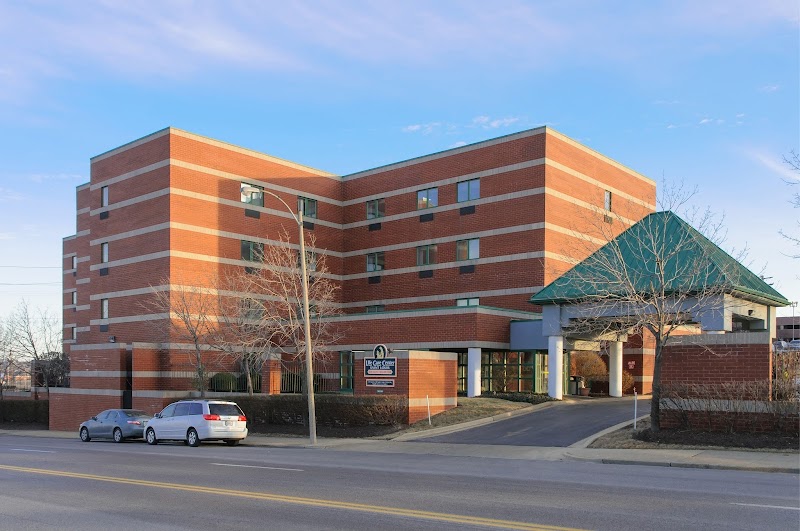
How is Life Of St Louis Staffed?

CMS rates LIFE CARE CENTER OF ST LOUIS's staffing level at 4 out of 5 stars, which is above average compared to other nursing homes. Staff turnover is 65%, which is 19 percentage points above the Missouri average of 46%. High turnover can affect care consistency as new staff learn residents' individual needs.

What Have Inspectors Found at Life Of St Louis?

State health inspectors documented 41 deficiencies at LIFE CARE CENTER OF ST LOUIS during 2019 to 2024. These included: 1 Immediate Jeopardy (the most serious level, indicating potential for serious harm or death), 39 with potential for harm, and 1 minor or isolated issues. Immediate Jeopardy findings are rare and represent the most serious regulatory concerns. They require immediate corrective action.

Who Owns and Operates Life Of St Louis?

LIFE CARE CENTER OF ST LOUIS is owned by a for-profit company. For-profit facilities operate as businesses with obligations to shareholders or private owners. The facility is operated by LIFE CARE CENTERS OF AMERICA, a chain that manages multiple nursing homes. With 100 certified beds and approximately 86 residents (about 86% occupancy), it is a mid-sized facility located in SAINT LOUIS, Missouri.
How Does Life Of St Louis Compare to Other Missouri Nursing Homes?

Compared to the 100 nursing homes in Missouri, LIFE CARE CENTER OF ST LOUIS's overall rating (4 stars) is above the state average of 2.5, staff turnover (65%) is significantly higher than the state average of 46%, and health inspection rating (3 stars) is at the national benchmark.

What Should Families Ask When Visiting Life Of St Louis?

Based on this facility's data, families visiting should ask: "What changes have been made since the serious inspection findings, and how are you preventing similar issues?" "How do you ensure continuity of care given staff turnover, and what is your staff retention strategy?" "Can I visit during a mealtime to observe dining assistance and food quality?" "How do you handle medical emergencies, and what is your hospital transfer rate?" These questions are particularly relevant given the facility's Immediate Jeopardy citations and the facility's high staff turnover rate.

Is Life Of St Louis Safe?

Based on CMS inspection data, LIFE CARE CENTER OF ST LOUIS has documented safety concerns. Inspectors have issued 1 Immediate Jeopardy citation (the most serious violation level indicating risk of serious injury or death). The facility has a 4-star overall rating and ranks #1 of 100 nursing homes in Missouri. Families considering this facility should ask detailed questions about what corrective actions have been taken since these incidents.

Do Nurses at Life Of St Louis Stick Around?

Staff turnover at LIFE CARE CENTER OF ST LOUIS is high. At 65%, the facility is 19 percentage points above the Missouri average of 46%. High turnover means new staff may not know residents' individual needs, medications, or preferences. It can also be disorienting for residents, especially those with dementia who rely on familiar faces. Families should ask: What is causing the turnover? What retention programs are in place? How do you ensure care continuity during staff transitions?

Was Life Of St Louis Ever Fined?

LIFE CARE CENTER OF ST LOUIS has been fined $15,646 across 1 penalty action. This is below the Missouri average of $33,235. While any fine indicates a compliance issue, fines under $50,000 are relatively common and typically reflect isolated problems that were subsequently corrected. Families should ask what specific issues led to these fines and confirm they've been resolved.

Is Life Of St Louis on Any Federal Watch List?

LIFE CARE CENTER OF ST LOUIS is not on any federal watch list. The most significant is the Special Focus Facility (SFF) program, which identifies the bottom 1% of nursing homes nationally based on persistent, serious quality problems. Not being on this list means the facility has avoided the pattern of deficiencies that triggers enhanced federal oversight. This is a positive indicator, though families should still review the facility's inspection history directly.