OAK PARK CARE CENTER
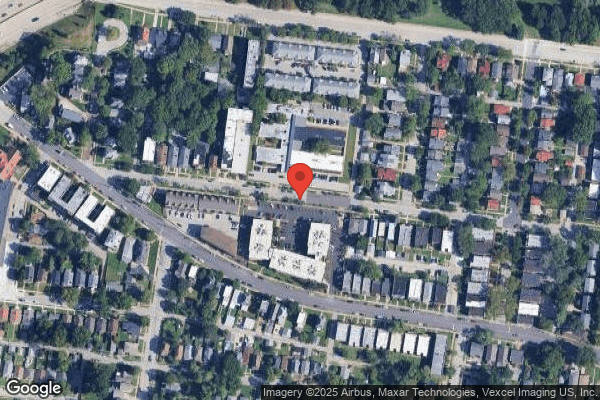

6637 BERTHOLD AVENUE, SAINT LOUIS, MO 63139 (314) 781-3444
For profit - Corporation 120 Beds MGM HEALTHCARE Data: November 2025 1 Immediate Jeopardy citation
Trust Grade
26/100
#279 of 479 in MO
Last Inspection: August 2024

Within standard 12-15 month inspection cycle. Federal law requires annual inspections.

Overview

Oak Park Care Center has received a Trust Grade of F, indicating significant concerns about the quality of care provided at this facility. It ranks #279 out of 479 nursing homes in Missouri, placing it in the bottom half, and #4 out of 13 in St. Louis City County, meaning only three local options are worse. While the facility is improving, having reduced issues from 19 in 2023 to 9 in 2024, there are still serious deficiencies, including a critical incident where a resident with a history of choking was left unsupervised, leading to a tragic outcome. Staffing is a notable weakness, with only 1 out of 5 stars and a turnover rate of 63%, which is concerning as it indicates a lack of continuity in care. Additionally, the facility has less RN coverage than 97% of Missouri facilities, which raises concerns about the quality of medical oversight for residents. Families should weigh these serious weaknesses against the slight improvement trend when considering this nursing home for their loved ones.

Trust Score
F
26/100
In Missouri
#279/479
Bottom 42%
Safety Record
High Risk
Review needed
Inspections
Getting Better
19 → 9 violations
Staff Stability
⚠ Watch
63% turnover. Above average. Higher turnover means staff may not know residents' routines.
Penalties
✓ Good
$22,492 in fines. Lower than most Missouri facilities. Relatively clean record.
Skilled Nurses
⚠ Watch
Each resident gets only 9 minutes of Registered Nurse (RN) attention daily — below average for Missouri. Fewer RN minutes means fewer trained eyes watching for problems.
Violations
⚠ Watch
41 deficiencies on record. Higher than average. Multiple issues found across inspections.
★★☆☆☆
2.0
Overall Rating
★☆☆☆☆
1.0
Staff Levels
★★★★☆
4.0
Care Quality
★★★☆☆
3.0
Inspection Score
Stable
2023: 19 issues
2024: 9 issues

The Good

  • 4-Star Quality Measures · Strong clinical quality outcomes
  • Full Sprinkler Coverage · Fire safety systems throughout facility
  • No fines on record

Facility shows strength in quality measures, fire safety.

The Bad

2-Star Overall Rating

Near Missouri average (2.5)

Below average - review inspection findings carefully

Staff Turnover: 63%

17pts above Missouri avg (46%)

Frequent staff changes - ask about care continuity

Federal Fines: $22,492

Below median ($33,413)

Minor penalties assessed

Chain: MGM HEALTHCARE

Part of a multi-facility chain

Ask about local staffing decisions and management

Staff turnover is elevated (63%)

15 points above Missouri average of 48%

The Ugly 41 deficiencies on record

1 life-threatening 1 actual harm
Aug 2024 5 deficiencies
CONCERN (D)

Potential for Harm - no one hurt, but risky conditions existed

Resident Rights (Tag F0550)

Could have caused harm · This affected 1 resident

**NOTE- TERMS IN BRACKETS HAVE BEEN EDITED TO PROTECT CONFIDENTIALITY** Based on observation, interview and record review, the facility failed to ensure all residents were treated in a manner to maint...

Read full inspector narrative →
**NOTE- TERMS IN BRACKETS HAVE BEEN EDITED TO PROTECT CONFIDENTIALITY** Based on observation, interview and record review, the facility failed to ensure all residents were treated in a manner to maintain dignity when one resident's (Resident #90's) catheter bag (urine drainage bag) was visible to the hallway from the resident's room. In addition, staff fed one resident (Resident #43) while standing over the resident during a meal. The sample size was 18. The census was 85. Review of the facility's Resident Rights policy, reviewed 4/26/23, showed: -Policy: The facility shall treat residents with kindness, respect and dignity and ensure resident right are being followed. The resident/resident representative will be informed on their rights upon admission; -Procedure: Employees will receive education and training on resident rights upon hire and annually; -Resident Rights included: -Exercise Rights; -Respect and Dignity; -Privacy and confidentiality. 1. Review of Resident #90's admission Minimum Data Set (MDS), a federally mandated assessment instrument completed by facility staff, dated 7/22/24, showed: -Mild cognitive impairment; -No behaviors; -Dependent on staff for toileting and hygiene; -Uses an indwelling urinary catheter; -Diagnoses included traumatic brain injury, seizures, urinary tract infection (UTI), and anxiety. Review of the resident's care plan, initiated 7/24/24, showed: -Focus: Requires catheterization indwelling catheter related to urinary retention; -Goal: The resident will be/remain free from catheter-related trauma through review date; -Interventions: The resident has an indwelling urinary catheter. Position catheter bag and tubing below the level of the bladder and away from entrance room door. Observation on 8/8/24 at 10:48 A.M., showed the resident lay in bed on his/her back. The resident's catheter bag was halfway filled with urine and visible from the doorway upon entering the resident's room. Observation on 8/9/24 at 5:47 A.M., showed the resident lay in bed on his/her back with his/her eyes opened. The resident's catheter bag hung on the right side of the bed, visible to the hallway. When asked if the exposed catheter bag bothered the resident, he/she nodded his/her head to indicate yes. During an interview on 8/13/24 at 8:18 A.M., Certified Nursing Assistant (CNA) O said catheter bags should not be visible from the hallway. Catheter bags should have a privacy slip covering the bag to maintain a resident's dignity. During an interview on 8/13/24 at 11:41 A.M., Licensed Practical Nurse (LPN) N said catheter bags should be covered and not visible from the entrance of the doorway to maintain the resident's dignity. During an interview on 8/13/24 at 12:17 P.M., the Administrator said catheter bags should be covered and not visible from the hallway. 2. Review of Resident #43's quarterly MDS, dated [DATE], showed: -Cognitively impaired; -No behaviors; -Substantial or maximal assistance with eating; -Diagnoses included kidney disease, dementia, malnutrition, anxiety, depression, Schizophrenia (a disorder that affects a person's ability to think, feel, and behave clearly) and asthma. Observation on 8/8/24 at 12:18 P.M., showed the resident sat in the secured unit dining room at the table. His/Her plate of food was untouched, and the resident lay his/her head on his/her hand at the table. CNA P stood over the resident and said, try to take a bite of your food and scooped up the food on a spoon and placed it at the resident's mouth. The resident would not eat the food. CNA P sat the spoon down and assisted another resident with feeding while standing. He/She then returned to Resident #43 and attempted to spoon feed the resident a second time while standing. The resident refused to eat the food offered to him/her. During an interview on 8/13/24 at 11:44 A.M., CNA Q said he/she should pull up a chair next to the resident to assist them in eating. During an interview on 8/13/24 at 12:04 P.M., Registered Nurse (RN) I said staff are expected to be at eye-level when assisting residents with eating. Standing up while feeding the residents is not acceptable. During an interview on 8/14/24 at 10:52 A.M., the Administrator and Director of Nursing (DON) said staff should be seated when feeding residents to maintain dignity.
CONCERN (D)

Potential for Harm - no one hurt, but risky conditions existed

Accident Prevention (Tag F0689)

Could have caused harm · This affected 1 resident

Based on observation, interview and record review, the facility failed to follow facility policy when one resident (Resident #29) fell on the facility's transport van while returning from a doctor's a...

Read full inspector narrative →
Based on observation, interview and record review, the facility failed to follow facility policy when one resident (Resident #29) fell on the facility's transport van while returning from a doctor's appointment and staff moved the resident without a nurse physically assessing the resident or calling 911. The census was 85. Review of the facility's Fall Management Policy, dated 2/28/23, showed: -Definition: fall is a sudden, uncontrolled, unintentional, downward displacement of the body to the ground or other object; -Prevention/treatment: Prior to moving the resident, the charge nurse will evaluate for injury. Review of Resident #29's annual Minimum Data Set (MDS, a federally mandated assessment instrument completed by facility staff), dated 8/14/24, showed: -Moderately impaired cognition; -Dependent on staff for rolling left to right; -Dependent on staff for chair/bed to chair transfer; -Used manual wheelchair; -Diagnoses included: diabetes and hemiplegia (paralysis of the arm, leg, and trunk on the same side of the body) or hemiparesis (slight weakness in a leg, arm, or face, it can also be paralysis on one side of the body). Review of the resident's care plan, in use at the time of survey, showed: -Focus: at risk for falls related to amputation, dependent on staff for transfers. On 7/4/22, found lying on left side. Complained of right hip pain; -Goal: will not have injuries related to falls through next review; -Interventions: Anticipate and meet my needs. During an observation and interview on 8/12/24 at 4:30 P.M., the resident lay in bed. The resident said he/she had a fall on the van today. He/She went out for a doctor's appointment, and on the way back to the facility the pad he/she was sitting on slipped and he/she slipped out of the chair. The driver and one of the aides picked up the resident and put him/her back in the chair. The resident returned to the facility. His/Her right fourth fingernail was bleeding and they put a bandage on it. During an interview on 8/12/24 at 6:00 P.M., the Administrator said while the resident was out today at a doctor's appointment. The driver stopped at the stop sign and the resident's cushion in his/her wheelchair scooted and the resident slipped out of the wheelchair. The wheelchair did not scoot, it was secured. The resident was buckled in. Staff did not follow facility policy. They should have called a nurse to assess, or they should have called 911. During an interview on 8/13/24 at 10:47 A.M., Transportation Specialist B said transportation Specialist A put the resident into the van and secured him/her. He/She sat in the front passenger seat. Certified Nurse Aide (CNA) K sat behind him/her and behind CNA K was the resident. On the way back to the facility, they stopped at a stop sign and he/she heard the resident say he/she was on the floor. Transportation Specialist A pulled over and he/she and CNA K tried to assist the resident back into his/her chair, but they were unable. Transportation Specialist B got out of the van to help assist the other two staff members position the resident on the mechanical lift pad and lift the resident back into the chair. The resident complained of pain in his/her right finger. The van had a first aid kit, the finger was cleaned, and a bandage was put on. The resident had no other injuries. He/She did not call the facility to notify them the resident had slipped out of his/her chair, nor did he/she call 911. He/She could not recall if anyone else called the facility. During an interview on 8/13/24 at 12:27 P.M., Transportation Specialist A said normally the CNAs bring the residents up to the front desk and he/she will load the resident onto the van and secure the resident. The residents' wheelchairs are secured and then the residents are secured with a seat belt. The van had a shoulder strap and a waist strap. Resident #29 only used a waist strap because of his/her size. On the way back from the appointment, the van came to a stop sign and the resident slipped out of the wheelchair onto the floor. The resident slipped under the seat belt. Transportation specialist A called the Director of Nursing (DON). CNA K checked the resident. The DON asked if the resident hit his/her head. The resident would be able to tell us if he/she had hit his/her head. The resident complained of pain in his/her butt. After the DON said it was ok, all three staff used the mechanical lift pad to lift the resident up and into the wheelchair. The only injury the resident had was a chipped nail. The resident was brought back to the facility. During an interview on 8/13/24 at 12:53 P.M., CNA K said on the way back to the facility, the resident was saying he/she felt like he/she was sliding out of his/her wheelchair. The transportation specialist pulled over and staff checked the resident and he/she was ok. The resident again said he/she was sliding and CNA K told the resident that he/she would pull the resident up when they got back to the facility. The resident did not look like he/she was sliding. When the van stopped at the stop sign, the resident slipped out of the wheelchair. CNA K said he/she tried to break the fall, but it happened so fast. The resident broke his/her fingernail. Staff cleaned it off and put a bandage on it. He/she asked the resident to raise his/her arms and wiggle his/her toes. The resident said he/she was ok. The staff put the mechanical lift pad back under the resident and all three staff members lifted the residents back into the chair. On the way back to the facility, CNA K stood in front of the resident to hold him/her because he/she was still sliding. CNA K asked transportation specialist A to drive slowly. The incident occurred about three minutes from the facility. CNA K did not know someone had to call the facility and have the nurse come to the scene to assess the resident. During an interview on 8/13/24 at 1:43 P.M. the DON said Transportation Specialist A called her on her cell phone and reported the incident. She could hear the resident saying his/her butt hurt and the CNA was asking the resident to move his/her arms. The DON asked the transportation specialist if the resident hit his/her head. The resident's finger was bleeding, a bandage was put on. The DON told the transportation specialist if the resident did not hit his/her head, to get him/her up in the chair and she would assess them when they got back to the facility. The DON would expect staff to follow the same fall policy if a resident fell off site as on-site. If the resident was off site, staff should call the DON/Assistant DON and if they were within close proximity the nurse could go to the scene and assess the resident, or they could call 911 to have them come assess the resident. She would consider close proximity as within six to seven minutes of the facility. The resident quit complaining of pain. So, the DON told the transportation specialist she would assess the resident when they got to the facility. When the resident got to the facility the resident was complaining of pain in his/her right hip and started to complain of pain in his/her left hip. CNAs cannot assess residents. The CNA was not doing an assessment. The CNA was doing a wellness check, and they are allowed to do range of motion. During an interview on 8/14/24 at 10:52 A.M., the Administrator said ideally it is best to have the resident assessed before they are moved. The resident slid down, and someone was with him/her. The potential for injury was less. The Administrator would expect for staff to follow the facility's policies and procedures.
CONCERN (D)

Potential for Harm - no one hurt, but risky conditions existed

Deficiency F0761 (Tag F0761)

Could have caused harm · This affected 1 resident

Based on observation, interview and record review, the facility failed to ensure drugs and biologicals were labeled and stored in accordance with acceptable standards of practice. The facility identif...

Read full inspector narrative →
Based on observation, interview and record review, the facility failed to ensure drugs and biologicals were labeled and stored in accordance with acceptable standards of practice. The facility identified four medication carts, two nurse's carts, one treatment cart, and one medication room. Of those medication storage areas, three medication carts, one nurse's cart, and one medication room was reviewed. Issues were found in one medication cart and one nurse cart. A carton of Ensure Plus nutrition shake was opened and undated. A tube of Venelex ointment (used on the skin to cover wounds) and a tube of Betamethasone cream (used to help relieve redness, itching, swelling, or other discomforts caused by certain skin conditions) were opened, undated and unlabeled. The census was 85. Review of the facility's Medication Storage Policy, dated 11/2018, showed: -Policy: Medications and biologicals are stored safely, securely, and properly following the manufacture's recommendations or those of the supplier. The medication supply is accessible only to licensed nursing personnel, pharmacy personnel, or staff members lawfully authorized to administer medications; -All medications dispensed by the pharmacy are stored in the container with the pharmacy label; -Outdated, contaminated, or deteriorated medications and those in containers that are cracked, soiled, or without secure closures are immediately removed from the inventory, disposed according to procedures of medication disposal; -Drugs dispensed in the manufacture's original container will be labeled with the manufacture's expiration date; -Certain medications, including some multi-dose preparations, may require different dating once opened per regulations/guidelines; -The nurse will check the expiration date of each medication before administering it; -All expired medications will be removed from the active supply and destroyed in the facility, regardless of amount remaining. The medication will be destroyed in the usual manner; -Disposal of any medications prior to the expiration dating will be required if contamination or decomposition is apparent; -Nursing staff should consult with the dispensing pharmacist for any questions related to medication expiration dates. 1. Observation of the nurse cart for Halls 100 and 200, on 8/9/24 at 11:10 A.M., showed ; -Venelex ointment, opened, undated and unlabeled with resident's name; -Betamethasone cream, opened, undated and unlabeled with resident's name. During an interview on 8/9/24 at approximately 10:00 A.M., Certified Medication Technician (CMT) J said the opened containers of medications should be dated once opened. Undated medications should be discarded. 2. Review of Ensure Plus nutrition shake manufacturer's instruction, showed once a bottle of Ensure and drinks have been opened, it should be used or refrigerated within four hours. The remaining product should be used or discarded after 48 hours. Observation and interview on 8/12/24 at 10:24 A.M., showed the CMT medication cart for Hall 200, had a carton of Ensure Plus shake 8 ounce, opened, undated and unlabeled. The carton was half full, not refrigerated or iced and was placed in the medication cart drawer. CMT J said he/she was not aware when the shake was opened. 3. During an interview on 8/14/24 at 10:52 A.M., the Administrator and Director of Nursing (DON) said they expected the staff to follow the facility's Medication Storage Policy. The staff should always date and label the medications after opening. The Ensure Plus nutrition shake 8 oz was supposed to be for one resident and one-time use only. If a resident was unable to finish the one carton, it should be discarded.
CONCERN (E)

Potential for Harm - no one hurt, but risky conditions existed

Food Safety (Tag F0812)

Could have caused harm · This affected multiple residents

Based on observation, interview and record review, the facility failed to store food in a safe and sanitary manner to prevent potential cross-contamination and failed to label and date food items. Thi...

Read full inspector narrative →
Based on observation, interview and record review, the facility failed to store food in a safe and sanitary manner to prevent potential cross-contamination and failed to label and date food items. This had the potential to affect all residents who consumed food from the facility kitchen, The facility had a census of 85. Review of the facility Food Storage Policy, dated 3/31/21, revised on 8/16/23, showed: -Policy: Ensure food storage and safety practices are maintained and monitored and comply with Federal and State regulations governing food storage and safety; -Responsibility: Dietary Aide, Dietary Cook, & Dietary Manager; -Dating of leftovers shall be as follows: -Multiple ingredients shall be used the same day of preparation then discarded; -Other potentially hazardous leftovers shall be labeled with an expiration date of three (3) days; -Leftovers which are not expired but change appearance or lose quality shall be discarded immediately; -Foods shall be stored in an organized manner and shall be maintained in their original containers unless they are considered a leftover. All leftovers shall be labeled and dated with an expiration date of no more than three days. 1. Observation of the kitchen on 8/8/24 at 10:22 A.M., showed: -Inside the dry storage area, two bags of cheesecake mix inside Ziplocked bags, with partial contents spilled inside the bottom of the Ziplocked bag, opened, and undated; -A bag of yellow corn bread in Ziplocked bag, opened, and undated; -A 25 pound bag of fish breading, rolled shut/partially opened, and undated; -A large bag of white rice inside a plastic tub, opened, uncovered and undated; -A large bag of all-purpose flour inside a plastic tub, opened, uncovered and undated. Observation of the kitchen on 8/13/24 at 12:00 P.M., showed: -Inside the dry storage area: -Two bags of cheesecake mix inside ziplocked bags, with partial contents spilled inside the bottom of the Ziplocked bag, opened, and undated; -A bag of yellow corn bread in Ziplocked bag, opened and undated; -A 25 pound bag of fish breading, rolled shut/partially opened, and undated; -A large bag of white rice inside a plastic tub, opened, uncovered and undated; -A large bag of all-purpose flour inside a plastic tub, opened, uncovered and undated; -Inside the walk in refrigerator; -Three small Ziplocked bags of orange slices, undated; -One small Ziplocked bag of apple slices, undated; -Five paper bagged sack lunches, undated; -One large plastic bag of lettuce, opened/partially uncovered, undated. 2. Observation and interview on 8/12/24 at 11:00 A.M., showed the inside the walk-in refrigerator, 8 paper sack lunches on a tray, undated. The dietary manager said the lunches are for people who go to dialysis, the bags contain a deli sandwich, juice, chips, and fruit. Observation of the kitchen on 8/12/24 at 5:00 P.M., showed; -Seven paper sack lunches on a tray, undated; -Six Ziplocked bags of orange slices, undated; -One Ziplocked bag of apple slices, undated. 3. During an interview on 8/13/24 at 10:00 A.M., the Dietary Manager said she expected staff to date and label opened food prior to placing the food in the refrigerator, and to cover and/or wrap opened packaging and ensure the package is dated after opening. 4. During an interview on 8/14/24 at 11:10 A.M., the administrator said she expected staff to ensure opened food is covered, labeled, and dated.
CONCERN (E)

Potential for Harm - no one hurt, but risky conditions existed

Infection Control (Tag F0880)

Could have caused harm · This affected multiple residents

**NOTE- TERMS IN BRACKETS HAVE BEEN EDITED TO PROTECT CONFIDENTIALITY** Based on observation, interview and record review, the facility failed to maintain an infection prevention and control program w...

Read full inspector narrative →
**NOTE- TERMS IN BRACKETS HAVE BEEN EDITED TO PROTECT CONFIDENTIALITY** Based on observation, interview and record review, the facility failed to maintain an infection prevention and control program when staff failed to wear appropriate personal protective equipment (PPE), in accordance with the facility's policy, during high-contact activities with residents on enhanced barrier precautions (EBP, precautions for use during high-contact resident care activities for residents infected with a multidrug-resistant organism (MDRO, microorganisms that are resistant to one or more classes of antimicrobial agents) for three residents (Residents #57, #29 and #82). Furthermore, the facility failed to follow their incontinent care policy when staff provided perineal area care (cleansing between the legs and buttocks area) to Resident #82. In addition, the facility failed to follow accepted infection control and prevention to implement their water management program to prevent the spread of waterborne pathogens, such as legionella (a bacteria that causes legionnaire's disease which is a severe form of pneumonia or lung inflammation). This failure had the potential to affect all residents in the facility. The sample was 18. The census was 85. Review of the facility's Enhanced Barrier Precautions (EBP) Policy, dated 5/15/24, showed: -Procedure: -Examples of high-contact resident care activities requiring gown and glove use for EBP: -Transferring; -Providing Hygiene; -Changing Briefs or Toileting; -Device Care; Enteral Tube (pertaining to the gastrointestinal tract); -Steps: -Post signage in the resident room with information on use of EBP and required PPE (e.g., gown and gloves). EBP signage should include information on high contact resident care activities that require the use of gown and gloves. Review of the facility's Incontinent Care Policy, dated 7/21/22, showed: -Policy: -The facility will provide incontinent care as directed in the plan of care. incontinent care will include a skin evaluation of the resident; promoting hygiene and skin prevention with infection/irritation; -Responsibility: -Nursing Assistant, Licensed Nurses, Nursing Administration, ICP and Director of Nursing; -Procedure: -Gather supplies; -Identify resident and explain procedure; -Provide privacy; close door/blinds, pull privacy curtain; -if resident refuses incontinent care; inform charge nurse/supervisor; -Place equipment on clean surface within reach; -Perform hand hygiene and apply gloves; -Assist with positioning resident in a safe/comfortable position, avoid overexposing the body; -Remove soiled brief/underpad by rolling the brief/underpad; -Cleanse perineal area with a perineal cleanser; -Females: separate labia, cleanse one side and then the other, cleanse center of the labia wiping towards the rectal area; -Cleanse perineal area from front to back, cleanse thighs, rectal area and buttocks; -Males: retract foreskin if uncircumcised, cleanse the penile tip using a circular motion starting with the urethra working outward; -Cleanse penile shaft, scrotum, rectal area, thighs & buttocks; -Use a clean surface area of the cloth for each wipe; -Use multiple cloths, if necessary, to maintain infection control; -Remove soiled gloves, perform hand hygiene and apply clean gloves; -If necessary, apply protective ointment; -Remove gloves, perform hand hygiene and apply clean gloves, apply clean brief and clothing; -Discard contaminated items in a plastic liner; -Remove gloves and perform hand hygiene; -Reposition resident in a safe/comfortable position (bed in low position unless contraindicated); -Place call light within reach of the resident; -Residents with indwelling catheters; refer to catheter care policy; -Report abnormal findings to the charge nurse/supervisor of discharge, bleeding, odor or skin changes. Review of the facility's Legionella Water Management Program Policy, dated 11/23, showed: -The Facility is committed to the prevention, detection and control of water-borne contaminants including Legionella; -The water management program includes the following elements: -Detailed description and diagram of the water system in the facility, including the following: -Receiving; -Cold water distribution; -Heating; -Hot water distribution; -Waste. 1. Review of Resident #57's significant change Minimum Data Set (MDS), a federally mandated assessment instrument completed by the facility staff, dated 5/20/24, showed: -Short and long-term memory problem; -Diagnoses included atrial fibrillation (a-fib, irregular heart rhythm), heart failure and dementia; -Feeding tube (gastrostomy tube (g-tube), a tube placed through the abdomen into the stomach to provide nutrition, hydration and medication). Observation on 8/12/24 at 12:01 P.M., showed a sign on the door that the resident was on EBP. The resident was lying in bed. Licensed Practical Nurse (LPN) N administered medication to the resident via feeding tube. LPN N failed to apply a gown during the process. 2. Review of Resident #29's medical record, showed: -Moderately impaired cognition; -Stage 4 (full thickness tissue loss with exposed bone, tendon, or muscle. Slough or eschar may be present on some parts of the wound bed. Often includes undermining and tunneling) wound to the sacrum (triangular bone located above the coccyx). Observation on 8/12/24 at 10:00 A.M., showed a sign on the door that the resident was on EBP. The resident was lying in bed. Certified Nurse Aide (CNA) C and CNA E put gloves on, unfastened the resident's brief and provided perineal care and rolled the resident side to side to place a clean brief on the resident. Staff failed to wear a gown while providing personal care. 3. Review of Resident #82's quarterly MDS, dated [DATE], showed: -Cognitively impaired; -Dependent to staff on toileting hygiene, shower or bath, upper and lower body dressing; -Frequently incontinent of both bladder and bowel; -Diagnoses included stroke, anemia, high blood pressure, kidney failure, diabetes, aphasia (a language disorder that affects a person's ability to communicate), hemiplegia (muscle weakness or partial paralysis on one side of the body); -Feeding tube. Observation on 8/13/24 at 10:22 A.M., showed a sign on the door that the resident was on EBP. CNA L provided perineal care to the resident. The resident was lying in bed. CNA L applied gloves and failed to apply a gown. He/She obtained a bath towel, placed one end on the sink with running water while the other end was hanging out of the sink. He/She then applied soap and squeezed some liquid out. He/She removed the resident's brief, wiped the perineal area up and down and side to side with the wet end of the towel. He/She then dried the area with the other end of the towel. He/She placed the dirty towel in the plastic bag which he/she laid on the floor. He/She turned the resident on his/her back and picked up the dirty towel from the plastic bag and started wiping the resident's buttocks and anal area, then dried with the same dirty towel. He/She applied a clean brief and put on the resident's pants. CNA L failed to replace gloves and performed hand hygiene in between handling clean and dirty. 4. During an interview on 8/13/24 at 12:04 P.M., Registered Nurse (RN) I said staff should wear gowns and gloves while providing care to residents in EBP rooms. Staff may use wash cloths or disposable wipes in providing perineal care to residents. He/She expected staff to use clean wash cloths or wipes for each area to and never to re-use dirty wash cloths or towels. He/She expected staff to properly follow the perineal area care procedures found in the facility's policy. 5. During an interview on 8/14/24 at 8:30 A.M., CNA F said he/she knew which residents were on EBP because the resident would have a red pillow on their bed, and they would have a caddy on the door with PPE in it. Staff should wear PPE if a resident has a wound. 6. During an interview on 8/14/24 at 8:40 A.M., Licensed Practical Nurse (LPN) G said staff know which residents require PPE because the facility has a list of residents who are on EBP, and the residents have a caddy on their door. PPE is worn while providing dressing changes, personal care and transfers. Staff do not need to wear PPE for residents with a g-tubes. 7. During an interview on 8/14/24 at 9:10 A.M., the Assistant Director of Nursing (ADON) said all staff have been in-serviced on EBP and if they do not know, they should ask the nurse. Staff should wear PPE when they provide direct patient care. 8. During an interview on 8/14/24 at 9:20 A.M., RN I, who was also the Infection Control Preventionist (ICP), said residents who have g-tubes, and wounds require EBP, and staff should wear PPE while providing direct care. The ICP expected staff to follow the facility's policy. 9. During an interview on 8/14/24 at 10:52 A.M., the Administrator and the Director of Nursing (DON) said they expected staff to wear PPE per the facility's policy. They said staff are expected to follow the facility's proper procedures in providing perineal care to prevent the spread of infection. In addition, the Administrator said she did not have a detailed description or a diagram of the facility's water system. She expected the facility to have all the components of their policy.
Apr 2024 1 deficiency 1 Harm
SERIOUS (G) 📢 Someone Reported This

A family member, employee, or ombudsman was alarmed enough to file a formal complaint

Actual Harm - a resident was hurt due to facility failures

Tube Feeding (Tag F0693)

A resident was harmed · This affected 1 resident

**NOTE- TERMS IN BRACKETS HAVE BEEN EDITED TO PROTECT CONFIDENTIALITY** Based on interview and record review, the facility failed to provide appropriate administration of water flushes and enteral nut...

Read full inspector narrative →
**NOTE- TERMS IN BRACKETS HAVE BEEN EDITED TO PROTECT CONFIDENTIALITY** Based on interview and record review, the facility failed to provide appropriate administration of water flushes and enteral nutrition for one resident who was dependent upon a gastrostomy tube (g-tube, a tube inserted through the belly that brings nutrition directly to the stomach) for nutrition and hydration for one residents (Resident #1). Resident #1 was admitted to the facility on [DATE]. admission orders showed Nepro (balanced, high-calorie nutrition) 50 milliliters (ml)/hour via g-tube continuously and water flushes 180 ml every four hours. On 3/5/24, the order was changed to Glucerna (calorically dense formula) due to the unavailability of Nepro. The resident was hospitalized on [DATE] and diagnosed with metabolic encephalopathy (a neurological disorder not caused by primary structural abnormality and caused by chemical imbalance in the blood, by illness or organs not working like they should), uremia (a buildup of waste products in the blood that occurs as a result of untreated kidney failure) and hypernatremia (net water loss or excess sodium intake). The census was 79. Review of the facility's Medication Administration-Preparation and General Guidelines Policy, undated, showed: -Medications are administered in accordance with written orders of the presciber; -If a dose seems excessive considering the resident's age and condition or a medication order seems unrelated to the resident's current diagnoses or conditions, the nurse calls the provider pharmacy for clarification prior to the administration of the medication or if necessary, contacts the prescriber for clarification. This interaction with the pharmacy and/or prescriber and the resulting order clarification are documented in the nursing notes and elsewhere in the medical record as appropriate; -Documentation (including electronic): The individual who administers the medication dose records the administration on the resident's Medication Administration Record (MAR) directly after the medication is given. At the end of each medication pass, the person administering the medication review the MAR to ensure necessary doses were administrated and documented. In no case should the individual who administered the medications report off-duty without first recording the administration of any medications. Review of the facility's Tube Feeding Management Protocol, provided on 4/29/24, at 8:35 P.M., showed: -Enteral/Parental (nutrition given through the vein) feeding will be documented on the MAR, and/or Treatment Administration Record (TAR) which will be completed each shift by Nursing; -Nursing will monitor and document for feeding complications and tolerances/intolerances to Tube Feeding (TF)/Parental Document in nursing notes as well any negative outcomes in nurses' notes. Weekly weight monitoring will continue until stable; -If resident receives an oral diet in addition to nutrition support, Nursing personnel will monitor and document the resident's eating performance and abilities. (Document % of supplement if taken and oral diet on meal intake form, Certified Nursing Assistant (CNA) sheet or Nursing notes); -Nursing administers, monitors and documents the type, rate and volume of nutritional support as ordered or documents reason for variance. -Nursing Service will send a consultation order to Nutrition Services requesting resident nutritional assessment by the Consultant Dietitian within 24 hours of admission or Monday for Weekend Admissions. Recommendations for changes to the original tube feeding and/or water flushes should be provided to the Director of Nursing (DON)/designee immediately upon completion of the consultation; -DON and/or designee are responsible for training and monitoring of nursing personnel on nutrition support procedures, documentation, and orders. Review of Resident #1's hospital discharge documents, dated 2/27/24 at 1:16 P.M., showed: -Physician's orders included: water flushes 180 ml, per the feeding tube, every four hours; Nepro 50 ml/hr, per the feeding tube, continuous; Furosemide (Lasix, a diuretic, treats fluid retention) 40 milligrams (mg), per feeding tube, once a day. Review of the resident's progress notes, showed: -On 2/27/24 at 5:00 P.M., the resident was transferred from the hospital to the facility. The resident was flaccid (soft or weak) on his/her right side and has aphasia. The resident could not communicate and was alert and oriented to self and place. The resident was nothing by mouth (NPO) with a g-tube order for Nephro 1.8 50 ml/hr continuous with 100 ml water every four hours. The resident's orders were verified by the Nurse Practitioner (NP). Review of the resident's MAR, dated 3/1/24 through 3/31/24, showed: -An order, dated 2/27/24, for Lasix, give 40 mg per feeding tube every day for heart failure. Documentation showed the facility administered the medication according to the physician order; -An order, dated 2/27/24, to flush tube with 100 mls of water every 4 hours, every shift, for supplement, showed the facility left the documentation blank for 7A-7P shift on 3/1, 3/2, 3/3, 3/6, 3/8, 3/9 and 3/10. The facility left the documentation blank for 7P-7A shift on 3/4; -An order, dated 2/27/24, for Nephro 50 ml/hr, continuous, every shift for supplement, showed the facility left the documentation blank for 7A-7P shift on 3/1, 3/2, and 3/3. The facility also left documentation blank for 7P-7A shift on 3/4/24. Review of the resident's progress notes, dated 3/5/24 at 1:57 P.M., showed the resident's tube feeding was changed to Glucerna 1.2 related to increased blood sugar levels. Review of the resident's MAR, dated 3/1/24 through 3/31/24, showed an order, dated 3/5/24, for Glucerna 1.2 at 50 ml/hr continuous for every shift for supplement. The facility left documentation blank for 7A-7P shift on 3/6, 3/7, 3/8, 3/9, 3/10, 3/12 and 3/13. Review of the resident's admission Minimum Data Set (MDS), a federally mandated assessment instrument completed by facility staff, dated 3/5/24, showed: -admitted on [DATE]; -Rarely/never understood by others; -Rarely/never understands others; -Short and long term memory problems; -Severely impaired cognition skills for daily decision making; -Inattention present; -Impairment to upper and lower body on one side; -Dependent on one or two staff members for all activities of daily living (ADLs); -Diagnoses included: heart failure, kidney disease, diabetes mellitus, aphasia (language disorder affecting ability to communicate), stroke, hemiparesis (muscle weakness or partial paralysis on one side of the body), and malnutrition; -Feeding tube present; -Received 51% or more of total calories received through parenteral (nutrition given through the vein) or tube feeding; -Received an average of 501 mls of fluid intake per day intravenously (IV, through the vein) or tube feeding. Review of the resident's care plan, undated, showed: -Focus: Alternative nutritional intake via tube feeding. Interventions included: Resident was dependent with tube feeding and water flushes, see physician orders for current feeding orders; Assist with tube feeding and water flushes; -Focus: Resident has renal (kidney) insufficiency; Interventions included: Dietary consult to regulate protein, Na and potassium (K) intake. Review of the resident's progress notes, showed: -On 3/8/24 at 3:08 P.M., a nurse's skilled evaluation showed the resident was lethargic, oriented to person and was on tube feeding; -On 3/11/24 at 3:57 P.M., a nurse's skilled evaluation showed the resident was confused, disoriented, inattentive, stuporous and oriented to person. Last bowel movement on 3/11/24 had blood streaks/melena (dark tarry stool); -On 3/12/24 at 9:59 P.M., new orders were obtained from NP, related to dark colored stools and bloody drainage to penis as reported per staff. Review of the resident's nutritional evaluation, dated 3/13/24 at 10:10 A.M., showed: -The resident was NPO; -The resident appeared to be tolerating tube feeding per nursing; -The resident had a diagnosis of moderate protein-caloric malnutrition, at risk for dehydration and weight loss; -Recommended to increase water flushes to 150 to 200 ml every fours hours, obtain weekly weights and follow up on labs. Review of the resident's progress notes, showed: -On 3/13/24 at 5:21 P.M., the NP progress note: resident was seen for DM management, with recent reports from staff of elevated blood glucose (BG, amount of sugar in blood) trends and dark tarry stools. The resident's mouth had dry thick build up which was difficult to visualize as the resident refused to open his/her mouth open. New orders to get labs to assess for a possible gastro-intestinal (GI, digestive tract) as well as nutritional status and to get weekly weights; -On 3/14/24 at 11:24 P.M., showed the resident change of condition. The lab called to report the resident had a critical BUN level of 157. The nurse called the Primary Care Physician (PCP) and was waiting for a call back; -Record review showed no progress note showing when the resident left the facility or why. Review of the resident's lab results, reported on 3/14/24 at 12:07 P.M., showed: -Sodium (Na) high at 158 (normal range 136-145); -Chloride (Cl) high at 119 (normal range 98-110); -BUN critically high at 157 (normal range 7-25); -Creatine high at 2.2 (normal range 0.7 - 1.3). Review of the resident's hospital admission documents, showed: -A physician's note, dated 3/14/24 at 12:41 P.M., the resident was admitted to the emergency room from the facility due to abnormal BUN, NA, and white blood count (WBC). The resident appeared dehydrated especially related to his/her oral mucosa (mouth and throat); -A critical care physician note, dated 3/14/24, the physician was present while the resident was critically ill and provided critical care services. Critical care was necessary to treat or prevent imminent or life-threatening deterioration of dehydration, uremia and altered mental status; -On 3/15/24, a physician's progress note: the resident was treated for metabolic encephalopathy, uremia, hypernatremia of uncertain etiology- possibly hypovolemic hypernatremia as evidenced by NA of 158 and BUN greater than 100 and a change in mental status; Assessment and Plan showed, hypernatremia, likely due to decreased PO intake; -A discharge summary of hospital stay, dated 4/5/24, the resident had several episodes of melena for which GI was consulted. An esophagogastroduodenoscopy (EDG, examination of upper GI tract), colonoscopy (examination of rectum and colon) and a video capsule endoscopy (procedure to examine GI tract, areas not visualized by EDG or colonoscopy) were performed and the results showed no source of an internal bleed. During an interview on 4/10/24 at 4:17 P.M., the Administrator said: -She expected nurses to read the orders and follow them as written by the PCP; -She expected the nurse to call the PCP and clarify orders if they had any questions; -The DON and ADON were responsible for reading the RD notes and verify any orders with the PCP, then write the orders in residents' POS; -If the MAR had a check mark documented, that meant the task was completed; -If the MAR had an X documented, that meant the order was put in without requiring any nursing staff to document; -If the MAR or TAR had a blank documented, that meant the nurse failed to document on that order; -The risk for dehydration for residents who were NPO, and dependent on tube feedings and water flushes was high; -If residents were receiving tube feedings and water flushes, she expected nursing staff to give water flushes as ordered. During an interview on 4/25/24 at 10:04 A.M., Licensed Practical Nurse (LPN) B said: -He/She was assigned to the resident whenever he/she worked the day shift (7:00 A.M. through 7:00 P.M.) and was the resident's main day nurse; -Nurses were expected to document intake and output totals every 24 hours in a resident's MAR; -Nurses were expected to read all orders before administering TF and/or water flushes; -The resident had an order for a continuous tube feed with water flushes every four hours. He/She set up the resident's TF and water flushes to run on one pump when he/she had the resident on his/her assignment; -Nurses were expected to document accurately in residents' MAR/TAR while on shift; -If there was a blank in the MAR/TAR, it meant the nurse did not document; -He/She did not know why the resident's MAR/TAR showed blanks in the documentation for the TF and water flush orders; -LPN B expected the DON to notify him/her if he/she was not documenting in the resident's MAR/TAR so LPN B could correct it; -He/She was not notified by the DON of any missed documentation, and he/she did not receive any education from the DON regarding missed documentation in the resident's medical record; -The resident was sent out to the hospital due to the family's request after they were notified of the resident's elevated BUN lab result; -He/She did not notice the resident had any signs or symptoms of dehydration such as dry skin, dry oral mucosa (mouth and tongue), sunken features in his/her face or poor skin tugor (elasticity of skin); -The resident's family visited every day and were there all hours of the day, into the evening. They were very involved in the resident's care. During an interview on 4/25/24 at 11: 9 A.M., two of the resident's family members said: -Family visited the resident every day, at different times, during his/her stay at the facility; -One of the family members was there almost every day from 12:00 P.M. until 7:00 P.M. The other family member was there almost every day from around 8:00 A.M. until late afternoon or after the dinner hour; -During their visits, they saw the resident was receiving TF continuously through a pump. There was never a water flush bag hung with the TF to give water flushes through the pump; -The only day they saw the resident receiving the TF with the water flush set up through the pump was on 3/14/24, the day the resident was sent out to the hospital due to the results of his/her lab report; -They did not witness nurses give the resident water flushes manually during their visits; -The family was knowledgeable about how a TF with water flushes would be set up on a pump as the resident had the same order in the hospitals he/she was at prior to admission to the facility. During an interview on 4/26/24 at 10:48 A.M., the Registered Dietician (RD) said: -She was supposed to do nutritional evaluations on all new admissions/re-admissions; -She didn't know about the resident until she came in on her regularly scheduled visit on 3/13/24; -The facility did not notify her when the resident was admitted on [DATE]; -She completed a nutritional evaluation on the resident as he/she was listed on the new admissions report. She did not know the resident received tube feeds until she looked at his/her chart; -The facility needed to do a better job of informing her when residents received TF, as they were very fragile. Her company policy stated the RD needed to complete nutritional evaluations on all residents on TF upon admit; -She did not have access to residents' MAR/TAR to see if the facility was administering tube feeds and water flushes as ordered. She needed access to that information to see if residents were getting their TF and flushes as ordered; -She expected the nurses to accurately document in the MAR/TAR as it affected the plan of care; -If residents were not getting TF or water as ordered, they were at extreme risk for dehydration. There was no other way for them to get fluids if they were nothing by mouth (NPO); -The failure to provide the resident's TF and water flushes as ordered would cause significant dehydration; -The RD said nothing else would have caused the resident's significant dehydration as found in his/her elevated BUN, Creatine, Na and Cl labs which resulted on 3/14/24. During an interview on 4/29/24 at 10:05 A.M., the Administrator and DON said: -They expected nursing staff to document accurately and truthfully as it affected the plan of care; -They expected the order for a water flush every four hours to be written on the MAR/TAR with specific times to administer; -They were unable to determine if a resident received a water flush every four hours if the MAR only showed documentation for the day shift and night shift; -The DON audited the orders on residents' admission and/or re-admission for accuracy; -The DON audited medicine/treatment administration every day. If there was missing documentation or if a medication/treatment was not given as ordered, the DON would ask the nurse or CMT what happened and have them make corrections as needed; -They expected nursing staff to have knowledge of, and to follow, facility policies. During an interview on 4/29/24 at 11:22 A.M., the facility Nurse Practitioner (NP) said: -He visited the facility three times a week to care for residents; -He would see residents who had acute conditions as indicated by a review of the facility report and the residents who the nurses requested him to assess/evaluate; -The resident came in from an acute long term hospital with an order to give Nepro continuously, with water flushes; -He was not aware the nurses were not giving the resident's TF or water flushes as ordered; -He expected nurses to follow orders as given by himself or the Primary Care Physician (PCP); -He expected nurses to document accurately as he looks at residents' medical record when assessing residents. Inaccurate documentation could affect residents' plan of care. During an interview on 4/29/24 at 1:48 P.M., the Primary Care Physician (PCP) said: -He expected nurses to follow the discharge orders as given from residents' hospital stay; -He expected nurses to follow physician orders as written; -He expected nurses to document accurately, as it affects the plan of care; -He expected the RD to assess and evaluate residents who were NPO and received all their nutrition and water via a g-tube upon admission; -The nurse who put in the order for a water flush 100 ml/hr, four times a day made a mistake. The order should have followed the discharge order from the resident's hospital stay. The order should have been water flushes, 180 mls/hr, four times a day; -He was not aware the resident was not receiving TF or water flushes as ordered; -The resident's high BUN level could have been caused by dehydration or due to the resident passing melena (bloody) stool. During an interview on 4/29/24 at 7:34 P.M., the Regional Nurse Consultant (RNC) said: -They currently did not have a Tube Feeding Policy; -She educated nursing staff on the professional standards of care for tube feeding, using the Tube Feeding Management Protocol. During an interview on 5/1/24 at 8:43 A.M., the DON said: -She completed admission and re-admission audits on the day of resident's arrival to the facility, the next day, or on Monday if they were a weekend admit; -She verified residents' tube feed and water flush orders from the hospital were correct; -If there was a discrepancy between the facility admission orders and the discharge orders from the hospital, she would call the PCP and verify orders; -She would notify the RD of residents with tube feed orders within 24 hours of admission/re-admission or on Monday if the resident was a weekend admission; -Both she and the ADON were responsible for pulling a daily medication administration report to review for missing documentation and/or residents not receiving medications; -They would notify the nurse or Certified Medication Technician (CMT) if they had any questions regarding their documentation in residents' MAR or TAR; -She expected nurses to follow physician orders as they were written; -She did not regularly check the daily medication administration reports in March as the facility was short-staffed and she was often pulled to work as a nurse. There was no ADON on staff at that time. MO00233756
Jan 2024 3 deficiencies
CONCERN (D) 📢 Someone Reported This

A family member, employee, or ombudsman was alarmed enough to file a formal complaint

Potential for Harm - no one hurt, but risky conditions existed

Quality of Care (Tag F0684)

Could have caused harm · This affected 1 resident

Based on observation, interview and record review, the facility failed to make an appointment with a surgeon for one resident with wounds on his/her fingers on both of his/her hands. The wound care co...

Read full inspector narrative →
Based on observation, interview and record review, the facility failed to make an appointment with a surgeon for one resident with wounds on his/her fingers on both of his/her hands. The wound care company's physician requested a consult with a surgeon on 11/30/23, due to exposed bone on some of the resident's fingers. Facility staff failed to make the surgeon's appointment for the resident until 1/10/24 (Resident #5). The census was 86. Review of the facility's Wound Management policy, dated 11/15/22, included: -Policy: To promote wound healing of various types of wounds, the facility will provide evidenced based treatments in accordance with current standards of practice and physician orders; -Procedure: -Wound Management: -Wound treatment will be provided in accordance with physician order: cleansing method, type of dressing, frequency of dressing change; -Pressure injuries will be differentiated from non-pressure wounds: arterial (caused by poor circulation), venous (caused by abmornal vein function), diabetic, surgical, moisture associated skin damage. Review of the facility's Essential Functions of Wound Care Nurse policy, undated, included the following: -Assesses, treats, and cares for patients with wounds such as pressure ulcers, skin breakdowns or other wounds. Treatment tasks include cleaning, bandaging, and working with the care team to determine if other treatments are necessary; -Assess residents on admission and document appropriately as condition changes; -Contribute knowledge of residents' conditions and document observations as required; -Notify physician of changes in resident's condition and follow through until appropriate action is taken; -Accurately and promptly implement physician orders; -Implement plan of care for the resident based on assessments and goals as established by the interdisciplinary care team; -Perform other task and duties as assigned. Review of Resident #5's nursing admission screening/history, dated 8/22/23, showed: Right hand: Necrotic (dead tissue) fingertips. Left hand: Amputated fingers. Right toes: Amputated. Left toes: Amputated. Review of the resident's physician's progress note, dated 8/24/23, showed resident was seen as a new admission. Resident was taken to the hospital on 6/4/23, and found to have pneumonia and respiratory failure. He/She went into septic shock (the last and most severe stage of sepsis (infection) that can cause dangerously low blood pressure) requiring vassopressors (constricts/tightens blood vessels, raising the blood pressure). Developed gangrene (tissue death) and underwent amputations on the right hand 2, 3, 4, 5 digits. Left hand 3rd and 4th digits still black. Review of the resident's care plan, located in the electronic health record (EHR), showed: -Date Initiated: 9/9/23: Focus: At risk for impairment of skin integrity related to limited bed mobility and diabetes mellitus (insufficient production of insulin characterized by increased blood sugar levels). Resident also has post surgical wounds status post amputation secondary to gangrene and arterial wounds. 8/29/23: Right hand, third finger arterial; left hand, third finger arterial; left hand, fourth finger arterial; left foot and right foot, surgical; -Goal: Will remain without complications through next review; -Interventions: 12/7/23, Being followed by the wound care company services. Wound doctor to follow wounds. Observe for signs of infection. Provide treatment per current order; -Date Initiated: 9/9/23: Focus Activities of daily living deficit related to limited mobility and weakness. Ambulatory (walking) with limited assistance. Uses a wheelchair for long distances; -Goal: Will maintain current level of functioning; -Interventions: Assist of one for bed mobility, personal hygiene, toilet use, transfer and dressing. Review of the resident's quarterly Minimum Data Set (MDS), a federally mandated assessment instrument completed by facility staff, dated 11/21/23, showed: -admission date of 8/22/23; -Adequate hearing; -Speech Clarity: Clear speech, distinct intelligible words; -Makes Self Understood: Understood; -Ability to Understand Others: Understands, clear comprehension; -Cognitively intact; -Rejection of Care: Behavior not exhibited; -Functional Limitation in Range of Motion: Upper extremity, no impairments; lower extremity, impairment on both sides; -Diagnoses of anemia (low red blood cell count), high blood pressure, septicemia (systemic infection of the blood), diabetes mellitus, anxiety and depression; -Number of Venous and Arterial Ulcers: 2; -Other Ulcers, Wounds and Skin Problems: Infection of the foot (e.g., cellulitis (inflammation of subcutaneous or connective tissue)); -Other Problems: Surgical wounds; -Skin and Ulcer Treatments: Surgical wound care and applications of dressings to feet. Review of the resident's wound care company notes, dated 11/30/23, showed: -Site #2: Arterial wound of the right third finger: -Wound Size: (Length x Width x Depth) 0.4 centimeters (cm) x 0.7 cm x 0.2 cm. Exudate (drainage): Light serous (thin, watery, clear drainage). Granulation tissue (healing tissue); 25%. Other viable tissues: 75% (bone, dermis (skin)). Wound Progress: Exacerbated (to make worse) due to resident dug at wound and removed part of the nail; -Dressing Treatment Plan: Collagen (a protein used to treat wounds) sheet/powder, apply three times a week for 30 days. Xeroform gauze (an absorbent gauze) apply once weekly for 30 days. Secondary dressing: Gauze roll apply three times a week; -Recommendations: Surgery consult for exposed bone with non-healing wound; -Site #3: Post-surgical wound of the left third finger: -Wound Size: 1.1 cm x 1.0 cm x not measurable. Exudate: None. Other viable tissues: 100% bone. Wound progress: Not a goal; -Dressing Treatment Plan: Xeroform apply three times a week for 30 days; -Secondary Dressing: Adhere compression wrap (Coban) apply three times a week for 30 days; -Site #4: Post-surgical wound of the left fourth finger: -Wound Size: 0.9 cm x 0.4 cm x 0.1 cm. Exudate: Light Serous. Slough: 25%. Skin: 75%. Wound Progress: Not a goal; -Dressing Treatment Plan: Collagen sheet/powder apply three times a week for 30 days. Xeroform gauze apply three times a week for 30 days. Secondary dressing: Dry dressing, self adhere compression wrap apply three times a week for 30 days; -Recommendations: Surgery consult for exposed bone with non-healing wound. Review of the resident's medical record, physician's order sheet, and progress notes, showed no documentation regarding a surgeon consult per the wound care company request on 11/30/23. Observation on 1/9/24 at 7:50 A.M., showed the resident lay in bed with Coban wrap on his/her fingers and dressings on both of his/her feet. The resident said he/she went to a specialist for his/her feet and the wound care company came to the facility to treat his/her hands/fingers. Observation on 1/10/24 at 1:30 P.M., showed the resident lay in bed. The wound care company physician and the facility Wound Nurse (WN) stood at the bedside and the physician assessed the resident's hands/fingers. The physician said this was the first time she saw the resident as she was taking over for the previous wound care company physician. The physician informed the resident and WN the resident should be seen by a surgeon due to bone exposure on the fingers. Review of the resident's wound care company notes, dated 1/10/24, showed: -Site #2: Arterial wound of the right third finger: -Wound Size: 0.5 cm x 0.9 cm x 0.2 cm. Exudate: Light serosanguinous (thin drainage that contains blood). Granulation tissue: 25%. Other viable tissue: 75% dermis. Wound progress: At goal; -Dressing Treatment Plan: Xeroform gauze apply once daily for 30 days. Secondary dressing: Gauze sponge sterile apply once daily for 30 days. Self adhere compression wrap apply once daily for 30 days; -Recommendations: Surgery consult for exposed bone with non-healing wound; -Site #3: Post-surgical wound of the left third finger: -Wound Size: 1.2 cm x 1.4 cm x 0.1 cm. Exudate: None. Other viable tissue: 100% bone. Wound Progress: Exacerbated due to resident with exposed bone; -Dressing Treatment Plan: Xeroform gauze apply three times per week for 30 days. Secondary dressing: Self adhere compression wrap apply three times per week for 30 days; -Recommendations: Surgery consult for exposed bone with non-healing wound; -Site # 4: Post-surgical wound of the left fourth finger: -Wound Size: 0.2 cm x 0.5 cm x not measurable. Exudate: None. Skin: 75%. Wound progress: Improved; -Dressing Treatment Plan: Skin Prep apply once daily for 30 days; -Recommendations: Surgical consult for exposed bone with non-healing wound. Review of the resident's progress note, dated 1/10/24 at 5:36 P.M., showed staff made an appointment with an orthopedic surgeon to see the resident's fingers on both hands. During an interview on 1/11/24 at 10:34 A.M., the facility WN said she started at the facility on 11/22/23. She made rounds with the previous physician, but had not followed up on making the consult with the surgeon. She should have gotten the consult at the time the previous physician ordered it. The surgeon appointment was made yesterday. During an interview on 1/11/24 at 1:45 P.M., the Director of Nurses said she expected staff to promptly follow-up with physician's orders. The resident's surgeon consult should have been made when the wound care company physician first recommended it on 11/30/23. During a telephone interview on 1/24/24 at 11:54 A.M., the wound care company physician said she expected facility staff to follow the wound care orders, and follow them promptly. Another physician from her company wrote the order on 11/30/23, for the resident to see the surgeon for the exposed bones on the fingers. When she saw the resident on 1/10/24, one of her concerns about the exposed bone was risk for infection. The surgeon would be able to decide what else could be done such as removing some of the bone and a skin flap to cover it.
CONCERN (D) 📢 Someone Reported This

A family member, employee, or ombudsman was alarmed enough to file a formal complaint

Potential for Harm - no one hurt, but risky conditions existed

Pressure Ulcer Prevention (Tag F0686)

Could have caused harm · This affected 1 resident

**NOTE- TERMS IN BRACKETS HAVE BEEN EDITED TO PROTECT CONFIDENTIALITY** Based on observation, interview and record review, the facility failed to ensure staff followed their Wound Management Policy, f...

Read full inspector narrative →
**NOTE- TERMS IN BRACKETS HAVE BEEN EDITED TO PROTECT CONFIDENTIALITY** Based on observation, interview and record review, the facility failed to ensure staff followed their Wound Management Policy, failed to follow and/or promptly follow new and/or altered treatments and discontinued treatments as ordered by the wound care company physician for one resident with pressure ulcers/injuries (injury to skin and underlying tissue resulting from prolonged pressure on the skin) on the left heel, right heel, sacrum (the bony area between the lower back and upper buttocks) and right lateral ankle. (Resident #10). The facility also failed to ensure one resident with a care plan intervention to wear a heel protector while in bed, and an order from the wound care company to wear off-loading boots, wore those pressure relieving devices. Staff also failed to notify the wound care company with a new order upon readmission on [DATE] to assess the resident resulting in the resident to not be seen on 1/10/24 during wound care company rounds (Resident #3). In addition, the facility failed to ensure the facility's Wound Nurse (WN) was not frequently removed from his/her duties as the WN to work the units as a Charge Nurse. The facility identified eight residents with pressure ulcers/injuries. Two of those residents and one resident sampled as a closed record were reviewed and problems were found with two. The census was 86. Review of the facility's Wound Management policy, dated 11/15/22, included: -Policy: To promote wound healing of various types of wounds, the facility will provide evidenced based treatments in accordance with current standards of practice and physician orders; -Wound Management Procedures: -Wound treatment will be provided in accordance with physician order: cleansing method, type of dressing, frequency of dressing change; -Charge Nurse will notify physician in the absence of treatment orders; -Wound dressings will be applied in accordance with manufacturer's recommendations; -Treatment selection will be based on the etiology of the wound; -Pressure injuries will be differentiated from non-pressure wounds: arterial (due to poor blood circulation), venous (caused by abnormal or damaged veins), diabetic, surgical, moisture associated skin damage; -Wound characteristics/documentation: Location of the wound, pressure injury and stage, non-pressure-level of tissue destruction, size (shape, depth, tunneling and/or undermining), volume and exudate (drainage) characteristics, pain evaluation, presence of infection, condition of the wound bed and wound edges, condition of the peri-wound (skin surrounding the pressure injury or wound), and resident/resident representative preferences/goals; -Guidelines for Dressing Selection: obtain physician's order, review wound care formulary to assist in treatment decision process, wound care formulary may not be appropriate for use in all circumstances; -Treatments will be documented on the Treatment Administration Record (TAR); -The effectiveness of treatments will be monitored through ongoing evaluation of the wound(s); -Considerations Modifications: lack of progression towards healing, changes in wound characteristics, changes in the resident/resident representative's preference/goals. Review of the facility's Essential Functions of Wound Care Nurse policy, undated, included the following: -Assesses, treat, and care for patients with wounds such as pressure ulcers, skin breakdowns or other wounds. Treatment tasks include cleaning, bandaging, and working with the care team to determine if other treatments are necessary; -Assess residents on admission and document appropriately as condition changes; -Contribute knowledge of residents' conditions and document observations as required; -Notify physician of changes in resident's condition and follow through until appropriate action is taken; -Accurately and promptly implement physician orders; -Implement plan of care for the resident based on assessments and goals as established by the interdisciplinary care team; -Perform other task and duties as assigned. 1. Review of Resident #10's admission Minimum Data Set (MDS), a federally mandated assessment instrument completed by facility staff, dated 11/22/23, showed: -admission date of 11/10/23; -Cognitively intact; -Rejection of Care: Behavior not exhibited; -Substantial/maximal assistance - helper does more than half the effort: personal hygiene; -Independent: roll left and right, sit to lying, lying to sitting on the side of the bed, sit to stand; -Frequently incontinent of bowel and bladder; -Diagnoses of high blood pressure, renal (kidney) insufficiency, diabetes mellitus (insufficient production of insulin resulting in high blood sugar levels), and malnutrition; -Risk of Pressure Ulcers: Yes; -Unhealed Pressure Ulcers: No. Review of the resident's care plan, dated 12/6/23 and located in the electronic health care records (EHR), showed: -Focus: 11/28/23 Unstageable due to necrosis (known but not stageable due coverage of wound bed by slough (yellow or white tissue that adheres to the ulcer bed in strings or thick clumps, or is mucinous) and/or eschar (black, brown, or tan tissue that adheres firmly to the wound bed or ulcer edges, may be softer or harder than surrounding skin), left heel. 11/28/23 Unstageable deep tissue injury (DTI, suspected deep tissue injury in evolution) right heel. 11/28/23 Stage 3 pressure ulcer (Full thickness tissue loss. Subcutaneous fat may be visible but bone, tendon or muscle is not exposed. Slough may be present but does not obscure the depth of tissue loss. May include undermining or tunneling) sacrum. 11/28/23 Unstageable DTI right lateral ankle; -Goal: Pressure ulcers will show signs of healing and remain free of infection; -Interventions: Administer treatments as ordered and monitor effectiveness. Assess/record/monitor wound healing weekly. The care plan did not identify a problem with the resident being non-compliant with treatment care or rejecting treatments; -Focus: Alteration in Mobility. Requires the following assistance for: Transfers - Dependent, bed mobility - partial assist of 1-2 staff, toileting - substantial assist of 1-2 staff (1/9/24); -Focus: Bladder Incontinence; -Interventions: Check and change for incontinence (1/9/24); -Focus: Bowel Incontinence; -Interventions: Check resident as required and assist with toileting as needed. Provide care after each incontinence episode (1/9/24). Review of the resident's physician's order sheet (POS), located in the EHR, showed the following orders: -Left buttock, Skin Prep (a liquid that forms a protective film), apply foam dressing daily. Order Date: 11/29/23. Start Date: 12/1/23. Order Status: Discontinued (DC); -Left buttock. Apply Skin Prep to peri wound (the skin surrounding the pressure injury/wound), apply Medihoney/leptospermum honey (a natural antibacterial product used to treat burns, pressure injuries, and wounds), apply foam dressing and change daily. Order Date: 12/4/23. Start Date: 12/5/23. Order Status: Active; -Sacrum, Apply Santyl/collagenase ointment (used to treat burns and skin ulcers and helps to remove dead skin tissue). Order Date: 1/10/24. Start Date: 1/11/24. Order Status: Active; -Right heel, Skin Prep daily; Order Date: 11/29/23. Start Date: 11/29/23; -Right heel, Betadine (used to treat or prevent skin infection in wounds) soaked gauze, wrap with kling (gauze wrap) and change every Monday-Wednesday-Friday. Order Date: 12/13/23. Start Date: 12/15/23; -Right heel, Betadine soaked gauze pad wrap, apply calcium alginate (highly absorbent dressing for drainage control) with silver (antimicrobial wound dressings) then kerlix wrap and change daily. Order Date: 1/11/24. Start Date: 1/11/24; -Left Heel, Apply collagen pad wrap with kling wrap and change daily. Order Date: 12/20/23. Start Date: 12/21/23; -Left heel, Betadine soaked gauze pad wrap, apply calcium alginate with silver then kerlix wrap and change daily. Order Date: 1/11/24. Start Date: 1/12/24; -Left Lateral Ankle (the site should be identified as right lateral ankle): Left lateral ankle (identified incorrectly, should be right lateral ankle). Apply Santyl and cover with calcium (alginate calcium). Change daily. Order Date: 1/11/24. Start Date: 1/11/24. Review of the resident's TAR, dated 11/1/23 through 11/30/23, showed: -Right heel, apply Skin Prep daily. Staff failed to initial that the treatment had been completed on 11/29/23 and 11/30/23. Start Date: 11/29/23, DC Date: 12/20/23; -Left heel, apply Skin Prep daily. Staff failed to initial the treatment had been completed on 11/29/23 and 11/30/23. Start Date: 11/29/23, DC Date: 12/20/23: Review of the resident's wound care company progress notes/treatment orders for 12/2023, showed: -Date: 12/7/23: The resident's visit was rescheduled. Resident refused this afternoon, requesting morning visits; -Date: 12/14/23: No progress note/treatment orders found for this date; -Date: 12/20/23: -Site #1: Unstageable DTI of the left heel: Etiology (cause/origin): Pressure. Wound Size (Length x Width x Depth): 2.4 centimeters (cm) x 11.1 cm x not measurable. Exudate: None. Skin: Intact with purple/maroon discoloration. Dressing Treatment Plan: Betadine apply once daily for 30 days. Debridement History: This wound had previously undergone autolytic debridement (the removal of necrotic/devitalized tissues through a moist environment that utilizes the body's own enzymes); -Site #2: Unstageable DTI of the right heel: Etiology: Pressure. Wound Size: 5.5 cm x 6.8 cm x not measurable. Exudate: None. Skin: Intact with purple/maroon discoloration. Dressing Treatment Plan: Betadine apply once daily for 30 days. Debridement History: This wound had previously undergone autolytic debridement; -Site #3: Pressure wound sacrum: Etiology: Pressure. Wound Size: 8.6 cm x 4.5 cm x 0.1 cm. Exudate: Light serous (thin, watery, clear drainage). Slough: 30%. Granulation Tissue (healing tissue): 40%. Skin: 30%. Dressing Treatment Plan: Leptospermum honey apply once daily for 30 days. Peri Wound Treatment: Zinc ointment (a mineral used to treat skin irritations) apply once daily for 30 days. Debridement History: Surgical excisional debridement (the removal of necrotic/devitalized tissues using surgical instruments such as a scalpel, curette (a surgical instrument used to scrape or debride tissue), scissors, etc.) was performed today on this wound; -Date: 12/27/23: -Site #1: Left heel: Wound Size: 2.7 cm x 9.5 cm x not measurable. Exudate: None. Skin: Intact with purple/maroon discoloration. Wound Progress: Improved. Dressing Treatment Plan: Betadine apply once daily for 23 days. Debridement History: This wound has previously undergone autolytic debridement; -Site #2: Right heel: Wound Size: 6.3 cm x 9.5 cm x not measurable. Exudate: None. Skin: Intact with purple/maroon discoloration. Wound Progress: Improved. Dressing Treatment Plan: Betadine apply once daily for 23 days. Debridement History: This wound has previously undergone autolytic debridement; -Site #3: Sacrum: Wound Size: 9.1 cm x 3.4 cm x 0.1 cm. Exudate: Light serous. Slough: 30%. Granulation Tissue: 40%. Skin: 30%. Wound Progress: Improved. Dressing Treatment Plan: Leptospermum honey apply once daily for 23 days. Peri Wound Treatment: Zinc ointment apply once daily for 23 days. Debridement History: Surgical excisional debridement was performed today on this wound; -Site #4 (new): Unstageable DTI of the left lateral ankle (this should be right lateral ankle). Etiology: Pressure. Wound Size: 9.7 cm x 2.6 cm x not measurable. Exudate: None. Blister: Dry. Dressing Treatment Plan: Off-load wound. Initial Evaluation Note: Discontinue Skin Prep and off-load wound. This wound has previously undergone autolytic debridement. Review of the resident's TAR, dated 12/1/23 through 12/31/23, showed: -Left Heel (identified as Site #1 on the wound care company progress notes/treatment orders): -Start Date: 11/29/23, discontinue (DC) Date: 12/20/23 Left heel, Skin Prep daily. Staff initialed the treatment had been completed from 12/2/23 through 12/19/23, except on 12/12/23 when staff documented RE (refused); -Start Date: 12/21/23, DC Date: 12/21/23 Left heel, apply collagen pad wrap with kling wrap and change daily. Staff initialed the treatment had been completed on 12/21/23; -Start Date: 12/22/23, DC Date 1/11/24: Left heel, apply Betadine soaked gauze wrap with kling wrap and change daily. Staff initialed the treatment had been completed from 12/22/23 through 12/31/23; -Right Heel (identified as Site #2 on the wound care company progress notes/treatment orders): -Start Date: 11/29/23, DC Date: 12/20/23. Right heel, apply Skin Prep daily. Staff initialed the treatment had been completed from 12/2/23 through 12/19/23, except on 12/12/23 when staff documented RE; -Start Date: 12/15/23, no DC date: Right heel, apply Betadine soaked gauze wrap with kling wrap and change on Monday-Wednesday-Friday. Staff initialed the treatment had been completed on 12/15, 12/18, 12/20, 12/22, 12/25, 12/27 and 12/29; -No order to DC the Betadine treatment on Monday-Wednesday-Friday, and start the treatment daily per the wound care company orders on 12/20/23 and 12/27/23; -Left Buttock/Buttock/Sacrum (identified as Site #3 on the wound care company progress notes/treatment orders): -Start Date: 12/1/23, DC Date: 12/20/23: DTI to left buttock. Apply Skin Prep and foam dressing daily. Staff initialed the treatment had been completed from 12/4/23 through 12/19/23, except on 12/12/23 when staff documented RE; -Start Date: 12/4/23, no DC date: Buttock, apply Medihoney and cover with dry dressing daily. Staff initialed the treatment had been completed 12/4/23 through 12/31/23; -Start Date: 12/5/23, no DC date: Left buttock, apply Skin Prep to peri wound apply Medihoney and foam dressing daily. Staff initialed the treatment had been completed 12/5/23 through 12/31/23; -No order to DC the Skin Prep and start zinc ointment to the peri wound per the wound care company orders on 12/20/23 and 12/27/23; -Left Lateral Ankle (right lateral ankle, and identified as Site #4 on the wound care company progress notes/treatment orders): -Start Date: 12/27/23, DC Date: 1/11/24: Left lateral ankle, Skin Prep daily. Staff initialed the treatment had been completed from 12/27/23 through 12/31/23; -No order to DC the Skin Prep per the wound care company order on 12/27/23; -Heel protectors on at all times, may remove for activity, hygiene and skin checks: Start Date 12/7/23: Staff initialed the resident was compliant wearing the heel protectors except on 12/12/23, when staff documented RE. Review of the resident's January 2024 wound care company progress notes/treatment orders, showed: -Date 1/3/24: -Site #1: Left heel: Wound Size: 4.7 cm x 10.5 cm x not measurable. Depth is unmeasurable due to presence of nonviable (necrotic or devitalized) tissue and necrosis. Exudate: Light serosanguinous (thin drainage that contains blood). Thick adherent black necrotic tissue (eschar): 90%. Slough: 10%. Wound Progress: Exacerbated (made worse) due to generalized decline of resident. Dressing Treatment Plan: Betadine apply once daily for 16 days. Alginate calcium with silver apply once daily for 30 days. Debridement History: Surgical debridement was performed today on this wound; -Site #2: Right heel: Wound Size: 6.8 cm x 8.2 cm x not measurable. Exudate: None. Skin: Intact with purple/maroon discoloration. Wound Progress: Improved. Dressing Treatment Plan: Betadine apply once daily for 16 days. Debridement History: This wound has previously undergone autolytic debridement; -Site #3: Sacrum: Wound Size: 9.1 cm x 2.0 cm x 0.1 cm. Exudate: Moderate serosanguinous. Slough: 30%. Granulation Tissue: 40%. Skin: 30%. Wound Progress: Improved. Dressing Treatment Plan: Alginate calcium with silver apply once daily for 30 days. Peri Wound Treatment: Zinc ointment apply once daily for 16 days. Skin Prep apply once daily for 30 days. Debridement History: Surgical excisional debridement was performed today on this wound; -Site #4: Right lateral ankle: Wound Size: 10.8 cm x 2.4 cm x not measurable. Exudate: None. Blister: Fluid filled. Wound Progress: At goal. Dressing Treatment Plan: Collagen sheet apply once daily for 30 days. Debridement History: This wound has previously undergone autolytic debridement; -Date: 1/10/24: -Site #1: Left heel: Wound Size: 4.2 cm x 10.0 cm x 0.1 cm. Exudate: Light serosanguinous. Thick adherent black necrotic tissue: 90%. Granulation Tissue: 10%. Wound Progress: Improved. Dressing Treatment Plan: Betadine once daily for 9 days. Alginate calcium with silver apply once daily for 23 days. Debridement History: The most recent debridement of this wound was an excisional debridement performed on 1/3/24; -Site #2: Right heel: Wound Size: 6.7 cm x 7.6 cm x not measurable. Exudate: Light serosanguinous. Skin: Intact with purple/maroon discoloration. Wound Progress: Improved. Debridement History: This wound has previously undergone autolytic debridement; -Site #3: Sacrum: Wound Size: 9.1 cm x 2.0 cm x 0.2 cm. Exudate: Moderate serosanguinous. Slough: 30%. Granulation Tissue: 40%. Skin: 30%. Wound Progress: At goal. Dressing Treatment Plan: Santyl once daily for 30 days. Alginate calcium once daily for 30 days. Peri Wound Treatment: Zinc ointment apply once daily for 9 days. Skin Prep apply once daily for 23 days. Debridement History: Surgical excisional debridement was performed today on this wound; -Site #4: Right lateral ankle: Wound Size: 9.9 cm x 2.4 cm x 0.1 cm. Exudate: Moderate serosanguinous. Slough: 80%. Granulation Tissue: 20%. Wound Progress: Improved. Dressing Treatment Plan: Santyl once daily for 30 days. Alginate calcium apply once daily for 30 days. Debridement History: Surgical excisional debridement was performed today on this wound. Review of the resident's TAR dated 1/1/24 through 1/31/24, showed: -Left Heel Site #1: Start Date: 12/22/23, DC Date: 1/11/24: Left heel, apply Betadine soaked gauze pad wrap with kerlix wrap and change daily. Staff initialed the treatment had been completed from 1/1/24 through 1/10/24; -No order to add alginate calcium with silver daily per the wound company orders on 1/3/24, and 1/10/24; -Right Heel Site #2: Start Date: 12/15/23, no DC date: right heel, apply Betadine soak gauze wrap with kling wrap every Monday-Wednesday-Friday. Staff initialed the treatment had been completed on 1/1, 1/3, 1/5, 1/8 and 1/10/24; -No order to DC the Betadine treatment on Monday-Wednesday-Friday and start the treatment daily per the wound care company orders on 12/20/23, 12/27/23 and 1/3/24; -Start Date: 1/12/24, no DC date: Right heel, Betadine soaked gauze pad wrap then apply calcium alginate with silver then kerlix wrap and change daily; -Left Buttock/Buttock/Sacrum Site #3: Start Date: 12/4/23, no DC date: Buttock, apply Medihoney and cover with dry dressing daily. Staff initialed the treatment had been completed from 1/1/24 through 1/10/24; -Start Date: 12/5/23, no DC date: Left buttock, apply Skin Prep to peri wound, apply Medihoney and foam dressing daily. Staff initialed the treatment had been completed from 1/1/24 through 1/10/24; -Start Date: 1/11/24, no DC date: Sacrum, Santyl ointment every day; -No order for zinc ointment to the peri wound per the wound care company orders on 12/20/23, 12/27/23, 1/3/24 and 1/10/24; -No order for alginate calcium with silver, zinc ointment and Skin Prep to the peri wound per the wound care company orders on 1/3/24 and 1/10/24; -Left Lateral Ankle (right lateral ankle) Site #4: Start Date: 12/27/23, DC Date: 1/11/24: Skin Prep to left (right) lateral ankle every day shift. Staff initialed the treatment had been completed from 1/1/24 through 1/10/24; -No order to DC the Skin Prep per the wound care company orders on 12/27/23, prior to 1/11/24; -No order for collagen sheet apply once daily for 30 days per the wound care company orders on 1/3/24; -Start Date: 1/11/24, no DC date: Right lateral ankle, apply Santyl cover with calcium change daily; -Heel protectors on at all times, may remove for activity, hygiene and skin checks: Start Date 12/7/23; -Review of the TAR showed staff did not document RE for any treatment or intervention. Observation on 1/11/24 at 9:54 A.M., showed the resident lay in bed. The facility WN and Nurse I completed the resident's treatments per the wound care company orders received on 1/10/24. Both of the resident's heels were black in appearance, the right lateral ankle was covered with white/yellow slough, and the sacrum had a small amount of yellow slough and red beefy tissue. The resident did not complain or reject the treatment. During an interview on 1/11/24 at 12:56 P.M., the WN said the reference to the resident's buttock, left buttock, and sacrum are all the same area. The wound care company had designated it as the sacrum and he/she did not change the buttock or left buttock to the sacrum. She should have changed it all to sacrum. 2. Review of Resident #3's care plan, located in the EHR showed: -12/5/22: Focus: Potential for impaired skin integrity and/or development of pressure-related ulcer(s) and/or breakdown related to reduced bed mobility, thin fragile skin; -Goal: Skin integrity will improve without injury-related deficits; -Interventions: Follow new wound care instructions. 3/7/23: Heel protectors while in bed. Refer to weekly skin check sheet/TAR for treatment plan for actual impaired skin integrity problems. Review of the resident's wound care company progress notes/treatment orders, dated 12/20/23, showed: -Unstageable DTI of the left distal lateral foot. Etiology: Pressure. Wound Size: 3.0 cm x 2.7 cm x not measurable. Recommendations Included: Pressure off-loading boots; -Unstageable DTI left proximal lateral foot. Etiology: Pressure. Wound Size: 2.0 cm x 1.4 cm x not measurable. Recommendations not listed; -Unstageable (due to necrosis) left lateral ankle. Etiology: Pressure. Wound Size: 2.5 cm x 1.9 cm x 0.1 cm. Recommendations Included: Pressure off-loading boots. Review of the resident's progress notes, showed: -12/26/23 at 5:03 P.M.: Resident's oxygen level would not stabilize with oxygen and nebulizer treatment (medication to expand the lungs and delivered by an aerosol mist). Physician gave order to send resident to the emergency room; -1/3/24 at 4:45 A.M.: Resident transported via emergency medical services (EMS) to unit on stretcher accompanied by two EMS drivers. Resident reoriented to room. Medications reviewed with no changes/new orders; -1/3/24 at 6:24 P.M.: Braden Scale (an assessment used to determine a residents risk of developing pressure ulcers/injuries) score of 13 (moderate risk); -1/4/24 at 11:23 A.M.: Skin assessment completed. No documentation regarding the resident's left foot pressure ulcers/wounds; -1/5/24 at 12:57 A.M.: Skin: Pressure ulcer/injury. Location: left foot. Wound odor: No. Tunneling: No. Undermining: No. Painful: No; -1/5/24 at 12:16 P.M. (physician progress note): Necrotic tissue present to left foot and ankle in multiple areas. Pressure ulcer of left heel unstageable. Frail skin with multiple pressure ulcers and wounds. Daily cleaning and wound care per order set. Consult wound care company for resumption of rounds; -Review of the resident's medical record and progress notes showed no readmission assessments that included the measurements of the pressure ulcers/injuries of the left foot. Review of the resident's POS and TAR dated 1/1/24 through 1/31/24, showed: -Revision Date 12/21/23. Start Date 12/22/23: Clean the left lateral (side), and left lateral foot, apply Medihoney, daily and PRN; -Revision Date 12/21/23. Start Date 12/22/23: Clean left foot proximal (nearer to the point of reference) paint with Betadine (used to prevent/treat skin infection), cover with dressing and wrap with gauze daily and PRN; -1/4/24 (POS only): Wound care company to evaluate and treat; -No order for heel protectors/pressure off-loading boots while in bed on the POS or TAR. Review of the facility weekly pressure ulcer report, dated 1/5/24, showed: -Start Date 12/5/23, acquired in facility: Medial/middle left lateral (side) L foot (identified on the wound care company report as the left distal lateral foot), unstageable pressure ulcer measuring 3.0 cm x 2.7 cm; -Start Date 12/5/23, acquired in facility: Left proximal (near/closest to) lateral foot:, unstageable pressure ulcer measuring 2.0 cm x 1.4 cm. Unstageable pressure ulcer; -Start Date 12/5/23, acquired in facility: Left lateral ankle: Unstageable pressure ulcer measuring 2.5 cm x 1.9 cm x 0.1 cm. Review of the resident's quarterly MDS, dated [DATE], showed: -admission date of 11/4/23; -Short-Long Term Memory Problem; -Rejection of care: Behavior not exhibited; -Dependent - Helper does all of the effort: Lower body dressing; -Diagnoses of renal insufficiency, neurogenic bladder, and dementia; -Risk of Pressure Ulcers: Yes; -Unhealed Pressure Ulcer(s): Yes; -Unstageable Slough and/or eschar: Known but not stageable due to coverage of wound bed by slough and/or eschar: Number of unstageable pressure ulcers,1; -Unstageable Deep tissue: Number of suspected deep tissue injury in evolution: 2; -Skin and Ulcer Treatments: Applications of dressings to feet. Observations of the resident, showed: -On 1/9/24 at 12:35 P.M., the resident was transferred to bed from the wheelchair by Nurse B and Certified Nursing Assistant (CNA) G. During a skin assessment, the resident was observed with a dressing on his/her left foot. After the skin assessment was completed, the Nurse and CNA left the room without placing heel protectors/pressure off-loading boots on the resident; -On 1/10/24 at 6:15 A.M., the resident lay in bed with a dressing on the left foot. The resident did not have on heel protectors/pressure off-loading boots; -On 1/11/24 at 6:30 A.M., the resident lay in bed with no heel protectors/pressure off-loading boots on. During an interview on 1/11/24 at 6:30 A.M., CNA D said he/she was not aware the resident's care plan showed the resident should wear heel protectors/pressure off-loading boots in bed. He/She said there was a form on the inside of the resident's closet that showed the type of care the resident should have. Review of the form at that time showed: MDS Kardex Report, dated 7/26/23, showed no guidance to staff for the resident to wear heel protectors/pressure off-loading boots while in bed. Observation of the resident's closet showed two green boots. The CNA said he/she had taken care of the resident several times and had never put the boots on the resident. During an interview on 1/10/24 at 7:30 A.M., the facility WN said the resident returned from the hospital on 1/3/24. She worked on the unit as a floor nurse 1/4, 1/5, 1/6, 1/7 and 1/8/24, and has not seen the resident since his/her readmission. She was usually pulled to the floor to work the unit two or three times a week. When that happened the nurses on duty were supposed to do the readmission assessments. The wound care company was supposed to see the resident today and they will do the readmission pressure ulcer assessment. During observation and interview on 1/11/24 at 8:26 A.M., the resident lay in bed. The facility WN said the wound care company physician did not see the resident yesterday, 1/10/24. She thought the wound care company would automatically see the resident after returning on 1/3/24. She was supposed to notify the wound care company with the new order for them to see the resident, but he/she had not. The wound care company would see the resident next week. She measured the resident's pressure ulcers. The medial left lateral foot measured 4.1 cm by 2.9 cm, 90% slough, 5% necrotic, and 5% granulation tissue. The left lateral ankle measured 3.8 cm by 3.4 cm, 95% slough and 5% granulation tissue. The left proximal lateral foot measured 2.5 by 2.8 cm, 90% necrotic and 10% slough. The WN said this was the first time she measured the resident's pressure ulcers since he/she returned on 1/3/24. The measurements on the facility weekly pressure ulcer report were the same measurements the wound care company documented on 12/20/23. She had not had time to measure the resident's pressure ulcers because he/she kept getting pulled to work the units. She was aware the resident should have heel protectors/pressure off-loading boots on while in bed. The nurses should have given staff instructions for the resident to wear the heel protectors/pressure off-loading boots. She was not sure why the heel protectors were documented on the care plan and the pressure off-loading boots were on the wound care company orders, but not documented on the POS. During an interview on 1/11/24 at 6:40 A.M., Nurse H said he/she was aware the resident should wear heel protectors/pressure off-loading boots while in bed. The nurses were responsible to inform the CNAs the resident should wear them. He/She had never told CNA D to put heel protectors/pressure off-loading boots on the resident and had not noticed the resident was not wearing them. Review of the wound care company progress notes/treatment orders, dated 1/12/24, showed: -Unstageable DTI of the left distal lateral foot: Etiology: Pressure. Size: 1.6 cm x 1.9 cm x not measurable. Exudate: Light serosanguinous. Skin: Intact purple/maroon discoloration. Wound Progress: Improved. Recommendation(s): Pressure off-loading boot; -Unstageable DTI of the left proximal foot: Etiology: Pressure. Size 3.4 cm x 2.2 cm x not measurable. Exudate: Light serosanguinous. Thick adherent black necrotic tissue (eschar) 70%. Slough: 20%. Granulation Tissue: 10%. Debridement Hist
CONCERN (D) 📢 Someone Reported This

A family member, employee, or ombudsman was alarmed enough to file a formal complaint

Potential for Harm - no one hurt, but risky conditions existed

Incontinence Care (Tag F0690)

Could have caused harm · This affected 1 resident

Based on observation, interview and record review, the facility failed to ensure one resident with an order for an indwelling urinary catheter (thin tube inserted through the urethra and into the blad...

Read full inspector narrative →
Based on observation, interview and record review, the facility failed to ensure one resident with an order for an indwelling urinary catheter (thin tube inserted through the urethra and into the bladder to drain the bladder of urine) had the size of catheter as ordered on the physician's order sheet (POS). In addition, the facility failed to ensure the resident's catheter bag (used to collect the urine and is attached to the catheter by catheter tubing) remained below the resident's bladder during a Hoyer lift (a machine used to transfer a resident that is unable to bear weight) transfer, and the catheter bag remained off the floor. The facility identified two residents with catheters, one was sampled (Resident #3) and problems were identified. The census was 86. Review of the facility's Catheter Care policy, dated 7/13/22, showed: -Policy: The facility will maintain consistent and adequate hygiene standards for residents with an indwelling catheter to maintain function and prevention or complications; -Responsibility: Nursing Staff, Licensed Nurses, Nursing Administration, and Director of Nurses (DON); -The policy did not identify positioning of catheter bags. Review of Resident #3's quarterly Minimum Date Set (MDS), a federally mandated assessment instrument completed by facility staff, dated 1/10/24, showed: -Short-Long term memory problem; -Rejection of care: Behavior not exhibited; -Diagnoses of renal insufficiency, neurogenic bladder (neuromuscular dysfunction), and dementia; -Indwelling catheter; -Urinary Continence: Not rated, resident had a catheter. Review of the resident's POS, showed an order dated 12/5/23, with a revision date of 1/4/24, for the resident to have a 14 french (fr., the size of the catheter) indwelling urinary catheter. The size of the catheter bulb (the bulb is inflated once inside the bladder and used to anchor the catheter) was not documented. Review of the resident's treatment administration record (TAR) dated 1/1/24 through 1/31/24, showed -Order date 11/6/23: Maintain 14 fr. (with no bulb size noted) catheter. Change every month and PRN (as necessary) on the 5th of each month; -The TAR showed staff initialed the 14 fr. catheter had been changed on 1/5/24. Review of the resident's care plan, located in the electronic health care record, in use during the survey, showed: -Focus (no start date): Indwelling catheter related to a diagnosis of neuromuscular dysfunction of bladder; -Goal(s): Will remain free from catheter related trauma through next review date. Will show no signs or symptoms of urinary infection through next review date; -Intervention(s): 18 fr 10 milliliters ((ml) size of the bulb) catheter. Position catheter bag and tubing below the level of the bladder. Observation on 1/9/24 at 12:35 P.M., showed the resident sat in a wheelchair as Nurse B and Certified Nursing Assistant (CNA) G transferred the resident from the wheelchair to the bed using a Hoyer lift. Prior to transferring the resident, CNA G attached the resident's catheter bag to the bars on the Hoyer lift, which were above the resident's bladder. The catheter bag had urine in both the catheter tubing and the catheter bag. The Nurse and CNA completed the Hoyer transfer with the catheter remaining above the resident's bladder. After the resident was in bed, the Nurse looked at the resident's catheter and said the catheter size was 18 fr./10 ml. Observation on 1/10/24 at 6:15 A.M. showed the resident lay in bed. His/Her catheter bag lay on the floor underneath one of the bed's wheels. CNA D entered the room at that time. He/She said he/she had recently emptied the resident's catheter bag. He/She thought he/she hung the catheter bag on the bed frame, off the floor after emptying the catheter bag. He/She did not know how the catheter bag ended up on the floor underneath a bed wheel. He/She said the catheter bag should never be on the floor. During an interview on 1/11/24 at 7:20 A.M., with Nurse H and Nurse B, Nurse H said the resident's catheter order on the POS was not current. He/She thought the resident had a 16 fr./10 ml catheter. Nurse H did not know why the POS showed a 14 fr. catheter or that the resident had an 18 fr./10 ml catheter inserted. Facility staff were not supposed to change the catheter. The resident was supposed to be sent to the urologist for catheter changes. Nurse B said he/she must not have been paying attention to the catheter bag during the Hoyer transfer on 1/9/24. The catheter bag should always be below the bladder to prevent urine from backflowing into the bladder. During an interview on 1/11/24 at 1:45 P.M., the DON said the resident's catheter could be changed by nursing staff in the facility. She expected the resident to have the size of catheter that was on the POS, which was a 14 fr. She did not know why the resident had an 18 fr./10 ml catheter in place or why it was not the resident's care plan. If the nurses wee not sure, they should have contacted the resident's physician or urologist to clarify the order. The catheter bag should remain below the bladder at all times and the catheter bag should not be on the floor. MO00229357
Jul 2023 1 deficiency
CONCERN (D) 📢 Someone Reported This

A family member, employee, or ombudsman was alarmed enough to file a formal complaint

Potential for Harm - no one hurt, but risky conditions existed

Quality of Care (Tag F0684)

Could have caused harm · This affected 1 resident

**NOTE- TERMS IN BRACKETS HAVE BEEN EDITED TO PROTECT CONFIDENTIALITY** Based on interview and record review, the facility failed to provide services to promote the highest practicable physical well-b...

Read full inspector narrative →
**NOTE- TERMS IN BRACKETS HAVE BEEN EDITED TO PROTECT CONFIDENTIALITY** Based on interview and record review, the facility failed to provide services to promote the highest practicable physical well-being for two residents. The facility failed to adequately assess, monitor and implement interventions to resolve ongoing dehydration and elevated blood sugar levels experienced by one resident, and also failed to ensure the resident was treated by the Infectious Disease Clinic as ordered (Resident #1). The facility also failed to adequately assess, monitor and intervene for one resident (Resident #5) when staff documented the resident was not having bowel movements but failed to report to his/her physician or registered dietitian (RD). The resident incurred a fecal impaction (a mass of dry, hard stool that cannot pass out of the colon or rectum). The sample size was eight. The census was 78. Review of the facility policy titled Notification of a Change in Condition, revised 4/26/23, showed direction for staff to notify a resident's attending physician/physician extender (nurse practitioner, physician assistant, or clinical nurse specialist) and the resident representative of a change in the resident's condition, per standards of practice and Federal and/or State regulations. It was the responsibility of all licensed nursing personnel, nursing administration and the Director of Nursing (DON). The guideline for notification of physician/resident representative (not all inclusive) listed the following: significant change or unstable vital signs, emesis (vomiting)/diarrhea, onset of pressure injuries, accident/incident, signs/symptoms of infection, abnormal laboratory results, 5% weight gain/loss in 30 days, repeated refusal take prescribed medications, change in level of consciousness, abnormal complaints of pain, ineffective relief of pain from current regimen, unusual behavior, missing resident, glucometer reading below 70 or above 200 (unless specific parameters were given by physician for reporting). Staff was to document in interdisciplinary team (IDT) notes: resident change in condition, physician/physician extender notification and notification of resident representative. Review of the facility policy titled, Transportation-Social Services Policy, dated 2/1/26, showed the facility was to help arrange transportation for residents as needed. Except in emergencies, the resident or his or her representative (sponsor) shall be expected to arrange for transportation (e.g. to outside physician or clinic appointments for a planned transfer or discharge from the facility). Social services was to help the resident as needed (PRN) to obtain transportation. The resident shall assume full responsibility for paying for any transportation to or from the facility. The facility will not act as a billing agent for transportation charges. 1. Review of Resident #1's admission Minimum Data Set (MDS), a federally mandated assessment instrument completed by facility staff, dated 4/7/23, showed the following: -Entry date 3/31/23; -Long and short-term memory problem; -Signs and symptoms of delirium: continuous inattention; -Diagnoses including diabetes mellitis (DM), discitis (bacterial, viral or fungal infection of the discs between the small bones which form the spine) lumbar (lower back) region, malnutrition, heart failure, high blood pressure, chronic kidney disease (CKD, the kidneys are damaged and cannot filter the blood the way they should), seizure disorder, candiadiasis (fungal infection caused by a yeast called candida), encephalopathy (disease, damage, or malfunction of the brain) and low back pain; -Nutrition approach: feeding tube; -Proportion of total calories the resident received via tube feeding: 51% or more; -Average fluid intake per day by IV (intravenous) or tube feeding: 501 cubic centimeters (cc)/day or more; -Always incontinent of bowel and bladder; -Total dependence on full performance by one staff person for personal hygiene and bathing; -Total dependence on full performance by two+ staff for bed mobility, transfers, dressing and toilet use. Review of the resident's undated care plan, showed the following: -The resident has bladder incontinence related to disease process, history of urinary tract infection (UTI) and physical limitations; -Check the resident on rounds for incontinence. Wash, rinse and dry perineum (area including and between the genitals and anus). Change clothing PRN after incontinence episodes; -Administer diabetes medication as ordered by the physician. Monitor/document for side effects and effectiveness; -The resident requires gastrostomy tube (g-tube, a surgically placed device which provides direct access to the stomach for supplemental feeding, hydration or medicine) feeding related to resisting eating and swallowing problem; -He/She is dependent with tube feeding and water flushes. See the physician's orders for current feeding orders; -Flush the g-tube before and after feeding per current order; -The resident is on diuretic therapy (use of medication which promotes the increased production of urine, in order to treat high blood pressure); -Monitor diuretic dose. May require modification in order to achieve desired effects while minimizing adverse consequences. Review of the resident's physician's orders, showed the following: -3/31/23, Keppra oral solution 100 milligrams (mg)/milliliter (ml), give 7.5 ml via g-tube 2 times a day for seizures; -3/31/23, Intake and output every shift; -3/31/23, Flush tube with 30 cubic centimeters (cc) of water (H2O) before and after medications every shift; -4/1/23, Nothing by mouth (NPO) diet. Review of the resident's physician's orders, did not show an order for bolus feedings. Review of the resident's after visit (Infectious Disease Clinic) summary, dated 4/21/23, showed the following: -The following issues were addressed: bacteremia (the presence of bacteria in the blood), acute hematogenous osteomyelitis of other site (an infection which occurs when bacteria spreads into bones) and epidural abscess (an infection that forms in the spine due to an accumulation of pus-fluid filled with bacteria as well as with dead white blood cells which were sent to fight the infection); -Continue ceftriaxone (antibiotic) 2 grams (gm) via IV every (Q) 24 hours; -Continue weekly safety labs: complete blood count (CBC, shows the numbers of white and red blood cells, and platelets-blood fragments) and comprehensive metabolic panel (CMP, checks the body's fluid balance, electrolyte balance and how well the kidneys and liver are working); -Repeat erythrocyte sedimentation rate (ESR, a blood test which may indicate and/or helps monitor an increase in inflammatory activity within the body) in two weeks; -Labs ordered today, to be completed by 4/21/23: CBC with auto differential, c-reactive protein (CRP, test which checks for this protein. A higher amount in the bloodstream indicates inflammation in the body), CBC and ESR. Review of the resident's medical records, did not show any lab results dated between 4/21/23 and 4/27/23. Review of the resident's physician's orders, showed the following: -4/25/23, CBC and CMP weekly every Thursday and call results to the Infectious Disease Clinic every day shift every Thursday; -4/25/23, ESR and CRP labs to be drawn every two weeks. Call results to the Infectious Disease Clinic; -4/25/23, Ceftriaxone Sodium Intravenous Solution Reconstituted (a solution containing approximately 83 mg of sodium per gram which used to treat certain infections caused by bacteria) 2 gm, use 1 application intravenously one time a day for infection related to discitis unspecified lumbar region and candida stomatitis (fungal infection, caused by the overgrowth of the candida yeast, of the mucous membranes of the mouth). Flush with normal saline before and after. Review of the resident's lab results, dated 4/27/23, showed the following results: -CRP 30.1 H (high; normal range: 10.0 mg/L (liters); -CMP: Glucose 320 H, sodium 159 H (normal range 136-145 mEq (milliequivalent); -BUN 59 H (blood urea nitrogen, normal range: 6 to 20 mg/dL); -ESR 130 H (normal range: 0-20 mm (millimeters)/hr (hour); -GFR 38 L (normal range, .60 mL/min/1.73 m2 (square meter)); -ESR 130 H, (normal range: 0-20 mm/hr). Review of the resident's progress note, dated 4/28/23 at 9:54 A.M., showed a note from the Nurse Practitioner (NP): he/she saw the resident for follow up on BP and recent abnormal lab values. Assessment: hypernatremia (rise in serum sodium concentration exceeding 145 mmol/L(millimoles per liter)), anemia. Plan: lab values abnormal, but improved from hospital stay. Increase free water flush from 180 Q 4 hours to 220 Q 4 hours. Lab values to be faxed to Infectious Disease prior to appointment later today. Review of the resident's physician's orders, showed an order dated 4/28/23, for staff to flush tube with 220 cc of H20 every four hours for flush. Review of the resident's progress note, dated 4/29/23 at 8:45 A.M., showed call placed to the exchange for a return call from the NP. At 11:25 A.M., the resident's Family Member A spoke with Family Member B, who called the facility and spoke with the Charge Nurse as the resident had a small episode of seizure activity. The Charge Nurse explained the resident had already received his/her seizure medications, it needed time to work, the provider had been contacted and the resident could have treatment provided at the facility via lab work and an order to increase his/her seizure medications. The family still wanted the resident sent out to the hospital. The Charge Nurse also contacted the on call Assistant Director of Nursing (ADON) to report it. At 11:41 A.M., the Charge Nurse called for an ambulance, checked the resident afterwards and unhooked the g-tube. The resident displayed no episodes of shaking or seizure activity. Review of the resident's physician's orders, showed an order dated 4/29/23, for staff to send to hospital to evaluate and treat for seizure activity. Review of the resident's physician's orders, dated 5/1/23 through 5/31/23, did not show the order end dates for the CBC & CMP every Thursday and monitoring of intake and output. Review of the resident's MAR, dated 5/1/23 through 5/31/23, showed discontinuation on 5/2/23, of the order dated 4/25/23, for a CBC and CMP every Thursday and discontinuation of the order dated 3/31/23, for intake and output every shift. Review of the resident's hospital after visit summary, dated 5/5/23, showed the following: -Hospital problems: hypernatremia and severe malnutrition; -You were hospitalized for high sodium and changes in your mental status; -Instructions: Please follow up with the Infectious Diseases Clinic for your spine infection; -Stop taking the ceftriaxone for the infection in your spine; -New medication: Amoxicillin (penicillin antibiotic used to treat infections caused by bacteria) 875 mg three times a day. Review of the resident's NP visit note, dated 5/10/23, showed staff sent the resident to the hospital (on 4/29/23) for possible seizure activity, as he/she had constant tremors. In the emergency department (ED), the resident was found to have a sodium (Na) level of 163, received IV fluids and his/her sodium trended down. The shaking/tremors resolved. The resident's altered mental status due to hypernatremia also resolved with IV fluids. The resident was taken off ceftriaxone for discitis and started on Amoxicillin per the ID. He/She returned to the facility on 5/5/23. Review of the resident's labs, dated 5/11/23, included the following results: glucose 384 H, sodium 149 H and BUN 50 H. Review of the resident's progress notes, dated 5/12/23 at 9:17 A.M., showed the Registered Dietitian (RD) noted the resident had gone from weighing 180 lbs. on 4/5/23 to 170 lbs. on 5/11/23. Significant weight loss of 5.5% noted, possibly due to increased calorie and protein needs due to infection. Uncontrolled glucose levels. Noted accuchecks 184-442, poor DM control. May be able to switch to Glucerna tube feeding formula, if BUN and potassium (K) have decreased. Plan: 1. Recommend changing tube feeding formula to Glucerna pending, 2. Increase water flushes to 240 cc q four hours, 3. Recommend increase insulin per physician and start sliding scale insulin. Review of the resident's weights and vitals summary, showed on 5/13/23 at 11:33 A.M., the resident's blood sugar level was 594 mg/dL (deciliter). Review of the resident's hospital after visit summary, dated 5/17/23, showed staff sent the resident to the hospital on 5/13/23, because he/she had pulled out his/her feeding tube. This might have happened, because you had a seizure. You were dehydrated. After receiving tube feeding formula and water flushes, the resident's dehydration improved. On exam in the ED, the resident began to have what appeared to be full body seizures which stopped with 2 mg of IV Ativan (treats seizure disorders). An abdominal binder was placed to help prevent re-occurrence of g-tube removal. Free water flushes and tube feeds were titrated for his/her hypernatremia and acute kidney injury (AKI). The resident was alert and oriented times zero. He/She did not meaningfully answer questions or follow commands. Discharge instructions: the resident should stop taking Amlodipine (relaxes the blood vessels and lowers blood pressure) and Torsemide (helps treat fluid retention). It was important to take both the Keppra and Lacosamide (used with other medications to treat primary generalized tonic-colonic seizures-lasts longer than five minutes) seizure medications. Review of the resident's labs, dated 5/18/23, included the following results: glucose 143 H, sodium 142 and BUN 45 H. Review of the resident's progress notes, showed the following: -5/18/23 at 4:13 P.M., the resident was seen by the NP. New order to increase tube feeding to 50 cc/hour. New order for Humalog insulin to be administered at meals per sliding scale; -5/22/23 at 6:37 P.M., NP notes: the NP saw the resident for elevated BP and BG. Assessment: DM2, HTN. Plan: increase Insulin Glargine (Lantus Subcutaneous Solution) to 20 U every day (QD), Losartan 50 mg, 1 tablet QD. Review of the resident's labs, dated 5/25/23, included the following results: glucose 300 mg/dL, sodium 140 mEq/L and BUN 57 mg/dL. Review of the resident's progress notes, showed the following: -5/26/23 6:33 P.M., Resident seen by NP, increase H2O flush 240 cc Q 4 hours. Increase glargine to 25 units (U) daily; -5/26/23 at 8:00 P.M., Levetiracetam Oral Solution (used to treat seizures) 100 mg/ml, give 7.5 ml via g-tube two times a day for seizures. Review of the resident's progress notes, showed the following: -6/2/23 at 9:43 A.M., the resident had an appointment at the Infectious Disease Clinic. The Night Nurse attempted to set up transportation with the ambulance company and was advised that a payment was needed, in order for transportation to be provided. The Charge Nurse left a message for Family Member B to call the facility. At 4:49 P.M., the resident's NP increased the resident's glargine insulin to 28 units QD; -6/6/23 at 3:03 P.M., NP at facility. New order to increase glargine to 33 units QD and start Hydralazine (used to treat HTN to rapidly reduce BP in hypertensive urgency or emergency) 25 mg QD; -6/9/23 at 6:08 A.M., Nurse A was called to the resident's room by Certified Nurse Aide (CNA) B. Nurse A noted that the resident had expectorated a large amount of brown vomitus. The g-tube feeding was stopped. The resident's skin was cool and clammy to the touch. He/She had his/her eyes open but was not responding to verbal stimuli. The resident's respirations were slow. Nurse A noted the resident's vital signs as follows: Pulse (P) 70 (normal range: 60 - 100 beats per minute), Respirations (R) 16 (normal range: 12 - 18 breaths per minute), BP 142/70 (normal range: 90/60 mm/Hg (millimeters of mercury) to 120/80 mm/Hg). Nurse A placed a call to the exchange, left a message for the on call NP and awaited a return call. At 6:32 A.M., the NP had not returned the call. Nurse A called the exchange again and waited for a return call. At 7:10 A.M., the NP had not returned the call. Nurse A called the exchange again. At 8:51 A.M., oncoming Nurse B was alerted to the resident's room in reference to a change of condition in the resident. Upon assessing the resident, Nurse B observed the resident had his/her eyes rolled back with mouth open. The resident's was cold and clammy to the touch, lethargic and unresponsive to stimuli or commands. Nurse B noted the resident's vital signs as BP 146/86, P 89, R 16, T 97.9 and oxygen saturation 93% (sp O2, normal range: 95%-99%). The resident's blood sugar accucheck machine reading was HI. Nurse B administered 10 units of Humalog, left a message for the physician and notified the resident's family. At 9:14 A.M., Nurse B documented having called 911 and the resident leaving the building at 7:30 A.M. Review of the resident's hospital records, dated 6/9/23, showed the following: -Presented to the hospital from the facility with altered mental status, mute and only responding to painful stimuli without tracking or regarding, after experiencing a seizure enroute. The resident arrived hypotensive (abnormally low blood pressure) with tachycardia (heart rate faster than the normal rate of 100 beats per minute) and active seizures, likely from hyperglycemia which required aggressive treatment. In the ED, the resident had a myoclonus seizure (brief shock-like jerking of a group of muscles) with right gaze deviation (abnormal upward drifting of the eyes due to electrical stimulation from the brain); -Hospital staff collected samples from the resident at 9:27 A.M. and obtained the following lab results: glucose 1,093 (critical), BUN 174 H, sodium 142, Cr (creatinine) 2.55 H, urine clarity- turbid A (abnormal; indicates the presence of pus and a UTI); -The resident was admitted to the hospital MICU (medical intensive care unit) for treatment of hyperglycemia, likely hyperosmolar hyperglycemic syndrome (HHS, a condition of extremely high blood glucose, dehydration and decreased alertness/consciousness); -Diagnoses included: acute on chronic (occurs when someone with a chronic condition also develops an acute condition) encephalopathy (global functional alteration of mental status due to decreased blood flow or oxygen to the brain), seizure disorder, AKI on CKD, UTI, L3-L4 (spinal segments in the middle of the lumbar spine which help support the torso and protect the nerves descending from inside the spinal cord) discitis, type II DM and HTN. During an interview on 7/13/23 at 3:05 P.M., Family Member C said on 4/29/23, Family Member C and others arrived to find the resident shaking nonstop, despite the fact that the Charge Nurse said he/she had administered his/her seizure medication. The Charge Nurse did not want to call the physician or send the resident out. Family Member C had to request three times that staff send the resident to the hospital. The hospital physician said that the resident's sodium level was so elevated that there was no way that staff had been administering the water flushes as prescribed. The family had quality of care concerns throughout the resident's stay and attempted without success to discuss them with management, which was never available and did not respond to Family Member C's requests for contact. Staff never informed the family that they were responsible for arranging the resident's transportation to and from medical appointments. There was never any mention of a care plan meeting. During an interview on 7/12/23 at 2:19 P.M., Family Member B said staff never contacted him/her regarding the resident's medical appointments. Family Member B only found out about missed infectious disease clinic appointments, when the clinic sent emails to Family Member B. Staff never said anything about transportation needing to be paid out of pocket. Family Member B was not able to reach anyone at the facility by phone and when he/she visited the facility on weekends, there was only agency staff on duty. Family Member B had to just show up early on a weekday, in order to catch management, which was unresponsive to his/her concerns. The resident was hospitalized three times, due to elevated BS and sodium levels. When Family Member B visited, the tube feeding machine was not always hooked up or working properly. The resident did not consistently receive his/her water flushes as ordered. The staff was always apologetic, explaining they were waiting for the tube feeding machine to be checked or a part for the machine to be delivered. During an interview on 7/13/23 at 3:05 P.M., Family Member A said he/she visited and bathed the resident on Saturdays and Sundays. Towards the end of the resident's stay at the facility, there were times when staff informed Family Member A the resident's tube feeding machine was unplugged because it was not working. During an interview on 7/13/23 at 7:58 A.M., Nurse A said the resident was nonverbal. The resident's family came in and cleaned the resident, who was incontinent and eliminated large volumes of urine. On 6/9/23, Nurse A saw the resident, before the CNA reported a change in condition. At that point, the shift was ending. Nurse A worked from 7:00 P.M. to 7:00 A.M. There was vomit on the floor in front of the resident. It did not look like tube feeding formula or blood. It was the resident's stomach contents. The resident was not struggling to breathe. His/Her respirations were just a little slow. Nurse A checked the resident's vital signs, but did not think to check the resident's blood sugar. The oncoming nurse later got the resident's blood sugar, when the oncoming nurse arrived. Nurse A left the CNA with the resident and went to call the physician's exchange, since he/she did not think it was a 911 situation. Nurse A thought the resident was stable enough to wait for the NP to call back with an order. During an interview on 7/13/23 at 8:20 A.M., CNA B said on 6/9/23, he/she arrived at the facility right at change of shift, sometime between 6:15 A.M. and 6:30 A.M. The outgoing CNA told CNA B to keep an eye on the resident, because the resident had been throwing up. CNA B waited to go in and see the resident, until after the other CNA cleaned the resident up. That took approximately 15-20 minutes, then CNA B went in to see the resident who appeared to still be asleep. The resident was still lying in bed without moving. CNA B greeted the resident, who normally yelled out for his/her family members. The resident was silent and did not respond to CNA B's greeting. At around 7:00 A.M. or 7:15 A.M., the resident began throwing up again. During an interview on 7/12/23 at 12:34 P.M., the DON said on 6/9/23, in a medical emergency, depending on what it is, staff should attempt to contact the resident's physician, let the DON know and call 911. Staff does not need to wait on the physician or NP to call them back. When staff noted the resident was unresponsive, the nurse should have sent the resident out. Noting unresponsiveness at 6:08 A.M. and sending him/her out at 7:30 A.M. took too long. If a resident was septic with very high temperatures, then that could trigger a seizure. High blood sugars could result in a coma. The resident's blood sugars were all over the place throughout the resident's stay at the facility. Staff could never get a stable blood sugar reading on the resident; one minute the resident had a good number then the next, it was elevated. Nursing staff interventions were to monitor the resident via blood sugar checks and treat elevated blood sugar with insulin. A resident's MAR and physician's orders should both reflect discontinuation of any orders. The DON was aware of reported issues with the resident's tube feeding machine. Staff would say the machine was malfunctioning, but some staff members just did not understand how to work the machine which would be checked and found to either be unplugged or have a low battery. The resident did not miss any water flushes or tube feedings, because staff called and got an order for bolus feeding whenever they thought the tube feeding machine was malfunctioning. The resident was getting hydrated via water flushes. He/She had ongoing issues with dehydration, because he/she had kidney issues. The resident's labs remained pretty much the same as when he/she was first admitted from the hospital. He/She had the same jerking and seizures while in the hospital and did not improve in the hospital. During an interview on 6/21/23 at 10:50 A.M., the Infectious Disease Clinic NP E said the labs requested by the clinic were necessary to check inflammatory markers, in order to determine how the discitis was progressing and adjust the medications if the resident's osteomyelitis infection was not improving. The last labs were received on 5/2/23, from the hospital. The facility never faxed or called in any lab results. Unmanaged blood sugar and dehydration impaired the body's ability to heal. Under stress, the resident's infection could drive his/her blood sugar level up. The resident's blood sugar would worsen the infection, if it stayed high. NP E expected to be kept apprised of ongoing issues of dehydration and elevated blood sugar. Staff never notified the clinic of those issues. The resident had not been to the infectious diseases clinic since 4/21/23. On 5/8/23, the clinic attempted to contact the facility, but could not reach anyone. On 6/2/23, the resident was a no show at the clinic and his/her appointment was never rescheduled. During an interview on 6/15/23 at 2:45 P.M., NP F said the resident was very dehydrated and malnourished on admission and NP F had been attempting to increase the resident's Lantus dosage. NP F was increasing the tube feedings and free water flushes based on lab results. The resident's tube feeding formula was making the resident's blood sugar significantly elevated. NP F kept the resident's blood sugar in the 100-200 range by increasing the dosage of long acting insulin. A blood sugar level of 500 was extremely abnormal for the resident. On 6/9/23, NP F had entered the facility as the resident was going out on a stretcher. NP F was not sure what happened, since the resident's blood sugar had been 201 during the previous night. The CBC and CMP labs, requested by the infectious diseases clinic, which were not obtained for the weeks of 6/4/23-6/20/23, might have revealed an impending issue causing something to be out of whack which might have caused the resident's blood sugar to become markedly elevated. The resident's infection could have played a role in the resident's condition on 6/9/23. However, there was very little communication between the facility and the infectious diseases clinic. Without a catheter, it would have been difficult to monitor the resident's output. However, if staff had documented any changes in urinary output and bowel movements then that information would have helped NP F more effectively adjust tube feeding and water flushes to meet the resident's needs. During an interview on 7/14/23 at 2:18 P.M., the Administrator said an hour and a half was not a long time in a medical emergency, when staff was working together to assess the resident. The Charge Nurse was expected to use nursing judgement and communicate with a resident's physician. Making transportation arrangements for medical appointments was an interdisciplinary team process between the clinical and social services team. The nurse was expected to let the Social Worker know when arrangements needed to be made. 2. Review of Resident #5's undated face sheet, showed and admission date of 12/12/22 and a family member serving as DPOA (durable power of attorney). Review of the resident's quarterly MDS, dated [DATE], showed the following: -Fluctuating inattention; -Diagnoses including Type II diabetes mellitus with hyperglycemia, right upper arm muscle wasting and atrophy (thinning of muscle mass); -Weight 109 lbs.; -Loss of 5% or more in the last month or loss of 10% or more in the last six months; -Required limited assistance of one with eating. Review of the resident's undated care plan, showed the following: -The resident has a potential nutritional problem AEB (as evidenced by) low body mass index (BMI, weight to height ratio) 17.3%; -3/29/23, 5% weight loss in approximately two months; -The resident needs a calm, quiet setting at meal times with adequate eating time; -Provide the resident with fluids with meal trays. Maintain drinking water at bedside. Encourage fluid intake. Provide and assist as needed to drink fluids; -The resident requires extensive assist times one to two staff with toileting needs; -Related to incontinence, the resident is at risk for UTI; -The resident has DM. Monitor/document/report to physician PRN signs/symptoms of hypoglycemia (lower than healthy blood sugar level): sweating, tremor, tachycardia (increased heart rate), pallor (unusual or extreme paleness), nervousness, confusion, slurred speech, lack of coordination, staggering gait. Review of the resident's physician's orders, showed the following: -3/29/23, Resident up in wheelchair in dining room for all meals three times a day; -3/30/23, Remeron (appetite stimulant) 15 mg, give 0.5 tablet at bedtime related to unspecified severe protein-calorie malnutrition. Review of the resident's progress notes, showed on 4/11/23 at 11:53 A.M., NP in the building to consult with the resident. The resident was clammy and had low BP. His/her blood sugar (BS) was 145. Vital signs 95/55, 18, 97.5, 70, 95%. New order given to send the resident to the emergency room for further evaluation. Review of the resident's physician patient visit note, dated 4/11/23, showed the resident was barely responsive, when the NP visited. The resident's eyes attempted to open, when the NP touched and called out the resident's name. The resident had an undigested pill on the right shoulder, his/her mouth was agape, he/she was slightly pale and his/her tongue was dry. The resident's breakfast tray was untouched. The NP pulled back the covers and discovered the resident was drenched in sweat. His/her SpO2 was 90% and his/her pulse was 80. The facility aide said when he/she gave the resident his/her breakfast tray, the resident was at baseline. Will send the resident out for evaluation, in order to rule out sepsis (a severe blood infection, in which the bloodstream is overwhelmed by bacteria, which can lead to organ failure and death). Review of the hospital transfer orders, dated 4/11/23, showed the resident presented at the hospital with lethargy (state of deep and prolonged unconsciousness resembling slumber from which one can be aroused but into which one immediately relapses) due to hypoglycemia. At the ED, he/she was hypertensive (having higher than normal blood pressure) at 151/79. His/her glucose was 39 from the nursing home. The resident was diagnosed with toxic metabolic encephalopathy due to hypoglycemia (damage or malfunction of the brain due to severe and prolonged hypoglycemia). Review of the resident's progress notes, showed the following: -4/19/23 at 3:25 P.M., NP note: the resident was being seen for follow up on weakness. The NP observed the resident with an aide assisting him/her to eat. The resident ate everything and said he/she even wanted more. Plan: discussed with staff assisting the resident with every meal to promote intake and ordering double portions to help the resident regain some weight and strength; -4/20/23 at 10:17 P.M., daily skilled charting: eating: supervision/cueing. Always incontinent of urine. Color: yellowish to amber. Clarity: clear. Odor: ammonia (occurs when chemicals in urine are concentrated due to a lack of water); -4/22/23 at 1:06 P.M., daily skilled charting: eating: independent with set up assist. Urine color: yellowish to amber. Clarity: clear. Odor[TRUNCATED]
Apr 2023 1 deficiency
CONCERN (D) 📢 Someone Reported This

A family member, employee, or ombudsman was alarmed enough to file a formal complaint

Potential for Harm - no one hurt, but risky conditions existed

Deficiency F0557 (Tag F0557)

Could have caused harm · This affected 1 resident

Based on observation, interview and record review, the facility failed to ensure staff provided care to one of three sampled residents in a manner which maintained his/her dignity by refraining from e...

Read full inspector narrative →
Based on observation, interview and record review, the facility failed to ensure staff provided care to one of three sampled residents in a manner which maintained his/her dignity by refraining from engaging in the demeaning act of pulling the resident's hand off of a meal tray and taking it away, rather than abiding by the resident's request to keep his/her breakfast tray until he/she finished drinking his/her coffee (Resident #1). The census was 78. Review of the facility policy titled, Quality of Life Dignity Policy, revised 3/2017, showed that each resident was to be cared for in a manner which promoted and enhanced quality of life, dignity, respect and individuality. Being treated with dignity meant that the resident was to be assisted in maintaining and enhancing his/her self-esteem and self-worth. Staff shall speak respectfully to residents, including addressing the resident by his/her name of choice. Demeaning practices and standards of care which compromised dignity were prohibited. Staff shall treat cognitively impaired residents with dignity and sensitivity, for example: addressing the underlying motives or root causes for behavior and not challenging or contradicting the resident's beliefs or statements. Review of Resident #1's admission Minimum Data Set (MDS), a federally mandated assessment instrument completed by facility staff, dated 1/31/23, showed the following: -Severe cognitive impairment; -Signs and symptoms of delirium: fluctuating inattention; -Required supervision of eating; -Required limited assistance of one with bed mobility, transfers, ambulation in room, dressing, toilet use, personal hygiene and bathing; -Diagnoses included Alzheimer's disease, muscle weakness (generalized), adult failure to thrive, generalized abdominal pain, other fracture and unsteadiness on feet. Review of the resident's progress note, dated 4/19/23 at 10:06 A.M., showed the resident approached the nurse saying he/she did not eat any breakfast and asked what was for breakfast which was eggs, biscuit with gravy and oatmeal but he/she did not want it. The dietary attendant came for room trays. The resident then asked for a fried egg. The dietary attendant informed him/her that it would be an hour before the resident could get one, as the dietary aide was picking up all the trays and doing lunch. So the resident then got an attitude and rolled back to his/her room. Review of the resident's care plan, updated 4/24/23, showed the following: -The resident has impaired cognitive function/possible dementia and impaired thought process as evidenced by impaired decision making; -Provide him/her with a homelike environment; -The resident has a potential nutritional problem related to being a picky eater per his/her daughter. Ensure the resident and family has the always available menu. Provide the resident and daughter with monthly diet menus; -He/She has a mood problem related to admission. The resident needs encouragement/assistance/support to maintain as much independence and control as possible; -Provide the resident with necessary cues, stop and return if agitated; -The resident has a history of verbally aggressive behavior. Review of the resident's progress note, dated 4/27/23 at 9:31 A.M., showed the Director of Nursing (DON) was summoned to the secured unit, due to a commotion going on with the resident. The resident was standing at the exit door yelling, accusing staff of hurting and mistreating him/her. The resident refused to move away from the door. The alarm was going off. The resident requested police presence and 911 and emergency medical services (EMS) was called. The resident agreed to go to his/her room and only wanted to speak to the Administrator. Police and EMS arrived on the scene and advised the resident that he/she would be taken to the hospital. The resident refused. The DON left a voicemail message for the resident's daughter, called and spoke to the resident's son. Review of the facility's undated self-report, submitted to Department of Health and Senior Services (DHSS) on 4/27/23, showed the resident told the Administrator that he/she asked the nurse for coffee, but the nurse was on the phone so another staff person got him/her a cup of coffee. The resident refused to speak with the Administrator further until law enforcement arrived. At approximately 8:45 A.M., a police officer arrived. Another officer arrived ten minutes later. EMS arrived at approximately 9:00 A.M. While speaking with his/her son on the phone, the resident said that he/she hurt his/her hand, shoulder and hip. EMS, the DON, Administrator and son all spoke with the resident about going to the hospital to get checked. The resident refused and hung up on his/her son. The Administrator moved Certified Nurse Aide (CNA) A off of the hall to another part of the building and requested video surveillance from the hall. The video showed that at 8:28 A.M., CNA A took the resident's tray off of the table, the resident grabbed the tray and attempted to yank it back. At 8:33 A.M., the resident left the dining hall and went to the doors, opened them and CNA A came to her to attempt to diffuse. Another staff person was shown approaching and then going out the door to get assistance. Review of CNA A's written statement, dated 4/27/23, showed the incident started when he/she was cleaning up after breakfast. CNA A went to collect the resident's food tray which was trashed; the resident had placed all of his/her trash on the plate and was only drinking his/her coffee. The resident proceeded to ram his/her coffee towards CNA A's hands and arms. CNA A continued to work and saw the resident move towards the door. He/She was already at the door, when CNA A calmly approached and said that CNA A needed the resident to come off of the door, because the alarm was sounding and it needed to be reset. The resident started to yell and scream. CNA A told him/her that CNA A could get the nurse for him/her but first, he/she needed to step away from the door. CNA A sat his/her hand on top of the resident's hand, just to see if that would prompt him/her to move it. The resident started swinging and hitting CNA A. The housekeeper tried to calm the resident down and asked if CNA A wanted the housekeeper to get the nurse. The housekeeper got the nurse. CNA A pulled out a phone to call the nurse's station. The resident thought CNA A was calling the police. CNA A told the resident that CNA A was trying to call the nurse, not the police. After all of that, CNA A walked off. By that time, the DON, Assistant Director of Nursing (ADON) and Administrator were there to handle it. CNA A proceeded to care for other residents. Review of the undated written statement of Housekeeper B showed, he/she was cleaning rooms on the secured unit, heard the resident yelling at CNA A and walked out of a resident's room to see what was going on. CNA A was collecting breakfast trays. The resident propelled his/her wheelchair to the door and made the alarm go off. CNA A was trying to calm the resident down. The resident started hitting CNA A and yelling. Housekeeper B went and got the ADON. Review of the written statement of Certified Medication Technician (CMT) C, dated 4/27/23, showed he/she witnessed staff knocking at the door, because the resident was hitting a staff member. CMT C opened the door and asked the resident to have a seat in his/her wheelchair. CMT C did not see any staff mistreating the resident. Observation of the security camera footage, dated 4/27/23, showed CNA A approach the resident who was sitting in the secured unit dining room, drinking coffee. After a brief exchange, which is not audible, CNA A reached for the tray with his/her right arm (his/her left arm and the resident's right arm were obscured by CNA A's body, due to the camera angle). The resident put his/her coffee cup on the meal tray in front of him/her and grabbed the tray with his/her left hand. CNA A held the back of the tray (on the side opposite from the resident), attempted unsuccessfully take the tray away because the resident also held onto the tray. CNA A then pulled the resident's hand off of the tray. CNA A still held the tray as it abruptly jerked forward, away from the resident. CNA A lifted the tray from the table. The resident's cup of coffee spilled onto the table. The resident was visibly upset and propelled his/her wheelchair to the doors leading off of the unit. The angle of the camera over the doors partially obscured the right side of CNA A's body and the left side of the resident's body. The resident stood and appeared to be knocking on the doors leading off of the unit. CNA A appeared to be attempting to redirect the resident, who was agitated and gesturing emphatically. At one point, CNA A used his/her left hand to swat away one of the resident's hands. Housekeeper B approached, briefly interacted with them and then departed. During an interview on 4/28/23 at 1:39 P.M., Housekeeper B said on the morning of 4/27/23, the resident was a little agitated about not getting what he/she wanted for breakfast. As Housekeeper B cleaned resident rooms, he/she heard CNA A asking the resident if he/she was going to eat his/her breakfast. The resident said, no, I don't want none of this. CNA A said, Ok, you not hurting anybody but yourself. The resident said, I'm not hurting anybody. Housekeeper B did not witness the exchange between them over the breakfast tray. Housekeeper B heard the resident yelling and stepped out into the hallway in time to see the resident propel his/her wheelchair up to the doors leading off of the unit, stand up and start knocking on the doors. CNA A told the resident that he/she was going to fall, but did not grab the resident's arm. CNA A asked the resident to come back here and sit down. The resident started swinging on CNA A. Housekeeper B did not witness CNA A point in any direction or touch the resident, other than placing a hand at the resident's back in an attempt to keep him/her from falling. Housekeeper B asked CNA A, do you want me to get help? CNA A said yes. The resident was standing in the way and refused to move aside, so Housekeeper B had to squeeze through the small opening created after the resident pushed the bar on the door and it opened slightly. During an interview on 4/28/23 at 1:15 P.M., CMT C said he/she was on unit 100 passing medications (the hall opposite from the secured unit entrance), when the secured unit door alarm began sounding on the morning of 4/27/23. CNA A was banging on the door, saying the resident was hitting him/her. CNA A was trying to get someone's attention outside of the unit. The resident said CNA A was rude to him/her and said something about CNA A smashing his/her finger. At that point, CNA A was not touching the resident, who was agitated and refusing to sit back down in his/her wheelchair. By that time, the DON and ADON had arrived. The resident held the push bar on the secured unit door. Once the door to the unit opened, the resident stopped hitting CNA A. During an interview on 4/28/23 at 1:00 P.M., Nurse D said on the morning of 4/27/23, the resident was standing up by the double doors leading off of the unit, holding the bar on the right door leading off of the secured unit. His/Her wheelchair was next to the left door. The resident was swinging at staff and cursing at them, saying he/she needed to talk to the police because, this place isn't right. Ya'll know you not supposed to be pulling on a resident. I want to talk to my daughter. Nurse D called 911. During an interview on 4/28/23 at 9:00 A.M., the resident said it made him/her very ill when staff tried to take his/her tray, while he/she was still drinking his/her coffee and juice. The resident did not consider his/her meal completed, until he/she had consumed his/her beverages. Staff never allowed him/her to finish meals. Right after breakfast on 4/27/23, CNA A tried to take the resident's tray, while the resident was still drinking his/her coffee. The resident said no. CNA A said, well, I got to take the tray. The resident replied, you can have it when I'm through and picked up his/her coffee. He/She quickly put it back down, when CNA A reached for the tray. In a nasty tone CNA A said, I want this tray. They're taking up the trays now. The resident held onto the tray with his/her good right arm because his/her left arm was weak due to a stroke. CNA A pushed down on the tray, smashing the resident's thumb, which was on the underside of the tray, then pried the resident's thumb back. The resident said, stop hurting my hand. CNA A said, I'm not hurting your hand and yanked the tray out from under the resident. The resident's coffee went everywhere and some splashed on one of the other residents at the table. Resident #1 demanded to speak with a policeman or someone in authority. CNA A said, I am the authority. So, the resident wheeled him/herself over to the doors leading off of the unit and began knocking on the doors, until the alarm went off. CNA A pointed his/her finger in the resident's face and said, don't go out that door. You can't go out that door. The resident said, don't point your finger in my face. CNA A said, I don't have my finger in your face and then snatched the resident's hand off of the door. The resident said, don't do that. My arm is sore. CNA A pulled the resident's arm harder. The resident was afraid, because CNA A had the upper hand, since the resident was in a wheelchair and weak on one side of his/her body. Other staff came running, in response to the alarm. They got the resident's son on the phone. He told the resident just to go along with staff, because he was ashamed. That angered the resident, who said no, I'm not. We'll settle it today. The Administrator told the resident to go to the emergency room. The resident declined, preferring to be assessed at the facility. CNA A was regularly rude to the resident, whose prior complaints regarding CNA A's rudeness had not been addressed. On 4/27/23, when CNA A spoke to the resident in a nasty tone, yanked his/her tray away and put his/her hands on the resident, it caused the resident's anger to boil over. During an interview on 5/2/23 at 3:10 P.M., CNA A said he/she had worked on the secured unit for almost three years with only one day a week and every other weekend off. So, he/she was very familiar with the resident and had never been rude to or had any problems with him/her. The resident performed activities of daily living independently, so the only time CNA A interacted with the resident was at mealtime. Although the resident did not like the breakfast served on 4/27/23, the problem between them did not stem from the resident being upset about it. CNA A was working on the unit alone that day and was trying to keep up with his/her time. So, he/she had asked the resident multiple times if the resident was done. The resident would not respond. He/She wanted more coffee. The maintenance guy went and got the resident more coffee and he/she was holding onto it. CNA A explained he/she didn't need the coffee, just the tray. The resident rammed the cup down on the tray. CNA A believed the resident was attempting to throw coffee on his/her arms. CNA A retrieved the tray and thanked the resident. He/She did not recall touching the resident or yanking the tray. CNA A continued collecting meal trays, as the resident propelled his/her wheelchair out of the dining room. By the time CNA A realized the resident was at the doors leading off of the unit, the resident had set off the door alarm by pressing on the bar on one of the doors. CNA A could not allow the resident to walk out, so he/she attempted to redirect the resident. The resident told CNA A to get out of his/her face. CNA A said, I'm not in your face. I can get the nurse. Please let go of the door. When the resident refused to let go of the door, CNA A sat his/her hand on top of the resident's hand, hoping that it would get him/her to release the door. CNA A never pulled on the resident's hand or arm. The resident became more agitated saying, don't put your hands on me and started hitting CNA A. CNA A had worked with residents with dementia and Alzheimer's for several years. Normally, he/she would have diffused the confrontation in the dining room by walking away and coming back later. However on 4/27/23, CNA A was the only nursing staff working on the secured unit and was concerned with staying on schedule. He/She did not treat the resident any differently than he/she treated the other residents. An additional staff person on the unit would have been helpful. That way, the other staff person could have stepped in and dealt with the resident so that CNA A could walk away and finish his/her task. During interviews on 4/28/23 at 3:20 P.M. and 4:00 P.M., the DON said when a resident was agitated, the staff person should walk away in order to give the resident time to calm down. On 4/27/23, CNA A should have left the resident's tray. Every meal with the resident was an issue, because the resident wanted something other than what was served. CNA A resigned his/her position. The DON was unaware of any prior issues between CNA A and the resident. During an interview on 4/28/23 at 3:30 P.M., the MDS Coordinator said the facility had daily clinic meetings and weekly risk meetings during which staff discussed resident behavioral issues for which she developed care plan interventions when warranted. Any staff member could add an intervention to the care plan, but the MDS Coordinator preferred to update the care plans. Consequently, staff usually informed her of behaviors/issues which needed to be addressed on resident care plans. No one had informed the MDS Coordinator of the resident's behaviors during meals stemming from not receiving what he/she wanted to eat and not being allowed to completely finish meals before staff took away his/her meal tray. The MDS Coordinator planned to add care plan interventions directing staff to give the resident time to eat and ask the resident for permission to remove his/her tray from the table after meal service. She could also add an intervention for staff to explain what they were about to do. There was nothing on the resident's care plan to address the resident's tendency to become agitated, but an intervention could be added to address that issue. During interviews on 4/28/23 at 10:15 A.M. and 3:55 P.M., the Administrator said CNA A could have handled the incident with the resident on 4/27/23 differently. CNA A should have walked away when the resident refused to allow CNA A to take his/her tray. She was unaware of any prior issues between CNA A and the resident. MO00217687
Jan 2023 17 deficiencies
CONCERN (D)

Potential for Harm - no one hurt, but risky conditions existed

Resident Rights (Tag F0550)

Could have caused harm · This affected 1 resident

**NOTE- TERMS IN BRACKETS HAVE BEEN EDITED TO PROTECT CONFIDENTIALITY** Based on observation, interview and record review, the facility failed to ensure staff treated residents with dignity and in a r...

Read full inspector narrative →
**NOTE- TERMS IN BRACKETS HAVE BEEN EDITED TO PROTECT CONFIDENTIALITY** Based on observation, interview and record review, the facility failed to ensure staff treated residents with dignity and in a respectful manner by leaving one resident exposed during personal hygiene after staff left the resident's room door open to the hallway and the bedroom curtains open to the parking lot (Resident #46). Staff left a resident exposed in his/her brief in the wheelchair and also spoke to him/her in a disrespectful manner when the resident notified the staff of a high blood sugar level (Resident #37) The sample size was 18. The census was 82. Review of the incontinence care policy, dated 7/21/22, showed to provide privacy, close the door and the curtains and or the blinds. 1. Review of Resident #46's quarterly Minimum Data Set (MDS) a federally required assessment instrument completed by facility staff, dated 10/6/22, showed: -Severe cognitive impairment; -Total staff assistance needed with dressing, hygiene and toileting; -Always incontinent of bowel and bladder; -Diagnoses included dementia, depression and schizophrenia (disorder that affects a person's ability to think, feel, and behave clearly). Review of the undated care plan, showed: -Focus: The resident is dependent on staff and requires staff assistance for eating, hygiene, toileting, showering and dressing; -Goal: The resident will maintain the current level of function; -Interventions: Dressing and personal hygiene use one staff assistance; -Focus: The resident has bowel and bladder incontinence; -Goal: The resident will remain free from skin breakdown and odors; -Interventions: Staff provide peri-care (cleaning from the front of the hips, between the legs and the back of the hips). Observation and interview on 1/24/23 at 5:40 A.M., showed the resident asleep in the bed. Certified Nurse Aide (CNA) F entered the room. CNA F left the door opened to the hallway. CNA F gathered hygiene care supplies and placed them next to the sink. CNA F woke the resident and explained care. CNA F did not close the fully open window curtains and the front parking lot was observed from the resident's bedroom window. CNA F removed the brief and hospital gown from the resident and provided care. At 5:55 A.M., a staff member walked out to his/her car, directly across from the resident's open window. At 6:05 A.M., CNA F said he/she had forgotten to close the bedroom door and the resident's window curtains. The curtains and the door should have been closed to give the resident privacy. During an interview on 1/26/23 at 11:57 A.M., the Assistant Director of Nursing (ADON) said doors and window curtains should be completely closed prior to any care. Doors and curtains should be closed to ensure privacy. During an interview on 1/27/23 at 2:00 P.M., the Administrator said he expected all residents to be treated with dignity and respect. The doors and privacy curtains should be closed when residents are undressed. 2. Review of Resident #37's medical record, showed: -admitted [DATE]; -Diagnoses included acquired absence of right leg above the knee, acquired absence of left leg above knee, altered mental status, lack of coordination and need for assistance with personal care. Observation on 1/23/23 at 10:44 A.M., showed the resident in his/her room. He/She sat in the electric wheelchair. He/She wore a soiled brief and a shirt. His/Her door was open and the resident was visible from the hallway. Staff took his/her pants to the laundry, but he/she did not have pants to wear. The resident said he/she did not want to miss therapy due to not having pants because it happened before. The resident received therapy to use his/her orthotics, so he/she was more anxious about missing therapy. The resident was not offered a blanket or other clothing to cover him/herself. Observation and interview on 1/27/23 at 1:40 P.M., showed the resident and a CNA were at the nurse's station to report the resident's Dexcom (a glucose monitoring device) to Nurse L. The resident showed his/her phone to the CNA and said, I need a shot before I go to therapy. The CNA reported to Nurse L the resident's phone showed a blood sugar of 400 and he/she needed his/her shot. Nurse L said the resident needs to go to their own unit and tell one of the nurses there. The CNA walked away and said, I'll take you over there. I do not know why (Nurse L) would not get up. At 1:50 P.M., the resident said he/she was frustrated because no one would help him/her. He/She said hi/hers phone was showing a high blood sugar, probably higher than 400 because it does not read above 400. The resident said therapy will not begin if his/her blood sugar was too high because he/she could fall using his/her orthotics. During an interview on 1/27/23 at 2:00 P.M., the Administrator said he expected all residents to be treated with dignity and respect. It was not appropriate for Nurse L to not assist the resident. If he/she was busy, he expected Nurse L to find someone who could assist the resident.
CONCERN (D)

Potential for Harm - no one hurt, but risky conditions existed

Deficiency F0569 (Tag F0569)

Could have caused harm · This affected 1 resident

Based on interview and record review, the facility failed to refund resident funds within 30 days of discharge for one resident (Resident #133). The sample was 18. The census was 82. 1. Review of Resi...

Read full inspector narrative →
Based on interview and record review, the facility failed to refund resident funds within 30 days of discharge for one resident (Resident #133). The sample was 18. The census was 82. 1. Review of Resident #133's discharge Minimum Data Set (MDS), a federally mandated assessment instrument completed by facility staff, dated 7/9/22, showed: -Entry date: 8/16/21; -Unplanned discharge; -Discharge assessment: return anticipated; -Discharge status: acute hospital. Review of the resident's admission/discharge/death to social security form, dated 9/20/22, showed the resident discharged on 7/9/22. Review of the resident's progress notes, showed on 8/22/22 at 5:54 P.M., call placed to hospital to get update on resident's condition. Spoke to nurse who states the resident remains in Intensive Care Unit (ICU) on ventilator and meeting has been scheduled for possible trachea placement. Review of the resident's trust account, showed: -On 8/3/22, the facility deposited the resident's August 2022 social security money in the amount of $1,346.00; -No care cost debited for August 2022; -On 8/3/22, the resident's trust showed a balance of $7,466.39; -On 9/2/22, the facility deposited the resident's September 2022 social security money in the amount of $1,346.00; -On 9/6/222, the facility deposited the resident's August 2022 pension in the amount of $213.06; -No care cost debited for September 2022; -On 9/6/22, the resident trust showed a balance of $9,032.03; -On 10/3/22, the facility rejected the resident's October 2022 social security money in the amount of $1,346.00; -The resident trust showed the facility deposited the resident's pension in the amount of $213.06 in October and November 2022; -Resident trust status: Frozen as of 12/8/22; -As of 1/27/23, resident has a balance of $9,719.29. During an interview on 1/24/23 at 10:56 A.M., the Business Office Manager (BOM) said the resident went to the hospital several months ago. He/She was supposed to return to the facility, but ended up in another facility in a different state. They tried to find out where he/she was to send the money. He/She did not have a guardian or responsible party. The facility froze his/her account so he/she no longer had deposits. The BOM did not send the money to social security because they believed the resident was supposed to return to the facility. The facility did not have a resident trust policy. During an interview on 1/27/22 at 2:00 P.M., the Administrator said he expected staff to complete the necessary documentation and notify social security within 30 days if a resident was discharged from the facility and then return the money.
CONCERN (D) 📢 Someone Reported This

A family member, employee, or ombudsman was alarmed enough to file a formal complaint

Potential for Harm - no one hurt, but risky conditions existed

Deficiency F0658 (Tag F0658)

Could have caused harm · This affected 1 resident

**NOTE- TERMS IN BRACKETS HAVE BEEN EDITED TO PROTECT CONFIDENTIALITY** Based on observation, interview and record review, the facility failed to ensure all physician orders were followed by not ensur...

Read full inspector narrative →
**NOTE- TERMS IN BRACKETS HAVE BEEN EDITED TO PROTECT CONFIDENTIALITY** Based on observation, interview and record review, the facility failed to ensure all physician orders were followed by not ensuring the order for a magnetic resonance imaging (MRI, procedure that make detailed pictures of areas inside the body) was completed (Resident #70), not ensuring pressure relieving boots were worn as ordered (Resident #36) and diet orders were followed as ordered (Residents #36 and #44), for three of 18 sampled residents. The census was 82. Review of the facility's physician's orders policy, dated 9/28/22, showed: -Policy: To provide guidance and ensure physician's orders are transcribed and implemented in accordance with professional standards, state and federal guidelines; -Procedure: Physician orders shall be provided by licensed practitioners authorized to prescribe orders; -Orders must be recorded in the medical record by the licensed nurse authorized to transcribe such orders; -Physician orders must be documented clearly in the medical record. The required components of a complete order: -Date and time of order; -Name of practitioner providing order; -Name and strength of medication/treatment; -Quantity/duration; -Dosage/frequency; -Route of administration; -Indication/diagnosis; -Stop date, if indicated; -Written/faxed orders: Written/faxed orders require a physician signature to constitute a valid order; -The written/faxed orders should contain required components; -Written/faxed orders that are missing required components, illegible or are unclear must be clarified prior to implementation; -The licensed nurse is required to record the order in electronic medical record, the Physician's Orders Sheet (POS) and on the appropriate medication administration record/treatment administration record; -The written/fax order will be maintained in the medical record. 1. Review of Resident #70's hospital record, showed: -admitted on [DATE]; -discharged on 6/22/22; -Chief complaint: Memory loss; -History of present illness: Resident has history of substance abuse (crack cocaine) presenting for memory loss. States he/she was unsure of when he/she began noticing memory problems. He/She can remember long term memories without issue, but states he/she has begun to have short term memory loss. He/She has been working recently, but does not remember where he/she works at and unable to remember what day/year it is. He/She is normally independent and is able to do activities of daily living (ADLs) on his/her own. He/She states he/she is homeless and has been living in difficult situations these last two weeks; -Neurology progress note: Resident with history of polysubstance abuse and substance-induced mood disorder who presented on 6/14/22 for worsening memory for the past several days. Magnetic resonance imaging showed bilateral ganglia (a group of subcortical nuclei within the brain responsible primarily for motor control, as well as other roles such as motor learning, executive functions, emotional behaviors, and play an important role in reward and reinforcement, addictive behaviors and habit formation) enhancement. He/She has continuous difficulties with both retrograde (the loss of information that was acquired before the onset of amnesia) and anterograde (impaired capacity for new learning) memories. He/She endorses using crack cocaine multiple times a week, most recently the evening prior to admission. Called resident's sibling. He/She endorses the resident is homeless and he/she has not been his/herself for the last week or two and has been living in worse conditions than usual. Reports that in the past, the resident has gone on binges during which time he/she does a lot of drugs and wanders around aimlessly. Normally he/she is able to do ADLs on his/her own. Family reports they found him/her on the street and brought him/her in, they were worried about possible having reduced by mouth (PO) intake; -MRI: Symmetric abnormal Fluid-Attenuated Inversion Recovery (FLAIR, a special inversion recovery sequence with long inversion time) signal and enhancement in the bilateral globi pallidi (structure in the brain involved in the regulation of voluntary movement) and the bilateral cerebellar hemispheres (controls motor planning, the timing of the onset of movements and their coordination). Findings are nonspecific however could represent the sequela of toxic/metabolic encephalopathy (disease in which the functioning of the brain is affected by some agent or condition), for example, the sequela of carbon dioxide or methanol poisoning or hypoxia (low levels of oxygen)/ischemia (condition in which blood flow and oxygen is restricted or reduced) in the setting of crack cocaine abuse; -Please obtain MRI in four to six weeks. Review of the resident's physician's progress notes, dated 7/1/22, showed new resident with history of hypertension (high blood pressure), hepatitis C (a viral infection that causes liver inflammation, sometimes leading to serious liver damage), depression, crack use and memory loss. Presented to hospital homeless with short-term memory loss, recent crack use, some beer drinking. Neurology consulted. Head CT (computed tomography, special x-ray to help assess head injuries), no acute intracranial process. Brain MRI, bilateral basal ganglia enhancement. Follow up MRI in four to six weeks. Review of the resident's written order, dated 7/1/22, for MRI of brain at hospital. Diagnosis of cognitive disorder. Handwritten note showed, noted 7/1/22. Review of the resident's electronic Physician's Orders Sheet (ePOS), dated 7/1/22 through 1/23/23, showed no order for a MRI. Review of the resident's medical record, showed no documentation of MRI or results of an MRI. During an interview on 1/22/23 at 12:00 P.M. and 1/24/22 at 8:45 A.M., the resident said he/she had a drug addiction and some memory loss, but was getting his/her memory back. He/She never had an MRI since he/she was admitted to the facility. During an interview on 1/26/23 at 11:57 A.M., the Assistant Director of Nurses (ADON) said she was not aware of the MRI or the diagnosis of bilateral basal ganglia enhancement. She expected staff to follow physician's orders and any exam or test ordered needs to be documented. 2. Review of Resident #36's care plan, in use at the time of survey, showed: -Problem: Resident at risk for pressure ulcers related to incontinence, decreased mobility, diabetes; -Outcome: Resident will have intact skin, free from redness, blisters and discoloration; -Interventions included Prevalon boots in bed. Review of the resident's current ePOS, showed: -Prevalon boots to bilateral feet when in bed to prevent further heel breakdown. -Regular diet, regular texture, thin consistency; -No potato/tomato/renal precaution for renal diet; -Double protein on all meals; -Liquid Protein, three times a day for hypoalbuminemia (the body doesn't produce enough albumin protein that's responsible for keeping fluid in the blood vessels) Prostat 30 milliliter (ml) three times a day (TID) with meals; Review of the resident's quarterly Pressure Injury Risk Assessment, dated 1/22/23, showed: -Moderate risk, score 15; -Skin is occasionally moist, requiring an extra linen change approximately once a day; -Makes occasional slight changes in body or extremity position but unable to make changes independently; -Moves feebly or requires minimum assistance; -During a move, skin probably slides to some extent against sheets, chair, restraints or other devices. Review of the resident's current meal ticket, showed: -Diet order: regular, regular diet, thin liquids, dislikes milk breakfast; -Standing order: double eggs; -Regular, regular diet, thin liquids, dislikes milk lunch; -Standing order: double protein; -Regular, regular diet, thin liquids, dislikes milk dinner; -Standing order: double protein. Observation on 1/24/23 at 8:21 A.M., showed the resident in the dining room with cereal, milk, juice, one serving of eggs, grits, toast and a cup of coffee. Observation on 1/26/23 at 8:20 A.M., showed the resident had one serving of eggs, bacon, oatmeal, and toast but did not get double eggs. During an interview on 01/26/23 at 8:43 A.M., the resident said he/she did not get extra eggs. He/She also said he/she wears the Prevalon boots every week or when his/her feet hurt. He/She said he/she does not have sores on his/her feet but his/her heels hurt now. He/She would like to wear the Prevalon boots right now. Observation showed the resident's Prevalon boots were on the floor at the head of the resident's bed. During an interview on 01/2/23 at 9:03 A.M., Certified Nurse Aide (CNA) B said he/she had training on putting the resident's Prevalon boots on and knows the resident is supposed to wear the Prevalon boots while in bed. During an interview on 01/27/23 at 9:09 A.M., Nurse D said he/she knew the resident was supposed to wear Prevalon boots while in bed. The aides are responsible to put the Prevalon boots on the resident and he/she is responsible to make sure aides do their job. Nurse D expected staff to follow the physician order for the resident wearing Prevalon boots while in bed. During an interview on 01/27/23 at 10:50 A.M., Therapist E said he/she was not aware of the resident had Prevalon boots but he/she expected staff to follow the physician order and put the boots onto the resident. Therapist E said he/she would check with nursing to make sure staff knew about the order because the resident would be at risk for skin conditions, like pressure sores. During an interview on 01/27/23 at 9:27 A.M., the ADON said he/she knew the resident was supposed to wear Prevalon boots, and nursing makes the aides aware. That's the typical protocol. Prevalon boots are something that should be on the resident's treatment administration record (TAR). The ADON expected staff to follow the care plan and physician order to make sure the resident got what he/she was assessed to have. 3. Review of Resident 44's quarterly MDS, dated [DATE], showed: -Cognition severely impaired; -No behaviors; -Totally dependent for eating, toileting, personal hygiene, dressing and moving on and off the unit; -Weight loss in the last three to six months; -Diagnoses included Alzheimer's, hypertension (HTN, high blood pressure), orthostatic hypotension (low blood pressure that happens when standing after sitting or lying down. Orthostatic hypotension can cause dizziness or lightheadedness and possibly fainting) , diabetes, aphasia (loss of ability to understand or express speech), dementia and seizure disorder. Review of the resident's care plan, in use at the time of survey and last revised 1/13/22, showed: -Focus: Potential nutritional problem due to being a new admit and not liking food; -Goal: The resident will comply with recommended diet for weight maintenance daily through review date; -Interventions: Monitor/document/report to medical doctor (MD) for signs and symptoms of dysphagia (swallowing difficulties), pocketing, choking, coughing, drooling, holding food in mouth, several attempts at swallowing, refusing to eat and appearing concerned during meals. Monitor/record/report to MD signs and symptoms of malnutrition: emaciation (abnormally thin or weak), muscle wasting, significant weight loss: 3 pounds in 1 week, greater than 5% in 1 month, greater than 7.5% in 3 months, greater than 10% in 6 months. Obtain and monitor lab/diagnostic work as ordered. Report results to MD and follow up as indicated. Occupational therapy to screen and provide adaptive equipment for feeding as needed. Provide and serve regular diet as ordered. Registered dietician to evaluate and make diet change recommendations. Weigh monthly and monitor for gain/loss. Review of the resident's January 2023 physician order sheets, (POS), showed an order, dated 9/20/22, for magic cup (frozen cup which adds extra calories and protein) with breakfast and dinner. Review of the resident's Medication Administration Record (MAR) and TAR, dated January 2023, showed ice cream with breakfast and dinner. Review of the resident's current meal ticket, showed: -Diet order: mechanical soft, thin liquids; -No documentation of a magic cup with breakfast and dinner. Observations of the breakfast meal service on 1/24/23 at 8:04 A.M., 1/26/23 at 8:15 A.M. and 1/27/23 at 8:00 A.M., showed the resident did not receive a magic cup with his/her breakfast. During an interview on 1/24/23 at 8:12 A.M., CNA M said he/she has worked at the facility since August 2022 and he/she has never seen the resident receive a magic cup with his/her breakfast or dinner. During an interview on 1/26/23 at 7:58 A.M., CNA N said he/she is not sure if the resident should be receiving a magic cup, however, he/she is sure the resident does not receive a magic cup with his/her meals. During an interview on 1/27/23 at 8:46 A.M., the ADON said the resident is supposed to receive a magic cup with his/her breakfast and dinner. When the order was received from the physician, she completed a diet communication form and gave it to the Dietary Manager (DM). The DM was supposed to update the resident's meal ticket. She was not aware the resident was not receiving the magic cup. During an interview on 1/27/23 at 9:59 A.M., the DM said the facility has health shakes, but not magic cups. She ordered the magic cup, however it was not available. She received the diet communication form for the resident, however, she was locked out of the system and could not update the resident's meal ticket. She should have asked if the resident could receive health shakes in place of the magic cup.
CONCERN (D) 📢 Someone Reported This

A family member, employee, or ombudsman was alarmed enough to file a formal complaint

Potential for Harm - no one hurt, but risky conditions existed

Deficiency F0660 (Tag F0660)

Could have caused harm · This affected 1 resident

**NOTE- TERMS IN BRACKETS HAVE BEEN EDITED TO PROTECT CONFIDENTIALITY** Based on interview and record review, the facility failed to ensure a discharge planning process was in place which addressed di...

Read full inspector narrative →
**NOTE- TERMS IN BRACKETS HAVE BEEN EDITED TO PROTECT CONFIDENTIALITY** Based on interview and record review, the facility failed to ensure a discharge planning process was in place which addressed discharge goals and needs, including caregiver support, referrals to local contact agencies as appropriate and involvement with the resident for one of two residents sampled for discharge planning (Resident #70). The census was 82. Review of the facility's discharge plan/summary policy, reviewed 10/7/21, showed: -Policy: An interdisciplinary summary is competed on a resident upon discharge to assure the continuum care needs of the resident are met; -A physician order must be obtained; -Upon notification of impending discharge, the interdisciplinary team should be notified to allow staff the opportunity to educate and implement a safe discharge. Social work should coordinate the discharge planning process; -If the resident is discharging to a private home, social work should meet with the person accepting responsibility for the resident. Referrals needed should be made to home health, or others based upon the needs of the resident; -Therapy should identify any needs for care at home. Education with the person accepting responsibility for the resident at home should be provided as necessary. Needed assistive devices should be arranged. Appropriate referrals for home care should be made and coordinated with social services; -The discharge summary form should be completed with care needs identified and documented as appropriate. Review of Resident #70's hospital record, showed: -admitted on [DATE]; -discharged on 6/22/22; -Chief complaint: Memory loss; -History of present illness: Resident has history of substance abuse (crack cocaine) presenting for memory loss. States he/she was unsure of when he/she began noticing memory problems. He/she can remember long term memories without issue, but states he/she has begun to have short term memory loss. He/she has been working recently, but does not remember where he/she works at and unable to remember what day/year it is. He/she is normally independent and is able to do activities of daily living (ADLs) on his/her own. He/she states he/she is homeless and has been living in difficult situations these last two weeks; -Neurology progress note: Resident with history of polysubstance abuse and substance-induced mood disorder who presented on 6/14/22 for worsening memory for the past several days. Magnetic resonance imaging (MRI, procedure that make detailed pictures of areas inside the body) showed bilateral ganglia (a group of subcortical nuclei within the brain responsible primarily for motor control, as well as other roles such as motor learning, executive functions, emotional behaviors, and play an important role in reward and reinforcement, addictive behaviors and habit formation) enhancement. He/she has continuous difficulties with both retrograde (the loss of information that was acquired before the onset of amnesia) and anterograde (impaired capacity for new learning) memories. He/she endorses using crack cocaine multiple times a week, most recently the evening prior to admission. Called resident's sibling. He/she endorses that the resident is homeless and he/she has not been his/herself for the last week or two and has been living in worse conditions than usual. Reports that in the past, the resident has gone on binges during which time he/she does a lot of drugs and wanders around aimlessly. Normally he/she is able to do ADLs on his/her own. Family reports that they found him/her on the street and brought him/her in, they were worried about possible having reduced PO (by mouth) intake. Review of the resident's face sheet, showed him/her listed as his/her own responsible party. Review of the resident's quarterly Minimum Data Set (MDS, a federally mandated assessment instrument completed by facility staff), dated 12/14/22, showed: -Entry date: 6/23/22; -Brief Interview of Mental Status (BIMS) score of 15 out of 15, shows no cognitive impairment; -Diagnoses included hypertension (HTN, high blood pressure), viral hepatitis and depression; -Independent with bed mobility, transfers, dressing, eating, toilet use and personal hygiene. Review of the resident's discharge planning review, dated 12/26/22, showed: -admission: [DATE]; -Anticipated length of stay: long term; -As stated by whom: resident; -Resident's overall goal established during assessment process: expects to remain in this facility; -What determination was made by the resident and the care planning team regarding discharge to the community: discharge determined to be not feasible; -List any concerns about returning home: no home to return to; -Does the resident have family or a support network to provide assistance post-discharge: no; -Overall summary: resident will remain in the facility long term at this time; -Signed by interim social services director on 1/11/23. Review of the resident's therapy screening form, showed: -On 6/26/22, occupational therapy, physical therapy, and speech therapy was not recommended; -On 10/2/22, occupational therapy, physical therapy, and speech therapy was not recommended. Review of the resident's progress notes, dated 12/27/22, showed conducted interview/assessment with resident and staff for assessment reference date (ARD) 12/14/22. Resident is able to perform all ambulation, ADLs, and bathing independently without staff assist. Resident reports difficulty falling asleep which he/she reports is normal. Physician has been made aware and prescribed medications the day after ARD date. He/she also reports difficulty concentrating but believes this is due to lack of sleep. Resident is in pleasant mood. Review of the resident's care plan, in use during survey, showed: -Focus: Resident is independent with ADLs; -Interventions: Bathing/showering: One assist, twice weekly and as necessary. Check nail length and trim and clean on bath day and as necessary. Report any changes to the nurse; -Bed mobility: independent; -Dressing: independent; -Eating: independent; -Personal hygiene/oral care: independent; -Skin inspection: The resident requires skin inspection with cares. Observe for redness, open areas, scratches, cuts, bruises and report changes to the nurse; -Toilet use: independent; -Transfer: independent; -Encourage use of call bell for assistance; -No documentation, goals, or interventions for discharge planning. During interviews on 1/22/23 at 12:00 P.M. and 1/24/22 at 8:45 A.M., the resident said he/she had a drug addiction and some memory loss and ended up in the hospital. He/she believed that his/her memory was coming back. He/she learned his/her lesson with using drugs and believed he/she had that handled. He/she is independent with ADLs and does not receive any medications other than vitamins. The resident had not fallen and is able to ambulate without assistive devices. He/she does not receive any type of therapy. His/her major issue was being able to transfer out of the facility into independent living. There had been no conversation with staff regarding discharge planning. During an interview on 1/26/23 at 11:52 A.M., Licensed Practical Nurse (LPN) K said the resident is forgetful at times, but he/she requires no assistance. LPN K checked the fall record and confirmed he/she never had a fall while a resident in the facility. During an interview on 1/26/23 at 11:57 A.M., the Assistant Director of Nursing (ADON) said the resident is independent with ADLs. There was a conversation with the resident's family who said the resident would possibly return to the community. There was supposed to be a care plan meeting to see where things are regarding returning to the community, but they had not heard from the family. There had been no conversations with the resident regarding discharge planning. Discharge planning is expected to be completed and documented. During an interview on 1/26/23 at 12:22 P.M., the interim social services director said he/she had been covering for the department since the beginning of the month while the social services director is on leave. He/she was familiar with the resident, but there were no plans for him/her to return to the community. If the resident did not have a place to go, the facility would not kick him/her out. Homelessness is not an appropriate criteria for continued long term care. Every three months, they have care plan meetings, but he/she was unaware if the resident had a care plan meeting. Care plan meetings are documented and there had not been any care plan meetings for the resident since he/she took over as interim. MO00208705
CONCERN (D) 📢 Someone Reported This

A family member, employee, or ombudsman was alarmed enough to file a formal complaint

Potential for Harm - no one hurt, but risky conditions existed

Quality of Care (Tag F0684)

Could have caused harm · This affected 1 resident

Based on observation, interview, and record review, the facility failed to obtain perimeters for a blood sugar over 350 for one sampled resident (Resident #37) and failed to update the resident's care...

Read full inspector narrative →
Based on observation, interview, and record review, the facility failed to obtain perimeters for a blood sugar over 350 for one sampled resident (Resident #37) and failed to update the resident's care plan. In addition, the facility failed to ensure the Glucagon (medication to treat low blood sugar levels) kit was assessable to all nursing staff. The resident sample was 18. The census was 82. During an interview on 1/23/23 at 12:15 P.M., Corporate Nurse A said the facility did not have a policy for insulin administration. Review of Resident #37's admission Minimum Data Set (MDS), a federally mandated assessment instrument completed by facility staff, dated 11/16/22, showed: -Cognitively intact; -Diagnoses included diabetes, hyponatremia (low sodium in the blood), and hyperlipidemia (high level of lipids in the blood); -Insulin injections administered in the last seven days. Review of the resident's blood sugar results, for November 2022, showed: -On 11/3/22 at 6:40 A.M., a blood sugar of 400 (normal 90-130); -On 11/15/22 at 8:51 A.M., a blood sugar of 561; -At 4:15 P.M., a blood sugar of 390; -On 11/16/22 at 9:49 P.M., a blood sugar of 386; -At 11:13 A.M., a blood sugar of 392; -At 4:47 A.M., a blood sugar of 400; -On 11/17/22 at 8:07 A.M., a blood sugar of 370; -At 2:05 P.M., a blood sugar of 376; -On 11/18/22 at 8:38 A.M., a blood sugar of 366; -At 12:24 P.M., a blood sugar of 394; -On 11/22/22 at 8:09 A.M., a blood sugar of 398; -On 11/24/22 at 8:07 A.M., a blood sugar of 395; -At 6:33 P.M., a blood sugar of 400; -On 11/25/22 at 12:41 P.M., a blood sugar of 400; -On 11/29/22 at 4:15 P.M., a blood sugar of 400. Review of the resident's progress notes, dated 11/4/22 at 11:28 A.M., showed: -Resident with follow up on low AM (morning) blood sugar. No low blood sugars or symptoms; -Assessment: Hemoglobin AIC (HgbA1C, test that reflects the average blood sugar for the past three months) 9.9% (levels of 6.5% or more shows diabetes) on 10/13/22; -Current diabetic regimen: Lantus (long acting insulin) 46 units subcutaneous (under the skin) at bedtime and Humalog (short acting insulin) sliding scale insulin (SSI, dose dependent on result of the blood sugar test) before meals; -Plan: Continue Lantus 46 units subcutaneous at bedtime and Humalog SSI before meals. Monitor blood sugars. Will continue to monitor. Review of the resident's progress notes, for 11/16/22 at 2:48 P.M., showed: -Resident with follow up on low AM blood sugar. No low blood sugars or symptoms; -Assessment: HgbA1C 9.9% on 10/13/22; -Current diabetic regimen: Glargine (Lantus) 12 units at bedtime and Humalog SSI before meals; -Plan: Continue Glargine 12 units subcutaneous at bedtime and Humalog SSI before meals. Monitor blood sugars. Resident wears a Dexcom (device that tracks your blood sugar from a deice on your arm). Will continue to monitor. Review of the resident's progress notes, for 11/25/22 at 11:08 A.M., showed: -Resident with follow up on diabetes. No low blood sugars or symptoms; -Current diabetic regimen: Glargine 12 units at bedtime and Humalog SSI before meals; -Plan: Continue Glargine 12 units subcutaneous at bedtime and Humalog SSI before meals. Monitor blood sugars. Resident wears a Dexcom. Will continue to monitor. Review of the resident's progress notes, for 11/29/22, showed: -At 4:12 P.M., resident found at 4:01 P.M. to be unresponsive. Resident was having a seizure. Residents blood sugar was 409, 10 units of Humalog insulin was given. Physician was notified and said not to send him/her out, to put resident in bed. Resident was alert and oriented x 2 to person/place; -At 5:29 P.M., resident found unresponsive at 4:54 P.M., called 911, resident was sent to hospital. Contacted physician via exchange line. Blood sugar 308; -No further documentation of physician notification regarding elevated blood sugars levels. Review of the resident's blood sugar, for December 2022, showed: -On 12/7/22 at 11:45 A.M., a blood sugar of 364; -On 12/8/22 at 9:12 A.M., a blood sugar of 448; -On 12/11/22 at 12:33 P.M., a blood sugar of 400; -On 5:58 P.M., a blood sugar of 400; -On 12/12/22 at 8:37 A.M., a blood sugar of 390; -On 12/15/22 at 9:25 A.M., a blood sugar of 400; -On 12/16/22 at 8:15 A.M., a blood sugar of 400; -On 12/21/22 at 8:06 A.M., a blood sugar of 375; -At 11:37 A.M., a blood sugar of 377; -On 12/22/22 at 8:45 A.M., a blood sugar of 379; -On 12/24/22 at 4:05 P.M., a blood sugar of 399; -On 12/26/22 at 8:56 A.M., a blood sugar of 400; -At 5:07 P.M., a blood sugar of 400; -On 12/27/22 at 8:47 A.M., a blood sugar of 398; -At 5:24 P.M., a blood sugar of 400; -On 12/28/22 at 8:08 A.M., a blood sugar of 383; -On 12/29/22 at 9:21 A.M., a blood sugar of 400. Review of the resident's progress notes, for 12/20/22 at 12:44 P.M., showed: -Resident with elevated blood sugars. No low blood sugars or symptoms; -Assessment: HgbA1C 9.9% on 10/13/22; -Current diabetic regimen: Levemir (long acting insulin)18 units subcutaneous at bedtime and Humalog SSI with meals. Resident with low blood sugar episode over the past couple of months, no low blood sugars at present; -Plan: Continue diabetic regimen. Levemir 18 units subcutaneous at bedtime and Humalog SSI with meals. Will continue to monitor. Review of the resident's progress notes, for 12/30/22 at 1:56 P.M., showed: -Resident with elevated blood sugar of 400. No low blood sugars or symptoms; -Assessment: HgbA1C 9.9% on 10/13/22; -Current diabetic regimen: Levemir 18 units subcutaneous at bedtime and Humalog SSI with meals. Resident with low blood sugar episode over the past couple of months, no low blood sugars at present; -Plan: Continue diabetic regimen. Levemir 18 units subcutaneous at bedtime and Humalog SSI with meals. Will continue to monitor. Review of the resident's progress notes for December, 2022, showed no documentation of physician notification regarding elevated blood sugars. Review of the resident's electronic physician order sheet (ePOS), dated 1/1/23 through 1/27/23, showed: -An order, dated 1/9/23, for Insulin Lispro (Humalog) Solution Pen-injector 100 unit (u)/milliliter (ml). Inject five units subcutaneously three times a day for diabetes with meals; -An order, dated 1/9/23, for Insulin Lispro solution pen injector 100 unit/ml. Inject as per sliding scale, If 0 - 199 = 0, 200 - 250 = 1, 251 - 300 = 2 u, 301 - 350 = 3 u subcutaneously three times a day related to type one diabetes mellitus with hyperglycemia. The order did not identify when to call the physician or what to do if the blood sugar level measured above 350; -An order, dated 1/9/23, for Insulin Glargine Solution Pen-injector 100 unit/ml. Inject 16 unit subcutaneously at bedtime related to type one diabetes mellitus with hyperglycemia (low blood sugar). Review of the resident's blood sugar, for the dates of 1/1/23 through 1/26/23, showed: -On 1/10/23 at 12:11 P.M., a blood sugar of 400; -On 1/24/23 at 5:15 P.M., a blood sugar of 452. Review of the resident's progress notes, dated 1/1/23 through 1/26/23, showed no documentation of physician notification regarding the blood sugars above 350 or clarification of orders for perimeters above 350. Review of the resident's Medication Administration Record (MAR), dated 1/1/23 through 1/27/23, showed: -An order, dated 1/9/23, for Insulin Glargine Solution Pen-injector 100 unit/ml. Inject 16 unit subcutaneously at bedtime: Blank on 1/12, 1/16, 1/17, 1/20, and 1/26/23; -An order, dated 1/9/23, for Insulin Lispro Solution Pen-injector 100 u/ml. Inject five units subcutaneously three times a day, blank on the following dates and times: -On 1/12/23 at 8:00 A.M., 12:00 P.M., and 4:00 P.M.; -On 1/13/23 at 4:00 P.M.; -On 1/17/23 at 5:00 P.M.; -On 1/20/23 at 12:00 P.M. and 4:00 P.M.; -On 1/24/23 at 12:00 P.M.; -On 1/25/23 at 4:00 P.M.; -On 1/26/23 at 4:00 P.M.; -An order, dated 1/9/23, for Insulin Lispro solution pen injector 100 unit/ml. Inject as per sliding scale, If 0 - 199 = 0, 200 - 250 = 1, 251 - 300 = 2 u, 301 - 350 = 3 u subcutaneously three times a day, blank on the following dates and times: -On 1/12/23 at 8:00 A.M., 12:00 P.M., and 5:00 P.M.; -On 1/13/23 at 5:00 P.M.; -On 1/17/23 at 5:00 P.M.; -On 1/20/23 at 12:00 P.M. and 5:00 P.M.; -On 1/21/23 at 5:00 P.M.; -On 1/24/23 at 12:00 P.M.; -On 1/25/23 at 5:00 P.M.; -On 1/26/23 at 5:00 P.M. Observation and interview on 1/25/23 at 12:07 P.M., showed resident arrived back to his/her room. The resident said his/her blood sugar often runs high, even today. He/She wore a Dexcom and the results show on his/her phone. The resident's phone showed the Dexcom's result blood sugar of 254. The resident said his/her blood sugar ran high this morning because it was 400. It could have been much higher, but the Dexcom monitoring device does not show blood sugar results more than 400. The resident said he/she had a history of high blood sugar. During an observation and interview on 1/25/23 at 12:20 P.M., Licensed Practical Nurse (LPN) J said the facility kept emergency Glucogon in the medication room in the refrigerator. LPN J entered the medication room, opened the refrigerator and searched for stock Glucogon. LPN J said the stock Glucogen was not in the refrigerator and he/she would access the Pixis (automated medication dispensing system). Registered Nurse (RN) U said he/she did not know the access code for the Pixis system, as he/she had not been trained to the access codes. LPN J typed in his/her code on the Pixis system and unlocked the Pixis. LPN J removed a medication bin and showed the surveyor three glucogon pens. RN U said he/she would not be able to access the pens in an emergency, he/she had not been issued his/her Pixis codes. During an interview on 1/27/23 at 11:47 A.M., the Assistant Director of Nursing (ADON) said she would expect there to be perimeters for the resident's blood sugar. She would expect staff to notify the physician if the resident's blood sugar was above 350 and it should be documented. She would expect staff to follow physician's orders. The Dexcom is expected to be documented in the medical record. The ADON was not aware the facility did not have a policy for insulin administration. Observation and interview on 1/27/23 at 1:40 P.M., showed the resident and a Certified Nurse Aide (CNA) were at the nurse's station and reported the resident's Dexcom result to Nurse L. The resident showed his/her phone to the CNA and said, I need a shot before I go to therapy. The CNA reported to Nurse L that the resident's phone showed a blood sugar of 400 and he/she needed their shot. Nurse L said the resident needs to go to their own unit and tell one of the nurse's there. The CNA walked away and said, I'll take you over there. At 1:50 P.M., the resident said he/she was frustrated because no one would help him/her. He/She said his/her phone showed a high blood sugar, probably higher than 400 because it does not read above 400. The resident said therapy will not begin if his/her blood sugar was too high because he/she could fall using his/her orthotics. During an interview on 1/27/23 at 2:00 P.M., the Administrator said it was not appropriate for Nurse L to not assist the resident. If he/she was busy, he expected Nurse L to find someone who could assist the resident. MO00180275
CONCERN (D)

Potential for Harm - no one hurt, but risky conditions existed

Deficiency F0688 (Tag F0688)

Could have caused harm · This affected 1 resident

Based on observation, interview, and record review, the facility failed to ensure a resident received appropriate treatment and services to maintain or improve mobility when staff did not provide rang...

Read full inspector narrative →
Based on observation, interview, and record review, the facility failed to ensure a resident received appropriate treatment and services to maintain or improve mobility when staff did not provide range of motion for one resident or a restorative therapy (RT) program for a contracture (a condition of shortening and hardening of muscles, tendons, or other tissue, often leading to deformity and rigidity of joints) prevention and treatment (Resident #60). The facility census was 82. Review of the undated referral to the restorative program policy, showed: -Policy: The restorative team promotes the highest level of functioning in areas of self-care, cognition, communication and mobility; -Procedure: Nursing rehabilitation or other staff may provide restorative referrals for the restorative program when: -A decline in function of a resident is noted, per nursing documentation; -The restorative referral should be made to the Restorative Nurse, per facility protocol. The Restorative Nurse is then responsible for development of the restorative program and communicating the interventions for restorative care. Review of the undated restorative continuum of care policy, showed: -Policy: The restorative services are designed to maintain a resident's optimum function. The nursing department leads the program. The duties referred to the RT program include restorative dining, range of motion (ROM), positioning, exercises, activities of daily living (ADL), ambulation, bowel and bladder management, communication and psychosocial support. Restorative services are provided by a restorative nursing assistant (RNA), during routine daily care, which are adequate to maintain and/or improve the resident's current functional status if the provisions of these measures are not complicated by the resident's condition; -Procedure: Each facility determines the number of RNA's available for restorative care. Restorative services are provided five to seven days a week. The restorative nurse in conjunction with the interdisciplinary team, performs the restorative assessment. The assessment includes the resident's current capabilities, establishes specific restorative-oriented goals and outcomes, and is included on the resident's care plan. The information should then be included in the comprehensive care plan, identifying the restorative intervention. The care plan reflects resident-specific interventions developed by all disciplines to support the resident's functional abilities. The restorative nurse and the RNA will meet on a regular basis to review the resident's on the restorative case load. Review of Resident #60's quarterly Minimum Data Set (MDS), a federally mandated assessment instrument completed by facility staff, dated 11/26/22, showed: -Moderate cognitive impairment; -Extensive to total assistance needed with daily care; -Diagnoses included: spinal stenosis (narrowing of the spinal canal), weakness, fall history, diabetes, heart disease, paralysis and stroke; -No physical, occupational or restorative therapy provided. Review of the resident's care plan, updated 1/2023, showed: -Focus: The resident is at risk for pain related to spinal stenosis; -Goal: The resident's pain will be managed; -Interventions: Provide medication, ask the resident which position is most comfortable, explore non-pharmacological pain interventions such as heat, ice, repositioning, massage, elevation, and relaxation. Identify, record and treat the condition which may increase pain and discomfort. Observations on 1/22/23 at 9:45 A.M., 1/23/23 at 7:10 A.M. and 2:33 P.M., and on 1/24/23 at 5:45 A.M. and 11:10 A.M., showed the resident lay in bed, his/her right pinky finger contracted and bent. During an interview on 1/26/23 at 6:10 A.M., Certified Nurse Aide (CNA) P said he/she did not know how to refer a resident to therapy for assessment. He/she told the nurse if a resident fell, but did not know what to do if a resident experienced a change in ADLs. During an interview on 1/26/23 at 10:15 A.M., the resident said he/she had not received therapy or an assessment for his/her hand. He/she would like to be assessed for therapy. He/she can feed him/herself but the finger contracture made eating and drinking more difficult. He/she did not receive restorative therapy. During an interview on 1/26/23 at 11:30 A.M., the Corporate Nurse and the Assistant Director of Nursing (ADON) said the facility does not have a Restorative Nurse. The CNAs should notify the charge nurse if a resident experienced a decline in function or a contracture. The nurse should call the physician for therapy orders and therapy would provide an assessment. The therapy department will provide restorative orders when the resident discharges from therapy. Observation and interview on 1/26/23 at 9:37 A.M., showed the restorative therapy binder did not list the resident as receiving restorative therapy services. The RNA said the resident does have contractures to his/her hands and legs. He/she had assisted the resident dress occasionally, and would place a washcloth in the resident's hands but the resident does not have restorative therapy orders. The resident needed to be assessed by the therapy department and then the restorative therapy orders could be given. During an interview on 1/26/23 at 12:45 P.M., the therapy director said the facility does not have a restorative nurse. When a resident is discharged from therapy services, the therapist would provide restorative therapy orders. The RNA would be trained on the resident's RT orders. The RNA would document in the restorative therapy binder. He/she had not been notified Resident #60 developed hand contractures, the resident should be assessed by therapy to determine if RT is appropriate. The CNAs and nurses should refer residents to therapy when a fall or ADL change had occurred. The therapy director was not aware of the process the nursing staff should take to refer residents to therapy for assessment.
CONCERN (D)

Potential for Harm - no one hurt, but risky conditions existed

Incontinence Care (Tag F0690)

Could have caused harm · This affected 1 resident

Based on observation, interview and record review, the facility failed to maintain proper positioning of the resident's indwelling catheter (a thin tube inserted through the urethra into the bladder t...

Read full inspector narrative →
Based on observation, interview and record review, the facility failed to maintain proper positioning of the resident's indwelling catheter (a thin tube inserted through the urethra into the bladder to drain urine) tubing and catheter drainage bag for one resident (Resident #18). The facility failed to ensure there were current physician orders for the indwelling urinary catheter. Facility staff also failed to address the catheter use on the resident's care plan. The facility identified one resident with an indwelling urinary catheter (Resident #18). The census was 82. Review of the facility's catheter care policy, dated 7/13/22, showed the facility will maintain consistent and adequate hygiene standards for residents with an indwelling catheter to maintain function and prevention of infection or complications. Review of Resident #18's admission Minimum Data Set (MDS), a federally mandated assessment instrument completed by facility staff, dated 11/22/22, showed: -Severe cognitive impairment; -Required extensive assistance with bed mobility, transfers, dressing, toileting and hygiene; -Has indwelling catheter; -Diagnoses included heart failure, renal failure (kidney), urinary tract infection, aphasia (loss of ability to understand or express speech), non-Alzheimer's disease. Review of the resident's care plan, in use during survey, showed no documentation, interventions, or goals for a catheter. Review of the resident's Physician's Orders Sheet (POS), dated 1/1/23 through 1/31/23, showed: -An order, dated 12/30/22, for Foley (brand) catheter care with soap and water each shift and as needed (PRN) for prophylaxis; -An order, dated 12/30/22, irrigate Foley catheter with normal saline; -An order, dated 12/30/22, record Foley output every shift related to bladder neck obstruction; neuromuscular dysfunction of bladder; -No physician's orders for indwelling catheter with balloon size (helps keep the catheter in place); -No physician's orders to change catheter tubing. Observation on 1/22/23, 1/23/23, 1/25/23 and 1/26/23, showed: -On 1/22/23 9:36 A.M., resident lay in bed, alert and oriented to self. He/She was unable to verbally communicate. The catheter drainage container was hooked underneath the left side of the resident's bed. There was yellow urine that filled approximately 18 to 20 inches of the catheter tube, unable to drain into the container. The catheter tube was under the resident's bed and looped around the metal rails underneath the bed; -On 1/23/23 at 10:36 A.M., the resident sat in his/her recliner. The catheter tubing went through and out of the resident's left pant leg, with an orange hue to the urine. The drainage container was hooked underneath the roommate's bed. Urine was in the looped catheter tube, unable to drain to the container. The catheter tubing and drainage container was on the floor. There was approximately 125 cubic centimeters (cc) of urine -On 1/23/23 at 12:31 P.M., the resident sat in his/her recliner. The catheter drainage container hooked underneath roommate's bed. Tubing on the floor filled approximately 18 inches with urine that had a orange hue, unable to drain into the container. The catheter tubing was looped; -On 1/25/23 at 12:14 P.M., the resident lay in bed with eyes closed. The catheter drainage container was hooked underneath the left side of the resident's bed. Approximately three feet of catheter tubing hung off the bed. There was amber colored urine that filled approximately 12 inches of the looped catheter tube and sediment with pus-like appearance in the catheter tubing. The urine was unable to drain into the container. There was approximately 250 cc of amber colored urine in the drainage container; -On 1/26/23 9:40 A.M., resident in room, sat in recliner with his/her feet elevated. The catheter drainage bag was hooked to the metal underneath the foot rest of the recliner. The bag sat on the floor. The tubing was looped twice around the metal underneath the recliner, and on the floor with approximately 18 inches of cloudy yellow, unable to drain; -On 1/27/23 at 11:45 A.M., the resident sat in his/her recliner. The catheter drainage bag was hooked to the metal underneath the footrest of the recliner. The bag sat on the floor. There was approximately 12 inches of cloudy yellow urine in the looped catheter tube, unable to drain into the drainage bag. During an interview on 1/27/23 at 11:45 A.M., Licensed Practical Nurse (LPN) K said the Certified Nurse Aide (CNA) is responsible for ensuring the tubing and bag are not on the floor. The nurses are responsible for documenting the output. LPN K did not know who or where the CNA was because they were agency. During an interview on 1/27/23 at 11:52 A.M., the Assistant Director of Nursing (ADON) said she expected there to be an order for the catheter that included the French (size) and balloon size. The catheter tubing and drainage container should not be on the floor due to infection control. The tubing should not be looped. The urine should be able to drain into the container. The drainage bag should also be in a privacy bag.
CONCERN (D) 📢 Someone Reported This

A family member, employee, or ombudsman was alarmed enough to file a formal complaint

Potential for Harm - no one hurt, but risky conditions existed

Deficiency F0761 (Tag F0761)

Could have caused harm · This affected 1 resident

Based on observation, interview and record review, the facility failed to ensure drugs and biologicals were not kept past their expiration dates and that medications for residents who were no longer i...

Read full inspector narrative →
Based on observation, interview and record review, the facility failed to ensure drugs and biologicals were not kept past their expiration dates and that medications for residents who were no longer in the facility were removed from the active medication supply for one of one medication room. The facility identified having one medication room, four medication carts and one treatment cart. The census was 82. Review of the facility's Medication Storage in the Facility policy, revised 11/2018, showed: -Medications and biologicals are stored safely, securely and properly, following manufacturer's recommendations or those of the supplier. The medication supply is accessible only to licensed nursing personnel, pharmacy personnel, or staff members lawfully authorized to administer medications; -All expired medications will be removed from the active supply and destroyed in the facility, regardless of the amount remaining. The medication will be destroyed in the usual manner. Observation on 1/24/23 at 9:41 A.M., of the medication storage room, showed: -A pack of intravenous (injection of a medication or another substance into a vein and directly into the bloodstream) infusion kit was expired on 12/15/22; -Expired medications in the refrigerator included: -Two vials of opened and undated Tuberculin test solution, expired 1/3/23; -Tylenol suppositories, placed in an orange prescription bottle, 10 suppositories expired in 12/2022; -Six ball pumps/doses of Vancomycin (used to treat infections caused by bacteria), prescribed for a discharged resident, expired 12/16/22; -Six ball pumps/doses of Ceftriaxone (used to treat infections caused by bacteria), prescribed for a discharged resident, expired 1/2/23. During an interview on 1/24/23 at 9:41 A.M., Licensed Practical Nurse R said expired medications should be disposed of immediately. He/She said he/she will notify the charge nurse and find out the facility's process for disposing expired medications. During an interview on 1/27/23 at 9:27 A.M., the Assistant Director of Nursing (ADON) said expired medications are to be disposed appropriately. The ADON expected the nursing staff to check the stored medications regularly, and dispose of them according to the facility's policy.
CONCERN (D)

Potential for Harm - no one hurt, but risky conditions existed

Deficiency F0810 (Tag F0810)

Could have caused harm · This affected 1 resident

Based on observation, interview and record review, the facility failed to offer special dietary equipment per the resident's plan of care to assist each resident to maintain their highest level of fun...

Read full inspector narrative →
Based on observation, interview and record review, the facility failed to offer special dietary equipment per the resident's plan of care to assist each resident to maintain their highest level of function and independence, for one resident (Resident #36). The sample was 18. The census was 82. Review of Resident #36 Care Plan, in use at the time of survey, showed: -Problem: Resident needs help with activities of daily living (ADLs) due to a stroke; -Outcome: Resident's needs will be met with assist of staff; -Interventions: Resident will have built up dietary utensils at meals. Divided plate at meals. Lid cup with straw. Review of the Resident's Meal ticket, showed: -Breakfast: Regular diet, thin liquids, dislikes milk; -Adaptive equipment: built-up utensil handles, divided plate, lidded cup with straw; -Standing order: double eggs; -Lunch: Regular diet, thin liquids, dislikes milk; -Adaptive equipment: built-up utensil handles, divided plate, lidded cup with straw; -Standing order: double protein; -Dinner: Regular diet, thin liquids, dislikes milk; -Adaptive equipment: built-up utensil handles, divided plate, lidded cup with straw; -Standing order: double protein. Review of the Resident's electronic Physician Order Sheet, showed an order dated 1/20/23, for a regular diet, regular texture, and thin consistency. Observation on 1/22/23 at 11:52 A.M., showed the resident in bed with a bedside tray table positioned across the resident's bed. On the bedside tray, a flat plate with a regular diet, plastic eating utensils, two cup with juice and water with no lid and no straw in the drink. Observation on 1/22/23 at 12:16 P.M., showed staff took the resident's food tray but left an apple pie in a Styrofoam bowl, plastic eating utensils, an open cup with juice, and a straw on the resident's bedside tray table. At 12:16 P.M., the Restorative Aide cut up the resident's food using the plastic utensils and then gave the resident a drink of water in a cup without a lid. There was a straw. During an interview on 1/22/23 at 12:35 P.M., the resident said his/her tray was taken away and he/she did not eat his/her food because he/she needed help eating. During an interview on 1/22/23 at 1:00 P.M., Certified Nursing Assistant (CNA) C said that only Resident #36 needed assistance with feeding. Staff assisted the resident with lunch and that he/she ate 15% of the meal. Observation on 1/24/23 at 8:21 A.M., showed the resident in the dining room with cereal, milk, juice, eggs, grits, toast, and a cup of coffee. The resident's food served on a regular plate. He/she used plastic eating utensils and cups without lids or straws. Observation on 1/26/23 at 8:20 A.M., showed the resident had a regular plate, plastic eating utensils, and cups without lids. He/she had eggs, bacon, oatmeal, and toast. During an interview on 01/27/23 at 9:03 A.M., CNA B said he/she the resident was supposed to have built-up utensils, divided plate, cup with lid, straw and that someone was supposed to assist feeding the resident. During an interview on 1/27/23 at 9:09 A.M., Nurse D said the resident used regular eating utensils and did not know the resident was supposed to use built-up utensils, a divided plate, cup with lid, and a straw. He/she expected the resident would get the needed adaptive equipment. During an interview on 1/24/23 at 10:35 A.M., the dietary manager said the facility has one resident who uses a special spoon and two residents who use divided plates and Resident #36 was not one of those residents. The adaptive devices are on back order, because they send them out to the units and they are not returned. During an interview on 1/27/23 at 9:27 A.M., the Assistant Director of Nursing (ADON) said a form should have been sent to dietary so they would know what equipment the resident was supposed to have. She knew the resident was supposed to have a divide plate but thought the built-up utensil should have been discontinued. She did not know the information was on the resident's dietary meal ticket but expected this to be followed.
CONCERN (D)

Potential for Harm - no one hurt, but risky conditions existed

Infection Control (Tag F0880)

Could have caused harm · This affected 1 resident

Based on observation, interview, and record review, the facility failed to follow acceptable standards of practice for infection control during personal care for two residents (Resident #46 and Reside...

Read full inspector narrative →
Based on observation, interview, and record review, the facility failed to follow acceptable standards of practice for infection control during personal care for two residents (Resident #46 and Resident #83). Staff failed to change their gloves or sanitize their hands after touching soiled surfaces, prior to touching the resident and his/her personal items. Staff also placed soiled linens directly onto the resident's floor. The sample was 18. The census was 82. Review of the Facility's Incontinent Care policy, dated 7/21/22, showed: -Policy: The facility will provide incontinent care as directed in the plan of care; -Procedure: Explain procedure to the resident. Perform hand hygiene and apply gloves. Removed soiled brief. Cleanse the perineal area (the surface area between the thighs, extending from the pubic bone to the tail bone); -Use a clean surface area for the cloth for each wipe and use multiple cloths if necessary to maintain infection control; -Remove soiled gloves, perform hand hygiene and apply clean gloves; -Apply clean brief and clothing. 1. Review of Resident #46's annual Minimum Data Set (MDS), a federally mandated assessment instrument completed by facility staff, dated 1/6/23, showed: -Severe cognitive impairment; -Total assistance required for personal hygiene, bathing and toileting; -Always incontinent of bowel and bladder; -Diagnoses included: dementia, kidney disease and heart disease. Review of the resident's care plan, in use at the time of the survey, showed: -Focus: The resident is dependent on staff to provide toileting and hygiene; -Goal: The resident will remain at his/her current level of functioning; -Interventions: Staff provide assistance with hygiene and toileting. Observation and interview on 1/24/23 at 5:40 A.M., showed the resident asleep in bed. Certified Nurse Aide (CNA) F approached the resident. The resident wore a urine saturated brief and lay on a urine saturated bed sheet and pad. CNA F did not wash or sanitize his/her hands, applied gloves and removed the brief. CNA F obtained a wet washcloth from the sink and cleaned the resident's groin and did not change sections of the wash cloth with each wipe. CNA F removed the urine saturated linens and placed the linens directly onto the floor under the bedroom sink. CNA F positioned the resident to lay directly on the wet mattress. CNA F did not remove gloves, wash or sanitize his/her hands and used his/her same gloved hands to apply a clean brief under the resident and secured it into place. CNA F used the same gloved hands and dressed the resident and transferred him/her into the wheelchair. CNA F said he/she had forgotten to wash or sanitize his/her hands prior to care or after handling soiled linens. Gloves should be changed after handling dirty linens or after providing care. 2. Review of Resident #83's medical record showed: -Diagnoses included multiple sclerosis (degenerative neurological disease), diabetes, drug abuse, weakness, stroke and heart failure; -Bowel and bladder incontinence. Review of the baseline care plan, dated 1/19/23, showed check the resident for bowel and bladder incontinence episodes and assist with perineal care every two hours. During observation and interview on 1/24/23 at 6:10 A.M., CNA G and CNA H entered the resident's room and greeted the resident. The resident lay in bed and wore a urine saturated brief. The bed pad and fitted sheet were urine saturated. CNA G placed approximately four washcloths in the sink. CNA G did not wash or sanitize his/her hands and applied gloves. CNA G removed the urine saturated brief and the bed linens. He/She used a soapy washcloth and cleaned the groin. He/She did not change sections of the washcloth during care. CNA G used the same gloved hands, obtained a wet washcloth from the sink and wiped off the soap. CNAs G and CNA H used the same gloved hands and applied a clean brief. CNA G and CNA H said hands should be washed prior to care, gloves and hand sanitization should be done between clean and soiled care tasks. 3. During an interview on 1/26/23 at 12:00 P.M., the Assistant Director of Nursing (ADON) said all staff should wash hands prior to beginning care. Gloves should be changed and hand hygiene performed between dirty and clean care tasks. Soiled linens should be placed in a plastic bag and never directly on the floor. Washcloths should be placed in a bath basin and not in the resident's room sink. Not changing gloves, or performing hand hygiene could risk infection.
CONCERN (D) 📢 Someone Reported This

A family member, employee, or ombudsman was alarmed enough to file a formal complaint

Potential for Harm - no one hurt, but risky conditions existed

Deficiency F0919 (Tag F0919)

Could have caused harm · This affected 1 resident

**NOTE- TERMS IN BRACKETS HAVE BEEN EDITED TO PROTECT CONFIDENTIALITY** Based on observation, interview and record review, the facility failed to ensure the residents' call light system was working pr...

Read full inspector narrative →
**NOTE- TERMS IN BRACKETS HAVE BEEN EDITED TO PROTECT CONFIDENTIALITY** Based on observation, interview and record review, the facility failed to ensure the residents' call light system was working properly and ensure that the call light was in reach for two of 18 sampled residents (Residents #31 and #37). The census was 82. Review of the facility's Resident Call System Policy, dated 10/20/22, showed the following: -Policy: The facility call system relays calls directly to a centralized work area from the resident's bedside, toilet, and bathing area. The call system is accessible to a resident lying on the floor as required by state/federal guidelines; -Responsibility: Nursing, Interdisciplinary Team (IDT) Members, Maintenance Director, and Licensed Nursing Home Administrator (LNHA); -Procedure: -Upon admission nursing will orientate resident to accessing the resident call system; -During rounds nursing and IDT team members will ensure resident call system is within reach of the resident; -In the event resident call system is down; call bells will be utilized until power is restored; -Maintenance Director will complete routine resident call system inspections. 1. Review of Resident #31's quarterly Minimum Data Set (MDS), a federally mandated assessment instrument completed by facility staff, dated 12/16/22, showed the following: -Cognitively intact; -Difficulty walking due to muscle deterioration in both thighs; -Diagnoses of hemiplegia (one-sided paralysis) and hemiparesis (weakness/inability to move one side of the body) affecting right dominant side, right hand contracture, and Type 2 Diabetes Mellitus. Observation on 1/22/23 at 9:50 A.M., showed the resident asleep in his/her wheelchair, in his/her room. The resident was positioned by the side of his/her bed by the bedside table. The resident's call light was not in reach of the resident. The call light was behind the resident's bed on the floor. Observation on 1/24/23 at 6:17 A.M., showed the resident asleep in his/her wheelchair by his/her bed. The resident's call light was not in reach of the resident. The call light was pinned to the foot of the resident's bed. Observation on 1/26/23 at 9:36 A.M., showed the resident asleep in his/her wheelchair by the bed. The resident's call light was on the ground behind the resident's bed. During an interview on 1/27/23 at 9:09 A.M., the resident said his/her call light is usually out of reach. In order to use the call light, he/she had to push him/herself over to the bed and pull the call light out from behind the bed. The resident said this was difficult to do because of his/her hands being contracted. During an interview on 1/27/23 at 10:54 A.M. the Assistant Director of Nursing (ADON) said she expected a resident's call light to be in reach of the resident while they are in their room. 2. Review of Resident #37's admission MDS, dated [DATE], showed: -Cognitively intact; -Diagnoses included deep vein thrombosis (DVT, blood clots), hypertension (HTN, high blood pressure), gastroesophageal reflux disease (GERD, acid reflux), benign prostatic hyperplasia (BPH, enlarged prostate), diabetes, hyponatremia (low sodium in the blood), hyperlipidemia (high level of lipids in the blood), hip fracture, seizure disorder, depression, manic depression and respiratory failure; -Independent with bed mobility and eating; -Required extensive assistance with assistance of two or more for transfers and toileting. Observation and interview on 1/25/23 at 12:07 P.M., showed the resident sat in his/her room. He/She said the call light did not work because he/she did not see a light come on inside the room. The resident's call light was pressed and no light was visible from the call light system inside the room to show it was activated. Outside of the resident's room, the call light was illuminated. The resident said he/she did not know if the call light was working or not due to the light not working inside the room and the time it took for staff to respond. The resident believed his/her light never worked. 3. During an interview on 1/27/23 at 1:32 P.M., the Maintenance Director said his department checks the call light system often. If a call light does not work, staff will place the resident on 15 minute checks. If the call light system is working correctly, a red light will shine when a resident's call light is pulled in the bathroom and a yellow light will shine if the call light is pulled at the resident's bed. The Maintenance Director said he is aware there are call lights that are broken in the building. MO00207532
CONCERN (D)

Potential for Harm - no one hurt, but risky conditions existed

Deficiency F0924 (Tag F0924)

Could have caused harm · This affected 1 resident

**NOTE- TERMS IN BRACKETS HAVE BEEN EDITED TO PROTECT CONFIDENTIALITY** Based on observation and interview, the facility failed to ensure a corridor in one hall was completely equipped with handrails....

Read full inspector narrative →
**NOTE- TERMS IN BRACKETS HAVE BEEN EDITED TO PROTECT CONFIDENTIALITY** Based on observation and interview, the facility failed to ensure a corridor in one hall was completely equipped with handrails. This practice potentially affected any residents who reside in or use this area in the facility. The census was 82. Observation on 1/22/23 at 9:15 A.M., showed the handrail in between the men's shower and room [ROOM NUMBER], a whole piece of handrail was missing. The three braces and screws, where the handrail was supposed to be hung, were still attached to the wall. During an interview on 1/22/23 at 10:01 A.M., Certified Nurse Assistant (CNA) Q said the handrail by room [ROOM NUMBER] has been missing for months. He/She said there was no handrail in that area when he/she was employed in September 2022. He/She said the maintenance staff were aware of the issue. During an interview on 1/27/23 at 8:35 A.M., the Maintenance Supervisor said he was made aware of the missing handrail a couple of weeks ago. He said a replacement has been ordered and was waiting for the delivery. The maintenance log books were placed at each nurses station for the staff to list any maintenance-related issues. He then checks the book twice daily, every morning and after lunch time. He said the staff also reports maintenance issues verbally. During an interview on 1/27/23 at 8:49 A.M., the Administrator said he was not aware of the missing corridor handrail in between the men's shower and room [ROOM NUMBER]. He expected all staff to report any maintenance issues immediately. He also expected the maintenance staff to address any issues and make sure the facility is equipped with handrails appropriately.
CONCERN (E)

Potential for Harm - no one hurt, but risky conditions existed

Safe Environment (Tag F0584)

Could have caused harm · This affected multiple residents

Based on observation, interview and record review, the facility failed to provide residents with a clean, comfortable and homelike environment by not ensuring two resident rooms, bathroom and the dini...

Read full inspector narrative →
Based on observation, interview and record review, the facility failed to provide residents with a clean, comfortable and homelike environment by not ensuring two resident rooms, bathroom and the dining room were clean and in good repair (Residents #67 and #27). The census was 82 1. Observation on 1/22/23 at 12:04 P.M., of the main dining room, showed approximately 3 feet of plastic baseboard, loosened from the wall under the dining room windows. Parts of the baseboard lay on the floor. The wall behind the baseboard appeared torn, dirty and in disrepair. 2. Review of Resident #67's quarterly Minimum Data Set (MDS), a federally mandated assessment instrument completed by facility staff, dated 12/27/22, showed: -Responds adequately to simple, direct communication; -Requires one person physical assistance in toilet use, dressing and personal hygiene; -Always incontinent of bowel and bladder; -Diagnoses included high blood pressure and Parkinson's disease (disorder of the central nervous system that affects movement, often including tremors). Observation of the resident's room on 1/23/23 at 5:32 P.M., showed five square tiles were broken, with some pieces scattered over the resident's floor at bedside. The baseboards under the sink were missing, exposing dirty gaps between the floor and wall. There was a loosened piece of the corner baseboard from under the sink to behind the dresser drawer. The piece of baseboard material hung down, exposing the dirty wall. During an interview on 1/23/23 at 5:35 P.M., the resident's roommate said there has been water leakage on his/her roommate's side of the floor for a while and the facility could not determine the source of the leakage. Observation and interview on 1/24/23 at 1:14 P.M., showed the resident in his/her room, in the wheelchair at bedside. The broken floor tiles were replaced and water seeped out in between gaps where broken tiles were used to be. The resident said the facility just fixed the floor but water is still coming out. He/She said the problem had been going on for a long time. He/She had to step on and run over the wet floor when he/she propels him/herself around the area. The baseboards under the sink remained missing. A box fan was placed by the sink, facing towards the wet floor. The fan was turned off. Observation and interview on 1/26/23 at 8:52 A.M., showed the water leakage on the floor had worsened, with more water coming out from the tile gaps. Housekeeper S said he/she was responsible for cleaning all residents' rooms and hallways. He/She had just mopped the floor in the resident's room. He/She said there were issues with the tiles and was recently repaired. Observation was made with the housekeeper and he/she agreed water was coming out from under the floor. He/She stepped on the tiles and water continued to come out. He/She said when there are environment or maintenance issues as observed, he/she verbally reports to his/her supervisor or maintenance staff. During an interview on 1/27/22 at 8:35 A.M., the Maintenance Supervisor said the maintenance log books were placed at each nurses' station for the staff to list any maintenance-related issues. He/She then checks the book twice daily, every morning and after lunch time. He/She said the staff also reports maintenance issues verbally. He/She did not recall when the water leakage issue started, but had contacted a contractor about a week ago. They could not determine the source of the water leakage. He/She said the contractor will do an x-ray on the area to determine the problem and implement a permanent solution. The baseboards under the sink were also caused by water damage. They will be replaced once the water leakage gets repaired. The broken baseboards in the dining room were also caused by water leakage from the windows and will be repaired appropriately. During an interview on 1/27/23 at 8:49 A.M., the Administrator said he/she was made aware of the water leakage issue in the resident's room, one week ago, through verbal report of one of the staff. He/She said the maintenance department had addressed the issue. He/She was not aware of the broken and missing baseboards in the resident's room and in the main dining room. He expected all staff to report any maintenance issues immediately. He/She also expected the maintenance staff to address any issues appropriately. 3. Review of Resident #27's care plan, in use at the time of the survey, showed: -Problem: Resident had a stroke; -Outcome: Resident will communicate care needs daily; -Interventions: Monitor/document bladder and bowel function. If incontinent monitor/document for appropriate bowel and bladder training program and implement. Review of November 2022 Resident Council Meeting showed the broken/missing toilet paper holder was discussed as a concern for the resident. Observation on 01/22/23 at 12:07 P.M., showed ketchup splattered across the lower part of the resident's bathroom wall, a ketchup packet on the floor, the toilet not flushed and a broken toilet paper holder. Observation on 01/24/23 at 8:17 A.M., showed the resident's bathroom had ketchup splattered on the floor and wall. The toilet paper holder was broken. During the same observation, the Resident said he/she brought up the broken toilet paper holder in the November 2022 Resident Council Meeting and (he/she) has brought up the broken toilet paper holder more than one time. Observation on 01/25/23 at 2:19 P.M., showed a dried up dark red substance on the door frame in the bathroom, sticky floor, and the toilet unflushed. During an interview on 01/27/23 at 1:46 P.M., the Administrator said he did not know the toilet paper holder was broken and said he would take a look right now.
CONCERN (E) 📢 Someone Reported This

A family member, employee, or ombudsman was alarmed enough to file a formal complaint

Potential for Harm - no one hurt, but risky conditions existed

ADL Care (Tag F0677)

Could have caused harm · This affected multiple residents

**NOTE- TERMS IN BRACKETS HAVE BEEN EDITED TO PROTECT CONFIDENTIALITY** Based on observation, interview and record review, the facility failed to ensure residents receive the necessary services to mai...

Read full inspector narrative →
**NOTE- TERMS IN BRACKETS HAVE BEEN EDITED TO PROTECT CONFIDENTIALITY** Based on observation, interview and record review, the facility failed to ensure residents receive the necessary services to maintain good personal hygiene for two residents observed during perineal care (cleansing of the area between the legs to include the buttocks and genitals) who were left soiled for an extended period of time and then not completely cleaned (Residents #83 and #46). The facility also failed to ensure weekly showers were provided and hair cleansed for two residents (Resident #5 and Resident #67). The sample was 18. The census was 82. Review of the incontinent care policy, dated 7/21/22, showed: -Policy: The facility will provide incontinent care as directed in the plan of care; -Procedure: Explain procedure to the resident. Perform hand hygiene and apply gloves. Removed soiled brief. Cleanse the peri-area. -For females: separate the skin and cleanse one side and then the other. Cleanse down the center in a front to back manner. Cleanse the thighs, buttocks and in between the buttocks; -For males: Gently pull back on the foreskin and cleanse the penis tip using a circular motion. Cleanse down the shaft, the scrotum, thighs and buttocks; -Use a clean surface area for the cloth for each wipe. 1. Review of Resident #83's medical record, showed: -admitted : 1/18/23; -Diagnoses included multiple sclerosis (degenerative nerve disease), diabetes, drug abuse, weakness, stroke and heart failure; -Bowel and bladder incontinence. Review of the baseline care plan, dated 1/19/23, showed: -Check the resident for bowel and bladder incontinence episodes and assist with perineal care every two hours. During observation and interview on 1/24/23 at 6:10 A.M., Certified Nurse Aide (CNA) G and H entered the resident's room and greeted the resident. The resident lay in bed and wore a urine saturated brief. The bed pad and fitted sheet were urine saturated. CNA G removed the urine saturated brief and the bed linens. He/She used a soapy washcloth and cleaned the groin and thighs in a back and forth motion and disposed of the washcloth. He/She did not change sections of the washcloth during care. CNA G used a wet washcloth and wiped off the soap. CNAs G and H assisted in turning the resident and exposed the buttocks. CNA G obtained a soapy washcloth and cleaned in between the resident's buttocks in a back and forth motion. CNA G obtained a washcloth and rinsed the area between his/her buttocks. CNAs G and H applied a clean brief. CNA G did not cleanse the peri-area in an appropriate manner or dry the skin. During an interview, CNA G and H said perineal care should be completed in a front to back manner. All areas of the skin should be cleansed, including the hips and thighs. 2. Review of Resident #46's annual Minimum Data Set (MDS), a federally mandated assessment instrument completed by facility staff, dated 1/6/23, showed: -Severe cognitive impairment; -Total assistance needed for hygiene, bathing and toileting; -Always incontinent of bowel and bladder; -Diagnoses included: dementia, kidney disease and heart disease. Review of the resident's care plan, showed: -Focus: The resident is dependent on staff to provide toileting and hygiene; -Goal: The resident will remain at his/her current level of functioning; -Interventions: Staff provide assistance with hygiene and toileting. Observation and interview on 1/24/23 at 5:40 A.M., showed the resident asleep in bed. CNA F approached the resident and explained care. The resident wore a urine saturated brief and lay on a urine saturated bed sheet and pad. CNA F applied gloves and removed the brief. He/She obtained a wet washcloth and cleaned the resident's groin in a front to back motion. CNA F removed the urine saturated linens and positioned the resident to lay on the wet mattress. CNA F applied a clean brief under the resident and secured it into place. CNA F dressed the resident and transferred him/her into the wheelchair. CNA F said the resident wore a urine saturated brief and lay in a wet bed prior to care. CNA F had forgotten to provide cleansing with soap or cleanser. All areas of the groin should be cleaned completely, rinsed and dried before completing care. During an interview on 1/26/23 at 12:00 P.M., the Assistant Director of Nursing (ADON) said women should be cleansed in a front to back manner, using a new section of the washcloth or a wet wipe. Men should be cleaned from the penis tip down the shaft. If a resident lay in a urine saturated brief or bed, the entire thighs and buttock should be cleaned. 3. Review of Resident #5's annual MDS, dated [DATE], showed: -Cognitively intact; -Required extensive staff assistance with toileting and hygiene; -Total staff assistance needed with bathing; -Diagnoses included heart and kidney failure, diabetes and schizophrenia (a serious mental disorder in which people interpret reality abnormally). Review of the care plan, updated 1/2023, showed: -Focus: The resident is incontinent of bladder and at risk for skin breakdown; -Goal: The skin will be kept clean, dry and odor free; -Interventions: Monitor the resident for incontinent episodes and provide care. During an interview on 1/22/23 at 9:23 A.M., the resident said he/she does not receive showers on a routine basis. At times, he/she had not received a shower in over a week. Staff occasionally would use a wet wipe and wipe him/her off in bed. He/She preferred a shower twice a week. A shower would feel really good at least weekly. Review of the January 2023 care tasks, showed out of 27 days, the resident received a documented shower on 1/2/23, 1/16/23 and 1/23/23. During an interview on 1/26/23 at 12:00 P.M., the ADON said all residents should receive a minimum weekly shower and should be offered showers twice weekly. CNAs document showers in the electronic medical record under the task section for each resident. Wiping a resident off does not substitute for a shower. 4. Review of Resident #67's quarterly MDS, dated [DATE], showed: -Responds adequately to simple, direct communication; -Requires one person physical assistance in toilet use, dressing and personal hygiene; -Always incontinent of bowel and bladder; -Diagnoses included high blood pressure, Parkinson's disease (disorder of the central nervous system that affects movement, often including tremors). Review of resident's medical record, showed: -re-admitted on [DATE]; -Diagnoses included aphasia, lack of coordination, and need for assistance with personal care. Review of the resident's care plan, in use during the time of the survey, showed: -Focus: ADL (activities of daily living) self-care performance deficit; -Goal: ADL Function: Resident requires assistance with ADL care and mobility; -Interventions: Bathing/showering: 1 assist - twice weekly and as necessary. Check nail length and trim and clean on bath days and as necessary. Report any changes to the nurse. 1-assist with personal hygiene. Observation and interview on 1/22/23 at 9:51 A.M., showed the resident up in wheelchair by the nurses' station, hair combed in a pony tail, using a piece from a glove as a hair elastic tie. The resident's hair was very greasy and flaky. Some flakes were observed on his/her clothes' sleeves and back. The resident said he/she had a shower about a week ago. Observation on 1/24/23 at 12:45 P.M., showed the resident's hair remained very greasy and flaky. His/Her hair was again tied with a piece of a glove. During an observation and interview on 1/26/23 at 6:33 A.M., the resident sat in his/her wheelchair in his/her room. The resident's hair appeared greasy and in a pony tail, held by a plastic piece of rubber. The resident said he/she received a shower on 1/25/23, but staff did not wash his/her hair. He/She did not know why his/her hair was not washed. He/She would like his/her hair washed and combed. His/Her head is itchy and hair felt knotted. During an interview on 1/27/23 at 9:27 A.M., the ADON said the residents are to be provided with showers two times a week and as needed. Residents' hair should be washed as necessary. The ADON expected staff to provide the residents with proper hair tools or accessories and not to use a piece of a glove as hair ties. At 9:42 A.M., the ADON observed the resident's greasy and flaky hair, and had a piece of a glove tied to his/her pony tail. The ADON said he/she will correct the issues appropriately. MO00179168 MO00176265 MO00189077 MO00192427
CONCERN (E)

Potential for Harm - no one hurt, but risky conditions existed

Deficiency F0727 (Tag F0727)

Could have caused harm · This affected multiple residents

Based on interview and record review, the facility failed to use the services of a registered nurse (RN) for at least 8 consecutive hours a day, 7 days a week. The census was 82. Review of the facilit...

Read full inspector narrative →
Based on interview and record review, the facility failed to use the services of a registered nurse (RN) for at least 8 consecutive hours a day, 7 days a week. The census was 82. Review of the facility's Facility Assessment Tool, updated 1/5/23, showed: -Average daily census: 80; -Staffing type/plan: Administrator, RN, licensed practical nurses (LPNs), and certified nurse aides (CNAs); -Position: Licensed nurses providing direct care (RN or LPN): 7; -CNAs: 20; -Other nursing personnel: 3; -How did the facility assess the resident population: Point Click Care (PCC, electronic medical record), Minimum Data Set (MDS), and Quality Assurance and Performance Improvement Plan (QAPI); -Does this reflect the population observed: yes; -How did the facility determine the staffing level: Census vs acuity. Review of the staffing sheets, provided by the Assistant Director of Nursing (ADON) for staffing 12/1/22 through 12/27/22, showed: -Wednesday, 12/1/22: No RN worked any shift; -Thursday, 12/2/22: No RN worked any shift; -Friday, 12/3/22: No RN worked any shift; -Saturday, 12/5/22: No RN worked any shift; -Sunday, 12/12/22: No RN worked any shift; -Monday, 12/13/22: No RN worked any shift; -Thursday, 12/16/22: No RN worked any shift; -Saturday, 12/25/22: No RN worked any shift; -Sunday, 12/26/22: No RN worked any shift; -Monday, 12/27/22: No RN worked any shift. During an interview on 1/27/23 at 9:14 A.M., the Administrator said he had been at the facility since the end of December 2022, but there was RN coverage. The corporate RN came to the facility and they also have a new DON as well. He expected the facility to have the required number of nurse hours. It should be accurate and reported. He expected the staffing sheets to be accurate to reflect RN coverage.
CONCERN (E)

Potential for Harm - no one hurt, but risky conditions existed

Pharmacy Services (Tag F0755)

Could have caused harm · This affected multiple residents

Based on observation, interview, and record review, the facility failed to complete the controlled substance inventory sheets appropriately to maintain accurate accountability of the inventory of all ...

Read full inspector narrative →
Based on observation, interview, and record review, the facility failed to complete the controlled substance inventory sheets appropriately to maintain accurate accountability of the inventory of all controlled substances administered at all times. The facility had incomplete controlled substance sheets for three of six narcotic count sheets sampled. The sample size was 18. The census was 82. Review of the Controlled Substance Storage policy, dated 2/2020, showed: -Policy: Controlled substances are subject to special handling, storage, disposal and record keeping in the facility; -Procedures: -The Director of Nursing (DON), in collaboration with the consultant pharmacist, maintains the facility's compliance with federal and state laws and regulations in the handling of controlled substances; -Schedule II-V medications subject to abuse of diversion are stored in a permanently affixed, double locked compartment separate from all other medications; -At each shift change, or when keys are transferred, a physical inventory of all controlled substances including refrigerated items is conducted by two licensed nurses, or facility policy and is documented on the shift verification of controlled substance count. The emergency supply may be verified by assuring that the seal on the supply has not been broken. If the seal is broken, then a physical count of the contents must be conducted by two nurses or facility policy and paperwork must be present to account for any medications removed from the supply; -Any discrepancy in the controlled substance count is reported to the DON immediately. The director or designee investigates and makes every reasonable effort to reconcile all reported discrepancies. The DON documents irreconcilable discrepancies in a report to the Administrator: -If a major discrepancy or a pattern of discrepancies occurs, or if there is apparent criminal activity, the DON notifies the Administrator and consultant pharmacist immediately; -The Administrator, consultant pharmacist, and/or DON determines whether other actions are needed; -The medication regimen of residents using medications that have such discrepancies are reviewed to assure the resident has received all medication ordered and the goal of therapy is met; -Controlled substance inventory is regularly reconciled to the Medication Administration Record (MAR) and Controlled Substance Accountability Sheet; -Current controlled substance accountability records are kept in the MAR, or designated book. Completed accountability records are submitted to the DON and kept on file for 5 years at the facility. During an observation and interview on 1/22/23 on 12:20 P.M., showed the 300/400 nurse medication cart unlocked. No nurse or Certified Medication Technician (CMT) was present in the hallway or at the nurse's desk. The Assistant Director of Nursing's (ADON) office door was slightly opened to the hallway. The office window blinds were completely closed. The medication cart was unable to be viewed from the office. At various times 5 to 10 residents walked past the unsecured medication cart. At 12:33 P.M., Licensed Practical Nurse (LPN) J walked past the medication cart and locked the cart. He/She said all medication carts should be locked when not in use. During an observation and interview on 1/24/23 at 9:43 A.M., of the 300/400 nurse medication cart, showed 1 vial of Haldol (Class II controlled substance, used to treat psychotic behaviors)100 milligram (mg)/milliliter (ml) loose in the second drawer. The Haldol vial was not secured behind two locked areas. LPN J said Haldol should be secured in the cart's narcotic box, and double locked. He/She had not participated in the narcotic count and did not know why the Haldol was loose in the medication cart. Observation and interview on 1/24/23 at 9:58 A.M., of the 300/400 CMT cart, showed no narcotic substance log sheets as of September 2022. During an interview, CMT O said he/she had worked at the facility for several months. Since his/her employment, he/she had not completed an off-going/on-coming narcotic count. Occasionally, he/she worked a split shift and the charge nurse would not be available to complete the narcotic count. During an observation and interview on 1/24/23 at 10:03 A.M., of the 100/200 nurse cart controlled substance log sheet, showed no signatures or controlled substance sheet as of 12/4/22. During an interview, LPN K said he/she had not completed the narcotic count sheet. He/She was asked to work unexpectedly. LPN K verified no narcotic counts had been completed since 12/4/22. During an interview on 1/27/23 at 12:03 P.M., the ADON said he/she expected the nurses and CMTs to conduct the on-coming/off-going narcotic counts. All Class II through Class V medications need to be secured behind a double locking system. If narcotic count sheets are not complete or inaccurate, staff should report the error to the nursing management immediately. No one has been monitoring and she expected staff to do it as part of standards of practice. She was unaware the narcotic counts were not being completed.
CONCERN (E) 📢 Someone Reported This

A family member, employee, or ombudsman was alarmed enough to file a formal complaint

Potential for Harm - no one hurt, but risky conditions existed

Drug Regimen Review (Tag F0756)

Could have caused harm · This affected multiple residents

**NOTE- TERMS IN BRACKETS HAVE BEEN EDITED TO PROTECT CONFIDENTIALITY** Based on interview and record review, the facility failed to ensure monthly medication reviews (MMR) were completed timely (Resi...

Read full inspector narrative →
**NOTE- TERMS IN BRACKETS HAVE BEEN EDITED TO PROTECT CONFIDENTIALITY** Based on interview and record review, the facility failed to ensure monthly medication reviews (MMR) were completed timely (Residents #6, #17, #31, #44 and #47). The facility also failed to complete the physician's order to consult psychotherapy services following a gradual dose reduction (GDR) recommendation in December 2022 (Resident #47). The sample was 18. The census was 82. Review of the facility's Medication Regimen Review (MRR) policy, dated 12/2017, showed: -Policy: The AlixaRx clinical pharmacist (ACP) performs a comprehensive review of each resident's medical record at least monthly. Irregularities, findings, and recommendations are reported at a minimum to the Director of Nursing (DON), attending physician, and the Medical Director; -Recommendations and/or MMR reports are provided to attending physicians and Medical Director within 72 hours of receipt or within three business days. 1. Review of Resident #6's electronic medical record (EMR), showed: -Diagnoses included stroke, anemia (the blood doesn't have enough healthy red blood cells), hypertension (HTN, high blood pressure), diabetes, high cholesterol, aphasia (loss of ability to understand or express speech), seizure disorder and depression; -No documentation of completed MMRs from August 2022 through December 2022. 2. Review of Resident #31's EMR, showed: -Diagnoses of hemiplegia (complete paralysis on one side of the body) and hemiparesis (partial weakness) affecting right dominant side, right hand contracture and Type 2 Diabetes Mellitus; -No documentation of completed MRRs from August 2022 through December 2022. Review of Resident #31's electronic physician order sheet, showed: -An order for Lexapro (used to treat depression/mood) 20 milligrams, one pill, once daily. 3. Review of Resident #17's annual Minimum Data Set (MDS) a federally mandated assessment instrument completed by facility staff, dated 12/2/22, showed: -Severe cognitive impairment; -Diagnoses of major depressive disorder, dementia with behavior disturbance, and Type 2 Diabetes Mellitus; -No documentation of completed MRRs from September 2022 through December 2022. Review of Resident #17's electronic physician order sheet, showed: - An order for Haldol (used to treat psychosis) inject intramuscularly 100 mg/ml every 30 days during the day. 4. Review of Resident #44's EMR, showed: -Diagnoses included Alzheimer's, hypertension (HTN, high blood pressure), orthostatic hypotension (low blood pressure that happens when standing after sitting or lying down), diabetes, aphasia, dementia and seizure disorder; -No documentation of completed MMRs from August 2022 through December 2022. 5. Review of Resident #47's annual MDS, dated [DATE], showed: -Moderate cognitive impairment; -Diagnoses included: viral hepatitis (liver disease), depression, heart and kidney disease; -Takes an antidepressant daily; -Has a GDR been attempted: blank; -Physician documented the GDR as clinically contraindicated: blank; -Drug Regimen Review: blank; -Medication follow up: not assessed/no information. Review of pharmacy recommendation form, dated 11/24/22, showed: -The resident is taking multiple psychotropic medications and all orders are in need of a GDR or documentation stating that a dose reduction is contraindicated. If the resident is able to tolerate a dose reduction of psychotropic therapy, would you please indicate which area is best to target: The drug, dose, duration and indications of all psychotropic orders are clinically appropriate, further reductions are contraindicated. See rationale below; -A handwritten note, showed: GDR not indicated at this time as would cause psychotic instability by exacerbating underlying psychological disorder. Review of a nurse progress note, dated 12/7/22 at 9:03 A.M., showed pharmacy recommendations reviewed by the physician and referred to psychiatric services. The psychiatric physician denied a dose reduction at this time. Attempted to call the next of kin, no answer. Review of the progress notes and medical record, dated 11/1/22 through 1/24/23, showed no psychiatric assessment, consult or visit notes. Review of the care plan, updated 1/2023, showed: -Focus: The resident uses antidepressant medication; -Goal: The resident will remain free of medication side effects; -Interventions: administer medications, monitor for side effects, discuss with physician and the family the need for medication. Review of the electronic physician order sheet, showed: -An order for Trazadone (used to treat depression) 50 milligram (mg) take once daily, dated 6/29/20; -An order for Celexa (used to treat depression), 40 mg take one tablet once daily, dated 5/28/20; -An order for Divalproex delayed release (used to treat behaviors), take 125 mg, take one three times a day, dated 5/2020. 6. During an interview on 1/24/23 Corporate Nurse A said the prior Director of Nursing (DON) did not do MRRs for the residents per the facility's policy, so the MRRs that she was able to find were the only ones completed. 7. During an interview on 1/26/23 at 11:45 A.M., the Administrator and Corporate Nurse A said it was identified during the facility's January performance improvement plan (PIP) meeting, the facility identified MMR, GDR and pharmacy recommendations as system failures. 8. During an interview on 1/26/23 at 11:50 A.M., the Assistant Director of Nursing (ADON) said all residents should have a monthly pharmacy review. The pharmacist should document the visit in the EMR and send all recommendations to nursing management. If a GDR is recommended, the physician should be contacted and orders followed. If a GDR is not followed, psychiatry should document clear reasons why and supporting documentation should be noted in the medical record.
Dec 2022 1 deficiency 1 IJ
CRITICAL (J) 📢 Someone Reported This

A family member, employee, or ombudsman was alarmed enough to file a formal complaint

Immediate Jeopardy (IJ) - the most serious Medicare violation

Accident Prevention (Tag F0689)

Someone could have died · This affected 1 resident

**NOTE- TERMS IN BRACKETS HAVE BEEN EDITED TO PROTECT CONFIDENTIALITY** Based on interview and record review, the facility failed to ensure each resident receives adequate supervision to prevent accid...

Read full inspector narrative →
**NOTE- TERMS IN BRACKETS HAVE BEEN EDITED TO PROTECT CONFIDENTIALITY** Based on interview and record review, the facility failed to ensure each resident receives adequate supervision to prevent accidents for one resident (Resident #5) with a history of choking episodes. The resident was seen by speech therapy on 10/18/22 for a choking episode at breakfast. The resident was care planned for aspiration risk for chewing food too quickly. The resident had a choking episode on 11/19/22 and was sent to the emergency room. The care plan was updated to include the resident taking food from other residents and aspirating it. The resident resided on the locked unit. On 12/20/22, facility staff left the locked unit unsupervised. After hearing a loud noise, a different resident on the locked unit started banging on the locked doors to get the staff attention, staff entered the locked unit and found the resident face down on the locked unit dining room floor, expired. He/she had food debris in his/her mouth. Life saving measures were attempted and unsuccessful at that time. Staff assigned to care for the resident at the time he/she expired were not aware of the resident's history of aspiration. The sample was 12. The census was 78. The administrator was notified on 12/27/22 at 2:18 P.M. of an Immediate Jeopardy (IJ) past-noncompliance which began on 12/21/22. The facility conducted an investigation and immediately in-serviced staff on protective oversight and the requirement to ensure a staff person remained on the unit at all times. Staff not present were contacted via phone. This in-service was added to the new employee in-service training requirements. Management began random audit checks on the unit to ensure compliance. The IJ was corrected on 12/21/22. Review of Resident #5's Annual Minimum Data Set (MDS,) a federally mandated assessment instrument completed by facility staff dated 11/27/22, showed: -Severe cognitive impairment; -Supervision required for walking in the room and in the corridor; -Supervision required for locomotion on the unit; -Independent with eating; -Diagnoses included pneumonia and aphasia (difficulty communicating). Review of the resident's physician order sheet, showed: -An order dated 9/24/18, for full code (all life saving measures); -An order dated 4/10/19, for a regular mechanical soft texture diet; -An order dated 11/22/22, for Speech Therapy (ST) evaluate and treat related to choking. Review of the resident's diagnoses list, showed: -Acute respiratory failure with hypoxia (not enough oxygen in the body tissues), initiated 11/18/20; -Pneumonitis (inflammation of the lungs) due to inhalation of food and vomit, initiated 11/18/20; -Aphasia, initiated 10/1/22. Review of the resident's speech therapy evaluation and treatment plan, dated 10/17/22, showed: -Diagnoses included disorientation, attention and concentration deficit, and aphasia; -Reason for referral/current illness: Patient referred to ST due to exacerbation of aphasia, cognitive-communicative deficits, cognitive impairment, and safety awareness; -Patient was previous a resident of this facility where he/she consumed mechanical soft diet/thin liquids and required occasional supervision for swallowing; -Precautions/contraindications: communication, aspirations, fall risk, high blood pressure and mechanical soft diet; -Cognitive/communicative skills impaired; -Motor speech skills impaired; -Patient demonstrates deficits in alert and orientation, memory, thought organization, word finding, and functional problem solving skills. Review of the resident's ST note, dated 10/18/22, showed patient seen one on one today. Per occupational therapy, patient had choking episode at breakfast on mechanical soft diet. Response to session, actively participates with skilled interventions. Review of the resident's progress notes, dated 11/19/22, showed: -At 5:13 P.M., resident was found in a chair not responsive, blue with his/her head fallen forward. Resident was moved to the floor with the assistance of an aide and nurse. The resident then began to cough. The resident was sat up and began coughing food remnants up; -At 5:45 P.M., upon arrival to the unit, patient was surrounded by staff sitting on the floor. Patient was bluish but talking, stating he/she still had something stuck in his/her throat. Staff began to suction patient and make him/her gag and the remaining food came up. Patient color started to come back and he/she stated he/she started feeling a little better. The fire department and ambulance arrived and assessed the resident. Patient was sent to the hospital; -At 8:52 P.M., received a call from the hospital to inform that the resident was stable and would be returning to the facility. X-rays were negative and the resident was no longer coughing after having received a breathing treatment. Awaiting return to the facility. Review of the resident's care plan, showed: -At risk for aspiration related to chewing food too quickly; -Updated 11/19/22, choking episode from removing food from another resident's tray and aspirating. Sent to the emergency room (ER); -Goal: Risk for injury from aspiration will be minimized; -Interventions included: Assist with intake as needed, assess for signs and symptoms of aspiration. Monitor for and report abnormal findings to physician (i.e., coughing, active choking, dyspnea (difficulty breathing), cyanosis (bluish discoloration cause by poor oxygenation of the tissues), increased sputum production, and change in sputum characteristics). ST to screen/evaluate/treat, monitor progress. Review of the resident's progress note, dated 11/20/22 at 5:23 P.M., showed resident remains on observation for a choking episode. No signs or symptoms of distress noted at this time. Resident was found eating another resident's dinner against his/her diet order. Patient was redirected. Review of the resident's ST note, dated 11/22/22, showed patient seen one on one in activity room. Therapist received orders to evaluate patients swallowing following choking episode. Patient states that staff had given him/her an apple, but that's too hard, I can't eat that. Patient instructed that when given crunchy/hard foods, he/she does not have to eat them and can request and alternative. Patient verbalized understanding and acceptance. Review of the resident's ST Discharge summary, dated [DATE], showed: -discharge date [DATE]; -Discharge recommendations: To facilitate optimal cognitive-communication performance, the following strategies are recommended. Visual aides to increase orientation/promote recall, forced choice to facilitate patient's involvement in decision making and procedural tasks to facilitate patient independence; -Discharge reason: Highest practical level achieved. Review of the resident's progress notes, dated 12/21/22, showed: -At 3:45 A.M., this nurse heard a loud thud from the hall. Went right away to the unit and found the resident on the floor, face down without a pulse or respirations. CPR was started immediately and 911 was called. Resident was observed to have a white substance coming out of his/her mouth. Finger sweep was done and a moderate amount of food was removed from his/her mouth; -At 5:30 A.M., resident's family notified of the resident's death. Review of the census report dated 12/20/22, showed 13 residents resided on the locked unit at the time of the incident. Review of the list of staff at the facility at the time of the incident, showed four staff listed. Licensed Practical Nurse (LPN) C, LPN D, Certified Nursing Assistant (CNA) E, and CNA F. During an interview on 12/27/22 at 11:49 A.M., Resident #12 said he/she heard a chair turn over and the resident was on the floor. No staff were on the unit at that time. That is normal for this place. He/she saw the resident on the floor and went to the door to try to get staff. It took a good couple of minutes for staff to respond to him/her knocking. Review of LPN D's written statement, undated, showed observed resident lying on his/her stomach on the floor in the dining room of the 200 hall. He/she had a white substance coming out of his/her mouth. 911 was called immediately and CPR was started. Resident had no pulse or respirations. During an interview on 12/26/22 at 8:17 A.M., LPN D said he/she was the nurse assigned to the 100 and 200 hall. There was also one CNA assigned on both of those halls as well. He/she was not aware of the resident's history of choking until after he/she expired and he/she was reading his/her chart. He/she was not sure if any extra precautions were required as a result of this because he/she was not working when he/she choked in the past. On that night, he/she was sitting at the nurse's station near the 100 hall and he/she heard a thud. Everything happened so fast and he/she does not recall all the details. There was a resident who came to the locked unit doors banging on it. This was Resident #12. He/she and the CNA ran back to the unit dining room and the resident was on the floor with a white substance coming out of his/her mouth. He/she was pulseless and was not breathing. He/she did a finger sweep and got as much out as possible. He/she later found out it was a cupcake. When the other nurse got back the unit, he/she was already doing CPR. Someone else did help with CPR and he/she sent the other nurse to call 911. Both the CNA and he/she were on the 100 hall, just outside of the locked unit when it happened. The facility had never provided staff with any guidance or expectations regarding the need for someone to always be on the locked unit. Review of CNA E's written statement, dated 10/21/22, showed he/she worked on the 3rd shift from 11:00 P.M. to 7:00 A.M. This was his/her first time at the facility. Upon arrival, the nurse gave him/her report and did round on both the 100 hall and the locked unit. On the locked unit, all residents were in bed, on the 100 hall there were a few residents still up and moving. At around 3:40 A.M., he/she heard a loud sound as if someone had fallen. Thinking it was a resident on the 100 hall, he/she checked them first. Then he/she proceed to the locked unit. A resident was pushing on the door which made the alarm go off. The resident said that a resident was on the floor. The nurse and he/she went to check and found the resident on the floor, face down in the dining area. The nurse checked the resident, then CPR was done and 911 was called. During a telephone interview on 12/23/22 at 1:52 P.M., CNA E said he/she works for a staffing agency and this was his/her first time working at this facility. When he/she first arrived, he/she and the nurse did rounds together so he/she could get to know the residents. He/she was assigned both the 100 hall and 200 hall locked unit. Most of the residents on the locked unit were quiet that night. He/she did have some high fall risk residents on the 100 hall that were up and about that night, so they required monitoring and frequent observations. He/she checked the unit at about 1:40 A.M., and they were fine. At about 3:40 A.M., he/she and the nurse were at the nurse's station and heard a loud noise. It sounded like someone fell. He/she thought it was someone on the 100 hall because there were fall risk residents up and about. The nurse got up too, but he/she told the nurse he/she got this and he/she went to check the residents on the 100 hall. When coming back to the nurse's stations, a resident started banging on the door inside the locked unit and the door alarm went off because the resident had pushed on the door. He/she and the nurse went to the locked unit and the resident was on the floor in the dining room face down with food in his/her mouth. Both the nurse and he/she did CPR until EMS arrived. It was a cupcake he/she had choked on. Apparently, earlier that day, they had cupcakes and sparkling soda and he/she must have kept a cupcake for later. At 3:57 P.M., CNA E said when he/she got report from and did rounds with the nurse, no one informed him/her that the resident had a choking episode in the past and/or that he/she required any additional observation. Review of LPN C's written statement, dated 12/21/22, showed called to 200 unit by the other nurse. Resident lying on floor in the dining room. CPR started, 911 called and they took over upon arrival. During an interview on 12/27/22 at 12:20 P.M., with the administrator and ADON, they said the facility will staff at least two CNAs and a nurse on that side, the 100 and 200 halls. We assign so that someone is on the unit the whole time. There should always be someone on the unit. If the CNA had to go somewhere, the nurse should go into the locked unit. It should never be left unattended. MO00211538
Jul 2019 12 deficiencies
CONCERN (D)

Potential for Harm - no one hurt, but risky conditions existed

Comprehensive Care Plan (Tag F0656)

Could have caused harm · This affected 1 resident

**NOTE- TERMS IN BRACKETS HAVE BEEN EDITED TO PROTECT CONFIDENTIALITY** Based on interview and record review, the facility failed to develop and implement person-centered comprehensive care plans to m...

Read full inspector narrative →
**NOTE- TERMS IN BRACKETS HAVE BEEN EDITED TO PROTECT CONFIDENTIALITY** Based on interview and record review, the facility failed to develop and implement person-centered comprehensive care plans to meet preferences and goals and address residents' medical, physical, mental and psychosocial needs, by not addressing a resident's behavioral needs (Resident #63) or address a resident's discharge goals (Resident #1). The census was 87. 1. Review of Resident #63's quarterly Minimum Data Set (MDS), a federally mandated assessment instrument completed by facility staff, dated 6/18/19, showed the following: -Moderate cognitive impairment; -No behaviors; -Extensive assistance from staff for toileting, hygiene, dressing and transfers; -Diagnoses included high blood pressure, depression, diabetes and bipolar disorder (unusual shifts in mood). Review of the resident's medical record, showed the following: -On 6/3/19 at 5:37 P.M., new orders received for the resident to be sent to the hospital after hitting another resident. When asked what happened, the resident stated that he/she wanted a chair and the other resident would not share the chair, so he/she hit the other resident with his/her hand; -On 6/27/19 at 10:10 A.M., the resident became verbally and physically abusive to nursing staff this morning. He/she took a closed fist and hit a staff member in the face. The resident continued to yell and scream and attempt to fight staff using his/her wheeled walker. Resident sent to the hospital for a psychiatric evaluation and treatment. Review of the resident's care plan, last revised in June 2019, and in use during the survey, showed staff failed to address the resident's aggressive behaviors, including possible triggers and interventions. 2. Review of Resident #1's quarterly MDS, dated [DATE], showed the following: -admission date of 11/18/18; -Severe cognitive impairment; -Total dependence on staff for activities of daily living (self-care activities); -Diagnoses included stroke, psychotic disorder and respiratory failure; -Is there an active discharge plan in place for the resident to return to the community? No. Review of the resident's medical record, showed the following: -An interdisciplinary team (IDT) meeting note on 3/6/19, showed IDT conducted a discharge care plan today and the resident's family member was present. Resident and family desire the resident to discharge back home in the community. Current plans are to stay at the facility at least another 60-90 days. Resident's family member voiced being proactive and preparing his/her living space for the resident to come back home. Educated the resident and family member this might not be a good time to discharge because the resident may need to undergo a second surgery; -An IDT meeting note on 5/14/19, showed care plan meeting held with resident and family member to discuss upcoming discharge home. The family member was ready for the resident to move home. The family member was looking for a bed to accommodate the resident and his/her wheelchair. Staff discussed the resident's recent skull surgery and the resident's recovery including therapy. Staff said home health would be arranged to help meet the resident's needs when he/she returned home to include therapy, nursing, and an aide for ongoing care. Staff anticipated the resident would need another 60 days at the facility before a final determination could be made for the resident to discharge home. During an interview on 7/17/19 at 2:09 P.M., the resident shook his/her head yes when asked if he/she planned to return home after completing therapy. Review of the resident's care plan, most recently updated in May 2019, and in use during the survey, showed staff did not address the resident's long term discharge goal of returning home. 3. During an interview on 7/21/19 at 10:00 A.M., the Director of Nursing said care plans should reflect the resident's current needs and goals. If a resident had aggressive behaviors, this should be included on the care plan, including triggers and interventions. If a resident's goal was to discharge home, the care plan should reflect this as well.
CONCERN (D)

Potential for Harm - no one hurt, but risky conditions existed

Deficiency F0661 (Tag F0661)

Could have caused harm · This affected 1 resident

Based on interview and record review, the facility failed to summarize the stay for one of the two discharged residents' records reviewed (Resident #87). The staff did not write a discharge note or in...

Read full inspector narrative →
Based on interview and record review, the facility failed to summarize the stay for one of the two discharged residents' records reviewed (Resident #87). The staff did not write a discharge note or indicate what information they provided to the resident and to the receiving facility. The census was 87. 1. Review of the admission Minimum Data Set (MDS), a federally mandated assessment instrument completed by facility staff, dated 4/2/19, showed the following: -Moderate cognitive impairment; -Limited assistance required for personal hygiene; -Independent with all mobility; -Continent of bowel and bladder; -Diagnoses included paranoid schizophrenia (a chronic and severe mental disorder that affects how a person thinks, feels, and behaves including auditory and visual delusions and hallucinations), social phobias, impulse disorder (failure to resist a temptation) and autistic disorder (characterized by challenges with social skills, repetitive behaviors, speech and nonverbal communication). Review of the physician order sheets (POS), dated 6/1/19, showed the resident's medications included chlorpromazine (used to treat schizophrenia), gabapentin (used to treat nerve pain), gemfiber (fiber supplement), lithium (reduces the frequency and severity of mania), lorazepam (anti-anxiety), trazadone (antidepressant), provera (hormone), propanolol (treats high blood pressure) and ambien (sleeping pill). Further review of the POS, showed an order, dated 6/13/19, for the resident to transfer to another facility with medications. Review of the nurse's notes, dated 6/14/19, showed the following: -At 9:44 A.M., resident transferred by two facility staff to accepting facility; -At 10:08 A.M., called report to accepting facility; -At 10:17 A.M., written order received from nurse practitioner to transfer to new facility with medications. Review of the electronic medical record and the paper chart, showed the following: -No documentation by a social worker regarding the resident's needs, condition or transfer; -No discharge paperwork. During an interview on 7/22/19 at 10:00 A.M., the Director of Nursing said they had been working without a social worker, so she and other management were helping out. She said she was aware there should be information in the chart regarding the resident's discharge. She had no further information.
CONCERN (D)

Potential for Harm - no one hurt, but risky conditions existed

Deficiency F0692 (Tag F0692)

Could have caused harm · This affected 1 resident

Based on observation, interview and record review, the facility failed to maintain acceptable parameters of nutritional status for one resident (Resident #84) by not recognizing a weight loss of 9.02%...

Read full inspector narrative →
Based on observation, interview and record review, the facility failed to maintain acceptable parameters of nutritional status for one resident (Resident #84) by not recognizing a weight loss of 9.02% over a period of three months and not ensuring the resident received an evaluation by a registered dietician. The sample size was 18. The census was 87. Review of Resident #84's quarterly Minimum Data Set (MDS), a federally mandated assessment instrument completed by facility staff, dated 7/9/19, showed the following: -Moderate cognitive impairment; -Extensive assistance required for all mobility, eating and toileting; -Dependent on staff for personal hygiene; -Diagnoses included dementia, Parkinson's disease (a neurological condition that causes muscle rigidity, tremors, and changes in speech and gait) and schizophrenia (a chronic and severe mental disorder that affects how a person thinks, feels, and behaves). Review of the care plan, dated 3/29/19, showed the following: -Problem: Resident has the potential for nutritional problem related to psychosis (disruption of thoughts and perceptions) and Parkinson's; -Goal: Resident will maintain adequate nutritional status as evidenced by maintaining weight within baseline, no signs/symptoms of malnutrition, and consuming at least 50% of at least three meals daily; -Interventions: Resident at times eats with his/her fingers. Provide and serve a mechanical (ground meat) soft diet with thin liquids. Review of the physician's order sheet (POS), dated 1/1/19 through 7/31/19, showed an order, dated 3/29/19, for a mechanical soft diet. Review of his/her weights, showed the following: -4/15/19 weight recorded as 144.2; -5/15/19 weight recorded as 135.8; -6/17/19 weight recorded as 132; -7/17/19 weight recorded as 131.2. Observation on 7/17/19 at 11:37 A.M., showed he/she sat at the dining room table and consumed a slice of bread and a small container of jello. Review of the resident's pressure injury risk assessment, completed on 7/18/19, showed a score of 19 that equaled a low risk of skin breakdown and rated his/her nutrition as excellent. During an interview on 7/18/19 at 10:51 A.M., the Director of Nursing (DON) said food intake is not monitored with residents unless someone is losing weight, then they will monitor their consumption. Observations, showed the following: -On 7/18/19 at 12:05 P.M., the resident consumed 100 % of the lunch meal, which consisted of one slice of turkey on one slice of bread, mashed potatoes, green beans, a cupcake and 120 cubic centimeters (cc)s of juice.; -On 7/19/19 at 7:58 A.M., he/she consumed 100% of a scoop of ground meat, a scoop of scrambled eggs, one slice of toast, a scoop of fried potatoes and 120 cc of juice; -On 7/19/19 11:50 A.M., he/she sat at the dining room table, alert, affect flat, consumed a serving of ground meat, a small container of pudding and 120 cc of juice. He/she did not eat the rice and vegetables; -On 7/22/19 at 7:19 A.M., he/she sat at the dining room table with his/her eyes closed. A Certified Nurse Aide (CNA) placed a plate of food on the table in front of the resident and did not awaken him/her. At 7:29 A.M., a CNA awakened the resident, and he/she consumed a serving of scrambled eggs, oatmeal, a donut and 120 cc of juice. During an interview on 7/22/19 at 7:54 A.M., CNA B said they just serve the drinks that they receive and if they need more, they have to go the kitchen to get it. He/she said if a resident wanted more food, the staff member could always go to the kitchen and get more. The CNA did not respond when asked, for the residents who cannot communicate, how he/she would know when to get the residents more food. Review of the electronic medical chart and the paper medical chart, showed no documentation that the resident had been seen by a dietician. During an interview on 7/22/19 at 10:00 A.M., the DON said she is the one who records all of the residents' weights. She said somehow she missed this resident's weight loss, and he/she should have been seen by a dietician.
CONCERN (E)

Potential for Harm - no one hurt, but risky conditions existed

Resident Rights (Tag F0550)

Could have caused harm · This affected multiple residents

**NOTE- TERMS IN BRACKETS HAVE BEEN EDITED TO PROTECT CONFIDENTIALITY** Based on observation, interview and record review, the facility failed to provide dignity to residents by not providing dining a...

Read full inspector narrative →
**NOTE- TERMS IN BRACKETS HAVE BEEN EDITED TO PROTECT CONFIDENTIALITY** Based on observation, interview and record review, the facility failed to provide dignity to residents by not providing dining assistance to one visually impaired resident (Resident #40), failed to assist a resident with wet soiled clothing (Resident #8), failing to treat a wound and allowing the drainage from that wound to remain visible on the wall (Resident #14) and by placing a resident who could not eat among a group of others who were enjoying an ice cream treat (Resident #69). The sample size was 18. The census was 87. 1. Review of Resident #40's quarterly Minimum Data Set (MDS), a federally mandated assessment instrument completed by facility staff, dated 5/10/19, showed the following: -Severe cognitive impairment; -Unable to ambulate; -Extensive assistance to total dependence on staff for all mobility and personal care; -Supervision with eating; -Severely impaired vision; -Diagnoses included diabetes, dementia, schizophrenia (a chronic and severe mental disorder that affects how a person thinks, feels and behaves) and glaucoma (damage to the optic nerve that can lead to blindness). Review of the care plan, dated 8/28/15 and last updated 1/11/19, showed the following: -Problem: Risk of nutritional problems due to dementia and diabetes. Resident declines to have weight and labs monitored and declines medications; -Goal: Interventions will reduce the risk of complications related to dementia, diabetes and declining of treatments; -Interventions: Resident can get aggressive during meal times and needs to be redirected. Set him/ her away from other residents or have him/her eat in his/her room, monitor and report to physician any signs of hypoglycemia (low blood sugar) or hyperglycemia (high blood sugar), monitor and report to physician any signs of difficulty swallowing, pocketing food, choking, coughing or drooling, report to physician any signs of malnutrition, provide and serve meal in a divided plate, dietician to monitor and make changes as needed, and resident prefers to eat with his/her fingers. -Problem: Resident needs help with all activities of daily living (ADL)s due to dementia and weakness; -Goal: ADL needs will be met with assist of staff; -Interventions: Generally extensive assistance for all daily needs, dependent for toilet use, bathing and personal care, assist in choosing simple comfortable clothing, make sure shoes are comfortable and not slippery and requires reminding, prompting, cueing and assistance to eat. Observation on 7/18/19 at 11:51 A.M., showed the resident sat at the dining room table with three other residents. Certified Nurse Aide (CNA) D placed three small bowls on the table in front of the resident and said Here's your food. CNA D did not provide silverware. The resident felt around on the table, reached in one of the bowls, removed a slice of turkey with his/her fingers and placed the entire piece of turkey in his/her mouth. He/she again felt around the table, picked up a second bowl and used his/her fingers to feed himself/herself a serving of mashed potatoes. When finished with the potatoes, he/she again felt around the table, located the third bowl and with his/her fingers, fed himself/herself green beans with a yellow sauce. He/she then felt around the table and smeared food that had fallen from the bowls. The resident seated to his/her right said Please move me to a different table; this is gross. Observations on 7/19/19, showed the following: -At 7:43 A.M., CNA D placed three bowls of food on the table and pushed the resident up to the table. He/she started swinging his/her arms, and CNA D pulled him/her away from the table into the hallway where he/she remained while CNA D left to help another resident; -At 8:02 A.M., CNA D returned the resident to the table and did not heat up his/her food. The resident immediately felt around the table for the containers of food and located the scrambled eggs and fried potatoes. He/she fed himself/herself with his/her fingers then felt around the table for any items of food that had fallen and with his/her fingers, placed those bites in his/her mouth. He/she again felt around the table and in the bowls and another resident told CNA D that one of the other residents consumed his/her oatmeal and juice. CNA D did not provide more food or drink to him/her. During an interview on 7/19/19 at 8:10 A.M., CNA D said he/she was the only one working the unit and it was difficult to take care of 13 residents because he/she had to monitor the meal and take care of other resident needs as well. Observation on 7/19/19 at 11:55 A.M., showed the resident sat at the dining room table with two other residents and a staff member placed three bowls on the table in front of the resident that contained rice, ground meat and pudding. The staff member did not provide any silverware and he/she fed himself/herself with his/her fingers. The other two residents seated at the table pulled their plates away as clumps of food fell to the table. Observation on 7/22/19 at 7:13 A.M., showed the resident sat at the dining room table with three bowls of food on the table in front of him/her and a spoon in the oatmeal. He/she felt around the table and located a sleeve of silverware, removed a knife, felt both ends of the knife and used the knife to feed himself/herself oatmeal. He/she then lifted the bowl of oatmeal to his/her mouth and the end of the spoon poked his/her cheek. He/she removed the spoon, touched the end of it, placed the knife on the table and continued to feed himself/herself with a spoon. Three staff members were in and around the room. 2. Review of Resident #8's quarterly MDS, dated [DATE], showed the following: -Original admission date of 9/4/14 with a reentry on 12/10/18; -Moderate cognitive impairment; -Extensive assistance on staff with ambulation; -Extensive assistance to total dependence on staff for personal hygiene and toileting; -Propelled self in the wheelchair; -Diagnoses included schizophrenia, anxiety and Parkinson's disease (a neurological condition that causes muscle rigidity, tremors, and changes in speech and gait). Observation on 7/19/19 at 6:38 A.M., showed the resident sat at the dining room table along with 10 other residents. He/she stood and revealed the back of his/her shirt and slacks wet from mid back down to his/her knees. CNA C told the resident to go to the bathroom, and as he/she walked away, CNA C pushed the chair under the table without cleansing the seat of the chair. Two minutes later another resident arrived and sat in the same chair. The resident returned a few minutes later with the wet area still evident on the back of his/her clothing and sat on the couch. CNA C then rose and escorted him/her to the bathroom. 3. Review of Resident #14's quarterly MDS, dated [DATE], showed the following: -No cognitive impairment; -Total dependence on staff for bed mobility, transfers, dressing, toilet use, personal hygiene and bathing; -Incontinent of bowel and bladder; -Lower extremity impairment on both sides; -Diagnoses included heart failure, high blood pressure, seizures, diabetes, depression, asthma and hemiplegia (paralysis on one side of the body). Observation of the resident's room on 7/16/19 at 10:51 A.M., 7/17/19 at 7:49 A.M., 9:35 A.M. and 1:56 P.M. and 7/18/19 at 8:33 A.M. and 1:00 P.M., showed the resident lay in a bed, pushed up against the wall, and he/she was not covered. The resident wore a hospital gown with knees exposed and had a red sore on his/her right knee, approximately the size of a dime. A reddish brown smear, approximately 1.5 by 3 inches, was on the wall, corresponding to the position of the resident's right knee. During an interview on 7/18/19 at approximately 7:56 A.M., Housekeeper A said he/she was assigned to the 300 hall. He/she mopped the floor, wiped down the window sill and cleaned the bathroom daily. They also did more deep cleaning on other days. Housekeeping was not allowed to clean up blood, urine or feces. Nursing staff did that. If he/she saw something that needed cleaning, he/she would tell nursing. Housekeeping could not put their mops or rags in an area with blood, urine or feces. During an interview on 7/18/19 at 8:33 A.M., the resident said the smear on the wall was blood. It had been on the wall for a while, but staff had not cleaned it off. It came from the sore on his/her right knee and happened when staff rolled him/her to the side to provide care, and his/her knee scraped the wall. Observation of the resident's room on 7/19/19 at 7:35 A.M., showed the resident lay in bed with a long pillow up against the wall, and said nursing cleaned the stain from the wall yesterday afternoon. The resident moved the pillow away to show the wall mostly clean, with a small reddish brown spot still present. During an interview on 7/22/19 at 10:00 A.M., the Director of Nursing said she expected nursing staff to clean up a bloodstain immediately, as well as urine or feces. 4. Review of Resident #69's quarterly MDS, showed the following: -Severe cognitive impairment; -Required total care from staff; -Nutrition approach: Feeding tube (a tube surgically inserted into the stomach to provide hydration, nutrition and medications); -Diagnoses included high blood pressure, diabetes, dysphagia (difficulty swallowing), anxiety, depression and schizophrenia. Review of the resident's medical record, showed an order, dated 3/28/19 for nothing by mouth (NPO). Observation of the resident on 7/17/19 from 2:00 P.M. until 2:10 P.M., showed the resident, alert, sitting up in his/her geri-chair (a specialized reclining chair) at a table in the activity room. One other resident sat at the same table. The scheduled activity was Ice Cream and the activity director walked around and provided residents with bowls of vanilla ice cream. The resident sat at the table and watched as the other residents ate a bowl of ice cream. Approximately nine other residents sat in the room eating ice cream. Staff did not engage the resident in a different activity while the other residents ate ice cream. During an interview on 7/23/19 at approximately 10:00 A.M., the DON confirmed the resident could not have anything by mouth. It was okay to have the resident present for a food activity so he/she did not feel excluded, but activity staff could also provide an alternate (non-food) activity for the resident.
CONCERN (E)

Potential for Harm - no one hurt, but risky conditions existed

Deficiency F0578 (Tag F0578)

Could have caused harm · This affected multiple residents

**NOTE- TERMS IN BRACKETS HAVE BEEN EDITED TO PROTECT CONFIDENTIALITY** Based on interview and record review, the facility failed to complete a facility code status (full code-if the heart stops beati...

Read full inspector narrative →
**NOTE- TERMS IN BRACKETS HAVE BEEN EDITED TO PROTECT CONFIDENTIALITY** Based on interview and record review, the facility failed to complete a facility code status (full code-if the heart stops beating or breathing ceases, all life saving methods are performed) or no code (do not resuscitate, no life prolonging methods are performed) form for one resident (Resident #77), failed to obtain a physician's order for code status for one resident (Resident #6) and failed to perform a yearly review to verify the code status for two residents (Residents #10 and #14). These practices affected four out of 18 sampled residents. The census was 87. 1. Review of Resident #77's quarterly Minimum Data Set (MDS), a federally mandated assessment instrument completed by facility staff, dated 5/7/19, showed the following: -admitted to the facility on [DATE]; -Diagnoses included Alzheimer's disease and malnutrition. Review of the medical record, showed the following: -A physician's order, dated 11/1/18, for full code; -An 8 by 10 inch form in the front of the chart that read FULL CODE; -No signed facility code status form. 2. Review of Resident Resident #6's quarterly MDS, dated [DATE], showed the following: -admitted to the facility on [DATE]; -Diagnoses included dementia and Parkinson's disease (a neurological condition that causes muscle rigidity, tremors, and changes in speech and gait). Review of the medical record, showed the following: -No physician order for full code or no code; -An 8 by 10 inch form in the front of the chart that read FULL CODE; -A facility code status form, signed and dated 3/15/19, for full code 3. Review of Resident #10's medical record, showed the following: -admitted to the facility on [DATE]; -Full code status on the July 2019 physician's order sheet (POS); -Facility code status form signed 4/26/16, for full code; -No updated code status form found. 4. Review of Resident #14's medical record, showed the following: -admitted to the facility on [DATE]; -Do not resuscitate on July 2019 POS; -Facility code status sheet, signed 4/27/16, showed do not resuscitate; -Out of hospital do not resuscitate form, signed 8/3/16; -No updated code status forms found. 5. During an interview on 7/22/19 at 10:00 A.M., the Director of Nursing said that every resident has a form in the front of the chart that designates their code status. A green form designates full code and a purple form designates no code. She said every resident should also have an order for code status on the POS and a facility code status form that designates the resident's choice. The facility code status form should be reviewed yearly.
CONCERN (E)

Potential for Harm - no one hurt, but risky conditions existed

Deficiency F0620 (Tag F0620)

Could have caused harm · This affected multiple residents

**NOTE- TERMS IN BRACKETS HAVE BEEN EDITED TO PROTECT CONFIDENTIALITY** Based on observation, interview and record review, the facility failed to maintain records of residents' personal possessions. F...

Read full inspector narrative →
**NOTE- TERMS IN BRACKETS HAVE BEEN EDITED TO PROTECT CONFIDENTIALITY** Based on observation, interview and record review, the facility failed to maintain records of residents' personal possessions. Furthermore, the facility failed to address the process to maintain personal property inventory sheets in the facility's admission agreement. A review of 18 sampled residents, showed nine residents did not have documentation of their personal possessions in their medical records (Residents #39, #10, #57, #28, #14, #69, #238, #63 and #1). The census was 87. 1. Review of the facility's admission Agreement, undated, showed the facility did not address how they would document and maintain personal property inventory sheets. 2. Review of Resident #39's medical record, showed the following: -admitted to the facility on [DATE]; -A personal property inventory sheet, dated 10/24/13; -No updated personal inventory sheet. No television or radio marked on the inventory sheet. Observation of the resident's room, showed an approximately 32 inch flat screen television, and a newer radio sat on the bedside cabinet. During an interview on 7/22/19 at 8:04 A.M., the resident said the television and radio belonged to him/her and not the facility. 3. Review of Resident #10's medical record, showed the following: -admitted to the facility on [DATE]; -No personal property inventory sheet found. 4. Review of Resident #57's medical record, showed the following; -admitted to the facility on [DATE]; -A blank personal property inventory sheet. 5. Review of Resident #28's medical record, showed the following: -admitted to the facility on [DATE]; -A blank personal property inventory sheet. 6. Review of Resident #14's medical record, showed the following: -admitted to the facility on [DATE]; -A blank personal property inventory sheet. 7. Review of Resident #69's medical record, showed the following; -admitted to the facility on [DATE]; -A personal property inventory sheet dated 3/2/19, from a previous facility. 8. Review of Resident #238's medical record, showed the following: -admitted to the facility on [DATE]; -A blank personal property inventory sheet. 9. Review of Resident #63's medical record, showed the following: -admitted to the facility on [DATE]; -A blank personal property inventory sheet. 10. Review of Resident #1's medical record, showed the following: -admitted to the facility on [DATE]; -A blank personal property inventory sheet. 11. During an interview on 7/19/19 at approximately 10:00 A.M., the Director of Nursing said whatever staff were on duty should fill out or update the personal property inventory sheet. She expected staff to maintain current documentation of residents' property. They keep inventory sheets to review if a resident said they were missing something.
CONCERN (E)

Potential for Harm - no one hurt, but risky conditions existed

ADL Care (Tag F0677)

Could have caused harm · This affected multiple residents

**NOTE- TERMS IN BRACKETS HAVE BEEN EDITED TO PROTECT CONFIDENTIALITY** Based on observation, interview and record review, the facility failed to provide and ensure nail care, including cleansing and...

Read full inspector narrative →
**NOTE- TERMS IN BRACKETS HAVE BEEN EDITED TO PROTECT CONFIDENTIALITY** Based on observation, interview and record review, the facility failed to provide and ensure nail care, including cleansing and trimming had been completed and provide proper grooming for facial hair for four of 18 sampled residents (Residents #84, #21, #59 and #40). The census was 87. 1. Review of Resident #84's quarterly Minimum Data Set (MDS), a federally mandated assessment instrument completed by facility staff, dated 7/9/19, showed the following: -Moderate cognitive impairment; -Dependent on staff for personal hygiene; -Diagnoses included dementia, Parkinson's disease (a neurological condition that causes muscle rigidity, tremors, and changes in speech and gait) and schizophrenia (a chronic and severe mental disorder that affects how a person thinks, feels, and behaves). Review of the care plan, dated 4/3/19, showed the following: -Problem: Resident has a self care performance deficit related to dementia, disease process of Parkinson's and impaired balance; -Goal: Resident will maintain current level of function with bed mobility, transfers, eating, dressing, toileting and personal hygiene; -Interventions: Requires one staff participation for toileting, bathing, oral hygiene, dressing, personal care and bed mobility. Monitor skin during bathing. Observations on 7/16/19 at 10:31 A.M., 7/17/19 at 7:15 A.M. and 12:51 P.M., 7/18/19 at 7:10 A.M. and 10:51 A.M., and 7/19/19 at 7:19 A.M. and 11:50 A.M., showed the resident with a prominent mustache and whiskers approximately 1/4 inch in length covered his/her cheeks, chin and neck. 2. Review of Resident #21's annual MDS, dated [DATE], showed the following: -Total assistance from staff with toilet use and personal hygiene; -Extensive assistance from staff with bathing; -Incontinent of bowel and bladder. Review of the resident's care plan, dated 11/17/14 and in use during the survey, showed the following: -Problem: Resident requires assistance with activities of daily living (ADLs) due to weakness, late effects of a stroke and arthritis; -Goal: Resident's ADL needs will be met with assistance from staff; -Interventions: Bed mobility with assistance of one staff, ensure resident is wearing eye glasses, incontinence care after each incontinence episode, transfer assistance with one staff, staff to assist with personal hygiene care, dressing and bathing. Review of the shower schedule book, located at the 300/400 Hall nurse's station, showed the resident's showers scheduled for Tuesday and Friday during the day shift (7:00 A.M. to 3:00 P.M.). Observations of the resident during the survey, showed the following: -On 7/16/19 at 1:43 P.M., the resident sat in his/her wheelchair with a heavy growth of facial hair and long, dirty untrimmed fingernails; -On 7/17/19 at 7:00 A.M. and 11:30 A.M., the resident sat in his/her wheelchair with a heavy growth of facial hair and long, dirty untrimmed fingernails; -On 7/18/19 at 11:55 A.M., the resident sat in his/her wheelchair with a heavy growth of facial hair and long, dirty untrimmed fingernails. The resident said he/she received showers, but nursing staff did not always shave him/her on a routine basis; -On 7/19/19 at 7:45 A.M., the resident sat in his/her wheelchair with a heavy growth of facial hair and long, dirty untrimmed fingernails; -On 7/22/19 at 6:50 A.M., the resident sat in his/her wheelchair with approximately ¼ inch facial hair and long, dirty untrimmed fingernails. 3. Review of Resident #59's significant change MDS, dated [DATE], showed the following: -Severely impaired cognition; -Total assistance from staff for personal hygiene and bathing; -Incontinent of bowel and bladder. Review of the resident's care plan, dated 12/14/14 and in use during the survey, showed the following: -Problem: Resident has ADL self-care performance deficit; -Goal: Resident will maintain current level of function with ADLs; -Interventions: Resident requires assistance from staff with all ADLs, personal hygiene and bathing. Review of the shower schedule book, located at the 300/400 Hall nurse's station, showed the resident's showers scheduled for Monday and Thursday during the evening shift (3:00 P.M. to 11:00 P.M.). Observations of the resident during the survey, showed the following: -On 7/16/19 at 1:03 P.M., the resident sat in his/her Broda (reclining chair) chair with a heavy growth of facial hair and long, dirty untrimmed fingernails; -On 7/17/19 at 10:00 A.M., the resident sat in his/her Broda chair with a heavy growth of facial hair and long, dirty untrimmed fingernails; -On 7/18/19 at 11:55 A.M., the resident sat in his/her Broda chair with a heavy growth of facial hair and long, dirty untrimmed fingernails; -On 7/19/19 at 7:45 A.M., the resident sat in his/her Broda chair with a heavy growth of facial hair and long, dirty untrimmed fingernails; -On 7/22/19 at 6:50 A.M., the resident sat in his/her Broda chair with approximately ¼ inch facial hair and long, dirty untrimmed fingernails. 4. Review of Resident #40's quarterly MDS, dated [DATE], showed the following: -Severe cognitive impairment; -Unable to ambulate; -Extensive assistance to total dependence on staff for all mobility and personal care; -Diagnoses included diabetes, dementia, schizophrenia and glaucoma (damage to the optic nerve which can lead to blindness). Review of the care plan, dated 8/28/15 and last updated 1/11/19, showed the following: -Problem: Resident needs help with all ADLs due to dementia; -Goal: All ADLs will be met with staff assistance; -Interventions: Resident generally requires extensive assistance for all daily needs, totally dependent on staff for toilet use, bed mobility, bathing and cleansing as necessary, clean and trim nails on bath day and as necessary, requires total assistance with personal hygiene care, make sure shoes are comfortable and not slippery and choose simple comfortable clothing that maximizes resident's ability to dress self. Observations on 7/17/19 at 7:30 A.M., 7/18/19 at 11:51 A.M., 7/19/19 at 8:02 A.M. and 11:55 A.M. and 7/22/19 at 7:13 A.M., showed the resident seated in the common room, and 1/4 to 1/2 inch whiskers covered his/her chin. 5. During an interview on 7/22/19 at 10:00 A.M., the Director of Nursing said that all residents should be shaved on their shower days and any other time as needed.
CONCERN (E)

Potential for Harm - no one hurt, but risky conditions existed

Medication Errors (Tag F0758)

Could have caused harm · This affected multiple residents

**NOTE- TERMS IN BRACKETS HAVE BEEN EDITED TO PROTECT CONFIDENTIALITY** Based on interview and record review, the facility failed to ensure each resident's drug regimen was free from unnecessary psych...

Read full inspector narrative →
**NOTE- TERMS IN BRACKETS HAVE BEEN EDITED TO PROTECT CONFIDENTIALITY** Based on interview and record review, the facility failed to ensure each resident's drug regimen was free from unnecessary psychotropic drugs by failing to obtain qualifying diagnoses for the use of antipsychotic medications for three of 18 residents sampled (Residents #77, #63 and #1). The census was 87. 1. Review of Resident #77's quarterly Minimum Data Set (MDS), a federally mandated assessment instrument completed by facility staff, dated 5/7/19, showed the following: -admitted to the facility on [DATE] with a readmission date of 11/16/18; -Severe cognitive impairment; -Unable to ambulate; -Extensive to total dependence on staff for all care; -Received an antipsychotic and antidepressant the last seven of seven days; -Diagnoses included Alzheimer's disease and malnutrition. Review of the physician's order sheets (POS), dated 12/1/18 through 7/31/19, showed an order, dated 1/28/19, to administer Seroquel (antipsychotic) 100 milligrams (mg) twice a day (BID) for a diagnosis of dementia with behavioral disturbances. Review of the pharmacy consultation report, dated 3/4/19, showed the pharmacist recommended a gradual dose reduction (GDR) of Seroquel. The attending physician responded that he/she declined the recommendation due to the reasons listed. He/she did not note the reasons why. Further review of the POS, dated 12/1/18 through 7/31/19, showed an order, dated 5/11/19, to increase Seroquel 100 mg to three times a day (TID). Review of the care plan, dated 8/2/18 and last updated 11/9/18, showed the following: -Problem: Resident uses psychotropic medications related to behavior management; -Goal: Resident will be/remain free of drug related complications, including movement disorder, discomfort, hypotension, gait disturbance, constipation/impaction or cognitive/behavioral impairment and will reduce the use of psychoactive medication; -Interventions included: Consult with pharmacy and physician to consider dosage reduction when clinically appropriate, monitor and record occurrence of target behavior symptoms, pacing, wandering, disrobing, inappropriate response to verbal communication, violence/aggression towards staff/others and document per facility protocol, monitor/record/report to physician side effects and adverse reactions of psychoactive medications. During an interview on 7/22/19 at 10:00 A.M., the Director of Nursing (DON) said dementia is an inappropriate diagnosis for Seroquel. To her knowledge, Seroquel is only used for schizophrenia (a chronic and severe mental disorder that affects how a person thinks, feels, and behaves), bipolar (a mental disorder that fluctuates between extreme highs and extreme lows) and Huntington's disease (has a broad impact on a person's functional abilities and usually results in movement, cognitive and psychiatric disorders). 2. Review of Resident #63's quarterly MDS, dated [DATE], showed the following: -Moderate cognitive impairment; -Required extensive assistance from staff for toileting, hygiene, dressing and transfers; -Diagnoses included high blood pressure, depression, diabetes and bipolar; -Number of days received antipsychotic medications in the last 7 days: 7. Review of the resident's July 2019 POS, showed the following: -An order, dated 7/5/19 for Latuda (antipsychotic medication used to treat schizophrenia and bipolar) 60 mg at bedtime for mental health; -Staff failed to document an appropriate diagnosis for the Latuda medication. 3. Review of Resident #1's quarterly MDS, dated [DATE], showed the following: -Severe cognitive impairment; -Total dependence on staff for activities of daily living (self-care activities); -Diagnoses included stroke, psychotic disorder and respiratory failure; -Number of days received antipsychotic medications in the last 7 days: 7. Review of the resident's July 2019 POS, showed the following: -An order, dated 2/14/19, for Seroquel 25 mg at bedtime for antipsychotic behavior; -Staff failed to document an appropriate diagnosis for the medication. 4. During an interview on 7/19/19 at 10:00 A.M., the DON said mental health is not an appropriate diagnosis for Latuda, and antipsychotic behavior is not an appropriate diagnosis for Seroquel. She would expect the nurse receiving the order to get clarification. She would also expect the pharmacist to catch this during the monthly reviews.
CONCERN (F)

Potential for Harm - no one hurt, but risky conditions existed

Pharmacy Services (Tag F0755)

Could have caused harm · This affected most or all residents

Based on interview and record review, the facility failed to establish a system of records of receipt and disposition of all controlled drugs in sufficient detail to enable an accurate reconciliation....

Read full inspector narrative →
Based on interview and record review, the facility failed to establish a system of records of receipt and disposition of all controlled drugs in sufficient detail to enable an accurate reconciliation. In addition, the facility failed to properly document narcotic counts for the controlled substances on one of four medication carts. The facility census was 87. 1. Review of the Certified Medication Technician's (CMT)'s narcotic count sheet, dated 6/1 through 7/18/19, for the 100 and 200 Halls, showed the following: -No signature by the on-coming staff, a total of 26 shifts; -No signature by the off-going staff, a total of 33 shifts; -Narcotic count not recorded or signed by the on-coming or off-going staff, a total of 13 shifts. 2. During an interview on 7/18/19 at 1:54 P.M., CMT E said the on-coming and off-going CMTs and nurses are supposed to count the controlled substance cards and the number of pills per card at the beginning and end of every shift and sign the ledger after doing so. The controlled substance report showed 14 cards in the medication cart. CMT E counted the cards during the interview and found 14 cards to be present. 3. Review of the facility's Controlled Substances Policy, dated 5/2016, showed the following: Policy: Medications included in the Drug Enforcement Administration (DEA) classification as controlled substances are subject to special handling, storage, disposal and record keeping at the nursing care center, in accordance with federal and state laws and regulations; -Procedures: 1. The Director of Nursing and the consultant pharmacist monitor for compliance with federal and state laws and regulations in the handling of controlled medications. Only authorized staff members and pharmacy personnel have access to the controlled medications. 2. Controlled medications are obtained from the locked cabinet or safe, or medication cart. 3. When a controlled medication is administered, the licensed nurse administering the medication immediately enters the following information on the accountability record when removing dose from the controlled storage: a. Date and time of administration; b. Amount administered; c. Signature of the nurse administering the dose. 4. Administer the controlled medication and document dose administered on the medication administration record (MAR). 5. When a dose of a controlled medication is removed from the container for administration but refused by the resident or not given for any reason, it is not placed back in the container. It must be destroyed according to policy and the disposal documented on the accountability record on the line representing that dose. The same process applies to the disposal of unused partial tablets and unused portions of single dose ampules. 6. At each shift change, a physical inventory of controlled medications, as defined by state regulation is conducted by two licensed clinicians and is documented on an audit record. 4. During an interview on 7/22/19 at 10:00 A.M., the Director of Nursing said it was the responsibility of the nurses and CMTs to count all narcotics at the beginning and the end of every shift. The pills on each card should be counted along with the number of cards present. Each count was recorded, and the on-coming and off-going nurse were responsible to sign the sheet. The documentation had to be done to ensure there were no discrepancies.
MINOR (B)

Minor Issue - procedural, no safety impact

Transfer Notice (Tag F0623)

Minor procedural issue · This affected multiple residents

Based on interview and record review, the facility failed to provide written transfer/discharge notices to residents or their legal representatives for two of 18 sampled residents who were transferred...

Read full inspector narrative →
Based on interview and record review, the facility failed to provide written transfer/discharge notices to residents or their legal representatives for two of 18 sampled residents who were transferred to the hospital for medical reasons (Residents #63 and #238). The census was 87. 1. Review of Resident #63's Minimum Data Sets (MDS), a federally mandated assessment instrument completed by facility staff, admission and discharge assessments, showed the following: -discharged to the hospital on 6/27/19; -Returned to the facility from the hospital on 7/2/19; -No documentation the resident and/or their representative received written notice of the resident's transfer. 2. Review of Resident #238's MDS admission and discharge assessments, showed the following: -discharged to the hospital on 7/9/19; -Returned to the facility from the hospital on 7/13/19; -No documentation the resident and/or their representative received written notice of the resident's transfer. 3. Review of the facility's admission Agreement, undated, included the following: -Reasons the facility may involuntarily transfer or discharge a resident included: -The transfer or discharge is necessary for the resident's welfare because their needs cannot be met in the facility; -The resident's presence in the facility endangers the safety or health of other individuals; -Before an involuntary transfer or discharge, the facility will provide the resident and resident representative written notice of the the proposed transfer or discharge; -Among other things, the written notice shall specify the reasons for the proposed transfer/discharge, the effective date, and the location to where the resident is being transferred or discharged . 4. During an interview on 7/18/19 at 2:26 P.M., the Director of Nursing (DON) said they do not have a transfer packet and did not provide a transfer notice form to Residents #63 or #238 or their representatives. She was aware a transfer notice should be sent within 24 hours of a resident's discharge or transfer. Their transfer/discharge policy was covered in the admission Agreement (no separate policy).
MINOR (B)

Minor Issue - procedural, no safety impact

Deficiency F0625 (Tag F0625)

Minor procedural issue · This affected multiple residents

Based on interview and record review, the facility failed to provide written notice to the resident or their legal representative, of the facility bed hold policy at the time of the transfer to the ho...

Read full inspector narrative →
Based on interview and record review, the facility failed to provide written notice to the resident or their legal representative, of the facility bed hold policy at the time of the transfer to the hospital, for three of 18 sampled residents, who were recently transferred to the hospital for various medical reasons (Residents #54, #63 and #238). The census was 87. Review of the facility's Bed Hold Policy, last revised March 2017, included the following: -Facility shall inform residents and/or resident representatives upon admission and prior to a transfer for hospitalization or therapeutic leave of the bed hold policy; -Upon a resident being transferred for hospitalization or for a therapeutic leave, the resident and resident representative will be provided information on the facility bed hold policy within 24 hours of the hospitalization or therapeutic leave; -A copy of the bed hold acknowledgement will be filed in the resident's record. 1. Review of Resident #54's annual Minimum Data Set (MDS), a federally mandated assessment instrument completed by facility staff, dated 12/3/18, showed the following: -Alert and oriented; -Diagnoses of high blood pressure and diabetes; -Total dependence from staff with bed mobility, transfers, dressing, toilet use, personal hygiene and bathing. Review of the resident's nurse's notes, showed the following: -On 5/18/19 at 8:20 P.M., resident complained of not feeling well and requested to be sent to the hospital; -On 5/18/19 at 8:30 P.M., the resident was transported to the hospital and admitted for evaluation and treatment; -On 5/21/19 at 5:31 P.M., the resident returned to the facility. Review of the resident's medical record, showed no documentation the resident or the resident's representative received written notice of the facility's bed hold policy at the time of transfer. 2. Review of Resident #63's MDS admission and discharge assessments, showed the following: -discharged to the hospital on 6/27/19; -Returned to the facility from the hospital on 7/2/19; -No documentation the resident or the resident's representative received written notice of the facility's bed hold policy at the time of transfer. 3. Review of Resident #238's MDS admission and discharge assessments, showed the following: -discharged to the hospital on 7/9/19; -Returned to the facility from the hospital on 7/13/19; -No documentation the resident or the resident's representative received written notice of the facility's bed hold policy at the time of transfer. 4. During an interview on 7/19/19 at 8:00 A.M., the Director of Nursing verified the facility did not complete and/or send a bed hold notice letter when residents were discharged to the hospital.
MINOR (C)

Minor Issue - procedural, no safety impact

Staffing Information (Tag F0732)

Minor procedural issue · This affected most or all residents

Based on observation and interview, the facility failed to post the required nurse staffing information, which included the actual hours worked by both licensed and non-licensed nursing staff directly...

Read full inspector narrative →
Based on observation and interview, the facility failed to post the required nurse staffing information, which included the actual hours worked by both licensed and non-licensed nursing staff directly responsible for resident care, per shift on a daily basis, for five of five days of observation. The census was 87. Observations on 7/16/19 at 10:00 A.M., 7/17/19 at 9:44 A.M., 7/18/19 at 8:24 A.M. and 1:00 P.M., 7/19/19 at 8:15 A.M. and 7/22/19 at 10:00 A.M., of the daily nursing staffing information sheet, posted outside of the business office, did not contain the actual hours worked by both licensed and non-licensed nursing staff per shift directly responsible for resident care. During an interview on 7/22/19 at 10:00 A.M., the Director of Nursing (DON) said the daily nurse staffing information should be posted with the name of the facility, date, daily census, number of licensed and non-licensed nursing staff for each shift, with the actual hours worked. She said the staffing coordinator was responsible for posting the daily nurse staffing information with the required information on a daily basis. During an interview on 7/22/19 at 11:15 A.M., the staffing coordinator said he/she was responsible for posting the daily nurse staffing information. He/she said the nurse staffing information should contain the name of the facility, date, daily census, number of licensed and non-licensed nursing staff and actual hours worked for each shift. The staffing coordinator verified he/she had not posted the actual hours worked for each licensed and non-licensed nursing staff for each shift, because he/she was not instructed on how to calculate the hours by the previous staffing coordinator, who was no longer employed at the facility.
Understanding Severity Codes (click to expand)
Life-Threatening (Immediate Jeopardy)
J - Isolated K - Pattern L - Widespread
Actual Harm
G - Isolated H - Pattern I - Widespread
Potential for Harm
D - Isolated E - Pattern F - Widespread
No Harm (Minor)
A - Isolated B - Pattern C - Widespread

Questions to Ask on Your Visit

  • "What changes have you made since the serious inspection findings?"
  • "Why is there high staff turnover? How do you retain staff?"
  • "Can I speak with families of current residents?"
  • "What's your RN coverage like on weekends and overnight?"

Our Honest Assessment

Strengths
  • • Licensed and certified facility. Meets minimum state requirements.
Concerns
  • • Multiple safety concerns identified: 1 life-threatening violation(s), 1 harm violation(s). Review inspection reports carefully.
  • • 41 deficiencies on record, including 1 critical (life-threatening) violation. These warrant careful review before choosing this facility.
  • • $22,492 in fines. Higher than 94% of Missouri facilities, suggesting repeated compliance issues.
  • • Grade F (26/100). Below average facility with significant concerns.
Bottom line: Trust Score of 26/100 indicates significant concerns. Thoroughly evaluate alternatives.

About This Facility

What is Oak Park's CMS Rating?

CMS assigns OAK PARK CARE CENTER an overall rating of 2 out of 5 stars, which is considered below average nationally. Within Missouri, this rating places the facility higher than 0% of the state's 100 nursing homes. A rating at this level reflects concerns identified through health inspections, staffing assessments, or quality measures that families should carefully consider.
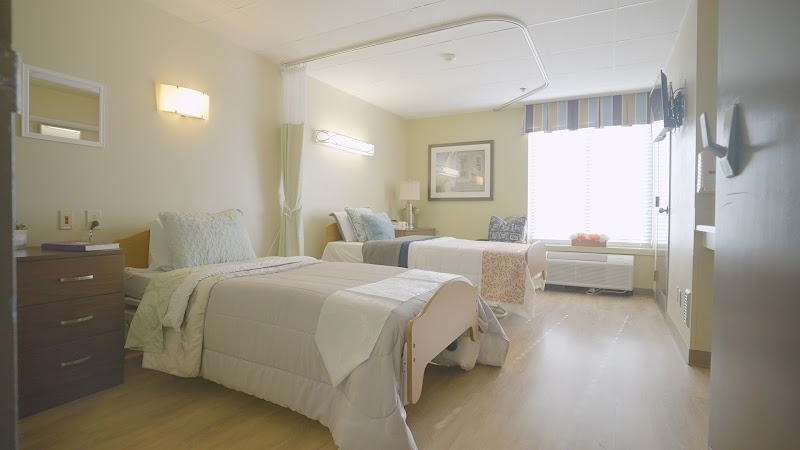
How is Oak Park Staffed?

CMS rates OAK PARK CARE CENTER's staffing level at 1 out of 5 stars, which is much below average compared to other nursing homes. Staff turnover is 63%, which is 17 percentage points above the Missouri average of 46%. High turnover can affect care consistency as new staff learn residents' individual needs.

What Have Inspectors Found at Oak Park?

State health inspectors documented 41 deficiencies at OAK PARK CARE CENTER during 2019 to 2024. These included: 1 Immediate Jeopardy (the most serious level, indicating potential for serious harm or death), 1 that caused actual resident harm, 36 with potential for harm, and 3 minor or isolated issues. Immediate Jeopardy findings are rare and represent the most serious regulatory concerns. They require immediate corrective action.
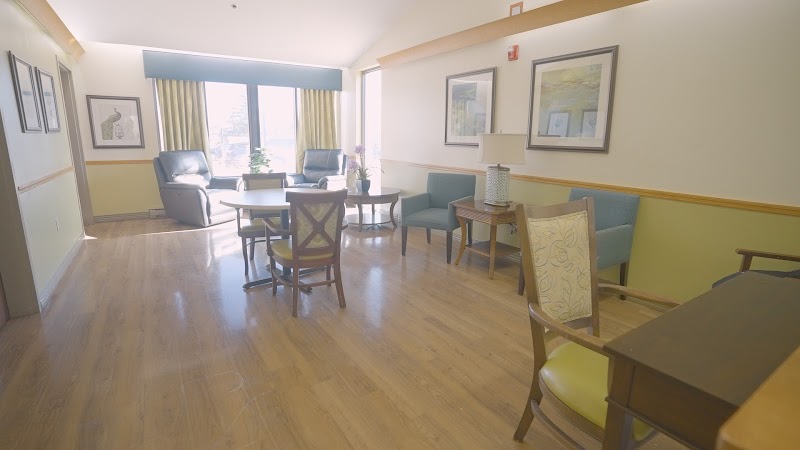
Who Owns and Operates Oak Park?

OAK PARK CARE CENTER is owned by a for-profit company. For-profit facilities operate as businesses with obligations to shareholders or private owners. The facility is operated by MGM HEALTHCARE, a chain that manages multiple nursing homes. With 120 certified beds and approximately 82 residents (about 68% occupancy), it is a mid-sized facility located in SAINT LOUIS, Missouri.
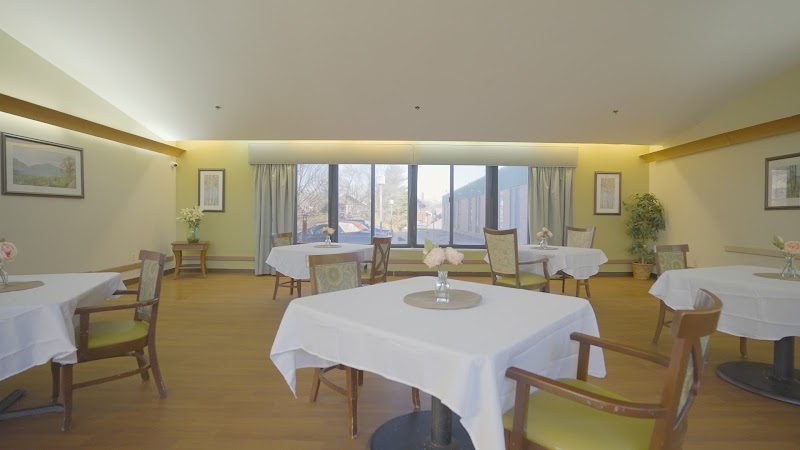
How Does Oak Park Compare to Other Missouri Nursing Homes?

Compared to the 100 nursing homes in Missouri, OAK PARK CARE CENTER's overall rating (2 stars) is below the state average of 2.5, staff turnover (63%) is significantly higher than the state average of 46%, and health inspection rating (3 stars) is at the national benchmark.

What Should Families Ask When Visiting Oak Park?

Based on this facility's data, families visiting should ask: "What changes have been made since the serious inspection findings, and how are you preventing similar issues?" "How do you ensure continuity of care given staff turnover, and what is your staff retention strategy?" "Can you walk me through typical staffing levels on day, evening, and night shifts?" "Can I visit during a mealtime to observe dining assistance and food quality?" These questions are particularly relevant given the facility's Immediate Jeopardy citations, the facility's high staff turnover rate, and the below-average staffing rating.

Is Oak Park Safe?

Based on CMS inspection data, OAK PARK CARE CENTER has documented safety concerns. Inspectors have issued 1 Immediate Jeopardy citation (the most serious violation level indicating risk of serious injury or death). The facility has a 2-star overall rating and ranks #100 of 100 nursing homes in Missouri. Families considering this facility should ask detailed questions about what corrective actions have been taken since these incidents.

Do Nurses at Oak Park Stick Around?

Staff turnover at OAK PARK CARE CENTER is high. At 63%, the facility is 17 percentage points above the Missouri average of 46%. High turnover means new staff may not know residents' individual needs, medications, or preferences. It can also be disorienting for residents, especially those with dementia who rely on familiar faces. Families should ask: What is causing the turnover? What retention programs are in place? How do you ensure care continuity during staff transitions?

Was Oak Park Ever Fined?

OAK PARK CARE CENTER has been fined $22,492 across 1 penalty action. This is below the Missouri average of $33,304. While any fine indicates a compliance issue, fines under $50,000 are relatively common and typically reflect isolated problems that were subsequently corrected. Families should ask what specific issues led to these fines and confirm they've been resolved.

Is Oak Park on Any Federal Watch List?

OAK PARK CARE CENTER is not on any federal watch list. The most significant is the Special Focus Facility (SFF) program, which identifies the bottom 1% of nursing homes nationally based on persistent, serious quality problems. Not being on this list means the facility has avoided the pattern of deficiencies that triggers enhanced federal oversight. This is a positive indicator, though families should still review the facility's inspection history directly.